window.__IS_SSR__=true
window.__INITIAL_STATE__={
"attachmentsReducer": {
"audio_0": {
"type": "attachments",
"id": "audio_0",
"imgSizes": {
"kqedFullSize": {
"file": "https://ww2.kqed.org/news/wp-content/themes/KQED-unified/img/audio_bgs/background0.jpg"
}
}
},
"audio_1": {
"type": "attachments",
"id": "audio_1",
"imgSizes": {
"kqedFullSize": {
"file": "https://ww2.kqed.org/news/wp-content/themes/KQED-unified/img/audio_bgs/background1.jpg"
}
}
},
"audio_2": {
"type": "attachments",
"id": "audio_2",
"imgSizes": {
"kqedFullSize": {
"file": "https://ww2.kqed.org/news/wp-content/themes/KQED-unified/img/audio_bgs/background2.jpg"
}
}
},
"audio_3": {
"type": "attachments",
"id": "audio_3",
"imgSizes": {
"kqedFullSize": {
"file": "https://ww2.kqed.org/news/wp-content/themes/KQED-unified/img/audio_bgs/background3.jpg"
}
}
},
"audio_4": {
"type": "attachments",
"id": "audio_4",
"imgSizes": {
"kqedFullSize": {
"file": "https://ww2.kqed.org/news/wp-content/themes/KQED-unified/img/audio_bgs/background4.jpg"
}
}
},
"placeholder": {
"type": "attachments",
"id": "placeholder",
"imgSizes": {
"thumbnail": {
"file": "https://cdn.kqed.org/wp-content/uploads/2024/12/KQED-Default-Image-816638274-2000x1333-1-160x107.jpg",
"width": 160,
"height": 107,
"mimeType": "image/jpeg"
},
"medium": {
"file": "https://cdn.kqed.org/wp-content/uploads/2024/12/KQED-Default-Image-816638274-2000x1333-1-800x533.jpg",
"width": 800,
"height": 533,
"mimeType": "image/jpeg"
},
"medium_large": {
"file": "https://cdn.kqed.org/wp-content/uploads/2024/12/KQED-Default-Image-816638274-2000x1333-1-768x512.jpg",
"width": 768,
"height": 512,
"mimeType": "image/jpeg"
},
"large": {
"file": "https://cdn.kqed.org/wp-content/uploads/2024/12/KQED-Default-Image-816638274-2000x1333-1-1020x680.jpg",
"width": 1020,
"height": 680,
"mimeType": "image/jpeg"
},
"1536x1536": {
"file": "https://cdn.kqed.org/wp-content/uploads/2024/12/KQED-Default-Image-816638274-2000x1333-1-1536x1024.jpg",
"width": 1536,
"height": 1024,
"mimeType": "image/jpeg"
},
"fd-lrg": {
"file": "https://cdn.kqed.org/wp-content/uploads/2024/12/KQED-Default-Image-816638274-2000x1333-1-1536x1024.jpg",
"width": 1536,
"height": 1024,
"mimeType": "image/jpeg"
},
"fd-med": {
"file": "https://cdn.kqed.org/wp-content/uploads/2024/12/KQED-Default-Image-816638274-2000x1333-1-1020x680.jpg",
"width": 1020,
"height": 680,
"mimeType": "image/jpeg"
},
"fd-sm": {
"file": "https://cdn.kqed.org/wp-content/uploads/2024/12/KQED-Default-Image-816638274-2000x1333-1-800x533.jpg",
"width": 800,
"height": 533,
"mimeType": "image/jpeg"
},
"post-thumbnail": {
"file": "https://cdn.kqed.org/wp-content/uploads/2024/12/KQED-Default-Image-816638274-2000x1333-1-672x372.jpg",
"width": 672,
"height": 372,
"mimeType": "image/jpeg"
},
"twentyfourteen-full-width": {
"file": "https://cdn.kqed.org/wp-content/uploads/2024/12/KQED-Default-Image-816638274-2000x1333-1-1038x576.jpg",
"width": 1038,
"height": 576,
"mimeType": "image/jpeg"
},
"xxsmall": {
"file": "https://cdn.kqed.org/wp-content/uploads/2024/12/KQED-Default-Image-816638274-2000x1333-1-160x107.jpg",
"width": 160,
"height": 107,
"mimeType": "image/jpeg"
},
"xsmall": {
"file": "https://cdn.kqed.org/wp-content/uploads/2024/12/KQED-Default-Image-816638274-2000x1333-1-672x372.jpg",
"width": 672,
"height": 372,
"mimeType": "image/jpeg"
},
"small": {
"file": "https://cdn.kqed.org/wp-content/uploads/2024/12/KQED-Default-Image-816638274-2000x1333-1-672x372.jpg",
"width": 672,
"height": 372,
"mimeType": "image/jpeg"
},
"xlarge": {
"file": "https://cdn.kqed.org/wp-content/uploads/2024/12/KQED-Default-Image-816638274-2000x1333-1-1020x680.jpg",
"width": 1020,
"height": 680,
"mimeType": "image/jpeg"
},
"full-width": {
"file": "https://cdn.kqed.org/wp-content/uploads/2024/12/KQED-Default-Image-816638274-2000x1333-1-1920x1280.jpg",
"width": 1920,
"height": 1280,
"mimeType": "image/jpeg"
},
"guest-author-32": {
"file": "https://cdn.kqed.org/wp-content/uploads/2025/01/KQED-Default-Image-816638274-1333x1333-1-160x160.jpg",
"width": 32,
"height": 32,
"mimeType": "image/jpeg"
},
"guest-author-50": {
"file": "https://cdn.kqed.org/wp-content/uploads/2025/01/KQED-Default-Image-816638274-1333x1333-1-160x160.jpg",
"width": 50,
"height": 50,
"mimeType": "image/jpeg"
},
"guest-author-64": {
"file": "https://cdn.kqed.org/wp-content/uploads/2025/01/KQED-Default-Image-816638274-1333x1333-1-160x160.jpg",
"width": 64,
"height": 64,
"mimeType": "image/jpeg"
},
"guest-author-96": {
"file": "https://cdn.kqed.org/wp-content/uploads/2025/01/KQED-Default-Image-816638274-1333x1333-1-160x160.jpg",
"width": 96,
"height": 96,
"mimeType": "image/jpeg"
},
"guest-author-128": {
"file": "https://cdn.kqed.org/wp-content/uploads/2025/01/KQED-Default-Image-816638274-1333x1333-1-160x160.jpg",
"width": 128,
"height": 128,
"mimeType": "image/jpeg"
},
"detail": {
"file": "https://cdn.kqed.org/wp-content/uploads/2025/01/KQED-Default-Image-816638274-1333x1333-1-160x160.jpg",
"width": 160,
"height": 160,
"mimeType": "image/jpeg"
},
"kqedFullSize": {
"file": "https://cdn.kqed.org/wp-content/uploads/2024/12/KQED-Default-Image-816638274-2000x1333-1.jpg",
"width": 2000,
"height": 1333
}
}
},
"news_12012780": {
"type": "attachments",
"id": "news_12012780",
"meta": {
"index": "attachments_1716263798",
"site": "news",
"id": "12012780",
"found": true
},
"title": "US-LABOR-NEWSPAPER-STRIKE",
"publishDate": 1730845187,
"status": "inherit",
"parent": 12012775,
"modified": 1730845222,
"caption": "Members of The New York Times Tech Guild protest outside of the New York Times headquarters building in New York City on Nov. 4, 2024.",
"credit": "David Dee Delgado/AFP via Getty Images",
"altTag": null,
"description": null,
"imgSizes": {
"medium": {
"file": "https://cdn.kqed.org/wp-content/uploads/sites/10/2024/11/NYTStrikeGetty1-800x533.jpg",
"width": 800,
"height": 533,
"mimeType": "image/jpeg"
},
"large": {
"file": "https://cdn.kqed.org/wp-content/uploads/sites/10/2024/11/NYTStrikeGetty1-1020x680.jpg",
"width": 1020,
"height": 680,
"mimeType": "image/jpeg"
},
"thumbnail": {
"file": "https://cdn.kqed.org/wp-content/uploads/sites/10/2024/11/NYTStrikeGetty1-160x107.jpg",
"width": 160,
"height": 107,
"mimeType": "image/jpeg"
},
"1536x1536": {
"file": "https://cdn.kqed.org/wp-content/uploads/sites/10/2024/11/NYTStrikeGetty1-1536x1024.jpg",
"width": 1536,
"height": 1024,
"mimeType": "image/jpeg"
},
"post-thumbnail": {
"file": "https://cdn.kqed.org/wp-content/uploads/sites/10/2024/11/NYTStrikeGetty1-672x372.jpg",
"width": 672,
"height": 372,
"mimeType": "image/jpeg"
},
"twentyfourteen-full-width": {
"file": "https://cdn.kqed.org/wp-content/uploads/sites/10/2024/11/NYTStrikeGetty1-1038x576.jpg",
"width": 1038,
"height": 576,
"mimeType": "image/jpeg"
},
"full-width": {
"file": "https://cdn.kqed.org/wp-content/uploads/sites/10/2024/11/NYTStrikeGetty1-1920x1280.jpg",
"width": 1920,
"height": 1280,
"mimeType": "image/jpeg"
},
"kqedFullSize": {
"file": "https://cdn.kqed.org/wp-content/uploads/sites/10/2024/11/NYTStrikeGetty1.jpg",
"width": 2000,
"height": 1333
}
},
"isLoading": false,
"fetchFailed": false
},
"news_12011853": {
"type": "attachments",
"id": "news_12011853",
"meta": {
"index": "attachments_1716263798",
"site": "news",
"id": "12011853",
"found": true
},
"title": "241030-DowntownHotelStrikersMarch-25-BL",
"publishDate": 1730340949,
"status": "inherit",
"parent": 0,
"modified": 1730346875,
"caption": "Police officers line up in front of hotel workers and their allies sitting in the street in front of the Westin St. Francis in San Francisco on Oct. 30, 2024, during a protest demanding that employers invest in hotel staff and restore guest services.",
"credit": "Beth LaBerge/KQED",
"altTag": null,
"description": null,
"imgSizes": {
"medium": {
"file": "https://cdn.kqed.org/wp-content/uploads/sites/10/2024/10/241030-DowntownHotelStrikersMarch-25-BL-800x533.jpg",
"width": 800,
"height": 533,
"mimeType": "image/jpeg"
},
"large": {
"file": "https://cdn.kqed.org/wp-content/uploads/sites/10/2024/10/241030-DowntownHotelStrikersMarch-25-BL-1020x680.jpg",
"width": 1020,
"height": 680,
"mimeType": "image/jpeg"
},
"thumbnail": {
"file": "https://cdn.kqed.org/wp-content/uploads/sites/10/2024/10/241030-DowntownHotelStrikersMarch-25-BL-160x107.jpg",
"width": 160,
"height": 107,
"mimeType": "image/jpeg"
},
"1536x1536": {
"file": "https://cdn.kqed.org/wp-content/uploads/sites/10/2024/10/241030-DowntownHotelStrikersMarch-25-BL-1536x1024.jpg",
"width": 1536,
"height": 1024,
"mimeType": "image/jpeg"
},
"post-thumbnail": {
"file": "https://cdn.kqed.org/wp-content/uploads/sites/10/2024/10/241030-DowntownHotelStrikersMarch-25-BL-672x372.jpg",
"width": 672,
"height": 372,
"mimeType": "image/jpeg"
},
"twentyfourteen-full-width": {
"file": "https://cdn.kqed.org/wp-content/uploads/sites/10/2024/10/241030-DowntownHotelStrikersMarch-25-BL-1038x576.jpg",
"width": 1038,
"height": 576,
"mimeType": "image/jpeg"
},
"full-width": {
"file": "https://cdn.kqed.org/wp-content/uploads/sites/10/2024/10/241030-DowntownHotelStrikersMarch-25-BL-1920x1280.jpg",
"width": 1920,
"height": 1280,
"mimeType": "image/jpeg"
},
"kqedFullSize": {
"file": "https://cdn.kqed.org/wp-content/uploads/sites/10/2024/10/241030-DowntownHotelStrikersMarch-25-BL.jpg",
"width": 2000,
"height": 1333
}
},
"isLoading": false,
"fetchFailed": false
},
"news_11954233": {
"type": "attachments",
"id": "news_11954233",
"meta": {
"index": "attachments_1716263798",
"site": "news",
"id": "11954233",
"found": true
},
"title": "RS46642_KQED_Oakland_McDonaldsStrike_01152021-11-qut",
"publishDate": 1687895609,
"status": "inherit",
"parent": 11954205,
"modified": 1729878043,
"caption": "Oakland fast food workers convened for a car caravan strike at a McDonald's restaurant in Oakland on Jan. 15, 2021, to demand better working conditions and higher minimum wage for fast food workers around the country.",
"credit": "Anna Vignet/KQED",
"altTag": "A McDonald's drive-thru is pictured, where several protesters are seen holding a large yellow banner with black and red writing that reads, \"Fast Food Worker Power!\" A maroon SUV is pulling out of the drive-thru.",
"description": null,
"imgSizes": {
"medium": {
"file": "https://cdn.kqed.org/wp-content/uploads/sites/10/2023/06/RS46642_KQED_Oakland_McDonaldsStrike_01152021-11-qut-800x534.jpg",
"width": 800,
"height": 534,
"mimeType": "image/jpeg"
},
"large": {
"file": "https://cdn.kqed.org/wp-content/uploads/sites/10/2023/06/RS46642_KQED_Oakland_McDonaldsStrike_01152021-11-qut-1020x681.jpg",
"width": 1020,
"height": 681,
"mimeType": "image/jpeg"
},
"thumbnail": {
"file": "https://cdn.kqed.org/wp-content/uploads/sites/10/2023/06/RS46642_KQED_Oakland_McDonaldsStrike_01152021-11-qut-160x107.jpg",
"width": 160,
"height": 107,
"mimeType": "image/jpeg"
},
"1536x1536": {
"file": "https://cdn.kqed.org/wp-content/uploads/sites/10/2023/06/RS46642_KQED_Oakland_McDonaldsStrike_01152021-11-qut-1536x1026.jpg",
"width": 1536,
"height": 1026,
"mimeType": "image/jpeg"
},
"post-thumbnail": {
"file": "https://cdn.kqed.org/wp-content/uploads/sites/10/2023/06/RS46642_KQED_Oakland_McDonaldsStrike_01152021-11-qut-672x372.jpg",
"width": 672,
"height": 372,
"mimeType": "image/jpeg"
},
"twentyfourteen-full-width": {
"file": "https://cdn.kqed.org/wp-content/uploads/sites/10/2023/06/RS46642_KQED_Oakland_McDonaldsStrike_01152021-11-qut-1038x576.jpg",
"width": 1038,
"height": 576,
"mimeType": "image/jpeg"
},
"kqedFullSize": {
"file": "https://cdn.kqed.org/wp-content/uploads/sites/10/2023/06/RS46642_KQED_Oakland_McDonaldsStrike_01152021-11-qut.jpg",
"width": 1920,
"height": 1282
}
},
"isLoading": false,
"fetchFailed": false
},
"news_12010985": {
"type": "attachments",
"id": "news_12010985",
"meta": {
"index": "attachments_1716263798",
"site": "news",
"id": "12010985",
"found": true
},
"title": "241024-SFCOURTCLERKSSTRIKE-07-BL-KQED",
"publishDate": 1729806684,
"status": "inherit",
"parent": 0,
"modified": 1729809187,
"caption": "San Francisco Superior Court clerks, supported by their union SEIU Local 1021, strike in front of the 850 Bryant St. Courthouse in San Francisco on Oct. 24, 2024, nearly a month after their contract expired. They raised issues of inadequate staffing and training that they say have already caused over 70 misdemeanor cases to be dismissed and caused unnecessary delays and errors.",
"credit": "Beth LaBerge/KQED",
"altTag": null,
"description": null,
"imgSizes": {
"medium": {
"file": "https://cdn.kqed.org/wp-content/uploads/sites/10/2024/10/241024-SFCOURTCLERKSSTRIKE-07-BL-KQED-800x533.jpg",
"width": 800,
"height": 533,
"mimeType": "image/jpeg"
},
"large": {
"file": "https://cdn.kqed.org/wp-content/uploads/sites/10/2024/10/241024-SFCOURTCLERKSSTRIKE-07-BL-KQED-1020x680.jpg",
"width": 1020,
"height": 680,
"mimeType": "image/jpeg"
},
"thumbnail": {
"file": "https://cdn.kqed.org/wp-content/uploads/sites/10/2024/10/241024-SFCOURTCLERKSSTRIKE-07-BL-KQED-160x107.jpg",
"width": 160,
"height": 107,
"mimeType": "image/jpeg"
},
"1536x1536": {
"file": "https://cdn.kqed.org/wp-content/uploads/sites/10/2024/10/241024-SFCOURTCLERKSSTRIKE-07-BL-KQED-1536x1024.jpg",
"width": 1536,
"height": 1024,
"mimeType": "image/jpeg"
},
"post-thumbnail": {
"file": "https://cdn.kqed.org/wp-content/uploads/sites/10/2024/10/241024-SFCOURTCLERKSSTRIKE-07-BL-KQED-672x372.jpg",
"width": 672,
"height": 372,
"mimeType": "image/jpeg"
},
"twentyfourteen-full-width": {
"file": "https://cdn.kqed.org/wp-content/uploads/sites/10/2024/10/241024-SFCOURTCLERKSSTRIKE-07-BL-KQED-1038x576.jpg",
"width": 1038,
"height": 576,
"mimeType": "image/jpeg"
},
"full-width": {
"file": "https://cdn.kqed.org/wp-content/uploads/sites/10/2024/10/241024-SFCOURTCLERKSSTRIKE-07-BL-KQED-1920x1280.jpg",
"width": 1920,
"height": 1280,
"mimeType": "image/jpeg"
},
"kqedFullSize": {
"file": "https://cdn.kqed.org/wp-content/uploads/sites/10/2024/10/241024-SFCOURTCLERKSSTRIKE-07-BL-KQED.jpg",
"width": 2000,
"height": 1333
}
},
"isLoading": false,
"fetchFailed": false
},
"news_12010362": {
"type": "attachments",
"id": "news_12010362",
"meta": {
"index": "attachments_1716263798",
"site": "news",
"id": "12010362",
"found": true
},
"title": "100722_Kaiser-Mental-Health-Strike_MHN_CM_09",
"publishDate": 1729529027,
"status": "inherit",
"parent": 12010346,
"modified": 1729529150,
"caption": "Striking Kaiser Permanente mental health workers stage a die-in at the Kaiser Headquarters in Oakland on Oct. 7, 2022. ",
"credit": "Martin do Nascimento/CalMatters",
"altTag": "Several women wearing red shirts and holding signs that read \"Kaiser Don't Deny.org\" stand outside a building.",
"description": null,
"imgSizes": {
"medium": {
"file": "https://cdn.kqed.org/wp-content/uploads/sites/10/2024/10/100722_Kaiser-Mental-Health-Strike_MHN_CM_09-800x533.jpg",
"width": 800,
"height": 533,
"mimeType": "image/jpeg"
},
"large": {
"file": "https://cdn.kqed.org/wp-content/uploads/sites/10/2024/10/100722_Kaiser-Mental-Health-Strike_MHN_CM_09-1020x680.jpg",
"width": 1020,
"height": 680,
"mimeType": "image/jpeg"
},
"thumbnail": {
"file": "https://cdn.kqed.org/wp-content/uploads/sites/10/2024/10/100722_Kaiser-Mental-Health-Strike_MHN_CM_09-160x107.jpg",
"width": 160,
"height": 107,
"mimeType": "image/jpeg"
},
"1536x1536": {
"file": "https://cdn.kqed.org/wp-content/uploads/sites/10/2024/10/100722_Kaiser-Mental-Health-Strike_MHN_CM_09-1536x1024.jpg",
"width": 1536,
"height": 1024,
"mimeType": "image/jpeg"
},
"post-thumbnail": {
"file": "https://cdn.kqed.org/wp-content/uploads/sites/10/2024/10/100722_Kaiser-Mental-Health-Strike_MHN_CM_09-672x372.jpg",
"width": 672,
"height": 372,
"mimeType": "image/jpeg"
},
"twentyfourteen-full-width": {
"file": "https://cdn.kqed.org/wp-content/uploads/sites/10/2024/10/100722_Kaiser-Mental-Health-Strike_MHN_CM_09-1038x576.jpg",
"width": 1038,
"height": 576,
"mimeType": "image/jpeg"
},
"full-width": {
"file": "https://cdn.kqed.org/wp-content/uploads/sites/10/2024/10/100722_Kaiser-Mental-Health-Strike_MHN_CM_09-1920x1280.jpg",
"width": 1920,
"height": 1280,
"mimeType": "image/jpeg"
},
"kqedFullSize": {
"file": "https://cdn.kqed.org/wp-content/uploads/sites/10/2024/10/100722_Kaiser-Mental-Health-Strike_MHN_CM_09.jpg",
"width": 2000,
"height": 1333
}
},
"isLoading": false,
"fetchFailed": false
},
"news_12009758": {
"type": "attachments",
"id": "news_12009758",
"meta": {
"index": "attachments_1716263798",
"site": "news",
"id": "12009758",
"found": true
},
"title": "241016-HEALTHCAREMINWAGERAISE-21-BL-KQED",
"publishDate": 1729126780,
"status": "inherit",
"parent": 0,
"modified": 1729126861,
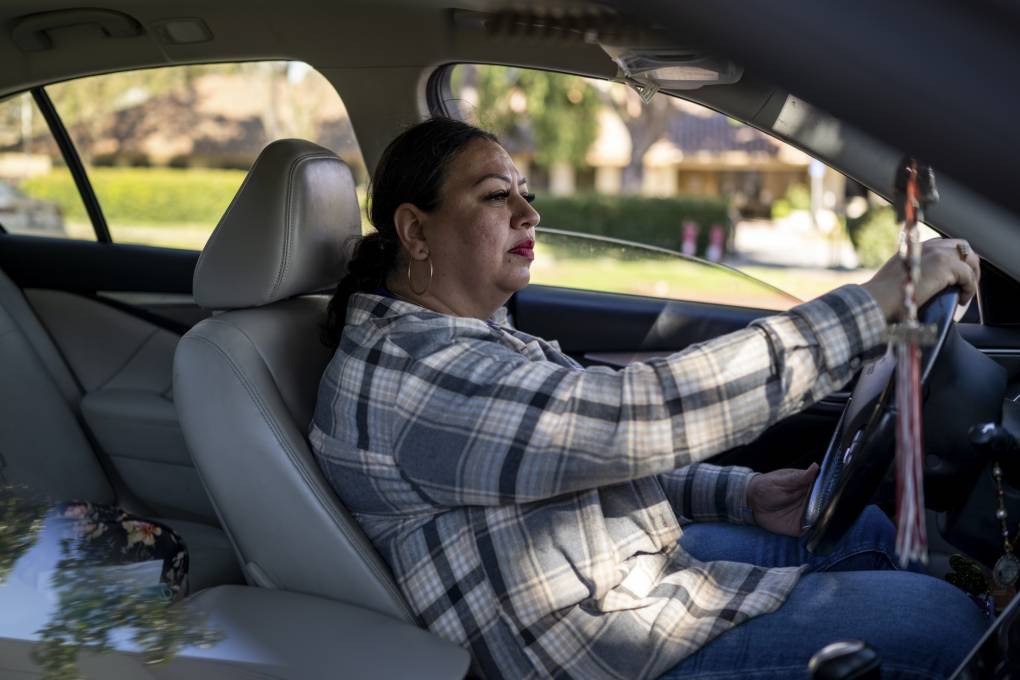
"caption": "Cristina Cortez, a dialysis technician, sits in her car outside of Satellite Healthcare, where she works in Gilroy, on Oct. 16, 2024, before leaving for an hour or more commute home.",
"credit": "Beth LaBerge/KQED",
"altTag": null,
"description": null,
"imgSizes": {
"medium": {
"file": "https://cdn.kqed.org/wp-content/uploads/sites/10/2024/10/241016-HEALTHCAREMINWAGERAISE-21-BL-KQED-800x533.jpg",
"width": 800,
"height": 533,
"mimeType": "image/jpeg"
},
"large": {
"file": "https://cdn.kqed.org/wp-content/uploads/sites/10/2024/10/241016-HEALTHCAREMINWAGERAISE-21-BL-KQED-1020x680.jpg",
"width": 1020,
"height": 680,
"mimeType": "image/jpeg"
},
"thumbnail": {
"file": "https://cdn.kqed.org/wp-content/uploads/sites/10/2024/10/241016-HEALTHCAREMINWAGERAISE-21-BL-KQED-160x107.jpg",
"width": 160,
"height": 107,
"mimeType": "image/jpeg"
},
"1536x1536": {
"file": "https://cdn.kqed.org/wp-content/uploads/sites/10/2024/10/241016-HEALTHCAREMINWAGERAISE-21-BL-KQED-1536x1024.jpg",
"width": 1536,
"height": 1024,
"mimeType": "image/jpeg"
},
"post-thumbnail": {
"file": "https://cdn.kqed.org/wp-content/uploads/sites/10/2024/10/241016-HEALTHCAREMINWAGERAISE-21-BL-KQED-672x372.jpg",
"width": 672,
"height": 372,
"mimeType": "image/jpeg"
},
"twentyfourteen-full-width": {
"file": "https://cdn.kqed.org/wp-content/uploads/sites/10/2024/10/241016-HEALTHCAREMINWAGERAISE-21-BL-KQED-1038x576.jpg",
"width": 1038,
"height": 576,
"mimeType": "image/jpeg"
},
"full-width": {
"file": "https://cdn.kqed.org/wp-content/uploads/sites/10/2024/10/241016-HEALTHCAREMINWAGERAISE-21-BL-KQED-1920x1280.jpg",
"width": 1920,
"height": 1280,
"mimeType": "image/jpeg"
},
"kqedFullSize": {
"file": "https://cdn.kqed.org/wp-content/uploads/sites/10/2024/10/241016-HEALTHCAREMINWAGERAISE-21-BL-KQED.jpg",
"width": 2000,
"height": 1333
}
},
"isLoading": false,
"fetchFailed": false
},
"news_11963692": {
"type": "attachments",
"id": "news_11963692",
"meta": {
"index": "attachments_1716263798",
"site": "news",
"id": "11963692",
"found": true
},
"title": "Patricia Moran stands in her child care facility in San Jose on Oct. 2, 2023.",
"publishDate": 1696612045,
"status": "inherit",
"parent": 11964236,
"modified": 1728416027,
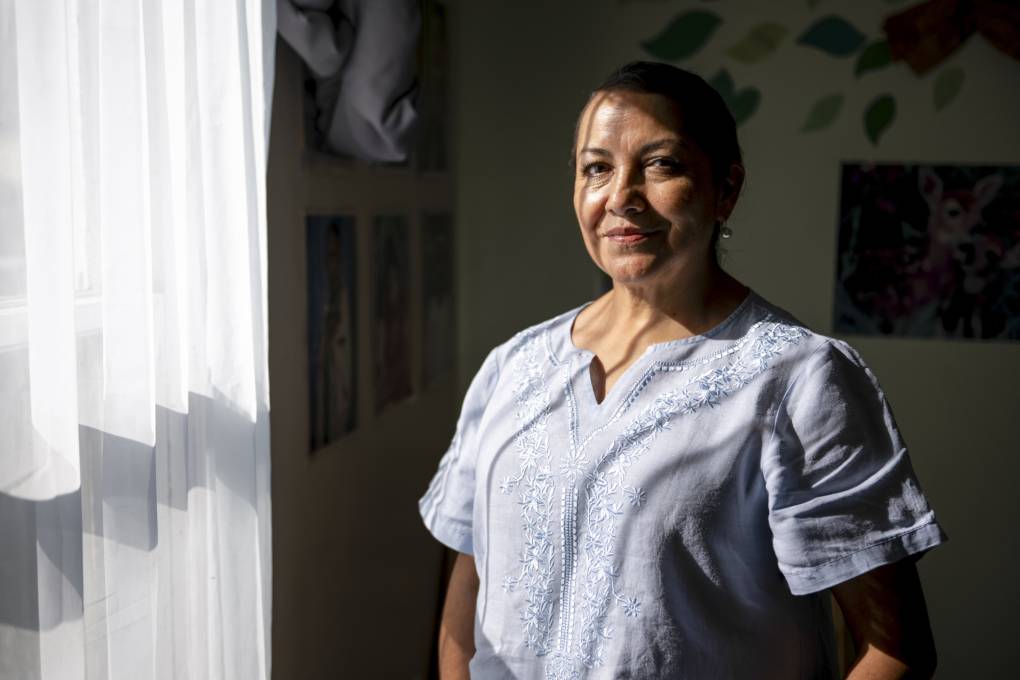
"caption": "Patricia Moran stands in her child care facility in San José on Oct. 2, 2023.",
"credit": "Beth LaBerge/KQED",
"altTag": "A person stands by a window and looks at the camera.",
"description": null,
"imgSizes": {
"medium": {
"file": "https://cdn.kqed.org/wp-content/uploads/sites/10/2023/10/231002-ChildCareLaborMovement-003-BL-KQED-800x533.jpg",
"width": 800,
"height": 533,
"mimeType": "image/jpeg"
},
"large": {
"file": "https://cdn.kqed.org/wp-content/uploads/sites/10/2023/10/231002-ChildCareLaborMovement-003-BL-KQED-1020x680.jpg",
"width": 1020,
"height": 680,
"mimeType": "image/jpeg"
},
"thumbnail": {
"file": "https://cdn.kqed.org/wp-content/uploads/sites/10/2023/10/231002-ChildCareLaborMovement-003-BL-KQED-160x107.jpg",
"width": 160,
"height": 107,
"mimeType": "image/jpeg"
},
"1536x1536": {
"file": "https://cdn.kqed.org/wp-content/uploads/sites/10/2023/10/231002-ChildCareLaborMovement-003-BL-KQED-1536x1024.jpg",
"width": 1536,
"height": 1024,
"mimeType": "image/jpeg"
},
"post-thumbnail": {
"file": "https://cdn.kqed.org/wp-content/uploads/sites/10/2023/10/231002-ChildCareLaborMovement-003-BL-KQED-672x372.jpg",
"width": 672,
"height": 372,
"mimeType": "image/jpeg"
},
"twentyfourteen-full-width": {
"file": "https://cdn.kqed.org/wp-content/uploads/sites/10/2023/10/231002-ChildCareLaborMovement-003-BL-KQED-1038x576.jpg",
"width": 1038,
"height": 576,
"mimeType": "image/jpeg"
},
"full-width": {
"file": "https://cdn.kqed.org/wp-content/uploads/sites/10/2023/10/231002-ChildCareLaborMovement-003-BL-KQED-1920x1280.jpg",
"width": 1920,
"height": 1280,
"mimeType": "image/jpeg"
},
"kqedFullSize": {
"file": "https://cdn.kqed.org/wp-content/uploads/sites/10/2023/10/231002-ChildCareLaborMovement-003-BL-KQED.jpg",
"width": 2000,
"height": 1333
}
},
"isLoading": false,
"fetchFailed": false
},
"news_12008542": {
"type": "attachments",
"id": "news_12008542",
"meta": {
"index": "attachments_1716263798",
"site": "news",
"id": "12008542",
"found": true
},
"title": "002_qed",
"publishDate": 1728420375,
"status": "inherit",
"parent": 12008531,
"modified": 1728431205,
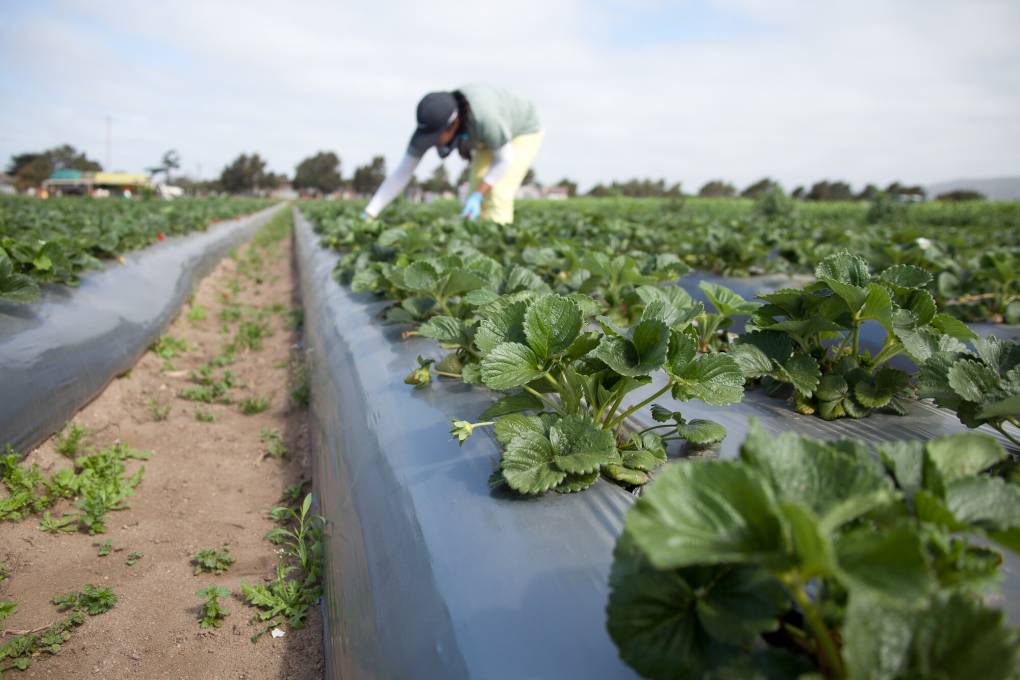
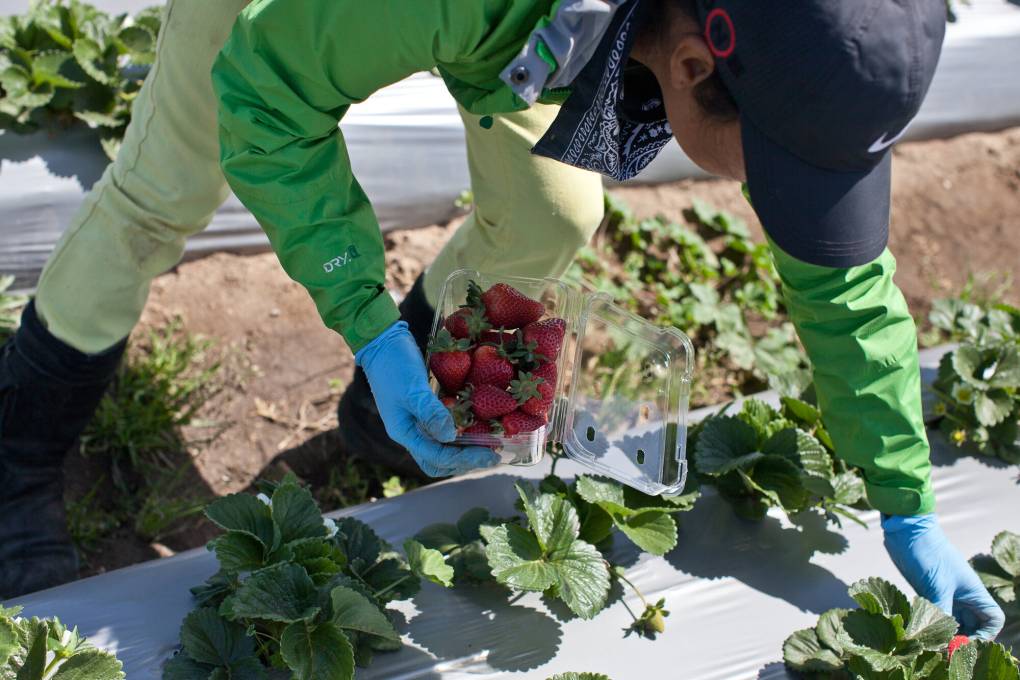
"caption": "A Salinas farmworker pulls weeds and trims strawberry runners to focus the crop’s energy on producing flavorful berries on April 13, 2017. Cal/OSHA announced yesterday it cited a California farm labor contractor for not protecting employees from heat illness. Farmworkers pushed for a bill that would have made getting workers' compensation for heat-related illnesses easier. But that bill, SB 1299, was vetoed by Gov. Gavin Newsom a few days ago.",
"credit": "Deborah Svoboda/KQED",
"altTag": null,
"description": null,
"imgSizes": {
"medium": {
"file": "https://cdn.kqed.org/wp-content/uploads/sites/10/2024/10/002_qed-800x533.jpg",
"width": 800,
"height": 533,
"mimeType": "image/jpeg"
},
"large": {
"file": "https://cdn.kqed.org/wp-content/uploads/sites/10/2024/10/002_qed-1020x680.jpg",
"width": 1020,
"height": 680,
"mimeType": "image/jpeg"
},
"thumbnail": {
"file": "https://cdn.kqed.org/wp-content/uploads/sites/10/2024/10/002_qed-160x107.jpg",
"width": 160,
"height": 107,
"mimeType": "image/jpeg"
},
"1536x1536": {
"file": "https://cdn.kqed.org/wp-content/uploads/sites/10/2024/10/002_qed-1536x1024.jpg",
"width": 1536,
"height": 1024,
"mimeType": "image/jpeg"
},
"post-thumbnail": {
"file": "https://cdn.kqed.org/wp-content/uploads/sites/10/2024/10/002_qed-672x372.jpg",
"width": 672,
"height": 372,
"mimeType": "image/jpeg"
},
"twentyfourteen-full-width": {
"file": "https://cdn.kqed.org/wp-content/uploads/sites/10/2024/10/002_qed-1038x576.jpg",
"width": 1038,
"height": 576,
"mimeType": "image/jpeg"
},
"full-width": {
"file": "https://cdn.kqed.org/wp-content/uploads/sites/10/2024/10/002_qed-1920x1280.jpg",
"width": 1920,
"height": 1280,
"mimeType": "image/jpeg"
},
"kqedFullSize": {
"file": "https://cdn.kqed.org/wp-content/uploads/sites/10/2024/10/002_qed.jpg",
"width": 2000,
"height": 1333
}
},
"isLoading": false,
"fetchFailed": false
},
"news_12007896": {
"type": "attachments",
"id": "news_12007896",
"meta": {
"index": "attachments_1716263798",
"site": "news",
"id": "12007896",
"found": true
},
"title": "Juliette Suarez outside a UPTE-CWA union meeting at UCSF on Oct. 3, 2024.",
"publishDate": 1728010563,
"status": "inherit",
"parent": 0,
"modified": 1728010834,
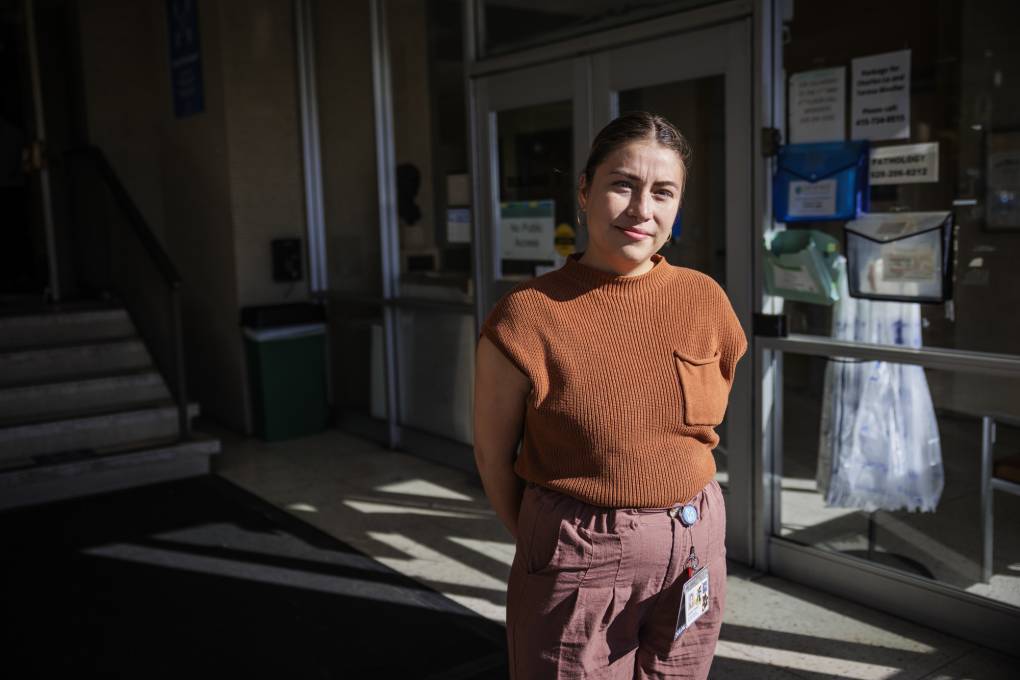
"caption": "Juliette Suarez outside a UPTE-CWA union meeting at UCSF on Oct. 3, 2024.",
"credit": "Martin do Nascimento/KQED",
"altTag": null,
"description": null,
"imgSizes": {
"medium": {
"file": "https://cdn.kqed.org/wp-content/uploads/sites/10/2024/10/241003-UCSF-CLINICAL-SOCIAL-WORKERS-MD-04-KQED-800x533.jpg",
"width": 800,
"height": 533,
"mimeType": "image/jpeg"
},
"large": {
"file": "https://cdn.kqed.org/wp-content/uploads/sites/10/2024/10/241003-UCSF-CLINICAL-SOCIAL-WORKERS-MD-04-KQED-1020x680.jpg",
"width": 1020,
"height": 680,
"mimeType": "image/jpeg"
},
"thumbnail": {
"file": "https://cdn.kqed.org/wp-content/uploads/sites/10/2024/10/241003-UCSF-CLINICAL-SOCIAL-WORKERS-MD-04-KQED-160x107.jpg",
"width": 160,
"height": 107,
"mimeType": "image/jpeg"
},
"1536x1536": {
"file": "https://cdn.kqed.org/wp-content/uploads/sites/10/2024/10/241003-UCSF-CLINICAL-SOCIAL-WORKERS-MD-04-KQED-1536x1024.jpg",
"width": 1536,
"height": 1024,
"mimeType": "image/jpeg"
},
"post-thumbnail": {
"file": "https://cdn.kqed.org/wp-content/uploads/sites/10/2024/10/241003-UCSF-CLINICAL-SOCIAL-WORKERS-MD-04-KQED-672x372.jpg",
"width": 672,
"height": 372,
"mimeType": "image/jpeg"
},
"twentyfourteen-full-width": {
"file": "https://cdn.kqed.org/wp-content/uploads/sites/10/2024/10/241003-UCSF-CLINICAL-SOCIAL-WORKERS-MD-04-KQED-1038x576.jpg",
"width": 1038,
"height": 576,
"mimeType": "image/jpeg"
},
"full-width": {
"file": "https://cdn.kqed.org/wp-content/uploads/sites/10/2024/10/241003-UCSF-CLINICAL-SOCIAL-WORKERS-MD-04-KQED-1920x1280.jpg",
"width": 1920,
"height": 1280,
"mimeType": "image/jpeg"
},
"kqedFullSize": {
"file": "https://cdn.kqed.org/wp-content/uploads/sites/10/2024/10/241003-UCSF-CLINICAL-SOCIAL-WORKERS-MD-04-KQED.jpg",
"width": 2000,
"height": 1333
}
},
"isLoading": false,
"fetchFailed": false
},
"news_11626664": {
"type": "attachments",
"id": "news_11626664",
"meta": {
"index": "attachments_1716263798",
"site": "news",
"id": "11626664",
"found": true
},
"parent": 11626640,
"imgSizes": {
"small": {
"file": "https://ww2.kqed.org/app/uploads/sites/10/2017/10/RS27783_GettyImages-461843616-qut-520x345.jpg",
"width": 520,
"mimeType": "image/jpeg",
"height": 345
},
"twentyfourteen-full-width": {
"file": "https://ww2.kqed.org/app/uploads/sites/10/2017/10/RS27783_GettyImages-461843616-qut-1038x576.jpg",
"width": 1038,
"mimeType": "image/jpeg",
"height": 576
},
"thumbnail": {
"file": "https://ww2.kqed.org/app/uploads/sites/10/2017/10/RS27783_GettyImages-461843616-qut-160x106.jpg",
"width": 160,
"mimeType": "image/jpeg",
"height": 106
},
"fd-sm": {
"file": "https://ww2.kqed.org/app/uploads/sites/10/2017/10/RS27783_GettyImages-461843616-qut-960x636.jpg",
"width": 960,
"mimeType": "image/jpeg",
"height": 636
},
"post-thumbnail": {
"file": "https://ww2.kqed.org/app/uploads/sites/10/2017/10/RS27783_GettyImages-461843616-qut-672x372.jpg",
"width": 672,
"mimeType": "image/jpeg",
"height": 372
},
"xsmall": {
"file": "https://ww2.kqed.org/app/uploads/sites/10/2017/10/RS27783_GettyImages-461843616-qut-375x248.jpg",
"width": 375,
"mimeType": "image/jpeg",
"height": 248
},
"kqedFullSize": {
"file": "https://ww2.kqed.org/app/uploads/sites/10/2017/10/RS27783_GettyImages-461843616-qut.jpg",
"width": 1920,
"height": 1272
},
"large": {
"file": "https://ww2.kqed.org/app/uploads/sites/10/2017/10/RS27783_GettyImages-461843616-qut-1020x676.jpg",
"width": 1020,
"mimeType": "image/jpeg",
"height": 676
},
"xlarge": {
"file": "https://ww2.kqed.org/app/uploads/sites/10/2017/10/RS27783_GettyImages-461843616-qut-1180x782.jpg",
"width": 1180,
"mimeType": "image/jpeg",
"height": 782
},
"guest-author-50": {
"file": "https://ww2.kqed.org/app/uploads/sites/10/2017/10/RS27783_GettyImages-461843616-qut-50x50.jpg",
"width": 50,
"mimeType": "image/jpeg",
"height": 50
},
"guest-author-96": {
"file": "https://ww2.kqed.org/app/uploads/sites/10/2017/10/RS27783_GettyImages-461843616-qut-96x96.jpg",
"width": 96,
"mimeType": "image/jpeg",
"height": 96
},
"medium": {
"file": "https://ww2.kqed.org/app/uploads/sites/10/2017/10/RS27783_GettyImages-461843616-qut-800x530.jpg",
"width": 800,
"mimeType": "image/jpeg",
"height": 530
},
"guest-author-64": {
"file": "https://ww2.kqed.org/app/uploads/sites/10/2017/10/RS27783_GettyImages-461843616-qut-64x64.jpg",
"width": 64,
"mimeType": "image/jpeg",
"height": 64
},
"guest-author-32": {
"file": "https://ww2.kqed.org/app/uploads/sites/10/2017/10/RS27783_GettyImages-461843616-qut-32x32.jpg",
"width": 32,
"mimeType": "image/jpeg",
"height": 32
},
"fd-lrg": {
"file": "https://ww2.kqed.org/app/uploads/sites/10/2017/10/RS27783_GettyImages-461843616-qut-1920x1272.jpg",
"width": 1920,
"mimeType": "image/jpeg",
"height": 1272
},
"fd-med": {
"file": "https://ww2.kqed.org/app/uploads/sites/10/2017/10/RS27783_GettyImages-461843616-qut-1180x782.jpg",
"width": 1180,
"mimeType": "image/jpeg",
"height": 782
},
"full-width": {
"file": "https://ww2.kqed.org/app/uploads/sites/10/2017/10/RS27783_GettyImages-461843616-qut-1920x1272.jpg",
"width": 1920,
"mimeType": "image/jpeg",
"height": 1272
},
"detail": {
"file": "https://ww2.kqed.org/app/uploads/sites/10/2017/10/RS27783_GettyImages-461843616-qut-150x150.jpg",
"width": 150,
"mimeType": "image/jpeg",
"height": 150
},
"guest-author-128": {
"file": "https://ww2.kqed.org/app/uploads/sites/10/2017/10/RS27783_GettyImages-461843616-qut-128x128.jpg",
"width": 128,
"mimeType": "image/jpeg",
"height": 128
},
"xxsmall": {
"file": "https://ww2.kqed.org/app/uploads/sites/10/2017/10/RS27783_GettyImages-461843616-qut-240x159.jpg",
"width": 240,
"mimeType": "image/jpeg",
"height": 159
}
},
"publishDate": 1509237392,
"modified": 1509237638,
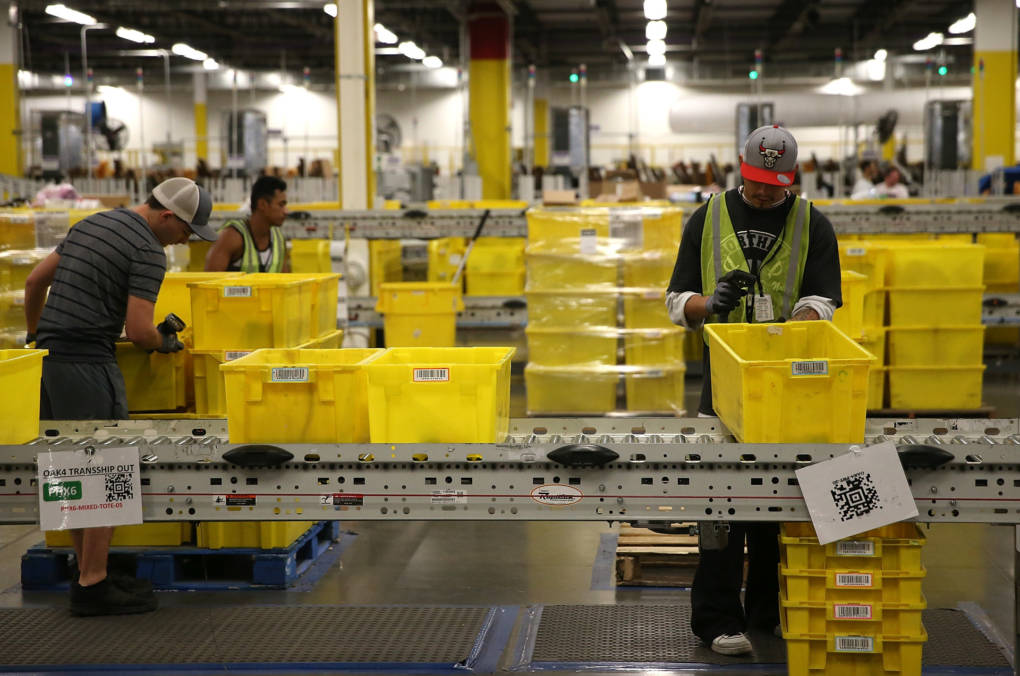
"caption": "Amazon.com workers pack orders at an Amazon fulfillment center on January 20, 2015 in Tracy, California. It uses robots but still employs more than 3,000 employees.",
"description": "Amazon.com workers pack orders at an Amazon fulfillment center on January 20, 2015 in Tracy, California. It uses robots but still employs more than 3,000 employees.",
"title": "Grand Opening Of Amazon Fulfillment Center Features State Of The Art Technology",
"credit": "Justin Sullivan/Getty Images",
"status": "inherit",
"isLoading": false,
"fetchFailed": false
},
"news_11954230": {
"type": "attachments",
"id": "news_11954230",
"meta": {
"index": "attachments_1716263798",
"site": "news",
"id": "11954230",
"found": true
},
"title": "California Budget Fast Food Workers",
"publishDate": 1687894689,
"status": "inherit",
"parent": 0,
"modified": 1726618425,
"caption": "Fast food workers and their supporters march past the state Capitol in Sacramento, Tuesday, Aug. 16, 2022. Gov. Gavin Newsom and legislative leaders have agreed to restore funding to the Industrial Welfare Commission, which has the power to regulate wages, hours and working conditions in California. Business groups oppose restoring the commission. A law that would create a similar commission to regulate the fast food industry passed last year but has been put on hold pending the outcome of a 2024 referendum.",
"credit": "AP Photo/Rich Pedroncelli",
"altTag": "A large group of protesters wearing red T-shirts march around California's Capitol building in Sacramento. Many are carrying yellow signs with red writing. One sign reads, \"Which Side Are You On? Pass AB257.\"",
"description": null,
"imgSizes": {
"medium": {
"file": "https://cdn.kqed.org/wp-content/uploads/sites/10/2023/06/AP23177834356485-800x533.jpg",
"width": 800,
"height": 533,
"mimeType": "image/jpeg"
},
"large": {
"file": "https://cdn.kqed.org/wp-content/uploads/sites/10/2023/06/AP23177834356485-1020x680.jpg",
"width": 1020,
"height": 680,
"mimeType": "image/jpeg"
},
"thumbnail": {
"file": "https://cdn.kqed.org/wp-content/uploads/sites/10/2023/06/AP23177834356485-160x107.jpg",
"width": 160,
"height": 107,
"mimeType": "image/jpeg"
},
"1536x1536": {
"file": "https://cdn.kqed.org/wp-content/uploads/sites/10/2023/06/AP23177834356485-1536x1024.jpg",
"width": 1536,
"height": 1024,
"mimeType": "image/jpeg"
},
"2048x2048": {
"file": "https://cdn.kqed.org/wp-content/uploads/sites/10/2023/06/AP23177834356485-2048x1365.jpg",
"width": 2048,
"height": 1365,
"mimeType": "image/jpeg"
},
"post-thumbnail": {
"file": "https://cdn.kqed.org/wp-content/uploads/sites/10/2023/06/AP23177834356485-672x372.jpg",
"width": 672,
"height": 372,
"mimeType": "image/jpeg"
},
"twentyfourteen-full-width": {
"file": "https://cdn.kqed.org/wp-content/uploads/sites/10/2023/06/AP23177834356485-1038x576.jpg",
"width": 1038,
"height": 576,
"mimeType": "image/jpeg"
},
"full-width": {
"file": "https://cdn.kqed.org/wp-content/uploads/sites/10/2023/06/AP23177834356485-1920x1280.jpg",
"width": 1920,
"height": 1280,
"mimeType": "image/jpeg"
},
"kqedFullSize": {
"file": "https://cdn.kqed.org/wp-content/uploads/sites/10/2023/06/AP23177834356485-scaled.jpg",
"width": 2560,
"height": 1706
}
},
"isLoading": false,
"fetchFailed": false
},
"news_12002086": {
"type": "attachments",
"id": "news_12002086",
"meta": {
"index": "attachments_1716263798",
"site": "news",
"id": "12002086",
"found": true
},
"title": "014_qed",
"publishDate": 1724793177,
"status": "inherit",
"parent": 12002081,
"modified": 1725037696,
"caption": "A farmworker tends to a plot of land in the Salinas Valley where she grows strawberries, sweet peas, zucchini and onions on April 13, 2017.",
"credit": "Deborah Svoboda/KQED",
"altTag": null,
"description": null,
"imgSizes": {
"medium": {
"file": "https://cdn.kqed.org/wp-content/uploads/sites/10/2024/08/014_qed-800x533.jpg",
"width": 800,
"height": 533,
"mimeType": "image/jpeg"
},
"large": {
"file": "https://cdn.kqed.org/wp-content/uploads/sites/10/2024/08/014_qed-1020x680.jpg",
"width": 1020,
"height": 680,
"mimeType": "image/jpeg"
},
"thumbnail": {
"file": "https://cdn.kqed.org/wp-content/uploads/sites/10/2024/08/014_qed-160x107.jpg",
"width": 160,
"height": 107,
"mimeType": "image/jpeg"
},
"1536x1536": {
"file": "https://cdn.kqed.org/wp-content/uploads/sites/10/2024/08/014_qed-1536x1024.jpg",
"width": 1536,
"height": 1024,
"mimeType": "image/jpeg"
},
"post-thumbnail": {
"file": "https://cdn.kqed.org/wp-content/uploads/sites/10/2024/08/014_qed-672x372.jpg",
"width": 672,
"height": 372,
"mimeType": "image/jpeg"
},
"twentyfourteen-full-width": {
"file": "https://cdn.kqed.org/wp-content/uploads/sites/10/2024/08/014_qed-1038x576.jpg",
"width": 1038,
"height": 576,
"mimeType": "image/jpeg"
},
"full-width": {
"file": "https://cdn.kqed.org/wp-content/uploads/sites/10/2024/08/014_qed-1920x1280.jpg",
"width": 1920,
"height": 1280,
"mimeType": "image/jpeg"
},
"kqedFullSize": {
"file": "https://cdn.kqed.org/wp-content/uploads/sites/10/2024/08/014_qed.jpg",
"width": 2000,
"height": 1333
}
},
"isLoading": false,
"fetchFailed": false
}
},
"audioPlayerReducer": {
"postId": "stream_live",
"isPaused": true,
"isPlaying": false,
"pfsActive": false,
"pledgeModalIsOpen": true,
"playerDrawerIsOpen": false,
"liveAudioPlayStartedAt": 0,
"liveAudioPlayContext": ""
},
"authorsReducer": {
"byline_news_12010346": {
"type": "authors",
"id": "byline_news_12010346",
"meta": {
"override": true
},
"slug": "byline_news_12010346",
"name": "\u003ca href=\"https://calmatters.org/author/joe-garcia\">Joe Garcia, \u003c/a>CalMatters",
"isLoading": false
},
"fjhabvala": {
"type": "authors",
"id": "8659",
"meta": {
"index": "authors_1716337520",
"id": "8659",
"found": true
},
"name": "Farida Jhabvala Romero",
"firstName": "Farida",
"lastName": "Jhabvala Romero",
"slug": "fjhabvala",
"email": "fjhabvala@kqed.org",
"display_author_email": true,
"staff_mastheads": [
"news"
],
"title": "KQED Contributor",
"bio": "Farida Jhabvala Romero is a Labor Correspondent for KQED. She previously covered immigration. Farida was \u003ca href=\"https://www.ccnma.org/2022-most-influential-latina-journalists\">named\u003c/a> one of the 10 Most Influential Latina Journalists in California in 2022 by the California Chicano News Media Association. Her work has won awards from the Society of Professional Journalists (Northern California), as well as a national and regional Edward M. Murrow Award for the collaborative reporting projects “Dangerous Air” and “Graying California.” Before joining KQED, Farida worked as a producer at Radio Bilingüe, a national public radio network. Farida earned her master’s degree in journalism from Stanford University.",
"avatar": "https://secure.gravatar.com/avatar/f9f022d4e2609741874222a1e9d41f48fea74011aa7c615eef91d9a50c944ebe?s=600&d=blank&r=g",
"twitter": "FaridaJhabvala",
"bluesky": null,
"facebook": null,
"instagram": null,
"linkedin": "https://www.linkedin.com/in/faridajhabvala/",
"sites": [
{
"site": "news",
"roles": [
"editor"
]
},
{
"site": "stateofhealth",
"roles": [
"author"
]
},
{
"site": "liveblog",
"roles": [
"author"
]
}
],
"headData": {
"title": "Farida Jhabvala Romero | KQED",
"description": "KQED Contributor",
"ogImgSrc": "https://secure.gravatar.com/avatar/f9f022d4e2609741874222a1e9d41f48fea74011aa7c615eef91d9a50c944ebe?s=600&d=blank&r=g",
"twImgSrc": "https://secure.gravatar.com/avatar/f9f022d4e2609741874222a1e9d41f48fea74011aa7c615eef91d9a50c944ebe?s=600&d=blank&r=g"
},
"isLoading": false,
"link": "/author/fjhabvala"
},
"daisynguyen": {
"type": "authors",
"id": "11829",
"meta": {
"index": "authors_1716337520",
"id": "11829",
"found": true
},
"name": "Daisy Nguyen",
"firstName": "Daisy",
"lastName": "Nguyen",
"slug": "daisynguyen",
"email": "daisynguyen@kqed.org",
"display_author_email": true,
"staff_mastheads": [
"news"
],
"title": "KQED Contributor",
"bio": "I have covered early childhood education and child care for KQED since 2022. I focus on policies aimed at increasing access to early care and education and how they shape individual lives. I've been a journalist for more than two decades, with most of that time devoted to covering breaking news throughout California for The Associated Press. I grew up in San Francisco and studied at UC Davis and Columbia University's Graduate School of Journalism. I live in Oakland with my husband and two kids.",
"avatar": "https://secure.gravatar.com/avatar/2da2127c27f7143b53ebd419800fd55f?s=600&d=blank&r=g",
"twitter": null,
"facebook": null,
"instagram": null,
"linkedin": "https://www.linkedin.com/in/daisynguyen/",
"sites": [
{
"site": "news",
"roles": [
"author"
]
},
{
"site": "liveblog",
"roles": [
"author"
]
}
],
"headData": {
"title": "Daisy Nguyen | KQED",
"description": "KQED Contributor",
"ogImgSrc": "https://secure.gravatar.com/avatar/2da2127c27f7143b53ebd419800fd55f?s=600&d=blank&r=g",
"twImgSrc": "https://secure.gravatar.com/avatar/2da2127c27f7143b53ebd419800fd55f?s=600&d=blank&r=g"
},
"isLoading": false,
"link": "/author/daisynguyen"
},
"kdebenedetti": {
"type": "authors",
"id": "11913",
"meta": {
"index": "authors_1716337520",
"id": "11913",
"found": true
},
"name": "Katie DeBenedetti",
"firstName": "Katie",
"lastName": "DeBenedetti",
"slug": "kdebenedetti",
"email": "kdebenedetti@kqed.org",
"display_author_email": false,
"staff_mastheads": [
"news",
"science"
],
"title": "KQED Contributor",
"bio": "Katie DeBenedetti is a digital reporter covering daily news for the Express Desk. Prior to joining KQED as a culture reporting intern in January 2024, she covered education and city government for the Napa Valley Register.",
"avatar": "https://secure.gravatar.com/avatar/6e31073cb8f7e4214ab03f42771d0f45?s=600&d=blank&r=g",
"twitter": null,
"facebook": null,
"instagram": null,
"linkedin": null,
"sites": [
{
"site": "news",
"roles": [
"author"
]
},
{
"site": "science",
"roles": [
"author"
]
},
{
"site": "liveblog",
"roles": [
"author"
]
}
],
"headData": {
"title": "Katie DeBenedetti | KQED",
"description": "KQED Contributor",
"ogImgSrc": "https://secure.gravatar.com/avatar/6e31073cb8f7e4214ab03f42771d0f45?s=600&d=blank&r=g",
"twImgSrc": "https://secure.gravatar.com/avatar/6e31073cb8f7e4214ab03f42771d0f45?s=600&d=blank&r=g"
},
"isLoading": false,
"link": "/author/kdebenedetti"
},
"rcooke": {
"type": "authors",
"id": "11921",
"meta": {
"index": "authors_1716337520",
"id": "11921",
"found": true
},
"name": "Riley Cooke",
"firstName": "Riley",
"lastName": "Cooke",
"slug": "rcooke",
"email": "rcooke@kqed.org",
"display_author_email": true,
"staff_mastheads": [
"news"
],
"title": "KQED Contributor",
"bio": "Riley is a senior at UC Berkeley, where she studies political science and journalism. Her work has appeared in SFGate, NBC Bay Area, Local News Matters and more. She enjoys reporting on politics, housing and homelessness — and using as many em dashes as her editors will allow.",
"avatar": "https://secure.gravatar.com/avatar/792f98c126cc5e270a8a96f77f7224ea?s=600&d=blank&r=g",
"twitter": "rrileycooke",
"facebook": null,
"instagram": null,
"linkedin": null,
"sites": [
{
"site": "arts",
"roles": [
"author"
]
},
{
"site": "news",
"roles": [
"author"
]
}
],
"headData": {
"title": "Riley Cooke | KQED",
"description": "KQED Contributor",
"ogImgSrc": "https://secure.gravatar.com/avatar/792f98c126cc5e270a8a96f77f7224ea?s=600&d=blank&r=g",
"twImgSrc": "https://secure.gravatar.com/avatar/792f98c126cc5e270a8a96f77f7224ea?s=600&d=blank&r=g"
},
"isLoading": false,
"link": "/author/rcooke"
},
"emanoukian": {
"type": "authors",
"id": "11925",
"meta": {
"index": "authors_1716337520",
"id": "11925",
"found": true
},
"name": "Elize Manoukian",
"firstName": "Elize",
"lastName": "Manoukian",
"slug": "emanoukian",
"email": "emanoukian@KQED.org",
"display_author_email": false,
"staff_mastheads": [
"news"
],
"title": "Digital News Editor",
"bio": "Elize Manoukian is an award-winning audio producer and Senior Editor on the Express Desk, KQED's digital news platform. Her work has appeared on KPFA, Interlochen Public Radio, Oregon Public Broadcast, the New York Daily News, LA Times and the San Diego Union-Tribune.",
"avatar": "https://secure.gravatar.com/avatar/4525f1a8e46ccb30933b32653d9772064cfefe3fa655eb45b3b3a80341f6bdad?s=600&d=blank&r=g",
"twitter": null,
"bluesky": null,
"facebook": null,
"instagram": null,
"linkedin": null,
"sites": [
{
"site": "arts",
"roles": [
"editor"
]
},
{
"site": "news",
"roles": [
"editor"
]
},
{
"site": "science",
"roles": [
"editor"
]
}
],
"headData": {
"title": "Elize Manoukian | KQED",
"description": "Digital News Editor",
"ogImgSrc": "https://secure.gravatar.com/avatar/4525f1a8e46ccb30933b32653d9772064cfefe3fa655eb45b3b3a80341f6bdad?s=600&d=blank&r=g",
"twImgSrc": "https://secure.gravatar.com/avatar/4525f1a8e46ccb30933b32653d9772064cfefe3fa655eb45b3b3a80341f6bdad?s=600&d=blank&r=g"
},
"isLoading": false,
"link": "/author/emanoukian"
}
},
"pagesReducer": {
"news_tag_wages": {
"type": "terms",
"id": "news_3733",
"meta": {
"index": "terms_1716263798",
"site": "news",
"id": "3733",
"score": 9.555889
},
"featImg": null,
"name": "wages",
"description": null,
"taxonomy": "tag",
"headData": {
"twImgId": null,
"twTitle": null,
"ogTitle": null,
"ogImgId": null,
"twDescription": null,
"description": null,
"title": "wages Archives | KQED News",
"ogDescription": null
},
"ttid": 3751,
"slug": "wages",
"isLoading": false,
"title": "wages",
"pageMeta": {
"site": "news",
"WpPageTemplate": "page-topic-editorial",
"currentPage": 3
},
"blocks": [
{
"blockName": "kqed/post-list",
"attrs": {
"layout": "cardArticle2",
"query": "posts/news?tag=wages",
"seeMore": false,
"paginated": true,
"page": 3
}
},
{
"blockName": "kqed/ad"
}
]
}
},
"pfsSessionReducer": {},
"postsReducer": {
"stream_live": {
"type": "live",
"id": "stream_live",
"audioUrl": "https://streams.kqed.org/kqedradio",
"title": "Live Stream",
"excerpt": "Live Stream information currently unavailable.",
"link": "/radio",
"featImg": "",
"label": {
"name": "KQED Live",
"link": "/"
}
},
"stream_kqedNewscast": {
"type": "posts",
"id": "stream_kqedNewscast",
"audioUrl": "https://www.kqed.org/.stream/anon/radio/RDnews/newscast.mp3?_=1",
"title": "KQED Newscast",
"featImg": "",
"label": {
"name": "88.5 FM",
"link": "/"
}
},
"news_12012775": {
"type": "posts",
"id": "news_12012775",
"meta": {
"index": "posts_1716263798",
"site": "news",
"id": "12012775",
"score": null,
"sort": [
1730845389000
]
},
"guestAuthors": [],
"slug": "election-watchers-warned-new-york-times-needle-might-not-go-live",
"title": "Election Watchers Be Warned: Notorious New York Times Needle Might Not Go Live",
"publishDate": 1730845389,
"format": "standard",
"headTitle": "Election Watchers Be Warned: Notorious New York Times Needle Might Not Go Live | KQED",
"labelTerm": {
"site": "news"
},
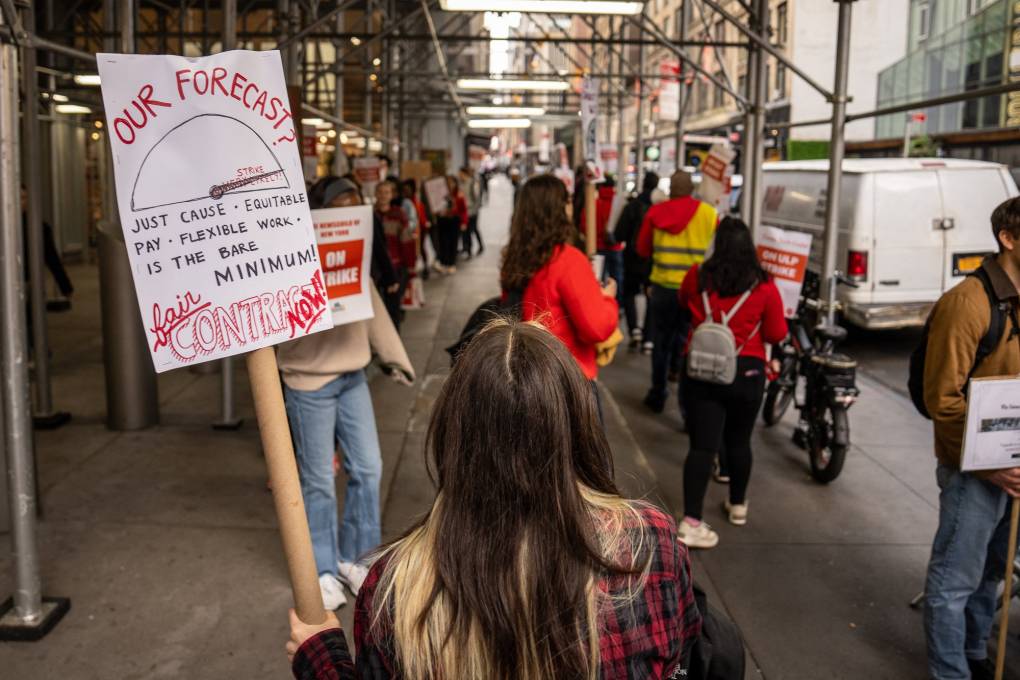
"content": "\u003cp>The notorious \u003cem>New York Times \u003c/em>\u003ca href=\"https://www.kqed.org/news/12012418/when-election-results-2024-california-presidential-race\">election\u003c/a> needles are seared into the memories of many voters, but whether these forecast barometers will go live Tuesday evening is unknown due to a strike of tech workers at the publication.\u003c/p>\n\u003cp>As \u003ca href=\"https://x.com/benryanwriter/status/1853856671367348627\">one user on social media platform X \u003c/a>said after chief political analyst \u003ca href=\"https://x.com/Nate_Cohn/status/1853849211432734973\">Nate Cohn announced\u003c/a> he was unsure whether the feature would be on the \u003cem>New York Times \u003c/em>site on election night: “We need a needle on whether there will be a needle.”\u003c/p>\n\u003cp>The \u003cem>New York Times\u003c/em> introduced the needle in 2016 when its dramatic swing away from predicting a likely win for Hillary Clinton induced anxiety and criticism from many following along. In 2020, the state-level prediction for Georgia flipped toward Joe Biden as votes were tallied on election night. The blue-to-red ombre half circle spans from a very likely Democratic win on the left to a very likely Republican victory on the right.\u003c/p>\n\u003cp>[ad fullwidth]\u003c/p>\n\u003cp>As results come in, an algorithm behind the \u003ca href=\"https://www.nytimes.com/article/election-2024-results-needle.html\">needle\u003c/a>, which starts pointing directly upward, uses the hard results, plus information about voter trends, to shift one way or the other, raising heart rates and spurring flurries of page refreshes. It takes into account who tends to vote early versus on Election Day, whether urban or rural counties are reporting higher percentages and other historical trends that can make early vote counts more unreliable on their face.\u003c/p>\n\u003cp>That feature may or may not be available as swing states projecting razor-thin margins start reporting results on Tuesday night.\u003c/p>\n\u003cp>Although the striking tech workers don’t have a hand in the \u003cem>New York Times \u003c/em>prediction model, Cohn said, they usually maintain the algorithmic infrastructure that feeds data to the needle and handle technological issues across all of its other data pages quickly on election nights.\u003c/p>\n\u003cp>[aside label=\"From the 2024 Voter Guide\" link1='https://www.kqed.org/voterguide/president,Learn about the U.S. Presidential Election' hero=https://cdn.kqed.org/wp-content/uploads/sites/80/2024/09/Aside-Presidential-2024-General-Election-1200x1200-1.png]\u003c/p>\n\u003cp>“The needle is a huge data load, it’s more brittle [than results pages], and we’ve only published it a handful of times (v 1000s of results pages),” Cohn wrote on X. “There will be bugs and it could be hard to debug.”\u003c/p>\n\u003cp>He said it could run smoothly, allowing the needles to publish like normal, but added, “There are good reasons to bet against it.” Any bugs will make it likely that the \u003cem>New York Times\u003c/em> won’t turn the needles live, given the tech workers strike.\u003c/p>\n\u003cp>Members of the NYT Tech Guild walked off the job on Monday, about two years into unsuccessful negotiations between union leaders and management on a contract for the employees, \u003ca href=\"https://www.axios.com/2024/09/10/nyt-tech-union-strike-vote\">according to Axios\u003c/a>. They’re alleging unfair labor practices and asking for higher wages as part of the deal.\u003c/p>\n\u003cp>The strategically timed strike comes about two months after the guild, which represents about 600 data analysts, software engineers and designers, authorized a plan to halt work this week.\u003c/p>\n\u003cp>Regardless of whether the needle appears online, the \u003cem>New York Times \u003c/em>has assured readers it plans to periodically \u003ca href=\"https://www.nytimes.com/article/election-2024-results-needle.html\">run the prediction model internally a\u003c/a>nd release written updates on its live blog, reflecting what the needle indicates.\u003c/p>\n\u003cp>Some voters are calling the tool essential to avoid casting doubt on results as they come in.\u003c/p>\n\u003cp>“Will be a lot of misinformation in the absence of a needle,” @SpencerHakimian \u003ca href=\"https://x.com/SpencerHakimian/status/1853849522566553822\">replied\u003c/a> below Cohn’s thread.\u003c/p>\n\u003cp>Others are urging fellow stressed-out voters to avoid content based on the \u003cem>NYT’s\u003c/em> data — including the potential makeshift needle-based updates — to avoid crossing the virtual picket line.\u003c/p>\n\u003cp>“Don’t cross the picket line and look at the @nytimes needle (or the narrative version of the needle if they can’t get it to work),” @Handle4Adam \u003ca href=\"https://x.com/Handle4Adam/status/1853856902964257169\">wrote\u003c/a>.\u003c/p>\n\u003cp>Tech Guild members outside the \u003cem>NYT’s\u003c/em> office on Tuesday are pointing out exactly which functions can’t run without them — and hoping the absence of the elections needle could move the needle on negotiations.\u003c/p>\n\u003cp>“If you want a needle, we need a deal!” signs on the picket line \u003ca href=\"https://x.com/HellGateNY/status/1853896966192627787\">read\u003c/a>.\u003c/p>\n\u003cp>\u003c/p>\n",
"blocks": [],
"excerpt": "A strike by New York Times tech workers, who built and maintain the infrastructure behind the election predictions, could prevent the needle from being published.",
"status": "publish",
"parent": 0,
"modified": 1730846871,
"stats": {
"hasAudio": false,
"hasVideo": false,
"hasChartOrMap": false,
"iframeSrcs": [],
"hasGoogleForm": false,
"hasGallery": false,
"hasHearkenModule": false,
"hasPolis": false,
"paragraphCount": 20,
"wordCount": 716
},
"headData": {
"title": "Election Watchers Be Warned: Notorious New York Times Needle Might Not Go Live | KQED",
"description": "A strike by New York Times tech workers, who built and maintain the infrastructure behind the election predictions, could prevent the needle from being published.",
"ogTitle": "",
"ogDescription": "",
"ogImgId": "",
"twTitle": "",
"twDescription": "",
"twImgId": "",
"schema": {
"@context": "https://schema.org",
"@type": "NewsArticle",
"headline": "Election Watchers Be Warned: Notorious New York Times Needle Might Not Go Live",
"datePublished": "2024-11-05T14:23:09-08:00",
"dateModified": "2024-11-05T14:47:51-08:00",
"image": "https://cdn.kqed.org/wp-content/uploads/2020/02/KQED-OG-Image@1x.png",
"isAccessibleForFree": "True",
"publisher": {
"@type": "NewsMediaOrganization",
"@id": "https://www.kqed.org/#organization",
"name": "KQED",
"logo": "https://cdn.kqed.org/wp-content/uploads/2020/02/KQED-OG-Image@1x.png",
"url": "https://www.kqed.org",
"sameAs": [
"https://www.facebook.com/KQED",
"https://twitter.com/KQED",
"https://www.instagram.com/kqed/",
"https://www.tiktok.com/@kqedofficial",
"https://www.linkedin.com/company/kqed",
"https://www.youtube.com/channel/UCeC0IOo7i1P_61zVUWbJ4nw"
]
}
}
},
"sticky": false,
"nprStoryId": "kqed-12012775",
"excludeFromSiteSearch": "Include",
"articleAge": "0",
"path": "/news/12012775/election-watchers-warned-new-york-times-needle-might-not-go-live",
"audioTrackLength": null,
"parsedContent": [
{
"type": "contentString",
"content": "\u003cdiv class=\"post-body\">\u003cp>\u003cp>The notorious \u003cem>New York Times \u003c/em>\u003ca href=\"https://www.kqed.org/news/12012418/when-election-results-2024-california-presidential-race\">election\u003c/a> needles are seared into the memories of many voters, but whether these forecast barometers will go live Tuesday evening is unknown due to a strike of tech workers at the publication.\u003c/p>\n\u003cp>As \u003ca href=\"https://x.com/benryanwriter/status/1853856671367348627\">one user on social media platform X \u003c/a>said after chief political analyst \u003ca href=\"https://x.com/Nate_Cohn/status/1853849211432734973\">Nate Cohn announced\u003c/a> he was unsure whether the feature would be on the \u003cem>New York Times \u003c/em>site on election night: “We need a needle on whether there will be a needle.”\u003c/p>\n\u003cp>The \u003cem>New York Times\u003c/em> introduced the needle in 2016 when its dramatic swing away from predicting a likely win for Hillary Clinton induced anxiety and criticism from many following along. In 2020, the state-level prediction for Georgia flipped toward Joe Biden as votes were tallied on election night. The blue-to-red ombre half circle spans from a very likely Democratic win on the left to a very likely Republican victory on the right.\u003c/p>\n\u003cp>\u003c/p>\u003c/div>",
"attributes": {
"named": {},
"numeric": []
}
},
{
"type": "component",
"content": "",
"name": "ad",
"attributes": {
"named": {
"label": "fullwidth"
},
"numeric": [
"fullwidth"
]
}
},
{
"type": "contentString",
"content": "\u003cdiv class=\"post-body\">\u003cp>\u003c/p>\n\u003cp>As results come in, an algorithm behind the \u003ca href=\"https://www.nytimes.com/article/election-2024-results-needle.html\">needle\u003c/a>, which starts pointing directly upward, uses the hard results, plus information about voter trends, to shift one way or the other, raising heart rates and spurring flurries of page refreshes. It takes into account who tends to vote early versus on Election Day, whether urban or rural counties are reporting higher percentages and other historical trends that can make early vote counts more unreliable on their face.\u003c/p>\n\u003cp>That feature may or may not be available as swing states projecting razor-thin margins start reporting results on Tuesday night.\u003c/p>\n\u003cp>Although the striking tech workers don’t have a hand in the \u003cem>New York Times \u003c/em>prediction model, Cohn said, they usually maintain the algorithmic infrastructure that feeds data to the needle and handle technological issues across all of its other data pages quickly on election nights.\u003c/p>\n\u003cp>\u003c/p>\u003c/div>",
"attributes": {
"named": {},
"numeric": []
}
},
{
"type": "component",
"content": "",
"name": "aside",
"attributes": {
"named": {
"label": "From the 2024 Voter Guide ",
"link1": "https://www.kqed.org/voterguide/president,Learn about the U.S. Presidential Election",
"hero": "https://cdn.kqed.org/wp-content/uploads/sites/80/2024/09/Aside-Presidential-2024-General-Election-1200x1200-1.png"
},
"numeric": []
}
},
{
"type": "contentString",
"content": "\u003cdiv class=\"post-body\">\u003cp>\u003c/p>\n\u003cp>“The needle is a huge data load, it’s more brittle [than results pages], and we’ve only published it a handful of times (v 1000s of results pages),” Cohn wrote on X. “There will be bugs and it could be hard to debug.”\u003c/p>\n\u003cp>He said it could run smoothly, allowing the needles to publish like normal, but added, “There are good reasons to bet against it.” Any bugs will make it likely that the \u003cem>New York Times\u003c/em> won’t turn the needles live, given the tech workers strike.\u003c/p>\n\u003cp>Members of the NYT Tech Guild walked off the job on Monday, about two years into unsuccessful negotiations between union leaders and management on a contract for the employees, \u003ca href=\"https://www.axios.com/2024/09/10/nyt-tech-union-strike-vote\">according to Axios\u003c/a>. They’re alleging unfair labor practices and asking for higher wages as part of the deal.\u003c/p>\n\u003cp>The strategically timed strike comes about two months after the guild, which represents about 600 data analysts, software engineers and designers, authorized a plan to halt work this week.\u003c/p>\n\u003cp>Regardless of whether the needle appears online, the \u003cem>New York Times \u003c/em>has assured readers it plans to periodically \u003ca href=\"https://www.nytimes.com/article/election-2024-results-needle.html\">run the prediction model internally a\u003c/a>nd release written updates on its live blog, reflecting what the needle indicates.\u003c/p>\n\u003cp>Some voters are calling the tool essential to avoid casting doubt on results as they come in.\u003c/p>\n\u003cp>“Will be a lot of misinformation in the absence of a needle,” @SpencerHakimian \u003ca href=\"https://x.com/SpencerHakimian/status/1853849522566553822\">replied\u003c/a> below Cohn’s thread.\u003c/p>\n\u003cp>Others are urging fellow stressed-out voters to avoid content based on the \u003cem>NYT’s\u003c/em> data — including the potential makeshift needle-based updates — to avoid crossing the virtual picket line.\u003c/p>\n\u003cp>“Don’t cross the picket line and look at the @nytimes needle (or the narrative version of the needle if they can’t get it to work),” @Handle4Adam \u003ca href=\"https://x.com/Handle4Adam/status/1853856902964257169\">wrote\u003c/a>.\u003c/p>\n\u003cp>Tech Guild members outside the \u003cem>NYT’s\u003c/em> office on Tuesday are pointing out exactly which functions can’t run without them — and hoping the absence of the elections needle could move the needle on negotiations.\u003c/p>\n\u003cp>“If you want a needle, we need a deal!” signs on the picket line \u003ca href=\"https://x.com/HellGateNY/status/1853896966192627787\">read\u003c/a>.\u003c/p>\n\u003cp>\u003c/p>\n\u003c/div>\u003c/p>",
"attributes": {
"named": {},
"numeric": []
}
}
],
"link": "/news/12012775/election-watchers-warned-new-york-times-needle-might-not-go-live",
"authors": [
"11913"
],
"categories": [
"news_31795",
"news_8",
"news_13"
],
"tags": [
"news_32839",
"news_34377",
"news_32885",
"news_19904",
"news_24590",
"news_20627",
"news_17968",
"news_29111",
"news_3733"
],
"featImg": "news_12012780",
"label": "news"
},
"news_12011631": {
"type": "posts",
"id": "news_12011631",
"meta": {
"index": "posts_1716263798",
"site": "news",
"id": "12011631",
"score": null,
"sort": [
1730329235000
]
},
"guestAuthors": [],
"slug": "striking-sf-hotel-workers-to-march-through-downtown-after-weeks-of-picketing",
"title": "More Than 80 Arrested After Striking SF Hotel Workers March Through Downtown",
"publishDate": 1730329235,
"format": "standard",
"headTitle": "More Than 80 Arrested After Striking SF Hotel Workers March Through Downtown | KQED",
"labelTerm": {
"site": "news"
},
"content": "\u003cp>More than 80 people were arrested Wednesday night after striking \u003ca href=\"https://www.kqed.org/news/tag/san-francisco\">San Francisco\u003c/a> hotel workers marched through downtown to demand their employers invest in staff and reverse pandemic-era service cuts.\u003c/p>\n\u003cp>Hotel workers and their allies held a sit-in on the Powell Street cable car tracks in front of the Westin St. Francis hotel. San Francisco police arrested 85 people for the demonstration, according to a spokesperson for the union representing the workers, Unite Here Local 2.\u003c/p>\n\u003cp>After more than \u003ca href=\"https://www.kqed.org/news/12011319/sf-hotel-worker-strike-enters-sixth-week-no-deal-in-sight\">a month on the picket line and with no deal in sight\u003c/a>, workers said they felt they had to escalate.\u003c/p>\n\u003cp>“I think we need to make pressure on management and the big companies for them to see that we need our contract to be signed,” said Elena Duran, one of the striking workers on the cable car tracks.\u003c/p>\n\u003cp>Duran said she and the others on the tracks were prepared to face arrest, and police arrested them one by one, including Duran. Loud cheers erupted as each person was taken to a police bus parked around the corner.\u003c/p>\n\u003cp>[ad fullwidth]\u003c/p>\n\u003cp>More than 2,000 striking workers and their supporters took to the streets outside the Hilton San Francisco Union Square hotel on O’Farrell Street and marched to the Westin St. Francis, two locations where workers are on strike. Monday marked week six of the picket demanding wage increases and pensions that keep up with the cost of living and arguing that the service cuts have left them overworked when there are surges of guests.\u003c/p>\n\u003cp>The strike includes 2,000 housekeepers, servers, bartenders, cooks, dishwashers, bellhops, doormen and more at five Hilton, Hyatt and Marriott hotels around Union Square.\u003c/p>\n\u003cp>“When I was short-staffed on a shift and helping one guest, another guest’s bag was stolen right in front of the hotel,” said Jacov Awoke, a doorman at Hilton San Francisco Union Square for 35 years. “I’m on strike because I want my hotel to invest in the city and the workers.”\u003c/p>\n\u003cfigure id=\"attachment_12011852\" class=\"wp-caption aligncenter\" style=\"max-width: 2000px\">\u003cimg loading=\"lazy\" decoding=\"async\" class=\"size-full wp-image-12011852\" src=\"https://cdn.kqed.org/wp-content/uploads/sites/10/2024/10/241030-DowntownHotelStrikersMarch-23-BL.jpg\" alt=\"\" width=\"2000\" height=\"1333\" srcset=\"https://cdn.kqed.org/wp-content/uploads/sites/10/2024/10/241030-DowntownHotelStrikersMarch-23-BL.jpg 2000w, https://cdn.kqed.org/wp-content/uploads/sites/10/2024/10/241030-DowntownHotelStrikersMarch-23-BL-800x533.jpg 800w, https://cdn.kqed.org/wp-content/uploads/sites/10/2024/10/241030-DowntownHotelStrikersMarch-23-BL-1020x680.jpg 1020w, https://cdn.kqed.org/wp-content/uploads/sites/10/2024/10/241030-DowntownHotelStrikersMarch-23-BL-160x107.jpg 160w, https://cdn.kqed.org/wp-content/uploads/sites/10/2024/10/241030-DowntownHotelStrikersMarch-23-BL-1536x1024.jpg 1536w, https://cdn.kqed.org/wp-content/uploads/sites/10/2024/10/241030-DowntownHotelStrikersMarch-23-BL-1920x1280.jpg 1920w\" sizes=\"(max-width: 2000px) 100vw, 2000px\">\u003cfigcaption class=\"wp-caption-text\">Lizzy Tapia (center), president of Unite Here Local 2, sits alongside hotel workers and their allies in front of the Westin St. Francis in San Francisco on Oct. 30, 2024, during a protest demanding that employers invest in hotel staff and restore guest services. \u003ccite>(Beth LaBerge/KQED)\u003c/cite>\u003c/figcaption>\u003c/figure>\n\u003cp>Unite Here said they offered during August negotiations to make their own compensation contingent on future hotel profits. They also offered to forgo most other guaranteed wage increases, but a deal with the hotels remains elusive.\u003c/p>\n\u003cp>Michael D’Angelo, head of labor relations for Hyatt in the Americas, said the hotel is waiting on the union to resume bargaining.\u003c/p>\n\u003cp>“We are disappointed that UNITE HERE Local 2 continues to strike while Hyatt remains willing to continue bargaining in good faith,” D’Angelo said in a statement.\u003c/p>\n\u003cp>Hilton and Marriott did not immediately respond to requests for comment.\u003c/p>\n\u003cp>San Francisco strikers aren’t alone: 2,000 Hilton workers in Honolulu have maintained a picket line for over a month, while hundreds of workers in Boston reached a tentative deal with Hilton on Tuesday after three weeks on strike.\u003c/p>\n\u003cp>[aside postID=news_12011319 hero='https://cdn.kqed.org/wp-content/uploads/sites/10/2024/10/241022-HOTEL-STRIKE-ONE-MONTH-MD-07-KQED.jpg']\u003c/p>\n\u003cp>In San Francisco, workers also ask their employers to take proactive measures to end the “doom loop” and bring foot traffic back to downtown. Additionally, workers are advocating for wage increases, better pensions and employee health benefits.\u003c/p>\n\u003cp>“Hotel workers love San Francisco and want to help our city recover,” said Lizzy Tapia, president of Unite Here Local 2.\u003c/p>\n\u003cp>The march began at the Hilton near Union Square at 4 p.m. The last time the city’s hotel workers joined the picket line was \u003ca href=\"https://www.kqed.org/news/11696561/marriott-hotel-workers-in-san-francisco-walk-off-the-job\">six years ago\u003c/a>, a strike that lasted two months before workers ratified a new contract with Marriott hotels.\u003c/p>\n\u003cp>\u003cem>This story was updated at 9:30 p.m.\u003c/em>\u003c/p>\n\u003cp>\u003c/p>\n",
"blocks": [],
"excerpt": "The strike includes 2,000 San Francisco hotel workers at five Hilton, Hyatt and Marriott hotels around Union Square. They want hotels to invest in staff and reverse COVID-era service cuts.",
"status": "publish",
"parent": 0,
"modified": 1730349877,
"stats": {
"hasAudio": false,
"hasVideo": false,
"hasChartOrMap": false,
"iframeSrcs": [],
"hasGoogleForm": false,
"hasGallery": false,
"hasHearkenModule": false,
"hasPolis": false,
"paragraphCount": 20,
"wordCount": 671
},
"headData": {
"title": "More Than 80 Arrested After Striking SF Hotel Workers March Through Downtown | KQED",
"description": "The strike includes 2,000 San Francisco hotel workers at five Hilton, Hyatt and Marriott hotels around Union Square. They want hotels to invest in staff and reverse COVID-era service cuts.",
"ogTitle": "",
"ogDescription": "",
"ogImgId": "",
"twTitle": "",
"twDescription": "",
"twImgId": "",
"schema": {
"@context": "https://schema.org",
"@type": "NewsArticle",
"headline": "More Than 80 Arrested After Striking SF Hotel Workers March Through Downtown",
"datePublished": "2024-10-30T16:00:35-07:00",
"dateModified": "2024-10-30T21:44:37-07:00",
"image": "https://cdn.kqed.org/wp-content/uploads/2020/02/KQED-OG-Image@1x.png",
"isAccessibleForFree": "True",
"publisher": {
"@type": "NewsMediaOrganization",
"@id": "https://www.kqed.org/#organization",
"name": "KQED",
"logo": "https://cdn.kqed.org/wp-content/uploads/2020/02/KQED-OG-Image@1x.png",
"url": "https://www.kqed.org",
"sameAs": [
"https://www.facebook.com/KQED",
"https://twitter.com/KQED",
"https://www.instagram.com/kqed/",
"https://www.tiktok.com/@kqedofficial",
"https://www.linkedin.com/company/kqed",
"https://www.youtube.com/channel/UCeC0IOo7i1P_61zVUWbJ4nw"
]
}
}
},
"sticky": false,
"nprStoryId": "kqed-12011631",
"excludeFromSiteSearch": "Include",
"articleAge": "0",
"path": "/news/12011631/striking-sf-hotel-workers-to-march-through-downtown-after-weeks-of-picketing",
"audioTrackLength": null,
"parsedContent": [
{
"type": "contentString",
"content": "\u003cdiv class=\"post-body\">\u003cp>\u003cp>More than 80 people were arrested Wednesday night after striking \u003ca href=\"https://www.kqed.org/news/tag/san-francisco\">San Francisco\u003c/a> hotel workers marched through downtown to demand their employers invest in staff and reverse pandemic-era service cuts.\u003c/p>\n\u003cp>Hotel workers and their allies held a sit-in on the Powell Street cable car tracks in front of the Westin St. Francis hotel. San Francisco police arrested 85 people for the demonstration, according to a spokesperson for the union representing the workers, Unite Here Local 2.\u003c/p>\n\u003cp>After more than \u003ca href=\"https://www.kqed.org/news/12011319/sf-hotel-worker-strike-enters-sixth-week-no-deal-in-sight\">a month on the picket line and with no deal in sight\u003c/a>, workers said they felt they had to escalate.\u003c/p>\n\u003cp>“I think we need to make pressure on management and the big companies for them to see that we need our contract to be signed,” said Elena Duran, one of the striking workers on the cable car tracks.\u003c/p>\n\u003cp>Duran said she and the others on the tracks were prepared to face arrest, and police arrested them one by one, including Duran. Loud cheers erupted as each person was taken to a police bus parked around the corner.\u003c/p>\n\u003cp>\u003c/p>\u003c/div>",
"attributes": {
"named": {},
"numeric": []
}
},
{
"type": "component",
"content": "",
"name": "ad",
"attributes": {
"named": {
"label": "fullwidth"
},
"numeric": [
"fullwidth"
]
}
},
{
"type": "contentString",
"content": "\u003cdiv class=\"post-body\">\u003cp>\u003c/p>\n\u003cp>More than 2,000 striking workers and their supporters took to the streets outside the Hilton San Francisco Union Square hotel on O’Farrell Street and marched to the Westin St. Francis, two locations where workers are on strike. Monday marked week six of the picket demanding wage increases and pensions that keep up with the cost of living and arguing that the service cuts have left them overworked when there are surges of guests.\u003c/p>\n\u003cp>The strike includes 2,000 housekeepers, servers, bartenders, cooks, dishwashers, bellhops, doormen and more at five Hilton, Hyatt and Marriott hotels around Union Square.\u003c/p>\n\u003cp>“When I was short-staffed on a shift and helping one guest, another guest’s bag was stolen right in front of the hotel,” said Jacov Awoke, a doorman at Hilton San Francisco Union Square for 35 years. “I’m on strike because I want my hotel to invest in the city and the workers.”\u003c/p>\n\u003cfigure id=\"attachment_12011852\" class=\"wp-caption aligncenter\" style=\"max-width: 2000px\">\u003cimg loading=\"lazy\" decoding=\"async\" class=\"size-full wp-image-12011852\" src=\"https://cdn.kqed.org/wp-content/uploads/sites/10/2024/10/241030-DowntownHotelStrikersMarch-23-BL.jpg\" alt=\"\" width=\"2000\" height=\"1333\" srcset=\"https://cdn.kqed.org/wp-content/uploads/sites/10/2024/10/241030-DowntownHotelStrikersMarch-23-BL.jpg 2000w, https://cdn.kqed.org/wp-content/uploads/sites/10/2024/10/241030-DowntownHotelStrikersMarch-23-BL-800x533.jpg 800w, https://cdn.kqed.org/wp-content/uploads/sites/10/2024/10/241030-DowntownHotelStrikersMarch-23-BL-1020x680.jpg 1020w, https://cdn.kqed.org/wp-content/uploads/sites/10/2024/10/241030-DowntownHotelStrikersMarch-23-BL-160x107.jpg 160w, https://cdn.kqed.org/wp-content/uploads/sites/10/2024/10/241030-DowntownHotelStrikersMarch-23-BL-1536x1024.jpg 1536w, https://cdn.kqed.org/wp-content/uploads/sites/10/2024/10/241030-DowntownHotelStrikersMarch-23-BL-1920x1280.jpg 1920w\" sizes=\"(max-width: 2000px) 100vw, 2000px\">\u003cfigcaption class=\"wp-caption-text\">Lizzy Tapia (center), president of Unite Here Local 2, sits alongside hotel workers and their allies in front of the Westin St. Francis in San Francisco on Oct. 30, 2024, during a protest demanding that employers invest in hotel staff and restore guest services. \u003ccite>(Beth LaBerge/KQED)\u003c/cite>\u003c/figcaption>\u003c/figure>\n\u003cp>Unite Here said they offered during August negotiations to make their own compensation contingent on future hotel profits. They also offered to forgo most other guaranteed wage increases, but a deal with the hotels remains elusive.\u003c/p>\n\u003cp>Michael D’Angelo, head of labor relations for Hyatt in the Americas, said the hotel is waiting on the union to resume bargaining.\u003c/p>\n\u003cp>“We are disappointed that UNITE HERE Local 2 continues to strike while Hyatt remains willing to continue bargaining in good faith,” D’Angelo said in a statement.\u003c/p>\n\u003cp>Hilton and Marriott did not immediately respond to requests for comment.\u003c/p>\n\u003cp>San Francisco strikers aren’t alone: 2,000 Hilton workers in Honolulu have maintained a picket line for over a month, while hundreds of workers in Boston reached a tentative deal with Hilton on Tuesday after three weeks on strike.\u003c/p>\n\u003cp>\u003c/p>\u003c/div>",
"attributes": {
"named": {},
"numeric": []
}
},
{
"type": "component",
"content": "",
"name": "aside",
"attributes": {
"named": {
"postid": "news_12011319",
"hero": "https://cdn.kqed.org/wp-content/uploads/sites/10/2024/10/241022-HOTEL-STRIKE-ONE-MONTH-MD-07-KQED.jpg",
"label": ""
},
"numeric": []
}
},
{
"type": "contentString",
"content": "\u003cdiv class=\"post-body\">\u003cp>\u003c/p>\n\u003cp>In San Francisco, workers also ask their employers to take proactive measures to end the “doom loop” and bring foot traffic back to downtown. Additionally, workers are advocating for wage increases, better pensions and employee health benefits.\u003c/p>\n\u003cp>“Hotel workers love San Francisco and want to help our city recover,” said Lizzy Tapia, president of Unite Here Local 2.\u003c/p>\n\u003cp>The march began at the Hilton near Union Square at 4 p.m. The last time the city’s hotel workers joined the picket line was \u003ca href=\"https://www.kqed.org/news/11696561/marriott-hotel-workers-in-san-francisco-walk-off-the-job\">six years ago\u003c/a>, a strike that lasted two months before workers ratified a new contract with Marriott hotels.\u003c/p>\n\u003cp>\u003cem>This story was updated at 9:30 p.m.\u003c/em>\u003c/p>\n\u003cp>\u003c/p>\n\u003c/div>\u003c/p>",
"attributes": {
"named": {},
"numeric": []
}
}
],
"link": "/news/12011631/striking-sf-hotel-workers-to-march-through-downtown-after-weeks-of-picketing",
"authors": [
"11921"
],
"categories": [
"news_31795",
"news_34551",
"news_8"
],
"tags": [
"news_27626",
"news_6114",
"news_19904",
"news_24590",
"news_38",
"news_3733"
],
"featImg": "news_12011853",
"label": "news"
},
"news_12010912": {
"type": "posts",
"id": "news_12010912",
"meta": {
"index": "posts_1716263798",
"site": "news",
"id": "12010912",
"score": null,
"sort": [
1729857619000
]
},
"guestAuthors": [],
"slug": "california-minimum-wage-voter-support-falters-as-inflation-worries-linger",
"title": "California Minimum Wage Voter Support Falters as Inflation Worries Linger",
"publishDate": 1729857619,
"format": "standard",
"headTitle": "California Minimum Wage Voter Support Falters as Inflation Worries Linger | KQED",
"labelTerm": {
"site": "news"
},
"content": "\u003cp>As many voters remain anxious about inflation, support for a \u003ca href=\"https://www.kqed.org/news/tag/california\">California\u003c/a> ballot measure that would gradually raise the \u003ca href=\"https://www.kqed.org/news/tag/minimum-wage\">minimum wage\u003c/a> statewide appears to be waning, according to new survey data.\u003c/p>\n\u003cp>The \u003ca href=\"https://www.ppic.org/publication/ppic-statewide-survey-californians-and-their-government-october-2024/\">statewide poll\u003c/a> by the Public Policy Institute of California found only about 44% of likely voters backed \u003ca href=\"https://www.kqed.org/news/12006890/transcript-prop-32-raises-the-minimum-wage-to-18-an-hour\">Proposition 32\u003c/a>, compared to 50% in September.\u003c/p>\n\u003cp>Supporters say the measure, which would require employers to pay a minimum of $18 an hour by 2026, could help an estimated 2 million working Californians better afford basic necessities. The lowest-paid jobs in the state include farmworkers, home health care aides and cashiers.\u003c/p>\n\u003cp>But arguments by business trade groups that employers would be forced to absorb a more expensive payroll by raising prices and cutting jobs — and exacerbate the state’s cost of living — seem to be sticking in the current election climate.\u003c/p>\n\u003cp>“Voters are smart and inflation fatigued,” Jot Condie, president and CEO of the California Restaurant Association, said in a statement. “The recent poll showing a majority of voters would vote no on Prop. 32 is encouraging given the devastating impacts it will have on family budgets and on small businesses.”\u003c/p>\n\u003cp>[ad fullwidth]\u003c/p>\n\u003cp>While some businesses may struggle temporarily to pay for higher wages, most economic studies show minimum wage raises have \u003ca href=\"https://www.kqed.org/news/12007150/californias-20-fast-food-minimum-wage-sees-no-job-loss-slight-price-hikes\">little to no impact on employment overall\u003c/a>, though they can lead to small price increases.\u003c/p>\n\u003cp>In California’s fast food industry, where a state law required most employers to \u003ca href=\"https://www.kqed.org/news/12001133/california-governor-touts-fast-food-job-growth-with-higher-minimum-wage\">pay at least $20 an hour\u003c/a>, researchers at UC Berkeley, \u003ca href=\"https://shift.hks.harvard.edu/early-effects-of-californias-20-fast-food-minimum-wage-large-wage-increases-with-no-effects-on-hours-scheduling-or-benefits/\">Harvard\u003c/a> and other institutions found no job losses, as opponents in the restaurant industry had warned. Menu prices increased, but only by about 15 cents on a $4 hamburger, according to the \u003ca href=\"https://irle.berkeley.edu/publications/working-papers/sectoral-wage-setting-in-california/\">study\u003c/a> published last month by the UC Berkeley Institute for Research on Labor and Employment.\u003c/p>\n\u003cp>The campaign opposed to Proposition 32 has scared some voters, said Saru Jayaraman, president of the nonprofit One Fair Wage.\u003c/p>\n\u003cp>“None of the doom and gloom that they predicted turned out to be true,” Jayaraman, who is part of the Yes on 32 campaign, said, referring to the \u003ca href=\"https://www.kqed.org/news/11985277/impact-of-california-fast-food-worker-wage-increase-still-too-early-to-gauge\">fast food minimum wage increase\u003c/a>. “At some point, we have to realize that this is big business willing to put money into lying to people rather than put money into paying workers.”\u003c/p>\n\u003cp>If Proposition 32 passes, large businesses with 26 or more employees must raise their minimum pay immediately to $17 an hour and to $18 by 2025. Smaller employers would have until Jan. 1, 2026, to make the adjustment.\u003c/p>\n\u003cp>[aside postID=news_12006890 hero='https://cdn.kqed.org/wp-content/uploads/sites/10/2015/04/RS2826_cashregister20120522-e1430162029879.jpg']\u003c/p>\n\u003cp>Supporters aimed to qualify the measure for the ballot in 2022 but missed a key deadline. In the current economic landscape, an $18 hourly wage is woefully insufficient but a step in the right direction, Jayaraman said.\u003c/p>\n\u003cp>“I still hope we can win,” she added. “There are lots of people in California struggling, living in their car, working multiple jobs, who need a raise to feed their family. And we have to keep fighting for more because 18 is not enough.”\u003c/p>\n\u003cp>The U.S. economy has largely rebounded from the pandemic, according to experts. Unemployment remains relatively low. Inflation, which is at a three-year low, is expected to continue decreasing, and consumer spending has been stronger than expected. Still, concerns about consumer prices remain top of mind, and a majority of Californians \u003ca href=\"https://www.ppic.org/publication/ppic-statewide-survey-californians-and-their-economic-well-being-november-2023/\">believe\u003c/a> the state’s economy could experience a downturn in the next year, according to the PPIC.\u003c/p>\n\u003cp>About two-thirds of Democrats said they would vote for Proposition 32 in the most recent PPIC poll, with the highest levels of support in the San Francisco Bay Area. But that’s not enough to overcome opposition by a majority of Republicans and independents elsewhere in the state, said Mark Baldassare, who directs the statewide survey.\u003c/p>\n\u003cp>Last November, the non-profit research institution reported that 67% of likely voters said they would \u003ca href=\"https://www.ppic.org/wp-content/uploads/crosstabs-likely-voters-1123.pdf\">back\u003c/a> a policy to raise the hourly minimum to $18, but that hasn’t translated into approval for this particular proposition, Baldassare added.\u003c/p>\n\u003cp>\u003c/p>\n\u003cp>“The burden of proof is always on the proponents. It’s the easiest thing for people to say, ‘If I’m not sure, I’m going to vote no,’” he said, adding that about two in three ballot propositions fail. “So the proponents have work to do in this case to get to the majority vote.”\u003c/p>\n\n",
"blocks": [],
"excerpt": "A new statewide survey published by Public Policy Institute of California found less than 50% of voters support Proposition 32, which would raise the minimum wage to $18 by 2026.",
"status": "publish",
"parent": 0,
"modified": 1730158425,
"stats": {
"hasAudio": false,
"hasVideo": false,
"hasChartOrMap": false,
"iframeSrcs": [],
"hasGoogleForm": false,
"hasGallery": false,
"hasHearkenModule": false,
"hasPolis": false,
"paragraphCount": 19,
"wordCount": 763
},
"headData": {
"title": "California Minimum Wage Voter Support Falters as Inflation Worries Linger | KQED",
"description": "A new statewide survey published by Public Policy Institute of California found less than 50% of voters support Proposition 32, which would raise the minimum wage to $18 by 2026.",
"ogTitle": "",
"ogDescription": "",
"ogImgId": "",
"twTitle": "",
"twDescription": "",
"twImgId": "",
"schema": {
"@context": "https://schema.org",
"@type": "NewsArticle",
"headline": "California Minimum Wage Voter Support Falters as Inflation Worries Linger",
"datePublished": "2024-10-25T05:00:19-07:00",
"dateModified": "2024-10-28T16:33:45-07:00",
"image": "https://cdn.kqed.org/wp-content/uploads/2020/02/KQED-OG-Image@1x.png",
"isAccessibleForFree": "True",
"publisher": {
"@type": "NewsMediaOrganization",
"@id": "https://www.kqed.org/#organization",
"name": "KQED",
"logo": "https://cdn.kqed.org/wp-content/uploads/2020/02/KQED-OG-Image@1x.png",
"url": "https://www.kqed.org",
"sameAs": [
"https://www.facebook.com/KQED",
"https://twitter.com/KQED",
"https://www.instagram.com/kqed/",
"https://www.tiktok.com/@kqedofficial",
"https://www.linkedin.com/company/kqed",
"https://www.youtube.com/channel/UCeC0IOo7i1P_61zVUWbJ4nw"
]
}
}
},
"audioUrl": "https://traffic.omny.fm/d/clips/0af137ef-751e-4b19-a055-aaef00d2d578/ffca7e9f-6831-4[…]f-aaef00f5a073/27497b81-4176-402f-a2a2-b21400ee6560/audio.mp3",
"sticky": false,
"nprStoryId": "kqed-12010912",
"excludeFromSiteSearch": "Include",
"articleAge": "0",
"path": "/news/12010912/california-minimum-wage-voter-support-falters-as-inflation-worries-linger",
"audioTrackLength": null,
"parsedContent": [
{
"type": "contentString",
"content": "\u003cdiv class=\"post-body\">\u003cp>\u003cp>As many voters remain anxious about inflation, support for a \u003ca href=\"https://www.kqed.org/news/tag/california\">California\u003c/a> ballot measure that would gradually raise the \u003ca href=\"https://www.kqed.org/news/tag/minimum-wage\">minimum wage\u003c/a> statewide appears to be waning, according to new survey data.\u003c/p>\n\u003cp>The \u003ca href=\"https://www.ppic.org/publication/ppic-statewide-survey-californians-and-their-government-october-2024/\">statewide poll\u003c/a> by the Public Policy Institute of California found only about 44% of likely voters backed \u003ca href=\"https://www.kqed.org/news/12006890/transcript-prop-32-raises-the-minimum-wage-to-18-an-hour\">Proposition 32\u003c/a>, compared to 50% in September.\u003c/p>\n\u003cp>Supporters say the measure, which would require employers to pay a minimum of $18 an hour by 2026, could help an estimated 2 million working Californians better afford basic necessities. The lowest-paid jobs in the state include farmworkers, home health care aides and cashiers.\u003c/p>\n\u003cp>But arguments by business trade groups that employers would be forced to absorb a more expensive payroll by raising prices and cutting jobs — and exacerbate the state’s cost of living — seem to be sticking in the current election climate.\u003c/p>\n\u003cp>“Voters are smart and inflation fatigued,” Jot Condie, president and CEO of the California Restaurant Association, said in a statement. “The recent poll showing a majority of voters would vote no on Prop. 32 is encouraging given the devastating impacts it will have on family budgets and on small businesses.”\u003c/p>\n\u003cp>\u003c/p>\u003c/div>",
"attributes": {
"named": {},
"numeric": []
}
},
{
"type": "component",
"content": "",
"name": "ad",
"attributes": {
"named": {
"label": "fullwidth"
},
"numeric": [
"fullwidth"
]
}
},
{
"type": "contentString",
"content": "\u003cdiv class=\"post-body\">\u003cp>\u003c/p>\n\u003cp>While some businesses may struggle temporarily to pay for higher wages, most economic studies show minimum wage raises have \u003ca href=\"https://www.kqed.org/news/12007150/californias-20-fast-food-minimum-wage-sees-no-job-loss-slight-price-hikes\">little to no impact on employment overall\u003c/a>, though they can lead to small price increases.\u003c/p>\n\u003cp>In California’s fast food industry, where a state law required most employers to \u003ca href=\"https://www.kqed.org/news/12001133/california-governor-touts-fast-food-job-growth-with-higher-minimum-wage\">pay at least $20 an hour\u003c/a>, researchers at UC Berkeley, \u003ca href=\"https://shift.hks.harvard.edu/early-effects-of-californias-20-fast-food-minimum-wage-large-wage-increases-with-no-effects-on-hours-scheduling-or-benefits/\">Harvard\u003c/a> and other institutions found no job losses, as opponents in the restaurant industry had warned. Menu prices increased, but only by about 15 cents on a $4 hamburger, according to the \u003ca href=\"https://irle.berkeley.edu/publications/working-papers/sectoral-wage-setting-in-california/\">study\u003c/a> published last month by the UC Berkeley Institute for Research on Labor and Employment.\u003c/p>\n\u003cp>The campaign opposed to Proposition 32 has scared some voters, said Saru Jayaraman, president of the nonprofit One Fair Wage.\u003c/p>\n\u003cp>“None of the doom and gloom that they predicted turned out to be true,” Jayaraman, who is part of the Yes on 32 campaign, said, referring to the \u003ca href=\"https://www.kqed.org/news/11985277/impact-of-california-fast-food-worker-wage-increase-still-too-early-to-gauge\">fast food minimum wage increase\u003c/a>. “At some point, we have to realize that this is big business willing to put money into lying to people rather than put money into paying workers.”\u003c/p>\n\u003cp>If Proposition 32 passes, large businesses with 26 or more employees must raise their minimum pay immediately to $17 an hour and to $18 by 2025. Smaller employers would have until Jan. 1, 2026, to make the adjustment.\u003c/p>\n\u003cp>\u003c/p>\u003c/div>",
"attributes": {
"named": {},
"numeric": []
}
},
{
"type": "component",
"content": "",
"name": "aside",
"attributes": {
"named": {
"postid": "news_12006890",
"hero": "https://cdn.kqed.org/wp-content/uploads/sites/10/2015/04/RS2826_cashregister20120522-e1430162029879.jpg",
"label": ""
},
"numeric": []
}
},
{
"type": "contentString",
"content": "\u003cdiv class=\"post-body\">\u003cp>\u003c/p>\n\u003cp>Supporters aimed to qualify the measure for the ballot in 2022 but missed a key deadline. In the current economic landscape, an $18 hourly wage is woefully insufficient but a step in the right direction, Jayaraman said.\u003c/p>\n\u003cp>“I still hope we can win,” she added. “There are lots of people in California struggling, living in their car, working multiple jobs, who need a raise to feed their family. And we have to keep fighting for more because 18 is not enough.”\u003c/p>\n\u003cp>The U.S. economy has largely rebounded from the pandemic, according to experts. Unemployment remains relatively low. Inflation, which is at a three-year low, is expected to continue decreasing, and consumer spending has been stronger than expected. Still, concerns about consumer prices remain top of mind, and a majority of Californians \u003ca href=\"https://www.ppic.org/publication/ppic-statewide-survey-californians-and-their-economic-well-being-november-2023/\">believe\u003c/a> the state’s economy could experience a downturn in the next year, according to the PPIC.\u003c/p>\n\u003cp>About two-thirds of Democrats said they would vote for Proposition 32 in the most recent PPIC poll, with the highest levels of support in the San Francisco Bay Area. But that’s not enough to overcome opposition by a majority of Republicans and independents elsewhere in the state, said Mark Baldassare, who directs the statewide survey.\u003c/p>\n\u003cp>Last November, the non-profit research institution reported that 67% of likely voters said they would \u003ca href=\"https://www.ppic.org/wp-content/uploads/crosstabs-likely-voters-1123.pdf\">back\u003c/a> a policy to raise the hourly minimum to $18, but that hasn’t translated into approval for this particular proposition, Baldassare added.\u003c/p>\n\u003cp>\u003c/p>\n\u003cp>“The burden of proof is always on the proponents. It’s the easiest thing for people to say, ‘If I’m not sure, I’m going to vote no,’” he said, adding that about two in three ballot propositions fail. “So the proponents have work to do in this case to get to the majority vote.”\u003c/p>\n\n\u003c/div>\u003c/p>",
"attributes": {
"named": {},
"numeric": []
}
}
],
"link": "/news/12010912/california-minimum-wage-voter-support-falters-as-inflation-worries-linger",
"authors": [
"8659"
],
"categories": [
"news_31795",
"news_34551",
"news_8",
"news_13"
],
"tags": [
"news_18538",
"news_32839",
"news_27626",
"news_34377",
"news_19904",
"news_17968",
"news_6675",
"news_20147",
"news_3733"
],
"featImg": "news_11954233",
"label": "news"
},
"news_12010910": {
"type": "posts",
"id": "news_12010910",
"meta": {
"index": "posts_1716263798",
"site": "news",
"id": "12010910",
"score": null,
"sort": [
1729813262000
]
},
"guestAuthors": [],
"slug": "san-francisco-courthouse-clerks-strike-shutting-down-high-profile-cases",
"title": "San Francisco Courthouse Clerks Strike, Shutting Down High-Profile Cases",
"publishDate": 1729813262,
"format": "standard",
"headTitle": "San Francisco Courthouse Clerks Strike, Shutting Down High-Profile Cases | KQED",
"labelTerm": {
"site": "news"
},
"content": "\u003cp>\u003cem>Updated at 9:10 p.m. \u003c/em>\u003c/p>\n\u003cp>Around 200 \u003ca href=\"https://www.kqed.org/news/tag/san-francisco-superior-court\">San Francisco Superior Court\u003c/a> clerks held a one-day strike on Thursday, shutting down high-profile civil and criminal trials and hearings in the city’s justice system.\u003c/p>\n\u003cp>Dressed in purple, dozens of clerks represented by the Service Employees International Union Local 1021 rallied on the steps of the Hall of Justice to demand fair contracts, more staffing and an end to delays they say are caused by chronic mismanagement.\u003c/p>\n\u003cp>Ben Thompson, a deputy clerk in the court’s criminal division, told KQED that management has refused to negotiate with the clerks’ union. The court has made it impossible for clerks to fulfill their “fundamental obligation to the public, which is to ensure equal and fair access to those seeking redress under the law,” Thompson said.\u003c/p>\n\u003cp>[ad fullwidth]\u003c/p>\n\u003cp>One of the clerks’ key demands is improved training. Due to staffing shortages, clerks are often shuffled between courtrooms and into departments that require unique specialization, Thompson said, which can translate into clerical errors with real consequences for people interacting with the criminal justice system.\u003c/p>\n\u003cp>“Our jobs are important. These are people’s lives and futures we’re talking about,” Thompson said. “The court refuses, for whatever reason, to train us correctly, which, in my opinion, is criminally irresponsible.”\u003c/p>\n\u003cfigure id=\"attachment_12010986\" class=\"wp-caption aligncenter\" style=\"max-width: 2000px\">\u003cimg loading=\"lazy\" decoding=\"async\" class=\"wp-image-12010986 size-full\" src=\"https://cdn.kqed.org/wp-content/uploads/sites/10/2024/10/241024-SFCOURTCLERKSSTRIKE-16-BL-KQED.jpg\" alt=\"\" width=\"2000\" height=\"1333\" srcset=\"https://cdn.kqed.org/wp-content/uploads/sites/10/2024/10/241024-SFCOURTCLERKSSTRIKE-16-BL-KQED.jpg 2000w, https://cdn.kqed.org/wp-content/uploads/sites/10/2024/10/241024-SFCOURTCLERKSSTRIKE-16-BL-KQED-800x533.jpg 800w, https://cdn.kqed.org/wp-content/uploads/sites/10/2024/10/241024-SFCOURTCLERKSSTRIKE-16-BL-KQED-1020x680.jpg 1020w, https://cdn.kqed.org/wp-content/uploads/sites/10/2024/10/241024-SFCOURTCLERKSSTRIKE-16-BL-KQED-160x107.jpg 160w, https://cdn.kqed.org/wp-content/uploads/sites/10/2024/10/241024-SFCOURTCLERKSSTRIKE-16-BL-KQED-1536x1024.jpg 1536w, https://cdn.kqed.org/wp-content/uploads/sites/10/2024/10/241024-SFCOURTCLERKSSTRIKE-16-BL-KQED-1920x1280.jpg 1920w\" sizes=\"(max-width: 2000px) 100vw, 2000px\">\u003cfigcaption class=\"wp-caption-text\">District Attorney Brooke Jenkins listens to speakers during a strike by San Francisco Superior Court clerks in front of the 850 Bryant St. Courthouse in San Francisco on Oct. 24, 2024. \u003ccite>(Beth LaBerge/KQED)\u003c/cite>\u003c/figcaption>\u003c/figure>\n\u003cp>The court remained open Thursday for essential services, but all proceedings — including divorce settlements, jury selection and traffic court — were put on hold.\u003c/p>\n\u003cp>The strike has called attention to an enormous backlog of cases caused by short staffing, faulty technology and a lack of courtrooms. This gridlock is said to have \u003ca href=\"https://www.kqed.org/news/11996165/sf-may-dismiss-over-100-cases-after-court-rules-covid-19-delays-unlawful\">stemmed from the pandemic\u003c/a> and has continued to slow down or derail criminal and civil cases. In August, over 70 criminal cases were dismissed due to delays that the California appeals court called \u003ca href=\"https://www.kqed.org/news/11996165/sf-may-dismiss-over-100-cases-after-court-rules-covid-19-delays-unlawful\">a violation of defendants’ rights\u003c/a> to speedy trials.\u003c/p>\n\u003cp>Court Executive Officer Brandon E. Riley said the court would shift resources to “prioritize those cases with statutory deadlines,” such as domestic violence cases and custody arraignments.\u003c/p>\n\u003cp>In a statement, Riley called the clerks’ decision to disrupt services “unfortunate” and cited the challenges of reaching a fair contract in light of the state’s reduction in funding for the Judicial Branch, “which has resulted in a $2.5 million ongoing cut to the court’s budget.”\u003c/p>\n\u003cfigure id=\"attachment_12010984\" class=\"wp-caption aligncenter\" style=\"max-width: 2000px\">\u003cimg loading=\"lazy\" decoding=\"async\" class=\"size-full wp-image-12010984\" src=\"https://cdn.kqed.org/wp-content/uploads/sites/10/2024/10/241024-SFCOURTCLERKSSTRIKE-05-BL-KQED.jpg\" alt=\"\" width=\"2000\" height=\"1333\" srcset=\"https://cdn.kqed.org/wp-content/uploads/sites/10/2024/10/241024-SFCOURTCLERKSSTRIKE-05-BL-KQED.jpg 2000w, https://cdn.kqed.org/wp-content/uploads/sites/10/2024/10/241024-SFCOURTCLERKSSTRIKE-05-BL-KQED-800x533.jpg 800w, https://cdn.kqed.org/wp-content/uploads/sites/10/2024/10/241024-SFCOURTCLERKSSTRIKE-05-BL-KQED-1020x680.jpg 1020w, https://cdn.kqed.org/wp-content/uploads/sites/10/2024/10/241024-SFCOURTCLERKSSTRIKE-05-BL-KQED-160x107.jpg 160w, https://cdn.kqed.org/wp-content/uploads/sites/10/2024/10/241024-SFCOURTCLERKSSTRIKE-05-BL-KQED-1536x1024.jpg 1536w, https://cdn.kqed.org/wp-content/uploads/sites/10/2024/10/241024-SFCOURTCLERKSSTRIKE-05-BL-KQED-1920x1280.jpg 1920w\" sizes=\"(max-width: 2000px) 100vw, 2000px\">\u003cfigcaption class=\"wp-caption-text\">San Francisco Superior Court clerks, supported by their union SEIU Local 1021, strike in front of the 850 Bryant St. Courthouse in San Francisco on Oct. 24, 2024. \u003ccite>(Beth LaBerge/KQED)\u003c/cite>\u003c/figcaption>\u003c/figure>\n\u003cp>High-profile proceedings that were halted Thursday included the trial of Nima Momeni, a former tech consultant accused of murdering Cash App founder Bob Lee in a case that drew national attention. The strike also paused the already-delayed preliminary hearings for the eight \u003ca href=\"https://www.kqed.org/news/12010363/golden-gate-bridge-protesters-await-judicial-ruling-on-felony-charges\">antiwar activists charged with felonies\u003c/a> in connection with shutting down the Golden Gate Bridge on Tax Day to protest U.S. support for Israel’s war in Gaza.\u003c/p>\n\u003cp>The hearing, which will determine whether or not San Francisco District Attorney Brooke Jenkins has enough evidence to bring felony charges against the protesters, was already behind schedule after the court was unable to assign the case a courtroom on Monday, citing the backlog and higher-priority criminal trials.\u003c/p>\n\u003cp>When asked how the defendants in the Golden Gate Bridge case felt about the delays, attorney Jeff Wozniak said his clients and the legal team “stand with the SEIU.”\u003c/p>\n\u003cfigure id=\"attachment_12010987\" class=\"wp-caption aligncenter\" style=\"max-width: 2000px\">\u003cimg loading=\"lazy\" decoding=\"async\" class=\"size-full wp-image-12010987\" src=\"https://cdn.kqed.org/wp-content/uploads/sites/10/2024/10/241024-SFCOURTCLERKSSTRIKE-23-BL-KQED.jpg\" alt=\"\" width=\"2000\" height=\"1333\" srcset=\"https://cdn.kqed.org/wp-content/uploads/sites/10/2024/10/241024-SFCOURTCLERKSSTRIKE-23-BL-KQED.jpg 2000w, https://cdn.kqed.org/wp-content/uploads/sites/10/2024/10/241024-SFCOURTCLERKSSTRIKE-23-BL-KQED-800x533.jpg 800w, https://cdn.kqed.org/wp-content/uploads/sites/10/2024/10/241024-SFCOURTCLERKSSTRIKE-23-BL-KQED-1020x680.jpg 1020w, https://cdn.kqed.org/wp-content/uploads/sites/10/2024/10/241024-SFCOURTCLERKSSTRIKE-23-BL-KQED-160x107.jpg 160w, https://cdn.kqed.org/wp-content/uploads/sites/10/2024/10/241024-SFCOURTCLERKSSTRIKE-23-BL-KQED-1536x1024.jpg 1536w, https://cdn.kqed.org/wp-content/uploads/sites/10/2024/10/241024-SFCOURTCLERKSSTRIKE-23-BL-KQED-1920x1280.jpg 1920w\" sizes=\"(max-width: 2000px) 100vw, 2000px\">\u003cfigcaption class=\"wp-caption-text\">Supervisor Myrna Melgar speaks during a strike by San Francisco Superior Court clerks in front of the 850 Bryant St. Courthouse in San Francisco on Oct. 24, 2024. \u003ccite>(Beth LaBerge/KQED)\u003c/cite>\u003c/figcaption>\u003c/figure>\n\u003cp>A small group of the protesters’ supporters filled the echoing hallway outside of the courtroom, chanting for Jenkins to drop the charges. They also rallied in support of the 18 protesters charged with \u003ca href=\"https://www.kqed.org/news/12004860/golden-gate-bridge-protesters-plead-not-guilty-to-felony-and-misdemeanor-charges\">misdemeanors\u003c/a>, whose initial start day was set for Thursday but was pushed to Dec. 12.\u003c/p>\n\u003cp>Outside, the rallying clerks were joined by their court reporter and court interpreter colleagues dressed in blue. The court reporter from the Momeni trial was seen standing at the picket line, according to reports on social media, and one of Momeni’s attorneys reportedly bought hundreds of dollars worth of sandwiches for the clerks from a nearby cafe.\u003c/p>\n\u003cp>[aside postID=news_12009797 hero='https://cdn.kqed.org/wp-content/uploads/sites/10/2024/10/241016-HEALTHCAREMINWAGERAISE-21-BL-KQED-1020x680.jpg']\u003c/p>\n\u003cp>While Jenkins did not win endorsement from the clerks union in the upcoming election, she joined the clerks’ ranks at the courthouse, saying that her appearance “wasn’t about politics.” In the past, Jenkins has \u003ca href=\"https://sfstandard.com/2024/08/14/san-francisco-drops-criminal-cases-court-backlog/\">accused \u003c/a>the court’s backlog of robbing victims and defendants of their rights.\u003c/p>\n\u003cp>“I’ve been in the trenches with them as a courtroom prosecutor,” Jenkins said. “I know what it means for them to be overworked, for them to be short-staffed, for them to be under pressure, to record each and everything that’s going on during a court hearing. And if they aren’t equipped to be able to do that, it’s unfair to them.”\u003c/p>\n\u003cp>Jenkins’ progressive opponent — and former employee — Ryan Khojasteh, also appeared on the court steps to criticize what he called the district attorney’s “severe mismanagement of the system.” Khojasteh said Jenkins has contributed to the case backlog by making “unreasonable plea deals” instead of deferring to diversion programs and drug treatment.\u003c/p>\n\u003cp>Khojasteh was initially hired by former District Attorney Chesa Boudin and was fired during the early days of Jenkins’ administration after Boudin was recalled. While lesser known than the incumbent, Khojasteh’s emphasis on early interventions is one of the ways he’s setting himself apart from Jenkins, and he garnered the clerks union’s support in November.\u003c/p>\n\u003cp>\u003cem>KQED’s \u003ca href=\"https://www.kqed.org/author/jlara\">Juan Carlos Lara\u003c/a> contributed to this report. \u003c/em>\u003c/p>\n\u003cp>\u003cem>\u003cstrong>Correction:\u003c/strong> A previous version of this article incorrectly stated a deadline to complete the preliminary hearing for eight antiwar activists charged with felonies in connection with shutting down the Golden Gate Bridge. The story has been updated.\u003c/em>\u003c/p>\n\u003cp>\u003c/p>\n",
"blocks": [],
"excerpt": "A one-day strike called attention to staffing shortages and a case backlog. It delayed the nationally watched Bob Lee murder trial and prosecution of Golden Gate Bridge protesters.",
"status": "publish",
"parent": 0,
"modified": 1729916178,
"stats": {
"hasAudio": false,
"hasVideo": false,
"hasChartOrMap": false,
"iframeSrcs": [],
"hasGoogleForm": false,
"hasGallery": false,
"hasHearkenModule": false,
"hasPolis": false,
"paragraphCount": 24,
"wordCount": 1082
},
"headData": {
"title": "San Francisco Courthouse Clerks Strike, Shutting Down High-Profile Cases | KQED",
"description": "A one-day strike called attention to staffing shortages and a case backlog. It delayed the nationally watched Bob Lee murder trial and prosecution of Golden Gate Bridge protesters.",
"ogTitle": "",
"ogDescription": "",
"ogImgId": "",
"twTitle": "",
"twDescription": "",
"twImgId": "",
"schema": {
"@context": "https://schema.org",
"@type": "NewsArticle",
"headline": "San Francisco Courthouse Clerks Strike, Shutting Down High-Profile Cases",
"datePublished": "2024-10-24T16:41:02-07:00",
"dateModified": "2024-10-25T21:16:18-07:00",
"image": "https://cdn.kqed.org/wp-content/uploads/2020/02/KQED-OG-Image@1x.png",
"isAccessibleForFree": "True",
"publisher": {
"@type": "NewsMediaOrganization",
"@id": "https://www.kqed.org/#organization",
"name": "KQED",
"logo": "https://cdn.kqed.org/wp-content/uploads/2020/02/KQED-OG-Image@1x.png",
"url": "https://www.kqed.org",
"sameAs": [
"https://www.facebook.com/KQED",
"https://twitter.com/KQED",
"https://www.instagram.com/kqed/",
"https://www.tiktok.com/@kqedofficial",
"https://www.linkedin.com/company/kqed",
"https://www.youtube.com/channel/UCeC0IOo7i1P_61zVUWbJ4nw"
]
}
}
},
"sticky": false,
"nprStoryId": "kqed-12010910",
"excludeFromSiteSearch": "Include",
"articleAge": "0",
"path": "/news/12010910/san-francisco-courthouse-clerks-strike-shutting-down-high-profile-cases",
"audioTrackLength": null,
"parsedContent": [
{
"type": "contentString",
"content": "\u003cdiv class=\"post-body\">\u003cp>\u003cp>\u003cem>Updated at 9:10 p.m. \u003c/em>\u003c/p>\n\u003cp>Around 200 \u003ca href=\"https://www.kqed.org/news/tag/san-francisco-superior-court\">San Francisco Superior Court\u003c/a> clerks held a one-day strike on Thursday, shutting down high-profile civil and criminal trials and hearings in the city’s justice system.\u003c/p>\n\u003cp>Dressed in purple, dozens of clerks represented by the Service Employees International Union Local 1021 rallied on the steps of the Hall of Justice to demand fair contracts, more staffing and an end to delays they say are caused by chronic mismanagement.\u003c/p>\n\u003cp>Ben Thompson, a deputy clerk in the court’s criminal division, told KQED that management has refused to negotiate with the clerks’ union. The court has made it impossible for clerks to fulfill their “fundamental obligation to the public, which is to ensure equal and fair access to those seeking redress under the law,” Thompson said.\u003c/p>\n\u003cp>\u003c/p>\u003c/div>",
"attributes": {
"named": {},
"numeric": []
}
},
{
"type": "component",
"content": "",
"name": "ad",
"attributes": {
"named": {
"label": "fullwidth"
},
"numeric": [
"fullwidth"
]
}
},
{
"type": "contentString",
"content": "\u003cdiv class=\"post-body\">\u003cp>\u003c/p>\n\u003cp>One of the clerks’ key demands is improved training. Due to staffing shortages, clerks are often shuffled between courtrooms and into departments that require unique specialization, Thompson said, which can translate into clerical errors with real consequences for people interacting with the criminal justice system.\u003c/p>\n\u003cp>“Our jobs are important. These are people’s lives and futures we’re talking about,” Thompson said. “The court refuses, for whatever reason, to train us correctly, which, in my opinion, is criminally irresponsible.”\u003c/p>\n\u003cfigure id=\"attachment_12010986\" class=\"wp-caption aligncenter\" style=\"max-width: 2000px\">\u003cimg loading=\"lazy\" decoding=\"async\" class=\"wp-image-12010986 size-full\" src=\"https://cdn.kqed.org/wp-content/uploads/sites/10/2024/10/241024-SFCOURTCLERKSSTRIKE-16-BL-KQED.jpg\" alt=\"\" width=\"2000\" height=\"1333\" srcset=\"https://cdn.kqed.org/wp-content/uploads/sites/10/2024/10/241024-SFCOURTCLERKSSTRIKE-16-BL-KQED.jpg 2000w, https://cdn.kqed.org/wp-content/uploads/sites/10/2024/10/241024-SFCOURTCLERKSSTRIKE-16-BL-KQED-800x533.jpg 800w, https://cdn.kqed.org/wp-content/uploads/sites/10/2024/10/241024-SFCOURTCLERKSSTRIKE-16-BL-KQED-1020x680.jpg 1020w, https://cdn.kqed.org/wp-content/uploads/sites/10/2024/10/241024-SFCOURTCLERKSSTRIKE-16-BL-KQED-160x107.jpg 160w, https://cdn.kqed.org/wp-content/uploads/sites/10/2024/10/241024-SFCOURTCLERKSSTRIKE-16-BL-KQED-1536x1024.jpg 1536w, https://cdn.kqed.org/wp-content/uploads/sites/10/2024/10/241024-SFCOURTCLERKSSTRIKE-16-BL-KQED-1920x1280.jpg 1920w\" sizes=\"(max-width: 2000px) 100vw, 2000px\">\u003cfigcaption class=\"wp-caption-text\">District Attorney Brooke Jenkins listens to speakers during a strike by San Francisco Superior Court clerks in front of the 850 Bryant St. Courthouse in San Francisco on Oct. 24, 2024. \u003ccite>(Beth LaBerge/KQED)\u003c/cite>\u003c/figcaption>\u003c/figure>\n\u003cp>The court remained open Thursday for essential services, but all proceedings — including divorce settlements, jury selection and traffic court — were put on hold.\u003c/p>\n\u003cp>The strike has called attention to an enormous backlog of cases caused by short staffing, faulty technology and a lack of courtrooms. This gridlock is said to have \u003ca href=\"https://www.kqed.org/news/11996165/sf-may-dismiss-over-100-cases-after-court-rules-covid-19-delays-unlawful\">stemmed from the pandemic\u003c/a> and has continued to slow down or derail criminal and civil cases. In August, over 70 criminal cases were dismissed due to delays that the California appeals court called \u003ca href=\"https://www.kqed.org/news/11996165/sf-may-dismiss-over-100-cases-after-court-rules-covid-19-delays-unlawful\">a violation of defendants’ rights\u003c/a> to speedy trials.\u003c/p>\n\u003cp>Court Executive Officer Brandon E. Riley said the court would shift resources to “prioritize those cases with statutory deadlines,” such as domestic violence cases and custody arraignments.\u003c/p>\n\u003cp>In a statement, Riley called the clerks’ decision to disrupt services “unfortunate” and cited the challenges of reaching a fair contract in light of the state’s reduction in funding for the Judicial Branch, “which has resulted in a $2.5 million ongoing cut to the court’s budget.”\u003c/p>\n\u003cfigure id=\"attachment_12010984\" class=\"wp-caption aligncenter\" style=\"max-width: 2000px\">\u003cimg loading=\"lazy\" decoding=\"async\" class=\"size-full wp-image-12010984\" src=\"https://cdn.kqed.org/wp-content/uploads/sites/10/2024/10/241024-SFCOURTCLERKSSTRIKE-05-BL-KQED.jpg\" alt=\"\" width=\"2000\" height=\"1333\" srcset=\"https://cdn.kqed.org/wp-content/uploads/sites/10/2024/10/241024-SFCOURTCLERKSSTRIKE-05-BL-KQED.jpg 2000w, https://cdn.kqed.org/wp-content/uploads/sites/10/2024/10/241024-SFCOURTCLERKSSTRIKE-05-BL-KQED-800x533.jpg 800w, https://cdn.kqed.org/wp-content/uploads/sites/10/2024/10/241024-SFCOURTCLERKSSTRIKE-05-BL-KQED-1020x680.jpg 1020w, https://cdn.kqed.org/wp-content/uploads/sites/10/2024/10/241024-SFCOURTCLERKSSTRIKE-05-BL-KQED-160x107.jpg 160w, https://cdn.kqed.org/wp-content/uploads/sites/10/2024/10/241024-SFCOURTCLERKSSTRIKE-05-BL-KQED-1536x1024.jpg 1536w, https://cdn.kqed.org/wp-content/uploads/sites/10/2024/10/241024-SFCOURTCLERKSSTRIKE-05-BL-KQED-1920x1280.jpg 1920w\" sizes=\"(max-width: 2000px) 100vw, 2000px\">\u003cfigcaption class=\"wp-caption-text\">San Francisco Superior Court clerks, supported by their union SEIU Local 1021, strike in front of the 850 Bryant St. Courthouse in San Francisco on Oct. 24, 2024. \u003ccite>(Beth LaBerge/KQED)\u003c/cite>\u003c/figcaption>\u003c/figure>\n\u003cp>High-profile proceedings that were halted Thursday included the trial of Nima Momeni, a former tech consultant accused of murdering Cash App founder Bob Lee in a case that drew national attention. The strike also paused the already-delayed preliminary hearings for the eight \u003ca href=\"https://www.kqed.org/news/12010363/golden-gate-bridge-protesters-await-judicial-ruling-on-felony-charges\">antiwar activists charged with felonies\u003c/a> in connection with shutting down the Golden Gate Bridge on Tax Day to protest U.S. support for Israel’s war in Gaza.\u003c/p>\n\u003cp>The hearing, which will determine whether or not San Francisco District Attorney Brooke Jenkins has enough evidence to bring felony charges against the protesters, was already behind schedule after the court was unable to assign the case a courtroom on Monday, citing the backlog and higher-priority criminal trials.\u003c/p>\n\u003cp>When asked how the defendants in the Golden Gate Bridge case felt about the delays, attorney Jeff Wozniak said his clients and the legal team “stand with the SEIU.”\u003c/p>\n\u003cfigure id=\"attachment_12010987\" class=\"wp-caption aligncenter\" style=\"max-width: 2000px\">\u003cimg loading=\"lazy\" decoding=\"async\" class=\"size-full wp-image-12010987\" src=\"https://cdn.kqed.org/wp-content/uploads/sites/10/2024/10/241024-SFCOURTCLERKSSTRIKE-23-BL-KQED.jpg\" alt=\"\" width=\"2000\" height=\"1333\" srcset=\"https://cdn.kqed.org/wp-content/uploads/sites/10/2024/10/241024-SFCOURTCLERKSSTRIKE-23-BL-KQED.jpg 2000w, https://cdn.kqed.org/wp-content/uploads/sites/10/2024/10/241024-SFCOURTCLERKSSTRIKE-23-BL-KQED-800x533.jpg 800w, https://cdn.kqed.org/wp-content/uploads/sites/10/2024/10/241024-SFCOURTCLERKSSTRIKE-23-BL-KQED-1020x680.jpg 1020w, https://cdn.kqed.org/wp-content/uploads/sites/10/2024/10/241024-SFCOURTCLERKSSTRIKE-23-BL-KQED-160x107.jpg 160w, https://cdn.kqed.org/wp-content/uploads/sites/10/2024/10/241024-SFCOURTCLERKSSTRIKE-23-BL-KQED-1536x1024.jpg 1536w, https://cdn.kqed.org/wp-content/uploads/sites/10/2024/10/241024-SFCOURTCLERKSSTRIKE-23-BL-KQED-1920x1280.jpg 1920w\" sizes=\"(max-width: 2000px) 100vw, 2000px\">\u003cfigcaption class=\"wp-caption-text\">Supervisor Myrna Melgar speaks during a strike by San Francisco Superior Court clerks in front of the 850 Bryant St. Courthouse in San Francisco on Oct. 24, 2024. \u003ccite>(Beth LaBerge/KQED)\u003c/cite>\u003c/figcaption>\u003c/figure>\n\u003cp>A small group of the protesters’ supporters filled the echoing hallway outside of the courtroom, chanting for Jenkins to drop the charges. They also rallied in support of the 18 protesters charged with \u003ca href=\"https://www.kqed.org/news/12004860/golden-gate-bridge-protesters-plead-not-guilty-to-felony-and-misdemeanor-charges\">misdemeanors\u003c/a>, whose initial start day was set for Thursday but was pushed to Dec. 12.\u003c/p>\n\u003cp>Outside, the rallying clerks were joined by their court reporter and court interpreter colleagues dressed in blue. The court reporter from the Momeni trial was seen standing at the picket line, according to reports on social media, and one of Momeni’s attorneys reportedly bought hundreds of dollars worth of sandwiches for the clerks from a nearby cafe.\u003c/p>\n\u003cp>\u003c/p>\u003c/div>",
"attributes": {
"named": {},
"numeric": []
}
},
{
"type": "component",
"content": "",
"name": "aside",
"attributes": {
"named": {
"postid": "news_12009797",
"hero": "https://cdn.kqed.org/wp-content/uploads/sites/10/2024/10/241016-HEALTHCAREMINWAGERAISE-21-BL-KQED-1020x680.jpg",
"label": ""
},
"numeric": []
}
},
{
"type": "contentString",
"content": "\u003cdiv class=\"post-body\">\u003cp>\u003c/p>\n\u003cp>While Jenkins did not win endorsement from the clerks union in the upcoming election, she joined the clerks’ ranks at the courthouse, saying that her appearance “wasn’t about politics.” In the past, Jenkins has \u003ca href=\"https://sfstandard.com/2024/08/14/san-francisco-drops-criminal-cases-court-backlog/\">accused \u003c/a>the court’s backlog of robbing victims and defendants of their rights.\u003c/p>\n\u003cp>“I’ve been in the trenches with them as a courtroom prosecutor,” Jenkins said. “I know what it means for them to be overworked, for them to be short-staffed, for them to be under pressure, to record each and everything that’s going on during a court hearing. And if they aren’t equipped to be able to do that, it’s unfair to them.”\u003c/p>\n\u003cp>Jenkins’ progressive opponent — and former employee — Ryan Khojasteh, also appeared on the court steps to criticize what he called the district attorney’s “severe mismanagement of the system.” Khojasteh said Jenkins has contributed to the case backlog by making “unreasonable plea deals” instead of deferring to diversion programs and drug treatment.\u003c/p>\n\u003cp>Khojasteh was initially hired by former District Attorney Chesa Boudin and was fired during the early days of Jenkins’ administration after Boudin was recalled. While lesser known than the incumbent, Khojasteh’s emphasis on early interventions is one of the ways he’s setting himself apart from Jenkins, and he garnered the clerks union’s support in November.\u003c/p>\n\u003cp>\u003cem>KQED’s \u003ca href=\"https://www.kqed.org/author/jlara\">Juan Carlos Lara\u003c/a> contributed to this report. \u003c/em>\u003c/p>\n\u003cp>\u003cem>\u003cstrong>Correction:\u003c/strong> A previous version of this article incorrectly stated a deadline to complete the preliminary hearing for eight antiwar activists charged with felonies in connection with shutting down the Golden Gate Bridge. The story has been updated.\u003c/em>\u003c/p>\n\u003cp>\u003c/p>\n\u003c/div>\u003c/p>",
"attributes": {
"named": {},
"numeric": []
}
}
],
"link": "/news/12010910/san-francisco-courthouse-clerks-strike-shutting-down-high-profile-cases",
"authors": [
"11925"
],
"categories": [
"news_31795",
"news_34167",
"news_34551",
"news_8"
],
"tags": [
"news_17725",
"news_27626",
"news_19904",
"news_24590",
"news_38",
"news_30759",
"news_3733"
],
"featImg": "news_12010985",
"label": "news"
},
"news_12010346": {
"type": "posts",
"id": "news_12010346",
"meta": {
"index": "posts_1716263798",
"site": "news",
"id": "12010346",
"score": null,
"sort": [
1729533654000
]
},
"guestAuthors": [],
"slug": "kaiser-mental-health-workers-begin-open-ended-strike-in-southern-california",
"title": "Kaiser Mental Health Workers Begin Open-Ended Strike in Southern California",
"publishDate": 1729533654,
"format": "standard",
"headTitle": "Kaiser Mental Health Workers Begin Open-Ended Strike in Southern California | KQED",
"labelTerm": {
"term": 18481,
"site": "news"
},
"content": "\u003cp>More than 2,400 Kaiser Permanente mental health care workers in Southern California began a strike this morning and established picket lines at locations from Los Angeles to San Diego, marking the second strike among Kaiser therapists in a little more than two years.\u003c/p>\n\u003cp>Mental health workers represented by the National Union of Healthcare Workers prepared for the strike over the weekend after declining Kaiser’s terms on Friday.\u003c/p>\n\u003cp>Kaiser, in a written statement, said it is notifying patients whose appointments could be affected by the strike. “Patients will have the opportunity to be seen by another professional in our extensive network of highly qualified, licensed therapists if their regular provider is engaged in a strike,” the statement read.\u003c/p>\n\u003cp>\u003ca href=\"https://calmatters.org/health/2022/08/kaiser-mental-health-worker-strike/\" target=\"_blank\" rel=\"noreferrer noopener\">The previous strike in 2022\u003c/a> among mental health clinicians in Northern California lasted 10 weeks and led to a commitment from \u003ca href=\"https://nuhw.org/northern-california-kaiser-therapists-win-major-gains-as-strike-concludes/\" target=\"_blank\" rel=\"noreferrer noopener\">Kaiser to hire more therapists\u003c/a> and to give employees specific work hours away from face-to-face patient care.\u003c/p>\n\u003cp>Southern California Kaiser workers are now requesting more time between appointments to prepare for patients. They also want a wage increase and a pension benefit that the company provides to its Northern California clinicians.\u003c/p>\n\u003cp>[ad fullwidth]\u003c/p>\n\u003cp>“It’s pretty simple,” said psychological social worker William Johnson, a union steward who serves on the bargaining committee. “We’re looking for the same three top priorities that Kaiser already said ‘Yes’ to for our Northern California mental healthcare workers.”\u003c/p>\n\u003cp>Johnson said his current workload includes seeing 32 to 35 patients a week in one-hour sessions.\u003c/p>\n\u003cp>Kaiser released a statement in response to the union’s plans to strike, saying, “Unfortunately, this comes as no surprise, as this seems to have been their intention all along.”\u003c/p>\n\u003cp>The company has offered wage increases amounting to 18% over four years and a number of other perks, according to the statement. Kaiser representatives said they have invested more than a billion dollars in expanding mental health capabilities in California and increased the number of licensed mental health clinicians in Southern California by 30% over the past four years.\u003c/p>\n\u003cp>However, union members say \u003ca href=\"https://calmatters.org/health/2024/10/kaiser-permanente-strike-mental-health/\" target=\"_blank\" rel=\"noreferrer noopener\">turnover has been a problem\u003c/a>, with a quarter of therapists hired between January 2021 and August 2024 leaving their jobs. [aside postID=\"news_11964377,news_11964043,news_11923034\" label=\"Related Stories\"]\u003c/p>\n\u003cp>“Kaiser leadership has consistently been dismissive whenever we voice our concerns or experiences,” Johnson said. “They like to tell us things like, ‘We get that it’s not ideal,’ and they also add, ‘But it works for us.’”\u003c/p>\n\u003cp>Jared Garcia, another union steward on the bargaining committee, said he’s hoping the strike lasts less than a month, but he’s prepared to see it go on as long as it takes.\u003c/p>\n\u003cp>“Scabs aren’t going to work,” Garcia said. “Kaiser knows the limitations of finding mental health professionals — let alone to replace 2,400 of our union members at this time.”\u003c/p>\n\u003cp>\u003c/p>\n\u003cp>A year ago, Kaiser entered into a \u003ca href=\"https://calmatters.org/health/2023/10/kaiser-permanente-california-behavioral-health-settlement/\" target=\"_blank\" rel=\"noreferrer noopener\">$200 million settlement agreement \u003c/a>with the state of California, agreeing to pay a $50 million fine and invest another $150 million over five years to address delays in behavioral health appointments.\u003c/p>\n\n",
"blocks": [],
"excerpt": "The strike is the second in a little more than two years by California mental health workers at Kaiser Permanente. The last one lasted 10 weeks.",
"status": "publish",
"parent": 0,
"modified": 1729535574,
"stats": {
"hasAudio": false,
"hasVideo": false,
"hasChartOrMap": false,
"iframeSrcs": [],
"hasGoogleForm": false,
"hasGallery": false,
"hasHearkenModule": false,
"hasPolis": false,
"paragraphCount": 16,
"wordCount": 545
},
"headData": {
"title": "Kaiser Mental Health Workers Begin Open-Ended Strike in Southern California | KQED",
"description": "The strike is the second in a little more than two years by California mental health workers at Kaiser Permanente. The last one lasted 10 weeks.",
"ogTitle": "",
"ogDescription": "",
"ogImgId": "",
"twTitle": "",
"twDescription": "",
"twImgId": "",
"schema": {
"@context": "https://schema.org",
"@type": "NewsArticle",
"headline": "Kaiser Mental Health Workers Begin Open-Ended Strike in Southern California",
"datePublished": "2024-10-21T11:00:54-07:00",
"dateModified": "2024-10-21T11:32:54-07:00",
"image": "https://cdn.kqed.org/wp-content/uploads/2020/02/KQED-OG-Image@1x.png",
"isAccessibleForFree": "True",
"publisher": {
"@type": "NewsMediaOrganization",
"@id": "https://www.kqed.org/#organization",
"name": "KQED",
"logo": "https://cdn.kqed.org/wp-content/uploads/2020/02/KQED-OG-Image@1x.png",
"url": "https://www.kqed.org",
"sameAs": [
"https://www.facebook.com/KQED",
"https://twitter.com/KQED",
"https://www.instagram.com/kqed/",
"https://www.tiktok.com/@kqedofficial",
"https://www.linkedin.com/company/kqed",
"https://www.youtube.com/channel/UCeC0IOo7i1P_61zVUWbJ4nw"
]
}
}
},
"sticky": false,
"nprByline": "\u003ca href=\"https://calmatters.org/author/joe-garcia\">Joe Garcia, \u003c/a>CalMatters",
"nprStoryId": "kqed-12010346",
"excludeFromSiteSearch": "Include",
"showOnAuthorArchivePages": "No",
"articleAge": "0",
"path": "/news/12010346/kaiser-mental-health-workers-begin-open-ended-strike-in-southern-california",
"audioTrackLength": null,
"parsedContent": [
{
"type": "contentString",
"content": "\u003cdiv class=\"post-body\">\u003cp>\u003cp>More than 2,400 Kaiser Permanente mental health care workers in Southern California began a strike this morning and established picket lines at locations from Los Angeles to San Diego, marking the second strike among Kaiser therapists in a little more than two years.\u003c/p>\n\u003cp>Mental health workers represented by the National Union of Healthcare Workers prepared for the strike over the weekend after declining Kaiser’s terms on Friday.\u003c/p>\n\u003cp>Kaiser, in a written statement, said it is notifying patients whose appointments could be affected by the strike. “Patients will have the opportunity to be seen by another professional in our extensive network of highly qualified, licensed therapists if their regular provider is engaged in a strike,” the statement read.\u003c/p>\n\u003cp>\u003ca href=\"https://calmatters.org/health/2022/08/kaiser-mental-health-worker-strike/\" target=\"_blank\" rel=\"noreferrer noopener\">The previous strike in 2022\u003c/a> among mental health clinicians in Northern California lasted 10 weeks and led to a commitment from \u003ca href=\"https://nuhw.org/northern-california-kaiser-therapists-win-major-gains-as-strike-concludes/\" target=\"_blank\" rel=\"noreferrer noopener\">Kaiser to hire more therapists\u003c/a> and to give employees specific work hours away from face-to-face patient care.\u003c/p>\n\u003cp>Southern California Kaiser workers are now requesting more time between appointments to prepare for patients. They also want a wage increase and a pension benefit that the company provides to its Northern California clinicians.\u003c/p>\n\u003cp>\u003c/p>\u003c/div>",
"attributes": {
"named": {},
"numeric": []
}
},
{
"type": "component",
"content": "",
"name": "ad",
"attributes": {
"named": {
"label": "fullwidth"
},
"numeric": [
"fullwidth"
]
}
},
{
"type": "contentString",
"content": "\u003cdiv class=\"post-body\">\u003cp>\u003c/p>\n\u003cp>“It’s pretty simple,” said psychological social worker William Johnson, a union steward who serves on the bargaining committee. “We’re looking for the same three top priorities that Kaiser already said ‘Yes’ to for our Northern California mental healthcare workers.”\u003c/p>\n\u003cp>Johnson said his current workload includes seeing 32 to 35 patients a week in one-hour sessions.\u003c/p>\n\u003cp>Kaiser released a statement in response to the union’s plans to strike, saying, “Unfortunately, this comes as no surprise, as this seems to have been their intention all along.”\u003c/p>\n\u003cp>The company has offered wage increases amounting to 18% over four years and a number of other perks, according to the statement. Kaiser representatives said they have invested more than a billion dollars in expanding mental health capabilities in California and increased the number of licensed mental health clinicians in Southern California by 30% over the past four years.\u003c/p>\n\u003cp>However, union members say \u003ca href=\"https://calmatters.org/health/2024/10/kaiser-permanente-strike-mental-health/\" target=\"_blank\" rel=\"noreferrer noopener\">turnover has been a problem\u003c/a>, with a quarter of therapists hired between January 2021 and August 2024 leaving their jobs. \u003c/p>\u003c/div>",
"attributes": {
"named": {},
"numeric": []
}
},
{
"type": "component",
"content": "",
"name": "aside",
"attributes": {
"named": {
"postid": "news_11964377,news_11964043,news_11923034",
"label": "Related Stories "
},
"numeric": []
}
},
{
"type": "contentString",
"content": "\u003cdiv class=\"post-body\">\u003cp>\u003c/p>\n\u003cp>“Kaiser leadership has consistently been dismissive whenever we voice our concerns or experiences,” Johnson said. “They like to tell us things like, ‘We get that it’s not ideal,’ and they also add, ‘But it works for us.’”\u003c/p>\n\u003cp>Jared Garcia, another union steward on the bargaining committee, said he’s hoping the strike lasts less than a month, but he’s prepared to see it go on as long as it takes.\u003c/p>\n\u003cp>“Scabs aren’t going to work,” Garcia said. “Kaiser knows the limitations of finding mental health professionals — let alone to replace 2,400 of our union members at this time.”\u003c/p>\n\u003cp>\u003c/p>\n\u003cp>A year ago, Kaiser entered into a \u003ca href=\"https://calmatters.org/health/2023/10/kaiser-permanente-california-behavioral-health-settlement/\" target=\"_blank\" rel=\"noreferrer noopener\">$200 million settlement agreement \u003c/a>with the state of California, agreeing to pay a $50 million fine and invest another $150 million over five years to address delays in behavioral health appointments.\u003c/p>\n\n\u003c/div>\u003c/p>",
"attributes": {
"named": {},
"numeric": []
}
}
],
"link": "/news/12010346/kaiser-mental-health-workers-begin-open-ended-strike-in-southern-california",
"authors": [
"byline_news_12010346"
],
"categories": [
"news_457",
"news_8"
],
"tags": [
"news_24939",
"news_6637",
"news_24590",
"news_2109",
"news_3733"
],
"affiliates": [
"news_18481"
],
"featImg": "news_12010362",
"label": "news_18481"
},
"news_12009797": {
"type": "posts",
"id": "news_12009797",
"meta": {
"index": "posts_1716263798",
"site": "news",
"id": "12009797",
"score": null,
"sort": [
1729188505000
]
},
"guestAuthors": [],
"slug": "california-health-care-employers-required-raise-minimum-pay",
"title": "California Health Care Employers Now Required to Raise Minimum Pay",
"publishDate": 1729188505,
"format": "standard",
"headTitle": "California Health Care Employers Now Required to Raise Minimum Pay | KQED",
"labelTerm": {
"site": "news"
},
"content": "\u003cp>Cristina Cortez keeps two fuzzy blankets and pillows in her car to nap during lunch breaks in the parking lot of the hospital where she works. On a recent afternoon, she opened her trunk to reveal instant ramen packages, a gym bag with clean clothes and soft plush toys her kids gave her so she wouldn’t feel alone.\u003c/p>\n\u003cp>The mother of three doesn’t have enough time to sleep, see her family or cook meals because she commutes, often seven days a week, between two demanding \u003ca href=\"https://www.kqed.org/news/tag/health-care\">health care\u003c/a> jobs to make ends meet.\u003c/p>\n\u003cp>“What hurts me the most, is being away from my family, having to do that with the cost of everything. It’s just so expensive,” said Cortez, 44, a Los Banos resident who starts work as a dialysis technician at 4:30 a.m. in Gilroy, 30 miles south of San José.\u003c/p>\n\u003cp>[ad fullwidth]\u003c/p>\n\u003cp>She picks shifts up as a medical assistant at a hospital emergency room in the afternoons or overnight in nearby Hollister, where she was raised. She’s trying to make enough money to afford to move her family back there.\u003c/p>\n\u003cp>“It’s just been really, really hard,” she said.\u003c/p>\n\u003cfigure id=\"attachment_12009757\" class=\"wp-caption aligncenter\" style=\"max-width: 2000px\">\u003cimg loading=\"lazy\" decoding=\"async\" class=\"size-full wp-image-12009757\" src=\"https://cdn.kqed.org/wp-content/uploads/sites/10/2024/10/241016-HEALTHCAREMINWAGERAISE-09-BL-KQED.jpg\" alt=\"\" width=\"2000\" height=\"1333\" srcset=\"https://cdn.kqed.org/wp-content/uploads/sites/10/2024/10/241016-HEALTHCAREMINWAGERAISE-09-BL-KQED.jpg 2000w, https://cdn.kqed.org/wp-content/uploads/sites/10/2024/10/241016-HEALTHCAREMINWAGERAISE-09-BL-KQED-800x533.jpg 800w, https://cdn.kqed.org/wp-content/uploads/sites/10/2024/10/241016-HEALTHCAREMINWAGERAISE-09-BL-KQED-1020x680.jpg 1020w, https://cdn.kqed.org/wp-content/uploads/sites/10/2024/10/241016-HEALTHCAREMINWAGERAISE-09-BL-KQED-160x107.jpg 160w, https://cdn.kqed.org/wp-content/uploads/sites/10/2024/10/241016-HEALTHCAREMINWAGERAISE-09-BL-KQED-1536x1024.jpg 1536w, https://cdn.kqed.org/wp-content/uploads/sites/10/2024/10/241016-HEALTHCAREMINWAGERAISE-09-BL-KQED-1920x1280.jpg 1920w\" sizes=\"auto, (max-width: 2000px) 100vw, 2000px\">\u003cfigcaption class=\"wp-caption-text\">Cristina Cortez, a dialysis technician, organizes items in her trunk outside Satellite Healthcare in Gilroy on Oct. 16, 2024. Due to working double shifts and having a long commute, Cortez carries a blanket and pillow to nap in her car, noodles for when she doesn’t have time for lunch, and two stuffed animals given to her by her children that remind her of them. \u003ccite>(Beth LaBerge/KQED)\u003c/cite>\u003c/figcaption>\u003c/figure>\n\u003cp>Cortez is one of hundreds of thousands of health care workers expected to see paycheck raises thanks to a California law that went into effect Wednesday. After months of delays, the mandated minimum wage increase, the first in the United States to target the health care industry, aims to alleviate workforce shortages and improve patient care. The raises could help health employers recruit and retain workers in often tough, frontline jobs.\u003c/p>\n\u003cp>The \u003ca href=\"https://leginfo.legislature.ca.gov/faces/billNavClient.xhtml?bill_id=202320240SB525\">law\u003c/a> requires most health care employers to gradually boost their lowest wage to reach $25 an hour in the coming years. According to the \u003ca href=\"https://www.dir.ca.gov/dlse/Health-Care-Worker-Minimum-Wage-FAQ.htm\">phased-in schedule\u003c/a>, large health systems must pay at least $25 an hour by mid-2026. Smaller ones will have more time to increase the pay of nursing assistants, pharmacy technicians, janitors, receptionists and other positions.\u003c/p>\n\u003cp>“This is a well-deserved increase,” said Tia Orr, executive director of the Service Employees International Union California, which sponsored SB 525. “This is going to prove to be more beneficial for patients, more beneficial for California, and hugely beneficial to the workers who sacrifice their lives literally every single day to provide us the health care that we all need.”\u003c/p>\n\u003cp>About 350,000 health care employees, most of them people of color and women, are projected to see an annual average increase of $6,400 in the first year of the policy, according to an \u003ca href=\"https://laborcenter.berkeley.edu/wp-content/uploads/2024/02/california-health-care-minimum-wage-new-estimates-february-2024.pdf\">analysis\u003c/a> by the UC Berkeley Labor Center. In earlier estimates, the labor center calculated up to 426,000 people would be impacted, but that figure included workers at skilled nursing facilities who are currently not covered by the law, according to Laurel Lucia, who directs the center’s health care program.\u003c/p>\n\u003cp>California already \u003ca href=\"https://www.kqed.org/news/12007150/californias-20-fast-food-minimum-wage-sees-no-job-loss-slight-price-hikes\">mandates most fast-food employers\u003c/a> pay at least $20 an hour. Fast food, as well as the retail industry, often compete with health care for workers, said Bianca Frogner, who directs the Center for Health Workforce Studies at the University of Washington School of Medicine.\u003c/p>\n\u003cp>“It gives health care maybe a fighting chance against other industries that might be raising wages and are competing for workers,” Frogner, a health economist, said.\u003c/p>\n\u003cfigure id=\"attachment_12009760\" class=\"wp-caption aligncenter\" style=\"max-width: 2000px\">\u003cimg loading=\"lazy\" decoding=\"async\" class=\"size-full wp-image-12009760\" src=\"https://cdn.kqed.org/wp-content/uploads/sites/10/2024/10/241016-HEALTHCAREMINWAGERAISE-28-BL-KQED.jpg\" alt=\"\" width=\"2000\" height=\"1333\" srcset=\"https://cdn.kqed.org/wp-content/uploads/sites/10/2024/10/241016-HEALTHCAREMINWAGERAISE-28-BL-KQED.jpg 2000w, https://cdn.kqed.org/wp-content/uploads/sites/10/2024/10/241016-HEALTHCAREMINWAGERAISE-28-BL-KQED-800x533.jpg 800w, https://cdn.kqed.org/wp-content/uploads/sites/10/2024/10/241016-HEALTHCAREMINWAGERAISE-28-BL-KQED-1020x680.jpg 1020w, https://cdn.kqed.org/wp-content/uploads/sites/10/2024/10/241016-HEALTHCAREMINWAGERAISE-28-BL-KQED-160x107.jpg 160w, https://cdn.kqed.org/wp-content/uploads/sites/10/2024/10/241016-HEALTHCAREMINWAGERAISE-28-BL-KQED-1536x1024.jpg 1536w, https://cdn.kqed.org/wp-content/uploads/sites/10/2024/10/241016-HEALTHCAREMINWAGERAISE-28-BL-KQED-1920x1280.jpg 1920w\" sizes=\"auto, (max-width: 2000px) 100vw, 2000px\">\u003cfigcaption class=\"wp-caption-text\">Cristina Cortez, a dialysis technician, displays a Dialysis Workers United sticker on her shirt of Satellite Healthcare in Gilroy on Oct. 16, 2024, where she and fellow health care workers were protesting unfair labor practices. \u003ccite>(Beth LaBerge/KQED)\u003c/cite>\u003c/figcaption>\u003c/figure>\n\u003cp>Gov. Gavin Newsom signed SB 525 last fall, with an original implementation date of June 1. However, Newsom and lawmakers agreed to \u003ca href=\"https://www.kqed.org/news/11992165/why-the-budget-deal-delaying-the-health-care-minimum-wage-hike-is-not-as-big-as-you-might-think\">defer the measure twice\u003c/a> due to concerns that costs would exacerbate a state budget deficit.\u003c/p>\n\u003cp>Cortez said she was crushed by the delays and kept checking social media for updates from the governor on whether the Oct. 16 implementation date would stick. Earning more at her dialysis job, she said, will allow her to spend time with her children. She said she might cry when she finally sees a paycheck from her employer, Satellite Healthcare, reflecting the raise.\u003c/p>\n\u003cp>“Going from $20 to $23 from one month to the next is, like, to me winning a lotto because, yeah, it’s $3, but that’s going to make a big difference for me and my family,” Cortez said.\u003c/p>\n\u003cfigure id=\"attachment_12009759\" class=\"wp-caption aligncenter\" style=\"max-width: 2000px\">\u003cimg loading=\"lazy\" decoding=\"async\" class=\"size-full wp-image-12009759\" src=\"https://cdn.kqed.org/wp-content/uploads/sites/10/2024/10/241016-HEALTHCAREMINWAGERAISE-25-BL-KQED.jpg\" alt=\"\" width=\"2000\" height=\"1333\" srcset=\"https://cdn.kqed.org/wp-content/uploads/sites/10/2024/10/241016-HEALTHCAREMINWAGERAISE-25-BL-KQED.jpg 2000w, https://cdn.kqed.org/wp-content/uploads/sites/10/2024/10/241016-HEALTHCAREMINWAGERAISE-25-BL-KQED-800x533.jpg 800w, https://cdn.kqed.org/wp-content/uploads/sites/10/2024/10/241016-HEALTHCAREMINWAGERAISE-25-BL-KQED-1020x680.jpg 1020w, https://cdn.kqed.org/wp-content/uploads/sites/10/2024/10/241016-HEALTHCAREMINWAGERAISE-25-BL-KQED-160x107.jpg 160w, https://cdn.kqed.org/wp-content/uploads/sites/10/2024/10/241016-HEALTHCAREMINWAGERAISE-25-BL-KQED-1536x1024.jpg 1536w, https://cdn.kqed.org/wp-content/uploads/sites/10/2024/10/241016-HEALTHCAREMINWAGERAISE-25-BL-KQED-1920x1280.jpg 1920w\" sizes=\"auto, (max-width: 2000px) 100vw, 2000px\">\u003cfigcaption class=\"wp-caption-text\">Cristina Cortez, a dialysis technician, speaks with a colleague outside of Satellite Healthcare in Gilroy on Oct. 16, 2024, where she and fellow health care workers were protesting unfair labor practices. \u003ccite>(Beth LaBerge/KQED)\u003c/cite>\u003c/figcaption>\u003c/figure>\n\u003cp>A long list of health care employers initially opposed the measure because they worried about how to pay for it. Some said that raising their wage floor could lead to cuts in jobs or services. But many ended up supporting the bill — or withdrew their opposition — after weighing in on amendments that gave them additional time to adjust to a more expensive payroll.\u003c/p>\n\u003cp>Most research on minimum wage increases shows they do not lead to big job losses, as opponents often argue. Some health care employers may initially reduce hours or lay off employees, but those measures will likely be temporary, according to Frogner.\u003c/p>\n\u003cp>“I’m hoping that in the long run, as they see the phased-in approach of wages, that they can build that into their plan, into the future,” she said. “So it might be a very short-term challenge for a long-term gain.”\u003c/p>\n\u003cp>The law has already had a big impact on some workplaces.\u003c/p>\n\u003cfigure id=\"attachment_12009756\" class=\"wp-caption aligncenter\" style=\"max-width: 2000px\">\u003cimg loading=\"lazy\" decoding=\"async\" class=\"size-full wp-image-12009756\" src=\"https://cdn.kqed.org/wp-content/uploads/sites/10/2024/10/241016-HEALTHCAREMINWAGERAISE-04-BL-KQED.jpg\" alt=\"\" width=\"2000\" height=\"1333\" srcset=\"https://cdn.kqed.org/wp-content/uploads/sites/10/2024/10/241016-HEALTHCAREMINWAGERAISE-04-BL-KQED.jpg 2000w, https://cdn.kqed.org/wp-content/uploads/sites/10/2024/10/241016-HEALTHCAREMINWAGERAISE-04-BL-KQED-800x533.jpg 800w, https://cdn.kqed.org/wp-content/uploads/sites/10/2024/10/241016-HEALTHCAREMINWAGERAISE-04-BL-KQED-1020x680.jpg 1020w, https://cdn.kqed.org/wp-content/uploads/sites/10/2024/10/241016-HEALTHCAREMINWAGERAISE-04-BL-KQED-160x107.jpg 160w, https://cdn.kqed.org/wp-content/uploads/sites/10/2024/10/241016-HEALTHCAREMINWAGERAISE-04-BL-KQED-1536x1024.jpg 1536w, https://cdn.kqed.org/wp-content/uploads/sites/10/2024/10/241016-HEALTHCAREMINWAGERAISE-04-BL-KQED-1920x1280.jpg 1920w\" sizes=\"auto, (max-width: 2000px) 100vw, 2000px\">\u003cfigcaption class=\"wp-caption-text\">Cristina Cortez, a dialysis technician, organizes the extra uniform in her trunk outside Satellite Healthcare in Gilroy on Oct. 16, 2024. \u003ccite>(Beth LaBerge/KQED)\u003c/cite>\u003c/figcaption>\u003c/figure>\n\u003cp>Scripps Health, which provides a significant amount of free or discounted medical care at its four hospitals and dozens of outpatient centers in San Diego, adjusted pay for more than half of its nearly \u003ca href=\"https://www.scripps.org/about-us/who-we-are\">17,000 employees\u003c/a>, spokesperson Steve Carpowich said.\u003c/p>\n\u003cp>Only about 700 of those workers earned below the now required $23 an hour for large health employers, but Scripps also raised wages for others to “ensure fair pay and equity.” The move will cost Scripps about $20 million in the first year of the law’s implementation, Carpowich said.\u003c/p>\n\u003cp>“Scripps having to absorb the cost of this unfunded mandate comes against a backdrop of serious financial challenges for health systems,” he said in a statement. “These include government and commercial insurance payers whose reimbursements often don’t cover the cost of the care we provide; increased costs for supplies, pharmaceuticals and energy; and other unfunded government mandates, like SB 1953, the Seismic Safety Act.”\u003c/p>\n\u003cp>[aside postID=news_12007779 hero='https://cdn.kqed.org/wp-content/uploads/sites/10/2024/10/241003-UCSF-CLINICAL-SOCIAL-WORKERS-MD-04-KQED-1020x680.jpg']\u003c/p>\n\u003cp>Large medical systems that serve more patients with private health insurance might have an easier time negotiating for higher rates to cover costs, according to Frogner and other health workforce experts. Community health centers, by comparison, rely heavily on more fixed reimbursements from Medi-Cal, the state’s public health insurance program.\u003c/p>\n\u003cp>Under the law, community and rural health clinics may apply to delay having to raise their wage floor. The Department of Industrial Relations, which issues the waivers, did not immediately respond to questions about how many clinics have applied for or received them.\u003c/p>\n\u003cp>The Newsom administration is considering changes to Medi-Cal rates as part of the budget process, but updates won’t be known until January, said H.D. Palmer, a spokesperson with the Department of Finance.\u003c/p>\n\u003cp>In its latest estimate, the department calculated the law would cost the state $1.4 billion in its first year and more later on, including higher Medi-Cal reimbursements for providers and wage hikes for about 26,000 state employees.\u003c/p>\n\u003cp>Katie Thompson, chief human resources officer at Clinica Sierra Vista, said the organization is dedicated to providing affordable health care to its primarily low-income patients in Fresno and Kern counties. To stay afloat, the community clinic, which started paying hundreds of its employees at least $21 per hour in May, hopes the state will increase Medi-Cal service rates.\u003c/p>\n\u003cp>“We’re not able to increase prices, nor do we want to,” Thompson said. “We do expect payments eventually to match the financial pressures that we are seeing. However, immediate state financial support is crucial.”\u003c/p>\n\u003cp>[ad floatright]\u003c/p>\n",
"blocks": [],
"excerpt": "The California law, which went into effect Wednesday after months of delays, aims to alleviate workforce shortages at clinics and hospitals and improve patient care.",
"status": "publish",
"parent": 0,
"modified": 1738186086,
"stats": {
"hasAudio": false,
"hasVideo": false,
"hasChartOrMap": false,
"iframeSrcs": [],
"hasGoogleForm": false,
"hasGallery": false,
"hasHearkenModule": false,
"hasPolis": false,
"paragraphCount": 30,
"wordCount": 1503
},
"headData": {
"title": "California Health Care Employers Now Required to Raise Minimum Pay | KQED",
"description": "The California law, which went into effect Wednesday after months of delays, aims to alleviate workforce shortages at clinics and hospitals and improve patient care.",
"ogTitle": "",
"ogDescription": "",
"ogImgId": "",
"twTitle": "",
"twDescription": "",
"twImgId": "",
"schema": {
"@context": "https://schema.org",
"@type": "NewsArticle",
"headline": "California Health Care Employers Now Required to Raise Minimum Pay",
"datePublished": "2024-10-17T11:08:25-07:00",
"dateModified": "2025-01-29T13:28:06-08:00",
"image": "https://cdn.kqed.org/wp-content/uploads/2020/02/KQED-OG-Image@1x.png",
"isAccessibleForFree": "True",
"publisher": {
"@type": "NewsMediaOrganization",
"@id": "https://www.kqed.org/#organization",
"name": "KQED",
"logo": "https://cdn.kqed.org/wp-content/uploads/2020/02/KQED-OG-Image@1x.png",
"url": "https://www.kqed.org",
"sameAs": [
"https://www.facebook.com/KQED",
"https://twitter.com/KQED",
"https://www.instagram.com/kqed/",
"https://www.tiktok.com/@kqedofficial",
"https://www.linkedin.com/company/kqed",
"https://www.youtube.com/channel/UCeC0IOo7i1P_61zVUWbJ4nw"
]
}
}
},
"audioUrl": "https://traffic.omny.fm/d/clips/0af137ef-751e-4b19-a055-aaef00d2d578/ffca7e9f-6831-41c5-bcaf-aaef00f5a073/98ded6ff-21a5-4243-88c9-b20b013f28da/audio.mp3",
"sticky": false,
"nprStoryId": "kqed-12009797",
"excludeFromSiteSearch": "Include",
"articleAge": "0",
"path": "/news/12009797/california-health-care-employers-required-raise-minimum-pay",
"audioTrackLength": null,
"parsedContent": [
{
"type": "contentString",
"content": "\u003cdiv class=\"post-body\">\u003cp>\u003cp>Cristina Cortez keeps two fuzzy blankets and pillows in her car to nap during lunch breaks in the parking lot of the hospital where she works. On a recent afternoon, she opened her trunk to reveal instant ramen packages, a gym bag with clean clothes and soft plush toys her kids gave her so she wouldn’t feel alone.\u003c/p>\n\u003cp>The mother of three doesn’t have enough time to sleep, see her family or cook meals because she commutes, often seven days a week, between two demanding \u003ca href=\"https://www.kqed.org/news/tag/health-care\">health care\u003c/a> jobs to make ends meet.\u003c/p>\n\u003cp>“What hurts me the most, is being away from my family, having to do that with the cost of everything. It’s just so expensive,” said Cortez, 44, a Los Banos resident who starts work as a dialysis technician at 4:30 a.m. in Gilroy, 30 miles south of San José.\u003c/p>\n\u003cp>\u003c/p>\u003c/div>",
"attributes": {
"named": {},
"numeric": []
}
},
{
"type": "component",
"content": "",
"name": "ad",
"attributes": {
"named": {
"label": "fullwidth"
},
"numeric": [
"fullwidth"
]
}
},
{
"type": "contentString",
"content": "\u003cdiv class=\"post-body\">\u003cp>\u003c/p>\n\u003cp>She picks shifts up as a medical assistant at a hospital emergency room in the afternoons or overnight in nearby Hollister, where she was raised. She’s trying to make enough money to afford to move her family back there.\u003c/p>\n\u003cp>“It’s just been really, really hard,” she said.\u003c/p>\n\u003cfigure id=\"attachment_12009757\" class=\"wp-caption aligncenter\" style=\"max-width: 2000px\">\u003cimg loading=\"lazy\" decoding=\"async\" class=\"size-full wp-image-12009757\" src=\"https://cdn.kqed.org/wp-content/uploads/sites/10/2024/10/241016-HEALTHCAREMINWAGERAISE-09-BL-KQED.jpg\" alt=\"\" width=\"2000\" height=\"1333\" srcset=\"https://cdn.kqed.org/wp-content/uploads/sites/10/2024/10/241016-HEALTHCAREMINWAGERAISE-09-BL-KQED.jpg 2000w, https://cdn.kqed.org/wp-content/uploads/sites/10/2024/10/241016-HEALTHCAREMINWAGERAISE-09-BL-KQED-800x533.jpg 800w, https://cdn.kqed.org/wp-content/uploads/sites/10/2024/10/241016-HEALTHCAREMINWAGERAISE-09-BL-KQED-1020x680.jpg 1020w, https://cdn.kqed.org/wp-content/uploads/sites/10/2024/10/241016-HEALTHCAREMINWAGERAISE-09-BL-KQED-160x107.jpg 160w, https://cdn.kqed.org/wp-content/uploads/sites/10/2024/10/241016-HEALTHCAREMINWAGERAISE-09-BL-KQED-1536x1024.jpg 1536w, https://cdn.kqed.org/wp-content/uploads/sites/10/2024/10/241016-HEALTHCAREMINWAGERAISE-09-BL-KQED-1920x1280.jpg 1920w\" sizes=\"auto, (max-width: 2000px) 100vw, 2000px\">\u003cfigcaption class=\"wp-caption-text\">Cristina Cortez, a dialysis technician, organizes items in her trunk outside Satellite Healthcare in Gilroy on Oct. 16, 2024. Due to working double shifts and having a long commute, Cortez carries a blanket and pillow to nap in her car, noodles for when she doesn’t have time for lunch, and two stuffed animals given to her by her children that remind her of them. \u003ccite>(Beth LaBerge/KQED)\u003c/cite>\u003c/figcaption>\u003c/figure>\n\u003cp>Cortez is one of hundreds of thousands of health care workers expected to see paycheck raises thanks to a California law that went into effect Wednesday. After months of delays, the mandated minimum wage increase, the first in the United States to target the health care industry, aims to alleviate workforce shortages and improve patient care. The raises could help health employers recruit and retain workers in often tough, frontline jobs.\u003c/p>\n\u003cp>The \u003ca href=\"https://leginfo.legislature.ca.gov/faces/billNavClient.xhtml?bill_id=202320240SB525\">law\u003c/a> requires most health care employers to gradually boost their lowest wage to reach $25 an hour in the coming years. According to the \u003ca href=\"https://www.dir.ca.gov/dlse/Health-Care-Worker-Minimum-Wage-FAQ.htm\">phased-in schedule\u003c/a>, large health systems must pay at least $25 an hour by mid-2026. Smaller ones will have more time to increase the pay of nursing assistants, pharmacy technicians, janitors, receptionists and other positions.\u003c/p>\n\u003cp>“This is a well-deserved increase,” said Tia Orr, executive director of the Service Employees International Union California, which sponsored SB 525. “This is going to prove to be more beneficial for patients, more beneficial for California, and hugely beneficial to the workers who sacrifice their lives literally every single day to provide us the health care that we all need.”\u003c/p>\n\u003cp>About 350,000 health care employees, most of them people of color and women, are projected to see an annual average increase of $6,400 in the first year of the policy, according to an \u003ca href=\"https://laborcenter.berkeley.edu/wp-content/uploads/2024/02/california-health-care-minimum-wage-new-estimates-february-2024.pdf\">analysis\u003c/a> by the UC Berkeley Labor Center. In earlier estimates, the labor center calculated up to 426,000 people would be impacted, but that figure included workers at skilled nursing facilities who are currently not covered by the law, according to Laurel Lucia, who directs the center’s health care program.\u003c/p>\n\u003cp>California already \u003ca href=\"https://www.kqed.org/news/12007150/californias-20-fast-food-minimum-wage-sees-no-job-loss-slight-price-hikes\">mandates most fast-food employers\u003c/a> pay at least $20 an hour. Fast food, as well as the retail industry, often compete with health care for workers, said Bianca Frogner, who directs the Center for Health Workforce Studies at the University of Washington School of Medicine.\u003c/p>\n\u003cp>“It gives health care maybe a fighting chance against other industries that might be raising wages and are competing for workers,” Frogner, a health economist, said.\u003c/p>\n\u003cfigure id=\"attachment_12009760\" class=\"wp-caption aligncenter\" style=\"max-width: 2000px\">\u003cimg loading=\"lazy\" decoding=\"async\" class=\"size-full wp-image-12009760\" src=\"https://cdn.kqed.org/wp-content/uploads/sites/10/2024/10/241016-HEALTHCAREMINWAGERAISE-28-BL-KQED.jpg\" alt=\"\" width=\"2000\" height=\"1333\" srcset=\"https://cdn.kqed.org/wp-content/uploads/sites/10/2024/10/241016-HEALTHCAREMINWAGERAISE-28-BL-KQED.jpg 2000w, https://cdn.kqed.org/wp-content/uploads/sites/10/2024/10/241016-HEALTHCAREMINWAGERAISE-28-BL-KQED-800x533.jpg 800w, https://cdn.kqed.org/wp-content/uploads/sites/10/2024/10/241016-HEALTHCAREMINWAGERAISE-28-BL-KQED-1020x680.jpg 1020w, https://cdn.kqed.org/wp-content/uploads/sites/10/2024/10/241016-HEALTHCAREMINWAGERAISE-28-BL-KQED-160x107.jpg 160w, https://cdn.kqed.org/wp-content/uploads/sites/10/2024/10/241016-HEALTHCAREMINWAGERAISE-28-BL-KQED-1536x1024.jpg 1536w, https://cdn.kqed.org/wp-content/uploads/sites/10/2024/10/241016-HEALTHCAREMINWAGERAISE-28-BL-KQED-1920x1280.jpg 1920w\" sizes=\"auto, (max-width: 2000px) 100vw, 2000px\">\u003cfigcaption class=\"wp-caption-text\">Cristina Cortez, a dialysis technician, displays a Dialysis Workers United sticker on her shirt of Satellite Healthcare in Gilroy on Oct. 16, 2024, where she and fellow health care workers were protesting unfair labor practices. \u003ccite>(Beth LaBerge/KQED)\u003c/cite>\u003c/figcaption>\u003c/figure>\n\u003cp>Gov. Gavin Newsom signed SB 525 last fall, with an original implementation date of June 1. However, Newsom and lawmakers agreed to \u003ca href=\"https://www.kqed.org/news/11992165/why-the-budget-deal-delaying-the-health-care-minimum-wage-hike-is-not-as-big-as-you-might-think\">defer the measure twice\u003c/a> due to concerns that costs would exacerbate a state budget deficit.\u003c/p>\n\u003cp>Cortez said she was crushed by the delays and kept checking social media for updates from the governor on whether the Oct. 16 implementation date would stick. Earning more at her dialysis job, she said, will allow her to spend time with her children. She said she might cry when she finally sees a paycheck from her employer, Satellite Healthcare, reflecting the raise.\u003c/p>\n\u003cp>“Going from $20 to $23 from one month to the next is, like, to me winning a lotto because, yeah, it’s $3, but that’s going to make a big difference for me and my family,” Cortez said.\u003c/p>\n\u003cfigure id=\"attachment_12009759\" class=\"wp-caption aligncenter\" style=\"max-width: 2000px\">\u003cimg loading=\"lazy\" decoding=\"async\" class=\"size-full wp-image-12009759\" src=\"https://cdn.kqed.org/wp-content/uploads/sites/10/2024/10/241016-HEALTHCAREMINWAGERAISE-25-BL-KQED.jpg\" alt=\"\" width=\"2000\" height=\"1333\" srcset=\"https://cdn.kqed.org/wp-content/uploads/sites/10/2024/10/241016-HEALTHCAREMINWAGERAISE-25-BL-KQED.jpg 2000w, https://cdn.kqed.org/wp-content/uploads/sites/10/2024/10/241016-HEALTHCAREMINWAGERAISE-25-BL-KQED-800x533.jpg 800w, https://cdn.kqed.org/wp-content/uploads/sites/10/2024/10/241016-HEALTHCAREMINWAGERAISE-25-BL-KQED-1020x680.jpg 1020w, https://cdn.kqed.org/wp-content/uploads/sites/10/2024/10/241016-HEALTHCAREMINWAGERAISE-25-BL-KQED-160x107.jpg 160w, https://cdn.kqed.org/wp-content/uploads/sites/10/2024/10/241016-HEALTHCAREMINWAGERAISE-25-BL-KQED-1536x1024.jpg 1536w, https://cdn.kqed.org/wp-content/uploads/sites/10/2024/10/241016-HEALTHCAREMINWAGERAISE-25-BL-KQED-1920x1280.jpg 1920w\" sizes=\"auto, (max-width: 2000px) 100vw, 2000px\">\u003cfigcaption class=\"wp-caption-text\">Cristina Cortez, a dialysis technician, speaks with a colleague outside of Satellite Healthcare in Gilroy on Oct. 16, 2024, where she and fellow health care workers were protesting unfair labor practices. \u003ccite>(Beth LaBerge/KQED)\u003c/cite>\u003c/figcaption>\u003c/figure>\n\u003cp>A long list of health care employers initially opposed the measure because they worried about how to pay for it. Some said that raising their wage floor could lead to cuts in jobs or services. But many ended up supporting the bill — or withdrew their opposition — after weighing in on amendments that gave them additional time to adjust to a more expensive payroll.\u003c/p>\n\u003cp>Most research on minimum wage increases shows they do not lead to big job losses, as opponents often argue. Some health care employers may initially reduce hours or lay off employees, but those measures will likely be temporary, according to Frogner.\u003c/p>\n\u003cp>“I’m hoping that in the long run, as they see the phased-in approach of wages, that they can build that into their plan, into the future,” she said. “So it might be a very short-term challenge for a long-term gain.”\u003c/p>\n\u003cp>The law has already had a big impact on some workplaces.\u003c/p>\n\u003cfigure id=\"attachment_12009756\" class=\"wp-caption aligncenter\" style=\"max-width: 2000px\">\u003cimg loading=\"lazy\" decoding=\"async\" class=\"size-full wp-image-12009756\" src=\"https://cdn.kqed.org/wp-content/uploads/sites/10/2024/10/241016-HEALTHCAREMINWAGERAISE-04-BL-KQED.jpg\" alt=\"\" width=\"2000\" height=\"1333\" srcset=\"https://cdn.kqed.org/wp-content/uploads/sites/10/2024/10/241016-HEALTHCAREMINWAGERAISE-04-BL-KQED.jpg 2000w, https://cdn.kqed.org/wp-content/uploads/sites/10/2024/10/241016-HEALTHCAREMINWAGERAISE-04-BL-KQED-800x533.jpg 800w, https://cdn.kqed.org/wp-content/uploads/sites/10/2024/10/241016-HEALTHCAREMINWAGERAISE-04-BL-KQED-1020x680.jpg 1020w, https://cdn.kqed.org/wp-content/uploads/sites/10/2024/10/241016-HEALTHCAREMINWAGERAISE-04-BL-KQED-160x107.jpg 160w, https://cdn.kqed.org/wp-content/uploads/sites/10/2024/10/241016-HEALTHCAREMINWAGERAISE-04-BL-KQED-1536x1024.jpg 1536w, https://cdn.kqed.org/wp-content/uploads/sites/10/2024/10/241016-HEALTHCAREMINWAGERAISE-04-BL-KQED-1920x1280.jpg 1920w\" sizes=\"auto, (max-width: 2000px) 100vw, 2000px\">\u003cfigcaption class=\"wp-caption-text\">Cristina Cortez, a dialysis technician, organizes the extra uniform in her trunk outside Satellite Healthcare in Gilroy on Oct. 16, 2024. \u003ccite>(Beth LaBerge/KQED)\u003c/cite>\u003c/figcaption>\u003c/figure>\n\u003cp>Scripps Health, which provides a significant amount of free or discounted medical care at its four hospitals and dozens of outpatient centers in San Diego, adjusted pay for more than half of its nearly \u003ca href=\"https://www.scripps.org/about-us/who-we-are\">17,000 employees\u003c/a>, spokesperson Steve Carpowich said.\u003c/p>\n\u003cp>Only about 700 of those workers earned below the now required $23 an hour for large health employers, but Scripps also raised wages for others to “ensure fair pay and equity.” The move will cost Scripps about $20 million in the first year of the law’s implementation, Carpowich said.\u003c/p>\n\u003cp>“Scripps having to absorb the cost of this unfunded mandate comes against a backdrop of serious financial challenges for health systems,” he said in a statement. “These include government and commercial insurance payers whose reimbursements often don’t cover the cost of the care we provide; increased costs for supplies, pharmaceuticals and energy; and other unfunded government mandates, like SB 1953, the Seismic Safety Act.”\u003c/p>\n\u003cp>\u003c/p>\u003c/div>",
"attributes": {
"named": {},
"numeric": []
}
},
{
"type": "component",
"content": "",
"name": "aside",
"attributes": {
"named": {
"postid": "news_12007779",
"hero": "https://cdn.kqed.org/wp-content/uploads/sites/10/2024/10/241003-UCSF-CLINICAL-SOCIAL-WORKERS-MD-04-KQED-1020x680.jpg",
"label": ""
},
"numeric": []
}
},
{
"type": "contentString",
"content": "\u003cdiv class=\"post-body\">\u003cp>\u003c/p>\n\u003cp>Large medical systems that serve more patients with private health insurance might have an easier time negotiating for higher rates to cover costs, according to Frogner and other health workforce experts. Community health centers, by comparison, rely heavily on more fixed reimbursements from Medi-Cal, the state’s public health insurance program.\u003c/p>\n\u003cp>Under the law, community and rural health clinics may apply to delay having to raise their wage floor. The Department of Industrial Relations, which issues the waivers, did not immediately respond to questions about how many clinics have applied for or received them.\u003c/p>\n\u003cp>The Newsom administration is considering changes to Medi-Cal rates as part of the budget process, but updates won’t be known until January, said H.D. Palmer, a spokesperson with the Department of Finance.\u003c/p>\n\u003cp>In its latest estimate, the department calculated the law would cost the state $1.4 billion in its first year and more later on, including higher Medi-Cal reimbursements for providers and wage hikes for about 26,000 state employees.\u003c/p>\n\u003cp>Katie Thompson, chief human resources officer at Clinica Sierra Vista, said the organization is dedicated to providing affordable health care to its primarily low-income patients in Fresno and Kern counties. To stay afloat, the community clinic, which started paying hundreds of its employees at least $21 per hour in May, hopes the state will increase Medi-Cal service rates.\u003c/p>\n\u003cp>“We’re not able to increase prices, nor do we want to,” Thompson said. “We do expect payments eventually to match the financial pressures that we are seeing. However, immediate state financial support is crucial.”\u003c/p>\n\u003cp>\u003c/p>\u003c/div>",
"attributes": {
"named": {},
"numeric": []
}
},
{
"type": "component",
"content": "",
"name": "ad",
"attributes": {
"named": {
"label": "floatright"
},
"numeric": [
"floatright"
]
}
},
{
"type": "contentString",
"content": "\u003cdiv class=\"post-body\">\u003cp>\u003c/p>\n\u003c/div>\u003c/p>",
"attributes": {
"named": {},
"numeric": []
}
}
],
"link": "/news/12009797/california-health-care-employers-required-raise-minimum-pay",
"authors": [
"8659"
],
"categories": [
"news_457",
"news_34551",
"news_8"
],
"tags": [
"news_18538",
"news_27626",
"news_18543",
"news_24939",
"news_32885",
"news_19904",
"news_2141",
"news_3733"
],
"featImg": "news_12009758",
"label": "news"
},
"news_12008467": {
"type": "posts",
"id": "news_12008467",
"meta": {
"index": "posts_1716263798",
"site": "news",
"id": "12008467",
"score": null,
"sort": [
1728471611000
]
},
"guestAuthors": [],
"slug": "uc-berkeley-study-reveals-early-educators-still-among-lowest-paid-workers",
"title": "UC Berkeley Study Reveals Early Educators Still Among Lowest-Paid Workers",
"publishDate": 1728471611,
"format": "standard",
"headTitle": "UC Berkeley Study Reveals Early Educators Still Among Lowest-Paid Workers | KQED",
"labelTerm": {
"site": "news"
},
"content": "\u003cp>\u003ca href=\"https://www.kqed.org/news/tag/early-childhood-education-and-care\">Early childhood\u003c/a> educators still have one of the lowest-paying jobs in the nation despite unprecedented public funding to help programs that teach and care for young kids recover from the pandemic, \u003ca href=\"https://cscce.berkeley.edu/workforce-index-2024/\">according to a new study released Wednesday\u003c/a>.\u003c/p>\n\u003cp>The low hourly pay puts these workers, who are disproportionately women of color, in the bottom three percent of occupations. Although their wages increased slightly from an average of $11.65 per hour in 2019 to $13.07 per hour in 2022, their wage growth lags behind fast food workers and retail workers, the study by UC Berkeley’s Center for the Study of Child Care Employment found.\u003c/p>\n\u003cp>In California, the median wage for early educators was slightly higher than the national average at $15.66 per hour, but the study’s authors say that’s still below the state’s living wage of $19.97 for a single adult.\u003c/p>\n\u003cp>[ad fullwidth]\u003c/p>\n\u003cp>Researchers said unprecedented public funding, particularly from the federal American Rescue Plan Act (ARPA), helped keep the early education and child care system from collapsing, but didn’t do enough to sustain its workers long-term.\u003c/p>\n\u003cp>“The system has always been fragile even before COVID-19 brought it to its knees,” said Lea Austin, executive director of the center and co-author of the report.\u003c/p>\n\u003cp>Experts have long described child care as \u003ca href=\"https://home.treasury.gov/news/press-releases/jy0355\">an example of a broken market\u003c/a> because of a number of issues: child care costs more than what most families can afford, and yet child care programs, which operate on razor-thin margins, can’t afford to raise wages without raising tuition.\u003c/p>\n\u003cp>[aside postID=news_12004431 hero='https://cdn.kqed.org/wp-content/uploads/sites/10/2024/09/240910-CHILDCARE-REAX-MD-04-KQED-1020x680.jpg']\u003c/p>\n\u003cp>“The people who provide early care and education services have long subsidized the cost by the poverty-level wages that are paid to them,” Austin said.\u003c/p>\n\u003cp>Low wages lead to high staff turnover and shortages in the system, she said.\u003c/p>\n\u003cp>The study highlighted state and local programs designed to bolster their systems, including California’s \u003ca href=\"https://www.kqed.org/news/11964236/how-a-california-child-care-workers-union-fought-for-living-wages-and-won\">first-in-the-nation retirement fund\u003c/a> for home-based child care providers.\u003c/p>\n\u003cp>In San Francisco, a child care provider tapped into \u003ca href=\"https://www.kqed.org/news/11988490/under-sf-mayors-plan-more-middle-income-families-would-qualify-for-subsidized-child-care\">local funding to pay its early educators\u003c/a> between $28 to $45 per hour, depending on their qualifications, and it used federal pandemic aid money to pay workers another $100 per day in hazard pay.\u003c/p>\n\u003cp>“We are seeing the benefits of these investments,” said Yohana Quiroz, director of the Felton Institute’s early care and education program.\u003c/p>\n\u003cp>“We’re seeing a significant retention rate that we have not seen in the past,” she said. She said that 30 out of 100 early educator jobs remain open at the start of each school year, but this fall, she only had four vacancies.\u003c/p>\n\u003cp>But local funding alone can’t support the high cost of providing child care in an expensive city like San Francisco, Quiroz said, adding that she relies on a combination of federal, state and local funds to run her program.\u003c/p>\n\u003cp>States like Utah and Mississippi used COVID-19 relief funds to boost early educators’ pay, but their support stopped when those funds dried up last month.\u003c/p>\n\u003cp>The programs helped stabilize the workforce in those states and showed that public investments to support them could lead to more abundant and affordable child care, said Caitlin McLean, the report’s lead author and director of the center’s multistate and international programs.\u003c/p>\n\u003cp>“This is a critical time for national, state and local leaders to step up, not back, for these skilled educators whose support is so crucial for children, families and the economy,” McLean said.\u003c/p>\n\u003cp>\u003c/p>\n",
"blocks": [],
"excerpt": "Public funding helped the early education and child care system survive COVID-19, but pay still lags behind retail and fast food.",
"status": "publish",
"parent": 0,
"modified": 1728942483,
"stats": {
"hasAudio": false,
"hasVideo": false,
"hasChartOrMap": false,
"iframeSrcs": [],
"hasGoogleForm": false,
"hasGallery": false,
"hasHearkenModule": false,
"hasPolis": false,
"paragraphCount": 19,
"wordCount": 630
},
"headData": {
"title": "UC Berkeley Study Reveals Early Educators Still Among Lowest-Paid Workers | KQED",
"description": "Public funding helped the early education and child care system survive COVID-19, but pay still lags behind retail and fast food.",
"ogTitle": "",
"ogDescription": "",
"ogImgId": "",
"twTitle": "",
"twDescription": "",
"twImgId": "",
"schema": {
"@context": "https://schema.org",
"@type": "NewsArticle",
"headline": "UC Berkeley Study Reveals Early Educators Still Among Lowest-Paid Workers",
"datePublished": "2024-10-09T04:00:11-07:00",
"dateModified": "2024-10-14T14:48:03-07:00",
"image": "https://cdn.kqed.org/wp-content/uploads/2020/02/KQED-OG-Image@1x.png",
"isAccessibleForFree": "True",
"publisher": {
"@type": "NewsMediaOrganization",
"@id": "https://www.kqed.org/#organization",
"name": "KQED",
"logo": "https://cdn.kqed.org/wp-content/uploads/2020/02/KQED-OG-Image@1x.png",
"url": "https://www.kqed.org",
"sameAs": [
"https://www.facebook.com/KQED",
"https://twitter.com/KQED",
"https://www.instagram.com/kqed/",
"https://www.tiktok.com/@kqedofficial",
"https://www.linkedin.com/company/kqed",
"https://www.youtube.com/channel/UCeC0IOo7i1P_61zVUWbJ4nw"
]
}
}
},
"sticky": false,
"nprStoryId": "kqed-12008467",
"excludeFromSiteSearch": "Include",
"articleAge": "0",
"path": "/news/12008467/uc-berkeley-study-reveals-early-educators-still-among-lowest-paid-workers",
"audioTrackLength": null,
"parsedContent": [
{
"type": "contentString",
"content": "\u003cdiv class=\"post-body\">\u003cp>\u003cp>\u003ca href=\"https://www.kqed.org/news/tag/early-childhood-education-and-care\">Early childhood\u003c/a> educators still have one of the lowest-paying jobs in the nation despite unprecedented public funding to help programs that teach and care for young kids recover from the pandemic, \u003ca href=\"https://cscce.berkeley.edu/workforce-index-2024/\">according to a new study released Wednesday\u003c/a>.\u003c/p>\n\u003cp>The low hourly pay puts these workers, who are disproportionately women of color, in the bottom three percent of occupations. Although their wages increased slightly from an average of $11.65 per hour in 2019 to $13.07 per hour in 2022, their wage growth lags behind fast food workers and retail workers, the study by UC Berkeley’s Center for the Study of Child Care Employment found.\u003c/p>\n\u003cp>In California, the median wage for early educators was slightly higher than the national average at $15.66 per hour, but the study’s authors say that’s still below the state’s living wage of $19.97 for a single adult.\u003c/p>\n\u003cp>\u003c/p>\u003c/div>",
"attributes": {
"named": {},
"numeric": []
}
},
{
"type": "component",
"content": "",
"name": "ad",
"attributes": {
"named": {
"label": "fullwidth"
},
"numeric": [
"fullwidth"
]
}
},
{
"type": "contentString",
"content": "\u003cdiv class=\"post-body\">\u003cp>\u003c/p>\n\u003cp>Researchers said unprecedented public funding, particularly from the federal American Rescue Plan Act (ARPA), helped keep the early education and child care system from collapsing, but didn’t do enough to sustain its workers long-term.\u003c/p>\n\u003cp>“The system has always been fragile even before COVID-19 brought it to its knees,” said Lea Austin, executive director of the center and co-author of the report.\u003c/p>\n\u003cp>Experts have long described child care as \u003ca href=\"https://home.treasury.gov/news/press-releases/jy0355\">an example of a broken market\u003c/a> because of a number of issues: child care costs more than what most families can afford, and yet child care programs, which operate on razor-thin margins, can’t afford to raise wages without raising tuition.\u003c/p>\n\u003cp>\u003c/p>\u003c/div>",
"attributes": {
"named": {},
"numeric": []
}
},
{
"type": "component",
"content": "",
"name": "aside",
"attributes": {
"named": {
"postid": "news_12004431",
"hero": "https://cdn.kqed.org/wp-content/uploads/sites/10/2024/09/240910-CHILDCARE-REAX-MD-04-KQED-1020x680.jpg",
"label": ""
},
"numeric": []
}
},
{
"type": "contentString",
"content": "\u003cdiv class=\"post-body\">\u003cp>\u003c/p>\n\u003cp>“The people who provide early care and education services have long subsidized the cost by the poverty-level wages that are paid to them,” Austin said.\u003c/p>\n\u003cp>Low wages lead to high staff turnover and shortages in the system, she said.\u003c/p>\n\u003cp>The study highlighted state and local programs designed to bolster their systems, including California’s \u003ca href=\"https://www.kqed.org/news/11964236/how-a-california-child-care-workers-union-fought-for-living-wages-and-won\">first-in-the-nation retirement fund\u003c/a> for home-based child care providers.\u003c/p>\n\u003cp>In San Francisco, a child care provider tapped into \u003ca href=\"https://www.kqed.org/news/11988490/under-sf-mayors-plan-more-middle-income-families-would-qualify-for-subsidized-child-care\">local funding to pay its early educators\u003c/a> between $28 to $45 per hour, depending on their qualifications, and it used federal pandemic aid money to pay workers another $100 per day in hazard pay.\u003c/p>\n\u003cp>“We are seeing the benefits of these investments,” said Yohana Quiroz, director of the Felton Institute’s early care and education program.\u003c/p>\n\u003cp>“We’re seeing a significant retention rate that we have not seen in the past,” she said. She said that 30 out of 100 early educator jobs remain open at the start of each school year, but this fall, she only had four vacancies.\u003c/p>\n\u003cp>But local funding alone can’t support the high cost of providing child care in an expensive city like San Francisco, Quiroz said, adding that she relies on a combination of federal, state and local funds to run her program.\u003c/p>\n\u003cp>States like Utah and Mississippi used COVID-19 relief funds to boost early educators’ pay, but their support stopped when those funds dried up last month.\u003c/p>\n\u003cp>The programs helped stabilize the workforce in those states and showed that public investments to support them could lead to more abundant and affordable child care, said Caitlin McLean, the report’s lead author and director of the center’s multistate and international programs.\u003c/p>\n\u003cp>“This is a critical time for national, state and local leaders to step up, not back, for these skilled educators whose support is so crucial for children, families and the economy,” McLean said.\u003c/p>\n\u003cp>\u003c/p>\n\u003c/div>\u003c/p>",
"attributes": {
"named": {},
"numeric": []
}
}
],
"link": "/news/12008467/uc-berkeley-study-reveals-early-educators-still-among-lowest-paid-workers",
"authors": [
"11829"
],
"categories": [
"news_18540",
"news_34551",
"news_8"
],
"tags": [
"news_18538",
"news_32102",
"news_20013",
"news_27626",
"news_3733"
],
"featImg": "news_11963692",
"label": "news"
},
"news_12008531": {
"type": "posts",
"id": "news_12008531",
"meta": {
"index": "posts_1716263798",
"site": "news",
"id": "12008531",
"score": null,
"sort": [
1728429974000
]
},
"guestAuthors": [],
"slug": "california-contractor-accused-of-firing-farmworkers-who-suffered-in-extreme-heat-is-fined",
"title": "California Contractor Accused of Firing Farmworkers Who Suffered in Extreme Heat Is Fined",
"publishDate": 1728429974,
"format": "standard",
"headTitle": "California Contractor Accused of Firing Farmworkers Who Suffered in Extreme Heat Is Fined | KQED",
"labelTerm": {
"term": 72,
"site": "news"
},
"content": "\u003cp>\u003ca href=\"https://www.kqed.org/news/tag/california\">California\u003c/a> workplace safety regulators have fined a farm labor contractor for heat-related issues, months after former employees alleged they were fired for walking out amid extreme temperatures and called out the contractor as an example of the need for bolstering heat-illness protections for farmworkers.\u003c/p>\n\u003cp>The Division of Occupational Safety and Health, known as Cal/OSHA, \u003ca href=\"https://www.dir.ca.gov/DIRNews/2024/2024-85.html\">issued nearly $17,600\u003c/a> in initial penalties against Ruiz Farm Labor on Monday for three serious heat-related safety violations, including failing to train employees on steps to prevent overheating.\u003c/p>\n\u003cp>“Employees deserve a safe work environment, especially in extreme conditions, and businesses that fail to follow the rules will be held accountable,” Cal/OSHA Chief Debra Lee said in a statement. “Every worker should be treated with dignity and respect, and no one should face retaliation for protecting their health.”\u003c/p>\n\u003cp>[ad fullwidth]\u003c/p>\n\u003cp>Six workers who picked tomatoes for Ruiz Farm Labor \u003ca href=\"https://www.kqed.org/news/11999978/california-farmworkers-call-for-more-employers-to-comply-with-heat-illness-prevention\">said they were fired\u003c/a> in June after leaving their shifts early during triple-digit heat in Yolo County. Erika Barros, one of the farmworkers now known as the “Yolo Six,” said she experienced heat stroke symptoms, such as nausea and shivering, but didn’t know that she had the right to rest in the shade while on the job.\u003c/p>\n\u003cp>Barros told KQED she’s hopeful that the Cal/OSHA citations will push her former employer to improve conditions for current and future employees as heat waves continue.\u003c/p>\n\u003cfigure id=\"attachment_12008547\" class=\"wp-caption aligncenter\" style=\"max-width: 2000px\">\u003cimg loading=\"lazy\" decoding=\"async\" class=\"size-full wp-image-12008547\" src=\"https://cdn.kqed.org/wp-content/uploads/sites/10/2024/10/Carrillo-1_qed.jpg\" alt=\"\" width=\"2000\" height=\"1333\" srcset=\"https://cdn.kqed.org/wp-content/uploads/sites/10/2024/10/Carrillo-1_qed.jpg 2000w, https://cdn.kqed.org/wp-content/uploads/sites/10/2024/10/Carrillo-1_qed-800x533.jpg 800w, https://cdn.kqed.org/wp-content/uploads/sites/10/2024/10/Carrillo-1_qed-1020x680.jpg 1020w, https://cdn.kqed.org/wp-content/uploads/sites/10/2024/10/Carrillo-1_qed-160x107.jpg 160w, https://cdn.kqed.org/wp-content/uploads/sites/10/2024/10/Carrillo-1_qed-1536x1024.jpg 1536w, https://cdn.kqed.org/wp-content/uploads/sites/10/2024/10/Carrillo-1_qed-1920x1280.jpg 1920w\" sizes=\"(max-width: 2000px) 100vw, 2000px\">\u003cfigcaption class=\"wp-caption-text\">A farmworker harvests mandarins in an orchard west of Fresno on March 21, 2017. \u003ccite>(Alexandra Hall/KQED)\u003c/cite>\u003c/figcaption>\u003c/figure>\n\u003cp>“The lack of shade, the lack of water, it was just something he wasn’t doing right,” Barros, a 32-year-old single mother of three who lives in Davis, said in Spanish. “One way or another, he’s going to have to comply with the law.”\u003c/p>\n\u003cp>Ruiz Farm Labor, based in Dixon, near Sacramento, has appealed the initial penalties. The company, which also contested a Cal/OSHA fine of more than \u003ca href=\"https://www.osha.gov/ords/imis/establishment.inspection_detail?id=1483044.015\">$7,800\u003c/a> in 2020, could not be reached for comment.\u003c/p>\n\u003cp>California employers \u003ca href=\"https://www.dir.ca.gov/dosh/heatillnessinfo.html#:~:text=On%20June%2020%2C%202024%2C%20the,both%20indoor%20and%20outdoor%20workplaces.\">are required\u003c/a> to allow outdoor workers to take cool-down breaks in the shade when temperatures exceed 80 degrees Fahrenheit and provide clean drinking water.\u003c/p>\n\u003cp>[aside postID=news_11999978 hero='https://cdn.kqed.org/wp-content/uploads/sites/10/2024/10/SFUSDStudentsGetty-1020x681.jpg']\u003c/p>\n\u003cp>Agricultural laborers, who often do strenuous physical labor in direct sun, are \u003ca href=\"https://www.lung.org/blog/climate-change-impacts-farmworkers#:~:text=As%20outdoor%20workers%2C%20they%20are,harmful%20exposures%20to%20wildfire%20smoke.\">more likely to die\u003c/a> from heat-related stress than workers in other industries. The federal government estimates that roughly \u003ca href=\"https://www.ers.usda.gov/topics/farm-economy/farm-labor/#legalstatus\">half of the farmworkers\u003c/a> in the U.S. are undocumented. Many don’t know about their rights or worry that they could be fired if they complain about problems at their worksite.\u003c/p>\n\u003cp>Last month, Gov. Gavin Newsom \u003ca href=\"https://leginfo.legislature.ca.gov/faces/billStatusClient.xhtml?bill_id=202320240SB1299\">vetoed\u003c/a> a bill supported by the Yolo Six as well as the United Farm Workers. SB 1299 would have made it easier for agricultural laborers to win workers’ compensation insurance if they were hurt by heat.\u003c/p>\n\u003cp>The proposed measure, opposed by a long list of agricultural and business groups, created a presumption that a farmworker’s heat-related injury or death arose from their job if the employer was shown to have violated heat safety rules. Newsom concluded that it was not an effective way to protect farmworkers from increasing heat hazards.\u003c/p>\n\u003cp>“I stand firmly committed to continuing to work with the Legislature and worker advocates on strengthening safety and health enforcement strategies to ensure aggrieved workers can come forward without fear of retaliation,” Newsom wrote in his veto message. “However, conditioning a workers’ compensation presumption on compliance with standards set and enforced by another regulatory division is not an effective way to improve working conditions.”\u003c/p>\n\u003cp>The California Labor Commissioner’s Office continues investigating the allegation of retaliation against Ruiz Farm Labor involving the Yolo Six. If the contractor is found guilty, remedies may include lost wages for the workers and other penalties.\u003c/p>\n\u003cp>Meanwhile, Barros said she hasn’t been able to find steady work to support her family, working only a couple of weeks in recent months.\u003c/p>\n\u003cp>“It’s been a really complicated and difficult situation,” she said. “But we are trying. Surviving day by day.”\u003c/p>\n\u003cp>\u003c/p>\n",
"blocks": [],
"excerpt": "California regulators issued nearly $17,600 in initial penalties against Ruiz Farm Labor, months after former employees said they were fired for walking out amid triple-digit heat.",
"status": "publish",
"parent": 0,
"modified": 1728493329,
"stats": {
"hasAudio": false,
"hasVideo": false,
"hasChartOrMap": false,
"iframeSrcs": [],
"hasGoogleForm": false,
"hasGallery": false,
"hasHearkenModule": false,
"hasPolis": false,
"paragraphCount": 18,
"wordCount": 713
},
"headData": {
"title": "California Contractor Accused of Firing Farmworkers Who Suffered in Extreme Heat Is Fined | KQED",
"description": "California regulators issued nearly $17,600 in initial penalties against Ruiz Farm Labor, months after former employees said they were fired for walking out amid triple-digit heat.",
"ogTitle": "",
"ogDescription": "",
"ogImgId": "",
"twTitle": "",
"twDescription": "",
"twImgId": "",
"schema": {
"@context": "https://schema.org",
"@type": "NewsArticle",
"headline": "California Contractor Accused of Firing Farmworkers Who Suffered in Extreme Heat Is Fined",
"datePublished": "2024-10-08T16:26:14-07:00",
"dateModified": "2024-10-09T10:02:09-07:00",
"image": "https://cdn.kqed.org/wp-content/uploads/2020/02/KQED-OG-Image@1x.png",
"isAccessibleForFree": "True",
"publisher": {
"@type": "NewsMediaOrganization",
"@id": "https://www.kqed.org/#organization",
"name": "KQED",
"logo": "https://cdn.kqed.org/wp-content/uploads/2020/02/KQED-OG-Image@1x.png",
"url": "https://www.kqed.org",
"sameAs": [
"https://www.facebook.com/KQED",
"https://twitter.com/KQED",
"https://www.instagram.com/kqed/",
"https://www.tiktok.com/@kqedofficial",
"https://www.linkedin.com/company/kqed",
"https://www.youtube.com/channel/UCeC0IOo7i1P_61zVUWbJ4nw"
]
}
}
},
"audioUrl": "https://traffic.omny.fm/d/clips/0af137ef-751e-4b19-a055-aaef00d2d578/ffca7e9f-6831-41c5-bcaf-aaef00f5a073/8afbefdc-1bb3-4afb-b493-b2040104f66f/audio.mp3",
"sticky": false,
"nprStoryId": "kqed-12008531",
"excludeFromSiteSearch": "Include",
"articleAge": "0",
"path": "/news/12008531/california-contractor-accused-of-firing-farmworkers-who-suffered-in-extreme-heat-is-fined",
"audioTrackLength": null,
"parsedContent": [
{
"type": "contentString",
"content": "\u003cdiv class=\"post-body\">\u003cp>\u003cp>\u003ca href=\"https://www.kqed.org/news/tag/california\">California\u003c/a> workplace safety regulators have fined a farm labor contractor for heat-related issues, months after former employees alleged they were fired for walking out amid extreme temperatures and called out the contractor as an example of the need for bolstering heat-illness protections for farmworkers.\u003c/p>\n\u003cp>The Division of Occupational Safety and Health, known as Cal/OSHA, \u003ca href=\"https://www.dir.ca.gov/DIRNews/2024/2024-85.html\">issued nearly $17,600\u003c/a> in initial penalties against Ruiz Farm Labor on Monday for three serious heat-related safety violations, including failing to train employees on steps to prevent overheating.\u003c/p>\n\u003cp>“Employees deserve a safe work environment, especially in extreme conditions, and businesses that fail to follow the rules will be held accountable,” Cal/OSHA Chief Debra Lee said in a statement. “Every worker should be treated with dignity and respect, and no one should face retaliation for protecting their health.”\u003c/p>\n\u003cp>\u003c/p>\u003c/div>",
"attributes": {
"named": {},
"numeric": []
}
},
{
"type": "component",
"content": "",
"name": "ad",
"attributes": {
"named": {
"label": "fullwidth"
},
"numeric": [
"fullwidth"
]
}
},
{
"type": "contentString",
"content": "\u003cdiv class=\"post-body\">\u003cp>\u003c/p>\n\u003cp>Six workers who picked tomatoes for Ruiz Farm Labor \u003ca href=\"https://www.kqed.org/news/11999978/california-farmworkers-call-for-more-employers-to-comply-with-heat-illness-prevention\">said they were fired\u003c/a> in June after leaving their shifts early during triple-digit heat in Yolo County. Erika Barros, one of the farmworkers now known as the “Yolo Six,” said she experienced heat stroke symptoms, such as nausea and shivering, but didn’t know that she had the right to rest in the shade while on the job.\u003c/p>\n\u003cp>Barros told KQED she’s hopeful that the Cal/OSHA citations will push her former employer to improve conditions for current and future employees as heat waves continue.\u003c/p>\n\u003cfigure id=\"attachment_12008547\" class=\"wp-caption aligncenter\" style=\"max-width: 2000px\">\u003cimg loading=\"lazy\" decoding=\"async\" class=\"size-full wp-image-12008547\" src=\"https://cdn.kqed.org/wp-content/uploads/sites/10/2024/10/Carrillo-1_qed.jpg\" alt=\"\" width=\"2000\" height=\"1333\" srcset=\"https://cdn.kqed.org/wp-content/uploads/sites/10/2024/10/Carrillo-1_qed.jpg 2000w, https://cdn.kqed.org/wp-content/uploads/sites/10/2024/10/Carrillo-1_qed-800x533.jpg 800w, https://cdn.kqed.org/wp-content/uploads/sites/10/2024/10/Carrillo-1_qed-1020x680.jpg 1020w, https://cdn.kqed.org/wp-content/uploads/sites/10/2024/10/Carrillo-1_qed-160x107.jpg 160w, https://cdn.kqed.org/wp-content/uploads/sites/10/2024/10/Carrillo-1_qed-1536x1024.jpg 1536w, https://cdn.kqed.org/wp-content/uploads/sites/10/2024/10/Carrillo-1_qed-1920x1280.jpg 1920w\" sizes=\"(max-width: 2000px) 100vw, 2000px\">\u003cfigcaption class=\"wp-caption-text\">A farmworker harvests mandarins in an orchard west of Fresno on March 21, 2017. \u003ccite>(Alexandra Hall/KQED)\u003c/cite>\u003c/figcaption>\u003c/figure>\n\u003cp>“The lack of shade, the lack of water, it was just something he wasn’t doing right,” Barros, a 32-year-old single mother of three who lives in Davis, said in Spanish. “One way or another, he’s going to have to comply with the law.”\u003c/p>\n\u003cp>Ruiz Farm Labor, based in Dixon, near Sacramento, has appealed the initial penalties. The company, which also contested a Cal/OSHA fine of more than \u003ca href=\"https://www.osha.gov/ords/imis/establishment.inspection_detail?id=1483044.015\">$7,800\u003c/a> in 2020, could not be reached for comment.\u003c/p>\n\u003cp>California employers \u003ca href=\"https://www.dir.ca.gov/dosh/heatillnessinfo.html#:~:text=On%20June%2020%2C%202024%2C%20the,both%20indoor%20and%20outdoor%20workplaces.\">are required\u003c/a> to allow outdoor workers to take cool-down breaks in the shade when temperatures exceed 80 degrees Fahrenheit and provide clean drinking water.\u003c/p>\n\u003cp>\u003c/p>\u003c/div>",
"attributes": {
"named": {},
"numeric": []
}
},
{
"type": "component",
"content": "",
"name": "aside",
"attributes": {
"named": {
"postid": "news_11999978",
"hero": "https://cdn.kqed.org/wp-content/uploads/sites/10/2024/10/SFUSDStudentsGetty-1020x681.jpg",
"label": ""
},
"numeric": []
}
},
{
"type": "contentString",
"content": "\u003cdiv class=\"post-body\">\u003cp>\u003c/p>\n\u003cp>Agricultural laborers, who often do strenuous physical labor in direct sun, are \u003ca href=\"https://www.lung.org/blog/climate-change-impacts-farmworkers#:~:text=As%20outdoor%20workers%2C%20they%20are,harmful%20exposures%20to%20wildfire%20smoke.\">more likely to die\u003c/a> from heat-related stress than workers in other industries. The federal government estimates that roughly \u003ca href=\"https://www.ers.usda.gov/topics/farm-economy/farm-labor/#legalstatus\">half of the farmworkers\u003c/a> in the U.S. are undocumented. Many don’t know about their rights or worry that they could be fired if they complain about problems at their worksite.\u003c/p>\n\u003cp>Last month, Gov. Gavin Newsom \u003ca href=\"https://leginfo.legislature.ca.gov/faces/billStatusClient.xhtml?bill_id=202320240SB1299\">vetoed\u003c/a> a bill supported by the Yolo Six as well as the United Farm Workers. SB 1299 would have made it easier for agricultural laborers to win workers’ compensation insurance if they were hurt by heat.\u003c/p>\n\u003cp>The proposed measure, opposed by a long list of agricultural and business groups, created a presumption that a farmworker’s heat-related injury or death arose from their job if the employer was shown to have violated heat safety rules. Newsom concluded that it was not an effective way to protect farmworkers from increasing heat hazards.\u003c/p>\n\u003cp>“I stand firmly committed to continuing to work with the Legislature and worker advocates on strengthening safety and health enforcement strategies to ensure aggrieved workers can come forward without fear of retaliation,” Newsom wrote in his veto message. “However, conditioning a workers’ compensation presumption on compliance with standards set and enforced by another regulatory division is not an effective way to improve working conditions.”\u003c/p>\n\u003cp>The California Labor Commissioner’s Office continues investigating the allegation of retaliation against Ruiz Farm Labor involving the Yolo Six. If the contractor is found guilty, remedies may include lost wages for the workers and other penalties.\u003c/p>\n\u003cp>Meanwhile, Barros said she hasn’t been able to find steady work to support her family, working only a couple of weeks in recent months.\u003c/p>\n\u003cp>“It’s been a really complicated and difficult situation,” she said. “But we are trying. Surviving day by day.”\u003c/p>\n\u003cp>\u003c/p>\n\u003c/div>\u003c/p>",
"attributes": {
"named": {},
"numeric": []
}
}
],
"link": "/news/12008531/california-contractor-accused-of-firing-farmworkers-who-suffered-in-extreme-heat-is-fined",
"authors": [
"8659"
],
"programs": [
"news_72"
],
"categories": [
"news_31795",
"news_34551",
"news_8"
],
"tags": [
"news_18538",
"news_18269",
"news_31551",
"news_32889",
"news_19904",
"news_29865",
"news_3733"
],
"featImg": "news_12008542",
"label": "news_72"
},
"news_12007779": {
"type": "posts",
"id": "news_12007779",
"meta": {
"index": "posts_1716263798",
"site": "news",
"id": "12007779",
"score": null,
"sort": [
1728381633000
]
},
"guestAuthors": [],
"slug": "sf-frontline-workers-who-help-people-on-streets-in-shelters-call-for-fair-pay",
"title": "SF Frontline Workers Who Help People on Streets, In Shelters Call for Fair Pay",
"publishDate": 1728381633,
"format": "standard",
"headTitle": "SF Frontline Workers Who Help People on Streets, In Shelters Call for Fair Pay | KQED",
"labelTerm": {
"site": "news"
},
"content": "\u003cp>\u003cem>[\u003cstrong>Editor’s Note:\u003c/strong> This story was updated at 10:30 a.m. to clarify UCSF’s response to a KQED reporter’s questions about pay parity.]\u003c/em>\u003c/p>\n\u003cp>Brenna Alexander fills her backpack before her shift with granola bars, taxi vouchers and \u003ca href=\"https://www.kqed.org/news/tag/narcan\">Narcan\u003c/a>, the opioid overdose reversal medication.\u003c/p>\n\u003cp>The\u003ca href=\"https://www.kqed.org/news/tag/uc-san-francisco\"> UC San Francisco\u003c/a> clinical social worker then goes to single-room occupancy hotels in the city, knocking on doors and slowly gaining the trust of residents, many with mental health conditions, so she can help them stay housed.\u003c/p>\n\u003cp>Safety is always a concern.\u003c/p>\n\u003cp>Her colleagues on the roving teams in the Tenderloin and the Mission have witnessed stabbings and have been robbed, she said. They endure verbal abuse almost daily.\u003c/p>\n\u003cp>[ad fullwidth]\u003c/p>\n\u003cp>UCSF “campus” social workers like Alexander earn about one-third less than employees with similar qualifications at the university’s large medical centers, according to the union that represents the employees. Many campus social workers, who treat non-hospitalized people in streets, shelters and outpatient clinics, say they feel discouraged and undervalued.\u003c/p>\n\u003cp>“We cannot show up for clients like we need to when we are burnt out and left to feel like the last priority,” said Alexander, 32. “This cannot be the way forward. Campus social workers deserve equitable compensation.”\u003c/p>\n\u003cfigure id=\"attachment_12007899\" class=\"wp-caption aligncenter\" style=\"max-width: 2000px\">\u003cimg loading=\"lazy\" decoding=\"async\" class=\"size-full wp-image-12007899\" src=\"https://cdn.kqed.org/wp-content/uploads/sites/10/2024/10/241003-UCSF-CLINICAL-SOCIAL-WORKERS-MD-09-KQED.jpg\" alt=\"\" width=\"2000\" height=\"1333\" srcset=\"https://cdn.kqed.org/wp-content/uploads/sites/10/2024/10/241003-UCSF-CLINICAL-SOCIAL-WORKERS-MD-09-KQED.jpg 2000w, https://cdn.kqed.org/wp-content/uploads/sites/10/2024/10/241003-UCSF-CLINICAL-SOCIAL-WORKERS-MD-09-KQED-800x533.jpg 800w, https://cdn.kqed.org/wp-content/uploads/sites/10/2024/10/241003-UCSF-CLINICAL-SOCIAL-WORKERS-MD-09-KQED-1020x680.jpg 1020w, https://cdn.kqed.org/wp-content/uploads/sites/10/2024/10/241003-UCSF-CLINICAL-SOCIAL-WORKERS-MD-09-KQED-160x107.jpg 160w, https://cdn.kqed.org/wp-content/uploads/sites/10/2024/10/241003-UCSF-CLINICAL-SOCIAL-WORKERS-MD-09-KQED-1536x1024.jpg 1536w, https://cdn.kqed.org/wp-content/uploads/sites/10/2024/10/241003-UCSF-CLINICAL-SOCIAL-WORKERS-MD-09-KQED-1920x1280.jpg 1920w\" sizes=\"(max-width: 2000px) 100vw, 2000px\">\u003cfigcaption class=\"wp-caption-text\">Brenna Alexander speaks at a UPTE-CWA union meeting at UCSF on Oct. 3, 2024. \u003ccite>(Martin do Nascimento/KQED)\u003c/cite>\u003c/figcaption>\u003c/figure>\n\u003cp>The pay disparity contributes to understaffing and burnout for a workforce that is critical to San Francisco’s response to substance abuse, homelessness and mental health crises, University Professional and Technical Employees members and officials said. As campus social workers quit their jobs for higher-paying positions at UCSF medical centers or elsewhere, disadvantaged patients are left languishing on growing waitlists.\u003c/p>\n\u003cp>At a town hall organized by UPTE on Oct. 3, dozens of clinical social workers booed loudly when speakers said colleagues at UCSF’s Parnassus, Mission Bay and other medical centers made 31% more on average per year.\u003c/p>\n\u003cp>The problem stems from UCSF hiring campus social workers at lower-paid job classifications, making it more difficult for these employees to move up, even when they have the same licensure and experience as higher-paid colleagues at medical centers and hospitals, according to salary data the union obtained from the public university.\u003c/p>\n\u003cfigure id=\"attachment_12007902\" class=\"wp-caption aligncenter\" style=\"max-width: 2000px\">\u003cimg loading=\"lazy\" decoding=\"async\" class=\"size-full wp-image-12007902\" src=\"https://cdn.kqed.org/wp-content/uploads/sites/10/2024/10/241003-UCSF-CLINICAL-SOCIAL-WORKERS-MD-19-KQED.jpg\" alt=\"\" width=\"2000\" height=\"1333\" srcset=\"https://cdn.kqed.org/wp-content/uploads/sites/10/2024/10/241003-UCSF-CLINICAL-SOCIAL-WORKERS-MD-19-KQED.jpg 2000w, https://cdn.kqed.org/wp-content/uploads/sites/10/2024/10/241003-UCSF-CLINICAL-SOCIAL-WORKERS-MD-19-KQED-800x533.jpg 800w, https://cdn.kqed.org/wp-content/uploads/sites/10/2024/10/241003-UCSF-CLINICAL-SOCIAL-WORKERS-MD-19-KQED-1020x680.jpg 1020w, https://cdn.kqed.org/wp-content/uploads/sites/10/2024/10/241003-UCSF-CLINICAL-SOCIAL-WORKERS-MD-19-KQED-160x107.jpg 160w, https://cdn.kqed.org/wp-content/uploads/sites/10/2024/10/241003-UCSF-CLINICAL-SOCIAL-WORKERS-MD-19-KQED-1536x1024.jpg 1536w, https://cdn.kqed.org/wp-content/uploads/sites/10/2024/10/241003-UCSF-CLINICAL-SOCIAL-WORKERS-MD-19-KQED-1920x1280.jpg 1920w\" sizes=\"(max-width: 2000px) 100vw, 2000px\">\u003cfigcaption class=\"wp-caption-text\">San Francisco Board of Supervisors President Aaron Peskin speaks at a UPTE-CWA union meeting at UCSF on Oct. 3, 2024. \u003ccite>(Martin do Nascimento/KQED)\u003c/cite>\u003c/figcaption>\u003c/figure>\n\u003cp>UCSF, the city’s second-largest employer, reported \u003ca href=\"https://www.ucsf.edu/about/ucsf-budget#:~:text=The%20second%2Dlargest%20employer%20in,the%20National%20Institutes%20of%20Health.\">$10.2 billion in revenue\u003c/a> in fiscal year 2022-2023. San Francisco has approved 13 contracts worth roughly $300 million with UCSF since 2017 for public health and homelessness services, according to a union analysis of records from the Controller’s Office. But that’s not a comprehensive list, so total city and county payments to the university could be higher.\u003c/p>\n\u003cp>Board of Supervisors President Aaron Peskin, who attended the town hall, said San Francisco must use its economic power to push for equitable pay at UCSF.\u003c/p>\n\u003cp>“If these people leave these jobs, it is just going to exacerbate the spiraling problem that we have on our streets,” said Peskin, a mayoral candidate who was one of seven supervisors to approve a \u003ca href=\"https://sfgov.legistar.com/LegislationDetail.aspx?ID=6869100&GUID=EF2B0D58-6D96-4440-A921-F95965BE1816\">resolution\u003c/a> last month urging the university to address the wage and advancement inequities.\u003c/p>\n\u003cp>“There’s rightfully a cry to address the abject misery we see on our streets,” he said. “We have to have these workers devote their lives and their professional training to making a difference, and it starts with making sure that they’re compensated appropriately.”\u003c/p>\n\u003cfigure id=\"attachment_12007898\" class=\"wp-caption aligncenter\" style=\"max-width: 2000px\">\u003cimg loading=\"lazy\" decoding=\"async\" class=\"size-full wp-image-12007898\" src=\"https://cdn.kqed.org/wp-content/uploads/sites/10/2024/10/241003-UCSF-CLINICAL-SOCIAL-WORKERS-MD-06-KQED.jpg\" alt=\"\" width=\"2000\" height=\"1333\" srcset=\"https://cdn.kqed.org/wp-content/uploads/sites/10/2024/10/241003-UCSF-CLINICAL-SOCIAL-WORKERS-MD-06-KQED.jpg 2000w, https://cdn.kqed.org/wp-content/uploads/sites/10/2024/10/241003-UCSF-CLINICAL-SOCIAL-WORKERS-MD-06-KQED-800x533.jpg 800w, https://cdn.kqed.org/wp-content/uploads/sites/10/2024/10/241003-UCSF-CLINICAL-SOCIAL-WORKERS-MD-06-KQED-1020x680.jpg 1020w, https://cdn.kqed.org/wp-content/uploads/sites/10/2024/10/241003-UCSF-CLINICAL-SOCIAL-WORKERS-MD-06-KQED-160x107.jpg 160w, https://cdn.kqed.org/wp-content/uploads/sites/10/2024/10/241003-UCSF-CLINICAL-SOCIAL-WORKERS-MD-06-KQED-1536x1024.jpg 1536w, https://cdn.kqed.org/wp-content/uploads/sites/10/2024/10/241003-UCSF-CLINICAL-SOCIAL-WORKERS-MD-06-KQED-1920x1280.jpg 1920w\" sizes=\"(max-width: 2000px) 100vw, 2000px\">\u003cfigcaption class=\"wp-caption-text\">The audience applauds the speakers at a UPTE-CWA union meeting at UCSF on Oct. 3, 2024. \u003ccite>(Martin do Nascimento/KQED)\u003c/cite>\u003c/figcaption>\u003c/figure>\n\u003cp>UCSF failed to deliver services to help transition people into housing in at least one contract staffed by campus social workers, according to the San Francisco Department of Homelessness and Supportive Housing. In a \u003ca href=\"https://www.documentcloud.org/documents/25194948-department-of-homelessness-and-supportive-housing-letter-050224\">letter\u003c/a> sent to the Homelessness Oversight Commission in May, department staffers noted that the university had spent just 45% of a $1.5 million budget over two years of the contract.\u003c/p>\n\u003cp>“The underspending of funds can be attributed primarily to challenges in staff hiring, turnover and retention. Moreover, the constant flux in personnel led to noncompliance in service delivery,” Marion Sanders, the department’s chief deputy director, wrote.\u003c/p>\n\u003cp>[aside postID=news_12007119 hero='https://cdn.kqed.org/wp-content/uploads/sites/10/2023/08/230828-ROB-BONTA-AP-MJS-KQED-1020x680.jpg']\u003c/p>\n\u003cp>Union officials said they are pushing for UCSF to offer fair pay and career progression, including by reclassifying employees into job titles that accurately reflect their credentials and work. UC and the union have been negotiating a new contract covering more than 18,000 employees since June.\u003c/p>\n\u003cp>The university’s most \u003ca href=\"https://www.universityofcalifornia.edu/press-room/uc-offers-historic-wage-increases-upte-represented-employees\">recent offer\u003c/a> includes raises of 5% starting in mid-2025, 3% in 2026 and up to 3% in 2027. The union \u003ca href=\"https://upte.org/updates/bargaining-update-5-uc-finally-makes-a-compensation-proposal-and-it-leaves-a-lot-to-be-desired\">countered\u003c/a> that the proposal doesn’t make up for inflation costs and shrinks some existing benefits.\u003c/p>\n\u003cp>UCSF forwarded KQED’s questions to the UC Office of the President, which declined to comment on specific questions about pay parity.\u003c/p>\n\u003cp>“UC is optimistic we’ll reach an agreement soon,” Heather Hansen, a spokesperson with the Office of the President, said in a statement. “As part of our negotiations, we have representatives from each of our campuses and health centers to collaborate to address union concerns and put forth meaningful proposals so that UPTE-represented members are recognized for their contributions.”\u003c/p>\n\u003cp>Differences in the daily tasks of campus and medical center social workers, as well as the sources of funding for each group, could impact their salaries, according to experts at the National Association of Social Workers and the Clinical Social Work Association.\u003c/p>\n\u003cp>Campus professionals often provide one-on-one psychotherapy services, while clinical social workers at hospitals coordinate the care of patients who are discharged, for instance. Medi-Cal, California’s public health insurance program, is an important source of funding for campus social work. Private insurance pays for a larger share of services at medical centers.\u003c/p>\n\u003cfigure id=\"attachment_12007895\" class=\"wp-caption aligncenter\" style=\"max-width: 2000px\">\u003cimg loading=\"lazy\" decoding=\"async\" class=\"size-full wp-image-12007895\" src=\"https://cdn.kqed.org/wp-content/uploads/sites/10/2024/10/241003-UCSF-CLINICAL-SOCIAL-WORKERS-MD-01-KQED.jpg\" alt=\"\" width=\"2000\" height=\"1333\" srcset=\"https://cdn.kqed.org/wp-content/uploads/sites/10/2024/10/241003-UCSF-CLINICAL-SOCIAL-WORKERS-MD-01-KQED.jpg 2000w, https://cdn.kqed.org/wp-content/uploads/sites/10/2024/10/241003-UCSF-CLINICAL-SOCIAL-WORKERS-MD-01-KQED-800x533.jpg 800w, https://cdn.kqed.org/wp-content/uploads/sites/10/2024/10/241003-UCSF-CLINICAL-SOCIAL-WORKERS-MD-01-KQED-1020x680.jpg 1020w, https://cdn.kqed.org/wp-content/uploads/sites/10/2024/10/241003-UCSF-CLINICAL-SOCIAL-WORKERS-MD-01-KQED-160x107.jpg 160w, https://cdn.kqed.org/wp-content/uploads/sites/10/2024/10/241003-UCSF-CLINICAL-SOCIAL-WORKERS-MD-01-KQED-1536x1024.jpg 1536w, https://cdn.kqed.org/wp-content/uploads/sites/10/2024/10/241003-UCSF-CLINICAL-SOCIAL-WORKERS-MD-01-KQED-1920x1280.jpg 1920w\" sizes=\"(max-width: 2000px) 100vw, 2000px\">\u003cfigcaption class=\"wp-caption-text\">Matias Campos at a UPTE-CWA union meeting at UCSF on Oct. 3, 2024. \u003ccite>(Martin do Nascimento/KQED)\u003c/cite>\u003c/figcaption>\u003c/figure>\n\u003cp>Matias Campos, UPTE’s statewide executive vice president, said that regardless of how UCSF crafts its budget, it can easily stop underpaying campus social workers in San Francisco. He pointed to UCSF’s construction of new hospitals in San Francisco and Oakland and the big raise in its chancellor’s pay to nearly \u003ca href=\"https://www.latimes.com/california/story/2024-09-20/uc-chancellors-get-big-raises\">$1.2 million\u003c/a> per year, which was approved last month.\u003c/p>\n\u003cp>“Why are these the priorities of a university and not fixing the inequities that they already have? The funds are there,” said Campos, a UCSF pharmacist who is part of the union’s bargaining team.\u003c/p>\n\u003cp>Another large health care employer, Kaiser Permanente, does not have significant compensation disparities among behavioral and social services employees with similar licensure requirements, according to the workers’ union, Service Employees International Union-United Healthcare Workers.\u003c/p>\n\u003cp>“Part of our contract negotiations with the Coalition of Kaiser Permanente Unions last year was to ensure wage parity amongst workers in various locations and settings,” said Renée Saldaña, a SEIU-UHW spokeswoman.\u003c/p>\n\u003cp>Juliette Suarez, a campus clinical social worker at UCSF for four years, said she was deeply bothered that choosing to provide therapy and other services at a small clinic in the Mission for people with severe trauma meant taking a pay cut.\u003c/p>\n\u003cp>The 31-year-old San Francisco native, who grew up in the Mission neighborhood, said she was priced out of the city. She would like to live closer to the community that she serves, but she can’t afford it.\u003c/p>\n\u003cp>“I’m in the red. I can’t afford a medical emergency as a health care provider,” said Suarez, who works at the UCSF Trauma Recovery Center. “I’ve seen colleagues that are struggling with the physical and emotional impacts of the stress and also the inability to fully afford taking care of themselves while they do this work.”\u003c/p>\n\u003cp>[ad floatright]\u003c/p>\n",
"blocks": [],
"excerpt": "UCSF campus social workers who serve non-hospitalized individuals in streets, shelters, and outpatient clinics earn approximately one-third less than their counterparts at the university's large medical centers. This pay disparity has left many feeling discouraged and undervalued.",
"status": "publish",
"parent": 0,
"modified": 1728411982,
"stats": {
"hasAudio": false,
"hasVideo": false,
"hasChartOrMap": false,
"iframeSrcs": [],
"hasGoogleForm": false,
"hasGallery": false,
"hasHearkenModule": false,
"hasPolis": false,
"paragraphCount": 32,
"wordCount": 1389
},
"headData": {
"title": "SF Frontline Workers Who Help People on Streets, In Shelters Call for Fair Pay | KQED",
"description": "UCSF campus social workers who serve non-hospitalized individuals in streets, shelters, and outpatient clinics earn approximately one-third less than their counterparts at the university's large medical centers. This pay disparity has left many feeling discouraged and undervalued.",
"ogTitle": "",
"ogDescription": "",
"ogImgId": "",
"twTitle": "",
"twDescription": "",
"twImgId": "",
"schema": {
"@context": "https://schema.org",
"@type": "NewsArticle",
"headline": "SF Frontline Workers Who Help People on Streets, In Shelters Call for Fair Pay",
"datePublished": "2024-10-08T03:00:33-07:00",
"dateModified": "2024-10-08T11:26:22-07:00",
"image": "https://cdn.kqed.org/wp-content/uploads/2020/02/KQED-OG-Image@1x.png",
"isAccessibleForFree": "True",
"publisher": {
"@type": "NewsMediaOrganization",
"@id": "https://www.kqed.org/#organization",
"name": "KQED",
"logo": "https://cdn.kqed.org/wp-content/uploads/2020/02/KQED-OG-Image@1x.png",
"url": "https://www.kqed.org",
"sameAs": [
"https://www.facebook.com/KQED",
"https://twitter.com/KQED",
"https://www.instagram.com/kqed/",
"https://www.tiktok.com/@kqedofficial",
"https://www.linkedin.com/company/kqed",
"https://www.youtube.com/channel/UCeC0IOo7i1P_61zVUWbJ4nw"
]
}
}
},
"audioUrl": "https://traffic.omny.fm/d/clips/0af137ef-751e-4b19-a055-aaef00d2d578/ffca7e9f-6831-41c5-bcaf-aaef00f5a073/1052eb7d-5606-4856-9646-b20201074de9/audio.mp3",
"sticky": false,
"nprStoryId": "kqed-12007779",
"excludeFromSiteSearch": "Include",
"articleAge": "0",
"path": "/news/12007779/sf-frontline-workers-who-help-people-on-streets-in-shelters-call-for-fair-pay",
"audioTrackLength": null,
"parsedContent": [
{
"type": "contentString",
"content": "\u003cdiv class=\"post-body\">\u003cp>\u003cp>\u003cem>[\u003cstrong>Editor’s Note:\u003c/strong> This story was updated at 10:30 a.m. to clarify UCSF’s response to a KQED reporter’s questions about pay parity.]\u003c/em>\u003c/p>\n\u003cp>Brenna Alexander fills her backpack before her shift with granola bars, taxi vouchers and \u003ca href=\"https://www.kqed.org/news/tag/narcan\">Narcan\u003c/a>, the opioid overdose reversal medication.\u003c/p>\n\u003cp>The\u003ca href=\"https://www.kqed.org/news/tag/uc-san-francisco\"> UC San Francisco\u003c/a> clinical social worker then goes to single-room occupancy hotels in the city, knocking on doors and slowly gaining the trust of residents, many with mental health conditions, so she can help them stay housed.\u003c/p>\n\u003cp>Safety is always a concern.\u003c/p>\n\u003cp>Her colleagues on the roving teams in the Tenderloin and the Mission have witnessed stabbings and have been robbed, she said. They endure verbal abuse almost daily.\u003c/p>\n\u003cp>\u003c/p>\u003c/div>",
"attributes": {
"named": {},
"numeric": []
}
},
{
"type": "component",
"content": "",
"name": "ad",
"attributes": {
"named": {
"label": "fullwidth"
},
"numeric": [
"fullwidth"
]
}
},
{
"type": "contentString",
"content": "\u003cdiv class=\"post-body\">\u003cp>\u003c/p>\n\u003cp>UCSF “campus” social workers like Alexander earn about one-third less than employees with similar qualifications at the university’s large medical centers, according to the union that represents the employees. Many campus social workers, who treat non-hospitalized people in streets, shelters and outpatient clinics, say they feel discouraged and undervalued.\u003c/p>\n\u003cp>“We cannot show up for clients like we need to when we are burnt out and left to feel like the last priority,” said Alexander, 32. “This cannot be the way forward. Campus social workers deserve equitable compensation.”\u003c/p>\n\u003cfigure id=\"attachment_12007899\" class=\"wp-caption aligncenter\" style=\"max-width: 2000px\">\u003cimg loading=\"lazy\" decoding=\"async\" class=\"size-full wp-image-12007899\" src=\"https://cdn.kqed.org/wp-content/uploads/sites/10/2024/10/241003-UCSF-CLINICAL-SOCIAL-WORKERS-MD-09-KQED.jpg\" alt=\"\" width=\"2000\" height=\"1333\" srcset=\"https://cdn.kqed.org/wp-content/uploads/sites/10/2024/10/241003-UCSF-CLINICAL-SOCIAL-WORKERS-MD-09-KQED.jpg 2000w, https://cdn.kqed.org/wp-content/uploads/sites/10/2024/10/241003-UCSF-CLINICAL-SOCIAL-WORKERS-MD-09-KQED-800x533.jpg 800w, https://cdn.kqed.org/wp-content/uploads/sites/10/2024/10/241003-UCSF-CLINICAL-SOCIAL-WORKERS-MD-09-KQED-1020x680.jpg 1020w, https://cdn.kqed.org/wp-content/uploads/sites/10/2024/10/241003-UCSF-CLINICAL-SOCIAL-WORKERS-MD-09-KQED-160x107.jpg 160w, https://cdn.kqed.org/wp-content/uploads/sites/10/2024/10/241003-UCSF-CLINICAL-SOCIAL-WORKERS-MD-09-KQED-1536x1024.jpg 1536w, https://cdn.kqed.org/wp-content/uploads/sites/10/2024/10/241003-UCSF-CLINICAL-SOCIAL-WORKERS-MD-09-KQED-1920x1280.jpg 1920w\" sizes=\"(max-width: 2000px) 100vw, 2000px\">\u003cfigcaption class=\"wp-caption-text\">Brenna Alexander speaks at a UPTE-CWA union meeting at UCSF on Oct. 3, 2024. \u003ccite>(Martin do Nascimento/KQED)\u003c/cite>\u003c/figcaption>\u003c/figure>\n\u003cp>The pay disparity contributes to understaffing and burnout for a workforce that is critical to San Francisco’s response to substance abuse, homelessness and mental health crises, University Professional and Technical Employees members and officials said. As campus social workers quit their jobs for higher-paying positions at UCSF medical centers or elsewhere, disadvantaged patients are left languishing on growing waitlists.\u003c/p>\n\u003cp>At a town hall organized by UPTE on Oct. 3, dozens of clinical social workers booed loudly when speakers said colleagues at UCSF’s Parnassus, Mission Bay and other medical centers made 31% more on average per year.\u003c/p>\n\u003cp>The problem stems from UCSF hiring campus social workers at lower-paid job classifications, making it more difficult for these employees to move up, even when they have the same licensure and experience as higher-paid colleagues at medical centers and hospitals, according to salary data the union obtained from the public university.\u003c/p>\n\u003cfigure id=\"attachment_12007902\" class=\"wp-caption aligncenter\" style=\"max-width: 2000px\">\u003cimg loading=\"lazy\" decoding=\"async\" class=\"size-full wp-image-12007902\" src=\"https://cdn.kqed.org/wp-content/uploads/sites/10/2024/10/241003-UCSF-CLINICAL-SOCIAL-WORKERS-MD-19-KQED.jpg\" alt=\"\" width=\"2000\" height=\"1333\" srcset=\"https://cdn.kqed.org/wp-content/uploads/sites/10/2024/10/241003-UCSF-CLINICAL-SOCIAL-WORKERS-MD-19-KQED.jpg 2000w, https://cdn.kqed.org/wp-content/uploads/sites/10/2024/10/241003-UCSF-CLINICAL-SOCIAL-WORKERS-MD-19-KQED-800x533.jpg 800w, https://cdn.kqed.org/wp-content/uploads/sites/10/2024/10/241003-UCSF-CLINICAL-SOCIAL-WORKERS-MD-19-KQED-1020x680.jpg 1020w, https://cdn.kqed.org/wp-content/uploads/sites/10/2024/10/241003-UCSF-CLINICAL-SOCIAL-WORKERS-MD-19-KQED-160x107.jpg 160w, https://cdn.kqed.org/wp-content/uploads/sites/10/2024/10/241003-UCSF-CLINICAL-SOCIAL-WORKERS-MD-19-KQED-1536x1024.jpg 1536w, https://cdn.kqed.org/wp-content/uploads/sites/10/2024/10/241003-UCSF-CLINICAL-SOCIAL-WORKERS-MD-19-KQED-1920x1280.jpg 1920w\" sizes=\"(max-width: 2000px) 100vw, 2000px\">\u003cfigcaption class=\"wp-caption-text\">San Francisco Board of Supervisors President Aaron Peskin speaks at a UPTE-CWA union meeting at UCSF on Oct. 3, 2024. \u003ccite>(Martin do Nascimento/KQED)\u003c/cite>\u003c/figcaption>\u003c/figure>\n\u003cp>UCSF, the city’s second-largest employer, reported \u003ca href=\"https://www.ucsf.edu/about/ucsf-budget#:~:text=The%20second%2Dlargest%20employer%20in,the%20National%20Institutes%20of%20Health.\">$10.2 billion in revenue\u003c/a> in fiscal year 2022-2023. San Francisco has approved 13 contracts worth roughly $300 million with UCSF since 2017 for public health and homelessness services, according to a union analysis of records from the Controller’s Office. But that’s not a comprehensive list, so total city and county payments to the university could be higher.\u003c/p>\n\u003cp>Board of Supervisors President Aaron Peskin, who attended the town hall, said San Francisco must use its economic power to push for equitable pay at UCSF.\u003c/p>\n\u003cp>“If these people leave these jobs, it is just going to exacerbate the spiraling problem that we have on our streets,” said Peskin, a mayoral candidate who was one of seven supervisors to approve a \u003ca href=\"https://sfgov.legistar.com/LegislationDetail.aspx?ID=6869100&GUID=EF2B0D58-6D96-4440-A921-F95965BE1816\">resolution\u003c/a> last month urging the university to address the wage and advancement inequities.\u003c/p>\n\u003cp>“There’s rightfully a cry to address the abject misery we see on our streets,” he said. “We have to have these workers devote their lives and their professional training to making a difference, and it starts with making sure that they’re compensated appropriately.”\u003c/p>\n\u003cfigure id=\"attachment_12007898\" class=\"wp-caption aligncenter\" style=\"max-width: 2000px\">\u003cimg loading=\"lazy\" decoding=\"async\" class=\"size-full wp-image-12007898\" src=\"https://cdn.kqed.org/wp-content/uploads/sites/10/2024/10/241003-UCSF-CLINICAL-SOCIAL-WORKERS-MD-06-KQED.jpg\" alt=\"\" width=\"2000\" height=\"1333\" srcset=\"https://cdn.kqed.org/wp-content/uploads/sites/10/2024/10/241003-UCSF-CLINICAL-SOCIAL-WORKERS-MD-06-KQED.jpg 2000w, https://cdn.kqed.org/wp-content/uploads/sites/10/2024/10/241003-UCSF-CLINICAL-SOCIAL-WORKERS-MD-06-KQED-800x533.jpg 800w, https://cdn.kqed.org/wp-content/uploads/sites/10/2024/10/241003-UCSF-CLINICAL-SOCIAL-WORKERS-MD-06-KQED-1020x680.jpg 1020w, https://cdn.kqed.org/wp-content/uploads/sites/10/2024/10/241003-UCSF-CLINICAL-SOCIAL-WORKERS-MD-06-KQED-160x107.jpg 160w, https://cdn.kqed.org/wp-content/uploads/sites/10/2024/10/241003-UCSF-CLINICAL-SOCIAL-WORKERS-MD-06-KQED-1536x1024.jpg 1536w, https://cdn.kqed.org/wp-content/uploads/sites/10/2024/10/241003-UCSF-CLINICAL-SOCIAL-WORKERS-MD-06-KQED-1920x1280.jpg 1920w\" sizes=\"(max-width: 2000px) 100vw, 2000px\">\u003cfigcaption class=\"wp-caption-text\">The audience applauds the speakers at a UPTE-CWA union meeting at UCSF on Oct. 3, 2024. \u003ccite>(Martin do Nascimento/KQED)\u003c/cite>\u003c/figcaption>\u003c/figure>\n\u003cp>UCSF failed to deliver services to help transition people into housing in at least one contract staffed by campus social workers, according to the San Francisco Department of Homelessness and Supportive Housing. In a \u003ca href=\"https://www.documentcloud.org/documents/25194948-department-of-homelessness-and-supportive-housing-letter-050224\">letter\u003c/a> sent to the Homelessness Oversight Commission in May, department staffers noted that the university had spent just 45% of a $1.5 million budget over two years of the contract.\u003c/p>\n\u003cp>“The underspending of funds can be attributed primarily to challenges in staff hiring, turnover and retention. Moreover, the constant flux in personnel led to noncompliance in service delivery,” Marion Sanders, the department’s chief deputy director, wrote.\u003c/p>\n\u003cp>\u003c/p>\u003c/div>",
"attributes": {
"named": {},
"numeric": []
}
},
{
"type": "component",
"content": "",
"name": "aside",
"attributes": {
"named": {
"postid": "news_12007119",
"hero": "https://cdn.kqed.org/wp-content/uploads/sites/10/2023/08/230828-ROB-BONTA-AP-MJS-KQED-1020x680.jpg",
"label": ""
},
"numeric": []
}
},
{
"type": "contentString",
"content": "\u003cdiv class=\"post-body\">\u003cp>\u003c/p>\n\u003cp>Union officials said they are pushing for UCSF to offer fair pay and career progression, including by reclassifying employees into job titles that accurately reflect their credentials and work. UC and the union have been negotiating a new contract covering more than 18,000 employees since June.\u003c/p>\n\u003cp>The university’s most \u003ca href=\"https://www.universityofcalifornia.edu/press-room/uc-offers-historic-wage-increases-upte-represented-employees\">recent offer\u003c/a> includes raises of 5% starting in mid-2025, 3% in 2026 and up to 3% in 2027. The union \u003ca href=\"https://upte.org/updates/bargaining-update-5-uc-finally-makes-a-compensation-proposal-and-it-leaves-a-lot-to-be-desired\">countered\u003c/a> that the proposal doesn’t make up for inflation costs and shrinks some existing benefits.\u003c/p>\n\u003cp>UCSF forwarded KQED’s questions to the UC Office of the President, which declined to comment on specific questions about pay parity.\u003c/p>\n\u003cp>“UC is optimistic we’ll reach an agreement soon,” Heather Hansen, a spokesperson with the Office of the President, said in a statement. “As part of our negotiations, we have representatives from each of our campuses and health centers to collaborate to address union concerns and put forth meaningful proposals so that UPTE-represented members are recognized for their contributions.”\u003c/p>\n\u003cp>Differences in the daily tasks of campus and medical center social workers, as well as the sources of funding for each group, could impact their salaries, according to experts at the National Association of Social Workers and the Clinical Social Work Association.\u003c/p>\n\u003cp>Campus professionals often provide one-on-one psychotherapy services, while clinical social workers at hospitals coordinate the care of patients who are discharged, for instance. Medi-Cal, California’s public health insurance program, is an important source of funding for campus social work. Private insurance pays for a larger share of services at medical centers.\u003c/p>\n\u003cfigure id=\"attachment_12007895\" class=\"wp-caption aligncenter\" style=\"max-width: 2000px\">\u003cimg loading=\"lazy\" decoding=\"async\" class=\"size-full wp-image-12007895\" src=\"https://cdn.kqed.org/wp-content/uploads/sites/10/2024/10/241003-UCSF-CLINICAL-SOCIAL-WORKERS-MD-01-KQED.jpg\" alt=\"\" width=\"2000\" height=\"1333\" srcset=\"https://cdn.kqed.org/wp-content/uploads/sites/10/2024/10/241003-UCSF-CLINICAL-SOCIAL-WORKERS-MD-01-KQED.jpg 2000w, https://cdn.kqed.org/wp-content/uploads/sites/10/2024/10/241003-UCSF-CLINICAL-SOCIAL-WORKERS-MD-01-KQED-800x533.jpg 800w, https://cdn.kqed.org/wp-content/uploads/sites/10/2024/10/241003-UCSF-CLINICAL-SOCIAL-WORKERS-MD-01-KQED-1020x680.jpg 1020w, https://cdn.kqed.org/wp-content/uploads/sites/10/2024/10/241003-UCSF-CLINICAL-SOCIAL-WORKERS-MD-01-KQED-160x107.jpg 160w, https://cdn.kqed.org/wp-content/uploads/sites/10/2024/10/241003-UCSF-CLINICAL-SOCIAL-WORKERS-MD-01-KQED-1536x1024.jpg 1536w, https://cdn.kqed.org/wp-content/uploads/sites/10/2024/10/241003-UCSF-CLINICAL-SOCIAL-WORKERS-MD-01-KQED-1920x1280.jpg 1920w\" sizes=\"(max-width: 2000px) 100vw, 2000px\">\u003cfigcaption class=\"wp-caption-text\">Matias Campos at a UPTE-CWA union meeting at UCSF on Oct. 3, 2024. \u003ccite>(Martin do Nascimento/KQED)\u003c/cite>\u003c/figcaption>\u003c/figure>\n\u003cp>Matias Campos, UPTE’s statewide executive vice president, said that regardless of how UCSF crafts its budget, it can easily stop underpaying campus social workers in San Francisco. He pointed to UCSF’s construction of new hospitals in San Francisco and Oakland and the big raise in its chancellor’s pay to nearly \u003ca href=\"https://www.latimes.com/california/story/2024-09-20/uc-chancellors-get-big-raises\">$1.2 million\u003c/a> per year, which was approved last month.\u003c/p>\n\u003cp>“Why are these the priorities of a university and not fixing the inequities that they already have? The funds are there,” said Campos, a UCSF pharmacist who is part of the union’s bargaining team.\u003c/p>\n\u003cp>Another large health care employer, Kaiser Permanente, does not have significant compensation disparities among behavioral and social services employees with similar licensure requirements, according to the workers’ union, Service Employees International Union-United Healthcare Workers.\u003c/p>\n\u003cp>“Part of our contract negotiations with the Coalition of Kaiser Permanente Unions last year was to ensure wage parity amongst workers in various locations and settings,” said Renée Saldaña, a SEIU-UHW spokeswoman.\u003c/p>\n\u003cp>Juliette Suarez, a campus clinical social worker at UCSF for four years, said she was deeply bothered that choosing to provide therapy and other services at a small clinic in the Mission for people with severe trauma meant taking a pay cut.\u003c/p>\n\u003cp>The 31-year-old San Francisco native, who grew up in the Mission neighborhood, said she was priced out of the city. She would like to live closer to the community that she serves, but she can’t afford it.\u003c/p>\n\u003cp>“I’m in the red. I can’t afford a medical emergency as a health care provider,” said Suarez, who works at the UCSF Trauma Recovery Center. “I’ve seen colleagues that are struggling with the physical and emotional impacts of the stress and also the inability to fully afford taking care of themselves while they do this work.”\u003c/p>\n\u003cp>\u003c/p>\u003c/div>",
"attributes": {
"named": {},
"numeric": []
}
},
{
"type": "component",
"content": "",
"name": "ad",
"attributes": {
"named": {
"label": "floatright"
},
"numeric": [
"floatright"
]
}
},
{
"type": "contentString",
"content": "\u003cdiv class=\"post-body\">\u003cp>\u003c/p>\n\u003c/div>\u003c/p>",
"attributes": {
"named": {},
"numeric": []
}
}
],
"link": "/news/12007779/sf-frontline-workers-who-help-people-on-streets-in-shelters-call-for-fair-pay",
"authors": [
"8659"
],
"categories": [
"news_457",
"news_34551",
"news_8"
],
"tags": [
"news_27626",
"news_18543",
"news_24939",
"news_32885",
"news_19904",
"news_20482",
"news_38",
"news_922",
"news_31295",
"news_3733"
],
"featImg": "news_12007896",
"label": "news"
},
"news_12007450": {
"type": "posts",
"id": "news_12007450",
"meta": {
"index": "posts_1716263798",
"site": "news",
"id": "12007450",
"score": null,
"sort": [
1727902702000
]
},
"guestAuthors": [],
"slug": "san-francisco-amazon-warehouse-workers-join-growing-union-drive-with-teamsters",
"title": "San Francisco Amazon Warehouse Workers Join Growing Union Drive with Teamsters",
"publishDate": 1727902702,
"format": "standard",
"headTitle": "San Francisco Amazon Warehouse Workers Join Growing Union Drive with Teamsters | KQED",
"labelTerm": {
"site": "news"
},
"content": "\u003cp>\u003cem>Updated 9 a.m. Thursday\u003c/em>\u003c/p>\n\u003cp>More than 100 \u003ca href=\"https://www.kqed.org/news/tag/amazon\">Amazon\u003c/a> warehouse workers in \u003ca href=\"https://www.kqed.org/news/tag/san-francisco\">San Francisco\u003c/a> have asked the company to voluntarily recognize their new union with the Teamsters, a move that experts said is unlikely to yield a contract deal without additional government or community pressure.\u003c/p>\n\u003cp>Employees at the Amazon DCK6 facility in the city’s Bayview neighborhood, who have been organizing with the Teamsters since last year, said they are pushing for better pay and safer conditions. Many work part-time and lack basic benefits, according to a union \u003ca href=\"https://teamster.org/2024/10/amazon-warehouse-workers-in-san-francisco-join-teamsters-union/\">press release\u003c/a>.\u003c/p>\n\u003cp>“We need good pay and benefits to take care of our families too. That’s why we formed a union with the Teamsters,” warehouse worker Jocelyn Vargas said in a statement. “We are essential workers, and it’s time Amazon treats us that way.”\u003c/p>\n\u003cp>[ad fullwidth]\u003c/p>\n\u003cp>In a statement sent to KQED on Wednesday evening, a spokesperson for Amazon said: “Because this union has a track record of misrepresenting the facts, we’re skeptical that their claims here are accurate.”\u003c/p>\n\u003cp>Amazon, one of the world’s largest online retailers, has for years weathered a wave of unrest and growing unionization efforts among its employees, who have cited \u003ca href=\"https://www.kqed.org/news/11929057/amazon-workers-strike-at-third-largest-air-hub-in-us-file-labor-complaint\">insufficient pay\u003c/a> and safety concerns, including a high\u003ca href=\"https://www.thenation.com/article/economy/amazon-injury-rate/\"> injury rate\u003c/a> and excessive indoor heat. The company’s net income was \u003ca href=\"https://ir.aboutamazon.com/news-release/news-release-details/2024/Amazon.com-Announces-Fourth-Quarter-Results/default.aspx\">$30.4 billion\u003c/a> last year.\u003c/p>\n\u003cp>While the e-commerce giant has resisted worker efforts to unionize and negotiate contracts, the Teamsters’ increasing involvement is a “game changer,” said Bill Gould, who teaches labor and employment law at Stanford University, because of the resources and expertise brought by one of America’s largest unions.\u003c/p>\n\u003cp>[aside postID=news_12006820 hero='https://cdn.kqed.org/wp-content/uploads/sites/10/2024/09/240920-GEORGIAPACIFICDRYWALL-35-BL-KQED-1020x680.jpg']\u003c/p>\n\u003cp>About 5,500 Amazon workers with the independent Amazon Labor Union in Staten Island, N.Y., which struggled to get recognized by the company, \u003ca href=\"https://www.npr.org/2024/06/18/g-s1-4989/amazon-union-teamsters-join-forces\">voted this summer to join\u003c/a> forces with the International Brotherhood of Teamsters. The union, which has 1.3 million members in the U.S., Canada and Puerto Rico, said hundreds of Amazon drivers in Queens, N.Y., also officially joined their ranks last week.\u003c/p>\n\u003cp>The Teamsters don’t want Amazon to undercut the higher wages and workplace protections the union secured last year for workers at UPS, a competitor, Gould said.\u003c/p>\n\u003cp>California regulators fined Amazon nearly \u003ca href=\"https://www.kqed.org/news/11990881/california-fines-amazon-nearly-6-million-for-breaking-warehouse-worker-safety-rules\">$6 million\u003c/a> in June for violating safety rules aimed at preventing warehouse worker injuries. The company has appealed the citation and is still awaiting a hearing, said Tim Shadix, legal director of the Warehouse Worker Resource Center. The California Department of Industrial Relations did not immediately respond to a request for an update on the case.\u003c/p>\n\u003cp>Over the last decade, Amazon has been accused of unfair labor practices, such as surveillance and retaliation against workers for organizing, in hundreds of cases across the country, according to National Labor Relations Board \u003ca href=\"https://www.nlrb.gov/search/case/Amazon.com\">records\u003c/a>.\u003c/p>\n\u003cp>“Amazon is rigidly anti-union and has fought union organization at every step of the process,” said Gould, a former chairman of the NLRB. “The law isn’t as effective and the company has managed to delay worker rights.”\u003c/p>\n\u003cp>There are various ways workers can form a union, including by requesting voluntary recognition from their employer, as the San Francisco warehouse workers did. They are the first Amazon warehouse workers to do so, while others have sought recognition by petitioning for an NLRB election, the Teamsters noted.\u003c/p>\n\u003cp>\u003cem>KQED’s Gilare Zada contributed to this report.\u003c/em>\u003c/p>\n\u003cp>\u003c/p>\n",
"blocks": [],
"excerpt": "Employees at the Bayview warehouse are seeking voluntary union recognition, a move that experts said is unlikely to yield a contract deal without additional pressure.",
"status": "publish",
"parent": 0,
"modified": 1728924459,
"stats": {
"hasAudio": false,
"hasVideo": false,
"hasChartOrMap": false,
"iframeSrcs": [],
"hasGoogleForm": false,
"hasGallery": false,
"hasHearkenModule": false,
"hasPolis": false,
"paragraphCount": 17,
"wordCount": 602
},
"headData": {
"title": "San Francisco Amazon Warehouse Workers Join Growing Union Drive with Teamsters | KQED",
"description": "Employees at the Bayview warehouse are seeking voluntary union recognition, a move that experts said is unlikely to yield a contract deal without additional pressure.",
"ogTitle": "",
"ogDescription": "",
"ogImgId": "",
"twTitle": "",
"twDescription": "",
"twImgId": "",
"schema": {
"@context": "https://schema.org",
"@type": "NewsArticle",
"headline": "San Francisco Amazon Warehouse Workers Join Growing Union Drive with Teamsters",
"datePublished": "2024-10-02T13:58:22-07:00",
"dateModified": "2024-10-14T09:47:39-07:00",
"image": "https://cdn.kqed.org/wp-content/uploads/2020/02/KQED-OG-Image@1x.png",
"isAccessibleForFree": "True",
"publisher": {
"@type": "NewsMediaOrganization",
"@id": "https://www.kqed.org/#organization",
"name": "KQED",
"logo": "https://cdn.kqed.org/wp-content/uploads/2020/02/KQED-OG-Image@1x.png",
"url": "https://www.kqed.org",
"sameAs": [
"https://www.facebook.com/KQED",
"https://twitter.com/KQED",
"https://www.instagram.com/kqed/",
"https://www.tiktok.com/@kqedofficial",
"https://www.linkedin.com/company/kqed",
"https://www.youtube.com/channel/UCeC0IOo7i1P_61zVUWbJ4nw"
]
}
}
},
"audioUrl": "https://traffic.omny.fm/d/clips/0af137ef-751e-4b19-a055-aaef00d2d578/ffca7e9f-6831-41c5-bcaf-aaef00f5a073/3ebb69d9-f763-4a97-a2f1-b1fe010bf230/audio.mp3",
"sticky": false,
"nprStoryId": "kqed-12007450",
"excludeFromSiteSearch": "Include",
"articleAge": "0",
"path": "/news/12007450/san-francisco-amazon-warehouse-workers-join-growing-union-drive-with-teamsters",
"audioTrackLength": null,
"parsedContent": [
{
"type": "contentString",
"content": "\u003cdiv class=\"post-body\">\u003cp>\u003cp>\u003cem>Updated 9 a.m. Thursday\u003c/em>\u003c/p>\n\u003cp>More than 100 \u003ca href=\"https://www.kqed.org/news/tag/amazon\">Amazon\u003c/a> warehouse workers in \u003ca href=\"https://www.kqed.org/news/tag/san-francisco\">San Francisco\u003c/a> have asked the company to voluntarily recognize their new union with the Teamsters, a move that experts said is unlikely to yield a contract deal without additional government or community pressure.\u003c/p>\n\u003cp>Employees at the Amazon DCK6 facility in the city’s Bayview neighborhood, who have been organizing with the Teamsters since last year, said they are pushing for better pay and safer conditions. Many work part-time and lack basic benefits, according to a union \u003ca href=\"https://teamster.org/2024/10/amazon-warehouse-workers-in-san-francisco-join-teamsters-union/\">press release\u003c/a>.\u003c/p>\n\u003cp>“We need good pay and benefits to take care of our families too. That’s why we formed a union with the Teamsters,” warehouse worker Jocelyn Vargas said in a statement. “We are essential workers, and it’s time Amazon treats us that way.”\u003c/p>\n\u003cp>\u003c/p>\u003c/div>",
"attributes": {
"named": {},
"numeric": []
}
},
{
"type": "component",
"content": "",
"name": "ad",
"attributes": {
"named": {
"label": "fullwidth"
},
"numeric": [
"fullwidth"
]
}
},
{
"type": "contentString",
"content": "\u003cdiv class=\"post-body\">\u003cp>\u003c/p>\n\u003cp>In a statement sent to KQED on Wednesday evening, a spokesperson for Amazon said: “Because this union has a track record of misrepresenting the facts, we’re skeptical that their claims here are accurate.”\u003c/p>\n\u003cp>Amazon, one of the world’s largest online retailers, has for years weathered a wave of unrest and growing unionization efforts among its employees, who have cited \u003ca href=\"https://www.kqed.org/news/11929057/amazon-workers-strike-at-third-largest-air-hub-in-us-file-labor-complaint\">insufficient pay\u003c/a> and safety concerns, including a high\u003ca href=\"https://www.thenation.com/article/economy/amazon-injury-rate/\"> injury rate\u003c/a> and excessive indoor heat. The company’s net income was \u003ca href=\"https://ir.aboutamazon.com/news-release/news-release-details/2024/Amazon.com-Announces-Fourth-Quarter-Results/default.aspx\">$30.4 billion\u003c/a> last year.\u003c/p>\n\u003cp>While the e-commerce giant has resisted worker efforts to unionize and negotiate contracts, the Teamsters’ increasing involvement is a “game changer,” said Bill Gould, who teaches labor and employment law at Stanford University, because of the resources and expertise brought by one of America’s largest unions.\u003c/p>\n\u003cp>\u003c/p>\u003c/div>",
"attributes": {
"named": {},
"numeric": []
}
},
{
"type": "component",
"content": "",
"name": "aside",
"attributes": {
"named": {
"postid": "news_12006820",
"hero": "https://cdn.kqed.org/wp-content/uploads/sites/10/2024/09/240920-GEORGIAPACIFICDRYWALL-35-BL-KQED-1020x680.jpg",
"label": ""
},
"numeric": []
}
},
{
"type": "contentString",
"content": "\u003cdiv class=\"post-body\">\u003cp>\u003c/p>\n\u003cp>About 5,500 Amazon workers with the independent Amazon Labor Union in Staten Island, N.Y., which struggled to get recognized by the company, \u003ca href=\"https://www.npr.org/2024/06/18/g-s1-4989/amazon-union-teamsters-join-forces\">voted this summer to join\u003c/a> forces with the International Brotherhood of Teamsters. The union, which has 1.3 million members in the U.S., Canada and Puerto Rico, said hundreds of Amazon drivers in Queens, N.Y., also officially joined their ranks last week.\u003c/p>\n\u003cp>The Teamsters don’t want Amazon to undercut the higher wages and workplace protections the union secured last year for workers at UPS, a competitor, Gould said.\u003c/p>\n\u003cp>California regulators fined Amazon nearly \u003ca href=\"https://www.kqed.org/news/11990881/california-fines-amazon-nearly-6-million-for-breaking-warehouse-worker-safety-rules\">$6 million\u003c/a> in June for violating safety rules aimed at preventing warehouse worker injuries. The company has appealed the citation and is still awaiting a hearing, said Tim Shadix, legal director of the Warehouse Worker Resource Center. The California Department of Industrial Relations did not immediately respond to a request for an update on the case.\u003c/p>\n\u003cp>Over the last decade, Amazon has been accused of unfair labor practices, such as surveillance and retaliation against workers for organizing, in hundreds of cases across the country, according to National Labor Relations Board \u003ca href=\"https://www.nlrb.gov/search/case/Amazon.com\">records\u003c/a>.\u003c/p>\n\u003cp>“Amazon is rigidly anti-union and has fought union organization at every step of the process,” said Gould, a former chairman of the NLRB. “The law isn’t as effective and the company has managed to delay worker rights.”\u003c/p>\n\u003cp>There are various ways workers can form a union, including by requesting voluntary recognition from their employer, as the San Francisco warehouse workers did. They are the first Amazon warehouse workers to do so, while others have sought recognition by petitioning for an NLRB election, the Teamsters noted.\u003c/p>\n\u003cp>\u003cem>KQED’s Gilare Zada contributed to this report.\u003c/em>\u003c/p>\n\u003cp>\u003c/p>\n\u003c/div>\u003c/p>",
"attributes": {
"named": {},
"numeric": []
}
}
],
"link": "/news/12007450/san-francisco-amazon-warehouse-workers-join-growing-union-drive-with-teamsters",
"authors": [
"8659"
],
"categories": [
"news_31795",
"news_34551",
"news_8"
],
"tags": [
"news_1611",
"news_27626",
"news_19904",
"news_794",
"news_3733",
"news_34487"
],
"featImg": "news_11626664",
"label": "news"
},
"news_12005037": {
"type": "posts",
"id": "news_12005037",
"meta": {
"index": "posts_1716263798",
"site": "news",
"id": "12005037",
"score": null,
"sort": [
1726616809000
]
},
"guestAuthors": [],
"slug": "sf-proposes-relief-fund-to-aid-wage-theft-victims-left-unpaid-by-employers",
"title": "SF Proposes Relief Fund to Aid Wage Theft Victims Left Unpaid by Employers",
"publishDate": 1726616809,
"format": "standard",
"headTitle": "SF Proposes Relief Fund to Aid Wage Theft Victims Left Unpaid by Employers | KQED",
"labelTerm": {
"site": "news"
},
"content": "\u003cp>Legislation seeking to provide financial relief for \u003ca href=\"https://www.kqed.org/news/tag/wage-theft\">wage theft\u003c/a> victims who are still waiting to get paid was introduced to the San Francisco Board of Supervisors on Tuesday.\u003c/p>\n\u003cp>The proposed ordinance, introduced by Supervisor Hillary Ronen, would create a Worker Justice Fund for people who have won cases before city labor enforcement officials. The fund would offer restitution for low-income workers whose employers closed down their business, declared bankruptcy or fled before paying what they owe.\u003c/p>\n\u003cp>According to Ronen, the fund would start with about $500,000 to $700,000, including fines paid to the Office of Labor Standards Enforcement by businesses that broke the city’s minimum wage, paid sick leave and other worker protection laws.\u003c/p>\n\u003cp>[ad fullwidth]\u003c/p>\n\u003cp>“When it comes to the lowest paid workers, we need to be able to have their backs when their employers do wrong by them,” Ronen, an attorney who used to represent workers in wage theft cases, told KQED. “We’re not going to let any employer off the hook. We will go after them. But at least the worker doesn’t have to suffer in the meantime.”\u003c/p>\n\u003cp>\u003ca href=\"https://www.kqed.org/news/11986837/san-diego-aims-to-help-wage-theft-victims-recover-money-owed\">San Diego County\u003c/a> and Oregon have created restitution funds for people who often struggle to feed their families or pay rent after employers failed to pay them their earnings. At the state level, California has industry-specific funds for workers in garment manufacturing, car washing and agriculture, sectors known for high levels of labor violations.\u003c/p>\n\u003cp>[aside postID=news_12002081 hero='https://cdn.kqed.org/wp-content/uploads/sites/10/2024/08/014_qed-1020x680.jpg']\u003c/p>\n\u003cp>In San Francisco, workers would be eligible for full or partial compensation from the worker relief fund if they won their cases before OLSE on Jan. 1, 2023, or after. Others who would benefit include workers whose employers breached a settlement deal or agreed to a payment plan of over a year.\u003c/p>\n\u003cp>Adriana Rendon, who worked at a Burger King for seven years, said OLSE found her employer failed to pay for her meal and rest breaks, paid sick days and other required protections in 2021. More than 200 coworkers were also impacted, she said.\u003c/p>\n\u003cp>Her former employer agreed to a 10-year payment plan, but Rendon said she received only $900 in three years. A single mom, she wishes she could receive the rest of the money she’s owed to pay rent, take her kids to the movies or buy ice cream.\u003c/p>\n\u003cp>“The right and fair thing to do would have been to get those stolen wages in less time to cover our needs or an emergency,” Rendon, who is now an organizer with Trabajadores Unidos Workers United, said in Spanish. “By passing the Workers Justice Fund, San Francisco would be recognizing, valuing and supporting workers who have experienced wage theft.”\u003c/p>\n\u003cp>\u003c/p>\n",
"blocks": [],
"excerpt": "According to Supervisor Hillary Ronen, who introduced the ordinance, the relief fund would start with about $500,000 to $700,000.",
"status": "publish",
"parent": 0,
"modified": 1726619275,
"stats": {
"hasAudio": false,
"hasVideo": false,
"hasChartOrMap": false,
"iframeSrcs": [],
"hasGoogleForm": false,
"hasGallery": false,
"hasHearkenModule": false,
"hasPolis": false,
"paragraphCount": 12,
"wordCount": 475
},
"headData": {
"title": "SF Proposes Relief Fund to Aid Wage Theft Victims Left Unpaid by Employers | KQED",
"description": "According to Supervisor Hillary Ronen, who introduced the ordinance, the relief fund would start with about $500,000 to $700,000.",
"ogTitle": "",
"ogDescription": "",
"ogImgId": "",
"twTitle": "",
"twDescription": "",
"twImgId": "",
"schema": {
"@context": "https://schema.org",
"@type": "NewsArticle",
"headline": "SF Proposes Relief Fund to Aid Wage Theft Victims Left Unpaid by Employers",
"datePublished": "2024-09-17T16:46:49-07:00",
"dateModified": "2024-09-17T17:27:55-07:00",
"image": "https://cdn.kqed.org/wp-content/uploads/2020/02/KQED-OG-Image@1x.png",
"isAccessibleForFree": "True",
"publisher": {
"@type": "NewsMediaOrganization",
"@id": "https://www.kqed.org/#organization",
"name": "KQED",
"logo": "https://cdn.kqed.org/wp-content/uploads/2020/02/KQED-OG-Image@1x.png",
"url": "https://www.kqed.org",
"sameAs": [
"https://www.facebook.com/KQED",
"https://twitter.com/KQED",
"https://www.instagram.com/kqed/",
"https://www.tiktok.com/@kqedofficial",
"https://www.linkedin.com/company/kqed",
"https://www.youtube.com/channel/UCeC0IOo7i1P_61zVUWbJ4nw"
]
}
}
},
"sticky": false,
"nprStoryId": "kqed-12005037",
"excludeFromSiteSearch": "Include",
"articleAge": "0",
"path": "/news/12005037/sf-proposes-relief-fund-to-aid-wage-theft-victims-left-unpaid-by-employers",
"audioTrackLength": null,
"parsedContent": [
{
"type": "contentString",
"content": "\u003cdiv class=\"post-body\">\u003cp>\u003cp>Legislation seeking to provide financial relief for \u003ca href=\"https://www.kqed.org/news/tag/wage-theft\">wage theft\u003c/a> victims who are still waiting to get paid was introduced to the San Francisco Board of Supervisors on Tuesday.\u003c/p>\n\u003cp>The proposed ordinance, introduced by Supervisor Hillary Ronen, would create a Worker Justice Fund for people who have won cases before city labor enforcement officials. The fund would offer restitution for low-income workers whose employers closed down their business, declared bankruptcy or fled before paying what they owe.\u003c/p>\n\u003cp>According to Ronen, the fund would start with about $500,000 to $700,000, including fines paid to the Office of Labor Standards Enforcement by businesses that broke the city’s minimum wage, paid sick leave and other worker protection laws.\u003c/p>\n\u003cp>\u003c/p>\u003c/div>",
"attributes": {
"named": {},
"numeric": []
}
},
{
"type": "component",
"content": "",
"name": "ad",
"attributes": {
"named": {
"label": "fullwidth"
},
"numeric": [
"fullwidth"
]
}
},
{
"type": "contentString",
"content": "\u003cdiv class=\"post-body\">\u003cp>\u003c/p>\n\u003cp>“When it comes to the lowest paid workers, we need to be able to have their backs when their employers do wrong by them,” Ronen, an attorney who used to represent workers in wage theft cases, told KQED. “We’re not going to let any employer off the hook. We will go after them. But at least the worker doesn’t have to suffer in the meantime.”\u003c/p>\n\u003cp>\u003ca href=\"https://www.kqed.org/news/11986837/san-diego-aims-to-help-wage-theft-victims-recover-money-owed\">San Diego County\u003c/a> and Oregon have created restitution funds for people who often struggle to feed their families or pay rent after employers failed to pay them their earnings. At the state level, California has industry-specific funds for workers in garment manufacturing, car washing and agriculture, sectors known for high levels of labor violations.\u003c/p>\n\u003cp>\u003c/p>\u003c/div>",
"attributes": {
"named": {},
"numeric": []
}
},
{
"type": "component",
"content": "",
"name": "aside",
"attributes": {
"named": {
"postid": "news_12002081",
"hero": "https://cdn.kqed.org/wp-content/uploads/sites/10/2024/08/014_qed-1020x680.jpg",
"label": ""
},
"numeric": []
}
},
{
"type": "contentString",
"content": "\u003cdiv class=\"post-body\">\u003cp>\u003c/p>\n\u003cp>In San Francisco, workers would be eligible for full or partial compensation from the worker relief fund if they won their cases before OLSE on Jan. 1, 2023, or after. Others who would benefit include workers whose employers breached a settlement deal or agreed to a payment plan of over a year.\u003c/p>\n\u003cp>Adriana Rendon, who worked at a Burger King for seven years, said OLSE found her employer failed to pay for her meal and rest breaks, paid sick days and other required protections in 2021. More than 200 coworkers were also impacted, she said.\u003c/p>\n\u003cp>Her former employer agreed to a 10-year payment plan, but Rendon said she received only $900 in three years. A single mom, she wishes she could receive the rest of the money she’s owed to pay rent, take her kids to the movies or buy ice cream.\u003c/p>\n\u003cp>“The right and fair thing to do would have been to get those stolen wages in less time to cover our needs or an emergency,” Rendon, who is now an organizer with Trabajadores Unidos Workers United, said in Spanish. “By passing the Workers Justice Fund, San Francisco would be recognizing, valuing and supporting workers who have experienced wage theft.”\u003c/p>\n\u003cp>\u003c/p>\n\u003c/div>\u003c/p>",
"attributes": {
"named": {},
"numeric": []
}
}
],
"link": "/news/12005037/sf-proposes-relief-fund-to-aid-wage-theft-victims-left-unpaid-by-employers",
"authors": [
"8659"
],
"categories": [
"news_31795",
"news_8"
],
"tags": [
"news_18538",
"news_24298",
"news_19904",
"news_2960",
"news_38",
"news_3733"
],
"featImg": "news_11954230",
"label": "news"
},
"news_12002081": {
"type": "posts",
"id": "news_12002081",
"meta": {
"index": "posts_1716263798",
"site": "news",
"id": "12002081",
"score": null,
"sort": [
1725037612000
]
},
"guestAuthors": [],
"slug": "california-wage-theft-victims-miss-out-on-millions-in-collected-funds",
"title": "California Wage Theft Victims Miss Out on Millions in Collected Funds",
"publishDate": 1725037612,
"format": "standard",
"headTitle": "California Wage Theft Victims Miss Out on Millions in Collected Funds | KQED",
"labelTerm": {
"site": "news"
},
"content": "\u003cp>Federal labor enforcement officials recover millions of dollars each year from employers who break minimum wage or overtime pay laws, but a significant percentage never makes it to workers who are owed.\u003c/p>\n\u003cp>More than $166 million was unclaimed by nearly 200,000 wage theft victims over the last three years, according to the U.S. Department of Labor. If workers don’t claim that money within three years, \u003ca href=\"https://www.dol.gov/agencies/whd/wow\">it’s sent\u003c/a> to the U.S. Treasury.\u003c/p>\n\u003cp>Many don’t know they are entitled to compensation. More than 15,000 employees with money waiting for them worked for businesses in California, one of the top states with unclaimed wages.\u003c/p>\n\u003cp>“It’s frustrating and sad all around,” said Yvonne Medrano, an attorney with Bet Tzedek Legal Services, a Los Angeles nonprofit that represents undocumented immigrants in wage theft cases. “It’s workers’ hard-earned money and yet it’s not getting to where it needs to be, which is into the workers’ pockets.”\u003c/p>\n\u003cp>[ad fullwidth]\u003c/p>\n\u003cp>Labor officials acknowledged that the department is more efficient at recovering wages from about nine in 10 employers through investigations than it is in getting the owed wages to the workers whose rights were violated.\u003c/p>\n\u003cp>Investigations often uncover past abuses in targeted low-wage industries that rely heavily on a transient or immigrant workforce, such as restaurants, agriculture and construction. By the time cases are resolved, people entitled to back pay may have moved on to other jobs or changed home addresses and phone numbers, making it hard to notify them of the resolution.\u003c/p>\n\u003cfigure id=\"attachment_12001955\" class=\"wp-caption aligncenter\" style=\"max-width: 2000px\">\u003cimg loading=\"lazy\" decoding=\"async\" class=\"size-full wp-image-12001955\" src=\"https://cdn.kqed.org/wp-content/uploads/sites/10/2024/08/240826-IMMIGRANTWORKERSRIGHTS-20-BL-KQED.jpg\" alt=\"\" width=\"2000\" height=\"1333\" srcset=\"https://cdn.kqed.org/wp-content/uploads/sites/10/2024/08/240826-IMMIGRANTWORKERSRIGHTS-20-BL-KQED.jpg 2000w, https://cdn.kqed.org/wp-content/uploads/sites/10/2024/08/240826-IMMIGRANTWORKERSRIGHTS-20-BL-KQED-800x533.jpg 800w, https://cdn.kqed.org/wp-content/uploads/sites/10/2024/08/240826-IMMIGRANTWORKERSRIGHTS-20-BL-KQED-1020x680.jpg 1020w, https://cdn.kqed.org/wp-content/uploads/sites/10/2024/08/240826-IMMIGRANTWORKERSRIGHTS-20-BL-KQED-160x107.jpg 160w, https://cdn.kqed.org/wp-content/uploads/sites/10/2024/08/240826-IMMIGRANTWORKERSRIGHTS-20-BL-KQED-1536x1024.jpg 1536w, https://cdn.kqed.org/wp-content/uploads/sites/10/2024/08/240826-IMMIGRANTWORKERSRIGHTS-20-BL-KQED-1920x1280.jpg 1920w\" sizes=\"auto, (max-width: 2000px) 100vw, 2000px\">\u003cfigcaption class=\"wp-caption-text\">Alberto Raymond, Assistant District Director of the U.S. Department of Labor’s Wage and Hour Division, speaks during a workers’ rights event for low-wage and at-risk workers hosted by the U.S. Department of Labor’s Wage and Hour Division and the Consulates of Mexico at the Consulate General of Mexico in San Francisco on Aug. 26, 2024. \u003ccite>(Beth LaBerge/KQED)\u003c/cite>\u003c/figcaption>\u003c/figure>\n\u003cp>Another hurdle to receiving remuneration is that many undocumented immigrants may recoil from filing ID verification documents with a federal agency to get a check because they fear that it could lead to deportation.\u003c/p>\n\u003cp>Most of the \u003ca href=\"https://www.dol.gov/agencies/whd/data/charts/all-acts\">$660 million\u003c/a> in back pay the labor department has recovered from employers from fiscal year 2021 through 2023 was distributed to workers, according to a high-ranking official with the wage and hour division, which investigates alleged violations. The official estimated that, potentially, as much as one-fifth of those funds don’t reach workers.\u003c/p>\n\u003cp>The department could not immediately provide how much money was transferred to the U.S. Treasury in recent years, a Labor Department spokesperson said. Alberto Raymond, a district director with the wage and hour division in San Francisco, said the agency pursues several avenues to try to get wage theft victims relief.\u003c/p>\n\u003cp>“We want workers to be paid. They are due that money, and we will work very, very, very hard to get them paid,” said Raymond, an investigator with the labor department for 27 years.\u003c/p>\n\u003cfigure id=\"attachment_12002502\" class=\"wp-caption aligncenter\" style=\"max-width: 2000px\">\u003cimg loading=\"lazy\" decoding=\"async\" class=\"size-full wp-image-12002502\" src=\"https://cdn.kqed.org/wp-content/uploads/sites/10/2024/08/017_KQED_Napa_VineyardFarmWorkers_09302020_qed.jpg\" alt=\"\" width=\"2000\" height=\"1333\" srcset=\"https://cdn.kqed.org/wp-content/uploads/sites/10/2024/08/017_KQED_Napa_VineyardFarmWorkers_09302020_qed.jpg 2000w, https://cdn.kqed.org/wp-content/uploads/sites/10/2024/08/017_KQED_Napa_VineyardFarmWorkers_09302020_qed-800x533.jpg 800w, https://cdn.kqed.org/wp-content/uploads/sites/10/2024/08/017_KQED_Napa_VineyardFarmWorkers_09302020_qed-1020x680.jpg 1020w, https://cdn.kqed.org/wp-content/uploads/sites/10/2024/08/017_KQED_Napa_VineyardFarmWorkers_09302020_qed-160x107.jpg 160w, https://cdn.kqed.org/wp-content/uploads/sites/10/2024/08/017_KQED_Napa_VineyardFarmWorkers_09302020_qed-1536x1024.jpg 1536w, https://cdn.kqed.org/wp-content/uploads/sites/10/2024/08/017_KQED_Napa_VineyardFarmWorkers_09302020_qed-1920x1280.jpg 1920w\" sizes=\"auto, (max-width: 2000px) 100vw, 2000px\">\u003cfigcaption class=\"wp-caption-text\">Dozens of migrant vineyard workers, who were underpaid and retaliated against by a labor contractor in California, were sent checks after the Mexican Consulate in San Francisco located them, according to a labor department spokesperson. \u003ccite>(Beth LaBerge/KQED)\u003c/cite>\u003c/figcaption>\u003c/figure>\n\u003cp>A handful of dedicated staff throughout the country combs public databases to find impacted workers, confirm their identities and disburse their wages.\u003c/p>\n\u003cp>The department distributed about \u003ca href=\"https://www.dol.gov/agencies/whd/data\">$27 million\u003c/a> to nearly 4,000 workers through its \u003ca href=\"https://www.dol.gov/agencies/whd/wow\">Workers Owed Wages\u003c/a> program in fiscal year 2023. More than 1,600 people claimed $9 million through the program in the previous fiscal year. Community organizations or foreign government authorities, such as Mexican Consulates in the United States, also help find people.\u003c/p>\n\u003cp>Dozens of migrant vineyard workers, who were \u003ca href=\"https://www.dol.gov/newsroom/releases/whd/whd20230601-0\">underpaid and retaliated against by a labor contractor\u003c/a> in California, were sent checks after the Mexican Consulate in San Francisco located them, according to a labor department spokesperson. Some of the 55 farmworkers were still in the U.S., but others had returned to remote, rural towns in Mexico, said Arturo Zaldivar, the Consulate staffer who tracked the workers. Finding them took weeks, Zaldivar said.\u003c/p>\n\u003cp>“They weren’t expecting that money. They thought they’d lost it forever,” he said in Spanish, adding that the farmworkers told him the money would cover food and rent for weeks or even months. “I’ve had contact with many workers in Mexico and supporting them in this way is very encouraging.”\u003c/p>\n\u003cfigure id=\"attachment_12001959\" class=\"wp-caption aligncenter\" style=\"max-width: 2000px\">\u003cimg loading=\"lazy\" decoding=\"async\" class=\"size-full wp-image-12001959\" src=\"https://cdn.kqed.org/wp-content/uploads/sites/10/2024/08/240826-IMMIGRANTWORKERSRIGHTS-77-BL-KQED.jpg\" alt=\"\" width=\"2000\" height=\"1333\" srcset=\"https://cdn.kqed.org/wp-content/uploads/sites/10/2024/08/240826-IMMIGRANTWORKERSRIGHTS-77-BL-KQED.jpg 2000w, https://cdn.kqed.org/wp-content/uploads/sites/10/2024/08/240826-IMMIGRANTWORKERSRIGHTS-77-BL-KQED-800x533.jpg 800w, https://cdn.kqed.org/wp-content/uploads/sites/10/2024/08/240826-IMMIGRANTWORKERSRIGHTS-77-BL-KQED-1020x680.jpg 1020w, https://cdn.kqed.org/wp-content/uploads/sites/10/2024/08/240826-IMMIGRANTWORKERSRIGHTS-77-BL-KQED-160x107.jpg 160w, https://cdn.kqed.org/wp-content/uploads/sites/10/2024/08/240826-IMMIGRANTWORKERSRIGHTS-77-BL-KQED-1536x1024.jpg 1536w, https://cdn.kqed.org/wp-content/uploads/sites/10/2024/08/240826-IMMIGRANTWORKERSRIGHTS-77-BL-KQED-1920x1280.jpg 1920w\" sizes=\"auto, (max-width: 2000px) 100vw, 2000px\">\u003cfigcaption class=\"wp-caption-text\">The Consulate General of Mexico, Consulado General de Mexico, in San Francisco on Aug. 26, 2024. \u003ccite>(Beth LaBerge/KQED)\u003c/cite>\u003c/figcaption>\u003c/figure>\n\u003cp>Zaldivar said he is scouring social media accounts and calling current and former employees of a business to find dozens of additional impacted workers. Once he gets in touch with one, that person can help find former co-workers who can also claim wages, he said.\u003c/p>\n\u003cp>“Our compatriots trust us, the Consulate,” he said. “If you say wage and hour division, they are like, ‘What’s that?’”\u003c/p>\n\u003cp>Historically, labor enforcement agencies were hesitant to collaborate with community groups out of fear that they’d appear biased, though that has been changing, according to advocates and academics who study wage theft.\u003c/p>\n\u003cp>To increase remuneration, the labor department should partner with more churches, immigrant rights organizations and others who can knock on doors and help find workers because they are trusted messengers, Medrano said.\u003c/p>\n\u003cfigure id=\"attachment_12002510\" class=\"wp-caption aligncenter\" style=\"max-width: 2000px\">\u003cimg loading=\"lazy\" decoding=\"async\" class=\"size-full wp-image-12002510\" src=\"https://cdn.kqed.org/wp-content/uploads/sites/10/2024/08/240826-ImmigrantWorkersRights-72-BL_qed.jpg\" alt=\"\" width=\"2000\" height=\"1333\" srcset=\"https://cdn.kqed.org/wp-content/uploads/sites/10/2024/08/240826-ImmigrantWorkersRights-72-BL_qed.jpg 2000w, https://cdn.kqed.org/wp-content/uploads/sites/10/2024/08/240826-ImmigrantWorkersRights-72-BL_qed-800x533.jpg 800w, https://cdn.kqed.org/wp-content/uploads/sites/10/2024/08/240826-ImmigrantWorkersRights-72-BL_qed-1020x680.jpg 1020w, https://cdn.kqed.org/wp-content/uploads/sites/10/2024/08/240826-ImmigrantWorkersRights-72-BL_qed-160x107.jpg 160w, https://cdn.kqed.org/wp-content/uploads/sites/10/2024/08/240826-ImmigrantWorkersRights-72-BL_qed-1536x1024.jpg 1536w, https://cdn.kqed.org/wp-content/uploads/sites/10/2024/08/240826-ImmigrantWorkersRights-72-BL_qed-1920x1280.jpg 1920w\" sizes=\"auto, (max-width: 2000px) 100vw, 2000px\">\u003cfigcaption class=\"wp-caption-text\">A sign during a workers’ rights event hosted by the U.S. Department of Labor’s Wage and Hour Division and the Consulates of Mexico at the Consulate General of Mexico in San Francisco on Aug. 26, 2024, for low-wage and at-risk workers. \u003ccite>(Beth LaBerge/KQED)\u003c/cite>\u003c/figcaption>\u003c/figure>\n\u003cp>“The disconnect and the lack of local relationships is clear in moments like this,” she said, referring to the $166 million in unclaimed wages. “I see the DOL moving towards a more community-oriented role, but we’re not there yet. And I think this is very much a symptom of that issue.”\u003c/p>\n\u003cp>Still, a top priority of the department is not distributing all uncollected wages but increasing businesses’ compliance with the rules, said Paul DeCamp, an attorney who ran the wage and hour division during the George W. Bush administration.\u003c/p>\n\u003cp>[aside postID=news_11999978 hero='https://cdn.kqed.org/wp-content/uploads/sites/10/2024/08/10Sandra-fields9_qed-1020x680.jpg']\u003c/p>\n\u003cp>“Honestly, I think the bigger priority for the department is stopping the violations and getting the back wages disgorged” from employers, said DeCamp, who represents and advises businesses at Epstein Becker Green, a law firm. “And if we can get the wages into the hands of the workers, all the better.”\u003c/p>\n\u003cp>Department officials said there are roughly 700 wage and hour investigators nationwide, with just a handful of staffers dedicated to getting money into the hands of the workers.\u003c/p>\n\u003cp>In California, workers don’t have a time limit to claim wages recovered by the state’s labor enforcement agency, the California Labor Commissioner, according to a spokesperson who said California’s \u003ca href=\"https://leginfo.legislature.ca.gov/faces/codes_displaySection.xhtml?sectionNum=96.7.&lawCode=LAB\">Unpaid Wage Fund\u003c/a> had a balance of $18.3 million as of Aug. 26.\u003c/p>\n\u003cp>The state also takes money from that fund for other expenditures. From fiscal years 2020 through 2022, nearly $17 million due to workers who weren’t found was transferred to the state’s general fund, according to the Department of Finance.\u003c/p>\n\u003cp>\u003cem>Know someone who might need to claim owed wages? Workers should call 877-552-9832 for help in Spanish or search the \u003c/em>\u003ca href=\"https://www.dol.gov/agencies/whd/wow\">\u003cem>Workers Owed Wages\u003c/em>\u003c/a>\u003cem> website to find out if they are due money and apply for compensation.\u003c/em>\u003c/p>\n\u003cp>[ad floatright]\u003c/p>\n",
"blocks": [],
"excerpt": "Nearly 200,000 wage theft victims have left millions unclaimed over the past three years, according to the U.S. Department of Labor.",
"status": "publish",
"parent": 0,
"modified": 1740182191,
"stats": {
"hasAudio": false,
"hasVideo": false,
"hasChartOrMap": false,
"iframeSrcs": [],
"hasGoogleForm": false,
"hasGallery": false,
"hasHearkenModule": false,
"hasPolis": false,
"paragraphCount": 28,
"wordCount": 1304
},
"headData": {
"title": "California Wage Theft Victims Miss Out on Millions in Collected Funds | KQED",
"description": "Nearly 200,000 wage theft victims have left millions unclaimed over the past three years, according to the U.S. Department of Labor.",
"ogTitle": "",
"ogDescription": "",
"ogImgId": "",
"twTitle": "",
"twDescription": "",
"twImgId": "",
"schema": {
"@context": "https://schema.org",
"@type": "NewsArticle",
"headline": "California Wage Theft Victims Miss Out on Millions in Collected Funds",
"datePublished": "2024-08-30T10:06:52-07:00",
"dateModified": "2025-02-21T15:56:31-08:00",
"image": "https://cdn.kqed.org/wp-content/uploads/2020/02/KQED-OG-Image@1x.png",
"isAccessibleForFree": "True",
"publisher": {
"@type": "NewsMediaOrganization",
"@id": "https://www.kqed.org/#organization",
"name": "KQED",
"logo": "https://cdn.kqed.org/wp-content/uploads/2020/02/KQED-OG-Image@1x.png",
"url": "https://www.kqed.org",
"sameAs": [
"https://www.facebook.com/KQED",
"https://twitter.com/KQED",
"https://www.instagram.com/kqed/",
"https://www.tiktok.com/@kqedofficial",
"https://www.linkedin.com/company/kqed",
"https://www.youtube.com/channel/UCeC0IOo7i1P_61zVUWbJ4nw"
]
}
}
},
"audioUrl": "https://traffic.omny.fm/d/clips/0af137ef-751e-4b19-a055-aaef00d2d578/ffca7e9f-6831-41c5-bcaf-aaef00f5a073/11960bbd-3204-41a8-adc1-b1dc01028b56/audio.mp3",
"sticky": false,
"nprStoryId": "kqed-12002081",
"excludeFromSiteSearch": "Include",
"articleAge": "0",
"path": "/news/12002081/california-wage-theft-victims-miss-out-on-millions-in-collected-funds",
"audioTrackLength": null,
"parsedContent": [
{
"type": "contentString",
"content": "\u003cdiv class=\"post-body\">\u003cp>\u003cp>Federal labor enforcement officials recover millions of dollars each year from employers who break minimum wage or overtime pay laws, but a significant percentage never makes it to workers who are owed.\u003c/p>\n\u003cp>More than $166 million was unclaimed by nearly 200,000 wage theft victims over the last three years, according to the U.S. Department of Labor. If workers don’t claim that money within three years, \u003ca href=\"https://www.dol.gov/agencies/whd/wow\">it’s sent\u003c/a> to the U.S. Treasury.\u003c/p>\n\u003cp>Many don’t know they are entitled to compensation. More than 15,000 employees with money waiting for them worked for businesses in California, one of the top states with unclaimed wages.\u003c/p>\n\u003cp>“It’s frustrating and sad all around,” said Yvonne Medrano, an attorney with Bet Tzedek Legal Services, a Los Angeles nonprofit that represents undocumented immigrants in wage theft cases. “It’s workers’ hard-earned money and yet it’s not getting to where it needs to be, which is into the workers’ pockets.”\u003c/p>\n\u003cp>\u003c/p>\u003c/div>",
"attributes": {
"named": {},
"numeric": []
}
},
{
"type": "component",
"content": "",
"name": "ad",
"attributes": {
"named": {
"label": "fullwidth"
},
"numeric": [
"fullwidth"
]
}
},
{
"type": "contentString",
"content": "\u003cdiv class=\"post-body\">\u003cp>\u003c/p>\n\u003cp>Labor officials acknowledged that the department is more efficient at recovering wages from about nine in 10 employers through investigations than it is in getting the owed wages to the workers whose rights were violated.\u003c/p>\n\u003cp>Investigations often uncover past abuses in targeted low-wage industries that rely heavily on a transient or immigrant workforce, such as restaurants, agriculture and construction. By the time cases are resolved, people entitled to back pay may have moved on to other jobs or changed home addresses and phone numbers, making it hard to notify them of the resolution.\u003c/p>\n\u003cfigure id=\"attachment_12001955\" class=\"wp-caption aligncenter\" style=\"max-width: 2000px\">\u003cimg loading=\"lazy\" decoding=\"async\" class=\"size-full wp-image-12001955\" src=\"https://cdn.kqed.org/wp-content/uploads/sites/10/2024/08/240826-IMMIGRANTWORKERSRIGHTS-20-BL-KQED.jpg\" alt=\"\" width=\"2000\" height=\"1333\" srcset=\"https://cdn.kqed.org/wp-content/uploads/sites/10/2024/08/240826-IMMIGRANTWORKERSRIGHTS-20-BL-KQED.jpg 2000w, https://cdn.kqed.org/wp-content/uploads/sites/10/2024/08/240826-IMMIGRANTWORKERSRIGHTS-20-BL-KQED-800x533.jpg 800w, https://cdn.kqed.org/wp-content/uploads/sites/10/2024/08/240826-IMMIGRANTWORKERSRIGHTS-20-BL-KQED-1020x680.jpg 1020w, https://cdn.kqed.org/wp-content/uploads/sites/10/2024/08/240826-IMMIGRANTWORKERSRIGHTS-20-BL-KQED-160x107.jpg 160w, https://cdn.kqed.org/wp-content/uploads/sites/10/2024/08/240826-IMMIGRANTWORKERSRIGHTS-20-BL-KQED-1536x1024.jpg 1536w, https://cdn.kqed.org/wp-content/uploads/sites/10/2024/08/240826-IMMIGRANTWORKERSRIGHTS-20-BL-KQED-1920x1280.jpg 1920w\" sizes=\"auto, (max-width: 2000px) 100vw, 2000px\">\u003cfigcaption class=\"wp-caption-text\">Alberto Raymond, Assistant District Director of the U.S. Department of Labor’s Wage and Hour Division, speaks during a workers’ rights event for low-wage and at-risk workers hosted by the U.S. Department of Labor’s Wage and Hour Division and the Consulates of Mexico at the Consulate General of Mexico in San Francisco on Aug. 26, 2024. \u003ccite>(Beth LaBerge/KQED)\u003c/cite>\u003c/figcaption>\u003c/figure>\n\u003cp>Another hurdle to receiving remuneration is that many undocumented immigrants may recoil from filing ID verification documents with a federal agency to get a check because they fear that it could lead to deportation.\u003c/p>\n\u003cp>Most of the \u003ca href=\"https://www.dol.gov/agencies/whd/data/charts/all-acts\">$660 million\u003c/a> in back pay the labor department has recovered from employers from fiscal year 2021 through 2023 was distributed to workers, according to a high-ranking official with the wage and hour division, which investigates alleged violations. The official estimated that, potentially, as much as one-fifth of those funds don’t reach workers.\u003c/p>\n\u003cp>The department could not immediately provide how much money was transferred to the U.S. Treasury in recent years, a Labor Department spokesperson said. Alberto Raymond, a district director with the wage and hour division in San Francisco, said the agency pursues several avenues to try to get wage theft victims relief.\u003c/p>\n\u003cp>“We want workers to be paid. They are due that money, and we will work very, very, very hard to get them paid,” said Raymond, an investigator with the labor department for 27 years.\u003c/p>\n\u003cfigure id=\"attachment_12002502\" class=\"wp-caption aligncenter\" style=\"max-width: 2000px\">\u003cimg loading=\"lazy\" decoding=\"async\" class=\"size-full wp-image-12002502\" src=\"https://cdn.kqed.org/wp-content/uploads/sites/10/2024/08/017_KQED_Napa_VineyardFarmWorkers_09302020_qed.jpg\" alt=\"\" width=\"2000\" height=\"1333\" srcset=\"https://cdn.kqed.org/wp-content/uploads/sites/10/2024/08/017_KQED_Napa_VineyardFarmWorkers_09302020_qed.jpg 2000w, https://cdn.kqed.org/wp-content/uploads/sites/10/2024/08/017_KQED_Napa_VineyardFarmWorkers_09302020_qed-800x533.jpg 800w, https://cdn.kqed.org/wp-content/uploads/sites/10/2024/08/017_KQED_Napa_VineyardFarmWorkers_09302020_qed-1020x680.jpg 1020w, https://cdn.kqed.org/wp-content/uploads/sites/10/2024/08/017_KQED_Napa_VineyardFarmWorkers_09302020_qed-160x107.jpg 160w, https://cdn.kqed.org/wp-content/uploads/sites/10/2024/08/017_KQED_Napa_VineyardFarmWorkers_09302020_qed-1536x1024.jpg 1536w, https://cdn.kqed.org/wp-content/uploads/sites/10/2024/08/017_KQED_Napa_VineyardFarmWorkers_09302020_qed-1920x1280.jpg 1920w\" sizes=\"auto, (max-width: 2000px) 100vw, 2000px\">\u003cfigcaption class=\"wp-caption-text\">Dozens of migrant vineyard workers, who were underpaid and retaliated against by a labor contractor in California, were sent checks after the Mexican Consulate in San Francisco located them, according to a labor department spokesperson. \u003ccite>(Beth LaBerge/KQED)\u003c/cite>\u003c/figcaption>\u003c/figure>\n\u003cp>A handful of dedicated staff throughout the country combs public databases to find impacted workers, confirm their identities and disburse their wages.\u003c/p>\n\u003cp>The department distributed about \u003ca href=\"https://www.dol.gov/agencies/whd/data\">$27 million\u003c/a> to nearly 4,000 workers through its \u003ca href=\"https://www.dol.gov/agencies/whd/wow\">Workers Owed Wages\u003c/a> program in fiscal year 2023. More than 1,600 people claimed $9 million through the program in the previous fiscal year. Community organizations or foreign government authorities, such as Mexican Consulates in the United States, also help find people.\u003c/p>\n\u003cp>Dozens of migrant vineyard workers, who were \u003ca href=\"https://www.dol.gov/newsroom/releases/whd/whd20230601-0\">underpaid and retaliated against by a labor contractor\u003c/a> in California, were sent checks after the Mexican Consulate in San Francisco located them, according to a labor department spokesperson. Some of the 55 farmworkers were still in the U.S., but others had returned to remote, rural towns in Mexico, said Arturo Zaldivar, the Consulate staffer who tracked the workers. Finding them took weeks, Zaldivar said.\u003c/p>\n\u003cp>“They weren’t expecting that money. They thought they’d lost it forever,” he said in Spanish, adding that the farmworkers told him the money would cover food and rent for weeks or even months. “I’ve had contact with many workers in Mexico and supporting them in this way is very encouraging.”\u003c/p>\n\u003cfigure id=\"attachment_12001959\" class=\"wp-caption aligncenter\" style=\"max-width: 2000px\">\u003cimg loading=\"lazy\" decoding=\"async\" class=\"size-full wp-image-12001959\" src=\"https://cdn.kqed.org/wp-content/uploads/sites/10/2024/08/240826-IMMIGRANTWORKERSRIGHTS-77-BL-KQED.jpg\" alt=\"\" width=\"2000\" height=\"1333\" srcset=\"https://cdn.kqed.org/wp-content/uploads/sites/10/2024/08/240826-IMMIGRANTWORKERSRIGHTS-77-BL-KQED.jpg 2000w, https://cdn.kqed.org/wp-content/uploads/sites/10/2024/08/240826-IMMIGRANTWORKERSRIGHTS-77-BL-KQED-800x533.jpg 800w, https://cdn.kqed.org/wp-content/uploads/sites/10/2024/08/240826-IMMIGRANTWORKERSRIGHTS-77-BL-KQED-1020x680.jpg 1020w, https://cdn.kqed.org/wp-content/uploads/sites/10/2024/08/240826-IMMIGRANTWORKERSRIGHTS-77-BL-KQED-160x107.jpg 160w, https://cdn.kqed.org/wp-content/uploads/sites/10/2024/08/240826-IMMIGRANTWORKERSRIGHTS-77-BL-KQED-1536x1024.jpg 1536w, https://cdn.kqed.org/wp-content/uploads/sites/10/2024/08/240826-IMMIGRANTWORKERSRIGHTS-77-BL-KQED-1920x1280.jpg 1920w\" sizes=\"auto, (max-width: 2000px) 100vw, 2000px\">\u003cfigcaption class=\"wp-caption-text\">The Consulate General of Mexico, Consulado General de Mexico, in San Francisco on Aug. 26, 2024. \u003ccite>(Beth LaBerge/KQED)\u003c/cite>\u003c/figcaption>\u003c/figure>\n\u003cp>Zaldivar said he is scouring social media accounts and calling current and former employees of a business to find dozens of additional impacted workers. Once he gets in touch with one, that person can help find former co-workers who can also claim wages, he said.\u003c/p>\n\u003cp>“Our compatriots trust us, the Consulate,” he said. “If you say wage and hour division, they are like, ‘What’s that?’”\u003c/p>\n\u003cp>Historically, labor enforcement agencies were hesitant to collaborate with community groups out of fear that they’d appear biased, though that has been changing, according to advocates and academics who study wage theft.\u003c/p>\n\u003cp>To increase remuneration, the labor department should partner with more churches, immigrant rights organizations and others who can knock on doors and help find workers because they are trusted messengers, Medrano said.\u003c/p>\n\u003cfigure id=\"attachment_12002510\" class=\"wp-caption aligncenter\" style=\"max-width: 2000px\">\u003cimg loading=\"lazy\" decoding=\"async\" class=\"size-full wp-image-12002510\" src=\"https://cdn.kqed.org/wp-content/uploads/sites/10/2024/08/240826-ImmigrantWorkersRights-72-BL_qed.jpg\" alt=\"\" width=\"2000\" height=\"1333\" srcset=\"https://cdn.kqed.org/wp-content/uploads/sites/10/2024/08/240826-ImmigrantWorkersRights-72-BL_qed.jpg 2000w, https://cdn.kqed.org/wp-content/uploads/sites/10/2024/08/240826-ImmigrantWorkersRights-72-BL_qed-800x533.jpg 800w, https://cdn.kqed.org/wp-content/uploads/sites/10/2024/08/240826-ImmigrantWorkersRights-72-BL_qed-1020x680.jpg 1020w, https://cdn.kqed.org/wp-content/uploads/sites/10/2024/08/240826-ImmigrantWorkersRights-72-BL_qed-160x107.jpg 160w, https://cdn.kqed.org/wp-content/uploads/sites/10/2024/08/240826-ImmigrantWorkersRights-72-BL_qed-1536x1024.jpg 1536w, https://cdn.kqed.org/wp-content/uploads/sites/10/2024/08/240826-ImmigrantWorkersRights-72-BL_qed-1920x1280.jpg 1920w\" sizes=\"auto, (max-width: 2000px) 100vw, 2000px\">\u003cfigcaption class=\"wp-caption-text\">A sign during a workers’ rights event hosted by the U.S. Department of Labor’s Wage and Hour Division and the Consulates of Mexico at the Consulate General of Mexico in San Francisco on Aug. 26, 2024, for low-wage and at-risk workers. \u003ccite>(Beth LaBerge/KQED)\u003c/cite>\u003c/figcaption>\u003c/figure>\n\u003cp>“The disconnect and the lack of local relationships is clear in moments like this,” she said, referring to the $166 million in unclaimed wages. “I see the DOL moving towards a more community-oriented role, but we’re not there yet. And I think this is very much a symptom of that issue.”\u003c/p>\n\u003cp>Still, a top priority of the department is not distributing all uncollected wages but increasing businesses’ compliance with the rules, said Paul DeCamp, an attorney who ran the wage and hour division during the George W. Bush administration.\u003c/p>\n\u003cp>\u003c/p>\u003c/div>",
"attributes": {
"named": {},
"numeric": []
}
},
{
"type": "component",
"content": "",
"name": "aside",
"attributes": {
"named": {
"postid": "news_11999978",
"hero": "https://cdn.kqed.org/wp-content/uploads/sites/10/2024/08/10Sandra-fields9_qed-1020x680.jpg",
"label": ""
},
"numeric": []
}
},
{
"type": "contentString",
"content": "\u003cdiv class=\"post-body\">\u003cp>\u003c/p>\n\u003cp>“Honestly, I think the bigger priority for the department is stopping the violations and getting the back wages disgorged” from employers, said DeCamp, who represents and advises businesses at Epstein Becker Green, a law firm. “And if we can get the wages into the hands of the workers, all the better.”\u003c/p>\n\u003cp>Department officials said there are roughly 700 wage and hour investigators nationwide, with just a handful of staffers dedicated to getting money into the hands of the workers.\u003c/p>\n\u003cp>In California, workers don’t have a time limit to claim wages recovered by the state’s labor enforcement agency, the California Labor Commissioner, according to a spokesperson who said California’s \u003ca href=\"https://leginfo.legislature.ca.gov/faces/codes_displaySection.xhtml?sectionNum=96.7.&lawCode=LAB\">Unpaid Wage Fund\u003c/a> had a balance of $18.3 million as of Aug. 26.\u003c/p>\n\u003cp>The state also takes money from that fund for other expenditures. From fiscal years 2020 through 2022, nearly $17 million due to workers who weren’t found was transferred to the state’s general fund, according to the Department of Finance.\u003c/p>\n\u003cp>\u003cem>Know someone who might need to claim owed wages? Workers should call 877-552-9832 for help in Spanish or search the \u003c/em>\u003ca href=\"https://www.dol.gov/agencies/whd/wow\">\u003cem>Workers Owed Wages\u003c/em>\u003c/a>\u003cem> website to find out if they are due money and apply for compensation.\u003c/em>\u003c/p>\n\u003cp>\u003c/p>\u003c/div>",
"attributes": {
"named": {},
"numeric": []
}
},
{
"type": "component",
"content": "",
"name": "ad",
"attributes": {
"named": {
"label": "floatright"
},
"numeric": [
"floatright"
]
}
},
{
"type": "contentString",
"content": "\u003cdiv class=\"post-body\">\u003cp>\u003c/p>\n\u003c/div>\u003c/p>",
"attributes": {
"named": {},
"numeric": []
}
}
],
"link": "/news/12002081/california-wage-theft-victims-miss-out-on-millions-in-collected-funds",
"authors": [
"8659"
],
"categories": [
"news_31795",
"news_1169",
"news_34551",
"news_8"
],
"tags": [
"news_18538",
"news_20579",
"news_20202",
"news_19904",
"news_31850",
"news_32380",
"news_3733"
],
"featImg": "news_12002086",
"label": "news"
}
},
"podcastsReducer": {
"isFetching": false,
"fetchFailed": false,
"hasFetched": false,
"podcasts": {}
},
"radioProgramsReducer": {
"isFetching": false,
"fetchFailed": false,
"hasFetched": false,
"radioPrograms": {}
},
"radioSearchSegmentsReducer": {},
"programsReducer": {
"all-things-considered": {
"id": "all-things-considered",
"title": "All Things Considered",
"info": "Every weekday, \u003cem>All Things Considered\u003c/em> hosts Robert Siegel, Audie Cornish, Ari Shapiro, and Kelly McEvers present the program's trademark mix of news, interviews, commentaries, reviews, and offbeat features. Michel Martin hosts on the weekends.",
"airtime": "MON-FRI 1pm-2pm, 4:30pm-6:30pm\u003cbr />SAT-SUN 5pm-6pm",
"imageSrc": "https://cdn.kqed.org/wp-content/uploads/2024/04/All-Things-Considered-Podcast-Tile-360x360-1.jpg",
"officialWebsiteLink": "https://www.npr.org/programs/all-things-considered/",
"meta": {
"site": "news",
"source": "npr"
},
"link": "/radio/program/all-things-considered"
},
"american-suburb-podcast": {
"id": "american-suburb-podcast",
"title": "American Suburb: The Podcast",
"tagline": "The flip side of gentrification, told through one town",
"info": "Gentrification is changing cities across America, forcing people from neighborhoods they have long called home. Call them the displaced. Now those priced out of the Bay Area are looking for a better life in an unlikely place. American Suburb follows this migration to one California town along the Delta, 45 miles from San Francisco. But is this once sleepy suburb ready for them?",
"imageSrc": "https://cdn.kqed.org/wp-content/uploads/2024/04/American-Suburb-Podcast-Tile-703x703-1.jpg",
"officialWebsiteLink": "/news/series/american-suburb-podcast",
"meta": {
"site": "news",
"source": "kqed",
"order": 19
},
"link": "/news/series/american-suburb-podcast/",
"subscribe": {
"npr": "https://rpb3r.app.goo.gl/RBrW",
"apple": "https://itunes.apple.com/WebObjects/MZStore.woa/wa/viewPodcast?mt=2&id=1287748328",
"tuneIn": "https://tunein.com/radio/American-Suburb-p1086805/",
"rss": "https://ww2.kqed.org/news/series/american-suburb-podcast/feed/podcast",
"google": "https://podcasts.google.com/feed/aHR0cHM6Ly9mZWVkcy5tZWdhcGhvbmUuZm0vS1FJTkMzMDExODgxNjA5"
}
},
"baycurious": {
"id": "baycurious",
"title": "Bay Curious",
"tagline": "Exploring the Bay Area, one question at a time",
"info": "KQED’s new podcast, Bay Curious, gets to the bottom of the mysteries — both profound and peculiar — that give the Bay Area its unique identity. And we’ll do it with your help! You ask the questions. You decide what Bay Curious investigates. And you join us on the journey to find the answers.",
"imageSrc": "https://cdn.kqed.org/wp-content/uploads/2024/04/Bay-Curious-Podcast-Tile-703x703-1.jpg",
"imageAlt": "KQED Bay Curious",
"officialWebsiteLink": "/news/series/baycurious",
"meta": {
"site": "news",
"source": "kqed",
"order": 3
},
"link": "/podcasts/baycurious",
"subscribe": {
"apple": "https://podcasts.apple.com/us/podcast/bay-curious/id1172473406",
"npr": "https://www.npr.org/podcasts/500557090/bay-curious",
"rss": "https://ww2.kqed.org/news/category/bay-curious-podcast/feed/podcast",
"amazon": "https://music.amazon.com/podcasts/9a90d476-aa04-455d-9a4c-0871ed6216d4/bay-curious",
"stitcher": "https://www.stitcher.com/podcast/kqed/bay-curious",
"spotify": "https://open.spotify.com/show/6O76IdmhixfijmhTZLIJ8k"
}
},
"bbc-world-service": {
"id": "bbc-world-service",
"title": "BBC World Service",
"info": "The day's top stories from BBC News compiled twice daily in the week, once at weekends.",
"airtime": "MON-FRI 9pm-10pm, TUE-FRI 1am-2am",
"imageSrc": "https://cdn.kqed.org/wp-content/uploads/2024/04/BBC-World-Service-Podcast-Tile-360x360-1.jpg",
"officialWebsiteLink": "https://www.bbc.co.uk/sounds/play/live:bbc_world_service",
"meta": {
"site": "news",
"source": "BBC World Service"
},
"link": "/radio/program/bbc-world-service",
"subscribe": {
"apple": "https://itunes.apple.com/us/podcast/global-news-podcast/id135067274?mt=2",
"tuneIn": "https://tunein.com/radio/BBC-World-Service-p455581/",
"rss": "https://podcasts.files.bbci.co.uk/p02nq0gn.rss"
}
},
"californiareport": {
"id": "californiareport",
"title": "The California Report",
"tagline": "California, day by day",
"info": "KQED’s statewide radio news program providing daily coverage of issues, trends and public policy decisions.",
"imageSrc": "https://cdn.kqed.org/wp-content/uploads/2024/04/The-California-Report-Podcast-Tile-703x703-1.jpg",
"imageAlt": "KQED The California Report",
"officialWebsiteLink": "/californiareport",
"meta": {
"site": "news",
"source": "kqed",
"order": 8
},
"link": "/californiareport",
"subscribe": {
"apple": "https://podcasts.apple.com/us/podcast/kqeds-the-california-report/id79681292",
"amazon": "https://music.amazon.com/podcasts/26099305-72af-4542-9dde-ac1807fe36d5/kqed-s-the-california-report",
"npr": "https://www.npr.org/podcasts/432285393/the-california-report",
"stitcher": "https://www.stitcher.com/podcast/kqedfm-kqeds-the-california-report-podcast-8838",
"rss": "https://ww2.kqed.org/news/tag/tcram/feed/podcast"
}
},
"californiareportmagazine": {
"id": "californiareportmagazine",
"title": "The California Report Magazine",
"tagline": "Your state, your stories",
"info": "Every week, The California Report Magazine takes you on a road trip for the ears: to visit the places and meet the people who make California unique. The in-depth storytelling podcast from the California Report.",
"airtime": "FRI 4:30pm-5pm, 6:30pm-7pm, 11pm-11:30pm",
"imageSrc": "https://cdn.kqed.org/wp-content/uploads/2024/04/The-California-Report-Magazine-Podcast-Tile-703x703-1.jpg",
"imageAlt": "KQED The California Report Magazine",
"officialWebsiteLink": "/californiareportmagazine",
"meta": {
"site": "news",
"source": "kqed",
"order": 10
},
"link": "/californiareportmagazine",
"subscribe": {
"apple": "https://podcasts.apple.com/us/podcast/the-california-report-magazine/id1314750545",
"google": "https://podcasts.google.com/feed/aHR0cHM6Ly9mZWVkcy5tZWdhcGhvbmUuZm0vS1FJTkM3NjkwNjk1OTAz",
"npr": "https://www.npr.org/podcasts/564733126/the-california-report-magazine",
"stitcher": "https://www.stitcher.com/podcast/kqed/the-california-report-magazine",
"rss": "https://ww2.kqed.org/news/tag/tcrmag/feed/podcast"
}
},
"city-arts": {
"id": "city-arts",
"title": "City Arts & Lectures",
"info": "A one-hour radio program to hear celebrated writers, artists and thinkers address contemporary ideas and values, often discussing the creative process. Please note: tapes or transcripts are not available",
"imageSrc": "https://ww2.kqed.org/radio/wp-content/uploads/sites/50/2018/05/cityartsandlecture-300x300.jpg",
"officialWebsiteLink": "https://www.cityarts.net/",
"airtime": "SUN 1pm-2pm, TUE 10pm, WED 1am",
"meta": {
"site": "news",
"source": "City Arts & Lectures"
},
"link": "https://www.cityarts.net",
"subscribe": {
"tuneIn": "https://tunein.com/radio/City-Arts-and-Lectures-p692/",
"rss": "https://www.cityarts.net/feed/"
}
},
"closealltabs": {
"id": "closealltabs",
"title": "Close All Tabs",
"tagline": "Your irreverent guide to the trends redefining our world",
"info": "Close All Tabs breaks down how digital culture shapes our world through thoughtful insights and irreverent humor.",
"imageSrc": "https://cdn.kqed.org/wp-content/uploads/2025/02/CAT_2_Tile-scaled.jpg",
"imageAlt": "KQED Close All Tabs",
"officialWebsiteLink": "/podcasts/closealltabs",
"meta": {
"site": "news",
"source": "kqed",
"order": 1
},
"link": "/podcasts/closealltabs",
"subscribe": {
"apple": "https://podcasts.apple.com/us/podcast/close-all-tabs/id214663465",
"rss": "https://feeds.megaphone.fm/KQINC6993880386",
"amazon": "https://music.amazon.com/podcasts/92d9d4ac-67a3-4eed-b10a-fb45d45b1ef2/close-all-tabs",
"spotify": "https://open.spotify.com/show/6LAJFHnGK1pYXYzv6SIol6?si=deb0cae19813417c"
}
},
"code-switch-life-kit": {
"id": "code-switch-life-kit",
"title": "Code Switch / Life Kit",
"info": "\u003cem>Code Switch\u003c/em>, which listeners will hear in the first part of the hour, has fearless and much-needed conversations about race. Hosted by journalists of color, the show tackles the subject of race head-on, exploring how it impacts every part of society — from politics and pop culture to history, sports and more.\u003cbr />\u003cbr />\u003cem>Life Kit\u003c/em>, which will be in the second part of the hour, guides you through spaces and feelings no one prepares you for — from finances to mental health, from workplace microaggressions to imposter syndrome, from relationships to parenting. The show features experts with real world experience and shares their knowledge. Because everyone needs a little help being human.\u003cbr />\u003cbr />\u003ca href=\"https://www.npr.org/podcasts/510312/codeswitch\">\u003cem>Code Switch\u003c/em> offical site and podcast\u003c/a>\u003cbr />\u003ca href=\"https://www.npr.org/lifekit\">\u003cem>Life Kit\u003c/em> offical site and podcast\u003c/a>\u003cbr />",
"airtime": "SUN 9pm-10pm",
"imageSrc": "https://cdn.kqed.org/wp-content/uploads/2024/04/Code-Switch-Life-Kit-Podcast-Tile-360x360-1.jpg",
"meta": {
"site": "radio",
"source": "npr"
},
"link": "/radio/program/code-switch-life-kit",
"subscribe": {
"apple": "https://podcasts.apple.com/podcast/1112190608?mt=2&at=11l79Y&ct=nprdirectory",
"google": "https://podcasts.google.com/feed/aHR0cHM6Ly93d3cubnByLm9yZy9yc3MvcG9kY2FzdC5waHA_aWQ9NTEwMzEy",
"spotify": "https://open.spotify.com/show/3bExJ9JQpkwNhoHvaIIuyV",
"rss": "https://feeds.npr.org/510312/podcast.xml"
}
},
"commonwealth-club": {
"id": "commonwealth-club",
"title": "Commonwealth Club of California Podcast",
"info": "The Commonwealth Club of California is the nation's oldest and largest public affairs forum. As a non-partisan forum, The Club brings to the public airwaves diverse viewpoints on important topics. The Club's weekly radio broadcast - the oldest in the U.S., dating back to 1924 - is carried across the nation on public radio stations and is now podcasting. Our website archive features audio of our recent programs, as well as selected speeches from our long and distinguished history. This podcast feed is usually updated twice a week and is always un-edited.",
"airtime": "THU 10pm, FRI 1am",
"imageSrc": "https://cdn.kqed.org/wp-content/uploads/2024/04/Commonwealth-Club-Podcast-Tile-360x360-1.jpg",
"officialWebsiteLink": "https://www.commonwealthclub.org/podcasts",
"meta": {
"site": "news",
"source": "Commonwealth Club of California"
},
"link": "/radio/program/commonwealth-club",
"subscribe": {
"apple": "https://itunes.apple.com/us/podcast/commonwealth-club-of-california-podcast/id976334034?mt=2",
"google": "https://podcasts.google.com/feed/aHR0cDovL3d3dy5jb21tb253ZWFsdGhjbHViLm9yZy9hdWRpby9wb2RjYXN0L3dlZWtseS54bWw",
"tuneIn": "https://tunein.com/radio/Commonwealth-Club-of-California-p1060/"
}
},
"forum": {
"id": "forum",
"title": "Forum",
"tagline": "The conversation starts here",
"info": "KQED’s live call-in program discussing local, state, national and international issues, as well as in-depth interviews.",
"airtime": "MON-FRI 9am-11am, 10pm-11pm",
"imageSrc": "https://cdn.kqed.org/wp-content/uploads/2024/04/Forum-Podcast-Tile-703x703-1.jpg",
"imageAlt": "KQED Forum with Mina Kim and Alexis Madrigal",
"officialWebsiteLink": "/forum",
"meta": {
"site": "news",
"source": "kqed",
"order": 9
},
"link": "/forum",
"subscribe": {
"apple": "https://podcasts.apple.com/us/podcast/kqeds-forum/id73329719",
"google": "https://podcasts.google.com/feed/aHR0cHM6Ly9mZWVkcy5tZWdhcGhvbmUuZm0vS1FJTkM5NTU3MzgxNjMz",
"npr": "https://www.npr.org/podcasts/432307980/forum",
"stitcher": "https://www.stitcher.com/podcast/kqedfm-kqeds-forum-podcast",
"rss": "https://feeds.megaphone.fm/KQINC9557381633"
}
},
"freakonomics-radio": {
"id": "freakonomics-radio",
"title": "Freakonomics Radio",
"info": "Freakonomics Radio is a one-hour award-winning podcast and public-radio project hosted by Stephen Dubner, with co-author Steve Levitt as a regular guest. It is produced in partnership with WNYC.",
"imageSrc": "https://ww2.kqed.org/news/wp-content/uploads/sites/10/2018/05/freakonomicsRadio.png",
"officialWebsiteLink": "http://freakonomics.com/",
"airtime": "SUN 1am-2am, SAT 3pm-4pm",
"meta": {
"site": "radio",
"source": "WNYC"
},
"link": "/radio/program/freakonomics-radio",
"subscribe": {
"npr": "https://rpb3r.app.goo.gl/4s8b",
"apple": "https://itunes.apple.com/us/podcast/freakonomics-radio/id354668519",
"tuneIn": "https://tunein.com/podcasts/WNYC-Podcasts/Freakonomics-Radio-p272293/",
"rss": "https://feeds.feedburner.com/freakonomicsradio"
}
},
"fresh-air": {
"id": "fresh-air",
"title": "Fresh Air",
"info": "Hosted by Terry Gross, \u003cem>Fresh Air from WHYY\u003c/em> is the Peabody Award-winning weekday magazine of contemporary arts and issues. One of public radio's most popular programs, Fresh Air features intimate conversations with today's biggest luminaries.",
"airtime": "MON-FRI 7pm-8pm",
"imageSrc": "https://cdn.kqed.org/wp-content/uploads/2024/04/Fresh-Air-Podcast-Tile-360x360-1.jpg",
"officialWebsiteLink": "https://www.npr.org/programs/fresh-air/",
"meta": {
"site": "radio",
"source": "npr"
},
"link": "/radio/program/fresh-air",
"subscribe": {
"npr": "https://rpb3r.app.goo.gl/4s8b",
"apple": "https://itunes.apple.com/WebObjects/MZStore.woa/wa/viewPodcast?s=143441&mt=2&id=214089682&at=11l79Y&ct=nprdirectory",
"tuneIn": "https://tunein.com/radio/Fresh-Air-p17/",
"rss": "https://feeds.npr.org/381444908/podcast.xml"
}
},
"here-and-now": {
"id": "here-and-now",
"title": "Here & Now",
"info": "A live production of NPR and WBUR Boston, in collaboration with stations across the country, Here & Now reflects the fluid world of news as it's happening in the middle of the day, with timely, in-depth news, interviews and conversation. Hosted by Robin Young, Jeremy Hobson and Tonya Mosley.",
"airtime": "MON-THU 11am-12pm",
"imageSrc": "https://cdn.kqed.org/wp-content/uploads/2024/04/Here-And-Now-Podcast-Tile-360x360-1.jpg",
"officialWebsiteLink": "http://www.wbur.org/hereandnow",
"meta": {
"site": "news",
"source": "npr"
},
"link": "/radio/program/here-and-now",
"subsdcribe": {
"apple": "https://itunes.apple.com/WebObjects/MZStore.woa/wa/viewPodcast?mt=2&id=426698661",
"tuneIn": "https://tunein.com/radio/Here--Now-p211/",
"rss": "https://feeds.npr.org/510051/podcast.xml"
}
},
"hidden-brain": {
"id": "hidden-brain",
"title": "Hidden Brain",
"info": "Shankar Vedantam uses science and storytelling to reveal the unconscious patterns that drive human behavior, shape our choices and direct our relationships.",
"imageSrc": "https://ww2.kqed.org/radio/wp-content/uploads/sites/50/2018/05/hiddenbrain.jpg",
"officialWebsiteLink": "https://www.npr.org/series/423302056/hidden-brain",
"airtime": "SUN 7pm-8pm",
"meta": {
"site": "news",
"source": "NPR"
},
"link": "/radio/program/hidden-brain",
"subscribe": {
"apple": "https://itunes.apple.com/us/podcast/hidden-brain/id1028908750?mt=2",
"tuneIn": "https://tunein.com/podcasts/Science-Podcasts/Hidden-Brain-p787503/",
"rss": "https://feeds.npr.org/510308/podcast.xml"
}
},
"how-i-built-this": {
"id": "how-i-built-this",
"title": "How I Built This with Guy Raz",
"info": "Guy Raz dives into the stories behind some of the world's best known companies. How I Built This weaves a narrative journey about innovators, entrepreneurs and idealists—and the movements they built.",
"imageSrc": "https://ww2.kqed.org/news/wp-content/uploads/sites/10/2018/05/howIBuiltThis.png",
"officialWebsiteLink": "https://www.npr.org/podcasts/510313/how-i-built-this",
"airtime": "SUN 7:30pm-8pm",
"meta": {
"site": "news",
"source": "npr"
},
"link": "/radio/program/how-i-built-this",
"subscribe": {
"npr": "https://rpb3r.app.goo.gl/3zxy",
"apple": "https://itunes.apple.com/us/podcast/how-i-built-this-with-guy-raz/id1150510297?mt=2",
"tuneIn": "https://tunein.com/podcasts/Arts--Culture-Podcasts/How-I-Built-This-p910896/",
"rss": "https://feeds.npr.org/510313/podcast.xml"
}
},
"hyphenacion": {
"id": "hyphenacion",
"title": "Hyphenación",
"tagline": "Where conversation and cultura meet",
"info": "What kind of no sabo word is Hyphenación? For us, it’s about living within a hyphenation. Like being a third-gen Mexican-American from the Texas border now living that Bay Area Chicano life. Like Xorje! Each week we bring together a couple of hyphenated Latinos to talk all about personal life choices: family, careers, relationships, belonging … everything is on the table. ",
"imageSrc": "https://cdn.kqed.org/wp-content/uploads/2025/03/Hyphenacion_FinalAssets_PodcastTile.png",
"imageAlt": "KQED Hyphenación",
"officialWebsiteLink": "/podcasts/hyphenacion",
"meta": {
"site": "news",
"source": "kqed",
"order": 15
},
"link": "/podcasts/hyphenacion",
"subscribe": {
"apple": "https://podcasts.apple.com/us/podcast/hyphenaci%C3%B3n/id1191591838",
"spotify": "https://open.spotify.com/show/2p3Fifq96nw9BPcmFdIq0o?si=39209f7b25774f38",
"youtube": "https://www.youtube.com/c/kqedarts",
"amazon": "https://music.amazon.com/podcasts/6c3dd23c-93fb-4aab-97ba-1725fa6315f1/hyphenaci%C3%B3n",
"rss": "https://feeds.megaphone.fm/KQINC2275451163"
}
},
"jerrybrown": {
"id": "jerrybrown",
"title": "The Political Mind of Jerry Brown",
"tagline": "Lessons from a lifetime in politics",
"info": "The Political Mind of Jerry Brown brings listeners the wisdom of the former Governor, Mayor, and presidential candidate. Scott Shafer interviewed Brown for more than 40 hours, covering the former governor's life and half-century in the political game – and Brown has some lessons he'd like to share. ",
"imageSrc": "https://cdn.kqed.org/wp-content/uploads/2024/04/The-Political-Mind-of-Jerry-Brown-Podcast-Tile-703x703-1.jpg",
"imageAlt": "KQED The Political Mind of Jerry Brown",
"officialWebsiteLink": "/podcasts/jerrybrown",
"meta": {
"site": "news",
"source": "kqed",
"order": 18
},
"link": "/podcasts/jerrybrown",
"subscribe": {
"npr": "https://www.npr.org/podcasts/790253322/the-political-mind-of-jerry-brown",
"apple": "https://itunes.apple.com/us/podcast/id1492194549",
"rss": "https://ww2.kqed.org/news/series/jerrybrown/feed/podcast/",
"tuneIn": "http://tun.in/pjGcK",
"stitcher": "https://www.stitcher.com/podcast/kqed/the-political-mind-of-jerry-brown",
"spotify": "https://open.spotify.com/show/54C1dmuyFyKMFttY6X2j6r?si=K8SgRCoISNK6ZbjpXrX5-w",
"amazon": "https://music.amazon.com/podcasts/44420f75-3b0e-4301-ab3b-16da6b09e543/the-political-mind-of-jerry-brown"
}
},
"latino-usa": {
"id": "latino-usa",
"title": "Latino USA",
"airtime": "MON 1am-2am, SUN 6pm-7pm",
"info": "Latino USA, the radio journal of news and culture, is the only national, English-language radio program produced from a Latino perspective.",
"imageSrc": "https://ww2.kqed.org/radio/wp-content/uploads/sites/50/2018/04/latinoUsa.jpg",
"officialWebsiteLink": "http://latinousa.org/",
"meta": {
"site": "news",
"source": "npr"
},
"link": "/radio/program/latino-usa",
"subscribe": {
"npr": "https://rpb3r.app.goo.gl/xtTd",
"apple": "https://itunes.apple.com/WebObjects/MZStore.woa/wa/viewPodcast?s=143441&mt=2&id=79681317&at=11l79Y&ct=nprdirectory",
"tuneIn": "https://tunein.com/radio/Latino-USA-p621/",
"rss": "https://feeds.npr.org/510016/podcast.xml"
}
},
"marketplace": {
"id": "marketplace",
"title": "Marketplace",
"info": "Our flagship program, helmed by Kai Ryssdal, examines what the day in money delivered, through stories, conversations, newsworthy numbers and more. Updated Monday through Friday at about 3:30 p.m. PT.",
"airtime": "MON-FRI 4pm-4:30pm, MON-WED 6:30pm-7pm",
"imageSrc": "https://cdn.kqed.org/wp-content/uploads/2024/04/Marketplace-Podcast-Tile-360x360-1.jpg",
"officialWebsiteLink": "https://www.marketplace.org/",
"meta": {
"site": "news",
"source": "American Public Media"
},
"link": "/radio/program/marketplace",
"subscribe": {
"apple": "https://itunes.apple.com/WebObjects/MZStore.woa/wa/viewPodcast?s=143441&mt=2&id=201853034&at=11l79Y&ct=nprdirectory",
"tuneIn": "https://tunein.com/radio/APM-Marketplace-p88/",
"rss": "https://feeds.publicradio.org/public_feeds/marketplace-pm/rss/rss"
}
},
"masters-of-scale": {
"id": "masters-of-scale",
"title": "Masters of Scale",
"info": "Masters of Scale is an original podcast in which LinkedIn co-founder and Greylock Partner Reid Hoffman sets out to describe and prove theories that explain how great entrepreneurs take their companies from zero to a gazillion in ingenious fashion.",
"airtime": "Every other Wednesday June 12 through October 16 at 8pm (repeats Thursdays at 2am)",
"imageSrc": "https://cdn.kqed.org/wp-content/uploads/2024/04/Masters-of-Scale-Podcast-Tile-360x360-1.jpg",
"officialWebsiteLink": "https://mastersofscale.com/",
"meta": {
"site": "radio",
"source": "WaitWhat"
},
"link": "/radio/program/masters-of-scale",
"subscribe": {
"apple": "http://mastersofscale.app.link/",
"rss": "https://rss.art19.com/masters-of-scale"
}
},
"mindshift": {
"id": "mindshift",
"title": "MindShift",
"tagline": "A podcast about the future of learning and how we raise our kids",
"info": "The MindShift podcast explores the innovations in education that are shaping how kids learn. Hosts Ki Sung and Katrina Schwartz introduce listeners to educators, researchers, parents and students who are developing effective ways to improve how kids learn. We cover topics like how fed-up administrators are developing surprising tactics to deal with classroom disruptions; how listening to podcasts are helping kids develop reading skills; the consequences of overparenting; and why interdisciplinary learning can engage students on all ends of the traditional achievement spectrum. This podcast is part of the MindShift education site, a division of KQED News. KQED is an NPR/PBS member station based in San Francisco. You can also visit the MindShift website for episodes and supplemental blog posts or tweet us \u003ca href=\"https://twitter.com/MindShiftKQED\">@MindShiftKQED\u003c/a> or visit us at \u003ca href=\"/mindshift\">MindShift.KQED.org\u003c/a>",
"imageSrc": "https://cdn.kqed.org/wp-content/uploads/2024/04/Mindshift-Podcast-Tile-703x703-1.jpg",
"imageAlt": "KQED MindShift: How We Will Learn",
"officialWebsiteLink": "/mindshift/",
"meta": {
"site": "news",
"source": "kqed",
"order": 12
},
"link": "/podcasts/mindshift",
"subscribe": {
"apple": "https://podcasts.apple.com/us/podcast/mindshift-podcast/id1078765985",
"google": "https://podcasts.google.com/feed/aHR0cHM6Ly9mZWVkcy5tZWdhcGhvbmUuZm0vS1FJTkM1NzY0NjAwNDI5",
"npr": "https://www.npr.org/podcasts/464615685/mind-shift-podcast",
"stitcher": "https://www.stitcher.com/podcast/kqed/stories-teachers-share",
"spotify": "https://open.spotify.com/show/0MxSpNYZKNprFLCl7eEtyx"
}
},
"morning-edition": {
"id": "morning-edition",
"title": "Morning Edition",
"info": "\u003cem>Morning Edition\u003c/em> takes listeners around the country and the world with multi-faceted stories and commentaries every weekday. Hosts Steve Inskeep, David Greene and Rachel Martin bring you the latest breaking news and features to prepare you for the day.",
"airtime": "MON-FRI 3am-9am",
"imageSrc": "https://cdn.kqed.org/wp-content/uploads/2024/04/Morning-Edition-Podcast-Tile-360x360-1.jpg",
"officialWebsiteLink": "https://www.npr.org/programs/morning-edition/",
"meta": {
"site": "news",
"source": "npr"
},
"link": "/radio/program/morning-edition"
},
"onourwatch": {
"id": "onourwatch",
"title": "On Our Watch",
"tagline": "Deeply-reported investigative journalism",
"info": "For decades, the process for how police police themselves has been inconsistent – if not opaque. In some states, like California, these proceedings were completely hidden. After a new police transparency law unsealed scores of internal affairs files, our reporters set out to examine these cases and the shadow world of police discipline. On Our Watch brings listeners into the rooms where officers are questioned and witnesses are interrogated to find out who this system is really protecting. Is it the officers, or the public they've sworn to serve?",
"imageSrc": "https://cdn.kqed.org/wp-content/uploads/2024/04/On-Our-Watch-Podcast-Tile-703x703-1.jpg",
"imageAlt": "On Our Watch from NPR and KQED",
"officialWebsiteLink": "/podcasts/onourwatch",
"meta": {
"site": "news",
"source": "kqed",
"order": 11
},
"link": "/podcasts/onourwatch",
"subscribe": {
"apple": "https://podcasts.apple.com/podcast/id1567098962",
"google": "https://podcasts.google.com/feed/aHR0cHM6Ly9mZWVkcy5ucHIub3JnLzUxMDM2MC9wb2RjYXN0LnhtbD9zYz1nb29nbGVwb2RjYXN0cw",
"npr": "https://rpb3r.app.goo.gl/onourwatch",
"spotify": "https://open.spotify.com/show/0OLWoyizopu6tY1XiuX70x",
"tuneIn": "https://tunein.com/radio/On-Our-Watch-p1436229/",
"stitcher": "https://www.stitcher.com/show/on-our-watch",
"rss": "https://feeds.npr.org/510360/podcast.xml"
}
},
"on-the-media": {
"id": "on-the-media",
"title": "On The Media",
"info": "Our weekly podcast explores how the media 'sausage' is made, casts an incisive eye on fluctuations in the marketplace of ideas, and examines threats to the freedom of information and expression in America and abroad. For one hour a week, the show tries to lift the veil from the process of \"making media,\" especially news media, because it's through that lens that we see the world and the world sees us",
"airtime": "SUN 2pm-3pm, MON 12am-1am",
"imageSrc": "https://ww2.kqed.org/radio/wp-content/uploads/sites/50/2018/04/onTheMedia.png",
"officialWebsiteLink": "https://www.wnycstudios.org/shows/otm",
"meta": {
"site": "news",
"source": "wnyc"
},
"link": "/radio/program/on-the-media",
"subscribe": {
"apple": "https://itunes.apple.com/us/podcast/on-the-media/id73330715?mt=2",
"tuneIn": "https://tunein.com/radio/On-the-Media-p69/",
"rss": "http://feeds.wnyc.org/onthemedia"
}
},
"pbs-newshour": {
"id": "pbs-newshour",
"title": "PBS NewsHour",
"info": "Analysis, background reports and updates from the PBS NewsHour putting today's news in context.",
"airtime": "MON-FRI 3pm-4pm",
"imageSrc": "https://cdn.kqed.org/wp-content/uploads/2024/04/PBS-News-Hour-Podcast-Tile-360x360-1.jpg",
"officialWebsiteLink": "https://www.pbs.org/newshour/",
"meta": {
"site": "news",
"source": "pbs"
},
"link": "/radio/program/pbs-newshour",
"subscribe": {
"apple": "https://itunes.apple.com/us/podcast/pbs-newshour-full-show/id394432287?mt=2",
"tuneIn": "https://tunein.com/radio/PBS-NewsHour---Full-Show-p425698/",
"rss": "https://www.pbs.org/newshour/feeds/rss/podcasts/show"
}
},
"perspectives": {
"id": "perspectives",
"title": "Perspectives",
"tagline": "KQED's series of daily listener commentaries since 1991",
"info": "KQED's series of daily listener commentaries since 1991.",
"imageSrc": "https://cdn.kqed.org/wp-content/uploads/2025/01/Perspectives_Tile_Final.jpg",
"imageAlt": "KQED Perspectives",
"officialWebsiteLink": "/perspectives/",
"meta": {
"site": "radio",
"source": "kqed",
"order": 14
},
"link": "/perspectives",
"subscribe": {
"apple": "https://podcasts.apple.com/us/podcast/id73801135",
"npr": "https://www.npr.org/podcasts/432309616/perspectives",
"rss": "https://ww2.kqed.org/perspectives/category/perspectives/feed/",
"google": "https://podcasts.google.com/feed/aHR0cHM6Ly93dzIua3FlZC5vcmcvcGVyc3BlY3RpdmVzL2NhdGVnb3J5L3BlcnNwZWN0aXZlcy9mZWVkLw"
}
},
"planet-money": {
"id": "planet-money",
"title": "Planet Money",
"info": "The economy explained. Imagine you could call up a friend and say, Meet me at the bar and tell me what's going on with the economy. Now imagine that's actually a fun evening.",
"airtime": "SUN 3pm-4pm",
"imageSrc": "https://ww2.kqed.org/radio/wp-content/uploads/sites/50/2018/04/planetmoney.jpg",
"officialWebsiteLink": "https://www.npr.org/sections/money/",
"meta": {
"site": "news",
"source": "npr"
},
"link": "/radio/program/planet-money",
"subscribe": {
"npr": "https://rpb3r.app.goo.gl/M4f5",
"apple": "https://itunes.apple.com/us/podcast/planet-money/id290783428?mt=2",
"tuneIn": "https://tunein.com/podcasts/Business--Economics-Podcasts/Planet-Money-p164680/",
"rss": "https://feeds.npr.org/510289/podcast.xml"
}
},
"politicalbreakdown": {
"id": "politicalbreakdown",
"title": "Political Breakdown",
"tagline": "Politics from a personal perspective",
"info": "Political Breakdown is a new series that explores the political intersection of California and the nation. Each week hosts Scott Shafer and Marisa Lagos are joined with a new special guest to unpack politics -- with personality — and offer an insider’s glimpse at how politics happens.",
"airtime": "THU 6:30pm-7pm",
"imageSrc": "https://cdn.kqed.org/wp-content/uploads/2024/04/Political-Breakdown-2024-Podcast-Tile-703x703-1.jpg",
"imageAlt": "KQED Political Breakdown",
"officialWebsiteLink": "/podcasts/politicalbreakdown",
"meta": {
"site": "radio",
"source": "kqed",
"order": 5
},
"link": "/podcasts/politicalbreakdown",
"subscribe": {
"apple": "https://podcasts.apple.com/us/podcast/political-breakdown/id1327641087",
"amazon": "https://music.amazon.com/podcasts/e0c2d153-ad36-4c8d-901d-f1da6a724824/political-breakdown",
"npr": "https://www.npr.org/podcasts/572155894/political-breakdown",
"stitcher": "https://www.stitcher.com/podcast/kqed/political-breakdown",
"spotify": "https://open.spotify.com/show/07RVyIjIdk2WDuVehvBMoN",
"rss": "https://ww2.kqed.org/news/tag/political-breakdown/feed/podcast"
}
},
"possible": {
"id": "possible",
"title": "Possible",
"info": "Possible is hosted by entrepreneur Reid Hoffman and writer Aria Finger. Together in Possible, Hoffman and Finger lead enlightening discussions about building a brighter collective future. The show features interviews with visionary guests like Trevor Noah, Sam Altman and Janette Sadik-Khan. Possible paints an optimistic portrait of the world we can create through science, policy, business, art and our shared humanity. It asks: What if everything goes right for once? How can we get there? Each episode also includes a short fiction story generated by advanced AI GPT-4, serving as a thought-provoking springboard to speculate how humanity could leverage technology for good.",
"airtime": "SUN 2pm",
"imageSrc": "https://cdn.kqed.org/wp-content/uploads/2024/04/Possible-Podcast-Tile-360x360-1.jpg",
"officialWebsiteLink": "https://www.possible.fm/",
"meta": {
"site": "news",
"source": "Possible"
},
"link": "/radio/program/possible",
"subscribe": {
"apple": "https://podcasts.apple.com/us/podcast/possible/id1677184070",
"spotify": "https://open.spotify.com/show/730YpdUSNlMyPQwNnyjp4k"
}
},
"pri-the-world": {
"id": "pri-the-world",
"title": "PRI's The World: Latest Edition",
"info": "Each weekday, host Marco Werman and his team of producers bring you the world's most interesting stories in an hour of radio that reminds us just how small our planet really is.",
"airtime": "MON-FRI 2pm-3pm",
"imageSrc": "https://cdn.kqed.org/wp-content/uploads/2024/04/The-World-Podcast-Tile-360x360-1.jpg",
"officialWebsiteLink": "https://www.pri.org/programs/the-world",
"meta": {
"site": "news",
"source": "PRI"
},
"link": "/radio/program/pri-the-world",
"subscribe": {
"apple": "https://itunes.apple.com/us/podcast/pris-the-world-latest-edition/id278196007?mt=2",
"tuneIn": "https://tunein.com/podcasts/News--Politics-Podcasts/PRIs-The-World-p24/",
"rss": "http://feeds.feedburner.com/pri/theworld"
}
},
"radiolab": {
"id": "radiolab",
"title": "Radiolab",
"info": "A two-time Peabody Award-winner, Radiolab is an investigation told through sounds and stories, and centered around one big idea. In the Radiolab world, information sounds like music and science and culture collide. Hosted by Jad Abumrad and Robert Krulwich, the show is designed for listeners who demand skepticism, but appreciate wonder. WNYC Studios is the producer of other leading podcasts including Freakonomics Radio, Death, Sex & Money, On the Media and many more.",
"airtime": "SUN 12am-1am, SAT 2pm-3pm",
"imageSrc": "https://ww2.kqed.org/radio/wp-content/uploads/sites/50/2018/04/radiolab1400.png",
"officialWebsiteLink": "https://www.wnycstudios.org/shows/radiolab/",
"meta": {
"site": "science",
"source": "WNYC"
},
"link": "/radio/program/radiolab",
"subscribe": {
"apple": "https://itunes.apple.com/us/podcast/radiolab/id152249110?mt=2",
"tuneIn": "https://tunein.com/radio/RadioLab-p68032/",
"rss": "https://feeds.wnyc.org/radiolab"
}
},
"reveal": {
"id": "reveal",
"title": "Reveal",
"info": "Created by The Center for Investigative Reporting and PRX, Reveal is public radios first one-hour weekly radio show and podcast dedicated to investigative reporting. Credible, fact based and without a partisan agenda, Reveal combines the power and artistry of driveway moment storytelling with data-rich reporting on critically important issues. The result is stories that inform and inspire, arming our listeners with information to right injustices, hold the powerful accountable and improve lives.Reveal is hosted by Al Letson and showcases the award-winning work of CIR and newsrooms large and small across the nation. In a radio and podcast market crowded with choices, Reveal focuses on important and often surprising stories that illuminate the world for our listeners.",
"airtime": "SAT 4pm-5pm",
"imageSrc": "https://ww2.kqed.org/radio/wp-content/uploads/sites/50/2018/04/reveal300px.png",
"officialWebsiteLink": "https://www.revealnews.org/episodes/",
"meta": {
"site": "news",
"source": "npr"
},
"link": "/radio/program/reveal",
"subscribe": {
"apple": "https://itunes.apple.com/us/podcast/reveal/id886009669",
"tuneIn": "https://tunein.com/radio/Reveal-p679597/",
"rss": "http://feeds.revealradio.org/revealpodcast"
}
},
"rightnowish": {
"id": "rightnowish",
"title": "Rightnowish",
"tagline": "Art is where you find it",
"info": "Rightnowish digs into life in the Bay Area right now… ish. Journalist Pendarvis Harshaw takes us to galleries painted on the sides of liquor stores in West Oakland. We'll dance in warehouses in the Bayview, make smoothies with kids in South Berkeley, and listen to classical music in a 1984 Cutlass Supreme in Richmond. Every week, Pen talks to movers and shakers about how the Bay Area shapes what they create, and how they shape the place we call home.",
"imageSrc": "https://cdn.kqed.org/wp-content/uploads/2024/04/Rightnowish-Podcast-Tile-500x500-1.jpg",
"imageAlt": "KQED Rightnowish with Pendarvis Harshaw",
"officialWebsiteLink": "/podcasts/rightnowish",
"meta": {
"site": "arts",
"source": "kqed",
"order": 16
},
"link": "/podcasts/rightnowish",
"subscribe": {
"npr": "https://www.npr.org/podcasts/721590300/rightnowish",
"rss": "https://ww2.kqed.org/arts/programs/rightnowish/feed/podcast",
"apple": "https://podcasts.apple.com/us/podcast/rightnowish/id1482187648",
"stitcher": "https://www.stitcher.com/podcast/kqed/rightnowish",
"google": "https://podcasts.google.com/feed/aHR0cHM6Ly9mZWVkcy5tZWdhcGhvbmUuZm0vS1FJTkMxMjU5MTY3NDc4",
"spotify": "https://open.spotify.com/show/7kEJuafTzTVan7B78ttz1I"
}
},
"science-friday": {
"id": "science-friday",
"title": "Science Friday",
"info": "Science Friday is a weekly science talk show, broadcast live over public radio stations nationwide. Each week, the show focuses on science topics that are in the news and tries to bring an educated, balanced discussion to bear on the scientific issues at hand. Panels of expert guests join host Ira Flatow, a veteran science journalist, to discuss science and to take questions from listeners during the call-in portion of the program.",
"airtime": "FRI 11am-1pm",
"imageSrc": "https://cdn.kqed.org/wp-content/uploads/2024/04/Science-Friday-Podcast-Tile-360x360-1.jpg",
"officialWebsiteLink": "https://www.wnycstudios.org/shows/science-friday",
"meta": {
"site": "news",
"source": "npr"
},
"link": "/radio/program/science-friday",
"subscribe": {
"apple": "https://itunes.apple.com/WebObjects/MZStore.woa/wa/viewPodcast?s=143441&mt=2&id=73329284&at=11l79Y&ct=nprdirectory",
"tuneIn": "https://tunein.com/radio/Science-Friday-p394/",
"rss": "http://feeds.wnyc.org/science-friday"
}
},
"snap-judgment": {
"id": "snap-judgment",
"title": "Snap Judgment",
"tagline": "Real stories with killer beats",
"info": "The Snap Judgment radio show and podcast mixes real stories with killer beats to produce cinematic, dramatic radio. Snap's musical brand of storytelling dares listeners to see the world through the eyes of another. This is storytelling... with a BEAT!! Snap first aired on public radio stations nationwide in July 2010. Today, Snap Judgment airs on over 450 public radio stations and is brought to the airwaves by KQED & PRX.",
"airtime": "SAT 1pm-2pm, 9pm-10pm",
"imageSrc": "https://cdn.kqed.org/wp-content/uploads/2024/05/Snap-Judgment-Podcast-Tile-703x703-1.jpg",
"imageAlt": "KQED Snap Judgment",
"officialWebsiteLink": "https://snapjudgment.org",
"meta": {
"site": "arts",
"source": "kqed",
"order": 4
},
"link": "https://snapjudgment.org",
"subscribe": {
"apple": "https://podcasts.apple.com/us/podcast/snap-judgment/id283657561",
"npr": "https://www.npr.org/podcasts/449018144/snap-judgment",
"stitcher": "https://www.pandora.com/podcast/snap-judgment/PC:241?source=stitcher-sunset",
"spotify": "https://open.spotify.com/show/3Cct7ZWmxHNAtLgBTqjC5v",
"rss": "https://snap.feed.snapjudgment.org/"
}
},
"soldout": {
"id": "soldout",
"title": "SOLD OUT: Rethinking Housing in America",
"tagline": "A new future for housing",
"info": "Sold Out: Rethinking Housing in America",
"imageSrc": "https://cdn.kqed.org/wp-content/uploads/2024/04/Sold-Out-Podcast-Tile-703x703-1.jpg",
"imageAlt": "KQED Sold Out: Rethinking Housing in America",
"officialWebsiteLink": "/podcasts/soldout",
"meta": {
"site": "news",
"source": "kqed",
"order": 13
},
"link": "/podcasts/soldout",
"subscribe": {
"npr": "https://www.npr.org/podcasts/911586047/s-o-l-d-o-u-t-a-new-future-for-housing",
"apple": "https://podcasts.apple.com/us/podcast/introducing-sold-out-rethinking-housing-in-america/id1531354937",
"rss": "https://feeds.megaphone.fm/soldout",
"spotify": "https://open.spotify.com/show/38dTBSk2ISFoPiyYNoKn1X",
"stitcher": "https://www.stitcher.com/podcast/kqed/sold-out-rethinking-housing-in-america",
"tunein": "https://tunein.com/radio/SOLD-OUT-Rethinking-Housing-in-America-p1365871/"
}
},
"spooked": {
"id": "spooked",
"title": "Spooked",
"tagline": "True-life supernatural stories",
"info": "",
"imageSrc": "https://cdn.kqed.org/wp-content/uploads/2024/10/Spooked-Podcast-Tile-703x703-1.jpg",
"imageAlt": "KQED Spooked",
"officialWebsiteLink": "https://spookedpodcast.org/",
"meta": {
"site": "news",
"source": "kqed",
"order": 7
},
"link": "https://spookedpodcast.org/",
"subscribe": {
"apple": "https://podcasts.apple.com/us/podcast/spooked/id1279361017",
"npr": "https://www.npr.org/podcasts/549547848/snap-judgment-presents-spooked",
"spotify": "https://open.spotify.com/show/76571Rfl3m7PLJQZKQIGCT",
"rss": "https://feeds.simplecast.com/TBotaapn"
}
},
"tech-nation": {
"id": "tech-nation",
"title": "Tech Nation Radio Podcast",
"info": "Tech Nation is a weekly public radio program, hosted by Dr. Moira Gunn. Founded in 1993, it has grown from a simple interview show to a multi-faceted production, featuring conversations with noted technology and science leaders, and a weekly science and technology-related commentary.",
"airtime": "FRI 10pm",
"imageSrc": "https://cdn.kqed.org/wp-content/uploads/2024/04/Tech-Nation-Radio-Podcast-Tile-360x360-1.jpg",
"officialWebsiteLink": "http://technation.podomatic.com/",
"meta": {
"site": "science",
"source": "Tech Nation Media"
},
"link": "/radio/program/tech-nation",
"subscribe": {
"rss": "https://technation.podomatic.com/rss2.xml"
}
},
"ted-radio-hour": {
"id": "ted-radio-hour",
"title": "TED Radio Hour",
"info": "The TED Radio Hour is a journey through fascinating ideas, astonishing inventions, fresh approaches to old problems, and new ways to think and create.",
"airtime": "SUN 3pm-4pm, SAT 10pm-11pm",
"imageSrc": "https://ww2.kqed.org/radio/wp-content/uploads/sites/50/2018/04/tedRadioHour.jpg",
"officialWebsiteLink": "https://www.npr.org/programs/ted-radio-hour/?showDate=2018-06-22",
"meta": {
"site": "news",
"source": "npr"
},
"link": "/radio/program/ted-radio-hour",
"subscribe": {
"npr": "https://rpb3r.app.goo.gl/8vsS",
"apple": "https://itunes.apple.com/WebObjects/MZStore.woa/wa/viewPodcast?s=143441&mt=2&id=523121474&at=11l79Y&ct=nprdirectory",
"tuneIn": "https://tunein.com/radio/TED-Radio-Hour-p418021/",
"rss": "https://feeds.npr.org/510298/podcast.xml"
}
},
"thebay": {
"id": "thebay",
"title": "The Bay",
"tagline": "Local news to keep you rooted",
"info": "Host Devin Katayama walks you through the biggest story of the day with reporters and newsmakers.",
"imageSrc": "https://cdn.kqed.org/wp-content/uploads/2024/04/The-Bay-Podcast-Tile-703x703-1.jpg",
"imageAlt": "KQED The Bay",
"officialWebsiteLink": "/podcasts/thebay",
"meta": {
"site": "radio",
"source": "kqed",
"order": 2
},
"link": "/podcasts/thebay",
"subscribe": {
"apple": "https://podcasts.apple.com/us/podcast/the-bay/id1350043452",
"amazon": "https://music.amazon.com/podcasts/d800ea4c-7a2c-42f2-b861-edaf78a5db0b/the-bay",
"npr": "https://www.npr.org/podcasts/586725995/the-bay",
"stitcher": "https://www.stitcher.com/podcast/kqed/the-bay",
"spotify": "https://open.spotify.com/show/4BIKBKIujizLHlIlBNaAqQ",
"rss": "https://feeds.megaphone.fm/KQINC8259786327"
}
},
"thelatest": {
"id": "thelatest",
"title": "The Latest",
"tagline": "Trusted local news in real time",
"info": "",
"imageSrc": "https://cdn.kqed.org/wp-content/uploads/2025/05/The-Latest-2025-Podcast-Tile-703x703-1.jpg",
"imageAlt": "KQED The Latest",
"officialWebsiteLink": "/thelatest",
"meta": {
"site": "news",
"source": "kqed",
"order": 6
},
"link": "/thelatest",
"subscribe": {
"apple": "https://podcasts.apple.com/us/podcast/the-latest-from-kqed/id1197721799",
"npr": "https://www.npr.org/podcasts/1257949365/the-latest-from-k-q-e-d",
"spotify": "https://open.spotify.com/show/5KIIXMgM9GTi5AepwOYvIZ?si=bd3053fec7244dba",
"rss": "https://feeds.megaphone.fm/KQINC9137121918"
}
},
"theleap": {
"id": "theleap",
"title": "The Leap",
"tagline": "What if you closed your eyes, and jumped?",
"info": "Stories about people making dramatic, risky changes, told by award-winning public radio reporter Judy Campbell.",
"imageSrc": "https://cdn.kqed.org/wp-content/uploads/2024/04/The-Leap-Podcast-Tile-703x703-1.jpg",
"imageAlt": "KQED The Leap",
"officialWebsiteLink": "/podcasts/theleap",
"meta": {
"site": "news",
"source": "kqed",
"order": 17
},
"link": "/podcasts/theleap",
"subscribe": {
"apple": "https://podcasts.apple.com/us/podcast/the-leap/id1046668171",
"npr": "https://www.npr.org/podcasts/447248267/the-leap",
"stitcher": "https://www.stitcher.com/podcast/kqed/the-leap",
"spotify": "https://open.spotify.com/show/3sSlVHHzU0ytLwuGs1SD1U",
"rss": "https://ww2.kqed.org/news/programs/the-leap/feed/podcast"
}
},
"the-moth-radio-hour": {
"id": "the-moth-radio-hour",
"title": "The Moth Radio Hour",
"info": "Since its launch in 1997, The Moth has presented thousands of true stories, told live and without notes, to standing-room-only crowds worldwide. Moth storytellers stand alone, under a spotlight, with only a microphone and a roomful of strangers. The storyteller and the audience embark on a high-wire act of shared experience which is both terrifying and exhilarating. Since 2008, The Moth podcast has featured many of our favorite stories told live on Moth stages around the country. For information on all of our programs and live events, visit themoth.org.",
"airtime": "SAT 8pm-9pm and SUN 11am-12pm",
"imageSrc": "https://ww2.kqed.org/radio/wp-content/uploads/sites/50/2018/04/theMoth.jpg",
"officialWebsiteLink": "https://themoth.org/",
"meta": {
"site": "arts",
"source": "prx"
},
"link": "/radio/program/the-moth-radio-hour",
"subscribe": {
"apple": "https://itunes.apple.com/us/podcast/the-moth-podcast/id275699983?mt=2",
"tuneIn": "https://tunein.com/radio/The-Moth-p273888/",
"rss": "http://feeds.themoth.org/themothpodcast"
}
},
"the-new-yorker-radio-hour": {
"id": "the-new-yorker-radio-hour",
"title": "The New Yorker Radio Hour",
"info": "The New Yorker Radio Hour is a weekly program presented by the magazine's editor, David Remnick, and produced by WNYC Studios and The New Yorker. Each episode features a diverse mix of interviews, profiles, storytelling, and an occasional burst of humor inspired by the magazine, and shaped by its writers, artists, and editors. This isn't a radio version of a magazine, but something all its own, reflecting the rich possibilities of audio storytelling and conversation. Theme music for the show was composed and performed by Merrill Garbus of tUnE-YArDs.",
"airtime": "SAT 10am-11am",
"imageSrc": "https://cdn.kqed.org/wp-content/uploads/2024/04/The-New-Yorker-Podcast-Tile-360x360-1.jpg",
"officialWebsiteLink": "https://www.wnycstudios.org/shows/tnyradiohour",
"meta": {
"site": "arts",
"source": "WNYC"
},
"link": "/radio/program/the-new-yorker-radio-hour",
"subscribe": {
"apple": "https://itunes.apple.com/us/podcast/id1050430296",
"tuneIn": "https://tunein.com/podcasts/WNYC-Podcasts/New-Yorker-Radio-Hour-p803804/",
"rss": "https://feeds.feedburner.com/newyorkerradiohour"
}
},
"the-sam-sanders-show": {
"id": "the-sam-sanders-show",
"title": "The Sam Sanders Show",
"info": "One of public radio's most dynamic voices, Sam Sanders helped launch The NPR Politics Podcast and hosted NPR's hit show It's Been A Minute. Now, the award-winning host returns with something brand new, The Sam Sanders Show. Every week, Sam Sanders and friends dig into the culture that shapes our lives: what's driving the biggest trends, how artists really think, and even the memes you can't stop scrolling past. Sam is beloved for his way of unpacking the world and bringing you up close to fresh currents and engaging conversations. The Sam Sanders Show is smart, funny and always a good time.",
"airtime": "FRI 12-1pm AND SAT 11am-12pm",
"imageSrc": "https://cdn.kqed.org/wp-content/uploads/2025/11/The-Sam-Sanders-Show-Podcast-Tile-400x400-1.jpg",
"officialWebsiteLink": "https://www.kcrw.com/shows/the-sam-sanders-show/latest",
"meta": {
"site": "arts",
"source": "KCRW"
},
"link": "https://www.kcrw.com/shows/the-sam-sanders-show/latest",
"subscribe": {
"rss": "https://feed.cdnstream1.com/zjb/feed/download/ac/28/59/ac28594c-e1d0-4231-8728-61865cdc80e8.xml"
}
},
"the-splendid-table": {
"id": "the-splendid-table",
"title": "The Splendid Table",
"info": "\u003cem>The Splendid Table\u003c/em> hosts our nation's conversations about cooking, sustainability and food culture.",
"imageSrc": "https://cdn.kqed.org/wp-content/uploads/2024/04/The-Splendid-Table-Podcast-Tile-360x360-1.jpg",
"officialWebsiteLink": "https://www.splendidtable.org/",
"airtime": "SUN 10-11 pm",
"meta": {
"site": "radio",
"source": "npr"
},
"link": "/radio/program/the-splendid-table"
},
"this-american-life": {
"id": "this-american-life",
"title": "This American Life",
"info": "This American Life is a weekly public radio show, heard by 2.2 million people on more than 500 stations. Another 2.5 million people download the weekly podcast. It is hosted by Ira Glass, produced in collaboration with Chicago Public Media, delivered to stations by PRX The Public Radio Exchange, and has won all of the major broadcasting awards.",
"airtime": "SAT 12pm-1pm, 7pm-8pm",
"imageSrc": "https://ww2.kqed.org/radio/wp-content/uploads/sites/50/2018/04/thisAmericanLife.png",
"officialWebsiteLink": "https://www.thisamericanlife.org/",
"meta": {
"site": "news",
"source": "wbez"
},
"link": "/radio/program/this-american-life",
"subscribe": {
"apple": "https://itunes.apple.com/WebObjects/MZStore.woa/wa/viewPodcast?s=143441&mt=2&id=201671138&at=11l79Y&ct=nprdirectory",
"rss": "https://www.thisamericanlife.org/podcast/rss.xml"
}
},
"tinydeskradio": {
"id": "tinydeskradio",
"title": "Tiny Desk Radio",
"info": "We're bringing the best of Tiny Desk to the airwaves, only on public radio.",
"airtime": "SUN 8pm and SAT 9pm",
"imageSrc": "https://cdn.kqed.org/wp-content/uploads/2025/04/300x300-For-Member-Station-Logo-Tiny-Desk-Radio-@2x.png",
"officialWebsiteLink": "https://www.npr.org/series/g-s1-52030/tiny-desk-radio",
"meta": {
"site": "news",
"source": "npr"
},
"link": "/radio/program/tinydeskradio",
"subscribe": {
"rss": "https://feeds.npr.org/g-s1-52030/rss.xml"
}
},
"wait-wait-dont-tell-me": {
"id": "wait-wait-dont-tell-me",
"title": "Wait Wait... Don't Tell Me!",
"info": "Peter Sagal and Bill Kurtis host the weekly NPR News quiz show alongside some of the best and brightest news and entertainment personalities.",
"airtime": "SUN 10am-11am, SAT 11am-12pm, SAT 6pm-7pm",
"imageSrc": "https://cdn.kqed.org/wp-content/uploads/2024/04/Wait-Wait-Podcast-Tile-300x300-1.jpg",
"officialWebsiteLink": "https://www.npr.org/programs/wait-wait-dont-tell-me/",
"meta": {
"site": "news",
"source": "npr"
},
"link": "/radio/program/wait-wait-dont-tell-me",
"subscribe": {
"npr": "https://rpb3r.app.goo.gl/Xogv",
"apple": "https://itunes.apple.com/WebObjects/MZStore.woa/wa/viewPodcast?s=143441&mt=2&id=121493804&at=11l79Y&ct=nprdirectory",
"tuneIn": "https://tunein.com/radio/Wait-Wait-Dont-Tell-Me-p46/",
"rss": "https://feeds.npr.org/344098539/podcast.xml"
}
},
"weekend-edition-saturday": {
"id": "weekend-edition-saturday",
"title": "Weekend Edition Saturday",
"info": "Weekend Edition Saturday wraps up the week's news and offers a mix of analysis and features on a wide range of topics, including arts, sports, entertainment, and human interest stories. The two-hour program is hosted by NPR's Peabody Award-winning Scott Simon.",
"airtime": "SAT 5am-10am",
"imageSrc": "https://cdn.kqed.org/wp-content/uploads/2024/04/Weekend-Edition-Podcast-Tile-360x360-1.jpg",
"officialWebsiteLink": "https://www.npr.org/programs/weekend-edition-saturday/",
"meta": {
"site": "news",
"source": "npr"
},
"link": "/radio/program/weekend-edition-saturday"
},
"weekend-edition-sunday": {
"id": "weekend-edition-sunday",
"title": "Weekend Edition Sunday",
"info": "Weekend Edition Sunday features interviews with newsmakers, artists, scientists, politicians, musicians, writers, theologians and historians. The program has covered news events from Nelson Mandela's 1990 release from a South African prison to the capture of Saddam Hussein.",
"airtime": "SUN 5am-10am",
"imageSrc": "https://cdn.kqed.org/wp-content/uploads/2024/04/Weekend-Edition-Podcast-Tile-360x360-1.jpg",
"officialWebsiteLink": "https://www.npr.org/programs/weekend-edition-sunday/",
"meta": {
"site": "news",
"source": "npr"
},
"link": "/radio/program/weekend-edition-sunday"
}
},
"racesReducer": {},
"racesGenElectionReducer": {},
"racesGenElection2026Reducer": {},
"radioSchedulesReducer": {},
"listsReducer": {
"posts/news?tag=wages": {
"isFetching": false,
"latestQuery": {
"from": 24,
"size": 12
},
"vitalsOnly": false,
"totalRequested": 12,
"isLoading": false,
"isLoadingMore": true,
"total": {
"value": 55,
"relation": "eq"
},
"items": [
"news_12012775",
"news_12011631",
"news_12010912",
"news_12010910",
"news_12010346",
"news_12009797",
"news_12008467",
"news_12008531",
"news_12007779",
"news_12007450",
"news_12005037",
"news_12002081"
],
"complete": true
}
},
"recallGuideReducer": {
"intros": {},
"policy": {},
"candidates": {}
},
"savedArticleReducer": {
"articles": [],
"status": {}
},
"newslettersReducer": {
"isFetching": false,
"fetchFailed": false,
"hasFetched": false,
"newsletters": {},
"isSubscribing": false,
"isUnsubscribing": false,
"subscribedNewsletters": {}
},
"termsReducer": {
"about": {
"name": "About",
"type": "terms",
"id": "about",
"slug": "about",
"link": "/about",
"taxonomy": "site"
},
"arts": {
"name": "Arts & Culture",
"grouping": [
"arts",
"pop",
"trulyca"
],
"description": "KQED Arts provides daily in-depth coverage of the Bay Area's music, art, film, performing arts, literature and arts news, as well as cultural commentary and criticism.",
"type": "terms",
"id": "arts",
"slug": "arts",
"link": "/arts",
"taxonomy": "site"
},
"artschool": {
"name": "Art School",
"parent": "arts",
"type": "terms",
"id": "artschool",
"slug": "artschool",
"link": "/artschool",
"taxonomy": "site"
},
"bayareabites": {
"name": "KQED food",
"grouping": [
"food",
"bayareabites",
"checkplease"
],
"parent": "food",
"type": "terms",
"id": "bayareabites",
"slug": "bayareabites",
"link": "/food",
"taxonomy": "site"
},
"bayareahiphop": {
"name": "Bay Area Hiphop",
"type": "terms",
"id": "bayareahiphop",
"slug": "bayareahiphop",
"link": "/bayareahiphop",
"taxonomy": "site"
},
"campaign21": {
"name": "Campaign 21",
"type": "terms",
"id": "campaign21",
"slug": "campaign21",
"link": "/campaign21",
"taxonomy": "site"
},
"careers": {
"name": "Careers",
"type": "terms",
"id": "careers",
"slug": "careers",
"link": "/careers",
"taxonomy": "site"
},
"checkplease": {
"name": "KQED food",
"grouping": [
"food",
"bayareabites",
"checkplease"
],
"parent": "food",
"type": "terms",
"id": "checkplease",
"slug": "checkplease",
"link": "/food",
"taxonomy": "site"
},
"education": {
"name": "Education",
"grouping": [
"education"
],
"type": "terms",
"id": "education",
"slug": "education",
"link": "/education",
"taxonomy": "site"
},
"elections": {
"name": "Elections",
"type": "terms",
"id": "elections",
"slug": "elections",
"link": "/elections",
"taxonomy": "site"
},
"events": {
"name": "Events",
"type": "terms",
"id": "events",
"slug": "events",
"link": "/events",
"taxonomy": "site"
},
"event": {
"name": "Event",
"alias": "events",
"type": "terms",
"id": "event",
"slug": "event",
"link": "/event",
"taxonomy": "site"
},
"filmschoolshorts": {
"name": "Film School Shorts",
"type": "terms",
"id": "filmschoolshorts",
"slug": "filmschoolshorts",
"link": "/filmschoolshorts",
"taxonomy": "site"
},
"food": {
"name": "KQED food",
"grouping": [
"food",
"bayareabites",
"checkplease"
],
"type": "terms",
"id": "food",
"slug": "food",
"link": "/food",
"taxonomy": "site"
},
"forum": {
"name": "Forum",
"relatedContentQuery": "posts/forum?",
"parent": "news",
"type": "terms",
"id": "forum",
"slug": "forum",
"link": "/forum",
"taxonomy": "site"
},
"futureofyou": {
"name": "Future of You",
"grouping": [
"science",
"futureofyou"
],
"parent": "science",
"type": "terms",
"id": "futureofyou",
"slug": "futureofyou",
"link": "/futureofyou",
"taxonomy": "site"
},
"jpepinheart": {
"name": "KQED food",
"relatedContentQuery": "posts/food,bayareabites,checkplease",
"parent": "food",
"type": "terms",
"id": "jpepinheart",
"slug": "jpepinheart",
"link": "/food",
"taxonomy": "site"
},
"liveblog": {
"name": "Live Blog",
"type": "terms",
"id": "liveblog",
"slug": "liveblog",
"link": "/liveblog",
"taxonomy": "site"
},
"livetv": {
"name": "Live TV",
"parent": "tv",
"type": "terms",
"id": "livetv",
"slug": "livetv",
"link": "/livetv",
"taxonomy": "site"
},
"lowdown": {
"name": "The Lowdown",
"relatedContentQuery": "posts/lowdown?",
"parent": "news",
"type": "terms",
"id": "lowdown",
"slug": "lowdown",
"link": "/lowdown",
"taxonomy": "site"
},
"mindshift": {
"name": "Mindshift",
"parent": "news",
"description": "MindShift explores the future of education by highlighting the innovative – and sometimes counterintuitive – ways educators and parents are helping all children succeed.",
"type": "terms",
"id": "mindshift",
"slug": "mindshift",
"link": "/mindshift",
"taxonomy": "site"
},
"news": {
"name": "News",
"grouping": [
"news",
"forum"
],
"type": "terms",
"id": "news",
"slug": "news",
"link": "/news",
"taxonomy": "site"
},
"newsletters": {
"name": "newsletters",
"type": "terms",
"id": "newsletters",
"slug": "newsletters",
"link": "/newsletters",
"taxonomy": "site"
},
"perspectives": {
"name": "Perspectives",
"parent": "radio",
"type": "terms",
"id": "perspectives",
"slug": "perspectives",
"link": "/perspectives",
"taxonomy": "site"
},
"podcasts": {
"name": "Podcasts",
"type": "terms",
"id": "podcasts",
"slug": "podcasts",
"link": "/podcasts",
"taxonomy": "site"
},
"pop": {
"name": "Pop",
"parent": "arts",
"type": "terms",
"id": "pop",
"slug": "pop",
"link": "/pop",
"taxonomy": "site"
},
"pressroom": {
"name": "Pressroom",
"type": "terms",
"id": "pressroom",
"slug": "pressroom",
"link": "/pressroom",
"taxonomy": "site"
},
"quest": {
"name": "Quest",
"parent": "science",
"type": "terms",
"id": "quest",
"slug": "quest",
"link": "/quest",
"taxonomy": "site"
},
"radio": {
"name": "Radio",
"grouping": [
"forum",
"perspectives"
],
"description": "Listen to KQED Public Radio – home of Forum and The California Report – on 88.5 FM in San Francisco, 89.3 FM in Sacramento, 88.3 FM in Santa Rosa and 88.1 FM in Martinez.",
"type": "terms",
"id": "radio",
"slug": "radio",
"link": "/radio",
"taxonomy": "site"
},
"root": {
"name": "KQED",
"image": "https://ww2.kqed.org/app/uploads/2020/02/KQED-OG-Image@1x.png",
"imageWidth": 1200,
"imageHeight": 630,
"headData": {
"title": "KQED | News, Radio, Podcasts, TV | Public Media for Northern California",
"description": "KQED provides public radio, television, and independent reporting on issues that matter to the Bay Area. We’re the NPR and PBS member station for Northern California."
},
"type": "terms",
"id": "root",
"slug": "root",
"link": "/root",
"taxonomy": "site"
},
"science": {
"name": "Science",
"grouping": [
"science",
"futureofyou"
],
"description": "KQED Science brings you award-winning science and environment coverage from the Bay Area and beyond.",
"type": "terms",
"id": "science",
"slug": "science",
"link": "/science",
"taxonomy": "site"
},
"stateofhealth": {
"name": "State of Health",
"parent": "science",
"type": "terms",
"id": "stateofhealth",
"slug": "stateofhealth",
"link": "/stateofhealth",
"taxonomy": "site"
},
"support": {
"name": "Support",
"type": "terms",
"id": "support",
"slug": "support",
"link": "/support",
"taxonomy": "site"
},
"thedolist": {
"name": "The Do List",
"parent": "arts",
"type": "terms",
"id": "thedolist",
"slug": "thedolist",
"link": "/thedolist",
"taxonomy": "site"
},
"trulyca": {
"name": "Truly CA",
"grouping": [
"arts",
"pop",
"trulyca"
],
"parent": "arts",
"type": "terms",
"id": "trulyca",
"slug": "trulyca",
"link": "/trulyca",
"taxonomy": "site"
},
"tv": {
"name": "TV",
"type": "terms",
"id": "tv",
"slug": "tv",
"link": "/tv",
"taxonomy": "site"
},
"voterguide": {
"name": "Voter Guide",
"parent": "elections",
"alias": "elections",
"type": "terms",
"id": "voterguide",
"slug": "voterguide",
"link": "/voterguide",
"taxonomy": "site"
},
"guiaelectoral": {
"name": "Guia Electoral",
"parent": "elections",
"alias": "elections",
"type": "terms",
"id": "guiaelectoral",
"slug": "guiaelectoral",
"link": "/guiaelectoral",
"taxonomy": "site"
},
"news_tag_wages": {
"isLoading": true
},
"news_3733": {
"type": "terms",
"id": "news_3733",
"meta": {
"index": "terms_1716263798",
"site": "news",
"id": "3733",
"found": true
},
"relationships": {},
"featImg": null,
"name": "wages",
"description": null,
"taxonomy": "tag",
"headData": {
"twImgId": null,
"twTitle": null,
"ogTitle": null,
"ogImgId": null,
"twDescription": null,
"description": null,
"title": "wages Archives | KQED News",
"ogDescription": null
},
"ttid": 3751,
"slug": "wages",
"isLoading": false,
"link": "/news/tag/wages"
},
"news_31795": {
"type": "terms",
"id": "news_31795",
"meta": {
"index": "terms_1716263798",
"site": "news",
"id": "31795",
"found": true
},
"relationships": {},
"featImg": null,
"name": "California",
"description": null,
"taxonomy": "category",
"headData": {
"twImgId": null,
"twTitle": null,
"ogTitle": null,
"ogImgId": null,
"twDescription": null,
"description": null,
"title": "California Archives | KQED News",
"ogDescription": null
},
"ttid": 31812,
"slug": "california",
"isLoading": false,
"link": "/news/category/california"
},
"news_8": {
"type": "terms",
"id": "news_8",
"meta": {
"index": "terms_1716263798",
"site": "news",
"id": "8",
"found": true
},
"relationships": {},
"featImg": null,
"name": "News",
"description": null,
"taxonomy": "category",
"headData": {
"twImgId": null,
"twTitle": null,
"ogTitle": null,
"ogImgId": null,
"twDescription": null,
"description": null,
"title": "News Archives | KQED News",
"ogDescription": null
},
"ttid": 8,
"slug": "news",
"isLoading": false,
"link": "/news/category/news"
},
"news_13": {
"type": "terms",
"id": "news_13",
"meta": {
"index": "terms_1716263798",
"site": "news",
"id": "13",
"found": true
},
"relationships": {},
"name": "Politics",
"slug": "politics",
"taxonomy": "category",
"description": null,
"featImg": null,
"headData": {
"title": "Politics | KQED News",
"description": null,
"ogTitle": null,
"ogDescription": null,
"ogImgId": null,
"twTitle": null,
"twDescription": null,
"twImgId": null
},
"ttid": 13,
"isLoading": false,
"link": "/news/category/politics"
},
"news_32839": {
"type": "terms",
"id": "news_32839",
"meta": {
"index": "terms_1716263798",
"site": "news",
"id": "32839",
"found": true
},
"relationships": {},
"featImg": null,
"name": "Election 2024",
"description": null,
"taxonomy": "tag",
"headData": {
"twImgId": null,
"twTitle": null,
"ogTitle": null,
"ogImgId": null,
"twDescription": null,
"description": null,
"title": "Election 2024 Archives | KQED News",
"ogDescription": null
},
"ttid": 32856,
"slug": "election-2024",
"isLoading": false,
"link": "/news/tag/election-2024"
},
"news_34377": {
"type": "terms",
"id": "news_34377",
"meta": {
"index": "terms_1716263798",
"site": "news",
"id": "34377",
"found": true
},
"relationships": {},
"name": "featured-politics",
"slug": "featured-politics",
"taxonomy": "tag",
"description": null,
"featImg": null,
"headData": {
"title": "featured-politics Archives | KQED News",
"description": null,
"ogTitle": null,
"ogDescription": null,
"ogImgId": null,
"twTitle": null,
"twDescription": null,
"twImgId": null
},
"ttid": 34394,
"isLoading": false,
"link": "/news/tag/featured-politics"
},
"news_32885": {
"type": "terms",
"id": "news_32885",
"meta": {
"index": "terms_1716263798",
"site": "news",
"id": "32885",
"found": true
},
"relationships": {},
"featImg": null,
"name": "higher wages",
"description": null,
"taxonomy": "tag",
"headData": {
"twImgId": null,
"twTitle": null,
"ogTitle": null,
"ogImgId": null,
"twDescription": null,
"description": null,
"title": "higher wages Archives | KQED News",
"ogDescription": null
},
"ttid": 32902,
"slug": "higher-wages",
"isLoading": false,
"link": "/news/tag/higher-wages"
},
"news_19904": {
"type": "terms",
"id": "news_19904",
"meta": {
"index": "terms_1716263798",
"site": "news",
"id": "19904",
"found": true
},
"relationships": {},
"name": "Labor",
"slug": "labor",
"taxonomy": "tag",
"description": null,
"featImg": null,
"headData": {
"title": "Labor | KQED News",
"description": null,
"ogTitle": null,
"ogDescription": null,
"ogImgId": null,
"twTitle": null,
"twDescription": null,
"twImgId": null
},
"ttid": 19921,
"isLoading": false,
"link": "/news/tag/labor"
},
"news_24590": {
"type": "terms",
"id": "news_24590",
"meta": {
"index": "terms_1716263798",
"site": "news",
"id": "24590",
"found": true
},
"relationships": {},
"featImg": null,
"name": "labor strikes",
"description": null,
"taxonomy": "tag",
"headData": {
"twImgId": null,
"twTitle": null,
"ogTitle": null,
"ogImgId": null,
"twDescription": null,
"description": null,
"title": "labor strikes Archives | KQED News",
"ogDescription": null
},
"ttid": 24607,
"slug": "labor-strikes",
"isLoading": false,
"link": "/news/tag/labor-strikes"
},
"news_20627": {
"type": "terms",
"id": "news_20627",
"meta": {
"index": "terms_1716263798",
"site": "news",
"id": "20627",
"found": true
},
"relationships": {},
"featImg": null,
"name": "New York Times",
"description": null,
"taxonomy": "tag",
"headData": {
"twImgId": null,
"twTitle": null,
"ogTitle": null,
"ogImgId": null,
"twDescription": null,
"description": null,
"title": "New York Times Archives | KQED News",
"ogDescription": null
},
"ttid": 20644,
"slug": "new-york-times",
"isLoading": false,
"link": "/news/tag/new-york-times"
},
"news_17968": {
"type": "terms",
"id": "news_17968",
"meta": {
"index": "terms_1716263798",
"site": "news",
"id": "17968",
"found": true
},
"relationships": {},
"name": "Politics",
"slug": "politics",
"taxonomy": "tag",
"description": null,
"featImg": null,
"headData": {
"title": "Politics | KQED News",
"description": null,
"ogTitle": null,
"ogDescription": null,
"ogImgId": null,
"twTitle": null,
"twDescription": null,
"twImgId": null
},
"ttid": 18002,
"isLoading": false,
"link": "/news/tag/politics"
},
"news_29111": {
"type": "terms",
"id": "news_29111",
"meta": {
"index": "terms_1716263798",
"site": "news",
"id": "29111",
"found": true
},
"relationships": {},
"name": "Presidential Election",
"slug": "presidential-election",
"taxonomy": "tag",
"description": null,
"featImg": null,
"headData": {
"title": "Presidential Election Archives | KQED News",
"description": null,
"ogTitle": null,
"ogDescription": null,
"ogImgId": null,
"twTitle": null,
"twDescription": null,
"twImgId": null
},
"ttid": 29128,
"isLoading": false,
"link": "/news/tag/presidential-election"
},
"news_33738": {
"type": "terms",
"id": "news_33738",
"meta": {
"index": "terms_1716263798",
"site": "news",
"id": "33738",
"found": true
},
"relationships": {},
"featImg": null,
"name": "California",
"description": null,
"taxonomy": "interest",
"headData": {
"twImgId": null,
"twTitle": null,
"ogTitle": null,
"ogImgId": null,
"twDescription": null,
"description": null,
"title": "California Archives | KQED News",
"ogDescription": null
},
"ttid": 33755,
"slug": "california",
"isLoading": false,
"link": "/news/interest/california"
},
"news_33734": {
"type": "terms",
"id": "news_33734",
"meta": {
"index": "terms_1716263798",
"site": "news",
"id": "33734",
"found": true
},
"relationships": {},
"featImg": null,
"name": "Local Politics",
"description": null,
"taxonomy": "interest",
"headData": {
"twImgId": null,
"twTitle": null,
"ogTitle": null,
"ogImgId": null,
"twDescription": null,
"description": null,
"title": "Local Politics Archives | KQED News",
"ogDescription": null
},
"ttid": 33751,
"slug": "local-politics",
"isLoading": false,
"link": "/news/interest/local-politics"
},
"news_33733": {
"type": "terms",
"id": "news_33733",
"meta": {
"index": "terms_1716263798",
"site": "news",
"id": "33733",
"found": true
},
"relationships": {},
"featImg": null,
"name": "News",
"description": null,
"taxonomy": "interest",
"headData": {
"twImgId": null,
"twTitle": null,
"ogTitle": null,
"ogImgId": null,
"twDescription": null,
"description": null,
"title": "News Archives | KQED News",
"ogDescription": null
},
"ttid": 33750,
"slug": "news",
"isLoading": false,
"link": "/news/interest/news"
},
"news_34551": {
"type": "terms",
"id": "news_34551",
"meta": {
"index": "terms_1716263798",
"site": "news",
"id": "34551",
"found": true
},
"relationships": {},
"name": "Labor",
"slug": "labor",
"taxonomy": "category",
"description": "We examine worker safety, workplace regulation, employment trends and union organizing.",
"featImg": null,
"headData": {
"title": "Labor | KQED News",
"description": "We examine worker safety, workplace regulation, employment trends and union organizing.",
"ogTitle": null,
"ogDescription": null,
"ogImgId": null,
"twTitle": null,
"twDescription": null,
"twImgId": null
},
"ttid": 34568,
"isLoading": false,
"link": "/news/category/labor"
},
"news_27626": {
"type": "terms",
"id": "news_27626",
"meta": {
"index": "terms_1716263798",
"site": "news",
"id": "27626",
"found": true
},
"relationships": {},
"featImg": null,
"name": "featured-news",
"description": null,
"taxonomy": "tag",
"headData": {
"twImgId": null,
"twTitle": null,
"ogTitle": null,
"ogImgId": null,
"twDescription": null,
"description": null,
"title": "featured-news Archives | KQED News",
"ogDescription": null
},
"ttid": 27643,
"slug": "featured-news",
"isLoading": false,
"link": "/news/tag/featured-news"
},
"news_6114": {
"type": "terms",
"id": "news_6114",
"meta": {
"index": "terms_1716263798",
"site": "news",
"id": "6114",
"found": true
},
"relationships": {},
"featImg": null,
"name": "hotels",
"description": null,
"taxonomy": "tag",
"headData": {
"twImgId": null,
"twTitle": null,
"ogTitle": null,
"ogImgId": null,
"twDescription": null,
"description": null,
"title": "hotels Archives | KQED News",
"ogDescription": null
},
"ttid": 6138,
"slug": "hotels",
"isLoading": false,
"link": "/news/tag/hotels"
},
"news_38": {
"type": "terms",
"id": "news_38",
"meta": {
"index": "terms_1716263798",
"site": "news",
"id": "38",
"found": true
},
"relationships": {},
"featImg": null,
"name": "San Francisco",
"description": null,
"taxonomy": "tag",
"headData": {
"twImgId": null,
"twTitle": null,
"ogTitle": null,
"ogImgId": null,
"twDescription": null,
"description": null,
"title": "San Francisco Archives | KQED News",
"ogDescription": null
},
"ttid": 58,
"slug": "san-francisco",
"isLoading": false,
"link": "/news/tag/san-francisco"
},
"news_33729": {
"type": "terms",
"id": "news_33729",
"meta": {
"index": "terms_1716263798",
"site": "news",
"id": "33729",
"found": true
},
"relationships": {},
"featImg": null,
"name": "San Francisco",
"description": null,
"taxonomy": "interest",
"headData": {
"twImgId": null,
"twTitle": null,
"ogTitle": null,
"ogImgId": null,
"twDescription": null,
"description": null,
"title": "San Francisco Archives | KQED News",
"ogDescription": null
},
"ttid": 33746,
"slug": "san-francisco",
"isLoading": false,
"link": "/news/interest/san-francisco"
},
"news_18538": {
"type": "terms",
"id": "news_18538",
"meta": {
"index": "terms_1716263798",
"site": "news",
"id": "18538",
"found": true
},
"relationships": {},
"featImg": null,
"name": "California",
"description": null,
"taxonomy": "tag",
"headData": {
"twImgId": null,
"twTitle": null,
"ogTitle": null,
"ogImgId": null,
"twDescription": null,
"description": null,
"title": "California Archives | KQED News",
"ogDescription": null
},
"ttid": 31,
"slug": "california",
"isLoading": false,
"link": "/news/tag/california"
},
"news_6675": {
"type": "terms",
"id": "news_6675",
"meta": {
"index": "terms_1716263798",
"site": "news",
"id": "6675",
"found": true
},
"relationships": {},
"name": "proposition 32",
"slug": "proposition-32",
"taxonomy": "tag",
"description": null,
"featImg": null,
"headData": {
"title": "proposition 32 | KQED News",
"description": null,
"ogTitle": null,
"ogDescription": null,
"ogImgId": null,
"twTitle": null,
"twDescription": null,
"twImgId": null,
"metaRobotsNoIndex": "noindex"
},
"ttid": 6699,
"isLoading": false,
"link": "/news/tag/proposition-32"
},
"news_20147": {
"type": "terms",
"id": "news_20147",
"meta": {
"index": "terms_1716263798",
"site": "news",
"id": "20147",
"found": true
},
"relationships": {},
"featImg": null,
"name": "voters",
"description": null,
"taxonomy": "tag",
"headData": {
"twImgId": null,
"twTitle": null,
"ogTitle": null,
"ogImgId": null,
"twDescription": null,
"description": null,
"title": "voters Archives | KQED News",
"ogDescription": null
},
"ttid": 20164,
"slug": "voters",
"isLoading": false,
"link": "/news/tag/voters"
},
"news_34167": {
"type": "terms",
"id": "news_34167",
"meta": {
"index": "terms_1716263798",
"site": "news",
"id": "34167",
"found": true
},
"relationships": {},
"name": "Criminal Justice",
"slug": "criminal-justice",
"taxonomy": "category",
"description": null,
"featImg": null,
"headData": {
"title": "Criminal Justice Archives | KQED News",
"description": null,
"ogTitle": null,
"ogDescription": null,
"ogImgId": null,
"twTitle": null,
"twDescription": null,
"twImgId": null
},
"ttid": 34184,
"isLoading": false,
"link": "/news/category/criminal-justice"
},
"news_17725": {
"type": "terms",
"id": "news_17725",
"meta": {
"index": "terms_1716263798",
"site": "news",
"id": "17725",
"found": true
},
"relationships": {},
"featImg": null,
"name": "criminal justice",
"description": null,
"taxonomy": "tag",
"headData": {
"twImgId": null,
"twTitle": null,
"ogTitle": null,
"ogImgId": null,
"twDescription": null,
"description": null,
"title": "criminal justice Archives | KQED News",
"ogDescription": null
},
"ttid": 17759,
"slug": "criminal-justice",
"isLoading": false,
"link": "/news/tag/criminal-justice"
},
"news_30759": {
"type": "terms",
"id": "news_30759",
"meta": {
"index": "terms_1716263798",
"site": "news",
"id": "30759",
"found": true
},
"relationships": {},
"name": "San Francisco Superior Court",
"slug": "san-francisco-superior-court",
"taxonomy": "tag",
"description": null,
"featImg": null,
"headData": {
"title": "San Francisco Superior Court | KQED News",
"description": null,
"ogTitle": null,
"ogDescription": null,
"ogImgId": null,
"twTitle": null,
"twDescription": null,
"twImgId": null,
"metaRobotsNoIndex": "noindex"
},
"ttid": 30776,
"isLoading": false,
"link": "/news/tag/san-francisco-superior-court"
},
"news_33745": {
"type": "terms",
"id": "news_33745",
"meta": {
"index": "terms_1716263798",
"site": "news",
"id": "33745",
"found": true
},
"relationships": {},
"featImg": null,
"name": "Criminal Justice",
"description": null,
"taxonomy": "interest",
"headData": {
"twImgId": null,
"twTitle": null,
"ogTitle": null,
"ogImgId": null,
"twDescription": null,
"description": null,
"title": "Criminal Justice Archives | KQED News",
"ogDescription": null
},
"ttid": 33762,
"slug": "criminal-justice",
"isLoading": false,
"link": "/news/interest/criminal-justice"
},
"news_457": {
"type": "terms",
"id": "news_457",
"meta": {
"index": "terms_1716263798",
"site": "news",
"id": "457",
"found": true
},
"relationships": {},
"featImg": null,
"name": "Health",
"description": null,
"taxonomy": "category",
"headData": {
"twImgId": null,
"twTitle": null,
"ogTitle": null,
"ogImgId": null,
"twDescription": null,
"description": null,
"title": "Health Archives | KQED News",
"ogDescription": null
},
"ttid": 16998,
"slug": "health",
"isLoading": false,
"link": "/news/category/health"
},
"news_24939": {
"type": "terms",
"id": "news_24939",
"meta": {
"index": "terms_1716263798",
"site": "news",
"id": "24939",
"found": true
},
"relationships": {},
"featImg": null,
"name": "health care workers",
"description": null,
"taxonomy": "tag",
"headData": {
"twImgId": null,
"twTitle": null,
"ogTitle": null,
"ogImgId": null,
"twDescription": null,
"description": null,
"title": "health care workers Archives | KQED News",
"ogDescription": null
},
"ttid": 24956,
"slug": "health-care-workers",
"isLoading": false,
"link": "/news/tag/health-care-workers"
},
"news_6637": {
"type": "terms",
"id": "news_6637",
"meta": {
"index": "terms_1716263798",
"site": "news",
"id": "6637",
"found": true
},
"relationships": {},
"featImg": null,
"name": "Kaiser Permanente mental health",
"description": null,
"taxonomy": "tag",
"headData": {
"twImgId": null,
"twTitle": null,
"ogTitle": null,
"ogImgId": null,
"twDescription": null,
"description": null,
"title": "Kaiser Permanente mental health Archives | KQED News",
"ogDescription": null
},
"ttid": 6661,
"slug": "kaiser-permanente-mental-health",
"isLoading": false,
"link": "/news/tag/kaiser-permanente-mental-health"
},
"news_2109": {
"type": "terms",
"id": "news_2109",
"meta": {
"index": "terms_1716263798",
"site": "news",
"id": "2109",
"found": true
},
"relationships": {},
"featImg": null,
"name": "mental health",
"description": null,
"taxonomy": "tag",
"headData": {
"twImgId": null,
"twTitle": null,
"ogTitle": null,
"ogImgId": null,
"twDescription": null,
"description": null,
"title": "mental health Archives | KQED News",
"ogDescription": null
},
"ttid": 2124,
"slug": "mental-health",
"isLoading": false,
"link": "/news/tag/mental-health"
},
"news_18481": {
"type": "terms",
"id": "news_18481",
"meta": {
"index": "terms_1716263798",
"site": "news",
"id": "18481",
"found": true
},
"relationships": {},
"featImg": null,
"name": "CALmatters",
"description": null,
"taxonomy": "affiliate",
"headData": {
"twImgId": null,
"twTitle": null,
"ogTitle": null,
"ogImgId": null,
"twDescription": null,
"description": null,
"title": "CALmatters Archives | KQED Arts",
"ogDescription": null
},
"ttid": 18515,
"slug": "calmatters",
"isLoading": false,
"link": "/news/affiliate/calmatters"
},
"news_33747": {
"type": "terms",
"id": "news_33747",
"meta": {
"index": "terms_1716263798",
"site": "news",
"id": "33747",
"found": true
},
"relationships": {},
"featImg": null,
"name": "Health",
"description": null,
"taxonomy": "interest",
"headData": {
"twImgId": null,
"twTitle": null,
"ogTitle": null,
"ogImgId": null,
"twDescription": null,
"description": null,
"title": "Health Archives | KQED News",
"ogDescription": null
},
"ttid": 33764,
"slug": "health",
"isLoading": false,
"link": "/news/interest/health"
},
"news_18543": {
"type": "terms",
"id": "news_18543",
"meta": {
"index": "terms_1716263798",
"site": "news",
"id": "18543",
"found": true
},
"relationships": {},
"featImg": null,
"name": "Health",
"description": null,
"taxonomy": "tag",
"headData": {
"twImgId": null,
"twTitle": null,
"ogTitle": null,
"ogImgId": null,
"twDescription": null,
"description": null,
"title": "Health Archives | KQED News",
"ogDescription": null
},
"ttid": 466,
"slug": "health",
"isLoading": false,
"link": "/news/tag/health"
},
"news_2141": {
"type": "terms",
"id": "news_2141",
"meta": {
"index": "terms_1716263798",
"site": "news",
"id": "2141",
"found": true
},
"relationships": {},
"featImg": null,
"name": "minimum wage",
"description": null,
"taxonomy": "tag",
"headData": {
"twImgId": null,
"twTitle": null,
"ogTitle": null,
"ogImgId": null,
"twDescription": null,
"description": null,
"title": "minimum wage Archives | KQED News",
"ogDescription": null
},
"ttid": 2156,
"slug": "minimum-wage",
"isLoading": false,
"link": "/news/tag/minimum-wage"
},
"news_18540": {
"type": "terms",
"id": "news_18540",
"meta": {
"index": "terms_1716263798",
"site": "news",
"id": "18540",
"found": true
},
"relationships": {},
"featImg": null,
"name": "Education",
"description": null,
"taxonomy": "category",
"headData": {
"twImgId": null,
"twTitle": null,
"ogTitle": null,
"ogImgId": null,
"twDescription": null,
"description": null,
"title": "Education Archives | KQED News",
"ogDescription": null
},
"ttid": 2595,
"slug": "education",
"isLoading": false,
"link": "/news/category/education"
},
"news_32102": {
"type": "terms",
"id": "news_32102",
"meta": {
"index": "terms_1716263798",
"site": "news",
"id": "32102",
"found": true
},
"relationships": {},
"featImg": null,
"name": "early childhood education and care",
"description": null,
"taxonomy": "tag",
"headData": {
"twImgId": null,
"twTitle": null,
"ogTitle": null,
"ogImgId": null,
"twDescription": null,
"description": null,
"title": "early childhood education and care Archives | KQED News",
"ogDescription": null
},
"ttid": 32119,
"slug": "early-childhood-education-and-care",
"isLoading": false,
"link": "/news/tag/early-childhood-education-and-care"
},
"news_20013": {
"type": "terms",
"id": "news_20013",
"meta": {
"index": "terms_1716263798",
"site": "news",
"id": "20013",
"found": true
},
"relationships": {},
"featImg": null,
"name": "education",
"description": null,
"taxonomy": "tag",
"headData": {
"twImgId": null,
"twTitle": null,
"ogTitle": null,
"ogImgId": null,
"twDescription": null,
"description": null,
"title": "education Archives | KQED News",
"ogDescription": null
},
"ttid": 20030,
"slug": "education",
"isLoading": false,
"link": "/news/tag/education"
},
"news_33746": {
"type": "terms",
"id": "news_33746",
"meta": {
"index": "terms_1716263798",
"site": "news",
"id": "33746",
"found": true
},
"relationships": {},
"featImg": null,
"name": "Education",
"description": null,
"taxonomy": "interest",
"headData": {
"twImgId": null,
"twTitle": null,
"ogTitle": null,
"ogImgId": null,
"twDescription": null,
"description": null,
"title": "Education Archives | KQED News",
"ogDescription": null
},
"ttid": 33763,
"slug": "education",
"isLoading": false,
"link": "/news/interest/education"
},
"news_72": {
"type": "terms",
"id": "news_72",
"meta": {
"index": "terms_1716263798",
"site": "news",
"id": "72",
"found": true
},
"relationships": {},
"featImg": "https://ww2.kqed.org/app/uploads/sites/10/2014/10/TCR-2-Logo-Web-Banners-03.png",
"name": "The California Report",
"description": null,
"taxonomy": "program",
"headData": {
"twImgId": null,
"twTitle": null,
"ogTitle": null,
"ogImgId": null,
"twDescription": null,
"description": null,
"title": "The California Report Archives | KQED News",
"ogDescription": null
},
"ttid": 6969,
"slug": "the-california-report",
"isLoading": false,
"link": "/news/program/the-california-report"
},
"news_18269": {
"type": "terms",
"id": "news_18269",
"meta": {
"index": "terms_1716263798",
"site": "news",
"id": "18269",
"found": true
},
"relationships": {},
"featImg": null,
"name": "farmworkers",
"description": null,
"taxonomy": "tag",
"headData": {
"twImgId": null,
"twTitle": null,
"ogTitle": null,
"ogImgId": null,
"twDescription": null,
"description": null,
"title": "farmworkers Archives | KQED News",
"ogDescription": null
},
"ttid": 18303,
"slug": "farmworkers",
"isLoading": false,
"link": "/news/tag/farmworkers"
},
"news_31551": {
"type": "terms",
"id": "news_31551",
"meta": {
"index": "terms_1716263798",
"site": "news",
"id": "31551",
"found": true
},
"relationships": {},
"featImg": null,
"name": "heat illness",
"description": null,
"taxonomy": "tag",
"headData": {
"twImgId": null,
"twTitle": null,
"ogTitle": null,
"ogImgId": null,
"twDescription": null,
"description": null,
"title": "heat illness Archives | KQED News",
"ogDescription": null
},
"ttid": 31568,
"slug": "heat-illness",
"isLoading": false,
"link": "/news/tag/heat-illness"
},
"news_32889": {
"type": "terms",
"id": "news_32889",
"meta": {
"index": "terms_1716263798",
"site": "news",
"id": "32889",
"found": true
},
"relationships": {},
"featImg": null,
"name": "immigrant farmworkers",
"description": null,
"taxonomy": "tag",
"headData": {
"twImgId": null,
"twTitle": null,
"ogTitle": null,
"ogImgId": null,
"twDescription": null,
"description": null,
"title": "immigrant farmworkers Archives | KQED News",
"ogDescription": null
},
"ttid": 32906,
"slug": "immigrant-farmworkers",
"isLoading": false,
"link": "/news/tag/immigrant-farmworkers"
},
"news_29865": {
"type": "terms",
"id": "news_29865",
"meta": {
"index": "terms_1716263798",
"site": "news",
"id": "29865",
"found": true
},
"relationships": {},
"featImg": null,
"name": "labor rights",
"description": null,
"taxonomy": "tag",
"headData": {
"twImgId": null,
"twTitle": null,
"ogTitle": null,
"ogImgId": null,
"twDescription": null,
"description": null,
"title": "labor rights Archives | KQED News",
"ogDescription": null
},
"ttid": 29882,
"slug": "labor-rights",
"isLoading": false,
"link": "/news/tag/labor-rights"
},
"news_33748": {
"type": "terms",
"id": "news_33748",
"meta": {
"index": "terms_1716263798",
"site": "news",
"id": "33748",
"found": true
},
"relationships": {},
"featImg": null,
"name": "Immigration",
"description": null,
"taxonomy": "interest",
"headData": {
"twImgId": null,
"twTitle": null,
"ogTitle": null,
"ogImgId": null,
"twDescription": null,
"description": null,
"title": "Immigration Archives | KQED News",
"ogDescription": null
},
"ttid": 33765,
"slug": "immigration",
"isLoading": false,
"link": "/news/interest/immigration"
},
"news_20482": {
"type": "terms",
"id": "news_20482",
"meta": {
"index": "terms_1716263798",
"site": "news",
"id": "20482",
"found": true
},
"relationships": {},
"featImg": null,
"name": "labor unions",
"description": null,
"taxonomy": "tag",
"headData": {
"twImgId": null,
"twTitle": null,
"ogTitle": null,
"ogImgId": null,
"twDescription": null,
"description": null,
"title": "labor unions Archives | KQED News",
"ogDescription": null
},
"ttid": 20499,
"slug": "labor-unions",
"isLoading": false,
"link": "/news/tag/labor-unions"
},
"news_922": {
"type": "terms",
"id": "news_922",
"meta": {
"index": "terms_1716263798",
"site": "news",
"id": "922",
"found": true
},
"relationships": {},
"featImg": null,
"name": "ucsf",
"description": null,
"taxonomy": "tag",
"headData": {
"twImgId": null,
"twTitle": null,
"ogTitle": null,
"ogImgId": null,
"twDescription": null,
"description": null,
"title": "ucsf Archives | KQED News",
"ogDescription": null
},
"ttid": 932,
"slug": "ucsf",
"isLoading": false,
"link": "/news/tag/ucsf"
},
"news_31295": {
"type": "terms",
"id": "news_31295",
"meta": {
"index": "terms_1716263798",
"site": "news",
"id": "31295",
"found": true
},
"relationships": {},
"featImg": null,
"name": "UCSF Benioff Children's Hospital San Francisco",
"description": null,
"taxonomy": "tag",
"headData": {
"twImgId": null,
"twTitle": null,
"ogTitle": null,
"ogImgId": null,
"twDescription": null,
"description": null,
"title": "UCSF Benioff Children's Hospital San Francisco Archives | KQED News",
"ogDescription": null
},
"ttid": 31312,
"slug": "ucsf-benioff-childrens-hospital-san-francisco",
"isLoading": false,
"link": "/news/tag/ucsf-benioff-childrens-hospital-san-francisco"
},
"news_1611": {
"type": "terms",
"id": "news_1611",
"meta": {
"index": "terms_1716263798",
"site": "news",
"id": "1611",
"found": true
},
"relationships": {},
"featImg": null,
"name": "Amazon",
"description": null,
"taxonomy": "tag",
"headData": {
"twImgId": null,
"twTitle": null,
"ogTitle": null,
"ogImgId": null,
"twDescription": null,
"description": null,
"title": "Amazon Archives | KQED News",
"ogDescription": null
},
"ttid": 1623,
"slug": "amazon",
"isLoading": false,
"link": "/news/tag/amazon"
},
"news_794": {
"type": "terms",
"id": "news_794",
"meta": {
"index": "terms_1716263798",
"site": "news",
"id": "794",
"found": true
},
"relationships": {},
"name": "Unions",
"slug": "unions",
"taxonomy": "tag",
"description": null,
"featImg": null,
"headData": {
"title": "Unions | KQED News",
"description": null,
"ogTitle": null,
"ogDescription": null,
"ogImgId": null,
"twTitle": null,
"twDescription": null,
"twImgId": null
},
"ttid": 804,
"isLoading": false,
"link": "/news/tag/unions"
},
"news_34487": {
"type": "terms",
"id": "news_34487",
"meta": {
"index": "terms_1716263798",
"site": "news",
"id": "34487",
"found": true
},
"relationships": {},
"name": "warehouses",
"slug": "warehouses",
"taxonomy": "tag",
"description": null,
"featImg": null,
"headData": {
"title": "warehouses | KQED News",
"description": null,
"ogTitle": null,
"ogDescription": null,
"ogImgId": null,
"twTitle": null,
"twDescription": null,
"twImgId": null
},
"ttid": 34504,
"isLoading": false,
"link": "/news/tag/warehouses"
},
"news_24298": {
"type": "terms",
"id": "news_24298",
"meta": {
"index": "terms_1716263798",
"site": "news",
"id": "24298",
"found": true
},
"relationships": {},
"featImg": null,
"name": "hillary ronen",
"description": null,
"taxonomy": "tag",
"headData": {
"twImgId": null,
"twTitle": null,
"ogTitle": null,
"ogImgId": null,
"twDescription": null,
"description": null,
"title": "hillary ronen Archives | KQED News",
"ogDescription": null
},
"ttid": 24315,
"slug": "hillary-ronen",
"isLoading": false,
"link": "/news/tag/hillary-ronen"
},
"news_2960": {
"type": "terms",
"id": "news_2960",
"meta": {
"index": "terms_1716263798",
"site": "news",
"id": "2960",
"found": true
},
"relationships": {},
"featImg": null,
"name": "legislation",
"description": null,
"taxonomy": "tag",
"headData": {
"twImgId": null,
"twTitle": null,
"ogTitle": null,
"ogImgId": null,
"twDescription": null,
"description": null,
"title": "legislation Archives | KQED News",
"ogDescription": null
},
"ttid": 2978,
"slug": "legislation",
"isLoading": false,
"link": "/news/tag/legislation"
},
"news_1169": {
"type": "terms",
"id": "news_1169",
"meta": {
"index": "terms_1716263798",
"site": "news",
"id": "1169",
"found": true
},
"relationships": {},
"featImg": null,
"name": "Immigration",
"description": null,
"taxonomy": "category",
"headData": {
"twImgId": null,
"twTitle": null,
"ogTitle": null,
"ogImgId": null,
"twDescription": null,
"description": null,
"title": "Immigration Archives | KQED News",
"ogDescription": null
},
"ttid": 1180,
"slug": "immigration",
"isLoading": false,
"link": "/news/category/immigration"
},
"news_20579": {
"type": "terms",
"id": "news_20579",
"meta": {
"index": "terms_1716263798",
"site": "news",
"id": "20579",
"found": true
},
"relationships": {},
"featImg": null,
"name": "immigrant rights",
"description": null,
"taxonomy": "tag",
"headData": {
"twImgId": null,
"twTitle": null,
"ogTitle": null,
"ogImgId": null,
"twDescription": null,
"description": null,
"title": "immigrant rights Archives | KQED News",
"ogDescription": null
},
"ttid": 20596,
"slug": "immigrant-rights",
"isLoading": false,
"link": "/news/tag/immigrant-rights"
},
"news_20202": {
"type": "terms",
"id": "news_20202",
"meta": {
"index": "terms_1716263798",
"site": "news",
"id": "20202",
"found": true
},
"relationships": {},
"featImg": null,
"name": "immigration",
"description": null,
"taxonomy": "tag",
"headData": {
"twImgId": null,
"twTitle": null,
"ogTitle": null,
"ogImgId": null,
"twDescription": null,
"description": null,
"title": "immigration Archives | KQED News",
"ogDescription": null
},
"ttid": 20219,
"slug": "immigration",
"isLoading": false,
"link": "/news/tag/immigration"
},
"news_31850": {
"type": "terms",
"id": "news_31850",
"meta": {
"index": "terms_1716263798",
"site": "news",
"id": "31850",
"found": true
},
"relationships": {},
"featImg": null,
"name": "U.S. Department of Labor",
"description": null,
"taxonomy": "tag",
"headData": {
"twImgId": null,
"twTitle": null,
"ogTitle": null,
"ogImgId": null,
"twDescription": null,
"description": null,
"title": "U.S. Department of Labor Archives | KQED News",
"ogDescription": null
},
"ttid": 31867,
"slug": "u-s-department-of-labor",
"isLoading": false,
"link": "/news/tag/u-s-department-of-labor"
},
"news_32380": {
"type": "terms",
"id": "news_32380",
"meta": {
"index": "terms_1716263798",
"site": "news",
"id": "32380",
"found": true
},
"relationships": {},
"featImg": null,
"name": "undocumented workers",
"description": null,
"taxonomy": "tag",
"headData": {
"twImgId": null,
"twTitle": null,
"ogTitle": null,
"ogImgId": null,
"twDescription": null,
"description": null,
"title": "undocumented workers Archives | KQED News",
"ogDescription": null
},
"ttid": 32397,
"slug": "undocumented-workers",
"isLoading": false,
"link": "/news/tag/undocumented-workers"
}
},
"userPermissionsReducer": {
"wpLoggedIn": false
},
"eventsReducer": {},
"fssReducer": {},
"tvDailyScheduleReducer": {},
"tvWeeklyScheduleReducer": {},
"tvPrimetimeScheduleReducer": {},
"tvMonthlyScheduleReducer": {},
"userAccountReducer": {
"user": {
"email": null,
"emailStatus": "EMAIL_UNVALIDATED",
"loggedStatus": "LOGGED_OUT",
"loggingChecked": false,
"articles": [],
"firstName": null,
"lastName": null,
"phoneNumber": null,
"fetchingMembership": false,
"membershipError": false,
"memberships": [
{
"id": null,
"startDate": null,
"firstName": null,
"lastName": null,
"familyNumber": null,
"memberNumber": null,
"memberSince": null,
"expirationDate": null,
"pfsEligible": false,
"isSustaining": false,
"membershipLevel": "Prospect",
"membershipStatus": "Non Member",
"lastGiftDate": null,
"renewalDate": null,
"lastDonationAmount": null
}
]
},
"authModal": {
"isOpen": false,
"view": "LANDING_VIEW"
},
"error": null
},
"youthMediaReducer": {},
"checkPleaseReducer": {
"filterData": {
"region": {
"key": "Restaurant Region",
"filters": [
"Any Region"
]
},
"cuisine": {
"key": "Restaurant Cuisine",
"filters": [
"Any Cuisine"
]
}
},
"restaurantDataById": {},
"restaurantIdsSorted": [],
"error": null
},
"userAgentReducer": {
"userAgent": "Mozilla/5.0 AppleWebKit/537.36 (KHTML, like Gecko; compatible; ClaudeBot/1.0; +claudebot@anthropic.com)",
"isBot": true
},
"requestOutcomesReducer": {
"notFound": []
}
}