window.__IS_SSR__=true
window.__INITIAL_STATE__={
"attachmentsReducer": {
"audio_0": {
"type": "attachments",
"id": "audio_0",
"imgSizes": {
"kqedFullSize": {
"file": "https://ww2.kqed.org/news/wp-content/themes/KQED-unified/img/audio_bgs/background0.jpg"
}
}
},
"audio_1": {
"type": "attachments",
"id": "audio_1",
"imgSizes": {
"kqedFullSize": {
"file": "https://ww2.kqed.org/news/wp-content/themes/KQED-unified/img/audio_bgs/background1.jpg"
}
}
},
"audio_2": {
"type": "attachments",
"id": "audio_2",
"imgSizes": {
"kqedFullSize": {
"file": "https://ww2.kqed.org/news/wp-content/themes/KQED-unified/img/audio_bgs/background2.jpg"
}
}
},
"audio_3": {
"type": "attachments",
"id": "audio_3",
"imgSizes": {
"kqedFullSize": {
"file": "https://ww2.kqed.org/news/wp-content/themes/KQED-unified/img/audio_bgs/background3.jpg"
}
}
},
"audio_4": {
"type": "attachments",
"id": "audio_4",
"imgSizes": {
"kqedFullSize": {
"file": "https://ww2.kqed.org/news/wp-content/themes/KQED-unified/img/audio_bgs/background4.jpg"
}
}
},
"placeholder": {
"type": "attachments",
"id": "placeholder",
"imgSizes": {
"thumbnail": {
"file": "https://cdn.kqed.org/wp-content/uploads/2024/12/KQED-Default-Image-816638274-2000x1333-1-160x107.jpg",
"width": 160,
"height": 107,
"mimeType": "image/jpeg"
},
"medium": {
"file": "https://cdn.kqed.org/wp-content/uploads/2024/12/KQED-Default-Image-816638274-2000x1333-1-800x533.jpg",
"width": 800,
"height": 533,
"mimeType": "image/jpeg"
},
"medium_large": {
"file": "https://cdn.kqed.org/wp-content/uploads/2024/12/KQED-Default-Image-816638274-2000x1333-1-768x512.jpg",
"width": 768,
"height": 512,
"mimeType": "image/jpeg"
},
"large": {
"file": "https://cdn.kqed.org/wp-content/uploads/2024/12/KQED-Default-Image-816638274-2000x1333-1-1020x680.jpg",
"width": 1020,
"height": 680,
"mimeType": "image/jpeg"
},
"1536x1536": {
"file": "https://cdn.kqed.org/wp-content/uploads/2024/12/KQED-Default-Image-816638274-2000x1333-1-1536x1024.jpg",
"width": 1536,
"height": 1024,
"mimeType": "image/jpeg"
},
"fd-lrg": {
"file": "https://cdn.kqed.org/wp-content/uploads/2024/12/KQED-Default-Image-816638274-2000x1333-1-1536x1024.jpg",
"width": 1536,
"height": 1024,
"mimeType": "image/jpeg"
},
"fd-med": {
"file": "https://cdn.kqed.org/wp-content/uploads/2024/12/KQED-Default-Image-816638274-2000x1333-1-1020x680.jpg",
"width": 1020,
"height": 680,
"mimeType": "image/jpeg"
},
"fd-sm": {
"file": "https://cdn.kqed.org/wp-content/uploads/2024/12/KQED-Default-Image-816638274-2000x1333-1-800x533.jpg",
"width": 800,
"height": 533,
"mimeType": "image/jpeg"
},
"post-thumbnail": {
"file": "https://cdn.kqed.org/wp-content/uploads/2024/12/KQED-Default-Image-816638274-2000x1333-1-672x372.jpg",
"width": 672,
"height": 372,
"mimeType": "image/jpeg"
},
"twentyfourteen-full-width": {
"file": "https://cdn.kqed.org/wp-content/uploads/2024/12/KQED-Default-Image-816638274-2000x1333-1-1038x576.jpg",
"width": 1038,
"height": 576,
"mimeType": "image/jpeg"
},
"xxsmall": {
"file": "https://cdn.kqed.org/wp-content/uploads/2024/12/KQED-Default-Image-816638274-2000x1333-1-160x107.jpg",
"width": 160,
"height": 107,
"mimeType": "image/jpeg"
},
"xsmall": {
"file": "https://cdn.kqed.org/wp-content/uploads/2024/12/KQED-Default-Image-816638274-2000x1333-1-672x372.jpg",
"width": 672,
"height": 372,
"mimeType": "image/jpeg"
},
"small": {
"file": "https://cdn.kqed.org/wp-content/uploads/2024/12/KQED-Default-Image-816638274-2000x1333-1-672x372.jpg",
"width": 672,
"height": 372,
"mimeType": "image/jpeg"
},
"xlarge": {
"file": "https://cdn.kqed.org/wp-content/uploads/2024/12/KQED-Default-Image-816638274-2000x1333-1-1020x680.jpg",
"width": 1020,
"height": 680,
"mimeType": "image/jpeg"
},
"full-width": {
"file": "https://cdn.kqed.org/wp-content/uploads/2024/12/KQED-Default-Image-816638274-2000x1333-1-1920x1280.jpg",
"width": 1920,
"height": 1280,
"mimeType": "image/jpeg"
},
"guest-author-32": {
"file": "https://cdn.kqed.org/wp-content/uploads/2025/01/KQED-Default-Image-816638274-1333x1333-1-160x160.jpg",
"width": 32,
"height": 32,
"mimeType": "image/jpeg"
},
"guest-author-50": {
"file": "https://cdn.kqed.org/wp-content/uploads/2025/01/KQED-Default-Image-816638274-1333x1333-1-160x160.jpg",
"width": 50,
"height": 50,
"mimeType": "image/jpeg"
},
"guest-author-64": {
"file": "https://cdn.kqed.org/wp-content/uploads/2025/01/KQED-Default-Image-816638274-1333x1333-1-160x160.jpg",
"width": 64,
"height": 64,
"mimeType": "image/jpeg"
},
"guest-author-96": {
"file": "https://cdn.kqed.org/wp-content/uploads/2025/01/KQED-Default-Image-816638274-1333x1333-1-160x160.jpg",
"width": 96,
"height": 96,
"mimeType": "image/jpeg"
},
"guest-author-128": {
"file": "https://cdn.kqed.org/wp-content/uploads/2025/01/KQED-Default-Image-816638274-1333x1333-1-160x160.jpg",
"width": 128,
"height": 128,
"mimeType": "image/jpeg"
},
"detail": {
"file": "https://cdn.kqed.org/wp-content/uploads/2025/01/KQED-Default-Image-816638274-1333x1333-1-160x160.jpg",
"width": 160,
"height": 160,
"mimeType": "image/jpeg"
},
"kqedFullSize": {
"file": "https://cdn.kqed.org/wp-content/uploads/2024/12/KQED-Default-Image-816638274-2000x1333-1.jpg",
"width": 2000,
"height": 1333
}
}
},
"news_11912774": {
"type": "attachments",
"id": "news_11912774",
"meta": {
"index": "attachments_1716263798",
"site": "news",
"id": "11912774",
"found": true
},
"parent": 11912753,
"imgSizes": {
"twentyfourteen-full-width": {
"file": "https://ww2.kqed.org/app/uploads/sites/10/2022/05/042522-Kids-Mental-Health-DM-CM-20-1038x576.jpg",
"width": 1038,
"mimeType": "image/jpeg",
"height": 576
},
"thumbnail": {
"file": "https://ww2.kqed.org/app/uploads/sites/10/2022/05/042522-Kids-Mental-Health-DM-CM-20-160x107.jpg",
"width": 160,
"mimeType": "image/jpeg",
"height": 107
},
"post-thumbnail": {
"file": "https://ww2.kqed.org/app/uploads/sites/10/2022/05/042522-Kids-Mental-Health-DM-CM-20-672x372.jpg",
"width": 672,
"mimeType": "image/jpeg",
"height": 372
},
"kqedFullSize": {
"file": "https://ww2.kqed.org/app/uploads/sites/10/2022/05/042522-Kids-Mental-Health-DM-CM-20-e1651281176195.jpg",
"width": 1920,
"height": 1280
},
"large": {
"file": "https://ww2.kqed.org/app/uploads/sites/10/2022/05/042522-Kids-Mental-Health-DM-CM-20-1020x680.jpg",
"width": 1020,
"mimeType": "image/jpeg",
"height": 680
},
"1536x1536": {
"file": "https://ww2.kqed.org/app/uploads/sites/10/2022/05/042522-Kids-Mental-Health-DM-CM-20-1536x1024.jpg",
"width": 1536,
"mimeType": "image/jpeg",
"height": 1024
},
"full-width": {
"file": "https://ww2.kqed.org/app/uploads/sites/10/2022/05/042522-Kids-Mental-Health-DM-CM-20-1920x1280.jpg",
"width": 1920,
"mimeType": "image/jpeg",
"height": 1280
},
"medium": {
"file": "https://ww2.kqed.org/app/uploads/sites/10/2022/05/042522-Kids-Mental-Health-DM-CM-20-800x533.jpg",
"width": 800,
"mimeType": "image/jpeg",
"height": 533
}
},
"publishDate": 1651275249,
"modified": 1651515530,
"caption": "Elizabeth Lomeli reads to her daughter, Gisselle, at their home in the Pacoima neighborhood of Los Angeles, on April 23, 2022.",
"description": null,
"title": "042522-Kids-Mental-Health-DM-CM-20",
"credit": "Da'Shaunae Maris/CalMatters",
"status": "inherit",
"altTag": null,
"isLoading": false,
"fetchFailed": false
},
"news_11912253": {
"type": "attachments",
"id": "news_11912253",
"meta": {
"index": "attachments_1716263798",
"site": "news",
"id": "11912253",
"found": true
},
"parent": 11912248,
"imgSizes": {
"twentyfourteen-full-width": {
"file": "https://ww2.kqed.org/app/uploads/sites/10/2022/04/Screen-Shot-2022-04-26-at-12.43.46-PM-1038x576.png",
"width": 1038,
"mimeType": "image/png",
"height": 576
},
"thumbnail": {
"file": "https://ww2.kqed.org/app/uploads/sites/10/2022/04/Screen-Shot-2022-04-26-at-12.43.46-PM-160x99.png",
"width": 160,
"mimeType": "image/png",
"height": 99
},
"post-thumbnail": {
"file": "https://ww2.kqed.org/app/uploads/sites/10/2022/04/Screen-Shot-2022-04-26-at-12.43.46-PM-672x372.png",
"width": 672,
"mimeType": "image/png",
"height": 372
},
"kqedFullSize": {
"file": "https://ww2.kqed.org/app/uploads/sites/10/2022/04/Screen-Shot-2022-04-26-at-12.43.46-PM.png",
"width": 1364,
"height": 848
},
"large": {
"file": "https://ww2.kqed.org/app/uploads/sites/10/2022/04/Screen-Shot-2022-04-26-at-12.43.46-PM-1020x634.png",
"width": 1020,
"mimeType": "image/png",
"height": 634
},
"medium": {
"file": "https://ww2.kqed.org/app/uploads/sites/10/2022/04/Screen-Shot-2022-04-26-at-12.43.46-PM-800x497.png",
"width": 800,
"mimeType": "image/png",
"height": 497
}
},
"publishDate": 1651002254,
"modified": 1651093683,
"caption": "University of California, Berkeley students in Doe Library.",
"description": null,
"title": "Screen Shot 2022-04-26 at 12.43.46 PM",
"credit": "Alison Yin/EdSource",
"status": "inherit",
"altTag": "At a long wooden table with three wooden chairs on both sides, two young men, and one additional person only marginally visible beyond them, sit studying. Both work on laptop computers and wear earbud headphones. Two modern yet art deco-looking lamps sit atop the table, with lighted half-domes facing the ceiling, the domes on metal rods attached to wood-and-metal boxes. A bookshelf lines the entire wall beyond the study table, partly empty but with many periodical boxes showing the spines of magazines.",
"isLoading": false,
"fetchFailed": false
},
"science_1957738": {
"type": "attachments",
"id": "science_1957738",
"meta": {
"index": "attachments_1716263798",
"site": "science",
"id": "1957738",
"found": true
},
"parent": 1957713,
"imgSizes": {
"thumbnail": {
"file": "https://ww2.kqed.org/app/uploads/sites/35/2020/02/Mrak_USflag_left-160x90.jpg",
"width": 160,
"mimeType": "image/jpeg",
"height": 90
},
"post-thumbnail": {
"file": "https://ww2.kqed.org/app/uploads/sites/35/2020/02/Mrak_USflag_left-672x372.jpg",
"width": 672,
"mimeType": "image/jpeg",
"height": 372
},
"kqedFullSize": {
"file": "https://ww2.kqed.org/app/uploads/sites/35/2020/02/Mrak_USflag_left.jpg",
"width": 860,
"height": 484
},
"medium": {
"file": "https://ww2.kqed.org/app/uploads/sites/35/2020/02/Mrak_USflag_left-800x450.jpg",
"width": 800,
"mimeType": "image/jpeg",
"height": 450
},
"medium_large": {
"file": "https://ww2.kqed.org/app/uploads/sites/35/2020/02/Mrak_USflag_left-768x432.jpg",
"width": 768,
"mimeType": "image/jpeg",
"height": 432
}
},
"publishDate": 1582857236,
"modified": 1582857331,
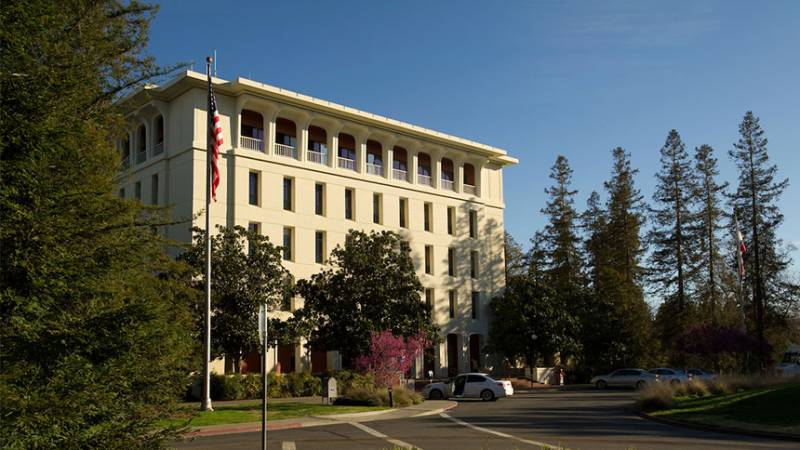
"caption": "UC Davis made the announcement at Mrak Hall. (Greg Urquiaga/UC Davis)",
"description": "UC Davis made the announcement at Mrak Hall. (Greg Urquiaga/UC Davis)",
"title": "Mrak_USflag_left",
"credit": null,
"status": "inherit",
"isLoading": false,
"fetchFailed": false
},
"news_11795935": {
"type": "attachments",
"id": "news_11795935",
"meta": {
"index": "attachments_1716263798",
"site": "news",
"id": "11795935",
"found": true
},
"parent": 11795931,
"imgSizes": {
"apple_news_ca_landscape_5_5": {
"file": "https://ww2.kqed.org/app/uploads/sites/10/2020/01/bestfriend_011320_final-1044x783.jpg",
"width": 1044,
"mimeType": "image/jpeg",
"height": 783
},
"apple_news_ca_square_4_0": {
"file": "https://ww2.kqed.org/app/uploads/sites/10/2020/01/bestfriend_011320_final-470x470.jpg",
"width": 470,
"mimeType": "image/jpeg",
"height": 470
},
"twentyfourteen-full-width": {
"file": "https://ww2.kqed.org/app/uploads/sites/10/2020/01/bestfriend_011320_final-1038x576.jpg",
"width": 1038,
"mimeType": "image/jpeg",
"height": 576
},
"thumbnail": {
"file": "https://ww2.kqed.org/app/uploads/sites/10/2020/01/bestfriend_011320_final-160x113.jpg",
"width": 160,
"mimeType": "image/jpeg",
"height": 113
},
"post-thumbnail": {
"file": "https://ww2.kqed.org/app/uploads/sites/10/2020/01/bestfriend_011320_final-672x372.jpg",
"width": 672,
"mimeType": "image/jpeg",
"height": 372
},
"kqedFullSize": {
"file": "https://ww2.kqed.org/app/uploads/sites/10/2020/01/bestfriend_011320_final.jpg",
"width": 1920,
"height": 1352
},
"apple_news_ca_landscape_4_7": {
"file": "https://ww2.kqed.org/app/uploads/sites/10/2020/01/bestfriend_011320_final-632x474.jpg",
"width": 632,
"mimeType": "image/jpeg",
"height": 474
},
"large": {
"file": "https://ww2.kqed.org/app/uploads/sites/10/2020/01/bestfriend_011320_final-1020x718.jpg",
"width": 1020,
"mimeType": "image/jpeg",
"height": 718
},
"complete_open_graph": {
"file": "https://ww2.kqed.org/app/uploads/sites/10/2020/01/bestfriend_011320_final-1200x845.jpg",
"width": 1200,
"mimeType": "image/jpeg",
"height": 845
},
"apple_news_ca_landscape_4_0": {
"file": "https://ww2.kqed.org/app/uploads/sites/10/2020/01/bestfriend_011320_final-536x402.jpg",
"width": 536,
"mimeType": "image/jpeg",
"height": 402
},
"apple_news_ca_portrait_12_9": {
"file": "https://ww2.kqed.org/app/uploads/sites/10/2020/01/bestfriend_011320_final-1122x1352.jpg",
"width": 1122,
"mimeType": "image/jpeg",
"height": 1352
},
"medium": {
"file": "https://ww2.kqed.org/app/uploads/sites/10/2020/01/bestfriend_011320_final-800x563.jpg",
"width": 800,
"mimeType": "image/jpeg",
"height": 563
},
"apple_news_ca_portrait_4_0": {
"file": "https://ww2.kqed.org/app/uploads/sites/10/2020/01/bestfriend_011320_final-354x472.jpg",
"width": 354,
"mimeType": "image/jpeg",
"height": 472
},
"apple_news_ca_portrait_9_7": {
"file": "https://ww2.kqed.org/app/uploads/sites/10/2020/01/bestfriend_011320_final-840x1120.jpg",
"width": 840,
"mimeType": "image/jpeg",
"height": 1120
},
"apple_news_ca_landscape_12_9": {
"file": "https://ww2.kqed.org/app/uploads/sites/10/2020/01/bestfriend_011320_final-1832x1352.jpg",
"width": 1832,
"mimeType": "image/jpeg",
"height": 1352
},
"apple_news_ca_square_9_7": {
"file": "https://ww2.kqed.org/app/uploads/sites/10/2020/01/bestfriend_011320_final-1104x1104.jpg",
"width": 1104,
"mimeType": "image/jpeg",
"height": 1104
},
"apple_news_ca_portrait_4_7": {
"file": "https://ww2.kqed.org/app/uploads/sites/10/2020/01/bestfriend_011320_final-414x552.jpg",
"width": 414,
"mimeType": "image/jpeg",
"height": 552
},
"apple_news_ca_square_12_9": {
"file": "https://ww2.kqed.org/app/uploads/sites/10/2020/01/bestfriend_011320_final-1472x1352.jpg",
"width": 1472,
"mimeType": "image/jpeg",
"height": 1352
},
"apple_news_ca_portrait_5_5": {
"file": "https://ww2.kqed.org/app/uploads/sites/10/2020/01/bestfriend_011320_final-687x916.jpg",
"width": 687,
"mimeType": "image/jpeg",
"height": 916
},
"full-width": {
"file": "https://ww2.kqed.org/app/uploads/sites/10/2020/01/bestfriend_011320_final-1920x1352.jpg",
"width": 1920,
"mimeType": "image/jpeg",
"height": 1352
},
"apple_news_ca_square_4_7": {
"file": "https://ww2.kqed.org/app/uploads/sites/10/2020/01/bestfriend_011320_final-550x550.jpg",
"width": 550,
"mimeType": "image/jpeg",
"height": 550
},
"apple_news_ca_landscape_9_7": {
"file": "https://ww2.kqed.org/app/uploads/sites/10/2020/01/bestfriend_011320_final-1376x1032.jpg",
"width": 1376,
"mimeType": "image/jpeg",
"height": 1032
},
"apple_news_ca_square_5_5": {
"file": "https://ww2.kqed.org/app/uploads/sites/10/2020/01/bestfriend_011320_final-912x912.jpg",
"width": 912,
"mimeType": "image/jpeg",
"height": 912
}
},
"publishDate": 1578982134,
"modified": 1578982172,
"caption": null,
"description": null,
"title": "bestfriend_011320_final",
"credit": null,
"status": "inherit",
"isLoading": false,
"fetchFailed": false
},
"news_11784025": {
"type": "attachments",
"id": "news_11784025",
"meta": {
"index": "attachments_1716263798",
"site": "news",
"id": "11784025",
"found": true
},
"parent": 11784019,
"imgSizes": {
"apple_news_ca_landscape_5_5": {
"file": "https://ww2.kqed.org/app/uploads/sites/10/2019/10/RS39887__M6A1604-qut-1044x783.jpg",
"width": 1044,
"mimeType": "image/jpeg",
"height": 783
},
"apple_news_ca_square_4_0": {
"file": "https://ww2.kqed.org/app/uploads/sites/10/2019/10/RS39887__M6A1604-qut-470x470.jpg",
"width": 470,
"mimeType": "image/jpeg",
"height": 470
},
"twentyfourteen-full-width": {
"file": "https://ww2.kqed.org/app/uploads/sites/10/2019/10/RS39887__M6A1604-qut-1038x576.jpg",
"width": 1038,
"mimeType": "image/jpeg",
"height": 576
},
"thumbnail": {
"file": "https://ww2.kqed.org/app/uploads/sites/10/2019/10/RS39887__M6A1604-qut-160x107.jpg",
"width": 160,
"mimeType": "image/jpeg",
"height": 107
},
"post-thumbnail": {
"file": "https://ww2.kqed.org/app/uploads/sites/10/2019/10/RS39887__M6A1604-qut-672x372.jpg",
"width": 672,
"mimeType": "image/jpeg",
"height": 372
},
"kqedFullSize": {
"file": "https://ww2.kqed.org/app/uploads/sites/10/2019/10/RS39887__M6A1604-qut.jpg",
"width": 1920,
"height": 1280
},
"apple_news_ca_landscape_4_7": {
"file": "https://ww2.kqed.org/app/uploads/sites/10/2019/10/RS39887__M6A1604-qut-632x474.jpg",
"width": 632,
"mimeType": "image/jpeg",
"height": 474
},
"large": {
"file": "https://ww2.kqed.org/app/uploads/sites/10/2019/10/RS39887__M6A1604-qut-1020x680.jpg",
"width": 1020,
"mimeType": "image/jpeg",
"height": 680
},
"complete_open_graph": {
"file": "https://ww2.kqed.org/app/uploads/sites/10/2019/10/RS39887__M6A1604-qut-1200x800.jpg",
"width": 1200,
"mimeType": "image/jpeg",
"height": 800
},
"apple_news_ca_landscape_4_0": {
"file": "https://ww2.kqed.org/app/uploads/sites/10/2019/10/RS39887__M6A1604-qut-536x402.jpg",
"width": 536,
"mimeType": "image/jpeg",
"height": 402
},
"apple_news_ca_portrait_12_9": {
"file": "https://ww2.kqed.org/app/uploads/sites/10/2019/10/RS39887__M6A1604-qut-1122x1280.jpg",
"width": 1122,
"mimeType": "image/jpeg",
"height": 1280
},
"medium": {
"file": "https://ww2.kqed.org/app/uploads/sites/10/2019/10/RS39887__M6A1604-qut-800x533.jpg",
"width": 800,
"mimeType": "image/jpeg",
"height": 533
},
"apple_news_ca_portrait_4_0": {
"file": "https://ww2.kqed.org/app/uploads/sites/10/2019/10/RS39887__M6A1604-qut-354x472.jpg",
"width": 354,
"mimeType": "image/jpeg",
"height": 472
},
"apple_news_ca_portrait_9_7": {
"file": "https://ww2.kqed.org/app/uploads/sites/10/2019/10/RS39887__M6A1604-qut-840x1120.jpg",
"width": 840,
"mimeType": "image/jpeg",
"height": 1120
},
"apple_news_ca_landscape_12_9": {
"file": "https://ww2.kqed.org/app/uploads/sites/10/2019/10/RS39887__M6A1604-qut-1832x1280.jpg",
"width": 1832,
"mimeType": "image/jpeg",
"height": 1280
},
"apple_news_ca_square_9_7": {
"file": "https://ww2.kqed.org/app/uploads/sites/10/2019/10/RS39887__M6A1604-qut-1104x1104.jpg",
"width": 1104,
"mimeType": "image/jpeg",
"height": 1104
},
"apple_news_ca_portrait_4_7": {
"file": "https://ww2.kqed.org/app/uploads/sites/10/2019/10/RS39887__M6A1604-qut-414x552.jpg",
"width": 414,
"mimeType": "image/jpeg",
"height": 552
},
"apple_news_ca_square_12_9": {
"file": "https://ww2.kqed.org/app/uploads/sites/10/2019/10/RS39887__M6A1604-qut-1472x1280.jpg",
"width": 1472,
"mimeType": "image/jpeg",
"height": 1280
},
"apple_news_ca_portrait_5_5": {
"file": "https://ww2.kqed.org/app/uploads/sites/10/2019/10/RS39887__M6A1604-qut-687x916.jpg",
"width": 687,
"mimeType": "image/jpeg",
"height": 916
},
"full-width": {
"file": "https://ww2.kqed.org/app/uploads/sites/10/2019/10/RS39887__M6A1604-qut-1920x1280.jpg",
"width": 1920,
"mimeType": "image/jpeg",
"height": 1280
},
"apple_news_ca_square_4_7": {
"file": "https://ww2.kqed.org/app/uploads/sites/10/2019/10/RS39887__M6A1604-qut-550x550.jpg",
"width": 550,
"mimeType": "image/jpeg",
"height": 550
},
"apple_news_ca_landscape_9_7": {
"file": "https://ww2.kqed.org/app/uploads/sites/10/2019/10/RS39887__M6A1604-qut-1376x1032.jpg",
"width": 1376,
"mimeType": "image/jpeg",
"height": 1032
},
"apple_news_ca_square_5_5": {
"file": "https://ww2.kqed.org/app/uploads/sites/10/2019/10/RS39887__M6A1604-qut-912x912.jpg",
"width": 912,
"mimeType": "image/jpeg",
"height": 912
}
},
"publishDate": 1572543468,
"modified": 1572562683,
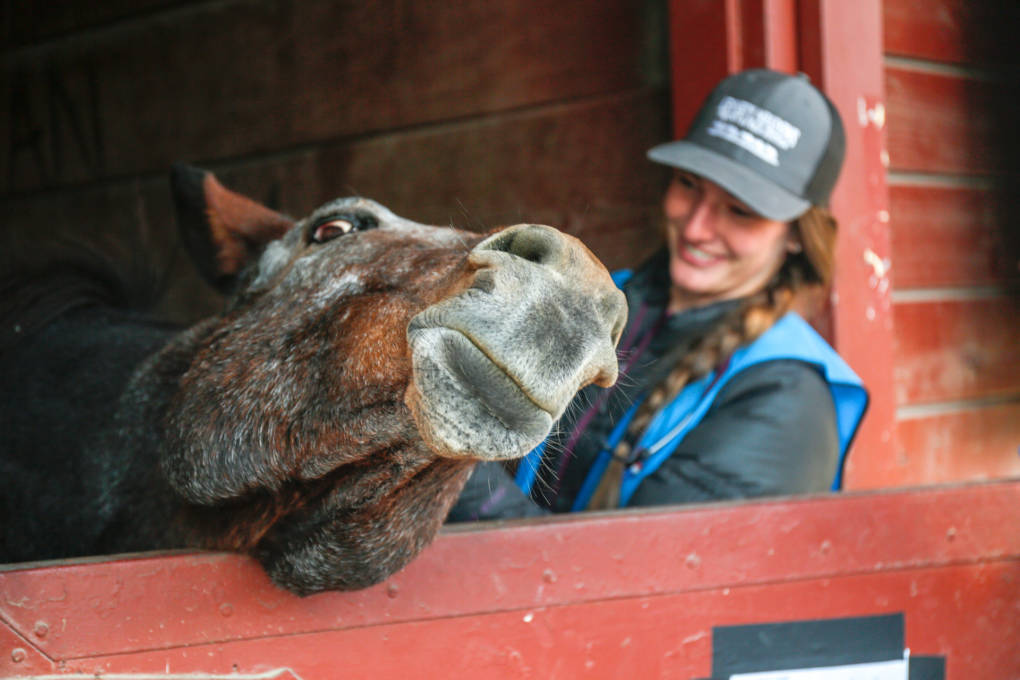
"caption": "The evacuation process from the Kincade Fire is stressful for both animals and owners. The UC Davis Veterinary Emergency Response Team provides medical assistance to the animals at the Sonoma County Fairgrounds' large animal evacuation shelter.",
"description": "The evacuation process from the Kincade Fire is stressful for both animals and owners. The UC Davis Veterinary Emergency Response Team provides medical assistance to the animals at the Sonoma County Fairgrounds large animal evacuation shelter.",
"title": "VERT-Kincade-Fire-horse",
"credit": "Sruti Mamidanna/KQED",
"status": "inherit",
"isLoading": false,
"fetchFailed": false
},
"news_11756746": {
"type": "attachments",
"id": "news_11756746",
"meta": {
"index": "attachments_1716263798",
"site": "news",
"id": "11756746",
"found": true
},
"parent": 11756742,
"imgSizes": {
"apple_news_ca_landscape_5_5": {
"file": "https://ww2.kqed.org/app/uploads/sites/10/2019/06/CALMatters-FitzGibbon_009-e1561067123891-1044x783.jpg",
"width": 1044,
"mimeType": "image/jpeg",
"height": 783
},
"apple_news_ca_square_4_0": {
"file": "https://ww2.kqed.org/app/uploads/sites/10/2019/06/CALMatters-FitzGibbon_009-e1561067123891-470x470.jpg",
"width": 470,
"mimeType": "image/jpeg",
"height": 470
},
"twentyfourteen-full-width": {
"file": "https://ww2.kqed.org/app/uploads/sites/10/2019/06/CALMatters-FitzGibbon_009-e1561067123891-1038x576.jpg",
"width": 1038,
"mimeType": "image/jpeg",
"height": 576
},
"thumbnail": {
"file": "https://ww2.kqed.org/app/uploads/sites/10/2019/06/CALMatters-FitzGibbon_009-e1561067123891-160x112.jpg",
"width": 160,
"mimeType": "image/jpeg",
"height": 112
},
"post-thumbnail": {
"file": "https://ww2.kqed.org/app/uploads/sites/10/2019/06/CALMatters-FitzGibbon_009-e1561067123891-672x372.jpg",
"width": 672,
"mimeType": "image/jpeg",
"height": 372
},
"kqedFullSize": {
"file": "https://ww2.kqed.org/app/uploads/sites/10/2019/06/CALMatters-FitzGibbon_009-e1561067123891.jpg",
"width": 2048,
"height": 1438
},
"apple_news_ca_landscape_4_7": {
"file": "https://ww2.kqed.org/app/uploads/sites/10/2019/06/CALMatters-FitzGibbon_009-e1561067123891-632x474.jpg",
"width": 632,
"mimeType": "image/jpeg",
"height": 474
},
"large": {
"file": "https://ww2.kqed.org/app/uploads/sites/10/2019/06/CALMatters-FitzGibbon_009-e1561067123891-1020x716.jpg",
"width": 1020,
"mimeType": "image/jpeg",
"height": 716
},
"complete_open_graph": {
"file": "https://ww2.kqed.org/app/uploads/sites/10/2019/06/CALMatters-FitzGibbon_009-e1561067123891-1200x843.jpg",
"width": 1200,
"mimeType": "image/jpeg",
"height": 843
},
"apple_news_ca_landscape_4_0": {
"file": "https://ww2.kqed.org/app/uploads/sites/10/2019/06/CALMatters-FitzGibbon_009-e1561067123891-536x402.jpg",
"width": 536,
"mimeType": "image/jpeg",
"height": 402
},
"apple_news_ca_portrait_12_9": {
"file": "https://ww2.kqed.org/app/uploads/sites/10/2019/06/CALMatters-FitzGibbon_009-e1561067123891-1122x1496.jpg",
"width": 1122,
"mimeType": "image/jpeg",
"height": 1496
},
"medium": {
"file": "https://ww2.kqed.org/app/uploads/sites/10/2019/06/CALMatters-FitzGibbon_009-e1561067123891-800x562.jpg",
"width": 800,
"mimeType": "image/jpeg",
"height": 562
},
"apple_news_ca_portrait_4_0": {
"file": "https://ww2.kqed.org/app/uploads/sites/10/2019/06/CALMatters-FitzGibbon_009-e1561067123891-354x472.jpg",
"width": 354,
"mimeType": "image/jpeg",
"height": 472
},
"apple_news_ca_portrait_9_7": {
"file": "https://ww2.kqed.org/app/uploads/sites/10/2019/06/CALMatters-FitzGibbon_009-e1561067123891-840x1120.jpg",
"width": 840,
"mimeType": "image/jpeg",
"height": 1120
},
"apple_news_ca_landscape_12_9": {
"file": "https://ww2.kqed.org/app/uploads/sites/10/2019/06/CALMatters-FitzGibbon_009-e1561067123891-1832x1374.jpg",
"width": 1832,
"mimeType": "image/jpeg",
"height": 1374
},
"apple_news_ca_square_9_7": {
"file": "https://ww2.kqed.org/app/uploads/sites/10/2019/06/CALMatters-FitzGibbon_009-e1561067123891-1104x1104.jpg",
"width": 1104,
"mimeType": "image/jpeg",
"height": 1104
},
"apple_news_ca_portrait_4_7": {
"file": "https://ww2.kqed.org/app/uploads/sites/10/2019/06/CALMatters-FitzGibbon_009-e1561067123891-414x552.jpg",
"width": 414,
"mimeType": "image/jpeg",
"height": 552
},
"apple_news_ca_square_12_9": {
"file": "https://ww2.kqed.org/app/uploads/sites/10/2019/06/CALMatters-FitzGibbon_009-e1561067123891-1472x1472.jpg",
"width": 1472,
"mimeType": "image/jpeg",
"height": 1472
},
"apple_news_ca_portrait_5_5": {
"file": "https://ww2.kqed.org/app/uploads/sites/10/2019/06/CALMatters-FitzGibbon_009-e1561067123891-687x916.jpg",
"width": 687,
"mimeType": "image/jpeg",
"height": 916
},
"full-width": {
"file": "https://ww2.kqed.org/app/uploads/sites/10/2019/06/CALMatters-FitzGibbon_009-e1561067123891-1920x1348.jpg",
"width": 1920,
"mimeType": "image/jpeg",
"height": 1348
},
"apple_news_ca_square_4_7": {
"file": "https://ww2.kqed.org/app/uploads/sites/10/2019/06/CALMatters-FitzGibbon_009-e1561067123891-550x550.jpg",
"width": 550,
"mimeType": "image/jpeg",
"height": 550
},
"apple_news_ca_landscape_9_7": {
"file": "https://ww2.kqed.org/app/uploads/sites/10/2019/06/CALMatters-FitzGibbon_009-e1561067123891-1376x1032.jpg",
"width": 1376,
"mimeType": "image/jpeg",
"height": 1032
},
"apple_news_ca_square_5_5": {
"file": "https://ww2.kqed.org/app/uploads/sites/10/2019/06/CALMatters-FitzGibbon_009-e1561067123891-912x912.jpg",
"width": 912,
"mimeType": "image/jpeg",
"height": 912
}
},
"publishDate": 1561316824,
"modified": 1561317386,
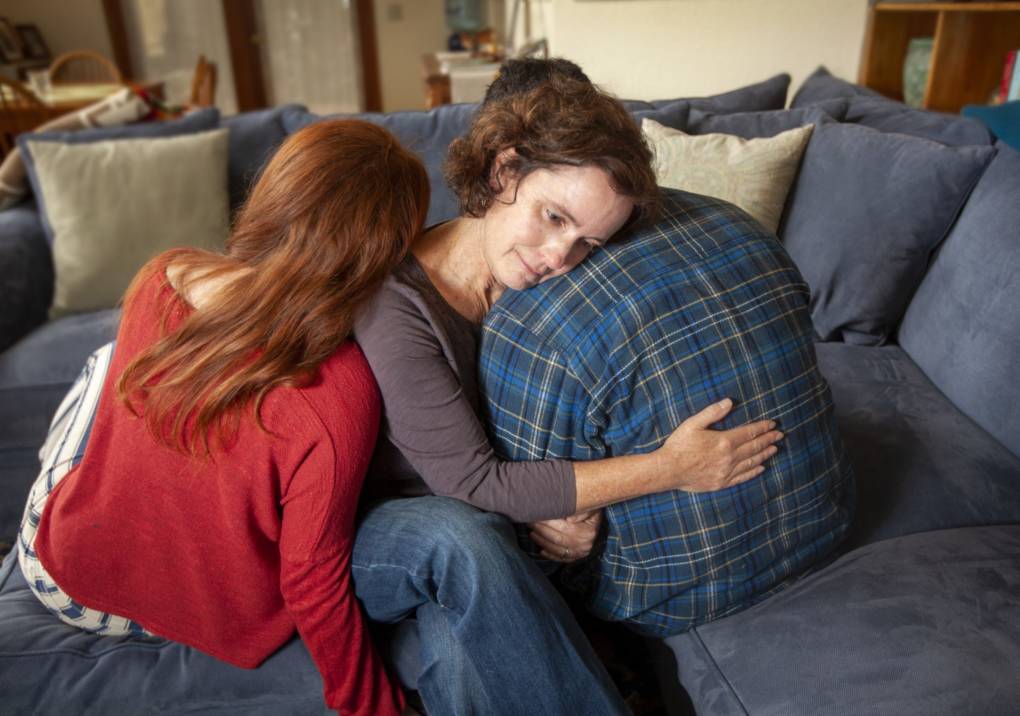
"caption": "Brighid FitzGibbon with her son, Evan. After he started having delusions last December, his parents discovered that early psychosis intervention was not available in their home county of Sonoma. ",
"description": null,
"title": "CALMatters-FitzGibbon_009-e1561067123891",
"credit": "Penny Gladstone/CALmatters",
"status": "inherit",
"isLoading": false,
"fetchFailed": false
},
"news_11706152": {
"type": "attachments",
"id": "news_11706152",
"meta": {
"index": "attachments_1716263798",
"site": "news",
"id": "11706152",
"found": true
},
"parent": 11706149,
"imgSizes": {
"twentyfourteen-full-width": {
"file": "https://ww2.kqed.org/app/uploads/sites/10/2018/11/46162272_10156835952634031_8567787030497460224_o-e1542160124489-1038x576.jpg",
"width": 1038,
"mimeType": "image/jpeg",
"height": 576
},
"thumbnail": {
"file": "https://ww2.kqed.org/app/uploads/sites/10/2018/11/46162272_10156835952634031_8567787030497460224_o-e1542160124489-160x120.jpg",
"width": 160,
"mimeType": "image/jpeg",
"height": 120
},
"post-thumbnail": {
"file": "https://ww2.kqed.org/app/uploads/sites/10/2018/11/46162272_10156835952634031_8567787030497460224_o-e1542160124489-672x372.jpg",
"width": 672,
"mimeType": "image/jpeg",
"height": 372
},
"kqedFullSize": {
"file": "https://ww2.kqed.org/app/uploads/sites/10/2018/11/46162272_10156835952634031_8567787030497460224_o-e1542160124489.jpg",
"width": 1920,
"height": 1440
},
"large": {
"file": "https://ww2.kqed.org/app/uploads/sites/10/2018/11/46162272_10156835952634031_8567787030497460224_o-e1542160124489-1020x765.jpg",
"width": 1020,
"mimeType": "image/jpeg",
"height": 765
},
"complete_open_graph": {
"file": "https://ww2.kqed.org/app/uploads/sites/10/2018/11/46162272_10156835952634031_8567787030497460224_o-e1542160124489-1200x900.jpg",
"width": 1200,
"mimeType": "image/jpeg",
"height": 900
},
"guest-author-50": {
"file": "https://ww2.kqed.org/app/uploads/sites/10/2018/11/46162272_10156835952634031_8567787030497460224_o-e1542160124489-50x50.jpg",
"width": 50,
"mimeType": "image/jpeg",
"height": 50
},
"guest-author-96": {
"file": "https://ww2.kqed.org/app/uploads/sites/10/2018/11/46162272_10156835952634031_8567787030497460224_o-e1542160124489-96x96.jpg",
"width": 96,
"mimeType": "image/jpeg",
"height": 96
},
"medium": {
"file": "https://ww2.kqed.org/app/uploads/sites/10/2018/11/46162272_10156835952634031_8567787030497460224_o-e1542160124489-800x600.jpg",
"width": 800,
"mimeType": "image/jpeg",
"height": 600
},
"guest-author-64": {
"file": "https://ww2.kqed.org/app/uploads/sites/10/2018/11/46162272_10156835952634031_8567787030497460224_o-e1542160124489-64x64.jpg",
"width": 64,
"mimeType": "image/jpeg",
"height": 64
},
"guest-author-32": {
"file": "https://ww2.kqed.org/app/uploads/sites/10/2018/11/46162272_10156835952634031_8567787030497460224_o-e1542160124489-32x32.jpg",
"width": 32,
"mimeType": "image/jpeg",
"height": 32
},
"full-width": {
"file": "https://ww2.kqed.org/app/uploads/sites/10/2018/11/46162272_10156835952634031_8567787030497460224_o-e1542160124489-1920x1440.jpg",
"width": 1920,
"mimeType": "image/jpeg",
"height": 1440
},
"detail": {
"file": "https://ww2.kqed.org/app/uploads/sites/10/2018/11/46162272_10156835952634031_8567787030497460224_o-e1542160124489-150x150.jpg",
"width": 150,
"mimeType": "image/jpeg",
"height": 150
},
"guest-author-128": {
"file": "https://ww2.kqed.org/app/uploads/sites/10/2018/11/46162272_10156835952634031_8567787030497460224_o-e1542160124489-128x128.jpg",
"width": 128,
"mimeType": "image/jpeg",
"height": 128
}
},
"publishDate": 1542160068,
"modified": 1542160128,
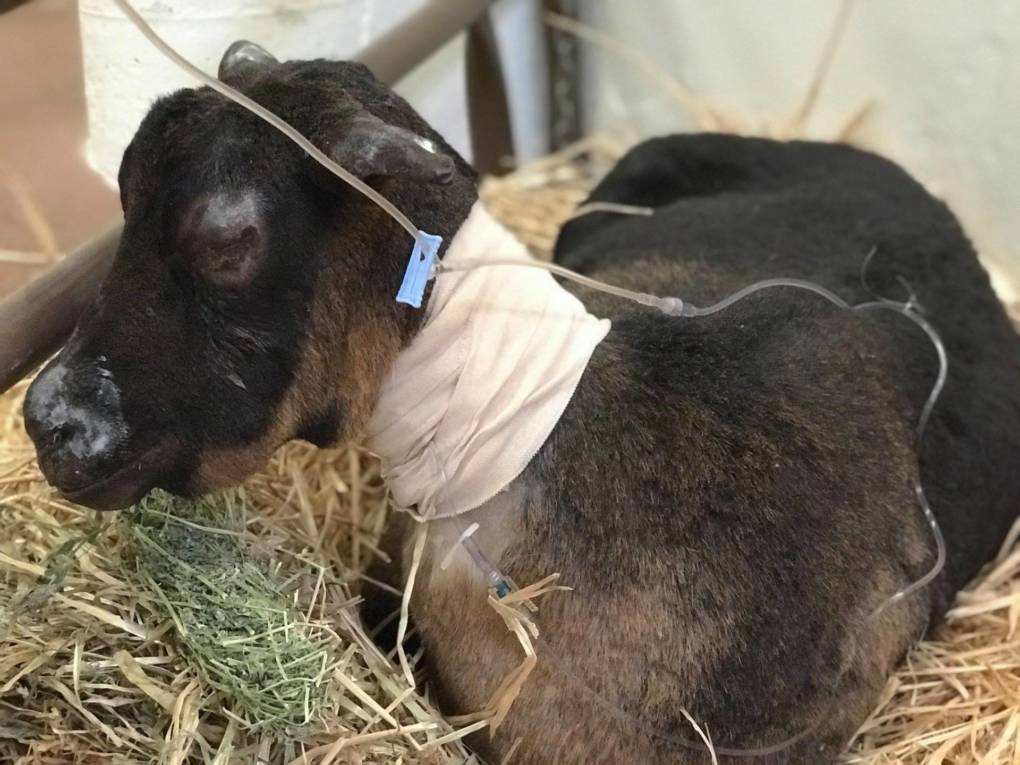
"caption": "Feather the goat receives treatment for burn wounds at the UC Davis School of Veterinary Medicine.",
"description": null,
"title": "46162272_10156835952634031_8567787030497460224_o",
"credit": "Courtesy of UC Davis School of Veterinary Medicine",
"status": "inherit",
"isLoading": false,
"fetchFailed": false
},
"news_11338392": {
"type": "attachments",
"id": "news_11338392",
"meta": {
"index": "attachments_1716263798",
"site": "news",
"id": "11338392",
"found": true
},
"title": "uc-davis-1920",
"publishDate": 1488326523,
"status": "inherit",
"parent": 12034742,
"modified": 1744138760,
"caption": "UC Davis campus police are investigating anti-Semitic flyers posted on and near the campus on Monday.",
"credit": "Christian Ostrosky/Flickr",
"altTag": "UC Davis campus police are investigating anti-Semitic flyers posted on and near the campus on Monday.",
"description": "UC Davis campus police are investigating anti-Semitic flyers posted on and near the campus on Monday. ",
"imgSizes": {
"thumbnail": {
"file": "https://cdn.kqed.org/wp-content/uploads/sites/10/2017/02/uc-davis-1920-1-160x107.jpg",
"width": 160,
"height": 107,
"mimeType": "image/jpeg"
},
"medium": {
"file": "https://cdn.kqed.org/wp-content/uploads/sites/10/2017/02/uc-davis-1920-1-800x533.jpg",
"width": 800,
"height": 533,
"mimeType": "image/jpeg"
},
"large": {
"file": "https://cdn.kqed.org/wp-content/uploads/sites/10/2017/02/uc-davis-1920-1-1020x680.jpg",
"width": 1020,
"height": 680,
"mimeType": "image/jpeg"
},
"fd-lrg": {
"file": "https://cdn.kqed.org/wp-content/uploads/sites/10/2017/02/uc-davis-1920-1-1920x1280.jpg",
"width": 1920,
"height": 1280,
"mimeType": "image/jpeg"
},
"fd-med": {
"file": "https://cdn.kqed.org/wp-content/uploads/sites/10/2017/02/uc-davis-1920-1-1180x787.jpg",
"width": 1180,
"height": 787,
"mimeType": "image/jpeg"
},
"fd-sm": {
"file": "https://cdn.kqed.org/wp-content/uploads/sites/10/2017/02/uc-davis-1920-1-960x640.jpg",
"width": 960,
"height": 640,
"mimeType": "image/jpeg"
},
"post-thumbnail": {
"file": "https://cdn.kqed.org/wp-content/uploads/sites/10/2017/02/uc-davis-1920-1-672x372.jpg",
"width": 672,
"height": 372,
"mimeType": "image/jpeg"
},
"twentyfourteen-full-width": {
"file": "https://cdn.kqed.org/wp-content/uploads/sites/10/2017/02/uc-davis-1920-1-1038x576.jpg",
"width": 1038,
"height": 576,
"mimeType": "image/jpeg"
},
"xxsmall": {
"file": "https://cdn.kqed.org/wp-content/uploads/sites/10/2017/02/uc-davis-1920-1-240x160.jpg",
"width": 240,
"height": 160,
"mimeType": "image/jpeg"
},
"xsmall": {
"file": "https://cdn.kqed.org/wp-content/uploads/sites/10/2017/02/uc-davis-1920-1-375x250.jpg",
"width": 375,
"height": 250,
"mimeType": "image/jpeg"
},
"small": {
"file": "https://cdn.kqed.org/wp-content/uploads/sites/10/2017/02/uc-davis-1920-1-520x347.jpg",
"width": 520,
"height": 347,
"mimeType": "image/jpeg"
},
"xlarge": {
"file": "https://cdn.kqed.org/wp-content/uploads/sites/10/2017/02/uc-davis-1920-1-1180x787.jpg",
"width": 1180,
"height": 787,
"mimeType": "image/jpeg"
},
"full-width": {
"file": "https://cdn.kqed.org/wp-content/uploads/sites/10/2017/02/uc-davis-1920-1-1920x1280.jpg",
"width": 1920,
"height": 1280,
"mimeType": "image/jpeg"
},
"guest-author-32": {
"file": "https://cdn.kqed.org/wp-content/uploads/sites/10/2017/02/uc-davis-1920-1-32x32.jpg",
"width": 32,
"height": 32,
"mimeType": "image/jpeg"
},
"guest-author-50": {
"file": "https://cdn.kqed.org/wp-content/uploads/sites/10/2017/02/uc-davis-1920-1-50x50.jpg",
"width": 50,
"height": 50,
"mimeType": "image/jpeg"
},
"guest-author-64": {
"file": "https://cdn.kqed.org/wp-content/uploads/sites/10/2017/02/uc-davis-1920-1-64x64.jpg",
"width": 64,
"height": 64,
"mimeType": "image/jpeg"
},
"guest-author-96": {
"file": "https://cdn.kqed.org/wp-content/uploads/sites/10/2017/02/uc-davis-1920-1-96x96.jpg",
"width": 96,
"height": 96,
"mimeType": "image/jpeg"
},
"guest-author-128": {
"file": "https://cdn.kqed.org/wp-content/uploads/sites/10/2017/02/uc-davis-1920-1-128x128.jpg",
"width": 128,
"height": 128,
"mimeType": "image/jpeg"
},
"detail": {
"file": "https://cdn.kqed.org/wp-content/uploads/sites/10/2017/02/uc-davis-1920-1-150x150.jpg",
"width": 150,
"height": 150,
"mimeType": "image/jpeg"
},
"kqedFullSize": {
"file": "https://cdn.kqed.org/wp-content/uploads/sites/10/2017/02/uc-davis-1920-1.jpg",
"width": 1920,
"height": 1280
}
},
"isLoading": false,
"fetchFailed": false
},
"news_11676402": {
"type": "attachments",
"id": "news_11676402",
"meta": {
"index": "attachments_1716263798",
"site": "news",
"id": "11676402",
"found": true
},
"parent": 11676279,
"imgSizes": {
"small": {
"file": "https://ww2.kqed.org/app/uploads/sites/10/2018/06/RS18894_GettyImages-52237594-qut-520x347.jpg",
"width": 520,
"mimeType": "image/jpeg",
"height": 347
},
"twentyfourteen-full-width": {
"file": "https://ww2.kqed.org/app/uploads/sites/10/2018/06/RS18894_GettyImages-52237594-qut-1038x576.jpg",
"width": 1038,
"mimeType": "image/jpeg",
"height": 576
},
"thumbnail": {
"file": "https://ww2.kqed.org/app/uploads/sites/10/2018/06/RS18894_GettyImages-52237594-qut-160x107.jpg",
"width": 160,
"mimeType": "image/jpeg",
"height": 107
},
"fd-sm": {
"file": "https://ww2.kqed.org/app/uploads/sites/10/2018/06/RS18894_GettyImages-52237594-qut-960x641.jpg",
"width": 960,
"mimeType": "image/jpeg",
"height": 641
},
"post-thumbnail": {
"file": "https://ww2.kqed.org/app/uploads/sites/10/2018/06/RS18894_GettyImages-52237594-qut-672x372.jpg",
"width": 672,
"mimeType": "image/jpeg",
"height": 372
},
"xsmall": {
"file": "https://ww2.kqed.org/app/uploads/sites/10/2018/06/RS18894_GettyImages-52237594-qut-375x250.jpg",
"width": 375,
"mimeType": "image/jpeg",
"height": 250
},
"kqedFullSize": {
"file": "https://ww2.kqed.org/app/uploads/sites/10/2018/06/RS18894_GettyImages-52237594-qut.jpg",
"width": 1920,
"height": 1282
},
"large": {
"file": "https://ww2.kqed.org/app/uploads/sites/10/2018/06/RS18894_GettyImages-52237594-qut-1020x681.jpg",
"width": 1020,
"mimeType": "image/jpeg",
"height": 681
},
"xlarge": {
"file": "https://ww2.kqed.org/app/uploads/sites/10/2018/06/RS18894_GettyImages-52237594-qut-1180x788.jpg",
"width": 1180,
"mimeType": "image/jpeg",
"height": 788
},
"complete_open_graph": {
"file": "https://ww2.kqed.org/app/uploads/sites/10/2018/06/RS18894_GettyImages-52237594-qut-1200x801.jpg",
"width": 1200,
"mimeType": "image/jpeg",
"height": 801
},
"guest-author-50": {
"file": "https://ww2.kqed.org/app/uploads/sites/10/2018/06/RS18894_GettyImages-52237594-qut-50x50.jpg",
"width": 50,
"mimeType": "image/jpeg",
"height": 50
},
"guest-author-96": {
"file": "https://ww2.kqed.org/app/uploads/sites/10/2018/06/RS18894_GettyImages-52237594-qut-96x96.jpg",
"width": 96,
"mimeType": "image/jpeg",
"height": 96
},
"medium": {
"file": "https://ww2.kqed.org/app/uploads/sites/10/2018/06/RS18894_GettyImages-52237594-qut-800x534.jpg",
"width": 800,
"mimeType": "image/jpeg",
"height": 534
},
"guest-author-64": {
"file": "https://ww2.kqed.org/app/uploads/sites/10/2018/06/RS18894_GettyImages-52237594-qut-64x64.jpg",
"width": 64,
"mimeType": "image/jpeg",
"height": 64
},
"guest-author-32": {
"file": "https://ww2.kqed.org/app/uploads/sites/10/2018/06/RS18894_GettyImages-52237594-qut-32x32.jpg",
"width": 32,
"mimeType": "image/jpeg",
"height": 32
},
"fd-lrg": {
"file": "https://ww2.kqed.org/app/uploads/sites/10/2018/06/RS18894_GettyImages-52237594-qut-1920x1282.jpg",
"width": 1920,
"mimeType": "image/jpeg",
"height": 1282
},
"fd-med": {
"file": "https://ww2.kqed.org/app/uploads/sites/10/2018/06/RS18894_GettyImages-52237594-qut-1180x788.jpg",
"width": 1180,
"mimeType": "image/jpeg",
"height": 788
},
"full-width": {
"file": "https://ww2.kqed.org/app/uploads/sites/10/2018/06/RS18894_GettyImages-52237594-qut-1920x1282.jpg",
"width": 1920,
"mimeType": "image/jpeg",
"height": 1282
},
"detail": {
"file": "https://ww2.kqed.org/app/uploads/sites/10/2018/06/RS18894_GettyImages-52237594-qut-150x150.jpg",
"width": 150,
"mimeType": "image/jpeg",
"height": 150
},
"guest-author-128": {
"file": "https://ww2.kqed.org/app/uploads/sites/10/2018/06/RS18894_GettyImages-52237594-qut-128x128.jpg",
"width": 128,
"mimeType": "image/jpeg",
"height": 128
},
"xxsmall": {
"file": "https://ww2.kqed.org/app/uploads/sites/10/2018/06/RS18894_GettyImages-52237594-qut-240x160.jpg",
"width": 240,
"mimeType": "image/jpeg",
"height": 160
}
},
"publishDate": 1529628496,
"modified": 1529628550,
"caption": "A new report focuses on UC's response to sexual harassment complaints made by students that involve faculty and staff.",
"description": null,
"title": "RS18894_GettyImages-52237594-qut",
"credit": "Justin Sullivan/Getty Images",
"status": "inherit",
"isLoading": false,
"fetchFailed": false
},
"news_11647762": {
"type": "attachments",
"id": "news_11647762",
"meta": {
"index": "attachments_1716263798",
"site": "news",
"id": "11647762",
"found": true
},
"parent": 11647758,
"imgSizes": {
"small": {
"file": "https://ww2.kqed.org/app/uploads/sites/10/2018/02/Maya-sampling-15N-NOx-in-Palm-Springs-1-520x331.jpg",
"width": 520,
"mimeType": "image/jpeg",
"height": 331
},
"twentyfourteen-full-width": {
"file": "https://ww2.kqed.org/app/uploads/sites/10/2018/02/Maya-sampling-15N-NOx-in-Palm-Springs-1-1038x576.jpg",
"width": 1038,
"mimeType": "image/jpeg",
"height": 576
},
"thumbnail": {
"file": "https://ww2.kqed.org/app/uploads/sites/10/2018/02/Maya-sampling-15N-NOx-in-Palm-Springs-1-160x102.jpg",
"width": 160,
"mimeType": "image/jpeg",
"height": 102
},
"fd-sm": {
"file": "https://ww2.kqed.org/app/uploads/sites/10/2018/02/Maya-sampling-15N-NOx-in-Palm-Springs-1-960x611.jpg",
"width": 960,
"mimeType": "image/jpeg",
"height": 611
},
"post-thumbnail": {
"file": "https://ww2.kqed.org/app/uploads/sites/10/2018/02/Maya-sampling-15N-NOx-in-Palm-Springs-1-672x372.jpg",
"width": 672,
"mimeType": "image/jpeg",
"height": 372
},
"xsmall": {
"file": "https://ww2.kqed.org/app/uploads/sites/10/2018/02/Maya-sampling-15N-NOx-in-Palm-Springs-1-375x239.jpg",
"width": 375,
"mimeType": "image/jpeg",
"height": 239
},
"kqedFullSize": {
"file": "https://ww2.kqed.org/app/uploads/sites/10/2018/02/Maya-sampling-15N-NOx-in-Palm-Springs-1.jpg",
"width": 1217,
"height": 775
},
"large": {
"file": "https://ww2.kqed.org/app/uploads/sites/10/2018/02/Maya-sampling-15N-NOx-in-Palm-Springs-1-1020x650.jpg",
"width": 1020,
"mimeType": "image/jpeg",
"height": 650
},
"xlarge": {
"file": "https://ww2.kqed.org/app/uploads/sites/10/2018/02/Maya-sampling-15N-NOx-in-Palm-Springs-1-1180x751.jpg",
"width": 1180,
"mimeType": "image/jpeg",
"height": 751
},
"guest-author-50": {
"file": "https://ww2.kqed.org/app/uploads/sites/10/2018/02/Maya-sampling-15N-NOx-in-Palm-Springs-1-50x50.jpg",
"width": 50,
"mimeType": "image/jpeg",
"height": 50
},
"guest-author-96": {
"file": "https://ww2.kqed.org/app/uploads/sites/10/2018/02/Maya-sampling-15N-NOx-in-Palm-Springs-1-96x96.jpg",
"width": 96,
"mimeType": "image/jpeg",
"height": 96
},
"medium": {
"file": "https://ww2.kqed.org/app/uploads/sites/10/2018/02/Maya-sampling-15N-NOx-in-Palm-Springs-1-800x509.jpg",
"width": 800,
"mimeType": "image/jpeg",
"height": 509
},
"guest-author-64": {
"file": "https://ww2.kqed.org/app/uploads/sites/10/2018/02/Maya-sampling-15N-NOx-in-Palm-Springs-1-64x64.jpg",
"width": 64,
"mimeType": "image/jpeg",
"height": 64
},
"guest-author-32": {
"file": "https://ww2.kqed.org/app/uploads/sites/10/2018/02/Maya-sampling-15N-NOx-in-Palm-Springs-1-32x32.jpg",
"width": 32,
"mimeType": "image/jpeg",
"height": 32
},
"fd-med": {
"file": "https://ww2.kqed.org/app/uploads/sites/10/2018/02/Maya-sampling-15N-NOx-in-Palm-Springs-1-1180x751.jpg",
"width": 1180,
"mimeType": "image/jpeg",
"height": 751
},
"detail": {
"file": "https://ww2.kqed.org/app/uploads/sites/10/2018/02/Maya-sampling-15N-NOx-in-Palm-Springs-1-150x150.jpg",
"width": 150,
"mimeType": "image/jpeg",
"height": 150
},
"guest-author-128": {
"file": "https://ww2.kqed.org/app/uploads/sites/10/2018/02/Maya-sampling-15N-NOx-in-Palm-Springs-1-128x128.jpg",
"width": 128,
"mimeType": "image/jpeg",
"height": 128
},
"xxsmall": {
"file": "https://ww2.kqed.org/app/uploads/sites/10/2018/02/Maya-sampling-15N-NOx-in-Palm-Springs-1-240x153.jpg",
"width": 240,
"mimeType": "image/jpeg",
"height": 153
}
},
"publishDate": 1517612074,
"modified": 1517612101,
"caption": "Lead author Maya Almaraz samples soils for NOx emissions in Palm Springs in January 2018.",
"description": null,
"title": "Maya sampling 15N-NOx in Palm Springs 1",
"credit": "Courtesy UC Davis/Maya Almaraz",
"status": "inherit",
"isLoading": false,
"fetchFailed": false
},
"news_11343203": {
"type": "attachments",
"id": "news_11343203",
"meta": {
"index": "attachments_1716263798",
"site": "news",
"id": "11343203",
"found": true
},
"parent": 11343175,
"imgSizes": {
"small": {
"file": "https://ww2.kqed.org/app/uploads/sites/10/2017/03/hospital-520x347.jpg",
"width": 520,
"mimeType": "image/jpeg",
"height": 347
},
"twentyfourteen-full-width": {
"file": "https://ww2.kqed.org/app/uploads/sites/10/2017/03/hospital-1038x576.jpg",
"width": 1038,
"mimeType": "image/jpeg",
"height": 576
},
"thumbnail": {
"file": "https://ww2.kqed.org/app/uploads/sites/10/2017/03/hospital-160x107.jpg",
"width": 160,
"mimeType": "image/jpeg",
"height": 107
},
"fd-sm": {
"file": "https://ww2.kqed.org/app/uploads/sites/10/2017/03/hospital-960x640.jpg",
"width": 960,
"mimeType": "image/jpeg",
"height": 640
},
"post-thumbnail": {
"file": "https://ww2.kqed.org/app/uploads/sites/10/2017/03/hospital-672x372.jpg",
"width": 672,
"mimeType": "image/jpeg",
"height": 372
},
"xsmall": {
"file": "https://ww2.kqed.org/app/uploads/sites/10/2017/03/hospital-375x250.jpg",
"width": 375,
"mimeType": "image/jpeg",
"height": 250
},
"kqedFullSize": {
"file": "https://ww2.kqed.org/app/uploads/sites/10/2017/03/hospital.jpg",
"width": 1440,
"height": 960
},
"large": {
"file": "https://ww2.kqed.org/app/uploads/sites/10/2017/03/hospital-1020x680.jpg",
"width": 1020,
"mimeType": "image/jpeg",
"height": 680
},
"xlarge": {
"file": "https://ww2.kqed.org/app/uploads/sites/10/2017/03/hospital-1180x787.jpg",
"width": 1180,
"mimeType": "image/jpeg",
"height": 787
},
"guest-author-50": {
"file": "https://ww2.kqed.org/app/uploads/sites/10/2017/03/hospital-50x50.jpg",
"width": 50,
"mimeType": "image/jpeg",
"height": 50
},
"guest-author-96": {
"file": "https://ww2.kqed.org/app/uploads/sites/10/2017/03/hospital-96x96.jpg",
"width": 96,
"mimeType": "image/jpeg",
"height": 96
},
"medium": {
"file": "https://ww2.kqed.org/app/uploads/sites/10/2017/03/hospital-800x533.jpg",
"width": 800,
"mimeType": "image/jpeg",
"height": 533
},
"guest-author-64": {
"file": "https://ww2.kqed.org/app/uploads/sites/10/2017/03/hospital-64x64.jpg",
"width": 64,
"mimeType": "image/jpeg",
"height": 64
},
"guest-author-32": {
"file": "https://ww2.kqed.org/app/uploads/sites/10/2017/03/hospital-32x32.jpg",
"width": 32,
"mimeType": "image/jpeg",
"height": 32
},
"fd-med": {
"file": "https://ww2.kqed.org/app/uploads/sites/10/2017/03/hospital-1180x787.jpg",
"width": 1180,
"mimeType": "image/jpeg",
"height": 787
},
"detail": {
"file": "https://ww2.kqed.org/app/uploads/sites/10/2017/03/hospital-150x150.jpg",
"width": 150,
"mimeType": "image/jpeg",
"height": 150
},
"guest-author-128": {
"file": "https://ww2.kqed.org/app/uploads/sites/10/2017/03/hospital-128x128.jpg",
"width": 128,
"mimeType": "image/jpeg",
"height": 128
},
"xxsmall": {
"file": "https://ww2.kqed.org/app/uploads/sites/10/2017/03/hospital-240x160.jpg",
"width": 240,
"mimeType": "image/jpeg",
"height": 160
}
},
"publishDate": 1488590043,
"modified": 1488834303,
"caption": "Roughly 40 of the 113 records UC released detailing investigations and findings related to allegations of sex-based discrimination or misconduct involved UC medical centers and hospitals. ",
"description": null,
"title": "hospital",
"credit": "Getty Images",
"status": "inherit",
"isLoading": false,
"fetchFailed": false
},
"news_11327162": {
"type": "attachments",
"id": "news_11327162",
"meta": {
"index": "attachments_1716263798",
"site": "news",
"id": "11327162",
"found": true
},
"parent": 11327012,
"imgSizes": {
"small": {
"file": "https://ww2.kqed.org/app/uploads/sites/10/2017/02/original-520x346.jpg",
"width": 520,
"mimeType": "image/jpeg",
"height": 346
},
"thumbnail": {
"file": "https://ww2.kqed.org/app/uploads/sites/10/2017/02/original-160x106.jpg",
"width": 160,
"mimeType": "image/jpeg",
"height": 106
},
"post-thumbnail": {
"file": "https://ww2.kqed.org/app/uploads/sites/10/2017/02/original-672x372.jpg",
"width": 672,
"mimeType": "image/jpeg",
"height": 372
},
"xsmall": {
"file": "https://ww2.kqed.org/app/uploads/sites/10/2017/02/original-375x250.jpg",
"width": 375,
"mimeType": "image/jpeg",
"height": 250
},
"kqedFullSize": {
"file": "https://ww2.kqed.org/app/uploads/sites/10/2017/02/original.jpg",
"width": 816,
"height": 543
},
"guest-author-50": {
"file": "https://ww2.kqed.org/app/uploads/sites/10/2017/02/original-50x50.jpg",
"width": 50,
"mimeType": "image/jpeg",
"height": 50
},
"guest-author-96": {
"file": "https://ww2.kqed.org/app/uploads/sites/10/2017/02/original-96x96.jpg",
"width": 96,
"mimeType": "image/jpeg",
"height": 96
},
"medium": {
"file": "https://ww2.kqed.org/app/uploads/sites/10/2017/02/original-800x532.jpg",
"width": 800,
"mimeType": "image/jpeg",
"height": 532
},
"guest-author-64": {
"file": "https://ww2.kqed.org/app/uploads/sites/10/2017/02/original-64x64.jpg",
"width": 64,
"mimeType": "image/jpeg",
"height": 64
},
"guest-author-32": {
"file": "https://ww2.kqed.org/app/uploads/sites/10/2017/02/original-32x32.jpg",
"width": 32,
"mimeType": "image/jpeg",
"height": 32
},
"detail": {
"file": "https://ww2.kqed.org/app/uploads/sites/10/2017/02/original-150x150.jpg",
"width": 150,
"mimeType": "image/jpeg",
"height": 150
},
"guest-author-128": {
"file": "https://ww2.kqed.org/app/uploads/sites/10/2017/02/original-128x128.jpg",
"width": 128,
"mimeType": "image/jpeg",
"height": 128
},
"xxsmall": {
"file": "https://ww2.kqed.org/app/uploads/sites/10/2017/02/original-240x160.jpg",
"width": 240,
"mimeType": "image/jpeg",
"height": 160
}
},
"publishDate": 1487718712,
"modified": 1487721089,
"caption": "Gary May, who has been named the new chancellor of UC Davis.",
"description": null,
"title": "original",
"credit": "Courtesy of Georgia Tech",
"status": "inherit",
"isLoading": false,
"fetchFailed": false
}
},
"audioPlayerReducer": {
"postId": "stream_live",
"isPaused": true,
"isPlaying": false,
"pfsActive": false,
"pledgeModalIsOpen": true,
"playerDrawerIsOpen": false,
"liveAudioPlayStartedAt": 0,
"liveAudioPlayContext": ""
},
"authorsReducer": {
"byline_news_11912753": {
"type": "authors",
"id": "byline_news_11912753",
"meta": {
"override": true
},
"slug": "byline_news_11912753",
"name": "Elizabeth Aguilera",
"isLoading": false
},
"byline_news_11912248": {
"type": "authors",
"id": "byline_news_11912248",
"meta": {
"override": true
},
"slug": "byline_news_11912248",
"name": "\u003ca href=\"https://edsource.org/author/mburke\">Michael Burke\u003c/a>",
"isLoading": false
},
"byline_science_1957713": {
"type": "authors",
"id": "byline_science_1957713",
"meta": {
"override": true
},
"slug": "byline_science_1957713",
"name": "\u003cstrong>KQED Science Team\u003c/strong>",
"isLoading": false
},
"byline_news_11756742": {
"type": "authors",
"id": "byline_news_11756742",
"meta": {
"override": true
},
"slug": "byline_news_11756742",
"name": "Jocelyn Wiener \u003cbr>CALmatters",
"isLoading": false
},
"anatintocalis": {
"type": "authors",
"id": "211",
"meta": {
"index": "authors_1716337520",
"id": "211",
"found": true
},
"name": "Ana Tintocalis",
"firstName": "Ana",
"lastName": "Tintocalis",
"slug": "anatintocalis",
"email": "atintocalis@kqed.org",
"display_author_email": false,
"staff_mastheads": [],
"title": null,
"bio": null,
"avatar": "https://secure.gravatar.com/avatar/722c50f51f04eff38fa0e5a3f1d29450?s=600&d=blank&r=g",
"twitter": null,
"facebook": null,
"instagram": null,
"linkedin": null,
"sites": [
{
"site": "news",
"roles": [
"subscriber"
]
},
{
"site": "stateofhealth",
"roles": [
"subscriber"
]
}
],
"headData": {
"title": "Ana Tintocalis | KQED",
"description": null,
"ogImgSrc": "https://secure.gravatar.com/avatar/722c50f51f04eff38fa0e5a3f1d29450?s=600&d=blank&r=g",
"twImgSrc": "https://secure.gravatar.com/avatar/722c50f51f04eff38fa0e5a3f1d29450?s=600&d=blank&r=g"
},
"isLoading": false,
"link": "/author/anatintocalis"
},
"kqednewsstaffandwires": {
"type": "authors",
"id": "237",
"meta": {
"index": "authors_1716337520",
"id": "237",
"found": true
},
"name": "KQED News Staff and Wires",
"firstName": "KQED News Staff and Wires",
"lastName": null,
"slug": "kqednewsstaffandwires",
"email": "onlinenewsstaff@kqed.org",
"display_author_email": false,
"staff_mastheads": [],
"title": null,
"bio": null,
"avatar": "https://secure.gravatar.com/avatar/72295af8ebbfbd19a4948f5271285664?s=600&d=blank&r=g",
"twitter": null,
"facebook": null,
"instagram": null,
"linkedin": null,
"sites": [
{
"site": "arts",
"roles": [
"contributor"
]
},
{
"site": "news",
"roles": [
"contributor"
]
},
{
"site": "lowdown",
"roles": [
"author"
]
},
{
"site": "stateofhealth",
"roles": [
"contributor"
]
},
{
"site": "food",
"roles": [
"author"
]
}
],
"headData": {
"title": "KQED News Staff and Wires | KQED",
"description": null,
"ogImgSrc": "https://secure.gravatar.com/avatar/72295af8ebbfbd19a4948f5271285664?s=600&d=blank&r=g",
"twImgSrc": "https://secure.gravatar.com/avatar/72295af8ebbfbd19a4948f5271285664?s=600&d=blank&r=g"
},
"isLoading": false,
"link": "/author/kqednewsstaffandwires"
},
"mlam": {
"type": "authors",
"id": "244",
"meta": {
"index": "authors_1716337520",
"id": "244",
"found": true
},
"name": "Monica Lam",
"firstName": "Monica Z.",
"lastName": "Lam",
"slug": "mlam",
"email": "mlam@kqed.org",
"display_author_email": true,
"staff_mastheads": [
"news"
],
"title": "KQED Senior Producer",
"bio": "Monica is senior producer of the weekly current affairs program, \"KQED Newsroom.\" She's also served as senior editor of digital content at KQED. She likes to report and edit as well as produce video and take photos.\r\n\r\nBefore joining KQED, Monica worked at the Center for Investigative Reporting, where she examined conditions inside \u003cspan style=\"font-weight: 400;\">maximum security \u003c/span>prisons and abuse in state-run institutions for the developmentally disabled. Prior to that, she produced and directed \u003cem>Journey of the Bonesetter's Daughter,\u003c/em> a documentary that follows novelist Amy Tan as she creates an opera based on her family history.\r\n\r\nMonica's work has been honored with a duPont Award, five Emmys, regional and national Murrow Awards, and has been recognized by Investigative Reporters and Editors, the Society of Professional Journalists, Religion Newswriters Association and the San Francisco Peninsula Press Club. Monica studied urban studies at Stanford University and earned a master's in journalism at University of California at Berkeley. Follow her on twitter: @monicazlam",
"avatar": "https://secure.gravatar.com/avatar/018c474b2b71f43e0e6ca9b15a0ad36f?s=600&d=blank&r=g",
"twitter": "@monicazlam",
"facebook": null,
"instagram": null,
"linkedin": null,
"sites": [
{
"site": "arts",
"roles": [
"administrator"
]
},
{
"site": "news",
"roles": [
"editor"
]
},
{
"site": "trulyca",
"roles": [
"editor"
]
},
{
"site": "science",
"roles": [
"editor"
]
},
{
"site": "breakingnews",
"roles": [
"editor"
]
}
],
"headData": {
"title": "Monica Lam | KQED",
"description": "KQED Senior Producer",
"ogImgSrc": "https://secure.gravatar.com/avatar/018c474b2b71f43e0e6ca9b15a0ad36f?s=600&d=blank&r=g",
"twImgSrc": "https://secure.gravatar.com/avatar/018c474b2b71f43e0e6ca9b15a0ad36f?s=600&d=blank&r=g"
},
"isLoading": false,
"link": "/author/mlam"
},
"tgoldberg": {
"type": "authors",
"id": "258",
"meta": {
"index": "authors_1716337520",
"id": "258",
"found": true
},
"name": "Ted Goldberg",
"firstName": "Ted",
"lastName": "Goldberg",
"slug": "tgoldberg",
"email": "tgoldberg@kqed.org",
"display_author_email": true,
"staff_mastheads": [
"news"
],
"title": "KQED Managing Editor, News and Newscasts",
"bio": "Ted Goldberg is Managing Editor of News and Newscasts at KQED. His main reporting beat is the Bay Area's oil refining industry.\r\n\r\nPrior to joining KQED in 2014, Ted worked at CBS News and WCBS AM in New York and Bay City News and KCBS Radio in San Francisco. He graduated from Oberlin College in Ohio in 1998.",
"avatar": "https://secure.gravatar.com/avatar/30ce2e4fe89135e104f89be2394d16225b9d36c121b5b3cb7651ce642978b96f?s=600&d=blank&r=g",
"twitter": "TedrickG",
"bluesky": null,
"facebook": null,
"instagram": null,
"linkedin": null,
"sites": [
{
"site": "news",
"roles": [
"editor"
]
},
{
"site": "science",
"roles": [
"editor"
]
}
],
"headData": {
"title": "Ted Goldberg | KQED",
"description": "KQED Managing Editor, News and Newscasts",
"ogImgSrc": "https://secure.gravatar.com/avatar/30ce2e4fe89135e104f89be2394d16225b9d36c121b5b3cb7651ce642978b96f?s=600&d=blank&r=g",
"twImgSrc": "https://secure.gravatar.com/avatar/30ce2e4fe89135e104f89be2394d16225b9d36c121b5b3cb7651ce642978b96f?s=600&d=blank&r=g"
},
"isLoading": false,
"link": "/author/tgoldberg"
},
"markfiore": {
"type": "authors",
"id": "3236",
"meta": {
"index": "authors_1716337520",
"id": "3236",
"found": true
},
"name": "Mark Fiore",
"firstName": "Mark",
"lastName": "Fiore",
"slug": "markfiore",
"email": "mark@markfiore.com",
"display_author_email": false,
"staff_mastheads": [
"news"
],
"title": "KQED News Cartoonist",
"bio": "\u003ca href=\"http://www.MarkFiore.com\">MarkFiore.com\u003c/a> | \u003ca href=\"https://twitter.com/markfiore\">Follow on Twitter\u003c/a> | \u003ca href=\"https://www.facebook.com/pages/Mark-Fiore-Animated-Political-Cartoons/94451707396?ref=bookmarks\">Facebook\u003c/a> | \u003ca href=\"mailto:mark@markfiore.com\">email\u003c/a>\r\n\r\nPulitzer Prize-winner, Mark Fiore, who the Wall Street Journal has called “the undisputed guru of the form,” creates animated political cartoons in San Francisco, where his work has been featured regularly on the San Francisco Chronicle’s web site, SFGate.com. His work has appeared on Newsweek.com, Slate.com, CBSNews.com, MotherJones.com, DailyKos.com and NPR’s web site. Fiore’s political animation has appeared on CNN, Frontline, Bill Moyers Journal, Salon.com and cable and broadcast outlets across the globe.\r\n\r\nBeginning his professional life by drawing traditional political cartoons for newspapers, Fiore’s work appeared in publications ranging from the Washington Post to the Los Angeles Times. In the late 1990s, he began to experiment with animating political cartoons and, after a short stint at the San Jose Mercury News as their staff cartoonist, Fiore devoted all his energies to animation.\r\nGrowing up in California, Fiore also spent a good portion of his life in the backwoods of Idaho. It was this combination that shaped him politically. Mark majored in political science at Colorado College, where, in a perfect send-off for a cartoonist, he received his diploma in 1991 as commencement speaker Dick Cheney smiled approvingly.\r\nMark Fiore was awarded the Pulitzer Prize for political cartooning in 2010, a Robert F. Kennedy Journalism Award in 2004 and has twice received an Online Journalism Award for commentary from the Online News Association (2002, 2008). Fiore has received two awards for his work in new media from the National Cartoonists Society (2001, 2002), and in 2006 received The James Madison Freedom of Information Award from The Society of Professional Journalists.",
"avatar": "https://secure.gravatar.com/avatar/fc4e2a612b15b67bad0c6f0e1db4ca9b?s=600&d=blank&r=g",
"twitter": "MarkFiore",
"facebook": null,
"instagram": "https://www.instagram.com/markfiore/?hl=en",
"linkedin": null,
"sites": [
{
"site": "arts",
"roles": [
"contributor"
]
},
{
"site": "news",
"roles": [
"editor"
]
},
{
"site": "futureofyou",
"roles": [
"editor"
]
},
{
"site": "science",
"roles": [
"editor"
]
}
],
"headData": {
"title": "Mark Fiore | KQED",
"description": "KQED News Cartoonist",
"ogImgSrc": "https://secure.gravatar.com/avatar/fc4e2a612b15b67bad0c6f0e1db4ca9b?s=600&d=blank&r=g",
"twImgSrc": "https://secure.gravatar.com/avatar/fc4e2a612b15b67bad0c6f0e1db4ca9b?s=600&d=blank&r=g"
},
"isLoading": false,
"link": "/author/markfiore"
},
"mpeterson": {
"type": "authors",
"id": "11223",
"meta": {
"index": "authors_1716337520",
"id": "11223",
"found": true
},
"name": "Molly Peterson",
"firstName": "Molly",
"lastName": "Peterson",
"slug": "mpeterson",
"email": "mpeterson@kqed.org",
"display_author_email": false,
"staff_mastheads": [],
"title": null,
"bio": "Molly Peterson reports for KQED science and news on climate change, catastrophe and risk. Previously she was environment correspondent at Southern California Public Radio. Her work has also appeared at The New York Times, The Guardian, on NPR, at High Country News, on Code Switch, and other national outlets. She has been honored with awards from Public Radio News Directors Incorporated, Investigative Reporters and Editors, the Society for Professional Journalists, the Los Angeles Press Club, and RTNDA Edward R. Murrow awards, among others.",
"avatar": "https://secure.gravatar.com/avatar/7908e2807131f776cc8165c649530b05?s=600&d=blank&r=g",
"twitter": "Mollydacious",
"facebook": null,
"instagram": "https://www.instagram.com/radiomolly/",
"linkedin": null,
"sites": [
{
"site": "news",
"roles": [
"subscriber"
]
},
{
"site": "futureofyou",
"roles": [
"editor"
]
},
{
"site": "science",
"roles": [
"editor"
]
}
],
"headData": {
"title": "Molly Peterson | KQED",
"description": null,
"ogImgSrc": "https://secure.gravatar.com/avatar/7908e2807131f776cc8165c649530b05?s=600&d=blank&r=g",
"twImgSrc": "https://secure.gravatar.com/avatar/7908e2807131f776cc8165c649530b05?s=600&d=blank&r=g"
},
"isLoading": false,
"link": "/author/mpeterson"
},
"vrancano": {
"type": "authors",
"id": "11276",
"meta": {
"index": "authors_1716337520",
"id": "11276",
"found": true
},
"name": "Vanessa Rancaño",
"firstName": "Vanessa",
"lastName": "Rancaño",
"slug": "vrancano",
"email": "vrancano@kqed.org",
"display_author_email": false,
"staff_mastheads": [
"news"
],
"title": "Reporter",
"bio": "Vanessa Rancaño is a features reporter for KQED. She’s also covered homelessness and education for the station and reported from the Central Valley. Her work has aired across public radio, from flagship national news shows to longform narrative podcasts. Before taking up a mic, she worked as a freelance print journalist. She’s been recognized with a number of national and regional awards. Vanessa grew up in California's Central Valley. She's a former NPR Kroc Fellow, and a graduate of the UC Berkeley Graduate School of Journalism.",
"avatar": "https://secure.gravatar.com/avatar/b3a383dfb0e7ee1c17568f2cf067904ab654d6e3de9743fc661f3c788ade1bed?s=600&d=blank&r=g",
"twitter": "vanessarancano",
"bluesky": null,
"facebook": null,
"instagram": null,
"linkedin": null,
"sites": [
{
"site": "arts",
"roles": [
"editor"
]
},
{
"site": "news",
"roles": [
"editor"
]
},
{
"site": "liveblog",
"roles": [
"contributor"
]
}
],
"headData": {
"title": "Vanessa Rancaño | KQED",
"description": "Reporter",
"ogImgSrc": "https://secure.gravatar.com/avatar/b3a383dfb0e7ee1c17568f2cf067904ab654d6e3de9743fc661f3c788ade1bed?s=600&d=blank&r=g",
"twImgSrc": "https://secure.gravatar.com/avatar/b3a383dfb0e7ee1c17568f2cf067904ab654d6e3de9743fc661f3c788ade1bed?s=600&d=blank&r=g"
},
"isLoading": false,
"link": "/author/vrancano"
},
"agarces": {
"type": "authors",
"id": "11367",
"meta": {
"index": "authors_1716337520",
"id": "11367",
"found": true
},
"name": "Audrey Garces",
"firstName": "Audrey",
"lastName": "Garces",
"slug": "agarces",
"email": "agarces@kqed.org",
"display_author_email": false,
"staff_mastheads": [
"news"
],
"title": "Digital Producer",
"bio": "Audrey is a former digital producer at KQED News. Previously, she was a KQED Raul Ramirez Diversity Fund intern where she developed stories that focused on highlighting diverse voices in journalism. Prior to her work at KQED, she worked as a news intern at the San Francisco Examiner. Audrey graduated from San Francisco State University with a B.A. in journalism and a minor in political science.",
"avatar": "https://secure.gravatar.com/avatar/5211bc2e6a809b9956da169e35ce63d5?s=600&d=blank&r=g",
"twitter": "audgar",
"facebook": null,
"instagram": null,
"linkedin": null,
"sites": [
{
"site": "arts",
"roles": []
},
{
"site": "news",
"roles": [
"subscriber"
]
},
{
"site": "science",
"roles": [
"editor"
]
},
{
"site": "forum",
"roles": [
"editor"
]
},
{
"site": "perspectives",
"roles": [
"administrator"
]
}
],
"headData": {
"title": "Audrey Garces | KQED",
"description": "Digital Producer",
"ogImgSrc": "https://secure.gravatar.com/avatar/5211bc2e6a809b9956da169e35ce63d5?s=600&d=blank&r=g",
"twImgSrc": "https://secure.gravatar.com/avatar/5211bc2e6a809b9956da169e35ce63d5?s=600&d=blank&r=g"
},
"isLoading": false,
"link": "/author/agarces"
},
"smamidanna": {
"type": "authors",
"id": "11581",
"meta": {
"index": "authors_1716337520",
"id": "11581",
"found": true
},
"name": "Sruti Mamidanna",
"firstName": "Sruti",
"lastName": "Mamidanna",
"slug": "smamidanna",
"email": "smamidanna@kqed.org",
"display_author_email": false,
"staff_mastheads": [],
"title": null,
"bio": null,
"avatar": "https://secure.gravatar.com/avatar/b6365bcdef7e2060671a7124aa076048?s=600&d=blank&r=g",
"twitter": null,
"facebook": null,
"instagram": null,
"linkedin": null,
"sites": [
{
"site": "news",
"roles": [
"author"
]
}
],
"headData": {
"title": "Sruti Mamidanna | KQED",
"description": null,
"ogImgSrc": "https://secure.gravatar.com/avatar/b6365bcdef7e2060671a7124aa076048?s=600&d=blank&r=g",
"twImgSrc": "https://secure.gravatar.com/avatar/b6365bcdef7e2060671a7124aa076048?s=600&d=blank&r=g"
},
"isLoading": false,
"link": "/author/smamidanna"
},
"awoelfle": {
"type": "authors",
"id": "11630",
"meta": {
"index": "authors_1716337520",
"id": "11630",
"found": true
},
"name": "Alice Woelfle",
"firstName": "Alice",
"lastName": "Woelfle",
"slug": "awoelfle",
"email": "awoelfle@KQED.org",
"display_author_email": false,
"staff_mastheads": [],
"title": null,
"bio": null,
"avatar": "https://secure.gravatar.com/avatar/00e46668235dc71f4a7513cf5eb31df3?s=600&d=blank&r=g",
"twitter": null,
"facebook": null,
"instagram": null,
"linkedin": null,
"sites": [
{
"site": "news",
"roles": [
"subscriber"
]
}
],
"headData": {
"title": "Alice Woelfle | KQED",
"description": null,
"ogImgSrc": "https://secure.gravatar.com/avatar/00e46668235dc71f4a7513cf5eb31df3?s=600&d=blank&r=g",
"twImgSrc": "https://secure.gravatar.com/avatar/00e46668235dc71f4a7513cf5eb31df3?s=600&d=blank&r=g"
},
"isLoading": false,
"link": "/author/awoelfle"
}
},
"pagesReducer": {
"news_tag_uc-davis": {
"type": "terms",
"id": "news_697",
"meta": {
"index": "terms_1716263798",
"site": "news",
"id": "697",
"score": 9.103905
},
"featImg": null,
"name": "UC Davis",
"description": null,
"taxonomy": "tag",
"headData": {
"twImgId": null,
"twTitle": null,
"ogTitle": null,
"ogImgId": null,
"twDescription": null,
"description": null,
"title": "UC Davis Archives | KQED News",
"ogDescription": null
},
"ttid": 706,
"slug": "uc-davis",
"isLoading": false,
"title": "UC Davis",
"pageMeta": {
"site": "news",
"WpPageTemplate": "page-topic-editorial",
"currentPage": 2
},
"blocks": [
{
"blockName": "kqed/post-list",
"attrs": {
"layout": "cardArticle2",
"query": "posts/news?tag=uc-davis",
"seeMore": false,
"paginated": true,
"page": 2
}
},
{
"blockName": "kqed/ad"
}
]
}
},
"pfsSessionReducer": {},
"postsReducer": {
"stream_live": {
"type": "live",
"id": "stream_live",
"audioUrl": "https://streams.kqed.org/kqedradio",
"title": "Live Stream",
"excerpt": "Live Stream information currently unavailable.",
"link": "/radio",
"featImg": "",
"label": {
"name": "KQED Live",
"link": "/"
}
},
"stream_kqedNewscast": {
"type": "posts",
"id": "stream_kqedNewscast",
"audioUrl": "https://www.kqed.org/.stream/anon/radio/RDnews/newscast.mp3?_=1",
"title": "KQED Newscast",
"featImg": "",
"label": {
"name": "88.5 FM",
"link": "/"
}
},
"news_11912753": {
"type": "posts",
"id": "news_11912753",
"meta": {
"index": "posts_1716263798",
"site": "news",
"id": "11912753",
"score": null,
"sort": [
1651230705000
]
},
"guestAuthors": [],
"slug": "mental-health-advocates-seek-state-funding-to-help-kids-age-5-and-under-in-california",
"title": "Mental Health Advocates Seek State Funding to Help Kids Age 5 and Under in California",
"publishDate": 1651230705,
"format": "standard",
"headTitle": "Mental Health Advocates Seek State Funding to Help Kids Age 5 and Under in California | KQED",
"labelTerm": {},
"content": "\u003cp>While California has committed billions of dollars to support the mental health of K-12 students, little has been dedicated specifically to children 5 and younger.\u003c/p>\n\u003cp>Advocates say this needs to be addressed, and are asking Gov. Gavin Newsom to set aside $250 million in the state budget to support the mental health of infants, toddlers, preschoolers and their parents and caregivers.\u003c/p>\n\u003cp>Kids under 5 account for almost a quarter of all Medi-Cal recipients under 21 but do not receive a proportionate share of health and mental health care compared to older youth, according to Children Now, an advocacy organization focused on the health and welfare of California’s children. At least 43% of those children under 5 have experienced at least one adverse childhood experience. These experiences — including violence, abuse or neglect — have been connected to chronic illnesses later in life, and to death.\u003c/p>\n\u003cp>[aside postID=mindshift_59313 label='Children's Anxiety Screening']\u003c/p>\n\u003cp>“They are very cute and adorable so people don’t see any needs besides feeding and clothing them at this age,” said Lishaun Francis, director of behavioral health for Children Now. “Because they can’t speak about their needs, they can’t say, ‘This is making me sad,’ or, ‘This is not a healthy attachment relationship.’ They can’t express themselves so we take for granted what they need.”\u003c/p>\n\u003cp>[ad fullwidth]\u003c/p>\n\u003cp>Children Now, along with more than 400 organizations, sent a letter to Newsom asking for $250 million over four years to fund organizations that provide mental health support for mainly lower-income infants and toddlers and their families. Advocates say providing support services early helps prevent children from experiencing adverse events, and if they have gone through trauma already it can help them heal and process.\u003c/p>\n\u003cp>The money also would support training for child care providers and other caregivers to ensure they have the skills to help prevent traumatic experiences. Those skills include providing a nurturing relationship with children and helping a child cope with trauma.\u003c/p>\n\u003cp>These needs have increased during the pandemic as children have experienced isolation, family stress over finances and housing, and possibly the death of a parent or loved one to COVID-19.[pullquote size=\"medium\" align=\"right\" citation=\"Lishaun Francis, director of behavioral health, Children Now\"]‘We are essentially asking the state not to forget about very little kids, infants and toddlers.’[/pullquote]Because infants and toddlers can’t express their feelings the way an older child might, there is a perception that they don’t register stressful or traumatic events the way older children might.\u003c/p>\n\u003cp>But young children do experience anxiety, stress, sadness and other emotions related to trauma and they rely on their caregivers to help them make sense of it all, said Dr. Chelsea Lee, a specialist in infant and early childhood mental health at the UC Davis CAARE Center, a mental health clinic serving children who have experienced trauma and abuse.\u003c/p>\n\u003cp>If those experiences are not addressed or prevented early on, a child’s future may be marked by angry outbursts, bad grades and the inability to have a relationship or keep a job, experts said.\u003c/p>\n\u003cp>“The first five years are crucial for setting the foundation for functioning across the life span up to teenage years, adolescence, adulthood and everything,” Lee said. “Early caregiving experiences and nurturing relationships are very important for little kiddos.”\u003c/p>\n\u003cp>Last year, California launched the $4.4 billion Children and Youth Behavioral Health Initiative to redesign behavioral support for kids. But the initiative doesn’t directly address the needs of children younger than kindergarten age.\u003c/p>\n\u003cp>“We are essentially asking the state not to forget about very little kids, infants and toddlers” with the current funding request, Francis said.\u003c/p>\n\u003cp>Putting resources into early intervention is vital for the health and safety of future populations, said Kelly Morehouse-Smith, director of family well-being for the Child Care Resource Center, which operates a home-based family support program in Los Angeles. If there is no intervention or support, issues like aggressive behavior or isolation show up in school and often affect learning, she said.[pullquote size=\"medium\" align=\"right\" citation=\"Kelly Morehouse-Smith, director of family well-being, Child Care Resource Center\"]‘Trauma doesn’t just stay in 0 to 5. It manifests throughout someone’s lifetime.’[/pullquote]“Trauma doesn’t just stay in 0 to 5. It manifests throughout someone’s lifetime,” Morehouse-Smith said. “If you don’t address it at all, then the child hasn’t processed the trauma, doesn’t learn coping skills, and what we see are behaviors that impact the school setting, social settings and family relationships.”\u003c/p>\n\u003cp>That is why Elizabeth Lomeli, a para-educator for the Child Care Resource Center who does home visits with families, worries about her own daughter. When her 8-year-old daughter Gisselle was around 4, she witnessed a lot of infighting among her extended family. Lomeli could not find resources for her daughter until she started school. It took three years for Gisselle to begin therapy.\u003c/p>\n\u003cp>“It impacted her as she was growing — she was very insecure about her being able to do things and was worried about other people,” Lomeli said. “If she had received these services when she was young, she would have had that confidence and received that independence.”\u003c/p>\n\u003cp>\u003c/p>\n\u003cp>Infants and toddlers are unique in how they show stress and trauma, and because they are so young, the outreach takes a two-generational approach, Francis said. Parents and caregivers are part of the formula for ensuring young children are healthy, safe and nurtured, she said.\u003c/p>\n\n",
"blocks": [],
"excerpt": "The mental health of children under 5 has typically been overlooked when it comes to state funding. Advocates aim to change that by asking for $250 million to support the youngest Californians.",
"status": "publish",
"parent": 0,
"modified": 1721132710,
"stats": {
"hasAudio": false,
"hasVideo": false,
"hasChartOrMap": false,
"iframeSrcs": [],
"hasGoogleForm": false,
"hasGallery": false,
"hasHearkenModule": false,
"hasPolis": false,
"paragraphCount": 19,
"wordCount": 970
},
"headData": {
"title": "Mental Health Advocates Seek State Funding to Help Kids Age 5 and Under in California | KQED",
"description": "The mental health of children under 5 has typically been overlooked when it comes to state funding. Advocates aim to change that by asking for $250 million to support the youngest Californians.",
"ogTitle": "",
"ogDescription": "",
"ogImgId": "",
"twTitle": "",
"twDescription": "",
"twImgId": "",
"schema": {
"@context": "https://schema.org",
"@type": "NewsArticle",
"headline": "Mental Health Advocates Seek State Funding to Help Kids Age 5 and Under in California",
"datePublished": "2022-04-29T04:11:45-07:00",
"dateModified": "2024-07-16T05:25:10-07:00",
"image": "https://cdn.kqed.org/wp-content/uploads/2020/02/KQED-OG-Image@1x.png",
"isAccessibleForFree": "True",
"publisher": {
"@type": "NewsMediaOrganization",
"@id": "https://www.kqed.org/#organization",
"name": "KQED",
"logo": "https://cdn.kqed.org/wp-content/uploads/2020/02/KQED-OG-Image@1x.png",
"url": "https://www.kqed.org",
"sameAs": [
"https://www.facebook.com/KQED",
"https://twitter.com/KQED",
"https://www.instagram.com/kqed/",
"https://www.tiktok.com/@kqedofficial",
"https://www.linkedin.com/company/kqed",
"https://www.youtube.com/channel/UCeC0IOo7i1P_61zVUWbJ4nw"
]
}
}
},
"source": "CALMATTERS",
"sourceUrl": "https://calmatters.org",
"sticky": false,
"nprByline": "Elizabeth Aguilera",
"excludeFromSiteSearch": "Include",
"showOnAuthorArchivePages": "No",
"path": "/news/11912753/mental-health-advocates-seek-state-funding-to-help-kids-age-5-and-under-in-california",
"audioTrackLength": null,
"parsedContent": [
{
"type": "contentString",
"content": "\u003cdiv class=\"post-body\">\u003cp>\u003cp>While California has committed billions of dollars to support the mental health of K-12 students, little has been dedicated specifically to children 5 and younger.\u003c/p>\n\u003cp>Advocates say this needs to be addressed, and are asking Gov. Gavin Newsom to set aside $250 million in the state budget to support the mental health of infants, toddlers, preschoolers and their parents and caregivers.\u003c/p>\n\u003cp>Kids under 5 account for almost a quarter of all Medi-Cal recipients under 21 but do not receive a proportionate share of health and mental health care compared to older youth, according to Children Now, an advocacy organization focused on the health and welfare of California’s children. At least 43% of those children under 5 have experienced at least one adverse childhood experience. These experiences — including violence, abuse or neglect — have been connected to chronic illnesses later in life, and to death.\u003c/p>\n\u003cp>\u003c/p>\u003c/div>",
"attributes": {
"named": {},
"numeric": []
}
},
{
"type": "component",
"content": "",
"name": "aside",
"attributes": {
"named": {
"postid": "mindshift_59313",
"label": "label='Children's Anxiety Screening'"
},
"numeric": [
"label='Children's",
"Anxiety",
"Screening'"
]
}
},
{
"type": "contentString",
"content": "\u003cdiv class=\"post-body\">\u003cp>\u003c/p>\n\u003cp>“They are very cute and adorable so people don’t see any needs besides feeding and clothing them at this age,” said Lishaun Francis, director of behavioral health for Children Now. “Because they can’t speak about their needs, they can’t say, ‘This is making me sad,’ or, ‘This is not a healthy attachment relationship.’ They can’t express themselves so we take for granted what they need.”\u003c/p>\n\u003cp>\u003c/p>\u003c/div>",
"attributes": {
"named": {},
"numeric": []
}
},
{
"type": "component",
"content": "",
"name": "ad",
"attributes": {
"named": {
"label": "fullwidth"
},
"numeric": [
"fullwidth"
]
}
},
{
"type": "contentString",
"content": "\u003cdiv class=\"post-body\">\u003cp>\u003c/p>\n\u003cp>Children Now, along with more than 400 organizations, sent a letter to Newsom asking for $250 million over four years to fund organizations that provide mental health support for mainly lower-income infants and toddlers and their families. Advocates say providing support services early helps prevent children from experiencing adverse events, and if they have gone through trauma already it can help them heal and process.\u003c/p>\n\u003cp>The money also would support training for child care providers and other caregivers to ensure they have the skills to help prevent traumatic experiences. Those skills include providing a nurturing relationship with children and helping a child cope with trauma.\u003c/p>\n\u003cp>These needs have increased during the pandemic as children have experienced isolation, family stress over finances and housing, and possibly the death of a parent or loved one to COVID-19.\u003c/p>\u003c/div>",
"attributes": {
"named": {},
"numeric": []
}
},
{
"type": "component",
"content": "‘We are essentially asking the state not to forget about very little kids, infants and toddlers.’",
"name": "pullquote",
"attributes": {
"named": {
"size": "medium",
"align": "right",
"citation": "Lishaun Francis, director of behavioral health, Children Now",
"label": ""
},
"numeric": []
}
},
{
"type": "contentString",
"content": "\u003cdiv class=\"post-body\">\u003cp>Because infants and toddlers can’t express their feelings the way an older child might, there is a perception that they don’t register stressful or traumatic events the way older children might.\u003c/p>\n\u003cp>But young children do experience anxiety, stress, sadness and other emotions related to trauma and they rely on their caregivers to help them make sense of it all, said Dr. Chelsea Lee, a specialist in infant and early childhood mental health at the UC Davis CAARE Center, a mental health clinic serving children who have experienced trauma and abuse.\u003c/p>\n\u003cp>If those experiences are not addressed or prevented early on, a child’s future may be marked by angry outbursts, bad grades and the inability to have a relationship or keep a job, experts said.\u003c/p>\n\u003cp>“The first five years are crucial for setting the foundation for functioning across the life span up to teenage years, adolescence, adulthood and everything,” Lee said. “Early caregiving experiences and nurturing relationships are very important for little kiddos.”\u003c/p>\n\u003cp>Last year, California launched the $4.4 billion Children and Youth Behavioral Health Initiative to redesign behavioral support for kids. But the initiative doesn’t directly address the needs of children younger than kindergarten age.\u003c/p>\n\u003cp>“We are essentially asking the state not to forget about very little kids, infants and toddlers” with the current funding request, Francis said.\u003c/p>\n\u003cp>Putting resources into early intervention is vital for the health and safety of future populations, said Kelly Morehouse-Smith, director of family well-being for the Child Care Resource Center, which operates a home-based family support program in Los Angeles. If there is no intervention or support, issues like aggressive behavior or isolation show up in school and often affect learning, she said.\u003c/p>\u003c/div>",
"attributes": {
"named": {},
"numeric": []
}
},
{
"type": "component",
"content": "‘Trauma doesn’t just stay in 0 to 5. It manifests throughout someone’s lifetime.’",
"name": "pullquote",
"attributes": {
"named": {
"size": "medium",
"align": "right",
"citation": "Kelly Morehouse-Smith, director of family well-being, Child Care Resource Center",
"label": ""
},
"numeric": []
}
},
{
"type": "contentString",
"content": "\u003cdiv class=\"post-body\">\u003cp>“Trauma doesn’t just stay in 0 to 5. It manifests throughout someone’s lifetime,” Morehouse-Smith said. “If you don’t address it at all, then the child hasn’t processed the trauma, doesn’t learn coping skills, and what we see are behaviors that impact the school setting, social settings and family relationships.”\u003c/p>\n\u003cp>That is why Elizabeth Lomeli, a para-educator for the Child Care Resource Center who does home visits with families, worries about her own daughter. When her 8-year-old daughter Gisselle was around 4, she witnessed a lot of infighting among her extended family. Lomeli could not find resources for her daughter until she started school. It took three years for Gisselle to begin therapy.\u003c/p>\n\u003cp>“It impacted her as she was growing — she was very insecure about her being able to do things and was worried about other people,” Lomeli said. “If she had received these services when she was young, she would have had that confidence and received that independence.”\u003c/p>\n\u003cp>\u003c/p>\n\u003cp>Infants and toddlers are unique in how they show stress and trauma, and because they are so young, the outreach takes a two-generational approach, Francis said. Parents and caregivers are part of the formula for ensuring young children are healthy, safe and nurtured, she said.\u003c/p>\n\n\u003c/div>\u003c/p>",
"attributes": {
"named": {},
"numeric": []
}
}
],
"link": "/news/11912753/mental-health-advocates-seek-state-funding-to-help-kids-age-5-and-under-in-california",
"authors": [
"byline_news_11912753"
],
"categories": [
"news_8"
],
"tags": [
"news_20754",
"news_3306",
"news_30826",
"news_2605",
"news_2109",
"news_697"
],
"featImg": "news_11912774",
"label": "source_news_11912753"
},
"news_11912248": {
"type": "posts",
"id": "news_11912248",
"meta": {
"index": "posts_1716263798",
"site": "news",
"id": "11912248",
"score": null,
"sort": [
1651020367000
]
},
"parent": 0,
"labelTerm": {},
"blocks": [],
"publishDate": 1651020367,
"format": "standard",
"disqusTitle": "University of California Departments Consider Ditching Letter-Grade System for New Students",
"title": "University of California Departments Consider Ditching Letter-Grade System for New Students",
"headTitle": "KQED News",
"content": "\u003cp>Inside some University of California academic departments and colleges, an atypical idea is gaining steam: deemphasizing, or even ditching, the A-F grading system and rethinking how to assess student learning.\u003c/p>\n\u003cp>Divisions like UC Berkeley’s College of Chemistry and UC Davis’s Department of Mathematics are deliberating whether to change how they grade students. In some cases, that means awarding students a pass or no-pass grade rather than a letter grade. Other times, it may mean allowing students to choose which assignments get the most weight in determining their grade.\u003c/p>\n\u003cp>At UC Irvine, Academic Senate leaders are currently evaluating long-term options around grading and have met with officials at the Massachusetts Institute of Technology, where students don’t receive letter grades for their first semester, to learn about that university’s approach.[pullquote size=\"medium\" align=\"right\" citation=\"Jody Greene, associate vice provost of teaching and learning, UC Santa Cruz\"]'The changes that were happening in higher education at a glacial pace were put on a bullet train by COVID, and as painful as the last couple of years have been, we're now having genuine conversations about how we can better serve the students.'[/pullquote]\u003c/p>\n\u003cp>Departments at other UC campuses also are experimenting with making changes to how they test students, putting less emphasis on high-stakes exams, because some students aren’t good test-takers but can demonstrate their understanding of the material in other ways. Some departments have begun using two-stage exams: Students take a standard individual exam before also taking a group test where they work with other students.\u003c/p>\n\u003cp>The changes are especially being considered for first-year students to give them more time to get used to the rigors of college work and learn the material over the course of a semester rather than discourage them early on with low scores on tests and other assignments.\u003c/p>\n\u003cp>All the possibilities are a welcome development to Jody Greene, the associate vice provost of teaching and learning at UC Santa Cruz, who argues that letter grades aren’t necessarily indicative of whether a student has mastered the material.\u003c/p>\n\u003cp>Often, Greene said, what grades really measure is the student’s preparation to do college work. That could stem from the availability of rigorous courses in that student’s high school, such as Advanced Placement classes.\u003c/p>\n\u003cp>A \u003ca href=\"https://regents.universityofcalifornia.edu/regmeet/mar22/a3.pdf\">recent UC Board of Regents memo\u003c/a> noted that a student from an under-resourced high school “may perform poorly on initial assignments.” As they learn the material over the course of the term, the student may ultimately ace the final exam yet still end up with a below average grade because of those early assignments.\u003c/p>\n\u003cp>Greene is among some teaching staff across UC who have long advocated for changes to grading, but the pandemic has accelerated the willingness of many faculty members to get on board with those ideas, she said. According to the regents memo, faculty sensitivity to inequities in their students’ educational experiences “was heightened” during the pandemic, ramping up efforts across UC to improve grading and assessment, though officials acknowledge there’s no consensus across the system of the best approach.\u003c/p>\n\u003cp>“We will be better institutions for this,” said Greene, who is also the founding director of \u003ca href=\"https://citl.ucsc.edu/\">UC Santa Cruz’s Center for Innovations in Teaching and Learning\u003c/a>. “The changes that were happening in higher education at a glacial pace were put on a bullet train by COVID, and as painful as the last couple of years have been, we’re now having genuine conversations about how we can better serve the students.”\u003c/p>\n\u003cp>The shift to reconsider how best to teach and assess students was a natural one for many faculty members amid the pandemic, said Rachel Kennison, executive director of \u003ca href=\"https://ceils.ucla.edu/\">UCLA’s Center for Education Innovation and Learning in the Sciences\u003c/a>. Once classes moved online, faculty had to think of new ways to engage students and couldn’t rely on traditional methods for assessing them, such as in-person, closed-book exams.\u003c/p>\n\u003cp>That was key because often, students who struggle in their first year of college to achieve high grades are discouraged and leave their majors. The \u003ca href=\"https://www.washingtonpost.com/local/education/the-science-divide-why-do-latino-and-black-students-leave-stem-majors-at-higher-rates/2019/05/03/e386d318-4b32-11e9-93d0-64dbcf38ba41_story.html\">problem is especially acute in STEM fields, and particularly among Black and Latino students\u003c/a> when they take \u003ca href=\"https://www.brookings.edu/blog/brown-center-chalkboard/2021/07/26/whos-getting-pulled-in-weed-out-courses-for-stem-majors/\">so-called weed-out classes\u003c/a>, difficult courses like chemistry or calculus that often determine whether a student sticks with their major.\u003c/p>\n\u003ch2>MIT's approach\u003c/h2>\n\u003cp>One college, the Massachusetts Institute of Technology, has found a system that may serve as a model for UC campuses. That university uses what Ian Waitz, MIT’s vice chancellor of undergraduate and graduate education, calls “ramp-up grading” for first-year students.\u003c/p>\n\u003cp>For every class MIT students take their first semester, either they receive a passing grade or the course doesn’t show up on their transcript at all. In the second semester, they either get a letter grade of A, B or C or, if they earn a D or F, the class doesn’t appear on their transcript. By year two, students receive a standard A-F grade for most classes. That system for first-year grading has been in place at MIT since 2000.\u003c/p>\n\u003cp>“We’re gradually getting people acclimated, and they’re calibrating themselves to what it takes to succeed with our very rigorous academics,” Waitz said. That style of grading is valuable to students, who also are going through a massive life change as they start college. It’s a difficult transition for many students who are living away from home for the first time and need time to adjust.[aside postID=\"news_11898137,mindshift_59217,news_11911877\" label=\"Related Posts\"]Waitz acknowledged that there have been unintended consequences. For example, MIT requires all students to take certain rigorous physics and chemistry courses, and some students schedule those classes in their first semester “to get them out of the way” and not risk a poor letter grade, Waitz said.\u003c/p>\n\u003cp>In part to combat that, MIT last year implemented a policy that lets students take any four classes on a pass/no record basis at any point after their first semester. Students don’t need to designate the class as pass/no record until after they’ve seen their potential letter grade. MIT officials hope that will encourage students to try as hard as possible in those classes to achieve a high letter grade.\u003c/p>\n\u003cp>Waitz recently met with leaders of UC Irvine’s Academic Senate to discuss MIT’s strategies as Irvine weighs its options on first-year grading. A spokesperson for Irvine said in an email that the senate “is still deliberating policies and there is nothing to share at this time.”\u003c/p>\n\u003ch2>Changes brewing\u003c/h2>\n\u003cp>Relying more on pass/no pass grading could be a natural transition for UC campuses after almost all of them relaxed their pass/no pass regulations during the pandemic.\u003c/p>\n\u003cp>At the state’s other four-year university system, the 23-campus California State University, there is currently no plan to rely less on letter grades, said Toni Molle, a spokesperson for the system-wide chancellor’s office. “While it’s possible that an individual campus could explore this tactic, we are not currently aware of any that are planning to do so,” she added.\u003c/p>\n\u003cp>Among the UC students who have benefited from pass/no pass classes is Timothy Tam Nguyen, a second-year math major at UC Irvine. Nguyen took a political science class and designated it as pass/no pass because he wasn’t confident he would get an A and wanted to focus more on classes in his major. The class was heavily essay-based, and Nguyen didn’t think the professor clearly explained the expectations for the essays.\u003c/p>\n\u003cp>“As I predicted, I ended up with a B+ in the class, mainly due to flaws in my essays that weren’t clearly articulated,” he said. Nguyen added that taking the class pass/no pass also was a stress reliever since it allowed him to “obsess less and live a more balanced life with friends and fitness.”\u003c/p>\n\u003cp>Nguyen isn’t the only student who had lower stress levels while taking pass/no pass classes. Seeing how the increased availability of pass/no pass classes helped relieve student stress is among the main factors that motivated UC Berkeley’s College of Chemistry to consider permanent changes to pass/no pass grading for first-year students. College leaders also believe it’s an equity issue and have noticed that students who enter college less prepared than their peers often finish their first year with lower GPAs as a result, according to the regents memo.\u003c/p>\n\u003cp>Some critics argue that designating too many classes as pass/no pass \u003ca href=\"https://hechingerreport.org/choosing-pass-fail-grades-may-help-college-students-now-but-could-cost-them-later/\">could have negative implications for students hoping to attend graduate school\u003c/a>, though Greene disputes that notion. She pointed out that, until 2001, UC Santa Cruz did not assign grades at all and still sent many students to graduate school.\u003c/p>\n\u003cp>The UC campuses looking at grade changes are focusing on the first year and not a student’s entire undergraduate career.\u003c/p>\n\u003cp>At UC Davis, meanwhile, the Department of Mathematics has considered using “contract grading,” which allows a student to choose how to be graded. One calculus instructor at that college gives students three options, each with a different distribution of weight across different assessments to determine the student’s grade. For example, one option could give more weight to exams, and another option could give more weight to homework and class engagement.\u003c/p>\n\u003cp>Elsewhere at Davis, an introductory biology class uses two-stage exams. After taking a traditional test, students work together in groups to solve questions that are the same or similar to the exam questions. “Students who preferred that approach said it provided an opportunity to debate and arrive at a better answer. Students also received immediate feedback on individual exam responses from peers,” states the regents memo.\u003c/p>\n\u003cp>Kennison said rethinking exams is key to considerations around grading changes because not all students demonstrate their knowledge the same way. Other options for assessing students include allowing them to use their notes on tests or assigning projects instead of exams. Oftentimes, Kennison said, classes that rely too heavily on final exams are measuring students’ ability to memorize things and “spit it back out” under pressure, something she said doesn’t necessarily measure a student’s mastery of the material.\u003c/p>\n\u003cp>“If you think about students as individuals, they don’t learn in any one way. They need multiple modes of learning and multiple modes of being assessed,” Kennison said. “Ideally you are giving them lots of different types of assessments, making lots of different opportunities for them to assess their own learning right in low-stakes ways. You still can have a final exam, but it doesn’t necessarily have to have that high stakes, high pressure.”\u003c/p>\n\u003cp>[ad fullwidth]\u003c/p>\n\u003cp>[ad floatright]\u003c/p>\n",
"disqusIdentifier": "11912248 https://ww2.kqed.org/news/?p=11912248",
"disqusUrl": "https://ww2.kqed.org/news/2022/04/26/university-of-california-departments-consider-ditching-letter-grade-system-for-new-students/",
"stats": {
"hasVideo": false,
"hasChartOrMap": false,
"hasAudio": false,
"hasPolis": false,
"wordCount": 1883,
"hasGoogleForm": false,
"hasGallery": false,
"hasHearkenModule": false,
"iframeSrcs": [],
"paragraphCount": 30
},
"modified": 1651093687,
"excerpt": "Some University of California academic departments and colleges are considering deemphasizing or even ditching the A-F grading system and rethinking how to assess student learning.",
"headData": {
"twImgId": "",
"twTitle": "",
"ogTitle": "",
"ogImgId": "",
"twDescription": "",
"description": "Some University of California academic departments and colleges are considering deemphasizing or even ditching the A-F grading system and rethinking how to assess student learning.",
"title": "University of California Departments Consider Ditching Letter-Grade System for New Students | KQED",
"ogDescription": "",
"schema": {
"@context": "https://schema.org",
"@type": "NewsArticle",
"headline": "University of California Departments Consider Ditching Letter-Grade System for New Students",
"datePublished": "2022-04-26T17:46:07-07:00",
"dateModified": "2022-04-27T14:08:07-07:00",
"image": "https://cdn.kqed.org/wp-content/uploads/2020/02/KQED-OG-Image@1x.png",
"isAccessibleForFree": "True",
"publisher": {
"@type": "NewsMediaOrganization",
"@id": "https://www.kqed.org/#organization",
"name": "KQED",
"logo": "https://cdn.kqed.org/wp-content/uploads/2020/02/KQED-OG-Image@1x.png",
"url": "https://www.kqed.org",
"sameAs": [
"https://www.facebook.com/KQED",
"https://twitter.com/KQED",
"https://www.instagram.com/kqed/",
"https://www.tiktok.com/@kqedofficial",
"https://www.linkedin.com/company/kqed",
"https://www.youtube.com/channel/UCeC0IOo7i1P_61zVUWbJ4nw"
]
}
}
},
"guestAuthors": [],
"slug": "university-of-california-departments-consider-ditching-letter-grade-system-for-new-students",
"status": "publish",
"sourceUrl": "https://edsource.org",
"nprByline": "\u003ca href=\"https://edsource.org/author/mburke\">Michael Burke\u003c/a>",
"excludeFromSiteSearch": "Include",
"source": "EdSource",
"showOnAuthorArchivePages": "No",
"path": "/news/11912248/university-of-california-departments-consider-ditching-letter-grade-system-for-new-students",
"audioTrackLength": null,
"parsedContent": [
{
"type": "contentString",
"content": "\u003cdiv class=\"post-body\">\u003cp>\u003cp>Inside some University of California academic departments and colleges, an atypical idea is gaining steam: deemphasizing, or even ditching, the A-F grading system and rethinking how to assess student learning.\u003c/p>\n\u003cp>Divisions like UC Berkeley’s College of Chemistry and UC Davis’s Department of Mathematics are deliberating whether to change how they grade students. In some cases, that means awarding students a pass or no-pass grade rather than a letter grade. Other times, it may mean allowing students to choose which assignments get the most weight in determining their grade.\u003c/p>\n\u003cp>At UC Irvine, Academic Senate leaders are currently evaluating long-term options around grading and have met with officials at the Massachusetts Institute of Technology, where students don’t receive letter grades for their first semester, to learn about that university’s approach.\u003c/p>\u003c/div>",
"attributes": {
"named": {},
"numeric": []
}
},
{
"type": "component",
"content": "'The changes that were happening in higher education at a glacial pace were put on a bullet train by COVID, and as painful as the last couple of years have been, we're now having genuine conversations about how we can better serve the students.'",
"name": "pullquote",
"attributes": {
"named": {
"size": "medium",
"align": "right",
"citation": "Jody Greene, associate vice provost of teaching and learning, UC Santa Cruz",
"label": ""
},
"numeric": []
}
},
{
"type": "contentString",
"content": "\u003cdiv class=\"post-body\">\u003cp>\u003c/p>\n\u003cp>Departments at other UC campuses also are experimenting with making changes to how they test students, putting less emphasis on high-stakes exams, because some students aren’t good test-takers but can demonstrate their understanding of the material in other ways. Some departments have begun using two-stage exams: Students take a standard individual exam before also taking a group test where they work with other students.\u003c/p>\n\u003cp>The changes are especially being considered for first-year students to give them more time to get used to the rigors of college work and learn the material over the course of a semester rather than discourage them early on with low scores on tests and other assignments.\u003c/p>\n\u003cp>All the possibilities are a welcome development to Jody Greene, the associate vice provost of teaching and learning at UC Santa Cruz, who argues that letter grades aren’t necessarily indicative of whether a student has mastered the material.\u003c/p>\n\u003cp>Often, Greene said, what grades really measure is the student’s preparation to do college work. That could stem from the availability of rigorous courses in that student’s high school, such as Advanced Placement classes.\u003c/p>\n\u003cp>A \u003ca href=\"https://regents.universityofcalifornia.edu/regmeet/mar22/a3.pdf\">recent UC Board of Regents memo\u003c/a> noted that a student from an under-resourced high school “may perform poorly on initial assignments.” As they learn the material over the course of the term, the student may ultimately ace the final exam yet still end up with a below average grade because of those early assignments.\u003c/p>\n\u003cp>Greene is among some teaching staff across UC who have long advocated for changes to grading, but the pandemic has accelerated the willingness of many faculty members to get on board with those ideas, she said. According to the regents memo, faculty sensitivity to inequities in their students’ educational experiences “was heightened” during the pandemic, ramping up efforts across UC to improve grading and assessment, though officials acknowledge there’s no consensus across the system of the best approach.\u003c/p>\n\u003cp>“We will be better institutions for this,” said Greene, who is also the founding director of \u003ca href=\"https://citl.ucsc.edu/\">UC Santa Cruz’s Center for Innovations in Teaching and Learning\u003c/a>. “The changes that were happening in higher education at a glacial pace were put on a bullet train by COVID, and as painful as the last couple of years have been, we’re now having genuine conversations about how we can better serve the students.”\u003c/p>\n\u003cp>The shift to reconsider how best to teach and assess students was a natural one for many faculty members amid the pandemic, said Rachel Kennison, executive director of \u003ca href=\"https://ceils.ucla.edu/\">UCLA’s Center for Education Innovation and Learning in the Sciences\u003c/a>. Once classes moved online, faculty had to think of new ways to engage students and couldn’t rely on traditional methods for assessing them, such as in-person, closed-book exams.\u003c/p>\n\u003cp>That was key because often, students who struggle in their first year of college to achieve high grades are discouraged and leave their majors. The \u003ca href=\"https://www.washingtonpost.com/local/education/the-science-divide-why-do-latino-and-black-students-leave-stem-majors-at-higher-rates/2019/05/03/e386d318-4b32-11e9-93d0-64dbcf38ba41_story.html\">problem is especially acute in STEM fields, and particularly among Black and Latino students\u003c/a> when they take \u003ca href=\"https://www.brookings.edu/blog/brown-center-chalkboard/2021/07/26/whos-getting-pulled-in-weed-out-courses-for-stem-majors/\">so-called weed-out classes\u003c/a>, difficult courses like chemistry or calculus that often determine whether a student sticks with their major.\u003c/p>\n\u003ch2>MIT's approach\u003c/h2>\n\u003cp>One college, the Massachusetts Institute of Technology, has found a system that may serve as a model for UC campuses. That university uses what Ian Waitz, MIT’s vice chancellor of undergraduate and graduate education, calls “ramp-up grading” for first-year students.\u003c/p>\n\u003cp>For every class MIT students take their first semester, either they receive a passing grade or the course doesn’t show up on their transcript at all. In the second semester, they either get a letter grade of A, B or C or, if they earn a D or F, the class doesn’t appear on their transcript. By year two, students receive a standard A-F grade for most classes. That system for first-year grading has been in place at MIT since 2000.\u003c/p>\n\u003cp>“We’re gradually getting people acclimated, and they’re calibrating themselves to what it takes to succeed with our very rigorous academics,” Waitz said. That style of grading is valuable to students, who also are going through a massive life change as they start college. It’s a difficult transition for many students who are living away from home for the first time and need time to adjust.\u003c/p>\u003c/div>",
"attributes": {
"named": {},
"numeric": []
}
},
{
"type": "component",
"content": "",
"name": "aside",
"attributes": {
"named": {
"postid": "news_11898137,mindshift_59217,news_11911877",
"label": "Related Posts "
},
"numeric": []
}
},
{
"type": "contentString",
"content": "\u003cdiv class=\"post-body\">\u003cp>Waitz acknowledged that there have been unintended consequences. For example, MIT requires all students to take certain rigorous physics and chemistry courses, and some students schedule those classes in their first semester “to get them out of the way” and not risk a poor letter grade, Waitz said.\u003c/p>\n\u003cp>In part to combat that, MIT last year implemented a policy that lets students take any four classes on a pass/no record basis at any point after their first semester. Students don’t need to designate the class as pass/no record until after they’ve seen their potential letter grade. MIT officials hope that will encourage students to try as hard as possible in those classes to achieve a high letter grade.\u003c/p>\n\u003cp>Waitz recently met with leaders of UC Irvine’s Academic Senate to discuss MIT’s strategies as Irvine weighs its options on first-year grading. A spokesperson for Irvine said in an email that the senate “is still deliberating policies and there is nothing to share at this time.”\u003c/p>\n\u003ch2>Changes brewing\u003c/h2>\n\u003cp>Relying more on pass/no pass grading could be a natural transition for UC campuses after almost all of them relaxed their pass/no pass regulations during the pandemic.\u003c/p>\n\u003cp>At the state’s other four-year university system, the 23-campus California State University, there is currently no plan to rely less on letter grades, said Toni Molle, a spokesperson for the system-wide chancellor’s office. “While it’s possible that an individual campus could explore this tactic, we are not currently aware of any that are planning to do so,” she added.\u003c/p>\n\u003cp>Among the UC students who have benefited from pass/no pass classes is Timothy Tam Nguyen, a second-year math major at UC Irvine. Nguyen took a political science class and designated it as pass/no pass because he wasn’t confident he would get an A and wanted to focus more on classes in his major. The class was heavily essay-based, and Nguyen didn’t think the professor clearly explained the expectations for the essays.\u003c/p>\n\u003cp>“As I predicted, I ended up with a B+ in the class, mainly due to flaws in my essays that weren’t clearly articulated,” he said. Nguyen added that taking the class pass/no pass also was a stress reliever since it allowed him to “obsess less and live a more balanced life with friends and fitness.”\u003c/p>\n\u003cp>Nguyen isn’t the only student who had lower stress levels while taking pass/no pass classes. Seeing how the increased availability of pass/no pass classes helped relieve student stress is among the main factors that motivated UC Berkeley’s College of Chemistry to consider permanent changes to pass/no pass grading for first-year students. College leaders also believe it’s an equity issue and have noticed that students who enter college less prepared than their peers often finish their first year with lower GPAs as a result, according to the regents memo.\u003c/p>\n\u003cp>Some critics argue that designating too many classes as pass/no pass \u003ca href=\"https://hechingerreport.org/choosing-pass-fail-grades-may-help-college-students-now-but-could-cost-them-later/\">could have negative implications for students hoping to attend graduate school\u003c/a>, though Greene disputes that notion. She pointed out that, until 2001, UC Santa Cruz did not assign grades at all and still sent many students to graduate school.\u003c/p>\n\u003cp>The UC campuses looking at grade changes are focusing on the first year and not a student’s entire undergraduate career.\u003c/p>\n\u003cp>At UC Davis, meanwhile, the Department of Mathematics has considered using “contract grading,” which allows a student to choose how to be graded. One calculus instructor at that college gives students three options, each with a different distribution of weight across different assessments to determine the student’s grade. For example, one option could give more weight to exams, and another option could give more weight to homework and class engagement.\u003c/p>\n\u003cp>Elsewhere at Davis, an introductory biology class uses two-stage exams. After taking a traditional test, students work together in groups to solve questions that are the same or similar to the exam questions. “Students who preferred that approach said it provided an opportunity to debate and arrive at a better answer. Students also received immediate feedback on individual exam responses from peers,” states the regents memo.\u003c/p>\n\u003cp>Kennison said rethinking exams is key to considerations around grading changes because not all students demonstrate their knowledge the same way. Other options for assessing students include allowing them to use their notes on tests or assigning projects instead of exams. Oftentimes, Kennison said, classes that rely too heavily on final exams are measuring students’ ability to memorize things and “spit it back out” under pressure, something she said doesn’t necessarily measure a student’s mastery of the material.\u003c/p>\n\u003cp>“If you think about students as individuals, they don’t learn in any one way. They need multiple modes of learning and multiple modes of being assessed,” Kennison said. “Ideally you are giving them lots of different types of assessments, making lots of different opportunities for them to assess their own learning right in low-stakes ways. You still can have a final exam, but it doesn’t necessarily have to have that high stakes, high pressure.”\u003c/p>\n\u003cp>\u003c/p>\u003c/div>",
"attributes": {
"named": {},
"numeric": []
}
},
{
"type": "component",
"content": "",
"name": "ad",
"attributes": {
"named": {
"label": "fullwidth"
},
"numeric": [
"fullwidth"
]
}
},
{
"type": "contentString",
"content": "\u003cdiv class=\"post-body\">\u003cp>\u003c/p>\n\u003cp>\u003c/p>\u003c/div>",
"attributes": {
"named": {},
"numeric": []
}
},
{
"type": "component",
"content": "",
"name": "ad",
"attributes": {
"named": {
"label": "floatright"
},
"numeric": [
"floatright"
]
}
},
{
"type": "contentString",
"content": "\u003cdiv class=\"post-body\">\u003cp>\u003c/p>\n\u003c/div>\u003c/p>",
"attributes": {
"named": {},
"numeric": []
}
}
],
"link": "/news/11912248/university-of-california-departments-consider-ditching-letter-grade-system-for-new-students",
"authors": [
"byline_news_11912248"
],
"categories": [
"news_18540",
"news_8"
],
"tags": [
"news_31000",
"news_30998",
"news_30997",
"news_379",
"news_30999",
"news_697"
],
"featImg": "news_11912253",
"label": "source_news_11912248"
},
"science_1957713": {
"type": "posts",
"id": "science_1957713",
"meta": {
"index": "posts_1716263798",
"site": "science",
"id": "1957713",
"score": null,
"sort": [
1582867489000
]
},
"parent": 0,
"labelTerm": {},
"blocks": [],
"publishDate": 1582867489,
"format": "standard",
"title": "Coronavirus: UC Davis Isolates Three Students",
"headTitle": "Coronavirus: UC Davis Isolates Three Students | KQED",
"content": "\u003cp>UC Davis has isolated three students “out of an abundance of caution” over the spread of COVID-19, the university \u003ca href=\"https://www.ucdavis.edu/news/message-campus-community-covid-19/\" target=\"_blank\" rel=\"noopener noreferrer\">said\u003c/a> Thursday. The students are roommates who were living in Kearney Hall, according to officials.\u003c/p>\n\u003cp>Two of the individuals are not showing symptoms of COVID-19, so per CDC guidelines are not being tested, said Dr. Ron Chapman, Yolo County Health Officer, at a press conference. One student has shown mild symptoms and is being tested for the coronavirus. This student is not on campus and is being isolated at home.\u003c/p>\n\u003cp>Dr. Chapman said public health protocols to contain the spread of a virus like COVID-19 include isolation and quarantine of people.\u003c/p>\n\u003cp>“In Yolo and on the UC Davis Campus,” he said, “there is no evidence of the spread or transmission of coronavirus.”\u003c/p>\n\u003cp>UC Davis is located on unincorporated land in both Solano and Yolo counties. Campus health center staff are asking every student who comes in about recent travel history and about any possible contact with someone known to be sick with COVID-19 , said Dr. Cindy Schorzman, medical director of Student Health and Counseling Services.\u003c/p>\n\u003cp>[ad fullwidth]\u003c/p>\n\u003cp>Campus cleaning staff are ramping up their sanitation efforts in all residential and dining halls, said Michael Sheehan, associate vice chancellor for student affairs, and housing and dining services.\u003c/p>\n\u003cp>“All of those actions are going from what might be a weekly basis in some operations to daily to hourly,” he said, “again, just to be really safe that we are having good, clean, sanitized properties.”\u003c/p>\n\u003cp>Sheehan said the university is working closely with the students involved to help them be comfortable and manage their workload.\u003c/p>\n\u003cp>“We’re in week eight of the winter quarter, so they are probably getting a little bit stressed right now about grades and finals that are coming up,” he said. His office is working with the students and academic officials to help the students be successful.\u003c/p>\n\u003cp>\u003cstrong>UC Berkeley: No Confirmed Cases\u003c/strong>\u003c/p>\n\u003cp>UC Berkeley’s vice chancellor, Marc Fisher, and Dr. Anna Harte, medical director of University Health Services, issued a joint statement Thursday saying there are no confirmed cases of COVID-19 on the campus or in Alameda County at this time. The university’s Office of the President activated its Emergency Operations Center some weeks ago in preparation for handling any cases of the novel coronavirus on campus.\u003c/p>\n\u003cp>UC Berkeley has been proactively engaged in pandemic planning to make sure there is enough staffing and medical supplies, and, if it becomes necessary, to coordinate isolating or placing under quarantine any sick or at-risk people.\u003c/p>\n\u003cp>Dr. Harte said in a video on the University Health Services’ website that officials have been actively screening and assessing anyone who comes in to Health Services.\u003c/p>\n\u003cp>“People who are worried, people with colds and flu — we’re good,” Dr. Harte said. “At the same time, we have plenty of staff who are prepared. We’ve been getting our masks and our gowns in place; we’ve been stocking up on hand sanitizer and working on making sure the campus also has that everywhere. And, if it happens, we will take care of it.”\u003c/p>\n\u003cp>\u003c/p>\n\u003cp>Dr. Harte issued this reminder: Wash your hands. Wash your hands a lot. And do it for at least 20 seconds.\u003c/p>\n\n",
"stats": {
"hasVideo": false,
"hasChartOrMap": false,
"hasAudio": false,
"hasPolis": false,
"wordCount": 572,
"hasGoogleForm": false,
"hasGallery": false,
"hasHearkenModule": false,
"iframeSrcs": [],
"paragraphCount": 17
},
"modified": 1704847723,
"excerpt": "One student at UC Davis is being tested for coronavirus. UC Berkeley is screening students who come into its health center and beefing up staffing and supplies.",
"headData": {
"twImgId": "",
"twTitle": "",
"ogTitle": "",
"ogImgId": "",
"twDescription": "",
"description": "One student at UC Davis is being tested for coronavirus. UC Berkeley is screening students who come into its health center and beefing up staffing and supplies.",
"title": "Coronavirus: UC Davis Isolates Three Students | KQED",
"ogDescription": "",
"schema": {
"@context": "https://schema.org",
"@type": "Article",
"headline": "Coronavirus: UC Davis Isolates Three Students",
"datePublished": "2020-02-27T21:24:49-08:00",
"dateModified": "2024-01-09T16:48:43-08:00",
"image": "https://cdn.kqed.org/wp-content/uploads/2020/02/KQED-OG-Image@1x.png"
}
},
"guestAuthors": [],
"slug": "uc-davis-isolates-three-students",
"status": "publish",
"nprByline": "\u003cstrong>KQED Science Team\u003c/strong>",
"sticky": false,
"source": "Coronavirus",
"path": "/science/1957713/uc-davis-isolates-three-students",
"audioTrackLength": null,
"parsedContent": [
{
"type": "contentString",
"content": "\u003cdiv class=\"post-body\">\u003cp>\u003cp>UC Davis has isolated three students “out of an abundance of caution” over the spread of COVID-19, the university \u003ca href=\"https://www.ucdavis.edu/news/message-campus-community-covid-19/\" target=\"_blank\" rel=\"noopener noreferrer\">said\u003c/a> Thursday. The students are roommates who were living in Kearney Hall, according to officials.\u003c/p>\n\u003cp>Two of the individuals are not showing symptoms of COVID-19, so per CDC guidelines are not being tested, said Dr. Ron Chapman, Yolo County Health Officer, at a press conference. One student has shown mild symptoms and is being tested for the coronavirus. This student is not on campus and is being isolated at home.\u003c/p>\n\u003cp>Dr. Chapman said public health protocols to contain the spread of a virus like COVID-19 include isolation and quarantine of people.\u003c/p>\n\u003cp>“In Yolo and on the UC Davis Campus,” he said, “there is no evidence of the spread or transmission of coronavirus.”\u003c/p>\n\u003cp>UC Davis is located on unincorporated land in both Solano and Yolo counties. Campus health center staff are asking every student who comes in about recent travel history and about any possible contact with someone known to be sick with COVID-19 , said Dr. Cindy Schorzman, medical director of Student Health and Counseling Services.\u003c/p>\n\u003cp>\u003c/p>\u003c/div>",
"attributes": {
"named": {},
"numeric": []
}
},
{
"type": "component",
"content": "",
"name": "ad",
"attributes": {
"named": {
"label": "fullwidth"
},
"numeric": [
"fullwidth"
]
}
},
{
"type": "contentString",
"content": "\u003cdiv class=\"post-body\">\u003cp>\u003c/p>\n\u003cp>Campus cleaning staff are ramping up their sanitation efforts in all residential and dining halls, said Michael Sheehan, associate vice chancellor for student affairs, and housing and dining services.\u003c/p>\n\u003cp>“All of those actions are going from what might be a weekly basis in some operations to daily to hourly,” he said, “again, just to be really safe that we are having good, clean, sanitized properties.”\u003c/p>\n\u003cp>Sheehan said the university is working closely with the students involved to help them be comfortable and manage their workload.\u003c/p>\n\u003cp>“We’re in week eight of the winter quarter, so they are probably getting a little bit stressed right now about grades and finals that are coming up,” he said. His office is working with the students and academic officials to help the students be successful.\u003c/p>\n\u003cp>\u003cstrong>UC Berkeley: No Confirmed Cases\u003c/strong>\u003c/p>\n\u003cp>UC Berkeley’s vice chancellor, Marc Fisher, and Dr. Anna Harte, medical director of University Health Services, issued a joint statement Thursday saying there are no confirmed cases of COVID-19 on the campus or in Alameda County at this time. The university’s Office of the President activated its Emergency Operations Center some weeks ago in preparation for handling any cases of the novel coronavirus on campus.\u003c/p>\n\u003cp>UC Berkeley has been proactively engaged in pandemic planning to make sure there is enough staffing and medical supplies, and, if it becomes necessary, to coordinate isolating or placing under quarantine any sick or at-risk people.\u003c/p>\n\u003cp>Dr. Harte said in a video on the University Health Services’ website that officials have been actively screening and assessing anyone who comes in to Health Services.\u003c/p>\n\u003cp>“People who are worried, people with colds and flu — we’re good,” Dr. Harte said. “At the same time, we have plenty of staff who are prepared. We’ve been getting our masks and our gowns in place; we’ve been stocking up on hand sanitizer and working on making sure the campus also has that everywhere. And, if it happens, we will take care of it.”\u003c/p>\n\u003cp>\u003c/p>\n\u003cp>Dr. Harte issued this reminder: Wash your hands. Wash your hands a lot. And do it for at least 20 seconds.\u003c/p>\n\n\u003c/div>\u003c/p>",
"attributes": {
"named": {},
"numeric": []
}
}
],
"link": "/science/1957713/uc-davis-isolates-three-students",
"authors": [
"byline_science_1957713"
],
"categories": [
"science_39",
"science_40"
],
"tags": [
"science_4329",
"science_3370",
"science_5181"
],
"featImg": "science_1957738",
"label": "source_science_1957713"
},
"news_11795931": {
"type": "posts",
"id": "news_11795931",
"meta": {
"index": "posts_1716263798",
"site": "news",
"id": "11795931",
"score": null,
"sort": [
1579006857000
]
},
"guestAuthors": [],
"slug": "funding-for-californias-no-kill-shelter-policy",
"title": "Funding for California's 'No Kill' Shelter Policy",
"publishDate": 1579006857,
"format": "standard",
"headTitle": "Funding for California’s ‘No Kill’ Shelter Policy | KQED",
"labelTerm": {
"term": 18515,
"site": "news"
},
"content": "\u003cp>Gov. Gavin Newsom’s new state budget proposal \u003ca href=\"http://bit.ly/fiorenokill\" target=\"_blank\" rel=\"noopener noreferrer\">allocates $50 million\u003c/a> to support California’s “no kill” policy for shelter dogs and cats.\u003c/p>\n\u003cp>While the state has had a policy goal in place that no “healthy, treatable animal be euthanized,” this grant would put real money behind keeping shelter animals alive.\u003c/p>\n\u003cp>The proposed budget specifies that this budget item is for dogs and cats.\u003c/p>\n\u003cp>Newsom’s former pet, \u003ca href=\"https://twitter.com/gavinnewsom/status/1001913816186109952?lang=en\" target=\"_blank\" rel=\"noopener noreferrer\">Potter the Otter\u003c/a>, was not available for comment.\u003c/p>\n\u003cp>[ad fullwidth]\u003c/p>\n\u003cp>\u003c/p>\n",
"blocks": [],
"excerpt": "Gov. Gavin Newsom's new state budget proposal allocates $50 million to support California's 'no kill' policy for shelter dogs and cats.",
"status": "publish",
"parent": 0,
"modified": 1721124004,
"stats": {
"hasAudio": false,
"hasVideo": false,
"hasChartOrMap": false,
"iframeSrcs": [],
"hasGoogleForm": false,
"hasGallery": false,
"hasHearkenModule": false,
"hasPolis": false,
"paragraphCount": 6,
"wordCount": 85
},
"headData": {
"title": "Funding for California's 'No Kill' Shelter Policy | KQED",
"description": "Gov. Gavin Newsom's new state budget proposal allocates $50 million to support California's 'no kill' policy for shelter dogs and cats.",
"ogTitle": "",
"ogDescription": "",
"ogImgId": "",
"twTitle": "",
"twDescription": "",
"twImgId": "",
"schema": {
"@context": "https://schema.org",
"@type": "NewsArticle",
"headline": "Funding for California's 'No Kill' Shelter Policy",
"datePublished": "2020-01-14T05:00:57-08:00",
"dateModified": "2024-07-16T03:00:04-07:00",
"image": "https://cdn.kqed.org/wp-content/uploads/2020/02/KQED-OG-Image@1x.png",
"isAccessibleForFree": "True",
"publisher": {
"@type": "NewsMediaOrganization",
"@id": "https://www.kqed.org/#organization",
"name": "KQED",
"logo": "https://cdn.kqed.org/wp-content/uploads/2020/02/KQED-OG-Image@1x.png",
"url": "https://www.kqed.org",
"sameAs": [
"https://www.facebook.com/KQED",
"https://twitter.com/KQED",
"https://www.instagram.com/kqed/",
"https://www.tiktok.com/@kqedofficial",
"https://www.linkedin.com/company/kqed",
"https://www.youtube.com/channel/UCeC0IOo7i1P_61zVUWbJ4nw"
]
}
}
},
"sticky": false,
"path": "/news/11795931/funding-for-californias-no-kill-shelter-policy",
"audioTrackLength": null,
"parsedContent": [
{
"type": "contentString",
"content": "\u003cdiv class=\"post-body\">\u003cp>\u003cp>Gov. Gavin Newsom’s new state budget proposal \u003ca href=\"http://bit.ly/fiorenokill\" target=\"_blank\" rel=\"noopener noreferrer\">allocates $50 million\u003c/a> to support California’s “no kill” policy for shelter dogs and cats.\u003c/p>\n\u003cp>While the state has had a policy goal in place that no “healthy, treatable animal be euthanized,” this grant would put real money behind keeping shelter animals alive.\u003c/p>\n\u003cp>The proposed budget specifies that this budget item is for dogs and cats.\u003c/p>\n\u003cp>Newsom’s former pet, \u003ca href=\"https://twitter.com/gavinnewsom/status/1001913816186109952?lang=en\" target=\"_blank\" rel=\"noopener noreferrer\">Potter the Otter\u003c/a>, was not available for comment.\u003c/p>\n\u003cp>\u003c/p>\u003c/div>",
"attributes": {
"named": {},
"numeric": []
}
},
{
"type": "component",
"content": "",
"name": "ad",
"attributes": {
"named": {
"label": "fullwidth"
},
"numeric": [
"fullwidth"
]
}
},
{
"type": "contentString",
"content": "\u003cdiv class=\"post-body\">\u003cp>\u003c/p>\n\u003cp>\u003c/p>\n\u003c/div>\u003c/p>",
"attributes": {
"named": {},
"numeric": []
}
}
],
"link": "/news/11795931/funding-for-californias-no-kill-shelter-policy",
"authors": [
"3236"
],
"series": [
"news_18515"
],
"categories": [
"news_19906",
"news_8",
"news_13"
],
"tags": [
"news_18132",
"news_20949",
"news_697"
],
"featImg": "news_11795935",
"label": "news_18515"
},
"news_11784019": {
"type": "posts",
"id": "news_11784019",
"meta": {
"index": "posts_1716263798",
"site": "news",
"id": "11784019",
"score": null,
"sort": [
1572547954000
]
},
"guestAuthors": [],
"slug": "animals-evacuated-by-kincade-fire-find-shelter-and-expert-medical-care",
"title": "Animals Evacuated by Kincade Fire Find Shelter and Expert Medical Care",
"publishDate": 1572547954,
"format": "standard",
"headTitle": "Animals Evacuated by Kincade Fire Find Shelter and Expert Medical Care | KQED",
"labelTerm": {
"term": 72,
"site": "news"
},
"content": "\u003cp>At the Sonoma County Fairgrounds in Santa Rosa, where more than 100 evacuated animals were sheltering in stables, the mood was upbeat. The long rows of stalls were occupied by a motley menagerie of all shapes and sizes: Most of the animals were horses but there were also alpacas, goats, sheep, and surprisingly, a pair of emus.\u003c/p>\n\u003cfigure id=\"attachment_11784032\" class=\"wp-caption alignnone\" style=\"max-width: 800px\">\u003cimg loading=\"lazy\" decoding=\"async\" class=\"wp-image-11784032 size-medium\" src=\"https://ww2.kqed.org/news/wp-content/uploads/sites/10/2019/10/RS39912__M6A1849-qut-800x533.jpg\" alt=\"Yonder Hills Farm owner Kathy Jorgenson's barn burned down in the Kincade Fire. Nineteen of her horses were evacuated to Sonoma County Fairgrounds on Oct. 27, 2019.\" width=\"800\" height=\"533\" srcset=\"https://cdn.kqed.org/wp-content/uploads/sites/10/2019/10/RS39912__M6A1849-qut-800x533.jpg 800w, https://cdn.kqed.org/wp-content/uploads/sites/10/2019/10/RS39912__M6A1849-qut-160x107.jpg 160w, https://cdn.kqed.org/wp-content/uploads/sites/10/2019/10/RS39912__M6A1849-qut-1020x680.jpg 1020w, https://cdn.kqed.org/wp-content/uploads/sites/10/2019/10/RS39912__M6A1849-qut-1200x800.jpg 1200w, https://cdn.kqed.org/wp-content/uploads/sites/10/2019/10/RS39912__M6A1849-qut.jpg 1920w\" sizes=\"(max-width: 800px) 100vw, 800px\">\u003cfigcaption class=\"wp-caption-text\">Yonder Hills Farm owner Kathy Jorgenson’s barn burned down in the Kincade Fire. Nineteen of her horses were evacuated to Sonoma County Fairgrounds on Oct. 27, 2019. \u003ccite>(Sruti Mamidanna/KQED)\u003c/cite>\u003c/figcaption>\u003c/figure>\n\u003cp>Around 10 a.m., some animal owners began to arrive. They helped themselves to donated apples, carrots and hay and walked their animals around the yard.\u003c/p>\n\u003cfigure id=\"attachment_11784031\" class=\"wp-caption alignnone\" style=\"max-width: 800px\">\u003cimg loading=\"lazy\" decoding=\"async\" class=\"wp-image-11784031 size-medium\" src=\"https://ww2.kqed.org/news/wp-content/uploads/sites/10/2019/10/RS39910__M6A1831-qut-800x533.jpg\" alt=\"Yonder Hills Farm owner Kathy Jorgenson checks on her horses at the Sonoma County Fairgrounds evacuation shelter on Oct. 29, 2019.\" width=\"800\" height=\"533\" srcset=\"https://cdn.kqed.org/wp-content/uploads/sites/10/2019/10/RS39910__M6A1831-qut-800x533.jpg 800w, https://cdn.kqed.org/wp-content/uploads/sites/10/2019/10/RS39910__M6A1831-qut-160x107.jpg 160w, https://cdn.kqed.org/wp-content/uploads/sites/10/2019/10/RS39910__M6A1831-qut-1020x680.jpg 1020w, https://cdn.kqed.org/wp-content/uploads/sites/10/2019/10/RS39910__M6A1831-qut-1200x800.jpg 1200w, https://cdn.kqed.org/wp-content/uploads/sites/10/2019/10/RS39910__M6A1831-qut.jpg 1920w\" sizes=\"(max-width: 800px) 100vw, 800px\">\u003cfigcaption class=\"wp-caption-text\">Yonder Hills Farm owner Kathy Jorgenson checks on her horses at the Sonoma County Fairgrounds evacuation shelter on Oct. 29, 2019. \u003ccite>(Sruti Mamidanna/KQED)\u003c/cite>\u003c/figcaption>\u003c/figure>\n\u003cp>As flames from the \u003ca href=\"https://www.kqed.org/news/11782314/what-you-need-to-know-sonoma-countys-kincade-fire\">Kincade Fire\u003c/a> grew and evacuation orders began rolling out, some residents had to make the difficult decision to leave their animals behind as they fled their homes. That’s where Dr. John Madigan and his team stepped in.\u003c/p>\n\u003cp>Madigan founded and coordinates the UC Davis Veterinary Emergency Response Team (VERT), a group of volunteers who help rescue animals and provide medical care during disasters. VERT was started more than 20 years ago during a flood in the Central Valley.\u003c/p>\n\u003cp>“When we had a large scale emergency in 1997, because we were looked at as people that did things in emergencies, they gave us a call,” Madigan said. “Since then, we’ve been activated for different levels of emergency.”\u003c/p>\n\u003cfigure id=\"attachment_11784030\" class=\"wp-caption alignnone\" style=\"max-width: 800px\">\u003cimg loading=\"lazy\" decoding=\"async\" class=\"wp-image-11784030 size-medium\" src=\"https://ww2.kqed.org/news/wp-content/uploads/sites/10/2019/10/RS39906__M6A1792-qut-800x533.jpg\" alt=\"Dr. John Madigan founded and coordinates the UC Davis Veterinary Emergency Response Team. During evacuations due to the Kincade Fire, the team provided medical assistance to animals evacuated to Sonoma County Fairgrounds.\" width=\"800\" height=\"533\" srcset=\"https://cdn.kqed.org/wp-content/uploads/sites/10/2019/10/RS39906__M6A1792-qut-800x533.jpg 800w, https://cdn.kqed.org/wp-content/uploads/sites/10/2019/10/RS39906__M6A1792-qut-160x107.jpg 160w, https://cdn.kqed.org/wp-content/uploads/sites/10/2019/10/RS39906__M6A1792-qut-1020x680.jpg 1020w, https://cdn.kqed.org/wp-content/uploads/sites/10/2019/10/RS39906__M6A1792-qut-1200x800.jpg 1200w, https://cdn.kqed.org/wp-content/uploads/sites/10/2019/10/RS39906__M6A1792-qut.jpg 1920w\" sizes=\"(max-width: 800px) 100vw, 800px\">\u003cfigcaption class=\"wp-caption-text\">Dr. John Madigan founded and coordinates the UC Davis Veterinary Emergency Response Team. During evacuations due to the Kincade Fire, the team provided medical assistance to animals evacuated to Sonoma County Fairgrounds. \u003ccite>(Sruti Mamidanna/KQED)\u003c/cite>\u003c/figcaption>\u003c/figure>\n\u003cp>Madigan says the presence of veterinarians can help animals and their owners cope with the trauma of living through a wildfire. Most of the animals at this shelter were doing well, but when animals are moved to a new location, they often experience stress, he said.\u003c/p>\n\u003cp>“You just try to make them happy. Food, water and keep them with a friend,” said Madigan.”Feed is calming too, and then what happens is we feed him too much and they get a stomach ache and colic. So we actually have to be really careful about that.”\u003c/p>\n\u003cfigure id=\"attachment_11784029\" class=\"wp-caption alignnone\" style=\"max-width: 800px\">\u003cimg loading=\"lazy\" decoding=\"async\" class=\"wp-image-11784029 size-medium\" src=\"https://ww2.kqed.org/news/wp-content/uploads/sites/10/2019/10/RS39900__M6A1707-qut-800x533.jpg\" alt=\"This British Guernsey goat belonging to farm owners Catherine and Brian Shapiro was among many large animals evacuated during the Kincade Fire to the Sonoma County Fairgrounds on Oct. 27, 2019.\" width=\"800\" height=\"533\" srcset=\"https://cdn.kqed.org/wp-content/uploads/sites/10/2019/10/RS39900__M6A1707-qut-800x533.jpg 800w, https://cdn.kqed.org/wp-content/uploads/sites/10/2019/10/RS39900__M6A1707-qut-160x107.jpg 160w, https://cdn.kqed.org/wp-content/uploads/sites/10/2019/10/RS39900__M6A1707-qut-1020x680.jpg 1020w, https://cdn.kqed.org/wp-content/uploads/sites/10/2019/10/RS39900__M6A1707-qut-1200x800.jpg 1200w, https://cdn.kqed.org/wp-content/uploads/sites/10/2019/10/RS39900__M6A1707-qut.jpg 1920w\" sizes=\"(max-width: 800px) 100vw, 800px\">\u003cfigcaption class=\"wp-caption-text\">This British Guernsey goat belonging to farm owners Catherine and Brian Shapiro was among many large animals evacuated during the Kincade Fire to the Sonoma County Fairgrounds on Oct. 27, 2019. \u003ccite>(Sruti Mamidanna/KQED)\u003c/cite>\u003c/figcaption>\u003c/figure>\n\u003cp>Veterinary students are part of the team. Second-year UC Davis students Briana Hamamoto-Hardman and Grace Bloom checked on a mule who was evacuated over the weekend.\u003c/p>\n\u003cp>“We’re doing TPR’s — Temperature Pulse Respiration,” Hamamoto-Hardman said. “Grace is taking her pulse and I’m looking her over to see if I notice anything like scrapes.”\u003c/p>\n\u003cfigure id=\"attachment_11784024\" class=\"wp-caption alignnone\" style=\"max-width: 800px\">\u003cimg loading=\"lazy\" decoding=\"async\" class=\"wp-image-11784024 size-medium\" src=\"https://ww2.kqed.org/news/wp-content/uploads/sites/10/2019/10/RS39886__M6A1600-qut-800x573.jpg\" alt=\"UC Davis veterinary students Grace Bloom (L) and Briana Hamamoto-Hardman (R) do a medical checkup on horse Bella who was evacuated from the Kincade Fire.\" width=\"800\" height=\"573\" srcset=\"https://cdn.kqed.org/wp-content/uploads/sites/10/2019/10/RS39886__M6A1600-qut-800x573.jpg 800w, https://cdn.kqed.org/wp-content/uploads/sites/10/2019/10/RS39886__M6A1600-qut-160x115.jpg 160w, https://cdn.kqed.org/wp-content/uploads/sites/10/2019/10/RS39886__M6A1600-qut-1020x731.jpg 1020w, https://cdn.kqed.org/wp-content/uploads/sites/10/2019/10/RS39886__M6A1600-qut-1200x860.jpg 1200w, https://cdn.kqed.org/wp-content/uploads/sites/10/2019/10/RS39886__M6A1600-qut.jpg 1920w\" sizes=\"(max-width: 800px) 100vw, 800px\">\u003cfigcaption class=\"wp-caption-text\">UC Davis veterinary students Grace Bloom (L) and Briana Hamamoto-Hardman (R) do a medical checkup on horse Bella who was evacuated from the Kincade Fire. \u003ccite>(Sruti Mamidanna/KQED)\u003c/cite>\u003c/figcaption>\u003c/figure>\n\u003cp>Like all emergency responders, the VERT team sometimes arrives too late to help.\u003c/p>\n\u003cp>“This one house was completely burned to the ground and all the paddocks were leveled and melted,” Madigan recalled.”As we walked out further, we could see that there were burned animals of different species.They were basically cremated.”\u003c/p>\n\u003cfigure id=\"attachment_11784026\" class=\"wp-caption alignnone\" style=\"max-width: 800px\">\u003cimg loading=\"lazy\" decoding=\"async\" class=\"wp-image-11784026 size-medium\" src=\"https://ww2.kqed.org/news/wp-content/uploads/sites/10/2019/10/RS39890__M6A1634-qut-800x533.jpg\" alt=\"Livestock owner Moises Lopez had to evacuate his goats to the Sonoma County Fairgrounds on Oct. 27, 2019, to escape the encroaching Kincade Fire.\" width=\"800\" height=\"533\" srcset=\"https://cdn.kqed.org/wp-content/uploads/sites/10/2019/10/RS39890__M6A1634-qut-800x533.jpg 800w, https://cdn.kqed.org/wp-content/uploads/sites/10/2019/10/RS39890__M6A1634-qut-160x107.jpg 160w, https://cdn.kqed.org/wp-content/uploads/sites/10/2019/10/RS39890__M6A1634-qut-1020x680.jpg 1020w, https://cdn.kqed.org/wp-content/uploads/sites/10/2019/10/RS39890__M6A1634-qut-1200x800.jpg 1200w, https://cdn.kqed.org/wp-content/uploads/sites/10/2019/10/RS39890__M6A1634-qut.jpg 1920w\" sizes=\"(max-width: 800px) 100vw, 800px\">\u003cfigcaption class=\"wp-caption-text\">Livestock owner Moises Lopez had to evacuate his goats to the Sonoma County Fairgrounds on Oct. 27, 2019, to escape the encroaching Kincade Fire. \u003ccite>(Sruti Mamidanna/KQED)\u003c/cite>\u003c/figcaption>\u003c/figure>\n\u003cp>[ad fullwidth]\u003c/p>\n\u003cp>The training students receive working at shelters is invaluable, said Madigan. Hayley Dieckmann, a fourth-year veterinary student, has acted as a VERT coordinator for two years.\u003c/p>\n\u003cp>“Unfortunately, these incidents are happening more and more frequently, but it’s also allowing us to improve,” Dieckmann said. “We are forming teams that are not only trained, but also just so compassionate and dedicated to this field of work, that they are coming at it with empathy and a real drive to improve the situation for the animals here.”\u003c/p>\n\u003cp>\u003ciframe loading=\"lazy\" title=\"During the Fire - The Sonoma County Fairgrounds\" width=\"500\" height=\"281\" src=\"https://www.youtube.com/embed/By8iCU6uX1U?feature=oembed\" frameborder=\"0\" allow=\"accelerometer; autoplay; clipboard-write; encrypted-media; gyroscope; picture-in-picture; web-share\" referrerpolicy=\"strict-origin-when-cross-origin\" allowfullscreen>\u003c/iframe>\u003c/p>\n\u003cp>\u003c/p>\n",
"blocks": [],
"excerpt": "Staffed by volunteer faculty, staff and students, the UC Davis Veterinary Emergency Response Team assists with animal rescue and provides disaster medical care.",
"status": "publish",
"parent": 0,
"modified": 1721155278,
"stats": {
"hasAudio": false,
"hasVideo": true,
"hasChartOrMap": false,
"iframeSrcs": [],
"hasGoogleForm": false,
"hasGallery": false,
"hasHearkenModule": false,
"hasPolis": false,
"paragraphCount": 16,
"wordCount": 707
},
"headData": {
"title": "Animals Evacuated by Kincade Fire Find Shelter and Expert Medical Care | KQED",
"description": "Staffed by volunteer faculty, staff and students, the UC Davis Veterinary Emergency Response Team assists with animal rescue and provides disaster medical care.",
"ogTitle": "",
"ogDescription": "",
"ogImgId": "",
"twTitle": "",
"twDescription": "",
"twImgId": "",
"schema": {
"@context": "https://schema.org",
"@type": "NewsArticle",
"headline": "Animals Evacuated by Kincade Fire Find Shelter and Expert Medical Care",
"datePublished": "2019-10-31T11:52:34-07:00",
"dateModified": "2024-07-16T11:41:18-07:00",
"image": "https://cdn.kqed.org/wp-content/uploads/2020/02/KQED-OG-Image@1x.png",
"isAccessibleForFree": "True",
"publisher": {
"@type": "NewsMediaOrganization",
"@id": "https://www.kqed.org/#organization",
"name": "KQED",
"logo": "https://cdn.kqed.org/wp-content/uploads/2020/02/KQED-OG-Image@1x.png",
"url": "https://www.kqed.org",
"sameAs": [
"https://www.facebook.com/KQED",
"https://twitter.com/KQED",
"https://www.instagram.com/kqed/",
"https://www.tiktok.com/@kqedofficial",
"https://www.linkedin.com/company/kqed",
"https://www.youtube.com/channel/UCeC0IOo7i1P_61zVUWbJ4nw"
]
}
}
},
"sticky": false,
"path": "/news/11784019/animals-evacuated-by-kincade-fire-find-shelter-and-expert-medical-care",
"audioTrackLength": null,
"parsedContent": [
{
"type": "contentString",
"content": "\u003cdiv class=\"post-body\">\u003cp>\u003cp>At the Sonoma County Fairgrounds in Santa Rosa, where more than 100 evacuated animals were sheltering in stables, the mood was upbeat. The long rows of stalls were occupied by a motley menagerie of all shapes and sizes: Most of the animals were horses but there were also alpacas, goats, sheep, and surprisingly, a pair of emus.\u003c/p>\n\u003cfigure id=\"attachment_11784032\" class=\"wp-caption alignnone\" style=\"max-width: 800px\">\u003cimg loading=\"lazy\" decoding=\"async\" class=\"wp-image-11784032 size-medium\" src=\"https://ww2.kqed.org/news/wp-content/uploads/sites/10/2019/10/RS39912__M6A1849-qut-800x533.jpg\" alt=\"Yonder Hills Farm owner Kathy Jorgenson's barn burned down in the Kincade Fire. Nineteen of her horses were evacuated to Sonoma County Fairgrounds on Oct. 27, 2019.\" width=\"800\" height=\"533\" srcset=\"https://cdn.kqed.org/wp-content/uploads/sites/10/2019/10/RS39912__M6A1849-qut-800x533.jpg 800w, https://cdn.kqed.org/wp-content/uploads/sites/10/2019/10/RS39912__M6A1849-qut-160x107.jpg 160w, https://cdn.kqed.org/wp-content/uploads/sites/10/2019/10/RS39912__M6A1849-qut-1020x680.jpg 1020w, https://cdn.kqed.org/wp-content/uploads/sites/10/2019/10/RS39912__M6A1849-qut-1200x800.jpg 1200w, https://cdn.kqed.org/wp-content/uploads/sites/10/2019/10/RS39912__M6A1849-qut.jpg 1920w\" sizes=\"(max-width: 800px) 100vw, 800px\">\u003cfigcaption class=\"wp-caption-text\">Yonder Hills Farm owner Kathy Jorgenson’s barn burned down in the Kincade Fire. Nineteen of her horses were evacuated to Sonoma County Fairgrounds on Oct. 27, 2019. \u003ccite>(Sruti Mamidanna/KQED)\u003c/cite>\u003c/figcaption>\u003c/figure>\n\u003cp>Around 10 a.m., some animal owners began to arrive. They helped themselves to donated apples, carrots and hay and walked their animals around the yard.\u003c/p>\n\u003cfigure id=\"attachment_11784031\" class=\"wp-caption alignnone\" style=\"max-width: 800px\">\u003cimg loading=\"lazy\" decoding=\"async\" class=\"wp-image-11784031 size-medium\" src=\"https://ww2.kqed.org/news/wp-content/uploads/sites/10/2019/10/RS39910__M6A1831-qut-800x533.jpg\" alt=\"Yonder Hills Farm owner Kathy Jorgenson checks on her horses at the Sonoma County Fairgrounds evacuation shelter on Oct. 29, 2019.\" width=\"800\" height=\"533\" srcset=\"https://cdn.kqed.org/wp-content/uploads/sites/10/2019/10/RS39910__M6A1831-qut-800x533.jpg 800w, https://cdn.kqed.org/wp-content/uploads/sites/10/2019/10/RS39910__M6A1831-qut-160x107.jpg 160w, https://cdn.kqed.org/wp-content/uploads/sites/10/2019/10/RS39910__M6A1831-qut-1020x680.jpg 1020w, https://cdn.kqed.org/wp-content/uploads/sites/10/2019/10/RS39910__M6A1831-qut-1200x800.jpg 1200w, https://cdn.kqed.org/wp-content/uploads/sites/10/2019/10/RS39910__M6A1831-qut.jpg 1920w\" sizes=\"(max-width: 800px) 100vw, 800px\">\u003cfigcaption class=\"wp-caption-text\">Yonder Hills Farm owner Kathy Jorgenson checks on her horses at the Sonoma County Fairgrounds evacuation shelter on Oct. 29, 2019. \u003ccite>(Sruti Mamidanna/KQED)\u003c/cite>\u003c/figcaption>\u003c/figure>\n\u003cp>As flames from the \u003ca href=\"https://www.kqed.org/news/11782314/what-you-need-to-know-sonoma-countys-kincade-fire\">Kincade Fire\u003c/a> grew and evacuation orders began rolling out, some residents had to make the difficult decision to leave their animals behind as they fled their homes. That’s where Dr. John Madigan and his team stepped in.\u003c/p>\n\u003cp>Madigan founded and coordinates the UC Davis Veterinary Emergency Response Team (VERT), a group of volunteers who help rescue animals and provide medical care during disasters. VERT was started more than 20 years ago during a flood in the Central Valley.\u003c/p>\n\u003cp>“When we had a large scale emergency in 1997, because we were looked at as people that did things in emergencies, they gave us a call,” Madigan said. “Since then, we’ve been activated for different levels of emergency.”\u003c/p>\n\u003cfigure id=\"attachment_11784030\" class=\"wp-caption alignnone\" style=\"max-width: 800px\">\u003cimg loading=\"lazy\" decoding=\"async\" class=\"wp-image-11784030 size-medium\" src=\"https://ww2.kqed.org/news/wp-content/uploads/sites/10/2019/10/RS39906__M6A1792-qut-800x533.jpg\" alt=\"Dr. John Madigan founded and coordinates the UC Davis Veterinary Emergency Response Team. During evacuations due to the Kincade Fire, the team provided medical assistance to animals evacuated to Sonoma County Fairgrounds.\" width=\"800\" height=\"533\" srcset=\"https://cdn.kqed.org/wp-content/uploads/sites/10/2019/10/RS39906__M6A1792-qut-800x533.jpg 800w, https://cdn.kqed.org/wp-content/uploads/sites/10/2019/10/RS39906__M6A1792-qut-160x107.jpg 160w, https://cdn.kqed.org/wp-content/uploads/sites/10/2019/10/RS39906__M6A1792-qut-1020x680.jpg 1020w, https://cdn.kqed.org/wp-content/uploads/sites/10/2019/10/RS39906__M6A1792-qut-1200x800.jpg 1200w, https://cdn.kqed.org/wp-content/uploads/sites/10/2019/10/RS39906__M6A1792-qut.jpg 1920w\" sizes=\"(max-width: 800px) 100vw, 800px\">\u003cfigcaption class=\"wp-caption-text\">Dr. John Madigan founded and coordinates the UC Davis Veterinary Emergency Response Team. During evacuations due to the Kincade Fire, the team provided medical assistance to animals evacuated to Sonoma County Fairgrounds. \u003ccite>(Sruti Mamidanna/KQED)\u003c/cite>\u003c/figcaption>\u003c/figure>\n\u003cp>Madigan says the presence of veterinarians can help animals and their owners cope with the trauma of living through a wildfire. Most of the animals at this shelter were doing well, but when animals are moved to a new location, they often experience stress, he said.\u003c/p>\n\u003cp>“You just try to make them happy. Food, water and keep them with a friend,” said Madigan.”Feed is calming too, and then what happens is we feed him too much and they get a stomach ache and colic. So we actually have to be really careful about that.”\u003c/p>\n\u003cfigure id=\"attachment_11784029\" class=\"wp-caption alignnone\" style=\"max-width: 800px\">\u003cimg loading=\"lazy\" decoding=\"async\" class=\"wp-image-11784029 size-medium\" src=\"https://ww2.kqed.org/news/wp-content/uploads/sites/10/2019/10/RS39900__M6A1707-qut-800x533.jpg\" alt=\"This British Guernsey goat belonging to farm owners Catherine and Brian Shapiro was among many large animals evacuated during the Kincade Fire to the Sonoma County Fairgrounds on Oct. 27, 2019.\" width=\"800\" height=\"533\" srcset=\"https://cdn.kqed.org/wp-content/uploads/sites/10/2019/10/RS39900__M6A1707-qut-800x533.jpg 800w, https://cdn.kqed.org/wp-content/uploads/sites/10/2019/10/RS39900__M6A1707-qut-160x107.jpg 160w, https://cdn.kqed.org/wp-content/uploads/sites/10/2019/10/RS39900__M6A1707-qut-1020x680.jpg 1020w, https://cdn.kqed.org/wp-content/uploads/sites/10/2019/10/RS39900__M6A1707-qut-1200x800.jpg 1200w, https://cdn.kqed.org/wp-content/uploads/sites/10/2019/10/RS39900__M6A1707-qut.jpg 1920w\" sizes=\"(max-width: 800px) 100vw, 800px\">\u003cfigcaption class=\"wp-caption-text\">This British Guernsey goat belonging to farm owners Catherine and Brian Shapiro was among many large animals evacuated during the Kincade Fire to the Sonoma County Fairgrounds on Oct. 27, 2019. \u003ccite>(Sruti Mamidanna/KQED)\u003c/cite>\u003c/figcaption>\u003c/figure>\n\u003cp>Veterinary students are part of the team. Second-year UC Davis students Briana Hamamoto-Hardman and Grace Bloom checked on a mule who was evacuated over the weekend.\u003c/p>\n\u003cp>“We’re doing TPR’s — Temperature Pulse Respiration,” Hamamoto-Hardman said. “Grace is taking her pulse and I’m looking her over to see if I notice anything like scrapes.”\u003c/p>\n\u003cfigure id=\"attachment_11784024\" class=\"wp-caption alignnone\" style=\"max-width: 800px\">\u003cimg loading=\"lazy\" decoding=\"async\" class=\"wp-image-11784024 size-medium\" src=\"https://ww2.kqed.org/news/wp-content/uploads/sites/10/2019/10/RS39886__M6A1600-qut-800x573.jpg\" alt=\"UC Davis veterinary students Grace Bloom (L) and Briana Hamamoto-Hardman (R) do a medical checkup on horse Bella who was evacuated from the Kincade Fire.\" width=\"800\" height=\"573\" srcset=\"https://cdn.kqed.org/wp-content/uploads/sites/10/2019/10/RS39886__M6A1600-qut-800x573.jpg 800w, https://cdn.kqed.org/wp-content/uploads/sites/10/2019/10/RS39886__M6A1600-qut-160x115.jpg 160w, https://cdn.kqed.org/wp-content/uploads/sites/10/2019/10/RS39886__M6A1600-qut-1020x731.jpg 1020w, https://cdn.kqed.org/wp-content/uploads/sites/10/2019/10/RS39886__M6A1600-qut-1200x860.jpg 1200w, https://cdn.kqed.org/wp-content/uploads/sites/10/2019/10/RS39886__M6A1600-qut.jpg 1920w\" sizes=\"(max-width: 800px) 100vw, 800px\">\u003cfigcaption class=\"wp-caption-text\">UC Davis veterinary students Grace Bloom (L) and Briana Hamamoto-Hardman (R) do a medical checkup on horse Bella who was evacuated from the Kincade Fire. \u003ccite>(Sruti Mamidanna/KQED)\u003c/cite>\u003c/figcaption>\u003c/figure>\n\u003cp>Like all emergency responders, the VERT team sometimes arrives too late to help.\u003c/p>\n\u003cp>“This one house was completely burned to the ground and all the paddocks were leveled and melted,” Madigan recalled.”As we walked out further, we could see that there were burned animals of different species.They were basically cremated.”\u003c/p>\n\u003cfigure id=\"attachment_11784026\" class=\"wp-caption alignnone\" style=\"max-width: 800px\">\u003cimg loading=\"lazy\" decoding=\"async\" class=\"wp-image-11784026 size-medium\" src=\"https://ww2.kqed.org/news/wp-content/uploads/sites/10/2019/10/RS39890__M6A1634-qut-800x533.jpg\" alt=\"Livestock owner Moises Lopez had to evacuate his goats to the Sonoma County Fairgrounds on Oct. 27, 2019, to escape the encroaching Kincade Fire.\" width=\"800\" height=\"533\" srcset=\"https://cdn.kqed.org/wp-content/uploads/sites/10/2019/10/RS39890__M6A1634-qut-800x533.jpg 800w, https://cdn.kqed.org/wp-content/uploads/sites/10/2019/10/RS39890__M6A1634-qut-160x107.jpg 160w, https://cdn.kqed.org/wp-content/uploads/sites/10/2019/10/RS39890__M6A1634-qut-1020x680.jpg 1020w, https://cdn.kqed.org/wp-content/uploads/sites/10/2019/10/RS39890__M6A1634-qut-1200x800.jpg 1200w, https://cdn.kqed.org/wp-content/uploads/sites/10/2019/10/RS39890__M6A1634-qut.jpg 1920w\" sizes=\"(max-width: 800px) 100vw, 800px\">\u003cfigcaption class=\"wp-caption-text\">Livestock owner Moises Lopez had to evacuate his goats to the Sonoma County Fairgrounds on Oct. 27, 2019, to escape the encroaching Kincade Fire. \u003ccite>(Sruti Mamidanna/KQED)\u003c/cite>\u003c/figcaption>\u003c/figure>\n\u003cp>\u003c/p>\u003c/div>",
"attributes": {
"named": {},
"numeric": []
}
},
{
"type": "component",
"content": "",
"name": "ad",
"attributes": {
"named": {
"label": "fullwidth"
},
"numeric": [
"fullwidth"
]
}
},
{
"type": "contentString",
"content": "\u003cdiv class=\"post-body\">\u003cp>\u003c/p>\n\u003cp>The training students receive working at shelters is invaluable, said Madigan. Hayley Dieckmann, a fourth-year veterinary student, has acted as a VERT coordinator for two years.\u003c/p>\n\u003cp>“Unfortunately, these incidents are happening more and more frequently, but it’s also allowing us to improve,” Dieckmann said. “We are forming teams that are not only trained, but also just so compassionate and dedicated to this field of work, that they are coming at it with empathy and a real drive to improve the situation for the animals here.”\u003c/p>\n\u003cp>\u003ciframe loading=\"lazy\" title=\"During the Fire - The Sonoma County Fairgrounds\" width=\"500\" height=\"281\" src=\"https://www.youtube.com/embed/By8iCU6uX1U?feature=oembed\" frameborder=\"0\" allow=\"accelerometer; autoplay; clipboard-write; encrypted-media; gyroscope; picture-in-picture; web-share\" referrerpolicy=\"strict-origin-when-cross-origin\" allowfullscreen>\u003c/iframe>\u003c/p>\n\u003cp>\u003c/p>\n\u003c/div>\u003c/p>",
"attributes": {
"named": {},
"numeric": []
}
}
],
"link": "/news/11784019/animals-evacuated-by-kincade-fire-find-shelter-and-expert-medical-care",
"authors": [
"244",
"11581",
"11630"
],
"programs": [
"news_72"
],
"categories": [
"news_19906",
"news_8"
],
"tags": [
"news_18132",
"news_26914",
"news_4981",
"news_697",
"news_25347",
"news_4463"
],
"featImg": "news_11784025",
"label": "news_72"
},
"news_11756742": {
"type": "posts",
"id": "news_11756742",
"meta": {
"index": "posts_1716263798",
"site": "news",
"id": "11756742",
"score": null,
"sort": [
1561319232000
]
},
"guestAuthors": [],
"slug": "lack-of-central-leadership-complicating-treatment-for-mental-illness-in-california",
"title": "Lack of Central Leadership Is Complicating Treatment For Mental Illness in California",
"publishDate": 1561319232,
"format": "standard",
"headTitle": "Lack of Central Leadership Is Complicating Treatment For Mental Illness in California | KQED",
"labelTerm": {},
"content": "\u003cp>Last December, Brighid FitzGibbon’s son, Evan, entered a catatonic state. Acute psychosis had hit suddenly a few weeks earlier, toward the end of fall semester of his sophomore year at Bard College in upstate New York. Gripped by terrifying delusions, his body began to shut down.\u003c/p>\n\u003cp>FitzGibbon and her husband, Taylor, rushed their 20-year-old son to a hospital in Sonoma County, where they live. An acquaintance told them about a promising program for young people experiencing early psychosis. But the family quickly discovered a problem: the program didn’t exist in their county.\u003c/p>\n\u003cp>In California, geography creates significant barriers to people getting early psychosis treatment, as it does for array of other evidence-based mental health treatments. That’s partly because California’s 58 counties have 58 different public mental health programs, each with their own set of covered services.\u003c/p>\n\u003cp>[aside tag='mental-health' label='more on mental health']“If you get on a bus in Northern California and take it to Southern California, you get different services depending on where you step out,” said Carmela Coyle, president and CEO of the California Hospital Association, a lobbying group for the state’s hospitals. “That’s just inequitable.”\u003c/p>\n\u003cp>Dr. Tom Insel, whom Gov. Gavin Newsom recently appointed as his top mental health advisor, has likened the fragmented system to playing the piano with \u003cu>\u003ca href=\"https://calmatters.org/articles/if-you-think-the-system-works-youre-dead-wrong-a-discussion-on-californias-mental-health-system/\" target=\"_blank\" rel=\"noopener\">58 fingers\u003c/a>\u003c/u>.\u003c/p>\n\u003cp>“There’s no central leadership, really,” said Insel, the former director of the National Institute of Mental Health. “If you ask, ‘What are the counties trying to accomplish? What are their goals? What is their North Star?’ I can’t tell you that. There’s a North Star in L.A. County, in San Mateo, in Alameda. They’re not the same.”\u003c/p>\n\u003cp>Insel and many other mental health experts say California offers too little guidance and oversight to ensure fair access to mental health treatment, missing opportunities to spread best practices from individual counties statewide.\u003c/p>\n\u003cp>He wants the state to identify specific goals for mental health outcomes, such as reducing suicides and the incarceration of people with mental illness. He also wants the state to help counties achieve those goals. Among his top priorities: early psychosis intervention.\u003c/p>\n\u003cp>“For most kids who can get that kind of treatment soon after the onset, they’ll do quite well,” Insel said. “They can go on to really have a life that does not happen today with a diagnosis of schizophrenia.”\u003c/p>\n\u003chr>\n\u003cp> \u003c/p>\n\u003cp>[dropcap]A[/dropcap]bout 100,000 adolescents and young adults nationwide experience first-episode psychosis each year, \u003cu>\u003ca href=\"https://www.nimh.nih.gov/health/topics/schizophrenia/raise/fact-sheet-first-episode-psychosis.shtml\" target=\"_blank\" rel=\"noopener\">according to federal figures\u003c/a>\u003c/u>—and three out of 100 people will experience psychosis at some point in their lives.\u003c/p>\n\u003cp>In recent years, policymakers and mental health providers have grown enthusiastic about early psychosis intervention programs, which typically involve intensive counseling, psychiatric treatment and peer and family support, with trained providers working closely together to coordinate each patient’s care.\u003c/p>\n\u003cp>In 2016, the federal government set aside 10% of states’ Community Mental Health Block Grants for early psychosis programming; in California, that totals $9.5 million. Legislators this year have proposed allocating $20 million for early psychosis programming in California’s new budget, which is $5 million less than the governor sought.\u003c/p>\n\u003cfigure id=\"attachment_11756756\" class=\"wp-caption alignleft\" style=\"max-width: 350px\">\u003cimg loading=\"lazy\" decoding=\"async\" class=\"wp-image-11756756\" src=\"https://ww2.kqed.org/news/wp-content/uploads/sites/10/2019/06/Dennison17_1-400x600.jpg\" alt=\"\" width=\"350\" height=\"525\" srcset=\"https://cdn.kqed.org/wp-content/uploads/sites/10/2019/06/Dennison17_1-400x600.jpg 400w, https://cdn.kqed.org/wp-content/uploads/sites/10/2019/06/Dennison17_1-400x600-160x240.jpg 160w\" sizes=\"auto, (max-width: 350px) 100vw, 350px\">\u003cfigcaption class=\"wp-caption-text\">Christine Marie Frey, 18, attended an early psychosis program in San Diego after she began to hear demons as a 12-year-old. She’s the author of “Brain XP: Living with Mental Illness, A Young Teenager’s Perspective.” \u003ccite>(Family photo)\u003c/cite>\u003c/figcaption>\u003c/figure>\n\u003cp>Done right, research shows, the programs can dramatically help young people experiencing psychotic symptoms, with lasting benefits. The converse is also true: The longer psychosis goes untreated, the worse the outcome. People with an initial diagnosis of psychosis are approximately \u003cu>\u003ca href=\"https://jamanetwork.com/journals/jamapsychiatry/fullarticle/2670697\" target=\"_blank\" rel=\"noopener\">eight times\u003c/a>\u003c/u> as likely to die during the year following their diagnosis as people in the general population. The cause is often suicide.\u003c/p>\n\u003cp>According to one national study, clients in early psychosis programs stay in treatment longer, experience fewer symptoms are more involved in work or school, compared with patients in other care settings—provided they get into treatment fast. \u003ca href=\"https://ajp.psychiatryonline.org/doi/10.1176/appi.ajp.2017.17050480\" target=\"_blank\" rel=\"noopener\">A Canadian study\u003c/a> published last year in the American Journal of Psychiatry showed that people who participated in early psychosis intervention after their first episode were four times less likely to die.\u003c/p>\n\u003cp>In the United States, on average, individuals experiencing psychosis went without treatment for 74 weeks. Other countries have dramatically reduced this number.\u003c/p>\n\u003cp>Christine Marie Frey, now 18, attended a program in San Diego after she began to hear demons as a 12-year-old. It offered personal and occupational therapy, as well as help with mindfulness, medication and school. Frey found comfort in talking with peers in similar circumstances.\u003c/p>\n\u003cp>“They helped me realize, not just how to cope—they helped me feel like my own self again,” she said. “I went in there ready to give up.”\u003c/p>\n\u003cp>Early psychosis interventions can target young people with symptoms that put them at high risk for psychosis, or those who have had their first experience of psychosis. Those in the first group might hear whispers and wonder if their brain is playing tricks on them; the second group is more likely to believe the voices are real.\u003c/p>\n\u003cp>In California, only about two dozen counties have early psychosis programs. Most lack the money or capacity to make them available to all county residents. Often, the only people eligible are those without insurance or on Medi-Cal for low-income Californians, though in some cases private insurers pay for patients.\u003c/p>\n\u003chr>\n\u003cp> \u003c/p>\n\u003cp>[dropcap]G[/dropcap]rowing up, Evan had always been a strong student, and a talented musician and athlete, his mother said. But as he approached the end of his fall sophomore semester, he became increasingly worried about choosing a major and meeting music deadlines.\u003c/p>\n\u003cp>For several nights, he stopped sleeping. On his 20\u003csup>th\u003c/sup> birthday, a friend rushed him to the emergency room. He received medication to help him sleep, but continued to get worse. His father raced across the country to bring him back to Sebastopol, assuming the comfort of home would help. Then the delusions started.\u003c/p>\n\u003cp>After his parents heard about the early psychosis program, they said they begged their insurance provider, Kaiser Permanente, for a referral, but Kaiser refused.\u003c/p>\n\u003cp>In an emailed statement, Dr. Sameer Awsare, associate executive director of Kaiser’s Northern California medical group, said Kaiser is not simply an ‘insurer’” that pays for outside services.\u003c/p>\n\u003cp>“Kaiser Permanente is an integrated health care system that provides expert, evidence-based medical care for our members, including in the area of psychosis,” Awsare said. He added that Kaiser follows federal “best practices” for cognitive behavioral treatment of psychosis and multi-family group treatment, and when clinically appropriate, Kaiser does refer members to outside programs.\u003c/p>\n\u003cp>He cited patient confidentiality in declining to discuss Evan’s case.\u003c/p>\n\u003cfigure id=\"attachment_11756762\" class=\"wp-caption alignnone\" style=\"max-width: 800px\">\u003cimg loading=\"lazy\" decoding=\"async\" class=\"size-medium wp-image-11756762\" src=\"https://ww2.kqed.org/news/wp-content/uploads/sites/10/2019/06/CALMatters-FitzGibbon_015-2880x1800-800x500.jpg\" alt=\"\" width=\"800\" height=\"500\" srcset=\"https://cdn.kqed.org/wp-content/uploads/sites/10/2019/06/CALMatters-FitzGibbon_015-2880x1800-800x500.jpg 800w, https://cdn.kqed.org/wp-content/uploads/sites/10/2019/06/CALMatters-FitzGibbon_015-2880x1800-160x100.jpg 160w, https://cdn.kqed.org/wp-content/uploads/sites/10/2019/06/CALMatters-FitzGibbon_015-2880x1800-1020x638.jpg 1020w, https://cdn.kqed.org/wp-content/uploads/sites/10/2019/06/CALMatters-FitzGibbon_015-2880x1800-1200x750.jpg 1200w, https://cdn.kqed.org/wp-content/uploads/sites/10/2019/06/CALMatters-FitzGibbon_015-2880x1800-1920x1200.jpg 1920w, https://cdn.kqed.org/wp-content/uploads/sites/10/2019/06/CALMatters-FitzGibbon_015-2880x1800.jpg 2048w\" sizes=\"auto, (max-width: 800px) 100vw, 800px\">\u003cfigcaption class=\"wp-caption-text\">Brighid Fitzgibbon with her son, Evan, who was a sophomore at Bard College when acute psychosis hit. \u003ccite>(Penni Gladstone/CALmatters)\u003c/cite>\u003c/figcaption>\u003c/figure>\n\u003cp>But Evan’s parents didn’t feel that what they said Kaiser was offering—a general intensive outpatient program in which most patients didn’t have psychosis, a meeting with a psychiatrist every few weeks, and therapy every week or so—was enough.\u003c/p>\n\u003cp>So Evan’s father drove him every week or so to the UC Davis Early Diagnosis and Preventive Treatment Clinic, a state-of-the-art program in Sacramento. The drive was about four hours round-trip, and the family paid thousands of dollars for his care, with the help of a GoFundMe account set up by his elementary school teacher.\u003c/p>\n\u003cp>Evan stabilized and began to improve, his mother said. But the long drives wore on her son and his father, who had severe back pain. And the out-of-pocket costs became prohibitive. Coming from so far away, it was difficult for Evan to participate in the peer groups. Although Brighid FitzGibbon said they would have liked to continue, they made the difficult choice to stop a few months into the program in May.\u003c/p>\n\u003cp>“I don’t know,” said FitzGibbon, whose son gave permission for her to share his story. “It’s just disheartening to see how broken the system is. I think we did the best we could.”\u003c/p>\n\u003chr>\n\u003cp> \u003c/p>\n\u003cp>[dropcap]B[/dropcap]ill Carter, who recently became Sonoma County’s mental health director, said he is committed to bringing an early psychosis program there, calling it “one of the best things going.”\u003c/p>\n\u003cp>“It’s the kind of thing we in the mental health field have been waiting for,” he said. “Historically, schizophrenia and other thought disorders have the potential really just to ravage someone’s life.”\u003c/p>\n\u003cp>Carter previously worked for the California Institute of Mental Health, leading efforts to disseminate evidence-based practices, including early psychosis treatment. He also served as mental health director of Napa County, which beginning in 2014 has made early psychosis treatment available to any county resident who needed it, regardless of insurance.\u003c/p>\n\u003cp>[pullquote size='medium' align='right' citation='Sonoma County mental health director Bill Carter']‘Historically, schizophrenia and other thought disorders have the potential really just to ravage someone’s life.’[/pullquote]Napa managed this in part due to funding from One Mind, a nonprofit founded by the local Staglin family, whose son, Brandon, recovered from schizophrenia in the 1990s and is now the president. The Napa program also receives support from local vintners, a large charity auction and a variety of federal and state funding sources.\u003c/p>\n\u003cp>But despite Carter’s commitment to bringing early psychosis programming to Sonoma County, he has encountered significant obstacles. After 2017’s wildfires, the county is facing huge budget shortfalls—and making steep cuts to mental health care.\u003c/p>\n\u003cp>Convincing the public to invest significantly in a prevention program for relatively few people is challenging, Carter said, especially when so many very sick people are going without care. He’d prefer that the state provide centralized leadership and support to help counties fund and build early psychosis programs.\u003c/p>\n\u003chr>\n\u003cp> \u003c/p>\n\u003cp>[dropcap]W[/dropcap]hy doesn’t that exist? Why do 58 counties do things 58 ways? By design. Back in 1991, the state faced a budget crisis, and in a process known as “realignment,” it shifted responsibility for mental health delivery to counties.\u003c/p>\n\u003cp>It also assigned counties dedicated funding from sales taxes and vehicle license fees, creating formulas based on how much each county was spending at the time. Over the years, these funds have neither kept pace with need nor been adjusted to account for changing populations.\u003c/p>\n\u003cp>In 2004, California voters passed the Mental Health Services Act initiative, levying a tax on the state’s millionaires. It has pumped in about \u003cu>\u003ca href=\"https://mhsoac.ca.gov/act\">$15 billio\u003c/a>\u003ca href=\"https://mhsoac.ca.gov/act\">n more for mental health\u003c/a>\u003c/u>, which the stated doles out to counties to promote flexibility.\u003c/p>\n\u003cp>Counties say they need to be nimble. In a state as vast and varied as California, the issues facing rural Trinity County differ from those of urban Los Angeles. But the approach has disadvantages.\u003c/p>\n\u003cp>[aside tag='kaiser-permanente-mental-health' label='mental healthcare access']“There’s not necessarily rhyme or reason to why a county chooses to provide some services and not others,” said Sheree Lowe, vice president of behavioral health for the California Hospital Association. “The best way to describe it is, it’s a broken delivery system.”\u003c/p>\n\u003cp>What the state needs, Lowe contends, is core services available in every community. Now, she says, the state doesn’t track what services are provided in each county.\u003c/p>\n\u003cp>In 2012, the state shuttered its Department of Mental Health, and moved many of its staff members to the Department of Health Care Services. Some feel the move further sidelined mental health.\u003c/p>\n\u003cp>“I think counties have been cast adrift, really,” said Randall Hagar, government relations director for the California Psychiatric Association, which represents the interests of the state’s psychiatrists. “I would agree with the assessment that there is still no state leadership.”\u003c/p>\n\u003cp>This isn’t true everywhere. Oregon has a comprehensive, state-run early psychosis program. New York state created \u003cu>\u003ca href=\"https://www.ontrackny.org/\">OnTrackNY,\u003c/a>\u003c/u> a state-led effort to provide coordinated early psychosis care to young people. Dr. Insel said he would like to see California implement a similar effort.\u003c/p>\n\u003chr>\n\u003cp> \u003c/p>\n\u003cp>[dropcap]M[/dropcap]any people see hope for the future of early psychosis intervention in California because of the UC Davis clinic that Brighid FitzGibbon’s son Evan attended—and its director, Tara Niendam. In 2008, Dr. Cameron Carter, a prominent psychiatrist with a strong interest in early psychosis, recruited her to the Sacramento clinic he’d founded.\u003c/p>\n\u003cp>Today, the staff includes psychiatrists, therapists, a family advocate and a specialist in education and employment, as well as a worker dedicated to meeting patients’ social needs, such as housing. Patients participate in peer and family support groups.\u003c/p>\n\u003cp>Too often, Niendam says, individuals “just float around in our system receiving sometimes inadequate care.” Effective mental health care doesn’t simply make symptoms go away, she said. It gives individuals and families the tools to pursue meaningful lives.\u003c/p>\n\u003cp>“That’s more than a pill can do,” she said.\u003c/p>\n\u003cp>One of the clinic’s patients, Meheretab — who asked that his last name not be used — began attending Niendam’s clinic after suicidal thoughts and hallucinations. Meheretab, who has Medi-Cal, said the infrequent treatment he was receiving through Kaiser wasn’t working. Niendam’s clinic felt safe. With a combination of medication, counseling, job support and a peer group, he said, his depression subsided and the hallucinations ended.\u003c/p>\n\u003cp>“I feel like I’m in a better place right now,” he said.\u003c/p>\n\u003cp>Niendam helped Napa and Solano counties start early psychosis programs and is currently doing the same with Yolo County. Small counties can struggle to hire and train the staff necessary for a full early psychosis program, so she is developing a way for them to contract with larger counties or use telemedicine. She wants to expand the treatment model statewide.\u003c/p>\n\u003cp>Watching people who have been hospitalized 10 times return to school or hold a fulltime job, and showing them they can recover, “are the things that keep me going every day,” she said. “It’s game-changing for everyone. It’s super exciting to be part of that.”\u003c/p>\n\u003cp>[ad fullwidth]\u003c/p>\n\u003cp>[ad floatright]\u003c/p>\n",
"blocks": [],
"excerpt": "Each California county has a different public mental health program, which creates significant barriers to people getting early psychosis treatment.",
"status": "publish",
"parent": 0,
"modified": 1738185770,
"stats": {
"hasAudio": false,
"hasVideo": false,
"hasChartOrMap": false,
"iframeSrcs": [],
"hasGoogleForm": false,
"hasGallery": false,
"hasHearkenModule": false,
"hasPolis": false,
"paragraphCount": 54,
"wordCount": 2473
},
"headData": {
"title": "Lack of Central Leadership Is Complicating Treatment For Mental Illness in California | KQED",
"description": "Each California county has a different public mental health program, which creates significant barriers to people getting early psychosis treatment.",
"ogTitle": "",
"ogDescription": "",
"ogImgId": "",
"twTitle": "",
"twDescription": "",
"twImgId": "",
"schema": {
"@context": "https://schema.org",
"@type": "NewsArticle",
"headline": "Lack of Central Leadership Is Complicating Treatment For Mental Illness in California",
"datePublished": "2019-06-23T12:47:12-07:00",
"dateModified": "2025-01-29T13:22:50-08:00",
"image": "https://cdn.kqed.org/wp-content/uploads/2020/02/KQED-OG-Image@1x.png",
"isAccessibleForFree": "True",
"publisher": {
"@type": "NewsMediaOrganization",
"@id": "https://www.kqed.org/#organization",
"name": "KQED",
"logo": "https://cdn.kqed.org/wp-content/uploads/2020/02/KQED-OG-Image@1x.png",
"url": "https://www.kqed.org",
"sameAs": [
"https://www.facebook.com/KQED",
"https://twitter.com/KQED",
"https://www.instagram.com/kqed/",
"https://www.tiktok.com/@kqedofficial",
"https://www.linkedin.com/company/kqed",
"https://www.youtube.com/channel/UCeC0IOo7i1P_61zVUWbJ4nw"
]
}
}
},
"source": "CALmatters",
"sourceUrl": "https://calmatters.org/",
"sticky": false,
"nprByline": "Jocelyn Wiener \u003cbr>CALmatters",
"path": "/news/11756742/lack-of-central-leadership-complicating-treatment-for-mental-illness-in-california",
"audioTrackLength": null,
"parsedContent": [
{
"type": "contentString",
"content": "\u003cdiv class=\"post-body\">\u003cp>\u003cp>Last December, Brighid FitzGibbon’s son, Evan, entered a catatonic state. Acute psychosis had hit suddenly a few weeks earlier, toward the end of fall semester of his sophomore year at Bard College in upstate New York. Gripped by terrifying delusions, his body began to shut down.\u003c/p>\n\u003cp>FitzGibbon and her husband, Taylor, rushed their 20-year-old son to a hospital in Sonoma County, where they live. An acquaintance told them about a promising program for young people experiencing early psychosis. But the family quickly discovered a problem: the program didn’t exist in their county.\u003c/p>\n\u003cp>In California, geography creates significant barriers to people getting early psychosis treatment, as it does for array of other evidence-based mental health treatments. That’s partly because California’s 58 counties have 58 different public mental health programs, each with their own set of covered services.\u003c/p>\n\u003cp>\u003c/p>\u003c/div>",
"attributes": {
"named": {},
"numeric": []
}
},
{
"type": "component",
"content": "",
"name": "aside",
"attributes": {
"named": {
"tag": "mental-health",
"label": "more on mental health "
},
"numeric": []
}
},
{
"type": "contentString",
"content": "\u003cdiv class=\"post-body\">\u003cp>“If you get on a bus in Northern California and take it to Southern California, you get different services depending on where you step out,” said Carmela Coyle, president and CEO of the California Hospital Association, a lobbying group for the state’s hospitals. “That’s just inequitable.”\u003c/p>\n\u003cp>Dr. Tom Insel, whom Gov. Gavin Newsom recently appointed as his top mental health advisor, has likened the fragmented system to playing the piano with \u003cu>\u003ca href=\"https://calmatters.org/articles/if-you-think-the-system-works-youre-dead-wrong-a-discussion-on-californias-mental-health-system/\" target=\"_blank\" rel=\"noopener\">58 fingers\u003c/a>\u003c/u>.\u003c/p>\n\u003cp>“There’s no central leadership, really,” said Insel, the former director of the National Institute of Mental Health. “If you ask, ‘What are the counties trying to accomplish? What are their goals? What is their North Star?’ I can’t tell you that. There’s a North Star in L.A. County, in San Mateo, in Alameda. They’re not the same.”\u003c/p>\n\u003cp>Insel and many other mental health experts say California offers too little guidance and oversight to ensure fair access to mental health treatment, missing opportunities to spread best practices from individual counties statewide.\u003c/p>\n\u003cp>He wants the state to identify specific goals for mental health outcomes, such as reducing suicides and the incarceration of people with mental illness. He also wants the state to help counties achieve those goals. Among his top priorities: early psychosis intervention.\u003c/p>\n\u003cp>“For most kids who can get that kind of treatment soon after the onset, they’ll do quite well,” Insel said. “They can go on to really have a life that does not happen today with a diagnosis of schizophrenia.”\u003c/p>\n\u003chr>\n\u003cp> \u003c/p>\n\u003cp>\u003c/p>\u003cp>\u003cspan class=\"utils-parseShortcode-shortcodes-__dropcapShortcode__dropcap\">A\u003c/span>\u003c/p>\u003cp>bout 100,000 adolescents and young adults nationwide experience first-episode psychosis each year, \u003cu>\u003ca href=\"https://www.nimh.nih.gov/health/topics/schizophrenia/raise/fact-sheet-first-episode-psychosis.shtml\" target=\"_blank\" rel=\"noopener\">according to federal figures\u003c/a>\u003c/u>—and three out of 100 people will experience psychosis at some point in their lives.\u003c/p>\n\u003cp>In recent years, policymakers and mental health providers have grown enthusiastic about early psychosis intervention programs, which typically involve intensive counseling, psychiatric treatment and peer and family support, with trained providers working closely together to coordinate each patient’s care.\u003c/p>\n\u003cp>In 2016, the federal government set aside 10% of states’ Community Mental Health Block Grants for early psychosis programming; in California, that totals $9.5 million. Legislators this year have proposed allocating $20 million for early psychosis programming in California’s new budget, which is $5 million less than the governor sought.\u003c/p>\n\u003cfigure id=\"attachment_11756756\" class=\"wp-caption alignleft\" style=\"max-width: 350px\">\u003cimg loading=\"lazy\" decoding=\"async\" class=\"wp-image-11756756\" src=\"https://ww2.kqed.org/news/wp-content/uploads/sites/10/2019/06/Dennison17_1-400x600.jpg\" alt=\"\" width=\"350\" height=\"525\" srcset=\"https://cdn.kqed.org/wp-content/uploads/sites/10/2019/06/Dennison17_1-400x600.jpg 400w, https://cdn.kqed.org/wp-content/uploads/sites/10/2019/06/Dennison17_1-400x600-160x240.jpg 160w\" sizes=\"auto, (max-width: 350px) 100vw, 350px\">\u003cfigcaption class=\"wp-caption-text\">Christine Marie Frey, 18, attended an early psychosis program in San Diego after she began to hear demons as a 12-year-old. She’s the author of “Brain XP: Living with Mental Illness, A Young Teenager’s Perspective.” \u003ccite>(Family photo)\u003c/cite>\u003c/figcaption>\u003c/figure>\n\u003cp>Done right, research shows, the programs can dramatically help young people experiencing psychotic symptoms, with lasting benefits. The converse is also true: The longer psychosis goes untreated, the worse the outcome. People with an initial diagnosis of psychosis are approximately \u003cu>\u003ca href=\"https://jamanetwork.com/journals/jamapsychiatry/fullarticle/2670697\" target=\"_blank\" rel=\"noopener\">eight times\u003c/a>\u003c/u> as likely to die during the year following their diagnosis as people in the general population. The cause is often suicide.\u003c/p>\n\u003cp>According to one national study, clients in early psychosis programs stay in treatment longer, experience fewer symptoms are more involved in work or school, compared with patients in other care settings—provided they get into treatment fast. \u003ca href=\"https://ajp.psychiatryonline.org/doi/10.1176/appi.ajp.2017.17050480\" target=\"_blank\" rel=\"noopener\">A Canadian study\u003c/a> published last year in the American Journal of Psychiatry showed that people who participated in early psychosis intervention after their first episode were four times less likely to die.\u003c/p>\n\u003cp>In the United States, on average, individuals experiencing psychosis went without treatment for 74 weeks. Other countries have dramatically reduced this number.\u003c/p>\n\u003cp>Christine Marie Frey, now 18, attended a program in San Diego after she began to hear demons as a 12-year-old. It offered personal and occupational therapy, as well as help with mindfulness, medication and school. Frey found comfort in talking with peers in similar circumstances.\u003c/p>\n\u003cp>“They helped me realize, not just how to cope—they helped me feel like my own self again,” she said. “I went in there ready to give up.”\u003c/p>\n\u003cp>Early psychosis interventions can target young people with symptoms that put them at high risk for psychosis, or those who have had their first experience of psychosis. Those in the first group might hear whispers and wonder if their brain is playing tricks on them; the second group is more likely to believe the voices are real.\u003c/p>\n\u003cp>In California, only about two dozen counties have early psychosis programs. Most lack the money or capacity to make them available to all county residents. Often, the only people eligible are those without insurance or on Medi-Cal for low-income Californians, though in some cases private insurers pay for patients.\u003c/p>\n\u003chr>\n\u003cp> \u003c/p>\n\u003cp>\u003c/p>\u003cp>\u003cspan class=\"utils-parseShortcode-shortcodes-__dropcapShortcode__dropcap\">G\u003c/span>\u003c/p>\u003cp>rowing up, Evan had always been a strong student, and a talented musician and athlete, his mother said. But as he approached the end of his fall sophomore semester, he became increasingly worried about choosing a major and meeting music deadlines.\u003c/p>\n\u003cp>For several nights, he stopped sleeping. On his 20\u003csup>th\u003c/sup> birthday, a friend rushed him to the emergency room. He received medication to help him sleep, but continued to get worse. His father raced across the country to bring him back to Sebastopol, assuming the comfort of home would help. Then the delusions started.\u003c/p>\n\u003cp>After his parents heard about the early psychosis program, they said they begged their insurance provider, Kaiser Permanente, for a referral, but Kaiser refused.\u003c/p>\n\u003cp>In an emailed statement, Dr. Sameer Awsare, associate executive director of Kaiser’s Northern California medical group, said Kaiser is not simply an ‘insurer’” that pays for outside services.\u003c/p>\n\u003cp>“Kaiser Permanente is an integrated health care system that provides expert, evidence-based medical care for our members, including in the area of psychosis,” Awsare said. He added that Kaiser follows federal “best practices” for cognitive behavioral treatment of psychosis and multi-family group treatment, and when clinically appropriate, Kaiser does refer members to outside programs.\u003c/p>\n\u003cp>He cited patient confidentiality in declining to discuss Evan’s case.\u003c/p>\n\u003cfigure id=\"attachment_11756762\" class=\"wp-caption alignnone\" style=\"max-width: 800px\">\u003cimg loading=\"lazy\" decoding=\"async\" class=\"size-medium wp-image-11756762\" src=\"https://ww2.kqed.org/news/wp-content/uploads/sites/10/2019/06/CALMatters-FitzGibbon_015-2880x1800-800x500.jpg\" alt=\"\" width=\"800\" height=\"500\" srcset=\"https://cdn.kqed.org/wp-content/uploads/sites/10/2019/06/CALMatters-FitzGibbon_015-2880x1800-800x500.jpg 800w, https://cdn.kqed.org/wp-content/uploads/sites/10/2019/06/CALMatters-FitzGibbon_015-2880x1800-160x100.jpg 160w, https://cdn.kqed.org/wp-content/uploads/sites/10/2019/06/CALMatters-FitzGibbon_015-2880x1800-1020x638.jpg 1020w, https://cdn.kqed.org/wp-content/uploads/sites/10/2019/06/CALMatters-FitzGibbon_015-2880x1800-1200x750.jpg 1200w, https://cdn.kqed.org/wp-content/uploads/sites/10/2019/06/CALMatters-FitzGibbon_015-2880x1800-1920x1200.jpg 1920w, https://cdn.kqed.org/wp-content/uploads/sites/10/2019/06/CALMatters-FitzGibbon_015-2880x1800.jpg 2048w\" sizes=\"auto, (max-width: 800px) 100vw, 800px\">\u003cfigcaption class=\"wp-caption-text\">Brighid Fitzgibbon with her son, Evan, who was a sophomore at Bard College when acute psychosis hit. \u003ccite>(Penni Gladstone/CALmatters)\u003c/cite>\u003c/figcaption>\u003c/figure>\n\u003cp>But Evan’s parents didn’t feel that what they said Kaiser was offering—a general intensive outpatient program in which most patients didn’t have psychosis, a meeting with a psychiatrist every few weeks, and therapy every week or so—was enough.\u003c/p>\n\u003cp>So Evan’s father drove him every week or so to the UC Davis Early Diagnosis and Preventive Treatment Clinic, a state-of-the-art program in Sacramento. The drive was about four hours round-trip, and the family paid thousands of dollars for his care, with the help of a GoFundMe account set up by his elementary school teacher.\u003c/p>\n\u003cp>Evan stabilized and began to improve, his mother said. But the long drives wore on her son and his father, who had severe back pain. And the out-of-pocket costs became prohibitive. Coming from so far away, it was difficult for Evan to participate in the peer groups. Although Brighid FitzGibbon said they would have liked to continue, they made the difficult choice to stop a few months into the program in May.\u003c/p>\n\u003cp>“I don’t know,” said FitzGibbon, whose son gave permission for her to share his story. “It’s just disheartening to see how broken the system is. I think we did the best we could.”\u003c/p>\n\u003chr>\n\u003cp> \u003c/p>\n\u003cp>\u003c/p>\u003cp>\u003cspan class=\"utils-parseShortcode-shortcodes-__dropcapShortcode__dropcap\">B\u003c/span>\u003c/p>\u003cp>ill Carter, who recently became Sonoma County’s mental health director, said he is committed to bringing an early psychosis program there, calling it “one of the best things going.”\u003c/p>\n\u003cp>“It’s the kind of thing we in the mental health field have been waiting for,” he said. “Historically, schizophrenia and other thought disorders have the potential really just to ravage someone’s life.”\u003c/p>\n\u003cp>Carter previously worked for the California Institute of Mental Health, leading efforts to disseminate evidence-based practices, including early psychosis treatment. He also served as mental health director of Napa County, which beginning in 2014 has made early psychosis treatment available to any county resident who needed it, regardless of insurance.\u003c/p>\n\u003cp>\u003c/p>\u003c/div>",
"attributes": {
"named": {},
"numeric": []
}
},
{
"type": "component",
"content": "‘Historically, schizophrenia and other thought disorders have the potential really just to ravage someone’s life.’",
"name": "pullquote",
"attributes": {
"named": {
"size": "medium",
"align": "right",
"citation": "Sonoma County mental health director Bill Carter",
"label": ""
},
"numeric": []
}
},
{
"type": "contentString",
"content": "\u003cdiv class=\"post-body\">\u003cp>Napa managed this in part due to funding from One Mind, a nonprofit founded by the local Staglin family, whose son, Brandon, recovered from schizophrenia in the 1990s and is now the president. The Napa program also receives support from local vintners, a large charity auction and a variety of federal and state funding sources.\u003c/p>\n\u003cp>But despite Carter’s commitment to bringing early psychosis programming to Sonoma County, he has encountered significant obstacles. After 2017’s wildfires, the county is facing huge budget shortfalls—and making steep cuts to mental health care.\u003c/p>\n\u003cp>Convincing the public to invest significantly in a prevention program for relatively few people is challenging, Carter said, especially when so many very sick people are going without care. He’d prefer that the state provide centralized leadership and support to help counties fund and build early psychosis programs.\u003c/p>\n\u003chr>\n\u003cp> \u003c/p>\n\u003cp>\u003c/p>\u003cp>\u003cspan class=\"utils-parseShortcode-shortcodes-__dropcapShortcode__dropcap\">W\u003c/span>\u003c/p>\u003cp>hy doesn’t that exist? Why do 58 counties do things 58 ways? By design. Back in 1991, the state faced a budget crisis, and in a process known as “realignment,” it shifted responsibility for mental health delivery to counties.\u003c/p>\n\u003cp>It also assigned counties dedicated funding from sales taxes and vehicle license fees, creating formulas based on how much each county was spending at the time. Over the years, these funds have neither kept pace with need nor been adjusted to account for changing populations.\u003c/p>\n\u003cp>In 2004, California voters passed the Mental Health Services Act initiative, levying a tax on the state’s millionaires. It has pumped in about \u003cu>\u003ca href=\"https://mhsoac.ca.gov/act\">$15 billio\u003c/a>\u003ca href=\"https://mhsoac.ca.gov/act\">n more for mental health\u003c/a>\u003c/u>, which the stated doles out to counties to promote flexibility.\u003c/p>\n\u003cp>Counties say they need to be nimble. In a state as vast and varied as California, the issues facing rural Trinity County differ from those of urban Los Angeles. But the approach has disadvantages.\u003c/p>\n\u003cp>\u003c/p>\u003c/div>",
"attributes": {
"named": {},
"numeric": []
}
},
{
"type": "component",
"content": "",
"name": "aside",
"attributes": {
"named": {
"tag": "kaiser-permanente-mental-health",
"label": "mental healthcare access "
},
"numeric": []
}
},
{
"type": "contentString",
"content": "\u003cdiv class=\"post-body\">\u003cp>“There’s not necessarily rhyme or reason to why a county chooses to provide some services and not others,” said Sheree Lowe, vice president of behavioral health for the California Hospital Association. “The best way to describe it is, it’s a broken delivery system.”\u003c/p>\n\u003cp>What the state needs, Lowe contends, is core services available in every community. Now, she says, the state doesn’t track what services are provided in each county.\u003c/p>\n\u003cp>In 2012, the state shuttered its Department of Mental Health, and moved many of its staff members to the Department of Health Care Services. Some feel the move further sidelined mental health.\u003c/p>\n\u003cp>“I think counties have been cast adrift, really,” said Randall Hagar, government relations director for the California Psychiatric Association, which represents the interests of the state’s psychiatrists. “I would agree with the assessment that there is still no state leadership.”\u003c/p>\n\u003cp>This isn’t true everywhere. Oregon has a comprehensive, state-run early psychosis program. New York state created \u003cu>\u003ca href=\"https://www.ontrackny.org/\">OnTrackNY,\u003c/a>\u003c/u> a state-led effort to provide coordinated early psychosis care to young people. Dr. Insel said he would like to see California implement a similar effort.\u003c/p>\n\u003chr>\n\u003cp> \u003c/p>\n\u003cp>\u003c/p>\u003cp>\u003cspan class=\"utils-parseShortcode-shortcodes-__dropcapShortcode__dropcap\">M\u003c/span>\u003c/p>\u003cp>any people see hope for the future of early psychosis intervention in California because of the UC Davis clinic that Brighid FitzGibbon’s son Evan attended—and its director, Tara Niendam. In 2008, Dr. Cameron Carter, a prominent psychiatrist with a strong interest in early psychosis, recruited her to the Sacramento clinic he’d founded.\u003c/p>\n\u003cp>Today, the staff includes psychiatrists, therapists, a family advocate and a specialist in education and employment, as well as a worker dedicated to meeting patients’ social needs, such as housing. Patients participate in peer and family support groups.\u003c/p>\n\u003cp>Too often, Niendam says, individuals “just float around in our system receiving sometimes inadequate care.” Effective mental health care doesn’t simply make symptoms go away, she said. It gives individuals and families the tools to pursue meaningful lives.\u003c/p>\n\u003cp>“That’s more than a pill can do,” she said.\u003c/p>\n\u003cp>One of the clinic’s patients, Meheretab — who asked that his last name not be used — began attending Niendam’s clinic after suicidal thoughts and hallucinations. Meheretab, who has Medi-Cal, said the infrequent treatment he was receiving through Kaiser wasn’t working. Niendam’s clinic felt safe. With a combination of medication, counseling, job support and a peer group, he said, his depression subsided and the hallucinations ended.\u003c/p>\n\u003cp>“I feel like I’m in a better place right now,” he said.\u003c/p>\n\u003cp>Niendam helped Napa and Solano counties start early psychosis programs and is currently doing the same with Yolo County. Small counties can struggle to hire and train the staff necessary for a full early psychosis program, so she is developing a way for them to contract with larger counties or use telemedicine. She wants to expand the treatment model statewide.\u003c/p>\n\u003cp>Watching people who have been hospitalized 10 times return to school or hold a fulltime job, and showing them they can recover, “are the things that keep me going every day,” she said. “It’s game-changing for everyone. It’s super exciting to be part of that.”\u003c/p>\n\u003cp>\u003c/p>\u003c/div>",
"attributes": {
"named": {},
"numeric": []
}
},
{
"type": "component",
"content": "",
"name": "ad",
"attributes": {
"named": {
"label": "fullwidth"
},
"numeric": [
"fullwidth"
]
}
},
{
"type": "contentString",
"content": "\u003cdiv class=\"post-body\">\u003cp>\u003c/p>\n\u003cp>\u003c/p>\u003c/div>",
"attributes": {
"named": {},
"numeric": []
}
},
{
"type": "component",
"content": "",
"name": "ad",
"attributes": {
"named": {
"label": "floatright"
},
"numeric": [
"floatright"
]
}
},
{
"type": "contentString",
"content": "\u003cdiv class=\"post-body\">\u003cp>\u003c/p>\n\u003c/div>\u003c/p>",
"attributes": {
"named": {},
"numeric": []
}
}
],
"link": "/news/11756742/lack-of-central-leadership-complicating-treatment-for-mental-illness-in-california",
"authors": [
"byline_news_11756742"
],
"programs": [
"news_72"
],
"categories": [
"news_457",
"news_8",
"news_33520"
],
"tags": [
"news_18538",
"news_18543",
"news_6637",
"news_2109",
"news_17983",
"news_697"
],
"affiliates": [
"news_18481"
],
"featImg": "news_11756746",
"label": "source_news_11756742"
},
"news_11706149": {
"type": "posts",
"id": "news_11706149",
"meta": {
"index": "posts_1716263798",
"site": "news",
"id": "11706149",
"score": null,
"sort": [
1542236560000
]
},
"parent": 0,
"labelTerm": {
"site": "news",
"term": 72
},
"blocks": [],
"publishDate": 1542236560,
"format": "standard",
"disqusTitle": "From Goats to Goldfish, Vets Treat Animals Hurt in Camp Fire",
"title": "From Goats to Goldfish, Vets Treat Animals Hurt in Camp Fire",
"headTitle": "The California Report | KQED News",
"content": "\u003cp>With eyes swollen shut and burns covering her face, Feather the goat listened to the familiar sound of her owner’s voice as he guided her from the trailer into the veterinary clinic.\u003c/p>\n\u003cp>Feather isn't your ordinary milk goat, but rather a member of the family, Jim, her owner, told Trina Wood, a spokeswoman for the UC Davis School of Veterinary Medicine.\u003c/p>\n\u003cp>Feather was more like a dog, Wood recalled Jim as saying. But the days where the pair would go on their daily walk to the mailbox are gone: Jim lost everything he owned in the \u003ca href=\"https://www.kqed.org/news/11705243/california-wildfires-what-you-need-to-know\">Camp Fire that continues to tear through Butte County\u003c/a> -- but he didn’t lose Feather.\u003c/p>\n\u003cfigure id=\"attachment_11706151\" class=\"wp-caption alignnone\" style=\"max-width: 800px\">\u003cimg class=\"size-medium wp-image-11706151\" src=\"https://ww2.kqed.org/news/wp-content/uploads/sites/10/2018/11/46077506_10156836010569031_8347665365257420800_o-800x533.jpg\" alt=\"\" width=\"800\" height=\"533\" srcset=\"https://ww2.kqed.org/app/uploads/sites/10/2018/11/46077506_10156836010569031_8347665365257420800_o-800x533.jpg 800w, https://ww2.kqed.org/app/uploads/sites/10/2018/11/46077506_10156836010569031_8347665365257420800_o-160x107.jpg 160w, https://ww2.kqed.org/app/uploads/sites/10/2018/11/46077506_10156836010569031_8347665365257420800_o-1020x680.jpg 1020w, https://ww2.kqed.org/app/uploads/sites/10/2018/11/46077506_10156836010569031_8347665365257420800_o-1200x800.jpg 1200w, https://ww2.kqed.org/app/uploads/sites/10/2018/11/46077506_10156836010569031_8347665365257420800_o.jpg 1800w\" sizes=\"(max-width: 800px) 100vw, 800px\">\u003cfigcaption class=\"wp-caption-text\">Feather the goat is led out of a trailer by her owner, Jim, into the veterinary clinic at UC-Davis on Nov. 11, 2018. \u003ccite>(Courtesy of UC Davis School of Veterinary Medicine)\u003c/cite>\u003c/figcaption>\u003c/figure>\n\u003cp>Feather arrived at the UC Davis School of Veterinary Medicine, where a team of veterinarians, technicians and students worked over the holiday weekend to care for dozens of animals injured in the fire.\u003c/p>\n\u003cp>Vets were treating a few dozen cats, four pigs, three goats and a sheep. People were bringing koi and fancy goldfish to the university's Center for Aquatic Biology and Aquaculture.\u003c/p>\n\u003cp>Most animals were being treated for burns, said Dr. Steve Epstein, chief of the veterinary hospital's emergency and critical care service.\u003c/p>\n\u003cfigure id=\"attachment_11706153\" class=\"wp-caption alignright\" style=\"max-width: 1800px\">\u003ca href=\"https://ww2.kqed.org/news/wp-content/uploads/sites/10/2018/11/46079484_10156836010549031_6137132688273833984_o.jpg\">\u003cimg class=\"size-full wp-image-11706153\" src=\"https://ww2.kqed.org/news/wp-content/uploads/sites/10/2018/11/46079484_10156836010549031_6137132688273833984_o.jpg\" alt=\"\" width=\"1800\" height=\"1200\" srcset=\"https://ww2.kqed.org/app/uploads/sites/10/2018/11/46079484_10156836010549031_6137132688273833984_o.jpg 1800w, https://ww2.kqed.org/app/uploads/sites/10/2018/11/46079484_10156836010549031_6137132688273833984_o-160x107.jpg 160w, https://ww2.kqed.org/app/uploads/sites/10/2018/11/46079484_10156836010549031_6137132688273833984_o-800x533.jpg 800w, https://ww2.kqed.org/app/uploads/sites/10/2018/11/46079484_10156836010549031_6137132688273833984_o-1020x680.jpg 1020w, https://ww2.kqed.org/app/uploads/sites/10/2018/11/46079484_10156836010549031_6137132688273833984_o-1200x800.jpg 1200w\" sizes=\"(max-width: 1800px) 100vw, 1800px\">\u003c/a>\u003cfigcaption class=\"wp-caption-text\">Pancho the donkey was discharged Tuesday after being treated for fire-related injuries. \u003ccite>(Courtesy of UC Davis School of Veterinary Medicine)\u003c/cite>\u003c/figcaption>\u003c/figure>\n\u003cp>A donkey — nicknamed “Pancho” by one of the veterinarians — was admitted Monday and discharged Tuesday. The school’s \u003ca href=\"https://give.ucdavis.edu/VETM/V435VRT\">Veterinary Emergency Response Team\u003c/a> brought in Pancho; the animal did not suffer from burns but was collapsing and in need of more critical care.\u003c/p>\n\u003cp>VERT also was treating animals at the Butte County Fairgrounds evacuation center for various flight-related injuries, which include stress, dehydration and burns.\u003c/p>\n\u003cfigure id=\"attachment_11706158\" class=\"wp-caption alignnone\" style=\"max-width: 1920px\">\u003ca href=\"https://ww2.kqed.org/news/wp-content/uploads/sites/10/2018/11/46099036_10156835977944031_7059055608862867456_o-e1542164854282.jpg\">\u003cimg class=\"size-full wp-image-11706158\" src=\"https://ww2.kqed.org/news/wp-content/uploads/sites/10/2018/11/46099036_10156835977944031_7059055608862867456_o-e1542164854282.jpg\" alt=\"\" width=\"1920\" height=\"1440\" srcset=\"https://ww2.kqed.org/app/uploads/sites/10/2018/11/46099036_10156835977944031_7059055608862867456_o-e1542164854282.jpg 1920w, https://ww2.kqed.org/app/uploads/sites/10/2018/11/46099036_10156835977944031_7059055608862867456_o-e1542164854282-160x120.jpg 160w, https://ww2.kqed.org/app/uploads/sites/10/2018/11/46099036_10156835977944031_7059055608862867456_o-e1542164854282-800x600.jpg 800w, https://ww2.kqed.org/app/uploads/sites/10/2018/11/46099036_10156835977944031_7059055608862867456_o-e1542164854282-1020x765.jpg 1020w, https://ww2.kqed.org/app/uploads/sites/10/2018/11/46099036_10156835977944031_7059055608862867456_o-e1542164854282-1200x900.jpg 1200w\" sizes=\"(max-width: 1920px) 100vw, 1920px\">\u003c/a>\u003cfigcaption class=\"wp-caption-text\">UC Davis School of Veterinary Medicine treats a dog at Butte County Fairgrounds. \u003ccite>(Courtesy of UC Davis School of Veterinary Medicine)\u003c/cite>\u003c/figcaption>\u003c/figure>\n\u003cp>All of the injured animals are being treated at no cost, thanks to the \u003ca href=\"https://give.ucdavis.edu/VMTH/V6TH631?fbclid=IwAR2sbKhfIYUU9uLC4zng33W_xCcT_jQr-e-3EO5DP8bP62JWIydWndiROUo\">Veterinary Catastrophic Need Fund\u003c/a>, a fund for animals hurt in wildfires or other natural disasters or accidents.\u003cbr>\n[ad fullwidth]\u003c/p>\n\u003cfigure id=\"attachment_11706157\" class=\"wp-caption alignright\" style=\"max-width: 720px\">\u003ca href=\"https://ww2.kqed.org/news/wp-content/uploads/sites/10/2018/11/46056261_10156835977979031_662293131093344256_n.jpg\">\u003cimg class=\"size-full wp-image-11706157\" src=\"https://ww2.kqed.org/news/wp-content/uploads/sites/10/2018/11/46056261_10156835977979031_662293131093344256_n.jpg\" alt=\"\" width=\"720\" height=\"960\" srcset=\"https://ww2.kqed.org/app/uploads/sites/10/2018/11/46056261_10156835977979031_662293131093344256_n.jpg 720w, https://ww2.kqed.org/app/uploads/sites/10/2018/11/46056261_10156835977979031_662293131093344256_n-160x213.jpg 160w\" sizes=\"(max-width: 720px) 100vw, 720px\">\u003c/a>\u003cfigcaption class=\"wp-caption-text\">A piglet is treated by the UC Davis School of Veterinary Medicine. \u003ccite>(Courtesy of UC Davis School of Veterinary Medicine)\u003c/cite>\u003c/figcaption>\u003c/figure>\n\u003cp> \u003c/p>\n\u003cp>While the hospital has identified owners for most of the animals being treated, some remain unknown, including a group of cats. On its \u003ca href=\"https://www.facebook.com/pg/UCDavisVetMed/photos/?tab=album&album_id=10156837838369031\">Facebook page\u003c/a>, the school shares photos of such unclaimed animals who will be treated until they're healthy enough to be released to foster homes or adoption.\u003c/p>\n\u003cp>As for Feather, she appeared perkier by Tuesday morning after receiving care for her burns. Her face was less swollen and she could peer over the top of her enclosure at passers-by, Wood said.\u003c/p>\n\u003cp>“She still faces a long recovery,” Wood said. “But the veterinarians are optimistic that she will in time.”\u003c/p>\n\u003cp>\u003c/p>\n",
"disqusIdentifier": "11706149 https://ww2.kqed.org/news/?p=11706149",
"disqusUrl": "https://ww2.kqed.org/news/2018/11/14/from-goats-to-goldfish-vets-treat-animals-hurt-in-camp-fire/",
"stats": {
"hasVideo": false,
"hasChartOrMap": false,
"hasAudio": false,
"hasPolis": false,
"wordCount": 511,
"hasGoogleForm": false,
"hasGallery": false,
"hasHearkenModule": false,
"iframeSrcs": [],
"paragraphCount": 13
},
"modified": 1542239903,
"excerpt": "Vets were treating a few dozen cats, four pigs, three goats and a sheep. Most of the animals were being treated for burns.",
"headData": {
"twImgId": "",
"twTitle": "",
"ogTitle": "",
"ogImgId": "",
"twDescription": "",
"description": "Vets were treating a few dozen cats, four pigs, three goats and a sheep. Most of the animals were being treated for burns.",
"title": "From Goats to Goldfish, Vets Treat Animals Hurt in Camp Fire | KQED",
"ogDescription": "",
"schema": {
"@context": "https://schema.org",
"@type": "NewsArticle",
"headline": "From Goats to Goldfish, Vets Treat Animals Hurt in Camp Fire",
"datePublished": "2018-11-14T15:02:40-08:00",
"dateModified": "2018-11-14T15:58:23-08:00",
"image": "https://cdn.kqed.org/wp-content/uploads/2020/02/KQED-OG-Image@1x.png",
"isAccessibleForFree": "True",
"publisher": {
"@type": "NewsMediaOrganization",
"@id": "https://www.kqed.org/#organization",
"name": "KQED",
"logo": "https://cdn.kqed.org/wp-content/uploads/2020/02/KQED-OG-Image@1x.png",
"url": "https://www.kqed.org",
"sameAs": [
"https://www.facebook.com/KQED",
"https://twitter.com/KQED",
"https://www.instagram.com/kqed/",
"https://www.tiktok.com/@kqedofficial",
"https://www.linkedin.com/company/kqed",
"https://www.youtube.com/channel/UCeC0IOo7i1P_61zVUWbJ4nw"
]
}
}
},
"guestAuthors": [],
"slug": "from-goats-to-goldfish-vets-treat-animals-hurt-in-camp-fire",
"status": "publish",
"path": "/news/11706149/from-goats-to-goldfish-vets-treat-animals-hurt-in-camp-fire",
"audioTrackLength": null,
"parsedContent": [
{
"type": "contentString",
"content": "\u003cdiv class=\"post-body\">\u003cp>\u003cp>With eyes swollen shut and burns covering her face, Feather the goat listened to the familiar sound of her owner’s voice as he guided her from the trailer into the veterinary clinic.\u003c/p>\n\u003cp>Feather isn't your ordinary milk goat, but rather a member of the family, Jim, her owner, told Trina Wood, a spokeswoman for the UC Davis School of Veterinary Medicine.\u003c/p>\n\u003cp>Feather was more like a dog, Wood recalled Jim as saying. But the days where the pair would go on their daily walk to the mailbox are gone: Jim lost everything he owned in the \u003ca href=\"https://www.kqed.org/news/11705243/california-wildfires-what-you-need-to-know\">Camp Fire that continues to tear through Butte County\u003c/a> -- but he didn’t lose Feather.\u003c/p>\n\u003cfigure id=\"attachment_11706151\" class=\"wp-caption alignnone\" style=\"max-width: 800px\">\u003cimg class=\"size-medium wp-image-11706151\" src=\"https://ww2.kqed.org/news/wp-content/uploads/sites/10/2018/11/46077506_10156836010569031_8347665365257420800_o-800x533.jpg\" alt=\"\" width=\"800\" height=\"533\" srcset=\"https://ww2.kqed.org/app/uploads/sites/10/2018/11/46077506_10156836010569031_8347665365257420800_o-800x533.jpg 800w, https://ww2.kqed.org/app/uploads/sites/10/2018/11/46077506_10156836010569031_8347665365257420800_o-160x107.jpg 160w, https://ww2.kqed.org/app/uploads/sites/10/2018/11/46077506_10156836010569031_8347665365257420800_o-1020x680.jpg 1020w, https://ww2.kqed.org/app/uploads/sites/10/2018/11/46077506_10156836010569031_8347665365257420800_o-1200x800.jpg 1200w, https://ww2.kqed.org/app/uploads/sites/10/2018/11/46077506_10156836010569031_8347665365257420800_o.jpg 1800w\" sizes=\"(max-width: 800px) 100vw, 800px\">\u003cfigcaption class=\"wp-caption-text\">Feather the goat is led out of a trailer by her owner, Jim, into the veterinary clinic at UC-Davis on Nov. 11, 2018. \u003ccite>(Courtesy of UC Davis School of Veterinary Medicine)\u003c/cite>\u003c/figcaption>\u003c/figure>\n\u003cp>Feather arrived at the UC Davis School of Veterinary Medicine, where a team of veterinarians, technicians and students worked over the holiday weekend to care for dozens of animals injured in the fire.\u003c/p>\n\u003cp>Vets were treating a few dozen cats, four pigs, three goats and a sheep. People were bringing koi and fancy goldfish to the university's Center for Aquatic Biology and Aquaculture.\u003c/p>\n\u003cp>Most animals were being treated for burns, said Dr. Steve Epstein, chief of the veterinary hospital's emergency and critical care service.\u003c/p>\n\u003cfigure id=\"attachment_11706153\" class=\"wp-caption alignright\" style=\"max-width: 1800px\">\u003ca href=\"https://ww2.kqed.org/news/wp-content/uploads/sites/10/2018/11/46079484_10156836010549031_6137132688273833984_o.jpg\">\u003cimg class=\"size-full wp-image-11706153\" src=\"https://ww2.kqed.org/news/wp-content/uploads/sites/10/2018/11/46079484_10156836010549031_6137132688273833984_o.jpg\" alt=\"\" width=\"1800\" height=\"1200\" srcset=\"https://ww2.kqed.org/app/uploads/sites/10/2018/11/46079484_10156836010549031_6137132688273833984_o.jpg 1800w, https://ww2.kqed.org/app/uploads/sites/10/2018/11/46079484_10156836010549031_6137132688273833984_o-160x107.jpg 160w, https://ww2.kqed.org/app/uploads/sites/10/2018/11/46079484_10156836010549031_6137132688273833984_o-800x533.jpg 800w, https://ww2.kqed.org/app/uploads/sites/10/2018/11/46079484_10156836010549031_6137132688273833984_o-1020x680.jpg 1020w, https://ww2.kqed.org/app/uploads/sites/10/2018/11/46079484_10156836010549031_6137132688273833984_o-1200x800.jpg 1200w\" sizes=\"(max-width: 1800px) 100vw, 1800px\">\u003c/a>\u003cfigcaption class=\"wp-caption-text\">Pancho the donkey was discharged Tuesday after being treated for fire-related injuries. \u003ccite>(Courtesy of UC Davis School of Veterinary Medicine)\u003c/cite>\u003c/figcaption>\u003c/figure>\n\u003cp>A donkey — nicknamed “Pancho” by one of the veterinarians — was admitted Monday and discharged Tuesday. The school’s \u003ca href=\"https://give.ucdavis.edu/VETM/V435VRT\">Veterinary Emergency Response Team\u003c/a> brought in Pancho; the animal did not suffer from burns but was collapsing and in need of more critical care.\u003c/p>\n\u003cp>VERT also was treating animals at the Butte County Fairgrounds evacuation center for various flight-related injuries, which include stress, dehydration and burns.\u003c/p>\n\u003cfigure id=\"attachment_11706158\" class=\"wp-caption alignnone\" style=\"max-width: 1920px\">\u003ca href=\"https://ww2.kqed.org/news/wp-content/uploads/sites/10/2018/11/46099036_10156835977944031_7059055608862867456_o-e1542164854282.jpg\">\u003cimg class=\"size-full wp-image-11706158\" src=\"https://ww2.kqed.org/news/wp-content/uploads/sites/10/2018/11/46099036_10156835977944031_7059055608862867456_o-e1542164854282.jpg\" alt=\"\" width=\"1920\" height=\"1440\" srcset=\"https://ww2.kqed.org/app/uploads/sites/10/2018/11/46099036_10156835977944031_7059055608862867456_o-e1542164854282.jpg 1920w, https://ww2.kqed.org/app/uploads/sites/10/2018/11/46099036_10156835977944031_7059055608862867456_o-e1542164854282-160x120.jpg 160w, https://ww2.kqed.org/app/uploads/sites/10/2018/11/46099036_10156835977944031_7059055608862867456_o-e1542164854282-800x600.jpg 800w, https://ww2.kqed.org/app/uploads/sites/10/2018/11/46099036_10156835977944031_7059055608862867456_o-e1542164854282-1020x765.jpg 1020w, https://ww2.kqed.org/app/uploads/sites/10/2018/11/46099036_10156835977944031_7059055608862867456_o-e1542164854282-1200x900.jpg 1200w\" sizes=\"(max-width: 1920px) 100vw, 1920px\">\u003c/a>\u003cfigcaption class=\"wp-caption-text\">UC Davis School of Veterinary Medicine treats a dog at Butte County Fairgrounds. \u003ccite>(Courtesy of UC Davis School of Veterinary Medicine)\u003c/cite>\u003c/figcaption>\u003c/figure>\n\u003cp>All of the injured animals are being treated at no cost, thanks to the \u003ca href=\"https://give.ucdavis.edu/VMTH/V6TH631?fbclid=IwAR2sbKhfIYUU9uLC4zng33W_xCcT_jQr-e-3EO5DP8bP62JWIydWndiROUo\">Veterinary Catastrophic Need Fund\u003c/a>, a fund for animals hurt in wildfires or other natural disasters or accidents.\u003cbr>\n\u003c/p>\u003c/div>",
"attributes": {
"named": {},
"numeric": []
}
},
{
"type": "component",
"content": "",
"name": "ad",
"attributes": {
"named": {
"label": "fullwidth"
},
"numeric": [
"fullwidth"
]
}
},
{
"type": "contentString",
"content": "\u003cdiv class=\"post-body\">\u003cp>\u003c/p>\n\u003cfigure id=\"attachment_11706157\" class=\"wp-caption alignright\" style=\"max-width: 720px\">\u003ca href=\"https://ww2.kqed.org/news/wp-content/uploads/sites/10/2018/11/46056261_10156835977979031_662293131093344256_n.jpg\">\u003cimg class=\"size-full wp-image-11706157\" src=\"https://ww2.kqed.org/news/wp-content/uploads/sites/10/2018/11/46056261_10156835977979031_662293131093344256_n.jpg\" alt=\"\" width=\"720\" height=\"960\" srcset=\"https://ww2.kqed.org/app/uploads/sites/10/2018/11/46056261_10156835977979031_662293131093344256_n.jpg 720w, https://ww2.kqed.org/app/uploads/sites/10/2018/11/46056261_10156835977979031_662293131093344256_n-160x213.jpg 160w\" sizes=\"(max-width: 720px) 100vw, 720px\">\u003c/a>\u003cfigcaption class=\"wp-caption-text\">A piglet is treated by the UC Davis School of Veterinary Medicine. \u003ccite>(Courtesy of UC Davis School of Veterinary Medicine)\u003c/cite>\u003c/figcaption>\u003c/figure>\n\u003cp> \u003c/p>\n\u003cp>While the hospital has identified owners for most of the animals being treated, some remain unknown, including a group of cats. On its \u003ca href=\"https://www.facebook.com/pg/UCDavisVetMed/photos/?tab=album&album_id=10156837838369031\">Facebook page\u003c/a>, the school shares photos of such unclaimed animals who will be treated until they're healthy enough to be released to foster homes or adoption.\u003c/p>\n\u003cp>As for Feather, she appeared perkier by Tuesday morning after receiving care for her burns. Her face was less swollen and she could peer over the top of her enclosure at passers-by, Wood said.\u003c/p>\n\u003cp>“She still faces a long recovery,” Wood said. “But the veterinarians are optimistic that she will in time.”\u003c/p>\n\u003cp>\u003c/p>\n\u003c/div>\u003c/p>",
"attributes": {
"named": {},
"numeric": []
}
}
],
"link": "/news/11706149/from-goats-to-goldfish-vets-treat-animals-hurt-in-camp-fire",
"authors": [
"11367"
],
"programs": [
"news_72"
],
"categories": [
"news_8"
],
"tags": [
"news_18132",
"news_22754",
"news_24483",
"news_697",
"news_4463"
],
"featImg": "news_11706152",
"label": "news_72"
},
"news_11697621": {
"type": "posts",
"id": "news_11697621",
"meta": {
"index": "posts_1716263798",
"site": "news",
"id": "11697621",
"score": null,
"sort": [
1539117954000
]
},
"parent": 0,
"labelTerm": {
"site": "news",
"term": 72
},
"blocks": [],
"publishDate": 1539117954,
"format": "audio",
"disqusTitle": "Anti-Semitic Flyers on Kavanaugh Sexual Assault Allegations Found at UC Davis",
"title": "Anti-Semitic Flyers on Kavanaugh Sexual Assault Allegations Found at UC Davis",
"headTitle": "The California Report | KQED News",
"content": "\u003cp>UC Davis officials say they are trying to find out who posted flyers on campus that blamed Jews for the sexual assault allegations against Supreme Court Justice Brett Kavanaugh.\u003c/p>\n\u003cp>A police investigation into their discovery comes amid reports that similar flyers were found at UC Berkeley and several other schools around the country.\u003c/p>\n\u003cp>UC Davis Chancellor Gary S. May said the flyers were found on and near the campus on Monday.\u003c/p>\n\u003cp>\"The message on these flyers is reprehensible and does not represent who we are as a community,\" May wrote in a message to the Davis community.\u003c/p>\n\u003cp>\"To all of our students, faculty and staff please know I won't stand for intolerance of any kind,\" May said.\u003c/p>\n\u003cp>[ad fullwidth]\u003c/p>\n\u003cp>He said the flyers were removed and campus officials were working to identify the people who posted them.\u003c/p>\n\u003cp>Campus police are investigating, according to Melissa Lutz Blouin, a UC Davis spokeswoman.\u003c/p>\n\u003cp>Oren Segal, the director of the Center for Extremism at the Anti-Defamation League, said on Twitter that the flyers were also posted at Vassar College in New York.\u003c/p>\n\u003cp>The flyers read: \"Every time some Anti-white, Anti-American, Anti-freedom event takes place, you look at it, and it's Jews behind it.\"\u003c/p>\n\u003cp>They depict some Jewish members of the Senate and billionaire George Soros with Stars of David on their foreheads as well as Christine Blasey Ford and Michael Avenatti with the words \"Good Goy\" on their faces. Ford brought sexual assault allegations against Kavanaugh and testified before the Senate Judiciary Committee a week before Kavanaugh's appointment to the Supreme Court. Avenatti is a lawyer representing a woman who also accuses Kavanaugh of sexual misconduct.\u003c/p>\n\u003cp>https://twitter.com/orensegal/status/1049415866570428419\u003c/p>\n\u003cp>The Jewish Telegraphic Agency (JTA) is reporting that \u003ca href=\"https://www.jta.org/2018/10/09/news-opinion/flyers-uc-davis-campus-blame-jews-kavanaugh-assault-allegations\" target=\"_blank\" rel=\"noopener\">similar flyers\u003c/a> were found at UC Berkeley.\u003c/p>\n\u003cp>The news organization attributed the information to the group, Students for Israel, which said the flyers were found near Eshleman Hall.\u003c/p>\n\u003cp>Representatives for Students for Israel did not respond to a request for comment.\u003c/p>\n\u003cp>UC Berkeley spokesman Dan Mogulof said that campus officials were aware of the report.\u003c/p>\n\u003cp>\"But so far no one has come forward to report the details to UCPD (campus police) or campus administrators. And nor have there been reports of additional posters found on our campus,\" Mogulof said in an email.\u003c/p>\n\u003cp>There's no evidence that someone affiliated with UC Berkeley left the hate-filled flyers on campus, according to Mogulof.\u003c/p>\n\u003cp>\"UC Berkeley abhors and condemns anti-Semitic words and deeds on this campus and beyond,\" Mogulof said.\u003c/p>\n\u003cp>The Anti-Defamation League said it received reports of the flyers at UC Davis, in the area of the Berkeley campus as well as San Diego State University.\u003c/p>\n\u003cp>The group says it confirmed that flyers were found at campuses in New York and Massachusetts.\u003c/p>\n\u003cp>Cory Marshall, a spokeswoman for San Diego State, said the campus did not receive any reports of similar flyers.\u003c/p>\n\u003cp>A Berkeley police spokesman, Officer Byron White, said he had not heard of any reports either.\u003c/p>\n\u003cp>\u003c/p>\n\u003cp>The flyer is attributed to a white supremacist, neo-Nazi website.\u003c/p>\n\n",
"disqusIdentifier": "11697621 https://ww2.kqed.org/news/?p=11697621",
"disqusUrl": "https://ww2.kqed.org/news/2018/10/09/anti-semitic-flyers-on-kavanaugh-sexual-assault-allegations-found-at-uc-davis/",
"stats": {
"hasVideo": false,
"hasChartOrMap": false,
"hasAudio": false,
"hasPolis": false,
"wordCount": 513,
"hasGoogleForm": false,
"hasGallery": false,
"hasHearkenModule": false,
"iframeSrcs": [],
"paragraphCount": 24
},
"modified": 1539199379,
"excerpt": "A Jewish group said the flyers were also found at UC Berkeley. ",
"headData": {
"twImgId": "",
"twTitle": "",
"ogTitle": "",
"ogImgId": "",
"twDescription": "",
"description": "A Jewish group said the flyers were also found at UC Berkeley. ",
"title": "Anti-Semitic Flyers on Kavanaugh Sexual Assault Allegations Found at UC Davis | KQED",
"ogDescription": "",
"schema": {
"@context": "https://schema.org",
"@type": "NewsArticle",
"headline": "Anti-Semitic Flyers on Kavanaugh Sexual Assault Allegations Found at UC Davis",
"datePublished": "2018-10-09T13:45:54-07:00",
"dateModified": "2018-10-10T12:22:59-07:00",
"image": "https://cdn.kqed.org/wp-content/uploads/2020/02/KQED-OG-Image@1x.png",
"isAccessibleForFree": "True",
"publisher": {
"@type": "NewsMediaOrganization",
"@id": "https://www.kqed.org/#organization",
"name": "KQED",
"logo": "https://cdn.kqed.org/wp-content/uploads/2020/02/KQED-OG-Image@1x.png",
"url": "https://www.kqed.org",
"sameAs": [
"https://www.facebook.com/KQED",
"https://twitter.com/KQED",
"https://www.instagram.com/kqed/",
"https://www.tiktok.com/@kqedofficial",
"https://www.linkedin.com/company/kqed",
"https://www.youtube.com/channel/UCeC0IOo7i1P_61zVUWbJ4nw"
]
}
}
},
"guestAuthors": [],
"slug": "anti-semitic-flyers-on-kavanaugh-sexual-assault-allegations-found-at-uc-davis",
"status": "publish",
"audioUrl": "https://www.kqed.org/.stream/anon/radio/tcr/2018/10/TCRAM20181010GoldbergUCDavis.mp3",
"audioTrackLength": 92,
"path": "/news/11697621/anti-semitic-flyers-on-kavanaugh-sexual-assault-allegations-found-at-uc-davis",
"audioDuration": 107000,
"parsedContent": [
{
"type": "contentString",
"content": "\u003cdiv class=\"post-body\">\u003cp>\u003cp>UC Davis officials say they are trying to find out who posted flyers on campus that blamed Jews for the sexual assault allegations against Supreme Court Justice Brett Kavanaugh.\u003c/p>\n\u003cp>A police investigation into their discovery comes amid reports that similar flyers were found at UC Berkeley and several other schools around the country.\u003c/p>\n\u003cp>UC Davis Chancellor Gary S. May said the flyers were found on and near the campus on Monday.\u003c/p>\n\u003cp>\"The message on these flyers is reprehensible and does not represent who we are as a community,\" May wrote in a message to the Davis community.\u003c/p>\n\u003cp>\"To all of our students, faculty and staff please know I won't stand for intolerance of any kind,\" May said.\u003c/p>\n\u003cp>\u003c/p>\u003c/div>",
"attributes": {
"named": {},
"numeric": []
}
},
{
"type": "component",
"content": "",
"name": "ad",
"attributes": {
"named": {
"label": "fullwidth"
},
"numeric": [
"fullwidth"
]
}
},
{
"type": "contentString",
"content": "\u003cdiv class=\"post-body\">\u003cp>\u003c/p>\n\u003cp>He said the flyers were removed and campus officials were working to identify the people who posted them.\u003c/p>\n\u003cp>Campus police are investigating, according to Melissa Lutz Blouin, a UC Davis spokeswoman.\u003c/p>\n\u003cp>Oren Segal, the director of the Center for Extremism at the Anti-Defamation League, said on Twitter that the flyers were also posted at Vassar College in New York.\u003c/p>\n\u003cp>The flyers read: \"Every time some Anti-white, Anti-American, Anti-freedom event takes place, you look at it, and it's Jews behind it.\"\u003c/p>\n\u003cp>They depict some Jewish members of the Senate and billionaire George Soros with Stars of David on their foreheads as well as Christine Blasey Ford and Michael Avenatti with the words \"Good Goy\" on their faces. Ford brought sexual assault allegations against Kavanaugh and testified before the Senate Judiciary Committee a week before Kavanaugh's appointment to the Supreme Court. Avenatti is a lawyer representing a woman who also accuses Kavanaugh of sexual misconduct.\u003c/p>\u003c/p>\u003c/div>",
"attributes": {
"named": {},
"numeric": []
}
},
{
"type": "component",
"content": "",
"name": "singleTwitterStatus",
"attributes": {
"named": {
"id": "1049415866570428419"
},
"numeric": []
}
},
{
"type": "contentString",
"content": "\u003cdiv class=\"post-body\">\u003cp>\n\u003cp>The Jewish Telegraphic Agency (JTA) is reporting that \u003ca href=\"https://www.jta.org/2018/10/09/news-opinion/flyers-uc-davis-campus-blame-jews-kavanaugh-assault-allegations\" target=\"_blank\" rel=\"noopener\">similar flyers\u003c/a> were found at UC Berkeley.\u003c/p>\n\u003cp>The news organization attributed the information to the group, Students for Israel, which said the flyers were found near Eshleman Hall.\u003c/p>\n\u003cp>Representatives for Students for Israel did not respond to a request for comment.\u003c/p>\n\u003cp>UC Berkeley spokesman Dan Mogulof said that campus officials were aware of the report.\u003c/p>\n\u003cp>\"But so far no one has come forward to report the details to UCPD (campus police) or campus administrators. And nor have there been reports of additional posters found on our campus,\" Mogulof said in an email.\u003c/p>\n\u003cp>There's no evidence that someone affiliated with UC Berkeley left the hate-filled flyers on campus, according to Mogulof.\u003c/p>\n\u003cp>\"UC Berkeley abhors and condemns anti-Semitic words and deeds on this campus and beyond,\" Mogulof said.\u003c/p>\n\u003cp>The Anti-Defamation League said it received reports of the flyers at UC Davis, in the area of the Berkeley campus as well as San Diego State University.\u003c/p>\n\u003cp>The group says it confirmed that flyers were found at campuses in New York and Massachusetts.\u003c/p>\n\u003cp>Cory Marshall, a spokeswoman for San Diego State, said the campus did not receive any reports of similar flyers.\u003c/p>\n\u003cp>A Berkeley police spokesman, Officer Byron White, said he had not heard of any reports either.\u003c/p>\n\u003cp>\u003c/p>\n\u003cp>The flyer is attributed to a white supremacist, neo-Nazi website.\u003c/p>\n\n\u003c/div>\u003c/p>",
"attributes": {
"named": {},
"numeric": []
}
}
],
"link": "/news/11697621/anti-semitic-flyers-on-kavanaugh-sexual-assault-allegations-found-at-uc-davis",
"authors": [
"258"
],
"programs": [
"news_72"
],
"categories": [
"news_18540",
"news_6188",
"news_8",
"news_13"
],
"tags": [
"news_24276",
"news_17597",
"news_697"
],
"featImg": "news_11338392",
"label": "news_72"
},
"news_11676279": {
"type": "posts",
"id": "news_11676279",
"meta": {
"index": "posts_1716263798",
"site": "news",
"id": "11676279",
"score": null,
"sort": [
1529672507000
]
},
"parent": 0,
"labelTerm": {
"site": "news"
},
"blocks": [],
"publishDate": 1529672507,
"format": "standard",
"disqusTitle": "New State Report Finds UC Must do More to Prevent Sexual Harassment",
"title": "New State Report Finds UC Must do More to Prevent Sexual Harassment",
"headTitle": "KQED News",
"content": "\u003cp>Despite years of warnings, and efforts at improvement, the University of California is still failing students who complain of sexual harassment, according to a \u003ca href=\"https://www.auditor.ca.gov/reports/2017-125/index.html\" target=\"_blank\" rel=\"noopener\">new report\u003c/a> from the California State Auditor.\u003c/p>\n\u003cp>The report, released Thursday, focuses on UC's response to sexual harassment complaints made by students that involve faculty and staff.\u003c/p>\n\u003cp>The auditor visited three campuses — Berkeley, Los Angeles and Davis — and found the schools have at times failed to inform students of their rights, taken too long to complete investigations and meted out inconsistent and inadequate discipline, which has sometimes resulted in repeat sexual harassment.\u003c/p>\n\u003cp>Between 2014 and 2016 the number of sexual harassment complaints made by students against faculty and staff has doubled, from 100 to 205, according to the auditor's analysis of UC data. The increase is largely a result of efforts by UC to increase outreach to students and improve reporting processes.\u003c/p>\n\u003cp>Despite these efforts, the new report concludes more must be done.\u003c/p>\n\u003cp>[ad fullwidth]\u003c/p>\n\u003cp>In a letter responding to the report, UC President Janet Napolitano highlighted the university's efforts to improve the handling of these complaints, and pointed out that some changes made by UC were not yet in place during the auditor's review.\u003c/p>\n\u003cfigure id=\"attachment_11676403\" class=\"wp-caption aligncenter\" style=\"max-width: 800px\">\u003cimg class=\"size-medium wp-image-11676403\" src=\"https://ww2.kqed.org/news/wp-content/uploads/sites/10/2018/06/fig3-800x455.png\" alt=\"\" width=\"800\" height=\"455\" srcset=\"https://ww2.kqed.org/app/uploads/sites/10/2018/06/fig3-800x455.png 800w, https://ww2.kqed.org/app/uploads/sites/10/2018/06/fig3-160x91.png 160w, https://ww2.kqed.org/app/uploads/sites/10/2018/06/fig3-1020x581.png 1020w, https://ww2.kqed.org/app/uploads/sites/10/2018/06/fig3-1200x683.png 1200w, https://ww2.kqed.org/app/uploads/sites/10/2018/06/fig3-1180x672.png 1180w, https://ww2.kqed.org/app/uploads/sites/10/2018/06/fig3-960x547.png 960w, https://ww2.kqed.org/app/uploads/sites/10/2018/06/fig3-240x137.png 240w, https://ww2.kqed.org/app/uploads/sites/10/2018/06/fig3-375x213.png 375w, https://ww2.kqed.org/app/uploads/sites/10/2018/06/fig3-520x296.png 520w, https://ww2.kqed.org/app/uploads/sites/10/2018/06/fig3.png 1421w\" sizes=\"(max-width: 800px) 100vw, 800px\">\u003cfigcaption class=\"wp-caption-text\">Sexual Harassment Complaints by University Students Against Faculty and Staff January 2007 Through December 2016: * The increase in recorded complaints appears to be linked to a January 2014 White House Task Force and a July 2014 university task force, both focused on improving responses to sexual harassment. \u003ccite>(California State Auditor’s analysis of data obtained from the 10 campuses for substantiated and unsubstantiated complaints made from January 2007 through December 2016.)\u003c/cite>\u003c/figcaption>\u003c/figure>\n\u003cp>The report finds all three campuses took much longer to discipline members of the Academic Senate, including tenured faculty, than other faculty and staff. On average, it took 43 days for staff to get disciplined, while it took 220 days for tenured faculty, according to the auditor.\u003c/p>\n\u003cfigure id=\"attachment_11676405\" class=\"wp-caption aligncenter\" style=\"max-width: 715px\">\u003cimg class=\"wp-image-11676405 size-full\" src=\"https://ww2.kqed.org/news/wp-content/uploads/sites/10/2018/06/fig5.png\" alt=\"Three Campuses Often Did Not Discipline Senate Faculty Promptly: * This case involved multiple complainants. The time shown reflects the days between completion of the last investigation and the discipline date.\" width=\"715\" height=\"863\" srcset=\"https://ww2.kqed.org/app/uploads/sites/10/2018/06/fig5.png 715w, https://ww2.kqed.org/app/uploads/sites/10/2018/06/fig5-160x193.png 160w, https://ww2.kqed.org/app/uploads/sites/10/2018/06/fig5-240x290.png 240w, https://ww2.kqed.org/app/uploads/sites/10/2018/06/fig5-375x453.png 375w, https://ww2.kqed.org/app/uploads/sites/10/2018/06/fig5-520x628.png 520w\" sizes=\"(max-width: 715px) 100vw, 715px\">\u003cfigcaption class=\"wp-caption-text\">Three Campuses Often Did Not Discipline Senate Faculty Promptly: * This case involved multiple complainants. The time shown reflects the days between completion of the last investigation and the discipline date. \u003ccite>(California State Auditor’s analysis of investigation reports and disciplinary documents for 23 sexual harassment complaints from campus offices located at Berkeley, Davis, and Los Angeles.)\u003c/cite>\u003c/figcaption>\u003c/figure>\n\u003cp>The report also finds the three campuses disciplined faculty accused of repeated misconduct inconsistently. The same offense for instance, might result in a negotiated agreement to follow school policy in one instance and a dismissal in another.\u003c/p>\n\u003cp>Between 2008 and 2017, the report finds UC paid out almost $4.5 million in 20 settlements related to sexual harassment complaints. The auditor found the settlements were reasonable.\u003c/p>\n\u003cp>State Auditor Elaine M. Howle recommended UC give the system-wide Title IX office created last year greater authority to set policies and hold campuses accountable for following them. She recommended setting clear time frames for handling cases involving faculty and set policies for ensuring both students making complaints and those accused know their rights.\u003c/p>\n\u003cp>She also encouraged UC to make discipline more consistent and effective by requiring university officials to have campus Title IX coordinators weigh in on appropriate discipline.\u003c/p>\n\u003cp>In her response to State Auditor Howle, Napolitano accepted those recommendations and said UC is committed to implementing them.\u003c/p>\n\u003cp>\u003c/p>\n\u003cp>This is the latest in a series of reviews of UC's sexual harassment policies conducted since 2014, including multiple internal reviews by UC and a four-year investigation by the US Department of Education's Office for Civil Rights that resulted in a \u003ca href=\"https://compliance.berkeley.edu/news/resolution-agreement-us-department-education-office-civil-rights-ocr\" target=\"_blank\" rel=\"noopener\">resolution agreement\u003c/a> with the university system earlier this year.\u003c/p>\n\u003cfigure id=\"attachment_11676407\" class=\"wp-caption aligncenter\" style=\"max-width: 800px\">\u003cimg class=\"size-medium wp-image-11676407\" src=\"https://ww2.kqed.org/news/wp-content/uploads/sites/10/2018/06/fig4-800x775.png\" alt=\"Reviews of the University’s Responses to Sexual Harassment Complaints\" width=\"800\" height=\"775\" srcset=\"https://ww2.kqed.org/app/uploads/sites/10/2018/06/fig4-800x775.png 800w, https://ww2.kqed.org/app/uploads/sites/10/2018/06/fig4-160x155.png 160w, https://ww2.kqed.org/app/uploads/sites/10/2018/06/fig4-240x232.png 240w, https://ww2.kqed.org/app/uploads/sites/10/2018/06/fig4-375x363.png 375w, https://ww2.kqed.org/app/uploads/sites/10/2018/06/fig4-520x504.png 520w, https://ww2.kqed.org/app/uploads/sites/10/2018/06/fig4-32x32.png 32w, https://ww2.kqed.org/app/uploads/sites/10/2018/06/fig4.png 889w\" sizes=\"(max-width: 800px) 100vw, 800px\">\u003cfigcaption class=\"wp-caption-text\">Reviews of the University’s Responses to Sexual Harassment Complaints \u003ccite>(California State Auditor's review of internal and external reviews of the university's response to sexual harassment complaints.)\u003c/cite>\u003c/figcaption>\u003c/figure>\n\n",
"disqusIdentifier": "11676279 https://ww2.kqed.org/news/?p=11676279",
"disqusUrl": "https://ww2.kqed.org/news/2018/06/22/new-state-report-finds-uc-must-do-more-to-prevent-sexual-harassment/",
"stats": {
"hasVideo": false,
"hasChartOrMap": false,
"hasAudio": false,
"hasPolis": false,
"wordCount": 633,
"hasGoogleForm": false,
"hasGallery": false,
"hasHearkenModule": false,
"iframeSrcs": [],
"paragraphCount": 15
},
"modified": 1529629891,
"excerpt": "A new report focuses on UC's response to sexual harassment complaints made by students that involve faculty and staff.",
"headData": {
"twImgId": "",
"twTitle": "",
"ogTitle": "",
"ogImgId": "",
"twDescription": "",
"description": "A new report focuses on UC's response to sexual harassment complaints made by students that involve faculty and staff.",
"title": "New State Report Finds UC Must do More to Prevent Sexual Harassment | KQED",
"ogDescription": "",
"schema": {
"@context": "https://schema.org",
"@type": "NewsArticle",
"headline": "New State Report Finds UC Must do More to Prevent Sexual Harassment",
"datePublished": "2018-06-22T06:01:47-07:00",
"dateModified": "2018-06-21T18:11:31-07:00",
"image": "https://cdn.kqed.org/wp-content/uploads/2020/02/KQED-OG-Image@1x.png",
"isAccessibleForFree": "True",
"publisher": {
"@type": "NewsMediaOrganization",
"@id": "https://www.kqed.org/#organization",
"name": "KQED",
"logo": "https://cdn.kqed.org/wp-content/uploads/2020/02/KQED-OG-Image@1x.png",
"url": "https://www.kqed.org",
"sameAs": [
"https://www.facebook.com/KQED",
"https://twitter.com/KQED",
"https://www.instagram.com/kqed/",
"https://www.tiktok.com/@kqedofficial",
"https://www.linkedin.com/company/kqed",
"https://www.youtube.com/channel/UCeC0IOo7i1P_61zVUWbJ4nw"
]
}
}
},
"guestAuthors": [],
"slug": "new-state-report-finds-uc-must-do-more-to-prevent-sexual-harassment",
"status": "publish",
"path": "/news/11676279/new-state-report-finds-uc-must-do-more-to-prevent-sexual-harassment",
"audioTrackLength": null,
"parsedContent": [
{
"type": "contentString",
"content": "\u003cdiv class=\"post-body\">\u003cp>\u003cp>Despite years of warnings, and efforts at improvement, the University of California is still failing students who complain of sexual harassment, according to a \u003ca href=\"https://www.auditor.ca.gov/reports/2017-125/index.html\" target=\"_blank\" rel=\"noopener\">new report\u003c/a> from the California State Auditor.\u003c/p>\n\u003cp>The report, released Thursday, focuses on UC's response to sexual harassment complaints made by students that involve faculty and staff.\u003c/p>\n\u003cp>The auditor visited three campuses — Berkeley, Los Angeles and Davis — and found the schools have at times failed to inform students of their rights, taken too long to complete investigations and meted out inconsistent and inadequate discipline, which has sometimes resulted in repeat sexual harassment.\u003c/p>\n\u003cp>Between 2014 and 2016 the number of sexual harassment complaints made by students against faculty and staff has doubled, from 100 to 205, according to the auditor's analysis of UC data. The increase is largely a result of efforts by UC to increase outreach to students and improve reporting processes.\u003c/p>\n\u003cp>Despite these efforts, the new report concludes more must be done.\u003c/p>\n\u003cp>\u003c/p>\u003c/div>",
"attributes": {
"named": {},
"numeric": []
}
},
{
"type": "component",
"content": "",
"name": "ad",
"attributes": {
"named": {
"label": "fullwidth"
},
"numeric": [
"fullwidth"
]
}
},
{
"type": "contentString",
"content": "\u003cdiv class=\"post-body\">\u003cp>\u003c/p>\n\u003cp>In a letter responding to the report, UC President Janet Napolitano highlighted the university's efforts to improve the handling of these complaints, and pointed out that some changes made by UC were not yet in place during the auditor's review.\u003c/p>\n\u003cfigure id=\"attachment_11676403\" class=\"wp-caption aligncenter\" style=\"max-width: 800px\">\u003cimg class=\"size-medium wp-image-11676403\" src=\"https://ww2.kqed.org/news/wp-content/uploads/sites/10/2018/06/fig3-800x455.png\" alt=\"\" width=\"800\" height=\"455\" srcset=\"https://ww2.kqed.org/app/uploads/sites/10/2018/06/fig3-800x455.png 800w, https://ww2.kqed.org/app/uploads/sites/10/2018/06/fig3-160x91.png 160w, https://ww2.kqed.org/app/uploads/sites/10/2018/06/fig3-1020x581.png 1020w, https://ww2.kqed.org/app/uploads/sites/10/2018/06/fig3-1200x683.png 1200w, https://ww2.kqed.org/app/uploads/sites/10/2018/06/fig3-1180x672.png 1180w, https://ww2.kqed.org/app/uploads/sites/10/2018/06/fig3-960x547.png 960w, https://ww2.kqed.org/app/uploads/sites/10/2018/06/fig3-240x137.png 240w, https://ww2.kqed.org/app/uploads/sites/10/2018/06/fig3-375x213.png 375w, https://ww2.kqed.org/app/uploads/sites/10/2018/06/fig3-520x296.png 520w, https://ww2.kqed.org/app/uploads/sites/10/2018/06/fig3.png 1421w\" sizes=\"(max-width: 800px) 100vw, 800px\">\u003cfigcaption class=\"wp-caption-text\">Sexual Harassment Complaints by University Students Against Faculty and Staff January 2007 Through December 2016: * The increase in recorded complaints appears to be linked to a January 2014 White House Task Force and a July 2014 university task force, both focused on improving responses to sexual harassment. \u003ccite>(California State Auditor’s analysis of data obtained from the 10 campuses for substantiated and unsubstantiated complaints made from January 2007 through December 2016.)\u003c/cite>\u003c/figcaption>\u003c/figure>\n\u003cp>The report finds all three campuses took much longer to discipline members of the Academic Senate, including tenured faculty, than other faculty and staff. On average, it took 43 days for staff to get disciplined, while it took 220 days for tenured faculty, according to the auditor.\u003c/p>\n\u003cfigure id=\"attachment_11676405\" class=\"wp-caption aligncenter\" style=\"max-width: 715px\">\u003cimg class=\"wp-image-11676405 size-full\" src=\"https://ww2.kqed.org/news/wp-content/uploads/sites/10/2018/06/fig5.png\" alt=\"Three Campuses Often Did Not Discipline Senate Faculty Promptly: * This case involved multiple complainants. The time shown reflects the days between completion of the last investigation and the discipline date.\" width=\"715\" height=\"863\" srcset=\"https://ww2.kqed.org/app/uploads/sites/10/2018/06/fig5.png 715w, https://ww2.kqed.org/app/uploads/sites/10/2018/06/fig5-160x193.png 160w, https://ww2.kqed.org/app/uploads/sites/10/2018/06/fig5-240x290.png 240w, https://ww2.kqed.org/app/uploads/sites/10/2018/06/fig5-375x453.png 375w, https://ww2.kqed.org/app/uploads/sites/10/2018/06/fig5-520x628.png 520w\" sizes=\"(max-width: 715px) 100vw, 715px\">\u003cfigcaption class=\"wp-caption-text\">Three Campuses Often Did Not Discipline Senate Faculty Promptly: * This case involved multiple complainants. The time shown reflects the days between completion of the last investigation and the discipline date. \u003ccite>(California State Auditor’s analysis of investigation reports and disciplinary documents for 23 sexual harassment complaints from campus offices located at Berkeley, Davis, and Los Angeles.)\u003c/cite>\u003c/figcaption>\u003c/figure>\n\u003cp>The report also finds the three campuses disciplined faculty accused of repeated misconduct inconsistently. The same offense for instance, might result in a negotiated agreement to follow school policy in one instance and a dismissal in another.\u003c/p>\n\u003cp>Between 2008 and 2017, the report finds UC paid out almost $4.5 million in 20 settlements related to sexual harassment complaints. The auditor found the settlements were reasonable.\u003c/p>\n\u003cp>State Auditor Elaine M. Howle recommended UC give the system-wide Title IX office created last year greater authority to set policies and hold campuses accountable for following them. She recommended setting clear time frames for handling cases involving faculty and set policies for ensuring both students making complaints and those accused know their rights.\u003c/p>\n\u003cp>She also encouraged UC to make discipline more consistent and effective by requiring university officials to have campus Title IX coordinators weigh in on appropriate discipline.\u003c/p>\n\u003cp>In her response to State Auditor Howle, Napolitano accepted those recommendations and said UC is committed to implementing them.\u003c/p>\n\u003cp>\u003c/p>\n\u003cp>This is the latest in a series of reviews of UC's sexual harassment policies conducted since 2014, including multiple internal reviews by UC and a four-year investigation by the US Department of Education's Office for Civil Rights that resulted in a \u003ca href=\"https://compliance.berkeley.edu/news/resolution-agreement-us-department-education-office-civil-rights-ocr\" target=\"_blank\" rel=\"noopener\">resolution agreement\u003c/a> with the university system earlier this year.\u003c/p>\n\u003cfigure id=\"attachment_11676407\" class=\"wp-caption aligncenter\" style=\"max-width: 800px\">\u003cimg class=\"size-medium wp-image-11676407\" src=\"https://ww2.kqed.org/news/wp-content/uploads/sites/10/2018/06/fig4-800x775.png\" alt=\"Reviews of the University’s Responses to Sexual Harassment Complaints\" width=\"800\" height=\"775\" srcset=\"https://ww2.kqed.org/app/uploads/sites/10/2018/06/fig4-800x775.png 800w, https://ww2.kqed.org/app/uploads/sites/10/2018/06/fig4-160x155.png 160w, https://ww2.kqed.org/app/uploads/sites/10/2018/06/fig4-240x232.png 240w, https://ww2.kqed.org/app/uploads/sites/10/2018/06/fig4-375x363.png 375w, https://ww2.kqed.org/app/uploads/sites/10/2018/06/fig4-520x504.png 520w, https://ww2.kqed.org/app/uploads/sites/10/2018/06/fig4-32x32.png 32w, https://ww2.kqed.org/app/uploads/sites/10/2018/06/fig4.png 889w\" sizes=\"(max-width: 800px) 100vw, 800px\">\u003cfigcaption class=\"wp-caption-text\">Reviews of the University’s Responses to Sexual Harassment Complaints \u003ccite>(California State Auditor's review of internal and external reviews of the university's response to sexual harassment complaints.)\u003c/cite>\u003c/figcaption>\u003c/figure>\n\n\u003c/div>\u003c/p>",
"attributes": {
"named": {},
"numeric": []
}
}
],
"link": "/news/11676279/new-state-report-finds-uc-must-do-more-to-prevent-sexual-harassment",
"authors": [
"11276"
],
"categories": [
"news_18540",
"news_8"
],
"tags": [
"news_2838",
"news_17597",
"news_697",
"news_2792",
"news_206"
],
"featImg": "news_11676402",
"label": "news"
},
"news_11647758": {
"type": "posts",
"id": "news_11647758",
"meta": {
"index": "posts_1716263798",
"site": "news",
"id": "11647758",
"score": null,
"sort": [
1517854603000
]
},
"parent": 0,
"labelTerm": {
"site": "news",
"term": 72
},
"blocks": [],
"publishDate": 1517854603,
"format": "audio",
"title": "Crops May Contribute More to California’s Smog Than Previously Thought",
"headTitle": "Crops May Contribute More to California’s Smog Than Previously Thought | KQED",
"content": "\u003cp>New research from UC Davis finds a sneaky contributor to the state’s smog problem rising from the floor of the Central Valley: California’s crops are emitting polluting nitrogen oxides, up to 10 times as much of those gases as previously thought.\u003c/p>\n\u003caside class=\"pullquote alignright\">‘In California we love and respect our agricultural sector. We hope we can help find solutions for environmental health and agricultural production, too.’\u003ccite>Maya Almaraz, UC Davis\u003c/cite>\u003c/aside>\n\u003cp>State regulators blame nitrogen oxides, also commonly known as NOx, for health problems and even deaths. Over decades, the California Air Resources Board and scientists have worked to inventory NOx gases. Most often, those pollutants are connected to burning fossil fuels, tailpipes and smokestacks.\u003c/p>\n\u003cp>Agriculture is another source of nitrogen oxides. Fertilizers add nitrogen to soil; what plants don’t use gets digested by microbes, and soil and air conditions can intensify that process. A \u003ca href=\"http://advances.sciencemag.org/content/4/1/eaao3477.full\" target=\"_blank\" rel=\"noopener\">study published\u003c/a> in “Science Advances” finds that those emissions may make up 25 to 41 percent of the state’s total.\u003c/p>\n\u003cp>[contextly_sidebar id=”e43xeVlEgiyscTww5TLJr2bI6anLZq2Z”]“We have been able to make big strides in improving air quality in cities,” says National Science Foundation postdoctoral fellow Maya Almaraz, the study’s lead author. “But we’re just not seeing those changes happen as quickly in rural areas, which we think might be because we have this sort of undetected source in those areas.”\u003c/p>\n\u003cp>In the past, the state Air Resources Board has used satellites and local field studies to characterize the pollutant. Almaraz and her team relied on new and different methods, including soil calculations and data collected by low-flying planes to create their calculations.\u003c/p>\n\u003cp>[ad fullwidth]\u003c/p>\n\u003cp>The new results differ sharply from the current state air pollution inventory, last updated in 2013, which has put farm-based NOx pollution at 3.8 percent.\u003c/p>\n\u003cfigure id=\"attachment_11647797\" class=\"wp-caption aligncenter\" style=\"max-width: 640px\">\u003cimg loading=\"lazy\" decoding=\"async\" class=\"wp-image-11647797 size-large\" src=\"https://ww2.kqed.org/news/wp-content/uploads/sites/10/2018/02/RS729_farms0613-1020x682.jpg\" alt=\"Man on a tractor.\" width=\"640\" height=\"428\" srcset=\"https://cdn.kqed.org/wp-content/uploads/sites/10/2018/02/RS729_farms0613-1020x682.jpg 1020w, https://cdn.kqed.org/wp-content/uploads/sites/10/2018/02/RS729_farms0613-160x107.jpg 160w, https://cdn.kqed.org/wp-content/uploads/sites/10/2018/02/RS729_farms0613-800x535.jpg 800w, https://cdn.kqed.org/wp-content/uploads/sites/10/2018/02/RS729_farms0613-1920x1284.jpg 1920w, https://cdn.kqed.org/wp-content/uploads/sites/10/2018/02/RS729_farms0613-1180x789.jpg 1180w, https://cdn.kqed.org/wp-content/uploads/sites/10/2018/02/RS729_farms0613-960x642.jpg 960w, https://cdn.kqed.org/wp-content/uploads/sites/10/2018/02/RS729_farms0613-240x160.jpg 240w, https://cdn.kqed.org/wp-content/uploads/sites/10/2018/02/RS729_farms0613-375x251.jpg 375w, https://cdn.kqed.org/wp-content/uploads/sites/10/2018/02/RS729_farms0613-520x348.jpg 520w\" sizes=\"(max-width: 640px) 100vw, 640px\">\u003cfigcaption class=\"wp-caption-text\">A farmer plows a field on Aug. 11, 2004, near the town of Arvin, southeast of Bakersfield, California. \u003ccite>(David McNew/Getty Images)\u003c/cite>\u003c/figcaption>\u003c/figure>\n\u003cp>“These numbers seem to be quite a bit different from our prior understanding,” says Bart Croes, head of research for the California Air Resources Board. “So we’re going to take a close look at their methods and see if we need to adjust our understanding.”\u003c/p>\n\u003cp>But Croes says he has questions about the new study’s methodology. “When we look at satellite data, it shows that the remaining hot spots of pollution in California are, as you’d expect, our major cities,” he says. “So that seems to align with the prior understanding that we have, that cars and trucks and other urban sources are responsible for the pollution we need to control.”\u003c/p>\n\u003cp>[contextly_sidebar id=”Dj0njYGVYIGxW5f7aU6tPXaFzOVIQF9G”]Almaraz and Croes both acknowledge uncertainties in measuring the pollutant in farm fields. The microbial process that produces nitrogen oxides is a pulsing, complex one, dependent on multiple factors including fertilizer application, temperature, air and soil moisture.\u003c/p>\n\u003cp>Almaraz and her co-authors point out that their results are on par with agricultural emissions described in other studies for Europe and the Midwest.\u003c/p>\n\u003cp>“Looking back we realize, oh, of course, perhaps it isn’t as surprising as we first thought that we’re getting these large soil emissions of NOx,” Almaraz says. “We’re seeing this elsewhere in the world, and it was just a matter of time before we looked at it in California.”\u003c/p>\n\u003cp>The study’s results may have longer-term implications for California farmers. Regulations aimed at cutting smog have for decades been largely focused on mobile sources, like cars and trucks, and major stationary sources, like refineries. California already incentivizes less-polluting farming practices and promotes strategies to cut emissions from crops, such as through slow-release, efficient fertilizing practices.\u003c/p>\n\u003cp>Those strategies may not be enough going forward. Almaraz points out that a growing population is likely to demand more produce — which means farm-related emissions may grow in significance.\u003c/p>\n\u003cp>\u003c/p>\n\u003cp>“In California we love and respect our agricultural sector,” she says. “We hope we can help find solutions for environmental health and agricultural production, too.”\u003c/p>\n\n",
"stats": {
"hasVideo": false,
"hasChartOrMap": false,
"hasAudio": false,
"hasPolis": false,
"wordCount": 707,
"hasGoogleForm": false,
"hasGallery": false,
"hasHearkenModule": false,
"iframeSrcs": [],
"paragraphCount": 16
},
"modified": 1701974993,
"excerpt": "New research from UC Davis finds California’s crops are emitting 10 times as much polluting gases as previously thought.",
"headData": {
"twImgId": "",
"twTitle": "",
"ogTitle": "",
"ogImgId": "",
"twDescription": "",
"description": "New research from UC Davis finds California’s crops are emitting 10 times as much polluting gases as previously thought.",
"title": "Crops May Contribute More to California’s Smog Than Previously Thought | KQED",
"ogDescription": "",
"schema": {
"@context": "https://schema.org",
"@type": "NewsArticle",
"headline": "Crops May Contribute More to California’s Smog Than Previously Thought",
"datePublished": "2018-02-05T10:16:43-08:00",
"dateModified": "2023-12-07T10:49:53-08:00",
"image": "https://cdn.kqed.org/wp-content/uploads/2020/02/KQED-OG-Image@1x.png",
"isAccessibleForFree": "True",
"publisher": {
"@type": "NewsMediaOrganization",
"@id": "https://www.kqed.org/#organization",
"name": "KQED",
"logo": "https://cdn.kqed.org/wp-content/uploads/2020/02/KQED-OG-Image@1x.png",
"url": "https://www.kqed.org",
"sameAs": [
"https://www.facebook.com/KQED",
"https://twitter.com/KQED",
"https://www.instagram.com/kqed/",
"https://www.tiktok.com/@kqedofficial",
"https://www.linkedin.com/company/kqed",
"https://www.youtube.com/channel/UCeC0IOo7i1P_61zVUWbJ4nw"
]
}
}
},
"guestAuthors": [],
"slug": "crops-may-contribute-more-to-californias-smog-than-previously-thought",
"status": "publish",
"audioUrl": "https://www.kqed.org/.stream/anon/radio/tcr/2018/02/DavisSmogStudyPeterson180205.mp3",
"sticky": false,
"path": "/news/11647758/crops-may-contribute-more-to-californias-smog-than-previously-thought",
"audioDuration": 122000,
"audioTrackLength": null,
"parsedContent": [
{
"type": "contentString",
"content": "\u003cdiv class=\"post-body\">\u003cp>\u003cp>New research from UC Davis finds a sneaky contributor to the state’s smog problem rising from the floor of the Central Valley: California’s crops are emitting polluting nitrogen oxides, up to 10 times as much of those gases as previously thought.\u003c/p>\n\u003caside class=\"pullquote alignright\">‘In California we love and respect our agricultural sector. We hope we can help find solutions for environmental health and agricultural production, too.’\u003ccite>Maya Almaraz, UC Davis\u003c/cite>\u003c/aside>\n\u003cp>State regulators blame nitrogen oxides, also commonly known as NOx, for health problems and even deaths. Over decades, the California Air Resources Board and scientists have worked to inventory NOx gases. Most often, those pollutants are connected to burning fossil fuels, tailpipes and smokestacks.\u003c/p>\n\u003cp>Agriculture is another source of nitrogen oxides. Fertilizers add nitrogen to soil; what plants don’t use gets digested by microbes, and soil and air conditions can intensify that process. A \u003ca href=\"http://advances.sciencemag.org/content/4/1/eaao3477.full\" target=\"_blank\" rel=\"noopener\">study published\u003c/a> in “Science Advances” finds that those emissions may make up 25 to 41 percent of the state’s total.\u003c/p>\n\u003cp>\u003c/p>\u003cp>\u003c/p>\u003cp>“We have been able to make big strides in improving air quality in cities,” says National Science Foundation postdoctoral fellow Maya Almaraz, the study’s lead author. “But we’re just not seeing those changes happen as quickly in rural areas, which we think might be because we have this sort of undetected source in those areas.”\u003c/p>\n\u003cp>In the past, the state Air Resources Board has used satellites and local field studies to characterize the pollutant. Almaraz and her team relied on new and different methods, including soil calculations and data collected by low-flying planes to create their calculations.\u003c/p>\n\u003cp>\u003c/p>\u003c/div>",
"attributes": {
"named": {},
"numeric": []
}
},
{
"type": "component",
"content": "",
"name": "ad",
"attributes": {
"named": {
"label": "fullwidth"
},
"numeric": [
"fullwidth"
]
}
},
{
"type": "contentString",
"content": "\u003cdiv class=\"post-body\">\u003cp>\u003c/p>\n\u003cp>The new results differ sharply from the current state air pollution inventory, last updated in 2013, which has put farm-based NOx pollution at 3.8 percent.\u003c/p>\n\u003cfigure id=\"attachment_11647797\" class=\"wp-caption aligncenter\" style=\"max-width: 640px\">\u003cimg loading=\"lazy\" decoding=\"async\" class=\"wp-image-11647797 size-large\" src=\"https://ww2.kqed.org/news/wp-content/uploads/sites/10/2018/02/RS729_farms0613-1020x682.jpg\" alt=\"Man on a tractor.\" width=\"640\" height=\"428\" srcset=\"https://cdn.kqed.org/wp-content/uploads/sites/10/2018/02/RS729_farms0613-1020x682.jpg 1020w, https://cdn.kqed.org/wp-content/uploads/sites/10/2018/02/RS729_farms0613-160x107.jpg 160w, https://cdn.kqed.org/wp-content/uploads/sites/10/2018/02/RS729_farms0613-800x535.jpg 800w, https://cdn.kqed.org/wp-content/uploads/sites/10/2018/02/RS729_farms0613-1920x1284.jpg 1920w, https://cdn.kqed.org/wp-content/uploads/sites/10/2018/02/RS729_farms0613-1180x789.jpg 1180w, https://cdn.kqed.org/wp-content/uploads/sites/10/2018/02/RS729_farms0613-960x642.jpg 960w, https://cdn.kqed.org/wp-content/uploads/sites/10/2018/02/RS729_farms0613-240x160.jpg 240w, https://cdn.kqed.org/wp-content/uploads/sites/10/2018/02/RS729_farms0613-375x251.jpg 375w, https://cdn.kqed.org/wp-content/uploads/sites/10/2018/02/RS729_farms0613-520x348.jpg 520w\" sizes=\"(max-width: 640px) 100vw, 640px\">\u003cfigcaption class=\"wp-caption-text\">A farmer plows a field on Aug. 11, 2004, near the town of Arvin, southeast of Bakersfield, California. \u003ccite>(David McNew/Getty Images)\u003c/cite>\u003c/figcaption>\u003c/figure>\n\u003cp>“These numbers seem to be quite a bit different from our prior understanding,” says Bart Croes, head of research for the California Air Resources Board. “So we’re going to take a close look at their methods and see if we need to adjust our understanding.”\u003c/p>\n\u003cp>But Croes says he has questions about the new study’s methodology. “When we look at satellite data, it shows that the remaining hot spots of pollution in California are, as you’d expect, our major cities,” he says. “So that seems to align with the prior understanding that we have, that cars and trucks and other urban sources are responsible for the pollution we need to control.”\u003c/p>\n\u003cp>\u003c/p>\u003cp>\u003c/p>\u003cp>Almaraz and Croes both acknowledge uncertainties in measuring the pollutant in farm fields. The microbial process that produces nitrogen oxides is a pulsing, complex one, dependent on multiple factors including fertilizer application, temperature, air and soil moisture.\u003c/p>\n\u003cp>Almaraz and her co-authors point out that their results are on par with agricultural emissions described in other studies for Europe and the Midwest.\u003c/p>\n\u003cp>“Looking back we realize, oh, of course, perhaps it isn’t as surprising as we first thought that we’re getting these large soil emissions of NOx,” Almaraz says. “We’re seeing this elsewhere in the world, and it was just a matter of time before we looked at it in California.”\u003c/p>\n\u003cp>The study’s results may have longer-term implications for California farmers. Regulations aimed at cutting smog have for decades been largely focused on mobile sources, like cars and trucks, and major stationary sources, like refineries. California already incentivizes less-polluting farming practices and promotes strategies to cut emissions from crops, such as through slow-release, efficient fertilizing practices.\u003c/p>\n\u003cp>Those strategies may not be enough going forward. Almaraz points out that a growing population is likely to demand more produce — which means farm-related emissions may grow in significance.\u003c/p>\n\u003cp>\u003c/p>\n\u003cp>“In California we love and respect our agricultural sector,” she says. “We hope we can help find solutions for environmental health and agricultural production, too.”\u003c/p>\n\n\u003c/div>\u003c/p>",
"attributes": {
"named": {},
"numeric": []
}
}
],
"link": "/news/11647758/crops-may-contribute-more-to-californias-smog-than-previously-thought",
"authors": [
"11223"
],
"programs": [
"news_72"
],
"categories": [
"news_19906",
"news_8",
"news_356"
],
"tags": [
"news_2036",
"news_17286",
"news_697"
],
"featImg": "news_11647762",
"label": "news_72"
},
"news_11343175": {
"type": "posts",
"id": "news_11343175",
"meta": {
"index": "posts_1716263798",
"site": "news",
"id": "11343175",
"score": null,
"sort": [
1488837388000
]
},
"parent": 0,
"labelTerm": {
"site": "news",
"term": 72
},
"blocks": [],
"publishDate": 1488837388,
"format": "standard",
"disqusTitle": "Sexual Harassment, Misconduct Also Plague UC Medical Centers",
"title": "Sexual Harassment, Misconduct Also Plague UC Medical Centers",
"headTitle": "The California Report | KQED News",
"content": "\u003cp>The\u003ca href=\"https://www.universityofcalifornia.edu/\"> University of California\u003c/a> operates five nationally recognized\u003ca href=\"http://health.universityofcalifornia.edu/medical-centers/\"> medical centers\u003c/a> known for their breakthrough research, medical specialties and doctor-training programs.\u003c/p>\n\u003cp>But \u003ca href=\"https://ww2.kqed.org/news/2017/02/28/more-than-100-uc-sex-harassment-violence-cases-released/\">documents released last week \u003c/a>show sexual harassment and misconduct are not only plaguing UC campuses, but also the system’s medical centers and hospitals.\u003c/p>\n\u003cp>One of these is \u003ca href=\"http://www.ucdmc.ucdavis.edu/medicalcenter/index.html\">UC Davis Medical Center\u003c/a>.\u003c/p>\n\u003cp>Of the 113 records UC released under a public records request filed by KQED and other media outlets, nine out of 13 sexual misconduct and harassment cases at \u003ca href=\"https://www.ucdavis.edu/\">UC Davis\u003c/a> took place at its medical center located off campus in Sacramento.\u003c/p>\n\u003cp>[soundcloud url=\"https://api.soundcloud.com/tracks/311541157\" params=\"color=ff5500&auto_play=false&hide_related=false&show_comments=true&show_user=true&show_reposts=false\" width=\"100%\" height=\"166\" iframe=\"true\" /]\u003c/p>\n\u003cp>According to the records, the harassers were mostly co-workers, but some were supervisors -- including doctors and nurses.\u003c/p>\n\u003cp>[ad fullwidth]\u003c/p>\n\u003cp>The allegations -- none of which were made by students -- range from inappropriate comments to unwanted touching.\u003c/p>\n\u003cfigure id=\"attachment_11343204\" class=\"wp-caption aligncenter\" style=\"max-width: 640px\">\u003cimg class=\"wp-image-11343204 size-large\" src=\"https://ww2.kqed.org/news/wp-content/uploads/sites/10/2017/03/UC-Davis-1020x680.jpg\" alt=\"UC Davis\" width=\"640\" height=\"427\" srcset=\"https://ww2.kqed.org/app/uploads/sites/10/2017/03/UC-Davis-1020x680.jpg 1020w, https://ww2.kqed.org/app/uploads/sites/10/2017/03/UC-Davis-160x107.jpg 160w, https://ww2.kqed.org/app/uploads/sites/10/2017/03/UC-Davis-800x533.jpg 800w, https://ww2.kqed.org/app/uploads/sites/10/2017/03/UC-Davis-1180x787.jpg 1180w, https://ww2.kqed.org/app/uploads/sites/10/2017/03/UC-Davis-960x640.jpg 960w, https://ww2.kqed.org/app/uploads/sites/10/2017/03/UC-Davis-240x160.jpg 240w, https://ww2.kqed.org/app/uploads/sites/10/2017/03/UC-Davis-375x250.jpg 375w, https://ww2.kqed.org/app/uploads/sites/10/2017/03/UC-Davis-520x347.jpg 520w, https://ww2.kqed.org/app/uploads/sites/10/2017/03/UC-Davis.jpg 1500w\" sizes=\"(max-width: 640px) 100vw, 640px\">\u003cfigcaption class=\"wp-caption-text\">UC Davis \u003ccite>(Christian Ostrosky/Flickr)\u003c/cite>\u003c/figcaption>\u003c/figure>\n\u003cp>UC Davis has policies barring employees from engaging in behavior that constitutes sexual harassment or violence, and even has mandatory sexual harassment training for all employees.\u003c/p>\n\u003cp>“Lives are being severely impacted and in some cases even ruined by this behavior,” said \u003ca href=\"https://law.stanford.edu/directory/michele-landis-dauber/\">Michele Landis Dauber\u003c/a>, a Stanford University law professor who helped to overhaul that university’s sexual assault prevention polices. “Colleges and universities have had every opportunity to voluntarily do better, and they’re not doing it.”\u003c/p>\n\u003cp>Roughly 40 of the 113 records UC released detailing investigations and findings related to allegations of sex-based discrimination or misconduct involved UC medical centers and hospitals. The records spanned a nearly 3½-year period between January 2013 and April 2016.\u003c/p>\n\u003cp>The situation is raising questions about whether officials are doing enough to prevent abuse at the medical facilities, which are often detached from the main campuses, have their own CEOs and a different work culture.\u003c/p>\n\u003cp>[contextly_sidebar id=\"2AjUCm9aUstjmbW8Dm0O3kR1o1snn9rs\"]\u003c/p>\n\u003cp>\u003ca href=\"http://strategiccommunications.ucdavis.edu/about/news/hale.html\">UC Davis spokeswoman Kim Hale\u003c/a> says the university is taking action under a new a systemwide office in charge of prevention efforts.\u003c/p>\n\u003cp>“We are continuously working toward an environment that is free of any form of harassment or discrimination,” Hale said. “When there is one case, it’s too many. We’re working to make that zero.”\u003c/p>\n\u003cp>Even so, advocates working to prevent sexual harassment say the only way to ensure real transparency is if the state requires colleges and universities to provide public reports every year.\u003c/p>\n\u003cp>\u003c/p>\n\u003cp>A bill that would have made that happen was vetoed by Gov. Jerry Brown last year.\u003c/p>\n\n",
"disqusIdentifier": "11343175 https://ww2.kqed.org/news/?p=11343175",
"disqusUrl": "https://ww2.kqed.org/news/2017/03/06/sexual-harassment-misconduct-also-plague-uc-medical-centers/",
"stats": {
"hasVideo": false,
"hasChartOrMap": false,
"hasAudio": false,
"hasPolis": false,
"wordCount": 445,
"hasGoogleForm": false,
"hasGallery": false,
"hasHearkenModule": false,
"iframeSrcs": [],
"paragraphCount": 18
},
"modified": 1489078860,
"excerpt": "Nine out of 13 sexual misconduct and harassment cases at UC Davis took place at its medical center located off campus.",
"headData": {
"twImgId": "",
"twTitle": "",
"ogTitle": "",
"ogImgId": "",
"twDescription": "",
"description": "Nine out of 13 sexual misconduct and harassment cases at UC Davis took place at its medical center located off campus.",
"title": "Sexual Harassment, Misconduct Also Plague UC Medical Centers | KQED",
"ogDescription": "",
"schema": {
"@context": "https://schema.org",
"@type": "NewsArticle",
"headline": "Sexual Harassment, Misconduct Also Plague UC Medical Centers",
"datePublished": "2017-03-06T13:56:28-08:00",
"dateModified": "2017-03-09T09:01:00-08:00",
"image": "https://cdn.kqed.org/wp-content/uploads/2020/02/KQED-OG-Image@1x.png",
"isAccessibleForFree": "True",
"publisher": {
"@type": "NewsMediaOrganization",
"@id": "https://www.kqed.org/#organization",
"name": "KQED",
"logo": "https://cdn.kqed.org/wp-content/uploads/2020/02/KQED-OG-Image@1x.png",
"url": "https://www.kqed.org",
"sameAs": [
"https://www.facebook.com/KQED",
"https://twitter.com/KQED",
"https://www.instagram.com/kqed/",
"https://www.tiktok.com/@kqedofficial",
"https://www.linkedin.com/company/kqed",
"https://www.youtube.com/channel/UCeC0IOo7i1P_61zVUWbJ4nw"
]
}
}
},
"guestAuthors": [],
"slug": "sexual-harassment-misconduct-also-plague-uc-medical-centers",
"status": "publish",
"path": "/news/11343175/sexual-harassment-misconduct-also-plague-uc-medical-centers",
"audioTrackLength": null,
"parsedContent": [
{
"type": "contentString",
"content": "\u003cdiv class=\"post-body\">\u003cp>\u003cp>The\u003ca href=\"https://www.universityofcalifornia.edu/\"> University of California\u003c/a> operates five nationally recognized\u003ca href=\"http://health.universityofcalifornia.edu/medical-centers/\"> medical centers\u003c/a> known for their breakthrough research, medical specialties and doctor-training programs.\u003c/p>\n\u003cp>But \u003ca href=\"https://ww2.kqed.org/news/2017/02/28/more-than-100-uc-sex-harassment-violence-cases-released/\">documents released last week \u003c/a>show sexual harassment and misconduct are not only plaguing UC campuses, but also the system’s medical centers and hospitals.\u003c/p>\n\u003cp>One of these is \u003ca href=\"http://www.ucdmc.ucdavis.edu/medicalcenter/index.html\">UC Davis Medical Center\u003c/a>.\u003c/p>\n\u003cp>Of the 113 records UC released under a public records request filed by KQED and other media outlets, nine out of 13 sexual misconduct and harassment cases at \u003ca href=\"https://www.ucdavis.edu/\">UC Davis\u003c/a> took place at its medical center located off campus in Sacramento.\u003c/p>\n\u003cp>\u003c/p>\u003cp>\u003cdiv class='utils-parseShortcode-shortcodes-__shortcodes__shortcodeWrapper'>\n \u003ciframe width='100%' height='166'\n scrolling='no' frameborder='no'\n src='https://w.soundcloud.com/player/?url=https://api.soundcloud.com/tracks/311541157&visual=true&color=ff5500&auto_play=false&hide_related=false&show_comments=true&show_user=true&show_reposts=false'\n title='https://api.soundcloud.com/tracks/311541157'>\n \u003c/iframe>\n \u003c/div>\u003c/p>\u003cp>\u003c/p>\n\u003cp>According to the records, the harassers were mostly co-workers, but some were supervisors -- including doctors and nurses.\u003c/p>\n\u003cp>\u003c/p>\u003c/div>",
"attributes": {
"named": {},
"numeric": []
}
},
{
"type": "component",
"content": "",
"name": "ad",
"attributes": {
"named": {
"label": "fullwidth"
},
"numeric": [
"fullwidth"
]
}
},
{
"type": "contentString",
"content": "\u003cdiv class=\"post-body\">\u003cp>\u003c/p>\n\u003cp>The allegations -- none of which were made by students -- range from inappropriate comments to unwanted touching.\u003c/p>\n\u003cfigure id=\"attachment_11343204\" class=\"wp-caption aligncenter\" style=\"max-width: 640px\">\u003cimg class=\"wp-image-11343204 size-large\" src=\"https://ww2.kqed.org/news/wp-content/uploads/sites/10/2017/03/UC-Davis-1020x680.jpg\" alt=\"UC Davis\" width=\"640\" height=\"427\" srcset=\"https://ww2.kqed.org/app/uploads/sites/10/2017/03/UC-Davis-1020x680.jpg 1020w, https://ww2.kqed.org/app/uploads/sites/10/2017/03/UC-Davis-160x107.jpg 160w, https://ww2.kqed.org/app/uploads/sites/10/2017/03/UC-Davis-800x533.jpg 800w, https://ww2.kqed.org/app/uploads/sites/10/2017/03/UC-Davis-1180x787.jpg 1180w, https://ww2.kqed.org/app/uploads/sites/10/2017/03/UC-Davis-960x640.jpg 960w, https://ww2.kqed.org/app/uploads/sites/10/2017/03/UC-Davis-240x160.jpg 240w, https://ww2.kqed.org/app/uploads/sites/10/2017/03/UC-Davis-375x250.jpg 375w, https://ww2.kqed.org/app/uploads/sites/10/2017/03/UC-Davis-520x347.jpg 520w, https://ww2.kqed.org/app/uploads/sites/10/2017/03/UC-Davis.jpg 1500w\" sizes=\"(max-width: 640px) 100vw, 640px\">\u003cfigcaption class=\"wp-caption-text\">UC Davis \u003ccite>(Christian Ostrosky/Flickr)\u003c/cite>\u003c/figcaption>\u003c/figure>\n\u003cp>UC Davis has policies barring employees from engaging in behavior that constitutes sexual harassment or violence, and even has mandatory sexual harassment training for all employees.\u003c/p>\n\u003cp>“Lives are being severely impacted and in some cases even ruined by this behavior,” said \u003ca href=\"https://law.stanford.edu/directory/michele-landis-dauber/\">Michele Landis Dauber\u003c/a>, a Stanford University law professor who helped to overhaul that university’s sexual assault prevention polices. “Colleges and universities have had every opportunity to voluntarily do better, and they’re not doing it.”\u003c/p>\n\u003cp>Roughly 40 of the 113 records UC released detailing investigations and findings related to allegations of sex-based discrimination or misconduct involved UC medical centers and hospitals. The records spanned a nearly 3½-year period between January 2013 and April 2016.\u003c/p>\n\u003cp>The situation is raising questions about whether officials are doing enough to prevent abuse at the medical facilities, which are often detached from the main campuses, have their own CEOs and a different work culture.\u003c/p>\n\u003cp>\u003c/p>\u003cp>\u003c/p>\u003cp>\u003c/p>\n\u003cp>\u003ca href=\"http://strategiccommunications.ucdavis.edu/about/news/hale.html\">UC Davis spokeswoman Kim Hale\u003c/a> says the university is taking action under a new a systemwide office in charge of prevention efforts.\u003c/p>\n\u003cp>“We are continuously working toward an environment that is free of any form of harassment or discrimination,” Hale said. “When there is one case, it’s too many. We’re working to make that zero.”\u003c/p>\n\u003cp>Even so, advocates working to prevent sexual harassment say the only way to ensure real transparency is if the state requires colleges and universities to provide public reports every year.\u003c/p>\n\u003cp>\u003c/p>\n\u003cp>A bill that would have made that happen was vetoed by Gov. Jerry Brown last year.\u003c/p>\n\n\u003c/div>\u003c/p>",
"attributes": {
"named": {},
"numeric": []
}
}
],
"link": "/news/11343175/sexual-harassment-misconduct-also-plague-uc-medical-centers",
"authors": [
"211"
],
"programs": [
"news_72"
],
"categories": [
"news_18540",
"news_6188",
"news_8"
],
"tags": [
"news_20614",
"news_697"
],
"featImg": "news_11343203",
"label": "news_72"
},
"news_11327012": {
"type": "posts",
"id": "news_11327012",
"meta": {
"index": "posts_1716263798",
"site": "news",
"id": "11327012",
"score": null,
"sort": [
1487723843000
]
},
"parent": 0,
"labelTerm": {
"site": "news",
"term": 72
},
"blocks": [],
"publishDate": 1487723843,
"format": "standard",
"disqusTitle": "New Chancellor Chosen for UC Davis",
"title": "New Chancellor Chosen for UC Davis",
"headTitle": "The California Report | KQED News",
"content": "\u003cp>University of California President Janet Napolitano has selected a replacement for the top job at UC Davis after the school's chancellor resigned last year following an investigation into alleged misconduct.\u003c/p>\n\u003cp>The president's office said in a statement Tuesday that the UC Board of Regents will hold a special meeting Thursday to vote on the proposed appointment of 52-year-old Gary May as UC Davis' new chancellor. May is dean of Georgia Tech's College of Engineering.\u003c/p>\n\u003cp>May would replace acting chancellor Ralph J. Hexter, who assumed the role after former Chancellor Linda Katehi resigned in August after months of turmoil at the public university.\u003c/p>\n\u003cp>Katehi resigned after being placed on paid leave last April amid allegations of misconduct. Napolitano suspended Katehi, who led the university for seven years, and ordered an investigation into her presidency. The \u003ca href=\"https://ww2.kqed.org/news/2016/08/09/uc-davis-chancellor-linda-katehi-resigns/\">investigation accused Katehi of nepotism and conflict of interest\u003c/a>.\u003c/p>\n\u003cp>Katehi made headlines after she was tied to a contract with a firm that promised to downplay negative content on search engines. Specifically, the firm was tasked to produce positive content on the chancellor and the university to overwhelm any stories that referenced \u003ca href=\"https://ww2.kqed.org/news/2012/04/09/uc-davis-to-release-pepper-spray-report-tomorrow/\">an infamous pepper spray incident \u003c/a>in 2011 that placed the university under international scrutiny and created a wave of memes.\u003c/p>\n\u003cp>[ad fullwidth]\u003c/p>\n\u003cp>Napolitano's office declined to specify what May's salary will be. Katehi was paid $424,000.\u003c/p>\n\u003cp>“In my classes and early in my career, it always concerned me how few people like me there were,” May\u003ca href=\"https://www.ucdavis.edu/administration/chancellor-search/\"> said in a statement\u003c/a>. “By that I don’t mean smart or determined or curious people. I mean African-Americans, and people of color in general, and also women. That’s when I became interested in finding ways to ensure equal access to education and opportunity. We need to nurture talent, for the good of the individual and for the benefit of us all.”\u003c/p>\n\u003cp>\u003c/p>\n\u003cp>May received his M.S. and Ph.D. degrees in electrical engineering and computer science from UC Berkeley.\u003c/p>\n\n",
"disqusIdentifier": "11327012 https://ww2.kqed.org/news/?p=11327012",
"disqusUrl": "https://ww2.kqed.org/news/2017/02/21/new-chancellor-chosen-for-uc-davis/",
"stats": {
"hasVideo": false,
"hasChartOrMap": false,
"hasAudio": false,
"hasPolis": false,
"wordCount": 339,
"hasGoogleForm": false,
"hasGallery": false,
"hasHearkenModule": false,
"iframeSrcs": [],
"paragraphCount": 10
},
"modified": 1487723843,
"excerpt": "'In my classes and early in my career, it always concerned me how few people like me there were,' says Gary May. '... I mean African-Americans, and people of color in general, and also women.' ",
"headData": {
"twImgId": "",
"twTitle": "",
"ogTitle": "",
"ogImgId": "",
"twDescription": "",
"description": "'In my classes and early in my career, it always concerned me how few people like me there were,' says Gary May. '... I mean African-Americans, and people of color in general, and also women.' ",
"title": "New Chancellor Chosen for UC Davis | KQED",
"ogDescription": "",
"schema": {
"@context": "https://schema.org",
"@type": "NewsArticle",
"headline": "New Chancellor Chosen for UC Davis",
"datePublished": "2017-02-21T16:37:23-08:00",
"dateModified": "2017-02-21T16:37:23-08:00",
"image": "https://cdn.kqed.org/wp-content/uploads/2020/02/KQED-OG-Image@1x.png",
"isAccessibleForFree": "True",
"publisher": {
"@type": "NewsMediaOrganization",
"@id": "https://www.kqed.org/#organization",
"name": "KQED",
"logo": "https://cdn.kqed.org/wp-content/uploads/2020/02/KQED-OG-Image@1x.png",
"url": "https://www.kqed.org",
"sameAs": [
"https://www.facebook.com/KQED",
"https://twitter.com/KQED",
"https://www.instagram.com/kqed/",
"https://www.tiktok.com/@kqedofficial",
"https://www.linkedin.com/company/kqed",
"https://www.youtube.com/channel/UCeC0IOo7i1P_61zVUWbJ4nw"
]
}
}
},
"guestAuthors": [],
"slug": "new-chancellor-chosen-for-uc-davis",
"status": "publish",
"path": "/news/11327012/new-chancellor-chosen-for-uc-davis",
"audioTrackLength": null,
"parsedContent": [
{
"type": "contentString",
"content": "\u003cdiv class=\"post-body\">\u003cp>\u003cp>University of California President Janet Napolitano has selected a replacement for the top job at UC Davis after the school's chancellor resigned last year following an investigation into alleged misconduct.\u003c/p>\n\u003cp>The president's office said in a statement Tuesday that the UC Board of Regents will hold a special meeting Thursday to vote on the proposed appointment of 52-year-old Gary May as UC Davis' new chancellor. May is dean of Georgia Tech's College of Engineering.\u003c/p>\n\u003cp>May would replace acting chancellor Ralph J. Hexter, who assumed the role after former Chancellor Linda Katehi resigned in August after months of turmoil at the public university.\u003c/p>\n\u003cp>Katehi resigned after being placed on paid leave last April amid allegations of misconduct. Napolitano suspended Katehi, who led the university for seven years, and ordered an investigation into her presidency. The \u003ca href=\"https://ww2.kqed.org/news/2016/08/09/uc-davis-chancellor-linda-katehi-resigns/\">investigation accused Katehi of nepotism and conflict of interest\u003c/a>.\u003c/p>\n\u003cp>Katehi made headlines after she was tied to a contract with a firm that promised to downplay negative content on search engines. Specifically, the firm was tasked to produce positive content on the chancellor and the university to overwhelm any stories that referenced \u003ca href=\"https://ww2.kqed.org/news/2012/04/09/uc-davis-to-release-pepper-spray-report-tomorrow/\">an infamous pepper spray incident \u003c/a>in 2011 that placed the university under international scrutiny and created a wave of memes.\u003c/p>\n\u003cp>\u003c/p>\u003c/div>",
"attributes": {
"named": {},
"numeric": []
}
},
{
"type": "component",
"content": "",
"name": "ad",
"attributes": {
"named": {
"label": "fullwidth"
},
"numeric": [
"fullwidth"
]
}
},
{
"type": "contentString",
"content": "\u003cdiv class=\"post-body\">\u003cp>\u003c/p>\n\u003cp>Napolitano's office declined to specify what May's salary will be. Katehi was paid $424,000.\u003c/p>\n\u003cp>“In my classes and early in my career, it always concerned me how few people like me there were,” May\u003ca href=\"https://www.ucdavis.edu/administration/chancellor-search/\"> said in a statement\u003c/a>. “By that I don’t mean smart or determined or curious people. I mean African-Americans, and people of color in general, and also women. That’s when I became interested in finding ways to ensure equal access to education and opportunity. We need to nurture talent, for the good of the individual and for the benefit of us all.”\u003c/p>\n\u003cp>\u003c/p>\n\u003cp>May received his M.S. and Ph.D. degrees in electrical engineering and computer science from UC Berkeley.\u003c/p>\n\n\u003c/div>\u003c/p>",
"attributes": {
"named": {},
"numeric": []
}
}
],
"link": "/news/11327012/new-chancellor-chosen-for-uc-davis",
"authors": [
"237"
],
"programs": [
"news_6944",
"news_72"
],
"categories": [
"news_18540",
"news_8",
"news_356"
],
"tags": [
"news_6793",
"news_697"
],
"featImg": "news_11327162",
"label": "news_72"
}
},
"podcastsReducer": {
"isFetching": false,
"fetchFailed": false,
"hasFetched": false,
"podcasts": {}
},
"radioProgramsReducer": {
"isFetching": false,
"fetchFailed": false,
"hasFetched": false,
"radioPrograms": {}
},
"radioSearchSegmentsReducer": {},
"programsReducer": {
"all-things-considered": {
"id": "all-things-considered",
"title": "All Things Considered",
"info": "Every weekday, \u003cem>All Things Considered\u003c/em> hosts Robert Siegel, Audie Cornish, Ari Shapiro, and Kelly McEvers present the program's trademark mix of news, interviews, commentaries, reviews, and offbeat features. Michel Martin hosts on the weekends.",
"airtime": "MON-FRI 1pm-2pm, 4:30pm-6:30pm\u003cbr />SAT-SUN 5pm-6pm",
"imageSrc": "https://cdn.kqed.org/wp-content/uploads/2024/04/All-Things-Considered-Podcast-Tile-360x360-1.jpg",
"officialWebsiteLink": "https://www.npr.org/programs/all-things-considered/",
"meta": {
"site": "news",
"source": "npr"
},
"link": "/radio/program/all-things-considered"
},
"american-suburb-podcast": {
"id": "american-suburb-podcast",
"title": "American Suburb: The Podcast",
"tagline": "The flip side of gentrification, told through one town",
"info": "Gentrification is changing cities across America, forcing people from neighborhoods they have long called home. Call them the displaced. Now those priced out of the Bay Area are looking for a better life in an unlikely place. American Suburb follows this migration to one California town along the Delta, 45 miles from San Francisco. But is this once sleepy suburb ready for them?",
"imageSrc": "https://cdn.kqed.org/wp-content/uploads/2024/04/American-Suburb-Podcast-Tile-703x703-1.jpg",
"officialWebsiteLink": "/news/series/american-suburb-podcast",
"meta": {
"site": "news",
"source": "kqed",
"order": 19
},
"link": "/news/series/american-suburb-podcast/",
"subscribe": {
"npr": "https://rpb3r.app.goo.gl/RBrW",
"apple": "https://itunes.apple.com/WebObjects/MZStore.woa/wa/viewPodcast?mt=2&id=1287748328",
"tuneIn": "https://tunein.com/radio/American-Suburb-p1086805/",
"rss": "https://ww2.kqed.org/news/series/american-suburb-podcast/feed/podcast",
"google": "https://podcasts.google.com/feed/aHR0cHM6Ly9mZWVkcy5tZWdhcGhvbmUuZm0vS1FJTkMzMDExODgxNjA5"
}
},
"baycurious": {
"id": "baycurious",
"title": "Bay Curious",
"tagline": "Exploring the Bay Area, one question at a time",
"info": "KQED’s new podcast, Bay Curious, gets to the bottom of the mysteries — both profound and peculiar — that give the Bay Area its unique identity. And we’ll do it with your help! You ask the questions. You decide what Bay Curious investigates. And you join us on the journey to find the answers.",
"imageSrc": "https://cdn.kqed.org/wp-content/uploads/2024/04/Bay-Curious-Podcast-Tile-703x703-1.jpg",
"imageAlt": "KQED Bay Curious",
"officialWebsiteLink": "/news/series/baycurious",
"meta": {
"site": "news",
"source": "kqed",
"order": 3
},
"link": "/podcasts/baycurious",
"subscribe": {
"apple": "https://podcasts.apple.com/us/podcast/bay-curious/id1172473406",
"npr": "https://www.npr.org/podcasts/500557090/bay-curious",
"rss": "https://ww2.kqed.org/news/category/bay-curious-podcast/feed/podcast",
"amazon": "https://music.amazon.com/podcasts/9a90d476-aa04-455d-9a4c-0871ed6216d4/bay-curious",
"stitcher": "https://www.stitcher.com/podcast/kqed/bay-curious",
"spotify": "https://open.spotify.com/show/6O76IdmhixfijmhTZLIJ8k"
}
},
"bbc-world-service": {
"id": "bbc-world-service",
"title": "BBC World Service",
"info": "The day's top stories from BBC News compiled twice daily in the week, once at weekends.",
"airtime": "MON-FRI 9pm-10pm, TUE-FRI 1am-2am",
"imageSrc": "https://cdn.kqed.org/wp-content/uploads/2024/04/BBC-World-Service-Podcast-Tile-360x360-1.jpg",
"officialWebsiteLink": "https://www.bbc.co.uk/sounds/play/live:bbc_world_service",
"meta": {
"site": "news",
"source": "BBC World Service"
},
"link": "/radio/program/bbc-world-service",
"subscribe": {
"apple": "https://itunes.apple.com/us/podcast/global-news-podcast/id135067274?mt=2",
"tuneIn": "https://tunein.com/radio/BBC-World-Service-p455581/",
"rss": "https://podcasts.files.bbci.co.uk/p02nq0gn.rss"
}
},
"californiareport": {
"id": "californiareport",
"title": "The California Report",
"tagline": "California, day by day",
"info": "KQED’s statewide radio news program providing daily coverage of issues, trends and public policy decisions.",
"imageSrc": "https://cdn.kqed.org/wp-content/uploads/2024/04/The-California-Report-Podcast-Tile-703x703-1.jpg",
"imageAlt": "KQED The California Report",
"officialWebsiteLink": "/californiareport",
"meta": {
"site": "news",
"source": "kqed",
"order": 8
},
"link": "/californiareport",
"subscribe": {
"apple": "https://podcasts.apple.com/us/podcast/kqeds-the-california-report/id79681292",
"amazon": "https://music.amazon.com/podcasts/26099305-72af-4542-9dde-ac1807fe36d5/kqed-s-the-california-report",
"npr": "https://www.npr.org/podcasts/432285393/the-california-report",
"stitcher": "https://www.stitcher.com/podcast/kqedfm-kqeds-the-california-report-podcast-8838",
"rss": "https://ww2.kqed.org/news/tag/tcram/feed/podcast"
}
},
"californiareportmagazine": {
"id": "californiareportmagazine",
"title": "The California Report Magazine",
"tagline": "Your state, your stories",
"info": "Every week, The California Report Magazine takes you on a road trip for the ears: to visit the places and meet the people who make California unique. The in-depth storytelling podcast from the California Report.",
"airtime": "FRI 4:30pm-5pm, 6:30pm-7pm, 11pm-11:30pm",
"imageSrc": "https://cdn.kqed.org/wp-content/uploads/2024/04/The-California-Report-Magazine-Podcast-Tile-703x703-1.jpg",
"imageAlt": "KQED The California Report Magazine",
"officialWebsiteLink": "/californiareportmagazine",
"meta": {
"site": "news",
"source": "kqed",
"order": 10
},
"link": "/californiareportmagazine",
"subscribe": {
"apple": "https://podcasts.apple.com/us/podcast/the-california-report-magazine/id1314750545",
"google": "https://podcasts.google.com/feed/aHR0cHM6Ly9mZWVkcy5tZWdhcGhvbmUuZm0vS1FJTkM3NjkwNjk1OTAz",
"npr": "https://www.npr.org/podcasts/564733126/the-california-report-magazine",
"stitcher": "https://www.stitcher.com/podcast/kqed/the-california-report-magazine",
"rss": "https://ww2.kqed.org/news/tag/tcrmag/feed/podcast"
}
},
"city-arts": {
"id": "city-arts",
"title": "City Arts & Lectures",
"info": "A one-hour radio program to hear celebrated writers, artists and thinkers address contemporary ideas and values, often discussing the creative process. Please note: tapes or transcripts are not available",
"imageSrc": "https://ww2.kqed.org/radio/wp-content/uploads/sites/50/2018/05/cityartsandlecture-300x300.jpg",
"officialWebsiteLink": "https://www.cityarts.net/",
"airtime": "SUN 1pm-2pm, TUE 10pm, WED 1am",
"meta": {
"site": "news",
"source": "City Arts & Lectures"
},
"link": "https://www.cityarts.net",
"subscribe": {
"tuneIn": "https://tunein.com/radio/City-Arts-and-Lectures-p692/",
"rss": "https://www.cityarts.net/feed/"
}
},
"closealltabs": {
"id": "closealltabs",
"title": "Close All Tabs",
"tagline": "Your irreverent guide to the trends redefining our world",
"info": "Close All Tabs breaks down how digital culture shapes our world through thoughtful insights and irreverent humor.",
"imageSrc": "https://cdn.kqed.org/wp-content/uploads/2025/02/CAT_2_Tile-scaled.jpg",
"imageAlt": "KQED Close All Tabs",
"officialWebsiteLink": "/podcasts/closealltabs",
"meta": {
"site": "news",
"source": "kqed",
"order": 1
},
"link": "/podcasts/closealltabs",
"subscribe": {
"apple": "https://podcasts.apple.com/us/podcast/close-all-tabs/id214663465",
"rss": "https://feeds.megaphone.fm/KQINC6993880386",
"amazon": "https://music.amazon.com/podcasts/92d9d4ac-67a3-4eed-b10a-fb45d45b1ef2/close-all-tabs",
"spotify": "https://open.spotify.com/show/6LAJFHnGK1pYXYzv6SIol6?si=deb0cae19813417c"
}
},
"code-switch-life-kit": {
"id": "code-switch-life-kit",
"title": "Code Switch / Life Kit",
"info": "\u003cem>Code Switch\u003c/em>, which listeners will hear in the first part of the hour, has fearless and much-needed conversations about race. Hosted by journalists of color, the show tackles the subject of race head-on, exploring how it impacts every part of society — from politics and pop culture to history, sports and more.\u003cbr />\u003cbr />\u003cem>Life Kit\u003c/em>, which will be in the second part of the hour, guides you through spaces and feelings no one prepares you for — from finances to mental health, from workplace microaggressions to imposter syndrome, from relationships to parenting. The show features experts with real world experience and shares their knowledge. Because everyone needs a little help being human.\u003cbr />\u003cbr />\u003ca href=\"https://www.npr.org/podcasts/510312/codeswitch\">\u003cem>Code Switch\u003c/em> offical site and podcast\u003c/a>\u003cbr />\u003ca href=\"https://www.npr.org/lifekit\">\u003cem>Life Kit\u003c/em> offical site and podcast\u003c/a>\u003cbr />",
"airtime": "SUN 9pm-10pm",
"imageSrc": "https://cdn.kqed.org/wp-content/uploads/2024/04/Code-Switch-Life-Kit-Podcast-Tile-360x360-1.jpg",
"meta": {
"site": "radio",
"source": "npr"
},
"link": "/radio/program/code-switch-life-kit",
"subscribe": {
"apple": "https://podcasts.apple.com/podcast/1112190608?mt=2&at=11l79Y&ct=nprdirectory",
"google": "https://podcasts.google.com/feed/aHR0cHM6Ly93d3cubnByLm9yZy9yc3MvcG9kY2FzdC5waHA_aWQ9NTEwMzEy",
"spotify": "https://open.spotify.com/show/3bExJ9JQpkwNhoHvaIIuyV",
"rss": "https://feeds.npr.org/510312/podcast.xml"
}
},
"commonwealth-club": {
"id": "commonwealth-club",
"title": "Commonwealth Club of California Podcast",
"info": "The Commonwealth Club of California is the nation's oldest and largest public affairs forum. As a non-partisan forum, The Club brings to the public airwaves diverse viewpoints on important topics. The Club's weekly radio broadcast - the oldest in the U.S., dating back to 1924 - is carried across the nation on public radio stations and is now podcasting. Our website archive features audio of our recent programs, as well as selected speeches from our long and distinguished history. This podcast feed is usually updated twice a week and is always un-edited.",
"airtime": "THU 10pm, FRI 1am",
"imageSrc": "https://cdn.kqed.org/wp-content/uploads/2024/04/Commonwealth-Club-Podcast-Tile-360x360-1.jpg",
"officialWebsiteLink": "https://www.commonwealthclub.org/podcasts",
"meta": {
"site": "news",
"source": "Commonwealth Club of California"
},
"link": "/radio/program/commonwealth-club",
"subscribe": {
"apple": "https://itunes.apple.com/us/podcast/commonwealth-club-of-california-podcast/id976334034?mt=2",
"google": "https://podcasts.google.com/feed/aHR0cDovL3d3dy5jb21tb253ZWFsdGhjbHViLm9yZy9hdWRpby9wb2RjYXN0L3dlZWtseS54bWw",
"tuneIn": "https://tunein.com/radio/Commonwealth-Club-of-California-p1060/"
}
},
"forum": {
"id": "forum",
"title": "Forum",
"tagline": "The conversation starts here",
"info": "KQED’s live call-in program discussing local, state, national and international issues, as well as in-depth interviews.",
"airtime": "MON-FRI 9am-11am, 10pm-11pm",
"imageSrc": "https://cdn.kqed.org/wp-content/uploads/2024/04/Forum-Podcast-Tile-703x703-1.jpg",
"imageAlt": "KQED Forum with Mina Kim and Alexis Madrigal",
"officialWebsiteLink": "/forum",
"meta": {
"site": "news",
"source": "kqed",
"order": 9
},
"link": "/forum",
"subscribe": {
"apple": "https://podcasts.apple.com/us/podcast/kqeds-forum/id73329719",
"google": "https://podcasts.google.com/feed/aHR0cHM6Ly9mZWVkcy5tZWdhcGhvbmUuZm0vS1FJTkM5NTU3MzgxNjMz",
"npr": "https://www.npr.org/podcasts/432307980/forum",
"stitcher": "https://www.stitcher.com/podcast/kqedfm-kqeds-forum-podcast",
"rss": "https://feeds.megaphone.fm/KQINC9557381633"
}
},
"freakonomics-radio": {
"id": "freakonomics-radio",
"title": "Freakonomics Radio",
"info": "Freakonomics Radio is a one-hour award-winning podcast and public-radio project hosted by Stephen Dubner, with co-author Steve Levitt as a regular guest. It is produced in partnership with WNYC.",
"imageSrc": "https://ww2.kqed.org/news/wp-content/uploads/sites/10/2018/05/freakonomicsRadio.png",
"officialWebsiteLink": "http://freakonomics.com/",
"airtime": "SUN 1am-2am, SAT 3pm-4pm",
"meta": {
"site": "radio",
"source": "WNYC"
},
"link": "/radio/program/freakonomics-radio",
"subscribe": {
"npr": "https://rpb3r.app.goo.gl/4s8b",
"apple": "https://itunes.apple.com/us/podcast/freakonomics-radio/id354668519",
"tuneIn": "https://tunein.com/podcasts/WNYC-Podcasts/Freakonomics-Radio-p272293/",
"rss": "https://feeds.feedburner.com/freakonomicsradio"
}
},
"fresh-air": {
"id": "fresh-air",
"title": "Fresh Air",
"info": "Hosted by Terry Gross, \u003cem>Fresh Air from WHYY\u003c/em> is the Peabody Award-winning weekday magazine of contemporary arts and issues. One of public radio's most popular programs, Fresh Air features intimate conversations with today's biggest luminaries.",
"airtime": "MON-FRI 7pm-8pm",
"imageSrc": "https://cdn.kqed.org/wp-content/uploads/2024/04/Fresh-Air-Podcast-Tile-360x360-1.jpg",
"officialWebsiteLink": "https://www.npr.org/programs/fresh-air/",
"meta": {
"site": "radio",
"source": "npr"
},
"link": "/radio/program/fresh-air",
"subscribe": {
"npr": "https://rpb3r.app.goo.gl/4s8b",
"apple": "https://itunes.apple.com/WebObjects/MZStore.woa/wa/viewPodcast?s=143441&mt=2&id=214089682&at=11l79Y&ct=nprdirectory",
"tuneIn": "https://tunein.com/radio/Fresh-Air-p17/",
"rss": "https://feeds.npr.org/381444908/podcast.xml"
}
},
"here-and-now": {
"id": "here-and-now",
"title": "Here & Now",
"info": "A live production of NPR and WBUR Boston, in collaboration with stations across the country, Here & Now reflects the fluid world of news as it's happening in the middle of the day, with timely, in-depth news, interviews and conversation. Hosted by Robin Young, Jeremy Hobson and Tonya Mosley.",
"airtime": "MON-THU 11am-12pm",
"imageSrc": "https://cdn.kqed.org/wp-content/uploads/2024/04/Here-And-Now-Podcast-Tile-360x360-1.jpg",
"officialWebsiteLink": "http://www.wbur.org/hereandnow",
"meta": {
"site": "news",
"source": "npr"
},
"link": "/radio/program/here-and-now",
"subsdcribe": {
"apple": "https://itunes.apple.com/WebObjects/MZStore.woa/wa/viewPodcast?mt=2&id=426698661",
"tuneIn": "https://tunein.com/radio/Here--Now-p211/",
"rss": "https://feeds.npr.org/510051/podcast.xml"
}
},
"hidden-brain": {
"id": "hidden-brain",
"title": "Hidden Brain",
"info": "Shankar Vedantam uses science and storytelling to reveal the unconscious patterns that drive human behavior, shape our choices and direct our relationships.",
"imageSrc": "https://ww2.kqed.org/radio/wp-content/uploads/sites/50/2018/05/hiddenbrain.jpg",
"officialWebsiteLink": "https://www.npr.org/series/423302056/hidden-brain",
"airtime": "SUN 7pm-8pm",
"meta": {
"site": "news",
"source": "NPR"
},
"link": "/radio/program/hidden-brain",
"subscribe": {
"apple": "https://itunes.apple.com/us/podcast/hidden-brain/id1028908750?mt=2",
"tuneIn": "https://tunein.com/podcasts/Science-Podcasts/Hidden-Brain-p787503/",
"rss": "https://feeds.npr.org/510308/podcast.xml"
}
},
"how-i-built-this": {
"id": "how-i-built-this",
"title": "How I Built This with Guy Raz",
"info": "Guy Raz dives into the stories behind some of the world's best known companies. How I Built This weaves a narrative journey about innovators, entrepreneurs and idealists—and the movements they built.",
"imageSrc": "https://ww2.kqed.org/news/wp-content/uploads/sites/10/2018/05/howIBuiltThis.png",
"officialWebsiteLink": "https://www.npr.org/podcasts/510313/how-i-built-this",
"airtime": "SUN 7:30pm-8pm",
"meta": {
"site": "news",
"source": "npr"
},
"link": "/radio/program/how-i-built-this",
"subscribe": {
"npr": "https://rpb3r.app.goo.gl/3zxy",
"apple": "https://itunes.apple.com/us/podcast/how-i-built-this-with-guy-raz/id1150510297?mt=2",
"tuneIn": "https://tunein.com/podcasts/Arts--Culture-Podcasts/How-I-Built-This-p910896/",
"rss": "https://feeds.npr.org/510313/podcast.xml"
}
},
"hyphenacion": {
"id": "hyphenacion",
"title": "Hyphenación",
"tagline": "Where conversation and cultura meet",
"info": "What kind of no sabo word is Hyphenación? For us, it’s about living within a hyphenation. Like being a third-gen Mexican-American from the Texas border now living that Bay Area Chicano life. Like Xorje! Each week we bring together a couple of hyphenated Latinos to talk all about personal life choices: family, careers, relationships, belonging … everything is on the table. ",
"imageSrc": "https://cdn.kqed.org/wp-content/uploads/2025/03/Hyphenacion_FinalAssets_PodcastTile.png",
"imageAlt": "KQED Hyphenación",
"officialWebsiteLink": "/podcasts/hyphenacion",
"meta": {
"site": "news",
"source": "kqed",
"order": 15
},
"link": "/podcasts/hyphenacion",
"subscribe": {
"apple": "https://podcasts.apple.com/us/podcast/hyphenaci%C3%B3n/id1191591838",
"spotify": "https://open.spotify.com/show/2p3Fifq96nw9BPcmFdIq0o?si=39209f7b25774f38",
"youtube": "https://www.youtube.com/c/kqedarts",
"amazon": "https://music.amazon.com/podcasts/6c3dd23c-93fb-4aab-97ba-1725fa6315f1/hyphenaci%C3%B3n",
"rss": "https://feeds.megaphone.fm/KQINC2275451163"
}
},
"jerrybrown": {
"id": "jerrybrown",
"title": "The Political Mind of Jerry Brown",
"tagline": "Lessons from a lifetime in politics",
"info": "The Political Mind of Jerry Brown brings listeners the wisdom of the former Governor, Mayor, and presidential candidate. Scott Shafer interviewed Brown for more than 40 hours, covering the former governor's life and half-century in the political game – and Brown has some lessons he'd like to share. ",
"imageSrc": "https://cdn.kqed.org/wp-content/uploads/2024/04/The-Political-Mind-of-Jerry-Brown-Podcast-Tile-703x703-1.jpg",
"imageAlt": "KQED The Political Mind of Jerry Brown",
"officialWebsiteLink": "/podcasts/jerrybrown",
"meta": {
"site": "news",
"source": "kqed",
"order": 18
},
"link": "/podcasts/jerrybrown",
"subscribe": {
"npr": "https://www.npr.org/podcasts/790253322/the-political-mind-of-jerry-brown",
"apple": "https://itunes.apple.com/us/podcast/id1492194549",
"rss": "https://ww2.kqed.org/news/series/jerrybrown/feed/podcast/",
"tuneIn": "http://tun.in/pjGcK",
"stitcher": "https://www.stitcher.com/podcast/kqed/the-political-mind-of-jerry-brown",
"spotify": "https://open.spotify.com/show/54C1dmuyFyKMFttY6X2j6r?si=K8SgRCoISNK6ZbjpXrX5-w",
"amazon": "https://music.amazon.com/podcasts/44420f75-3b0e-4301-ab3b-16da6b09e543/the-political-mind-of-jerry-brown"
}
},
"latino-usa": {
"id": "latino-usa",
"title": "Latino USA",
"airtime": "MON 1am-2am, SUN 6pm-7pm",
"info": "Latino USA, the radio journal of news and culture, is the only national, English-language radio program produced from a Latino perspective.",
"imageSrc": "https://ww2.kqed.org/radio/wp-content/uploads/sites/50/2018/04/latinoUsa.jpg",
"officialWebsiteLink": "http://latinousa.org/",
"meta": {
"site": "news",
"source": "npr"
},
"link": "/radio/program/latino-usa",
"subscribe": {
"npr": "https://rpb3r.app.goo.gl/xtTd",
"apple": "https://itunes.apple.com/WebObjects/MZStore.woa/wa/viewPodcast?s=143441&mt=2&id=79681317&at=11l79Y&ct=nprdirectory",
"tuneIn": "https://tunein.com/radio/Latino-USA-p621/",
"rss": "https://feeds.npr.org/510016/podcast.xml"
}
},
"marketplace": {
"id": "marketplace",
"title": "Marketplace",
"info": "Our flagship program, helmed by Kai Ryssdal, examines what the day in money delivered, through stories, conversations, newsworthy numbers and more. Updated Monday through Friday at about 3:30 p.m. PT.",
"airtime": "MON-FRI 4pm-4:30pm, MON-WED 6:30pm-7pm",
"imageSrc": "https://cdn.kqed.org/wp-content/uploads/2024/04/Marketplace-Podcast-Tile-360x360-1.jpg",
"officialWebsiteLink": "https://www.marketplace.org/",
"meta": {
"site": "news",
"source": "American Public Media"
},
"link": "/radio/program/marketplace",
"subscribe": {
"apple": "https://itunes.apple.com/WebObjects/MZStore.woa/wa/viewPodcast?s=143441&mt=2&id=201853034&at=11l79Y&ct=nprdirectory",
"tuneIn": "https://tunein.com/radio/APM-Marketplace-p88/",
"rss": "https://feeds.publicradio.org/public_feeds/marketplace-pm/rss/rss"
}
},
"masters-of-scale": {
"id": "masters-of-scale",
"title": "Masters of Scale",
"info": "Masters of Scale is an original podcast in which LinkedIn co-founder and Greylock Partner Reid Hoffman sets out to describe and prove theories that explain how great entrepreneurs take their companies from zero to a gazillion in ingenious fashion.",
"airtime": "Every other Wednesday June 12 through October 16 at 8pm (repeats Thursdays at 2am)",
"imageSrc": "https://cdn.kqed.org/wp-content/uploads/2024/04/Masters-of-Scale-Podcast-Tile-360x360-1.jpg",
"officialWebsiteLink": "https://mastersofscale.com/",
"meta": {
"site": "radio",
"source": "WaitWhat"
},
"link": "/radio/program/masters-of-scale",
"subscribe": {
"apple": "http://mastersofscale.app.link/",
"rss": "https://rss.art19.com/masters-of-scale"
}
},
"mindshift": {
"id": "mindshift",
"title": "MindShift",
"tagline": "A podcast about the future of learning and how we raise our kids",
"info": "The MindShift podcast explores the innovations in education that are shaping how kids learn. Hosts Ki Sung and Katrina Schwartz introduce listeners to educators, researchers, parents and students who are developing effective ways to improve how kids learn. We cover topics like how fed-up administrators are developing surprising tactics to deal with classroom disruptions; how listening to podcasts are helping kids develop reading skills; the consequences of overparenting; and why interdisciplinary learning can engage students on all ends of the traditional achievement spectrum. This podcast is part of the MindShift education site, a division of KQED News. KQED is an NPR/PBS member station based in San Francisco. You can also visit the MindShift website for episodes and supplemental blog posts or tweet us \u003ca href=\"https://twitter.com/MindShiftKQED\">@MindShiftKQED\u003c/a> or visit us at \u003ca href=\"/mindshift\">MindShift.KQED.org\u003c/a>",
"imageSrc": "https://cdn.kqed.org/wp-content/uploads/2024/04/Mindshift-Podcast-Tile-703x703-1.jpg",
"imageAlt": "KQED MindShift: How We Will Learn",
"officialWebsiteLink": "/mindshift/",
"meta": {
"site": "news",
"source": "kqed",
"order": 12
},
"link": "/podcasts/mindshift",
"subscribe": {
"apple": "https://podcasts.apple.com/us/podcast/mindshift-podcast/id1078765985",
"google": "https://podcasts.google.com/feed/aHR0cHM6Ly9mZWVkcy5tZWdhcGhvbmUuZm0vS1FJTkM1NzY0NjAwNDI5",
"npr": "https://www.npr.org/podcasts/464615685/mind-shift-podcast",
"stitcher": "https://www.stitcher.com/podcast/kqed/stories-teachers-share",
"spotify": "https://open.spotify.com/show/0MxSpNYZKNprFLCl7eEtyx"
}
},
"morning-edition": {
"id": "morning-edition",
"title": "Morning Edition",
"info": "\u003cem>Morning Edition\u003c/em> takes listeners around the country and the world with multi-faceted stories and commentaries every weekday. Hosts Steve Inskeep, David Greene and Rachel Martin bring you the latest breaking news and features to prepare you for the day.",
"airtime": "MON-FRI 3am-9am",
"imageSrc": "https://cdn.kqed.org/wp-content/uploads/2024/04/Morning-Edition-Podcast-Tile-360x360-1.jpg",
"officialWebsiteLink": "https://www.npr.org/programs/morning-edition/",
"meta": {
"site": "news",
"source": "npr"
},
"link": "/radio/program/morning-edition"
},
"onourwatch": {
"id": "onourwatch",
"title": "On Our Watch",
"tagline": "Deeply-reported investigative journalism",
"info": "For decades, the process for how police police themselves has been inconsistent – if not opaque. In some states, like California, these proceedings were completely hidden. After a new police transparency law unsealed scores of internal affairs files, our reporters set out to examine these cases and the shadow world of police discipline. On Our Watch brings listeners into the rooms where officers are questioned and witnesses are interrogated to find out who this system is really protecting. Is it the officers, or the public they've sworn to serve?",
"imageSrc": "https://cdn.kqed.org/wp-content/uploads/2024/04/On-Our-Watch-Podcast-Tile-703x703-1.jpg",
"imageAlt": "On Our Watch from NPR and KQED",
"officialWebsiteLink": "/podcasts/onourwatch",
"meta": {
"site": "news",
"source": "kqed",
"order": 11
},
"link": "/podcasts/onourwatch",
"subscribe": {
"apple": "https://podcasts.apple.com/podcast/id1567098962",
"google": "https://podcasts.google.com/feed/aHR0cHM6Ly9mZWVkcy5ucHIub3JnLzUxMDM2MC9wb2RjYXN0LnhtbD9zYz1nb29nbGVwb2RjYXN0cw",
"npr": "https://rpb3r.app.goo.gl/onourwatch",
"spotify": "https://open.spotify.com/show/0OLWoyizopu6tY1XiuX70x",
"tuneIn": "https://tunein.com/radio/On-Our-Watch-p1436229/",
"stitcher": "https://www.stitcher.com/show/on-our-watch",
"rss": "https://feeds.npr.org/510360/podcast.xml"
}
},
"on-the-media": {
"id": "on-the-media",
"title": "On The Media",
"info": "Our weekly podcast explores how the media 'sausage' is made, casts an incisive eye on fluctuations in the marketplace of ideas, and examines threats to the freedom of information and expression in America and abroad. For one hour a week, the show tries to lift the veil from the process of \"making media,\" especially news media, because it's through that lens that we see the world and the world sees us",
"airtime": "SUN 2pm-3pm, MON 12am-1am",
"imageSrc": "https://ww2.kqed.org/radio/wp-content/uploads/sites/50/2018/04/onTheMedia.png",
"officialWebsiteLink": "https://www.wnycstudios.org/shows/otm",
"meta": {
"site": "news",
"source": "wnyc"
},
"link": "/radio/program/on-the-media",
"subscribe": {
"apple": "https://itunes.apple.com/us/podcast/on-the-media/id73330715?mt=2",
"tuneIn": "https://tunein.com/radio/On-the-Media-p69/",
"rss": "http://feeds.wnyc.org/onthemedia"
}
},
"pbs-newshour": {
"id": "pbs-newshour",
"title": "PBS NewsHour",
"info": "Analysis, background reports and updates from the PBS NewsHour putting today's news in context.",
"airtime": "MON-FRI 3pm-4pm",
"imageSrc": "https://cdn.kqed.org/wp-content/uploads/2024/04/PBS-News-Hour-Podcast-Tile-360x360-1.jpg",
"officialWebsiteLink": "https://www.pbs.org/newshour/",
"meta": {
"site": "news",
"source": "pbs"
},
"link": "/radio/program/pbs-newshour",
"subscribe": {
"apple": "https://itunes.apple.com/us/podcast/pbs-newshour-full-show/id394432287?mt=2",
"tuneIn": "https://tunein.com/radio/PBS-NewsHour---Full-Show-p425698/",
"rss": "https://www.pbs.org/newshour/feeds/rss/podcasts/show"
}
},
"perspectives": {
"id": "perspectives",
"title": "Perspectives",
"tagline": "KQED's series of daily listener commentaries since 1991",
"info": "KQED's series of daily listener commentaries since 1991.",
"imageSrc": "https://cdn.kqed.org/wp-content/uploads/2025/01/Perspectives_Tile_Final.jpg",
"imageAlt": "KQED Perspectives",
"officialWebsiteLink": "/perspectives/",
"meta": {
"site": "radio",
"source": "kqed",
"order": 14
},
"link": "/perspectives",
"subscribe": {
"apple": "https://podcasts.apple.com/us/podcast/id73801135",
"npr": "https://www.npr.org/podcasts/432309616/perspectives",
"rss": "https://ww2.kqed.org/perspectives/category/perspectives/feed/",
"google": "https://podcasts.google.com/feed/aHR0cHM6Ly93dzIua3FlZC5vcmcvcGVyc3BlY3RpdmVzL2NhdGVnb3J5L3BlcnNwZWN0aXZlcy9mZWVkLw"
}
},
"planet-money": {
"id": "planet-money",
"title": "Planet Money",
"info": "The economy explained. Imagine you could call up a friend and say, Meet me at the bar and tell me what's going on with the economy. Now imagine that's actually a fun evening.",
"airtime": "SUN 3pm-4pm",
"imageSrc": "https://ww2.kqed.org/radio/wp-content/uploads/sites/50/2018/04/planetmoney.jpg",
"officialWebsiteLink": "https://www.npr.org/sections/money/",
"meta": {
"site": "news",
"source": "npr"
},
"link": "/radio/program/planet-money",
"subscribe": {
"npr": "https://rpb3r.app.goo.gl/M4f5",
"apple": "https://itunes.apple.com/us/podcast/planet-money/id290783428?mt=2",
"tuneIn": "https://tunein.com/podcasts/Business--Economics-Podcasts/Planet-Money-p164680/",
"rss": "https://feeds.npr.org/510289/podcast.xml"
}
},
"politicalbreakdown": {
"id": "politicalbreakdown",
"title": "Political Breakdown",
"tagline": "Politics from a personal perspective",
"info": "Political Breakdown is a new series that explores the political intersection of California and the nation. Each week hosts Scott Shafer and Marisa Lagos are joined with a new special guest to unpack politics -- with personality — and offer an insider’s glimpse at how politics happens.",
"airtime": "THU 6:30pm-7pm",
"imageSrc": "https://cdn.kqed.org/wp-content/uploads/2024/04/Political-Breakdown-2024-Podcast-Tile-703x703-1.jpg",
"imageAlt": "KQED Political Breakdown",
"officialWebsiteLink": "/podcasts/politicalbreakdown",
"meta": {
"site": "radio",
"source": "kqed",
"order": 5
},
"link": "/podcasts/politicalbreakdown",
"subscribe": {
"apple": "https://podcasts.apple.com/us/podcast/political-breakdown/id1327641087",
"amazon": "https://music.amazon.com/podcasts/e0c2d153-ad36-4c8d-901d-f1da6a724824/political-breakdown",
"npr": "https://www.npr.org/podcasts/572155894/political-breakdown",
"stitcher": "https://www.stitcher.com/podcast/kqed/political-breakdown",
"spotify": "https://open.spotify.com/show/07RVyIjIdk2WDuVehvBMoN",
"rss": "https://ww2.kqed.org/news/tag/political-breakdown/feed/podcast"
}
},
"possible": {
"id": "possible",
"title": "Possible",
"info": "Possible is hosted by entrepreneur Reid Hoffman and writer Aria Finger. Together in Possible, Hoffman and Finger lead enlightening discussions about building a brighter collective future. The show features interviews with visionary guests like Trevor Noah, Sam Altman and Janette Sadik-Khan. Possible paints an optimistic portrait of the world we can create through science, policy, business, art and our shared humanity. It asks: What if everything goes right for once? How can we get there? Each episode also includes a short fiction story generated by advanced AI GPT-4, serving as a thought-provoking springboard to speculate how humanity could leverage technology for good.",
"airtime": "SUN 2pm",
"imageSrc": "https://cdn.kqed.org/wp-content/uploads/2024/04/Possible-Podcast-Tile-360x360-1.jpg",
"officialWebsiteLink": "https://www.possible.fm/",
"meta": {
"site": "news",
"source": "Possible"
},
"link": "/radio/program/possible",
"subscribe": {
"apple": "https://podcasts.apple.com/us/podcast/possible/id1677184070",
"spotify": "https://open.spotify.com/show/730YpdUSNlMyPQwNnyjp4k"
}
},
"pri-the-world": {
"id": "pri-the-world",
"title": "PRI's The World: Latest Edition",
"info": "Each weekday, host Marco Werman and his team of producers bring you the world's most interesting stories in an hour of radio that reminds us just how small our planet really is.",
"airtime": "MON-FRI 2pm-3pm",
"imageSrc": "https://cdn.kqed.org/wp-content/uploads/2024/04/The-World-Podcast-Tile-360x360-1.jpg",
"officialWebsiteLink": "https://www.pri.org/programs/the-world",
"meta": {
"site": "news",
"source": "PRI"
},
"link": "/radio/program/pri-the-world",
"subscribe": {
"apple": "https://itunes.apple.com/us/podcast/pris-the-world-latest-edition/id278196007?mt=2",
"tuneIn": "https://tunein.com/podcasts/News--Politics-Podcasts/PRIs-The-World-p24/",
"rss": "http://feeds.feedburner.com/pri/theworld"
}
},
"radiolab": {
"id": "radiolab",
"title": "Radiolab",
"info": "A two-time Peabody Award-winner, Radiolab is an investigation told through sounds and stories, and centered around one big idea. In the Radiolab world, information sounds like music and science and culture collide. Hosted by Jad Abumrad and Robert Krulwich, the show is designed for listeners who demand skepticism, but appreciate wonder. WNYC Studios is the producer of other leading podcasts including Freakonomics Radio, Death, Sex & Money, On the Media and many more.",
"airtime": "SUN 12am-1am, SAT 2pm-3pm",
"imageSrc": "https://ww2.kqed.org/radio/wp-content/uploads/sites/50/2018/04/radiolab1400.png",
"officialWebsiteLink": "https://www.wnycstudios.org/shows/radiolab/",
"meta": {
"site": "science",
"source": "WNYC"
},
"link": "/radio/program/radiolab",
"subscribe": {
"apple": "https://itunes.apple.com/us/podcast/radiolab/id152249110?mt=2",
"tuneIn": "https://tunein.com/radio/RadioLab-p68032/",
"rss": "https://feeds.wnyc.org/radiolab"
}
},
"reveal": {
"id": "reveal",
"title": "Reveal",
"info": "Created by The Center for Investigative Reporting and PRX, Reveal is public radios first one-hour weekly radio show and podcast dedicated to investigative reporting. Credible, fact based and without a partisan agenda, Reveal combines the power and artistry of driveway moment storytelling with data-rich reporting on critically important issues. The result is stories that inform and inspire, arming our listeners with information to right injustices, hold the powerful accountable and improve lives.Reveal is hosted by Al Letson and showcases the award-winning work of CIR and newsrooms large and small across the nation. In a radio and podcast market crowded with choices, Reveal focuses on important and often surprising stories that illuminate the world for our listeners.",
"airtime": "SAT 4pm-5pm",
"imageSrc": "https://ww2.kqed.org/radio/wp-content/uploads/sites/50/2018/04/reveal300px.png",
"officialWebsiteLink": "https://www.revealnews.org/episodes/",
"meta": {
"site": "news",
"source": "npr"
},
"link": "/radio/program/reveal",
"subscribe": {
"apple": "https://itunes.apple.com/us/podcast/reveal/id886009669",
"tuneIn": "https://tunein.com/radio/Reveal-p679597/",
"rss": "http://feeds.revealradio.org/revealpodcast"
}
},
"rightnowish": {
"id": "rightnowish",
"title": "Rightnowish",
"tagline": "Art is where you find it",
"info": "Rightnowish digs into life in the Bay Area right now… ish. Journalist Pendarvis Harshaw takes us to galleries painted on the sides of liquor stores in West Oakland. We'll dance in warehouses in the Bayview, make smoothies with kids in South Berkeley, and listen to classical music in a 1984 Cutlass Supreme in Richmond. Every week, Pen talks to movers and shakers about how the Bay Area shapes what they create, and how they shape the place we call home.",
"imageSrc": "https://cdn.kqed.org/wp-content/uploads/2024/04/Rightnowish-Podcast-Tile-500x500-1.jpg",
"imageAlt": "KQED Rightnowish with Pendarvis Harshaw",
"officialWebsiteLink": "/podcasts/rightnowish",
"meta": {
"site": "arts",
"source": "kqed",
"order": 16
},
"link": "/podcasts/rightnowish",
"subscribe": {
"npr": "https://www.npr.org/podcasts/721590300/rightnowish",
"rss": "https://ww2.kqed.org/arts/programs/rightnowish/feed/podcast",
"apple": "https://podcasts.apple.com/us/podcast/rightnowish/id1482187648",
"stitcher": "https://www.stitcher.com/podcast/kqed/rightnowish",
"google": "https://podcasts.google.com/feed/aHR0cHM6Ly9mZWVkcy5tZWdhcGhvbmUuZm0vS1FJTkMxMjU5MTY3NDc4",
"spotify": "https://open.spotify.com/show/7kEJuafTzTVan7B78ttz1I"
}
},
"science-friday": {
"id": "science-friday",
"title": "Science Friday",
"info": "Science Friday is a weekly science talk show, broadcast live over public radio stations nationwide. Each week, the show focuses on science topics that are in the news and tries to bring an educated, balanced discussion to bear on the scientific issues at hand. Panels of expert guests join host Ira Flatow, a veteran science journalist, to discuss science and to take questions from listeners during the call-in portion of the program.",
"airtime": "FRI 11am-1pm",
"imageSrc": "https://cdn.kqed.org/wp-content/uploads/2024/04/Science-Friday-Podcast-Tile-360x360-1.jpg",
"officialWebsiteLink": "https://www.wnycstudios.org/shows/science-friday",
"meta": {
"site": "news",
"source": "npr"
},
"link": "/radio/program/science-friday",
"subscribe": {
"apple": "https://itunes.apple.com/WebObjects/MZStore.woa/wa/viewPodcast?s=143441&mt=2&id=73329284&at=11l79Y&ct=nprdirectory",
"tuneIn": "https://tunein.com/radio/Science-Friday-p394/",
"rss": "http://feeds.wnyc.org/science-friday"
}
},
"snap-judgment": {
"id": "snap-judgment",
"title": "Snap Judgment",
"tagline": "Real stories with killer beats",
"info": "The Snap Judgment radio show and podcast mixes real stories with killer beats to produce cinematic, dramatic radio. Snap's musical brand of storytelling dares listeners to see the world through the eyes of another. This is storytelling... with a BEAT!! Snap first aired on public radio stations nationwide in July 2010. Today, Snap Judgment airs on over 450 public radio stations and is brought to the airwaves by KQED & PRX.",
"airtime": "SAT 1pm-2pm, 9pm-10pm",
"imageSrc": "https://cdn.kqed.org/wp-content/uploads/2024/05/Snap-Judgment-Podcast-Tile-703x703-1.jpg",
"imageAlt": "KQED Snap Judgment",
"officialWebsiteLink": "https://snapjudgment.org",
"meta": {
"site": "arts",
"source": "kqed",
"order": 4
},
"link": "https://snapjudgment.org",
"subscribe": {
"apple": "https://podcasts.apple.com/us/podcast/snap-judgment/id283657561",
"npr": "https://www.npr.org/podcasts/449018144/snap-judgment",
"stitcher": "https://www.pandora.com/podcast/snap-judgment/PC:241?source=stitcher-sunset",
"spotify": "https://open.spotify.com/show/3Cct7ZWmxHNAtLgBTqjC5v",
"rss": "https://snap.feed.snapjudgment.org/"
}
},
"soldout": {
"id": "soldout",
"title": "SOLD OUT: Rethinking Housing in America",
"tagline": "A new future for housing",
"info": "Sold Out: Rethinking Housing in America",
"imageSrc": "https://cdn.kqed.org/wp-content/uploads/2024/04/Sold-Out-Podcast-Tile-703x703-1.jpg",
"imageAlt": "KQED Sold Out: Rethinking Housing in America",
"officialWebsiteLink": "/podcasts/soldout",
"meta": {
"site": "news",
"source": "kqed",
"order": 13
},
"link": "/podcasts/soldout",
"subscribe": {
"npr": "https://www.npr.org/podcasts/911586047/s-o-l-d-o-u-t-a-new-future-for-housing",
"apple": "https://podcasts.apple.com/us/podcast/introducing-sold-out-rethinking-housing-in-america/id1531354937",
"rss": "https://feeds.megaphone.fm/soldout",
"spotify": "https://open.spotify.com/show/38dTBSk2ISFoPiyYNoKn1X",
"stitcher": "https://www.stitcher.com/podcast/kqed/sold-out-rethinking-housing-in-america",
"tunein": "https://tunein.com/radio/SOLD-OUT-Rethinking-Housing-in-America-p1365871/"
}
},
"spooked": {
"id": "spooked",
"title": "Spooked",
"tagline": "True-life supernatural stories",
"info": "",
"imageSrc": "https://cdn.kqed.org/wp-content/uploads/2024/10/Spooked-Podcast-Tile-703x703-1.jpg",
"imageAlt": "KQED Spooked",
"officialWebsiteLink": "https://spookedpodcast.org/",
"meta": {
"site": "news",
"source": "kqed",
"order": 7
},
"link": "https://spookedpodcast.org/",
"subscribe": {
"apple": "https://podcasts.apple.com/us/podcast/spooked/id1279361017",
"npr": "https://www.npr.org/podcasts/549547848/snap-judgment-presents-spooked",
"spotify": "https://open.spotify.com/show/76571Rfl3m7PLJQZKQIGCT",
"rss": "https://feeds.simplecast.com/TBotaapn"
}
},
"tech-nation": {
"id": "tech-nation",
"title": "Tech Nation Radio Podcast",
"info": "Tech Nation is a weekly public radio program, hosted by Dr. Moira Gunn. Founded in 1993, it has grown from a simple interview show to a multi-faceted production, featuring conversations with noted technology and science leaders, and a weekly science and technology-related commentary.",
"airtime": "FRI 10pm",
"imageSrc": "https://cdn.kqed.org/wp-content/uploads/2024/04/Tech-Nation-Radio-Podcast-Tile-360x360-1.jpg",
"officialWebsiteLink": "http://technation.podomatic.com/",
"meta": {
"site": "science",
"source": "Tech Nation Media"
},
"link": "/radio/program/tech-nation",
"subscribe": {
"rss": "https://technation.podomatic.com/rss2.xml"
}
},
"ted-radio-hour": {
"id": "ted-radio-hour",
"title": "TED Radio Hour",
"info": "The TED Radio Hour is a journey through fascinating ideas, astonishing inventions, fresh approaches to old problems, and new ways to think and create.",
"airtime": "SUN 3pm-4pm, SAT 10pm-11pm",
"imageSrc": "https://ww2.kqed.org/radio/wp-content/uploads/sites/50/2018/04/tedRadioHour.jpg",
"officialWebsiteLink": "https://www.npr.org/programs/ted-radio-hour/?showDate=2018-06-22",
"meta": {
"site": "news",
"source": "npr"
},
"link": "/radio/program/ted-radio-hour",
"subscribe": {
"npr": "https://rpb3r.app.goo.gl/8vsS",
"apple": "https://itunes.apple.com/WebObjects/MZStore.woa/wa/viewPodcast?s=143441&mt=2&id=523121474&at=11l79Y&ct=nprdirectory",
"tuneIn": "https://tunein.com/radio/TED-Radio-Hour-p418021/",
"rss": "https://feeds.npr.org/510298/podcast.xml"
}
},
"thebay": {
"id": "thebay",
"title": "The Bay",
"tagline": "Local news to keep you rooted",
"info": "Host Devin Katayama walks you through the biggest story of the day with reporters and newsmakers.",
"imageSrc": "https://cdn.kqed.org/wp-content/uploads/2024/04/The-Bay-Podcast-Tile-703x703-1.jpg",
"imageAlt": "KQED The Bay",
"officialWebsiteLink": "/podcasts/thebay",
"meta": {
"site": "radio",
"source": "kqed",
"order": 2
},
"link": "/podcasts/thebay",
"subscribe": {
"apple": "https://podcasts.apple.com/us/podcast/the-bay/id1350043452",
"amazon": "https://music.amazon.com/podcasts/d800ea4c-7a2c-42f2-b861-edaf78a5db0b/the-bay",
"npr": "https://www.npr.org/podcasts/586725995/the-bay",
"stitcher": "https://www.stitcher.com/podcast/kqed/the-bay",
"spotify": "https://open.spotify.com/show/4BIKBKIujizLHlIlBNaAqQ",
"rss": "https://feeds.megaphone.fm/KQINC8259786327"
}
},
"thelatest": {
"id": "thelatest",
"title": "The Latest",
"tagline": "Trusted local news in real time",
"info": "",
"imageSrc": "https://cdn.kqed.org/wp-content/uploads/2025/05/The-Latest-2025-Podcast-Tile-703x703-1.jpg",
"imageAlt": "KQED The Latest",
"officialWebsiteLink": "/thelatest",
"meta": {
"site": "news",
"source": "kqed",
"order": 6
},
"link": "/thelatest",
"subscribe": {
"apple": "https://podcasts.apple.com/us/podcast/the-latest-from-kqed/id1197721799",
"npr": "https://www.npr.org/podcasts/1257949365/the-latest-from-k-q-e-d",
"spotify": "https://open.spotify.com/show/5KIIXMgM9GTi5AepwOYvIZ?si=bd3053fec7244dba",
"rss": "https://feeds.megaphone.fm/KQINC9137121918"
}
},
"theleap": {
"id": "theleap",
"title": "The Leap",
"tagline": "What if you closed your eyes, and jumped?",
"info": "Stories about people making dramatic, risky changes, told by award-winning public radio reporter Judy Campbell.",
"imageSrc": "https://cdn.kqed.org/wp-content/uploads/2024/04/The-Leap-Podcast-Tile-703x703-1.jpg",
"imageAlt": "KQED The Leap",
"officialWebsiteLink": "/podcasts/theleap",
"meta": {
"site": "news",
"source": "kqed",
"order": 17
},
"link": "/podcasts/theleap",
"subscribe": {
"apple": "https://podcasts.apple.com/us/podcast/the-leap/id1046668171",
"npr": "https://www.npr.org/podcasts/447248267/the-leap",
"stitcher": "https://www.stitcher.com/podcast/kqed/the-leap",
"spotify": "https://open.spotify.com/show/3sSlVHHzU0ytLwuGs1SD1U",
"rss": "https://ww2.kqed.org/news/programs/the-leap/feed/podcast"
}
},
"the-moth-radio-hour": {
"id": "the-moth-radio-hour",
"title": "The Moth Radio Hour",
"info": "Since its launch in 1997, The Moth has presented thousands of true stories, told live and without notes, to standing-room-only crowds worldwide. Moth storytellers stand alone, under a spotlight, with only a microphone and a roomful of strangers. The storyteller and the audience embark on a high-wire act of shared experience which is both terrifying and exhilarating. Since 2008, The Moth podcast has featured many of our favorite stories told live on Moth stages around the country. For information on all of our programs and live events, visit themoth.org.",
"airtime": "SAT 8pm-9pm and SUN 11am-12pm",
"imageSrc": "https://ww2.kqed.org/radio/wp-content/uploads/sites/50/2018/04/theMoth.jpg",
"officialWebsiteLink": "https://themoth.org/",
"meta": {
"site": "arts",
"source": "prx"
},
"link": "/radio/program/the-moth-radio-hour",
"subscribe": {
"apple": "https://itunes.apple.com/us/podcast/the-moth-podcast/id275699983?mt=2",
"tuneIn": "https://tunein.com/radio/The-Moth-p273888/",
"rss": "http://feeds.themoth.org/themothpodcast"
}
},
"the-new-yorker-radio-hour": {
"id": "the-new-yorker-radio-hour",
"title": "The New Yorker Radio Hour",
"info": "The New Yorker Radio Hour is a weekly program presented by the magazine's editor, David Remnick, and produced by WNYC Studios and The New Yorker. Each episode features a diverse mix of interviews, profiles, storytelling, and an occasional burst of humor inspired by the magazine, and shaped by its writers, artists, and editors. This isn't a radio version of a magazine, but something all its own, reflecting the rich possibilities of audio storytelling and conversation. Theme music for the show was composed and performed by Merrill Garbus of tUnE-YArDs.",
"airtime": "SAT 10am-11am",
"imageSrc": "https://cdn.kqed.org/wp-content/uploads/2024/04/The-New-Yorker-Podcast-Tile-360x360-1.jpg",
"officialWebsiteLink": "https://www.wnycstudios.org/shows/tnyradiohour",
"meta": {
"site": "arts",
"source": "WNYC"
},
"link": "/radio/program/the-new-yorker-radio-hour",
"subscribe": {
"apple": "https://itunes.apple.com/us/podcast/id1050430296",
"tuneIn": "https://tunein.com/podcasts/WNYC-Podcasts/New-Yorker-Radio-Hour-p803804/",
"rss": "https://feeds.feedburner.com/newyorkerradiohour"
}
},
"the-sam-sanders-show": {
"id": "the-sam-sanders-show",
"title": "The Sam Sanders Show",
"info": "One of public radio's most dynamic voices, Sam Sanders helped launch The NPR Politics Podcast and hosted NPR's hit show It's Been A Minute. Now, the award-winning host returns with something brand new, The Sam Sanders Show. Every week, Sam Sanders and friends dig into the culture that shapes our lives: what's driving the biggest trends, how artists really think, and even the memes you can't stop scrolling past. Sam is beloved for his way of unpacking the world and bringing you up close to fresh currents and engaging conversations. The Sam Sanders Show is smart, funny and always a good time.",
"airtime": "FRI 12-1pm AND SAT 11am-12pm",
"imageSrc": "https://cdn.kqed.org/wp-content/uploads/2025/11/The-Sam-Sanders-Show-Podcast-Tile-400x400-1.jpg",
"officialWebsiteLink": "https://www.kcrw.com/shows/the-sam-sanders-show/latest",
"meta": {
"site": "arts",
"source": "KCRW"
},
"link": "https://www.kcrw.com/shows/the-sam-sanders-show/latest",
"subscribe": {
"rss": "https://feed.cdnstream1.com/zjb/feed/download/ac/28/59/ac28594c-e1d0-4231-8728-61865cdc80e8.xml"
}
},
"the-splendid-table": {
"id": "the-splendid-table",
"title": "The Splendid Table",
"info": "\u003cem>The Splendid Table\u003c/em> hosts our nation's conversations about cooking, sustainability and food culture.",
"imageSrc": "https://cdn.kqed.org/wp-content/uploads/2024/04/The-Splendid-Table-Podcast-Tile-360x360-1.jpg",
"officialWebsiteLink": "https://www.splendidtable.org/",
"airtime": "SUN 10-11 pm",
"meta": {
"site": "radio",
"source": "npr"
},
"link": "/radio/program/the-splendid-table"
},
"this-american-life": {
"id": "this-american-life",
"title": "This American Life",
"info": "This American Life is a weekly public radio show, heard by 2.2 million people on more than 500 stations. Another 2.5 million people download the weekly podcast. It is hosted by Ira Glass, produced in collaboration with Chicago Public Media, delivered to stations by PRX The Public Radio Exchange, and has won all of the major broadcasting awards.",
"airtime": "SAT 12pm-1pm, 7pm-8pm",
"imageSrc": "https://ww2.kqed.org/radio/wp-content/uploads/sites/50/2018/04/thisAmericanLife.png",
"officialWebsiteLink": "https://www.thisamericanlife.org/",
"meta": {
"site": "news",
"source": "wbez"
},
"link": "/radio/program/this-american-life",
"subscribe": {
"apple": "https://itunes.apple.com/WebObjects/MZStore.woa/wa/viewPodcast?s=143441&mt=2&id=201671138&at=11l79Y&ct=nprdirectory",
"rss": "https://www.thisamericanlife.org/podcast/rss.xml"
}
},
"tinydeskradio": {
"id": "tinydeskradio",
"title": "Tiny Desk Radio",
"info": "We're bringing the best of Tiny Desk to the airwaves, only on public radio.",
"airtime": "SUN 8pm and SAT 9pm",
"imageSrc": "https://cdn.kqed.org/wp-content/uploads/2025/04/300x300-For-Member-Station-Logo-Tiny-Desk-Radio-@2x.png",
"officialWebsiteLink": "https://www.npr.org/series/g-s1-52030/tiny-desk-radio",
"meta": {
"site": "news",
"source": "npr"
},
"link": "/radio/program/tinydeskradio",
"subscribe": {
"rss": "https://feeds.npr.org/g-s1-52030/rss.xml"
}
},
"wait-wait-dont-tell-me": {
"id": "wait-wait-dont-tell-me",
"title": "Wait Wait... Don't Tell Me!",
"info": "Peter Sagal and Bill Kurtis host the weekly NPR News quiz show alongside some of the best and brightest news and entertainment personalities.",
"airtime": "SUN 10am-11am, SAT 11am-12pm, SAT 6pm-7pm",
"imageSrc": "https://cdn.kqed.org/wp-content/uploads/2024/04/Wait-Wait-Podcast-Tile-300x300-1.jpg",
"officialWebsiteLink": "https://www.npr.org/programs/wait-wait-dont-tell-me/",
"meta": {
"site": "news",
"source": "npr"
},
"link": "/radio/program/wait-wait-dont-tell-me",
"subscribe": {
"npr": "https://rpb3r.app.goo.gl/Xogv",
"apple": "https://itunes.apple.com/WebObjects/MZStore.woa/wa/viewPodcast?s=143441&mt=2&id=121493804&at=11l79Y&ct=nprdirectory",
"tuneIn": "https://tunein.com/radio/Wait-Wait-Dont-Tell-Me-p46/",
"rss": "https://feeds.npr.org/344098539/podcast.xml"
}
},
"weekend-edition-saturday": {
"id": "weekend-edition-saturday",
"title": "Weekend Edition Saturday",
"info": "Weekend Edition Saturday wraps up the week's news and offers a mix of analysis and features on a wide range of topics, including arts, sports, entertainment, and human interest stories. The two-hour program is hosted by NPR's Peabody Award-winning Scott Simon.",
"airtime": "SAT 5am-10am",
"imageSrc": "https://cdn.kqed.org/wp-content/uploads/2024/04/Weekend-Edition-Podcast-Tile-360x360-1.jpg",
"officialWebsiteLink": "https://www.npr.org/programs/weekend-edition-saturday/",
"meta": {
"site": "news",
"source": "npr"
},
"link": "/radio/program/weekend-edition-saturday"
},
"weekend-edition-sunday": {
"id": "weekend-edition-sunday",
"title": "Weekend Edition Sunday",
"info": "Weekend Edition Sunday features interviews with newsmakers, artists, scientists, politicians, musicians, writers, theologians and historians. The program has covered news events from Nelson Mandela's 1990 release from a South African prison to the capture of Saddam Hussein.",
"airtime": "SUN 5am-10am",
"imageSrc": "https://cdn.kqed.org/wp-content/uploads/2024/04/Weekend-Edition-Podcast-Tile-360x360-1.jpg",
"officialWebsiteLink": "https://www.npr.org/programs/weekend-edition-sunday/",
"meta": {
"site": "news",
"source": "npr"
},
"link": "/radio/program/weekend-edition-sunday"
}
},
"racesReducer": {},
"racesGenElectionReducer": {},
"racesGenElection2026Reducer": {},
"radioSchedulesReducer": {},
"listsReducer": {
"posts/news?tag=uc-davis": {
"isFetching": false,
"latestQuery": {
"from": 12,
"size": 12
},
"vitalsOnly": false,
"totalRequested": 12,
"isLoading": false,
"isLoadingMore": true,
"total": {
"value": 36,
"relation": "eq"
},
"items": [
"news_11912753",
"news_11912248",
"science_1957713",
"news_11795931",
"news_11784019",
"news_11756742",
"news_11706149",
"news_11697621",
"news_11676279",
"news_11647758",
"news_11343175",
"news_11327012"
],
"complete": true
}
},
"recallGuideReducer": {
"intros": {},
"policy": {},
"candidates": {}
},
"savedArticleReducer": {
"articles": [],
"status": {}
},
"newslettersReducer": {
"isFetching": false,
"fetchFailed": false,
"hasFetched": false,
"newsletters": {},
"isSubscribing": false,
"isUnsubscribing": false,
"subscribedNewsletters": {}
},
"termsReducer": {
"about": {
"name": "About",
"type": "terms",
"id": "about",
"slug": "about",
"link": "/about",
"taxonomy": "site"
},
"arts": {
"name": "Arts & Culture",
"grouping": [
"arts",
"pop",
"trulyca"
],
"description": "KQED Arts provides daily in-depth coverage of the Bay Area's music, art, film, performing arts, literature and arts news, as well as cultural commentary and criticism.",
"type": "terms",
"id": "arts",
"slug": "arts",
"link": "/arts",
"taxonomy": "site"
},
"artschool": {
"name": "Art School",
"parent": "arts",
"type": "terms",
"id": "artschool",
"slug": "artschool",
"link": "/artschool",
"taxonomy": "site"
},
"bayareabites": {
"name": "KQED food",
"grouping": [
"food",
"bayareabites",
"checkplease"
],
"parent": "food",
"type": "terms",
"id": "bayareabites",
"slug": "bayareabites",
"link": "/food",
"taxonomy": "site"
},
"bayareahiphop": {
"name": "Bay Area Hiphop",
"type": "terms",
"id": "bayareahiphop",
"slug": "bayareahiphop",
"link": "/bayareahiphop",
"taxonomy": "site"
},
"campaign21": {
"name": "Campaign 21",
"type": "terms",
"id": "campaign21",
"slug": "campaign21",
"link": "/campaign21",
"taxonomy": "site"
},
"careers": {
"name": "Careers",
"type": "terms",
"id": "careers",
"slug": "careers",
"link": "/careers",
"taxonomy": "site"
},
"checkplease": {
"name": "KQED food",
"grouping": [
"food",
"bayareabites",
"checkplease"
],
"parent": "food",
"type": "terms",
"id": "checkplease",
"slug": "checkplease",
"link": "/food",
"taxonomy": "site"
},
"education": {
"name": "Education",
"grouping": [
"education"
],
"type": "terms",
"id": "education",
"slug": "education",
"link": "/education",
"taxonomy": "site"
},
"elections": {
"name": "Elections",
"type": "terms",
"id": "elections",
"slug": "elections",
"link": "/elections",
"taxonomy": "site"
},
"events": {
"name": "Events",
"type": "terms",
"id": "events",
"slug": "events",
"link": "/events",
"taxonomy": "site"
},
"event": {
"name": "Event",
"alias": "events",
"type": "terms",
"id": "event",
"slug": "event",
"link": "/event",
"taxonomy": "site"
},
"filmschoolshorts": {
"name": "Film School Shorts",
"type": "terms",
"id": "filmschoolshorts",
"slug": "filmschoolshorts",
"link": "/filmschoolshorts",
"taxonomy": "site"
},
"food": {
"name": "KQED food",
"grouping": [
"food",
"bayareabites",
"checkplease"
],
"type": "terms",
"id": "food",
"slug": "food",
"link": "/food",
"taxonomy": "site"
},
"forum": {
"name": "Forum",
"relatedContentQuery": "posts/forum?",
"parent": "news",
"type": "terms",
"id": "forum",
"slug": "forum",
"link": "/forum",
"taxonomy": "site"
},
"futureofyou": {
"name": "Future of You",
"grouping": [
"science",
"futureofyou"
],
"parent": "science",
"type": "terms",
"id": "futureofyou",
"slug": "futureofyou",
"link": "/futureofyou",
"taxonomy": "site"
},
"jpepinheart": {
"name": "KQED food",
"relatedContentQuery": "posts/food,bayareabites,checkplease",
"parent": "food",
"type": "terms",
"id": "jpepinheart",
"slug": "jpepinheart",
"link": "/food",
"taxonomy": "site"
},
"liveblog": {
"name": "Live Blog",
"type": "terms",
"id": "liveblog",
"slug": "liveblog",
"link": "/liveblog",
"taxonomy": "site"
},
"livetv": {
"name": "Live TV",
"parent": "tv",
"type": "terms",
"id": "livetv",
"slug": "livetv",
"link": "/livetv",
"taxonomy": "site"
},
"lowdown": {
"name": "The Lowdown",
"relatedContentQuery": "posts/lowdown?",
"parent": "news",
"type": "terms",
"id": "lowdown",
"slug": "lowdown",
"link": "/lowdown",
"taxonomy": "site"
},
"mindshift": {
"name": "Mindshift",
"parent": "news",
"description": "MindShift explores the future of education by highlighting the innovative – and sometimes counterintuitive – ways educators and parents are helping all children succeed.",
"type": "terms",
"id": "mindshift",
"slug": "mindshift",
"link": "/mindshift",
"taxonomy": "site"
},
"news": {
"name": "News",
"grouping": [
"news",
"forum"
],
"type": "terms",
"id": "news",
"slug": "news",
"link": "/news",
"taxonomy": "site"
},
"newsletters": {
"name": "newsletters",
"type": "terms",
"id": "newsletters",
"slug": "newsletters",
"link": "/newsletters",
"taxonomy": "site"
},
"perspectives": {
"name": "Perspectives",
"parent": "radio",
"type": "terms",
"id": "perspectives",
"slug": "perspectives",
"link": "/perspectives",
"taxonomy": "site"
},
"podcasts": {
"name": "Podcasts",
"type": "terms",
"id": "podcasts",
"slug": "podcasts",
"link": "/podcasts",
"taxonomy": "site"
},
"pop": {
"name": "Pop",
"parent": "arts",
"type": "terms",
"id": "pop",
"slug": "pop",
"link": "/pop",
"taxonomy": "site"
},
"pressroom": {
"name": "Pressroom",
"type": "terms",
"id": "pressroom",
"slug": "pressroom",
"link": "/pressroom",
"taxonomy": "site"
},
"quest": {
"name": "Quest",
"parent": "science",
"type": "terms",
"id": "quest",
"slug": "quest",
"link": "/quest",
"taxonomy": "site"
},
"radio": {
"name": "Radio",
"grouping": [
"forum",
"perspectives"
],
"description": "Listen to KQED Public Radio – home of Forum and The California Report – on 88.5 FM in San Francisco, 89.3 FM in Sacramento, 88.3 FM in Santa Rosa and 88.1 FM in Martinez.",
"type": "terms",
"id": "radio",
"slug": "radio",
"link": "/radio",
"taxonomy": "site"
},
"root": {
"name": "KQED",
"image": "https://ww2.kqed.org/app/uploads/2020/02/KQED-OG-Image@1x.png",
"imageWidth": 1200,
"imageHeight": 630,
"headData": {
"title": "KQED | News, Radio, Podcasts, TV | Public Media for Northern California",
"description": "KQED provides public radio, television, and independent reporting on issues that matter to the Bay Area. We’re the NPR and PBS member station for Northern California."
},
"type": "terms",
"id": "root",
"slug": "root",
"link": "/root",
"taxonomy": "site"
},
"science": {
"name": "Science",
"grouping": [
"science",
"futureofyou"
],
"description": "KQED Science brings you award-winning science and environment coverage from the Bay Area and beyond.",
"type": "terms",
"id": "science",
"slug": "science",
"link": "/science",
"taxonomy": "site"
},
"stateofhealth": {
"name": "State of Health",
"parent": "science",
"type": "terms",
"id": "stateofhealth",
"slug": "stateofhealth",
"link": "/stateofhealth",
"taxonomy": "site"
},
"support": {
"name": "Support",
"type": "terms",
"id": "support",
"slug": "support",
"link": "/support",
"taxonomy": "site"
},
"thedolist": {
"name": "The Do List",
"parent": "arts",
"type": "terms",
"id": "thedolist",
"slug": "thedolist",
"link": "/thedolist",
"taxonomy": "site"
},
"trulyca": {
"name": "Truly CA",
"grouping": [
"arts",
"pop",
"trulyca"
],
"parent": "arts",
"type": "terms",
"id": "trulyca",
"slug": "trulyca",
"link": "/trulyca",
"taxonomy": "site"
},
"tv": {
"name": "TV",
"type": "terms",
"id": "tv",
"slug": "tv",
"link": "/tv",
"taxonomy": "site"
},
"voterguide": {
"name": "Voter Guide",
"parent": "elections",
"alias": "elections",
"type": "terms",
"id": "voterguide",
"slug": "voterguide",
"link": "/voterguide",
"taxonomy": "site"
},
"guiaelectoral": {
"name": "Guia Electoral",
"parent": "elections",
"alias": "elections",
"type": "terms",
"id": "guiaelectoral",
"slug": "guiaelectoral",
"link": "/guiaelectoral",
"taxonomy": "site"
},
"news_tag_uc-davis": {
"isLoading": true
},
"news_697": {
"type": "terms",
"id": "news_697",
"meta": {
"index": "terms_1716263798",
"site": "news",
"id": "697",
"found": true
},
"relationships": {},
"featImg": null,
"name": "UC Davis",
"description": null,
"taxonomy": "tag",
"headData": {
"twImgId": null,
"twTitle": null,
"ogTitle": null,
"ogImgId": null,
"twDescription": null,
"description": null,
"title": "UC Davis Archives | KQED News",
"ogDescription": null
},
"ttid": 706,
"slug": "uc-davis",
"isLoading": false,
"link": "/news/tag/uc-davis"
},
"source_news_11912753": {
"type": "terms",
"id": "source_news_11912753",
"meta": {
"override": true
},
"name": "CALMATTERS",
"link": "https://calmatters.org",
"isLoading": false
},
"source_news_11912248": {
"type": "terms",
"id": "source_news_11912248",
"meta": {
"override": true
},
"name": "EdSource",
"link": "https://edsource.org",
"isLoading": false
},
"source_science_1957713": {
"type": "terms",
"id": "source_science_1957713",
"meta": {
"override": true
},
"name": "Coronavirus",
"isLoading": false
},
"source_news_11756742": {
"type": "terms",
"id": "source_news_11756742",
"meta": {
"override": true
},
"name": "CALmatters",
"link": "https://calmatters.org/",
"isLoading": false
},
"news_8": {
"type": "terms",
"id": "news_8",
"meta": {
"index": "terms_1716263798",
"site": "news",
"id": "8",
"found": true
},
"relationships": {},
"featImg": null,
"name": "News",
"description": null,
"taxonomy": "category",
"headData": {
"twImgId": null,
"twTitle": null,
"ogTitle": null,
"ogImgId": null,
"twDescription": null,
"description": null,
"title": "News Archives | KQED News",
"ogDescription": null
},
"ttid": 8,
"slug": "news",
"isLoading": false,
"link": "/news/category/news"
},
"news_20754": {
"type": "terms",
"id": "news_20754",
"meta": {
"index": "terms_1716263798",
"site": "news",
"id": "20754",
"found": true
},
"relationships": {},
"featImg": null,
"name": "child care",
"description": null,
"taxonomy": "tag",
"headData": {
"twImgId": null,
"twTitle": null,
"ogTitle": null,
"ogImgId": null,
"twDescription": null,
"description": null,
"title": "child care Archives | KQED News",
"ogDescription": null
},
"ttid": 20771,
"slug": "child-care",
"isLoading": false,
"link": "/news/tag/child-care"
},
"news_3306": {
"type": "terms",
"id": "news_3306",
"meta": {
"index": "terms_1716263798",
"site": "news",
"id": "3306",
"found": true
},
"relationships": {},
"featImg": null,
"name": "Children Now",
"description": null,
"taxonomy": "tag",
"headData": {
"twImgId": null,
"twTitle": null,
"ogTitle": null,
"ogImgId": null,
"twDescription": null,
"description": null,
"title": "Children Now Archives | KQED News",
"ogDescription": null
},
"ttid": 3324,
"slug": "children-now",
"isLoading": false,
"link": "/news/tag/children-now"
},
"news_30826": {
"type": "terms",
"id": "news_30826",
"meta": {
"index": "terms_1716263798",
"site": "news",
"id": "30826",
"found": true
},
"relationships": {},
"featImg": null,
"name": "children's mental health",
"description": null,
"taxonomy": "tag",
"headData": {
"twImgId": null,
"twTitle": null,
"ogTitle": null,
"ogImgId": null,
"twDescription": null,
"description": null,
"title": "children's mental health Archives | KQED News",
"ogDescription": null
},
"ttid": 30843,
"slug": "childrens-mental-health",
"isLoading": false,
"link": "/news/tag/childrens-mental-health"
},
"news_2605": {
"type": "terms",
"id": "news_2605",
"meta": {
"index": "terms_1716263798",
"site": "news",
"id": "2605",
"found": true
},
"relationships": {},
"featImg": null,
"name": "Medi-Cal",
"description": null,
"taxonomy": "tag",
"headData": {
"twImgId": null,
"twTitle": null,
"ogTitle": null,
"ogImgId": null,
"twDescription": null,
"description": null,
"title": "Medi-Cal Archives | KQED News",
"ogDescription": null
},
"ttid": 2621,
"slug": "medi-cal",
"isLoading": false,
"link": "/news/tag/medi-cal"
},
"news_2109": {
"type": "terms",
"id": "news_2109",
"meta": {
"index": "terms_1716263798",
"site": "news",
"id": "2109",
"found": true
},
"relationships": {},
"featImg": null,
"name": "mental health",
"description": null,
"taxonomy": "tag",
"headData": {
"twImgId": null,
"twTitle": null,
"ogTitle": null,
"ogImgId": null,
"twDescription": null,
"description": null,
"title": "mental health Archives | KQED News",
"ogDescription": null
},
"ttid": 2124,
"slug": "mental-health",
"isLoading": false,
"link": "/news/tag/mental-health"
},
"news_18540": {
"type": "terms",
"id": "news_18540",
"meta": {
"index": "terms_1716263798",
"site": "news",
"id": "18540",
"found": true
},
"relationships": {},
"featImg": null,
"name": "Education",
"description": null,
"taxonomy": "category",
"headData": {
"twImgId": null,
"twTitle": null,
"ogTitle": null,
"ogImgId": null,
"twDescription": null,
"description": null,
"title": "Education Archives | KQED News",
"ogDescription": null
},
"ttid": 2595,
"slug": "education",
"isLoading": false,
"link": "/news/category/education"
},
"news_379": {
"type": "terms",
"id": "news_379",
"meta": {
"index": "terms_1716263798",
"site": "news",
"id": "379",
"found": true
},
"relationships": {},
"featImg": null,
"name": "UC",
"description": null,
"taxonomy": "tag",
"headData": {
"twImgId": null,
"twTitle": null,
"ogTitle": null,
"ogImgId": null,
"twDescription": null,
"description": null,
"title": "UC Archives | KQED News",
"ogDescription": null
},
"ttid": 387,
"slug": "uc",
"isLoading": false,
"link": "/news/tag/uc"
},
"science_39": {
"type": "terms",
"id": "science_39",
"meta": {
"index": "terms_1716263798",
"site": "science",
"id": "39",
"found": true
},
"relationships": {},
"featImg": null,
"name": "Health",
"description": null,
"taxonomy": "category",
"headData": {
"twImgId": null,
"twTitle": null,
"ogTitle": null,
"ogImgId": null,
"twDescription": null,
"description": null,
"title": "Health Archives | KQED Science",
"ogDescription": null
},
"ttid": 41,
"slug": "health",
"isLoading": false,
"link": "/science/category/health"
},
"science_40": {
"type": "terms",
"id": "science_40",
"meta": {
"index": "terms_1716263798",
"site": "science",
"id": "40",
"found": true
},
"relationships": {},
"featImg": null,
"name": "News",
"description": null,
"taxonomy": "category",
"headData": {
"twImgId": null,
"twTitle": null,
"ogTitle": null,
"ogImgId": null,
"twDescription": null,
"description": null,
"title": "News Archives | KQED Science",
"ogDescription": null
},
"ttid": 42,
"slug": "news",
"isLoading": false,
"link": "/science/category/news"
},
"science_4329": {
"type": "terms",
"id": "science_4329",
"meta": {
"index": "terms_1716263798",
"site": "science",
"id": "4329",
"found": true
},
"relationships": {},
"featImg": null,
"name": "Coronavirus",
"description": null,
"taxonomy": "tag",
"headData": {
"twImgId": null,
"twTitle": null,
"ogTitle": null,
"ogImgId": null,
"twDescription": null,
"description": null,
"title": "Coronavirus Archives | KQED Science",
"ogDescription": null
},
"ttid": 4329,
"slug": "coronavirus",
"isLoading": false,
"link": "/science/tag/coronavirus"
},
"science_3370": {
"type": "terms",
"id": "science_3370",
"meta": {
"index": "terms_1716263798",
"site": "science",
"id": "3370",
"found": true
},
"relationships": {},
"featImg": null,
"name": "featured",
"description": null,
"taxonomy": "tag",
"headData": {
"twImgId": null,
"twTitle": null,
"ogTitle": null,
"ogImgId": null,
"twDescription": null,
"description": null,
"title": "featured Archives | KQED Science",
"ogDescription": null
},
"ttid": 3370,
"slug": "featured",
"isLoading": false,
"link": "/science/tag/featured"
},
"science_5181": {
"type": "terms",
"id": "science_5181",
"meta": {
"index": "terms_1716263798",
"site": "science",
"id": "5181",
"found": true
},
"relationships": {},
"featImg": null,
"name": "health",
"description": null,
"taxonomy": "tag",
"headData": {
"twImgId": null,
"twTitle": null,
"ogTitle": null,
"ogImgId": null,
"twDescription": null,
"description": null,
"title": "health Archives | KQED Science",
"ogDescription": null
},
"ttid": 5181,
"slug": "health",
"isLoading": false,
"link": "/science/tag/health"
},
"news_18515": {
"type": "terms",
"id": "news_18515",
"meta": {
"index": "terms_1716263798",
"site": "news",
"id": "18515",
"found": true
},
"relationships": {},
"featImg": "https://ww2.kqed.org/app/uploads/sites/10/2015/09/DrawnBayHeader.jpg",
"name": "Mark Fiore: Drawn to the Bay",
"description": "\"Mark Fiore: Drawn to the Bay\" is a look at the Bay Area through the eyes of a longtime local cartoonist. Sometimes current, sometimes quirky, always interesting and engaging, you can find Drawn to the Bay here and on KQED’s Facebook, Twitter and Instagram feeds Monday through Friday. Mark Fiore is a Pulitzer Prize-winning political animator and cartoonist who hatched in California before the Intertubes were even invented.\r\n",
"taxonomy": "series",
"headData": {
"twImgId": null,
"twTitle": null,
"ogTitle": null,
"ogImgId": null,
"twDescription": null,
"description": "\"Mark Fiore: Drawn to the Bay\" is a look at the Bay Area through the eyes of a longtime local cartoonist. Sometimes current, sometimes quirky, always interesting and engaging, you can find Drawn to the Bay here and on KQED’s Facebook, Twitter and Instagram feeds Monday through Friday. Mark Fiore is a Pulitzer Prize-winning political animator and cartoonist who hatched in California before the Intertubes were even invented.",
"title": "Mark Fiore: Drawn to the Bay Archives | KQED News",
"ogDescription": null
},
"ttid": 18549,
"slug": "mark-fiore-drawn-to-the-bay",
"isLoading": false,
"link": "/news/series/mark-fiore-drawn-to-the-bay"
},
"news_19906": {
"type": "terms",
"id": "news_19906",
"meta": {
"index": "terms_1716263798",
"site": "news",
"id": "19906",
"found": true
},
"relationships": {},
"featImg": null,
"name": "Environment",
"description": null,
"taxonomy": "category",
"headData": {
"twImgId": null,
"twTitle": null,
"ogTitle": null,
"ogImgId": null,
"twDescription": null,
"description": null,
"title": "Environment Archives | KQED News",
"ogDescription": null
},
"ttid": 19923,
"slug": "environment",
"isLoading": false,
"link": "/news/category/environment"
},
"news_13": {
"type": "terms",
"id": "news_13",
"meta": {
"index": "terms_1716263798",
"site": "news",
"id": "13",
"found": true
},
"relationships": {},
"name": "Politics",
"slug": "politics",
"taxonomy": "category",
"description": null,
"featImg": null,
"headData": {
"title": "Politics | KQED News",
"description": null,
"ogTitle": null,
"ogDescription": null,
"ogImgId": null,
"twTitle": null,
"twDescription": null,
"twImgId": null
},
"ttid": 13,
"isLoading": false,
"link": "/news/category/politics"
},
"news_18132": {
"type": "terms",
"id": "news_18132",
"meta": {
"index": "terms_1716263798",
"site": "news",
"id": "18132",
"found": true
},
"relationships": {},
"featImg": null,
"name": "animals",
"description": null,
"taxonomy": "tag",
"headData": {
"twImgId": null,
"twTitle": null,
"ogTitle": null,
"ogImgId": null,
"twDescription": null,
"description": null,
"title": "animals Archives | KQED News",
"ogDescription": null
},
"ttid": 18166,
"slug": "animals",
"isLoading": false,
"link": "/news/tag/animals"
},
"news_20949": {
"type": "terms",
"id": "news_20949",
"meta": {
"index": "terms_1716263798",
"site": "news",
"id": "20949",
"found": true
},
"relationships": {},
"featImg": null,
"name": "mark-fiore-drawn-to-the-bay-featured",
"description": null,
"taxonomy": "tag",
"headData": {
"twImgId": null,
"twTitle": null,
"ogTitle": null,
"ogImgId": null,
"twDescription": null,
"description": null,
"title": "mark-fiore-drawn-to-the-bay-featured Archives | KQED News",
"ogDescription": null
},
"ttid": 20966,
"slug": "mark-fiore-drawn-to-the-bay-featured",
"isLoading": false,
"link": "/news/tag/mark-fiore-drawn-to-the-bay-featured"
},
"news_72": {
"type": "terms",
"id": "news_72",
"meta": {
"index": "terms_1716263798",
"site": "news",
"id": "72",
"found": true
},
"relationships": {},
"featImg": "https://ww2.kqed.org/app/uploads/sites/10/2014/10/TCR-2-Logo-Web-Banners-03.png",
"name": "The California Report",
"description": null,
"taxonomy": "program",
"headData": {
"twImgId": null,
"twTitle": null,
"ogTitle": null,
"ogImgId": null,
"twDescription": null,
"description": null,
"title": "The California Report Archives | KQED News",
"ogDescription": null
},
"ttid": 6969,
"slug": "the-california-report",
"isLoading": false,
"link": "/news/program/the-california-report"
},
"news_26914": {
"type": "terms",
"id": "news_26914",
"meta": {
"index": "terms_1716263798",
"site": "news",
"id": "26914",
"found": true
},
"relationships": {},
"featImg": null,
"name": "Kincade Fire",
"description": null,
"taxonomy": "tag",
"headData": {
"twImgId": null,
"twTitle": null,
"ogTitle": null,
"ogImgId": null,
"twDescription": null,
"description": null,
"title": "Kincade Fire Archives | KQED News",
"ogDescription": null
},
"ttid": 26931,
"slug": "kincade-fire",
"isLoading": false,
"link": "/news/tag/kincade-fire"
},
"news_4981": {
"type": "terms",
"id": "news_4981",
"meta": {
"index": "terms_1716263798",
"site": "news",
"id": "4981",
"found": true
},
"relationships": {},
"featImg": null,
"name": "Sonoma County",
"description": null,
"taxonomy": "tag",
"headData": {
"twImgId": null,
"twTitle": null,
"ogTitle": null,
"ogImgId": null,
"twDescription": null,
"description": null,
"title": "Sonoma County Archives | KQED News",
"ogDescription": null
},
"ttid": 5000,
"slug": "sonoma-county",
"isLoading": false,
"link": "/news/tag/sonoma-county"
},
"news_25347": {
"type": "terms",
"id": "news_25347",
"meta": {
"index": "terms_1716263798",
"site": "news",
"id": "25347",
"found": true
},
"relationships": {},
"featImg": null,
"name": "wildfire evacuation",
"description": null,
"taxonomy": "tag",
"headData": {
"twImgId": null,
"twTitle": null,
"ogTitle": null,
"ogImgId": null,
"twDescription": null,
"description": null,
"title": "wildfire evacuation Archives | KQED News",
"ogDescription": null
},
"ttid": 25364,
"slug": "wildfire-evacuation",
"isLoading": false,
"link": "/news/tag/wildfire-evacuation"
},
"news_4463": {
"type": "terms",
"id": "news_4463",
"meta": {
"index": "terms_1716263798",
"site": "news",
"id": "4463",
"found": true
},
"relationships": {},
"featImg": null,
"name": "wildfires",
"description": null,
"taxonomy": "tag",
"headData": {
"twImgId": null,
"twTitle": null,
"ogTitle": null,
"ogImgId": null,
"twDescription": null,
"description": null,
"title": "wildfires Archives | KQED News",
"ogDescription": null
},
"ttid": 4482,
"slug": "wildfires",
"isLoading": false,
"link": "/news/tag/wildfires"
},
"news_457": {
"type": "terms",
"id": "news_457",
"meta": {
"index": "terms_1716263798",
"site": "news",
"id": "457",
"found": true
},
"relationships": {},
"featImg": null,
"name": "Health",
"description": null,
"taxonomy": "category",
"headData": {
"twImgId": null,
"twTitle": null,
"ogTitle": null,
"ogImgId": null,
"twDescription": null,
"description": null,
"title": "Health Archives | KQED News",
"ogDescription": null
},
"ttid": 16998,
"slug": "health",
"isLoading": false,
"link": "/news/category/health"
},
"news_33520": {
"type": "terms",
"id": "news_33520",
"meta": {
"index": "terms_1716263798",
"site": "news",
"id": "33520",
"found": true
},
"relationships": {},
"featImg": null,
"name": "Podcast",
"description": null,
"taxonomy": "category",
"headData": {
"twImgId": null,
"twTitle": null,
"ogTitle": null,
"ogImgId": null,
"twDescription": null,
"description": null,
"title": "Podcast Archives | KQED News",
"ogDescription": null
},
"ttid": 33537,
"slug": "podcast",
"isLoading": false,
"link": "/news/category/podcast"
},
"news_18538": {
"type": "terms",
"id": "news_18538",
"meta": {
"index": "terms_1716263798",
"site": "news",
"id": "18538",
"found": true
},
"relationships": {},
"featImg": null,
"name": "California",
"description": null,
"taxonomy": "tag",
"headData": {
"twImgId": null,
"twTitle": null,
"ogTitle": null,
"ogImgId": null,
"twDescription": null,
"description": null,
"title": "California Archives | KQED News",
"ogDescription": null
},
"ttid": 31,
"slug": "california",
"isLoading": false,
"link": "/news/tag/california"
},
"news_18543": {
"type": "terms",
"id": "news_18543",
"meta": {
"index": "terms_1716263798",
"site": "news",
"id": "18543",
"found": true
},
"relationships": {},
"featImg": null,
"name": "Health",
"description": null,
"taxonomy": "tag",
"headData": {
"twImgId": null,
"twTitle": null,
"ogTitle": null,
"ogImgId": null,
"twDescription": null,
"description": null,
"title": "Health Archives | KQED News",
"ogDescription": null
},
"ttid": 466,
"slug": "health",
"isLoading": false,
"link": "/news/tag/health"
},
"news_6637": {
"type": "terms",
"id": "news_6637",
"meta": {
"index": "terms_1716263798",
"site": "news",
"id": "6637",
"found": true
},
"relationships": {},
"featImg": null,
"name": "Kaiser Permanente mental health",
"description": null,
"taxonomy": "tag",
"headData": {
"twImgId": null,
"twTitle": null,
"ogTitle": null,
"ogImgId": null,
"twDescription": null,
"description": null,
"title": "Kaiser Permanente mental health Archives | KQED News",
"ogDescription": null
},
"ttid": 6661,
"slug": "kaiser-permanente-mental-health",
"isLoading": false,
"link": "/news/tag/kaiser-permanente-mental-health"
},
"news_17983": {
"type": "terms",
"id": "news_17983",
"meta": {
"index": "terms_1716263798",
"site": "news",
"id": "17983",
"found": true
},
"relationships": {},
"featImg": null,
"name": "mental illness",
"description": null,
"taxonomy": "tag",
"headData": {
"twImgId": null,
"twTitle": null,
"ogTitle": null,
"ogImgId": null,
"twDescription": null,
"description": null,
"title": "mental illness Archives | KQED News",
"ogDescription": null
},
"ttid": 18017,
"slug": "mental-illness",
"isLoading": false,
"link": "/news/tag/mental-illness"
},
"news_18481": {
"type": "terms",
"id": "news_18481",
"meta": {
"index": "terms_1716263798",
"site": "news",
"id": "18481",
"found": true
},
"relationships": {},
"featImg": null,
"name": "CALmatters",
"description": null,
"taxonomy": "affiliate",
"headData": {
"twImgId": null,
"twTitle": null,
"ogTitle": null,
"ogImgId": null,
"twDescription": null,
"description": null,
"title": "CALmatters Archives | KQED Arts",
"ogDescription": null
},
"ttid": 18515,
"slug": "calmatters",
"isLoading": false,
"link": "/news/affiliate/calmatters"
},
"news_22754": {
"type": "terms",
"id": "news_22754",
"meta": {
"index": "terms_1716263798",
"site": "news",
"id": "22754",
"found": true
},
"relationships": {},
"featImg": null,
"name": "Butte County",
"description": null,
"taxonomy": "tag",
"headData": {
"twImgId": null,
"twTitle": null,
"ogTitle": null,
"ogImgId": null,
"twDescription": null,
"description": null,
"title": "Butte County Archives | KQED News",
"ogDescription": null
},
"ttid": 22771,
"slug": "butte-county",
"isLoading": false,
"link": "/news/tag/butte-county"
},
"news_24483": {
"type": "terms",
"id": "news_24483",
"meta": {
"index": "terms_1716263798",
"site": "news",
"id": "24483",
"found": true
},
"relationships": {},
"featImg": null,
"name": "Camp Fire",
"description": null,
"taxonomy": "tag",
"headData": {
"twImgId": null,
"twTitle": null,
"ogTitle": null,
"ogImgId": null,
"twDescription": null,
"description": null,
"title": "Camp Fire Archives | KQED News",
"ogDescription": null
},
"ttid": 24500,
"slug": "camp-fire",
"isLoading": false,
"link": "/news/tag/camp-fire"
},
"news_6188": {
"type": "terms",
"id": "news_6188",
"meta": {
"index": "terms_1716263798",
"site": "news",
"id": "6188",
"found": true
},
"relationships": {},
"featImg": null,
"name": "Law and Justice",
"description": null,
"taxonomy": "category",
"headData": {
"twImgId": null,
"twTitle": null,
"ogTitle": null,
"ogImgId": null,
"twDescription": null,
"description": null,
"title": "Law and Justice Archives | KQED News",
"ogDescription": null
},
"ttid": 6212,
"slug": "law-and-justice",
"isLoading": false,
"link": "/news/category/law-and-justice"
},
"news_24276": {
"type": "terms",
"id": "news_24276",
"meta": {
"index": "terms_1716263798",
"site": "news",
"id": "24276",
"found": true
},
"relationships": {},
"featImg": null,
"name": "Anti-Semitism",
"description": null,
"taxonomy": "tag",
"headData": {
"twImgId": null,
"twTitle": null,
"ogTitle": null,
"ogImgId": null,
"twDescription": null,
"description": null,
"title": "Anti-Semitism Archives | KQED News",
"ogDescription": null
},
"ttid": 24293,
"slug": "anti-semitism",
"isLoading": false,
"link": "/news/tag/anti-semitism"
},
"news_17597": {
"type": "terms",
"id": "news_17597",
"meta": {
"index": "terms_1716263798",
"site": "news",
"id": "17597",
"found": true
},
"relationships": {},
"featImg": null,
"name": "UC Berkeley",
"description": null,
"taxonomy": "tag",
"headData": {
"twImgId": null,
"twTitle": null,
"ogTitle": null,
"ogImgId": null,
"twDescription": null,
"description": null,
"title": "UC Berkeley Archives | KQED News",
"ogDescription": null
},
"ttid": 17631,
"slug": "uc-berkeley",
"isLoading": false,
"link": "/news/tag/uc-berkeley"
},
"news_2838": {
"type": "terms",
"id": "news_2838",
"meta": {
"index": "terms_1716263798",
"site": "news",
"id": "2838",
"found": true
},
"relationships": {},
"featImg": null,
"name": "sexual harassment",
"description": null,
"taxonomy": "tag",
"headData": {
"twImgId": null,
"twTitle": null,
"ogTitle": null,
"ogImgId": null,
"twDescription": null,
"description": null,
"title": "sexual harassment Archives | KQED News",
"ogDescription": null
},
"ttid": 2856,
"slug": "sexual-harassment",
"isLoading": false,
"link": "/news/tag/sexual-harassment"
},
"news_2792": {
"type": "terms",
"id": "news_2792",
"meta": {
"index": "terms_1716263798",
"site": "news",
"id": "2792",
"found": true
},
"relationships": {},
"featImg": null,
"name": "UCLA",
"description": null,
"taxonomy": "tag",
"headData": {
"twImgId": null,
"twTitle": null,
"ogTitle": null,
"ogImgId": null,
"twDescription": null,
"description": null,
"title": "UCLA Archives | KQED News",
"ogDescription": null
},
"ttid": 2810,
"slug": "ucla",
"isLoading": false,
"link": "/news/tag/ucla"
},
"news_206": {
"type": "terms",
"id": "news_206",
"meta": {
"index": "terms_1716263798",
"site": "news",
"id": "206",
"found": true
},
"relationships": {},
"featImg": null,
"name": "University of California",
"description": null,
"taxonomy": "tag",
"headData": {
"twImgId": null,
"twTitle": null,
"ogTitle": null,
"ogImgId": null,
"twDescription": null,
"description": null,
"title": "University of California Archives | KQED News",
"ogDescription": null
},
"ttid": 214,
"slug": "university-of-california",
"isLoading": false,
"link": "/news/tag/university-of-california"
},
"news_356": {
"type": "terms",
"id": "news_356",
"meta": {
"index": "terms_1716263798",
"site": "news",
"id": "356",
"found": true
},
"relationships": {},
"featImg": null,
"name": "Science",
"description": null,
"taxonomy": "category",
"headData": {
"twImgId": null,
"twTitle": null,
"ogTitle": null,
"ogImgId": null,
"twDescription": null,
"description": null,
"title": "Science Archives | KQED News",
"ogDescription": null
},
"ttid": 364,
"slug": "science",
"isLoading": false,
"link": "/news/category/science"
},
"news_2036": {
"type": "terms",
"id": "news_2036",
"meta": {
"index": "terms_1716263798",
"site": "news",
"id": "2036",
"found": true
},
"relationships": {},
"featImg": null,
"name": "air pollution",
"description": null,
"taxonomy": "tag",
"headData": {
"twImgId": null,
"twTitle": null,
"ogTitle": null,
"ogImgId": null,
"twDescription": null,
"description": null,
"title": "air pollution Archives | KQED News",
"ogDescription": null
},
"ttid": 2051,
"slug": "air-pollution",
"isLoading": false,
"link": "/news/tag/air-pollution"
},
"news_17286": {
"type": "terms",
"id": "news_17286",
"meta": {
"index": "terms_1716263798",
"site": "news",
"id": "17286",
"found": true
},
"relationships": {},
"featImg": null,
"name": "tcr",
"description": null,
"taxonomy": "tag",
"headData": {
"twImgId": null,
"twTitle": null,
"ogTitle": null,
"ogImgId": null,
"twDescription": null,
"description": null,
"title": "tcr Archives | KQED News",
"ogDescription": null
},
"ttid": 17318,
"slug": "tcr",
"isLoading": false,
"link": "/news/tag/tcr"
},
"news_20614": {
"type": "terms",
"id": "news_20614",
"meta": {
"index": "terms_1716263798",
"site": "news",
"id": "20614",
"found": true
},
"relationships": {},
"featImg": null,
"name": "sexual harrassment",
"description": null,
"taxonomy": "tag",
"headData": {
"twImgId": null,
"twTitle": null,
"ogTitle": null,
"ogImgId": null,
"twDescription": null,
"description": null,
"title": "sexual harrassment Archives | KQED News",
"ogDescription": null
},
"ttid": 20631,
"slug": "sexual-harrassment",
"isLoading": false,
"link": "/news/tag/sexual-harrassment"
},
"news_6944": {
"type": "terms",
"id": "news_6944",
"meta": {
"index": "terms_1716263798",
"site": "news",
"id": "6944",
"found": true
},
"relationships": {},
"featImg": "https://ww2.kqed.org/app/uploads/sites/10/2014/10/News-Fix-Logo-Web-Banners-04.png",
"name": "News Fix",
"description": null,
"taxonomy": "program",
"headData": {
"twImgId": null,
"twTitle": null,
"ogTitle": null,
"ogImgId": null,
"twDescription": null,
"description": "The News Fix is a daily news podcast from KQED that breaks down the latest headlines and provides in-depth analysis of the stories that matter to the Bay Area.",
"title": "News Fix - Daily Dose of Bay Area News | KQED",
"ogDescription": null
},
"ttid": 6968,
"slug": "news-fix",
"isLoading": false,
"link": "/news/program/news-fix"
},
"news_6793": {
"type": "terms",
"id": "news_6793",
"meta": {
"index": "terms_1716263798",
"site": "news",
"id": "6793",
"found": true
},
"relationships": {},
"featImg": null,
"name": "STEM",
"description": null,
"taxonomy": "tag",
"headData": {
"twImgId": null,
"twTitle": null,
"ogTitle": null,
"ogImgId": null,
"twDescription": null,
"description": null,
"title": "STEM Archives | KQED News",
"ogDescription": null
},
"ttid": 6817,
"slug": "stem",
"isLoading": false,
"link": "/news/tag/stem"
}
},
"userPermissionsReducer": {
"wpLoggedIn": false
},
"eventsReducer": {},
"fssReducer": {},
"tvDailyScheduleReducer": {},
"tvWeeklyScheduleReducer": {},
"tvPrimetimeScheduleReducer": {},
"tvMonthlyScheduleReducer": {},
"userAccountReducer": {
"user": {
"email": null,
"emailStatus": "EMAIL_UNVALIDATED",
"loggedStatus": "LOGGED_OUT",
"loggingChecked": false,
"articles": [],
"firstName": null,
"lastName": null,
"phoneNumber": null,
"fetchingMembership": false,
"membershipError": false,
"memberships": [
{
"id": null,
"startDate": null,
"firstName": null,
"lastName": null,
"familyNumber": null,
"memberNumber": null,
"memberSince": null,
"expirationDate": null,
"pfsEligible": false,
"isSustaining": false,
"membershipLevel": "Prospect",
"membershipStatus": "Non Member",
"lastGiftDate": null,
"renewalDate": null,
"lastDonationAmount": null
}
]
},
"authModal": {
"isOpen": false,
"view": "LANDING_VIEW"
},
"error": null
},
"youthMediaReducer": {},
"checkPleaseReducer": {
"filterData": {
"region": {
"key": "Restaurant Region",
"filters": [
"Any Region"
]
},
"cuisine": {
"key": "Restaurant Cuisine",
"filters": [
"Any Cuisine"
]
}
},
"restaurantDataById": {},
"restaurantIdsSorted": [],
"error": null
},
"userAgentReducer": {
"userAgent": "Mozilla/5.0 AppleWebKit/537.36 (KHTML, like Gecko; compatible; ClaudeBot/1.0; +claudebot@anthropic.com)",
"isBot": true
},
"requestOutcomesReducer": {
"notFound": []
}
}