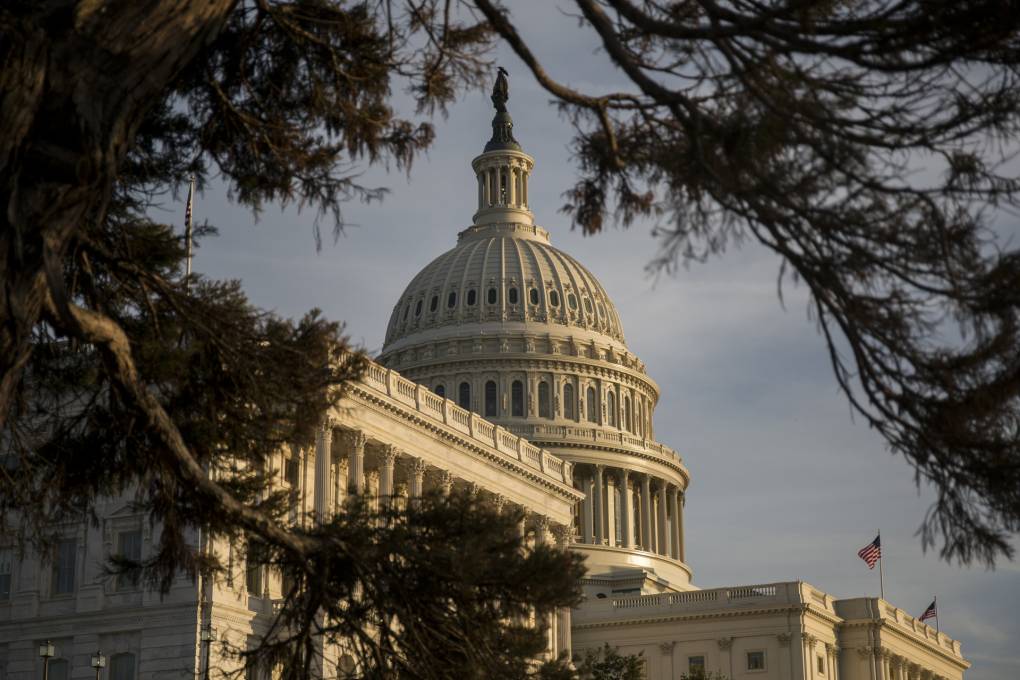
California Will Lose a House Seat for the First Time
Judge Orders Census to Text Workers That Count Must Continue Through October
Census Takers: We're Being Told to Finish Early, Cut Corners
As Judge Extends Census Deadline, Bay Area Communities Hustle to Get All Residents Counted
Bay Area Advocates Fear Census Homeless Count Will Come Up Short
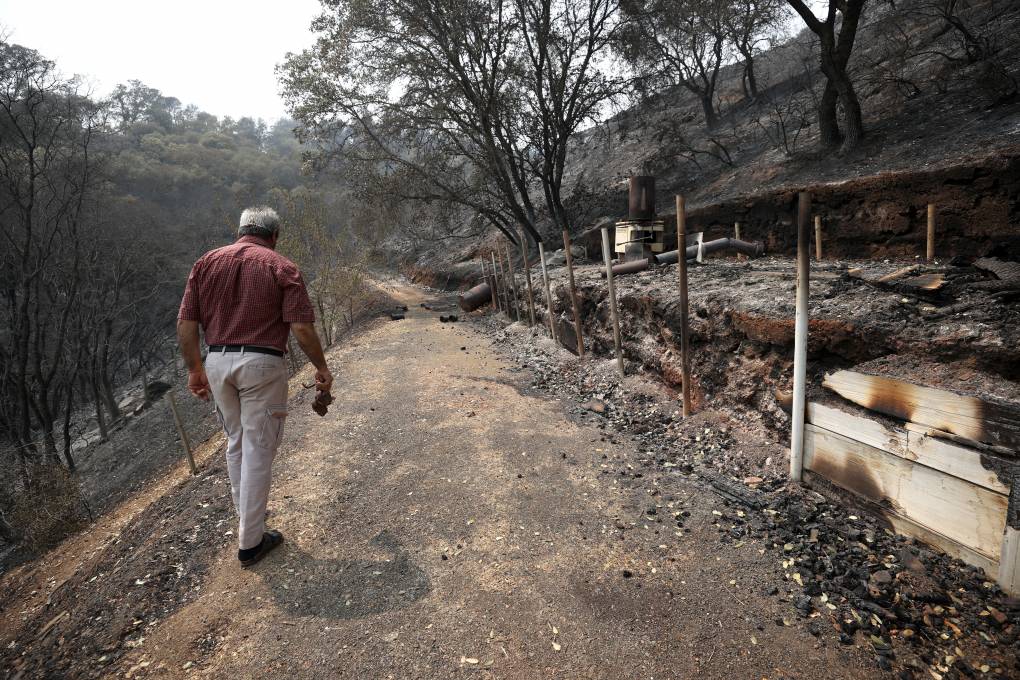
Cutting Census Staff in Wildfire Zones Threatens Accurate Count, Workers Warn
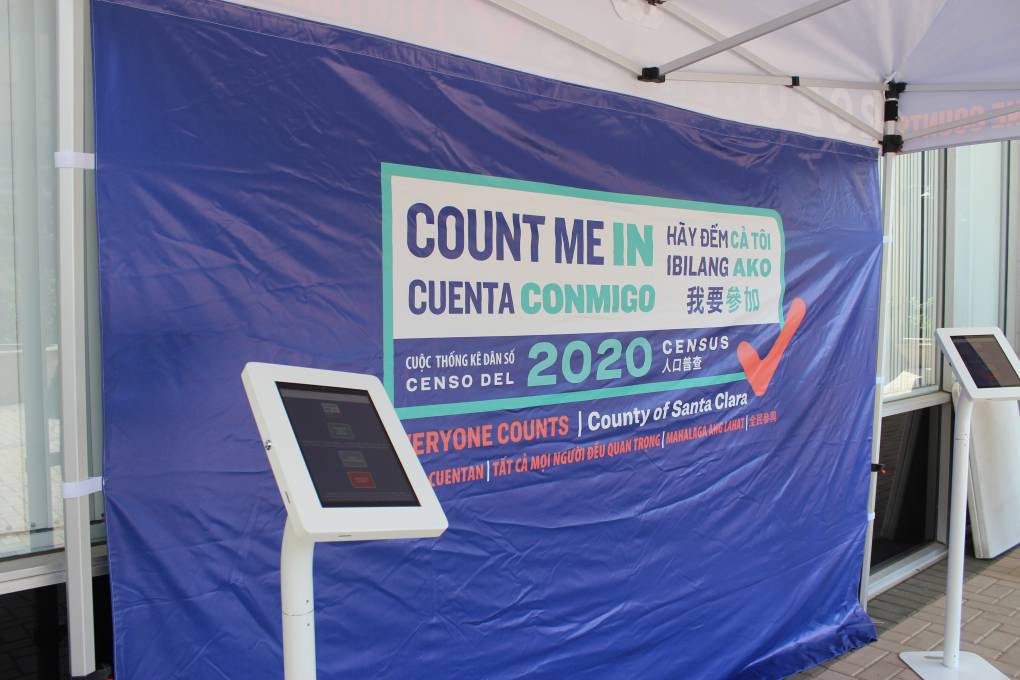
Santa Clara County to Put US Census Kiosks at Pop-up Coronavirus Testing Sites
California Officials Blast Trump’s Order Excluding Undocumented From Census Count
How Good Is Your Grasp of Census 2020? It Comes Down to Who You Trust Online
Sponsored
Player sponsored by
window.__IS_SSR__=true
window.__INITIAL_STATE__={
"attachmentsReducer": {
"audio_0": {
"type": "attachments",
"id": "audio_0",
"imgSizes": {
"kqedFullSize": {
"file": "https://ww2.kqed.org/news/wp-content/themes/KQED-unified/img/audio_bgs/background0.jpg"
}
}
},
"audio_1": {
"type": "attachments",
"id": "audio_1",
"imgSizes": {
"kqedFullSize": {
"file": "https://ww2.kqed.org/news/wp-content/themes/KQED-unified/img/audio_bgs/background1.jpg"
}
}
},
"audio_2": {
"type": "attachments",
"id": "audio_2",
"imgSizes": {
"kqedFullSize": {
"file": "https://ww2.kqed.org/news/wp-content/themes/KQED-unified/img/audio_bgs/background2.jpg"
}
}
},
"audio_3": {
"type": "attachments",
"id": "audio_3",
"imgSizes": {
"kqedFullSize": {
"file": "https://ww2.kqed.org/news/wp-content/themes/KQED-unified/img/audio_bgs/background3.jpg"
}
}
},
"audio_4": {
"type": "attachments",
"id": "audio_4",
"imgSizes": {
"kqedFullSize": {
"file": "https://ww2.kqed.org/news/wp-content/themes/KQED-unified/img/audio_bgs/background4.jpg"
}
}
},
"placeholder": {
"type": "attachments",
"id": "placeholder",
"imgSizes": {
"thumbnail": {
"file": "https://cdn.kqed.org/wp-content/uploads/2024/12/KQED-Default-Image-816638274-2000x1333-1-160x107.jpg",
"width": 160,
"height": 107,
"mimeType": "image/jpeg"
},
"medium": {
"file": "https://cdn.kqed.org/wp-content/uploads/2024/12/KQED-Default-Image-816638274-2000x1333-1-800x533.jpg",
"width": 800,
"height": 533,
"mimeType": "image/jpeg"
},
"medium_large": {
"file": "https://cdn.kqed.org/wp-content/uploads/2024/12/KQED-Default-Image-816638274-2000x1333-1-768x512.jpg",
"width": 768,
"height": 512,
"mimeType": "image/jpeg"
},
"large": {
"file": "https://cdn.kqed.org/wp-content/uploads/2024/12/KQED-Default-Image-816638274-2000x1333-1-1020x680.jpg",
"width": 1020,
"height": 680,
"mimeType": "image/jpeg"
},
"1536x1536": {
"file": "https://cdn.kqed.org/wp-content/uploads/2024/12/KQED-Default-Image-816638274-2000x1333-1-1536x1024.jpg",
"width": 1536,
"height": 1024,
"mimeType": "image/jpeg"
},
"fd-lrg": {
"file": "https://cdn.kqed.org/wp-content/uploads/2024/12/KQED-Default-Image-816638274-2000x1333-1-1536x1024.jpg",
"width": 1536,
"height": 1024,
"mimeType": "image/jpeg"
},
"fd-med": {
"file": "https://cdn.kqed.org/wp-content/uploads/2024/12/KQED-Default-Image-816638274-2000x1333-1-1020x680.jpg",
"width": 1020,
"height": 680,
"mimeType": "image/jpeg"
},
"fd-sm": {
"file": "https://cdn.kqed.org/wp-content/uploads/2024/12/KQED-Default-Image-816638274-2000x1333-1-800x533.jpg",
"width": 800,
"height": 533,
"mimeType": "image/jpeg"
},
"post-thumbnail": {
"file": "https://cdn.kqed.org/wp-content/uploads/2024/12/KQED-Default-Image-816638274-2000x1333-1-672x372.jpg",
"width": 672,
"height": 372,
"mimeType": "image/jpeg"
},
"twentyfourteen-full-width": {
"file": "https://cdn.kqed.org/wp-content/uploads/2024/12/KQED-Default-Image-816638274-2000x1333-1-1038x576.jpg",
"width": 1038,
"height": 576,
"mimeType": "image/jpeg"
},
"xxsmall": {
"file": "https://cdn.kqed.org/wp-content/uploads/2024/12/KQED-Default-Image-816638274-2000x1333-1-160x107.jpg",
"width": 160,
"height": 107,
"mimeType": "image/jpeg"
},
"xsmall": {
"file": "https://cdn.kqed.org/wp-content/uploads/2024/12/KQED-Default-Image-816638274-2000x1333-1-672x372.jpg",
"width": 672,
"height": 372,
"mimeType": "image/jpeg"
},
"small": {
"file": "https://cdn.kqed.org/wp-content/uploads/2024/12/KQED-Default-Image-816638274-2000x1333-1-672x372.jpg",
"width": 672,
"height": 372,
"mimeType": "image/jpeg"
},
"xlarge": {
"file": "https://cdn.kqed.org/wp-content/uploads/2024/12/KQED-Default-Image-816638274-2000x1333-1-1020x680.jpg",
"width": 1020,
"height": 680,
"mimeType": "image/jpeg"
},
"full-width": {
"file": "https://cdn.kqed.org/wp-content/uploads/2024/12/KQED-Default-Image-816638274-2000x1333-1-1920x1280.jpg",
"width": 1920,
"height": 1280,
"mimeType": "image/jpeg"
},
"guest-author-32": {
"file": "https://cdn.kqed.org/wp-content/uploads/2025/01/KQED-Default-Image-816638274-1333x1333-1-160x160.jpg",
"width": 32,
"height": 32,
"mimeType": "image/jpeg"
},
"guest-author-50": {
"file": "https://cdn.kqed.org/wp-content/uploads/2025/01/KQED-Default-Image-816638274-1333x1333-1-160x160.jpg",
"width": 50,
"height": 50,
"mimeType": "image/jpeg"
},
"guest-author-64": {
"file": "https://cdn.kqed.org/wp-content/uploads/2025/01/KQED-Default-Image-816638274-1333x1333-1-160x160.jpg",
"width": 64,
"height": 64,
"mimeType": "image/jpeg"
},
"guest-author-96": {
"file": "https://cdn.kqed.org/wp-content/uploads/2025/01/KQED-Default-Image-816638274-1333x1333-1-160x160.jpg",
"width": 96,
"height": 96,
"mimeType": "image/jpeg"
},
"guest-author-128": {
"file": "https://cdn.kqed.org/wp-content/uploads/2025/01/KQED-Default-Image-816638274-1333x1333-1-160x160.jpg",
"width": 128,
"height": 128,
"mimeType": "image/jpeg"
},
"detail": {
"file": "https://cdn.kqed.org/wp-content/uploads/2025/01/KQED-Default-Image-816638274-1333x1333-1-160x160.jpg",
"width": 160,
"height": 160,
"mimeType": "image/jpeg"
},
"kqedFullSize": {
"file": "https://cdn.kqed.org/wp-content/uploads/2024/12/KQED-Default-Image-816638274-2000x1333-1.jpg",
"width": 2000,
"height": 1333
}
}
},
"news_11855888": {
"type": "attachments",
"id": "news_11855888",
"meta": {
"index": "attachments_1716263798",
"site": "news",
"id": "11855888",
"found": true
},
"parent": 11855880,
"imgSizes": {
"apple_news_ca_landscape_5_5": {
"file": "https://ww2.kqed.org/app/uploads/sites/10/2021/01/RS35164_02052019_capitol-qut-1044x783.jpg",
"width": 1044,
"mimeType": "image/jpeg",
"height": 783
},
"apple_news_ca_square_4_0": {
"file": "https://ww2.kqed.org/app/uploads/sites/10/2021/01/RS35164_02052019_capitol-qut-470x470.jpg",
"width": 470,
"mimeType": "image/jpeg",
"height": 470
},
"twentyfourteen-full-width": {
"file": "https://ww2.kqed.org/app/uploads/sites/10/2021/01/RS35164_02052019_capitol-qut-1038x576.jpg",
"width": 1038,
"mimeType": "image/jpeg",
"height": 576
},
"thumbnail": {
"file": "https://ww2.kqed.org/app/uploads/sites/10/2021/01/RS35164_02052019_capitol-qut-160x107.jpg",
"width": 160,
"mimeType": "image/jpeg",
"height": 107
},
"post-thumbnail": {
"file": "https://ww2.kqed.org/app/uploads/sites/10/2021/01/RS35164_02052019_capitol-qut-672x372.jpg",
"width": 672,
"mimeType": "image/jpeg",
"height": 372
},
"kqedFullSize": {
"file": "https://ww2.kqed.org/app/uploads/sites/10/2021/01/RS35164_02052019_capitol-qut.jpg",
"width": 1920,
"height": 1280
},
"apple_news_ca_landscape_4_7": {
"file": "https://ww2.kqed.org/app/uploads/sites/10/2021/01/RS35164_02052019_capitol-qut-632x474.jpg",
"width": 632,
"mimeType": "image/jpeg",
"height": 474
},
"large": {
"file": "https://ww2.kqed.org/app/uploads/sites/10/2021/01/RS35164_02052019_capitol-qut-1020x680.jpg",
"width": 1020,
"mimeType": "image/jpeg",
"height": 680
},
"apple_news_ca_landscape_4_0": {
"file": "https://ww2.kqed.org/app/uploads/sites/10/2021/01/RS35164_02052019_capitol-qut-536x402.jpg",
"width": 536,
"mimeType": "image/jpeg",
"height": 402
},
"apple_news_ca_portrait_12_9": {
"file": "https://ww2.kqed.org/app/uploads/sites/10/2021/01/RS35164_02052019_capitol-qut-1122x1280.jpg",
"width": 1122,
"mimeType": "image/jpeg",
"height": 1280
},
"medium": {
"file": "https://ww2.kqed.org/app/uploads/sites/10/2021/01/RS35164_02052019_capitol-qut-800x533.jpg",
"width": 800,
"mimeType": "image/jpeg",
"height": 533
},
"apple_news_ca_portrait_4_0": {
"file": "https://ww2.kqed.org/app/uploads/sites/10/2021/01/RS35164_02052019_capitol-qut-354x472.jpg",
"width": 354,
"mimeType": "image/jpeg",
"height": 472
},
"apple_news_ca_portrait_9_7": {
"file": "https://ww2.kqed.org/app/uploads/sites/10/2021/01/RS35164_02052019_capitol-qut-840x1120.jpg",
"width": 840,
"mimeType": "image/jpeg",
"height": 1120
},
"apple_news_ca_landscape_12_9": {
"file": "https://ww2.kqed.org/app/uploads/sites/10/2021/01/RS35164_02052019_capitol-qut-1832x1280.jpg",
"width": 1832,
"mimeType": "image/jpeg",
"height": 1280
},
"apple_news_ca_square_9_7": {
"file": "https://ww2.kqed.org/app/uploads/sites/10/2021/01/RS35164_02052019_capitol-qut-1104x1104.jpg",
"width": 1104,
"mimeType": "image/jpeg",
"height": 1104
},
"1536x1536": {
"file": "https://ww2.kqed.org/app/uploads/sites/10/2021/01/RS35164_02052019_capitol-qut-1536x1024.jpg",
"width": 1536,
"mimeType": "image/jpeg",
"height": 1024
},
"apple_news_ca_portrait_4_7": {
"file": "https://ww2.kqed.org/app/uploads/sites/10/2021/01/RS35164_02052019_capitol-qut-414x552.jpg",
"width": 414,
"mimeType": "image/jpeg",
"height": 552
},
"apple_news_ca_square_12_9": {
"file": "https://ww2.kqed.org/app/uploads/sites/10/2021/01/RS35164_02052019_capitol-qut-1472x1280.jpg",
"width": 1472,
"mimeType": "image/jpeg",
"height": 1280
},
"apple_news_ca_portrait_5_5": {
"file": "https://ww2.kqed.org/app/uploads/sites/10/2021/01/RS35164_02052019_capitol-qut-687x916.jpg",
"width": 687,
"mimeType": "image/jpeg",
"height": 916
},
"apple_news_ca_square_4_7": {
"file": "https://ww2.kqed.org/app/uploads/sites/10/2021/01/RS35164_02052019_capitol-qut-550x550.jpg",
"width": 550,
"mimeType": "image/jpeg",
"height": 550
},
"apple_news_ca_landscape_9_7": {
"file": "https://ww2.kqed.org/app/uploads/sites/10/2021/01/RS35164_02052019_capitol-qut-1376x1032.jpg",
"width": 1376,
"mimeType": "image/jpeg",
"height": 1032
},
"apple_news_ca_square_5_5": {
"file": "https://ww2.kqed.org/app/uploads/sites/10/2021/01/RS35164_02052019_capitol-qut-912x912.jpg",
"width": 912,
"mimeType": "image/jpeg",
"height": 912
}
},
"publishDate": 1611020198,
"modified": 1619473203,
"caption": "The U.S. Capitol Building seen on Feb. 5, 2019 in Washington, D.C. ",
"description": null,
"title": "President Trump Delivers State Of The Union Address To Joint Session Of Congress",
"credit": "Zach Gibson/Getty Images",
"status": "inherit",
"altTag": null,
"fetchFailed": false,
"isLoading": false
},
"news_11840799": {
"type": "attachments",
"id": "news_11840799",
"meta": {
"index": "attachments_1716263798",
"site": "news",
"id": "11840799",
"found": true
},
"parent": 11840788,
"imgSizes": {
"apple_news_ca_landscape_5_5": {
"file": "https://ww2.kqed.org/app/uploads/sites/10/2020/10/RS44933_028_KQED_Oakland_OBCACensus_09162020-qut-1044x783.jpg",
"width": 1044,
"mimeType": "image/jpeg",
"height": 783
},
"apple_news_ca_square_4_0": {
"file": "https://ww2.kqed.org/app/uploads/sites/10/2020/10/RS44933_028_KQED_Oakland_OBCACensus_09162020-qut-470x470.jpg",
"width": 470,
"mimeType": "image/jpeg",
"height": 470
},
"twentyfourteen-full-width": {
"file": "https://ww2.kqed.org/app/uploads/sites/10/2020/10/RS44933_028_KQED_Oakland_OBCACensus_09162020-qut-1038x576.jpg",
"width": 1038,
"mimeType": "image/jpeg",
"height": 576
},
"thumbnail": {
"file": "https://ww2.kqed.org/app/uploads/sites/10/2020/10/RS44933_028_KQED_Oakland_OBCACensus_09162020-qut-160x107.jpg",
"width": 160,
"mimeType": "image/jpeg",
"height": 107
},
"post-thumbnail": {
"file": "https://ww2.kqed.org/app/uploads/sites/10/2020/10/RS44933_028_KQED_Oakland_OBCACensus_09162020-qut-672x372.jpg",
"width": 672,
"mimeType": "image/jpeg",
"height": 372
},
"kqedFullSize": {
"file": "https://ww2.kqed.org/app/uploads/sites/10/2020/10/RS44933_028_KQED_Oakland_OBCACensus_09162020-qut.jpg",
"width": 1920,
"height": 1280
},
"apple_news_ca_landscape_4_7": {
"file": "https://ww2.kqed.org/app/uploads/sites/10/2020/10/RS44933_028_KQED_Oakland_OBCACensus_09162020-qut-632x474.jpg",
"width": 632,
"mimeType": "image/jpeg",
"height": 474
},
"large": {
"file": "https://ww2.kqed.org/app/uploads/sites/10/2020/10/RS44933_028_KQED_Oakland_OBCACensus_09162020-qut-1020x680.jpg",
"width": 1020,
"mimeType": "image/jpeg",
"height": 680
},
"apple_news_ca_landscape_4_0": {
"file": "https://ww2.kqed.org/app/uploads/sites/10/2020/10/RS44933_028_KQED_Oakland_OBCACensus_09162020-qut-536x402.jpg",
"width": 536,
"mimeType": "image/jpeg",
"height": 402
},
"apple_news_ca_portrait_12_9": {
"file": "https://ww2.kqed.org/app/uploads/sites/10/2020/10/RS44933_028_KQED_Oakland_OBCACensus_09162020-qut-1122x1280.jpg",
"width": 1122,
"mimeType": "image/jpeg",
"height": 1280
},
"medium": {
"file": "https://ww2.kqed.org/app/uploads/sites/10/2020/10/RS44933_028_KQED_Oakland_OBCACensus_09162020-qut-800x533.jpg",
"width": 800,
"mimeType": "image/jpeg",
"height": 533
},
"apple_news_ca_portrait_4_0": {
"file": "https://ww2.kqed.org/app/uploads/sites/10/2020/10/RS44933_028_KQED_Oakland_OBCACensus_09162020-qut-354x472.jpg",
"width": 354,
"mimeType": "image/jpeg",
"height": 472
},
"apple_news_ca_portrait_9_7": {
"file": "https://ww2.kqed.org/app/uploads/sites/10/2020/10/RS44933_028_KQED_Oakland_OBCACensus_09162020-qut-840x1120.jpg",
"width": 840,
"mimeType": "image/jpeg",
"height": 1120
},
"apple_news_ca_landscape_12_9": {
"file": "https://ww2.kqed.org/app/uploads/sites/10/2020/10/RS44933_028_KQED_Oakland_OBCACensus_09162020-qut-1832x1280.jpg",
"width": 1832,
"mimeType": "image/jpeg",
"height": 1280
},
"apple_news_ca_square_9_7": {
"file": "https://ww2.kqed.org/app/uploads/sites/10/2020/10/RS44933_028_KQED_Oakland_OBCACensus_09162020-qut-1104x1104.jpg",
"width": 1104,
"mimeType": "image/jpeg",
"height": 1104
},
"1536x1536": {
"file": "https://ww2.kqed.org/app/uploads/sites/10/2020/10/RS44933_028_KQED_Oakland_OBCACensus_09162020-qut-1536x1024.jpg",
"width": 1536,
"mimeType": "image/jpeg",
"height": 1024
},
"apple_news_ca_portrait_4_7": {
"file": "https://ww2.kqed.org/app/uploads/sites/10/2020/10/RS44933_028_KQED_Oakland_OBCACensus_09162020-qut-414x552.jpg",
"width": 414,
"mimeType": "image/jpeg",
"height": 552
},
"apple_news_ca_square_12_9": {
"file": "https://ww2.kqed.org/app/uploads/sites/10/2020/10/RS44933_028_KQED_Oakland_OBCACensus_09162020-qut-1472x1280.jpg",
"width": 1472,
"mimeType": "image/jpeg",
"height": 1280
},
"apple_news_ca_portrait_5_5": {
"file": "https://ww2.kqed.org/app/uploads/sites/10/2020/10/RS44933_028_KQED_Oakland_OBCACensus_09162020-qut-687x916.jpg",
"width": 687,
"mimeType": "image/jpeg",
"height": 916
},
"apple_news_ca_square_4_7": {
"file": "https://ww2.kqed.org/app/uploads/sites/10/2020/10/RS44933_028_KQED_Oakland_OBCACensus_09162020-qut-550x550.jpg",
"width": 550,
"mimeType": "image/jpeg",
"height": 550
},
"apple_news_ca_landscape_9_7": {
"file": "https://ww2.kqed.org/app/uploads/sites/10/2020/10/RS44933_028_KQED_Oakland_OBCACensus_09162020-qut-1376x1032.jpg",
"width": 1376,
"mimeType": "image/jpeg",
"height": 1032
},
"apple_news_ca_square_5_5": {
"file": "https://ww2.kqed.org/app/uploads/sites/10/2020/10/RS44933_028_KQED_Oakland_OBCACensus_09162020-qut-912x912.jpg",
"width": 912,
"mimeType": "image/jpeg",
"height": 912
}
},
"publishDate": 1601664583,
"modified": 1601665143,
"caption": "Members of the Oakland Black Cowboy Association do outreach for the 2020 census at De Fremery Park in West Oakland on Sep. 16, 2020.",
"description": "Members of the Oakland Black Cowboy Association do outreach for the 2020 census at De Fremery Park in West Oakland on Sep. 16, 2020.",
"title": "RS44933_028_KQED_Oakland_OBCACensus_09162020-qut",
"credit": "Beth LaBerge/KQED",
"status": "inherit",
"fetchFailed": false,
"isLoading": false
},
"news_11840388": {
"type": "attachments",
"id": "news_11840388",
"meta": {
"index": "attachments_1716263798",
"site": "news",
"id": "11840388",
"found": true
},
"parent": 11840386,
"imgSizes": {
"apple_news_ca_landscape_5_5": {
"file": "https://ww2.kqed.org/app/uploads/sites/10/2020/09/RS44929_024_KQED_Oakland_OBCACensus_09162020-qut-1044x783.jpg",
"width": 1044,
"mimeType": "image/jpeg",
"height": 783
},
"apple_news_ca_square_4_0": {
"file": "https://ww2.kqed.org/app/uploads/sites/10/2020/09/RS44929_024_KQED_Oakland_OBCACensus_09162020-qut-470x470.jpg",
"width": 470,
"mimeType": "image/jpeg",
"height": 470
},
"twentyfourteen-full-width": {
"file": "https://ww2.kqed.org/app/uploads/sites/10/2020/09/RS44929_024_KQED_Oakland_OBCACensus_09162020-qut-1038x576.jpg",
"width": 1038,
"mimeType": "image/jpeg",
"height": 576
},
"thumbnail": {
"file": "https://ww2.kqed.org/app/uploads/sites/10/2020/09/RS44929_024_KQED_Oakland_OBCACensus_09162020-qut-160x107.jpg",
"width": 160,
"mimeType": "image/jpeg",
"height": 107
},
"post-thumbnail": {
"file": "https://ww2.kqed.org/app/uploads/sites/10/2020/09/RS44929_024_KQED_Oakland_OBCACensus_09162020-qut-672x372.jpg",
"width": 672,
"mimeType": "image/jpeg",
"height": 372
},
"kqedFullSize": {
"file": "https://ww2.kqed.org/app/uploads/sites/10/2020/09/RS44929_024_KQED_Oakland_OBCACensus_09162020-qut.jpg",
"width": 1920,
"height": 1280
},
"apple_news_ca_landscape_4_7": {
"file": "https://ww2.kqed.org/app/uploads/sites/10/2020/09/RS44929_024_KQED_Oakland_OBCACensus_09162020-qut-632x474.jpg",
"width": 632,
"mimeType": "image/jpeg",
"height": 474
},
"large": {
"file": "https://ww2.kqed.org/app/uploads/sites/10/2020/09/RS44929_024_KQED_Oakland_OBCACensus_09162020-qut-1020x680.jpg",
"width": 1020,
"mimeType": "image/jpeg",
"height": 680
},
"apple_news_ca_landscape_4_0": {
"file": "https://ww2.kqed.org/app/uploads/sites/10/2020/09/RS44929_024_KQED_Oakland_OBCACensus_09162020-qut-536x402.jpg",
"width": 536,
"mimeType": "image/jpeg",
"height": 402
},
"apple_news_ca_portrait_12_9": {
"file": "https://ww2.kqed.org/app/uploads/sites/10/2020/09/RS44929_024_KQED_Oakland_OBCACensus_09162020-qut-1122x1280.jpg",
"width": 1122,
"mimeType": "image/jpeg",
"height": 1280
},
"medium": {
"file": "https://ww2.kqed.org/app/uploads/sites/10/2020/09/RS44929_024_KQED_Oakland_OBCACensus_09162020-qut-800x533.jpg",
"width": 800,
"mimeType": "image/jpeg",
"height": 533
},
"apple_news_ca_portrait_4_0": {
"file": "https://ww2.kqed.org/app/uploads/sites/10/2020/09/RS44929_024_KQED_Oakland_OBCACensus_09162020-qut-354x472.jpg",
"width": 354,
"mimeType": "image/jpeg",
"height": 472
},
"apple_news_ca_portrait_9_7": {
"file": "https://ww2.kqed.org/app/uploads/sites/10/2020/09/RS44929_024_KQED_Oakland_OBCACensus_09162020-qut-840x1120.jpg",
"width": 840,
"mimeType": "image/jpeg",
"height": 1120
},
"apple_news_ca_landscape_12_9": {
"file": "https://ww2.kqed.org/app/uploads/sites/10/2020/09/RS44929_024_KQED_Oakland_OBCACensus_09162020-qut-1832x1280.jpg",
"width": 1832,
"mimeType": "image/jpeg",
"height": 1280
},
"apple_news_ca_square_9_7": {
"file": "https://ww2.kqed.org/app/uploads/sites/10/2020/09/RS44929_024_KQED_Oakland_OBCACensus_09162020-qut-1104x1104.jpg",
"width": 1104,
"mimeType": "image/jpeg",
"height": 1104
},
"1536x1536": {
"file": "https://ww2.kqed.org/app/uploads/sites/10/2020/09/RS44929_024_KQED_Oakland_OBCACensus_09162020-qut-1536x1024.jpg",
"width": 1536,
"mimeType": "image/jpeg",
"height": 1024
},
"apple_news_ca_portrait_4_7": {
"file": "https://ww2.kqed.org/app/uploads/sites/10/2020/09/RS44929_024_KQED_Oakland_OBCACensus_09162020-qut-414x552.jpg",
"width": 414,
"mimeType": "image/jpeg",
"height": 552
},
"apple_news_ca_square_12_9": {
"file": "https://ww2.kqed.org/app/uploads/sites/10/2020/09/RS44929_024_KQED_Oakland_OBCACensus_09162020-qut-1472x1280.jpg",
"width": 1472,
"mimeType": "image/jpeg",
"height": 1280
},
"apple_news_ca_portrait_5_5": {
"file": "https://ww2.kqed.org/app/uploads/sites/10/2020/09/RS44929_024_KQED_Oakland_OBCACensus_09162020-qut-687x916.jpg",
"width": 687,
"mimeType": "image/jpeg",
"height": 916
},
"apple_news_ca_square_4_7": {
"file": "https://ww2.kqed.org/app/uploads/sites/10/2020/09/RS44929_024_KQED_Oakland_OBCACensus_09162020-qut-550x550.jpg",
"width": 550,
"mimeType": "image/jpeg",
"height": 550
},
"apple_news_ca_landscape_9_7": {
"file": "https://ww2.kqed.org/app/uploads/sites/10/2020/09/RS44929_024_KQED_Oakland_OBCACensus_09162020-qut-1376x1032.jpg",
"width": 1376,
"mimeType": "image/jpeg",
"height": 1032
},
"apple_news_ca_square_5_5": {
"file": "https://ww2.kqed.org/app/uploads/sites/10/2020/09/RS44929_024_KQED_Oakland_OBCACensus_09162020-qut-912x912.jpg",
"width": 912,
"mimeType": "image/jpeg",
"height": 912
}
},
"publishDate": 1601498970,
"modified": 1601499026,
"caption": "Census 2020 signs at De Fremery Park in West Oakland on Sept. 16, 2020.",
"description": "Census 2020 signs at De Fremery Park in West Oakland on Sept. 16, 2020.",
"title": "Census 2020 signs at De Fremery Park in West Oakland on Sep. 16, 2020.",
"credit": "Beth LaBerge/KQED",
"status": "inherit",
"fetchFailed": false,
"isLoading": false
},
"news_11839881": {
"type": "attachments",
"id": "news_11839881",
"meta": {
"index": "attachments_1716263798",
"site": "news",
"id": "11839881",
"found": true
},
"parent": 11839841,
"imgSizes": {
"apple_news_ca_landscape_5_5": {
"file": "https://ww2.kqed.org/app/uploads/sites/10/2020/09/1920_IMG_1846-1044x783.jpg",
"width": 1044,
"mimeType": "image/jpeg",
"height": 783
},
"apple_news_ca_square_4_0": {
"file": "https://ww2.kqed.org/app/uploads/sites/10/2020/09/1920_IMG_1846-470x470.jpg",
"width": 470,
"mimeType": "image/jpeg",
"height": 470
},
"twentyfourteen-full-width": {
"file": "https://ww2.kqed.org/app/uploads/sites/10/2020/09/1920_IMG_1846-1038x576.jpg",
"width": 1038,
"mimeType": "image/jpeg",
"height": 576
},
"thumbnail": {
"file": "https://ww2.kqed.org/app/uploads/sites/10/2020/09/1920_IMG_1846-160x90.jpg",
"width": 160,
"mimeType": "image/jpeg",
"height": 90
},
"post-thumbnail": {
"file": "https://ww2.kqed.org/app/uploads/sites/10/2020/09/1920_IMG_1846-672x372.jpg",
"width": 672,
"mimeType": "image/jpeg",
"height": 372
},
"kqedFullSize": {
"file": "https://ww2.kqed.org/app/uploads/sites/10/2020/09/1920_IMG_1846-scaled.jpg",
"width": 2560,
"height": 1440
},
"2048x2048": {
"file": "https://ww2.kqed.org/app/uploads/sites/10/2020/09/1920_IMG_1846-2048x1152.jpg",
"width": 2048,
"mimeType": "image/jpeg",
"height": 1152
},
"apple_news_ca_landscape_4_7": {
"file": "https://ww2.kqed.org/app/uploads/sites/10/2020/09/1920_IMG_1846-632x474.jpg",
"width": 632,
"mimeType": "image/jpeg",
"height": 474
},
"large": {
"file": "https://ww2.kqed.org/app/uploads/sites/10/2020/09/1920_IMG_1846-1020x574.jpg",
"width": 1020,
"mimeType": "image/jpeg",
"height": 574
},
"apple_news_ca_landscape_4_0": {
"file": "https://ww2.kqed.org/app/uploads/sites/10/2020/09/1920_IMG_1846-536x402.jpg",
"width": 536,
"mimeType": "image/jpeg",
"height": 402
},
"apple_news_ca_portrait_12_9": {
"file": "https://ww2.kqed.org/app/uploads/sites/10/2020/09/1920_IMG_1846-1122x1496.jpg",
"width": 1122,
"mimeType": "image/jpeg",
"height": 1496
},
"medium": {
"file": "https://ww2.kqed.org/app/uploads/sites/10/2020/09/1920_IMG_1846-800x450.jpg",
"width": 800,
"mimeType": "image/jpeg",
"height": 450
},
"apple_news_ca_portrait_4_0": {
"file": "https://ww2.kqed.org/app/uploads/sites/10/2020/09/1920_IMG_1846-354x472.jpg",
"width": 354,
"mimeType": "image/jpeg",
"height": 472
},
"apple_news_ca_portrait_9_7": {
"file": "https://ww2.kqed.org/app/uploads/sites/10/2020/09/1920_IMG_1846-840x1120.jpg",
"width": 840,
"mimeType": "image/jpeg",
"height": 1120
},
"apple_news_ca_landscape_12_9": {
"file": "https://ww2.kqed.org/app/uploads/sites/10/2020/09/1920_IMG_1846-1832x1374.jpg",
"width": 1832,
"mimeType": "image/jpeg",
"height": 1374
},
"apple_news_ca_square_9_7": {
"file": "https://ww2.kqed.org/app/uploads/sites/10/2020/09/1920_IMG_1846-1104x1104.jpg",
"width": 1104,
"mimeType": "image/jpeg",
"height": 1104
},
"1536x1536": {
"file": "https://ww2.kqed.org/app/uploads/sites/10/2020/09/1920_IMG_1846-1536x864.jpg",
"width": 1536,
"mimeType": "image/jpeg",
"height": 864
},
"apple_news_ca_portrait_4_7": {
"file": "https://ww2.kqed.org/app/uploads/sites/10/2020/09/1920_IMG_1846-414x552.jpg",
"width": 414,
"mimeType": "image/jpeg",
"height": 552
},
"apple_news_ca_square_12_9": {
"file": "https://ww2.kqed.org/app/uploads/sites/10/2020/09/1920_IMG_1846-1472x1472.jpg",
"width": 1472,
"mimeType": "image/jpeg",
"height": 1472
},
"apple_news_ca_portrait_5_5": {
"file": "https://ww2.kqed.org/app/uploads/sites/10/2020/09/1920_IMG_1846-687x916.jpg",
"width": 687,
"mimeType": "image/jpeg",
"height": 916
},
"full-width": {
"file": "https://ww2.kqed.org/app/uploads/sites/10/2020/09/1920_IMG_1846-1920x1080.jpg",
"width": 1920,
"mimeType": "image/jpeg",
"height": 1080
},
"apple_news_ca_square_4_7": {
"file": "https://ww2.kqed.org/app/uploads/sites/10/2020/09/1920_IMG_1846-550x550.jpg",
"width": 550,
"mimeType": "image/jpeg",
"height": 550
},
"apple_news_ca_landscape_9_7": {
"file": "https://ww2.kqed.org/app/uploads/sites/10/2020/09/1920_IMG_1846-1376x1032.jpg",
"width": 1376,
"mimeType": "image/jpeg",
"height": 1032
},
"apple_news_ca_square_5_5": {
"file": "https://ww2.kqed.org/app/uploads/sites/10/2020/09/1920_IMG_1846-912x912.jpg",
"width": 912,
"mimeType": "image/jpeg",
"height": 912
}
},
"publishDate": 1601146014,
"modified": 1601146088,
"caption": "Robbi Montoya (L) and Annette Moretti of Dorothy Day House, talk with Douglas Allen Freitag about participating in the 2020 Census, outside the Berkeley Public Library on Sep. 24, 2020. ",
"description": null,
"title": "1920_IMG_1846",
"credit": "Tyche Hendricks/KQED",
"status": "inherit",
"fetchFailed": false,
"isLoading": false
},
"news_11839331": {
"type": "attachments",
"id": "news_11839331",
"meta": {
"index": "attachments_1716263798",
"site": "news",
"id": "11839331",
"found": true
},
"parent": 11839322,
"imgSizes": {
"apple_news_ca_landscape_5_5": {
"file": "https://ww2.kqed.org/app/uploads/sites/10/2020/09/RS44932_027_KQED_Oakland_OBCACensus_09162020-qut-1044x783.jpg",
"width": 1044,
"mimeType": "image/jpeg",
"height": 783
},
"apple_news_ca_square_4_0": {
"file": "https://ww2.kqed.org/app/uploads/sites/10/2020/09/RS44932_027_KQED_Oakland_OBCACensus_09162020-qut-470x470.jpg",
"width": 470,
"mimeType": "image/jpeg",
"height": 470
},
"twentyfourteen-full-width": {
"file": "https://ww2.kqed.org/app/uploads/sites/10/2020/09/RS44932_027_KQED_Oakland_OBCACensus_09162020-qut-1038x576.jpg",
"width": 1038,
"mimeType": "image/jpeg",
"height": 576
},
"thumbnail": {
"file": "https://ww2.kqed.org/app/uploads/sites/10/2020/09/RS44932_027_KQED_Oakland_OBCACensus_09162020-qut-160x107.jpg",
"width": 160,
"mimeType": "image/jpeg",
"height": 107
},
"post-thumbnail": {
"file": "https://ww2.kqed.org/app/uploads/sites/10/2020/09/RS44932_027_KQED_Oakland_OBCACensus_09162020-qut-672x372.jpg",
"width": 672,
"mimeType": "image/jpeg",
"height": 372
},
"kqedFullSize": {
"file": "https://ww2.kqed.org/app/uploads/sites/10/2020/09/RS44932_027_KQED_Oakland_OBCACensus_09162020-qut.jpg",
"width": 1920,
"height": 1280
},
"apple_news_ca_landscape_4_7": {
"file": "https://ww2.kqed.org/app/uploads/sites/10/2020/09/RS44932_027_KQED_Oakland_OBCACensus_09162020-qut-632x474.jpg",
"width": 632,
"mimeType": "image/jpeg",
"height": 474
},
"large": {
"file": "https://ww2.kqed.org/app/uploads/sites/10/2020/09/RS44932_027_KQED_Oakland_OBCACensus_09162020-qut-1020x680.jpg",
"width": 1020,
"mimeType": "image/jpeg",
"height": 680
},
"apple_news_ca_landscape_4_0": {
"file": "https://ww2.kqed.org/app/uploads/sites/10/2020/09/RS44932_027_KQED_Oakland_OBCACensus_09162020-qut-536x402.jpg",
"width": 536,
"mimeType": "image/jpeg",
"height": 402
},
"apple_news_ca_portrait_12_9": {
"file": "https://ww2.kqed.org/app/uploads/sites/10/2020/09/RS44932_027_KQED_Oakland_OBCACensus_09162020-qut-1122x1280.jpg",
"width": 1122,
"mimeType": "image/jpeg",
"height": 1280
},
"medium": {
"file": "https://ww2.kqed.org/app/uploads/sites/10/2020/09/RS44932_027_KQED_Oakland_OBCACensus_09162020-qut-800x533.jpg",
"width": 800,
"mimeType": "image/jpeg",
"height": 533
},
"apple_news_ca_portrait_4_0": {
"file": "https://ww2.kqed.org/app/uploads/sites/10/2020/09/RS44932_027_KQED_Oakland_OBCACensus_09162020-qut-354x472.jpg",
"width": 354,
"mimeType": "image/jpeg",
"height": 472
},
"apple_news_ca_portrait_9_7": {
"file": "https://ww2.kqed.org/app/uploads/sites/10/2020/09/RS44932_027_KQED_Oakland_OBCACensus_09162020-qut-840x1120.jpg",
"width": 840,
"mimeType": "image/jpeg",
"height": 1120
},
"apple_news_ca_landscape_12_9": {
"file": "https://ww2.kqed.org/app/uploads/sites/10/2020/09/RS44932_027_KQED_Oakland_OBCACensus_09162020-qut-1832x1280.jpg",
"width": 1832,
"mimeType": "image/jpeg",
"height": 1280
},
"apple_news_ca_square_9_7": {
"file": "https://ww2.kqed.org/app/uploads/sites/10/2020/09/RS44932_027_KQED_Oakland_OBCACensus_09162020-qut-1104x1104.jpg",
"width": 1104,
"mimeType": "image/jpeg",
"height": 1104
},
"1536x1536": {
"file": "https://ww2.kqed.org/app/uploads/sites/10/2020/09/RS44932_027_KQED_Oakland_OBCACensus_09162020-qut-1536x1024.jpg",
"width": 1536,
"mimeType": "image/jpeg",
"height": 1024
},
"apple_news_ca_portrait_4_7": {
"file": "https://ww2.kqed.org/app/uploads/sites/10/2020/09/RS44932_027_KQED_Oakland_OBCACensus_09162020-qut-414x552.jpg",
"width": 414,
"mimeType": "image/jpeg",
"height": 552
},
"apple_news_ca_square_12_9": {
"file": "https://ww2.kqed.org/app/uploads/sites/10/2020/09/RS44932_027_KQED_Oakland_OBCACensus_09162020-qut-1472x1280.jpg",
"width": 1472,
"mimeType": "image/jpeg",
"height": 1280
},
"apple_news_ca_portrait_5_5": {
"file": "https://ww2.kqed.org/app/uploads/sites/10/2020/09/RS44932_027_KQED_Oakland_OBCACensus_09162020-qut-687x916.jpg",
"width": 687,
"mimeType": "image/jpeg",
"height": 916
},
"apple_news_ca_square_4_7": {
"file": "https://ww2.kqed.org/app/uploads/sites/10/2020/09/RS44932_027_KQED_Oakland_OBCACensus_09162020-qut-550x550.jpg",
"width": 550,
"mimeType": "image/jpeg",
"height": 550
},
"apple_news_ca_landscape_9_7": {
"file": "https://ww2.kqed.org/app/uploads/sites/10/2020/09/RS44932_027_KQED_Oakland_OBCACensus_09162020-qut-1376x1032.jpg",
"width": 1376,
"mimeType": "image/jpeg",
"height": 1032
},
"apple_news_ca_square_5_5": {
"file": "https://ww2.kqed.org/app/uploads/sites/10/2020/09/RS44932_027_KQED_Oakland_OBCACensus_09162020-qut-912x912.jpg",
"width": 912,
"mimeType": "image/jpeg",
"height": 912
}
},
"publishDate": 1600898855,
"modified": 1600899356,
"caption": "Alameda County Census Outreach Manager Casey Farmer (R) and a member of her team set up shop at the West Oakland Senior Center on Sept. 16, 2020, part an effort to get more residents in the community to complete their census forms.",
"description": null,
"title": "RS44932_027_KQED_Oakland_OBCACensus_09162020-qut",
"credit": "Beth LaBerge/KQED",
"status": "inherit",
"fetchFailed": false,
"isLoading": false
},
"news_11836980": {
"type": "attachments",
"id": "news_11836980",
"meta": {
"index": "attachments_1716263798",
"site": "news",
"id": "11836980",
"found": true
},
"parent": 11836966,
"imgSizes": {
"apple_news_ca_landscape_5_5": {
"file": "https://ww2.kqed.org/app/uploads/sites/10/2020/09/GettyImages-1268353425-1044x783.jpg",
"width": 1044,
"mimeType": "image/jpeg",
"height": 783
},
"apple_news_ca_square_4_0": {
"file": "https://ww2.kqed.org/app/uploads/sites/10/2020/09/GettyImages-1268353425-470x470.jpg",
"width": 470,
"mimeType": "image/jpeg",
"height": 470
},
"twentyfourteen-full-width": {
"file": "https://ww2.kqed.org/app/uploads/sites/10/2020/09/GettyImages-1268353425-1038x576.jpg",
"width": 1038,
"mimeType": "image/jpeg",
"height": 576
},
"thumbnail": {
"file": "https://ww2.kqed.org/app/uploads/sites/10/2020/09/GettyImages-1268353425-160x107.jpg",
"width": 160,
"mimeType": "image/jpeg",
"height": 107
},
"post-thumbnail": {
"file": "https://ww2.kqed.org/app/uploads/sites/10/2020/09/GettyImages-1268353425-672x372.jpg",
"width": 672,
"mimeType": "image/jpeg",
"height": 372
},
"kqedFullSize": {
"file": "https://ww2.kqed.org/app/uploads/sites/10/2020/09/GettyImages-1268353425-scaled-e1599527986422.jpg",
"width": 1920,
"height": 1280
},
"2048x2048": {
"file": "https://ww2.kqed.org/app/uploads/sites/10/2020/09/GettyImages-1268353425-2048x1365.jpg",
"width": 2048,
"mimeType": "image/jpeg",
"height": 1365
},
"apple_news_ca_landscape_4_7": {
"file": "https://ww2.kqed.org/app/uploads/sites/10/2020/09/GettyImages-1268353425-632x474.jpg",
"width": 632,
"mimeType": "image/jpeg",
"height": 474
},
"large": {
"file": "https://ww2.kqed.org/app/uploads/sites/10/2020/09/GettyImages-1268353425-1020x680.jpg",
"width": 1020,
"mimeType": "image/jpeg",
"height": 680
},
"apple_news_ca_landscape_4_0": {
"file": "https://ww2.kqed.org/app/uploads/sites/10/2020/09/GettyImages-1268353425-536x402.jpg",
"width": 536,
"mimeType": "image/jpeg",
"height": 402
},
"apple_news_ca_portrait_12_9": {
"file": "https://ww2.kqed.org/app/uploads/sites/10/2020/09/GettyImages-1268353425-1122x1496.jpg",
"width": 1122,
"mimeType": "image/jpeg",
"height": 1496
},
"medium": {
"file": "https://ww2.kqed.org/app/uploads/sites/10/2020/09/GettyImages-1268353425-800x533.jpg",
"width": 800,
"mimeType": "image/jpeg",
"height": 533
},
"apple_news_ca_portrait_4_0": {
"file": "https://ww2.kqed.org/app/uploads/sites/10/2020/09/GettyImages-1268353425-354x472.jpg",
"width": 354,
"mimeType": "image/jpeg",
"height": 472
},
"apple_news_ca_portrait_9_7": {
"file": "https://ww2.kqed.org/app/uploads/sites/10/2020/09/GettyImages-1268353425-840x1120.jpg",
"width": 840,
"mimeType": "image/jpeg",
"height": 1120
},
"apple_news_ca_landscape_12_9": {
"file": "https://ww2.kqed.org/app/uploads/sites/10/2020/09/GettyImages-1268353425-1832x1374.jpg",
"width": 1832,
"mimeType": "image/jpeg",
"height": 1374
},
"apple_news_ca_square_9_7": {
"file": "https://ww2.kqed.org/app/uploads/sites/10/2020/09/GettyImages-1268353425-1104x1104.jpg",
"width": 1104,
"mimeType": "image/jpeg",
"height": 1104
},
"1536x1536": {
"file": "https://ww2.kqed.org/app/uploads/sites/10/2020/09/GettyImages-1268353425-1536x1024.jpg",
"width": 1536,
"mimeType": "image/jpeg",
"height": 1024
},
"apple_news_ca_portrait_4_7": {
"file": "https://ww2.kqed.org/app/uploads/sites/10/2020/09/GettyImages-1268353425-414x552.jpg",
"width": 414,
"mimeType": "image/jpeg",
"height": 552
},
"apple_news_ca_square_12_9": {
"file": "https://ww2.kqed.org/app/uploads/sites/10/2020/09/GettyImages-1268353425-1472x1472.jpg",
"width": 1472,
"mimeType": "image/jpeg",
"height": 1472
},
"apple_news_ca_portrait_5_5": {
"file": "https://ww2.kqed.org/app/uploads/sites/10/2020/09/GettyImages-1268353425-687x916.jpg",
"width": 687,
"mimeType": "image/jpeg",
"height": 916
},
"full-width": {
"file": "https://ww2.kqed.org/app/uploads/sites/10/2020/09/GettyImages-1268353425-1920x1280.jpg",
"width": 1920,
"mimeType": "image/jpeg",
"height": 1280
},
"apple_news_ca_square_4_7": {
"file": "https://ww2.kqed.org/app/uploads/sites/10/2020/09/GettyImages-1268353425-550x550.jpg",
"width": 550,
"mimeType": "image/jpeg",
"height": 550
},
"apple_news_ca_landscape_9_7": {
"file": "https://ww2.kqed.org/app/uploads/sites/10/2020/09/GettyImages-1268353425-1376x1032.jpg",
"width": 1376,
"mimeType": "image/jpeg",
"height": 1032
},
"apple_news_ca_square_5_5": {
"file": "https://ww2.kqed.org/app/uploads/sites/10/2020/09/GettyImages-1268353425-912x912.jpg",
"width": 912,
"mimeType": "image/jpeg",
"height": 912
}
},
"publishDate": 1599527933,
"modified": 1599528072,
"caption": "Sid Torun, owner of M.S. Torun Family Vineyards, walks through a portion of his property that was burned by the LNU Lightning Complex fire on August 24, 2020 in Vacaville, California. ",
"description": "Sid Torun, owner of M.S. Torun Family Vineyards, walks through a portion of his property that was burned by the LNU Lightning Complex fire on August 24, 2020 in Vacaville, California. ",
"title": "Evacuation Orders Lifted Around Napa County As Weather Aids In Containment Of LNU Lightning Complex",
"credit": "Justin Sullivan/Getty Images",
"status": "inherit",
"fetchFailed": false,
"isLoading": false
},
"news_11831251": {
"type": "attachments",
"id": "news_11831251",
"meta": {
"index": "attachments_1716263798",
"site": "news",
"id": "11831251",
"found": true
},
"parent": 11831239,
"imgSizes": {
"apple_news_ca_landscape_5_5": {
"file": "https://ww2.kqed.org/app/uploads/sites/10/2020/07/CensusKiosk07.29.20-1044x783.jpg",
"width": 1044,
"mimeType": "image/jpeg",
"height": 783
},
"apple_news_ca_square_4_0": {
"file": "https://ww2.kqed.org/app/uploads/sites/10/2020/07/CensusKiosk07.29.20-470x470.jpg",
"width": 470,
"mimeType": "image/jpeg",
"height": 470
},
"twentyfourteen-full-width": {
"file": "https://ww2.kqed.org/app/uploads/sites/10/2020/07/CensusKiosk07.29.20-1038x576.jpg",
"width": 1038,
"mimeType": "image/jpeg",
"height": 576
},
"thumbnail": {
"file": "https://ww2.kqed.org/app/uploads/sites/10/2020/07/CensusKiosk07.29.20-160x107.jpg",
"width": 160,
"mimeType": "image/jpeg",
"height": 107
},
"post-thumbnail": {
"file": "https://ww2.kqed.org/app/uploads/sites/10/2020/07/CensusKiosk07.29.20-672x372.jpg",
"width": 672,
"mimeType": "image/jpeg",
"height": 372
},
"kqedFullSize": {
"file": "https://ww2.kqed.org/app/uploads/sites/10/2020/07/CensusKiosk07.29.20-scaled.jpg",
"width": 2560,
"height": 1707
},
"2048x2048": {
"file": "https://ww2.kqed.org/app/uploads/sites/10/2020/07/CensusKiosk07.29.20-2048x1365.jpg",
"width": 2048,
"mimeType": "image/jpeg",
"height": 1365
},
"apple_news_ca_landscape_4_7": {
"file": "https://ww2.kqed.org/app/uploads/sites/10/2020/07/CensusKiosk07.29.20-632x474.jpg",
"width": 632,
"mimeType": "image/jpeg",
"height": 474
},
"large": {
"file": "https://ww2.kqed.org/app/uploads/sites/10/2020/07/CensusKiosk07.29.20-1020x680.jpg",
"width": 1020,
"mimeType": "image/jpeg",
"height": 680
},
"apple_news_ca_landscape_4_0": {
"file": "https://ww2.kqed.org/app/uploads/sites/10/2020/07/CensusKiosk07.29.20-536x402.jpg",
"width": 536,
"mimeType": "image/jpeg",
"height": 402
},
"apple_news_ca_portrait_12_9": {
"file": "https://ww2.kqed.org/app/uploads/sites/10/2020/07/CensusKiosk07.29.20-1122x1496.jpg",
"width": 1122,
"mimeType": "image/jpeg",
"height": 1496
},
"medium": {
"file": "https://ww2.kqed.org/app/uploads/sites/10/2020/07/CensusKiosk07.29.20-800x533.jpg",
"width": 800,
"mimeType": "image/jpeg",
"height": 533
},
"apple_news_ca_portrait_4_0": {
"file": "https://ww2.kqed.org/app/uploads/sites/10/2020/07/CensusKiosk07.29.20-354x472.jpg",
"width": 354,
"mimeType": "image/jpeg",
"height": 472
},
"apple_news_ca_portrait_9_7": {
"file": "https://ww2.kqed.org/app/uploads/sites/10/2020/07/CensusKiosk07.29.20-840x1120.jpg",
"width": 840,
"mimeType": "image/jpeg",
"height": 1120
},
"apple_news_ca_landscape_12_9": {
"file": "https://ww2.kqed.org/app/uploads/sites/10/2020/07/CensusKiosk07.29.20-1832x1374.jpg",
"width": 1832,
"mimeType": "image/jpeg",
"height": 1374
},
"apple_news_ca_square_9_7": {
"file": "https://ww2.kqed.org/app/uploads/sites/10/2020/07/CensusKiosk07.29.20-1104x1104.jpg",
"width": 1104,
"mimeType": "image/jpeg",
"height": 1104
},
"1536x1536": {
"file": "https://ww2.kqed.org/app/uploads/sites/10/2020/07/CensusKiosk07.29.20-1536x1024.jpg",
"width": 1536,
"mimeType": "image/jpeg",
"height": 1024
},
"apple_news_ca_portrait_4_7": {
"file": "https://ww2.kqed.org/app/uploads/sites/10/2020/07/CensusKiosk07.29.20-414x552.jpg",
"width": 414,
"mimeType": "image/jpeg",
"height": 552
},
"apple_news_ca_square_12_9": {
"file": "https://ww2.kqed.org/app/uploads/sites/10/2020/07/CensusKiosk07.29.20-1472x1472.jpg",
"width": 1472,
"mimeType": "image/jpeg",
"height": 1472
},
"apple_news_ca_portrait_5_5": {
"file": "https://ww2.kqed.org/app/uploads/sites/10/2020/07/CensusKiosk07.29.20-687x916.jpg",
"width": 687,
"mimeType": "image/jpeg",
"height": 916
},
"full-width": {
"file": "https://ww2.kqed.org/app/uploads/sites/10/2020/07/CensusKiosk07.29.20-1920x1280.jpg",
"width": 1920,
"mimeType": "image/jpeg",
"height": 1280
},
"apple_news_ca_square_4_7": {
"file": "https://ww2.kqed.org/app/uploads/sites/10/2020/07/CensusKiosk07.29.20-550x550.jpg",
"width": 550,
"mimeType": "image/jpeg",
"height": 550
},
"apple_news_ca_landscape_9_7": {
"file": "https://ww2.kqed.org/app/uploads/sites/10/2020/07/CensusKiosk07.29.20-1376x1032.jpg",
"width": 1376,
"mimeType": "image/jpeg",
"height": 1032
},
"apple_news_ca_square_5_5": {
"file": "https://ww2.kqed.org/app/uploads/sites/10/2020/07/CensusKiosk07.29.20-912x912.jpg",
"width": 912,
"mimeType": "image/jpeg",
"height": 912
}
},
"publishDate": 1596137533,
"modified": 1596137653,
"caption": "One of the new Santa Clara County census kiosks that will be set up at COVID-19 pop-up testing sites.",
"description": null,
"title": "CensusKiosk07.29.20",
"credit": "Jana Kadah/Bay City News",
"status": "inherit",
"fetchFailed": false,
"isLoading": false
},
"news_11830238": {
"type": "attachments",
"id": "news_11830238",
"meta": {
"index": "attachments_1716263798",
"site": "news",
"id": "11830238",
"found": true
},
"parent": 11830232,
"imgSizes": {
"apple_news_ca_landscape_5_5": {
"file": "https://ww2.kqed.org/app/uploads/sites/10/2020/07/RS37292_05222019_u.s.-census-citizenship-question-donald-trump-qut-1044x783.jpg",
"width": 1044,
"mimeType": "image/jpeg",
"height": 783
},
"apple_news_ca_square_4_0": {
"file": "https://ww2.kqed.org/app/uploads/sites/10/2020/07/RS37292_05222019_u.s.-census-citizenship-question-donald-trump-qut-470x470.jpg",
"width": 470,
"mimeType": "image/jpeg",
"height": 470
},
"twentyfourteen-full-width": {
"file": "https://ww2.kqed.org/app/uploads/sites/10/2020/07/RS37292_05222019_u.s.-census-citizenship-question-donald-trump-qut-1038x576.jpg",
"width": 1038,
"mimeType": "image/jpeg",
"height": 576
},
"thumbnail": {
"file": "https://ww2.kqed.org/app/uploads/sites/10/2020/07/RS37292_05222019_u.s.-census-citizenship-question-donald-trump-qut-160x108.jpg",
"width": 160,
"mimeType": "image/jpeg",
"height": 108
},
"post-thumbnail": {
"file": "https://ww2.kqed.org/app/uploads/sites/10/2020/07/RS37292_05222019_u.s.-census-citizenship-question-donald-trump-qut-672x372.jpg",
"width": 672,
"mimeType": "image/jpeg",
"height": 372
},
"kqedFullSize": {
"file": "https://ww2.kqed.org/app/uploads/sites/10/2020/07/RS37292_05222019_u.s.-census-citizenship-question-donald-trump-qut.jpg",
"width": 1920,
"height": 1293
},
"apple_news_ca_landscape_4_7": {
"file": "https://ww2.kqed.org/app/uploads/sites/10/2020/07/RS37292_05222019_u.s.-census-citizenship-question-donald-trump-qut-632x474.jpg",
"width": 632,
"mimeType": "image/jpeg",
"height": 474
},
"large": {
"file": "https://ww2.kqed.org/app/uploads/sites/10/2020/07/RS37292_05222019_u.s.-census-citizenship-question-donald-trump-qut-1020x687.jpg",
"width": 1020,
"mimeType": "image/jpeg",
"height": 687
},
"apple_news_ca_landscape_4_0": {
"file": "https://ww2.kqed.org/app/uploads/sites/10/2020/07/RS37292_05222019_u.s.-census-citizenship-question-donald-trump-qut-536x402.jpg",
"width": 536,
"mimeType": "image/jpeg",
"height": 402
},
"apple_news_ca_portrait_12_9": {
"file": "https://ww2.kqed.org/app/uploads/sites/10/2020/07/RS37292_05222019_u.s.-census-citizenship-question-donald-trump-qut-1122x1293.jpg",
"width": 1122,
"mimeType": "image/jpeg",
"height": 1293
},
"medium": {
"file": "https://ww2.kqed.org/app/uploads/sites/10/2020/07/RS37292_05222019_u.s.-census-citizenship-question-donald-trump-qut-800x539.jpg",
"width": 800,
"mimeType": "image/jpeg",
"height": 539
},
"apple_news_ca_portrait_4_0": {
"file": "https://ww2.kqed.org/app/uploads/sites/10/2020/07/RS37292_05222019_u.s.-census-citizenship-question-donald-trump-qut-354x472.jpg",
"width": 354,
"mimeType": "image/jpeg",
"height": 472
},
"apple_news_ca_portrait_9_7": {
"file": "https://ww2.kqed.org/app/uploads/sites/10/2020/07/RS37292_05222019_u.s.-census-citizenship-question-donald-trump-qut-840x1120.jpg",
"width": 840,
"mimeType": "image/jpeg",
"height": 1120
},
"apple_news_ca_landscape_12_9": {
"file": "https://ww2.kqed.org/app/uploads/sites/10/2020/07/RS37292_05222019_u.s.-census-citizenship-question-donald-trump-qut-1832x1293.jpg",
"width": 1832,
"mimeType": "image/jpeg",
"height": 1293
},
"apple_news_ca_square_9_7": {
"file": "https://ww2.kqed.org/app/uploads/sites/10/2020/07/RS37292_05222019_u.s.-census-citizenship-question-donald-trump-qut-1104x1104.jpg",
"width": 1104,
"mimeType": "image/jpeg",
"height": 1104
},
"1536x1536": {
"file": "https://ww2.kqed.org/app/uploads/sites/10/2020/07/RS37292_05222019_u.s.-census-citizenship-question-donald-trump-qut-1536x1034.jpg",
"width": 1536,
"mimeType": "image/jpeg",
"height": 1034
},
"apple_news_ca_portrait_4_7": {
"file": "https://ww2.kqed.org/app/uploads/sites/10/2020/07/RS37292_05222019_u.s.-census-citizenship-question-donald-trump-qut-414x552.jpg",
"width": 414,
"mimeType": "image/jpeg",
"height": 552
},
"apple_news_ca_square_12_9": {
"file": "https://ww2.kqed.org/app/uploads/sites/10/2020/07/RS37292_05222019_u.s.-census-citizenship-question-donald-trump-qut-1472x1293.jpg",
"width": 1472,
"mimeType": "image/jpeg",
"height": 1293
},
"apple_news_ca_portrait_5_5": {
"file": "https://ww2.kqed.org/app/uploads/sites/10/2020/07/RS37292_05222019_u.s.-census-citizenship-question-donald-trump-qut-687x916.jpg",
"width": 687,
"mimeType": "image/jpeg",
"height": 916
},
"apple_news_ca_square_4_7": {
"file": "https://ww2.kqed.org/app/uploads/sites/10/2020/07/RS37292_05222019_u.s.-census-citizenship-question-donald-trump-qut-550x550.jpg",
"width": 550,
"mimeType": "image/jpeg",
"height": 550
},
"apple_news_ca_landscape_9_7": {
"file": "https://ww2.kqed.org/app/uploads/sites/10/2020/07/RS37292_05222019_u.s.-census-citizenship-question-donald-trump-qut-1376x1032.jpg",
"width": 1376,
"mimeType": "image/jpeg",
"height": 1032
},
"apple_news_ca_square_5_5": {
"file": "https://ww2.kqed.org/app/uploads/sites/10/2020/07/RS37292_05222019_u.s.-census-citizenship-question-donald-trump-qut-912x912.jpg",
"width": 912,
"mimeType": "image/jpeg",
"height": 912
}
},
"publishDate": 1595455907,
"modified": 1595456132,
"caption": "Protesters gathered outside the U.S. Supreme Court on April 23, 2019 in Washington DC. The court later blocked the Trump administration from including a citizenship question in the 2020 Census.",
"description": null,
"title": "Supreme Court Considers Whether Trump Administration Can Include Citizenship Question On Census",
"credit": "Win McNamee/Getty Images",
"status": "inherit",
"fetchFailed": false,
"isLoading": false
},
"news_11811313": {
"type": "attachments",
"id": "news_11811313",
"meta": {
"index": "attachments_1716263798",
"site": "news",
"id": "11811313",
"found": true
},
"parent": 11811262,
"imgSizes": {
"apple_news_ca_landscape_5_5": {
"file": "https://ww2.kqed.org/app/uploads/sites/10/2020/04/iStock-1213480145-1044x783.jpg",
"width": 1044,
"mimeType": "image/jpeg",
"height": 783
},
"apple_news_ca_square_4_0": {
"file": "https://ww2.kqed.org/app/uploads/sites/10/2020/04/iStock-1213480145-470x470.jpg",
"width": 470,
"mimeType": "image/jpeg",
"height": 470
},
"twentyfourteen-full-width": {
"file": "https://ww2.kqed.org/app/uploads/sites/10/2020/04/iStock-1213480145-1038x576.jpg",
"width": 1038,
"mimeType": "image/jpeg",
"height": 576
},
"thumbnail": {
"file": "https://ww2.kqed.org/app/uploads/sites/10/2020/04/iStock-1213480145-160x100.jpg",
"width": 160,
"mimeType": "image/jpeg",
"height": 100
},
"post-thumbnail": {
"file": "https://ww2.kqed.org/app/uploads/sites/10/2020/04/iStock-1213480145-672x372.jpg",
"width": 672,
"mimeType": "image/jpeg",
"height": 372
},
"kqedFullSize": {
"file": "https://ww2.kqed.org/app/uploads/sites/10/2020/04/iStock-1213480145.jpg",
"width": 2190,
"height": 1369
},
"apple_news_ca_landscape_4_7": {
"file": "https://ww2.kqed.org/app/uploads/sites/10/2020/04/iStock-1213480145-632x474.jpg",
"width": 632,
"mimeType": "image/jpeg",
"height": 474
},
"large": {
"file": "https://ww2.kqed.org/app/uploads/sites/10/2020/04/iStock-1213480145-1020x638.jpg",
"width": 1020,
"mimeType": "image/jpeg",
"height": 638
},
"apple_news_ca_landscape_4_0": {
"file": "https://ww2.kqed.org/app/uploads/sites/10/2020/04/iStock-1213480145-536x402.jpg",
"width": 536,
"mimeType": "image/jpeg",
"height": 402
},
"apple_news_ca_portrait_12_9": {
"file": "https://ww2.kqed.org/app/uploads/sites/10/2020/04/iStock-1213480145-1122x1369.jpg",
"width": 1122,
"mimeType": "image/jpeg",
"height": 1369
},
"medium": {
"file": "https://ww2.kqed.org/app/uploads/sites/10/2020/04/iStock-1213480145-800x500.jpg",
"width": 800,
"mimeType": "image/jpeg",
"height": 500
},
"apple_news_ca_portrait_4_0": {
"file": "https://ww2.kqed.org/app/uploads/sites/10/2020/04/iStock-1213480145-354x472.jpg",
"width": 354,
"mimeType": "image/jpeg",
"height": 472
},
"apple_news_ca_portrait_9_7": {
"file": "https://ww2.kqed.org/app/uploads/sites/10/2020/04/iStock-1213480145-840x1120.jpg",
"width": 840,
"mimeType": "image/jpeg",
"height": 1120
},
"apple_news_ca_landscape_12_9": {
"file": "https://ww2.kqed.org/app/uploads/sites/10/2020/04/iStock-1213480145-1832x1369.jpg",
"width": 1832,
"mimeType": "image/jpeg",
"height": 1369
},
"apple_news_ca_square_9_7": {
"file": "https://ww2.kqed.org/app/uploads/sites/10/2020/04/iStock-1213480145-1104x1104.jpg",
"width": 1104,
"mimeType": "image/jpeg",
"height": 1104
},
"apple_news_ca_portrait_4_7": {
"file": "https://ww2.kqed.org/app/uploads/sites/10/2020/04/iStock-1213480145-414x552.jpg",
"width": 414,
"mimeType": "image/jpeg",
"height": 552
},
"apple_news_ca_square_12_9": {
"file": "https://ww2.kqed.org/app/uploads/sites/10/2020/04/iStock-1213480145-1472x1369.jpg",
"width": 1472,
"mimeType": "image/jpeg",
"height": 1369
},
"apple_news_ca_portrait_5_5": {
"file": "https://ww2.kqed.org/app/uploads/sites/10/2020/04/iStock-1213480145-687x916.jpg",
"width": 687,
"mimeType": "image/jpeg",
"height": 916
},
"full-width": {
"file": "https://ww2.kqed.org/app/uploads/sites/10/2020/04/iStock-1213480145-1920x1200.jpg",
"width": 1920,
"mimeType": "image/jpeg",
"height": 1200
},
"apple_news_ca_square_4_7": {
"file": "https://ww2.kqed.org/app/uploads/sites/10/2020/04/iStock-1213480145-550x550.jpg",
"width": 550,
"mimeType": "image/jpeg",
"height": 550
},
"apple_news_ca_landscape_9_7": {
"file": "https://ww2.kqed.org/app/uploads/sites/10/2020/04/iStock-1213480145-1376x1032.jpg",
"width": 1376,
"mimeType": "image/jpeg",
"height": 1032
},
"apple_news_ca_square_5_5": {
"file": "https://ww2.kqed.org/app/uploads/sites/10/2020/04/iStock-1213480145-912x912.jpg",
"width": 912,
"mimeType": "image/jpeg",
"height": 912
}
},
"publishDate": 1586357641,
"modified": 1586357750,
"caption": "Behind the scenes, the U.S. Census Bureau has been working with 340,000+ \"partners\" to identify, delete and counteract misinformation and disinformation about the 2020 count.",
"description": "Behind the scenes, the U.S. Census Bureau has been working with 340,000+ \"partners\" to identify, delete and counteract misinformation and disinformation about the 2020 count.",
"title": "Vector Illustration For 2020 Population Census. Digital Concept With Survey And Check. Can Use For Landing Page, Template, Web, Mobile App, Poster, Banner, Flyer, Background, Website, Advertisement",
"credit": "iStock",
"status": "inherit",
"fetchFailed": false,
"isLoading": false
}
},
"audioPlayerReducer": {
"postId": "stream_live",
"isPaused": true,
"isPlaying": false,
"pfsActive": false,
"pledgeModalIsOpen": true,
"playerDrawerIsOpen": false
},
"authorsReducer": {
"byline_news_11840788": {
"type": "authors",
"id": "byline_news_11840788",
"meta": {
"override": true
},
"slug": "byline_news_11840788",
"name": "\u003ca href=\"https://twitter.com/MikeSchneiderAP\">Mike Schneider\u003c/a>\u003cBR>Associated Press",
"isLoading": false
},
"byline_news_11840386": {
"type": "authors",
"id": "byline_news_11840386",
"meta": {
"override": true
},
"slug": "byline_news_11840386",
"name": "Mike Schneider \u003cbr> Associated Press",
"isLoading": false
},
"byline_news_11831239": {
"type": "authors",
"id": "byline_news_11831239",
"meta": {
"override": true
},
"slug": "byline_news_11831239",
"name": "Jana Kadah\u003cbr>Bay City News",
"isLoading": false
},
"kqednewsstaffandwires": {
"type": "authors",
"id": "237",
"meta": {
"index": "authors_1716337520",
"id": "237",
"found": true
},
"name": "KQED News Staff and Wires",
"firstName": "KQED News Staff and Wires",
"lastName": null,
"slug": "kqednewsstaffandwires",
"email": "onlinenewsstaff@kqed.org",
"display_author_email": false,
"staff_mastheads": [],
"title": null,
"bio": null,
"avatar": "https://secure.gravatar.com/avatar/72295af8ebbfbd19a4948f5271285664?s=600&d=blank&r=g",
"twitter": null,
"facebook": null,
"instagram": null,
"linkedin": null,
"sites": [
{
"site": "arts",
"roles": [
"contributor"
]
},
{
"site": "news",
"roles": [
"contributor"
]
},
{
"site": "lowdown",
"roles": [
"author"
]
},
{
"site": "stateofhealth",
"roles": [
"contributor"
]
},
{
"site": "food",
"roles": [
"author"
]
}
],
"headData": {
"title": "KQED News Staff and Wires | KQED",
"description": null,
"ogImgSrc": "https://secure.gravatar.com/avatar/72295af8ebbfbd19a4948f5271285664?s=600&d=blank&r=g",
"twImgSrc": "https://secure.gravatar.com/avatar/72295af8ebbfbd19a4948f5271285664?s=600&d=blank&r=g"
},
"isLoading": false,
"link": "/author/kqednewsstaffandwires"
},
"rachael-myrow": {
"type": "authors",
"id": "251",
"meta": {
"index": "authors_1716337520",
"id": "251",
"found": true
},
"name": "Rachael Myrow",
"firstName": "Rachael",
"lastName": "Myrow",
"slug": "rachael-myrow",
"email": "rmyrow@kqed.org",
"display_author_email": false,
"staff_mastheads": [
"news"
],
"title": "Senior Editor of KQED's Silicon Valley News Desk",
"bio": "Rachael Myrow is Senior Editor of KQED's Silicon Valley News Desk, reporting on topics like \u003ca href=\"https://www.kqed.org/news/12023367/what-big-tech-sees-in-donald-trump\">what Big Tech sees in President Trump\u003c/a>, \u003ca href=\"https://www.kqed.org/news/12020857/california-lawmaker-ready-revive-fight-regulating-ai\">California's many, many AI bills\u003c/a>, and the \u003ca href=\"https://www.kqed.org/news/12017713/lost-sounds-of-san-francisco\">lost sounds of San Francisco\u003c/a>. You can hear her work on \u003ca href=\"https://www.npr.org/search?query=Rachael%20Myrow&page=1\">NPR\u003c/a>, \u003ca href=\"https://theworld.org/people/rachael-myrow\">The World\u003c/a>, WBUR's \u003ca href=\"https://www.wbur.org/search?q=Rachael%20Myrow\">\u003ci>Here & Now\u003c/i>\u003c/a> and the BBC. \u003c/i>She also guest hosts for KQED's \u003ci>\u003ca href=\"https://www.kqed.org/forum/tag/rachael-myrow\">Forum\u003c/a>\u003c/i>. Over the years, she's talked with Kamau Bell, David Byrne, Kamala Harris, Tony Kushner, Armistead Maupin, Van Dyke Parks, Arnold Schwarzenegger and Tommie Smith, among others.\r\n\r\nBefore all this, she hosted \u003cem>The California Report\u003c/em> for 7+ years.\r\n\r\nAwards? Sure: Peabody, Edward R. Murrow, Regional Edward R. Murrow, RTNDA, Northern California RTNDA, SPJ Northern California Chapter, LA Press Club, Golden Mic. Prior to joining KQED, Rachael worked in Los Angeles at KPCC and Marketplace. She holds degrees in English and journalism from UC Berkeley (where she got her start in public radio on KALX-FM).\r\n\r\nOutside of the studio, you'll find Rachael hiking Bay Area trails and whipping up Instagram-ready meals in her kitchen. More recently, she's taken up native-forward gardening.",
"avatar": "https://secure.gravatar.com/avatar/87bf8cb5874e045cdff430523a6d48b1?s=600&d=blank&r=g",
"twitter": "rachaelmyrow",
"facebook": null,
"instagram": null,
"linkedin": "https://www.linkedin.com/in/rachaelmyrow/",
"sites": [
{
"site": "arts",
"roles": [
"administrator"
]
},
{
"site": "news",
"roles": [
"edit_others_posts",
"editor"
]
},
{
"site": "futureofyou",
"roles": [
"editor"
]
},
{
"site": "bayareabites",
"roles": [
"editor"
]
},
{
"site": "stateofhealth",
"roles": [
"editor"
]
},
{
"site": "science",
"roles": [
"editor"
]
},
{
"site": "food",
"roles": [
"editor"
]
},
{
"site": "forum",
"roles": [
"editor"
]
},
{
"site": "liveblog",
"roles": [
"author"
]
}
],
"headData": {
"title": "Rachael Myrow | KQED",
"description": "Senior Editor of KQED's Silicon Valley News Desk",
"ogImgSrc": "https://secure.gravatar.com/avatar/87bf8cb5874e045cdff430523a6d48b1?s=600&d=blank&r=g",
"twImgSrc": "https://secure.gravatar.com/avatar/87bf8cb5874e045cdff430523a6d48b1?s=600&d=blank&r=g"
},
"isLoading": false,
"link": "/author/rachael-myrow"
},
"tychehendricks": {
"type": "authors",
"id": "259",
"meta": {
"index": "authors_1716337520",
"id": "259",
"found": true
},
"name": "Tyche Hendricks",
"firstName": "Tyche",
"lastName": "Hendricks",
"slug": "tychehendricks",
"email": "thendricks@kqed.org",
"display_author_email": true,
"staff_mastheads": [
"news"
],
"title": "KQED Senior Editor, Immigration",
"bio": "\u003cspan style=\"font-weight: 400;\">Tyche Hendricks is KQED’s senior editor for immigration, leading coverage of the policy and politics that affect California’s immigrant communities. Her work for KQED’s radio and online audiences is also carried on NPR and other national outlets. She has been recognized with awards from the Radio and Television News Directors Association, the Society for Professional Journalists; the Education Writers Association; the Best of the West and the National Federation of Community Broadcasters. Before joining KQED in 2010, Tyche spent more than a dozen years as a newspaper reporter, notably at the \u003c/span>\u003ci>\u003cspan style=\"font-weight: 400;\">San Francisco Chronicle\u003c/span>\u003c/i>\u003cspan style=\"font-weight: 400;\">. At different times she has covered criminal justice, government and politics and urban planning. Tyche has taught in the MFA Creative Writing program at the University of San Francisco and at UC Berkeley’s Graduate School of Journalism, where she was co-director of a national immigration symposium for professional journalists. She is the author of \u003c/span>\u003ci>\u003cspan style=\"font-weight: 400;\">The Wind Doesn't Need a Passport: Stories from the U.S.-Mexico Borderlands\u003c/span>\u003c/i>\u003cspan style=\"font-weight: 400;\"> (University of California Press). \u003c/span>",
"avatar": "https://secure.gravatar.com/avatar/b8ee458e2731c2d43df86882ce17267e?s=600&d=blank&r=g",
"twitter": "tychehendricks",
"facebook": null,
"instagram": null,
"linkedin": null,
"sites": [
{
"site": "news",
"roles": [
"editor"
]
},
{
"site": "stateofhealth",
"roles": [
"editor"
]
}
],
"headData": {
"title": "Tyche Hendricks | KQED",
"description": "KQED Senior Editor, Immigration",
"ogImgSrc": "https://secure.gravatar.com/avatar/b8ee458e2731c2d43df86882ce17267e?s=600&d=blank&r=g",
"twImgSrc": "https://secure.gravatar.com/avatar/b8ee458e2731c2d43df86882ce17267e?s=600&d=blank&r=g"
},
"isLoading": false,
"link": "/author/tychehendricks"
},
"fjhabvala": {
"type": "authors",
"id": "8659",
"meta": {
"index": "authors_1716337520",
"id": "8659",
"found": true
},
"name": "Farida Jhabvala Romero",
"firstName": "Farida",
"lastName": "Jhabvala Romero",
"slug": "fjhabvala",
"email": "fjhabvala@kqed.org",
"display_author_email": true,
"staff_mastheads": [
"news"
],
"title": "KQED Contributor",
"bio": "\u003cspan style=\"font-weight: 400;\">Farida Jhabvala Romero is a Labor Correspondent for KQED. She previously covered immigration. Farida was \u003ca href=\"https://www.ccnma.org/2022-most-influential-latina-journalists\">named\u003c/a> one of the 10 Most Influential Latina Journalists in California in 2022 by the California Chicano News Media Association. Her work has won awards from the Society of Professional Journalists (Northern California), as well as a national and regional Edward M. Murrow Award for the collaborative reporting projects “Dangerous Air” and “Graying California.” \u003c/span>\u003cspan style=\"font-weight: 400;\">Before joining KQED, Farida worked as a producer at Radio Bilingüe, a national public radio network. Farida earned her master’s degree in journalism from Stanford University.\u003c/span>",
"avatar": "https://secure.gravatar.com/avatar/c3ab27c5554b67b478f80971e515aa02?s=600&d=blank&r=g",
"twitter": "FaridaJhabvala",
"facebook": null,
"instagram": null,
"linkedin": "https://www.linkedin.com/in/faridajhabvala/",
"sites": [
{
"site": "news",
"roles": [
"editor"
]
},
{
"site": "stateofhealth",
"roles": [
"author"
]
}
],
"headData": {
"title": "Farida Jhabvala Romero | KQED",
"description": "KQED Contributor",
"ogImgSrc": "https://secure.gravatar.com/avatar/c3ab27c5554b67b478f80971e515aa02?s=600&d=blank&r=g",
"twImgSrc": "https://secure.gravatar.com/avatar/c3ab27c5554b67b478f80971e515aa02?s=600&d=blank&r=g"
},
"isLoading": false,
"link": "/author/fjhabvala"
}
},
"breakingNewsReducer": {},
"pagesReducer": {},
"postsReducer": {
"stream_live": {
"type": "live",
"id": "stream_live",
"audioUrl": "https://streams.kqed.org/kqedradio",
"title": "Live Stream",
"excerpt": "Live Stream information currently unavailable.",
"link": "/radio",
"featImg": "",
"label": {
"name": "KQED Live",
"link": "/"
}
},
"stream_kqedNewscast": {
"type": "posts",
"id": "stream_kqedNewscast",
"audioUrl": "https://www.kqed.org/.stream/anon/radio/RDnews/newscast.mp3?_=1",
"title": "KQED Newscast",
"featImg": "",
"label": {
"name": "88.5 FM",
"link": "/"
}
},
"news_11871194": {
"type": "posts",
"id": "news_11871194",
"meta": {
"index": "posts_1716263798",
"site": "news",
"id": "11871194",
"score": null,
"sort": [
1619470268000
]
},
"guestAuthors": [],
"slug": "california-will-lose-a-house-seat-for-the-first-time",
"title": "California Will Lose a House Seat for the First Time",
"publishDate": 1619470268,
"format": "standard",
"headTitle": "California Will Lose a House Seat for the First Time | KQED",
"labelTerm": {
"site": "news"
},
"content": "\u003cp>California, for decades a symbol of boundless growth and opportunity that attracted people from across the country and abroad, has seen its population growth stall and is losing a U.S. House of Representatives seat for the first time in its 170-year history.\u003c/p>\n\u003cp>Census Bureau population data released Monday is \u003ca href=\"https://www.npr.org/2021/04/26/983082132/census-to-release-1st-results-that-shift-electoral-college-house-seats\">used to determine how the nation’s 435 House seats are allocated\u003c/a>. California remains the most populous state by far with nearly 39.58 million people, but it is growing more slowly than other states and will see its House delegation drop from 53 to 52.\u003c/p>\n\u003cp>California’s population grew by about 2.3 million people since the 2010 Census, but has been nearly flat since 2017.\u003c/p>\n\u003cp>“It’s certainly a remarkable result given the broader history of the state, which has been just almost relentless population growth,” said Eric McGhee, a senior fellow at the Public Policy Institute of California who studies political redistricting. “The state has just been booming almost since day one, so to have it be slowing down this much is really historically unprecedented.”\u003c/p>\n\u003cp>This means influence will shift to faster-growing states such as Arizona, Florida and Texas, where business-friendly policies and lower costs of living have fueled high-octane growth over the past decade. \u003c/p>\n\u003cp>Texas gained two seats while Florida added one.\u003c/p>\n\u003cp>[ad fullwidth]\u003c/p>\n\u003cp>Texas politicians have long sought to woo California residents and businesses. During the pandemic, companies like Oracle and Hewlett Packard Enterprise announced plans to relocate headquarters to from California to Texas.\u003c/p>\n\u003cp>“There will be gloating — political gloating — I can guarantee it,” said Sherry Bebitch Jeffe, a professor of public policy communication at the University of Southern California.\u003c/p>\n\u003cp>California’s loss of a House seat also means a possible dip in federal funding for Medi-Cal, the health insurance program for low-income people, as well as less money for highways, schools and a wide array of social services that are based on population.\u003c/p>\n\u003cp>The number of seats in Congress is fixed at 435 and the Census Bureau uses a population-based formula to decide how many seats each state gets. That means if one state loses, another one gains.\u003c/p>\n\u003cp>More U.S. residents moving out of California than into the state is just one factor driving California’s slower growth, though demographers say more data is needed to understand who has left and why in recent years. In fact, California has lost more residents to other states than it gained for all but three of the past roughly 30 years, McGhee said.\u003c/p>\n\u003cp>Those losses typically are offset by international immigration into the state, something that’s slowed in recent years, he said. Births also are declining while deaths are increasing, a phenomenon across the U.S. that’s more pronounced in California.\u003c/p>\n\u003cp>[aside label='Related Coverage' tag='census-2020']In a memo released by the state’s finance department shortly after the Census figures were announced, officials pointed to both natural and political developments as reasons why California’s overall population growth rate didn’t keep pace with the national rate over the last 10 years. \u003c/p>\n\u003cp>Both California and the nation’s fertility rates fell over the last decade, but California’s fell at about twice the national rate, officials said.\u003c/p>\n\u003cp>“This faster-than-national decline in fertility yielded 350,000 fewer children in California over this 10-year period,” the memo stated.\u003c/p>\n\u003cp>The memo also pointed to the impact of Trump administration immigration policies on California’s net migration numbers. \u003c/p>\n\u003cp>“Domestic flows out to other states were more than offset by international migrants,” the memo stated. “However, federal immigration policy decisions in the last half of the decade, accompanied and perhaps exacerbated by an officially pronounced federal view of immigration overall, slowed California’s migration-related growth.” \u003c/p>\n\u003cp>Specifically, state finance officials called out Trump administration reductions in H-1B visas and asylum applications, noting that asylum applications fell “from approximately 100,000 in 2016 to approximately 30,000 in 2019,” and saying California is historically home to 30% of the total national asylum population.\u003c/p>\n\u003ch3>‘It Will Be a Blip’\u003c/h3>\n\u003cp>Just because California’s growth has slowed doesn’t mean the state is in decline.\u003c/p>\n\u003cp>“California tends to go through boom and bust cycles,” said Beth Jarosz, a senior research associate at the Population Reference Bureau.\u003c/p>\n\u003cp>The growth in recent years has been historically low. Since the last census, California’s population grew 6.1%, which ranked 24th nationally.\u003c/p>\n\u003cp>Bob Shrum, director of University of Southern California’s Dornsife Center for the Political Future, said he expects the overall impact of the loss of a congressional seat to be marginal, even on federal funding. That’s because California will still have far more seats than any other state.\u003c/p>\n\u003cp>“It will be a blip,” Shrum said. “It will be talked about by Republicans and (Gov.) Greg Abbott in Texas, but it won’t make any fundamental difference to the fortunes and future of the state.”\u003c/p>\n\u003cp>Now that the number of congressional seats is known, states can embark on the decennial process of redrawing congressional maps, known as redistricting. That process won’t start until late summer or fall because of a delay in releasing neighborhood-level population data.\u003c/p>\n\u003cp>California is among several states that use a commission to draw state legislative and congressional districts. Voters in 2008 created an independent Citizens Redistricting Commission that took the power to draw the lines away from the state Legislature. The group has already begun a months-long process of seeking community feedback and taking other input.\u003c/p>\n\u003cp>It has not yet decided if it will try to tweak the maps or start from scratch, said Sara Sadhwani, a member of the commission and assistant professor of politics at Pomona College.\u003c/p>\n\u003cp>That means, for now, it’s too soon to know how the lines will change and which incumbent politicians could lose their seats or find themselves fighting with colleagues to stay in Congress.\u003c/p>\n\u003cp>Paul Mitchell, a redistricting consultant who owns Sacramento-based Redistricting Partners, said while losing a House seat isn’t great, California actually worked hard to limit its losses.\u003c/p>\n\u003cp>“The state spent $200 million on working with community-based organizations, and doing phone banking and texting, and, when it was appropriate, doing actual in-person outreach in communities to try to bolster the completion of census forms,” Mitchell said. \u003c/p>\n\u003cp>“We grew more than other states that actually gained congressional districts. Our 2 million population growth is just not the same 7.5% national rate of growth. And that’s why we’re losing a congressional district. But we’re still growing.”\u003c/p>\n\u003cp>\u003cem>This story includes reporting from The Associated Press’s Kathleen Ronayne and KQED’s Katie Orr and David Marks.\u003c/em>\u003c/p>\n\u003cp>[ad floatright]\u003c/p>\n",
"blocks": [],
"excerpt": "Following the release of new U.S. census data, California will lose a seat in the U.S. House of Representatives for the first time in 170 years of statehood.",
"status": "publish",
"parent": 0,
"modified": 1729801601,
"stats": {
"hasAudio": false,
"hasVideo": false,
"hasChartOrMap": false,
"iframeSrcs": [],
"hasGoogleForm": false,
"hasGallery": false,
"hasHearkenModule": false,
"hasPolis": false,
"paragraphCount": 33,
"wordCount": 1179
},
"headData": {
"title": "California Will Lose a House Seat for the First Time | KQED",
"description": "Following the release of new U.S. census data, California will lose a seat in the U.S. House of Representatives for the first time in 170 years of statehood.",
"ogTitle": "",
"ogDescription": "",
"ogImgId": "",
"twTitle": "",
"twDescription": "",
"twImgId": "",
"schema": {
"@context": "https://schema.org",
"@type": "NewsArticle",
"headline": "California Will Lose a House Seat for the First Time",
"datePublished": "2021-04-26T13:51:08-07:00",
"dateModified": "2024-10-24T13:26:41-07:00",
"image": "https://cdn.kqed.org/wp-content/uploads/2020/02/KQED-OG-Image@1x.png",
"isAccessibleForFree": "True",
"publisher": {
"@type": "NewsMediaOrganization",
"@id": "https://www.kqed.org/#organization",
"name": "KQED",
"logo": "https://cdn.kqed.org/wp-content/uploads/2020/02/KQED-OG-Image@1x.png",
"url": "https://www.kqed.org",
"sameAs": [
"https://www.facebook.com/KQED",
"https://twitter.com/KQED",
"https://www.instagram.com/kqed/",
"https://www.tiktok.com/@kqedofficial",
"https://www.linkedin.com/company/kqed",
"https://www.youtube.com/channel/UCeC0IOo7i1P_61zVUWbJ4nw"
]
}
}
},
"sticky": false,
"path": "/news/11871194/california-will-lose-a-house-seat-for-the-first-time",
"audioTrackLength": null,
"parsedContent": [
{
"type": "contentString",
"content": "\u003cdiv class=\"post-body\">\u003cp>\u003cp>California, for decades a symbol of boundless growth and opportunity that attracted people from across the country and abroad, has seen its population growth stall and is losing a U.S. House of Representatives seat for the first time in its 170-year history.\u003c/p>\n\u003cp>Census Bureau population data released Monday is \u003ca href=\"https://www.npr.org/2021/04/26/983082132/census-to-release-1st-results-that-shift-electoral-college-house-seats\">used to determine how the nation’s 435 House seats are allocated\u003c/a>. California remains the most populous state by far with nearly 39.58 million people, but it is growing more slowly than other states and will see its House delegation drop from 53 to 52.\u003c/p>\n\u003cp>California’s population grew by about 2.3 million people since the 2010 Census, but has been nearly flat since 2017.\u003c/p>\n\u003cp>“It’s certainly a remarkable result given the broader history of the state, which has been just almost relentless population growth,” said Eric McGhee, a senior fellow at the Public Policy Institute of California who studies political redistricting. “The state has just been booming almost since day one, so to have it be slowing down this much is really historically unprecedented.”\u003c/p>\n\u003cp>This means influence will shift to faster-growing states such as Arizona, Florida and Texas, where business-friendly policies and lower costs of living have fueled high-octane growth over the past decade. \u003c/p>\n\u003cp>Texas gained two seats while Florida added one.\u003c/p>\n\u003cp>\u003c/p>\u003c/div>",
"attributes": {
"named": {},
"numeric": []
}
},
{
"type": "component",
"content": "",
"name": "ad",
"attributes": {
"named": {
"label": "fullwidth"
},
"numeric": [
"fullwidth"
]
}
},
{
"type": "contentString",
"content": "\u003cdiv class=\"post-body\">\u003cp>\u003c/p>\n\u003cp>Texas politicians have long sought to woo California residents and businesses. During the pandemic, companies like Oracle and Hewlett Packard Enterprise announced plans to relocate headquarters to from California to Texas.\u003c/p>\n\u003cp>“There will be gloating — political gloating — I can guarantee it,” said Sherry Bebitch Jeffe, a professor of public policy communication at the University of Southern California.\u003c/p>\n\u003cp>California’s loss of a House seat also means a possible dip in federal funding for Medi-Cal, the health insurance program for low-income people, as well as less money for highways, schools and a wide array of social services that are based on population.\u003c/p>\n\u003cp>The number of seats in Congress is fixed at 435 and the Census Bureau uses a population-based formula to decide how many seats each state gets. That means if one state loses, another one gains.\u003c/p>\n\u003cp>More U.S. residents moving out of California than into the state is just one factor driving California’s slower growth, though demographers say more data is needed to understand who has left and why in recent years. In fact, California has lost more residents to other states than it gained for all but three of the past roughly 30 years, McGhee said.\u003c/p>\n\u003cp>Those losses typically are offset by international immigration into the state, something that’s slowed in recent years, he said. Births also are declining while deaths are increasing, a phenomenon across the U.S. that’s more pronounced in California.\u003c/p>\n\u003cp>\u003c/p>\u003c/div>",
"attributes": {
"named": {},
"numeric": []
}
},
{
"type": "component",
"content": "",
"name": "aside",
"attributes": {
"named": {
"label": "Related Coverage ",
"tag": "census-2020"
},
"numeric": []
}
},
{
"type": "contentString",
"content": "\u003cdiv class=\"post-body\">\u003cp>In a memo released by the state’s finance department shortly after the Census figures were announced, officials pointed to both natural and political developments as reasons why California’s overall population growth rate didn’t keep pace with the national rate over the last 10 years. \u003c/p>\n\u003cp>Both California and the nation’s fertility rates fell over the last decade, but California’s fell at about twice the national rate, officials said.\u003c/p>\n\u003cp>“This faster-than-national decline in fertility yielded 350,000 fewer children in California over this 10-year period,” the memo stated.\u003c/p>\n\u003cp>The memo also pointed to the impact of Trump administration immigration policies on California’s net migration numbers. \u003c/p>\n\u003cp>“Domestic flows out to other states were more than offset by international migrants,” the memo stated. “However, federal immigration policy decisions in the last half of the decade, accompanied and perhaps exacerbated by an officially pronounced federal view of immigration overall, slowed California’s migration-related growth.” \u003c/p>\n\u003cp>Specifically, state finance officials called out Trump administration reductions in H-1B visas and asylum applications, noting that asylum applications fell “from approximately 100,000 in 2016 to approximately 30,000 in 2019,” and saying California is historically home to 30% of the total national asylum population.\u003c/p>\n\u003ch3>‘It Will Be a Blip’\u003c/h3>\n\u003cp>Just because California’s growth has slowed doesn’t mean the state is in decline.\u003c/p>\n\u003cp>“California tends to go through boom and bust cycles,” said Beth Jarosz, a senior research associate at the Population Reference Bureau.\u003c/p>\n\u003cp>The growth in recent years has been historically low. Since the last census, California’s population grew 6.1%, which ranked 24th nationally.\u003c/p>\n\u003cp>Bob Shrum, director of University of Southern California’s Dornsife Center for the Political Future, said he expects the overall impact of the loss of a congressional seat to be marginal, even on federal funding. That’s because California will still have far more seats than any other state.\u003c/p>\n\u003cp>“It will be a blip,” Shrum said. “It will be talked about by Republicans and (Gov.) Greg Abbott in Texas, but it won’t make any fundamental difference to the fortunes and future of the state.”\u003c/p>\n\u003cp>Now that the number of congressional seats is known, states can embark on the decennial process of redrawing congressional maps, known as redistricting. That process won’t start until late summer or fall because of a delay in releasing neighborhood-level population data.\u003c/p>\n\u003cp>California is among several states that use a commission to draw state legislative and congressional districts. Voters in 2008 created an independent Citizens Redistricting Commission that took the power to draw the lines away from the state Legislature. The group has already begun a months-long process of seeking community feedback and taking other input.\u003c/p>\n\u003cp>It has not yet decided if it will try to tweak the maps or start from scratch, said Sara Sadhwani, a member of the commission and assistant professor of politics at Pomona College.\u003c/p>\n\u003cp>That means, for now, it’s too soon to know how the lines will change and which incumbent politicians could lose their seats or find themselves fighting with colleagues to stay in Congress.\u003c/p>\n\u003cp>Paul Mitchell, a redistricting consultant who owns Sacramento-based Redistricting Partners, said while losing a House seat isn’t great, California actually worked hard to limit its losses.\u003c/p>\n\u003cp>“The state spent $200 million on working with community-based organizations, and doing phone banking and texting, and, when it was appropriate, doing actual in-person outreach in communities to try to bolster the completion of census forms,” Mitchell said. \u003c/p>\n\u003cp>“We grew more than other states that actually gained congressional districts. Our 2 million population growth is just not the same 7.5% national rate of growth. And that’s why we’re losing a congressional district. But we’re still growing.”\u003c/p>\n\u003cp>\u003cem>This story includes reporting from The Associated Press’s Kathleen Ronayne and KQED’s Katie Orr and David Marks.\u003c/em>\u003c/p>\n\u003cp>\u003c/p>\u003c/div>",
"attributes": {
"named": {},
"numeric": []
}
},
{
"type": "component",
"content": "",
"name": "ad",
"attributes": {
"named": {
"label": "floatright"
},
"numeric": [
"floatright"
]
}
},
{
"type": "contentString",
"content": "\u003cdiv class=\"post-body\">\u003cp>\u003c/p>\n\u003c/div>\u003c/p>",
"attributes": {
"named": {},
"numeric": []
}
}
],
"link": "/news/11871194/california-will-lose-a-house-seat-for-the-first-time",
"authors": [
"237"
],
"categories": [
"news_8",
"news_13"
],
"tags": [
"news_18538",
"news_25535",
"news_17968",
"news_27553",
"news_387"
],
"featImg": "news_11855888",
"label": "news"
},
"news_11840788": {
"type": "posts",
"id": "news_11840788",
"meta": {
"index": "posts_1716263798",
"site": "news",
"id": "11840788",
"score": null,
"sort": [
1601665515000
]
},
"parent": 0,
"labelTerm": {
"site": "news"
},
"blocks": [],
"publishDate": 1601665515,
"format": "standard",
"disqusTitle": "Judge Orders Census to Text Workers That Count Must Continue Through October",
"title": "Judge Orders Census to Text Workers That Count Must Continue Through October",
"headTitle": "KQED News",
"content": "\u003cp>A federal judge is ordering the U.S. Census Bureau to text every 2020 census worker by Friday to let them know the head count of every U.S. resident is continuing through the end of the month and not ending next week, as the bureau had previously announced in violation of the judge's \u003ca href=\"https://www.kqed.org/news/11839647/court-orders-census-counting-to-continue-through-oct-31-appeal-expected\">court order\u003c/a>.\u003c/p>\n\u003cp>The new order issued late Thursday by U.S. District Judge Lucy Koh in San Jose, California, instructs the Census Bureau to send out a mass text message saying an Oct. 5 target data for finishing the nation's head count is not in effect and that people can still answer the questionnaire and census takers can still knock on doors through Oct. 31.\u003c/p>\n\u003cp>The judge also ordered Census Bureau director Steven Dillingham to file with the court a declaration by the start of next week confirming his agency was following a preliminary injunction she had issued last week.\u003c/p>\n\u003cp>[pullquote size=\"medium\" align=\"right\" citation=\"U.S. District Judge Lucy Koh\"]'Defendants’ dissemination of erroneous information; lurching from one hasty, unexplained plan to the next; and unlawful sacrifices of completeness and accuracy of the 2020 Census are upending the status quo, violating the Injunction Order, and undermining the credibility of the Census Bureau and the 2020 Census.'[/pullquote]\u003c/p>\n\u003cp>Koh wrote in Thursday's decision that the U.S. Census Bureau and the U.S. Commerce Department, which oversees the agency, had violated her injunction “in several ways.\" She threatened them with sanctions or contempt proceedings if they violated the injunction again.\u003c/p>\n\u003cp>“Defendants’ dissemination of erroneous information; lurching from one hasty, unexplained plan to the next; and unlawful sacrifices of completeness and accuracy of the 2020 Census are upending the status quo, violating the Injunction Order, and undermining the credibility of the Census Bureau and the 2020 Census,\" the judge wrote. “This must stop.\"\u003c/p>\n\u003cp>Koh's injunction last week suspended a Sept. 30 deadline for ending the head count and also a Dec. 31 deadline for turning in numbers used to determine how many congressional seats each state gets in a process known as apportionment. By doing this, the deadlines reverted back to a previous Census Bureau plan that had field operations ending Oct. 31 and the reporting of apportionment figures at the end of April next year.\u003c/p>\n\u003cp>By issuing the injunction, the judge sided with civil rights groups and local governments that had sued the U.S. Census Bureau and the U.S. Department of Commerce, arguing that minorities and others in hard-to-count communities would be missed if the counting ended in September.\u003c/p>\n\u003cp>[ad fullwidth]\u003c/p>\n\u003cp>Koh referred to a tweet by the Commerce Department and Census Bureau last Monday that they now were targeting Oct. 5 as the date to end the census as “a hasty and unexplained change to the Bureau’s operations that was created in 4 days.\"\u003c/p>\n\u003cp>“The decision also risks further undermining trust in the Bureau and its partners, sowing more confusion, and depressing Census participation,\" Koh wrote.\u003c/p>\n\u003cp>Besides deciding how many congressional seats and Electoral College votes each state gets, the census also determines how $1.5 trillion in federal spending is distributed annually.\u003c/p>\n\u003cp>[aside tag=\"census-2020\" label=\"More census coverage\"]\u003c/p>\n\u003cp>In court papers, attorneys for the federal government argued that the Commerce Department and the Census Bureau had been complying with the judge's injunction.\u003c/p>\n\u003cp>“An agency may make a multitude of plans in light of competing obligations,\" the government attorneys said. “Preventing the very formation of such plans would necessarily embroil the Court in the supervision of how the agency goes about its day-to-day activities and how it adjusts its operations from one day to the next.\"\u003c/p>\n\u003cp>Earlier this week, Koh had told attorneys for the civil rights groups and local governments that she would be open to a contempt motion against the Trump administration.\u003c/p>\n\u003cp>While the court has the authority to find the Trump administration in contempt, the plaintiff attorneys said in a motion that they were not seeking a contempt finding at this time. Instead, they said they wanted full compliance with the judge’s order, arguing the Trump administration had violated it “several times over.”\u003c/p>\n\u003cp>“An unrushed, full and fair count is paramount to ensuring the accuracy of the 2020 Census,\" said Melissa Sherry, one of the plaintiff attorneys. “This ruling brings us one step closer to realizing that important goal.”\u003c/p>\n\u003cp>\u003c/p>\n",
"disqusIdentifier": "11840788 https://ww2.kqed.org/news/?p=11840788",
"disqusUrl": "https://ww2.kqed.org/news/2020/10/02/judge-orders-census-to-text-workers-clarifying-that-count-should-continue-through-october/",
"stats": {
"hasVideo": false,
"hasChartOrMap": false,
"hasAudio": false,
"hasPolis": false,
"wordCount": 749,
"hasGoogleForm": false,
"hasGallery": false,
"hasHearkenModule": false,
"iframeSrcs": [],
"paragraphCount": 19
},
"modified": 1601665868,
"excerpt": "A federal judge said the U.S. Census Bureau had violated court orders by setting an Oct. 5 deadline for the 2020 census and is requiring the count to continue through Oct. 31.",
"headData": {
"twImgId": "",
"twTitle": "",
"ogTitle": "",
"ogImgId": "",
"twDescription": "",
"description": "A federal judge said the U.S. Census Bureau had violated court orders by setting an Oct. 5 deadline for the 2020 census and is requiring the count to continue through Oct. 31.",
"title": "Judge Orders Census to Text Workers That Count Must Continue Through October | KQED",
"ogDescription": "",
"schema": {
"@context": "https://schema.org",
"@type": "NewsArticle",
"headline": "Judge Orders Census to Text Workers That Count Must Continue Through October",
"datePublished": "2020-10-02T12:05:15-07:00",
"dateModified": "2020-10-02T12:11:08-07:00",
"image": "https://cdn.kqed.org/wp-content/uploads/2020/02/KQED-OG-Image@1x.png",
"isAccessibleForFree": "True",
"publisher": {
"@type": "NewsMediaOrganization",
"@id": "https://www.kqed.org/#organization",
"name": "KQED",
"logo": "https://cdn.kqed.org/wp-content/uploads/2020/02/KQED-OG-Image@1x.png",
"url": "https://www.kqed.org",
"sameAs": [
"https://www.facebook.com/KQED",
"https://twitter.com/KQED",
"https://www.instagram.com/kqed/",
"https://www.tiktok.com/@kqedofficial",
"https://www.linkedin.com/company/kqed",
"https://www.youtube.com/channel/UCeC0IOo7i1P_61zVUWbJ4nw"
]
}
}
},
"guestAuthors": [],
"slug": "judge-orders-census-to-text-workers-clarifying-that-count-should-continue-through-october",
"status": "publish",
"nprByline": "\u003ca href=\"https://twitter.com/MikeSchneiderAP\">Mike Schneider\u003c/a>\u003cBR>Associated Press",
"path": "/news/11840788/judge-orders-census-to-text-workers-clarifying-that-count-should-continue-through-october",
"audioTrackLength": null,
"parsedContent": [
{
"type": "contentString",
"content": "\u003cdiv class=\"post-body\">\u003cp>\u003cp>A federal judge is ordering the U.S. Census Bureau to text every 2020 census worker by Friday to let them know the head count of every U.S. resident is continuing through the end of the month and not ending next week, as the bureau had previously announced in violation of the judge's \u003ca href=\"https://www.kqed.org/news/11839647/court-orders-census-counting-to-continue-through-oct-31-appeal-expected\">court order\u003c/a>.\u003c/p>\n\u003cp>The new order issued late Thursday by U.S. District Judge Lucy Koh in San Jose, California, instructs the Census Bureau to send out a mass text message saying an Oct. 5 target data for finishing the nation's head count is not in effect and that people can still answer the questionnaire and census takers can still knock on doors through Oct. 31.\u003c/p>\n\u003cp>The judge also ordered Census Bureau director Steven Dillingham to file with the court a declaration by the start of next week confirming his agency was following a preliminary injunction she had issued last week.\u003c/p>\n\u003cp>\u003c/p>\u003c/div>",
"attributes": {
"named": {},
"numeric": []
}
},
{
"type": "component",
"content": "'Defendants’ dissemination of erroneous information; lurching from one hasty, unexplained plan to the next; and unlawful sacrifices of completeness and accuracy of the 2020 Census are upending the status quo, violating the Injunction Order, and undermining the credibility of the Census Bureau and the 2020 Census.'",
"name": "pullquote",
"attributes": {
"named": {
"size": "medium",
"align": "right",
"citation": "U.S. District Judge Lucy Koh",
"label": ""
},
"numeric": []
}
},
{
"type": "contentString",
"content": "\u003cdiv class=\"post-body\">\u003cp>\u003c/p>\n\u003cp>Koh wrote in Thursday's decision that the U.S. Census Bureau and the U.S. Commerce Department, which oversees the agency, had violated her injunction “in several ways.\" She threatened them with sanctions or contempt proceedings if they violated the injunction again.\u003c/p>\n\u003cp>“Defendants’ dissemination of erroneous information; lurching from one hasty, unexplained plan to the next; and unlawful sacrifices of completeness and accuracy of the 2020 Census are upending the status quo, violating the Injunction Order, and undermining the credibility of the Census Bureau and the 2020 Census,\" the judge wrote. “This must stop.\"\u003c/p>\n\u003cp>Koh's injunction last week suspended a Sept. 30 deadline for ending the head count and also a Dec. 31 deadline for turning in numbers used to determine how many congressional seats each state gets in a process known as apportionment. By doing this, the deadlines reverted back to a previous Census Bureau plan that had field operations ending Oct. 31 and the reporting of apportionment figures at the end of April next year.\u003c/p>\n\u003cp>By issuing the injunction, the judge sided with civil rights groups and local governments that had sued the U.S. Census Bureau and the U.S. Department of Commerce, arguing that minorities and others in hard-to-count communities would be missed if the counting ended in September.\u003c/p>\n\u003cp>\u003c/p>\u003c/div>",
"attributes": {
"named": {},
"numeric": []
}
},
{
"type": "component",
"content": "",
"name": "ad",
"attributes": {
"named": {
"label": "fullwidth"
},
"numeric": [
"fullwidth"
]
}
},
{
"type": "contentString",
"content": "\u003cdiv class=\"post-body\">\u003cp>\u003c/p>\n\u003cp>Koh referred to a tweet by the Commerce Department and Census Bureau last Monday that they now were targeting Oct. 5 as the date to end the census as “a hasty and unexplained change to the Bureau’s operations that was created in 4 days.\"\u003c/p>\n\u003cp>“The decision also risks further undermining trust in the Bureau and its partners, sowing more confusion, and depressing Census participation,\" Koh wrote.\u003c/p>\n\u003cp>Besides deciding how many congressional seats and Electoral College votes each state gets, the census also determines how $1.5 trillion in federal spending is distributed annually.\u003c/p>\n\u003cp>\u003c/p>\u003c/div>",
"attributes": {
"named": {},
"numeric": []
}
},
{
"type": "component",
"content": "",
"name": "aside",
"attributes": {
"named": {
"tag": "census-2020",
"label": "More census coverage "
},
"numeric": []
}
},
{
"type": "contentString",
"content": "\u003cdiv class=\"post-body\">\u003cp>\u003c/p>\n\u003cp>In court papers, attorneys for the federal government argued that the Commerce Department and the Census Bureau had been complying with the judge's injunction.\u003c/p>\n\u003cp>“An agency may make a multitude of plans in light of competing obligations,\" the government attorneys said. “Preventing the very formation of such plans would necessarily embroil the Court in the supervision of how the agency goes about its day-to-day activities and how it adjusts its operations from one day to the next.\"\u003c/p>\n\u003cp>Earlier this week, Koh had told attorneys for the civil rights groups and local governments that she would be open to a contempt motion against the Trump administration.\u003c/p>\n\u003cp>While the court has the authority to find the Trump administration in contempt, the plaintiff attorneys said in a motion that they were not seeking a contempt finding at this time. Instead, they said they wanted full compliance with the judge’s order, arguing the Trump administration had violated it “several times over.”\u003c/p>\n\u003cp>“An unrushed, full and fair count is paramount to ensuring the accuracy of the 2020 Census,\" said Melissa Sherry, one of the plaintiff attorneys. “This ruling brings us one step closer to realizing that important goal.”\u003c/p>\n\u003cp>\u003c/p>\n\u003c/div>\u003c/p>",
"attributes": {
"named": {},
"numeric": []
}
}
],
"link": "/news/11840788/judge-orders-census-to-text-workers-clarifying-that-count-should-continue-through-october",
"authors": [
"byline_news_11840788"
],
"categories": [
"news_6266",
"news_1169",
"news_8",
"news_13"
],
"tags": [
"news_26244",
"news_482",
"news_25535",
"news_27553"
],
"featImg": "news_11840799",
"label": "news"
},
"news_11840386": {
"type": "posts",
"id": "news_11840386",
"meta": {
"index": "posts_1716263798",
"site": "news",
"id": "11840386",
"score": null,
"sort": [
1601499735000
]
},
"parent": 0,
"labelTerm": {
"site": "news"
},
"blocks": [],
"publishDate": 1601499735,
"format": "standard",
"disqusTitle": "Census Takers: We're Being Told to Finish Early, Cut Corners",
"title": "Census Takers: We're Being Told to Finish Early, Cut Corners",
"headTitle": "KQED News",
"content": "\u003cp>As a federal judge considers whether the Trump administration violated her order for the 2020 census to continue through October by setting an Oct. 5 end date, her court has been flooded with messages from census takers who say they are being asked to cut corners and finish their work early.\u003c/p>\n\u003cp>Josh Harkin, a census taker in Northern California, said in an email Tuesday to the court that he had been instructed to finish up by Wednesday, even though his region in the Santa Rosa area still had 17,000 homes to count.\u003c/p>\n\u003cp>“Please do something to help us! We really need to go until the end of October to have a chance at a reasonable count for our communities,\" Harkin wrote.\u003c/p>\n\u003cp>[pullquote size=\"medium\" align=\"right\" citation=\"Josh Harkin, Northern California census taker\"]'Please do something to help us! We really need to go until the end of October to have a chance at a reasonable count for our communities.'[/pullquote]\u003c/p>\n\u003cp>Paul Costa, a census taker in California currently working in Las Vegas, said in an email to U.S. District Judge Lucy Koh on Tuesday that census takers were being pressured to close cases quickly, “if not at all accurately.\"\u003c/p>\n\u003cp>“Many states, including Nevada has not been properly counted yet. Especially the Southeastern states ravaged by the recent hurricanes. We want to be able to do our jobs correctly & as accurately as possible,\" Costa wrote.\u003c/p>\n\u003cp>A San Francisco census taker, whose name was redacted in the email, was instructed to turn in census equipment on Wednesday since field operations were ending. The census taker asked the judge to order the Census Bureau to stop laying off census takers, also called enumerators, so that the head count will continue through October as the judge had ordered.\u003c/p>\n\u003cp>[ad fullwidth]\u003c/p>\n\u003cp>Another census taker, who only was identified as “Mr. Nettle,\" reached out to plaintiffs' attorneys and told them that census takers were being pressured “to check off as many households as complete, seemingly to boost numbers everywhere above 99%, while sacrificing accuracy and completeness,\" according to a court filing.\u003c/p>\n\u003cp>A census taker who also wanted to stay anonymous emailed the judge that starting Thursday the U.S. Census Bureau was laying off workers in its Mobile Questionnaire Assistance program, which sends census takers to neighborhoods with low response rates to the census to help them participate.\u003c/p>\n\u003cp>[aside tag=\"census-2020\" label=\"related stories\"]\u003c/p>\n\u003cp>Last week, Koh issued a preliminary injunction stopping the census from ending Wednesday and clearing the way for it to continue through Oct. 31. The judge in San Jose, California, sided with civil rights groups and local governments that had sued the Census Bureau and the Department of Commerce, which oversees the statistical agency, arguing that minorities and others in hard-to-count communities would be missed if the counting ended at the end of September instead of the end of October.\u003c/p>\n\u003cp>Koh is holding a hearing on Friday to determine whether the Trump administration violated her order by putting out a statement that Oct. 5 was a target date for ending the census or whether it should be held in contempt.\u003c/p>\n\u003cp>The census is used to determine how many congressional seats each state gets and the distribution of $1.5 trillion in federal funds annually.\u003c/p>\n\u003cp>The complaints by the census takers echo concerns that other census takers have made to The Associated Press over the past week.\u003c/p>\n\u003cp>James Christy, the Census Bureau's assistant director for field operations, said in a declaration to the court Tuesday that he had sent an email to all managers involved with field operations stating that they must comply with Koh's injunction.\u003c/p>\n\u003cp>“To be clear, no occupied housing units will go ‘uncounted,'\" Christy said.\u003c/p>\n\u003cp>\u003c/p>\n",
"disqusIdentifier": "11840386 https://ww2.kqed.org/news/?p=11840386",
"disqusUrl": "https://ww2.kqed.org/news/2020/09/30/census-takers-were-being-told-to-finish-early-cut-corners/",
"stats": {
"hasVideo": false,
"hasChartOrMap": false,
"hasAudio": false,
"hasPolis": false,
"wordCount": 631,
"hasGoogleForm": false,
"hasGallery": false,
"hasHearkenModule": false,
"iframeSrcs": [],
"paragraphCount": 18
},
"modified": 1601502834,
"excerpt": "A federal judge's court has been flooded with messages from census takers who say they are being pressured to not complete their jobs.",
"headData": {
"twImgId": "",
"twTitle": "",
"ogTitle": "",
"ogImgId": "",
"twDescription": "",
"description": "A federal judge's court has been flooded with messages from census takers who say they are being pressured to not complete their jobs.",
"title": "Census Takers: We're Being Told to Finish Early, Cut Corners | KQED",
"ogDescription": "",
"schema": {
"@context": "https://schema.org",
"@type": "NewsArticle",
"headline": "Census Takers: We're Being Told to Finish Early, Cut Corners",
"datePublished": "2020-09-30T14:02:15-07:00",
"dateModified": "2020-09-30T14:53:54-07:00",
"image": "https://cdn.kqed.org/wp-content/uploads/2020/02/KQED-OG-Image@1x.png",
"isAccessibleForFree": "True",
"publisher": {
"@type": "NewsMediaOrganization",
"@id": "https://www.kqed.org/#organization",
"name": "KQED",
"logo": "https://cdn.kqed.org/wp-content/uploads/2020/02/KQED-OG-Image@1x.png",
"url": "https://www.kqed.org",
"sameAs": [
"https://www.facebook.com/KQED",
"https://twitter.com/KQED",
"https://www.instagram.com/kqed/",
"https://www.tiktok.com/@kqedofficial",
"https://www.linkedin.com/company/kqed",
"https://www.youtube.com/channel/UCeC0IOo7i1P_61zVUWbJ4nw"
]
}
}
},
"guestAuthors": [],
"slug": "census-takers-were-being-told-to-finish-early-cut-corners",
"status": "publish",
"nprByline": "Mike Schneider \u003cbr> Associated Press",
"path": "/news/11840386/census-takers-were-being-told-to-finish-early-cut-corners",
"audioTrackLength": null,
"parsedContent": [
{
"type": "contentString",
"content": "\u003cdiv class=\"post-body\">\u003cp>\u003cp>As a federal judge considers whether the Trump administration violated her order for the 2020 census to continue through October by setting an Oct. 5 end date, her court has been flooded with messages from census takers who say they are being asked to cut corners and finish their work early.\u003c/p>\n\u003cp>Josh Harkin, a census taker in Northern California, said in an email Tuesday to the court that he had been instructed to finish up by Wednesday, even though his region in the Santa Rosa area still had 17,000 homes to count.\u003c/p>\n\u003cp>“Please do something to help us! We really need to go until the end of October to have a chance at a reasonable count for our communities,\" Harkin wrote.\u003c/p>\n\u003cp>\u003c/p>\u003c/div>",
"attributes": {
"named": {},
"numeric": []
}
},
{
"type": "component",
"content": "'Please do something to help us! We really need to go until the end of October to have a chance at a reasonable count for our communities.'",
"name": "pullquote",
"attributes": {
"named": {
"size": "medium",
"align": "right",
"citation": "Josh Harkin, Northern California census taker",
"label": ""
},
"numeric": []
}
},
{
"type": "contentString",
"content": "\u003cdiv class=\"post-body\">\u003cp>\u003c/p>\n\u003cp>Paul Costa, a census taker in California currently working in Las Vegas, said in an email to U.S. District Judge Lucy Koh on Tuesday that census takers were being pressured to close cases quickly, “if not at all accurately.\"\u003c/p>\n\u003cp>“Many states, including Nevada has not been properly counted yet. Especially the Southeastern states ravaged by the recent hurricanes. We want to be able to do our jobs correctly & as accurately as possible,\" Costa wrote.\u003c/p>\n\u003cp>A San Francisco census taker, whose name was redacted in the email, was instructed to turn in census equipment on Wednesday since field operations were ending. The census taker asked the judge to order the Census Bureau to stop laying off census takers, also called enumerators, so that the head count will continue through October as the judge had ordered.\u003c/p>\n\u003cp>\u003c/p>\u003c/div>",
"attributes": {
"named": {},
"numeric": []
}
},
{
"type": "component",
"content": "",
"name": "ad",
"attributes": {
"named": {
"label": "fullwidth"
},
"numeric": [
"fullwidth"
]
}
},
{
"type": "contentString",
"content": "\u003cdiv class=\"post-body\">\u003cp>\u003c/p>\n\u003cp>Another census taker, who only was identified as “Mr. Nettle,\" reached out to plaintiffs' attorneys and told them that census takers were being pressured “to check off as many households as complete, seemingly to boost numbers everywhere above 99%, while sacrificing accuracy and completeness,\" according to a court filing.\u003c/p>\n\u003cp>A census taker who also wanted to stay anonymous emailed the judge that starting Thursday the U.S. Census Bureau was laying off workers in its Mobile Questionnaire Assistance program, which sends census takers to neighborhoods with low response rates to the census to help them participate.\u003c/p>\n\u003cp>\u003c/p>\u003c/div>",
"attributes": {
"named": {},
"numeric": []
}
},
{
"type": "component",
"content": "",
"name": "aside",
"attributes": {
"named": {
"tag": "census-2020",
"label": "related stories "
},
"numeric": []
}
},
{
"type": "contentString",
"content": "\u003cdiv class=\"post-body\">\u003cp>\u003c/p>\n\u003cp>Last week, Koh issued a preliminary injunction stopping the census from ending Wednesday and clearing the way for it to continue through Oct. 31. The judge in San Jose, California, sided with civil rights groups and local governments that had sued the Census Bureau and the Department of Commerce, which oversees the statistical agency, arguing that minorities and others in hard-to-count communities would be missed if the counting ended at the end of September instead of the end of October.\u003c/p>\n\u003cp>Koh is holding a hearing on Friday to determine whether the Trump administration violated her order by putting out a statement that Oct. 5 was a target date for ending the census or whether it should be held in contempt.\u003c/p>\n\u003cp>The census is used to determine how many congressional seats each state gets and the distribution of $1.5 trillion in federal funds annually.\u003c/p>\n\u003cp>The complaints by the census takers echo concerns that other census takers have made to The Associated Press over the past week.\u003c/p>\n\u003cp>James Christy, the Census Bureau's assistant director for field operations, said in a declaration to the court Tuesday that he had sent an email to all managers involved with field operations stating that they must comply with Koh's injunction.\u003c/p>\n\u003cp>“To be clear, no occupied housing units will go ‘uncounted,'\" Christy said.\u003c/p>\n\u003cp>\u003c/p>\n\u003c/div>\u003c/p>",
"attributes": {
"named": {},
"numeric": []
}
}
],
"link": "/news/11840386/census-takers-were-being-told-to-finish-early-cut-corners",
"authors": [
"byline_news_11840386"
],
"categories": [
"news_6266",
"news_1169",
"news_8",
"news_13"
],
"tags": [
"news_26244",
"news_482",
"news_25535",
"news_19658",
"news_27553"
],
"featImg": "news_11840388",
"label": "news"
},
"news_11839841": {
"type": "posts",
"id": "news_11839841",
"meta": {
"index": "posts_1716263798",
"site": "news",
"id": "11839841",
"score": null,
"sort": [
1601148005000
]
},
"guestAuthors": [],
"slug": "as-judge-extends-census-deadline-bay-area-communities-hustle-to-get-all-residents-counted",
"title": "As Judge Extends Census Deadline, Bay Area Communities Hustle to Get All Residents Counted",
"publishDate": 1601148005,
"format": "audio",
"headTitle": "As Judge Extends Census Deadline, Bay Area Communities Hustle to Get All Residents Counted | KQED",
"labelTerm": {
"site": "news"
},
"content": "\u003cp>The U.S. Census Bureau completed an intensive \u003ca href=\"https://www.census.gov/library/fact-sheets/2020/dec/2020-census-counts-homeless.html\" target=\"_blank\" rel=\"noopener noreferrer\">three-day operation\u003c/a> to count people experiencing homelessness this week, but county leaders and homeless service providers around the Bay Area — not convinced that everyone has been reached — are sending out their own teams looking for folks who’ve been missed.\u003c/p>\n\u003cp>In Berkeley, Robbi Montoya and Annette Moretti, of the Dorothy Day House shelter, visited homeless encampments in freeway underpasses and walked the downtown streets all week, with the census website bookmarked on their computer tablets, and sacks filled with new socks and granola bars to give away.\u003c/p>\n\u003cfigure id=\"attachment_11839883\" class=\"wp-caption alignnone\" style=\"max-width: 800px\">\u003cimg loading=\"lazy\" decoding=\"async\" class=\"size-medium wp-image-11839883\" src=\"https://ww2.kqed.org/app/uploads/sites/10/2020/09/1920_IMG_3771-800x450.jpg\" alt=\"\" width=\"800\" height=\"450\" srcset=\"https://cdn.kqed.org/wp-content/uploads/sites/10/2020/09/1920_IMG_3771-800x450.jpg 800w, https://cdn.kqed.org/wp-content/uploads/sites/10/2020/09/1920_IMG_3771-1020x574.jpg 1020w, https://cdn.kqed.org/wp-content/uploads/sites/10/2020/09/1920_IMG_3771-160x90.jpg 160w, https://cdn.kqed.org/wp-content/uploads/sites/10/2020/09/1920_IMG_3771-1536x864.jpg 1536w, https://cdn.kqed.org/wp-content/uploads/sites/10/2020/09/1920_IMG_3771-2048x1152.jpg 2048w, https://cdn.kqed.org/wp-content/uploads/sites/10/2020/09/1920_IMG_3771-1920x1080.jpg 1920w\" sizes=\"auto, (max-width: 800px) 100vw, 800px\">\u003cfigcaption class=\"wp-caption-text\">A team of U.S. Census Bureau enumerators heads out for an overnight count of people experiencing homelessness, on Telegraph Ave. in Oakland, Calif., on Sep. 23, 2020. \u003ccite>(Reid Cramer/KQED)\u003c/cite>\u003c/figcaption>\u003c/figure>\n\u003cp>Beside a tent on Howard Way, Montoya interviewed a man named Michael, and Moretti struck up a conversation with Anthony Welch, 30, a familiar face from the Dorothy Day breakfast program. Welch said he had heard of the census, but hadn’t participated.\u003c/p>\n\u003cp>Had he been homeless back on April 1, the official “census day”? “Yes, I was… am,” he said.\u003c/p>\n\u003cp>Was he living in Berkeley then? Yes.\u003c/p>\n\u003cp>[ad fullwidth]\u003c/p>\n\u003cp>He spelled his name and gave his date of birth.\u003c/p>\n\u003cp>“Okay, and you can — but you don’t have to — give your phone number,” Moretti went on.\u003c/p>\n\u003cp>“I don’t have a phone number,” Welch said. But yes, he added, he could surely use a pair of clean socks.\u003c/p>\n\u003cp>In a few minutes, Montoya and Moretti continued on, toward a pair of men sitting outside the library. A similar effort was underway in Fremont, San Jose, San Francisco and Oakland, among other cities, according to county officials in charge of census outreach.\u003c/p>\n\u003cfigure id=\"attachment_11839888\" class=\"wp-caption alignnone\" style=\"max-width: 800px\">\u003cimg loading=\"lazy\" decoding=\"async\" class=\"size-medium wp-image-11839888\" src=\"https://ww2.kqed.org/app/uploads/sites/10/2020/09/Cropped_IMG_1819-800x611.jpg\" alt=\"\" width=\"800\" height=\"611\" srcset=\"https://cdn.kqed.org/wp-content/uploads/sites/10/2020/09/Cropped_IMG_1819-800x611.jpg 800w, https://cdn.kqed.org/wp-content/uploads/sites/10/2020/09/Cropped_IMG_1819-1020x779.jpg 1020w, https://cdn.kqed.org/wp-content/uploads/sites/10/2020/09/Cropped_IMG_1819-160x122.jpg 160w, https://cdn.kqed.org/wp-content/uploads/sites/10/2020/09/Cropped_IMG_1819-1536x1173.jpg 1536w, https://cdn.kqed.org/wp-content/uploads/sites/10/2020/09/Cropped_IMG_1819-2048x1564.jpg 2048w, https://cdn.kqed.org/wp-content/uploads/sites/10/2020/09/Cropped_IMG_1819-1920x1466.jpg 1920w\" sizes=\"auto, (max-width: 800px) 100vw, 800px\">\u003cfigcaption class=\"wp-caption-text\">Annette Moretti of Dorothy Day House helps people experiencing homelessness get counted in the 2020 Census in Berkeley on Sep. 24, 2020. \u003ccite>(Tyche Hendricks/KQED)\u003c/cite>\u003c/figcaption>\u003c/figure>\n\u003cp>State and \u003ca href=\"https://www.kqed.org/news/11839322/bay-area-advocates-fear-census-homeless-count-will-come-up-short\" target=\"_blank\" rel=\"noopener noreferrer\">local governments are anxious\u003c/a> to ensure that all their residents are counted, as the 2020 Census will be the basis of political representation and federal funding formulas for the next decade.\u003c/p>\n\u003cp>The extra push by community advocates to reach unhoused people, comes as \u003ca href=\"https://www.npr.org/2020/09/24/912071784/court-orders-census-counting-to-continue-through-oct-31-appeal-expected\" target=\"_blank\" rel=\"noopener noreferrer\">a federal judge in San Jose ruled\u003c/a> Thursday evening that the census bureau cannot stop its counting operation at the end of September, as planned, but must continue until October 31 — which was the original pandemic-adjusted plan.[aside tag=\"census\" label=\"More Related Stories\"]\u003c/p>\n\u003cp>Relying on internal census documents, U.S. District \u003ca href=\"https://www.documentcloud.org/documents/7217559-National-Urban-League-Sept-24-2020-Order.html\" target=\"_blank\" rel=\"noopener noreferrer\">Judge Lucy Koh found\u003c/a> that shortening the time frame, which the Trump administration did abruptly this summer, was likely to yield fatally flawed data that would not pass Constitutional muster for apportioning Congressional seats among the states and drawing legislative district lines. The federal government is expected to appeal Koh’s ruling to the U.S. Supreme Court.\u003c/p>\n\u003cp>On Friday, the census bureau issued a statement saying it will comply with the court’s order and continue its so-called \u003ca href=\"https://2020census.gov/en/news-events/press-kits/nonresponse-followup.html\" target=\"_blank\" rel=\"noopener noreferrer\">Nonresponse Followup\u003c/a> operation.\u003c/p>\n\u003cp>“Our office of general counsel is evaluating the ultimate impact of the order on the 2020 Census,” the press release said. “Field staff have been instructed to continue with current operations until updates can be provided.”\u003c/p>\n\u003cp>That comes as welcome news to one field supervisor working for the census bureau in a North Bay county hard hit by the recent wildfires. The person, who was not authorized to speak to the media and did not want to be identified, said the operation has been a “disaster,” in part because so many homes have burned up, and more time is needed.\u003c/p>\n\u003cp>“We’re not going to get it done by the 30th,” the supervisor said. “But we’re definitely close enough to get it done by October 30. We’re probably two weeks out.”\u003c/p>\n\u003cp>\u003ca href=\"https://www.kqed.org/news/11836966/cutting-census-staff-in-wildfire-zones-threatens-accurate-count-workers-warn\" target=\"_blank\" rel=\"noopener noreferrer\">Counting those displaced by the wildfires\u003c/a> is especially tricky, and many of the door to door “enumerators” in the fire zone have been going above and beyond their assigned duties to try to track down phone numbers to locate evacuated families, the supervisor said.\u003c/p>\n\u003cp>[pullquote size=\"medium\" align=\"right\" citation=\"Ditas Katague, director of California Complete Count\"]‘As the legal battle continues, Californians should not wait — the time is now… to ensure you, your family and your community get your fair share of resources and representation for the next 10 years.’[/pullquote] Ditas Katague, director of California Complete Count, the state’s outreach effort — which has invested almost $190 million into promoting census participation, hailed the judge’s ruling, and noted that Californians who haven’t yet been counted can also go online to \u003ca href=\"https://my2020census.gov/\" target=\"_blank\" rel=\"noopener noreferrer\">my2020census.gov\u003c/a> to fill out the census form themselves.\u003c/p>\n\u003cp>“For the time being, the ruling by Judge Koh helps alleviate the pressures of the current enumeration timeline to better achieve a complete count,” said Katague. “However, as the legal battle continues, Californians should not wait — the time is now… to ensure you, your family and your community get your fair share of resources and representation for the next 10 years.”\u003c/p>\n\u003cp>Census Bureau officials emphasized that the \u003ca href=\"https://2020census.gov/en/response-rates/nrfu.html\" target=\"_blank\" rel=\"noopener noreferrer\">count is close to complete\u003c/a>, as 97% of all households nationally — and close to 98% in California — have been enumerated.\u003c/p>\n\u003cp>But as documents disclosed in the lawsuit show, census officials insist that “in order to achieve an acceptable level of accuracy, 99% of Housing Units in every state must be resolved.” That was achieved in 2010, according to the census bureau, but would be in jeopardy if the count were ended on Wednesday.\u003c/p>\n\u003cp>The Berkeley Public Library was shuttered because of the coronavirus pandemic, but a big banner promoting the 2020 Census hung over the door. In the shade, Moretti interviewed a talkative, older man with deep roots in the Bay Area, who agreed to accept her help to fill out the census questionnaire.\u003c/p>\n\u003cfigure id=\"attachment_11839884\" class=\"wp-caption alignnone\" style=\"max-width: 800px\">\u003cimg loading=\"lazy\" decoding=\"async\" class=\"size-medium wp-image-11839884\" src=\"https://ww2.kqed.org/app/uploads/sites/10/2020/09/1920_IMG_1832-800x450.jpg\" alt=\"\" width=\"800\" height=\"450\" srcset=\"https://cdn.kqed.org/wp-content/uploads/sites/10/2020/09/1920_IMG_1832-800x450.jpg 800w, https://cdn.kqed.org/wp-content/uploads/sites/10/2020/09/1920_IMG_1832-1020x574.jpg 1020w, https://cdn.kqed.org/wp-content/uploads/sites/10/2020/09/1920_IMG_1832-160x90.jpg 160w, https://cdn.kqed.org/wp-content/uploads/sites/10/2020/09/1920_IMG_1832-1536x864.jpg 1536w, https://cdn.kqed.org/wp-content/uploads/sites/10/2020/09/1920_IMG_1832-2048x1152.jpg 2048w, https://cdn.kqed.org/wp-content/uploads/sites/10/2020/09/1920_IMG_1832-1920x1080.jpg 1920w\" sizes=\"auto, (max-width: 800px) 100vw, 800px\">\u003cfigcaption class=\"wp-caption-text\">Douglas Allen Freitag (L) tells Annette Moretti of Dorothy Day House about his family roots going back to the 1906 earthquake in San Francisco, as she helps him get counted in the 2020 Census, on Kittredge Street in Berkeley on Sep. 24, 2020. \u003ccite>(Tyche Hendricks/KQED)\u003c/cite>\u003c/figcaption>\u003c/figure>\n\u003cp>“My name is Douglas Allen Freitag,” he told her, as she tapped at the screen on her tablet. “Allen with two Ls. My father was born here in Berkeley. His parents met during the earthquake in San Francisco.”\u003c/p>\n\u003cp>Sitting nearby, Abraham Santo said he had already been counted. He said he thought more people would participate in the census if they knew what’s at stake.\u003c/p>\n\u003cp>Montoya, the program director from Dorothy Day House, agreed. People who lack a home of their own may feel distrust about participating in a government count, she said, but the census is something most would get behind if they understood it was for the long-term benefit of the whole community.\u003c/p>\n\u003cp>[ad floatright]\u003c/p>\n\u003cp>“If nothing else, the folks on the streets, in encampments, they have a sense of community, because sometimes that’s all they have,” Montoya said. “That’s a key word out here: community.”\u003c/p>\n\n",
"blocks": [],
"excerpt": "Local advocates follow census bureau’s homeless count with outreach of their own, while a legal battle to continue the census through October ensues.\r\n",
"status": "publish",
"parent": 0,
"modified": 1740517215,
"stats": {
"hasAudio": false,
"hasVideo": false,
"hasChartOrMap": false,
"iframeSrcs": [],
"hasGoogleForm": false,
"hasGallery": false,
"hasHearkenModule": false,
"hasPolis": false,
"paragraphCount": 28,
"wordCount": 1224
},
"headData": {
"title": "As Judge Extends Census Deadline, Bay Area Communities Hustle to Get All Residents Counted | KQED",
"description": "Local advocates follow census bureau’s homeless count with outreach of their own, while a legal battle to continue the census through October ensues.\r\n",
"ogTitle": "",
"ogDescription": "",
"ogImgId": "",
"twTitle": "",
"twDescription": "",
"twImgId": "",
"schema": {
"@context": "https://schema.org",
"@type": "NewsArticle",
"headline": "As Judge Extends Census Deadline, Bay Area Communities Hustle to Get All Residents Counted",
"datePublished": "2020-09-26T12:20:05-07:00",
"dateModified": "2025-02-25T13:00:15-08:00",
"image": "https://cdn.kqed.org/wp-content/uploads/2020/02/KQED-OG-Image@1x.png",
"isAccessibleForFree": "True",
"publisher": {
"@type": "NewsMediaOrganization",
"@id": "https://www.kqed.org/#organization",
"name": "KQED",
"logo": "https://cdn.kqed.org/wp-content/uploads/2020/02/KQED-OG-Image@1x.png",
"url": "https://www.kqed.org",
"sameAs": [
"https://www.facebook.com/KQED",
"https://twitter.com/KQED",
"https://www.instagram.com/kqed/",
"https://www.tiktok.com/@kqedofficial",
"https://www.linkedin.com/company/kqed",
"https://www.youtube.com/channel/UCeC0IOo7i1P_61zVUWbJ4nw"
]
}
}
},
"audioUrl": "https://www.kqed.org/.stream/anon/radio/RDnews/2020/09/HendricksCensusCount.mp3",
"sticky": false,
"path": "/news/11839841/as-judge-extends-census-deadline-bay-area-communities-hustle-to-get-all-residents-counted",
"audioTrackLength": null,
"parsedContent": [
{
"type": "contentString",
"content": "\u003cdiv class=\"post-body\">\u003cp>\u003cp>The U.S. Census Bureau completed an intensive \u003ca href=\"https://www.census.gov/library/fact-sheets/2020/dec/2020-census-counts-homeless.html\" target=\"_blank\" rel=\"noopener noreferrer\">three-day operation\u003c/a> to count people experiencing homelessness this week, but county leaders and homeless service providers around the Bay Area — not convinced that everyone has been reached — are sending out their own teams looking for folks who’ve been missed.\u003c/p>\n\u003cp>In Berkeley, Robbi Montoya and Annette Moretti, of the Dorothy Day House shelter, visited homeless encampments in freeway underpasses and walked the downtown streets all week, with the census website bookmarked on their computer tablets, and sacks filled with new socks and granola bars to give away.\u003c/p>\n\u003cfigure id=\"attachment_11839883\" class=\"wp-caption alignnone\" style=\"max-width: 800px\">\u003cimg loading=\"lazy\" decoding=\"async\" class=\"size-medium wp-image-11839883\" src=\"https://ww2.kqed.org/app/uploads/sites/10/2020/09/1920_IMG_3771-800x450.jpg\" alt=\"\" width=\"800\" height=\"450\" srcset=\"https://cdn.kqed.org/wp-content/uploads/sites/10/2020/09/1920_IMG_3771-800x450.jpg 800w, https://cdn.kqed.org/wp-content/uploads/sites/10/2020/09/1920_IMG_3771-1020x574.jpg 1020w, https://cdn.kqed.org/wp-content/uploads/sites/10/2020/09/1920_IMG_3771-160x90.jpg 160w, https://cdn.kqed.org/wp-content/uploads/sites/10/2020/09/1920_IMG_3771-1536x864.jpg 1536w, https://cdn.kqed.org/wp-content/uploads/sites/10/2020/09/1920_IMG_3771-2048x1152.jpg 2048w, https://cdn.kqed.org/wp-content/uploads/sites/10/2020/09/1920_IMG_3771-1920x1080.jpg 1920w\" sizes=\"auto, (max-width: 800px) 100vw, 800px\">\u003cfigcaption class=\"wp-caption-text\">A team of U.S. Census Bureau enumerators heads out for an overnight count of people experiencing homelessness, on Telegraph Ave. in Oakland, Calif., on Sep. 23, 2020. \u003ccite>(Reid Cramer/KQED)\u003c/cite>\u003c/figcaption>\u003c/figure>\n\u003cp>Beside a tent on Howard Way, Montoya interviewed a man named Michael, and Moretti struck up a conversation with Anthony Welch, 30, a familiar face from the Dorothy Day breakfast program. Welch said he had heard of the census, but hadn’t participated.\u003c/p>\n\u003cp>Had he been homeless back on April 1, the official “census day”? “Yes, I was… am,” he said.\u003c/p>\n\u003cp>Was he living in Berkeley then? Yes.\u003c/p>\n\u003cp>\u003c/p>\u003c/div>",
"attributes": {
"named": {},
"numeric": []
}
},
{
"type": "component",
"content": "",
"name": "ad",
"attributes": {
"named": {
"label": "fullwidth"
},
"numeric": [
"fullwidth"
]
}
},
{
"type": "contentString",
"content": "\u003cdiv class=\"post-body\">\u003cp>\u003c/p>\n\u003cp>He spelled his name and gave his date of birth.\u003c/p>\n\u003cp>“Okay, and you can — but you don’t have to — give your phone number,” Moretti went on.\u003c/p>\n\u003cp>“I don’t have a phone number,” Welch said. But yes, he added, he could surely use a pair of clean socks.\u003c/p>\n\u003cp>In a few minutes, Montoya and Moretti continued on, toward a pair of men sitting outside the library. A similar effort was underway in Fremont, San Jose, San Francisco and Oakland, among other cities, according to county officials in charge of census outreach.\u003c/p>\n\u003cfigure id=\"attachment_11839888\" class=\"wp-caption alignnone\" style=\"max-width: 800px\">\u003cimg loading=\"lazy\" decoding=\"async\" class=\"size-medium wp-image-11839888\" src=\"https://ww2.kqed.org/app/uploads/sites/10/2020/09/Cropped_IMG_1819-800x611.jpg\" alt=\"\" width=\"800\" height=\"611\" srcset=\"https://cdn.kqed.org/wp-content/uploads/sites/10/2020/09/Cropped_IMG_1819-800x611.jpg 800w, https://cdn.kqed.org/wp-content/uploads/sites/10/2020/09/Cropped_IMG_1819-1020x779.jpg 1020w, https://cdn.kqed.org/wp-content/uploads/sites/10/2020/09/Cropped_IMG_1819-160x122.jpg 160w, https://cdn.kqed.org/wp-content/uploads/sites/10/2020/09/Cropped_IMG_1819-1536x1173.jpg 1536w, https://cdn.kqed.org/wp-content/uploads/sites/10/2020/09/Cropped_IMG_1819-2048x1564.jpg 2048w, https://cdn.kqed.org/wp-content/uploads/sites/10/2020/09/Cropped_IMG_1819-1920x1466.jpg 1920w\" sizes=\"auto, (max-width: 800px) 100vw, 800px\">\u003cfigcaption class=\"wp-caption-text\">Annette Moretti of Dorothy Day House helps people experiencing homelessness get counted in the 2020 Census in Berkeley on Sep. 24, 2020. \u003ccite>(Tyche Hendricks/KQED)\u003c/cite>\u003c/figcaption>\u003c/figure>\n\u003cp>State and \u003ca href=\"https://www.kqed.org/news/11839322/bay-area-advocates-fear-census-homeless-count-will-come-up-short\" target=\"_blank\" rel=\"noopener noreferrer\">local governments are anxious\u003c/a> to ensure that all their residents are counted, as the 2020 Census will be the basis of political representation and federal funding formulas for the next decade.\u003c/p>\n\u003cp>The extra push by community advocates to reach unhoused people, comes as \u003ca href=\"https://www.npr.org/2020/09/24/912071784/court-orders-census-counting-to-continue-through-oct-31-appeal-expected\" target=\"_blank\" rel=\"noopener noreferrer\">a federal judge in San Jose ruled\u003c/a> Thursday evening that the census bureau cannot stop its counting operation at the end of September, as planned, but must continue until October 31 — which was the original pandemic-adjusted plan.\u003c/p>\u003c/div>",
"attributes": {
"named": {},
"numeric": []
}
},
{
"type": "component",
"content": "",
"name": "aside",
"attributes": {
"named": {
"tag": "census",
"label": "More Related Stories "
},
"numeric": []
}
},
{
"type": "contentString",
"content": "\u003cdiv class=\"post-body\">\u003cp>\u003c/p>\n\u003cp>Relying on internal census documents, U.S. District \u003ca href=\"https://www.documentcloud.org/documents/7217559-National-Urban-League-Sept-24-2020-Order.html\" target=\"_blank\" rel=\"noopener noreferrer\">Judge Lucy Koh found\u003c/a> that shortening the time frame, which the Trump administration did abruptly this summer, was likely to yield fatally flawed data that would not pass Constitutional muster for apportioning Congressional seats among the states and drawing legislative district lines. The federal government is expected to appeal Koh’s ruling to the U.S. Supreme Court.\u003c/p>\n\u003cp>On Friday, the census bureau issued a statement saying it will comply with the court’s order and continue its so-called \u003ca href=\"https://2020census.gov/en/news-events/press-kits/nonresponse-followup.html\" target=\"_blank\" rel=\"noopener noreferrer\">Nonresponse Followup\u003c/a> operation.\u003c/p>\n\u003cp>“Our office of general counsel is evaluating the ultimate impact of the order on the 2020 Census,” the press release said. “Field staff have been instructed to continue with current operations until updates can be provided.”\u003c/p>\n\u003cp>That comes as welcome news to one field supervisor working for the census bureau in a North Bay county hard hit by the recent wildfires. The person, who was not authorized to speak to the media and did not want to be identified, said the operation has been a “disaster,” in part because so many homes have burned up, and more time is needed.\u003c/p>\n\u003cp>“We’re not going to get it done by the 30th,” the supervisor said. “But we’re definitely close enough to get it done by October 30. We’re probably two weeks out.”\u003c/p>\n\u003cp>\u003ca href=\"https://www.kqed.org/news/11836966/cutting-census-staff-in-wildfire-zones-threatens-accurate-count-workers-warn\" target=\"_blank\" rel=\"noopener noreferrer\">Counting those displaced by the wildfires\u003c/a> is especially tricky, and many of the door to door “enumerators” in the fire zone have been going above and beyond their assigned duties to try to track down phone numbers to locate evacuated families, the supervisor said.\u003c/p>\n\u003cp>\u003c/p>\u003c/div>",
"attributes": {
"named": {},
"numeric": []
}
},
{
"type": "component",
"content": "‘As the legal battle continues, Californians should not wait — the time is now… to ensure you, your family and your community get your fair share of resources and representation for the next 10 years.’",
"name": "pullquote",
"attributes": {
"named": {
"size": "medium",
"align": "right",
"citation": "Ditas Katague, director of California Complete Count",
"label": ""
},
"numeric": []
}
},
{
"type": "contentString",
"content": "\u003cdiv class=\"post-body\">\u003cp> Ditas Katague, director of California Complete Count, the state’s outreach effort — which has invested almost $190 million into promoting census participation, hailed the judge’s ruling, and noted that Californians who haven’t yet been counted can also go online to \u003ca href=\"https://my2020census.gov/\" target=\"_blank\" rel=\"noopener noreferrer\">my2020census.gov\u003c/a> to fill out the census form themselves.\u003c/p>\n\u003cp>“For the time being, the ruling by Judge Koh helps alleviate the pressures of the current enumeration timeline to better achieve a complete count,” said Katague. “However, as the legal battle continues, Californians should not wait — the time is now… to ensure you, your family and your community get your fair share of resources and representation for the next 10 years.”\u003c/p>\n\u003cp>Census Bureau officials emphasized that the \u003ca href=\"https://2020census.gov/en/response-rates/nrfu.html\" target=\"_blank\" rel=\"noopener noreferrer\">count is close to complete\u003c/a>, as 97% of all households nationally — and close to 98% in California — have been enumerated.\u003c/p>\n\u003cp>But as documents disclosed in the lawsuit show, census officials insist that “in order to achieve an acceptable level of accuracy, 99% of Housing Units in every state must be resolved.” That was achieved in 2010, according to the census bureau, but would be in jeopardy if the count were ended on Wednesday.\u003c/p>\n\u003cp>The Berkeley Public Library was shuttered because of the coronavirus pandemic, but a big banner promoting the 2020 Census hung over the door. In the shade, Moretti interviewed a talkative, older man with deep roots in the Bay Area, who agreed to accept her help to fill out the census questionnaire.\u003c/p>\n\u003cfigure id=\"attachment_11839884\" class=\"wp-caption alignnone\" style=\"max-width: 800px\">\u003cimg loading=\"lazy\" decoding=\"async\" class=\"size-medium wp-image-11839884\" src=\"https://ww2.kqed.org/app/uploads/sites/10/2020/09/1920_IMG_1832-800x450.jpg\" alt=\"\" width=\"800\" height=\"450\" srcset=\"https://cdn.kqed.org/wp-content/uploads/sites/10/2020/09/1920_IMG_1832-800x450.jpg 800w, https://cdn.kqed.org/wp-content/uploads/sites/10/2020/09/1920_IMG_1832-1020x574.jpg 1020w, https://cdn.kqed.org/wp-content/uploads/sites/10/2020/09/1920_IMG_1832-160x90.jpg 160w, https://cdn.kqed.org/wp-content/uploads/sites/10/2020/09/1920_IMG_1832-1536x864.jpg 1536w, https://cdn.kqed.org/wp-content/uploads/sites/10/2020/09/1920_IMG_1832-2048x1152.jpg 2048w, https://cdn.kqed.org/wp-content/uploads/sites/10/2020/09/1920_IMG_1832-1920x1080.jpg 1920w\" sizes=\"auto, (max-width: 800px) 100vw, 800px\">\u003cfigcaption class=\"wp-caption-text\">Douglas Allen Freitag (L) tells Annette Moretti of Dorothy Day House about his family roots going back to the 1906 earthquake in San Francisco, as she helps him get counted in the 2020 Census, on Kittredge Street in Berkeley on Sep. 24, 2020. \u003ccite>(Tyche Hendricks/KQED)\u003c/cite>\u003c/figcaption>\u003c/figure>\n\u003cp>“My name is Douglas Allen Freitag,” he told her, as she tapped at the screen on her tablet. “Allen with two Ls. My father was born here in Berkeley. His parents met during the earthquake in San Francisco.”\u003c/p>\n\u003cp>Sitting nearby, Abraham Santo said he had already been counted. He said he thought more people would participate in the census if they knew what’s at stake.\u003c/p>\n\u003cp>Montoya, the program director from Dorothy Day House, agreed. People who lack a home of their own may feel distrust about participating in a government count, she said, but the census is something most would get behind if they understood it was for the long-term benefit of the whole community.\u003c/p>\n\u003cp>\u003c/p>\u003c/div>",
"attributes": {
"named": {},
"numeric": []
}
},
{
"type": "component",
"content": "",
"name": "ad",
"attributes": {
"named": {
"label": "floatright"
},
"numeric": [
"floatright"
]
}
},
{
"type": "contentString",
"content": "\u003cdiv class=\"post-body\">\u003cp>\u003c/p>\n\u003cp>“If nothing else, the folks on the streets, in encampments, they have a sense of community, because sometimes that’s all they have,” Montoya said. “That’s a key word out here: community.”\u003c/p>\n\n\u003c/div>\u003c/p>",
"attributes": {
"named": {},
"numeric": []
}
}
],
"link": "/news/11839841/as-judge-extends-census-deadline-bay-area-communities-hustle-to-get-all-residents-counted",
"authors": [
"259"
],
"categories": [
"news_6266",
"news_8",
"news_13"
],
"tags": [
"news_26244",
"news_129",
"news_482",
"news_25535",
"news_4020",
"news_1775",
"news_19658",
"news_27553",
"news_4463"
],
"featImg": "news_11839881",
"label": "news"
},
"news_11839322": {
"type": "posts",
"id": "news_11839322",
"meta": {
"index": "posts_1716263798",
"site": "news",
"id": "11839322",
"score": null,
"sort": [
1600900031000
]
},
"parent": 0,
"labelTerm": {
"site": "news"
},
"blocks": [],
"publishDate": 1600900031,
"format": "standard",
"disqusTitle": "Bay Area Advocates Fear Census Homeless Count Will Come Up Short",
"title": "Bay Area Advocates Fear Census Homeless Count Will Come Up Short",
"headTitle": "KQED News",
"content": "\u003cp>Census workers will fan out Wednesday night across the Bay Area, and in cities around the country, to count people experiencing homelessness — some of the hardest to reach residents in the nation’s once-a-decade population tally.\u003c/p>\n\u003cp>County officials and homeless service providers have been working with the U.S. Census Bureau for more than a year, providing lists of places where unsheltered people can be found. But some are now voicing frustration that the bureau is disregarding their advice and familiarity with the Bay Area’s homeless communities, and worry the count will be incomplete.\u003c/p>\n\u003cp>[pullquote align=\"right\" size=\"medium\" citation=\"Nicholas Kuwada, Santa Clara County census outreach manager\"]'When the bureau is sending out people to walk into encampments late at night, it’s going to be incredibly difficult because we’re not allowed to be there. We’re not allowed to leverage our relationships.'[/pullquote]\u003c/p>\n\u003cp>“When the bureau is sending out people to walk into encampments late at night, it’s going to be incredibly difficult because we’re not allowed to be there. We’re not allowed to leverage our relationships,” said Nicholas Kuwada, manager of Santa Clara County’s census outreach office. “It has made it incredibly difficult to plan and to work with the bureau.”\u003c/p>\n\u003cp>But census officials say they’ve counted the homeless before and they know how to get it done. As in the past, the count happens in a \u003ca href=\"https://2020census.gov/en/conducting-the-count/gq/sbe.html\">three-day blitz\u003c/a> — Sept. 22-24 — and includes visits to emergency shelters and soup kitchens, as well as an overnight count of people living outdoors or in vehicles.\u003c/p>\n\u003cp>The staff of temporary “enumerators” were trained last week on safety and cultural sensitivity, and equipped with masks and hand sanitizer, said Tim Olson, the bureau’s associate director of field operations.\u003c/p>\n\u003cp>“This is my fourth census,” Olson said. “It literally does [all] occur during those three days. We have approximately 40,000 people doing this enumeration [nationwide].”\u003c/p>\n\u003cp>But the COVID-19 pandemic \u003ca href=\"https://www.kqed.org/forum/2010101876669/as-californians-shelter-in-place-state-retools-census-2020-efforts\">upended most planned census operations\u003c/a>. The homeless count was originally scheduled for late March, but was postponed because most of the country was sheltering in place to prevent the spread of the virus. Even today, six months later, the ongoing pandemic continues to create major obstacles for getting an accurate homeless count.\u003c/p>\n\u003cp>Soup kitchens that used to serve sit-down meals in large halls, and where enumerators came to collect information from many people, now offer grab-and-go food. And local officials have been trying to move people out of group shelters and into hotel rooms, dispersing the population and making the count more difficult.\u003c/p>\n\u003cp>The changes make collaboration with local partners all the more important, said Casey Farmer, Alameda County’s census outreach coordinator. So she’s frustrated that census officials have not shared their plans, ostensibly to protect the privacy of the people they’re counting.\u003c/p>\n\u003cp>“We feel blind that you won’t tell us which encampments you’ll go to,” Farmer said. “Community groups have been asking, pleading, the local census office to set up appointments, so they don’t surprise folks.”\u003c/p>\n\u003cp>Olson said the bureau does still schedule its visits to organized shelters and meal providers.\u003c/p>\n\u003cp>But Farmer and others say encampments are another matter. And they are upset that the bureau is set on going out overnight to knock on tent flaps and the doors of RVs.\u003c/p>\n\u003cfigure id=\"attachment_11839335\" class=\"wp-caption aligncenter\" style=\"max-width: 1920px\">\u003ca href=\"https://ww2.kqed.org/app/uploads/sites/10/2020/09/RS44959_063_KQED_Oakland_OBCACensus_09162020-qut.jpg\">\u003cimg class=\"size-full wp-image-11839335\" src=\"https://ww2.kqed.org/app/uploads/sites/10/2020/09/RS44959_063_KQED_Oakland_OBCACensus_09162020-qut.jpg\" alt=\"\" width=\"1920\" height=\"1280\" srcset=\"https://ww2.kqed.org/app/uploads/sites/10/2020/09/RS44959_063_KQED_Oakland_OBCACensus_09162020-qut.jpg 1920w, https://ww2.kqed.org/app/uploads/sites/10/2020/09/RS44959_063_KQED_Oakland_OBCACensus_09162020-qut-800x533.jpg 800w, https://ww2.kqed.org/app/uploads/sites/10/2020/09/RS44959_063_KQED_Oakland_OBCACensus_09162020-qut-1020x680.jpg 1020w, https://ww2.kqed.org/app/uploads/sites/10/2020/09/RS44959_063_KQED_Oakland_OBCACensus_09162020-qut-160x107.jpg 160w, https://ww2.kqed.org/app/uploads/sites/10/2020/09/RS44959_063_KQED_Oakland_OBCACensus_09162020-qut-1536x1024.jpg 1536w\" sizes=\"(max-width: 1920px) 100vw, 1920px\">\u003c/a>\u003cfigcaption class=\"wp-caption-text\">Oakland City Councilwoman Lynette Gibson McElhaney chats with West Oakland resident Albirtis Gaston during a 2020 census outreach walk on Sept. 16, 2020. \u003ccite>(Beth LaBerge/KQED)\u003c/cite>\u003c/figcaption>\u003c/figure>\n\u003cp>Candice Elder, executive director of the \u003ca href=\"https://www.eastoaklandcollective.com/\">East Oakland Collective\u003c/a>, which provides food and services to about 500 people a day across 30 Oakland encampments, said she consulted camp leaders early on about the census count.\u003c/p>\n\u003cp>“Hands down, they said, ‘This is a crazy idea, to come into an encampment during the middle of the night when people are sleeping or doing who knows what, and disturb people,’” said Elder. “No unhoused person was in favor of it.”\u003c/p>\n\u003cp>Elder said she wrote to the local census office and requested scheduled, daytime visits, but was denied.\u003c/p>\n\u003cp>“My fear is that people will not get counted and that will lead to really important resources not getting to the unhoused community,” she said. “The census data is what people rely on for the next 10 years. We want to have as accurate a count as possible.”\u003c/p>\n\u003cp>Bay Area advocates and county officials also question whether the Census Bureau has enough staff, after \u003ca href=\"https://www.kqed.org/news/11836966/cutting-census-staff-in-wildfire-zones-threatens-accurate-count-workers-warn\">reports\u003c/a> that it began laying off enumerators in early September.\u003c/p>\n\u003cp>And they say they wish census officials would allow homeless outreach volunteers to accompany the enumerators, to foster trust, as they did for the last census.\u003c/p>\n\u003cp>[pullquote align=\"right\" size=\"medium\" citation=\"Candice Elder, East Oakland Collective executive director\"]'My fear is that people will not get counted and that will lead to really important resources not getting to the unhoused community.'[/pullquote]“In 2010, the Census Bureau allowed us to pair up enumerators with cultural facilitators or community partners in an escort system,” said Robert Clinton, San Francisco’s census project manager. “That is not the case this time around. I wrote to the bureau a year ago to ask, and they said absolutely not.”\u003c/p>\n\u003cp>Olson said new federal rules now require each person who works with the census to go through a full security background check and be hired as an employee, although he did explain why that change had been made.\u003c/p>\n\u003cp>Without being able to assist in that effort, homeless advocates and local governments have been hustling to get the word out in advance to unhoused populations: Census workers with badges are coming to ask you questions. It’s safe to talk to them. And it’s your constitutional right to be counted.\u003c/p>\n\u003cp>[ad fullwidth]\u003c/p>\n\u003cp>But between the pandemic and the region’s housing crisis, nonprofits are swamped, said Jessie Hewins, a managing attorney at Homebase, a homeless advocacy organization with a state contract to prepare for the homeless count.\u003c/p>\n\u003cp>“It was always going to be a really hard count,” Hewins said. “It’s hard to count people experiencing homelessness, and it's incredibly hard to count people during a global pandemic.”\u003c/p>\n\u003cp>Still, she is cautiously optimistic, she said, despite the fact that California has more than 150,000 homeless people statewide, about 35,000 of them in the Bay Area.\u003c/p>\n\u003cp>One thing that’s helping: The state has spent almost $190 million on census outreach, and some local governments are supplementing that. Santa Clara County has devoted $7 million, according to Kuwada. That’s because an undercount could cost the state tens of billions of dollars in federal funding, and one or more congressional seats.\u003c/p>\n\u003cp>[aside label=\"related coverage\" tag=\"2020-census\"]California’s investment in the count — far more than any other state —is yielding benefits, said Olson, the census official.\u003c/p>\n\u003cp>“The result of their effort has really paid off,” he said. “You’ve got some of the highest self-response rates in the nation.”\u003c/p>\n\u003cp>The three-day homeless count comes just a week before the scheduled end of the census counting operation for the entire U.S. population and in the midst of \u003ca href=\"https://www.npr.org/2020/09/20/914692254/census-could-look-manipulated-if-cut-short-by-trump-officials-bureau-warned\">a legal and political battle\u003c/a> over whether the Trump administration can end the census early.\u003c/p>\n\u003cp>A federal judge in San Jose is due to rule shortly on whether to allow the census count to end Sept. 30 or require it to continue through Oct. 31, which was the original pandemic-adjusted plan. That ruling, however, is unlikely to have any bearing on the homeless count.\u003c/p>\n\u003cp>A \u003ca href=\"https://www.oig.doc.gov/OIGPublications/OIG-20-050-M.pdf\">report\u003c/a> released Friday by the Office of Inspector General in the Department of Commerce, which oversees the Census Bureau, found that accelerating the schedule threatens the accuracy of the count.\u003c/p>\n\u003cp>As of Wednesday, more than \u003ca href=\"https://2020census.gov/en/response-rates/nrfu.html\">95% of American households\u003c/a> had been counted, and even more in California, Olson noted.\u003c/p>\n\u003cp>“We’re going to have to continue working very hard to get to ‘done,’” he said. “The last 5% are the hardest … finding addresses, finding people willing to cooperate. We’re in the final stage and maybe the most challenging stage.”\u003c/p>\n\u003cp>Homeless advocates and county officials said they are not just depending on census enumerators to complete the job. This year is the first time the census questionnaire can be filled out online, at \u003ca href=\"https://my2020census.gov/\">my2020census.gov\u003c/a>. Officials in Alameda, San Francisco and Santa Clara counties all said they planned to send out crews with computer tablets and alcohol wipes, to follow up and invite homeless people to respond for themselves.\u003c/p>\n\u003cp>“We’ll mobilize a small strike team familiar with these communities, to comb through and see if they've missed anyone,” said Kuwada. “It only takes 10 minutes [to fill out], but there is no next year. It’s now or never.”\u003c/p>\n\u003cp>[ad floatright]\u003c/p>\n",
"disqusIdentifier": "11839322 https://ww2.kqed.org/news/?p=11839322",
"disqusUrl": "https://ww2.kqed.org/news/2020/09/23/bay-area-advocates-fear-census-homeless-count-will-come-up-short/",
"stats": {
"hasVideo": false,
"hasChartOrMap": false,
"hasAudio": false,
"hasPolis": false,
"wordCount": 1547,
"hasGoogleForm": false,
"hasGallery": false,
"hasHearkenModule": false,
"iframeSrcs": [],
"paragraphCount": 37
},
"modified": 1600903698,
"excerpt": "As census workers fan out Wednesday night across the Bay Area to count people experiencing homelessness, some local officials and homeless advocates fear an undercount, saying their guidance has been largely overlooked this year.",
"headData": {
"twImgId": "",
"twTitle": "",
"ogTitle": "",
"ogImgId": "",
"twDescription": "",
"description": "As census workers fan out Wednesday night across the Bay Area to count people experiencing homelessness, some local officials and homeless advocates fear an undercount, saying their guidance has been largely overlooked this year.",
"title": "Bay Area Advocates Fear Census Homeless Count Will Come Up Short | KQED",
"ogDescription": "",
"schema": {
"@context": "https://schema.org",
"@type": "NewsArticle",
"headline": "Bay Area Advocates Fear Census Homeless Count Will Come Up Short",
"datePublished": "2020-09-23T15:27:11-07:00",
"dateModified": "2020-09-23T16:28:18-07:00",
"image": "https://cdn.kqed.org/wp-content/uploads/2020/02/KQED-OG-Image@1x.png",
"isAccessibleForFree": "True",
"publisher": {
"@type": "NewsMediaOrganization",
"@id": "https://www.kqed.org/#organization",
"name": "KQED",
"logo": "https://cdn.kqed.org/wp-content/uploads/2020/02/KQED-OG-Image@1x.png",
"url": "https://www.kqed.org",
"sameAs": [
"https://www.facebook.com/KQED",
"https://twitter.com/KQED",
"https://www.instagram.com/kqed/",
"https://www.tiktok.com/@kqedofficial",
"https://www.linkedin.com/company/kqed",
"https://www.youtube.com/channel/UCeC0IOo7i1P_61zVUWbJ4nw"
]
}
}
},
"guestAuthors": [],
"slug": "bay-area-advocates-fear-census-homeless-count-will-come-up-short",
"status": "publish",
"audioUrl": "https://traffic.omny.fm/d/clips/0af137ef-751e-4b19-a055-aaef00d2d578/ffca7e9f-6831-41c5-bcaf-aaef00f5a073/30f900e6-1990-45ef-86ed-ac3f012d827a/audio.mp3",
"path": "/news/11839322/bay-area-advocates-fear-census-homeless-count-will-come-up-short",
"audioTrackLength": null,
"parsedContent": [
{
"type": "contentString",
"content": "\u003cdiv class=\"post-body\">\u003cp>\u003cp>Census workers will fan out Wednesday night across the Bay Area, and in cities around the country, to count people experiencing homelessness — some of the hardest to reach residents in the nation’s once-a-decade population tally.\u003c/p>\n\u003cp>County officials and homeless service providers have been working with the U.S. Census Bureau for more than a year, providing lists of places where unsheltered people can be found. But some are now voicing frustration that the bureau is disregarding their advice and familiarity with the Bay Area’s homeless communities, and worry the count will be incomplete.\u003c/p>\n\u003cp>\u003c/p>\u003c/div>",
"attributes": {
"named": {},
"numeric": []
}
},
{
"type": "component",
"content": "'When the bureau is sending out people to walk into encampments late at night, it’s going to be incredibly difficult because we’re not allowed to be there. We’re not allowed to leverage our relationships.'",
"name": "pullquote",
"attributes": {
"named": {
"align": "right",
"size": "medium",
"citation": "Nicholas Kuwada, Santa Clara County census outreach manager",
"label": ""
},
"numeric": []
}
},
{
"type": "contentString",
"content": "\u003cdiv class=\"post-body\">\u003cp>\u003c/p>\n\u003cp>“When the bureau is sending out people to walk into encampments late at night, it’s going to be incredibly difficult because we’re not allowed to be there. We’re not allowed to leverage our relationships,” said Nicholas Kuwada, manager of Santa Clara County’s census outreach office. “It has made it incredibly difficult to plan and to work with the bureau.”\u003c/p>\n\u003cp>But census officials say they’ve counted the homeless before and they know how to get it done. As in the past, the count happens in a \u003ca href=\"https://2020census.gov/en/conducting-the-count/gq/sbe.html\">three-day blitz\u003c/a> — Sept. 22-24 — and includes visits to emergency shelters and soup kitchens, as well as an overnight count of people living outdoors or in vehicles.\u003c/p>\n\u003cp>The staff of temporary “enumerators” were trained last week on safety and cultural sensitivity, and equipped with masks and hand sanitizer, said Tim Olson, the bureau’s associate director of field operations.\u003c/p>\n\u003cp>“This is my fourth census,” Olson said. “It literally does [all] occur during those three days. We have approximately 40,000 people doing this enumeration [nationwide].”\u003c/p>\n\u003cp>But the COVID-19 pandemic \u003ca href=\"https://www.kqed.org/forum/2010101876669/as-californians-shelter-in-place-state-retools-census-2020-efforts\">upended most planned census operations\u003c/a>. The homeless count was originally scheduled for late March, but was postponed because most of the country was sheltering in place to prevent the spread of the virus. Even today, six months later, the ongoing pandemic continues to create major obstacles for getting an accurate homeless count.\u003c/p>\n\u003cp>Soup kitchens that used to serve sit-down meals in large halls, and where enumerators came to collect information from many people, now offer grab-and-go food. And local officials have been trying to move people out of group shelters and into hotel rooms, dispersing the population and making the count more difficult.\u003c/p>\n\u003cp>The changes make collaboration with local partners all the more important, said Casey Farmer, Alameda County’s census outreach coordinator. So she’s frustrated that census officials have not shared their plans, ostensibly to protect the privacy of the people they’re counting.\u003c/p>\n\u003cp>“We feel blind that you won’t tell us which encampments you’ll go to,” Farmer said. “Community groups have been asking, pleading, the local census office to set up appointments, so they don’t surprise folks.”\u003c/p>\n\u003cp>Olson said the bureau does still schedule its visits to organized shelters and meal providers.\u003c/p>\n\u003cp>But Farmer and others say encampments are another matter. And they are upset that the bureau is set on going out overnight to knock on tent flaps and the doors of RVs.\u003c/p>\n\u003cfigure id=\"attachment_11839335\" class=\"wp-caption aligncenter\" style=\"max-width: 1920px\">\u003ca href=\"https://ww2.kqed.org/app/uploads/sites/10/2020/09/RS44959_063_KQED_Oakland_OBCACensus_09162020-qut.jpg\">\u003cimg class=\"size-full wp-image-11839335\" src=\"https://ww2.kqed.org/app/uploads/sites/10/2020/09/RS44959_063_KQED_Oakland_OBCACensus_09162020-qut.jpg\" alt=\"\" width=\"1920\" height=\"1280\" srcset=\"https://ww2.kqed.org/app/uploads/sites/10/2020/09/RS44959_063_KQED_Oakland_OBCACensus_09162020-qut.jpg 1920w, https://ww2.kqed.org/app/uploads/sites/10/2020/09/RS44959_063_KQED_Oakland_OBCACensus_09162020-qut-800x533.jpg 800w, https://ww2.kqed.org/app/uploads/sites/10/2020/09/RS44959_063_KQED_Oakland_OBCACensus_09162020-qut-1020x680.jpg 1020w, https://ww2.kqed.org/app/uploads/sites/10/2020/09/RS44959_063_KQED_Oakland_OBCACensus_09162020-qut-160x107.jpg 160w, https://ww2.kqed.org/app/uploads/sites/10/2020/09/RS44959_063_KQED_Oakland_OBCACensus_09162020-qut-1536x1024.jpg 1536w\" sizes=\"(max-width: 1920px) 100vw, 1920px\">\u003c/a>\u003cfigcaption class=\"wp-caption-text\">Oakland City Councilwoman Lynette Gibson McElhaney chats with West Oakland resident Albirtis Gaston during a 2020 census outreach walk on Sept. 16, 2020. \u003ccite>(Beth LaBerge/KQED)\u003c/cite>\u003c/figcaption>\u003c/figure>\n\u003cp>Candice Elder, executive director of the \u003ca href=\"https://www.eastoaklandcollective.com/\">East Oakland Collective\u003c/a>, which provides food and services to about 500 people a day across 30 Oakland encampments, said she consulted camp leaders early on about the census count.\u003c/p>\n\u003cp>“Hands down, they said, ‘This is a crazy idea, to come into an encampment during the middle of the night when people are sleeping or doing who knows what, and disturb people,’” said Elder. “No unhoused person was in favor of it.”\u003c/p>\n\u003cp>Elder said she wrote to the local census office and requested scheduled, daytime visits, but was denied.\u003c/p>\n\u003cp>“My fear is that people will not get counted and that will lead to really important resources not getting to the unhoused community,” she said. “The census data is what people rely on for the next 10 years. We want to have as accurate a count as possible.”\u003c/p>\n\u003cp>Bay Area advocates and county officials also question whether the Census Bureau has enough staff, after \u003ca href=\"https://www.kqed.org/news/11836966/cutting-census-staff-in-wildfire-zones-threatens-accurate-count-workers-warn\">reports\u003c/a> that it began laying off enumerators in early September.\u003c/p>\n\u003cp>And they say they wish census officials would allow homeless outreach volunteers to accompany the enumerators, to foster trust, as they did for the last census.\u003c/p>\n\u003cp>\u003c/p>\u003c/div>",
"attributes": {
"named": {},
"numeric": []
}
},
{
"type": "component",
"content": "'My fear is that people will not get counted and that will lead to really important resources not getting to the unhoused community.'",
"name": "pullquote",
"attributes": {
"named": {
"align": "right",
"size": "medium",
"citation": "Candice Elder, East Oakland Collective executive director",
"label": ""
},
"numeric": []
}
},
{
"type": "contentString",
"content": "\u003cdiv class=\"post-body\">\u003cp>“In 2010, the Census Bureau allowed us to pair up enumerators with cultural facilitators or community partners in an escort system,” said Robert Clinton, San Francisco’s census project manager. “That is not the case this time around. I wrote to the bureau a year ago to ask, and they said absolutely not.”\u003c/p>\n\u003cp>Olson said new federal rules now require each person who works with the census to go through a full security background check and be hired as an employee, although he did explain why that change had been made.\u003c/p>\n\u003cp>Without being able to assist in that effort, homeless advocates and local governments have been hustling to get the word out in advance to unhoused populations: Census workers with badges are coming to ask you questions. It’s safe to talk to them. And it’s your constitutional right to be counted.\u003c/p>\n\u003cp>\u003c/p>\u003c/div>",
"attributes": {
"named": {},
"numeric": []
}
},
{
"type": "component",
"content": "",
"name": "ad",
"attributes": {
"named": {
"label": "fullwidth"
},
"numeric": [
"fullwidth"
]
}
},
{
"type": "contentString",
"content": "\u003cdiv class=\"post-body\">\u003cp>\u003c/p>\n\u003cp>But between the pandemic and the region’s housing crisis, nonprofits are swamped, said Jessie Hewins, a managing attorney at Homebase, a homeless advocacy organization with a state contract to prepare for the homeless count.\u003c/p>\n\u003cp>“It was always going to be a really hard count,” Hewins said. “It’s hard to count people experiencing homelessness, and it's incredibly hard to count people during a global pandemic.”\u003c/p>\n\u003cp>Still, she is cautiously optimistic, she said, despite the fact that California has more than 150,000 homeless people statewide, about 35,000 of them in the Bay Area.\u003c/p>\n\u003cp>One thing that’s helping: The state has spent almost $190 million on census outreach, and some local governments are supplementing that. Santa Clara County has devoted $7 million, according to Kuwada. That’s because an undercount could cost the state tens of billions of dollars in federal funding, and one or more congressional seats.\u003c/p>\n\u003cp>\u003c/p>\u003c/div>",
"attributes": {
"named": {},
"numeric": []
}
},
{
"type": "component",
"content": "",
"name": "aside",
"attributes": {
"named": {
"label": "related coverage ",
"tag": "2020-census"
},
"numeric": []
}
},
{
"type": "contentString",
"content": "\u003cdiv class=\"post-body\">\u003cp>California’s investment in the count — far more than any other state —is yielding benefits, said Olson, the census official.\u003c/p>\n\u003cp>“The result of their effort has really paid off,” he said. “You’ve got some of the highest self-response rates in the nation.”\u003c/p>\n\u003cp>The three-day homeless count comes just a week before the scheduled end of the census counting operation for the entire U.S. population and in the midst of \u003ca href=\"https://www.npr.org/2020/09/20/914692254/census-could-look-manipulated-if-cut-short-by-trump-officials-bureau-warned\">a legal and political battle\u003c/a> over whether the Trump administration can end the census early.\u003c/p>\n\u003cp>A federal judge in San Jose is due to rule shortly on whether to allow the census count to end Sept. 30 or require it to continue through Oct. 31, which was the original pandemic-adjusted plan. That ruling, however, is unlikely to have any bearing on the homeless count.\u003c/p>\n\u003cp>A \u003ca href=\"https://www.oig.doc.gov/OIGPublications/OIG-20-050-M.pdf\">report\u003c/a> released Friday by the Office of Inspector General in the Department of Commerce, which oversees the Census Bureau, found that accelerating the schedule threatens the accuracy of the count.\u003c/p>\n\u003cp>As of Wednesday, more than \u003ca href=\"https://2020census.gov/en/response-rates/nrfu.html\">95% of American households\u003c/a> had been counted, and even more in California, Olson noted.\u003c/p>\n\u003cp>“We’re going to have to continue working very hard to get to ‘done,’” he said. “The last 5% are the hardest … finding addresses, finding people willing to cooperate. We’re in the final stage and maybe the most challenging stage.”\u003c/p>\n\u003cp>Homeless advocates and county officials said they are not just depending on census enumerators to complete the job. This year is the first time the census questionnaire can be filled out online, at \u003ca href=\"https://my2020census.gov/\">my2020census.gov\u003c/a>. Officials in Alameda, San Francisco and Santa Clara counties all said they planned to send out crews with computer tablets and alcohol wipes, to follow up and invite homeless people to respond for themselves.\u003c/p>\n\u003cp>“We’ll mobilize a small strike team familiar with these communities, to comb through and see if they've missed anyone,” said Kuwada. “It only takes 10 minutes [to fill out], but there is no next year. It’s now or never.”\u003c/p>\n\u003cp>\u003c/p>\u003c/div>",
"attributes": {
"named": {},
"numeric": []
}
},
{
"type": "component",
"content": "",
"name": "ad",
"attributes": {
"named": {
"label": "floatright"
},
"numeric": [
"floatright"
]
}
},
{
"type": "contentString",
"content": "\u003cdiv class=\"post-body\">\u003cp>\u003c/p>\n\u003c/div>\u003c/p>",
"attributes": {
"named": {},
"numeric": []
}
}
],
"link": "/news/11839322/bay-area-advocates-fear-census-homeless-count-will-come-up-short",
"authors": [
"259"
],
"categories": [
"news_6266",
"news_8"
],
"tags": [
"news_26244",
"news_25535",
"news_4020",
"news_27553"
],
"featImg": "news_11839331",
"label": "news"
},
"news_11836966": {
"type": "posts",
"id": "news_11836966",
"meta": {
"index": "posts_1716263798",
"site": "news",
"id": "11836966",
"score": null,
"sort": [
1599566441000
]
},
"parent": 0,
"labelTerm": {
"site": "news"
},
"blocks": [],
"publishDate": 1599566441,
"format": "image",
"disqusTitle": "Cutting Census Staff in Wildfire Zones Threatens Accurate Count, Workers Warn",
"title": "Cutting Census Staff in Wildfire Zones Threatens Accurate Count, Workers Warn",
"headTitle": "KQED News",
"content": "\u003cp>Before a federal judge in San Jose on Saturday \u003ca href=\"https://www.npr.org/2020/09/05/909745230/census-work-was-winding-down-but-a-judge-says-it-needs-to-press-on-for-now\">temporarily blocked\u003c/a> the U.S. Census Bureau from winding down its operations early, the agency had begun laying off door-to-door outreach workers — even in fire-damaged regions of Northern California, according to census employees and internal emails obtained by KQED.\u003c/p>\n\u003cp>In one hard-hit area in Napa and Solano counties, more than 40 door knockers, known as enumerators, were let go early last week, the emails showed. One employee estimated that was about 40% of the door-to-door staff for that zone, where fire evacuations, road closures and thick smoke have hindered the census count.\u003c/p>\n\u003cp>The layoffs of temporary workers, which started a full month before the federal government’s current deadline for completing the once-a-decade head count, have alarmed some elected officials and census employees, and eroded their trust in the Trump administration’s commitment to overseeing a complete and accurate census.\u003c/p>\n\u003cp>Workers told KQED that the difficulties posed by wildfires, on top of the coronavirus pandemic, mean \u003cem>more\u003c/em> enumerators are needed — not fewer — if they are to count everyone by Sept. 30, the bureau’s new date to end the count, which is one month earlier than the Oct. 31 deadline officials had previously proposed.\u003c/p>\n\u003cfigure id=\"attachment_11836972\" class=\"wp-caption aligncenter\" style=\"max-width: 1920px\">\u003cimg class=\"wp-image-11836972 size-full\" src=\"https://ww2.kqed.org/app/uploads/sites/10/2020/09/RS44784_GettyImages-1228176672-qut.jpg\" alt=\"Census workers told KQED that the difficulties posed by wildfires, on top of the coronavirus pandemic, mean more enumerators are needed — not fewer — if they are to count everyone by Sept. 30\" width=\"1920\" height=\"1188\" srcset=\"https://ww2.kqed.org/app/uploads/sites/10/2020/09/RS44784_GettyImages-1228176672-qut.jpg 1920w, https://ww2.kqed.org/app/uploads/sites/10/2020/09/RS44784_GettyImages-1228176672-qut-800x495.jpg 800w, https://ww2.kqed.org/app/uploads/sites/10/2020/09/RS44784_GettyImages-1228176672-qut-1020x631.jpg 1020w, https://ww2.kqed.org/app/uploads/sites/10/2020/09/RS44784_GettyImages-1228176672-qut-160x99.jpg 160w, https://ww2.kqed.org/app/uploads/sites/10/2020/09/RS44784_GettyImages-1228176672-qut-1536x950.jpg 1536w\" sizes=\"(max-width: 1920px) 100vw, 1920px\">\u003cfigcaption class=\"wp-caption-text\">Census workers told KQED that the difficulties posed by wildfires, on top of the coronavirus pandemic, mean more enumerators are needed — not fewer — if they are to count everyone by Sept. 30. \u003ccite>(Josh Edelson/AFP via Getty Images)\u003c/cite>\u003c/figcaption>\u003c/figure>\n\u003cp>“We've got a hopeless number of cases to do in a shortened amount of time,” said one Bay Area field supervisor, who did not want to be named for fear of being fired. “I look at that and go: ‘It looks like sabotage to me.’ ”\u003c/p>\n\u003cp>Census Bureau officials declined KQED’s request for an interview, but issued a statement acknowledging the job cuts and declaring that door-to-door follow up is going as planned in the region that includes California and six other Western states.\u003c/p>\n\u003cp>“We are currently on track to complete this operation by the September 30th deadline,” the statement said. “There are now fewer assignments available for the census takers we have hired. As we complete the remaining workload, we will be offering shifts to those employees who meet a threshold of performance and availability, as these remaining assignments require more time and effort.”\u003c/p>\n\u003ch3>Judge Intervenes\u003c/h3>\n\u003cp>On Saturday, U.S. District Judge Lucy Koh granted \u003ca href=\"https://www.documentcloud.org/documents/7203190-National-Urban-League-Sept-5-2020-Order.html\">a temporary restraining order\u003c/a> that blocks the Census Bureau from terminating more staff until she holds a hearing on Sept. 17. The move comes in response to a lawsuit brought by the cities of San Jose and Los Angeles, along with other local governments, civil rights groups and Native American tribes.\u003c/p>\n\u003cp>The lawsuit asks the court to require counting operations to continue through Oct. 31, arguing that shortening the timeline will unlawfully harm the accuracy of crucial census data.\u003c/p>\n\u003cp>If not for the pandemic, the door-to-door follow ups with households that have not yet responded to the census would have been completed by the end of July. But field operations shut down in the spring over concerns about COVID-19, and U.S. Commerce Secretary Wilbur Ross and Census Bureau Director Steven Dillingham asked Congress for an extension until April 2021 to report state population numbers to the president. Then, on Aug. 3, they reversed themselves and said they would hold to the statutory reporting deadline of Dec. 31 deadline, and thus end the counting period by Sept. 30.\u003c/p>\n\u003cp>[pullquote size='medium' align='right' citation=\"U.S. Census Bureau North Bay field supervisor\"]'Now, as the skies are clearing, you’ve got enumerators who were trained, activated and ready to work, who’ve been terminated.'[/pullquote]\u003c/p>\n\u003cp>Plaintiffs allege that the shortened time frame is designed to ensure that President Trump can control the population numbers used for reapportionment — the process of distributing congressional seats among the states — whether or not he is reelected. Trump has also pushed to omit undocumented immigrants from the reapportionment count, a move that would likely benefit Republicans and is now being challenged in a number of courts.\u003c/p>\n\u003cp>In her order, Koh noted that census officials previously stated that there was not enough time remaining to get accurate counts to the president by the end of the year. In halting the wind-down of the field operations, she also quoted a census official saying, “It is difficult to bring back field staff once we have terminated their employment.”\u003c/p>\n\u003cp>[ad fullwidth]\u003c/p>\n\u003ch3>Short-Staffed\u003c/h3>\n\u003cp>Three census supervisors working from a field office in the North Bay spoke to KQED on the condition that they not be named because they were not authorized to speak to the press and feared losing their jobs.\u003c/p>\n\u003cp>On Monday, the first supervisor said, tens of thousands of households still had yet to be contacted — including at least half the caseload in the wildfire area.\u003c/p>\n\u003cp>The supervisors said they were told in late August to encourage their field staff to work at least 10 hours a week, in spite of heavy smoke from the fires. The second supervisor said that at least two crew members suffered from asthma.\u003c/p>\n\u003cp>On Aug. 31, however, an email from management announced immediate layoffs, stating: “At this point we need to separate any enumerators that have worked less than 15 (hours) from the last pay period.”\u003c/p>\n\u003cp>[aside tag=\"census\" label=\"more census coverage\"]The three supervisors said the 15-hour minimum had not been announced previously, and that they were then told that their crews would be required to work at least 25 hours or risk losing their jobs.\u003c/p>\n\u003cp>An email from a manager on Sept. 1 included a list of “deactivated” employees, effective immediately, due to “low hours worked,” adding that “the rest of the enumerators will be deactivated next week or the week after.”\u003c/p>\n\u003cp>The first supervisor called the situation “chaos,” and said: “Now, as the skies are clearing, you’ve got enumerators who were trained, activated and ready to work, who’ve been terminated.”\u003c/p>\n\u003cp>“There’s no way we’re going to finish,” the second supervisor said. “The census is super important. I mean, I know it’s a job, but for some of us it’s more than a job. We’re supposed to be counting everyone in the country.”\u003c/p>\n\u003cp>The third supervisor noted that managers indicated they would reassign workers from elsewhere in the Bay Area to assist in completing the work, possibly by phone.\u003c/p>\n\u003cp>“The people working ... they know intimately the roads. These are their neighbors. And now we're going to have people from San Jose calling?” the supervisor said. “The result is, we’ll be undercounted, at least in our county.”\u003c/p>\n\u003cfigure id=\"attachment_11836968\" class=\"wp-caption aligncenter\" style=\"max-width: 1920px\">\u003cimg class=\"size-full wp-image-11836968\" src=\"https://ww2.kqed.org/app/uploads/sites/10/2020/09/GettyImages-1264354170-scaled-e1599524440348.jpg\" alt=\"\" width=\"1920\" height=\"1238\">\u003cfigcaption class=\"wp-caption-text\">Pamphlets with 2020 census information are included in boxes of food to be distributed by the Los Angeles Regional Food Bank to people facing economic or food insecurity amid the COVID-19 pandemic on Aug. 6, 2020 in Paramount, California. \u003ccite>(Mario Tama/Getty Images)\u003c/cite>\u003c/figcaption>\u003c/figure>\n\u003ch3>High-Stakes Count\u003c/h3>\n\u003cp>State leaders are worried that an incomplete census count will mean California loses at least one congressional seat during the reapportionment process next year, and that the state will forfeit tens of billions of federal dollars over the next decade.\u003c/p>\n\u003cp>In a Sept. 3 letter to Commerce Secretary Ross and Census Director Dillingham, Rep. Mike Thompson, D-St. Helena, whose North Bay district has been hard-hit by the fires, said he has heard from census enumerators in his district about the staff cuts, which he called a source of “grave concerns.”\u003c/p>\n\u003cp>[documentcloud url=\"http://www.documentcloud.org/documents/7203976-2020-09-03-Letter-to-Commerce-Census-Re-CA-05.html\" height=\"500\" responsive=true]\u003c/p>\n\u003cp>“As my district confronts the twin disasters of the COVID pandemic and LNU Lightning Complex fires, getting an accurate count has never been more important,” he said. “We cannot afford to cut short this operation.”\u003c/p>\n\u003cp>The full delegation of California’s Democratic senators and representatives also sent a \u003ca href=\"https://www.feinstein.senate.gov/public/_cache/files/c/0/c05851f4-00fa-46a0-b753-b08c00f38da3/641657DF3575E870E08276D2F8A29506.census-letter.pdf\">letter\u003c/a> Thursday to Dillingham calling for answers on how the bureau can complete the count by the end of the month, when \u003ca href=\"https://2020census.gov/en/response-rates/nrfu.html\">more than 12% of American households\u003c/a> have yet to be reached. In particular, the lawmakers asked whether there were plans to hire more census enumerators to find all the people made homeless by the pandemic and whether the wildfires had affected staffing needs.\u003c/p>\n\u003cp>San Mateo Democratic Rep. Jackie Speier, who signed the letter and monitors census operations as a member of the House Oversight Committee, said an internal Census Bureau document obtained by her committee reveals that the census could be “seriously degraded in accuracy and completeness” as a result of the shortened time frame.\u003c/p>\n\u003cp>“They are sabotaging the census, they are manipulating the census, they are politicizing the census,” Speier told KQED. “All of these things are being done by this administration for one reason and one reason only, and that is to undermine the count so that the poor are not counted, persons of color aren’t counted, and the result will have an effect on reapportionment.”\u003c/p>\n\u003cp>If segments of California’s population are missed by the census, that could also distort the way the state draws its own political district lines, said Eric McGhee, a senior fellow at the Public Policy Institute of California.\u003c/p>\n\u003cp>“It’s a benchmark that everybody turns to, and it’s treated so often as the truth,” he said. “If the truth is suddenly compromised, that’s a really bad place to be in.”[pullquote size='medium' align='right' citation='Rep. Jackie Speier']'They are sabotaging the census, they are manipulating the census, they are politicizing the census.'[/pullquote]\u003ca href=\"https://2020census.gov/en/response-rates/nrfu-completion.html\">According to the Census Bureau\u003c/a>, as of Monday, the door-knocking work was more than 70% complete in both North Bay field offices. The work, known as non-response follow up, was at least 60% complete across California.\u003c/p>\n\u003cp>The bureau did not respond to KQED’s questions about how it is adapting its work to account for the fires, instead saying: “We encourage all people who are displaced by any natural disaster to make sure they self-respond to the census,” which can be done online, by phone or by mail.\u003c/p>\n\u003cp>Speier said she is worried that if the count is seriously tainted, the country has no playbook for how to correct it, and no budget to do it over again.\u003c/p>\n\u003cp>“What they have to do is guarantee we have an accurate census,” she said. “It’s critical. If we don’t, then we’re back to square one. And we don’t have a means in statute to go back and do another.”\u003c/p>\n\u003cp>[ad floatright]\u003c/p>\n",
"disqusIdentifier": "11836966 https://ww2.kqed.org/news/?p=11836966",
"disqusUrl": "https://ww2.kqed.org/news/2020/09/08/cutting-census-staff-in-wildfire-zones-threatens-accurate-count-workers-warn/",
"stats": {
"hasVideo": false,
"hasChartOrMap": false,
"hasAudio": false,
"hasPolis": false,
"wordCount": 1862,
"hasGoogleForm": false,
"hasGallery": false,
"hasHearkenModule": false,
"iframeSrcs": [],
"paragraphCount": 37
},
"modified": 1599604398,
"excerpt": "While a federal judge has temporarily blocked the layoffs, workers and congressional leaders say they fear Trump administration efforts to cut staff and shorten the counting window may sabotage efforts to have an accurate 2020 census count.",
"headData": {
"twImgId": "",
"twTitle": "",
"ogTitle": "",
"ogImgId": "",
"twDescription": "",
"description": "While a federal judge has temporarily blocked the layoffs, workers and congressional leaders say they fear Trump administration efforts to cut staff and shorten the counting window may sabotage efforts to have an accurate 2020 census count.",
"title": "Cutting Census Staff in Wildfire Zones Threatens Accurate Count, Workers Warn | KQED",
"ogDescription": "",
"schema": {
"@context": "https://schema.org",
"@type": "NewsArticle",
"headline": "Cutting Census Staff in Wildfire Zones Threatens Accurate Count, Workers Warn",
"datePublished": "2020-09-08T05:00:41-07:00",
"dateModified": "2020-09-08T15:33:18-07:00",
"image": "https://cdn.kqed.org/wp-content/uploads/2020/02/KQED-OG-Image@1x.png",
"isAccessibleForFree": "True",
"publisher": {
"@type": "NewsMediaOrganization",
"@id": "https://www.kqed.org/#organization",
"name": "KQED",
"logo": "https://cdn.kqed.org/wp-content/uploads/2020/02/KQED-OG-Image@1x.png",
"url": "https://www.kqed.org",
"sameAs": [
"https://www.facebook.com/KQED",
"https://twitter.com/KQED",
"https://www.instagram.com/kqed/",
"https://www.tiktok.com/@kqedofficial",
"https://www.linkedin.com/company/kqed",
"https://www.youtube.com/channel/UCeC0IOo7i1P_61zVUWbJ4nw"
]
}
}
},
"guestAuthors": [],
"slug": "cutting-census-staff-in-wildfire-zones-threatens-accurate-count-workers-warn",
"status": "publish",
"audioUrl": "https://traffic.omny.fm/d/clips/0af137ef-751e-4b19-a055-aaef00d2d578/ffca7e9f-6831-41c5-bcaf-aaef00f5a073/e43bdb6a-a9b7-4f12-ba9a-ac30012adfe7/audio.mp3",
"path": "/news/11836966/cutting-census-staff-in-wildfire-zones-threatens-accurate-count-workers-warn",
"audioTrackLength": null,
"parsedContent": [
{
"type": "contentString",
"content": "\u003cdiv class=\"post-body\">\u003cp>\u003cp>Before a federal judge in San Jose on Saturday \u003ca href=\"https://www.npr.org/2020/09/05/909745230/census-work-was-winding-down-but-a-judge-says-it-needs-to-press-on-for-now\">temporarily blocked\u003c/a> the U.S. Census Bureau from winding down its operations early, the agency had begun laying off door-to-door outreach workers — even in fire-damaged regions of Northern California, according to census employees and internal emails obtained by KQED.\u003c/p>\n\u003cp>In one hard-hit area in Napa and Solano counties, more than 40 door knockers, known as enumerators, were let go early last week, the emails showed. One employee estimated that was about 40% of the door-to-door staff for that zone, where fire evacuations, road closures and thick smoke have hindered the census count.\u003c/p>\n\u003cp>The layoffs of temporary workers, which started a full month before the federal government’s current deadline for completing the once-a-decade head count, have alarmed some elected officials and census employees, and eroded their trust in the Trump administration’s commitment to overseeing a complete and accurate census.\u003c/p>\n\u003cp>Workers told KQED that the difficulties posed by wildfires, on top of the coronavirus pandemic, mean \u003cem>more\u003c/em> enumerators are needed — not fewer — if they are to count everyone by Sept. 30, the bureau’s new date to end the count, which is one month earlier than the Oct. 31 deadline officials had previously proposed.\u003c/p>\n\u003cfigure id=\"attachment_11836972\" class=\"wp-caption aligncenter\" style=\"max-width: 1920px\">\u003cimg class=\"wp-image-11836972 size-full\" src=\"https://ww2.kqed.org/app/uploads/sites/10/2020/09/RS44784_GettyImages-1228176672-qut.jpg\" alt=\"Census workers told KQED that the difficulties posed by wildfires, on top of the coronavirus pandemic, mean more enumerators are needed — not fewer — if they are to count everyone by Sept. 30\" width=\"1920\" height=\"1188\" srcset=\"https://ww2.kqed.org/app/uploads/sites/10/2020/09/RS44784_GettyImages-1228176672-qut.jpg 1920w, https://ww2.kqed.org/app/uploads/sites/10/2020/09/RS44784_GettyImages-1228176672-qut-800x495.jpg 800w, https://ww2.kqed.org/app/uploads/sites/10/2020/09/RS44784_GettyImages-1228176672-qut-1020x631.jpg 1020w, https://ww2.kqed.org/app/uploads/sites/10/2020/09/RS44784_GettyImages-1228176672-qut-160x99.jpg 160w, https://ww2.kqed.org/app/uploads/sites/10/2020/09/RS44784_GettyImages-1228176672-qut-1536x950.jpg 1536w\" sizes=\"(max-width: 1920px) 100vw, 1920px\">\u003cfigcaption class=\"wp-caption-text\">Census workers told KQED that the difficulties posed by wildfires, on top of the coronavirus pandemic, mean more enumerators are needed — not fewer — if they are to count everyone by Sept. 30. \u003ccite>(Josh Edelson/AFP via Getty Images)\u003c/cite>\u003c/figcaption>\u003c/figure>\n\u003cp>“We've got a hopeless number of cases to do in a shortened amount of time,” said one Bay Area field supervisor, who did not want to be named for fear of being fired. “I look at that and go: ‘It looks like sabotage to me.’ ”\u003c/p>\n\u003cp>Census Bureau officials declined KQED’s request for an interview, but issued a statement acknowledging the job cuts and declaring that door-to-door follow up is going as planned in the region that includes California and six other Western states.\u003c/p>\n\u003cp>“We are currently on track to complete this operation by the September 30th deadline,” the statement said. “There are now fewer assignments available for the census takers we have hired. As we complete the remaining workload, we will be offering shifts to those employees who meet a threshold of performance and availability, as these remaining assignments require more time and effort.”\u003c/p>\n\u003ch3>Judge Intervenes\u003c/h3>\n\u003cp>On Saturday, U.S. District Judge Lucy Koh granted \u003ca href=\"https://www.documentcloud.org/documents/7203190-National-Urban-League-Sept-5-2020-Order.html\">a temporary restraining order\u003c/a> that blocks the Census Bureau from terminating more staff until she holds a hearing on Sept. 17. The move comes in response to a lawsuit brought by the cities of San Jose and Los Angeles, along with other local governments, civil rights groups and Native American tribes.\u003c/p>\n\u003cp>The lawsuit asks the court to require counting operations to continue through Oct. 31, arguing that shortening the timeline will unlawfully harm the accuracy of crucial census data.\u003c/p>\n\u003cp>If not for the pandemic, the door-to-door follow ups with households that have not yet responded to the census would have been completed by the end of July. But field operations shut down in the spring over concerns about COVID-19, and U.S. Commerce Secretary Wilbur Ross and Census Bureau Director Steven Dillingham asked Congress for an extension until April 2021 to report state population numbers to the president. Then, on Aug. 3, they reversed themselves and said they would hold to the statutory reporting deadline of Dec. 31 deadline, and thus end the counting period by Sept. 30.\u003c/p>\n\u003cp>\u003c/p>\u003c/div>",
"attributes": {
"named": {},
"numeric": []
}
},
{
"type": "component",
"content": "'Now, as the skies are clearing, you’ve got enumerators who were trained, activated and ready to work, who’ve been terminated.'",
"name": "pullquote",
"attributes": {
"named": {
"size": "medium",
"align": "right",
"citation": "U.S. Census Bureau North Bay field supervisor",
"label": ""
},
"numeric": []
}
},
{
"type": "contentString",
"content": "\u003cdiv class=\"post-body\">\u003cp>\u003c/p>\n\u003cp>Plaintiffs allege that the shortened time frame is designed to ensure that President Trump can control the population numbers used for reapportionment — the process of distributing congressional seats among the states — whether or not he is reelected. Trump has also pushed to omit undocumented immigrants from the reapportionment count, a move that would likely benefit Republicans and is now being challenged in a number of courts.\u003c/p>\n\u003cp>In her order, Koh noted that census officials previously stated that there was not enough time remaining to get accurate counts to the president by the end of the year. In halting the wind-down of the field operations, she also quoted a census official saying, “It is difficult to bring back field staff once we have terminated their employment.”\u003c/p>\n\u003cp>\u003c/p>\u003c/div>",
"attributes": {
"named": {},
"numeric": []
}
},
{
"type": "component",
"content": "",
"name": "ad",
"attributes": {
"named": {
"label": "fullwidth"
},
"numeric": [
"fullwidth"
]
}
},
{
"type": "contentString",
"content": "\u003cdiv class=\"post-body\">\u003cp>\u003c/p>\n\u003ch3>Short-Staffed\u003c/h3>\n\u003cp>Three census supervisors working from a field office in the North Bay spoke to KQED on the condition that they not be named because they were not authorized to speak to the press and feared losing their jobs.\u003c/p>\n\u003cp>On Monday, the first supervisor said, tens of thousands of households still had yet to be contacted — including at least half the caseload in the wildfire area.\u003c/p>\n\u003cp>The supervisors said they were told in late August to encourage their field staff to work at least 10 hours a week, in spite of heavy smoke from the fires. The second supervisor said that at least two crew members suffered from asthma.\u003c/p>\n\u003cp>On Aug. 31, however, an email from management announced immediate layoffs, stating: “At this point we need to separate any enumerators that have worked less than 15 (hours) from the last pay period.”\u003c/p>\n\u003cp>\u003c/p>\u003c/div>",
"attributes": {
"named": {},
"numeric": []
}
},
{
"type": "component",
"content": "",
"name": "aside",
"attributes": {
"named": {
"tag": "census",
"label": "more census coverage "
},
"numeric": []
}
},
{
"type": "contentString",
"content": "\u003cdiv class=\"post-body\">\u003cp>The three supervisors said the 15-hour minimum had not been announced previously, and that they were then told that their crews would be required to work at least 25 hours or risk losing their jobs.\u003c/p>\n\u003cp>An email from a manager on Sept. 1 included a list of “deactivated” employees, effective immediately, due to “low hours worked,” adding that “the rest of the enumerators will be deactivated next week or the week after.”\u003c/p>\n\u003cp>The first supervisor called the situation “chaos,” and said: “Now, as the skies are clearing, you’ve got enumerators who were trained, activated and ready to work, who’ve been terminated.”\u003c/p>\n\u003cp>“There’s no way we’re going to finish,” the second supervisor said. “The census is super important. I mean, I know it’s a job, but for some of us it’s more than a job. We’re supposed to be counting everyone in the country.”\u003c/p>\n\u003cp>The third supervisor noted that managers indicated they would reassign workers from elsewhere in the Bay Area to assist in completing the work, possibly by phone.\u003c/p>\n\u003cp>“The people working ... they know intimately the roads. These are their neighbors. And now we're going to have people from San Jose calling?” the supervisor said. “The result is, we’ll be undercounted, at least in our county.”\u003c/p>\n\u003cfigure id=\"attachment_11836968\" class=\"wp-caption aligncenter\" style=\"max-width: 1920px\">\u003cimg class=\"size-full wp-image-11836968\" src=\"https://ww2.kqed.org/app/uploads/sites/10/2020/09/GettyImages-1264354170-scaled-e1599524440348.jpg\" alt=\"\" width=\"1920\" height=\"1238\">\u003cfigcaption class=\"wp-caption-text\">Pamphlets with 2020 census information are included in boxes of food to be distributed by the Los Angeles Regional Food Bank to people facing economic or food insecurity amid the COVID-19 pandemic on Aug. 6, 2020 in Paramount, California. \u003ccite>(Mario Tama/Getty Images)\u003c/cite>\u003c/figcaption>\u003c/figure>\n\u003ch3>High-Stakes Count\u003c/h3>\n\u003cp>State leaders are worried that an incomplete census count will mean California loses at least one congressional seat during the reapportionment process next year, and that the state will forfeit tens of billions of federal dollars over the next decade.\u003c/p>\n\u003cp>In a Sept. 3 letter to Commerce Secretary Ross and Census Director Dillingham, Rep. Mike Thompson, D-St. Helena, whose North Bay district has been hard-hit by the fires, said he has heard from census enumerators in his district about the staff cuts, which he called a source of “grave concerns.”\u003c/p>\n\u003cp>\u003c/p>\u003c/div>",
"attributes": {
"named": {},
"numeric": []
}
},
{
"type": "component",
"content": "",
"name": "documentcloud",
"attributes": {
"named": {
"url": "http://www.documentcloud.org/documents/7203976-2020-09-03-Letter-to-Commerce-Census-Re-CA-05.html",
"height": "500",
"responsive": "true",
"label": ""
},
"numeric": []
}
},
{
"type": "contentString",
"content": "\u003cdiv class=\"post-body\">\u003cp>\u003c/p>\n\u003cp>“As my district confronts the twin disasters of the COVID pandemic and LNU Lightning Complex fires, getting an accurate count has never been more important,” he said. “We cannot afford to cut short this operation.”\u003c/p>\n\u003cp>The full delegation of California’s Democratic senators and representatives also sent a \u003ca href=\"https://www.feinstein.senate.gov/public/_cache/files/c/0/c05851f4-00fa-46a0-b753-b08c00f38da3/641657DF3575E870E08276D2F8A29506.census-letter.pdf\">letter\u003c/a> Thursday to Dillingham calling for answers on how the bureau can complete the count by the end of the month, when \u003ca href=\"https://2020census.gov/en/response-rates/nrfu.html\">more than 12% of American households\u003c/a> have yet to be reached. In particular, the lawmakers asked whether there were plans to hire more census enumerators to find all the people made homeless by the pandemic and whether the wildfires had affected staffing needs.\u003c/p>\n\u003cp>San Mateo Democratic Rep. Jackie Speier, who signed the letter and monitors census operations as a member of the House Oversight Committee, said an internal Census Bureau document obtained by her committee reveals that the census could be “seriously degraded in accuracy and completeness” as a result of the shortened time frame.\u003c/p>\n\u003cp>“They are sabotaging the census, they are manipulating the census, they are politicizing the census,” Speier told KQED. “All of these things are being done by this administration for one reason and one reason only, and that is to undermine the count so that the poor are not counted, persons of color aren’t counted, and the result will have an effect on reapportionment.”\u003c/p>\n\u003cp>If segments of California’s population are missed by the census, that could also distort the way the state draws its own political district lines, said Eric McGhee, a senior fellow at the Public Policy Institute of California.\u003c/p>\n\u003cp>“It’s a benchmark that everybody turns to, and it’s treated so often as the truth,” he said. “If the truth is suddenly compromised, that’s a really bad place to be in.”\u003c/p>\u003c/div>",
"attributes": {
"named": {},
"numeric": []
}
},
{
"type": "component",
"content": "'They are sabotaging the census, they are manipulating the census, they are politicizing the census.'",
"name": "pullquote",
"attributes": {
"named": {
"size": "medium",
"align": "right",
"citation": "Rep. Jackie Speier",
"label": ""
},
"numeric": []
}
},
{
"type": "contentString",
"content": "\u003cdiv class=\"post-body\">\u003cp>\u003ca href=\"https://2020census.gov/en/response-rates/nrfu-completion.html\">According to the Census Bureau\u003c/a>, as of Monday, the door-knocking work was more than 70% complete in both North Bay field offices. The work, known as non-response follow up, was at least 60% complete across California.\u003c/p>\n\u003cp>The bureau did not respond to KQED’s questions about how it is adapting its work to account for the fires, instead saying: “We encourage all people who are displaced by any natural disaster to make sure they self-respond to the census,” which can be done online, by phone or by mail.\u003c/p>\n\u003cp>Speier said she is worried that if the count is seriously tainted, the country has no playbook for how to correct it, and no budget to do it over again.\u003c/p>\n\u003cp>“What they have to do is guarantee we have an accurate census,” she said. “It’s critical. If we don’t, then we’re back to square one. And we don’t have a means in statute to go back and do another.”\u003c/p>\n\u003cp>\u003c/p>\u003c/div>",
"attributes": {
"named": {},
"numeric": []
}
},
{
"type": "component",
"content": "",
"name": "ad",
"attributes": {
"named": {
"label": "floatright"
},
"numeric": [
"floatright"
]
}
},
{
"type": "contentString",
"content": "\u003cdiv class=\"post-body\">\u003cp>\u003c/p>\n\u003c/div>\u003c/p>",
"attributes": {
"named": {},
"numeric": []
}
}
],
"link": "/news/11836966/cutting-census-staff-in-wildfire-zones-threatens-accurate-count-workers-warn",
"authors": [
"259"
],
"categories": [
"news_8",
"news_13"
],
"tags": [
"news_26244",
"news_997",
"news_482",
"news_5758",
"news_27553"
],
"featImg": "news_11836980",
"label": "news"
},
"news_11831239": {
"type": "posts",
"id": "news_11831239",
"meta": {
"index": "posts_1716263798",
"site": "news",
"id": "11831239",
"score": null,
"sort": [
1596138105000
]
},
"parent": 0,
"labelTerm": {
"site": "news"
},
"blocks": [],
"publishDate": 1596138105,
"format": "standard",
"disqusTitle": "Santa Clara County to Put US Census Kiosks at Pop-up Coronavirus Testing Sites",
"title": "Santa Clara County to Put US Census Kiosks at Pop-up Coronavirus Testing Sites",
"headTitle": "KQED News",
"content": "\u003cp>Census 2020 electronic kiosks will soon be placed at pop-up COVID-19 testing sites throughout Santa Clara County, officials announced Wednesday.\u003c/p>\n\u003cp>The move, they said, is being made in part to mitigate the potential impact of President Trump's recently renewed efforts to exclude undocumented immigrants from the count.\u003c/p>\n\u003cp>The kiosks are also part of a larger effort to ensure that all county residents are counted in the once-a-decade survey, \u003ca href=\"https://2020census.gov/en/census-data.html\">which determines\u003c/a> congressional representation and redistricting and informs how hundreds of billions of dollars in federal spending are locally allocated each year. That funding is used for schools, roads and hospitals, among many other public resources.\u003c/p>\n\u003cp>[pullquote align=\"right\" size=\"medium\" citation=\"Nick Kuwada, Santa Clara County census manager\"]'When you fill out the census, you are helping yourself, you are helping your community, especially in this time of COVID-19.'[/pullquote]\u003c/p>\n\u003cp>Electronic tablets will be available for people to fill out their census forms while waiting to get tested.\u003c/p>\n\u003cp>“Our team is committed to make sure we have a full count here in Santa Clara County because that is our right,\" said Nick Kuwada, manager of the county's census effort. “When you fill out the census, you are helping yourself, you are helping your community, especially in this time of COVID-19.”\u003c/p>\n\u003cp>Thirty percent of households in Santa Clara County have not yet participated in this year's census, according to county data.\u003c/p>\n\u003cp>[ad fullwidth]\u003cbr>\n“Right now, we are using 2010 data to distribute COVID-19 resources and I can tell you that the effects of this pandemic range far beyond the next couple of years,” Kuwada said. “We need to be prepared, make sure our voice is heard and get the money we deserve so we can have equitable relief here in Santa Clara County.”\u003c/p>\n\u003cp>Last week, \u003ca href=\"https://www.usatoday.com/story/news/politics/2020/07/21/trump-tell-census-not-count-undocumented-immigrants/5459873002/\">Trump signed a memo\u003c/a> that seeks to have the U.S.\u003cbr>\nDepartment of Commerce, which oversees the Census Bureau, count only citizens and certain immigrants when determining congressional seats. The directive, though, won't have any practical impact because the census does not ask whether immigrants are undocumented, and federal law bars the use of estimates in redistricting.\u003c/p>\n\u003cp>In 2019, the U.S. Supreme Court \u003ca href=\"https://www.npr.org/2019/06/27/717635291/supreme-court-leaves-citizenship-question-blocked-from-2020-census\">rejected\u003c/a> the administration's efforts to place a citizenship question on the census.\u003c/p>\n\u003cp>“As we look across the country, we have watched on a national level the president of the United States try to erase voices,” Santa Clara Supervisor Cindy Chavez said. “Whether you are a citizen or not, making sure we are not erased is really important.”\u003c/p>\n\u003cp>[aside label=\"more census coverage tag=\"census-2020\"]Santa Clara County has about 200,000 undocumented residents, or roughly 10% of the population, according to a \u003ca href=\"https://www.pewresearch.org/hispanic/interactives/unauthorized-immigrants-by-metro-area-table/\">2019 Pew Research Center study\u003c/a>.\u003c/p>\n\u003cp>Information collected by the census is kept confidential, ensuring undocumented residents are not at risk if they participate, according to David Campos, Santa Clara's deputy county executive.\u003c/p>\n\u003cp>“To make it very clear, the motivations behind the president's\u003cbr>\nmemo are purely political,” said Efraín Delgado, a community organizer with the Asian Law Alliance, one of the groups working with the county to boost census participation. “He seeks to suppress census participation in order to skew the congressional map.”\u003c/p>\n\u003cp>In mid-March, invitations to participate in the census were mailed to every U.S. household, regardless of citizenship status. This is the first year the census questionnaire can be completed online — as well as by mail or phone. For households that have not yet completed it, Census Bureau employees will begin in-person interviews at people's homes starting on Aug. 11. Forms must be completed by Oct. 31.\u003c/p>\n\u003cp>Residents can complete the census questionnaire \u003ca href=\"https://my2020census.gov/\">online here\u003c/a> or by calling 844 330-2020, toll-free.\u003c/p>\n\u003cp>\u003c/p>\n",
"disqusIdentifier": "11831239 https://ww2.kqed.org/news/?p=11831239",
"disqusUrl": "https://ww2.kqed.org/news/2020/07/30/santa-clara-county-to-put-u-s-census-kiosks-at-pop-up-coronavirus-testing-sites/",
"stats": {
"hasVideo": false,
"hasChartOrMap": false,
"hasAudio": false,
"hasPolis": false,
"wordCount": 642,
"hasGoogleForm": false,
"hasGallery": false,
"hasHearkenModule": false,
"iframeSrcs": [],
"paragraphCount": 17
},
"modified": 1596151169,
"excerpt": "The census kiosks, part of the county's efforts to boost participation in the decennial survey, are a reaction in part to President Trump's recent efforts to exclude undocumented residents from participating.",
"headData": {
"twImgId": "",
"twTitle": "",
"ogTitle": "",
"ogImgId": "",
"twDescription": "",
"description": "The census kiosks, part of the county's efforts to boost participation in the decennial survey, are a reaction in part to President Trump's recent efforts to exclude undocumented residents from participating.",
"title": "Santa Clara County to Put US Census Kiosks at Pop-up Coronavirus Testing Sites | KQED",
"ogDescription": "",
"schema": {
"@context": "https://schema.org",
"@type": "NewsArticle",
"headline": "Santa Clara County to Put US Census Kiosks at Pop-up Coronavirus Testing Sites",
"datePublished": "2020-07-30T12:41:45-07:00",
"dateModified": "2020-07-30T16:19:29-07:00",
"image": "https://cdn.kqed.org/wp-content/uploads/2020/02/KQED-OG-Image@1x.png",
"isAccessibleForFree": "True",
"publisher": {
"@type": "NewsMediaOrganization",
"@id": "https://www.kqed.org/#organization",
"name": "KQED",
"logo": "https://cdn.kqed.org/wp-content/uploads/2020/02/KQED-OG-Image@1x.png",
"url": "https://www.kqed.org",
"sameAs": [
"https://www.facebook.com/KQED",
"https://twitter.com/KQED",
"https://www.instagram.com/kqed/",
"https://www.tiktok.com/@kqedofficial",
"https://www.linkedin.com/company/kqed",
"https://www.youtube.com/channel/UCeC0IOo7i1P_61zVUWbJ4nw"
]
}
}
},
"guestAuthors": [],
"slug": "santa-clara-county-to-put-u-s-census-kiosks-at-pop-up-coronavirus-testing-sites",
"status": "publish",
"nprByline": "Jana Kadah\u003cbr>Bay City News",
"path": "/news/11831239/santa-clara-county-to-put-u-s-census-kiosks-at-pop-up-coronavirus-testing-sites",
"audioTrackLength": null,
"parsedContent": [
{
"type": "contentString",
"content": "\u003cdiv class=\"post-body\">\u003cp>\u003cp>Census 2020 electronic kiosks will soon be placed at pop-up COVID-19 testing sites throughout Santa Clara County, officials announced Wednesday.\u003c/p>\n\u003cp>The move, they said, is being made in part to mitigate the potential impact of President Trump's recently renewed efforts to exclude undocumented immigrants from the count.\u003c/p>\n\u003cp>The kiosks are also part of a larger effort to ensure that all county residents are counted in the once-a-decade survey, \u003ca href=\"https://2020census.gov/en/census-data.html\">which determines\u003c/a> congressional representation and redistricting and informs how hundreds of billions of dollars in federal spending are locally allocated each year. That funding is used for schools, roads and hospitals, among many other public resources.\u003c/p>\n\u003cp>\u003c/p>\u003c/div>",
"attributes": {
"named": {},
"numeric": []
}
},
{
"type": "component",
"content": "'When you fill out the census, you are helping yourself, you are helping your community, especially in this time of COVID-19.'",
"name": "pullquote",
"attributes": {
"named": {
"align": "right",
"size": "medium",
"citation": "Nick Kuwada, Santa Clara County census manager",
"label": ""
},
"numeric": []
}
},
{
"type": "contentString",
"content": "\u003cdiv class=\"post-body\">\u003cp>\u003c/p>\n\u003cp>Electronic tablets will be available for people to fill out their census forms while waiting to get tested.\u003c/p>\n\u003cp>“Our team is committed to make sure we have a full count here in Santa Clara County because that is our right,\" said Nick Kuwada, manager of the county's census effort. “When you fill out the census, you are helping yourself, you are helping your community, especially in this time of COVID-19.”\u003c/p>\n\u003cp>Thirty percent of households in Santa Clara County have not yet participated in this year's census, according to county data.\u003c/p>\n\u003cp>\u003c/p>\u003c/div>",
"attributes": {
"named": {},
"numeric": []
}
},
{
"type": "component",
"content": "",
"name": "ad",
"attributes": {
"named": {
"label": "fullwidth"
},
"numeric": [
"fullwidth"
]
}
},
{
"type": "contentString",
"content": "\u003cdiv class=\"post-body\">\u003cp>\u003cbr>\n“Right now, we are using 2010 data to distribute COVID-19 resources and I can tell you that the effects of this pandemic range far beyond the next couple of years,” Kuwada said. “We need to be prepared, make sure our voice is heard and get the money we deserve so we can have equitable relief here in Santa Clara County.”\u003c/p>\n\u003cp>Last week, \u003ca href=\"https://www.usatoday.com/story/news/politics/2020/07/21/trump-tell-census-not-count-undocumented-immigrants/5459873002/\">Trump signed a memo\u003c/a> that seeks to have the U.S.\u003cbr>\nDepartment of Commerce, which oversees the Census Bureau, count only citizens and certain immigrants when determining congressional seats. The directive, though, won't have any practical impact because the census does not ask whether immigrants are undocumented, and federal law bars the use of estimates in redistricting.\u003c/p>\n\u003cp>In 2019, the U.S. Supreme Court \u003ca href=\"https://www.npr.org/2019/06/27/717635291/supreme-court-leaves-citizenship-question-blocked-from-2020-census\">rejected\u003c/a> the administration's efforts to place a citizenship question on the census.\u003c/p>\n\u003cp>“As we look across the country, we have watched on a national level the president of the United States try to erase voices,” Santa Clara Supervisor Cindy Chavez said. “Whether you are a citizen or not, making sure we are not erased is really important.”\u003c/p>\n\u003cp>\u003c/p>\u003c/div>",
"attributes": {
"named": {},
"numeric": []
}
},
{
"type": "component",
"content": "",
"name": "aside",
"attributes": {
"named": {
"tag": "census-2020",
"label": "label=\"more census coverage"
},
"numeric": [
"label=\"more",
"census",
"coverage"
]
}
},
{
"type": "contentString",
"content": "\u003cdiv class=\"post-body\">\u003cp>Santa Clara County has about 200,000 undocumented residents, or roughly 10% of the population, according to a \u003ca href=\"https://www.pewresearch.org/hispanic/interactives/unauthorized-immigrants-by-metro-area-table/\">2019 Pew Research Center study\u003c/a>.\u003c/p>\n\u003cp>Information collected by the census is kept confidential, ensuring undocumented residents are not at risk if they participate, according to David Campos, Santa Clara's deputy county executive.\u003c/p>\n\u003cp>“To make it very clear, the motivations behind the president's\u003cbr>\nmemo are purely political,” said Efraín Delgado, a community organizer with the Asian Law Alliance, one of the groups working with the county to boost census participation. “He seeks to suppress census participation in order to skew the congressional map.”\u003c/p>\n\u003cp>In mid-March, invitations to participate in the census were mailed to every U.S. household, regardless of citizenship status. This is the first year the census questionnaire can be completed online — as well as by mail or phone. For households that have not yet completed it, Census Bureau employees will begin in-person interviews at people's homes starting on Aug. 11. Forms must be completed by Oct. 31.\u003c/p>\n\u003cp>Residents can complete the census questionnaire \u003ca href=\"https://my2020census.gov/\">online here\u003c/a> or by calling 844 330-2020, toll-free.\u003c/p>\n\u003cp>\u003c/p>\n\u003c/div>\u003c/p>",
"attributes": {
"named": {},
"numeric": []
}
}
],
"link": "/news/11831239/santa-clara-county-to-put-u-s-census-kiosks-at-pop-up-coronavirus-testing-sites",
"authors": [
"byline_news_11831239"
],
"categories": [
"news_8"
],
"tags": [
"news_26244",
"news_25535",
"news_27350",
"news_27504",
"news_18188",
"news_994",
"news_27553"
],
"featImg": "news_11831251",
"label": "news"
},
"news_11830232": {
"type": "posts",
"id": "news_11830232",
"meta": {
"index": "posts_1716263798",
"site": "news",
"id": "11830232",
"score": null,
"sort": [
1595460503000
]
},
"guestAuthors": [],
"slug": "california-officials-blast-trumps-order-excluding-undocumented-from-census-count",
"title": "California Officials Blast Trump’s Order Excluding Undocumented From Census Count",
"publishDate": 1595460503,
"format": "standard",
"headTitle": "California Officials Blast Trump’s Order Excluding Undocumented From Census Count | KQED",
"labelTerm": {
"term": 72,
"site": "news"
},
"content": "\u003cp>President Trump signed a memorandum on Tuesday to exclude undocumented immigrants from the U.S. Census count that determines the states’ political representation, arguing that including them undermines democracy for American citizens. Hours later, several California elected officials, including House Speaker Nancy Pelosi and Gov. Gavin Newsom, swiftly condemned the president’s directive as plainly unlawful.\u003c/p>\n\u003cp>“Counting every person in our country through the Census is a principle so foundational that it is written into our Constitution,” Newsom said in a statement. “This latest action by the administration to exclude undocumented immigrants when determining representation in Congress, rooted in racism and xenophobia, is a blatant attack on our institutions and our neighbors.” [aside tag=\"census\" label=\"The 2020 Census\"]\u003c/p>\n\u003cp>The U.S. Constitution’s 14th Amendment says representatives shall be apportioned among states, counting “the whole number of persons in each state.”\u003c/p>\n\u003cp>But Trump argues that the term has been interpreted to mean “inhabitants” of each state, and that the executive branch can decide who qualifies as such to conclude how many seats a state gets in the House of Representatives.\u003c/p>\n\u003cp>“Affording congressional representation, and therefore formal political influence, to States on account of the presence within their borders of aliens who have not followed the steps to secure lawful immigration status under our laws undermines (democratic) principles,” according to the President’s \u003ca href=\"https://www.documentcloud.org/documents/6999106-July-21-2020-Memorandum-On-Excluding-Illegal.html?mc_cid=903a15e849&mc_eid=22ccf5fd29\" target=\"_blank\" rel=\"noopener noreferrer\">memorandum\u003c/a>.\u003c/p>\n\u003cp>The order also took a swing at so-called sanctuary laws, saying states that adopt them attract illegal immigrants and “should not be rewarded with greater representation in the House of Representatives.” The president then referred to California, with an estimated \u003ca href=\"https://www.pewresearch.org/hispanic/interactives/u-s-unauthorized-immigrants-by-state/\" target=\"_blank\" rel=\"noopener noreferrer\">2.2 million undocumented immigrants\u003c/a>, as “one state” exemplifying the problem.\u003c/p>\n\u003cp>“Including these illegal aliens in the population of the State for the purpose of apportionment could result in the allocation of two or three more congressional seats than would otherwise be allocated,” Trump said.\u003c/p>\n\u003cp>Congresswoman Anna Eshoo, D-Palo Alto, who sits on the House committee overseeing the U.S. Census Bureau, said the president’s new policy was meant to energize his supporters before the November election and rob political representation from California, which has the nation’s largest population of undocumented residents.\u003c/p>\n\u003cp>“That would be a dream come true for Donald Trump because he doesn’t think that any of these people count in life anyway,” Eshoo said. “This is clearly a move that is unconstitutional. And I think the president, frankly, is throwing red meat to his base.”\u003c/p>\n\u003cp>Last year, California and other states successfully sued to block the administration from including a question on citizenship in the census. Critics argued that it would depress participation among non-citizens and that states such as California would lose a big share of the more than \u003ca href=\"https://www.forbes.com/sites/korihale/2020/03/24/being-undercounted-in-the-us-census-costs-minority-communities-millions-of-dollars/#727cb3bf3aa0\" target=\"_blank\" rel=\"noopener noreferrer\">$675 billion\u003c/a> in federal funds distributed on the basis of population.\u003c/p>\n\u003cp>On Tuesday, Trump instructed Secretary of Commerce Wilbur Ross — who oversees the Census Bureau — to “provide information” to carry out the policy of excluding undocumented immigrants from congressional apportionment. [ad fullwidth]\u003c/p>\n\u003cp>A White House official declined to comment further on how the administration could achieve the president’s goal. The official, who declined to be named, defended Trump’s new policy.\u003c/p>\n\u003cp>“These actions are consistent with America’s democratic principles as outlined in the United States Constitution,” said the official in a statement. “President Trump will never allow the erosion of our Nation’s democracy or the underrepresentation of lawful American citizens.”\u003c/p>\n\u003cp>By law, the Census Bureau may \u003ca href=\"https://www.census.gov/content/dam/Census/library/factsheets/2019/comm/2020-confidentiality-factsheet.pdf\">not share\u003c/a> an individual’s information with immigration enforcement or other federal agencies.\u003c/p>\n\u003cp>But with the census already underway, the president’s directive could make it even harder to achieve a full and accurate count of non-citizens and their households, said Julia Marks, an attorney with the Asian Law Caucus in San Francisco.\u003c/p>\n\u003cp>[pullquote size='medium' align='right' citation='— California Attorney General Xavier Becerra']‘The moment they take action and that action would amount to a violation of the law, we now have standing … to sue the Trump administration,.’[/pullquote]\u003c/p>\n\u003cp>“This has been an extraordinarily difficult census because of the public health situation and because of existing statements from the Trump administration that makes this a scary environment for immigrant communities,” said Marks, whose organization does outreach to increase participation in the Census. “And this will just make some of those challenges even greater.”\u003c/p>\n\u003cp>California is already facing the loss of \u003ca href=\"https://www.kqed.org/news/11821752/california-could-lose-a-seat-in-congress-heres-what-that-would-mean\" target=\"_blank\" rel=\"noopener noreferrer\">one congressional seat\u003c/a>, largely because the state’s population growth has slowed down.\u003c/p>\n\u003cp>Historically, Black, brown and immigrant communities have not been fully counted in the Census, leading to a smaller share of federal funds for schools, hospitals, roads and other critical needs in their local communities.\u003c/p>\n\u003cp>California would lose more than $1,000 per year for every person who is not counted in the decennial census, said state Sen. Tom Umberg, D-Santa Ana.\u003c/p>\n\u003cp>“We in California need to make sure that we redouble our efforts to get the message out to all Californians, irrespective of whatever their immigration status is, that they have to be counted,” Umberg said, who co-chairs a Senate committee on the 2020 Census. “And it’s not just for their own benefit. It’s for all our benefit.”\u003c/p>\n\u003cp>California Attorney General Xavier Becerra said his office will be on the lookout for federal actions that would merit a court challenge, such as failing to seek census forms from immigrant households.\u003c/p>\n\u003cp>But Becerra says the president’s memorandum, though inflammatory, isn’t reason enough for a legal challenge yet.\u003c/p>\n\u003cp>“Simply because Donald Trump says things that are crazy or extreme doesn’t mean we can go to court,” Becerra said, who was part of a coalition of attorneys general that sued to block the Trump administration from including the citizenship question in the 2020 Census.\u003c/p>\n\u003cp>“The moment they take action and that action would amount to a violation of the law, we now have standing … to sue the Trump administration,” Becerra said.\u003c/p>\n\u003cp>\u003c/p>\n",
"blocks": [],
"excerpt": "California elected officials widely condemned as unlawful the president’s directive, which would exclude undocumented immigrants from the census count that determines a state's congressional representation.",
"status": "publish",
"parent": 0,
"modified": 1721103053,
"stats": {
"hasAudio": false,
"hasVideo": false,
"hasChartOrMap": false,
"iframeSrcs": [],
"hasGoogleForm": false,
"hasGallery": false,
"hasHearkenModule": false,
"hasPolis": false,
"paragraphCount": 26,
"wordCount": 1050
},
"headData": {
"title": "California Officials Blast Trump’s Order Excluding Undocumented From Census Count | KQED",
"description": "California elected officials widely condemned as unlawful the president’s directive, which would exclude undocumented immigrants from the census count that determines a state's congressional representation.",
"ogTitle": "",
"ogDescription": "",
"ogImgId": "",
"twTitle": "",
"twDescription": "",
"twImgId": "",
"schema": {
"@context": "https://schema.org",
"@type": "NewsArticle",
"headline": "California Officials Blast Trump’s Order Excluding Undocumented From Census Count",
"datePublished": "2020-07-22T16:28:23-07:00",
"dateModified": "2024-07-15T21:10:53-07:00",
"image": "https://cdn.kqed.org/wp-content/uploads/2020/02/KQED-OG-Image@1x.png",
"isAccessibleForFree": "True",
"publisher": {
"@type": "NewsMediaOrganization",
"@id": "https://www.kqed.org/#organization",
"name": "KQED",
"logo": "https://cdn.kqed.org/wp-content/uploads/2020/02/KQED-OG-Image@1x.png",
"url": "https://www.kqed.org",
"sameAs": [
"https://www.facebook.com/KQED",
"https://twitter.com/KQED",
"https://www.instagram.com/kqed/",
"https://www.tiktok.com/@kqedofficial",
"https://www.linkedin.com/company/kqed",
"https://www.youtube.com/channel/UCeC0IOo7i1P_61zVUWbJ4nw"
]
}
}
},
"audioUrl": "https://traffic.omny.fm/d/clips/0af137ef-751e-4b19-a055-aaef00d2d578/ffca7e9f-6831-41c5-bcaf-aaef00f5a073/9f19b5f2-4ca6-48ef-8805-ac0001087c37/audio.mp3",
"sticky": false,
"path": "/news/11830232/california-officials-blast-trumps-order-excluding-undocumented-from-census-count",
"audioTrackLength": null,
"parsedContent": [
{
"type": "contentString",
"content": "\u003cdiv class=\"post-body\">\u003cp>\u003cp>President Trump signed a memorandum on Tuesday to exclude undocumented immigrants from the U.S. Census count that determines the states’ political representation, arguing that including them undermines democracy for American citizens. Hours later, several California elected officials, including House Speaker Nancy Pelosi and Gov. Gavin Newsom, swiftly condemned the president’s directive as plainly unlawful.\u003c/p>\n\u003cp>“Counting every person in our country through the Census is a principle so foundational that it is written into our Constitution,” Newsom said in a statement. “This latest action by the administration to exclude undocumented immigrants when determining representation in Congress, rooted in racism and xenophobia, is a blatant attack on our institutions and our neighbors.” \u003c/p>\u003c/div>",
"attributes": {
"named": {},
"numeric": []
}
},
{
"type": "component",
"content": "",
"name": "aside",
"attributes": {
"named": {
"tag": "census",
"label": "The 2020 Census "
},
"numeric": []
}
},
{
"type": "contentString",
"content": "\u003cdiv class=\"post-body\">\u003cp>\u003c/p>\n\u003cp>The U.S. Constitution’s 14th Amendment says representatives shall be apportioned among states, counting “the whole number of persons in each state.”\u003c/p>\n\u003cp>But Trump argues that the term has been interpreted to mean “inhabitants” of each state, and that the executive branch can decide who qualifies as such to conclude how many seats a state gets in the House of Representatives.\u003c/p>\n\u003cp>“Affording congressional representation, and therefore formal political influence, to States on account of the presence within their borders of aliens who have not followed the steps to secure lawful immigration status under our laws undermines (democratic) principles,” according to the President’s \u003ca href=\"https://www.documentcloud.org/documents/6999106-July-21-2020-Memorandum-On-Excluding-Illegal.html?mc_cid=903a15e849&mc_eid=22ccf5fd29\" target=\"_blank\" rel=\"noopener noreferrer\">memorandum\u003c/a>.\u003c/p>\n\u003cp>The order also took a swing at so-called sanctuary laws, saying states that adopt them attract illegal immigrants and “should not be rewarded with greater representation in the House of Representatives.” The president then referred to California, with an estimated \u003ca href=\"https://www.pewresearch.org/hispanic/interactives/u-s-unauthorized-immigrants-by-state/\" target=\"_blank\" rel=\"noopener noreferrer\">2.2 million undocumented immigrants\u003c/a>, as “one state” exemplifying the problem.\u003c/p>\n\u003cp>“Including these illegal aliens in the population of the State for the purpose of apportionment could result in the allocation of two or three more congressional seats than would otherwise be allocated,” Trump said.\u003c/p>\n\u003cp>Congresswoman Anna Eshoo, D-Palo Alto, who sits on the House committee overseeing the U.S. Census Bureau, said the president’s new policy was meant to energize his supporters before the November election and rob political representation from California, which has the nation’s largest population of undocumented residents.\u003c/p>\n\u003cp>“That would be a dream come true for Donald Trump because he doesn’t think that any of these people count in life anyway,” Eshoo said. “This is clearly a move that is unconstitutional. And I think the president, frankly, is throwing red meat to his base.”\u003c/p>\n\u003cp>Last year, California and other states successfully sued to block the administration from including a question on citizenship in the census. Critics argued that it would depress participation among non-citizens and that states such as California would lose a big share of the more than \u003ca href=\"https://www.forbes.com/sites/korihale/2020/03/24/being-undercounted-in-the-us-census-costs-minority-communities-millions-of-dollars/#727cb3bf3aa0\" target=\"_blank\" rel=\"noopener noreferrer\">$675 billion\u003c/a> in federal funds distributed on the basis of population.\u003c/p>\n\u003cp>On Tuesday, Trump instructed Secretary of Commerce Wilbur Ross — who oversees the Census Bureau — to “provide information” to carry out the policy of excluding undocumented immigrants from congressional apportionment. \u003c/p>\u003c/div>",
"attributes": {
"named": {},
"numeric": []
}
},
{
"type": "component",
"content": "",
"name": "ad",
"attributes": {
"named": {
"label": "fullwidth"
},
"numeric": [
"fullwidth"
]
}
},
{
"type": "contentString",
"content": "\u003cdiv class=\"post-body\">\u003cp>\u003c/p>\n\u003cp>A White House official declined to comment further on how the administration could achieve the president’s goal. The official, who declined to be named, defended Trump’s new policy.\u003c/p>\n\u003cp>“These actions are consistent with America’s democratic principles as outlined in the United States Constitution,” said the official in a statement. “President Trump will never allow the erosion of our Nation’s democracy or the underrepresentation of lawful American citizens.”\u003c/p>\n\u003cp>By law, the Census Bureau may \u003ca href=\"https://www.census.gov/content/dam/Census/library/factsheets/2019/comm/2020-confidentiality-factsheet.pdf\">not share\u003c/a> an individual’s information with immigration enforcement or other federal agencies.\u003c/p>\n\u003cp>But with the census already underway, the president’s directive could make it even harder to achieve a full and accurate count of non-citizens and their households, said Julia Marks, an attorney with the Asian Law Caucus in San Francisco.\u003c/p>\n\u003cp>\u003c/p>\u003c/div>",
"attributes": {
"named": {},
"numeric": []
}
},
{
"type": "component",
"content": "‘The moment they take action and that action would amount to a violation of the law, we now have standing … to sue the Trump administration,.’",
"name": "pullquote",
"attributes": {
"named": {
"size": "medium",
"align": "right",
"citation": "— California Attorney General Xavier Becerra",
"label": ""
},
"numeric": []
}
},
{
"type": "contentString",
"content": "\u003cdiv class=\"post-body\">\u003cp>\u003c/p>\n\u003cp>“This has been an extraordinarily difficult census because of the public health situation and because of existing statements from the Trump administration that makes this a scary environment for immigrant communities,” said Marks, whose organization does outreach to increase participation in the Census. “And this will just make some of those challenges even greater.”\u003c/p>\n\u003cp>California is already facing the loss of \u003ca href=\"https://www.kqed.org/news/11821752/california-could-lose-a-seat-in-congress-heres-what-that-would-mean\" target=\"_blank\" rel=\"noopener noreferrer\">one congressional seat\u003c/a>, largely because the state’s population growth has slowed down.\u003c/p>\n\u003cp>Historically, Black, brown and immigrant communities have not been fully counted in the Census, leading to a smaller share of federal funds for schools, hospitals, roads and other critical needs in their local communities.\u003c/p>\n\u003cp>California would lose more than $1,000 per year for every person who is not counted in the decennial census, said state Sen. Tom Umberg, D-Santa Ana.\u003c/p>\n\u003cp>“We in California need to make sure that we redouble our efforts to get the message out to all Californians, irrespective of whatever their immigration status is, that they have to be counted,” Umberg said, who co-chairs a Senate committee on the 2020 Census. “And it’s not just for their own benefit. It’s for all our benefit.”\u003c/p>\n\u003cp>California Attorney General Xavier Becerra said his office will be on the lookout for federal actions that would merit a court challenge, such as failing to seek census forms from immigrant households.\u003c/p>\n\u003cp>But Becerra says the president’s memorandum, though inflammatory, isn’t reason enough for a legal challenge yet.\u003c/p>\n\u003cp>“Simply because Donald Trump says things that are crazy or extreme doesn’t mean we can go to court,” Becerra said, who was part of a coalition of attorneys general that sued to block the Trump administration from including the citizenship question in the 2020 Census.\u003c/p>\n\u003cp>“The moment they take action and that action would amount to a violation of the law, we now have standing … to sue the Trump administration,” Becerra said.\u003c/p>\n\u003cp>\u003c/p>\n\u003c/div>\u003c/p>",
"attributes": {
"named": {},
"numeric": []
}
}
],
"link": "/news/11830232/california-officials-blast-trumps-order-excluding-undocumented-from-census-count",
"authors": [
"8659"
],
"programs": [
"news_72"
],
"categories": [
"news_1169",
"news_8"
],
"tags": [
"news_26244",
"news_21275",
"news_482",
"news_25535",
"news_27626",
"news_20202",
"news_17968",
"news_27553",
"news_25305",
"news_20378"
],
"featImg": "news_11830238",
"label": "news_72"
},
"news_11811262": {
"type": "posts",
"id": "news_11811262",
"meta": {
"index": "posts_1716263798",
"site": "news",
"id": "11811262",
"score": null,
"sort": [
1586437227000
]
},
"guestAuthors": [],
"slug": "how-good-is-your-grasp-of-census-2020-it-comes-down-to-who-you-trust-online",
"title": "How Good Is Your Grasp of Census 2020? It Comes Down to Who You Trust Online",
"publishDate": 1586437227,
"format": "audio",
"headTitle": "How Good Is Your Grasp of Census 2020? It Comes Down to Who You Trust Online | KQED",
"labelTerm": {
"site": "news"
},
"content": "\u003cp>The U.S. Census count is facing multiple unprecedented challenges this year. There’s the coronavirus pandemic, of course, but also the way social media can amplify misinformation and disinformation about the census.\u003c/p>\n\u003cp>This is the first time people have been able to respond to the census online as well as by phone or mail. It’s also the first decennial count that’s happening in an era when a huge number of Americans get their news — and, really, their understanding of reality — online.\u003c/p>\n\u003cp>So when somebody popular on Instagram posts mistaken information, things can get out of hand pretty quickly.\u003c/p>\n\u003cp>[aside tag=\"census\" label=\"Related Coverage\"]\u003c/p>\n\u003cp>“Often it starts with a micro-celebrity, newspaper or article or something that may have mentioned it,” said Zack Schwartz, one of the leads of the U.S. Census Bureau’s \u003ca href=\"https://2020census.gov/en/trust-and-safety.html\" target=\"_blank\" rel=\"noopener noreferrer\">Trust and Safety Team\u003c/a>.\u003c/p>\n\u003cp>“It’s people who are well-intentioned just not realizing the information they’re putting out is not accurate,” said Schwartz. In an age when everyone considers themselves to be an expert, many don’t hesitate to post unverified information.\u003c/p>\n\u003cp>So for instance, April 1 was \u003cem>not\u003c/em> the deadline to respond to 2020 Census. That’s a classic example of misinformation the census team has been flagging this year and getting social media platforms to delete. The most common myths are posted on the bureau’s dedicated \u003ca href=\"https://2020census.gov/en/news-events/rumors.html\" target=\"_blank\" rel=\"noopener noreferrer\">rumors\u003c/a> page.\u003c/p>\n\u003cp>Ahead of the census, the Trust and Safety Team reached out to more than 340,000 companies and organizations to sensitize them about common misconceptions. That includes tech titans like \u003ca href=\"https://about.fb.com/news/2019/12/helping-protect-the-us-census/\" target=\"_blank\" rel=\"noopener noreferrer\">Facebook,\u003c/a> \u003ca href=\"https://www.blog.google/technology/safety-security/how-google-and-youtube-are-working-protect-2020-us-census/\" target=\"_blank\" rel=\"noopener noreferrer\">Google\u003c/a> and \u003ca href=\"https://blog.twitter.com/en_us/topics/company/2020/us-census-search-prompt.html\" target=\"_blank\" rel=\"noopener noreferrer\">Twitter\u003c/a>, as well as thousands of local community groups.\u003c/p>\n\u003cp>[ad fullwidth]\u003c/p>\n\u003ch2>Misinformation Versus Disinformation\u003c/h2>\n\u003cp>What’s much harder to stamp out is disinformation. “Disinformation are those more coordinated attempts to deter people from participating in the census or push the count in a different direction,” said Trust and Safety Team co-lead Steve Buckner.\u003c/p>\n\u003cp>Why would somebody want to deliberately mess with the count?\u003c/p>\n\u003cp>“Because there is so much at stake in terms of political apportionment in Congress, but also in terms of the billions and billions of dollars that state and local governments get every year, based on census counts,” Buckner said.\u003c/p>\n\u003cp>For instance, a variety of conservative and even neo-Nazi pundits have been posting warnings that Democrats will unfairly benefit from non-citizens participating in the census. This, despite the fact that every count since the first one in 1790 has included non-citizens. The U.S. Constitution calls for a count of “Persons.”\u003c/p>\n\u003cp>In late February, Turning Point USA founder \u003ca href=\"https://twitter.com/charliekirk11\" target=\"_blank\" rel=\"noopener noreferrer\">Charlie Kirk\u003c/a> tweeted:\u003c/p>\n\u003cp>https://twitter.com/charliekirk11/status/1232679818283700229?s=20\u003c/p>\n\u003cp>In addition to the huge reach of his Twitter feed, Kirk’s framing was \u003ca href=\"https://www.mediamatters.org/facebook/right-wing-facebook-pages-and-groups-are-spreading-disinformation-about-census\" target=\"_blank\" rel=\"noopener noreferrer\">quickly amplified\u003c/a> on right-wing Facebook groups and pages, including \u003ca href=\"https://www.facebook.com/groups/158123834849659/permalink/561798951148810\">Team Trump 2020, \u003c/a>\u003ca href=\"https://www.facebook.com/groups/1250734815048111/permalink/2857989347655975\">Fox News with Tucker Carlson \u003c/a>and \u003ca href=\"https://www.facebook.com/groups/1592686077461605/permalink/2979053348824864\">First Official Candace Owens Fan Club\u003c/a>.\u003c/p>\n\u003cp>This public debate demonizing immigrants could scare them away from participating, according to Subbu Vincent, director of the Journalism and Media Ethics program at Santa Clara University.\u003c/p>\n\u003cp>“It’s hard to credibly dismiss a fear, which is a feeling, with thinking. Hard to use reason to dismiss it, especially when there are facts that show that the administration’s intent has been to deport people. Those facts have driven the fear,” Vincent said.\u003c/p>\n\u003cp>The Census Bureau has historically relied on community leaders in hard-to-reach populations to carry the message of the count’s importance, as well as to assure people their information won’t be used against them.\u003c/p>\n\u003cp>“The human brain is actually wired to listen to other people. When you trust particular community leaders, when you trust particular political leaders, you’re more likely to listen to them, as opposed to just facts,” Vincent said.\u003c/p>\n\u003cp>But if your social media feed is counteracting the messages you’re receiving from your trusted leaders, or your feed is building upon a preexisting fear of authority, you might decide to sit this count out, despite the fact that the Census Bureau is \u003ca href=\"https://www.census.gov/about/policies/privacy/data_stewardship/title_13_-_protection_of_confidential_information.html\" target=\"_blank\" rel=\"noopener noreferrer\">legally barred\u003c/a> from sharing your individual responses in any way that can identify you during your likely lifetime.\u003c/p>\n\u003cp>[youtube https://www.youtube.com/watch?v=qzmB5oJQ_z4]\u003c/p>\n\u003cp>Buckner, of the U.S. Census, says the bureau has spent a lot of time building out its website to communicate what’s true and debunk what’s not. But the Trust and Safety Team is also proactively working with social media platforms to flag rumors and lies as they start to take shape.\u003c/p>\n\u003cp>Ultimately though, the platforms decide where to draw the line between what they consider attempts to skew the census count and legally protected political speech. They’ve all signed on to a strategy similar to the one they’re pursuing with the coronavirus pandemic: amplify credible sources and posts; delete or deprioritize non-credible ones.\u003c/p>\n\u003cp>Will those efforts be enough to support a complete and accurate count? We’ll only know when the census is done. Americans have until Aug. 14 to respond.\u003c/p>\n\u003cp>\u003c/p>\n",
"blocks": [],
"excerpt": "This is the first U.S. Census count during a time when a huge number of Americans form their understanding of reality online.",
"status": "publish",
"parent": 0,
"modified": 1738180028,
"stats": {
"hasAudio": false,
"hasVideo": true,
"hasChartOrMap": false,
"iframeSrcs": [],
"hasGoogleForm": false,
"hasGallery": false,
"hasHearkenModule": false,
"hasPolis": false,
"paragraphCount": 25,
"wordCount": 880
},
"headData": {
"title": "How Good Is Your Grasp of Census 2020? It Comes Down to Who You Trust Online | KQED",
"description": "This is the first U.S. Census count during a time when a huge number of Americans form their understanding of reality online.",
"ogTitle": "",
"ogDescription": "",
"ogImgId": "",
"twTitle": "",
"twDescription": "",
"twImgId": "",
"schema": {
"@context": "https://schema.org",
"@type": "NewsArticle",
"headline": "How Good Is Your Grasp of Census 2020? It Comes Down to Who You Trust Online",
"datePublished": "2020-04-09T06:00:27-07:00",
"dateModified": "2025-01-29T11:47:08-08:00",
"image": "https://cdn.kqed.org/wp-content/uploads/2020/02/KQED-OG-Image@1x.png",
"isAccessibleForFree": "True",
"publisher": {
"@type": "NewsMediaOrganization",
"@id": "https://www.kqed.org/#organization",
"name": "KQED",
"logo": "https://cdn.kqed.org/wp-content/uploads/2020/02/KQED-OG-Image@1x.png",
"url": "https://www.kqed.org",
"sameAs": [
"https://www.facebook.com/KQED",
"https://twitter.com/KQED",
"https://www.instagram.com/kqed/",
"https://www.tiktok.com/@kqedofficial",
"https://www.linkedin.com/company/kqed",
"https://www.youtube.com/channel/UCeC0IOo7i1P_61zVUWbJ4nw"
]
}
}
},
"audioUrl": "https://traffic.omny.fm/d/clips/0af137ef-751e-4b19-a055-aaef00d2d578/ffca7e9f-6831-41c5-bcaf-aaef00f5a073/fdfb6507-11ed-484a-bf68-ab9801232e2f/audio.mp3",
"sticky": false,
"path": "/news/11811262/how-good-is-your-grasp-of-census-2020-it-comes-down-to-who-you-trust-online",
"audioTrackLength": null,
"parsedContent": [
{
"type": "contentString",
"content": "\u003cdiv class=\"post-body\">\u003cp>\u003cp>The U.S. Census count is facing multiple unprecedented challenges this year. There’s the coronavirus pandemic, of course, but also the way social media can amplify misinformation and disinformation about the census.\u003c/p>\n\u003cp>This is the first time people have been able to respond to the census online as well as by phone or mail. It’s also the first decennial count that’s happening in an era when a huge number of Americans get their news — and, really, their understanding of reality — online.\u003c/p>\n\u003cp>So when somebody popular on Instagram posts mistaken information, things can get out of hand pretty quickly.\u003c/p>\n\u003cp>\u003c/p>\u003c/div>",
"attributes": {
"named": {},
"numeric": []
}
},
{
"type": "component",
"content": "",
"name": "aside",
"attributes": {
"named": {
"tag": "census",
"label": "Related Coverage "
},
"numeric": []
}
},
{
"type": "contentString",
"content": "\u003cdiv class=\"post-body\">\u003cp>\u003c/p>\n\u003cp>“Often it starts with a micro-celebrity, newspaper or article or something that may have mentioned it,” said Zack Schwartz, one of the leads of the U.S. Census Bureau’s \u003ca href=\"https://2020census.gov/en/trust-and-safety.html\" target=\"_blank\" rel=\"noopener noreferrer\">Trust and Safety Team\u003c/a>.\u003c/p>\n\u003cp>“It’s people who are well-intentioned just not realizing the information they’re putting out is not accurate,” said Schwartz. In an age when everyone considers themselves to be an expert, many don’t hesitate to post unverified information.\u003c/p>\n\u003cp>So for instance, April 1 was \u003cem>not\u003c/em> the deadline to respond to 2020 Census. That’s a classic example of misinformation the census team has been flagging this year and getting social media platforms to delete. The most common myths are posted on the bureau’s dedicated \u003ca href=\"https://2020census.gov/en/news-events/rumors.html\" target=\"_blank\" rel=\"noopener noreferrer\">rumors\u003c/a> page.\u003c/p>\n\u003cp>Ahead of the census, the Trust and Safety Team reached out to more than 340,000 companies and organizations to sensitize them about common misconceptions. That includes tech titans like \u003ca href=\"https://about.fb.com/news/2019/12/helping-protect-the-us-census/\" target=\"_blank\" rel=\"noopener noreferrer\">Facebook,\u003c/a> \u003ca href=\"https://www.blog.google/technology/safety-security/how-google-and-youtube-are-working-protect-2020-us-census/\" target=\"_blank\" rel=\"noopener noreferrer\">Google\u003c/a> and \u003ca href=\"https://blog.twitter.com/en_us/topics/company/2020/us-census-search-prompt.html\" target=\"_blank\" rel=\"noopener noreferrer\">Twitter\u003c/a>, as well as thousands of local community groups.\u003c/p>\n\u003cp>\u003c/p>\u003c/div>",
"attributes": {
"named": {},
"numeric": []
}
},
{
"type": "component",
"content": "",
"name": "ad",
"attributes": {
"named": {
"label": "fullwidth"
},
"numeric": [
"fullwidth"
]
}
},
{
"type": "contentString",
"content": "\u003cdiv class=\"post-body\">\u003cp>\u003c/p>\n\u003ch2>Misinformation Versus Disinformation\u003c/h2>\n\u003cp>What’s much harder to stamp out is disinformation. “Disinformation are those more coordinated attempts to deter people from participating in the census or push the count in a different direction,” said Trust and Safety Team co-lead Steve Buckner.\u003c/p>\n\u003cp>Why would somebody want to deliberately mess with the count?\u003c/p>\n\u003cp>“Because there is so much at stake in terms of political apportionment in Congress, but also in terms of the billions and billions of dollars that state and local governments get every year, based on census counts,” Buckner said.\u003c/p>\n\u003cp>For instance, a variety of conservative and even neo-Nazi pundits have been posting warnings that Democrats will unfairly benefit from non-citizens participating in the census. This, despite the fact that every count since the first one in 1790 has included non-citizens. The U.S. Constitution calls for a count of “Persons.”\u003c/p>\n\u003cp>In late February, Turning Point USA founder \u003ca href=\"https://twitter.com/charliekirk11\" target=\"_blank\" rel=\"noopener noreferrer\">Charlie Kirk\u003c/a> tweeted:\u003c/p>\u003c/p>\u003c/div>",
"attributes": {
"named": {},
"numeric": []
}
},
{
"type": "component",
"content": "",
"name": "singleTwitterStatus",
"attributes": {
"named": {
"id": "1232679818283700229"
},
"numeric": []
}
},
{
"type": "contentString",
"content": "\u003cdiv class=\"post-body\">\u003cp>\n\u003cp>In addition to the huge reach of his Twitter feed, Kirk’s framing was \u003ca href=\"https://www.mediamatters.org/facebook/right-wing-facebook-pages-and-groups-are-spreading-disinformation-about-census\" target=\"_blank\" rel=\"noopener noreferrer\">quickly amplified\u003c/a> on right-wing Facebook groups and pages, including \u003ca href=\"https://www.facebook.com/groups/158123834849659/permalink/561798951148810\">Team Trump 2020, \u003c/a>\u003ca href=\"https://www.facebook.com/groups/1250734815048111/permalink/2857989347655975\">Fox News with Tucker Carlson \u003c/a>and \u003ca href=\"https://www.facebook.com/groups/1592686077461605/permalink/2979053348824864\">First Official Candace Owens Fan Club\u003c/a>.\u003c/p>\n\u003cp>This public debate demonizing immigrants could scare them away from participating, according to Subbu Vincent, director of the Journalism and Media Ethics program at Santa Clara University.\u003c/p>\n\u003cp>“It’s hard to credibly dismiss a fear, which is a feeling, with thinking. Hard to use reason to dismiss it, especially when there are facts that show that the administration’s intent has been to deport people. Those facts have driven the fear,” Vincent said.\u003c/p>\n\u003cp>The Census Bureau has historically relied on community leaders in hard-to-reach populations to carry the message of the count’s importance, as well as to assure people their information won’t be used against them.\u003c/p>\n\u003cp>“The human brain is actually wired to listen to other people. When you trust particular community leaders, when you trust particular political leaders, you’re more likely to listen to them, as opposed to just facts,” Vincent said.\u003c/p>\n\u003cp>But if your social media feed is counteracting the messages you’re receiving from your trusted leaders, or your feed is building upon a preexisting fear of authority, you might decide to sit this count out, despite the fact that the Census Bureau is \u003ca href=\"https://www.census.gov/about/policies/privacy/data_stewardship/title_13_-_protection_of_confidential_information.html\" target=\"_blank\" rel=\"noopener noreferrer\">legally barred\u003c/a> from sharing your individual responses in any way that can identify you during your likely lifetime.\u003c/p>\n\u003cp>\u003c/p>\u003cp>\u003cspan class='utils-parseShortcode-shortcodes-__youtubeShortcode__embedYoutube'>\n \u003cspan class='utils-parseShortcode-shortcodes-__youtubeShortcode__embedYoutubeInside'>\n \u003ciframe\n loading='lazy'\n class='utils-parseShortcode-shortcodes-__youtubeShortcode__youtubePlayer'\n type='text/html'\n src='//www.youtube.com/embed/qzmB5oJQ_z4'\n title='//www.youtube.com/embed/qzmB5oJQ_z4'\n allowfullscreen='true'\n style='border:0;'>\u003c/iframe>\n \u003c/span>\n \u003c/span>\u003c/p>\u003cp>\u003c/p>\n\u003cp>Buckner, of the U.S. Census, says the bureau has spent a lot of time building out its website to communicate what’s true and debunk what’s not. But the Trust and Safety Team is also proactively working with social media platforms to flag rumors and lies as they start to take shape.\u003c/p>\n\u003cp>Ultimately though, the platforms decide where to draw the line between what they consider attempts to skew the census count and legally protected political speech. They’ve all signed on to a strategy similar to the one they’re pursuing with the coronavirus pandemic: amplify credible sources and posts; delete or deprioritize non-credible ones.\u003c/p>\n\u003cp>Will those efforts be enough to support a complete and accurate count? We’ll only know when the census is done. Americans have until Aug. 14 to respond.\u003c/p>\n\u003cp>\u003c/p>\n\u003c/div>\u003c/p>",
"attributes": {
"named": {},
"numeric": []
}
}
],
"link": "/news/11811262/how-good-is-your-grasp-of-census-2020-it-comes-down-to-who-you-trust-online",
"authors": [
"251"
],
"categories": [
"news_8",
"news_13",
"news_248"
],
"tags": [
"news_26244",
"news_26706",
"news_1323",
"news_28756",
"news_249",
"news_93",
"news_205",
"news_26264",
"news_2011",
"news_1631",
"news_346",
"news_27553"
],
"featImg": "news_11811313",
"label": "news"
}
},
"programsReducer": {
"all-things-considered": {
"id": "all-things-considered",
"title": "All Things Considered",
"info": "Every weekday, \u003cem>All Things Considered\u003c/em> hosts Robert Siegel, Audie Cornish, Ari Shapiro, and Kelly McEvers present the program's trademark mix of news, interviews, commentaries, reviews, and offbeat features. Michel Martin hosts on the weekends.",
"airtime": "MON-FRI 1pm-2pm, 4:30pm-6:30pm\u003cbr />SAT-SUN 5pm-6pm",
"imageSrc": "https://cdn.kqed.org/wp-content/uploads/2024/04/All-Things-Considered-Podcast-Tile-360x360-1.jpg",
"officialWebsiteLink": "https://www.npr.org/programs/all-things-considered/",
"meta": {
"site": "news",
"source": "npr"
},
"link": "/radio/program/all-things-considered"
},
"american-suburb-podcast": {
"id": "american-suburb-podcast",
"title": "American Suburb: The Podcast",
"tagline": "The flip side of gentrification, told through one town",
"info": "Gentrification is changing cities across America, forcing people from neighborhoods they have long called home. Call them the displaced. Now those priced out of the Bay Area are looking for a better life in an unlikely place. American Suburb follows this migration to one California town along the Delta, 45 miles from San Francisco. But is this once sleepy suburb ready for them?",
"imageSrc": "https://cdn.kqed.org/wp-content/uploads/2024/04/American-Suburb-Podcast-Tile-703x703-1.jpg",
"officialWebsiteLink": "/news/series/american-suburb-podcast",
"meta": {
"site": "news",
"source": "kqed",
"order": 19
},
"link": "/news/series/american-suburb-podcast/",
"subscribe": {
"npr": "https://rpb3r.app.goo.gl/RBrW",
"apple": "https://itunes.apple.com/WebObjects/MZStore.woa/wa/viewPodcast?mt=2&id=1287748328",
"tuneIn": "https://tunein.com/radio/American-Suburb-p1086805/",
"rss": "https://ww2.kqed.org/news/series/american-suburb-podcast/feed/podcast",
"google": "https://podcasts.google.com/feed/aHR0cHM6Ly9mZWVkcy5tZWdhcGhvbmUuZm0vS1FJTkMzMDExODgxNjA5"
}
},
"baycurious": {
"id": "baycurious",
"title": "Bay Curious",
"tagline": "Exploring the Bay Area, one question at a time",
"info": "KQED’s new podcast, Bay Curious, gets to the bottom of the mysteries — both profound and peculiar — that give the Bay Area its unique identity. And we’ll do it with your help! You ask the questions. You decide what Bay Curious investigates. And you join us on the journey to find the answers.",
"imageSrc": "https://cdn.kqed.org/wp-content/uploads/2024/04/Bay-Curious-Podcast-Tile-703x703-1.jpg",
"imageAlt": "\"KQED Bay Curious",
"officialWebsiteLink": "/news/series/baycurious",
"meta": {
"site": "news",
"source": "kqed",
"order": 3
},
"link": "/podcasts/baycurious",
"subscribe": {
"apple": "https://podcasts.apple.com/us/podcast/bay-curious/id1172473406",
"npr": "https://www.npr.org/podcasts/500557090/bay-curious",
"rss": "https://ww2.kqed.org/news/category/bay-curious-podcast/feed/podcast",
"google": "https://podcasts.google.com/feed/aHR0cHM6Ly93dzIua3FlZC5vcmcvbmV3cy9jYXRlZ29yeS9iYXktY3VyaW91cy1wb2RjYXN0L2ZlZWQvcG9kY2FzdA",
"stitcher": "https://www.stitcher.com/podcast/kqed/bay-curious",
"spotify": "https://open.spotify.com/show/6O76IdmhixfijmhTZLIJ8k"
}
},
"bbc-world-service": {
"id": "bbc-world-service",
"title": "BBC World Service",
"info": "The day's top stories from BBC News compiled twice daily in the week, once at weekends.",
"airtime": "MON-FRI 9pm-10pm, TUE-FRI 1am-2am",
"imageSrc": "https://cdn.kqed.org/wp-content/uploads/2024/04/BBC-World-Service-Podcast-Tile-360x360-1.jpg",
"officialWebsiteLink": "https://www.bbc.co.uk/sounds/play/live:bbc_world_service",
"meta": {
"site": "news",
"source": "BBC World Service"
},
"link": "/radio/program/bbc-world-service",
"subscribe": {
"apple": "https://itunes.apple.com/us/podcast/global-news-podcast/id135067274?mt=2",
"tuneIn": "https://tunein.com/radio/BBC-World-Service-p455581/",
"rss": "https://podcasts.files.bbci.co.uk/p02nq0gn.rss"
}
},
"californiareport": {
"id": "californiareport",
"title": "The California Report",
"tagline": "California, day by day",
"info": "KQED’s statewide radio news program providing daily coverage of issues, trends and public policy decisions.",
"imageSrc": "https://cdn.kqed.org/wp-content/uploads/2024/04/The-California-Report-Podcast-Tile-703x703-1.jpg",
"imageAlt": "KQED The California Report",
"officialWebsiteLink": "/californiareport",
"meta": {
"site": "news",
"source": "kqed",
"order": 8
},
"link": "/californiareport",
"subscribe": {
"apple": "https://podcasts.apple.com/us/podcast/kqeds-the-california-report/id79681292",
"google": "https://podcasts.google.com/feed/aHR0cHM6Ly9mZWVkcy5tZWdhcGhvbmUuZm0vS1FJTkM1MDAyODE4NTgz",
"npr": "https://www.npr.org/podcasts/432285393/the-california-report",
"stitcher": "https://www.stitcher.com/podcast/kqedfm-kqeds-the-california-report-podcast-8838",
"rss": "https://ww2.kqed.org/news/tag/tcram/feed/podcast"
}
},
"californiareportmagazine": {
"id": "californiareportmagazine",
"title": "The California Report Magazine",
"tagline": "Your state, your stories",
"info": "Every week, The California Report Magazine takes you on a road trip for the ears: to visit the places and meet the people who make California unique. The in-depth storytelling podcast from the California Report.",
"airtime": "FRI 4:30pm-5pm, 6:30pm-7pm, 11pm-11:30pm",
"imageSrc": "https://cdn.kqed.org/wp-content/uploads/2024/04/The-California-Report-Magazine-Podcast-Tile-703x703-1.jpg",
"imageAlt": "KQED The California Report Magazine",
"officialWebsiteLink": "/californiareportmagazine",
"meta": {
"site": "news",
"source": "kqed",
"order": 10
},
"link": "/californiareportmagazine",
"subscribe": {
"apple": "https://podcasts.apple.com/us/podcast/the-california-report-magazine/id1314750545",
"google": "https://podcasts.google.com/feed/aHR0cHM6Ly9mZWVkcy5tZWdhcGhvbmUuZm0vS1FJTkM3NjkwNjk1OTAz",
"npr": "https://www.npr.org/podcasts/564733126/the-california-report-magazine",
"stitcher": "https://www.stitcher.com/podcast/kqed/the-california-report-magazine",
"rss": "https://ww2.kqed.org/news/tag/tcrmag/feed/podcast"
}
},
"city-arts": {
"id": "city-arts",
"title": "City Arts & Lectures",
"info": "A one-hour radio program to hear celebrated writers, artists and thinkers address contemporary ideas and values, often discussing the creative process. Please note: tapes or transcripts are not available",
"imageSrc": "https://ww2.kqed.org/radio/wp-content/uploads/sites/50/2018/05/cityartsandlecture-300x300.jpg",
"officialWebsiteLink": "https://www.cityarts.net/",
"airtime": "SUN 1pm-2pm, TUE 10pm, WED 1am",
"meta": {
"site": "news",
"source": "City Arts & Lectures"
},
"link": "https://www.cityarts.net",
"subscribe": {
"tuneIn": "https://tunein.com/radio/City-Arts-and-Lectures-p692/",
"rss": "https://www.cityarts.net/feed/"
}
},
"closealltabs": {
"id": "closealltabs",
"title": "Close All Tabs",
"tagline": "Your irreverent guide to the trends redefining our world",
"info": "Close All Tabs breaks down how digital culture shapes our world through thoughtful insights and irreverent humor.",
"imageSrc": "https://cdn.kqed.org/wp-content/uploads/2025/02/CAT_2_Tile-scaled.jpg",
"imageAlt": "\"KQED Close All Tabs",
"officialWebsiteLink": "/podcasts/closealltabs",
"meta": {
"site": "news",
"source": "kqed",
"order": 1
},
"link": "/podcasts/closealltabs",
"subscribe": {
"apple": "https://podcasts.apple.com/us/podcast/close-all-tabs/id214663465",
"rss": "https://feeds.megaphone.fm/KQINC6993880386",
"amazon": "https://music.amazon.com/podcasts/92d9d4ac-67a3-4eed-b10a-fb45d45b1ef2/close-all-tabs",
"spotify": "https://open.spotify.com/show/6LAJFHnGK1pYXYzv6SIol6?si=deb0cae19813417c"
}
},
"code-switch-life-kit": {
"id": "code-switch-life-kit",
"title": "Code Switch / Life Kit",
"info": "\u003cem>Code Switch\u003c/em>, which listeners will hear in the first part of the hour, has fearless and much-needed conversations about race. Hosted by journalists of color, the show tackles the subject of race head-on, exploring how it impacts every part of society — from politics and pop culture to history, sports and more.\u003cbr />\u003cbr />\u003cem>Life Kit\u003c/em>, which will be in the second part of the hour, guides you through spaces and feelings no one prepares you for — from finances to mental health, from workplace microaggressions to imposter syndrome, from relationships to parenting. The show features experts with real world experience and shares their knowledge. Because everyone needs a little help being human.\u003cbr />\u003cbr />\u003ca href=\"https://www.npr.org/podcasts/510312/codeswitch\">\u003cem>Code Switch\u003c/em> offical site and podcast\u003c/a>\u003cbr />\u003ca href=\"https://www.npr.org/lifekit\">\u003cem>Life Kit\u003c/em> offical site and podcast\u003c/a>\u003cbr />",
"airtime": "SUN 9pm-10pm",
"imageSrc": "https://cdn.kqed.org/wp-content/uploads/2024/04/Code-Switch-Life-Kit-Podcast-Tile-360x360-1.jpg",
"meta": {
"site": "radio",
"source": "npr"
},
"link": "/radio/program/code-switch-life-kit",
"subscribe": {
"apple": "https://podcasts.apple.com/podcast/1112190608?mt=2&at=11l79Y&ct=nprdirectory",
"google": "https://podcasts.google.com/feed/aHR0cHM6Ly93d3cubnByLm9yZy9yc3MvcG9kY2FzdC5waHA_aWQ9NTEwMzEy",
"spotify": "https://open.spotify.com/show/3bExJ9JQpkwNhoHvaIIuyV",
"rss": "https://feeds.npr.org/510312/podcast.xml"
}
},
"commonwealth-club": {
"id": "commonwealth-club",
"title": "Commonwealth Club of California Podcast",
"info": "The Commonwealth Club of California is the nation's oldest and largest public affairs forum. As a non-partisan forum, The Club brings to the public airwaves diverse viewpoints on important topics. The Club's weekly radio broadcast - the oldest in the U.S., dating back to 1924 - is carried across the nation on public radio stations and is now podcasting. Our website archive features audio of our recent programs, as well as selected speeches from our long and distinguished history. This podcast feed is usually updated twice a week and is always un-edited.",
"airtime": "THU 10pm, FRI 1am",
"imageSrc": "https://cdn.kqed.org/wp-content/uploads/2024/04/Commonwealth-Club-Podcast-Tile-360x360-1.jpg",
"officialWebsiteLink": "https://www.commonwealthclub.org/podcasts",
"meta": {
"site": "news",
"source": "Commonwealth Club of California"
},
"link": "/radio/program/commonwealth-club",
"subscribe": {
"apple": "https://itunes.apple.com/us/podcast/commonwealth-club-of-california-podcast/id976334034?mt=2",
"google": "https://podcasts.google.com/feed/aHR0cDovL3d3dy5jb21tb253ZWFsdGhjbHViLm9yZy9hdWRpby9wb2RjYXN0L3dlZWtseS54bWw",
"tuneIn": "https://tunein.com/radio/Commonwealth-Club-of-California-p1060/"
}
},
"forum": {
"id": "forum",
"title": "Forum",
"tagline": "The conversation starts here",
"info": "KQED’s live call-in program discussing local, state, national and international issues, as well as in-depth interviews.",
"airtime": "MON-FRI 9am-11am, 10pm-11pm",
"imageSrc": "https://cdn.kqed.org/wp-content/uploads/2024/04/Forum-Podcast-Tile-703x703-1.jpg",
"imageAlt": "KQED Forum with Mina Kim and Alexis Madrigal",
"officialWebsiteLink": "/forum",
"meta": {
"site": "news",
"source": "kqed",
"order": 9
},
"link": "/forum",
"subscribe": {
"apple": "https://podcasts.apple.com/us/podcast/kqeds-forum/id73329719",
"google": "https://podcasts.google.com/feed/aHR0cHM6Ly9mZWVkcy5tZWdhcGhvbmUuZm0vS1FJTkM5NTU3MzgxNjMz",
"npr": "https://www.npr.org/podcasts/432307980/forum",
"stitcher": "https://www.stitcher.com/podcast/kqedfm-kqeds-forum-podcast",
"rss": "https://feeds.megaphone.fm/KQINC9557381633"
}
},
"freakonomics-radio": {
"id": "freakonomics-radio",
"title": "Freakonomics Radio",
"info": "Freakonomics Radio is a one-hour award-winning podcast and public-radio project hosted by Stephen Dubner, with co-author Steve Levitt as a regular guest. It is produced in partnership with WNYC.",
"imageSrc": "https://ww2.kqed.org/news/wp-content/uploads/sites/10/2018/05/freakonomicsRadio.png",
"officialWebsiteLink": "http://freakonomics.com/",
"airtime": "SUN 1am-2am, SAT 3pm-4pm",
"meta": {
"site": "radio",
"source": "WNYC"
},
"link": "/radio/program/freakonomics-radio",
"subscribe": {
"npr": "https://rpb3r.app.goo.gl/4s8b",
"apple": "https://itunes.apple.com/us/podcast/freakonomics-radio/id354668519",
"tuneIn": "https://tunein.com/podcasts/WNYC-Podcasts/Freakonomics-Radio-p272293/",
"rss": "https://feeds.feedburner.com/freakonomicsradio"
}
},
"fresh-air": {
"id": "fresh-air",
"title": "Fresh Air",
"info": "Hosted by Terry Gross, \u003cem>Fresh Air from WHYY\u003c/em> is the Peabody Award-winning weekday magazine of contemporary arts and issues. One of public radio's most popular programs, Fresh Air features intimate conversations with today's biggest luminaries.",
"airtime": "MON-FRI 7pm-8pm",
"imageSrc": "https://cdn.kqed.org/wp-content/uploads/2024/04/Fresh-Air-Podcast-Tile-360x360-1.jpg",
"officialWebsiteLink": "https://www.npr.org/programs/fresh-air/",
"meta": {
"site": "radio",
"source": "npr"
},
"link": "/radio/program/fresh-air",
"subscribe": {
"npr": "https://rpb3r.app.goo.gl/4s8b",
"apple": "https://itunes.apple.com/WebObjects/MZStore.woa/wa/viewPodcast?s=143441&mt=2&id=214089682&at=11l79Y&ct=nprdirectory",
"tuneIn": "https://tunein.com/radio/Fresh-Air-p17/",
"rss": "https://feeds.npr.org/381444908/podcast.xml"
}
},
"here-and-now": {
"id": "here-and-now",
"title": "Here & Now",
"info": "A live production of NPR and WBUR Boston, in collaboration with stations across the country, Here & Now reflects the fluid world of news as it's happening in the middle of the day, with timely, in-depth news, interviews and conversation. Hosted by Robin Young, Jeremy Hobson and Tonya Mosley.",
"airtime": "MON-THU 11am-12pm",
"imageSrc": "https://cdn.kqed.org/wp-content/uploads/2024/04/Here-And-Now-Podcast-Tile-360x360-1.jpg",
"officialWebsiteLink": "http://www.wbur.org/hereandnow",
"meta": {
"site": "news",
"source": "npr"
},
"link": "/radio/program/here-and-now",
"subsdcribe": {
"apple": "https://itunes.apple.com/WebObjects/MZStore.woa/wa/viewPodcast?mt=2&id=426698661",
"tuneIn": "https://tunein.com/radio/Here--Now-p211/",
"rss": "https://feeds.npr.org/510051/podcast.xml"
}
},
"hidden-brain": {
"id": "hidden-brain",
"title": "Hidden Brain",
"info": "Shankar Vedantam uses science and storytelling to reveal the unconscious patterns that drive human behavior, shape our choices and direct our relationships.",
"imageSrc": "https://ww2.kqed.org/radio/wp-content/uploads/sites/50/2018/05/hiddenbrain.jpg",
"officialWebsiteLink": "https://www.npr.org/series/423302056/hidden-brain",
"airtime": "SUN 7pm-8pm",
"meta": {
"site": "news",
"source": "NPR"
},
"link": "/radio/program/hidden-brain",
"subscribe": {
"apple": "https://itunes.apple.com/us/podcast/hidden-brain/id1028908750?mt=2",
"tuneIn": "https://tunein.com/podcasts/Science-Podcasts/Hidden-Brain-p787503/",
"rss": "https://feeds.npr.org/510308/podcast.xml"
}
},
"how-i-built-this": {
"id": "how-i-built-this",
"title": "How I Built This with Guy Raz",
"info": "Guy Raz dives into the stories behind some of the world's best known companies. How I Built This weaves a narrative journey about innovators, entrepreneurs and idealists—and the movements they built.",
"imageSrc": "https://ww2.kqed.org/news/wp-content/uploads/sites/10/2018/05/howIBuiltThis.png",
"officialWebsiteLink": "https://www.npr.org/podcasts/510313/how-i-built-this",
"airtime": "SUN 7:30pm-8pm",
"meta": {
"site": "news",
"source": "npr"
},
"link": "/radio/program/how-i-built-this",
"subscribe": {
"npr": "https://rpb3r.app.goo.gl/3zxy",
"apple": "https://itunes.apple.com/us/podcast/how-i-built-this-with-guy-raz/id1150510297?mt=2",
"tuneIn": "https://tunein.com/podcasts/Arts--Culture-Podcasts/How-I-Built-This-p910896/",
"rss": "https://feeds.npr.org/510313/podcast.xml"
}
},
"hyphenacion": {
"id": "hyphenacion",
"title": "Hyphenación",
"tagline": "Where conversation and cultura meet",
"info": "What kind of no sabo word is Hyphenación? For us, it’s about living within a hyphenation. Like being a third-gen Mexican-American from the Texas border now living that Bay Area Chicano life. Like Xorje! Each week we bring together a couple of hyphenated Latinos to talk all about personal life choices: family, careers, relationships, belonging … everything is on the table. ",
"imageSrc": "https://cdn.kqed.org/wp-content/uploads/2025/03/Hyphenacion_FinalAssets_PodcastTile.png",
"imageAlt": "KQED Hyphenación",
"officialWebsiteLink": "/podcasts/hyphenacion",
"meta": {
"site": "news",
"source": "kqed",
"order": 15
},
"link": "/podcasts/hyphenacion",
"subscribe": {
"apple": "https://podcasts.apple.com/us/podcast/hyphenaci%C3%B3n/id1191591838",
"spotify": "https://open.spotify.com/show/2p3Fifq96nw9BPcmFdIq0o?si=39209f7b25774f38",
"youtube": "https://www.youtube.com/c/kqedarts",
"amazon": "https://music.amazon.com/podcasts/6c3dd23c-93fb-4aab-97ba-1725fa6315f1/hyphenaci%C3%B3n",
"rss": "https://feeds.megaphone.fm/KQINC2275451163"
}
},
"jerrybrown": {
"id": "jerrybrown",
"title": "The Political Mind of Jerry Brown",
"tagline": "Lessons from a lifetime in politics",
"info": "The Political Mind of Jerry Brown brings listeners the wisdom of the former Governor, Mayor, and presidential candidate. Scott Shafer interviewed Brown for more than 40 hours, covering the former governor's life and half-century in the political game – and Brown has some lessons he'd like to share. ",
"imageSrc": "https://cdn.kqed.org/wp-content/uploads/2024/04/The-Political-Mind-of-Jerry-Brown-Podcast-Tile-703x703-1.jpg",
"imageAlt": "KQED The Political Mind of Jerry Brown",
"officialWebsiteLink": "/podcasts/jerrybrown",
"meta": {
"site": "news",
"source": "kqed",
"order": 18
},
"link": "/podcasts/jerrybrown",
"subscribe": {
"npr": "https://www.npr.org/podcasts/790253322/the-political-mind-of-jerry-brown",
"apple": "https://itunes.apple.com/us/podcast/id1492194549",
"rss": "https://ww2.kqed.org/news/series/jerrybrown/feed/podcast/",
"tuneIn": "http://tun.in/pjGcK",
"stitcher": "https://www.stitcher.com/podcast/kqed/the-political-mind-of-jerry-brown",
"spotify": "https://open.spotify.com/show/54C1dmuyFyKMFttY6X2j6r?si=K8SgRCoISNK6ZbjpXrX5-w",
"google": "https://podcasts.google.com/feed/aHR0cHM6Ly93dzIua3FlZC5vcmcvbmV3cy9zZXJpZXMvamVycnlicm93bi9mZWVkL3BvZGNhc3Qv"
}
},
"latino-usa": {
"id": "latino-usa",
"title": "Latino USA",
"airtime": "MON 1am-2am, SUN 6pm-7pm",
"info": "Latino USA, the radio journal of news and culture, is the only national, English-language radio program produced from a Latino perspective.",
"imageSrc": "https://ww2.kqed.org/radio/wp-content/uploads/sites/50/2018/04/latinoUsa.jpg",
"officialWebsiteLink": "http://latinousa.org/",
"meta": {
"site": "news",
"source": "npr"
},
"link": "/radio/program/latino-usa",
"subscribe": {
"npr": "https://rpb3r.app.goo.gl/xtTd",
"apple": "https://itunes.apple.com/WebObjects/MZStore.woa/wa/viewPodcast?s=143441&mt=2&id=79681317&at=11l79Y&ct=nprdirectory",
"tuneIn": "https://tunein.com/radio/Latino-USA-p621/",
"rss": "https://feeds.npr.org/510016/podcast.xml"
}
},
"marketplace": {
"id": "marketplace",
"title": "Marketplace",
"info": "Our flagship program, helmed by Kai Ryssdal, examines what the day in money delivered, through stories, conversations, newsworthy numbers and more. Updated Monday through Friday at about 3:30 p.m. PT.",
"airtime": "MON-FRI 4pm-4:30pm, MON-WED 6:30pm-7pm",
"imageSrc": "https://cdn.kqed.org/wp-content/uploads/2024/04/Marketplace-Podcast-Tile-360x360-1.jpg",
"officialWebsiteLink": "https://www.marketplace.org/",
"meta": {
"site": "news",
"source": "American Public Media"
},
"link": "/radio/program/marketplace",
"subscribe": {
"apple": "https://itunes.apple.com/WebObjects/MZStore.woa/wa/viewPodcast?s=143441&mt=2&id=201853034&at=11l79Y&ct=nprdirectory",
"tuneIn": "https://tunein.com/radio/APM-Marketplace-p88/",
"rss": "https://feeds.publicradio.org/public_feeds/marketplace-pm/rss/rss"
}
},
"masters-of-scale": {
"id": "masters-of-scale",
"title": "Masters of Scale",
"info": "Masters of Scale is an original podcast in which LinkedIn co-founder and Greylock Partner Reid Hoffman sets out to describe and prove theories that explain how great entrepreneurs take their companies from zero to a gazillion in ingenious fashion.",
"airtime": "Every other Wednesday June 12 through October 16 at 8pm (repeats Thursdays at 2am)",
"imageSrc": "https://cdn.kqed.org/wp-content/uploads/2024/04/Masters-of-Scale-Podcast-Tile-360x360-1.jpg",
"officialWebsiteLink": "https://mastersofscale.com/",
"meta": {
"site": "radio",
"source": "WaitWhat"
},
"link": "/radio/program/masters-of-scale",
"subscribe": {
"apple": "http://mastersofscale.app.link/",
"rss": "https://rss.art19.com/masters-of-scale"
}
},
"mindshift": {
"id": "mindshift",
"title": "MindShift",
"tagline": "A podcast about the future of learning and how we raise our kids",
"info": "The MindShift podcast explores the innovations in education that are shaping how kids learn. Hosts Ki Sung and Katrina Schwartz introduce listeners to educators, researchers, parents and students who are developing effective ways to improve how kids learn. We cover topics like how fed-up administrators are developing surprising tactics to deal with classroom disruptions; how listening to podcasts are helping kids develop reading skills; the consequences of overparenting; and why interdisciplinary learning can engage students on all ends of the traditional achievement spectrum. This podcast is part of the MindShift education site, a division of KQED News. KQED is an NPR/PBS member station based in San Francisco. You can also visit the MindShift website for episodes and supplemental blog posts or tweet us \u003ca href=\"https://twitter.com/MindShiftKQED\">@MindShiftKQED\u003c/a> or visit us at \u003ca href=\"/mindshift\">MindShift.KQED.org\u003c/a>",
"imageSrc": "https://cdn.kqed.org/wp-content/uploads/2024/04/Mindshift-Podcast-Tile-703x703-1.jpg",
"imageAlt": "KQED MindShift: How We Will Learn",
"officialWebsiteLink": "/mindshift/",
"meta": {
"site": "news",
"source": "kqed",
"order": 12
},
"link": "/podcasts/mindshift",
"subscribe": {
"apple": "https://podcasts.apple.com/us/podcast/mindshift-podcast/id1078765985",
"google": "https://podcasts.google.com/feed/aHR0cHM6Ly9mZWVkcy5tZWdhcGhvbmUuZm0vS1FJTkM1NzY0NjAwNDI5",
"npr": "https://www.npr.org/podcasts/464615685/mind-shift-podcast",
"stitcher": "https://www.stitcher.com/podcast/kqed/stories-teachers-share",
"spotify": "https://open.spotify.com/show/0MxSpNYZKNprFLCl7eEtyx"
}
},
"morning-edition": {
"id": "morning-edition",
"title": "Morning Edition",
"info": "\u003cem>Morning Edition\u003c/em> takes listeners around the country and the world with multi-faceted stories and commentaries every weekday. Hosts Steve Inskeep, David Greene and Rachel Martin bring you the latest breaking news and features to prepare you for the day.",
"airtime": "MON-FRI 3am-9am",
"imageSrc": "https://cdn.kqed.org/wp-content/uploads/2024/04/Morning-Edition-Podcast-Tile-360x360-1.jpg",
"officialWebsiteLink": "https://www.npr.org/programs/morning-edition/",
"meta": {
"site": "news",
"source": "npr"
},
"link": "/radio/program/morning-edition"
},
"onourwatch": {
"id": "onourwatch",
"title": "On Our Watch",
"tagline": "Deeply-reported investigative journalism",
"info": "For decades, the process for how police police themselves has been inconsistent – if not opaque. In some states, like California, these proceedings were completely hidden. After a new police transparency law unsealed scores of internal affairs files, our reporters set out to examine these cases and the shadow world of police discipline. On Our Watch brings listeners into the rooms where officers are questioned and witnesses are interrogated to find out who this system is really protecting. Is it the officers, or the public they've sworn to serve?",
"imageSrc": "https://cdn.kqed.org/wp-content/uploads/2024/04/On-Our-Watch-Podcast-Tile-703x703-1.jpg",
"imageAlt": "On Our Watch from NPR and KQED",
"officialWebsiteLink": "/podcasts/onourwatch",
"meta": {
"site": "news",
"source": "kqed",
"order": 11
},
"link": "/podcasts/onourwatch",
"subscribe": {
"apple": "https://podcasts.apple.com/podcast/id1567098962",
"google": "https://podcasts.google.com/feed/aHR0cHM6Ly9mZWVkcy5ucHIub3JnLzUxMDM2MC9wb2RjYXN0LnhtbD9zYz1nb29nbGVwb2RjYXN0cw",
"npr": "https://rpb3r.app.goo.gl/onourwatch",
"spotify": "https://open.spotify.com/show/0OLWoyizopu6tY1XiuX70x",
"tuneIn": "https://tunein.com/radio/On-Our-Watch-p1436229/",
"stitcher": "https://www.stitcher.com/show/on-our-watch",
"rss": "https://feeds.npr.org/510360/podcast.xml"
}
},
"on-the-media": {
"id": "on-the-media",
"title": "On The Media",
"info": "Our weekly podcast explores how the media 'sausage' is made, casts an incisive eye on fluctuations in the marketplace of ideas, and examines threats to the freedom of information and expression in America and abroad. For one hour a week, the show tries to lift the veil from the process of \"making media,\" especially news media, because it's through that lens that we see the world and the world sees us",
"airtime": "SUN 2pm-3pm, MON 12am-1am",
"imageSrc": "https://ww2.kqed.org/radio/wp-content/uploads/sites/50/2018/04/onTheMedia.png",
"officialWebsiteLink": "https://www.wnycstudios.org/shows/otm",
"meta": {
"site": "news",
"source": "wnyc"
},
"link": "/radio/program/on-the-media",
"subscribe": {
"apple": "https://itunes.apple.com/us/podcast/on-the-media/id73330715?mt=2",
"tuneIn": "https://tunein.com/radio/On-the-Media-p69/",
"rss": "http://feeds.wnyc.org/onthemedia"
}
},
"pbs-newshour": {
"id": "pbs-newshour",
"title": "PBS NewsHour",
"info": "Analysis, background reports and updates from the PBS NewsHour putting today's news in context.",
"airtime": "MON-FRI 3pm-4pm",
"imageSrc": "https://cdn.kqed.org/wp-content/uploads/2024/04/PBS-News-Hour-Podcast-Tile-360x360-1.jpg",
"officialWebsiteLink": "https://www.pbs.org/newshour/",
"meta": {
"site": "news",
"source": "pbs"
},
"link": "/radio/program/pbs-newshour",
"subscribe": {
"apple": "https://itunes.apple.com/us/podcast/pbs-newshour-full-show/id394432287?mt=2",
"tuneIn": "https://tunein.com/radio/PBS-NewsHour---Full-Show-p425698/",
"rss": "https://www.pbs.org/newshour/feeds/rss/podcasts/show"
}
},
"perspectives": {
"id": "perspectives",
"title": "Perspectives",
"tagline": "KQED's series of daily listener commentaries since 1991",
"info": "KQED's series of daily listener commentaries since 1991.",
"imageSrc": "https://cdn.kqed.org/wp-content/uploads/2025/01/Perspectives_Tile_Final.jpg",
"officialWebsiteLink": "/perspectives/",
"meta": {
"site": "radio",
"source": "kqed",
"order": 14
},
"link": "/perspectives",
"subscribe": {
"apple": "https://podcasts.apple.com/us/podcast/id73801135",
"npr": "https://www.npr.org/podcasts/432309616/perspectives",
"rss": "https://ww2.kqed.org/perspectives/category/perspectives/feed/",
"google": "https://podcasts.google.com/feed/aHR0cHM6Ly93dzIua3FlZC5vcmcvcGVyc3BlY3RpdmVzL2NhdGVnb3J5L3BlcnNwZWN0aXZlcy9mZWVkLw"
}
},
"planet-money": {
"id": "planet-money",
"title": "Planet Money",
"info": "The economy explained. Imagine you could call up a friend and say, Meet me at the bar and tell me what's going on with the economy. Now imagine that's actually a fun evening.",
"airtime": "SUN 3pm-4pm",
"imageSrc": "https://ww2.kqed.org/radio/wp-content/uploads/sites/50/2018/04/planetmoney.jpg",
"officialWebsiteLink": "https://www.npr.org/sections/money/",
"meta": {
"site": "news",
"source": "npr"
},
"link": "/radio/program/planet-money",
"subscribe": {
"npr": "https://rpb3r.app.goo.gl/M4f5",
"apple": "https://itunes.apple.com/us/podcast/planet-money/id290783428?mt=2",
"tuneIn": "https://tunein.com/podcasts/Business--Economics-Podcasts/Planet-Money-p164680/",
"rss": "https://feeds.npr.org/510289/podcast.xml"
}
},
"politicalbreakdown": {
"id": "politicalbreakdown",
"title": "Political Breakdown",
"tagline": "Politics from a personal perspective",
"info": "Political Breakdown is a new series that explores the political intersection of California and the nation. Each week hosts Scott Shafer and Marisa Lagos are joined with a new special guest to unpack politics -- with personality — and offer an insider’s glimpse at how politics happens.",
"airtime": "THU 6:30pm-7pm",
"imageSrc": "https://cdn.kqed.org/wp-content/uploads/2024/04/Political-Breakdown-2024-Podcast-Tile-703x703-1.jpg",
"imageAlt": "KQED Political Breakdown",
"officialWebsiteLink": "/podcasts/politicalbreakdown",
"meta": {
"site": "radio",
"source": "kqed",
"order": 5
},
"link": "/podcasts/politicalbreakdown",
"subscribe": {
"apple": "https://podcasts.apple.com/us/podcast/political-breakdown/id1327641087",
"google": "https://podcasts.google.com/feed/aHR0cHM6Ly9mZWVkcy5tZWdhcGhvbmUuZm0vS1FJTkM5Nzk2MzI2MTEx",
"npr": "https://www.npr.org/podcasts/572155894/political-breakdown",
"stitcher": "https://www.stitcher.com/podcast/kqed/political-breakdown",
"spotify": "https://open.spotify.com/show/07RVyIjIdk2WDuVehvBMoN",
"rss": "https://ww2.kqed.org/news/tag/political-breakdown/feed/podcast"
}
},
"possible": {
"id": "possible",
"title": "Possible",
"info": "Possible is hosted by entrepreneur Reid Hoffman and writer Aria Finger. Together in Possible, Hoffman and Finger lead enlightening discussions about building a brighter collective future. The show features interviews with visionary guests like Trevor Noah, Sam Altman and Janette Sadik-Khan. Possible paints an optimistic portrait of the world we can create through science, policy, business, art and our shared humanity. It asks: What if everything goes right for once? How can we get there? Each episode also includes a short fiction story generated by advanced AI GPT-4, serving as a thought-provoking springboard to speculate how humanity could leverage technology for good.",
"airtime": "SUN 2pm",
"imageSrc": "https://cdn.kqed.org/wp-content/uploads/2024/04/Possible-Podcast-Tile-360x360-1.jpg",
"officialWebsiteLink": "https://www.possible.fm/",
"meta": {
"site": "news",
"source": "Possible"
},
"link": "/radio/program/possible",
"subscribe": {
"apple": "https://podcasts.apple.com/us/podcast/possible/id1677184070",
"spotify": "https://open.spotify.com/show/730YpdUSNlMyPQwNnyjp4k"
}
},
"pri-the-world": {
"id": "pri-the-world",
"title": "PRI's The World: Latest Edition",
"info": "Each weekday, host Marco Werman and his team of producers bring you the world's most interesting stories in an hour of radio that reminds us just how small our planet really is.",
"airtime": "MON-FRI 2pm-3pm",
"imageSrc": "https://cdn.kqed.org/wp-content/uploads/2024/04/The-World-Podcast-Tile-360x360-1.jpg",
"officialWebsiteLink": "https://www.pri.org/programs/the-world",
"meta": {
"site": "news",
"source": "PRI"
},
"link": "/radio/program/pri-the-world",
"subscribe": {
"apple": "https://itunes.apple.com/us/podcast/pris-the-world-latest-edition/id278196007?mt=2",
"tuneIn": "https://tunein.com/podcasts/News--Politics-Podcasts/PRIs-The-World-p24/",
"rss": "http://feeds.feedburner.com/pri/theworld"
}
},
"radiolab": {
"id": "radiolab",
"title": "Radiolab",
"info": "A two-time Peabody Award-winner, Radiolab is an investigation told through sounds and stories, and centered around one big idea. In the Radiolab world, information sounds like music and science and culture collide. Hosted by Jad Abumrad and Robert Krulwich, the show is designed for listeners who demand skepticism, but appreciate wonder. WNYC Studios is the producer of other leading podcasts including Freakonomics Radio, Death, Sex & Money, On the Media and many more.",
"airtime": "SUN 12am-1am, SAT 2pm-3pm",
"imageSrc": "https://ww2.kqed.org/radio/wp-content/uploads/sites/50/2018/04/radiolab1400.png",
"officialWebsiteLink": "https://www.wnycstudios.org/shows/radiolab/",
"meta": {
"site": "science",
"source": "WNYC"
},
"link": "/radio/program/radiolab",
"subscribe": {
"apple": "https://itunes.apple.com/us/podcast/radiolab/id152249110?mt=2",
"tuneIn": "https://tunein.com/radio/RadioLab-p68032/",
"rss": "https://feeds.wnyc.org/radiolab"
}
},
"reveal": {
"id": "reveal",
"title": "Reveal",
"info": "Created by The Center for Investigative Reporting and PRX, Reveal is public radios first one-hour weekly radio show and podcast dedicated to investigative reporting. Credible, fact based and without a partisan agenda, Reveal combines the power and artistry of driveway moment storytelling with data-rich reporting on critically important issues. The result is stories that inform and inspire, arming our listeners with information to right injustices, hold the powerful accountable and improve lives.Reveal is hosted by Al Letson and showcases the award-winning work of CIR and newsrooms large and small across the nation. In a radio and podcast market crowded with choices, Reveal focuses on important and often surprising stories that illuminate the world for our listeners.",
"airtime": "SAT 4pm-5pm",
"imageSrc": "https://ww2.kqed.org/radio/wp-content/uploads/sites/50/2018/04/reveal300px.png",
"officialWebsiteLink": "https://www.revealnews.org/episodes/",
"meta": {
"site": "news",
"source": "npr"
},
"link": "/radio/program/reveal",
"subscribe": {
"apple": "https://itunes.apple.com/us/podcast/reveal/id886009669",
"tuneIn": "https://tunein.com/radio/Reveal-p679597/",
"rss": "http://feeds.revealradio.org/revealpodcast"
}
},
"rightnowish": {
"id": "rightnowish",
"title": "Rightnowish",
"tagline": "Art is where you find it",
"info": "Rightnowish digs into life in the Bay Area right now… ish. Journalist Pendarvis Harshaw takes us to galleries painted on the sides of liquor stores in West Oakland. We'll dance in warehouses in the Bayview, make smoothies with kids in South Berkeley, and listen to classical music in a 1984 Cutlass Supreme in Richmond. Every week, Pen talks to movers and shakers about how the Bay Area shapes what they create, and how they shape the place we call home.",
"imageSrc": "https://cdn.kqed.org/wp-content/uploads/2024/04/Rightnowish-Podcast-Tile-500x500-1.jpg",
"imageAlt": "KQED Rightnowish with Pendarvis Harshaw",
"officialWebsiteLink": "/podcasts/rightnowish",
"meta": {
"site": "arts",
"source": "kqed",
"order": 16
},
"link": "/podcasts/rightnowish",
"subscribe": {
"npr": "https://www.npr.org/podcasts/721590300/rightnowish",
"rss": "https://ww2.kqed.org/arts/programs/rightnowish/feed/podcast",
"apple": "https://podcasts.apple.com/us/podcast/rightnowish/id1482187648",
"stitcher": "https://www.stitcher.com/podcast/kqed/rightnowish",
"google": "https://podcasts.google.com/feed/aHR0cHM6Ly9mZWVkcy5tZWdhcGhvbmUuZm0vS1FJTkMxMjU5MTY3NDc4",
"spotify": "https://open.spotify.com/show/7kEJuafTzTVan7B78ttz1I"
}
},
"science-friday": {
"id": "science-friday",
"title": "Science Friday",
"info": "Science Friday is a weekly science talk show, broadcast live over public radio stations nationwide. Each week, the show focuses on science topics that are in the news and tries to bring an educated, balanced discussion to bear on the scientific issues at hand. Panels of expert guests join host Ira Flatow, a veteran science journalist, to discuss science and to take questions from listeners during the call-in portion of the program.",
"airtime": "FRI 11am-1pm",
"imageSrc": "https://cdn.kqed.org/wp-content/uploads/2024/04/Science-Friday-Podcast-Tile-360x360-1.jpg",
"officialWebsiteLink": "https://www.wnycstudios.org/shows/science-friday",
"meta": {
"site": "news",
"source": "npr"
},
"link": "/radio/program/science-friday",
"subscribe": {
"apple": "https://itunes.apple.com/WebObjects/MZStore.woa/wa/viewPodcast?s=143441&mt=2&id=73329284&at=11l79Y&ct=nprdirectory",
"tuneIn": "https://tunein.com/radio/Science-Friday-p394/",
"rss": "http://feeds.wnyc.org/science-friday"
}
},
"snap-judgment": {
"id": "snap-judgment",
"title": "Snap Judgment",
"tagline": "Real stories with killer beats",
"info": "The Snap Judgment radio show and podcast mixes real stories with killer beats to produce cinematic, dramatic radio. Snap's musical brand of storytelling dares listeners to see the world through the eyes of another. This is storytelling... with a BEAT!! Snap first aired on public radio stations nationwide in July 2010. Today, Snap Judgment airs on over 450 public radio stations and is brought to the airwaves by KQED & PRX.",
"airtime": "SAT 1pm-2pm, 9pm-10pm",
"imageSrc": "https://cdn.kqed.org/wp-content/uploads/2024/05/Snap-Judgment-Podcast-Tile-703x703-1.jpg",
"officialWebsiteLink": "https://snapjudgment.org",
"meta": {
"site": "arts",
"source": "kqed",
"order": 4
},
"link": "https://snapjudgment.org",
"subscribe": {
"apple": "https://podcasts.apple.com/us/podcast/snap-judgment/id283657561",
"npr": "https://www.npr.org/podcasts/449018144/snap-judgment",
"stitcher": "https://www.pandora.com/podcast/snap-judgment/PC:241?source=stitcher-sunset",
"spotify": "https://open.spotify.com/show/3Cct7ZWmxHNAtLgBTqjC5v",
"rss": "https://snap.feed.snapjudgment.org/"
}
},
"soldout": {
"id": "soldout",
"title": "SOLD OUT: Rethinking Housing in America",
"tagline": "A new future for housing",
"info": "Sold Out: Rethinking Housing in America",
"imageSrc": "https://cdn.kqed.org/wp-content/uploads/2024/04/Sold-Out-Podcast-Tile-703x703-1.jpg",
"imageAlt": "KQED Sold Out: Rethinking Housing in America",
"officialWebsiteLink": "/podcasts/soldout",
"meta": {
"site": "news",
"source": "kqed",
"order": 13
},
"link": "/podcasts/soldout",
"subscribe": {
"npr": "https://www.npr.org/podcasts/911586047/s-o-l-d-o-u-t-a-new-future-for-housing",
"apple": "https://podcasts.apple.com/us/podcast/introducing-sold-out-rethinking-housing-in-america/id1531354937",
"rss": "https://feeds.megaphone.fm/soldout",
"spotify": "https://open.spotify.com/show/38dTBSk2ISFoPiyYNoKn1X",
"stitcher": "https://www.stitcher.com/podcast/kqed/sold-out-rethinking-housing-in-america",
"tunein": "https://tunein.com/radio/SOLD-OUT-Rethinking-Housing-in-America-p1365871/",
"google": "https://podcasts.google.com/feed/aHR0cHM6Ly9mZWVkcy5tZWdhcGhvbmUuZm0vc29sZG91dA"
}
},
"spooked": {
"id": "spooked",
"title": "Spooked",
"tagline": "True-life supernatural stories",
"info": "",
"imageSrc": "https://cdn.kqed.org/wp-content/uploads/2024/10/Spooked-Podcast-Tile-703x703-1.jpg",
"imageAlt": "",
"officialWebsiteLink": "https://spookedpodcast.org/",
"meta": {
"site": "news",
"source": "kqed",
"order": 7
},
"link": "https://spookedpodcast.org/",
"subscribe": {
"apple": "https://podcasts.apple.com/us/podcast/spooked/id1279361017",
"npr": "https://www.npr.org/podcasts/549547848/snap-judgment-presents-spooked",
"spotify": "https://open.spotify.com/show/76571Rfl3m7PLJQZKQIGCT",
"rss": "https://feeds.simplecast.com/TBotaapn"
}
},
"tech-nation": {
"id": "tech-nation",
"title": "Tech Nation Radio Podcast",
"info": "Tech Nation is a weekly public radio program, hosted by Dr. Moira Gunn. Founded in 1993, it has grown from a simple interview show to a multi-faceted production, featuring conversations with noted technology and science leaders, and a weekly science and technology-related commentary.",
"airtime": "FRI 10pm",
"imageSrc": "https://cdn.kqed.org/wp-content/uploads/2024/04/Tech-Nation-Radio-Podcast-Tile-360x360-1.jpg",
"officialWebsiteLink": "http://technation.podomatic.com/",
"meta": {
"site": "science",
"source": "Tech Nation Media"
},
"link": "/radio/program/tech-nation",
"subscribe": {
"rss": "https://technation.podomatic.com/rss2.xml"
}
},
"ted-radio-hour": {
"id": "ted-radio-hour",
"title": "TED Radio Hour",
"info": "The TED Radio Hour is a journey through fascinating ideas, astonishing inventions, fresh approaches to old problems, and new ways to think and create.",
"airtime": "SUN 3pm-4pm, SAT 10pm-11pm",
"imageSrc": "https://ww2.kqed.org/radio/wp-content/uploads/sites/50/2018/04/tedRadioHour.jpg",
"officialWebsiteLink": "https://www.npr.org/programs/ted-radio-hour/?showDate=2018-06-22",
"meta": {
"site": "news",
"source": "npr"
},
"link": "/radio/program/ted-radio-hour",
"subscribe": {
"npr": "https://rpb3r.app.goo.gl/8vsS",
"apple": "https://itunes.apple.com/WebObjects/MZStore.woa/wa/viewPodcast?s=143441&mt=2&id=523121474&at=11l79Y&ct=nprdirectory",
"tuneIn": "https://tunein.com/radio/TED-Radio-Hour-p418021/",
"rss": "https://feeds.npr.org/510298/podcast.xml"
}
},
"thebay": {
"id": "thebay",
"title": "The Bay",
"tagline": "Local news to keep you rooted",
"info": "Host Devin Katayama walks you through the biggest story of the day with reporters and newsmakers.",
"imageSrc": "https://cdn.kqed.org/wp-content/uploads/2024/04/The-Bay-Podcast-Tile-703x703-1.jpg",
"imageAlt": "KQED The Bay",
"officialWebsiteLink": "/podcasts/thebay",
"meta": {
"site": "radio",
"source": "kqed",
"order": 2
},
"link": "/podcasts/thebay",
"subscribe": {
"apple": "https://podcasts.apple.com/us/podcast/the-bay/id1350043452",
"google": "https://podcasts.google.com/feed/aHR0cHM6Ly9mZWVkcy5tZWdhcGhvbmUuZm0vS1FJTkM4MjU5Nzg2MzI3",
"npr": "https://www.npr.org/podcasts/586725995/the-bay",
"stitcher": "https://www.stitcher.com/podcast/kqed/the-bay",
"spotify": "https://open.spotify.com/show/4BIKBKIujizLHlIlBNaAqQ",
"rss": "https://feeds.megaphone.fm/KQINC8259786327"
}
},
"thelatest": {
"id": "thelatest",
"title": "The Latest",
"tagline": "Trusted local news in real time",
"info": "",
"imageSrc": "https://cdn.kqed.org/wp-content/uploads/2025/05/The-Latest-2025-Podcast-Tile-703x703-1.jpg",
"imageAlt": "KQED The Latest",
"officialWebsiteLink": "/thelatest",
"meta": {
"site": "news",
"source": "kqed",
"order": 6
},
"link": "/thelatest",
"subscribe": {
"apple": "https://podcasts.apple.com/us/podcast/the-latest-from-kqed/id1197721799",
"npr": "https://www.npr.org/podcasts/1257949365/the-latest-from-k-q-e-d",
"spotify": "https://open.spotify.com/show/5KIIXMgM9GTi5AepwOYvIZ?si=bd3053fec7244dba",
"rss": "https://feeds.megaphone.fm/KQINC9137121918"
}
},
"theleap": {
"id": "theleap",
"title": "The Leap",
"tagline": "What if you closed your eyes, and jumped?",
"info": "Stories about people making dramatic, risky changes, told by award-winning public radio reporter Judy Campbell.",
"imageSrc": "https://cdn.kqed.org/wp-content/uploads/2024/04/The-Leap-Podcast-Tile-703x703-1.jpg",
"imageAlt": "KQED The Leap",
"officialWebsiteLink": "/podcasts/theleap",
"meta": {
"site": "news",
"source": "kqed",
"order": 17
},
"link": "/podcasts/theleap",
"subscribe": {
"apple": "https://podcasts.apple.com/us/podcast/the-leap/id1046668171",
"google": "https://podcasts.google.com/feed/aHR0cHM6Ly9mZWVkcy5tZWdhcGhvbmUuZm0vS1FJTkM0NTcwODQ2MjY2",
"npr": "https://www.npr.org/podcasts/447248267/the-leap",
"stitcher": "https://www.stitcher.com/podcast/kqed/the-leap",
"spotify": "https://open.spotify.com/show/3sSlVHHzU0ytLwuGs1SD1U",
"rss": "https://ww2.kqed.org/news/programs/the-leap/feed/podcast"
}
},
"the-moth-radio-hour": {
"id": "the-moth-radio-hour",
"title": "The Moth Radio Hour",
"info": "Since its launch in 1997, The Moth has presented thousands of true stories, told live and without notes, to standing-room-only crowds worldwide. Moth storytellers stand alone, under a spotlight, with only a microphone and a roomful of strangers. The storyteller and the audience embark on a high-wire act of shared experience which is both terrifying and exhilarating. Since 2008, The Moth podcast has featured many of our favorite stories told live on Moth stages around the country. For information on all of our programs and live events, visit themoth.org.",
"airtime": "SAT 8pm-9pm and SUN 11am-12pm",
"imageSrc": "https://ww2.kqed.org/radio/wp-content/uploads/sites/50/2018/04/theMoth.jpg",
"officialWebsiteLink": "https://themoth.org/",
"meta": {
"site": "arts",
"source": "prx"
},
"link": "/radio/program/the-moth-radio-hour",
"subscribe": {
"apple": "https://itunes.apple.com/us/podcast/the-moth-podcast/id275699983?mt=2",
"tuneIn": "https://tunein.com/radio/The-Moth-p273888/",
"rss": "http://feeds.themoth.org/themothpodcast"
}
},
"the-new-yorker-radio-hour": {
"id": "the-new-yorker-radio-hour",
"title": "The New Yorker Radio Hour",
"info": "The New Yorker Radio Hour is a weekly program presented by the magazine's editor, David Remnick, and produced by WNYC Studios and The New Yorker. Each episode features a diverse mix of interviews, profiles, storytelling, and an occasional burst of humor inspired by the magazine, and shaped by its writers, artists, and editors. This isn't a radio version of a magazine, but something all its own, reflecting the rich possibilities of audio storytelling and conversation. Theme music for the show was composed and performed by Merrill Garbus of tUnE-YArDs.",
"airtime": "SAT 10am-11am",
"imageSrc": "https://cdn.kqed.org/wp-content/uploads/2024/04/The-New-Yorker-Podcast-Tile-360x360-1.jpg",
"officialWebsiteLink": "https://www.wnycstudios.org/shows/tnyradiohour",
"meta": {
"site": "arts",
"source": "WNYC"
},
"link": "/radio/program/the-new-yorker-radio-hour",
"subscribe": {
"apple": "https://itunes.apple.com/us/podcast/id1050430296",
"tuneIn": "https://tunein.com/podcasts/WNYC-Podcasts/New-Yorker-Radio-Hour-p803804/",
"rss": "https://feeds.feedburner.com/newyorkerradiohour"
}
},
"the-sam-sanders-show": {
"id": "the-sam-sanders-show",
"title": "The Sam Sanders Show",
"info": "One of public radio's most dynamic voices, Sam Sanders helped launch The NPR Politics Podcast and hosted NPR's hit show It's Been A Minute. Now, the award-winning host returns with something brand new, The Sam Sanders Show. Every week, Sam Sanders and friends dig into the culture that shapes our lives: what's driving the biggest trends, how artists really think, and even the memes you can't stop scrolling past. Sam is beloved for his way of unpacking the world and bringing you up close to fresh currents and engaging conversations. The Sam Sanders Show is smart, funny and always a good time.",
"airtime": "FRI 12-1pm AND SAT 11am-12pm",
"imageSrc": "https://cdn.kqed.org/wp-content/uploads/2025/11/The-Sam-Sanders-Show-Podcast-Tile-400x400-1.jpg",
"officialWebsiteLink": "https://www.kcrw.com/shows/the-sam-sanders-show/latest",
"meta": {
"site": "arts",
"source": "KCRW"
},
"link": "https://www.kcrw.com/shows/the-sam-sanders-show/latest",
"subscribe": {
"rss": "https://feed.cdnstream1.com/zjb/feed/download/ac/28/59/ac28594c-e1d0-4231-8728-61865cdc80e8.xml"
}
},
"the-splendid-table": {
"id": "the-splendid-table",
"title": "The Splendid Table",
"info": "\u003cem>The Splendid Table\u003c/em> hosts our nation's conversations about cooking, sustainability and food culture.",
"imageSrc": "https://cdn.kqed.org/wp-content/uploads/2024/04/The-Splendid-Table-Podcast-Tile-360x360-1.jpg",
"officialWebsiteLink": "https://www.splendidtable.org/",
"airtime": "SUN 10-11 pm",
"meta": {
"site": "radio",
"source": "npr"
},
"link": "/radio/program/the-splendid-table"
},
"this-american-life": {
"id": "this-american-life",
"title": "This American Life",
"info": "This American Life is a weekly public radio show, heard by 2.2 million people on more than 500 stations. Another 2.5 million people download the weekly podcast. It is hosted by Ira Glass, produced in collaboration with Chicago Public Media, delivered to stations by PRX The Public Radio Exchange, and has won all of the major broadcasting awards.",
"airtime": "SAT 12pm-1pm, 7pm-8pm",
"imageSrc": "https://ww2.kqed.org/radio/wp-content/uploads/sites/50/2018/04/thisAmericanLife.png",
"officialWebsiteLink": "https://www.thisamericanlife.org/",
"meta": {
"site": "news",
"source": "wbez"
},
"link": "/radio/program/this-american-life",
"subscribe": {
"apple": "https://itunes.apple.com/WebObjects/MZStore.woa/wa/viewPodcast?s=143441&mt=2&id=201671138&at=11l79Y&ct=nprdirectory",
"rss": "https://www.thisamericanlife.org/podcast/rss.xml"
}
},
"tinydeskradio": {
"id": "tinydeskradio",
"title": "Tiny Desk Radio",
"info": "We're bringing the best of Tiny Desk to the airwaves, only on public radio.",
"airtime": "SUN 8pm and SAT 9pm",
"imageSrc": "https://cdn.kqed.org/wp-content/uploads/2025/04/300x300-For-Member-Station-Logo-Tiny-Desk-Radio-@2x.png",
"officialWebsiteLink": "https://www.npr.org/series/g-s1-52030/tiny-desk-radio",
"meta": {
"site": "news",
"source": "npr"
},
"link": "/radio/program/tinydeskradio",
"subscribe": {
"rss": "https://feeds.npr.org/g-s1-52030/rss.xml"
}
},
"wait-wait-dont-tell-me": {
"id": "wait-wait-dont-tell-me",
"title": "Wait Wait... Don't Tell Me!",
"info": "Peter Sagal and Bill Kurtis host the weekly NPR News quiz show alongside some of the best and brightest news and entertainment personalities.",
"airtime": "SUN 10am-11am, SAT 11am-12pm, SAT 6pm-7pm",
"imageSrc": "https://cdn.kqed.org/wp-content/uploads/2024/04/Wait-Wait-Podcast-Tile-300x300-1.jpg",
"officialWebsiteLink": "https://www.npr.org/programs/wait-wait-dont-tell-me/",
"meta": {
"site": "news",
"source": "npr"
},
"link": "/radio/program/wait-wait-dont-tell-me",
"subscribe": {
"npr": "https://rpb3r.app.goo.gl/Xogv",
"apple": "https://itunes.apple.com/WebObjects/MZStore.woa/wa/viewPodcast?s=143441&mt=2&id=121493804&at=11l79Y&ct=nprdirectory",
"tuneIn": "https://tunein.com/radio/Wait-Wait-Dont-Tell-Me-p46/",
"rss": "https://feeds.npr.org/344098539/podcast.xml"
}
},
"weekend-edition-saturday": {
"id": "weekend-edition-saturday",
"title": "Weekend Edition Saturday",
"info": "Weekend Edition Saturday wraps up the week's news and offers a mix of analysis and features on a wide range of topics, including arts, sports, entertainment, and human interest stories. The two-hour program is hosted by NPR's Peabody Award-winning Scott Simon.",
"airtime": "SAT 5am-10am",
"imageSrc": "https://cdn.kqed.org/wp-content/uploads/2024/04/Weekend-Edition-Podcast-Tile-360x360-1.jpg",
"officialWebsiteLink": "https://www.npr.org/programs/weekend-edition-saturday/",
"meta": {
"site": "news",
"source": "npr"
},
"link": "/radio/program/weekend-edition-saturday"
},
"weekend-edition-sunday": {
"id": "weekend-edition-sunday",
"title": "Weekend Edition Sunday",
"info": "Weekend Edition Sunday features interviews with newsmakers, artists, scientists, politicians, musicians, writers, theologians and historians. The program has covered news events from Nelson Mandela's 1990 release from a South African prison to the capture of Saddam Hussein.",
"airtime": "SUN 5am-10am",
"imageSrc": "https://cdn.kqed.org/wp-content/uploads/2024/04/Weekend-Edition-Podcast-Tile-360x360-1.jpg",
"officialWebsiteLink": "https://www.npr.org/programs/weekend-edition-sunday/",
"meta": {
"site": "news",
"source": "npr"
},
"link": "/radio/program/weekend-edition-sunday"
}
},
"racesReducer": {},
"racesGenElectionReducer": {},
"radioSchedulesReducer": {},
"listsReducer": {
"posts/news?tag=u-s-census-bureau": {
"isFetching": false,
"latestQuery": {
"from": 0,
"postsToRender": 9
},
"tag": null,
"vitalsOnly": true,
"totalRequested": 9,
"isLoading": false,
"isLoadingMore": true,
"total": {
"value": 11,
"relation": "eq"
},
"items": [
"news_11871194",
"news_11840788",
"news_11840386",
"news_11839841",
"news_11839322",
"news_11836966",
"news_11831239",
"news_11830232",
"news_11811262"
]
}
},
"recallGuideReducer": {
"intros": {},
"policy": {},
"candidates": {}
},
"savedArticleReducer": {
"articles": [],
"status": {}
},
"pfsSessionReducer": {},
"subscriptionsReducer": {},
"termsReducer": {
"about": {
"name": "About",
"type": "terms",
"id": "about",
"slug": "about",
"link": "/about",
"taxonomy": "site"
},
"arts": {
"name": "Arts & Culture",
"grouping": [
"arts",
"pop",
"trulyca"
],
"description": "KQED Arts provides daily in-depth coverage of the Bay Area's music, art, film, performing arts, literature and arts news, as well as cultural commentary and criticism.",
"type": "terms",
"id": "arts",
"slug": "arts",
"link": "/arts",
"taxonomy": "site"
},
"artschool": {
"name": "Art School",
"parent": "arts",
"type": "terms",
"id": "artschool",
"slug": "artschool",
"link": "/artschool",
"taxonomy": "site"
},
"bayareabites": {
"name": "KQED food",
"grouping": [
"food",
"bayareabites",
"checkplease"
],
"parent": "food",
"type": "terms",
"id": "bayareabites",
"slug": "bayareabites",
"link": "/food",
"taxonomy": "site"
},
"bayareahiphop": {
"name": "Bay Area Hiphop",
"type": "terms",
"id": "bayareahiphop",
"slug": "bayareahiphop",
"link": "/bayareahiphop",
"taxonomy": "site"
},
"campaign21": {
"name": "Campaign 21",
"type": "terms",
"id": "campaign21",
"slug": "campaign21",
"link": "/campaign21",
"taxonomy": "site"
},
"checkplease": {
"name": "KQED food",
"grouping": [
"food",
"bayareabites",
"checkplease"
],
"parent": "food",
"type": "terms",
"id": "checkplease",
"slug": "checkplease",
"link": "/food",
"taxonomy": "site"
},
"education": {
"name": "Education",
"grouping": [
"education"
],
"type": "terms",
"id": "education",
"slug": "education",
"link": "/education",
"taxonomy": "site"
},
"elections": {
"name": "Elections",
"type": "terms",
"id": "elections",
"slug": "elections",
"link": "/elections",
"taxonomy": "site"
},
"events": {
"name": "Events",
"type": "terms",
"id": "events",
"slug": "events",
"link": "/events",
"taxonomy": "site"
},
"event": {
"name": "Event",
"alias": "events",
"type": "terms",
"id": "event",
"slug": "event",
"link": "/event",
"taxonomy": "site"
},
"filmschoolshorts": {
"name": "Film School Shorts",
"type": "terms",
"id": "filmschoolshorts",
"slug": "filmschoolshorts",
"link": "/filmschoolshorts",
"taxonomy": "site"
},
"food": {
"name": "KQED food",
"grouping": [
"food",
"bayareabites",
"checkplease"
],
"type": "terms",
"id": "food",
"slug": "food",
"link": "/food",
"taxonomy": "site"
},
"forum": {
"name": "Forum",
"relatedContentQuery": "posts/forum?",
"parent": "news",
"type": "terms",
"id": "forum",
"slug": "forum",
"link": "/forum",
"taxonomy": "site"
},
"futureofyou": {
"name": "Future of You",
"grouping": [
"science",
"futureofyou"
],
"parent": "science",
"type": "terms",
"id": "futureofyou",
"slug": "futureofyou",
"link": "/futureofyou",
"taxonomy": "site"
},
"jpepinheart": {
"name": "KQED food",
"relatedContentQuery": "posts/food,bayareabites,checkplease",
"parent": "food",
"type": "terms",
"id": "jpepinheart",
"slug": "jpepinheart",
"link": "/food",
"taxonomy": "site"
},
"liveblog": {
"name": "Live Blog",
"type": "terms",
"id": "liveblog",
"slug": "liveblog",
"link": "/liveblog",
"taxonomy": "site"
},
"livetv": {
"name": "Live TV",
"parent": "tv",
"type": "terms",
"id": "livetv",
"slug": "livetv",
"link": "/livetv",
"taxonomy": "site"
},
"lowdown": {
"name": "The Lowdown",
"relatedContentQuery": "posts/lowdown?",
"parent": "news",
"type": "terms",
"id": "lowdown",
"slug": "lowdown",
"link": "/lowdown",
"taxonomy": "site"
},
"mindshift": {
"name": "Mindshift",
"parent": "news",
"description": "MindShift explores the future of education by highlighting the innovative – and sometimes counterintuitive – ways educators and parents are helping all children succeed.",
"type": "terms",
"id": "mindshift",
"slug": "mindshift",
"link": "/mindshift",
"taxonomy": "site"
},
"news": {
"name": "News",
"grouping": [
"news",
"forum"
],
"type": "terms",
"id": "news",
"slug": "news",
"link": "/news",
"taxonomy": "site"
},
"perspectives": {
"name": "Perspectives",
"parent": "radio",
"type": "terms",
"id": "perspectives",
"slug": "perspectives",
"link": "/perspectives",
"taxonomy": "site"
},
"podcasts": {
"name": "Podcasts",
"type": "terms",
"id": "podcasts",
"slug": "podcasts",
"link": "/podcasts",
"taxonomy": "site"
},
"pop": {
"name": "Pop",
"parent": "arts",
"type": "terms",
"id": "pop",
"slug": "pop",
"link": "/pop",
"taxonomy": "site"
},
"pressroom": {
"name": "Pressroom",
"type": "terms",
"id": "pressroom",
"slug": "pressroom",
"link": "/pressroom",
"taxonomy": "site"
},
"quest": {
"name": "Quest",
"parent": "science",
"type": "terms",
"id": "quest",
"slug": "quest",
"link": "/quest",
"taxonomy": "site"
},
"radio": {
"name": "Radio",
"grouping": [
"forum",
"perspectives"
],
"description": "Listen to KQED Public Radio – home of Forum and The California Report – on 88.5 FM in San Francisco, 89.3 FM in Sacramento, 88.3 FM in Santa Rosa and 88.1 FM in Martinez.",
"type": "terms",
"id": "radio",
"slug": "radio",
"link": "/radio",
"taxonomy": "site"
},
"root": {
"name": "KQED",
"image": "https://ww2.kqed.org/app/uploads/2020/02/KQED-OG-Image@1x.png",
"imageWidth": 1200,
"imageHeight": 630,
"headData": {
"title": "KQED | News, Radio, Podcasts, TV | Public Media for Northern California",
"description": "KQED provides public radio, television, and independent reporting on issues that matter to the Bay Area. We’re the NPR and PBS member station for Northern California."
},
"type": "terms",
"id": "root",
"slug": "root",
"link": "/root",
"taxonomy": "site"
},
"science": {
"name": "Science",
"grouping": [
"science",
"futureofyou"
],
"description": "KQED Science brings you award-winning science and environment coverage from the Bay Area and beyond.",
"type": "terms",
"id": "science",
"slug": "science",
"link": "/science",
"taxonomy": "site"
},
"stateofhealth": {
"name": "State of Health",
"parent": "science",
"type": "terms",
"id": "stateofhealth",
"slug": "stateofhealth",
"link": "/stateofhealth",
"taxonomy": "site"
},
"support": {
"name": "Support",
"type": "terms",
"id": "support",
"slug": "support",
"link": "/support",
"taxonomy": "site"
},
"thedolist": {
"name": "The Do List",
"parent": "arts",
"type": "terms",
"id": "thedolist",
"slug": "thedolist",
"link": "/thedolist",
"taxonomy": "site"
},
"trulyca": {
"name": "Truly CA",
"grouping": [
"arts",
"pop",
"trulyca"
],
"parent": "arts",
"type": "terms",
"id": "trulyca",
"slug": "trulyca",
"link": "/trulyca",
"taxonomy": "site"
},
"tv": {
"name": "TV",
"type": "terms",
"id": "tv",
"slug": "tv",
"link": "/tv",
"taxonomy": "site"
},
"voterguide": {
"name": "Voter Guide",
"parent": "elections",
"alias": "elections",
"type": "terms",
"id": "voterguide",
"slug": "voterguide",
"link": "/voterguide",
"taxonomy": "site"
},
"guiaelectoral": {
"name": "Guia Electoral",
"parent": "elections",
"alias": "elections",
"type": "terms",
"id": "guiaelectoral",
"slug": "guiaelectoral",
"link": "/guiaelectoral",
"taxonomy": "site"
},
"news_27553": {
"type": "terms",
"id": "news_27553",
"meta": {
"index": "terms_1716263798",
"site": "news",
"id": "27553",
"found": true
},
"relationships": {},
"featImg": null,
"name": "U.S. Census Bureau",
"description": null,
"taxonomy": "tag",
"headData": {
"twImgId": null,
"twTitle": null,
"ogTitle": null,
"ogImgId": null,
"twDescription": null,
"description": null,
"title": "U.S. Census Bureau Archives | KQED News",
"ogDescription": null,
"imageData": {
"ogImageSize": {
"file": "https://cdn.kqed.org/wp-content/uploads/2020/02/KQED-OG-Image@1x.png",
"width": 1200,
"height": 630
},
"twImageSize": {
"file": "https://cdn.kqed.org/wp-content/uploads/2020/02/KQED-OG-Image@1x.png"
},
"twitterCard": "summary_large_image"
}
},
"ttid": 27570,
"slug": "u-s-census-bureau",
"isLoading": false,
"link": "/news/tag/u-s-census-bureau"
},
"news_8": {
"type": "terms",
"id": "news_8",
"meta": {
"index": "terms_1716263798",
"site": "news",
"id": "8",
"found": true
},
"relationships": {},
"featImg": null,
"name": "News",
"description": null,
"taxonomy": "category",
"headData": {
"twImgId": null,
"twTitle": null,
"ogTitle": null,
"ogImgId": null,
"twDescription": null,
"description": null,
"title": "News Archives | KQED News",
"ogDescription": null
},
"ttid": 8,
"slug": "news",
"isLoading": false,
"link": "/news/category/news"
},
"news_13": {
"type": "terms",
"id": "news_13",
"meta": {
"index": "terms_1716263798",
"site": "news",
"id": "13",
"found": true
},
"relationships": {},
"name": "Politics",
"slug": "politics",
"taxonomy": "category",
"description": null,
"featImg": null,
"headData": {
"title": "Politics | KQED News",
"description": null,
"ogTitle": null,
"ogDescription": null,
"ogImgId": null,
"twTitle": null,
"twDescription": null,
"twImgId": null
},
"ttid": 13,
"isLoading": false,
"link": "/news/category/politics"
},
"news_18538": {
"type": "terms",
"id": "news_18538",
"meta": {
"index": "terms_1716263798",
"site": "news",
"id": "18538",
"found": true
},
"relationships": {},
"featImg": null,
"name": "California",
"description": null,
"taxonomy": "tag",
"headData": {
"twImgId": null,
"twTitle": null,
"ogTitle": null,
"ogImgId": null,
"twDescription": null,
"description": null,
"title": "California Archives | KQED News",
"ogDescription": null
},
"ttid": 31,
"slug": "california",
"isLoading": false,
"link": "/news/tag/california"
},
"news_25535": {
"type": "terms",
"id": "news_25535",
"meta": {
"index": "terms_1716263798",
"site": "news",
"id": "25535",
"found": true
},
"relationships": {},
"featImg": null,
"name": "Census 2020",
"description": null,
"taxonomy": "tag",
"headData": {
"twImgId": null,
"twTitle": null,
"ogTitle": null,
"ogImgId": null,
"twDescription": null,
"description": null,
"title": "Census 2020 Archives | KQED News",
"ogDescription": null
},
"ttid": 25552,
"slug": "census-2020",
"isLoading": false,
"link": "/news/tag/census-2020"
},
"news_17968": {
"type": "terms",
"id": "news_17968",
"meta": {
"index": "terms_1716263798",
"site": "news",
"id": "17968",
"found": true
},
"relationships": {},
"name": "Politics",
"slug": "politics",
"taxonomy": "tag",
"description": null,
"featImg": null,
"headData": {
"title": "Politics | KQED News",
"description": null,
"ogTitle": null,
"ogDescription": null,
"ogImgId": null,
"twTitle": null,
"twDescription": null,
"twImgId": null
},
"ttid": 18002,
"isLoading": false,
"link": "/news/tag/politics"
},
"news_387": {
"type": "terms",
"id": "news_387",
"meta": {
"index": "terms_1716263798",
"site": "news",
"id": "387",
"found": true
},
"relationships": {},
"featImg": null,
"name": "U.S. House of Representatives",
"description": null,
"taxonomy": "tag",
"headData": {
"twImgId": null,
"twTitle": null,
"ogTitle": null,
"ogImgId": null,
"twDescription": null,
"description": null,
"title": "U.S. House of Representatives Archives | KQED News",
"ogDescription": null
},
"ttid": 395,
"slug": "u-s-house-of-representatives",
"isLoading": false,
"link": "/news/tag/u-s-house-of-representatives"
},
"news_6266": {
"type": "terms",
"id": "news_6266",
"meta": {
"index": "terms_1716263798",
"site": "news",
"id": "6266",
"found": true
},
"relationships": {},
"featImg": null,
"name": "Housing",
"description": null,
"taxonomy": "category",
"headData": {
"twImgId": null,
"twTitle": null,
"ogTitle": null,
"ogImgId": null,
"twDescription": null,
"description": null,
"title": "Housing Archives | KQED News",
"ogDescription": null
},
"ttid": 6290,
"slug": "housing",
"isLoading": false,
"link": "/news/category/housing"
},
"news_1169": {
"type": "terms",
"id": "news_1169",
"meta": {
"index": "terms_1716263798",
"site": "news",
"id": "1169",
"found": true
},
"relationships": {},
"featImg": null,
"name": "Immigration",
"description": null,
"taxonomy": "category",
"headData": {
"twImgId": null,
"twTitle": null,
"ogTitle": null,
"ogImgId": null,
"twDescription": null,
"description": null,
"title": "Immigration Archives | KQED News",
"ogDescription": null
},
"ttid": 1180,
"slug": "immigration",
"isLoading": false,
"link": "/news/category/immigration"
},
"news_26244": {
"type": "terms",
"id": "news_26244",
"meta": {
"index": "terms_1716263798",
"site": "news",
"id": "26244",
"found": true
},
"relationships": {},
"name": "2020 census",
"slug": "2020-census",
"taxonomy": "tag",
"description": null,
"featImg": null,
"headData": {
"title": "2020 census | KQED News",
"description": null,
"ogTitle": null,
"ogDescription": null,
"ogImgId": null,
"twTitle": null,
"twDescription": null,
"twImgId": null,
"metaRobotsNoIndex": "noindex"
},
"ttid": 26261,
"isLoading": false,
"link": "/news/tag/2020-census"
},
"news_482": {
"type": "terms",
"id": "news_482",
"meta": {
"index": "terms_1716263798",
"site": "news",
"id": "482",
"found": true
},
"relationships": {},
"featImg": null,
"name": "census",
"description": null,
"taxonomy": "tag",
"headData": {
"twImgId": null,
"twTitle": null,
"ogTitle": null,
"ogImgId": null,
"twDescription": null,
"description": null,
"title": "census Archives | KQED News",
"ogDescription": null
},
"ttid": 491,
"slug": "census",
"isLoading": false,
"link": "/news/tag/census"
},
"news_19658": {
"type": "terms",
"id": "news_19658",
"meta": {
"index": "terms_1716263798",
"site": "news",
"id": "19658",
"found": true
},
"relationships": {},
"featImg": null,
"name": "Lucy Koh",
"description": null,
"taxonomy": "tag",
"headData": {
"twImgId": null,
"twTitle": null,
"ogTitle": null,
"ogImgId": null,
"twDescription": null,
"description": null,
"title": "Lucy Koh Archives | KQED News",
"ogDescription": null
},
"ttid": 19675,
"slug": "lucy-koh",
"isLoading": false,
"link": "/news/tag/lucy-koh"
},
"news_129": {
"type": "terms",
"id": "news_129",
"meta": {
"index": "terms_1716263798",
"site": "news",
"id": "129",
"found": true
},
"relationships": {},
"featImg": null,
"name": "Berkeley",
"description": null,
"taxonomy": "tag",
"headData": {
"twImgId": null,
"twTitle": null,
"ogTitle": null,
"ogImgId": null,
"twDescription": null,
"description": null,
"title": "Berkeley Archives | KQED News",
"ogDescription": null
},
"ttid": 133,
"slug": "berkeley",
"isLoading": false,
"link": "/news/tag/berkeley"
},
"news_4020": {
"type": "terms",
"id": "news_4020",
"meta": {
"index": "terms_1716263798",
"site": "news",
"id": "4020",
"found": true
},
"relationships": {},
"name": "Homelessness",
"slug": "homelessness",
"taxonomy": "tag",
"description": null,
"featImg": null,
"headData": {
"title": "Homelessness | KQED News",
"description": null,
"ogTitle": null,
"ogDescription": null,
"ogImgId": null,
"twTitle": null,
"twDescription": null,
"twImgId": null,
"metaRobotsNoIndex": "index"
},
"ttid": 4039,
"isLoading": false,
"link": "/news/tag/homelessness"
},
"news_1775": {
"type": "terms",
"id": "news_1775",
"meta": {
"index": "terms_1716263798",
"site": "news",
"id": "1775",
"found": true
},
"relationships": {},
"featImg": null,
"name": "housing",
"description": null,
"taxonomy": "tag",
"headData": {
"twImgId": null,
"twTitle": null,
"ogTitle": null,
"ogImgId": null,
"twDescription": null,
"description": null,
"title": "housing Archives | KQED News",
"ogDescription": null
},
"ttid": 1790,
"slug": "housing",
"isLoading": false,
"link": "/news/tag/housing"
},
"news_4463": {
"type": "terms",
"id": "news_4463",
"meta": {
"index": "terms_1716263798",
"site": "news",
"id": "4463",
"found": true
},
"relationships": {},
"featImg": null,
"name": "wildfires",
"description": null,
"taxonomy": "tag",
"headData": {
"twImgId": null,
"twTitle": null,
"ogTitle": null,
"ogImgId": null,
"twDescription": null,
"description": null,
"title": "wildfires Archives | KQED News",
"ogDescription": null
},
"ttid": 4482,
"slug": "wildfires",
"isLoading": false,
"link": "/news/tag/wildfires"
},
"news_997": {
"type": "terms",
"id": "news_997",
"meta": {
"index": "terms_1716263798",
"site": "news",
"id": "997",
"found": true
},
"relationships": {},
"featImg": null,
"name": "Bay Area census",
"description": null,
"taxonomy": "tag",
"headData": {
"twImgId": null,
"twTitle": null,
"ogTitle": null,
"ogImgId": null,
"twDescription": null,
"description": null,
"title": "Bay Area census Archives | KQED News",
"ogDescription": null
},
"ttid": 1007,
"slug": "bay-area-census",
"isLoading": false,
"link": "/news/tag/bay-area-census"
},
"news_5758": {
"type": "terms",
"id": "news_5758",
"meta": {
"index": "terms_1716263798",
"site": "news",
"id": "5758",
"found": true
},
"relationships": {},
"featImg": null,
"name": "Census Bureau",
"description": null,
"taxonomy": "tag",
"headData": {
"twImgId": null,
"twTitle": null,
"ogTitle": null,
"ogImgId": null,
"twDescription": null,
"description": null,
"title": "Census Bureau Archives | KQED News",
"ogDescription": null
},
"ttid": 5782,
"slug": "census-bureau",
"isLoading": false,
"link": "/news/tag/census-bureau"
},
"news_27350": {
"type": "terms",
"id": "news_27350",
"meta": {
"index": "terms_1716263798",
"site": "news",
"id": "27350",
"found": true
},
"relationships": {},
"featImg": null,
"name": "coronavirus",
"description": null,
"taxonomy": "tag",
"headData": {
"twImgId": null,
"twTitle": null,
"ogTitle": null,
"ogImgId": null,
"twDescription": null,
"description": null,
"title": "coronavirus Archives | KQED News",
"ogDescription": null
},
"ttid": 27367,
"slug": "coronavirus",
"isLoading": false,
"link": "/news/tag/coronavirus"
},
"news_27504": {
"type": "terms",
"id": "news_27504",
"meta": {
"index": "terms_1716263798",
"site": "news",
"id": "27504",
"found": true
},
"relationships": {},
"featImg": null,
"name": "covid-19",
"description": null,
"taxonomy": "tag",
"headData": {
"twImgId": null,
"twTitle": null,
"ogTitle": null,
"ogImgId": null,
"twDescription": null,
"description": null,
"title": "covid-19 Archives | KQED News",
"ogDescription": null
},
"ttid": 27521,
"slug": "covid-19",
"isLoading": false,
"link": "/news/tag/covid-19"
},
"news_18188": {
"type": "terms",
"id": "news_18188",
"meta": {
"index": "terms_1716263798",
"site": "news",
"id": "18188",
"found": true
},
"relationships": {},
"featImg": null,
"name": "Santa Clara County",
"description": null,
"taxonomy": "tag",
"headData": {
"twImgId": null,
"twTitle": null,
"ogTitle": null,
"ogImgId": null,
"twDescription": null,
"description": null,
"title": "Santa Clara County Archives | KQED News",
"ogDescription": null
},
"ttid": 18222,
"slug": "santa-clara-county",
"isLoading": false,
"link": "/news/tag/santa-clara-county"
},
"news_994": {
"type": "terms",
"id": "news_994",
"meta": {
"index": "terms_1716263798",
"site": "news",
"id": "994",
"found": true
},
"relationships": {},
"featImg": null,
"name": "U.S. Census",
"description": null,
"taxonomy": "tag",
"headData": {
"twImgId": null,
"twTitle": null,
"ogTitle": null,
"ogImgId": null,
"twDescription": null,
"description": null,
"title": "U.S. Census Archives | KQED News",
"ogDescription": null
},
"ttid": 1004,
"slug": "u-s-census",
"isLoading": false,
"link": "/news/tag/u-s-census"
},
"news_72": {
"type": "terms",
"id": "news_72",
"meta": {
"index": "terms_1716263798",
"site": "news",
"id": "72",
"found": true
},
"relationships": {},
"featImg": "https://ww2.kqed.org/app/uploads/sites/10/2014/10/TCR-2-Logo-Web-Banners-03.png",
"name": "The California Report",
"description": null,
"taxonomy": "program",
"headData": {
"twImgId": null,
"twTitle": null,
"ogTitle": null,
"ogImgId": null,
"twDescription": null,
"description": null,
"title": "The California Report Archives | KQED News",
"ogDescription": null
},
"ttid": 6969,
"slug": "the-california-report",
"isLoading": false,
"link": "/news/program/the-california-report"
},
"news_21275": {
"type": "terms",
"id": "news_21275",
"meta": {
"index": "terms_1716263798",
"site": "news",
"id": "21275",
"found": true
},
"relationships": {},
"featImg": null,
"name": "anna eshoo",
"description": null,
"taxonomy": "tag",
"headData": {
"twImgId": null,
"twTitle": null,
"ogTitle": null,
"ogImgId": null,
"twDescription": null,
"description": null,
"title": "anna eshoo Archives | KQED News",
"ogDescription": null
},
"ttid": 21292,
"slug": "anna-eshoo",
"isLoading": false,
"link": "/news/tag/anna-eshoo"
},
"news_27626": {
"type": "terms",
"id": "news_27626",
"meta": {
"index": "terms_1716263798",
"site": "news",
"id": "27626",
"found": true
},
"relationships": {},
"featImg": null,
"name": "featured-news",
"description": null,
"taxonomy": "tag",
"headData": {
"twImgId": null,
"twTitle": null,
"ogTitle": null,
"ogImgId": null,
"twDescription": null,
"description": null,
"title": "featured-news Archives | KQED News",
"ogDescription": null
},
"ttid": 27643,
"slug": "featured-news",
"isLoading": false,
"link": "/news/tag/featured-news"
},
"news_20202": {
"type": "terms",
"id": "news_20202",
"meta": {
"index": "terms_1716263798",
"site": "news",
"id": "20202",
"found": true
},
"relationships": {},
"featImg": null,
"name": "immigration",
"description": null,
"taxonomy": "tag",
"headData": {
"twImgId": null,
"twTitle": null,
"ogTitle": null,
"ogImgId": null,
"twDescription": null,
"description": null,
"title": "immigration Archives | KQED News",
"ogDescription": null
},
"ttid": 20219,
"slug": "immigration",
"isLoading": false,
"link": "/news/tag/immigration"
},
"news_25305": {
"type": "terms",
"id": "news_25305",
"meta": {
"index": "terms_1716263798",
"site": "news",
"id": "25305",
"found": true
},
"relationships": {},
"featImg": null,
"name": "undocumented immigrant",
"description": null,
"taxonomy": "tag",
"headData": {
"twImgId": null,
"twTitle": null,
"ogTitle": null,
"ogImgId": null,
"twDescription": null,
"description": null,
"title": "undocumented immigrant Archives | KQED News",
"ogDescription": null
},
"ttid": 25322,
"slug": "undocumented-immigrant",
"isLoading": false,
"link": "/news/tag/undocumented-immigrant"
},
"news_20378": {
"type": "terms",
"id": "news_20378",
"meta": {
"index": "terms_1716263798",
"site": "news",
"id": "20378",
"found": true
},
"relationships": {},
"featImg": null,
"name": "Xavier Becerra",
"description": null,
"taxonomy": "tag",
"headData": {
"twImgId": null,
"twTitle": null,
"ogTitle": null,
"ogImgId": null,
"twDescription": null,
"description": null,
"title": "Xavier Becerra Archives | KQED News",
"ogDescription": null
},
"ttid": 20395,
"slug": "xavier-becerra",
"isLoading": false,
"link": "/news/tag/xavier-becerra"
},
"news_248": {
"type": "terms",
"id": "news_248",
"meta": {
"index": "terms_1716263798",
"site": "news",
"id": "248",
"found": true
},
"relationships": {},
"featImg": null,
"name": "Technology",
"description": null,
"taxonomy": "category",
"headData": {
"twImgId": null,
"twTitle": null,
"ogTitle": null,
"ogImgId": null,
"twDescription": null,
"description": null,
"title": "Technology Archives | KQED News",
"ogDescription": null
},
"ttid": 256,
"slug": "technology",
"isLoading": false,
"link": "/news/category/technology"
},
"news_26706": {
"type": "terms",
"id": "news_26706",
"meta": {
"index": "terms_1716263798",
"site": "news",
"id": "26706",
"found": true
},
"relationships": {},
"featImg": null,
"name": "disinformation",
"description": null,
"taxonomy": "tag",
"headData": {
"twImgId": null,
"twTitle": null,
"ogTitle": null,
"ogImgId": null,
"twDescription": null,
"description": null,
"title": "disinformation Archives | KQED News",
"ogDescription": null
},
"ttid": 26723,
"slug": "disinformation",
"isLoading": false,
"link": "/news/tag/disinformation"
},
"news_1323": {
"type": "terms",
"id": "news_1323",
"meta": {
"index": "terms_1716263798",
"site": "news",
"id": "1323",
"found": true
},
"relationships": {},
"featImg": null,
"name": "Donald Trump",
"description": null,
"taxonomy": "tag",
"headData": {
"twImgId": null,
"twTitle": null,
"ogTitle": null,
"ogImgId": null,
"twDescription": null,
"description": null,
"title": "Donald Trump Archives | KQED News",
"ogDescription": null
},
"ttid": 1335,
"slug": "donald-trump",
"isLoading": false,
"link": "/news/tag/donald-trump"
},
"news_28756": {
"type": "terms",
"id": "news_28756",
"meta": {
"index": "terms_1716263798",
"site": "news",
"id": "28756",
"found": true
},
"relationships": {},
"name": "Election 2020",
"slug": "election-2020",
"taxonomy": "tag",
"description": null,
"featImg": null,
"headData": {
"title": "Election 2020 | KQED News",
"description": null,
"ogTitle": null,
"ogDescription": null,
"ogImgId": null,
"twTitle": null,
"twDescription": null,
"twImgId": null
},
"ttid": 28773,
"isLoading": false,
"link": "/news/tag/election-2020"
},
"news_249": {
"type": "terms",
"id": "news_249",
"meta": {
"index": "terms_1716263798",
"site": "news",
"id": "249",
"found": true
},
"relationships": {},
"featImg": null,
"name": "Facebook",
"description": null,
"taxonomy": "tag",
"headData": {
"twImgId": null,
"twTitle": null,
"ogTitle": null,
"ogImgId": null,
"twDescription": null,
"description": null,
"title": "Facebook Archives | KQED News",
"ogDescription": null
},
"ttid": 257,
"slug": "facebook",
"isLoading": false,
"link": "/news/tag/facebook"
},
"news_93": {
"type": "terms",
"id": "news_93",
"meta": {
"index": "terms_1716263798",
"site": "news",
"id": "93",
"found": true
},
"relationships": {},
"featImg": null,
"name": "Google",
"description": null,
"taxonomy": "tag",
"headData": {
"twImgId": null,
"twTitle": null,
"ogTitle": null,
"ogImgId": null,
"twDescription": null,
"description": null,
"title": "Google Archives | KQED News",
"ogDescription": null
},
"ttid": 96,
"slug": "google",
"isLoading": false,
"link": "/news/tag/google"
},
"news_205": {
"type": "terms",
"id": "news_205",
"meta": {
"index": "terms_1716263798",
"site": "news",
"id": "205",
"found": true
},
"relationships": {},
"featImg": null,
"name": "Media",
"description": null,
"taxonomy": "tag",
"headData": {
"twImgId": null,
"twTitle": null,
"ogTitle": null,
"ogImgId": null,
"twDescription": null,
"description": null,
"title": "Media Archives | KQED News",
"ogDescription": null
},
"ttid": 213,
"slug": "media",
"isLoading": false,
"link": "/news/tag/media"
},
"news_26264": {
"type": "terms",
"id": "news_26264",
"meta": {
"index": "terms_1716263798",
"site": "news",
"id": "26264",
"found": true
},
"relationships": {},
"featImg": null,
"name": "misinformation",
"description": null,
"taxonomy": "tag",
"headData": {
"twImgId": null,
"twTitle": null,
"ogTitle": null,
"ogImgId": null,
"twDescription": null,
"description": null,
"title": "misinformation Archives | KQED News",
"ogDescription": null
},
"ttid": 26281,
"slug": "misinformation",
"isLoading": false,
"link": "/news/tag/misinformation"
},
"news_2011": {
"type": "terms",
"id": "news_2011",
"meta": {
"index": "terms_1716263798",
"site": "news",
"id": "2011",
"found": true
},
"relationships": {},
"featImg": null,
"name": "Rachael Myrow",
"description": null,
"taxonomy": "tag",
"headData": {
"twImgId": null,
"twTitle": null,
"ogTitle": null,
"ogImgId": null,
"twDescription": null,
"description": null,
"title": "Rachael Myrow Archives | KQED News",
"ogDescription": null
},
"ttid": 2026,
"slug": "rachael-myrow-2",
"isLoading": false,
"link": "/news/tag/rachael-myrow-2"
},
"news_1631": {
"type": "terms",
"id": "news_1631",
"meta": {
"index": "terms_1716263798",
"site": "news",
"id": "1631",
"found": true
},
"relationships": {},
"name": "Technology",
"slug": "technology",
"taxonomy": "tag",
"description": null,
"featImg": null,
"headData": {
"title": "Technology | KQED News",
"description": null,
"ogTitle": null,
"ogDescription": null,
"ogImgId": null,
"twTitle": null,
"twDescription": null,
"twImgId": null
},
"ttid": 1643,
"isLoading": false,
"link": "/news/tag/technology"
},
"news_346": {
"type": "terms",
"id": "news_346",
"meta": {
"index": "terms_1716263798",
"site": "news",
"id": "346",
"found": true
},
"relationships": {},
"featImg": null,
"name": "Twitter",
"description": null,
"taxonomy": "tag",
"headData": {
"twImgId": null,
"twTitle": null,
"ogTitle": null,
"ogImgId": null,
"twDescription": null,
"description": null,
"title": "Twitter Archives | KQED News",
"ogDescription": null
},
"ttid": 354,
"slug": "twitter",
"isLoading": false,
"link": "/news/tag/twitter"
}
},
"userAgentReducer": {
"userAgent": "Mozilla/5.0 AppleWebKit/537.36 (KHTML, like Gecko; compatible; ClaudeBot/1.0; +claudebot@anthropic.com)",
"isBot": true
},
"userPermissionsReducer": {
"wpLoggedIn": false
},
"localStorageReducer": {},
"browserHistoryReducer": [],
"eventsReducer": {},
"fssReducer": {},
"tvDailyScheduleReducer": {},
"tvWeeklyScheduleReducer": {},
"tvPrimetimeScheduleReducer": {},
"tvMonthlyScheduleReducer": {},
"userAccountReducer": {
"user": {
"email": null,
"emailStatus": "EMAIL_UNVALIDATED",
"loggedStatus": "LOGGED_OUT",
"loggingChecked": false,
"articles": [],
"firstName": null,
"lastName": null,
"phoneNumber": null,
"fetchingMembership": false,
"membershipError": false,
"memberships": [
{
"id": null,
"startDate": null,
"firstName": null,
"lastName": null,
"familyNumber": null,
"memberNumber": null,
"memberSince": null,
"expirationDate": null,
"pfsEligible": false,
"isSustaining": false,
"membershipLevel": "Prospect",
"membershipStatus": "Non Member",
"lastGiftDate": null,
"renewalDate": null,
"lastDonationAmount": null
}
]
},
"authModal": {
"isOpen": false,
"view": "LANDING_VIEW"
},
"error": null
},
"youthMediaReducer": {},
"checkPleaseReducer": {
"filterData": {},
"restaurantData": []
},
"location": {
"pathname": "/news/tag/u-s-census-bureau",
"previousPathname": "/"
}
}