As ICE Arrests Surge, a Journalist in Southern California Covers Raids in Her Own Backyard
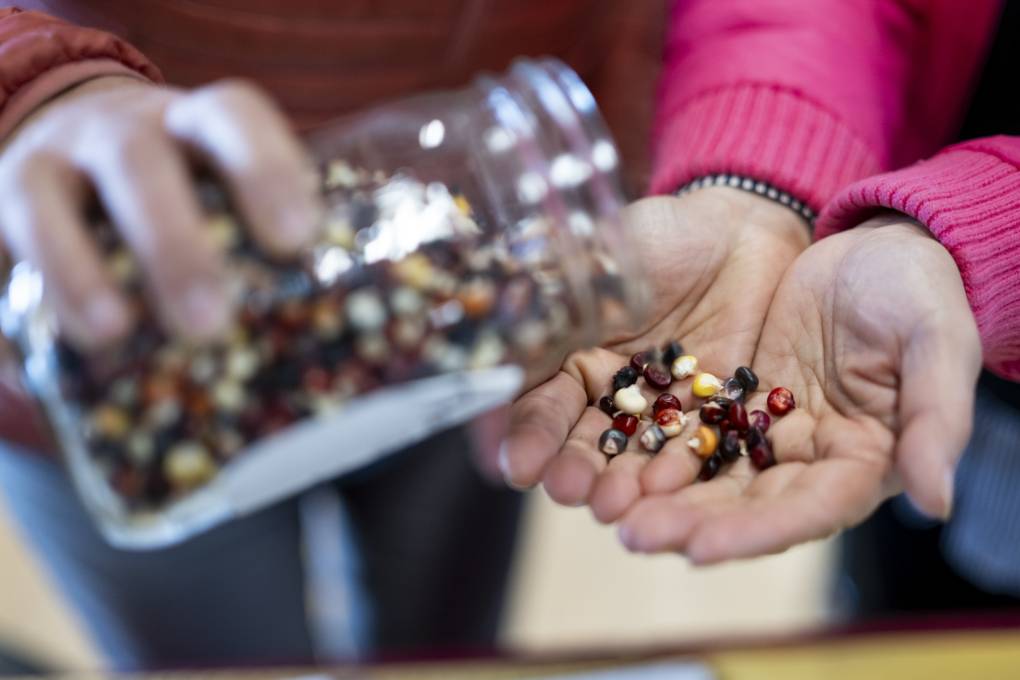
Home on the Grange: In Anderson Valley, Hippies, Old-Timers Return to Farming Roots
LA Artist El Compa Negro Plays Regional Mexican Music, Straight Outta Compton
San Francisco Permanently Scraps Jail Phone Call Fees
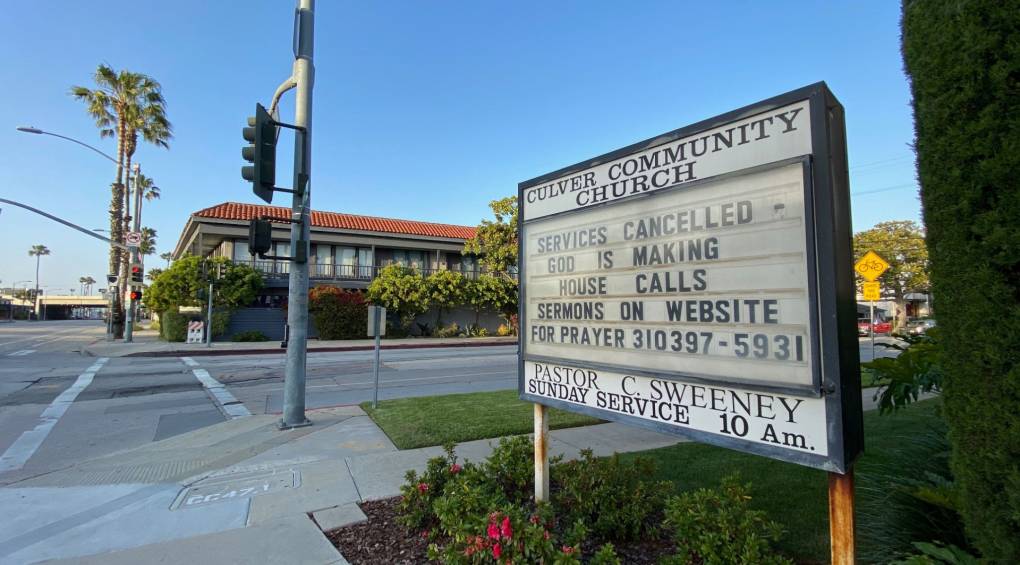
California Issues Guidelines for Places of Worship to Reopen at Limited Capacity
What Californians Need to Know About the Coronavirus
‘Swingposium’ Celebrates Music in Japanese American Incarceration Camps … With Taiko
California Files Lawsuit to Block Trump Administration Delta Water Rules
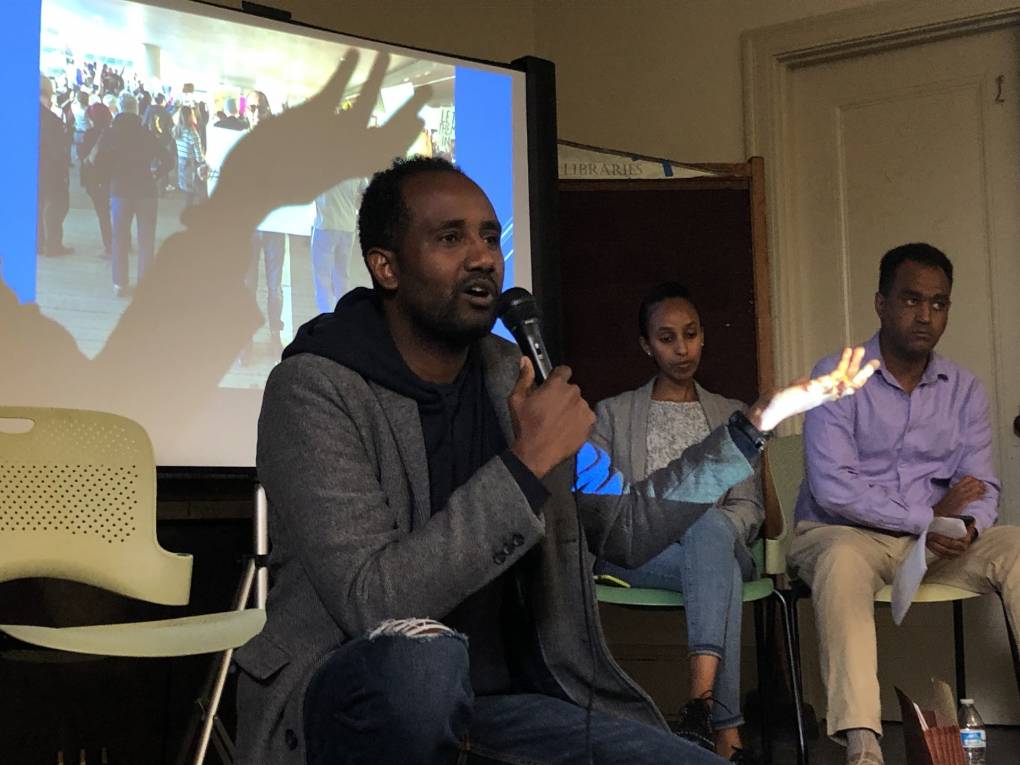
California Immigrants Grapple With Trump's Expanded Travel Ban
Sponsored
Player sponsored by
window.__IS_SSR__=true
window.__INITIAL_STATE__={
"attachmentsReducer": {
"audio_0": {
"type": "attachments",
"id": "audio_0",
"imgSizes": {
"kqedFullSize": {
"file": "https://ww2.kqed.org/news/wp-content/themes/KQED-unified/img/audio_bgs/background0.jpg"
}
}
},
"audio_1": {
"type": "attachments",
"id": "audio_1",
"imgSizes": {
"kqedFullSize": {
"file": "https://ww2.kqed.org/news/wp-content/themes/KQED-unified/img/audio_bgs/background1.jpg"
}
}
},
"audio_2": {
"type": "attachments",
"id": "audio_2",
"imgSizes": {
"kqedFullSize": {
"file": "https://ww2.kqed.org/news/wp-content/themes/KQED-unified/img/audio_bgs/background2.jpg"
}
}
},
"audio_3": {
"type": "attachments",
"id": "audio_3",
"imgSizes": {
"kqedFullSize": {
"file": "https://ww2.kqed.org/news/wp-content/themes/KQED-unified/img/audio_bgs/background3.jpg"
}
}
},
"audio_4": {
"type": "attachments",
"id": "audio_4",
"imgSizes": {
"kqedFullSize": {
"file": "https://ww2.kqed.org/news/wp-content/themes/KQED-unified/img/audio_bgs/background4.jpg"
}
}
},
"placeholder": {
"type": "attachments",
"id": "placeholder",
"imgSizes": {
"thumbnail": {
"file": "https://cdn.kqed.org/wp-content/uploads/2024/12/KQED-Default-Image-816638274-2000x1333-1-160x107.jpg",
"width": 160,
"height": 107,
"mimeType": "image/jpeg"
},
"medium": {
"file": "https://cdn.kqed.org/wp-content/uploads/2024/12/KQED-Default-Image-816638274-2000x1333-1-800x533.jpg",
"width": 800,
"height": 533,
"mimeType": "image/jpeg"
},
"medium_large": {
"file": "https://cdn.kqed.org/wp-content/uploads/2024/12/KQED-Default-Image-816638274-2000x1333-1-768x512.jpg",
"width": 768,
"height": 512,
"mimeType": "image/jpeg"
},
"large": {
"file": "https://cdn.kqed.org/wp-content/uploads/2024/12/KQED-Default-Image-816638274-2000x1333-1-1020x680.jpg",
"width": 1020,
"height": 680,
"mimeType": "image/jpeg"
},
"1536x1536": {
"file": "https://cdn.kqed.org/wp-content/uploads/2024/12/KQED-Default-Image-816638274-2000x1333-1-1536x1024.jpg",
"width": 1536,
"height": 1024,
"mimeType": "image/jpeg"
},
"fd-lrg": {
"file": "https://cdn.kqed.org/wp-content/uploads/2024/12/KQED-Default-Image-816638274-2000x1333-1-1536x1024.jpg",
"width": 1536,
"height": 1024,
"mimeType": "image/jpeg"
},
"fd-med": {
"file": "https://cdn.kqed.org/wp-content/uploads/2024/12/KQED-Default-Image-816638274-2000x1333-1-1020x680.jpg",
"width": 1020,
"height": 680,
"mimeType": "image/jpeg"
},
"fd-sm": {
"file": "https://cdn.kqed.org/wp-content/uploads/2024/12/KQED-Default-Image-816638274-2000x1333-1-800x533.jpg",
"width": 800,
"height": 533,
"mimeType": "image/jpeg"
},
"post-thumbnail": {
"file": "https://cdn.kqed.org/wp-content/uploads/2024/12/KQED-Default-Image-816638274-2000x1333-1-672x372.jpg",
"width": 672,
"height": 372,
"mimeType": "image/jpeg"
},
"twentyfourteen-full-width": {
"file": "https://cdn.kqed.org/wp-content/uploads/2024/12/KQED-Default-Image-816638274-2000x1333-1-1038x576.jpg",
"width": 1038,
"height": 576,
"mimeType": "image/jpeg"
},
"xxsmall": {
"file": "https://cdn.kqed.org/wp-content/uploads/2024/12/KQED-Default-Image-816638274-2000x1333-1-160x107.jpg",
"width": 160,
"height": 107,
"mimeType": "image/jpeg"
},
"xsmall": {
"file": "https://cdn.kqed.org/wp-content/uploads/2024/12/KQED-Default-Image-816638274-2000x1333-1-672x372.jpg",
"width": 672,
"height": 372,
"mimeType": "image/jpeg"
},
"small": {
"file": "https://cdn.kqed.org/wp-content/uploads/2024/12/KQED-Default-Image-816638274-2000x1333-1-672x372.jpg",
"width": 672,
"height": 372,
"mimeType": "image/jpeg"
},
"xlarge": {
"file": "https://cdn.kqed.org/wp-content/uploads/2024/12/KQED-Default-Image-816638274-2000x1333-1-1020x680.jpg",
"width": 1020,
"height": 680,
"mimeType": "image/jpeg"
},
"full-width": {
"file": "https://cdn.kqed.org/wp-content/uploads/2024/12/KQED-Default-Image-816638274-2000x1333-1-1920x1280.jpg",
"width": 1920,
"height": 1280,
"mimeType": "image/jpeg"
},
"guest-author-32": {
"file": "https://cdn.kqed.org/wp-content/uploads/2025/01/KQED-Default-Image-816638274-1333x1333-1-160x160.jpg",
"width": 32,
"height": 32,
"mimeType": "image/jpeg"
},
"guest-author-50": {
"file": "https://cdn.kqed.org/wp-content/uploads/2025/01/KQED-Default-Image-816638274-1333x1333-1-160x160.jpg",
"width": 50,
"height": 50,
"mimeType": "image/jpeg"
},
"guest-author-64": {
"file": "https://cdn.kqed.org/wp-content/uploads/2025/01/KQED-Default-Image-816638274-1333x1333-1-160x160.jpg",
"width": 64,
"height": 64,
"mimeType": "image/jpeg"
},
"guest-author-96": {
"file": "https://cdn.kqed.org/wp-content/uploads/2025/01/KQED-Default-Image-816638274-1333x1333-1-160x160.jpg",
"width": 96,
"height": 96,
"mimeType": "image/jpeg"
},
"guest-author-128": {
"file": "https://cdn.kqed.org/wp-content/uploads/2025/01/KQED-Default-Image-816638274-1333x1333-1-160x160.jpg",
"width": 128,
"height": 128,
"mimeType": "image/jpeg"
},
"detail": {
"file": "https://cdn.kqed.org/wp-content/uploads/2025/01/KQED-Default-Image-816638274-1333x1333-1-160x160.jpg",
"width": 160,
"height": 160,
"mimeType": "image/jpeg"
},
"kqedFullSize": {
"file": "https://cdn.kqed.org/wp-content/uploads/2024/12/KQED-Default-Image-816638274-2000x1333-1.jpg",
"width": 2000,
"height": 1333
}
}
},
"news_12053393": {
"type": "attachments",
"id": "news_12053393",
"meta": {
"index": "attachments_1716263798",
"site": "news",
"id": "12053393",
"found": true
},
"title": "75ACE4D9-068E-4167-9BD3-CFF3A0BE597B",
"publishDate": 1755894981,
"status": "inherit",
"parent": 12053380,
"modified": 1755902195,
"caption": "Aisha Wallace-Palomares, a 2025 UC Berkeley Journalism School graduate, wears a bullet-proof press vest while reporting on a protest in downtown Los Angeles on June 8, 2025. Wallace-Palomares returned to her hometown this summer to report on immigration raids targeting her community. ",
"credit": "Courtesy of Everardo Flores",
"altTag": null,
"description": null,
"imgSizes": {
"medium": {
"file": "https://cdn.kqed.org/wp-content/uploads/sites/10/2025/08/75ACE4D9-068E-4167-9BD3-CFF3A0BE597B-2000x1335.jpg",
"width": 2000,
"height": 1335,
"mimeType": "image/jpeg"
},
"large": {
"file": "https://cdn.kqed.org/wp-content/uploads/sites/10/2025/08/75ACE4D9-068E-4167-9BD3-CFF3A0BE597B-2000x1335.jpg",
"width": 2000,
"height": 1335,
"mimeType": "image/jpeg"
},
"thumbnail": {
"file": "https://cdn.kqed.org/wp-content/uploads/sites/10/2025/08/75ACE4D9-068E-4167-9BD3-CFF3A0BE597B-160x107.jpg",
"width": 160,
"height": 107,
"mimeType": "image/jpeg"
},
"1536x1536": {
"file": "https://cdn.kqed.org/wp-content/uploads/sites/10/2025/08/75ACE4D9-068E-4167-9BD3-CFF3A0BE597B-1536x1025.jpg",
"width": 1536,
"height": 1025,
"mimeType": "image/jpeg"
},
"2048x2048": {
"file": "https://cdn.kqed.org/wp-content/uploads/sites/10/2025/08/75ACE4D9-068E-4167-9BD3-CFF3A0BE597B-2048x1367.jpg",
"width": 2048,
"height": 1367,
"mimeType": "image/jpeg"
},
"post-thumbnail": {
"file": "https://cdn.kqed.org/wp-content/uploads/sites/10/2025/08/75ACE4D9-068E-4167-9BD3-CFF3A0BE597B-672x372.jpg",
"width": 672,
"height": 372,
"mimeType": "image/jpeg"
},
"twentyfourteen-full-width": {
"file": "https://cdn.kqed.org/wp-content/uploads/sites/10/2025/08/75ACE4D9-068E-4167-9BD3-CFF3A0BE597B-1038x576.jpg",
"width": 1038,
"height": 576,
"mimeType": "image/jpeg"
},
"full-width": {
"file": "https://cdn.kqed.org/wp-content/uploads/sites/10/2025/08/75ACE4D9-068E-4167-9BD3-CFF3A0BE597B-2000x1335.jpg",
"width": 2000,
"height": 1335,
"mimeType": "image/jpeg"
},
"kqedFullSize": {
"file": "https://cdn.kqed.org/wp-content/uploads/sites/10/2025/08/75ACE4D9-068E-4167-9BD3-CFF3A0BE597B-scaled-e1755895005117.jpg",
"width": 2000,
"height": 1335
}
},
"fetchFailed": false,
"isLoading": false
},
"news_12030043": {
"type": "attachments",
"id": "news_12030043",
"meta": {
"index": "attachments_1716263798",
"site": "news",
"id": "12030043",
"found": true
},
"title": "250301-ANDERSONVALLEYGRANGE-01-BL-KQED",
"publishDate": 1741284377,
"status": "inherit",
"parent": 0,
"modified": 1741284556,
"caption": "Victoria Joy pours corn seeds into Agnes Li’s hands at the Winter Abundance Gathering, a seed and scion exchange, at the Anderson Valley Grange in Philo, California, on March 1, 2025. The grange has served as a community hub since its establishment in the late 1930s, hosting local events, farmers' markets, and gatherings that celebrate the region's agricultural heritage.",
"credit": "Beth LaBerge/KQED",
"altTag": null,
"description": null,
"imgSizes": {
"medium": {
"file": "https://cdn.kqed.org/wp-content/uploads/sites/10/2025/03/250301-ANDERSONVALLEYGRANGE-01-BL-KQED-800x533.jpg",
"width": 800,
"height": 533,
"mimeType": "image/jpeg"
},
"large": {
"file": "https://cdn.kqed.org/wp-content/uploads/sites/10/2025/03/250301-ANDERSONVALLEYGRANGE-01-BL-KQED-1020x680.jpg",
"width": 1020,
"height": 680,
"mimeType": "image/jpeg"
},
"thumbnail": {
"file": "https://cdn.kqed.org/wp-content/uploads/sites/10/2025/03/250301-ANDERSONVALLEYGRANGE-01-BL-KQED-160x107.jpg",
"width": 160,
"height": 107,
"mimeType": "image/jpeg"
},
"1536x1536": {
"file": "https://cdn.kqed.org/wp-content/uploads/sites/10/2025/03/250301-ANDERSONVALLEYGRANGE-01-BL-KQED-1536x1024.jpg",
"width": 1536,
"height": 1024,
"mimeType": "image/jpeg"
},
"post-thumbnail": {
"file": "https://cdn.kqed.org/wp-content/uploads/sites/10/2025/03/250301-ANDERSONVALLEYGRANGE-01-BL-KQED-672x372.jpg",
"width": 672,
"height": 372,
"mimeType": "image/jpeg"
},
"twentyfourteen-full-width": {
"file": "https://cdn.kqed.org/wp-content/uploads/sites/10/2025/03/250301-ANDERSONVALLEYGRANGE-01-BL-KQED-1038x576.jpg",
"width": 1038,
"height": 576,
"mimeType": "image/jpeg"
},
"full-width": {
"file": "https://cdn.kqed.org/wp-content/uploads/sites/10/2025/03/250301-ANDERSONVALLEYGRANGE-01-BL-KQED-1920x1280.jpg",
"width": 1920,
"height": 1280,
"mimeType": "image/jpeg"
},
"kqedFullSize": {
"file": "https://cdn.kqed.org/wp-content/uploads/sites/10/2025/03/250301-ANDERSONVALLEYGRANGE-01-BL-KQED.jpg",
"width": 2000,
"height": 1333
}
},
"fetchFailed": false,
"isLoading": false
},
"news_12034732": {
"type": "attachments",
"id": "news_12034732",
"meta": {
"index": "attachments_1716263798",
"site": "news",
"id": "12034732",
"found": true
},
"title": "250407-EL COMPA NEGRO-01-KQED",
"publishDate": 1744048062,
"status": "inherit",
"parent": 12037162,
"modified": 1745359081,
"caption": "El Compa Negro, performs in front of the Compton Art and History Museum. He wears a sparkly, Black velvet suit with a felt black cowboy hat known as a Tejana–a popular accessory in the regional Mexican music scene.",
"credit": "Aisha Wallace-Palomares for KQED",
"altTag": null,
"description": null,
"imgSizes": {
"medium": {
"file": "https://cdn.kqed.org/wp-content/uploads/sites/10/2025/04/250407-EL-COMPA-NEGRO-01-KQED-800x533.jpg",
"width": 800,
"height": 533,
"mimeType": "image/jpeg"
},
"large": {
"file": "https://cdn.kqed.org/wp-content/uploads/sites/10/2025/04/250407-EL-COMPA-NEGRO-01-KQED-1020x680.jpg",
"width": 1020,
"height": 680,
"mimeType": "image/jpeg"
},
"thumbnail": {
"file": "https://cdn.kqed.org/wp-content/uploads/sites/10/2025/04/250407-EL-COMPA-NEGRO-01-KQED-160x107.jpg",
"width": 160,
"height": 107,
"mimeType": "image/jpeg"
},
"1536x1536": {
"file": "https://cdn.kqed.org/wp-content/uploads/sites/10/2025/04/250407-EL-COMPA-NEGRO-01-KQED-1536x1024.jpg",
"width": 1536,
"height": 1024,
"mimeType": "image/jpeg"
},
"post-thumbnail": {
"file": "https://cdn.kqed.org/wp-content/uploads/sites/10/2025/04/250407-EL-COMPA-NEGRO-01-KQED-672x372.jpg",
"width": 672,
"height": 372,
"mimeType": "image/jpeg"
},
"twentyfourteen-full-width": {
"file": "https://cdn.kqed.org/wp-content/uploads/sites/10/2025/04/250407-EL-COMPA-NEGRO-01-KQED-1038x576.jpg",
"width": 1038,
"height": 576,
"mimeType": "image/jpeg"
},
"full-width": {
"file": "https://cdn.kqed.org/wp-content/uploads/sites/10/2025/04/250407-EL-COMPA-NEGRO-01-KQED-1920x1280.jpg",
"width": 1920,
"height": 1280,
"mimeType": "image/jpeg"
},
"kqedFullSize": {
"file": "https://cdn.kqed.org/wp-content/uploads/sites/10/2025/04/250407-EL-COMPA-NEGRO-01-KQED.jpg",
"width": 2000,
"height": 1333
}
},
"fetchFailed": false,
"isLoading": false
},
"news_11753991": {
"type": "attachments",
"id": "news_11753991",
"meta": {
"index": "attachments_1716263798",
"site": "news",
"id": "11753991",
"found": true
},
"parent": 11753870,
"imgSizes": {
"apple_news_ca_landscape_5_5": {
"file": "https://ww2.kqed.org/app/uploads/sites/10/2019/06/RS17131_GettyImages-53002291-qut-1044x783.jpg",
"width": 1044,
"mimeType": "image/jpeg",
"height": 783
},
"apple_news_ca_square_4_0": {
"file": "https://ww2.kqed.org/app/uploads/sites/10/2019/06/RS17131_GettyImages-53002291-qut-470x470.jpg",
"width": 470,
"mimeType": "image/jpeg",
"height": 470
},
"twentyfourteen-full-width": {
"file": "https://ww2.kqed.org/app/uploads/sites/10/2019/06/RS17131_GettyImages-53002291-qut-1038x576.jpg",
"width": 1038,
"mimeType": "image/jpeg",
"height": 576
},
"thumbnail": {
"file": "https://ww2.kqed.org/app/uploads/sites/10/2019/06/RS17131_GettyImages-53002291-qut-160x108.jpg",
"width": 160,
"mimeType": "image/jpeg",
"height": 108
},
"post-thumbnail": {
"file": "https://ww2.kqed.org/app/uploads/sites/10/2019/06/RS17131_GettyImages-53002291-qut-672x372.jpg",
"width": 672,
"mimeType": "image/jpeg",
"height": 372
},
"kqedFullSize": {
"file": "https://ww2.kqed.org/app/uploads/sites/10/2019/06/RS17131_GettyImages-53002291-qut.jpg",
"width": 1920,
"height": 1300
},
"apple_news_ca_landscape_4_7": {
"file": "https://ww2.kqed.org/app/uploads/sites/10/2019/06/RS17131_GettyImages-53002291-qut-632x474.jpg",
"width": 632,
"mimeType": "image/jpeg",
"height": 474
},
"large": {
"file": "https://ww2.kqed.org/app/uploads/sites/10/2019/06/RS17131_GettyImages-53002291-qut-1020x691.jpg",
"width": 1020,
"mimeType": "image/jpeg",
"height": 691
},
"complete_open_graph": {
"file": "https://ww2.kqed.org/app/uploads/sites/10/2019/06/RS17131_GettyImages-53002291-qut-1200x813.jpg",
"width": 1200,
"mimeType": "image/jpeg",
"height": 813
},
"apple_news_ca_landscape_4_0": {
"file": "https://ww2.kqed.org/app/uploads/sites/10/2019/06/RS17131_GettyImages-53002291-qut-536x402.jpg",
"width": 536,
"mimeType": "image/jpeg",
"height": 402
},
"apple_news_ca_portrait_12_9": {
"file": "https://ww2.kqed.org/app/uploads/sites/10/2019/06/RS17131_GettyImages-53002291-qut-1122x1300.jpg",
"width": 1122,
"mimeType": "image/jpeg",
"height": 1300
},
"medium": {
"file": "https://ww2.kqed.org/app/uploads/sites/10/2019/06/RS17131_GettyImages-53002291-qut-800x542.jpg",
"width": 800,
"mimeType": "image/jpeg",
"height": 542
},
"apple_news_ca_portrait_4_0": {
"file": "https://ww2.kqed.org/app/uploads/sites/10/2019/06/RS17131_GettyImages-53002291-qut-354x472.jpg",
"width": 354,
"mimeType": "image/jpeg",
"height": 472
},
"apple_news_ca_portrait_9_7": {
"file": "https://ww2.kqed.org/app/uploads/sites/10/2019/06/RS17131_GettyImages-53002291-qut-840x1120.jpg",
"width": 840,
"mimeType": "image/jpeg",
"height": 1120
},
"apple_news_ca_landscape_12_9": {
"file": "https://ww2.kqed.org/app/uploads/sites/10/2019/06/RS17131_GettyImages-53002291-qut-1832x1300.jpg",
"width": 1832,
"mimeType": "image/jpeg",
"height": 1300
},
"apple_news_ca_square_9_7": {
"file": "https://ww2.kqed.org/app/uploads/sites/10/2019/06/RS17131_GettyImages-53002291-qut-1104x1104.jpg",
"width": 1104,
"mimeType": "image/jpeg",
"height": 1104
},
"apple_news_ca_portrait_4_7": {
"file": "https://ww2.kqed.org/app/uploads/sites/10/2019/06/RS17131_GettyImages-53002291-qut-414x552.jpg",
"width": 414,
"mimeType": "image/jpeg",
"height": 552
},
"apple_news_ca_square_12_9": {
"file": "https://ww2.kqed.org/app/uploads/sites/10/2019/06/RS17131_GettyImages-53002291-qut-1472x1300.jpg",
"width": 1472,
"mimeType": "image/jpeg",
"height": 1300
},
"apple_news_ca_portrait_5_5": {
"file": "https://ww2.kqed.org/app/uploads/sites/10/2019/06/RS17131_GettyImages-53002291-qut-687x916.jpg",
"width": 687,
"mimeType": "image/jpeg",
"height": 916
},
"full-width": {
"file": "https://ww2.kqed.org/app/uploads/sites/10/2019/06/RS17131_GettyImages-53002291-qut-1920x1300.jpg",
"width": 1920,
"mimeType": "image/jpeg",
"height": 1300
},
"apple_news_ca_square_4_7": {
"file": "https://ww2.kqed.org/app/uploads/sites/10/2019/06/RS17131_GettyImages-53002291-qut-550x550.jpg",
"width": 550,
"mimeType": "image/jpeg",
"height": 550
},
"apple_news_ca_landscape_9_7": {
"file": "https://ww2.kqed.org/app/uploads/sites/10/2019/06/RS17131_GettyImages-53002291-qut-1376x1032.jpg",
"width": 1376,
"mimeType": "image/jpeg",
"height": 1032
},
"apple_news_ca_square_5_5": {
"file": "https://ww2.kqed.org/app/uploads/sites/10/2019/06/RS17131_GettyImages-53002291-qut-912x912.jpg",
"width": 912,
"mimeType": "image/jpeg",
"height": 912
}
},
"publishDate": 1560290858,
"modified": 1594851965,
"caption": "A telephone inmates can use at a California jail. Women of color disproportionately pay for jail calls.",
"description": "A telephone inmates can use at a California jail. Women of color disproportionately pay for jail calls.",
"title": "RS17131_GettyImages-53002291-qut",
"credit": "Aaron Lambert-Pool/Getty Images",
"status": "inherit",
"fetchFailed": false,
"isLoading": false
},
"news_11820614": {
"type": "attachments",
"id": "news_11820614",
"meta": {
"index": "attachments_1716263798",
"site": "news",
"id": "11820614",
"found": true
},
"parent": 11820587,
"imgSizes": {
"apple_news_ca_landscape_5_5": {
"file": "https://ww2.kqed.org/app/uploads/sites/10/2020/05/Church-closed-Getty-1214897441-1044x783.jpg",
"width": 1044,
"mimeType": "image/jpeg",
"height": 783
},
"apple_news_ca_square_4_0": {
"file": "https://ww2.kqed.org/app/uploads/sites/10/2020/05/Church-closed-Getty-1214897441-470x470.jpg",
"width": 470,
"mimeType": "image/jpeg",
"height": 470
},
"twentyfourteen-full-width": {
"file": "https://ww2.kqed.org/app/uploads/sites/10/2020/05/Church-closed-Getty-1214897441-1038x576.jpg",
"width": 1038,
"mimeType": "image/jpeg",
"height": 576
},
"thumbnail": {
"file": "https://ww2.kqed.org/app/uploads/sites/10/2020/05/Church-closed-Getty-1214897441-160x89.jpg",
"width": 160,
"mimeType": "image/jpeg",
"height": 89
},
"post-thumbnail": {
"file": "https://ww2.kqed.org/app/uploads/sites/10/2020/05/Church-closed-Getty-1214897441-672x372.jpg",
"width": 672,
"mimeType": "image/jpeg",
"height": 372
},
"kqedFullSize": {
"file": "https://ww2.kqed.org/app/uploads/sites/10/2020/05/Church-closed-Getty-1214897441.jpg",
"width": 1920,
"height": 1064
},
"apple_news_ca_landscape_4_7": {
"file": "https://ww2.kqed.org/app/uploads/sites/10/2020/05/Church-closed-Getty-1214897441-632x474.jpg",
"width": 632,
"mimeType": "image/jpeg",
"height": 474
},
"large": {
"file": "https://ww2.kqed.org/app/uploads/sites/10/2020/05/Church-closed-Getty-1214897441-1020x565.jpg",
"width": 1020,
"mimeType": "image/jpeg",
"height": 565
},
"apple_news_ca_landscape_4_0": {
"file": "https://ww2.kqed.org/app/uploads/sites/10/2020/05/Church-closed-Getty-1214897441-536x402.jpg",
"width": 536,
"mimeType": "image/jpeg",
"height": 402
},
"apple_news_ca_portrait_12_9": {
"file": "https://ww2.kqed.org/app/uploads/sites/10/2020/05/Church-closed-Getty-1214897441-1122x1064.jpg",
"width": 1122,
"mimeType": "image/jpeg",
"height": 1064
},
"medium": {
"file": "https://ww2.kqed.org/app/uploads/sites/10/2020/05/Church-closed-Getty-1214897441-800x443.jpg",
"width": 800,
"mimeType": "image/jpeg",
"height": 443
},
"apple_news_ca_portrait_4_0": {
"file": "https://ww2.kqed.org/app/uploads/sites/10/2020/05/Church-closed-Getty-1214897441-354x472.jpg",
"width": 354,
"mimeType": "image/jpeg",
"height": 472
},
"apple_news_ca_portrait_9_7": {
"file": "https://ww2.kqed.org/app/uploads/sites/10/2020/05/Church-closed-Getty-1214897441-840x1064.jpg",
"width": 840,
"mimeType": "image/jpeg",
"height": 1064
},
"apple_news_ca_landscape_12_9": {
"file": "https://ww2.kqed.org/app/uploads/sites/10/2020/05/Church-closed-Getty-1214897441-1832x1064.jpg",
"width": 1832,
"mimeType": "image/jpeg",
"height": 1064
},
"apple_news_ca_square_9_7": {
"file": "https://ww2.kqed.org/app/uploads/sites/10/2020/05/Church-closed-Getty-1214897441-1104x1064.jpg",
"width": 1104,
"mimeType": "image/jpeg",
"height": 1064
},
"apple_news_ca_portrait_4_7": {
"file": "https://ww2.kqed.org/app/uploads/sites/10/2020/05/Church-closed-Getty-1214897441-414x552.jpg",
"width": 414,
"mimeType": "image/jpeg",
"height": 552
},
"apple_news_ca_square_12_9": {
"file": "https://ww2.kqed.org/app/uploads/sites/10/2020/05/Church-closed-Getty-1214897441-1472x1064.jpg",
"width": 1472,
"mimeType": "image/jpeg",
"height": 1064
},
"apple_news_ca_portrait_5_5": {
"file": "https://ww2.kqed.org/app/uploads/sites/10/2020/05/Church-closed-Getty-1214897441-687x916.jpg",
"width": 687,
"mimeType": "image/jpeg",
"height": 916
},
"full-width": {
"file": "https://ww2.kqed.org/app/uploads/sites/10/2020/05/Church-closed-Getty-1214897441-1920x1064.jpg",
"width": 1920,
"mimeType": "image/jpeg",
"height": 1064
},
"apple_news_ca_square_4_7": {
"file": "https://ww2.kqed.org/app/uploads/sites/10/2020/05/Church-closed-Getty-1214897441-550x550.jpg",
"width": 550,
"mimeType": "image/jpeg",
"height": 550
},
"apple_news_ca_landscape_9_7": {
"file": "https://ww2.kqed.org/app/uploads/sites/10/2020/05/Church-closed-Getty-1214897441-1376x1032.jpg",
"width": 1376,
"mimeType": "image/jpeg",
"height": 1032
},
"apple_news_ca_square_5_5": {
"file": "https://ww2.kqed.org/app/uploads/sites/10/2020/05/Church-closed-Getty-1214897441-912x912.jpg",
"width": 912,
"mimeType": "image/jpeg",
"height": 912
}
},
"publishDate": 1590440151,
"modified": 1590446984,
"caption": "Churches and other houses of worship across California have been forced to remain closed since mid-March, as part of Gov. Gavin Newsom's shelter-in-place order intended to stem the spread of the coronavirus.",
"description": null,
"title": "Church-closed-Getty-1214897441",
"credit": "Chris Delmas/AFP/Getty Images",
"status": "inherit",
"fetchFailed": false,
"isLoading": false
},
"science_1958142": {
"type": "attachments",
"id": "science_1958142",
"meta": {
"index": "attachments_1716263798",
"site": "science",
"id": "1958142",
"found": true
},
"parent": 1957469,
"imgSizes": {
"twentyfourteen-full-width": {
"file": "https://ww2.kqed.org/app/uploads/sites/35/2020/03/GettyImages-1205329755-1024x576.jpg",
"width": 1024,
"mimeType": "image/jpeg",
"height": 576
},
"thumbnail": {
"file": "https://ww2.kqed.org/app/uploads/sites/35/2020/03/GettyImages-1205329755-160x107.jpg",
"width": 160,
"mimeType": "image/jpeg",
"height": 107
},
"post-thumbnail": {
"file": "https://ww2.kqed.org/app/uploads/sites/35/2020/03/GettyImages-1205329755-672x372.jpg",
"width": 672,
"mimeType": "image/jpeg",
"height": 372
},
"kqedFullSize": {
"file": "https://ww2.kqed.org/app/uploads/sites/35/2020/03/GettyImages-1205329755.jpg",
"width": 1024,
"height": 683
},
"large": {
"file": "https://ww2.kqed.org/app/uploads/sites/35/2020/03/GettyImages-1205329755-1020x680.jpg",
"width": 1020,
"mimeType": "image/jpeg",
"height": 680
},
"medium": {
"file": "https://ww2.kqed.org/app/uploads/sites/35/2020/03/GettyImages-1205329755-800x534.jpg",
"width": 800,
"mimeType": "image/jpeg",
"height": 534
},
"medium_large": {
"file": "https://ww2.kqed.org/app/uploads/sites/35/2020/03/GettyImages-1205329755-768x512.jpg",
"width": 768,
"mimeType": "image/jpeg",
"height": 512
}
},
"publishDate": 1583445303,
"modified": 1583445347,
"caption": "Ambulance staff prepare to transport a patient from the Life Care Center nursing home where some patients have died from COVID-19 in Kirkland, Washington on March 5, 2020.",
"description": "Ambulance staff prepare to transport a patient from the Life Care Center nursing home where some patients have died from COVID-19 in Kirkland, Washington on March 5, 2020. - The US reported its first case of the disease in January and its first death on February 29 -- both in the state of Washington in the country's Pacific Northwest. Since then the toll has risen to 11 and the virus has spread to at least 14 states, infecting more than 180 people, according to an AFP tally. On Thursday, Washington state officials announced a jump in cases, from 39 to 70. Ten of the 11 deaths have been reported there, with the other in California. (Photo by Jason Redmond / AFP) (Photo by)",
"title": "US-HEALTH-VIRUS",
"credit": "JASON REDMOND/AFP via Getty Images",
"status": "inherit",
"fetchFailed": false,
"isLoading": false
},
"news_11802789": {
"type": "attachments",
"id": "news_11802789",
"meta": {
"index": "attachments_1716263798",
"site": "news",
"id": "11802789",
"found": true
},
"parent": 11802718,
"imgSizes": {
"apple_news_ca_landscape_5_5": {
"file": "https://ww2.kqed.org/app/uploads/sites/10/2020/02/RS41462_HEADLINE-qut-1044x783.jpg",
"width": 1044,
"mimeType": "image/jpeg",
"height": 783
},
"apple_news_ca_square_4_0": {
"file": "https://ww2.kqed.org/app/uploads/sites/10/2020/02/RS41462_HEADLINE-qut-470x470.jpg",
"width": 470,
"mimeType": "image/jpeg",
"height": 470
},
"twentyfourteen-full-width": {
"file": "https://ww2.kqed.org/app/uploads/sites/10/2020/02/RS41462_HEADLINE-qut-1038x576.jpg",
"width": 1038,
"mimeType": "image/jpeg",
"height": 576
},
"thumbnail": {
"file": "https://ww2.kqed.org/app/uploads/sites/10/2020/02/RS41462_HEADLINE-qut-160x123.jpg",
"width": 160,
"mimeType": "image/jpeg",
"height": 123
},
"post-thumbnail": {
"file": "https://ww2.kqed.org/app/uploads/sites/10/2020/02/RS41462_HEADLINE-qut-672x372.jpg",
"width": 672,
"mimeType": "image/jpeg",
"height": 372
},
"kqedFullSize": {
"file": "https://ww2.kqed.org/app/uploads/sites/10/2020/02/RS41462_HEADLINE-qut.jpg",
"width": 1650,
"height": 1265
},
"apple_news_ca_landscape_4_7": {
"file": "https://ww2.kqed.org/app/uploads/sites/10/2020/02/RS41462_HEADLINE-qut-632x474.jpg",
"width": 632,
"mimeType": "image/jpeg",
"height": 474
},
"large": {
"file": "https://ww2.kqed.org/app/uploads/sites/10/2020/02/RS41462_HEADLINE-qut-1020x782.jpg",
"width": 1020,
"mimeType": "image/jpeg",
"height": 782
},
"apple_news_ca_landscape_4_0": {
"file": "https://ww2.kqed.org/app/uploads/sites/10/2020/02/RS41462_HEADLINE-qut-536x402.jpg",
"width": 536,
"mimeType": "image/jpeg",
"height": 402
},
"apple_news_ca_portrait_12_9": {
"file": "https://ww2.kqed.org/app/uploads/sites/10/2020/02/RS41462_HEADLINE-qut-1122x1265.jpg",
"width": 1122,
"mimeType": "image/jpeg",
"height": 1265
},
"medium": {
"file": "https://ww2.kqed.org/app/uploads/sites/10/2020/02/RS41462_HEADLINE-qut-800x613.jpg",
"width": 800,
"mimeType": "image/jpeg",
"height": 613
},
"apple_news_ca_portrait_4_0": {
"file": "https://ww2.kqed.org/app/uploads/sites/10/2020/02/RS41462_HEADLINE-qut-354x472.jpg",
"width": 354,
"mimeType": "image/jpeg",
"height": 472
},
"apple_news_ca_portrait_9_7": {
"file": "https://ww2.kqed.org/app/uploads/sites/10/2020/02/RS41462_HEADLINE-qut-840x1120.jpg",
"width": 840,
"mimeType": "image/jpeg",
"height": 1120
},
"apple_news_ca_square_9_7": {
"file": "https://ww2.kqed.org/app/uploads/sites/10/2020/02/RS41462_HEADLINE-qut-1104x1104.jpg",
"width": 1104,
"mimeType": "image/jpeg",
"height": 1104
},
"apple_news_ca_portrait_4_7": {
"file": "https://ww2.kqed.org/app/uploads/sites/10/2020/02/RS41462_HEADLINE-qut-414x552.jpg",
"width": 414,
"mimeType": "image/jpeg",
"height": 552
},
"apple_news_ca_square_12_9": {
"file": "https://ww2.kqed.org/app/uploads/sites/10/2020/02/RS41462_HEADLINE-qut-1472x1265.jpg",
"width": 1472,
"mimeType": "image/jpeg",
"height": 1265
},
"apple_news_ca_portrait_5_5": {
"file": "https://ww2.kqed.org/app/uploads/sites/10/2020/02/RS41462_HEADLINE-qut-687x916.jpg",
"width": 687,
"mimeType": "image/jpeg",
"height": 916
},
"apple_news_ca_square_4_7": {
"file": "https://ww2.kqed.org/app/uploads/sites/10/2020/02/RS41462_HEADLINE-qut-550x550.jpg",
"width": 550,
"mimeType": "image/jpeg",
"height": 550
},
"apple_news_ca_landscape_9_7": {
"file": "https://ww2.kqed.org/app/uploads/sites/10/2020/02/RS41462_HEADLINE-qut-1376x1032.jpg",
"width": 1376,
"mimeType": "image/jpeg",
"height": 1032
},
"apple_news_ca_square_5_5": {
"file": "https://ww2.kqed.org/app/uploads/sites/10/2020/02/RS41462_HEADLINE-qut-912x912.jpg",
"width": 912,
"mimeType": "image/jpeg",
"height": 912
}
},
"publishDate": 1582308542,
"modified": 1582571235,
"caption": "Kristine Lee and Stewart Kume kick off the 'Swingposium' performance at the Humboldt County Bayside Community Hall.",
"description": "Courtesy of Mark Larson\n",
"title": "RS41462_HEADLINE-qut",
"credit": "Courtesy of Mark Larson",
"status": "inherit",
"fetchFailed": false,
"isLoading": false
},
"news_11802859": {
"type": "attachments",
"id": "news_11802859",
"meta": {
"index": "attachments_1716263798",
"site": "news",
"id": "11802859",
"found": true
},
"parent": 11802722,
"imgSizes": {
"apple_news_ca_landscape_5_5": {
"file": "https://ww2.kqed.org/app/uploads/sites/10/2020/02/Trump-Water-Memo-1044x783.jpg",
"width": 1044,
"mimeType": "image/jpeg",
"height": 783
},
"apple_news_ca_square_4_0": {
"file": "https://ww2.kqed.org/app/uploads/sites/10/2020/02/Trump-Water-Memo-470x470.jpg",
"width": 470,
"mimeType": "image/jpeg",
"height": 470
},
"twentyfourteen-full-width": {
"file": "https://ww2.kqed.org/app/uploads/sites/10/2020/02/Trump-Water-Memo-1038x576.jpg",
"width": 1038,
"mimeType": "image/jpeg",
"height": 576
},
"thumbnail": {
"file": "https://ww2.kqed.org/app/uploads/sites/10/2020/02/Trump-Water-Memo-160x107.jpg",
"width": 160,
"mimeType": "image/jpeg",
"height": 107
},
"post-thumbnail": {
"file": "https://ww2.kqed.org/app/uploads/sites/10/2020/02/Trump-Water-Memo-672x372.jpg",
"width": 672,
"mimeType": "image/jpeg",
"height": 372
},
"kqedFullSize": {
"file": "https://ww2.kqed.org/app/uploads/sites/10/2020/02/Trump-Water-Memo.jpg",
"width": 1920,
"height": 1280
},
"apple_news_ca_landscape_4_7": {
"file": "https://ww2.kqed.org/app/uploads/sites/10/2020/02/Trump-Water-Memo-632x474.jpg",
"width": 632,
"mimeType": "image/jpeg",
"height": 474
},
"large": {
"file": "https://ww2.kqed.org/app/uploads/sites/10/2020/02/Trump-Water-Memo-1020x680.jpg",
"width": 1020,
"mimeType": "image/jpeg",
"height": 680
},
"apple_news_ca_landscape_4_0": {
"file": "https://ww2.kqed.org/app/uploads/sites/10/2020/02/Trump-Water-Memo-536x402.jpg",
"width": 536,
"mimeType": "image/jpeg",
"height": 402
},
"apple_news_ca_portrait_12_9": {
"file": "https://ww2.kqed.org/app/uploads/sites/10/2020/02/Trump-Water-Memo-1122x1280.jpg",
"width": 1122,
"mimeType": "image/jpeg",
"height": 1280
},
"medium": {
"file": "https://ww2.kqed.org/app/uploads/sites/10/2020/02/Trump-Water-Memo-800x533.jpg",
"width": 800,
"mimeType": "image/jpeg",
"height": 533
},
"apple_news_ca_portrait_4_0": {
"file": "https://ww2.kqed.org/app/uploads/sites/10/2020/02/Trump-Water-Memo-354x472.jpg",
"width": 354,
"mimeType": "image/jpeg",
"height": 472
},
"apple_news_ca_portrait_9_7": {
"file": "https://ww2.kqed.org/app/uploads/sites/10/2020/02/Trump-Water-Memo-840x1120.jpg",
"width": 840,
"mimeType": "image/jpeg",
"height": 1120
},
"apple_news_ca_landscape_12_9": {
"file": "https://ww2.kqed.org/app/uploads/sites/10/2020/02/Trump-Water-Memo-1832x1280.jpg",
"width": 1832,
"mimeType": "image/jpeg",
"height": 1280
},
"apple_news_ca_square_9_7": {
"file": "https://ww2.kqed.org/app/uploads/sites/10/2020/02/Trump-Water-Memo-1104x1104.jpg",
"width": 1104,
"mimeType": "image/jpeg",
"height": 1104
},
"apple_news_ca_portrait_4_7": {
"file": "https://ww2.kqed.org/app/uploads/sites/10/2020/02/Trump-Water-Memo-414x552.jpg",
"width": 414,
"mimeType": "image/jpeg",
"height": 552
},
"apple_news_ca_square_12_9": {
"file": "https://ww2.kqed.org/app/uploads/sites/10/2020/02/Trump-Water-Memo-1472x1280.jpg",
"width": 1472,
"mimeType": "image/jpeg",
"height": 1280
},
"apple_news_ca_portrait_5_5": {
"file": "https://ww2.kqed.org/app/uploads/sites/10/2020/02/Trump-Water-Memo-687x916.jpg",
"width": 687,
"mimeType": "image/jpeg",
"height": 916
},
"full-width": {
"file": "https://ww2.kqed.org/app/uploads/sites/10/2020/02/Trump-Water-Memo-1920x1280.jpg",
"width": 1920,
"mimeType": "image/jpeg",
"height": 1280
},
"apple_news_ca_square_4_7": {
"file": "https://ww2.kqed.org/app/uploads/sites/10/2020/02/Trump-Water-Memo-550x550.jpg",
"width": 550,
"mimeType": "image/jpeg",
"height": 550
},
"apple_news_ca_landscape_9_7": {
"file": "https://ww2.kqed.org/app/uploads/sites/10/2020/02/Trump-Water-Memo-1376x1032.jpg",
"width": 1376,
"mimeType": "image/jpeg",
"height": 1032
},
"apple_news_ca_square_5_5": {
"file": "https://ww2.kqed.org/app/uploads/sites/10/2020/02/Trump-Water-Memo-912x912.jpg",
"width": 912,
"mimeType": "image/jpeg",
"height": 912
}
},
"publishDate": 1582320343,
"modified": 1582320434,
"caption": "President Trump ceremonially signed a memo on federal water infrastructure plans at a rally on Feb. 19, 2020 in Bakersfield.",
"description": "President Trump ceremonially signed a memo on federal water infrastructure plans at a rally on Feb. 19, 2020 in Bakersfield.",
"title": "Trump-Water-Memo",
"credit": "David McNew/Getty Images",
"status": "inherit",
"fetchFailed": false,
"isLoading": false
},
"news_11802730": {
"type": "attachments",
"id": "news_11802730",
"meta": {
"index": "attachments_1716263798",
"site": "news",
"id": "11802730",
"found": true
},
"parent": 11802728,
"imgSizes": {
"apple_news_ca_landscape_5_5": {
"file": "https://ww2.kqed.org/app/uploads/sites/10/2020/02/RS41457_IMG_2030-qut-1044x783.jpg",
"width": 1044,
"mimeType": "image/jpeg",
"height": 783
},
"apple_news_ca_square_4_0": {
"file": "https://ww2.kqed.org/app/uploads/sites/10/2020/02/RS41457_IMG_2030-qut-470x470.jpg",
"width": 470,
"mimeType": "image/jpeg",
"height": 470
},
"twentyfourteen-full-width": {
"file": "https://ww2.kqed.org/app/uploads/sites/10/2020/02/RS41457_IMG_2030-qut-1038x576.jpg",
"width": 1038,
"mimeType": "image/jpeg",
"height": 576
},
"thumbnail": {
"file": "https://ww2.kqed.org/app/uploads/sites/10/2020/02/RS41457_IMG_2030-qut-160x120.jpg",
"width": 160,
"mimeType": "image/jpeg",
"height": 120
},
"post-thumbnail": {
"file": "https://ww2.kqed.org/app/uploads/sites/10/2020/02/RS41457_IMG_2030-qut-672x372.jpg",
"width": 672,
"mimeType": "image/jpeg",
"height": 372
},
"kqedFullSize": {
"file": "https://ww2.kqed.org/app/uploads/sites/10/2020/02/RS41457_IMG_2030-qut.jpg",
"width": 1920,
"height": 1440
},
"apple_news_ca_landscape_4_7": {
"file": "https://ww2.kqed.org/app/uploads/sites/10/2020/02/RS41457_IMG_2030-qut-632x474.jpg",
"width": 632,
"mimeType": "image/jpeg",
"height": 474
},
"large": {
"file": "https://ww2.kqed.org/app/uploads/sites/10/2020/02/RS41457_IMG_2030-qut-1020x765.jpg",
"width": 1020,
"mimeType": "image/jpeg",
"height": 765
},
"apple_news_ca_landscape_4_0": {
"file": "https://ww2.kqed.org/app/uploads/sites/10/2020/02/RS41457_IMG_2030-qut-536x402.jpg",
"width": 536,
"mimeType": "image/jpeg",
"height": 402
},
"apple_news_ca_portrait_12_9": {
"file": "https://ww2.kqed.org/app/uploads/sites/10/2020/02/RS41457_IMG_2030-qut-1122x1440.jpg",
"width": 1122,
"mimeType": "image/jpeg",
"height": 1440
},
"medium": {
"file": "https://ww2.kqed.org/app/uploads/sites/10/2020/02/RS41457_IMG_2030-qut-800x600.jpg",
"width": 800,
"mimeType": "image/jpeg",
"height": 600
},
"apple_news_ca_portrait_4_0": {
"file": "https://ww2.kqed.org/app/uploads/sites/10/2020/02/RS41457_IMG_2030-qut-354x472.jpg",
"width": 354,
"mimeType": "image/jpeg",
"height": 472
},
"apple_news_ca_portrait_9_7": {
"file": "https://ww2.kqed.org/app/uploads/sites/10/2020/02/RS41457_IMG_2030-qut-840x1120.jpg",
"width": 840,
"mimeType": "image/jpeg",
"height": 1120
},
"apple_news_ca_landscape_12_9": {
"file": "https://ww2.kqed.org/app/uploads/sites/10/2020/02/RS41457_IMG_2030-qut-1832x1374.jpg",
"width": 1832,
"mimeType": "image/jpeg",
"height": 1374
},
"apple_news_ca_square_9_7": {
"file": "https://ww2.kqed.org/app/uploads/sites/10/2020/02/RS41457_IMG_2030-qut-1104x1104.jpg",
"width": 1104,
"mimeType": "image/jpeg",
"height": 1104
},
"apple_news_ca_portrait_4_7": {
"file": "https://ww2.kqed.org/app/uploads/sites/10/2020/02/RS41457_IMG_2030-qut-414x552.jpg",
"width": 414,
"mimeType": "image/jpeg",
"height": 552
},
"apple_news_ca_square_12_9": {
"file": "https://ww2.kqed.org/app/uploads/sites/10/2020/02/RS41457_IMG_2030-qut-1472x1440.jpg",
"width": 1472,
"mimeType": "image/jpeg",
"height": 1440
},
"apple_news_ca_portrait_5_5": {
"file": "https://ww2.kqed.org/app/uploads/sites/10/2020/02/RS41457_IMG_2030-qut-687x916.jpg",
"width": 687,
"mimeType": "image/jpeg",
"height": 916
},
"full-width": {
"file": "https://ww2.kqed.org/app/uploads/sites/10/2020/02/RS41457_IMG_2030-qut-1920x1440.jpg",
"width": 1920,
"mimeType": "image/jpeg",
"height": 1440
},
"apple_news_ca_square_4_7": {
"file": "https://ww2.kqed.org/app/uploads/sites/10/2020/02/RS41457_IMG_2030-qut-550x550.jpg",
"width": 550,
"mimeType": "image/jpeg",
"height": 550
},
"apple_news_ca_landscape_9_7": {
"file": "https://ww2.kqed.org/app/uploads/sites/10/2020/02/RS41457_IMG_2030-qut-1376x1032.jpg",
"width": 1376,
"mimeType": "image/jpeg",
"height": 1032
},
"apple_news_ca_square_5_5": {
"file": "https://ww2.kqed.org/app/uploads/sites/10/2020/02/RS41457_IMG_2030-qut-912x912.jpg",
"width": 912,
"mimeType": "image/jpeg",
"height": 912
}
},
"publishDate": 1582258192,
"modified": 1582316569,
"caption": "Community organizer Meron Semedar speaks on a panel as Hermon Kifleyesus and Aron Oqubamichael watch at the Temescal branch of the Oakland public library on Feb. 15, 2020. The event offered information for Eritrean immigrants about the new travel restrictions.",
"description": "Community organizer Meron Semedar speaks on a panel as Hermon Kifleyesus and Aron Oqubamichael watch at the Temescal branch of the Oakland public library on Feb. 15, 2020. The event offered information for Eritrean immigrants about the new travel restrictions.",
"title": "RS41457_IMG_2030-qut",
"credit": "Farida Jhabvala Romero/KQED",
"status": "inherit",
"fetchFailed": false,
"isLoading": false
}
},
"audioPlayerReducer": {
"postId": "stream_live",
"isPaused": true,
"isPlaying": false,
"pfsActive": false,
"pledgeModalIsOpen": true,
"playerDrawerIsOpen": false
},
"authorsReducer": {
"byline_news_12037162": {
"type": "authors",
"id": "byline_news_12037162",
"meta": {
"override": true
},
"slug": "byline_news_12037162",
"name": "Aisha Wallace-Palomares",
"isLoading": false
},
"sasha-khokha": {
"type": "authors",
"id": "254",
"meta": {
"index": "authors_1716337520",
"id": "254",
"found": true
},
"name": "Sasha Khokha",
"firstName": "Sasha",
"lastName": "Khokha",
"slug": "sasha-khokha",
"email": "skhokha@kqed.org",
"display_author_email": true,
"staff_mastheads": [
"news"
],
"title": "Host, The California Report Magazine",
"bio": "Sasha Khokha is the host of \u003cem>The California Report's \u003c/em> weekly magazine program, which takes listeners on sound-rich excursions to meet the people that make the Golden State unique -- through audio documentaries and long-form stories. As \u003cem>The California Report's\u003c/em> Central Valley Bureau Chief based in Fresno for nearly a dozen years, Sasha brought the lives and concerns of rural Californians to listeners around the state. Her reporting helped expose the hidden price immigrant women janitors and farmworkers may pay to keep their jobs: sexual assault at work. It inspired two new California laws to protect them from sexual harassment. She was a key member of the reporting team for the Frontline film \u003cem>Rape on the Night Shift, \u003c/em>which was nominated for two national Emmys. Sasha has also won a national Edward R. Murrow and a national PRNDI award for investigative reporting, as well as multiple prizes from the Society for Professional Journalists. Sasha is a proud alum of the UC Berkeley Graduate School of Journalism and Brown University and a member of the South Asian Journalists Association.",
"avatar": "https://secure.gravatar.com/avatar/e4b5e1541aaeea2aa356aa1fb2a68950?s=600&d=blank&r=g",
"twitter": "KQEDSashaKhokha",
"facebook": null,
"instagram": null,
"linkedin": null,
"sites": [
{
"site": "news",
"roles": [
"editor"
]
},
{
"site": "stateofhealth",
"roles": [
"author"
]
},
{
"site": "science",
"roles": [
"author"
]
},
{
"site": "quest",
"roles": [
"subscriber"
]
}
],
"headData": {
"title": "Sasha Khokha | KQED",
"description": "Host, The California Report Magazine",
"ogImgSrc": "https://secure.gravatar.com/avatar/e4b5e1541aaeea2aa356aa1fb2a68950?s=600&d=blank&r=g",
"twImgSrc": "https://secure.gravatar.com/avatar/e4b5e1541aaeea2aa356aa1fb2a68950?s=600&d=blank&r=g"
},
"isLoading": false,
"link": "/author/sasha-khokha"
},
"matthewgreen": {
"type": "authors",
"id": "1263",
"meta": {
"index": "authors_1716337520",
"id": "1263",
"found": true
},
"name": "Matthew Green",
"firstName": "Matthew",
"lastName": "Green",
"slug": "matthewgreen",
"email": "mgreen@kqed.org",
"display_author_email": false,
"staff_mastheads": [],
"title": "KQED Editor/Reporter",
"bio": "Matthew Green is a digital media producer for KQED News. He previously produced \u003ca href=\"http://www.kqed.org/lowdown\">The Lowdown\u003c/a>, KQED’s multimedia news education blog. Matthew's written for numerous Bay Area publications, including the Oakland Tribune and San Francisco Chronicle. He also taught journalism classes at Fremont High School in East Oakland.\r\n\r\nEmail: mgreen@kqed.org; Twitter: @MGreenKQED",
"avatar": "https://secure.gravatar.com/avatar/3bf498d1267ca02c8494f33d8cfc575e?s=600&d=blank&r=g",
"twitter": "MGreenKQED",
"facebook": null,
"instagram": null,
"linkedin": null,
"sites": [
{
"site": "news",
"roles": []
},
{
"site": "lowdown",
"roles": []
},
{
"site": "science",
"roles": []
},
{
"site": "education",
"roles": []
},
{
"site": "quest",
"roles": []
},
{
"site": "liveblog",
"roles": []
}
],
"headData": {
"title": "Matthew Green | KQED",
"description": "KQED Editor/Reporter",
"ogImgSrc": "https://secure.gravatar.com/avatar/3bf498d1267ca02c8494f33d8cfc575e?s=600&d=blank&r=g",
"twImgSrc": "https://secure.gravatar.com/avatar/3bf498d1267ca02c8494f33d8cfc575e?s=600&d=blank&r=g"
},
"isLoading": false,
"link": "/author/matthewgreen"
},
"lmorehouse": {
"type": "authors",
"id": "3229",
"meta": {
"index": "authors_1716337520",
"id": "3229",
"found": true
},
"name": "Lisa Morehouse",
"firstName": "Lisa",
"lastName": "Morehouse",
"slug": "lmorehouse",
"email": "morehouse.lisa@gmail.com",
"display_author_email": false,
"staff_mastheads": [],
"title": "KQED Contributor",
"bio": "Lisa Morehouse is an award-winning public radio and print journalist, who has filed for National Public Radio, American Public Media, KQED Public Radio, Edutopia, and McSweeney’s. Her reporting has taken her from Samoan traveling circuses to Mississippi Delta classrooms to the homes of Lao refugees in rural Iowa. In addition to reporting, she teaches radio production to at-risk youth in the Bay Area. Her series \u003ca href=\"http://afterthegoldrushradio.com/\">After the Gold Rush\u003c/a> featured the changing industries, populations and identities of rural towns throughout California. She’s now producing \u003ca href=\"http://www.californiafoodways.com/\">California Foodways\u003c/a>, a series exploring the intersections of food, culture, economics, history and labor. Follow along on the \u003ca href=\"https://www.facebook.com/californiafoodways?ref=hl\">Facebook page\u003c/a> or on Twitter @cafoodways.",
"avatar": "https://secure.gravatar.com/avatar/dae74b002a6e256f39abb19d6f5acaea?s=600&d=blank&r=g",
"twitter": null,
"facebook": null,
"instagram": null,
"linkedin": null,
"sites": [
{
"site": "",
"roles": [
"editor"
]
},
{
"site": "news",
"roles": [
"author"
]
}
],
"headData": {
"title": "Lisa Morehouse | KQED",
"description": "KQED Contributor",
"ogImgSrc": "https://secure.gravatar.com/avatar/dae74b002a6e256f39abb19d6f5acaea?s=600&d=blank&r=g",
"twImgSrc": "https://secure.gravatar.com/avatar/dae74b002a6e256f39abb19d6f5acaea?s=600&d=blank&r=g"
},
"isLoading": false,
"link": "/author/lmorehouse"
},
"fjhabvala": {
"type": "authors",
"id": "8659",
"meta": {
"index": "authors_1716337520",
"id": "8659",
"found": true
},
"name": "Farida Jhabvala Romero",
"firstName": "Farida",
"lastName": "Jhabvala Romero",
"slug": "fjhabvala",
"email": "fjhabvala@kqed.org",
"display_author_email": true,
"staff_mastheads": [
"news"
],
"title": "KQED Contributor",
"bio": "\u003cspan style=\"font-weight: 400;\">Farida Jhabvala Romero is a Labor Correspondent for KQED. She previously covered immigration. Farida was \u003ca href=\"https://www.ccnma.org/2022-most-influential-latina-journalists\">named\u003c/a> one of the 10 Most Influential Latina Journalists in California in 2022 by the California Chicano News Media Association. Her work has won awards from the Society of Professional Journalists (Northern California), as well as a national and regional Edward M. Murrow Award for the collaborative reporting projects “Dangerous Air” and “Graying California.” \u003c/span>\u003cspan style=\"font-weight: 400;\">Before joining KQED, Farida worked as a producer at Radio Bilingüe, a national public radio network. Farida earned her master’s degree in journalism from Stanford University.\u003c/span>",
"avatar": "https://secure.gravatar.com/avatar/c3ab27c5554b67b478f80971e515aa02?s=600&d=blank&r=g",
"twitter": "FaridaJhabvala",
"facebook": null,
"instagram": null,
"linkedin": "https://www.linkedin.com/in/faridajhabvala/",
"sites": [
{
"site": "news",
"roles": [
"editor"
]
},
{
"site": "stateofhealth",
"roles": [
"author"
]
}
],
"headData": {
"title": "Farida Jhabvala Romero | KQED",
"description": "KQED Contributor",
"ogImgSrc": "https://secure.gravatar.com/avatar/c3ab27c5554b67b478f80971e515aa02?s=600&d=blank&r=g",
"twImgSrc": "https://secure.gravatar.com/avatar/c3ab27c5554b67b478f80971e515aa02?s=600&d=blank&r=g"
},
"isLoading": false,
"link": "/author/fjhabvala"
},
"lesleymcclurg": {
"type": "authors",
"id": "11229",
"meta": {
"index": "authors_1716337520",
"id": "11229",
"found": true
},
"name": "Lesley McClurg",
"firstName": "Lesley",
"lastName": "McClurg",
"slug": "lesleymcclurg",
"email": "lmcclurg@KQED.org",
"display_author_email": false,
"staff_mastheads": [
"news",
"science"
],
"title": "KQED Health Correspondent",
"bio": "Lesley McClurg is a health correspondent and fill-in host whose work is regularly rebroadcast on NPR and PBS programs. She’s earned multiple regional Emmy awards, a national and a regional Edward R. Murrow award, and was named Best Beat Reporter by the Association of Health Care Journalists. The Society of Professional Journalists has recognized her work several times, and the Society of Environmental Journalists spotlighted her coverage of California’s historic drought.\r\n\r\nBefore joining KQED in 2016, Lesley covered food and sustainability for Capital Public Radio, environmental issues for Colorado Public Radio, and reported for KUOW and KCTS 9 in Seattle. Away from the newsroom, she loves skiing with her daughter, mountain biking with her partner, and playing with Ollie, the family’s goldendoodle. On deadline, she runs almost entirely on chocolate chips.\r\n\r\n ",
"avatar": "https://secure.gravatar.com/avatar/3fb78e873af3312f34d0bc1d60a07c7f?s=600&d=blank&r=g",
"twitter": "lesleywmcclurg",
"facebook": null,
"instagram": null,
"linkedin": null,
"sites": [
{
"site": "arts",
"roles": [
"author"
]
},
{
"site": "news",
"roles": [
"editor"
]
},
{
"site": "futureofyou",
"roles": [
"editor"
]
},
{
"site": "stateofhealth",
"roles": [
"author"
]
},
{
"site": "science",
"roles": [
"editor"
]
},
{
"site": "quest",
"roles": [
"subscriber"
]
},
{
"site": "forum",
"roles": [
"administrator"
]
},
{
"site": "liveblog",
"roles": [
"author"
]
}
],
"headData": {
"title": "Lesley McClurg | KQED",
"description": "KQED Health Correspondent",
"ogImgSrc": "https://secure.gravatar.com/avatar/3fb78e873af3312f34d0bc1d60a07c7f?s=600&d=blank&r=g",
"twImgSrc": "https://secure.gravatar.com/avatar/3fb78e873af3312f34d0bc1d60a07c7f?s=600&d=blank&r=g"
},
"isLoading": false,
"link": "/author/lesleymcclurg"
},
"ahall": {
"type": "authors",
"id": "11490",
"meta": {
"index": "authors_1716337520",
"id": "11490",
"found": true
},
"name": "Alex Hall",
"firstName": "Alex",
"lastName": "Hall",
"slug": "ahall",
"email": "ahall@kqed.org",
"display_author_email": false,
"staff_mastheads": [
"news"
],
"title": "KQED Enterprise & Accountability Reporter",
"bio": "Alex Hall is KQED's Enterprise and Accountability Reporter. She previously covered the Central Valley for five years from KQED's bureau in Fresno. Before joining KQED, Alex was an investigative reporting fellow at Wisconsin Public Radio and the Wisconsin Center for Investigative Journalism. She has also worked as a bilingual producer for NPR's investigative unit and freelance video producer for Reuters TV on the Latin America desk. She got her start in journalism in South America, where she worked as a radio producer and Spanish-English translator for CNN Chile. Her documentary and investigation into the series of deadly COVID-19 outbreaks at Foster Farms won a national Edward R. Murrow award and was named an Investigative Reporters & Editors award finalist. Alex's reporting for Reveal on the Wisconsin dairy industry's reliance on undocumented immigrant labor was made into a film, Los Lecheros, which won a regional Edward R. Murrow award for best news documentary.",
"avatar": "https://secure.gravatar.com/avatar/defcbeb88b0bf591ff9af41f22644051?s=600&d=blank&r=g",
"twitter": "@chalexhall",
"facebook": null,
"instagram": null,
"linkedin": null,
"sites": [
{
"site": "news",
"roles": [
"editor"
]
},
{
"site": "liveblog",
"roles": [
"author"
]
}
],
"headData": {
"title": "Alex Hall | KQED",
"description": "KQED Enterprise & Accountability Reporter",
"ogImgSrc": "https://secure.gravatar.com/avatar/defcbeb88b0bf591ff9af41f22644051?s=600&d=blank&r=g",
"twImgSrc": "https://secure.gravatar.com/avatar/defcbeb88b0bf591ff9af41f22644051?s=600&d=blank&r=g"
},
"isLoading": false,
"link": "/author/ahall"
},
"mfederis": {
"type": "authors",
"id": "11509",
"meta": {
"index": "authors_1716337520",
"id": "11509",
"found": true
},
"name": "Marnette Federis",
"firstName": "Marnette",
"lastName": "Federis",
"slug": "mfederis",
"email": "mfederis@kqed.org",
"display_author_email": false,
"staff_mastheads": [],
"title": "KQED Contributor",
"bio": null,
"avatar": "https://secure.gravatar.com/avatar/6553b16260501cef36787444651fa5ed?s=600&d=blank&r=g",
"twitter": null,
"facebook": null,
"instagram": null,
"linkedin": null,
"sites": [
{
"site": "news",
"roles": [
"editor"
]
},
{
"site": "mindshift",
"roles": [
"editor"
]
},
{
"site": "science",
"roles": [
"editor"
]
},
{
"site": "podcasts",
"roles": [
"editor"
]
}
],
"headData": {
"title": "Marnette Federis | KQED",
"description": "KQED Contributor",
"ogImgSrc": "https://secure.gravatar.com/avatar/6553b16260501cef36787444651fa5ed?s=600&d=blank&r=g",
"twImgSrc": "https://secure.gravatar.com/avatar/6553b16260501cef36787444651fa5ed?s=600&d=blank&r=g"
},
"isLoading": false,
"link": "/author/mfederis"
},
"amarkowitz": {
"type": "authors",
"id": "11660",
"meta": {
"index": "authors_1716337520",
"id": "11660",
"found": true
},
"name": "Ariella Markowitz",
"firstName": "Ariella",
"lastName": "Markowitz",
"slug": "amarkowitz",
"email": "amarkowitz@kqed.org",
"display_author_email": false,
"staff_mastheads": [],
"title": "KQED Contributor",
"bio": "Ariella is a former intern for the California Report Magazine. Before that, she helped mobilize freelance journalists with Association of Independents in Radio (AIR) and made radio features for KALW. Ariella loves investigative reporting, personal stories that interrogate power, and spicy vegan cooking.",
"avatar": "https://secure.gravatar.com/avatar/a49317e9a9fc1762b408b2ca90b38a13?s=600&d=blank&r=g",
"twitter": "ariellaudio",
"facebook": null,
"instagram": null,
"linkedin": null,
"sites": [
{
"site": "news",
"roles": [
"subscriber"
]
},
{
"site": "forum",
"roles": [
"editor"
]
},
{
"site": "perspectives",
"roles": [
"administrator"
]
}
],
"headData": {
"title": "Ariella Markowitz | KQED",
"description": "KQED Contributor",
"ogImgSrc": "https://secure.gravatar.com/avatar/a49317e9a9fc1762b408b2ca90b38a13?s=600&d=blank&r=g",
"twImgSrc": "https://secure.gravatar.com/avatar/a49317e9a9fc1762b408b2ca90b38a13?s=600&d=blank&r=g"
},
"isLoading": false,
"link": "/author/amarkowitz"
}
},
"breakingNewsReducer": {},
"pagesReducer": {},
"postsReducer": {
"stream_live": {
"type": "live",
"id": "stream_live",
"audioUrl": "https://streams.kqed.org/kqedradio",
"title": "Live Stream",
"excerpt": "Live Stream information currently unavailable.",
"link": "/radio",
"featImg": "",
"label": {
"name": "KQED Live",
"link": "/"
}
},
"stream_kqedNewscast": {
"type": "posts",
"id": "stream_kqedNewscast",
"audioUrl": "https://www.kqed.org/.stream/anon/radio/RDnews/newscast.mp3?_=1",
"title": "KQED Newscast",
"featImg": "",
"label": {
"name": "88.5 FM",
"link": "/"
}
},
"news_12053380": {
"type": "posts",
"id": "news_12053380",
"meta": {
"index": "posts_1716263798",
"site": "news",
"id": "12053380",
"score": null,
"sort": [
1756213217000
]
},
"guestAuthors": [],
"slug": "as-ice-arrests-surge-a-journalist-in-southern-california-covers-raids-in-her-own-backyard",
"title": "As ICE Arrests Surge, a Journalist in Southern California Covers Raids in Her Own Backyard",
"publishDate": 1756213217,
"format": "standard",
"headTitle": "As ICE Arrests Surge, a Journalist in Southern California Covers Raids in Her Own Backyard | KQED",
"labelTerm": {
"term": 26731,
"site": "news"
},
"content": "\u003cp>Earlier this summer, 17-year-old Kevin Robles was in his friend’s car, driving through their neighborhood in the San Diego County city of Oceanside, when he looked out the window and saw masked men taking someone out of a red vehicle.\u003c/p>\n\u003cp>Robles asked his friend to pull over, and started live streaming what was happening on Instagram. His video went viral, getting more than 70,000 views.\u003c/p>\n\u003cp>A little over a week later, Immigrations and Customs Enforcement and other federal agents showed up at the Robles family’s door.\u003c/p>\n\u003cp>[ad fullwidth]\u003c/p>\n\u003cp>“It was 5:55 to 6 a.m. Me and my little sister were woken up by loud bangs. HSI [Homeland Security Investigations] and ICE [agents] yelling and banging on our doors and windows,” Robles recalled.\u003c/p>\n\u003cp>“We heard a flash grenade being launched in my living room and another one launched in my hallway right next to my bedroom door. They were flying a drone inside.”\u003c/p>\n\u003cfigure id=\"attachment_12053394\" class=\"wp-caption aligncenter\" style=\"max-width: 2560px\">\u003ca href=\"https://cdn.kqed.org/wp-content/uploads/sites/10/2025/08/DSC02261-scaled.jpg\">\u003cimg loading=\"lazy\" decoding=\"async\" class=\"size-full wp-image-12053394\" src=\"https://cdn.kqed.org/wp-content/uploads/sites/10/2025/08/DSC02261-scaled.jpg\" alt=\"\" width=\"2560\" height=\"1707\" srcset=\"https://cdn.kqed.org/wp-content/uploads/sites/10/2025/08/DSC02261-scaled.jpg 2560w, https://cdn.kqed.org/wp-content/uploads/sites/10/2025/08/DSC02261-2000x1333.jpg 2000w, https://cdn.kqed.org/wp-content/uploads/sites/10/2025/08/DSC02261-160x107.jpg 160w, https://cdn.kqed.org/wp-content/uploads/sites/10/2025/08/DSC02261-1536x1024.jpg 1536w, https://cdn.kqed.org/wp-content/uploads/sites/10/2025/08/DSC02261-2048x1365.jpg 2048w\" sizes=\"auto, (max-width: 2560px) 100vw, 2560px\">\u003c/a>\u003cfigcaption class=\"wp-caption-text\">Seventeen-year-old Kevin Robles at his home in Oceanside on June 24, 2025. \u003ccite>(Aisha Wallace-Palomares/KQED)\u003c/cite>\u003c/figcaption>\u003c/figure>\n\u003cp>Federal agents had a search warrant for Robles’s dad, who along with his mom, was taken into ICE custody. But Kevin, a U.S. citizen, and his 14-year-old sister were also handcuffed.\u003c/p>\n\u003cp>“It’s a crazy thing that happened,” Robles recalled. “I opened my bedroom door and I’m received with 10 or 15 officers, agents pointing rifles at my face.[aside postID=news_12046431 hero='https://cdn.kqed.org/wp-content/uploads/sites/10/2025/06/250612-NICARAGUAN-JOURNALIST-MD-01-KQED-1.jpg']Aisha Wallace-Palomares was one of the first journalists to interview Robles about what happened to him and his parents. After graduating from the UC Berkeley Graduate School of Journalism in May, she moved back to her hometown of Escondido to cover ICE raids in the North County area of San Diego.\u003c/p>\n\u003cp>Her reporting on her \u003ca href=\"https://www.instagram.com/chularadio/profilecard/?igsh=dWM4ZXptNmdiZTB5\">Instagram\u003c/a> has been picked up by outlets like \u003ca href=\"https://www.marieclaire.co.uk/life/politics/los-angeles-protests-la-donald-trump-ice-california-real-life-frontline-stories\">Marie Claire \u003c/a>and \u003ca href=\"https://lataco.com/author/aisha-wallace-palomares\">L.A. Taco\u003c/a>, where she broke a major story about Adrian Martinez, a \u003ca href=\"https://lataco.com/us-citizen-arrested-walmart\">U.S. citizen arrested\u003c/a> and held in ICE detention. She’ll be starting a California Local News fellowship at L.A. Taco next month, and her work on this topic will be featured in an upcoming episode of Reveal, from the Center for Investigative Reporting.\u003c/p>\n\u003cp>Wallace-Palomares spoke with \u003ca href=\"https://www.kqed.org/californiareportmagazine\">The California Report Magazine\u003c/a>’s host, \u003ca href=\"https://www.kqed.org/author/sasha-khokha\">Sasha Khokha\u003c/a>, about her work to produce bilingual coverage about increased immigration enforcement in Southern California.\u003c/p>\n\u003cp>What follows are excerpts from their conversation, edited for brevity and clarity.\u003c/p>\n\u003cp>\u003cstrong>On the need for bilingual, culturally-relevant coverage of ICE activity in her hometown:\u003c/strong>\u003c/p>\n\u003cp>During my time in journalism school, I learned how important hyper-local news is.\u003c/p>\n\u003cp>I’m from Escondido, which is a majority Latino community in North County San Diego, and there’s not a bilingual news source that covers local news. In fact, the local newspaper here recently featured an \u003ca href=\"https://www.times-advocate.com/articles/good-and-hard/\">editorial\u003c/a> encouraging the federal government to “Raid away!” saying that that’s “what the people voted for.”\u003c/p>\n\u003cfigure id=\"attachment_12053416\" class=\"wp-caption aligncenter\" style=\"max-width: 2000px\">\u003ca href=\"https://cdn.kqed.org/wp-content/uploads/sites/10/2025/08/DSC01766-scaled-e1755897025233.jpg\">\u003cimg loading=\"lazy\" decoding=\"async\" class=\"size-full wp-image-12053416\" src=\"https://cdn.kqed.org/wp-content/uploads/sites/10/2025/08/DSC01766-scaled-e1755897025233.jpg\" alt=\"\" width=\"2000\" height=\"1334\">\u003c/a>\u003cfigcaption class=\"wp-caption-text\">Protests against ICE in Oceanside on June 11, 2025 organized by @oside.uprise on Instagram, following the detention of man from the neighborhood. \u003ccite>(Aisha Wallace-Palomares/KQED)\u003c/cite>\u003c/figcaption>\u003c/figure>\n\u003cp>I really wanted to \u003ca href=\"https://www.instagram.com/reel/DNgnN5mSdNv/\">cover ICE arrests\u003c/a> happening in my community and make that accessible to a bilingual audience. I’ve been finding stories on community forums, Facebook groups. People DM me when they’re seeing federal immigration agents.\u003c/p>\n\u003cp>\u003cstrong>On verifying reports of ICE activity with federal agencies:\u003cbr>\n\u003c/strong>\u003cbr>\nIn Kevin Robles’ case, I was able to verify that ICE had a warrant for his father, who ICE said had a criminal record. Both of Kevin’s parents [were] taken into custody [and are still there].\u003c/p>\n\u003cp>Despite the violence captured in a video a neighbor filmed of that raid, an ICE spokesperson emailed me that the agency “followed their training to use the minimum amount of force necessary to resolve the situation.”\u003c/p>\n\u003cfigure id=\"attachment_12053415\" class=\"wp-caption aligncenter\" style=\"max-width: 2000px\">\u003ca href=\"https://cdn.kqed.org/wp-content/uploads/sites/10/2025/08/DSC02155-scaled-e1755898165502.jpg\">\u003cimg loading=\"lazy\" decoding=\"async\" class=\"size-full wp-image-12053415\" src=\"https://cdn.kqed.org/wp-content/uploads/sites/10/2025/08/DSC02155-scaled-e1755898165502.jpg\" alt=\"\" width=\"2000\" height=\"1334\">\u003c/a>\u003cfigcaption class=\"wp-caption-text\">The Robles family’s apartment on June 19, 2025, the day after federal agents broke multiple windows during an early morning raid. Family members said agents deployed flash grenades and flew a drone through the residence. \u003ccite>(Aisha Wallace-Palomares/KQED)\u003c/cite>\u003c/figcaption>\u003c/figure>\n\u003cp>When I get a tip, one of the things I can do is \u003ca href=\"https://www.instagram.com/reel/DLTfxT1PS2p/?igsh=bGd6dGRpaXI1M3F6\">go to the scene\u003c/a> and see if I can talk to any of the agents there. [Sometimes] there are no agency identifiers on any of the vehicles, or on the agents except for vests that say ‘Police.’\u003c/p>\n\u003cp>At the same time, I’ve noticed that on a lot of community forums, people are sharing possible ICE sightings to warn community members that federal agents are doing roving patrols. But a lot of times people think it’s ICE and it’s not. That could spread misinformation and more fear. So it’s important to confirm these tips.\u003c/p>\n\u003cp>\u003cstrong>On reporting on community patrols, grassroots groups monitoring for ICE presence:\u003c/strong>\u003c/p>\n\u003cp>I’ve done a few ride-alongs with \u003ca href=\"https://www.kqed.org/news/12049134/immigration-enforcement-leads-to-political-activism-among-california-latinos\">Union del Barrio here in Escondido\u003c/a>, and with the \u003ca href=\"https://www.facebook.com/hrcoside/\">Human Rights Council\u003c/a> based out of Oceanside. They drive through the streets looking for ICE so that they can alert community members.\u003c/p>\n\u003cp>The volunteers really know their city and really care about their community. They’re getting up and going on these patrols before work at 5:45 a.m.\u003c/p>\n\u003cfigure id=\"attachment_12053410\" class=\"wp-caption aligncenter\" style=\"max-width: 2000px\">\u003ca href=\"https://cdn.kqed.org/wp-content/uploads/sites/10/2025/08/DSC02138-scaled-e1755898840717.jpg\">\u003cimg loading=\"lazy\" decoding=\"async\" class=\"size-full wp-image-12053410\" src=\"https://cdn.kqed.org/wp-content/uploads/sites/10/2025/08/DSC02138-scaled-e1755898840717.jpg\" alt=\"\" width=\"2000\" height=\"1334\">\u003c/a>\u003cfigcaption class=\"wp-caption-text\">Clergy and community members protest ICE raids outside the Metropolitan Detention Center in downtown Los Angeles on June 17, 2025. Protestors urged members of the Marine Corps monitoring the demonstration to become conscientious objectors. \u003ccite>(Aisha Wallace-Palomares/KQED)\u003c/cite>\u003c/figcaption>\u003c/figure>\n\u003cp>\u003cstrong>On educating the immigrant community about how to talk to journalists:\u003cbr>\n\u003c/strong>\u003cbr>\nOne of the things I noticed early on in my reporting is that many people in the Latino community have never interacted with journalists. I felt like I had a responsibility to make sure that people that I spoke to understood what it meant to \u003ca href=\"http://instagram.com/p/DK0bVUzSclq/?igsh=MXU1OHo0cGswcnFjeg%3D%3D\">talk to a journalist\u003c/a>.[aside postID=news_12025647 hero='https://cdn.kqed.org/wp-content/uploads/sites/10/2025/01/GettyImages-1243312873-1020x680.jpg']I wanted to educate them on terms like “on the record,” or “off the record,” that we as journalists sometimes use very casually. I wanted to make sure that all the sources that I talked to understood what it meant to talk to me.\u003c/p>\n\u003cp>But at the same time, a lot of people are eager to share their stories. A lot of the families that I’ve been talking to are in shock when their loved ones are detained. They don’t even know how to begin navigating the confusing legal maze that is the U.S. immigration system.\u003c/p>\n\u003cp>I’ve been developing investigative skills that can help these families find their family members and information relating to their case and also to make sure that federal immigration agencies are being held accountable when they are picking up U.S. citizens.\u003c/p>\n\u003cp>As a Latina, I know I could be picked up when I’m walking down the street or when I am out reporting. But at the same time, as a journalist with local roots, I want to use that privilege to shine a light on what’s happening to our community.\u003c/p>\n\u003cp>[ad floatright]\u003c/p>\n",
"blocks": [],
"excerpt": "Aisha Wallace Palomares, a 2025 UC Berkeley Journalism School graduate, returned to her hometown this summer to report on immigration raids targeting her community. ",
"status": "publish",
"parent": 0,
"modified": 1756575357,
"stats": {
"hasAudio": false,
"hasVideo": false,
"hasChartOrMap": false,
"iframeSrcs": [],
"hasGoogleForm": false,
"hasGallery": false,
"hasHearkenModule": false,
"hasPolis": false,
"paragraphCount": 27,
"wordCount": 1241
},
"headData": {
"title": "As ICE Arrests Surge, a Journalist in Southern California Covers Raids in Her Own Backyard | KQED",
"description": "Aisha Wallace Palomares, a 2025 UC Berkeley Journalism School graduate, returned to her hometown this summer to report on immigration raids targeting her community. ",
"ogTitle": "",
"ogDescription": "",
"ogImgId": "",
"twTitle": "",
"twDescription": "",
"twImgId": "",
"schema": {
"@context": "https://schema.org",
"@type": "NewsArticle",
"headline": "As ICE Arrests Surge, a Journalist in Southern California Covers Raids in Her Own Backyard",
"datePublished": "2025-08-26T06:00:17-07:00",
"dateModified": "2025-08-30T10:35:57-07:00",
"image": "https://cdn.kqed.org/wp-content/uploads/2020/02/KQED-OG-Image@1x.png",
"isAccessibleForFree": "True",
"publisher": {
"@type": "NewsMediaOrganization",
"@id": "https://www.kqed.org/#organization",
"name": "KQED",
"logo": "https://cdn.kqed.org/wp-content/uploads/2020/02/KQED-OG-Image@1x.png",
"url": "https://www.kqed.org",
"sameAs": [
"https://www.facebook.com/KQED",
"https://twitter.com/KQED",
"https://www.instagram.com/kqed/",
"https://www.tiktok.com/@kqedofficial",
"https://www.linkedin.com/company/kqed",
"https://www.youtube.com/channel/UCeC0IOo7i1P_61zVUWbJ4nw"
]
}
}
},
"audioUrl": "https://traffic.omny.fm/d/clips/0af137ef-751e-4b19-a055-aaef00d2d578/ffca7e9f-6831-41c5-bcaf-aaef00f5a073/0e59dc4c-7380-47b8-b8ab-b33e01619c62/audio.mp3",
"sticky": false,
"nprStoryId": "kqed-12053380",
"templateType": "standard",
"featuredImageType": "standard",
"excludeFromSiteSearch": "Include",
"showOnAuthorArchivePages": "No",
"articleAge": "0",
"path": "/news/12053380/as-ice-arrests-surge-a-journalist-in-southern-california-covers-raids-in-her-own-backyard",
"audioTrackLength": null,
"parsedContent": [
{
"type": "contentString",
"content": "\u003cdiv class=\"post-body\">\u003cp>\u003cp>Earlier this summer, 17-year-old Kevin Robles was in his friend’s car, driving through their neighborhood in the San Diego County city of Oceanside, when he looked out the window and saw masked men taking someone out of a red vehicle.\u003c/p>\n\u003cp>Robles asked his friend to pull over, and started live streaming what was happening on Instagram. His video went viral, getting more than 70,000 views.\u003c/p>\n\u003cp>A little over a week later, Immigrations and Customs Enforcement and other federal agents showed up at the Robles family’s door.\u003c/p>\n\u003cp>\u003c/p>\u003c/div>",
"attributes": {
"named": {},
"numeric": []
}
},
{
"type": "component",
"content": "",
"name": "ad",
"attributes": {
"named": {
"label": "fullwidth"
},
"numeric": [
"fullwidth"
]
}
},
{
"type": "contentString",
"content": "\u003cdiv class=\"post-body\">\u003cp>\u003c/p>\n\u003cp>“It was 5:55 to 6 a.m. Me and my little sister were woken up by loud bangs. HSI [Homeland Security Investigations] and ICE [agents] yelling and banging on our doors and windows,” Robles recalled.\u003c/p>\n\u003cp>“We heard a flash grenade being launched in my living room and another one launched in my hallway right next to my bedroom door. They were flying a drone inside.”\u003c/p>\n\u003cfigure id=\"attachment_12053394\" class=\"wp-caption aligncenter\" style=\"max-width: 2560px\">\u003ca href=\"https://cdn.kqed.org/wp-content/uploads/sites/10/2025/08/DSC02261-scaled.jpg\">\u003cimg loading=\"lazy\" decoding=\"async\" class=\"size-full wp-image-12053394\" src=\"https://cdn.kqed.org/wp-content/uploads/sites/10/2025/08/DSC02261-scaled.jpg\" alt=\"\" width=\"2560\" height=\"1707\" srcset=\"https://cdn.kqed.org/wp-content/uploads/sites/10/2025/08/DSC02261-scaled.jpg 2560w, https://cdn.kqed.org/wp-content/uploads/sites/10/2025/08/DSC02261-2000x1333.jpg 2000w, https://cdn.kqed.org/wp-content/uploads/sites/10/2025/08/DSC02261-160x107.jpg 160w, https://cdn.kqed.org/wp-content/uploads/sites/10/2025/08/DSC02261-1536x1024.jpg 1536w, https://cdn.kqed.org/wp-content/uploads/sites/10/2025/08/DSC02261-2048x1365.jpg 2048w\" sizes=\"auto, (max-width: 2560px) 100vw, 2560px\">\u003c/a>\u003cfigcaption class=\"wp-caption-text\">Seventeen-year-old Kevin Robles at his home in Oceanside on June 24, 2025. \u003ccite>(Aisha Wallace-Palomares/KQED)\u003c/cite>\u003c/figcaption>\u003c/figure>\n\u003cp>Federal agents had a search warrant for Robles’s dad, who along with his mom, was taken into ICE custody. But Kevin, a U.S. citizen, and his 14-year-old sister were also handcuffed.\u003c/p>\n\u003cp>“It’s a crazy thing that happened,” Robles recalled. “I opened my bedroom door and I’m received with 10 or 15 officers, agents pointing rifles at my face.\u003c/p>\u003c/div>",
"attributes": {
"named": {},
"numeric": []
}
},
{
"type": "component",
"content": "",
"name": "aside",
"attributes": {
"named": {
"postid": "news_12046431",
"hero": "https://cdn.kqed.org/wp-content/uploads/sites/10/2025/06/250612-NICARAGUAN-JOURNALIST-MD-01-KQED-1.jpg",
"label": ""
},
"numeric": []
}
},
{
"type": "contentString",
"content": "\u003cdiv class=\"post-body\">\u003cp>Aisha Wallace-Palomares was one of the first journalists to interview Robles about what happened to him and his parents. After graduating from the UC Berkeley Graduate School of Journalism in May, she moved back to her hometown of Escondido to cover ICE raids in the North County area of San Diego.\u003c/p>\n\u003cp>Her reporting on her \u003ca href=\"https://www.instagram.com/chularadio/profilecard/?igsh=dWM4ZXptNmdiZTB5\">Instagram\u003c/a> has been picked up by outlets like \u003ca href=\"https://www.marieclaire.co.uk/life/politics/los-angeles-protests-la-donald-trump-ice-california-real-life-frontline-stories\">Marie Claire \u003c/a>and \u003ca href=\"https://lataco.com/author/aisha-wallace-palomares\">L.A. Taco\u003c/a>, where she broke a major story about Adrian Martinez, a \u003ca href=\"https://lataco.com/us-citizen-arrested-walmart\">U.S. citizen arrested\u003c/a> and held in ICE detention. She’ll be starting a California Local News fellowship at L.A. Taco next month, and her work on this topic will be featured in an upcoming episode of Reveal, from the Center for Investigative Reporting.\u003c/p>\n\u003cp>Wallace-Palomares spoke with \u003ca href=\"https://www.kqed.org/californiareportmagazine\">The California Report Magazine\u003c/a>’s host, \u003ca href=\"https://www.kqed.org/author/sasha-khokha\">Sasha Khokha\u003c/a>, about her work to produce bilingual coverage about increased immigration enforcement in Southern California.\u003c/p>\n\u003cp>What follows are excerpts from their conversation, edited for brevity and clarity.\u003c/p>\n\u003cp>\u003cstrong>On the need for bilingual, culturally-relevant coverage of ICE activity in her hometown:\u003c/strong>\u003c/p>\n\u003cp>During my time in journalism school, I learned how important hyper-local news is.\u003c/p>\n\u003cp>I’m from Escondido, which is a majority Latino community in North County San Diego, and there’s not a bilingual news source that covers local news. In fact, the local newspaper here recently featured an \u003ca href=\"https://www.times-advocate.com/articles/good-and-hard/\">editorial\u003c/a> encouraging the federal government to “Raid away!” saying that that’s “what the people voted for.”\u003c/p>\n\u003cfigure id=\"attachment_12053416\" class=\"wp-caption aligncenter\" style=\"max-width: 2000px\">\u003ca href=\"https://cdn.kqed.org/wp-content/uploads/sites/10/2025/08/DSC01766-scaled-e1755897025233.jpg\">\u003cimg loading=\"lazy\" decoding=\"async\" class=\"size-full wp-image-12053416\" src=\"https://cdn.kqed.org/wp-content/uploads/sites/10/2025/08/DSC01766-scaled-e1755897025233.jpg\" alt=\"\" width=\"2000\" height=\"1334\">\u003c/a>\u003cfigcaption class=\"wp-caption-text\">Protests against ICE in Oceanside on June 11, 2025 organized by @oside.uprise on Instagram, following the detention of man from the neighborhood. \u003ccite>(Aisha Wallace-Palomares/KQED)\u003c/cite>\u003c/figcaption>\u003c/figure>\n\u003cp>I really wanted to \u003ca href=\"https://www.instagram.com/reel/DNgnN5mSdNv/\">cover ICE arrests\u003c/a> happening in my community and make that accessible to a bilingual audience. I’ve been finding stories on community forums, Facebook groups. People DM me when they’re seeing federal immigration agents.\u003c/p>\n\u003cp>\u003cstrong>On verifying reports of ICE activity with federal agencies:\u003cbr>\n\u003c/strong>\u003cbr>\nIn Kevin Robles’ case, I was able to verify that ICE had a warrant for his father, who ICE said had a criminal record. Both of Kevin’s parents [were] taken into custody [and are still there].\u003c/p>\n\u003cp>Despite the violence captured in a video a neighbor filmed of that raid, an ICE spokesperson emailed me that the agency “followed their training to use the minimum amount of force necessary to resolve the situation.”\u003c/p>\n\u003cfigure id=\"attachment_12053415\" class=\"wp-caption aligncenter\" style=\"max-width: 2000px\">\u003ca href=\"https://cdn.kqed.org/wp-content/uploads/sites/10/2025/08/DSC02155-scaled-e1755898165502.jpg\">\u003cimg loading=\"lazy\" decoding=\"async\" class=\"size-full wp-image-12053415\" src=\"https://cdn.kqed.org/wp-content/uploads/sites/10/2025/08/DSC02155-scaled-e1755898165502.jpg\" alt=\"\" width=\"2000\" height=\"1334\">\u003c/a>\u003cfigcaption class=\"wp-caption-text\">The Robles family’s apartment on June 19, 2025, the day after federal agents broke multiple windows during an early morning raid. Family members said agents deployed flash grenades and flew a drone through the residence. \u003ccite>(Aisha Wallace-Palomares/KQED)\u003c/cite>\u003c/figcaption>\u003c/figure>\n\u003cp>When I get a tip, one of the things I can do is \u003ca href=\"https://www.instagram.com/reel/DLTfxT1PS2p/?igsh=bGd6dGRpaXI1M3F6\">go to the scene\u003c/a> and see if I can talk to any of the agents there. [Sometimes] there are no agency identifiers on any of the vehicles, or on the agents except for vests that say ‘Police.’\u003c/p>\n\u003cp>At the same time, I’ve noticed that on a lot of community forums, people are sharing possible ICE sightings to warn community members that federal agents are doing roving patrols. But a lot of times people think it’s ICE and it’s not. That could spread misinformation and more fear. So it’s important to confirm these tips.\u003c/p>\n\u003cp>\u003cstrong>On reporting on community patrols, grassroots groups monitoring for ICE presence:\u003c/strong>\u003c/p>\n\u003cp>I’ve done a few ride-alongs with \u003ca href=\"https://www.kqed.org/news/12049134/immigration-enforcement-leads-to-political-activism-among-california-latinos\">Union del Barrio here in Escondido\u003c/a>, and with the \u003ca href=\"https://www.facebook.com/hrcoside/\">Human Rights Council\u003c/a> based out of Oceanside. They drive through the streets looking for ICE so that they can alert community members.\u003c/p>\n\u003cp>The volunteers really know their city and really care about their community. They’re getting up and going on these patrols before work at 5:45 a.m.\u003c/p>\n\u003cfigure id=\"attachment_12053410\" class=\"wp-caption aligncenter\" style=\"max-width: 2000px\">\u003ca href=\"https://cdn.kqed.org/wp-content/uploads/sites/10/2025/08/DSC02138-scaled-e1755898840717.jpg\">\u003cimg loading=\"lazy\" decoding=\"async\" class=\"size-full wp-image-12053410\" src=\"https://cdn.kqed.org/wp-content/uploads/sites/10/2025/08/DSC02138-scaled-e1755898840717.jpg\" alt=\"\" width=\"2000\" height=\"1334\">\u003c/a>\u003cfigcaption class=\"wp-caption-text\">Clergy and community members protest ICE raids outside the Metropolitan Detention Center in downtown Los Angeles on June 17, 2025. Protestors urged members of the Marine Corps monitoring the demonstration to become conscientious objectors. \u003ccite>(Aisha Wallace-Palomares/KQED)\u003c/cite>\u003c/figcaption>\u003c/figure>\n\u003cp>\u003cstrong>On educating the immigrant community about how to talk to journalists:\u003cbr>\n\u003c/strong>\u003cbr>\nOne of the things I noticed early on in my reporting is that many people in the Latino community have never interacted with journalists. I felt like I had a responsibility to make sure that people that I spoke to understood what it meant to \u003ca href=\"http://instagram.com/p/DK0bVUzSclq/?igsh=MXU1OHo0cGswcnFjeg%3D%3D\">talk to a journalist\u003c/a>.\u003c/p>\u003c/div>",
"attributes": {
"named": {},
"numeric": []
}
},
{
"type": "component",
"content": "",
"name": "aside",
"attributes": {
"named": {
"postid": "news_12025647",
"hero": "https://cdn.kqed.org/wp-content/uploads/sites/10/2025/01/GettyImages-1243312873-1020x680.jpg",
"label": ""
},
"numeric": []
}
},
{
"type": "contentString",
"content": "\u003cdiv class=\"post-body\">\u003cp>I wanted to educate them on terms like “on the record,” or “off the record,” that we as journalists sometimes use very casually. I wanted to make sure that all the sources that I talked to understood what it meant to talk to me.\u003c/p>\n\u003cp>But at the same time, a lot of people are eager to share their stories. A lot of the families that I’ve been talking to are in shock when their loved ones are detained. They don’t even know how to begin navigating the confusing legal maze that is the U.S. immigration system.\u003c/p>\n\u003cp>I’ve been developing investigative skills that can help these families find their family members and information relating to their case and also to make sure that federal immigration agencies are being held accountable when they are picking up U.S. citizens.\u003c/p>\n\u003cp>As a Latina, I know I could be picked up when I’m walking down the street or when I am out reporting. But at the same time, as a journalist with local roots, I want to use that privilege to shine a light on what’s happening to our community.\u003c/p>\n\u003cp>\u003c/p>\u003c/div>",
"attributes": {
"named": {},
"numeric": []
}
},
{
"type": "component",
"content": "",
"name": "ad",
"attributes": {
"named": {
"label": "floatright"
},
"numeric": [
"floatright"
]
}
},
{
"type": "contentString",
"content": "\u003cdiv class=\"post-body\">\u003cp>\u003c/p>\n\u003c/div>\u003c/p>",
"attributes": {
"named": {},
"numeric": []
}
}
],
"link": "/news/12053380/as-ice-arrests-surge-a-journalist-in-southern-california-covers-raids-in-her-own-backyard",
"authors": [
"254"
],
"programs": [
"news_72",
"news_26731"
],
"categories": [
"news_8"
],
"tags": [
"news_18538",
"news_27626",
"news_20202",
"news_35766",
"news_20857",
"news_18355",
"news_17286",
"news_17041"
],
"featImg": "news_12053393",
"label": "news_26731"
},
"news_12042713": {
"type": "posts",
"id": "news_12042713",
"meta": {
"index": "posts_1716263798",
"site": "news",
"id": "12042713",
"score": null,
"sort": [
1749823225000
]
},
"guestAuthors": [],
"slug": "home-on-the-grange-in-anderson-valley-hippies-old-timers-return-to-farming-roots",
"title": "Home on the Grange: In Anderson Valley, Hippies, Old-Timers Return to Farming Roots",
"publishDate": 1749823225,
"format": "standard",
"headTitle": "Home on the Grange: In Anderson Valley, Hippies, Old-Timers Return to Farming Roots | KQED",
"labelTerm": {
"term": 26731,
"site": "news"
},
"content": "\u003cp>\u003cem>For her series \u003ca href=\"https://www.kqed.org/californiafoodways\">California Foodways\u003c/a>, Lisa Morehouse is reporting a story about food and farming from each of California’s 58 counties.\u003c/em>\u003c/p>\n\u003cp>Every month, the \u003ca href=\"https://www.kqed.org/bayareabites/tag/anderson-valley\">Anderson Valley \u003c/a>Grange holds a pancake breakfast at their Grange hall in the town of Philo. A team of volunteers prepares pancakes, eggs and bacon for the 100 or so community members who show up.\u003c/p>\n\u003cp>In the kitchen during January’s breakfast, a man known as Captain Rainbow called out “Danger, danger!” as he pulled sizzling bacon out of the oven.\u003c/p>\n\u003cp>As a trio of local musicians played, Erich Jonas mixed a hyper-local pancake batter. It includes flour from the Mendocino Grain Project, which he called “absolutely perfect for this local feast,” and just about half a can of the best beer from the Anderson Valley Brewing Company.\u003c/p>\n\u003cp>“And so here we go. We’re going to add this magic ingredient, just enough to wet the batter down so it’s not sticky,” he said, while whisking.\u003c/p>\n\u003cp>[ad fullwidth]\u003c/p>\n\u003cp>Grange halls like this one have been around for more than 150 years — the Grange began as a fraternal organization for farmers. Even though farming — and Grange membership — are down to a fraction of what they were decades ago, many rural towns still rely on Grange halls as community centers.\u003c/p>\n\u003cp>“Whether it’s doing a holiday dinner or … hosting a local food bank, it’s a place where people can do what’s most natural to us, which is focus on our cooperative dynamics and community,” Jonas said.\u003c/p>\n\u003cfigure id=\"attachment_12030055\" class=\"wp-caption aligncenter\" style=\"max-width: 2000px\">\u003ca href=\"https://cdn.kqed.org/wp-content/uploads/sites/10/2025/03/250301-ANDERSONVALLEYGRANGE-47-BL-KQED.jpg\">\u003cimg loading=\"lazy\" decoding=\"async\" class=\"size-full wp-image-12030055\" src=\"https://cdn.kqed.org/wp-content/uploads/sites/10/2025/03/250301-ANDERSONVALLEYGRANGE-47-BL-KQED.jpg\" alt=\"\" width=\"2000\" height=\"1333\" srcset=\"https://cdn.kqed.org/wp-content/uploads/sites/10/2025/03/250301-ANDERSONVALLEYGRANGE-47-BL-KQED.jpg 2000w, https://cdn.kqed.org/wp-content/uploads/sites/10/2025/03/250301-ANDERSONVALLEYGRANGE-47-BL-KQED-800x533.jpg 800w, https://cdn.kqed.org/wp-content/uploads/sites/10/2025/03/250301-ANDERSONVALLEYGRANGE-47-BL-KQED-1020x680.jpg 1020w, https://cdn.kqed.org/wp-content/uploads/sites/10/2025/03/250301-ANDERSONVALLEYGRANGE-47-BL-KQED-160x107.jpg 160w, https://cdn.kqed.org/wp-content/uploads/sites/10/2025/03/250301-ANDERSONVALLEYGRANGE-47-BL-KQED-1536x1024.jpg 1536w, https://cdn.kqed.org/wp-content/uploads/sites/10/2025/03/250301-ANDERSONVALLEYGRANGE-47-BL-KQED-1920x1280.jpg 1920w\" sizes=\"auto, (max-width: 2000px) 100vw, 2000px\">\u003c/a>\u003cfigcaption class=\"wp-caption-text\">A sign for the Anderson Valley Brewing Company on a fermentation tank in Boonville, California, on March 1, 2025. The sign includes the words Bahl Mornin, meaning Good Morning in the Boontling language. \u003ccite>(Beth LaBerge/KQED)\u003c/cite>\u003c/figcaption>\u003c/figure>\n\u003cp>In the Anderson Valley, many people credit this place for bringing together groups of people that were once really divided.\u003c/p>\n\u003cp>The Order of the Patrons of Husbandry, better known as the Grange, was founded in 1867 as a social and educational organization for farmers. It gained membership as Grangers banded together to fight the high prices that grain elevators and \u003ca href=\"https://www.britannica.com/event/Granger-movement\">railroads\u003c/a> were charging to store and transport their crops. Their non-partisan political advocacy began with \u003ca href=\"https://www.kqed.org/news/12029560/the-california-railroads-surprising-impact-on-food-and-civil-rights\">issues like regulating the railroads\u003c/a> and making sure mail was delivered to rural areas for free.\u003c/p>\n\u003cp>Captain Rainbow explained, “The farmers essentially created the Grange as like a co-op, and they had some power in numbers like a union.”\u003c/p>\n\u003cp>The Anderson Valley is an agricultural community. Dozens of vineyards line Highway 128, and they grow a lot of cannabis in this region, too. But wine and cannabis didn’t dominate the Valley when Captain Rainbow arrived here in the early 1970s.\u003c/p>\n\u003cp>“When I first came here, the economy of the valley was sheep farming, and apples, and logging, pretty much.”\u003c/p>\n\u003cp>[aside postID=news_12029568 hero='https://cdn.kqed.org/wp-content/uploads/sites/10/2025/03/20250308_BESANS-MARKET_DMB_00963-KQED-1020x680.jpg']\u003c/p>\n\u003cp>He said he wore a loincloth, lived up in the woods with some other back-to-the-landers, and didn’t come into town too much.\u003c/p>\n\u003cp>“In those days, if you were a hippie, you weren’t particularly welcome here,” he said. “The nickname of the bar was ‘the Bucket of Blood,’ and it was pretty renowned for being a pretty rugged spot. I didn’t go in the bar for about 10 years because it was chainsaw haircut time if you did.”\u003c/p>\n\u003cp>Rainbow still has the long hair — now gray, pulled back in a neat ponytail.\u003c/p>\n\u003cp>Back then, the only affordable place in town to hold an event was at the old Grange hall, built in 1939.\u003c/p>\n\u003cp>“It had a really nice old fir dance floor, and a big barrel stove with a bunch of firewood to warm the place up, and a little tiny goofy stage,” Rainbow said. “That’s where we’d have our rock and roll parties and do our little plays and our clown shows.”\u003c/p>\n\u003cfigure id=\"attachment_12030052\" class=\"wp-caption aligncenter\" style=\"max-width: 2000px\">\u003ca href=\"https://cdn.kqed.org/wp-content/uploads/sites/10/2025/03/250301-ANDERSONVALLEYGRANGE-38-BL-KQED.jpg\">\u003cimg loading=\"lazy\" decoding=\"async\" class=\"size-full wp-image-12030052\" src=\"https://cdn.kqed.org/wp-content/uploads/sites/10/2025/03/250301-ANDERSONVALLEYGRANGE-38-BL-KQED.jpg\" alt=\"\" width=\"2000\" height=\"1333\" srcset=\"https://cdn.kqed.org/wp-content/uploads/sites/10/2025/03/250301-ANDERSONVALLEYGRANGE-38-BL-KQED.jpg 2000w, https://cdn.kqed.org/wp-content/uploads/sites/10/2025/03/250301-ANDERSONVALLEYGRANGE-38-BL-KQED-800x533.jpg 800w, https://cdn.kqed.org/wp-content/uploads/sites/10/2025/03/250301-ANDERSONVALLEYGRANGE-38-BL-KQED-1020x680.jpg 1020w, https://cdn.kqed.org/wp-content/uploads/sites/10/2025/03/250301-ANDERSONVALLEYGRANGE-38-BL-KQED-160x107.jpg 160w, https://cdn.kqed.org/wp-content/uploads/sites/10/2025/03/250301-ANDERSONVALLEYGRANGE-38-BL-KQED-1536x1024.jpg 1536w, https://cdn.kqed.org/wp-content/uploads/sites/10/2025/03/250301-ANDERSONVALLEYGRANGE-38-BL-KQED-1920x1280.jpg 1920w\" sizes=\"auto, (max-width: 2000px) 100vw, 2000px\">\u003c/a>\u003cfigcaption class=\"wp-caption-text\">Captain Rainbow stands in the doorway of the Anderson Valley Grange during the Winter Abundance Gathering, a seed and scion exchange, in Philo, California, on March 1, 2025. Established in the late 1930s, the Grange has long been a community hub, hosting local events, farmers’ markets, and gatherings that honor the region’s agricultural heritage. \u003ccite>(Beth LaBerge/KQED)\u003c/cite>\u003c/figcaption>\u003c/figure>\n\u003cp>Rainbow said the Grange membership back then was made up of old-timers who were a little reluctant to rent out the hall to hippies.\u003c/p>\n\u003cp>“But they didn’t have any money either,” so they grudgingly relented. “And you know what?” Rainbow said, “We loved that building, too, so we did take care of it.”\u003c/p>\n\u003cp>But one morning in 1985, Rainbow heard some terrible news: the Grange hall burned down. News spread fast, and people from across the valley went to see the damage.\u003c/p>\n\u003cp>“There was nothing left,” Rainbow said. “I mean, it was just a pile of gray and black charred stuff. It was gone.”\u003c/p>\n\u003cp>As Anderson Valley’s Grangers planned to rebuild the hall, the hippies begged them to include a stage and a wooden floor for dancing. They even made a bargain with the Grangers, one they never thought they’d have to keep: if the insurance money ran out, they would help the Grangers rebuild the hall. The insurance money didn’t last, and so, working one day a week, it took this incongruous group of volunteers six years to build the new Grange hall.[aside postID=news_12029560 hero='https://cdn.kqed.org/wp-content/uploads/sites/10/2024/12/CSRM_39595_p-1020x679.jpg']“This was, to me, the nut of a coming together of different groups of people who needed each other,” Captain Rainbow said. “They needed us to do the work for free, and we needed them to provide this space and this place and the possibility that we could have a dance hall again.”\u003c/p>\n\u003cp>Even if a hippie had a bad encounter with an old timer at the Bucket of Blood saloon the night before, Rainbow said, “The next day, hungover, both of you would be hanging sheetrock together, and you’d find out that, hey, you’re all right.”\u003c/p>\n\u003cp>Instead of drinking or talking politics, they were building something together.\u003c/p>\n\u003cp>“I gained a lot of friends in the valley that way. I’m not sure this holds for everyone else in the valley, but for me, that was the time things opened up, because we were engaged in a common purpose. Rather than looking at our differences, we were looking at our samenesses,” Rainbow said.\u003c/p>\n\u003cp>As the Anderson Valley Grangers saw their peers getting older, they looked around at the younger volunteers who were showing up with skills and interest, and they saw something else: potential Grange members.\u003c/p>\n\u003cp>Captain Rainbow remembered, “One day, one of those guys came up to me and said, ‘Hey, you know, you want to join the grange?’ And my eyes got big, and I went, ‘Really?’ And they asked other people who had been volunteering, as well, to become members. We couldn’t believe it. We went, ‘What? You’re kidding. You really … you want us? You want us?’ And they did.”\u003c/p>\n\u003cfigure id=\"attachment_12030053\" class=\"wp-caption aligncenter\" style=\"max-width: 2000px\">\u003ca href=\"https://cdn.kqed.org/wp-content/uploads/sites/10/2025/03/250301-ANDERSONVALLEYGRANGE-41-BL-KQED.jpg\">\u003cimg loading=\"lazy\" decoding=\"async\" class=\"size-full wp-image-12030053\" src=\"https://cdn.kqed.org/wp-content/uploads/sites/10/2025/03/250301-ANDERSONVALLEYGRANGE-41-BL-KQED.jpg\" alt=\"\" width=\"2000\" height=\"1333\" srcset=\"https://cdn.kqed.org/wp-content/uploads/sites/10/2025/03/250301-ANDERSONVALLEYGRANGE-41-BL-KQED.jpg 2000w, https://cdn.kqed.org/wp-content/uploads/sites/10/2025/03/250301-ANDERSONVALLEYGRANGE-41-BL-KQED-800x533.jpg 800w, https://cdn.kqed.org/wp-content/uploads/sites/10/2025/03/250301-ANDERSONVALLEYGRANGE-41-BL-KQED-1020x680.jpg 1020w, https://cdn.kqed.org/wp-content/uploads/sites/10/2025/03/250301-ANDERSONVALLEYGRANGE-41-BL-KQED-160x107.jpg 160w, https://cdn.kqed.org/wp-content/uploads/sites/10/2025/03/250301-ANDERSONVALLEYGRANGE-41-BL-KQED-1536x1024.jpg 1536w, https://cdn.kqed.org/wp-content/uploads/sites/10/2025/03/250301-ANDERSONVALLEYGRANGE-41-BL-KQED-1920x1280.jpg 1920w\" sizes=\"auto, (max-width: 2000px) 100vw, 2000px\">\u003c/a>\u003cfigcaption class=\"wp-caption-text\">Captain Rainbow talks with a friend during the Winter Abundance Gathering, a seed and scion exchange, at the Anderson Valley Grange in Philo, California, on March 1, 2025. Established in the late 1930s, the Grange has long been a community hub, hosting local events, farmers’ markets, and gatherings that honor the region’s agricultural heritage. \u003ccite>(Beth LaBerge/KQED)\u003c/cite>\u003c/figcaption>\u003c/figure>\n\u003cp>Both sides had to compromise a bit. When they became members, the hippies had to go through some rituals, learn the secret handshake, and the password. This new contingent wasn’t going to go all in for the traditions of a fraternal organization, but Captain Rainbow and others learned the origins of many of these rituals and began to understand.\u003c/p>\n\u003cp>“The secret handshake and all that stuff came about because they would go to Washington D.C. and lobby for farmers’ rights,” Rainbow said, “and they had to know who was a Granger.”\u003c/p>\n\u003cp>Soon enough, Captain Rainbow found himself appointed Grange Master, and he’s been involved ever since.\u003c/p>\n\u003cp>These days, people know the Anderson Valley Grange Hall for its annual variety show and as a place to hold meetings, dances and quinceañeras, but it still has agricultural connections.\u003c/p>\n\u003cp>The reality of this was on full display in early March. The parking lot was packed before the official start of the event at the hall.\u003c/p>\n\u003cp>Local food groups rented out the Grange hall for a day of education and seed and scion exchanges.[aside postID=news_12015282 hero='https://cdn.kqed.org/wp-content/uploads/sites/10/2024/11/240715-StillLifeCafe-03-1020x680.jpg']Amid grafting workshops, people walked in carrying containers full of seeds and grocery bags with cuttings from trees — young shoots, called scions.\u003c/p>\n\u003cp>On one side of the Grange hall, tables were covered with scion wood. Barbara Goodell, one of the event’s organizers, pointed out many of the varieties she saw:\u003c/p>\n\u003cp>“Nuts, grapes, figs on this table. There’s apples, peaches, persimmons, plums, all kinds of things. Anything that you can graft, it’s here.”\u003c/p>\n\u003cp>Grafting lets growers join two different plants together into one — like a hearty rootstock with a scion of a really delicious apple variety.\u003c/p>\n\u003cp>“It’s not rocket science, necessarily,” Goodell said. “It’s putting two sticks together in the right way.”\u003c/p>\n\u003cp>The other side of the hall was all about seeds, including seed libraries for each of Mendocino County’s library branches.\u003c/p>\n\u003cp>Kat Wu and Sab Mai came up from San Jose. They chatted with Jini Reynolds, a Grange advocate and leader, about how to save seeds from their small home garden.\u003c/p>\n\u003cfigure id=\"attachment_12030048\" class=\"wp-caption aligncenter\" style=\"max-width: 2000px\">\u003ca href=\"https://cdn.kqed.org/wp-content/uploads/sites/10/2025/03/250301-ANDERSONVALLEYGRANGE-22-BL-KQED.jpg\">\u003cimg loading=\"lazy\" decoding=\"async\" class=\"size-full wp-image-12030048\" src=\"https://cdn.kqed.org/wp-content/uploads/sites/10/2025/03/250301-ANDERSONVALLEYGRANGE-22-BL-KQED.jpg\" alt=\"\" width=\"2000\" height=\"1333\" srcset=\"https://cdn.kqed.org/wp-content/uploads/sites/10/2025/03/250301-ANDERSONVALLEYGRANGE-22-BL-KQED.jpg 2000w, https://cdn.kqed.org/wp-content/uploads/sites/10/2025/03/250301-ANDERSONVALLEYGRANGE-22-BL-KQED-800x533.jpg 800w, https://cdn.kqed.org/wp-content/uploads/sites/10/2025/03/250301-ANDERSONVALLEYGRANGE-22-BL-KQED-1020x680.jpg 1020w, https://cdn.kqed.org/wp-content/uploads/sites/10/2025/03/250301-ANDERSONVALLEYGRANGE-22-BL-KQED-160x107.jpg 160w, https://cdn.kqed.org/wp-content/uploads/sites/10/2025/03/250301-ANDERSONVALLEYGRANGE-22-BL-KQED-1536x1024.jpg 1536w, https://cdn.kqed.org/wp-content/uploads/sites/10/2025/03/250301-ANDERSONVALLEYGRANGE-22-BL-KQED-1920x1280.jpg 1920w\" sizes=\"auto, (max-width: 2000px) 100vw, 2000px\">\u003c/a>\u003cfigcaption class=\"wp-caption-text\">Community members gather for the Winter Abundance Gathering, a seed and scion exchange, at the Anderson Valley Grange in Philo, California, on March 1, 2025. Established in the late 1930s, the Grange has long been a community hub, hosting local events, farmers’ markets, and gatherings that honor the region’s agricultural heritage. \u003ccite>(Beth LaBerge/KQED)\u003c/cite>\u003c/figcaption>\u003c/figure>\n\u003cp>“The important thing about saving seeds is to mark down what kind of climate you grew it in, the things that made you successful, like the soils or did you have a raised bed, so that other people in your community can then understand how they can grow,” Reynolds said.\u003c/p>\n\u003cp>She encouraged Wu and Mai to look for resources in their own region, too.\u003c/p>\n\u003cp>“I’m with the Grange, and we’re a national organization. So you have Granges down in your area, too. Maybe put together some kind of seed exchange so that you can all share information,” she told them.\u003c/p>\n\u003cp>Reynolds is a member of another Grange in Mendocino County, about an hour away from the Anderson Valley hall. There are seven community Granges in Mendocino County.\u003c/p>\n\u003cp>When Reynolds moved to a one-acre farm in Mendocino County 50 years ago, she’d attend parties and PTA meetings at the local grange hall, but had no idea what “Grange” meant. As she learned more about the organization, she got more committed.\u003c/p>\n\u003cp>Starting about 15 years ago, there was a lot of tension within California Granges. Rifts widened over values, leadership and property. Many groups in California broke away from the national Grange.[aside postID=news_11999452 hero='https://cdn.kqed.org/wp-content/uploads/sites/10/2024/08/DiversGearUp-1020x680.jpg']During this time, Reynolds said, she studied Grange history and bylaws. She decided to help the organization grow and change it from within.\u003c/p>\n\u003cp>“I’m now kind of like a cheerleader for the Grange,” Reynolds said. “Because I see that — even clear across the nation, not just California —all of us are looking at, ‘How do we live sustainably? How do we keep our community centers? Where do we get the support?’”\u003c/p>\n\u003cp>Now, she’s president of what’s called the “Pomona” — the regional Grange serving Mendocino and Lake Counties, and she’s \u003ca href=\"https://www.castategrange.org/field-representatives\">helping state granges\u003c/a> rebuild their membership. She’s also on the diversity team of the national Grange.\u003c/p>\n\u003cp>In the early days, the Grange helped farmers organize and fight railroad moguls. The needs for today’s rural communities are different. Many Granges are modernizing their halls to be emergency shelters. Reynolds pointed out that members can get discounts on propane and can attend practical workshops.\u003c/p>\n\u003cp>“Come on down and learn how to do CPR. Come on down and learn how to handle that ham radio. Come on down and learn this skill on how to put new gravel in your driveway,” she said.\u003c/p>\n\u003cp>Mendocino County Grangers even started a retirement facility that houses 170 people.\u003c/p>\n\u003cfigure id=\"attachment_12030050\" class=\"wp-caption aligncenter\" style=\"max-width: 2000px\">\u003ca href=\"https://cdn.kqed.org/wp-content/uploads/sites/10/2025/03/250301-ANDERSONVALLEYGRANGE-29-BL-KQED.jpg\">\u003cimg loading=\"lazy\" decoding=\"async\" class=\"size-full wp-image-12030050\" src=\"https://cdn.kqed.org/wp-content/uploads/sites/10/2025/03/250301-ANDERSONVALLEYGRANGE-29-BL-KQED.jpg\" alt=\"\" width=\"2000\" height=\"1333\" srcset=\"https://cdn.kqed.org/wp-content/uploads/sites/10/2025/03/250301-ANDERSONVALLEYGRANGE-29-BL-KQED.jpg 2000w, https://cdn.kqed.org/wp-content/uploads/sites/10/2025/03/250301-ANDERSONVALLEYGRANGE-29-BL-KQED-800x533.jpg 800w, https://cdn.kqed.org/wp-content/uploads/sites/10/2025/03/250301-ANDERSONVALLEYGRANGE-29-BL-KQED-1020x680.jpg 1020w, https://cdn.kqed.org/wp-content/uploads/sites/10/2025/03/250301-ANDERSONVALLEYGRANGE-29-BL-KQED-160x107.jpg 160w, https://cdn.kqed.org/wp-content/uploads/sites/10/2025/03/250301-ANDERSONVALLEYGRANGE-29-BL-KQED-1536x1024.jpg 1536w, https://cdn.kqed.org/wp-content/uploads/sites/10/2025/03/250301-ANDERSONVALLEYGRANGE-29-BL-KQED-1920x1280.jpg 1920w\" sizes=\"auto, (max-width: 2000px) 100vw, 2000px\">\u003c/a>\u003cfigcaption class=\"wp-caption-text\">Stuart (left) talks with Victoria Joy about seeds during the Winter Abundance Gathering, a seed and scion exchange, at the Anderson Valley Grange in Philo, California, on March 1, 2025. Established in the late 1930s, the Grange has long been a community hub, hosting local events, farmers’ markets, and gatherings that honor the region’s agricultural heritage. \u003ccite>(Beth LaBerge/KQED)\u003c/cite>\u003c/figcaption>\u003c/figure>\n\u003cp>In rural California, one concern comes up again and again: fire. One that stays with Reynolds is 2017’s \u003ca href=\"https://www.mendocinocounty.gov/Home/Components/News/News/6829/#:~:text=The%20fire%20began%20on%20October,the%20lives%20of%20nine%20individuals.\">Redwood Complex\u003c/a> fire. The disaster killed nine people. It destroyed 350 homes and 36,000 acres, and required thousands of people to evacuate. When roads opened back up, Reynolds said she was the one with the key to the Redwood Valley Grange, which was still standing. She let PG&E in to get the propane turned back on, she said.\u003c/p>\n\u003cp>“I told my husband, ‘I can’t close the door to the Grange,’” she said, with emotion creeping into her voice. “All of my neighbors were going back to see if they had a house or not, or whether their farms were there anymore, whether they had anything left at all, and they were driving right past the Grange.”\u003c/p>\n\u003cp>Reynolds said that she, her husband, and other volunteers made brownies and coffee, and put out a sandwich board, saying, “Come on in.”\u003c/p>\n\u003cp>“And all of a sudden, people were bringing food down there,” she said. “Red Cross was outside, FEMA was in the room and they started answering people’s questions.”\u003c/p>\n\u003cp>Families were able to reconnect and find each other after the fire.\u003c/p>\n\u003cp>“This is all because of a Grange hall. If we didn’t have the Grange hall, none of this would have happened.”\u003c/p>\n\u003cp>Nationally, the Grange was at its peak in the 1950s, with over 850,000 members. That dropped a lot over the decades, as farmland was paved over for suburbs, and membership in civic organizations declined.[aside postID=news_11948223 hero='https://ww2.kqed.org/app/uploads/sites/10/2023/05/mas-in-blooms-sized-1020x574.jpg'] But the last few years have seen membership grow incrementally.\u003c/p>\n\u003cp>California has 120 Granges, and in the last year alone, seven Granges opened — some brand new, some brought back to life or reorganized, since the state-wide rift. Reynolds said, revitalizing the Grange is her calling. She’s working to reestablish Granges in Fort Bragg and Upper Lake — communities in Mendocino and Lake Counties — in the coming months.\u003c/p>\n\u003cp>She said she knows that the Grange needs to be truly inclusive to keep growing and represent all the people living in rural areas. As someone with Paiute ancestry, that’s dear to her heart. She pointed out that the National organization has changed language, like “Grange Master,” to “President.” A number of Granges — including in California — have a majority Latino population. And California’s state Grange is translating all documents into Spanish.\u003c/p>\n\u003cp>“It’s going to be a while, but we’re working on that. And as far as the indigenous people,” she said, getting emotional, “we’re working on that.”\u003c/p>\n\u003cp>Thinking about the future of the Anderson Valley Grange, Captain Rainbow gets a little nostalgic. “When my generation came in and became part of the Grange, the old-timers, they needed us. And now, I’m a geezer now!” He called his peer group new old-timers.\u003c/p>\n\u003cfigure id=\"attachment_12030051\" class=\"wp-caption aligncenter\" style=\"max-width: 2000px\">\u003ca href=\"https://cdn.kqed.org/wp-content/uploads/sites/10/2025/03/250301-ANDERSONVALLEYGRANGE-35-BL-KQED.jpg\">\u003cimg loading=\"lazy\" decoding=\"async\" class=\"size-full wp-image-12030051\" src=\"https://cdn.kqed.org/wp-content/uploads/sites/10/2025/03/250301-ANDERSONVALLEYGRANGE-35-BL-KQED.jpg\" alt=\"\" width=\"2000\" height=\"1333\" srcset=\"https://cdn.kqed.org/wp-content/uploads/sites/10/2025/03/250301-ANDERSONVALLEYGRANGE-35-BL-KQED.jpg 2000w, https://cdn.kqed.org/wp-content/uploads/sites/10/2025/03/250301-ANDERSONVALLEYGRANGE-35-BL-KQED-800x533.jpg 800w, https://cdn.kqed.org/wp-content/uploads/sites/10/2025/03/250301-ANDERSONVALLEYGRANGE-35-BL-KQED-1020x680.jpg 1020w, https://cdn.kqed.org/wp-content/uploads/sites/10/2025/03/250301-ANDERSONVALLEYGRANGE-35-BL-KQED-160x107.jpg 160w, https://cdn.kqed.org/wp-content/uploads/sites/10/2025/03/250301-ANDERSONVALLEYGRANGE-35-BL-KQED-1536x1024.jpg 1536w, https://cdn.kqed.org/wp-content/uploads/sites/10/2025/03/250301-ANDERSONVALLEYGRANGE-35-BL-KQED-1920x1280.jpg 1920w\" sizes=\"auto, (max-width: 2000px) 100vw, 2000px\">\u003c/a>\u003cfigcaption class=\"wp-caption-text\">Jerzy Skupny (right) teaches a grafting workshop during the Winter Abundance Gathering, a seed and scion exchange, at the Anderson Valley Grange in Philo, California, on March 1, 2025. Established in the late 1930s, the Grange has long been a community hub, hosting local events, farmers’ markets, and gatherings that honor the region’s agricultural heritage. \u003ccite>(Beth LaBerge/KQED)\u003c/cite>\u003c/figcaption>\u003c/figure>\n\u003cp>Though the Anderson Valley Grange Hall fills up for dances, pancake breakfasts and seed exchanges, the chapter hovers between 40 and 50 members, and many of them are from Rainbow’s generation.\u003c/p>\n\u003cp>“We need some fresh blood,” Rainbow said. Although, he said, “there’s still some folks who are coming and want to do small-time agricultural farming,” he worries there won’t be enough, or that they won’t have the same spirit.\u003c/p>\n\u003cp>“But who knows, things evolve. They change. And who am I to claim that I know what’s going to happen or what’s right,” he said.\u003c/p>\n\u003cp>“Why I came here was a sense of place,” he said.\u003c/p>\n\u003cp>Hopefully, he said, the Grange can remain “a focal point for this sense of place,” and continue to be a space that brings people together in the Anderson Valley.\u003c/p>\n\u003cp>\u003cem>This story was produced with support from the \u003c/em>\u003ca href=\"https://thefern.org/\">\u003cem>Food and Environment Reporting Network\u003c/em>\u003c/a>\u003cem>. It’s part of Lisa’s series \u003c/em>\u003ca href=\"https://californiafoodways.com/\">\u003cem>California Foodways\u003c/em>\u003c/a>\u003cem>. \u003c/em>\u003c/p>\n\u003cp>[ad floatright]\u003c/p>\n",
"blocks": [],
"excerpt": "In Mendocino County, a community bands together over farming, food and wildfire resilience at a historic Grange hall.",
"status": "publish",
"parent": 0,
"modified": 1749835083,
"stats": {
"hasAudio": false,
"hasVideo": false,
"hasChartOrMap": false,
"iframeSrcs": [],
"hasGoogleForm": false,
"hasGallery": false,
"hasHearkenModule": false,
"hasPolis": false,
"paragraphCount": 70,
"wordCount": 3078
},
"headData": {
"title": "Home on the Grange: In Anderson Valley, Hippies, Old-Timers Return to Farming Roots | KQED",
"description": "In Mendocino County, a community bands together over farming, food and wildfire resilience at a historic Grange hall.",
"ogTitle": "",
"ogDescription": "",
"ogImgId": "",
"twTitle": "",
"twDescription": "",
"twImgId": "",
"schema": {
"@context": "https://schema.org",
"@type": "NewsArticle",
"headline": "Home on the Grange: In Anderson Valley, Hippies, Old-Timers Return to Farming Roots",
"datePublished": "2025-06-13T07:00:25-07:00",
"dateModified": "2025-06-13T10:18:03-07:00",
"image": "https://cdn.kqed.org/wp-content/uploads/2020/02/KQED-OG-Image@1x.png",
"isAccessibleForFree": "True",
"publisher": {
"@type": "NewsMediaOrganization",
"@id": "https://www.kqed.org/#organization",
"name": "KQED",
"logo": "https://cdn.kqed.org/wp-content/uploads/2020/02/KQED-OG-Image@1x.png",
"url": "https://www.kqed.org",
"sameAs": [
"https://www.facebook.com/KQED",
"https://twitter.com/KQED",
"https://www.instagram.com/kqed/",
"https://www.tiktok.com/@kqedofficial",
"https://www.linkedin.com/company/kqed",
"https://www.youtube.com/channel/UCeC0IOo7i1P_61zVUWbJ4nw"
]
}
}
},
"audioUrl": "https://traffic.omny.fm/d/clips/0af137ef-751e-4b19-a055-aaef00d2d578/ffca7e9f-6831-41c5-bcaf-aaef00f5a073/3e912379-ea12-4d42-9354-b2f4013f09d3/audio.mp3",
"sticky": false,
"nprStoryId": "kqed-12042713",
"templateType": "standard",
"featuredImageType": "standard",
"excludeFromSiteSearch": "Include",
"articleAge": "0",
"path": "/news/12042713/home-on-the-grange-in-anderson-valley-hippies-old-timers-return-to-farming-roots",
"audioTrackLength": null,
"parsedContent": [
{
"type": "contentString",
"content": "\u003cdiv class=\"post-body\">\u003cp>\u003cp>\u003cem>For her series \u003ca href=\"https://www.kqed.org/californiafoodways\">California Foodways\u003c/a>, Lisa Morehouse is reporting a story about food and farming from each of California’s 58 counties.\u003c/em>\u003c/p>\n\u003cp>Every month, the \u003ca href=\"https://www.kqed.org/bayareabites/tag/anderson-valley\">Anderson Valley \u003c/a>Grange holds a pancake breakfast at their Grange hall in the town of Philo. A team of volunteers prepares pancakes, eggs and bacon for the 100 or so community members who show up.\u003c/p>\n\u003cp>In the kitchen during January’s breakfast, a man known as Captain Rainbow called out “Danger, danger!” as he pulled sizzling bacon out of the oven.\u003c/p>\n\u003cp>As a trio of local musicians played, Erich Jonas mixed a hyper-local pancake batter. It includes flour from the Mendocino Grain Project, which he called “absolutely perfect for this local feast,” and just about half a can of the best beer from the Anderson Valley Brewing Company.\u003c/p>\n\u003cp>“And so here we go. We’re going to add this magic ingredient, just enough to wet the batter down so it’s not sticky,” he said, while whisking.\u003c/p>\n\u003cp>\u003c/p>\u003c/div>",
"attributes": {
"named": {},
"numeric": []
}
},
{
"type": "component",
"content": "",
"name": "ad",
"attributes": {
"named": {
"label": "fullwidth"
},
"numeric": [
"fullwidth"
]
}
},
{
"type": "contentString",
"content": "\u003cdiv class=\"post-body\">\u003cp>\u003c/p>\n\u003cp>Grange halls like this one have been around for more than 150 years — the Grange began as a fraternal organization for farmers. Even though farming — and Grange membership — are down to a fraction of what they were decades ago, many rural towns still rely on Grange halls as community centers.\u003c/p>\n\u003cp>“Whether it’s doing a holiday dinner or … hosting a local food bank, it’s a place where people can do what’s most natural to us, which is focus on our cooperative dynamics and community,” Jonas said.\u003c/p>\n\u003cfigure id=\"attachment_12030055\" class=\"wp-caption aligncenter\" style=\"max-width: 2000px\">\u003ca href=\"https://cdn.kqed.org/wp-content/uploads/sites/10/2025/03/250301-ANDERSONVALLEYGRANGE-47-BL-KQED.jpg\">\u003cimg loading=\"lazy\" decoding=\"async\" class=\"size-full wp-image-12030055\" src=\"https://cdn.kqed.org/wp-content/uploads/sites/10/2025/03/250301-ANDERSONVALLEYGRANGE-47-BL-KQED.jpg\" alt=\"\" width=\"2000\" height=\"1333\" srcset=\"https://cdn.kqed.org/wp-content/uploads/sites/10/2025/03/250301-ANDERSONVALLEYGRANGE-47-BL-KQED.jpg 2000w, https://cdn.kqed.org/wp-content/uploads/sites/10/2025/03/250301-ANDERSONVALLEYGRANGE-47-BL-KQED-800x533.jpg 800w, https://cdn.kqed.org/wp-content/uploads/sites/10/2025/03/250301-ANDERSONVALLEYGRANGE-47-BL-KQED-1020x680.jpg 1020w, https://cdn.kqed.org/wp-content/uploads/sites/10/2025/03/250301-ANDERSONVALLEYGRANGE-47-BL-KQED-160x107.jpg 160w, https://cdn.kqed.org/wp-content/uploads/sites/10/2025/03/250301-ANDERSONVALLEYGRANGE-47-BL-KQED-1536x1024.jpg 1536w, https://cdn.kqed.org/wp-content/uploads/sites/10/2025/03/250301-ANDERSONVALLEYGRANGE-47-BL-KQED-1920x1280.jpg 1920w\" sizes=\"auto, (max-width: 2000px) 100vw, 2000px\">\u003c/a>\u003cfigcaption class=\"wp-caption-text\">A sign for the Anderson Valley Brewing Company on a fermentation tank in Boonville, California, on March 1, 2025. The sign includes the words Bahl Mornin, meaning Good Morning in the Boontling language. \u003ccite>(Beth LaBerge/KQED)\u003c/cite>\u003c/figcaption>\u003c/figure>\n\u003cp>In the Anderson Valley, many people credit this place for bringing together groups of people that were once really divided.\u003c/p>\n\u003cp>The Order of the Patrons of Husbandry, better known as the Grange, was founded in 1867 as a social and educational organization for farmers. It gained membership as Grangers banded together to fight the high prices that grain elevators and \u003ca href=\"https://www.britannica.com/event/Granger-movement\">railroads\u003c/a> were charging to store and transport their crops. Their non-partisan political advocacy began with \u003ca href=\"https://www.kqed.org/news/12029560/the-california-railroads-surprising-impact-on-food-and-civil-rights\">issues like regulating the railroads\u003c/a> and making sure mail was delivered to rural areas for free.\u003c/p>\n\u003cp>Captain Rainbow explained, “The farmers essentially created the Grange as like a co-op, and they had some power in numbers like a union.”\u003c/p>\n\u003cp>The Anderson Valley is an agricultural community. Dozens of vineyards line Highway 128, and they grow a lot of cannabis in this region, too. But wine and cannabis didn’t dominate the Valley when Captain Rainbow arrived here in the early 1970s.\u003c/p>\n\u003cp>“When I first came here, the economy of the valley was sheep farming, and apples, and logging, pretty much.”\u003c/p>\n\u003cp>\u003c/p>\u003c/div>",
"attributes": {
"named": {},
"numeric": []
}
},
{
"type": "component",
"content": "",
"name": "aside",
"attributes": {
"named": {
"postid": "news_12029568",
"hero": "https://cdn.kqed.org/wp-content/uploads/sites/10/2025/03/20250308_BESANS-MARKET_DMB_00963-KQED-1020x680.jpg",
"label": ""
},
"numeric": []
}
},
{
"type": "contentString",
"content": "\u003cdiv class=\"post-body\">\u003cp>\u003c/p>\n\u003cp>He said he wore a loincloth, lived up in the woods with some other back-to-the-landers, and didn’t come into town too much.\u003c/p>\n\u003cp>“In those days, if you were a hippie, you weren’t particularly welcome here,” he said. “The nickname of the bar was ‘the Bucket of Blood,’ and it was pretty renowned for being a pretty rugged spot. I didn’t go in the bar for about 10 years because it was chainsaw haircut time if you did.”\u003c/p>\n\u003cp>Rainbow still has the long hair — now gray, pulled back in a neat ponytail.\u003c/p>\n\u003cp>Back then, the only affordable place in town to hold an event was at the old Grange hall, built in 1939.\u003c/p>\n\u003cp>“It had a really nice old fir dance floor, and a big barrel stove with a bunch of firewood to warm the place up, and a little tiny goofy stage,” Rainbow said. “That’s where we’d have our rock and roll parties and do our little plays and our clown shows.”\u003c/p>\n\u003cfigure id=\"attachment_12030052\" class=\"wp-caption aligncenter\" style=\"max-width: 2000px\">\u003ca href=\"https://cdn.kqed.org/wp-content/uploads/sites/10/2025/03/250301-ANDERSONVALLEYGRANGE-38-BL-KQED.jpg\">\u003cimg loading=\"lazy\" decoding=\"async\" class=\"size-full wp-image-12030052\" src=\"https://cdn.kqed.org/wp-content/uploads/sites/10/2025/03/250301-ANDERSONVALLEYGRANGE-38-BL-KQED.jpg\" alt=\"\" width=\"2000\" height=\"1333\" srcset=\"https://cdn.kqed.org/wp-content/uploads/sites/10/2025/03/250301-ANDERSONVALLEYGRANGE-38-BL-KQED.jpg 2000w, https://cdn.kqed.org/wp-content/uploads/sites/10/2025/03/250301-ANDERSONVALLEYGRANGE-38-BL-KQED-800x533.jpg 800w, https://cdn.kqed.org/wp-content/uploads/sites/10/2025/03/250301-ANDERSONVALLEYGRANGE-38-BL-KQED-1020x680.jpg 1020w, https://cdn.kqed.org/wp-content/uploads/sites/10/2025/03/250301-ANDERSONVALLEYGRANGE-38-BL-KQED-160x107.jpg 160w, https://cdn.kqed.org/wp-content/uploads/sites/10/2025/03/250301-ANDERSONVALLEYGRANGE-38-BL-KQED-1536x1024.jpg 1536w, https://cdn.kqed.org/wp-content/uploads/sites/10/2025/03/250301-ANDERSONVALLEYGRANGE-38-BL-KQED-1920x1280.jpg 1920w\" sizes=\"auto, (max-width: 2000px) 100vw, 2000px\">\u003c/a>\u003cfigcaption class=\"wp-caption-text\">Captain Rainbow stands in the doorway of the Anderson Valley Grange during the Winter Abundance Gathering, a seed and scion exchange, in Philo, California, on March 1, 2025. Established in the late 1930s, the Grange has long been a community hub, hosting local events, farmers’ markets, and gatherings that honor the region’s agricultural heritage. \u003ccite>(Beth LaBerge/KQED)\u003c/cite>\u003c/figcaption>\u003c/figure>\n\u003cp>Rainbow said the Grange membership back then was made up of old-timers who were a little reluctant to rent out the hall to hippies.\u003c/p>\n\u003cp>“But they didn’t have any money either,” so they grudgingly relented. “And you know what?” Rainbow said, “We loved that building, too, so we did take care of it.”\u003c/p>\n\u003cp>But one morning in 1985, Rainbow heard some terrible news: the Grange hall burned down. News spread fast, and people from across the valley went to see the damage.\u003c/p>\n\u003cp>“There was nothing left,” Rainbow said. “I mean, it was just a pile of gray and black charred stuff. It was gone.”\u003c/p>\n\u003cp>As Anderson Valley’s Grangers planned to rebuild the hall, the hippies begged them to include a stage and a wooden floor for dancing. They even made a bargain with the Grangers, one they never thought they’d have to keep: if the insurance money ran out, they would help the Grangers rebuild the hall. The insurance money didn’t last, and so, working one day a week, it took this incongruous group of volunteers six years to build the new Grange hall.\u003c/p>\u003c/div>",
"attributes": {
"named": {},
"numeric": []
}
},
{
"type": "component",
"content": "",
"name": "aside",
"attributes": {
"named": {
"postid": "news_12029560",
"hero": "https://cdn.kqed.org/wp-content/uploads/sites/10/2024/12/CSRM_39595_p-1020x679.jpg",
"label": ""
},
"numeric": []
}
},
{
"type": "contentString",
"content": "\u003cdiv class=\"post-body\">\u003cp>“This was, to me, the nut of a coming together of different groups of people who needed each other,” Captain Rainbow said. “They needed us to do the work for free, and we needed them to provide this space and this place and the possibility that we could have a dance hall again.”\u003c/p>\n\u003cp>Even if a hippie had a bad encounter with an old timer at the Bucket of Blood saloon the night before, Rainbow said, “The next day, hungover, both of you would be hanging sheetrock together, and you’d find out that, hey, you’re all right.”\u003c/p>\n\u003cp>Instead of drinking or talking politics, they were building something together.\u003c/p>\n\u003cp>“I gained a lot of friends in the valley that way. I’m not sure this holds for everyone else in the valley, but for me, that was the time things opened up, because we were engaged in a common purpose. Rather than looking at our differences, we were looking at our samenesses,” Rainbow said.\u003c/p>\n\u003cp>As the Anderson Valley Grangers saw their peers getting older, they looked around at the younger volunteers who were showing up with skills and interest, and they saw something else: potential Grange members.\u003c/p>\n\u003cp>Captain Rainbow remembered, “One day, one of those guys came up to me and said, ‘Hey, you know, you want to join the grange?’ And my eyes got big, and I went, ‘Really?’ And they asked other people who had been volunteering, as well, to become members. We couldn’t believe it. We went, ‘What? You’re kidding. You really … you want us? You want us?’ And they did.”\u003c/p>\n\u003cfigure id=\"attachment_12030053\" class=\"wp-caption aligncenter\" style=\"max-width: 2000px\">\u003ca href=\"https://cdn.kqed.org/wp-content/uploads/sites/10/2025/03/250301-ANDERSONVALLEYGRANGE-41-BL-KQED.jpg\">\u003cimg loading=\"lazy\" decoding=\"async\" class=\"size-full wp-image-12030053\" src=\"https://cdn.kqed.org/wp-content/uploads/sites/10/2025/03/250301-ANDERSONVALLEYGRANGE-41-BL-KQED.jpg\" alt=\"\" width=\"2000\" height=\"1333\" srcset=\"https://cdn.kqed.org/wp-content/uploads/sites/10/2025/03/250301-ANDERSONVALLEYGRANGE-41-BL-KQED.jpg 2000w, https://cdn.kqed.org/wp-content/uploads/sites/10/2025/03/250301-ANDERSONVALLEYGRANGE-41-BL-KQED-800x533.jpg 800w, https://cdn.kqed.org/wp-content/uploads/sites/10/2025/03/250301-ANDERSONVALLEYGRANGE-41-BL-KQED-1020x680.jpg 1020w, https://cdn.kqed.org/wp-content/uploads/sites/10/2025/03/250301-ANDERSONVALLEYGRANGE-41-BL-KQED-160x107.jpg 160w, https://cdn.kqed.org/wp-content/uploads/sites/10/2025/03/250301-ANDERSONVALLEYGRANGE-41-BL-KQED-1536x1024.jpg 1536w, https://cdn.kqed.org/wp-content/uploads/sites/10/2025/03/250301-ANDERSONVALLEYGRANGE-41-BL-KQED-1920x1280.jpg 1920w\" sizes=\"auto, (max-width: 2000px) 100vw, 2000px\">\u003c/a>\u003cfigcaption class=\"wp-caption-text\">Captain Rainbow talks with a friend during the Winter Abundance Gathering, a seed and scion exchange, at the Anderson Valley Grange in Philo, California, on March 1, 2025. Established in the late 1930s, the Grange has long been a community hub, hosting local events, farmers’ markets, and gatherings that honor the region’s agricultural heritage. \u003ccite>(Beth LaBerge/KQED)\u003c/cite>\u003c/figcaption>\u003c/figure>\n\u003cp>Both sides had to compromise a bit. When they became members, the hippies had to go through some rituals, learn the secret handshake, and the password. This new contingent wasn’t going to go all in for the traditions of a fraternal organization, but Captain Rainbow and others learned the origins of many of these rituals and began to understand.\u003c/p>\n\u003cp>“The secret handshake and all that stuff came about because they would go to Washington D.C. and lobby for farmers’ rights,” Rainbow said, “and they had to know who was a Granger.”\u003c/p>\n\u003cp>Soon enough, Captain Rainbow found himself appointed Grange Master, and he’s been involved ever since.\u003c/p>\n\u003cp>These days, people know the Anderson Valley Grange Hall for its annual variety show and as a place to hold meetings, dances and quinceañeras, but it still has agricultural connections.\u003c/p>\n\u003cp>The reality of this was on full display in early March. The parking lot was packed before the official start of the event at the hall.\u003c/p>\n\u003cp>Local food groups rented out the Grange hall for a day of education and seed and scion exchanges.\u003c/p>\u003c/div>",
"attributes": {
"named": {},
"numeric": []
}
},
{
"type": "component",
"content": "",
"name": "aside",
"attributes": {
"named": {
"postid": "news_12015282",
"hero": "https://cdn.kqed.org/wp-content/uploads/sites/10/2024/11/240715-StillLifeCafe-03-1020x680.jpg",
"label": ""
},
"numeric": []
}
},
{
"type": "contentString",
"content": "\u003cdiv class=\"post-body\">\u003cp>Amid grafting workshops, people walked in carrying containers full of seeds and grocery bags with cuttings from trees — young shoots, called scions.\u003c/p>\n\u003cp>On one side of the Grange hall, tables were covered with scion wood. Barbara Goodell, one of the event’s organizers, pointed out many of the varieties she saw:\u003c/p>\n\u003cp>“Nuts, grapes, figs on this table. There’s apples, peaches, persimmons, plums, all kinds of things. Anything that you can graft, it’s here.”\u003c/p>\n\u003cp>Grafting lets growers join two different plants together into one — like a hearty rootstock with a scion of a really delicious apple variety.\u003c/p>\n\u003cp>“It’s not rocket science, necessarily,” Goodell said. “It’s putting two sticks together in the right way.”\u003c/p>\n\u003cp>The other side of the hall was all about seeds, including seed libraries for each of Mendocino County’s library branches.\u003c/p>\n\u003cp>Kat Wu and Sab Mai came up from San Jose. They chatted with Jini Reynolds, a Grange advocate and leader, about how to save seeds from their small home garden.\u003c/p>\n\u003cfigure id=\"attachment_12030048\" class=\"wp-caption aligncenter\" style=\"max-width: 2000px\">\u003ca href=\"https://cdn.kqed.org/wp-content/uploads/sites/10/2025/03/250301-ANDERSONVALLEYGRANGE-22-BL-KQED.jpg\">\u003cimg loading=\"lazy\" decoding=\"async\" class=\"size-full wp-image-12030048\" src=\"https://cdn.kqed.org/wp-content/uploads/sites/10/2025/03/250301-ANDERSONVALLEYGRANGE-22-BL-KQED.jpg\" alt=\"\" width=\"2000\" height=\"1333\" srcset=\"https://cdn.kqed.org/wp-content/uploads/sites/10/2025/03/250301-ANDERSONVALLEYGRANGE-22-BL-KQED.jpg 2000w, https://cdn.kqed.org/wp-content/uploads/sites/10/2025/03/250301-ANDERSONVALLEYGRANGE-22-BL-KQED-800x533.jpg 800w, https://cdn.kqed.org/wp-content/uploads/sites/10/2025/03/250301-ANDERSONVALLEYGRANGE-22-BL-KQED-1020x680.jpg 1020w, https://cdn.kqed.org/wp-content/uploads/sites/10/2025/03/250301-ANDERSONVALLEYGRANGE-22-BL-KQED-160x107.jpg 160w, https://cdn.kqed.org/wp-content/uploads/sites/10/2025/03/250301-ANDERSONVALLEYGRANGE-22-BL-KQED-1536x1024.jpg 1536w, https://cdn.kqed.org/wp-content/uploads/sites/10/2025/03/250301-ANDERSONVALLEYGRANGE-22-BL-KQED-1920x1280.jpg 1920w\" sizes=\"auto, (max-width: 2000px) 100vw, 2000px\">\u003c/a>\u003cfigcaption class=\"wp-caption-text\">Community members gather for the Winter Abundance Gathering, a seed and scion exchange, at the Anderson Valley Grange in Philo, California, on March 1, 2025. Established in the late 1930s, the Grange has long been a community hub, hosting local events, farmers’ markets, and gatherings that honor the region’s agricultural heritage. \u003ccite>(Beth LaBerge/KQED)\u003c/cite>\u003c/figcaption>\u003c/figure>\n\u003cp>“The important thing about saving seeds is to mark down what kind of climate you grew it in, the things that made you successful, like the soils or did you have a raised bed, so that other people in your community can then understand how they can grow,” Reynolds said.\u003c/p>\n\u003cp>She encouraged Wu and Mai to look for resources in their own region, too.\u003c/p>\n\u003cp>“I’m with the Grange, and we’re a national organization. So you have Granges down in your area, too. Maybe put together some kind of seed exchange so that you can all share information,” she told them.\u003c/p>\n\u003cp>Reynolds is a member of another Grange in Mendocino County, about an hour away from the Anderson Valley hall. There are seven community Granges in Mendocino County.\u003c/p>\n\u003cp>When Reynolds moved to a one-acre farm in Mendocino County 50 years ago, she’d attend parties and PTA meetings at the local grange hall, but had no idea what “Grange” meant. As she learned more about the organization, she got more committed.\u003c/p>\n\u003cp>Starting about 15 years ago, there was a lot of tension within California Granges. Rifts widened over values, leadership and property. Many groups in California broke away from the national Grange.\u003c/p>\u003c/div>",
"attributes": {
"named": {},
"numeric": []
}
},
{
"type": "component",
"content": "",
"name": "aside",
"attributes": {
"named": {
"postid": "news_11999452",
"hero": "https://cdn.kqed.org/wp-content/uploads/sites/10/2024/08/DiversGearUp-1020x680.jpg",
"label": ""
},
"numeric": []
}
},
{
"type": "contentString",
"content": "\u003cdiv class=\"post-body\">\u003cp>During this time, Reynolds said, she studied Grange history and bylaws. She decided to help the organization grow and change it from within.\u003c/p>\n\u003cp>“I’m now kind of like a cheerleader for the Grange,” Reynolds said. “Because I see that — even clear across the nation, not just California —all of us are looking at, ‘How do we live sustainably? How do we keep our community centers? Where do we get the support?’”\u003c/p>\n\u003cp>Now, she’s president of what’s called the “Pomona” — the regional Grange serving Mendocino and Lake Counties, and she’s \u003ca href=\"https://www.castategrange.org/field-representatives\">helping state granges\u003c/a> rebuild their membership. She’s also on the diversity team of the national Grange.\u003c/p>\n\u003cp>In the early days, the Grange helped farmers organize and fight railroad moguls. The needs for today’s rural communities are different. Many Granges are modernizing their halls to be emergency shelters. Reynolds pointed out that members can get discounts on propane and can attend practical workshops.\u003c/p>\n\u003cp>“Come on down and learn how to do CPR. Come on down and learn how to handle that ham radio. Come on down and learn this skill on how to put new gravel in your driveway,” she said.\u003c/p>\n\u003cp>Mendocino County Grangers even started a retirement facility that houses 170 people.\u003c/p>\n\u003cfigure id=\"attachment_12030050\" class=\"wp-caption aligncenter\" style=\"max-width: 2000px\">\u003ca href=\"https://cdn.kqed.org/wp-content/uploads/sites/10/2025/03/250301-ANDERSONVALLEYGRANGE-29-BL-KQED.jpg\">\u003cimg loading=\"lazy\" decoding=\"async\" class=\"size-full wp-image-12030050\" src=\"https://cdn.kqed.org/wp-content/uploads/sites/10/2025/03/250301-ANDERSONVALLEYGRANGE-29-BL-KQED.jpg\" alt=\"\" width=\"2000\" height=\"1333\" srcset=\"https://cdn.kqed.org/wp-content/uploads/sites/10/2025/03/250301-ANDERSONVALLEYGRANGE-29-BL-KQED.jpg 2000w, https://cdn.kqed.org/wp-content/uploads/sites/10/2025/03/250301-ANDERSONVALLEYGRANGE-29-BL-KQED-800x533.jpg 800w, https://cdn.kqed.org/wp-content/uploads/sites/10/2025/03/250301-ANDERSONVALLEYGRANGE-29-BL-KQED-1020x680.jpg 1020w, https://cdn.kqed.org/wp-content/uploads/sites/10/2025/03/250301-ANDERSONVALLEYGRANGE-29-BL-KQED-160x107.jpg 160w, https://cdn.kqed.org/wp-content/uploads/sites/10/2025/03/250301-ANDERSONVALLEYGRANGE-29-BL-KQED-1536x1024.jpg 1536w, https://cdn.kqed.org/wp-content/uploads/sites/10/2025/03/250301-ANDERSONVALLEYGRANGE-29-BL-KQED-1920x1280.jpg 1920w\" sizes=\"auto, (max-width: 2000px) 100vw, 2000px\">\u003c/a>\u003cfigcaption class=\"wp-caption-text\">Stuart (left) talks with Victoria Joy about seeds during the Winter Abundance Gathering, a seed and scion exchange, at the Anderson Valley Grange in Philo, California, on March 1, 2025. Established in the late 1930s, the Grange has long been a community hub, hosting local events, farmers’ markets, and gatherings that honor the region’s agricultural heritage. \u003ccite>(Beth LaBerge/KQED)\u003c/cite>\u003c/figcaption>\u003c/figure>\n\u003cp>In rural California, one concern comes up again and again: fire. One that stays with Reynolds is 2017’s \u003ca href=\"https://www.mendocinocounty.gov/Home/Components/News/News/6829/#:~:text=The%20fire%20began%20on%20October,the%20lives%20of%20nine%20individuals.\">Redwood Complex\u003c/a> fire. The disaster killed nine people. It destroyed 350 homes and 36,000 acres, and required thousands of people to evacuate. When roads opened back up, Reynolds said she was the one with the key to the Redwood Valley Grange, which was still standing. She let PG&E in to get the propane turned back on, she said.\u003c/p>\n\u003cp>“I told my husband, ‘I can’t close the door to the Grange,’” she said, with emotion creeping into her voice. “All of my neighbors were going back to see if they had a house or not, or whether their farms were there anymore, whether they had anything left at all, and they were driving right past the Grange.”\u003c/p>\n\u003cp>Reynolds said that she, her husband, and other volunteers made brownies and coffee, and put out a sandwich board, saying, “Come on in.”\u003c/p>\n\u003cp>“And all of a sudden, people were bringing food down there,” she said. “Red Cross was outside, FEMA was in the room and they started answering people’s questions.”\u003c/p>\n\u003cp>Families were able to reconnect and find each other after the fire.\u003c/p>\n\u003cp>“This is all because of a Grange hall. If we didn’t have the Grange hall, none of this would have happened.”\u003c/p>\n\u003cp>Nationally, the Grange was at its peak in the 1950s, with over 850,000 members. That dropped a lot over the decades, as farmland was paved over for suburbs, and membership in civic organizations declined.\u003c/p>\u003c/div>",
"attributes": {
"named": {},
"numeric": []
}
},
{
"type": "component",
"content": "",
"name": "aside",
"attributes": {
"named": {
"postid": "news_11948223",
"hero": "https://ww2.kqed.org/app/uploads/sites/10/2023/05/mas-in-blooms-sized-1020x574.jpg",
"label": ""
},
"numeric": []
}
},
{
"type": "contentString",
"content": "\u003cdiv class=\"post-body\">\u003cp> But the last few years have seen membership grow incrementally.\u003c/p>\n\u003cp>California has 120 Granges, and in the last year alone, seven Granges opened — some brand new, some brought back to life or reorganized, since the state-wide rift. Reynolds said, revitalizing the Grange is her calling. She’s working to reestablish Granges in Fort Bragg and Upper Lake — communities in Mendocino and Lake Counties — in the coming months.\u003c/p>\n\u003cp>She said she knows that the Grange needs to be truly inclusive to keep growing and represent all the people living in rural areas. As someone with Paiute ancestry, that’s dear to her heart. She pointed out that the National organization has changed language, like “Grange Master,” to “President.” A number of Granges — including in California — have a majority Latino population. And California’s state Grange is translating all documents into Spanish.\u003c/p>\n\u003cp>“It’s going to be a while, but we’re working on that. And as far as the indigenous people,” she said, getting emotional, “we’re working on that.”\u003c/p>\n\u003cp>Thinking about the future of the Anderson Valley Grange, Captain Rainbow gets a little nostalgic. “When my generation came in and became part of the Grange, the old-timers, they needed us. And now, I’m a geezer now!” He called his peer group new old-timers.\u003c/p>\n\u003cfigure id=\"attachment_12030051\" class=\"wp-caption aligncenter\" style=\"max-width: 2000px\">\u003ca href=\"https://cdn.kqed.org/wp-content/uploads/sites/10/2025/03/250301-ANDERSONVALLEYGRANGE-35-BL-KQED.jpg\">\u003cimg loading=\"lazy\" decoding=\"async\" class=\"size-full wp-image-12030051\" src=\"https://cdn.kqed.org/wp-content/uploads/sites/10/2025/03/250301-ANDERSONVALLEYGRANGE-35-BL-KQED.jpg\" alt=\"\" width=\"2000\" height=\"1333\" srcset=\"https://cdn.kqed.org/wp-content/uploads/sites/10/2025/03/250301-ANDERSONVALLEYGRANGE-35-BL-KQED.jpg 2000w, https://cdn.kqed.org/wp-content/uploads/sites/10/2025/03/250301-ANDERSONVALLEYGRANGE-35-BL-KQED-800x533.jpg 800w, https://cdn.kqed.org/wp-content/uploads/sites/10/2025/03/250301-ANDERSONVALLEYGRANGE-35-BL-KQED-1020x680.jpg 1020w, https://cdn.kqed.org/wp-content/uploads/sites/10/2025/03/250301-ANDERSONVALLEYGRANGE-35-BL-KQED-160x107.jpg 160w, https://cdn.kqed.org/wp-content/uploads/sites/10/2025/03/250301-ANDERSONVALLEYGRANGE-35-BL-KQED-1536x1024.jpg 1536w, https://cdn.kqed.org/wp-content/uploads/sites/10/2025/03/250301-ANDERSONVALLEYGRANGE-35-BL-KQED-1920x1280.jpg 1920w\" sizes=\"auto, (max-width: 2000px) 100vw, 2000px\">\u003c/a>\u003cfigcaption class=\"wp-caption-text\">Jerzy Skupny (right) teaches a grafting workshop during the Winter Abundance Gathering, a seed and scion exchange, at the Anderson Valley Grange in Philo, California, on March 1, 2025. Established in the late 1930s, the Grange has long been a community hub, hosting local events, farmers’ markets, and gatherings that honor the region’s agricultural heritage. \u003ccite>(Beth LaBerge/KQED)\u003c/cite>\u003c/figcaption>\u003c/figure>\n\u003cp>Though the Anderson Valley Grange Hall fills up for dances, pancake breakfasts and seed exchanges, the chapter hovers between 40 and 50 members, and many of them are from Rainbow’s generation.\u003c/p>\n\u003cp>“We need some fresh blood,” Rainbow said. Although, he said, “there’s still some folks who are coming and want to do small-time agricultural farming,” he worries there won’t be enough, or that they won’t have the same spirit.\u003c/p>\n\u003cp>“But who knows, things evolve. They change. And who am I to claim that I know what’s going to happen or what’s right,” he said.\u003c/p>\n\u003cp>“Why I came here was a sense of place,” he said.\u003c/p>\n\u003cp>Hopefully, he said, the Grange can remain “a focal point for this sense of place,” and continue to be a space that brings people together in the Anderson Valley.\u003c/p>\n\u003cp>\u003cem>This story was produced with support from the \u003c/em>\u003ca href=\"https://thefern.org/\">\u003cem>Food and Environment Reporting Network\u003c/em>\u003c/a>\u003cem>. It’s part of Lisa’s series \u003c/em>\u003ca href=\"https://californiafoodways.com/\">\u003cem>California Foodways\u003c/em>\u003c/a>\u003cem>. \u003c/em>\u003c/p>\n\u003cp>\u003c/p>\u003c/div>",
"attributes": {
"named": {},
"numeric": []
}
},
{
"type": "component",
"content": "",
"name": "ad",
"attributes": {
"named": {
"label": "floatright"
},
"numeric": [
"floatright"
]
}
},
{
"type": "contentString",
"content": "\u003cdiv class=\"post-body\">\u003cp>\u003c/p>\n\u003c/div>\u003c/p>",
"attributes": {
"named": {},
"numeric": []
}
}
],
"link": "/news/12042713/home-on-the-grange-in-anderson-valley-hippies-old-timers-return-to-farming-roots",
"authors": [
"3229"
],
"programs": [
"news_72",
"news_26731"
],
"series": [
"news_17045"
],
"categories": [
"news_31795",
"news_8"
],
"tags": [
"news_18538",
"news_255",
"news_27626",
"news_2062",
"news_2672",
"news_17286",
"news_30233",
"news_17041",
"news_4463"
],
"featImg": "news_12030043",
"label": "news_26731"
},
"news_12037162": {
"type": "posts",
"id": "news_12037162",
"meta": {
"index": "posts_1716263798",
"site": "news",
"id": "12037162",
"score": null,
"sort": [
1745596835000
]
},
"guestAuthors": [],
"slug": "la-artist-el-compa-negro-plays-traditional-mexican-music-straight-outta-compton",
"title": "LA Artist El Compa Negro Plays Regional Mexican Music, Straight Outta Compton",
"publishDate": 1745596835,
"format": "standard",
"headTitle": "LA Artist El Compa Negro Plays Regional Mexican Music, Straight Outta Compton | KQED",
"labelTerm": {
"term": 26731,
"site": "news"
},
"content": "\u003cp>El Compa Negro is on Facetime with his stylist, trying to pick out his outfit ahead of his set at the Compton Art & History Museum.\u003c/p>\n\u003cp>The \u003ca href=\"https://www.kqed.org/news/tag/los-angeles-county\">Los Angeles\u003c/a>-based musician is performing for the opening reception of “Corridos from the Hood,” an \u003ca href=\"https://www.comptonmuseum.org/previous-exhibitions/corridos-from-the-hood\">exhibit \u003c/a>dedicated to the popular genre of \u003ca href=\"https://www.kqed.org/news/12034651/k-onda-april\">storytelling ballad\u003c/a> and one of the most cherished traditions in Mexican regional music. After going back and forth a few times, he settles on a black suit — a sparkly black velvet coat, a black tejana hat and sneakers.\u003c/p>\n\u003cp>Tucked in the corner of an unassuming strip mall, the museum could easily be overshadowed by the Popeyes that sits across from it. But tonight the museum is hard to miss, with El Compa Negro’s performance taking over the parking lot in front.\u003c/p>\n\u003cp>Smiling, he sings, “Afro-Americano dueño de las calles.”\u003c/p>\n\u003cp>[ad fullwidth]\u003c/p>\n\u003cp>The Sinaloan-style, all-female group \u003ca href=\"https://bandalasangelinas.com/\">Banda Las Angelinas\u003c/a> accompanies him as he belts out, “Compton es nuestro lugar, es mi casa y es mi hogar.”\u003c/p>\n\u003cp>“Yo Soy Compton,” an unreleased song, is El Compa Negro’s ode to his hometown. Cowboy hats bob to the music, while botas and sneakers dance along to the song in a flurry of cheers and motion.\u003c/p>\n\u003cfigure id=\"attachment_12034735\" class=\"wp-caption aligncenter\" style=\"max-width: 2000px\">\u003ca href=\"https://cdn.kqed.org/wp-content/uploads/sites/10/2025/04/250407-EL-COMPA-NEGRO-04-KQED.jpg\">\u003cimg loading=\"lazy\" decoding=\"async\" class=\"size-full wp-image-12034735\" src=\"https://cdn.kqed.org/wp-content/uploads/sites/10/2025/04/250407-EL-COMPA-NEGRO-04-KQED.jpg\" alt=\"\" width=\"2000\" height=\"1333\" srcset=\"https://cdn.kqed.org/wp-content/uploads/sites/10/2025/04/250407-EL-COMPA-NEGRO-04-KQED.jpg 2000w, https://cdn.kqed.org/wp-content/uploads/sites/10/2025/04/250407-EL-COMPA-NEGRO-04-KQED-800x533.jpg 800w, https://cdn.kqed.org/wp-content/uploads/sites/10/2025/04/250407-EL-COMPA-NEGRO-04-KQED-1020x680.jpg 1020w, https://cdn.kqed.org/wp-content/uploads/sites/10/2025/04/250407-EL-COMPA-NEGRO-04-KQED-160x107.jpg 160w, https://cdn.kqed.org/wp-content/uploads/sites/10/2025/04/250407-EL-COMPA-NEGRO-04-KQED-1536x1024.jpg 1536w, https://cdn.kqed.org/wp-content/uploads/sites/10/2025/04/250407-EL-COMPA-NEGRO-04-KQED-1920x1280.jpg 1920w\" sizes=\"auto, (max-width: 2000px) 100vw, 2000px\">\u003c/a>\u003cfigcaption class=\"wp-caption-text\">Marco Bravo, a photographer whose work was highlighted in the exhibit “Corridos from the Hood,” at the Compton Art & History Museum, dances with a partner, as El Compa Negro performs with Banda Las Angelinas. \u003ccite>(Aisha Wallace-Palomares for KQED)\u003c/cite>\u003c/figcaption>\u003c/figure>\n\u003cp>When many people think about Compton, they think about N.W.A and Kendrick Lamar. Compton is a historically Black city known for its vibrant African American community — an image that prevailed through the ‘90s.\u003c/p>\n\u003cp>However, folks from Compton will tell you that a celebration of regional Mexican music on the city streets is not surprising, as Compton has gone through major demographic changes in recent decades. In 1996, the year El Compa Negro was born, the Hispanic or Latino population was around 34 percent. Now, Compton is around 71 percent Latino.\u003c/p>\n\u003cp>But while Rhyan Lavelle Lowery, who performs as El Compa Negro, is a regional Mexican artist, the musician isn’t personally of Mexican descent. Lowery learned Spanish at the Progress Baptist Church, where he also sang in choir and learned to play the organ.\u003c/p>\n\u003cp>Lowery said the church played a big part in his childhood. During weekly services, the children were sent to the nursery where the late Pastor Waddell Hudson taught them the Spanish ABCs on a whiteboard. Of his siblings, Lowery said he was the one who became the most interested in learning Spanish.\u003c/p>\n\u003cp>He grew up in a mostly Black and Mexican neighborhood — on North Pearl and Peck Avenue — where he got many opportunities to practice his Spanish. When he was a teenager, his family moved an hour away to Perris, California, where they owned a few acres of land.\u003c/p>\n\u003cp>“There’s a lot of Mexicans…they would be partying, you know the jaripeos, charreadas\u003cem>,\u003c/em> like bailes, horses dancing and a banda\u003cem>,\u003c/em>” El Compa Negro said, reminiscing over his teen years.\u003c/p>\n\u003cp>[aside postID=news_12035436 hero='https://cdn.kqed.org/wp-content/uploads/sites/10/2025/04/230401-Brittianna-Robinson-04-KQED-1020x680.jpg']\u003c/p>\n\u003cp>Lowery said this was a difficult time in his life — his parents were in the midst of a divorce and the housing crisis put strain on the family, ultimately resulting in the loss of their house. During this time, his Mexican friends and their family became a source of comfort — they welcomed him into their culture and traditions, even gifting him a horse named Preciosa— with open arms, something he is grateful for to this day.\u003c/p>\n\u003cp>As the culture rubbed off on him, he started listening to regional Mexican music. The vast genre encompasses many styles of traditional Mexican music from \u003ca href=\"https://www.kqed.org/news/12027942/loz-rayoz-de-guadalupe-central-coast-norteno-band-embrace-and-evolve-traditional-mexican-sound\">\u003cem>norteño\u003c/em> \u003c/a>to \u003ca href=\"https://www.kqed.org/news/12034651/k-onda-april\">\u003cem>banda\u003c/em> \u003c/a>to \u003ca href=\"https://www.kqed.org/news/11963416/this-all-women-mariachi-group-from-sacramento-is-redefining-the-genre\">\u003cem>mariachi\u003c/em>\u003c/a>. In high school, his friends formed a norteño grupo, called Los Nuevos Padrinos. They asked Compa if he wanted to be a drummer, and he said yes. One day, as they practiced “Y Tú” by Julion Alvarez over and over again —Compa remembers memorizing the words.\u003c/p>\n\u003cp>“They told me to grab a mic, that I sang better than I played,” he said.\u003c/p>\n\u003cp>His friend randomly recorded one of the times they were playing music at school, titled it “\u003ca href=\"https://www.youtube.com/watch?v=J47iRCeNCEE\">El Compa Negro Gettin Down\u003c/a>,” and uploaded it to YouTube. The clip went viral.\u003c/p>\n\u003cp>In the video, a teenage Lowery sings along with his friend’s guitar rendition of “Y Tu.” Lowery grows in confidence with each verse, eventually flashing a big smile at the camera and breaking out into dance as he sings the final lines. In the background, a classmate chants: “Negro\u003cem>,\u003c/em> Negro, Negro, eh, eh!”\u003c/p>\n\u003cp>Lowery said his stage name translates to “The Black friend,” or “the Black homie.” The word Negro or Negra is a commonly used in Spanish to refer to Black people across Latin America and the Latin American diaspora. These words have a complicated history — while they can be used in derogatory ways, many Afro-Latinos, Latinos of African descent, have chosen to embrace the words, like Miami artist \u003ca href=\"https://www.nbcnews.com/news/latino/amara-la-negra-lifting-afrolatinidad-she-moves-hip-hop-n850611\">Amara La Negra\u003c/a>.\u003c/p>\n\u003cfigure id=\"attachment_12034737\" class=\"wp-caption aligncenter\" style=\"max-width: 2000px\">\u003ca href=\"https://cdn.kqed.org/wp-content/uploads/sites/10/2025/04/250407-EL-COMPA-NEGRO-06-KQED.jpg\">\u003cimg loading=\"lazy\" decoding=\"async\" class=\"size-full wp-image-12034737\" src=\"https://cdn.kqed.org/wp-content/uploads/sites/10/2025/04/250407-EL-COMPA-NEGRO-06-KQED.jpg\" alt=\"\" width=\"2000\" height=\"1333\" srcset=\"https://cdn.kqed.org/wp-content/uploads/sites/10/2025/04/250407-EL-COMPA-NEGRO-06-KQED.jpg 2000w, https://cdn.kqed.org/wp-content/uploads/sites/10/2025/04/250407-EL-COMPA-NEGRO-06-KQED-800x533.jpg 800w, https://cdn.kqed.org/wp-content/uploads/sites/10/2025/04/250407-EL-COMPA-NEGRO-06-KQED-1020x680.jpg 1020w, https://cdn.kqed.org/wp-content/uploads/sites/10/2025/04/250407-EL-COMPA-NEGRO-06-KQED-160x107.jpg 160w, https://cdn.kqed.org/wp-content/uploads/sites/10/2025/04/250407-EL-COMPA-NEGRO-06-KQED-1536x1024.jpg 1536w, https://cdn.kqed.org/wp-content/uploads/sites/10/2025/04/250407-EL-COMPA-NEGRO-06-KQED-1920x1280.jpg 1920w\" sizes=\"auto, (max-width: 2000px) 100vw, 2000px\">\u003c/a>\u003cfigcaption class=\"wp-caption-text\">A man dressed in a charro suit, spins a lasso around himself, while a crowd watches in Compton. \u003ccite>(Aisha Wallace-Palomares for KQED)\u003c/cite>\u003c/figcaption>\u003c/figure>\n\u003cfigure id=\"attachment_12034736\" class=\"wp-caption aligncenter\" style=\"max-width: 2000px\">\u003ca href=\"https://cdn.kqed.org/wp-content/uploads/sites/10/2025/04/250407-EL-COMPA-NEGRO-05-KQED.jpg\">\u003cimg loading=\"lazy\" decoding=\"async\" class=\"size-full wp-image-12034736\" src=\"https://cdn.kqed.org/wp-content/uploads/sites/10/2025/04/250407-EL-COMPA-NEGRO-05-KQED.jpg\" alt=\"\" width=\"2000\" height=\"1333\" srcset=\"https://cdn.kqed.org/wp-content/uploads/sites/10/2025/04/250407-EL-COMPA-NEGRO-05-KQED.jpg 2000w, https://cdn.kqed.org/wp-content/uploads/sites/10/2025/04/250407-EL-COMPA-NEGRO-05-KQED-800x533.jpg 800w, https://cdn.kqed.org/wp-content/uploads/sites/10/2025/04/250407-EL-COMPA-NEGRO-05-KQED-1020x680.jpg 1020w, https://cdn.kqed.org/wp-content/uploads/sites/10/2025/04/250407-EL-COMPA-NEGRO-05-KQED-160x107.jpg 160w, https://cdn.kqed.org/wp-content/uploads/sites/10/2025/04/250407-EL-COMPA-NEGRO-05-KQED-1536x1024.jpg 1536w, https://cdn.kqed.org/wp-content/uploads/sites/10/2025/04/250407-EL-COMPA-NEGRO-05-KQED-1920x1280.jpg 1920w\" sizes=\"auto, (max-width: 2000px) 100vw, 2000px\">\u003c/a>\u003cfigcaption class=\"wp-caption-text\">Two men on horseback ride on the sidewalk in Compton. \u003ccite>(Aisha Wallace-Palomares for KQED)\u003c/cite>\u003c/figcaption>\u003c/figure>\n\u003cp>Lowery chose to embrace using “Negro,” too.\u003c/p>\n\u003cp>“They’re not really separating me, they are just describing me. In Spanish, when you’re describing something, you describe it, and it becomes a part of the name,” he said.\u003c/p>\n\u003cp>He emphasized the differences between how the word is pronounced in Spanish in English. “ The alphabet is different and has a different meaning.”\u003c/p>\n\u003cp>While Lowery was celebrated by his friends at the beginning stages of his career, he faced a lot of pushback from the Mexican community. Anti-Blackness is prevalent in the Latino community, rooted in the history of colonization. Five hundred years ago, when enslaved Africans were forcibly brought to Mexico’s shores, Spanish colonizers created a racial caste system to control the white, Black, Indigenous and multi-racial residents. The lighter you were, the higher up you could move on the social ladder. This racialized system persists to this day.\u003c/p>\n\u003cp>“People would tell me they were going to kill me,” Lowery said. “I just kept doing my thing. A lot of people would tell me to leave the Mexican music for the Mexicans — that I should be rapping. But I did my research. Mariachi music has a lot of elements that are derived from African music.”\u003c/p>\n\u003cp>Lowery learned about mariachi’s Afro-Mexican origins, heard in the \u003ca href=\"https://www.youtube.com/watch?v=oGtvdFnc8oM\">polyrhythms\u003c/a> — multiple rhythms happening at the same time — of songs like “\u003ca href=\"https://www.youtube.com/watch?v=MiY-Rj3VA5s\">El Son de la Negra\u003c/a>.”\u003c/p>\n\u003cp>“This whole time that they were telling me to not sing this music, I was singing my own music,” he said.\u003c/p>\n\u003cp>[aside postID=news_12035344 hero='https://cdn.kqed.org/wp-content/uploads/sites/10/2025/04/250408-CAL-TECH-TESTING-113-ZS-KQED-1020x680.jpg']\u003c/p>\n\u003cp>The erasure of African heritage in Latinidad, especially within Mexican history, is one of the issues that Lowery attempts to address as an African-American artist singing regional Mexican music. Core to his mission is standing up against racial injustice, anti-Blackness and colorism in the Latino community. He hopes that he can bring both of these families closer together through his music.\u003c/p>\n\u003cp>When Lowery was 17, his idol — popular Mexican-American artist Larry Hernandez — \u003ca href=\"https://www.nbcsandiego.com/sounddiego/larry-hernandez-is-el-amigo-de-todos/1956948/\">invited him\u003c/a> on stage to sing with him at the Del Mar County Fair in San Diego. Hernandez had seen a video of Lowery covering his song “\u003ca href=\"https://www.youtube.com/watch?v=HCKK0RJV7fs\">Arrastrando Las Patas\u003c/a>” on YouTube and the artist was impressed. That was a pivotal day for a young Lowery — he performed for a crowd of about 15,000 people.\u003c/p>\n\u003cp>In 2015, he was a contestant on the Mexican talent competition show, \u003cem>“\u003c/em>\u003ca href=\"https://www.youtube.com/watch?v=7lVAp1VgXbs\">Tengo Talento, Mucho Talento\u003c/a>” — and won third place.\u003c/p>\n\u003cp>Despite the success and momentum around him, Lowery found it hard to make a living as a working musician. Traditional Mexican labels, he said, did not want to sign him because he was a “Negrito.”\u003c/p>\n\u003cp>Around that time, Lowery learned he was going to become a father. He decided to prioritize family life and focus on fatherhood, and get a day job. For the next few years, he worked as a construction worker and tried his hand at being a car salesman. Although he picked up music gigs here and there, for the most part, he focused on providing for his family.\u003c/p>\n\u003cp>Then, an opportunity came that he couldn’t miss: in 2022, El Compa Negro was offered a record deal from Boss City Music and Death Row Records. At 29, he’s finally being recognized.\u003c/p>\n\u003cfigure id=\"attachment_12034740\" class=\"wp-caption aligncenter\" style=\"max-width: 2000px\">\u003ca href=\"https://cdn.kqed.org/wp-content/uploads/sites/10/2025/04/250407-EL-COMPA-NEGRO-09-KQED.jpg\">\u003cimg loading=\"lazy\" decoding=\"async\" class=\"size-full wp-image-12034740\" src=\"https://cdn.kqed.org/wp-content/uploads/sites/10/2025/04/250407-EL-COMPA-NEGRO-09-KQED.jpg\" alt=\"\" width=\"2000\" height=\"1333\" srcset=\"https://cdn.kqed.org/wp-content/uploads/sites/10/2025/04/250407-EL-COMPA-NEGRO-09-KQED.jpg 2000w, https://cdn.kqed.org/wp-content/uploads/sites/10/2025/04/250407-EL-COMPA-NEGRO-09-KQED-800x533.jpg 800w, https://cdn.kqed.org/wp-content/uploads/sites/10/2025/04/250407-EL-COMPA-NEGRO-09-KQED-1020x680.jpg 1020w, https://cdn.kqed.org/wp-content/uploads/sites/10/2025/04/250407-EL-COMPA-NEGRO-09-KQED-160x107.jpg 160w, https://cdn.kqed.org/wp-content/uploads/sites/10/2025/04/250407-EL-COMPA-NEGRO-09-KQED-1536x1024.jpg 1536w, https://cdn.kqed.org/wp-content/uploads/sites/10/2025/04/250407-EL-COMPA-NEGRO-09-KQED-1920x1280.jpg 1920w\" sizes=\"auto, (max-width: 2000px) 100vw, 2000px\">\u003c/a>\u003cfigcaption class=\"wp-caption-text\">El Compa Negro performs performs with Banda La Unica Tierra de Reyes at El Dia Del Ranchero event in Compton. \u003ccite>(Aisha Wallace-Palomares for KQED)\u003c/cite>\u003c/figcaption>\u003c/figure>\n\u003cp>It’s been hard to make ends meet in an industry that is only beginning to accept him.\u003c/p>\n\u003cp>“People tell me jamás, jamás vas a poder [you will never be able to], but I know that I will,” he said.\u003c/p>\n\u003cp>Lowery works evening shifts at Amazon and flips burgers at a club late into the night on the weekends. He’s a single dad and lost his mom 2 years ago.\u003c/p>\n\u003cp>But Lowery said all of the hardship and pain has led El Compa Negro to creating a new, highly-anticipated, 10-track album.\u003c/p>\n\u003cp>“I know that one day, we will be united,” he said. This album brings him one step closer to achieving his dream.\u003c/p>\n\u003cp>The record will feature romantic banda songs, traditional corridos and his soon-to-be-released single — and the album’s title track — “Yo Soy Compton.”\u003c/p>\n\u003cp>\u003cem>Aisha Wallace-Palomares is a journalism student at UC Berkeley Graduate School of Journalism’s Audio Program, where she has been covering regional Mexican music. \u003c/em>\u003c/p>\n\u003cp>[ad floatright]\u003c/p>\n",
"blocks": [],
"excerpt": "This African American musician from Los Angeles is a rising star in Southern California’s regional Mexican music scene. ",
"status": "publish",
"parent": 0,
"modified": 1745690405,
"stats": {
"hasAudio": false,
"hasVideo": false,
"hasChartOrMap": false,
"iframeSrcs": [],
"hasGoogleForm": false,
"hasGallery": false,
"hasHearkenModule": false,
"hasPolis": false,
"paragraphCount": 42,
"wordCount": 1753
},
"headData": {
"title": "LA Artist El Compa Negro Plays Regional Mexican Music, Straight Outta Compton | KQED",
"description": "This African American musician from Los Angeles is a rising star in Southern California’s regional Mexican music scene. ",
"ogTitle": "",
"ogDescription": "",
"ogImgId": "",
"twTitle": "",
"twDescription": "",
"twImgId": "",
"schema": {
"@context": "https://schema.org",
"@type": "NewsArticle",
"headline": "LA Artist El Compa Negro Plays Regional Mexican Music, Straight Outta Compton",
"datePublished": "2025-04-25T09:00:35-07:00",
"dateModified": "2025-04-26T11:00:05-07:00",
"image": "https://cdn.kqed.org/wp-content/uploads/2020/02/KQED-OG-Image@1x.png",
"isAccessibleForFree": "True",
"publisher": {
"@type": "NewsMediaOrganization",
"@id": "https://www.kqed.org/#organization",
"name": "KQED",
"logo": "https://cdn.kqed.org/wp-content/uploads/2020/02/KQED-OG-Image@1x.png",
"url": "https://www.kqed.org",
"sameAs": [
"https://www.facebook.com/KQED",
"https://twitter.com/KQED",
"https://www.instagram.com/kqed/",
"https://www.tiktok.com/@kqedofficial",
"https://www.linkedin.com/company/kqed",
"https://www.youtube.com/channel/UCeC0IOo7i1P_61zVUWbJ4nw"
]
}
}
},
"audioUrl": "https://traffic.omny.fm/d/clips/0af137ef-751e-4b19-a055-aaef00d2d578/ffca7e9f-6831-41c5-bcaf-aaef00f5a073/b2ffded4-d13c-4f15-9da3-b2c801530cff/audio.mp3",
"sticky": false,
"nprByline": "Aisha Wallace-Palomares",
"nprStoryId": "kqed-12037162",
"templateType": "standard",
"featuredImageType": "standard",
"excludeFromSiteSearch": "Include",
"showOnAuthorArchivePages": "No",
"articleAge": "0",
"path": "/news/12037162/la-artist-el-compa-negro-plays-traditional-mexican-music-straight-outta-compton",
"audioTrackLength": null,
"parsedContent": [
{
"type": "contentString",
"content": "\u003cdiv class=\"post-body\">\u003cp>\u003cp>El Compa Negro is on Facetime with his stylist, trying to pick out his outfit ahead of his set at the Compton Art & History Museum.\u003c/p>\n\u003cp>The \u003ca href=\"https://www.kqed.org/news/tag/los-angeles-county\">Los Angeles\u003c/a>-based musician is performing for the opening reception of “Corridos from the Hood,” an \u003ca href=\"https://www.comptonmuseum.org/previous-exhibitions/corridos-from-the-hood\">exhibit \u003c/a>dedicated to the popular genre of \u003ca href=\"https://www.kqed.org/news/12034651/k-onda-april\">storytelling ballad\u003c/a> and one of the most cherished traditions in Mexican regional music. After going back and forth a few times, he settles on a black suit — a sparkly black velvet coat, a black tejana hat and sneakers.\u003c/p>\n\u003cp>Tucked in the corner of an unassuming strip mall, the museum could easily be overshadowed by the Popeyes that sits across from it. But tonight the museum is hard to miss, with El Compa Negro’s performance taking over the parking lot in front.\u003c/p>\n\u003cp>Smiling, he sings, “Afro-Americano dueño de las calles.”\u003c/p>\n\u003cp>\u003c/p>\u003c/div>",
"attributes": {
"named": {},
"numeric": []
}
},
{
"type": "component",
"content": "",
"name": "ad",
"attributes": {
"named": {
"label": "fullwidth"
},
"numeric": [
"fullwidth"
]
}
},
{
"type": "contentString",
"content": "\u003cdiv class=\"post-body\">\u003cp>\u003c/p>\n\u003cp>The Sinaloan-style, all-female group \u003ca href=\"https://bandalasangelinas.com/\">Banda Las Angelinas\u003c/a> accompanies him as he belts out, “Compton es nuestro lugar, es mi casa y es mi hogar.”\u003c/p>\n\u003cp>“Yo Soy Compton,” an unreleased song, is El Compa Negro’s ode to his hometown. Cowboy hats bob to the music, while botas and sneakers dance along to the song in a flurry of cheers and motion.\u003c/p>\n\u003cfigure id=\"attachment_12034735\" class=\"wp-caption aligncenter\" style=\"max-width: 2000px\">\u003ca href=\"https://cdn.kqed.org/wp-content/uploads/sites/10/2025/04/250407-EL-COMPA-NEGRO-04-KQED.jpg\">\u003cimg loading=\"lazy\" decoding=\"async\" class=\"size-full wp-image-12034735\" src=\"https://cdn.kqed.org/wp-content/uploads/sites/10/2025/04/250407-EL-COMPA-NEGRO-04-KQED.jpg\" alt=\"\" width=\"2000\" height=\"1333\" srcset=\"https://cdn.kqed.org/wp-content/uploads/sites/10/2025/04/250407-EL-COMPA-NEGRO-04-KQED.jpg 2000w, https://cdn.kqed.org/wp-content/uploads/sites/10/2025/04/250407-EL-COMPA-NEGRO-04-KQED-800x533.jpg 800w, https://cdn.kqed.org/wp-content/uploads/sites/10/2025/04/250407-EL-COMPA-NEGRO-04-KQED-1020x680.jpg 1020w, https://cdn.kqed.org/wp-content/uploads/sites/10/2025/04/250407-EL-COMPA-NEGRO-04-KQED-160x107.jpg 160w, https://cdn.kqed.org/wp-content/uploads/sites/10/2025/04/250407-EL-COMPA-NEGRO-04-KQED-1536x1024.jpg 1536w, https://cdn.kqed.org/wp-content/uploads/sites/10/2025/04/250407-EL-COMPA-NEGRO-04-KQED-1920x1280.jpg 1920w\" sizes=\"auto, (max-width: 2000px) 100vw, 2000px\">\u003c/a>\u003cfigcaption class=\"wp-caption-text\">Marco Bravo, a photographer whose work was highlighted in the exhibit “Corridos from the Hood,” at the Compton Art & History Museum, dances with a partner, as El Compa Negro performs with Banda Las Angelinas. \u003ccite>(Aisha Wallace-Palomares for KQED)\u003c/cite>\u003c/figcaption>\u003c/figure>\n\u003cp>When many people think about Compton, they think about N.W.A and Kendrick Lamar. Compton is a historically Black city known for its vibrant African American community — an image that prevailed through the ‘90s.\u003c/p>\n\u003cp>However, folks from Compton will tell you that a celebration of regional Mexican music on the city streets is not surprising, as Compton has gone through major demographic changes in recent decades. In 1996, the year El Compa Negro was born, the Hispanic or Latino population was around 34 percent. Now, Compton is around 71 percent Latino.\u003c/p>\n\u003cp>But while Rhyan Lavelle Lowery, who performs as El Compa Negro, is a regional Mexican artist, the musician isn’t personally of Mexican descent. Lowery learned Spanish at the Progress Baptist Church, where he also sang in choir and learned to play the organ.\u003c/p>\n\u003cp>Lowery said the church played a big part in his childhood. During weekly services, the children were sent to the nursery where the late Pastor Waddell Hudson taught them the Spanish ABCs on a whiteboard. Of his siblings, Lowery said he was the one who became the most interested in learning Spanish.\u003c/p>\n\u003cp>He grew up in a mostly Black and Mexican neighborhood — on North Pearl and Peck Avenue — where he got many opportunities to practice his Spanish. When he was a teenager, his family moved an hour away to Perris, California, where they owned a few acres of land.\u003c/p>\n\u003cp>“There’s a lot of Mexicans…they would be partying, you know the jaripeos, charreadas\u003cem>,\u003c/em> like bailes, horses dancing and a banda\u003cem>,\u003c/em>” El Compa Negro said, reminiscing over his teen years.\u003c/p>\n\u003cp>\u003c/p>\u003c/div>",
"attributes": {
"named": {},
"numeric": []
}
},
{
"type": "component",
"content": "",
"name": "aside",
"attributes": {
"named": {
"postid": "news_12035436",
"hero": "https://cdn.kqed.org/wp-content/uploads/sites/10/2025/04/230401-Brittianna-Robinson-04-KQED-1020x680.jpg",
"label": ""
},
"numeric": []
}
},
{
"type": "contentString",
"content": "\u003cdiv class=\"post-body\">\u003cp>\u003c/p>\n\u003cp>Lowery said this was a difficult time in his life — his parents were in the midst of a divorce and the housing crisis put strain on the family, ultimately resulting in the loss of their house. During this time, his Mexican friends and their family became a source of comfort — they welcomed him into their culture and traditions, even gifting him a horse named Preciosa— with open arms, something he is grateful for to this day.\u003c/p>\n\u003cp>As the culture rubbed off on him, he started listening to regional Mexican music. The vast genre encompasses many styles of traditional Mexican music from \u003ca href=\"https://www.kqed.org/news/12027942/loz-rayoz-de-guadalupe-central-coast-norteno-band-embrace-and-evolve-traditional-mexican-sound\">\u003cem>norteño\u003c/em> \u003c/a>to \u003ca href=\"https://www.kqed.org/news/12034651/k-onda-april\">\u003cem>banda\u003c/em> \u003c/a>to \u003ca href=\"https://www.kqed.org/news/11963416/this-all-women-mariachi-group-from-sacramento-is-redefining-the-genre\">\u003cem>mariachi\u003c/em>\u003c/a>. In high school, his friends formed a norteño grupo, called Los Nuevos Padrinos. They asked Compa if he wanted to be a drummer, and he said yes. One day, as they practiced “Y Tú” by Julion Alvarez over and over again —Compa remembers memorizing the words.\u003c/p>\n\u003cp>“They told me to grab a mic, that I sang better than I played,” he said.\u003c/p>\n\u003cp>His friend randomly recorded one of the times they were playing music at school, titled it “\u003ca href=\"https://www.youtube.com/watch?v=J47iRCeNCEE\">El Compa Negro Gettin Down\u003c/a>,” and uploaded it to YouTube. The clip went viral.\u003c/p>\n\u003cp>In the video, a teenage Lowery sings along with his friend’s guitar rendition of “Y Tu.” Lowery grows in confidence with each verse, eventually flashing a big smile at the camera and breaking out into dance as he sings the final lines. In the background, a classmate chants: “Negro\u003cem>,\u003c/em> Negro, Negro, eh, eh!”\u003c/p>\n\u003cp>Lowery said his stage name translates to “The Black friend,” or “the Black homie.” The word Negro or Negra is a commonly used in Spanish to refer to Black people across Latin America and the Latin American diaspora. These words have a complicated history — while they can be used in derogatory ways, many Afro-Latinos, Latinos of African descent, have chosen to embrace the words, like Miami artist \u003ca href=\"https://www.nbcnews.com/news/latino/amara-la-negra-lifting-afrolatinidad-she-moves-hip-hop-n850611\">Amara La Negra\u003c/a>.\u003c/p>\n\u003cfigure id=\"attachment_12034737\" class=\"wp-caption aligncenter\" style=\"max-width: 2000px\">\u003ca href=\"https://cdn.kqed.org/wp-content/uploads/sites/10/2025/04/250407-EL-COMPA-NEGRO-06-KQED.jpg\">\u003cimg loading=\"lazy\" decoding=\"async\" class=\"size-full wp-image-12034737\" src=\"https://cdn.kqed.org/wp-content/uploads/sites/10/2025/04/250407-EL-COMPA-NEGRO-06-KQED.jpg\" alt=\"\" width=\"2000\" height=\"1333\" srcset=\"https://cdn.kqed.org/wp-content/uploads/sites/10/2025/04/250407-EL-COMPA-NEGRO-06-KQED.jpg 2000w, https://cdn.kqed.org/wp-content/uploads/sites/10/2025/04/250407-EL-COMPA-NEGRO-06-KQED-800x533.jpg 800w, https://cdn.kqed.org/wp-content/uploads/sites/10/2025/04/250407-EL-COMPA-NEGRO-06-KQED-1020x680.jpg 1020w, https://cdn.kqed.org/wp-content/uploads/sites/10/2025/04/250407-EL-COMPA-NEGRO-06-KQED-160x107.jpg 160w, https://cdn.kqed.org/wp-content/uploads/sites/10/2025/04/250407-EL-COMPA-NEGRO-06-KQED-1536x1024.jpg 1536w, https://cdn.kqed.org/wp-content/uploads/sites/10/2025/04/250407-EL-COMPA-NEGRO-06-KQED-1920x1280.jpg 1920w\" sizes=\"auto, (max-width: 2000px) 100vw, 2000px\">\u003c/a>\u003cfigcaption class=\"wp-caption-text\">A man dressed in a charro suit, spins a lasso around himself, while a crowd watches in Compton. \u003ccite>(Aisha Wallace-Palomares for KQED)\u003c/cite>\u003c/figcaption>\u003c/figure>\n\u003cfigure id=\"attachment_12034736\" class=\"wp-caption aligncenter\" style=\"max-width: 2000px\">\u003ca href=\"https://cdn.kqed.org/wp-content/uploads/sites/10/2025/04/250407-EL-COMPA-NEGRO-05-KQED.jpg\">\u003cimg loading=\"lazy\" decoding=\"async\" class=\"size-full wp-image-12034736\" src=\"https://cdn.kqed.org/wp-content/uploads/sites/10/2025/04/250407-EL-COMPA-NEGRO-05-KQED.jpg\" alt=\"\" width=\"2000\" height=\"1333\" srcset=\"https://cdn.kqed.org/wp-content/uploads/sites/10/2025/04/250407-EL-COMPA-NEGRO-05-KQED.jpg 2000w, https://cdn.kqed.org/wp-content/uploads/sites/10/2025/04/250407-EL-COMPA-NEGRO-05-KQED-800x533.jpg 800w, https://cdn.kqed.org/wp-content/uploads/sites/10/2025/04/250407-EL-COMPA-NEGRO-05-KQED-1020x680.jpg 1020w, https://cdn.kqed.org/wp-content/uploads/sites/10/2025/04/250407-EL-COMPA-NEGRO-05-KQED-160x107.jpg 160w, https://cdn.kqed.org/wp-content/uploads/sites/10/2025/04/250407-EL-COMPA-NEGRO-05-KQED-1536x1024.jpg 1536w, https://cdn.kqed.org/wp-content/uploads/sites/10/2025/04/250407-EL-COMPA-NEGRO-05-KQED-1920x1280.jpg 1920w\" sizes=\"auto, (max-width: 2000px) 100vw, 2000px\">\u003c/a>\u003cfigcaption class=\"wp-caption-text\">Two men on horseback ride on the sidewalk in Compton. \u003ccite>(Aisha Wallace-Palomares for KQED)\u003c/cite>\u003c/figcaption>\u003c/figure>\n\u003cp>Lowery chose to embrace using “Negro,” too.\u003c/p>\n\u003cp>“They’re not really separating me, they are just describing me. In Spanish, when you’re describing something, you describe it, and it becomes a part of the name,” he said.\u003c/p>\n\u003cp>He emphasized the differences between how the word is pronounced in Spanish in English. “ The alphabet is different and has a different meaning.”\u003c/p>\n\u003cp>While Lowery was celebrated by his friends at the beginning stages of his career, he faced a lot of pushback from the Mexican community. Anti-Blackness is prevalent in the Latino community, rooted in the history of colonization. Five hundred years ago, when enslaved Africans were forcibly brought to Mexico’s shores, Spanish colonizers created a racial caste system to control the white, Black, Indigenous and multi-racial residents. The lighter you were, the higher up you could move on the social ladder. This racialized system persists to this day.\u003c/p>\n\u003cp>“People would tell me they were going to kill me,” Lowery said. “I just kept doing my thing. A lot of people would tell me to leave the Mexican music for the Mexicans — that I should be rapping. But I did my research. Mariachi music has a lot of elements that are derived from African music.”\u003c/p>\n\u003cp>Lowery learned about mariachi’s Afro-Mexican origins, heard in the \u003ca href=\"https://www.youtube.com/watch?v=oGtvdFnc8oM\">polyrhythms\u003c/a> — multiple rhythms happening at the same time — of songs like “\u003ca href=\"https://www.youtube.com/watch?v=MiY-Rj3VA5s\">El Son de la Negra\u003c/a>.”\u003c/p>\n\u003cp>“This whole time that they were telling me to not sing this music, I was singing my own music,” he said.\u003c/p>\n\u003cp>\u003c/p>\u003c/div>",
"attributes": {
"named": {},
"numeric": []
}
},
{
"type": "component",
"content": "",
"name": "aside",
"attributes": {
"named": {
"postid": "news_12035344",
"hero": "https://cdn.kqed.org/wp-content/uploads/sites/10/2025/04/250408-CAL-TECH-TESTING-113-ZS-KQED-1020x680.jpg",
"label": ""
},
"numeric": []
}
},
{
"type": "contentString",
"content": "\u003cdiv class=\"post-body\">\u003cp>\u003c/p>\n\u003cp>The erasure of African heritage in Latinidad, especially within Mexican history, is one of the issues that Lowery attempts to address as an African-American artist singing regional Mexican music. Core to his mission is standing up against racial injustice, anti-Blackness and colorism in the Latino community. He hopes that he can bring both of these families closer together through his music.\u003c/p>\n\u003cp>When Lowery was 17, his idol — popular Mexican-American artist Larry Hernandez — \u003ca href=\"https://www.nbcsandiego.com/sounddiego/larry-hernandez-is-el-amigo-de-todos/1956948/\">invited him\u003c/a> on stage to sing with him at the Del Mar County Fair in San Diego. Hernandez had seen a video of Lowery covering his song “\u003ca href=\"https://www.youtube.com/watch?v=HCKK0RJV7fs\">Arrastrando Las Patas\u003c/a>” on YouTube and the artist was impressed. That was a pivotal day for a young Lowery — he performed for a crowd of about 15,000 people.\u003c/p>\n\u003cp>In 2015, he was a contestant on the Mexican talent competition show, \u003cem>“\u003c/em>\u003ca href=\"https://www.youtube.com/watch?v=7lVAp1VgXbs\">Tengo Talento, Mucho Talento\u003c/a>” — and won third place.\u003c/p>\n\u003cp>Despite the success and momentum around him, Lowery found it hard to make a living as a working musician. Traditional Mexican labels, he said, did not want to sign him because he was a “Negrito.”\u003c/p>\n\u003cp>Around that time, Lowery learned he was going to become a father. He decided to prioritize family life and focus on fatherhood, and get a day job. For the next few years, he worked as a construction worker and tried his hand at being a car salesman. Although he picked up music gigs here and there, for the most part, he focused on providing for his family.\u003c/p>\n\u003cp>Then, an opportunity came that he couldn’t miss: in 2022, El Compa Negro was offered a record deal from Boss City Music and Death Row Records. At 29, he’s finally being recognized.\u003c/p>\n\u003cfigure id=\"attachment_12034740\" class=\"wp-caption aligncenter\" style=\"max-width: 2000px\">\u003ca href=\"https://cdn.kqed.org/wp-content/uploads/sites/10/2025/04/250407-EL-COMPA-NEGRO-09-KQED.jpg\">\u003cimg loading=\"lazy\" decoding=\"async\" class=\"size-full wp-image-12034740\" src=\"https://cdn.kqed.org/wp-content/uploads/sites/10/2025/04/250407-EL-COMPA-NEGRO-09-KQED.jpg\" alt=\"\" width=\"2000\" height=\"1333\" srcset=\"https://cdn.kqed.org/wp-content/uploads/sites/10/2025/04/250407-EL-COMPA-NEGRO-09-KQED.jpg 2000w, https://cdn.kqed.org/wp-content/uploads/sites/10/2025/04/250407-EL-COMPA-NEGRO-09-KQED-800x533.jpg 800w, https://cdn.kqed.org/wp-content/uploads/sites/10/2025/04/250407-EL-COMPA-NEGRO-09-KQED-1020x680.jpg 1020w, https://cdn.kqed.org/wp-content/uploads/sites/10/2025/04/250407-EL-COMPA-NEGRO-09-KQED-160x107.jpg 160w, https://cdn.kqed.org/wp-content/uploads/sites/10/2025/04/250407-EL-COMPA-NEGRO-09-KQED-1536x1024.jpg 1536w, https://cdn.kqed.org/wp-content/uploads/sites/10/2025/04/250407-EL-COMPA-NEGRO-09-KQED-1920x1280.jpg 1920w\" sizes=\"auto, (max-width: 2000px) 100vw, 2000px\">\u003c/a>\u003cfigcaption class=\"wp-caption-text\">El Compa Negro performs performs with Banda La Unica Tierra de Reyes at El Dia Del Ranchero event in Compton. \u003ccite>(Aisha Wallace-Palomares for KQED)\u003c/cite>\u003c/figcaption>\u003c/figure>\n\u003cp>It’s been hard to make ends meet in an industry that is only beginning to accept him.\u003c/p>\n\u003cp>“People tell me jamás, jamás vas a poder [you will never be able to], but I know that I will,” he said.\u003c/p>\n\u003cp>Lowery works evening shifts at Amazon and flips burgers at a club late into the night on the weekends. He’s a single dad and lost his mom 2 years ago.\u003c/p>\n\u003cp>But Lowery said all of the hardship and pain has led El Compa Negro to creating a new, highly-anticipated, 10-track album.\u003c/p>\n\u003cp>“I know that one day, we will be united,” he said. This album brings him one step closer to achieving his dream.\u003c/p>\n\u003cp>The record will feature romantic banda songs, traditional corridos and his soon-to-be-released single — and the album’s title track — “Yo Soy Compton.”\u003c/p>\n\u003cp>\u003cem>Aisha Wallace-Palomares is a journalism student at UC Berkeley Graduate School of Journalism’s Audio Program, where she has been covering regional Mexican music. \u003c/em>\u003c/p>\n\u003cp>\u003c/p>\u003c/div>",
"attributes": {
"named": {},
"numeric": []
}
},
{
"type": "component",
"content": "",
"name": "ad",
"attributes": {
"named": {
"label": "floatright"
},
"numeric": [
"floatright"
]
}
},
{
"type": "contentString",
"content": "\u003cdiv class=\"post-body\">\u003cp>\u003c/p>\n\u003c/div>\u003c/p>",
"attributes": {
"named": {},
"numeric": []
}
}
],
"link": "/news/12037162/la-artist-el-compa-negro-plays-traditional-mexican-music-straight-outta-compton",
"authors": [
"byline_news_12037162"
],
"programs": [
"news_72",
"news_26731"
],
"categories": [
"news_8"
],
"tags": [
"news_20257",
"news_32662",
"news_18538",
"news_34270",
"news_27626",
"news_18477",
"news_21238",
"news_29283",
"news_2403",
"news_18355",
"news_17286",
"news_17041"
],
"featImg": "news_12034732",
"label": "news_26731"
},
"news_11828999": {
"type": "posts",
"id": "news_11828999",
"meta": {
"index": "posts_1716263798",
"site": "news",
"id": "11828999",
"score": null,
"sort": [
1594783228000
]
},
"parent": 0,
"labelTerm": {},
"blocks": [],
"publishDate": 1594783228,
"format": "standard",
"disqusTitle": "San Francisco Permanently Scraps Jail Phone Call Fees",
"title": "San Francisco Permanently Scraps Jail Phone Call Fees",
"headTitle": "KQED News",
"content": "\u003cp>The San Francisco Board of Supervisors voted unanimously Tuesday afternoon to permanently end the practice of charging those in county jail for phone calls, and to stop marking up items sold in jail stores.\u003c/p>\n\u003cp>The measure, among the first of its kind in the nation, codifies a set of reforms that Mayor London Breed \u003ca href=\"https://www.kqed.org/news/11753870/san-francisco-mayor-london-breed-to-eliminate-jail-phone-call-fees\" target=\"_blank\" rel=\"noopener noreferrer\">introduced last year\u003c/a> in her annual budget proposal.\u003c/p>\n\u003cp>“What happened last year was really an initial first step. This makes those changes permanent,” said Anne Stuhldreher, director of the Financial Justice Project in the San Francisco treasurer's office, who worked with Sheriff Paul Miyamoto and other city officials to push the legislation forward. The measure, she noted, also ensures that fees will no longer be charged for video calls and the use of electronic tablets.\u003c/p>\n\u003cp>[pullquote align=\"right\" size=\"medium\" citation=\"Anne Stuhldreher, director of the Financial Justice Project\"]'It’s people’s families who really foot the bill. And our research shows it's almost always low-income women of color.'[/pullquote]\u003c/p>\n\u003cp>“We are never again going to take a commission or make money off of products and services provided to incarcerated people and their support networks, their families,” she said.\u003c/p>\n\u003cp>Until last year's changes, San Francisco inmates were charged 15 cents a minute for phone calls and had to pay a 43% markup on products sold in the commissary, including basic items like soap and food.\u003c/p>\n\u003cp>“It can really add up,” Stuhldreher said. “It’s people’s families who really foot the bill. And our research shows it's almost always low-income women of color.”\u003c/p>\n\u003cp>Stuhldreher said she heard from family members of inmates who were forced to choose between staying in touch and paying their utility bills.\u003c/p>\n\u003cp>In San Francisco, she noted, African Americans make up less than 6% of the population but represent roughly half of all incarcerated people.\u003c/p>\n\u003cp>“The more people stay in touch with family, the better they do when they get out,” Stuhldreher said, \u003ca href=\"https://www.prisonpolicy.org/scans/vera/the-family-and-recidivism.pdf\" target=\"_blank\" rel=\"noopener noreferrer\">pointing to research\u003c/a> that found lower recidivism rates among former inmates who while incarcerated had maintained close contact with supportive family members.\u003c/p>\n\u003cp>For Mayor Breed, who grew up in public housing and whose brother is serving a 44-year prison sentence for involuntary manslaughter and armed robbery, the issue is particularly personal.\u003c/p>\n\u003cp>“It’s something that has never sat well with me, from personal experience of the collect calls, and the amount of money that my grandma had to spend on our phone bill, and at times our phone getting cut off because we couldn't pay the bill,” she told KQED in a 2019 interview.\u003c/p>\n\u003cp>Being unable to provide support to family members behind bars can be \"depressing and frustrating,\" she said. \"This was something I thought was an important issue, to address equity and fairness in our criminal justice system.”\u003c/p>\n\u003cp>[aside tag=\"jail\" label=\"California Jails\"]State law allows counties to charge inmates premiums for both calls and jail commissary items, provided those profits are used to support rehabilitation and reentry services. San Francisco was generating about $1.7 million a year from those fees, which went into an inmate welfare fund — one that Stuhldreher hopes will now receive ongoing support through the city's general fund.\u003c/p>\n\u003cp>“The idea is that those services should be supported in the same way we pay for everything else, and not on the backs of incarcerated people and their families,” she said.\u003c/p>\n\u003cp>The cost of phone calls in jail was initially halved following Breed's budget proposal last year, with commissary markups subsequently phased out. Since the start of the coronavirus pandemic, inmates have been able to make about 60 minutes of free calls a week. And beginning August 1, all calls will be free.\u003c/p>\n\u003cp>The change is part of a growing trend in San Francisco and other, mostly progressive jurisdictions to reduce prohibitive fees that disproportionately affect low-income people of color. In 2018, the county eliminated administrative fees charged to people in the criminal justice system, writing off $32 million in debt owed by 21,000 people. And in 2014, the Sheriff’s Department allowed inmates to call their lawyers for free.\u003c/p>\n\u003cp>[ad fullwidth]\u003c/p>\n\u003cp>San Francisco follows New York City, which in 2018 became \u003ca href=\"https://www.cnn.com/2019/05/01/us/free-calls-from-jail-nyc-trnd/index.html\" target=\"_blank\" rel=\"noopener noreferrer\">the first major city\u003c/a> to pass legislation making phone calls free from jail, a measure it put into effect last year. San Francisco's ordinance, though, goes a step further, eliminating virtually all commissions that had previously been in place.\u003c/p>\n\u003cp>“This nixes that business model,” Stuhldreher said.\u003c/p>\n\u003cp>\u003cem> KQED's Marisa Lagos contributed reporting to this story.\u003c/em>\u003c/p>\n\u003cp>\u003c/p>\n",
"disqusIdentifier": "11828999 https://ww2.kqed.org/news/?p=11828999",
"disqusUrl": "https://ww2.kqed.org/news/2020/07/14/san-francisco-moves-to-permanently-scrap-phone-call-fees-product-markups-at-county-jails/",
"stats": {
"hasVideo": false,
"hasChartOrMap": false,
"hasAudio": false,
"hasPolis": false,
"wordCount": 784,
"hasGoogleForm": false,
"hasGallery": false,
"hasHearkenModule": false,
"iframeSrcs": [],
"paragraphCount": 22
},
"modified": 1594851970,
"excerpt": "The measure, which also eliminates markups of commissary items, codifies a set of reforms Mayor London Breed introduced last year. It's among the first ordinances of its kind in the nation. ",
"headData": {
"twImgId": "",
"twTitle": "",
"ogTitle": "",
"ogImgId": "",
"twDescription": "",
"description": "The measure, which also eliminates markups of commissary items, codifies a set of reforms Mayor London Breed introduced last year. It's among the first ordinances of its kind in the nation. ",
"title": "San Francisco Permanently Scraps Jail Phone Call Fees | KQED",
"ogDescription": "",
"schema": {
"@context": "https://schema.org",
"@type": "NewsArticle",
"headline": "San Francisco Permanently Scraps Jail Phone Call Fees",
"datePublished": "2020-07-14T20:20:28-07:00",
"dateModified": "2020-07-15T15:26:10-07:00",
"image": "https://cdn.kqed.org/wp-content/uploads/2020/02/KQED-OG-Image@1x.png",
"isAccessibleForFree": "True",
"publisher": {
"@type": "NewsMediaOrganization",
"@id": "https://www.kqed.org/#organization",
"name": "KQED",
"logo": "https://cdn.kqed.org/wp-content/uploads/2020/02/KQED-OG-Image@1x.png",
"url": "https://www.kqed.org",
"sameAs": [
"https://www.facebook.com/KQED",
"https://twitter.com/KQED",
"https://www.instagram.com/kqed/",
"https://www.tiktok.com/@kqedofficial",
"https://www.linkedin.com/company/kqed",
"https://www.youtube.com/channel/UCeC0IOo7i1P_61zVUWbJ4nw"
]
}
}
},
"guestAuthors": [],
"slug": "san-francisco-moves-to-permanently-scrap-phone-call-fees-product-markups-at-county-jails",
"status": "publish",
"sourceUrl": "https://www.kqed.org/news/",
"audioTrackLength": 126,
"source": "News",
"path": "/news/11828999/san-francisco-moves-to-permanently-scrap-phone-call-fees-product-markups-at-county-jails",
"parsedContent": [
{
"type": "contentString",
"content": "\u003cdiv class=\"post-body\">\u003cp>\u003cp>The San Francisco Board of Supervisors voted unanimously Tuesday afternoon to permanently end the practice of charging those in county jail for phone calls, and to stop marking up items sold in jail stores.\u003c/p>\n\u003cp>The measure, among the first of its kind in the nation, codifies a set of reforms that Mayor London Breed \u003ca href=\"https://www.kqed.org/news/11753870/san-francisco-mayor-london-breed-to-eliminate-jail-phone-call-fees\" target=\"_blank\" rel=\"noopener noreferrer\">introduced last year\u003c/a> in her annual budget proposal.\u003c/p>\n\u003cp>“What happened last year was really an initial first step. This makes those changes permanent,” said Anne Stuhldreher, director of the Financial Justice Project in the San Francisco treasurer's office, who worked with Sheriff Paul Miyamoto and other city officials to push the legislation forward. The measure, she noted, also ensures that fees will no longer be charged for video calls and the use of electronic tablets.\u003c/p>\n\u003cp>\u003c/p>\u003c/div>",
"attributes": {
"named": {},
"numeric": []
}
},
{
"type": "component",
"content": "'It’s people’s families who really foot the bill. And our research shows it's almost always low-income women of color.'",
"name": "pullquote",
"attributes": {
"named": {
"align": "right",
"size": "medium",
"citation": "Anne Stuhldreher, director of the Financial Justice Project",
"label": ""
},
"numeric": []
}
},
{
"type": "contentString",
"content": "\u003cdiv class=\"post-body\">\u003cp>\u003c/p>\n\u003cp>“We are never again going to take a commission or make money off of products and services provided to incarcerated people and their support networks, their families,” she said.\u003c/p>\n\u003cp>Until last year's changes, San Francisco inmates were charged 15 cents a minute for phone calls and had to pay a 43% markup on products sold in the commissary, including basic items like soap and food.\u003c/p>\n\u003cp>“It can really add up,” Stuhldreher said. “It’s people’s families who really foot the bill. And our research shows it's almost always low-income women of color.”\u003c/p>\n\u003cp>Stuhldreher said she heard from family members of inmates who were forced to choose between staying in touch and paying their utility bills.\u003c/p>\n\u003cp>In San Francisco, she noted, African Americans make up less than 6% of the population but represent roughly half of all incarcerated people.\u003c/p>\n\u003cp>“The more people stay in touch with family, the better they do when they get out,” Stuhldreher said, \u003ca href=\"https://www.prisonpolicy.org/scans/vera/the-family-and-recidivism.pdf\" target=\"_blank\" rel=\"noopener noreferrer\">pointing to research\u003c/a> that found lower recidivism rates among former inmates who while incarcerated had maintained close contact with supportive family members.\u003c/p>\n\u003cp>For Mayor Breed, who grew up in public housing and whose brother is serving a 44-year prison sentence for involuntary manslaughter and armed robbery, the issue is particularly personal.\u003c/p>\n\u003cp>“It’s something that has never sat well with me, from personal experience of the collect calls, and the amount of money that my grandma had to spend on our phone bill, and at times our phone getting cut off because we couldn't pay the bill,” she told KQED in a 2019 interview.\u003c/p>\n\u003cp>Being unable to provide support to family members behind bars can be \"depressing and frustrating,\" she said. \"This was something I thought was an important issue, to address equity and fairness in our criminal justice system.”\u003c/p>\n\u003cp>\u003c/p>\u003c/div>",
"attributes": {
"named": {},
"numeric": []
}
},
{
"type": "component",
"content": "",
"name": "aside",
"attributes": {
"named": {
"tag": "jail",
"label": "California Jails "
},
"numeric": []
}
},
{
"type": "contentString",
"content": "\u003cdiv class=\"post-body\">\u003cp>State law allows counties to charge inmates premiums for both calls and jail commissary items, provided those profits are used to support rehabilitation and reentry services. San Francisco was generating about $1.7 million a year from those fees, which went into an inmate welfare fund — one that Stuhldreher hopes will now receive ongoing support through the city's general fund.\u003c/p>\n\u003cp>“The idea is that those services should be supported in the same way we pay for everything else, and not on the backs of incarcerated people and their families,” she said.\u003c/p>\n\u003cp>The cost of phone calls in jail was initially halved following Breed's budget proposal last year, with commissary markups subsequently phased out. Since the start of the coronavirus pandemic, inmates have been able to make about 60 minutes of free calls a week. And beginning August 1, all calls will be free.\u003c/p>\n\u003cp>The change is part of a growing trend in San Francisco and other, mostly progressive jurisdictions to reduce prohibitive fees that disproportionately affect low-income people of color. In 2018, the county eliminated administrative fees charged to people in the criminal justice system, writing off $32 million in debt owed by 21,000 people. And in 2014, the Sheriff’s Department allowed inmates to call their lawyers for free.\u003c/p>\n\u003cp>\u003c/p>\u003c/div>",
"attributes": {
"named": {},
"numeric": []
}
},
{
"type": "component",
"content": "",
"name": "ad",
"attributes": {
"named": {
"label": "fullwidth"
},
"numeric": [
"fullwidth"
]
}
},
{
"type": "contentString",
"content": "\u003cdiv class=\"post-body\">\u003cp>\u003c/p>\n\u003cp>San Francisco follows New York City, which in 2018 became \u003ca href=\"https://www.cnn.com/2019/05/01/us/free-calls-from-jail-nyc-trnd/index.html\" target=\"_blank\" rel=\"noopener noreferrer\">the first major city\u003c/a> to pass legislation making phone calls free from jail, a measure it put into effect last year. San Francisco's ordinance, though, goes a step further, eliminating virtually all commissions that had previously been in place.\u003c/p>\n\u003cp>“This nixes that business model,” Stuhldreher said.\u003c/p>\n\u003cp>\u003cem> KQED's Marisa Lagos contributed reporting to this story.\u003c/em>\u003c/p>\n\u003cp>\u003c/p>\n\u003c/div>\u003c/p>",
"attributes": {
"named": {},
"numeric": []
}
}
],
"link": "/news/11828999/san-francisco-moves-to-permanently-scrap-phone-call-fees-product-markups-at-county-jails",
"authors": [
"1263"
],
"categories": [
"news_6188",
"news_28250",
"news_8",
"news_13"
],
"tags": [
"news_17725",
"news_27626",
"news_2687",
"news_6931",
"news_38",
"news_1973",
"news_17041"
],
"featImg": "news_11753991",
"label": "source_news_11828999"
},
"news_11820587": {
"type": "posts",
"id": "news_11820587",
"meta": {
"index": "posts_1716263798",
"site": "news",
"id": "11820587",
"score": null,
"sort": [
1590440316000
]
},
"parent": 0,
"labelTerm": {},
"blocks": [],
"publishDate": 1590440316,
"format": "standard",
"disqusTitle": "California Issues Guidelines for Places of Worship to Reopen at Limited Capacity",
"title": "California Issues Guidelines for Places of Worship to Reopen at Limited Capacity",
"headTitle": "The California Report | KQED News",
"content": "\u003cp>Places of worship in California can reopen for services, but only after they make major modifications based on a set of guidelines released Monday by state health officials.\u003c/p>\n\u003cp>The guidelines, issued by the California Department of Public Health, leave it to the discretion of individual counties to decide whether religious gatherings in their jurisdictions can resume. If local officials give the go-ahead, places of worship must limit attendance to 25% capacity or a maximum of 100 attendees — whichever is lower — for at least the first 21 days after reopening.\u003c/p>\n\u003cp>Most houses of worship have been limited to online and remote services since March, when Gov. Gavin Newsom issued a stay-at-home order to slow the spread of the coronavirus.\u003c/p>\n\u003cp>“Together, our actions have helped bend the curve and reduce infections in our state,” said Dr. Sonia Angell, state health officer and California Department of Public Health director, in a statement. “As sectors continue to open with changes that aim to lower risk, remember that COVID-19 is still present in our communities.”\u003c/p>\n\u003cp>Churches, synagogues, mosques and other houses of worship are also required to create COVID-19 prevention plans and establish protocols for screening workers and volunteers. The guidelines detail how to clean and disinfect high-traffic areas such as pews and lobbies, and items such as microphones and stands. Religious leaders and volunteers are urged to wear gloves and to continue enforcing social distancing by reconfiguring seating and avoiding large gatherings such as concerts and celebrations.\u003c/p>\n\u003cp>[ad fullwidth]\u003c/p>\n\u003cp>The guidelines ask worshippers to wear masks, avoid sharing prayer books or prayer rugs and skip the collection plate. They also say to avoid food-sharing events and large gatherings for holidays, weddings and funerals, warning that activities such as singing or group recitation \"negate” the benefits of social distancing as they may increase coronavirus \"transmission through exhaled droplets.\"\u003c/p>\n\u003cp>Even with physical distancing, the guidelines caution that in-person worship carries a higher risk of transmitting the virus and increasing the numbers of hospitalizations and deaths and recommend houses of worship shorten services and continue offering remote options for participation.\u003c/p>\n\u003cp>Read the full guidelines \u003ca href=\"https://covid19.ca.gov/pdf/guidance-places-of-worship.pdf\">here\u003c/a>.\u003c/p>\n\u003cp>State officials on Monday also released guidelines for resuming in-store retail shopping, again based on approval by individual county health officials.\u003c/p>\n\u003cp>It’s not immediately clear how soon in-person religious services will resume. Counties that are having success controlling the virus are likely to move quickly. Others with outbreaks — such as Los Angeles County, which has about 60% of California’s roughly 3,800 deaths — may choose to delay.\u003c/p>\n\u003cp>Many congregations have been anxiously awaiting an announcement on religious services, a source of growing tension after Newsom began relaxing constraints on stores and other secular outlets earlier this month as part of a four-phase plan to reopen the economy.\u003c/p>\n\u003cp>The Roman Catholic Diocese of Orange announced last week that it is phasing in public masses beginning June 14, starting with restricted numbers of worshippers. At first, choirs will be banned, fonts won’t contain holy water and parishioners won’t perform rituals where they must touch each other.\u003c/p>\n\u003cp>“We know that God is with us, but at the same time we have to be careful and make sure that we protect each other in this challenging time,\" Bishop Kevin Vann said Friday.\u003c/p>\n\u003cp>However, some church leaders aren't eager to reopen. The Rev. Amos Brown, pastor of Third Baptist Church in San Francisco and head of the local NAACP chapter, led a protest Monday against reopening.\u003c/p>\n\u003cp>“We are not going to be rushing back to church,” he said by phone, noting that many leaders of his denomination have been sickened or died nationwide. Freedom of religion is “not the freedom to kill folks, not the freedom to put people in harm’s way. That’s insane,” he said.\u003c/p>\n\u003cp>Some 47 of the state's 58 counties have received permission to move deeper into the reopening by meeting standards for controlling the virus.\u003c/p>\n\u003cp>[aside label=\"related coverage\" tag=\"coronavirus\"]In California, most houses of worship have complied with social distancing, making do with online, remote and a few drive-in services.\u003c/p>\n\u003cp>In the Roman Catholic Archdiocese of Los Angeles, Archbishop José Gomez called on parishes to celebrate Pentecost — a major religious day for many Christians — next Sunday by holding food and blood drives.\u003c/p>\n\u003cp>“I think it is important for all us of to be aware that this is a very dangerous illness, and we are making sure that everything is OK when we come back and celebrate the Eucharist together,” he said.\u003c/p>\n\u003cp>But several thousand churches have vowed to defy the current restrictions on Pentecost, next Sunday, arguing they can do so safely. They have been \u003ca href=\"https://apnews.com/8a34b6599602dbd751f2c1fcb93387fe\">bolstered by President Trump\u003c/a>, who on Friday called churches \"essential\" and said governors should allow them to reopen.\u003c/p>\n\u003cp>Two church services that already were held without authorization have \u003ca href=\"https://www.kqed.org/news/11820576/officials-say-2-church-services-sources-of-virus-outbreaks-newsom-prepares-to-release-guidelines-for-religious-institutions\">been sources of outbreaks\u003c/a>; one in Mendocino County and the other in Butte County.\u003c/p>\n\u003cp>Newsom's cautious approach to reopening has angered opponents who claim the rules violate religious freedoms.\u003c/p>\n\u003cp>A Pentecostal church in San Diego County lost a federal appeal Friday in its quest to reopen immediately and filed an appeal with the U.S. Supreme Court.\u003c/p>\n\u003cp>The nonprofit Center for American Liberty, which has filed several lawsuits over church restrictions, said the guidelines don’t go far enough.\u003c/p>\n\u003cp>Newsom “lacks authority to dictate to California’s faithful how they may worship,” said Harmeet Dhillon, a San Francisco lawyer and the group’s CEO. “Let people who wish to worship safely and together, do so.”\u003c/p>\n\u003cp>\u003c/p>\n\u003cp>\u003cem>This article includes reporting from Robert Jablon of The Associated Press.\u003c/em>\u003c/p>\n\n",
"disqusIdentifier": "11820587 https://ww2.kqed.org/news/?p=11820587",
"disqusUrl": "https://ww2.kqed.org/news/2020/05/25/california-says-churches-can-reopen-but-only-after-adhering-to-certain-guidlines/",
"stats": {
"hasVideo": false,
"hasChartOrMap": false,
"hasAudio": false,
"hasPolis": false,
"wordCount": 971,
"hasGoogleForm": false,
"hasGallery": false,
"hasHearkenModule": false,
"iframeSrcs": [],
"paragraphCount": 28
},
"modified": 1590523540,
"excerpt": "California officials said places of worship can now reopen for religious services, but only after they make modifications based on a set of guidelines released Monday. Reopening will also depend on approval from local county public health officials. \r\n",
"headData": {
"twImgId": "",
"twTitle": "",
"ogTitle": "",
"ogImgId": "",
"twDescription": "",
"description": "California officials said places of worship can now reopen for religious services, but only after they make modifications based on a set of guidelines released Monday. Reopening will also depend on approval from local county public health officials. \r\n",
"title": "California Issues Guidelines for Places of Worship to Reopen at Limited Capacity | KQED",
"ogDescription": "",
"schema": {
"@context": "https://schema.org",
"@type": "NewsArticle",
"headline": "California Issues Guidelines for Places of Worship to Reopen at Limited Capacity",
"datePublished": "2020-05-25T13:58:36-07:00",
"dateModified": "2020-05-26T13:05:40-07:00",
"image": "https://cdn.kqed.org/wp-content/uploads/2020/02/KQED-OG-Image@1x.png",
"isAccessibleForFree": "True",
"publisher": {
"@type": "NewsMediaOrganization",
"@id": "https://www.kqed.org/#organization",
"name": "KQED",
"logo": "https://cdn.kqed.org/wp-content/uploads/2020/02/KQED-OG-Image@1x.png",
"url": "https://www.kqed.org",
"sameAs": [
"https://www.facebook.com/KQED",
"https://twitter.com/KQED",
"https://www.instagram.com/kqed/",
"https://www.tiktok.com/@kqedofficial",
"https://www.linkedin.com/company/kqed",
"https://www.youtube.com/channel/UCeC0IOo7i1P_61zVUWbJ4nw"
]
}
}
},
"guestAuthors": [],
"slug": "california-says-churches-can-reopen-but-only-after-adhering-to-certain-guidlines",
"status": "publish",
"sourceUrl": "https: //www.kqed.org/coronavirus",
"source": "Coronavirus",
"path": "/news/11820587/california-says-churches-can-reopen-but-only-after-adhering-to-certain-guidlines",
"audioTrackLength": null,
"parsedContent": [
{
"type": "contentString",
"content": "\u003cdiv class=\"post-body\">\u003cp>\u003cp>Places of worship in California can reopen for services, but only after they make major modifications based on a set of guidelines released Monday by state health officials.\u003c/p>\n\u003cp>The guidelines, issued by the California Department of Public Health, leave it to the discretion of individual counties to decide whether religious gatherings in their jurisdictions can resume. If local officials give the go-ahead, places of worship must limit attendance to 25% capacity or a maximum of 100 attendees — whichever is lower — for at least the first 21 days after reopening.\u003c/p>\n\u003cp>Most houses of worship have been limited to online and remote services since March, when Gov. Gavin Newsom issued a stay-at-home order to slow the spread of the coronavirus.\u003c/p>\n\u003cp>“Together, our actions have helped bend the curve and reduce infections in our state,” said Dr. Sonia Angell, state health officer and California Department of Public Health director, in a statement. “As sectors continue to open with changes that aim to lower risk, remember that COVID-19 is still present in our communities.”\u003c/p>\n\u003cp>Churches, synagogues, mosques and other houses of worship are also required to create COVID-19 prevention plans and establish protocols for screening workers and volunteers. The guidelines detail how to clean and disinfect high-traffic areas such as pews and lobbies, and items such as microphones and stands. Religious leaders and volunteers are urged to wear gloves and to continue enforcing social distancing by reconfiguring seating and avoiding large gatherings such as concerts and celebrations.\u003c/p>\n\u003cp>\u003c/p>\u003c/div>",
"attributes": {
"named": {},
"numeric": []
}
},
{
"type": "component",
"content": "",
"name": "ad",
"attributes": {
"named": {
"label": "fullwidth"
},
"numeric": [
"fullwidth"
]
}
},
{
"type": "contentString",
"content": "\u003cdiv class=\"post-body\">\u003cp>\u003c/p>\n\u003cp>The guidelines ask worshippers to wear masks, avoid sharing prayer books or prayer rugs and skip the collection plate. They also say to avoid food-sharing events and large gatherings for holidays, weddings and funerals, warning that activities such as singing or group recitation \"negate” the benefits of social distancing as they may increase coronavirus \"transmission through exhaled droplets.\"\u003c/p>\n\u003cp>Even with physical distancing, the guidelines caution that in-person worship carries a higher risk of transmitting the virus and increasing the numbers of hospitalizations and deaths and recommend houses of worship shorten services and continue offering remote options for participation.\u003c/p>\n\u003cp>Read the full guidelines \u003ca href=\"https://covid19.ca.gov/pdf/guidance-places-of-worship.pdf\">here\u003c/a>.\u003c/p>\n\u003cp>State officials on Monday also released guidelines for resuming in-store retail shopping, again based on approval by individual county health officials.\u003c/p>\n\u003cp>It’s not immediately clear how soon in-person religious services will resume. Counties that are having success controlling the virus are likely to move quickly. Others with outbreaks — such as Los Angeles County, which has about 60% of California’s roughly 3,800 deaths — may choose to delay.\u003c/p>\n\u003cp>Many congregations have been anxiously awaiting an announcement on religious services, a source of growing tension after Newsom began relaxing constraints on stores and other secular outlets earlier this month as part of a four-phase plan to reopen the economy.\u003c/p>\n\u003cp>The Roman Catholic Diocese of Orange announced last week that it is phasing in public masses beginning June 14, starting with restricted numbers of worshippers. At first, choirs will be banned, fonts won’t contain holy water and parishioners won’t perform rituals where they must touch each other.\u003c/p>\n\u003cp>“We know that God is with us, but at the same time we have to be careful and make sure that we protect each other in this challenging time,\" Bishop Kevin Vann said Friday.\u003c/p>\n\u003cp>However, some church leaders aren't eager to reopen. The Rev. Amos Brown, pastor of Third Baptist Church in San Francisco and head of the local NAACP chapter, led a protest Monday against reopening.\u003c/p>\n\u003cp>“We are not going to be rushing back to church,” he said by phone, noting that many leaders of his denomination have been sickened or died nationwide. Freedom of religion is “not the freedom to kill folks, not the freedom to put people in harm’s way. That’s insane,” he said.\u003c/p>\n\u003cp>Some 47 of the state's 58 counties have received permission to move deeper into the reopening by meeting standards for controlling the virus.\u003c/p>\n\u003cp>\u003c/p>\u003c/div>",
"attributes": {
"named": {},
"numeric": []
}
},
{
"type": "component",
"content": "",
"name": "aside",
"attributes": {
"named": {
"label": "related coverage ",
"tag": "coronavirus"
},
"numeric": []
}
},
{
"type": "contentString",
"content": "\u003cdiv class=\"post-body\">\u003cp>In California, most houses of worship have complied with social distancing, making do with online, remote and a few drive-in services.\u003c/p>\n\u003cp>In the Roman Catholic Archdiocese of Los Angeles, Archbishop José Gomez called on parishes to celebrate Pentecost — a major religious day for many Christians — next Sunday by holding food and blood drives.\u003c/p>\n\u003cp>“I think it is important for all us of to be aware that this is a very dangerous illness, and we are making sure that everything is OK when we come back and celebrate the Eucharist together,” he said.\u003c/p>\n\u003cp>But several thousand churches have vowed to defy the current restrictions on Pentecost, next Sunday, arguing they can do so safely. They have been \u003ca href=\"https://apnews.com/8a34b6599602dbd751f2c1fcb93387fe\">bolstered by President Trump\u003c/a>, who on Friday called churches \"essential\" and said governors should allow them to reopen.\u003c/p>\n\u003cp>Two church services that already were held without authorization have \u003ca href=\"https://www.kqed.org/news/11820576/officials-say-2-church-services-sources-of-virus-outbreaks-newsom-prepares-to-release-guidelines-for-religious-institutions\">been sources of outbreaks\u003c/a>; one in Mendocino County and the other in Butte County.\u003c/p>\n\u003cp>Newsom's cautious approach to reopening has angered opponents who claim the rules violate religious freedoms.\u003c/p>\n\u003cp>A Pentecostal church in San Diego County lost a federal appeal Friday in its quest to reopen immediately and filed an appeal with the U.S. Supreme Court.\u003c/p>\n\u003cp>The nonprofit Center for American Liberty, which has filed several lawsuits over church restrictions, said the guidelines don’t go far enough.\u003c/p>\n\u003cp>Newsom “lacks authority to dictate to California’s faithful how they may worship,” said Harmeet Dhillon, a San Francisco lawyer and the group’s CEO. “Let people who wish to worship safely and together, do so.”\u003c/p>\n\u003cp>\u003c/p>\n\u003cp>\u003cem>This article includes reporting from Robert Jablon of The Associated Press.\u003c/em>\u003c/p>\n\n\u003c/div>\u003c/p>",
"attributes": {
"named": {},
"numeric": []
}
}
],
"link": "/news/11820587/california-says-churches-can-reopen-but-only-after-adhering-to-certain-guidlines",
"authors": [
"11509"
],
"programs": [
"news_72"
],
"categories": [
"news_8"
],
"tags": [
"news_1153",
"news_21641",
"news_27350",
"news_27504",
"news_27626",
"news_16",
"news_17041"
],
"featImg": "news_11820614",
"label": "source_news_11820587"
},
"science_1957469": {
"type": "posts",
"id": "science_1957469",
"meta": {
"index": "posts_1716263798",
"site": "science",
"id": "1957469",
"score": null,
"sort": [
1583110847000
]
},
"parent": 0,
"labelTerm": {},
"blocks": [],
"publishDate": 1583110847,
"format": "standard",
"title": "What Californians Need to Know About the Coronavirus",
"headTitle": "What Californians Need to Know About the Coronavirus | KQED",
"content": "\u003cp>\u003cstrong>\u003cem>Update: March 5, 2 p.m. \u003c/em>\u003c/strong>\u003c/p>\n\u003cp>\u003cstrong>What Is COVID-19?\u003c/strong>\u003c/p>\n\u003cp>COVID-19 is a new respiratory illness first detected in the Chinese city of Wuhan. Symptoms include cough, fever, shortness of breath and pneumonia. Onset may occur in as few as two days or up to 14 days after being infected.\u003c/p>\n\u003cp>At the current time the risk to the general population is low, however that may change in the future. Public health officials do not recommend wearing a mask, unless you feel sick (in that case a mask can prevent you from spreading illness to others). They do, however, encourage vigilance, caution and frequent hand-washing. For the latest numbers of confirmed cases and deaths see our \u003ca href=\"https://www.kqed.org/science/1957877/live-updates-coronavirus-in-the-san-francisco-bay-area\" target=\"_blank\" rel=\"noopener noreferrer\">live-updated blog\u003c/a> on the coronavirus.\u003c/p>\n\u003cp>[ad fullwidth]\u003c/p>\n\u003cp>\u003cstrong>How Can I Catch The Virus? \u003c/strong>\u003c/p>\n\u003cp>According to early research, COVID-19 likely spreads most frequently through coughs and sneezes, when a droplet from an infected person lands in the mouth or nose of another person, or is inhaled into their lungs. It’s possible someone can get the virus by touching something with the virus on it — a surface or object — and then touching their own mouth, nose, or eyes, but this is not thought to be the main way the virus spreads. Scientists estimate every infected person could spread the virus to 1.5 to 3.5 people if effective containment measures are not in place.\u003c/p>\n\u003cp>\u003cstrong>\u003cimg loading=\"lazy\" decoding=\"async\" class=\"alignright wp-image-1958161\" src=\"https://ww2.kqed.org/app/uploads/sites/35/2020/03/corona_guide-800x907.png\" alt=\"\" width=\"300\" height=\"340\" srcset=\"https://cdn.kqed.org/wp-content/uploads/sites/35/2020/03/corona_guide-800x907.png 800w, https://cdn.kqed.org/wp-content/uploads/sites/35/2020/03/corona_guide-160x181.png 160w, https://cdn.kqed.org/wp-content/uploads/sites/35/2020/03/corona_guide-768x871.png 768w, https://cdn.kqed.org/wp-content/uploads/sites/35/2020/03/corona_guide.png 1000w\" sizes=\"(max-width: 300px) 100vw, 300px\">How Can I Protect Myself? \u003c/strong>\u003c/p>\n\u003cp>The recommendations are no different than for colds and flus.\u003c/p>\n\u003cul>\n\u003cli>Wash your hands thoroughly, with soap and water for at least 20 seconds.\u003c/li>\n\u003cli>Stay home if you’re sick.\u003c/li>\n\u003cli>Cover your cough.\u003c/li>\n\u003cli>Avoid touching eyes, nose and mouth with unwashed hands.\u003c/li>\n\u003cli>Avoid contact with sick people.\u003c/li>\n\u003cli>Greet people with an elbow bump instead of shaking hands.\u003c/li>\n\u003c/ul>\n\u003cp>Current CDC guidelines \u003ca href=\"https://wwwnc.cdc.gov/travel/notices\">recommend all travelers avoid\u003c/a> nonessential travel to South Korea, China, Italy and Iran due to COVID-19 concerns. Officials advise older and at-risk travelers avoid nonessential travel to Japan.\u003c/p>\n\u003cp>\u003cstrong>How Can I Prepare?\u003c/strong>\u003c/p>\n\u003cul>\n\u003cli>Stock up on food and medications so you can avoid public places like grocery stores and pharmacies.\u003c/li>\n\u003cli>Have an ample supple of fever reducers like acetaminophen or ibuprofen.\u003c/li>\n\u003cli>Pick up your favorite sick foods, like chicken soup.\u003c/li>\n\u003cli>Talk to your boss about working from home.\u003c/li>\n\u003cli>Make a plan in case your kids get sick.\u003c/li>\n\u003c/ul>\n\u003cp>\u003cstrong>Is There a Vaccine?\u003c/strong>\u003c/p>\n\u003cp>At this time, there is no vaccine to protect against COVID-19 and no medications approved to treat it.\u003c/p>\n\u003cp>The majority of people recover from COVID-19 through rest and hydration.\u003c/p>\n\u003cp>\u003cstrong>I Feel Ill, How Do I Know if I Have the Coronavirus? \u003c/strong>\u003c/p>\n\u003cp>Most people who contract COVID-19 either do not have symptoms or experience mild symptoms like shortness of breath, dry cough and fever. Less than 5% of people will get a runny nose.\u003c/p>\n\u003cp>The tricky part is that this year’s flu causes the same symptoms.\u003c/p>\n\u003cp>If you feel sick, stay home and rest. Do not attend work or school. The first step is a visit to your primary care provider. Share your travel history and let them know if you’ve had close contact with others who have been abroad. Learn more in \u003ca href=\"https://www.kqed.org/science/1957767/im-sick-how-do-i-know-if-its-the-coronavirus\" target=\"_blank\" rel=\"noopener noreferrer\">this post\u003c/a>.\u003c/p>\n\u003cp>\u003cstrong>How Can Communities Prepare?\u003c/strong>\u003c/p>\n\u003cp>The CDC offers various checklists to help administrators protect the public.\u003c/p>\n\u003cul>\n\u003cli>\u003ca href=\"https://www.cdc.gov/nonpharmaceutical-interventions/pdf/pan-flu-checklist-workplace-administrators-item1.pdf\" target=\"new\" rel=\"noopener noreferrer\">Workplace Administrators\u003c/a>\u003c/li>\n\u003cli>\u003ca href=\"https://www.cdc.gov/nonpharmaceutical-interventions/pdf/pan-flu-checklist-k-12-school-administrators-item2.pdf\" target=\"new\" rel=\"noopener noreferrer\">K-12 School Administrator \u003c/a>\u003c/li>\n\u003cli>\u003ca href=\"https://www.cdc.gov/nonpharmaceutical-interventions/pdf/pan-flu-checklist-childcare-program-administrators-item3.pdf\" target=\"new\" rel=\"noopener noreferrer\">Childcare Program Administrator \u003c/a>\u003c/li>\n\u003cli>\u003ca href=\"https://www.cdc.gov/nonpharmaceutical-interventions/pdf/pan-flu-checklist-event-planners-item4.pdf\" target=\"new\" rel=\"noopener noreferrer\">Event Planner\u003c/a>\u003c/li>\n\u003c/ul>\n\u003cp>\u003cstrong>Who Should I Trust For Updated Information?\u003c/strong>\u003c/p>\n\u003cp>Visit your local public health department’s website for the latest information on your community. For statewide updates check the \u003ca href=\"https://www.cdph.ca.gov/Programs/CID/DCDC/Pages/Immunization/nCOV2019.aspx\" target=\"_blank\" rel=\"noopener noreferrer\">California Department of Public Health\u003c/a>. For national updates check the \u003ca href=\"https://www.cdc.gov/coronavirus/2019-nCoV/summary.html\" target=\"_blank\" rel=\"noopener noreferrer\">CDC\u003c/a>. For global updates check the \u003ca href=\"https://www.who.int/emergencies/diseases/novel-coronavirus-2019/situation-reports\" target=\"_blank\" rel=\"noopener noreferrer\">World Health Organization\u003c/a>.\u003c/p>\n\u003cp>San Francisco released a video about coronavirus facts with Dr. Sunny Pak, Medical Director at the Chinatown Public Health Center in San Francisco.\u003c/p>\n\u003cp>https://www.youtube.com/watch?v=uZHzBLmFyMw\u003c/p>\n\u003cp>\u003cem>KQED’s Monica Lam, Michelle Wiley, Danielle Venton and Audrey Garces contributed to this story.\u003c/em>\u003c/p>\n\u003cp>\u003c/p>\n",
"stats": {
"hasVideo": true,
"hasChartOrMap": false,
"hasAudio": false,
"hasPolis": false,
"wordCount": 656,
"hasGoogleForm": false,
"hasGallery": false,
"hasHearkenModule": false,
"iframeSrcs": [],
"paragraphCount": 25
},
"modified": 1704847707,
"excerpt": "Here are the latest updates on cases in the Bay Area and information on how to protect yourself.",
"headData": {
"twImgId": "science_1956834",
"twTitle": "Coronavirus Cases and Developments in the Bay Area",
"ogTitle": "Coronavirus Cases and Developments in the Bay Area",
"ogImgId": "science_1956834",
"twDescription": "Here are the latest updates on cases in the Bay Area and information on how to protect yourself.",
"description": "Here are the latest updates on cases in the Bay Area and information on how to protect yourself.",
"title": "What Californians Need to Know About the Coronavirus | KQED",
"ogDescription": "Here are the latest updates on cases in the Bay Area and information on how to protect yourself.",
"schema": {
"@context": "https://schema.org",
"@type": "Article",
"headline": "What Californians Need to Know About the Coronavirus",
"datePublished": "2020-03-01T17:00:47-08:00",
"dateModified": "2024-01-09T16:48:27-08:00",
"image": "https://cdn.kqed.org/wp-content/uploads/2020/02/KQED-OG-Image@1x.png"
}
},
"guestAuthors": [],
"slug": "what-californians-need-to-know-about-the-coronavirus",
"status": "publish",
"sticky": false,
"source": "Coronavirus",
"path": "/science/1957469/what-californians-need-to-know-about-the-coronavirus",
"audioTrackLength": null,
"parsedContent": [
{
"type": "contentString",
"content": "\u003cdiv class=\"post-body\">\u003cp>\u003cp>\u003cstrong>\u003cem>Update: March 5, 2 p.m. \u003c/em>\u003c/strong>\u003c/p>\n\u003cp>\u003cstrong>What Is COVID-19?\u003c/strong>\u003c/p>\n\u003cp>COVID-19 is a new respiratory illness first detected in the Chinese city of Wuhan. Symptoms include cough, fever, shortness of breath and pneumonia. Onset may occur in as few as two days or up to 14 days after being infected.\u003c/p>\n\u003cp>At the current time the risk to the general population is low, however that may change in the future. Public health officials do not recommend wearing a mask, unless you feel sick (in that case a mask can prevent you from spreading illness to others). They do, however, encourage vigilance, caution and frequent hand-washing. For the latest numbers of confirmed cases and deaths see our \u003ca href=\"https://www.kqed.org/science/1957877/live-updates-coronavirus-in-the-san-francisco-bay-area\" target=\"_blank\" rel=\"noopener noreferrer\">live-updated blog\u003c/a> on the coronavirus.\u003c/p>\n\u003cp>\u003c/p>\u003c/div>",
"attributes": {
"named": {},
"numeric": []
}
},
{
"type": "component",
"content": "",
"name": "ad",
"attributes": {
"named": {
"label": "fullwidth"
},
"numeric": [
"fullwidth"
]
}
},
{
"type": "contentString",
"content": "\u003cdiv class=\"post-body\">\u003cp>\u003c/p>\n\u003cp>\u003cstrong>How Can I Catch The Virus? \u003c/strong>\u003c/p>\n\u003cp>According to early research, COVID-19 likely spreads most frequently through coughs and sneezes, when a droplet from an infected person lands in the mouth or nose of another person, or is inhaled into their lungs. It’s possible someone can get the virus by touching something with the virus on it — a surface or object — and then touching their own mouth, nose, or eyes, but this is not thought to be the main way the virus spreads. Scientists estimate every infected person could spread the virus to 1.5 to 3.5 people if effective containment measures are not in place.\u003c/p>\n\u003cp>\u003cstrong>\u003cimg loading=\"lazy\" decoding=\"async\" class=\"alignright wp-image-1958161\" src=\"https://ww2.kqed.org/app/uploads/sites/35/2020/03/corona_guide-800x907.png\" alt=\"\" width=\"300\" height=\"340\" srcset=\"https://cdn.kqed.org/wp-content/uploads/sites/35/2020/03/corona_guide-800x907.png 800w, https://cdn.kqed.org/wp-content/uploads/sites/35/2020/03/corona_guide-160x181.png 160w, https://cdn.kqed.org/wp-content/uploads/sites/35/2020/03/corona_guide-768x871.png 768w, https://cdn.kqed.org/wp-content/uploads/sites/35/2020/03/corona_guide.png 1000w\" sizes=\"(max-width: 300px) 100vw, 300px\">How Can I Protect Myself? \u003c/strong>\u003c/p>\n\u003cp>The recommendations are no different than for colds and flus.\u003c/p>\n\u003cul>\n\u003cli>Wash your hands thoroughly, with soap and water for at least 20 seconds.\u003c/li>\n\u003cli>Stay home if you’re sick.\u003c/li>\n\u003cli>Cover your cough.\u003c/li>\n\u003cli>Avoid touching eyes, nose and mouth with unwashed hands.\u003c/li>\n\u003cli>Avoid contact with sick people.\u003c/li>\n\u003cli>Greet people with an elbow bump instead of shaking hands.\u003c/li>\n\u003c/ul>\n\u003cp>Current CDC guidelines \u003ca href=\"https://wwwnc.cdc.gov/travel/notices\">recommend all travelers avoid\u003c/a> nonessential travel to South Korea, China, Italy and Iran due to COVID-19 concerns. Officials advise older and at-risk travelers avoid nonessential travel to Japan.\u003c/p>\n\u003cp>\u003cstrong>How Can I Prepare?\u003c/strong>\u003c/p>\n\u003cul>\n\u003cli>Stock up on food and medications so you can avoid public places like grocery stores and pharmacies.\u003c/li>\n\u003cli>Have an ample supple of fever reducers like acetaminophen or ibuprofen.\u003c/li>\n\u003cli>Pick up your favorite sick foods, like chicken soup.\u003c/li>\n\u003cli>Talk to your boss about working from home.\u003c/li>\n\u003cli>Make a plan in case your kids get sick.\u003c/li>\n\u003c/ul>\n\u003cp>\u003cstrong>Is There a Vaccine?\u003c/strong>\u003c/p>\n\u003cp>At this time, there is no vaccine to protect against COVID-19 and no medications approved to treat it.\u003c/p>\n\u003cp>The majority of people recover from COVID-19 through rest and hydration.\u003c/p>\n\u003cp>\u003cstrong>I Feel Ill, How Do I Know if I Have the Coronavirus? \u003c/strong>\u003c/p>\n\u003cp>Most people who contract COVID-19 either do not have symptoms or experience mild symptoms like shortness of breath, dry cough and fever. Less than 5% of people will get a runny nose.\u003c/p>\n\u003cp>The tricky part is that this year’s flu causes the same symptoms.\u003c/p>\n\u003cp>If you feel sick, stay home and rest. Do not attend work or school. The first step is a visit to your primary care provider. Share your travel history and let them know if you’ve had close contact with others who have been abroad. Learn more in \u003ca href=\"https://www.kqed.org/science/1957767/im-sick-how-do-i-know-if-its-the-coronavirus\" target=\"_blank\" rel=\"noopener noreferrer\">this post\u003c/a>.\u003c/p>\n\u003cp>\u003cstrong>How Can Communities Prepare?\u003c/strong>\u003c/p>\n\u003cp>The CDC offers various checklists to help administrators protect the public.\u003c/p>\n\u003cul>\n\u003cli>\u003ca href=\"https://www.cdc.gov/nonpharmaceutical-interventions/pdf/pan-flu-checklist-workplace-administrators-item1.pdf\" target=\"new\" rel=\"noopener noreferrer\">Workplace Administrators\u003c/a>\u003c/li>\n\u003cli>\u003ca href=\"https://www.cdc.gov/nonpharmaceutical-interventions/pdf/pan-flu-checklist-k-12-school-administrators-item2.pdf\" target=\"new\" rel=\"noopener noreferrer\">K-12 School Administrator \u003c/a>\u003c/li>\n\u003cli>\u003ca href=\"https://www.cdc.gov/nonpharmaceutical-interventions/pdf/pan-flu-checklist-childcare-program-administrators-item3.pdf\" target=\"new\" rel=\"noopener noreferrer\">Childcare Program Administrator \u003c/a>\u003c/li>\n\u003cli>\u003ca href=\"https://www.cdc.gov/nonpharmaceutical-interventions/pdf/pan-flu-checklist-event-planners-item4.pdf\" target=\"new\" rel=\"noopener noreferrer\">Event Planner\u003c/a>\u003c/li>\n\u003c/ul>\n\u003cp>\u003cstrong>Who Should I Trust For Updated Information?\u003c/strong>\u003c/p>\n\u003cp>Visit your local public health department’s website for the latest information on your community. For statewide updates check the \u003ca href=\"https://www.cdph.ca.gov/Programs/CID/DCDC/Pages/Immunization/nCOV2019.aspx\" target=\"_blank\" rel=\"noopener noreferrer\">California Department of Public Health\u003c/a>. For national updates check the \u003ca href=\"https://www.cdc.gov/coronavirus/2019-nCoV/summary.html\" target=\"_blank\" rel=\"noopener noreferrer\">CDC\u003c/a>. For global updates check the \u003ca href=\"https://www.who.int/emergencies/diseases/novel-coronavirus-2019/situation-reports\" target=\"_blank\" rel=\"noopener noreferrer\">World Health Organization\u003c/a>.\u003c/p>\n\u003cp>San Francisco released a video about coronavirus facts with Dr. Sunny Pak, Medical Director at the Chinatown Public Health Center in San Francisco.\u003c/p>\u003c/p>\u003cp>\u003cspan class='utils-parseShortcode-shortcodes-__youtubeShortcode__embedYoutube'>\n \u003cspan class='utils-parseShortcode-shortcodes-__youtubeShortcode__embedYoutubeInside'>\n \u003ciframe\n loading='lazy'\n class='utils-parseShortcode-shortcodes-__youtubeShortcode__youtubePlayer'\n type='text/html'\n src='//www.youtube.com/embed/uZHzBLmFyMw'\n title='//www.youtube.com/embed/uZHzBLmFyMw'\n allowfullscreen='true'\n style='border:0;'>\u003c/iframe>\n \u003c/span>\n \u003c/span>\u003c/p>\u003cp>\u003cp>\u003cem>KQED’s Monica Lam, Michelle Wiley, Danielle Venton and Audrey Garces contributed to this story.\u003c/em>\u003c/p>\n\u003cp>\u003c/p>\n\u003c/div>\u003c/p>",
"attributes": {
"named": {},
"numeric": []
}
}
],
"link": "/science/1957469/what-californians-need-to-know-about-the-coronavirus",
"authors": [
"11229"
],
"categories": [
"science_39",
"science_3890",
"science_40"
],
"tags": [
"science_4329",
"science_3370",
"science_5181"
],
"featImg": "science_1958142",
"label": "source_science_1957469"
},
"news_11802718": {
"type": "posts",
"id": "news_11802718",
"meta": {
"index": "posts_1716263798",
"site": "news",
"id": "11802718",
"score": null,
"sort": [
1582383640000
]
},
"parent": 0,
"labelTerm": {
"site": "news",
"term": 26731
},
"blocks": [],
"publishDate": 1582383640,
"format": "standard",
"disqusTitle": "‘Swingposium’ Celebrates Music in Japanese American Incarceration Camps … With Taiko",
"title": "‘Swingposium’ Celebrates Music in Japanese American Incarceration Camps … With Taiko",
"headTitle": "The California Report Magazine | KQED News",
"content": "\u003cp>When you think about internment of Japanese Americans during World War II, you probably don’t think about big bands and dancing. But music — especially swing music — played a big role in incarceration camps.\u003c/p>\n\u003cp>“Music was infused early on in the internment incarceration experience as a way to bring some normalcy,” said Franco Imperial, artistic director of San Jose Taiko, a performance group with a California take on classical Japanese percussion. “Music was a source of hope. It allowed them to escape.”\u003c/p>\n\u003cfigure id=\"attachment_11802776\" class=\"wp-caption alignnone\" style=\"max-width: 800px\">\u003cimg class=\"size-medium wp-image-11802776\" src=\"https://ww2.kqed.org/app/uploads/sites/10/2020/02/RS41463_PHOTO1-qut-800x533.jpg\" alt=\"\" width=\"800\" height=\"533\" srcset=\"https://ww2.kqed.org/app/uploads/sites/10/2020/02/RS41463_PHOTO1-qut-800x533.jpg 800w, https://ww2.kqed.org/app/uploads/sites/10/2020/02/RS41463_PHOTO1-qut-160x107.jpg 160w, https://ww2.kqed.org/app/uploads/sites/10/2020/02/RS41463_PHOTO1-qut-1020x680.jpg 1020w, https://ww2.kqed.org/app/uploads/sites/10/2020/02/RS41463_PHOTO1-qut.jpg 1800w\" sizes=\"(max-width: 800px) 100vw, 800px\">\u003cfigcaption class=\"wp-caption-text\">Audience members join in on San Jose Taiko's dance for an interactive performance. \u003ccite>(Photo Courtesy of Mark Larson)\u003c/cite>\u003c/figcaption>\u003c/figure>\n\u003cp>\"\u003ca href=\"https://taiko.org/swingposium\">Swingposium,\u003c/a>\" San Jose Taiko's interactive show touring the state, celebrates the big band scene that emerged while Japanese American people were in incarceration camps.\u003c/p>\n\u003cp>“The whole show starts with the door swinging open. You've just been transported through time,\" Imperial said. The classic Benny Goodman song, “In the Mood,\" plays courtesy of a live jazz ensemble, and the audience starts dancing.\u003c/p>\n\u003cp>“As an audience member, you are not just watching, but you are participating,\" he said. \"Imagine yourself walking onto a movie set from the 1940s, in an internment camp dance hall. And so you're surrounded by actors, dancers, Taiko musicians.”\u003c/p>\n\u003cfigure id=\"attachment_11802779\" class=\"wp-caption alignright\" style=\"max-width: 600px\">\u003cimg class=\"wp-image-11802779\" src=\"https://ww2.kqed.org/app/uploads/sites/10/2020/02/RS41465_PHOTO3-qut-800x1200.jpg\" alt=\"\" width=\"600\" height=\"900\" srcset=\"https://ww2.kqed.org/app/uploads/sites/10/2020/02/RS41465_PHOTO3-qut-800x1200.jpg 800w, https://ww2.kqed.org/app/uploads/sites/10/2020/02/RS41465_PHOTO3-qut-160x240.jpg 160w, https://ww2.kqed.org/app/uploads/sites/10/2020/02/RS41465_PHOTO3-qut-1020x1530.jpg 1020w, https://ww2.kqed.org/app/uploads/sites/10/2020/02/RS41465_PHOTO3-qut.jpg 1200w\" sizes=\"(max-width: 600px) 100vw, 600px\">\u003cfigcaption class=\"wp-caption-text\">Actors Nicole Ogata and Matt Mori cozy up for a slow dance. \u003ccite>(Photo Courtesy of Mark Larson)\u003c/cite>\u003c/figcaption>\u003c/figure>\n\u003cp>\"Swingposium\" employs actors from \u003ca href=\"https://www.epicimmersive.com/\">Epic Immersive\u003c/a> to tell a personal story of internment. Imperial teases the plot: It’s about “love that blossomed between a young man named George and a young woman named Amy.” George is named after real life incarceree and bandleader, George Igawa.\u003c/p>\n\u003cp>Even more than a love story, \"Swingposium\" explores the complex effects of incarceration on a Japanese American's identity.\u003c/p>\n\u003cp>“[George is] also navigating being a teenager of 18, wondering if he should go to war,\" Imperial said. \"Why should you fight for a country that incarcerates your family and yourself without due process? And [on] another side, wanting to prove yourself as an American?”\u003c/p>\n\u003ch3>\u003cstrong>San Jose's Take on Taiko: California Style\u003c/strong>\u003c/h3>\n\u003cp>Taiko signifies a broad range of Japanese percussion instruments, but San Jose Taiko’s version of Taiko is different from Japan’s classical forms.\u003c/p>\n\u003cp>Founded in 1973, San Jose Taiko decided that its sound was meant to be representative of the \"Asian soul of America.\"\u003c/p>\n\u003cp>\"When we first performed in Japan in the early '90s, the Taiko establishment in Japan saw us from California. We were smiling, being joyful and effusive. And they labeled us 'California Sunshine Taiko,' \" Imperial said.\u003c/p>\n\u003cp>Combining swing music with a modern, ensemble-style of Taiko felt like a natural progression, Imperial said.\u003c/p>\n\u003cp>You might wonder, how did they choreograph the performances so they could \u003ca href=\"https://www.youtube.com/watch?v=m1un9X2_sOY\">play a huge taiko drum\u003c/a> and swing dance at the same time?\u003c/p>\n\u003cp>Imperial’s answer: trial and error.\u003c/p>\n\u003cfigure id=\"attachment_11802786\" class=\"wp-caption alignnone\" style=\"max-width: 1920px\">\u003cimg class=\"size-full wp-image-11802786\" src=\"https://ww2.kqed.org/app/uploads/sites/10/2020/02/RS41468_PHOTO6-qut.jpg\" alt=\"\" width=\"1920\" height=\"1146\" srcset=\"https://ww2.kqed.org/app/uploads/sites/10/2020/02/RS41468_PHOTO6-qut.jpg 1920w, https://ww2.kqed.org/app/uploads/sites/10/2020/02/RS41468_PHOTO6-qut-160x96.jpg 160w, https://ww2.kqed.org/app/uploads/sites/10/2020/02/RS41468_PHOTO6-qut-800x478.jpg 800w, https://ww2.kqed.org/app/uploads/sites/10/2020/02/RS41468_PHOTO6-qut-1020x609.jpg 1020w\" sizes=\"(max-width: 1920px) 100vw, 1920px\">\u003cfigcaption class=\"wp-caption-text\">The George Igawa Orchestra perform in Hope Mountain, Wyoming. \u003ccite>(HMWF Collection 2001.007, Gift of Joy Teraoka)\u003c/cite>\u003c/figcaption>\u003c/figure>\n\u003ch3>\u003cstrong>'Americanization' Versus American Affirmation\u003c/strong>\u003c/h3>\n\u003cp>Swing bands were sponsored by the War Relocation Authority as a propaganda tool meant to “Americanize\" incarcerees. Bands like the \u003ca href=\"https://everything2.com/title/George+Igawa+Band\">George Igawa Band\u003c/a> in Heart Mountain, Wyoming, were funded by the Recreation Department, and some band members even received a monthly salary.\u003c/p>\n\u003cfigure id=\"attachment_11802787\" class=\"wp-caption alignnone\" style=\"max-width: 1800px\">\u003cimg class=\"size-full wp-image-11802787\" src=\"https://ww2.kqed.org/app/uploads/sites/10/2020/02/RS41467_PHOTO5-qut.jpg\" alt=\"\" width=\"1800\" height=\"1200\" srcset=\"https://ww2.kqed.org/app/uploads/sites/10/2020/02/RS41467_PHOTO5-qut.jpg 1800w, https://ww2.kqed.org/app/uploads/sites/10/2020/02/RS41467_PHOTO5-qut-160x107.jpg 160w, https://ww2.kqed.org/app/uploads/sites/10/2020/02/RS41467_PHOTO5-qut-800x533.jpg 800w, https://ww2.kqed.org/app/uploads/sites/10/2020/02/RS41467_PHOTO5-qut-1020x680.jpg 1020w\" sizes=\"(max-width: 1800px) 100vw, 1800px\">\u003cfigcaption class=\"wp-caption-text\">Internment survivor Naomi Meyers is interviewed by Franco Imperial, Artistic Director San Jose Taiko, before 'Swingposium.' \u003ccite>(Courtesy of Mark Larson)\u003c/cite>\u003c/figcaption>\u003c/figure>\n\u003cp>“If you were at Heart Mountain, Wyoming, the only swing band if you wanted to listen to swing music live was the George Igawa Band,” Imperial said. “They played a gig and then bused back into the incarceration camps afterwards. They were used for anything from high school dances to community dances. What was unbelievable was that they would be used for war bond rallies.”\u003c/p>\n\u003cp>Imperial noted that there were no recorded instances of Taiko at Heart Mountain, but dancing to swing music was a way incarcerated people affirmed their American identities. And today, \"Swingposium\" uses Taiko as a symbol for the spirit and resilience of Japanese people.\u003c/p>\n\u003cp>“This was them proving that we're just as American as anybody else in the country. They were saying they loved Duke Ellington and Cole Porter and listened to the same music,\" he said. \"This music was an expression of them saying we're no different than anyone outside of the barbed wire.”\u003c/p>\n\u003cp>[ad fullwidth]\u003c/p>\n\u003cp>\u003c/p>\n",
"disqusIdentifier": "11802718 https://ww2.kqed.org/news/?p=11802718",
"disqusUrl": "https://ww2.kqed.org/news/2020/02/22/swingposium-celebrates-music-in-japanese-american-incarceration-camps-with-taiko/",
"stats": {
"hasVideo": false,
"hasChartOrMap": false,
"hasAudio": false,
"hasPolis": false,
"wordCount": 741,
"hasGoogleForm": false,
"hasGallery": false,
"hasHearkenModule": false,
"iframeSrcs": [],
"paragraphCount": 20
},
"modified": 1582736782,
"excerpt": "San Jose Taiko has a unique touring show that tells the hidden history of one way Japanese Americans maintained morale in the camps: through swing dancing.",
"headData": {
"twImgId": "",
"twTitle": "",
"ogTitle": "",
"ogImgId": "",
"twDescription": "",
"description": "San Jose Taiko has a unique touring show that tells the hidden history of one way Japanese Americans maintained morale in the camps: through swing dancing.",
"title": "‘Swingposium’ Celebrates Music in Japanese American Incarceration Camps … With Taiko | KQED",
"ogDescription": "",
"schema": {
"@context": "https://schema.org",
"@type": "NewsArticle",
"headline": "‘Swingposium’ Celebrates Music in Japanese American Incarceration Camps … With Taiko",
"datePublished": "2020-02-22T07:00:40-08:00",
"dateModified": "2020-02-26T09:06:22-08:00",
"image": "https://cdn.kqed.org/wp-content/uploads/2020/02/KQED-OG-Image@1x.png",
"isAccessibleForFree": "True",
"publisher": {
"@type": "NewsMediaOrganization",
"@id": "https://www.kqed.org/#organization",
"name": "KQED",
"logo": "https://cdn.kqed.org/wp-content/uploads/2020/02/KQED-OG-Image@1x.png",
"url": "https://www.kqed.org",
"sameAs": [
"https://www.facebook.com/KQED",
"https://twitter.com/KQED",
"https://www.instagram.com/kqed/",
"https://www.tiktok.com/@kqedofficial",
"https://www.linkedin.com/company/kqed",
"https://www.youtube.com/channel/UCeC0IOo7i1P_61zVUWbJ4nw"
]
}
}
},
"guestAuthors": [],
"slug": "swingposium-celebrates-music-in-japanese-american-incarceration-camps-with-taiko",
"status": "publish",
"audioUrl": "https://traffic.omny.fm/d/clips/0af137ef-751e-4b19-a055-aaef00d2d578/ffca7e9f-6831-41c5-bcaf-aaef00f5a073/ff85a310-8399-4b49-a784-ab68018a5097/audio.mp3",
"path": "/news/11802718/swingposium-celebrates-music-in-japanese-american-incarceration-camps-with-taiko",
"audioDuration": 358000,
"audioTrackLength": null,
"parsedContent": [
{
"type": "contentString",
"content": "\u003cdiv class=\"post-body\">\u003cp>\u003cp>When you think about internment of Japanese Americans during World War II, you probably don’t think about big bands and dancing. But music — especially swing music — played a big role in incarceration camps.\u003c/p>\n\u003cp>“Music was infused early on in the internment incarceration experience as a way to bring some normalcy,” said Franco Imperial, artistic director of San Jose Taiko, a performance group with a California take on classical Japanese percussion. “Music was a source of hope. It allowed them to escape.”\u003c/p>\n\u003cfigure id=\"attachment_11802776\" class=\"wp-caption alignnone\" style=\"max-width: 800px\">\u003cimg class=\"size-medium wp-image-11802776\" src=\"https://ww2.kqed.org/app/uploads/sites/10/2020/02/RS41463_PHOTO1-qut-800x533.jpg\" alt=\"\" width=\"800\" height=\"533\" srcset=\"https://ww2.kqed.org/app/uploads/sites/10/2020/02/RS41463_PHOTO1-qut-800x533.jpg 800w, https://ww2.kqed.org/app/uploads/sites/10/2020/02/RS41463_PHOTO1-qut-160x107.jpg 160w, https://ww2.kqed.org/app/uploads/sites/10/2020/02/RS41463_PHOTO1-qut-1020x680.jpg 1020w, https://ww2.kqed.org/app/uploads/sites/10/2020/02/RS41463_PHOTO1-qut.jpg 1800w\" sizes=\"(max-width: 800px) 100vw, 800px\">\u003cfigcaption class=\"wp-caption-text\">Audience members join in on San Jose Taiko's dance for an interactive performance. \u003ccite>(Photo Courtesy of Mark Larson)\u003c/cite>\u003c/figcaption>\u003c/figure>\n\u003cp>\"\u003ca href=\"https://taiko.org/swingposium\">Swingposium,\u003c/a>\" San Jose Taiko's interactive show touring the state, celebrates the big band scene that emerged while Japanese American people were in incarceration camps.\u003c/p>\n\u003cp>“The whole show starts with the door swinging open. You've just been transported through time,\" Imperial said. The classic Benny Goodman song, “In the Mood,\" plays courtesy of a live jazz ensemble, and the audience starts dancing.\u003c/p>\n\u003cp>“As an audience member, you are not just watching, but you are participating,\" he said. \"Imagine yourself walking onto a movie set from the 1940s, in an internment camp dance hall. And so you're surrounded by actors, dancers, Taiko musicians.”\u003c/p>\n\u003cfigure id=\"attachment_11802779\" class=\"wp-caption alignright\" style=\"max-width: 600px\">\u003cimg class=\"wp-image-11802779\" src=\"https://ww2.kqed.org/app/uploads/sites/10/2020/02/RS41465_PHOTO3-qut-800x1200.jpg\" alt=\"\" width=\"600\" height=\"900\" srcset=\"https://ww2.kqed.org/app/uploads/sites/10/2020/02/RS41465_PHOTO3-qut-800x1200.jpg 800w, https://ww2.kqed.org/app/uploads/sites/10/2020/02/RS41465_PHOTO3-qut-160x240.jpg 160w, https://ww2.kqed.org/app/uploads/sites/10/2020/02/RS41465_PHOTO3-qut-1020x1530.jpg 1020w, https://ww2.kqed.org/app/uploads/sites/10/2020/02/RS41465_PHOTO3-qut.jpg 1200w\" sizes=\"(max-width: 600px) 100vw, 600px\">\u003cfigcaption class=\"wp-caption-text\">Actors Nicole Ogata and Matt Mori cozy up for a slow dance. \u003ccite>(Photo Courtesy of Mark Larson)\u003c/cite>\u003c/figcaption>\u003c/figure>\n\u003cp>\"Swingposium\" employs actors from \u003ca href=\"https://www.epicimmersive.com/\">Epic Immersive\u003c/a> to tell a personal story of internment. Imperial teases the plot: It’s about “love that blossomed between a young man named George and a young woman named Amy.” George is named after real life incarceree and bandleader, George Igawa.\u003c/p>\n\u003cp>Even more than a love story, \"Swingposium\" explores the complex effects of incarceration on a Japanese American's identity.\u003c/p>\n\u003cp>“[George is] also navigating being a teenager of 18, wondering if he should go to war,\" Imperial said. \"Why should you fight for a country that incarcerates your family and yourself without due process? And [on] another side, wanting to prove yourself as an American?”\u003c/p>\n\u003ch3>\u003cstrong>San Jose's Take on Taiko: California Style\u003c/strong>\u003c/h3>\n\u003cp>Taiko signifies a broad range of Japanese percussion instruments, but San Jose Taiko’s version of Taiko is different from Japan’s classical forms.\u003c/p>\n\u003cp>Founded in 1973, San Jose Taiko decided that its sound was meant to be representative of the \"Asian soul of America.\"\u003c/p>\n\u003cp>\"When we first performed in Japan in the early '90s, the Taiko establishment in Japan saw us from California. We were smiling, being joyful and effusive. And they labeled us 'California Sunshine Taiko,' \" Imperial said.\u003c/p>\n\u003cp>Combining swing music with a modern, ensemble-style of Taiko felt like a natural progression, Imperial said.\u003c/p>\n\u003cp>You might wonder, how did they choreograph the performances so they could \u003ca href=\"https://www.youtube.com/watch?v=m1un9X2_sOY\">play a huge taiko drum\u003c/a> and swing dance at the same time?\u003c/p>\n\u003cp>Imperial’s answer: trial and error.\u003c/p>\n\u003cfigure id=\"attachment_11802786\" class=\"wp-caption alignnone\" style=\"max-width: 1920px\">\u003cimg class=\"size-full wp-image-11802786\" src=\"https://ww2.kqed.org/app/uploads/sites/10/2020/02/RS41468_PHOTO6-qut.jpg\" alt=\"\" width=\"1920\" height=\"1146\" srcset=\"https://ww2.kqed.org/app/uploads/sites/10/2020/02/RS41468_PHOTO6-qut.jpg 1920w, https://ww2.kqed.org/app/uploads/sites/10/2020/02/RS41468_PHOTO6-qut-160x96.jpg 160w, https://ww2.kqed.org/app/uploads/sites/10/2020/02/RS41468_PHOTO6-qut-800x478.jpg 800w, https://ww2.kqed.org/app/uploads/sites/10/2020/02/RS41468_PHOTO6-qut-1020x609.jpg 1020w\" sizes=\"(max-width: 1920px) 100vw, 1920px\">\u003cfigcaption class=\"wp-caption-text\">The George Igawa Orchestra perform in Hope Mountain, Wyoming. \u003ccite>(HMWF Collection 2001.007, Gift of Joy Teraoka)\u003c/cite>\u003c/figcaption>\u003c/figure>\n\u003ch3>\u003cstrong>'Americanization' Versus American Affirmation\u003c/strong>\u003c/h3>\n\u003cp>Swing bands were sponsored by the War Relocation Authority as a propaganda tool meant to “Americanize\" incarcerees. Bands like the \u003ca href=\"https://everything2.com/title/George+Igawa+Band\">George Igawa Band\u003c/a> in Heart Mountain, Wyoming, were funded by the Recreation Department, and some band members even received a monthly salary.\u003c/p>\n\u003cfigure id=\"attachment_11802787\" class=\"wp-caption alignnone\" style=\"max-width: 1800px\">\u003cimg class=\"size-full wp-image-11802787\" src=\"https://ww2.kqed.org/app/uploads/sites/10/2020/02/RS41467_PHOTO5-qut.jpg\" alt=\"\" width=\"1800\" height=\"1200\" srcset=\"https://ww2.kqed.org/app/uploads/sites/10/2020/02/RS41467_PHOTO5-qut.jpg 1800w, https://ww2.kqed.org/app/uploads/sites/10/2020/02/RS41467_PHOTO5-qut-160x107.jpg 160w, https://ww2.kqed.org/app/uploads/sites/10/2020/02/RS41467_PHOTO5-qut-800x533.jpg 800w, https://ww2.kqed.org/app/uploads/sites/10/2020/02/RS41467_PHOTO5-qut-1020x680.jpg 1020w\" sizes=\"(max-width: 1800px) 100vw, 1800px\">\u003cfigcaption class=\"wp-caption-text\">Internment survivor Naomi Meyers is interviewed by Franco Imperial, Artistic Director San Jose Taiko, before 'Swingposium.' \u003ccite>(Courtesy of Mark Larson)\u003c/cite>\u003c/figcaption>\u003c/figure>\n\u003cp>“If you were at Heart Mountain, Wyoming, the only swing band if you wanted to listen to swing music live was the George Igawa Band,” Imperial said. “They played a gig and then bused back into the incarceration camps afterwards. They were used for anything from high school dances to community dances. What was unbelievable was that they would be used for war bond rallies.”\u003c/p>\n\u003cp>Imperial noted that there were no recorded instances of Taiko at Heart Mountain, but dancing to swing music was a way incarcerated people affirmed their American identities. And today, \"Swingposium\" uses Taiko as a symbol for the spirit and resilience of Japanese people.\u003c/p>\n\u003cp>“This was them proving that we're just as American as anybody else in the country. They were saying they loved Duke Ellington and Cole Porter and listened to the same music,\" he said. \"This music was an expression of them saying we're no different than anyone outside of the barbed wire.”\u003c/p>\n\u003cp>\u003c/p>\u003c/div>",
"attributes": {
"named": {},
"numeric": []
}
},
{
"type": "component",
"content": "",
"name": "ad",
"attributes": {
"named": {
"label": "fullwidth"
},
"numeric": [
"fullwidth"
]
}
},
{
"type": "contentString",
"content": "\u003cdiv class=\"post-body\">\u003cp>\u003c/p>\n\u003cp>\u003c/p>\n\u003c/div>\u003c/p>",
"attributes": {
"named": {},
"numeric": []
}
}
],
"link": "/news/11802718/swingposium-celebrates-music-in-japanese-american-incarceration-camps-with-taiko",
"authors": [
"11660"
],
"programs": [
"news_72",
"news_26731"
],
"categories": [
"news_223",
"news_8"
],
"tags": [
"news_2267",
"news_18541",
"news_17041"
],
"featImg": "news_11802789",
"label": "news_26731"
},
"news_11802722": {
"type": "posts",
"id": "news_11802722",
"meta": {
"index": "posts_1716263798",
"site": "news",
"id": "11802722",
"score": null,
"sort": [
1582320633000
]
},
"parent": 0,
"labelTerm": {
"site": "news",
"term": 72
},
"blocks": [],
"publishDate": 1582320633,
"format": "standard",
"disqusTitle": "California Files Lawsuit to Block Trump Administration Delta Water Rules",
"title": "California Files Lawsuit to Block Trump Administration Delta Water Rules",
"headTitle": "The California Report | KQED News",
"content": "\u003cp>A day after President Trump visited Central Valley growers to celebrate providing more water to farms, California sued his administration to block the \u003ca href=\"https://www.kqed.org/science/1949697/trump-water-rules-erode-protection-for-endangered-salmon\" target=\"_blank\" rel=\"noopener noreferrer\">new rules\u003c/a> that would do so.\u003c/p>\n\u003cp>The \u003ca href=\"https://www.kqed.org/science/1949697/trump-water-rules-erode-protection-for-endangered-salmon\" target=\"_blank\" rel=\"noopener noreferrer\">contentious\u003c/a> new rules govern how much water can be pumped out of the watersheds of the Sacramento and San Joaquin rivers, which flow from the Sierra Nevada to the San Francisco Bay, controlling irrigation for millions of acres of farmland in the country’s biggest agricultural economy, drinking water for two-thirds of Californians from Silicon Valley to San Diego, and the fate of endangered salmon and other fish.\u003c/p>\n\u003cp>The lawsuit, filed in federal court in San Francisco, argues that pumping more water from the Sacramento-San Joaquin Delta to farms would drive endangered populations of delta smelt, Chinook salmon and steelhead trout to the brink extinction.\u003c/p>\n\u003cp>“California won’t silently spectate as the Trump administration adopts scientifically challenged biological opinions that push species to extinction and harm our natural resources and waterways,” said California Attorney General Xavier Becerra, who filed the suit in partnership with the state's Environmental Protection and Natural Resources agencies.\u003c/p>\n\u003cp>The rules have been under fire for more than a year, as President Trump first ordered them to be prepared with \u003ca href=\"https://www.kqed.org/science/1938750/trump-pressure-on-california-water-plan-excludes-public-rushes-science-emails-show\" target=\"_blank\" rel=\"noopener noreferrer\">unprecedented speed\u003c/a>, then removed and replaced the \u003ca href=\"https://www.kqed.org/science/1944278/trumps-pending-rules-on-california-water-marked-by-missing-documents-and-hurried-reviews-say-scientists\" target=\"_blank\" rel=\"noopener noreferrer\">federal biologists\u003c/a> who had concluded the rules would threaten endangered salmon. Last fall, when the Trump administration announced the plan, officials \u003ca href=\"https://www.kqed.org/science/1949697/trump-water-rules-erode-protection-for-endangered-salmon\" target=\"_blank\" rel=\"noopener noreferrer\">couldn't promise\u003c/a> it would, in fact, deliver more water to agriculture.\u003c/p>\n\u003cp>[ad fullwidth]\u003c/p>\n\u003cp>Ernest Conant, regional director for the Bureau of Reclamation, says the plan will have to be in place for awhile before he could say whether it will give more water to farmers.\u003c/p>\n\u003cp>“It could very well in certain years decrease it,” he said.\u003c/p>\n\u003cp>The rivers that feed the Sacramento-San Joaquin Delta, as well as the Delta itself, are home to a variety of state and federally protected fish species, whose numbers have been dwindling since humans began building dams and reservoirs to control flooding and send water throughout the state.\u003c/p>\n\u003cp>Two massive networks of dams and canals determine how much water gets taken out, with one system run by the state and the other run by the federal government.\u003c/p>\n\u003cp>“Our goal continues to be to realize enforceable voluntary agreements that provide the best immediate protection for species, reliable and safe drinking water, and dependable water sources for our farmers for economic prosperity,” Gov. Gavin Newsom said in a statement Thursday. “This is the best path forward to sustain our communities, our environment and our economy.”\u003c/p>\n\u003cp>On Wednesday, Trump visited Bakersfield to fete the rule change, and signed \u003ca href=\"https://www.whitehouse.gov/presidential-actions/presidential-memorandum-promoting-reliable-supply-delivery-water-west/\">a memo\u003c/a> that goes further, directing \"the Secretaries of the Interior and Commerce and the Chair of the Council on Environmental Quality to help deliver and develop more water supplies in California’s Central Valley,\" according to a U.S. Interior Department \u003ca href=\"https://www.doi.gov/pressreleases/trump-administration-optimizes-water-delivery-and-increases-species-protection\">press release\u003c/a>.\u003c/p>\n\u003ch3>'Four More Years'\u003c/h3>\n\u003cp>On a stage adorned with a giant American flag, stacks of produce boxes and large blue tractors on either end, Trump addressed an audience of local supporters and growers who stand to benefit from the directive.\u003c/p>\n\u003cp>[pullquote size='medium' align='right' citation=\"Jim Erickson, Madera Irrigation District\"]'It’s going to give us more flexibility, give us some more water, which we are all in dire need of in California.'[/pullquote]\u003c/p>\n\u003cp>“I’m going to be signing a very important piece of legislation that is going to give you a lot of water and a lot of dam and a lot of everything,” Trump told excited members of the audience. “And you’ll be able to farm your land — you’ll be able to do things you never thought possible.”\u003c/p>\n\u003cp>Trump was joined onstage by California Republican Reps. Devin Nunes of Tulare and Tom McClintock of Elk Grove, as well as House Minority Leader Kevin McCarthy, Interior Secretary David Bernhardt and other active and aspiring local Republican politicians. At one point, Trump called up former Central Valley Republican Rep. David Valadao, who was ousted by a Democrat in the 2018 midterm elections and is now running to regain his seat.\u003c/p>\n\u003cfigure id=\"attachment_11802781\" class=\"wp-caption alignnone\" style=\"max-width: 800px\">\u003cimg class=\"size-medium wp-image-11802781\" src=\"https://ww2.kqed.org/app/uploads/sites/10/2020/02/RS41454_TRUMP-2020-qut-800x533.jpg\" alt=\"\" width=\"800\" height=\"533\" srcset=\"https://ww2.kqed.org/app/uploads/sites/10/2020/02/RS41454_TRUMP-2020-qut-800x533.jpg 800w, https://ww2.kqed.org/app/uploads/sites/10/2020/02/RS41454_TRUMP-2020-qut-160x107.jpg 160w, https://ww2.kqed.org/app/uploads/sites/10/2020/02/RS41454_TRUMP-2020-qut-1020x680.jpg 1020w, https://ww2.kqed.org/app/uploads/sites/10/2020/02/RS41454_TRUMP-2020-qut.jpg 1920w\" sizes=\"(max-width: 800px) 100vw, 800px\">\u003cfigcaption class=\"wp-caption-text\">Supporters of the president came out to Meadows Field Airport in Bakersfield wearing ‘Trump 2020’ campaign swag (Alexandra Hall/KQED). \u003ccite>(Alexandra Hall/KQED)\u003c/cite>\u003c/figcaption>\u003c/figure>\n\u003cp>The event, in a hot, crowded hangar at Meadows Field Airport in Bakersfield, had all the signs of a campaign rally. Chants of “four more years” rang out from a crowd of well over a thousand supporters wearing red \"Make America Great Again\" hats, \"Women for Trump\" shirts and \"Trump 2020\" swag.\u003c/p>\n\u003cp>In an effort to show he had fulfilled his 2016 campaign promise to deliver more water to Central Valley ranchers, Trump brought several local farmers on stage to talk about the importance of water to the region’s agricultural economy and laud the president’s support of America’s farming families.\u003c/p>\n\u003cp>The day before the event, officials with the federal Bureau of Reclamation signed a \u003ca href=\"https://www.usbr.gov/mp/nepa/includes/documentShow.php?Doc_ID=42324\">record of decision\u003c/a> that formally adopted the biological opinions unveiled by the Trump administration \u003ca href=\"https://www.kqed.org/science/1949697/trump-water-rules-erode-protection-for-endangered-salmon\">last year\u003c/a>, dictating how much and when water can be pumped out of the Delta.\u003c/p>\n\u003ch3>Battles Ahead\u003c/h3>\n\u003cp>It also set the stage for more court battles between the administration, on one side, and environmental groups and the state of California on the other. Environmental groups have fought to limit pumping because of the danger posed to endangered fish.\u003c/p>\n\u003cp>The administration’s revised biological opinion was \u003ca href=\"https://www.kqed.org/science/1949697/trump-water-rules-erode-protection-for-endangered-salmon\">unveiled\u003c/a> in October 2019, after federal scientists, who had found the Delta water plan would jeopardize endangered salmon, were removed from the project.\u003c/p>\n\u003cp>A coalition of environmental groups, including the Pacific Coast Federation of Fishermen’s Associations and Natural Resources Defense Council\u003ca href=\"https://www.nrdc.org/sites/default/files/pccfa-v-ross-complaint-20191202.pdf\"> sued\u003c/a> the administration in December in an effort to stop the plan.\u003c/p>\n\u003cp>“These new rules sacrifice the Bay-Delta and its most endangered species for the financial interests of the President’s political backers and Secretary Bernhardt’s former clients,\" NRDC said in a \u003ca href=\"https://www.nrdc.org/media/2020/200219\" target=\"_blank\" rel=\"noopener noreferrer\">press release\u003c/a> following Trump's visit Wednesday. \"The Newsom Administration has the tools it needs to protect California from Trump’s latest assault on the environment, and we’re looking forward to working with the Governor to do so.”\u003c/p>\n\u003cp>Kate Poole, senior director of the Nature Program at the Natural Resources Defense Council, said that if the administration's plan goes into effect, it will cause significant harm and possibly the extinction of salmon and other species in the Delta.\u003c/p>\n\u003cp>“What he signed was actually just a memorandum that doesn't really do a whole lot other than say they're going to try to further increase water deliveries even beyond what these biological opinions do. And they're going to pursue more water storage,” Poole said.\u003c/p>\n\u003ch3>\u003cstrong>Trump's Supporters: He ‘Gets Things Done’\u003c/strong>\u003c/h3>\n\u003cp>Farmers and other local residents who waited in a long line of ticket holders to see Trump in Bakersfield were ecstatic that he would make time to revisit the Central Valley. Many told KQED they are pleased with the president’s actions on water and his performance overall, as a leader who “gets things done.”\u003c/p>\n\u003cp>[aside label=\"related coverage\" tag=\"water\"]“We're here to support the Trump administration and their efforts to help us get more local water supply to our growers,” said Aaron Fukuda, general manager of the Tulare Irrigation District.\u003c/p>\n\u003cp>“These biological opinions that we're looking at, we believe they improve our habitat and bring more water down to our farmers. It's a win-win for everybody.”\u003c/p>\n\u003cp>Jim Erickson, director of the Madera Irrigation District, and a fourth-generation farmer who grows almonds, olives, grapes, pistachios, oats and prunes, agreed.\u003c/p>\n\u003cp>“It’s going to give us more flexibility, give us some more water, which we are all in dire need of in California,” Erickson said.\u003c/p>\n\u003cfigure id=\"attachment_11802782\" class=\"wp-caption alignnone\" style=\"max-width: 800px\">\u003cimg class=\"wp-image-11802782 size-medium\" src=\"https://ww2.kqed.org/app/uploads/sites/10/2020/02/RS41456_Irrigation-guys-2-qut-800x533.jpg\" alt=\"\" width=\"800\" height=\"533\" srcset=\"https://ww2.kqed.org/app/uploads/sites/10/2020/02/RS41456_Irrigation-guys-2-qut-800x533.jpg 800w, https://ww2.kqed.org/app/uploads/sites/10/2020/02/RS41456_Irrigation-guys-2-qut-160x107.jpg 160w, https://ww2.kqed.org/app/uploads/sites/10/2020/02/RS41456_Irrigation-guys-2-qut-1020x680.jpg 1020w, https://ww2.kqed.org/app/uploads/sites/10/2020/02/RS41456_Irrigation-guys-2-qut.jpg 1920w\" sizes=\"(max-width: 800px) 100vw, 800px\">\u003cfigcaption class=\"wp-caption-text\">Jim Erickson (left) and Aaron Fukuda (right) are both general managers of local irrigation districts in favor of delivering more water to Central Valley farmers. Both said they planned to vote for President Trump in November (Alexandra Hall/KQED). \u003ccite>(Alexandra Hall/KQED)\u003c/cite>\u003c/figcaption>\u003c/figure>\n\u003cp>“He came out, he said he was going to work on this, he listened and he’s doing it,” Erickson added, referring to Trump’s 2016 campaign visit to Fresno when he committed to delivering more water to local ranchers. “I'm hopeful that [the state will] back off and realize that this is good for all of us and keep the economy going here in California.”\u003c/p>\n\u003cp>Central Valley politicians also reacted to Trump’s actions.\u003c/p>\n\u003cp>State Sen. Andreas Borgeas, R-Fresno, said he appreciated Trump visiting the San Joaquin Valley and the federal government “finally taking action to provide more water for valley farmers.\"\u003c/p>\n\u003cp>\"The ball is now in Gov. Newsom's court to provide clean, reliable and ample water supplies to valley farmers and communities,” Borgeas said. “The state must ensure that infrastructure and storage are a top priority. It's simple: no water, no farms, and no food.\"\u003c/p>\n\u003cp>Two freshman Democratic congressmen who flipped their districts in the 2018 midterm elections took a more diplomatic stance, rather than committing to one side of the issue.\u003c/p>\n\u003cp>\"The biological opinions needed to be updated with better, newer science,\" TJ Cox and Josh Harder said in a joint statement, \"We would prefer the parties work together in a meeting room rather than square up as rivals in the courtroom. ... We stand ready to help all parties reach a resolution in any way we can.\"\u003c/p>\n\u003cp>[ad floatright]\u003c/p>\n\u003cp>\u003cem>This story includes additional reporting from Adam Beam of the Associated Press.\u003c/em>\u003c/p>\n\n",
"disqusIdentifier": "11802722 https://ww2.kqed.org/news/?p=11802722",
"disqusUrl": "https://ww2.kqed.org/news/2020/02/21/california-files-lawsuit-to-block-trump-administration-delta-water-rules/",
"stats": {
"hasVideo": false,
"hasChartOrMap": false,
"hasAudio": false,
"hasPolis": false,
"wordCount": 1644,
"hasGoogleForm": false,
"hasGallery": false,
"hasHearkenModule": false,
"iframeSrcs": [],
"paragraphCount": 38
},
"modified": 1584742635,
"excerpt": "The action came one day after President Trump told enthusiastic supporters in Bakersfield to expect more Sacramento-San Joaquin Delta water for farming.",
"headData": {
"twImgId": "",
"twTitle": "",
"ogTitle": "",
"ogImgId": "",
"twDescription": "",
"description": "The action came one day after President Trump told enthusiastic supporters in Bakersfield to expect more Sacramento-San Joaquin Delta water for farming.",
"title": "California Files Lawsuit to Block Trump Administration Delta Water Rules | KQED",
"ogDescription": "",
"schema": {
"@context": "https://schema.org",
"@type": "NewsArticle",
"headline": "California Files Lawsuit to Block Trump Administration Delta Water Rules",
"datePublished": "2020-02-21T13:30:33-08:00",
"dateModified": "2020-03-20T15:17:15-07:00",
"image": "https://cdn.kqed.org/wp-content/uploads/2020/02/KQED-OG-Image@1x.png",
"isAccessibleForFree": "True",
"publisher": {
"@type": "NewsMediaOrganization",
"@id": "https://www.kqed.org/#organization",
"name": "KQED",
"logo": "https://cdn.kqed.org/wp-content/uploads/2020/02/KQED-OG-Image@1x.png",
"url": "https://www.kqed.org",
"sameAs": [
"https://www.facebook.com/KQED",
"https://twitter.com/KQED",
"https://www.instagram.com/kqed/",
"https://www.tiktok.com/@kqedofficial",
"https://www.linkedin.com/company/kqed",
"https://www.youtube.com/channel/UCeC0IOo7i1P_61zVUWbJ4nw"
]
}
}
},
"guestAuthors": [],
"slug": "california-files-lawsuit-to-block-trump-administration-delta-water-rules",
"status": "publish",
"path": "/news/11802722/california-files-lawsuit-to-block-trump-administration-delta-water-rules",
"audioTrackLength": null,
"parsedContent": [
{
"type": "contentString",
"content": "\u003cdiv class=\"post-body\">\u003cp>\u003cp>A day after President Trump visited Central Valley growers to celebrate providing more water to farms, California sued his administration to block the \u003ca href=\"https://www.kqed.org/science/1949697/trump-water-rules-erode-protection-for-endangered-salmon\" target=\"_blank\" rel=\"noopener noreferrer\">new rules\u003c/a> that would do so.\u003c/p>\n\u003cp>The \u003ca href=\"https://www.kqed.org/science/1949697/trump-water-rules-erode-protection-for-endangered-salmon\" target=\"_blank\" rel=\"noopener noreferrer\">contentious\u003c/a> new rules govern how much water can be pumped out of the watersheds of the Sacramento and San Joaquin rivers, which flow from the Sierra Nevada to the San Francisco Bay, controlling irrigation for millions of acres of farmland in the country’s biggest agricultural economy, drinking water for two-thirds of Californians from Silicon Valley to San Diego, and the fate of endangered salmon and other fish.\u003c/p>\n\u003cp>The lawsuit, filed in federal court in San Francisco, argues that pumping more water from the Sacramento-San Joaquin Delta to farms would drive endangered populations of delta smelt, Chinook salmon and steelhead trout to the brink extinction.\u003c/p>\n\u003cp>“California won’t silently spectate as the Trump administration adopts scientifically challenged biological opinions that push species to extinction and harm our natural resources and waterways,” said California Attorney General Xavier Becerra, who filed the suit in partnership with the state's Environmental Protection and Natural Resources agencies.\u003c/p>\n\u003cp>The rules have been under fire for more than a year, as President Trump first ordered them to be prepared with \u003ca href=\"https://www.kqed.org/science/1938750/trump-pressure-on-california-water-plan-excludes-public-rushes-science-emails-show\" target=\"_blank\" rel=\"noopener noreferrer\">unprecedented speed\u003c/a>, then removed and replaced the \u003ca href=\"https://www.kqed.org/science/1944278/trumps-pending-rules-on-california-water-marked-by-missing-documents-and-hurried-reviews-say-scientists\" target=\"_blank\" rel=\"noopener noreferrer\">federal biologists\u003c/a> who had concluded the rules would threaten endangered salmon. Last fall, when the Trump administration announced the plan, officials \u003ca href=\"https://www.kqed.org/science/1949697/trump-water-rules-erode-protection-for-endangered-salmon\" target=\"_blank\" rel=\"noopener noreferrer\">couldn't promise\u003c/a> it would, in fact, deliver more water to agriculture.\u003c/p>\n\u003cp>\u003c/p>\u003c/div>",
"attributes": {
"named": {},
"numeric": []
}
},
{
"type": "component",
"content": "",
"name": "ad",
"attributes": {
"named": {
"label": "fullwidth"
},
"numeric": [
"fullwidth"
]
}
},
{
"type": "contentString",
"content": "\u003cdiv class=\"post-body\">\u003cp>\u003c/p>\n\u003cp>Ernest Conant, regional director for the Bureau of Reclamation, says the plan will have to be in place for awhile before he could say whether it will give more water to farmers.\u003c/p>\n\u003cp>“It could very well in certain years decrease it,” he said.\u003c/p>\n\u003cp>The rivers that feed the Sacramento-San Joaquin Delta, as well as the Delta itself, are home to a variety of state and federally protected fish species, whose numbers have been dwindling since humans began building dams and reservoirs to control flooding and send water throughout the state.\u003c/p>\n\u003cp>Two massive networks of dams and canals determine how much water gets taken out, with one system run by the state and the other run by the federal government.\u003c/p>\n\u003cp>“Our goal continues to be to realize enforceable voluntary agreements that provide the best immediate protection for species, reliable and safe drinking water, and dependable water sources for our farmers for economic prosperity,” Gov. Gavin Newsom said in a statement Thursday. “This is the best path forward to sustain our communities, our environment and our economy.”\u003c/p>\n\u003cp>On Wednesday, Trump visited Bakersfield to fete the rule change, and signed \u003ca href=\"https://www.whitehouse.gov/presidential-actions/presidential-memorandum-promoting-reliable-supply-delivery-water-west/\">a memo\u003c/a> that goes further, directing \"the Secretaries of the Interior and Commerce and the Chair of the Council on Environmental Quality to help deliver and develop more water supplies in California’s Central Valley,\" according to a U.S. Interior Department \u003ca href=\"https://www.doi.gov/pressreleases/trump-administration-optimizes-water-delivery-and-increases-species-protection\">press release\u003c/a>.\u003c/p>\n\u003ch3>'Four More Years'\u003c/h3>\n\u003cp>On a stage adorned with a giant American flag, stacks of produce boxes and large blue tractors on either end, Trump addressed an audience of local supporters and growers who stand to benefit from the directive.\u003c/p>\n\u003cp>\u003c/p>\u003c/div>",
"attributes": {
"named": {},
"numeric": []
}
},
{
"type": "component",
"content": "'It’s going to give us more flexibility, give us some more water, which we are all in dire need of in California.'",
"name": "pullquote",
"attributes": {
"named": {
"size": "medium",
"align": "right",
"citation": "Jim Erickson, Madera Irrigation District",
"label": ""
},
"numeric": []
}
},
{
"type": "contentString",
"content": "\u003cdiv class=\"post-body\">\u003cp>\u003c/p>\n\u003cp>“I’m going to be signing a very important piece of legislation that is going to give you a lot of water and a lot of dam and a lot of everything,” Trump told excited members of the audience. “And you’ll be able to farm your land — you’ll be able to do things you never thought possible.”\u003c/p>\n\u003cp>Trump was joined onstage by California Republican Reps. Devin Nunes of Tulare and Tom McClintock of Elk Grove, as well as House Minority Leader Kevin McCarthy, Interior Secretary David Bernhardt and other active and aspiring local Republican politicians. At one point, Trump called up former Central Valley Republican Rep. David Valadao, who was ousted by a Democrat in the 2018 midterm elections and is now running to regain his seat.\u003c/p>\n\u003cfigure id=\"attachment_11802781\" class=\"wp-caption alignnone\" style=\"max-width: 800px\">\u003cimg class=\"size-medium wp-image-11802781\" src=\"https://ww2.kqed.org/app/uploads/sites/10/2020/02/RS41454_TRUMP-2020-qut-800x533.jpg\" alt=\"\" width=\"800\" height=\"533\" srcset=\"https://ww2.kqed.org/app/uploads/sites/10/2020/02/RS41454_TRUMP-2020-qut-800x533.jpg 800w, https://ww2.kqed.org/app/uploads/sites/10/2020/02/RS41454_TRUMP-2020-qut-160x107.jpg 160w, https://ww2.kqed.org/app/uploads/sites/10/2020/02/RS41454_TRUMP-2020-qut-1020x680.jpg 1020w, https://ww2.kqed.org/app/uploads/sites/10/2020/02/RS41454_TRUMP-2020-qut.jpg 1920w\" sizes=\"(max-width: 800px) 100vw, 800px\">\u003cfigcaption class=\"wp-caption-text\">Supporters of the president came out to Meadows Field Airport in Bakersfield wearing ‘Trump 2020’ campaign swag (Alexandra Hall/KQED). \u003ccite>(Alexandra Hall/KQED)\u003c/cite>\u003c/figcaption>\u003c/figure>\n\u003cp>The event, in a hot, crowded hangar at Meadows Field Airport in Bakersfield, had all the signs of a campaign rally. Chants of “four more years” rang out from a crowd of well over a thousand supporters wearing red \"Make America Great Again\" hats, \"Women for Trump\" shirts and \"Trump 2020\" swag.\u003c/p>\n\u003cp>In an effort to show he had fulfilled his 2016 campaign promise to deliver more water to Central Valley ranchers, Trump brought several local farmers on stage to talk about the importance of water to the region’s agricultural economy and laud the president’s support of America’s farming families.\u003c/p>\n\u003cp>The day before the event, officials with the federal Bureau of Reclamation signed a \u003ca href=\"https://www.usbr.gov/mp/nepa/includes/documentShow.php?Doc_ID=42324\">record of decision\u003c/a> that formally adopted the biological opinions unveiled by the Trump administration \u003ca href=\"https://www.kqed.org/science/1949697/trump-water-rules-erode-protection-for-endangered-salmon\">last year\u003c/a>, dictating how much and when water can be pumped out of the Delta.\u003c/p>\n\u003ch3>Battles Ahead\u003c/h3>\n\u003cp>It also set the stage for more court battles between the administration, on one side, and environmental groups and the state of California on the other. Environmental groups have fought to limit pumping because of the danger posed to endangered fish.\u003c/p>\n\u003cp>The administration’s revised biological opinion was \u003ca href=\"https://www.kqed.org/science/1949697/trump-water-rules-erode-protection-for-endangered-salmon\">unveiled\u003c/a> in October 2019, after federal scientists, who had found the Delta water plan would jeopardize endangered salmon, were removed from the project.\u003c/p>\n\u003cp>A coalition of environmental groups, including the Pacific Coast Federation of Fishermen’s Associations and Natural Resources Defense Council\u003ca href=\"https://www.nrdc.org/sites/default/files/pccfa-v-ross-complaint-20191202.pdf\"> sued\u003c/a> the administration in December in an effort to stop the plan.\u003c/p>\n\u003cp>“These new rules sacrifice the Bay-Delta and its most endangered species for the financial interests of the President’s political backers and Secretary Bernhardt’s former clients,\" NRDC said in a \u003ca href=\"https://www.nrdc.org/media/2020/200219\" target=\"_blank\" rel=\"noopener noreferrer\">press release\u003c/a> following Trump's visit Wednesday. \"The Newsom Administration has the tools it needs to protect California from Trump’s latest assault on the environment, and we’re looking forward to working with the Governor to do so.”\u003c/p>\n\u003cp>Kate Poole, senior director of the Nature Program at the Natural Resources Defense Council, said that if the administration's plan goes into effect, it will cause significant harm and possibly the extinction of salmon and other species in the Delta.\u003c/p>\n\u003cp>“What he signed was actually just a memorandum that doesn't really do a whole lot other than say they're going to try to further increase water deliveries even beyond what these biological opinions do. And they're going to pursue more water storage,” Poole said.\u003c/p>\n\u003ch3>\u003cstrong>Trump's Supporters: He ‘Gets Things Done’\u003c/strong>\u003c/h3>\n\u003cp>Farmers and other local residents who waited in a long line of ticket holders to see Trump in Bakersfield were ecstatic that he would make time to revisit the Central Valley. Many told KQED they are pleased with the president’s actions on water and his performance overall, as a leader who “gets things done.”\u003c/p>\n\u003cp>\u003c/p>\u003c/div>",
"attributes": {
"named": {},
"numeric": []
}
},
{
"type": "component",
"content": "",
"name": "aside",
"attributes": {
"named": {
"label": "related coverage ",
"tag": "water"
},
"numeric": []
}
},
{
"type": "contentString",
"content": "\u003cdiv class=\"post-body\">\u003cp>“We're here to support the Trump administration and their efforts to help us get more local water supply to our growers,” said Aaron Fukuda, general manager of the Tulare Irrigation District.\u003c/p>\n\u003cp>“These biological opinions that we're looking at, we believe they improve our habitat and bring more water down to our farmers. It's a win-win for everybody.”\u003c/p>\n\u003cp>Jim Erickson, director of the Madera Irrigation District, and a fourth-generation farmer who grows almonds, olives, grapes, pistachios, oats and prunes, agreed.\u003c/p>\n\u003cp>“It’s going to give us more flexibility, give us some more water, which we are all in dire need of in California,” Erickson said.\u003c/p>\n\u003cfigure id=\"attachment_11802782\" class=\"wp-caption alignnone\" style=\"max-width: 800px\">\u003cimg class=\"wp-image-11802782 size-medium\" src=\"https://ww2.kqed.org/app/uploads/sites/10/2020/02/RS41456_Irrigation-guys-2-qut-800x533.jpg\" alt=\"\" width=\"800\" height=\"533\" srcset=\"https://ww2.kqed.org/app/uploads/sites/10/2020/02/RS41456_Irrigation-guys-2-qut-800x533.jpg 800w, https://ww2.kqed.org/app/uploads/sites/10/2020/02/RS41456_Irrigation-guys-2-qut-160x107.jpg 160w, https://ww2.kqed.org/app/uploads/sites/10/2020/02/RS41456_Irrigation-guys-2-qut-1020x680.jpg 1020w, https://ww2.kqed.org/app/uploads/sites/10/2020/02/RS41456_Irrigation-guys-2-qut.jpg 1920w\" sizes=\"(max-width: 800px) 100vw, 800px\">\u003cfigcaption class=\"wp-caption-text\">Jim Erickson (left) and Aaron Fukuda (right) are both general managers of local irrigation districts in favor of delivering more water to Central Valley farmers. Both said they planned to vote for President Trump in November (Alexandra Hall/KQED). \u003ccite>(Alexandra Hall/KQED)\u003c/cite>\u003c/figcaption>\u003c/figure>\n\u003cp>“He came out, he said he was going to work on this, he listened and he’s doing it,” Erickson added, referring to Trump’s 2016 campaign visit to Fresno when he committed to delivering more water to local ranchers. “I'm hopeful that [the state will] back off and realize that this is good for all of us and keep the economy going here in California.”\u003c/p>\n\u003cp>Central Valley politicians also reacted to Trump’s actions.\u003c/p>\n\u003cp>State Sen. Andreas Borgeas, R-Fresno, said he appreciated Trump visiting the San Joaquin Valley and the federal government “finally taking action to provide more water for valley farmers.\"\u003c/p>\n\u003cp>\"The ball is now in Gov. Newsom's court to provide clean, reliable and ample water supplies to valley farmers and communities,” Borgeas said. “The state must ensure that infrastructure and storage are a top priority. It's simple: no water, no farms, and no food.\"\u003c/p>\n\u003cp>Two freshman Democratic congressmen who flipped their districts in the 2018 midterm elections took a more diplomatic stance, rather than committing to one side of the issue.\u003c/p>\n\u003cp>\"The biological opinions needed to be updated with better, newer science,\" TJ Cox and Josh Harder said in a joint statement, \"We would prefer the parties work together in a meeting room rather than square up as rivals in the courtroom. ... We stand ready to help all parties reach a resolution in any way we can.\"\u003c/p>\n\u003cp>\u003c/p>\u003c/div>",
"attributes": {
"named": {},
"numeric": []
}
},
{
"type": "component",
"content": "",
"name": "ad",
"attributes": {
"named": {
"label": "floatright"
},
"numeric": [
"floatright"
]
}
},
{
"type": "contentString",
"content": "\u003cdiv class=\"post-body\">\u003cp>\u003c/p>\n\u003cp>\u003cem>This story includes additional reporting from Adam Beam of the Associated Press.\u003c/em>\u003c/p>\n\n\u003c/div>\u003c/p>",
"attributes": {
"named": {},
"numeric": []
}
}
],
"link": "/news/11802722/california-files-lawsuit-to-block-trump-administration-delta-water-rules",
"authors": [
"11490"
],
"programs": [
"news_72"
],
"categories": [
"news_19906",
"news_8",
"news_13",
"news_356"
],
"tags": [
"news_4092",
"news_6179",
"news_20447",
"news_311",
"news_1323",
"news_17968",
"news_2513",
"news_17041",
"news_483"
],
"featImg": "news_11802859",
"label": "news_72"
},
"news_11802728": {
"type": "posts",
"id": "news_11802728",
"meta": {
"index": "posts_1716263798",
"site": "news",
"id": "11802728",
"score": null,
"sort": [
1582314385000
]
},
"guestAuthors": [],
"slug": "california-immigrants-grapple-with-trumps-expanded-travel-ban",
"title": "California Immigrants Grapple With Trump's Expanded Travel Ban",
"publishDate": 1582314385,
"format": "audio",
"headTitle": "California Immigrants Grapple With Trump’s Expanded Travel Ban | KQED",
"labelTerm": {
"term": 72,
"site": "news"
},
"content": "\u003cp>Robel Sletsion, an asylee from Eritrea who’s now a U.S. citizen, applied months ago for an immigrant visa for his wife, Tehaguas, who’s also Eritrean. The couple planned to live in Oakland together, where Sletsion works as a plumber and pipe fitter.\u003c/p>\n\u003cp>But the couple’s plans to reunite are now in shambles after President Trump expanded his travel ban to cover six more countries, including Eritrea. The new restrictions went into effect Friday.\u003c/p>\n\u003cp>“It’s very hard. I don’t know how long it’s going to be,” said Sletsion, 34. “I don’t know if she can come. I don’t know if I’m allowed to get her here and live a happy life.”\u003c/p>\n\u003cp>California is home to thousands of immigrants from countries targeted by the Trump administration’s new travel restrictions. The policy makes it difficult for American citizens to bring spouses, children and other relatives from the affected nations to live in the U.S.\u003c/p>\n\u003cp>The Trump administration is banning new immigrant visas to permanently move here for nationals of Eritrea, Myanmar, Kyrgyzstan and Nigeria, the most populous country in Africa. Citizens of Sudan and Tanzania will no longer be able to gain residency in the U.S through a diversity visa lottery.\u003c/p>\n\u003cp>[ad fullwidth]\u003c/p>\n\u003cp>The new policy widens the controversial travel ban that has been in place since 2017 on five Muslim-majority nations — Libya, Somalia, Iran, Syria and Yemen — as well as for certain citizens of North Korea and Venezuela.\u003c/p>\n\u003cp>Refugees and asylees are exempted from the restrictions. And those with green cards or visas in hand will not be affected.\u003c/p>\n\u003cp>But Sletsion’s wife does not yet have a U.S. visa, since her application is pending. Because of the new restrictions, Tehaguas may not be able to come live with him here.\u003c/p>\n\u003cp>Meanwhile, Sletsion can’t return safely to Eritrea, he said, because he fled political persecution in that country after the army forcibly conscripted him when he was a teen.\u003c/p>\n\u003cp>[pullquote size=\"medium\" align=\"right\" citation=\"Haregu Gaime, immigration attorney\"]‘It’s horrifying, people are scared that they will not be able to reunite with their family members.’[/pullquote]\u003c/p>\n\u003cp>“It was a dictatorial government and it was very dangerous for me to live there. So I left,” said Sletsion, who arrived in the U.S. 11 years ago. “I’m very grateful to have a peaceful life here in this country. But this [order by the president] is very unfortunate. If somebody can help, please help us.”\u003c/p>\n\u003cp>Now, the couple’s only hope to reunite is to get a waiver of the travel ban.\u003c/p>\n\u003cp>But those exceptions are very hard to get, Sletsion learned at an event attended by dozens of other Eritrean immigrants at an Oakland library in the Temescal neighborhood last Saturday.\u003c/p>\n\u003cp>There is no formal application to request a waiver, attorneys at the event said. And U.S. citizens must show they’ll suffer undue hardship if their relative is denied a visa.\u003c/p>\n\u003cp>“It’s horrifying, people are scared that they will not be able to reunite with their family members,” said immigration attorney Haregu Gaime.\u003c/p>\n\u003cp>The new restrictions will impact Eritreans particularly hard, she said, as the Trump administration has already discontinued visas for students, tourists and business purposes. Those previous limitations are due to that country’s “lack of cooperation” in accepting their nationals who were ordered deported from the U.S., according to the Department of State.\u003c/p>\n\u003cp>Now “Eritreans are not allowed to enter the United States, is essentially what this government is saying,” said Gaime, who initially arrived in the U.S. as a 5-year-old Eritrean refugee.\u003c/p>\n\u003cp>About 8,100 Eritreans live in California, with a third of them residing in Alameda County alone, according to census figures.\u003c/p>\n\u003cp>Trump said the travel restrictions were imposed because the countries did not meet U.S. security criteria and have deficiencies in sharing terrorist, criminal or identity information. As a result, American officials can’t verify the true identity of all applicants from those nations, he said.\u003c/p>\n\u003cp>“As President, I must continue to act to protect the security and interests of the United States and its people,” said Trump in his \u003ca href=\"https://www.whitehouse.gov/presidential-actions/proclamation-improving-enhanced-vetting-capabilities-processes-detecting-attempted-entry/\">Jan. 31 proclamation\u003c/a>.\u003c/p>\n\u003cp>The travel ban expansion comes as African immigrants have surged in numbers in recent decades to more than 2 million nationwide, with the largest share of that population being born in Nigeria.\u003c/p>\n\u003cp>Ismael Okunade, co-owner of Miliki Restaurant in Oakland’s Laurel neighborhood, is one of the estimated 36,000 Nigerian immigrants living in California.\u003c/p>\n\u003cp>Many of Okunade’s customers were shocked by the new travel restrictions, he said, because Nigeria, Africa’s biggest economy, is a business partner to the U.S. And culturally, Nigerians are very influenced by America, he added.\u003c/p>\n\u003cp>“If you go to Nigeria, the kids, everybody is Americanized,” said Okunade, who immigrated nearly 40 years ago and became a U.S. citizen. “Nigeria is actually like, you put New York in Lagos. It’s the same thing.”\u003c/p>\n\u003cfigure id=\"attachment_11802731\" class=\"wp-caption aligncenter\" style=\"max-width: 1920px\">\u003cimg loading=\"lazy\" decoding=\"async\" class=\"wp-image-11802731 size-full\" src=\"https://ww2.kqed.org/app/uploads/sites/10/2020/02/RS41459_IMG_1990-qut.jpg\" alt=\"\" width=\"1920\" height=\"1440\" srcset=\"https://cdn.kqed.org/wp-content/uploads/sites/10/2020/02/RS41459_IMG_1990-qut.jpg 1920w, https://cdn.kqed.org/wp-content/uploads/sites/10/2020/02/RS41459_IMG_1990-qut-160x120.jpg 160w, https://cdn.kqed.org/wp-content/uploads/sites/10/2020/02/RS41459_IMG_1990-qut-800x600.jpg 800w, https://cdn.kqed.org/wp-content/uploads/sites/10/2020/02/RS41459_IMG_1990-qut-1020x765.jpg 1020w, https://cdn.kqed.org/wp-content/uploads/sites/10/2020/02/RS41459_IMG_1990-qut-1832x1374.jpg 1832w, https://cdn.kqed.org/wp-content/uploads/sites/10/2020/02/RS41459_IMG_1990-qut-1376x1032.jpg 1376w, https://cdn.kqed.org/wp-content/uploads/sites/10/2020/02/RS41459_IMG_1990-qut-1044x783.jpg 1044w, https://cdn.kqed.org/wp-content/uploads/sites/10/2020/02/RS41459_IMG_1990-qut-632x474.jpg 632w, https://cdn.kqed.org/wp-content/uploads/sites/10/2020/02/RS41459_IMG_1990-qut-536x402.jpg 536w\" sizes=\"(max-width: 1920px) 100vw, 1920px\">\u003cfigcaption class=\"wp-caption-text\">Ismael Okunade works at the restaurant he owns in Oakland on Feb. 12, 2020. Many of his Nigerian customers were surprised by the travel ban expansion affecting their home country, he said. \u003ccite>(Farida Jhabvala Romero/KQED)\u003c/cite>\u003c/figcaption>\u003c/figure>\n\u003cp>Okunade believes a blanket ban on immigrant visas is unnecessary, because every Nigerian approved to come live in the U.S. already goes through extensive screening by American officials.\u003c/p>\n\u003cp>“It’s not that easy to get a visa. So they must have vetted people very well before they can get one,” he said. “So to me, it doesn’t make any sense.”\u003c/p>\n\u003cp>In his proclamation, President Trump said he decided to continue allowing temporary travelers — such as tourists and students — to reduce the number of people impacted. Immigrant visas were prioritized, he said, because it’s more difficult to deport an individual from the U.S. if they already have permanent legal residence.\u003c/p>\n\u003cp>[pullquote size=\"medium\" align=\"right\" citation=\"Haregu Gaime, immigration attorney\"]‘Do not lose hope. Keep filing those applications and apply for those waivers … do what you need to do, because this country belongs to all of us.’[/pullquote]\u003c/p>\n\u003cp>But critics of the restrictions questioned why the U.S. would ban new immigrant visas in the name of national security but then allow temporary visitors from the targeted countries.\u003c/p>\n\u003cp>“That doesn’t seem to fit the rationale that we are being fed, that this is because of security threats or because we can’t authenticate documents,” said Babak Yousefzadeh, president emeritus of the Iranian American Bar Association.\u003c/p>\n\u003cp>“This is clearly a discriminatory policy on the basis of ethnicity or national origin or religion,” said Yousefzadeh, a San Francisco attorney representing plaintiffs in a federal lawsuit which argues that the government’s promise to implement a “robust” waiver process is hollow.\u003c/p>\n\u003cp>After the initial travel restrictions went into effect, there were mass denials of waivers and only two people were able to obtain the exceptions, according to the lawsuit. But the government has granted more waivers since: A third of the 60,000 petitions considered were approved between December 2017 and 2019, according to the State Department.\u003c/p>\n\u003cp>Still, the government has not provided clear criteria or guidelines to apply for waivers, and the process remains “opaque and arbitrary,” said Yousefzadeh.\u003c/p>\n\u003cp>In 2018, the U.S. Supreme Court allowed a version of the original travel ban to go into effect while lower courts consider whether it is constitutional. Last month, the 4th U.S. Circuit Court of Appeals in Virginia heard arguments from the ACLU and other organizations challenging the ban.\u003cbr>\n[aside tag=\"travel-ban\" label=\"related coverage\"]\u003c/p>\n\u003cp>Given the pending lawsuits, the Council on American-Islamic Relations and other advocacy organizations “are exploring all the options available to them” on the expanded travel restrictions, said Zahra Billoo, who directs \u003ca href=\"https://www.cair.com\">CAIR\u003c/a>’s San Francisco Bay Area office.\u003c/p>\n\u003cp>“To the extent that more countries are being added, that means that more people will be targeted. And so my colleagues are exploring whether or not additional legal challenges are possible,” said Billoo.\u003c/p>\n\u003cp>U.S. citizens and green card holders ordinarily have a right to sponsor their family members abroad to come live with them. At the information session for Eritreans in Oakland, immigration lawyer Gaime said the travel restrictions interfere with that. But she asked those affected to be persistent.\u003c/p>\n\u003cp>“Do not lose hope. Keep filing those applications and apply for those waivers … do what you need to do, because this country belongs to all of us,” she said.\u003c/p>\n\u003cp>Community organizer Meron Semedar, also an Eritrean asylee, had another recommendation for naturalized U.S. citizens at the event hoping to roll back the travel restrictions: register and vote.\u003c/p>\n\u003cp>[ad floatright]\u003c/p>\n\u003cp>“When issues like today, like the [travel] ban come, how do you address it? If you are a citizen you can address it at the ballot, too,” said Semedar, who recently became an American citizen. “Who knows? By voting against Trump, we might have him out of office by November. And that has an impact.”\u003c/p>\n\n",
"blocks": [],
"excerpt": "The Trump administration’s new travel restrictions make it more difficult for American citizens to bring their spouses, children and other relatives from the affected nations to live in the U.S.",
"status": "publish",
"parent": 0,
"modified": 1721154996,
"stats": {
"hasAudio": false,
"hasVideo": false,
"hasChartOrMap": false,
"iframeSrcs": [],
"hasGoogleForm": false,
"hasGallery": false,
"hasHearkenModule": false,
"hasPolis": false,
"paragraphCount": 42,
"wordCount": 1587
},
"headData": {
"title": "California Immigrants Grapple With Trump's Expanded Travel Ban | KQED",
"description": "The Trump administration’s new travel restrictions make it more difficult for American citizens to bring their spouses, children and other relatives from the affected nations to live in the U.S.",
"ogTitle": "",
"ogDescription": "",
"ogImgId": "",
"twTitle": "",
"twDescription": "",
"twImgId": "",
"schema": {
"@context": "https://schema.org",
"@type": "NewsArticle",
"headline": "California Immigrants Grapple With Trump's Expanded Travel Ban",
"datePublished": "2020-02-21T11:46:25-08:00",
"dateModified": "2024-07-16T11:36:36-07:00",
"image": "https://cdn.kqed.org/wp-content/uploads/2020/02/KQED-OG-Image@1x.png",
"isAccessibleForFree": "True",
"publisher": {
"@type": "NewsMediaOrganization",
"@id": "https://www.kqed.org/#organization",
"name": "KQED",
"logo": "https://cdn.kqed.org/wp-content/uploads/2020/02/KQED-OG-Image@1x.png",
"url": "https://www.kqed.org",
"sameAs": [
"https://www.facebook.com/KQED",
"https://twitter.com/KQED",
"https://www.instagram.com/kqed/",
"https://www.tiktok.com/@kqedofficial",
"https://www.linkedin.com/company/kqed",
"https://www.youtube.com/channel/UCeC0IOo7i1P_61zVUWbJ4nw"
]
}
}
},
"audioUrl": "https://traffic.omny.fm/d/clips/0af137ef-751e-4b19-a055-aaef00d2d578/ffca7e9f-6831-41c5-bcaf-aaef00f5a073/f5985064-d6ab-4464-bd18-ab6701324183/audio.mp3",
"sticky": false,
"audioTrackLength": 225,
"path": "/news/11802728/california-immigrants-grapple-with-trumps-expanded-travel-ban",
"audioDuration": 225000,
"parsedContent": [
{
"type": "contentString",
"content": "\u003cdiv class=\"post-body\">\u003cp>\u003cp>Robel Sletsion, an asylee from Eritrea who’s now a U.S. citizen, applied months ago for an immigrant visa for his wife, Tehaguas, who’s also Eritrean. The couple planned to live in Oakland together, where Sletsion works as a plumber and pipe fitter.\u003c/p>\n\u003cp>But the couple’s plans to reunite are now in shambles after President Trump expanded his travel ban to cover six more countries, including Eritrea. The new restrictions went into effect Friday.\u003c/p>\n\u003cp>“It’s very hard. I don’t know how long it’s going to be,” said Sletsion, 34. “I don’t know if she can come. I don’t know if I’m allowed to get her here and live a happy life.”\u003c/p>\n\u003cp>California is home to thousands of immigrants from countries targeted by the Trump administration’s new travel restrictions. The policy makes it difficult for American citizens to bring spouses, children and other relatives from the affected nations to live in the U.S.\u003c/p>\n\u003cp>The Trump administration is banning new immigrant visas to permanently move here for nationals of Eritrea, Myanmar, Kyrgyzstan and Nigeria, the most populous country in Africa. Citizens of Sudan and Tanzania will no longer be able to gain residency in the U.S through a diversity visa lottery.\u003c/p>\n\u003cp>\u003c/p>\u003c/div>",
"attributes": {
"named": {},
"numeric": []
}
},
{
"type": "component",
"content": "",
"name": "ad",
"attributes": {
"named": {
"label": "fullwidth"
},
"numeric": [
"fullwidth"
]
}
},
{
"type": "contentString",
"content": "\u003cdiv class=\"post-body\">\u003cp>\u003c/p>\n\u003cp>The new policy widens the controversial travel ban that has been in place since 2017 on five Muslim-majority nations — Libya, Somalia, Iran, Syria and Yemen — as well as for certain citizens of North Korea and Venezuela.\u003c/p>\n\u003cp>Refugees and asylees are exempted from the restrictions. And those with green cards or visas in hand will not be affected.\u003c/p>\n\u003cp>But Sletsion’s wife does not yet have a U.S. visa, since her application is pending. Because of the new restrictions, Tehaguas may not be able to come live with him here.\u003c/p>\n\u003cp>Meanwhile, Sletsion can’t return safely to Eritrea, he said, because he fled political persecution in that country after the army forcibly conscripted him when he was a teen.\u003c/p>\n\u003cp>\u003c/p>\u003c/div>",
"attributes": {
"named": {},
"numeric": []
}
},
{
"type": "component",
"content": "‘It’s horrifying, people are scared that they will not be able to reunite with their family members.’",
"name": "pullquote",
"attributes": {
"named": {
"size": "medium",
"align": "right",
"citation": "Haregu Gaime, immigration attorney",
"label": ""
},
"numeric": []
}
},
{
"type": "contentString",
"content": "\u003cdiv class=\"post-body\">\u003cp>\u003c/p>\n\u003cp>“It was a dictatorial government and it was very dangerous for me to live there. So I left,” said Sletsion, who arrived in the U.S. 11 years ago. “I’m very grateful to have a peaceful life here in this country. But this [order by the president] is very unfortunate. If somebody can help, please help us.”\u003c/p>\n\u003cp>Now, the couple’s only hope to reunite is to get a waiver of the travel ban.\u003c/p>\n\u003cp>But those exceptions are very hard to get, Sletsion learned at an event attended by dozens of other Eritrean immigrants at an Oakland library in the Temescal neighborhood last Saturday.\u003c/p>\n\u003cp>There is no formal application to request a waiver, attorneys at the event said. And U.S. citizens must show they’ll suffer undue hardship if their relative is denied a visa.\u003c/p>\n\u003cp>“It’s horrifying, people are scared that they will not be able to reunite with their family members,” said immigration attorney Haregu Gaime.\u003c/p>\n\u003cp>The new restrictions will impact Eritreans particularly hard, she said, as the Trump administration has already discontinued visas for students, tourists and business purposes. Those previous limitations are due to that country’s “lack of cooperation” in accepting their nationals who were ordered deported from the U.S., according to the Department of State.\u003c/p>\n\u003cp>Now “Eritreans are not allowed to enter the United States, is essentially what this government is saying,” said Gaime, who initially arrived in the U.S. as a 5-year-old Eritrean refugee.\u003c/p>\n\u003cp>About 8,100 Eritreans live in California, with a third of them residing in Alameda County alone, according to census figures.\u003c/p>\n\u003cp>Trump said the travel restrictions were imposed because the countries did not meet U.S. security criteria and have deficiencies in sharing terrorist, criminal or identity information. As a result, American officials can’t verify the true identity of all applicants from those nations, he said.\u003c/p>\n\u003cp>“As President, I must continue to act to protect the security and interests of the United States and its people,” said Trump in his \u003ca href=\"https://www.whitehouse.gov/presidential-actions/proclamation-improving-enhanced-vetting-capabilities-processes-detecting-attempted-entry/\">Jan. 31 proclamation\u003c/a>.\u003c/p>\n\u003cp>The travel ban expansion comes as African immigrants have surged in numbers in recent decades to more than 2 million nationwide, with the largest share of that population being born in Nigeria.\u003c/p>\n\u003cp>Ismael Okunade, co-owner of Miliki Restaurant in Oakland’s Laurel neighborhood, is one of the estimated 36,000 Nigerian immigrants living in California.\u003c/p>\n\u003cp>Many of Okunade’s customers were shocked by the new travel restrictions, he said, because Nigeria, Africa’s biggest economy, is a business partner to the U.S. And culturally, Nigerians are very influenced by America, he added.\u003c/p>\n\u003cp>“If you go to Nigeria, the kids, everybody is Americanized,” said Okunade, who immigrated nearly 40 years ago and became a U.S. citizen. “Nigeria is actually like, you put New York in Lagos. It’s the same thing.”\u003c/p>\n\u003cfigure id=\"attachment_11802731\" class=\"wp-caption aligncenter\" style=\"max-width: 1920px\">\u003cimg loading=\"lazy\" decoding=\"async\" class=\"wp-image-11802731 size-full\" src=\"https://ww2.kqed.org/app/uploads/sites/10/2020/02/RS41459_IMG_1990-qut.jpg\" alt=\"\" width=\"1920\" height=\"1440\" srcset=\"https://cdn.kqed.org/wp-content/uploads/sites/10/2020/02/RS41459_IMG_1990-qut.jpg 1920w, https://cdn.kqed.org/wp-content/uploads/sites/10/2020/02/RS41459_IMG_1990-qut-160x120.jpg 160w, https://cdn.kqed.org/wp-content/uploads/sites/10/2020/02/RS41459_IMG_1990-qut-800x600.jpg 800w, https://cdn.kqed.org/wp-content/uploads/sites/10/2020/02/RS41459_IMG_1990-qut-1020x765.jpg 1020w, https://cdn.kqed.org/wp-content/uploads/sites/10/2020/02/RS41459_IMG_1990-qut-1832x1374.jpg 1832w, https://cdn.kqed.org/wp-content/uploads/sites/10/2020/02/RS41459_IMG_1990-qut-1376x1032.jpg 1376w, https://cdn.kqed.org/wp-content/uploads/sites/10/2020/02/RS41459_IMG_1990-qut-1044x783.jpg 1044w, https://cdn.kqed.org/wp-content/uploads/sites/10/2020/02/RS41459_IMG_1990-qut-632x474.jpg 632w, https://cdn.kqed.org/wp-content/uploads/sites/10/2020/02/RS41459_IMG_1990-qut-536x402.jpg 536w\" sizes=\"(max-width: 1920px) 100vw, 1920px\">\u003cfigcaption class=\"wp-caption-text\">Ismael Okunade works at the restaurant he owns in Oakland on Feb. 12, 2020. Many of his Nigerian customers were surprised by the travel ban expansion affecting their home country, he said. \u003ccite>(Farida Jhabvala Romero/KQED)\u003c/cite>\u003c/figcaption>\u003c/figure>\n\u003cp>Okunade believes a blanket ban on immigrant visas is unnecessary, because every Nigerian approved to come live in the U.S. already goes through extensive screening by American officials.\u003c/p>\n\u003cp>“It’s not that easy to get a visa. So they must have vetted people very well before they can get one,” he said. “So to me, it doesn’t make any sense.”\u003c/p>\n\u003cp>In his proclamation, President Trump said he decided to continue allowing temporary travelers — such as tourists and students — to reduce the number of people impacted. Immigrant visas were prioritized, he said, because it’s more difficult to deport an individual from the U.S. if they already have permanent legal residence.\u003c/p>\n\u003cp>\u003c/p>\u003c/div>",
"attributes": {
"named": {},
"numeric": []
}
},
{
"type": "component",
"content": "‘Do not lose hope. Keep filing those applications and apply for those waivers … do what you need to do, because this country belongs to all of us.’",
"name": "pullquote",
"attributes": {
"named": {
"size": "medium",
"align": "right",
"citation": "Haregu Gaime, immigration attorney",
"label": ""
},
"numeric": []
}
},
{
"type": "contentString",
"content": "\u003cdiv class=\"post-body\">\u003cp>\u003c/p>\n\u003cp>But critics of the restrictions questioned why the U.S. would ban new immigrant visas in the name of national security but then allow temporary visitors from the targeted countries.\u003c/p>\n\u003cp>“That doesn’t seem to fit the rationale that we are being fed, that this is because of security threats or because we can’t authenticate documents,” said Babak Yousefzadeh, president emeritus of the Iranian American Bar Association.\u003c/p>\n\u003cp>“This is clearly a discriminatory policy on the basis of ethnicity or national origin or religion,” said Yousefzadeh, a San Francisco attorney representing plaintiffs in a federal lawsuit which argues that the government’s promise to implement a “robust” waiver process is hollow.\u003c/p>\n\u003cp>After the initial travel restrictions went into effect, there were mass denials of waivers and only two people were able to obtain the exceptions, according to the lawsuit. But the government has granted more waivers since: A third of the 60,000 petitions considered were approved between December 2017 and 2019, according to the State Department.\u003c/p>\n\u003cp>Still, the government has not provided clear criteria or guidelines to apply for waivers, and the process remains “opaque and arbitrary,” said Yousefzadeh.\u003c/p>\n\u003cp>In 2018, the U.S. Supreme Court allowed a version of the original travel ban to go into effect while lower courts consider whether it is constitutional. Last month, the 4th U.S. Circuit Court of Appeals in Virginia heard arguments from the ACLU and other organizations challenging the ban.\u003cbr>\n\u003c/p>\u003c/div>",
"attributes": {
"named": {},
"numeric": []
}
},
{
"type": "component",
"content": "",
"name": "aside",
"attributes": {
"named": {
"tag": "travel-ban",
"label": "related coverage "
},
"numeric": []
}
},
{
"type": "contentString",
"content": "\u003cdiv class=\"post-body\">\u003cp>\u003c/p>\n\u003cp>Given the pending lawsuits, the Council on American-Islamic Relations and other advocacy organizations “are exploring all the options available to them” on the expanded travel restrictions, said Zahra Billoo, who directs \u003ca href=\"https://www.cair.com\">CAIR\u003c/a>’s San Francisco Bay Area office.\u003c/p>\n\u003cp>“To the extent that more countries are being added, that means that more people will be targeted. And so my colleagues are exploring whether or not additional legal challenges are possible,” said Billoo.\u003c/p>\n\u003cp>U.S. citizens and green card holders ordinarily have a right to sponsor their family members abroad to come live with them. At the information session for Eritreans in Oakland, immigration lawyer Gaime said the travel restrictions interfere with that. But she asked those affected to be persistent.\u003c/p>\n\u003cp>“Do not lose hope. Keep filing those applications and apply for those waivers … do what you need to do, because this country belongs to all of us,” she said.\u003c/p>\n\u003cp>Community organizer Meron Semedar, also an Eritrean asylee, had another recommendation for naturalized U.S. citizens at the event hoping to roll back the travel restrictions: register and vote.\u003c/p>\n\u003cp>\u003c/p>\u003c/div>",
"attributes": {
"named": {},
"numeric": []
}
},
{
"type": "component",
"content": "",
"name": "ad",
"attributes": {
"named": {
"label": "floatright"
},
"numeric": [
"floatright"
]
}
},
{
"type": "contentString",
"content": "\u003cdiv class=\"post-body\">\u003cp>\u003c/p>\n\u003cp>“When issues like today, like the [travel] ban come, how do you address it? If you are a citizen you can address it at the ballot, too,” said Semedar, who recently became an American citizen. “Who knows? By voting against Trump, we might have him out of office by November. And that has an impact.”\u003c/p>\n\n\u003c/div>\u003c/p>",
"attributes": {
"named": {},
"numeric": []
}
}
],
"link": "/news/11802728/california-immigrants-grapple-with-trumps-expanded-travel-ban",
"authors": [
"8659"
],
"programs": [
"news_72"
],
"categories": [
"news_1169",
"news_6188",
"news_8",
"news_13"
],
"tags": [
"news_1323",
"news_17968",
"news_17041",
"news_20467"
],
"featImg": "news_11802730",
"label": "news_72"
}
},
"programsReducer": {
"all-things-considered": {
"id": "all-things-considered",
"title": "All Things Considered",
"info": "Every weekday, \u003cem>All Things Considered\u003c/em> hosts Robert Siegel, Audie Cornish, Ari Shapiro, and Kelly McEvers present the program's trademark mix of news, interviews, commentaries, reviews, and offbeat features. Michel Martin hosts on the weekends.",
"airtime": "MON-FRI 1pm-2pm, 4:30pm-6:30pm\u003cbr />SAT-SUN 5pm-6pm",
"imageSrc": "https://cdn.kqed.org/wp-content/uploads/2024/04/All-Things-Considered-Podcast-Tile-360x360-1.jpg",
"officialWebsiteLink": "https://www.npr.org/programs/all-things-considered/",
"meta": {
"site": "news",
"source": "npr"
},
"link": "/radio/program/all-things-considered"
},
"american-suburb-podcast": {
"id": "american-suburb-podcast",
"title": "American Suburb: The Podcast",
"tagline": "The flip side of gentrification, told through one town",
"info": "Gentrification is changing cities across America, forcing people from neighborhoods they have long called home. Call them the displaced. Now those priced out of the Bay Area are looking for a better life in an unlikely place. American Suburb follows this migration to one California town along the Delta, 45 miles from San Francisco. But is this once sleepy suburb ready for them?",
"imageSrc": "https://cdn.kqed.org/wp-content/uploads/2024/04/American-Suburb-Podcast-Tile-703x703-1.jpg",
"officialWebsiteLink": "/news/series/american-suburb-podcast",
"meta": {
"site": "news",
"source": "kqed",
"order": 19
},
"link": "/news/series/american-suburb-podcast/",
"subscribe": {
"npr": "https://rpb3r.app.goo.gl/RBrW",
"apple": "https://itunes.apple.com/WebObjects/MZStore.woa/wa/viewPodcast?mt=2&id=1287748328",
"tuneIn": "https://tunein.com/radio/American-Suburb-p1086805/",
"rss": "https://ww2.kqed.org/news/series/american-suburb-podcast/feed/podcast",
"google": "https://podcasts.google.com/feed/aHR0cHM6Ly9mZWVkcy5tZWdhcGhvbmUuZm0vS1FJTkMzMDExODgxNjA5"
}
},
"baycurious": {
"id": "baycurious",
"title": "Bay Curious",
"tagline": "Exploring the Bay Area, one question at a time",
"info": "KQED’s new podcast, Bay Curious, gets to the bottom of the mysteries — both profound and peculiar — that give the Bay Area its unique identity. And we’ll do it with your help! You ask the questions. You decide what Bay Curious investigates. And you join us on the journey to find the answers.",
"imageSrc": "https://cdn.kqed.org/wp-content/uploads/2024/04/Bay-Curious-Podcast-Tile-703x703-1.jpg",
"imageAlt": "\"KQED Bay Curious",
"officialWebsiteLink": "/news/series/baycurious",
"meta": {
"site": "news",
"source": "kqed",
"order": 3
},
"link": "/podcasts/baycurious",
"subscribe": {
"apple": "https://podcasts.apple.com/us/podcast/bay-curious/id1172473406",
"npr": "https://www.npr.org/podcasts/500557090/bay-curious",
"rss": "https://ww2.kqed.org/news/category/bay-curious-podcast/feed/podcast",
"google": "https://podcasts.google.com/feed/aHR0cHM6Ly93dzIua3FlZC5vcmcvbmV3cy9jYXRlZ29yeS9iYXktY3VyaW91cy1wb2RjYXN0L2ZlZWQvcG9kY2FzdA",
"stitcher": "https://www.stitcher.com/podcast/kqed/bay-curious",
"spotify": "https://open.spotify.com/show/6O76IdmhixfijmhTZLIJ8k"
}
},
"bbc-world-service": {
"id": "bbc-world-service",
"title": "BBC World Service",
"info": "The day's top stories from BBC News compiled twice daily in the week, once at weekends.",
"airtime": "MON-FRI 9pm-10pm, TUE-FRI 1am-2am",
"imageSrc": "https://cdn.kqed.org/wp-content/uploads/2024/04/BBC-World-Service-Podcast-Tile-360x360-1.jpg",
"officialWebsiteLink": "https://www.bbc.co.uk/sounds/play/live:bbc_world_service",
"meta": {
"site": "news",
"source": "BBC World Service"
},
"link": "/radio/program/bbc-world-service",
"subscribe": {
"apple": "https://itunes.apple.com/us/podcast/global-news-podcast/id135067274?mt=2",
"tuneIn": "https://tunein.com/radio/BBC-World-Service-p455581/",
"rss": "https://podcasts.files.bbci.co.uk/p02nq0gn.rss"
}
},
"californiareport": {
"id": "californiareport",
"title": "The California Report",
"tagline": "California, day by day",
"info": "KQED’s statewide radio news program providing daily coverage of issues, trends and public policy decisions.",
"imageSrc": "https://cdn.kqed.org/wp-content/uploads/2024/04/The-California-Report-Podcast-Tile-703x703-1.jpg",
"imageAlt": "KQED The California Report",
"officialWebsiteLink": "/californiareport",
"meta": {
"site": "news",
"source": "kqed",
"order": 8
},
"link": "/californiareport",
"subscribe": {
"apple": "https://podcasts.apple.com/us/podcast/kqeds-the-california-report/id79681292",
"google": "https://podcasts.google.com/feed/aHR0cHM6Ly9mZWVkcy5tZWdhcGhvbmUuZm0vS1FJTkM1MDAyODE4NTgz",
"npr": "https://www.npr.org/podcasts/432285393/the-california-report",
"stitcher": "https://www.stitcher.com/podcast/kqedfm-kqeds-the-california-report-podcast-8838",
"rss": "https://ww2.kqed.org/news/tag/tcram/feed/podcast"
}
},
"californiareportmagazine": {
"id": "californiareportmagazine",
"title": "The California Report Magazine",
"tagline": "Your state, your stories",
"info": "Every week, The California Report Magazine takes you on a road trip for the ears: to visit the places and meet the people who make California unique. The in-depth storytelling podcast from the California Report.",
"airtime": "FRI 4:30pm-5pm, 6:30pm-7pm, 11pm-11:30pm",
"imageSrc": "https://cdn.kqed.org/wp-content/uploads/2024/04/The-California-Report-Magazine-Podcast-Tile-703x703-1.jpg",
"imageAlt": "KQED The California Report Magazine",
"officialWebsiteLink": "/californiareportmagazine",
"meta": {
"site": "news",
"source": "kqed",
"order": 10
},
"link": "/californiareportmagazine",
"subscribe": {
"apple": "https://podcasts.apple.com/us/podcast/the-california-report-magazine/id1314750545",
"google": "https://podcasts.google.com/feed/aHR0cHM6Ly9mZWVkcy5tZWdhcGhvbmUuZm0vS1FJTkM3NjkwNjk1OTAz",
"npr": "https://www.npr.org/podcasts/564733126/the-california-report-magazine",
"stitcher": "https://www.stitcher.com/podcast/kqed/the-california-report-magazine",
"rss": "https://ww2.kqed.org/news/tag/tcrmag/feed/podcast"
}
},
"city-arts": {
"id": "city-arts",
"title": "City Arts & Lectures",
"info": "A one-hour radio program to hear celebrated writers, artists and thinkers address contemporary ideas and values, often discussing the creative process. Please note: tapes or transcripts are not available",
"imageSrc": "https://ww2.kqed.org/radio/wp-content/uploads/sites/50/2018/05/cityartsandlecture-300x300.jpg",
"officialWebsiteLink": "https://www.cityarts.net/",
"airtime": "SUN 1pm-2pm, TUE 10pm, WED 1am",
"meta": {
"site": "news",
"source": "City Arts & Lectures"
},
"link": "https://www.cityarts.net",
"subscribe": {
"tuneIn": "https://tunein.com/radio/City-Arts-and-Lectures-p692/",
"rss": "https://www.cityarts.net/feed/"
}
},
"closealltabs": {
"id": "closealltabs",
"title": "Close All Tabs",
"tagline": "Your irreverent guide to the trends redefining our world",
"info": "Close All Tabs breaks down how digital culture shapes our world through thoughtful insights and irreverent humor.",
"imageSrc": "https://cdn.kqed.org/wp-content/uploads/2025/02/CAT_2_Tile-scaled.jpg",
"imageAlt": "\"KQED Close All Tabs",
"officialWebsiteLink": "/podcasts/closealltabs",
"meta": {
"site": "news",
"source": "kqed",
"order": 1
},
"link": "/podcasts/closealltabs",
"subscribe": {
"apple": "https://podcasts.apple.com/us/podcast/close-all-tabs/id214663465",
"rss": "https://feeds.megaphone.fm/KQINC6993880386",
"amazon": "https://music.amazon.com/podcasts/92d9d4ac-67a3-4eed-b10a-fb45d45b1ef2/close-all-tabs",
"spotify": "https://open.spotify.com/show/6LAJFHnGK1pYXYzv6SIol6?si=deb0cae19813417c"
}
},
"code-switch-life-kit": {
"id": "code-switch-life-kit",
"title": "Code Switch / Life Kit",
"info": "\u003cem>Code Switch\u003c/em>, which listeners will hear in the first part of the hour, has fearless and much-needed conversations about race. Hosted by journalists of color, the show tackles the subject of race head-on, exploring how it impacts every part of society — from politics and pop culture to history, sports and more.\u003cbr />\u003cbr />\u003cem>Life Kit\u003c/em>, which will be in the second part of the hour, guides you through spaces and feelings no one prepares you for — from finances to mental health, from workplace microaggressions to imposter syndrome, from relationships to parenting. The show features experts with real world experience and shares their knowledge. Because everyone needs a little help being human.\u003cbr />\u003cbr />\u003ca href=\"https://www.npr.org/podcasts/510312/codeswitch\">\u003cem>Code Switch\u003c/em> offical site and podcast\u003c/a>\u003cbr />\u003ca href=\"https://www.npr.org/lifekit\">\u003cem>Life Kit\u003c/em> offical site and podcast\u003c/a>\u003cbr />",
"airtime": "SUN 9pm-10pm",
"imageSrc": "https://cdn.kqed.org/wp-content/uploads/2024/04/Code-Switch-Life-Kit-Podcast-Tile-360x360-1.jpg",
"meta": {
"site": "radio",
"source": "npr"
},
"link": "/radio/program/code-switch-life-kit",
"subscribe": {
"apple": "https://podcasts.apple.com/podcast/1112190608?mt=2&at=11l79Y&ct=nprdirectory",
"google": "https://podcasts.google.com/feed/aHR0cHM6Ly93d3cubnByLm9yZy9yc3MvcG9kY2FzdC5waHA_aWQ9NTEwMzEy",
"spotify": "https://open.spotify.com/show/3bExJ9JQpkwNhoHvaIIuyV",
"rss": "https://feeds.npr.org/510312/podcast.xml"
}
},
"commonwealth-club": {
"id": "commonwealth-club",
"title": "Commonwealth Club of California Podcast",
"info": "The Commonwealth Club of California is the nation's oldest and largest public affairs forum. As a non-partisan forum, The Club brings to the public airwaves diverse viewpoints on important topics. The Club's weekly radio broadcast - the oldest in the U.S., dating back to 1924 - is carried across the nation on public radio stations and is now podcasting. Our website archive features audio of our recent programs, as well as selected speeches from our long and distinguished history. This podcast feed is usually updated twice a week and is always un-edited.",
"airtime": "THU 10pm, FRI 1am",
"imageSrc": "https://cdn.kqed.org/wp-content/uploads/2024/04/Commonwealth-Club-Podcast-Tile-360x360-1.jpg",
"officialWebsiteLink": "https://www.commonwealthclub.org/podcasts",
"meta": {
"site": "news",
"source": "Commonwealth Club of California"
},
"link": "/radio/program/commonwealth-club",
"subscribe": {
"apple": "https://itunes.apple.com/us/podcast/commonwealth-club-of-california-podcast/id976334034?mt=2",
"google": "https://podcasts.google.com/feed/aHR0cDovL3d3dy5jb21tb253ZWFsdGhjbHViLm9yZy9hdWRpby9wb2RjYXN0L3dlZWtseS54bWw",
"tuneIn": "https://tunein.com/radio/Commonwealth-Club-of-California-p1060/"
}
},
"forum": {
"id": "forum",
"title": "Forum",
"tagline": "The conversation starts here",
"info": "KQED’s live call-in program discussing local, state, national and international issues, as well as in-depth interviews.",
"airtime": "MON-FRI 9am-11am, 10pm-11pm",
"imageSrc": "https://cdn.kqed.org/wp-content/uploads/2024/04/Forum-Podcast-Tile-703x703-1.jpg",
"imageAlt": "KQED Forum with Mina Kim and Alexis Madrigal",
"officialWebsiteLink": "/forum",
"meta": {
"site": "news",
"source": "kqed",
"order": 9
},
"link": "/forum",
"subscribe": {
"apple": "https://podcasts.apple.com/us/podcast/kqeds-forum/id73329719",
"google": "https://podcasts.google.com/feed/aHR0cHM6Ly9mZWVkcy5tZWdhcGhvbmUuZm0vS1FJTkM5NTU3MzgxNjMz",
"npr": "https://www.npr.org/podcasts/432307980/forum",
"stitcher": "https://www.stitcher.com/podcast/kqedfm-kqeds-forum-podcast",
"rss": "https://feeds.megaphone.fm/KQINC9557381633"
}
},
"freakonomics-radio": {
"id": "freakonomics-radio",
"title": "Freakonomics Radio",
"info": "Freakonomics Radio is a one-hour award-winning podcast and public-radio project hosted by Stephen Dubner, with co-author Steve Levitt as a regular guest. It is produced in partnership with WNYC.",
"imageSrc": "https://ww2.kqed.org/news/wp-content/uploads/sites/10/2018/05/freakonomicsRadio.png",
"officialWebsiteLink": "http://freakonomics.com/",
"airtime": "SUN 1am-2am, SAT 3pm-4pm",
"meta": {
"site": "radio",
"source": "WNYC"
},
"link": "/radio/program/freakonomics-radio",
"subscribe": {
"npr": "https://rpb3r.app.goo.gl/4s8b",
"apple": "https://itunes.apple.com/us/podcast/freakonomics-radio/id354668519",
"tuneIn": "https://tunein.com/podcasts/WNYC-Podcasts/Freakonomics-Radio-p272293/",
"rss": "https://feeds.feedburner.com/freakonomicsradio"
}
},
"fresh-air": {
"id": "fresh-air",
"title": "Fresh Air",
"info": "Hosted by Terry Gross, \u003cem>Fresh Air from WHYY\u003c/em> is the Peabody Award-winning weekday magazine of contemporary arts and issues. One of public radio's most popular programs, Fresh Air features intimate conversations with today's biggest luminaries.",
"airtime": "MON-FRI 7pm-8pm",
"imageSrc": "https://cdn.kqed.org/wp-content/uploads/2024/04/Fresh-Air-Podcast-Tile-360x360-1.jpg",
"officialWebsiteLink": "https://www.npr.org/programs/fresh-air/",
"meta": {
"site": "radio",
"source": "npr"
},
"link": "/radio/program/fresh-air",
"subscribe": {
"npr": "https://rpb3r.app.goo.gl/4s8b",
"apple": "https://itunes.apple.com/WebObjects/MZStore.woa/wa/viewPodcast?s=143441&mt=2&id=214089682&at=11l79Y&ct=nprdirectory",
"tuneIn": "https://tunein.com/radio/Fresh-Air-p17/",
"rss": "https://feeds.npr.org/381444908/podcast.xml"
}
},
"here-and-now": {
"id": "here-and-now",
"title": "Here & Now",
"info": "A live production of NPR and WBUR Boston, in collaboration with stations across the country, Here & Now reflects the fluid world of news as it's happening in the middle of the day, with timely, in-depth news, interviews and conversation. Hosted by Robin Young, Jeremy Hobson and Tonya Mosley.",
"airtime": "MON-THU 11am-12pm",
"imageSrc": "https://cdn.kqed.org/wp-content/uploads/2024/04/Here-And-Now-Podcast-Tile-360x360-1.jpg",
"officialWebsiteLink": "http://www.wbur.org/hereandnow",
"meta": {
"site": "news",
"source": "npr"
},
"link": "/radio/program/here-and-now",
"subsdcribe": {
"apple": "https://itunes.apple.com/WebObjects/MZStore.woa/wa/viewPodcast?mt=2&id=426698661",
"tuneIn": "https://tunein.com/radio/Here--Now-p211/",
"rss": "https://feeds.npr.org/510051/podcast.xml"
}
},
"hidden-brain": {
"id": "hidden-brain",
"title": "Hidden Brain",
"info": "Shankar Vedantam uses science and storytelling to reveal the unconscious patterns that drive human behavior, shape our choices and direct our relationships.",
"imageSrc": "https://ww2.kqed.org/radio/wp-content/uploads/sites/50/2018/05/hiddenbrain.jpg",
"officialWebsiteLink": "https://www.npr.org/series/423302056/hidden-brain",
"airtime": "SUN 7pm-8pm",
"meta": {
"site": "news",
"source": "NPR"
},
"link": "/radio/program/hidden-brain",
"subscribe": {
"apple": "https://itunes.apple.com/us/podcast/hidden-brain/id1028908750?mt=2",
"tuneIn": "https://tunein.com/podcasts/Science-Podcasts/Hidden-Brain-p787503/",
"rss": "https://feeds.npr.org/510308/podcast.xml"
}
},
"how-i-built-this": {
"id": "how-i-built-this",
"title": "How I Built This with Guy Raz",
"info": "Guy Raz dives into the stories behind some of the world's best known companies. How I Built This weaves a narrative journey about innovators, entrepreneurs and idealists—and the movements they built.",
"imageSrc": "https://ww2.kqed.org/news/wp-content/uploads/sites/10/2018/05/howIBuiltThis.png",
"officialWebsiteLink": "https://www.npr.org/podcasts/510313/how-i-built-this",
"airtime": "SUN 7:30pm-8pm",
"meta": {
"site": "news",
"source": "npr"
},
"link": "/radio/program/how-i-built-this",
"subscribe": {
"npr": "https://rpb3r.app.goo.gl/3zxy",
"apple": "https://itunes.apple.com/us/podcast/how-i-built-this-with-guy-raz/id1150510297?mt=2",
"tuneIn": "https://tunein.com/podcasts/Arts--Culture-Podcasts/How-I-Built-This-p910896/",
"rss": "https://feeds.npr.org/510313/podcast.xml"
}
},
"hyphenacion": {
"id": "hyphenacion",
"title": "Hyphenación",
"tagline": "Where conversation and cultura meet",
"info": "What kind of no sabo word is Hyphenación? For us, it’s about living within a hyphenation. Like being a third-gen Mexican-American from the Texas border now living that Bay Area Chicano life. Like Xorje! Each week we bring together a couple of hyphenated Latinos to talk all about personal life choices: family, careers, relationships, belonging … everything is on the table. ",
"imageSrc": "https://cdn.kqed.org/wp-content/uploads/2025/03/Hyphenacion_FinalAssets_PodcastTile.png",
"imageAlt": "KQED Hyphenación",
"officialWebsiteLink": "/podcasts/hyphenacion",
"meta": {
"site": "news",
"source": "kqed",
"order": 15
},
"link": "/podcasts/hyphenacion",
"subscribe": {
"apple": "https://podcasts.apple.com/us/podcast/hyphenaci%C3%B3n/id1191591838",
"spotify": "https://open.spotify.com/show/2p3Fifq96nw9BPcmFdIq0o?si=39209f7b25774f38",
"youtube": "https://www.youtube.com/c/kqedarts",
"amazon": "https://music.amazon.com/podcasts/6c3dd23c-93fb-4aab-97ba-1725fa6315f1/hyphenaci%C3%B3n",
"rss": "https://feeds.megaphone.fm/KQINC2275451163"
}
},
"jerrybrown": {
"id": "jerrybrown",
"title": "The Political Mind of Jerry Brown",
"tagline": "Lessons from a lifetime in politics",
"info": "The Political Mind of Jerry Brown brings listeners the wisdom of the former Governor, Mayor, and presidential candidate. Scott Shafer interviewed Brown for more than 40 hours, covering the former governor's life and half-century in the political game – and Brown has some lessons he'd like to share. ",
"imageSrc": "https://cdn.kqed.org/wp-content/uploads/2024/04/The-Political-Mind-of-Jerry-Brown-Podcast-Tile-703x703-1.jpg",
"imageAlt": "KQED The Political Mind of Jerry Brown",
"officialWebsiteLink": "/podcasts/jerrybrown",
"meta": {
"site": "news",
"source": "kqed",
"order": 18
},
"link": "/podcasts/jerrybrown",
"subscribe": {
"npr": "https://www.npr.org/podcasts/790253322/the-political-mind-of-jerry-brown",
"apple": "https://itunes.apple.com/us/podcast/id1492194549",
"rss": "https://ww2.kqed.org/news/series/jerrybrown/feed/podcast/",
"tuneIn": "http://tun.in/pjGcK",
"stitcher": "https://www.stitcher.com/podcast/kqed/the-political-mind-of-jerry-brown",
"spotify": "https://open.spotify.com/show/54C1dmuyFyKMFttY6X2j6r?si=K8SgRCoISNK6ZbjpXrX5-w",
"google": "https://podcasts.google.com/feed/aHR0cHM6Ly93dzIua3FlZC5vcmcvbmV3cy9zZXJpZXMvamVycnlicm93bi9mZWVkL3BvZGNhc3Qv"
}
},
"latino-usa": {
"id": "latino-usa",
"title": "Latino USA",
"airtime": "MON 1am-2am, SUN 6pm-7pm",
"info": "Latino USA, the radio journal of news and culture, is the only national, English-language radio program produced from a Latino perspective.",
"imageSrc": "https://ww2.kqed.org/radio/wp-content/uploads/sites/50/2018/04/latinoUsa.jpg",
"officialWebsiteLink": "http://latinousa.org/",
"meta": {
"site": "news",
"source": "npr"
},
"link": "/radio/program/latino-usa",
"subscribe": {
"npr": "https://rpb3r.app.goo.gl/xtTd",
"apple": "https://itunes.apple.com/WebObjects/MZStore.woa/wa/viewPodcast?s=143441&mt=2&id=79681317&at=11l79Y&ct=nprdirectory",
"tuneIn": "https://tunein.com/radio/Latino-USA-p621/",
"rss": "https://feeds.npr.org/510016/podcast.xml"
}
},
"marketplace": {
"id": "marketplace",
"title": "Marketplace",
"info": "Our flagship program, helmed by Kai Ryssdal, examines what the day in money delivered, through stories, conversations, newsworthy numbers and more. Updated Monday through Friday at about 3:30 p.m. PT.",
"airtime": "MON-FRI 4pm-4:30pm, MON-WED 6:30pm-7pm",
"imageSrc": "https://cdn.kqed.org/wp-content/uploads/2024/04/Marketplace-Podcast-Tile-360x360-1.jpg",
"officialWebsiteLink": "https://www.marketplace.org/",
"meta": {
"site": "news",
"source": "American Public Media"
},
"link": "/radio/program/marketplace",
"subscribe": {
"apple": "https://itunes.apple.com/WebObjects/MZStore.woa/wa/viewPodcast?s=143441&mt=2&id=201853034&at=11l79Y&ct=nprdirectory",
"tuneIn": "https://tunein.com/radio/APM-Marketplace-p88/",
"rss": "https://feeds.publicradio.org/public_feeds/marketplace-pm/rss/rss"
}
},
"masters-of-scale": {
"id": "masters-of-scale",
"title": "Masters of Scale",
"info": "Masters of Scale is an original podcast in which LinkedIn co-founder and Greylock Partner Reid Hoffman sets out to describe and prove theories that explain how great entrepreneurs take their companies from zero to a gazillion in ingenious fashion.",
"airtime": "Every other Wednesday June 12 through October 16 at 8pm (repeats Thursdays at 2am)",
"imageSrc": "https://cdn.kqed.org/wp-content/uploads/2024/04/Masters-of-Scale-Podcast-Tile-360x360-1.jpg",
"officialWebsiteLink": "https://mastersofscale.com/",
"meta": {
"site": "radio",
"source": "WaitWhat"
},
"link": "/radio/program/masters-of-scale",
"subscribe": {
"apple": "http://mastersofscale.app.link/",
"rss": "https://rss.art19.com/masters-of-scale"
}
},
"mindshift": {
"id": "mindshift",
"title": "MindShift",
"tagline": "A podcast about the future of learning and how we raise our kids",
"info": "The MindShift podcast explores the innovations in education that are shaping how kids learn. Hosts Ki Sung and Katrina Schwartz introduce listeners to educators, researchers, parents and students who are developing effective ways to improve how kids learn. We cover topics like how fed-up administrators are developing surprising tactics to deal with classroom disruptions; how listening to podcasts are helping kids develop reading skills; the consequences of overparenting; and why interdisciplinary learning can engage students on all ends of the traditional achievement spectrum. This podcast is part of the MindShift education site, a division of KQED News. KQED is an NPR/PBS member station based in San Francisco. You can also visit the MindShift website for episodes and supplemental blog posts or tweet us \u003ca href=\"https://twitter.com/MindShiftKQED\">@MindShiftKQED\u003c/a> or visit us at \u003ca href=\"/mindshift\">MindShift.KQED.org\u003c/a>",
"imageSrc": "https://cdn.kqed.org/wp-content/uploads/2024/04/Mindshift-Podcast-Tile-703x703-1.jpg",
"imageAlt": "KQED MindShift: How We Will Learn",
"officialWebsiteLink": "/mindshift/",
"meta": {
"site": "news",
"source": "kqed",
"order": 12
},
"link": "/podcasts/mindshift",
"subscribe": {
"apple": "https://podcasts.apple.com/us/podcast/mindshift-podcast/id1078765985",
"google": "https://podcasts.google.com/feed/aHR0cHM6Ly9mZWVkcy5tZWdhcGhvbmUuZm0vS1FJTkM1NzY0NjAwNDI5",
"npr": "https://www.npr.org/podcasts/464615685/mind-shift-podcast",
"stitcher": "https://www.stitcher.com/podcast/kqed/stories-teachers-share",
"spotify": "https://open.spotify.com/show/0MxSpNYZKNprFLCl7eEtyx"
}
},
"morning-edition": {
"id": "morning-edition",
"title": "Morning Edition",
"info": "\u003cem>Morning Edition\u003c/em> takes listeners around the country and the world with multi-faceted stories and commentaries every weekday. Hosts Steve Inskeep, David Greene and Rachel Martin bring you the latest breaking news and features to prepare you for the day.",
"airtime": "MON-FRI 3am-9am",
"imageSrc": "https://cdn.kqed.org/wp-content/uploads/2024/04/Morning-Edition-Podcast-Tile-360x360-1.jpg",
"officialWebsiteLink": "https://www.npr.org/programs/morning-edition/",
"meta": {
"site": "news",
"source": "npr"
},
"link": "/radio/program/morning-edition"
},
"onourwatch": {
"id": "onourwatch",
"title": "On Our Watch",
"tagline": "Deeply-reported investigative journalism",
"info": "For decades, the process for how police police themselves has been inconsistent – if not opaque. In some states, like California, these proceedings were completely hidden. After a new police transparency law unsealed scores of internal affairs files, our reporters set out to examine these cases and the shadow world of police discipline. On Our Watch brings listeners into the rooms where officers are questioned and witnesses are interrogated to find out who this system is really protecting. Is it the officers, or the public they've sworn to serve?",
"imageSrc": "https://cdn.kqed.org/wp-content/uploads/2024/04/On-Our-Watch-Podcast-Tile-703x703-1.jpg",
"imageAlt": "On Our Watch from NPR and KQED",
"officialWebsiteLink": "/podcasts/onourwatch",
"meta": {
"site": "news",
"source": "kqed",
"order": 11
},
"link": "/podcasts/onourwatch",
"subscribe": {
"apple": "https://podcasts.apple.com/podcast/id1567098962",
"google": "https://podcasts.google.com/feed/aHR0cHM6Ly9mZWVkcy5ucHIub3JnLzUxMDM2MC9wb2RjYXN0LnhtbD9zYz1nb29nbGVwb2RjYXN0cw",
"npr": "https://rpb3r.app.goo.gl/onourwatch",
"spotify": "https://open.spotify.com/show/0OLWoyizopu6tY1XiuX70x",
"tuneIn": "https://tunein.com/radio/On-Our-Watch-p1436229/",
"stitcher": "https://www.stitcher.com/show/on-our-watch",
"rss": "https://feeds.npr.org/510360/podcast.xml"
}
},
"on-the-media": {
"id": "on-the-media",
"title": "On The Media",
"info": "Our weekly podcast explores how the media 'sausage' is made, casts an incisive eye on fluctuations in the marketplace of ideas, and examines threats to the freedom of information and expression in America and abroad. For one hour a week, the show tries to lift the veil from the process of \"making media,\" especially news media, because it's through that lens that we see the world and the world sees us",
"airtime": "SUN 2pm-3pm, MON 12am-1am",
"imageSrc": "https://ww2.kqed.org/radio/wp-content/uploads/sites/50/2018/04/onTheMedia.png",
"officialWebsiteLink": "https://www.wnycstudios.org/shows/otm",
"meta": {
"site": "news",
"source": "wnyc"
},
"link": "/radio/program/on-the-media",
"subscribe": {
"apple": "https://itunes.apple.com/us/podcast/on-the-media/id73330715?mt=2",
"tuneIn": "https://tunein.com/radio/On-the-Media-p69/",
"rss": "http://feeds.wnyc.org/onthemedia"
}
},
"pbs-newshour": {
"id": "pbs-newshour",
"title": "PBS NewsHour",
"info": "Analysis, background reports and updates from the PBS NewsHour putting today's news in context.",
"airtime": "MON-FRI 3pm-4pm",
"imageSrc": "https://cdn.kqed.org/wp-content/uploads/2024/04/PBS-News-Hour-Podcast-Tile-360x360-1.jpg",
"officialWebsiteLink": "https://www.pbs.org/newshour/",
"meta": {
"site": "news",
"source": "pbs"
},
"link": "/radio/program/pbs-newshour",
"subscribe": {
"apple": "https://itunes.apple.com/us/podcast/pbs-newshour-full-show/id394432287?mt=2",
"tuneIn": "https://tunein.com/radio/PBS-NewsHour---Full-Show-p425698/",
"rss": "https://www.pbs.org/newshour/feeds/rss/podcasts/show"
}
},
"perspectives": {
"id": "perspectives",
"title": "Perspectives",
"tagline": "KQED's series of daily listener commentaries since 1991",
"info": "KQED's series of daily listener commentaries since 1991.",
"imageSrc": "https://cdn.kqed.org/wp-content/uploads/2025/01/Perspectives_Tile_Final.jpg",
"officialWebsiteLink": "/perspectives/",
"meta": {
"site": "radio",
"source": "kqed",
"order": 14
},
"link": "/perspectives",
"subscribe": {
"apple": "https://podcasts.apple.com/us/podcast/id73801135",
"npr": "https://www.npr.org/podcasts/432309616/perspectives",
"rss": "https://ww2.kqed.org/perspectives/category/perspectives/feed/",
"google": "https://podcasts.google.com/feed/aHR0cHM6Ly93dzIua3FlZC5vcmcvcGVyc3BlY3RpdmVzL2NhdGVnb3J5L3BlcnNwZWN0aXZlcy9mZWVkLw"
}
},
"planet-money": {
"id": "planet-money",
"title": "Planet Money",
"info": "The economy explained. Imagine you could call up a friend and say, Meet me at the bar and tell me what's going on with the economy. Now imagine that's actually a fun evening.",
"airtime": "SUN 3pm-4pm",
"imageSrc": "https://ww2.kqed.org/radio/wp-content/uploads/sites/50/2018/04/planetmoney.jpg",
"officialWebsiteLink": "https://www.npr.org/sections/money/",
"meta": {
"site": "news",
"source": "npr"
},
"link": "/radio/program/planet-money",
"subscribe": {
"npr": "https://rpb3r.app.goo.gl/M4f5",
"apple": "https://itunes.apple.com/us/podcast/planet-money/id290783428?mt=2",
"tuneIn": "https://tunein.com/podcasts/Business--Economics-Podcasts/Planet-Money-p164680/",
"rss": "https://feeds.npr.org/510289/podcast.xml"
}
},
"politicalbreakdown": {
"id": "politicalbreakdown",
"title": "Political Breakdown",
"tagline": "Politics from a personal perspective",
"info": "Political Breakdown is a new series that explores the political intersection of California and the nation. Each week hosts Scott Shafer and Marisa Lagos are joined with a new special guest to unpack politics -- with personality — and offer an insider’s glimpse at how politics happens.",
"airtime": "THU 6:30pm-7pm",
"imageSrc": "https://cdn.kqed.org/wp-content/uploads/2024/04/Political-Breakdown-2024-Podcast-Tile-703x703-1.jpg",
"imageAlt": "KQED Political Breakdown",
"officialWebsiteLink": "/podcasts/politicalbreakdown",
"meta": {
"site": "radio",
"source": "kqed",
"order": 5
},
"link": "/podcasts/politicalbreakdown",
"subscribe": {
"apple": "https://podcasts.apple.com/us/podcast/political-breakdown/id1327641087",
"google": "https://podcasts.google.com/feed/aHR0cHM6Ly9mZWVkcy5tZWdhcGhvbmUuZm0vS1FJTkM5Nzk2MzI2MTEx",
"npr": "https://www.npr.org/podcasts/572155894/political-breakdown",
"stitcher": "https://www.stitcher.com/podcast/kqed/political-breakdown",
"spotify": "https://open.spotify.com/show/07RVyIjIdk2WDuVehvBMoN",
"rss": "https://ww2.kqed.org/news/tag/political-breakdown/feed/podcast"
}
},
"possible": {
"id": "possible",
"title": "Possible",
"info": "Possible is hosted by entrepreneur Reid Hoffman and writer Aria Finger. Together in Possible, Hoffman and Finger lead enlightening discussions about building a brighter collective future. The show features interviews with visionary guests like Trevor Noah, Sam Altman and Janette Sadik-Khan. Possible paints an optimistic portrait of the world we can create through science, policy, business, art and our shared humanity. It asks: What if everything goes right for once? How can we get there? Each episode also includes a short fiction story generated by advanced AI GPT-4, serving as a thought-provoking springboard to speculate how humanity could leverage technology for good.",
"airtime": "SUN 2pm",
"imageSrc": "https://cdn.kqed.org/wp-content/uploads/2024/04/Possible-Podcast-Tile-360x360-1.jpg",
"officialWebsiteLink": "https://www.possible.fm/",
"meta": {
"site": "news",
"source": "Possible"
},
"link": "/radio/program/possible",
"subscribe": {
"apple": "https://podcasts.apple.com/us/podcast/possible/id1677184070",
"spotify": "https://open.spotify.com/show/730YpdUSNlMyPQwNnyjp4k"
}
},
"pri-the-world": {
"id": "pri-the-world",
"title": "PRI's The World: Latest Edition",
"info": "Each weekday, host Marco Werman and his team of producers bring you the world's most interesting stories in an hour of radio that reminds us just how small our planet really is.",
"airtime": "MON-FRI 2pm-3pm",
"imageSrc": "https://cdn.kqed.org/wp-content/uploads/2024/04/The-World-Podcast-Tile-360x360-1.jpg",
"officialWebsiteLink": "https://www.pri.org/programs/the-world",
"meta": {
"site": "news",
"source": "PRI"
},
"link": "/radio/program/pri-the-world",
"subscribe": {
"apple": "https://itunes.apple.com/us/podcast/pris-the-world-latest-edition/id278196007?mt=2",
"tuneIn": "https://tunein.com/podcasts/News--Politics-Podcasts/PRIs-The-World-p24/",
"rss": "http://feeds.feedburner.com/pri/theworld"
}
},
"radiolab": {
"id": "radiolab",
"title": "Radiolab",
"info": "A two-time Peabody Award-winner, Radiolab is an investigation told through sounds and stories, and centered around one big idea. In the Radiolab world, information sounds like music and science and culture collide. Hosted by Jad Abumrad and Robert Krulwich, the show is designed for listeners who demand skepticism, but appreciate wonder. WNYC Studios is the producer of other leading podcasts including Freakonomics Radio, Death, Sex & Money, On the Media and many more.",
"airtime": "SUN 12am-1am, SAT 2pm-3pm",
"imageSrc": "https://ww2.kqed.org/radio/wp-content/uploads/sites/50/2018/04/radiolab1400.png",
"officialWebsiteLink": "https://www.wnycstudios.org/shows/radiolab/",
"meta": {
"site": "science",
"source": "WNYC"
},
"link": "/radio/program/radiolab",
"subscribe": {
"apple": "https://itunes.apple.com/us/podcast/radiolab/id152249110?mt=2",
"tuneIn": "https://tunein.com/radio/RadioLab-p68032/",
"rss": "https://feeds.wnyc.org/radiolab"
}
},
"reveal": {
"id": "reveal",
"title": "Reveal",
"info": "Created by The Center for Investigative Reporting and PRX, Reveal is public radios first one-hour weekly radio show and podcast dedicated to investigative reporting. Credible, fact based and without a partisan agenda, Reveal combines the power and artistry of driveway moment storytelling with data-rich reporting on critically important issues. The result is stories that inform and inspire, arming our listeners with information to right injustices, hold the powerful accountable and improve lives.Reveal is hosted by Al Letson and showcases the award-winning work of CIR and newsrooms large and small across the nation. In a radio and podcast market crowded with choices, Reveal focuses on important and often surprising stories that illuminate the world for our listeners.",
"airtime": "SAT 4pm-5pm",
"imageSrc": "https://ww2.kqed.org/radio/wp-content/uploads/sites/50/2018/04/reveal300px.png",
"officialWebsiteLink": "https://www.revealnews.org/episodes/",
"meta": {
"site": "news",
"source": "npr"
},
"link": "/radio/program/reveal",
"subscribe": {
"apple": "https://itunes.apple.com/us/podcast/reveal/id886009669",
"tuneIn": "https://tunein.com/radio/Reveal-p679597/",
"rss": "http://feeds.revealradio.org/revealpodcast"
}
},
"rightnowish": {
"id": "rightnowish",
"title": "Rightnowish",
"tagline": "Art is where you find it",
"info": "Rightnowish digs into life in the Bay Area right now… ish. Journalist Pendarvis Harshaw takes us to galleries painted on the sides of liquor stores in West Oakland. We'll dance in warehouses in the Bayview, make smoothies with kids in South Berkeley, and listen to classical music in a 1984 Cutlass Supreme in Richmond. Every week, Pen talks to movers and shakers about how the Bay Area shapes what they create, and how they shape the place we call home.",
"imageSrc": "https://cdn.kqed.org/wp-content/uploads/2024/04/Rightnowish-Podcast-Tile-500x500-1.jpg",
"imageAlt": "KQED Rightnowish with Pendarvis Harshaw",
"officialWebsiteLink": "/podcasts/rightnowish",
"meta": {
"site": "arts",
"source": "kqed",
"order": 16
},
"link": "/podcasts/rightnowish",
"subscribe": {
"npr": "https://www.npr.org/podcasts/721590300/rightnowish",
"rss": "https://ww2.kqed.org/arts/programs/rightnowish/feed/podcast",
"apple": "https://podcasts.apple.com/us/podcast/rightnowish/id1482187648",
"stitcher": "https://www.stitcher.com/podcast/kqed/rightnowish",
"google": "https://podcasts.google.com/feed/aHR0cHM6Ly9mZWVkcy5tZWdhcGhvbmUuZm0vS1FJTkMxMjU5MTY3NDc4",
"spotify": "https://open.spotify.com/show/7kEJuafTzTVan7B78ttz1I"
}
},
"science-friday": {
"id": "science-friday",
"title": "Science Friday",
"info": "Science Friday is a weekly science talk show, broadcast live over public radio stations nationwide. Each week, the show focuses on science topics that are in the news and tries to bring an educated, balanced discussion to bear on the scientific issues at hand. Panels of expert guests join host Ira Flatow, a veteran science journalist, to discuss science and to take questions from listeners during the call-in portion of the program.",
"airtime": "FRI 11am-1pm",
"imageSrc": "https://cdn.kqed.org/wp-content/uploads/2024/04/Science-Friday-Podcast-Tile-360x360-1.jpg",
"officialWebsiteLink": "https://www.wnycstudios.org/shows/science-friday",
"meta": {
"site": "news",
"source": "npr"
},
"link": "/radio/program/science-friday",
"subscribe": {
"apple": "https://itunes.apple.com/WebObjects/MZStore.woa/wa/viewPodcast?s=143441&mt=2&id=73329284&at=11l79Y&ct=nprdirectory",
"tuneIn": "https://tunein.com/radio/Science-Friday-p394/",
"rss": "http://feeds.wnyc.org/science-friday"
}
},
"snap-judgment": {
"id": "snap-judgment",
"title": "Snap Judgment",
"tagline": "Real stories with killer beats",
"info": "The Snap Judgment radio show and podcast mixes real stories with killer beats to produce cinematic, dramatic radio. Snap's musical brand of storytelling dares listeners to see the world through the eyes of another. This is storytelling... with a BEAT!! Snap first aired on public radio stations nationwide in July 2010. Today, Snap Judgment airs on over 450 public radio stations and is brought to the airwaves by KQED & PRX.",
"airtime": "SAT 1pm-2pm, 9pm-10pm",
"imageSrc": "https://cdn.kqed.org/wp-content/uploads/2024/05/Snap-Judgment-Podcast-Tile-703x703-1.jpg",
"officialWebsiteLink": "https://snapjudgment.org",
"meta": {
"site": "arts",
"source": "kqed",
"order": 4
},
"link": "https://snapjudgment.org",
"subscribe": {
"apple": "https://podcasts.apple.com/us/podcast/snap-judgment/id283657561",
"npr": "https://www.npr.org/podcasts/449018144/snap-judgment",
"stitcher": "https://www.pandora.com/podcast/snap-judgment/PC:241?source=stitcher-sunset",
"spotify": "https://open.spotify.com/show/3Cct7ZWmxHNAtLgBTqjC5v",
"rss": "https://snap.feed.snapjudgment.org/"
}
},
"soldout": {
"id": "soldout",
"title": "SOLD OUT: Rethinking Housing in America",
"tagline": "A new future for housing",
"info": "Sold Out: Rethinking Housing in America",
"imageSrc": "https://cdn.kqed.org/wp-content/uploads/2024/04/Sold-Out-Podcast-Tile-703x703-1.jpg",
"imageAlt": "KQED Sold Out: Rethinking Housing in America",
"officialWebsiteLink": "/podcasts/soldout",
"meta": {
"site": "news",
"source": "kqed",
"order": 13
},
"link": "/podcasts/soldout",
"subscribe": {
"npr": "https://www.npr.org/podcasts/911586047/s-o-l-d-o-u-t-a-new-future-for-housing",
"apple": "https://podcasts.apple.com/us/podcast/introducing-sold-out-rethinking-housing-in-america/id1531354937",
"rss": "https://feeds.megaphone.fm/soldout",
"spotify": "https://open.spotify.com/show/38dTBSk2ISFoPiyYNoKn1X",
"stitcher": "https://www.stitcher.com/podcast/kqed/sold-out-rethinking-housing-in-america",
"tunein": "https://tunein.com/radio/SOLD-OUT-Rethinking-Housing-in-America-p1365871/",
"google": "https://podcasts.google.com/feed/aHR0cHM6Ly9mZWVkcy5tZWdhcGhvbmUuZm0vc29sZG91dA"
}
},
"spooked": {
"id": "spooked",
"title": "Spooked",
"tagline": "True-life supernatural stories",
"info": "",
"imageSrc": "https://cdn.kqed.org/wp-content/uploads/2024/10/Spooked-Podcast-Tile-703x703-1.jpg",
"imageAlt": "",
"officialWebsiteLink": "https://spookedpodcast.org/",
"meta": {
"site": "news",
"source": "kqed",
"order": 7
},
"link": "https://spookedpodcast.org/",
"subscribe": {
"apple": "https://podcasts.apple.com/us/podcast/spooked/id1279361017",
"npr": "https://www.npr.org/podcasts/549547848/snap-judgment-presents-spooked",
"spotify": "https://open.spotify.com/show/76571Rfl3m7PLJQZKQIGCT",
"rss": "https://feeds.simplecast.com/TBotaapn"
}
},
"tech-nation": {
"id": "tech-nation",
"title": "Tech Nation Radio Podcast",
"info": "Tech Nation is a weekly public radio program, hosted by Dr. Moira Gunn. Founded in 1993, it has grown from a simple interview show to a multi-faceted production, featuring conversations with noted technology and science leaders, and a weekly science and technology-related commentary.",
"airtime": "FRI 10pm",
"imageSrc": "https://cdn.kqed.org/wp-content/uploads/2024/04/Tech-Nation-Radio-Podcast-Tile-360x360-1.jpg",
"officialWebsiteLink": "http://technation.podomatic.com/",
"meta": {
"site": "science",
"source": "Tech Nation Media"
},
"link": "/radio/program/tech-nation",
"subscribe": {
"rss": "https://technation.podomatic.com/rss2.xml"
}
},
"ted-radio-hour": {
"id": "ted-radio-hour",
"title": "TED Radio Hour",
"info": "The TED Radio Hour is a journey through fascinating ideas, astonishing inventions, fresh approaches to old problems, and new ways to think and create.",
"airtime": "SUN 3pm-4pm, SAT 10pm-11pm",
"imageSrc": "https://ww2.kqed.org/radio/wp-content/uploads/sites/50/2018/04/tedRadioHour.jpg",
"officialWebsiteLink": "https://www.npr.org/programs/ted-radio-hour/?showDate=2018-06-22",
"meta": {
"site": "news",
"source": "npr"
},
"link": "/radio/program/ted-radio-hour",
"subscribe": {
"npr": "https://rpb3r.app.goo.gl/8vsS",
"apple": "https://itunes.apple.com/WebObjects/MZStore.woa/wa/viewPodcast?s=143441&mt=2&id=523121474&at=11l79Y&ct=nprdirectory",
"tuneIn": "https://tunein.com/radio/TED-Radio-Hour-p418021/",
"rss": "https://feeds.npr.org/510298/podcast.xml"
}
},
"thebay": {
"id": "thebay",
"title": "The Bay",
"tagline": "Local news to keep you rooted",
"info": "Host Devin Katayama walks you through the biggest story of the day with reporters and newsmakers.",
"imageSrc": "https://cdn.kqed.org/wp-content/uploads/2024/04/The-Bay-Podcast-Tile-703x703-1.jpg",
"imageAlt": "KQED The Bay",
"officialWebsiteLink": "/podcasts/thebay",
"meta": {
"site": "radio",
"source": "kqed",
"order": 2
},
"link": "/podcasts/thebay",
"subscribe": {
"apple": "https://podcasts.apple.com/us/podcast/the-bay/id1350043452",
"google": "https://podcasts.google.com/feed/aHR0cHM6Ly9mZWVkcy5tZWdhcGhvbmUuZm0vS1FJTkM4MjU5Nzg2MzI3",
"npr": "https://www.npr.org/podcasts/586725995/the-bay",
"stitcher": "https://www.stitcher.com/podcast/kqed/the-bay",
"spotify": "https://open.spotify.com/show/4BIKBKIujizLHlIlBNaAqQ",
"rss": "https://feeds.megaphone.fm/KQINC8259786327"
}
},
"thelatest": {
"id": "thelatest",
"title": "The Latest",
"tagline": "Trusted local news in real time",
"info": "",
"imageSrc": "https://cdn.kqed.org/wp-content/uploads/2025/05/The-Latest-2025-Podcast-Tile-703x703-1.jpg",
"imageAlt": "KQED The Latest",
"officialWebsiteLink": "/thelatest",
"meta": {
"site": "news",
"source": "kqed",
"order": 6
},
"link": "/thelatest",
"subscribe": {
"apple": "https://podcasts.apple.com/us/podcast/the-latest-from-kqed/id1197721799",
"npr": "https://www.npr.org/podcasts/1257949365/the-latest-from-k-q-e-d",
"spotify": "https://open.spotify.com/show/5KIIXMgM9GTi5AepwOYvIZ?si=bd3053fec7244dba",
"rss": "https://feeds.megaphone.fm/KQINC9137121918"
}
},
"theleap": {
"id": "theleap",
"title": "The Leap",
"tagline": "What if you closed your eyes, and jumped?",
"info": "Stories about people making dramatic, risky changes, told by award-winning public radio reporter Judy Campbell.",
"imageSrc": "https://cdn.kqed.org/wp-content/uploads/2024/04/The-Leap-Podcast-Tile-703x703-1.jpg",
"imageAlt": "KQED The Leap",
"officialWebsiteLink": "/podcasts/theleap",
"meta": {
"site": "news",
"source": "kqed",
"order": 17
},
"link": "/podcasts/theleap",
"subscribe": {
"apple": "https://podcasts.apple.com/us/podcast/the-leap/id1046668171",
"google": "https://podcasts.google.com/feed/aHR0cHM6Ly9mZWVkcy5tZWdhcGhvbmUuZm0vS1FJTkM0NTcwODQ2MjY2",
"npr": "https://www.npr.org/podcasts/447248267/the-leap",
"stitcher": "https://www.stitcher.com/podcast/kqed/the-leap",
"spotify": "https://open.spotify.com/show/3sSlVHHzU0ytLwuGs1SD1U",
"rss": "https://ww2.kqed.org/news/programs/the-leap/feed/podcast"
}
},
"the-moth-radio-hour": {
"id": "the-moth-radio-hour",
"title": "The Moth Radio Hour",
"info": "Since its launch in 1997, The Moth has presented thousands of true stories, told live and without notes, to standing-room-only crowds worldwide. Moth storytellers stand alone, under a spotlight, with only a microphone and a roomful of strangers. The storyteller and the audience embark on a high-wire act of shared experience which is both terrifying and exhilarating. Since 2008, The Moth podcast has featured many of our favorite stories told live on Moth stages around the country. For information on all of our programs and live events, visit themoth.org.",
"airtime": "SAT 8pm-9pm and SUN 11am-12pm",
"imageSrc": "https://ww2.kqed.org/radio/wp-content/uploads/sites/50/2018/04/theMoth.jpg",
"officialWebsiteLink": "https://themoth.org/",
"meta": {
"site": "arts",
"source": "prx"
},
"link": "/radio/program/the-moth-radio-hour",
"subscribe": {
"apple": "https://itunes.apple.com/us/podcast/the-moth-podcast/id275699983?mt=2",
"tuneIn": "https://tunein.com/radio/The-Moth-p273888/",
"rss": "http://feeds.themoth.org/themothpodcast"
}
},
"the-new-yorker-radio-hour": {
"id": "the-new-yorker-radio-hour",
"title": "The New Yorker Radio Hour",
"info": "The New Yorker Radio Hour is a weekly program presented by the magazine's editor, David Remnick, and produced by WNYC Studios and The New Yorker. Each episode features a diverse mix of interviews, profiles, storytelling, and an occasional burst of humor inspired by the magazine, and shaped by its writers, artists, and editors. This isn't a radio version of a magazine, but something all its own, reflecting the rich possibilities of audio storytelling and conversation. Theme music for the show was composed and performed by Merrill Garbus of tUnE-YArDs.",
"airtime": "SAT 10am-11am",
"imageSrc": "https://cdn.kqed.org/wp-content/uploads/2024/04/The-New-Yorker-Podcast-Tile-360x360-1.jpg",
"officialWebsiteLink": "https://www.wnycstudios.org/shows/tnyradiohour",
"meta": {
"site": "arts",
"source": "WNYC"
},
"link": "/radio/program/the-new-yorker-radio-hour",
"subscribe": {
"apple": "https://itunes.apple.com/us/podcast/id1050430296",
"tuneIn": "https://tunein.com/podcasts/WNYC-Podcasts/New-Yorker-Radio-Hour-p803804/",
"rss": "https://feeds.feedburner.com/newyorkerradiohour"
}
},
"the-sam-sanders-show": {
"id": "the-sam-sanders-show",
"title": "The Sam Sanders Show",
"info": "One of public radio's most dynamic voices, Sam Sanders helped launch The NPR Politics Podcast and hosted NPR's hit show It's Been A Minute. Now, the award-winning host returns with something brand new, The Sam Sanders Show. Every week, Sam Sanders and friends dig into the culture that shapes our lives: what's driving the biggest trends, how artists really think, and even the memes you can't stop scrolling past. Sam is beloved for his way of unpacking the world and bringing you up close to fresh currents and engaging conversations. The Sam Sanders Show is smart, funny and always a good time.",
"airtime": "FRI 12-1pm AND SAT 11am-12pm",
"imageSrc": "https://cdn.kqed.org/wp-content/uploads/2025/11/The-Sam-Sanders-Show-Podcast-Tile-400x400-1.jpg",
"officialWebsiteLink": "https://www.kcrw.com/shows/the-sam-sanders-show/latest",
"meta": {
"site": "arts",
"source": "KCRW"
},
"link": "https://www.kcrw.com/shows/the-sam-sanders-show/latest",
"subscribe": {
"rss": "https://feed.cdnstream1.com/zjb/feed/download/ac/28/59/ac28594c-e1d0-4231-8728-61865cdc80e8.xml"
}
},
"the-splendid-table": {
"id": "the-splendid-table",
"title": "The Splendid Table",
"info": "\u003cem>The Splendid Table\u003c/em> hosts our nation's conversations about cooking, sustainability and food culture.",
"imageSrc": "https://cdn.kqed.org/wp-content/uploads/2024/04/The-Splendid-Table-Podcast-Tile-360x360-1.jpg",
"officialWebsiteLink": "https://www.splendidtable.org/",
"airtime": "SUN 10-11 pm",
"meta": {
"site": "radio",
"source": "npr"
},
"link": "/radio/program/the-splendid-table"
},
"this-american-life": {
"id": "this-american-life",
"title": "This American Life",
"info": "This American Life is a weekly public radio show, heard by 2.2 million people on more than 500 stations. Another 2.5 million people download the weekly podcast. It is hosted by Ira Glass, produced in collaboration with Chicago Public Media, delivered to stations by PRX The Public Radio Exchange, and has won all of the major broadcasting awards.",
"airtime": "SAT 12pm-1pm, 7pm-8pm",
"imageSrc": "https://ww2.kqed.org/radio/wp-content/uploads/sites/50/2018/04/thisAmericanLife.png",
"officialWebsiteLink": "https://www.thisamericanlife.org/",
"meta": {
"site": "news",
"source": "wbez"
},
"link": "/radio/program/this-american-life",
"subscribe": {
"apple": "https://itunes.apple.com/WebObjects/MZStore.woa/wa/viewPodcast?s=143441&mt=2&id=201671138&at=11l79Y&ct=nprdirectory",
"rss": "https://www.thisamericanlife.org/podcast/rss.xml"
}
},
"tinydeskradio": {
"id": "tinydeskradio",
"title": "Tiny Desk Radio",
"info": "We're bringing the best of Tiny Desk to the airwaves, only on public radio.",
"airtime": "SUN 8pm and SAT 9pm",
"imageSrc": "https://cdn.kqed.org/wp-content/uploads/2025/04/300x300-For-Member-Station-Logo-Tiny-Desk-Radio-@2x.png",
"officialWebsiteLink": "https://www.npr.org/series/g-s1-52030/tiny-desk-radio",
"meta": {
"site": "news",
"source": "npr"
},
"link": "/radio/program/tinydeskradio",
"subscribe": {
"rss": "https://feeds.npr.org/g-s1-52030/rss.xml"
}
},
"wait-wait-dont-tell-me": {
"id": "wait-wait-dont-tell-me",
"title": "Wait Wait... Don't Tell Me!",
"info": "Peter Sagal and Bill Kurtis host the weekly NPR News quiz show alongside some of the best and brightest news and entertainment personalities.",
"airtime": "SUN 10am-11am, SAT 11am-12pm, SAT 6pm-7pm",
"imageSrc": "https://cdn.kqed.org/wp-content/uploads/2024/04/Wait-Wait-Podcast-Tile-300x300-1.jpg",
"officialWebsiteLink": "https://www.npr.org/programs/wait-wait-dont-tell-me/",
"meta": {
"site": "news",
"source": "npr"
},
"link": "/radio/program/wait-wait-dont-tell-me",
"subscribe": {
"npr": "https://rpb3r.app.goo.gl/Xogv",
"apple": "https://itunes.apple.com/WebObjects/MZStore.woa/wa/viewPodcast?s=143441&mt=2&id=121493804&at=11l79Y&ct=nprdirectory",
"tuneIn": "https://tunein.com/radio/Wait-Wait-Dont-Tell-Me-p46/",
"rss": "https://feeds.npr.org/344098539/podcast.xml"
}
},
"weekend-edition-saturday": {
"id": "weekend-edition-saturday",
"title": "Weekend Edition Saturday",
"info": "Weekend Edition Saturday wraps up the week's news and offers a mix of analysis and features on a wide range of topics, including arts, sports, entertainment, and human interest stories. The two-hour program is hosted by NPR's Peabody Award-winning Scott Simon.",
"airtime": "SAT 5am-10am",
"imageSrc": "https://cdn.kqed.org/wp-content/uploads/2024/04/Weekend-Edition-Podcast-Tile-360x360-1.jpg",
"officialWebsiteLink": "https://www.npr.org/programs/weekend-edition-saturday/",
"meta": {
"site": "news",
"source": "npr"
},
"link": "/radio/program/weekend-edition-saturday"
},
"weekend-edition-sunday": {
"id": "weekend-edition-sunday",
"title": "Weekend Edition Sunday",
"info": "Weekend Edition Sunday features interviews with newsmakers, artists, scientists, politicians, musicians, writers, theologians and historians. The program has covered news events from Nelson Mandela's 1990 release from a South African prison to the capture of Saddam Hussein.",
"airtime": "SUN 5am-10am",
"imageSrc": "https://cdn.kqed.org/wp-content/uploads/2024/04/Weekend-Edition-Podcast-Tile-360x360-1.jpg",
"officialWebsiteLink": "https://www.npr.org/programs/weekend-edition-sunday/",
"meta": {
"site": "news",
"source": "npr"
},
"link": "/radio/program/weekend-edition-sunday"
}
},
"racesReducer": {},
"racesGenElectionReducer": {},
"radioSchedulesReducer": {},
"listsReducer": {
"posts/news?tag=the-california-report-featured": {
"isFetching": false,
"latestQuery": {
"from": 0,
"postsToRender": 9
},
"tag": null,
"vitalsOnly": true,
"totalRequested": 9,
"isLoading": false,
"isLoadingMore": true,
"total": {
"value": 2047,
"relation": "eq"
},
"items": [
"news_12053380",
"news_12042713",
"news_12037162",
"news_11828999",
"news_11820587",
"science_1957469",
"news_11802718",
"news_11802722",
"news_11802728"
]
}
},
"recallGuideReducer": {
"intros": {},
"policy": {},
"candidates": {}
},
"savedArticleReducer": {
"articles": [],
"status": {}
},
"pfsSessionReducer": {},
"subscriptionsReducer": {},
"termsReducer": {
"about": {
"name": "About",
"type": "terms",
"id": "about",
"slug": "about",
"link": "/about",
"taxonomy": "site"
},
"arts": {
"name": "Arts & Culture",
"grouping": [
"arts",
"pop",
"trulyca"
],
"description": "KQED Arts provides daily in-depth coverage of the Bay Area's music, art, film, performing arts, literature and arts news, as well as cultural commentary and criticism.",
"type": "terms",
"id": "arts",
"slug": "arts",
"link": "/arts",
"taxonomy": "site"
},
"artschool": {
"name": "Art School",
"parent": "arts",
"type": "terms",
"id": "artschool",
"slug": "artschool",
"link": "/artschool",
"taxonomy": "site"
},
"bayareabites": {
"name": "KQED food",
"grouping": [
"food",
"bayareabites",
"checkplease"
],
"parent": "food",
"type": "terms",
"id": "bayareabites",
"slug": "bayareabites",
"link": "/food",
"taxonomy": "site"
},
"bayareahiphop": {
"name": "Bay Area Hiphop",
"type": "terms",
"id": "bayareahiphop",
"slug": "bayareahiphop",
"link": "/bayareahiphop",
"taxonomy": "site"
},
"campaign21": {
"name": "Campaign 21",
"type": "terms",
"id": "campaign21",
"slug": "campaign21",
"link": "/campaign21",
"taxonomy": "site"
},
"checkplease": {
"name": "KQED food",
"grouping": [
"food",
"bayareabites",
"checkplease"
],
"parent": "food",
"type": "terms",
"id": "checkplease",
"slug": "checkplease",
"link": "/food",
"taxonomy": "site"
},
"education": {
"name": "Education",
"grouping": [
"education"
],
"type": "terms",
"id": "education",
"slug": "education",
"link": "/education",
"taxonomy": "site"
},
"elections": {
"name": "Elections",
"type": "terms",
"id": "elections",
"slug": "elections",
"link": "/elections",
"taxonomy": "site"
},
"events": {
"name": "Events",
"type": "terms",
"id": "events",
"slug": "events",
"link": "/events",
"taxonomy": "site"
},
"event": {
"name": "Event",
"alias": "events",
"type": "terms",
"id": "event",
"slug": "event",
"link": "/event",
"taxonomy": "site"
},
"filmschoolshorts": {
"name": "Film School Shorts",
"type": "terms",
"id": "filmschoolshorts",
"slug": "filmschoolshorts",
"link": "/filmschoolshorts",
"taxonomy": "site"
},
"food": {
"name": "KQED food",
"grouping": [
"food",
"bayareabites",
"checkplease"
],
"type": "terms",
"id": "food",
"slug": "food",
"link": "/food",
"taxonomy": "site"
},
"forum": {
"name": "Forum",
"relatedContentQuery": "posts/forum?",
"parent": "news",
"type": "terms",
"id": "forum",
"slug": "forum",
"link": "/forum",
"taxonomy": "site"
},
"futureofyou": {
"name": "Future of You",
"grouping": [
"science",
"futureofyou"
],
"parent": "science",
"type": "terms",
"id": "futureofyou",
"slug": "futureofyou",
"link": "/futureofyou",
"taxonomy": "site"
},
"jpepinheart": {
"name": "KQED food",
"relatedContentQuery": "posts/food,bayareabites,checkplease",
"parent": "food",
"type": "terms",
"id": "jpepinheart",
"slug": "jpepinheart",
"link": "/food",
"taxonomy": "site"
},
"liveblog": {
"name": "Live Blog",
"type": "terms",
"id": "liveblog",
"slug": "liveblog",
"link": "/liveblog",
"taxonomy": "site"
},
"livetv": {
"name": "Live TV",
"parent": "tv",
"type": "terms",
"id": "livetv",
"slug": "livetv",
"link": "/livetv",
"taxonomy": "site"
},
"lowdown": {
"name": "The Lowdown",
"relatedContentQuery": "posts/lowdown?",
"parent": "news",
"type": "terms",
"id": "lowdown",
"slug": "lowdown",
"link": "/lowdown",
"taxonomy": "site"
},
"mindshift": {
"name": "Mindshift",
"parent": "news",
"description": "MindShift explores the future of education by highlighting the innovative – and sometimes counterintuitive – ways educators and parents are helping all children succeed.",
"type": "terms",
"id": "mindshift",
"slug": "mindshift",
"link": "/mindshift",
"taxonomy": "site"
},
"news": {
"name": "News",
"grouping": [
"news",
"forum"
],
"type": "terms",
"id": "news",
"slug": "news",
"link": "/news",
"taxonomy": "site"
},
"perspectives": {
"name": "Perspectives",
"parent": "radio",
"type": "terms",
"id": "perspectives",
"slug": "perspectives",
"link": "/perspectives",
"taxonomy": "site"
},
"podcasts": {
"name": "Podcasts",
"type": "terms",
"id": "podcasts",
"slug": "podcasts",
"link": "/podcasts",
"taxonomy": "site"
},
"pop": {
"name": "Pop",
"parent": "arts",
"type": "terms",
"id": "pop",
"slug": "pop",
"link": "/pop",
"taxonomy": "site"
},
"pressroom": {
"name": "Pressroom",
"type": "terms",
"id": "pressroom",
"slug": "pressroom",
"link": "/pressroom",
"taxonomy": "site"
},
"quest": {
"name": "Quest",
"parent": "science",
"type": "terms",
"id": "quest",
"slug": "quest",
"link": "/quest",
"taxonomy": "site"
},
"radio": {
"name": "Radio",
"grouping": [
"forum",
"perspectives"
],
"description": "Listen to KQED Public Radio – home of Forum and The California Report – on 88.5 FM in San Francisco, 89.3 FM in Sacramento, 88.3 FM in Santa Rosa and 88.1 FM in Martinez.",
"type": "terms",
"id": "radio",
"slug": "radio",
"link": "/radio",
"taxonomy": "site"
},
"root": {
"name": "KQED",
"image": "https://ww2.kqed.org/app/uploads/2020/02/KQED-OG-Image@1x.png",
"imageWidth": 1200,
"imageHeight": 630,
"headData": {
"title": "KQED | News, Radio, Podcasts, TV | Public Media for Northern California",
"description": "KQED provides public radio, television, and independent reporting on issues that matter to the Bay Area. We’re the NPR and PBS member station for Northern California."
},
"type": "terms",
"id": "root",
"slug": "root",
"link": "/root",
"taxonomy": "site"
},
"science": {
"name": "Science",
"grouping": [
"science",
"futureofyou"
],
"description": "KQED Science brings you award-winning science and environment coverage from the Bay Area and beyond.",
"type": "terms",
"id": "science",
"slug": "science",
"link": "/science",
"taxonomy": "site"
},
"stateofhealth": {
"name": "State of Health",
"parent": "science",
"type": "terms",
"id": "stateofhealth",
"slug": "stateofhealth",
"link": "/stateofhealth",
"taxonomy": "site"
},
"support": {
"name": "Support",
"type": "terms",
"id": "support",
"slug": "support",
"link": "/support",
"taxonomy": "site"
},
"thedolist": {
"name": "The Do List",
"parent": "arts",
"type": "terms",
"id": "thedolist",
"slug": "thedolist",
"link": "/thedolist",
"taxonomy": "site"
},
"trulyca": {
"name": "Truly CA",
"grouping": [
"arts",
"pop",
"trulyca"
],
"parent": "arts",
"type": "terms",
"id": "trulyca",
"slug": "trulyca",
"link": "/trulyca",
"taxonomy": "site"
},
"tv": {
"name": "TV",
"type": "terms",
"id": "tv",
"slug": "tv",
"link": "/tv",
"taxonomy": "site"
},
"voterguide": {
"name": "Voter Guide",
"parent": "elections",
"alias": "elections",
"type": "terms",
"id": "voterguide",
"slug": "voterguide",
"link": "/voterguide",
"taxonomy": "site"
},
"guiaelectoral": {
"name": "Guia Electoral",
"parent": "elections",
"alias": "elections",
"type": "terms",
"id": "guiaelectoral",
"slug": "guiaelectoral",
"link": "/guiaelectoral",
"taxonomy": "site"
},
"news_17041": {
"type": "terms",
"id": "news_17041",
"meta": {
"index": "terms_1716263798",
"site": "news",
"id": "17041",
"found": true
},
"relationships": {},
"featImg": null,
"name": "the-california-report-featured",
"description": null,
"taxonomy": "tag",
"headData": {
"twImgId": null,
"twTitle": null,
"ogTitle": null,
"ogImgId": null,
"twDescription": null,
"description": null,
"title": "the-california-report-featured Archives | KQED News",
"ogDescription": null,
"imageData": {
"ogImageSize": {
"file": "https://cdn.kqed.org/wp-content/uploads/2020/02/KQED-OG-Image@1x.png",
"width": 1200,
"height": 630
},
"twImageSize": {
"file": "https://cdn.kqed.org/wp-content/uploads/2020/02/KQED-OG-Image@1x.png"
},
"twitterCard": "summary_large_image"
}
},
"ttid": 17067,
"slug": "the-california-report-featured",
"isLoading": false,
"link": "/news/tag/the-california-report-featured"
},
"source_news_11828999": {
"type": "terms",
"id": "source_news_11828999",
"meta": {
"override": true
},
"name": "News",
"link": "https://www.kqed.org/news/",
"isLoading": false
},
"source_news_11820587": {
"type": "terms",
"id": "source_news_11820587",
"meta": {
"override": true
},
"name": "Coronavirus",
"link": "https: //www.kqed.org/coronavirus",
"isLoading": false
},
"source_science_1957469": {
"type": "terms",
"id": "source_science_1957469",
"meta": {
"override": true
},
"name": "Coronavirus",
"isLoading": false
},
"news_72": {
"type": "terms",
"id": "news_72",
"meta": {
"index": "terms_1716263798",
"site": "news",
"id": "72",
"found": true
},
"relationships": {},
"featImg": "https://ww2.kqed.org/app/uploads/sites/10/2014/10/TCR-2-Logo-Web-Banners-03.png",
"name": "The California Report",
"description": null,
"taxonomy": "program",
"headData": {
"twImgId": null,
"twTitle": null,
"ogTitle": null,
"ogImgId": null,
"twDescription": null,
"description": null,
"title": "The California Report Archives | KQED News",
"ogDescription": null
},
"ttid": 6969,
"slug": "the-california-report",
"isLoading": false,
"link": "/news/program/the-california-report"
},
"news_26731": {
"type": "terms",
"id": "news_26731",
"meta": {
"index": "terms_1716263798",
"site": "news",
"id": "26731",
"found": true
},
"relationships": {},
"featImg": null,
"name": "The California Report Magazine",
"description": null,
"taxonomy": "program",
"headData": {
"twImgId": null,
"twTitle": null,
"ogTitle": null,
"ogImgId": null,
"twDescription": null,
"description": null,
"title": "The California Report Magazine Archives | KQED News",
"ogDescription": null
},
"ttid": 26748,
"slug": "the-california-report-magazine",
"isLoading": false,
"link": "/news/program/the-california-report-magazine"
},
"news_8": {
"type": "terms",
"id": "news_8",
"meta": {
"index": "terms_1716263798",
"site": "news",
"id": "8",
"found": true
},
"relationships": {},
"featImg": null,
"name": "News",
"description": null,
"taxonomy": "category",
"headData": {
"twImgId": null,
"twTitle": null,
"ogTitle": null,
"ogImgId": null,
"twDescription": null,
"description": null,
"title": "News Archives | KQED News",
"ogDescription": null
},
"ttid": 8,
"slug": "news",
"isLoading": false,
"link": "/news/category/news"
},
"news_18538": {
"type": "terms",
"id": "news_18538",
"meta": {
"index": "terms_1716263798",
"site": "news",
"id": "18538",
"found": true
},
"relationships": {},
"featImg": null,
"name": "California",
"description": null,
"taxonomy": "tag",
"headData": {
"twImgId": null,
"twTitle": null,
"ogTitle": null,
"ogImgId": null,
"twDescription": null,
"description": null,
"title": "California Archives | KQED News",
"ogDescription": null
},
"ttid": 31,
"slug": "california",
"isLoading": false,
"link": "/news/tag/california"
},
"news_27626": {
"type": "terms",
"id": "news_27626",
"meta": {
"index": "terms_1716263798",
"site": "news",
"id": "27626",
"found": true
},
"relationships": {},
"featImg": null,
"name": "featured-news",
"description": null,
"taxonomy": "tag",
"headData": {
"twImgId": null,
"twTitle": null,
"ogTitle": null,
"ogImgId": null,
"twDescription": null,
"description": null,
"title": "featured-news Archives | KQED News",
"ogDescription": null
},
"ttid": 27643,
"slug": "featured-news",
"isLoading": false,
"link": "/news/tag/featured-news"
},
"news_20202": {
"type": "terms",
"id": "news_20202",
"meta": {
"index": "terms_1716263798",
"site": "news",
"id": "20202",
"found": true
},
"relationships": {},
"featImg": null,
"name": "immigration",
"description": null,
"taxonomy": "tag",
"headData": {
"twImgId": null,
"twTitle": null,
"ogTitle": null,
"ogImgId": null,
"twDescription": null,
"description": null,
"title": "immigration Archives | KQED News",
"ogDescription": null
},
"ttid": 20219,
"slug": "immigration",
"isLoading": false,
"link": "/news/tag/immigration"
},
"news_35766": {
"type": "terms",
"id": "news_35766",
"meta": {
"index": "terms_1716263798",
"site": "news",
"id": "35766",
"found": true
},
"relationships": {},
"name": "immigration arrest",
"slug": "immigration-arrest",
"taxonomy": "tag",
"description": null,
"featImg": null,
"headData": {
"title": "immigration arrest | KQED News",
"description": null,
"ogTitle": null,
"ogDescription": null,
"ogImgId": null,
"twTitle": null,
"twDescription": null,
"twImgId": null
},
"ttid": 35783,
"isLoading": false,
"link": "/news/tag/immigration-arrest"
},
"news_20857": {
"type": "terms",
"id": "news_20857",
"meta": {
"index": "terms_1716263798",
"site": "news",
"id": "20857",
"found": true
},
"relationships": {},
"featImg": null,
"name": "Immigration Customs and Enforcement",
"description": null,
"taxonomy": "tag",
"headData": {
"twImgId": null,
"twTitle": null,
"ogTitle": null,
"ogImgId": null,
"twDescription": null,
"description": null,
"title": "Immigration Customs and Enforcement Archives | KQED News",
"ogDescription": null
},
"ttid": 20874,
"slug": "immigration-customs-and-enforcement",
"isLoading": false,
"link": "/news/tag/immigration-customs-and-enforcement"
},
"news_18355": {
"type": "terms",
"id": "news_18355",
"meta": {
"index": "terms_1716263798",
"site": "news",
"id": "18355",
"found": true
},
"relationships": {},
"featImg": null,
"name": "Southern California",
"description": null,
"taxonomy": "tag",
"headData": {
"twImgId": null,
"twTitle": null,
"ogTitle": null,
"ogImgId": null,
"twDescription": null,
"description": null,
"title": "Southern California Archives | KQED News",
"ogDescription": null
},
"ttid": 18389,
"slug": "southern-california",
"isLoading": false,
"link": "/news/tag/southern-california"
},
"news_17286": {
"type": "terms",
"id": "news_17286",
"meta": {
"index": "terms_1716263798",
"site": "news",
"id": "17286",
"found": true
},
"relationships": {},
"featImg": null,
"name": "tcr",
"description": null,
"taxonomy": "tag",
"headData": {
"twImgId": null,
"twTitle": null,
"ogTitle": null,
"ogImgId": null,
"twDescription": null,
"description": null,
"title": "tcr Archives | KQED News",
"ogDescription": null
},
"ttid": 17318,
"slug": "tcr",
"isLoading": false,
"link": "/news/tag/tcr"
},
"news_33738": {
"type": "terms",
"id": "news_33738",
"meta": {
"index": "terms_1716263798",
"site": "news",
"id": "33738",
"found": true
},
"relationships": {},
"featImg": null,
"name": "California",
"description": null,
"taxonomy": "interest",
"headData": {
"twImgId": null,
"twTitle": null,
"ogTitle": null,
"ogImgId": null,
"twDescription": null,
"description": null,
"title": "California Archives | KQED News",
"ogDescription": null
},
"ttid": 33755,
"slug": "california",
"isLoading": false,
"link": "/news/interest/california"
},
"news_33733": {
"type": "terms",
"id": "news_33733",
"meta": {
"index": "terms_1716263798",
"site": "news",
"id": "33733",
"found": true
},
"relationships": {},
"featImg": null,
"name": "News",
"description": null,
"taxonomy": "interest",
"headData": {
"twImgId": null,
"twTitle": null,
"ogTitle": null,
"ogImgId": null,
"twDescription": null,
"description": null,
"title": "News Archives | KQED News",
"ogDescription": null
},
"ttid": 33750,
"slug": "news",
"isLoading": false,
"link": "/news/interest/news"
},
"news_17045": {
"type": "terms",
"id": "news_17045",
"meta": {
"index": "terms_1716263798",
"site": "news",
"id": "17045",
"found": true
},
"relationships": {},
"featImg": null,
"name": "California Foodways",
"description": "\u003ca href=\"http://www.californiafoodways.com/\" target=\"_blank\">California Foodways\u003c/a> is a series by independent producer Lisa Morehouse. She's traveling county by county reporting on people and places at the intersection of food, culture, history and economy.\r\n\r\nFollow the series on \u003ca href=\"https://www.facebook.com/californiafoodways\">Facebook\u003c/a> and Twitter \u003ca href=\"https://twitter.com/cafoodways\">@cafoodways.\r\n\u003c/a>\r\n\u003cem>Funded in part by \u003ca href=\"http://www.calhum.org/\">Cal Humanities\u003c/a>.\u003c/em>",
"taxonomy": "series",
"headData": {
"twImgId": null,
"twTitle": null,
"ogTitle": null,
"ogImgId": null,
"twDescription": null,
"description": "California Foodways is a series by independent producer Lisa Morehouse. She's traveling county by county reporting on people and places at the intersection of food, culture, history and economy. Follow the series on Facebook and Twitter @cafoodways. Funded in part by Cal Humanities.",
"title": "California Foodways Archives | KQED News",
"ogDescription": null
},
"ttid": 17073,
"slug": "california-foodways",
"isLoading": false,
"link": "/news/series/california-foodways"
},
"news_31795": {
"type": "terms",
"id": "news_31795",
"meta": {
"index": "terms_1716263798",
"site": "news",
"id": "31795",
"found": true
},
"relationships": {},
"featImg": null,
"name": "California",
"description": null,
"taxonomy": "category",
"headData": {
"twImgId": null,
"twTitle": null,
"ogTitle": null,
"ogImgId": null,
"twDescription": null,
"description": null,
"title": "California Archives | KQED News",
"ogDescription": null
},
"ttid": 31812,
"slug": "california",
"isLoading": false,
"link": "/news/category/california"
},
"news_255": {
"type": "terms",
"id": "news_255",
"meta": {
"index": "terms_1716263798",
"site": "news",
"id": "255",
"found": true
},
"relationships": {},
"featImg": null,
"name": "climate change",
"description": null,
"taxonomy": "tag",
"headData": {
"twImgId": null,
"twTitle": null,
"ogTitle": null,
"ogImgId": null,
"twDescription": null,
"description": null,
"title": "climate change Archives | KQED News",
"ogDescription": null
},
"ttid": 263,
"slug": "climate-change",
"isLoading": false,
"link": "/news/tag/climate-change"
},
"news_2062": {
"type": "terms",
"id": "news_2062",
"meta": {
"index": "terms_1716263798",
"site": "news",
"id": "2062",
"found": true
},
"relationships": {},
"featImg": null,
"name": "Mendocino",
"description": null,
"taxonomy": "tag",
"headData": {
"twImgId": null,
"twTitle": null,
"ogTitle": null,
"ogImgId": null,
"twDescription": null,
"description": null,
"title": "Mendocino Archives | KQED News",
"ogDescription": null
},
"ttid": 2077,
"slug": "mendocino",
"isLoading": false,
"link": "/news/tag/mendocino"
},
"news_2672": {
"type": "terms",
"id": "news_2672",
"meta": {
"index": "terms_1716263798",
"site": "news",
"id": "2672",
"found": true
},
"relationships": {},
"featImg": null,
"name": "Photography",
"description": "Witness the Bay Area through captivating images and compelling narratives. Explore the latest visually-driven storytelling by KQED and immerse yourself in the heart of our community.",
"taxonomy": "tag",
"headData": {
"twImgId": null,
"twTitle": null,
"ogTitle": null,
"ogImgId": null,
"twDescription": null,
"description": "Witness the Bay Area through captivating images and compelling narratives. Explore the latest visually-driven storytelling by KQED and immerse yourself in the heart of our community.",
"title": "Photography Archives | KQED News",
"ogDescription": null
},
"ttid": 2689,
"slug": "photography",
"isLoading": false,
"link": "/news/tag/photography"
},
"news_30233": {
"type": "terms",
"id": "news_30233",
"meta": {
"index": "terms_1716263798",
"site": "news",
"id": "30233",
"found": true
},
"relationships": {},
"featImg": null,
"name": "TCR Mag",
"description": null,
"taxonomy": "tag",
"headData": {
"twImgId": null,
"twTitle": null,
"ogTitle": null,
"ogImgId": null,
"twDescription": null,
"description": null,
"title": "TCR Mag Archives | KQED News",
"ogDescription": null
},
"ttid": 30250,
"slug": "tcr-mag",
"isLoading": false,
"link": "/news/tag/tcr-mag"
},
"news_4463": {
"type": "terms",
"id": "news_4463",
"meta": {
"index": "terms_1716263798",
"site": "news",
"id": "4463",
"found": true
},
"relationships": {},
"featImg": null,
"name": "wildfires",
"description": null,
"taxonomy": "tag",
"headData": {
"twImgId": null,
"twTitle": null,
"ogTitle": null,
"ogImgId": null,
"twDescription": null,
"description": null,
"title": "wildfires Archives | KQED News",
"ogDescription": null
},
"ttid": 4482,
"slug": "wildfires",
"isLoading": false,
"link": "/news/tag/wildfires"
},
"news_33735": {
"type": "terms",
"id": "news_33735",
"meta": {
"index": "terms_1716263798",
"site": "news",
"id": "33735",
"found": true
},
"relationships": {},
"featImg": null,
"name": "Food and Drink",
"description": null,
"taxonomy": "interest",
"headData": {
"twImgId": null,
"twTitle": null,
"ogTitle": null,
"ogImgId": null,
"twDescription": null,
"description": null,
"title": "Food and Drink Archives | KQED News",
"ogDescription": null
},
"ttid": 33752,
"slug": "food-and-drink",
"isLoading": false,
"link": "/news/interest/food-and-drink"
},
"news_20257": {
"type": "terms",
"id": "news_20257",
"meta": {
"index": "terms_1716263798",
"site": "news",
"id": "20257",
"found": true
},
"relationships": {},
"featImg": null,
"name": "art",
"description": null,
"taxonomy": "tag",
"headData": {
"twImgId": null,
"twTitle": null,
"ogTitle": null,
"ogImgId": null,
"twDescription": null,
"description": null,
"title": "art Archives | KQED News",
"ogDescription": null
},
"ttid": 20274,
"slug": "art",
"isLoading": false,
"link": "/news/tag/art"
},
"news_32662": {
"type": "terms",
"id": "news_32662",
"meta": {
"index": "terms_1716263798",
"site": "news",
"id": "32662",
"found": true
},
"relationships": {},
"featImg": null,
"name": "arts and culture",
"description": null,
"taxonomy": "tag",
"headData": {
"twImgId": null,
"twTitle": null,
"ogTitle": null,
"ogImgId": null,
"twDescription": null,
"description": null,
"title": "arts and culture Archives | KQED News",
"ogDescription": null
},
"ttid": 32679,
"slug": "arts-and-culture",
"isLoading": false,
"link": "/news/tag/arts-and-culture"
},
"news_34270": {
"type": "terms",
"id": "news_34270",
"meta": {
"index": "terms_1716263798",
"site": "news",
"id": "34270",
"found": true
},
"relationships": {},
"name": "corridos",
"slug": "corridos",
"taxonomy": "tag",
"description": null,
"featImg": null,
"headData": {
"title": "corridos Archives | KQED News",
"description": null,
"ogTitle": null,
"ogDescription": null,
"ogImgId": null,
"twTitle": null,
"twDescription": null,
"twImgId": null
},
"ttid": 34287,
"isLoading": false,
"link": "/news/tag/corridos"
},
"news_18477": {
"type": "terms",
"id": "news_18477",
"meta": {
"index": "terms_1716263798",
"site": "news",
"id": "18477",
"found": true
},
"relationships": {},
"featImg": null,
"name": "hip-hop",
"description": null,
"taxonomy": "tag",
"headData": {
"twImgId": null,
"twTitle": null,
"ogTitle": null,
"ogImgId": null,
"twDescription": null,
"description": null,
"title": "hip-hop Archives | KQED News",
"ogDescription": null
},
"ttid": 18511,
"slug": "hip-hop",
"isLoading": false,
"link": "/news/tag/hip-hop"
},
"news_21238": {
"type": "terms",
"id": "news_21238",
"meta": {
"index": "terms_1716263798",
"site": "news",
"id": "21238",
"found": true
},
"relationships": {},
"featImg": null,
"name": "Los Angeles County",
"description": null,
"taxonomy": "tag",
"headData": {
"twImgId": null,
"twTitle": null,
"ogTitle": null,
"ogImgId": null,
"twDescription": null,
"description": null,
"title": "Los Angeles County Archives | KQED News",
"ogDescription": null
},
"ttid": 21255,
"slug": "los-angeles-county",
"isLoading": false,
"link": "/news/tag/los-angeles-county"
},
"news_29283": {
"type": "terms",
"id": "news_29283",
"meta": {
"index": "terms_1716263798",
"site": "news",
"id": "29283",
"found": true
},
"relationships": {},
"featImg": null,
"name": "Mexican music",
"description": null,
"taxonomy": "tag",
"headData": {
"twImgId": null,
"twTitle": null,
"ogTitle": null,
"ogImgId": null,
"twDescription": null,
"description": null,
"title": "Mexican music Archives | KQED News",
"ogDescription": null
},
"ttid": 29300,
"slug": "mexican-music",
"isLoading": false,
"link": "/news/tag/mexican-music"
},
"news_2403": {
"type": "terms",
"id": "news_2403",
"meta": {
"index": "terms_1716263798",
"site": "news",
"id": "2403",
"found": true
},
"relationships": {},
"featImg": null,
"name": "Mexico",
"description": null,
"taxonomy": "tag",
"headData": {
"twImgId": null,
"twTitle": null,
"ogTitle": null,
"ogImgId": null,
"twDescription": null,
"description": null,
"title": "Mexico Archives | KQED News",
"ogDescription": null
},
"ttid": 2418,
"slug": "mexico",
"isLoading": false,
"link": "/news/tag/mexico"
},
"news_6188": {
"type": "terms",
"id": "news_6188",
"meta": {
"index": "terms_1716263798",
"site": "news",
"id": "6188",
"found": true
},
"relationships": {},
"featImg": null,
"name": "Law and Justice",
"description": null,
"taxonomy": "category",
"headData": {
"twImgId": null,
"twTitle": null,
"ogTitle": null,
"ogImgId": null,
"twDescription": null,
"description": null,
"title": "Law and Justice Archives | KQED News",
"ogDescription": null
},
"ttid": 6212,
"slug": "law-and-justice",
"isLoading": false,
"link": "/news/category/law-and-justice"
},
"news_28250": {
"type": "terms",
"id": "news_28250",
"meta": {
"index": "terms_1716263798",
"site": "news",
"id": "28250",
"found": true
},
"relationships": {},
"featImg": null,
"name": "Local",
"description": null,
"taxonomy": "category",
"headData": {
"twImgId": null,
"twTitle": null,
"ogTitle": null,
"ogImgId": null,
"twDescription": null,
"description": null,
"title": "Local Archives | KQED News",
"ogDescription": null
},
"ttid": 28267,
"slug": "local",
"isLoading": false,
"link": "/news/category/local"
},
"news_13": {
"type": "terms",
"id": "news_13",
"meta": {
"index": "terms_1716263798",
"site": "news",
"id": "13",
"found": true
},
"relationships": {},
"name": "Politics",
"slug": "politics",
"taxonomy": "category",
"description": null,
"featImg": null,
"headData": {
"title": "Politics | KQED News",
"description": null,
"ogTitle": null,
"ogDescription": null,
"ogImgId": null,
"twTitle": null,
"twDescription": null,
"twImgId": null
},
"ttid": 13,
"isLoading": false,
"link": "/news/category/politics"
},
"news_17725": {
"type": "terms",
"id": "news_17725",
"meta": {
"index": "terms_1716263798",
"site": "news",
"id": "17725",
"found": true
},
"relationships": {},
"featImg": null,
"name": "criminal justice",
"description": null,
"taxonomy": "tag",
"headData": {
"twImgId": null,
"twTitle": null,
"ogTitle": null,
"ogImgId": null,
"twDescription": null,
"description": null,
"title": "criminal justice Archives | KQED News",
"ogDescription": null
},
"ttid": 17759,
"slug": "criminal-justice",
"isLoading": false,
"link": "/news/tag/criminal-justice"
},
"news_2687": {
"type": "terms",
"id": "news_2687",
"meta": {
"index": "terms_1716263798",
"site": "news",
"id": "2687",
"found": true
},
"relationships": {},
"featImg": null,
"name": "jail",
"description": null,
"taxonomy": "tag",
"headData": {
"twImgId": null,
"twTitle": null,
"ogTitle": null,
"ogImgId": null,
"twDescription": null,
"description": null,
"title": "jail Archives | KQED News",
"ogDescription": null
},
"ttid": 2704,
"slug": "jail",
"isLoading": false,
"link": "/news/tag/jail"
},
"news_6931": {
"type": "terms",
"id": "news_6931",
"meta": {
"index": "terms_1716263798",
"site": "news",
"id": "6931",
"found": true
},
"relationships": {},
"featImg": null,
"name": "London Breed",
"description": null,
"taxonomy": "tag",
"headData": {
"twImgId": null,
"twTitle": null,
"ogTitle": null,
"ogImgId": null,
"twDescription": null,
"description": null,
"title": "London Breed Archives | KQED News",
"ogDescription": null
},
"ttid": 6955,
"slug": "london-breed",
"isLoading": false,
"link": "/news/tag/london-breed"
},
"news_38": {
"type": "terms",
"id": "news_38",
"meta": {
"index": "terms_1716263798",
"site": "news",
"id": "38",
"found": true
},
"relationships": {},
"featImg": null,
"name": "San Francisco",
"description": null,
"taxonomy": "tag",
"headData": {
"twImgId": null,
"twTitle": null,
"ogTitle": null,
"ogImgId": null,
"twDescription": null,
"description": null,
"title": "San Francisco Archives | KQED News",
"ogDescription": null
},
"ttid": 58,
"slug": "san-francisco",
"isLoading": false,
"link": "/news/tag/san-francisco"
},
"news_1973": {
"type": "terms",
"id": "news_1973",
"meta": {
"index": "terms_1716263798",
"site": "news",
"id": "1973",
"found": true
},
"relationships": {},
"featImg": null,
"name": "San Francisco Sheriff",
"description": null,
"taxonomy": "tag",
"headData": {
"twImgId": null,
"twTitle": null,
"ogTitle": null,
"ogImgId": null,
"twDescription": null,
"description": null,
"title": "San Francisco Sheriff Archives | KQED News",
"ogDescription": null
},
"ttid": 1988,
"slug": "san-francisco-sheriff",
"isLoading": false,
"link": "/news/tag/san-francisco-sheriff"
},
"news_1153": {
"type": "terms",
"id": "news_1153",
"meta": {
"index": "terms_1716263798",
"site": "news",
"id": "1153",
"found": true
},
"relationships": {},
"featImg": null,
"name": "California Department of Public Health",
"description": null,
"taxonomy": "tag",
"headData": {
"twImgId": null,
"twTitle": null,
"ogTitle": null,
"ogImgId": null,
"twDescription": null,
"description": null,
"title": "California Department of Public Health Archives | KQED News",
"ogDescription": null
},
"ttid": 1164,
"slug": "california-department-of-public-health",
"isLoading": false,
"link": "/news/tag/california-department-of-public-health"
},
"news_21641": {
"type": "terms",
"id": "news_21641",
"meta": {
"index": "terms_1716263798",
"site": "news",
"id": "21641",
"found": true
},
"relationships": {},
"featImg": null,
"name": "churches",
"description": null,
"taxonomy": "tag",
"headData": {
"twImgId": null,
"twTitle": null,
"ogTitle": null,
"ogImgId": null,
"twDescription": null,
"description": null,
"title": "churches Archives | KQED News",
"ogDescription": null
},
"ttid": 21658,
"slug": "churches",
"isLoading": false,
"link": "/news/tag/churches"
},
"news_27350": {
"type": "terms",
"id": "news_27350",
"meta": {
"index": "terms_1716263798",
"site": "news",
"id": "27350",
"found": true
},
"relationships": {},
"featImg": null,
"name": "coronavirus",
"description": null,
"taxonomy": "tag",
"headData": {
"twImgId": null,
"twTitle": null,
"ogTitle": null,
"ogImgId": null,
"twDescription": null,
"description": null,
"title": "coronavirus Archives | KQED News",
"ogDescription": null
},
"ttid": 27367,
"slug": "coronavirus",
"isLoading": false,
"link": "/news/tag/coronavirus"
},
"news_27504": {
"type": "terms",
"id": "news_27504",
"meta": {
"index": "terms_1716263798",
"site": "news",
"id": "27504",
"found": true
},
"relationships": {},
"featImg": null,
"name": "covid-19",
"description": null,
"taxonomy": "tag",
"headData": {
"twImgId": null,
"twTitle": null,
"ogTitle": null,
"ogImgId": null,
"twDescription": null,
"description": null,
"title": "covid-19 Archives | KQED News",
"ogDescription": null
},
"ttid": 27521,
"slug": "covid-19",
"isLoading": false,
"link": "/news/tag/covid-19"
},
"news_16": {
"type": "terms",
"id": "news_16",
"meta": {
"index": "terms_1716263798",
"site": "news",
"id": "16",
"found": true
},
"relationships": {},
"featImg": null,
"name": "Gavin Newsom",
"description": null,
"taxonomy": "tag",
"headData": {
"twImgId": null,
"twTitle": null,
"ogTitle": null,
"ogImgId": null,
"twDescription": null,
"description": null,
"title": "Gavin Newsom Archives | KQED News",
"ogDescription": null
},
"ttid": 16,
"slug": "gavin-newsom",
"isLoading": false,
"link": "/news/tag/gavin-newsom"
},
"science_39": {
"type": "terms",
"id": "science_39",
"meta": {
"index": "terms_1716263798",
"site": "science",
"id": "39",
"found": true
},
"relationships": {},
"featImg": null,
"name": "Health",
"description": null,
"taxonomy": "category",
"headData": {
"twImgId": null,
"twTitle": null,
"ogTitle": null,
"ogImgId": null,
"twDescription": null,
"description": null,
"title": "Health Archives | KQED Science",
"ogDescription": null
},
"ttid": 41,
"slug": "health",
"isLoading": false,
"link": "/science/category/health"
},
"science_3890": {
"type": "terms",
"id": "science_3890",
"meta": {
"index": "terms_1716263798",
"site": "science",
"id": "3890",
"found": true
},
"relationships": {},
"featImg": null,
"name": "Medical Science",
"description": null,
"taxonomy": "category",
"headData": {
"twImgId": null,
"twTitle": null,
"ogTitle": null,
"ogImgId": null,
"twDescription": null,
"description": null,
"title": "Medical Science Archives | KQED Science",
"ogDescription": null
},
"ttid": 3890,
"slug": "medical-science",
"isLoading": false,
"link": "/science/category/medical-science"
},
"science_40": {
"type": "terms",
"id": "science_40",
"meta": {
"index": "terms_1716263798",
"site": "science",
"id": "40",
"found": true
},
"relationships": {},
"featImg": null,
"name": "News",
"description": null,
"taxonomy": "category",
"headData": {
"twImgId": null,
"twTitle": null,
"ogTitle": null,
"ogImgId": null,
"twDescription": null,
"description": null,
"title": "News Archives | KQED Science",
"ogDescription": null
},
"ttid": 42,
"slug": "news",
"isLoading": false,
"link": "/science/category/news"
},
"science_4329": {
"type": "terms",
"id": "science_4329",
"meta": {
"index": "terms_1716263798",
"site": "science",
"id": "4329",
"found": true
},
"relationships": {},
"featImg": null,
"name": "Coronavirus",
"description": null,
"taxonomy": "tag",
"headData": {
"twImgId": null,
"twTitle": null,
"ogTitle": null,
"ogImgId": null,
"twDescription": null,
"description": null,
"title": "Coronavirus Archives | KQED Science",
"ogDescription": null
},
"ttid": 4329,
"slug": "coronavirus",
"isLoading": false,
"link": "/science/tag/coronavirus"
},
"science_3370": {
"type": "terms",
"id": "science_3370",
"meta": {
"index": "terms_1716263798",
"site": "science",
"id": "3370",
"found": true
},
"relationships": {},
"featImg": null,
"name": "featured",
"description": null,
"taxonomy": "tag",
"headData": {
"twImgId": null,
"twTitle": null,
"ogTitle": null,
"ogImgId": null,
"twDescription": null,
"description": null,
"title": "featured Archives | KQED Science",
"ogDescription": null
},
"ttid": 3370,
"slug": "featured",
"isLoading": false,
"link": "/science/tag/featured"
},
"science_5181": {
"type": "terms",
"id": "science_5181",
"meta": {
"index": "terms_1716263798",
"site": "science",
"id": "5181",
"found": true
},
"relationships": {},
"featImg": null,
"name": "health",
"description": null,
"taxonomy": "tag",
"headData": {
"twImgId": null,
"twTitle": null,
"ogTitle": null,
"ogImgId": null,
"twDescription": null,
"description": null,
"title": "health Archives | KQED Science",
"ogDescription": null
},
"ttid": 5181,
"slug": "health",
"isLoading": false,
"link": "/science/tag/health"
},
"news_223": {
"type": "terms",
"id": "news_223",
"meta": {
"index": "terms_1716263798",
"site": "news",
"id": "223",
"found": true
},
"relationships": {},
"featImg": null,
"name": "Arts and Culture",
"description": null,
"taxonomy": "category",
"headData": {
"twImgId": null,
"twTitle": null,
"ogTitle": null,
"ogImgId": null,
"twDescription": null,
"description": null,
"title": "Arts and Culture Archives | KQED News",
"ogDescription": null
},
"ttid": 231,
"slug": "arts-and-culture",
"isLoading": false,
"link": "/news/category/arts-and-culture"
},
"news_2267": {
"type": "terms",
"id": "news_2267",
"meta": {
"index": "terms_1716263798",
"site": "news",
"id": "2267",
"found": true
},
"relationships": {},
"featImg": null,
"name": "Japanese internment",
"description": null,
"taxonomy": "tag",
"headData": {
"twImgId": null,
"twTitle": null,
"ogTitle": null,
"ogImgId": null,
"twDescription": null,
"description": null,
"title": "Japanese internment Archives | KQED News",
"ogDescription": null
},
"ttid": 2282,
"slug": "japanese-internment",
"isLoading": false,
"link": "/news/tag/japanese-internment"
},
"news_18541": {
"type": "terms",
"id": "news_18541",
"meta": {
"index": "terms_1716263798",
"site": "news",
"id": "18541",
"found": true
},
"relationships": {},
"featImg": null,
"name": "San Jose",
"description": null,
"taxonomy": "tag",
"headData": {
"twImgId": null,
"twTitle": null,
"ogTitle": null,
"ogImgId": null,
"twDescription": null,
"description": null,
"title": "San Jose Archives | KQED News",
"ogDescription": null
},
"ttid": 91,
"slug": "san-jose",
"isLoading": false,
"link": "/news/tag/san-jose"
},
"news_19906": {
"type": "terms",
"id": "news_19906",
"meta": {
"index": "terms_1716263798",
"site": "news",
"id": "19906",
"found": true
},
"relationships": {},
"featImg": null,
"name": "Environment",
"description": null,
"taxonomy": "category",
"headData": {
"twImgId": null,
"twTitle": null,
"ogTitle": null,
"ogImgId": null,
"twDescription": null,
"description": null,
"title": "Environment Archives | KQED News",
"ogDescription": null
},
"ttid": 19923,
"slug": "environment",
"isLoading": false,
"link": "/news/category/environment"
},
"news_356": {
"type": "terms",
"id": "news_356",
"meta": {
"index": "terms_1716263798",
"site": "news",
"id": "356",
"found": true
},
"relationships": {},
"featImg": null,
"name": "Science",
"description": null,
"taxonomy": "category",
"headData": {
"twImgId": null,
"twTitle": null,
"ogTitle": null,
"ogImgId": null,
"twDescription": null,
"description": null,
"title": "Science Archives | KQED News",
"ogDescription": null
},
"ttid": 364,
"slug": "science",
"isLoading": false,
"link": "/news/category/science"
},
"news_4092": {
"type": "terms",
"id": "news_4092",
"meta": {
"index": "terms_1716263798",
"site": "news",
"id": "4092",
"found": true
},
"relationships": {},
"featImg": null,
"name": "agriculture",
"description": null,
"taxonomy": "tag",
"headData": {
"twImgId": null,
"twTitle": null,
"ogTitle": null,
"ogImgId": null,
"twDescription": null,
"description": null,
"title": "agriculture Archives | KQED News",
"ogDescription": null
},
"ttid": 4111,
"slug": "agriculture-2",
"isLoading": false,
"link": "/news/tag/agriculture-2"
},
"news_6179": {
"type": "terms",
"id": "news_6179",
"meta": {
"index": "terms_1716263798",
"site": "news",
"id": "6179",
"found": true
},
"relationships": {},
"featImg": null,
"name": "california delta",
"description": null,
"taxonomy": "tag",
"headData": {
"twImgId": null,
"twTitle": null,
"ogTitle": null,
"ogImgId": null,
"twDescription": null,
"description": null,
"title": "california delta Archives | KQED News",
"ogDescription": null
},
"ttid": 6203,
"slug": "california-delta",
"isLoading": false,
"link": "/news/tag/california-delta"
},
"news_20447": {
"type": "terms",
"id": "news_20447",
"meta": {
"index": "terms_1716263798",
"site": "news",
"id": "20447",
"found": true
},
"relationships": {},
"featImg": null,
"name": "California water",
"description": null,
"taxonomy": "tag",
"headData": {
"twImgId": null,
"twTitle": null,
"ogTitle": null,
"ogImgId": null,
"twDescription": null,
"description": null,
"title": "California water Archives | KQED News",
"ogDescription": null
},
"ttid": 20464,
"slug": "california-water",
"isLoading": false,
"link": "/news/tag/california-water"
},
"news_311": {
"type": "terms",
"id": "news_311",
"meta": {
"index": "terms_1716263798",
"site": "news",
"id": "311",
"found": true
},
"relationships": {},
"featImg": null,
"name": "Central Valley",
"description": null,
"taxonomy": "tag",
"headData": {
"twImgId": null,
"twTitle": null,
"ogTitle": null,
"ogImgId": null,
"twDescription": null,
"description": null,
"title": "Central Valley Archives | KQED News",
"ogDescription": null
},
"ttid": 319,
"slug": "central-valley",
"isLoading": false,
"link": "/news/tag/central-valley"
},
"news_1323": {
"type": "terms",
"id": "news_1323",
"meta": {
"index": "terms_1716263798",
"site": "news",
"id": "1323",
"found": true
},
"relationships": {},
"featImg": null,
"name": "Donald Trump",
"description": null,
"taxonomy": "tag",
"headData": {
"twImgId": null,
"twTitle": null,
"ogTitle": null,
"ogImgId": null,
"twDescription": null,
"description": null,
"title": "Donald Trump Archives | KQED News",
"ogDescription": null
},
"ttid": 1335,
"slug": "donald-trump",
"isLoading": false,
"link": "/news/tag/donald-trump"
},
"news_17968": {
"type": "terms",
"id": "news_17968",
"meta": {
"index": "terms_1716263798",
"site": "news",
"id": "17968",
"found": true
},
"relationships": {},
"name": "Politics",
"slug": "politics",
"taxonomy": "tag",
"description": null,
"featImg": null,
"headData": {
"title": "Politics | KQED News",
"description": null,
"ogTitle": null,
"ogDescription": null,
"ogImgId": null,
"twTitle": null,
"twDescription": null,
"twImgId": null
},
"ttid": 18002,
"isLoading": false,
"link": "/news/tag/politics"
},
"news_2513": {
"type": "terms",
"id": "news_2513",
"meta": {
"index": "terms_1716263798",
"site": "news",
"id": "2513",
"found": true
},
"relationships": {},
"featImg": null,
"name": "Sacramento-San Joaquin Delta",
"description": null,
"taxonomy": "tag",
"headData": {
"twImgId": null,
"twTitle": null,
"ogTitle": null,
"ogImgId": null,
"twDescription": null,
"description": null,
"title": "Sacramento-San Joaquin Delta Archives | KQED News",
"ogDescription": null
},
"ttid": 2528,
"slug": "sacramento-san-joaquin-delta",
"isLoading": false,
"link": "/news/tag/sacramento-san-joaquin-delta"
},
"news_483": {
"type": "terms",
"id": "news_483",
"meta": {
"index": "terms_1716263798",
"site": "news",
"id": "483",
"found": true
},
"relationships": {},
"featImg": null,
"name": "water",
"description": null,
"taxonomy": "tag",
"headData": {
"twImgId": null,
"twTitle": null,
"ogTitle": null,
"ogImgId": null,
"twDescription": null,
"description": null,
"title": "water Archives | KQED News",
"ogDescription": null
},
"ttid": 492,
"slug": "water-2",
"isLoading": false,
"link": "/news/tag/water-2"
},
"news_1169": {
"type": "terms",
"id": "news_1169",
"meta": {
"index": "terms_1716263798",
"site": "news",
"id": "1169",
"found": true
},
"relationships": {},
"featImg": null,
"name": "Immigration",
"description": null,
"taxonomy": "category",
"headData": {
"twImgId": null,
"twTitle": null,
"ogTitle": null,
"ogImgId": null,
"twDescription": null,
"description": null,
"title": "Immigration Archives | KQED News",
"ogDescription": null
},
"ttid": 1180,
"slug": "immigration",
"isLoading": false,
"link": "/news/category/immigration"
},
"news_20467": {
"type": "terms",
"id": "news_20467",
"meta": {
"index": "terms_1716263798",
"site": "news",
"id": "20467",
"found": true
},
"relationships": {},
"featImg": null,
"name": "Travel Ban",
"description": null,
"taxonomy": "tag",
"headData": {
"twImgId": null,
"twTitle": null,
"ogTitle": null,
"ogImgId": null,
"twDescription": null,
"description": null,
"title": "Travel Ban Archives | KQED News",
"ogDescription": null
},
"ttid": 20484,
"slug": "travel-ban",
"isLoading": false,
"link": "/news/tag/travel-ban"
}
},
"userAgentReducer": {
"userAgent": "Mozilla/5.0 AppleWebKit/537.36 (KHTML, like Gecko; compatible; ClaudeBot/1.0; +claudebot@anthropic.com)",
"isBot": true
},
"userPermissionsReducer": {
"wpLoggedIn": false
},
"localStorageReducer": {},
"browserHistoryReducer": [],
"eventsReducer": {},
"fssReducer": {},
"tvDailyScheduleReducer": {},
"tvWeeklyScheduleReducer": {},
"tvPrimetimeScheduleReducer": {},
"tvMonthlyScheduleReducer": {},
"userAccountReducer": {
"user": {
"email": null,
"emailStatus": "EMAIL_UNVALIDATED",
"loggedStatus": "LOGGED_OUT",
"loggingChecked": false,
"articles": [],
"firstName": null,
"lastName": null,
"phoneNumber": null,
"fetchingMembership": false,
"membershipError": false,
"memberships": [
{
"id": null,
"startDate": null,
"firstName": null,
"lastName": null,
"familyNumber": null,
"memberNumber": null,
"memberSince": null,
"expirationDate": null,
"pfsEligible": false,
"isSustaining": false,
"membershipLevel": "Prospect",
"membershipStatus": "Non Member",
"lastGiftDate": null,
"renewalDate": null,
"lastDonationAmount": null
}
]
},
"authModal": {
"isOpen": false,
"view": "LANDING_VIEW"
},
"error": null
},
"youthMediaReducer": {},
"checkPleaseReducer": {
"filterData": {},
"restaurantData": []
},
"location": {
"pathname": "/news/tag/the-california-report-featured",
"previousPathname": "/"
}
}