window.__IS_SSR__=true
window.__INITIAL_STATE__={
"attachmentsReducer": {
"audio_0": {
"type": "attachments",
"id": "audio_0",
"imgSizes": {
"kqedFullSize": {
"file": "https://ww2.kqed.org/news/wp-content/themes/KQED-unified/img/audio_bgs/background0.jpg"
}
}
},
"audio_1": {
"type": "attachments",
"id": "audio_1",
"imgSizes": {
"kqedFullSize": {
"file": "https://ww2.kqed.org/news/wp-content/themes/KQED-unified/img/audio_bgs/background1.jpg"
}
}
},
"audio_2": {
"type": "attachments",
"id": "audio_2",
"imgSizes": {
"kqedFullSize": {
"file": "https://ww2.kqed.org/news/wp-content/themes/KQED-unified/img/audio_bgs/background2.jpg"
}
}
},
"audio_3": {
"type": "attachments",
"id": "audio_3",
"imgSizes": {
"kqedFullSize": {
"file": "https://ww2.kqed.org/news/wp-content/themes/KQED-unified/img/audio_bgs/background3.jpg"
}
}
},
"audio_4": {
"type": "attachments",
"id": "audio_4",
"imgSizes": {
"kqedFullSize": {
"file": "https://ww2.kqed.org/news/wp-content/themes/KQED-unified/img/audio_bgs/background4.jpg"
}
}
},
"placeholder": {
"type": "attachments",
"id": "placeholder",
"imgSizes": {
"thumbnail": {
"file": "https://cdn.kqed.org/wp-content/uploads/2024/12/KQED-Default-Image-816638274-2000x1333-1-160x107.jpg",
"width": 160,
"height": 107,
"mimeType": "image/jpeg"
},
"medium": {
"file": "https://cdn.kqed.org/wp-content/uploads/2024/12/KQED-Default-Image-816638274-2000x1333-1-800x533.jpg",
"width": 800,
"height": 533,
"mimeType": "image/jpeg"
},
"medium_large": {
"file": "https://cdn.kqed.org/wp-content/uploads/2024/12/KQED-Default-Image-816638274-2000x1333-1-768x512.jpg",
"width": 768,
"height": 512,
"mimeType": "image/jpeg"
},
"large": {
"file": "https://cdn.kqed.org/wp-content/uploads/2024/12/KQED-Default-Image-816638274-2000x1333-1-1020x680.jpg",
"width": 1020,
"height": 680,
"mimeType": "image/jpeg"
},
"1536x1536": {
"file": "https://cdn.kqed.org/wp-content/uploads/2024/12/KQED-Default-Image-816638274-2000x1333-1-1536x1024.jpg",
"width": 1536,
"height": 1024,
"mimeType": "image/jpeg"
},
"fd-lrg": {
"file": "https://cdn.kqed.org/wp-content/uploads/2024/12/KQED-Default-Image-816638274-2000x1333-1-1536x1024.jpg",
"width": 1536,
"height": 1024,
"mimeType": "image/jpeg"
},
"fd-med": {
"file": "https://cdn.kqed.org/wp-content/uploads/2024/12/KQED-Default-Image-816638274-2000x1333-1-1020x680.jpg",
"width": 1020,
"height": 680,
"mimeType": "image/jpeg"
},
"fd-sm": {
"file": "https://cdn.kqed.org/wp-content/uploads/2024/12/KQED-Default-Image-816638274-2000x1333-1-800x533.jpg",
"width": 800,
"height": 533,
"mimeType": "image/jpeg"
},
"post-thumbnail": {
"file": "https://cdn.kqed.org/wp-content/uploads/2024/12/KQED-Default-Image-816638274-2000x1333-1-672x372.jpg",
"width": 672,
"height": 372,
"mimeType": "image/jpeg"
},
"twentyfourteen-full-width": {
"file": "https://cdn.kqed.org/wp-content/uploads/2024/12/KQED-Default-Image-816638274-2000x1333-1-1038x576.jpg",
"width": 1038,
"height": 576,
"mimeType": "image/jpeg"
},
"xxsmall": {
"file": "https://cdn.kqed.org/wp-content/uploads/2024/12/KQED-Default-Image-816638274-2000x1333-1-160x107.jpg",
"width": 160,
"height": 107,
"mimeType": "image/jpeg"
},
"xsmall": {
"file": "https://cdn.kqed.org/wp-content/uploads/2024/12/KQED-Default-Image-816638274-2000x1333-1-672x372.jpg",
"width": 672,
"height": 372,
"mimeType": "image/jpeg"
},
"small": {
"file": "https://cdn.kqed.org/wp-content/uploads/2024/12/KQED-Default-Image-816638274-2000x1333-1-672x372.jpg",
"width": 672,
"height": 372,
"mimeType": "image/jpeg"
},
"xlarge": {
"file": "https://cdn.kqed.org/wp-content/uploads/2024/12/KQED-Default-Image-816638274-2000x1333-1-1020x680.jpg",
"width": 1020,
"height": 680,
"mimeType": "image/jpeg"
},
"full-width": {
"file": "https://cdn.kqed.org/wp-content/uploads/2024/12/KQED-Default-Image-816638274-2000x1333-1-1920x1280.jpg",
"width": 1920,
"height": 1280,
"mimeType": "image/jpeg"
},
"guest-author-32": {
"file": "https://cdn.kqed.org/wp-content/uploads/2025/01/KQED-Default-Image-816638274-1333x1333-1-160x160.jpg",
"width": 32,
"height": 32,
"mimeType": "image/jpeg"
},
"guest-author-50": {
"file": "https://cdn.kqed.org/wp-content/uploads/2025/01/KQED-Default-Image-816638274-1333x1333-1-160x160.jpg",
"width": 50,
"height": 50,
"mimeType": "image/jpeg"
},
"guest-author-64": {
"file": "https://cdn.kqed.org/wp-content/uploads/2025/01/KQED-Default-Image-816638274-1333x1333-1-160x160.jpg",
"width": 64,
"height": 64,
"mimeType": "image/jpeg"
},
"guest-author-96": {
"file": "https://cdn.kqed.org/wp-content/uploads/2025/01/KQED-Default-Image-816638274-1333x1333-1-160x160.jpg",
"width": 96,
"height": 96,
"mimeType": "image/jpeg"
},
"guest-author-128": {
"file": "https://cdn.kqed.org/wp-content/uploads/2025/01/KQED-Default-Image-816638274-1333x1333-1-160x160.jpg",
"width": 128,
"height": 128,
"mimeType": "image/jpeg"
},
"detail": {
"file": "https://cdn.kqed.org/wp-content/uploads/2025/01/KQED-Default-Image-816638274-1333x1333-1-160x160.jpg",
"width": 160,
"height": 160,
"mimeType": "image/jpeg"
},
"kqedFullSize": {
"file": "https://cdn.kqed.org/wp-content/uploads/2024/12/KQED-Default-Image-816638274-2000x1333-1.jpg",
"width": 2000,
"height": 1333
}
}
},
"news_11696993": {
"type": "attachments",
"id": "news_11696993",
"meta": {
"index": "attachments_1716263798",
"site": "news",
"id": "11696993",
"found": true
},
"parent": 11696946,
"imgSizes": {
"small": {
"file": "https://ww2.kqed.org/app/uploads/sites/10/2018/10/RS4699_51895739-1-520x348.jpg",
"width": 520,
"mimeType": "image/jpeg",
"height": 348
},
"twentyfourteen-full-width": {
"file": "https://ww2.kqed.org/app/uploads/sites/10/2018/10/RS4699_51895739-1-1038x576.jpg",
"width": 1038,
"mimeType": "image/jpeg",
"height": 576
},
"thumbnail": {
"file": "https://ww2.kqed.org/app/uploads/sites/10/2018/10/RS4699_51895739-1-160x107.jpg",
"width": 160,
"mimeType": "image/jpeg",
"height": 107
},
"fd-sm": {
"file": "https://ww2.kqed.org/app/uploads/sites/10/2018/10/RS4699_51895739-1-960x642.jpg",
"width": 960,
"mimeType": "image/jpeg",
"height": 642
},
"post-thumbnail": {
"file": "https://ww2.kqed.org/app/uploads/sites/10/2018/10/RS4699_51895739-1-672x372.jpg",
"width": 672,
"mimeType": "image/jpeg",
"height": 372
},
"xsmall": {
"file": "https://ww2.kqed.org/app/uploads/sites/10/2018/10/RS4699_51895739-1-375x251.jpg",
"width": 375,
"mimeType": "image/jpeg",
"height": 251
},
"kqedFullSize": {
"file": "https://ww2.kqed.org/app/uploads/sites/10/2018/10/RS4699_51895739-1.jpg",
"width": 3000,
"height": 2005
},
"large": {
"file": "https://ww2.kqed.org/app/uploads/sites/10/2018/10/RS4699_51895739-1-1020x682.jpg",
"width": 1020,
"mimeType": "image/jpeg",
"height": 682
},
"xlarge": {
"file": "https://ww2.kqed.org/app/uploads/sites/10/2018/10/RS4699_51895739-1-1180x789.jpg",
"width": 1180,
"mimeType": "image/jpeg",
"height": 789
},
"complete_open_graph": {
"file": "https://ww2.kqed.org/app/uploads/sites/10/2018/10/RS4699_51895739-1-1200x802.jpg",
"width": 1200,
"mimeType": "image/jpeg",
"height": 802
},
"guest-author-50": {
"file": "https://ww2.kqed.org/app/uploads/sites/10/2018/10/RS4699_51895739-1-50x50.jpg",
"width": 50,
"mimeType": "image/jpeg",
"height": 50
},
"guest-author-96": {
"file": "https://ww2.kqed.org/app/uploads/sites/10/2018/10/RS4699_51895739-1-96x96.jpg",
"width": 96,
"mimeType": "image/jpeg",
"height": 96
},
"medium": {
"file": "https://ww2.kqed.org/app/uploads/sites/10/2018/10/RS4699_51895739-1-800x535.jpg",
"width": 800,
"mimeType": "image/jpeg",
"height": 535
},
"guest-author-64": {
"file": "https://ww2.kqed.org/app/uploads/sites/10/2018/10/RS4699_51895739-1-64x64.jpg",
"width": 64,
"mimeType": "image/jpeg",
"height": 64
},
"guest-author-32": {
"file": "https://ww2.kqed.org/app/uploads/sites/10/2018/10/RS4699_51895739-1-32x32.jpg",
"width": 32,
"mimeType": "image/jpeg",
"height": 32
},
"fd-lrg": {
"file": "https://ww2.kqed.org/app/uploads/sites/10/2018/10/RS4699_51895739-1-1920x1283.jpg",
"width": 1920,
"mimeType": "image/jpeg",
"height": 1283
},
"fd-med": {
"file": "https://ww2.kqed.org/app/uploads/sites/10/2018/10/RS4699_51895739-1-1180x789.jpg",
"width": 1180,
"mimeType": "image/jpeg",
"height": 789
},
"full-width": {
"file": "https://ww2.kqed.org/app/uploads/sites/10/2018/10/RS4699_51895739-1-1920x1283.jpg",
"width": 1920,
"mimeType": "image/jpeg",
"height": 1283
},
"detail": {
"file": "https://ww2.kqed.org/app/uploads/sites/10/2018/10/RS4699_51895739-1-150x150.jpg",
"width": 150,
"mimeType": "image/jpeg",
"height": 150
},
"guest-author-128": {
"file": "https://ww2.kqed.org/app/uploads/sites/10/2018/10/RS4699_51895739-1-128x128.jpg",
"width": 128,
"mimeType": "image/jpeg",
"height": 128
},
"xxsmall": {
"file": "https://ww2.kqed.org/app/uploads/sites/10/2018/10/RS4699_51895739-1-240x160.jpg",
"width": 240,
"mimeType": "image/jpeg",
"height": 160
}
},
"publishDate": 1538785820,
"modified": 1560558198,
"caption": "Under its new policy, the DA will prosecute far fewer low-level drug possession arrests.",
"description": null,
"title": "Holiday DUI Checkpoints Yield Hundreds Of Arrests In Northern California",
"credit": "Justin Sullivan/Getty Images",
"status": "inherit",
"isLoading": false,
"fetchFailed": false
},
"news_11748987": {
"type": "attachments",
"id": "news_11748987",
"meta": {
"index": "attachments_1716263798",
"site": "news",
"id": "11748987",
"found": true
},
"parent": 11748952,
"imgSizes": {
"apple_news_ca_landscape_5_5": {
"file": "https://ww2.kqed.org/app/uploads/sites/10/2019/05/05212019_sexual-assault-survivor-Santa-Clara-County_Screen-Shot-2019-05-21-at-12.38.31-PM-qut-1044x783.jpg",
"width": 1044,
"mimeType": "image/jpeg",
"height": 783
},
"apple_news_ca_square_4_0": {
"file": "https://ww2.kqed.org/app/uploads/sites/10/2019/05/05212019_sexual-assault-survivor-Santa-Clara-County_Screen-Shot-2019-05-21-at-12.38.31-PM-qut-470x470.jpg",
"width": 470,
"mimeType": "image/jpeg",
"height": 470
},
"twentyfourteen-full-width": {
"file": "https://ww2.kqed.org/app/uploads/sites/10/2019/05/05212019_sexual-assault-survivor-Santa-Clara-County_Screen-Shot-2019-05-21-at-12.38.31-PM-qut-1038x576.jpg",
"width": 1038,
"mimeType": "image/jpeg",
"height": 576
},
"thumbnail": {
"file": "https://ww2.kqed.org/app/uploads/sites/10/2019/05/05212019_sexual-assault-survivor-Santa-Clara-County_Screen-Shot-2019-05-21-at-12.38.31-PM-qut-160x114.jpg",
"width": 160,
"mimeType": "image/jpeg",
"height": 114
},
"post-thumbnail": {
"file": "https://ww2.kqed.org/app/uploads/sites/10/2019/05/05212019_sexual-assault-survivor-Santa-Clara-County_Screen-Shot-2019-05-21-at-12.38.31-PM-qut-672x372.jpg",
"width": 672,
"mimeType": "image/jpeg",
"height": 372
},
"kqedFullSize": {
"file": "https://ww2.kqed.org/app/uploads/sites/10/2019/05/05212019_sexual-assault-survivor-Santa-Clara-County_Screen-Shot-2019-05-21-at-12.38.31-PM-qut.jpg",
"width": 1142,
"height": 816
},
"apple_news_ca_landscape_4_7": {
"file": "https://ww2.kqed.org/app/uploads/sites/10/2019/05/05212019_sexual-assault-survivor-Santa-Clara-County_Screen-Shot-2019-05-21-at-12.38.31-PM-qut-632x474.jpg",
"width": 632,
"mimeType": "image/jpeg",
"height": 474
},
"large": {
"file": "https://ww2.kqed.org/app/uploads/sites/10/2019/05/05212019_sexual-assault-survivor-Santa-Clara-County_Screen-Shot-2019-05-21-at-12.38.31-PM-qut-1020x729.jpg",
"width": 1020,
"mimeType": "image/jpeg",
"height": 729
},
"apple_news_ca_landscape_4_0": {
"file": "https://ww2.kqed.org/app/uploads/sites/10/2019/05/05212019_sexual-assault-survivor-Santa-Clara-County_Screen-Shot-2019-05-21-at-12.38.31-PM-qut-536x402.jpg",
"width": 536,
"mimeType": "image/jpeg",
"height": 402
},
"apple_news_ca_portrait_12_9": {
"file": "https://ww2.kqed.org/app/uploads/sites/10/2019/05/05212019_sexual-assault-survivor-Santa-Clara-County_Screen-Shot-2019-05-21-at-12.38.31-PM-qut-1122x816.jpg",
"width": 1122,
"mimeType": "image/jpeg",
"height": 816
},
"medium": {
"file": "https://ww2.kqed.org/app/uploads/sites/10/2019/05/05212019_sexual-assault-survivor-Santa-Clara-County_Screen-Shot-2019-05-21-at-12.38.31-PM-qut-800x572.jpg",
"width": 800,
"mimeType": "image/jpeg",
"height": 572
},
"apple_news_ca_portrait_4_0": {
"file": "https://ww2.kqed.org/app/uploads/sites/10/2019/05/05212019_sexual-assault-survivor-Santa-Clara-County_Screen-Shot-2019-05-21-at-12.38.31-PM-qut-354x472.jpg",
"width": 354,
"mimeType": "image/jpeg",
"height": 472
},
"apple_news_ca_portrait_9_7": {
"file": "https://ww2.kqed.org/app/uploads/sites/10/2019/05/05212019_sexual-assault-survivor-Santa-Clara-County_Screen-Shot-2019-05-21-at-12.38.31-PM-qut-840x816.jpg",
"width": 840,
"mimeType": "image/jpeg",
"height": 816
},
"apple_news_ca_square_9_7": {
"file": "https://ww2.kqed.org/app/uploads/sites/10/2019/05/05212019_sexual-assault-survivor-Santa-Clara-County_Screen-Shot-2019-05-21-at-12.38.31-PM-qut-1104x816.jpg",
"width": 1104,
"mimeType": "image/jpeg",
"height": 816
},
"apple_news_ca_portrait_4_7": {
"file": "https://ww2.kqed.org/app/uploads/sites/10/2019/05/05212019_sexual-assault-survivor-Santa-Clara-County_Screen-Shot-2019-05-21-at-12.38.31-PM-qut-414x552.jpg",
"width": 414,
"mimeType": "image/jpeg",
"height": 552
},
"apple_news_ca_portrait_5_5": {
"file": "https://ww2.kqed.org/app/uploads/sites/10/2019/05/05212019_sexual-assault-survivor-Santa-Clara-County_Screen-Shot-2019-05-21-at-12.38.31-PM-qut-687x816.jpg",
"width": 687,
"mimeType": "image/jpeg",
"height": 816
},
"apple_news_ca_square_4_7": {
"file": "https://ww2.kqed.org/app/uploads/sites/10/2019/05/05212019_sexual-assault-survivor-Santa-Clara-County_Screen-Shot-2019-05-21-at-12.38.31-PM-qut-550x550.jpg",
"width": 550,
"mimeType": "image/jpeg",
"height": 550
},
"apple_news_ca_square_5_5": {
"file": "https://ww2.kqed.org/app/uploads/sites/10/2019/05/05212019_sexual-assault-survivor-Santa-Clara-County_Screen-Shot-2019-05-21-at-12.38.31-PM-qut-912x816.jpg",
"width": 912,
"mimeType": "image/jpeg",
"height": 816
}
},
"publishDate": 1558480723,
"modified": 1558484329,
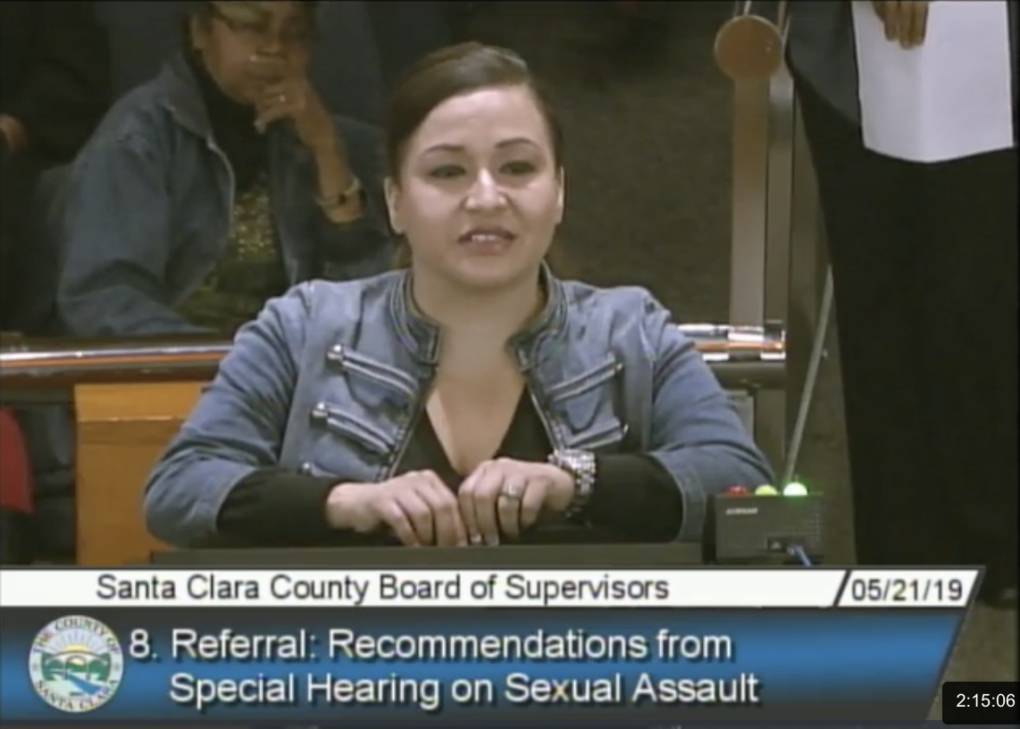
"caption": "'The services that I should have been provided, I found were sparse to none. I had to go looking on my own,' a woman who identified herself only as Michelle told the Santa Clara County Board of Supervisors on May 21, 2019.",
"description": "\"The services that I should have been provided, I found were sparse to none. I had to go looking on my own,” a woman who identified herself only as Michelle told the Santa Clara County Board of Supervisors on May 21, 2019.",
"title": "05212019_sexual assault survivor Santa Clara County_Screen Shot 2019-05-21 at 12.38.31 PM-qut",
"credit": "Screenshot of the Santa Clara County Board of Supervisors hearing",
"status": "inherit",
"isLoading": false,
"fetchFailed": false
},
"news_11703521": {
"type": "attachments",
"id": "news_11703521",
"meta": {
"index": "attachments_1716263798",
"site": "news",
"id": "11703521",
"found": true
},
"parent": 11702978,
"imgSizes": {
"small": {
"file": "https://ww2.kqed.org/app/uploads/sites/10/2018/11/4365193069_ed480e4296_o-520x568.jpg",
"width": 520,
"mimeType": "image/jpeg",
"height": 568
},
"twentyfourteen-full-width": {
"file": "https://ww2.kqed.org/app/uploads/sites/10/2018/11/4365193069_ed480e4296_o-1038x576.jpg",
"width": 1038,
"mimeType": "image/jpeg",
"height": 576
},
"thumbnail": {
"file": "https://ww2.kqed.org/app/uploads/sites/10/2018/11/4365193069_ed480e4296_o-160x175.jpg",
"width": 160,
"mimeType": "image/jpeg",
"height": 175
},
"fd-sm": {
"file": "https://ww2.kqed.org/app/uploads/sites/10/2018/11/4365193069_ed480e4296_o-960x1049.jpg",
"width": 960,
"mimeType": "image/jpeg",
"height": 1049
},
"post-thumbnail": {
"file": "https://ww2.kqed.org/app/uploads/sites/10/2018/11/4365193069_ed480e4296_o-672x372.jpg",
"width": 672,
"mimeType": "image/jpeg",
"height": 372
},
"xsmall": {
"file": "https://ww2.kqed.org/app/uploads/sites/10/2018/11/4365193069_ed480e4296_o-375x410.jpg",
"width": 375,
"mimeType": "image/jpeg",
"height": 410
},
"kqedFullSize": {
"file": "https://ww2.kqed.org/app/uploads/sites/10/2018/11/4365193069_ed480e4296_o.jpg",
"width": 1186,
"height": 1296
},
"large": {
"file": "https://ww2.kqed.org/app/uploads/sites/10/2018/11/4365193069_ed480e4296_o-1020x1115.jpg",
"width": 1020,
"mimeType": "image/jpeg",
"height": 1115
},
"xlarge": {
"file": "https://ww2.kqed.org/app/uploads/sites/10/2018/11/4365193069_ed480e4296_o-1180x1289.jpg",
"width": 1180,
"mimeType": "image/jpeg",
"height": 1289
},
"complete_open_graph": {
"file": "https://ww2.kqed.org/app/uploads/sites/10/2018/11/4365193069_ed480e4296_o-1098x1200.jpg",
"width": 1098,
"mimeType": "image/jpeg",
"height": 1200
},
"guest-author-50": {
"file": "https://ww2.kqed.org/app/uploads/sites/10/2018/11/4365193069_ed480e4296_o-50x50.jpg",
"width": 50,
"mimeType": "image/jpeg",
"height": 50
},
"guest-author-96": {
"file": "https://ww2.kqed.org/app/uploads/sites/10/2018/11/4365193069_ed480e4296_o-96x96.jpg",
"width": 96,
"mimeType": "image/jpeg",
"height": 96
},
"medium": {
"file": "https://ww2.kqed.org/app/uploads/sites/10/2018/11/4365193069_ed480e4296_o-800x874.jpg",
"width": 800,
"mimeType": "image/jpeg",
"height": 874
},
"guest-author-64": {
"file": "https://ww2.kqed.org/app/uploads/sites/10/2018/11/4365193069_ed480e4296_o-64x64.jpg",
"width": 64,
"mimeType": "image/jpeg",
"height": 64
},
"guest-author-32": {
"file": "https://ww2.kqed.org/app/uploads/sites/10/2018/11/4365193069_ed480e4296_o-32x32.jpg",
"width": 32,
"mimeType": "image/jpeg",
"height": 32
},
"fd-med": {
"file": "https://ww2.kqed.org/app/uploads/sites/10/2018/11/4365193069_ed480e4296_o-1180x1289.jpg",
"width": 1180,
"mimeType": "image/jpeg",
"height": 1289
},
"detail": {
"file": "https://ww2.kqed.org/app/uploads/sites/10/2018/11/4365193069_ed480e4296_o-150x150.jpg",
"width": 150,
"mimeType": "image/jpeg",
"height": 150
},
"guest-author-128": {
"file": "https://ww2.kqed.org/app/uploads/sites/10/2018/11/4365193069_ed480e4296_o-128x128.jpg",
"width": 128,
"mimeType": "image/jpeg",
"height": 128
},
"xxsmall": {
"file": "https://ww2.kqed.org/app/uploads/sites/10/2018/11/4365193069_ed480e4296_o-240x262.jpg",
"width": 240,
"mimeType": "image/jpeg",
"height": 262
}
},
"publishDate": 1541280352,
"modified": 1541280573,
"caption": null,
"description": null,
"title": "4365193069_ed480e4296_o",
"credit": "\u003cstrong>\u003ca href=\"https://www.flickr.com/photos/conner395/4365193069\">Courtesy of Dave Conner\u003c/a>\u003c/strong>",
"status": "inherit",
"isLoading": false,
"fetchFailed": false
},
"news_11697748": {
"type": "attachments",
"id": "news_11697748",
"meta": {
"index": "attachments_1716263798",
"site": "news",
"id": "11697748",
"found": true
},
"parent": 11697652,
"imgSizes": {
"small": {
"file": "https://ww2.kqed.org/app/uploads/sites/10/2018/10/RS13914_OConnor_Hospital_Exterior_2-qut-520x272.jpg",
"width": 520,
"mimeType": "image/jpeg",
"height": 272
},
"twentyfourteen-full-width": {
"file": "https://ww2.kqed.org/app/uploads/sites/10/2018/10/RS13914_OConnor_Hospital_Exterior_2-qut-1038x576.jpg",
"width": 1038,
"mimeType": "image/jpeg",
"height": 576
},
"thumbnail": {
"file": "https://ww2.kqed.org/app/uploads/sites/10/2018/10/RS13914_OConnor_Hospital_Exterior_2-qut-160x84.jpg",
"width": 160,
"mimeType": "image/jpeg",
"height": 84
},
"fd-sm": {
"file": "https://ww2.kqed.org/app/uploads/sites/10/2018/10/RS13914_OConnor_Hospital_Exterior_2-qut-960x501.jpg",
"width": 960,
"mimeType": "image/jpeg",
"height": 501
},
"post-thumbnail": {
"file": "https://ww2.kqed.org/app/uploads/sites/10/2018/10/RS13914_OConnor_Hospital_Exterior_2-qut-672x372.jpg",
"width": 672,
"mimeType": "image/jpeg",
"height": 372
},
"xsmall": {
"file": "https://ww2.kqed.org/app/uploads/sites/10/2018/10/RS13914_OConnor_Hospital_Exterior_2-qut-375x196.jpg",
"width": 375,
"mimeType": "image/jpeg",
"height": 196
},
"kqedFullSize": {
"file": "https://ww2.kqed.org/app/uploads/sites/10/2018/10/RS13914_OConnor_Hospital_Exterior_2-qut.jpg",
"width": 1440,
"height": 752
},
"large": {
"file": "https://ww2.kqed.org/app/uploads/sites/10/2018/10/RS13914_OConnor_Hospital_Exterior_2-qut-1020x533.jpg",
"width": 1020,
"mimeType": "image/jpeg",
"height": 533
},
"xlarge": {
"file": "https://ww2.kqed.org/app/uploads/sites/10/2018/10/RS13914_OConnor_Hospital_Exterior_2-qut-1180x616.jpg",
"width": 1180,
"mimeType": "image/jpeg",
"height": 616
},
"complete_open_graph": {
"file": "https://ww2.kqed.org/app/uploads/sites/10/2018/10/RS13914_OConnor_Hospital_Exterior_2-qut-1200x627.jpg",
"width": 1200,
"mimeType": "image/jpeg",
"height": 627
},
"guest-author-50": {
"file": "https://ww2.kqed.org/app/uploads/sites/10/2018/10/RS13914_OConnor_Hospital_Exterior_2-qut-50x50.jpg",
"width": 50,
"mimeType": "image/jpeg",
"height": 50
},
"guest-author-96": {
"file": "https://ww2.kqed.org/app/uploads/sites/10/2018/10/RS13914_OConnor_Hospital_Exterior_2-qut-96x96.jpg",
"width": 96,
"mimeType": "image/jpeg",
"height": 96
},
"medium": {
"file": "https://ww2.kqed.org/app/uploads/sites/10/2018/10/RS13914_OConnor_Hospital_Exterior_2-qut-800x418.jpg",
"width": 800,
"mimeType": "image/jpeg",
"height": 418
},
"guest-author-64": {
"file": "https://ww2.kqed.org/app/uploads/sites/10/2018/10/RS13914_OConnor_Hospital_Exterior_2-qut-64x64.jpg",
"width": 64,
"mimeType": "image/jpeg",
"height": 64
},
"guest-author-32": {
"file": "https://ww2.kqed.org/app/uploads/sites/10/2018/10/RS13914_OConnor_Hospital_Exterior_2-qut-32x32.jpg",
"width": 32,
"mimeType": "image/jpeg",
"height": 32
},
"fd-med": {
"file": "https://ww2.kqed.org/app/uploads/sites/10/2018/10/RS13914_OConnor_Hospital_Exterior_2-qut-1180x616.jpg",
"width": 1180,
"mimeType": "image/jpeg",
"height": 616
},
"detail": {
"file": "https://ww2.kqed.org/app/uploads/sites/10/2018/10/RS13914_OConnor_Hospital_Exterior_2-qut-150x150.jpg",
"width": 150,
"mimeType": "image/jpeg",
"height": 150
},
"guest-author-128": {
"file": "https://ww2.kqed.org/app/uploads/sites/10/2018/10/RS13914_OConnor_Hospital_Exterior_2-qut-128x128.jpg",
"width": 128,
"mimeType": "image/jpeg",
"height": 128
},
"xxsmall": {
"file": "https://ww2.kqed.org/app/uploads/sites/10/2018/10/RS13914_OConnor_Hospital_Exterior_2-qut-240x125.jpg",
"width": 240,
"mimeType": "image/jpeg",
"height": 125
}
},
"publishDate": 1539123650,
"modified": 1539214405,
"caption": "The Santa Clara County Board of Supervisors voted unanimously to authorize its staff to move forward with the process of purchasing the O'Connor Hospital in San Jose, pictured here, and the Saint Louise Regional Hospital in Gilroy.",
"description": "The Santa Clara County Board of Supervisors voted unanimously to authorize its staff to move forward with the process of purchasing the O'Connor Hospital in San Jose, pictured here, and the Saint Louise Regional Hospital in Gilroy.",
"title": "RS13914_OConnor_Hospital_Exterior_2-qut",
"credit": "O'Connor Hospital",
"status": "inherit",
"isLoading": false,
"fetchFailed": false
},
"news_11672831": {
"type": "attachments",
"id": "news_11672831",
"meta": {
"index": "attachments_1716263798",
"site": "news",
"id": "11672831",
"found": true
},
"parent": 11672821,
"imgSizes": {
"small": {
"file": "https://ww2.kqed.org/app/uploads/sites/10/2018/06/Persky-1920x1309-1180x804-520x354.jpg",
"width": 520,
"mimeType": "image/jpeg",
"height": 354
},
"twentyfourteen-full-width": {
"file": "https://ww2.kqed.org/app/uploads/sites/10/2018/06/Persky-1920x1309-1180x804-1038x576.jpg",
"width": 1038,
"mimeType": "image/jpeg",
"height": 576
},
"thumbnail": {
"file": "https://ww2.kqed.org/app/uploads/sites/10/2018/06/Persky-1920x1309-1180x804-160x109.jpg",
"width": 160,
"mimeType": "image/jpeg",
"height": 109
},
"fd-sm": {
"file": "https://ww2.kqed.org/app/uploads/sites/10/2018/06/Persky-1920x1309-1180x804-960x654.jpg",
"width": 960,
"mimeType": "image/jpeg",
"height": 654
},
"post-thumbnail": {
"file": "https://ww2.kqed.org/app/uploads/sites/10/2018/06/Persky-1920x1309-1180x804-672x372.jpg",
"width": 672,
"mimeType": "image/jpeg",
"height": 372
},
"xsmall": {
"file": "https://ww2.kqed.org/app/uploads/sites/10/2018/06/Persky-1920x1309-1180x804-375x256.jpg",
"width": 375,
"mimeType": "image/jpeg",
"height": 256
},
"kqedFullSize": {
"file": "https://ww2.kqed.org/app/uploads/sites/10/2018/06/Persky-1920x1309-1180x804.jpg",
"width": 1180,
"height": 804
},
"large": {
"file": "https://ww2.kqed.org/app/uploads/sites/10/2018/06/Persky-1920x1309-1180x804-1020x695.jpg",
"width": 1020,
"mimeType": "image/jpeg",
"height": 695
},
"xlarge": {
"file": "https://ww2.kqed.org/app/uploads/sites/10/2018/06/Persky-1920x1309-1180x804-1180x804.jpg",
"width": 1180,
"mimeType": "image/jpeg",
"height": 804
},
"guest-author-50": {
"file": "https://ww2.kqed.org/app/uploads/sites/10/2018/06/Persky-1920x1309-1180x804-50x50.jpg",
"width": 50,
"mimeType": "image/jpeg",
"height": 50
},
"guest-author-96": {
"file": "https://ww2.kqed.org/app/uploads/sites/10/2018/06/Persky-1920x1309-1180x804-96x96.jpg",
"width": 96,
"mimeType": "image/jpeg",
"height": 96
},
"medium": {
"file": "https://ww2.kqed.org/app/uploads/sites/10/2018/06/Persky-1920x1309-1180x804-800x545.jpg",
"width": 800,
"mimeType": "image/jpeg",
"height": 545
},
"guest-author-64": {
"file": "https://ww2.kqed.org/app/uploads/sites/10/2018/06/Persky-1920x1309-1180x804-64x64.jpg",
"width": 64,
"mimeType": "image/jpeg",
"height": 64
},
"guest-author-32": {
"file": "https://ww2.kqed.org/app/uploads/sites/10/2018/06/Persky-1920x1309-1180x804-32x32.jpg",
"width": 32,
"mimeType": "image/jpeg",
"height": 32
},
"fd-med": {
"file": "https://ww2.kqed.org/app/uploads/sites/10/2018/06/Persky-1920x1309-1180x804-1180x804.jpg",
"width": 1180,
"mimeType": "image/jpeg",
"height": 804
},
"detail": {
"file": "https://ww2.kqed.org/app/uploads/sites/10/2018/06/Persky-1920x1309-1180x804-150x150.jpg",
"width": 150,
"mimeType": "image/jpeg",
"height": 150
},
"guest-author-128": {
"file": "https://ww2.kqed.org/app/uploads/sites/10/2018/06/Persky-1920x1309-1180x804-128x128.jpg",
"width": 128,
"mimeType": "image/jpeg",
"height": 128
},
"xxsmall": {
"file": "https://ww2.kqed.org/app/uploads/sites/10/2018/06/Persky-1920x1309-1180x804-240x164.jpg",
"width": 240,
"mimeType": "image/jpeg",
"height": 164
}
},
"publishDate": 1528248915,
"modified": 1528249013,
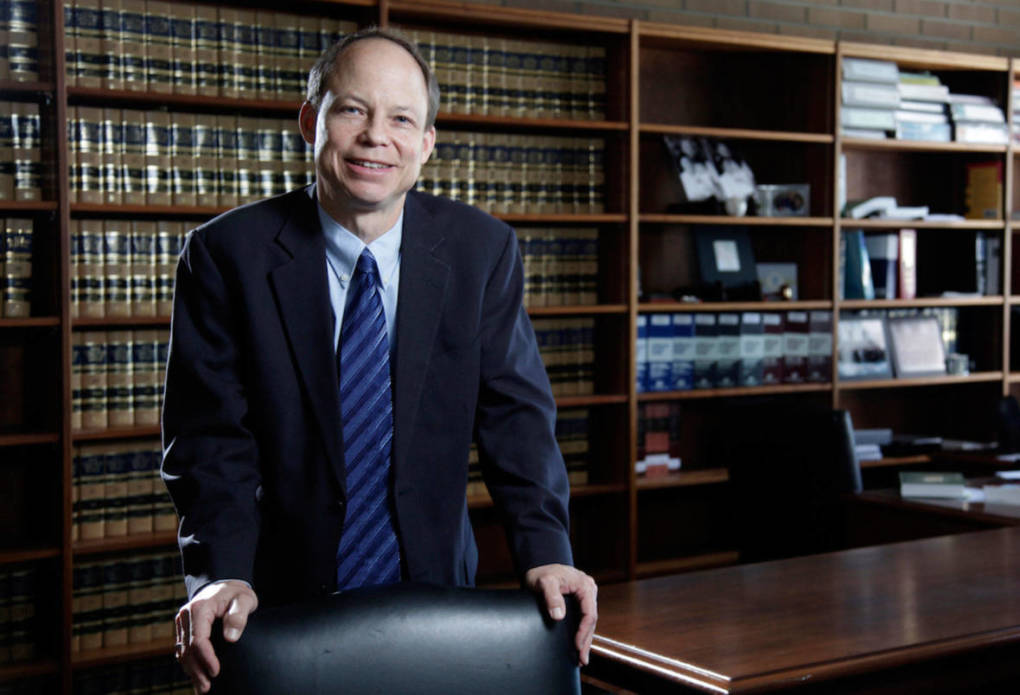
"caption": "Santa Clara County Judge Aaron Persky faces a potential recall after he sentenced an ex-Stanford University swimmer to six months in jail for sexually assaulting an unconscious woman.",
"description": null,
"title": "Persky-1920x1309-1180x804",
"credit": "Jason Doiy/The Recorder",
"status": "inherit",
"isLoading": false,
"fetchFailed": false
},
"news_10912234": {
"type": "attachments",
"id": "news_10912234",
"meta": {
"index": "attachments_1716263798",
"site": "news",
"id": "10912234",
"found": true
},
"parent": 10912163,
"imgSizes": {
"twentyfourteen-full-width": {
"file": "https://ww2.kqed.org/app/uploads/sites/10/2016/03/autopsyroom-1038x576.jpg",
"width": 1038,
"mimeType": "image/jpeg",
"height": 576
},
"thumbnail": {
"file": "https://ww2.kqed.org/app/uploads/sites/10/2016/03/autopsyroom-400x267.jpg",
"width": 400,
"mimeType": "image/jpeg",
"height": 267
},
"fd-sm": {
"file": "https://ww2.kqed.org/app/uploads/sites/10/2016/03/autopsyroom-960x640.jpg",
"width": 960,
"mimeType": "image/jpeg",
"height": 640
},
"post-thumbnail": {
"file": "https://ww2.kqed.org/app/uploads/sites/10/2016/03/autopsyroom-672x372.jpg",
"width": 672,
"mimeType": "image/jpeg",
"height": 372
},
"kqedFullSize": {
"file": "https://ww2.kqed.org/app/uploads/sites/10/2016/03/autopsyroom-e1459289191511.jpg",
"width": 2000,
"height": 1334
},
"large": {
"file": "https://ww2.kqed.org/app/uploads/sites/10/2016/03/autopsyroom-1920x1281.jpg",
"width": 1920,
"mimeType": "image/jpeg",
"height": 1281
},
"guest-author-96": {
"file": "https://ww2.kqed.org/app/uploads/sites/10/2016/03/autopsyroom-96x96.jpg",
"width": 96,
"mimeType": "image/jpeg",
"height": 96
},
"medium": {
"file": "https://ww2.kqed.org/app/uploads/sites/10/2016/03/autopsyroom-800x534.jpg",
"width": 800,
"mimeType": "image/jpeg",
"height": 534
},
"guest-author-64": {
"file": "https://ww2.kqed.org/app/uploads/sites/10/2016/03/autopsyroom-64x64.jpg",
"width": 64,
"mimeType": "image/jpeg",
"height": 64
},
"guest-author-32": {
"file": "https://ww2.kqed.org/app/uploads/sites/10/2016/03/autopsyroom-32x32.jpg",
"width": 32,
"mimeType": "image/jpeg",
"height": 32
},
"jmtc-small-thumb": {
"file": "https://ww2.kqed.org/app/uploads/sites/10/2016/03/autopsyroom-280x150.jpg",
"width": 280,
"mimeType": "image/jpeg",
"height": 150
},
"fd-lrg": {
"file": "https://ww2.kqed.org/app/uploads/sites/10/2016/03/autopsyroom-1920x1281.jpg",
"width": 1920,
"mimeType": "image/jpeg",
"height": 1281
},
"fd-med": {
"file": "https://ww2.kqed.org/app/uploads/sites/10/2016/03/autopsyroom-1180x787.jpg",
"width": 1180,
"mimeType": "image/jpeg",
"height": 787
},
"detail": {
"file": "https://ww2.kqed.org/app/uploads/sites/10/2016/03/autopsyroom-75x75.jpg",
"width": 75,
"mimeType": "image/jpeg",
"height": 75
},
"guest-author-128": {
"file": "https://ww2.kqed.org/app/uploads/sites/10/2016/03/autopsyroom-128x128.jpg",
"width": 128,
"mimeType": "image/jpeg",
"height": 128
}
},
"publishDate": 1459199177,
"modified": 1526944487,
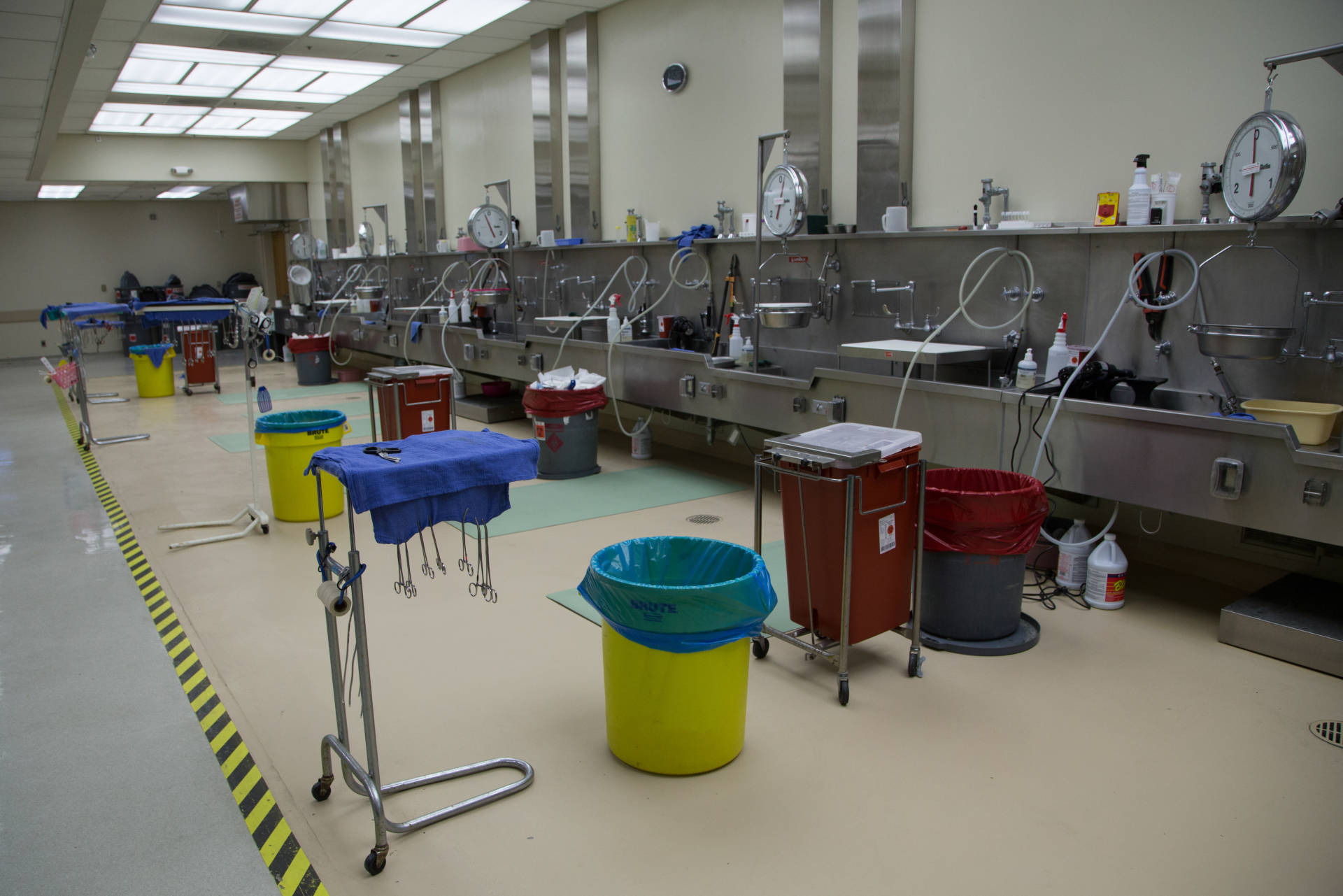
"caption": "The Santa Clara County Morgue at the medical examiner's office.",
"description": "An assistant medical examiner found dozens of bruises on the body of Walter Roches at the coroner’s office.",
"title": "autopsyroom",
"credit": "Lisa Pickoff-White/KQED",
"status": "inherit",
"isLoading": false,
"fetchFailed": false
},
"news_11668385": {
"type": "attachments",
"id": "news_11668385",
"meta": {
"index": "attachments_1716263798",
"site": "news",
"id": "11668385",
"found": true
},
"parent": 11668379,
"imgSizes": {
"small": {
"file": "https://ww2.kqed.org/app/uploads/sites/10/2018/05/Caserta-screengrab-520x345.jpg",
"width": 520,
"mimeType": "image/jpeg",
"height": 345
},
"twentyfourteen-full-width": {
"file": "https://ww2.kqed.org/app/uploads/sites/10/2018/05/Caserta-screengrab-1023x576.jpg",
"width": 1023,
"mimeType": "image/jpeg",
"height": 576
},
"thumbnail": {
"file": "https://ww2.kqed.org/app/uploads/sites/10/2018/05/Caserta-screengrab-160x106.jpg",
"width": 160,
"mimeType": "image/jpeg",
"height": 106
},
"fd-sm": {
"file": "https://ww2.kqed.org/app/uploads/sites/10/2018/05/Caserta-screengrab-960x636.jpg",
"width": 960,
"mimeType": "image/jpeg",
"height": 636
},
"post-thumbnail": {
"file": "https://ww2.kqed.org/app/uploads/sites/10/2018/05/Caserta-screengrab-672x372.jpg",
"width": 672,
"mimeType": "image/jpeg",
"height": 372
},
"xsmall": {
"file": "https://ww2.kqed.org/app/uploads/sites/10/2018/05/Caserta-screengrab-375x249.jpg",
"width": 375,
"mimeType": "image/jpeg",
"height": 249
},
"kqedFullSize": {
"file": "https://ww2.kqed.org/app/uploads/sites/10/2018/05/Caserta-screengrab.jpg",
"width": 1023,
"height": 678
},
"large": {
"file": "https://ww2.kqed.org/app/uploads/sites/10/2018/05/Caserta-screengrab-1020x676.jpg",
"width": 1020,
"mimeType": "image/jpeg",
"height": 676
},
"guest-author-50": {
"file": "https://ww2.kqed.org/app/uploads/sites/10/2018/05/Caserta-screengrab-50x50.jpg",
"width": 50,
"mimeType": "image/jpeg",
"height": 50
},
"guest-author-96": {
"file": "https://ww2.kqed.org/app/uploads/sites/10/2018/05/Caserta-screengrab-96x96.jpg",
"width": 96,
"mimeType": "image/jpeg",
"height": 96
},
"medium": {
"file": "https://ww2.kqed.org/app/uploads/sites/10/2018/05/Caserta-screengrab-800x530.jpg",
"width": 800,
"mimeType": "image/jpeg",
"height": 530
},
"guest-author-64": {
"file": "https://ww2.kqed.org/app/uploads/sites/10/2018/05/Caserta-screengrab-64x64.jpg",
"width": 64,
"mimeType": "image/jpeg",
"height": 64
},
"guest-author-32": {
"file": "https://ww2.kqed.org/app/uploads/sites/10/2018/05/Caserta-screengrab-32x32.jpg",
"width": 32,
"mimeType": "image/jpeg",
"height": 32
},
"detail": {
"file": "https://ww2.kqed.org/app/uploads/sites/10/2018/05/Caserta-screengrab-150x150.jpg",
"width": 150,
"mimeType": "image/jpeg",
"height": 150
},
"guest-author-128": {
"file": "https://ww2.kqed.org/app/uploads/sites/10/2018/05/Caserta-screengrab-128x128.jpg",
"width": 128,
"mimeType": "image/jpeg",
"height": 128
},
"xxsmall": {
"file": "https://ww2.kqed.org/app/uploads/sites/10/2018/05/Caserta-screengrab-240x159.jpg",
"width": 240,
"mimeType": "image/jpeg",
"height": 159
}
},
"publishDate": 1526406498,
"modified": 1526406533,
"caption": "Dominic Caserta",
"description": null,
"title": "Caserta-screengrab",
"credit": "dominiccaserta.com",
"status": "inherit",
"isLoading": false,
"fetchFailed": false
},
"news_11635688": {
"type": "attachments",
"id": "news_11635688",
"meta": {
"index": "attachments_1716263798",
"site": "news",
"id": "11635688",
"found": true
},
"parent": 11635532,
"imgSizes": {
"small": {
"file": "https://ww2.kqed.org/app/uploads/sites/10/2017/12/GavelChair-520x337.jpg",
"width": 520,
"mimeType": "image/jpeg",
"height": 337
},
"twentyfourteen-full-width": {
"file": "https://ww2.kqed.org/app/uploads/sites/10/2017/12/GavelChair-1038x576.jpg",
"width": 1038,
"mimeType": "image/jpeg",
"height": 576
},
"thumbnail": {
"file": "https://ww2.kqed.org/app/uploads/sites/10/2017/12/GavelChair-160x104.jpg",
"width": 160,
"mimeType": "image/jpeg",
"height": 104
},
"fd-sm": {
"file": "https://ww2.kqed.org/app/uploads/sites/10/2017/12/GavelChair-960x623.jpg",
"width": 960,
"mimeType": "image/jpeg",
"height": 623
},
"post-thumbnail": {
"file": "https://ww2.kqed.org/app/uploads/sites/10/2017/12/GavelChair-672x372.jpg",
"width": 672,
"mimeType": "image/jpeg",
"height": 372
},
"xsmall": {
"file": "https://ww2.kqed.org/app/uploads/sites/10/2017/12/GavelChair-375x243.jpg",
"width": 375,
"mimeType": "image/jpeg",
"height": 243
},
"kqedFullSize": {
"file": "https://ww2.kqed.org/app/uploads/sites/10/2017/12/GavelChair.jpg",
"width": 1920,
"height": 1245
},
"large": {
"file": "https://ww2.kqed.org/app/uploads/sites/10/2017/12/GavelChair-1020x661.jpg",
"width": 1020,
"mimeType": "image/jpeg",
"height": 661
},
"xlarge": {
"file": "https://ww2.kqed.org/app/uploads/sites/10/2017/12/GavelChair-1180x765.jpg",
"width": 1180,
"mimeType": "image/jpeg",
"height": 765
},
"guest-author-50": {
"file": "https://ww2.kqed.org/app/uploads/sites/10/2017/12/GavelChair-50x50.jpg",
"width": 50,
"mimeType": "image/jpeg",
"height": 50
},
"guest-author-96": {
"file": "https://ww2.kqed.org/app/uploads/sites/10/2017/12/GavelChair-96x96.jpg",
"width": 96,
"mimeType": "image/jpeg",
"height": 96
},
"medium": {
"file": "https://ww2.kqed.org/app/uploads/sites/10/2017/12/GavelChair-800x519.jpg",
"width": 800,
"mimeType": "image/jpeg",
"height": 519
},
"guest-author-64": {
"file": "https://ww2.kqed.org/app/uploads/sites/10/2017/12/GavelChair-64x64.jpg",
"width": 64,
"mimeType": "image/jpeg",
"height": 64
},
"guest-author-32": {
"file": "https://ww2.kqed.org/app/uploads/sites/10/2017/12/GavelChair-32x32.jpg",
"width": 32,
"mimeType": "image/jpeg",
"height": 32
},
"fd-lrg": {
"file": "https://ww2.kqed.org/app/uploads/sites/10/2017/12/GavelChair-1920x1245.jpg",
"width": 1920,
"mimeType": "image/jpeg",
"height": 1245
},
"fd-med": {
"file": "https://ww2.kqed.org/app/uploads/sites/10/2017/12/GavelChair-1180x765.jpg",
"width": 1180,
"mimeType": "image/jpeg",
"height": 765
},
"full-width": {
"file": "https://ww2.kqed.org/app/uploads/sites/10/2017/12/GavelChair-1920x1245.jpg",
"width": 1920,
"mimeType": "image/jpeg",
"height": 1245
},
"detail": {
"file": "https://ww2.kqed.org/app/uploads/sites/10/2017/12/GavelChair-150x150.jpg",
"width": 150,
"mimeType": "image/jpeg",
"height": 150
},
"guest-author-128": {
"file": "https://ww2.kqed.org/app/uploads/sites/10/2017/12/GavelChair-128x128.jpg",
"width": 128,
"mimeType": "image/jpeg",
"height": 128
},
"xxsmall": {
"file": "https://ww2.kqed.org/app/uploads/sites/10/2017/12/GavelChair-240x156.jpg",
"width": 240,
"mimeType": "image/jpeg",
"height": 156
}
},
"publishDate": 1512690094,
"modified": 1512690113,
"caption": null,
"description": null,
"title": "GavelChair",
"credit": "Getty Images",
"status": "inherit",
"isLoading": false,
"fetchFailed": false
},
"news_11630937": {
"type": "attachments",
"id": "news_11630937",
"meta": {
"index": "attachments_1716263798",
"site": "news",
"id": "11630937",
"found": true
},
"parent": 11630737,
"imgSizes": {
"small": {
"file": "https://ww2.kqed.org/app/uploads/sites/10/2017/11/Courtroom-520x428.jpg",
"width": 520,
"mimeType": "image/jpeg",
"height": 428
},
"twentyfourteen-full-width": {
"file": "https://ww2.kqed.org/app/uploads/sites/10/2017/11/Courtroom-1038x576.jpg",
"width": 1038,
"mimeType": "image/jpeg",
"height": 576
},
"thumbnail": {
"file": "https://ww2.kqed.org/app/uploads/sites/10/2017/11/Courtroom-160x132.jpg",
"width": 160,
"mimeType": "image/jpeg",
"height": 132
},
"fd-sm": {
"file": "https://ww2.kqed.org/app/uploads/sites/10/2017/11/Courtroom-960x790.jpg",
"width": 960,
"mimeType": "image/jpeg",
"height": 790
},
"post-thumbnail": {
"file": "https://ww2.kqed.org/app/uploads/sites/10/2017/11/Courtroom-672x372.jpg",
"width": 672,
"mimeType": "image/jpeg",
"height": 372
},
"xsmall": {
"file": "https://ww2.kqed.org/app/uploads/sites/10/2017/11/Courtroom-375x309.jpg",
"width": 375,
"mimeType": "image/jpeg",
"height": 309
},
"kqedFullSize": {
"file": "https://ww2.kqed.org/app/uploads/sites/10/2017/11/Courtroom.jpg",
"width": 1920,
"height": 1580
},
"large": {
"file": "https://ww2.kqed.org/app/uploads/sites/10/2017/11/Courtroom-1020x839.jpg",
"width": 1020,
"mimeType": "image/jpeg",
"height": 839
},
"xlarge": {
"file": "https://ww2.kqed.org/app/uploads/sites/10/2017/11/Courtroom-1180x971.jpg",
"width": 1180,
"mimeType": "image/jpeg",
"height": 971
},
"guest-author-50": {
"file": "https://ww2.kqed.org/app/uploads/sites/10/2017/11/Courtroom-50x50.jpg",
"width": 50,
"mimeType": "image/jpeg",
"height": 50
},
"guest-author-96": {
"file": "https://ww2.kqed.org/app/uploads/sites/10/2017/11/Courtroom-96x96.jpg",
"width": 96,
"mimeType": "image/jpeg",
"height": 96
},
"medium": {
"file": "https://ww2.kqed.org/app/uploads/sites/10/2017/11/Courtroom-800x658.jpg",
"width": 800,
"mimeType": "image/jpeg",
"height": 658
},
"guest-author-64": {
"file": "https://ww2.kqed.org/app/uploads/sites/10/2017/11/Courtroom-64x64.jpg",
"width": 64,
"mimeType": "image/jpeg",
"height": 64
},
"guest-author-32": {
"file": "https://ww2.kqed.org/app/uploads/sites/10/2017/11/Courtroom-32x32.jpg",
"width": 32,
"mimeType": "image/jpeg",
"height": 32
},
"fd-lrg": {
"file": "https://ww2.kqed.org/app/uploads/sites/10/2017/11/Courtroom-1920x1580.jpg",
"width": 1920,
"mimeType": "image/jpeg",
"height": 1580
},
"fd-med": {
"file": "https://ww2.kqed.org/app/uploads/sites/10/2017/11/Courtroom-1180x971.jpg",
"width": 1180,
"mimeType": "image/jpeg",
"height": 971
},
"full-width": {
"file": "https://ww2.kqed.org/app/uploads/sites/10/2017/11/Courtroom-1920x1580.jpg",
"width": 1920,
"mimeType": "image/jpeg",
"height": 1580
},
"detail": {
"file": "https://ww2.kqed.org/app/uploads/sites/10/2017/11/Courtroom-150x150.jpg",
"width": 150,
"mimeType": "image/jpeg",
"height": 150
},
"guest-author-128": {
"file": "https://ww2.kqed.org/app/uploads/sites/10/2017/11/Courtroom-128x128.jpg",
"width": 128,
"mimeType": "image/jpeg",
"height": 128
},
"xxsmall": {
"file": "https://ww2.kqed.org/app/uploads/sites/10/2017/11/Courtroom-240x198.jpg",
"width": 240,
"mimeType": "image/jpeg",
"height": 198
}
},
"publishDate": 1510703554,
"modified": 1510703688,
"caption": null,
"description": null,
"title": "Courtroom",
"credit": "Getty Images",
"status": "inherit",
"isLoading": false,
"fetchFailed": false
},
"news_11139930": {
"type": "attachments",
"id": "news_11139930",
"meta": {
"index": "attachments_1716263798",
"site": "news",
"id": "11139930",
"found": true
},
"parent": 11139764,
"imgSizes": {
"small": {
"file": "https://ww2.kqed.org/app/uploads/sites/10/2016/10/RS18881_main-jail-sc-520x347.jpg",
"width": 520,
"mimeType": "image/jpeg",
"height": 347
},
"twentyfourteen-full-width": {
"file": "https://ww2.kqed.org/app/uploads/sites/10/2016/10/RS18881_main-jail-sc-1038x576.jpg",
"width": 1038,
"mimeType": "image/jpeg",
"height": 576
},
"thumbnail": {
"file": "https://ww2.kqed.org/app/uploads/sites/10/2016/10/RS18881_main-jail-sc-160x107.jpg",
"width": 160,
"mimeType": "image/jpeg",
"height": 107
},
"fd-sm": {
"file": "https://ww2.kqed.org/app/uploads/sites/10/2016/10/RS18881_main-jail-sc-960x640.jpg",
"width": 960,
"mimeType": "image/jpeg",
"height": 640
},
"post-thumbnail": {
"file": "https://ww2.kqed.org/app/uploads/sites/10/2016/10/RS18881_main-jail-sc-672x372.jpg",
"width": 672,
"mimeType": "image/jpeg",
"height": 372
},
"xsmall": {
"file": "https://ww2.kqed.org/app/uploads/sites/10/2016/10/RS18881_main-jail-sc-375x250.jpg",
"width": 375,
"mimeType": "image/jpeg",
"height": 250
},
"kqedFullSize": {
"file": "https://ww2.kqed.org/app/uploads/sites/10/2016/10/RS18881_main-jail-sc-e1477081451306.jpg",
"width": 1920,
"height": 1280
},
"large": {
"file": "https://ww2.kqed.org/app/uploads/sites/10/2016/10/RS18881_main-jail-sc-1020x680.jpg",
"width": 1020,
"mimeType": "image/jpeg",
"height": 680
},
"xlarge": {
"file": "https://ww2.kqed.org/app/uploads/sites/10/2016/10/RS18881_main-jail-sc-1180x787.jpg",
"width": 1180,
"mimeType": "image/jpeg",
"height": 787
},
"guest-author-50": {
"file": "https://ww2.kqed.org/app/uploads/sites/10/2016/10/RS18881_main-jail-sc-50x50.jpg",
"width": 50,
"mimeType": "image/jpeg",
"height": 50
},
"guest-author-96": {
"file": "https://ww2.kqed.org/app/uploads/sites/10/2016/10/RS18881_main-jail-sc-96x96.jpg",
"width": 96,
"mimeType": "image/jpeg",
"height": 96
},
"medium": {
"file": "https://ww2.kqed.org/app/uploads/sites/10/2016/10/RS18881_main-jail-sc-800x533.jpg",
"width": 800,
"mimeType": "image/jpeg",
"height": 533
},
"guest-author-64": {
"file": "https://ww2.kqed.org/app/uploads/sites/10/2016/10/RS18881_main-jail-sc-64x64.jpg",
"width": 64,
"mimeType": "image/jpeg",
"height": 64
},
"guest-author-32": {
"file": "https://ww2.kqed.org/app/uploads/sites/10/2016/10/RS18881_main-jail-sc-32x32.jpg",
"width": 32,
"mimeType": "image/jpeg",
"height": 32
},
"jmtc-small-thumb": {
"file": "https://ww2.kqed.org/app/uploads/sites/10/2016/10/RS18881_main-jail-sc-280x150.jpg",
"width": 280,
"mimeType": "image/jpeg",
"height": 150
},
"fd-lrg": {
"file": "https://ww2.kqed.org/app/uploads/sites/10/2016/10/RS18881_main-jail-sc-1920x1280.jpg",
"width": 1920,
"mimeType": "image/jpeg",
"height": 1280
},
"fd-med": {
"file": "https://ww2.kqed.org/app/uploads/sites/10/2016/10/RS18881_main-jail-sc-1180x787.jpg",
"width": 1180,
"mimeType": "image/jpeg",
"height": 787
},
"full-width": {
"file": "https://ww2.kqed.org/app/uploads/sites/10/2016/10/RS18881_main-jail-sc-1920x1280.jpg",
"width": 1920,
"mimeType": "image/jpeg",
"height": 1280
},
"detail": {
"file": "https://ww2.kqed.org/app/uploads/sites/10/2016/10/RS18881_main-jail-sc-150x150.jpg",
"width": 150,
"mimeType": "image/jpeg",
"height": 150
},
"guest-author-128": {
"file": "https://ww2.kqed.org/app/uploads/sites/10/2016/10/RS18881_main-jail-sc-128x128.jpg",
"width": 128,
"mimeType": "image/jpeg",
"height": 128
},
"xxsmall": {
"file": "https://ww2.kqed.org/app/uploads/sites/10/2016/10/RS18881_main-jail-sc-240x160.jpg",
"width": 240,
"mimeType": "image/jpeg",
"height": 160
}
},
"publishDate": 1477081400,
"modified": 1477086574,
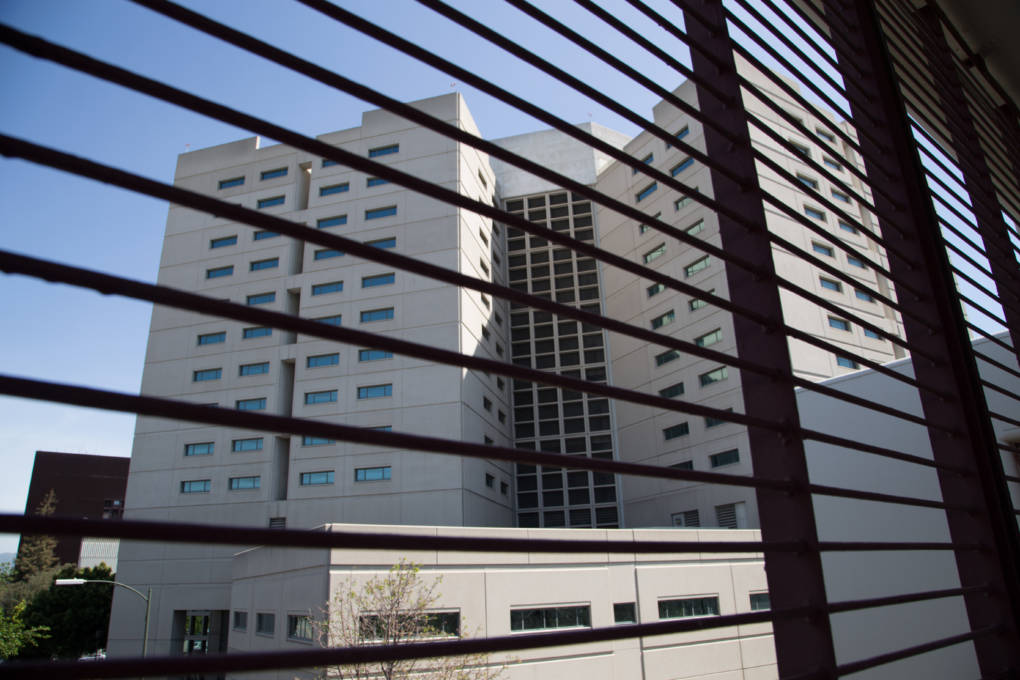
"caption": "Santa Clara's Main Jail.",
"description": null,
"title": "Santa Clara county main jail",
"credit": "Lisa Pickoff-White/KQED",
"status": "inherit",
"isLoading": false,
"fetchFailed": false
},
"news_11397372": {
"type": "attachments",
"id": "news_11397372",
"meta": {
"index": "attachments_1716263798",
"site": "news",
"id": "11397372",
"found": true
},
"parent": 11393155,
"imgSizes": {
"small": {
"file": "https://ww2.kqed.org/app/uploads/sites/10/2018/04/bail_revise_final03-520x278.png",
"width": 520,
"mimeType": "image/png",
"height": 278
},
"twentyfourteen-full-width": {
"file": "https://ww2.kqed.org/app/uploads/sites/10/2018/04/bail_revise_final03-1038x576.png",
"width": 1038,
"mimeType": "image/png",
"height": 576
},
"thumbnail": {
"file": "https://ww2.kqed.org/app/uploads/sites/10/2018/04/bail_revise_final03-160x86.png",
"width": 160,
"mimeType": "image/png",
"height": 86
},
"fd-sm": {
"file": "https://ww2.kqed.org/app/uploads/sites/10/2018/04/bail_revise_final03-960x514.png",
"width": 960,
"mimeType": "image/png",
"height": 514
},
"post-thumbnail": {
"file": "https://ww2.kqed.org/app/uploads/sites/10/2018/04/bail_revise_final03-672x372.png",
"width": 672,
"mimeType": "image/png",
"height": 372
},
"xsmall": {
"file": "https://ww2.kqed.org/app/uploads/sites/10/2018/04/bail_revise_final03-375x201.png",
"width": 375,
"mimeType": "image/png",
"height": 201
},
"kqedFullSize": {
"file": "https://ww2.kqed.org/app/uploads/sites/10/2018/04/bail_revise_final03-e1491604240472.png",
"width": 1920,
"height": 1028
},
"large": {
"file": "https://ww2.kqed.org/app/uploads/sites/10/2018/04/bail_revise_final03-1020x546.png",
"width": 1020,
"mimeType": "image/png",
"height": 546
},
"xlarge": {
"file": "https://ww2.kqed.org/app/uploads/sites/10/2018/04/bail_revise_final03-1180x632.png",
"width": 1180,
"mimeType": "image/png",
"height": 632
},
"guest-author-50": {
"file": "https://ww2.kqed.org/app/uploads/sites/10/2018/04/bail_revise_final03-50x50.png",
"width": 50,
"mimeType": "image/png",
"height": 50
},
"guest-author-96": {
"file": "https://ww2.kqed.org/app/uploads/sites/10/2018/04/bail_revise_final03-96x96.png",
"width": 96,
"mimeType": "image/png",
"height": 96
},
"medium": {
"file": "https://ww2.kqed.org/app/uploads/sites/10/2018/04/bail_revise_final03-800x428.png",
"width": 800,
"mimeType": "image/png",
"height": 428
},
"guest-author-64": {
"file": "https://ww2.kqed.org/app/uploads/sites/10/2018/04/bail_revise_final03-64x64.png",
"width": 64,
"mimeType": "image/png",
"height": 64
},
"guest-author-32": {
"file": "https://ww2.kqed.org/app/uploads/sites/10/2018/04/bail_revise_final03-32x32.png",
"width": 32,
"mimeType": "image/png",
"height": 32
},
"fd-lrg": {
"file": "https://ww2.kqed.org/app/uploads/sites/10/2018/04/bail_revise_final03-1920x1028.png",
"width": 1920,
"mimeType": "image/png",
"height": 1028
},
"fd-med": {
"file": "https://ww2.kqed.org/app/uploads/sites/10/2018/04/bail_revise_final03-1180x632.png",
"width": 1180,
"mimeType": "image/png",
"height": 632
},
"full-width": {
"file": "https://ww2.kqed.org/app/uploads/sites/10/2018/04/bail_revise_final03-1920x1028.png",
"width": 1920,
"mimeType": "image/png",
"height": 1028
},
"detail": {
"file": "https://ww2.kqed.org/app/uploads/sites/10/2018/04/bail_revise_final03-150x150.png",
"width": 150,
"mimeType": "image/png",
"height": 150
},
"guest-author-128": {
"file": "https://ww2.kqed.org/app/uploads/sites/10/2018/04/bail_revise_final03-128x128.png",
"width": 128,
"mimeType": "image/png",
"height": 128
},
"xxsmall": {
"file": "https://ww2.kqed.org/app/uploads/sites/10/2018/04/bail_revise_final03-240x128.png",
"width": 240,
"mimeType": "image/png",
"height": 128
}
},
"publishDate": 1491604209,
"modified": 1491604234,
"caption": null,
"description": null,
"title": "bail_revise_final03",
"credit": "Mark Fiore/KQED",
"status": "inherit",
"isLoading": false,
"fetchFailed": false
},
"news_10899605": {
"type": "attachments",
"id": "news_10899605",
"meta": {
"index": "attachments_1716263798",
"site": "news",
"id": "10899605",
"found": true
},
"parent": 10899596,
"imgSizes": {
"twentyfourteen-full-width": {
"file": "https://ww2.kqed.org/app/uploads/sites/10/2016/03/IVotedSticker-1038x576.jpg",
"width": 1038,
"mimeType": "image/jpeg",
"height": 576
},
"thumbnail": {
"file": "https://ww2.kqed.org/app/uploads/sites/10/2016/03/IVotedSticker-400x247.jpg",
"width": 400,
"mimeType": "image/jpeg",
"height": 247
},
"fd-sm": {
"file": "https://ww2.kqed.org/app/uploads/sites/10/2016/03/IVotedSticker-960x593.jpg",
"width": 960,
"mimeType": "image/jpeg",
"height": 593
},
"post-thumbnail": {
"file": "https://ww2.kqed.org/app/uploads/sites/10/2016/03/IVotedSticker-672x372.jpg",
"width": 672,
"mimeType": "image/jpeg",
"height": 372
},
"kqedFullSize": {
"file": "https://ww2.kqed.org/app/uploads/sites/10/2016/03/IVotedSticker.jpg",
"width": 1920,
"height": 1185
},
"large": {
"file": "https://ww2.kqed.org/app/uploads/sites/10/2016/03/IVotedSticker-1920x1185.jpg",
"width": 1920,
"mimeType": "image/jpeg",
"height": 1185
},
"guest-author-96": {
"file": "https://ww2.kqed.org/app/uploads/sites/10/2016/03/IVotedSticker-96x96.jpg",
"width": 96,
"mimeType": "image/jpeg",
"height": 96
},
"medium": {
"file": "https://ww2.kqed.org/app/uploads/sites/10/2016/03/IVotedSticker-800x494.jpg",
"width": 800,
"mimeType": "image/jpeg",
"height": 494
},
"guest-author-64": {
"file": "https://ww2.kqed.org/app/uploads/sites/10/2016/03/IVotedSticker-64x64.jpg",
"width": 64,
"mimeType": "image/jpeg",
"height": 64
},
"guest-author-32": {
"file": "https://ww2.kqed.org/app/uploads/sites/10/2016/03/IVotedSticker-32x32.jpg",
"width": 32,
"mimeType": "image/jpeg",
"height": 32
},
"jmtc-small-thumb": {
"file": "https://ww2.kqed.org/app/uploads/sites/10/2016/03/IVotedSticker-280x150.jpg",
"width": 280,
"mimeType": "image/jpeg",
"height": 150
},
"fd-lrg": {
"file": "https://ww2.kqed.org/app/uploads/sites/10/2016/03/IVotedSticker-1920x1185.jpg",
"width": 1920,
"mimeType": "image/jpeg",
"height": 1185
},
"fd-med": {
"file": "https://ww2.kqed.org/app/uploads/sites/10/2016/03/IVotedSticker-1180x728.jpg",
"width": 1180,
"mimeType": "image/jpeg",
"height": 728
},
"detail": {
"file": "https://ww2.kqed.org/app/uploads/sites/10/2016/03/IVotedSticker-75x75.jpg",
"width": 75,
"mimeType": "image/jpeg",
"height": 75
},
"guest-author-128": {
"file": "https://ww2.kqed.org/app/uploads/sites/10/2016/03/IVotedSticker-128x128.jpg",
"width": 128,
"mimeType": "image/jpeg",
"height": 128
}
},
"publishDate": 1458262451,
"modified": 1478741513,
"caption": "A poll worker hands out 'I Voted' stickers.",
"description": "A poll worker hands out \"I Voted\" stickers.",
"title": "IVotedSticker",
"credit": "Brendan Smialowski/AFP/Getty Images",
"status": "inherit",
"isLoading": false,
"fetchFailed": false
}
},
"audioPlayerReducer": {
"postId": "stream_live",
"isPaused": true,
"isPlaying": false,
"pfsActive": false,
"pledgeModalIsOpen": true,
"playerDrawerIsOpen": false,
"liveAudioPlayStartedAt": 0,
"liveAudioPlayContext": ""
},
"authorsReducer": {
"byline_news_11754897": {
"type": "authors",
"id": "byline_news_11754897",
"meta": {
"override": true
},
"slug": "byline_news_11754897",
"name": "Associated Press",
"isLoading": false
},
"byline_news_11672821": {
"type": "authors",
"id": "byline_news_11672821",
"meta": {
"override": true
},
"slug": "byline_news_11672821",
"name": "\u003cstrong>Paul Elias\u003cbr />Associated Press\u003c/strong>",
"isLoading": false
},
"byline_news_11668379": {
"type": "authors",
"id": "byline_news_11668379",
"meta": {
"override": true
},
"slug": "byline_news_11668379",
"name": "\u003cstrong>Bay City News\u003c/strong>",
"isLoading": false
},
"smartin": {
"type": "authors",
"id": "89",
"meta": {
"index": "authors_1716337520",
"id": "89",
"found": true
},
"name": "Stephanie Martin Taylor",
"firstName": "Stephanie Martin",
"lastName": "Taylor",
"slug": "smartin",
"email": "smartin@kqed.org",
"display_author_email": false,
"staff_mastheads": [],
"title": null,
"bio": "Stephanie Martin is a radio news reporter and anchor, and an occasional host of the \u003cem>KQED Newsroom \u003c/em>television program. While she currently focuses on housing and development issues, she has also reported on topics ranging from state and local politics to religion to arts and culture.\r\n\r\nPrior to joining KQED in 2005, Stephanie was an anchor and reporter for WFDD, the NPR affiliate in Winston-Salem, NC. She also spent several years as a television anchor, reporter and producer at various stations around the country.\r\n\r\nStephanie has received numerous awards for her reporting, including two National Headliner Awards, the Religion Newswriters Association's Best Radio Reporting Award and honors from the Associated Press and the Radio and Television Digital News Association. A series she produced from Iraq in 2005 earned a Best of Radio Award from the Society of Professional Journalists.\r\n\r\nStephanie received a graduate degree in Journalism from Columbia University. As an undergraduate at Colgate University, she worked and studied in Paris and Dijon, France, and spent a summer interning in the White House Press Office.\r\n\r\nStephanie grew up in Dallas, TX, and now lives with her husband in San Francisco.",
"avatar": "https://secure.gravatar.com/avatar/9fd3f8e9af01e14afde39822c19646e0?s=600&d=blank&r=g",
"twitter": "SMartinTaylor",
"facebook": null,
"instagram": null,
"linkedin": null,
"sites": [
{
"site": "arts",
"roles": [
"Contributor",
"subscriber"
]
},
{
"site": "news",
"roles": [
"subscriber"
]
},
{
"site": "stateofhealth",
"roles": [
"subscriber"
]
}
],
"headData": {
"title": "Stephanie Martin Taylor | KQED",
"description": null,
"ogImgSrc": "https://secure.gravatar.com/avatar/9fd3f8e9af01e14afde39822c19646e0?s=600&d=blank&r=g",
"twImgSrc": "https://secure.gravatar.com/avatar/9fd3f8e9af01e14afde39822c19646e0?s=600&d=blank&r=g"
},
"isLoading": false,
"link": "/author/smartin"
},
"dclyde": {
"type": "authors",
"id": "104",
"meta": {
"index": "authors_1716337520",
"id": "104",
"found": true
},
"name": "Don Clyde",
"firstName": "Don",
"lastName": "Clyde",
"slug": "dclyde",
"email": "dclyde@kqed.org",
"display_author_email": false,
"staff_mastheads": [],
"title": "KQED Contributor",
"bio": "Don Clyde is an online producer, reporter and copy editor for KQED News. Before venturing into journalism, he worked as a medical device engineer and scientist for nearly a decade after earning a degree in physics from UC Berkeley. He loves travel, reading, living in Oakland, and most importantly, a good walk. Email him at dclyde@kqed.org or follow him @clydedon.",
"avatar": "https://secure.gravatar.com/avatar/decd3e640c3eedbd0a574275aebb2d19?s=600&d=blank&r=g",
"twitter": "clydedon",
"facebook": null,
"instagram": null,
"linkedin": null,
"sites": [
{
"site": "artschool",
"roles": [
"editor"
]
},
{
"site": "news",
"roles": [
"administrator"
]
},
{
"site": "futureofyou",
"roles": [
"editor"
]
},
{
"site": "about",
"roles": [
"editor"
]
},
{
"site": "mindshift",
"roles": [
"contributor"
]
},
{
"site": "bayareabites",
"roles": [
"contributor"
]
},
{
"site": "lowdown",
"roles": [
"editor"
]
},
{
"site": "stateofhealth",
"roles": [
"administrator"
]
},
{
"site": "spark",
"roles": [
"administrator"
]
},
{
"site": "trulyca",
"roles": [
"administrator"
]
},
{
"site": "imagemakers",
"roles": [
"administrator"
]
},
{
"site": "science",
"roles": []
},
{
"site": "education",
"roles": [
"editor"
]
},
{
"site": "quest",
"roles": [
"subscriber"
]
},
{
"site": "checkplease",
"roles": [
"subscriber"
]
},
{
"site": "forum",
"roles": [
"editor"
]
},
{
"site": "perspectives",
"roles": [
"editor"
]
}
],
"headData": {
"title": "Don Clyde | KQED",
"description": "KQED Contributor",
"ogImgSrc": "https://secure.gravatar.com/avatar/decd3e640c3eedbd0a574275aebb2d19?s=600&d=blank&r=g",
"twImgSrc": "https://secure.gravatar.com/avatar/decd3e640c3eedbd0a574275aebb2d19?s=600&d=blank&r=g"
},
"isLoading": false,
"link": "/author/dclyde"
},
"petejonshuler": {
"type": "authors",
"id": "248",
"meta": {
"index": "authors_1716337520",
"id": "248",
"found": true
},
"name": "Peter Jon Shuler",
"firstName": "Peter",
"lastName": "Jon Shuler",
"slug": "petejonshuler",
"email": "pshuler@kqed.org",
"display_author_email": false,
"staff_mastheads": [
"news"
],
"title": "KQED Contributor",
"bio": null,
"avatar": "https://secure.gravatar.com/avatar/4bcbeaf7cf49fec98284db283a33a47b?s=600&d=blank&r=g",
"twitter": null,
"facebook": null,
"instagram": null,
"linkedin": null,
"sites": [
{
"site": "news",
"roles": [
"contributor"
]
}
],
"headData": {
"title": "Peter Jon Shuler | KQED",
"description": "KQED Contributor",
"ogImgSrc": "https://secure.gravatar.com/avatar/4bcbeaf7cf49fec98284db283a33a47b?s=600&d=blank&r=g",
"twImgSrc": "https://secure.gravatar.com/avatar/4bcbeaf7cf49fec98284db283a33a47b?s=600&d=blank&r=g"
},
"isLoading": false,
"link": "/author/petejonshuler"
},
"peterjonshuler": {
"type": "authors",
"id": "1329",
"meta": {
"index": "authors_1716337520",
"id": "1329",
"found": true
},
"name": "Peter Jon Shuler",
"firstName": "Peter Jon",
"lastName": "Shuler",
"slug": "peterjonshuler",
"email": "pshuler@kqed.org",
"display_author_email": false,
"staff_mastheads": [],
"title": null,
"bio": "Peter is a general assignment reporter covering Northern California news for KQED’s daily radio newscasts. He reports on a wide range of stories from current court cases to San Jose city hall.\r\n\r\nSince joining KQED in 1990, Peter has covered everything from the beginnings of the World Wide Web to the dot-com bust, from preserving Silicon Valley's open space to the preservation of historic Valley landmarks.\r\n\r\nPeter caught the radio bug at WAUS-FM while still a student at Andrews University in his home town of Berrien Springs, MI. He did local news and hosted a classical music program. Since then, he has pursued a variety of assignments, including production work at WBAI in New York and broadcasting to the English language community of Geneva, Switzerland via Radio 74. Email: \u003ca href=\"mailto:pshuler@kqed.org\">pshuler@kqed.org\u003c/a>",
"avatar": "https://secure.gravatar.com/avatar/4bcbeaf7cf49fec98284db283a33a47b?s=600&d=blank&r=g",
"twitter": null,
"facebook": null,
"instagram": null,
"linkedin": null,
"sites": [
{
"site": "news",
"roles": [
"contributor"
]
}
],
"headData": {
"title": "Peter Jon Shuler | KQED",
"description": null,
"ogImgSrc": "https://secure.gravatar.com/avatar/4bcbeaf7cf49fec98284db283a33a47b?s=600&d=blank&r=g",
"twImgSrc": "https://secure.gravatar.com/avatar/4bcbeaf7cf49fec98284db283a33a47b?s=600&d=blank&r=g"
},
"isLoading": false,
"link": "/author/peterjonshuler"
},
"jsmall": {
"type": "authors",
"id": "6625",
"meta": {
"index": "authors_1716337520",
"id": "6625",
"found": true
},
"name": "Julie Small",
"firstName": "Julie",
"lastName": "Small",
"slug": "jsmall",
"email": "jsmall@kqed.org",
"display_author_email": true,
"staff_mastheads": [
"news"
],
"title": "KQED Contributor",
"bio": "Julie Small reports on criminal justice and immigration.\r\n\r\nShe was part of a team at KQED awarded a regional 2019 Edward R. Murrow award for continuing coverage of the Trump Administration's family separation policy.\r\n\r\nThe Society for Professional Journalists recognized Julie's 2018 \u003ca href=\"https://www.kqed.org/news/11636262/the-officer-tased-him-31-times-the-sheriff-called-his-death-an-accident\">reporting\u003c/a> on the San Joaquin County Sheriff's \u003ca href=\"https://www.kqed.org/news/11634689/autopsy-doctors-sheriff-overrode-death-findings-to-protect-law-enforcement\">interference\u003c/a> in death investigations with an Excellence in Journalism Award for Ongoing Coverage.\r\n\r\nJulie's\u003ca href=\"https://www.kqed.org/news/11039666/two-mentally-ill-inmates-died-one-month-in-santa-clara\"> reporting\u003c/a> with Lisa Pickoff-White on the treatment of mentally ill offenders in California jails earned a 2017 regional Edward R. Murrow Award for news reporting and an investigative reporting award from the SPJ of Northern California.\r\n\r\nBefore joining KQED, Julie covered government and politics in Sacramento for Southern California Public Radio (SCPR). Her 2010 \u003ca href=\"https://www.scpr.org/specials/prisonmedical/\">series\u003c/a> on lapses in California’s prison medical care also won a regional Edward R. Murrow Award for investigative reporting and a Golden Mic Award from the RTNDA of Southern California.\r\n\r\nJulie began her career in journalism in 2000 as the deputy foreign editor for public radio's \u003cem>Marketplace, \u003c/em>while earning her master's degree in journalism from USC’s Annenberg School of Communication.",
"avatar": "https://secure.gravatar.com/avatar/4baedf201468df97be97c2a9dd7585d0?s=600&d=blank&r=g",
"twitter": "@SmallRadio2",
"facebook": null,
"instagram": null,
"linkedin": null,
"sites": [
{
"site": "news",
"roles": [
"editor"
]
},
{
"site": "stateofhealth",
"roles": [
"author"
]
},
{
"site": "science",
"roles": [
"author"
]
}
],
"headData": {
"title": "Julie Small | KQED",
"description": "KQED Contributor",
"ogImgSrc": "https://secure.gravatar.com/avatar/4baedf201468df97be97c2a9dd7585d0?s=600&d=blank&r=g",
"twImgSrc": "https://secure.gravatar.com/avatar/4baedf201468df97be97c2a9dd7585d0?s=600&d=blank&r=g"
},
"isLoading": false,
"link": "/author/jsmall"
},
"lklivans": {
"type": "authors",
"id": "8648",
"meta": {
"index": "authors_1716337520",
"id": "8648",
"found": true
},
"name": "Laura Klivans",
"firstName": "Laura",
"lastName": "Klivans",
"slug": "lklivans",
"email": "lklivans@kqed.org",
"display_author_email": true,
"staff_mastheads": [
"news",
"science"
],
"title": "Reporter",
"bio": "Laura Klivans is an award-winning science reporter for KQED News, where she covers climate change with an eye on both groundbreaking progress and gaps in action. She is the former host of KQED's blockbuster video series about tiny, amazing animals, \u003cem>Deep Look\u003c/em>. Her work reaches national audiences through NPR, \u003cem>Here & Now, \u003c/em>PRI, and other major outlets. \r\n\r\nLaura’s won five Northern California Area Emmy Awards for Deep Look and First Place in the Greater Bay Area Journalism Awards for a podcast exploring how one Oakland neighborhood teamed up to reduce planet-heating pollution.\r\n\r\nBeyond her reporting, she hosts and moderates events. In the past, she taught audio storytelling at the UC Berkeley Graduate School of Journalism, led international education programs, worked with immigrants and refugees along the Thai-Burmese border, taught high schoolers sex ed, and was an actress. \r\n\r\nShe's a former UC Berkeley Human Rights Fellow, USC Center for Health Journalism's California Fellow and Coro Fellow in Public Affairs. Laura has a master’s in journalism from UC Berkeley, a master’s in education from Harvard, and an undergraduate degree from Northwestern University.\r\n\r\nShe loves trying to riddle the meaning out of vanity license plates.",
"avatar": "https://secure.gravatar.com/avatar/2d2ecd1550a494cc10ad4a503406965585902124739e775a9b3817eebf1d88be?s=600&d=blank&r=g",
"twitter": "lauraklivans",
"bluesky": null,
"facebook": null,
"instagram": null,
"linkedin": null,
"sites": [
{
"site": "news",
"roles": [
"editor"
]
},
{
"site": "stateofhealth",
"roles": [
"contributor",
"editor"
]
},
{
"site": "science",
"roles": [
"editor"
]
},
{
"site": "forum",
"roles": [
"editor"
]
}
],
"headData": {
"title": "Laura Klivans | KQED",
"description": "Reporter",
"ogImgSrc": "https://secure.gravatar.com/avatar/2d2ecd1550a494cc10ad4a503406965585902124739e775a9b3817eebf1d88be?s=600&d=blank&r=g",
"twImgSrc": "https://secure.gravatar.com/avatar/2d2ecd1550a494cc10ad4a503406965585902124739e775a9b3817eebf1d88be?s=600&d=blank&r=g"
},
"isLoading": false,
"link": "/author/lklivans"
},
"slewis": {
"type": "authors",
"id": "8676",
"meta": {
"index": "authors_1716337520",
"id": "8676",
"found": true
},
"name": "Sukey Lewis",
"firstName": "Sukey",
"lastName": "Lewis",
"slug": "slewis",
"email": "slewis@kqed.org",
"display_author_email": true,
"staff_mastheads": [
"news"
],
"title": "KQED Contributor",
"bio": "Sukey Lewis is a criminal justice reporter and host of \u003cem>On Our Watch\u003c/em>, a new podcast from NPR and KQED about the shadow world of police discipline. In 2018, she co-founded the California Reporting Project, a coalition of newsrooms across the state focused on obtaining previously sealed internal affairs records from law enforcement. In addition to her reporting on police accountability, Sukey has investigated the bail bonds industry, California's wildfires and the high cost of prison phone calls. Sukey earned a master's degree in journalism from the University of California at Berkeley. Send news tips to slewis@kqed.org.",
"avatar": "https://secure.gravatar.com/avatar/03fd6b21024f99d8b0a1966654586de7?s=600&d=blank&r=g",
"twitter": "SukeyLewis",
"facebook": null,
"instagram": null,
"linkedin": null,
"sites": [
{
"site": "news",
"roles": [
"author",
"edit_others_posts"
]
}
],
"headData": {
"title": "Sukey Lewis | KQED",
"description": "KQED Contributor",
"ogImgSrc": "https://secure.gravatar.com/avatar/03fd6b21024f99d8b0a1966654586de7?s=600&d=blank&r=g",
"twImgSrc": "https://secure.gravatar.com/avatar/03fd6b21024f99d8b0a1966654586de7?s=600&d=blank&r=g"
},
"isLoading": false,
"link": "/author/slewis"
},
"mleitsinger": {
"type": "authors",
"id": "11310",
"meta": {
"index": "authors_1716337520",
"id": "11310",
"found": true
},
"name": "Miranda Leitsinger",
"firstName": "Miranda",
"lastName": "Leitsinger",
"slug": "mleitsinger",
"email": "mleitsinger@KQED.org",
"display_author_email": false,
"staff_mastheads": [
"news"
],
"title": "KQED Contributor",
"bio": "Miranda Leitsinger has worked in journalism as a reporter and editor since 2000, including seven years at The Associated Press in locales such as Cambodia and Puerto Rico, four years at NBC News Digital in New York and 2.5 years at CNN.com International in Hong Kong. Major stories she has covered included sexual abuse in the yoga community, the rise of women in local politics post-2016 election, the struggle over LGBTQ inclusion in the Boy Scouts, aftermath of the 2004 and 2011 tsunamis, the Aurora movie theater attack, the Newtown school shooting, Superstorm Sandy and the Boston Marathon bombing.",
"avatar": "https://secure.gravatar.com/avatar/cdd00de7be92aab3b7fd3d915e02033d?s=600&d=blank&r=g",
"twitter": "mimileitsinger",
"facebook": null,
"instagram": null,
"linkedin": null,
"sites": [
{
"site": "arts",
"roles": [
"author"
]
},
{
"site": "news",
"roles": [
"subscriber"
]
},
{
"site": "futureofyou",
"roles": [
"editor"
]
},
{
"site": "stateofhealth",
"roles": [
"editor"
]
}
],
"headData": {
"title": "Miranda Leitsinger | KQED",
"description": "KQED Contributor",
"ogImgSrc": "https://secure.gravatar.com/avatar/cdd00de7be92aab3b7fd3d915e02033d?s=600&d=blank&r=g",
"twImgSrc": "https://secure.gravatar.com/avatar/cdd00de7be92aab3b7fd3d915e02033d?s=600&d=blank&r=g"
},
"isLoading": false,
"link": "/author/mleitsinger"
},
"tmosley": {
"type": "authors",
"id": "11373",
"meta": {
"index": "authors_1716337520",
"id": "11373",
"found": true
},
"name": "Tonya Mosley",
"firstName": "Tonya",
"lastName": "Mosley",
"slug": "tmosley",
"email": "tmosley@kqed.org",
"display_author_email": false,
"staff_mastheads": [],
"title": "KQED Contributor",
"bio": "Tonya Mosley is a former Silicon Valley bureau chief for KQED. She served as the senior editor, leading a team of journalists covering the impacts of technology companies on the South Bay and society. Tonya is also a former host and reporter for KQED.\r\n\r\nPrior to KQED, Tonya served as a television reporter & anchor for several media outlets, including Al Jazeera America.\r\n\r\nIn 2015, Tonya was awarded a John S. Knight Journalism Fellowship at Stanford University where she co-created a workshop for journalists on the impacts of implicit bias, and co-wrote a Belgian/American experimental study on the effects of protest coverage.\r\n\r\nTonya has won several national awards for her work, most recently an Emmy Award in 2016 for her televised piece \"Beyond Ferguson,\" and a national Edward R. Murrow award for her public radio series \"Black in Seattle.\"\r\n\r\nYou can reach Tonya at: tmosley@kqed.org.",
"avatar": "https://secure.gravatar.com/avatar/0b2ea2bbfed6bafaacd21e9398c68e5e?s=600&d=blank&r=g",
"twitter": "tonyamosley",
"facebook": null,
"instagram": null,
"linkedin": null,
"sites": [
{
"site": "arts",
"roles": [
"editor"
]
},
{
"site": "news",
"roles": [
"subscriber"
]
},
{
"site": "about",
"roles": [
"author"
]
},
{
"site": "forum",
"roles": [
"author"
]
}
],
"headData": {
"title": "Tonya Mosley | KQED",
"description": "KQED Contributor",
"ogImgSrc": "https://secure.gravatar.com/avatar/0b2ea2bbfed6bafaacd21e9398c68e5e?s=600&d=blank&r=g",
"twImgSrc": "https://secure.gravatar.com/avatar/0b2ea2bbfed6bafaacd21e9398c68e5e?s=600&d=blank&r=g"
},
"isLoading": false,
"link": "/author/tmosley"
}
},
"pagesReducer": {
"news_tag_santa-clara-county": {
"type": "terms",
"id": "news_18188",
"meta": {
"index": "terms_1716263798",
"site": "news",
"id": "18188",
"score": 9.104131
},
"featImg": null,
"name": "Santa Clara County",
"description": null,
"taxonomy": "tag",
"headData": {
"twImgId": null,
"twTitle": null,
"ogTitle": null,
"ogImgId": null,
"twDescription": null,
"description": null,
"title": "Santa Clara County Archives | KQED News",
"ogDescription": null
},
"ttid": 18222,
"slug": "santa-clara-county",
"isLoading": false,
"title": "Santa Clara County",
"pageMeta": {
"site": "news",
"WpPageTemplate": "page-topic-editorial",
"currentPage": 15
},
"blocks": [
{
"blockName": "kqed/post-list",
"attrs": {
"layout": "cardArticle2",
"query": "posts/news?tag=santa-clara-county",
"seeMore": false,
"paginated": true,
"page": 15
}
},
{
"blockName": "kqed/ad"
}
]
}
},
"pfsSessionReducer": {},
"postsReducer": {
"stream_live": {
"type": "live",
"id": "stream_live",
"audioUrl": "https://streams.kqed.org/kqedradio",
"title": "Live Stream",
"excerpt": "Live Stream information currently unavailable.",
"link": "/radio",
"featImg": "",
"label": {
"name": "KQED Live",
"link": "/"
}
},
"stream_kqedNewscast": {
"type": "posts",
"id": "stream_kqedNewscast",
"audioUrl": "https://www.kqed.org/.stream/anon/radio/RDnews/newscast.mp3?_=1",
"title": "KQED Newscast",
"featImg": "",
"label": {
"name": "88.5 FM",
"link": "/"
}
},
"news_11754897": {
"type": "posts",
"id": "news_11754897",
"meta": {
"index": "posts_1716263798",
"site": "news",
"id": "11754897",
"score": null,
"sort": [
1560555673000
]
},
"parent": 0,
"labelTerm": {
"site": "news"
},
"blocks": [],
"publishDate": 1560555673,
"format": "standard",
"disqusTitle": "Santa Clara County to Stop Filing Charges in Minor Drug Arrests",
"title": "Santa Clara County to Stop Filing Charges in Minor Drug Arrests",
"headTitle": "KQED News",
"content": "\u003cp>The Santa Clara County District Attorney's Office says it will no longer file charges against most people arrested or cited solely for possessing small amounts of illegal drugs.\u003c/p>\n\u003cp>\u003ca href=\"https://www.mercurynews.com/2019/06/13/exclusive-santa-clara-county-da-will-stop-filing-charges-in-most-minor-drug-cases/\">The Mercury News reports\u003c/a> prosecutors say they want to keep one- and two-time offenders out of the court system and instead divert them to drug-treatment programs. They say the change will allow them to focus on more serious addiction cases, ones that can become community nuisances or public-safety concerns.\u003c/p>\n\u003cp>Assistant District Attorney David Angel tells the newspaper its office spends the majority of its time on low-level, public-health cases.A review found that in 2018, close to 15% of the roughly 35,000 cases charged in the county were misdemeanor drug possession. About 90% of those, or 4,500 cases, involved people for whom the drug possession charge was their first or second offense of the year.\"What we're trying to do is shift that back, so that the public health cases are handled by the public health system, and the public safety cases that we'll have left are handled by the criminal justice system,\" Angel said.\u003c/p>\n\u003cp>[aside label=\"Related Stories\" tag=\"drug-laws\"]\u003c/p>\n\u003cp>Santa Clara County will join a small number of jurisdictions across the nation experimenting with treating minor drug possession as a public health issue.\u003c/p>\n\u003cp>Criminal justice advocates say the policy shift will cut out thousands of work hours for judges, attorneys and police officers.\u003c/p>\n\u003cp>\"It's incredibly impactful,\" county Public Defender Molly O'Neal said. \"It takes forever to get a case charged. Then if you miss court, you get picked up by police. To make court, you miss work or can't pick your children up from school. It's a whole domino effect that can be avoided and should be avoided.\"\u003c/p>\n\u003cp>Critics say that softening penalties for drug possession runs the risk of encouraging other criminal behavior associated with illegal drugs, such as burglaries or robberies, to pay for offenders' habits.\u003c/p>\n\u003cp>Angel said the new approach applies only to minor drug possession cases.\u003c/p>\n\u003cp>\"If they're committing another crime, we're still going to arrest and prosecute them for the other crime,\" he said.\u003c/p>\n\u003cp>The new policy is expected to be implemented by the end of the summer.\u003c/p>\n\u003cp>[ad fullwidth]\u003c/p>\n\u003cp>\u003c/p>\n",
"disqusIdentifier": "11754897 https://ww2.kqed.org/news/?p=11754897",
"disqusUrl": "https://ww2.kqed.org/news/2019/06/14/santa-clara-county-to-stop-filing-charges-in-minor-drug-arrests/",
"stats": {
"hasVideo": false,
"hasChartOrMap": false,
"hasAudio": false,
"hasPolis": false,
"wordCount": 383,
"hasGoogleForm": false,
"hasGallery": false,
"hasHearkenModule": false,
"iframeSrcs": [],
"paragraphCount": 13
},
"modified": 1560558204,
"excerpt": "The county DA's office said it will no longer file charges against most people arrested or cited solely for possessing small amounts of illegal drugs.\r\n\r\n",
"headData": {
"twImgId": "",
"twTitle": "",
"ogTitle": "",
"ogImgId": "",
"twDescription": "",
"description": "The county DA's office said it will no longer file charges against most people arrested or cited solely for possessing small amounts of illegal drugs.\r\n\r\n",
"title": "Santa Clara County to Stop Filing Charges in Minor Drug Arrests | KQED",
"ogDescription": "",
"schema": {
"@context": "https://schema.org",
"@type": "NewsArticle",
"headline": "Santa Clara County to Stop Filing Charges in Minor Drug Arrests",
"datePublished": "2019-06-14T16:41:13-07:00",
"dateModified": "2019-06-14T17:23:24-07:00",
"image": "https://cdn.kqed.org/wp-content/uploads/2020/02/KQED-OG-Image@1x.png",
"isAccessibleForFree": "True",
"publisher": {
"@type": "NewsMediaOrganization",
"@id": "https://www.kqed.org/#organization",
"name": "KQED",
"logo": "https://cdn.kqed.org/wp-content/uploads/2020/02/KQED-OG-Image@1x.png",
"url": "https://www.kqed.org",
"sameAs": [
"https://www.facebook.com/KQED",
"https://twitter.com/KQED",
"https://www.instagram.com/kqed/",
"https://www.tiktok.com/@kqedofficial",
"https://www.linkedin.com/company/kqed",
"https://www.youtube.com/channel/UCeC0IOo7i1P_61zVUWbJ4nw"
]
}
}
},
"guestAuthors": [],
"slug": "santa-clara-county-to-stop-filing-charges-in-minor-drug-arrests",
"status": "publish",
"nprByline": "Associated Press",
"path": "/news/11754897/santa-clara-county-to-stop-filing-charges-in-minor-drug-arrests",
"audioTrackLength": null,
"parsedContent": [
{
"type": "contentString",
"content": "\u003cdiv class=\"post-body\">\u003cp>\u003cp>The Santa Clara County District Attorney's Office says it will no longer file charges against most people arrested or cited solely for possessing small amounts of illegal drugs.\u003c/p>\n\u003cp>\u003ca href=\"https://www.mercurynews.com/2019/06/13/exclusive-santa-clara-county-da-will-stop-filing-charges-in-most-minor-drug-cases/\">The Mercury News reports\u003c/a> prosecutors say they want to keep one- and two-time offenders out of the court system and instead divert them to drug-treatment programs. They say the change will allow them to focus on more serious addiction cases, ones that can become community nuisances or public-safety concerns.\u003c/p>\n\u003cp>Assistant District Attorney David Angel tells the newspaper its office spends the majority of its time on low-level, public-health cases.A review found that in 2018, close to 15% of the roughly 35,000 cases charged in the county were misdemeanor drug possession. About 90% of those, or 4,500 cases, involved people for whom the drug possession charge was their first or second offense of the year.\"What we're trying to do is shift that back, so that the public health cases are handled by the public health system, and the public safety cases that we'll have left are handled by the criminal justice system,\" Angel said.\u003c/p>\n\u003cp>\u003c/p>\u003c/div>",
"attributes": {
"named": {},
"numeric": []
}
},
{
"type": "component",
"content": "",
"name": "aside",
"attributes": {
"named": {
"label": "Related Stories ",
"tag": "drug-laws"
},
"numeric": []
}
},
{
"type": "contentString",
"content": "\u003cdiv class=\"post-body\">\u003cp>\u003c/p>\n\u003cp>Santa Clara County will join a small number of jurisdictions across the nation experimenting with treating minor drug possession as a public health issue.\u003c/p>\n\u003cp>Criminal justice advocates say the policy shift will cut out thousands of work hours for judges, attorneys and police officers.\u003c/p>\n\u003cp>\"It's incredibly impactful,\" county Public Defender Molly O'Neal said. \"It takes forever to get a case charged. Then if you miss court, you get picked up by police. To make court, you miss work or can't pick your children up from school. It's a whole domino effect that can be avoided and should be avoided.\"\u003c/p>\n\u003cp>Critics say that softening penalties for drug possession runs the risk of encouraging other criminal behavior associated with illegal drugs, such as burglaries or robberies, to pay for offenders' habits.\u003c/p>\n\u003cp>Angel said the new approach applies only to minor drug possession cases.\u003c/p>\n\u003cp>\"If they're committing another crime, we're still going to arrest and prosecute them for the other crime,\" he said.\u003c/p>\n\u003cp>The new policy is expected to be implemented by the end of the summer.\u003c/p>\n\u003cp>\u003c/p>\u003c/div>",
"attributes": {
"named": {},
"numeric": []
}
},
{
"type": "component",
"content": "",
"name": "ad",
"attributes": {
"named": {
"label": "fullwidth"
},
"numeric": [
"fullwidth"
]
}
},
{
"type": "contentString",
"content": "\u003cdiv class=\"post-body\">\u003cp>\u003c/p>\n\u003cp>\u003c/p>\n\u003c/div>\u003c/p>",
"attributes": {
"named": {},
"numeric": []
}
}
],
"link": "/news/11754897/santa-clara-county-to-stop-filing-charges-in-minor-drug-arrests",
"authors": [
"byline_news_11754897"
],
"categories": [
"news_6188",
"news_8"
],
"tags": [
"news_17999",
"news_18188"
],
"featImg": "news_11696993",
"label": "news"
},
"news_11748952": {
"type": "posts",
"id": "news_11748952",
"meta": {
"index": "posts_1716263798",
"site": "news",
"id": "11748952",
"score": null,
"sort": [
1558484498000
]
},
"guestAuthors": [],
"slug": "with-growing-reports-of-sexual-violence-santa-clara-county-weighs-5-million-fund-to-help-survivors",
"title": "With Growing Reports of Sexual Violence, Santa Clara County Weighs $5 Million Fund to Help Survivors",
"publishDate": 1558484498,
"format": "standard",
"headTitle": "With Growing Reports of Sexual Violence, Santa Clara County Weighs $5 Million Fund to Help Survivors | KQED",
"labelTerm": {
"site": "news"
},
"content": "\u003cp>The Santa Clara County Board of Supervisors is weighing whether to create a $5 million reserve fund to prevent gender-based violence in the community and to help survivors, with law enforcement and local leaders saying reports of such attacks are on the rise.\u003c/p>\n\u003cp>[pullquote size='small' align='right' citation='Michelle, survivor of sexual assault']‘I am a strong woman and this one action has just changed me to the cellular level. And the services that I should have been provided, I found were sparse to none. I had to go looking on my own.’[/pullquote]The board voted on Tuesday to send the \u003ca href=\"http://sccgov.iqm2.com/Citizens/Detail_LegiFile.aspx?Frame=&MeetingID=11032&MediaPosition=&ID=96700&CssClass=\" target=\"_blank\" rel=\"noopener\">proposal\u003c/a> to the county administration, which will bring back options during the budget hearings in June. Recommendations for the funding include more shelters, a sexual assault survivor app and a pilot program with local law enforcement agencies to transport victims of strangulation to Valley Medical Center for a forensic medical exam.\u003c/p>\n\u003cp>“What’s unfortunate about this is we shouldn’t be asking for this money right now. It should be in our budgets. I should be asking for more money, not the basics. And that’s really what we’re doing with this $5 million,” Supervisor Cindy Chavez, who co-sponsored the proposal, said Monday.\u003c/p>\n\u003cp>“These are … perilous times for women in our community,” she added. “Particularly because, at a national level under the leadership of President Trump, they’ve been trying, his administration, to chip away at services for women, for reproductive health rights and for LGBTQ services.”\u003c/p>\n\u003cp>Several advocates for survivors of sexual assault and domestic violence, as well as leaders in the LGBTQ community, encouraged the board to move ahead with the reserve. The county administration must provide an implementation plan to the board no later than September 2019.\u003c/p>\n\u003cp>[ad fullwidth]\u003c/p>\n\u003cp>“There has always been a quiet war on women in this country when you look at the rates of sexual assault and violence committed against women. It has been a quiet war. It is no longer a quiet war on women. When we look at how the rates have increased and we look at the policies that are being put in place, there can be no doubt that there is a war on women in this country,” said Erin O’Brien, president and CEO of Community Solutions, which serves 10,000 survivors of gender-based violence a year.\u003c/p>\n\u003cp>[pullquote size='small' align='right' citation='Cindy Chavez, supervisor']‘I should be asking for more money, not the basics. And that’s really what we’re doing with this $5 million.’[/pullquote]Law enforcement and some advocates have reported a rise in sexual violence in Santa Clara County: The San Jose Police Department in April shared 2014-2018 data with the board, reporting 1,715 rapes and 3,500 child molestation incidents and predicting a steady increase for both crimes in 2019.\u003c/p>\n\u003cp>The Sexual Assault Forensic Exam (SAFE) program at Valley Medical Center in April said it has experienced a steady increase in the number of exams in the last few years, and, in 2019, they’ve already seen a 35% increase in the number of cases compared to this time last year.\u003c/p>\n\u003cp>The Santa Clara County District Attorney’s Office has seen a 20% increase in sexual assault cases it reviewed from 2017 to 2018, said Assistant District Attorney Terry Harman.\u003c/p>\n\u003cp>[aside tag='metoo' label='More Coverage']“We’ve seen the number of reported rapes in our community just go through the roof. So I think number one, people are asking for more help. Number two, we’re making sure that the leaders here are ensuring that help is there,” said Tanis Crosby, executive director of \u003ca href=\"https://ywca-sv.org/crisis-intervention/\" target=\"_blank\" rel=\"noopener\">YWCA Silicon Valley\u003c/a>, which provides support services to survivors of domestic violence, sexual assault and human trafficking.\u003c/p>\n\u003cp>One survivor of sexual assault, who gave her name only as Michelle, said she was still dealing with PTSD from her attack.\u003c/p>\n\u003cp>“I am a strong woman and this one action has just changed me to the cellular level,” she said, her voice shaking, as she addressed the board. “And the services that I should have been provided, I found were sparse to none. I had to go looking on my own.\u003c/p>\n\u003cp>“I was so afraid to leave my house. I was a prisoner within my own self,” she added. “And to think of all the women that go through this and children that have to go through this, and don’t have the capacity to communicate what they’re feeling. It just kills me inside.”\u003c/p>\n\u003cp>\u003c/p>\n\u003cp>\u003cem>Got a news tip or comment? Email the reporter: mleitsinger@kqed.org. You can also reach her on the encrypted communications app, Signal: 650-888-2765.\u003c/em>\u003c/p>\n\n",
"blocks": [],
"excerpt": "'This one action has just changed me to the cellular level. And the services that I should have been provided, I found were sparse to none. I had to go looking on my own,' said one survivor of sexual assault.",
"status": "publish",
"parent": 0,
"modified": 1721121276,
"stats": {
"hasAudio": false,
"hasVideo": false,
"hasChartOrMap": false,
"iframeSrcs": [],
"hasGoogleForm": false,
"hasGallery": false,
"hasHearkenModule": false,
"hasPolis": false,
"paragraphCount": 16,
"wordCount": 818
},
"headData": {
"title": "With Growing Reports of Sexual Violence, Santa Clara County Weighs $5 Million Fund to Help Survivors | KQED",
"description": "'This one action has just changed me to the cellular level. And the services that I should have been provided, I found were sparse to none. I had to go looking on my own,' said one survivor of sexual assault.",
"ogTitle": "",
"ogDescription": "",
"ogImgId": "",
"twTitle": "",
"twDescription": "",
"twImgId": "",
"schema": {
"@context": "https://schema.org",
"@type": "NewsArticle",
"headline": "With Growing Reports of Sexual Violence, Santa Clara County Weighs $5 Million Fund to Help Survivors",
"datePublished": "2019-05-21T17:21:38-07:00",
"dateModified": "2024-07-16T02:14:36-07:00",
"image": "https://cdn.kqed.org/wp-content/uploads/2020/02/KQED-OG-Image@1x.png",
"isAccessibleForFree": "True",
"publisher": {
"@type": "NewsMediaOrganization",
"@id": "https://www.kqed.org/#organization",
"name": "KQED",
"logo": "https://cdn.kqed.org/wp-content/uploads/2020/02/KQED-OG-Image@1x.png",
"url": "https://www.kqed.org",
"sameAs": [
"https://www.facebook.com/KQED",
"https://twitter.com/KQED",
"https://www.instagram.com/kqed/",
"https://www.tiktok.com/@kqedofficial",
"https://www.linkedin.com/company/kqed",
"https://www.youtube.com/channel/UCeC0IOo7i1P_61zVUWbJ4nw"
]
}
}
},
"sticky": false,
"path": "/news/11748952/with-growing-reports-of-sexual-violence-santa-clara-county-weighs-5-million-fund-to-help-survivors",
"audioTrackLength": null,
"parsedContent": [
{
"type": "contentString",
"content": "\u003cdiv class=\"post-body\">\u003cp>\u003cp>The Santa Clara County Board of Supervisors is weighing whether to create a $5 million reserve fund to prevent gender-based violence in the community and to help survivors, with law enforcement and local leaders saying reports of such attacks are on the rise.\u003c/p>\n\u003cp>\u003c/p>\u003c/div>",
"attributes": {
"named": {},
"numeric": []
}
},
{
"type": "component",
"content": "‘I am a strong woman and this one action has just changed me to the cellular level. And the services that I should have been provided, I found were sparse to none. I had to go looking on my own.’",
"name": "pullquote",
"attributes": {
"named": {
"size": "small",
"align": "right",
"citation": "Michelle, survivor of sexual assault",
"label": ""
},
"numeric": []
}
},
{
"type": "contentString",
"content": "\u003cdiv class=\"post-body\">\u003cp>The board voted on Tuesday to send the \u003ca href=\"http://sccgov.iqm2.com/Citizens/Detail_LegiFile.aspx?Frame=&MeetingID=11032&MediaPosition=&ID=96700&CssClass=\" target=\"_blank\" rel=\"noopener\">proposal\u003c/a> to the county administration, which will bring back options during the budget hearings in June. Recommendations for the funding include more shelters, a sexual assault survivor app and a pilot program with local law enforcement agencies to transport victims of strangulation to Valley Medical Center for a forensic medical exam.\u003c/p>\n\u003cp>“What’s unfortunate about this is we shouldn’t be asking for this money right now. It should be in our budgets. I should be asking for more money, not the basics. And that’s really what we’re doing with this $5 million,” Supervisor Cindy Chavez, who co-sponsored the proposal, said Monday.\u003c/p>\n\u003cp>“These are … perilous times for women in our community,” she added. “Particularly because, at a national level under the leadership of President Trump, they’ve been trying, his administration, to chip away at services for women, for reproductive health rights and for LGBTQ services.”\u003c/p>\n\u003cp>Several advocates for survivors of sexual assault and domestic violence, as well as leaders in the LGBTQ community, encouraged the board to move ahead with the reserve. The county administration must provide an implementation plan to the board no later than September 2019.\u003c/p>\n\u003cp>\u003c/p>\u003c/div>",
"attributes": {
"named": {},
"numeric": []
}
},
{
"type": "component",
"content": "",
"name": "ad",
"attributes": {
"named": {
"label": "fullwidth"
},
"numeric": [
"fullwidth"
]
}
},
{
"type": "contentString",
"content": "\u003cdiv class=\"post-body\">\u003cp>\u003c/p>\n\u003cp>“There has always been a quiet war on women in this country when you look at the rates of sexual assault and violence committed against women. It has been a quiet war. It is no longer a quiet war on women. When we look at how the rates have increased and we look at the policies that are being put in place, there can be no doubt that there is a war on women in this country,” said Erin O’Brien, president and CEO of Community Solutions, which serves 10,000 survivors of gender-based violence a year.\u003c/p>\n\u003cp>\u003c/p>\u003c/div>",
"attributes": {
"named": {},
"numeric": []
}
},
{
"type": "component",
"content": "‘I should be asking for more money, not the basics. And that’s really what we’re doing with this $5 million.’",
"name": "pullquote",
"attributes": {
"named": {
"size": "small",
"align": "right",
"citation": "Cindy Chavez, supervisor",
"label": ""
},
"numeric": []
}
},
{
"type": "contentString",
"content": "\u003cdiv class=\"post-body\">\u003cp>Law enforcement and some advocates have reported a rise in sexual violence in Santa Clara County: The San Jose Police Department in April shared 2014-2018 data with the board, reporting 1,715 rapes and 3,500 child molestation incidents and predicting a steady increase for both crimes in 2019.\u003c/p>\n\u003cp>The Sexual Assault Forensic Exam (SAFE) program at Valley Medical Center in April said it has experienced a steady increase in the number of exams in the last few years, and, in 2019, they’ve already seen a 35% increase in the number of cases compared to this time last year.\u003c/p>\n\u003cp>The Santa Clara County District Attorney’s Office has seen a 20% increase in sexual assault cases it reviewed from 2017 to 2018, said Assistant District Attorney Terry Harman.\u003c/p>\n\u003cp>\u003c/p>\u003c/div>",
"attributes": {
"named": {},
"numeric": []
}
},
{
"type": "component",
"content": "",
"name": "aside",
"attributes": {
"named": {
"tag": "metoo",
"label": "More Coverage "
},
"numeric": []
}
},
{
"type": "contentString",
"content": "\u003cdiv class=\"post-body\">\u003cp>“We’ve seen the number of reported rapes in our community just go through the roof. So I think number one, people are asking for more help. Number two, we’re making sure that the leaders here are ensuring that help is there,” said Tanis Crosby, executive director of \u003ca href=\"https://ywca-sv.org/crisis-intervention/\" target=\"_blank\" rel=\"noopener\">YWCA Silicon Valley\u003c/a>, which provides support services to survivors of domestic violence, sexual assault and human trafficking.\u003c/p>\n\u003cp>One survivor of sexual assault, who gave her name only as Michelle, said she was still dealing with PTSD from her attack.\u003c/p>\n\u003cp>“I am a strong woman and this one action has just changed me to the cellular level,” she said, her voice shaking, as she addressed the board. “And the services that I should have been provided, I found were sparse to none. I had to go looking on my own.\u003c/p>\n\u003cp>“I was so afraid to leave my house. I was a prisoner within my own self,” she added. “And to think of all the women that go through this and children that have to go through this, and don’t have the capacity to communicate what they’re feeling. It just kills me inside.”\u003c/p>\n\u003cp>\u003c/p>\n\u003cp>\u003cem>Got a news tip or comment? Email the reporter: mleitsinger@kqed.org. You can also reach her on the encrypted communications app, Signal: 650-888-2765.\u003c/em>\u003c/p>\n\n\u003c/div>\u003c/p>",
"attributes": {
"named": {},
"numeric": []
}
}
],
"link": "/news/11748952/with-growing-reports-of-sexual-violence-santa-clara-county-weighs-5-million-fund-to-help-survivors",
"authors": [
"11310",
"248"
],
"categories": [
"news_457",
"news_6188",
"news_8",
"news_13"
],
"tags": [
"news_17725",
"news_19542",
"news_4435",
"news_18188",
"news_25766",
"news_1527"
],
"featImg": "news_11748987",
"label": "news"
},
"news_11702978": {
"type": "posts",
"id": "news_11702978",
"meta": {
"index": "posts_1716263798",
"site": "news",
"id": "11702978",
"score": null,
"sort": [
1541290446000
]
},
"parent": 0,
"labelTerm": {
"site": "news"
},
"blocks": [],
"publishDate": 1541290446,
"format": "standard",
"disqusTitle": "A Sheriff’s Race Worth Watching in Santa Clara County",
"title": "A Sheriff’s Race Worth Watching in Santa Clara County",
"headTitle": "KQED News",
"content": "\u003cp>For the first time in 20 years, there's a sheriff's race in Santa Clara County that's contested. Five-term incumbent Laurie Smith's department has come under scrutiny in the last few years for the mistreatment of jail inmates and overspending. But her challenger, John Hirokawa, is less well-known, and the question remains whether voters are swayed by the department's internal problems.\u003c/p>\n\u003cp>Smith, a Republican, was the first woman to be elected sheriff in California. In the June primary, Smith captured 43 percent of the vote — not enough to avoid a runoff.\u003c/p>\n\u003cp>Challenger John Hirokawa, a Democrat who was the undersheriff in Santa Clara County until he retired two years ago, won 32 percent of the vote. The remaining votes were split among three other candidates.\u003c/p>\n\u003cp>Both Smith and Hirokawa favor putting more resources into addressing campus sexual assault and limiting cooperation with federal immigration authorities. And they both support a plan to build a new county jail. But one issue dominating the campaign is the sheriff’s responsibility for how the jails are run.\u003c/p>\n\u003cfigure id=\"attachment_11703413\" class=\"wp-caption alignnone\" style=\"max-width: 940px\">\u003ca href=\"https://ww2.kqed.org/news/wp-content/uploads/sites/10/2018/11/ConvictedDeputies.jpg\">\u003cimg class=\"size-full wp-image-11703413\" src=\"https://ww2.kqed.org/news/wp-content/uploads/sites/10/2018/11/ConvictedDeputies.jpg\" alt=\"Three Santa Clara County Sheriff's deputies were convicted in 2017 of murdering mentally ill inmate Michael Tyree in his cell in 2015. From left: Rafael Rodriguez, Matthew Farris and Jereh Lubrin.\" width=\"940\" height=\"545\" srcset=\"https://ww2.kqed.org/app/uploads/sites/10/2018/11/ConvictedDeputies.jpg 940w, https://ww2.kqed.org/app/uploads/sites/10/2018/11/ConvictedDeputies-160x93.jpg 160w, https://ww2.kqed.org/app/uploads/sites/10/2018/11/ConvictedDeputies-800x464.jpg 800w, https://ww2.kqed.org/app/uploads/sites/10/2018/11/ConvictedDeputies-240x139.jpg 240w, https://ww2.kqed.org/app/uploads/sites/10/2018/11/ConvictedDeputies-375x217.jpg 375w, https://ww2.kqed.org/app/uploads/sites/10/2018/11/ConvictedDeputies-520x301.jpg 520w\" sizes=\"(max-width: 940px) 100vw, 940px\">\u003c/a>\u003cfigcaption class=\"wp-caption-text\">Three Santa Clara County Sheriff's deputies were convicted in 2017 of murdering mentally ill inmate Michael Tyree in his cell in 2015. From left: Rafael Rodriguez, Matthew Farris and Jereh Lubrin. \u003ccite>(Santa Clara County Sheriff's Office)\u003c/cite>\u003c/figcaption>\u003c/figure>\n\u003ch2>Jail Inmate Death Exposed Inhumane Treatment\u003c/h2>\n\u003cp>This election is the first since the 2015 jail \u003ca href=\"https://www.kqed.org/news/11039666/two-mentally-ill-inmates-died-one-month-in-santa-clara\" target=\"_blank\" rel=\"noopener\">death\u003c/a> of inmate Michael Tyree. The 31-year-old suffered from mental illness and was being held at the jail for his own safety until he could be released into treatment.\u003c/p>\n\u003cfigure id=\"attachment_11703402\" class=\"wp-caption alignright\" style=\"max-width: 160px\">\u003cimg class=\"wp-image-11703402 size-thumbnail\" src=\"https://ww2.kqed.org/news/wp-content/uploads/sites/10/2018/11/MichaelTyree-160x169.jpg\" alt=\"A photo of Michael Tyree several years before he was beaten to death in his cell by three former Santa Clara County sheriff's deputies.\" width=\"160\" height=\"169\" srcset=\"https://ww2.kqed.org/app/uploads/sites/10/2018/11/MichaelTyree-160x169.jpg 160w, https://ww2.kqed.org/app/uploads/sites/10/2018/11/MichaelTyree-800x846.jpg 800w, https://ww2.kqed.org/app/uploads/sites/10/2018/11/MichaelTyree-960x1015.jpg 960w, https://ww2.kqed.org/app/uploads/sites/10/2018/11/MichaelTyree-240x254.jpg 240w, https://ww2.kqed.org/app/uploads/sites/10/2018/11/MichaelTyree-375x396.jpg 375w, https://ww2.kqed.org/app/uploads/sites/10/2018/11/MichaelTyree-520x550.jpg 520w, https://ww2.kqed.org/app/uploads/sites/10/2018/11/MichaelTyree.jpg 998w\" sizes=\"(max-width: 160px) 100vw, 160px\">\u003cfigcaption class=\"wp-caption-text\">A photo of Michael Tyree several years before he was beaten to death in his cell by three former Santa Clara County sheriff's deputies. \u003ccite>(Courtesy of the Tyree family)\u003c/cite>\u003c/figcaption>\u003c/figure>\n\u003cp>But one August night, three jail deputies entered his cell and beat him to death. All three were \u003ca href=\"https://www.kqed.org/news/11640126/jail-deputies-face-15-years-to-life-for-fatal-beating-of-mentally-ill-inmate\" target=\"_blank\" rel=\"noopener\">sentenced\u003c/a> in January to 15 years to life for murder.\u003c/p>\n\u003cp>Tyree’s killing exposed a \u003ca href=\"https://www.kqed.org/news/10875665/santa-clara-county-jail-report-finds-widespread-complaints-of-inmate-abuse\" target=\"_blank\" rel=\"noopener\">culture\u003c/a> of brutality toward people with mental illness in the county jails, along with poor supervision and lax discipline of correctional deputies.\u003c/p>\n\u003ch2>Sheriff’s Department Response\u003c/h2>\n\u003cp>Smith was praised for swiftly arresting and identifying the correctional officers who killed Tyree.\u003c/p>\n\u003cp>At an Oct. 8 candidates’ forum in Cupertino she also touted \u003ca href=\"https://www.kqed.org/news/11285099/inmates-brutal-beating-death-spurs-scrutiny-and-reform-in-santa-clara-county-jails\" target=\"_blank\" rel=\"noopener\">reforms\u003c/a> she has implemented since his death to prevent future violence against mentally ill inmates.\u003c/p>\n\u003cp>“We have teams within the jail of multi-service deputies that are specially trained to deal with people with mental health,” Smith told the audience at the League of Women Voters’ forum. “We've increased the number of mental health professionals.”\u003c/p>\n\u003cp>Hirokawa, who was Smith’s second in command when Tyree died, suggested the killing could have been prevented. At the event in Cupertino he said he had tried to increase the number of psychiatrists on staff before Tyree died, but the sheriff blocked him.\u003c/p>\n\u003cfigure id=\"attachment_11703532\" class=\"wp-caption alignright\" style=\"max-width: 235px\">\u003ca href=\"https://ww2.kqed.org/news/wp-content/uploads/sites/10/2018/11/john-hirokawa-235x300.jpg\">\u003cimg class=\"size-full wp-image-11703532\" src=\"https://ww2.kqed.org/news/wp-content/uploads/sites/10/2018/11/john-hirokawa-235x300.jpg\" alt=\"\" width=\"235\" height=\"300\" srcset=\"https://ww2.kqed.org/app/uploads/sites/10/2018/11/john-hirokawa-235x300.jpg 235w, https://ww2.kqed.org/app/uploads/sites/10/2018/11/john-hirokawa-235x300-160x204.jpg 160w\" sizes=\"(max-width: 235px) 100vw, 235px\">\u003c/a>\u003cfigcaption class=\"wp-caption-text\">\u003cstrong>\u003ca href=\"https://johnhirokawa.com/meet-john-hirokawa/\">Courtesy of the Hirokawa Campaign\u003c/a>\u003c/strong> \u003ccite>(Courtesy of Hirokawa Campaign)\u003c/cite>\u003c/figcaption>\u003c/figure>\n\u003cp> \u003c/p>\n\u003cp>“The county jails were down to one psychiatrist for over a thousand seriously mentally ill inmates,” Hirokawa said.\u003c/p>\n\u003cp>Hirokowa says before he retired he had developed the plan to create the mental health teams that Smith is now touting. He said it took Tyree’s death and a federal lawsuit to force the sheriff’s hand.\u003c/p>\n\u003cp>After the killing, the Prison Law Office sued the sheriff’s department in federal court for excessive solitary confinement and use of force on inmates. The lawsuit was \u003ca href=\"https://www.sccgov.org/sites/opa/newsroom/Pages/jailclassactionlitigationsettlement.aspx\" target=\"_blank\" rel=\"noopener\">settled \u003c/a>just last month.\u003c/p>\n\u003cp>In an Oct. 23 statement Executive Director Donald Specter wrote, “Although the negotiations were long and difficult, the outcome will result in dramatic improvements to the jails that will help reduce recidivism.”\u003c/p>\n\u003cp>Specter praised Smith and other county officials for what he called their “complete transparency,” and said they were dedicated to addressing shortcomings.\u003c/p>\n\u003cp>“The Sheriff has already made substantial efforts to remediate some of the deficiencies in the jails,” Specter wrote.\u003c/p>\n\u003cfigure id=\"attachment_11703529\" class=\"wp-caption alignnone\" style=\"max-width: 1920px\">\u003ca href=\"https://ww2.kqed.org/news/wp-content/uploads/sites/10/2018/11/RS21039_IMG_0957-qut.jpg\">\u003cimg class=\"size-full wp-image-11703529\" src=\"https://ww2.kqed.org/news/wp-content/uploads/sites/10/2018/11/RS21039_IMG_0957-qut.jpg\" alt=\"\" width=\"1920\" height=\"1440\" srcset=\"https://ww2.kqed.org/app/uploads/sites/10/2018/11/RS21039_IMG_0957-qut.jpg 1920w, https://ww2.kqed.org/app/uploads/sites/10/2018/11/RS21039_IMG_0957-qut-160x120.jpg 160w, https://ww2.kqed.org/app/uploads/sites/10/2018/11/RS21039_IMG_0957-qut-800x600.jpg 800w, https://ww2.kqed.org/app/uploads/sites/10/2018/11/RS21039_IMG_0957-qut-1020x765.jpg 1020w, https://ww2.kqed.org/app/uploads/sites/10/2018/11/RS21039_IMG_0957-qut-1200x900.jpg 1200w, https://ww2.kqed.org/app/uploads/sites/10/2018/11/RS21039_IMG_0957-qut-1180x885.jpg 1180w, https://ww2.kqed.org/app/uploads/sites/10/2018/11/RS21039_IMG_0957-qut-960x720.jpg 960w, https://ww2.kqed.org/app/uploads/sites/10/2018/11/RS21039_IMG_0957-qut-240x180.jpg 240w, https://ww2.kqed.org/app/uploads/sites/10/2018/11/RS21039_IMG_0957-qut-375x281.jpg 375w, https://ww2.kqed.org/app/uploads/sites/10/2018/11/RS21039_IMG_0957-qut-520x390.jpg 520w\" sizes=\"(max-width: 1920px) 100vw, 1920px\">\u003c/a>\u003cfigcaption class=\"wp-caption-text\">Sheriff Laurie Smith, a Republican, was the first woman to be elected sheriff in California. \u003ccite>(Beth Willon)\u003c/cite>\u003c/figcaption>\u003c/figure>\n\u003ch2>Questions About Oversight\u003c/h2>\n\u003cp>But not everyone shares that view. Retired Superior Court judge LaDoris Cordell thinks Smith must leave before there can be lasting change in the sheriff’s department.\u003c/p>\n\u003cp>Cordell chaired a blue ribbon commission established to investigate Tyree’s death and improve conditions for inmates.\u003c/p>\n\u003cp>“What we discovered was a culture of resistance to change and a culture of retaliation,” said Cordell in an interview.\u003c/p>\n\u003cp>The commission made 101 \u003ca href=\"///Users/juliesmall/Documents/Immigrant%20Detention%20Expansion/Attachment-148198.pdf\" target=\"_blank\" rel=\"noopener\">recommendations\u003c/a> to the Santa Clara County Board of Supervisors, including one to replace the sheriff.\u003c/p>\n\u003cfigure id=\"attachment_10927587\" class=\"wp-caption alignright\" style=\"max-width: 800px\">\u003cimg class=\"wp-image-10927587 size-medium\" src=\"https://ww2.kqed.org/news/wp-content/uploads/sites/10/2016/04/RS19109_IMG_8076-qut-800x600.jpg\" alt=\"Blue Ribbon Commission chair LaDoris Cordell before the Santa Clara County Board of Supervisors.\" width=\"800\" height=\"600\" srcset=\"https://ww2.kqed.org/app/uploads/sites/10/2016/04/RS19109_IMG_8076-qut-800x600.jpg 800w, https://ww2.kqed.org/app/uploads/sites/10/2016/04/RS19109_IMG_8076-qut-400x300.jpg 400w, https://ww2.kqed.org/app/uploads/sites/10/2016/04/RS19109_IMG_8076-qut.jpg 1920w, https://ww2.kqed.org/app/uploads/sites/10/2016/04/RS19109_IMG_8076-qut-1180x885.jpg 1180w, https://ww2.kqed.org/app/uploads/sites/10/2016/04/RS19109_IMG_8076-qut-960x720.jpg 960w\" sizes=\"(max-width: 800px) 100vw, 800px\">\u003cfigcaption class=\"wp-caption-text\">Blue Ribbon Commission chair LaDoris Cordell speaks before the Santa Clara County Board of Supervisors. \u003ccite>(Beth Willon/KQED)\u003c/cite>\u003c/figcaption>\u003c/figure>\n\u003cp>Attorneys for the commission surveyed nearly a thousand inmates and dozens of sheriff’s department staff members to learn of their concerns.\u003c/p>\n\u003cp>Inmates reported that some jail guards bullied people with mental illness to “set an example” to all inmates of what happens to those who don’t follow orders. Others felt that the grievance system was meaningless, because they had to hand complaint slips to the very deputies they were reporting, and the deputies would often crumple up the paper slips and toss them in the trash.\u003c/p>\n\u003cp>Cordell said she was shocked to learn that inmates at the main jail were given just one clean pair of underwear a week.\u003c/p>\n\u003cp>“That’s just more of the inhumane, thoughtless kinds of things that were going on in the jail until we brought transparency to it,” she said.\u003c/p>\n\u003cp>Inmates are now supposed to get fresh underwear every day.\u003c/p>\n\u003cp>Cordell, who has backed Hirokawa, says Smith has done nothing to facilitate one of the most critical reforms.\u003c/p>\n\u003cp>“Smith has dragged her feet to bring independent civilian oversight and transparency to the sheriff's department,” Cordell said. “That was our commission's No. 1, unanimous recommendation.”\u003c/p>\n\u003cp>Earlier this year the board of supervisors adopted a plan to appoint a nine-member civilian board to monitor the sheriff’s department. Smith has said she supports the move.\u003c/p>\n\u003cp>Hirokawa has said he pushed to establish independent oversight of the department when he worked for Smith, and has promised to make it happen if elected.\u003c/p>\n\u003cp>Questions have also been raised about excessive overtime costs at the department. A recent county audit for the Finance and Government Operations Committee found that the sheriff's department exceeded its annual budget for overtime pay for most of the last decade. From 2013 to 2018, spending exceeded the annual overtime budget of $60 million by 250 percent. The majority of the money went to pay county jail staff.\u003c/p>\n\u003cp>County supervisor Joe Simitian, who chairs the finance committee, has called for an in-depth analysis of the cost overruns. The committee is also reviewing more than a thousand \u003ca href=\"https://www.sccgov.org/sites/jr/Pages/home.aspx\" target=\"_blank\" rel=\"noopener\">proposals\u003c/a> from multiple stakeholders to improve the jails.\u003c/p>\n\u003cfigure id=\"attachment_10667154\" class=\"wp-caption aligncenter\" style=\"max-width: 670px\">\u003cimg class=\"size-full wp-image-10667154\" src=\"https://ww2.kqed.org/news/wp-content/uploads/sites/10/2015/09/scsheriff.png\" alt=\"\" width=\"670\" height=\"220\" srcset=\"https://ww2.kqed.org/app/uploads/sites/10/2015/09/scsheriff.png 670w, https://ww2.kqed.org/app/uploads/sites/10/2015/09/scsheriff-400x131.png 400w\" sizes=\"(max-width: 670px) 100vw, 670px\">\u003cfigcaption class=\"wp-caption-text\">Santa Clara County sheriff's patrol car. \u003ccite>(Santa Clara County Sheriff's Office)\u003c/cite>\u003c/figcaption>\u003c/figure>\n\u003ch2>Public Safety and Law Enforcement Role\u003c/h2>\n\u003cp>While the beating death of inmate Michael Tyree shocked the public and exposed systemic problems in the Santa Clara jails, it’s unclear how much it will factor into how voters view Smith’s leadership.\u003c/p>\n\u003cp>Frank Zimring, a law professor at UC Berkeley who has \u003ca href=\"https://alumni.berkeley.edu/california-magazine/just-in/2017-02-21/book-brief-franklin-zimring-s-when-police-kill\" target=\"_blank\" rel=\"noopener\">written\u003c/a> extensively on police killings, says, voters tend to be more focused on the sheriff’s role in fighting crime than in ensuring jails are safe for inmates.\u003c/p>\n\u003cp>“The sheriff also wears a badge,” said Zimring. “And in the mix of responsibilities, the administrative ones don't take high priority until something, usually calamitous, comes to our attention.”\u003c/p>\n\u003cp>Even then, the public may not blame the sheriff for her deputies’ abuse of force.\u003c/p>\n\u003cp>“It is generally not what the sheriff knew but what the sheriff didn't know, and should have known, that are important,” Zimring said.\u003c/p>\n\u003cp>The key question for voters is whether the sheriff had implemented proper training and supervision to prevent deputies from abusing inmates, he said.\u003c/p>\n\u003cp>Michael Tyree’s sister, Shannon Tyree, remains critical of the department.\u003c/p>\n\u003cp>“Laurie Smith believes that because the guards that murdered my brother have been brought to justice her job is done,” Tyree wrote in an Oct. 8 press release. “She only does what is politically expedient rather than implement the civilian oversight that is needed. After twenty years of failed leadership it is time for a change.”\u003c/p>\n\u003cfigure class=\"wp-caption alignright\" style=\"max-width: 160px\">\u003cimg class=\"\" src=\"https://ww2.kqed.org/news/wp-content/uploads/sites/10/2017/05/RS18881_main-jail-sc-qut-160x107.jpg\" alt=\"\" width=\"160\" height=\"107\">\u003cfigcaption class=\"wp-caption-text\">Michael Tyree was allegedly beaten to death on the sixth floor of Santa Clara's Main Jail.\u003c/figcaption>\u003c/figure>\n\u003cp>In her bid for re-election, Smith has touted her record on fighting crime.\u003c/p>\n\u003cp>“I've always been a strong advocate for victims and protecting our communities,” she said at the candidates' forum last month. “We respond to all calls and provide investigative services.”\u003c/p>\n\u003cp>Smith cited a 34 percent decrease this year in residential burglaries in Cupertino, where the department provides policing.\u003c/p>\n\u003cp>The union for the 800 correctional deputies who work in the jails has endorsed Smith and so have four of the five county supervisors. Only county supervisor Simitian has not endorsed a candidate, and a spokesman for his office said that that is his policy.\u003c/p>\n\u003cp>Hirokawa has won the support of the smaller union for sheriff patrol deputies. He has also received endorsements from San Jose Mercury News and several other editorial boards.\u003c/p>\n\u003cp>But Hirokawa has been criticized for his response to a racist text scandal involving correctional deputies. After a supervisor was demoted over the 2015 incident, Hirokawa defended him in an arbitration interview, saying the supervisor wasn’t responsible for policing the deputies’ off-duty conduct.\u003c/p>\n\u003cp>\u003cem>Updated 10 am November 5, 2018\u003c/em>\u003c/p>\n\u003cp>[ad fullwidth]\u003c/p>\n\u003cp>[ad floatright]\u003c/p>\n",
"disqusIdentifier": "11702978 https://ww2.kqed.org/news/?p=11702978",
"disqusUrl": "https://ww2.kqed.org/news/2018/11/03/a-sheriffs-race-worth-watching-in-santa-clara-county/",
"stats": {
"hasVideo": false,
"hasChartOrMap": false,
"hasAudio": false,
"hasPolis": false,
"wordCount": 1645,
"hasGoogleForm": false,
"hasGallery": false,
"hasHearkenModule": false,
"iframeSrcs": [],
"paragraphCount": 49
},
"modified": 1541441871,
"excerpt": "The 2015 murder of a Santa Clara County inmate at the hands of sheriff’s deputies exposed brutality in the jails and led to calls for the sheriff's removal. But will the scandal matter to voters?",
"headData": {
"twImgId": "",
"twTitle": "",
"ogTitle": "",
"ogImgId": "",
"twDescription": "",
"description": "The 2015 murder of a Santa Clara County inmate at the hands of sheriff’s deputies exposed brutality in the jails and led to calls for the sheriff's removal. But will the scandal matter to voters?",
"title": "A Sheriff’s Race Worth Watching in Santa Clara County | KQED",
"ogDescription": "",
"schema": {
"@context": "https://schema.org",
"@type": "NewsArticle",
"headline": "A Sheriff’s Race Worth Watching in Santa Clara County",
"datePublished": "2018-11-03T17:14:06-07:00",
"dateModified": "2018-11-05T10:17:51-08:00",
"image": "https://cdn.kqed.org/wp-content/uploads/2020/02/KQED-OG-Image@1x.png",
"isAccessibleForFree": "True",
"publisher": {
"@type": "NewsMediaOrganization",
"@id": "https://www.kqed.org/#organization",
"name": "KQED",
"logo": "https://cdn.kqed.org/wp-content/uploads/2020/02/KQED-OG-Image@1x.png",
"url": "https://www.kqed.org",
"sameAs": [
"https://www.facebook.com/KQED",
"https://twitter.com/KQED",
"https://www.instagram.com/kqed/",
"https://www.tiktok.com/@kqedofficial",
"https://www.linkedin.com/company/kqed",
"https://www.youtube.com/channel/UCeC0IOo7i1P_61zVUWbJ4nw"
]
}
}
},
"guestAuthors": [],
"slug": "a-sheriffs-race-worth-watching-in-santa-clara-county",
"status": "publish",
"path": "/news/11702978/a-sheriffs-race-worth-watching-in-santa-clara-county",
"audioTrackLength": null,
"parsedContent": [
{
"type": "contentString",
"content": "\u003cdiv class=\"post-body\">\u003cp>\u003cp>For the first time in 20 years, there's a sheriff's race in Santa Clara County that's contested. Five-term incumbent Laurie Smith's department has come under scrutiny in the last few years for the mistreatment of jail inmates and overspending. But her challenger, John Hirokawa, is less well-known, and the question remains whether voters are swayed by the department's internal problems.\u003c/p>\n\u003cp>Smith, a Republican, was the first woman to be elected sheriff in California. In the June primary, Smith captured 43 percent of the vote — not enough to avoid a runoff.\u003c/p>\n\u003cp>Challenger John Hirokawa, a Democrat who was the undersheriff in Santa Clara County until he retired two years ago, won 32 percent of the vote. The remaining votes were split among three other candidates.\u003c/p>\n\u003cp>Both Smith and Hirokawa favor putting more resources into addressing campus sexual assault and limiting cooperation with federal immigration authorities. And they both support a plan to build a new county jail. But one issue dominating the campaign is the sheriff’s responsibility for how the jails are run.\u003c/p>\n\u003cfigure id=\"attachment_11703413\" class=\"wp-caption alignnone\" style=\"max-width: 940px\">\u003ca href=\"https://ww2.kqed.org/news/wp-content/uploads/sites/10/2018/11/ConvictedDeputies.jpg\">\u003cimg class=\"size-full wp-image-11703413\" src=\"https://ww2.kqed.org/news/wp-content/uploads/sites/10/2018/11/ConvictedDeputies.jpg\" alt=\"Three Santa Clara County Sheriff's deputies were convicted in 2017 of murdering mentally ill inmate Michael Tyree in his cell in 2015. From left: Rafael Rodriguez, Matthew Farris and Jereh Lubrin.\" width=\"940\" height=\"545\" srcset=\"https://ww2.kqed.org/app/uploads/sites/10/2018/11/ConvictedDeputies.jpg 940w, https://ww2.kqed.org/app/uploads/sites/10/2018/11/ConvictedDeputies-160x93.jpg 160w, https://ww2.kqed.org/app/uploads/sites/10/2018/11/ConvictedDeputies-800x464.jpg 800w, https://ww2.kqed.org/app/uploads/sites/10/2018/11/ConvictedDeputies-240x139.jpg 240w, https://ww2.kqed.org/app/uploads/sites/10/2018/11/ConvictedDeputies-375x217.jpg 375w, https://ww2.kqed.org/app/uploads/sites/10/2018/11/ConvictedDeputies-520x301.jpg 520w\" sizes=\"(max-width: 940px) 100vw, 940px\">\u003c/a>\u003cfigcaption class=\"wp-caption-text\">Three Santa Clara County Sheriff's deputies were convicted in 2017 of murdering mentally ill inmate Michael Tyree in his cell in 2015. From left: Rafael Rodriguez, Matthew Farris and Jereh Lubrin. \u003ccite>(Santa Clara County Sheriff's Office)\u003c/cite>\u003c/figcaption>\u003c/figure>\n\u003ch2>Jail Inmate Death Exposed Inhumane Treatment\u003c/h2>\n\u003cp>This election is the first since the 2015 jail \u003ca href=\"https://www.kqed.org/news/11039666/two-mentally-ill-inmates-died-one-month-in-santa-clara\" target=\"_blank\" rel=\"noopener\">death\u003c/a> of inmate Michael Tyree. The 31-year-old suffered from mental illness and was being held at the jail for his own safety until he could be released into treatment.\u003c/p>\n\u003cfigure id=\"attachment_11703402\" class=\"wp-caption alignright\" style=\"max-width: 160px\">\u003cimg class=\"wp-image-11703402 size-thumbnail\" src=\"https://ww2.kqed.org/news/wp-content/uploads/sites/10/2018/11/MichaelTyree-160x169.jpg\" alt=\"A photo of Michael Tyree several years before he was beaten to death in his cell by three former Santa Clara County sheriff's deputies.\" width=\"160\" height=\"169\" srcset=\"https://ww2.kqed.org/app/uploads/sites/10/2018/11/MichaelTyree-160x169.jpg 160w, https://ww2.kqed.org/app/uploads/sites/10/2018/11/MichaelTyree-800x846.jpg 800w, https://ww2.kqed.org/app/uploads/sites/10/2018/11/MichaelTyree-960x1015.jpg 960w, https://ww2.kqed.org/app/uploads/sites/10/2018/11/MichaelTyree-240x254.jpg 240w, https://ww2.kqed.org/app/uploads/sites/10/2018/11/MichaelTyree-375x396.jpg 375w, https://ww2.kqed.org/app/uploads/sites/10/2018/11/MichaelTyree-520x550.jpg 520w, https://ww2.kqed.org/app/uploads/sites/10/2018/11/MichaelTyree.jpg 998w\" sizes=\"(max-width: 160px) 100vw, 160px\">\u003cfigcaption class=\"wp-caption-text\">A photo of Michael Tyree several years before he was beaten to death in his cell by three former Santa Clara County sheriff's deputies. \u003ccite>(Courtesy of the Tyree family)\u003c/cite>\u003c/figcaption>\u003c/figure>\n\u003cp>But one August night, three jail deputies entered his cell and beat him to death. All three were \u003ca href=\"https://www.kqed.org/news/11640126/jail-deputies-face-15-years-to-life-for-fatal-beating-of-mentally-ill-inmate\" target=\"_blank\" rel=\"noopener\">sentenced\u003c/a> in January to 15 years to life for murder.\u003c/p>\n\u003cp>Tyree’s killing exposed a \u003ca href=\"https://www.kqed.org/news/10875665/santa-clara-county-jail-report-finds-widespread-complaints-of-inmate-abuse\" target=\"_blank\" rel=\"noopener\">culture\u003c/a> of brutality toward people with mental illness in the county jails, along with poor supervision and lax discipline of correctional deputies.\u003c/p>\n\u003ch2>Sheriff’s Department Response\u003c/h2>\n\u003cp>Smith was praised for swiftly arresting and identifying the correctional officers who killed Tyree.\u003c/p>\n\u003cp>At an Oct. 8 candidates’ forum in Cupertino she also touted \u003ca href=\"https://www.kqed.org/news/11285099/inmates-brutal-beating-death-spurs-scrutiny-and-reform-in-santa-clara-county-jails\" target=\"_blank\" rel=\"noopener\">reforms\u003c/a> she has implemented since his death to prevent future violence against mentally ill inmates.\u003c/p>\n\u003cp>“We have teams within the jail of multi-service deputies that are specially trained to deal with people with mental health,” Smith told the audience at the League of Women Voters’ forum. “We've increased the number of mental health professionals.”\u003c/p>\n\u003cp>Hirokawa, who was Smith’s second in command when Tyree died, suggested the killing could have been prevented. At the event in Cupertino he said he had tried to increase the number of psychiatrists on staff before Tyree died, but the sheriff blocked him.\u003c/p>\n\u003cfigure id=\"attachment_11703532\" class=\"wp-caption alignright\" style=\"max-width: 235px\">\u003ca href=\"https://ww2.kqed.org/news/wp-content/uploads/sites/10/2018/11/john-hirokawa-235x300.jpg\">\u003cimg class=\"size-full wp-image-11703532\" src=\"https://ww2.kqed.org/news/wp-content/uploads/sites/10/2018/11/john-hirokawa-235x300.jpg\" alt=\"\" width=\"235\" height=\"300\" srcset=\"https://ww2.kqed.org/app/uploads/sites/10/2018/11/john-hirokawa-235x300.jpg 235w, https://ww2.kqed.org/app/uploads/sites/10/2018/11/john-hirokawa-235x300-160x204.jpg 160w\" sizes=\"(max-width: 235px) 100vw, 235px\">\u003c/a>\u003cfigcaption class=\"wp-caption-text\">\u003cstrong>\u003ca href=\"https://johnhirokawa.com/meet-john-hirokawa/\">Courtesy of the Hirokawa Campaign\u003c/a>\u003c/strong> \u003ccite>(Courtesy of Hirokawa Campaign)\u003c/cite>\u003c/figcaption>\u003c/figure>\n\u003cp> \u003c/p>\n\u003cp>“The county jails were down to one psychiatrist for over a thousand seriously mentally ill inmates,” Hirokawa said.\u003c/p>\n\u003cp>Hirokowa says before he retired he had developed the plan to create the mental health teams that Smith is now touting. He said it took Tyree’s death and a federal lawsuit to force the sheriff’s hand.\u003c/p>\n\u003cp>After the killing, the Prison Law Office sued the sheriff’s department in federal court for excessive solitary confinement and use of force on inmates. The lawsuit was \u003ca href=\"https://www.sccgov.org/sites/opa/newsroom/Pages/jailclassactionlitigationsettlement.aspx\" target=\"_blank\" rel=\"noopener\">settled \u003c/a>just last month.\u003c/p>\n\u003cp>In an Oct. 23 statement Executive Director Donald Specter wrote, “Although the negotiations were long and difficult, the outcome will result in dramatic improvements to the jails that will help reduce recidivism.”\u003c/p>\n\u003cp>Specter praised Smith and other county officials for what he called their “complete transparency,” and said they were dedicated to addressing shortcomings.\u003c/p>\n\u003cp>“The Sheriff has already made substantial efforts to remediate some of the deficiencies in the jails,” Specter wrote.\u003c/p>\n\u003cfigure id=\"attachment_11703529\" class=\"wp-caption alignnone\" style=\"max-width: 1920px\">\u003ca href=\"https://ww2.kqed.org/news/wp-content/uploads/sites/10/2018/11/RS21039_IMG_0957-qut.jpg\">\u003cimg class=\"size-full wp-image-11703529\" src=\"https://ww2.kqed.org/news/wp-content/uploads/sites/10/2018/11/RS21039_IMG_0957-qut.jpg\" alt=\"\" width=\"1920\" height=\"1440\" srcset=\"https://ww2.kqed.org/app/uploads/sites/10/2018/11/RS21039_IMG_0957-qut.jpg 1920w, https://ww2.kqed.org/app/uploads/sites/10/2018/11/RS21039_IMG_0957-qut-160x120.jpg 160w, https://ww2.kqed.org/app/uploads/sites/10/2018/11/RS21039_IMG_0957-qut-800x600.jpg 800w, https://ww2.kqed.org/app/uploads/sites/10/2018/11/RS21039_IMG_0957-qut-1020x765.jpg 1020w, https://ww2.kqed.org/app/uploads/sites/10/2018/11/RS21039_IMG_0957-qut-1200x900.jpg 1200w, https://ww2.kqed.org/app/uploads/sites/10/2018/11/RS21039_IMG_0957-qut-1180x885.jpg 1180w, https://ww2.kqed.org/app/uploads/sites/10/2018/11/RS21039_IMG_0957-qut-960x720.jpg 960w, https://ww2.kqed.org/app/uploads/sites/10/2018/11/RS21039_IMG_0957-qut-240x180.jpg 240w, https://ww2.kqed.org/app/uploads/sites/10/2018/11/RS21039_IMG_0957-qut-375x281.jpg 375w, https://ww2.kqed.org/app/uploads/sites/10/2018/11/RS21039_IMG_0957-qut-520x390.jpg 520w\" sizes=\"(max-width: 1920px) 100vw, 1920px\">\u003c/a>\u003cfigcaption class=\"wp-caption-text\">Sheriff Laurie Smith, a Republican, was the first woman to be elected sheriff in California. \u003ccite>(Beth Willon)\u003c/cite>\u003c/figcaption>\u003c/figure>\n\u003ch2>Questions About Oversight\u003c/h2>\n\u003cp>But not everyone shares that view. Retired Superior Court judge LaDoris Cordell thinks Smith must leave before there can be lasting change in the sheriff’s department.\u003c/p>\n\u003cp>Cordell chaired a blue ribbon commission established to investigate Tyree’s death and improve conditions for inmates.\u003c/p>\n\u003cp>“What we discovered was a culture of resistance to change and a culture of retaliation,” said Cordell in an interview.\u003c/p>\n\u003cp>The commission made 101 \u003ca href=\"///Users/juliesmall/Documents/Immigrant%20Detention%20Expansion/Attachment-148198.pdf\" target=\"_blank\" rel=\"noopener\">recommendations\u003c/a> to the Santa Clara County Board of Supervisors, including one to replace the sheriff.\u003c/p>\n\u003cfigure id=\"attachment_10927587\" class=\"wp-caption alignright\" style=\"max-width: 800px\">\u003cimg class=\"wp-image-10927587 size-medium\" src=\"https://ww2.kqed.org/news/wp-content/uploads/sites/10/2016/04/RS19109_IMG_8076-qut-800x600.jpg\" alt=\"Blue Ribbon Commission chair LaDoris Cordell before the Santa Clara County Board of Supervisors.\" width=\"800\" height=\"600\" srcset=\"https://ww2.kqed.org/app/uploads/sites/10/2016/04/RS19109_IMG_8076-qut-800x600.jpg 800w, https://ww2.kqed.org/app/uploads/sites/10/2016/04/RS19109_IMG_8076-qut-400x300.jpg 400w, https://ww2.kqed.org/app/uploads/sites/10/2016/04/RS19109_IMG_8076-qut.jpg 1920w, https://ww2.kqed.org/app/uploads/sites/10/2016/04/RS19109_IMG_8076-qut-1180x885.jpg 1180w, https://ww2.kqed.org/app/uploads/sites/10/2016/04/RS19109_IMG_8076-qut-960x720.jpg 960w\" sizes=\"(max-width: 800px) 100vw, 800px\">\u003cfigcaption class=\"wp-caption-text\">Blue Ribbon Commission chair LaDoris Cordell speaks before the Santa Clara County Board of Supervisors. \u003ccite>(Beth Willon/KQED)\u003c/cite>\u003c/figcaption>\u003c/figure>\n\u003cp>Attorneys for the commission surveyed nearly a thousand inmates and dozens of sheriff’s department staff members to learn of their concerns.\u003c/p>\n\u003cp>Inmates reported that some jail guards bullied people with mental illness to “set an example” to all inmates of what happens to those who don’t follow orders. Others felt that the grievance system was meaningless, because they had to hand complaint slips to the very deputies they were reporting, and the deputies would often crumple up the paper slips and toss them in the trash.\u003c/p>\n\u003cp>Cordell said she was shocked to learn that inmates at the main jail were given just one clean pair of underwear a week.\u003c/p>\n\u003cp>“That’s just more of the inhumane, thoughtless kinds of things that were going on in the jail until we brought transparency to it,” she said.\u003c/p>\n\u003cp>Inmates are now supposed to get fresh underwear every day.\u003c/p>\n\u003cp>Cordell, who has backed Hirokawa, says Smith has done nothing to facilitate one of the most critical reforms.\u003c/p>\n\u003cp>“Smith has dragged her feet to bring independent civilian oversight and transparency to the sheriff's department,” Cordell said. “That was our commission's No. 1, unanimous recommendation.”\u003c/p>\n\u003cp>Earlier this year the board of supervisors adopted a plan to appoint a nine-member civilian board to monitor the sheriff’s department. Smith has said she supports the move.\u003c/p>\n\u003cp>Hirokawa has said he pushed to establish independent oversight of the department when he worked for Smith, and has promised to make it happen if elected.\u003c/p>\n\u003cp>Questions have also been raised about excessive overtime costs at the department. A recent county audit for the Finance and Government Operations Committee found that the sheriff's department exceeded its annual budget for overtime pay for most of the last decade. From 2013 to 2018, spending exceeded the annual overtime budget of $60 million by 250 percent. The majority of the money went to pay county jail staff.\u003c/p>\n\u003cp>County supervisor Joe Simitian, who chairs the finance committee, has called for an in-depth analysis of the cost overruns. The committee is also reviewing more than a thousand \u003ca href=\"https://www.sccgov.org/sites/jr/Pages/home.aspx\" target=\"_blank\" rel=\"noopener\">proposals\u003c/a> from multiple stakeholders to improve the jails.\u003c/p>\n\u003cfigure id=\"attachment_10667154\" class=\"wp-caption aligncenter\" style=\"max-width: 670px\">\u003cimg class=\"size-full wp-image-10667154\" src=\"https://ww2.kqed.org/news/wp-content/uploads/sites/10/2015/09/scsheriff.png\" alt=\"\" width=\"670\" height=\"220\" srcset=\"https://ww2.kqed.org/app/uploads/sites/10/2015/09/scsheriff.png 670w, https://ww2.kqed.org/app/uploads/sites/10/2015/09/scsheriff-400x131.png 400w\" sizes=\"(max-width: 670px) 100vw, 670px\">\u003cfigcaption class=\"wp-caption-text\">Santa Clara County sheriff's patrol car. \u003ccite>(Santa Clara County Sheriff's Office)\u003c/cite>\u003c/figcaption>\u003c/figure>\n\u003ch2>Public Safety and Law Enforcement Role\u003c/h2>\n\u003cp>While the beating death of inmate Michael Tyree shocked the public and exposed systemic problems in the Santa Clara jails, it’s unclear how much it will factor into how voters view Smith’s leadership.\u003c/p>\n\u003cp>Frank Zimring, a law professor at UC Berkeley who has \u003ca href=\"https://alumni.berkeley.edu/california-magazine/just-in/2017-02-21/book-brief-franklin-zimring-s-when-police-kill\" target=\"_blank\" rel=\"noopener\">written\u003c/a> extensively on police killings, says, voters tend to be more focused on the sheriff’s role in fighting crime than in ensuring jails are safe for inmates.\u003c/p>\n\u003cp>“The sheriff also wears a badge,” said Zimring. “And in the mix of responsibilities, the administrative ones don't take high priority until something, usually calamitous, comes to our attention.”\u003c/p>\n\u003cp>Even then, the public may not blame the sheriff for her deputies’ abuse of force.\u003c/p>\n\u003cp>“It is generally not what the sheriff knew but what the sheriff didn't know, and should have known, that are important,” Zimring said.\u003c/p>\n\u003cp>The key question for voters is whether the sheriff had implemented proper training and supervision to prevent deputies from abusing inmates, he said.\u003c/p>\n\u003cp>Michael Tyree’s sister, Shannon Tyree, remains critical of the department.\u003c/p>\n\u003cp>“Laurie Smith believes that because the guards that murdered my brother have been brought to justice her job is done,” Tyree wrote in an Oct. 8 press release. “She only does what is politically expedient rather than implement the civilian oversight that is needed. After twenty years of failed leadership it is time for a change.”\u003c/p>\n\u003cfigure class=\"wp-caption alignright\" style=\"max-width: 160px\">\u003cimg class=\"\" src=\"https://ww2.kqed.org/news/wp-content/uploads/sites/10/2017/05/RS18881_main-jail-sc-qut-160x107.jpg\" alt=\"\" width=\"160\" height=\"107\">\u003cfigcaption class=\"wp-caption-text\">Michael Tyree was allegedly beaten to death on the sixth floor of Santa Clara's Main Jail.\u003c/figcaption>\u003c/figure>\n\u003cp>In her bid for re-election, Smith has touted her record on fighting crime.\u003c/p>\n\u003cp>“I've always been a strong advocate for victims and protecting our communities,” she said at the candidates' forum last month. “We respond to all calls and provide investigative services.”\u003c/p>\n\u003cp>Smith cited a 34 percent decrease this year in residential burglaries in Cupertino, where the department provides policing.\u003c/p>\n\u003cp>The union for the 800 correctional deputies who work in the jails has endorsed Smith and so have four of the five county supervisors. Only county supervisor Simitian has not endorsed a candidate, and a spokesman for his office said that that is his policy.\u003c/p>\n\u003cp>Hirokawa has won the support of the smaller union for sheriff patrol deputies. He has also received endorsements from San Jose Mercury News and several other editorial boards.\u003c/p>\n\u003cp>But Hirokawa has been criticized for his response to a racist text scandal involving correctional deputies. After a supervisor was demoted over the 2015 incident, Hirokawa defended him in an arbitration interview, saying the supervisor wasn’t responsible for policing the deputies’ off-duty conduct.\u003c/p>\n\u003cp>\u003cem>Updated 10 am November 5, 2018\u003c/em>\u003c/p>\n\u003cp>\u003c/p>\u003c/div>",
"attributes": {
"named": {},
"numeric": []
}
},
{
"type": "component",
"content": "",
"name": "ad",
"attributes": {
"named": {
"label": "fullwidth"
},
"numeric": [
"fullwidth"
]
}
},
{
"type": "contentString",
"content": "\u003cdiv class=\"post-body\">\u003cp>\u003c/p>\n\u003cp>\u003c/p>\u003c/div>",
"attributes": {
"named": {},
"numeric": []
}
},
{
"type": "component",
"content": "",
"name": "ad",
"attributes": {
"named": {
"label": "floatright"
},
"numeric": [
"floatright"
]
}
},
{
"type": "contentString",
"content": "\u003cdiv class=\"post-body\">\u003cp>\u003c/p>\n\u003c/div>\u003c/p>",
"attributes": {
"named": {},
"numeric": []
}
}
],
"link": "/news/11702978/a-sheriffs-race-worth-watching-in-santa-clara-county",
"authors": [
"6625"
],
"categories": [
"news_6188",
"news_8",
"news_13"
],
"tags": [
"news_20191",
"news_19542",
"news_24446",
"news_21033",
"news_18188",
"news_21034"
],
"featImg": "news_11703521",
"label": "news"
},
"news_11697652": {
"type": "posts",
"id": "news_11697652",
"meta": {
"index": "posts_1716263798",
"site": "news",
"id": "11697652",
"score": null,
"sort": [
1539214768000
]
},
"parent": 0,
"labelTerm": {
"site": "news",
"term": 72
},
"blocks": [],
"publishDate": 1539214768,
"format": "audio",
"disqusTitle": "Santa Clara County Moves to Buy Two Hospitals After Bankruptcy",
"title": "Santa Clara County Moves to Buy Two Hospitals After Bankruptcy",
"headTitle": "The California Report | KQED News",
"content": "\u003cp>Santa Clara and San Mateo County leaders are hoping to keep the doors open at four Bay Area hospitals owned by financially embattled Verity Health System, which filed for bankruptcy in late August.\u003c/p>\n\u003cp>In Santa Clara County, the Board of Supervisors voted unanimously on Tuesday to authorize its staff to move forward with a process to purchase O’Connor Hospital in San Jose and Saint Louise Regional Hospital in Gilroy, both operated by Verity.\u003c/p>\n\u003cp>In neighboring San Mateo County, where Verity owns Seton Medical Center in Daly City and Seton Coastside in Moss Beach, a town hall is scheduled for Wednesday night in San Francisco to discuss ways to prevent the closure of those hospitals.\u003c/p>\n\u003cp>\"These hospitals are huge assets to the community in general, but specifically, they provide health care to an enormous number of low-income people in the community,\" said state Sen. Scott Wiener, who will attend the meeting. \"And if these hospitals either shut down or are significantly scaled back, many, many low-income families will suffer, many children will suffer, many seniors will suffer. And our community will be less healthy. We need to avoid that at all costs.\"\u003c/p>\n\u003cp>Verity CEO Rich Adcock wrote in a statement that the hospitals will remain open throughout the Chapter 11 process and that patient care remains a top priority. The statement said that an additional $185 million has been secured \"to continue care for patients, pay employee wages and salaries and honor employee benefits and other workforce obligations.\" Verity owns six hospitals in California, including two in Los Angeles County.\u003c/p>\n\u003cp>[ad fullwidth]\u003c/p>\n\u003cp>San Mateo County Supervisor David Canepa said last month following the bankruptcy filing that the Bay Area hospitals have traditionally served low-income patients and communities. He said 87 percent of Seton’s patients receive either Medicare or Medi-Cal.\u003c/p>\n\u003cp>\"This is a big issue. You’re talking six hospitals. And these hospitals are located in communities that need them most,\" Canepa said.\u003c/p>\n\u003cp>Santa Clara County’s initial bid for O'Connor Hospital and Saint Louise Regional, according to Verity, is $235 million. The board also voted to create 1,379 positions to hire the employees at the two Santa Clara County facilities.\u003c/p>\n\u003cp>\"I think there’s a lot of excitement and a lot of good energy in purchasing these hospitals that I think will serve the county and our residents very well in the future,\" Santa Clara County Supervisor Ken Yeager said Tuesday.\u003c/p>\n\u003cp>Santa Clara County Board President Joe Simitian was more cautious, calling the purchase a \"very big lift.\" He warned that difficult decisions on how to fund the purchase and operation of the hospitals still lie ahead.\u003c/p>\n\u003cp>County supervisors plan to hold a public hearing on the purchase next month.\u003c/p>\n\u003cp>Other companies could bid on the Santa Clara County hospitals, and Verity Health is still seeking buyers for its San Mateo hospitals as well as its two Southern California facilities, St. Francis Medical Center in Lynwood and St. Vincent Medical Center in Los Angeles.\u003c/p>\n\u003cp>Integrity Healthcare, which manages Verity, took over the hospitals from Daughters of Charity of St. Vincent de Paul in July 2015. The Daughters of Charity had tried to sell the hospitals to two for-profit systems, \u003ca href=\"http://www.modernhealthcare.com/article/20150310/NEWS/303109979\" target=\"_blank\" rel=\"noopener\">including Prime Healthcare Services\u003c/a>.\u003c/p>\n\u003cp>\u003c/p>\n\u003cp>Last year, NantWorks, the Culver City company controlled by billionaire physician and entrepreneur Dr. Patrick Soon-Shiong, \u003ca href=\"http://www.latimes.com/business/la-fi-soon-shiong-st-vincent-20170704-story.html\" target=\"_blank\" rel=\"noopener\">bought Integrity Healthcare with the goal of revitalizing the hospitals\u003c/a>. Soon-Shiong also purchased the Los Angeles Times this year.\u003c/p>\n\n",
"disqusIdentifier": "11697652 https://ww2.kqed.org/news/?p=11697652",
"disqusUrl": "https://ww2.kqed.org/news/2018/10/10/santa-clara-county-moves-to-buy-two-hospitals-after-bankruptcy/",
"stats": {
"hasVideo": false,
"hasChartOrMap": false,
"hasAudio": false,
"hasPolis": false,
"wordCount": 588,
"hasGoogleForm": false,
"hasGallery": false,
"hasHearkenModule": false,
"iframeSrcs": [],
"paragraphCount": 16
},
"modified": 1539286985,
"excerpt": "State and county officials are holding a town hall Wednesday night in San Francisco to find a way to keep two San Mateo hospitals open after the bankruptcy.",
"headData": {
"twImgId": "",
"twTitle": "",
"ogTitle": "",
"ogImgId": "",
"twDescription": "",
"description": "State and county officials are holding a town hall Wednesday night in San Francisco to find a way to keep two San Mateo hospitals open after the bankruptcy.",
"title": "Santa Clara County Moves to Buy Two Hospitals After Bankruptcy | KQED",
"ogDescription": "",
"schema": {
"@context": "https://schema.org",
"@type": "NewsArticle",
"headline": "Santa Clara County Moves to Buy Two Hospitals After Bankruptcy",
"datePublished": "2018-10-10T16:39:28-07:00",
"dateModified": "2018-10-11T12:43:05-07:00",
"image": "https://cdn.kqed.org/wp-content/uploads/2020/02/KQED-OG-Image@1x.png",
"isAccessibleForFree": "True",
"publisher": {
"@type": "NewsMediaOrganization",
"@id": "https://www.kqed.org/#organization",
"name": "KQED",
"logo": "https://cdn.kqed.org/wp-content/uploads/2020/02/KQED-OG-Image@1x.png",
"url": "https://www.kqed.org",
"sameAs": [
"https://www.facebook.com/KQED",
"https://twitter.com/KQED",
"https://www.instagram.com/kqed/",
"https://www.tiktok.com/@kqedofficial",
"https://www.linkedin.com/company/kqed",
"https://www.youtube.com/channel/UCeC0IOo7i1P_61zVUWbJ4nw"
]
}
}
},
"guestAuthors": [],
"slug": "santa-clara-county-moves-to-buy-two-hospitals-after-bankruptcy",
"status": "publish",
"audioUrl": "https://www.kqed.org/.stream/anon/radio/RDnews/2018/10/KlivansSetonClosure.mp3",
"path": "/news/11697652/santa-clara-county-moves-to-buy-two-hospitals-after-bankruptcy",
"audioTrackLength": null,
"parsedContent": [
{
"type": "contentString",
"content": "\u003cdiv class=\"post-body\">\u003cp>\u003cp>Santa Clara and San Mateo County leaders are hoping to keep the doors open at four Bay Area hospitals owned by financially embattled Verity Health System, which filed for bankruptcy in late August.\u003c/p>\n\u003cp>In Santa Clara County, the Board of Supervisors voted unanimously on Tuesday to authorize its staff to move forward with a process to purchase O’Connor Hospital in San Jose and Saint Louise Regional Hospital in Gilroy, both operated by Verity.\u003c/p>\n\u003cp>In neighboring San Mateo County, where Verity owns Seton Medical Center in Daly City and Seton Coastside in Moss Beach, a town hall is scheduled for Wednesday night in San Francisco to discuss ways to prevent the closure of those hospitals.\u003c/p>\n\u003cp>\"These hospitals are huge assets to the community in general, but specifically, they provide health care to an enormous number of low-income people in the community,\" said state Sen. Scott Wiener, who will attend the meeting. \"And if these hospitals either shut down or are significantly scaled back, many, many low-income families will suffer, many children will suffer, many seniors will suffer. And our community will be less healthy. We need to avoid that at all costs.\"\u003c/p>\n\u003cp>Verity CEO Rich Adcock wrote in a statement that the hospitals will remain open throughout the Chapter 11 process and that patient care remains a top priority. The statement said that an additional $185 million has been secured \"to continue care for patients, pay employee wages and salaries and honor employee benefits and other workforce obligations.\" Verity owns six hospitals in California, including two in Los Angeles County.\u003c/p>\n\u003cp>\u003c/p>\u003c/div>",
"attributes": {
"named": {},
"numeric": []
}
},
{
"type": "component",
"content": "",
"name": "ad",
"attributes": {
"named": {
"label": "fullwidth"
},
"numeric": [
"fullwidth"
]
}
},
{
"type": "contentString",
"content": "\u003cdiv class=\"post-body\">\u003cp>\u003c/p>\n\u003cp>San Mateo County Supervisor David Canepa said last month following the bankruptcy filing that the Bay Area hospitals have traditionally served low-income patients and communities. He said 87 percent of Seton’s patients receive either Medicare or Medi-Cal.\u003c/p>\n\u003cp>\"This is a big issue. You’re talking six hospitals. And these hospitals are located in communities that need them most,\" Canepa said.\u003c/p>\n\u003cp>Santa Clara County’s initial bid for O'Connor Hospital and Saint Louise Regional, according to Verity, is $235 million. The board also voted to create 1,379 positions to hire the employees at the two Santa Clara County facilities.\u003c/p>\n\u003cp>\"I think there’s a lot of excitement and a lot of good energy in purchasing these hospitals that I think will serve the county and our residents very well in the future,\" Santa Clara County Supervisor Ken Yeager said Tuesday.\u003c/p>\n\u003cp>Santa Clara County Board President Joe Simitian was more cautious, calling the purchase a \"very big lift.\" He warned that difficult decisions on how to fund the purchase and operation of the hospitals still lie ahead.\u003c/p>\n\u003cp>County supervisors plan to hold a public hearing on the purchase next month.\u003c/p>\n\u003cp>Other companies could bid on the Santa Clara County hospitals, and Verity Health is still seeking buyers for its San Mateo hospitals as well as its two Southern California facilities, St. Francis Medical Center in Lynwood and St. Vincent Medical Center in Los Angeles.\u003c/p>\n\u003cp>Integrity Healthcare, which manages Verity, took over the hospitals from Daughters of Charity of St. Vincent de Paul in July 2015. The Daughters of Charity had tried to sell the hospitals to two for-profit systems, \u003ca href=\"http://www.modernhealthcare.com/article/20150310/NEWS/303109979\" target=\"_blank\" rel=\"noopener\">including Prime Healthcare Services\u003c/a>.\u003c/p>\n\u003cp>\u003c/p>\n\u003cp>Last year, NantWorks, the Culver City company controlled by billionaire physician and entrepreneur Dr. Patrick Soon-Shiong, \u003ca href=\"http://www.latimes.com/business/la-fi-soon-shiong-st-vincent-20170704-story.html\" target=\"_blank\" rel=\"noopener\">bought Integrity Healthcare with the goal of revitalizing the hospitals\u003c/a>. Soon-Shiong also purchased the Los Angeles Times this year.\u003c/p>\n\n\u003c/div>\u003c/p>",
"attributes": {
"named": {},
"numeric": []
}
}
],
"link": "/news/11697652/santa-clara-county-moves-to-buy-two-hospitals-after-bankruptcy",
"authors": [
"104",
"1329",
"8648"
],
"programs": [
"news_72"
],
"categories": [
"news_1758",
"news_457",
"news_8"
],
"tags": [
"news_551",
"news_18188"
],
"featImg": "news_11697748",
"label": "news_72"
},
"news_11672821": {
"type": "posts",
"id": "news_11672821",
"meta": {
"index": "posts_1716263798",
"site": "news",
"id": "11672821",
"score": null,
"sort": [
1528304419000
]
},
"parent": 0,
"labelTerm": {},
"blocks": [],
"publishDate": 1528304419,
"format": "audio",
"disqusTitle": "Voters Remove Judge Persky in Historic Recall",
"title": "Voters Remove Judge Persky in Historic Recall",
"headTitle": "The California Report | KQED News",
"content": "\u003cp>\u003cem>Updated June 6, 2018, 10:20 a.m.\u003c/em>\u003c/p>\n\u003cp>Santa Clara County voters on Tuesday recalled a judge from office after he sentenced former Stanford University swimmer Brock Turner -- convicted of sexually assaulting an unconscious woman -- to a short jail sentence instead of prison.\u003c/p>\n\u003cp>With 97 percent of precincts reporting, nearly 60 percent of voters opted to oust Santa Clara County Judge Aaron Persky.\u003c/p>\n\u003cp>Stanford law professor Michele Dauber launched the recall effort in June 2016, shortly after Persky sentenced Turner to six months in jail for sexually assaulting a young woman outside a fraternity house on campus. Prosecutors argued for a 7-year prison sentence.\u003c/p>\n\u003cp>\"Many voters voted today against impunity for high-status perpetrators of sexual assault and domestic violence, and voted that sexual violence is serious and has to be taken seriously by our elected officials,\" Dauber said.\u003c/p>\n\u003cp>[ad fullwidth]\u003c/p>\n\u003cp>Turner was released from jail for good behavior after serving three months. He is required to register for life as a sex offender.\u003c/p>\n\u003cp>The judge was following a recommendation from the county probation department, and the California Commission on Judicial Performance ruled that he handled the case legally. Santa Clara County District Attorney Jeff Rosen didn't appeal the sentence. Rosen also opposed the recall, though he said the sentence was too lenient.\u003c/p>\n\u003cp>\"There is a heightened awareness in the courts and among practitioners that if judges do not give lengthier sentences then they will be punished and potentially someone might lead a movement to remove that person,\" said Santa Clara University Professor Margaret Russell who co-founded the \"No Recall\" campaign.\u003c/p>\n\u003cp>The recall was the first in nearly 90 years for a sitting California judge.\u003c/p>\n\u003cp>Julie Duffield, 60, voted against recalling Persky, saying people should not take out their anger over Turner's sentence on the judge.\u003c/p>\n\u003cp>\"I have two boys. I'm very much a feminist. I just don't think it's a solution,\" she said outside City Hall in Palo Alto, where she dropped off her mail-in ballot.\u003c/p>\n\u003cp>Brendan Erickson, 25, said he understood the argument that removing Persky could set a bad precedent, but said the judge made \"an incredibly poor decision.\" He voted to recall Persky.\u003c/p>\n\u003cp>\"I have two little sisters, and I want them to feel safe,\" Erickson said.\u003c/p>\n\u003cp>The case garnered international attention after BuzzFeed published the \u003ca href=\"https://www.buzzfeed.com/katiejmbaker/heres-the-powerful-letter-the-stanford-victim-read-to-her-ra\" target=\"_blank\" rel=\"noopener\">eloquent statement of the victim\u003c/a>, known as Emily Doe, read before Turner was sentenced. The Associated Press doesn't generally identify victims of sexual crimes.\u003c/p>\n\u003cp>\"You took away my worth, my privacy, my energy, my time, my intimacy, my confidence, my own voice, until today,\" she read.\u003c/p>\n\u003cp>She also recounted the ordeal of the investigation and Turner's trial, where she was cross-examined about her drinking habits and sexual experience.\u003c/p>\n\u003cp>\"Instead of taking time to heal, I was taking time to recall the night in excruciating detail, in order to prepare for the attorney's questions that would be invasive, aggressive, and designed to steer me off course, to contradict myself, my sister, phrased in ways to manipulate my answers,\" she read.\u003c/p>\n\u003cp>The election was viewed as one of the first electoral tests of the #MeToo movement's political clout.\u003c/p>\n\u003cp>Critics complained that Persky's sentence was too lenient and discounted sexual assault, while also underscoring the inequity of the criminal justice system. Turner, a white male from an upper middle-class neighborhood, was represented by an attorney his family hired rather than a court-appointed public defender.\u003c/p>\n\u003cp>Citing judicial ethics, Persky has declined to discuss the case in detail because Turner has appealed. But Persky told The Associated Press in an interview that he has no regrets over how he handled the case or his courtroom. Persky declined comment when reached by phone late Tuesday.\u003c/p>\n\u003cp>Santa Clara County Assistant District Attorney Cindy Seeley Hendrickson won the race to replace Persky after garnering 69 percent of the vote.\u003c/p>\n\u003cp>\u003c/p>\n\u003cp>\u003cem>Associated Press writer Jocelyn Gecker contributed to this report from Palo Alto. KQED's Shia Levitt contributed to this report.\u003c/em>\u003c/p>\n\n",
"disqusIdentifier": "11672821 https://ww2.kqed.org/news/?p=11672821",
"disqusUrl": "https://ww2.kqed.org/news/2018/06/06/in-early-returns-judge-aaron-persky-faces-recall-over-brock-turners-sentence/",
"stats": {
"hasVideo": false,
"hasChartOrMap": false,
"hasAudio": false,
"hasPolis": false,
"wordCount": 667,
"hasGoogleForm": false,
"hasGallery": false,
"hasHearkenModule": false,
"iframeSrcs": [],
"paragraphCount": 24
},
"modified": 1528330627,
"excerpt": "Stanford law professor Michele Dauber launched the recall effort in June 2016 shortly after Persky sentenced former Stanford swimmer Brock Turner to six months in jail for sexually assaulting a young woman.",
"headData": {
"twImgId": "",
"twTitle": "",
"ogTitle": "",
"ogImgId": "",
"twDescription": "",
"description": "Stanford law professor Michele Dauber launched the recall effort in June 2016 shortly after Persky sentenced former Stanford swimmer Brock Turner to six months in jail for sexually assaulting a young woman.",
"title": "Voters Remove Judge Persky in Historic Recall | KQED",
"ogDescription": "",
"schema": {
"@context": "https://schema.org",
"@type": "NewsArticle",
"headline": "Voters Remove Judge Persky in Historic Recall",
"datePublished": "2018-06-06T10:00:19-07:00",
"dateModified": "2018-06-06T17:17:07-07:00",
"image": "https://cdn.kqed.org/wp-content/uploads/2020/02/KQED-OG-Image@1x.png",
"isAccessibleForFree": "True",
"publisher": {
"@type": "NewsMediaOrganization",
"@id": "https://www.kqed.org/#organization",
"name": "KQED",
"logo": "https://cdn.kqed.org/wp-content/uploads/2020/02/KQED-OG-Image@1x.png",
"url": "https://www.kqed.org",
"sameAs": [
"https://www.facebook.com/KQED",
"https://twitter.com/KQED",
"https://www.instagram.com/kqed/",
"https://www.tiktok.com/@kqedofficial",
"https://www.linkedin.com/company/kqed",
"https://www.youtube.com/channel/UCeC0IOo7i1P_61zVUWbJ4nw"
]
}
}
},
"guestAuthors": [],
"slug": "in-early-returns-judge-aaron-persky-faces-recall-over-brock-turners-sentence",
"status": "publish",
"audioUrl": "https://www.kqed.org/.stream/anon/radio/RDnews/2018/06/LagosLevinsonElectionJudgeRecall.mp3",
"nprByline": "\u003cstrong>Paul Elias\u003cbr />Associated Press\u003c/strong>",
"source": "Associated Press",
"path": "/news/11672821/in-early-returns-judge-aaron-persky-faces-recall-over-brock-turners-sentence",
"audioDuration": 279000,
"audioTrackLength": null,
"parsedContent": [
{
"type": "contentString",
"content": "\u003cdiv class=\"post-body\">\u003cp>\u003cp>\u003cem>Updated June 6, 2018, 10:20 a.m.\u003c/em>\u003c/p>\n\u003cp>Santa Clara County voters on Tuesday recalled a judge from office after he sentenced former Stanford University swimmer Brock Turner -- convicted of sexually assaulting an unconscious woman -- to a short jail sentence instead of prison.\u003c/p>\n\u003cp>With 97 percent of precincts reporting, nearly 60 percent of voters opted to oust Santa Clara County Judge Aaron Persky.\u003c/p>\n\u003cp>Stanford law professor Michele Dauber launched the recall effort in June 2016, shortly after Persky sentenced Turner to six months in jail for sexually assaulting a young woman outside a fraternity house on campus. Prosecutors argued for a 7-year prison sentence.\u003c/p>\n\u003cp>\"Many voters voted today against impunity for high-status perpetrators of sexual assault and domestic violence, and voted that sexual violence is serious and has to be taken seriously by our elected officials,\" Dauber said.\u003c/p>\n\u003cp>\u003c/p>\u003c/div>",
"attributes": {
"named": {},
"numeric": []
}
},
{
"type": "component",
"content": "",
"name": "ad",
"attributes": {
"named": {
"label": "fullwidth"
},
"numeric": [
"fullwidth"
]
}
},
{
"type": "contentString",
"content": "\u003cdiv class=\"post-body\">\u003cp>\u003c/p>\n\u003cp>Turner was released from jail for good behavior after serving three months. He is required to register for life as a sex offender.\u003c/p>\n\u003cp>The judge was following a recommendation from the county probation department, and the California Commission on Judicial Performance ruled that he handled the case legally. Santa Clara County District Attorney Jeff Rosen didn't appeal the sentence. Rosen also opposed the recall, though he said the sentence was too lenient.\u003c/p>\n\u003cp>\"There is a heightened awareness in the courts and among practitioners that if judges do not give lengthier sentences then they will be punished and potentially someone might lead a movement to remove that person,\" said Santa Clara University Professor Margaret Russell who co-founded the \"No Recall\" campaign.\u003c/p>\n\u003cp>The recall was the first in nearly 90 years for a sitting California judge.\u003c/p>\n\u003cp>Julie Duffield, 60, voted against recalling Persky, saying people should not take out their anger over Turner's sentence on the judge.\u003c/p>\n\u003cp>\"I have two boys. I'm very much a feminist. I just don't think it's a solution,\" she said outside City Hall in Palo Alto, where she dropped off her mail-in ballot.\u003c/p>\n\u003cp>Brendan Erickson, 25, said he understood the argument that removing Persky could set a bad precedent, but said the judge made \"an incredibly poor decision.\" He voted to recall Persky.\u003c/p>\n\u003cp>\"I have two little sisters, and I want them to feel safe,\" Erickson said.\u003c/p>\n\u003cp>The case garnered international attention after BuzzFeed published the \u003ca href=\"https://www.buzzfeed.com/katiejmbaker/heres-the-powerful-letter-the-stanford-victim-read-to-her-ra\" target=\"_blank\" rel=\"noopener\">eloquent statement of the victim\u003c/a>, known as Emily Doe, read before Turner was sentenced. The Associated Press doesn't generally identify victims of sexual crimes.\u003c/p>\n\u003cp>\"You took away my worth, my privacy, my energy, my time, my intimacy, my confidence, my own voice, until today,\" she read.\u003c/p>\n\u003cp>She also recounted the ordeal of the investigation and Turner's trial, where she was cross-examined about her drinking habits and sexual experience.\u003c/p>\n\u003cp>\"Instead of taking time to heal, I was taking time to recall the night in excruciating detail, in order to prepare for the attorney's questions that would be invasive, aggressive, and designed to steer me off course, to contradict myself, my sister, phrased in ways to manipulate my answers,\" she read.\u003c/p>\n\u003cp>The election was viewed as one of the first electoral tests of the #MeToo movement's political clout.\u003c/p>\n\u003cp>Critics complained that Persky's sentence was too lenient and discounted sexual assault, while also underscoring the inequity of the criminal justice system. Turner, a white male from an upper middle-class neighborhood, was represented by an attorney his family hired rather than a court-appointed public defender.\u003c/p>\n\u003cp>Citing judicial ethics, Persky has declined to discuss the case in detail because Turner has appealed. But Persky told The Associated Press in an interview that he has no regrets over how he handled the case or his courtroom. Persky declined comment when reached by phone late Tuesday.\u003c/p>\n\u003cp>Santa Clara County Assistant District Attorney Cindy Seeley Hendrickson won the race to replace Persky after garnering 69 percent of the vote.\u003c/p>\n\u003cp>\u003c/p>\n\u003cp>\u003cem>Associated Press writer Jocelyn Gecker contributed to this report from Palo Alto. KQED's Shia Levitt contributed to this report.\u003c/em>\u003c/p>\n\n\u003c/div>\u003c/p>",
"attributes": {
"named": {},
"numeric": []
}
}
],
"link": "/news/11672821/in-early-returns-judge-aaron-persky-faces-recall-over-brock-turners-sentence",
"authors": [
"byline_news_11672821"
],
"programs": [
"news_72"
],
"categories": [
"news_6188",
"news_8",
"news_13"
],
"tags": [
"news_19544",
"news_19543",
"news_20191",
"news_18188"
],
"featImg": "news_11672831",
"label": "source_news_11672821"
},
"news_11669146": {
"type": "posts",
"id": "news_11669146",
"meta": {
"index": "posts_1716263798",
"site": "news",
"id": "11669146",
"score": null,
"sort": [
1526947749000
]
},
"parent": 0,
"labelTerm": {
"site": "news",
"term": 72
},
"blocks": [],
"publishDate": 1526947749,
"format": "audio",
"disqusTitle": "Reports of Sheriff's Interference in Death Investigations Spur Change in Santa Clara County",
"title": "Reports of Sheriff's Interference in Death Investigations Spur Change in Santa Clara County",
"headTitle": "The California Report | KQED News",
"content": "\u003cp>Every time the phone rings in Rosa Vega's office, it means someone in Santa Clara County has died.\u003c/p>\n\u003cp>\"People are calling from agencies, mortuaries and the field with deaths to report,\" the chief investigator for the medical examiner said earlier this year during a tour of the county morgue.\u003c/p>\n\u003cp>Vega is the first point of contact for the office that handles about 5,000 calls a year -- or roughly half of all deaths in Santa Clara County. Of those, the medical examiner investigates an average of 1,500 cases per year.\u003c/p>\n\u003caside class=\"alignright\">\u003ca href=\"https://www.kqed.org/news/11285099/inmates-brutal-beating-death-spurs-scrutiny-and-reform-in-santa-clara-county-jails\">Inmate's Brutal Beating Death Spurs Scrutiny and Reform in Santa Clara County Jails\u003c/a>\u003c/aside>\n\u003cp>With the establishment of an independent medical examiner's system in Santa Clara County last year, those investigations are now free from influence of the county sheriff. State \u003ca href=\"https://leginfo.legislature.ca.gov/faces/billNavClient.xhtml?bill_id=201520160SB1189\" target=\"_blank\" rel=\"noopener\">legislation\u003c/a> currently in the Senate Appropriations Committee would require other large counties throughout California to establish similar systems.\u003c/p>\n\u003cp>Vega and her team of civilian investigators make the initial assessment about which cases warrant a closer look, based on the circumstance of the death.\u003c/p>\n\u003cp>[ad fullwidth]\u003c/p>\n\u003cp>“Were they hospitalized for any recent injuries or trauma?” Vega asks callers. “Is there any acute drugs or alcohol associated with the death, and is there any suspicions of foul play, choking, abuse, suicide or homicide?”\u003c/p>\n\u003cfigure id=\"attachment_11669736\" class=\"wp-caption alignright\" style=\"max-width: 1920px\">\u003cimg class=\"size-full wp-image-11669736\" src=\"https://ww2.kqed.org/news/wp-content/uploads/sites/10/2018/05/RS31077_IMG_6343-qut.jpg\" alt=\"\" width=\"1920\" height=\"1440\" srcset=\"https://ww2.kqed.org/app/uploads/sites/10/2018/05/RS31077_IMG_6343-qut.jpg 1920w, https://ww2.kqed.org/app/uploads/sites/10/2018/05/RS31077_IMG_6343-qut-160x120.jpg 160w, https://ww2.kqed.org/app/uploads/sites/10/2018/05/RS31077_IMG_6343-qut-800x600.jpg 800w, https://ww2.kqed.org/app/uploads/sites/10/2018/05/RS31077_IMG_6343-qut-1020x765.jpg 1020w, https://ww2.kqed.org/app/uploads/sites/10/2018/05/RS31077_IMG_6343-qut-1200x900.jpg 1200w, https://ww2.kqed.org/app/uploads/sites/10/2018/05/RS31077_IMG_6343-qut-1180x885.jpg 1180w, https://ww2.kqed.org/app/uploads/sites/10/2018/05/RS31077_IMG_6343-qut-960x720.jpg 960w, https://ww2.kqed.org/app/uploads/sites/10/2018/05/RS31077_IMG_6343-qut-240x180.jpg 240w, https://ww2.kqed.org/app/uploads/sites/10/2018/05/RS31077_IMG_6343-qut-375x281.jpg 375w, https://ww2.kqed.org/app/uploads/sites/10/2018/05/RS31077_IMG_6343-qut-520x390.jpg 520w\" sizes=\"(max-width: 1920px) 100vw, 1920px\">\u003cfigcaption class=\"wp-caption-text\">Rosa Vega became chief investigator for the medical examiner in 2017, after county officials ended the sheriff's oversight of death investigations. \u003ccite>(Julie Small/KQED)\u003c/cite>\u003c/figcaption>\u003c/figure>\n\u003cp>Depending on the answers, Vega may bring the body to the morgue for a medical examiner to investigate further.\u003c/p>\n\u003cp>\u003cstrong>Questions Of Bias, Interference Drove Change\u003c/strong>\u003c/p>\n\u003cp>Until 2017, Sheriff Laurie Smith and her staff exercised administrative control over Vega and the medical examiners that investigated sudden, suspicious or violent deaths, including all deaths that occurred in county jails run by the sheriff.\u003c/p>\n\u003cp>Every California county has an agency responsible for investigating those kinds of deaths, and most are under a sheriff. That's the sheriff-coroner's system.\u003c/p>\n\u003cp>Officials began to question that arrangement after a medical examiner accused Smith of having impeded death investigations in certain cases.\u003c/p>\n\u003cp>Dr. Michelle Jorden testified at a budget hearing in 2016 that the sheriff had withheld evidence from physicians and tried to intimidate them into signing an agreement not to speak to the press.\u003c/p>\n\u003cfigure id=\"attachment_11669733\" class=\"wp-caption alignleft\" style=\"max-width: 1920px\">\u003cimg class=\"size-full wp-image-11669733\" src=\"https://ww2.kqed.org/news/wp-content/uploads/sites/10/2018/05/RS29013_IMG_6260-qut.jpg\" alt=\"\" width=\"1920\" height=\"1440\" srcset=\"https://ww2.kqed.org/app/uploads/sites/10/2018/05/RS29013_IMG_6260-qut.jpg 1920w, https://ww2.kqed.org/app/uploads/sites/10/2018/05/RS29013_IMG_6260-qut-160x120.jpg 160w, https://ww2.kqed.org/app/uploads/sites/10/2018/05/RS29013_IMG_6260-qut-800x600.jpg 800w, https://ww2.kqed.org/app/uploads/sites/10/2018/05/RS29013_IMG_6260-qut-1020x765.jpg 1020w, https://ww2.kqed.org/app/uploads/sites/10/2018/05/RS29013_IMG_6260-qut-1200x900.jpg 1200w, https://ww2.kqed.org/app/uploads/sites/10/2018/05/RS29013_IMG_6260-qut-1180x885.jpg 1180w, https://ww2.kqed.org/app/uploads/sites/10/2018/05/RS29013_IMG_6260-qut-960x720.jpg 960w, https://ww2.kqed.org/app/uploads/sites/10/2018/05/RS29013_IMG_6260-qut-240x180.jpg 240w, https://ww2.kqed.org/app/uploads/sites/10/2018/05/RS29013_IMG_6260-qut-375x281.jpg 375w, https://ww2.kqed.org/app/uploads/sites/10/2018/05/RS29013_IMG_6260-qut-520x390.jpg 520w\" sizes=\"(max-width: 1920px) 100vw, 1920px\">\u003cfigcaption class=\"wp-caption-text\">Santa Clara Medical Examiner Michelle Jorden \u003ccite>(Julie Small/KQED)\u003c/cite>\u003c/figcaption>\u003c/figure>\n\u003cp>“In certain cases the sheriff's office has impeded the examiners from receiving evidence necessary for the determination of cause and manner of death,” Jorden told supervisors.\u003c/p>\n\u003cp>She also faulted the sheriff’s “poor management” of the office and a “general lack of support for the doctors and staff.\"\u003c/p>\n\u003cp>Jorden urged supervisors to end the sheriff’s control over death investigations \"to have full independent control of our office and operate the office to the highest, highest standards possible without the potential for perceived law enforcement influence.\"\u003c/p>\n\u003cp>Smith said she hadn't done anything improper, but in the wake of the 2015 beating \u003ca href=\"https://www.kqed.org/news/10912163/two-mentally-ill-inmates-died-in-one-month-what-can-we-learn\" target=\"_blank\" rel=\"noopener\">death\u003c/a> of a mentally ill inmate, Jorden’s testimony took on more weight.\u003c/p>\n\u003cp>On Aug. 26, 2015, inmate Michael Tyree collapsed in his cell at the county's Main Jail. The medical examiner determined he was beaten so hard that his spleen ruptured and he died. Three correctional sheriff's deputies were arrested and eventually convicted of second-degree murder. They were each \u003ca href=\"https://www.kqed.org/news/11640126/jail-deputies-face-15-years-to-life-for-fatal-beating-of-mentally-ill-inmate\" target=\"_blank\" rel=\"noopener\">sentenced\u003c/a> to a 15-year-to-life prison term.\u003c/p>\n\u003cp>The county severed the sheriff's oversight of the medical examiners, at a cost of $846,000 a year to run a separate office, according to Deputy County Executive Martha Wapenski. The cost was offset somewhat by the reassignment of three sheriff administrators.\u003c/p>\n\u003cp>Paula Canny, an attorney who won a $3.6 million settlement for Tyree's family, supports the decision to spend more to ensure death investigations are free from pressure.\u003c/p>\n\u003cp>“There's a fundamental inherent conflict of interest -- especially as it relates to jail deaths” Canny said, “because who's in charge of a jail? The sheriff!”\u003c/p>\n\u003cfigure id=\"attachment_10912297\" class=\"wp-caption alignright\" style=\"max-width: 160px\">\u003cimg class=\"size-thumbnail wp-image-10912297\" src=\"https://ww2.kqed.org/news/wp-content/uploads/sites/10/2016/03/Michael-Head-Shot-Pic-400x500.jpg\" alt=\"A photo of Michael Tyree several years before his death.\" width=\"160\" height=\"200\">\u003cfigcaption class=\"wp-caption-text\">A photo of Michael Tyree several years before his death. \u003ccite>(Courtesy the Tyree family)\u003c/cite>\u003c/figcaption>\u003c/figure>\n\u003cp>While Sheriff Smith received some credit for swiftly arresting members of her staff, a blue-ribbon panel faulted her for lax oversight of correctional deputies that had allowed a culture of \u003ca href=\"https://www.kqed.org/news/10875665/santa-clara-county-jail-report-finds-widespread-complaints-of-inmate-abuse\" target=\"_blank\" rel=\"noopener\">abuse\u003c/a> to flourish in the jails.\u003c/p>\n\u003cp>\u003cstrong>Chief Medical Examiner’s Gold Standard\u003c/strong>\u003c/p>\n\u003cp>Jorden became chief medical examiner last year, administering the office, overseeing death investigations and conducting some of the autopsies herself.\u003c/p>\n\u003cp>\"Because my patients are deceased, they can't tell me what happened to them,\" Jorden said. \"And that's where the importance of the job comes in.\"\u003c/p>\n\u003cp>Sometimes an external examination of a body clearly provides the answers to how and why someone died, but in other cases an autopsy is required.\u003c/p>\n\u003cp>Jorden said autopsy findings can and do change the picture.\u003c/p>\n\u003cp>\"There are some cases that appear that the person had died from natural causes, but it turns out to be homicide,\" she said. \"And that's important. We're bringing closure to that deceased individual, their family. But we're also now allowing that case to undergo further investigation by law enforcement. So other people in the community aren't hurt.\"\u003c/p>\n\u003cp>Under Jorden’s leadership the medical examiner’s office has added four positions to replace sheriff administrators. She’s developing a residency program in forensic pathology, and training staff to handle a potential disaster that could result in mass casualties, something she said the sheriff refused to fund.\u003c/p>\n\u003cp>But most importantly Jorden said the independence of the medical examiner's office means that Santa Clara County residents are getting the gold standard in death investigation.\u003c/p>\n\u003cp>“Now here we have a civilian investigator conducting the investigation completely separate from any type of influence,” she said.\u003c/p>\n\u003cp>Those findings are then given to the medical examiner, who will interpret them.\u003c/p>\n\u003cp>\u003c/p>\n\u003cp>\"That's the gold standard because you have someone able to understand those findings and then take into consideration the circumstances surrounding the death,” Jorden said.\u003c/p>\n\n",
"disqusIdentifier": "11669146 https://ww2.kqed.org/news/?p=11669146",
"disqusUrl": "https://ww2.kqed.org/news/2018/05/21/reports-of-sheriffs-interference-in-death-investigations-spur-change-in-santa-clara-county/",
"stats": {
"hasVideo": false,
"hasChartOrMap": false,
"hasAudio": false,
"hasPolis": false,
"wordCount": 1021,
"hasGoogleForm": false,
"hasGallery": false,
"hasHearkenModule": false,
"iframeSrcs": [],
"paragraphCount": 34
},
"modified": 1526959205,
"excerpt": "With the establishment of an independent medical examiner's system in Santa Clara County last year, those investigations are now free from influence by the county sheriff.",
"headData": {
"twImgId": "",
"twTitle": "",
"ogTitle": "",
"ogImgId": "",
"twDescription": "",
"description": "With the establishment of an independent medical examiner's system in Santa Clara County last year, those investigations are now free from influence by the county sheriff.",
"title": "Reports of Sheriff's Interference in Death Investigations Spur Change in Santa Clara County | KQED",
"ogDescription": "",
"schema": {
"@context": "https://schema.org",
"@type": "NewsArticle",
"headline": "Reports of Sheriff's Interference in Death Investigations Spur Change in Santa Clara County",
"datePublished": "2018-05-21T17:09:09-07:00",
"dateModified": "2018-05-21T20:20:05-07:00",
"image": "https://cdn.kqed.org/wp-content/uploads/2020/02/KQED-OG-Image@1x.png",
"isAccessibleForFree": "True",
"publisher": {
"@type": "NewsMediaOrganization",
"@id": "https://www.kqed.org/#organization",
"name": "KQED",
"logo": "https://cdn.kqed.org/wp-content/uploads/2020/02/KQED-OG-Image@1x.png",
"url": "https://www.kqed.org",
"sameAs": [
"https://www.facebook.com/KQED",
"https://twitter.com/KQED",
"https://www.instagram.com/kqed/",
"https://www.tiktok.com/@kqedofficial",
"https://www.linkedin.com/company/kqed",
"https://www.youtube.com/channel/UCeC0IOo7i1P_61zVUWbJ4nw"
]
}
}
},
"guestAuthors": [],
"slug": "reports-of-sheriffs-interference-in-death-investigations-spur-change-in-santa-clara-county",
"status": "publish",
"audioUrl": "https://www.kqed.org/.stream/anon/radio/RDnews/2018/05/SmallSCMedExaminer.mp3",
"path": "/news/11669146/reports-of-sheriffs-interference-in-death-investigations-spur-change-in-santa-clara-county",
"audioDuration": 239000,
"audioTrackLength": null,
"parsedContent": [
{
"type": "contentString",
"content": "\u003cdiv class=\"post-body\">\u003cp>\u003cp>Every time the phone rings in Rosa Vega's office, it means someone in Santa Clara County has died.\u003c/p>\n\u003cp>\"People are calling from agencies, mortuaries and the field with deaths to report,\" the chief investigator for the medical examiner said earlier this year during a tour of the county morgue.\u003c/p>\n\u003cp>Vega is the first point of contact for the office that handles about 5,000 calls a year -- or roughly half of all deaths in Santa Clara County. Of those, the medical examiner investigates an average of 1,500 cases per year.\u003c/p>\n\u003caside class=\"alignright\">\u003ca href=\"https://www.kqed.org/news/11285099/inmates-brutal-beating-death-spurs-scrutiny-and-reform-in-santa-clara-county-jails\">Inmate's Brutal Beating Death Spurs Scrutiny and Reform in Santa Clara County Jails\u003c/a>\u003c/aside>\n\u003cp>With the establishment of an independent medical examiner's system in Santa Clara County last year, those investigations are now free from influence of the county sheriff. State \u003ca href=\"https://leginfo.legislature.ca.gov/faces/billNavClient.xhtml?bill_id=201520160SB1189\" target=\"_blank\" rel=\"noopener\">legislation\u003c/a> currently in the Senate Appropriations Committee would require other large counties throughout California to establish similar systems.\u003c/p>\n\u003cp>Vega and her team of civilian investigators make the initial assessment about which cases warrant a closer look, based on the circumstance of the death.\u003c/p>\n\u003cp>\u003c/p>\u003c/div>",
"attributes": {
"named": {},
"numeric": []
}
},
{
"type": "component",
"content": "",
"name": "ad",
"attributes": {
"named": {
"label": "fullwidth"
},
"numeric": [
"fullwidth"
]
}
},
{
"type": "contentString",
"content": "\u003cdiv class=\"post-body\">\u003cp>\u003c/p>\n\u003cp>“Were they hospitalized for any recent injuries or trauma?” Vega asks callers. “Is there any acute drugs or alcohol associated with the death, and is there any suspicions of foul play, choking, abuse, suicide or homicide?”\u003c/p>\n\u003cfigure id=\"attachment_11669736\" class=\"wp-caption alignright\" style=\"max-width: 1920px\">\u003cimg class=\"size-full wp-image-11669736\" src=\"https://ww2.kqed.org/news/wp-content/uploads/sites/10/2018/05/RS31077_IMG_6343-qut.jpg\" alt=\"\" width=\"1920\" height=\"1440\" srcset=\"https://ww2.kqed.org/app/uploads/sites/10/2018/05/RS31077_IMG_6343-qut.jpg 1920w, https://ww2.kqed.org/app/uploads/sites/10/2018/05/RS31077_IMG_6343-qut-160x120.jpg 160w, https://ww2.kqed.org/app/uploads/sites/10/2018/05/RS31077_IMG_6343-qut-800x600.jpg 800w, https://ww2.kqed.org/app/uploads/sites/10/2018/05/RS31077_IMG_6343-qut-1020x765.jpg 1020w, https://ww2.kqed.org/app/uploads/sites/10/2018/05/RS31077_IMG_6343-qut-1200x900.jpg 1200w, https://ww2.kqed.org/app/uploads/sites/10/2018/05/RS31077_IMG_6343-qut-1180x885.jpg 1180w, https://ww2.kqed.org/app/uploads/sites/10/2018/05/RS31077_IMG_6343-qut-960x720.jpg 960w, https://ww2.kqed.org/app/uploads/sites/10/2018/05/RS31077_IMG_6343-qut-240x180.jpg 240w, https://ww2.kqed.org/app/uploads/sites/10/2018/05/RS31077_IMG_6343-qut-375x281.jpg 375w, https://ww2.kqed.org/app/uploads/sites/10/2018/05/RS31077_IMG_6343-qut-520x390.jpg 520w\" sizes=\"(max-width: 1920px) 100vw, 1920px\">\u003cfigcaption class=\"wp-caption-text\">Rosa Vega became chief investigator for the medical examiner in 2017, after county officials ended the sheriff's oversight of death investigations. \u003ccite>(Julie Small/KQED)\u003c/cite>\u003c/figcaption>\u003c/figure>\n\u003cp>Depending on the answers, Vega may bring the body to the morgue for a medical examiner to investigate further.\u003c/p>\n\u003cp>\u003cstrong>Questions Of Bias, Interference Drove Change\u003c/strong>\u003c/p>\n\u003cp>Until 2017, Sheriff Laurie Smith and her staff exercised administrative control over Vega and the medical examiners that investigated sudden, suspicious or violent deaths, including all deaths that occurred in county jails run by the sheriff.\u003c/p>\n\u003cp>Every California county has an agency responsible for investigating those kinds of deaths, and most are under a sheriff. That's the sheriff-coroner's system.\u003c/p>\n\u003cp>Officials began to question that arrangement after a medical examiner accused Smith of having impeded death investigations in certain cases.\u003c/p>\n\u003cp>Dr. Michelle Jorden testified at a budget hearing in 2016 that the sheriff had withheld evidence from physicians and tried to intimidate them into signing an agreement not to speak to the press.\u003c/p>\n\u003cfigure id=\"attachment_11669733\" class=\"wp-caption alignleft\" style=\"max-width: 1920px\">\u003cimg class=\"size-full wp-image-11669733\" src=\"https://ww2.kqed.org/news/wp-content/uploads/sites/10/2018/05/RS29013_IMG_6260-qut.jpg\" alt=\"\" width=\"1920\" height=\"1440\" srcset=\"https://ww2.kqed.org/app/uploads/sites/10/2018/05/RS29013_IMG_6260-qut.jpg 1920w, https://ww2.kqed.org/app/uploads/sites/10/2018/05/RS29013_IMG_6260-qut-160x120.jpg 160w, https://ww2.kqed.org/app/uploads/sites/10/2018/05/RS29013_IMG_6260-qut-800x600.jpg 800w, https://ww2.kqed.org/app/uploads/sites/10/2018/05/RS29013_IMG_6260-qut-1020x765.jpg 1020w, https://ww2.kqed.org/app/uploads/sites/10/2018/05/RS29013_IMG_6260-qut-1200x900.jpg 1200w, https://ww2.kqed.org/app/uploads/sites/10/2018/05/RS29013_IMG_6260-qut-1180x885.jpg 1180w, https://ww2.kqed.org/app/uploads/sites/10/2018/05/RS29013_IMG_6260-qut-960x720.jpg 960w, https://ww2.kqed.org/app/uploads/sites/10/2018/05/RS29013_IMG_6260-qut-240x180.jpg 240w, https://ww2.kqed.org/app/uploads/sites/10/2018/05/RS29013_IMG_6260-qut-375x281.jpg 375w, https://ww2.kqed.org/app/uploads/sites/10/2018/05/RS29013_IMG_6260-qut-520x390.jpg 520w\" sizes=\"(max-width: 1920px) 100vw, 1920px\">\u003cfigcaption class=\"wp-caption-text\">Santa Clara Medical Examiner Michelle Jorden \u003ccite>(Julie Small/KQED)\u003c/cite>\u003c/figcaption>\u003c/figure>\n\u003cp>“In certain cases the sheriff's office has impeded the examiners from receiving evidence necessary for the determination of cause and manner of death,” Jorden told supervisors.\u003c/p>\n\u003cp>She also faulted the sheriff’s “poor management” of the office and a “general lack of support for the doctors and staff.\"\u003c/p>\n\u003cp>Jorden urged supervisors to end the sheriff’s control over death investigations \"to have full independent control of our office and operate the office to the highest, highest standards possible without the potential for perceived law enforcement influence.\"\u003c/p>\n\u003cp>Smith said she hadn't done anything improper, but in the wake of the 2015 beating \u003ca href=\"https://www.kqed.org/news/10912163/two-mentally-ill-inmates-died-in-one-month-what-can-we-learn\" target=\"_blank\" rel=\"noopener\">death\u003c/a> of a mentally ill inmate, Jorden’s testimony took on more weight.\u003c/p>\n\u003cp>On Aug. 26, 2015, inmate Michael Tyree collapsed in his cell at the county's Main Jail. The medical examiner determined he was beaten so hard that his spleen ruptured and he died. Three correctional sheriff's deputies were arrested and eventually convicted of second-degree murder. They were each \u003ca href=\"https://www.kqed.org/news/11640126/jail-deputies-face-15-years-to-life-for-fatal-beating-of-mentally-ill-inmate\" target=\"_blank\" rel=\"noopener\">sentenced\u003c/a> to a 15-year-to-life prison term.\u003c/p>\n\u003cp>The county severed the sheriff's oversight of the medical examiners, at a cost of $846,000 a year to run a separate office, according to Deputy County Executive Martha Wapenski. The cost was offset somewhat by the reassignment of three sheriff administrators.\u003c/p>\n\u003cp>Paula Canny, an attorney who won a $3.6 million settlement for Tyree's family, supports the decision to spend more to ensure death investigations are free from pressure.\u003c/p>\n\u003cp>“There's a fundamental inherent conflict of interest -- especially as it relates to jail deaths” Canny said, “because who's in charge of a jail? The sheriff!”\u003c/p>\n\u003cfigure id=\"attachment_10912297\" class=\"wp-caption alignright\" style=\"max-width: 160px\">\u003cimg class=\"size-thumbnail wp-image-10912297\" src=\"https://ww2.kqed.org/news/wp-content/uploads/sites/10/2016/03/Michael-Head-Shot-Pic-400x500.jpg\" alt=\"A photo of Michael Tyree several years before his death.\" width=\"160\" height=\"200\">\u003cfigcaption class=\"wp-caption-text\">A photo of Michael Tyree several years before his death. \u003ccite>(Courtesy the Tyree family)\u003c/cite>\u003c/figcaption>\u003c/figure>\n\u003cp>While Sheriff Smith received some credit for swiftly arresting members of her staff, a blue-ribbon panel faulted her for lax oversight of correctional deputies that had allowed a culture of \u003ca href=\"https://www.kqed.org/news/10875665/santa-clara-county-jail-report-finds-widespread-complaints-of-inmate-abuse\" target=\"_blank\" rel=\"noopener\">abuse\u003c/a> to flourish in the jails.\u003c/p>\n\u003cp>\u003cstrong>Chief Medical Examiner’s Gold Standard\u003c/strong>\u003c/p>\n\u003cp>Jorden became chief medical examiner last year, administering the office, overseeing death investigations and conducting some of the autopsies herself.\u003c/p>\n\u003cp>\"Because my patients are deceased, they can't tell me what happened to them,\" Jorden said. \"And that's where the importance of the job comes in.\"\u003c/p>\n\u003cp>Sometimes an external examination of a body clearly provides the answers to how and why someone died, but in other cases an autopsy is required.\u003c/p>\n\u003cp>Jorden said autopsy findings can and do change the picture.\u003c/p>\n\u003cp>\"There are some cases that appear that the person had died from natural causes, but it turns out to be homicide,\" she said. \"And that's important. We're bringing closure to that deceased individual, their family. But we're also now allowing that case to undergo further investigation by law enforcement. So other people in the community aren't hurt.\"\u003c/p>\n\u003cp>Under Jorden’s leadership the medical examiner’s office has added four positions to replace sheriff administrators. She’s developing a residency program in forensic pathology, and training staff to handle a potential disaster that could result in mass casualties, something she said the sheriff refused to fund.\u003c/p>\n\u003cp>But most importantly Jorden said the independence of the medical examiner's office means that Santa Clara County residents are getting the gold standard in death investigation.\u003c/p>\n\u003cp>“Now here we have a civilian investigator conducting the investigation completely separate from any type of influence,” she said.\u003c/p>\n\u003cp>Those findings are then given to the medical examiner, who will interpret them.\u003c/p>\n\u003cp>\u003c/p>\n\u003cp>\"That's the gold standard because you have someone able to understand those findings and then take into consideration the circumstances surrounding the death,” Jorden said.\u003c/p>\n\n\u003c/div>\u003c/p>",
"attributes": {
"named": {},
"numeric": []
}
}
],
"link": "/news/11669146/reports-of-sheriffs-interference-in-death-investigations-spur-change-in-santa-clara-county",
"authors": [
"6625"
],
"programs": [
"news_72"
],
"categories": [
"news_6188",
"news_8"
],
"tags": [
"news_21742",
"news_21033",
"news_18188",
"news_21034",
"news_22846"
],
"featImg": "news_10912234",
"label": "news_72"
},
"news_11668379": {
"type": "posts",
"id": "news_11668379",
"meta": {
"index": "posts_1716263798",
"site": "news",
"id": "11668379",
"score": null,
"sort": [
1526414281000
]
},
"parent": 0,
"labelTerm": {
"site": "news",
"term": 72
},
"blocks": [],
"publishDate": 1526414281,
"format": "standard",
"disqusTitle": "Santa Clara City Councilman Resigns Amid Harassment Allegations",
"title": "Santa Clara City Councilman Resigns Amid Harassment Allegations",
"headTitle": "The California Report | KQED News",
"content": "\u003cp>Santa Clara City Councilman and candidate for the county District 4 supervisor seat Dominic Caserta has resigned from his position and withdrawn his bid for supervisor amid sexual harassment allegations.\u003c/p>\n\u003cp>Caserta issued a statement Tuesday morning stating that the release of his personnel file by the Santa Clara Unified School District, with whom he is employed as a high school teacher, caused \"irreparable harm\" to him and his family. The \u003ca href=\"https://www.mercurynews.com/2018/05/15/santa-clara-councilman-caserta-resigns/\" target=\"_blank\" rel=\"noopener\">Mercury News reported\u003c/a> that \"Caserta’s Santa Clara High School personnel file, which contained accounts of complaints by students of sexual harassment or inappropriate behavior dating back more than a decade, was published apparently by mistake.\"\u003c/p>\n\u003cp>He said that harm has caused him to no longer be able to effectively serve his constituents, so he has resigned his seat on the Santa Clara City Council \"against every instinct in my body.\"\u003c/p>\n\u003cp>Caserta stated that while he was a front-runner for the Santa Clara County Board of Supervisors seat, he can no longer effectively talk about issues he is campaigning for. This means he will no longer campaign at all, he said.\u003c/p>\n\u003cp>He is still denying all allegations that he may have harassed or acted inappropriately in the presence of previous campaign staff or underage female students at Santa Clara High School.\u003c/p>\n\u003cp>[ad fullwidth]\u003c/p>\n\u003cp>Santa Clara Mayor Lisa Gillmor said Monday at a news conference at City Hall that nine police reports had been filed since last week against Caserta after the city sent out a notice asking for those who had been victims of Caserta's alleged actions to come forward.\u003c/p>\n\u003cp>Gillmor commended Caserta in a press statement Tuesday for \"making the right decision\" by resigning and said his actions had been a \"terrible stain on our city.\"\u003c/p>\n\u003cp>\"As a mother with children the same age as Councilman Caserta's alleged victims, let me say to you: I feel sorry for what you may have experienced,\" Gillmor said Tuesday. \"It's not easy for anyone, especially young adults and minors, to stand up to people in positions of power.\"\u003c/p>\n\u003cp>\"I must now work to preserve my family, livelihood and health,\" Caserta said in his statement. \"In the next few months, the allegations against me will be put to the test and my name will be cleared.\"\u003c/p>\n\u003cp>Last week, Caserta issued a news release on his campaign website for the District 4 supervisor seat denying all allegations and stating that portions of his school district personnel file had been released to everyone in the district without his knowledge or consent.\u003c/p>\n\u003cp>Caserta said in his statement last week that the allegations were investigated by the school district and that he was exonerated.\u003c/p>\n\u003cp>\"Rehashing things that occurred 12 to 16 years ago is a waste of time,\" the councilman stated.\u003c/p>\n\u003cp>\u003c/p>\n\u003cp>The Santa Clara City Council now has 30 days to fill the vacancy.\u003c/p>\n\n",
"disqusIdentifier": "11668379 https://ww2.kqed.org/news/?p=11668379",
"disqusUrl": "https://ww2.kqed.org/news/2018/05/15/santa-clara-city-councilman-resigns-amid-harassment-allegations/",
"stats": {
"hasVideo": false,
"hasChartOrMap": false,
"hasAudio": false,
"hasPolis": false,
"wordCount": 472,
"hasGoogleForm": false,
"hasGallery": false,
"hasHearkenModule": false,
"iframeSrcs": [],
"paragraphCount": 15
},
"modified": 1526419433,
"excerpt": "The mayor said numerous credible allegations about potential sexual abuse and improper behavior against Caserta came to light last week.",
"headData": {
"twImgId": "",
"twTitle": "",
"ogTitle": "",
"ogImgId": "",
"twDescription": "",
"description": "The mayor said numerous credible allegations about potential sexual abuse and improper behavior against Caserta came to light last week.",
"title": "Santa Clara City Councilman Resigns Amid Harassment Allegations | KQED",
"ogDescription": "",
"schema": {
"@context": "https://schema.org",
"@type": "NewsArticle",
"headline": "Santa Clara City Councilman Resigns Amid Harassment Allegations",
"datePublished": "2018-05-15T12:58:01-07:00",
"dateModified": "2018-05-15T14:23:53-07:00",
"image": "https://cdn.kqed.org/wp-content/uploads/2020/02/KQED-OG-Image@1x.png",
"isAccessibleForFree": "True",
"publisher": {
"@type": "NewsMediaOrganization",
"@id": "https://www.kqed.org/#organization",
"name": "KQED",
"logo": "https://cdn.kqed.org/wp-content/uploads/2020/02/KQED-OG-Image@1x.png",
"url": "https://www.kqed.org",
"sameAs": [
"https://www.facebook.com/KQED",
"https://twitter.com/KQED",
"https://www.instagram.com/kqed/",
"https://www.tiktok.com/@kqedofficial",
"https://www.linkedin.com/company/kqed",
"https://www.youtube.com/channel/UCeC0IOo7i1P_61zVUWbJ4nw"
]
}
}
},
"guestAuthors": [],
"slug": "santa-clara-city-councilman-resigns-amid-harassment-allegations",
"status": "publish",
"nprByline": "\u003cstrong>Bay City News\u003c/strong>",
"path": "/news/11668379/santa-clara-city-councilman-resigns-amid-harassment-allegations",
"audioTrackLength": null,
"parsedContent": [
{
"type": "contentString",
"content": "\u003cdiv class=\"post-body\">\u003cp>\u003cp>Santa Clara City Councilman and candidate for the county District 4 supervisor seat Dominic Caserta has resigned from his position and withdrawn his bid for supervisor amid sexual harassment allegations.\u003c/p>\n\u003cp>Caserta issued a statement Tuesday morning stating that the release of his personnel file by the Santa Clara Unified School District, with whom he is employed as a high school teacher, caused \"irreparable harm\" to him and his family. The \u003ca href=\"https://www.mercurynews.com/2018/05/15/santa-clara-councilman-caserta-resigns/\" target=\"_blank\" rel=\"noopener\">Mercury News reported\u003c/a> that \"Caserta’s Santa Clara High School personnel file, which contained accounts of complaints by students of sexual harassment or inappropriate behavior dating back more than a decade, was published apparently by mistake.\"\u003c/p>\n\u003cp>He said that harm has caused him to no longer be able to effectively serve his constituents, so he has resigned his seat on the Santa Clara City Council \"against every instinct in my body.\"\u003c/p>\n\u003cp>Caserta stated that while he was a front-runner for the Santa Clara County Board of Supervisors seat, he can no longer effectively talk about issues he is campaigning for. This means he will no longer campaign at all, he said.\u003c/p>\n\u003cp>He is still denying all allegations that he may have harassed or acted inappropriately in the presence of previous campaign staff or underage female students at Santa Clara High School.\u003c/p>\n\u003cp>\u003c/p>\u003c/div>",
"attributes": {
"named": {},
"numeric": []
}
},
{
"type": "component",
"content": "",
"name": "ad",
"attributes": {
"named": {
"label": "fullwidth"
},
"numeric": [
"fullwidth"
]
}
},
{
"type": "contentString",
"content": "\u003cdiv class=\"post-body\">\u003cp>\u003c/p>\n\u003cp>Santa Clara Mayor Lisa Gillmor said Monday at a news conference at City Hall that nine police reports had been filed since last week against Caserta after the city sent out a notice asking for those who had been victims of Caserta's alleged actions to come forward.\u003c/p>\n\u003cp>Gillmor commended Caserta in a press statement Tuesday for \"making the right decision\" by resigning and said his actions had been a \"terrible stain on our city.\"\u003c/p>\n\u003cp>\"As a mother with children the same age as Councilman Caserta's alleged victims, let me say to you: I feel sorry for what you may have experienced,\" Gillmor said Tuesday. \"It's not easy for anyone, especially young adults and minors, to stand up to people in positions of power.\"\u003c/p>\n\u003cp>\"I must now work to preserve my family, livelihood and health,\" Caserta said in his statement. \"In the next few months, the allegations against me will be put to the test and my name will be cleared.\"\u003c/p>\n\u003cp>Last week, Caserta issued a news release on his campaign website for the District 4 supervisor seat denying all allegations and stating that portions of his school district personnel file had been released to everyone in the district without his knowledge or consent.\u003c/p>\n\u003cp>Caserta said in his statement last week that the allegations were investigated by the school district and that he was exonerated.\u003c/p>\n\u003cp>\"Rehashing things that occurred 12 to 16 years ago is a waste of time,\" the councilman stated.\u003c/p>\n\u003cp>\u003c/p>\n\u003cp>The Santa Clara City Council now has 30 days to fill the vacancy.\u003c/p>\n\n\u003c/div>\u003c/p>",
"attributes": {
"named": {},
"numeric": []
}
}
],
"link": "/news/11668379/santa-clara-city-councilman-resigns-amid-harassment-allegations",
"authors": [
"byline_news_11668379"
],
"programs": [
"news_72"
],
"categories": [
"news_8",
"news_13"
],
"tags": [
"news_1749",
"news_18188"
],
"featImg": "news_11668385",
"label": "news_72"
},
"news_11635532": {
"type": "posts",
"id": "news_11635532",
"meta": {
"index": "posts_1716263798",
"site": "news",
"id": "11635532",
"score": null,
"sort": [
1512690264000
]
},
"guestAuthors": [],
"slug": "appeals-court-judge-retires-amid-accusations-of-sexual-harassment",
"title": "Appeals Court Judge Retires Amid Accusations of Sexual Harassment",
"publishDate": 1512690264,
"format": "audio",
"headTitle": "Appeals Court Judge Retires Amid Accusations of Sexual Harassment | KQED",
"labelTerm": {
"term": 72,
"site": "news"
},
"content": "\u003cp>California Appellate Court Justice \u003ca href=\"http://www.courts.ca.gov/4126.htm\" target=\"_blank\" rel=\"noopener\">Conrad Rushing\u003c/a> retired this week amid allegations of sexual harassment from lawyers and other staff who worked for the court.\u003c/p>\n\u003cp>The 80-year-old Rushing presided over the Sixth District Court of Appeal for 15 years. Before that, he was a Superior Court judge in Santa Clara County.\u003c/p>\n\u003cp>In a confidential summary, commissioned by the court last May and obtained by KQED, investigators found that Rushing made inappropriate sexual comments about female employees’ appearance, attire and bodies.\u003c/p>\n\u003cp>Male colleagues reported that Rushing’s office was quote “dysfunctional” due to the justice’s conduct. One former attorney in Rushing’s office reported feeling remorseful that he did not speak up sooner.\u003c/p>\n\u003cp>[contextly_sidebar id=”C8nY5gVvbxW4OIANvbW2mZcl78ZuPFdG”]\u003c/p>\n\u003cp>Several former and current employees of the court shared stories with KQED, but asked not to be named, for fear Justice Rushing might use his power and influence to ruin their careers.\u003c/p>\n\u003cp>[ad fullwidth]\u003c/p>\n\u003cp>One source, who worked in Rushing’s office for 11 years, tells KQED News that he witnessed Rushing making conversation of a sexual nature with female colleagues.\u003c/p>\n\u003cp>“A big part of me feels the community does not have the full picture of Justice Rushing. He has been allowed to retire under a false luster,” says the now-retired attorney.\u003c/p>\n\u003cp>Rushing could not be reached for comment.\u003c/p>\n\u003cp>The independent investigation also found that Rushing made derogatory remarks about Portuguese-Americans and other groups based on their religion, ethnicity and national origin.\u003c/p>\n\u003cp>Rushing was appointed in 2002 to the newly created seat on the California Sixth District Court of Appeal by then-governor Gray Davis. He was elevated to presiding justice on Jan. 21, 2003.\u003c/p>\n\u003cp>\u003c/p>\n\u003cp>The Sixth District is located in San Jose and has jurisdiction over Santa Clara, Santa Cruz, San Benito and Monterey counties.\u003c/p>\n\n",
"blocks": [],
"excerpt": "Investigators found that Justice Conrad Rushing made inappropriate sexual comments about female employees' appearance, attire and bodies. \r\n",
"status": "publish",
"parent": 0,
"modified": 1729029426,
"stats": {
"hasAudio": false,
"hasVideo": false,
"hasChartOrMap": false,
"iframeSrcs": [],
"hasGoogleForm": false,
"hasGallery": false,
"hasHearkenModule": false,
"hasPolis": false,
"paragraphCount": 14,
"wordCount": 306
},
"headData": {
"title": "Appeals Court Judge Retires Amid Accusations of Sexual Harassment | KQED",
"description": "Investigators found that Justice Conrad Rushing made inappropriate sexual comments about female employees' appearance, attire and bodies. \r\n",
"ogTitle": "",
"ogDescription": "",
"ogImgId": "",
"twTitle": "",
"twDescription": "",
"twImgId": "",
"schema": {
"@context": "https://schema.org",
"@type": "NewsArticle",
"headline": "Appeals Court Judge Retires Amid Accusations of Sexual Harassment",
"datePublished": "2017-12-07T15:44:24-08:00",
"dateModified": "2024-10-15T14:57:06-07:00",
"image": "https://cdn.kqed.org/wp-content/uploads/2020/02/KQED-OG-Image@1x.png",
"isAccessibleForFree": "True",
"publisher": {
"@type": "NewsMediaOrganization",
"@id": "https://www.kqed.org/#organization",
"name": "KQED",
"logo": "https://cdn.kqed.org/wp-content/uploads/2020/02/KQED-OG-Image@1x.png",
"url": "https://www.kqed.org",
"sameAs": [
"https://www.facebook.com/KQED",
"https://twitter.com/KQED",
"https://www.instagram.com/kqed/",
"https://www.tiktok.com/@kqedofficial",
"https://www.linkedin.com/company/kqed",
"https://www.youtube.com/channel/UCeC0IOo7i1P_61zVUWbJ4nw"
]
}
}
},
"audioUrl": "https://www.kqed.org/.stream/anon/radio/RDnews/2017/12/MosleyJusticeRushing.mp3",
"sticky": false,
"path": "/news/11635532/appeals-court-judge-retires-amid-accusations-of-sexual-harassment",
"audioTrackLength": null,
"parsedContent": [
{
"type": "contentString",
"content": "\u003cdiv class=\"post-body\">\u003cp>\u003cp>California Appellate Court Justice \u003ca href=\"http://www.courts.ca.gov/4126.htm\" target=\"_blank\" rel=\"noopener\">Conrad Rushing\u003c/a> retired this week amid allegations of sexual harassment from lawyers and other staff who worked for the court.\u003c/p>\n\u003cp>The 80-year-old Rushing presided over the Sixth District Court of Appeal for 15 years. Before that, he was a Superior Court judge in Santa Clara County.\u003c/p>\n\u003cp>In a confidential summary, commissioned by the court last May and obtained by KQED, investigators found that Rushing made inappropriate sexual comments about female employees’ appearance, attire and bodies.\u003c/p>\n\u003cp>Male colleagues reported that Rushing’s office was quote “dysfunctional” due to the justice’s conduct. One former attorney in Rushing’s office reported feeling remorseful that he did not speak up sooner.\u003c/p>\n\u003cp>\u003c/p>\u003cp>\u003c/p>\u003cp>\u003c/p>\n\u003cp>Several former and current employees of the court shared stories with KQED, but asked not to be named, for fear Justice Rushing might use his power and influence to ruin their careers.\u003c/p>\n\u003cp>\u003c/p>\u003c/div>",
"attributes": {
"named": {},
"numeric": []
}
},
{
"type": "component",
"content": "",
"name": "ad",
"attributes": {
"named": {
"label": "fullwidth"
},
"numeric": [
"fullwidth"
]
}
},
{
"type": "contentString",
"content": "\u003cdiv class=\"post-body\">\u003cp>\u003c/p>\n\u003cp>One source, who worked in Rushing’s office for 11 years, tells KQED News that he witnessed Rushing making conversation of a sexual nature with female colleagues.\u003c/p>\n\u003cp>“A big part of me feels the community does not have the full picture of Justice Rushing. He has been allowed to retire under a false luster,” says the now-retired attorney.\u003c/p>\n\u003cp>Rushing could not be reached for comment.\u003c/p>\n\u003cp>The independent investigation also found that Rushing made derogatory remarks about Portuguese-Americans and other groups based on their religion, ethnicity and national origin.\u003c/p>\n\u003cp>Rushing was appointed in 2002 to the newly created seat on the California Sixth District Court of Appeal by then-governor Gray Davis. He was elevated to presiding justice on Jan. 21, 2003.\u003c/p>\n\u003cp>\u003c/p>\n\u003cp>The Sixth District is located in San Jose and has jurisdiction over Santa Clara, Santa Cruz, San Benito and Monterey counties.\u003c/p>\n\n\u003c/div>\u003c/p>",
"attributes": {
"named": {},
"numeric": []
}
}
],
"link": "/news/11635532/appeals-court-judge-retires-amid-accusations-of-sexual-harassment",
"authors": [
"11373"
],
"programs": [
"news_6944",
"news_72"
],
"categories": [
"news_6188",
"news_8",
"news_33520",
"news_248"
],
"tags": [
"news_18188",
"news_2838",
"news_17286",
"news_1631",
"news_22396"
],
"featImg": "news_11635688",
"label": "news_72"
},
"news_11630737": {
"type": "posts",
"id": "news_11630737",
"meta": {
"index": "posts_1716263798",
"site": "news",
"id": "11630737",
"score": null,
"sort": [
1510705155000
]
},
"parent": 0,
"labelTerm": {
"site": "news",
"term": 6944
},
"blocks": [],
"publishDate": 1510705155,
"format": "audio",
"disqusTitle": "Santa Clara Prosecutor Moves to Dismiss Defense Attorney Because She's Pregnant",
"title": "Santa Clara Prosecutor Moves to Dismiss Defense Attorney Because She's Pregnant",
"headTitle": "News Fix | KQED News",
"content": "\u003cp>A prosecutor with the Santa Clara County District Attorney's Office filed a motion in Superior Court last week to get a lawyer with the Independent Defender's Office kicked off a murder case because she plans to take time off to recover from childbirth.\u003c/p>\n\u003cp>\u003ca href=\"http://www.rmhessling.com/\">Defense attorney Renee Hessling\u003c/a> is representing one of five defendants in a double homicide case. She’s due for a cesarean section in December to give birth to twins, and has been planning to take time off following the procedure.\u003c/p>\n\u003cp>So she was shocked when \u003ca href=\"https://www.linkedin.com/in/leighfrazier/\">Deputy District Attorney Leigh Frazier\u003c/a> filed a motion in Superior Court to get Hessling removed from the case. The court document argues that Hessling's maternity leave was not unexpected, and so doesn't amount to \"good cause to continue the case under the law.\"\u003c/p>\n\u003cp>In other words, it's not a good enough reason to delay the trial.\u003c/p>\n\u003cfigure id=\"attachment_11630961\" class=\"wp-caption alignright\" style=\"max-width: 800px\">\u003cimg class=\"size-medium wp-image-11630961\" src=\"https://ww2.kqed.org/news/wp-content/uploads/sites/10/2017/11/HesslingAndSon-800x735.jpg\" alt=\"Defense Attorney Renee Hessling holds her son Jasper, soon to be joined by twin siblings.\" width=\"800\" height=\"735\" srcset=\"https://ww2.kqed.org/app/uploads/sites/10/2017/11/HesslingAndSon-800x735.jpg 800w, https://ww2.kqed.org/app/uploads/sites/10/2017/11/HesslingAndSon-160x147.jpg 160w, https://ww2.kqed.org/app/uploads/sites/10/2017/11/HesslingAndSon-1020x937.jpg 1020w, https://ww2.kqed.org/app/uploads/sites/10/2017/11/HesslingAndSon.jpg 1920w, https://ww2.kqed.org/app/uploads/sites/10/2017/11/HesslingAndSon-1180x1084.jpg 1180w, https://ww2.kqed.org/app/uploads/sites/10/2017/11/HesslingAndSon-960x882.jpg 960w, https://ww2.kqed.org/app/uploads/sites/10/2017/11/HesslingAndSon-240x220.jpg 240w, https://ww2.kqed.org/app/uploads/sites/10/2017/11/HesslingAndSon-375x344.jpg 375w, https://ww2.kqed.org/app/uploads/sites/10/2017/11/HesslingAndSon-520x477.jpg 520w\" sizes=\"(max-width: 800px) 100vw, 800px\">\u003cfigcaption class=\"wp-caption-text\">Defense attorney Renee Hessling holds her son, Jasper, soon to be joined by twin siblings. \u003ccite>(Courtesy Renee Hessling)\u003c/cite>\u003c/figcaption>\u003c/figure>\n\u003cp>\"My response actually was just this visceral, 'Are you kidding me?' \" says Hessling. In her view, the DA is holding her request for a medical leave to a different standard because she's a woman.\u003c/p>\n\u003cp>[ad fullwidth]\u003c/p>\n\u003cp>\"You know I’m not asking for a vacation with my newborn screaming twins,\" Hessling says. \"I’m going to be recovering from a horrible surgery and I’m going to need eight weeks per the state’s disability to recover from that. And then I'll be back and I'm ready to go.\"\u003c/p>\n\u003cp>Hessling adds that it will take longer to get a replacement attorney up to speed on the case than it will for her to return to work.\u003c/p>\n\u003cp>The District Attorney's Office blames the defense lawyers in the case for putting the prosecution in a difficult position.\u003c/p>\n\u003cp>\u003ca href=\"https://www.sccgov.org/sites/da/aboutus/attorneydirectory/Pages/default.aspx\">Assistant DA James Gibbons-Shapiro\u003c/a> says one of the defendants in the case set a ticking clock in motion when he invoked his right to a speedy trial. When that happens, Gibbons-Shapiro says, prosecutors face the possibility of the case being dismissed after 60 days unless a judge finds good cause to go past that deadline.\u003c/p>\n\u003cp>[OppositionPotential]\u003c/p>\n\u003cp>\"So all the risk for violating someone's right to a speedy trial is with the prosecution and the families of the victims of this murder,\" he says.\u003c/p>\n\u003cp>Gibbons-Shapiro says the law is not clear on this issue. He says prosecutors have not found a case that shows maternity leave as good legal cause to go beyond the 60-day deadline. And that's why the DA was seeking a judge's determination on the matter.\u003c/p>\n\u003cp>Gibbons-Shapiro says the defendant who invoked his right to a speedy trial now has agreed to waive that right -- so the DA plans to drop the motion.\u003c/p>\n\u003cp>Nevertheless, legal experts say that doesn’t erase the flaws inherent in the original filing.\u003c/p>\n\u003cp>\"If there was not so much at stake, I would call it silly,\" says Santa Clara University associate law professor \u003ca href=\"http://law.scu.edu/faculty/profile/russell-margaret/\">Margaret Russell\u003c/a> with the \u003ca href=\"https://www.scu.edu/ethics/\">Markkula Center for Applied Ethics\u003c/a>.\u003c/p>\n\u003cp>\"I think it’s just not a common sense argument and it is a discriminatory argument because it really relies upon a non-accommodation of something that is protected under law -- that is pregnancy and childbirth.\"\u003c/p>\n\u003cp>\u003c/p>\n\u003cp>Russell says it’s regrettable the DA continues to defend an argument based on gender discrimination rather than acknowledging it as just an unfortunate misstep.\u003c/p>\n\n",
"disqusIdentifier": "11630737 https://ww2.kqed.org/news/?p=11630737",
"disqusUrl": "https://ww2.kqed.org/news/2017/11/14/santa-clara-prosecutor-moves-to-dismiss-defense-attorney-because-shes-pregnant/",
"stats": {
"hasVideo": false,
"hasChartOrMap": false,
"hasAudio": false,
"hasPolis": false,
"wordCount": 587,
"hasGoogleForm": false,
"hasGallery": false,
"hasHearkenModule": false,
"iframeSrcs": [],
"paragraphCount": 19
},
"modified": 1510791508,
"excerpt": "A court filing argues that the lawyer's maternity leave doesn't amount to good cause to delay a trial.",
"headData": {
"twImgId": "",
"twTitle": "",
"ogTitle": "",
"ogImgId": "",
"twDescription": "",
"description": "A court filing argues that the lawyer's maternity leave doesn't amount to good cause to delay a trial.",
"title": "Santa Clara Prosecutor Moves to Dismiss Defense Attorney Because She's Pregnant | KQED",
"ogDescription": "",
"schema": {
"@context": "https://schema.org",
"@type": "NewsArticle",
"headline": "Santa Clara Prosecutor Moves to Dismiss Defense Attorney Because She's Pregnant",
"datePublished": "2017-11-14T16:19:15-08:00",
"dateModified": "2017-11-15T16:18:28-08:00",
"image": "https://cdn.kqed.org/wp-content/uploads/2020/02/KQED-OG-Image@1x.png",
"isAccessibleForFree": "True",
"publisher": {
"@type": "NewsMediaOrganization",
"@id": "https://www.kqed.org/#organization",
"name": "KQED",
"logo": "https://cdn.kqed.org/wp-content/uploads/2020/02/KQED-OG-Image@1x.png",
"url": "https://www.kqed.org",
"sameAs": [
"https://www.facebook.com/KQED",
"https://twitter.com/KQED",
"https://www.instagram.com/kqed/",
"https://www.tiktok.com/@kqedofficial",
"https://www.linkedin.com/company/kqed",
"https://www.youtube.com/channel/UCeC0IOo7i1P_61zVUWbJ4nw"
]
}
}
},
"guestAuthors": [],
"slug": "santa-clara-prosecutor-moves-to-dismiss-defense-attorney-because-shes-pregnant",
"status": "publish",
"audioUrl": "https://www.kqed.org/.stream/anon/radio/RDnews/2017/11/SchulerAttorneyMaternity.mp3",
"path": "/news/11630737/santa-clara-prosecutor-moves-to-dismiss-defense-attorney-because-shes-pregnant",
"audioDuration": 90000,
"audioTrackLength": null,
"parsedContent": [
{
"type": "contentString",
"content": "\u003cdiv class=\"post-body\">\u003cp>\u003cp>A prosecutor with the Santa Clara County District Attorney's Office filed a motion in Superior Court last week to get a lawyer with the Independent Defender's Office kicked off a murder case because she plans to take time off to recover from childbirth.\u003c/p>\n\u003cp>\u003ca href=\"http://www.rmhessling.com/\">Defense attorney Renee Hessling\u003c/a> is representing one of five defendants in a double homicide case. She’s due for a cesarean section in December to give birth to twins, and has been planning to take time off following the procedure.\u003c/p>\n\u003cp>So she was shocked when \u003ca href=\"https://www.linkedin.com/in/leighfrazier/\">Deputy District Attorney Leigh Frazier\u003c/a> filed a motion in Superior Court to get Hessling removed from the case. The court document argues that Hessling's maternity leave was not unexpected, and so doesn't amount to \"good cause to continue the case under the law.\"\u003c/p>\n\u003cp>In other words, it's not a good enough reason to delay the trial.\u003c/p>\n\u003cfigure id=\"attachment_11630961\" class=\"wp-caption alignright\" style=\"max-width: 800px\">\u003cimg class=\"size-medium wp-image-11630961\" src=\"https://ww2.kqed.org/news/wp-content/uploads/sites/10/2017/11/HesslingAndSon-800x735.jpg\" alt=\"Defense Attorney Renee Hessling holds her son Jasper, soon to be joined by twin siblings.\" width=\"800\" height=\"735\" srcset=\"https://ww2.kqed.org/app/uploads/sites/10/2017/11/HesslingAndSon-800x735.jpg 800w, https://ww2.kqed.org/app/uploads/sites/10/2017/11/HesslingAndSon-160x147.jpg 160w, https://ww2.kqed.org/app/uploads/sites/10/2017/11/HesslingAndSon-1020x937.jpg 1020w, https://ww2.kqed.org/app/uploads/sites/10/2017/11/HesslingAndSon.jpg 1920w, https://ww2.kqed.org/app/uploads/sites/10/2017/11/HesslingAndSon-1180x1084.jpg 1180w, https://ww2.kqed.org/app/uploads/sites/10/2017/11/HesslingAndSon-960x882.jpg 960w, https://ww2.kqed.org/app/uploads/sites/10/2017/11/HesslingAndSon-240x220.jpg 240w, https://ww2.kqed.org/app/uploads/sites/10/2017/11/HesslingAndSon-375x344.jpg 375w, https://ww2.kqed.org/app/uploads/sites/10/2017/11/HesslingAndSon-520x477.jpg 520w\" sizes=\"(max-width: 800px) 100vw, 800px\">\u003cfigcaption class=\"wp-caption-text\">Defense attorney Renee Hessling holds her son, Jasper, soon to be joined by twin siblings. \u003ccite>(Courtesy Renee Hessling)\u003c/cite>\u003c/figcaption>\u003c/figure>\n\u003cp>\"My response actually was just this visceral, 'Are you kidding me?' \" says Hessling. In her view, the DA is holding her request for a medical leave to a different standard because she's a woman.\u003c/p>\n\u003cp>\u003c/p>\u003c/div>",
"attributes": {
"named": {},
"numeric": []
}
},
{
"type": "component",
"content": "",
"name": "ad",
"attributes": {
"named": {
"label": "fullwidth"
},
"numeric": [
"fullwidth"
]
}
},
{
"type": "contentString",
"content": "\u003cdiv class=\"post-body\">\u003cp>\u003c/p>\n\u003cp>\"You know I’m not asking for a vacation with my newborn screaming twins,\" Hessling says. \"I’m going to be recovering from a horrible surgery and I’m going to need eight weeks per the state’s disability to recover from that. And then I'll be back and I'm ready to go.\"\u003c/p>\n\u003cp>Hessling adds that it will take longer to get a replacement attorney up to speed on the case than it will for her to return to work.\u003c/p>\n\u003cp>The District Attorney's Office blames the defense lawyers in the case for putting the prosecution in a difficult position.\u003c/p>\n\u003cp>\u003ca href=\"https://www.sccgov.org/sites/da/aboutus/attorneydirectory/Pages/default.aspx\">Assistant DA James Gibbons-Shapiro\u003c/a> says one of the defendants in the case set a ticking clock in motion when he invoked his right to a speedy trial. When that happens, Gibbons-Shapiro says, prosecutors face the possibility of the case being dismissed after 60 days unless a judge finds good cause to go past that deadline.\u003c/p>\n\u003cp>[OppositionPotential]\u003c/p>\n\u003cp>\"So all the risk for violating someone's right to a speedy trial is with the prosecution and the families of the victims of this murder,\" he says.\u003c/p>\n\u003cp>Gibbons-Shapiro says the law is not clear on this issue. He says prosecutors have not found a case that shows maternity leave as good legal cause to go beyond the 60-day deadline. And that's why the DA was seeking a judge's determination on the matter.\u003c/p>\n\u003cp>Gibbons-Shapiro says the defendant who invoked his right to a speedy trial now has agreed to waive that right -- so the DA plans to drop the motion.\u003c/p>\n\u003cp>Nevertheless, legal experts say that doesn’t erase the flaws inherent in the original filing.\u003c/p>\n\u003cp>\"If there was not so much at stake, I would call it silly,\" says Santa Clara University associate law professor \u003ca href=\"http://law.scu.edu/faculty/profile/russell-margaret/\">Margaret Russell\u003c/a> with the \u003ca href=\"https://www.scu.edu/ethics/\">Markkula Center for Applied Ethics\u003c/a>.\u003c/p>\n\u003cp>\"I think it’s just not a common sense argument and it is a discriminatory argument because it really relies upon a non-accommodation of something that is protected under law -- that is pregnancy and childbirth.\"\u003c/p>\n\u003cp>\u003c/p>\n\u003cp>Russell says it’s regrettable the DA continues to defend an argument based on gender discrimination rather than acknowledging it as just an unfortunate misstep.\u003c/p>\n\n\u003c/div>\u003c/p>",
"attributes": {
"named": {},
"numeric": []
}
}
],
"link": "/news/11630737/santa-clara-prosecutor-moves-to-dismiss-defense-attorney-because-shes-pregnant",
"authors": [
"1329"
],
"programs": [
"news_6944"
],
"categories": [
"news_6188",
"news_8"
],
"tags": [
"news_17825",
"news_17725",
"news_17911",
"news_18188"
],
"featImg": "news_11630937",
"label": "news_6944"
},
"news_11626131": {
"type": "posts",
"id": "news_11626131",
"meta": {
"index": "posts_1716263798",
"site": "news",
"id": "11626131",
"score": null,
"sort": [
1509053002000
]
},
"parent": 0,
"labelTerm": {
"site": "news",
"term": 6944
},
"blocks": [],
"publishDate": 1509053002,
"format": "standard",
"disqusTitle": "Lawsuit Alleges Inmate Died From Neglect, Excessive Force at Santa Clara County Jail",
"title": "Lawsuit Alleges Inmate Died From Neglect, Excessive Force at Santa Clara County Jail",
"headTitle": "News Fix | KQED News",
"content": "\u003cp>The mother of an inmate who died at the Santa Clara County Main Jail in September 2015 blames jail staff for failing to provide medical treatment and for inflicting excessive force on her son.\u003c/p>\n\u003cp>A civil rights lawsuit filed Tuesday in U.S. District Court of Northern California stated, \"After a week of pain and unconscionable misery, Walter had died alone in his urine-covered cell, forsaken by the people who had care, custody and control of him.\"\u003c/p>\n\u003cp>Walter Roches, 32, died of sepsis from an untreated urinary tract infection and acute mania from an untreated mental illness, according to an autopsy report.\u003c/p>\n\u003cp>A 2016 KQED \u003ca href=\"https://ww2.kqed.org/news/2016/03/29/two-mentally-ill-inmates-died-in-one-month-what-can-we-learn/\" target=\"_blank\" rel=\"noopener\">investigation\u003c/a> found that an altercation with deputies likely exacerbated Roches' mania and accelerated his death.\u003c/p>\n\u003cp>Medical Examiner Michelle Jorden found that Roches was catatonic when guards tried to move him to the psychiatric ward the week before his death.\u003c/p>\n\u003cp>[ad fullwidth]\u003c/p>\n\u003cp>After he failed to follow their commands, guards shot the man with pepper spray and plastic bullets.\u003c/p>\n\u003cp>Responding to the allegations in an email, Sgt. Rich Glennon wrote, “Due to the pending litigation against the County of Santa Clara, the Sheriff’s Office is unable to provide comment on this matter.”\u003c/p>\n\u003cp>After Roches died, Sheriff Laurie Smith banned deputies from using plastic bullets on inmates and restricted how and when they can pepper spray mentally ill inmates.\u003c/p>\n\u003cp>\u003c/p>\n\u003cp>Roches died just a month after Michael Tyree, a mentally ill inmate at the same jail, was found beaten to death in his cell. Three sheriff's deputies were convicted of his murder and are scheduled to be sentenced Nov. 3.\u003c/p>\n\n",
"disqusIdentifier": "11626131 https://ww2.kqed.org/news/?p=11626131",
"disqusUrl": "https://ww2.kqed.org/news/2017/10/26/lawsuit-alleges-inmate-died-from-neglect-excessive-force-at-santa-clara-county-jail/",
"stats": {
"hasVideo": false,
"hasChartOrMap": false,
"hasAudio": false,
"hasPolis": false,
"wordCount": 270,
"hasGoogleForm": false,
"hasGallery": false,
"hasHearkenModule": false,
"iframeSrcs": [],
"paragraphCount": 11
},
"modified": 1509053002,
"excerpt": "Walter Roches died in 2015 from acute infection and mental illness, both untreated. His mother's suit says he was \"forsaken\" by those in charge of his care.",
"headData": {
"twImgId": "",
"twTitle": "",
"ogTitle": "",
"ogImgId": "",
"twDescription": "",
"description": "Walter Roches died in 2015 from acute infection and mental illness, both untreated. His mother's suit says he was "forsaken" by those in charge of his care.",
"title": "Lawsuit Alleges Inmate Died From Neglect, Excessive Force at Santa Clara County Jail | KQED",
"ogDescription": "",
"schema": {
"@context": "https://schema.org",
"@type": "NewsArticle",
"headline": "Lawsuit Alleges Inmate Died From Neglect, Excessive Force at Santa Clara County Jail",
"datePublished": "2017-10-26T14:23:22-07:00",
"dateModified": "2017-10-26T14:23:22-07:00",
"image": "https://cdn.kqed.org/wp-content/uploads/2020/02/KQED-OG-Image@1x.png",
"isAccessibleForFree": "True",
"publisher": {
"@type": "NewsMediaOrganization",
"@id": "https://www.kqed.org/#organization",
"name": "KQED",
"logo": "https://cdn.kqed.org/wp-content/uploads/2020/02/KQED-OG-Image@1x.png",
"url": "https://www.kqed.org",
"sameAs": [
"https://www.facebook.com/KQED",
"https://twitter.com/KQED",
"https://www.instagram.com/kqed/",
"https://www.tiktok.com/@kqedofficial",
"https://www.linkedin.com/company/kqed",
"https://www.youtube.com/channel/UCeC0IOo7i1P_61zVUWbJ4nw"
]
}
}
},
"guestAuthors": [],
"slug": "lawsuit-alleges-inmate-died-from-neglect-excessive-force-at-santa-clara-county-jail",
"status": "publish",
"path": "/news/11626131/lawsuit-alleges-inmate-died-from-neglect-excessive-force-at-santa-clara-county-jail",
"audioTrackLength": null,
"parsedContent": [
{
"type": "contentString",
"content": "\u003cdiv class=\"post-body\">\u003cp>\u003cp>The mother of an inmate who died at the Santa Clara County Main Jail in September 2015 blames jail staff for failing to provide medical treatment and for inflicting excessive force on her son.\u003c/p>\n\u003cp>A civil rights lawsuit filed Tuesday in U.S. District Court of Northern California stated, \"After a week of pain and unconscionable misery, Walter had died alone in his urine-covered cell, forsaken by the people who had care, custody and control of him.\"\u003c/p>\n\u003cp>Walter Roches, 32, died of sepsis from an untreated urinary tract infection and acute mania from an untreated mental illness, according to an autopsy report.\u003c/p>\n\u003cp>A 2016 KQED \u003ca href=\"https://ww2.kqed.org/news/2016/03/29/two-mentally-ill-inmates-died-in-one-month-what-can-we-learn/\" target=\"_blank\" rel=\"noopener\">investigation\u003c/a> found that an altercation with deputies likely exacerbated Roches' mania and accelerated his death.\u003c/p>\n\u003cp>Medical Examiner Michelle Jorden found that Roches was catatonic when guards tried to move him to the psychiatric ward the week before his death.\u003c/p>\n\u003cp>\u003c/p>\u003c/div>",
"attributes": {
"named": {},
"numeric": []
}
},
{
"type": "component",
"content": "",
"name": "ad",
"attributes": {
"named": {
"label": "fullwidth"
},
"numeric": [
"fullwidth"
]
}
},
{
"type": "contentString",
"content": "\u003cdiv class=\"post-body\">\u003cp>\u003c/p>\n\u003cp>After he failed to follow their commands, guards shot the man with pepper spray and plastic bullets.\u003c/p>\n\u003cp>Responding to the allegations in an email, Sgt. Rich Glennon wrote, “Due to the pending litigation against the County of Santa Clara, the Sheriff’s Office is unable to provide comment on this matter.”\u003c/p>\n\u003cp>After Roches died, Sheriff Laurie Smith banned deputies from using plastic bullets on inmates and restricted how and when they can pepper spray mentally ill inmates.\u003c/p>\n\u003cp>\u003c/p>\n\u003cp>Roches died just a month after Michael Tyree, a mentally ill inmate at the same jail, was found beaten to death in his cell. Three sheriff's deputies were convicted of his murder and are scheduled to be sentenced Nov. 3.\u003c/p>\n\n\u003c/div>\u003c/p>",
"attributes": {
"named": {},
"numeric": []
}
}
],
"link": "/news/11626131/lawsuit-alleges-inmate-died-from-neglect-excessive-force-at-santa-clara-county-jail",
"authors": [
"6625"
],
"programs": [
"news_6944"
],
"categories": [
"news_6188",
"news_8"
],
"tags": [
"news_18188"
],
"featImg": "news_11139930",
"label": "news_6944"
},
"news_11393155": {
"type": "posts",
"id": "news_11393155",
"meta": {
"index": "posts_1716263798",
"site": "news",
"id": "11393155",
"score": null,
"sort": [
1491809400000
]
},
"parent": 0,
"labelTerm": {
"site": "news",
"term": 6944
},
"blocks": [],
"publishDate": 1491809400,
"format": "image",
"disqusTitle": "Inside Santa Clara Jails, Predatory Bail Schemes Flourished for Years",
"title": "Inside Santa Clara Jails, Predatory Bail Schemes Flourished for Years",
"headTitle": "News Fix | KQED News",
"content": "\u003cp>On June 20, 2014, a bail bond agent named Dino Garcia received a phone call from an inmate in the \u003ca href=\"https://www.sccgov.org/sites/sheriff/pages/mainjail-visiting.aspx\" target=\"_blank\">Santa Clara County Main Jail\u003c/a>. The inmate, known as Riley in \u003ca href=\"https://www.documentcloud.org/documents/3533679-Garcia1.html\" target=\"_blank\">court documents\u003c/a>, wasn’t calling to bail himself out.\u003c/p>\n\u003cp>He was calling about bail for another inmate who had just arrived at the jail. Riley told Garcia the new inmate was trustworthy and willing to use his homes or vehicles as collateral.\u003c/p>\n\u003cp>Garcia spoke to the man and then got back on the line with Riley, urging him to find more clients.\u003c/p>\n\u003cp>“Get me some good ones, dude, some Asians, some fucking Hindus, some good domestic violence ones,” said Garcia, according to a \u003ca href=\"https://www.documentcloud.org/documents/3533679-Garcia1.html#document/p12\" target=\"_blank\">transcript\u003c/a> of the call.\u003c/p>\n\u003caside class=\"alignright\">\n\u003ch3>Listen to KQED's Bail Investigation Series\u003c/h3>\n\u003cp>[audio src=\"http://www.kqed.org/.stream/anon/radio/RDnews/2017/04/LewisBailBondspt1.mp3\" title=\"Bail Bonds Schemes Exposed: Part One\" program=\"KQED News\" image=\"https://ww2.kqed.org/news/wp-content/uploads/sites/10/2015/11/JailMirror.jpg\"]\u003cbr>\n[audio src=\"http://www.kqed.org/.stream/anon/radio/RDnews/2017/04/BailBondsPart2FixedwithLede.mp3\" title=\"Bail Bonds Schemes Exposed: Part Two\" program=\"KQED News\" image=\"https://ww2.kqed.org/news/wp-content/uploads/sites/10/2017/04/RS18881_main-jail-sc-qut.jpg\"]\u003cbr>\n[audio src=\"http://www.kqed.org/.stream/anon/radio/RDnews/2017/04/LewisBailBondspt3.mp3\" title=\"Bail Bonds Schemes Exposed: Part Three\" program=\"KQED News\" image=\"https://ww2.kqed.org/news/wp-content/uploads/sites/10/2015/11/RS17524_Judge-addresses-holloway-qut.jpg\"]\u003c/p>\n\u003c/aside>\n\u003cp>Garcia wasn’t alone. For years, bail bond agents had been compensating inmates to drum up business in the county’s jails, according to an investigation by the Santa Clara County District Attorney’s Office.\u003c/p>\n\u003cp>[ad fullwidth]\u003c/p>\n\u003cp>Prosecutors say the illegal activity, known as “bail capping,” gave agents an unfair competitive advantage.\u003c/p>\n\u003cp>It also put inmates and the public at risk.\u003c/p>\n\u003cp>KQED has learned that the \u003ca href=\"https://www.sccgov.org/sites/sheriff/Pages/overview.aspx\">Santa Clara County Sheriff's Department \u003c/a>knew that bail capping was occurring in its jails, but failed to stop it.\u003c/p>\n\u003cp>Through interviews and court records, KQED has found that at least 30 inmates in Santa Clara County jails were involved in bail-capping schemes. Those recruiters controlled access to the phones, threatened other inmates or promised cheap bail to pressure inmates to sign contracts with certain bail agents.\u003c/p>\n\u003cp>The sheriff’s department’s lack of oversight -- and lax policies -- made it easier for agents and inmates to continue working together, in violation of the law.\u003c/p>\n\u003cp>\u003cstrong>'Gatekeepers of bail'\u003c/strong>\u003c/p>\n\u003cp>Longtime inmates in the Santa Clara County Main Jail acted as the “gatekeepers of bail,” according to Alison Filo, the deputy district attorney tasked with prosecuting dozens of bail agents for illegal business practices.\u003c/p>\n\u003cp>Scott Culp told KQED he started working for agents from inside the main jail about three months after he was arrested for armed robbery in 2013. He said he worked as a recruiter until he was transferred to \u003ca href=\"http://www.cdcr.ca.gov/Facilities_Locator/PVSP.html\" target=\"_blank\">Pleasant Valley State Prison\u003c/a> in 2016.\u003c/p>\n\u003cp>Culp said new inmates had “no choice” but to use the bail bond agents he called.\u003c/p>\n\u003cp>In order to make a phone call, inmates needed a special code. Culp said in the unit where he was serving time, new inmates weren’t given instructions on how to use the phone codes. He would “help” them.\u003c/p>\n\u003cfigure id=\"attachment_11395507\" class=\"wp-caption alignleft\" style=\"max-width: 800px\">\u003cimg class=\"size-medium wp-image-11395507\" src=\"https://ww2.kqed.org/news/wp-content/uploads/sites/10/2017/04/Culp-800x1000.jpg\" alt=\"Scott Culp says he worked as a recruiter for bail agents for three years while in Santa Clara County Main Jail on armed robbery charges. \" width=\"800\" height=\"1000\" srcset=\"https://ww2.kqed.org/app/uploads/sites/10/2017/04/Culp-800x1000.jpg 800w, https://ww2.kqed.org/app/uploads/sites/10/2017/04/Culp-160x200.jpg 160w, https://ww2.kqed.org/app/uploads/sites/10/2017/04/Culp-1020x1276.jpg 1020w, https://ww2.kqed.org/app/uploads/sites/10/2017/04/Culp-1180x1476.jpg 1180w, https://ww2.kqed.org/app/uploads/sites/10/2017/04/Culp-960x1201.jpg 960w, https://ww2.kqed.org/app/uploads/sites/10/2017/04/Culp-240x300.jpg 240w, https://ww2.kqed.org/app/uploads/sites/10/2017/04/Culp-375x469.jpg 375w, https://ww2.kqed.org/app/uploads/sites/10/2017/04/Culp-520x650.jpg 520w, https://ww2.kqed.org/app/uploads/sites/10/2017/04/Culp.jpg 1313w\" sizes=\"(max-width: 800px) 100vw, 800px\">\u003cfigcaption class=\"wp-caption-text\">Scott Culp says he worked as a recruiter for bail agents for three years while in Santa Clara County Main Jail on armed robbery charges. \u003ccite>(From Scott Culp's case file)\u003c/cite>\u003c/figcaption>\u003c/figure>\n\u003cp>“I take their code,” explained Culp. “I use their code, so they’re not able to call their family to have their family bail them out. They have to go through me and through these bail agencies.”\u003c/p>\n\u003cp>Under state law, only defendants, their family members or their attorneys can contact a bail agent to arrange bail.\u003c/p>\n\u003cp>Prosecutors say that bail capping creates a predatory environment in the jail. First-time inmates are especially vulnerable, because often they’re afraid and have little information. They don’t know, for example, that they may be \u003ca href=\"https://www.sccgov.org/sites/pretrial/Pages/Office-of-Pretrial-Services.aspx\" target=\"_blank\">eligible to get out of jail\u003c/a> without paying bail or to have their bail reduced.\u003c/p>\n\u003cp>“Their instant reaction is what they see on television or what they read in the newspapers,” Filo said, “Which is, ‘I've got to get bail,’ and that sort of desperation is preyed upon by the inmates who are in custody seeking to get some benefit for themselves.”\u003c/p>\n\u003cp>Inmate-recruiters also angled to maintain that benefit by limiting their competition.\u003c/p>\n\u003cp>When Garcia complained to an inmate named Alberto Solorio about another inmate who was “pushing people to Luna,” a rival bail agency, Solorio assured him that he would take care of the problem, according to an\u003ca href=\"https://www.documentcloud.org/documents/3533679-Garcia1.html\" target=\"_blank\"> investigator’s summary\u003c/a> of a phone call between the two men.\u003c/p>\n\u003cp>Garcia told Solorio to get the other inmate “rolled out (kicked out of the dorm).” Solorio responded: “That’s not even a problem.”\u003c/p>\n\u003cp>\u003cstrong>Visitation irregularities\u003c/strong>\u003c/p>\n\u003cp>Culp told KQED that guards were also involved in the illegal activity.\u003c/p>\n\u003cp>He said guards allowed some bail agents to visit him multiple times a week, even though he was not eligible for bail. During those visits, Culp said, agents would train him to recruit new clients, explaining what kinds of questions to ask inmates to find out their suitability for bail.\u003c/p>\n\u003cp>KQED submitted a public records request for the log of Culp’s visitors. In its response, the sheriff’s department said Culp had no visitors.\u003c/p>\n\u003cp>Garcia, now a former bail agent, told KQED that he saw correctional officers giving other agents special treatment, allowing them access to the jail outside of visiting hours.\u003c/p>\n\u003cp>Bail agents are supposed to follow the same rules as other jail visitors, according to the sheriff's department, including writing down the names of the inmates they are visiting in a log book.\u003c/p>\n\u003cp>But at least one bail agent, Fernando Casillas of Aladdin Bail Bonds, was permitted to bypass visiting procedures. According to the \u003ca href=\"https://www.documentcloud.org/documents/3533677-Casillas1.html\" target=\"_blank\">district attorney’s investigation\u003c/a>, when Casillas came into the jail to interview an inmate, he wrote “inmate” on the log book.\u003c/p>\n\u003cdiv class=\"mceTemp\">\u003c/div>\n\u003cfigure id=\"attachment_11395508\" class=\"wp-caption alignright\" style=\"max-width: 800px\">\u003cimg class=\"size-medium wp-image-11395508\" src=\"https://ww2.kqed.org/news/wp-content/uploads/sites/10/2017/04/20958950626_74ce1cbd1f_o-800x1000.jpg\" alt=\"Fernando Casillas was one of 31 bail agents arrested by law enforcement on charges of illegal business practices.\" width=\"800\" height=\"1000\" srcset=\"https://ww2.kqed.org/app/uploads/sites/10/2017/04/20958950626_74ce1cbd1f_o.jpg 800w, https://ww2.kqed.org/app/uploads/sites/10/2017/04/20958950626_74ce1cbd1f_o-160x200.jpg 160w, https://ww2.kqed.org/app/uploads/sites/10/2017/04/20958950626_74ce1cbd1f_o-240x300.jpg 240w, https://ww2.kqed.org/app/uploads/sites/10/2017/04/20958950626_74ce1cbd1f_o-375x469.jpg 375w, https://ww2.kqed.org/app/uploads/sites/10/2017/04/20958950626_74ce1cbd1f_o-520x650.jpg 520w\" sizes=\"(max-width: 800px) 100vw, 800px\">\u003cfigcaption class=\"wp-caption-text\">Fernando Casillas was one of 31 bail agents arrested by law enforcement on charges of illegal business practices. \u003ccite>(\u003ca href=\"https://www.flickr.com/photos/ca_dept_insurance/20958950626/in/album-72157657509991139/\">California Department of Insurance\u003c/a>)\u003c/cite>\u003c/figcaption>\u003c/figure>\n\u003cp>The inmate who Casillas interviewed was named Lakhbir Singh. Singh told investigators that a jail staff member referred him to Casillas.\u003c/p>\n\u003cp>“Singh said he was then interviewed by someone inside the jail from Aladdin Bail Bonds soon after speaking with this person working at the jail,” the investigator's report said.\u003c/p>\n\u003cp>Singh said that neither he nor his wife called Casillas or \u003ca href=\"https://www.aladdinbailbonds.com/\" target=\"_blank\">Aladdin Bail Bonds\u003c/a>.\u003c/p>\n\u003cp>Investigators were unable to identify the jail staff member.\u003c/p>\n\u003cp>The sheriff’s department did not respond to questions about its visitation procedures or whether it had investigated jail staff in connection with bail capping.\u003c/p>\n\u003cp>The district attorney’s office said it did not have evidence to file charges against any guards or jail administrators.\u003c/p>\n\u003cp>\u003cspan style=\"font-weight: 400\">Amy Le, president of the \u003c/span>\u003cspan style=\"font-weight: 400\">Santa Clara County Correctional Peace Officers Association, said she is not aware of any officer involvement in bail capping schemes.\u003c/span>\u003c/p>\n\u003cp>“We have over 750 employees here,” she said. “We are all professional people. We do what is right even when no one is watching.”\u003c/p>\n\u003cp>Le said to her knowledge none of the employees she represents have been investigated or disciplined for bail-related misconduct.\u003c/p>\n\u003cp>\u003cspan style=\"font-weight: 400\">If officers are involved in such misconduct, Le said, “They [the officers] don’t need to wear a uniform. They don’t need to work here.”\u003c/span>\u003c/p>\n\u003cfigure id=\"attachment_11395513\" class=\"wp-caption alignleft\" style=\"max-width: 800px\">\u003cimg class=\"wp-image-11395513 size-medium\" src=\"https://ww2.kqed.org/news/wp-content/uploads/sites/10/2017/04/RS24880_20798065700_f74eefc32b_o-qut-800x533.jpg\" alt='Aladdin Bail Bonds was one of seven companies whose agents were arrested for illegal business practices including \"bail capping.\"' width=\"800\" height=\"533\" srcset=\"https://ww2.kqed.org/app/uploads/sites/10/2017/04/RS24880_20798065700_f74eefc32b_o-qut-800x533.jpg 800w, https://ww2.kqed.org/app/uploads/sites/10/2017/04/RS24880_20798065700_f74eefc32b_o-qut-160x107.jpg 160w, https://ww2.kqed.org/app/uploads/sites/10/2017/04/RS24880_20798065700_f74eefc32b_o-qut-1020x680.jpg 1020w, https://ww2.kqed.org/app/uploads/sites/10/2017/04/RS24880_20798065700_f74eefc32b_o-qut.jpg 1920w, https://ww2.kqed.org/app/uploads/sites/10/2017/04/RS24880_20798065700_f74eefc32b_o-qut-1180x787.jpg 1180w, https://ww2.kqed.org/app/uploads/sites/10/2017/04/RS24880_20798065700_f74eefc32b_o-qut-960x640.jpg 960w, https://ww2.kqed.org/app/uploads/sites/10/2017/04/RS24880_20798065700_f74eefc32b_o-qut-240x160.jpg 240w, https://ww2.kqed.org/app/uploads/sites/10/2017/04/RS24880_20798065700_f74eefc32b_o-qut-375x250.jpg 375w, https://ww2.kqed.org/app/uploads/sites/10/2017/04/RS24880_20798065700_f74eefc32b_o-qut-520x347.jpg 520w\" sizes=\"(max-width: 800px) 100vw, 800px\">\u003cfigcaption class=\"wp-caption-text\">Aladdin Bail Bonds was one of seven companies whose agents were arrested for alleged illegal business practices, including bail capping. \u003ccite>(Jayne Lucas/\u003ca href=\"%E2%80%9Chhttps://www.flickr.com/photos/ca_dept_insurance/20798065700/in/album-72157657509991139/%22\">California Department of Insurance\u003c/a>)\u003c/cite>\u003c/figcaption>\u003c/figure>\n\u003cp> \u003c/p>\n\u003cp>The sheriff’s department has been under \u003ca href=\"https://ww2.kqed.org/news/2017/01/25/inmates-brutal-beating-death-spurs-scrutiny-and-reform-in-santa-clara-county-jails/\" target=\"_blank\">scrutiny\u003c/a> since the in-custody death of Michael Tyree on Aug. 26, 2015. Three guards are on \u003ca href=\"http://www.mercurynews.com/2017/04/04/michael-tyree/\" target=\"_blank\">trial\u003c/a> for allegedly beating the mentally ill inmate to death. The guards -- Matthew Farris, Rafael Rodriguez and Jereh Lubrin -- have pleaded not guilty to second-degree murder.\u003c/p>\n\u003cp>A \u003ca href=\"https://www.sccgov.org/sites/scc/pages/brc.aspx\" target=\"_blank\">commission\u003c/a> formed to assess operations in Santa Clara County’s jails in the wake of Tyree’s death did not address illegal activity between bail agents and inmates.\u003c/p>\n\u003cp>The \u003ca href=\"https://www.fbi.gov/contact-us/field-offices/sanfrancisco\" target=\"_blank\">Federal Bureau of Investigation\u003c/a> would not comment on whether it is investigating the sheriff’s department.\u003c/p>\n\u003cp>\u003cstrong>$100 deposits\u003c/strong>\u003c/p>\n\u003cp>\u003ca href=\"https://www.documentcloud.org/documents/3533679-Garcia1.html#document/p16\" target=\"_blank\">Court records\u003c/a> show that jail administrators knew since at least 2012 that illegal bail activity was going on in the jails.\u003c/p>\n\u003cp>On July 6, 2012, Kevin Heilman, who was then the captain of the main jail, received an email from Sgt. Eric Liddle. A bail agent had complained to Liddle that inmates in the Main Jail were working as paid recruiters for another bail firm. Liddle recommended an investigation.\u003c/p>\n\u003cp>Another jail sergeant wrote to Heilman in a follow-up report dated July 31, 2012, that guards had searched the cell of two inmates suspected of being involved in the scheme. They found a list of inmate ID numbers, bail bond agent phone numbers and a pay/owe sheet that showed a series of $100 deposits into an account. The two inmates were moved to other areas of the jail.\u003c/p>\n\u003cp>Court documents do not indicate whether the sheriff’s department took any action against bail agents, including restricting their access to inmates.\u003c/p>\n\u003cp>A year later, Lt. April McHugh at the Main Jail \u003ca href=\"https://www.documentcloud.org/documents/3533679-Garcia1.html#document/p34\" target=\"_blank\">emailed \u003c/a>sheriff’s department administrators about a call she received from a bail agent named Robert Silva of Amigo Bail Bonds, alleging that bail agents and inmates were still working together.\u003c/p>\n\u003cfigure id=\"attachment_11395493\" class=\"wp-caption aligncenter\" style=\"max-width: 800px\">\u003cimg class=\"size-medium wp-image-11395493\" src=\"https://ww2.kqed.org/news/wp-content/uploads/sites/10/2017/04/File_008-800x600.jpeg\" alt=\"When guards searched the cell of two inmate suspected of involvement in bail capping they found a list of inmate ID numbers, bail bond agent phone numbers and a pay/owe sheet that showed a series of $100 deposits into an account.\" width=\"800\" height=\"600\" srcset=\"https://ww2.kqed.org/app/uploads/sites/10/2017/04/File_008-800x600.jpeg 800w, https://ww2.kqed.org/app/uploads/sites/10/2017/04/File_008-160x120.jpeg 160w, https://ww2.kqed.org/app/uploads/sites/10/2017/04/File_008-1020x765.jpeg 1020w, https://ww2.kqed.org/app/uploads/sites/10/2017/04/File_008-1920x1440.jpeg 1920w, https://ww2.kqed.org/app/uploads/sites/10/2017/04/File_008-1180x885.jpeg 1180w, https://ww2.kqed.org/app/uploads/sites/10/2017/04/File_008-960x720.jpeg 960w, https://ww2.kqed.org/app/uploads/sites/10/2017/04/File_008-240x180.jpeg 240w, https://ww2.kqed.org/app/uploads/sites/10/2017/04/File_008-375x281.jpeg 375w, https://ww2.kqed.org/app/uploads/sites/10/2017/04/File_008-520x390.jpeg 520w\" sizes=\"(max-width: 800px) 100vw, 800px\">\u003cfigcaption class=\"wp-caption-text\">When guards searched the cell of two inmate suspected of involvement in bail capping, they found a list of inmate ID numbers, bail bond agent phone numbers and a pay/owe sheet that showed a series of $100 deposits into an account.\u003c/figcaption>\u003c/figure>\n\u003cp>“The inmates allegedly question the new inmates as to whether they have bail and when they say they do they intimidate them to go to the other company,” McHugh wrote. “The other company sends commissary packages online anonymously to the inmate who refers the new inmate to them.\u003c/p>\n\u003cp>“It sounds like this inquiry has gone nowhere, but Mr. Silva says he has one or two ‘victims’ who are very afraid to talk, because the bail company has all of their information. I am not sure what he hopes to gain by contacting Main Jail.”\u003c/p>\n\u003cp>The department declined to answer questions about whether it investigated Silva’s complaint.\u003c/p>\n\u003cp>In 2014, the district attorney’s office launched its own bail-capping investigation and found widespread illegal activity between bail agents and jail inmates.\u003c/p>\n\u003cp>\u003cstrong>Jail accounting\u003c/strong>\u003c/p>\n\u003cp>Jail practices made it easy for bail agents to pay recruiters with deposits into their inmate commissary accounts.\u003c/p>\n\u003cp>Culp, the former Santa Clara County inmate, claims agents paid him $15,000 in one year.\u003c/p>\n\u003cp>KQED couldn’t confirm the payments to Culp. Prosecutors couldn’t either. The jail did not track deposits to commissary accounts, allowing agents to give inmates money without the jail having any record of the source of those funds.\u003c/p>\n\u003cp>“You would think that you would have to show some identification or something in order to provide an inmate with commissary credit or phone credit or actual cash,” Filo said. “And you don't. So they were able to freely give those sorts of benefits with no accountability or no paper trail.”\u003c/p>\n\u003cp>Inmates leaving the Main Jail would often pass the “business” on to others.\u003c/p>\n\u003cp>The sheriff's department did not answer questions about whether it has taken measures to track commissary account deposits.\u003c/p>\n\u003cp>\u003cstrong>Three-way calling\u003c/strong>\u003c/p>\n\u003cp>Bail agents also compensated inmates with free phone calls. Such calls can cost \u003ca href=\"http://www.eastbayexpress.com/oakland/exploiting-inmates/Content?oid=4185319\" target=\"_blank\">$3 just to establish a connection\u003c/a>.\u003c/p>\n\u003cp>The Santa Clara County Main Jail records inmates’ phone calls, and jail staff are supposed to monitor them.\u003c/p>\n\u003cp>“They do random monitoring,” said Le, the correctional officers’ association president.\u003c/p>\n\u003cp>But court records show bail agents regularly used three-way calling to allow their inmate-recruiters to contact friends and family. An inmate would call an agent, who would then forward the call to a phone number that inmate provided. Jail phone records would show only that the inmate called the agent.\u003c/p>\n\u003cp>By hiding the ultimate targets of their calls, inmates could use the free calls to intimidate witnesses or run other criminal activities from behind bars, putting the public at risk.\u003c/p>\n\u003cfigure id=\"attachment_11395222\" class=\"wp-caption alignright\" style=\"max-width: 800px\">\u003cimg class=\"size-medium wp-image-11395222\" src=\"https://ww2.kqed.org/news/wp-content/uploads/sites/10/2017/04/RS18881_main-jail-sc-qut-800x533.jpg\" alt=\"For years bail bonds agents used inmates inside Santa Clara County Main Jail to drum up new business.\" width=\"800\" height=\"533\" srcset=\"https://ww2.kqed.org/app/uploads/sites/10/2017/04/RS18881_main-jail-sc-qut-800x533.jpg 800w, https://ww2.kqed.org/app/uploads/sites/10/2017/04/RS18881_main-jail-sc-qut-160x107.jpg 160w, https://ww2.kqed.org/app/uploads/sites/10/2017/04/RS18881_main-jail-sc-qut-1020x680.jpg 1020w, https://ww2.kqed.org/app/uploads/sites/10/2017/04/RS18881_main-jail-sc-qut.jpg 1920w, https://ww2.kqed.org/app/uploads/sites/10/2017/04/RS18881_main-jail-sc-qut-1180x787.jpg 1180w, https://ww2.kqed.org/app/uploads/sites/10/2017/04/RS18881_main-jail-sc-qut-960x640.jpg 960w, https://ww2.kqed.org/app/uploads/sites/10/2017/04/RS18881_main-jail-sc-qut-240x160.jpg 240w, https://ww2.kqed.org/app/uploads/sites/10/2017/04/RS18881_main-jail-sc-qut-375x250.jpg 375w, https://ww2.kqed.org/app/uploads/sites/10/2017/04/RS18881_main-jail-sc-qut-520x347.jpg 520w\" sizes=\"(max-width: 800px) 100vw, 800px\">\u003cfigcaption class=\"wp-caption-text\">For years bail bonds agents used inmates inside the Santa Clara County Main Jail to drum up new business. \u003ccite>(Lisa Pickoff White/KQED)\u003c/cite>\u003c/figcaption>\u003c/figure>\n\u003cp>“If the bail agent then uses his or her cellphone or office phone and makes a three-way call to, for instance, that inmate’s domestic violence victim, who is protected by a restraining order, we would have no way to prove that phone call was made,” prosecutor Filo said.\u003c/p>\n\u003cp>\u003cspan style=\"font-weight: 400\">Le said if inmates are caught making three-way calls, they can have their calling privileges suspended. But, she added, the volume of jailhouse calls makes monitoring them difficult. \u003c/span>\u003c/p>\n\u003cp>The sheriff’s department declined to answer questions about whether jail staff monitored those calls or whether it has taken steps to block three-way calling.\u003c/p>\n\u003cp>Garcia said he never paid inmates with cash. But he acknowledged giving them free phone calls.\u003c/p>\n\u003cp>Court records show that during a five-month period in 2014, Garcia received 934 calls from the jail to his personal cellphone.\u003c/p>\n\u003cp>\u003cstrong>The bust\u003c/strong>\u003c/p>\n\u003cp>Investigators in the district attorney’s office started combing through thousands of recorded phone calls between bail agents and inmates in September 2014.\u003c/p>\n\u003cp>In late August 2015, Garcia peered through the blinds in his living room. He found his house surrounded by law enforcement officers with their guns drawn. They were pointing at him.\u003c/p>\n\u003cp>“I said, ‘Holy smokes!’ ” Garcia said. “I thought I was dreaming.”\u003c/p>\n\u003cp>Police arrested Garcia and booked him into the Santa Clara County Main Jail.\u003c/p>\n\u003cp>“It's funny, because I couldn't get through to anyone,” he said. “Everybody was in jail.”\u003c/p>\n\u003cp>Along with Garcia, law enforcement officers arrested 30 other bail bond agents. It was the \u003ca href=\"http://www.insurance.ca.gov/0400-news/0100-press-releases/2015/release083-15.cfm\" target=\"_blank\">largest bust\u003c/a> of its kind in state history.\u003c/p>\n\u003cp>Prosecutor Filo said when the district attorney’s office first began looking into bail-capping allegations, it didn’t expect to uncover evidence against so many bail agents. She said at some point investigators had to limit the scope of their work to get through the evidence they already had.\u003c/p>\n\u003cp>Garcia worked for a small firm, but many of those agents were employed by some of the nation’s biggest bail providers, including Aladdin, All-Pro Bail Bonds and Bail Hotline.\u003c/p>\n\u003cp>Garcia will serve three months in jail for his involvement in bail capping.\u003c/p>\n\u003cfigure id=\"attachment_11395509\" class=\"wp-caption aligncenter\" style=\"max-width: 800px\">\u003cimg class=\"size-medium wp-image-11395509\" src=\"https://ww2.kqed.org/news/wp-content/uploads/sites/10/2017/04/24881_transform-800x1200.jpg\" alt=\"The Santa Clara County District Attorney's office busted 31 bail bond agents in 2015 for illegal business practices.\" width=\"800\" height=\"1200\" srcset=\"https://ww2.kqed.org/app/uploads/sites/10/2017/04/24881_transform-800x1200.jpg 800w, https://ww2.kqed.org/app/uploads/sites/10/2017/04/24881_transform-160x240.jpg 160w, https://ww2.kqed.org/app/uploads/sites/10/2017/04/24881_transform-1020x1530.jpg 1020w, https://ww2.kqed.org/app/uploads/sites/10/2017/04/24881_transform.jpg 1920w, https://ww2.kqed.org/app/uploads/sites/10/2017/04/24881_transform-1180x1770.jpg 1180w, https://ww2.kqed.org/app/uploads/sites/10/2017/04/24881_transform-960x1440.jpg 960w, https://ww2.kqed.org/app/uploads/sites/10/2017/04/24881_transform-240x360.jpg 240w, https://ww2.kqed.org/app/uploads/sites/10/2017/04/24881_transform-375x563.jpg 375w, https://ww2.kqed.org/app/uploads/sites/10/2017/04/24881_transform-520x780.jpg 520w\" sizes=\"(max-width: 800px) 100vw, 800px\">\u003cfigcaption class=\"wp-caption-text\">The Santa Clara County District Attorney's Office busted 31 bail bond agents in 2015 for illegal business practices. \u003ccite>(Jayne Lucas/\u003ca href=\"https://www.flickr.com/photos/ca_dept_insurance/20958801736/in/album-72157657509991139/\">California Department of Insurance\u003c/a>)\u003c/cite>\u003c/figcaption>\u003c/figure>\n\u003cp>Most of the agents who were arrested have accepted plea deals, with sentences ranging from community service to four months in jail. Seven of the cases have yet to be adjudicated. One agent, Garcia’s boss, went to trial and was found not guilty.\u003c/p>\n\u003cp>No charges were filed against any bail firms or inmates.\u003c/p>\n\u003cp>Jeff Clayton, director of the\u003ca href=\"http://www.americanbailcoalition.org/\" target=\"_blank\"> American Bail Coalition\u003c/a>, insisted the agents who were arrested do not represent the industry.\u003c/p>\n\u003cp>“We don’t agree with people doing the alleged conduct, and if it is happening it does need to be stopped,” he said.\u003c/p>\n\u003cp>Clayton said bail agents who don’t follow the rules should have their licenses revoked, but doesn’t think they should face felony charges.\u003c/p>\n\u003cp>\u003cstrong>'Charity bonds'\u003c/strong>\u003c/p>\n\u003cp>Unlawful bail practices aren’t unique to Santa Clara County. In the past few years, \u003ca href=\"http://www.latimes.com/local/lanow/la-me-ln-former-lapd-jailer-accused-taking-bribes-20160506-story.html\" target=\"_blank\">Los Angeles\u003c/a>, \u003ca href=\"http://www.sanbag.ca.gov/news/publications/2012-13GrandJuryFinalReportonlineposting.pdf\" target=\"_blank\">San Bernardino\u003c/a> and \u003ca href=\"http://www.orangecounty-bailbonds.com/dui-blog/394-inmate-capping-the-dirty-little-secret-inside-our-jails\" target=\"_blank\">Orange\u003c/a> counties have reported bail-capping cases. The\u003ca href=\"http://www.insurance.ca.gov/0400-news/multimedia/0030VideoHearings/bailhearingvideo.cfm\" target=\"_blank\"> California Department of Insurance\u003c/a>, which regulates the bail industry, estimated that since 2012, complaints about illegal activity by bail agents have tripled.\u003c/p>\n\u003cp>Many of these have come from other bail agents. The \u003ca href=\"https://www.sccgov.org/sites/da/Pages/DA-office-site-home-page.aspx\">Santa Clara County District Attorney's Office\u003c/a> launched its 2014 investigation after receiving complaints from agents.\u003c/p>\n\u003cp>The surge in complaints may be a result of increased competition within the industry, which generates $2 billion in revenue nationwide.\u003c/p>\n\u003cp>According to testimony from Sylvia Herrera, a former Aladdin employee and a witness in the bail-capping cases, agents had to bring in $50,000 and write 20-30 bonds a month. Herrera said the quota was nearly impossible to meet without bending the rules.\u003c/p>\n\u003cp>She described several occasions when she posted bonds for defendants for as little as $10 down. She said she would set up a payment plan for a defendant, knowing the person would probably never pay it.\u003c/p>\n\u003cp>Herrera said agents don’t make a commission on these “charity bonds,” but the deals boost their monthly numbers, and the bail agency is satisfied because the competition for those bonds is eliminated.\u003c/p>\n\u003cp>Aladdin didn’t respond to requests for comment.\u003c/p>\n\u003cp>Payment plans are common in the \u003ca href=\"https://ww2.kqed.org/lowdown/2016/05/03/how-bail-works/\" target=\"_blank\">bail industry\u003c/a>. But they can put the public at risk. A defendant facing felony charges for a violent crime can get out of jail while paying a fraction of the standard bail amount.\u003c/p>\n\u003cp>\u003ca href=\"https://www.documentcloud.org/documents/3533676-Alvarez.html#document/p7\" target=\"_blank\">Court records\u003c/a> show that a Santa Clara County defendant charged with a felony -- battery with serious bodily injury -- bargained with a bail agent to get out of jail for a $150 down payment. A judge had set his bail at $25,000.\u003c/p>\n\u003cp>The final terms of this deal, like all bail bond deals, aren’t known to the public, the courts or regulators.\u003c/p>\n\u003cp>Clayton, the bail industry spokesman, acknowledged that payment plans are a problem. Other states have a set “floor” on how much money a defendant has to put up, but California does not. He said in an effort to get business, bail agents here offer defendants smaller and smaller down payments as part of a “race to the bottom.”\u003c/p>\n\u003cp>\u003cstrong>Balloon payments\u003c/strong>\u003c/p>\n\u003cp>The terms of these payment plans can also hurt defendants.\u003c/p>\n\u003cp>Some payment plans are structured like payday loans, with debt payments ballooning over time, according to Cherise Burdeen of the \u003ca href=\"http://www.pretrial.org/\" target=\"_blank\">Pretrial Justice Institute\u003c/a>, an organization working to end for-profit bail.\u003c/p>\n\u003cp>“People will be paying long after they've satisfied whatever conditions they agreed to for the court,” Burdeen said.\u003c/p>\n\u003cp>Those who sign bail contracts with payment plans can lose their cars or even their homes. Often it’s not the defendant who pays, but a family member.\u003c/p>\n\u003cp>The \u003ca href=\"http://www.insurance.ca.gov/\" target=\"_blank\">California Department of Insurance\u003c/a> said it does not regulate contracts between agents and individuals. Teresa Campbell, assistant chief counsel for the department, said it often receives calls from people who say that a bail agent has taken possession of a car used for collateral, even though the defendant has not missed a court date. Campbell said the department can’t make the agent return the car, but it can apply pressure.\u003c/p>\n\u003cp>“In those situations, we will try and resolve it by getting that consumer, making that consumer whole,” she said. “They just want that car back, so we can work something out where they pay a fine or they have a restriction, and then they give the car back.”\u003c/p>\n\u003cp>Campbell said the department doesn’t have the resources or the authority to adequately police bail agents. But she said that many bail agents are trying to keep their industry clean.\u003c/p>\n\u003cp>“Bail agents will often make complaints about other bail agents, if they know that they're going into jails or things like that,” she said.\u003c/p>\n\u003cp>\u003cstrong>An Alternative to Bail\u003c/strong>\u003c/p>\n\u003cp>California state lawmakers are considering moving the state away from a money-based bail system to what is called \u003ca href=\"https://ww2.kqed.org/news/2016/05/12/contra-costa-pretrial-program-offers-relief-for-those-who-cant-afford-bail/\" target=\"_blank\">“risk-based” pretrial release\u003c/a>.\u003c/p>\n\u003cp>Under \u003ca href=\"https://leginfo.legislature.ca.gov/faces/billTextClient.xhtml?bill_id=201720180AB42\" target=\"_blank\">legislation\u003c/a> sponsored by \u003ca href=\"http://www.robbonta.com/\" target=\"_blank\">Assemblyman Rob Bonta\u003c/a> (D-Alameda) and \u003ca href=\"http://sd18.senate.ca.gov/\" target=\"_blank\">Sen. Robert Hertzberg\u003c/a> (D-Van Nuys), defendants would be assessed for release based on a range of risk factors, including employment, criminal history and community ties.\u003c/p>\n\u003cp>Individuals who are considered lower risk will be released on their own recognizance, without having to pay bail. Higher-risk defendants could be released if they comply with certain conditions, such as ankle monitoring or check-ins with a pretrial services officer.\u003c/p>\n\u003cp>Defendants charged with violent crimes such as murder would not qualify for the pretrial release program. Judges would retain their authority to set bail in cases they deem appropriate.\u003c/p>\n\u003cp>The bill’s proponents say that it would reduce the number of people in jail awaiting trial and create a more equitable system. But bail agents say the legislation threatens public safety and undermines defendants’ civil liberties.\u003c/p>\n\u003cp>“It’s basically putting people on parole before they’ve been accused of a crime,” said Corrin Rankin of the \u003ca href=\"https://www.cbaa.com/\" target=\"_blank\">California Bail Agents Association\u003c/a>.\u003c/p>\n\u003cp>Rankin said money bail works because bail agents are neutral third parties. They don’t have any stake in what the defendant did or didn’t do.\u003c/p>\n\u003cp>“It’s beside the point,\" Rankin said. \"Our job is to make sure people go to court and we do it well.”\u003c/p>\n\u003cp>Santa Clara County is also considering moving away from money bail. It’s studying the feasibility of a nonprofit alternative to commercial bail bonds and looking at expanding pretrial supervision.\u003c/p>\n\u003cp>“Our objective is making Santa Clara County safe and making sure that our justice system is truly just,” \u003ca href=\"https://www.sccgov.org/sites/d2/Pages/d2-supervisor-cindy-chavez.aspx\" target=\"_blank\">county Supervisor Cindy Chavez\u003c/a> said.\u003c/p>\n\u003cp>\u003cem>This piece was updated to include comments from Amy Le, president of the Santa Clara County Correctional Peace Officers Association. An earlier version of this post included comments from correctional officer Sean Allen.\u003c/em>\u003c/p>\n\u003cp>[ad floatright]\u003c/p>\n\u003cp>\u003cem>This project was completed as part of a John Jay College of Criminal Justice reporting fellowship.\u003c/em>\u003c/p>\n\n",
"disqusIdentifier": "11393155 https://ww2.kqed.org/news/?p=11393155",
"disqusUrl": "https://ww2.kqed.org/news/2017/04/10/inside-santa-clara-jails-predatory-bail-schemes-flourished-for-years/",
"stats": {
"hasVideo": false,
"hasChartOrMap": false,
"hasAudio": true,
"hasPolis": false,
"wordCount": 3704,
"hasGoogleForm": false,
"hasGallery": false,
"hasHearkenModule": false,
"iframeSrcs": [],
"paragraphCount": 121
},
"modified": 1492035570,
"excerpt": "Bail bond agents paid inmates to drum up business behind bars, giving them money or free phone calls. KQED has learned that the Santa Clara County Sheriff's Department knew this illegal activity was occurring -- but failed to stop it.",
"headData": {
"twImgId": "",
"twTitle": "",
"ogTitle": "",
"ogImgId": "",
"twDescription": "",
"description": "Bail bond agents paid inmates to drum up business behind bars, giving them money or free phone calls. KQED has learned that the Santa Clara County Sheriff's Department knew this illegal activity was occurring -- but failed to stop it.",
"title": "Inside Santa Clara Jails, Predatory Bail Schemes Flourished for Years | KQED",
"ogDescription": "",
"schema": {
"@context": "https://schema.org",
"@type": "NewsArticle",
"headline": "Inside Santa Clara Jails, Predatory Bail Schemes Flourished for Years",
"datePublished": "2017-04-10T00:30:00-07:00",
"dateModified": "2017-04-12T15:19:30-07:00",
"image": "https://cdn.kqed.org/wp-content/uploads/2020/02/KQED-OG-Image@1x.png",
"isAccessibleForFree": "True",
"publisher": {
"@type": "NewsMediaOrganization",
"@id": "https://www.kqed.org/#organization",
"name": "KQED",
"logo": "https://cdn.kqed.org/wp-content/uploads/2020/02/KQED-OG-Image@1x.png",
"url": "https://www.kqed.org",
"sameAs": [
"https://www.facebook.com/KQED",
"https://twitter.com/KQED",
"https://www.instagram.com/kqed/",
"https://www.tiktok.com/@kqedofficial",
"https://www.linkedin.com/company/kqed",
"https://www.youtube.com/channel/UCeC0IOo7i1P_61zVUWbJ4nw"
]
}
}
},
"guestAuthors": [],
"slug": "inside-santa-clara-jails-predatory-bail-schemes-flourished-for-years",
"status": "publish",
"path": "/news/11393155/inside-santa-clara-jails-predatory-bail-schemes-flourished-for-years",
"audioTrackLength": null,
"parsedContent": [
{
"type": "contentString",
"content": "\u003cdiv class=\"post-body\">\u003cp>\u003cp>On June 20, 2014, a bail bond agent named Dino Garcia received a phone call from an inmate in the \u003ca href=\"https://www.sccgov.org/sites/sheriff/pages/mainjail-visiting.aspx\" target=\"_blank\">Santa Clara County Main Jail\u003c/a>. The inmate, known as Riley in \u003ca href=\"https://www.documentcloud.org/documents/3533679-Garcia1.html\" target=\"_blank\">court documents\u003c/a>, wasn’t calling to bail himself out.\u003c/p>\n\u003cp>He was calling about bail for another inmate who had just arrived at the jail. Riley told Garcia the new inmate was trustworthy and willing to use his homes or vehicles as collateral.\u003c/p>\n\u003cp>Garcia spoke to the man and then got back on the line with Riley, urging him to find more clients.\u003c/p>\n\u003cp>“Get me some good ones, dude, some Asians, some fucking Hindus, some good domestic violence ones,” said Garcia, according to a \u003ca href=\"https://www.documentcloud.org/documents/3533679-Garcia1.html#document/p12\" target=\"_blank\">transcript\u003c/a> of the call.\u003c/p>\n\u003caside class=\"alignright\">\n\u003ch3>Listen to KQED's Bail Investigation Series\u003c/h3>\n\u003cp>\u003c/p>\u003c/div>",
"attributes": {
"named": {},
"numeric": []
}
},
{
"type": "component",
"content": "",
"name": "audio",
"attributes": {
"named": {
"src": "http://www.kqed.org/.stream/anon/radio/RDnews/2017/04/LewisBailBondspt1.mp3",
"title": "Bail Bonds Schemes Exposed: Part One",
"program": "KQED News",
"image": "https://ww2.kqed.org/news/wp-content/uploads/sites/10/2015/11/JailMirror.jpg",
"label": ""
},
"numeric": []
}
},
{
"type": "contentString",
"content": "\u003cdiv class=\"post-body\">\u003cp>\u003cbr>\n\u003c/p>\u003c/div>",
"attributes": {
"named": {},
"numeric": []
}
},
{
"type": "component",
"content": "",
"name": "audio",
"attributes": {
"named": {
"src": "http://www.kqed.org/.stream/anon/radio/RDnews/2017/04/BailBondsPart2FixedwithLede.mp3",
"title": "Bail Bonds Schemes Exposed: Part Two",
"program": "KQED News",
"image": "https://ww2.kqed.org/news/wp-content/uploads/sites/10/2017/04/RS18881_main-jail-sc-qut.jpg",
"label": ""
},
"numeric": []
}
},
{
"type": "contentString",
"content": "\u003cdiv class=\"post-body\">\u003cp>\u003cbr>\n\u003c/p>\u003c/div>",
"attributes": {
"named": {},
"numeric": []
}
},
{
"type": "component",
"content": "",
"name": "audio",
"attributes": {
"named": {
"src": "http://www.kqed.org/.stream/anon/radio/RDnews/2017/04/LewisBailBondspt3.mp3",
"title": "Bail Bonds Schemes Exposed: Part Three",
"program": "KQED News",
"image": "https://ww2.kqed.org/news/wp-content/uploads/sites/10/2015/11/RS17524_Judge-addresses-holloway-qut.jpg",
"label": ""
},
"numeric": []
}
},
{
"type": "contentString",
"content": "\u003cdiv class=\"post-body\">\u003cp>\u003c/p>\n\u003c/aside>\n\u003cp>Garcia wasn’t alone. For years, bail bond agents had been compensating inmates to drum up business in the county’s jails, according to an investigation by the Santa Clara County District Attorney’s Office.\u003c/p>\n\u003cp>\u003c/p>\u003c/div>",
"attributes": {
"named": {},
"numeric": []
}
},
{
"type": "component",
"content": "",
"name": "ad",
"attributes": {
"named": {
"label": "fullwidth"
},
"numeric": [
"fullwidth"
]
}
},
{
"type": "contentString",
"content": "\u003cdiv class=\"post-body\">\u003cp>\u003c/p>\n\u003cp>Prosecutors say the illegal activity, known as “bail capping,” gave agents an unfair competitive advantage.\u003c/p>\n\u003cp>It also put inmates and the public at risk.\u003c/p>\n\u003cp>KQED has learned that the \u003ca href=\"https://www.sccgov.org/sites/sheriff/Pages/overview.aspx\">Santa Clara County Sheriff's Department \u003c/a>knew that bail capping was occurring in its jails, but failed to stop it.\u003c/p>\n\u003cp>Through interviews and court records, KQED has found that at least 30 inmates in Santa Clara County jails were involved in bail-capping schemes. Those recruiters controlled access to the phones, threatened other inmates or promised cheap bail to pressure inmates to sign contracts with certain bail agents.\u003c/p>\n\u003cp>The sheriff’s department’s lack of oversight -- and lax policies -- made it easier for agents and inmates to continue working together, in violation of the law.\u003c/p>\n\u003cp>\u003cstrong>'Gatekeepers of bail'\u003c/strong>\u003c/p>\n\u003cp>Longtime inmates in the Santa Clara County Main Jail acted as the “gatekeepers of bail,” according to Alison Filo, the deputy district attorney tasked with prosecuting dozens of bail agents for illegal business practices.\u003c/p>\n\u003cp>Scott Culp told KQED he started working for agents from inside the main jail about three months after he was arrested for armed robbery in 2013. He said he worked as a recruiter until he was transferred to \u003ca href=\"http://www.cdcr.ca.gov/Facilities_Locator/PVSP.html\" target=\"_blank\">Pleasant Valley State Prison\u003c/a> in 2016.\u003c/p>\n\u003cp>Culp said new inmates had “no choice” but to use the bail bond agents he called.\u003c/p>\n\u003cp>In order to make a phone call, inmates needed a special code. Culp said in the unit where he was serving time, new inmates weren’t given instructions on how to use the phone codes. He would “help” them.\u003c/p>\n\u003cfigure id=\"attachment_11395507\" class=\"wp-caption alignleft\" style=\"max-width: 800px\">\u003cimg class=\"size-medium wp-image-11395507\" src=\"https://ww2.kqed.org/news/wp-content/uploads/sites/10/2017/04/Culp-800x1000.jpg\" alt=\"Scott Culp says he worked as a recruiter for bail agents for three years while in Santa Clara County Main Jail on armed robbery charges. \" width=\"800\" height=\"1000\" srcset=\"https://ww2.kqed.org/app/uploads/sites/10/2017/04/Culp-800x1000.jpg 800w, https://ww2.kqed.org/app/uploads/sites/10/2017/04/Culp-160x200.jpg 160w, https://ww2.kqed.org/app/uploads/sites/10/2017/04/Culp-1020x1276.jpg 1020w, https://ww2.kqed.org/app/uploads/sites/10/2017/04/Culp-1180x1476.jpg 1180w, https://ww2.kqed.org/app/uploads/sites/10/2017/04/Culp-960x1201.jpg 960w, https://ww2.kqed.org/app/uploads/sites/10/2017/04/Culp-240x300.jpg 240w, https://ww2.kqed.org/app/uploads/sites/10/2017/04/Culp-375x469.jpg 375w, https://ww2.kqed.org/app/uploads/sites/10/2017/04/Culp-520x650.jpg 520w, https://ww2.kqed.org/app/uploads/sites/10/2017/04/Culp.jpg 1313w\" sizes=\"(max-width: 800px) 100vw, 800px\">\u003cfigcaption class=\"wp-caption-text\">Scott Culp says he worked as a recruiter for bail agents for three years while in Santa Clara County Main Jail on armed robbery charges. \u003ccite>(From Scott Culp's case file)\u003c/cite>\u003c/figcaption>\u003c/figure>\n\u003cp>“I take their code,” explained Culp. “I use their code, so they’re not able to call their family to have their family bail them out. They have to go through me and through these bail agencies.”\u003c/p>\n\u003cp>Under state law, only defendants, their family members or their attorneys can contact a bail agent to arrange bail.\u003c/p>\n\u003cp>Prosecutors say that bail capping creates a predatory environment in the jail. First-time inmates are especially vulnerable, because often they’re afraid and have little information. They don’t know, for example, that they may be \u003ca href=\"https://www.sccgov.org/sites/pretrial/Pages/Office-of-Pretrial-Services.aspx\" target=\"_blank\">eligible to get out of jail\u003c/a> without paying bail or to have their bail reduced.\u003c/p>\n\u003cp>“Their instant reaction is what they see on television or what they read in the newspapers,” Filo said, “Which is, ‘I've got to get bail,’ and that sort of desperation is preyed upon by the inmates who are in custody seeking to get some benefit for themselves.”\u003c/p>\n\u003cp>Inmate-recruiters also angled to maintain that benefit by limiting their competition.\u003c/p>\n\u003cp>When Garcia complained to an inmate named Alberto Solorio about another inmate who was “pushing people to Luna,” a rival bail agency, Solorio assured him that he would take care of the problem, according to an\u003ca href=\"https://www.documentcloud.org/documents/3533679-Garcia1.html\" target=\"_blank\"> investigator’s summary\u003c/a> of a phone call between the two men.\u003c/p>\n\u003cp>Garcia told Solorio to get the other inmate “rolled out (kicked out of the dorm).” Solorio responded: “That’s not even a problem.”\u003c/p>\n\u003cp>\u003cstrong>Visitation irregularities\u003c/strong>\u003c/p>\n\u003cp>Culp told KQED that guards were also involved in the illegal activity.\u003c/p>\n\u003cp>He said guards allowed some bail agents to visit him multiple times a week, even though he was not eligible for bail. During those visits, Culp said, agents would train him to recruit new clients, explaining what kinds of questions to ask inmates to find out their suitability for bail.\u003c/p>\n\u003cp>KQED submitted a public records request for the log of Culp’s visitors. In its response, the sheriff’s department said Culp had no visitors.\u003c/p>\n\u003cp>Garcia, now a former bail agent, told KQED that he saw correctional officers giving other agents special treatment, allowing them access to the jail outside of visiting hours.\u003c/p>\n\u003cp>Bail agents are supposed to follow the same rules as other jail visitors, according to the sheriff's department, including writing down the names of the inmates they are visiting in a log book.\u003c/p>\n\u003cp>But at least one bail agent, Fernando Casillas of Aladdin Bail Bonds, was permitted to bypass visiting procedures. According to the \u003ca href=\"https://www.documentcloud.org/documents/3533677-Casillas1.html\" target=\"_blank\">district attorney’s investigation\u003c/a>, when Casillas came into the jail to interview an inmate, he wrote “inmate” on the log book.\u003c/p>\n\u003cdiv class=\"mceTemp\">\u003c/div>\n\u003cfigure id=\"attachment_11395508\" class=\"wp-caption alignright\" style=\"max-width: 800px\">\u003cimg class=\"size-medium wp-image-11395508\" src=\"https://ww2.kqed.org/news/wp-content/uploads/sites/10/2017/04/20958950626_74ce1cbd1f_o-800x1000.jpg\" alt=\"Fernando Casillas was one of 31 bail agents arrested by law enforcement on charges of illegal business practices.\" width=\"800\" height=\"1000\" srcset=\"https://ww2.kqed.org/app/uploads/sites/10/2017/04/20958950626_74ce1cbd1f_o.jpg 800w, https://ww2.kqed.org/app/uploads/sites/10/2017/04/20958950626_74ce1cbd1f_o-160x200.jpg 160w, https://ww2.kqed.org/app/uploads/sites/10/2017/04/20958950626_74ce1cbd1f_o-240x300.jpg 240w, https://ww2.kqed.org/app/uploads/sites/10/2017/04/20958950626_74ce1cbd1f_o-375x469.jpg 375w, https://ww2.kqed.org/app/uploads/sites/10/2017/04/20958950626_74ce1cbd1f_o-520x650.jpg 520w\" sizes=\"(max-width: 800px) 100vw, 800px\">\u003cfigcaption class=\"wp-caption-text\">Fernando Casillas was one of 31 bail agents arrested by law enforcement on charges of illegal business practices. \u003ccite>(\u003ca href=\"https://www.flickr.com/photos/ca_dept_insurance/20958950626/in/album-72157657509991139/\">California Department of Insurance\u003c/a>)\u003c/cite>\u003c/figcaption>\u003c/figure>\n\u003cp>The inmate who Casillas interviewed was named Lakhbir Singh. Singh told investigators that a jail staff member referred him to Casillas.\u003c/p>\n\u003cp>“Singh said he was then interviewed by someone inside the jail from Aladdin Bail Bonds soon after speaking with this person working at the jail,” the investigator's report said.\u003c/p>\n\u003cp>Singh said that neither he nor his wife called Casillas or \u003ca href=\"https://www.aladdinbailbonds.com/\" target=\"_blank\">Aladdin Bail Bonds\u003c/a>.\u003c/p>\n\u003cp>Investigators were unable to identify the jail staff member.\u003c/p>\n\u003cp>The sheriff’s department did not respond to questions about its visitation procedures or whether it had investigated jail staff in connection with bail capping.\u003c/p>\n\u003cp>The district attorney’s office said it did not have evidence to file charges against any guards or jail administrators.\u003c/p>\n\u003cp>\u003cspan style=\"font-weight: 400\">Amy Le, president of the \u003c/span>\u003cspan style=\"font-weight: 400\">Santa Clara County Correctional Peace Officers Association, said she is not aware of any officer involvement in bail capping schemes.\u003c/span>\u003c/p>\n\u003cp>“We have over 750 employees here,” she said. “We are all professional people. We do what is right even when no one is watching.”\u003c/p>\n\u003cp>Le said to her knowledge none of the employees she represents have been investigated or disciplined for bail-related misconduct.\u003c/p>\n\u003cp>\u003cspan style=\"font-weight: 400\">If officers are involved in such misconduct, Le said, “They [the officers] don’t need to wear a uniform. They don’t need to work here.”\u003c/span>\u003c/p>\n\u003cfigure id=\"attachment_11395513\" class=\"wp-caption alignleft\" style=\"max-width: 800px\">\u003cimg class=\"wp-image-11395513 size-medium\" src=\"https://ww2.kqed.org/news/wp-content/uploads/sites/10/2017/04/RS24880_20798065700_f74eefc32b_o-qut-800x533.jpg\" alt='Aladdin Bail Bonds was one of seven companies whose agents were arrested for illegal business practices including \"bail capping.\"' width=\"800\" height=\"533\" srcset=\"https://ww2.kqed.org/app/uploads/sites/10/2017/04/RS24880_20798065700_f74eefc32b_o-qut-800x533.jpg 800w, https://ww2.kqed.org/app/uploads/sites/10/2017/04/RS24880_20798065700_f74eefc32b_o-qut-160x107.jpg 160w, https://ww2.kqed.org/app/uploads/sites/10/2017/04/RS24880_20798065700_f74eefc32b_o-qut-1020x680.jpg 1020w, https://ww2.kqed.org/app/uploads/sites/10/2017/04/RS24880_20798065700_f74eefc32b_o-qut.jpg 1920w, https://ww2.kqed.org/app/uploads/sites/10/2017/04/RS24880_20798065700_f74eefc32b_o-qut-1180x787.jpg 1180w, https://ww2.kqed.org/app/uploads/sites/10/2017/04/RS24880_20798065700_f74eefc32b_o-qut-960x640.jpg 960w, https://ww2.kqed.org/app/uploads/sites/10/2017/04/RS24880_20798065700_f74eefc32b_o-qut-240x160.jpg 240w, https://ww2.kqed.org/app/uploads/sites/10/2017/04/RS24880_20798065700_f74eefc32b_o-qut-375x250.jpg 375w, https://ww2.kqed.org/app/uploads/sites/10/2017/04/RS24880_20798065700_f74eefc32b_o-qut-520x347.jpg 520w\" sizes=\"(max-width: 800px) 100vw, 800px\">\u003cfigcaption class=\"wp-caption-text\">Aladdin Bail Bonds was one of seven companies whose agents were arrested for alleged illegal business practices, including bail capping. \u003ccite>(Jayne Lucas/\u003ca href=\"%E2%80%9Chhttps://www.flickr.com/photos/ca_dept_insurance/20798065700/in/album-72157657509991139/%22\">California Department of Insurance\u003c/a>)\u003c/cite>\u003c/figcaption>\u003c/figure>\n\u003cp> \u003c/p>\n\u003cp>The sheriff’s department has been under \u003ca href=\"https://ww2.kqed.org/news/2017/01/25/inmates-brutal-beating-death-spurs-scrutiny-and-reform-in-santa-clara-county-jails/\" target=\"_blank\">scrutiny\u003c/a> since the in-custody death of Michael Tyree on Aug. 26, 2015. Three guards are on \u003ca href=\"http://www.mercurynews.com/2017/04/04/michael-tyree/\" target=\"_blank\">trial\u003c/a> for allegedly beating the mentally ill inmate to death. The guards -- Matthew Farris, Rafael Rodriguez and Jereh Lubrin -- have pleaded not guilty to second-degree murder.\u003c/p>\n\u003cp>A \u003ca href=\"https://www.sccgov.org/sites/scc/pages/brc.aspx\" target=\"_blank\">commission\u003c/a> formed to assess operations in Santa Clara County’s jails in the wake of Tyree’s death did not address illegal activity between bail agents and inmates.\u003c/p>\n\u003cp>The \u003ca href=\"https://www.fbi.gov/contact-us/field-offices/sanfrancisco\" target=\"_blank\">Federal Bureau of Investigation\u003c/a> would not comment on whether it is investigating the sheriff’s department.\u003c/p>\n\u003cp>\u003cstrong>$100 deposits\u003c/strong>\u003c/p>\n\u003cp>\u003ca href=\"https://www.documentcloud.org/documents/3533679-Garcia1.html#document/p16\" target=\"_blank\">Court records\u003c/a> show that jail administrators knew since at least 2012 that illegal bail activity was going on in the jails.\u003c/p>\n\u003cp>On July 6, 2012, Kevin Heilman, who was then the captain of the main jail, received an email from Sgt. Eric Liddle. A bail agent had complained to Liddle that inmates in the Main Jail were working as paid recruiters for another bail firm. Liddle recommended an investigation.\u003c/p>\n\u003cp>Another jail sergeant wrote to Heilman in a follow-up report dated July 31, 2012, that guards had searched the cell of two inmates suspected of being involved in the scheme. They found a list of inmate ID numbers, bail bond agent phone numbers and a pay/owe sheet that showed a series of $100 deposits into an account. The two inmates were moved to other areas of the jail.\u003c/p>\n\u003cp>Court documents do not indicate whether the sheriff’s department took any action against bail agents, including restricting their access to inmates.\u003c/p>\n\u003cp>A year later, Lt. April McHugh at the Main Jail \u003ca href=\"https://www.documentcloud.org/documents/3533679-Garcia1.html#document/p34\" target=\"_blank\">emailed \u003c/a>sheriff’s department administrators about a call she received from a bail agent named Robert Silva of Amigo Bail Bonds, alleging that bail agents and inmates were still working together.\u003c/p>\n\u003cfigure id=\"attachment_11395493\" class=\"wp-caption aligncenter\" style=\"max-width: 800px\">\u003cimg class=\"size-medium wp-image-11395493\" src=\"https://ww2.kqed.org/news/wp-content/uploads/sites/10/2017/04/File_008-800x600.jpeg\" alt=\"When guards searched the cell of two inmate suspected of involvement in bail capping they found a list of inmate ID numbers, bail bond agent phone numbers and a pay/owe sheet that showed a series of $100 deposits into an account.\" width=\"800\" height=\"600\" srcset=\"https://ww2.kqed.org/app/uploads/sites/10/2017/04/File_008-800x600.jpeg 800w, https://ww2.kqed.org/app/uploads/sites/10/2017/04/File_008-160x120.jpeg 160w, https://ww2.kqed.org/app/uploads/sites/10/2017/04/File_008-1020x765.jpeg 1020w, https://ww2.kqed.org/app/uploads/sites/10/2017/04/File_008-1920x1440.jpeg 1920w, https://ww2.kqed.org/app/uploads/sites/10/2017/04/File_008-1180x885.jpeg 1180w, https://ww2.kqed.org/app/uploads/sites/10/2017/04/File_008-960x720.jpeg 960w, https://ww2.kqed.org/app/uploads/sites/10/2017/04/File_008-240x180.jpeg 240w, https://ww2.kqed.org/app/uploads/sites/10/2017/04/File_008-375x281.jpeg 375w, https://ww2.kqed.org/app/uploads/sites/10/2017/04/File_008-520x390.jpeg 520w\" sizes=\"(max-width: 800px) 100vw, 800px\">\u003cfigcaption class=\"wp-caption-text\">When guards searched the cell of two inmate suspected of involvement in bail capping, they found a list of inmate ID numbers, bail bond agent phone numbers and a pay/owe sheet that showed a series of $100 deposits into an account.\u003c/figcaption>\u003c/figure>\n\u003cp>“The inmates allegedly question the new inmates as to whether they have bail and when they say they do they intimidate them to go to the other company,” McHugh wrote. “The other company sends commissary packages online anonymously to the inmate who refers the new inmate to them.\u003c/p>\n\u003cp>“It sounds like this inquiry has gone nowhere, but Mr. Silva says he has one or two ‘victims’ who are very afraid to talk, because the bail company has all of their information. I am not sure what he hopes to gain by contacting Main Jail.”\u003c/p>\n\u003cp>The department declined to answer questions about whether it investigated Silva’s complaint.\u003c/p>\n\u003cp>In 2014, the district attorney’s office launched its own bail-capping investigation and found widespread illegal activity between bail agents and jail inmates.\u003c/p>\n\u003cp>\u003cstrong>Jail accounting\u003c/strong>\u003c/p>\n\u003cp>Jail practices made it easy for bail agents to pay recruiters with deposits into their inmate commissary accounts.\u003c/p>\n\u003cp>Culp, the former Santa Clara County inmate, claims agents paid him $15,000 in one year.\u003c/p>\n\u003cp>KQED couldn’t confirm the payments to Culp. Prosecutors couldn’t either. The jail did not track deposits to commissary accounts, allowing agents to give inmates money without the jail having any record of the source of those funds.\u003c/p>\n\u003cp>“You would think that you would have to show some identification or something in order to provide an inmate with commissary credit or phone credit or actual cash,” Filo said. “And you don't. So they were able to freely give those sorts of benefits with no accountability or no paper trail.”\u003c/p>\n\u003cp>Inmates leaving the Main Jail would often pass the “business” on to others.\u003c/p>\n\u003cp>The sheriff's department did not answer questions about whether it has taken measures to track commissary account deposits.\u003c/p>\n\u003cp>\u003cstrong>Three-way calling\u003c/strong>\u003c/p>\n\u003cp>Bail agents also compensated inmates with free phone calls. Such calls can cost \u003ca href=\"http://www.eastbayexpress.com/oakland/exploiting-inmates/Content?oid=4185319\" target=\"_blank\">$3 just to establish a connection\u003c/a>.\u003c/p>\n\u003cp>The Santa Clara County Main Jail records inmates’ phone calls, and jail staff are supposed to monitor them.\u003c/p>\n\u003cp>“They do random monitoring,” said Le, the correctional officers’ association president.\u003c/p>\n\u003cp>But court records show bail agents regularly used three-way calling to allow their inmate-recruiters to contact friends and family. An inmate would call an agent, who would then forward the call to a phone number that inmate provided. Jail phone records would show only that the inmate called the agent.\u003c/p>\n\u003cp>By hiding the ultimate targets of their calls, inmates could use the free calls to intimidate witnesses or run other criminal activities from behind bars, putting the public at risk.\u003c/p>\n\u003cfigure id=\"attachment_11395222\" class=\"wp-caption alignright\" style=\"max-width: 800px\">\u003cimg class=\"size-medium wp-image-11395222\" src=\"https://ww2.kqed.org/news/wp-content/uploads/sites/10/2017/04/RS18881_main-jail-sc-qut-800x533.jpg\" alt=\"For years bail bonds agents used inmates inside Santa Clara County Main Jail to drum up new business.\" width=\"800\" height=\"533\" srcset=\"https://ww2.kqed.org/app/uploads/sites/10/2017/04/RS18881_main-jail-sc-qut-800x533.jpg 800w, https://ww2.kqed.org/app/uploads/sites/10/2017/04/RS18881_main-jail-sc-qut-160x107.jpg 160w, https://ww2.kqed.org/app/uploads/sites/10/2017/04/RS18881_main-jail-sc-qut-1020x680.jpg 1020w, https://ww2.kqed.org/app/uploads/sites/10/2017/04/RS18881_main-jail-sc-qut.jpg 1920w, https://ww2.kqed.org/app/uploads/sites/10/2017/04/RS18881_main-jail-sc-qut-1180x787.jpg 1180w, https://ww2.kqed.org/app/uploads/sites/10/2017/04/RS18881_main-jail-sc-qut-960x640.jpg 960w, https://ww2.kqed.org/app/uploads/sites/10/2017/04/RS18881_main-jail-sc-qut-240x160.jpg 240w, https://ww2.kqed.org/app/uploads/sites/10/2017/04/RS18881_main-jail-sc-qut-375x250.jpg 375w, https://ww2.kqed.org/app/uploads/sites/10/2017/04/RS18881_main-jail-sc-qut-520x347.jpg 520w\" sizes=\"(max-width: 800px) 100vw, 800px\">\u003cfigcaption class=\"wp-caption-text\">For years bail bonds agents used inmates inside the Santa Clara County Main Jail to drum up new business. \u003ccite>(Lisa Pickoff White/KQED)\u003c/cite>\u003c/figcaption>\u003c/figure>\n\u003cp>“If the bail agent then uses his or her cellphone or office phone and makes a three-way call to, for instance, that inmate’s domestic violence victim, who is protected by a restraining order, we would have no way to prove that phone call was made,” prosecutor Filo said.\u003c/p>\n\u003cp>\u003cspan style=\"font-weight: 400\">Le said if inmates are caught making three-way calls, they can have their calling privileges suspended. But, she added, the volume of jailhouse calls makes monitoring them difficult. \u003c/span>\u003c/p>\n\u003cp>The sheriff’s department declined to answer questions about whether jail staff monitored those calls or whether it has taken steps to block three-way calling.\u003c/p>\n\u003cp>Garcia said he never paid inmates with cash. But he acknowledged giving them free phone calls.\u003c/p>\n\u003cp>Court records show that during a five-month period in 2014, Garcia received 934 calls from the jail to his personal cellphone.\u003c/p>\n\u003cp>\u003cstrong>The bust\u003c/strong>\u003c/p>\n\u003cp>Investigators in the district attorney’s office started combing through thousands of recorded phone calls between bail agents and inmates in September 2014.\u003c/p>\n\u003cp>In late August 2015, Garcia peered through the blinds in his living room. He found his house surrounded by law enforcement officers with their guns drawn. They were pointing at him.\u003c/p>\n\u003cp>“I said, ‘Holy smokes!’ ” Garcia said. “I thought I was dreaming.”\u003c/p>\n\u003cp>Police arrested Garcia and booked him into the Santa Clara County Main Jail.\u003c/p>\n\u003cp>“It's funny, because I couldn't get through to anyone,” he said. “Everybody was in jail.”\u003c/p>\n\u003cp>Along with Garcia, law enforcement officers arrested 30 other bail bond agents. It was the \u003ca href=\"http://www.insurance.ca.gov/0400-news/0100-press-releases/2015/release083-15.cfm\" target=\"_blank\">largest bust\u003c/a> of its kind in state history.\u003c/p>\n\u003cp>Prosecutor Filo said when the district attorney’s office first began looking into bail-capping allegations, it didn’t expect to uncover evidence against so many bail agents. She said at some point investigators had to limit the scope of their work to get through the evidence they already had.\u003c/p>\n\u003cp>Garcia worked for a small firm, but many of those agents were employed by some of the nation’s biggest bail providers, including Aladdin, All-Pro Bail Bonds and Bail Hotline.\u003c/p>\n\u003cp>Garcia will serve three months in jail for his involvement in bail capping.\u003c/p>\n\u003cfigure id=\"attachment_11395509\" class=\"wp-caption aligncenter\" style=\"max-width: 800px\">\u003cimg class=\"size-medium wp-image-11395509\" src=\"https://ww2.kqed.org/news/wp-content/uploads/sites/10/2017/04/24881_transform-800x1200.jpg\" alt=\"The Santa Clara County District Attorney's office busted 31 bail bond agents in 2015 for illegal business practices.\" width=\"800\" height=\"1200\" srcset=\"https://ww2.kqed.org/app/uploads/sites/10/2017/04/24881_transform-800x1200.jpg 800w, https://ww2.kqed.org/app/uploads/sites/10/2017/04/24881_transform-160x240.jpg 160w, https://ww2.kqed.org/app/uploads/sites/10/2017/04/24881_transform-1020x1530.jpg 1020w, https://ww2.kqed.org/app/uploads/sites/10/2017/04/24881_transform.jpg 1920w, https://ww2.kqed.org/app/uploads/sites/10/2017/04/24881_transform-1180x1770.jpg 1180w, https://ww2.kqed.org/app/uploads/sites/10/2017/04/24881_transform-960x1440.jpg 960w, https://ww2.kqed.org/app/uploads/sites/10/2017/04/24881_transform-240x360.jpg 240w, https://ww2.kqed.org/app/uploads/sites/10/2017/04/24881_transform-375x563.jpg 375w, https://ww2.kqed.org/app/uploads/sites/10/2017/04/24881_transform-520x780.jpg 520w\" sizes=\"(max-width: 800px) 100vw, 800px\">\u003cfigcaption class=\"wp-caption-text\">The Santa Clara County District Attorney's Office busted 31 bail bond agents in 2015 for illegal business practices. \u003ccite>(Jayne Lucas/\u003ca href=\"https://www.flickr.com/photos/ca_dept_insurance/20958801736/in/album-72157657509991139/\">California Department of Insurance\u003c/a>)\u003c/cite>\u003c/figcaption>\u003c/figure>\n\u003cp>Most of the agents who were arrested have accepted plea deals, with sentences ranging from community service to four months in jail. Seven of the cases have yet to be adjudicated. One agent, Garcia’s boss, went to trial and was found not guilty.\u003c/p>\n\u003cp>No charges were filed against any bail firms or inmates.\u003c/p>\n\u003cp>Jeff Clayton, director of the\u003ca href=\"http://www.americanbailcoalition.org/\" target=\"_blank\"> American Bail Coalition\u003c/a>, insisted the agents who were arrested do not represent the industry.\u003c/p>\n\u003cp>“We don’t agree with people doing the alleged conduct, and if it is happening it does need to be stopped,” he said.\u003c/p>\n\u003cp>Clayton said bail agents who don’t follow the rules should have their licenses revoked, but doesn’t think they should face felony charges.\u003c/p>\n\u003cp>\u003cstrong>'Charity bonds'\u003c/strong>\u003c/p>\n\u003cp>Unlawful bail practices aren’t unique to Santa Clara County. In the past few years, \u003ca href=\"http://www.latimes.com/local/lanow/la-me-ln-former-lapd-jailer-accused-taking-bribes-20160506-story.html\" target=\"_blank\">Los Angeles\u003c/a>, \u003ca href=\"http://www.sanbag.ca.gov/news/publications/2012-13GrandJuryFinalReportonlineposting.pdf\" target=\"_blank\">San Bernardino\u003c/a> and \u003ca href=\"http://www.orangecounty-bailbonds.com/dui-blog/394-inmate-capping-the-dirty-little-secret-inside-our-jails\" target=\"_blank\">Orange\u003c/a> counties have reported bail-capping cases. The\u003ca href=\"http://www.insurance.ca.gov/0400-news/multimedia/0030VideoHearings/bailhearingvideo.cfm\" target=\"_blank\"> California Department of Insurance\u003c/a>, which regulates the bail industry, estimated that since 2012, complaints about illegal activity by bail agents have tripled.\u003c/p>\n\u003cp>Many of these have come from other bail agents. The \u003ca href=\"https://www.sccgov.org/sites/da/Pages/DA-office-site-home-page.aspx\">Santa Clara County District Attorney's Office\u003c/a> launched its 2014 investigation after receiving complaints from agents.\u003c/p>\n\u003cp>The surge in complaints may be a result of increased competition within the industry, which generates $2 billion in revenue nationwide.\u003c/p>\n\u003cp>According to testimony from Sylvia Herrera, a former Aladdin employee and a witness in the bail-capping cases, agents had to bring in $50,000 and write 20-30 bonds a month. Herrera said the quota was nearly impossible to meet without bending the rules.\u003c/p>\n\u003cp>She described several occasions when she posted bonds for defendants for as little as $10 down. She said she would set up a payment plan for a defendant, knowing the person would probably never pay it.\u003c/p>\n\u003cp>Herrera said agents don’t make a commission on these “charity bonds,” but the deals boost their monthly numbers, and the bail agency is satisfied because the competition for those bonds is eliminated.\u003c/p>\n\u003cp>Aladdin didn’t respond to requests for comment.\u003c/p>\n\u003cp>Payment plans are common in the \u003ca href=\"https://ww2.kqed.org/lowdown/2016/05/03/how-bail-works/\" target=\"_blank\">bail industry\u003c/a>. But they can put the public at risk. A defendant facing felony charges for a violent crime can get out of jail while paying a fraction of the standard bail amount.\u003c/p>\n\u003cp>\u003ca href=\"https://www.documentcloud.org/documents/3533676-Alvarez.html#document/p7\" target=\"_blank\">Court records\u003c/a> show that a Santa Clara County defendant charged with a felony -- battery with serious bodily injury -- bargained with a bail agent to get out of jail for a $150 down payment. A judge had set his bail at $25,000.\u003c/p>\n\u003cp>The final terms of this deal, like all bail bond deals, aren’t known to the public, the courts or regulators.\u003c/p>\n\u003cp>Clayton, the bail industry spokesman, acknowledged that payment plans are a problem. Other states have a set “floor” on how much money a defendant has to put up, but California does not. He said in an effort to get business, bail agents here offer defendants smaller and smaller down payments as part of a “race to the bottom.”\u003c/p>\n\u003cp>\u003cstrong>Balloon payments\u003c/strong>\u003c/p>\n\u003cp>The terms of these payment plans can also hurt defendants.\u003c/p>\n\u003cp>Some payment plans are structured like payday loans, with debt payments ballooning over time, according to Cherise Burdeen of the \u003ca href=\"http://www.pretrial.org/\" target=\"_blank\">Pretrial Justice Institute\u003c/a>, an organization working to end for-profit bail.\u003c/p>\n\u003cp>“People will be paying long after they've satisfied whatever conditions they agreed to for the court,” Burdeen said.\u003c/p>\n\u003cp>Those who sign bail contracts with payment plans can lose their cars or even their homes. Often it’s not the defendant who pays, but a family member.\u003c/p>\n\u003cp>The \u003ca href=\"http://www.insurance.ca.gov/\" target=\"_blank\">California Department of Insurance\u003c/a> said it does not regulate contracts between agents and individuals. Teresa Campbell, assistant chief counsel for the department, said it often receives calls from people who say that a bail agent has taken possession of a car used for collateral, even though the defendant has not missed a court date. Campbell said the department can’t make the agent return the car, but it can apply pressure.\u003c/p>\n\u003cp>“In those situations, we will try and resolve it by getting that consumer, making that consumer whole,” she said. “They just want that car back, so we can work something out where they pay a fine or they have a restriction, and then they give the car back.”\u003c/p>\n\u003cp>Campbell said the department doesn’t have the resources or the authority to adequately police bail agents. But she said that many bail agents are trying to keep their industry clean.\u003c/p>\n\u003cp>“Bail agents will often make complaints about other bail agents, if they know that they're going into jails or things like that,” she said.\u003c/p>\n\u003cp>\u003cstrong>An Alternative to Bail\u003c/strong>\u003c/p>\n\u003cp>California state lawmakers are considering moving the state away from a money-based bail system to what is called \u003ca href=\"https://ww2.kqed.org/news/2016/05/12/contra-costa-pretrial-program-offers-relief-for-those-who-cant-afford-bail/\" target=\"_blank\">“risk-based” pretrial release\u003c/a>.\u003c/p>\n\u003cp>Under \u003ca href=\"https://leginfo.legislature.ca.gov/faces/billTextClient.xhtml?bill_id=201720180AB42\" target=\"_blank\">legislation\u003c/a> sponsored by \u003ca href=\"http://www.robbonta.com/\" target=\"_blank\">Assemblyman Rob Bonta\u003c/a> (D-Alameda) and \u003ca href=\"http://sd18.senate.ca.gov/\" target=\"_blank\">Sen. Robert Hertzberg\u003c/a> (D-Van Nuys), defendants would be assessed for release based on a range of risk factors, including employment, criminal history and community ties.\u003c/p>\n\u003cp>Individuals who are considered lower risk will be released on their own recognizance, without having to pay bail. Higher-risk defendants could be released if they comply with certain conditions, such as ankle monitoring or check-ins with a pretrial services officer.\u003c/p>\n\u003cp>Defendants charged with violent crimes such as murder would not qualify for the pretrial release program. Judges would retain their authority to set bail in cases they deem appropriate.\u003c/p>\n\u003cp>The bill’s proponents say that it would reduce the number of people in jail awaiting trial and create a more equitable system. But bail agents say the legislation threatens public safety and undermines defendants’ civil liberties.\u003c/p>\n\u003cp>“It’s basically putting people on parole before they’ve been accused of a crime,” said Corrin Rankin of the \u003ca href=\"https://www.cbaa.com/\" target=\"_blank\">California Bail Agents Association\u003c/a>.\u003c/p>\n\u003cp>Rankin said money bail works because bail agents are neutral third parties. They don’t have any stake in what the defendant did or didn’t do.\u003c/p>\n\u003cp>“It’s beside the point,\" Rankin said. \"Our job is to make sure people go to court and we do it well.”\u003c/p>\n\u003cp>Santa Clara County is also considering moving away from money bail. It’s studying the feasibility of a nonprofit alternative to commercial bail bonds and looking at expanding pretrial supervision.\u003c/p>\n\u003cp>“Our objective is making Santa Clara County safe and making sure that our justice system is truly just,” \u003ca href=\"https://www.sccgov.org/sites/d2/Pages/d2-supervisor-cindy-chavez.aspx\" target=\"_blank\">county Supervisor Cindy Chavez\u003c/a> said.\u003c/p>\n\u003cp>\u003cem>This piece was updated to include comments from Amy Le, president of the Santa Clara County Correctional Peace Officers Association. An earlier version of this post included comments from correctional officer Sean Allen.\u003c/em>\u003c/p>\n\u003cp>\u003c/p>\u003c/div>",
"attributes": {
"named": {},
"numeric": []
}
},
{
"type": "component",
"content": "",
"name": "ad",
"attributes": {
"named": {
"label": "floatright"
},
"numeric": [
"floatright"
]
}
},
{
"type": "contentString",
"content": "\u003cdiv class=\"post-body\">\u003cp>\u003c/p>\n\u003cp>\u003cem>This project was completed as part of a John Jay College of Criminal Justice reporting fellowship.\u003c/em>\u003c/p>\n\n\u003c/div>\u003c/p>",
"attributes": {
"named": {},
"numeric": []
}
}
],
"link": "/news/11393155/inside-santa-clara-jails-predatory-bail-schemes-flourished-for-years",
"authors": [
"8676"
],
"programs": [
"news_6944"
],
"categories": [
"news_6188",
"news_8",
"news_13"
],
"tags": [
"news_20756",
"news_17725",
"news_19542",
"news_2069",
"news_3674",
"news_18188"
],
"featImg": "news_11397372",
"label": "news_6944"
},
"news_11159608": {
"type": "posts",
"id": "news_11159608",
"meta": {
"index": "posts_1716263798",
"site": "news",
"id": "11159608",
"score": null,
"sort": [
1478683854000
]
},
"guestAuthors": [],
"slug": "bay-area-voters-approving-most-affordable-housing-measures-by-wide-margins",
"title": "Bay Area Voters Approve Affordable Housing Measures, Mostly by Wide Margins",
"publishDate": 1478683854,
"format": "standard",
"headTitle": "Bay Area Voters Approve Affordable Housing Measures, Mostly by Wide Margins | KQED",
"labelTerm": {
"term": 72,
"site": "news"
},
"content": "\u003cp>\u003cem>This post has been updated with more current results.\u003c/em>\u003c/p>\n\u003cp>The dire need for more affordable housing in cities like San Francisco wasn’t a huge talking point in the presidential election. However, in the pricey Bay Area, the issue was front and center on a number of local ballots. Voters are embracing local measures that promise to create new housing for low- and middle-income residents.\u003c/p>\n\u003cp>Here’s a brief rundown:\u003c/p>\n\u003cp>In Alameda County, early vote tallies pointed to large approval of \u003ca href=\"http://www.lwvbae.org/county-of-alameda-measure-a1-2016/\">Measure A1\u003c/a>, a $580 million housing bond. And that lead held up when the final vote came in, as voters approved the measure 72-28 percent. The general obligation bonds will finance the construction and rehabilitation of affordable rental units, loans for moderate-income homebuyers and upgrades to existing low-income housing. The measure easily got the two-thirds approval needed to pass.\u003c/p>\n\u003cp>In Berkeley, residents voted heavily in favor of \u003ca href=\"http://www.lwvbae.org/measure-z1-low-income-housing-authorization/\">Measure Z1\u003c/a>, passing it by 83-17 percent. The measure gives the city the green light to create 500 new below-market-rate units. Voter approval is required by the California Constitution for the new projects to go forward.\u003c/p>\n\u003cp>[ad fullwidth]\u003c/p>\n\u003cp>In the meantime, Oaklanders embraced \u003ca href=\"http://www2.oaklandnet.com/ibond2016/index.htm\">Measure KK\u003c/a>, a $600 million infrastructure bond earmarking $100 million for affordable housing. A citizen oversight committee would audit all spending from the measure. The measure passed 82-18 percent, as of Wednesday afternoon.\u003c/p>\n\u003cp>In Santa Clara County, \u003ca href=\"https://ballotpedia.org/Santa_Clara_County,_California,_Affordable_Housing_Bonds,_Measure_A_(November_2016)\">Measure A\u003c/a> barely passed, with 67 percent approval. The measure requires two-thirds approval to pass. The sweeping affordable housing bond measure would allow the county to borrow up to $950 million to create and preserve an estimated 5,000 affordable housing units.\u003c/p>\n\u003cp>San Mateo County voters voted handily in favor of \u003ca href=\"https://ballotpedia.org/San_Mateo_County,_California,_Sales_Tax,_Measure_K_(November_2016)\">Measure K\u003c/a>, which extends a half-cent sales tax through 2043. \u003ca href=\"https://ballotpedia.org/San_Mateo_County,_California,_Sales_Tax,_Measure_K_(November_2016)\">The measure has nearly 70 percent voter approval, as of Wednesday afternoon. \u003c/a>The Board of Supervisors placed K on the ballot to help fund affordable housing for families, seniors, veterans and people with disabilities.\u003c/p>\n\u003cp>\u003c/p>\n\u003cp>And in San Francisco, voters approved \u003ca href=\"http://voterguide.sfelections.org/en/loans-finance-acquisition-and-rehabilitation-affordable-housing\">Proposition C\u003c/a>, a measure that would allow the city to repurpose $261 million in unused general obligation bond funding that voters originally approved in 1992 for seismic upgrades. Under Proposition C, bonds would be used to acquire and rehabilitate multi-unit properties and convert them to permanently affordable housing. The local measure got 76 percent approval, as of Wednesday afternoon.\u003c/p>\n\n",
"blocks": [],
"excerpt": "The issue was front and center on a number of local ballots, given how much it costs in this region to find somewhere to live.",
"status": "publish",
"parent": 0,
"modified": 1728428293,
"stats": {
"hasAudio": false,
"hasVideo": false,
"hasChartOrMap": false,
"iframeSrcs": [],
"hasGoogleForm": false,
"hasGallery": false,
"hasHearkenModule": false,
"hasPolis": false,
"paragraphCount": 11,
"wordCount": 408
},
"headData": {
"title": "Bay Area Voters Approve Affordable Housing Measures, Mostly by Wide Margins | KQED",
"description": "The issue was front and center on a number of local ballots, given how much it costs in this region to find somewhere to live.",
"ogTitle": "",
"ogDescription": "",
"ogImgId": "",
"twTitle": "",
"twDescription": "",
"twImgId": "",
"schema": {
"@context": "https://schema.org",
"@type": "NewsArticle",
"headline": "Bay Area Voters Approve Affordable Housing Measures, Mostly by Wide Margins",
"datePublished": "2016-11-09T01:30:54-08:00",
"dateModified": "2024-10-08T15:58:13-07:00",
"image": "https://cdn.kqed.org/wp-content/uploads/2020/02/KQED-OG-Image@1x.png",
"isAccessibleForFree": "True",
"publisher": {
"@type": "NewsMediaOrganization",
"@id": "https://www.kqed.org/#organization",
"name": "KQED",
"logo": "https://cdn.kqed.org/wp-content/uploads/2020/02/KQED-OG-Image@1x.png",
"url": "https://www.kqed.org",
"sameAs": [
"https://www.facebook.com/KQED",
"https://twitter.com/KQED",
"https://www.instagram.com/kqed/",
"https://www.tiktok.com/@kqedofficial",
"https://www.linkedin.com/company/kqed",
"https://www.youtube.com/channel/UCeC0IOo7i1P_61zVUWbJ4nw"
]
}
}
},
"sticky": false,
"path": "/news/11159608/bay-area-voters-approving-most-affordable-housing-measures-by-wide-margins",
"audioTrackLength": null,
"parsedContent": [
{
"type": "contentString",
"content": "\u003cdiv class=\"post-body\">\u003cp>\u003cp>\u003cem>This post has been updated with more current results.\u003c/em>\u003c/p>\n\u003cp>The dire need for more affordable housing in cities like San Francisco wasn’t a huge talking point in the presidential election. However, in the pricey Bay Area, the issue was front and center on a number of local ballots. Voters are embracing local measures that promise to create new housing for low- and middle-income residents.\u003c/p>\n\u003cp>Here’s a brief rundown:\u003c/p>\n\u003cp>In Alameda County, early vote tallies pointed to large approval of \u003ca href=\"http://www.lwvbae.org/county-of-alameda-measure-a1-2016/\">Measure A1\u003c/a>, a $580 million housing bond. And that lead held up when the final vote came in, as voters approved the measure 72-28 percent. The general obligation bonds will finance the construction and rehabilitation of affordable rental units, loans for moderate-income homebuyers and upgrades to existing low-income housing. The measure easily got the two-thirds approval needed to pass.\u003c/p>\n\u003cp>In Berkeley, residents voted heavily in favor of \u003ca href=\"http://www.lwvbae.org/measure-z1-low-income-housing-authorization/\">Measure Z1\u003c/a>, passing it by 83-17 percent. The measure gives the city the green light to create 500 new below-market-rate units. Voter approval is required by the California Constitution for the new projects to go forward.\u003c/p>\n\u003cp>\u003c/p>\u003c/div>",
"attributes": {
"named": {},
"numeric": []
}
},
{
"type": "component",
"content": "",
"name": "ad",
"attributes": {
"named": {
"label": "fullwidth"
},
"numeric": [
"fullwidth"
]
}
},
{
"type": "contentString",
"content": "\u003cdiv class=\"post-body\">\u003cp>\u003c/p>\n\u003cp>In the meantime, Oaklanders embraced \u003ca href=\"http://www2.oaklandnet.com/ibond2016/index.htm\">Measure KK\u003c/a>, a $600 million infrastructure bond earmarking $100 million for affordable housing. A citizen oversight committee would audit all spending from the measure. The measure passed 82-18 percent, as of Wednesday afternoon.\u003c/p>\n\u003cp>In Santa Clara County, \u003ca href=\"https://ballotpedia.org/Santa_Clara_County,_California,_Affordable_Housing_Bonds,_Measure_A_(November_2016)\">Measure A\u003c/a> barely passed, with 67 percent approval. The measure requires two-thirds approval to pass. The sweeping affordable housing bond measure would allow the county to borrow up to $950 million to create and preserve an estimated 5,000 affordable housing units.\u003c/p>\n\u003cp>San Mateo County voters voted handily in favor of \u003ca href=\"https://ballotpedia.org/San_Mateo_County,_California,_Sales_Tax,_Measure_K_(November_2016)\">Measure K\u003c/a>, which extends a half-cent sales tax through 2043. \u003ca href=\"https://ballotpedia.org/San_Mateo_County,_California,_Sales_Tax,_Measure_K_(November_2016)\">The measure has nearly 70 percent voter approval, as of Wednesday afternoon. \u003c/a>The Board of Supervisors placed K on the ballot to help fund affordable housing for families, seniors, veterans and people with disabilities.\u003c/p>\n\u003cp>\u003c/p>\n\u003cp>And in San Francisco, voters approved \u003ca href=\"http://voterguide.sfelections.org/en/loans-finance-acquisition-and-rehabilitation-affordable-housing\">Proposition C\u003c/a>, a measure that would allow the city to repurpose $261 million in unused general obligation bond funding that voters originally approved in 1992 for seismic upgrades. Under Proposition C, bonds would be used to acquire and rehabilitate multi-unit properties and convert them to permanently affordable housing. The local measure got 76 percent approval, as of Wednesday afternoon.\u003c/p>\n\n\u003c/div>\u003c/p>",
"attributes": {
"named": {},
"numeric": []
}
}
],
"link": "/news/11159608/bay-area-voters-approving-most-affordable-housing-measures-by-wide-margins",
"authors": [
"89"
],
"programs": [
"news_6944",
"news_72"
],
"series": [
"news_19101"
],
"categories": [
"news_1758",
"news_18540",
"news_6266",
"news_8",
"news_33520"
],
"tags": [
"news_260",
"news_129",
"news_20013",
"news_20164",
"news_38",
"news_551",
"news_18188",
"news_2027"
],
"featImg": "news_10899605",
"label": "news_72"
}
},
"podcastsReducer": {
"isFetching": false,
"fetchFailed": false,
"hasFetched": false,
"podcasts": {}
},
"radioProgramsReducer": {
"isFetching": false,
"fetchFailed": false,
"hasFetched": false,
"radioPrograms": {}
},
"radioSearchSegmentsReducer": {},
"programsReducer": {
"all-things-considered": {
"id": "all-things-considered",
"title": "All Things Considered",
"info": "Every weekday, \u003cem>All Things Considered\u003c/em> hosts Robert Siegel, Audie Cornish, Ari Shapiro, and Kelly McEvers present the program's trademark mix of news, interviews, commentaries, reviews, and offbeat features. Michel Martin hosts on the weekends.",
"airtime": "MON-FRI 1pm-2pm, 4:30pm-6:30pm\u003cbr />SAT-SUN 5pm-6pm",
"imageSrc": "https://cdn.kqed.org/wp-content/uploads/2024/04/All-Things-Considered-Podcast-Tile-360x360-1.jpg",
"officialWebsiteLink": "https://www.npr.org/programs/all-things-considered/",
"meta": {
"site": "news",
"source": "npr"
},
"link": "/radio/program/all-things-considered"
},
"american-suburb-podcast": {
"id": "american-suburb-podcast",
"title": "American Suburb: The Podcast",
"tagline": "The flip side of gentrification, told through one town",
"info": "Gentrification is changing cities across America, forcing people from neighborhoods they have long called home. Call them the displaced. Now those priced out of the Bay Area are looking for a better life in an unlikely place. American Suburb follows this migration to one California town along the Delta, 45 miles from San Francisco. But is this once sleepy suburb ready for them?",
"imageSrc": "https://cdn.kqed.org/wp-content/uploads/2024/04/American-Suburb-Podcast-Tile-703x703-1.jpg",
"officialWebsiteLink": "/news/series/american-suburb-podcast",
"meta": {
"site": "news",
"source": "kqed",
"order": 19
},
"link": "/news/series/american-suburb-podcast/",
"subscribe": {
"npr": "https://rpb3r.app.goo.gl/RBrW",
"apple": "https://itunes.apple.com/WebObjects/MZStore.woa/wa/viewPodcast?mt=2&id=1287748328",
"tuneIn": "https://tunein.com/radio/American-Suburb-p1086805/",
"rss": "https://ww2.kqed.org/news/series/american-suburb-podcast/feed/podcast",
"google": "https://podcasts.google.com/feed/aHR0cHM6Ly9mZWVkcy5tZWdhcGhvbmUuZm0vS1FJTkMzMDExODgxNjA5"
}
},
"baycurious": {
"id": "baycurious",
"title": "Bay Curious",
"tagline": "Exploring the Bay Area, one question at a time",
"info": "KQED’s new podcast, Bay Curious, gets to the bottom of the mysteries — both profound and peculiar — that give the Bay Area its unique identity. And we’ll do it with your help! You ask the questions. You decide what Bay Curious investigates. And you join us on the journey to find the answers.",
"imageSrc": "https://cdn.kqed.org/wp-content/uploads/2024/04/Bay-Curious-Podcast-Tile-703x703-1.jpg",
"imageAlt": "KQED Bay Curious",
"officialWebsiteLink": "/news/series/baycurious",
"meta": {
"site": "news",
"source": "kqed",
"order": 3
},
"link": "/podcasts/baycurious",
"subscribe": {
"apple": "https://podcasts.apple.com/us/podcast/bay-curious/id1172473406",
"npr": "https://www.npr.org/podcasts/500557090/bay-curious",
"rss": "https://ww2.kqed.org/news/category/bay-curious-podcast/feed/podcast",
"amazon": "https://music.amazon.com/podcasts/9a90d476-aa04-455d-9a4c-0871ed6216d4/bay-curious",
"stitcher": "https://www.stitcher.com/podcast/kqed/bay-curious",
"spotify": "https://open.spotify.com/show/6O76IdmhixfijmhTZLIJ8k"
}
},
"bbc-world-service": {
"id": "bbc-world-service",
"title": "BBC World Service",
"info": "The day's top stories from BBC News compiled twice daily in the week, once at weekends.",
"airtime": "MON-FRI 9pm-10pm, TUE-FRI 1am-2am",
"imageSrc": "https://cdn.kqed.org/wp-content/uploads/2024/04/BBC-World-Service-Podcast-Tile-360x360-1.jpg",
"officialWebsiteLink": "https://www.bbc.co.uk/sounds/play/live:bbc_world_service",
"meta": {
"site": "news",
"source": "BBC World Service"
},
"link": "/radio/program/bbc-world-service",
"subscribe": {
"apple": "https://itunes.apple.com/us/podcast/global-news-podcast/id135067274?mt=2",
"tuneIn": "https://tunein.com/radio/BBC-World-Service-p455581/",
"rss": "https://podcasts.files.bbci.co.uk/p02nq0gn.rss"
}
},
"californiareport": {
"id": "californiareport",
"title": "The California Report",
"tagline": "California, day by day",
"info": "KQED’s statewide radio news program providing daily coverage of issues, trends and public policy decisions.",
"imageSrc": "https://cdn.kqed.org/wp-content/uploads/2024/04/The-California-Report-Podcast-Tile-703x703-1.jpg",
"imageAlt": "KQED The California Report",
"officialWebsiteLink": "/californiareport",
"meta": {
"site": "news",
"source": "kqed",
"order": 8
},
"link": "/californiareport",
"subscribe": {
"apple": "https://podcasts.apple.com/us/podcast/kqeds-the-california-report/id79681292",
"amazon": "https://music.amazon.com/podcasts/26099305-72af-4542-9dde-ac1807fe36d5/kqed-s-the-california-report",
"npr": "https://www.npr.org/podcasts/432285393/the-california-report",
"stitcher": "https://www.stitcher.com/podcast/kqedfm-kqeds-the-california-report-podcast-8838",
"rss": "https://ww2.kqed.org/news/tag/tcram/feed/podcast"
}
},
"californiareportmagazine": {
"id": "californiareportmagazine",
"title": "The California Report Magazine",
"tagline": "Your state, your stories",
"info": "Every week, The California Report Magazine takes you on a road trip for the ears: to visit the places and meet the people who make California unique. The in-depth storytelling podcast from the California Report.",
"airtime": "FRI 4:30pm-5pm, 6:30pm-7pm, 11pm-11:30pm",
"imageSrc": "https://cdn.kqed.org/wp-content/uploads/2024/04/The-California-Report-Magazine-Podcast-Tile-703x703-1.jpg",
"imageAlt": "KQED The California Report Magazine",
"officialWebsiteLink": "/californiareportmagazine",
"meta": {
"site": "news",
"source": "kqed",
"order": 10
},
"link": "/californiareportmagazine",
"subscribe": {
"apple": "https://podcasts.apple.com/us/podcast/the-california-report-magazine/id1314750545",
"google": "https://podcasts.google.com/feed/aHR0cHM6Ly9mZWVkcy5tZWdhcGhvbmUuZm0vS1FJTkM3NjkwNjk1OTAz",
"npr": "https://www.npr.org/podcasts/564733126/the-california-report-magazine",
"stitcher": "https://www.stitcher.com/podcast/kqed/the-california-report-magazine",
"rss": "https://ww2.kqed.org/news/tag/tcrmag/feed/podcast"
}
},
"city-arts": {
"id": "city-arts",
"title": "City Arts & Lectures",
"info": "A one-hour radio program to hear celebrated writers, artists and thinkers address contemporary ideas and values, often discussing the creative process. Please note: tapes or transcripts are not available",
"imageSrc": "https://ww2.kqed.org/radio/wp-content/uploads/sites/50/2018/05/cityartsandlecture-300x300.jpg",
"officialWebsiteLink": "https://www.cityarts.net/",
"airtime": "SUN 1pm-2pm, TUE 10pm, WED 1am",
"meta": {
"site": "news",
"source": "City Arts & Lectures"
},
"link": "https://www.cityarts.net",
"subscribe": {
"tuneIn": "https://tunein.com/radio/City-Arts-and-Lectures-p692/",
"rss": "https://www.cityarts.net/feed/"
}
},
"closealltabs": {
"id": "closealltabs",
"title": "Close All Tabs",
"tagline": "Your irreverent guide to the trends redefining our world",
"info": "Close All Tabs breaks down how digital culture shapes our world through thoughtful insights and irreverent humor.",
"imageSrc": "https://cdn.kqed.org/wp-content/uploads/2025/02/CAT_2_Tile-scaled.jpg",
"imageAlt": "KQED Close All Tabs",
"officialWebsiteLink": "/podcasts/closealltabs",
"meta": {
"site": "news",
"source": "kqed",
"order": 1
},
"link": "/podcasts/closealltabs",
"subscribe": {
"apple": "https://podcasts.apple.com/us/podcast/close-all-tabs/id214663465",
"rss": "https://feeds.megaphone.fm/KQINC6993880386",
"amazon": "https://music.amazon.com/podcasts/92d9d4ac-67a3-4eed-b10a-fb45d45b1ef2/close-all-tabs",
"spotify": "https://open.spotify.com/show/6LAJFHnGK1pYXYzv6SIol6?si=deb0cae19813417c"
}
},
"code-switch-life-kit": {
"id": "code-switch-life-kit",
"title": "Code Switch / Life Kit",
"info": "\u003cem>Code Switch\u003c/em>, which listeners will hear in the first part of the hour, has fearless and much-needed conversations about race. Hosted by journalists of color, the show tackles the subject of race head-on, exploring how it impacts every part of society — from politics and pop culture to history, sports and more.\u003cbr />\u003cbr />\u003cem>Life Kit\u003c/em>, which will be in the second part of the hour, guides you through spaces and feelings no one prepares you for — from finances to mental health, from workplace microaggressions to imposter syndrome, from relationships to parenting. The show features experts with real world experience and shares their knowledge. Because everyone needs a little help being human.\u003cbr />\u003cbr />\u003ca href=\"https://www.npr.org/podcasts/510312/codeswitch\">\u003cem>Code Switch\u003c/em> offical site and podcast\u003c/a>\u003cbr />\u003ca href=\"https://www.npr.org/lifekit\">\u003cem>Life Kit\u003c/em> offical site and podcast\u003c/a>\u003cbr />",
"airtime": "SUN 9pm-10pm",
"imageSrc": "https://cdn.kqed.org/wp-content/uploads/2024/04/Code-Switch-Life-Kit-Podcast-Tile-360x360-1.jpg",
"meta": {
"site": "radio",
"source": "npr"
},
"link": "/radio/program/code-switch-life-kit",
"subscribe": {
"apple": "https://podcasts.apple.com/podcast/1112190608?mt=2&at=11l79Y&ct=nprdirectory",
"google": "https://podcasts.google.com/feed/aHR0cHM6Ly93d3cubnByLm9yZy9yc3MvcG9kY2FzdC5waHA_aWQ9NTEwMzEy",
"spotify": "https://open.spotify.com/show/3bExJ9JQpkwNhoHvaIIuyV",
"rss": "https://feeds.npr.org/510312/podcast.xml"
}
},
"commonwealth-club": {
"id": "commonwealth-club",
"title": "Commonwealth Club of California Podcast",
"info": "The Commonwealth Club of California is the nation's oldest and largest public affairs forum. As a non-partisan forum, The Club brings to the public airwaves diverse viewpoints on important topics. The Club's weekly radio broadcast - the oldest in the U.S., dating back to 1924 - is carried across the nation on public radio stations and is now podcasting. Our website archive features audio of our recent programs, as well as selected speeches from our long and distinguished history. This podcast feed is usually updated twice a week and is always un-edited.",
"airtime": "THU 10pm, FRI 1am",
"imageSrc": "https://cdn.kqed.org/wp-content/uploads/2024/04/Commonwealth-Club-Podcast-Tile-360x360-1.jpg",
"officialWebsiteLink": "https://www.commonwealthclub.org/podcasts",
"meta": {
"site": "news",
"source": "Commonwealth Club of California"
},
"link": "/radio/program/commonwealth-club",
"subscribe": {
"apple": "https://itunes.apple.com/us/podcast/commonwealth-club-of-california-podcast/id976334034?mt=2",
"google": "https://podcasts.google.com/feed/aHR0cDovL3d3dy5jb21tb253ZWFsdGhjbHViLm9yZy9hdWRpby9wb2RjYXN0L3dlZWtseS54bWw",
"tuneIn": "https://tunein.com/radio/Commonwealth-Club-of-California-p1060/"
}
},
"forum": {
"id": "forum",
"title": "Forum",
"tagline": "The conversation starts here",
"info": "KQED’s live call-in program discussing local, state, national and international issues, as well as in-depth interviews.",
"airtime": "MON-FRI 9am-11am, 10pm-11pm",
"imageSrc": "https://cdn.kqed.org/wp-content/uploads/2024/04/Forum-Podcast-Tile-703x703-1.jpg",
"imageAlt": "KQED Forum with Mina Kim and Alexis Madrigal",
"officialWebsiteLink": "/forum",
"meta": {
"site": "news",
"source": "kqed",
"order": 9
},
"link": "/forum",
"subscribe": {
"apple": "https://podcasts.apple.com/us/podcast/kqeds-forum/id73329719",
"google": "https://podcasts.google.com/feed/aHR0cHM6Ly9mZWVkcy5tZWdhcGhvbmUuZm0vS1FJTkM5NTU3MzgxNjMz",
"npr": "https://www.npr.org/podcasts/432307980/forum",
"stitcher": "https://www.stitcher.com/podcast/kqedfm-kqeds-forum-podcast",
"rss": "https://feeds.megaphone.fm/KQINC9557381633"
}
},
"freakonomics-radio": {
"id": "freakonomics-radio",
"title": "Freakonomics Radio",
"info": "Freakonomics Radio is a one-hour award-winning podcast and public-radio project hosted by Stephen Dubner, with co-author Steve Levitt as a regular guest. It is produced in partnership with WNYC.",
"imageSrc": "https://ww2.kqed.org/news/wp-content/uploads/sites/10/2018/05/freakonomicsRadio.png",
"officialWebsiteLink": "http://freakonomics.com/",
"airtime": "SUN 1am-2am, SAT 3pm-4pm",
"meta": {
"site": "radio",
"source": "WNYC"
},
"link": "/radio/program/freakonomics-radio",
"subscribe": {
"npr": "https://rpb3r.app.goo.gl/4s8b",
"apple": "https://itunes.apple.com/us/podcast/freakonomics-radio/id354668519",
"tuneIn": "https://tunein.com/podcasts/WNYC-Podcasts/Freakonomics-Radio-p272293/",
"rss": "https://feeds.feedburner.com/freakonomicsradio"
}
},
"fresh-air": {
"id": "fresh-air",
"title": "Fresh Air",
"info": "Hosted by Terry Gross, \u003cem>Fresh Air from WHYY\u003c/em> is the Peabody Award-winning weekday magazine of contemporary arts and issues. One of public radio's most popular programs, Fresh Air features intimate conversations with today's biggest luminaries.",
"airtime": "MON-FRI 7pm-8pm",
"imageSrc": "https://cdn.kqed.org/wp-content/uploads/2024/04/Fresh-Air-Podcast-Tile-360x360-1.jpg",
"officialWebsiteLink": "https://www.npr.org/programs/fresh-air/",
"meta": {
"site": "radio",
"source": "npr"
},
"link": "/radio/program/fresh-air",
"subscribe": {
"npr": "https://rpb3r.app.goo.gl/4s8b",
"apple": "https://itunes.apple.com/WebObjects/MZStore.woa/wa/viewPodcast?s=143441&mt=2&id=214089682&at=11l79Y&ct=nprdirectory",
"tuneIn": "https://tunein.com/radio/Fresh-Air-p17/",
"rss": "https://feeds.npr.org/381444908/podcast.xml"
}
},
"here-and-now": {
"id": "here-and-now",
"title": "Here & Now",
"info": "A live production of NPR and WBUR Boston, in collaboration with stations across the country, Here & Now reflects the fluid world of news as it's happening in the middle of the day, with timely, in-depth news, interviews and conversation. Hosted by Robin Young, Jeremy Hobson and Tonya Mosley.",
"airtime": "MON-THU 11am-12pm",
"imageSrc": "https://cdn.kqed.org/wp-content/uploads/2024/04/Here-And-Now-Podcast-Tile-360x360-1.jpg",
"officialWebsiteLink": "http://www.wbur.org/hereandnow",
"meta": {
"site": "news",
"source": "npr"
},
"link": "/radio/program/here-and-now",
"subsdcribe": {
"apple": "https://itunes.apple.com/WebObjects/MZStore.woa/wa/viewPodcast?mt=2&id=426698661",
"tuneIn": "https://tunein.com/radio/Here--Now-p211/",
"rss": "https://feeds.npr.org/510051/podcast.xml"
}
},
"hidden-brain": {
"id": "hidden-brain",
"title": "Hidden Brain",
"info": "Shankar Vedantam uses science and storytelling to reveal the unconscious patterns that drive human behavior, shape our choices and direct our relationships.",
"imageSrc": "https://ww2.kqed.org/radio/wp-content/uploads/sites/50/2018/05/hiddenbrain.jpg",
"officialWebsiteLink": "https://www.npr.org/series/423302056/hidden-brain",
"airtime": "SUN 7pm-8pm",
"meta": {
"site": "news",
"source": "NPR"
},
"link": "/radio/program/hidden-brain",
"subscribe": {
"apple": "https://itunes.apple.com/us/podcast/hidden-brain/id1028908750?mt=2",
"tuneIn": "https://tunein.com/podcasts/Science-Podcasts/Hidden-Brain-p787503/",
"rss": "https://feeds.npr.org/510308/podcast.xml"
}
},
"how-i-built-this": {
"id": "how-i-built-this",
"title": "How I Built This with Guy Raz",
"info": "Guy Raz dives into the stories behind some of the world's best known companies. How I Built This weaves a narrative journey about innovators, entrepreneurs and idealists—and the movements they built.",
"imageSrc": "https://ww2.kqed.org/news/wp-content/uploads/sites/10/2018/05/howIBuiltThis.png",
"officialWebsiteLink": "https://www.npr.org/podcasts/510313/how-i-built-this",
"airtime": "SUN 7:30pm-8pm",
"meta": {
"site": "news",
"source": "npr"
},
"link": "/radio/program/how-i-built-this",
"subscribe": {
"npr": "https://rpb3r.app.goo.gl/3zxy",
"apple": "https://itunes.apple.com/us/podcast/how-i-built-this-with-guy-raz/id1150510297?mt=2",
"tuneIn": "https://tunein.com/podcasts/Arts--Culture-Podcasts/How-I-Built-This-p910896/",
"rss": "https://feeds.npr.org/510313/podcast.xml"
}
},
"hyphenacion": {
"id": "hyphenacion",
"title": "Hyphenación",
"tagline": "Where conversation and cultura meet",
"info": "What kind of no sabo word is Hyphenación? For us, it’s about living within a hyphenation. Like being a third-gen Mexican-American from the Texas border now living that Bay Area Chicano life. Like Xorje! Each week we bring together a couple of hyphenated Latinos to talk all about personal life choices: family, careers, relationships, belonging … everything is on the table. ",
"imageSrc": "https://cdn.kqed.org/wp-content/uploads/2025/03/Hyphenacion_FinalAssets_PodcastTile.png",
"imageAlt": "KQED Hyphenación",
"officialWebsiteLink": "/podcasts/hyphenacion",
"meta": {
"site": "news",
"source": "kqed",
"order": 15
},
"link": "/podcasts/hyphenacion",
"subscribe": {
"apple": "https://podcasts.apple.com/us/podcast/hyphenaci%C3%B3n/id1191591838",
"spotify": "https://open.spotify.com/show/2p3Fifq96nw9BPcmFdIq0o?si=39209f7b25774f38",
"youtube": "https://www.youtube.com/c/kqedarts",
"amazon": "https://music.amazon.com/podcasts/6c3dd23c-93fb-4aab-97ba-1725fa6315f1/hyphenaci%C3%B3n",
"rss": "https://feeds.megaphone.fm/KQINC2275451163"
}
},
"jerrybrown": {
"id": "jerrybrown",
"title": "The Political Mind of Jerry Brown",
"tagline": "Lessons from a lifetime in politics",
"info": "The Political Mind of Jerry Brown brings listeners the wisdom of the former Governor, Mayor, and presidential candidate. Scott Shafer interviewed Brown for more than 40 hours, covering the former governor's life and half-century in the political game – and Brown has some lessons he'd like to share. ",
"imageSrc": "https://cdn.kqed.org/wp-content/uploads/2024/04/The-Political-Mind-of-Jerry-Brown-Podcast-Tile-703x703-1.jpg",
"imageAlt": "KQED The Political Mind of Jerry Brown",
"officialWebsiteLink": "/podcasts/jerrybrown",
"meta": {
"site": "news",
"source": "kqed",
"order": 18
},
"link": "/podcasts/jerrybrown",
"subscribe": {
"npr": "https://www.npr.org/podcasts/790253322/the-political-mind-of-jerry-brown",
"apple": "https://itunes.apple.com/us/podcast/id1492194549",
"rss": "https://ww2.kqed.org/news/series/jerrybrown/feed/podcast/",
"tuneIn": "http://tun.in/pjGcK",
"stitcher": "https://www.stitcher.com/podcast/kqed/the-political-mind-of-jerry-brown",
"spotify": "https://open.spotify.com/show/54C1dmuyFyKMFttY6X2j6r?si=K8SgRCoISNK6ZbjpXrX5-w",
"amazon": "https://music.amazon.com/podcasts/44420f75-3b0e-4301-ab3b-16da6b09e543/the-political-mind-of-jerry-brown"
}
},
"latino-usa": {
"id": "latino-usa",
"title": "Latino USA",
"airtime": "MON 1am-2am, SUN 6pm-7pm",
"info": "Latino USA, the radio journal of news and culture, is the only national, English-language radio program produced from a Latino perspective.",
"imageSrc": "https://ww2.kqed.org/radio/wp-content/uploads/sites/50/2018/04/latinoUsa.jpg",
"officialWebsiteLink": "http://latinousa.org/",
"meta": {
"site": "news",
"source": "npr"
},
"link": "/radio/program/latino-usa",
"subscribe": {
"npr": "https://rpb3r.app.goo.gl/xtTd",
"apple": "https://itunes.apple.com/WebObjects/MZStore.woa/wa/viewPodcast?s=143441&mt=2&id=79681317&at=11l79Y&ct=nprdirectory",
"tuneIn": "https://tunein.com/radio/Latino-USA-p621/",
"rss": "https://feeds.npr.org/510016/podcast.xml"
}
},
"marketplace": {
"id": "marketplace",
"title": "Marketplace",
"info": "Our flagship program, helmed by Kai Ryssdal, examines what the day in money delivered, through stories, conversations, newsworthy numbers and more. Updated Monday through Friday at about 3:30 p.m. PT.",
"airtime": "MON-FRI 4pm-4:30pm, MON-WED 6:30pm-7pm",
"imageSrc": "https://cdn.kqed.org/wp-content/uploads/2024/04/Marketplace-Podcast-Tile-360x360-1.jpg",
"officialWebsiteLink": "https://www.marketplace.org/",
"meta": {
"site": "news",
"source": "American Public Media"
},
"link": "/radio/program/marketplace",
"subscribe": {
"apple": "https://itunes.apple.com/WebObjects/MZStore.woa/wa/viewPodcast?s=143441&mt=2&id=201853034&at=11l79Y&ct=nprdirectory",
"tuneIn": "https://tunein.com/radio/APM-Marketplace-p88/",
"rss": "https://feeds.publicradio.org/public_feeds/marketplace-pm/rss/rss"
}
},
"masters-of-scale": {
"id": "masters-of-scale",
"title": "Masters of Scale",
"info": "Masters of Scale is an original podcast in which LinkedIn co-founder and Greylock Partner Reid Hoffman sets out to describe and prove theories that explain how great entrepreneurs take their companies from zero to a gazillion in ingenious fashion.",
"airtime": "Every other Wednesday June 12 through October 16 at 8pm (repeats Thursdays at 2am)",
"imageSrc": "https://cdn.kqed.org/wp-content/uploads/2024/04/Masters-of-Scale-Podcast-Tile-360x360-1.jpg",
"officialWebsiteLink": "https://mastersofscale.com/",
"meta": {
"site": "radio",
"source": "WaitWhat"
},
"link": "/radio/program/masters-of-scale",
"subscribe": {
"apple": "http://mastersofscale.app.link/",
"rss": "https://rss.art19.com/masters-of-scale"
}
},
"mindshift": {
"id": "mindshift",
"title": "MindShift",
"tagline": "A podcast about the future of learning and how we raise our kids",
"info": "The MindShift podcast explores the innovations in education that are shaping how kids learn. Hosts Ki Sung and Katrina Schwartz introduce listeners to educators, researchers, parents and students who are developing effective ways to improve how kids learn. We cover topics like how fed-up administrators are developing surprising tactics to deal with classroom disruptions; how listening to podcasts are helping kids develop reading skills; the consequences of overparenting; and why interdisciplinary learning can engage students on all ends of the traditional achievement spectrum. This podcast is part of the MindShift education site, a division of KQED News. KQED is an NPR/PBS member station based in San Francisco. You can also visit the MindShift website for episodes and supplemental blog posts or tweet us \u003ca href=\"https://twitter.com/MindShiftKQED\">@MindShiftKQED\u003c/a> or visit us at \u003ca href=\"/mindshift\">MindShift.KQED.org\u003c/a>",
"imageSrc": "https://cdn.kqed.org/wp-content/uploads/2024/04/Mindshift-Podcast-Tile-703x703-1.jpg",
"imageAlt": "KQED MindShift: How We Will Learn",
"officialWebsiteLink": "/mindshift/",
"meta": {
"site": "news",
"source": "kqed",
"order": 12
},
"link": "/podcasts/mindshift",
"subscribe": {
"apple": "https://podcasts.apple.com/us/podcast/mindshift-podcast/id1078765985",
"google": "https://podcasts.google.com/feed/aHR0cHM6Ly9mZWVkcy5tZWdhcGhvbmUuZm0vS1FJTkM1NzY0NjAwNDI5",
"npr": "https://www.npr.org/podcasts/464615685/mind-shift-podcast",
"stitcher": "https://www.stitcher.com/podcast/kqed/stories-teachers-share",
"spotify": "https://open.spotify.com/show/0MxSpNYZKNprFLCl7eEtyx"
}
},
"morning-edition": {
"id": "morning-edition",
"title": "Morning Edition",
"info": "\u003cem>Morning Edition\u003c/em> takes listeners around the country and the world with multi-faceted stories and commentaries every weekday. Hosts Steve Inskeep, David Greene and Rachel Martin bring you the latest breaking news and features to prepare you for the day.",
"airtime": "MON-FRI 3am-9am",
"imageSrc": "https://cdn.kqed.org/wp-content/uploads/2024/04/Morning-Edition-Podcast-Tile-360x360-1.jpg",
"officialWebsiteLink": "https://www.npr.org/programs/morning-edition/",
"meta": {
"site": "news",
"source": "npr"
},
"link": "/radio/program/morning-edition"
},
"onourwatch": {
"id": "onourwatch",
"title": "On Our Watch",
"tagline": "Deeply-reported investigative journalism",
"info": "For decades, the process for how police police themselves has been inconsistent – if not opaque. In some states, like California, these proceedings were completely hidden. After a new police transparency law unsealed scores of internal affairs files, our reporters set out to examine these cases and the shadow world of police discipline. On Our Watch brings listeners into the rooms where officers are questioned and witnesses are interrogated to find out who this system is really protecting. Is it the officers, or the public they've sworn to serve?",
"imageSrc": "https://cdn.kqed.org/wp-content/uploads/2024/04/On-Our-Watch-Podcast-Tile-703x703-1.jpg",
"imageAlt": "On Our Watch from NPR and KQED",
"officialWebsiteLink": "/podcasts/onourwatch",
"meta": {
"site": "news",
"source": "kqed",
"order": 11
},
"link": "/podcasts/onourwatch",
"subscribe": {
"apple": "https://podcasts.apple.com/podcast/id1567098962",
"google": "https://podcasts.google.com/feed/aHR0cHM6Ly9mZWVkcy5ucHIub3JnLzUxMDM2MC9wb2RjYXN0LnhtbD9zYz1nb29nbGVwb2RjYXN0cw",
"npr": "https://rpb3r.app.goo.gl/onourwatch",
"spotify": "https://open.spotify.com/show/0OLWoyizopu6tY1XiuX70x",
"tuneIn": "https://tunein.com/radio/On-Our-Watch-p1436229/",
"stitcher": "https://www.stitcher.com/show/on-our-watch",
"rss": "https://feeds.npr.org/510360/podcast.xml"
}
},
"on-the-media": {
"id": "on-the-media",
"title": "On The Media",
"info": "Our weekly podcast explores how the media 'sausage' is made, casts an incisive eye on fluctuations in the marketplace of ideas, and examines threats to the freedom of information and expression in America and abroad. For one hour a week, the show tries to lift the veil from the process of \"making media,\" especially news media, because it's through that lens that we see the world and the world sees us",
"airtime": "SUN 2pm-3pm, MON 12am-1am",
"imageSrc": "https://ww2.kqed.org/radio/wp-content/uploads/sites/50/2018/04/onTheMedia.png",
"officialWebsiteLink": "https://www.wnycstudios.org/shows/otm",
"meta": {
"site": "news",
"source": "wnyc"
},
"link": "/radio/program/on-the-media",
"subscribe": {
"apple": "https://itunes.apple.com/us/podcast/on-the-media/id73330715?mt=2",
"tuneIn": "https://tunein.com/radio/On-the-Media-p69/",
"rss": "http://feeds.wnyc.org/onthemedia"
}
},
"pbs-newshour": {
"id": "pbs-newshour",
"title": "PBS NewsHour",
"info": "Analysis, background reports and updates from the PBS NewsHour putting today's news in context.",
"airtime": "MON-FRI 3pm-4pm",
"imageSrc": "https://cdn.kqed.org/wp-content/uploads/2024/04/PBS-News-Hour-Podcast-Tile-360x360-1.jpg",
"officialWebsiteLink": "https://www.pbs.org/newshour/",
"meta": {
"site": "news",
"source": "pbs"
},
"link": "/radio/program/pbs-newshour",
"subscribe": {
"apple": "https://itunes.apple.com/us/podcast/pbs-newshour-full-show/id394432287?mt=2",
"tuneIn": "https://tunein.com/radio/PBS-NewsHour---Full-Show-p425698/",
"rss": "https://www.pbs.org/newshour/feeds/rss/podcasts/show"
}
},
"perspectives": {
"id": "perspectives",
"title": "Perspectives",
"tagline": "KQED's series of daily listener commentaries since 1991",
"info": "KQED's series of daily listener commentaries since 1991.",
"imageSrc": "https://cdn.kqed.org/wp-content/uploads/2025/01/Perspectives_Tile_Final.jpg",
"imageAlt": "KQED Perspectives",
"officialWebsiteLink": "/perspectives/",
"meta": {
"site": "radio",
"source": "kqed",
"order": 14
},
"link": "/perspectives",
"subscribe": {
"apple": "https://podcasts.apple.com/us/podcast/id73801135",
"npr": "https://www.npr.org/podcasts/432309616/perspectives",
"rss": "https://ww2.kqed.org/perspectives/category/perspectives/feed/",
"google": "https://podcasts.google.com/feed/aHR0cHM6Ly93dzIua3FlZC5vcmcvcGVyc3BlY3RpdmVzL2NhdGVnb3J5L3BlcnNwZWN0aXZlcy9mZWVkLw"
}
},
"planet-money": {
"id": "planet-money",
"title": "Planet Money",
"info": "The economy explained. Imagine you could call up a friend and say, Meet me at the bar and tell me what's going on with the economy. Now imagine that's actually a fun evening.",
"airtime": "SUN 3pm-4pm",
"imageSrc": "https://ww2.kqed.org/radio/wp-content/uploads/sites/50/2018/04/planetmoney.jpg",
"officialWebsiteLink": "https://www.npr.org/sections/money/",
"meta": {
"site": "news",
"source": "npr"
},
"link": "/radio/program/planet-money",
"subscribe": {
"npr": "https://rpb3r.app.goo.gl/M4f5",
"apple": "https://itunes.apple.com/us/podcast/planet-money/id290783428?mt=2",
"tuneIn": "https://tunein.com/podcasts/Business--Economics-Podcasts/Planet-Money-p164680/",
"rss": "https://feeds.npr.org/510289/podcast.xml"
}
},
"politicalbreakdown": {
"id": "politicalbreakdown",
"title": "Political Breakdown",
"tagline": "Politics from a personal perspective",
"info": "Political Breakdown is a new series that explores the political intersection of California and the nation. Each week hosts Scott Shafer and Marisa Lagos are joined with a new special guest to unpack politics -- with personality — and offer an insider’s glimpse at how politics happens.",
"airtime": "THU 6:30pm-7pm",
"imageSrc": "https://cdn.kqed.org/wp-content/uploads/2024/04/Political-Breakdown-2024-Podcast-Tile-703x703-1.jpg",
"imageAlt": "KQED Political Breakdown",
"officialWebsiteLink": "/podcasts/politicalbreakdown",
"meta": {
"site": "radio",
"source": "kqed",
"order": 5
},
"link": "/podcasts/politicalbreakdown",
"subscribe": {
"apple": "https://podcasts.apple.com/us/podcast/political-breakdown/id1327641087",
"amazon": "https://music.amazon.com/podcasts/e0c2d153-ad36-4c8d-901d-f1da6a724824/political-breakdown",
"npr": "https://www.npr.org/podcasts/572155894/political-breakdown",
"stitcher": "https://www.stitcher.com/podcast/kqed/political-breakdown",
"spotify": "https://open.spotify.com/show/07RVyIjIdk2WDuVehvBMoN",
"rss": "https://ww2.kqed.org/news/tag/political-breakdown/feed/podcast"
}
},
"possible": {
"id": "possible",
"title": "Possible",
"info": "Possible is hosted by entrepreneur Reid Hoffman and writer Aria Finger. Together in Possible, Hoffman and Finger lead enlightening discussions about building a brighter collective future. The show features interviews with visionary guests like Trevor Noah, Sam Altman and Janette Sadik-Khan. Possible paints an optimistic portrait of the world we can create through science, policy, business, art and our shared humanity. It asks: What if everything goes right for once? How can we get there? Each episode also includes a short fiction story generated by advanced AI GPT-4, serving as a thought-provoking springboard to speculate how humanity could leverage technology for good.",
"airtime": "SUN 2pm",
"imageSrc": "https://cdn.kqed.org/wp-content/uploads/2024/04/Possible-Podcast-Tile-360x360-1.jpg",
"officialWebsiteLink": "https://www.possible.fm/",
"meta": {
"site": "news",
"source": "Possible"
},
"link": "/radio/program/possible",
"subscribe": {
"apple": "https://podcasts.apple.com/us/podcast/possible/id1677184070",
"spotify": "https://open.spotify.com/show/730YpdUSNlMyPQwNnyjp4k"
}
},
"pri-the-world": {
"id": "pri-the-world",
"title": "PRI's The World: Latest Edition",
"info": "Each weekday, host Marco Werman and his team of producers bring you the world's most interesting stories in an hour of radio that reminds us just how small our planet really is.",
"airtime": "MON-FRI 2pm-3pm",
"imageSrc": "https://cdn.kqed.org/wp-content/uploads/2024/04/The-World-Podcast-Tile-360x360-1.jpg",
"officialWebsiteLink": "https://www.pri.org/programs/the-world",
"meta": {
"site": "news",
"source": "PRI"
},
"link": "/radio/program/pri-the-world",
"subscribe": {
"apple": "https://itunes.apple.com/us/podcast/pris-the-world-latest-edition/id278196007?mt=2",
"tuneIn": "https://tunein.com/podcasts/News--Politics-Podcasts/PRIs-The-World-p24/",
"rss": "http://feeds.feedburner.com/pri/theworld"
}
},
"radiolab": {
"id": "radiolab",
"title": "Radiolab",
"info": "A two-time Peabody Award-winner, Radiolab is an investigation told through sounds and stories, and centered around one big idea. In the Radiolab world, information sounds like music and science and culture collide. Hosted by Jad Abumrad and Robert Krulwich, the show is designed for listeners who demand skepticism, but appreciate wonder. WNYC Studios is the producer of other leading podcasts including Freakonomics Radio, Death, Sex & Money, On the Media and many more.",
"airtime": "SUN 12am-1am, SAT 2pm-3pm",
"imageSrc": "https://ww2.kqed.org/radio/wp-content/uploads/sites/50/2018/04/radiolab1400.png",
"officialWebsiteLink": "https://www.wnycstudios.org/shows/radiolab/",
"meta": {
"site": "science",
"source": "WNYC"
},
"link": "/radio/program/radiolab",
"subscribe": {
"apple": "https://itunes.apple.com/us/podcast/radiolab/id152249110?mt=2",
"tuneIn": "https://tunein.com/radio/RadioLab-p68032/",
"rss": "https://feeds.wnyc.org/radiolab"
}
},
"reveal": {
"id": "reveal",
"title": "Reveal",
"info": "Created by The Center for Investigative Reporting and PRX, Reveal is public radios first one-hour weekly radio show and podcast dedicated to investigative reporting. Credible, fact based and without a partisan agenda, Reveal combines the power and artistry of driveway moment storytelling with data-rich reporting on critically important issues. The result is stories that inform and inspire, arming our listeners with information to right injustices, hold the powerful accountable and improve lives.Reveal is hosted by Al Letson and showcases the award-winning work of CIR and newsrooms large and small across the nation. In a radio and podcast market crowded with choices, Reveal focuses on important and often surprising stories that illuminate the world for our listeners.",
"airtime": "SAT 4pm-5pm",
"imageSrc": "https://ww2.kqed.org/radio/wp-content/uploads/sites/50/2018/04/reveal300px.png",
"officialWebsiteLink": "https://www.revealnews.org/episodes/",
"meta": {
"site": "news",
"source": "npr"
},
"link": "/radio/program/reveal",
"subscribe": {
"apple": "https://itunes.apple.com/us/podcast/reveal/id886009669",
"tuneIn": "https://tunein.com/radio/Reveal-p679597/",
"rss": "http://feeds.revealradio.org/revealpodcast"
}
},
"rightnowish": {
"id": "rightnowish",
"title": "Rightnowish",
"tagline": "Art is where you find it",
"info": "Rightnowish digs into life in the Bay Area right now… ish. Journalist Pendarvis Harshaw takes us to galleries painted on the sides of liquor stores in West Oakland. We'll dance in warehouses in the Bayview, make smoothies with kids in South Berkeley, and listen to classical music in a 1984 Cutlass Supreme in Richmond. Every week, Pen talks to movers and shakers about how the Bay Area shapes what they create, and how they shape the place we call home.",
"imageSrc": "https://cdn.kqed.org/wp-content/uploads/2024/04/Rightnowish-Podcast-Tile-500x500-1.jpg",
"imageAlt": "KQED Rightnowish with Pendarvis Harshaw",
"officialWebsiteLink": "/podcasts/rightnowish",
"meta": {
"site": "arts",
"source": "kqed",
"order": 16
},
"link": "/podcasts/rightnowish",
"subscribe": {
"npr": "https://www.npr.org/podcasts/721590300/rightnowish",
"rss": "https://ww2.kqed.org/arts/programs/rightnowish/feed/podcast",
"apple": "https://podcasts.apple.com/us/podcast/rightnowish/id1482187648",
"stitcher": "https://www.stitcher.com/podcast/kqed/rightnowish",
"google": "https://podcasts.google.com/feed/aHR0cHM6Ly9mZWVkcy5tZWdhcGhvbmUuZm0vS1FJTkMxMjU5MTY3NDc4",
"spotify": "https://open.spotify.com/show/7kEJuafTzTVan7B78ttz1I"
}
},
"science-friday": {
"id": "science-friday",
"title": "Science Friday",
"info": "Science Friday is a weekly science talk show, broadcast live over public radio stations nationwide. Each week, the show focuses on science topics that are in the news and tries to bring an educated, balanced discussion to bear on the scientific issues at hand. Panels of expert guests join host Ira Flatow, a veteran science journalist, to discuss science and to take questions from listeners during the call-in portion of the program.",
"airtime": "FRI 11am-1pm",
"imageSrc": "https://cdn.kqed.org/wp-content/uploads/2024/04/Science-Friday-Podcast-Tile-360x360-1.jpg",
"officialWebsiteLink": "https://www.wnycstudios.org/shows/science-friday",
"meta": {
"site": "news",
"source": "npr"
},
"link": "/radio/program/science-friday",
"subscribe": {
"apple": "https://itunes.apple.com/WebObjects/MZStore.woa/wa/viewPodcast?s=143441&mt=2&id=73329284&at=11l79Y&ct=nprdirectory",
"tuneIn": "https://tunein.com/radio/Science-Friday-p394/",
"rss": "http://feeds.wnyc.org/science-friday"
}
},
"snap-judgment": {
"id": "snap-judgment",
"title": "Snap Judgment",
"tagline": "Real stories with killer beats",
"info": "The Snap Judgment radio show and podcast mixes real stories with killer beats to produce cinematic, dramatic radio. Snap's musical brand of storytelling dares listeners to see the world through the eyes of another. This is storytelling... with a BEAT!! Snap first aired on public radio stations nationwide in July 2010. Today, Snap Judgment airs on over 450 public radio stations and is brought to the airwaves by KQED & PRX.",
"airtime": "SAT 1pm-2pm, 9pm-10pm",
"imageSrc": "https://cdn.kqed.org/wp-content/uploads/2024/05/Snap-Judgment-Podcast-Tile-703x703-1.jpg",
"imageAlt": "KQED Snap Judgment",
"officialWebsiteLink": "https://snapjudgment.org",
"meta": {
"site": "arts",
"source": "kqed",
"order": 4
},
"link": "https://snapjudgment.org",
"subscribe": {
"apple": "https://podcasts.apple.com/us/podcast/snap-judgment/id283657561",
"npr": "https://www.npr.org/podcasts/449018144/snap-judgment",
"stitcher": "https://www.pandora.com/podcast/snap-judgment/PC:241?source=stitcher-sunset",
"spotify": "https://open.spotify.com/show/3Cct7ZWmxHNAtLgBTqjC5v",
"rss": "https://snap.feed.snapjudgment.org/"
}
},
"soldout": {
"id": "soldout",
"title": "SOLD OUT: Rethinking Housing in America",
"tagline": "A new future for housing",
"info": "Sold Out: Rethinking Housing in America",
"imageSrc": "https://cdn.kqed.org/wp-content/uploads/2024/04/Sold-Out-Podcast-Tile-703x703-1.jpg",
"imageAlt": "KQED Sold Out: Rethinking Housing in America",
"officialWebsiteLink": "/podcasts/soldout",
"meta": {
"site": "news",
"source": "kqed",
"order": 13
},
"link": "/podcasts/soldout",
"subscribe": {
"npr": "https://www.npr.org/podcasts/911586047/s-o-l-d-o-u-t-a-new-future-for-housing",
"apple": "https://podcasts.apple.com/us/podcast/introducing-sold-out-rethinking-housing-in-america/id1531354937",
"rss": "https://feeds.megaphone.fm/soldout",
"spotify": "https://open.spotify.com/show/38dTBSk2ISFoPiyYNoKn1X",
"stitcher": "https://www.stitcher.com/podcast/kqed/sold-out-rethinking-housing-in-america",
"tunein": "https://tunein.com/radio/SOLD-OUT-Rethinking-Housing-in-America-p1365871/"
}
},
"spooked": {
"id": "spooked",
"title": "Spooked",
"tagline": "True-life supernatural stories",
"info": "",
"imageSrc": "https://cdn.kqed.org/wp-content/uploads/2024/10/Spooked-Podcast-Tile-703x703-1.jpg",
"imageAlt": "KQED Spooked",
"officialWebsiteLink": "https://spookedpodcast.org/",
"meta": {
"site": "news",
"source": "kqed",
"order": 7
},
"link": "https://spookedpodcast.org/",
"subscribe": {
"apple": "https://podcasts.apple.com/us/podcast/spooked/id1279361017",
"npr": "https://www.npr.org/podcasts/549547848/snap-judgment-presents-spooked",
"spotify": "https://open.spotify.com/show/76571Rfl3m7PLJQZKQIGCT",
"rss": "https://feeds.simplecast.com/TBotaapn"
}
},
"tech-nation": {
"id": "tech-nation",
"title": "Tech Nation Radio Podcast",
"info": "Tech Nation is a weekly public radio program, hosted by Dr. Moira Gunn. Founded in 1993, it has grown from a simple interview show to a multi-faceted production, featuring conversations with noted technology and science leaders, and a weekly science and technology-related commentary.",
"airtime": "FRI 10pm",
"imageSrc": "https://cdn.kqed.org/wp-content/uploads/2024/04/Tech-Nation-Radio-Podcast-Tile-360x360-1.jpg",
"officialWebsiteLink": "http://technation.podomatic.com/",
"meta": {
"site": "science",
"source": "Tech Nation Media"
},
"link": "/radio/program/tech-nation",
"subscribe": {
"rss": "https://technation.podomatic.com/rss2.xml"
}
},
"ted-radio-hour": {
"id": "ted-radio-hour",
"title": "TED Radio Hour",
"info": "The TED Radio Hour is a journey through fascinating ideas, astonishing inventions, fresh approaches to old problems, and new ways to think and create.",
"airtime": "SUN 3pm-4pm, SAT 10pm-11pm",
"imageSrc": "https://ww2.kqed.org/radio/wp-content/uploads/sites/50/2018/04/tedRadioHour.jpg",
"officialWebsiteLink": "https://www.npr.org/programs/ted-radio-hour/?showDate=2018-06-22",
"meta": {
"site": "news",
"source": "npr"
},
"link": "/radio/program/ted-radio-hour",
"subscribe": {
"npr": "https://rpb3r.app.goo.gl/8vsS",
"apple": "https://itunes.apple.com/WebObjects/MZStore.woa/wa/viewPodcast?s=143441&mt=2&id=523121474&at=11l79Y&ct=nprdirectory",
"tuneIn": "https://tunein.com/radio/TED-Radio-Hour-p418021/",
"rss": "https://feeds.npr.org/510298/podcast.xml"
}
},
"thebay": {
"id": "thebay",
"title": "The Bay",
"tagline": "Local news to keep you rooted",
"info": "Host Devin Katayama walks you through the biggest story of the day with reporters and newsmakers.",
"imageSrc": "https://cdn.kqed.org/wp-content/uploads/2024/04/The-Bay-Podcast-Tile-703x703-1.jpg",
"imageAlt": "KQED The Bay",
"officialWebsiteLink": "/podcasts/thebay",
"meta": {
"site": "radio",
"source": "kqed",
"order": 2
},
"link": "/podcasts/thebay",
"subscribe": {
"apple": "https://podcasts.apple.com/us/podcast/the-bay/id1350043452",
"amazon": "https://music.amazon.com/podcasts/d800ea4c-7a2c-42f2-b861-edaf78a5db0b/the-bay",
"npr": "https://www.npr.org/podcasts/586725995/the-bay",
"stitcher": "https://www.stitcher.com/podcast/kqed/the-bay",
"spotify": "https://open.spotify.com/show/4BIKBKIujizLHlIlBNaAqQ",
"rss": "https://feeds.megaphone.fm/KQINC8259786327"
}
},
"thelatest": {
"id": "thelatest",
"title": "The Latest",
"tagline": "Trusted local news in real time",
"info": "",
"imageSrc": "https://cdn.kqed.org/wp-content/uploads/2025/05/The-Latest-2025-Podcast-Tile-703x703-1.jpg",
"imageAlt": "KQED The Latest",
"officialWebsiteLink": "/thelatest",
"meta": {
"site": "news",
"source": "kqed",
"order": 6
},
"link": "/thelatest",
"subscribe": {
"apple": "https://podcasts.apple.com/us/podcast/the-latest-from-kqed/id1197721799",
"npr": "https://www.npr.org/podcasts/1257949365/the-latest-from-k-q-e-d",
"spotify": "https://open.spotify.com/show/5KIIXMgM9GTi5AepwOYvIZ?si=bd3053fec7244dba",
"rss": "https://feeds.megaphone.fm/KQINC9137121918"
}
},
"theleap": {
"id": "theleap",
"title": "The Leap",
"tagline": "What if you closed your eyes, and jumped?",
"info": "Stories about people making dramatic, risky changes, told by award-winning public radio reporter Judy Campbell.",
"imageSrc": "https://cdn.kqed.org/wp-content/uploads/2024/04/The-Leap-Podcast-Tile-703x703-1.jpg",
"imageAlt": "KQED The Leap",
"officialWebsiteLink": "/podcasts/theleap",
"meta": {
"site": "news",
"source": "kqed",
"order": 17
},
"link": "/podcasts/theleap",
"subscribe": {
"apple": "https://podcasts.apple.com/us/podcast/the-leap/id1046668171",
"npr": "https://www.npr.org/podcasts/447248267/the-leap",
"stitcher": "https://www.stitcher.com/podcast/kqed/the-leap",
"spotify": "https://open.spotify.com/show/3sSlVHHzU0ytLwuGs1SD1U",
"rss": "https://ww2.kqed.org/news/programs/the-leap/feed/podcast"
}
},
"the-moth-radio-hour": {
"id": "the-moth-radio-hour",
"title": "The Moth Radio Hour",
"info": "Since its launch in 1997, The Moth has presented thousands of true stories, told live and without notes, to standing-room-only crowds worldwide. Moth storytellers stand alone, under a spotlight, with only a microphone and a roomful of strangers. The storyteller and the audience embark on a high-wire act of shared experience which is both terrifying and exhilarating. Since 2008, The Moth podcast has featured many of our favorite stories told live on Moth stages around the country. For information on all of our programs and live events, visit themoth.org.",
"airtime": "SAT 8pm-9pm and SUN 11am-12pm",
"imageSrc": "https://ww2.kqed.org/radio/wp-content/uploads/sites/50/2018/04/theMoth.jpg",
"officialWebsiteLink": "https://themoth.org/",
"meta": {
"site": "arts",
"source": "prx"
},
"link": "/radio/program/the-moth-radio-hour",
"subscribe": {
"apple": "https://itunes.apple.com/us/podcast/the-moth-podcast/id275699983?mt=2",
"tuneIn": "https://tunein.com/radio/The-Moth-p273888/",
"rss": "http://feeds.themoth.org/themothpodcast"
}
},
"the-new-yorker-radio-hour": {
"id": "the-new-yorker-radio-hour",
"title": "The New Yorker Radio Hour",
"info": "The New Yorker Radio Hour is a weekly program presented by the magazine's editor, David Remnick, and produced by WNYC Studios and The New Yorker. Each episode features a diverse mix of interviews, profiles, storytelling, and an occasional burst of humor inspired by the magazine, and shaped by its writers, artists, and editors. This isn't a radio version of a magazine, but something all its own, reflecting the rich possibilities of audio storytelling and conversation. Theme music for the show was composed and performed by Merrill Garbus of tUnE-YArDs.",
"airtime": "SAT 10am-11am",
"imageSrc": "https://cdn.kqed.org/wp-content/uploads/2024/04/The-New-Yorker-Podcast-Tile-360x360-1.jpg",
"officialWebsiteLink": "https://www.wnycstudios.org/shows/tnyradiohour",
"meta": {
"site": "arts",
"source": "WNYC"
},
"link": "/radio/program/the-new-yorker-radio-hour",
"subscribe": {
"apple": "https://itunes.apple.com/us/podcast/id1050430296",
"tuneIn": "https://tunein.com/podcasts/WNYC-Podcasts/New-Yorker-Radio-Hour-p803804/",
"rss": "https://feeds.feedburner.com/newyorkerradiohour"
}
},
"the-sam-sanders-show": {
"id": "the-sam-sanders-show",
"title": "The Sam Sanders Show",
"info": "One of public radio's most dynamic voices, Sam Sanders helped launch The NPR Politics Podcast and hosted NPR's hit show It's Been A Minute. Now, the award-winning host returns with something brand new, The Sam Sanders Show. Every week, Sam Sanders and friends dig into the culture that shapes our lives: what's driving the biggest trends, how artists really think, and even the memes you can't stop scrolling past. Sam is beloved for his way of unpacking the world and bringing you up close to fresh currents and engaging conversations. The Sam Sanders Show is smart, funny and always a good time.",
"airtime": "FRI 12-1pm AND SAT 11am-12pm",
"imageSrc": "https://cdn.kqed.org/wp-content/uploads/2025/11/The-Sam-Sanders-Show-Podcast-Tile-400x400-1.jpg",
"officialWebsiteLink": "https://www.kcrw.com/shows/the-sam-sanders-show/latest",
"meta": {
"site": "arts",
"source": "KCRW"
},
"link": "https://www.kcrw.com/shows/the-sam-sanders-show/latest",
"subscribe": {
"rss": "https://feed.cdnstream1.com/zjb/feed/download/ac/28/59/ac28594c-e1d0-4231-8728-61865cdc80e8.xml"
}
},
"the-splendid-table": {
"id": "the-splendid-table",
"title": "The Splendid Table",
"info": "\u003cem>The Splendid Table\u003c/em> hosts our nation's conversations about cooking, sustainability and food culture.",
"imageSrc": "https://cdn.kqed.org/wp-content/uploads/2024/04/The-Splendid-Table-Podcast-Tile-360x360-1.jpg",
"officialWebsiteLink": "https://www.splendidtable.org/",
"airtime": "SUN 10-11 pm",
"meta": {
"site": "radio",
"source": "npr"
},
"link": "/radio/program/the-splendid-table"
},
"this-american-life": {
"id": "this-american-life",
"title": "This American Life",
"info": "This American Life is a weekly public radio show, heard by 2.2 million people on more than 500 stations. Another 2.5 million people download the weekly podcast. It is hosted by Ira Glass, produced in collaboration with Chicago Public Media, delivered to stations by PRX The Public Radio Exchange, and has won all of the major broadcasting awards.",
"airtime": "SAT 12pm-1pm, 7pm-8pm",
"imageSrc": "https://ww2.kqed.org/radio/wp-content/uploads/sites/50/2018/04/thisAmericanLife.png",
"officialWebsiteLink": "https://www.thisamericanlife.org/",
"meta": {
"site": "news",
"source": "wbez"
},
"link": "/radio/program/this-american-life",
"subscribe": {
"apple": "https://itunes.apple.com/WebObjects/MZStore.woa/wa/viewPodcast?s=143441&mt=2&id=201671138&at=11l79Y&ct=nprdirectory",
"rss": "https://www.thisamericanlife.org/podcast/rss.xml"
}
},
"tinydeskradio": {
"id": "tinydeskradio",
"title": "Tiny Desk Radio",
"info": "We're bringing the best of Tiny Desk to the airwaves, only on public radio.",
"airtime": "SUN 8pm and SAT 9pm",
"imageSrc": "https://cdn.kqed.org/wp-content/uploads/2025/04/300x300-For-Member-Station-Logo-Tiny-Desk-Radio-@2x.png",
"officialWebsiteLink": "https://www.npr.org/series/g-s1-52030/tiny-desk-radio",
"meta": {
"site": "news",
"source": "npr"
},
"link": "/radio/program/tinydeskradio",
"subscribe": {
"rss": "https://feeds.npr.org/g-s1-52030/rss.xml"
}
},
"wait-wait-dont-tell-me": {
"id": "wait-wait-dont-tell-me",
"title": "Wait Wait... Don't Tell Me!",
"info": "Peter Sagal and Bill Kurtis host the weekly NPR News quiz show alongside some of the best and brightest news and entertainment personalities.",
"airtime": "SUN 10am-11am, SAT 11am-12pm, SAT 6pm-7pm",
"imageSrc": "https://cdn.kqed.org/wp-content/uploads/2024/04/Wait-Wait-Podcast-Tile-300x300-1.jpg",
"officialWebsiteLink": "https://www.npr.org/programs/wait-wait-dont-tell-me/",
"meta": {
"site": "news",
"source": "npr"
},
"link": "/radio/program/wait-wait-dont-tell-me",
"subscribe": {
"npr": "https://rpb3r.app.goo.gl/Xogv",
"apple": "https://itunes.apple.com/WebObjects/MZStore.woa/wa/viewPodcast?s=143441&mt=2&id=121493804&at=11l79Y&ct=nprdirectory",
"tuneIn": "https://tunein.com/radio/Wait-Wait-Dont-Tell-Me-p46/",
"rss": "https://feeds.npr.org/344098539/podcast.xml"
}
},
"weekend-edition-saturday": {
"id": "weekend-edition-saturday",
"title": "Weekend Edition Saturday",
"info": "Weekend Edition Saturday wraps up the week's news and offers a mix of analysis and features on a wide range of topics, including arts, sports, entertainment, and human interest stories. The two-hour program is hosted by NPR's Peabody Award-winning Scott Simon.",
"airtime": "SAT 5am-10am",
"imageSrc": "https://cdn.kqed.org/wp-content/uploads/2024/04/Weekend-Edition-Podcast-Tile-360x360-1.jpg",
"officialWebsiteLink": "https://www.npr.org/programs/weekend-edition-saturday/",
"meta": {
"site": "news",
"source": "npr"
},
"link": "/radio/program/weekend-edition-saturday"
},
"weekend-edition-sunday": {
"id": "weekend-edition-sunday",
"title": "Weekend Edition Sunday",
"info": "Weekend Edition Sunday features interviews with newsmakers, artists, scientists, politicians, musicians, writers, theologians and historians. The program has covered news events from Nelson Mandela's 1990 release from a South African prison to the capture of Saddam Hussein.",
"airtime": "SUN 5am-10am",
"imageSrc": "https://cdn.kqed.org/wp-content/uploads/2024/04/Weekend-Edition-Podcast-Tile-360x360-1.jpg",
"officialWebsiteLink": "https://www.npr.org/programs/weekend-edition-sunday/",
"meta": {
"site": "news",
"source": "npr"
},
"link": "/radio/program/weekend-edition-sunday"
}
},
"racesReducer": {},
"racesGenElectionReducer": {},
"racesGenElection2026Reducer": {},
"radioSchedulesReducer": {},
"listsReducer": {
"posts/news?tag=santa-clara-county": {
"isFetching": false,
"latestQuery": {
"from": 168,
"size": 12
},
"vitalsOnly": false,
"totalRequested": 12,
"isLoading": false,
"isLoadingMore": true,
"total": {
"value": 191,
"relation": "eq"
},
"items": [
"news_11754897",
"news_11748952",
"news_11702978",
"news_11697652",
"news_11672821",
"news_11669146",
"news_11668379",
"news_11635532",
"news_11630737",
"news_11626131",
"news_11393155",
"news_11159608"
],
"complete": true
}
},
"recallGuideReducer": {
"intros": {},
"policy": {},
"candidates": {}
},
"savedArticleReducer": {
"articles": [],
"status": {}
},
"newslettersReducer": {
"isFetching": false,
"fetchFailed": false,
"hasFetched": false,
"newsletters": {},
"isSubscribing": false,
"isUnsubscribing": false,
"subscribedNewsletters": {}
},
"termsReducer": {
"about": {
"name": "About",
"type": "terms",
"id": "about",
"slug": "about",
"link": "/about",
"taxonomy": "site"
},
"arts": {
"name": "Arts & Culture",
"grouping": [
"arts",
"pop",
"trulyca"
],
"description": "KQED Arts provides daily in-depth coverage of the Bay Area's music, art, film, performing arts, literature and arts news, as well as cultural commentary and criticism.",
"type": "terms",
"id": "arts",
"slug": "arts",
"link": "/arts",
"taxonomy": "site"
},
"artschool": {
"name": "Art School",
"parent": "arts",
"type": "terms",
"id": "artschool",
"slug": "artschool",
"link": "/artschool",
"taxonomy": "site"
},
"bayareabites": {
"name": "KQED food",
"grouping": [
"food",
"bayareabites",
"checkplease"
],
"parent": "food",
"type": "terms",
"id": "bayareabites",
"slug": "bayareabites",
"link": "/food",
"taxonomy": "site"
},
"bayareahiphop": {
"name": "Bay Area Hiphop",
"type": "terms",
"id": "bayareahiphop",
"slug": "bayareahiphop",
"link": "/bayareahiphop",
"taxonomy": "site"
},
"campaign21": {
"name": "Campaign 21",
"type": "terms",
"id": "campaign21",
"slug": "campaign21",
"link": "/campaign21",
"taxonomy": "site"
},
"careers": {
"name": "Careers",
"type": "terms",
"id": "careers",
"slug": "careers",
"link": "/careers",
"taxonomy": "site"
},
"checkplease": {
"name": "KQED food",
"grouping": [
"food",
"bayareabites",
"checkplease"
],
"parent": "food",
"type": "terms",
"id": "checkplease",
"slug": "checkplease",
"link": "/food",
"taxonomy": "site"
},
"education": {
"name": "Education",
"grouping": [
"education"
],
"type": "terms",
"id": "education",
"slug": "education",
"link": "/education",
"taxonomy": "site"
},
"elections": {
"name": "Elections",
"type": "terms",
"id": "elections",
"slug": "elections",
"link": "/elections",
"taxonomy": "site"
},
"events": {
"name": "Events",
"type": "terms",
"id": "events",
"slug": "events",
"link": "/events",
"taxonomy": "site"
},
"event": {
"name": "Event",
"alias": "events",
"type": "terms",
"id": "event",
"slug": "event",
"link": "/event",
"taxonomy": "site"
},
"filmschoolshorts": {
"name": "Film School Shorts",
"type": "terms",
"id": "filmschoolshorts",
"slug": "filmschoolshorts",
"link": "/filmschoolshorts",
"taxonomy": "site"
},
"food": {
"name": "KQED food",
"grouping": [
"food",
"bayareabites",
"checkplease"
],
"type": "terms",
"id": "food",
"slug": "food",
"link": "/food",
"taxonomy": "site"
},
"forum": {
"name": "Forum",
"relatedContentQuery": "posts/forum?",
"parent": "news",
"type": "terms",
"id": "forum",
"slug": "forum",
"link": "/forum",
"taxonomy": "site"
},
"futureofyou": {
"name": "Future of You",
"grouping": [
"science",
"futureofyou"
],
"parent": "science",
"type": "terms",
"id": "futureofyou",
"slug": "futureofyou",
"link": "/futureofyou",
"taxonomy": "site"
},
"jpepinheart": {
"name": "KQED food",
"relatedContentQuery": "posts/food,bayareabites,checkplease",
"parent": "food",
"type": "terms",
"id": "jpepinheart",
"slug": "jpepinheart",
"link": "/food",
"taxonomy": "site"
},
"liveblog": {
"name": "Live Blog",
"type": "terms",
"id": "liveblog",
"slug": "liveblog",
"link": "/liveblog",
"taxonomy": "site"
},
"livetv": {
"name": "Live TV",
"parent": "tv",
"type": "terms",
"id": "livetv",
"slug": "livetv",
"link": "/livetv",
"taxonomy": "site"
},
"lowdown": {
"name": "The Lowdown",
"relatedContentQuery": "posts/lowdown?",
"parent": "news",
"type": "terms",
"id": "lowdown",
"slug": "lowdown",
"link": "/lowdown",
"taxonomy": "site"
},
"mindshift": {
"name": "Mindshift",
"parent": "news",
"description": "MindShift explores the future of education by highlighting the innovative – and sometimes counterintuitive – ways educators and parents are helping all children succeed.",
"type": "terms",
"id": "mindshift",
"slug": "mindshift",
"link": "/mindshift",
"taxonomy": "site"
},
"news": {
"name": "News",
"grouping": [
"news",
"forum"
],
"type": "terms",
"id": "news",
"slug": "news",
"link": "/news",
"taxonomy": "site"
},
"newsletters": {
"name": "newsletters",
"type": "terms",
"id": "newsletters",
"slug": "newsletters",
"link": "/newsletters",
"taxonomy": "site"
},
"perspectives": {
"name": "Perspectives",
"parent": "radio",
"type": "terms",
"id": "perspectives",
"slug": "perspectives",
"link": "/perspectives",
"taxonomy": "site"
},
"podcasts": {
"name": "Podcasts",
"type": "terms",
"id": "podcasts",
"slug": "podcasts",
"link": "/podcasts",
"taxonomy": "site"
},
"pop": {
"name": "Pop",
"parent": "arts",
"type": "terms",
"id": "pop",
"slug": "pop",
"link": "/pop",
"taxonomy": "site"
},
"pressroom": {
"name": "Pressroom",
"type": "terms",
"id": "pressroom",
"slug": "pressroom",
"link": "/pressroom",
"taxonomy": "site"
},
"quest": {
"name": "Quest",
"parent": "science",
"type": "terms",
"id": "quest",
"slug": "quest",
"link": "/quest",
"taxonomy": "site"
},
"radio": {
"name": "Radio",
"grouping": [
"forum",
"perspectives"
],
"description": "Listen to KQED Public Radio – home of Forum and The California Report – on 88.5 FM in San Francisco, 89.3 FM in Sacramento, 88.3 FM in Santa Rosa and 88.1 FM in Martinez.",
"type": "terms",
"id": "radio",
"slug": "radio",
"link": "/radio",
"taxonomy": "site"
},
"root": {
"name": "KQED",
"image": "https://ww2.kqed.org/app/uploads/2020/02/KQED-OG-Image@1x.png",
"imageWidth": 1200,
"imageHeight": 630,
"headData": {
"title": "KQED | News, Radio, Podcasts, TV | Public Media for Northern California",
"description": "KQED provides public radio, television, and independent reporting on issues that matter to the Bay Area. We’re the NPR and PBS member station for Northern California."
},
"type": "terms",
"id": "root",
"slug": "root",
"link": "/root",
"taxonomy": "site"
},
"science": {
"name": "Science",
"grouping": [
"science",
"futureofyou"
],
"description": "KQED Science brings you award-winning science and environment coverage from the Bay Area and beyond.",
"type": "terms",
"id": "science",
"slug": "science",
"link": "/science",
"taxonomy": "site"
},
"stateofhealth": {
"name": "State of Health",
"parent": "science",
"type": "terms",
"id": "stateofhealth",
"slug": "stateofhealth",
"link": "/stateofhealth",
"taxonomy": "site"
},
"support": {
"name": "Support",
"type": "terms",
"id": "support",
"slug": "support",
"link": "/support",
"taxonomy": "site"
},
"thedolist": {
"name": "The Do List",
"parent": "arts",
"type": "terms",
"id": "thedolist",
"slug": "thedolist",
"link": "/thedolist",
"taxonomy": "site"
},
"trulyca": {
"name": "Truly CA",
"grouping": [
"arts",
"pop",
"trulyca"
],
"parent": "arts",
"type": "terms",
"id": "trulyca",
"slug": "trulyca",
"link": "/trulyca",
"taxonomy": "site"
},
"tv": {
"name": "TV",
"type": "terms",
"id": "tv",
"slug": "tv",
"link": "/tv",
"taxonomy": "site"
},
"voterguide": {
"name": "Voter Guide",
"parent": "elections",
"alias": "elections",
"type": "terms",
"id": "voterguide",
"slug": "voterguide",
"link": "/voterguide",
"taxonomy": "site"
},
"guiaelectoral": {
"name": "Guia Electoral",
"parent": "elections",
"alias": "elections",
"type": "terms",
"id": "guiaelectoral",
"slug": "guiaelectoral",
"link": "/guiaelectoral",
"taxonomy": "site"
},
"news_tag_santa-clara-county": {
"isLoading": true
},
"news_18188": {
"type": "terms",
"id": "news_18188",
"meta": {
"index": "terms_1716263798",
"site": "news",
"id": "18188",
"found": true
},
"relationships": {},
"featImg": null,
"name": "Santa Clara County",
"description": null,
"taxonomy": "tag",
"headData": {
"twImgId": null,
"twTitle": null,
"ogTitle": null,
"ogImgId": null,
"twDescription": null,
"description": null,
"title": "Santa Clara County Archives | KQED News",
"ogDescription": null
},
"ttid": 18222,
"slug": "santa-clara-county",
"isLoading": false,
"link": "/news/tag/santa-clara-county"
},
"source_news_11672821": {
"type": "terms",
"id": "source_news_11672821",
"meta": {
"override": true
},
"name": "Associated Press",
"isLoading": false
},
"news_6188": {
"type": "terms",
"id": "news_6188",
"meta": {
"index": "terms_1716263798",
"site": "news",
"id": "6188",
"found": true
},
"relationships": {},
"featImg": null,
"name": "Law and Justice",
"description": null,
"taxonomy": "category",
"headData": {
"twImgId": null,
"twTitle": null,
"ogTitle": null,
"ogImgId": null,
"twDescription": null,
"description": null,
"title": "Law and Justice Archives | KQED News",
"ogDescription": null
},
"ttid": 6212,
"slug": "law-and-justice",
"isLoading": false,
"link": "/news/category/law-and-justice"
},
"news_8": {
"type": "terms",
"id": "news_8",
"meta": {
"index": "terms_1716263798",
"site": "news",
"id": "8",
"found": true
},
"relationships": {},
"featImg": null,
"name": "News",
"description": null,
"taxonomy": "category",
"headData": {
"twImgId": null,
"twTitle": null,
"ogTitle": null,
"ogImgId": null,
"twDescription": null,
"description": null,
"title": "News Archives | KQED News",
"ogDescription": null
},
"ttid": 8,
"slug": "news",
"isLoading": false,
"link": "/news/category/news"
},
"news_17999": {
"type": "terms",
"id": "news_17999",
"meta": {
"index": "terms_1716263798",
"site": "news",
"id": "17999",
"found": true
},
"relationships": {},
"featImg": null,
"name": "drug laws",
"description": null,
"taxonomy": "tag",
"headData": {
"twImgId": null,
"twTitle": null,
"ogTitle": null,
"ogImgId": null,
"twDescription": null,
"description": null,
"title": "drug laws Archives | KQED News",
"ogDescription": null
},
"ttid": 18033,
"slug": "drug-laws",
"isLoading": false,
"link": "/news/tag/drug-laws"
},
"news_457": {
"type": "terms",
"id": "news_457",
"meta": {
"index": "terms_1716263798",
"site": "news",
"id": "457",
"found": true
},
"relationships": {},
"featImg": null,
"name": "Health",
"description": null,
"taxonomy": "category",
"headData": {
"twImgId": null,
"twTitle": null,
"ogTitle": null,
"ogImgId": null,
"twDescription": null,
"description": null,
"title": "Health Archives | KQED News",
"ogDescription": null
},
"ttid": 16998,
"slug": "health",
"isLoading": false,
"link": "/news/category/health"
},
"news_13": {
"type": "terms",
"id": "news_13",
"meta": {
"index": "terms_1716263798",
"site": "news",
"id": "13",
"found": true
},
"relationships": {},
"name": "Politics",
"slug": "politics",
"taxonomy": "category",
"description": null,
"featImg": null,
"headData": {
"title": "Politics | KQED News",
"description": null,
"ogTitle": null,
"ogDescription": null,
"ogImgId": null,
"twTitle": null,
"twDescription": null,
"twImgId": null
},
"ttid": 13,
"isLoading": false,
"link": "/news/category/politics"
},
"news_17725": {
"type": "terms",
"id": "news_17725",
"meta": {
"index": "terms_1716263798",
"site": "news",
"id": "17725",
"found": true
},
"relationships": {},
"featImg": null,
"name": "criminal justice",
"description": null,
"taxonomy": "tag",
"headData": {
"twImgId": null,
"twTitle": null,
"ogTitle": null,
"ogImgId": null,
"twDescription": null,
"description": null,
"title": "criminal justice Archives | KQED News",
"ogDescription": null
},
"ttid": 17759,
"slug": "criminal-justice",
"isLoading": false,
"link": "/news/tag/criminal-justice"
},
"news_19542": {
"type": "terms",
"id": "news_19542",
"meta": {
"index": "terms_1716263798",
"site": "news",
"id": "19542",
"found": true
},
"relationships": {},
"featImg": null,
"name": "featured",
"description": null,
"taxonomy": "tag",
"headData": {
"twImgId": null,
"twTitle": null,
"ogTitle": null,
"ogImgId": null,
"twDescription": null,
"description": null,
"title": "featured Archives | KQED News",
"ogDescription": null
},
"ttid": 19559,
"slug": "featured",
"isLoading": false,
"link": "/news/tag/featured"
},
"news_4435": {
"type": "terms",
"id": "news_4435",
"meta": {
"index": "terms_1716263798",
"site": "news",
"id": "4435",
"found": true
},
"relationships": {},
"featImg": null,
"name": "Rape",
"description": null,
"taxonomy": "tag",
"headData": {
"twImgId": null,
"twTitle": null,
"ogTitle": null,
"ogImgId": null,
"twDescription": null,
"description": null,
"title": "Rape Archives | KQED News",
"ogDescription": null
},
"ttid": 4454,
"slug": "rape",
"isLoading": false,
"link": "/news/tag/rape"
},
"news_25766": {
"type": "terms",
"id": "news_25766",
"meta": {
"index": "terms_1716263798",
"site": "news",
"id": "25766",
"found": true
},
"relationships": {},
"featImg": null,
"name": "Santa Clara County Board of Supervisors",
"description": null,
"taxonomy": "tag",
"headData": {
"twImgId": null,
"twTitle": null,
"ogTitle": null,
"ogImgId": null,
"twDescription": null,
"description": null,
"title": "Santa Clara County Board of Supervisors Archives | KQED News",
"ogDescription": null
},
"ttid": 25783,
"slug": "santa-clara-county-board-of-supervisors",
"isLoading": false,
"link": "/news/tag/santa-clara-county-board-of-supervisors"
},
"news_1527": {
"type": "terms",
"id": "news_1527",
"meta": {
"index": "terms_1716263798",
"site": "news",
"id": "1527",
"found": true
},
"relationships": {},
"featImg": null,
"name": "sexual assault",
"description": null,
"taxonomy": "tag",
"headData": {
"twImgId": null,
"twTitle": null,
"ogTitle": null,
"ogImgId": null,
"twDescription": null,
"description": null,
"title": "sexual assault Archives | KQED News",
"ogDescription": null
},
"ttid": 1539,
"slug": "sexual-assault",
"isLoading": false,
"link": "/news/tag/sexual-assault"
},
"news_20191": {
"type": "terms",
"id": "news_20191",
"meta": {
"index": "terms_1716263798",
"site": "news",
"id": "20191",
"found": true
},
"relationships": {},
"featImg": null,
"name": "election 2018",
"description": null,
"taxonomy": "tag",
"headData": {
"twImgId": null,
"twTitle": null,
"ogTitle": null,
"ogImgId": null,
"twDescription": null,
"description": null,
"title": "election 2018 Archives | KQED News",
"ogDescription": null
},
"ttid": 20208,
"slug": "election-2018",
"isLoading": false,
"link": "/news/tag/election-2018"
},
"news_24446": {
"type": "terms",
"id": "news_24446",
"meta": {
"index": "terms_1716263798",
"site": "news",
"id": "24446",
"found": true
},
"relationships": {},
"featImg": null,
"name": "local 2018",
"description": null,
"taxonomy": "tag",
"headData": {
"twImgId": null,
"twTitle": null,
"ogTitle": null,
"ogImgId": null,
"twDescription": null,
"description": null,
"title": "local 2018 Archives | KQED News",
"ogDescription": null
},
"ttid": 24463,
"slug": "local-2018",
"isLoading": false,
"link": "/news/tag/local-2018"
},
"news_21033": {
"type": "terms",
"id": "news_21033",
"meta": {
"index": "terms_1716263798",
"site": "news",
"id": "21033",
"found": true
},
"relationships": {},
"featImg": null,
"name": "Michael Tyree",
"description": null,
"taxonomy": "tag",
"headData": {
"twImgId": null,
"twTitle": null,
"ogTitle": null,
"ogImgId": null,
"twDescription": null,
"description": null,
"title": "Michael Tyree Archives | KQED News",
"ogDescription": null
},
"ttid": 21050,
"slug": "michael-tyree",
"isLoading": false,
"link": "/news/tag/michael-tyree"
},
"news_21034": {
"type": "terms",
"id": "news_21034",
"meta": {
"index": "terms_1716263798",
"site": "news",
"id": "21034",
"found": true
},
"relationships": {},
"featImg": null,
"name": "Santa Clara County Sheriff's Office",
"description": null,
"taxonomy": "tag",
"headData": {
"twImgId": null,
"twTitle": null,
"ogTitle": null,
"ogImgId": null,
"twDescription": null,
"description": null,
"title": "Santa Clara County Sheriff's Office Archives | KQED News",
"ogDescription": null
},
"ttid": 21051,
"slug": "santa-clara-county-sheriffs-office",
"isLoading": false,
"link": "/news/tag/santa-clara-county-sheriffs-office"
},
"news_72": {
"type": "terms",
"id": "news_72",
"meta": {
"index": "terms_1716263798",
"site": "news",
"id": "72",
"found": true
},
"relationships": {},
"featImg": "https://ww2.kqed.org/app/uploads/sites/10/2014/10/TCR-2-Logo-Web-Banners-03.png",
"name": "The California Report",
"description": null,
"taxonomy": "program",
"headData": {
"twImgId": null,
"twTitle": null,
"ogTitle": null,
"ogImgId": null,
"twDescription": null,
"description": null,
"title": "The California Report Archives | KQED News",
"ogDescription": null
},
"ttid": 6969,
"slug": "the-california-report",
"isLoading": false,
"link": "/news/program/the-california-report"
},
"news_1758": {
"type": "terms",
"id": "news_1758",
"meta": {
"index": "terms_1716263798",
"site": "news",
"id": "1758",
"found": true
},
"relationships": {},
"featImg": null,
"name": "Economy",
"description": null,
"taxonomy": "category",
"headData": {
"twImgId": null,
"twTitle": null,
"ogTitle": null,
"ogImgId": null,
"twDescription": null,
"description": "Full coverage of the economy",
"title": "Economy Archives | KQED News",
"ogDescription": null
},
"ttid": 2648,
"slug": "economy",
"isLoading": false,
"link": "/news/category/economy"
},
"news_551": {
"type": "terms",
"id": "news_551",
"meta": {
"index": "terms_1716263798",
"site": "news",
"id": "551",
"found": true
},
"relationships": {},
"featImg": null,
"name": "San Mateo County",
"description": null,
"taxonomy": "tag",
"headData": {
"twImgId": null,
"twTitle": null,
"ogTitle": null,
"ogImgId": null,
"twDescription": null,
"description": null,
"title": "San Mateo County Archives | KQED News",
"ogDescription": null
},
"ttid": 560,
"slug": "san-mateo-county",
"isLoading": false,
"link": "/news/tag/san-mateo-county"
},
"news_19544": {
"type": "terms",
"id": "news_19544",
"meta": {
"index": "terms_1716263798",
"site": "news",
"id": "19544",
"found": true
},
"relationships": {},
"featImg": null,
"name": "Aaron Persky",
"description": null,
"taxonomy": "tag",
"headData": {
"twImgId": null,
"twTitle": null,
"ogTitle": null,
"ogImgId": null,
"twDescription": null,
"description": null,
"title": "Aaron Persky Archives | KQED News",
"ogDescription": null
},
"ttid": 19561,
"slug": "aaron-persky",
"isLoading": false,
"link": "/news/tag/aaron-persky"
},
"news_19543": {
"type": "terms",
"id": "news_19543",
"meta": {
"index": "terms_1716263798",
"site": "news",
"id": "19543",
"found": true
},
"relationships": {},
"featImg": null,
"name": "Brock Turner",
"description": null,
"taxonomy": "tag",
"headData": {
"twImgId": null,
"twTitle": null,
"ogTitle": null,
"ogImgId": null,
"twDescription": null,
"description": null,
"title": "Brock Turner Archives | KQED News",
"ogDescription": null
},
"ttid": 19560,
"slug": "brock-turner",
"isLoading": false,
"link": "/news/tag/brock-turner"
},
"news_21742": {
"type": "terms",
"id": "news_21742",
"meta": {
"index": "terms_1716263798",
"site": "news",
"id": "21742",
"found": true
},
"relationships": {},
"featImg": null,
"name": "coroner",
"description": null,
"taxonomy": "tag",
"headData": {
"twImgId": null,
"twTitle": null,
"ogTitle": null,
"ogImgId": null,
"twDescription": null,
"description": null,
"title": "coroner Archives | KQED News",
"ogDescription": null
},
"ttid": 21759,
"slug": "coroner",
"isLoading": false,
"link": "/news/tag/coroner"
},
"news_22846": {
"type": "terms",
"id": "news_22846",
"meta": {
"index": "terms_1716263798",
"site": "news",
"id": "22846",
"found": true
},
"relationships": {},
"featImg": null,
"name": "sheriff-coroner",
"description": null,
"taxonomy": "tag",
"headData": {
"twImgId": null,
"twTitle": null,
"ogTitle": null,
"ogImgId": null,
"twDescription": null,
"description": null,
"title": "sheriff-coroner Archives | KQED News",
"ogDescription": null
},
"ttid": 22863,
"slug": "sheriff-coroner",
"isLoading": false,
"link": "/news/tag/sheriff-coroner"
},
"news_1749": {
"type": "terms",
"id": "news_1749",
"meta": {
"index": "terms_1716263798",
"site": "news",
"id": "1749",
"found": true
},
"relationships": {},
"featImg": null,
"name": "Santa Clara",
"description": null,
"taxonomy": "tag",
"headData": {
"twImgId": null,
"twTitle": null,
"ogTitle": null,
"ogImgId": null,
"twDescription": null,
"description": null,
"title": "Santa Clara Archives | KQED News",
"ogDescription": null
},
"ttid": 1761,
"slug": "santa-clara",
"isLoading": false,
"link": "/news/tag/santa-clara"
},
"news_6944": {
"type": "terms",
"id": "news_6944",
"meta": {
"index": "terms_1716263798",
"site": "news",
"id": "6944",
"found": true
},
"relationships": {},
"featImg": "https://ww2.kqed.org/app/uploads/sites/10/2014/10/News-Fix-Logo-Web-Banners-04.png",
"name": "News Fix",
"description": null,
"taxonomy": "program",
"headData": {
"twImgId": null,
"twTitle": null,
"ogTitle": null,
"ogImgId": null,
"twDescription": null,
"description": "The News Fix is a daily news podcast from KQED that breaks down the latest headlines and provides in-depth analysis of the stories that matter to the Bay Area.",
"title": "News Fix - Daily Dose of Bay Area News | KQED",
"ogDescription": null
},
"ttid": 6968,
"slug": "news-fix",
"isLoading": false,
"link": "/news/program/news-fix"
},
"news_33520": {
"type": "terms",
"id": "news_33520",
"meta": {
"index": "terms_1716263798",
"site": "news",
"id": "33520",
"found": true
},
"relationships": {},
"featImg": null,
"name": "Podcast",
"description": null,
"taxonomy": "category",
"headData": {
"twImgId": null,
"twTitle": null,
"ogTitle": null,
"ogImgId": null,
"twDescription": null,
"description": null,
"title": "Podcast Archives | KQED News",
"ogDescription": null
},
"ttid": 33537,
"slug": "podcast",
"isLoading": false,
"link": "/news/category/podcast"
},
"news_248": {
"type": "terms",
"id": "news_248",
"meta": {
"index": "terms_1716263798",
"site": "news",
"id": "248",
"found": true
},
"relationships": {},
"featImg": null,
"name": "Technology",
"description": null,
"taxonomy": "category",
"headData": {
"twImgId": null,
"twTitle": null,
"ogTitle": null,
"ogImgId": null,
"twDescription": null,
"description": null,
"title": "Technology Archives | KQED News",
"ogDescription": null
},
"ttid": 256,
"slug": "technology",
"isLoading": false,
"link": "/news/category/technology"
},
"news_2838": {
"type": "terms",
"id": "news_2838",
"meta": {
"index": "terms_1716263798",
"site": "news",
"id": "2838",
"found": true
},
"relationships": {},
"featImg": null,
"name": "sexual harassment",
"description": null,
"taxonomy": "tag",
"headData": {
"twImgId": null,
"twTitle": null,
"ogTitle": null,
"ogImgId": null,
"twDescription": null,
"description": null,
"title": "sexual harassment Archives | KQED News",
"ogDescription": null
},
"ttid": 2856,
"slug": "sexual-harassment",
"isLoading": false,
"link": "/news/tag/sexual-harassment"
},
"news_17286": {
"type": "terms",
"id": "news_17286",
"meta": {
"index": "terms_1716263798",
"site": "news",
"id": "17286",
"found": true
},
"relationships": {},
"featImg": null,
"name": "tcr",
"description": null,
"taxonomy": "tag",
"headData": {
"twImgId": null,
"twTitle": null,
"ogTitle": null,
"ogImgId": null,
"twDescription": null,
"description": null,
"title": "tcr Archives | KQED News",
"ogDescription": null
},
"ttid": 17318,
"slug": "tcr",
"isLoading": false,
"link": "/news/tag/tcr"
},
"news_1631": {
"type": "terms",
"id": "news_1631",
"meta": {
"index": "terms_1716263798",
"site": "news",
"id": "1631",
"found": true
},
"relationships": {},
"name": "Technology",
"slug": "technology",
"taxonomy": "tag",
"description": null,
"featImg": null,
"headData": {
"title": "Technology | KQED News",
"description": null,
"ogTitle": null,
"ogDescription": null,
"ogImgId": null,
"twTitle": null,
"twDescription": null,
"twImgId": null
},
"ttid": 1643,
"isLoading": false,
"link": "/news/tag/technology"
},
"news_22396": {
"type": "terms",
"id": "news_22396",
"meta": {
"index": "terms_1716263798",
"site": "news",
"id": "22396",
"found": true
},
"relationships": {},
"featImg": null,
"name": "Tonya Mosley",
"description": null,
"taxonomy": "tag",
"headData": {
"twImgId": null,
"twTitle": null,
"ogTitle": null,
"ogImgId": null,
"twDescription": null,
"description": null,
"title": "Tonya Mosley Archives | KQED News",
"ogDescription": null
},
"ttid": 22413,
"slug": "tonya-mosley",
"isLoading": false,
"link": "/news/tag/tonya-mosley"
},
"news_17825": {
"type": "terms",
"id": "news_17825",
"meta": {
"index": "terms_1716263798",
"site": "news",
"id": "17825",
"found": true
},
"relationships": {},
"featImg": null,
"name": "courts",
"description": null,
"taxonomy": "tag",
"headData": {
"twImgId": null,
"twTitle": null,
"ogTitle": null,
"ogImgId": null,
"twDescription": null,
"description": null,
"title": "courts Archives | KQED News",
"ogDescription": null
},
"ttid": 17859,
"slug": "courts",
"isLoading": false,
"link": "/news/tag/courts"
},
"news_17911": {
"type": "terms",
"id": "news_17911",
"meta": {
"index": "terms_1716263798",
"site": "news",
"id": "17911",
"found": true
},
"relationships": {},
"featImg": null,
"name": "gender discrimination",
"description": null,
"taxonomy": "tag",
"headData": {
"twImgId": null,
"twTitle": null,
"ogTitle": null,
"ogImgId": null,
"twDescription": null,
"description": null,
"title": "gender discrimination Archives | KQED News",
"ogDescription": null
},
"ttid": 17945,
"slug": "gender-discrimination",
"isLoading": false,
"link": "/news/tag/gender-discrimination"
},
"news_20756": {
"type": "terms",
"id": "news_20756",
"meta": {
"index": "terms_1716263798",
"site": "news",
"id": "20756",
"found": true
},
"relationships": {},
"featImg": null,
"name": "bail bonds",
"description": null,
"taxonomy": "tag",
"headData": {
"twImgId": null,
"twTitle": null,
"ogTitle": null,
"ogImgId": null,
"twDescription": null,
"description": null,
"title": "bail bonds Archives | KQED News",
"ogDescription": null
},
"ttid": 20773,
"slug": "bail-bonds",
"isLoading": false,
"link": "/news/tag/bail-bonds"
},
"news_2069": {
"type": "terms",
"id": "news_2069",
"meta": {
"index": "terms_1716263798",
"site": "news",
"id": "2069",
"found": true
},
"relationships": {},
"featImg": null,
"name": "Jails",
"description": null,
"taxonomy": "tag",
"headData": {
"twImgId": null,
"twTitle": null,
"ogTitle": null,
"ogImgId": null,
"twDescription": null,
"description": null,
"title": "Jails Archives | KQED News",
"ogDescription": null
},
"ttid": 2084,
"slug": "jails",
"isLoading": false,
"link": "/news/tag/jails"
},
"news_3674": {
"type": "terms",
"id": "news_3674",
"meta": {
"index": "terms_1716263798",
"site": "news",
"id": "3674",
"found": true
},
"relationships": {},
"featImg": null,
"name": "Rob Bonta",
"description": null,
"taxonomy": "tag",
"headData": {
"twImgId": null,
"twTitle": null,
"ogTitle": null,
"ogImgId": null,
"twDescription": null,
"description": null,
"title": "Rob Bonta Archives | KQED News",
"ogDescription": null
},
"ttid": 3692,
"slug": "rob-bonta",
"isLoading": false,
"link": "/news/tag/rob-bonta"
},
"news_19101": {
"type": "terms",
"id": "news_19101",
"meta": {
"index": "terms_1716263798",
"site": "news",
"id": "19101",
"found": true
},
"relationships": {},
"featImg": "https://ww2.kqed.org/app/uploads/sites/10/2016/04/election2016_hor.png",
"name": "Election 2016",
"description": null,
"taxonomy": "series",
"headData": {
"twImgId": null,
"twTitle": null,
"ogTitle": null,
"ogImgId": null,
"twDescription": null,
"description": null,
"title": "Election 2016 Archives | KQED News",
"ogDescription": null
},
"ttid": 19118,
"slug": "election-2016",
"isLoading": false,
"link": "/news/series/election-2016"
},
"news_18540": {
"type": "terms",
"id": "news_18540",
"meta": {
"index": "terms_1716263798",
"site": "news",
"id": "18540",
"found": true
},
"relationships": {},
"featImg": null,
"name": "Education",
"description": null,
"taxonomy": "category",
"headData": {
"twImgId": null,
"twTitle": null,
"ogTitle": null,
"ogImgId": null,
"twDescription": null,
"description": null,
"title": "Education Archives | KQED News",
"ogDescription": null
},
"ttid": 2595,
"slug": "education",
"isLoading": false,
"link": "/news/category/education"
},
"news_6266": {
"type": "terms",
"id": "news_6266",
"meta": {
"index": "terms_1716263798",
"site": "news",
"id": "6266",
"found": true
},
"relationships": {},
"featImg": null,
"name": "Housing",
"description": null,
"taxonomy": "category",
"headData": {
"twImgId": null,
"twTitle": null,
"ogTitle": null,
"ogImgId": null,
"twDescription": null,
"description": null,
"title": "Housing Archives | KQED News",
"ogDescription": null
},
"ttid": 6290,
"slug": "housing",
"isLoading": false,
"link": "/news/category/housing"
},
"news_260": {
"type": "terms",
"id": "news_260",
"meta": {
"index": "terms_1716263798",
"site": "news",
"id": "260",
"found": true
},
"relationships": {},
"featImg": null,
"name": "Alameda County",
"description": null,
"taxonomy": "tag",
"headData": {
"twImgId": null,
"twTitle": null,
"ogTitle": null,
"ogImgId": null,
"twDescription": null,
"description": null,
"title": "Alameda County Archives | KQED News",
"ogDescription": null
},
"ttid": 268,
"slug": "alameda-county",
"isLoading": false,
"link": "/news/tag/alameda-county"
},
"news_129": {
"type": "terms",
"id": "news_129",
"meta": {
"index": "terms_1716263798",
"site": "news",
"id": "129",
"found": true
},
"relationships": {},
"featImg": null,
"name": "Berkeley",
"description": null,
"taxonomy": "tag",
"headData": {
"twImgId": null,
"twTitle": null,
"ogTitle": null,
"ogImgId": null,
"twDescription": null,
"description": null,
"title": "Berkeley Archives | KQED News",
"ogDescription": null
},
"ttid": 133,
"slug": "berkeley",
"isLoading": false,
"link": "/news/tag/berkeley"
},
"news_20013": {
"type": "terms",
"id": "news_20013",
"meta": {
"index": "terms_1716263798",
"site": "news",
"id": "20013",
"found": true
},
"relationships": {},
"featImg": null,
"name": "education",
"description": null,
"taxonomy": "tag",
"headData": {
"twImgId": null,
"twTitle": null,
"ogTitle": null,
"ogImgId": null,
"twDescription": null,
"description": null,
"title": "education Archives | KQED News",
"ogDescription": null
},
"ttid": 20030,
"slug": "education",
"isLoading": false,
"link": "/news/tag/education"
},
"news_20164": {
"type": "terms",
"id": "news_20164",
"meta": {
"index": "terms_1716263798",
"site": "news",
"id": "20164",
"found": true
},
"relationships": {},
"featImg": null,
"name": "Proposition C",
"description": null,
"taxonomy": "tag",
"headData": {
"twImgId": null,
"twTitle": null,
"ogTitle": null,
"ogImgId": null,
"twDescription": null,
"description": null,
"title": "Proposition C Archives | KQED News",
"ogDescription": null
},
"ttid": 20181,
"slug": "proposition-c",
"isLoading": false,
"link": "/news/tag/proposition-c"
},
"news_38": {
"type": "terms",
"id": "news_38",
"meta": {
"index": "terms_1716263798",
"site": "news",
"id": "38",
"found": true
},
"relationships": {},
"featImg": null,
"name": "San Francisco",
"description": null,
"taxonomy": "tag",
"headData": {
"twImgId": null,
"twTitle": null,
"ogTitle": null,
"ogImgId": null,
"twDescription": null,
"description": null,
"title": "San Francisco Archives | KQED News",
"ogDescription": null
},
"ttid": 58,
"slug": "san-francisco",
"isLoading": false,
"link": "/news/tag/san-francisco"
},
"news_2027": {
"type": "terms",
"id": "news_2027",
"meta": {
"index": "terms_1716263798",
"site": "news",
"id": "2027",
"found": true
},
"relationships": {},
"featImg": null,
"name": "voting",
"description": null,
"taxonomy": "tag",
"headData": {
"twImgId": null,
"twTitle": null,
"ogTitle": null,
"ogImgId": null,
"twDescription": null,
"description": null,
"title": "voting Archives | KQED News",
"ogDescription": null
},
"ttid": 2042,
"slug": "voting",
"isLoading": false,
"link": "/news/tag/voting"
}
},
"userPermissionsReducer": {
"wpLoggedIn": false
},
"eventsReducer": {},
"fssReducer": {},
"tvDailyScheduleReducer": {},
"tvWeeklyScheduleReducer": {},
"tvPrimetimeScheduleReducer": {},
"tvMonthlyScheduleReducer": {},
"userAccountReducer": {
"user": {
"email": null,
"emailStatus": "EMAIL_UNVALIDATED",
"loggedStatus": "LOGGED_OUT",
"loggingChecked": false,
"articles": [],
"firstName": null,
"lastName": null,
"phoneNumber": null,
"fetchingMembership": false,
"membershipError": false,
"memberships": [
{
"id": null,
"startDate": null,
"firstName": null,
"lastName": null,
"familyNumber": null,
"memberNumber": null,
"memberSince": null,
"expirationDate": null,
"pfsEligible": false,
"isSustaining": false,
"membershipLevel": "Prospect",
"membershipStatus": "Non Member",
"lastGiftDate": null,
"renewalDate": null,
"lastDonationAmount": null
}
]
},
"authModal": {
"isOpen": false,
"view": "LANDING_VIEW"
},
"error": null
},
"youthMediaReducer": {},
"checkPleaseReducer": {
"filterData": {
"region": {
"key": "Restaurant Region",
"filters": [
"Any Region"
]
},
"cuisine": {
"key": "Restaurant Cuisine",
"filters": [
"Any Cuisine"
]
}
},
"restaurantDataById": {},
"restaurantIdsSorted": [],
"error": null
},
"userAgentReducer": {
"userAgent": "Mozilla/5.0 AppleWebKit/537.36 (KHTML, like Gecko; compatible; ClaudeBot/1.0; +claudebot@anthropic.com)",
"isBot": true
},
"requestOutcomesReducer": {
"notFound": []
}
}