window.__IS_SSR__=true
window.__INITIAL_STATE__={
"attachmentsReducer": {
"audio_0": {
"type": "attachments",
"id": "audio_0",
"imgSizes": {
"kqedFullSize": {
"file": "https://ww2.kqed.org/news/wp-content/themes/KQED-unified/img/audio_bgs/background0.jpg"
}
}
},
"audio_1": {
"type": "attachments",
"id": "audio_1",
"imgSizes": {
"kqedFullSize": {
"file": "https://ww2.kqed.org/news/wp-content/themes/KQED-unified/img/audio_bgs/background1.jpg"
}
}
},
"audio_2": {
"type": "attachments",
"id": "audio_2",
"imgSizes": {
"kqedFullSize": {
"file": "https://ww2.kqed.org/news/wp-content/themes/KQED-unified/img/audio_bgs/background2.jpg"
}
}
},
"audio_3": {
"type": "attachments",
"id": "audio_3",
"imgSizes": {
"kqedFullSize": {
"file": "https://ww2.kqed.org/news/wp-content/themes/KQED-unified/img/audio_bgs/background3.jpg"
}
}
},
"audio_4": {
"type": "attachments",
"id": "audio_4",
"imgSizes": {
"kqedFullSize": {
"file": "https://ww2.kqed.org/news/wp-content/themes/KQED-unified/img/audio_bgs/background4.jpg"
}
}
},
"placeholder": {
"type": "attachments",
"id": "placeholder",
"imgSizes": {
"thumbnail": {
"file": "https://cdn.kqed.org/wp-content/uploads/2024/12/KQED-Default-Image-816638274-2000x1333-1-160x107.jpg",
"width": 160,
"height": 107,
"mimeType": "image/jpeg"
},
"medium": {
"file": "https://cdn.kqed.org/wp-content/uploads/2024/12/KQED-Default-Image-816638274-2000x1333-1-800x533.jpg",
"width": 800,
"height": 533,
"mimeType": "image/jpeg"
},
"medium_large": {
"file": "https://cdn.kqed.org/wp-content/uploads/2024/12/KQED-Default-Image-816638274-2000x1333-1-768x512.jpg",
"width": 768,
"height": 512,
"mimeType": "image/jpeg"
},
"large": {
"file": "https://cdn.kqed.org/wp-content/uploads/2024/12/KQED-Default-Image-816638274-2000x1333-1-1020x680.jpg",
"width": 1020,
"height": 680,
"mimeType": "image/jpeg"
},
"1536x1536": {
"file": "https://cdn.kqed.org/wp-content/uploads/2024/12/KQED-Default-Image-816638274-2000x1333-1-1536x1024.jpg",
"width": 1536,
"height": 1024,
"mimeType": "image/jpeg"
},
"fd-lrg": {
"file": "https://cdn.kqed.org/wp-content/uploads/2024/12/KQED-Default-Image-816638274-2000x1333-1-1536x1024.jpg",
"width": 1536,
"height": 1024,
"mimeType": "image/jpeg"
},
"fd-med": {
"file": "https://cdn.kqed.org/wp-content/uploads/2024/12/KQED-Default-Image-816638274-2000x1333-1-1020x680.jpg",
"width": 1020,
"height": 680,
"mimeType": "image/jpeg"
},
"fd-sm": {
"file": "https://cdn.kqed.org/wp-content/uploads/2024/12/KQED-Default-Image-816638274-2000x1333-1-800x533.jpg",
"width": 800,
"height": 533,
"mimeType": "image/jpeg"
},
"post-thumbnail": {
"file": "https://cdn.kqed.org/wp-content/uploads/2024/12/KQED-Default-Image-816638274-2000x1333-1-672x372.jpg",
"width": 672,
"height": 372,
"mimeType": "image/jpeg"
},
"twentyfourteen-full-width": {
"file": "https://cdn.kqed.org/wp-content/uploads/2024/12/KQED-Default-Image-816638274-2000x1333-1-1038x576.jpg",
"width": 1038,
"height": 576,
"mimeType": "image/jpeg"
},
"xxsmall": {
"file": "https://cdn.kqed.org/wp-content/uploads/2024/12/KQED-Default-Image-816638274-2000x1333-1-160x107.jpg",
"width": 160,
"height": 107,
"mimeType": "image/jpeg"
},
"xsmall": {
"file": "https://cdn.kqed.org/wp-content/uploads/2024/12/KQED-Default-Image-816638274-2000x1333-1-672x372.jpg",
"width": 672,
"height": 372,
"mimeType": "image/jpeg"
},
"small": {
"file": "https://cdn.kqed.org/wp-content/uploads/2024/12/KQED-Default-Image-816638274-2000x1333-1-672x372.jpg",
"width": 672,
"height": 372,
"mimeType": "image/jpeg"
},
"xlarge": {
"file": "https://cdn.kqed.org/wp-content/uploads/2024/12/KQED-Default-Image-816638274-2000x1333-1-1020x680.jpg",
"width": 1020,
"height": 680,
"mimeType": "image/jpeg"
},
"full-width": {
"file": "https://cdn.kqed.org/wp-content/uploads/2024/12/KQED-Default-Image-816638274-2000x1333-1-1920x1280.jpg",
"width": 1920,
"height": 1280,
"mimeType": "image/jpeg"
},
"guest-author-32": {
"file": "https://cdn.kqed.org/wp-content/uploads/2025/01/KQED-Default-Image-816638274-1333x1333-1-160x160.jpg",
"width": 32,
"height": 32,
"mimeType": "image/jpeg"
},
"guest-author-50": {
"file": "https://cdn.kqed.org/wp-content/uploads/2025/01/KQED-Default-Image-816638274-1333x1333-1-160x160.jpg",
"width": 50,
"height": 50,
"mimeType": "image/jpeg"
},
"guest-author-64": {
"file": "https://cdn.kqed.org/wp-content/uploads/2025/01/KQED-Default-Image-816638274-1333x1333-1-160x160.jpg",
"width": 64,
"height": 64,
"mimeType": "image/jpeg"
},
"guest-author-96": {
"file": "https://cdn.kqed.org/wp-content/uploads/2025/01/KQED-Default-Image-816638274-1333x1333-1-160x160.jpg",
"width": 96,
"height": 96,
"mimeType": "image/jpeg"
},
"guest-author-128": {
"file": "https://cdn.kqed.org/wp-content/uploads/2025/01/KQED-Default-Image-816638274-1333x1333-1-160x160.jpg",
"width": 128,
"height": 128,
"mimeType": "image/jpeg"
},
"detail": {
"file": "https://cdn.kqed.org/wp-content/uploads/2025/01/KQED-Default-Image-816638274-1333x1333-1-160x160.jpg",
"width": 160,
"height": 160,
"mimeType": "image/jpeg"
},
"kqedFullSize": {
"file": "https://cdn.kqed.org/wp-content/uploads/2024/12/KQED-Default-Image-816638274-2000x1333-1.jpg",
"width": 2000,
"height": 1333
}
}
},
"news_12062986": {
"type": "attachments",
"id": "news_12062986",
"meta": {
"index": "attachments_1716263798",
"site": "news",
"id": "12062986",
"found": true
},
"title": "251104-MEASUREA-JG-1_qed",
"publishDate": 1762319901,
"status": "inherit",
"parent": 12062794,
"modified": 1762319974,
"caption": "Santa Clara County Supervisors Betty Duong, left, and Susan Ellenberg, right, speak to supporters of Measure A at a watch party in San Jose’s Willow Glen neighborhood shortly after initial voting results were released on Tuesday, Nov. 4, 2025.",
"credit": "Joseph Geha/KQED",
"altTag": null,
"description": null,
"imgSizes": {
"thumbnail": {
"file": "https://cdn.kqed.org/wp-content/uploads/sites/10/2025/11/251104-MEASUREA-JG-1_qed-160x107.jpg",
"width": 160,
"height": 107,
"mimeType": "image/jpeg"
},
"1536x1536": {
"file": "https://cdn.kqed.org/wp-content/uploads/sites/10/2025/11/251104-MEASUREA-JG-1_qed-1536x1024.jpg",
"width": 1536,
"height": 1024,
"mimeType": "image/jpeg"
},
"post-thumbnail": {
"file": "https://cdn.kqed.org/wp-content/uploads/sites/10/2025/11/251104-MEASUREA-JG-1_qed-672x372.jpg",
"width": 672,
"height": 372,
"mimeType": "image/jpeg"
},
"twentyfourteen-full-width": {
"file": "https://cdn.kqed.org/wp-content/uploads/sites/10/2025/11/251104-MEASUREA-JG-1_qed-1038x576.jpg",
"width": 1038,
"height": 576,
"mimeType": "image/jpeg"
},
"npr-cds-wide": {
"file": "https://cdn.kqed.org/wp-content/uploads/sites/10/2025/11/251104-MEASUREA-JG-1_qed-1200x675.jpg",
"width": 1200,
"height": 675,
"mimeType": "image/jpeg"
},
"kqedFullSize": {
"file": "https://cdn.kqed.org/wp-content/uploads/sites/10/2025/11/251104-MEASUREA-JG-1_qed.jpg",
"width": 1999,
"height": 1333
}
},
"isLoading": false,
"fetchFailed": false
},
"news_12062054": {
"type": "attachments",
"id": "news_12062054",
"meta": {
"index": "attachments_1716263798",
"site": "news",
"id": "12062054",
"found": true
},
"title": "250924-SJICE-JG-1_qed",
"publishDate": 1761763574,
"status": "inherit",
"parent": 12061923,
"modified": 1761763597,
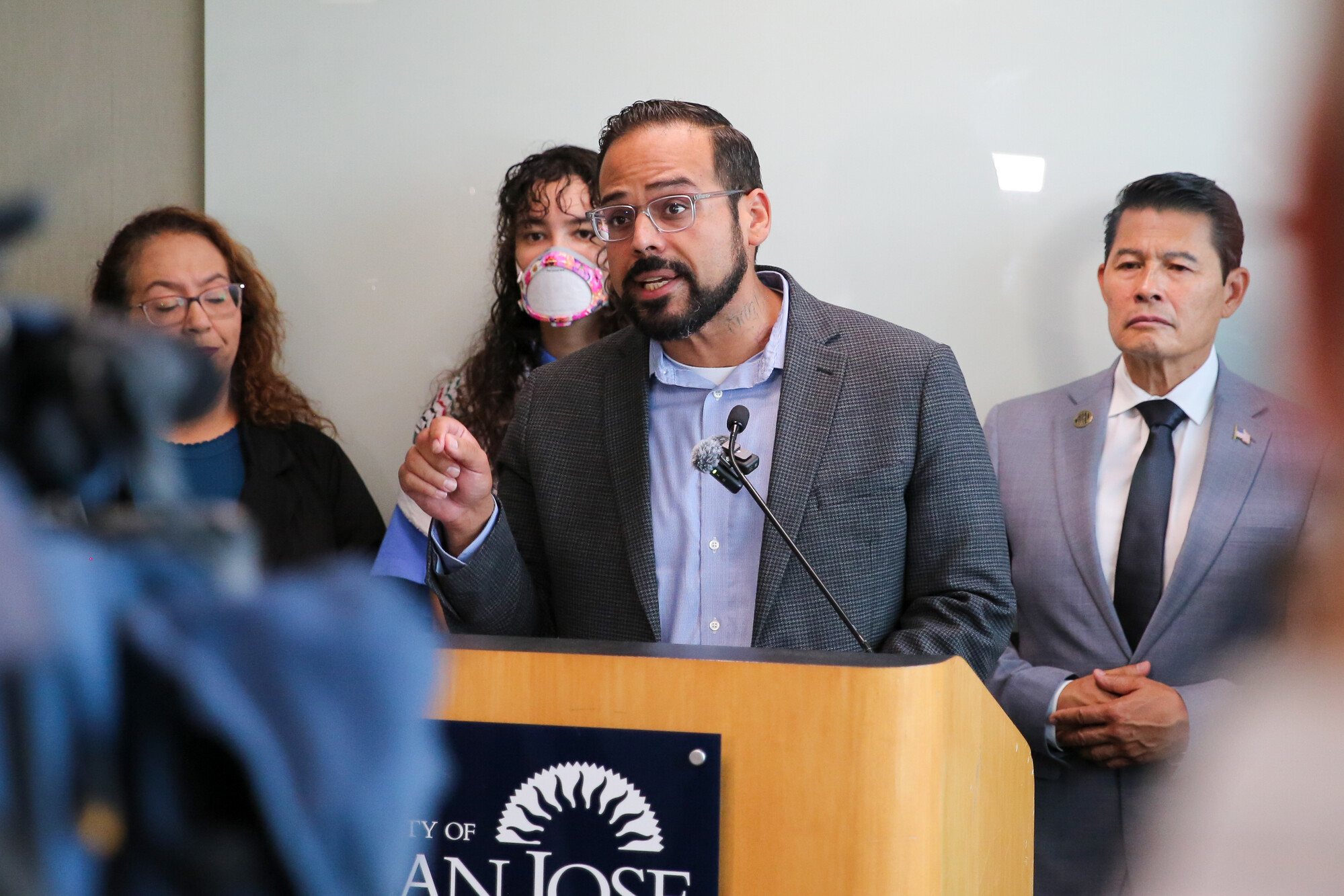
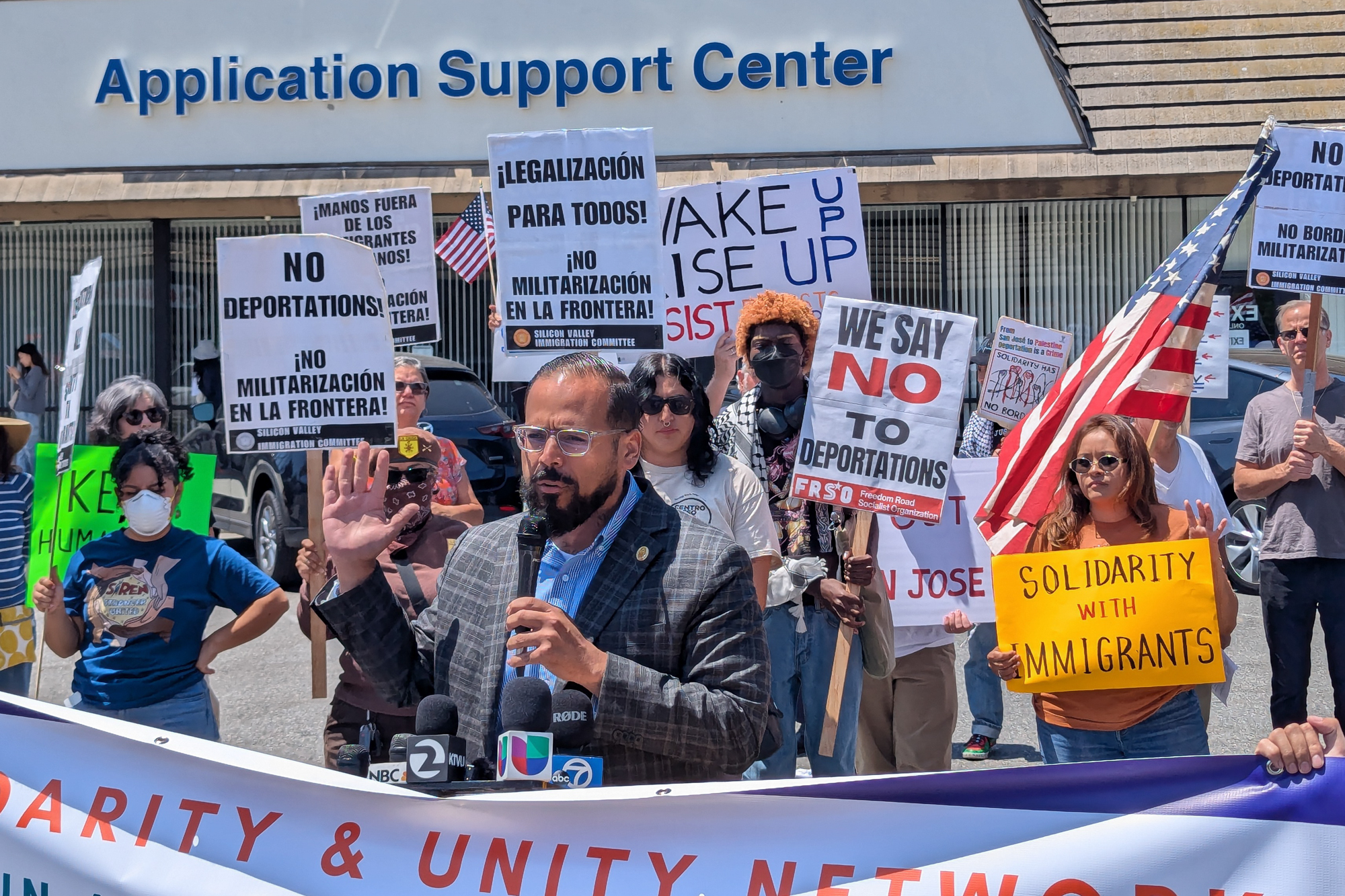
"caption": "San José District 5 City Councilmember Peter Ortiz speaks during a Sept. 24, 2025, press conference about an immigration arrest at a local nonprofit.",
"credit": "Joseph Geha/KQED",
"altTag": null,
"description": null,
"imgSizes": {
"thumbnail": {
"file": "https://cdn.kqed.org/wp-content/uploads/sites/10/2025/10/250924-SJICE-JG-1_qed-160x107.jpg",
"width": 160,
"height": 107,
"mimeType": "image/jpeg"
},
"1536x1536": {
"file": "https://cdn.kqed.org/wp-content/uploads/sites/10/2025/10/250924-SJICE-JG-1_qed-1536x1024.jpg",
"width": 1536,
"height": 1024,
"mimeType": "image/jpeg"
},
"post-thumbnail": {
"file": "https://cdn.kqed.org/wp-content/uploads/sites/10/2025/10/250924-SJICE-JG-1_qed-672x372.jpg",
"width": 672,
"height": 372,
"mimeType": "image/jpeg"
},
"twentyfourteen-full-width": {
"file": "https://cdn.kqed.org/wp-content/uploads/sites/10/2025/10/250924-SJICE-JG-1_qed-1038x576.jpg",
"width": 1038,
"height": 576,
"mimeType": "image/jpeg"
},
"npr-cds-wide": {
"file": "https://cdn.kqed.org/wp-content/uploads/sites/10/2025/10/250924-SJICE-JG-1_qed-1600x900.jpg",
"width": 1600,
"height": 900,
"mimeType": "image/jpeg"
},
"kqedFullSize": {
"file": "https://cdn.kqed.org/wp-content/uploads/sites/10/2025/10/250924-SJICE-JG-1_qed.jpg",
"width": 1999,
"height": 1333
}
},
"isLoading": false,
"fetchFailed": false
},
"news_12061982": {
"type": "attachments",
"id": "news_12061982",
"meta": {
"index": "attachments_1716263798",
"site": "news",
"id": "12061982",
"found": true
},
"title": "251028-SCCSHERIFF-JG-3_qed",
"publishDate": 1761695931,
"status": "inherit",
"parent": 12061832,
"modified": 1761695942,
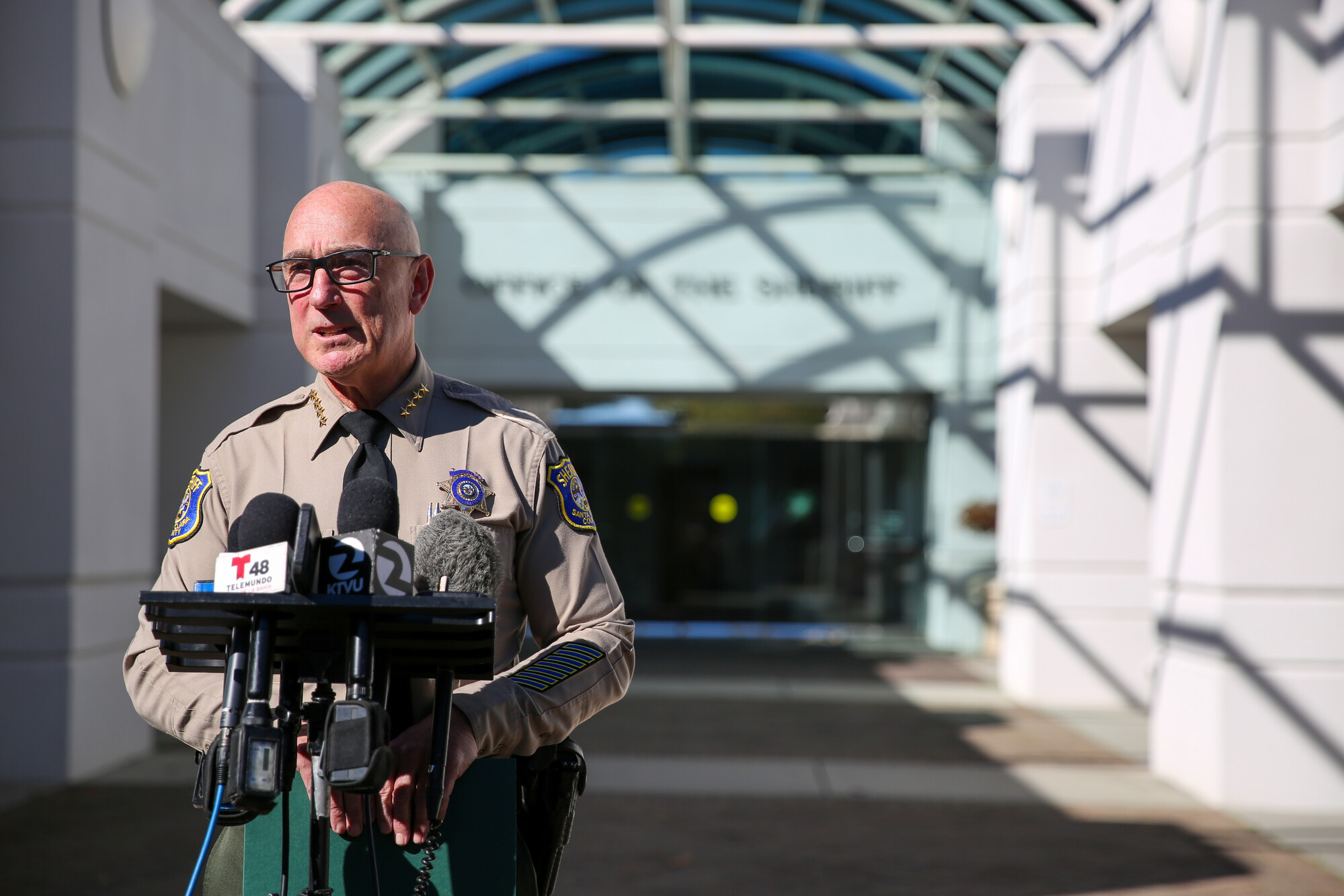
"caption": "Santa Clara County Sheriff Robert Jonsen speaks during a press conference outside of the Sheriff’s Office on Tuesday, Oct. 28, 2025.",
"credit": "Joseph Geha/KQED",
"altTag": null,
"description": null,
"imgSizes": {
"thumbnail": {
"file": "https://cdn.kqed.org/wp-content/uploads/sites/10/2025/10/251028-SCCSHERIFF-JG-3_qed-160x107.jpg",
"width": 160,
"height": 107,
"mimeType": "image/jpeg"
},
"1536x1536": {
"file": "https://cdn.kqed.org/wp-content/uploads/sites/10/2025/10/251028-SCCSHERIFF-JG-3_qed-1536x1024.jpg",
"width": 1536,
"height": 1024,
"mimeType": "image/jpeg"
},
"post-thumbnail": {
"file": "https://cdn.kqed.org/wp-content/uploads/sites/10/2025/10/251028-SCCSHERIFF-JG-3_qed-672x372.jpg",
"width": 672,
"height": 372,
"mimeType": "image/jpeg"
},
"twentyfourteen-full-width": {
"file": "https://cdn.kqed.org/wp-content/uploads/sites/10/2025/10/251028-SCCSHERIFF-JG-3_qed-1038x576.jpg",
"width": 1038,
"height": 576,
"mimeType": "image/jpeg"
},
"npr-cds-wide": {
"file": "https://cdn.kqed.org/wp-content/uploads/sites/10/2025/10/251028-SCCSHERIFF-JG-3_qed-1600x900.jpg",
"width": 1600,
"height": 900,
"mimeType": "image/jpeg"
},
"kqedFullSize": {
"file": "https://cdn.kqed.org/wp-content/uploads/sites/10/2025/10/251028-SCCSHERIFF-JG-3_qed.jpg",
"width": 1999,
"height": 1333
}
},
"isLoading": false,
"fetchFailed": false
},
"news_12060896": {
"type": "attachments",
"id": "news_12060896",
"meta": {
"index": "attachments_1716263798",
"site": "news",
"id": "12060896",
"found": true
},
"title": "PeterOrtizKQED",
"publishDate": 1761077689,
"status": "inherit",
"parent": 12060893,
"modified": 1761077700,
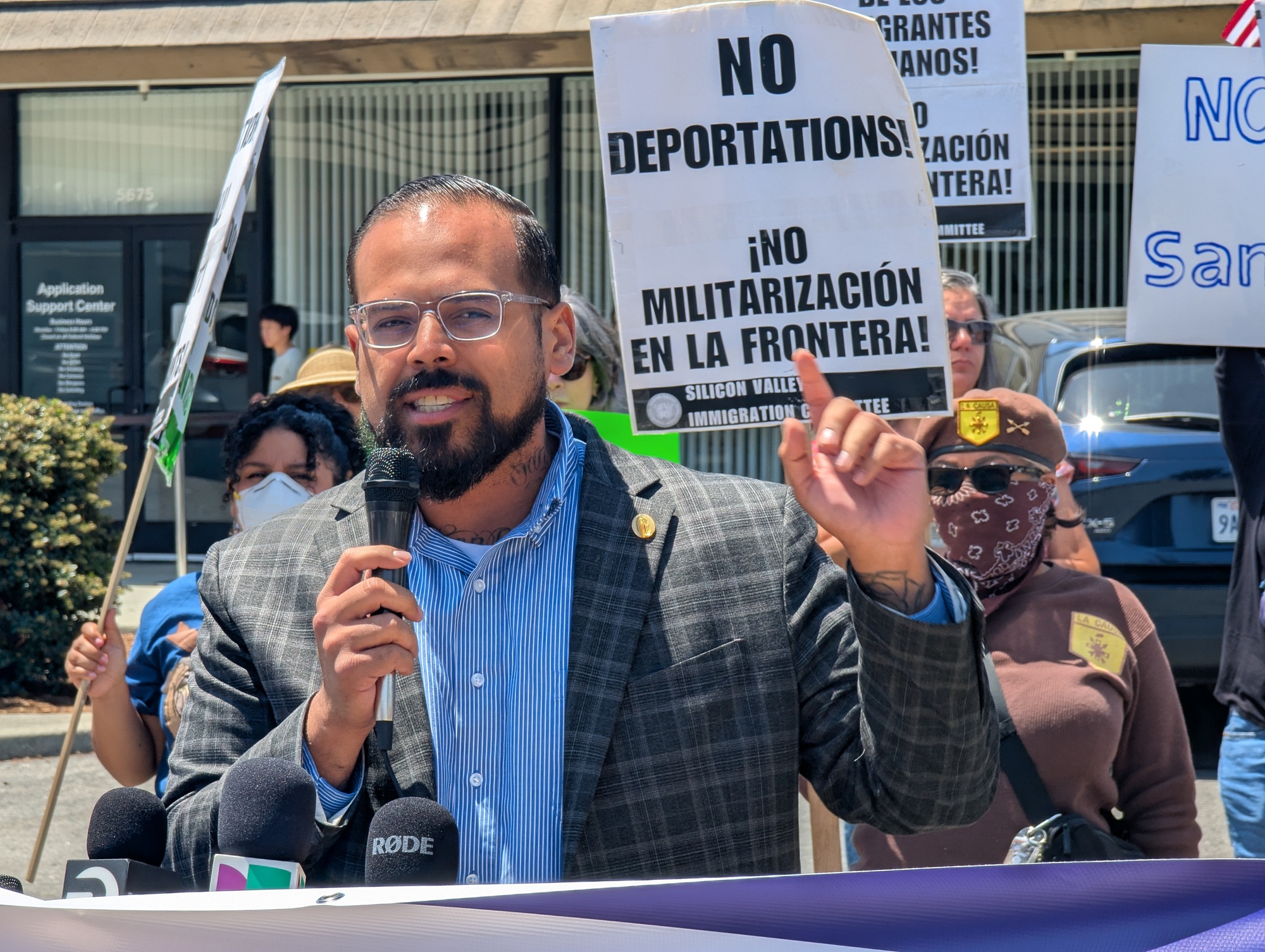
"caption": "District 5 San José City Councilmember Peter Ortiz speaks during a protest against ICE in South San José on June 6, 2025.",
"credit": "Joseph Geha/KQED",
"altTag": null,
"description": null,
"imgSizes": {
"thumbnail": {
"file": "https://cdn.kqed.org/wp-content/uploads/sites/10/2025/10/PeterOrtizKQED-160x120.jpg",
"width": 160,
"height": 120,
"mimeType": "image/jpeg"
},
"1536x1536": {
"file": "https://cdn.kqed.org/wp-content/uploads/sites/10/2025/10/PeterOrtizKQED-1536x1156.jpg",
"width": 1536,
"height": 1156,
"mimeType": "image/jpeg"
},
"post-thumbnail": {
"file": "https://cdn.kqed.org/wp-content/uploads/sites/10/2025/10/PeterOrtizKQED-672x372.jpg",
"width": 672,
"height": 372,
"mimeType": "image/jpeg"
},
"twentyfourteen-full-width": {
"file": "https://cdn.kqed.org/wp-content/uploads/sites/10/2025/10/PeterOrtizKQED-1038x576.jpg",
"width": 1038,
"height": 576,
"mimeType": "image/jpeg"
},
"kqedFullSize": {
"file": "https://cdn.kqed.org/wp-content/uploads/sites/10/2025/10/PeterOrtizKQED.jpg",
"width": 2000,
"height": 1505
}
},
"isLoading": false,
"fetchFailed": false
},
"news_11955918": {
"type": "attachments",
"id": "news_11955918",
"meta": {
"index": "attachments_1716263798",
"site": "news",
"id": "11955918",
"found": true
},
"parent": 0,
"imgSizes": {
"twentyfourteen-full-width": {
"file": "https://ww2.kqed.org/app/uploads/sites/10/2023/07/230718-CAR-WASH-WAGE-THEFT-Getty-GM-KQED-1038x576.jpg",
"width": 1038,
"mimeType": "image/jpeg",
"height": 576
},
"thumbnail": {
"file": "https://ww2.kqed.org/app/uploads/sites/10/2023/07/230718-CAR-WASH-WAGE-THEFT-Getty-GM-KQED-160x107.jpg",
"width": 160,
"mimeType": "image/jpeg",
"height": 107
},
"post-thumbnail": {
"file": "https://ww2.kqed.org/app/uploads/sites/10/2023/07/230718-CAR-WASH-WAGE-THEFT-Getty-GM-KQED-672x372.jpg",
"width": 672,
"mimeType": "image/jpeg",
"height": 372
},
"kqedFullSize": {
"file": "https://ww2.kqed.org/app/uploads/sites/10/2023/07/230718-CAR-WASH-WAGE-THEFT-Getty-GM-KQED.jpg",
"width": 2000,
"height": 1333
},
"large": {
"file": "https://ww2.kqed.org/app/uploads/sites/10/2023/07/230718-CAR-WASH-WAGE-THEFT-Getty-GM-KQED-1020x680.jpg",
"width": 1020,
"mimeType": "image/jpeg",
"height": 680
},
"1536x1536": {
"file": "https://ww2.kqed.org/app/uploads/sites/10/2023/07/230718-CAR-WASH-WAGE-THEFT-Getty-GM-KQED-1536x1024.jpg",
"width": 1536,
"mimeType": "image/jpeg",
"height": 1024
},
"full-width": {
"file": "https://ww2.kqed.org/app/uploads/sites/10/2023/07/230718-CAR-WASH-WAGE-THEFT-Getty-GM-KQED-1920x1280.jpg",
"width": 1920,
"mimeType": "image/jpeg",
"height": 1280
},
"medium": {
"file": "https://ww2.kqed.org/app/uploads/sites/10/2023/07/230718-CAR-WASH-WAGE-THEFT-Getty-GM-KQED-800x533.jpg",
"width": 800,
"mimeType": "image/jpeg",
"height": 533
}
},
"publishDate": 1689697200,
"modified": 1689718244,
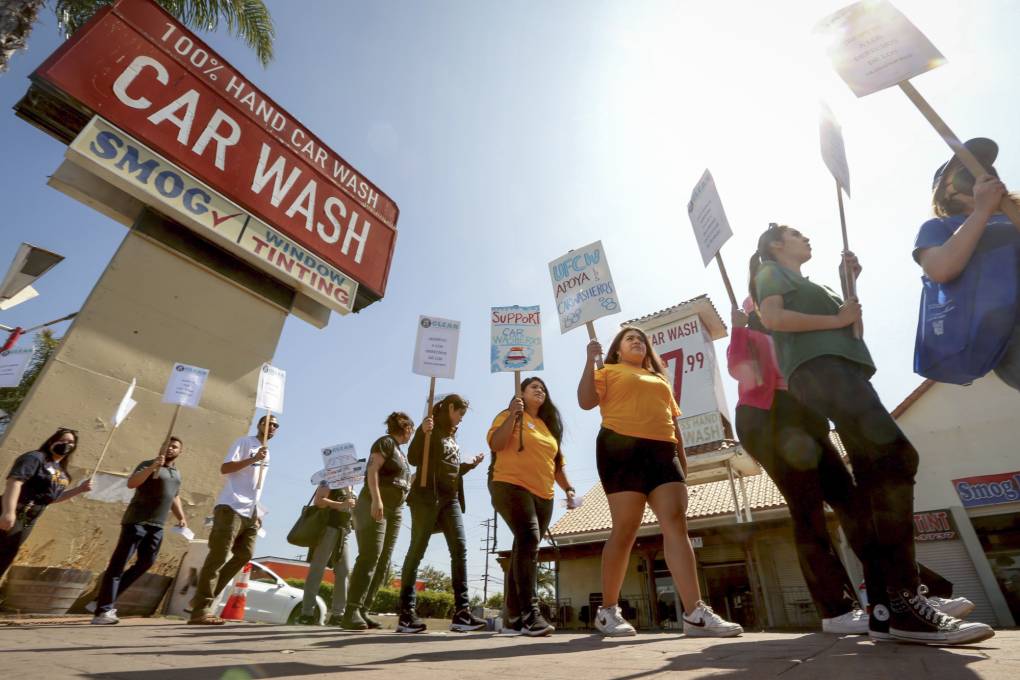
"caption": "Protesters picket in front of the Shine N Brite Car Wash in Inglewood on July 11, 2023. Shine N Brite Car Wash was cited last November after state regulators found the carwash operator paid workers as low as $7 an hour.",
"description": null,
"title": "Hot weather photos",
"credit": "Genaro Molina/Los Angeles Times via Getty Images",
"status": "inherit",
"altTag": "A group of people holds signs and walks in a line in front of a car wash on a sunny day.",
"isLoading": false,
"fetchFailed": false
},
"news_12060697": {
"type": "attachments",
"id": "news_12060697",
"meta": {
"index": "attachments_1716263798",
"site": "news",
"id": "12060697",
"found": true
},
"title": "Pittsburgh Penguins v San Jose Sharks",
"publishDate": 1760979334,
"status": "inherit",
"parent": 12060692,
"modified": 1760979376,
"caption": "The San Jose Sharks skates onto the ice through the Shark Head prior to the start of the game against the Pittsburgh Penguins at SAP Center on October 18, 2025 in San Jose, California. ",
"credit": "Photo by Thearon W. Henderson/Getty Images",
"altTag": null,
"description": null,
"imgSizes": {
"medium": {
"file": "https://cdn.kqed.org/wp-content/uploads/sites/10/2025/10/GettyImages-2242035629-2000x1333.jpg",
"width": 2000,
"height": 1333,
"mimeType": "image/jpeg"
},
"large": {
"file": "https://cdn.kqed.org/wp-content/uploads/sites/10/2025/10/GettyImages-2242035629-2000x1333.jpg",
"width": 2000,
"height": 1333,
"mimeType": "image/jpeg"
},
"thumbnail": {
"file": "https://cdn.kqed.org/wp-content/uploads/sites/10/2025/10/GettyImages-2242035629-160x107.jpg",
"width": 160,
"height": 107,
"mimeType": "image/jpeg"
},
"1536x1536": {
"file": "https://cdn.kqed.org/wp-content/uploads/sites/10/2025/10/GettyImages-2242035629-1536x1024.jpg",
"width": 1536,
"height": 1024,
"mimeType": "image/jpeg"
},
"2048x2048": {
"file": "https://cdn.kqed.org/wp-content/uploads/sites/10/2025/10/GettyImages-2242035629-2048x1365.jpg",
"width": 2048,
"height": 1365,
"mimeType": "image/jpeg"
},
"post-thumbnail": {
"file": "https://cdn.kqed.org/wp-content/uploads/sites/10/2025/10/GettyImages-2242035629-672x372.jpg",
"width": 672,
"height": 372,
"mimeType": "image/jpeg"
},
"twentyfourteen-full-width": {
"file": "https://cdn.kqed.org/wp-content/uploads/sites/10/2025/10/GettyImages-2242035629-1038x576.jpg",
"width": 1038,
"height": 576,
"mimeType": "image/jpeg"
},
"full-width": {
"file": "https://cdn.kqed.org/wp-content/uploads/sites/10/2025/10/GettyImages-2242035629-2000x1333.jpg",
"width": 2000,
"height": 1333,
"mimeType": "image/jpeg"
},
"kqedFullSize": {
"file": "https://cdn.kqed.org/wp-content/uploads/sites/10/2025/10/GettyImages-2242035629-scaled-e1760979386282.jpg",
"width": 2000,
"height": 1333
}
},
"isLoading": false,
"fetchFailed": false
},
"news_12043197": {
"type": "attachments",
"id": "news_12043197",
"meta": {
"index": "attachments_1716263798",
"site": "news",
"id": "12043197",
"found": true
},
"title": "250606-SJICEPROTEST-JG-5-KQED",
"publishDate": 1749253072,
"status": "inherit",
"parent": 12043139,
"modified": 1749253093,
"caption": "District 5 San José City Councilmember Peter Ortiz speaks during a protest against ICE in South San José on June 6, 2025.",
"credit": "Joseph Geha/KQED",
"altTag": null,
"description": null,
"imgSizes": {
"thumbnail": {
"file": "https://cdn.kqed.org/wp-content/uploads/sites/10/2025/06/250606-SJICEPROTEST-JG-5-KQED-160x107.jpg",
"width": 160,
"height": 107,
"mimeType": "image/jpeg"
},
"1536x1536": {
"file": "https://cdn.kqed.org/wp-content/uploads/sites/10/2025/06/250606-SJICEPROTEST-JG-5-KQED-1536x1024.jpg",
"width": 1536,
"height": 1024,
"mimeType": "image/jpeg"
},
"post-thumbnail": {
"file": "https://cdn.kqed.org/wp-content/uploads/sites/10/2025/06/250606-SJICEPROTEST-JG-5-KQED-672x372.jpg",
"width": 672,
"height": 372,
"mimeType": "image/jpeg"
},
"twentyfourteen-full-width": {
"file": "https://cdn.kqed.org/wp-content/uploads/sites/10/2025/06/250606-SJICEPROTEST-JG-5-KQED-1038x576.jpg",
"width": 1038,
"height": 576,
"mimeType": "image/jpeg"
},
"kqedFullSize": {
"file": "https://cdn.kqed.org/wp-content/uploads/sites/10/2025/06/250606-SJICEPROTEST-JG-5-KQED.jpg",
"width": 2000,
"height": 1333
}
},
"isLoading": false,
"fetchFailed": false
},
"news_12056087": {
"type": "attachments",
"id": "news_12056087",
"meta": {
"index": "attachments_1716263798",
"site": "news",
"id": "12056087",
"found": true
},
"title": "250913-NIMISHAAUNTY00688_TV-KQED",
"publishDate": 1758042143,
"status": "inherit",
"parent": 0,
"modified": 1759869561,
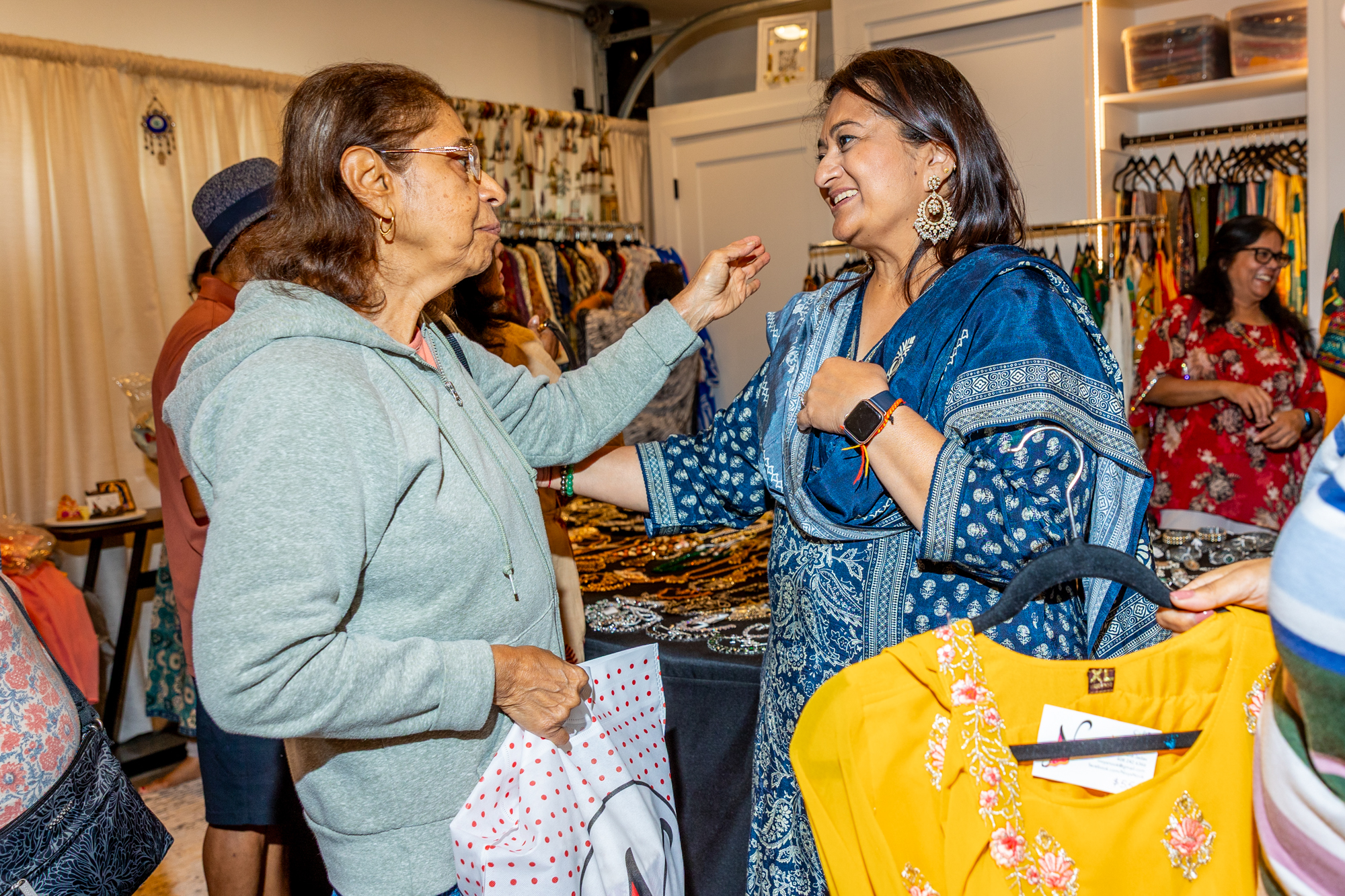
"caption": "Rupa Gupta (left) and Nimisha Jadav (right) chat at Jadav’s home-based clothing business, Nivy’s Nook, in Morgan Hill on Sept. 13, 2025. Jadav, known as Nimisha Aunty, runs an Indian clothing shop from her home in Morgan Hill, creating a vibrant hub for South Asians in the South Bay while serving as a trusted community builder who supports and uplifts immigrant women through shared knowledge and cultural connection.",
"credit": "Tâm Vũ/KQED",
"altTag": null,
"description": null,
"imgSizes": {
"thumbnail": {
"file": "https://cdn.kqed.org/wp-content/uploads/sites/10/2025/09/250913-NIMISHAAUNTY00688_TV-KQED-160x107.jpg",
"width": 160,
"height": 107,
"mimeType": "image/jpeg"
},
"1536x1536": {
"file": "https://cdn.kqed.org/wp-content/uploads/sites/10/2025/09/250913-NIMISHAAUNTY00688_TV-KQED-1536x1024.jpg",
"width": 1536,
"height": 1024,
"mimeType": "image/jpeg"
},
"post-thumbnail": {
"file": "https://cdn.kqed.org/wp-content/uploads/sites/10/2025/09/250913-NIMISHAAUNTY00688_TV-KQED-672x372.jpg",
"width": 672,
"height": 372,
"mimeType": "image/jpeg"
},
"twentyfourteen-full-width": {
"file": "https://cdn.kqed.org/wp-content/uploads/sites/10/2025/09/250913-NIMISHAAUNTY00688_TV-KQED-1038x576.jpg",
"width": 1038,
"height": 576,
"mimeType": "image/jpeg"
},
"kqedFullSize": {
"file": "https://cdn.kqed.org/wp-content/uploads/sites/10/2025/09/250913-NIMISHAAUNTY00688_TV-KQED.jpg",
"width": 2000,
"height": 1333
}
},
"isLoading": false,
"fetchFailed": false
},
"news_12059198": {
"type": "attachments",
"id": "news_12059198",
"meta": {
"index": "attachments_1716263798",
"site": "news",
"id": "12059198",
"found": true
},
"title": "251008-SFFD JAMES WILLIAMS-02-KQED",
"publishDate": 1759964152,
"status": "inherit",
"parent": 0,
"modified": 1759964558,
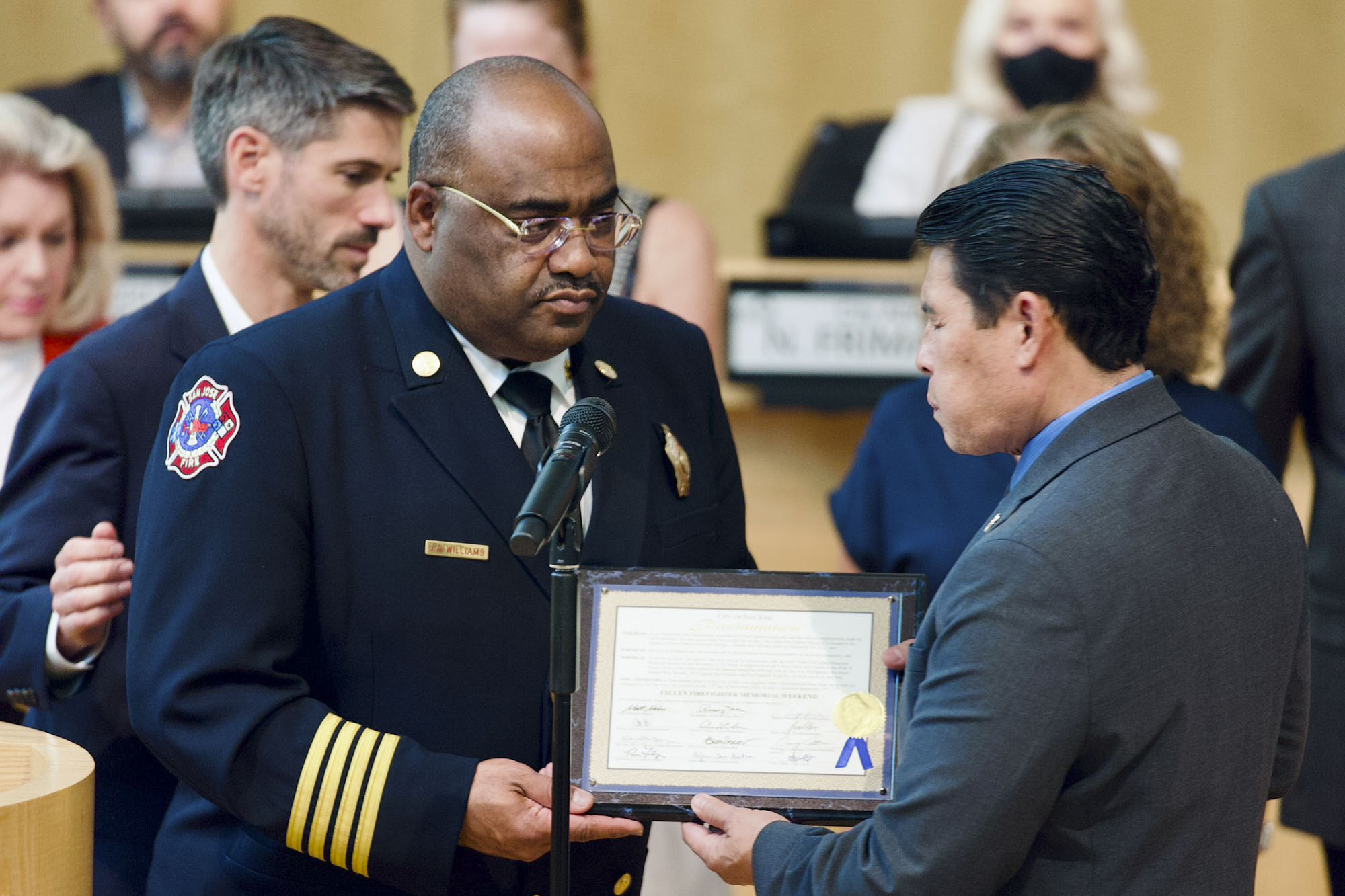
"caption": "San José Fire Department Asst. Fire Chief James Williams (left) on Sept. 12, 2023.",
"credit": "Courtesy of San José Fire Department",
"altTag": null,
"description": null,
"imgSizes": {
"thumbnail": {
"file": "https://cdn.kqed.org/wp-content/uploads/sites/10/2025/10/251008-SFFD-JAMES-WILLIAMS-02-KQED-160x107.jpg",
"width": 160,
"height": 107,
"mimeType": "image/jpeg"
},
"1536x1536": {
"file": "https://cdn.kqed.org/wp-content/uploads/sites/10/2025/10/251008-SFFD-JAMES-WILLIAMS-02-KQED-1536x1024.jpg",
"width": 1536,
"height": 1024,
"mimeType": "image/jpeg"
},
"post-thumbnail": {
"file": "https://cdn.kqed.org/wp-content/uploads/sites/10/2025/10/251008-SFFD-JAMES-WILLIAMS-02-KQED-672x372.jpg",
"width": 672,
"height": 372,
"mimeType": "image/jpeg"
},
"twentyfourteen-full-width": {
"file": "https://cdn.kqed.org/wp-content/uploads/sites/10/2025/10/251008-SFFD-JAMES-WILLIAMS-02-KQED-1038x576.jpg",
"width": 1038,
"height": 576,
"mimeType": "image/jpeg"
},
"kqedFullSize": {
"file": "https://cdn.kqed.org/wp-content/uploads/sites/10/2025/10/251008-SFFD-JAMES-WILLIAMS-02-KQED.jpg",
"width": 2000,
"height": 1333
}
},
"isLoading": false,
"fetchFailed": false
},
"news_12058306": {
"type": "attachments",
"id": "news_12058306",
"meta": {
"index": "attachments_1716263798",
"site": "news",
"id": "12058306",
"found": true
},
"title": "Urban landscape in downtown San Jose",
"publishDate": 1759357813,
"status": "inherit",
"parent": 12058285,
"modified": 1759360915,
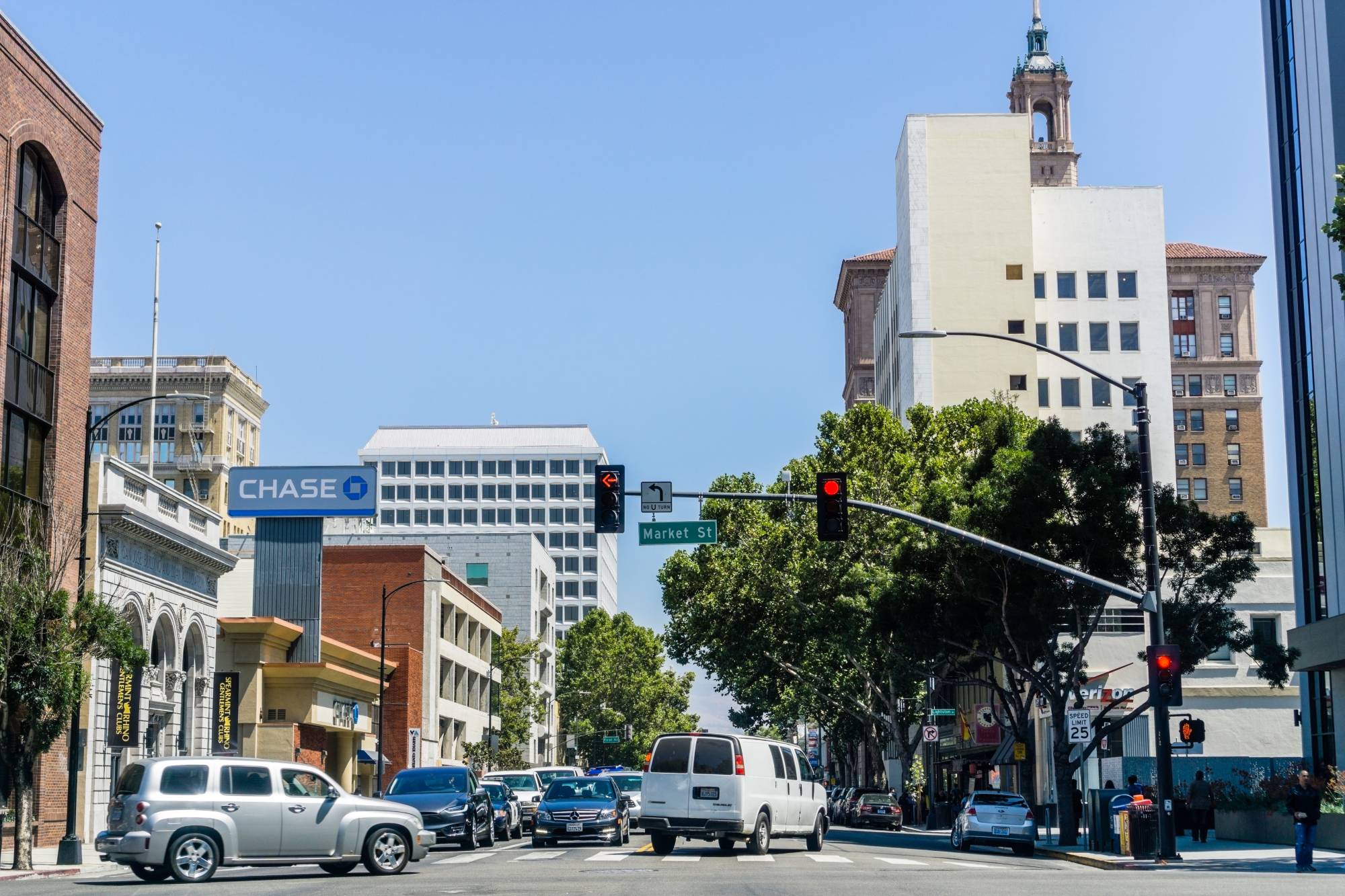
"caption": "Downtown San Jose on a sunny day, Aug.17, 2018.",
"credit": "Sundry Photography/Getty",
"altTag": null,
"description": null,
"imgSizes": {
"medium": {
"file": "https://cdn.kqed.org/wp-content/uploads/sites/10/2025/10/GettyImages-1073937084-2000x1333.jpg",
"width": 2000,
"height": 1333,
"mimeType": "image/jpeg"
},
"large": {
"file": "https://cdn.kqed.org/wp-content/uploads/sites/10/2025/10/GettyImages-1073937084-2000x1333.jpg",
"width": 2000,
"height": 1333,
"mimeType": "image/jpeg"
},
"thumbnail": {
"file": "https://cdn.kqed.org/wp-content/uploads/sites/10/2025/10/GettyImages-1073937084-160x107.jpg",
"width": 160,
"height": 107,
"mimeType": "image/jpeg"
},
"1536x1536": {
"file": "https://cdn.kqed.org/wp-content/uploads/sites/10/2025/10/GettyImages-1073937084-1536x1024.jpg",
"width": 1536,
"height": 1024,
"mimeType": "image/jpeg"
},
"2048x2048": {
"file": "https://cdn.kqed.org/wp-content/uploads/sites/10/2025/10/GettyImages-1073937084-2048x1365.jpg",
"width": 2048,
"height": 1365,
"mimeType": "image/jpeg"
},
"post-thumbnail": {
"file": "https://cdn.kqed.org/wp-content/uploads/sites/10/2025/10/GettyImages-1073937084-672x372.jpg",
"width": 672,
"height": 372,
"mimeType": "image/jpeg"
},
"twentyfourteen-full-width": {
"file": "https://cdn.kqed.org/wp-content/uploads/sites/10/2025/10/GettyImages-1073937084-1038x576.jpg",
"width": 1038,
"height": 576,
"mimeType": "image/jpeg"
},
"full-width": {
"file": "https://cdn.kqed.org/wp-content/uploads/sites/10/2025/10/GettyImages-1073937084-2000x1333.jpg",
"width": 2000,
"height": 1333,
"mimeType": "image/jpeg"
},
"kqedFullSize": {
"file": "https://cdn.kqed.org/wp-content/uploads/sites/10/2025/10/GettyImages-1073937084-scaled.jpg",
"width": 2560,
"height": 1707
}
},
"isLoading": false,
"fetchFailed": false
},
"news_12048135": {
"type": "attachments",
"id": "news_12048135",
"meta": {
"index": "attachments_1716263798",
"site": "news",
"id": "12048135",
"found": true
},
"title": "Protests Erupt In L.A. County Sparked By Federal Immigration Raids",
"publishDate": 1752605450,
"status": "inherit",
"parent": 12048121,
"modified": 1779816898,
"caption": "Federal agents guard outside of a federal building and Immigration and Customs Enforcement (ICE) detention center in downtown Los Angeles as demonstrations continue after a series of immigration raids began June 13, 2025, in Los Angeles. Tensions in the city remain high after the Trump administration called in the National Guard and the Marines against the wishes of city leaders.",
"credit": "Spencer Platt/Getty Images",
"altTag": null,
"description": null,
"imgSizes": {
"medium": {
"file": "https://cdn.kqed.org/wp-content/uploads/sites/10/2025/07/GettyImages-2220045842-2000x1334.jpg",
"width": 2000,
"height": 1334,
"mimeType": "image/jpeg"
},
"large": {
"file": "https://cdn.kqed.org/wp-content/uploads/sites/10/2025/07/GettyImages-2220045842-2000x1334.jpg",
"width": 2000,
"height": 1334,
"mimeType": "image/jpeg"
},
"thumbnail": {
"file": "https://cdn.kqed.org/wp-content/uploads/sites/10/2025/07/GettyImages-2220045842-160x107.jpg",
"width": 160,
"height": 107,
"mimeType": "image/jpeg"
},
"1536x1536": {
"file": "https://cdn.kqed.org/wp-content/uploads/sites/10/2025/07/GettyImages-2220045842-1536x1025.jpg",
"width": 1536,
"height": 1025,
"mimeType": "image/jpeg"
},
"2048x2048": {
"file": "https://cdn.kqed.org/wp-content/uploads/sites/10/2025/07/GettyImages-2220045842-2048x1366.jpg",
"width": 2048,
"height": 1366,
"mimeType": "image/jpeg"
},
"post-thumbnail": {
"file": "https://cdn.kqed.org/wp-content/uploads/sites/10/2025/07/GettyImages-2220045842-672x372.jpg",
"width": 672,
"height": 372,
"mimeType": "image/jpeg"
},
"twentyfourteen-full-width": {
"file": "https://cdn.kqed.org/wp-content/uploads/sites/10/2025/07/GettyImages-2220045842-1038x576.jpg",
"width": 1038,
"height": 576,
"mimeType": "image/jpeg"
},
"full-width": {
"file": "https://cdn.kqed.org/wp-content/uploads/sites/10/2025/07/GettyImages-2220045842-2000x1334.jpg",
"width": 2000,
"height": 1334,
"mimeType": "image/jpeg"
},
"kqedFullSize": {
"file": "https://cdn.kqed.org/wp-content/uploads/sites/10/2025/07/GettyImages-2220045842-scaled-e1752857672682.jpg",
"width": 2000,
"height": 1334
}
},
"isLoading": false,
"fetchFailed": false
},
"news_12056098": {
"type": "attachments",
"id": "news_12056098",
"meta": {
"index": "attachments_1716263798",
"site": "news",
"id": "12056098",
"found": true
},
"title": "The UC Berkeley Campus in Berkeley on Aug. 17, 2023.",
"publishDate": 1758043376,
"status": "inherit",
"parent": 12056089,
"modified": 1758043405,
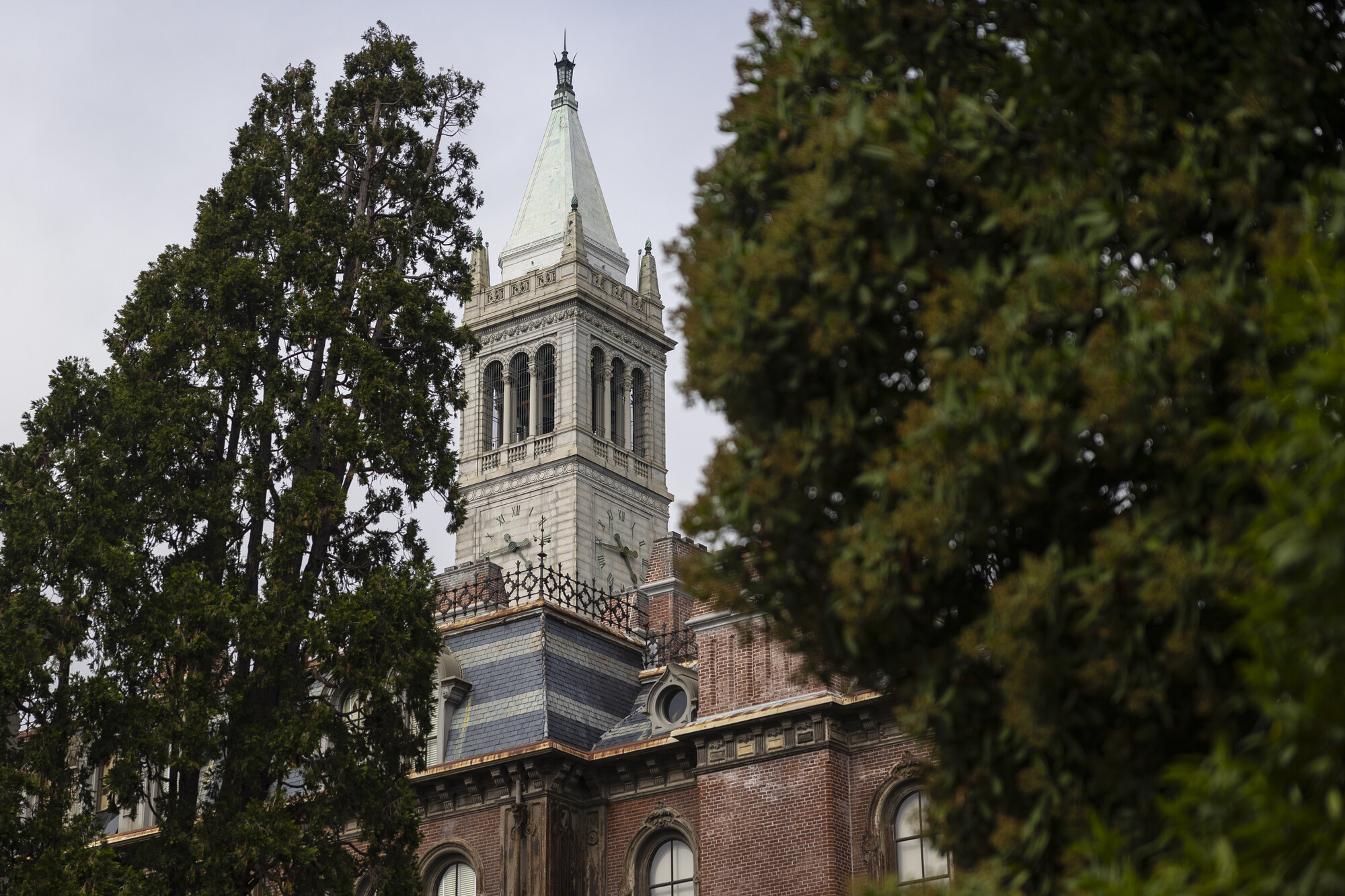
"caption": "The UC Berkeley Campus in Berkeley on Aug. 17, 2023.",
"credit": "Martin do Nascimento/KQED",
"altTag": null,
"description": null,
"imgSizes": {
"thumbnail": {
"file": "https://cdn.kqed.org/wp-content/uploads/sites/10/2025/09/230817-UC-BERKELEY-CAMPUS-MD-02_qed-160x107.jpg",
"width": 160,
"height": 107,
"mimeType": "image/jpeg"
},
"1536x1536": {
"file": "https://cdn.kqed.org/wp-content/uploads/sites/10/2025/09/230817-UC-BERKELEY-CAMPUS-MD-02_qed-1536x1024.jpg",
"width": 1536,
"height": 1024,
"mimeType": "image/jpeg"
},
"post-thumbnail": {
"file": "https://cdn.kqed.org/wp-content/uploads/sites/10/2025/09/230817-UC-BERKELEY-CAMPUS-MD-02_qed-672x372.jpg",
"width": 672,
"height": 372,
"mimeType": "image/jpeg"
},
"twentyfourteen-full-width": {
"file": "https://cdn.kqed.org/wp-content/uploads/sites/10/2025/09/230817-UC-BERKELEY-CAMPUS-MD-02_qed-1038x576.jpg",
"width": 1038,
"height": 576,
"mimeType": "image/jpeg"
},
"kqedFullSize": {
"file": "https://cdn.kqed.org/wp-content/uploads/sites/10/2025/09/230817-UC-BERKELEY-CAMPUS-MD-02_qed.jpg",
"width": 2000,
"height": 1333
}
},
"isLoading": false,
"fetchFailed": false
}
},
"audioPlayerReducer": {
"postId": "stream_live",
"isPaused": true,
"isPlaying": false,
"pfsActive": false,
"pledgeModalIsOpen": true,
"playerDrawerIsOpen": false,
"liveAudioPlayStartedAt": 0,
"liveAudioPlayContext": ""
},
"authorsReducer": {
"byline_news_12060692": {
"type": "authors",
"id": "byline_news_12060692",
"meta": {
"override": true
},
"slug": "byline_news_12060692",
"name": "Associated Press ",
"isLoading": false
},
"gmarzorati": {
"type": "authors",
"id": "227",
"meta": {
"index": "authors_1716337520",
"id": "227",
"found": true
},
"name": "Guy Marzorati",
"firstName": "Guy",
"lastName": "Marzorati",
"slug": "gmarzorati",
"email": "gmarzorati@KQED.org",
"display_author_email": true,
"staff_mastheads": [
"news"
],
"title": "Correspondent",
"bio": "Guy Marzorati is a correspondent on KQED's California Politics and Government Desk, based in San Jose. A graduate of Santa Clara University, Guy joined KQED in 2013. He reports on state and local politics and produces KQED's digital voter guide.",
"avatar": "https://secure.gravatar.com/avatar/e7038b8dbfd55b104369b76b1cd0b9de?s=600&d=blank&r=g",
"twitter": "guymarzorati",
"facebook": null,
"instagram": null,
"linkedin": null,
"sites": [
{
"site": "",
"roles": [
"editor"
]
},
{
"site": "news",
"roles": [
"editor"
]
},
{
"site": "science",
"roles": [
"editor"
]
},
{
"site": "forum",
"roles": [
"editor"
]
},
{
"site": "elections",
"roles": [
"editor"
]
},
{
"site": "liveblog",
"roles": [
"editor"
]
}
],
"headData": {
"title": "Guy Marzorati | KQED",
"description": "Correspondent",
"ogImgSrc": "https://secure.gravatar.com/avatar/e7038b8dbfd55b104369b76b1cd0b9de?s=600&d=blank&r=g",
"twImgSrc": "https://secure.gravatar.com/avatar/e7038b8dbfd55b104369b76b1cd0b9de?s=600&d=blank&r=g"
},
"isLoading": false,
"link": "/author/gmarzorati"
},
"ecruzguevarra": {
"type": "authors",
"id": "8654",
"meta": {
"index": "authors_1716337520",
"id": "8654",
"found": true
},
"name": "Ericka Cruz Guevarra",
"firstName": "Ericka",
"lastName": "Cruz Guevarra",
"slug": "ecruzguevarra",
"email": "ecruzguevarra@kqed.org",
"display_author_email": true,
"staff_mastheads": [
"news"
],
"title": "Producer, The Bay Podcast",
"bio": "Ericka Cruz Guevarra is host of \u003ca href=\"https://www.kqed.org/podcasts/thebay\">\u003cem>The Bay\u003c/em>\u003c/a> podcast at KQED. Before host, she was the show’s producer. Her work in that capacity includes a three-part reported series on policing in Vallejo, which won a 2020 excellence in journalism award from the Society of Professional Journalists. Ericka has worked as a breaking news reporter at Oregon Public Broadcasting, helped produce the Code Switch podcast, and was KQED’s inaugural Raul Ramirez Diversity Fund intern. She’s also an alumna of NPR’s Next Generation Radio program. Send her an email if you have strong feelings about whether Fairfield and Suisun City are the Bay. Ericka is represented by SAG-AFTRA.",
"avatar": "https://secure.gravatar.com/avatar/accefc1de4bafc7e234b69bcb9b6f6536c130fd84709bc3069ef11a78787e1bb?s=600&d=blank&r=g",
"twitter": "NotoriousECG",
"bluesky": null,
"facebook": null,
"instagram": null,
"linkedin": null,
"sites": [
{
"site": "arts",
"roles": [
"subscriber"
]
},
{
"site": "news",
"roles": [
"editor",
"manage_categories"
]
},
{
"site": "futureofyou",
"roles": [
"subscriber"
]
},
{
"site": "stateofhealth",
"roles": [
"subscriber"
]
},
{
"site": "science",
"roles": [
"editor"
]
},
{
"site": "forum",
"roles": [
"subscriber"
]
}
],
"headData": {
"title": "Ericka Cruz Guevarra | KQED",
"description": "Producer, The Bay Podcast",
"ogImgSrc": "https://secure.gravatar.com/avatar/accefc1de4bafc7e234b69bcb9b6f6536c130fd84709bc3069ef11a78787e1bb?s=600&d=blank&r=g",
"twImgSrc": "https://secure.gravatar.com/avatar/accefc1de4bafc7e234b69bcb9b6f6536c130fd84709bc3069ef11a78787e1bb?s=600&d=blank&r=g"
},
"isLoading": false,
"link": "/author/ecruzguevarra"
},
"amontecillo": {
"type": "authors",
"id": "11649",
"meta": {
"index": "authors_1716337520",
"id": "11649",
"found": true
},
"name": "Alan Montecillo",
"firstName": "Alan",
"lastName": "Montecillo",
"slug": "amontecillo",
"email": "amontecillo@kqed.org",
"display_author_email": false,
"staff_mastheads": [
"news"
],
"title": "KQED Contributor",
"bio": "Alan Montecillo is the senior editor of \u003cem>\u003ca href=\"http://kqed.org/thebay\">The Bay\u003c/a>, \u003c/em> KQED's local news podcast. Before moving to the Bay Area, he worked as a senior talk show producer for WILL in Champaign-Urbana, Illinois and at Oregon Public Broadcasting in Portland, Oregon. He has won journalism awards from the Society of Professional Journalists Northern California, the Public Media Journalists Association, The Signal Awards, and has also received a regional Edward R. Murrow award. Alan is a Filipino American from Hong Kong and a graduate of Reed College.",
"avatar": "https://secure.gravatar.com/avatar/268f53a2066899ea9efdd8a5900218b17c822d9862cbc9326cccec53ef41d349?s=600&d=blank&r=g",
"twitter": "alanmontecillo",
"bluesky": null,
"facebook": null,
"instagram": null,
"linkedin": null,
"sites": [
{
"site": "",
"roles": [
"editor"
]
},
{
"site": "news",
"roles": [
"editor",
"manage_categories"
]
}
],
"headData": {
"title": "Alan Montecillo | KQED",
"description": "KQED Contributor",
"ogImgSrc": "https://secure.gravatar.com/avatar/268f53a2066899ea9efdd8a5900218b17c822d9862cbc9326cccec53ef41d349?s=600&d=blank&r=g",
"twImgSrc": "https://secure.gravatar.com/avatar/268f53a2066899ea9efdd8a5900218b17c822d9862cbc9326cccec53ef41d349?s=600&d=blank&r=g"
},
"isLoading": false,
"link": "/author/amontecillo"
},
"jessicakariisa": {
"type": "authors",
"id": "11831",
"meta": {
"index": "authors_1716337520",
"id": "11831",
"found": true
},
"name": "Jessica Kariisa",
"firstName": "Jessica",
"lastName": "Kariisa",
"slug": "jessicakariisa",
"email": "jkariisa@kqed.org",
"display_author_email": false,
"staff_mastheads": [],
"title": "Producer, The Bay",
"bio": "Jessica Kariisa is the producer of The Bay. She first joined KQED as an intern for The California Report Magazine, after which she became an on-call producer. She reported a Bay Curious episode on the use of rap lyrics in criminal trials which won a Society of Professional Journalists award in 2023 for Excellence in Features Journalism and the 2023 Signal Award for Best Conversation Starter. She’s worked on podcasts for Snap Judgment and American Public Media. Before embarking on her audio career, she was a music journalist.\r\n\r\nJessica Kariisa is represented by SAG-AFTRA.",
"avatar": "https://secure.gravatar.com/avatar/522e97b28ac0b3d411621c0fde8f3419c7b71ea2c5c262c57c4bb600963f328c?s=600&d=blank&r=g",
"twitter": null,
"bluesky": null,
"facebook": null,
"instagram": null,
"linkedin": null,
"sites": [
{
"site": "arts",
"roles": [
"author"
]
},
{
"site": "news",
"roles": [
"editor",
"manage_categories"
]
}
],
"headData": {
"title": "Jessica Kariisa | KQED",
"description": "Producer, The Bay",
"ogImgSrc": "https://secure.gravatar.com/avatar/522e97b28ac0b3d411621c0fde8f3419c7b71ea2c5c262c57c4bb600963f328c?s=600&d=blank&r=g",
"twImgSrc": "https://secure.gravatar.com/avatar/522e97b28ac0b3d411621c0fde8f3419c7b71ea2c5c262c57c4bb600963f328c?s=600&d=blank&r=g"
},
"isLoading": false,
"link": "/author/jessicakariisa"
},
"jgeha": {
"type": "authors",
"id": "11906",
"meta": {
"index": "authors_1716337520",
"id": "11906",
"found": true
},
"name": "Joseph Geha",
"firstName": "Joseph",
"lastName": "Geha",
"slug": "jgeha",
"email": "jgeha@kqed.org",
"display_author_email": false,
"staff_mastheads": [
"news",
"science"
],
"title": "KQED Contributor",
"bio": null,
"avatar": "https://secure.gravatar.com/avatar/ea84d2b6dd93d6369d453edf19dd583f117cd1759d2d9c9c92f9de77017354fe?s=600&d=blank&r=g",
"twitter": null,
"bluesky": null,
"facebook": null,
"instagram": null,
"linkedin": null,
"sites": [
{
"site": "news",
"roles": [
"editor"
]
},
{
"site": "liveblog",
"roles": [
"author"
]
}
],
"headData": {
"title": "Joseph Geha | KQED",
"description": "KQED Contributor",
"ogImgSrc": "https://secure.gravatar.com/avatar/ea84d2b6dd93d6369d453edf19dd583f117cd1759d2d9c9c92f9de77017354fe?s=600&d=blank&r=g",
"twImgSrc": "https://secure.gravatar.com/avatar/ea84d2b6dd93d6369d453edf19dd583f117cd1759d2d9c9c92f9de77017354fe?s=600&d=blank&r=g"
},
"isLoading": false,
"link": "/author/jgeha"
},
"sprabha": {
"type": "authors",
"id": "11976",
"meta": {
"index": "authors_1716337520",
"id": "11976",
"found": true
},
"name": "Srishti Prabha",
"firstName": "Srishti",
"lastName": "Prabha",
"slug": "sprabha",
"email": "sprabha@KQED.org",
"display_author_email": false,
"staff_mastheads": [],
"title": "KQED Contributor",
"bio": "Srishti Prabha is a producer and reporter for KQED news and podcasts. They also work on longform human-interest features as a Beat Reporting Fellow with KALW. Their reporting has appeared on NPR, Morning Edition, All Things Considered, The California Report Magazine, and more. Most recently, Prabha covered education for CapRadio as a Report for America corps member, focusing on issues affecting communities of color in the Sacramento region. They previously served as managing editor of India Currents, where they reported on immigration, cultural identity, and health in South Asian communities. Prabha's work has been recognized by the San Francisco Press Club, the California News Publishers Association, and the Edward R. Murrow Awards.",
"avatar": "https://secure.gravatar.com/avatar/cc4d8ef770090714faad7e1d24857f806d09340456c5734167b9a6361b175d7d?s=600&d=blank&r=g",
"twitter": null,
"bluesky": null,
"facebook": null,
"instagram": null,
"linkedin": null,
"sites": [
{
"site": "news",
"roles": [
"editor"
]
}
],
"headData": {
"title": "Srishti Prabha | KQED",
"description": "KQED Contributor",
"ogImgSrc": "https://secure.gravatar.com/avatar/cc4d8ef770090714faad7e1d24857f806d09340456c5734167b9a6361b175d7d?s=600&d=blank&r=g",
"twImgSrc": "https://secure.gravatar.com/avatar/cc4d8ef770090714faad7e1d24857f806d09340456c5734167b9a6361b175d7d?s=600&d=blank&r=g"
},
"isLoading": false,
"link": "/author/sprabha"
},
"aaliahmad": {
"type": "authors",
"id": "11986",
"meta": {
"index": "authors_1716337520",
"id": "11986",
"found": true
},
"name": "Ayah Ali-Ahmad",
"firstName": "Ayah",
"lastName": "Ali-Ahmad",
"slug": "aaliahmad",
"email": "aaliahmad@KQED.org",
"display_author_email": false,
"staff_mastheads": [],
"title": "KQED Contributor",
"bio": null,
"avatar": "https://secure.gravatar.com/avatar/1cf54f187a5e1064b2cfef3f3d2f1e4f93e453395d56912aca6382a6071ec3ed?s=600&d=blank&r=g",
"twitter": "ayahaliahmad",
"bluesky": null,
"facebook": null,
"instagram": null,
"linkedin": null,
"sites": [
{
"site": "news",
"roles": [
"subscriber"
]
}
],
"headData": {
"title": "Ayah Ali-Ahmad | KQED",
"description": "KQED Contributor",
"ogImgSrc": "https://secure.gravatar.com/avatar/1cf54f187a5e1064b2cfef3f3d2f1e4f93e453395d56912aca6382a6071ec3ed?s=600&d=blank&r=g",
"twImgSrc": "https://secure.gravatar.com/avatar/1cf54f187a5e1064b2cfef3f3d2f1e4f93e453395d56912aca6382a6071ec3ed?s=600&d=blank&r=g"
},
"isLoading": false,
"link": "/author/aaliahmad"
}
},
"pagesReducer": {
"news_tag_san-jose": {
"type": "terms",
"id": "news_18541",
"meta": {
"index": "terms_1716263798",
"site": "news",
"id": "18541",
"score": 8.005292
},
"featImg": null,
"name": "San Jose",
"description": null,
"taxonomy": "tag",
"headData": {
"twImgId": null,
"twTitle": null,
"ogTitle": null,
"ogImgId": null,
"twDescription": null,
"description": null,
"title": "San Jose Archives | KQED News",
"ogDescription": null
},
"ttid": 91,
"slug": "san-jose",
"isLoading": false,
"title": "San Jose",
"pageMeta": {
"site": "news",
"WpPageTemplate": "page-topic-editorial",
"currentPage": 9
},
"blocks": [
{
"blockName": "kqed/post-list",
"attrs": {
"layout": "cardArticle2",
"query": "posts/news?tag=san-jose",
"seeMore": false,
"paginated": true,
"page": 9
}
},
{
"blockName": "kqed/ad"
}
]
}
},
"pfsSessionReducer": {},
"postsReducer": {
"stream_live": {
"type": "live",
"id": "stream_live",
"audioUrl": "https://streams.kqed.org/kqedradio",
"title": "Live Stream",
"excerpt": "Live Stream information currently unavailable.",
"link": "/radio",
"featImg": "",
"label": {
"name": "KQED Live",
"link": "/"
}
},
"stream_kqedNewscast": {
"type": "posts",
"id": "stream_kqedNewscast",
"audioUrl": "https://www.kqed.org/.stream/anon/radio/RDnews/newscast.mp3?_=1",
"title": "KQED Newscast",
"featImg": "",
"label": {
"name": "88.5 FM",
"link": "/"
}
},
"news_12062794": {
"type": "posts",
"id": "news_12062794",
"meta": {
"index": "posts_1716263798",
"site": "news",
"id": "12062794",
"score": null,
"sort": [
1762316981000
]
},
"guestAuthors": [],
"slug": "santa-clara-county-sales-tax-measure-appears-poised-to-pass-amid-federal-cuts",
"title": "Santa Clara County Sales Tax Measure Appears Poised to Pass Amid Federal Cuts",
"publishDate": 1762316981,
"format": "standard",
"headTitle": "Santa Clara County Sales Tax Measure Appears Poised to Pass Amid Federal Cuts | KQED",
"labelTerm": {
"site": "news"
},
"content": "\u003cp>A sales tax increase in Santa Clara County appeared headed for victory on Tuesday, signaling a willingness among South Bay voters to help backfill federal cuts to food and health care safety net programs.\u003c/p>\n\u003cp>\u003ca href=\"https://www.kqed.org/measure-a\">Measure A\u003c/a> was leading 57% to 43% in early returns on Tuesday.\u003c/p>\n\u003cp>“We’re calling it!” Supervisors Betty Duong and Susan Ellenberg said after results flashed across a flatscreen TV at a Yes on Measure A party in San José’s Willow Glen neighborhood.\u003c/p>\n\u003cp>[ad fullwidth]\u003c/p>\n\u003cp>The measure would increase the county sales tax by five-eighths of a cent for every one dollar spent, raising roughly $330 million annually. County leaders \u003ca href=\"https://www.kqed.org/news/12051250/santa-clara-county-voters-could-pay-more-sales-tax-due-to-trump-cuts\">placed it on the ballot\u003c/a> after President Donald Trump approved cuts to Medicaid and SNAP that will reduce county revenues by $1 billion a year by the end of the decade.\u003c/p>\n\u003cp>Home to four public hospitals, Santa Clara County \u003ca href=\"https://www.kqed.org/news/12059539/with-measure-a-santa-clara-county-hopes-to-keep-hospitals-afloat\">was uniquely vulnerable\u003c/a> to the historic cuts to Medicaid, the nation’s health care program for low-income residents and people with disabilities. Supporters of Measure A billed the measure as an opportunity for residents of the liberal county to push back against Republicans in Washington. The campaign closely aligned its messaging with the successful measure to redraw the state’s congressional lines to help Democrats win control of the U.S. House of Representatives.\u003c/p>\n\u003cp>“This is affirmation that the people of Santa Clara County are going to determine their own future, and they’ve decided that we will not allow for our health care system to go down,” Duong told KQED. “Had we not had the results we had tonight, had Measure A gone the other way, we would be looking at which hospital to close right now.”\u003c/p>\n\u003cp>Backers of Measure A acknowledged the new revenue would not fully make up for the loss of federal funding. The One Big Beautiful Bill Act that Trump signed this summer is expected to \u003ca href=\"https://www.kqed.org/science/1997707/how-will-trumps-mega-bill-impact-health-care-in-california\">reduce the number of people\u003c/a> eligible for Medicaid, known as Medi-Cal in California. As a result, the county will receive fewer direct payments and reimbursements for services, and county leaders said cuts to county health services are likely.\u003c/p>\n\u003cp>“The road ahead of us is daunting,” said Santa Clara County Executive James Williams. “We are facing hundreds of millions in cuts even with the passage of Measure A, but this gives us the fight.”\u003c/p>\n\u003cfigure id=\"attachment_12016848\" class=\"wp-caption aligncenter\" style=\"max-width: 1024px\">\u003cimg loading=\"lazy\" decoding=\"async\" class=\"size-full wp-image-12016848\" src=\"https://cdn.kqed.org/wp-content/uploads/sites/10/2024/12/GettyImages-1230183080.jpg\" alt=\"A large hospital building that says 'Santa Clara Valley Medical Center' in front.\" width=\"1024\" height=\"682\" srcset=\"https://cdn.kqed.org/wp-content/uploads/sites/10/2024/12/GettyImages-1230183080.jpg 1024w, https://cdn.kqed.org/wp-content/uploads/sites/10/2024/12/GettyImages-1230183080-800x533.jpg 800w, https://cdn.kqed.org/wp-content/uploads/sites/10/2024/12/GettyImages-1230183080-1020x679.jpg 1020w, https://cdn.kqed.org/wp-content/uploads/sites/10/2024/12/GettyImages-1230183080-160x107.jpg 160w\" sizes=\"auto, (max-width: 1024px) 100vw, 1024px\">\u003cfigcaption class=\"wp-caption-text\">Santa Clara Valley Medical Center stands on 751 South Bascom Avenue in San José on Sept. 29, 2025. \u003ccite>(Neal Waters/Anadolu Agency via Getty Images)\u003c/cite>\u003c/figcaption>\u003c/figure>\n\u003cp>Still, Measure A supporters argued the sales tax would allow the county to keep all four of its public hospitals open. In recent years, the county expanded its health system beyond Valley Medical Center to acquire struggling hospitals in the region: O’Connor Hospital and Regional Medical Center in San José and St. Louise Regional Hospital in Gilroy.\u003c/p>\n\u003cp>Politicians from across the South Bay’s political spectrum endorsed Measure A, including Assemblymember Patrick Ahrens, Rep. Ro Khanna, San José Mayor Matt Mahan and the entire Santa Clara County Board of Supervisors.[aside label=\"2025 California Special Election\" link1='https://www.kqed.org/measure-a,Learn about Measure A in Santa Clara County' hero=https://cdn.kqed.org/wp-content/uploads/2025/09/Aside-2025-Special-Election-Voter-Guide-Santa-Clara-County-Measure-A-1200x675-1.png]Opponents of Measure A included Cupertino Mayor Liang-Fang Chao and a handful of former mayors and city council members, including Rishi Kumar of Saratoga and Lydia Kou of Palo Alto.\u003c/p>\n\u003cp>They noted that because Measure A is a general tax, the revenue can technically be spent on any county service. They also argued a sales tax would fall disproportionately on lower-income residents.\u003c/p>\n\u003cp>Opponents also questioned the long-term viability of the county’s health system after the Medicaid cuts. The three hospital acquisitions have ballooned county health care spending, they said, and the sales tax increase was a Band-Aid solution that sidestepped a more serious reevaluation of county health spending.\u003c/p>\n\u003cp>Those messages were largely drowned out by a well-funded campaign in support of Measure A. The main campaign committee raised over $2.6 million through Oct. 31, including $525,000 from the Valley Health Foundation, a nonprofit supporting the county health system.\u003c/p>\n\u003cp>The campaign against Measure A reported virtually no fundraising beyond a $357 loan.\u003c/p>\n\u003cp>In the closing weeks of the campaign, opponents accused county leaders of improperly advocating for the sales tax hike.\u003c/p>\n\u003cp>Kumar \u003ca href=\"https://www.kqed.org/news/12060326/measure-a-opponents-criticize-county-mailer-ahead-of-election\">criticized a taxpayer-funded mailer\u003c/a> from the county that warned residents of looming health cuts in language closely mirroring the pro-Measure A arguments. The No on Measure A also filed a complaint last week with campaign finance regulators, accusing Sheriff Bob Jonsen of improperly campaigning for the measure while wearing his uniform.\u003c/p>\n\u003cp>“The people have spoken and I hope the county will spend the money judiciously,” Kumar said in a statement after Tuesday’s results.\u003c/p>\n\u003cp>The Yes on Measure A campaign sought to project unity with the popular redistricting measure, \u003ca href=\"https://www.kqed.org/news/12062781/proposition-50-passes-in-california-boosting-democrats-in-fight-for-us-house-control\">Proposition 50\u003c/a>.\u003c/p>\n\u003cp>A mailer in the final days of the campaign showed a shield inscribed with Measure A and Proposition 50 fending off an arrow labeled “Trump’s Agenda.”\u003c/p>\n\u003cp>“One Election, Two Ballot Measures to Protect California,” the mailer read.\u003c/p>\n\u003cp>\u003cem>KQED’s \u003ca href=\"https://www.kqed.org/author/jgeha\">Joseph Geha\u003c/a> contributed to this report.\u003c/em>\u003c/p>\n\u003cp>\u003c/p>\n",
"blocks": [],
"excerpt": "Santa Clara County voters appear to approve Measure A, a sales tax increase aimed at raising $330 million annually to offset deep federal cuts to Medicaid and food assistance programs that threaten local health services.",
"status": "publish",
"parent": 0,
"modified": 1762321986,
"stats": {
"hasAudio": false,
"hasVideo": false,
"hasChartOrMap": false,
"iframeSrcs": [],
"hasGoogleForm": false,
"hasGallery": false,
"hasHearkenModule": false,
"hasPolis": false,
"paragraphCount": 23,
"wordCount": 911
},
"headData": {
"title": "Santa Clara County Sales Tax Measure Appears Poised to Pass Amid Federal Cuts | KQED",
"description": "Santa Clara County voters appear to approve Measure A, a sales tax increase aimed at raising $330 million annually to offset deep federal cuts to Medicaid and food assistance programs that threaten local health services.",
"ogTitle": "",
"ogDescription": "",
"ogImgId": "",
"twTitle": "",
"twDescription": "",
"twImgId": "",
"schema": {
"@context": "https://schema.org",
"@type": "NewsArticle",
"headline": "Santa Clara County Sales Tax Measure Appears Poised to Pass Amid Federal Cuts",
"datePublished": "2025-11-04T20:29:41-08:00",
"dateModified": "2025-11-04T21:53:06-08:00",
"image": "https://cdn.kqed.org/wp-content/uploads/2020/02/KQED-OG-Image@1x.png",
"isAccessibleForFree": "True",
"publisher": {
"@type": "NewsMediaOrganization",
"@id": "https://www.kqed.org/#organization",
"name": "KQED",
"logo": "https://cdn.kqed.org/wp-content/uploads/2020/02/KQED-OG-Image@1x.png",
"url": "https://www.kqed.org",
"sameAs": [
"https://www.facebook.com/KQED",
"https://twitter.com/KQED",
"https://www.instagram.com/kqed/",
"https://www.tiktok.com/@kqedofficial",
"https://www.linkedin.com/company/kqed",
"https://www.youtube.com/channel/UCeC0IOo7i1P_61zVUWbJ4nw"
]
}
}
},
"primaryCategory": {
"termId": 13,
"slug": "politics",
"name": "Politics"
},
"sticky": false,
"nprStoryId": "kqed-12062794",
"templateType": "standard",
"featuredImageType": "standard",
"excludeFromSiteSearch": "Include",
"articleAge": "0",
"path": "/news/12062794/santa-clara-county-sales-tax-measure-appears-poised-to-pass-amid-federal-cuts",
"audioTrackLength": null,
"parsedContent": [
{
"type": "contentString",
"content": "\u003cdiv class=\"post-body\">\u003cp>\u003cp>A sales tax increase in Santa Clara County appeared headed for victory on Tuesday, signaling a willingness among South Bay voters to help backfill federal cuts to food and health care safety net programs.\u003c/p>\n\u003cp>\u003ca href=\"https://www.kqed.org/measure-a\">Measure A\u003c/a> was leading 57% to 43% in early returns on Tuesday.\u003c/p>\n\u003cp>“We’re calling it!” Supervisors Betty Duong and Susan Ellenberg said after results flashed across a flatscreen TV at a Yes on Measure A party in San José’s Willow Glen neighborhood.\u003c/p>\n\u003cp>\u003c/p>\u003c/div>",
"attributes": {
"named": {},
"numeric": []
}
},
{
"type": "component",
"content": "",
"name": "ad",
"attributes": {
"named": {
"label": "fullwidth"
},
"numeric": [
"fullwidth"
]
}
},
{
"type": "contentString",
"content": "\u003cdiv class=\"post-body\">\u003cp>\u003c/p>\n\u003cp>The measure would increase the county sales tax by five-eighths of a cent for every one dollar spent, raising roughly $330 million annually. County leaders \u003ca href=\"https://www.kqed.org/news/12051250/santa-clara-county-voters-could-pay-more-sales-tax-due-to-trump-cuts\">placed it on the ballot\u003c/a> after President Donald Trump approved cuts to Medicaid and SNAP that will reduce county revenues by $1 billion a year by the end of the decade.\u003c/p>\n\u003cp>Home to four public hospitals, Santa Clara County \u003ca href=\"https://www.kqed.org/news/12059539/with-measure-a-santa-clara-county-hopes-to-keep-hospitals-afloat\">was uniquely vulnerable\u003c/a> to the historic cuts to Medicaid, the nation’s health care program for low-income residents and people with disabilities. Supporters of Measure A billed the measure as an opportunity for residents of the liberal county to push back against Republicans in Washington. The campaign closely aligned its messaging with the successful measure to redraw the state’s congressional lines to help Democrats win control of the U.S. House of Representatives.\u003c/p>\n\u003cp>“This is affirmation that the people of Santa Clara County are going to determine their own future, and they’ve decided that we will not allow for our health care system to go down,” Duong told KQED. “Had we not had the results we had tonight, had Measure A gone the other way, we would be looking at which hospital to close right now.”\u003c/p>\n\u003cp>Backers of Measure A acknowledged the new revenue would not fully make up for the loss of federal funding. The One Big Beautiful Bill Act that Trump signed this summer is expected to \u003ca href=\"https://www.kqed.org/science/1997707/how-will-trumps-mega-bill-impact-health-care-in-california\">reduce the number of people\u003c/a> eligible for Medicaid, known as Medi-Cal in California. As a result, the county will receive fewer direct payments and reimbursements for services, and county leaders said cuts to county health services are likely.\u003c/p>\n\u003cp>“The road ahead of us is daunting,” said Santa Clara County Executive James Williams. “We are facing hundreds of millions in cuts even with the passage of Measure A, but this gives us the fight.”\u003c/p>\n\u003cfigure id=\"attachment_12016848\" class=\"wp-caption aligncenter\" style=\"max-width: 1024px\">\u003cimg loading=\"lazy\" decoding=\"async\" class=\"size-full wp-image-12016848\" src=\"https://cdn.kqed.org/wp-content/uploads/sites/10/2024/12/GettyImages-1230183080.jpg\" alt=\"A large hospital building that says 'Santa Clara Valley Medical Center' in front.\" width=\"1024\" height=\"682\" srcset=\"https://cdn.kqed.org/wp-content/uploads/sites/10/2024/12/GettyImages-1230183080.jpg 1024w, https://cdn.kqed.org/wp-content/uploads/sites/10/2024/12/GettyImages-1230183080-800x533.jpg 800w, https://cdn.kqed.org/wp-content/uploads/sites/10/2024/12/GettyImages-1230183080-1020x679.jpg 1020w, https://cdn.kqed.org/wp-content/uploads/sites/10/2024/12/GettyImages-1230183080-160x107.jpg 160w\" sizes=\"auto, (max-width: 1024px) 100vw, 1024px\">\u003cfigcaption class=\"wp-caption-text\">Santa Clara Valley Medical Center stands on 751 South Bascom Avenue in San José on Sept. 29, 2025. \u003ccite>(Neal Waters/Anadolu Agency via Getty Images)\u003c/cite>\u003c/figcaption>\u003c/figure>\n\u003cp>Still, Measure A supporters argued the sales tax would allow the county to keep all four of its public hospitals open. In recent years, the county expanded its health system beyond Valley Medical Center to acquire struggling hospitals in the region: O’Connor Hospital and Regional Medical Center in San José and St. Louise Regional Hospital in Gilroy.\u003c/p>\n\u003cp>Politicians from across the South Bay’s political spectrum endorsed Measure A, including Assemblymember Patrick Ahrens, Rep. Ro Khanna, San José Mayor Matt Mahan and the entire Santa Clara County Board of Supervisors.\u003c/p>\u003c/div>",
"attributes": {
"named": {},
"numeric": []
}
},
{
"type": "component",
"content": "",
"name": "aside",
"attributes": {
"named": {
"label": "2025 California Special Election ",
"link1": "https://www.kqed.org/measure-a,Learn about Measure A in Santa Clara County",
"hero": "https://cdn.kqed.org/wp-content/uploads/2025/09/Aside-2025-Special-Election-Voter-Guide-Santa-Clara-County-Measure-A-1200x675-1.png"
},
"numeric": []
}
},
{
"type": "contentString",
"content": "\u003cdiv class=\"post-body\">\u003cp>Opponents of Measure A included Cupertino Mayor Liang-Fang Chao and a handful of former mayors and city council members, including Rishi Kumar of Saratoga and Lydia Kou of Palo Alto.\u003c/p>\n\u003cp>They noted that because Measure A is a general tax, the revenue can technically be spent on any county service. They also argued a sales tax would fall disproportionately on lower-income residents.\u003c/p>\n\u003cp>Opponents also questioned the long-term viability of the county’s health system after the Medicaid cuts. The three hospital acquisitions have ballooned county health care spending, they said, and the sales tax increase was a Band-Aid solution that sidestepped a more serious reevaluation of county health spending.\u003c/p>\n\u003cp>Those messages were largely drowned out by a well-funded campaign in support of Measure A. The main campaign committee raised over $2.6 million through Oct. 31, including $525,000 from the Valley Health Foundation, a nonprofit supporting the county health system.\u003c/p>\n\u003cp>The campaign against Measure A reported virtually no fundraising beyond a $357 loan.\u003c/p>\n\u003cp>In the closing weeks of the campaign, opponents accused county leaders of improperly advocating for the sales tax hike.\u003c/p>\n\u003cp>Kumar \u003ca href=\"https://www.kqed.org/news/12060326/measure-a-opponents-criticize-county-mailer-ahead-of-election\">criticized a taxpayer-funded mailer\u003c/a> from the county that warned residents of looming health cuts in language closely mirroring the pro-Measure A arguments. The No on Measure A also filed a complaint last week with campaign finance regulators, accusing Sheriff Bob Jonsen of improperly campaigning for the measure while wearing his uniform.\u003c/p>\n\u003cp>“The people have spoken and I hope the county will spend the money judiciously,” Kumar said in a statement after Tuesday’s results.\u003c/p>\n\u003cp>The Yes on Measure A campaign sought to project unity with the popular redistricting measure, \u003ca href=\"https://www.kqed.org/news/12062781/proposition-50-passes-in-california-boosting-democrats-in-fight-for-us-house-control\">Proposition 50\u003c/a>.\u003c/p>\n\u003cp>A mailer in the final days of the campaign showed a shield inscribed with Measure A and Proposition 50 fending off an arrow labeled “Trump’s Agenda.”\u003c/p>\n\u003cp>“One Election, Two Ballot Measures to Protect California,” the mailer read.\u003c/p>\n\u003cp>\u003cem>KQED’s \u003ca href=\"https://www.kqed.org/author/jgeha\">Joseph Geha\u003c/a> contributed to this report.\u003c/em>\u003c/p>\n\u003cp>\u003c/p>\n\u003c/div>\u003c/p>",
"attributes": {
"named": {},
"numeric": []
}
}
],
"link": "/news/12062794/santa-clara-county-sales-tax-measure-appears-poised-to-pass-amid-federal-cuts",
"authors": [
"227"
],
"categories": [
"news_31795",
"news_457",
"news_28250",
"news_8",
"news_13"
],
"tags": [
"news_18538",
"news_1323",
"news_35929",
"news_18543",
"news_35118",
"news_18659",
"news_2605",
"news_20666",
"news_17968",
"news_18541",
"news_1749",
"news_18188",
"news_35930",
"news_21285",
"news_423"
],
"featImg": "news_12062986",
"label": "news"
},
"news_12061923": {
"type": "posts",
"id": "news_12061923",
"meta": {
"index": "posts_1716263798",
"site": "news",
"id": "12061923",
"score": null,
"sort": [
1761773467000
]
},
"guestAuthors": [],
"slug": "san-jose-aims-to-thwart-ice-with-new-policies-on-masks-and-public-properties",
"title": "San José Aims to Thwart ICE With New Policies on Masks and Public Properties",
"publishDate": 1761773467,
"format": "standard",
"headTitle": "San José Aims to Thwart ICE With New Policies on Masks and Public Properties | KQED",
"labelTerm": {
"site": "news"
},
"content": "\u003cp>\u003ca href=\"https://www.kqed.org/news/tag/san-jose\">San José\u003c/a> leaders, in a bid to protect immigrants amid sweeping federal crackdowns, are moving ahead with a pair of local policies aimed at restricting how and where \u003ca href=\"https://www.kqed.org/news/tag/immigration\">immigration\u003c/a> authorities can do their work in the city.\u003c/p>\n\u003cp>The City Council unanimously voted to approve a local law on Tuesday that bans all law enforcement officers, including Immigration and Customs Enforcement agents, from wearing face coverings that \u003ca href=\"https://www.kqed.org/news/12058155/san-jose-city-council-supports-ice-mask-ban-after-plainclothes-arrest\">obscure their identity\u003c/a> and requires them to wear clearly visible identification.\u003c/p>\n\u003cp>The council also advanced a plan to put restrictions on city-owned properties like parking lots, garages and land, barring them from being used for some immigration enforcement operations.\u003c/p>\n\u003cp>[ad fullwidth]\u003c/p>\n\u003cp>District 5 Councilmember Peter Ortiz, who represents a chunk of the East Side with significant Latino and Asian immigrant populations, led the charge on both policies, and said they reflect the city’s commitment to immigrants, community safety and accountability as fear of deportations and federal surges rise.\u003c/p>\n\u003cp>“When ICE and other federal agencies operate without transparency, and when they use local property as staging grounds, that fear multiplies in our communities. It erodes the trust we’ve worked so hard to build,” Ortiz said. “This is what local leadership looks like. When the federal government chooses fear, we choose community. When others look away, we act.”\u003c/p>\n\u003cfigure id=\"attachment_12053489\" class=\"wp-caption aligncenter\" style=\"max-width: 2000px\">\u003cimg loading=\"lazy\" decoding=\"async\" class=\"size-full wp-image-12053489\" src=\"https://cdn.kqed.org/wp-content/uploads/sites/10/2025/08/250128-SFImmigration-08-BL_qed-1.jpg\" alt=\"\" width=\"2000\" height=\"1333\" srcset=\"https://cdn.kqed.org/wp-content/uploads/sites/10/2025/08/250128-SFImmigration-08-BL_qed-1.jpg 2000w, https://cdn.kqed.org/wp-content/uploads/sites/10/2025/08/250128-SFImmigration-08-BL_qed-1-160x107.jpg 160w, https://cdn.kqed.org/wp-content/uploads/sites/10/2025/08/250128-SFImmigration-08-BL_qed-1-1536x1024.jpg 1536w\" sizes=\"auto, (max-width: 2000px) 100vw, 2000px\">\u003cfigcaption class=\"wp-caption-text\">A group of elected and public safety officials, labor leaders, and community members fills the steps in front of City Hall in San Francisco on Jan. 28, 2025, during a press conference to reaffirm San Francisco’s commitment to being a Sanctuary City. \u003ccite>(Beth LaBerge/KQED)\u003c/cite>\u003c/figcaption>\u003c/figure>\n\u003cp>The actions come less than a week after President Donald Trump said he was targeting San Francisco as the next city where he planned to deploy the National Guard, before backing off the threat after conversations with Mayor Daniel Lurie and billionaire tech CEOs.\u003c/p>\n\u003cp>The local masking law closely resembles the state law approved by the legislature and signed by Gov. Gavin Newsom last month, which will go into effect in January.[aside postID=news_12060893 hero='https://cdn.kqed.org/wp-content/uploads/sites/10/2025/10/PeterOrtizKQED.jpg']San José’s plan to limit how immigration authorities can use public properties is modeled after the “ICE Free Zones” executive order issued by Chicago Mayor Brandon Johnson earlier this month. Trump sent the National Guard to Chicago in early October, but a court has paused the deployment.\u003c/p>\n\u003cp>The council on Tuesday approved asking city staff to inventory the myriad properties that could be “commandeered for civil immigration enforcement activities like staging, processing, or establishing an operational base” and to have the city attorney’s office draft a policy to restrict those activities. The policy is expected to come back to the council for another approval vote later in the year.\u003c/p>\n\u003cp>Santa Clara County Supervisors, in a coordinated effort, \u003ca href=\"https://www.kqed.org/news/12060893/south-bay-leaders-aim-to-create-ice-free-zones\">approved a similar plan\u003c/a> to restrict federal agents from using facilities and land for immigration enforcement last week. San Francisco Supervisor Bilal Mahmood on Tuesday also \u003ca href=\"https://x.com/bilalmahmood/status/1983244608722354479\">said\u003c/a> he wants to see a similar plan put in place there.\u003c/p>\n\u003cp>Residents and immigrant support organizations in the South Bay, such as Amigos de Guadalupe, broadly supported the policies.\u003c/p>\n\u003cp>Dilza Gonzalez, head of organizing for the nonprofit Sacred Heart Community Services, said city leaders have a responsibility to protect all residents, regardless of background.\u003c/p>\n\u003cfigure id=\"attachment_12048135\" class=\"wp-caption aligncenter\" style=\"max-width: 2000px\">\u003cimg loading=\"lazy\" decoding=\"async\" class=\"size-full wp-image-12048135\" src=\"https://cdn.kqed.org/wp-content/uploads/sites/10/2025/07/GettyImages-2220045842-scaled-e1752857672682.jpg\" alt=\"\" width=\"2000\" height=\"1334\">\u003cfigcaption class=\"wp-caption-text\">Federal agents guard outside of a federal building and Immigration and Customs Enforcement (ICE) detention center in downtown Los Angeles as demonstrations continue after a series of immigration raids began last Friday, June 13, 2025, in Los Angeles. Tensions in the city remain high after the Trump administration called in the National Guard and the Marines against the wishes of city leaders. \u003ccite>(Spencer Platt/Getty Images)\u003c/cite>\u003c/figcaption>\u003c/figure>\n\u003cp>“Right now, many of our immigrant communities, and anybody that speaks a different language or doesn’t look American enough…we are in constant fear of getting kidnapped, of getting taken away from our families,” Gonzalez told the council. “You need to show us and our families that San José stands with them, not against them.”\u003c/p>\n\u003cp>While officials say the local rules and policies are aimed primarily at making sure immigrant residents feel supported by their local leaders, it’s unclear how much the restrictions would thwart federal immigration authorities’ work on the ground.[aside postID=news_12061844 hero='https://cdn.kqed.org/wp-content/uploads/sites/10/2025/05/008_KQED_630Sansome_02052020_1470_qed-1020x680.jpg']Federal officials, like the US Attorney for California’s Central District, Bill Essayli, have said federal agencies will simply \u003ca href=\"https://www.kqed.org/news/12059900/san-jose-could-soon-ban-ice-from-wearing-masks\">ignore the masking law\u003c/a> in the state, and even local leaders acknowledge the laws could be subject to \u003ca href=\"https://x.com/USAttyEssayli/status/1971625330722119843\">court challenges\u003c/a>.\u003c/p>\n\u003cp>City Attorney Nora Frimann told the council that the public property policy would likely only apply to places that could be used as staging areas and would need to have signs and physical barriers like chains to help restrict their use.\u003c/p>\n\u003cp>“There are some city properties that are open to the public, and we really cannot impede enforcement efforts in those areas that are public,” Frimann said.\u003c/p>\n\u003cp>Mayor Matt Mahan said public safety is built on trust, and praised local policing efforts, noting local officers rarely wear masks when working in the city.\u003c/p>\n\u003cp>“And I would like to see our federal government emulate the approach taken here,” Mahan said.\u003c/p>\n\u003cp>“And I do understand ICE’s responsibility for enforcing immigration laws, but I think we can all agree that it could be done in a much clearer, more consistent, more transparent, fairer, kinder way without the level of fear and uncertainty that’s been injected into all of our communities.”\u003c/p>\n\u003cp>\u003cem>\u003cstrong>Correction, Nov. 3:\u003c/strong> A previous version of this story incorrectly reported a community organization’s support for these policies. The name of the organization has been removed from the story.\u003c/em>\u003c/p>\n\u003cp>\u003c/p>\n",
"blocks": [],
"excerpt": "San José’s City Council approved two policies aimed at restricting how and where immigration authorities do their work in the city. ",
"status": "publish",
"parent": 0,
"modified": 1762217156,
"stats": {
"hasAudio": false,
"hasVideo": false,
"hasChartOrMap": false,
"iframeSrcs": [],
"hasGoogleForm": false,
"hasGallery": false,
"hasHearkenModule": false,
"hasPolis": false,
"paragraphCount": 21,
"wordCount": 991
},
"headData": {
"title": "San José Aims to Thwart ICE With New Policies on Masks and Public Properties | KQED",
"description": "San José’s City Council approved two policies aimed at restricting how and where immigration authorities do their work in the city. ",
"ogTitle": "",
"ogDescription": "",
"ogImgId": "",
"twTitle": "",
"twDescription": "",
"twImgId": "",
"schema": {
"@context": "https://schema.org",
"@type": "NewsArticle",
"headline": "San José Aims to Thwart ICE With New Policies on Masks and Public Properties",
"datePublished": "2025-10-29T14:31:07-07:00",
"dateModified": "2025-11-03T16:45:56-08:00",
"image": "https://cdn.kqed.org/wp-content/uploads/2020/02/KQED-OG-Image@1x.png",
"isAccessibleForFree": "True",
"publisher": {
"@type": "NewsMediaOrganization",
"@id": "https://www.kqed.org/#organization",
"name": "KQED",
"logo": "https://cdn.kqed.org/wp-content/uploads/2020/02/KQED-OG-Image@1x.png",
"url": "https://www.kqed.org",
"sameAs": [
"https://www.facebook.com/KQED",
"https://twitter.com/KQED",
"https://www.instagram.com/kqed/",
"https://www.tiktok.com/@kqedofficial",
"https://www.linkedin.com/company/kqed",
"https://www.youtube.com/channel/UCeC0IOo7i1P_61zVUWbJ4nw"
]
}
}
},
"primaryCategory": {
"termId": 1169,
"slug": "immigration",
"name": "Immigration"
},
"sticky": false,
"nprStoryId": "kqed-12061923",
"templateType": "standard",
"featuredImageType": "standard",
"excludeFromSiteSearch": "Include",
"articleAge": "0",
"path": "/news/12061923/san-jose-aims-to-thwart-ice-with-new-policies-on-masks-and-public-properties",
"audioTrackLength": null,
"parsedContent": [
{
"type": "contentString",
"content": "\u003cdiv class=\"post-body\">\u003cp>\u003cp>\u003ca href=\"https://www.kqed.org/news/tag/san-jose\">San José\u003c/a> leaders, in a bid to protect immigrants amid sweeping federal crackdowns, are moving ahead with a pair of local policies aimed at restricting how and where \u003ca href=\"https://www.kqed.org/news/tag/immigration\">immigration\u003c/a> authorities can do their work in the city.\u003c/p>\n\u003cp>The City Council unanimously voted to approve a local law on Tuesday that bans all law enforcement officers, including Immigration and Customs Enforcement agents, from wearing face coverings that \u003ca href=\"https://www.kqed.org/news/12058155/san-jose-city-council-supports-ice-mask-ban-after-plainclothes-arrest\">obscure their identity\u003c/a> and requires them to wear clearly visible identification.\u003c/p>\n\u003cp>The council also advanced a plan to put restrictions on city-owned properties like parking lots, garages and land, barring them from being used for some immigration enforcement operations.\u003c/p>\n\u003cp>\u003c/p>\u003c/div>",
"attributes": {
"named": {},
"numeric": []
}
},
{
"type": "component",
"content": "",
"name": "ad",
"attributes": {
"named": {
"label": "fullwidth"
},
"numeric": [
"fullwidth"
]
}
},
{
"type": "contentString",
"content": "\u003cdiv class=\"post-body\">\u003cp>\u003c/p>\n\u003cp>District 5 Councilmember Peter Ortiz, who represents a chunk of the East Side with significant Latino and Asian immigrant populations, led the charge on both policies, and said they reflect the city’s commitment to immigrants, community safety and accountability as fear of deportations and federal surges rise.\u003c/p>\n\u003cp>“When ICE and other federal agencies operate without transparency, and when they use local property as staging grounds, that fear multiplies in our communities. It erodes the trust we’ve worked so hard to build,” Ortiz said. “This is what local leadership looks like. When the federal government chooses fear, we choose community. When others look away, we act.”\u003c/p>\n\u003cfigure id=\"attachment_12053489\" class=\"wp-caption aligncenter\" style=\"max-width: 2000px\">\u003cimg loading=\"lazy\" decoding=\"async\" class=\"size-full wp-image-12053489\" src=\"https://cdn.kqed.org/wp-content/uploads/sites/10/2025/08/250128-SFImmigration-08-BL_qed-1.jpg\" alt=\"\" width=\"2000\" height=\"1333\" srcset=\"https://cdn.kqed.org/wp-content/uploads/sites/10/2025/08/250128-SFImmigration-08-BL_qed-1.jpg 2000w, https://cdn.kqed.org/wp-content/uploads/sites/10/2025/08/250128-SFImmigration-08-BL_qed-1-160x107.jpg 160w, https://cdn.kqed.org/wp-content/uploads/sites/10/2025/08/250128-SFImmigration-08-BL_qed-1-1536x1024.jpg 1536w\" sizes=\"auto, (max-width: 2000px) 100vw, 2000px\">\u003cfigcaption class=\"wp-caption-text\">A group of elected and public safety officials, labor leaders, and community members fills the steps in front of City Hall in San Francisco on Jan. 28, 2025, during a press conference to reaffirm San Francisco’s commitment to being a Sanctuary City. \u003ccite>(Beth LaBerge/KQED)\u003c/cite>\u003c/figcaption>\u003c/figure>\n\u003cp>The actions come less than a week after President Donald Trump said he was targeting San Francisco as the next city where he planned to deploy the National Guard, before backing off the threat after conversations with Mayor Daniel Lurie and billionaire tech CEOs.\u003c/p>\n\u003cp>The local masking law closely resembles the state law approved by the legislature and signed by Gov. Gavin Newsom last month, which will go into effect in January.\u003c/p>\u003c/div>",
"attributes": {
"named": {},
"numeric": []
}
},
{
"type": "component",
"content": "",
"name": "aside",
"attributes": {
"named": {
"postid": "news_12060893",
"hero": "https://cdn.kqed.org/wp-content/uploads/sites/10/2025/10/PeterOrtizKQED.jpg",
"label": ""
},
"numeric": []
}
},
{
"type": "contentString",
"content": "\u003cdiv class=\"post-body\">\u003cp>San José’s plan to limit how immigration authorities can use public properties is modeled after the “ICE Free Zones” executive order issued by Chicago Mayor Brandon Johnson earlier this month. Trump sent the National Guard to Chicago in early October, but a court has paused the deployment.\u003c/p>\n\u003cp>The council on Tuesday approved asking city staff to inventory the myriad properties that could be “commandeered for civil immigration enforcement activities like staging, processing, or establishing an operational base” and to have the city attorney’s office draft a policy to restrict those activities. The policy is expected to come back to the council for another approval vote later in the year.\u003c/p>\n\u003cp>Santa Clara County Supervisors, in a coordinated effort, \u003ca href=\"https://www.kqed.org/news/12060893/south-bay-leaders-aim-to-create-ice-free-zones\">approved a similar plan\u003c/a> to restrict federal agents from using facilities and land for immigration enforcement last week. San Francisco Supervisor Bilal Mahmood on Tuesday also \u003ca href=\"https://x.com/bilalmahmood/status/1983244608722354479\">said\u003c/a> he wants to see a similar plan put in place there.\u003c/p>\n\u003cp>Residents and immigrant support organizations in the South Bay, such as Amigos de Guadalupe, broadly supported the policies.\u003c/p>\n\u003cp>Dilza Gonzalez, head of organizing for the nonprofit Sacred Heart Community Services, said city leaders have a responsibility to protect all residents, regardless of background.\u003c/p>\n\u003cfigure id=\"attachment_12048135\" class=\"wp-caption aligncenter\" style=\"max-width: 2000px\">\u003cimg loading=\"lazy\" decoding=\"async\" class=\"size-full wp-image-12048135\" src=\"https://cdn.kqed.org/wp-content/uploads/sites/10/2025/07/GettyImages-2220045842-scaled-e1752857672682.jpg\" alt=\"\" width=\"2000\" height=\"1334\">\u003cfigcaption class=\"wp-caption-text\">Federal agents guard outside of a federal building and Immigration and Customs Enforcement (ICE) detention center in downtown Los Angeles as demonstrations continue after a series of immigration raids began last Friday, June 13, 2025, in Los Angeles. Tensions in the city remain high after the Trump administration called in the National Guard and the Marines against the wishes of city leaders. \u003ccite>(Spencer Platt/Getty Images)\u003c/cite>\u003c/figcaption>\u003c/figure>\n\u003cp>“Right now, many of our immigrant communities, and anybody that speaks a different language or doesn’t look American enough…we are in constant fear of getting kidnapped, of getting taken away from our families,” Gonzalez told the council. “You need to show us and our families that San José stands with them, not against them.”\u003c/p>\n\u003cp>While officials say the local rules and policies are aimed primarily at making sure immigrant residents feel supported by their local leaders, it’s unclear how much the restrictions would thwart federal immigration authorities’ work on the ground.\u003c/p>\u003c/div>",
"attributes": {
"named": {},
"numeric": []
}
},
{
"type": "component",
"content": "",
"name": "aside",
"attributes": {
"named": {
"postid": "news_12061844",
"hero": "https://cdn.kqed.org/wp-content/uploads/sites/10/2025/05/008_KQED_630Sansome_02052020_1470_qed-1020x680.jpg",
"label": ""
},
"numeric": []
}
},
{
"type": "contentString",
"content": "\u003cdiv class=\"post-body\">\u003cp>Federal officials, like the US Attorney for California’s Central District, Bill Essayli, have said federal agencies will simply \u003ca href=\"https://www.kqed.org/news/12059900/san-jose-could-soon-ban-ice-from-wearing-masks\">ignore the masking law\u003c/a> in the state, and even local leaders acknowledge the laws could be subject to \u003ca href=\"https://x.com/USAttyEssayli/status/1971625330722119843\">court challenges\u003c/a>.\u003c/p>\n\u003cp>City Attorney Nora Frimann told the council that the public property policy would likely only apply to places that could be used as staging areas and would need to have signs and physical barriers like chains to help restrict their use.\u003c/p>\n\u003cp>“There are some city properties that are open to the public, and we really cannot impede enforcement efforts in those areas that are public,” Frimann said.\u003c/p>\n\u003cp>Mayor Matt Mahan said public safety is built on trust, and praised local policing efforts, noting local officers rarely wear masks when working in the city.\u003c/p>\n\u003cp>“And I would like to see our federal government emulate the approach taken here,” Mahan said.\u003c/p>\n\u003cp>“And I do understand ICE’s responsibility for enforcing immigration laws, but I think we can all agree that it could be done in a much clearer, more consistent, more transparent, fairer, kinder way without the level of fear and uncertainty that’s been injected into all of our communities.”\u003c/p>\n\u003cp>\u003cem>\u003cstrong>Correction, Nov. 3:\u003c/strong> A previous version of this story incorrectly reported a community organization’s support for these policies. The name of the organization has been removed from the story.\u003c/em>\u003c/p>\n\u003cp>\u003c/p>\n\u003c/div>\u003c/p>",
"attributes": {
"named": {},
"numeric": []
}
}
],
"link": "/news/12061923/san-jose-aims-to-thwart-ice-with-new-policies-on-masks-and-public-properties",
"authors": [
"11906"
],
"categories": [
"news_1169",
"news_8",
"news_13"
],
"tags": [
"news_21200",
"news_1323",
"news_35606",
"news_20202",
"news_18541",
"news_21285",
"news_20529"
],
"featImg": "news_12062054",
"label": "news"
},
"news_12061832": {
"type": "posts",
"id": "news_12061832",
"meta": {
"index": "posts_1716263798",
"site": "news",
"id": "12061832",
"score": null,
"sort": [
1761676075000
]
},
"guestAuthors": [],
"slug": "santa-clara-county-sheriffs-deputies-fatally-shoot-man",
"title": "Santa Clara County Sheriff’s Deputies Fatally Shoot Man",
"publishDate": 1761676075,
"format": "standard",
"headTitle": "Santa Clara County Sheriff’s Deputies Fatally Shoot Man | KQED",
"labelTerm": {
"site": "news"
},
"content": "\u003cp>\u003ca href=\"https://www.kqed.org/news/tag/santa-clara-county\">Santa Clara County\u003c/a> Sheriff’s deputies fatally shot a man they say charged at them with a knife, following a traffic stop and hourslong standoff in San José Monday night.\u003c/p>\n\u003cp>Many details about the incident are still unclear, but Sheriff Robert Jonsen commended his deputies for their work and efforts to find a peaceful outcome before the shooting.\u003c/p>\n\u003cp>Around 7:30 p.m., sheriff’s deputies stopped a car near the intersection of Fruitdale Avenue and Leigh Avenue, near the city’s Rose Glen neighborhood, for a traffic stop, though the exact reason for the stop was not clarified by authorities.\u003c/p>\n\u003cp>[ad fullwidth]\u003c/p>\n\u003cp>“The driver immediately began behaving erratically and refused to comply with commands, barricading himself inside the car,” a Tuesday morning statement from the sheriff’s office said.\u003c/p>\n\u003cp>During a more than two-hour standoff, the sheriff’s office says deputies gave the man, who has not been identified, “repeated verbal commands and attempted to de-escalate the situation.”\u003c/p>\n\u003cp>Jonsen said deputies also communicated with the man via cell phone, and that members of the Sheriff’s Psychiatric Emergency Response Team were also called in to assist. Jonsen said it’s possible the man was having a mental health crisis and may have been affected by alcohol, but said further investigation is needed to know for sure.\u003c/p>\n\u003cfigure id=\"attachment_12037903\" class=\"wp-caption aligncenter\" style=\"max-width: 2000px\">\u003cimg loading=\"lazy\" decoding=\"async\" class=\"size-full wp-image-12037903\" src=\"https://cdn.kqed.org/wp-content/uploads/sites/10/2025/04/20240324_SANTACLARASHERIFF_GC-3-KQED.jpg\" alt=\"\" width=\"2000\" height=\"1234\" srcset=\"https://cdn.kqed.org/wp-content/uploads/sites/10/2025/04/20240324_SANTACLARASHERIFF_GC-3-KQED.jpg 2000w, https://cdn.kqed.org/wp-content/uploads/sites/10/2025/04/20240324_SANTACLARASHERIFF_GC-3-KQED-800x494.jpg 800w, https://cdn.kqed.org/wp-content/uploads/sites/10/2025/04/20240324_SANTACLARASHERIFF_GC-3-KQED-1020x629.jpg 1020w, https://cdn.kqed.org/wp-content/uploads/sites/10/2025/04/20240324_SANTACLARASHERIFF_GC-3-KQED-160x99.jpg 160w, https://cdn.kqed.org/wp-content/uploads/sites/10/2025/04/20240324_SANTACLARASHERIFF_GC-3-KQED-1536x948.jpg 1536w, https://cdn.kqed.org/wp-content/uploads/sites/10/2025/04/20240324_SANTACLARASHERIFF_GC-3-KQED-1920x1185.jpg 1920w\" sizes=\"auto, (max-width: 2000px) 100vw, 2000px\">\u003cfigcaption class=\"wp-caption-text\">A Santa Clara County Sheriff patrol car drives by in San José on March 24, 2025. \u003ccite>(Gina Castro/KQED)\u003c/cite>\u003c/figcaption>\u003c/figure>\n\u003cp>The deputies eventually fired pepper balls into the car in an attempt to get the man to exit.\u003c/p>\n\u003cp>Later, the man emerged with a knife, and deputies fired more pepper balls and rubber bullets at him, and he got back into the car. He then re-emerged with the knife and charged at the deputies, Jonsen said, and they fatally shot him.\u003c/p>\n\u003cp>“From a command management standpoint, I commend my personnel. I think they did a phenomenal job trying to take advantage of every resource available to them out there at the scene for a peaceful outcome,” Jonsen said Tuesday afternoon during a press conference.\u003c/p>\n\u003cp>“My condolences to all. But sometimes that peaceful outcome just doesn’t happen.”[aside postID=news_12061916 hero='https://cdn.kqed.org/wp-content/uploads/sites/10/2025/09/250902_SANLEANDROCITYHALL_GH-2-KQED.jpg']A 2023 investigation from \u003ca href=\"https://www.kqed.org/news/11964307/most-people-injured-killed-by-san-jose-police-are-mentally-ill-or-intoxicated\">KQED\u003c/a>, the Bay Area News Group and the California Reporting Project found that the vast majority of people seriously injured or killed by police in San José were either mentally ill or intoxicated.\u003c/p>\n\u003cp>“Numerous attempts were made to slow the situation and bring it to a peaceful resolution,” the sheriff’s office said.\u003c/p>\n\u003cp>The deputies began life-saving efforts on the man as paramedics arrived, and he was taken to a nearby hospital, where he was pronounced dead at 10:16 p.m., the sheriff’s office said.\u003c/p>\n\u003cp>Jonsen didn’t identify the two deputies who shot the man, but said one of the deputies has 24 years of experience, and the other has nine years of experience, and both have been “trained extensively, especially in crisis negotiation and crisis incident command.”\u003c/p>\n\u003cp>The man “had plenty of opportunities to comply, to exit the vehicle peacefully and be taken into custody,” Jonsen said.\u003c/p>\n\u003cp>“I think there was a moment where we thought that was going to be the outcome. It turned quickly once he exited the vehicle with the knife.”\u003c/p>\n\u003cp>Jonsen said there is “tremendous coverage” of the shooting because all the deputies on scene had body-worn cameras activated, and there was a drone overhead for much of the duration of the incident.\u003c/p>\n\u003cp>Because the shooting occurred in San José, the San José Police Department is leading the investigation, the sheriff’s office said.\u003c/p>\n\u003cp>San José Police Department Assistant Chief Brian Shab said police have had prior contact with the man, but didn’t offer details.\u003c/p>\n\u003cp>The Santa Clara County District Attorney’s Office will conduct an independent review of the incident.\u003c/p>\n\u003cp>\u003c/p>\n",
"blocks": [],
"excerpt": "A more than two-hour standoff following a traffic stop ended when Santa Clara County Sheriff’s deputies fatally shot a man they say charged at them with a knife.",
"status": "publish",
"parent": 0,
"modified": 1761696043,
"stats": {
"hasAudio": false,
"hasVideo": false,
"hasChartOrMap": false,
"iframeSrcs": [],
"hasGoogleForm": false,
"hasGallery": false,
"hasHearkenModule": false,
"hasPolis": false,
"paragraphCount": 21,
"wordCount": 689
},
"headData": {
"title": "Santa Clara County Sheriff’s Deputies Fatally Shoot Man | KQED",
"description": "A more than two-hour standoff following a traffic stop ended when Santa Clara County Sheriff’s deputies fatally shot a man they say charged at them with a knife.",
"ogTitle": "",
"ogDescription": "",
"ogImgId": "",
"twTitle": "",
"twDescription": "",
"twImgId": "",
"schema": {
"@context": "https://schema.org",
"@type": "NewsArticle",
"headline": "Santa Clara County Sheriff’s Deputies Fatally Shoot Man",
"datePublished": "2025-10-28T11:27:55-07:00",
"dateModified": "2025-10-28T17:00:43-07:00",
"image": "https://cdn.kqed.org/wp-content/uploads/2020/02/KQED-OG-Image@1x.png",
"isAccessibleForFree": "True",
"publisher": {
"@type": "NewsMediaOrganization",
"@id": "https://www.kqed.org/#organization",
"name": "KQED",
"logo": "https://cdn.kqed.org/wp-content/uploads/2020/02/KQED-OG-Image@1x.png",
"url": "https://www.kqed.org",
"sameAs": [
"https://www.facebook.com/KQED",
"https://twitter.com/KQED",
"https://www.instagram.com/kqed/",
"https://www.tiktok.com/@kqedofficial",
"https://www.linkedin.com/company/kqed",
"https://www.youtube.com/channel/UCeC0IOo7i1P_61zVUWbJ4nw"
]
}
}
},
"primaryCategory": {
"termId": 34167,
"slug": "criminal-justice",
"name": "Criminal Justice"
},
"sticky": false,
"nprStoryId": "kqed-12061832",
"templateType": "standard",
"featuredImageType": "standard",
"excludeFromSiteSearch": "Include",
"articleAge": "0",
"path": "/news/12061832/santa-clara-county-sheriffs-deputies-fatally-shoot-man",
"audioTrackLength": null,
"parsedContent": [
{
"type": "contentString",
"content": "\u003cdiv class=\"post-body\">\u003cp>\u003cp>\u003ca href=\"https://www.kqed.org/news/tag/santa-clara-county\">Santa Clara County\u003c/a> Sheriff’s deputies fatally shot a man they say charged at them with a knife, following a traffic stop and hourslong standoff in San José Monday night.\u003c/p>\n\u003cp>Many details about the incident are still unclear, but Sheriff Robert Jonsen commended his deputies for their work and efforts to find a peaceful outcome before the shooting.\u003c/p>\n\u003cp>Around 7:30 p.m., sheriff’s deputies stopped a car near the intersection of Fruitdale Avenue and Leigh Avenue, near the city’s Rose Glen neighborhood, for a traffic stop, though the exact reason for the stop was not clarified by authorities.\u003c/p>\n\u003cp>\u003c/p>\u003c/div>",
"attributes": {
"named": {},
"numeric": []
}
},
{
"type": "component",
"content": "",
"name": "ad",
"attributes": {
"named": {
"label": "fullwidth"
},
"numeric": [
"fullwidth"
]
}
},
{
"type": "contentString",
"content": "\u003cdiv class=\"post-body\">\u003cp>\u003c/p>\n\u003cp>“The driver immediately began behaving erratically and refused to comply with commands, barricading himself inside the car,” a Tuesday morning statement from the sheriff’s office said.\u003c/p>\n\u003cp>During a more than two-hour standoff, the sheriff’s office says deputies gave the man, who has not been identified, “repeated verbal commands and attempted to de-escalate the situation.”\u003c/p>\n\u003cp>Jonsen said deputies also communicated with the man via cell phone, and that members of the Sheriff’s Psychiatric Emergency Response Team were also called in to assist. Jonsen said it’s possible the man was having a mental health crisis and may have been affected by alcohol, but said further investigation is needed to know for sure.\u003c/p>\n\u003cfigure id=\"attachment_12037903\" class=\"wp-caption aligncenter\" style=\"max-width: 2000px\">\u003cimg loading=\"lazy\" decoding=\"async\" class=\"size-full wp-image-12037903\" src=\"https://cdn.kqed.org/wp-content/uploads/sites/10/2025/04/20240324_SANTACLARASHERIFF_GC-3-KQED.jpg\" alt=\"\" width=\"2000\" height=\"1234\" srcset=\"https://cdn.kqed.org/wp-content/uploads/sites/10/2025/04/20240324_SANTACLARASHERIFF_GC-3-KQED.jpg 2000w, https://cdn.kqed.org/wp-content/uploads/sites/10/2025/04/20240324_SANTACLARASHERIFF_GC-3-KQED-800x494.jpg 800w, https://cdn.kqed.org/wp-content/uploads/sites/10/2025/04/20240324_SANTACLARASHERIFF_GC-3-KQED-1020x629.jpg 1020w, https://cdn.kqed.org/wp-content/uploads/sites/10/2025/04/20240324_SANTACLARASHERIFF_GC-3-KQED-160x99.jpg 160w, https://cdn.kqed.org/wp-content/uploads/sites/10/2025/04/20240324_SANTACLARASHERIFF_GC-3-KQED-1536x948.jpg 1536w, https://cdn.kqed.org/wp-content/uploads/sites/10/2025/04/20240324_SANTACLARASHERIFF_GC-3-KQED-1920x1185.jpg 1920w\" sizes=\"auto, (max-width: 2000px) 100vw, 2000px\">\u003cfigcaption class=\"wp-caption-text\">A Santa Clara County Sheriff patrol car drives by in San José on March 24, 2025. \u003ccite>(Gina Castro/KQED)\u003c/cite>\u003c/figcaption>\u003c/figure>\n\u003cp>The deputies eventually fired pepper balls into the car in an attempt to get the man to exit.\u003c/p>\n\u003cp>Later, the man emerged with a knife, and deputies fired more pepper balls and rubber bullets at him, and he got back into the car. He then re-emerged with the knife and charged at the deputies, Jonsen said, and they fatally shot him.\u003c/p>\n\u003cp>“From a command management standpoint, I commend my personnel. I think they did a phenomenal job trying to take advantage of every resource available to them out there at the scene for a peaceful outcome,” Jonsen said Tuesday afternoon during a press conference.\u003c/p>\n\u003cp>“My condolences to all. But sometimes that peaceful outcome just doesn’t happen.”\u003c/p>\u003c/div>",
"attributes": {
"named": {},
"numeric": []
}
},
{
"type": "component",
"content": "",
"name": "aside",
"attributes": {
"named": {
"postid": "news_12061916",
"hero": "https://cdn.kqed.org/wp-content/uploads/sites/10/2025/09/250902_SANLEANDROCITYHALL_GH-2-KQED.jpg",
"label": ""
},
"numeric": []
}
},
{
"type": "contentString",
"content": "\u003cdiv class=\"post-body\">\u003cp>A 2023 investigation from \u003ca href=\"https://www.kqed.org/news/11964307/most-people-injured-killed-by-san-jose-police-are-mentally-ill-or-intoxicated\">KQED\u003c/a>, the Bay Area News Group and the California Reporting Project found that the vast majority of people seriously injured or killed by police in San José were either mentally ill or intoxicated.\u003c/p>\n\u003cp>“Numerous attempts were made to slow the situation and bring it to a peaceful resolution,” the sheriff’s office said.\u003c/p>\n\u003cp>The deputies began life-saving efforts on the man as paramedics arrived, and he was taken to a nearby hospital, where he was pronounced dead at 10:16 p.m., the sheriff’s office said.\u003c/p>\n\u003cp>Jonsen didn’t identify the two deputies who shot the man, but said one of the deputies has 24 years of experience, and the other has nine years of experience, and both have been “trained extensively, especially in crisis negotiation and crisis incident command.”\u003c/p>\n\u003cp>The man “had plenty of opportunities to comply, to exit the vehicle peacefully and be taken into custody,” Jonsen said.\u003c/p>\n\u003cp>“I think there was a moment where we thought that was going to be the outcome. It turned quickly once he exited the vehicle with the knife.”\u003c/p>\n\u003cp>Jonsen said there is “tremendous coverage” of the shooting because all the deputies on scene had body-worn cameras activated, and there was a drone overhead for much of the duration of the incident.\u003c/p>\n\u003cp>Because the shooting occurred in San José, the San José Police Department is leading the investigation, the sheriff’s office said.\u003c/p>\n\u003cp>San José Police Department Assistant Chief Brian Shab said police have had prior contact with the man, but didn’t offer details.\u003c/p>\n\u003cp>The Santa Clara County District Attorney’s Office will conduct an independent review of the incident.\u003c/p>\n\u003cp>\u003c/p>\n\u003c/div>\u003c/p>",
"attributes": {
"named": {},
"numeric": []
}
}
],
"link": "/news/12061832/santa-clara-county-sheriffs-deputies-fatally-shoot-man",
"authors": [
"11906"
],
"categories": [
"news_34167",
"news_28250",
"news_8"
],
"tags": [
"news_18541",
"news_18188",
"news_21034",
"news_21285"
],
"featImg": "news_12061982",
"label": "news"
},
"news_12060893": {
"type": "posts",
"id": "news_12060893",
"meta": {
"index": "posts_1716263798",
"site": "news",
"id": "12060893",
"score": null,
"sort": [
1761091502000
]
},
"guestAuthors": [],
"slug": "south-bay-leaders-aim-to-create-ice-free-zones",
"title": "South Bay Leaders Aim to Create ‘ICE-Free Zones’",
"publishDate": 1761091502,
"format": "standard",
"headTitle": "South Bay Leaders Aim to Create ‘ICE-Free Zones’ | KQED",
"labelTerm": {
"site": "news"
},
"content": "\u003cp>\u003ca href=\"https://www.kqed.org/news/tag/south-bay\">South Bay\u003c/a> leaders this week are considering new laws aiming to prevent immigration agents and other federal authorities from using public facilities like parking garages for their operations.\u003c/p>\n\u003cp>The Santa Clara County Board of Supervisors and the San José City Council’s Rules Committee are hearing early versions of local proposals that would make city- and county-owned parking lots, garages and land off-limits for Immigration and Customs Enforcement agents working in the city.\u003c/p>\n\u003cp>“San José will not allow our resources to be weaponized against our very own residents,” City Councilmember Peter Ortiz said Tuesday during a press conference about the new policies.\u003c/p>\n\u003cp>[ad fullwidth]\u003c/p>\n\u003cp>Ortiz is leading the call for the new policy in the city, which is modeled after the “ICE Free Zone” executive order issued by Chicago Mayor Brandon Johnson earlier this month.\u003c/p>\n\u003cp>The local action comes just days after President Donald Trump said he is targeting San Francisco as the next city to deploy the National Guard. Local officials expect any guard deployment to target the broader Bay Area, including places like San José and Oakland, and the region has been bracing for ramped-up immigration enforcement efforts for months.\u003c/p>\n\u003cp>“That kind of rhetoric and that kind of federal overreach is exactly why this policy needs to be enforced and implemented,” Ortiz said. “We cannot wait until federal agents show up in our neighborhoods to finally decide that we should have protected our community spaces.”\u003c/p>\n\u003cfigure id=\"attachment_12037905\" class=\"wp-caption aligncenter\" style=\"max-width: 2000px\">\u003cimg loading=\"lazy\" decoding=\"async\" class=\"size-full wp-image-12037905\" src=\"https://cdn.kqed.org/wp-content/uploads/sites/10/2025/04/20240324_SANTACLARASUPERIORCOURT_GC-2-KQED.jpg\" alt=\"\" width=\"2000\" height=\"1333\" srcset=\"https://cdn.kqed.org/wp-content/uploads/sites/10/2025/04/20240324_SANTACLARASUPERIORCOURT_GC-2-KQED.jpg 2000w, https://cdn.kqed.org/wp-content/uploads/sites/10/2025/04/20240324_SANTACLARASUPERIORCOURT_GC-2-KQED-800x533.jpg 800w, https://cdn.kqed.org/wp-content/uploads/sites/10/2025/04/20240324_SANTACLARASUPERIORCOURT_GC-2-KQED-1020x680.jpg 1020w, https://cdn.kqed.org/wp-content/uploads/sites/10/2025/04/20240324_SANTACLARASUPERIORCOURT_GC-2-KQED-160x107.jpg 160w, https://cdn.kqed.org/wp-content/uploads/sites/10/2025/04/20240324_SANTACLARASUPERIORCOURT_GC-2-KQED-1536x1024.jpg 1536w, https://cdn.kqed.org/wp-content/uploads/sites/10/2025/04/20240324_SANTACLARASUPERIORCOURT_GC-2-KQED-1920x1280.jpg 1920w\" sizes=\"auto, (max-width: 2000px) 100vw, 2000px\">\u003cfigcaption class=\"wp-caption-text\">Santa Clara County Superior Court in San José on March 24, 2025. \u003ccite>(Gina Castro/KQED)\u003c/cite>\u003c/figcaption>\u003c/figure>\n\u003cp>While the new laws, if enacted, wouldn’t completely prevent federal immigration officers from carrying out their duties if they have a lawful warrant or court order for a person’s removal, the policies could make it harder for those authorities to find places to stage, process or surveil residents.\u003c/p>\n\u003cp>The county board unanimously supported advancing the proposal at its meeting on Tuesday afternoon, and it will return for a more formal vote at a future meeting. San José’s Rules Committee will consider the city proposal on Wednesday to weigh whether to send it to the full City Council for discussion.\u003c/p>\n\u003cp>For instance, the county policy would also include a directive to identify all county property that could potentially be used for immigration enforcement and ensure that “wherever appropriate, physical barriers such as locked gates are used to limit access” to those sites and structures.[aside postID=news_12060875 hero='https://cdn.kqed.org/wp-content/uploads/sites/10/2025/10/NationalGuardGetty.jpg']County Supervisor Sylvia Arenas, who is leading the county effort, said the region’s elected officials are trying to use physical barriers and a patchwork of new laws to foil ongoing immigration enforcement tactics she described as “horrific.”\u003c/p>\n\u003cp>“It’s a little bump in the road. But if that bump in the road distracts them and keeps some from coming to our community, I think that’s helpful. So anything to irritate and to agitate those ICE agents, I think, is good,” Arenas told KQED.\u003c/p>\n\u003cp>The county policy would also call for signs to be posted on county properties, “declaring the restriction of immigration enforcement” there. The county would make similar signs available to private property and business owners for free if they want to display them.\u003c/p>\n\u003cp>Ortiz recently spearheaded a new proposed policy in San José that would ban all law enforcement officers, including federal immigration agents, from wearing masks or face coverings and would require clear agency affiliation on their uniforms. The council will consider the ordinance for a formal vote on Oct. 28.\u003c/p>\n\u003cp>He acknowledged it’s possible federal authorities may ignore these kinds of local ordinances, or that they may end up being challenged in court, but said it’s important to put them on the books nonetheless.\u003c/p>\n\u003cfigure id=\"attachment_12058716\" class=\"wp-caption aligncenter\" style=\"max-width: 2000px\">\u003cimg loading=\"lazy\" decoding=\"async\" class=\"size-full wp-image-12058716\" src=\"https://cdn.kqed.org/wp-content/uploads/sites/10/2025/10/AP25278748416734-scaled-e1761091431392.jpg\" alt=\"Several people dressed in military gear and wearing gas masks stand in a line in the middle of the street.\" width=\"2000\" height=\"1334\">\u003cfigcaption class=\"wp-caption-text\">Law enforcement officers block the road for a vehicle to enter a U.S. Immigration and Customs Enforcement facility on Oct. 4, 2025, in Portland, Oregon. \u003ccite>(Jenny Kane/The Associated Press )\u003c/cite>\u003c/figcaption>\u003c/figure>\n\u003cp>“I took the lead in authoring this policy to make sure San José sets the standard that our city and county stands firmly on the side of our residents, and not with federal intimidation, because that’s what this is,” he said.\u003c/p>\n\u003cp>Arenas said her late parents, who were immigrant farmworkers, often lived in fear of ICE knocking on their door, even when they were legal residents and later citizens.\u003c/p>\n\u003cp>“And it’s sad to say, but I’m relieved that they’re not here to see their worst fear,” Arenas said. “I’m relieved that they didn’t live to see the day Latinos were rounded up in such a savage and inhumane manner. I’m relieved that my parents didn’t live to see the day in which a president made this country believe in absurdities and then carry out monstrosities.”\u003c/p>\n\u003cp>Lucila Ortiz (no relation to Peter Ortiz), the political director of community and labor organization Working Partnerships USA, said she’s happy to see local leaders taking action proactively.\u003c/p>\n\u003cp>She noted federal budgets for immigration enforcement are increasing, the threat of the National Guard coming to the region, and influential figures like Department of Homeland Security Secretary Kristi Noem saying ICE agents will be at the Super Bowl in Santa Clara next year.\u003c/p>\n\u003cp>“This is not a hypothetical. This is happening now,” she told KQED. “And so we can’t be quiet, we can’t be getting comfortable. We’ve got to do everything that we can, expect the worst and hope for the best.”\u003c/p>\n\u003cp>\u003c/p>\n",
"blocks": [],
"excerpt": "South Bay leaders are pushing new policies aimed at barring immigration agents from using public facilities for their operations. ",
"status": "publish",
"parent": 0,
"modified": 1761094758,
"stats": {
"hasAudio": false,
"hasVideo": false,
"hasChartOrMap": false,
"iframeSrcs": [],
"hasGoogleForm": false,
"hasGallery": false,
"hasHearkenModule": false,
"hasPolis": false,
"paragraphCount": 21,
"wordCount": 973
},
"headData": {
"title": "South Bay Leaders Aim to Create ‘ICE-Free Zones’ | KQED",
"description": "South Bay leaders are pushing new policies aimed at barring immigration agents from using public facilities for their operations. ",
"ogTitle": "",
"ogDescription": "",
"ogImgId": "",
"twTitle": "",
"twDescription": "",
"twImgId": "",
"schema": {
"@context": "https://schema.org",
"@type": "NewsArticle",
"headline": "South Bay Leaders Aim to Create ‘ICE-Free Zones’",
"datePublished": "2025-10-21T17:05:02-07:00",
"dateModified": "2025-10-21T17:59:18-07:00",
"image": "https://cdn.kqed.org/wp-content/uploads/2020/02/KQED-OG-Image@1x.png",
"isAccessibleForFree": "True",
"publisher": {
"@type": "NewsMediaOrganization",
"@id": "https://www.kqed.org/#organization",
"name": "KQED",
"logo": "https://cdn.kqed.org/wp-content/uploads/2020/02/KQED-OG-Image@1x.png",
"url": "https://www.kqed.org",
"sameAs": [
"https://www.facebook.com/KQED",
"https://twitter.com/KQED",
"https://www.instagram.com/kqed/",
"https://www.tiktok.com/@kqedofficial",
"https://www.linkedin.com/company/kqed",
"https://www.youtube.com/channel/UCeC0IOo7i1P_61zVUWbJ4nw"
]
}
}
},
"primaryCategory": {
"termId": 1169,
"slug": "immigration",
"name": "Immigration"
},
"sticky": false,
"nprStoryId": "kqed-12060893",
"templateType": "standard",
"featuredImageType": "standard",
"excludeFromSiteSearch": "Include",
"articleAge": "0",
"path": "/news/12060893/south-bay-leaders-aim-to-create-ice-free-zones",
"audioTrackLength": null,
"parsedContent": [
{
"type": "contentString",
"content": "\u003cdiv class=\"post-body\">\u003cp>\u003cp>\u003ca href=\"https://www.kqed.org/news/tag/south-bay\">South Bay\u003c/a> leaders this week are considering new laws aiming to prevent immigration agents and other federal authorities from using public facilities like parking garages for their operations.\u003c/p>\n\u003cp>The Santa Clara County Board of Supervisors and the San José City Council’s Rules Committee are hearing early versions of local proposals that would make city- and county-owned parking lots, garages and land off-limits for Immigration and Customs Enforcement agents working in the city.\u003c/p>\n\u003cp>“San José will not allow our resources to be weaponized against our very own residents,” City Councilmember Peter Ortiz said Tuesday during a press conference about the new policies.\u003c/p>\n\u003cp>\u003c/p>\u003c/div>",
"attributes": {
"named": {},
"numeric": []
}
},
{
"type": "component",
"content": "",
"name": "ad",
"attributes": {
"named": {
"label": "fullwidth"
},
"numeric": [
"fullwidth"
]
}
},
{
"type": "contentString",
"content": "\u003cdiv class=\"post-body\">\u003cp>\u003c/p>\n\u003cp>Ortiz is leading the call for the new policy in the city, which is modeled after the “ICE Free Zone” executive order issued by Chicago Mayor Brandon Johnson earlier this month.\u003c/p>\n\u003cp>The local action comes just days after President Donald Trump said he is targeting San Francisco as the next city to deploy the National Guard. Local officials expect any guard deployment to target the broader Bay Area, including places like San José and Oakland, and the region has been bracing for ramped-up immigration enforcement efforts for months.\u003c/p>\n\u003cp>“That kind of rhetoric and that kind of federal overreach is exactly why this policy needs to be enforced and implemented,” Ortiz said. “We cannot wait until federal agents show up in our neighborhoods to finally decide that we should have protected our community spaces.”\u003c/p>\n\u003cfigure id=\"attachment_12037905\" class=\"wp-caption aligncenter\" style=\"max-width: 2000px\">\u003cimg loading=\"lazy\" decoding=\"async\" class=\"size-full wp-image-12037905\" src=\"https://cdn.kqed.org/wp-content/uploads/sites/10/2025/04/20240324_SANTACLARASUPERIORCOURT_GC-2-KQED.jpg\" alt=\"\" width=\"2000\" height=\"1333\" srcset=\"https://cdn.kqed.org/wp-content/uploads/sites/10/2025/04/20240324_SANTACLARASUPERIORCOURT_GC-2-KQED.jpg 2000w, https://cdn.kqed.org/wp-content/uploads/sites/10/2025/04/20240324_SANTACLARASUPERIORCOURT_GC-2-KQED-800x533.jpg 800w, https://cdn.kqed.org/wp-content/uploads/sites/10/2025/04/20240324_SANTACLARASUPERIORCOURT_GC-2-KQED-1020x680.jpg 1020w, https://cdn.kqed.org/wp-content/uploads/sites/10/2025/04/20240324_SANTACLARASUPERIORCOURT_GC-2-KQED-160x107.jpg 160w, https://cdn.kqed.org/wp-content/uploads/sites/10/2025/04/20240324_SANTACLARASUPERIORCOURT_GC-2-KQED-1536x1024.jpg 1536w, https://cdn.kqed.org/wp-content/uploads/sites/10/2025/04/20240324_SANTACLARASUPERIORCOURT_GC-2-KQED-1920x1280.jpg 1920w\" sizes=\"auto, (max-width: 2000px) 100vw, 2000px\">\u003cfigcaption class=\"wp-caption-text\">Santa Clara County Superior Court in San José on March 24, 2025. \u003ccite>(Gina Castro/KQED)\u003c/cite>\u003c/figcaption>\u003c/figure>\n\u003cp>While the new laws, if enacted, wouldn’t completely prevent federal immigration officers from carrying out their duties if they have a lawful warrant or court order for a person’s removal, the policies could make it harder for those authorities to find places to stage, process or surveil residents.\u003c/p>\n\u003cp>The county board unanimously supported advancing the proposal at its meeting on Tuesday afternoon, and it will return for a more formal vote at a future meeting. San José’s Rules Committee will consider the city proposal on Wednesday to weigh whether to send it to the full City Council for discussion.\u003c/p>\n\u003cp>For instance, the county policy would also include a directive to identify all county property that could potentially be used for immigration enforcement and ensure that “wherever appropriate, physical barriers such as locked gates are used to limit access” to those sites and structures.\u003c/p>\u003c/div>",
"attributes": {
"named": {},
"numeric": []
}
},
{
"type": "component",
"content": "",
"name": "aside",
"attributes": {
"named": {
"postid": "news_12060875",
"hero": "https://cdn.kqed.org/wp-content/uploads/sites/10/2025/10/NationalGuardGetty.jpg",
"label": ""
},
"numeric": []
}
},
{
"type": "contentString",
"content": "\u003cdiv class=\"post-body\">\u003cp>County Supervisor Sylvia Arenas, who is leading the county effort, said the region’s elected officials are trying to use physical barriers and a patchwork of new laws to foil ongoing immigration enforcement tactics she described as “horrific.”\u003c/p>\n\u003cp>“It’s a little bump in the road. But if that bump in the road distracts them and keeps some from coming to our community, I think that’s helpful. So anything to irritate and to agitate those ICE agents, I think, is good,” Arenas told KQED.\u003c/p>\n\u003cp>The county policy would also call for signs to be posted on county properties, “declaring the restriction of immigration enforcement” there. The county would make similar signs available to private property and business owners for free if they want to display them.\u003c/p>\n\u003cp>Ortiz recently spearheaded a new proposed policy in San José that would ban all law enforcement officers, including federal immigration agents, from wearing masks or face coverings and would require clear agency affiliation on their uniforms. The council will consider the ordinance for a formal vote on Oct. 28.\u003c/p>\n\u003cp>He acknowledged it’s possible federal authorities may ignore these kinds of local ordinances, or that they may end up being challenged in court, but said it’s important to put them on the books nonetheless.\u003c/p>\n\u003cfigure id=\"attachment_12058716\" class=\"wp-caption aligncenter\" style=\"max-width: 2000px\">\u003cimg loading=\"lazy\" decoding=\"async\" class=\"size-full wp-image-12058716\" src=\"https://cdn.kqed.org/wp-content/uploads/sites/10/2025/10/AP25278748416734-scaled-e1761091431392.jpg\" alt=\"Several people dressed in military gear and wearing gas masks stand in a line in the middle of the street.\" width=\"2000\" height=\"1334\">\u003cfigcaption class=\"wp-caption-text\">Law enforcement officers block the road for a vehicle to enter a U.S. Immigration and Customs Enforcement facility on Oct. 4, 2025, in Portland, Oregon. \u003ccite>(Jenny Kane/The Associated Press )\u003c/cite>\u003c/figcaption>\u003c/figure>\n\u003cp>“I took the lead in authoring this policy to make sure San José sets the standard that our city and county stands firmly on the side of our residents, and not with federal intimidation, because that’s what this is,” he said.\u003c/p>\n\u003cp>Arenas said her late parents, who were immigrant farmworkers, often lived in fear of ICE knocking on their door, even when they were legal residents and later citizens.\u003c/p>\n\u003cp>“And it’s sad to say, but I’m relieved that they’re not here to see their worst fear,” Arenas said. “I’m relieved that they didn’t live to see the day Latinos were rounded up in such a savage and inhumane manner. I’m relieved that my parents didn’t live to see the day in which a president made this country believe in absurdities and then carry out monstrosities.”\u003c/p>\n\u003cp>Lucila Ortiz (no relation to Peter Ortiz), the political director of community and labor organization Working Partnerships USA, said she’s happy to see local leaders taking action proactively.\u003c/p>\n\u003cp>She noted federal budgets for immigration enforcement are increasing, the threat of the National Guard coming to the region, and influential figures like Department of Homeland Security Secretary Kristi Noem saying ICE agents will be at the Super Bowl in Santa Clara next year.\u003c/p>\n\u003cp>“This is not a hypothetical. This is happening now,” she told KQED. “And so we can’t be quiet, we can’t be getting comfortable. We’ve got to do everything that we can, expect the worst and hope for the best.”\u003c/p>\n\u003cp>\u003c/p>\n\u003c/div>\u003c/p>",
"attributes": {
"named": {},
"numeric": []
}
}
],
"link": "/news/12060893/south-bay-leaders-aim-to-create-ice-free-zones",
"authors": [
"11906"
],
"categories": [
"news_1169",
"news_28250",
"news_8"
],
"tags": [
"news_35606",
"news_20202",
"news_17968",
"news_18541",
"news_18188",
"news_21285",
"news_20529"
],
"featImg": "news_12060896",
"label": "news"
},
"news_12060714": {
"type": "posts",
"id": "news_12060714",
"meta": {
"index": "posts_1716263798",
"site": "news",
"id": "12060714",
"score": null,
"sort": [
1761003098000
]
},
"guestAuthors": [],
"slug": "new-california-law-imposes-massive-fines-on-employers-who-refuse-to-pay-stolen-wages",
"title": "New California Law Imposes Massive Fines on Employers Who Refuse to Pay Stolen Wages",
"publishDate": 1761003098,
"format": "standard",
"headTitle": "New California Law Imposes Massive Fines on Employers Who Refuse to Pay Stolen Wages | KQED",
"labelTerm": {
"site": "news"
},
"content": "\u003cp>\u003ca href=\"https://www.kqed.org/news/tag/california\">California\u003c/a> has raised the stakes for businesses that steal wages and tripled the price of wage theft.\u003c/p>\n\u003cp>On Oct. 13, Gov. Gavin Newsom signed \u003ca href=\"https://legiscan.com/CA/text/SB261/id/3097188\">SB 261\u003c/a>, a bill championed by Santa Clara County officials and labor leaders. The new law imposes \u003ca href=\"https://legiscan.com/CA/text/SB261/id/3273327\">severe financial penalties\u003c/a> on unpaid wage judgments, with the aim of addressing the systemic failure of collection that has cost the state billions.\u003c/p>\n\u003cp>“Employers need to pay their employees what they are owed,” bill author and state Sen. Aisha Wahab, D-Fremont, said at a press conference on Monday. “These employees work hard. They deserve every single dollar they work for. And the fact that employers are circumventing pay is a crime.”\u003c/p>\n\u003cp>[ad fullwidth]\u003c/p>\n\u003cp>State and local officials said that employers have historically been able to ignore court-ordered wage judgments with impunity, leaving tens of thousands of workers uncompensated.\u003c/p>\n\u003cp>“There has not been any repercussion for employers that refuse to pay on wage theft judgment. This law changes that,” said Tony LoPresti, county counsel for Santa Clara County. He noted that the monetary loss from wage theft nationwide is “five times what the monetary loss is for burglary and larceny and robbery combined.”\u003c/p>\n\u003cfigure id=\"attachment_12014943\" class=\"wp-caption aligncenter\" style=\"max-width: 2000px\">\u003cimg loading=\"lazy\" decoding=\"async\" class=\"size-full wp-image-12014943\" src=\"https://cdn.kqed.org/wp-content/uploads/sites/10/2024/11/GettyImages-567385215-scaled-e1761002972718.jpg\" alt=\"\" width=\"2000\" height=\"1396\">\u003cfigcaption class=\"wp-caption-text\">Labor groups and workers, including John Beard, with the L.A. Black Worker Center (holding sign), participates in a news conference on the steps of City Hall, to urge the City Council to raise the Los Angeles minimum wage to $15 per hour and include paid sick days and wage theft protections. \u003ccite>(Katie Falkenberg/Los Angeles Times via Getty Images)\u003c/cite>\u003c/figcaption>\u003c/figure>\n\u003cp>Starting Jan. 1, 2026, employers who refuse to pay a wage theft judgment for 180 days will face a civil penalty of up to three times the outstanding judgment amount, plus interest.\u003c/p>\n\u003cp>Half of the resulting penalty will go directly to the affected workers, while the other half supports increased enforcement efforts by the Division of Labor Standards Enforcement.\u003c/p>\n\u003cp>The bill also requires courts award workers and county prosecutors reasonable attorney fees and costs, making efforts towards enforcement of the law more sustainable, LoPresti said.\u003c/p>\n\u003cp>Furthermore, the law will help prevent companies from simply closing and reorganizing to erase their debt, according to Ruth Silver Taube, supervising attorney of the Worker’s Rights Clinic at Santa Clara University School of Law.[aside postID=news_12060288 hero='https://cdn.kqed.org/wp-content/uploads/sites/10/2025/10/251014-KAISER-STRIKE-START-MD-06-KQED.jpg']“This collaboration is a model for everybody in our communities to recognize that the economy, that workers, that government, and leaders can come together and say we demand better for working families,” said Jean Cohen, executive officer of the South Bay AFL-CIO Labor Council. “This legislation is a perfect example of the outcome of that commitment.”\u003c/p>\n\u003cp>Wage theft is a particularly serious problem in Santa Clara County. Supervisor Betty Duong noted that since 2010, the Labor Commissioner’s Office has issued over $35 million in unpaid wage theft judgments in the county alone.\u003c/p>\n\u003cp>“Wage theft isn’t a victimless crime. It’s the theft of rent money, grocery money and child care money,” Duong said.\u003c/p>\n\u003cp>The failure to collect disproportionately impacts vulnerable groups. According to Wahab, workers in industries like construction — many of whom are immigrants and English language learners — are highly susceptible to wage theft and rarely see payments after winning their claims. Collection statistics underscore this crisis: a 2023 California State Auditor \u003ca href=\"https://www.auditor.ca.gov/reports/2023-104/\">report\u003c/a> found that the Labor Commission only fully collected on 12% of judgments between 2018 and 2023.\u003c/p>\n\u003cp>“Some days at the Law Center’s clinic and on the advice line, I will get five or six clients coming in, or callers calling, that have not got wage theft judgment paid for years and years,” Taube said. “And it’s a huge problem, and it’s heartbreaking to hear their stories because they’ve actually done the work, went through a hearing, and a judgment was recorded.”\u003c/p>\n\u003cp>Santa Clara County’s own programs served as a model for SB 261. The county’s Food Permit Enforcement Program \u003ca href=\"https://www.kqed.org/news/11958124/santa-clara-county-pushes-food-businesses-to-pay-worker-wages-or-lose-permits\">leverages health permits\u003c/a> to compel food retailers with unpaid wage judgments to comply, or risk losing their authorization to operate.\u003c/p>\n\u003cp>Duong confirmed that the county’s permits are contingent on following all applicable workplace laws, meaning that employers with unpaid judgments should now expect issues with permits.\u003c/p>\n\u003cp>Since 2019, this program has helped collect more than $110,000 for workers.\u003c/p>\n\u003cp>Now, LoPresti said the state can ensure that justice for workers no longer “ends with a piece of paper. It ends with a paycheck”\u003c/p>\n\u003cp>\u003c/p>\n",
"blocks": [],
"excerpt": "The bill, championed by Santa Clara County, significantly transforms the state’s enforcement of labor laws. ",
"status": "publish",
"parent": 0,
"modified": 1763421701,
"stats": {
"hasAudio": false,
"hasVideo": false,
"hasChartOrMap": false,
"iframeSrcs": [],
"hasGoogleForm": false,
"hasGallery": false,
"hasHearkenModule": false,
"hasPolis": false,
"paragraphCount": 19,
"wordCount": 787
},
"headData": {
"title": "New California Law Imposes Massive Fines on Employers Who Refuse to Pay Stolen Wages | KQED",
"description": "The bill, championed by Santa Clara County, significantly transforms the state’s enforcement of labor laws. ",
"ogTitle": "",
"ogDescription": "",
"ogImgId": "",
"twTitle": "",
"twDescription": "",
"twImgId": "",
"schema": {
"@context": "https://schema.org",
"@type": "NewsArticle",
"headline": "New California Law Imposes Massive Fines on Employers Who Refuse to Pay Stolen Wages",
"datePublished": "2025-10-20T16:31:38-07:00",
"dateModified": "2025-11-17T15:21:41-08:00",
"image": "https://cdn.kqed.org/wp-content/uploads/2020/02/KQED-OG-Image@1x.png",
"isAccessibleForFree": "True",
"publisher": {
"@type": "NewsMediaOrganization",
"@id": "https://www.kqed.org/#organization",
"name": "KQED",
"logo": "https://cdn.kqed.org/wp-content/uploads/2020/02/KQED-OG-Image@1x.png",
"url": "https://www.kqed.org",
"sameAs": [
"https://www.facebook.com/KQED",
"https://twitter.com/KQED",
"https://www.instagram.com/kqed/",
"https://www.tiktok.com/@kqedofficial",
"https://www.linkedin.com/company/kqed",
"https://www.youtube.com/channel/UCeC0IOo7i1P_61zVUWbJ4nw"
]
}
}
},
"primaryCategory": {
"termId": 34551,
"slug": "labor",
"name": "Labor"
},
"sticky": false,
"nprStoryId": "kqed-12060714",
"templateType": "standard",
"featuredImageType": "standard",
"excludeFromSiteSearch": "Include",
"showOnAuthorArchivePages": "No",
"articleAge": "0",
"path": "/news/12060714/new-california-law-imposes-massive-fines-on-employers-who-refuse-to-pay-stolen-wages",
"audioTrackLength": null,
"parsedContent": [
{
"type": "contentString",
"content": "\u003cdiv class=\"post-body\">\u003cp>\u003cp>\u003ca href=\"https://www.kqed.org/news/tag/california\">California\u003c/a> has raised the stakes for businesses that steal wages and tripled the price of wage theft.\u003c/p>\n\u003cp>On Oct. 13, Gov. Gavin Newsom signed \u003ca href=\"https://legiscan.com/CA/text/SB261/id/3097188\">SB 261\u003c/a>, a bill championed by Santa Clara County officials and labor leaders. The new law imposes \u003ca href=\"https://legiscan.com/CA/text/SB261/id/3273327\">severe financial penalties\u003c/a> on unpaid wage judgments, with the aim of addressing the systemic failure of collection that has cost the state billions.\u003c/p>\n\u003cp>“Employers need to pay their employees what they are owed,” bill author and state Sen. Aisha Wahab, D-Fremont, said at a press conference on Monday. “These employees work hard. They deserve every single dollar they work for. And the fact that employers are circumventing pay is a crime.”\u003c/p>\n\u003cp>\u003c/p>\u003c/div>",
"attributes": {
"named": {},
"numeric": []
}
},
{
"type": "component",
"content": "",
"name": "ad",
"attributes": {
"named": {
"label": "fullwidth"
},
"numeric": [
"fullwidth"
]
}
},
{
"type": "contentString",
"content": "\u003cdiv class=\"post-body\">\u003cp>\u003c/p>\n\u003cp>State and local officials said that employers have historically been able to ignore court-ordered wage judgments with impunity, leaving tens of thousands of workers uncompensated.\u003c/p>\n\u003cp>“There has not been any repercussion for employers that refuse to pay on wage theft judgment. This law changes that,” said Tony LoPresti, county counsel for Santa Clara County. He noted that the monetary loss from wage theft nationwide is “five times what the monetary loss is for burglary and larceny and robbery combined.”\u003c/p>\n\u003cfigure id=\"attachment_12014943\" class=\"wp-caption aligncenter\" style=\"max-width: 2000px\">\u003cimg loading=\"lazy\" decoding=\"async\" class=\"size-full wp-image-12014943\" src=\"https://cdn.kqed.org/wp-content/uploads/sites/10/2024/11/GettyImages-567385215-scaled-e1761002972718.jpg\" alt=\"\" width=\"2000\" height=\"1396\">\u003cfigcaption class=\"wp-caption-text\">Labor groups and workers, including John Beard, with the L.A. Black Worker Center (holding sign), participates in a news conference on the steps of City Hall, to urge the City Council to raise the Los Angeles minimum wage to $15 per hour and include paid sick days and wage theft protections. \u003ccite>(Katie Falkenberg/Los Angeles Times via Getty Images)\u003c/cite>\u003c/figcaption>\u003c/figure>\n\u003cp>Starting Jan. 1, 2026, employers who refuse to pay a wage theft judgment for 180 days will face a civil penalty of up to three times the outstanding judgment amount, plus interest.\u003c/p>\n\u003cp>Half of the resulting penalty will go directly to the affected workers, while the other half supports increased enforcement efforts by the Division of Labor Standards Enforcement.\u003c/p>\n\u003cp>The bill also requires courts award workers and county prosecutors reasonable attorney fees and costs, making efforts towards enforcement of the law more sustainable, LoPresti said.\u003c/p>\n\u003cp>Furthermore, the law will help prevent companies from simply closing and reorganizing to erase their debt, according to Ruth Silver Taube, supervising attorney of the Worker’s Rights Clinic at Santa Clara University School of Law.\u003c/p>\u003c/div>",
"attributes": {
"named": {},
"numeric": []
}
},
{
"type": "component",
"content": "",
"name": "aside",
"attributes": {
"named": {
"postid": "news_12060288",
"hero": "https://cdn.kqed.org/wp-content/uploads/sites/10/2025/10/251014-KAISER-STRIKE-START-MD-06-KQED.jpg",
"label": ""
},
"numeric": []
}
},
{
"type": "contentString",
"content": "\u003cdiv class=\"post-body\">\u003cp>“This collaboration is a model for everybody in our communities to recognize that the economy, that workers, that government, and leaders can come together and say we demand better for working families,” said Jean Cohen, executive officer of the South Bay AFL-CIO Labor Council. “This legislation is a perfect example of the outcome of that commitment.”\u003c/p>\n\u003cp>Wage theft is a particularly serious problem in Santa Clara County. Supervisor Betty Duong noted that since 2010, the Labor Commissioner’s Office has issued over $35 million in unpaid wage theft judgments in the county alone.\u003c/p>\n\u003cp>“Wage theft isn’t a victimless crime. It’s the theft of rent money, grocery money and child care money,” Duong said.\u003c/p>\n\u003cp>The failure to collect disproportionately impacts vulnerable groups. According to Wahab, workers in industries like construction — many of whom are immigrants and English language learners — are highly susceptible to wage theft and rarely see payments after winning their claims. Collection statistics underscore this crisis: a 2023 California State Auditor \u003ca href=\"https://www.auditor.ca.gov/reports/2023-104/\">report\u003c/a> found that the Labor Commission only fully collected on 12% of judgments between 2018 and 2023.\u003c/p>\n\u003cp>“Some days at the Law Center’s clinic and on the advice line, I will get five or six clients coming in, or callers calling, that have not got wage theft judgment paid for years and years,” Taube said. “And it’s a huge problem, and it’s heartbreaking to hear their stories because they’ve actually done the work, went through a hearing, and a judgment was recorded.”\u003c/p>\n\u003cp>Santa Clara County’s own programs served as a model for SB 261. The county’s Food Permit Enforcement Program \u003ca href=\"https://www.kqed.org/news/11958124/santa-clara-county-pushes-food-businesses-to-pay-worker-wages-or-lose-permits\">leverages health permits\u003c/a> to compel food retailers with unpaid wage judgments to comply, or risk losing their authorization to operate.\u003c/p>\n\u003cp>Duong confirmed that the county’s permits are contingent on following all applicable workplace laws, meaning that employers with unpaid judgments should now expect issues with permits.\u003c/p>\n\u003cp>Since 2019, this program has helped collect more than $110,000 for workers.\u003c/p>\n\u003cp>Now, LoPresti said the state can ensure that justice for workers no longer “ends with a piece of paper. It ends with a paycheck”\u003c/p>\n\u003cp>\u003c/p>\n\u003c/div>\u003c/p>",
"attributes": {
"named": {},
"numeric": []
}
}
],
"link": "/news/12060714/new-california-law-imposes-massive-fines-on-employers-who-refuse-to-pay-stolen-wages",
"authors": [
"11986"
],
"categories": [
"news_34551",
"news_28250",
"news_8"
],
"tags": [
"news_18538",
"news_17725",
"news_16",
"news_19904",
"news_18541",
"news_18188",
"news_34586",
"news_18208"
],
"featImg": "news_11955918",
"label": "news"
},
"news_12060692": {
"type": "posts",
"id": "news_12060692",
"meta": {
"index": "posts_1716263798",
"site": "news",
"id": "12060692",
"score": null,
"sort": [
1760979562000
]
},
"guestAuthors": [],
"slug": "san-jose-sharks-apologize-for-offensive-message-during-hispanic-heritage-night",
"title": "San Jose Sharks Apologize for Offensive Message During Hispanic Heritage Night",
"publishDate": 1760979562,
"format": "standard",
"headTitle": "San Jose Sharks Apologize for Offensive Message During Hispanic Heritage Night | KQED",
"labelTerm": {
"site": "news"
},
"content": "\u003cp>The \u003ca href=\"https://www.kqed.org/news/tag/san-jose-sharks\">San Jose Sharks\u003c/a> apologized for a message that was displayed on the video board that appeared to praise Immigration and Customs Enforcement on a night the team celebrated Hispanic heritage.\u003c/p>\n\u003cp>A message from a fan was shown on the videoboard during the first intermission of San Jose’s game against Pittsburgh on Saturday night that said, “SJ SHARKS FANS/LOVE ICE !!/GET ‘EM BOYZ !”\u003c/p>\n\u003cp>The Sharks issued an apology later in the game, saying “an offensively worded message which had been externally submitted was inadvertently displayed on the in-arena scoreboard.”\u003c/p>\n\u003cp>[ad fullwidth]\u003c/p>\n\u003cp>“Sharks Sports & Entertainment deeply regrets that this message, which does not meet our organization’s values, was not detected during our standard review process,” the statement continued.\u003c/p>\n\u003cp>“The Sharks organization sincerely apologizes for this oversight, and we are actively working to determine the origin of the message.”\u003c/p>\n\u003cp>The Sharks were holding their ninth annual celebration of Hispanic heritage on what they call “Los Tiburones Night.”\u003c/p>\n\u003cp>\u003c/p>\n",
"blocks": [],
"excerpt": "The San Jose Sharks apologized for displaying a message praising ICE during Hispanic Heritage Night, saying it was externally submitted and didn't meet their values.",
"status": "publish",
"parent": 0,
"modified": 1760985309,
"stats": {
"hasAudio": false,
"hasVideo": false,
"hasChartOrMap": false,
"iframeSrcs": [],
"hasGoogleForm": false,
"hasGallery": false,
"hasHearkenModule": false,
"hasPolis": false,
"paragraphCount": 8,
"wordCount": 173
},
"headData": {
"title": "San Jose Sharks Apologize for Offensive Message During Hispanic Heritage Night | KQED",
"description": "The San Jose Sharks apologized for displaying a message praising ICE during Hispanic Heritage Night, saying it was externally submitted and didn't meet their values.",
"ogTitle": "",
"ogDescription": "",
"ogImgId": "",
"twTitle": "",
"twDescription": "",
"twImgId": "",
"schema": {
"@context": "https://schema.org",
"@type": "NewsArticle",
"headline": "San Jose Sharks Apologize for Offensive Message During Hispanic Heritage Night",
"datePublished": "2025-10-20T09:59:22-07:00",
"dateModified": "2025-10-20T11:35:09-07:00",
"image": "https://cdn.kqed.org/wp-content/uploads/2020/02/KQED-OG-Image@1x.png",
"isAccessibleForFree": "True",
"publisher": {
"@type": "NewsMediaOrganization",
"@id": "https://www.kqed.org/#organization",
"name": "KQED",
"logo": "https://cdn.kqed.org/wp-content/uploads/2020/02/KQED-OG-Image@1x.png",
"url": "https://www.kqed.org",
"sameAs": [
"https://www.facebook.com/KQED",
"https://twitter.com/KQED",
"https://www.instagram.com/kqed/",
"https://www.tiktok.com/@kqedofficial",
"https://www.linkedin.com/company/kqed",
"https://www.youtube.com/channel/UCeC0IOo7i1P_61zVUWbJ4nw"
]
}
}
},
"primaryCategory": {
"termId": 8,
"slug": "news",
"name": "News"
},
"sticky": false,
"nprByline": "Associated Press ",
"nprStoryId": "kqed-12060692",
"templateType": "standard",
"featuredImageType": "standard",
"excludeFromSiteSearch": "Include",
"showOnAuthorArchivePages": "No",
"articleAge": "0",
"path": "/news/12060692/san-jose-sharks-apologize-for-offensive-message-during-hispanic-heritage-night",
"audioTrackLength": null,
"parsedContent": [
{
"type": "contentString",
"content": "\u003cdiv class=\"post-body\">\u003cp>\u003cp>The \u003ca href=\"https://www.kqed.org/news/tag/san-jose-sharks\">San Jose Sharks\u003c/a> apologized for a message that was displayed on the video board that appeared to praise Immigration and Customs Enforcement on a night the team celebrated Hispanic heritage.\u003c/p>\n\u003cp>A message from a fan was shown on the videoboard during the first intermission of San Jose’s game against Pittsburgh on Saturday night that said, “SJ SHARKS FANS/LOVE ICE !!/GET ‘EM BOYZ !”\u003c/p>\n\u003cp>The Sharks issued an apology later in the game, saying “an offensively worded message which had been externally submitted was inadvertently displayed on the in-arena scoreboard.”\u003c/p>\n\u003cp>\u003c/p>\u003c/div>",
"attributes": {
"named": {},
"numeric": []
}
},
{
"type": "component",
"content": "",
"name": "ad",
"attributes": {
"named": {
"label": "fullwidth"
},
"numeric": [
"fullwidth"
]
}
},
{
"type": "contentString",
"content": "\u003cdiv class=\"post-body\">\u003cp>\u003c/p>\n\u003cp>“Sharks Sports & Entertainment deeply regrets that this message, which does not meet our organization’s values, was not detected during our standard review process,” the statement continued.\u003c/p>\n\u003cp>“The Sharks organization sincerely apologizes for this oversight, and we are actively working to determine the origin of the message.”\u003c/p>\n\u003cp>The Sharks were holding their ninth annual celebration of Hispanic heritage on what they call “Los Tiburones Night.”\u003c/p>\n\u003cp>\u003c/p>\n\u003c/div>\u003c/p>",
"attributes": {
"named": {},
"numeric": []
}
}
],
"link": "/news/12060692/san-jose-sharks-apologize-for-offensive-message-during-hispanic-heritage-night",
"authors": [
"byline_news_12060692"
],
"categories": [
"news_31795",
"news_8",
"news_10"
],
"tags": [
"news_33130",
"news_18538",
"news_20202",
"news_18541",
"news_20529"
],
"featImg": "news_12060697",
"label": "news"
},
"news_12059900": {
"type": "posts",
"id": "news_12059900",
"meta": {
"index": "posts_1716263798",
"site": "news",
"id": "12059900",
"score": null,
"sort": [
1760522436000
]
},
"guestAuthors": [],
"slug": "san-jose-could-soon-ban-ice-from-wearing-masks",
"title": "San José Could Soon Ban ICE from Wearing Masks",
"publishDate": 1760522436,
"format": "audio",
"headTitle": "San José Could Soon Ban ICE from Wearing Masks | KQED",
"labelTerm": {},
"content": "\u003cp>\u003cspan style=\"font-weight: 400\">The city of San José is coming up with a plan to make it unlawful for federal immigration officers to conceal their identities while working in the city. The ban, along with California’s new “\u003c/span>\u003ca href=\"https://www.gov.ca.gov/wp-content/uploads/2025/09/SB-627-Signing-Message.pdf\">\u003cspan style=\"font-weight: 400\">No Secret Police Act\u003c/span>\u003c/a>\u003cspan style=\"font-weight: 400\">,” tees up a potential legal showdown with the Trump administration over its immigration enforcement operations. \u003c/span>\u003c/p>\n\u003cp>\u003c!-- iframe plugin v.4.3 wordpress.org/plugins/iframe/ -->\u003cbr>\n\u003ciframe loading=\"lazy\" frameborder=\"0\" height=\"200\" scrolling=\"no\" src=\"https://playlist.megaphone.fm?e=KQINC6038772070&light=true\" width=\"100%\" class=\"iframe-class\">\u003c/iframe>\u003c/p>\n\u003cp>\u003cb>Links:\u003c/b>\u003c/p>\n\u003cul>\n\u003cli>\u003ca href=\"https://www.kqed.org/news/12058155/san-jose-city-council-supports-ice-mask-ban-after-plainclothes-arrest\">San José City Council Supports ICE Mask Ban After Plainclothes Arrest\u003c/a>\u003c/li>\n\u003cli>\u003ca href=\"https://www.kqed.org/news/12057384/south-bay-day-laborer-center-staff-devastated-over-immigration-arrest\">South Bay Day Laborer Center Staff ‘Devastated’ Over Immigration Arrest\u003c/a>\u003c/li>\n\u003c/ul>\n\u003cp>\u003cem>\u003ci>Some members of the KQED podcast team are represented by The Screen Actors Guild, American Federation of Television and Radio Artists. San Francisco Northern California Local.\u003c/i>\u003c/em>\u003c/p>\n\u003cp>\u003cem>This is a computer-generated transcript. While our team has reviewed it, there may be errors.\u003c/em>\u003c/p>\n\u003cp>[ad fullwidth]\u003c/p>\n\u003cp>\u003cstrong>Ericka Cruz Guevarra \u003c/strong>[00:00:00] I’m Ericka Cruz Guevarra, and welcome to The Bay. Local news to keep you rooted. It was a Tuesday morning at Conexion to Community off Story Road in East San Jose, where for decades, day laborers and immigrants have come here for resources like job training and food assistance. But this wasn’t gonna be like any other Tuesday here. People had been increasingly worried about federal immigration enforcement, And suddenly, it was at… their doorstep.\u003c/p>\n\u003cp>\u003cstrong>Joseph Geha \u003c/strong>[00:00:39] And it was in the classroom space at Connection to Community where a man in plain clothes who, you know, later turned out to be a federal immigration officer, came into the classroom and took out one of the clients by force, basically, and arrested him.\u003c/p>\n\u003cp>\u003cstrong>Ericka Cruz Guevarra \u003c/strong>[00:01:01] This arrest in late September shocked the community. Staff members say they had never seen anything like it before. And as this happened, San Jose City counselors were already working on a plan to ban ICE agents from concealing their identities, which supporters say adds to the climate of fear in the community\u003c/p>\n\u003cp>\u003cstrong>Peter Ortiz \u003c/strong>[00:01:27] They didn’t know who these individuals were or whether they had any authority to be there. That moment of confusion and fear illustrates exactly why this ordinance is necessary.\u003c/p>\n\u003cp>\u003cstrong>Ericka Cruz Guevarra \u003c/strong>[00:01:40] Today, San Jose’s plan to ban masks for ICE.\u003c/p>\n\u003cp>\u003cstrong>Joseph Geha \u003c/strong>[00:01:55] So far, San Jose has not really seen the kind of mass raids and mass arrests that other cities or counties have seen, like we saw in the Los Angeles area and elsewhere.\u003c/p>\n\u003cp>\u003cstrong>Ericka Cruz Guevarra \u003c/strong>[00:02:07] Joseph Geha is a South Bay digital editor for KQED.\u003c/p>\n\u003cp>\u003cstrong>Joseph Geha \u003c/strong>[00:02:12] We’ve heard from local officials and local leaders that it appears most of the arrests and enforcement that are happening in San Jose have kind of been targeted operations, looking for one or several folks at a time, not, you know, dozens and dozens of people indiscriminately being rounded up. But even without those kind of mass raids, there’s still a very real and palpable fear. You know, we’ve heard from city council members, community leaders, county supervisors that people are staying home from their jobs or they’re not sending their kids to school. They are, you know, waiting for off hours to go shopping sometimes. All of this because they are concerned that they might get picked up in one of these arrests.\u003c/p>\n\u003cp>\u003cstrong>Ericka Cruz Guevarra \u003c/strong>[00:03:04] Well I wonder if you can start by telling me about this arrest that happened in San Jose in September and that really shook the community.\u003c/p>\n\u003cp>\u003cstrong>Joseph Geha \u003c/strong>[00:03:14] It was a Tuesday morning at Conexion to Community, which is a long-standing resource center, day laborer center, a trusted place in the community where many have gone for decades. And when staff at the center asked this agent to prove who he was, to show some sort of identification, you know, he flashed potentially some sort of digital badge at them, but nothing really in person, nothing on his person, nothing in his hand. And it was only after they were outside that other immigration agents in uniforms, who, you know, we were told were waiting in an unmarked van, came kind of rushing over to help finish off the arrest, essentially.\u003c/p>\n\u003cp>\u003cstrong>Rose Amador \u003c/strong>[00:03:56] We were concerned that the other clients that were in there would be afraid to come and pick up.\u003c/p>\n\u003cp>\u003cstrong>Joseph Geha \u003c/strong>[00:04:03] We were told by Rose Amador, who’s the retired CEO now of Connection to Community, that the next day after this arrest, there were a lot fewer people coming to the normal programs and coming to take advantage of the services.\u003c/p>\n\u003cp>\u003cstrong>Rose Amador \u003c/strong>[00:04:21] So we assured them that we have new precautions and they’re advised of everything we’re doing now.\u003c/p>\n\u003cp>\u003cstrong>Joseph Geha \u003c/strong>[00:04:29] One thing Rose Amador told us that they did at the center is installed a locking screen door on this classroom space. She worked at that center and led the center for many years but had never seen anything like that. And I don’t think she’d ever seen her staff shook up like that.”\u003c/p>\n\u003cp>\u003cstrong>Rose Amador \u003c/strong>[00:04:48] Just, we were sad that our person got taken like that. You know, we’re a big family, you know, with all of our clients and our programs, so it was just devastating.\u003c/p>\n\u003cp>\u003cstrong>Ericka Cruz Guevarra \u003c/strong>[00:05:03] Well, Joseph, we’re talking now because even before this arrest happened, San Jose city leaders had been looking into creating an ordinance to ban immigration and customs enforcement agents from wearing masks. Tell me a little bit more about what they’re considering.\u003c/p>\n\u003cp>\u003cstrong>Joseph Geha \u003c/strong>[00:05:26] Yeah, the local law that San Jose leaders are considering putting into place would essentially do two things. It would require that all law enforcement officers, and this is from top to bottom, from federal agents down to local police and everybody in between, it would require that they not conceal their identity. So no gators, no balaclavas, no complete face coverings of any kind. And then also it would require all officers working in that he would have clear identification. And clear agency affiliations. Basically, a very simple and easy way for anyone who is on the street, maybe interacting with this officer, to know who they are and who they work for. There would be some exceptions in the law for face coverings and masks for health and safety reasons, for things like potentially medical reasons or gas and fire masks. Those kinds of things could be accepted, but the overall aim is pretty clear.\u003c/p>\n\u003cp>\u003cstrong>Ericka Cruz Guevarra \u003c/strong>[00:06:24] I guess why do this, like why a ban on masks specifically, and how do city councilors talk about the rationale?\u003c/p>\n\u003cp>\u003cstrong>Joseph Geha \u003c/strong>[00:06:34] Yeah, when we talk to Peter Ortiz, he’s the District 5 council member, and he’s kind of been leading the charge on this. You know, the reasons he gives are simple. He says it’s about trust.\u003c/p>\n\u003cp>\u003cstrong>Peter Ortiz \u003c/strong>[00:06:44] I believe people regardless of citizenship deserve to know who is approaching them and whether that person is a legitimate law enforcement officer.\u003c/p>\n\u003cp>\u003cstrong>Joseph Geha \u003c/strong>[00:06:54] He has told us that, you know, nobody should have to fear whether the person coming up to them with handcuffs or questioning them on the street or out of business is legitimate.\u003c/p>\n\u003cp>\u003cstrong>Peter Ortiz \u003c/strong>[00:07:06] It’s a responsibility of this council to make sure that our immigrant community is being protected and that any sort of immigration enforcement, because we can’t stop it, they do have authority to do immigration enforcement. But when it is done, is done in accordance to law and respects the human rights of all residents.\u003c/p>\n\u003cp>\u003cstrong>Ericka Cruz Guevarra \u003c/strong>[00:07:28] Did you get the sense, Joseph, that folks in San Jose feel like a ban on masks for immigration and customs enforcement agents could be really meaningful in the community?\u003c/p>\n\u003cp>\u003cstrong>Joseph Geha \u003c/strong>[00:07:41] Yeah, we’ve heard from a lot of folks at these various rallies and community organization events and also at, you know, the recent council meeting.\u003c/p>\n\u003cp>\u003cstrong>Misrayn Mendoza \u003c/strong>[00:07:50] Okay, so we need to step up. You guys been doing good work, very proud, okay? But our people, especially our Mexican people, is getting wiped out.\u003c/p>\n\u003cp>\u003cstrong>Joseph Geha \u003c/strong>[00:08:01] Some folks we heard from at the council meeting even have asked, you know, the city council to take a step further to do even more for their community. They want folks to come physically take part in these protests and these actions against federal immigration enforcement officials.\u003c/p>\n\u003cp>\u003cstrong>Misrayn Mendoza \u003c/strong>[00:08:21] We need to do something. And I also hope when these creeps come to our city, I wanna see each of every one of you shoulder to shoulder with us.\u003c/p>\n\u003cp>\u003cstrong>Joseph Geha \u003c/strong>[00:08:34] On the other hand though, you know, it’s unclear at this point and it seems unlikely that any federal officers are actually going to abide by these kinds of laws. So the net effect is still kind of up in the air.\u003c/p>\n\u003cp>\u003cstrong>Ericka Cruz Guevarra \u003c/strong>[00:08:52] Coming up, how the mask ban could set San Jose up for a legal fight with the Trump administration. Stay with us. Is there any sense yet of how something like this would be enforced in San Jose?\u003c/p>\n\u003cp>\u003cstrong>Joseph Geha \u003c/strong>[00:09:14] You know, it may be up to local law enforcement to take reports and investigate claims of people impersonating officers, but it’s really not clear, putting aside the mechanics, whether or not the enforcement would work and whether or not, the net effect of having these bills on the books would actually create a situation in which federal agents start removing their masks.\u003c/p>\n\u003cp>\u003cstrong>Kristi Noem \u003c/strong>[00:09:38] I would say that they wear masks at times to protect their identities from dangerous situations.\u003c/p>\n\u003cp>\u003cstrong>Joseph Geha \u003c/strong>[00:09:44] We have heard from the Department of Homeland Security and its leaders, like Secretary Kristi Noem, who said in the past that she thinks ICE agents kind of need to wear masks to protect their agents from being doxed or having any of their personal information, like their addresses and their names and such revealed on the internet for people to take advantage of.\u003c/p>\n\u003cp>\u003cstrong>Kristi Noem \u003c/strong>[00:10:04] It’s making sure that they are safe while they do this job and that they get home to their families at night, too, is incredibly important.\u003c/p>\n\u003cp>\u003cstrong>Joseph Geha \u003c/strong>[00:10:11] And we’ve heard from figures closer to home, like Bill Essayli, who’s the U.S. Attorney for the Central District of California. He said he told federal agencies that they should ignore these types of mandates. So while federal officials haven’t commented specifically on the proposed ban in San Jose, it’s kind of a certainty, really, that they would ignore it if it were to be enacted.\u003c/p>\n\u003cp>\u003cstrong>Ericka Cruz Guevarra \u003c/strong>[00:10:35] I do know that Governor Gavin Newsom has also signed a law last month essentially doing this exact same thing, but at the statewide level. So I guess I wonder why it was so important for city leaders in San Jose to still pursue a local version of this.\u003c/p>\n\u003cp>\u003cstrong>Joseph Geha \u003c/strong>[00:10:56] From what I hear from city leaders, again, it’s about putting a stake in the ground. It’s about saying, this is where we stand on this. And if the state legislature feels the same, that’s great, because we are going to maybe join them in a fight if we need to, like in a court battle, which is where this kind of debate may end up. I would assume that folks in the city, if they could do it without a legal fight, would be quite happy for that to be the case, but I don’t see that happening, and the folks I’ve asked about this, the legal experts, the political science experts, and even Peter Ortiz himself has said this may end up in a court fight.\u003c/p>\n\u003cp>\u003cstrong>Peter Ortiz \u003c/strong>[00:11:37] I believe we have the legal authority to regulate law enforcement activity regardless of the agency because it is taking place in our municipality.\u003c/p>\n\u003cp>\u003cstrong>Ericka Cruz Guevarra \u003c/strong>[00:11:55] Well, Joseph, it sounds like the city is still sort of putting this ordinance together and figuring out the mechanics of it all and how it’s going to work. But do we have a sense yet of the timeline on things and when something like this might actually come to a vote in San Jose City Council?\u003c/p>\n\u003cp>\u003cstrong>Joseph Geha \u003c/strong>[00:12:14] The city council unanimously voted to kind of advance this local law at the beginning of October. The ask of the city council was to have the city attorney bring back a draft law within 60 days, and then that law could be discussed and voted on to head toward an act.\u003c/p>\n\u003cp>\u003cstrong>Ericka Cruz Guevarra \u003c/strong>[00:12:36] As someone who covers San Jose and the South Bay, Joseph, I’m curious what your takeaways are from this story and why it’s significant that San Jose is pursuing something like this.\u003c/p>\n\u003cp>[ad floatright]\u003c/p>\n\u003cp>\u003cstrong>Joseph Geha \u003c/strong>[00:12:50] I think it’s really interesting that despite all the concerns and the people telling local leaders that they’re not going to be able to win this fight, that they are pushing ahead anyways. And I really think that speaks to the city’s values. There’s so much to disagree upon within the San Jose City Council on any other given day, right? But I think everyone on the council right now… I think understands the value of San Jose as a community of immigrants and as a place where people have for many decades felt overall safe and valued. San Jose is, you know, 40% of its residents are foreign born, right? So it’s a community built by and sustained by immigrants every single day. So I think this is, as Peter Ortiz put it, the kind of the moral obligation of a place like San Jose, is to stick its neck out and say, we are not OK with what’s happening and we intend to fight back.\u003c/p>\n\n",
"blocks": [],
"excerpt": "The ban tees up a potential legal showdown with the Trump administration over its immigration enforcement operations. ",
"status": "publish",
"parent": 0,
"modified": 1760552141,
"stats": {
"hasAudio": true,
"hasVideo": false,
"hasChartOrMap": false,
"iframeSrcs": [],
"hasGoogleForm": false,
"hasGallery": false,
"hasHearkenModule": false,
"hasPolis": false,
"paragraphCount": 48,
"wordCount": 2470
},
"headData": {
"title": "San José Could Soon Ban ICE from Wearing Masks | KQED",
"description": "The ban tees up a potential legal showdown with the Trump administration over its immigration enforcement operations. ",
"ogTitle": "",
"ogDescription": "",
"ogImgId": "",
"twTitle": "",
"twDescription": "",
"twImgId": "",
"schema": {
"@context": "https://schema.org",
"@type": "NewsArticle",
"headline": "San José Could Soon Ban ICE from Wearing Masks",
"datePublished": "2025-10-15T03:00:36-07:00",
"dateModified": "2025-10-15T11:15:41-07:00",
"image": "https://cdn.kqed.org/wp-content/uploads/2020/02/KQED-OG-Image@1x.png",
"isAccessibleForFree": "True",
"publisher": {
"@type": "NewsMediaOrganization",
"@id": "https://www.kqed.org/#organization",
"name": "KQED",
"logo": "https://cdn.kqed.org/wp-content/uploads/2020/02/KQED-OG-Image@1x.png",
"url": "https://www.kqed.org",
"sameAs": [
"https://www.facebook.com/KQED",
"https://twitter.com/KQED",
"https://www.instagram.com/kqed/",
"https://www.tiktok.com/@kqedofficial",
"https://www.linkedin.com/company/kqed",
"https://www.youtube.com/channel/UCeC0IOo7i1P_61zVUWbJ4nw"
]
}
}
},
"primaryCategory": {
"termId": 1169,
"slug": "immigration",
"name": "Immigration"
},
"source": "The Bay",
"sourceUrl": "https://www.kqed.org/podcasts/thebay",
"audioUrl": "https://www.podtrac.com/pts/redirect.mp3/chrt.fm/track/G6C7C3/traffic.megaphone.fm/KQINC6038772070.mp3",
"sticky": false,
"nprStoryId": "kqed-12059900",
"templateType": "standard",
"featuredImageType": "standard",
"excludeFromSiteSearch": "Include",
"articleAge": "0",
"path": "/news/12059900/san-jose-could-soon-ban-ice-from-wearing-masks",
"audioTrackLength": null,
"parsedContent": [
{
"type": "contentString",
"content": "\u003cdiv class=\"post-body\">\u003cp>\u003cp>\u003cspan style=\"font-weight: 400\">The city of San José is coming up with a plan to make it unlawful for federal immigration officers to conceal their identities while working in the city. The ban, along with California’s new “\u003c/span>\u003ca href=\"https://www.gov.ca.gov/wp-content/uploads/2025/09/SB-627-Signing-Message.pdf\">\u003cspan style=\"font-weight: 400\">No Secret Police Act\u003c/span>\u003c/a>\u003cspan style=\"font-weight: 400\">,” tees up a potential legal showdown with the Trump administration over its immigration enforcement operations. \u003c/span>\u003c/p>\n\u003cp>\u003c!-- iframe plugin v.4.3 wordpress.org/plugins/iframe/ -->\u003cbr>\n\u003ciframe loading=\"lazy\" frameborder=\"0\" height=\"200\" scrolling=\"no\" src=\"https://playlist.megaphone.fm?e=KQINC6038772070&light=true\" width=\"100%\" class=\"iframe-class\">\u003c/iframe>\u003c/p>\n\u003cp>\u003cb>Links:\u003c/b>\u003c/p>\n\u003cul>\n\u003cli>\u003ca href=\"https://www.kqed.org/news/12058155/san-jose-city-council-supports-ice-mask-ban-after-plainclothes-arrest\">San José City Council Supports ICE Mask Ban After Plainclothes Arrest\u003c/a>\u003c/li>\n\u003cli>\u003ca href=\"https://www.kqed.org/news/12057384/south-bay-day-laborer-center-staff-devastated-over-immigration-arrest\">South Bay Day Laborer Center Staff ‘Devastated’ Over Immigration Arrest\u003c/a>\u003c/li>\n\u003c/ul>\n\u003cp>\u003cem>\u003ci>Some members of the KQED podcast team are represented by The Screen Actors Guild, American Federation of Television and Radio Artists. San Francisco Northern California Local.\u003c/i>\u003c/em>\u003c/p>\n\u003cp>\u003cem>This is a computer-generated transcript. While our team has reviewed it, there may be errors.\u003c/em>\u003c/p>\n\u003cp>\u003c/p>\u003c/div>",
"attributes": {
"named": {},
"numeric": []
}
},
{
"type": "component",
"content": "",
"name": "ad",
"attributes": {
"named": {
"label": "fullwidth"
},
"numeric": [
"fullwidth"
]
}
},
{
"type": "contentString",
"content": "\u003cdiv class=\"post-body\">\u003cp>\u003c/p>\n\u003cp>\u003cstrong>Ericka Cruz Guevarra \u003c/strong>[00:00:00] I’m Ericka Cruz Guevarra, and welcome to The Bay. Local news to keep you rooted. It was a Tuesday morning at Conexion to Community off Story Road in East San Jose, where for decades, day laborers and immigrants have come here for resources like job training and food assistance. But this wasn’t gonna be like any other Tuesday here. People had been increasingly worried about federal immigration enforcement, And suddenly, it was at… their doorstep.\u003c/p>\n\u003cp>\u003cstrong>Joseph Geha \u003c/strong>[00:00:39] And it was in the classroom space at Connection to Community where a man in plain clothes who, you know, later turned out to be a federal immigration officer, came into the classroom and took out one of the clients by force, basically, and arrested him.\u003c/p>\n\u003cp>\u003cstrong>Ericka Cruz Guevarra \u003c/strong>[00:01:01] This arrest in late September shocked the community. Staff members say they had never seen anything like it before. And as this happened, San Jose City counselors were already working on a plan to ban ICE agents from concealing their identities, which supporters say adds to the climate of fear in the community\u003c/p>\n\u003cp>\u003cstrong>Peter Ortiz \u003c/strong>[00:01:27] They didn’t know who these individuals were or whether they had any authority to be there. That moment of confusion and fear illustrates exactly why this ordinance is necessary.\u003c/p>\n\u003cp>\u003cstrong>Ericka Cruz Guevarra \u003c/strong>[00:01:40] Today, San Jose’s plan to ban masks for ICE.\u003c/p>\n\u003cp>\u003cstrong>Joseph Geha \u003c/strong>[00:01:55] So far, San Jose has not really seen the kind of mass raids and mass arrests that other cities or counties have seen, like we saw in the Los Angeles area and elsewhere.\u003c/p>\n\u003cp>\u003cstrong>Ericka Cruz Guevarra \u003c/strong>[00:02:07] Joseph Geha is a South Bay digital editor for KQED.\u003c/p>\n\u003cp>\u003cstrong>Joseph Geha \u003c/strong>[00:02:12] We’ve heard from local officials and local leaders that it appears most of the arrests and enforcement that are happening in San Jose have kind of been targeted operations, looking for one or several folks at a time, not, you know, dozens and dozens of people indiscriminately being rounded up. But even without those kind of mass raids, there’s still a very real and palpable fear. You know, we’ve heard from city council members, community leaders, county supervisors that people are staying home from their jobs or they’re not sending their kids to school. They are, you know, waiting for off hours to go shopping sometimes. All of this because they are concerned that they might get picked up in one of these arrests.\u003c/p>\n\u003cp>\u003cstrong>Ericka Cruz Guevarra \u003c/strong>[00:03:04] Well I wonder if you can start by telling me about this arrest that happened in San Jose in September and that really shook the community.\u003c/p>\n\u003cp>\u003cstrong>Joseph Geha \u003c/strong>[00:03:14] It was a Tuesday morning at Conexion to Community, which is a long-standing resource center, day laborer center, a trusted place in the community where many have gone for decades. And when staff at the center asked this agent to prove who he was, to show some sort of identification, you know, he flashed potentially some sort of digital badge at them, but nothing really in person, nothing on his person, nothing in his hand. And it was only after they were outside that other immigration agents in uniforms, who, you know, we were told were waiting in an unmarked van, came kind of rushing over to help finish off the arrest, essentially.\u003c/p>\n\u003cp>\u003cstrong>Rose Amador \u003c/strong>[00:03:56] We were concerned that the other clients that were in there would be afraid to come and pick up.\u003c/p>\n\u003cp>\u003cstrong>Joseph Geha \u003c/strong>[00:04:03] We were told by Rose Amador, who’s the retired CEO now of Connection to Community, that the next day after this arrest, there were a lot fewer people coming to the normal programs and coming to take advantage of the services.\u003c/p>\n\u003cp>\u003cstrong>Rose Amador \u003c/strong>[00:04:21] So we assured them that we have new precautions and they’re advised of everything we’re doing now.\u003c/p>\n\u003cp>\u003cstrong>Joseph Geha \u003c/strong>[00:04:29] One thing Rose Amador told us that they did at the center is installed a locking screen door on this classroom space. She worked at that center and led the center for many years but had never seen anything like that. And I don’t think she’d ever seen her staff shook up like that.”\u003c/p>\n\u003cp>\u003cstrong>Rose Amador \u003c/strong>[00:04:48] Just, we were sad that our person got taken like that. You know, we’re a big family, you know, with all of our clients and our programs, so it was just devastating.\u003c/p>\n\u003cp>\u003cstrong>Ericka Cruz Guevarra \u003c/strong>[00:05:03] Well, Joseph, we’re talking now because even before this arrest happened, San Jose city leaders had been looking into creating an ordinance to ban immigration and customs enforcement agents from wearing masks. Tell me a little bit more about what they’re considering.\u003c/p>\n\u003cp>\u003cstrong>Joseph Geha \u003c/strong>[00:05:26] Yeah, the local law that San Jose leaders are considering putting into place would essentially do two things. It would require that all law enforcement officers, and this is from top to bottom, from federal agents down to local police and everybody in between, it would require that they not conceal their identity. So no gators, no balaclavas, no complete face coverings of any kind. And then also it would require all officers working in that he would have clear identification. And clear agency affiliations. Basically, a very simple and easy way for anyone who is on the street, maybe interacting with this officer, to know who they are and who they work for. There would be some exceptions in the law for face coverings and masks for health and safety reasons, for things like potentially medical reasons or gas and fire masks. Those kinds of things could be accepted, but the overall aim is pretty clear.\u003c/p>\n\u003cp>\u003cstrong>Ericka Cruz Guevarra \u003c/strong>[00:06:24] I guess why do this, like why a ban on masks specifically, and how do city councilors talk about the rationale?\u003c/p>\n\u003cp>\u003cstrong>Joseph Geha \u003c/strong>[00:06:34] Yeah, when we talk to Peter Ortiz, he’s the District 5 council member, and he’s kind of been leading the charge on this. You know, the reasons he gives are simple. He says it’s about trust.\u003c/p>\n\u003cp>\u003cstrong>Peter Ortiz \u003c/strong>[00:06:44] I believe people regardless of citizenship deserve to know who is approaching them and whether that person is a legitimate law enforcement officer.\u003c/p>\n\u003cp>\u003cstrong>Joseph Geha \u003c/strong>[00:06:54] He has told us that, you know, nobody should have to fear whether the person coming up to them with handcuffs or questioning them on the street or out of business is legitimate.\u003c/p>\n\u003cp>\u003cstrong>Peter Ortiz \u003c/strong>[00:07:06] It’s a responsibility of this council to make sure that our immigrant community is being protected and that any sort of immigration enforcement, because we can’t stop it, they do have authority to do immigration enforcement. But when it is done, is done in accordance to law and respects the human rights of all residents.\u003c/p>\n\u003cp>\u003cstrong>Ericka Cruz Guevarra \u003c/strong>[00:07:28] Did you get the sense, Joseph, that folks in San Jose feel like a ban on masks for immigration and customs enforcement agents could be really meaningful in the community?\u003c/p>\n\u003cp>\u003cstrong>Joseph Geha \u003c/strong>[00:07:41] Yeah, we’ve heard from a lot of folks at these various rallies and community organization events and also at, you know, the recent council meeting.\u003c/p>\n\u003cp>\u003cstrong>Misrayn Mendoza \u003c/strong>[00:07:50] Okay, so we need to step up. You guys been doing good work, very proud, okay? But our people, especially our Mexican people, is getting wiped out.\u003c/p>\n\u003cp>\u003cstrong>Joseph Geha \u003c/strong>[00:08:01] Some folks we heard from at the council meeting even have asked, you know, the city council to take a step further to do even more for their community. They want folks to come physically take part in these protests and these actions against federal immigration enforcement officials.\u003c/p>\n\u003cp>\u003cstrong>Misrayn Mendoza \u003c/strong>[00:08:21] We need to do something. And I also hope when these creeps come to our city, I wanna see each of every one of you shoulder to shoulder with us.\u003c/p>\n\u003cp>\u003cstrong>Joseph Geha \u003c/strong>[00:08:34] On the other hand though, you know, it’s unclear at this point and it seems unlikely that any federal officers are actually going to abide by these kinds of laws. So the net effect is still kind of up in the air.\u003c/p>\n\u003cp>\u003cstrong>Ericka Cruz Guevarra \u003c/strong>[00:08:52] Coming up, how the mask ban could set San Jose up for a legal fight with the Trump administration. Stay with us. Is there any sense yet of how something like this would be enforced in San Jose?\u003c/p>\n\u003cp>\u003cstrong>Joseph Geha \u003c/strong>[00:09:14] You know, it may be up to local law enforcement to take reports and investigate claims of people impersonating officers, but it’s really not clear, putting aside the mechanics, whether or not the enforcement would work and whether or not, the net effect of having these bills on the books would actually create a situation in which federal agents start removing their masks.\u003c/p>\n\u003cp>\u003cstrong>Kristi Noem \u003c/strong>[00:09:38] I would say that they wear masks at times to protect their identities from dangerous situations.\u003c/p>\n\u003cp>\u003cstrong>Joseph Geha \u003c/strong>[00:09:44] We have heard from the Department of Homeland Security and its leaders, like Secretary Kristi Noem, who said in the past that she thinks ICE agents kind of need to wear masks to protect their agents from being doxed or having any of their personal information, like their addresses and their names and such revealed on the internet for people to take advantage of.\u003c/p>\n\u003cp>\u003cstrong>Kristi Noem \u003c/strong>[00:10:04] It’s making sure that they are safe while they do this job and that they get home to their families at night, too, is incredibly important.\u003c/p>\n\u003cp>\u003cstrong>Joseph Geha \u003c/strong>[00:10:11] And we’ve heard from figures closer to home, like Bill Essayli, who’s the U.S. Attorney for the Central District of California. He said he told federal agencies that they should ignore these types of mandates. So while federal officials haven’t commented specifically on the proposed ban in San Jose, it’s kind of a certainty, really, that they would ignore it if it were to be enacted.\u003c/p>\n\u003cp>\u003cstrong>Ericka Cruz Guevarra \u003c/strong>[00:10:35] I do know that Governor Gavin Newsom has also signed a law last month essentially doing this exact same thing, but at the statewide level. So I guess I wonder why it was so important for city leaders in San Jose to still pursue a local version of this.\u003c/p>\n\u003cp>\u003cstrong>Joseph Geha \u003c/strong>[00:10:56] From what I hear from city leaders, again, it’s about putting a stake in the ground. It’s about saying, this is where we stand on this. And if the state legislature feels the same, that’s great, because we are going to maybe join them in a fight if we need to, like in a court battle, which is where this kind of debate may end up. I would assume that folks in the city, if they could do it without a legal fight, would be quite happy for that to be the case, but I don’t see that happening, and the folks I’ve asked about this, the legal experts, the political science experts, and even Peter Ortiz himself has said this may end up in a court fight.\u003c/p>\n\u003cp>\u003cstrong>Peter Ortiz \u003c/strong>[00:11:37] I believe we have the legal authority to regulate law enforcement activity regardless of the agency because it is taking place in our municipality.\u003c/p>\n\u003cp>\u003cstrong>Ericka Cruz Guevarra \u003c/strong>[00:11:55] Well, Joseph, it sounds like the city is still sort of putting this ordinance together and figuring out the mechanics of it all and how it’s going to work. But do we have a sense yet of the timeline on things and when something like this might actually come to a vote in San Jose City Council?\u003c/p>\n\u003cp>\u003cstrong>Joseph Geha \u003c/strong>[00:12:14] The city council unanimously voted to kind of advance this local law at the beginning of October. The ask of the city council was to have the city attorney bring back a draft law within 60 days, and then that law could be discussed and voted on to head toward an act.\u003c/p>\n\u003cp>\u003cstrong>Ericka Cruz Guevarra \u003c/strong>[00:12:36] As someone who covers San Jose and the South Bay, Joseph, I’m curious what your takeaways are from this story and why it’s significant that San Jose is pursuing something like this.\u003c/p>\n\u003cp>\u003c/p>\u003c/div>",
"attributes": {
"named": {},
"numeric": []
}
},
{
"type": "component",
"content": "",
"name": "ad",
"attributes": {
"named": {
"label": "floatright"
},
"numeric": [
"floatright"
]
}
},
{
"type": "contentString",
"content": "\u003cdiv class=\"post-body\">\u003cp>\u003c/p>\n\u003cp>\u003cstrong>Joseph Geha \u003c/strong>[00:12:50] I think it’s really interesting that despite all the concerns and the people telling local leaders that they’re not going to be able to win this fight, that they are pushing ahead anyways. And I really think that speaks to the city’s values. There’s so much to disagree upon within the San Jose City Council on any other given day, right? But I think everyone on the council right now… I think understands the value of San Jose as a community of immigrants and as a place where people have for many decades felt overall safe and valued. San Jose is, you know, 40% of its residents are foreign born, right? So it’s a community built by and sustained by immigrants every single day. So I think this is, as Peter Ortiz put it, the kind of the moral obligation of a place like San Jose, is to stick its neck out and say, we are not OK with what’s happening and we intend to fight back.\u003c/p>\n\n\u003c/div>\u003c/p>",
"attributes": {
"named": {},
"numeric": []
}
}
],
"link": "/news/12059900/san-jose-could-soon-ban-ice-from-wearing-masks",
"authors": [
"8654",
"11906",
"11831",
"11649"
],
"categories": [
"news_1169",
"news_8"
],
"tags": [
"news_1323",
"news_27804",
"news_20202",
"news_33812",
"news_18541",
"news_22598",
"news_20529"
],
"featImg": "news_12043197",
"label": "source_news_12059900"
},
"news_12058796": {
"type": "posts",
"id": "news_12058796",
"meta": {
"index": "posts_1716263798",
"site": "news",
"id": "12058796",
"score": null,
"sort": [
1760277608000
]
},
"guestAuthors": [],
"slug": "need-a-gorgeous-diwali-outfit-nimisha-aunty-will-take-care-of-you",
"title": "Need a Gorgeous Diwali Outfit? Nimisha Aunty Will Take Care of You",
"publishDate": 1760277608,
"format": "standard",
"headTitle": "Need a Gorgeous Diwali Outfit? Nimisha Aunty Will Take Care of You | KQED",
"labelTerm": {
"term": 26731,
"site": "news"
},
"content": "\u003cp>On a recent weekend, a Morgan Hill home’s two-car garage was transformed into something dazzling.\u003c/p>\n\u003cp>Fingers grazed sequined saris and embroidered chaniya cholis lining the walls, and reached for the gold and silver jewelry that shimmered from the center table. Shoppers chattered in Hindi and Gujarati.\u003c/p>\n\u003cp>“Aunty, you are sparkling,” one woman called across the room to an elderly woman trying on a patterned salwar.\u003c/p>\n\u003cp>[ad fullwidth]\u003c/p>\n\u003cp>This is Nivy’s Nook, the homegrown boutique Nimisha Jadav runs out of her garage. In between hangers and clothing racks, she pulled options for shoppers and peeled away packaging, excitedly showing Rakhee Mohanty what she brought back for Mohanty’s daughter from India.\u003c/p>\n\u003cp>“I felt like I was shopping for my daughter,” laughed Jadav, holding up a multicolored sharara with a sequined crop top.\u003c/p>\n\u003cfigure id=\"attachment_12056082\" class=\"wp-caption aligncenter\" style=\"max-width: 2000px\">\u003ca href=\"https://cdn.kqed.org/wp-content/uploads/sites/10/2025/09/250913-NIMISHAAUNTY00237_TV-KQED.jpg\">\u003cimg loading=\"lazy\" decoding=\"async\" class=\"size-full wp-image-12056082\" src=\"https://cdn.kqed.org/wp-content/uploads/sites/10/2025/09/250913-NIMISHAAUNTY00237_TV-KQED.jpg\" alt=\"\" width=\"2000\" height=\"1333\" srcset=\"https://cdn.kqed.org/wp-content/uploads/sites/10/2025/09/250913-NIMISHAAUNTY00237_TV-KQED.jpg 2000w, https://cdn.kqed.org/wp-content/uploads/sites/10/2025/09/250913-NIMISHAAUNTY00237_TV-KQED-160x107.jpg 160w, https://cdn.kqed.org/wp-content/uploads/sites/10/2025/09/250913-NIMISHAAUNTY00237_TV-KQED-1536x1024.jpg 1536w\" sizes=\"auto, (max-width: 2000px) 100vw, 2000px\">\u003c/a>\u003cfigcaption class=\"wp-caption-text\">Nimisha Jadav measures a top for a customer at her home-based business Nivy’s Nook in Morgan Hill on September 13, 2025. \u003ccite>(Tâm Vũ/KQED)\u003c/cite>\u003c/figcaption>\u003c/figure>\n\u003cp>“It’s so beautiful,” replies Mohanty. “Perfect for Diwali.”\u003c/p>\n\u003cp>As the festival of lights and new beginnings approaches, Nivy’s Nook stands as a cultural anchor in the South Bay: a gathering place, and a touchstone of culture, memory and belonging.\u003c/p>\n\u003cp>Looking in a mirror, Pooja Sharma held an earring up to her ear.\u003c/p>\n\u003cp>“Once you move out of India, you really want to embrace the roots more,” she explained. “The fact that [Jadav] is even conducting this [pop-up shop] close to the festival shows that we all want to be connected. I think the importance is there’s a sense of belongingness where you feel like you have your people here.”\u003c/p>\n\u003ch2>Every thread carries a memory\u003c/h2>\n\u003cp>Jadav started the business nearly a decade ago, despite the many warnings from her friends, she said. At first she kept her job as an accountant, but last year she devoted herself to the boutique full time.\u003c/p>\n\u003cp>“I think of it as my passion,” she said. “I have the opportunity to turn [it] into something that is out there to help people.”[aside postID=news_12058091 hero='https://cdn.kqed.org/wp-content/uploads/sites/10/2025/09/250831-CREATIVEMUTUALAID00140_TV-KQED.jpg']Each year Jadav returns to her home country of India, gathering textiles and jewelry to bring back to the Bay Area. But the shop is more than a marketplace — every thread carries a memory.\u003c/p>\n\u003cp>“It’s my tradition,” she said. “It’s something I’ve seen our mothers wear, our grandmothers wear and I feel like when I wear a sari, it takes me back home.”\u003c/p>\n\u003cp>That sense of belonging is what Jadav craved when she first immigrated to the U.S. as a young adult in 1986. She lived in Washington and Texas before moving to the Bay Area. She recalled being ridiculed for her skin color, food and clothing.\u003c/p>\n\u003cp>“I was picked upon because I was brown-skinned. I was picked upon because I was eating this weird food that the normal American people don’t eat,” she said.\u003c/p>\n\u003cp>But when she moved to San José in 1999, she said she felt welcomed.\u003c/p>\n\u003cp>“The way I dressed was not an issue, putting a bindi on was not an issue and wearing Indian clothes and going to the grocery store is not a weird thing,” she said. “So that is where you feel like you belong.”\u003c/p>\n\u003cfigure id=\"attachment_12056085\" class=\"wp-caption aligncenter\" style=\"max-width: 2000px\">\u003ca href=\"https://cdn.kqed.org/wp-content/uploads/sites/10/2025/09/250913-NIMISHAAUNTY00487_TV-KQED.jpg\">\u003cimg loading=\"lazy\" decoding=\"async\" class=\"size-full wp-image-12056085\" src=\"https://cdn.kqed.org/wp-content/uploads/sites/10/2025/09/250913-NIMISHAAUNTY00487_TV-KQED.jpg\" alt=\"\" width=\"2000\" height=\"1333\" srcset=\"https://cdn.kqed.org/wp-content/uploads/sites/10/2025/09/250913-NIMISHAAUNTY00487_TV-KQED.jpg 2000w, https://cdn.kqed.org/wp-content/uploads/sites/10/2025/09/250913-NIMISHAAUNTY00487_TV-KQED-160x107.jpg 160w, https://cdn.kqed.org/wp-content/uploads/sites/10/2025/09/250913-NIMISHAAUNTY00487_TV-KQED-1536x1024.jpg 1536w\" sizes=\"auto, (max-width: 2000px) 100vw, 2000px\">\u003c/a>\u003cfigcaption class=\"wp-caption-text\">Alpa Nagarsheth (left) shops with the help of Nimisha Jadav (right) at Jadav’s home-based clothing business, Nivy’s Nook, in Morgan Hill on September 13, 2025. \u003ccite>(Tâm Vũ/KQED)\u003c/cite>\u003c/figcaption>\u003c/figure>\n\u003cp>Her experience is part of a much longer history of South Asians making a home in California. The first documented Indian immigrants \u003ca href=\"https://guides.lib.berkeley.edu/echoes-of-freedom\">arrived as early as 1857\u003c/a>, possibly working in the gold fields. But it wasn’t until the passage of the Immigration and Nationality Act of 1965 — which removed quotas on Asian immigrants — that South Asians increasingly made their way to California, drawn by educational opportunities and high-tech jobs.\u003c/p>\n\u003cp>Many settled in Silicon Valley, helping make California one of the \u003ca href=\"https://saalt.org/wp-content/uploads/2019/04/SAALT-Demographic-Snapshot-2019.pdf\">top three\u003c/a> states for South Asian immigrants. By 1993, Indians made up \u003ca href=\"https://www.ppic.org/wp-content/uploads/content/pubs/report/R_699ASR.pdf\">23%\u003c/a> of the Bay Area’s foreign-born engineers. Today, Asians account for \u003ca href=\"https://siliconvalleyindicators.org/data/people/talent-flows-diversity/racial-and-ethnic-composition/population-share-by-race-ethnicity/\">37%\u003c/a> of the population in Santa Clara and San Mateo counties, with a large share of that growth driven by Chinese and Indian communities.\u003c/p>\n\u003ch2>A business that became a lifeline\u003c/h2>\n\u003cp>The connections forged at Nivy’s Nook rarely end with a sale. For Vidya Srinivas of Los Banos, a sari she bought from Jadav ten years ago marked the beginning of a relationship that still endures.\u003c/p>\n\u003cp>“We are a family,” Srinivas said. “I’ve seen her kids grow up, she knows my kids [and] they know Nimisha Aunty.”[aside postID=news_12056999 hero='https://cdn.kqed.org/wp-content/uploads/sites/10/2025/08/250806-HOLOCAUSTREPARATIONS-06-KQED.jpg']When Srinivas lost a cousin suddenly, she said Jadav was there to comfort her.\u003c/p>\n\u003cp>“I was crying and she just called and said, ‘what’s happening?’ and we shared that bond,” said Srinivas. “She knew what to do, just being there, just to listen.”\u003c/p>\n\u003cp>Jadav, too, has leaned on this community. After losing her mother, brother and sister in quick succession, she said the Nivy’s Nook circle carried her through grief.\u003c/p>\n\u003cp>“A lot of unknown people that didn’t know me, they all came together,” she remembered.\u003c/p>\n\u003cp>Customers dropped off food and texted her messages of support, she said.\u003c/p>\n\u003cp>“‘Hope you’re okay today. You’ll get through this,’” she recalled. “It made me realize that I’m not alone and I have somebody who’s got my back and I wanna be that for someone.”\u003c/p>\n\u003ch2>A multi-generational gathering place\u003c/h2>\n\u003cp>For many shoppers, Jadav’s garage feels like stepping into India.\u003c/p>\n\u003cp>Harbans Chhabra, an elderly woman living in Morgan Hill, explained in Hindi: “Even in India, I have to look for places to go. Here, you can easily get clothes — Especially at my age, it’s nice to be able to do that.”\u003c/p>\n\u003cfigure id=\"attachment_12056083\" class=\"wp-caption aligncenter\" style=\"max-width: 2000px\">\u003ca href=\"https://cdn.kqed.org/wp-content/uploads/sites/10/2025/09/250913-NIMISHAAUNTY00373_TV-KQED.jpg\">\u003cimg loading=\"lazy\" decoding=\"async\" class=\"size-full wp-image-12056083\" src=\"https://cdn.kqed.org/wp-content/uploads/sites/10/2025/09/250913-NIMISHAAUNTY00373_TV-KQED.jpg\" alt=\"\" width=\"2000\" height=\"1333\" srcset=\"https://cdn.kqed.org/wp-content/uploads/sites/10/2025/09/250913-NIMISHAAUNTY00373_TV-KQED.jpg 2000w, https://cdn.kqed.org/wp-content/uploads/sites/10/2025/09/250913-NIMISHAAUNTY00373_TV-KQED-160x107.jpg 160w, https://cdn.kqed.org/wp-content/uploads/sites/10/2025/09/250913-NIMISHAAUNTY00373_TV-KQED-1536x1024.jpg 1536w\" sizes=\"auto, (max-width: 2000px) 100vw, 2000px\">\u003c/a>\u003cfigcaption class=\"wp-caption-text\">Harbans Chabra shops at Nivy’s Nook, a home-based business run by Nimisha Jadav, in Morgan Hill on September 13, 2025. \u003ccite>(Tâm Vũ/KQED)\u003c/cite>\u003c/figcaption>\u003c/figure>\n\u003cp>Younger visitors see the space as a bridge to their heritage. Ritika Kumar, who grew up in San José, said Jadav — who she also affectionately calls “Aunty” — holds generational knowledge.\u003c/p>\n\u003cp>“There’s all these different prints that come from different parts of India, and Nimisha Aunty, whether or not she carries it directly, has access to getting those, which as a first generation, I could have never dreamt of having access to,” Kumar said. “I want to stay connected to my roots and it matters to me because it is my identity.”\u003c/p>\n\u003cp>Srinivas adds that Jadav has to be well-versed in the diverse traditions of India to source the right materials.\u003c/p>\n\u003cp>“She knows for [the Hindu festival] Sankranti, usually for South Indians, that’s the only time we wear black,” Srinivas described. “So she will have a range of black with different prints.”\u003c/p>\n\u003cp>Deepali Khullar, who recently visited for the first time, said she was struck by the energy in the room.[aside postID=news_12055649 hero='https://cdn.kqed.org/wp-content/uploads/sites/10/2025/09/250905-JackieKeliiaa-01-BL_qed.jpg']“People are chit-chatting, catching up with each other. Some know each other, some don’t,” Khullar said. “I really appreciate somebody like Nimisha who’s taking that commitment to really converting her home into a place where community members can come and find good things and feel pretty.”\u003c/p>\n\u003cp>Sharma stressed the role Jadav plays in local festivals. Sharma, who helps organize South Bay Diwali events, said: “[Nivy’s Nook] was one of the sponsors [of our annual festival] and they supported the community.”\u003c/p>\n\u003cp>Nimisha Jadav is building community piece by piece, showing up for her friends, and sometimes precious moments are just facilitated by her space.\u003c/p>\n\u003cp>Jadav brushes off the idea that her work is unusual. “I think somewhere in our Desi culture … there is always willingness to help and step up and be there for someone in time of need,” she said.\u003c/p>\n\u003cp>Nivy’s Nook is a place for refuge, a mirror of cultural pride and sometimes even a shoulder to cry on.\u003c/p>\n\u003cp>And many times, as her friend Srinivas put it: “It starts with one sari.”\u003c/p>\n\u003cp>[ad floatright]\u003c/p>\n",
"blocks": [],
"excerpt": "For Bay Area South Asians, a home boutique in Morgan Hill becomes a hub for culture, care and generational knowledge.",
"status": "publish",
"parent": 0,
"modified": 1765835992,
"stats": {
"hasAudio": false,
"hasVideo": false,
"hasChartOrMap": false,
"iframeSrcs": [],
"hasGoogleForm": false,
"hasGallery": false,
"hasHearkenModule": false,
"hasPolis": false,
"paragraphCount": 39,
"wordCount": 1503
},
"headData": {
"title": "Need a Gorgeous Diwali Outfit? Nimisha Aunty Will Take Care of You | KQED",
"description": "For Bay Area South Asians, a home boutique in Morgan Hill becomes a hub for culture, care and generational knowledge.",
"ogTitle": "",
"ogDescription": "",
"ogImgId": "",
"twTitle": "",
"twDescription": "",
"twImgId": "",
"schema": {
"@context": "https://schema.org",
"@type": "NewsArticle",
"headline": "Need a Gorgeous Diwali Outfit? Nimisha Aunty Will Take Care of You",
"datePublished": "2025-10-12T07:00:08-07:00",
"dateModified": "2025-12-15T13:59:52-08:00",
"image": "https://cdn.kqed.org/wp-content/uploads/2020/02/KQED-OG-Image@1x.png",
"isAccessibleForFree": "True",
"publisher": {
"@type": "NewsMediaOrganization",
"@id": "https://www.kqed.org/#organization",
"name": "KQED",
"logo": "https://cdn.kqed.org/wp-content/uploads/2020/02/KQED-OG-Image@1x.png",
"url": "https://www.kqed.org",
"sameAs": [
"https://www.facebook.com/KQED",
"https://twitter.com/KQED",
"https://www.instagram.com/kqed/",
"https://www.tiktok.com/@kqedofficial",
"https://www.linkedin.com/company/kqed",
"https://www.youtube.com/channel/UCeC0IOo7i1P_61zVUWbJ4nw"
]
}
}
},
"primaryCategory": {
"termId": 33520,
"slug": "podcast",
"name": "Podcast"
},
"audioUrl": "https://traffic.omny.fm/d/clips/0af137ef-751e-4b19-a055-aaef00d2d578/ffca7e9f-6831-41c5-bcaf-aaef00f5a073/8d9ea39e-216b-41d2-b248-b371015bc39c/audio.mp3",
"sticky": false,
"nprStoryId": "kqed-12058796",
"templateType": "standard",
"featuredImageType": "standard",
"excludeFromSiteSearch": "Include",
"showOnAuthorArchivePages": "No",
"articleAge": "0",
"path": "/news/12058796/need-a-gorgeous-diwali-outfit-nimisha-aunty-will-take-care-of-you",
"audioTrackLength": null,
"parsedContent": [
{
"type": "contentString",
"content": "\u003cdiv class=\"post-body\">\u003cp>\u003cp>On a recent weekend, a Morgan Hill home’s two-car garage was transformed into something dazzling.\u003c/p>\n\u003cp>Fingers grazed sequined saris and embroidered chaniya cholis lining the walls, and reached for the gold and silver jewelry that shimmered from the center table. Shoppers chattered in Hindi and Gujarati.\u003c/p>\n\u003cp>“Aunty, you are sparkling,” one woman called across the room to an elderly woman trying on a patterned salwar.\u003c/p>\n\u003cp>\u003c/p>\u003c/div>",
"attributes": {
"named": {},
"numeric": []
}
},
{
"type": "component",
"content": "",
"name": "ad",
"attributes": {
"named": {
"label": "fullwidth"
},
"numeric": [
"fullwidth"
]
}
},
{
"type": "contentString",
"content": "\u003cdiv class=\"post-body\">\u003cp>\u003c/p>\n\u003cp>This is Nivy’s Nook, the homegrown boutique Nimisha Jadav runs out of her garage. In between hangers and clothing racks, she pulled options for shoppers and peeled away packaging, excitedly showing Rakhee Mohanty what she brought back for Mohanty’s daughter from India.\u003c/p>\n\u003cp>“I felt like I was shopping for my daughter,” laughed Jadav, holding up a multicolored sharara with a sequined crop top.\u003c/p>\n\u003cfigure id=\"attachment_12056082\" class=\"wp-caption aligncenter\" style=\"max-width: 2000px\">\u003ca href=\"https://cdn.kqed.org/wp-content/uploads/sites/10/2025/09/250913-NIMISHAAUNTY00237_TV-KQED.jpg\">\u003cimg loading=\"lazy\" decoding=\"async\" class=\"size-full wp-image-12056082\" src=\"https://cdn.kqed.org/wp-content/uploads/sites/10/2025/09/250913-NIMISHAAUNTY00237_TV-KQED.jpg\" alt=\"\" width=\"2000\" height=\"1333\" srcset=\"https://cdn.kqed.org/wp-content/uploads/sites/10/2025/09/250913-NIMISHAAUNTY00237_TV-KQED.jpg 2000w, https://cdn.kqed.org/wp-content/uploads/sites/10/2025/09/250913-NIMISHAAUNTY00237_TV-KQED-160x107.jpg 160w, https://cdn.kqed.org/wp-content/uploads/sites/10/2025/09/250913-NIMISHAAUNTY00237_TV-KQED-1536x1024.jpg 1536w\" sizes=\"auto, (max-width: 2000px) 100vw, 2000px\">\u003c/a>\u003cfigcaption class=\"wp-caption-text\">Nimisha Jadav measures a top for a customer at her home-based business Nivy’s Nook in Morgan Hill on September 13, 2025. \u003ccite>(Tâm Vũ/KQED)\u003c/cite>\u003c/figcaption>\u003c/figure>\n\u003cp>“It’s so beautiful,” replies Mohanty. “Perfect for Diwali.”\u003c/p>\n\u003cp>As the festival of lights and new beginnings approaches, Nivy’s Nook stands as a cultural anchor in the South Bay: a gathering place, and a touchstone of culture, memory and belonging.\u003c/p>\n\u003cp>Looking in a mirror, Pooja Sharma held an earring up to her ear.\u003c/p>\n\u003cp>“Once you move out of India, you really want to embrace the roots more,” she explained. “The fact that [Jadav] is even conducting this [pop-up shop] close to the festival shows that we all want to be connected. I think the importance is there’s a sense of belongingness where you feel like you have your people here.”\u003c/p>\n\u003ch2>Every thread carries a memory\u003c/h2>\n\u003cp>Jadav started the business nearly a decade ago, despite the many warnings from her friends, she said. At first she kept her job as an accountant, but last year she devoted herself to the boutique full time.\u003c/p>\n\u003cp>“I think of it as my passion,” she said. “I have the opportunity to turn [it] into something that is out there to help people.”\u003c/p>\u003c/div>",
"attributes": {
"named": {},
"numeric": []
}
},
{
"type": "component",
"content": "",
"name": "aside",
"attributes": {
"named": {
"postid": "news_12058091",
"hero": "https://cdn.kqed.org/wp-content/uploads/sites/10/2025/09/250831-CREATIVEMUTUALAID00140_TV-KQED.jpg",
"label": ""
},
"numeric": []
}
},
{
"type": "contentString",
"content": "\u003cdiv class=\"post-body\">\u003cp>Each year Jadav returns to her home country of India, gathering textiles and jewelry to bring back to the Bay Area. But the shop is more than a marketplace — every thread carries a memory.\u003c/p>\n\u003cp>“It’s my tradition,” she said. “It’s something I’ve seen our mothers wear, our grandmothers wear and I feel like when I wear a sari, it takes me back home.”\u003c/p>\n\u003cp>That sense of belonging is what Jadav craved when she first immigrated to the U.S. as a young adult in 1986. She lived in Washington and Texas before moving to the Bay Area. She recalled being ridiculed for her skin color, food and clothing.\u003c/p>\n\u003cp>“I was picked upon because I was brown-skinned. I was picked upon because I was eating this weird food that the normal American people don’t eat,” she said.\u003c/p>\n\u003cp>But when she moved to San José in 1999, she said she felt welcomed.\u003c/p>\n\u003cp>“The way I dressed was not an issue, putting a bindi on was not an issue and wearing Indian clothes and going to the grocery store is not a weird thing,” she said. “So that is where you feel like you belong.”\u003c/p>\n\u003cfigure id=\"attachment_12056085\" class=\"wp-caption aligncenter\" style=\"max-width: 2000px\">\u003ca href=\"https://cdn.kqed.org/wp-content/uploads/sites/10/2025/09/250913-NIMISHAAUNTY00487_TV-KQED.jpg\">\u003cimg loading=\"lazy\" decoding=\"async\" class=\"size-full wp-image-12056085\" src=\"https://cdn.kqed.org/wp-content/uploads/sites/10/2025/09/250913-NIMISHAAUNTY00487_TV-KQED.jpg\" alt=\"\" width=\"2000\" height=\"1333\" srcset=\"https://cdn.kqed.org/wp-content/uploads/sites/10/2025/09/250913-NIMISHAAUNTY00487_TV-KQED.jpg 2000w, https://cdn.kqed.org/wp-content/uploads/sites/10/2025/09/250913-NIMISHAAUNTY00487_TV-KQED-160x107.jpg 160w, https://cdn.kqed.org/wp-content/uploads/sites/10/2025/09/250913-NIMISHAAUNTY00487_TV-KQED-1536x1024.jpg 1536w\" sizes=\"auto, (max-width: 2000px) 100vw, 2000px\">\u003c/a>\u003cfigcaption class=\"wp-caption-text\">Alpa Nagarsheth (left) shops with the help of Nimisha Jadav (right) at Jadav’s home-based clothing business, Nivy’s Nook, in Morgan Hill on September 13, 2025. \u003ccite>(Tâm Vũ/KQED)\u003c/cite>\u003c/figcaption>\u003c/figure>\n\u003cp>Her experience is part of a much longer history of South Asians making a home in California. The first documented Indian immigrants \u003ca href=\"https://guides.lib.berkeley.edu/echoes-of-freedom\">arrived as early as 1857\u003c/a>, possibly working in the gold fields. But it wasn’t until the passage of the Immigration and Nationality Act of 1965 — which removed quotas on Asian immigrants — that South Asians increasingly made their way to California, drawn by educational opportunities and high-tech jobs.\u003c/p>\n\u003cp>Many settled in Silicon Valley, helping make California one of the \u003ca href=\"https://saalt.org/wp-content/uploads/2019/04/SAALT-Demographic-Snapshot-2019.pdf\">top three\u003c/a> states for South Asian immigrants. By 1993, Indians made up \u003ca href=\"https://www.ppic.org/wp-content/uploads/content/pubs/report/R_699ASR.pdf\">23%\u003c/a> of the Bay Area’s foreign-born engineers. Today, Asians account for \u003ca href=\"https://siliconvalleyindicators.org/data/people/talent-flows-diversity/racial-and-ethnic-composition/population-share-by-race-ethnicity/\">37%\u003c/a> of the population in Santa Clara and San Mateo counties, with a large share of that growth driven by Chinese and Indian communities.\u003c/p>\n\u003ch2>A business that became a lifeline\u003c/h2>\n\u003cp>The connections forged at Nivy’s Nook rarely end with a sale. For Vidya Srinivas of Los Banos, a sari she bought from Jadav ten years ago marked the beginning of a relationship that still endures.\u003c/p>\n\u003cp>“We are a family,” Srinivas said. “I’ve seen her kids grow up, she knows my kids [and] they know Nimisha Aunty.”\u003c/p>\u003c/div>",
"attributes": {
"named": {},
"numeric": []
}
},
{
"type": "component",
"content": "",
"name": "aside",
"attributes": {
"named": {
"postid": "news_12056999",
"hero": "https://cdn.kqed.org/wp-content/uploads/sites/10/2025/08/250806-HOLOCAUSTREPARATIONS-06-KQED.jpg",
"label": ""
},
"numeric": []
}
},
{
"type": "contentString",
"content": "\u003cdiv class=\"post-body\">\u003cp>When Srinivas lost a cousin suddenly, she said Jadav was there to comfort her.\u003c/p>\n\u003cp>“I was crying and she just called and said, ‘what’s happening?’ and we shared that bond,” said Srinivas. “She knew what to do, just being there, just to listen.”\u003c/p>\n\u003cp>Jadav, too, has leaned on this community. After losing her mother, brother and sister in quick succession, she said the Nivy’s Nook circle carried her through grief.\u003c/p>\n\u003cp>“A lot of unknown people that didn’t know me, they all came together,” she remembered.\u003c/p>\n\u003cp>Customers dropped off food and texted her messages of support, she said.\u003c/p>\n\u003cp>“‘Hope you’re okay today. You’ll get through this,’” she recalled. “It made me realize that I’m not alone and I have somebody who’s got my back and I wanna be that for someone.”\u003c/p>\n\u003ch2>A multi-generational gathering place\u003c/h2>\n\u003cp>For many shoppers, Jadav’s garage feels like stepping into India.\u003c/p>\n\u003cp>Harbans Chhabra, an elderly woman living in Morgan Hill, explained in Hindi: “Even in India, I have to look for places to go. Here, you can easily get clothes — Especially at my age, it’s nice to be able to do that.”\u003c/p>\n\u003cfigure id=\"attachment_12056083\" class=\"wp-caption aligncenter\" style=\"max-width: 2000px\">\u003ca href=\"https://cdn.kqed.org/wp-content/uploads/sites/10/2025/09/250913-NIMISHAAUNTY00373_TV-KQED.jpg\">\u003cimg loading=\"lazy\" decoding=\"async\" class=\"size-full wp-image-12056083\" src=\"https://cdn.kqed.org/wp-content/uploads/sites/10/2025/09/250913-NIMISHAAUNTY00373_TV-KQED.jpg\" alt=\"\" width=\"2000\" height=\"1333\" srcset=\"https://cdn.kqed.org/wp-content/uploads/sites/10/2025/09/250913-NIMISHAAUNTY00373_TV-KQED.jpg 2000w, https://cdn.kqed.org/wp-content/uploads/sites/10/2025/09/250913-NIMISHAAUNTY00373_TV-KQED-160x107.jpg 160w, https://cdn.kqed.org/wp-content/uploads/sites/10/2025/09/250913-NIMISHAAUNTY00373_TV-KQED-1536x1024.jpg 1536w\" sizes=\"auto, (max-width: 2000px) 100vw, 2000px\">\u003c/a>\u003cfigcaption class=\"wp-caption-text\">Harbans Chabra shops at Nivy’s Nook, a home-based business run by Nimisha Jadav, in Morgan Hill on September 13, 2025. \u003ccite>(Tâm Vũ/KQED)\u003c/cite>\u003c/figcaption>\u003c/figure>\n\u003cp>Younger visitors see the space as a bridge to their heritage. Ritika Kumar, who grew up in San José, said Jadav — who she also affectionately calls “Aunty” — holds generational knowledge.\u003c/p>\n\u003cp>“There’s all these different prints that come from different parts of India, and Nimisha Aunty, whether or not she carries it directly, has access to getting those, which as a first generation, I could have never dreamt of having access to,” Kumar said. “I want to stay connected to my roots and it matters to me because it is my identity.”\u003c/p>\n\u003cp>Srinivas adds that Jadav has to be well-versed in the diverse traditions of India to source the right materials.\u003c/p>\n\u003cp>“She knows for [the Hindu festival] Sankranti, usually for South Indians, that’s the only time we wear black,” Srinivas described. “So she will have a range of black with different prints.”\u003c/p>\n\u003cp>Deepali Khullar, who recently visited for the first time, said she was struck by the energy in the room.\u003c/p>\u003c/div>",
"attributes": {
"named": {},
"numeric": []
}
},
{
"type": "component",
"content": "",
"name": "aside",
"attributes": {
"named": {
"postid": "news_12055649",
"hero": "https://cdn.kqed.org/wp-content/uploads/sites/10/2025/09/250905-JackieKeliiaa-01-BL_qed.jpg",
"label": ""
},
"numeric": []
}
},
{
"type": "contentString",
"content": "\u003cdiv class=\"post-body\">\u003cp>“People are chit-chatting, catching up with each other. Some know each other, some don’t,” Khullar said. “I really appreciate somebody like Nimisha who’s taking that commitment to really converting her home into a place where community members can come and find good things and feel pretty.”\u003c/p>\n\u003cp>Sharma stressed the role Jadav plays in local festivals. Sharma, who helps organize South Bay Diwali events, said: “[Nivy’s Nook] was one of the sponsors [of our annual festival] and they supported the community.”\u003c/p>\n\u003cp>Nimisha Jadav is building community piece by piece, showing up for her friends, and sometimes precious moments are just facilitated by her space.\u003c/p>\n\u003cp>Jadav brushes off the idea that her work is unusual. “I think somewhere in our Desi culture … there is always willingness to help and step up and be there for someone in time of need,” she said.\u003c/p>\n\u003cp>Nivy’s Nook is a place for refuge, a mirror of cultural pride and sometimes even a shoulder to cry on.\u003c/p>\n\u003cp>And many times, as her friend Srinivas put it: “It starts with one sari.”\u003c/p>\n\u003cp>\u003c/p>\u003c/div>",
"attributes": {
"named": {},
"numeric": []
}
},
{
"type": "component",
"content": "",
"name": "ad",
"attributes": {
"named": {
"label": "floatright"
},
"numeric": [
"floatright"
]
}
},
{
"type": "contentString",
"content": "\u003cdiv class=\"post-body\">\u003cp>\u003c/p>\n\u003c/div>\u003c/p>",
"attributes": {
"named": {},
"numeric": []
}
}
],
"link": "/news/12058796/need-a-gorgeous-diwali-outfit-nimisha-aunty-will-take-care-of-you",
"authors": [
"11976"
],
"programs": [
"news_26731"
],
"categories": [
"news_223",
"news_31795",
"news_1169",
"news_8",
"news_33520"
],
"tags": [
"news_18538",
"news_22960",
"news_35951",
"news_27626",
"news_20202",
"news_34319",
"news_2538",
"news_18541",
"news_21285"
],
"featImg": "news_12056087",
"label": "news_26731"
},
"news_12059166": {
"type": "posts",
"id": "news_12059166",
"meta": {
"index": "posts_1716263798",
"site": "news",
"id": "12059166",
"score": null,
"sort": [
1759964749000
]
},
"guestAuthors": [],
"slug": "former-san-jose-assistant-fire-chief-could-sue-over-firing",
"title": "Former San José Assistant Fire Chief Could Sue Over Firing",
"publishDate": 1759964749,
"format": "standard",
"headTitle": "Former San José Assistant Fire Chief Could Sue Over Firing | KQED",
"labelTerm": {
"site": "news"
},
"content": "\u003cp>The \u003ca href=\"https://www.kqed.org/news/tag/san-jose\">San José\u003c/a> Fire Department’s former assistant chief may sue the city over allegations that he was discriminated against and wrongfully fired.\u003c/p>\n\u003cp>James Williams, 57, who served as assistant chief in San José from 2021 to this July, filed a claim for damages against the city at the end of September over his firing, and his attorney said a lawsuit will be filed if the city doesn’t resolve the claim soon.\u003c/p>\n\u003cp>“He was really hoping he would retire with the city of San José,” attorney Jamon Hicks, of the Douglas/Hicks law firm, said.\u003c/p>\n\u003cp>[ad fullwidth]\u003c/p>\n\u003cp>If the city doesn’t respond to the claim within 45 days or chooses to reject the claim for damages, Williams would have up to six months to file a lawsuit against the city.\u003c/p>\n\u003cp>The claim alleges the department “systematically stripped Mr. Williams of his duties, excluded him from executive decision making, denied [him] fair performance evaluations, and [that he was] ultimately informed by the Fire Chief Robert Sapien that the City was ‘going in a different direction.’”\u003c/p>\n\u003cp>Hicks said Williams was referred to as a “dinosaur” during his time in San José, suggesting bias about his age, and was questioned about when he planned to retire. He was fired about two months before he would have become eligible for deferred retirement benefits, Hicks said, putting his future financial security at risk.\u003c/p>\n\u003cp>“The complaint filed on behalf of former Assistant Fire Chief James Williams came as unexpected news to the San José Fire Department. As it concerns a personnel matter, we are not able to comment further,” Sapien said in a statement.[aside postID=news_12059098 hero='https://cdn.kqed.org/wp-content/uploads/sites/10/2024/03/240327-OPD-CHIEF-MITCHELL-MD-02-KQED-1020x680.jpg']\u003c/p>\n\u003cp>Williams had a nearly 40-year career in fire service, including previous work in Oakland and two years as the chief of the Oxnard Fire Department. He abruptly resigned from his post in Oxnard in 2015 and received a $60,000 payout in exchange for agreeing not to sue the city, according to the \u003ca href=\"https://archive.vcstar.com/news/local/oxnard/oxnards-former-fire-chief-was-paid-60000-agreed-not-to-sue-document-shows-ep-1361014215-347814161.html\">Ventura County Star\u003c/a>. It’s unclear what led to the departure.\u003c/p>\n\u003cp>In San José, the claim said Williams’ firing came after he had worked to strengthen ties with the firefighters union and pushed back on Sapien’s “effort to monopolize authority in violation of department rules assigning day-to-day operations to the Assistant Chief.”\u003c/p>\n\u003cp>The firing also came after Williams said he was seeking medical leave for a work-related injury, the claim said. Williams is alleging the city violated his rights under the state’s Fair Employment and Housing Act, and that he faced discrimination, harassment, retaliation and age bias.\u003c/p>\n\u003cp>“He’s definitely stressed, he’s definitely concerned,” Hicks said.\u003c/p>\n\u003cp>“The absolute last thing he wanted was litigation. We were extremely hopeful and optimistic that we would be able to sit down with the city of San José and the fire department, that we would have an opportunity to work this out without this becoming a public matter,” Hicks said. “Unfortunately, that wasn’t able to be.”\u003c/p>\n\u003cp>\u003c/p>\n",
"blocks": [],
"excerpt": "Former San José Assistant Fire Chief James Williams has filed a claim against the city for unlawful termination and discrimination. ",
"status": "publish",
"parent": 0,
"modified": 1760394237,
"stats": {
"hasAudio": false,
"hasVideo": false,
"hasChartOrMap": false,
"iframeSrcs": [],
"hasGoogleForm": false,
"hasGallery": false,
"hasHearkenModule": false,
"hasPolis": false,
"paragraphCount": 14,
"wordCount": 552
},
"headData": {
"title": "Former San José Assistant Fire Chief Could Sue Over Firing | KQED",
"description": "Former San José Assistant Fire Chief James Williams has filed a claim against the city for unlawful termination and discrimination. ",
"ogTitle": "",
"ogDescription": "",
"ogImgId": "",
"twTitle": "",
"twDescription": "",
"twImgId": "",
"schema": {
"@context": "https://schema.org",
"@type": "NewsArticle",
"headline": "Former San José Assistant Fire Chief Could Sue Over Firing",
"datePublished": "2025-10-08T16:05:49-07:00",
"dateModified": "2025-10-13T15:23:57-07:00",
"image": "https://cdn.kqed.org/wp-content/uploads/2020/02/KQED-OG-Image@1x.png",
"isAccessibleForFree": "True",
"publisher": {
"@type": "NewsMediaOrganization",
"@id": "https://www.kqed.org/#organization",
"name": "KQED",
"logo": "https://cdn.kqed.org/wp-content/uploads/2020/02/KQED-OG-Image@1x.png",
"url": "https://www.kqed.org",
"sameAs": [
"https://www.facebook.com/KQED",
"https://twitter.com/KQED",
"https://www.instagram.com/kqed/",
"https://www.tiktok.com/@kqedofficial",
"https://www.linkedin.com/company/kqed",
"https://www.youtube.com/channel/UCeC0IOo7i1P_61zVUWbJ4nw"
]
}
}
},
"primaryCategory": {
"termId": 34551,
"slug": "labor",
"name": "Labor"
},
"sticky": false,
"nprStoryId": "kqed-12059166",
"templateType": "standard",
"featuredImageType": "standard",
"excludeFromSiteSearch": "Include",
"articleAge": "0",
"path": "/news/12059166/former-san-jose-assistant-fire-chief-could-sue-over-firing",
"audioTrackLength": null,
"parsedContent": [
{
"type": "contentString",
"content": "\u003cdiv class=\"post-body\">\u003cp>\u003cp>The \u003ca href=\"https://www.kqed.org/news/tag/san-jose\">San José\u003c/a> Fire Department’s former assistant chief may sue the city over allegations that he was discriminated against and wrongfully fired.\u003c/p>\n\u003cp>James Williams, 57, who served as assistant chief in San José from 2021 to this July, filed a claim for damages against the city at the end of September over his firing, and his attorney said a lawsuit will be filed if the city doesn’t resolve the claim soon.\u003c/p>\n\u003cp>“He was really hoping he would retire with the city of San José,” attorney Jamon Hicks, of the Douglas/Hicks law firm, said.\u003c/p>\n\u003cp>\u003c/p>\u003c/div>",
"attributes": {
"named": {},
"numeric": []
}
},
{
"type": "component",
"content": "",
"name": "ad",
"attributes": {
"named": {
"label": "fullwidth"
},
"numeric": [
"fullwidth"
]
}
},
{
"type": "contentString",
"content": "\u003cdiv class=\"post-body\">\u003cp>\u003c/p>\n\u003cp>If the city doesn’t respond to the claim within 45 days or chooses to reject the claim for damages, Williams would have up to six months to file a lawsuit against the city.\u003c/p>\n\u003cp>The claim alleges the department “systematically stripped Mr. Williams of his duties, excluded him from executive decision making, denied [him] fair performance evaluations, and [that he was] ultimately informed by the Fire Chief Robert Sapien that the City was ‘going in a different direction.’”\u003c/p>\n\u003cp>Hicks said Williams was referred to as a “dinosaur” during his time in San José, suggesting bias about his age, and was questioned about when he planned to retire. He was fired about two months before he would have become eligible for deferred retirement benefits, Hicks said, putting his future financial security at risk.\u003c/p>\n\u003cp>“The complaint filed on behalf of former Assistant Fire Chief James Williams came as unexpected news to the San José Fire Department. As it concerns a personnel matter, we are not able to comment further,” Sapien said in a statement.\u003c/p>\u003c/div>",
"attributes": {
"named": {},
"numeric": []
}
},
{
"type": "component",
"content": "",
"name": "aside",
"attributes": {
"named": {
"postid": "news_12059098",
"hero": "https://cdn.kqed.org/wp-content/uploads/sites/10/2024/03/240327-OPD-CHIEF-MITCHELL-MD-02-KQED-1020x680.jpg",
"label": ""
},
"numeric": []
}
},
{
"type": "contentString",
"content": "\u003cdiv class=\"post-body\">\u003cp>\u003c/p>\n\u003cp>Williams had a nearly 40-year career in fire service, including previous work in Oakland and two years as the chief of the Oxnard Fire Department. He abruptly resigned from his post in Oxnard in 2015 and received a $60,000 payout in exchange for agreeing not to sue the city, according to the \u003ca href=\"https://archive.vcstar.com/news/local/oxnard/oxnards-former-fire-chief-was-paid-60000-agreed-not-to-sue-document-shows-ep-1361014215-347814161.html\">Ventura County Star\u003c/a>. It’s unclear what led to the departure.\u003c/p>\n\u003cp>In San José, the claim said Williams’ firing came after he had worked to strengthen ties with the firefighters union and pushed back on Sapien’s “effort to monopolize authority in violation of department rules assigning day-to-day operations to the Assistant Chief.”\u003c/p>\n\u003cp>The firing also came after Williams said he was seeking medical leave for a work-related injury, the claim said. Williams is alleging the city violated his rights under the state’s Fair Employment and Housing Act, and that he faced discrimination, harassment, retaliation and age bias.\u003c/p>\n\u003cp>“He’s definitely stressed, he’s definitely concerned,” Hicks said.\u003c/p>\n\u003cp>“The absolute last thing he wanted was litigation. We were extremely hopeful and optimistic that we would be able to sit down with the city of San José and the fire department, that we would have an opportunity to work this out without this becoming a public matter,” Hicks said. “Unfortunately, that wasn’t able to be.”\u003c/p>\n\u003cp>\u003c/p>\n\u003c/div>\u003c/p>",
"attributes": {
"named": {},
"numeric": []
}
}
],
"link": "/news/12059166/former-san-jose-assistant-fire-chief-could-sue-over-firing",
"authors": [
"11906"
],
"categories": [
"news_34551",
"news_6188",
"news_28250",
"news_8"
],
"tags": [
"news_18512",
"news_19904",
"news_19954",
"news_18541",
"news_34586",
"news_21285"
],
"featImg": "news_12059198",
"label": "news"
},
"news_12058285": {
"type": "posts",
"id": "news_12058285",
"meta": {
"index": "posts_1716263798",
"site": "news",
"id": "12058285",
"score": null,
"sort": [
1759357974000
]
},
"guestAuthors": [],
"slug": "san-jose-launches-new-red-light-cameras-in-effort-to-reduce-traffic-deaths",
"title": "San José Launches New Red-Light Cameras in Effort to Reduce Traffic Deaths",
"publishDate": 1759357974,
"format": "standard",
"headTitle": "San José Launches New Red-Light Cameras in Effort to Reduce Traffic Deaths | KQED",
"labelTerm": {
"site": "news"
},
"content": "\u003cp>\u003ca href=\"https://www.kqed.org/news/tag/san-jose\">San José\u003c/a> is rolling out four red-light cameras at some of its most dangerous intersections, part of a yearlong traffic safety pilot program.\u003c/p>\n\u003cp>The cameras, which have all been installed, will become operational on a warning-only basis on Oct. 13, with citations beginning in December. They are a years-in-the-making effort to reduce red-light running, which is the second-highest contributing factor to traffic deaths and severe injuries in San José, according to the city’s Transportation Department.\u003c/p>\n\u003cp>At a news conference on Wednesday, city leaders and community members underscored the urgency of the \u003ca href=\"https://www.sanjoseca.gov/your-government/departments-offices/transportation/projects/red-light-running-camera-system\">red-light camera project\u003c/a>, which was approved in 2022, citing the number of people who have been killed or seriously hurt in crashes on city streets.\u003c/p>\n\u003cp>[ad fullwidth]\u003c/p>\n\u003cp>“In Chicago, they led to a 52% reduction in [overall crashes at intersections with cameras. If we had implemented this technology here back in 2020, we might have prevented 30 of those deaths or serious injuries based on that track record,” Mayor Matt Mahan said. “Clearly, these are preventable injuries and deaths, and these cameras will help us move toward ending them.” Transportation officials chose the four camera locations based on crash data collected from 2019 to 2023. The corridor where one of the cameras is located, Monterey Road and Branham Lane, has seen 58 deaths or serious injuries since 2020, officials noted. \u003c!-- iframe plugin v.4.3 wordpress.org/plugins/iframe/ --> \u003ciframe loading=\"lazy\" title=\"San Jose speed camera locations\" aria-label=\"Map\" id=\"“san-jose”\" src=\"https://maps.visualizedot.com/TrafficSafety/SpeedCameras/\" scrolling=\"no\" frameborder=\"0\" style=\"border: none;\" width=\"1000\" height=\"637\" data-external=\"1\" class=\"iframe-class\">\u003c/iframe> The other pilot locations are: \u003c/p>\n\u003cul>\n\u003cli>Leigh Avenue and Parkmoor Avenue\u003c/li>\n\u003cli>Keyes Street and South Third Street\u003c/li>\n\u003cli>South Bascom Avenue and Camden Avenue\u003c/li>\n\u003c/ul>\n\u003cp> The project aligns with San José’s Vision Zero goal of eliminating traffic fatalities and severe injuries, according to Vice Mayor Pam Foley, who has chaired the city’s task force on the initiative. Foley called the cameras a “powerful tool to hold drivers accountable, reduce dangerous collisions, and ultimately save lives.” She emphasized the city’s commitment to reducing fatal crashes and severe injuries by 30% by 2030 and eliminating them by 2040. Most major cities, however, have \u003ca href=\"https://www.kqed.org/news/12055304/after-vision-zero-san-francisco-looks-to-a-new-approach-to-traffic-safety\">struggled to make progress\u003c/a> on their Vision Zero goals. San Francisco, for example, saw its deadliest year on city streets in over a decade last year. In an effort to help reduce dangerous crashes, a 2023 state bill authorized San Francisco, San José and four other cities to pilot automated speed enforcement cameras. San Francisco is so far the only city to have \u003ca href=\"https://www.kqed.org/news/12050882/sfs-speed-cameras-a-good-first-step-but-bittersweet-for-families-of-speeding-victims\">rolled out the speed cameras\u003c/a>. San José’s red-light camera initiative is separate.[aside postID=news_12051730 hero='https://cdn.kqed.org/wp-content/uploads/sites/10/2025/08/250623-VTAWESTPORTAL-JG-5_qed.jpg']Under the program, citations will be issued to the vehicle’s owner, though the San José Police Department will review the video footage and images to confirm the driver’s identity before a ticket is sent. If the driver cannot be identified, a courtesy notice will be issued.\u003c/p>\n\u003cp>The fines for camera-issued citations are the same as those for tickets issued by a police officer, adding up to\u003ca href=\"https://youtu.be/ZPrl6-eN1W4?si=1cZUQBRodyMjCsyx&t=584\"> $486, after fines and fees\u003c/a>.\u003c/p>\n\u003cp>The one-year pilot — expected to cost $733,000, funded by the city’s general budget — is designed to assess the cameras’ effectiveness in deterring dangerous driving and reducing crashes. At the end of the year, the city will release a report with its findings, and the City Council will decide whether to continue, expand or terminate the program.\u003c/p>\n\u003cp>San José is not the first city to use this technology; California has permitted the use of red light cameras since 1996, following authorization by the state Legislature.\u003c/p>\n\u003cp>Fremont has had \u003ca href=\"https://www.fremontpolice.gov/about-us/patrol-division/traffic-unit/red-light-camera-program\">red-light cameras\u003c/a> for about 25 years. Resident Tuan Tu, who spoke at the press conference, said he was initially skeptical of the technology but changed his mind after seeing its success in Fremont.\u003c/p>\n\u003cp>“I’m less worried about getting T-boned … less worried about getting hit when I bike to work,” Tu said. “I’m less worried about crossing the street and getting killed by somebody that’s trying to make the light last second.”\u003c/p>\n\u003cp>\u003cem>A previous version of this story misstated the base fine amount of the ticket. \u003c/em>\u003c/p>\n\u003cp>\u003c/p>\n",
"blocks": [],
"excerpt": "The cameras are a years-in-the-making effort to reduce red-light running, which is the second-highest contributing factor to traffic deaths and severe injuries in the city.",
"status": "publish",
"parent": 0,
"modified": 1763421926,
"stats": {
"hasAudio": false,
"hasVideo": false,
"hasChartOrMap": true,
"iframeSrcs": [
"https://maps.visualizedot.com/TrafficSafety/SpeedCameras/"
],
"hasGoogleForm": false,
"hasGallery": false,
"hasHearkenModule": false,
"hasPolis": false,
"paragraphCount": 13,
"wordCount": 715
},
"headData": {
"title": "San José Launches New Red-Light Cameras in Effort to Reduce Traffic Deaths | KQED",
"description": "The cameras are a years-in-the-making effort to reduce red-light running, which is the second-highest contributing factor to traffic deaths and severe injuries in the city.",
"ogTitle": "",
"ogDescription": "",
"ogImgId": "",
"twTitle": "",
"twDescription": "",
"twImgId": "",
"schema": {
"@context": "https://schema.org",
"@type": "NewsArticle",
"headline": "San José Launches New Red-Light Cameras in Effort to Reduce Traffic Deaths",
"datePublished": "2025-10-01T15:32:54-07:00",
"dateModified": "2025-11-17T15:25:26-08:00",
"image": "https://cdn.kqed.org/wp-content/uploads/2020/02/KQED-OG-Image@1x.png",
"isAccessibleForFree": "True",
"publisher": {
"@type": "NewsMediaOrganization",
"@id": "https://www.kqed.org/#organization",
"name": "KQED",
"logo": "https://cdn.kqed.org/wp-content/uploads/2020/02/KQED-OG-Image@1x.png",
"url": "https://www.kqed.org",
"sameAs": [
"https://www.facebook.com/KQED",
"https://twitter.com/KQED",
"https://www.instagram.com/kqed/",
"https://www.tiktok.com/@kqedofficial",
"https://www.linkedin.com/company/kqed",
"https://www.youtube.com/channel/UCeC0IOo7i1P_61zVUWbJ4nw"
]
}
}
},
"primaryCategory": {
"termId": 8,
"slug": "news",
"name": "News"
},
"sticky": false,
"nprStoryId": "kqed-12058285",
"templateType": "standard",
"featuredImageType": "standard",
"excludeFromSiteSearch": "Include",
"showOnAuthorArchivePages": "No",
"articleAge": "0",
"path": "/news/12058285/san-jose-launches-new-red-light-cameras-in-effort-to-reduce-traffic-deaths",
"audioTrackLength": null,
"parsedContent": [
{
"type": "contentString",
"content": "\u003cdiv class=\"post-body\">\u003cp>\u003cp>\u003ca href=\"https://www.kqed.org/news/tag/san-jose\">San José\u003c/a> is rolling out four red-light cameras at some of its most dangerous intersections, part of a yearlong traffic safety pilot program.\u003c/p>\n\u003cp>The cameras, which have all been installed, will become operational on a warning-only basis on Oct. 13, with citations beginning in December. They are a years-in-the-making effort to reduce red-light running, which is the second-highest contributing factor to traffic deaths and severe injuries in San José, according to the city’s Transportation Department.\u003c/p>\n\u003cp>At a news conference on Wednesday, city leaders and community members underscored the urgency of the \u003ca href=\"https://www.sanjoseca.gov/your-government/departments-offices/transportation/projects/red-light-running-camera-system\">red-light camera project\u003c/a>, which was approved in 2022, citing the number of people who have been killed or seriously hurt in crashes on city streets.\u003c/p>\n\u003cp>\u003c/p>\u003c/div>",
"attributes": {
"named": {},
"numeric": []
}
},
{
"type": "component",
"content": "",
"name": "ad",
"attributes": {
"named": {
"label": "fullwidth"
},
"numeric": [
"fullwidth"
]
}
},
{
"type": "contentString",
"content": "\u003cdiv class=\"post-body\">\u003cp>\u003c/p>\n\u003cp>“In Chicago, they led to a 52% reduction in [overall crashes at intersections with cameras. If we had implemented this technology here back in 2020, we might have prevented 30 of those deaths or serious injuries based on that track record,” Mayor Matt Mahan said. “Clearly, these are preventable injuries and deaths, and these cameras will help us move toward ending them.” Transportation officials chose the four camera locations based on crash data collected from 2019 to 2023. The corridor where one of the cameras is located, Monterey Road and Branham Lane, has seen 58 deaths or serious injuries since 2020, officials noted. \u003c!-- iframe plugin v.4.3 wordpress.org/plugins/iframe/ --> \u003ciframe loading=\"lazy\" title=\"San Jose speed camera locations\" aria-label=\"Map\" id=\"“san-jose”\" src=\"https://maps.visualizedot.com/TrafficSafety/SpeedCameras/\" scrolling=\"no\" frameborder=\"0\" style=\"border: none;\" width=\"1000\" height=\"637\" data-external=\"1\" class=\"iframe-class\">\u003c/iframe> The other pilot locations are: \u003c/p>\n\u003cul>\n\u003cli>Leigh Avenue and Parkmoor Avenue\u003c/li>\n\u003cli>Keyes Street and South Third Street\u003c/li>\n\u003cli>South Bascom Avenue and Camden Avenue\u003c/li>\n\u003c/ul>\n\u003cp> The project aligns with San José’s Vision Zero goal of eliminating traffic fatalities and severe injuries, according to Vice Mayor Pam Foley, who has chaired the city’s task force on the initiative. Foley called the cameras a “powerful tool to hold drivers accountable, reduce dangerous collisions, and ultimately save lives.” She emphasized the city’s commitment to reducing fatal crashes and severe injuries by 30% by 2030 and eliminating them by 2040. Most major cities, however, have \u003ca href=\"https://www.kqed.org/news/12055304/after-vision-zero-san-francisco-looks-to-a-new-approach-to-traffic-safety\">struggled to make progress\u003c/a> on their Vision Zero goals. San Francisco, for example, saw its deadliest year on city streets in over a decade last year. In an effort to help reduce dangerous crashes, a 2023 state bill authorized San Francisco, San José and four other cities to pilot automated speed enforcement cameras. San Francisco is so far the only city to have \u003ca href=\"https://www.kqed.org/news/12050882/sfs-speed-cameras-a-good-first-step-but-bittersweet-for-families-of-speeding-victims\">rolled out the speed cameras\u003c/a>. San José’s red-light camera initiative is separate.\u003c/p>\u003c/div>",
"attributes": {
"named": {},
"numeric": []
}
},
{
"type": "component",
"content": "",
"name": "aside",
"attributes": {
"named": {
"postid": "news_12051730",
"hero": "https://cdn.kqed.org/wp-content/uploads/sites/10/2025/08/250623-VTAWESTPORTAL-JG-5_qed.jpg",
"label": ""
},
"numeric": []
}
},
{
"type": "contentString",
"content": "\u003cdiv class=\"post-body\">\u003cp>Under the program, citations will be issued to the vehicle’s owner, though the San José Police Department will review the video footage and images to confirm the driver’s identity before a ticket is sent. If the driver cannot be identified, a courtesy notice will be issued.\u003c/p>\n\u003cp>The fines for camera-issued citations are the same as those for tickets issued by a police officer, adding up to\u003ca href=\"https://youtu.be/ZPrl6-eN1W4?si=1cZUQBRodyMjCsyx&t=584\"> $486, after fines and fees\u003c/a>.\u003c/p>\n\u003cp>The one-year pilot — expected to cost $733,000, funded by the city’s general budget — is designed to assess the cameras’ effectiveness in deterring dangerous driving and reducing crashes. At the end of the year, the city will release a report with its findings, and the City Council will decide whether to continue, expand or terminate the program.\u003c/p>\n\u003cp>San José is not the first city to use this technology; California has permitted the use of red light cameras since 1996, following authorization by the state Legislature.\u003c/p>\n\u003cp>Fremont has had \u003ca href=\"https://www.fremontpolice.gov/about-us/patrol-division/traffic-unit/red-light-camera-program\">red-light cameras\u003c/a> for about 25 years. Resident Tuan Tu, who spoke at the press conference, said he was initially skeptical of the technology but changed his mind after seeing its success in Fremont.\u003c/p>\n\u003cp>“I’m less worried about getting T-boned … less worried about getting hit when I bike to work,” Tu said. “I’m less worried about crossing the street and getting killed by somebody that’s trying to make the light last second.”\u003c/p>\n\u003cp>\u003cem>A previous version of this story misstated the base fine amount of the ticket. \u003c/em>\u003c/p>\n\u003cp>\u003c/p>\n\u003c/div>\u003c/p>",
"attributes": {
"named": {},
"numeric": []
}
}
],
"link": "/news/12058285/san-jose-launches-new-red-light-cameras-in-effort-to-reduce-traffic-deaths",
"authors": [
"11986"
],
"categories": [
"news_31795",
"news_34167",
"news_8"
],
"tags": [
"news_18538",
"news_22456",
"news_18541",
"news_2684"
],
"featImg": "news_12058306",
"label": "news"
},
"news_12058155": {
"type": "posts",
"id": "news_12058155",
"meta": {
"index": "posts_1716263798",
"site": "news",
"id": "12058155",
"score": null,
"sort": [
1759337822000
]
},
"guestAuthors": [],
"slug": "san-jose-city-council-supports-ice-mask-ban-after-plainclothes-arrest",
"title": "San José City Council Supports ICE Mask Ban After Plainclothes Arrest",
"publishDate": 1759337822,
"format": "standard",
"headTitle": "San José City Council Supports ICE Mask Ban After Plainclothes Arrest | KQED",
"labelTerm": {
"site": "news"
},
"content": "\u003cp>The San José City Council advanced a policy that would make it unlawful for federal immigration officers to \u003ca href=\"https://www.kqed.org/news/12054798/san-jose-joins-the-growing-call-to-unmask-ice-agents\">conceal their identities while working in the city\u003c/a>, moving toward enacting it as law and teeing up a potential legal showdown with the Trump administration.\u003c/p>\n\u003cp>In a unanimous vote on Tuesday, the council directed the city attorney to draft an ordinance that would bar all law enforcement officers, including federal agents, from “wearing any mask or personal disguise” while on duty within San José’s borders, with limited exceptions. Mayor Matt Mahan was absent.\u003c/p>\n\u003cp>[ad fullwidth]\u003c/p>\n\u003cp>The ordinance would also require that all law enforcement officers “wear visible identification and clear agency affiliation while interacting with the public” in the city.\u003c/p>\n\u003cp>The city attorney is expected to return to the council with the draft within 60 days.\u003c/p>\n\u003cp>“These protections are not just about procedure. They are about dignity, fairness and public trust,” District 5 Councilmember Peter Ortiz, who has spearheaded the proposal since introducing it earlier this month, said during the meeting.\u003c/p>\n\u003cfigure id=\"attachment_12057528\" class=\"wp-caption aligncenter\" style=\"max-width: 2000px\">\u003ca href=\"https://cdn.kqed.org/wp-content/uploads/sites/10/2025/09/250924-SJICE-JG-3_qed.jpg\">\u003cimg loading=\"lazy\" decoding=\"async\" class=\"size-full wp-image-12057528\" src=\"https://cdn.kqed.org/wp-content/uploads/sites/10/2025/09/250924-SJICE-JG-3_qed.jpg\" alt=\"\" width=\"2000\" height=\"1333\" srcset=\"https://cdn.kqed.org/wp-content/uploads/sites/10/2025/09/250924-SJICE-JG-3_qed.jpg 2000w, https://cdn.kqed.org/wp-content/uploads/sites/10/2025/09/250924-SJICE-JG-3_qed-160x107.jpg 160w, https://cdn.kqed.org/wp-content/uploads/sites/10/2025/09/250924-SJICE-JG-3_qed-1536x1024.jpg 1536w\" sizes=\"auto, (max-width: 2000px) 100vw, 2000px\">\u003c/a>\u003cfigcaption class=\"wp-caption-text\">San José District 5 City Councilmember Peter Ortiz speaks during a Sept. 24, 2025, press conference about an immigration arrest at a local nonprofit.\u003c/figcaption>\u003c/figure>\n\u003cp>The vote comes amid months of escalating immigration enforcement tactics in cities around the nation, with federal agents often making arrests while wearing plain clothing or generic uniforms with the word “police” printed on them, without clear indication of their agency affiliation.\u003c/p>\n\u003cp>The council’s full-throated support of the proposed policy brings San José in league with the state legislature, which passed SB 627, called the “No Secret Police Act,” from Sen. Scott Wiener, D-San Francisco, earlier this month. Gov. Gavin Newsom \u003ca href=\"https://www.gov.ca.gov/wp-content/uploads/2025/09/SB-627-Signing-Message.pdf\">signed\u003c/a> the bill into law on Sept. 20, though he asked lawmakers to bring back follow-up legislation next year to further clarify the scope of the law.\u003c/p>\n\u003cp>Dozens of other governments across cities, counties and states are pushing similar laws, including in Los Angeles, New York and Pennsylvania. However, it remains unclear whether any state or local law could — or would — compel federal officers to change their tactics to comply.\u003c/p>\n\u003cp>“By doing this, we put ourselves on record as standing with other agencies and the state of California that are calling for federal agents to display visible identification and the prohibition of the use of face coverings unless necessary,” Ortiz said.\u003c/p>\n\u003cp>Even as the authority of such laws is to be determined, several council members said at the meeting, it’s important to back the proposal to address the growing distress in a city where roughly 40% of residents are foreign-born, as the Trump administration’s aggressive immigration enforcement campaign continues.[aside postID=news_12057384 hero='https://cdn.kqed.org/wp-content/uploads/sites/10/2025/09/250905-ADOPTACORNER_00805_TV-KQED.jpg']“During a time where our families continue to live in fear, we need to do everything in our power to protect our community, not just folks who are citizens or folks who have their immigration papers,” District 8 Councilmember Domingo Candelas said.\u003c/p>\n\u003cp>“If you have your papers or your legal ability to be here, but you speak with an accent, you may be targeted,” he said. “We’re showing our neighbors, our community members, where we as leaders stand with what’s going on at the federal level.”\u003c/p>\n\u003cp>Similar to the state bill, San José’s law would include exemptions for officers for health and safety reasons, “including the use of gas masks, fire/smoke protection masks, or medical grade masks, when necessary,” according to city staff reports.\u003c/p>\n\u003cp>City officials and political analysts have suggested the laws are likely to end up the subject of a court fight against the Trump administration, as have many other challenges President Donald Trump has made to states’ rights and the authority of governors or mayors, such as when he sent Marines into Southern California and National Guard troops into other cities like Portland, Oregon and Washington, D.C.\u003c/p>\n\u003cp>“So this, too, will trickle up the judicial system and at some point get some sort of clarity by the Supreme Court,” Larry Gerston, a professor emeritus of political science at San José State University, told KQED. “In the meantime, the states and local governments are fighting tooth and nail to make their case.”\u003c/p>\n\u003cp>Gerston said it could be tough for states and cities that are fighting to win a case on the issue of how police should identify themselves, if a case were to make it to the highest court.\u003c/p>\n\u003cp>“We know that the Supreme Court has been extremely generous with President Trump in terms of allowing him and, by extension, agencies such as ICE to use their powers in ways that other courts would not have allowed,” Gerston said.[aside postID=news_12057368 hero='https://cdn.kqed.org/wp-content/uploads/sites/10/2018/08/RS24077_Courthouse-closeup-qut-1180x664.jpg']The U.S. Department of Homeland Security’s Assistant Secretary Tricia McLaughlin, in a statement earlier this month, called California’s bill “despicable,” and condemned the term secret police, which she said wrongfully likened federal agents to the Gestapo of Nazi Germany.\u003c/p>\n\u003cp>She said federal officers are facing “a 1000% increase” in assaults against them, and said they use masks to “protect themselves from being doxed and targeted by known and suspected terrorist sympathizers.”\u003c/p>\n\u003cp>During the meeting on Tuesday, Ortiz invoked an incident last week at ConXión to Community, a community resource hub and day laborer center in San José’s Little Saigon neighborhood, where a man was taken out of the building by a federal immigration officer in plain clothes before \u003ca href=\"https://www.kqed.org/news/12057384/south-bay-day-laborer-center-staff-devastated-over-immigration-arrest\">being arrested\u003c/a>, causing panic among staff and other clients of the center.\u003c/p>\n\u003cp>“They didn’t know who these individuals were or whether they had any authority to be there. That moment of confusion and fear illustrates exactly why this ordinance is necessary,” Ortiz said.\u003c/p>\n\u003cp>Misrayn Mendoza, the organizing manager for community nonprofit Amigos de Guadalupe, told the council he’s proud of the work the council is doing, but they need to step up further.\u003c/p>\n\u003cp>“Our people, especially our Mexican people, are getting wiped out. We need to do something,” he said, asking all council members to show their faces at protests against federal immigration enforcement. “I also hope when these creeps come to our city, I want to see every one of you shoulder to shoulder with us.”\u003c/p>\n\u003cp>Gerston said while the courts may have the final say on the issue, local and state elected officials passing laws around the expectations of federal law enforcement is still a valuable step, even if it has little tangible effect on the ground in the meantime.\u003c/p>\n\u003cp>“They’re drawing the line in the sand. ‘And maybe we can’t stop it,’ they’re saying. ‘Maybe we can’t stop it, but we can let people, whether it’s the president, the press, other states, or other cities, know that this is something too far, beyond the pale.’”\u003c/p>\n\u003cp>[ad floatright]\u003c/p>\n",
"blocks": [],
"excerpt": "The San José City Council showed strong support for a new policy that would prohibit federal officers from hiding their identity while working in the city.",
"status": "publish",
"parent": 0,
"modified": 1759344594,
"stats": {
"hasAudio": false,
"hasVideo": false,
"hasChartOrMap": false,
"iframeSrcs": [],
"hasGoogleForm": false,
"hasGallery": false,
"hasHearkenModule": false,
"hasPolis": false,
"paragraphCount": 25,
"wordCount": 1228
},
"headData": {
"title": "San José City Council Supports ICE Mask Ban After Plainclothes Arrest | KQED",
"description": "The San José City Council showed strong support for a new policy that would prohibit federal officers from hiding their identity while working in the city.",
"ogTitle": "",
"ogDescription": "",
"ogImgId": "",
"twTitle": "",
"twDescription": "",
"twImgId": "",
"schema": {
"@context": "https://schema.org",
"@type": "NewsArticle",
"headline": "San José City Council Supports ICE Mask Ban After Plainclothes Arrest",
"datePublished": "2025-10-01T09:57:02-07:00",
"dateModified": "2025-10-01T11:49:54-07:00",
"image": "https://cdn.kqed.org/wp-content/uploads/2020/02/KQED-OG-Image@1x.png",
"isAccessibleForFree": "True",
"publisher": {
"@type": "NewsMediaOrganization",
"@id": "https://www.kqed.org/#organization",
"name": "KQED",
"logo": "https://cdn.kqed.org/wp-content/uploads/2020/02/KQED-OG-Image@1x.png",
"url": "https://www.kqed.org",
"sameAs": [
"https://www.facebook.com/KQED",
"https://twitter.com/KQED",
"https://www.instagram.com/kqed/",
"https://www.tiktok.com/@kqedofficial",
"https://www.linkedin.com/company/kqed",
"https://www.youtube.com/channel/UCeC0IOo7i1P_61zVUWbJ4nw"
]
}
}
},
"primaryCategory": {
"termId": 1169,
"slug": "immigration",
"name": "Immigration"
},
"sticky": false,
"nprStoryId": "kqed-12058155",
"templateType": "standard",
"featuredImageType": "standard",
"excludeFromSiteSearch": "Include",
"articleAge": "0",
"path": "/news/12058155/san-jose-city-council-supports-ice-mask-ban-after-plainclothes-arrest",
"audioTrackLength": null,
"parsedContent": [
{
"type": "contentString",
"content": "\u003cdiv class=\"post-body\">\u003cp>\u003cp>The San José City Council advanced a policy that would make it unlawful for federal immigration officers to \u003ca href=\"https://www.kqed.org/news/12054798/san-jose-joins-the-growing-call-to-unmask-ice-agents\">conceal their identities while working in the city\u003c/a>, moving toward enacting it as law and teeing up a potential legal showdown with the Trump administration.\u003c/p>\n\u003cp>In a unanimous vote on Tuesday, the council directed the city attorney to draft an ordinance that would bar all law enforcement officers, including federal agents, from “wearing any mask or personal disguise” while on duty within San José’s borders, with limited exceptions. Mayor Matt Mahan was absent.\u003c/p>\n\u003cp>\u003c/p>\u003c/div>",
"attributes": {
"named": {},
"numeric": []
}
},
{
"type": "component",
"content": "",
"name": "ad",
"attributes": {
"named": {
"label": "fullwidth"
},
"numeric": [
"fullwidth"
]
}
},
{
"type": "contentString",
"content": "\u003cdiv class=\"post-body\">\u003cp>\u003c/p>\n\u003cp>The ordinance would also require that all law enforcement officers “wear visible identification and clear agency affiliation while interacting with the public” in the city.\u003c/p>\n\u003cp>The city attorney is expected to return to the council with the draft within 60 days.\u003c/p>\n\u003cp>“These protections are not just about procedure. They are about dignity, fairness and public trust,” District 5 Councilmember Peter Ortiz, who has spearheaded the proposal since introducing it earlier this month, said during the meeting.\u003c/p>\n\u003cfigure id=\"attachment_12057528\" class=\"wp-caption aligncenter\" style=\"max-width: 2000px\">\u003ca href=\"https://cdn.kqed.org/wp-content/uploads/sites/10/2025/09/250924-SJICE-JG-3_qed.jpg\">\u003cimg loading=\"lazy\" decoding=\"async\" class=\"size-full wp-image-12057528\" src=\"https://cdn.kqed.org/wp-content/uploads/sites/10/2025/09/250924-SJICE-JG-3_qed.jpg\" alt=\"\" width=\"2000\" height=\"1333\" srcset=\"https://cdn.kqed.org/wp-content/uploads/sites/10/2025/09/250924-SJICE-JG-3_qed.jpg 2000w, https://cdn.kqed.org/wp-content/uploads/sites/10/2025/09/250924-SJICE-JG-3_qed-160x107.jpg 160w, https://cdn.kqed.org/wp-content/uploads/sites/10/2025/09/250924-SJICE-JG-3_qed-1536x1024.jpg 1536w\" sizes=\"auto, (max-width: 2000px) 100vw, 2000px\">\u003c/a>\u003cfigcaption class=\"wp-caption-text\">San José District 5 City Councilmember Peter Ortiz speaks during a Sept. 24, 2025, press conference about an immigration arrest at a local nonprofit.\u003c/figcaption>\u003c/figure>\n\u003cp>The vote comes amid months of escalating immigration enforcement tactics in cities around the nation, with federal agents often making arrests while wearing plain clothing or generic uniforms with the word “police” printed on them, without clear indication of their agency affiliation.\u003c/p>\n\u003cp>The council’s full-throated support of the proposed policy brings San José in league with the state legislature, which passed SB 627, called the “No Secret Police Act,” from Sen. Scott Wiener, D-San Francisco, earlier this month. Gov. Gavin Newsom \u003ca href=\"https://www.gov.ca.gov/wp-content/uploads/2025/09/SB-627-Signing-Message.pdf\">signed\u003c/a> the bill into law on Sept. 20, though he asked lawmakers to bring back follow-up legislation next year to further clarify the scope of the law.\u003c/p>\n\u003cp>Dozens of other governments across cities, counties and states are pushing similar laws, including in Los Angeles, New York and Pennsylvania. However, it remains unclear whether any state or local law could — or would — compel federal officers to change their tactics to comply.\u003c/p>\n\u003cp>“By doing this, we put ourselves on record as standing with other agencies and the state of California that are calling for federal agents to display visible identification and the prohibition of the use of face coverings unless necessary,” Ortiz said.\u003c/p>\n\u003cp>Even as the authority of such laws is to be determined, several council members said at the meeting, it’s important to back the proposal to address the growing distress in a city where roughly 40% of residents are foreign-born, as the Trump administration’s aggressive immigration enforcement campaign continues.\u003c/p>\u003c/div>",
"attributes": {
"named": {},
"numeric": []
}
},
{
"type": "component",
"content": "",
"name": "aside",
"attributes": {
"named": {
"postid": "news_12057384",
"hero": "https://cdn.kqed.org/wp-content/uploads/sites/10/2025/09/250905-ADOPTACORNER_00805_TV-KQED.jpg",
"label": ""
},
"numeric": []
}
},
{
"type": "contentString",
"content": "\u003cdiv class=\"post-body\">\u003cp>“During a time where our families continue to live in fear, we need to do everything in our power to protect our community, not just folks who are citizens or folks who have their immigration papers,” District 8 Councilmember Domingo Candelas said.\u003c/p>\n\u003cp>“If you have your papers or your legal ability to be here, but you speak with an accent, you may be targeted,” he said. “We’re showing our neighbors, our community members, where we as leaders stand with what’s going on at the federal level.”\u003c/p>\n\u003cp>Similar to the state bill, San José’s law would include exemptions for officers for health and safety reasons, “including the use of gas masks, fire/smoke protection masks, or medical grade masks, when necessary,” according to city staff reports.\u003c/p>\n\u003cp>City officials and political analysts have suggested the laws are likely to end up the subject of a court fight against the Trump administration, as have many other challenges President Donald Trump has made to states’ rights and the authority of governors or mayors, such as when he sent Marines into Southern California and National Guard troops into other cities like Portland, Oregon and Washington, D.C.\u003c/p>\n\u003cp>“So this, too, will trickle up the judicial system and at some point get some sort of clarity by the Supreme Court,” Larry Gerston, a professor emeritus of political science at San José State University, told KQED. “In the meantime, the states and local governments are fighting tooth and nail to make their case.”\u003c/p>\n\u003cp>Gerston said it could be tough for states and cities that are fighting to win a case on the issue of how police should identify themselves, if a case were to make it to the highest court.\u003c/p>\n\u003cp>“We know that the Supreme Court has been extremely generous with President Trump in terms of allowing him and, by extension, agencies such as ICE to use their powers in ways that other courts would not have allowed,” Gerston said.\u003c/p>\u003c/div>",
"attributes": {
"named": {},
"numeric": []
}
},
{
"type": "component",
"content": "",
"name": "aside",
"attributes": {
"named": {
"postid": "news_12057368",
"hero": "https://cdn.kqed.org/wp-content/uploads/sites/10/2018/08/RS24077_Courthouse-closeup-qut-1180x664.jpg",
"label": ""
},
"numeric": []
}
},
{
"type": "contentString",
"content": "\u003cdiv class=\"post-body\">\u003cp>The U.S. Department of Homeland Security’s Assistant Secretary Tricia McLaughlin, in a statement earlier this month, called California’s bill “despicable,” and condemned the term secret police, which she said wrongfully likened federal agents to the Gestapo of Nazi Germany.\u003c/p>\n\u003cp>She said federal officers are facing “a 1000% increase” in assaults against them, and said they use masks to “protect themselves from being doxed and targeted by known and suspected terrorist sympathizers.”\u003c/p>\n\u003cp>During the meeting on Tuesday, Ortiz invoked an incident last week at ConXión to Community, a community resource hub and day laborer center in San José’s Little Saigon neighborhood, where a man was taken out of the building by a federal immigration officer in plain clothes before \u003ca href=\"https://www.kqed.org/news/12057384/south-bay-day-laborer-center-staff-devastated-over-immigration-arrest\">being arrested\u003c/a>, causing panic among staff and other clients of the center.\u003c/p>\n\u003cp>“They didn’t know who these individuals were or whether they had any authority to be there. That moment of confusion and fear illustrates exactly why this ordinance is necessary,” Ortiz said.\u003c/p>\n\u003cp>Misrayn Mendoza, the organizing manager for community nonprofit Amigos de Guadalupe, told the council he’s proud of the work the council is doing, but they need to step up further.\u003c/p>\n\u003cp>“Our people, especially our Mexican people, are getting wiped out. We need to do something,” he said, asking all council members to show their faces at protests against federal immigration enforcement. “I also hope when these creeps come to our city, I want to see every one of you shoulder to shoulder with us.”\u003c/p>\n\u003cp>Gerston said while the courts may have the final say on the issue, local and state elected officials passing laws around the expectations of federal law enforcement is still a valuable step, even if it has little tangible effect on the ground in the meantime.\u003c/p>\n\u003cp>“They’re drawing the line in the sand. ‘And maybe we can’t stop it,’ they’re saying. ‘Maybe we can’t stop it, but we can let people, whether it’s the president, the press, other states, or other cities, know that this is something too far, beyond the pale.’”\u003c/p>\n\u003cp>\u003c/p>\u003c/div>",
"attributes": {
"named": {},
"numeric": []
}
},
{
"type": "component",
"content": "",
"name": "ad",
"attributes": {
"named": {
"label": "floatright"
},
"numeric": [
"floatright"
]
}
},
{
"type": "contentString",
"content": "\u003cdiv class=\"post-body\">\u003cp>\u003c/p>\n\u003c/div>\u003c/p>",
"attributes": {
"named": {},
"numeric": []
}
}
],
"link": "/news/12058155/san-jose-city-council-supports-ice-mask-ban-after-plainclothes-arrest",
"authors": [
"11906"
],
"categories": [
"news_1169",
"news_28250",
"news_8",
"news_13"
],
"tags": [
"news_35606",
"news_20202",
"news_17968",
"news_18541",
"news_21285",
"news_20529"
],
"featImg": "news_12048135",
"label": "news"
},
"news_12057775": {
"type": "posts",
"id": "news_12057775",
"meta": {
"index": "posts_1716263798",
"site": "news",
"id": "12057775",
"score": null,
"sort": [
1759140023000
]
},
"guestAuthors": [],
"slug": "uc-berkeley-gives-names-to-the-feds-valeros-benicia-refinery-closing-and-waymos-at-the-airport",
"title": "UC Berkeley Gives Names to the Feds, Valero's Benicia Refinery Closing, and Robotaxis at the Airport",
"publishDate": 1759140023,
"format": "audio",
"headTitle": "UC Berkeley Gives Names to the Feds, Valero’s Benicia Refinery Closing, and Robotaxis at the Airport | KQED",
"labelTerm": {},
"content": "\u003cp class=\"e-91036-text encore-text-body-medium\" data-encore-id=\"text\" data-slate-node=\"element\">\u003cspan data-slate-node=\"text\">\u003cspan class=\"sc-kAyceB grEoze\" data-slate-leaf=\"true\">In this edition of The Bay’s news roundup, Ericka, Jessica, and KQED political correspondent Guy Marzorati discuss UC Berkeley’s decision to hand over more than 150 names to the Trump administration as part of a federal investigation into antisemitism. Plus, the Valero refinery in Benicia is on track to close, and Waymo driverless cars could be en route to the San Francisco and San José airports soon.\u003c/span>\u003c/span>\u003c/p>\n\u003cp data-encore-id=\"text\" data-slate-node=\"element\">\n\u003c!-- iframe plugin v.4.3 wordpress.org/plugins/iframe/ -->\u003cbr>\n\u003ciframe loading=\"lazy\" frameborder=\"0\" height=\"200\" scrolling=\"no\" src=\"https://playlist.megaphone.fm?e=KQINC3550539483\" width=\"100%\" class=\"iframe-class\">\u003c/iframe>\n\u003c/p>\n\u003cp class=\"e-91036-text encore-text-body-medium\" data-encore-id=\"text\" data-slate-node=\"element\">\u003cspan data-slate-node=\"text\">\u003cspan class=\"sc-kAyceB grEoze\" data-slate-leaf=\"true\">\u003cstrong>Links:\u003c/strong>\u003c/span>\u003c/span>\u003c/p>\n\u003cul class=\"sc-gsFSXq jSVEKt\" data-slate-node=\"element\" data-slate-fragment=\"JTVCJTdCJTIydHlwZSUyMiUzQSUyMnBhcmFncmFwaCUyMiUyQyUyMmNoaWxkcmVuJTIyJTNBJTVCJTdCJTIydGV4dCUyMiUzQSUyMkluJTIwdGhpcyUyMGVkaXRpb24lMjBvZiUyMFRoZSUyMEJheSVFMiU4MCU5OXMlMjBuZXdzJTIwcm91bmR1cCUyQyUyMEVyaWNrYSUyQyUyMEplc3NpY2ElMkMlMjBhbmQlMjBLUUVEJTIwcG9saXRpY2FsJTIwY29ycmVzcG9uZGVudCUyMEd1eSUyME1hcnpvcmF0aSUyMGRpc2N1c3MlMjBVQyUyMEJlcmtlbGV5JUUyJTgwJTk5cyUyMGRlY2lzaW9uJTIwdG8lMjBoYW5kJTIwb3ZlciUyMG1vcmUlMjB0aGFuJTIwMTUwJTIwbmFtZXMlMjB0byUyMHRoZSUyMFRydW1wJTIwYWRtaW5pc3RyYXRpb24lMjBhcyUyMHBhcnQlMjBvZiUyMGElMjBmZWRlcmFsJTIwaW52ZXN0aWdhdGlvbiUyMGludG8lMjBhbnRpc2VtaXRpc20uJTIwUGx1cyUyQyUyMHRoZSUyMFZhbGVybyUyMHJlZmluZXJ5JTIwaW4lMjBCZW5pY2lhJTIwaXMlMjBvbiUyMHRyYWNrJTIwdG8lMjBjbG9zZSUyQyUyMGFuZCUyMFdheW1vcyUyMGNvdWxkJTIwYmUlMjBlbiUyMHJvdXRlJTIwdG8lMjB0aGUlMjBTYW4lMjBGcmFuY2lzY28lMjBhbmQlMjBTYW4lMjBKb3NlJTIwYWlycG9ydHMlMjBzb29uLiUyMiU3RCU1RCU3RCUyQyU3QiUyMnR5cGUlMjIlM0ElMjJwYXJhZ3JhcGglMjIlMkMlMjJjaGlsZHJlbiUyMiUzQSU1QiU3QiUyMnRleHQlMjIlM0ElMjJMaW5rcyUzQSUyMiUyQyUyMmJvbGQlMjIlM0F0cnVlJTdEJTVEJTdEJTJDJTdCJTIydHlwZSUyMiUzQSUyMmJ1bGxldGVkLWxpc3QlMjIlMkMlMjJjaGlsZHJlbiUyMiUzQSU1QiU3QiUyMnR5cGUlMjIlM0ElMjJsaXN0LWl0ZW0lMjIlMkMlMjJjaGlsZHJlbiUyMiUzQSU1QiU3QiUyMnR5cGUlMjIlM0ElMjJsaW5rJTIyJTJDJTIydXJsJTIyJTNBJTIyaHR0cHMlM0ElMkYlMkZ3d3cuZGFpbHljYWwub3JnJTJGbmV3cyUyRmNhbXB1cyUyRnVjLWJlcmtlbGV5LXR1cm5zLW92ZXItcGVyc29uYWwtaW5mb3JtYXRpb24tb2YtbW9yZS10aGFuLTE1MC1zdHVkZW50cy1hbmQtc3RhZmYtdG8tZmVkZXJhbCUyRmFydGljbGVfYTRhYWQzZTEtYmJiYS00MmNjLTkyZDctYTc5NjRkOTY0MWM1Lmh0bWwlMjIlMkMlMjJ0YXJnZXQlMjIlM0FudWxsJTJDJTIycmVsJTIyJTNBbnVsbCUyQyUyMmNoaWxkcmVuJTIyJTNBJTVCJTdCJTIydGV4dCUyMiUzQSUyMlVDJTIwQmVya2VsZXklMjB0dXJucyUyMG92ZXIlMjBwZXJzb25hbCUyMGluZm9ybWF0aW9uJTIwb2YlMjBtb3JlJTIwdGhhbiUyMDE1MCUyMHN0dWRlbnRzJTIwYW5kJTIwc3RhZmYlMjB0byUyMGZlZGVyYWwlMjBnb3Zlcm5tZW50JTIyJTdEJTVEJTdEJTVEJTdEJTJDJTdCJTIydHlwZSUyMiUzQSUyMmxpc3QtaXRlbSUyMiUyQyUyMmNoaWxkcmVuJTIyJTNBJTVCJTdCJTIydHlwZSUyMiUzQSUyMmxpbmslMjIlMkMlMjJ1cmwlMjIlM0ElMjJodHRwcyUzQSUyRiUyRnd3dy5zZmNocm9uaWNsZS5jb20lMkZiYXlhcmVhJTJGYXJ0aWNsZSUyRmJlbmljaWFsLXZhbGVyby1yZWZpbmVyeS0yMTA1MTIyOS5waHAlMjIlMkMlMjJ0YXJnZXQlMjIlM0FudWxsJTJDJTIycmVsJTIyJTNBbnVsbCUyQyUyMmNoaWxkcmVuJTIyJTNBJTVCJTdCJTIydGV4dCUyMiUzQSUyMk1ham9yJTIwQmF5JTIwQXJlYSUyMHJlZmluZXJ5JTIwb24lMjB0cmFjayUyMHRvJTIwY2xvc2UlMkMlMjBjaXR5JTIwb2ZmaWNpYWwlMjBzYXlzJTIyJTdEJTVEJTdEJTVEJTdEJTJDJTdCJTIydHlwZSUyMiUzQSUyMmxpc3QtaXRlbSUyMiUyQyUyMmNoaWxkcmVuJTIyJTNBJTVCJTdCJTIydHlwZSUyMiUzQSUyMmxpbmslMjIlMkMlMjJ1cmwlMjIlM0ElMjJodHRwcyUzQSUyRiUyRnd3dy5zZmNocm9uaWNsZS5jb20lMkZzZiUyRmFydGljbGUlMkZ3YXltby1zZm8tcm9ib3RheGktZmxlZXQtMjEwNTAwMTkucGhwJTIyJTJDJTIydGFyZ2V0JTIyJTNBbnVsbCUyQyUyMnJlbCUyMiUzQW51bGwlMkMlMjJjaGlsZHJlbiUyMiUzQSU1QiU3QiUyMnRleHQlMjIlM0ElMjJXYXltbyUyMHdpbnMlMjBhcHByb3ZhbCUyMHRvJTIwcGljayUyMHVwJTIwcGFzc2VuZ2VycyUyMGF0JTIwU0ZPJTJDJTIwaXRzJTIwcm9ib3RheGlzJTIwd2lsbCUyMHN0YXJ0JTIwd2l0aCUyMGh1bWFuJTIwZHJpdmVycyUyMiU3RCU1RCU3RCU1RCU3RCU1RCU3RCU1RA==\">\n\u003cli data-slate-node=\"element\">\u003ca class=\"e-91036-text-link e-91036-baseline e-91036-overflow-wrap-anywhere encore-internal-color-text-announcement e-91036-text-link--use-focus sc-kpDqfm ejcycC\" href=\"https://www.dailycal.org/news/campus/uc-berkeley-turns-over-personal-information-of-more-than-150-students-and-staff-to-federal/article_a4aad3e1-bbba-42cc-92d7-a7964d9641c5.html\" data-encore-id=\"textLink\" data-slate-node=\"element\" data-slate-inline=\"true\">\u003cspan data-slate-node=\"text\">\u003cspan class=\"sc-kAyceB grEoze\" data-slate-leaf=\"true\">UC Berkeley turns over personal information of more than 150 students and staff to federal government\u003c/span>\u003c/span>\u003c/a>\u003c/li>\n\u003cli data-slate-node=\"element\">\u003ca class=\"e-91036-text-link e-91036-baseline e-91036-overflow-wrap-anywhere encore-internal-color-text-announcement e-91036-text-link--use-focus sc-kpDqfm ejcycC\" href=\"https://www.sfchronicle.com/bayarea/article/benicial-valero-refinery-21051229.php\" data-encore-id=\"textLink\" data-slate-node=\"element\" data-slate-inline=\"true\">\u003cspan data-slate-node=\"text\">\u003cspan class=\"sc-kAyceB grEoze\" data-slate-leaf=\"true\">Major Bay Area refinery on track to close, city official says\u003c/span>\u003c/span>\u003c/a>\u003c/li>\n\u003cli data-slate-node=\"element\">\u003ca class=\"e-91036-text-link e-91036-baseline e-91036-overflow-wrap-anywhere encore-internal-color-text-announcement e-91036-text-link--use-focus sc-kpDqfm ejcycC\" href=\"https://www.sfchronicle.com/sf/article/waymo-sfo-robotaxi-fleet-21050019.php\" data-encore-id=\"textLink\" data-slate-node=\"element\" data-slate-inline=\"true\">\u003cspan data-slate-node=\"text\">\u003cspan class=\"sc-kAyceB grEoze\" data-slate-leaf=\"true\">Waymo wins approval to pick up passengers at SFO, its robotaxis will start with human drivers\u003c/span>\u003c/span>\u003c/a>\u003c/li>\n\u003c/ul>\n\u003cp>\u003cem>\u003ci>Some members of the KQED podcast team are represented by The Screen Actors Guild, American Federation of Television and Radio Artists. San Francisco Northern California Local.\u003c/i>\u003c/em>\u003c/p>\n\u003cp>\u003cem>This is a computer-generated transcript. While our team has reviewed it, there may be errors.\u003c/em>\u003c/p>\n\u003cp>[ad fullwidth]\u003c/p>\n\u003cp>\u003cb>Ericka Cruz Guevarra: \u003c/b>\u003cem>[00:00:38] \u003c/em>I’m Ericka Cruz Guevara, and welcome to the Bay Local News to keep you rooted. And welcome to our September news roundup, where we talk about some of the other stories that we’ve been following this month. I am joined by Jessica Kariisa, our producer. Hey, Jessica.\u003c/p>\n\u003cp>\u003cb>Jessica Kariisa: \u003c/b>\u003cem>[00:00:54] \u003c/em>Hey, Ericka.\u003c/p>\n\u003cp>\u003cb>Ericka Cruz Guevarra: \u003c/b>\u003cem>[00:00:55] \u003c/em>And our very special guest this month, Guy Marzorotti, politics and government correspondent for KQED. What’s up, Guy?\u003c/p>\n\u003cp>\u003cb>Guy Marzorati: \u003c/b>\u003cem>[00:01:02] \u003c/em>Hey, thanks for having me\u003c/p>\n\u003cp>\u003cb>Ericka Cruz Guevarra: \u003c/b>\u003cem>[00:01:03] \u003c/em>Thank you so much for being here. I am sitting here with two San Jose folks, South Bay folks. I take it you guys didn’t feel the earthquake, which had its epicenter in Berkeley. No, I definitely didn’t fell it.\u003c/p>\n\u003cp>\u003cb>Guy Marzorati: \u003c/b>\u003cem>[00:01:21] \u003c/em>No, that was a fantastic night of sleep.\u003c/p>\n\u003cp>\u003cb>Ericka Cruz Guevarra: \u003c/b>\u003cem>[00:01:24] \u003c/em>I am curious. So I felt it, and I feel like a lot of people in my circles are just talking about it and freaking out about it. Are people in your orbits talking about the earthquake?\u003c/p>\n\u003cp>\u003cb>Guy Marzorati: \u003c/b>\u003cem>[00:01:35] \u003c/em>I was in the office the next day and there was a lot of buzz about it. It didn’t stand out to me statistically as like, oh, this is a massive number. But yeah, maybe it was just, you know, when it landed, people were talking about it\u003c/p>\n\u003cp>\u003cb>Ericka Cruz Guevarra: \u003c/b>\u003cem>[00:01:50] \u003c/em>Yeah, Jessica, you and I on Wednesday picked up emergency kits. So is it, it was on your mind, it seems like.\u003c/p>\n\u003cp>\u003cb>Jessica Kariisa: \u003c/b>\u003cem>[00:01:58] \u003c/em>It’s always been on my mind since I moved to California, to be honest with you, I just was aware of earthquakes being a possibility. So even though living in San Jose, I haven’t really felt much. I think there was one that was like really, really tiny. I just wanna be prepared. So I did pick up that go bag and it’s underneath my bed, ready to go.\u003c/p>\n\u003cp>\u003cb>Ericka Cruz Guevarra: \u003c/b>\u003cem>[00:02:18] \u003c/em>Yeah, I have to say that even though I felt the earthquake, I definitely woke up and then immediately went back to sleep.\u003c/p>\n\u003cp>\u003cb>Guy Marzorati: \u003c/b>\u003cem>[00:02:28] \u003c/em>Yeah, no, I feel like that you have that like sense as working in news of like, okay, is this, does this meet the scale if I need to fully get out of bed? Like I remember that about the Napa earthquake. It was like, okay, this is not just a like roll back over type of shake. So yeah, your senses were on.\u003c/p>\n\u003cp>\u003cb>Ericka Cruz Guevarra: \u003c/b>\u003cem>[00:02:44] \u003c/em>But definitely a California girl a little too used to it. I guess we could just dive right into the stories that we’ve been following this month. I’m gonna stick here in Berkeley with my story actually, which is a story about UC Berkeley where earlier this month, the university confirmed that it sent the names of 160 students, staff and faculty members over to the federal government for its investigation into anti-Semitism on campus. Individuals were notified that their personal info was shared with the Department of Education’s Office for Civil Rights earlier this month. And it’s drawn, as you can imagine, lots of criticism from folks who say that this is a violation of academic freedom and puts a lot of people at risk.\u003c/p>\n\u003cp>\u003cb>Jessica Kariisa: \u003c/b>\u003cem>[00:03:45] \u003c/em>So why is this happening? Could you tell us a bit more about this investigation?\u003c/p>\n\u003cp>\u003cb>Ericka Cruz Guevarra: \u003c/b>\u003cem>[00:03:50] \u003c/em>Yeah, so Cal is the subject of several federal investigations right now. It’s one of 60 universities facing a civil rights investigation into how the university handles complaints and allegations of anti-Semitism and or discrimination on campus. And these investigations really came out of the campus protests that we saw last summer over Israel’s war in Gaza. The university spokesperson said that its decision to share these names was really just in compliance with this federal investigation and its legal obligation to do so.\u003c/p>\n\u003cp>\u003cb>Guy Marzorati: \u003c/b>\u003cem>[00:04:29] \u003c/em>So why these specific people? What was the federal government looking for about these specific folks?\u003c/p>\n\u003cp>\u003cb>Ericka Cruz Guevarra: \u003c/b>\u003cem>[00:04:37] \u003c/em>So the San Francisco Chronicle got a hold of this letter that had been shared with each person whose name and information had been with the federal government. And the letter notes that the Federal Office of Civil Rights quote, required production of comprehensive documents, including files and reports related to alleged anti-Semitic incidents, unquote. There isn’t a ton of information about why these specific people had their names given to the federal government, but one grad student who got one of these letters from the university told the Daily Cal that they feel like the move seems to be targeting Arab and Muslim individuals who had expressed support for Palestine. If you recall, there were these protests on campus last summer. And there’s a feeling that many of the folks involved in that were among those targeted by this investigation.\u003c/p>\n\u003cp>\u003cb>Jessica Kariisa: \u003c/b>\u003cem>[00:05:44] \u003c/em>Yeah, I mean, I think a lot of us know the history of UC Berkeley as this center of student protests and just a lot of activism. What’s been the response? I can’t imagine that people are just sort of taking this lying down.\u003c/p>\n\u003cp>\u003cb>Ericka Cruz Guevarra: \u003c/b>\u003cem>[00:06:01] \u003c/em>Yeah, I mean, you’re hearing a lot of folks saying that this effectively represses folks’ First Amendment rights. There’s petitions circulating, including one that’s been signed by 600 university professors from around the world and professors who have worked with faculty at Cal saying that they’re truly concerned about the decision to share these names, these professors. Acknowledge that Berkeley has an obligation to comply with this federal investigation. But they criticized how those names were shared, specifically that the folks whose names were shared didn’t really have a chance to dispute the information that the university had collected on them.\u003c/p>\n\u003cp>\u003cb>Guy Marzorati: \u003c/b>\u003cem>[00:06:49] \u003c/em>OK, so I know UC has a new president. How has he been kind of factoring into all this?\u003c/p>\n\u003cp>\u003cb>Ericka Cruz Guevarra: \u003c/b>\u003cem>[00:06:55] \u003c/em>So I will say that UC Berkeley said that their decision to comply with these federal investigations was made by the University of California’s system-wide office of the general counsel. And so now there is a national coalition that’s calling for the removal of the head of the UC. That’s President James Millikan. And the petition is basically describing the UC’s move as a violation of academic freedom. And so some folks are looking to hold someone accountable for this.\u003c/p>\n\u003cp>\u003cb>Guy Marzorati: \u003c/b>\u003cem>[00:07:30] \u003c/em>Wow, just a few months in already on the hot seat.\u003c/p>\n\u003cp>\u003cb>Ericka Cruz Guevarra: \u003c/b>\u003cem>[00:07:33] \u003c/em>Right, intense time to run colleges, I guess, for anyone in that job. Well, that is it for my story this month. We’re going to take a quick break. But when we come back, we’ll talk about some of the other stories that we’ve been following this month Stay with us.\u003c/p>\n\u003cp>\u003cb>Ericka Cruz Guevarra: \u003c/b>\u003cem>[00:08:46] \u003c/em>And welcome back to the Bay September News Roundup where we talk about some of the other stories that we’ve been following this month. Our special guest, Guy, we’re gonna turn to you. I know you got a story on the biggest economic driver in Benicia closing down for good.\u003c/p>\n\u003cp>\u003cb>Guy Marzorati: \u003c/b>\u003cem>[00:09:03] \u003c/em>Yes. So this is, you know, we’ve been following the saga I know you have on the Bay about the closure announcement from the Valero refinery in Benicia. And there’s a reporting in the San Francisco Chronicle by Julie Johnson that this refinery in Benisia is on track to close. There has been a lot of effort since Valero made this announcement to like keep the refinery open. Because when you combine that refinery closing with another refinery and LA closing, there could be like 20% of the state’s fuel refining capacity just gone overnight. So there’s been a lot of efforts to counteract that. There were some bills signed by the governor earlier this month to increase oil drilling in the state. But then we have this reporting in the San Francisco Chronicle where the city manager of Benicia said, quote, it seems there is now no path that remains for Valero to remain.\u003c/p>\n\u003cp>\u003cb>Ericka Cruz Guevarra: \u003c/b>\u003cem>[00:09:55] \u003c/em>I mean, why is that guy after all that effort, after all this hubbub around trying to keep this thing open, the worries about the impact on Benicia, why couldn’t they make it happen?\u003c/p>\n\u003cp>\u003cb>Guy Marzorati: \u003c/b>\u003cem>[00:10:07] \u003c/em>I think this is something very immediate, right? This is a company that decided dollars and cents is not working for us. We’re gonna close our doors. I’ve heard about there have been some efforts to literally do like a bailout package, like literally have the state just give money to Valero to keep their refinery open because we are talking about jobs, talking about impact to the local city economy. That never came to fruition. And I think in absence of that, Valero made the decision, look, this still just doesn’t work for us and we’re gonna, you know. Close up our doors.\u003c/p>\n\u003cp>\u003cb>Jessica Kariisa: \u003c/b>\u003cem>[00:10:38] \u003c/em>I mean, with two refineries in the state closing, does that mean that our gas is gonna get more expensive?\u003c/p>\n\u003cp>\u003cb>Guy Marzorati: \u003c/b>\u003cem>[00:10:45] \u003c/em>I think that’s the big fear, right? To counteract that, I think there is more and more conversation about bringing in fuel from elsewhere, right. Like, you know, California, it’s often described as like islands for fuel production because we have these really strict standards. We can’t necessarily import from other states. And so as you see the decline in actual like oil being drilled in California, it has to come from somewhere because even as there’s less demand for fuel in the state, people are still driving, right. California is still a state where people drive a lot. So I think the conversation might turn to like, can we import more of this? The thing that I’m really curious about is the impact on like the local city economies.\u003c/p>\n\u003cp>\u003cb>Ericka Cruz Guevarra: \u003c/b>\u003cem>[00:11:26] \u003c/em>Mm.\u003c/p>\n\u003cp>\u003cb>Guy Marzorati: \u003c/b>\u003cem>[00:11:27] \u003c/em>Because I think it’s often like, okay, well, what about the people that are gonna work at the refineries, you know, what’s gonna happen to their jobs? I read this interview with the head of the refinery in LA and he’s like, oh, basically everyone from this refinery can find a job pretty easily. Like they’re getting new employment. But this Chronicle story says that Benicia will lose more than $10 million in taxes out of a $60 million budget when Valero closes.\u003c/p>\n\u003cp>\u003cb>Ericka Cruz Guevarra: \u003c/b>\u003cem>[00:11:53] \u003c/em>Yeah, I was gonna ask about that guy because I know that Valera was a major economic engine in the city of Benicia. I mean, what has the reaction from the local community been?\u003c/p>\n\u003cp>\u003cb>Guy Marzorati: \u003c/b>\u003cem>[00:12:06] \u003c/em>Yeah, I mean, it really seems like a scramble right now. Like there’s work being done to try to figure out, okay, how to, you know, prop up local businesses. But one city council member who’s quoted in this story said, we have a lot of businesses in Venetia where Valero is their only client. They might make a specific piece or part or some complicated refining equipment that’s really only built to serve Valero. So what is that business supposed to do right now? And when you talk about like the budget impact, yeah, you lose that much money overnight. Like how are you gonna pay the police, the fire, the like, you know, clean up people’s streets, fix the roads, all of that I think suddenly becomes like a really urgent question for the city.\u003c/p>\n\u003cp>\u003cb>Jessica Kariisa: \u003c/b>\u003cem>[00:12:49] \u003c/em>I’m curious too though, like at a statewide level, knowing that we’re a state that wants to move away from fossil fuels, how does the closing of this refinery like square with that? Like, does that get us closer to the goal in a weird way?\u003c/p>\n\u003cp>\u003cb>Guy Marzorati: \u003c/b>\u003cem>[00:13:06] \u003c/em>Yeah, I think it’s like, it’s a really delicate dance that the state is doing because they are pushing away from petroleum and they’re pushing towards like clean energy. At the same time, we still have a demand for those products and we still have, you know, people who are driving up to the pump every day and looking at the price and that’s affecting, you who they might vote for. So I think that when people say like, California is in mid-transition, like we are literally. In the middle of this transition and nowhere else is experiencing it like we are. Like people talk about, oh, climate change is coming, like we’re living it with wildfires and everything. We’re also living like what it means to transition away from fossil fuels. And it’s, you know, it’s kind of crazy being like living in the middle an experiment.\u003c/p>\n\u003cp>\u003cb>Ericka Cruz Guevarra: \u003c/b>\u003cem>[00:13:53] \u003c/em>Crazy way to think about it, guy. But it’s true and I guess it means that like whatever happens in Benicia over the next few months and years is gonna be something to like really watch closely.\u003c/p>\n\u003cp>\u003cb>Guy Marzorati: \u003c/b>\u003cem>[00:14:06] \u003c/em>And I feel like there’s gonna be thousands of Benicas across the country in the next like few decades. So yeah, what happens here is important.\u003c/p>\n\u003cp>\u003cb>Ericka Cruz Guevarra: \u003c/b>\u003cem>[00:14:14] \u003c/em>Well, guy, thank you so much for bringing that story.\u003c/p>\n\u003cp>\u003cb>Guy Marzorati: \u003c/b>\u003cem>[00:14:16] \u003c/em>Yeah, absolutely.\u003c/p>\n\u003cp>\u003cb>Ericka Cruz Guevarra: \u003c/b>\u003cem>[00:14:22] \u003c/em>And last but not least, producer Jessica Kariisa, you brought a story about Waymo coming to an airport near you real soon.\u003c/p>\n\u003cp>\u003cb>Jessica Kariisa: \u003c/b>\u003cem>[00:14:31] \u003c/em>Yes, living in San Jose, I don’t see a lot of Waymos, but I’m about to see Waymo. I thought about that on the train and I delivered. Yes. I wasn’t ready. Anyways, yes, Waymos are coming to the airport. They were first approved at San Jose’s airport, my airport of choice earlier this month. And then soon after SFO followed up. And so there isn’t an exact date, but. Waymos will be coming to the airports in the Bay Area.\u003c/p>\n\u003cp>\u003cb>Ericka Cruz Guevarra: \u003c/b>\u003cem>[00:15:04] \u003c/em>Why exactly. Is this happening?\u003c/p>\n\u003cp>\u003cb>\u003c/b>\u003cem>[00:15:08] \u003c/em>Well, I mean, yeah. Like around KQED, we’re in the mission. We see Waymos all the time. We know that it’s a thing here. It’s become like a tourist attraction. And I think with a lot of big events coming to the Bay Area next year, namely the Super Bowl and the World Cup, San Jose and San Francisco want to capitalize on like another tourist experience for people coming into the city. And also Waymo was always gonna roll out across the Bay Area. Its plan is to expand in general. And so I think, you know, this is one step as they get closer to more penetration in other parts of the Bay area.\u003c/p>\n\u003cp>\u003cb>Guy Marzorati: \u003c/b>\u003cem>[00:15:46] \u003c/em>I remember when Uber and Lyft, like when they were first trying to go to SFO and go to airports, it was like a huge deal. And it was a big fight with all the taxi drivers, a lot of the unions. Is there any opposition now this time around to these companies trying to create a foothold at the airports?\u003c/p>\n\u003cp>\u003cb>Jessica Kariisa: \u003c/b>\u003cem>[00:16:03] \u003c/em>According to the reporting that I’ve seen in the Standard and the Chronicle, I haven’t heard of any opposition. There’s already rideshare options at the airport. This will just be an addition to that. And Waymo released a report back in March saying that there were over 13,000 searches for SFO in their app. And also there were 700 people that downloaded the app while at the airports. So, you know, it almost just kind of feels inevitable. I think we had the big sort of push and opposition when rideshare first emerged. But with Waymo, it’s just another option, you now. So just pick which one you prefer.\u003c/p>\n\u003cp>\u003cb>Ericka Cruz Guevarra: \u003c/b>\u003cem>[00:16:44] \u003c/em>Yeah, I remember that guy. Like it doesn’t feel that long ago when we were talking about like taxi medallions and people feeling really upset about, you know, paying a ton of money to have those and be able to drive folks from the airport. And now we’re talking about driverless cars at the airport, what is the timeline here, Jessica? Like how soon, I guess, are people gonna see Waymo’s at the airports?\u003c/p>\n\u003cp>\u003cb>Jessica Kariisa: \u003c/b>\u003cem>[00:17:13] \u003c/em>Yeah, so we just know that it’s gonna be this year. At San Jose, they did testing last summer. At SFO, they’re gonna start off with a testing phase where there’ll be a human in the car, a safety driver is what they call it. And then after that, they are gonna open up the rides to Waymo employees and airport staff. And then, after that it’ll open up to everybody else. We don’t have an exact date yet, but that’s the process.\u003c/p>\n\u003cp>\u003cb>Ericka Cruz Guevarra: \u003c/b>\u003cem>[00:17:42] \u003c/em>Well, Jessica, thank you so much for bringing that story. Thank you so. And that is it for our September news roundup. Thank you so much to producer Jessica Kariisa for joining me.\u003c/p>\n\u003cp>\u003cb>Jessica Kariisa: \u003c/b>\u003cem>[00:17:55] \u003c/em>Thank you, Ericka.\u003c/p>\n\u003cp>\u003cb>Jessica Kariisa: \u003c/b>\u003cem>[00:17:57] \u003c/em>And Guy Marzorati, politics and government correspondent for KQED.\u003c/p>\n\u003cp>[ad floatright]\u003c/p>\n\u003cp>\u003cb>Guy Marzorati: \u003c/b>\u003cem>[00:18:00] \u003c/em>Thanks for having me.\u003c/p>\n\n",
"blocks": [],
"excerpt": "In this edition of The Bay’s news roundup, KQED political correspondent Guy Marzorati joins The Bay host Ericka Cruz Guevarra and producer Jessica Kariisa.",
"status": "publish",
"parent": 0,
"modified": 1759262356,
"stats": {
"hasAudio": true,
"hasVideo": false,
"hasChartOrMap": false,
"iframeSrcs": [],
"hasGoogleForm": false,
"hasGallery": false,
"hasHearkenModule": false,
"hasPolis": false,
"paragraphCount": 55,
"wordCount": 3313
},
"headData": {
"title": "UC Berkeley Gives Names to the Feds, Valero's Benicia Refinery Closing, and Robotaxis at the Airport | KQED",
"description": "In this edition of The Bay’s news roundup, KQED political correspondent Guy Marzorati joins The Bay host Ericka Cruz Guevarra and producer Jessica Kariisa.",
"ogTitle": "",
"ogDescription": "",
"ogImgId": "",
"twTitle": "",
"twDescription": "",
"twImgId": "",
"schema": {
"@context": "https://schema.org",
"@type": "NewsArticle",
"headline": "UC Berkeley Gives Names to the Feds, Valero's Benicia Refinery Closing, and Robotaxis at the Airport",
"datePublished": "2025-09-29T03:00:23-07:00",
"dateModified": "2025-09-30T12:59:16-07:00",
"image": "https://cdn.kqed.org/wp-content/uploads/2020/02/KQED-OG-Image@1x.png",
"isAccessibleForFree": "True",
"publisher": {
"@type": "NewsMediaOrganization",
"@id": "https://www.kqed.org/#organization",
"name": "KQED",
"logo": "https://cdn.kqed.org/wp-content/uploads/2020/02/KQED-OG-Image@1x.png",
"url": "https://www.kqed.org",
"sameAs": [
"https://www.facebook.com/KQED",
"https://twitter.com/KQED",
"https://www.instagram.com/kqed/",
"https://www.tiktok.com/@kqedofficial",
"https://www.linkedin.com/company/kqed",
"https://www.youtube.com/channel/UCeC0IOo7i1P_61zVUWbJ4nw"
]
}
}
},
"primaryCategory": {
"termId": 8,
"slug": "news",
"name": "News"
},
"source": "The Bay",
"sourceUrl": "https://www.kqed.org/podcasts/thebay",
"audioUrl": "https://www.podtrac.com/pts/redirect.mp3/chrt.fm/track/G6C7C3/traffic.megaphone.fm/KQINC3550539483.mp3",
"sticky": false,
"nprStoryId": "kqed-12057775",
"templateType": "standard",
"featuredImageType": "standard",
"excludeFromSiteSearch": "Include",
"articleAge": "0",
"path": "/news/12057775/uc-berkeley-gives-names-to-the-feds-valeros-benicia-refinery-closing-and-waymos-at-the-airport",
"audioTrackLength": null,
"parsedContent": [
{
"type": "contentString",
"content": "\u003cdiv class=\"post-body\">\u003cp>\u003cp class=\"e-91036-text encore-text-body-medium\" data-encore-id=\"text\" data-slate-node=\"element\">\u003cspan data-slate-node=\"text\">\u003cspan class=\"sc-kAyceB grEoze\" data-slate-leaf=\"true\">In this edition of The Bay’s news roundup, Ericka, Jessica, and KQED political correspondent Guy Marzorati discuss UC Berkeley’s decision to hand over more than 150 names to the Trump administration as part of a federal investigation into antisemitism. Plus, the Valero refinery in Benicia is on track to close, and Waymo driverless cars could be en route to the San Francisco and San José airports soon.\u003c/span>\u003c/span>\u003c/p>\n\u003cp data-encore-id=\"text\" data-slate-node=\"element\">\n\u003c!-- iframe plugin v.4.3 wordpress.org/plugins/iframe/ -->\u003cbr>\n\u003ciframe loading=\"lazy\" frameborder=\"0\" height=\"200\" scrolling=\"no\" src=\"https://playlist.megaphone.fm?e=KQINC3550539483\" width=\"100%\" class=\"iframe-class\">\u003c/iframe>\n\u003c/p>\n\u003cp class=\"e-91036-text encore-text-body-medium\" data-encore-id=\"text\" data-slate-node=\"element\">\u003cspan data-slate-node=\"text\">\u003cspan class=\"sc-kAyceB grEoze\" data-slate-leaf=\"true\">\u003cstrong>Links:\u003c/strong>\u003c/span>\u003c/span>\u003c/p>\n\u003cul class=\"sc-gsFSXq jSVEKt\" data-slate-node=\"element\" data-slate-fragment=\"JTVCJTdCJTIydHlwZSUyMiUzQSUyMnBhcmFncmFwaCUyMiUyQyUyMmNoaWxkcmVuJTIyJTNBJTVCJTdCJTIydGV4dCUyMiUzQSUyMkluJTIwdGhpcyUyMGVkaXRpb24lMjBvZiUyMFRoZSUyMEJheSVFMiU4MCU5OXMlMjBuZXdzJTIwcm91bmR1cCUyQyUyMEVyaWNrYSUyQyUyMEplc3NpY2ElMkMlMjBhbmQlMjBLUUVEJTIwcG9saXRpY2FsJTIwY29ycmVzcG9uZGVudCUyMEd1eSUyME1hcnpvcmF0aSUyMGRpc2N1c3MlMjBVQyUyMEJlcmtlbGV5JUUyJTgwJTk5cyUyMGRlY2lzaW9uJTIwdG8lMjBoYW5kJTIwb3ZlciUyMG1vcmUlMjB0aGFuJTIwMTUwJTIwbmFtZXMlMjB0byUyMHRoZSUyMFRydW1wJTIwYWRtaW5pc3RyYXRpb24lMjBhcyUyMHBhcnQlMjBvZiUyMGElMjBmZWRlcmFsJTIwaW52ZXN0aWdhdGlvbiUyMGludG8lMjBhbnRpc2VtaXRpc20uJTIwUGx1cyUyQyUyMHRoZSUyMFZhbGVybyUyMHJlZmluZXJ5JTIwaW4lMjBCZW5pY2lhJTIwaXMlMjBvbiUyMHRyYWNrJTIwdG8lMjBjbG9zZSUyQyUyMGFuZCUyMFdheW1vcyUyMGNvdWxkJTIwYmUlMjBlbiUyMHJvdXRlJTIwdG8lMjB0aGUlMjBTYW4lMjBGcmFuY2lzY28lMjBhbmQlMjBTYW4lMjBKb3NlJTIwYWlycG9ydHMlMjBzb29uLiUyMiU3RCU1RCU3RCUyQyU3QiUyMnR5cGUlMjIlM0ElMjJwYXJhZ3JhcGglMjIlMkMlMjJjaGlsZHJlbiUyMiUzQSU1QiU3QiUyMnRleHQlMjIlM0ElMjJMaW5rcyUzQSUyMiUyQyUyMmJvbGQlMjIlM0F0cnVlJTdEJTVEJTdEJTJDJTdCJTIydHlwZSUyMiUzQSUyMmJ1bGxldGVkLWxpc3QlMjIlMkMlMjJjaGlsZHJlbiUyMiUzQSU1QiU3QiUyMnR5cGUlMjIlM0ElMjJsaXN0LWl0ZW0lMjIlMkMlMjJjaGlsZHJlbiUyMiUzQSU1QiU3QiUyMnR5cGUlMjIlM0ElMjJsaW5rJTIyJTJDJTIydXJsJTIyJTNBJTIyaHR0cHMlM0ElMkYlMkZ3d3cuZGFpbHljYWwub3JnJTJGbmV3cyUyRmNhbXB1cyUyRnVjLWJlcmtlbGV5LXR1cm5zLW92ZXItcGVyc29uYWwtaW5mb3JtYXRpb24tb2YtbW9yZS10aGFuLTE1MC1zdHVkZW50cy1hbmQtc3RhZmYtdG8tZmVkZXJhbCUyRmFydGljbGVfYTRhYWQzZTEtYmJiYS00MmNjLTkyZDctYTc5NjRkOTY0MWM1Lmh0bWwlMjIlMkMlMjJ0YXJnZXQlMjIlM0FudWxsJTJDJTIycmVsJTIyJTNBbnVsbCUyQyUyMmNoaWxkcmVuJTIyJTNBJTVCJTdCJTIydGV4dCUyMiUzQSUyMlVDJTIwQmVya2VsZXklMjB0dXJucyUyMG92ZXIlMjBwZXJzb25hbCUyMGluZm9ybWF0aW9uJTIwb2YlMjBtb3JlJTIwdGhhbiUyMDE1MCUyMHN0dWRlbnRzJTIwYW5kJTIwc3RhZmYlMjB0byUyMGZlZGVyYWwlMjBnb3Zlcm5tZW50JTIyJTdEJTVEJTdEJTVEJTdEJTJDJTdCJTIydHlwZSUyMiUzQSUyMmxpc3QtaXRlbSUyMiUyQyUyMmNoaWxkcmVuJTIyJTNBJTVCJTdCJTIydHlwZSUyMiUzQSUyMmxpbmslMjIlMkMlMjJ1cmwlMjIlM0ElMjJodHRwcyUzQSUyRiUyRnd3dy5zZmNocm9uaWNsZS5jb20lMkZiYXlhcmVhJTJGYXJ0aWNsZSUyRmJlbmljaWFsLXZhbGVyby1yZWZpbmVyeS0yMTA1MTIyOS5waHAlMjIlMkMlMjJ0YXJnZXQlMjIlM0FudWxsJTJDJTIycmVsJTIyJTNBbnVsbCUyQyUyMmNoaWxkcmVuJTIyJTNBJTVCJTdCJTIydGV4dCUyMiUzQSUyMk1ham9yJTIwQmF5JTIwQXJlYSUyMHJlZmluZXJ5JTIwb24lMjB0cmFjayUyMHRvJTIwY2xvc2UlMkMlMjBjaXR5JTIwb2ZmaWNpYWwlMjBzYXlzJTIyJTdEJTVEJTdEJTVEJTdEJTJDJTdCJTIydHlwZSUyMiUzQSUyMmxpc3QtaXRlbSUyMiUyQyUyMmNoaWxkcmVuJTIyJTNBJTVCJTdCJTIydHlwZSUyMiUzQSUyMmxpbmslMjIlMkMlMjJ1cmwlMjIlM0ElMjJodHRwcyUzQSUyRiUyRnd3dy5zZmNocm9uaWNsZS5jb20lMkZzZiUyRmFydGljbGUlMkZ3YXltby1zZm8tcm9ib3RheGktZmxlZXQtMjEwNTAwMTkucGhwJTIyJTJDJTIydGFyZ2V0JTIyJTNBbnVsbCUyQyUyMnJlbCUyMiUzQW51bGwlMkMlMjJjaGlsZHJlbiUyMiUzQSU1QiU3QiUyMnRleHQlMjIlM0ElMjJXYXltbyUyMHdpbnMlMjBhcHByb3ZhbCUyMHRvJTIwcGljayUyMHVwJTIwcGFzc2VuZ2VycyUyMGF0JTIwU0ZPJTJDJTIwaXRzJTIwcm9ib3RheGlzJTIwd2lsbCUyMHN0YXJ0JTIwd2l0aCUyMGh1bWFuJTIwZHJpdmVycyUyMiU3RCU1RCU3RCU1RCU3RCU1RCU3RCU1RA==\">\n\u003cli data-slate-node=\"element\">\u003ca class=\"e-91036-text-link e-91036-baseline e-91036-overflow-wrap-anywhere encore-internal-color-text-announcement e-91036-text-link--use-focus sc-kpDqfm ejcycC\" href=\"https://www.dailycal.org/news/campus/uc-berkeley-turns-over-personal-information-of-more-than-150-students-and-staff-to-federal/article_a4aad3e1-bbba-42cc-92d7-a7964d9641c5.html\" data-encore-id=\"textLink\" data-slate-node=\"element\" data-slate-inline=\"true\">\u003cspan data-slate-node=\"text\">\u003cspan class=\"sc-kAyceB grEoze\" data-slate-leaf=\"true\">UC Berkeley turns over personal information of more than 150 students and staff to federal government\u003c/span>\u003c/span>\u003c/a>\u003c/li>\n\u003cli data-slate-node=\"element\">\u003ca class=\"e-91036-text-link e-91036-baseline e-91036-overflow-wrap-anywhere encore-internal-color-text-announcement e-91036-text-link--use-focus sc-kpDqfm ejcycC\" href=\"https://www.sfchronicle.com/bayarea/article/benicial-valero-refinery-21051229.php\" data-encore-id=\"textLink\" data-slate-node=\"element\" data-slate-inline=\"true\">\u003cspan data-slate-node=\"text\">\u003cspan class=\"sc-kAyceB grEoze\" data-slate-leaf=\"true\">Major Bay Area refinery on track to close, city official says\u003c/span>\u003c/span>\u003c/a>\u003c/li>\n\u003cli data-slate-node=\"element\">\u003ca class=\"e-91036-text-link e-91036-baseline e-91036-overflow-wrap-anywhere encore-internal-color-text-announcement e-91036-text-link--use-focus sc-kpDqfm ejcycC\" href=\"https://www.sfchronicle.com/sf/article/waymo-sfo-robotaxi-fleet-21050019.php\" data-encore-id=\"textLink\" data-slate-node=\"element\" data-slate-inline=\"true\">\u003cspan data-slate-node=\"text\">\u003cspan class=\"sc-kAyceB grEoze\" data-slate-leaf=\"true\">Waymo wins approval to pick up passengers at SFO, its robotaxis will start with human drivers\u003c/span>\u003c/span>\u003c/a>\u003c/li>\n\u003c/ul>\n\u003cp>\u003cem>\u003ci>Some members of the KQED podcast team are represented by The Screen Actors Guild, American Federation of Television and Radio Artists. San Francisco Northern California Local.\u003c/i>\u003c/em>\u003c/p>\n\u003cp>\u003cem>This is a computer-generated transcript. While our team has reviewed it, there may be errors.\u003c/em>\u003c/p>\n\u003cp>\u003c/p>\u003c/div>",
"attributes": {
"named": {},
"numeric": []
}
},
{
"type": "component",
"content": "",
"name": "ad",
"attributes": {
"named": {
"label": "fullwidth"
},
"numeric": [
"fullwidth"
]
}
},
{
"type": "contentString",
"content": "\u003cdiv class=\"post-body\">\u003cp>\u003c/p>\n\u003cp>\u003cb>Ericka Cruz Guevarra: \u003c/b>\u003cem>[00:00:38] \u003c/em>I’m Ericka Cruz Guevara, and welcome to the Bay Local News to keep you rooted. And welcome to our September news roundup, where we talk about some of the other stories that we’ve been following this month. I am joined by Jessica Kariisa, our producer. Hey, Jessica.\u003c/p>\n\u003cp>\u003cb>Jessica Kariisa: \u003c/b>\u003cem>[00:00:54] \u003c/em>Hey, Ericka.\u003c/p>\n\u003cp>\u003cb>Ericka Cruz Guevarra: \u003c/b>\u003cem>[00:00:55] \u003c/em>And our very special guest this month, Guy Marzorotti, politics and government correspondent for KQED. What’s up, Guy?\u003c/p>\n\u003cp>\u003cb>Guy Marzorati: \u003c/b>\u003cem>[00:01:02] \u003c/em>Hey, thanks for having me\u003c/p>\n\u003cp>\u003cb>Ericka Cruz Guevarra: \u003c/b>\u003cem>[00:01:03] \u003c/em>Thank you so much for being here. I am sitting here with two San Jose folks, South Bay folks. I take it you guys didn’t feel the earthquake, which had its epicenter in Berkeley. No, I definitely didn’t fell it.\u003c/p>\n\u003cp>\u003cb>Guy Marzorati: \u003c/b>\u003cem>[00:01:21] \u003c/em>No, that was a fantastic night of sleep.\u003c/p>\n\u003cp>\u003cb>Ericka Cruz Guevarra: \u003c/b>\u003cem>[00:01:24] \u003c/em>I am curious. So I felt it, and I feel like a lot of people in my circles are just talking about it and freaking out about it. Are people in your orbits talking about the earthquake?\u003c/p>\n\u003cp>\u003cb>Guy Marzorati: \u003c/b>\u003cem>[00:01:35] \u003c/em>I was in the office the next day and there was a lot of buzz about it. It didn’t stand out to me statistically as like, oh, this is a massive number. But yeah, maybe it was just, you know, when it landed, people were talking about it\u003c/p>\n\u003cp>\u003cb>Ericka Cruz Guevarra: \u003c/b>\u003cem>[00:01:50] \u003c/em>Yeah, Jessica, you and I on Wednesday picked up emergency kits. So is it, it was on your mind, it seems like.\u003c/p>\n\u003cp>\u003cb>Jessica Kariisa: \u003c/b>\u003cem>[00:01:58] \u003c/em>It’s always been on my mind since I moved to California, to be honest with you, I just was aware of earthquakes being a possibility. So even though living in San Jose, I haven’t really felt much. I think there was one that was like really, really tiny. I just wanna be prepared. So I did pick up that go bag and it’s underneath my bed, ready to go.\u003c/p>\n\u003cp>\u003cb>Ericka Cruz Guevarra: \u003c/b>\u003cem>[00:02:18] \u003c/em>Yeah, I have to say that even though I felt the earthquake, I definitely woke up and then immediately went back to sleep.\u003c/p>\n\u003cp>\u003cb>Guy Marzorati: \u003c/b>\u003cem>[00:02:28] \u003c/em>Yeah, no, I feel like that you have that like sense as working in news of like, okay, is this, does this meet the scale if I need to fully get out of bed? Like I remember that about the Napa earthquake. It was like, okay, this is not just a like roll back over type of shake. So yeah, your senses were on.\u003c/p>\n\u003cp>\u003cb>Ericka Cruz Guevarra: \u003c/b>\u003cem>[00:02:44] \u003c/em>But definitely a California girl a little too used to it. I guess we could just dive right into the stories that we’ve been following this month. I’m gonna stick here in Berkeley with my story actually, which is a story about UC Berkeley where earlier this month, the university confirmed that it sent the names of 160 students, staff and faculty members over to the federal government for its investigation into anti-Semitism on campus. Individuals were notified that their personal info was shared with the Department of Education’s Office for Civil Rights earlier this month. And it’s drawn, as you can imagine, lots of criticism from folks who say that this is a violation of academic freedom and puts a lot of people at risk.\u003c/p>\n\u003cp>\u003cb>Jessica Kariisa: \u003c/b>\u003cem>[00:03:45] \u003c/em>So why is this happening? Could you tell us a bit more about this investigation?\u003c/p>\n\u003cp>\u003cb>Ericka Cruz Guevarra: \u003c/b>\u003cem>[00:03:50] \u003c/em>Yeah, so Cal is the subject of several federal investigations right now. It’s one of 60 universities facing a civil rights investigation into how the university handles complaints and allegations of anti-Semitism and or discrimination on campus. And these investigations really came out of the campus protests that we saw last summer over Israel’s war in Gaza. The university spokesperson said that its decision to share these names was really just in compliance with this federal investigation and its legal obligation to do so.\u003c/p>\n\u003cp>\u003cb>Guy Marzorati: \u003c/b>\u003cem>[00:04:29] \u003c/em>So why these specific people? What was the federal government looking for about these specific folks?\u003c/p>\n\u003cp>\u003cb>Ericka Cruz Guevarra: \u003c/b>\u003cem>[00:04:37] \u003c/em>So the San Francisco Chronicle got a hold of this letter that had been shared with each person whose name and information had been with the federal government. And the letter notes that the Federal Office of Civil Rights quote, required production of comprehensive documents, including files and reports related to alleged anti-Semitic incidents, unquote. There isn’t a ton of information about why these specific people had their names given to the federal government, but one grad student who got one of these letters from the university told the Daily Cal that they feel like the move seems to be targeting Arab and Muslim individuals who had expressed support for Palestine. If you recall, there were these protests on campus last summer. And there’s a feeling that many of the folks involved in that were among those targeted by this investigation.\u003c/p>\n\u003cp>\u003cb>Jessica Kariisa: \u003c/b>\u003cem>[00:05:44] \u003c/em>Yeah, I mean, I think a lot of us know the history of UC Berkeley as this center of student protests and just a lot of activism. What’s been the response? I can’t imagine that people are just sort of taking this lying down.\u003c/p>\n\u003cp>\u003cb>Ericka Cruz Guevarra: \u003c/b>\u003cem>[00:06:01] \u003c/em>Yeah, I mean, you’re hearing a lot of folks saying that this effectively represses folks’ First Amendment rights. There’s petitions circulating, including one that’s been signed by 600 university professors from around the world and professors who have worked with faculty at Cal saying that they’re truly concerned about the decision to share these names, these professors. Acknowledge that Berkeley has an obligation to comply with this federal investigation. But they criticized how those names were shared, specifically that the folks whose names were shared didn’t really have a chance to dispute the information that the university had collected on them.\u003c/p>\n\u003cp>\u003cb>Guy Marzorati: \u003c/b>\u003cem>[00:06:49] \u003c/em>OK, so I know UC has a new president. How has he been kind of factoring into all this?\u003c/p>\n\u003cp>\u003cb>Ericka Cruz Guevarra: \u003c/b>\u003cem>[00:06:55] \u003c/em>So I will say that UC Berkeley said that their decision to comply with these federal investigations was made by the University of California’s system-wide office of the general counsel. And so now there is a national coalition that’s calling for the removal of the head of the UC. That’s President James Millikan. And the petition is basically describing the UC’s move as a violation of academic freedom. And so some folks are looking to hold someone accountable for this.\u003c/p>\n\u003cp>\u003cb>Guy Marzorati: \u003c/b>\u003cem>[00:07:30] \u003c/em>Wow, just a few months in already on the hot seat.\u003c/p>\n\u003cp>\u003cb>Ericka Cruz Guevarra: \u003c/b>\u003cem>[00:07:33] \u003c/em>Right, intense time to run colleges, I guess, for anyone in that job. Well, that is it for my story this month. We’re going to take a quick break. But when we come back, we’ll talk about some of the other stories that we’ve been following this month Stay with us.\u003c/p>\n\u003cp>\u003cb>Ericka Cruz Guevarra: \u003c/b>\u003cem>[00:08:46] \u003c/em>And welcome back to the Bay September News Roundup where we talk about some of the other stories that we’ve been following this month. Our special guest, Guy, we’re gonna turn to you. I know you got a story on the biggest economic driver in Benicia closing down for good.\u003c/p>\n\u003cp>\u003cb>Guy Marzorati: \u003c/b>\u003cem>[00:09:03] \u003c/em>Yes. So this is, you know, we’ve been following the saga I know you have on the Bay about the closure announcement from the Valero refinery in Benicia. And there’s a reporting in the San Francisco Chronicle by Julie Johnson that this refinery in Benisia is on track to close. There has been a lot of effort since Valero made this announcement to like keep the refinery open. Because when you combine that refinery closing with another refinery and LA closing, there could be like 20% of the state’s fuel refining capacity just gone overnight. So there’s been a lot of efforts to counteract that. There were some bills signed by the governor earlier this month to increase oil drilling in the state. But then we have this reporting in the San Francisco Chronicle where the city manager of Benicia said, quote, it seems there is now no path that remains for Valero to remain.\u003c/p>\n\u003cp>\u003cb>Ericka Cruz Guevarra: \u003c/b>\u003cem>[00:09:55] \u003c/em>I mean, why is that guy after all that effort, after all this hubbub around trying to keep this thing open, the worries about the impact on Benicia, why couldn’t they make it happen?\u003c/p>\n\u003cp>\u003cb>Guy Marzorati: \u003c/b>\u003cem>[00:10:07] \u003c/em>I think this is something very immediate, right? This is a company that decided dollars and cents is not working for us. We’re gonna close our doors. I’ve heard about there have been some efforts to literally do like a bailout package, like literally have the state just give money to Valero to keep their refinery open because we are talking about jobs, talking about impact to the local city economy. That never came to fruition. And I think in absence of that, Valero made the decision, look, this still just doesn’t work for us and we’re gonna, you know. Close up our doors.\u003c/p>\n\u003cp>\u003cb>Jessica Kariisa: \u003c/b>\u003cem>[00:10:38] \u003c/em>I mean, with two refineries in the state closing, does that mean that our gas is gonna get more expensive?\u003c/p>\n\u003cp>\u003cb>Guy Marzorati: \u003c/b>\u003cem>[00:10:45] \u003c/em>I think that’s the big fear, right? To counteract that, I think there is more and more conversation about bringing in fuel from elsewhere, right. Like, you know, California, it’s often described as like islands for fuel production because we have these really strict standards. We can’t necessarily import from other states. And so as you see the decline in actual like oil being drilled in California, it has to come from somewhere because even as there’s less demand for fuel in the state, people are still driving, right. California is still a state where people drive a lot. So I think the conversation might turn to like, can we import more of this? The thing that I’m really curious about is the impact on like the local city economies.\u003c/p>\n\u003cp>\u003cb>Ericka Cruz Guevarra: \u003c/b>\u003cem>[00:11:26] \u003c/em>Mm.\u003c/p>\n\u003cp>\u003cb>Guy Marzorati: \u003c/b>\u003cem>[00:11:27] \u003c/em>Because I think it’s often like, okay, well, what about the people that are gonna work at the refineries, you know, what’s gonna happen to their jobs? I read this interview with the head of the refinery in LA and he’s like, oh, basically everyone from this refinery can find a job pretty easily. Like they’re getting new employment. But this Chronicle story says that Benicia will lose more than $10 million in taxes out of a $60 million budget when Valero closes.\u003c/p>\n\u003cp>\u003cb>Ericka Cruz Guevarra: \u003c/b>\u003cem>[00:11:53] \u003c/em>Yeah, I was gonna ask about that guy because I know that Valera was a major economic engine in the city of Benicia. I mean, what has the reaction from the local community been?\u003c/p>\n\u003cp>\u003cb>Guy Marzorati: \u003c/b>\u003cem>[00:12:06] \u003c/em>Yeah, I mean, it really seems like a scramble right now. Like there’s work being done to try to figure out, okay, how to, you know, prop up local businesses. But one city council member who’s quoted in this story said, we have a lot of businesses in Venetia where Valero is their only client. They might make a specific piece or part or some complicated refining equipment that’s really only built to serve Valero. So what is that business supposed to do right now? And when you talk about like the budget impact, yeah, you lose that much money overnight. Like how are you gonna pay the police, the fire, the like, you know, clean up people’s streets, fix the roads, all of that I think suddenly becomes like a really urgent question for the city.\u003c/p>\n\u003cp>\u003cb>Jessica Kariisa: \u003c/b>\u003cem>[00:12:49] \u003c/em>I’m curious too though, like at a statewide level, knowing that we’re a state that wants to move away from fossil fuels, how does the closing of this refinery like square with that? Like, does that get us closer to the goal in a weird way?\u003c/p>\n\u003cp>\u003cb>Guy Marzorati: \u003c/b>\u003cem>[00:13:06] \u003c/em>Yeah, I think it’s like, it’s a really delicate dance that the state is doing because they are pushing away from petroleum and they’re pushing towards like clean energy. At the same time, we still have a demand for those products and we still have, you know, people who are driving up to the pump every day and looking at the price and that’s affecting, you who they might vote for. So I think that when people say like, California is in mid-transition, like we are literally. In the middle of this transition and nowhere else is experiencing it like we are. Like people talk about, oh, climate change is coming, like we’re living it with wildfires and everything. We’re also living like what it means to transition away from fossil fuels. And it’s, you know, it’s kind of crazy being like living in the middle an experiment.\u003c/p>\n\u003cp>\u003cb>Ericka Cruz Guevarra: \u003c/b>\u003cem>[00:13:53] \u003c/em>Crazy way to think about it, guy. But it’s true and I guess it means that like whatever happens in Benicia over the next few months and years is gonna be something to like really watch closely.\u003c/p>\n\u003cp>\u003cb>Guy Marzorati: \u003c/b>\u003cem>[00:14:06] \u003c/em>And I feel like there’s gonna be thousands of Benicas across the country in the next like few decades. So yeah, what happens here is important.\u003c/p>\n\u003cp>\u003cb>Ericka Cruz Guevarra: \u003c/b>\u003cem>[00:14:14] \u003c/em>Well, guy, thank you so much for bringing that story.\u003c/p>\n\u003cp>\u003cb>Guy Marzorati: \u003c/b>\u003cem>[00:14:16] \u003c/em>Yeah, absolutely.\u003c/p>\n\u003cp>\u003cb>Ericka Cruz Guevarra: \u003c/b>\u003cem>[00:14:22] \u003c/em>And last but not least, producer Jessica Kariisa, you brought a story about Waymo coming to an airport near you real soon.\u003c/p>\n\u003cp>\u003cb>Jessica Kariisa: \u003c/b>\u003cem>[00:14:31] \u003c/em>Yes, living in San Jose, I don’t see a lot of Waymos, but I’m about to see Waymo. I thought about that on the train and I delivered. Yes. I wasn’t ready. Anyways, yes, Waymos are coming to the airport. They were first approved at San Jose’s airport, my airport of choice earlier this month. And then soon after SFO followed up. And so there isn’t an exact date, but. Waymos will be coming to the airports in the Bay Area.\u003c/p>\n\u003cp>\u003cb>Ericka Cruz Guevarra: \u003c/b>\u003cem>[00:15:04] \u003c/em>Why exactly. Is this happening?\u003c/p>\n\u003cp>\u003cb>\u003c/b>\u003cem>[00:15:08] \u003c/em>Well, I mean, yeah. Like around KQED, we’re in the mission. We see Waymos all the time. We know that it’s a thing here. It’s become like a tourist attraction. And I think with a lot of big events coming to the Bay Area next year, namely the Super Bowl and the World Cup, San Jose and San Francisco want to capitalize on like another tourist experience for people coming into the city. And also Waymo was always gonna roll out across the Bay Area. Its plan is to expand in general. And so I think, you know, this is one step as they get closer to more penetration in other parts of the Bay area.\u003c/p>\n\u003cp>\u003cb>Guy Marzorati: \u003c/b>\u003cem>[00:15:46] \u003c/em>I remember when Uber and Lyft, like when they were first trying to go to SFO and go to airports, it was like a huge deal. And it was a big fight with all the taxi drivers, a lot of the unions. Is there any opposition now this time around to these companies trying to create a foothold at the airports?\u003c/p>\n\u003cp>\u003cb>Jessica Kariisa: \u003c/b>\u003cem>[00:16:03] \u003c/em>According to the reporting that I’ve seen in the Standard and the Chronicle, I haven’t heard of any opposition. There’s already rideshare options at the airport. This will just be an addition to that. And Waymo released a report back in March saying that there were over 13,000 searches for SFO in their app. And also there were 700 people that downloaded the app while at the airports. So, you know, it almost just kind of feels inevitable. I think we had the big sort of push and opposition when rideshare first emerged. But with Waymo, it’s just another option, you now. So just pick which one you prefer.\u003c/p>\n\u003cp>\u003cb>Ericka Cruz Guevarra: \u003c/b>\u003cem>[00:16:44] \u003c/em>Yeah, I remember that guy. Like it doesn’t feel that long ago when we were talking about like taxi medallions and people feeling really upset about, you know, paying a ton of money to have those and be able to drive folks from the airport. And now we’re talking about driverless cars at the airport, what is the timeline here, Jessica? Like how soon, I guess, are people gonna see Waymo’s at the airports?\u003c/p>\n\u003cp>\u003cb>Jessica Kariisa: \u003c/b>\u003cem>[00:17:13] \u003c/em>Yeah, so we just know that it’s gonna be this year. At San Jose, they did testing last summer. At SFO, they’re gonna start off with a testing phase where there’ll be a human in the car, a safety driver is what they call it. And then after that, they are gonna open up the rides to Waymo employees and airport staff. And then, after that it’ll open up to everybody else. We don’t have an exact date yet, but that’s the process.\u003c/p>\n\u003cp>\u003cb>Ericka Cruz Guevarra: \u003c/b>\u003cem>[00:17:42] \u003c/em>Well, Jessica, thank you so much for bringing that story. Thank you so. And that is it for our September news roundup. Thank you so much to producer Jessica Kariisa for joining me.\u003c/p>\n\u003cp>\u003cb>Jessica Kariisa: \u003c/b>\u003cem>[00:17:55] \u003c/em>Thank you, Ericka.\u003c/p>\n\u003cp>\u003cb>Jessica Kariisa: \u003c/b>\u003cem>[00:17:57] \u003c/em>And Guy Marzorati, politics and government correspondent for KQED.\u003c/p>\n\u003cp>\u003c/p>\u003c/div>",
"attributes": {
"named": {},
"numeric": []
}
},
{
"type": "component",
"content": "",
"name": "ad",
"attributes": {
"named": {
"label": "floatright"
},
"numeric": [
"floatright"
]
}
},
{
"type": "contentString",
"content": "\u003cdiv class=\"post-body\">\u003cp>\u003c/p>\n\u003cp>\u003cb>Guy Marzorati: \u003c/b>\u003cem>[00:18:00] \u003c/em>Thanks for having me.\u003c/p>\n\n\u003c/div>\u003c/p>",
"attributes": {
"named": {},
"numeric": []
}
}
],
"link": "/news/12057775/uc-berkeley-gives-names-to-the-feds-valeros-benicia-refinery-closing-and-waymos-at-the-airport",
"authors": [
"8654",
"227",
"11831",
"11649"
],
"categories": [
"news_8"
],
"tags": [
"news_20902",
"news_21826",
"news_19204",
"news_21973",
"news_20023",
"news_4843",
"news_33812",
"news_3111",
"news_4198",
"news_38",
"news_508",
"news_18541",
"news_20112",
"news_18078",
"news_22598",
"news_20517",
"news_35256",
"news_21567",
"news_17597",
"news_20022",
"news_21030",
"news_20576"
],
"featImg": "news_12056098",
"label": "source_news_12057775"
}
},
"podcastsReducer": {
"isFetching": false,
"fetchFailed": false,
"hasFetched": false,
"podcasts": {}
},
"radioProgramsReducer": {
"isFetching": false,
"fetchFailed": false,
"hasFetched": false,
"radioPrograms": {}
},
"radioSearchSegmentsReducer": {},
"programsReducer": {
"all-things-considered": {
"id": "all-things-considered",
"title": "All Things Considered",
"info": "Every weekday, \u003cem>All Things Considered\u003c/em> hosts Robert Siegel, Audie Cornish, Ari Shapiro, and Kelly McEvers present the program's trademark mix of news, interviews, commentaries, reviews, and offbeat features. Michel Martin hosts on the weekends.",
"airtime": "MON-FRI 1pm-2pm, 4:30pm-6:30pm\u003cbr />SAT-SUN 5pm-6pm",
"imageSrc": "https://cdn.kqed.org/wp-content/uploads/2024/04/All-Things-Considered-Podcast-Tile-360x360-1.jpg",
"officialWebsiteLink": "https://www.npr.org/programs/all-things-considered/",
"meta": {
"site": "news",
"source": "npr"
},
"link": "/radio/program/all-things-considered"
},
"american-suburb-podcast": {
"id": "american-suburb-podcast",
"title": "American Suburb: The Podcast",
"tagline": "The flip side of gentrification, told through one town",
"info": "Gentrification is changing cities across America, forcing people from neighborhoods they have long called home. Call them the displaced. Now those priced out of the Bay Area are looking for a better life in an unlikely place. American Suburb follows this migration to one California town along the Delta, 45 miles from San Francisco. But is this once sleepy suburb ready for them?",
"imageSrc": "https://cdn.kqed.org/wp-content/uploads/2024/04/American-Suburb-Podcast-Tile-703x703-1.jpg",
"officialWebsiteLink": "/news/series/american-suburb-podcast",
"meta": {
"site": "news",
"source": "kqed",
"order": 19
},
"link": "/news/series/american-suburb-podcast/",
"subscribe": {
"npr": "https://rpb3r.app.goo.gl/RBrW",
"apple": "https://itunes.apple.com/WebObjects/MZStore.woa/wa/viewPodcast?mt=2&id=1287748328",
"tuneIn": "https://tunein.com/radio/American-Suburb-p1086805/",
"rss": "https://ww2.kqed.org/news/series/american-suburb-podcast/feed/podcast",
"google": "https://podcasts.google.com/feed/aHR0cHM6Ly9mZWVkcy5tZWdhcGhvbmUuZm0vS1FJTkMzMDExODgxNjA5"
}
},
"baycurious": {
"id": "baycurious",
"title": "Bay Curious",
"tagline": "Exploring the Bay Area, one question at a time",
"info": "KQED’s new podcast, Bay Curious, gets to the bottom of the mysteries — both profound and peculiar — that give the Bay Area its unique identity. And we’ll do it with your help! You ask the questions. You decide what Bay Curious investigates. And you join us on the journey to find the answers.",
"imageSrc": "https://cdn.kqed.org/wp-content/uploads/2024/04/Bay-Curious-Podcast-Tile-703x703-1.jpg",
"imageAlt": "KQED Bay Curious",
"officialWebsiteLink": "/news/series/baycurious",
"meta": {
"site": "news",
"source": "kqed",
"order": 3
},
"link": "/podcasts/baycurious",
"subscribe": {
"apple": "https://podcasts.apple.com/us/podcast/bay-curious/id1172473406",
"npr": "https://www.npr.org/podcasts/500557090/bay-curious",
"rss": "https://ww2.kqed.org/news/category/bay-curious-podcast/feed/podcast",
"amazon": "https://music.amazon.com/podcasts/9a90d476-aa04-455d-9a4c-0871ed6216d4/bay-curious",
"stitcher": "https://www.stitcher.com/podcast/kqed/bay-curious",
"spotify": "https://open.spotify.com/show/6O76IdmhixfijmhTZLIJ8k"
}
},
"bbc-world-service": {
"id": "bbc-world-service",
"title": "BBC World Service",
"info": "The day's top stories from BBC News compiled twice daily in the week, once at weekends.",
"airtime": "MON-FRI 9pm-10pm, TUE-FRI 1am-2am",
"imageSrc": "https://cdn.kqed.org/wp-content/uploads/2024/04/BBC-World-Service-Podcast-Tile-360x360-1.jpg",
"officialWebsiteLink": "https://www.bbc.co.uk/sounds/play/live:bbc_world_service",
"meta": {
"site": "news",
"source": "BBC World Service"
},
"link": "/radio/program/bbc-world-service",
"subscribe": {
"apple": "https://itunes.apple.com/us/podcast/global-news-podcast/id135067274?mt=2",
"tuneIn": "https://tunein.com/radio/BBC-World-Service-p455581/",
"rss": "https://podcasts.files.bbci.co.uk/p02nq0gn.rss"
}
},
"californiareport": {
"id": "californiareport",
"title": "The California Report",
"tagline": "California, day by day",
"info": "KQED’s statewide radio news program providing daily coverage of issues, trends and public policy decisions.",
"imageSrc": "https://cdn.kqed.org/wp-content/uploads/2024/04/The-California-Report-Podcast-Tile-703x703-1.jpg",
"imageAlt": "KQED The California Report",
"officialWebsiteLink": "/californiareport",
"meta": {
"site": "news",
"source": "kqed",
"order": 8
},
"link": "/californiareport",
"subscribe": {
"apple": "https://podcasts.apple.com/us/podcast/kqeds-the-california-report/id79681292",
"amazon": "https://music.amazon.com/podcasts/26099305-72af-4542-9dde-ac1807fe36d5/kqed-s-the-california-report",
"npr": "https://www.npr.org/podcasts/432285393/the-california-report",
"stitcher": "https://www.stitcher.com/podcast/kqedfm-kqeds-the-california-report-podcast-8838",
"rss": "https://ww2.kqed.org/news/tag/tcram/feed/podcast"
}
},
"californiareportmagazine": {
"id": "californiareportmagazine",
"title": "The California Report Magazine",
"tagline": "Your state, your stories",
"info": "Every week, The California Report Magazine takes you on a road trip for the ears: to visit the places and meet the people who make California unique. The in-depth storytelling podcast from the California Report.",
"airtime": "FRI 4:30pm-5pm, 6:30pm-7pm, 11pm-11:30pm",
"imageSrc": "https://cdn.kqed.org/wp-content/uploads/2024/04/The-California-Report-Magazine-Podcast-Tile-703x703-1.jpg",
"imageAlt": "KQED The California Report Magazine",
"officialWebsiteLink": "/californiareportmagazine",
"meta": {
"site": "news",
"source": "kqed",
"order": 10
},
"link": "/californiareportmagazine",
"subscribe": {
"apple": "https://podcasts.apple.com/us/podcast/the-california-report-magazine/id1314750545",
"google": "https://podcasts.google.com/feed/aHR0cHM6Ly9mZWVkcy5tZWdhcGhvbmUuZm0vS1FJTkM3NjkwNjk1OTAz",
"npr": "https://www.npr.org/podcasts/564733126/the-california-report-magazine",
"stitcher": "https://www.stitcher.com/podcast/kqed/the-california-report-magazine",
"rss": "https://ww2.kqed.org/news/tag/tcrmag/feed/podcast"
}
},
"city-arts": {
"id": "city-arts",
"title": "City Arts & Lectures",
"info": "A one-hour radio program to hear celebrated writers, artists and thinkers address contemporary ideas and values, often discussing the creative process. Please note: tapes or transcripts are not available",
"imageSrc": "https://ww2.kqed.org/radio/wp-content/uploads/sites/50/2018/05/cityartsandlecture-300x300.jpg",
"officialWebsiteLink": "https://www.cityarts.net/",
"airtime": "SUN 1pm-2pm, TUE 10pm, WED 1am",
"meta": {
"site": "news",
"source": "City Arts & Lectures"
},
"link": "https://www.cityarts.net",
"subscribe": {
"tuneIn": "https://tunein.com/radio/City-Arts-and-Lectures-p692/",
"rss": "https://www.cityarts.net/feed/"
}
},
"closealltabs": {
"id": "closealltabs",
"title": "Close All Tabs",
"tagline": "Your irreverent guide to the trends redefining our world",
"info": "Close All Tabs breaks down how digital culture shapes our world through thoughtful insights and irreverent humor.",
"imageSrc": "https://cdn.kqed.org/wp-content/uploads/2025/02/CAT_2_Tile-scaled.jpg",
"imageAlt": "KQED Close All Tabs",
"officialWebsiteLink": "/podcasts/closealltabs",
"meta": {
"site": "news",
"source": "kqed",
"order": 1
},
"link": "/podcasts/closealltabs",
"subscribe": {
"apple": "https://podcasts.apple.com/us/podcast/close-all-tabs/id214663465",
"rss": "https://feeds.megaphone.fm/KQINC6993880386",
"amazon": "https://music.amazon.com/podcasts/92d9d4ac-67a3-4eed-b10a-fb45d45b1ef2/close-all-tabs",
"spotify": "https://open.spotify.com/show/6LAJFHnGK1pYXYzv6SIol6?si=deb0cae19813417c"
}
},
"code-switch-life-kit": {
"id": "code-switch-life-kit",
"title": "Code Switch / Life Kit",
"info": "\u003cem>Code Switch\u003c/em>, which listeners will hear in the first part of the hour, has fearless and much-needed conversations about race. Hosted by journalists of color, the show tackles the subject of race head-on, exploring how it impacts every part of society — from politics and pop culture to history, sports and more.\u003cbr />\u003cbr />\u003cem>Life Kit\u003c/em>, which will be in the second part of the hour, guides you through spaces and feelings no one prepares you for — from finances to mental health, from workplace microaggressions to imposter syndrome, from relationships to parenting. The show features experts with real world experience and shares their knowledge. Because everyone needs a little help being human.\u003cbr />\u003cbr />\u003ca href=\"https://www.npr.org/podcasts/510312/codeswitch\">\u003cem>Code Switch\u003c/em> offical site and podcast\u003c/a>\u003cbr />\u003ca href=\"https://www.npr.org/lifekit\">\u003cem>Life Kit\u003c/em> offical site and podcast\u003c/a>\u003cbr />",
"airtime": "SUN 9pm-10pm",
"imageSrc": "https://cdn.kqed.org/wp-content/uploads/2024/04/Code-Switch-Life-Kit-Podcast-Tile-360x360-1.jpg",
"meta": {
"site": "radio",
"source": "npr"
},
"link": "/radio/program/code-switch-life-kit",
"subscribe": {
"apple": "https://podcasts.apple.com/podcast/1112190608?mt=2&at=11l79Y&ct=nprdirectory",
"google": "https://podcasts.google.com/feed/aHR0cHM6Ly93d3cubnByLm9yZy9yc3MvcG9kY2FzdC5waHA_aWQ9NTEwMzEy",
"spotify": "https://open.spotify.com/show/3bExJ9JQpkwNhoHvaIIuyV",
"rss": "https://feeds.npr.org/510312/podcast.xml"
}
},
"commonwealth-club": {
"id": "commonwealth-club",
"title": "Commonwealth Club of California Podcast",
"info": "The Commonwealth Club of California is the nation's oldest and largest public affairs forum. As a non-partisan forum, The Club brings to the public airwaves diverse viewpoints on important topics. The Club's weekly radio broadcast - the oldest in the U.S., dating back to 1924 - is carried across the nation on public radio stations and is now podcasting. Our website archive features audio of our recent programs, as well as selected speeches from our long and distinguished history. This podcast feed is usually updated twice a week and is always un-edited.",
"airtime": "THU 10pm, FRI 1am",
"imageSrc": "https://cdn.kqed.org/wp-content/uploads/2024/04/Commonwealth-Club-Podcast-Tile-360x360-1.jpg",
"officialWebsiteLink": "https://www.commonwealthclub.org/podcasts",
"meta": {
"site": "news",
"source": "Commonwealth Club of California"
},
"link": "/radio/program/commonwealth-club",
"subscribe": {
"apple": "https://itunes.apple.com/us/podcast/commonwealth-club-of-california-podcast/id976334034?mt=2",
"google": "https://podcasts.google.com/feed/aHR0cDovL3d3dy5jb21tb253ZWFsdGhjbHViLm9yZy9hdWRpby9wb2RjYXN0L3dlZWtseS54bWw",
"tuneIn": "https://tunein.com/radio/Commonwealth-Club-of-California-p1060/"
}
},
"forum": {
"id": "forum",
"title": "Forum",
"tagline": "The conversation starts here",
"info": "KQED’s live call-in program discussing local, state, national and international issues, as well as in-depth interviews.",
"airtime": "MON-FRI 9am-11am, 10pm-11pm",
"imageSrc": "https://cdn.kqed.org/wp-content/uploads/2024/04/Forum-Podcast-Tile-703x703-1.jpg",
"imageAlt": "KQED Forum with Mina Kim and Alexis Madrigal",
"officialWebsiteLink": "/forum",
"meta": {
"site": "news",
"source": "kqed",
"order": 9
},
"link": "/forum",
"subscribe": {
"apple": "https://podcasts.apple.com/us/podcast/kqeds-forum/id73329719",
"google": "https://podcasts.google.com/feed/aHR0cHM6Ly9mZWVkcy5tZWdhcGhvbmUuZm0vS1FJTkM5NTU3MzgxNjMz",
"npr": "https://www.npr.org/podcasts/432307980/forum",
"stitcher": "https://www.stitcher.com/podcast/kqedfm-kqeds-forum-podcast",
"rss": "https://feeds.megaphone.fm/KQINC9557381633"
}
},
"freakonomics-radio": {
"id": "freakonomics-radio",
"title": "Freakonomics Radio",
"info": "Freakonomics Radio is a one-hour award-winning podcast and public-radio project hosted by Stephen Dubner, with co-author Steve Levitt as a regular guest. It is produced in partnership with WNYC.",
"imageSrc": "https://ww2.kqed.org/news/wp-content/uploads/sites/10/2018/05/freakonomicsRadio.png",
"officialWebsiteLink": "http://freakonomics.com/",
"airtime": "SUN 1am-2am, SAT 3pm-4pm",
"meta": {
"site": "radio",
"source": "WNYC"
},
"link": "/radio/program/freakonomics-radio",
"subscribe": {
"npr": "https://rpb3r.app.goo.gl/4s8b",
"apple": "https://itunes.apple.com/us/podcast/freakonomics-radio/id354668519",
"tuneIn": "https://tunein.com/podcasts/WNYC-Podcasts/Freakonomics-Radio-p272293/",
"rss": "https://feeds.feedburner.com/freakonomicsradio"
}
},
"fresh-air": {
"id": "fresh-air",
"title": "Fresh Air",
"info": "Hosted by Terry Gross, \u003cem>Fresh Air from WHYY\u003c/em> is the Peabody Award-winning weekday magazine of contemporary arts and issues. One of public radio's most popular programs, Fresh Air features intimate conversations with today's biggest luminaries.",
"airtime": "MON-FRI 7pm-8pm",
"imageSrc": "https://cdn.kqed.org/wp-content/uploads/2024/04/Fresh-Air-Podcast-Tile-360x360-1.jpg",
"officialWebsiteLink": "https://www.npr.org/programs/fresh-air/",
"meta": {
"site": "radio",
"source": "npr"
},
"link": "/radio/program/fresh-air",
"subscribe": {
"npr": "https://rpb3r.app.goo.gl/4s8b",
"apple": "https://itunes.apple.com/WebObjects/MZStore.woa/wa/viewPodcast?s=143441&mt=2&id=214089682&at=11l79Y&ct=nprdirectory",
"tuneIn": "https://tunein.com/radio/Fresh-Air-p17/",
"rss": "https://feeds.npr.org/381444908/podcast.xml"
}
},
"here-and-now": {
"id": "here-and-now",
"title": "Here & Now",
"info": "A live production of NPR and WBUR Boston, in collaboration with stations across the country, Here & Now reflects the fluid world of news as it's happening in the middle of the day, with timely, in-depth news, interviews and conversation. Hosted by Robin Young, Jeremy Hobson and Tonya Mosley.",
"airtime": "MON-THU 11am-12pm",
"imageSrc": "https://cdn.kqed.org/wp-content/uploads/2024/04/Here-And-Now-Podcast-Tile-360x360-1.jpg",
"officialWebsiteLink": "http://www.wbur.org/hereandnow",
"meta": {
"site": "news",
"source": "npr"
},
"link": "/radio/program/here-and-now",
"subsdcribe": {
"apple": "https://itunes.apple.com/WebObjects/MZStore.woa/wa/viewPodcast?mt=2&id=426698661",
"tuneIn": "https://tunein.com/radio/Here--Now-p211/",
"rss": "https://feeds.npr.org/510051/podcast.xml"
}
},
"hidden-brain": {
"id": "hidden-brain",
"title": "Hidden Brain",
"info": "Shankar Vedantam uses science and storytelling to reveal the unconscious patterns that drive human behavior, shape our choices and direct our relationships.",
"imageSrc": "https://ww2.kqed.org/radio/wp-content/uploads/sites/50/2018/05/hiddenbrain.jpg",
"officialWebsiteLink": "https://www.npr.org/series/423302056/hidden-brain",
"airtime": "SUN 7pm-8pm",
"meta": {
"site": "news",
"source": "NPR"
},
"link": "/radio/program/hidden-brain",
"subscribe": {
"apple": "https://itunes.apple.com/us/podcast/hidden-brain/id1028908750?mt=2",
"tuneIn": "https://tunein.com/podcasts/Science-Podcasts/Hidden-Brain-p787503/",
"rss": "https://feeds.npr.org/510308/podcast.xml"
}
},
"how-i-built-this": {
"id": "how-i-built-this",
"title": "How I Built This with Guy Raz",
"info": "Guy Raz dives into the stories behind some of the world's best known companies. How I Built This weaves a narrative journey about innovators, entrepreneurs and idealists—and the movements they built.",
"imageSrc": "https://ww2.kqed.org/news/wp-content/uploads/sites/10/2018/05/howIBuiltThis.png",
"officialWebsiteLink": "https://www.npr.org/podcasts/510313/how-i-built-this",
"airtime": "SUN 7:30pm-8pm",
"meta": {
"site": "news",
"source": "npr"
},
"link": "/radio/program/how-i-built-this",
"subscribe": {
"npr": "https://rpb3r.app.goo.gl/3zxy",
"apple": "https://itunes.apple.com/us/podcast/how-i-built-this-with-guy-raz/id1150510297?mt=2",
"tuneIn": "https://tunein.com/podcasts/Arts--Culture-Podcasts/How-I-Built-This-p910896/",
"rss": "https://feeds.npr.org/510313/podcast.xml"
}
},
"hyphenacion": {
"id": "hyphenacion",
"title": "Hyphenación",
"tagline": "Where conversation and cultura meet",
"info": "What kind of no sabo word is Hyphenación? For us, it’s about living within a hyphenation. Like being a third-gen Mexican-American from the Texas border now living that Bay Area Chicano life. Like Xorje! Each week we bring together a couple of hyphenated Latinos to talk all about personal life choices: family, careers, relationships, belonging … everything is on the table. ",
"imageSrc": "https://cdn.kqed.org/wp-content/uploads/2025/03/Hyphenacion_FinalAssets_PodcastTile.png",
"imageAlt": "KQED Hyphenación",
"officialWebsiteLink": "/podcasts/hyphenacion",
"meta": {
"site": "news",
"source": "kqed",
"order": 15
},
"link": "/podcasts/hyphenacion",
"subscribe": {
"apple": "https://podcasts.apple.com/us/podcast/hyphenaci%C3%B3n/id1191591838",
"spotify": "https://open.spotify.com/show/2p3Fifq96nw9BPcmFdIq0o?si=39209f7b25774f38",
"youtube": "https://www.youtube.com/c/kqedarts",
"amazon": "https://music.amazon.com/podcasts/6c3dd23c-93fb-4aab-97ba-1725fa6315f1/hyphenaci%C3%B3n",
"rss": "https://feeds.megaphone.fm/KQINC2275451163"
}
},
"jerrybrown": {
"id": "jerrybrown",
"title": "The Political Mind of Jerry Brown",
"tagline": "Lessons from a lifetime in politics",
"info": "The Political Mind of Jerry Brown brings listeners the wisdom of the former Governor, Mayor, and presidential candidate. Scott Shafer interviewed Brown for more than 40 hours, covering the former governor's life and half-century in the political game – and Brown has some lessons he'd like to share. ",
"imageSrc": "https://cdn.kqed.org/wp-content/uploads/2024/04/The-Political-Mind-of-Jerry-Brown-Podcast-Tile-703x703-1.jpg",
"imageAlt": "KQED The Political Mind of Jerry Brown",
"officialWebsiteLink": "/podcasts/jerrybrown",
"meta": {
"site": "news",
"source": "kqed",
"order": 18
},
"link": "/podcasts/jerrybrown",
"subscribe": {
"npr": "https://www.npr.org/podcasts/790253322/the-political-mind-of-jerry-brown",
"apple": "https://itunes.apple.com/us/podcast/id1492194549",
"rss": "https://ww2.kqed.org/news/series/jerrybrown/feed/podcast/",
"tuneIn": "http://tun.in/pjGcK",
"stitcher": "https://www.stitcher.com/podcast/kqed/the-political-mind-of-jerry-brown",
"spotify": "https://open.spotify.com/show/54C1dmuyFyKMFttY6X2j6r?si=K8SgRCoISNK6ZbjpXrX5-w",
"amazon": "https://music.amazon.com/podcasts/44420f75-3b0e-4301-ab3b-16da6b09e543/the-political-mind-of-jerry-brown"
}
},
"latino-usa": {
"id": "latino-usa",
"title": "Latino USA",
"airtime": "MON 1am-2am, SUN 6pm-7pm",
"info": "Latino USA, the radio journal of news and culture, is the only national, English-language radio program produced from a Latino perspective.",
"imageSrc": "https://ww2.kqed.org/radio/wp-content/uploads/sites/50/2018/04/latinoUsa.jpg",
"officialWebsiteLink": "http://latinousa.org/",
"meta": {
"site": "news",
"source": "npr"
},
"link": "/radio/program/latino-usa",
"subscribe": {
"npr": "https://rpb3r.app.goo.gl/xtTd",
"apple": "https://itunes.apple.com/WebObjects/MZStore.woa/wa/viewPodcast?s=143441&mt=2&id=79681317&at=11l79Y&ct=nprdirectory",
"tuneIn": "https://tunein.com/radio/Latino-USA-p621/",
"rss": "https://feeds.npr.org/510016/podcast.xml"
}
},
"marketplace": {
"id": "marketplace",
"title": "Marketplace",
"info": "Our flagship program, helmed by Kai Ryssdal, examines what the day in money delivered, through stories, conversations, newsworthy numbers and more. Updated Monday through Friday at about 3:30 p.m. PT.",
"airtime": "MON-FRI 4pm-4:30pm, MON-WED 6:30pm-7pm",
"imageSrc": "https://cdn.kqed.org/wp-content/uploads/2024/04/Marketplace-Podcast-Tile-360x360-1.jpg",
"officialWebsiteLink": "https://www.marketplace.org/",
"meta": {
"site": "news",
"source": "American Public Media"
},
"link": "/radio/program/marketplace",
"subscribe": {
"apple": "https://itunes.apple.com/WebObjects/MZStore.woa/wa/viewPodcast?s=143441&mt=2&id=201853034&at=11l79Y&ct=nprdirectory",
"tuneIn": "https://tunein.com/radio/APM-Marketplace-p88/",
"rss": "https://feeds.publicradio.org/public_feeds/marketplace-pm/rss/rss"
}
},
"masters-of-scale": {
"id": "masters-of-scale",
"title": "Masters of Scale",
"info": "Masters of Scale is an original podcast in which LinkedIn co-founder and Greylock Partner Reid Hoffman sets out to describe and prove theories that explain how great entrepreneurs take their companies from zero to a gazillion in ingenious fashion.",
"airtime": "Every other Wednesday June 12 through October 16 at 8pm (repeats Thursdays at 2am)",
"imageSrc": "https://cdn.kqed.org/wp-content/uploads/2024/04/Masters-of-Scale-Podcast-Tile-360x360-1.jpg",
"officialWebsiteLink": "https://mastersofscale.com/",
"meta": {
"site": "radio",
"source": "WaitWhat"
},
"link": "/radio/program/masters-of-scale",
"subscribe": {
"apple": "http://mastersofscale.app.link/",
"rss": "https://rss.art19.com/masters-of-scale"
}
},
"mindshift": {
"id": "mindshift",
"title": "MindShift",
"tagline": "A podcast about the future of learning and how we raise our kids",
"info": "The MindShift podcast explores the innovations in education that are shaping how kids learn. Hosts Ki Sung and Katrina Schwartz introduce listeners to educators, researchers, parents and students who are developing effective ways to improve how kids learn. We cover topics like how fed-up administrators are developing surprising tactics to deal with classroom disruptions; how listening to podcasts are helping kids develop reading skills; the consequences of overparenting; and why interdisciplinary learning can engage students on all ends of the traditional achievement spectrum. This podcast is part of the MindShift education site, a division of KQED News. KQED is an NPR/PBS member station based in San Francisco. You can also visit the MindShift website for episodes and supplemental blog posts or tweet us \u003ca href=\"https://twitter.com/MindShiftKQED\">@MindShiftKQED\u003c/a> or visit us at \u003ca href=\"/mindshift\">MindShift.KQED.org\u003c/a>",
"imageSrc": "https://cdn.kqed.org/wp-content/uploads/2024/04/Mindshift-Podcast-Tile-703x703-1.jpg",
"imageAlt": "KQED MindShift: How We Will Learn",
"officialWebsiteLink": "/mindshift/",
"meta": {
"site": "news",
"source": "kqed",
"order": 12
},
"link": "/podcasts/mindshift",
"subscribe": {
"apple": "https://podcasts.apple.com/us/podcast/mindshift-podcast/id1078765985",
"google": "https://podcasts.google.com/feed/aHR0cHM6Ly9mZWVkcy5tZWdhcGhvbmUuZm0vS1FJTkM1NzY0NjAwNDI5",
"npr": "https://www.npr.org/podcasts/464615685/mind-shift-podcast",
"stitcher": "https://www.stitcher.com/podcast/kqed/stories-teachers-share",
"spotify": "https://open.spotify.com/show/0MxSpNYZKNprFLCl7eEtyx"
}
},
"morning-edition": {
"id": "morning-edition",
"title": "Morning Edition",
"info": "\u003cem>Morning Edition\u003c/em> takes listeners around the country and the world with multi-faceted stories and commentaries every weekday. Hosts Steve Inskeep, David Greene and Rachel Martin bring you the latest breaking news and features to prepare you for the day.",
"airtime": "MON-FRI 3am-9am",
"imageSrc": "https://cdn.kqed.org/wp-content/uploads/2024/04/Morning-Edition-Podcast-Tile-360x360-1.jpg",
"officialWebsiteLink": "https://www.npr.org/programs/morning-edition/",
"meta": {
"site": "news",
"source": "npr"
},
"link": "/radio/program/morning-edition"
},
"onourwatch": {
"id": "onourwatch",
"title": "On Our Watch",
"tagline": "Deeply-reported investigative journalism",
"info": "For decades, the process for how police police themselves has been inconsistent – if not opaque. In some states, like California, these proceedings were completely hidden. After a new police transparency law unsealed scores of internal affairs files, our reporters set out to examine these cases and the shadow world of police discipline. On Our Watch brings listeners into the rooms where officers are questioned and witnesses are interrogated to find out who this system is really protecting. Is it the officers, or the public they've sworn to serve?",
"imageSrc": "https://cdn.kqed.org/wp-content/uploads/2024/04/On-Our-Watch-Podcast-Tile-703x703-1.jpg",
"imageAlt": "On Our Watch from NPR and KQED",
"officialWebsiteLink": "/podcasts/onourwatch",
"meta": {
"site": "news",
"source": "kqed",
"order": 11
},
"link": "/podcasts/onourwatch",
"subscribe": {
"apple": "https://podcasts.apple.com/podcast/id1567098962",
"google": "https://podcasts.google.com/feed/aHR0cHM6Ly9mZWVkcy5ucHIub3JnLzUxMDM2MC9wb2RjYXN0LnhtbD9zYz1nb29nbGVwb2RjYXN0cw",
"npr": "https://rpb3r.app.goo.gl/onourwatch",
"spotify": "https://open.spotify.com/show/0OLWoyizopu6tY1XiuX70x",
"tuneIn": "https://tunein.com/radio/On-Our-Watch-p1436229/",
"stitcher": "https://www.stitcher.com/show/on-our-watch",
"rss": "https://feeds.npr.org/510360/podcast.xml"
}
},
"on-the-media": {
"id": "on-the-media",
"title": "On The Media",
"info": "Our weekly podcast explores how the media 'sausage' is made, casts an incisive eye on fluctuations in the marketplace of ideas, and examines threats to the freedom of information and expression in America and abroad. For one hour a week, the show tries to lift the veil from the process of \"making media,\" especially news media, because it's through that lens that we see the world and the world sees us",
"airtime": "SUN 2pm-3pm, MON 12am-1am",
"imageSrc": "https://ww2.kqed.org/radio/wp-content/uploads/sites/50/2018/04/onTheMedia.png",
"officialWebsiteLink": "https://www.wnycstudios.org/shows/otm",
"meta": {
"site": "news",
"source": "wnyc"
},
"link": "/radio/program/on-the-media",
"subscribe": {
"apple": "https://itunes.apple.com/us/podcast/on-the-media/id73330715?mt=2",
"tuneIn": "https://tunein.com/radio/On-the-Media-p69/",
"rss": "http://feeds.wnyc.org/onthemedia"
}
},
"pbs-newshour": {
"id": "pbs-newshour",
"title": "PBS NewsHour",
"info": "Analysis, background reports and updates from the PBS NewsHour putting today's news in context.",
"airtime": "MON-FRI 3pm-4pm",
"imageSrc": "https://cdn.kqed.org/wp-content/uploads/2024/04/PBS-News-Hour-Podcast-Tile-360x360-1.jpg",
"officialWebsiteLink": "https://www.pbs.org/newshour/",
"meta": {
"site": "news",
"source": "pbs"
},
"link": "/radio/program/pbs-newshour",
"subscribe": {
"apple": "https://itunes.apple.com/us/podcast/pbs-newshour-full-show/id394432287?mt=2",
"tuneIn": "https://tunein.com/radio/PBS-NewsHour---Full-Show-p425698/",
"rss": "https://www.pbs.org/newshour/feeds/rss/podcasts/show"
}
},
"perspectives": {
"id": "perspectives",
"title": "Perspectives",
"tagline": "KQED's series of daily listener commentaries since 1991",
"info": "KQED's series of daily listener commentaries since 1991.",
"imageSrc": "https://cdn.kqed.org/wp-content/uploads/2025/01/Perspectives_Tile_Final.jpg",
"imageAlt": "KQED Perspectives",
"officialWebsiteLink": "/perspectives/",
"meta": {
"site": "radio",
"source": "kqed",
"order": 14
},
"link": "/perspectives",
"subscribe": {
"apple": "https://podcasts.apple.com/us/podcast/id73801135",
"npr": "https://www.npr.org/podcasts/432309616/perspectives",
"rss": "https://ww2.kqed.org/perspectives/category/perspectives/feed/",
"google": "https://podcasts.google.com/feed/aHR0cHM6Ly93dzIua3FlZC5vcmcvcGVyc3BlY3RpdmVzL2NhdGVnb3J5L3BlcnNwZWN0aXZlcy9mZWVkLw"
}
},
"planet-money": {
"id": "planet-money",
"title": "Planet Money",
"info": "The economy explained. Imagine you could call up a friend and say, Meet me at the bar and tell me what's going on with the economy. Now imagine that's actually a fun evening.",
"airtime": "SUN 3pm-4pm",
"imageSrc": "https://ww2.kqed.org/radio/wp-content/uploads/sites/50/2018/04/planetmoney.jpg",
"officialWebsiteLink": "https://www.npr.org/sections/money/",
"meta": {
"site": "news",
"source": "npr"
},
"link": "/radio/program/planet-money",
"subscribe": {
"npr": "https://rpb3r.app.goo.gl/M4f5",
"apple": "https://itunes.apple.com/us/podcast/planet-money/id290783428?mt=2",
"tuneIn": "https://tunein.com/podcasts/Business--Economics-Podcasts/Planet-Money-p164680/",
"rss": "https://feeds.npr.org/510289/podcast.xml"
}
},
"politicalbreakdown": {
"id": "politicalbreakdown",
"title": "Political Breakdown",
"tagline": "Politics from a personal perspective",
"info": "Political Breakdown is a new series that explores the political intersection of California and the nation. Each week hosts Scott Shafer and Marisa Lagos are joined with a new special guest to unpack politics -- with personality — and offer an insider’s glimpse at how politics happens.",
"airtime": "THU 6:30pm-7pm",
"imageSrc": "https://cdn.kqed.org/wp-content/uploads/2024/04/Political-Breakdown-2024-Podcast-Tile-703x703-1.jpg",
"imageAlt": "KQED Political Breakdown",
"officialWebsiteLink": "/podcasts/politicalbreakdown",
"meta": {
"site": "radio",
"source": "kqed",
"order": 5
},
"link": "/podcasts/politicalbreakdown",
"subscribe": {
"apple": "https://podcasts.apple.com/us/podcast/political-breakdown/id1327641087",
"amazon": "https://music.amazon.com/podcasts/e0c2d153-ad36-4c8d-901d-f1da6a724824/political-breakdown",
"npr": "https://www.npr.org/podcasts/572155894/political-breakdown",
"stitcher": "https://www.stitcher.com/podcast/kqed/political-breakdown",
"spotify": "https://open.spotify.com/show/07RVyIjIdk2WDuVehvBMoN",
"rss": "https://ww2.kqed.org/news/tag/political-breakdown/feed/podcast"
}
},
"possible": {
"id": "possible",
"title": "Possible",
"info": "Possible is hosted by entrepreneur Reid Hoffman and writer Aria Finger. Together in Possible, Hoffman and Finger lead enlightening discussions about building a brighter collective future. The show features interviews with visionary guests like Trevor Noah, Sam Altman and Janette Sadik-Khan. Possible paints an optimistic portrait of the world we can create through science, policy, business, art and our shared humanity. It asks: What if everything goes right for once? How can we get there? Each episode also includes a short fiction story generated by advanced AI GPT-4, serving as a thought-provoking springboard to speculate how humanity could leverage technology for good.",
"airtime": "SUN 2pm",
"imageSrc": "https://cdn.kqed.org/wp-content/uploads/2024/04/Possible-Podcast-Tile-360x360-1.jpg",
"officialWebsiteLink": "https://www.possible.fm/",
"meta": {
"site": "news",
"source": "Possible"
},
"link": "/radio/program/possible",
"subscribe": {
"apple": "https://podcasts.apple.com/us/podcast/possible/id1677184070",
"spotify": "https://open.spotify.com/show/730YpdUSNlMyPQwNnyjp4k"
}
},
"pri-the-world": {
"id": "pri-the-world",
"title": "PRI's The World: Latest Edition",
"info": "Each weekday, host Marco Werman and his team of producers bring you the world's most interesting stories in an hour of radio that reminds us just how small our planet really is.",
"airtime": "MON-FRI 2pm-3pm",
"imageSrc": "https://cdn.kqed.org/wp-content/uploads/2024/04/The-World-Podcast-Tile-360x360-1.jpg",
"officialWebsiteLink": "https://www.pri.org/programs/the-world",
"meta": {
"site": "news",
"source": "PRI"
},
"link": "/radio/program/pri-the-world",
"subscribe": {
"apple": "https://itunes.apple.com/us/podcast/pris-the-world-latest-edition/id278196007?mt=2",
"tuneIn": "https://tunein.com/podcasts/News--Politics-Podcasts/PRIs-The-World-p24/",
"rss": "http://feeds.feedburner.com/pri/theworld"
}
},
"radiolab": {
"id": "radiolab",
"title": "Radiolab",
"info": "A two-time Peabody Award-winner, Radiolab is an investigation told through sounds and stories, and centered around one big idea. In the Radiolab world, information sounds like music and science and culture collide. Hosted by Jad Abumrad and Robert Krulwich, the show is designed for listeners who demand skepticism, but appreciate wonder. WNYC Studios is the producer of other leading podcasts including Freakonomics Radio, Death, Sex & Money, On the Media and many more.",
"airtime": "SUN 12am-1am, SAT 2pm-3pm",
"imageSrc": "https://ww2.kqed.org/radio/wp-content/uploads/sites/50/2018/04/radiolab1400.png",
"officialWebsiteLink": "https://www.wnycstudios.org/shows/radiolab/",
"meta": {
"site": "science",
"source": "WNYC"
},
"link": "/radio/program/radiolab",
"subscribe": {
"apple": "https://itunes.apple.com/us/podcast/radiolab/id152249110?mt=2",
"tuneIn": "https://tunein.com/radio/RadioLab-p68032/",
"rss": "https://feeds.wnyc.org/radiolab"
}
},
"reveal": {
"id": "reveal",
"title": "Reveal",
"info": "Created by The Center for Investigative Reporting and PRX, Reveal is public radios first one-hour weekly radio show and podcast dedicated to investigative reporting. Credible, fact based and without a partisan agenda, Reveal combines the power and artistry of driveway moment storytelling with data-rich reporting on critically important issues. The result is stories that inform and inspire, arming our listeners with information to right injustices, hold the powerful accountable and improve lives.Reveal is hosted by Al Letson and showcases the award-winning work of CIR and newsrooms large and small across the nation. In a radio and podcast market crowded with choices, Reveal focuses on important and often surprising stories that illuminate the world for our listeners.",
"airtime": "SAT 4pm-5pm",
"imageSrc": "https://ww2.kqed.org/radio/wp-content/uploads/sites/50/2018/04/reveal300px.png",
"officialWebsiteLink": "https://www.revealnews.org/episodes/",
"meta": {
"site": "news",
"source": "npr"
},
"link": "/radio/program/reveal",
"subscribe": {
"apple": "https://itunes.apple.com/us/podcast/reveal/id886009669",
"tuneIn": "https://tunein.com/radio/Reveal-p679597/",
"rss": "http://feeds.revealradio.org/revealpodcast"
}
},
"rightnowish": {
"id": "rightnowish",
"title": "Rightnowish",
"tagline": "Art is where you find it",
"info": "Rightnowish digs into life in the Bay Area right now… ish. Journalist Pendarvis Harshaw takes us to galleries painted on the sides of liquor stores in West Oakland. We'll dance in warehouses in the Bayview, make smoothies with kids in South Berkeley, and listen to classical music in a 1984 Cutlass Supreme in Richmond. Every week, Pen talks to movers and shakers about how the Bay Area shapes what they create, and how they shape the place we call home.",
"imageSrc": "https://cdn.kqed.org/wp-content/uploads/2024/04/Rightnowish-Podcast-Tile-500x500-1.jpg",
"imageAlt": "KQED Rightnowish with Pendarvis Harshaw",
"officialWebsiteLink": "/podcasts/rightnowish",
"meta": {
"site": "arts",
"source": "kqed",
"order": 16
},
"link": "/podcasts/rightnowish",
"subscribe": {
"npr": "https://www.npr.org/podcasts/721590300/rightnowish",
"rss": "https://ww2.kqed.org/arts/programs/rightnowish/feed/podcast",
"apple": "https://podcasts.apple.com/us/podcast/rightnowish/id1482187648",
"stitcher": "https://www.stitcher.com/podcast/kqed/rightnowish",
"google": "https://podcasts.google.com/feed/aHR0cHM6Ly9mZWVkcy5tZWdhcGhvbmUuZm0vS1FJTkMxMjU5MTY3NDc4",
"spotify": "https://open.spotify.com/show/7kEJuafTzTVan7B78ttz1I"
}
},
"science-friday": {
"id": "science-friday",
"title": "Science Friday",
"info": "Science Friday is a weekly science talk show, broadcast live over public radio stations nationwide. Each week, the show focuses on science topics that are in the news and tries to bring an educated, balanced discussion to bear on the scientific issues at hand. Panels of expert guests join host Ira Flatow, a veteran science journalist, to discuss science and to take questions from listeners during the call-in portion of the program.",
"airtime": "FRI 11am-1pm",
"imageSrc": "https://cdn.kqed.org/wp-content/uploads/2024/04/Science-Friday-Podcast-Tile-360x360-1.jpg",
"officialWebsiteLink": "https://www.wnycstudios.org/shows/science-friday",
"meta": {
"site": "news",
"source": "npr"
},
"link": "/radio/program/science-friday",
"subscribe": {
"apple": "https://itunes.apple.com/WebObjects/MZStore.woa/wa/viewPodcast?s=143441&mt=2&id=73329284&at=11l79Y&ct=nprdirectory",
"tuneIn": "https://tunein.com/radio/Science-Friday-p394/",
"rss": "http://feeds.wnyc.org/science-friday"
}
},
"snap-judgment": {
"id": "snap-judgment",
"title": "Snap Judgment",
"tagline": "Real stories with killer beats",
"info": "The Snap Judgment radio show and podcast mixes real stories with killer beats to produce cinematic, dramatic radio. Snap's musical brand of storytelling dares listeners to see the world through the eyes of another. This is storytelling... with a BEAT!! Snap first aired on public radio stations nationwide in July 2010. Today, Snap Judgment airs on over 450 public radio stations and is brought to the airwaves by KQED & PRX.",
"airtime": "SAT 1pm-2pm, 9pm-10pm",
"imageSrc": "https://cdn.kqed.org/wp-content/uploads/2024/05/Snap-Judgment-Podcast-Tile-703x703-1.jpg",
"imageAlt": "KQED Snap Judgment",
"officialWebsiteLink": "https://snapjudgment.org",
"meta": {
"site": "arts",
"source": "kqed",
"order": 4
},
"link": "https://snapjudgment.org",
"subscribe": {
"apple": "https://podcasts.apple.com/us/podcast/snap-judgment/id283657561",
"npr": "https://www.npr.org/podcasts/449018144/snap-judgment",
"stitcher": "https://www.pandora.com/podcast/snap-judgment/PC:241?source=stitcher-sunset",
"spotify": "https://open.spotify.com/show/3Cct7ZWmxHNAtLgBTqjC5v",
"rss": "https://snap.feed.snapjudgment.org/"
}
},
"soldout": {
"id": "soldout",
"title": "SOLD OUT: Rethinking Housing in America",
"tagline": "A new future for housing",
"info": "Sold Out: Rethinking Housing in America",
"imageSrc": "https://cdn.kqed.org/wp-content/uploads/2024/04/Sold-Out-Podcast-Tile-703x703-1.jpg",
"imageAlt": "KQED Sold Out: Rethinking Housing in America",
"officialWebsiteLink": "/podcasts/soldout",
"meta": {
"site": "news",
"source": "kqed",
"order": 13
},
"link": "/podcasts/soldout",
"subscribe": {
"npr": "https://www.npr.org/podcasts/911586047/s-o-l-d-o-u-t-a-new-future-for-housing",
"apple": "https://podcasts.apple.com/us/podcast/introducing-sold-out-rethinking-housing-in-america/id1531354937",
"rss": "https://feeds.megaphone.fm/soldout",
"spotify": "https://open.spotify.com/show/38dTBSk2ISFoPiyYNoKn1X",
"stitcher": "https://www.stitcher.com/podcast/kqed/sold-out-rethinking-housing-in-america",
"tunein": "https://tunein.com/radio/SOLD-OUT-Rethinking-Housing-in-America-p1365871/"
}
},
"spooked": {
"id": "spooked",
"title": "Spooked",
"tagline": "True-life supernatural stories",
"info": "",
"imageSrc": "https://cdn.kqed.org/wp-content/uploads/2024/10/Spooked-Podcast-Tile-703x703-1.jpg",
"imageAlt": "KQED Spooked",
"officialWebsiteLink": "https://spookedpodcast.org/",
"meta": {
"site": "news",
"source": "kqed",
"order": 7
},
"link": "https://spookedpodcast.org/",
"subscribe": {
"apple": "https://podcasts.apple.com/us/podcast/spooked/id1279361017",
"npr": "https://www.npr.org/podcasts/549547848/snap-judgment-presents-spooked",
"spotify": "https://open.spotify.com/show/76571Rfl3m7PLJQZKQIGCT",
"rss": "https://feeds.simplecast.com/TBotaapn"
}
},
"tech-nation": {
"id": "tech-nation",
"title": "Tech Nation Radio Podcast",
"info": "Tech Nation is a weekly public radio program, hosted by Dr. Moira Gunn. Founded in 1993, it has grown from a simple interview show to a multi-faceted production, featuring conversations with noted technology and science leaders, and a weekly science and technology-related commentary.",
"airtime": "FRI 10pm",
"imageSrc": "https://cdn.kqed.org/wp-content/uploads/2024/04/Tech-Nation-Radio-Podcast-Tile-360x360-1.jpg",
"officialWebsiteLink": "http://technation.podomatic.com/",
"meta": {
"site": "science",
"source": "Tech Nation Media"
},
"link": "/radio/program/tech-nation",
"subscribe": {
"rss": "https://technation.podomatic.com/rss2.xml"
}
},
"ted-radio-hour": {
"id": "ted-radio-hour",
"title": "TED Radio Hour",
"info": "The TED Radio Hour is a journey through fascinating ideas, astonishing inventions, fresh approaches to old problems, and new ways to think and create.",
"airtime": "SUN 3pm-4pm, SAT 10pm-11pm",
"imageSrc": "https://ww2.kqed.org/radio/wp-content/uploads/sites/50/2018/04/tedRadioHour.jpg",
"officialWebsiteLink": "https://www.npr.org/programs/ted-radio-hour/?showDate=2018-06-22",
"meta": {
"site": "news",
"source": "npr"
},
"link": "/radio/program/ted-radio-hour",
"subscribe": {
"npr": "https://rpb3r.app.goo.gl/8vsS",
"apple": "https://itunes.apple.com/WebObjects/MZStore.woa/wa/viewPodcast?s=143441&mt=2&id=523121474&at=11l79Y&ct=nprdirectory",
"tuneIn": "https://tunein.com/radio/TED-Radio-Hour-p418021/",
"rss": "https://feeds.npr.org/510298/podcast.xml"
}
},
"thebay": {
"id": "thebay",
"title": "The Bay",
"tagline": "Local news to keep you rooted",
"info": "Host Devin Katayama walks you through the biggest story of the day with reporters and newsmakers.",
"imageSrc": "https://cdn.kqed.org/wp-content/uploads/2024/04/The-Bay-Podcast-Tile-703x703-1.jpg",
"imageAlt": "KQED The Bay",
"officialWebsiteLink": "/podcasts/thebay",
"meta": {
"site": "radio",
"source": "kqed",
"order": 2
},
"link": "/podcasts/thebay",
"subscribe": {
"apple": "https://podcasts.apple.com/us/podcast/the-bay/id1350043452",
"amazon": "https://music.amazon.com/podcasts/d800ea4c-7a2c-42f2-b861-edaf78a5db0b/the-bay",
"npr": "https://www.npr.org/podcasts/586725995/the-bay",
"stitcher": "https://www.stitcher.com/podcast/kqed/the-bay",
"spotify": "https://open.spotify.com/show/4BIKBKIujizLHlIlBNaAqQ",
"rss": "https://feeds.megaphone.fm/KQINC8259786327"
}
},
"thelatest": {
"id": "thelatest",
"title": "The Latest",
"tagline": "Trusted local news in real time",
"info": "",
"imageSrc": "https://cdn.kqed.org/wp-content/uploads/2025/05/The-Latest-2025-Podcast-Tile-703x703-1.jpg",
"imageAlt": "KQED The Latest",
"officialWebsiteLink": "/thelatest",
"meta": {
"site": "news",
"source": "kqed",
"order": 6
},
"link": "/thelatest",
"subscribe": {
"apple": "https://podcasts.apple.com/us/podcast/the-latest-from-kqed/id1197721799",
"npr": "https://www.npr.org/podcasts/1257949365/the-latest-from-k-q-e-d",
"spotify": "https://open.spotify.com/show/5KIIXMgM9GTi5AepwOYvIZ?si=bd3053fec7244dba",
"rss": "https://feeds.megaphone.fm/KQINC9137121918"
}
},
"theleap": {
"id": "theleap",
"title": "The Leap",
"tagline": "What if you closed your eyes, and jumped?",
"info": "Stories about people making dramatic, risky changes, told by award-winning public radio reporter Judy Campbell.",
"imageSrc": "https://cdn.kqed.org/wp-content/uploads/2024/04/The-Leap-Podcast-Tile-703x703-1.jpg",
"imageAlt": "KQED The Leap",
"officialWebsiteLink": "/podcasts/theleap",
"meta": {
"site": "news",
"source": "kqed",
"order": 17
},
"link": "/podcasts/theleap",
"subscribe": {
"apple": "https://podcasts.apple.com/us/podcast/the-leap/id1046668171",
"npr": "https://www.npr.org/podcasts/447248267/the-leap",
"stitcher": "https://www.stitcher.com/podcast/kqed/the-leap",
"spotify": "https://open.spotify.com/show/3sSlVHHzU0ytLwuGs1SD1U",
"rss": "https://ww2.kqed.org/news/programs/the-leap/feed/podcast"
}
},
"the-moth-radio-hour": {
"id": "the-moth-radio-hour",
"title": "The Moth Radio Hour",
"info": "Since its launch in 1997, The Moth has presented thousands of true stories, told live and without notes, to standing-room-only crowds worldwide. Moth storytellers stand alone, under a spotlight, with only a microphone and a roomful of strangers. The storyteller and the audience embark on a high-wire act of shared experience which is both terrifying and exhilarating. Since 2008, The Moth podcast has featured many of our favorite stories told live on Moth stages around the country. For information on all of our programs and live events, visit themoth.org.",
"airtime": "SAT 8pm-9pm and SUN 11am-12pm",
"imageSrc": "https://ww2.kqed.org/radio/wp-content/uploads/sites/50/2018/04/theMoth.jpg",
"officialWebsiteLink": "https://themoth.org/",
"meta": {
"site": "arts",
"source": "prx"
},
"link": "/radio/program/the-moth-radio-hour",
"subscribe": {
"apple": "https://itunes.apple.com/us/podcast/the-moth-podcast/id275699983?mt=2",
"tuneIn": "https://tunein.com/radio/The-Moth-p273888/",
"rss": "http://feeds.themoth.org/themothpodcast"
}
},
"the-new-yorker-radio-hour": {
"id": "the-new-yorker-radio-hour",
"title": "The New Yorker Radio Hour",
"info": "The New Yorker Radio Hour is a weekly program presented by the magazine's editor, David Remnick, and produced by WNYC Studios and The New Yorker. Each episode features a diverse mix of interviews, profiles, storytelling, and an occasional burst of humor inspired by the magazine, and shaped by its writers, artists, and editors. This isn't a radio version of a magazine, but something all its own, reflecting the rich possibilities of audio storytelling and conversation. Theme music for the show was composed and performed by Merrill Garbus of tUnE-YArDs.",
"airtime": "SAT 10am-11am",
"imageSrc": "https://cdn.kqed.org/wp-content/uploads/2024/04/The-New-Yorker-Podcast-Tile-360x360-1.jpg",
"officialWebsiteLink": "https://www.wnycstudios.org/shows/tnyradiohour",
"meta": {
"site": "arts",
"source": "WNYC"
},
"link": "/radio/program/the-new-yorker-radio-hour",
"subscribe": {
"apple": "https://itunes.apple.com/us/podcast/id1050430296",
"tuneIn": "https://tunein.com/podcasts/WNYC-Podcasts/New-Yorker-Radio-Hour-p803804/",
"rss": "https://feeds.feedburner.com/newyorkerradiohour"
}
},
"the-sam-sanders-show": {
"id": "the-sam-sanders-show",
"title": "The Sam Sanders Show",
"info": "One of public radio's most dynamic voices, Sam Sanders helped launch The NPR Politics Podcast and hosted NPR's hit show It's Been A Minute. Now, the award-winning host returns with something brand new, The Sam Sanders Show. Every week, Sam Sanders and friends dig into the culture that shapes our lives: what's driving the biggest trends, how artists really think, and even the memes you can't stop scrolling past. Sam is beloved for his way of unpacking the world and bringing you up close to fresh currents and engaging conversations. The Sam Sanders Show is smart, funny and always a good time.",
"airtime": "FRI 12-1pm AND SAT 11am-12pm",
"imageSrc": "https://cdn.kqed.org/wp-content/uploads/2025/11/The-Sam-Sanders-Show-Podcast-Tile-400x400-1.jpg",
"officialWebsiteLink": "https://www.kcrw.com/shows/the-sam-sanders-show/latest",
"meta": {
"site": "arts",
"source": "KCRW"
},
"link": "https://www.kcrw.com/shows/the-sam-sanders-show/latest",
"subscribe": {
"rss": "https://feed.cdnstream1.com/zjb/feed/download/ac/28/59/ac28594c-e1d0-4231-8728-61865cdc80e8.xml"
}
},
"the-splendid-table": {
"id": "the-splendid-table",
"title": "The Splendid Table",
"info": "\u003cem>The Splendid Table\u003c/em> hosts our nation's conversations about cooking, sustainability and food culture.",
"imageSrc": "https://cdn.kqed.org/wp-content/uploads/2024/04/The-Splendid-Table-Podcast-Tile-360x360-1.jpg",
"officialWebsiteLink": "https://www.splendidtable.org/",
"airtime": "SUN 10-11 pm",
"meta": {
"site": "radio",
"source": "npr"
},
"link": "/radio/program/the-splendid-table"
},
"this-american-life": {
"id": "this-american-life",
"title": "This American Life",
"info": "This American Life is a weekly public radio show, heard by 2.2 million people on more than 500 stations. Another 2.5 million people download the weekly podcast. It is hosted by Ira Glass, produced in collaboration with Chicago Public Media, delivered to stations by PRX The Public Radio Exchange, and has won all of the major broadcasting awards.",
"airtime": "SAT 12pm-1pm, 7pm-8pm",
"imageSrc": "https://ww2.kqed.org/radio/wp-content/uploads/sites/50/2018/04/thisAmericanLife.png",
"officialWebsiteLink": "https://www.thisamericanlife.org/",
"meta": {
"site": "news",
"source": "wbez"
},
"link": "/radio/program/this-american-life",
"subscribe": {
"apple": "https://itunes.apple.com/WebObjects/MZStore.woa/wa/viewPodcast?s=143441&mt=2&id=201671138&at=11l79Y&ct=nprdirectory",
"rss": "https://www.thisamericanlife.org/podcast/rss.xml"
}
},
"tinydeskradio": {
"id": "tinydeskradio",
"title": "Tiny Desk Radio",
"info": "We're bringing the best of Tiny Desk to the airwaves, only on public radio.",
"airtime": "SUN 8pm and SAT 9pm",
"imageSrc": "https://cdn.kqed.org/wp-content/uploads/2025/04/300x300-For-Member-Station-Logo-Tiny-Desk-Radio-@2x.png",
"officialWebsiteLink": "https://www.npr.org/series/g-s1-52030/tiny-desk-radio",
"meta": {
"site": "news",
"source": "npr"
},
"link": "/radio/program/tinydeskradio",
"subscribe": {
"rss": "https://feeds.npr.org/g-s1-52030/rss.xml"
}
},
"wait-wait-dont-tell-me": {
"id": "wait-wait-dont-tell-me",
"title": "Wait Wait... Don't Tell Me!",
"info": "Peter Sagal and Bill Kurtis host the weekly NPR News quiz show alongside some of the best and brightest news and entertainment personalities.",
"airtime": "SUN 10am-11am, SAT 11am-12pm, SAT 6pm-7pm",
"imageSrc": "https://cdn.kqed.org/wp-content/uploads/2024/04/Wait-Wait-Podcast-Tile-300x300-1.jpg",
"officialWebsiteLink": "https://www.npr.org/programs/wait-wait-dont-tell-me/",
"meta": {
"site": "news",
"source": "npr"
},
"link": "/radio/program/wait-wait-dont-tell-me",
"subscribe": {
"npr": "https://rpb3r.app.goo.gl/Xogv",
"apple": "https://itunes.apple.com/WebObjects/MZStore.woa/wa/viewPodcast?s=143441&mt=2&id=121493804&at=11l79Y&ct=nprdirectory",
"tuneIn": "https://tunein.com/radio/Wait-Wait-Dont-Tell-Me-p46/",
"rss": "https://feeds.npr.org/344098539/podcast.xml"
}
},
"weekend-edition-saturday": {
"id": "weekend-edition-saturday",
"title": "Weekend Edition Saturday",
"info": "Weekend Edition Saturday wraps up the week's news and offers a mix of analysis and features on a wide range of topics, including arts, sports, entertainment, and human interest stories. The two-hour program is hosted by NPR's Peabody Award-winning Scott Simon.",
"airtime": "SAT 5am-10am",
"imageSrc": "https://cdn.kqed.org/wp-content/uploads/2024/04/Weekend-Edition-Podcast-Tile-360x360-1.jpg",
"officialWebsiteLink": "https://www.npr.org/programs/weekend-edition-saturday/",
"meta": {
"site": "news",
"source": "npr"
},
"link": "/radio/program/weekend-edition-saturday"
},
"weekend-edition-sunday": {
"id": "weekend-edition-sunday",
"title": "Weekend Edition Sunday",
"info": "Weekend Edition Sunday features interviews with newsmakers, artists, scientists, politicians, musicians, writers, theologians and historians. The program has covered news events from Nelson Mandela's 1990 release from a South African prison to the capture of Saddam Hussein.",
"airtime": "SUN 5am-10am",
"imageSrc": "https://cdn.kqed.org/wp-content/uploads/2024/04/Weekend-Edition-Podcast-Tile-360x360-1.jpg",
"officialWebsiteLink": "https://www.npr.org/programs/weekend-edition-sunday/",
"meta": {
"site": "news",
"source": "npr"
},
"link": "/radio/program/weekend-edition-sunday"
}
},
"racesReducer": {},
"racesGenElectionReducer": {},
"racesGenElection2026Reducer": {},
"radioSchedulesReducer": {},
"listsReducer": {
"posts/news?tag=san-jose": {
"isFetching": false,
"latestQuery": {
"from": 96,
"size": 12
},
"vitalsOnly": false,
"totalRequested": 12,
"isLoading": false,
"isLoadingMore": true,
"total": {
"value": 687,
"relation": "eq"
},
"items": [
"news_12062794",
"news_12061923",
"news_12061832",
"news_12060893",
"news_12060714",
"news_12060692",
"news_12059900",
"news_12058796",
"news_12059166",
"news_12058285",
"news_12058155",
"news_12057775"
],
"complete": true
}
},
"recallGuideReducer": {
"intros": {},
"policy": {},
"candidates": {}
},
"savedArticleReducer": {
"articles": [],
"status": {}
},
"newslettersReducer": {
"isFetching": false,
"fetchFailed": false,
"hasFetched": false,
"newsletters": {},
"isSubscribing": false,
"isUnsubscribing": false,
"subscribedNewsletters": {}
},
"termsReducer": {
"about": {
"name": "About",
"type": "terms",
"id": "about",
"slug": "about",
"link": "/about",
"taxonomy": "site"
},
"arts": {
"name": "Arts & Culture",
"grouping": [
"arts",
"pop",
"trulyca"
],
"description": "KQED Arts provides daily in-depth coverage of the Bay Area's music, art, film, performing arts, literature and arts news, as well as cultural commentary and criticism.",
"type": "terms",
"id": "arts",
"slug": "arts",
"link": "/arts",
"taxonomy": "site"
},
"artschool": {
"name": "Art School",
"parent": "arts",
"type": "terms",
"id": "artschool",
"slug": "artschool",
"link": "/artschool",
"taxonomy": "site"
},
"bayareabites": {
"name": "KQED food",
"grouping": [
"food",
"bayareabites",
"checkplease"
],
"parent": "food",
"type": "terms",
"id": "bayareabites",
"slug": "bayareabites",
"link": "/food",
"taxonomy": "site"
},
"bayareahiphop": {
"name": "Bay Area Hiphop",
"type": "terms",
"id": "bayareahiphop",
"slug": "bayareahiphop",
"link": "/bayareahiphop",
"taxonomy": "site"
},
"campaign21": {
"name": "Campaign 21",
"type": "terms",
"id": "campaign21",
"slug": "campaign21",
"link": "/campaign21",
"taxonomy": "site"
},
"careers": {
"name": "Careers",
"type": "terms",
"id": "careers",
"slug": "careers",
"link": "/careers",
"taxonomy": "site"
},
"checkplease": {
"name": "KQED food",
"grouping": [
"food",
"bayareabites",
"checkplease"
],
"parent": "food",
"type": "terms",
"id": "checkplease",
"slug": "checkplease",
"link": "/food",
"taxonomy": "site"
},
"education": {
"name": "Education",
"grouping": [
"education"
],
"type": "terms",
"id": "education",
"slug": "education",
"link": "/education",
"taxonomy": "site"
},
"elections": {
"name": "Elections",
"type": "terms",
"id": "elections",
"slug": "elections",
"link": "/elections",
"taxonomy": "site"
},
"events": {
"name": "Events",
"type": "terms",
"id": "events",
"slug": "events",
"link": "/events",
"taxonomy": "site"
},
"event": {
"name": "Event",
"alias": "events",
"type": "terms",
"id": "event",
"slug": "event",
"link": "/event",
"taxonomy": "site"
},
"filmschoolshorts": {
"name": "Film School Shorts",
"type": "terms",
"id": "filmschoolshorts",
"slug": "filmschoolshorts",
"link": "/filmschoolshorts",
"taxonomy": "site"
},
"food": {
"name": "KQED food",
"grouping": [
"food",
"bayareabites",
"checkplease"
],
"type": "terms",
"id": "food",
"slug": "food",
"link": "/food",
"taxonomy": "site"
},
"forum": {
"name": "Forum",
"relatedContentQuery": "posts/forum?",
"parent": "news",
"type": "terms",
"id": "forum",
"slug": "forum",
"link": "/forum",
"taxonomy": "site"
},
"futureofyou": {
"name": "Future of You",
"grouping": [
"science",
"futureofyou"
],
"parent": "science",
"type": "terms",
"id": "futureofyou",
"slug": "futureofyou",
"link": "/futureofyou",
"taxonomy": "site"
},
"jpepinheart": {
"name": "KQED food",
"relatedContentQuery": "posts/food,bayareabites,checkplease",
"parent": "food",
"type": "terms",
"id": "jpepinheart",
"slug": "jpepinheart",
"link": "/food",
"taxonomy": "site"
},
"liveblog": {
"name": "Live Blog",
"type": "terms",
"id": "liveblog",
"slug": "liveblog",
"link": "/liveblog",
"taxonomy": "site"
},
"livetv": {
"name": "Live TV",
"parent": "tv",
"type": "terms",
"id": "livetv",
"slug": "livetv",
"link": "/livetv",
"taxonomy": "site"
},
"lowdown": {
"name": "The Lowdown",
"relatedContentQuery": "posts/lowdown?",
"parent": "news",
"type": "terms",
"id": "lowdown",
"slug": "lowdown",
"link": "/lowdown",
"taxonomy": "site"
},
"mindshift": {
"name": "Mindshift",
"parent": "news",
"description": "MindShift explores the future of education by highlighting the innovative – and sometimes counterintuitive – ways educators and parents are helping all children succeed.",
"type": "terms",
"id": "mindshift",
"slug": "mindshift",
"link": "/mindshift",
"taxonomy": "site"
},
"news": {
"name": "News",
"grouping": [
"news",
"forum"
],
"type": "terms",
"id": "news",
"slug": "news",
"link": "/news",
"taxonomy": "site"
},
"newsletters": {
"name": "newsletters",
"type": "terms",
"id": "newsletters",
"slug": "newsletters",
"link": "/newsletters",
"taxonomy": "site"
},
"perspectives": {
"name": "Perspectives",
"parent": "radio",
"type": "terms",
"id": "perspectives",
"slug": "perspectives",
"link": "/perspectives",
"taxonomy": "site"
},
"podcasts": {
"name": "Podcasts",
"type": "terms",
"id": "podcasts",
"slug": "podcasts",
"link": "/podcasts",
"taxonomy": "site"
},
"pop": {
"name": "Pop",
"parent": "arts",
"type": "terms",
"id": "pop",
"slug": "pop",
"link": "/pop",
"taxonomy": "site"
},
"pressroom": {
"name": "Pressroom",
"type": "terms",
"id": "pressroom",
"slug": "pressroom",
"link": "/pressroom",
"taxonomy": "site"
},
"quest": {
"name": "Quest",
"parent": "science",
"type": "terms",
"id": "quest",
"slug": "quest",
"link": "/quest",
"taxonomy": "site"
},
"radio": {
"name": "Radio",
"grouping": [
"forum",
"perspectives"
],
"description": "Listen to KQED Public Radio – home of Forum and The California Report – on 88.5 FM in San Francisco, 89.3 FM in Sacramento, 88.3 FM in Santa Rosa and 88.1 FM in Martinez.",
"type": "terms",
"id": "radio",
"slug": "radio",
"link": "/radio",
"taxonomy": "site"
},
"root": {
"name": "KQED",
"image": "https://ww2.kqed.org/app/uploads/2020/02/KQED-OG-Image@1x.png",
"imageWidth": 1200,
"imageHeight": 630,
"headData": {
"title": "KQED | News, Radio, Podcasts, TV | Public Media for Northern California",
"description": "KQED provides public radio, television, and independent reporting on issues that matter to the Bay Area. We’re the NPR and PBS member station for Northern California."
},
"type": "terms",
"id": "root",
"slug": "root",
"link": "/root",
"taxonomy": "site"
},
"science": {
"name": "Science",
"grouping": [
"science",
"futureofyou"
],
"description": "KQED Science brings you award-winning science and environment coverage from the Bay Area and beyond.",
"type": "terms",
"id": "science",
"slug": "science",
"link": "/science",
"taxonomy": "site"
},
"stateofhealth": {
"name": "State of Health",
"parent": "science",
"type": "terms",
"id": "stateofhealth",
"slug": "stateofhealth",
"link": "/stateofhealth",
"taxonomy": "site"
},
"support": {
"name": "Support",
"type": "terms",
"id": "support",
"slug": "support",
"link": "/support",
"taxonomy": "site"
},
"thedolist": {
"name": "The Do List",
"parent": "arts",
"type": "terms",
"id": "thedolist",
"slug": "thedolist",
"link": "/thedolist",
"taxonomy": "site"
},
"trulyca": {
"name": "Truly CA",
"grouping": [
"arts",
"pop",
"trulyca"
],
"parent": "arts",
"type": "terms",
"id": "trulyca",
"slug": "trulyca",
"link": "/trulyca",
"taxonomy": "site"
},
"tv": {
"name": "TV",
"type": "terms",
"id": "tv",
"slug": "tv",
"link": "/tv",
"taxonomy": "site"
},
"voterguide": {
"name": "Voter Guide",
"parent": "elections",
"alias": "elections",
"type": "terms",
"id": "voterguide",
"slug": "voterguide",
"link": "/voterguide",
"taxonomy": "site"
},
"guiaelectoral": {
"name": "Guia Electoral",
"parent": "elections",
"alias": "elections",
"type": "terms",
"id": "guiaelectoral",
"slug": "guiaelectoral",
"link": "/guiaelectoral",
"taxonomy": "site"
},
"news_tag_san-jose": {
"isLoading": true
},
"news_18541": {
"type": "terms",
"id": "news_18541",
"meta": {
"index": "terms_1716263798",
"site": "news",
"id": "18541",
"found": true
},
"relationships": {},
"featImg": null,
"name": "San Jose",
"description": null,
"taxonomy": "tag",
"headData": {
"twImgId": null,
"twTitle": null,
"ogTitle": null,
"ogImgId": null,
"twDescription": null,
"description": null,
"title": "San Jose Archives | KQED News",
"ogDescription": null
},
"ttid": 91,
"slug": "san-jose",
"isLoading": false,
"link": "/news/tag/san-jose"
},
"source_news_12059900": {
"type": "terms",
"id": "source_news_12059900",
"meta": {
"override": true
},
"name": "The Bay",
"link": "https://www.kqed.org/podcasts/thebay",
"isLoading": false
},
"source_news_12057775": {
"type": "terms",
"id": "source_news_12057775",
"meta": {
"override": true
},
"name": "The Bay",
"link": "https://www.kqed.org/podcasts/thebay",
"isLoading": false
},
"news_31795": {
"type": "terms",
"id": "news_31795",
"meta": {
"index": "terms_1716263798",
"site": "news",
"id": "31795",
"found": true
},
"relationships": {},
"featImg": null,
"name": "California",
"description": null,
"taxonomy": "category",
"headData": {
"twImgId": null,
"twTitle": null,
"ogTitle": null,
"ogImgId": null,
"twDescription": null,
"description": null,
"title": "California Archives | KQED News",
"ogDescription": null
},
"ttid": 31812,
"slug": "california",
"isLoading": false,
"link": "/news/category/california"
},
"news_457": {
"type": "terms",
"id": "news_457",
"meta": {
"index": "terms_1716263798",
"site": "news",
"id": "457",
"found": true
},
"relationships": {},
"featImg": null,
"name": "Health",
"description": null,
"taxonomy": "category",
"headData": {
"twImgId": null,
"twTitle": null,
"ogTitle": null,
"ogImgId": null,
"twDescription": null,
"description": null,
"title": "Health Archives | KQED News",
"ogDescription": null
},
"ttid": 16998,
"slug": "health",
"isLoading": false,
"link": "/news/category/health"
},
"news_28250": {
"type": "terms",
"id": "news_28250",
"meta": {
"index": "terms_1716263798",
"site": "news",
"id": "28250",
"found": true
},
"relationships": {},
"featImg": null,
"name": "Local",
"description": null,
"taxonomy": "category",
"headData": {
"twImgId": null,
"twTitle": null,
"ogTitle": null,
"ogImgId": null,
"twDescription": null,
"description": null,
"title": "Local Archives | KQED News",
"ogDescription": null
},
"ttid": 28267,
"slug": "local",
"isLoading": false,
"link": "/news/category/local"
},
"news_8": {
"type": "terms",
"id": "news_8",
"meta": {
"index": "terms_1716263798",
"site": "news",
"id": "8",
"found": true
},
"relationships": {},
"featImg": null,
"name": "News",
"description": null,
"taxonomy": "category",
"headData": {
"twImgId": null,
"twTitle": null,
"ogTitle": null,
"ogImgId": null,
"twDescription": null,
"description": null,
"title": "News Archives | KQED News",
"ogDescription": null
},
"ttid": 8,
"slug": "news",
"isLoading": false,
"link": "/news/category/news"
},
"news_13": {
"type": "terms",
"id": "news_13",
"meta": {
"index": "terms_1716263798",
"site": "news",
"id": "13",
"found": true
},
"relationships": {},
"name": "Politics",
"slug": "politics",
"taxonomy": "category",
"description": null,
"featImg": null,
"headData": {
"title": "Politics | KQED News",
"description": null,
"ogTitle": null,
"ogDescription": null,
"ogImgId": null,
"twTitle": null,
"twDescription": null,
"twImgId": null
},
"ttid": 13,
"isLoading": false,
"link": "/news/category/politics"
},
"news_18538": {
"type": "terms",
"id": "news_18538",
"meta": {
"index": "terms_1716263798",
"site": "news",
"id": "18538",
"found": true
},
"relationships": {},
"featImg": null,
"name": "California",
"description": null,
"taxonomy": "tag",
"headData": {
"twImgId": null,
"twTitle": null,
"ogTitle": null,
"ogImgId": null,
"twDescription": null,
"description": null,
"title": "California Archives | KQED News",
"ogDescription": null
},
"ttid": 31,
"slug": "california",
"isLoading": false,
"link": "/news/tag/california"
},
"news_1323": {
"type": "terms",
"id": "news_1323",
"meta": {
"index": "terms_1716263798",
"site": "news",
"id": "1323",
"found": true
},
"relationships": {},
"featImg": null,
"name": "Donald Trump",
"description": null,
"taxonomy": "tag",
"headData": {
"twImgId": null,
"twTitle": null,
"ogTitle": null,
"ogImgId": null,
"twDescription": null,
"description": null,
"title": "Donald Trump Archives | KQED News",
"ogDescription": null
},
"ttid": 1335,
"slug": "donald-trump",
"isLoading": false,
"link": "/news/tag/donald-trump"
},
"news_35929": {
"type": "terms",
"id": "news_35929",
"meta": {
"index": "terms_1716263798",
"site": "news",
"id": "35929",
"found": true
},
"relationships": {},
"name": "Election 2025",
"slug": "election-2025",
"taxonomy": "tag",
"description": null,
"featImg": null,
"headData": {
"title": "Election 2025 | KQED News",
"description": null,
"ogTitle": null,
"ogDescription": null,
"ogImgId": null,
"twTitle": null,
"twDescription": null,
"twImgId": null
},
"ttid": 35946,
"isLoading": false,
"link": "/news/tag/election-2025"
},
"news_18543": {
"type": "terms",
"id": "news_18543",
"meta": {
"index": "terms_1716263798",
"site": "news",
"id": "18543",
"found": true
},
"relationships": {},
"featImg": null,
"name": "Health",
"description": null,
"taxonomy": "tag",
"headData": {
"twImgId": null,
"twTitle": null,
"ogTitle": null,
"ogImgId": null,
"twDescription": null,
"description": null,
"title": "Health Archives | KQED News",
"ogDescription": null
},
"ttid": 466,
"slug": "health",
"isLoading": false,
"link": "/news/tag/health"
},
"news_35118": {
"type": "terms",
"id": "news_35118",
"meta": {
"index": "terms_1716263798",
"site": "news",
"id": "35118",
"found": true
},
"relationships": {},
"name": "health care",
"slug": "health-care",
"taxonomy": "tag",
"description": null,
"featImg": null,
"headData": {
"title": "health care | KQED News",
"description": null,
"ogTitle": null,
"ogDescription": null,
"ogImgId": null,
"twTitle": null,
"twDescription": null,
"twImgId": null
},
"ttid": 35135,
"isLoading": false,
"link": "/news/tag/health-care"
},
"news_18659": {
"type": "terms",
"id": "news_18659",
"meta": {
"index": "terms_1716263798",
"site": "news",
"id": "18659",
"found": true
},
"relationships": {},
"featImg": null,
"name": "hospitals",
"description": null,
"taxonomy": "tag",
"headData": {
"twImgId": null,
"twTitle": null,
"ogTitle": null,
"ogImgId": null,
"twDescription": null,
"description": null,
"title": "hospitals Archives | KQED News",
"ogDescription": null
},
"ttid": 18676,
"slug": "hospitals",
"isLoading": false,
"link": "/news/tag/hospitals"
},
"news_2605": {
"type": "terms",
"id": "news_2605",
"meta": {
"index": "terms_1716263798",
"site": "news",
"id": "2605",
"found": true
},
"relationships": {},
"featImg": null,
"name": "Medi-Cal",
"description": null,
"taxonomy": "tag",
"headData": {
"twImgId": null,
"twTitle": null,
"ogTitle": null,
"ogImgId": null,
"twDescription": null,
"description": null,
"title": "Medi-Cal Archives | KQED News",
"ogDescription": null
},
"ttid": 2621,
"slug": "medi-cal",
"isLoading": false,
"link": "/news/tag/medi-cal"
},
"news_20666": {
"type": "terms",
"id": "news_20666",
"meta": {
"index": "terms_1716263798",
"site": "news",
"id": "20666",
"found": true
},
"relationships": {},
"featImg": null,
"name": "Medicaid",
"description": null,
"taxonomy": "tag",
"headData": {
"twImgId": null,
"twTitle": null,
"ogTitle": null,
"ogImgId": null,
"twDescription": null,
"description": null,
"title": "Medicaid Archives | KQED News",
"ogDescription": null
},
"ttid": 20683,
"slug": "medicaid",
"isLoading": false,
"link": "/news/tag/medicaid"
},
"news_17968": {
"type": "terms",
"id": "news_17968",
"meta": {
"index": "terms_1716263798",
"site": "news",
"id": "17968",
"found": true
},
"relationships": {},
"name": "Politics",
"slug": "politics",
"taxonomy": "tag",
"description": null,
"featImg": null,
"headData": {
"title": "Politics | KQED News",
"description": null,
"ogTitle": null,
"ogDescription": null,
"ogImgId": null,
"twTitle": null,
"twDescription": null,
"twImgId": null
},
"ttid": 18002,
"isLoading": false,
"link": "/news/tag/politics"
},
"news_1749": {
"type": "terms",
"id": "news_1749",
"meta": {
"index": "terms_1716263798",
"site": "news",
"id": "1749",
"found": true
},
"relationships": {},
"featImg": null,
"name": "Santa Clara",
"description": null,
"taxonomy": "tag",
"headData": {
"twImgId": null,
"twTitle": null,
"ogTitle": null,
"ogImgId": null,
"twDescription": null,
"description": null,
"title": "Santa Clara Archives | KQED News",
"ogDescription": null
},
"ttid": 1761,
"slug": "santa-clara",
"isLoading": false,
"link": "/news/tag/santa-clara"
},
"news_18188": {
"type": "terms",
"id": "news_18188",
"meta": {
"index": "terms_1716263798",
"site": "news",
"id": "18188",
"found": true
},
"relationships": {},
"featImg": null,
"name": "Santa Clara County",
"description": null,
"taxonomy": "tag",
"headData": {
"twImgId": null,
"twTitle": null,
"ogTitle": null,
"ogImgId": null,
"twDescription": null,
"description": null,
"title": "Santa Clara County Archives | KQED News",
"ogDescription": null
},
"ttid": 18222,
"slug": "santa-clara-county",
"isLoading": false,
"link": "/news/tag/santa-clara-county"
},
"news_35930": {
"type": "terms",
"id": "news_35930",
"meta": {
"index": "terms_1716263798",
"site": "news",
"id": "35930",
"found": true
},
"relationships": {},
"name": "Santa Clara Measure A",
"slug": "santa-clara-measure-a",
"taxonomy": "tag",
"description": null,
"featImg": null,
"headData": {
"title": "Santa Clara Measure A | KQED News",
"description": null,
"ogTitle": null,
"ogDescription": null,
"ogImgId": null,
"twTitle": null,
"twDescription": null,
"twImgId": null
},
"ttid": 35947,
"isLoading": false,
"link": "/news/tag/santa-clara-measure-a"
},
"news_21285": {
"type": "terms",
"id": "news_21285",
"meta": {
"index": "terms_1716263798",
"site": "news",
"id": "21285",
"found": true
},
"relationships": {},
"featImg": null,
"name": "South Bay",
"description": null,
"taxonomy": "tag",
"headData": {
"twImgId": null,
"twTitle": null,
"ogTitle": null,
"ogImgId": null,
"twDescription": null,
"description": null,
"title": "South Bay Archives | KQED News",
"ogDescription": null
},
"ttid": 21302,
"slug": "south-bay",
"isLoading": false,
"link": "/news/tag/south-bay"
},
"news_423": {
"type": "terms",
"id": "news_423",
"meta": {
"index": "terms_1716263798",
"site": "news",
"id": "423",
"found": true
},
"relationships": {},
"featImg": null,
"name": "taxes",
"description": null,
"taxonomy": "tag",
"headData": {
"twImgId": null,
"twTitle": null,
"ogTitle": null,
"ogImgId": null,
"twDescription": null,
"description": null,
"title": "taxes Archives | KQED News",
"ogDescription": null
},
"ttid": 432,
"slug": "taxes",
"isLoading": false,
"link": "/news/tag/taxes"
},
"news_33734": {
"type": "terms",
"id": "news_33734",
"meta": {
"index": "terms_1716263798",
"site": "news",
"id": "33734",
"found": true
},
"relationships": {},
"featImg": null,
"name": "Local Politics",
"description": null,
"taxonomy": "interest",
"headData": {
"twImgId": null,
"twTitle": null,
"ogTitle": null,
"ogImgId": null,
"twDescription": null,
"description": null,
"title": "Local Politics Archives | KQED News",
"ogDescription": null
},
"ttid": 33751,
"slug": "local-politics",
"isLoading": false,
"link": "/news/interest/local-politics"
},
"news_33733": {
"type": "terms",
"id": "news_33733",
"meta": {
"index": "terms_1716263798",
"site": "news",
"id": "33733",
"found": true
},
"relationships": {},
"featImg": null,
"name": "News",
"description": null,
"taxonomy": "interest",
"headData": {
"twImgId": null,
"twTitle": null,
"ogTitle": null,
"ogImgId": null,
"twDescription": null,
"description": null,
"title": "News Archives | KQED News",
"ogDescription": null
},
"ttid": 33750,
"slug": "news",
"isLoading": false,
"link": "/news/interest/news"
},
"news_33731": {
"type": "terms",
"id": "news_33731",
"meta": {
"index": "terms_1716263798",
"site": "news",
"id": "33731",
"found": true
},
"relationships": {},
"featImg": null,
"name": "South Bay",
"description": null,
"taxonomy": "interest",
"headData": {
"twImgId": null,
"twTitle": null,
"ogTitle": null,
"ogImgId": null,
"twDescription": null,
"description": null,
"title": "South Bay Archives | KQED News",
"ogDescription": null
},
"ttid": 33748,
"slug": "south-bay",
"isLoading": false,
"link": "/news/interest/south-bay"
},
"news_1169": {
"type": "terms",
"id": "news_1169",
"meta": {
"index": "terms_1716263798",
"site": "news",
"id": "1169",
"found": true
},
"relationships": {},
"featImg": null,
"name": "Immigration",
"description": null,
"taxonomy": "category",
"headData": {
"twImgId": null,
"twTitle": null,
"ogTitle": null,
"ogImgId": null,
"twDescription": null,
"description": null,
"title": "Immigration Archives | KQED News",
"ogDescription": null
},
"ttid": 1180,
"slug": "immigration",
"isLoading": false,
"link": "/news/category/immigration"
},
"news_21200": {
"type": "terms",
"id": "news_21200",
"meta": {
"index": "terms_1716263798",
"site": "news",
"id": "21200",
"found": true
},
"relationships": {},
"featImg": null,
"name": "Customs and Border Protection",
"description": null,
"taxonomy": "tag",
"headData": {
"twImgId": null,
"twTitle": null,
"ogTitle": null,
"ogImgId": null,
"twDescription": null,
"description": null,
"title": "Customs and Border Protection Archives | KQED News",
"ogDescription": null
},
"ttid": 21217,
"slug": "customs-and-border-protection",
"isLoading": false,
"link": "/news/tag/customs-and-border-protection"
},
"news_35606": {
"type": "terms",
"id": "news_35606",
"meta": {
"index": "terms_1716263798",
"site": "news",
"id": "35606",
"found": true
},
"relationships": {},
"name": "ICE raids",
"slug": "ice-raids",
"taxonomy": "tag",
"description": null,
"featImg": null,
"headData": {
"title": "ICE raids | KQED News",
"description": null,
"ogTitle": null,
"ogDescription": null,
"ogImgId": null,
"twTitle": null,
"twDescription": null,
"twImgId": null
},
"ttid": 35623,
"isLoading": false,
"link": "/news/tag/ice-raids"
},
"news_20202": {
"type": "terms",
"id": "news_20202",
"meta": {
"index": "terms_1716263798",
"site": "news",
"id": "20202",
"found": true
},
"relationships": {},
"featImg": null,
"name": "immigration",
"description": null,
"taxonomy": "tag",
"headData": {
"twImgId": null,
"twTitle": null,
"ogTitle": null,
"ogImgId": null,
"twDescription": null,
"description": null,
"title": "immigration Archives | KQED News",
"ogDescription": null
},
"ttid": 20219,
"slug": "immigration",
"isLoading": false,
"link": "/news/tag/immigration"
},
"news_20529": {
"type": "terms",
"id": "news_20529",
"meta": {
"index": "terms_1716263798",
"site": "news",
"id": "20529",
"found": true
},
"relationships": {},
"featImg": null,
"name": "U.S. Immigration and Customs Enforcement",
"description": null,
"taxonomy": "tag",
"headData": {
"twImgId": null,
"twTitle": null,
"ogTitle": null,
"ogImgId": null,
"twDescription": null,
"description": null,
"title": "U.S. Immigration and Customs Enforcement Archives | KQED News",
"ogDescription": null
},
"ttid": 20546,
"slug": "u-s-immigration-and-customs-enforcement",
"isLoading": false,
"link": "/news/tag/u-s-immigration-and-customs-enforcement"
},
"news_33748": {
"type": "terms",
"id": "news_33748",
"meta": {
"index": "terms_1716263798",
"site": "news",
"id": "33748",
"found": true
},
"relationships": {},
"featImg": null,
"name": "Immigration",
"description": null,
"taxonomy": "interest",
"headData": {
"twImgId": null,
"twTitle": null,
"ogTitle": null,
"ogImgId": null,
"twDescription": null,
"description": null,
"title": "Immigration Archives | KQED News",
"ogDescription": null
},
"ttid": 33765,
"slug": "immigration",
"isLoading": false,
"link": "/news/interest/immigration"
},
"news_34167": {
"type": "terms",
"id": "news_34167",
"meta": {
"index": "terms_1716263798",
"site": "news",
"id": "34167",
"found": true
},
"relationships": {},
"name": "Criminal Justice",
"slug": "criminal-justice",
"taxonomy": "category",
"description": null,
"featImg": null,
"headData": {
"title": "Criminal Justice Archives | KQED News",
"description": null,
"ogTitle": null,
"ogDescription": null,
"ogImgId": null,
"twTitle": null,
"twDescription": null,
"twImgId": null
},
"ttid": 34184,
"isLoading": false,
"link": "/news/category/criminal-justice"
},
"news_21034": {
"type": "terms",
"id": "news_21034",
"meta": {
"index": "terms_1716263798",
"site": "news",
"id": "21034",
"found": true
},
"relationships": {},
"featImg": null,
"name": "Santa Clara County Sheriff's Office",
"description": null,
"taxonomy": "tag",
"headData": {
"twImgId": null,
"twTitle": null,
"ogTitle": null,
"ogImgId": null,
"twDescription": null,
"description": null,
"title": "Santa Clara County Sheriff's Office Archives | KQED News",
"ogDescription": null
},
"ttid": 21051,
"slug": "santa-clara-county-sheriffs-office",
"isLoading": false,
"link": "/news/tag/santa-clara-county-sheriffs-office"
},
"news_33745": {
"type": "terms",
"id": "news_33745",
"meta": {
"index": "terms_1716263798",
"site": "news",
"id": "33745",
"found": true
},
"relationships": {},
"featImg": null,
"name": "Criminal Justice",
"description": null,
"taxonomy": "interest",
"headData": {
"twImgId": null,
"twTitle": null,
"ogTitle": null,
"ogImgId": null,
"twDescription": null,
"description": null,
"title": "Criminal Justice Archives | KQED News",
"ogDescription": null
},
"ttid": 33762,
"slug": "criminal-justice",
"isLoading": false,
"link": "/news/interest/criminal-justice"
},
"news_34551": {
"type": "terms",
"id": "news_34551",
"meta": {
"index": "terms_1716263798",
"site": "news",
"id": "34551",
"found": true
},
"relationships": {},
"name": "Labor",
"slug": "labor",
"taxonomy": "category",
"description": "We examine worker safety, workplace regulation, employment trends and union organizing.",
"featImg": null,
"headData": {
"title": "Labor | KQED News",
"description": "We examine worker safety, workplace regulation, employment trends and union organizing.",
"ogTitle": null,
"ogDescription": null,
"ogImgId": null,
"twTitle": null,
"twDescription": null,
"twImgId": null
},
"ttid": 34568,
"isLoading": false,
"link": "/news/category/labor"
},
"news_17725": {
"type": "terms",
"id": "news_17725",
"meta": {
"index": "terms_1716263798",
"site": "news",
"id": "17725",
"found": true
},
"relationships": {},
"featImg": null,
"name": "criminal justice",
"description": null,
"taxonomy": "tag",
"headData": {
"twImgId": null,
"twTitle": null,
"ogTitle": null,
"ogImgId": null,
"twDescription": null,
"description": null,
"title": "criminal justice Archives | KQED News",
"ogDescription": null
},
"ttid": 17759,
"slug": "criminal-justice",
"isLoading": false,
"link": "/news/tag/criminal-justice"
},
"news_16": {
"type": "terms",
"id": "news_16",
"meta": {
"index": "terms_1716263798",
"site": "news",
"id": "16",
"found": true
},
"relationships": {},
"featImg": null,
"name": "Gavin Newsom",
"description": null,
"taxonomy": "tag",
"headData": {
"twImgId": null,
"twTitle": null,
"ogTitle": null,
"ogImgId": null,
"twDescription": null,
"description": null,
"title": "Gavin Newsom Archives | KQED News",
"ogDescription": null
},
"ttid": 16,
"slug": "gavin-newsom",
"isLoading": false,
"link": "/news/tag/gavin-newsom"
},
"news_19904": {
"type": "terms",
"id": "news_19904",
"meta": {
"index": "terms_1716263798",
"site": "news",
"id": "19904",
"found": true
},
"relationships": {},
"name": "Labor",
"slug": "labor",
"taxonomy": "tag",
"description": null,
"featImg": null,
"headData": {
"title": "Labor | KQED News",
"description": null,
"ogTitle": null,
"ogDescription": null,
"ogImgId": null,
"twTitle": null,
"twDescription": null,
"twImgId": null
},
"ttid": 19921,
"isLoading": false,
"link": "/news/tag/labor"
},
"news_34586": {
"type": "terms",
"id": "news_34586",
"meta": {
"index": "terms_1716263798",
"site": "news",
"id": "34586",
"found": true
},
"relationships": {},
"name": "Silicon Valley",
"slug": "silicon-valley",
"taxonomy": "tag",
"description": null,
"featImg": null,
"headData": {
"title": "Silicon Valley | KQED News",
"description": null,
"ogTitle": null,
"ogDescription": null,
"ogImgId": null,
"twTitle": null,
"twDescription": null,
"twImgId": null
},
"ttid": 34603,
"isLoading": false,
"link": "/news/tag/silicon-valley"
},
"news_18208": {
"type": "terms",
"id": "news_18208",
"meta": {
"index": "terms_1716263798",
"site": "news",
"id": "18208",
"found": true
},
"relationships": {},
"featImg": null,
"name": "wage theft",
"description": null,
"taxonomy": "tag",
"headData": {
"twImgId": null,
"twTitle": null,
"ogTitle": null,
"ogImgId": null,
"twDescription": null,
"description": null,
"title": "wage theft Archives | KQED News",
"ogDescription": null
},
"ttid": 18242,
"slug": "wage-theft",
"isLoading": false,
"link": "/news/tag/wage-theft"
},
"news_10": {
"type": "terms",
"id": "news_10",
"meta": {
"index": "terms_1716263798",
"site": "news",
"id": "10",
"found": true
},
"relationships": {},
"featImg": null,
"name": "Sports",
"description": null,
"taxonomy": "category",
"headData": {
"twImgId": null,
"twTitle": null,
"ogTitle": null,
"ogImgId": null,
"twDescription": null,
"description": null,
"title": "Sports Archives | KQED News",
"ogDescription": null
},
"ttid": 10,
"slug": "sports",
"isLoading": false,
"link": "/news/category/sports"
},
"news_33130": {
"type": "terms",
"id": "news_33130",
"meta": {
"index": "terms_1716263798",
"site": "news",
"id": "33130",
"found": true
},
"relationships": {},
"featImg": null,
"name": "Bay Area sports",
"description": null,
"taxonomy": "tag",
"headData": {
"twImgId": null,
"twTitle": null,
"ogTitle": null,
"ogImgId": null,
"twDescription": null,
"description": null,
"title": "Bay Area sports Archives | KQED News",
"ogDescription": null
},
"ttid": 33147,
"slug": "bay-area-sports",
"isLoading": false,
"link": "/news/tag/bay-area-sports"
},
"news_33738": {
"type": "terms",
"id": "news_33738",
"meta": {
"index": "terms_1716263798",
"site": "news",
"id": "33738",
"found": true
},
"relationships": {},
"featImg": null,
"name": "California",
"description": null,
"taxonomy": "interest",
"headData": {
"twImgId": null,
"twTitle": null,
"ogTitle": null,
"ogImgId": null,
"twDescription": null,
"description": null,
"title": "California Archives | KQED News",
"ogDescription": null
},
"ttid": 33755,
"slug": "california",
"isLoading": false,
"link": "/news/interest/california"
},
"news_27804": {
"type": "terms",
"id": "news_27804",
"meta": {
"index": "terms_1716263798",
"site": "news",
"id": "27804",
"found": true
},
"relationships": {},
"featImg": null,
"name": "face masks",
"description": null,
"taxonomy": "tag",
"headData": {
"twImgId": null,
"twTitle": null,
"ogTitle": null,
"ogImgId": null,
"twDescription": null,
"description": null,
"title": "face masks Archives | KQED News",
"ogDescription": null
},
"ttid": 27821,
"slug": "face-masks",
"isLoading": false,
"link": "/news/tag/face-masks"
},
"news_33812": {
"type": "terms",
"id": "news_33812",
"meta": {
"index": "terms_1716263798",
"site": "news",
"id": "33812",
"found": true
},
"relationships": {},
"featImg": null,
"name": "Interests",
"description": null,
"taxonomy": "tag",
"headData": {
"twImgId": null,
"twTitle": null,
"ogTitle": null,
"ogImgId": null,
"twDescription": null,
"description": null,
"title": "Interests Archives | KQED News",
"ogDescription": null
},
"ttid": 33829,
"slug": "interests",
"isLoading": false,
"link": "/news/tag/interests"
},
"news_22598": {
"type": "terms",
"id": "news_22598",
"meta": {
"index": "terms_1716263798",
"site": "news",
"id": "22598",
"found": true
},
"relationships": {},
"featImg": null,
"name": "The Bay",
"description": "\u003cimg class=\"alignnone size-medium wp-image-11638190\" src=\"https://ww2.kqed.org/news/wp-content/uploads/sites/10/2018/02/TheBay_1200x6301.png\" alt=\"\" />\r\n\u003cbr/>\r\n\r\nEvery good story starts local. So that’s where we start. \u003ci>The Bay\u003c/i> is storytelling for daily news. KQED host Devin Katayama talks with reporters to help us make sense of what’s happening in the Bay Area. One story. One conversation. One idea.\r\n\r\n\u003cstrong>Subscribe to The Bay:\u003c/strong>\r\n\r\n\u003ca href=\"https://itunes.apple.com/us/podcast/the-bay/id1350043452?mt=2\">\u003cimg src=\"https://ww2.kqed.org/news/wp-content/uploads/sites/10/2018/01/Listen_on_Apple_Podcasts_sRGB_US-e1515635079510.png\" />\u003c/a>",
"taxonomy": "tag",
"headData": {
"twImgId": null,
"twTitle": null,
"ogTitle": null,
"ogImgId": null,
"twDescription": null,
"description": "Every good story starts local. So that’s where we start. The Bay is storytelling for daily news. KQED host Devin Katayama talks with reporters to help us make sense of what’s happening in the Bay Area. One story. One conversation. One idea. Subscribe to The Bay:",
"title": "The Bay Archives | KQED News",
"ogDescription": null
},
"ttid": 22615,
"slug": "the-bay",
"isLoading": false,
"link": "/news/tag/the-bay"
},
"news_26731": {
"type": "terms",
"id": "news_26731",
"meta": {
"index": "terms_1716263798",
"site": "news",
"id": "26731",
"found": true
},
"relationships": {},
"featImg": null,
"name": "The California Report Magazine",
"description": null,
"taxonomy": "program",
"headData": {
"twImgId": null,
"twTitle": null,
"ogTitle": null,
"ogImgId": null,
"twDescription": null,
"description": null,
"title": "The California Report Magazine Archives | KQED News",
"ogDescription": null
},
"ttid": 26748,
"slug": "the-california-report-magazine",
"isLoading": false,
"link": "/news/program/the-california-report-magazine"
},
"news_223": {
"type": "terms",
"id": "news_223",
"meta": {
"index": "terms_1716263798",
"site": "news",
"id": "223",
"found": true
},
"relationships": {},
"featImg": null,
"name": "Arts and Culture",
"description": null,
"taxonomy": "category",
"headData": {
"twImgId": null,
"twTitle": null,
"ogTitle": null,
"ogImgId": null,
"twDescription": null,
"description": null,
"title": "Arts and Culture Archives | KQED News",
"ogDescription": null
},
"ttid": 231,
"slug": "arts-and-culture",
"isLoading": false,
"link": "/news/category/arts-and-culture"
},
"news_33520": {
"type": "terms",
"id": "news_33520",
"meta": {
"index": "terms_1716263798",
"site": "news",
"id": "33520",
"found": true
},
"relationships": {},
"featImg": null,
"name": "Podcast",
"description": null,
"taxonomy": "category",
"headData": {
"twImgId": null,
"twTitle": null,
"ogTitle": null,
"ogImgId": null,
"twDescription": null,
"description": null,
"title": "Podcast Archives | KQED News",
"ogDescription": null
},
"ttid": 33537,
"slug": "podcast",
"isLoading": false,
"link": "/news/category/podcast"
},
"news_22960": {
"type": "terms",
"id": "news_22960",
"meta": {
"index": "terms_1716263798",
"site": "news",
"id": "22960",
"found": true
},
"relationships": {},
"featImg": null,
"name": "community",
"description": null,
"taxonomy": "tag",
"headData": {
"twImgId": null,
"twTitle": null,
"ogTitle": null,
"ogImgId": null,
"twDescription": null,
"description": null,
"title": "community Archives | KQED News",
"ogDescription": null
},
"ttid": 22977,
"slug": "community",
"isLoading": false,
"link": "/news/tag/community"
},
"news_35951": {
"type": "terms",
"id": "news_35951",
"meta": {
"index": "terms_1716263798",
"site": "news",
"id": "35951",
"found": true
},
"relationships": {},
"name": "Diwali",
"slug": "diwali",
"taxonomy": "tag",
"description": null,
"featImg": null,
"headData": {
"title": "Diwali | KQED News",
"description": null,
"ogTitle": null,
"ogDescription": null,
"ogImgId": null,
"twTitle": null,
"twDescription": null,
"twImgId": null
},
"ttid": 35968,
"isLoading": false,
"link": "/news/tag/diwali"
},
"news_27626": {
"type": "terms",
"id": "news_27626",
"meta": {
"index": "terms_1716263798",
"site": "news",
"id": "27626",
"found": true
},
"relationships": {},
"featImg": null,
"name": "featured-news",
"description": null,
"taxonomy": "tag",
"headData": {
"twImgId": null,
"twTitle": null,
"ogTitle": null,
"ogImgId": null,
"twDescription": null,
"description": null,
"title": "featured-news Archives | KQED News",
"ogDescription": null
},
"ttid": 27643,
"slug": "featured-news",
"isLoading": false,
"link": "/news/tag/featured-news"
},
"news_34319": {
"type": "terms",
"id": "news_34319",
"meta": {
"index": "terms_1716263798",
"site": "news",
"id": "34319",
"found": true
},
"relationships": {},
"name": "Indian American",
"slug": "indian-american",
"taxonomy": "tag",
"description": null,
"featImg": null,
"headData": {
"title": "Indian American | KQED News",
"description": null,
"ogTitle": null,
"ogDescription": null,
"ogImgId": null,
"twTitle": null,
"twDescription": null,
"twImgId": null,
"metaRobotsNoIndex": "noindex"
},
"ttid": 34336,
"isLoading": false,
"link": "/news/tag/indian-american"
},
"news_2538": {
"type": "terms",
"id": "news_2538",
"meta": {
"index": "terms_1716263798",
"site": "news",
"id": "2538",
"found": true
},
"relationships": {},
"featImg": null,
"name": "morgan hill",
"description": null,
"taxonomy": "tag",
"headData": {
"twImgId": null,
"twTitle": null,
"ogTitle": null,
"ogImgId": null,
"twDescription": null,
"description": null,
"title": "morgan hill Archives | KQED News",
"ogDescription": null
},
"ttid": 2553,
"slug": "morgan-hill",
"isLoading": false,
"link": "/news/tag/morgan-hill"
},
"news_6188": {
"type": "terms",
"id": "news_6188",
"meta": {
"index": "terms_1716263798",
"site": "news",
"id": "6188",
"found": true
},
"relationships": {},
"featImg": null,
"name": "Law and Justice",
"description": null,
"taxonomy": "category",
"headData": {
"twImgId": null,
"twTitle": null,
"ogTitle": null,
"ogImgId": null,
"twDescription": null,
"description": null,
"title": "Law and Justice Archives | KQED News",
"ogDescription": null
},
"ttid": 6212,
"slug": "law-and-justice",
"isLoading": false,
"link": "/news/category/law-and-justice"
},
"news_18512": {
"type": "terms",
"id": "news_18512",
"meta": {
"index": "terms_1716263798",
"site": "news",
"id": "18512",
"found": true
},
"relationships": {},
"featImg": null,
"name": "firefighters",
"description": null,
"taxonomy": "tag",
"headData": {
"twImgId": null,
"twTitle": null,
"ogTitle": null,
"ogImgId": null,
"twDescription": null,
"description": null,
"title": "firefighters Archives | KQED News",
"ogDescription": null
},
"ttid": 18546,
"slug": "firefighters",
"isLoading": false,
"link": "/news/tag/firefighters"
},
"news_19954": {
"type": "terms",
"id": "news_19954",
"meta": {
"index": "terms_1716263798",
"site": "news",
"id": "19954",
"found": true
},
"relationships": {},
"featImg": null,
"name": "Law and Justice",
"description": null,
"taxonomy": "tag",
"headData": {
"twImgId": null,
"twTitle": null,
"ogTitle": null,
"ogImgId": null,
"twDescription": null,
"description": null,
"title": "Law and Justice Archives | KQED News",
"ogDescription": null
},
"ttid": 19971,
"slug": "law-and-justice",
"isLoading": false,
"link": "/news/tag/law-and-justice"
},
"news_22456": {
"type": "terms",
"id": "news_22456",
"meta": {
"index": "terms_1716263798",
"site": "news",
"id": "22456",
"found": true
},
"relationships": {},
"featImg": null,
"name": "public safety",
"description": null,
"taxonomy": "tag",
"headData": {
"twImgId": null,
"twTitle": null,
"ogTitle": null,
"ogImgId": null,
"twDescription": null,
"description": null,
"title": "public safety Archives | KQED News",
"ogDescription": null
},
"ttid": 22473,
"slug": "public-safety",
"isLoading": false,
"link": "/news/tag/public-safety"
},
"news_2684": {
"type": "terms",
"id": "news_2684",
"meta": {
"index": "terms_1716263798",
"site": "news",
"id": "2684",
"found": true
},
"relationships": {},
"featImg": null,
"name": "transit",
"description": null,
"taxonomy": "tag",
"headData": {
"twImgId": null,
"twTitle": null,
"ogTitle": null,
"ogImgId": null,
"twDescription": null,
"description": null,
"title": "transit Archives | KQED News",
"ogDescription": null
},
"ttid": 2701,
"slug": "transit",
"isLoading": false,
"link": "/news/tag/transit"
},
"news_33729": {
"type": "terms",
"id": "news_33729",
"meta": {
"index": "terms_1716263798",
"site": "news",
"id": "33729",
"found": true
},
"relationships": {},
"featImg": null,
"name": "San Francisco",
"description": null,
"taxonomy": "interest",
"headData": {
"twImgId": null,
"twTitle": null,
"ogTitle": null,
"ogImgId": null,
"twDescription": null,
"description": null,
"title": "San Francisco Archives | KQED News",
"ogDescription": null
},
"ttid": 33746,
"slug": "san-francisco",
"isLoading": false,
"link": "/news/interest/san-francisco"
},
"news_20902": {
"type": "terms",
"id": "news_20902",
"meta": {
"index": "terms_1716263798",
"site": "news",
"id": "20902",
"found": true
},
"relationships": {},
"featImg": null,
"name": "Benicia",
"description": null,
"taxonomy": "tag",
"headData": {
"twImgId": null,
"twTitle": null,
"ogTitle": null,
"ogImgId": null,
"twDescription": null,
"description": null,
"title": "Benicia Archives | KQED News",
"ogDescription": null
},
"ttid": 20919,
"slug": "benicia",
"isLoading": false,
"link": "/news/tag/benicia"
},
"news_21826": {
"type": "terms",
"id": "news_21826",
"meta": {
"index": "terms_1716263798",
"site": "news",
"id": "21826",
"found": true
},
"relationships": {},
"featImg": null,
"name": "Benicia Refinery",
"description": null,
"taxonomy": "tag",
"headData": {
"twImgId": null,
"twTitle": null,
"ogTitle": null,
"ogImgId": null,
"twDescription": null,
"description": null,
"title": "Benicia Refinery Archives | KQED News",
"ogDescription": null
},
"ttid": 21843,
"slug": "benicia-refinery",
"isLoading": false,
"link": "/news/tag/benicia-refinery"
},
"news_19204": {
"type": "terms",
"id": "news_19204",
"meta": {
"index": "terms_1716263798",
"site": "news",
"id": "19204",
"found": true
},
"relationships": {},
"featImg": null,
"name": "climate",
"description": null,
"taxonomy": "tag",
"headData": {
"twImgId": null,
"twTitle": null,
"ogTitle": null,
"ogImgId": null,
"twDescription": null,
"description": null,
"title": "climate Archives | KQED News",
"ogDescription": null
},
"ttid": 19221,
"slug": "climate",
"isLoading": false,
"link": "/news/tag/climate"
},
"news_21973": {
"type": "terms",
"id": "news_21973",
"meta": {
"index": "terms_1716263798",
"site": "news",
"id": "21973",
"found": true
},
"relationships": {},
"featImg": null,
"name": "energy",
"description": null,
"taxonomy": "tag",
"headData": {
"twImgId": null,
"twTitle": null,
"ogTitle": null,
"ogImgId": null,
"twDescription": null,
"description": null,
"title": "energy Archives | KQED News",
"ogDescription": null
},
"ttid": 21990,
"slug": "energy",
"isLoading": false,
"link": "/news/tag/energy"
},
"news_20023": {
"type": "terms",
"id": "news_20023",
"meta": {
"index": "terms_1716263798",
"site": "news",
"id": "20023",
"found": true
},
"relationships": {},
"featImg": null,
"name": "environment",
"description": null,
"taxonomy": "tag",
"headData": {
"twImgId": null,
"twTitle": null,
"ogTitle": null,
"ogImgId": null,
"twDescription": null,
"description": null,
"title": "environment Archives | KQED News",
"ogDescription": null
},
"ttid": 20040,
"slug": "environment",
"isLoading": false,
"link": "/news/tag/environment"
},
"news_4843": {
"type": "terms",
"id": "news_4843",
"meta": {
"index": "terms_1716263798",
"site": "news",
"id": "4843",
"found": true
},
"relationships": {},
"featImg": null,
"name": "higher education",
"description": null,
"taxonomy": "tag",
"headData": {
"twImgId": null,
"twTitle": null,
"ogTitle": null,
"ogImgId": null,
"twDescription": null,
"description": null,
"title": "higher education Archives | KQED News",
"ogDescription": null
},
"ttid": 4862,
"slug": "higher-education",
"isLoading": false,
"link": "/news/tag/higher-education"
},
"news_3111": {
"type": "terms",
"id": "news_3111",
"meta": {
"index": "terms_1716263798",
"site": "news",
"id": "3111",
"found": true
},
"relationships": {},
"featImg": null,
"name": "oil",
"description": null,
"taxonomy": "tag",
"headData": {
"twImgId": null,
"twTitle": null,
"ogTitle": null,
"ogImgId": null,
"twDescription": null,
"description": null,
"title": "oil Archives | KQED News",
"ogDescription": null
},
"ttid": 3129,
"slug": "oil",
"isLoading": false,
"link": "/news/tag/oil"
},
"news_4198": {
"type": "terms",
"id": "news_4198",
"meta": {
"index": "terms_1716263798",
"site": "news",
"id": "4198",
"found": true
},
"relationships": {},
"featImg": null,
"name": "oil and gas",
"description": null,
"taxonomy": "tag",
"headData": {
"twImgId": null,
"twTitle": null,
"ogTitle": null,
"ogImgId": null,
"twDescription": null,
"description": null,
"title": "oil and gas Archives | KQED News",
"ogDescription": null
},
"ttid": 4217,
"slug": "oil-and-gas",
"isLoading": false,
"link": "/news/tag/oil-and-gas"
},
"news_38": {
"type": "terms",
"id": "news_38",
"meta": {
"index": "terms_1716263798",
"site": "news",
"id": "38",
"found": true
},
"relationships": {},
"featImg": null,
"name": "San Francisco",
"description": null,
"taxonomy": "tag",
"headData": {
"twImgId": null,
"twTitle": null,
"ogTitle": null,
"ogImgId": null,
"twDescription": null,
"description": null,
"title": "San Francisco Archives | KQED News",
"ogDescription": null
},
"ttid": 58,
"slug": "san-francisco",
"isLoading": false,
"link": "/news/tag/san-francisco"
},
"news_508": {
"type": "terms",
"id": "news_508",
"meta": {
"index": "terms_1716263798",
"site": "news",
"id": "508",
"found": true
},
"relationships": {},
"featImg": null,
"name": "San Francisco Airport",
"description": null,
"taxonomy": "tag",
"headData": {
"twImgId": null,
"twTitle": null,
"ogTitle": null,
"ogImgId": null,
"twDescription": null,
"description": null,
"title": "San Francisco Airport Archives | KQED News",
"ogDescription": null
},
"ttid": 517,
"slug": "san-francisco-airport",
"isLoading": false,
"link": "/news/tag/san-francisco-airport"
},
"news_20112": {
"type": "terms",
"id": "news_20112",
"meta": {
"index": "terms_1716263798",
"site": "news",
"id": "20112",
"found": true
},
"relationships": {},
"name": "San Jose International Airport",
"slug": "san-jose-international-airport",
"taxonomy": "tag",
"description": null,
"featImg": null,
"headData": {
"title": "San Jose International Airport | KQED News",
"description": null,
"ogTitle": null,
"ogDescription": null,
"ogImgId": null,
"twTitle": null,
"twDescription": null,
"twImgId": null,
"metaRobotsNoIndex": "noindex"
},
"ttid": 20129,
"isLoading": false,
"link": "/news/tag/san-jose-international-airport"
},
"news_18078": {
"type": "terms",
"id": "news_18078",
"meta": {
"index": "terms_1716263798",
"site": "news",
"id": "18078",
"found": true
},
"relationships": {},
"featImg": null,
"name": "self-driving cars",
"description": null,
"taxonomy": "tag",
"headData": {
"twImgId": null,
"twTitle": null,
"ogTitle": null,
"ogImgId": null,
"twDescription": null,
"description": null,
"title": "self-driving cars Archives | KQED News",
"ogDescription": null
},
"ttid": 18112,
"slug": "self-driving-cars",
"isLoading": false,
"link": "/news/tag/self-driving-cars"
},
"news_20517": {
"type": "terms",
"id": "news_20517",
"meta": {
"index": "terms_1716263798",
"site": "news",
"id": "20517",
"found": true
},
"relationships": {},
"featImg": null,
"name": "transportation",
"description": null,
"taxonomy": "tag",
"headData": {
"twImgId": null,
"twTitle": null,
"ogTitle": null,
"ogImgId": null,
"twDescription": null,
"description": null,
"title": "transportation Archives | KQED News",
"ogDescription": null
},
"ttid": 20534,
"slug": "transportation",
"isLoading": false,
"link": "/news/tag/transportation"
},
"news_35256": {
"type": "terms",
"id": "news_35256",
"meta": {
"index": "terms_1716263798",
"site": "news",
"id": "35256",
"found": true
},
"relationships": {},
"name": "Trump Administration",
"slug": "trump-administration",
"taxonomy": "tag",
"description": null,
"featImg": null,
"headData": {
"title": "Trump Administration | KQED News",
"description": null,
"ogTitle": null,
"ogDescription": null,
"ogImgId": null,
"twTitle": null,
"twDescription": null,
"twImgId": null
},
"ttid": 35273,
"isLoading": false,
"link": "/news/tag/trump-administration"
},
"news_21567": {
"type": "terms",
"id": "news_21567",
"meta": {
"index": "terms_1716263798",
"site": "news",
"id": "21567",
"found": true
},
"relationships": {},
"featImg": null,
"name": "U.S. Department of Education",
"description": null,
"taxonomy": "tag",
"headData": {
"twImgId": null,
"twTitle": null,
"ogTitle": null,
"ogImgId": null,
"twDescription": null,
"description": null,
"title": "U.S. Department of Education Archives | KQED News",
"ogDescription": null
},
"ttid": 21584,
"slug": "u-s-department-of-education",
"isLoading": false,
"link": "/news/tag/u-s-department-of-education"
},
"news_17597": {
"type": "terms",
"id": "news_17597",
"meta": {
"index": "terms_1716263798",
"site": "news",
"id": "17597",
"found": true
},
"relationships": {},
"featImg": null,
"name": "UC Berkeley",
"description": null,
"taxonomy": "tag",
"headData": {
"twImgId": null,
"twTitle": null,
"ogTitle": null,
"ogImgId": null,
"twDescription": null,
"description": null,
"title": "UC Berkeley Archives | KQED News",
"ogDescription": null
},
"ttid": 17631,
"slug": "uc-berkeley",
"isLoading": false,
"link": "/news/tag/uc-berkeley"
},
"news_20022": {
"type": "terms",
"id": "news_20022",
"meta": {
"index": "terms_1716263798",
"site": "news",
"id": "20022",
"found": true
},
"relationships": {},
"featImg": null,
"name": "Valero",
"description": null,
"taxonomy": "tag",
"headData": {
"twImgId": null,
"twTitle": null,
"ogTitle": null,
"ogImgId": null,
"twDescription": null,
"description": null,
"title": "Valero Archives | KQED News",
"ogDescription": null
},
"ttid": 20039,
"slug": "valero",
"isLoading": false,
"link": "/news/tag/valero"
},
"news_21030": {
"type": "terms",
"id": "news_21030",
"meta": {
"index": "terms_1716263798",
"site": "news",
"id": "21030",
"found": true
},
"relationships": {},
"featImg": null,
"name": "Valero Refinery",
"description": null,
"taxonomy": "tag",
"headData": {
"twImgId": null,
"twTitle": null,
"ogTitle": null,
"ogImgId": null,
"twDescription": null,
"description": null,
"title": "Valero Refinery Archives | KQED News",
"ogDescription": null
},
"ttid": 21047,
"slug": "valero-refinery",
"isLoading": false,
"link": "/news/tag/valero-refinery"
},
"news_20576": {
"type": "terms",
"id": "news_20576",
"meta": {
"index": "terms_1716263798",
"site": "news",
"id": "20576",
"found": true
},
"relationships": {},
"featImg": null,
"name": "Waymo",
"description": null,
"taxonomy": "tag",
"headData": {
"twImgId": null,
"twTitle": null,
"ogTitle": null,
"ogImgId": null,
"twDescription": null,
"description": null,
"title": "Waymo Archives | KQED News",
"ogDescription": null
},
"ttid": 20593,
"slug": "waymo",
"isLoading": false,
"link": "/news/tag/waymo"
}
},
"userPermissionsReducer": {
"wpLoggedIn": false
},
"eventsReducer": {},
"fssReducer": {},
"tvDailyScheduleReducer": {},
"tvWeeklyScheduleReducer": {},
"tvPrimetimeScheduleReducer": {},
"tvMonthlyScheduleReducer": {},
"userAccountReducer": {
"user": {
"email": null,
"emailStatus": "EMAIL_UNVALIDATED",
"loggedStatus": "LOGGED_OUT",
"loggingChecked": false,
"articles": [],
"firstName": null,
"lastName": null,
"phoneNumber": null,
"fetchingMembership": false,
"membershipError": false,
"memberships": [
{
"id": null,
"startDate": null,
"firstName": null,
"lastName": null,
"familyNumber": null,
"memberNumber": null,
"memberSince": null,
"expirationDate": null,
"pfsEligible": false,
"isSustaining": false,
"membershipLevel": "Prospect",
"membershipStatus": "Non Member",
"lastGiftDate": null,
"renewalDate": null,
"lastDonationAmount": null
}
]
},
"authModal": {
"isOpen": false,
"view": "LANDING_VIEW"
},
"error": null
},
"youthMediaReducer": {},
"checkPleaseReducer": {
"filterData": {
"region": {
"key": "Restaurant Region",
"filters": [
"Any Region"
]
},
"cuisine": {
"key": "Restaurant Cuisine",
"filters": [
"Any Cuisine"
]
}
},
"restaurantDataById": {},
"restaurantIdsSorted": [],
"error": null
},
"userAgentReducer": {
"userAgent": "Mozilla/5.0 AppleWebKit/537.36 (KHTML, like Gecko; compatible; ClaudeBot/1.0; +claudebot@anthropic.com)",
"isBot": true
},
"requestOutcomesReducer": {
"notFound": []
}
}