window.__IS_SSR__=true
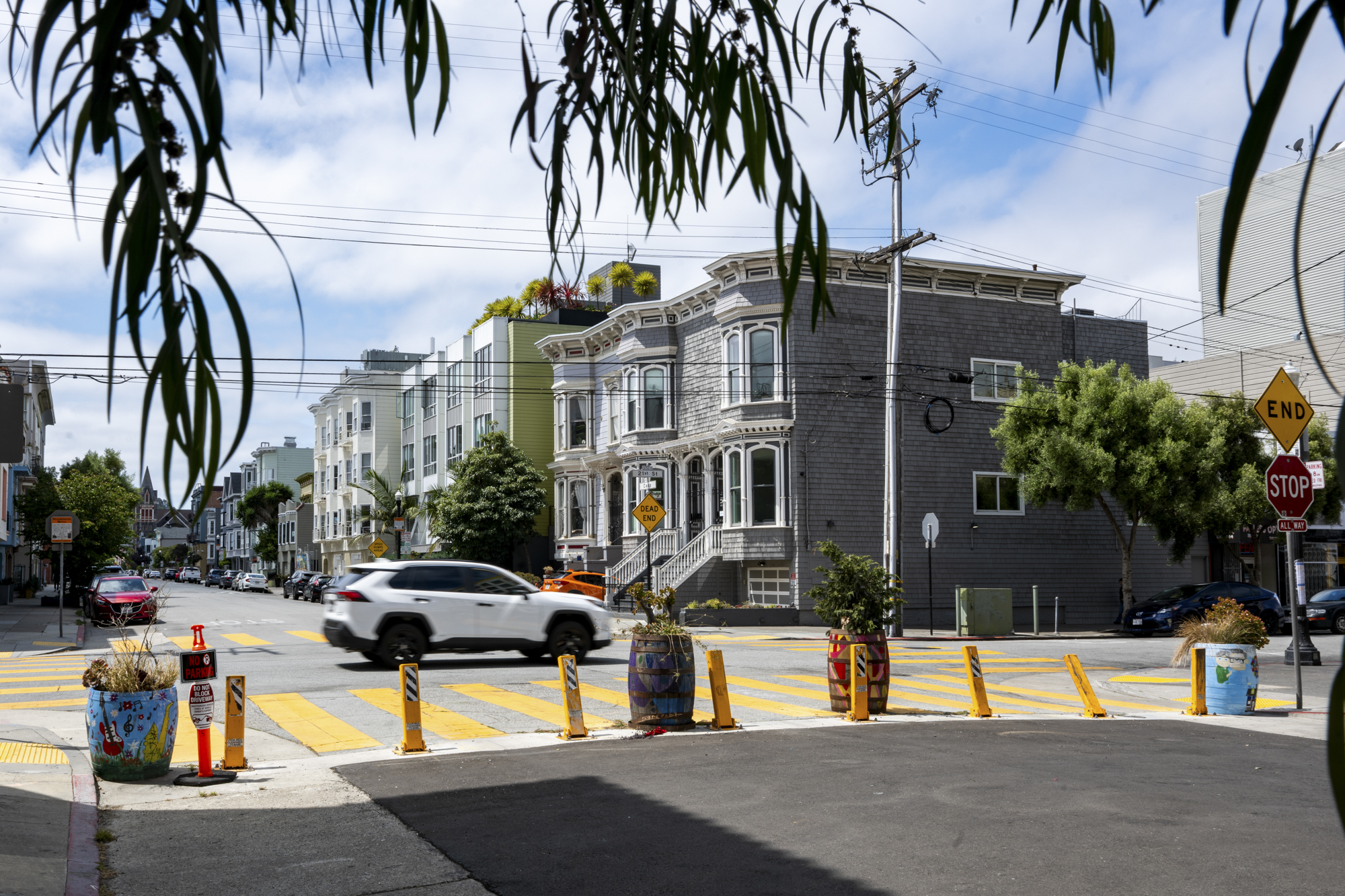
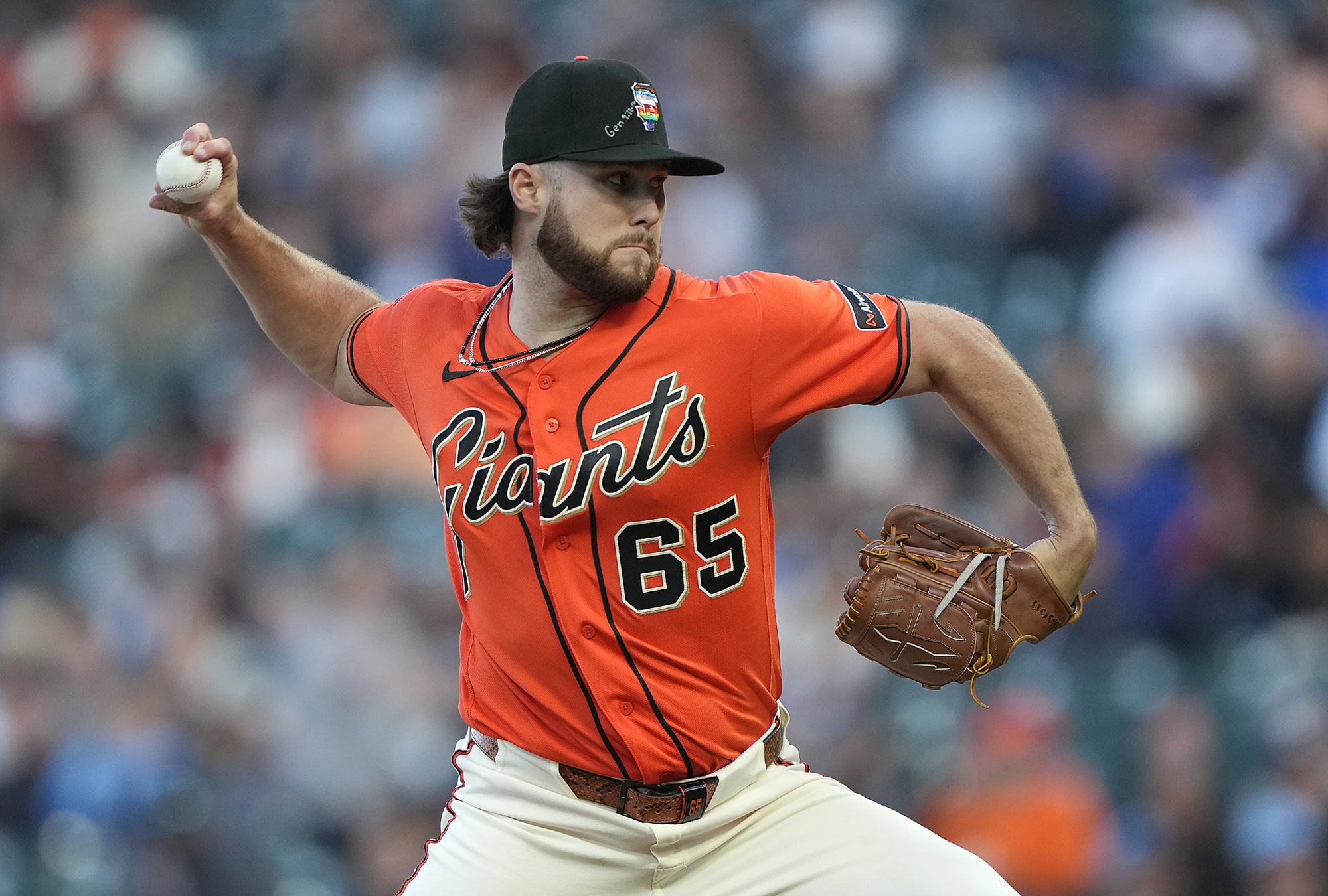
window.__INITIAL_STATE__={
"attachmentsReducer": {
"audio_0": {
"type": "attachments",
"id": "audio_0",
"imgSizes": {
"kqedFullSize": {
"file": "https://ww2.kqed.org/news/wp-content/themes/KQED-unified/img/audio_bgs/background0.jpg"
}
}
},
"audio_1": {
"type": "attachments",
"id": "audio_1",
"imgSizes": {
"kqedFullSize": {
"file": "https://ww2.kqed.org/news/wp-content/themes/KQED-unified/img/audio_bgs/background1.jpg"
}
}
},
"audio_2": {
"type": "attachments",
"id": "audio_2",
"imgSizes": {
"kqedFullSize": {
"file": "https://ww2.kqed.org/news/wp-content/themes/KQED-unified/img/audio_bgs/background2.jpg"
}
}
},
"audio_3": {
"type": "attachments",
"id": "audio_3",
"imgSizes": {
"kqedFullSize": {
"file": "https://ww2.kqed.org/news/wp-content/themes/KQED-unified/img/audio_bgs/background3.jpg"
}
}
},
"audio_4": {
"type": "attachments",
"id": "audio_4",
"imgSizes": {
"kqedFullSize": {
"file": "https://ww2.kqed.org/news/wp-content/themes/KQED-unified/img/audio_bgs/background4.jpg"
}
}
},
"placeholder": {
"type": "attachments",
"id": "placeholder",
"imgSizes": {
"thumbnail": {
"file": "https://cdn.kqed.org/wp-content/uploads/2024/12/KQED-Default-Image-816638274-2000x1333-1-160x107.jpg",
"width": 160,
"height": 107,
"mimeType": "image/jpeg"
},
"medium": {
"file": "https://cdn.kqed.org/wp-content/uploads/2024/12/KQED-Default-Image-816638274-2000x1333-1-800x533.jpg",
"width": 800,
"height": 533,
"mimeType": "image/jpeg"
},
"medium_large": {
"file": "https://cdn.kqed.org/wp-content/uploads/2024/12/KQED-Default-Image-816638274-2000x1333-1-768x512.jpg",
"width": 768,
"height": 512,
"mimeType": "image/jpeg"
},
"large": {
"file": "https://cdn.kqed.org/wp-content/uploads/2024/12/KQED-Default-Image-816638274-2000x1333-1-1020x680.jpg",
"width": 1020,
"height": 680,
"mimeType": "image/jpeg"
},
"1536x1536": {
"file": "https://cdn.kqed.org/wp-content/uploads/2024/12/KQED-Default-Image-816638274-2000x1333-1-1536x1024.jpg",
"width": 1536,
"height": 1024,
"mimeType": "image/jpeg"
},
"fd-lrg": {
"file": "https://cdn.kqed.org/wp-content/uploads/2024/12/KQED-Default-Image-816638274-2000x1333-1-1536x1024.jpg",
"width": 1536,
"height": 1024,
"mimeType": "image/jpeg"
},
"fd-med": {
"file": "https://cdn.kqed.org/wp-content/uploads/2024/12/KQED-Default-Image-816638274-2000x1333-1-1020x680.jpg",
"width": 1020,
"height": 680,
"mimeType": "image/jpeg"
},
"fd-sm": {
"file": "https://cdn.kqed.org/wp-content/uploads/2024/12/KQED-Default-Image-816638274-2000x1333-1-800x533.jpg",
"width": 800,
"height": 533,
"mimeType": "image/jpeg"
},
"post-thumbnail": {
"file": "https://cdn.kqed.org/wp-content/uploads/2024/12/KQED-Default-Image-816638274-2000x1333-1-672x372.jpg",
"width": 672,
"height": 372,
"mimeType": "image/jpeg"
},
"twentyfourteen-full-width": {
"file": "https://cdn.kqed.org/wp-content/uploads/2024/12/KQED-Default-Image-816638274-2000x1333-1-1038x576.jpg",
"width": 1038,
"height": 576,
"mimeType": "image/jpeg"
},
"xxsmall": {
"file": "https://cdn.kqed.org/wp-content/uploads/2024/12/KQED-Default-Image-816638274-2000x1333-1-160x107.jpg",
"width": 160,
"height": 107,
"mimeType": "image/jpeg"
},
"xsmall": {
"file": "https://cdn.kqed.org/wp-content/uploads/2024/12/KQED-Default-Image-816638274-2000x1333-1-672x372.jpg",
"width": 672,
"height": 372,
"mimeType": "image/jpeg"
},
"small": {
"file": "https://cdn.kqed.org/wp-content/uploads/2024/12/KQED-Default-Image-816638274-2000x1333-1-672x372.jpg",
"width": 672,
"height": 372,
"mimeType": "image/jpeg"
},
"xlarge": {
"file": "https://cdn.kqed.org/wp-content/uploads/2024/12/KQED-Default-Image-816638274-2000x1333-1-1020x680.jpg",
"width": 1020,
"height": 680,
"mimeType": "image/jpeg"
},
"full-width": {
"file": "https://cdn.kqed.org/wp-content/uploads/2024/12/KQED-Default-Image-816638274-2000x1333-1-1920x1280.jpg",
"width": 1920,
"height": 1280,
"mimeType": "image/jpeg"
},
"guest-author-32": {
"file": "https://cdn.kqed.org/wp-content/uploads/2025/01/KQED-Default-Image-816638274-1333x1333-1-160x160.jpg",
"width": 32,
"height": 32,
"mimeType": "image/jpeg"
},
"guest-author-50": {
"file": "https://cdn.kqed.org/wp-content/uploads/2025/01/KQED-Default-Image-816638274-1333x1333-1-160x160.jpg",
"width": 50,
"height": 50,
"mimeType": "image/jpeg"
},
"guest-author-64": {
"file": "https://cdn.kqed.org/wp-content/uploads/2025/01/KQED-Default-Image-816638274-1333x1333-1-160x160.jpg",
"width": 64,
"height": 64,
"mimeType": "image/jpeg"
},
"guest-author-96": {
"file": "https://cdn.kqed.org/wp-content/uploads/2025/01/KQED-Default-Image-816638274-1333x1333-1-160x160.jpg",
"width": 96,
"height": 96,
"mimeType": "image/jpeg"
},
"guest-author-128": {
"file": "https://cdn.kqed.org/wp-content/uploads/2025/01/KQED-Default-Image-816638274-1333x1333-1-160x160.jpg",
"width": 128,
"height": 128,
"mimeType": "image/jpeg"
},
"detail": {
"file": "https://cdn.kqed.org/wp-content/uploads/2025/01/KQED-Default-Image-816638274-1333x1333-1-160x160.jpg",
"width": 160,
"height": 160,
"mimeType": "image/jpeg"
},
"kqedFullSize": {
"file": "https://cdn.kqed.org/wp-content/uploads/2024/12/KQED-Default-Image-816638274-2000x1333-1.jpg",
"width": 2000,
"height": 1333
}
}
},
"news_12087989": {
"type": "attachments",
"id": "news_12087989",
"meta": {
"index": "attachments_1716263798",
"site": "news",
"id": "12087989",
"found": true
},
"title": "260617-SFMTAMISSIONCLOSURE-04-BL-KQED",
"publishDate": 1781723399,
"status": "inherit",
"parent": 0,
"modified": 1781723415,
"caption": "A barricade on Capp Street in the Mission District in San Francisco on June 17, 2026. Some San Francisco residents implored the city to maintain the barriers, which they say made their streets residential again.\r\n",
"credit": "Beth LaBerge/KQED",
"altTag": null,
"description": null,
"imgSizes": {
"thumbnail": {
"file": "https://cdn.kqed.org/wp-content/uploads/sites/10/2026/06/260617-SFMTAMISSIONCLOSURE-04-BL-KQED-160x107.jpg",
"width": 160,
"height": 107,
"mimeType": "image/jpeg"
},
"1536x1536": {
"file": "https://cdn.kqed.org/wp-content/uploads/sites/10/2026/06/260617-SFMTAMISSIONCLOSURE-04-BL-KQED-1536x1024.jpg",
"width": 1536,
"height": 1024,
"mimeType": "image/jpeg"
},
"post-thumbnail": {
"file": "https://cdn.kqed.org/wp-content/uploads/sites/10/2026/06/260617-SFMTAMISSIONCLOSURE-04-BL-KQED-672x372.jpg",
"width": 672,
"height": 372,
"mimeType": "image/jpeg"
},
"twentyfourteen-full-width": {
"file": "https://cdn.kqed.org/wp-content/uploads/sites/10/2026/06/260617-SFMTAMISSIONCLOSURE-04-BL-KQED-1038x576.jpg",
"width": 1038,
"height": 576,
"mimeType": "image/jpeg"
},
"npr-cds-wide": {
"file": "https://cdn.kqed.org/wp-content/uploads/sites/10/2026/06/260617-SFMTAMISSIONCLOSURE-04-BL-KQED-1200x675.jpg",
"width": 1200,
"height": 675,
"mimeType": "image/jpeg"
},
"npr-cds-square": {
"file": "https://cdn.kqed.org/wp-content/uploads/sites/10/2026/06/260617-SFMTAMISSIONCLOSURE-04-BL-KQED-600x600.jpg",
"width": 600,
"height": 600,
"mimeType": "image/jpeg"
},
"kqedFullSize": {
"file": "https://cdn.kqed.org/wp-content/uploads/sites/10/2026/06/260617-SFMTAMISSIONCLOSURE-04-BL-KQED.jpg",
"width": 2000,
"height": 1333
}
},
"isLoading": false,
"fetchFailed": false
},
"news_12087918": {
"type": "attachments",
"id": "news_12087918",
"meta": {
"index": "attachments_1716263798",
"site": "news",
"id": "12087918",
"found": true
},
"title": "Chicago Cubs v San Francisco Giants",
"publishDate": 1781714150,
"status": "inherit",
"parent": 12087912,
"modified": 1781714204,
"caption": "Landen Roupp, #65 of the San Francisco Giants, pitches against the Chicago Cubs in the top of the first inning of a major league baseball game at Oracle Park on June 12, 2026, in San Francisco, California. ",
"credit": "Thearon W. Henderson/Getty Images",
"altTag": null,
"description": null,
"imgSizes": {
"thumbnail": {
"file": "https://cdn.kqed.org/wp-content/uploads/sites/10/2026/06/SFGiantsLandenRouppGetty-160x108.jpg",
"width": 160,
"height": 108,
"mimeType": "image/jpeg"
},
"1536x1536": {
"file": "https://cdn.kqed.org/wp-content/uploads/sites/10/2026/06/SFGiantsLandenRouppGetty-1536x1037.jpg",
"width": 1536,
"height": 1037,
"mimeType": "image/jpeg"
},
"post-thumbnail": {
"file": "https://cdn.kqed.org/wp-content/uploads/sites/10/2026/06/SFGiantsLandenRouppGetty-672x372.jpg",
"width": 672,
"height": 372,
"mimeType": "image/jpeg"
},
"twentyfourteen-full-width": {
"file": "https://cdn.kqed.org/wp-content/uploads/sites/10/2026/06/SFGiantsLandenRouppGetty-1038x576.jpg",
"width": 1038,
"height": 576,
"mimeType": "image/jpeg"
},
"npr-cds-wide": {
"file": "https://cdn.kqed.org/wp-content/uploads/sites/10/2026/06/SFGiantsLandenRouppGetty-1200x675.jpg",
"width": 1200,
"height": 675,
"mimeType": "image/jpeg"
},
"npr-cds-square": {
"file": "https://cdn.kqed.org/wp-content/uploads/sites/10/2026/06/SFGiantsLandenRouppGetty-600x600.jpg",
"width": 600,
"height": 600,
"mimeType": "image/jpeg"
},
"kqedFullSize": {
"file": "https://cdn.kqed.org/wp-content/uploads/sites/10/2026/06/SFGiantsLandenRouppGetty.jpg",
"width": 2000,
"height": 1350
}
},
"isLoading": false,
"fetchFailed": false
},
"news_12087758": {
"type": "attachments",
"id": "news_12087758",
"meta": {
"index": "attachments_1716263798",
"site": "news",
"id": "12087758",
"found": true
},
"title": "260303-munifile00200_TV_qed",
"publishDate": 1781628358,
"status": "inherit",
"parent": 12087755,
"modified": 1781628407,
"caption": "A Muni train departs from the West Portal Station in San Francisco on March 3, 2026.",
"credit": "Tâm Vũ/KQED",
"altTag": null,
"description": null,
"imgSizes": {
"thumbnail": {
"file": "https://cdn.kqed.org/wp-content/uploads/sites/10/2026/06/260303-munifile00200_TV_qed-160x107.jpg",
"width": 160,
"height": 107,
"mimeType": "image/jpeg"
},
"1536x1536": {
"file": "https://cdn.kqed.org/wp-content/uploads/sites/10/2026/06/260303-munifile00200_TV_qed-1536x1024.jpg",
"width": 1536,
"height": 1024,
"mimeType": "image/jpeg"
},
"post-thumbnail": {
"file": "https://cdn.kqed.org/wp-content/uploads/sites/10/2026/06/260303-munifile00200_TV_qed-672x372.jpg",
"width": 672,
"height": 372,
"mimeType": "image/jpeg"
},
"twentyfourteen-full-width": {
"file": "https://cdn.kqed.org/wp-content/uploads/sites/10/2026/06/260303-munifile00200_TV_qed-1038x576.jpg",
"width": 1038,
"height": 576,
"mimeType": "image/jpeg"
},
"npr-cds-wide": {
"file": "https://cdn.kqed.org/wp-content/uploads/sites/10/2026/06/260303-munifile00200_TV_qed-1200x675.jpg",
"width": 1200,
"height": 675,
"mimeType": "image/jpeg"
},
"npr-cds-square": {
"file": "https://cdn.kqed.org/wp-content/uploads/sites/10/2026/06/260303-munifile00200_TV_qed-600x600.jpg",
"width": 600,
"height": 600,
"mimeType": "image/jpeg"
},
"kqedFullSize": {
"file": "https://cdn.kqed.org/wp-content/uploads/sites/10/2026/06/260303-munifile00200_TV_qed.jpg",
"width": 1999,
"height": 1333
}
},
"isLoading": false,
"fetchFailed": false
},
"news_12087829": {
"type": "attachments",
"id": "news_12087829",
"meta": {
"index": "attachments_1716263798",
"site": "news",
"id": "12087829",
"found": true
},
"title": "061626CSU Labor_GH_003-KQED",
"publishDate": 1781642130,
"status": "inherit",
"parent": 12090647,
"modified": 1783815872,
"caption": "Members of the California State University Employees Union march across the San Francisco State University campus during a rally on June 16, 2026.",
"credit": "Gustavo Hernandez/KQED",
"altTag": null,
"description": null,
"imgSizes": {
"thumbnail": {
"file": "https://cdn.kqed.org/wp-content/uploads/sites/10/2026/06/061626CSU-Labor_GH_003-KQED-160x107.jpg",
"width": 160,
"height": 107,
"mimeType": "image/jpeg"
},
"1536x1536": {
"file": "https://cdn.kqed.org/wp-content/uploads/sites/10/2026/06/061626CSU-Labor_GH_003-KQED-1536x1024.jpg",
"width": 1536,
"height": 1024,
"mimeType": "image/jpeg"
},
"post-thumbnail": {
"file": "https://cdn.kqed.org/wp-content/uploads/sites/10/2026/06/061626CSU-Labor_GH_003-KQED-672x372.jpg",
"width": 672,
"height": 372,
"mimeType": "image/jpeg"
},
"twentyfourteen-full-width": {
"file": "https://cdn.kqed.org/wp-content/uploads/sites/10/2026/06/061626CSU-Labor_GH_003-KQED-1038x576.jpg",
"width": 1038,
"height": 576,
"mimeType": "image/jpeg"
},
"npr-cds-wide": {
"file": "https://cdn.kqed.org/wp-content/uploads/sites/10/2026/06/061626CSU-Labor_GH_003-KQED-1200x675.jpg",
"width": 1200,
"height": 675,
"mimeType": "image/jpeg"
},
"npr-cds-square": {
"file": "https://cdn.kqed.org/wp-content/uploads/sites/10/2026/06/061626CSU-Labor_GH_003-KQED-600x600.jpg",
"width": 600,
"height": 600,
"mimeType": "image/jpeg"
},
"kqedFullSize": {
"file": "https://cdn.kqed.org/wp-content/uploads/sites/10/2026/06/061626CSU-Labor_GH_003-KQED.jpg",
"width": 2000,
"height": 1333
}
},
"isLoading": false,
"fetchFailed": false
},
"news_12087652": {
"type": "attachments",
"id": "news_12087652",
"meta": {
"index": "attachments_1716263798",
"site": "news",
"id": "12087652",
"found": true
},
"title": "260615-PacificaPier-17-BL-KQED",
"publishDate": 1781558130,
"status": "inherit",
"parent": 12087577,
"modified": 1781565986,
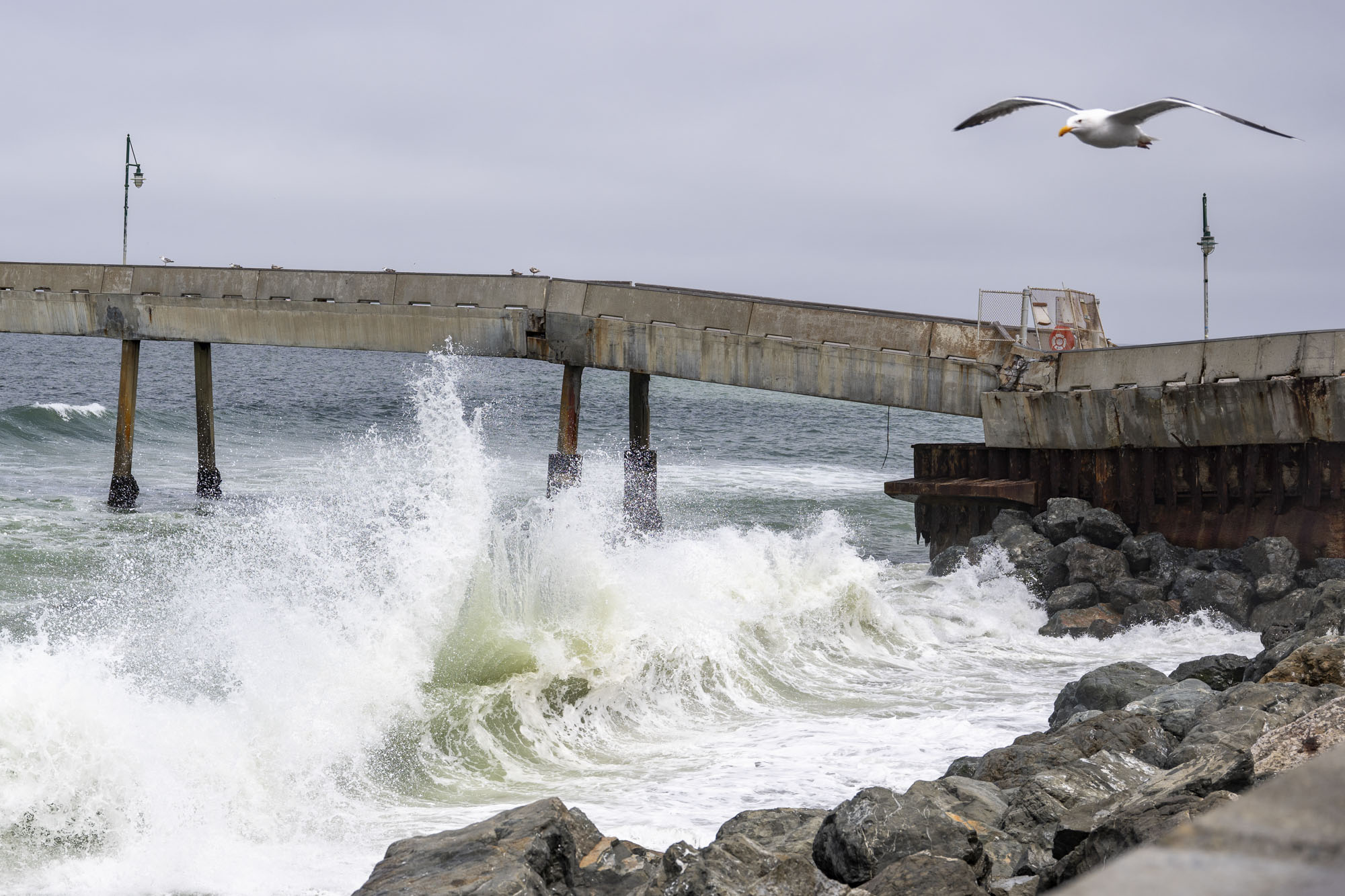
"caption": "The Pacifica Municipal Pier in Pacifica on June 15, 2026, after structural damage forced its closure and the demolition of the Chit Chat Cafe.",
"credit": "Beth LaBerge/KQED",
"altTag": null,
"description": null,
"imgSizes": {
"thumbnail": {
"file": "https://cdn.kqed.org/wp-content/uploads/sites/10/2026/06/260615-PacificaPier-17-BL-KQED-160x107.jpg",
"width": 160,
"height": 107,
"mimeType": "image/jpeg"
},
"1536x1536": {
"file": "https://cdn.kqed.org/wp-content/uploads/sites/10/2026/06/260615-PacificaPier-17-BL-KQED-1536x1024.jpg",
"width": 1536,
"height": 1024,
"mimeType": "image/jpeg"
},
"post-thumbnail": {
"file": "https://cdn.kqed.org/wp-content/uploads/sites/10/2026/06/260615-PacificaPier-17-BL-KQED-672x372.jpg",
"width": 672,
"height": 372,
"mimeType": "image/jpeg"
},
"twentyfourteen-full-width": {
"file": "https://cdn.kqed.org/wp-content/uploads/sites/10/2026/06/260615-PacificaPier-17-BL-KQED-1038x576.jpg",
"width": 1038,
"height": 576,
"mimeType": "image/jpeg"
},
"npr-cds-wide": {
"file": "https://cdn.kqed.org/wp-content/uploads/sites/10/2026/06/260615-PacificaPier-17-BL-KQED-1200x675.jpg",
"width": 1200,
"height": 675,
"mimeType": "image/jpeg"
},
"npr-cds-square": {
"file": "https://cdn.kqed.org/wp-content/uploads/sites/10/2026/06/260615-PacificaPier-17-BL-KQED-600x600.jpg",
"width": 600,
"height": 600,
"mimeType": "image/jpeg"
},
"kqedFullSize": {
"file": "https://cdn.kqed.org/wp-content/uploads/sites/10/2026/06/260615-PacificaPier-17-BL-KQED.jpg",
"width": 2000,
"height": 1333
}
},
"isLoading": false,
"fetchFailed": false
},
"news_12086031": {
"type": "attachments",
"id": "news_12086031",
"meta": {
"index": "attachments_1716263798",
"site": "news",
"id": "12086031",
"found": true
},
"title": "060226CHAKRABARTI_GH_026-KQED",
"publishDate": 1780469272,
"status": "inherit",
"parent": 0,
"modified": 1780469284,
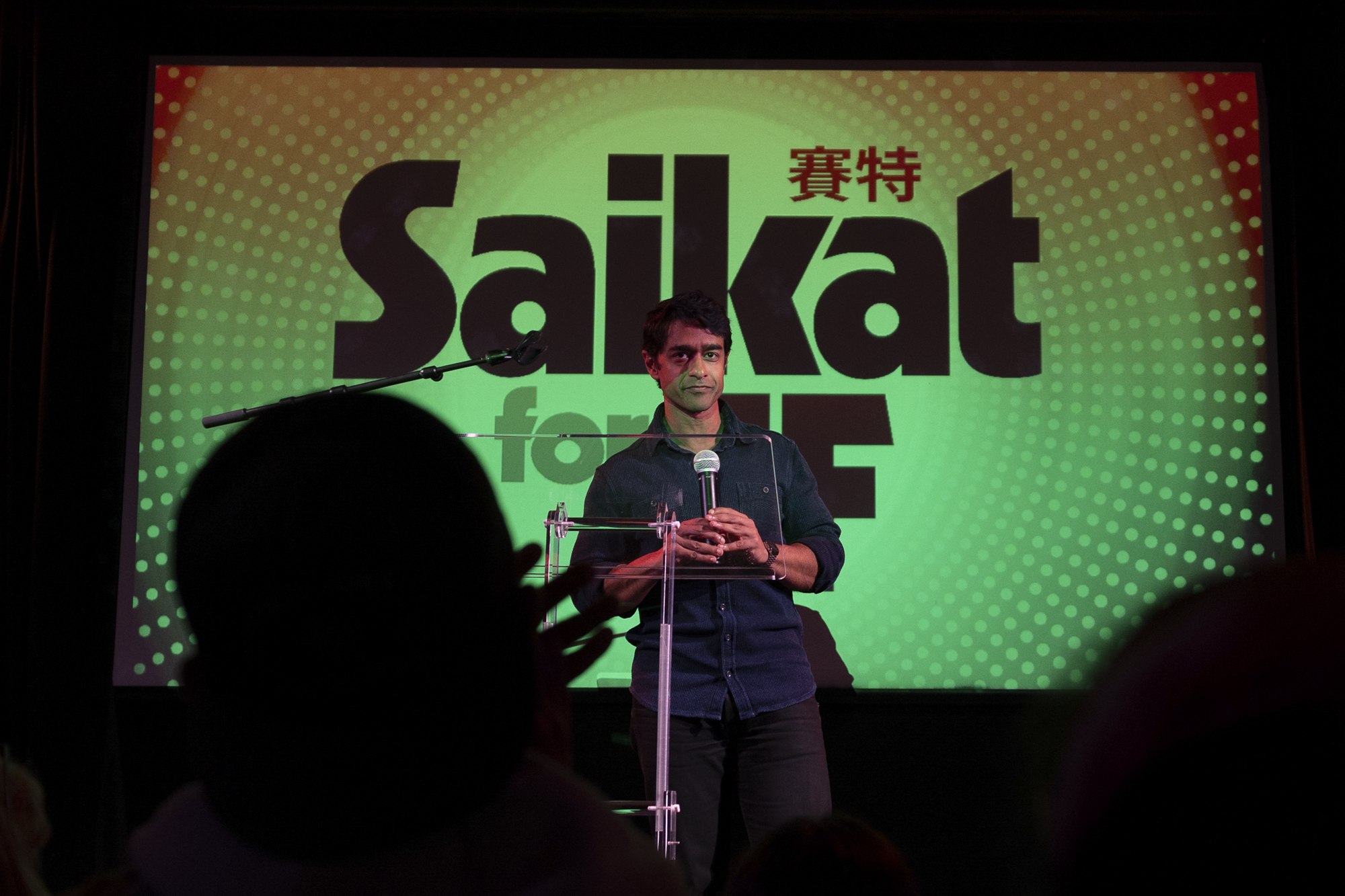
"caption": "Congressional candidate Saikat Chakrabarti addresses to his supporters during election night event at The Chapel on June 3, 2026, in San Francisco.",
"credit": "Gustavo Hernandez/KQED",
"altTag": null,
"description": null,
"imgSizes": {
"thumbnail": {
"file": "https://cdn.kqed.org/wp-content/uploads/sites/10/2026/06/060226CHAKRABARTI_GH_026-KQED-160x107.jpg",
"width": 160,
"height": 107,
"mimeType": "image/jpeg"
},
"1536x1536": {
"file": "https://cdn.kqed.org/wp-content/uploads/sites/10/2026/06/060226CHAKRABARTI_GH_026-KQED-1536x1024.jpg",
"width": 1536,
"height": 1024,
"mimeType": "image/jpeg"
},
"post-thumbnail": {
"file": "https://cdn.kqed.org/wp-content/uploads/sites/10/2026/06/060226CHAKRABARTI_GH_026-KQED-672x372.jpg",
"width": 672,
"height": 372,
"mimeType": "image/jpeg"
},
"twentyfourteen-full-width": {
"file": "https://cdn.kqed.org/wp-content/uploads/sites/10/2026/06/060226CHAKRABARTI_GH_026-KQED-1038x576.jpg",
"width": 1038,
"height": 576,
"mimeType": "image/jpeg"
},
"npr-cds-wide": {
"file": "https://cdn.kqed.org/wp-content/uploads/sites/10/2026/06/060226CHAKRABARTI_GH_026-KQED-1200x675.jpg",
"width": 1200,
"height": 675,
"mimeType": "image/jpeg"
},
"npr-cds-square": {
"file": "https://cdn.kqed.org/wp-content/uploads/sites/10/2026/06/060226CHAKRABARTI_GH_026-KQED-600x600.jpg",
"width": 600,
"height": 600,
"mimeType": "image/jpeg"
},
"kqedFullSize": {
"file": "https://cdn.kqed.org/wp-content/uploads/sites/10/2026/06/060226CHAKRABARTI_GH_026-KQED.jpg",
"width": 2000,
"height": 1333
}
},
"isLoading": false,
"fetchFailed": false
},
"news_12087662": {
"type": "attachments",
"id": "news_12087662",
"meta": {
"index": "attachments_1716263798",
"site": "news",
"id": "12087662",
"found": true
},
"title": "061526Flooding_GH_001-KQED",
"publishDate": 1781558849,
"status": "inherit",
"parent": 0,
"modified": 1781559066,
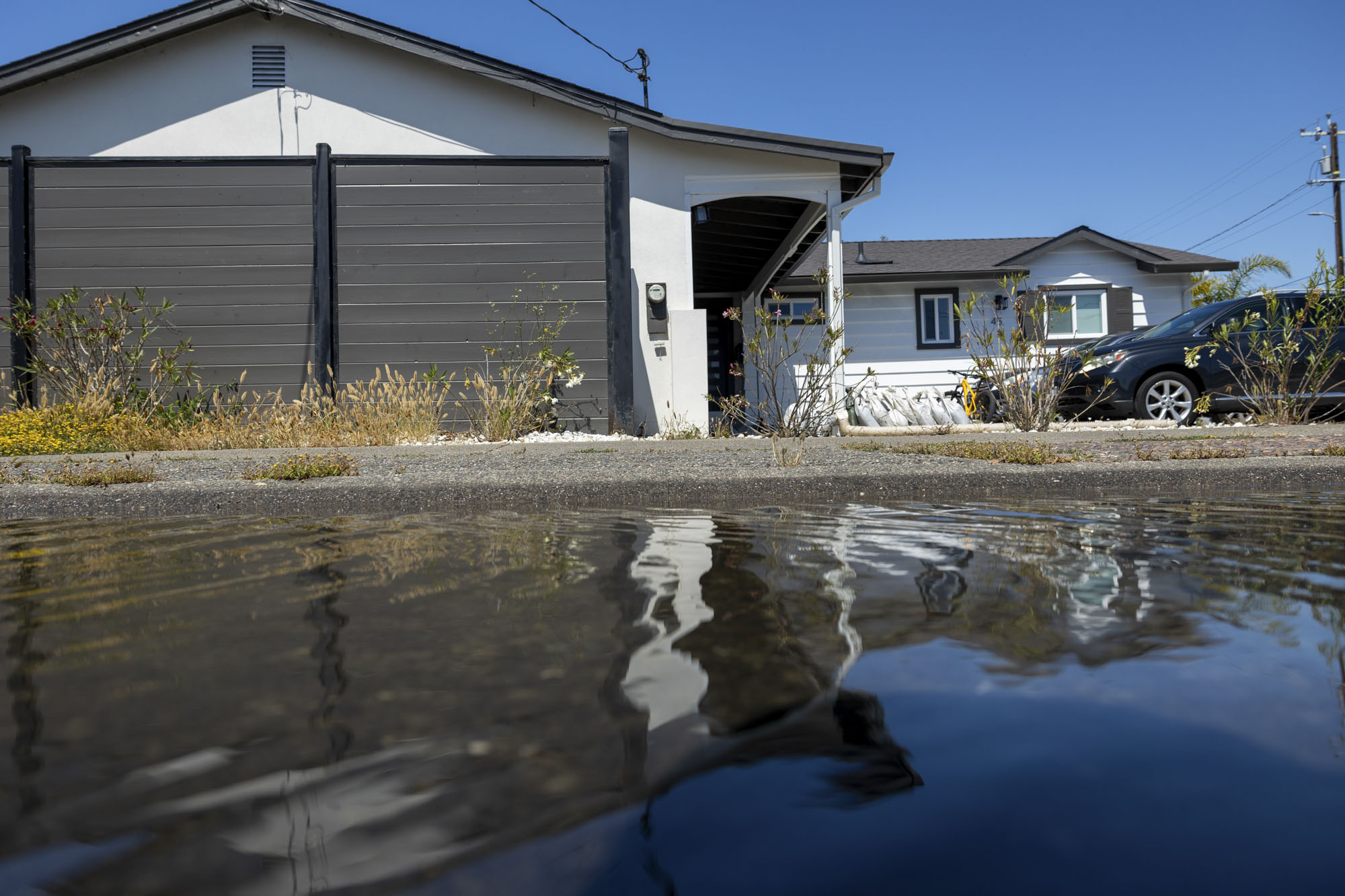
"caption": "A puddle left behind by receding king tides reflects homes along Golden Hind Passage in Corte Madera on June 15, 2026.",
"credit": "Gustavo Hernandez/KQED",
"altTag": null,
"description": null,
"imgSizes": {
"thumbnail": {
"file": "https://cdn.kqed.org/wp-content/uploads/sites/10/2026/06/061526Flooding_GH_001-KQED-160x107.jpg",
"width": 160,
"height": 107,
"mimeType": "image/jpeg"
},
"1536x1536": {
"file": "https://cdn.kqed.org/wp-content/uploads/sites/10/2026/06/061526Flooding_GH_001-KQED-1536x1024.jpg",
"width": 1536,
"height": 1024,
"mimeType": "image/jpeg"
},
"post-thumbnail": {
"file": "https://cdn.kqed.org/wp-content/uploads/sites/10/2026/06/061526Flooding_GH_001-KQED-672x372.jpg",
"width": 672,
"height": 372,
"mimeType": "image/jpeg"
},
"twentyfourteen-full-width": {
"file": "https://cdn.kqed.org/wp-content/uploads/sites/10/2026/06/061526Flooding_GH_001-KQED-1038x576.jpg",
"width": 1038,
"height": 576,
"mimeType": "image/jpeg"
},
"npr-cds-wide": {
"file": "https://cdn.kqed.org/wp-content/uploads/sites/10/2026/06/061526Flooding_GH_001-KQED-1200x675.jpg",
"width": 1200,
"height": 675,
"mimeType": "image/jpeg"
},
"npr-cds-square": {
"file": "https://cdn.kqed.org/wp-content/uploads/sites/10/2026/06/061526Flooding_GH_001-KQED-600x600.jpg",
"width": 600,
"height": 600,
"mimeType": "image/jpeg"
},
"kqedFullSize": {
"file": "https://cdn.kqed.org/wp-content/uploads/sites/10/2026/06/061526Flooding_GH_001-KQED.jpg",
"width": 2000,
"height": 1333
}
},
"isLoading": false,
"fetchFailed": false
},
"news_12087360": {
"type": "attachments",
"id": "news_12087360",
"meta": {
"index": "attachments_1716263798",
"site": "news",
"id": "12087360",
"found": true
},
"title": "260608-PGEBREAKUPPRICING-06-BL-KQED",
"publishDate": 1781286389,
"status": "inherit",
"parent": 0,
"modified": 1781286430,
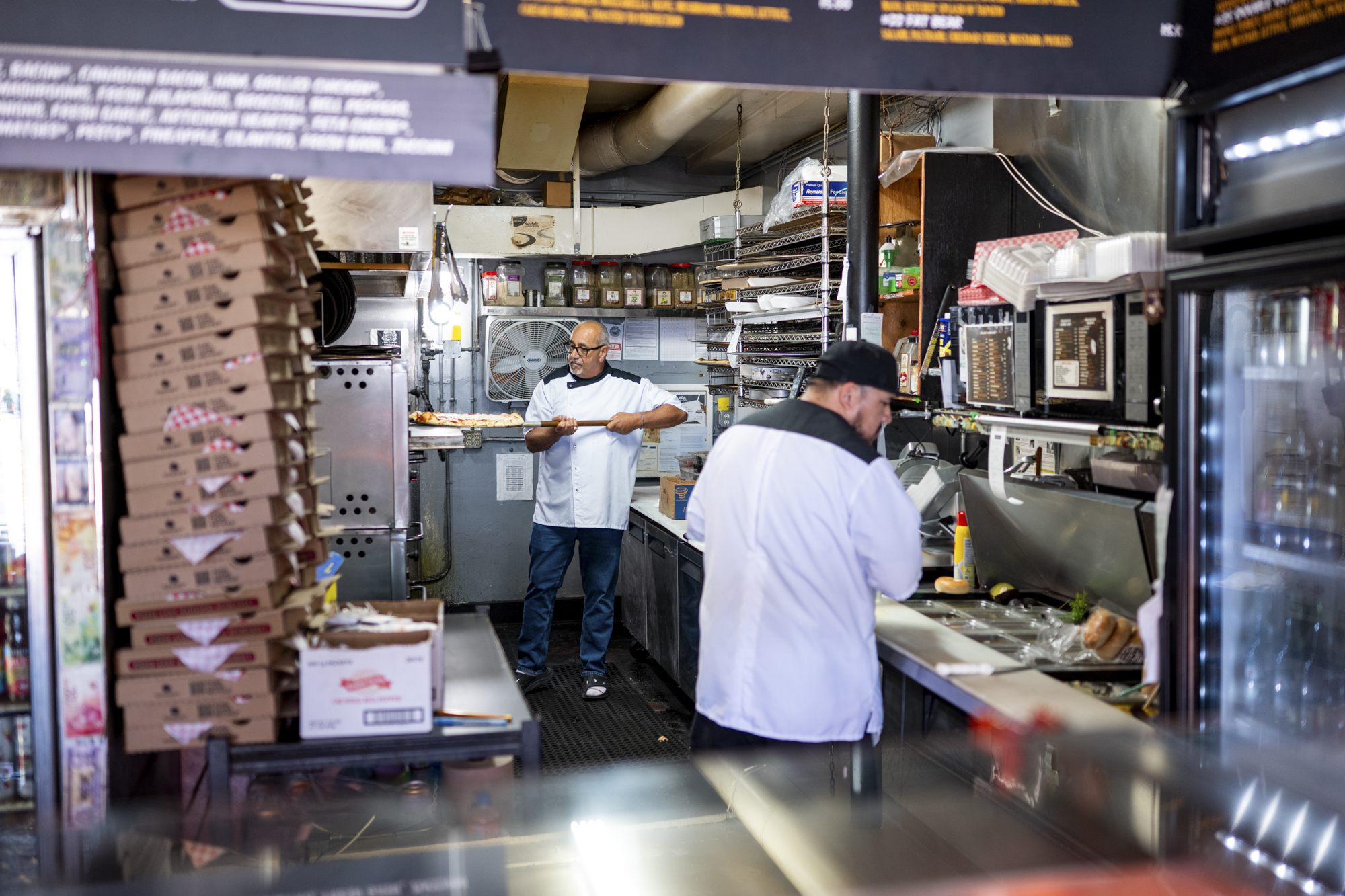
"caption": "Joe Dabit, owner of Pizza Joint, works in the kitchen at the restaurant in San Francisco's Richmond District on June 8, 2026.",
"credit": "Beth LaBerge/KQED",
"altTag": null,
"description": null,
"imgSizes": {
"thumbnail": {
"file": "https://cdn.kqed.org/wp-content/uploads/sites/10/2026/06/260608-PGEBREAKUPPRICING-06-BL-KQED-160x107.jpg",
"width": 160,
"height": 107,
"mimeType": "image/jpeg"
},
"1536x1536": {
"file": "https://cdn.kqed.org/wp-content/uploads/sites/10/2026/06/260608-PGEBREAKUPPRICING-06-BL-KQED-1536x1024.jpg",
"width": 1536,
"height": 1024,
"mimeType": "image/jpeg"
},
"post-thumbnail": {
"file": "https://cdn.kqed.org/wp-content/uploads/sites/10/2026/06/260608-PGEBREAKUPPRICING-06-BL-KQED-672x372.jpg",
"width": 672,
"height": 372,
"mimeType": "image/jpeg"
},
"twentyfourteen-full-width": {
"file": "https://cdn.kqed.org/wp-content/uploads/sites/10/2026/06/260608-PGEBREAKUPPRICING-06-BL-KQED-1038x576.jpg",
"width": 1038,
"height": 576,
"mimeType": "image/jpeg"
},
"npr-cds-wide": {
"file": "https://cdn.kqed.org/wp-content/uploads/sites/10/2026/06/260608-PGEBREAKUPPRICING-06-BL-KQED-1200x675.jpg",
"width": 1200,
"height": 675,
"mimeType": "image/jpeg"
},
"npr-cds-square": {
"file": "https://cdn.kqed.org/wp-content/uploads/sites/10/2026/06/260608-PGEBREAKUPPRICING-06-BL-KQED-600x600.jpg",
"width": 600,
"height": 600,
"mimeType": "image/jpeg"
},
"kqedFullSize": {
"file": "https://cdn.kqed.org/wp-content/uploads/sites/10/2026/06/260608-PGEBREAKUPPRICING-06-BL-KQED.jpg",
"width": 2000,
"height": 1333
}
},
"isLoading": false,
"fetchFailed": false
},
"news_12087488": {
"type": "attachments",
"id": "news_12087488",
"meta": {
"index": "attachments_1716263798",
"site": "news",
"id": "12087488",
"found": true
},
"title": "Trailhead Gays LEDE",
"publishDate": 1781306954,
"status": "inherit",
"parent": 12087471,
"modified": 1781307496,
"caption": "Members of Trailhead Gays gather for their monthly outdoors-oriented adventures. \n",
"credit": "Courtesy of Gio Orantes",
"altTag": null,
"description": null,
"imgSizes": {
"thumbnail": {
"file": "https://cdn.kqed.org/wp-content/uploads/sites/10/2026/06/Trailhead-Gays-LEDE-160x120.jpg",
"width": 160,
"height": 120,
"mimeType": "image/jpeg"
},
"1536x1536": {
"file": "https://cdn.kqed.org/wp-content/uploads/sites/10/2026/06/Trailhead-Gays-LEDE-1536x1152.jpg",
"width": 1536,
"height": 1152,
"mimeType": "image/jpeg"
},
"post-thumbnail": {
"file": "https://cdn.kqed.org/wp-content/uploads/sites/10/2026/06/Trailhead-Gays-LEDE-672x372.jpg",
"width": 672,
"height": 372,
"mimeType": "image/jpeg"
},
"twentyfourteen-full-width": {
"file": "https://cdn.kqed.org/wp-content/uploads/sites/10/2026/06/Trailhead-Gays-LEDE-1038x576.jpg",
"width": 1038,
"height": 576,
"mimeType": "image/jpeg"
},
"npr-cds-wide": {
"file": "https://cdn.kqed.org/wp-content/uploads/sites/10/2026/06/Trailhead-Gays-LEDE-1200x675.jpg",
"width": 1200,
"height": 675,
"mimeType": "image/jpeg"
},
"npr-cds-square": {
"file": "https://cdn.kqed.org/wp-content/uploads/sites/10/2026/06/Trailhead-Gays-LEDE-600x600.jpg",
"width": 600,
"height": 600,
"mimeType": "image/jpeg"
},
"kqedFullSize": {
"file": "https://cdn.kqed.org/wp-content/uploads/sites/10/2026/06/Trailhead-Gays-LEDE.jpg",
"width": 2000,
"height": 1500
}
},
"isLoading": false,
"fetchFailed": false
},
"news_12087385": {
"type": "attachments",
"id": "news_12087385",
"meta": {
"index": "attachments_1716263798",
"site": "news",
"id": "12087385",
"found": true
},
"title": "260612-SFPD officers hit-01-KQED",
"publishDate": 1781290332,
"status": "inherit",
"parent": 0,
"modified": 1781293958,
"caption": "A vehicle struck three pedestrians near the intersection in Nob Hill on Friday, June 12, 2026, leaving one person pinned beneath the car and all three hospitalized.",
"credit": "Desmond Meagley/KQED",
"altTag": null,
"description": null,
"imgSizes": {
"thumbnail": {
"file": "https://cdn.kqed.org/wp-content/uploads/sites/10/2026/06/260612-SFPD-officers-hit-01-KQED-160x107.jpg",
"width": 160,
"height": 107,
"mimeType": "image/jpeg"
},
"1536x1536": {
"file": "https://cdn.kqed.org/wp-content/uploads/sites/10/2026/06/260612-SFPD-officers-hit-01-KQED-1536x1024.jpg",
"width": 1536,
"height": 1024,
"mimeType": "image/jpeg"
},
"post-thumbnail": {
"file": "https://cdn.kqed.org/wp-content/uploads/sites/10/2026/06/260612-SFPD-officers-hit-01-KQED-672x372.jpg",
"width": 672,
"height": 372,
"mimeType": "image/jpeg"
},
"twentyfourteen-full-width": {
"file": "https://cdn.kqed.org/wp-content/uploads/sites/10/2026/06/260612-SFPD-officers-hit-01-KQED-1038x576.jpg",
"width": 1038,
"height": 576,
"mimeType": "image/jpeg"
},
"npr-cds-wide": {
"file": "https://cdn.kqed.org/wp-content/uploads/sites/10/2026/06/260612-SFPD-officers-hit-01-KQED-1200x675.jpg",
"width": 1200,
"height": 675,
"mimeType": "image/jpeg"
},
"npr-cds-square": {
"file": "https://cdn.kqed.org/wp-content/uploads/sites/10/2026/06/260612-SFPD-officers-hit-01-KQED-600x600.jpg",
"width": 600,
"height": 600,
"mimeType": "image/jpeg"
},
"kqedFullSize": {
"file": "https://cdn.kqed.org/wp-content/uploads/sites/10/2026/06/260612-SFPD-officers-hit-01-KQED.jpg",
"width": 2000,
"height": 1333
}
},
"isLoading": false,
"fetchFailed": false
},
"news_12078033": {
"type": "attachments",
"id": "news_12078033",
"meta": {
"index": "attachments_1716263798",
"site": "news",
"id": "12078033",
"found": true
},
"title": "260324-BAYCURIOUSFERRY00289_TV-KQED",
"publishDate": 1774891660,
"status": "inherit",
"parent": 12084929,
"modified": 1781113253,
"caption": "Raymond Garibaldi, a mechanic for Golden Gate Ferry, repairs parts of a water jet at the shop where ferry machinery is maintained at the Larkspur Ferry Terminal in Larkspur on March 24, 2026.",
"credit": "Tâm Vũ/KQED",
"altTag": null,
"description": null,
"imgSizes": {
"thumbnail": {
"file": "https://cdn.kqed.org/wp-content/uploads/sites/10/2026/03/260324-BAYCURIOUSFERRY00289_TV-KQED-160x107.jpg",
"width": 160,
"height": 107,
"mimeType": "image/jpeg"
},
"1536x1536": {
"file": "https://cdn.kqed.org/wp-content/uploads/sites/10/2026/03/260324-BAYCURIOUSFERRY00289_TV-KQED-1536x1024.jpg",
"width": 1536,
"height": 1024,
"mimeType": "image/jpeg"
},
"post-thumbnail": {
"file": "https://cdn.kqed.org/wp-content/uploads/sites/10/2026/03/260324-BAYCURIOUSFERRY00289_TV-KQED-672x372.jpg",
"width": 672,
"height": 372,
"mimeType": "image/jpeg"
},
"twentyfourteen-full-width": {
"file": "https://cdn.kqed.org/wp-content/uploads/sites/10/2026/03/260324-BAYCURIOUSFERRY00289_TV-KQED-1038x576.jpg",
"width": 1038,
"height": 576,
"mimeType": "image/jpeg"
},
"npr-cds-wide": {
"file": "https://cdn.kqed.org/wp-content/uploads/sites/10/2026/03/260324-BAYCURIOUSFERRY00289_TV-KQED-1200x675.jpg",
"width": 1200,
"height": 675,
"mimeType": "image/jpeg"
},
"npr-cds-square": {
"file": "https://cdn.kqed.org/wp-content/uploads/sites/10/2026/03/260324-BAYCURIOUSFERRY00289_TV-KQED-600x600.jpg",
"width": 600,
"height": 600,
"mimeType": "image/jpeg"
},
"kqedFullSize": {
"file": "https://cdn.kqed.org/wp-content/uploads/sites/10/2026/03/260324-BAYCURIOUSFERRY00289_TV-KQED.jpg",
"width": 2000,
"height": 1333
}
},
"isLoading": false,
"fetchFailed": false
},
"news_12087082": {
"type": "attachments",
"id": "news_12087082",
"meta": {
"index": "attachments_1716263798",
"site": "news",
"id": "12087082",
"found": true
},
"title": "People enjoy the water at Ocean Beach in San Francisco on June 10, 2026.",
"publishDate": 1781134708,
"status": "inherit",
"parent": 0,
"modified": 1781134787,
"caption": "People enjoy the water at Ocean Beach in San Francisco on June 10, 2026.",
"credit": "Tâm Vũ/KQED",
"altTag": null,
"description": null,
"imgSizes": {
"medium": {
"file": "https://cdn.kqed.org/wp-content/uploads/sites/10/2026/06/260610-RISKYWX00337_TV-KQED-2000x1333.jpg",
"width": 2000,
"height": 1333,
"mimeType": "image/jpeg"
},
"large": {
"file": "https://cdn.kqed.org/wp-content/uploads/sites/10/2026/06/260610-RISKYWX00337_TV-KQED-2000x1333.jpg",
"width": 2000,
"height": 1333,
"mimeType": "image/jpeg"
},
"thumbnail": {
"file": "https://cdn.kqed.org/wp-content/uploads/sites/10/2026/06/260610-RISKYWX00337_TV-KQED-160x107.jpg",
"width": 160,
"height": 107,
"mimeType": "image/jpeg"
},
"1536x1536": {
"file": "https://cdn.kqed.org/wp-content/uploads/sites/10/2026/06/260610-RISKYWX00337_TV-KQED-1536x1024.jpg",
"width": 1536,
"height": 1024,
"mimeType": "image/jpeg"
},
"2048x2048": {
"file": "https://cdn.kqed.org/wp-content/uploads/sites/10/2026/06/260610-RISKYWX00337_TV-KQED-2048x1365.jpg",
"width": 2048,
"height": 1365,
"mimeType": "image/jpeg"
},
"post-thumbnail": {
"file": "https://cdn.kqed.org/wp-content/uploads/sites/10/2026/06/260610-RISKYWX00337_TV-KQED-672x372.jpg",
"width": 672,
"height": 372,
"mimeType": "image/jpeg"
},
"twentyfourteen-full-width": {
"file": "https://cdn.kqed.org/wp-content/uploads/sites/10/2026/06/260610-RISKYWX00337_TV-KQED-1038x576.jpg",
"width": 1038,
"height": 576,
"mimeType": "image/jpeg"
},
"full-width": {
"file": "https://cdn.kqed.org/wp-content/uploads/sites/10/2026/06/260610-RISKYWX00337_TV-KQED-2000x1333.jpg",
"width": 2000,
"height": 1333,
"mimeType": "image/jpeg"
},
"npr-cds-wide": {
"file": "https://cdn.kqed.org/wp-content/uploads/sites/10/2026/06/260610-RISKYWX00337_TV-KQED-1200x675.jpg",
"width": 1200,
"height": 675,
"mimeType": "image/jpeg"
},
"npr-cds-square": {
"file": "https://cdn.kqed.org/wp-content/uploads/sites/10/2026/06/260610-RISKYWX00337_TV-KQED-600x600.jpg",
"width": 600,
"height": 600,
"mimeType": "image/jpeg"
},
"kqedFullSize": {
"file": "https://cdn.kqed.org/wp-content/uploads/sites/10/2026/06/260610-RISKYWX00337_TV-KQED.jpg",
"width": 2500,
"height": 1666
}
},
"isLoading": false,
"fetchFailed": false
}
},
"audioPlayerReducer": {
"postId": "stream_live",
"isPaused": true,
"isPlaying": false,
"pfsActive": false,
"pledgeModalIsOpen": true,
"playerDrawerIsOpen": false,
"liveAudioPlayStartedAt": 0,
"liveAudioPlayContext": ""
},
"authorsReducer": {
"abandlamudi": {
"type": "authors",
"id": "11672",
"meta": {
"index": "authors_1716337520",
"id": "11672",
"found": true
},
"name": "Adhiti Bandlamudi",
"firstName": "Adhiti",
"lastName": "Bandlamudi",
"slug": "abandlamudi",
"email": "abandlamudi@kqed.org",
"display_author_email": false,
"staff_mastheads": [
"news"
],
"title": "KQED Housing Reporter",
"bio": "Adhiti Bandlamudi reports for KQED's Housing desk. She focuses on how housing gets built across the Bay Area. Before joining KQED in 2020, she reported for WUNC in Durham, North Carolina, WABE in Atlanta, Georgia and Capital Public Radio in Sacramento. In 2017, she was awarded a Kroc Fellowship at NPR where she reported on everything from sprinkles to the Golden State Killer's arrest. When she's not reporting, she's baking new recipes in her kitchen or watching movies with friends and family. She's originally from Georgia and has strong opinions about Great British Bake Off.",
"avatar": "https://secure.gravatar.com/avatar/868129c8b257bb99a3500e2c86a65400?s=600&d=mm&r=g",
"twitter": "oddity_adhiti",
"facebook": null,
"instagram": null,
"linkedin": null,
"sites": [
{
"site": "arts",
"roles": [
"author"
]
},
{
"site": "news",
"roles": [
"editor"
]
},
{
"site": "liveblog",
"roles": [
"author"
]
}
],
"headData": {
"title": "Adhiti Bandlamudi | KQED",
"description": "KQED Housing Reporter",
"ogImgSrc": "https://secure.gravatar.com/avatar/868129c8b257bb99a3500e2c86a65400?s=600&d=mm&r=g",
"twImgSrc": "https://secure.gravatar.com/avatar/868129c8b257bb99a3500e2c86a65400?s=600&d=mm&r=g"
},
"isLoading": false,
"link": "/author/abandlamudi"
},
"eromero": {
"type": "authors",
"id": "11746",
"meta": {
"index": "authors_1716337520",
"id": "11746",
"found": true
},
"name": "Ezra David Romero",
"firstName": "Ezra David",
"lastName": "Romero",
"slug": "eromero",
"email": "eromero@kqed.org",
"display_author_email": true,
"staff_mastheads": [
"news",
"science"
],
"title": "Climate Reporter",
"bio": "Ezra David Romero is a climate reporter for KQED News. He covers the absence and excess of water in the Bay Area — think sea level rise, flooding and drought. For nearly a decade he’s covered how warming temperatures are altering the lives of Californians. He’s reported on farmers worried their pistachio trees aren’t getting enough sleep, families desperate for water, scientists studying dying giant sequoias, and alongside firefighters containing wildfires. His work has appeared on local stations across California and nationally on public radio shows like Morning Edition, Here and Now, All Things Considered and Science Friday. ",
"avatar": "https://secure.gravatar.com/avatar/c76404d287c10ed40224227551ac36e24352c7306f106632caf6fead76f8801f?s=600&d=blank&r=g",
"twitter": "ezraromero",
"bluesky": null,
"facebook": null,
"instagram": null,
"linkedin": null,
"sites": [
{
"site": "arts",
"roles": [
"editor"
]
},
{
"site": "news",
"roles": [
"editor"
]
},
{
"site": "science",
"roles": [
"editor"
]
},
{
"site": "liveblog",
"roles": [
"author"
]
}
],
"headData": {
"title": "Ezra David Romero | KQED",
"description": "Climate Reporter",
"ogImgSrc": "https://secure.gravatar.com/avatar/c76404d287c10ed40224227551ac36e24352c7306f106632caf6fead76f8801f?s=600&d=blank&r=g",
"twImgSrc": "https://secure.gravatar.com/avatar/c76404d287c10ed40224227551ac36e24352c7306f106632caf6fead76f8801f?s=600&d=blank&r=g"
},
"isLoading": false,
"link": "/author/eromero"
},
"adahlstromeckman": {
"type": "authors",
"id": "11785",
"meta": {
"index": "authors_1716337520",
"id": "11785",
"found": true
},
"name": "Azul Dahlstrom-Eckman",
"firstName": "Azul",
"lastName": "Dahlstrom-Eckman",
"slug": "adahlstromeckman",
"email": "adahlstrom-eckman@kqed.org",
"display_author_email": true,
"staff_mastheads": [],
"title": "Reporter",
"bio": "Azul is a reporter for KQED focusing on transportation and features. He joined KQED in 2021 as an alumna of KALW's Audio Academy radio journalism training program.",
"avatar": "https://secure.gravatar.com/avatar/9cb750298435add7815a777f55bf1f46845c1386bb8452555c60a7b820b5aba3?s=600&d=blank&r=g",
"twitter": "@zuliemann",
"bluesky": "@azul415.bsky.social",
"facebook": null,
"instagram": null,
"linkedin": null,
"sites": [
{
"site": "arts",
"roles": [
"editor"
]
},
{
"site": "news",
"roles": [
"editor"
]
},
{
"site": "science",
"roles": [
"editor"
]
},
{
"site": "liveblog",
"roles": [
"author"
]
}
],
"headData": {
"title": "Azul Dahlstrom-Eckman | KQED",
"description": "Reporter",
"ogImgSrc": "https://secure.gravatar.com/avatar/9cb750298435add7815a777f55bf1f46845c1386bb8452555c60a7b820b5aba3?s=600&d=blank&r=g",
"twImgSrc": "https://secure.gravatar.com/avatar/9cb750298435add7815a777f55bf1f46845c1386bb8452555c60a7b820b5aba3?s=600&d=blank&r=g"
},
"isLoading": false,
"link": "/author/adahlstromeckman"
},
"sjohnson": {
"type": "authors",
"id": "11840",
"meta": {
"index": "authors_1716337520",
"id": "11840",
"found": true
},
"name": "Sydney Johnson",
"firstName": "Sydney",
"lastName": "Johnson",
"slug": "sjohnson",
"email": "sjohnson@kqed.org",
"display_author_email": false,
"staff_mastheads": [
"news"
],
"title": "KQED Reporter",
"bio": "Sydney Johnson is a general assignment reporter at KQED. She previously reported on public health and city government at the San Francisco Examiner, and before that, she covered statewide education policy for EdSource. Her reporting has won multiple local, state and national awards. Sydney is a graduate of the University of California, Berkeley and lives in San Francisco.",
"avatar": "https://secure.gravatar.com/avatar/97855f2719b72ad6190b7c535fe642c8?s=600&d=blank&r=g",
"twitter": "sydneyfjohnson",
"facebook": null,
"instagram": null,
"linkedin": null,
"sites": [
{
"site": "news",
"roles": [
"editor"
]
}
],
"headData": {
"title": "Sydney Johnson | KQED",
"description": "KQED Reporter",
"ogImgSrc": "https://secure.gravatar.com/avatar/97855f2719b72ad6190b7c535fe642c8?s=600&d=blank&r=g",
"twImgSrc": "https://secure.gravatar.com/avatar/97855f2719b72ad6190b7c535fe642c8?s=600&d=blank&r=g"
},
"isLoading": false,
"link": "/author/sjohnson"
},
"kdebenedetti": {
"type": "authors",
"id": "11913",
"meta": {
"index": "authors_1716337520",
"id": "11913",
"found": true
},
"name": "Katie DeBenedetti",
"firstName": "Katie",
"lastName": "DeBenedetti",
"slug": "kdebenedetti",
"email": "kdebenedetti@kqed.org",
"display_author_email": false,
"staff_mastheads": [
"news",
"science"
],
"title": "KQED Contributor",
"bio": "Katie DeBenedetti is a digital reporter covering daily news for the Express Desk. Prior to joining KQED as a culture reporting intern in January 2024, she covered education and city government for the Napa Valley Register.",
"avatar": "https://secure.gravatar.com/avatar/6e31073cb8f7e4214ab03f42771d0f45?s=600&d=blank&r=g",
"twitter": null,
"facebook": null,
"instagram": null,
"linkedin": null,
"sites": [
{
"site": "news",
"roles": [
"author"
]
},
{
"site": "science",
"roles": [
"author"
]
},
{
"site": "liveblog",
"roles": [
"author"
]
}
],
"headData": {
"title": "Katie DeBenedetti | KQED",
"description": "KQED Contributor",
"ogImgSrc": "https://secure.gravatar.com/avatar/6e31073cb8f7e4214ab03f42771d0f45?s=600&d=blank&r=g",
"twImgSrc": "https://secure.gravatar.com/avatar/6e31073cb8f7e4214ab03f42771d0f45?s=600&d=blank&r=g"
},
"isLoading": false,
"link": "/author/kdebenedetti"
},
"sarahwright": {
"type": "authors",
"id": "11956",
"meta": {
"index": "authors_1716337520",
"id": "11956",
"found": true
},
"name": "Sarah Wright",
"firstName": "Sarah",
"lastName": "Wright",
"slug": "sarahwright",
"email": "swright@kqed.org",
"display_author_email": true,
"staff_mastheads": [],
"title": "Outdoors Engagement Reporter",
"bio": "Sarah Wright is KQED's Outdoors Engagement Reporter. Originally from Lake Tahoe, she completed a thru-hike of the Pacific Crest Trail in 2019 and was a U.S. Fulbright Program grantee to Argentina in 2023. Her journalism has appeared in The Guardian, The San Francisco Standard, The Palo Alto Weekly and the Half Moon Bay Review.",
"avatar": "https://secure.gravatar.com/avatar/c161a3d6441865cba25e6db4fa561099ad665799e9432e34da2b84d7e371524c?s=600&d=blank&r=g",
"twitter": null,
"bluesky": null,
"facebook": null,
"instagram": null,
"linkedin": null,
"sites": [
{
"site": "arts",
"roles": [
"editor"
]
},
{
"site": "news",
"roles": [
"editor"
]
},
{
"site": "science",
"roles": [
"contributor",
"author"
]
},
{
"site": "forum",
"roles": [
"editor"
]
}
],
"headData": {
"title": "Sarah Wright | KQED",
"description": "Outdoors Engagement Reporter",
"ogImgSrc": "https://secure.gravatar.com/avatar/c161a3d6441865cba25e6db4fa561099ad665799e9432e34da2b84d7e371524c?s=600&d=blank&r=g",
"twImgSrc": "https://secure.gravatar.com/avatar/c161a3d6441865cba25e6db4fa561099ad665799e9432e34da2b84d7e371524c?s=600&d=blank&r=g"
},
"isLoading": false,
"link": "/author/sarahwright"
},
"aaliahmad": {
"type": "authors",
"id": "11986",
"meta": {
"index": "authors_1716337520",
"id": "11986",
"found": true
},
"name": "Ayah Ali-Ahmad",
"firstName": "Ayah",
"lastName": "Ali-Ahmad",
"slug": "aaliahmad",
"email": "aaliahmad@KQED.org",
"display_author_email": false,
"staff_mastheads": [],
"title": "KQED Contributor",
"bio": null,
"avatar": "https://secure.gravatar.com/avatar/1cf54f187a5e1064b2cfef3f3d2f1e4f93e453395d56912aca6382a6071ec3ed?s=600&d=blank&r=g",
"twitter": "ayahaliahmad",
"bluesky": null,
"facebook": null,
"instagram": null,
"linkedin": null,
"sites": [
{
"site": "news",
"roles": [
"subscriber"
]
}
],
"headData": {
"title": "Ayah Ali-Ahmad | KQED",
"description": "KQED Contributor",
"ogImgSrc": "https://secure.gravatar.com/avatar/1cf54f187a5e1064b2cfef3f3d2f1e4f93e453395d56912aca6382a6071ec3ed?s=600&d=blank&r=g",
"twImgSrc": "https://secure.gravatar.com/avatar/1cf54f187a5e1064b2cfef3f3d2f1e4f93e453395d56912aca6382a6071ec3ed?s=600&d=blank&r=g"
},
"isLoading": false,
"link": "/author/aaliahmad"
},
"ejackson": {
"type": "authors",
"id": "12003",
"meta": {
"index": "authors_1716337520",
"id": "12003",
"found": true
},
"name": "Ella Jackson",
"firstName": "Ella",
"lastName": "Jackson",
"slug": "ejackson",
"email": "ejackson@kqed.org",
"display_author_email": false,
"staff_mastheads": [],
"title": "KQED Contributor",
"bio": null,
"avatar": "https://secure.gravatar.com/avatar/3c688edc62aec1dcae096e1475956d245f72bde99cff316455871c9b22a7205b?s=600&d=blank&r=g",
"twitter": null,
"bluesky": null,
"facebook": null,
"instagram": null,
"linkedin": null,
"sites": [
{
"site": "news",
"roles": [
"author"
]
},
{
"site": "science",
"roles": [
"author"
]
}
],
"headData": {
"title": "Ella Jackson | KQED",
"description": "KQED Contributor",
"ogImgSrc": "https://secure.gravatar.com/avatar/3c688edc62aec1dcae096e1475956d245f72bde99cff316455871c9b22a7205b?s=600&d=blank&r=g",
"twImgSrc": "https://secure.gravatar.com/avatar/3c688edc62aec1dcae096e1475956d245f72bde99cff316455871c9b22a7205b?s=600&d=blank&r=g"
},
"isLoading": false,
"link": "/author/ejackson"
}
},
"pagesReducer": {
"news_tag_san-francisco": {
"type": "terms",
"id": "news_38",
"meta": {
"index": "terms_1716263798",
"site": "news",
"id": "38",
"score": 6.7229023
},
"featImg": null,
"name": "San Francisco",
"description": null,
"taxonomy": "tag",
"headData": {
"twImgId": null,
"twTitle": null,
"ogTitle": null,
"ogImgId": null,
"twDescription": null,
"description": null,
"title": "San Francisco Archives | KQED News",
"ogDescription": null
},
"ttid": 58,
"slug": "san-francisco",
"isLoading": false,
"title": "San Francisco",
"pageMeta": {
"site": "news",
"WpPageTemplate": "page-topic-editorial",
"currentPage": 13
},
"blocks": [
{
"blockName": "kqed/post-list",
"attrs": {
"layout": "cardArticle2",
"query": "posts/news?tag=san-francisco",
"seeMore": false,
"paginated": true,
"page": 13
}
},
{
"blockName": "kqed/ad"
}
]
}
},
"pfsSessionReducer": {},
"postsReducer": {
"stream_live": {
"type": "live",
"id": "stream_live",
"audioUrl": "https://streams.kqed.org/kqedradio",
"title": "Live Stream",
"excerpt": "Live Stream information currently unavailable.",
"link": "/radio",
"featImg": "",
"label": {
"name": "KQED Live",
"link": "/"
}
},
"stream_kqedNewscast": {
"type": "posts",
"id": "stream_kqedNewscast",
"audioUrl": "https://www.kqed.org/.stream/anon/radio/RDnews/newscast.mp3?_=1",
"title": "KQED Newscast",
"featImg": "",
"label": {
"name": "88.5 FM",
"link": "/"
}
},
"news_12087940": {
"type": "posts",
"id": "news_12087940",
"meta": {
"index": "posts_1716263798",
"site": "news",
"id": "12087940",
"score": null,
"sort": [
1781729304000
]
},
"guestAuthors": [],
"slug": "mission-district-street-closures-to-curb-sex-work-extended-for-18-months",
"title": "Mission District Street Closures to Curb Sex Work Extended for 18 Months",
"publishDate": 1781729304,
"format": "standard",
"headTitle": "Mission District Street Closures to Curb Sex Work Extended for 18 Months | KQED",
"labelTerm": {
"site": "news"
},
"content": "\u003cp>Street closures meant to curb an entrenched sex work trade in \u003ca href=\"https://www.kqed.org/news/tag/mission-district\">San Francisco’s Mission District\u003c/a> will remain for another 18 months, after the city’s transportation board of directors voted to extend the traffic barriers on Tuesday.\u003c/p>\n\u003cp>Many Capp and Shotwell street residents who live on blocks with the closures implored directors during public comment to extend the program, claiming the intervention has drastically reduced the impacts of prostitution on neighbors. Others who live nearby said the closures have merely transferred the issue to their block.\u003c/p>\n\u003cp>The San Francisco Municipal Transportation Agency first installed the barriers in 2023, turning four locations from 18th to 22nd on Capp Street into dead ends, at the request of the city’s police department. The agency placed barriers at four more locations on Shotwell Street the next year, and granted an 18-month extension of the program in October 2024.\u003c/p>\n\u003cp>[ad fullwidth]\u003c/p>\n\u003cp>“Before the bollards were installed, living on Capp Street was a nightmare,” said Jason Schlachet, a resident since 2008.\u003c/p>\n\u003cp>Schlachet described “being woken up in the middle of the night to the sound of women screaming for their lives, bumper-to-bumper traffic, a dozen women per block walking in the middle of the road, stepping over discarded used condoms and intimidation from pimps.”\u003c/p>\n\u003cp>Schlachet urged directors to continue the closures. He said they made an immediate and effective change.\u003c/p>\n\u003cfigure id=\"attachment_12087988\" class=\"wp-caption aligncenter\" style=\"max-width: 2000px\">\u003cimg loading=\"lazy\" decoding=\"async\" class=\"size-full wp-image-12087988\" src=\"https://cdn.kqed.org/wp-content/uploads/sites/10/2026/06/260617-SFMTAMISSIONCLOSURE-03-BL-KQED.jpg\" alt=\"\" width=\"2000\" height=\"1333\" srcset=\"https://cdn.kqed.org/wp-content/uploads/sites/10/2026/06/260617-SFMTAMISSIONCLOSURE-03-BL-KQED.jpg 2000w, https://cdn.kqed.org/wp-content/uploads/sites/10/2026/06/260617-SFMTAMISSIONCLOSURE-03-BL-KQED-160x107.jpg 160w, https://cdn.kqed.org/wp-content/uploads/sites/10/2026/06/260617-SFMTAMISSIONCLOSURE-03-BL-KQED-1536x1024.jpg 1536w\" sizes=\"auto, (max-width: 2000px) 100vw, 2000px\">\u003cfigcaption class=\"wp-caption-text\">A barricade on Capp Street in the Mission District in San Francisco on June 17, 2026. \u003ccite>(Beth LaBerge/KQED)\u003c/cite>\u003c/figcaption>\u003c/figure>\n\u003cp>“Capp Street instantly became a residential street again,” Schlachet said.\u003c/p>\n\u003cp>But for Laurel Coco, who lives at 18th and Shotwell streets, just a block away from Capp, the closures have merely moved the red light district to her street.\u003c/p>\n\u003cp>“It is heartbreaking to witness the exploitation of women and underage girls outside my window. But SFMTA must take responsibility for the displacement that your infrastructure has created,” Coco said, adding that she is routinely solicited while walking home, and that her husband was physically assaulted outside their front door by several sex workers and their pimp this week.\u003c/p>\n\u003cp>Coco asked for “comparable traffic interventions on our block.”[aside postID=news_12087755 hero='https://cdn.kqed.org/wp-content/uploads/sites/10/2026/06/260303-munifile00200_TV_qed.jpg']“City engineering should not protect one block by sacrificing another. Rather than blindly extending this pilot, we demand equity,” Coco said.\u003c/p>\n\u003cp>Board member Janet Tarlov said that the board has “endeavored to be of assistance to the police department in maintaining the closures,” but that many of the residents’ concerns “ touch on very serious criminal matters which are under the purview of the San Francisco Police Department.”\u003c/p>\n\u003cp>Antonio Flores, acting lieutenant with the Special Victims Unit at the San Francisco Police Department, told directors that the barriers have been effective in reducing activity in the immediate area, but the market moving was a predictable outcome of the closures.\u003c/p>\n\u003cp>“ We knew that it was going to get pushed to a different direction,” Flores said.\u003c/p>\n\u003cp>Flores said recent changes to California law, including a \u003ca href=\"https://leginfo.legislature.ca.gov/faces/billNavClient.xhtml?bill_id=202520260AB379\">state bill\u003c/a> that makes it illegal to loiter in a public place with the intent to purchase commercial sex, are aiding the police department’s enforcement efforts.\u003c/p>\n\u003cp>Shotwell Street resident Matthew Blackshaw said before the barricades, he and his partner considered leaving the neighborhood to raise a family, but now are considering staying. However, he said, they are not a long-term solution.\u003c/p>\n\u003cp>“I strongly encourage you to renew the barricades for the sake of our neighborhoods, while at the same time exploring longer-term solutions that can create a profession that is safe for not just the residents here, but also for the people who engage in this kind of work,” Blackshaw said.\u003c/p>\n\u003cp>In approving the extension, the board said that the program has continued since 2023 without metrics to quantify the success of the program or a process for gathering community input.\u003c/p>\n\u003cfigure id=\"attachment_12087987\" class=\"wp-caption aligncenter\" style=\"max-width: 2000px\">\u003cimg loading=\"lazy\" decoding=\"async\" class=\"size-full wp-image-12087987\" src=\"https://cdn.kqed.org/wp-content/uploads/sites/10/2026/06/260617-SFMTAMISSIONCLOSURE-01-BL-KQED.jpg\" alt=\"\" width=\"2000\" height=\"1333\" srcset=\"https://cdn.kqed.org/wp-content/uploads/sites/10/2026/06/260617-SFMTAMISSIONCLOSURE-01-BL-KQED.jpg 2000w, https://cdn.kqed.org/wp-content/uploads/sites/10/2026/06/260617-SFMTAMISSIONCLOSURE-01-BL-KQED-160x107.jpg 160w, https://cdn.kqed.org/wp-content/uploads/sites/10/2026/06/260617-SFMTAMISSIONCLOSURE-01-BL-KQED-1536x1024.jpg 1536w\" sizes=\"auto, (max-width: 2000px) 100vw, 2000px\">\u003cfigcaption class=\"wp-caption-text\">A sign about proposed street changes hangs on Shotwell Street in the Mission District in San Francisco on June 17, 2026. \u003ccite>(Beth LaBerge/KQED)\u003c/cite>\u003c/figcaption>\u003c/figure>\n\u003cp>Vice Chair Stephanie Cajina said the board requested a six-month evaluation of the program when it was last extended in 2024, but it never happened.\u003c/p>\n\u003cp>“ The feedback loop from the community is not there, and the way for us to evaluate success is not there,” Cajina said.\u003c/p>\n\u003cp>The unanimously approved, amended resolution included a request for SFMTA staff to evaluate transportation-related metrics for the program, and to urge SFPD to develop measures to quantify the success of the closures.\u003c/p>\n\u003cp>SFMTA Streets Division Director Viktoriya Wise apologized for the previous planned six-month evaluation never happening.\u003c/p>\n\u003cp>“I think we can be back in six months,” she said.\u003c/p>\n\u003cp>\u003c/p>\n",
"blocks": [],
"excerpt": "“Before the bollards were installed, living on Capp Street was a nightmare,” one San Francisco resident said.",
"status": "publish",
"parent": 0,
"modified": 1781738050,
"stats": {
"hasAudio": false,
"hasVideo": false,
"hasChartOrMap": false,
"iframeSrcs": [],
"hasGoogleForm": false,
"hasGallery": false,
"hasHearkenModule": false,
"hasPolis": false,
"paragraphCount": 24,
"wordCount": 813
},
"headData": {
"title": "Mission District Street Closures to Curb Sex Work Extended for 18 Months | KQED",
"description": "“Before the bollards were installed, living on Capp Street was a nightmare,” one San Francisco resident said.",
"ogTitle": "",
"ogDescription": "",
"ogImgId": "",
"twTitle": "",
"twDescription": "",
"twImgId": "",
"schema": {
"@context": "https://schema.org",
"@type": "NewsArticle",
"headline": "Mission District Street Closures to Curb Sex Work Extended for 18 Months",
"datePublished": "2026-06-17T13:48:24-07:00",
"dateModified": "2026-06-17T16:14:10-07:00",
"image": "https://cdn.kqed.org/wp-content/uploads/2020/02/KQED-OG-Image@1x.png",
"isAccessibleForFree": "True",
"publisher": {
"@type": "NewsMediaOrganization",
"@id": "https://www.kqed.org/#organization",
"name": "KQED",
"logo": "https://cdn.kqed.org/wp-content/uploads/2020/02/KQED-OG-Image@1x.png",
"url": "https://www.kqed.org",
"sameAs": [
"https://www.facebook.com/KQED",
"https://twitter.com/KQED",
"https://www.instagram.com/kqed/",
"https://www.tiktok.com/@kqedofficial",
"https://www.linkedin.com/company/kqed",
"https://www.youtube.com/channel/UCeC0IOo7i1P_61zVUWbJ4nw"
]
}
}
},
"primaryCategory": {
"termId": 28250,
"slug": "local",
"name": "Local"
},
"sticky": false,
"nprStoryId": "kqed-12087940",
"templateType": "standard",
"featuredImageType": "standard",
"excludeFromSiteSearch": "Include",
"articleAge": "0",
"path": "/news/12087940/mission-district-street-closures-to-curb-sex-work-extended-for-18-months",
"audioTrackLength": null,
"parsedContent": [
{
"type": "contentString",
"content": "\u003cdiv class=\"post-body\">\u003cp>\u003cp>Street closures meant to curb an entrenched sex work trade in \u003ca href=\"https://www.kqed.org/news/tag/mission-district\">San Francisco’s Mission District\u003c/a> will remain for another 18 months, after the city’s transportation board of directors voted to extend the traffic barriers on Tuesday.\u003c/p>\n\u003cp>Many Capp and Shotwell street residents who live on blocks with the closures implored directors during public comment to extend the program, claiming the intervention has drastically reduced the impacts of prostitution on neighbors. Others who live nearby said the closures have merely transferred the issue to their block.\u003c/p>\n\u003cp>The San Francisco Municipal Transportation Agency first installed the barriers in 2023, turning four locations from 18th to 22nd on Capp Street into dead ends, at the request of the city’s police department. The agency placed barriers at four more locations on Shotwell Street the next year, and granted an 18-month extension of the program in October 2024.\u003c/p>\n\u003cp>\u003c/p>\u003c/div>",
"attributes": {
"named": {},
"numeric": []
}
},
{
"type": "component",
"content": "",
"name": "ad",
"attributes": {
"named": {
"label": "fullwidth"
},
"numeric": [
"fullwidth"
]
}
},
{
"type": "contentString",
"content": "\u003cdiv class=\"post-body\">\u003cp>\u003c/p>\n\u003cp>“Before the bollards were installed, living on Capp Street was a nightmare,” said Jason Schlachet, a resident since 2008.\u003c/p>\n\u003cp>Schlachet described “being woken up in the middle of the night to the sound of women screaming for their lives, bumper-to-bumper traffic, a dozen women per block walking in the middle of the road, stepping over discarded used condoms and intimidation from pimps.”\u003c/p>\n\u003cp>Schlachet urged directors to continue the closures. He said they made an immediate and effective change.\u003c/p>\n\u003cfigure id=\"attachment_12087988\" class=\"wp-caption aligncenter\" style=\"max-width: 2000px\">\u003cimg loading=\"lazy\" decoding=\"async\" class=\"size-full wp-image-12087988\" src=\"https://cdn.kqed.org/wp-content/uploads/sites/10/2026/06/260617-SFMTAMISSIONCLOSURE-03-BL-KQED.jpg\" alt=\"\" width=\"2000\" height=\"1333\" srcset=\"https://cdn.kqed.org/wp-content/uploads/sites/10/2026/06/260617-SFMTAMISSIONCLOSURE-03-BL-KQED.jpg 2000w, https://cdn.kqed.org/wp-content/uploads/sites/10/2026/06/260617-SFMTAMISSIONCLOSURE-03-BL-KQED-160x107.jpg 160w, https://cdn.kqed.org/wp-content/uploads/sites/10/2026/06/260617-SFMTAMISSIONCLOSURE-03-BL-KQED-1536x1024.jpg 1536w\" sizes=\"auto, (max-width: 2000px) 100vw, 2000px\">\u003cfigcaption class=\"wp-caption-text\">A barricade on Capp Street in the Mission District in San Francisco on June 17, 2026. \u003ccite>(Beth LaBerge/KQED)\u003c/cite>\u003c/figcaption>\u003c/figure>\n\u003cp>“Capp Street instantly became a residential street again,” Schlachet said.\u003c/p>\n\u003cp>But for Laurel Coco, who lives at 18th and Shotwell streets, just a block away from Capp, the closures have merely moved the red light district to her street.\u003c/p>\n\u003cp>“It is heartbreaking to witness the exploitation of women and underage girls outside my window. But SFMTA must take responsibility for the displacement that your infrastructure has created,” Coco said, adding that she is routinely solicited while walking home, and that her husband was physically assaulted outside their front door by several sex workers and their pimp this week.\u003c/p>\n\u003cp>Coco asked for “comparable traffic interventions on our block.”\u003c/p>\u003c/div>",
"attributes": {
"named": {},
"numeric": []
}
},
{
"type": "component",
"content": "",
"name": "aside",
"attributes": {
"named": {
"postid": "news_12087755",
"hero": "https://cdn.kqed.org/wp-content/uploads/sites/10/2026/06/260303-munifile00200_TV_qed.jpg",
"label": ""
},
"numeric": []
}
},
{
"type": "contentString",
"content": "\u003cdiv class=\"post-body\">\u003cp>“City engineering should not protect one block by sacrificing another. Rather than blindly extending this pilot, we demand equity,” Coco said.\u003c/p>\n\u003cp>Board member Janet Tarlov said that the board has “endeavored to be of assistance to the police department in maintaining the closures,” but that many of the residents’ concerns “ touch on very serious criminal matters which are under the purview of the San Francisco Police Department.”\u003c/p>\n\u003cp>Antonio Flores, acting lieutenant with the Special Victims Unit at the San Francisco Police Department, told directors that the barriers have been effective in reducing activity in the immediate area, but the market moving was a predictable outcome of the closures.\u003c/p>\n\u003cp>“ We knew that it was going to get pushed to a different direction,” Flores said.\u003c/p>\n\u003cp>Flores said recent changes to California law, including a \u003ca href=\"https://leginfo.legislature.ca.gov/faces/billNavClient.xhtml?bill_id=202520260AB379\">state bill\u003c/a> that makes it illegal to loiter in a public place with the intent to purchase commercial sex, are aiding the police department’s enforcement efforts.\u003c/p>\n\u003cp>Shotwell Street resident Matthew Blackshaw said before the barricades, he and his partner considered leaving the neighborhood to raise a family, but now are considering staying. However, he said, they are not a long-term solution.\u003c/p>\n\u003cp>“I strongly encourage you to renew the barricades for the sake of our neighborhoods, while at the same time exploring longer-term solutions that can create a profession that is safe for not just the residents here, but also for the people who engage in this kind of work,” Blackshaw said.\u003c/p>\n\u003cp>In approving the extension, the board said that the program has continued since 2023 without metrics to quantify the success of the program or a process for gathering community input.\u003c/p>\n\u003cfigure id=\"attachment_12087987\" class=\"wp-caption aligncenter\" style=\"max-width: 2000px\">\u003cimg loading=\"lazy\" decoding=\"async\" class=\"size-full wp-image-12087987\" src=\"https://cdn.kqed.org/wp-content/uploads/sites/10/2026/06/260617-SFMTAMISSIONCLOSURE-01-BL-KQED.jpg\" alt=\"\" width=\"2000\" height=\"1333\" srcset=\"https://cdn.kqed.org/wp-content/uploads/sites/10/2026/06/260617-SFMTAMISSIONCLOSURE-01-BL-KQED.jpg 2000w, https://cdn.kqed.org/wp-content/uploads/sites/10/2026/06/260617-SFMTAMISSIONCLOSURE-01-BL-KQED-160x107.jpg 160w, https://cdn.kqed.org/wp-content/uploads/sites/10/2026/06/260617-SFMTAMISSIONCLOSURE-01-BL-KQED-1536x1024.jpg 1536w\" sizes=\"auto, (max-width: 2000px) 100vw, 2000px\">\u003cfigcaption class=\"wp-caption-text\">A sign about proposed street changes hangs on Shotwell Street in the Mission District in San Francisco on June 17, 2026. \u003ccite>(Beth LaBerge/KQED)\u003c/cite>\u003c/figcaption>\u003c/figure>\n\u003cp>Vice Chair Stephanie Cajina said the board requested a six-month evaluation of the program when it was last extended in 2024, but it never happened.\u003c/p>\n\u003cp>“ The feedback loop from the community is not there, and the way for us to evaluate success is not there,” Cajina said.\u003c/p>\n\u003cp>The unanimously approved, amended resolution included a request for SFMTA staff to evaluate transportation-related metrics for the program, and to urge SFPD to develop measures to quantify the success of the closures.\u003c/p>\n\u003cp>SFMTA Streets Division Director Viktoriya Wise apologized for the previous planned six-month evaluation never happening.\u003c/p>\n\u003cp>“I think we can be back in six months,” she said.\u003c/p>\n\u003cp>\u003c/p>\n\u003c/div>\u003c/p>",
"attributes": {
"named": {},
"numeric": []
}
}
],
"link": "/news/12087940/mission-district-street-closures-to-curb-sex-work-extended-for-18-months",
"authors": [
"11785"
],
"categories": [
"news_28250",
"news_8",
"news_1397"
],
"tags": [
"news_27626",
"news_5270",
"news_22456",
"news_38",
"news_4096",
"news_34481",
"news_1334",
"news_20517"
],
"featImg": "news_12087989",
"label": "news"
},
"news_12087912": {
"type": "posts",
"id": "news_12087912",
"meta": {
"index": "posts_1716263798",
"site": "news",
"id": "12087912",
"score": null,
"sort": [
1781720759000
]
},
"guestAuthors": [],
"slug": "after-sf-giants-pride-night-culture-clash-scott-wiener-claps-back-at-republicans",
"title": "After SF Giants Pride Night Culture Clash, Scott Wiener Claps Back at Republicans",
"publishDate": 1781720759,
"format": "standard",
"headTitle": "After SF Giants Pride Night Culture Clash, Scott Wiener Claps Back at Republicans | KQED",
"labelTerm": {
"site": "news"
},
"content": "\u003cp>\u003ca href=\"https://www.kqed.org/news/tag/giants\">San Francisco Giants\u003c/a> players sparked a culture war storm on social media this week after three pitchers were issued warnings by Major League Baseball for wearing Bible verses on the team’s themed Pride Month caps on Friday.\u003c/p>\n\u003cp>California state Sen. Scott Wiener shot back at conservative leaders who claimed the league discriminated against the players for their faith Tuesday, saying that MLB’s blanket policies don’t have a “homophobia exemption.”\u003c/p>\n\u003cp>“This isn’t an issue of religious freedom,” Wiener said in a \u003ca href=\"https://sd11.senate.ca.gov/news/senator-wiener-maga-homophobic-backlash-against-major-league-baseball\">statement\u003c/a>. “People have a right to whatever religious beliefs they want — even if those beliefs dehumanize other people — but they don’t have a right to hijack their employer to promote those hateful beliefs at a job-related event.”\u003c/p>\n\u003cp>[ad fullwidth]\u003c/p>\n\u003cp>The controversy stems from the team’s series opener against the Chicago Cubs on June 12 at Oracle Park, when the team held a themed celebration in honor of Pride. Giants players donned special caps for the game that featured the team’s “SF” logo in a rainbow colorway.\u003c/p>\n\u003cp>Pitchers Landen Roupp, J.T. Brubaker and Ryan Walker wrote variations of “Gen 9:12-16,” referring to an Old Testament passage about rainbows symbolizing a “covenant between God and every living creature,” on their Pride Night caps. Sam Hentges, another pitcher, wore the team’s classic black and orange cap instead.\u003c/p>\n\u003cp>The protest earned a verbal warning from MLB, which said the players’ actions violated league policy.\u003c/p>\n\u003cfigure id=\"attachment_12087960\" class=\"wp-caption aligncenter\" style=\"max-width: 2000px\">\u003cimg loading=\"lazy\" decoding=\"async\" class=\"size-full wp-image-12087960\" src=\"https://cdn.kqed.org/wp-content/uploads/sites/10/2026/06/SFGiantsGetty2.jpg\" alt=\"\" width=\"2000\" height=\"1333\" srcset=\"https://cdn.kqed.org/wp-content/uploads/sites/10/2026/06/SFGiantsGetty2.jpg 2000w, https://cdn.kqed.org/wp-content/uploads/sites/10/2026/06/SFGiantsGetty2-160x107.jpg 160w, https://cdn.kqed.org/wp-content/uploads/sites/10/2026/06/SFGiantsGetty2-1536x1024.jpg 1536w\" sizes=\"auto, (max-width: 2000px) 100vw, 2000px\">\u003cfigcaption class=\"wp-caption-text\">Bryce Eldridge #8 and Ryan Walker #74 of the San Francisco Giants prepare for the game against the Chicago Cubs at Oracle Park on June 13, 2026, in San Francisco, California. \u003ccite>(Andy Kuno/San Francisco Giants via Getty Images)\u003c/cite>\u003c/figcaption>\u003c/figure>\n\u003cp>“Writing of any kind, with any message, is prohibited per Major League Baseball’s Uniform Regulations, which provides in part that, ‘[a] Player may not write, attach, affix, embroider or otherwise display nicknames or messages on apparel or playing equipment,” the league said in a \u003ca href=\"https://www.nytimes.com/athletic/7364268/2026/06/15/sf-giants-pride-night-caps-bible-verses-mlb-warning/\">widely reported statement\u003c/a> Tuesday.\u003c/p>\n\u003cp>MLB said the players were told not to wear the written-on hats in future games, but that the action was not disciplinary and “had absolutely nothing to do with the content of the message.\u003c/p>\n\u003cp>“We respect players’ right to free expression … We have given the same warning numerous times in the past to players for messages such as ‘Dad,’ ‘Happy Mother’s Day, I Love Mom’ and names of family members,” the statement said.\u003c/p>\n\u003cp>After reports that the players had been chastised, Vice President JD Vance weighed in on the social media platform,\u003ca href=\"https://x.com/jdvance/status/2066922921046544396?s=46\"> X\u003c/a>, saying: “Trump won, we don’t have to do this anymore.”[aside postID=news_12086888 hero='https://cdn.kqed.org/wp-content/uploads/sites/10/2025/06/250629-SFPrideParade-30-BL.jpg']Missouri Republican Sen. Josh Hawley also \u003ca href=\"https://www.hawley.senate.gov/hawley-demands-answers-from-mlb-for-penalizing-christian-players/\">sent a letter\u003c/a> to MLB Commissioner Rob Manfred, demanding an explanation for the league’s “apparent pattern of discriminating against Christians while promoting left-wing ideologies.”\u003c/p>\n\u003cp>“Quoting the Bible? That’s now an employment offense? You’ve got to be kidding me. God bless these players. MLB has some explaining to do,” Hawley said on social media.\u003c/p>\n\u003cp>Wiener fired back at the conservative leaders, writing in \u003ca href=\"https://x.com/Scott_Wiener/status/2066934161773126091\">response to Vance\u003c/a>: “In San Francisco, unlike in the White House, we treat LGBTQ people as full human beings & we think bigotry is bad. Perhaps go back into your cave for a minute to chill out.”\u003c/p>\n\u003cp>He alleged that the backlash was meant to bully MLB out of enforcing its policies.\u003c/p>\n\u003cp>He also called on the Giants to take action over the players’ protest, saying their response was inconsistent with longstanding support for the LGBTQ+ community.\u003c/p>\n\u003cp>\u003ca href=\"https://www.mlb.com/giants/community/diversity\">In 1994\u003c/a>, the Giants were the first professional sports team to host an HIV/AIDS awareness game — now an annual event. The team became the first in the MLB to incorporate Pride colors into on-field uniforms for the Pride game in 2021.\u003c/p>\n\u003cp>In a statement, the Giants said: “The San Francisco Giants are proud to support Pride Night and the LGBTQ+ community … We also respect that individuals may make personal choices about participating in team activations.\u003c/p>\n\u003cp>“We understand the choice by individual players has caused pain and anger to many in the LGBTQ+ community and we are sorry for that. Those choices do not change our organization’s commitment to inclusion, belonging, and creating a welcoming environment for all,” the statement said.\u003c/p>\n\u003cp>\u003c/p>\n",
"blocks": [],
"excerpt": "The California state senator took aim at conservatives who claimed MLB discriminated against the teams’ pitchers for their faith.",
"status": "publish",
"parent": 0,
"modified": 1781721932,
"stats": {
"hasAudio": false,
"hasVideo": false,
"hasChartOrMap": false,
"iframeSrcs": [],
"hasGoogleForm": false,
"hasGallery": false,
"hasHearkenModule": false,
"hasPolis": false,
"paragraphCount": 19,
"wordCount": 784
},
"headData": {
"title": "After SF Giants Pride Night Culture Clash, Scott Wiener Claps Back at Republicans | KQED",
"description": "The California state senator took aim at conservatives who claimed MLB discriminated against the teams’ pitchers for their faith.",
"ogTitle": "",
"ogDescription": "",
"ogImgId": "",
"twTitle": "",
"twDescription": "",
"twImgId": "",
"schema": {
"@context": "https://schema.org",
"@type": "NewsArticle",
"headline": "After SF Giants Pride Night Culture Clash, Scott Wiener Claps Back at Republicans",
"datePublished": "2026-06-17T11:25:59-07:00",
"dateModified": "2026-06-17T11:45:32-07:00",
"image": "https://cdn.kqed.org/wp-content/uploads/2020/02/KQED-OG-Image@1x.png",
"isAccessibleForFree": "True",
"publisher": {
"@type": "NewsMediaOrganization",
"@id": "https://www.kqed.org/#organization",
"name": "KQED",
"logo": "https://cdn.kqed.org/wp-content/uploads/2020/02/KQED-OG-Image@1x.png",
"url": "https://www.kqed.org",
"sameAs": [
"https://www.facebook.com/KQED",
"https://twitter.com/KQED",
"https://www.instagram.com/kqed/",
"https://www.tiktok.com/@kqedofficial",
"https://www.linkedin.com/company/kqed",
"https://www.youtube.com/channel/UCeC0IOo7i1P_61zVUWbJ4nw"
]
}
}
},
"primaryCategory": {
"termId": 28250,
"slug": "local",
"name": "Local"
},
"sticky": false,
"nprStoryId": "kqed-12087912",
"templateType": "standard",
"featuredImageType": "standard",
"excludeFromSiteSearch": "Include",
"articleAge": "0",
"path": "/news/12087912/after-sf-giants-pride-night-culture-clash-scott-wiener-claps-back-at-republicans",
"audioTrackLength": null,
"parsedContent": [
{
"type": "contentString",
"content": "\u003cdiv class=\"post-body\">\u003cp>\u003cp>\u003ca href=\"https://www.kqed.org/news/tag/giants\">San Francisco Giants\u003c/a> players sparked a culture war storm on social media this week after three pitchers were issued warnings by Major League Baseball for wearing Bible verses on the team’s themed Pride Month caps on Friday.\u003c/p>\n\u003cp>California state Sen. Scott Wiener shot back at conservative leaders who claimed the league discriminated against the players for their faith Tuesday, saying that MLB’s blanket policies don’t have a “homophobia exemption.”\u003c/p>\n\u003cp>“This isn’t an issue of religious freedom,” Wiener said in a \u003ca href=\"https://sd11.senate.ca.gov/news/senator-wiener-maga-homophobic-backlash-against-major-league-baseball\">statement\u003c/a>. “People have a right to whatever religious beliefs they want — even if those beliefs dehumanize other people — but they don’t have a right to hijack their employer to promote those hateful beliefs at a job-related event.”\u003c/p>\n\u003cp>\u003c/p>\u003c/div>",
"attributes": {
"named": {},
"numeric": []
}
},
{
"type": "component",
"content": "",
"name": "ad",
"attributes": {
"named": {
"label": "fullwidth"
},
"numeric": [
"fullwidth"
]
}
},
{
"type": "contentString",
"content": "\u003cdiv class=\"post-body\">\u003cp>\u003c/p>\n\u003cp>The controversy stems from the team’s series opener against the Chicago Cubs on June 12 at Oracle Park, when the team held a themed celebration in honor of Pride. Giants players donned special caps for the game that featured the team’s “SF” logo in a rainbow colorway.\u003c/p>\n\u003cp>Pitchers Landen Roupp, J.T. Brubaker and Ryan Walker wrote variations of “Gen 9:12-16,” referring to an Old Testament passage about rainbows symbolizing a “covenant between God and every living creature,” on their Pride Night caps. Sam Hentges, another pitcher, wore the team’s classic black and orange cap instead.\u003c/p>\n\u003cp>The protest earned a verbal warning from MLB, which said the players’ actions violated league policy.\u003c/p>\n\u003cfigure id=\"attachment_12087960\" class=\"wp-caption aligncenter\" style=\"max-width: 2000px\">\u003cimg loading=\"lazy\" decoding=\"async\" class=\"size-full wp-image-12087960\" src=\"https://cdn.kqed.org/wp-content/uploads/sites/10/2026/06/SFGiantsGetty2.jpg\" alt=\"\" width=\"2000\" height=\"1333\" srcset=\"https://cdn.kqed.org/wp-content/uploads/sites/10/2026/06/SFGiantsGetty2.jpg 2000w, https://cdn.kqed.org/wp-content/uploads/sites/10/2026/06/SFGiantsGetty2-160x107.jpg 160w, https://cdn.kqed.org/wp-content/uploads/sites/10/2026/06/SFGiantsGetty2-1536x1024.jpg 1536w\" sizes=\"auto, (max-width: 2000px) 100vw, 2000px\">\u003cfigcaption class=\"wp-caption-text\">Bryce Eldridge #8 and Ryan Walker #74 of the San Francisco Giants prepare for the game against the Chicago Cubs at Oracle Park on June 13, 2026, in San Francisco, California. \u003ccite>(Andy Kuno/San Francisco Giants via Getty Images)\u003c/cite>\u003c/figcaption>\u003c/figure>\n\u003cp>“Writing of any kind, with any message, is prohibited per Major League Baseball’s Uniform Regulations, which provides in part that, ‘[a] Player may not write, attach, affix, embroider or otherwise display nicknames or messages on apparel or playing equipment,” the league said in a \u003ca href=\"https://www.nytimes.com/athletic/7364268/2026/06/15/sf-giants-pride-night-caps-bible-verses-mlb-warning/\">widely reported statement\u003c/a> Tuesday.\u003c/p>\n\u003cp>MLB said the players were told not to wear the written-on hats in future games, but that the action was not disciplinary and “had absolutely nothing to do with the content of the message.\u003c/p>\n\u003cp>“We respect players’ right to free expression … We have given the same warning numerous times in the past to players for messages such as ‘Dad,’ ‘Happy Mother’s Day, I Love Mom’ and names of family members,” the statement said.\u003c/p>\n\u003cp>After reports that the players had been chastised, Vice President JD Vance weighed in on the social media platform,\u003ca href=\"https://x.com/jdvance/status/2066922921046544396?s=46\"> X\u003c/a>, saying: “Trump won, we don’t have to do this anymore.”\u003c/p>\u003c/div>",
"attributes": {
"named": {},
"numeric": []
}
},
{
"type": "component",
"content": "",
"name": "aside",
"attributes": {
"named": {
"postid": "news_12086888",
"hero": "https://cdn.kqed.org/wp-content/uploads/sites/10/2025/06/250629-SFPrideParade-30-BL.jpg",
"label": ""
},
"numeric": []
}
},
{
"type": "contentString",
"content": "\u003cdiv class=\"post-body\">\u003cp>Missouri Republican Sen. Josh Hawley also \u003ca href=\"https://www.hawley.senate.gov/hawley-demands-answers-from-mlb-for-penalizing-christian-players/\">sent a letter\u003c/a> to MLB Commissioner Rob Manfred, demanding an explanation for the league’s “apparent pattern of discriminating against Christians while promoting left-wing ideologies.”\u003c/p>\n\u003cp>“Quoting the Bible? That’s now an employment offense? You’ve got to be kidding me. God bless these players. MLB has some explaining to do,” Hawley said on social media.\u003c/p>\n\u003cp>Wiener fired back at the conservative leaders, writing in \u003ca href=\"https://x.com/Scott_Wiener/status/2066934161773126091\">response to Vance\u003c/a>: “In San Francisco, unlike in the White House, we treat LGBTQ people as full human beings & we think bigotry is bad. Perhaps go back into your cave for a minute to chill out.”\u003c/p>\n\u003cp>He alleged that the backlash was meant to bully MLB out of enforcing its policies.\u003c/p>\n\u003cp>He also called on the Giants to take action over the players’ protest, saying their response was inconsistent with longstanding support for the LGBTQ+ community.\u003c/p>\n\u003cp>\u003ca href=\"https://www.mlb.com/giants/community/diversity\">In 1994\u003c/a>, the Giants were the first professional sports team to host an HIV/AIDS awareness game — now an annual event. The team became the first in the MLB to incorporate Pride colors into on-field uniforms for the Pride game in 2021.\u003c/p>\n\u003cp>In a statement, the Giants said: “The San Francisco Giants are proud to support Pride Night and the LGBTQ+ community … We also respect that individuals may make personal choices about participating in team activations.\u003c/p>\n\u003cp>“We understand the choice by individual players has caused pain and anger to many in the LGBTQ+ community and we are sorry for that. Those choices do not change our organization’s commitment to inclusion, belonging, and creating a welcoming environment for all,” the statement said.\u003c/p>\n\u003cp>\u003c/p>\n\u003c/div>\u003c/p>",
"attributes": {
"named": {},
"numeric": []
}
}
],
"link": "/news/12087912/after-sf-giants-pride-night-culture-clash-scott-wiener-claps-back-at-republicans",
"authors": [
"11913"
],
"categories": [
"news_28250",
"news_8",
"news_10"
],
"tags": [
"news_27626",
"news_138",
"news_20004",
"news_2540",
"news_38",
"news_17152",
"news_1579",
"news_1217",
"news_1345",
"news_34078"
],
"featImg": "news_12087918",
"label": "news"
},
"news_12087755": {
"type": "posts",
"id": "news_12087755",
"meta": {
"index": "posts_1716263798",
"site": "news",
"id": "12087755",
"score": null,
"sort": [
1781694009000
]
},
"guestAuthors": [],
"slug": "san-francisco-voters-will-vote-on-munis-future-in-november",
"title": "San Francisco Will Vote on Muni’s Future in November",
"publishDate": 1781694009,
"format": "standard",
"headTitle": "San Francisco Will Vote on Muni’s Future in November | KQED",
"labelTerm": {
"site": "news"
},
"content": "\u003cp>\u003ca href=\"https://www.kqed.org/news/tag/san-francisco\">San Franciscans\u003c/a> will be asked to pay for \u003ca href=\"https://www.kqed.org/news/tag/muni\">Muni \u003c/a>in a whole new way this November. Not just at fare gates and ticket vending machines, but through an annual parcel tax as well.\u003c/p>\n\u003cp>The \u003ca href=\"https://www.kqed.org/news/12074874/amid-bid-to-save-bay-area-transit-muni-gets-a-campaign-of-its-own\">Stronger Muni For All campaign\u003c/a> announced Tuesday that it submitted enough valid signatures to qualify a parcel tax measure for the upcoming Nov. 3 general election.\u003c/p>\n\u003cp>“Muni connects every corner of this city, and without dedicated funding, the service cuts would be devastating. Cutting Muni would drive up costs for working families, set back our economic recovery, and clog our streets with more traffic,” San Francisco Mayor Daniel Lurie, one of the measure’s supporters, said in a press release.\u003c/p>\n\u003cp>[ad fullwidth]\u003c/p>\n\u003cp>The measure is a high-stakes, last-ditch effort at securing sustainable funding for the Bay Area’s most-ridden public transit agency as it confronts a more than $300 million budget deficit beginning in July. Every funding source that Muni relies on — from tax revenue, grants and parking fees to Muni fares — has cratered since the pandemic, according to the San Francisco Municipal Transportation Agency, which runs Muni. SFMTA projects the deficit will grow to $430 million by 2030.\u003c/p>\n\u003cp>If approved by voters, property owners would be billed annually based on their type of property and square footage. Most owners of single-family properties would need to pay $129 annually, multifamily property owners would owe $249 and commercial landlords would have to shell out $799, with additional tax levied if the properties exceed a certain square footage limit.\u003c/p>\n\u003cfigure id=\"attachment_12075259\" class=\"wp-caption aligncenter\" style=\"max-width: 2000px\">\u003cimg loading=\"lazy\" decoding=\"async\" class=\"size-full wp-image-12075259\" src=\"https://cdn.kqed.org/wp-content/uploads/sites/10/2026/03/260303-MUNIFUNDINGKICKOFF-24-BL-KQED.jpg\" alt=\"\" width=\"2000\" height=\"1333\" srcset=\"https://cdn.kqed.org/wp-content/uploads/sites/10/2026/03/260303-MUNIFUNDINGKICKOFF-24-BL-KQED.jpg 2000w, https://cdn.kqed.org/wp-content/uploads/sites/10/2026/03/260303-MUNIFUNDINGKICKOFF-24-BL-KQED-160x107.jpg 160w, https://cdn.kqed.org/wp-content/uploads/sites/10/2026/03/260303-MUNIFUNDINGKICKOFF-24-BL-KQED-1536x1024.jpg 1536w\" sizes=\"auto, (max-width: 2000px) 100vw, 2000px\">\u003cfigcaption class=\"wp-caption-text\">Mayor Daniel Lurie speaks during a kickoff event for the “Stronger Muni for All” measure at Dolores Park in San Francisco on March 3, 2026. Supporters say the proposal would prevent major Muni service cuts as the transit system faces a budget shortfall. \u003ccite>(Beth LaBerge/KQED)\u003c/cite>\u003c/figcaption>\u003c/figure>\n\u003cp>About $150 million of the revenue generated annually from this tax would be used to reduce Muni’s deficit, and about $10 million would pay for “marginal service quality improvements,” according to the SFMTA. The measure would expire in 15 years, and the tax amount would be annually adjusted for inflation.\u003c/p>\n\u003cp>The fate of Muni, and other major Bay Area transit agencies, also rests on the passage of a separate \u003ca href=\"https://www.kqed.org/news/12084841/campaign-to-fund-bay-area-transit-smashes-signature-gathering-goal\">regional sales tax measure\u003c/a>, called the Connect Bay Area Act. That measure would generate around $1 billion annually for BART, AC Transit, Caltrain and Muni, as well as some smaller East Bay transit agencies, by imposing a half-cent sales tax in Alameda, Contra Costa, San Mateo and Santa Clara counties, and a one-cent sales tax in San Francisco over 14 years. That campaign said it submitted enough signatures to qualify the measure last month and is awaiting validation by county election officials.\u003c/p>\n\u003cp>If one or both measures fail to pass, Muni warned it would be forced to eliminate up to 20 routes, reduce evening service up to 60%, reduce or eliminate historic cable car routes and double wait times for some lines.[aside postID=news_12084841 hero='https://cdn.kqed.org/wp-content/uploads/sites/10/2026/05/260123-signaturekickoff00181_TV_qed.jpg']The SFMTA Board of Directors unanimously voted Tuesday to adopt recommendations made by an \u003ca href=\"https://www.kqed.org/news/12084766/bay-area-transit-agencies-saved-1-billion-since-2020-can-they-sustain-those-savings\">independent oversight committee\u003c/a> meant to increase revenue and cost savings at the agency. The recommendations are a required part of SB 63, the state bill that authorized the regional tax measure.\u003c/p>\n\u003cp>The SFMTA plans to generate more revenue by improving fare compliance on Muni vehicles and increasing staffing of parking control officers. The agency also plans to save money by reviewing high-spend contracts and right-sizing fleets to match demand, for example.\u003c/p>\n\u003cp>These efforts, combined with the two ballot measures, will close the deficit, according to the agency.\u003c/p>\n\u003cp>Max Szabo, a spokesperson for Stronger Muni For All, acknowledged the difficult climate in which the campaign was asking voters to tax themselves for the future of transit. He said the primary concern voters are facing up and down the ballot is affordability.\u003c/p>\n\u003cp>“Ultimately, we have to make the case that this is something that should be shouldered by the public in order to advance our quality of life and the livability of the region we call home,” Szabo said.\u003c/p>\n\u003cp>\u003c/p>\n",
"blocks": [],
"excerpt": "The Stronger Muni For All campaign announced Tuesday that it had submitted enough valid signatures to qualify the parcel tax measure for the November ballot.",
"status": "publish",
"parent": 0,
"modified": 1781708349,
"stats": {
"hasAudio": false,
"hasVideo": false,
"hasChartOrMap": false,
"iframeSrcs": [],
"hasGoogleForm": false,
"hasGallery": false,
"hasHearkenModule": false,
"hasPolis": false,
"paragraphCount": 14,
"wordCount": 709
},
"headData": {
"title": "San Francisco Will Vote on Muni’s Future in November | KQED",
"description": "The Stronger Muni For All campaign announced Tuesday that it had submitted enough valid signatures to qualify the parcel tax measure for the November ballot.",
"ogTitle": "",
"ogDescription": "",
"ogImgId": "",
"twTitle": "",
"twDescription": "",
"twImgId": "",
"schema": {
"@context": "https://schema.org",
"@type": "NewsArticle",
"headline": "San Francisco Will Vote on Muni’s Future in November",
"datePublished": "2026-06-17T04:00:09-07:00",
"dateModified": "2026-06-17T07:59:09-07:00",
"image": "https://cdn.kqed.org/wp-content/uploads/2020/02/KQED-OG-Image@1x.png",
"isAccessibleForFree": "True",
"publisher": {
"@type": "NewsMediaOrganization",
"@id": "https://www.kqed.org/#organization",
"name": "KQED",
"logo": "https://cdn.kqed.org/wp-content/uploads/2020/02/KQED-OG-Image@1x.png",
"url": "https://www.kqed.org",
"sameAs": [
"https://www.facebook.com/KQED",
"https://twitter.com/KQED",
"https://www.instagram.com/kqed/",
"https://www.tiktok.com/@kqedofficial",
"https://www.linkedin.com/company/kqed",
"https://www.youtube.com/channel/UCeC0IOo7i1P_61zVUWbJ4nw"
]
}
}
},
"primaryCategory": {
"termId": 1397,
"slug": "transportation",
"name": "Transportation"
},
"sticky": false,
"nprStoryId": "kqed-12087755",
"templateType": "standard",
"featuredImageType": "standard",
"excludeFromSiteSearch": "Include",
"articleAge": "0",
"path": "/news/12087755/san-francisco-voters-will-vote-on-munis-future-in-november",
"audioTrackLength": null,
"parsedContent": [
{
"type": "contentString",
"content": "\u003cdiv class=\"post-body\">\u003cp>\u003cp>\u003ca href=\"https://www.kqed.org/news/tag/san-francisco\">San Franciscans\u003c/a> will be asked to pay for \u003ca href=\"https://www.kqed.org/news/tag/muni\">Muni \u003c/a>in a whole new way this November. Not just at fare gates and ticket vending machines, but through an annual parcel tax as well.\u003c/p>\n\u003cp>The \u003ca href=\"https://www.kqed.org/news/12074874/amid-bid-to-save-bay-area-transit-muni-gets-a-campaign-of-its-own\">Stronger Muni For All campaign\u003c/a> announced Tuesday that it submitted enough valid signatures to qualify a parcel tax measure for the upcoming Nov. 3 general election.\u003c/p>\n\u003cp>“Muni connects every corner of this city, and without dedicated funding, the service cuts would be devastating. Cutting Muni would drive up costs for working families, set back our economic recovery, and clog our streets with more traffic,” San Francisco Mayor Daniel Lurie, one of the measure’s supporters, said in a press release.\u003c/p>\n\u003cp>\u003c/p>\u003c/div>",
"attributes": {
"named": {},
"numeric": []
}
},
{
"type": "component",
"content": "",
"name": "ad",
"attributes": {
"named": {
"label": "fullwidth"
},
"numeric": [
"fullwidth"
]
}
},
{
"type": "contentString",
"content": "\u003cdiv class=\"post-body\">\u003cp>\u003c/p>\n\u003cp>The measure is a high-stakes, last-ditch effort at securing sustainable funding for the Bay Area’s most-ridden public transit agency as it confronts a more than $300 million budget deficit beginning in July. Every funding source that Muni relies on — from tax revenue, grants and parking fees to Muni fares — has cratered since the pandemic, according to the San Francisco Municipal Transportation Agency, which runs Muni. SFMTA projects the deficit will grow to $430 million by 2030.\u003c/p>\n\u003cp>If approved by voters, property owners would be billed annually based on their type of property and square footage. Most owners of single-family properties would need to pay $129 annually, multifamily property owners would owe $249 and commercial landlords would have to shell out $799, with additional tax levied if the properties exceed a certain square footage limit.\u003c/p>\n\u003cfigure id=\"attachment_12075259\" class=\"wp-caption aligncenter\" style=\"max-width: 2000px\">\u003cimg loading=\"lazy\" decoding=\"async\" class=\"size-full wp-image-12075259\" src=\"https://cdn.kqed.org/wp-content/uploads/sites/10/2026/03/260303-MUNIFUNDINGKICKOFF-24-BL-KQED.jpg\" alt=\"\" width=\"2000\" height=\"1333\" srcset=\"https://cdn.kqed.org/wp-content/uploads/sites/10/2026/03/260303-MUNIFUNDINGKICKOFF-24-BL-KQED.jpg 2000w, https://cdn.kqed.org/wp-content/uploads/sites/10/2026/03/260303-MUNIFUNDINGKICKOFF-24-BL-KQED-160x107.jpg 160w, https://cdn.kqed.org/wp-content/uploads/sites/10/2026/03/260303-MUNIFUNDINGKICKOFF-24-BL-KQED-1536x1024.jpg 1536w\" sizes=\"auto, (max-width: 2000px) 100vw, 2000px\">\u003cfigcaption class=\"wp-caption-text\">Mayor Daniel Lurie speaks during a kickoff event for the “Stronger Muni for All” measure at Dolores Park in San Francisco on March 3, 2026. Supporters say the proposal would prevent major Muni service cuts as the transit system faces a budget shortfall. \u003ccite>(Beth LaBerge/KQED)\u003c/cite>\u003c/figcaption>\u003c/figure>\n\u003cp>About $150 million of the revenue generated annually from this tax would be used to reduce Muni’s deficit, and about $10 million would pay for “marginal service quality improvements,” according to the SFMTA. The measure would expire in 15 years, and the tax amount would be annually adjusted for inflation.\u003c/p>\n\u003cp>The fate of Muni, and other major Bay Area transit agencies, also rests on the passage of a separate \u003ca href=\"https://www.kqed.org/news/12084841/campaign-to-fund-bay-area-transit-smashes-signature-gathering-goal\">regional sales tax measure\u003c/a>, called the Connect Bay Area Act. That measure would generate around $1 billion annually for BART, AC Transit, Caltrain and Muni, as well as some smaller East Bay transit agencies, by imposing a half-cent sales tax in Alameda, Contra Costa, San Mateo and Santa Clara counties, and a one-cent sales tax in San Francisco over 14 years. That campaign said it submitted enough signatures to qualify the measure last month and is awaiting validation by county election officials.\u003c/p>\n\u003cp>If one or both measures fail to pass, Muni warned it would be forced to eliminate up to 20 routes, reduce evening service up to 60%, reduce or eliminate historic cable car routes and double wait times for some lines.\u003c/p>\u003c/div>",
"attributes": {
"named": {},
"numeric": []
}
},
{
"type": "component",
"content": "",
"name": "aside",
"attributes": {
"named": {
"postid": "news_12084841",
"hero": "https://cdn.kqed.org/wp-content/uploads/sites/10/2026/05/260123-signaturekickoff00181_TV_qed.jpg",
"label": ""
},
"numeric": []
}
},
{
"type": "contentString",
"content": "\u003cdiv class=\"post-body\">\u003cp>The SFMTA Board of Directors unanimously voted Tuesday to adopt recommendations made by an \u003ca href=\"https://www.kqed.org/news/12084766/bay-area-transit-agencies-saved-1-billion-since-2020-can-they-sustain-those-savings\">independent oversight committee\u003c/a> meant to increase revenue and cost savings at the agency. The recommendations are a required part of SB 63, the state bill that authorized the regional tax measure.\u003c/p>\n\u003cp>The SFMTA plans to generate more revenue by improving fare compliance on Muni vehicles and increasing staffing of parking control officers. The agency also plans to save money by reviewing high-spend contracts and right-sizing fleets to match demand, for example.\u003c/p>\n\u003cp>These efforts, combined with the two ballot measures, will close the deficit, according to the agency.\u003c/p>\n\u003cp>Max Szabo, a spokesperson for Stronger Muni For All, acknowledged the difficult climate in which the campaign was asking voters to tax themselves for the future of transit. He said the primary concern voters are facing up and down the ballot is affordability.\u003c/p>\n\u003cp>“Ultimately, we have to make the case that this is something that should be shouldered by the public in order to advance our quality of life and the livability of the region we call home,” Szabo said.\u003c/p>\n\u003cp>\u003c/p>\n\u003c/div>\u003c/p>",
"attributes": {
"named": {},
"numeric": []
}
}
],
"link": "/news/12087755/san-francisco-voters-will-vote-on-munis-future-in-november",
"authors": [
"11785"
],
"categories": [
"news_28250",
"news_8",
"news_1397"
],
"tags": [
"news_1386",
"news_27626",
"news_320",
"news_1764",
"news_1533",
"news_38",
"news_1334",
"news_20517"
],
"featImg": "news_12087758",
"label": "news"
},
"news_12087836": {
"type": "posts",
"id": "news_12087836",
"meta": {
"index": "posts_1716263798",
"site": "news",
"id": "12087836",
"score": null,
"sort": [
1781650559000
]
},
"guestAuthors": [],
"slug": "csu-workers-disrupt-bargaining-at-san-francisco-state-as-contract-deadline-looms",
"title": "CSU Workers Disrupt Bargaining at San Francisco State as Contract Deadline Looms",
"publishDate": 1781650559,
"format": "standard",
"headTitle": "CSU Workers Disrupt Bargaining at San Francisco State as Contract Deadline Looms | KQED",
"labelTerm": {
"site": "news"
},
"content": "\u003cp>More than 100 members of the CSU Employees Union rallied at \u003ca href=\"https://www.kqed.org/news/tag/san-francisco-state-university\">San Francisco State University\u003c/a> on Tuesday, during an active bargaining session — demanding higher wages and job security on the heels of a newly delivered state budget.\u003c/p>\n\u003cp>The workers face a rare convergence: a sweeping set of labor negotiations playing out across the nation’s largest public university system, including a long-standing staff contract about to expire and a first-ever contract for student workers still unwritten.\u003c/p>\n\u003cp>During Tuesday’s rally, that fight spilled directly into the room where it’s being decided.\u003c/p>\n\u003cp>[ad fullwidth]\u003c/p>\n\u003cp>The workers marched upstairs at the J. Paul Leonard Library to chant outside the bargaining session, briefly disrupting the talks. They left behind whiteboards listing their demands for administrators to read on the way out, before marching around the library.\u003c/p>\n\u003cp>The standoff comes after years of financial whiplash across the CSU system, which has spent recent years closing budget deficits and bracing for steep cuts.\u003c/p>\n\u003cp>In 2024, it grappled with a $218 million operating deficit and warned of a projected $\u003ca href=\"https://www.kqed.org/news/11998761/california-state-university-stares-down-a-1-billion-budget-gap-as-campuses-cut-costs\">1 billion shortfall\u003c/a>, and in 2025, Gov. Gavin Newsom moved to cut \u003ca href=\"https://calmatters.org/education/higher-education/2025/02/cal-state-budget-3/\">hundreds of millions\u003c/a> from its ongoing funding.\u003c/p>\n\u003cfigure id=\"attachment_12087830\" class=\"wp-caption aligncenter\" style=\"max-width: 2000px\">\u003cimg loading=\"lazy\" decoding=\"async\" class=\"size-full wp-image-12087830\" src=\"https://cdn.kqed.org/wp-content/uploads/sites/10/2026/06/061626CSU-Labor_GH_016-KQED.jpg\" alt=\"\" width=\"2000\" height=\"1333\" srcset=\"https://cdn.kqed.org/wp-content/uploads/sites/10/2026/06/061626CSU-Labor_GH_016-KQED.jpg 2000w, https://cdn.kqed.org/wp-content/uploads/sites/10/2026/06/061626CSU-Labor_GH_016-KQED-160x107.jpg 160w, https://cdn.kqed.org/wp-content/uploads/sites/10/2026/06/061626CSU-Labor_GH_016-KQED-1536x1024.jpg 1536w\" sizes=\"auto, (max-width: 2000px) 100vw, 2000px\">\u003cfigcaption class=\"wp-caption-text\">A California State University Employees Union organizer speaks through a megaphone near the entrance to San Francisco State University during a rally on June 16, 2026. \u003ccite>(Gustavo Hernandez/KQED)\u003c/cite>\u003c/figcaption>\u003c/figure>\n\u003cp>Campuses responded by freezing hiring, leaving vacancies unfilled, consolidating classes and laying off workers. This year, the union said, the state budget finally delivered a record $264.8 million in new ongoing funding to the CSU, and workers argue that they have yet to see it reflected in their paychecks.\u003c/p>\n\u003cp>The union represents 36,000 staff and student workers across the CSU’s 22 campuses, and juggles several contracts at once. The central one covers staff in bargaining units that include healthcare, facilities, custodial, technical and administrative workers — and it expires June 30.\u003c/p>\n\u003cp>At the same time, student assistants who unionized in 2024 are bargaining for their first-ever contract, and roughly 1,000 workers employed by private service contractors on campus are also in first-contract talks.[aside postID=news_12086884 hero='https://cdn.kqed.org/wp-content/uploads/sites/10/2026/06/MariaSuAP1.jpg']“I’m out here today because, like a lot of Americans, going to the grocery store feels like a luxury extravagance,” said Katie Murphy, chief steward for the union’s San Francisco State chapter and an academic office coordinator in the School of Social Work. “The pay structure we have currently does not support us having a living wage within this city and within the state of California.”\u003c/p>\n\u003cp>Murphy, a Daly City commuter, said some of her colleagues drive in from as far as Sacramento because they can’t afford to live near campus.\u003c/p>\n\u003cp>She framed Tuesday’s action as part of a deliberate strategy that the union called “getting strike ready” — escalating demonstrations meant to show management that the workers are serious, in hopes of preventing an actual walkout.\u003c/p>\n\u003cp>She said that the union has already forced CSU to change its bargaining plans on several occasions. “It’s great to know that we are having an effect and that the CSU knows our power.”\u003c/p>\n\u003cp>This strike would be the first for CSUEU, the CSU’s largest labor group. Murphy said that if no fair contract is reached, the union is prepared to walk out — and to stay out. “We are in it for the long haul,” she said.\u003c/p>\n\u003cp>“The State of California puts a premium on educating our next college graduates,” CSUEU President Catherine Hutchinson said in a statement. “Supporting the essential frontline staff who help students succeed must be a priority for CSU leadership.”\u003c/p>\n\u003cfigure id=\"attachment_12087831\" class=\"wp-caption aligncenter\" style=\"max-width: 2000px\">\u003cimg loading=\"lazy\" decoding=\"async\" class=\"size-full wp-image-12087831\" src=\"https://cdn.kqed.org/wp-content/uploads/sites/10/2026/06/061626CSU-Labor_GH_018-KQED.jpg\" alt=\"\" width=\"2000\" height=\"1333\" srcset=\"https://cdn.kqed.org/wp-content/uploads/sites/10/2026/06/061626CSU-Labor_GH_018-KQED.jpg 2000w, https://cdn.kqed.org/wp-content/uploads/sites/10/2026/06/061626CSU-Labor_GH_018-KQED-160x107.jpg 160w, https://cdn.kqed.org/wp-content/uploads/sites/10/2026/06/061626CSU-Labor_GH_018-KQED-1536x1024.jpg 1536w\" sizes=\"auto, (max-width: 2000px) 100vw, 2000px\">\u003cfigcaption class=\"wp-caption-text\">A union button reading “One Union, One Voice” is displayed on a California State University Employees Union shirt during a rally at San Francisco State University on June 16, 2026. \u003ccite>(Gustavo Hernandez/KQED)\u003c/cite>\u003c/figcaption>\u003c/figure>\n\u003cp>Murphy said the workers’ frustration stems from the CSU walking back a promise on a salary step structure — a system designed to reward years of service and make pay market-competitive — that the union had fought decades to win. She also pointed to raises for campus presidents and executives.\u003c/p>\n\u003cp>“They somehow have money to put into the pockets of people who are at the very top, but not put money in the pockets of people at the bottom for whom it would have the most impact,” she said.\u003c/p>\n\u003cp>For student assistants, the stakes are different, as they’re starting from scratch. Chloe Murray, a peer mentor at the library who earns minimum wage, said she had to take a second job just to afford living in San Francisco.\u003c/p>\n\u003cp>“We don’t have a contract right now, so it means that we don’t have any benefits,” Murray said, noting that while other units were given paid time off to attend the rally, she had to call out of work to be there. The students are pushing for $21 an hour, holiday pay and reduced parking fees.\u003c/p>\n\u003cp>“We help make this campus run, and we have to juggle our class work and working on the campus,” Murray said. “It makes it really difficult when we’re not getting paid very much, and they’re not giving us very many hours.”\u003c/p>\n\u003cp>Murray also pointed to rising tuition — a 6% increase each year under a plan adopted two years ago — despite department cuts and faculty layoffs. “We’re just getting a worse education for a higher cost,” she said.\u003c/p>\n\u003cp>In a statement, the CSU said it is bargaining in good faith “toward achieving an agreement that recognizes and supports the work of our staff in fulfilling CSU’s mission.” The university said that it respects the right to peaceful protest.\u003c/p>\n\u003cfigure id=\"attachment_12087828\" class=\"wp-caption aligncenter\" style=\"max-width: 2000px\">\u003cimg loading=\"lazy\" decoding=\"async\" class=\"size-full wp-image-12087828\" src=\"https://cdn.kqed.org/wp-content/uploads/sites/10/2026/06/061626CSU-Labor_GH_002-KQED.jpg\" alt=\"\" width=\"2000\" height=\"1333\" srcset=\"https://cdn.kqed.org/wp-content/uploads/sites/10/2026/06/061626CSU-Labor_GH_002-KQED.jpg 2000w, https://cdn.kqed.org/wp-content/uploads/sites/10/2026/06/061626CSU-Labor_GH_002-KQED-160x107.jpg 160w, https://cdn.kqed.org/wp-content/uploads/sites/10/2026/06/061626CSU-Labor_GH_002-KQED-1536x1024.jpg 1536w\" sizes=\"auto, (max-width: 2000px) 100vw, 2000px\">\u003cfigcaption class=\"wp-caption-text\">Members of the California State University Employees Union march through the J. Paul Leonard Library during a rally at San Francisco State University on June 16, 2026. \u003ccite>(https://cdn.kqed.org/wp-content/uploads/sites/10/2026/06/061626CSU-Labor_GH_003-KQED.jpg)\u003c/cite>\u003c/figcaption>\u003c/figure>\n\u003cp>Tuesday’s rally at San Francisco State at San Francisco State was the second action of its kind in the past month, and it follows a wave of labor unrest across California’s public education sector.\u003c/p>\n\u003cp>In late 2023, \u003ca href=\"https://www.kqed.org/news/11969109/hundreds-of-sf-state-faculty-ditch-class-in-1-day-strike-for-better-wages-working-conditions\">SF State faculty\u003c/a> staged a one-day strike, and earlier this year, \u003ca href=\"https://www.calstate.edu/csu-system/news/Pages/CSU-February-17-Statement-on-Teamsters-Local-2010-Strike.aspx\">Teamsters struck\u003c/a> within the CSU. This past spring, both \u003ca href=\"https://www.kqed.org/news/12066588/west-contra-costa-teachers-agree-to-end-strike-and-return-to-class-after-a-week\">West Contra Costa Unified School Distric\u003c/a>t and \u003ca href=\"https://www.kqed.org/news/12073306/sfusd-teachers-strike-no-end-in-sight-health-care-battle\">San Francisco Unified School District\u003c/a> reached tentative agreements with unions after strikes.\u003c/p>\n\u003cp>Murphy said those fights are a source of motivation.\u003c/p>\n\u003cp>“We’re always inspired and rallied by our union siblings, our union cousins across various sectors,” she said. “We are united, we’re coming together, and we’ve had enough.”\u003c/p>\n\u003cp>[ad floatright]\u003c/p>\n",
"blocks": [],
"excerpt": "As California State University workers juggle negotiations over multiple contracts statewide, unionized employees at San Francisco State disrupted bargaining, demanding fair pay and job security.",
"status": "publish",
"parent": 0,
"modified": 1781652455,
"stats": {
"hasAudio": false,
"hasVideo": false,
"hasChartOrMap": false,
"iframeSrcs": [],
"hasGoogleForm": false,
"hasGallery": false,
"hasHearkenModule": false,
"hasPolis": false,
"paragraphCount": 27,
"wordCount": 1180
},
"headData": {
"title": "CSU Workers Disrupt Bargaining at San Francisco State as Contract Deadline Looms | KQED",
"description": "As California State University workers juggle negotiations over multiple contracts statewide, unionized employees at San Francisco State disrupted bargaining, demanding fair pay and job security.",
"ogTitle": "",
"ogDescription": "",
"ogImgId": "",
"twTitle": "",
"twDescription": "",
"twImgId": "",
"schema": {
"@context": "https://schema.org",
"@type": "NewsArticle",
"headline": "CSU Workers Disrupt Bargaining at San Francisco State as Contract Deadline Looms",
"datePublished": "2026-06-16T15:55:59-07:00",
"dateModified": "2026-06-16T16:27:35-07:00",
"image": "https://cdn.kqed.org/wp-content/uploads/2020/02/KQED-OG-Image@1x.png",
"isAccessibleForFree": "True",
"publisher": {
"@type": "NewsMediaOrganization",
"@id": "https://www.kqed.org/#organization",
"name": "KQED",
"logo": "https://cdn.kqed.org/wp-content/uploads/2020/02/KQED-OG-Image@1x.png",
"url": "https://www.kqed.org",
"sameAs": [
"https://www.facebook.com/KQED",
"https://twitter.com/KQED",
"https://www.instagram.com/kqed/",
"https://www.tiktok.com/@kqedofficial",
"https://www.linkedin.com/company/kqed",
"https://www.youtube.com/channel/UCeC0IOo7i1P_61zVUWbJ4nw"
]
}
}
},
"primaryCategory": {
"termId": 34551,
"slug": "labor",
"name": "Labor"
},
"sticky": false,
"nprStoryId": "kqed-12087836",
"templateType": "standard",
"featuredImageType": "standard",
"excludeFromSiteSearch": "Include",
"articleAge": "0",
"path": "/news/12087836/csu-workers-disrupt-bargaining-at-san-francisco-state-as-contract-deadline-looms",
"audioTrackLength": null,
"parsedContent": [
{
"type": "contentString",
"content": "\u003cdiv class=\"post-body\">\u003cp>\u003cp>More than 100 members of the CSU Employees Union rallied at \u003ca href=\"https://www.kqed.org/news/tag/san-francisco-state-university\">San Francisco State University\u003c/a> on Tuesday, during an active bargaining session — demanding higher wages and job security on the heels of a newly delivered state budget.\u003c/p>\n\u003cp>The workers face a rare convergence: a sweeping set of labor negotiations playing out across the nation’s largest public university system, including a long-standing staff contract about to expire and a first-ever contract for student workers still unwritten.\u003c/p>\n\u003cp>During Tuesday’s rally, that fight spilled directly into the room where it’s being decided.\u003c/p>\n\u003cp>\u003c/p>\u003c/div>",
"attributes": {
"named": {},
"numeric": []
}
},
{
"type": "component",
"content": "",
"name": "ad",
"attributes": {
"named": {
"label": "fullwidth"
},
"numeric": [
"fullwidth"
]
}
},
{
"type": "contentString",
"content": "\u003cdiv class=\"post-body\">\u003cp>\u003c/p>\n\u003cp>The workers marched upstairs at the J. Paul Leonard Library to chant outside the bargaining session, briefly disrupting the talks. They left behind whiteboards listing their demands for administrators to read on the way out, before marching around the library.\u003c/p>\n\u003cp>The standoff comes after years of financial whiplash across the CSU system, which has spent recent years closing budget deficits and bracing for steep cuts.\u003c/p>\n\u003cp>In 2024, it grappled with a $218 million operating deficit and warned of a projected $\u003ca href=\"https://www.kqed.org/news/11998761/california-state-university-stares-down-a-1-billion-budget-gap-as-campuses-cut-costs\">1 billion shortfall\u003c/a>, and in 2025, Gov. Gavin Newsom moved to cut \u003ca href=\"https://calmatters.org/education/higher-education/2025/02/cal-state-budget-3/\">hundreds of millions\u003c/a> from its ongoing funding.\u003c/p>\n\u003cfigure id=\"attachment_12087830\" class=\"wp-caption aligncenter\" style=\"max-width: 2000px\">\u003cimg loading=\"lazy\" decoding=\"async\" class=\"size-full wp-image-12087830\" src=\"https://cdn.kqed.org/wp-content/uploads/sites/10/2026/06/061626CSU-Labor_GH_016-KQED.jpg\" alt=\"\" width=\"2000\" height=\"1333\" srcset=\"https://cdn.kqed.org/wp-content/uploads/sites/10/2026/06/061626CSU-Labor_GH_016-KQED.jpg 2000w, https://cdn.kqed.org/wp-content/uploads/sites/10/2026/06/061626CSU-Labor_GH_016-KQED-160x107.jpg 160w, https://cdn.kqed.org/wp-content/uploads/sites/10/2026/06/061626CSU-Labor_GH_016-KQED-1536x1024.jpg 1536w\" sizes=\"auto, (max-width: 2000px) 100vw, 2000px\">\u003cfigcaption class=\"wp-caption-text\">A California State University Employees Union organizer speaks through a megaphone near the entrance to San Francisco State University during a rally on June 16, 2026. \u003ccite>(Gustavo Hernandez/KQED)\u003c/cite>\u003c/figcaption>\u003c/figure>\n\u003cp>Campuses responded by freezing hiring, leaving vacancies unfilled, consolidating classes and laying off workers. This year, the union said, the state budget finally delivered a record $264.8 million in new ongoing funding to the CSU, and workers argue that they have yet to see it reflected in their paychecks.\u003c/p>\n\u003cp>The union represents 36,000 staff and student workers across the CSU’s 22 campuses, and juggles several contracts at once. The central one covers staff in bargaining units that include healthcare, facilities, custodial, technical and administrative workers — and it expires June 30.\u003c/p>\n\u003cp>At the same time, student assistants who unionized in 2024 are bargaining for their first-ever contract, and roughly 1,000 workers employed by private service contractors on campus are also in first-contract talks.\u003c/p>\u003c/div>",
"attributes": {
"named": {},
"numeric": []
}
},
{
"type": "component",
"content": "",
"name": "aside",
"attributes": {
"named": {
"postid": "news_12086884",
"hero": "https://cdn.kqed.org/wp-content/uploads/sites/10/2026/06/MariaSuAP1.jpg",
"label": ""
},
"numeric": []
}
},
{
"type": "contentString",
"content": "\u003cdiv class=\"post-body\">\u003cp>“I’m out here today because, like a lot of Americans, going to the grocery store feels like a luxury extravagance,” said Katie Murphy, chief steward for the union’s San Francisco State chapter and an academic office coordinator in the School of Social Work. “The pay structure we have currently does not support us having a living wage within this city and within the state of California.”\u003c/p>\n\u003cp>Murphy, a Daly City commuter, said some of her colleagues drive in from as far as Sacramento because they can’t afford to live near campus.\u003c/p>\n\u003cp>She framed Tuesday’s action as part of a deliberate strategy that the union called “getting strike ready” — escalating demonstrations meant to show management that the workers are serious, in hopes of preventing an actual walkout.\u003c/p>\n\u003cp>She said that the union has already forced CSU to change its bargaining plans on several occasions. “It’s great to know that we are having an effect and that the CSU knows our power.”\u003c/p>\n\u003cp>This strike would be the first for CSUEU, the CSU’s largest labor group. Murphy said that if no fair contract is reached, the union is prepared to walk out — and to stay out. “We are in it for the long haul,” she said.\u003c/p>\n\u003cp>“The State of California puts a premium on educating our next college graduates,” CSUEU President Catherine Hutchinson said in a statement. “Supporting the essential frontline staff who help students succeed must be a priority for CSU leadership.”\u003c/p>\n\u003cfigure id=\"attachment_12087831\" class=\"wp-caption aligncenter\" style=\"max-width: 2000px\">\u003cimg loading=\"lazy\" decoding=\"async\" class=\"size-full wp-image-12087831\" src=\"https://cdn.kqed.org/wp-content/uploads/sites/10/2026/06/061626CSU-Labor_GH_018-KQED.jpg\" alt=\"\" width=\"2000\" height=\"1333\" srcset=\"https://cdn.kqed.org/wp-content/uploads/sites/10/2026/06/061626CSU-Labor_GH_018-KQED.jpg 2000w, https://cdn.kqed.org/wp-content/uploads/sites/10/2026/06/061626CSU-Labor_GH_018-KQED-160x107.jpg 160w, https://cdn.kqed.org/wp-content/uploads/sites/10/2026/06/061626CSU-Labor_GH_018-KQED-1536x1024.jpg 1536w\" sizes=\"auto, (max-width: 2000px) 100vw, 2000px\">\u003cfigcaption class=\"wp-caption-text\">A union button reading “One Union, One Voice” is displayed on a California State University Employees Union shirt during a rally at San Francisco State University on June 16, 2026. \u003ccite>(Gustavo Hernandez/KQED)\u003c/cite>\u003c/figcaption>\u003c/figure>\n\u003cp>Murphy said the workers’ frustration stems from the CSU walking back a promise on a salary step structure — a system designed to reward years of service and make pay market-competitive — that the union had fought decades to win. She also pointed to raises for campus presidents and executives.\u003c/p>\n\u003cp>“They somehow have money to put into the pockets of people who are at the very top, but not put money in the pockets of people at the bottom for whom it would have the most impact,” she said.\u003c/p>\n\u003cp>For student assistants, the stakes are different, as they’re starting from scratch. Chloe Murray, a peer mentor at the library who earns minimum wage, said she had to take a second job just to afford living in San Francisco.\u003c/p>\n\u003cp>“We don’t have a contract right now, so it means that we don’t have any benefits,” Murray said, noting that while other units were given paid time off to attend the rally, she had to call out of work to be there. The students are pushing for $21 an hour, holiday pay and reduced parking fees.\u003c/p>\n\u003cp>“We help make this campus run, and we have to juggle our class work and working on the campus,” Murray said. “It makes it really difficult when we’re not getting paid very much, and they’re not giving us very many hours.”\u003c/p>\n\u003cp>Murray also pointed to rising tuition — a 6% increase each year under a plan adopted two years ago — despite department cuts and faculty layoffs. “We’re just getting a worse education for a higher cost,” she said.\u003c/p>\n\u003cp>In a statement, the CSU said it is bargaining in good faith “toward achieving an agreement that recognizes and supports the work of our staff in fulfilling CSU’s mission.” The university said that it respects the right to peaceful protest.\u003c/p>\n\u003cfigure id=\"attachment_12087828\" class=\"wp-caption aligncenter\" style=\"max-width: 2000px\">\u003cimg loading=\"lazy\" decoding=\"async\" class=\"size-full wp-image-12087828\" src=\"https://cdn.kqed.org/wp-content/uploads/sites/10/2026/06/061626CSU-Labor_GH_002-KQED.jpg\" alt=\"\" width=\"2000\" height=\"1333\" srcset=\"https://cdn.kqed.org/wp-content/uploads/sites/10/2026/06/061626CSU-Labor_GH_002-KQED.jpg 2000w, https://cdn.kqed.org/wp-content/uploads/sites/10/2026/06/061626CSU-Labor_GH_002-KQED-160x107.jpg 160w, https://cdn.kqed.org/wp-content/uploads/sites/10/2026/06/061626CSU-Labor_GH_002-KQED-1536x1024.jpg 1536w\" sizes=\"auto, (max-width: 2000px) 100vw, 2000px\">\u003cfigcaption class=\"wp-caption-text\">Members of the California State University Employees Union march through the J. Paul Leonard Library during a rally at San Francisco State University on June 16, 2026. \u003ccite>(https://cdn.kqed.org/wp-content/uploads/sites/10/2026/06/061626CSU-Labor_GH_003-KQED.jpg)\u003c/cite>\u003c/figcaption>\u003c/figure>\n\u003cp>Tuesday’s rally at San Francisco State at San Francisco State was the second action of its kind in the past month, and it follows a wave of labor unrest across California’s public education sector.\u003c/p>\n\u003cp>In late 2023, \u003ca href=\"https://www.kqed.org/news/11969109/hundreds-of-sf-state-faculty-ditch-class-in-1-day-strike-for-better-wages-working-conditions\">SF State faculty\u003c/a> staged a one-day strike, and earlier this year, \u003ca href=\"https://www.calstate.edu/csu-system/news/Pages/CSU-February-17-Statement-on-Teamsters-Local-2010-Strike.aspx\">Teamsters struck\u003c/a> within the CSU. This past spring, both \u003ca href=\"https://www.kqed.org/news/12066588/west-contra-costa-teachers-agree-to-end-strike-and-return-to-class-after-a-week\">West Contra Costa Unified School Distric\u003c/a>t and \u003ca href=\"https://www.kqed.org/news/12073306/sfusd-teachers-strike-no-end-in-sight-health-care-battle\">San Francisco Unified School District\u003c/a> reached tentative agreements with unions after strikes.\u003c/p>\n\u003cp>Murphy said those fights are a source of motivation.\u003c/p>\n\u003cp>“We’re always inspired and rallied by our union siblings, our union cousins across various sectors,” she said. “We are united, we’re coming together, and we’ve had enough.”\u003c/p>\n\u003cp>\u003c/p>\u003c/div>",
"attributes": {
"named": {},
"numeric": []
}
},
{
"type": "component",
"content": "",
"name": "ad",
"attributes": {
"named": {
"label": "floatright"
},
"numeric": [
"floatright"
]
}
},
{
"type": "contentString",
"content": "\u003cdiv class=\"post-body\">\u003cp>\u003c/p>\n\u003c/div>\u003c/p>",
"attributes": {
"named": {},
"numeric": []
}
}
],
"link": "/news/12087836/csu-workers-disrupt-bargaining-at-san-francisco-state-as-contract-deadline-looms",
"authors": [
"11986"
],
"categories": [
"news_18540",
"news_34551",
"news_28250",
"news_8"
],
"tags": [
"news_20013",
"news_19904",
"news_20482",
"news_38",
"news_1260",
"news_2200",
"news_31988"
],
"featImg": "news_12087829",
"label": "news"
},
"news_12087823": {
"type": "posts",
"id": "news_12087823",
"meta": {
"index": "posts_1716263798",
"site": "news",
"id": "12087823",
"score": null,
"sort": [
1781644377000
]
},
"guestAuthors": [],
"slug": "el-nino-could-bring-disruptive-coastal-flooding-to-bay-area-this-winter",
"title": "El Niño Could Bring ‘Disruptive Coastal Flooding’ to Bay Area This Winter",
"publishDate": 1781644377,
"format": "standard",
"headTitle": "El Niño Could Bring ‘Disruptive Coastal Flooding’ to Bay Area This Winter | KQED",
"labelTerm": {
"site": "news"
},
"content": "\u003cp>Pacifica’s pier \u003ca href=\"https://www.kqed.org/science/2001267/you-cant-beat-mother-nature-destroyed-cafe-gives-pacifica-look-at-climate-changed-future\">cracked\u003c/a>. Parts of Marin County are underwater this week, thanks to the Bay Area’s \u003ca href=\"https://www.kqed.org/news/12087558/san-francisco-and-marin-face-flooding-amid-highest-summer-tide-on-record\">highest-ever summer tides\u003c/a>. And climate scientists expect coastal flooding to get worse this fall and winter, because of the potentially ‘Super’ \u003ca href=\"https://www.kqed.org/news/12087122/el-nino-is-here-heres-what-it-could-mean-for-the-bay-area-this-winter\">El Niño\u003c/a> brewing thousands of miles away.\u003c/p>\n\u003cp>Federal scientists are now sure El Niño will affect global weather patterns this year. And Daniel Swain, a climate scientist with UC Agriculture and Natural Resources, said on \u003ca href=\"https://www.youtube.com/live/blLHZdhqZ1o\">Tuesday\u003c/a> there’s a 90% confidence level that a record-breaking El Niño event will occur, which could intensify storms, heat up \u003ca href=\"https://www.kqed.org/science/2001047/scientists-worry-el-nino-could-supercharge-marine-heat-wave-roiling-coastal-california\">ocean water\u003c/a> off the California coast and temporarily raise sea levels. Swain said a wetter-than-normal winter is not guaranteed, but San Francisco Bay levels are “almost guaranteed” to be higher.\u003c/p>\n\u003cp>“That’s going to be a big concern this year, and it’s only going to grow as this El Niño event intensifies,” Swain said.\u003c/p>\n\u003cp>[ad fullwidth]\u003c/p>\n\u003cp>El Niño forms when tropical trade winds weaken or reverse, allowing warm ocean water near Asia to move toward the Pacific Coast. This process heats the eastern Pacific Ocean and can alter the jet stream. As a result, it can lead to a stormier winter in California. It can also disrupt the ocean’s upwelling — a natural process that drives cool, nutrient-rich water to the surface — raising local ocean temperatures and affecting marine life.\u003c/p>\n\u003cp>The Pacific Ocean has risen by about 8 inches since the 1880s. State scientists project an additional rise of over a foot by 2050, and in worst-case scenarios, 6 feet or more by the end of the century.\u003c/p>\n\u003cp>“El Niño is going to temporarily elevate that baseline even further,” Swain said. “There’s significant potential that the combination of accumulated global warming plus a very strong to maybe even historic El Niño event in its own right could cause big problems.”\u003c/p>\n\u003cfigure id=\"attachment_12087664\" class=\"wp-caption aligncenter\" style=\"max-width: 2000px\">\u003cimg loading=\"lazy\" decoding=\"async\" class=\"size-full wp-image-12087664\" src=\"https://cdn.kqed.org/wp-content/uploads/sites/10/2026/06/061526Flooding_GH_003-KQED.jpg\" alt=\"\" width=\"2000\" height=\"1333\" srcset=\"https://cdn.kqed.org/wp-content/uploads/sites/10/2026/06/061526Flooding_GH_003-KQED.jpg 2000w, https://cdn.kqed.org/wp-content/uploads/sites/10/2026/06/061526Flooding_GH_003-KQED-160x107.jpg 160w, https://cdn.kqed.org/wp-content/uploads/sites/10/2026/06/061526Flooding_GH_003-KQED-1536x1024.jpg 1536w\" sizes=\"auto, (max-width: 2000px) 100vw, 2000px\">\u003cfigcaption class=\"wp-caption-text\">A home along Golden Hind Passage is raised above its foundation in Corte Madera on June 15, 2026. Some homeowners are elevating structures as part of long-term efforts to adapt to recurring tidal flooding. \u003ccite>(Gustavo Hernandez/KQED)\u003c/cite>\u003c/figcaption>\u003c/figure>\n\u003cp>Swain said El Niño could temporarily raise sea levels on average by “6 inches to 2 feet in elevation for the rest of the year.” Storms and onshore winds can also raise sea levels by a foot or two.\u003c/p>\n\u003cp>Though that increase may not seem like a lot, combined, Swain said they could add up to a “net increase in sea level during the largest coastal flood events that’s comparable to mid-chest height on the average person.”\u003c/p>\n\u003cp>This level of \u003ca href=\"https://www.kqed.org/news/12069118/for-marin-county-last-weekends-floods-were-a-wake-up-call\">inundation\u003c/a> could pose a major risk when natural high tides and storms occur in tandem. Swain said \u003ca href=\"https://www.kqed.org/science/2000377/for-this-bay-area-island-city-water-is-coming-from-all-sides\">elevated sea levels\u003c/a> will be a big deal for places that routinely flood across Northern California, including coastal cities like \u003ca href=\"https://www.kqed.org/news/12087577/after-pacifica-pier-damage-bay-area-leaders-urge-trump-to-restore-aid\">Pacifica\u003c/a>, San Francisco, Santa Cruz and parts of \u003ca href=\"https://www.kqed.org/science/1999871/after-king-tides-swamp-marin-san-rafael-weighs-billion-dollar-defenses-against-the-bay\">Marin County\u003c/a> along the bayshore.[aside postID=news_12087122 hero='https://cdn.kqed.org/wp-content/uploads/sites/10/2025/09/GettyImages-2197490970-scaled-e1759169024848.jpg']“All of a sudden, we kind of get to the point where 2 to 3 plus feet of temporary sea elevation is possible near California later this year during a major storm event and at least a foot or two the rest of the time,” Swain said. “We may see all-time record high water levels during storm events or king tides this year.”\u003c/p>\n\u003cp>He adds that this advance notice should prompt local governments to prepare for the coming waves and high tides, especially agencies that run low-lying highways and communities that flood during extreme high tides and storm events.\u003c/p>\n\u003cp>“We’re going to have problems,” Swain said. “There is some time to do some mitigation. You have several months at least before the most disruptive coastal flooding is likely to arrive.”\u003c/p>\n\u003cp>\u003c/p>\n",
"blocks": [],
"excerpt": "Scientists warn the potential super El Niño could push Bay Area tides to record highs from Santa Cruz to Marin.",
"status": "publish",
"parent": 0,
"modified": 1781645892,
"stats": {
"hasAudio": false,
"hasVideo": false,
"hasChartOrMap": false,
"iframeSrcs": [],
"hasGoogleForm": false,
"hasGallery": false,
"hasHearkenModule": false,
"hasPolis": false,
"paragraphCount": 13,
"wordCount": 685
},
"headData": {
"title": "El Niño Could Bring ‘Disruptive Coastal Flooding’ to Bay Area This Winter | KQED",
"description": "Scientists warn the potential super El Niño could push Bay Area tides to record highs from Santa Cruz to Marin.",
"ogTitle": "",
"ogDescription": "",
"ogImgId": "",
"twTitle": "",
"twDescription": "",
"twImgId": "",
"schema": {
"@context": "https://schema.org",
"@type": "NewsArticle",
"headline": "El Niño Could Bring ‘Disruptive Coastal Flooding’ to Bay Area This Winter",
"datePublished": "2026-06-16T14:12:57-07:00",
"dateModified": "2026-06-16T14:38:12-07:00",
"image": "https://cdn.kqed.org/wp-content/uploads/2020/02/KQED-OG-Image@1x.png",
"isAccessibleForFree": "True",
"publisher": {
"@type": "NewsMediaOrganization",
"@id": "https://www.kqed.org/#organization",
"name": "KQED",
"logo": "https://cdn.kqed.org/wp-content/uploads/2020/02/KQED-OG-Image@1x.png",
"url": "https://www.kqed.org",
"sameAs": [
"https://www.facebook.com/KQED",
"https://twitter.com/KQED",
"https://www.instagram.com/kqed/",
"https://www.tiktok.com/@kqedofficial",
"https://www.linkedin.com/company/kqed",
"https://www.youtube.com/channel/UCeC0IOo7i1P_61zVUWbJ4nw"
]
}
}
},
"primaryCategory": {
"termId": 34165,
"slug": "climate",
"name": "Climate"
},
"sticky": false,
"nprStoryId": "kqed-12087823",
"templateType": "standard",
"featuredImageType": "standard",
"excludeFromSiteSearch": "Include",
"articleAge": "0",
"path": "/news/12087823/el-nino-could-bring-disruptive-coastal-flooding-to-bay-area-this-winter",
"audioTrackLength": null,
"parsedContent": [
{
"type": "contentString",
"content": "\u003cdiv class=\"post-body\">\u003cp>\u003cp>Pacifica’s pier \u003ca href=\"https://www.kqed.org/science/2001267/you-cant-beat-mother-nature-destroyed-cafe-gives-pacifica-look-at-climate-changed-future\">cracked\u003c/a>. Parts of Marin County are underwater this week, thanks to the Bay Area’s \u003ca href=\"https://www.kqed.org/news/12087558/san-francisco-and-marin-face-flooding-amid-highest-summer-tide-on-record\">highest-ever summer tides\u003c/a>. And climate scientists expect coastal flooding to get worse this fall and winter, because of the potentially ‘Super’ \u003ca href=\"https://www.kqed.org/news/12087122/el-nino-is-here-heres-what-it-could-mean-for-the-bay-area-this-winter\">El Niño\u003c/a> brewing thousands of miles away.\u003c/p>\n\u003cp>Federal scientists are now sure El Niño will affect global weather patterns this year. And Daniel Swain, a climate scientist with UC Agriculture and Natural Resources, said on \u003ca href=\"https://www.youtube.com/live/blLHZdhqZ1o\">Tuesday\u003c/a> there’s a 90% confidence level that a record-breaking El Niño event will occur, which could intensify storms, heat up \u003ca href=\"https://www.kqed.org/science/2001047/scientists-worry-el-nino-could-supercharge-marine-heat-wave-roiling-coastal-california\">ocean water\u003c/a> off the California coast and temporarily raise sea levels. Swain said a wetter-than-normal winter is not guaranteed, but San Francisco Bay levels are “almost guaranteed” to be higher.\u003c/p>\n\u003cp>“That’s going to be a big concern this year, and it’s only going to grow as this El Niño event intensifies,” Swain said.\u003c/p>\n\u003cp>\u003c/p>\u003c/div>",
"attributes": {
"named": {},
"numeric": []
}
},
{
"type": "component",
"content": "",
"name": "ad",
"attributes": {
"named": {
"label": "fullwidth"
},
"numeric": [
"fullwidth"
]
}
},
{
"type": "contentString",
"content": "\u003cdiv class=\"post-body\">\u003cp>\u003c/p>\n\u003cp>El Niño forms when tropical trade winds weaken or reverse, allowing warm ocean water near Asia to move toward the Pacific Coast. This process heats the eastern Pacific Ocean and can alter the jet stream. As a result, it can lead to a stormier winter in California. It can also disrupt the ocean’s upwelling — a natural process that drives cool, nutrient-rich water to the surface — raising local ocean temperatures and affecting marine life.\u003c/p>\n\u003cp>The Pacific Ocean has risen by about 8 inches since the 1880s. State scientists project an additional rise of over a foot by 2050, and in worst-case scenarios, 6 feet or more by the end of the century.\u003c/p>\n\u003cp>“El Niño is going to temporarily elevate that baseline even further,” Swain said. “There’s significant potential that the combination of accumulated global warming plus a very strong to maybe even historic El Niño event in its own right could cause big problems.”\u003c/p>\n\u003cfigure id=\"attachment_12087664\" class=\"wp-caption aligncenter\" style=\"max-width: 2000px\">\u003cimg loading=\"lazy\" decoding=\"async\" class=\"size-full wp-image-12087664\" src=\"https://cdn.kqed.org/wp-content/uploads/sites/10/2026/06/061526Flooding_GH_003-KQED.jpg\" alt=\"\" width=\"2000\" height=\"1333\" srcset=\"https://cdn.kqed.org/wp-content/uploads/sites/10/2026/06/061526Flooding_GH_003-KQED.jpg 2000w, https://cdn.kqed.org/wp-content/uploads/sites/10/2026/06/061526Flooding_GH_003-KQED-160x107.jpg 160w, https://cdn.kqed.org/wp-content/uploads/sites/10/2026/06/061526Flooding_GH_003-KQED-1536x1024.jpg 1536w\" sizes=\"auto, (max-width: 2000px) 100vw, 2000px\">\u003cfigcaption class=\"wp-caption-text\">A home along Golden Hind Passage is raised above its foundation in Corte Madera on June 15, 2026. Some homeowners are elevating structures as part of long-term efforts to adapt to recurring tidal flooding. \u003ccite>(Gustavo Hernandez/KQED)\u003c/cite>\u003c/figcaption>\u003c/figure>\n\u003cp>Swain said El Niño could temporarily raise sea levels on average by “6 inches to 2 feet in elevation for the rest of the year.” Storms and onshore winds can also raise sea levels by a foot or two.\u003c/p>\n\u003cp>Though that increase may not seem like a lot, combined, Swain said they could add up to a “net increase in sea level during the largest coastal flood events that’s comparable to mid-chest height on the average person.”\u003c/p>\n\u003cp>This level of \u003ca href=\"https://www.kqed.org/news/12069118/for-marin-county-last-weekends-floods-were-a-wake-up-call\">inundation\u003c/a> could pose a major risk when natural high tides and storms occur in tandem. Swain said \u003ca href=\"https://www.kqed.org/science/2000377/for-this-bay-area-island-city-water-is-coming-from-all-sides\">elevated sea levels\u003c/a> will be a big deal for places that routinely flood across Northern California, including coastal cities like \u003ca href=\"https://www.kqed.org/news/12087577/after-pacifica-pier-damage-bay-area-leaders-urge-trump-to-restore-aid\">Pacifica\u003c/a>, San Francisco, Santa Cruz and parts of \u003ca href=\"https://www.kqed.org/science/1999871/after-king-tides-swamp-marin-san-rafael-weighs-billion-dollar-defenses-against-the-bay\">Marin County\u003c/a> along the bayshore.\u003c/p>\u003c/div>",
"attributes": {
"named": {},
"numeric": []
}
},
{
"type": "component",
"content": "",
"name": "aside",
"attributes": {
"named": {
"postid": "news_12087122",
"hero": "https://cdn.kqed.org/wp-content/uploads/sites/10/2025/09/GettyImages-2197490970-scaled-e1759169024848.jpg",
"label": ""
},
"numeric": []
}
},
{
"type": "contentString",
"content": "\u003cdiv class=\"post-body\">\u003cp>“All of a sudden, we kind of get to the point where 2 to 3 plus feet of temporary sea elevation is possible near California later this year during a major storm event and at least a foot or two the rest of the time,” Swain said. “We may see all-time record high water levels during storm events or king tides this year.”\u003c/p>\n\u003cp>He adds that this advance notice should prompt local governments to prepare for the coming waves and high tides, especially agencies that run low-lying highways and communities that flood during extreme high tides and storm events.\u003c/p>\n\u003cp>“We’re going to have problems,” Swain said. “There is some time to do some mitigation. You have several months at least before the most disruptive coastal flooding is likely to arrive.”\u003c/p>\n\u003cp>\u003c/p>\n\u003c/div>\u003c/p>",
"attributes": {
"named": {},
"numeric": []
}
}
],
"link": "/news/12087823/el-nino-could-bring-disruptive-coastal-flooding-to-bay-area-this-winter",
"authors": [
"11746"
],
"categories": [
"news_34165",
"news_19906",
"news_8",
"news_356"
],
"tags": [
"news_34945",
"news_19204",
"news_255",
"news_6217",
"news_27626",
"news_28199",
"news_3729",
"news_5521",
"news_38",
"news_1861",
"news_3187",
"news_3430",
"news_35370"
],
"featImg": "news_12087652",
"label": "news"
},
"news_12087620": {
"type": "posts",
"id": "news_12087620",
"meta": {
"index": "posts_1716263798",
"site": "news",
"id": "12087620",
"score": null,
"sort": [
1781567593000
]
},
"guestAuthors": [],
"slug": "saikat-chakrabarti-launches-campaign-to-support-connie-chans-bid-for-congress",
"title": "Saikat Chakrabarti Launches Campaign to Support Connie Chan’s Bid for Congress",
"publishDate": 1781567593,
"format": "standard",
"headTitle": "Saikat Chakrabarti Launches Campaign to Support Connie Chan’s Bid for Congress | KQED",
"labelTerm": {
"site": "news"
},
"content": "\u003cp>\u003ca href=\"https://www.kqed.org/news/tag/saikat-chakrabarti\">Saikat Chakrabarti\u003c/a>, the former tech engineer who ran a failed campaign to replace Rep. Nancy Pelosi in Congress, is throwing his efforts behind his former opponent, Supervisor Connie Chan.\u003c/p>\n\u003cp>Chakrabarti filed papers on Monday to launch an independent expenditure campaign and is turning his campaign into a political action committee, called Solidarity PAC,\u003ca href=\"https://www.kqed.org/news/12084959/after-pelosi-young-sf-voters-want-change-two-progressives-are-competing-to-offer-it\"> to support Chan,\u003c/a> who defeated Chakrabarti in the June primary and will face off against Sen. Scott Wiener in November’s general election.\u003c/p>\n\u003cp>While Chakrabarti and Chan differed on ways to accomplish change in Washington, he said that the two agree on “almost everything” when it comes to federal policy, like stopping the flow of weapons from the U.S. to Israel and increasing taxes on the rich.\u003c/p>\n\u003cp>[ad fullwidth]\u003c/p>\n\u003cp>“It’s extremely important that we have someone representing San Francisco who is for a tax on the ultra-rich, and Connie’s the only candidate right now that supports that,” Chakrabarti said. “And it’s really important that we have someone representing San Francisco who does not take corporate money.”\u003c/p>\n\u003cp>Chakrabarti said in addition to the independent expenditure campaign, he is directing the more than 200 paid staff members from his run to pivot their door knocking and other field efforts to support Chan as well.\u003c/p>\n\u003cp>He told KQED that he plans to put money into the committee backing Chan “at the same pace” that he was funding his own campaign through at least July 10.\u003c/p>\n\u003cfigure id=\"attachment_12086008\" class=\"wp-caption aligncenter\" style=\"max-width: 2000px\">\u003cimg loading=\"lazy\" decoding=\"async\" class=\"size-full wp-image-12086008\" src=\"https://cdn.kqed.org/wp-content/uploads/sites/10/2026/06/260602-DISTRICT11CONNIECHAN-03-BL-KQED.jpg\" alt=\"\" width=\"2000\" height=\"1333\" srcset=\"https://cdn.kqed.org/wp-content/uploads/sites/10/2026/06/260602-DISTRICT11CONNIECHAN-03-BL-KQED.jpg 2000w, https://cdn.kqed.org/wp-content/uploads/sites/10/2026/06/260602-DISTRICT11CONNIECHAN-03-BL-KQED-160x107.jpg 160w, https://cdn.kqed.org/wp-content/uploads/sites/10/2026/06/260602-DISTRICT11CONNIECHAN-03-BL-KQED-1536x1024.jpg 1536w\" sizes=\"auto, (max-width: 2000px) 100vw, 2000px\">\u003cfigcaption class=\"wp-caption-text\">Supervisor Connie Chan speaks to supporters during an election night party at El Rio in San Francisco on June 2, 2026. \u003ccite>(Beth LaBerge/KQED)\u003c/cite>\u003c/figcaption>\u003c/figure>\n\u003cp>Chakrabarti ran one of the most expensive self-funded campaigns, pouring $10 million of his own wealth from a former career as a tech engineer into the race. While Chan amassed wide support from labor unions, her campaign raised only a small fraction of the money compared to Chakrabarti.\u003c/p>\n\u003cp>“This campaign has always been about empowering working people — not cozying up to big corporations. I welcome Saikat’s endorsement and will work every day to earn the vote of every person in San Francisco,” Chan said in a statement about the endorsement.\u003c/p>\n\u003cp>Candidates are not allowed to directly coordinate with independent expenditures, and Chan did not comment on Chakrabarti’s fundraising.[aside postID=news_12087400 hero='https://cdn.kqed.org/wp-content/uploads/sites/10/2026/06/GETTYIMAGES-2279541285-KQED.jpg']“Together, we can stand up to corporate power and bring the voices of working families to Washington.”\u003c/p>\n\u003cp>Chakrabarti, who previously worked as chief of staff for New York Rep. Alexandria Ocasio-Cortez, ran as a progressive Democrat focused on changing the Democratic Party and breaking ties with corporate donors.\u003c/p>\n\u003cp>But as a political outsider, he had little footprint in San Francisco’s small but mighty political circles and was not shy to criticize Democratic leaders like Pelosi, who has held the seat representing San Francisco for nearly four decades.\u003c/p>\n\u003cp>Chan, also a progressive Democrat who moved to San Francisco from Hong Kong in her youth, has worked for years in City Hall and received the coveted endorsement from Pelosi herself.\u003c/p>\n\u003cp>Jason McDaniel, a political science professor at San Francisco State University, said Chakrabarti’s move to back Chan could help consolidate more left-leaning voters.\u003c/p>\n\u003cp>“It’s sending a signal to a lot of the sort of progressive voters and leaders in the city that there is a sense of unity and solidarity. I do think that one important part of this,” he said.\u003c/p>\n\u003cp>Chakrabarti acknowledged that his campaign likely split some progressive voters and said he was happy to “consolidate the progressive movement.”\u003c/p>\n\u003cfigure id=\"attachment_12085169\" class=\"wp-caption aligncenter\" style=\"max-width: 2000px\">\u003cimg loading=\"lazy\" decoding=\"async\" class=\"size-full wp-image-12085169\" src=\"https://cdn.kqed.org/wp-content/uploads/sites/10/2026/05/260515-SF-YOUNG-PROGRESSIVES-MD-01-KQED.jpg\" alt=\"\" width=\"2000\" height=\"1334\" srcset=\"https://cdn.kqed.org/wp-content/uploads/sites/10/2026/05/260515-SF-YOUNG-PROGRESSIVES-MD-01-KQED.jpg 2000w, https://cdn.kqed.org/wp-content/uploads/sites/10/2026/05/260515-SF-YOUNG-PROGRESSIVES-MD-01-KQED-160x107.jpg 160w, https://cdn.kqed.org/wp-content/uploads/sites/10/2026/05/260515-SF-YOUNG-PROGRESSIVES-MD-01-KQED-1536x1025.jpg 1536w\" sizes=\"auto, (max-width: 2000px) 100vw, 2000px\">\u003cfigcaption class=\"wp-caption-text\">San Francisco City Supervisor and Congressional candidate Connie Chan pins a button on a supporter at a get out the vote rally at City Hall in San Francisco on May 15, 2026. \u003ccite>(Martin do Nascimento/KQED)\u003c/cite>\u003c/figcaption>\u003c/figure>\n\u003cp>But Chakrabarti’s endorsement isn’t guaranteed to be a big boost for Chan’s campaign, McDaniel said, noting that Chakrabarti did well among some demographics such as younger tech workers who might peel off and go for Wiener, the more moderate of the three.\u003c/p>\n\u003cp>“Some people, maybe sort of younger tech type workers, saw Chakrabarti as a change agent,” he said. “Some similar voters see Scott Wiener as the one who also maybe represents change and who’s still relatively progressive and very liberal.”\u003c/p>\n\u003cp>Wiener, a productive state lawmaker who also previously served as a local supervisor, received endorsements and hefty campaign contributions from various tech leaders as well as groups like San Francisco YIMBY, the moderate political organization GrowSF and the San Francisco Democratic Party.\u003c/p>\n\u003cp>“Connie Chan has built a career on blocking housing and affordability for young people — the same voters Saikat claimed to speak for,” said Joe Arellano, campaign spokesperson for Wiener. “With this move, it’s clear that Saikat never cared about what’s best for San Francisco. He was only in the race to stroke his massive ego.”\u003c/p>\n\u003cp>Wiener was projected to be the frontrunner in June and came out with nearly 41% of the vote in the June primary.\u003c/p>\n\u003cfigure id=\"attachment_12069066\" class=\"wp-caption aligncenter\" style=\"max-width: 2000px\">\u003cimg loading=\"lazy\" decoding=\"async\" class=\"size-full wp-image-12069066\" src=\"https://cdn.kqed.org/wp-content/uploads/sites/10/2026/01/260107-SFCongressionalCandidateForum-25-BL_qed.jpg\" alt=\"\" width=\"2000\" height=\"1333\" srcset=\"https://cdn.kqed.org/wp-content/uploads/sites/10/2026/01/260107-SFCongressionalCandidateForum-25-BL_qed.jpg 2000w, https://cdn.kqed.org/wp-content/uploads/sites/10/2026/01/260107-SFCongressionalCandidateForum-25-BL_qed-160x107.jpg 160w, https://cdn.kqed.org/wp-content/uploads/sites/10/2026/01/260107-SFCongressionalCandidateForum-25-BL_qed-1536x1024.jpg 1536w\" sizes=\"auto, (max-width: 2000px) 100vw, 2000px\">\u003cfigcaption class=\"wp-caption-text\">Candidates running for California’s 11th Congressional District, (from left) Saikat Chakrabarti, state Sen. Scott Wiener, and San Francisco Supervisor Connie Chan, take part in a forum at UC Law San Francisco on Jan. 7, 2026. \u003ccite>(Beth LaBerge/KQED)\u003c/cite>\u003c/figcaption>\u003c/figure>\n\u003cp>Chan came in second with roughly 30%, higher than recent polling had projected, and Chakrabarti came in third with 18% of votes.\u003c/p>\n\u003cp>“A week ago, Saikat was running Connie Chan attack ads, calling her ‘the establishment,’ and saying she’s a puppet of AIPAC. Now he’s endorsing her?” Arellano said. “This is the cynical politics that voters hate.”\u003c/p>\n\u003cp>Chakrabarti said his support for Chan comes down to wanting to reshape democratic politics in Washington, D.C.\u003c/p>\n\u003cp>“I never believed that it’s all about one race or one seat. I’ve always thought it has to be a movement of change,” Chakrabarti said. “Connie Chan is part of the movement in the right direction for the Democratic Party.”\u003c/p>\n\u003cp>\u003c/p>\n",
"blocks": [],
"excerpt": "Chakrabarti placed third in the June primary to replace Rep. Nancy Pelosi and is now directing his supporters to back his former opponent in the general election. ",
"status": "publish",
"parent": 0,
"modified": 1781581524,
"stats": {
"hasAudio": false,
"hasVideo": false,
"hasChartOrMap": false,
"iframeSrcs": [],
"hasGoogleForm": false,
"hasGallery": false,
"hasHearkenModule": false,
"hasPolis": false,
"paragraphCount": 26,
"wordCount": 1054
},
"headData": {
"title": "Saikat Chakrabarti Launches Campaign to Support Connie Chan’s Bid for Congress | KQED",
"description": "Chakrabarti placed third in the June primary to replace Rep. Nancy Pelosi and is now directing his supporters to back his former opponent in the general election. ",
"ogTitle": "",
"ogDescription": "",
"ogImgId": "",
"twTitle": "",
"twDescription": "",
"twImgId": "",
"schema": {
"@context": "https://schema.org",
"@type": "NewsArticle",
"headline": "Saikat Chakrabarti Launches Campaign to Support Connie Chan’s Bid for Congress",
"datePublished": "2026-06-15T16:53:13-07:00",
"dateModified": "2026-06-15T20:45:24-07:00",
"image": "https://cdn.kqed.org/wp-content/uploads/2020/02/KQED-OG-Image@1x.png",
"isAccessibleForFree": "True",
"publisher": {
"@type": "NewsMediaOrganization",
"@id": "https://www.kqed.org/#organization",
"name": "KQED",
"logo": "https://cdn.kqed.org/wp-content/uploads/2020/02/KQED-OG-Image@1x.png",
"url": "https://www.kqed.org",
"sameAs": [
"https://www.facebook.com/KQED",
"https://twitter.com/KQED",
"https://www.instagram.com/kqed/",
"https://www.tiktok.com/@kqedofficial",
"https://www.linkedin.com/company/kqed",
"https://www.youtube.com/channel/UCeC0IOo7i1P_61zVUWbJ4nw"
]
}
}
},
"primaryCategory": {
"termId": 13,
"slug": "politics",
"name": "Politics"
},
"sticky": false,
"nprStoryId": "kqed-12087620",
"templateType": "standard",
"featuredImageType": "standard",
"excludeFromSiteSearch": "Include",
"articleAge": "0",
"path": "/news/12087620/saikat-chakrabarti-launches-campaign-to-support-connie-chans-bid-for-congress",
"audioTrackLength": null,
"parsedContent": [
{
"type": "contentString",
"content": "\u003cdiv class=\"post-body\">\u003cp>\u003cp>\u003ca href=\"https://www.kqed.org/news/tag/saikat-chakrabarti\">Saikat Chakrabarti\u003c/a>, the former tech engineer who ran a failed campaign to replace Rep. Nancy Pelosi in Congress, is throwing his efforts behind his former opponent, Supervisor Connie Chan.\u003c/p>\n\u003cp>Chakrabarti filed papers on Monday to launch an independent expenditure campaign and is turning his campaign into a political action committee, called Solidarity PAC,\u003ca href=\"https://www.kqed.org/news/12084959/after-pelosi-young-sf-voters-want-change-two-progressives-are-competing-to-offer-it\"> to support Chan,\u003c/a> who defeated Chakrabarti in the June primary and will face off against Sen. Scott Wiener in November’s general election.\u003c/p>\n\u003cp>While Chakrabarti and Chan differed on ways to accomplish change in Washington, he said that the two agree on “almost everything” when it comes to federal policy, like stopping the flow of weapons from the U.S. to Israel and increasing taxes on the rich.\u003c/p>\n\u003cp>\u003c/p>\u003c/div>",
"attributes": {
"named": {},
"numeric": []
}
},
{
"type": "component",
"content": "",
"name": "ad",
"attributes": {
"named": {
"label": "fullwidth"
},
"numeric": [
"fullwidth"
]
}
},
{
"type": "contentString",
"content": "\u003cdiv class=\"post-body\">\u003cp>\u003c/p>\n\u003cp>“It’s extremely important that we have someone representing San Francisco who is for a tax on the ultra-rich, and Connie’s the only candidate right now that supports that,” Chakrabarti said. “And it’s really important that we have someone representing San Francisco who does not take corporate money.”\u003c/p>\n\u003cp>Chakrabarti said in addition to the independent expenditure campaign, he is directing the more than 200 paid staff members from his run to pivot their door knocking and other field efforts to support Chan as well.\u003c/p>\n\u003cp>He told KQED that he plans to put money into the committee backing Chan “at the same pace” that he was funding his own campaign through at least July 10.\u003c/p>\n\u003cfigure id=\"attachment_12086008\" class=\"wp-caption aligncenter\" style=\"max-width: 2000px\">\u003cimg loading=\"lazy\" decoding=\"async\" class=\"size-full wp-image-12086008\" src=\"https://cdn.kqed.org/wp-content/uploads/sites/10/2026/06/260602-DISTRICT11CONNIECHAN-03-BL-KQED.jpg\" alt=\"\" width=\"2000\" height=\"1333\" srcset=\"https://cdn.kqed.org/wp-content/uploads/sites/10/2026/06/260602-DISTRICT11CONNIECHAN-03-BL-KQED.jpg 2000w, https://cdn.kqed.org/wp-content/uploads/sites/10/2026/06/260602-DISTRICT11CONNIECHAN-03-BL-KQED-160x107.jpg 160w, https://cdn.kqed.org/wp-content/uploads/sites/10/2026/06/260602-DISTRICT11CONNIECHAN-03-BL-KQED-1536x1024.jpg 1536w\" sizes=\"auto, (max-width: 2000px) 100vw, 2000px\">\u003cfigcaption class=\"wp-caption-text\">Supervisor Connie Chan speaks to supporters during an election night party at El Rio in San Francisco on June 2, 2026. \u003ccite>(Beth LaBerge/KQED)\u003c/cite>\u003c/figcaption>\u003c/figure>\n\u003cp>Chakrabarti ran one of the most expensive self-funded campaigns, pouring $10 million of his own wealth from a former career as a tech engineer into the race. While Chan amassed wide support from labor unions, her campaign raised only a small fraction of the money compared to Chakrabarti.\u003c/p>\n\u003cp>“This campaign has always been about empowering working people — not cozying up to big corporations. I welcome Saikat’s endorsement and will work every day to earn the vote of every person in San Francisco,” Chan said in a statement about the endorsement.\u003c/p>\n\u003cp>Candidates are not allowed to directly coordinate with independent expenditures, and Chan did not comment on Chakrabarti’s fundraising.\u003c/p>\u003c/div>",
"attributes": {
"named": {},
"numeric": []
}
},
{
"type": "component",
"content": "",
"name": "aside",
"attributes": {
"named": {
"postid": "news_12087400",
"hero": "https://cdn.kqed.org/wp-content/uploads/sites/10/2026/06/GETTYIMAGES-2279541285-KQED.jpg",
"label": ""
},
"numeric": []
}
},
{
"type": "contentString",
"content": "\u003cdiv class=\"post-body\">\u003cp>“Together, we can stand up to corporate power and bring the voices of working families to Washington.”\u003c/p>\n\u003cp>Chakrabarti, who previously worked as chief of staff for New York Rep. Alexandria Ocasio-Cortez, ran as a progressive Democrat focused on changing the Democratic Party and breaking ties with corporate donors.\u003c/p>\n\u003cp>But as a political outsider, he had little footprint in San Francisco’s small but mighty political circles and was not shy to criticize Democratic leaders like Pelosi, who has held the seat representing San Francisco for nearly four decades.\u003c/p>\n\u003cp>Chan, also a progressive Democrat who moved to San Francisco from Hong Kong in her youth, has worked for years in City Hall and received the coveted endorsement from Pelosi herself.\u003c/p>\n\u003cp>Jason McDaniel, a political science professor at San Francisco State University, said Chakrabarti’s move to back Chan could help consolidate more left-leaning voters.\u003c/p>\n\u003cp>“It’s sending a signal to a lot of the sort of progressive voters and leaders in the city that there is a sense of unity and solidarity. I do think that one important part of this,” he said.\u003c/p>\n\u003cp>Chakrabarti acknowledged that his campaign likely split some progressive voters and said he was happy to “consolidate the progressive movement.”\u003c/p>\n\u003cfigure id=\"attachment_12085169\" class=\"wp-caption aligncenter\" style=\"max-width: 2000px\">\u003cimg loading=\"lazy\" decoding=\"async\" class=\"size-full wp-image-12085169\" src=\"https://cdn.kqed.org/wp-content/uploads/sites/10/2026/05/260515-SF-YOUNG-PROGRESSIVES-MD-01-KQED.jpg\" alt=\"\" width=\"2000\" height=\"1334\" srcset=\"https://cdn.kqed.org/wp-content/uploads/sites/10/2026/05/260515-SF-YOUNG-PROGRESSIVES-MD-01-KQED.jpg 2000w, https://cdn.kqed.org/wp-content/uploads/sites/10/2026/05/260515-SF-YOUNG-PROGRESSIVES-MD-01-KQED-160x107.jpg 160w, https://cdn.kqed.org/wp-content/uploads/sites/10/2026/05/260515-SF-YOUNG-PROGRESSIVES-MD-01-KQED-1536x1025.jpg 1536w\" sizes=\"auto, (max-width: 2000px) 100vw, 2000px\">\u003cfigcaption class=\"wp-caption-text\">San Francisco City Supervisor and Congressional candidate Connie Chan pins a button on a supporter at a get out the vote rally at City Hall in San Francisco on May 15, 2026. \u003ccite>(Martin do Nascimento/KQED)\u003c/cite>\u003c/figcaption>\u003c/figure>\n\u003cp>But Chakrabarti’s endorsement isn’t guaranteed to be a big boost for Chan’s campaign, McDaniel said, noting that Chakrabarti did well among some demographics such as younger tech workers who might peel off and go for Wiener, the more moderate of the three.\u003c/p>\n\u003cp>“Some people, maybe sort of younger tech type workers, saw Chakrabarti as a change agent,” he said. “Some similar voters see Scott Wiener as the one who also maybe represents change and who’s still relatively progressive and very liberal.”\u003c/p>\n\u003cp>Wiener, a productive state lawmaker who also previously served as a local supervisor, received endorsements and hefty campaign contributions from various tech leaders as well as groups like San Francisco YIMBY, the moderate political organization GrowSF and the San Francisco Democratic Party.\u003c/p>\n\u003cp>“Connie Chan has built a career on blocking housing and affordability for young people — the same voters Saikat claimed to speak for,” said Joe Arellano, campaign spokesperson for Wiener. “With this move, it’s clear that Saikat never cared about what’s best for San Francisco. He was only in the race to stroke his massive ego.”\u003c/p>\n\u003cp>Wiener was projected to be the frontrunner in June and came out with nearly 41% of the vote in the June primary.\u003c/p>\n\u003cfigure id=\"attachment_12069066\" class=\"wp-caption aligncenter\" style=\"max-width: 2000px\">\u003cimg loading=\"lazy\" decoding=\"async\" class=\"size-full wp-image-12069066\" src=\"https://cdn.kqed.org/wp-content/uploads/sites/10/2026/01/260107-SFCongressionalCandidateForum-25-BL_qed.jpg\" alt=\"\" width=\"2000\" height=\"1333\" srcset=\"https://cdn.kqed.org/wp-content/uploads/sites/10/2026/01/260107-SFCongressionalCandidateForum-25-BL_qed.jpg 2000w, https://cdn.kqed.org/wp-content/uploads/sites/10/2026/01/260107-SFCongressionalCandidateForum-25-BL_qed-160x107.jpg 160w, https://cdn.kqed.org/wp-content/uploads/sites/10/2026/01/260107-SFCongressionalCandidateForum-25-BL_qed-1536x1024.jpg 1536w\" sizes=\"auto, (max-width: 2000px) 100vw, 2000px\">\u003cfigcaption class=\"wp-caption-text\">Candidates running for California’s 11th Congressional District, (from left) Saikat Chakrabarti, state Sen. Scott Wiener, and San Francisco Supervisor Connie Chan, take part in a forum at UC Law San Francisco on Jan. 7, 2026. \u003ccite>(Beth LaBerge/KQED)\u003c/cite>\u003c/figcaption>\u003c/figure>\n\u003cp>Chan came in second with roughly 30%, higher than recent polling had projected, and Chakrabarti came in third with 18% of votes.\u003c/p>\n\u003cp>“A week ago, Saikat was running Connie Chan attack ads, calling her ‘the establishment,’ and saying she’s a puppet of AIPAC. Now he’s endorsing her?” Arellano said. “This is the cynical politics that voters hate.”\u003c/p>\n\u003cp>Chakrabarti said his support for Chan comes down to wanting to reshape democratic politics in Washington, D.C.\u003c/p>\n\u003cp>“I never believed that it’s all about one race or one seat. I’ve always thought it has to be a movement of change,” Chakrabarti said. “Connie Chan is part of the movement in the right direction for the Democratic Party.”\u003c/p>\n\u003cp>\u003c/p>\n\u003c/div>\u003c/p>",
"attributes": {
"named": {},
"numeric": []
}
}
],
"link": "/news/12087620/saikat-chakrabarti-launches-campaign-to-support-connie-chans-bid-for-congress",
"authors": [
"11840"
],
"categories": [
"news_28250",
"news_8",
"news_13"
],
"tags": [
"news_36137",
"news_36336",
"news_17968",
"news_35209",
"news_38",
"news_1217"
],
"featImg": "news_12086031",
"label": "news"
},
"news_12087558": {
"type": "posts",
"id": "news_12087558",
"meta": {
"index": "posts_1716263798",
"site": "news",
"id": "12087558",
"score": null,
"sort": [
1781564820000
]
},
"guestAuthors": [],
"slug": "san-francisco-and-marin-face-flooding-amid-highest-summer-tide-on-record",
"title": "San Francisco and Marin Face Flooding Amid Highest Summer Tide on Record",
"publishDate": 1781564820,
"format": "standard",
"headTitle": "San Francisco and Marin Face Flooding Amid Highest Summer Tide on Record | KQED",
"labelTerm": {
"site": "news"
},
"content": "\u003cp>The \u003ca href=\"https://www.kqed.org/news/tag/bay-area\">Bay Area\u003c/a> saw its highest summer tides on record over the weekend, and more flooding and king tides are expected in low-lying coastal and bayshore areas through Thursday, according to the National Weather Service.\u003c/p>\n\u003cp>Water levels peaked at 1.97 feet above normal Sunday — breaking the Bay Area’s summer record, set the previous day. Tides are predicted to peak again overnight Monday at 2 feet above normal in Monterey County and 1.8 feet in San Francisco, according to the weather service.\u003c/p>\n\u003cp>The region should see slightly lower peaks just after midnight Wednesday and Thursday, as the astronomical tide recedes late this week. The weather service also warned of hazardous beach conditions, including sneaker waves and strong rip currents.\u003c/p>\n\u003cp>[ad fullwidth]\u003c/p>\n\u003cp>The weekend’s record-breaking tides caused some coastal flooding in Larkspur along Lucky Drive and Redwood Highway, as well as throughout Corte Madera’s Golden Hind Passage neighborhood.\u003c/p>\n\u003cp>Water also flooded the sidewalk and spilled into the street in San Francisco near Pier 14 on the Embarcadero, disrupting pedestrian and cyclist traffic.\u003c/p>\n\u003cp>Meteorologist Rachel Kennedy said the weather service is predicting some isolated road and parking lot closures, especially along the Marin County shoreline and coastal Sonoma County.\u003c/p>\n\u003cfigure id=\"attachment_12087663\" class=\"wp-caption aligncenter\" style=\"max-width: 2000px\">\u003cimg loading=\"lazy\" decoding=\"async\" class=\"size-full wp-image-12087663\" src=\"https://cdn.kqed.org/wp-content/uploads/sites/10/2026/06/061526Flooding_GH_002-KQED.jpg\" alt=\"\" width=\"2000\" height=\"1333\" srcset=\"https://cdn.kqed.org/wp-content/uploads/sites/10/2026/06/061526Flooding_GH_002-KQED.jpg 2000w, https://cdn.kqed.org/wp-content/uploads/sites/10/2026/06/061526Flooding_GH_002-KQED-160x107.jpg 160w, https://cdn.kqed.org/wp-content/uploads/sites/10/2026/06/061526Flooding_GH_002-KQED-1536x1024.jpg 1536w\" sizes=\"auto, (max-width: 2000px) 100vw, 2000px\">\u003cfigcaption class=\"wp-caption-text\">Jamie and her son, Rowan, stand outside their home beside road closure signs staged for potential flooding along Golden Hind Passage in Corte Madera on June 15, 2026. Residents in low-lying neighborhoods were advised to prepare for king tide flooding through June 16. \u003ccite>(Gustavo Hernandez/KQED)\u003c/cite>\u003c/figcaption>\u003c/figure>\n\u003cp>“If you’re driving in those areas, [make] sure that you have an alternate route ready to go in the event that your normal path is encountering some coastal flooding, or you’re going to park in a parking lot that’s now got some flooding going on in it,” she said.\u003c/p>\n\u003cp>Jaime Kelly, 48, who’s lived in the Golden Hind Passage neighborhood in Marin County for more than 20 years, said this weekend was the first time her home has flooded in the summer, without significant rainfall.\u003c/p>\n\u003cp>“It’s definitely gotten worse since we first moved in 2002,” she told KQED. “It would happen maybe once every few years, and it might come up over the sidewalk or something, but the last couple years, it’s come up higher and higher.”[aside postID=news_12069118 hero='https://cdn.kqed.org/wp-content/uploads/sites/10/2026/01/MarinCountyFloodingAP3.jpg']During January’s record-setting \u003ca href=\"https://www.kqed.org/news/12068644/marin-county-looked-like-a-lagoon-after-king-tides-heavy-rain\">king tides\u003c/a>, which peaked at 2.5 feet above normal after multiple particularly wet weeks, she said water seeped into her and her husband’s garage for the first time.\u003c/p>\n\u003cp>Residents are increasingly taking protective measures into their own hands. On Monday, nearby construction crews were busy raising the foundation of one of Kelly’s neighbor’s homes, and Kelly said she and her husband recently opted to install a new fence around their garden as a way to protect it from flooding.\u003c/p>\n\u003cp>The tides are driven by the phases of the moon, according to Kennedy, usually peaking around the new moon, which happened Sunday. Water levels have historically risen the highest in the winter months, but meteorologists said at the time that extreme tides could become more common as the climate changes.\u003c/p>\n\u003cp>The Bay Area’s water levels have risen nearly 2 millimeters per year on average over the past three decades, and the ocean and the bay could rise by about a foot by 2050 — and more than 6 feet by the end of the century.\u003c/p>\n\u003cp>Neighbors who live at slightly lower elevations, Kelly said, can sometimes be up to their knees in seawater in their garages.\u003c/p>\n\u003cp>John Breidenbaugh, who was visiting his daughter’s home in Golden Hind, said that her garage had upwards of seven inches of water in it during Sunday night’s peak tide. The house effectively became an island.\u003c/p>\n\u003cfigure id=\"attachment_12087668\" class=\"wp-caption aligncenter\" style=\"max-width: 2000px\">\u003cimg loading=\"lazy\" decoding=\"async\" class=\"size-full wp-image-12087668\" src=\"https://cdn.kqed.org/wp-content/uploads/sites/10/2026/06/061526Flooding_GH_011-KQED.jpg\" alt=\"\" width=\"2000\" height=\"1333\" srcset=\"https://cdn.kqed.org/wp-content/uploads/sites/10/2026/06/061526Flooding_GH_011-KQED.jpg 2000w, https://cdn.kqed.org/wp-content/uploads/sites/10/2026/06/061526Flooding_GH_011-KQED-160x107.jpg 160w, https://cdn.kqed.org/wp-content/uploads/sites/10/2026/06/061526Flooding_GH_011-KQED-1536x1024.jpg 1536w\" sizes=\"auto, (max-width: 2000px) 100vw, 2000px\">\u003cfigcaption class=\"wp-caption-text\">Plastic sheeting and sandbags are placed outside a home along Golden Hind Passage, as residents prepare for potential king tide flooding, in Corte Madera, on June 15, 2026. \u003ccite>(Gustavo Hernandez/KQED)\u003c/cite>\u003c/figcaption>\u003c/figure>\n\u003cp>“This lot is a bit below high sea level, unfortunately,” he told KQED. “They’ve lost some stuff because they weren’t as diligent as they should be, but they’re learning fast.”\u003c/p>\n\u003cp>Breidenbaugh was drying out the garage with a fan Monday and said the family was going to line it with some polyethylene plastic sheeting before the tides are expected to rise again overnight.\u003c/p>\n\u003cp>The family has learned to keep everything in the garage, from a baby stroller to the washer and dryer, off the floor. Seawater remained pooled along the curb of his daughter’s house late into the morning.\u003c/p>\n\u003cp>“It’ll flood again tonight, so we’ll be doing this again tomorrow,” he said.\u003c/p>\n\u003cfigure id=\"attachment_12087664\" class=\"wp-caption aligncenter\" style=\"max-width: 2000px\">\u003cimg loading=\"lazy\" decoding=\"async\" class=\"size-full wp-image-12087664\" src=\"https://cdn.kqed.org/wp-content/uploads/sites/10/2026/06/061526Flooding_GH_003-KQED.jpg\" alt=\"\" width=\"2000\" height=\"1333\" srcset=\"https://cdn.kqed.org/wp-content/uploads/sites/10/2026/06/061526Flooding_GH_003-KQED.jpg 2000w, https://cdn.kqed.org/wp-content/uploads/sites/10/2026/06/061526Flooding_GH_003-KQED-160x107.jpg 160w, https://cdn.kqed.org/wp-content/uploads/sites/10/2026/06/061526Flooding_GH_003-KQED-1536x1024.jpg 1536w\" sizes=\"auto, (max-width: 2000px) 100vw, 2000px\">\u003cfigcaption class=\"wp-caption-text\">A home along Golden Hind Passage is raised above its foundation in Corte Madera on June 15, 2026. Some homeowners are elevating structures as part of long-term efforts to adapt to recurring tidal flooding. \u003ccite>(Gustavo Hernandez/KQED)\u003c/cite>\u003c/figcaption>\u003c/figure>\n\u003cp>Longer term, he said the family was planning to install a sump — a basin dug in a basement that drains water — in the garage, and considering building up perimeter walls around the property.\u003c/p>\n\u003cp>“We’re helping them figure this property out and get it armored against the water,” he said. “We’ll figure it out. It might take a few years.”\u003c/p>\n\u003cp>Corte Madera Mayor Rosa Thomas said her office is also looking at solutions to protect the entire town. In January, sea water reached freeways, and spilled over levees, bike trails and into homes and businesses.\u003c/p>\n\u003cp>Thomas said they’re hoping to build berms, or raised mounts of earth and soil material that slope, to keep water out.\u003c/p>\n\u003cfigure id=\"attachment_12087666\" class=\"wp-caption aligncenter\" style=\"max-width: 2000px\">\u003cimg loading=\"lazy\" decoding=\"async\" class=\"size-full wp-image-12087666\" src=\"https://cdn.kqed.org/wp-content/uploads/sites/10/2026/06/061526Flooding_GH_008-KQED.jpg\" alt=\"\" width=\"2000\" height=\"1333\" srcset=\"https://cdn.kqed.org/wp-content/uploads/sites/10/2026/06/061526Flooding_GH_008-KQED.jpg 2000w, https://cdn.kqed.org/wp-content/uploads/sites/10/2026/06/061526Flooding_GH_008-KQED-160x107.jpg 160w, https://cdn.kqed.org/wp-content/uploads/sites/10/2026/06/061526Flooding_GH_008-KQED-1536x1024.jpg 1536w\" sizes=\"auto, (max-width: 2000px) 100vw, 2000px\">\u003cfigcaption class=\"wp-caption-text\">Rosa Thomas, mayor of Corte Madera, poses for a portrait in Corte Madera on June 15, 2026. \u003ccite>(Gustavo Hernandez/KQED)\u003c/cite>\u003c/figcaption>\u003c/figure>\n\u003cp>Corte Madera has a system of flood gates and pumps, Thomas said, but “when the tides are as high as they were back in January, there’s nowhere for the water to go.”\u003c/p>\n\u003cp>Corte Madera does have a FEMA-funded berm project in the pipeline, but Thomas said it’s been stalled under the Trump administration.\u003c/p>\n\u003cp>In the meantime, she said, they’re looking at building temporary, inflatable berms ahead of next winter, when California is expecting stormier, wetter weather thanks to what could be a strong El Niño season. The arrival of the weather pattern likely means more intense atmospheric rivers, major snow events in the Sierra Nevada, and larger waves, coastal flooding, and higher sea levels.\u003c/p>\n\u003cp>“The next big tidal flooding that we’re expecting is going to probably be around January [or] December of this year, so we were looking at how we can best be ready for that,” she said.\u003c/p>\n\u003cp>[ad floatright]\u003c/p>\n",
"blocks": [],
"excerpt": "Minor coastal flooding is expected along Bay Area shorelines and along the Pacific Coast, as water levels peak around 2 feet above normal. For some Marin County residents, it’s a forecast of a wetter future. ",
"status": "publish",
"parent": 0,
"modified": 1781632332,
"stats": {
"hasAudio": false,
"hasVideo": false,
"hasChartOrMap": false,
"iframeSrcs": [],
"hasGoogleForm": false,
"hasGallery": false,
"hasHearkenModule": false,
"hasPolis": false,
"paragraphCount": 28,
"wordCount": 1178
},
"headData": {
"title": "San Francisco and Marin Face Flooding Amid Highest Summer Tide on Record | KQED",
"description": "Minor coastal flooding is expected along Bay Area shorelines and along the Pacific Coast, as water levels peak around 2 feet above normal. For some Marin County residents, it’s a forecast of a wetter future. ",
"ogTitle": "",
"ogDescription": "",
"ogImgId": "",
"twTitle": "",
"twDescription": "",
"twImgId": "",
"schema": {
"@context": "https://schema.org",
"@type": "NewsArticle",
"headline": "San Francisco and Marin Face Flooding Amid Highest Summer Tide on Record",
"datePublished": "2026-06-15T16:07:00-07:00",
"dateModified": "2026-06-16T10:52:12-07:00",
"image": "https://cdn.kqed.org/wp-content/uploads/2020/02/KQED-OG-Image@1x.png",
"isAccessibleForFree": "True",
"publisher": {
"@type": "NewsMediaOrganization",
"@id": "https://www.kqed.org/#organization",
"name": "KQED",
"logo": "https://cdn.kqed.org/wp-content/uploads/2020/02/KQED-OG-Image@1x.png",
"url": "https://www.kqed.org",
"sameAs": [
"https://www.facebook.com/KQED",
"https://twitter.com/KQED",
"https://www.instagram.com/kqed/",
"https://www.tiktok.com/@kqedofficial",
"https://www.linkedin.com/company/kqed",
"https://www.youtube.com/channel/UCeC0IOo7i1P_61zVUWbJ4nw"
]
}
}
},
"primaryCategory": {
"termId": 34165,
"slug": "climate",
"name": "Climate"
},
"audioUrl": "https://traffic.omny.fm/d/clips/0af137ef-751e-4b19-a055-aaef00d2d578/ffca7e9f-6831-41c5-bcaf-aaef00f5a073/1cf37955-443e-4780-a3b2-b46b0123c602/audio.mp3",
"sticky": false,
"nprStoryId": "kqed-12087558",
"templateType": "standard",
"featuredImageType": "standard",
"excludeFromSiteSearch": "Include",
"articleAge": "0",
"path": "/news/12087558/san-francisco-and-marin-face-flooding-amid-highest-summer-tide-on-record",
"audioTrackLength": null,
"parsedContent": [
{
"type": "contentString",
"content": "\u003cdiv class=\"post-body\">\u003cp>\u003cp>The \u003ca href=\"https://www.kqed.org/news/tag/bay-area\">Bay Area\u003c/a> saw its highest summer tides on record over the weekend, and more flooding and king tides are expected in low-lying coastal and bayshore areas through Thursday, according to the National Weather Service.\u003c/p>\n\u003cp>Water levels peaked at 1.97 feet above normal Sunday — breaking the Bay Area’s summer record, set the previous day. Tides are predicted to peak again overnight Monday at 2 feet above normal in Monterey County and 1.8 feet in San Francisco, according to the weather service.\u003c/p>\n\u003cp>The region should see slightly lower peaks just after midnight Wednesday and Thursday, as the astronomical tide recedes late this week. The weather service also warned of hazardous beach conditions, including sneaker waves and strong rip currents.\u003c/p>\n\u003cp>\u003c/p>\u003c/div>",
"attributes": {
"named": {},
"numeric": []
}
},
{
"type": "component",
"content": "",
"name": "ad",
"attributes": {
"named": {
"label": "fullwidth"
},
"numeric": [
"fullwidth"
]
}
},
{
"type": "contentString",
"content": "\u003cdiv class=\"post-body\">\u003cp>\u003c/p>\n\u003cp>The weekend’s record-breaking tides caused some coastal flooding in Larkspur along Lucky Drive and Redwood Highway, as well as throughout Corte Madera’s Golden Hind Passage neighborhood.\u003c/p>\n\u003cp>Water also flooded the sidewalk and spilled into the street in San Francisco near Pier 14 on the Embarcadero, disrupting pedestrian and cyclist traffic.\u003c/p>\n\u003cp>Meteorologist Rachel Kennedy said the weather service is predicting some isolated road and parking lot closures, especially along the Marin County shoreline and coastal Sonoma County.\u003c/p>\n\u003cfigure id=\"attachment_12087663\" class=\"wp-caption aligncenter\" style=\"max-width: 2000px\">\u003cimg loading=\"lazy\" decoding=\"async\" class=\"size-full wp-image-12087663\" src=\"https://cdn.kqed.org/wp-content/uploads/sites/10/2026/06/061526Flooding_GH_002-KQED.jpg\" alt=\"\" width=\"2000\" height=\"1333\" srcset=\"https://cdn.kqed.org/wp-content/uploads/sites/10/2026/06/061526Flooding_GH_002-KQED.jpg 2000w, https://cdn.kqed.org/wp-content/uploads/sites/10/2026/06/061526Flooding_GH_002-KQED-160x107.jpg 160w, https://cdn.kqed.org/wp-content/uploads/sites/10/2026/06/061526Flooding_GH_002-KQED-1536x1024.jpg 1536w\" sizes=\"auto, (max-width: 2000px) 100vw, 2000px\">\u003cfigcaption class=\"wp-caption-text\">Jamie and her son, Rowan, stand outside their home beside road closure signs staged for potential flooding along Golden Hind Passage in Corte Madera on June 15, 2026. Residents in low-lying neighborhoods were advised to prepare for king tide flooding through June 16. \u003ccite>(Gustavo Hernandez/KQED)\u003c/cite>\u003c/figcaption>\u003c/figure>\n\u003cp>“If you’re driving in those areas, [make] sure that you have an alternate route ready to go in the event that your normal path is encountering some coastal flooding, or you’re going to park in a parking lot that’s now got some flooding going on in it,” she said.\u003c/p>\n\u003cp>Jaime Kelly, 48, who’s lived in the Golden Hind Passage neighborhood in Marin County for more than 20 years, said this weekend was the first time her home has flooded in the summer, without significant rainfall.\u003c/p>\n\u003cp>“It’s definitely gotten worse since we first moved in 2002,” she told KQED. “It would happen maybe once every few years, and it might come up over the sidewalk or something, but the last couple years, it’s come up higher and higher.”\u003c/p>\u003c/div>",
"attributes": {
"named": {},
"numeric": []
}
},
{
"type": "component",
"content": "",
"name": "aside",
"attributes": {
"named": {
"postid": "news_12069118",
"hero": "https://cdn.kqed.org/wp-content/uploads/sites/10/2026/01/MarinCountyFloodingAP3.jpg",
"label": ""
},
"numeric": []
}
},
{
"type": "contentString",
"content": "\u003cdiv class=\"post-body\">\u003cp>During January’s record-setting \u003ca href=\"https://www.kqed.org/news/12068644/marin-county-looked-like-a-lagoon-after-king-tides-heavy-rain\">king tides\u003c/a>, which peaked at 2.5 feet above normal after multiple particularly wet weeks, she said water seeped into her and her husband’s garage for the first time.\u003c/p>\n\u003cp>Residents are increasingly taking protective measures into their own hands. On Monday, nearby construction crews were busy raising the foundation of one of Kelly’s neighbor’s homes, and Kelly said she and her husband recently opted to install a new fence around their garden as a way to protect it from flooding.\u003c/p>\n\u003cp>The tides are driven by the phases of the moon, according to Kennedy, usually peaking around the new moon, which happened Sunday. Water levels have historically risen the highest in the winter months, but meteorologists said at the time that extreme tides could become more common as the climate changes.\u003c/p>\n\u003cp>The Bay Area’s water levels have risen nearly 2 millimeters per year on average over the past three decades, and the ocean and the bay could rise by about a foot by 2050 — and more than 6 feet by the end of the century.\u003c/p>\n\u003cp>Neighbors who live at slightly lower elevations, Kelly said, can sometimes be up to their knees in seawater in their garages.\u003c/p>\n\u003cp>John Breidenbaugh, who was visiting his daughter’s home in Golden Hind, said that her garage had upwards of seven inches of water in it during Sunday night’s peak tide. The house effectively became an island.\u003c/p>\n\u003cfigure id=\"attachment_12087668\" class=\"wp-caption aligncenter\" style=\"max-width: 2000px\">\u003cimg loading=\"lazy\" decoding=\"async\" class=\"size-full wp-image-12087668\" src=\"https://cdn.kqed.org/wp-content/uploads/sites/10/2026/06/061526Flooding_GH_011-KQED.jpg\" alt=\"\" width=\"2000\" height=\"1333\" srcset=\"https://cdn.kqed.org/wp-content/uploads/sites/10/2026/06/061526Flooding_GH_011-KQED.jpg 2000w, https://cdn.kqed.org/wp-content/uploads/sites/10/2026/06/061526Flooding_GH_011-KQED-160x107.jpg 160w, https://cdn.kqed.org/wp-content/uploads/sites/10/2026/06/061526Flooding_GH_011-KQED-1536x1024.jpg 1536w\" sizes=\"auto, (max-width: 2000px) 100vw, 2000px\">\u003cfigcaption class=\"wp-caption-text\">Plastic sheeting and sandbags are placed outside a home along Golden Hind Passage, as residents prepare for potential king tide flooding, in Corte Madera, on June 15, 2026. \u003ccite>(Gustavo Hernandez/KQED)\u003c/cite>\u003c/figcaption>\u003c/figure>\n\u003cp>“This lot is a bit below high sea level, unfortunately,” he told KQED. “They’ve lost some stuff because they weren’t as diligent as they should be, but they’re learning fast.”\u003c/p>\n\u003cp>Breidenbaugh was drying out the garage with a fan Monday and said the family was going to line it with some polyethylene plastic sheeting before the tides are expected to rise again overnight.\u003c/p>\n\u003cp>The family has learned to keep everything in the garage, from a baby stroller to the washer and dryer, off the floor. Seawater remained pooled along the curb of his daughter’s house late into the morning.\u003c/p>\n\u003cp>“It’ll flood again tonight, so we’ll be doing this again tomorrow,” he said.\u003c/p>\n\u003cfigure id=\"attachment_12087664\" class=\"wp-caption aligncenter\" style=\"max-width: 2000px\">\u003cimg loading=\"lazy\" decoding=\"async\" class=\"size-full wp-image-12087664\" src=\"https://cdn.kqed.org/wp-content/uploads/sites/10/2026/06/061526Flooding_GH_003-KQED.jpg\" alt=\"\" width=\"2000\" height=\"1333\" srcset=\"https://cdn.kqed.org/wp-content/uploads/sites/10/2026/06/061526Flooding_GH_003-KQED.jpg 2000w, https://cdn.kqed.org/wp-content/uploads/sites/10/2026/06/061526Flooding_GH_003-KQED-160x107.jpg 160w, https://cdn.kqed.org/wp-content/uploads/sites/10/2026/06/061526Flooding_GH_003-KQED-1536x1024.jpg 1536w\" sizes=\"auto, (max-width: 2000px) 100vw, 2000px\">\u003cfigcaption class=\"wp-caption-text\">A home along Golden Hind Passage is raised above its foundation in Corte Madera on June 15, 2026. Some homeowners are elevating structures as part of long-term efforts to adapt to recurring tidal flooding. \u003ccite>(Gustavo Hernandez/KQED)\u003c/cite>\u003c/figcaption>\u003c/figure>\n\u003cp>Longer term, he said the family was planning to install a sump — a basin dug in a basement that drains water — in the garage, and considering building up perimeter walls around the property.\u003c/p>\n\u003cp>“We’re helping them figure this property out and get it armored against the water,” he said. “We’ll figure it out. It might take a few years.”\u003c/p>\n\u003cp>Corte Madera Mayor Rosa Thomas said her office is also looking at solutions to protect the entire town. In January, sea water reached freeways, and spilled over levees, bike trails and into homes and businesses.\u003c/p>\n\u003cp>Thomas said they’re hoping to build berms, or raised mounts of earth and soil material that slope, to keep water out.\u003c/p>\n\u003cfigure id=\"attachment_12087666\" class=\"wp-caption aligncenter\" style=\"max-width: 2000px\">\u003cimg loading=\"lazy\" decoding=\"async\" class=\"size-full wp-image-12087666\" src=\"https://cdn.kqed.org/wp-content/uploads/sites/10/2026/06/061526Flooding_GH_008-KQED.jpg\" alt=\"\" width=\"2000\" height=\"1333\" srcset=\"https://cdn.kqed.org/wp-content/uploads/sites/10/2026/06/061526Flooding_GH_008-KQED.jpg 2000w, https://cdn.kqed.org/wp-content/uploads/sites/10/2026/06/061526Flooding_GH_008-KQED-160x107.jpg 160w, https://cdn.kqed.org/wp-content/uploads/sites/10/2026/06/061526Flooding_GH_008-KQED-1536x1024.jpg 1536w\" sizes=\"auto, (max-width: 2000px) 100vw, 2000px\">\u003cfigcaption class=\"wp-caption-text\">Rosa Thomas, mayor of Corte Madera, poses for a portrait in Corte Madera on June 15, 2026. \u003ccite>(Gustavo Hernandez/KQED)\u003c/cite>\u003c/figcaption>\u003c/figure>\n\u003cp>Corte Madera has a system of flood gates and pumps, Thomas said, but “when the tides are as high as they were back in January, there’s nowhere for the water to go.”\u003c/p>\n\u003cp>Corte Madera does have a FEMA-funded berm project in the pipeline, but Thomas said it’s been stalled under the Trump administration.\u003c/p>\n\u003cp>In the meantime, she said, they’re looking at building temporary, inflatable berms ahead of next winter, when California is expecting stormier, wetter weather thanks to what could be a strong El Niño season. The arrival of the weather pattern likely means more intense atmospheric rivers, major snow events in the Sierra Nevada, and larger waves, coastal flooding, and higher sea levels.\u003c/p>\n\u003cp>“The next big tidal flooding that we’re expecting is going to probably be around January [or] December of this year, so we were looking at how we can best be ready for that,” she said.\u003c/p>\n\u003cp>\u003c/p>\u003c/div>",
"attributes": {
"named": {},
"numeric": []
}
},
{
"type": "component",
"content": "",
"name": "ad",
"attributes": {
"named": {
"label": "floatright"
},
"numeric": [
"floatright"
]
}
},
{
"type": "contentString",
"content": "\u003cdiv class=\"post-body\">\u003cp>\u003c/p>\n\u003c/div>\u003c/p>",
"attributes": {
"named": {},
"numeric": []
}
}
],
"link": "/news/12087558/san-francisco-and-marin-face-flooding-amid-highest-summer-tide-on-record",
"authors": [
"11913",
"11785"
],
"categories": [
"news_34165",
"news_19906",
"news_8"
],
"tags": [
"news_1386",
"news_34945",
"news_19204",
"news_255",
"news_27626",
"news_28199",
"news_3431",
"news_3729",
"news_461",
"news_35836",
"news_38",
"news_3187",
"news_2181"
],
"featImg": "news_12087662",
"label": "news"
},
"news_12081882": {
"type": "posts",
"id": "news_12081882",
"meta": {
"index": "posts_1716263798",
"site": "news",
"id": "12081882",
"score": null,
"sort": [
1781550134000
]
},
"guestAuthors": [],
"slug": "san-francisco-has-been-trying-to-leave-pge-for-100-years-will-this-time-be-different",
"title": "San Francisco Weighs PG&E Takeover Amid Soaring Utility Costs",
"publishDate": 1781550134,
"format": "standard",
"headTitle": "San Francisco Weighs PG&E Takeover Amid Soaring Utility Costs | KQED",
"labelTerm": {
"site": "news"
},
"content": "\u003cp>Joe Dabit’s cozy, mural-covered restaurant, Pizza Joint, sits next to George Washington High School in \u003ca href=\"https://www.kqed.org/news/tag/san-francisco\">San Francisco’s\u003c/a> Outer Richmond neighborhood. Every afternoon, students line up to buy lunch at the counter and take home half-price slices at the end of the day. He credits them with keeping the business afloat — a task that’s gotten harder thanks, in part, to\u003ca href=\"https://www.kqed.org/news/12082876/pge-bills-are-going-up-heres-why\"> rising electricity costs. \u003c/a>\u003c/p>\n\u003cp>“Energy prices are crazy. Two or three years ago, I used to pay $1,000 to $1,100, $1,200 max,” Dabit, 62, said. “My last bill was $2,800.” His utility bills now cost almost as much as rent for his 900-square-foot restaurant\u003c/p>\n\u003cp>Dabit’s energy problems reached a new level in December when a PG&E \u003ca href=\"https://www.kqed.org/news/12083011/humidity-at-pge-substation-likely-cause-of-massive-december-san-francisco-blackout\">substation\u003c/a> fire caused a three-day power outage for the neighborhood. In addition to losing business, Dabit lost $10,000 to $15,000 worth of ingredients.\u003c/p>\n\u003cp>[ad fullwidth]\u003c/p>\n\u003cp>The utility company initially offered him just $2,500, he said — which barely covered his typical electricity bill, let alone all the product and business that he lost. After more than three months of back and forth, he said he finally got PG&E to agree to something he found reasonable, but only after threatening to hire a lawyer.\u003c/p>\n\u003cp>Between December’s series of \u003ca href=\"https://www.kqed.org/news/12073229/san-francisco-supervisors-probe-pge-after-widespread-winter-power-outages\">power\u003c/a> outages and \u003ca href=\"https://www.kqed.org/nhttps:/www.kqed.org/news/12033386/pge-electricity-rates-have-jumped-nearly-70-since-2020ews/12033386/pge-electricity-rates-have-jumped-nearly-70-since-2020\">skyrocketing\u003c/a> electricity bills, Dabit and other San Franciscans are growing increasingly frustrated with the utility company. In February, a group of residents and small businesses \u003ca href=\"https://www.kqed.org/news/12071937/san-francisco-small-businesses-to-sue-pge-over-losses-from-december-power-outages\">filed a class-action lawsuit\u003c/a> against PG&E, alleging the utility failed to remediate major financial losses after major \u003ca href=\"https://www.kqed.org/forum/2010101912529/san-francisco-blackouts-raise-concerns-about-pge-and-robotaxis\">power outages in December\u003c/a>.\u003c/p>\n\u003cp>Their discontent recently led the Board of Supervisors to reaffirm their commitment to cutting ties with PG&E, a process that’s been quietly underway for about five years.\u003c/p>\n\u003cfigure id=\"attachment_12087359\" class=\"wp-caption aligncenter\" style=\"max-width: 2000px\">\u003cimg loading=\"lazy\" decoding=\"async\" class=\"size-full wp-image-12087359\" src=\"https://cdn.kqed.org/wp-content/uploads/sites/10/2026/06/260608-PGEBREAKUPPRICING-01-BL-KQED.jpg\" alt=\"\" width=\"2000\" height=\"1333\" srcset=\"https://cdn.kqed.org/wp-content/uploads/sites/10/2026/06/260608-PGEBREAKUPPRICING-01-BL-KQED.jpg 2000w, https://cdn.kqed.org/wp-content/uploads/sites/10/2026/06/260608-PGEBREAKUPPRICING-01-BL-KQED-160x107.jpg 160w, https://cdn.kqed.org/wp-content/uploads/sites/10/2026/06/260608-PGEBREAKUPPRICING-01-BL-KQED-1536x1024.jpg 1536w\" sizes=\"auto, (max-width: 2000px) 100vw, 2000px\">\u003cfigcaption class=\"wp-caption-text\">Customers sit at Pizza Joint in San Francisco’s Richmond District on June 8, 2026. \u003ccite>(Beth LaBerge/KQED)\u003c/cite>\u003c/figcaption>\u003c/figure>\n\u003cp>While PG&E has said that a takeover would \u003ca href=\"https://www.pge.com/en/newsroom/currents/future-of-energy/city-and-county-of-san-francisco-proposal-to-take-over-pg-e-elec.html\">increase\u003c/a> San Francisco electricity rates for decades, some advocates believe it might be the only way out. With the ever-increasing cost of living, would a takeover make life easier for Dabit?\u003c/p>\n\u003cp>Though many residents may not be aware of it, the city has been in a protracted battle over whether or not to leave PG&E since the start of the 20th century, said Josh Lappen, a researcher at the University of Notre Dame who studies utilities and energy. The last significant attempt took place in the early 2000s and \u003ca href=\"https://www.sfgate.com/politics/article/In-S-F-voters-defeat-Prop-H-for-city-utility-3186957.php\">failed\u003c/a> as a ballot measure over concerns about government spending, questions about San Francisco’s ability to run a utility and significant campaigning from PG&E.\u003c/p>\n\u003cp>While similar ballot measures have been \u003ca href=\"https://www.spur.org/publications/voter-guide/2008-11-01/proposition-h-municipalizing-electric-service\">voted\u003c/a> down for decades, the city may no longer have to go through voter approval. Since residents passed \u003ca href=\"https://ballotpedia.org/San_Francisco,_California,_Proposition_A,_Revenue_Bonds_for_Power_Facilities_Excluding_Fossil_Fuels_and_Nuclear_Energy_Charter_Amendment_(June_2018)\">Proposition A\u003c/a> in 2018, the San Francisco Public Utilities Commission can now issue revenue bonds to buy clean power facilities with approval by two-thirds of the Board of Supervisors. This means that, if San Francisco and PG&E agree on a price, the city could potentially buy PG&E’s wire, poles and other physical infrastructure without putting anything on the ballot, according to John Coté, a spokesperson for San Francisco Power and Water.[aside postID=news_12074281 hero='https://cdn.kqed.org/wp-content/uploads/sites/10/2026/01/260123-SIGNATUREKICKOFF00063_TV-KQED.jpg']The city’s latest attempt to buy the utility officially \u003ca href=\"https://docs.cpuc.ca.gov/PublishedDocs/Efile/G000/M394/K796/394796977.PDF\">started\u003c/a> in 2019 when it offered $2.5 billion for PG&E’s infrastructure. The company rejected the offer outright, saying the offer was too low, but in 2021, the city asked the California Public Utilities Commission to set a fair price. After years of delays, the CPUC directed San Francisco to submit its valuation and for PG&E to file its response by Oct. 20, 2026.\u003c/p>\n\u003cp>In April, San Francisco submitted a valuation of $3.4 billion to acquire the land, infrastructure and equipment needed for a takeover. PG&E, which has repeatedly said its infrastructure is not for sale, said in a statement around the same time that San Francisco “greatly undervalues” the utility’s property, and doesn’t account for separation costs or costs of state-mandated programs that would be offloaded onto remaining customers.\u003c/p>\n\u003cp>If San Francisco ever gets to the end of this process, Jim Lazar, an economist with a five-decade career in utility regulation and an advocate for public power, estimated that rates could go down by 15%-20% in the 10 years following purchase. Lazar said that prices would go down primarily because investor-owned utilities come with some baked-in costs that make them more expensive to run than consumer-owned utilities.\u003c/p>\n\u003cp>For example, being a public, nonprofit company allows consumer-owned utilities to both borrow money for construction projects at a cheaper rate and to pay less in taxes.\u003c/p>\n\u003cp>Consumer-owned utilities also tend to pay their executives less than investor-owned utilities, and that’s certainly the case for PG&E. The CEO of the Sacramento Municipal Utility District, a consumer-owned utility, is set to earn \u003ca href=\"https://www.smud.org/-/media/Documents/Corporate/Careers-at-SMUD/Salary-Schedule.ashx\">$1.4 million\u003c/a> in 2026. While that’s a lot, PG&E’s CEO made\u003ca href=\"https://www.sec.gov/Archives/edgar/data/1004980/000100498026000020/pcg-20260409.htm#i76f77ef7e29d43c3add9edcb2e098a62_55\"> $19.8 million\u003c/a> in 2025 alone. The skilled workers that maintain the grid, however, earn about the same regardless of ownership — about \u003ca href=\"https://www.smud.org/-/media/Documents/Corporate/Careers-at-SMUD/Salary-Schedule.ashx\">$79\u003c/a> per hour at SMUD and about \u003ca href=\"https://jobs.pge.com/lineworker\">$77\u003c/a> at PG&E.\u003c/p>\n\u003cfigure id=\"attachment_12087362\" class=\"wp-caption aligncenter\" style=\"max-width: 2000px\">\u003cimg loading=\"lazy\" decoding=\"async\" class=\"size-full wp-image-12087362\" src=\"https://cdn.kqed.org/wp-content/uploads/sites/10/2026/06/260611-PGEBREAKUPPRICING-04-BL-KQED.jpg\" alt=\"\" width=\"2000\" height=\"1333\" srcset=\"https://cdn.kqed.org/wp-content/uploads/sites/10/2026/06/260611-PGEBREAKUPPRICING-04-BL-KQED.jpg 2000w, https://cdn.kqed.org/wp-content/uploads/sites/10/2026/06/260611-PGEBREAKUPPRICING-04-BL-KQED-160x107.jpg 160w, https://cdn.kqed.org/wp-content/uploads/sites/10/2026/06/260611-PGEBREAKUPPRICING-04-BL-KQED-1536x1024.jpg 1536w\" sizes=\"auto, (max-width: 2000px) 100vw, 2000px\">\u003cfigcaption class=\"wp-caption-text\">A PG&E substation on Mission and 8th Streets in San Francisco on June 11, 2026. \u003ccite>(Beth LaBerge/KQED)\u003c/cite>\u003c/figcaption>\u003c/figure>\n\u003cp>As an investor-owned utility, PG&E also pays dividends to shareholders. While PG&E said that those dividends make up less than\u003ca href=\"https://www.kqed.org/science/1999400/bay-area-electricity-bills-are-some-of-the-highest-where-does-your-money-go\"> 1%\u003c/a> of a typical residential bill, the incentive to generate dividends creates one more expense for ratepayers — a never-ending need to increase profits by building more infrastructure. In 2024, they built enough to pay their shareholders \u003ca href=\"https://d18rn0p25nwr6d.cloudfront.net/CIK-0001004980/b7a70191-b3cb-41e7-8f6e-4d5d22abd201.pdf\">$1.45\u003c/a> billion.\u003c/p>\n\u003cp>While ratepayers may see gains in the long run, Michael Wara, a senior research scholar at Stanford University’s Woods Institute for the Environment, said \u003cspan style=\"font-weight: 400;\">there would be inherent challenges to exiting a grid that is part of “a \u003c/span>\u003cspan style=\"font-weight: 400;\">regional\u003c/span>\u003cspan style=\"font-weight: 400;\"> system.”\u003c/span>\u003c/p>\n\u003cp>And, Wara said, PG&E ratepayers outside of San Francisco, including places like Oakland and Marin, would take on the costs that San Francisco leaves behind.\u003c/p>\n\u003cp>Here’s why: San Francisco ratepayers subsidize grid upgrades across Northern California, particularly in fire-prone areas, and \u003cspan style=\"font-weight: 400;\"> energy programs for low-income residents, according to multiple experts KQED spoke with\u003c/span>. And PG&E \u003ca href=\"https://www.pge.com/assets/pge/docs/outages-and-safety/outage-preparedness-and-support/PGE-2023-RNR-R0.pdf\">increased\u003c/a> its spending on wildfire prevention from $3.84 billion in 2019 to $6.17 billion in 2024. According to Wara, this wildfire spending was the “largest driver of rate increase for PG&E over the last decade,” and the majority of these investments happened outside of the city — where wildfires actually get started.\u003c/p>\n\u003cfigure id=\"attachment_12087363\" class=\"wp-caption aligncenter\" style=\"max-width: 2000px\">\u003cimg loading=\"lazy\" decoding=\"async\" class=\"size-full wp-image-12087363\" src=\"https://cdn.kqed.org/wp-content/uploads/sites/10/2026/06/260611-PGEBREAKUPPRICING-07-BL-KQED.jpg\" alt=\"\" width=\"2000\" height=\"1333\" srcset=\"https://cdn.kqed.org/wp-content/uploads/sites/10/2026/06/260611-PGEBREAKUPPRICING-07-BL-KQED.jpg 2000w, https://cdn.kqed.org/wp-content/uploads/sites/10/2026/06/260611-PGEBREAKUPPRICING-07-BL-KQED-160x107.jpg 160w, https://cdn.kqed.org/wp-content/uploads/sites/10/2026/06/260611-PGEBREAKUPPRICING-07-BL-KQED-1536x1024.jpg 1536w\" sizes=\"auto, (max-width: 2000px) 100vw, 2000px\">\u003cfigcaption class=\"wp-caption-text\">A PG&E substation on Mission and 8th Streets in San Francisco on June 11, 2026. \u003ccite>(Beth LaBerge/KQED)\u003c/cite>\u003c/figcaption>\u003c/figure>\n\u003cp>The investments still benefit San Franciscans by protecting them from the impacts of these natural disasters and making sure their energy gets to them safely. \u003cspan style=\"font-weight: 400;\">The SFPUC also noted that the agency will continue to pay PG&E for their \u003ca href=\"https://publicpowersf.org/faq\">transmission\u003c/a> — the wires that get electricity to the city — and will therefore continue to pay into wildfire prevention costs. Coté also shared that the CPUC \u003c/span>\u003cspan style=\"font-weight: 400;\">will ultimately be responsible for making sure that PG&E’s remaining ratepayers are not harmed by San Francisco leaving the utility. \u003c/span>\u003c/p>\n\u003cp>“I know people that really think this is a great idea, but they tend to think about it solely from the perspective of San Francisco and the residents of San Francisco,” Wara said, referring to a takeover. “At the end of the day, the city is a regional entity that relies on energy that comes from oil refineries, electric dams and ports across the state.”\u003c/p>\n\u003cp>Wara said that because “electric power is this essential good that’s provided over a very large system,” more radical change — like turning all of PG&E into a public utility — would be better than cities leaving individually.\u003c/p>\n\u003cp>Jessica Tovar, a climate and environmental justice advocate in San Francisco, generally agreed with this take.\u003c/p>\n\u003cp>“I really would like to see a municipalization push that’s not solely big cities like San Francisco,” she said, “but other communities as well, because there is a lot of benefit to having control of the whole system.”\u003c/p>\n\u003cfigure id=\"attachment_12087361\" class=\"wp-caption aligncenter\" style=\"max-width: 2000px\">\u003cimg loading=\"lazy\" decoding=\"async\" class=\"size-full wp-image-12087361\" src=\"https://cdn.kqed.org/wp-content/uploads/sites/10/2026/06/260608-PGEBREAKUPPRICING-09-BL-KQED.jpg\" alt=\"\" width=\"2000\" height=\"1333\" srcset=\"https://cdn.kqed.org/wp-content/uploads/sites/10/2026/06/260608-PGEBREAKUPPRICING-09-BL-KQED.jpg 2000w, https://cdn.kqed.org/wp-content/uploads/sites/10/2026/06/260608-PGEBREAKUPPRICING-09-BL-KQED-160x107.jpg 160w, https://cdn.kqed.org/wp-content/uploads/sites/10/2026/06/260608-PGEBREAKUPPRICING-09-BL-KQED-1536x1024.jpg 1536w\" sizes=\"auto, (max-width: 2000px) 100vw, 2000px\">\u003cfigcaption class=\"wp-caption-text\">International currency and graduation photos from customers hang behind the counter at Pizza Joint in San Francisco’s Richmond District on June 8, 2026. \u003ccite>(Beth LaBerge/KQED)\u003c/cite>\u003c/figcaption>\u003c/figure>\n\u003cp>While experts and advocates agree that PG&E’s current structure does not always protect consumers, “there’s a lot less consensus among the voters on what to do than there is on the fact that something needs to be done,” Lappen said.\u003c/p>\n\u003cp>“These utilities really prop up daily life and any sort of change that risks increasing costs for any portion of the electorate would be really immediately and severely felt,” Lappen said.\u003c/p>\n\u003cp>Dabit, the Pizza Joint owner, said that while he had “heard about the government taking over PG&E, I don’t know if it’s going to be any better.”\u003c/p>\n\u003cp>“We just need PG&E, and whoever is providing electricity and gas to all these restaurants all over the city, to just be fair,” he said. “Just be fair, you know? We’re struggling. We really are.”\u003c/p>\n\u003cp>\u003cem>This story has been updated to reflect that San Francisco will remain a transmission customer of PG&E if the city achieves public power. \u003c/em>\u003c/p>\n\u003cp>[ad floatright]\u003c/p>\n",
"blocks": [],
"excerpt": "Concerns over affordability and public safety have reignited San Francisco’s fight for public power. While PG&E has argued that a takeover would increase local electricity rates for decades, some advocates believe it might be the only way out.",
"status": "publish",
"parent": 0,
"modified": 1783640927,
"stats": {
"hasAudio": false,
"hasVideo": false,
"hasChartOrMap": false,
"iframeSrcs": [],
"hasGoogleForm": false,
"hasGallery": false,
"hasHearkenModule": false,
"hasPolis": false,
"paragraphCount": 29,
"wordCount": 1695
},
"headData": {
"title": "San Francisco Weighs PG&E Takeover Amid Soaring Utility Costs | KQED",
"description": "Concerns over affordability and public safety have reignited San Francisco’s fight for public power. While PG&E has argued that a takeover would increase local electricity rates for decades, some advocates believe it might be the only way out.",
"ogTitle": "",
"ogDescription": "",
"ogImgId": "",
"twTitle": "",
"twDescription": "",
"twImgId": "",
"schema": {
"@context": "https://schema.org",
"@type": "NewsArticle",
"headline": "San Francisco Weighs PG&E Takeover Amid Soaring Utility Costs",
"datePublished": "2026-06-15T12:02:14-07:00",
"dateModified": "2026-07-09T16:48:47-07:00",
"image": "https://cdn.kqed.org/wp-content/uploads/2020/02/KQED-OG-Image@1x.png",
"isAccessibleForFree": "True",
"publisher": {
"@type": "NewsMediaOrganization",
"@id": "https://www.kqed.org/#organization",
"name": "KQED",
"logo": "https://cdn.kqed.org/wp-content/uploads/2020/02/KQED-OG-Image@1x.png",
"url": "https://www.kqed.org",
"sameAs": [
"https://www.facebook.com/KQED",
"https://twitter.com/KQED",
"https://www.instagram.com/kqed/",
"https://www.tiktok.com/@kqedofficial",
"https://www.linkedin.com/company/kqed",
"https://www.youtube.com/channel/UCeC0IOo7i1P_61zVUWbJ4nw"
]
}
}
},
"primaryCategory": {
"termId": 28250,
"slug": "local",
"name": "Local"
},
"sticky": false,
"nprStoryId": "kqed-12081882",
"templateType": "standard",
"featuredImageType": "standard",
"excludeFromSiteSearch": "Include",
"showOnAuthorArchivePages": "No",
"articleAge": "0",
"path": "/news/12081882/san-francisco-has-been-trying-to-leave-pge-for-100-years-will-this-time-be-different",
"audioTrackLength": null,
"parsedContent": [
{
"type": "contentString",
"content": "\u003cdiv class=\"post-body\">\u003cp>\u003cp>Joe Dabit’s cozy, mural-covered restaurant, Pizza Joint, sits next to George Washington High School in \u003ca href=\"https://www.kqed.org/news/tag/san-francisco\">San Francisco’s\u003c/a> Outer Richmond neighborhood. Every afternoon, students line up to buy lunch at the counter and take home half-price slices at the end of the day. He credits them with keeping the business afloat — a task that’s gotten harder thanks, in part, to\u003ca href=\"https://www.kqed.org/news/12082876/pge-bills-are-going-up-heres-why\"> rising electricity costs. \u003c/a>\u003c/p>\n\u003cp>“Energy prices are crazy. Two or three years ago, I used to pay $1,000 to $1,100, $1,200 max,” Dabit, 62, said. “My last bill was $2,800.” His utility bills now cost almost as much as rent for his 900-square-foot restaurant\u003c/p>\n\u003cp>Dabit’s energy problems reached a new level in December when a PG&E \u003ca href=\"https://www.kqed.org/news/12083011/humidity-at-pge-substation-likely-cause-of-massive-december-san-francisco-blackout\">substation\u003c/a> fire caused a three-day power outage for the neighborhood. In addition to losing business, Dabit lost $10,000 to $15,000 worth of ingredients.\u003c/p>\n\u003cp>\u003c/p>\u003c/div>",
"attributes": {
"named": {},
"numeric": []
}
},
{
"type": "component",
"content": "",
"name": "ad",
"attributes": {
"named": {
"label": "fullwidth"
},
"numeric": [
"fullwidth"
]
}
},
{
"type": "contentString",
"content": "\u003cdiv class=\"post-body\">\u003cp>\u003c/p>\n\u003cp>The utility company initially offered him just $2,500, he said — which barely covered his typical electricity bill, let alone all the product and business that he lost. After more than three months of back and forth, he said he finally got PG&E to agree to something he found reasonable, but only after threatening to hire a lawyer.\u003c/p>\n\u003cp>Between December’s series of \u003ca href=\"https://www.kqed.org/news/12073229/san-francisco-supervisors-probe-pge-after-widespread-winter-power-outages\">power\u003c/a> outages and \u003ca href=\"https://www.kqed.org/nhttps:/www.kqed.org/news/12033386/pge-electricity-rates-have-jumped-nearly-70-since-2020ews/12033386/pge-electricity-rates-have-jumped-nearly-70-since-2020\">skyrocketing\u003c/a> electricity bills, Dabit and other San Franciscans are growing increasingly frustrated with the utility company. In February, a group of residents and small businesses \u003ca href=\"https://www.kqed.org/news/12071937/san-francisco-small-businesses-to-sue-pge-over-losses-from-december-power-outages\">filed a class-action lawsuit\u003c/a> against PG&E, alleging the utility failed to remediate major financial losses after major \u003ca href=\"https://www.kqed.org/forum/2010101912529/san-francisco-blackouts-raise-concerns-about-pge-and-robotaxis\">power outages in December\u003c/a>.\u003c/p>\n\u003cp>Their discontent recently led the Board of Supervisors to reaffirm their commitment to cutting ties with PG&E, a process that’s been quietly underway for about five years.\u003c/p>\n\u003cfigure id=\"attachment_12087359\" class=\"wp-caption aligncenter\" style=\"max-width: 2000px\">\u003cimg loading=\"lazy\" decoding=\"async\" class=\"size-full wp-image-12087359\" src=\"https://cdn.kqed.org/wp-content/uploads/sites/10/2026/06/260608-PGEBREAKUPPRICING-01-BL-KQED.jpg\" alt=\"\" width=\"2000\" height=\"1333\" srcset=\"https://cdn.kqed.org/wp-content/uploads/sites/10/2026/06/260608-PGEBREAKUPPRICING-01-BL-KQED.jpg 2000w, https://cdn.kqed.org/wp-content/uploads/sites/10/2026/06/260608-PGEBREAKUPPRICING-01-BL-KQED-160x107.jpg 160w, https://cdn.kqed.org/wp-content/uploads/sites/10/2026/06/260608-PGEBREAKUPPRICING-01-BL-KQED-1536x1024.jpg 1536w\" sizes=\"auto, (max-width: 2000px) 100vw, 2000px\">\u003cfigcaption class=\"wp-caption-text\">Customers sit at Pizza Joint in San Francisco’s Richmond District on June 8, 2026. \u003ccite>(Beth LaBerge/KQED)\u003c/cite>\u003c/figcaption>\u003c/figure>\n\u003cp>While PG&E has said that a takeover would \u003ca href=\"https://www.pge.com/en/newsroom/currents/future-of-energy/city-and-county-of-san-francisco-proposal-to-take-over-pg-e-elec.html\">increase\u003c/a> San Francisco electricity rates for decades, some advocates believe it might be the only way out. With the ever-increasing cost of living, would a takeover make life easier for Dabit?\u003c/p>\n\u003cp>Though many residents may not be aware of it, the city has been in a protracted battle over whether or not to leave PG&E since the start of the 20th century, said Josh Lappen, a researcher at the University of Notre Dame who studies utilities and energy. The last significant attempt took place in the early 2000s and \u003ca href=\"https://www.sfgate.com/politics/article/In-S-F-voters-defeat-Prop-H-for-city-utility-3186957.php\">failed\u003c/a> as a ballot measure over concerns about government spending, questions about San Francisco’s ability to run a utility and significant campaigning from PG&E.\u003c/p>\n\u003cp>While similar ballot measures have been \u003ca href=\"https://www.spur.org/publications/voter-guide/2008-11-01/proposition-h-municipalizing-electric-service\">voted\u003c/a> down for decades, the city may no longer have to go through voter approval. Since residents passed \u003ca href=\"https://ballotpedia.org/San_Francisco,_California,_Proposition_A,_Revenue_Bonds_for_Power_Facilities_Excluding_Fossil_Fuels_and_Nuclear_Energy_Charter_Amendment_(June_2018)\">Proposition A\u003c/a> in 2018, the San Francisco Public Utilities Commission can now issue revenue bonds to buy clean power facilities with approval by two-thirds of the Board of Supervisors. This means that, if San Francisco and PG&E agree on a price, the city could potentially buy PG&E’s wire, poles and other physical infrastructure without putting anything on the ballot, according to John Coté, a spokesperson for San Francisco Power and Water.\u003c/p>\u003c/div>",
"attributes": {
"named": {},
"numeric": []
}
},
{
"type": "component",
"content": "",
"name": "aside",
"attributes": {
"named": {
"postid": "news_12074281",
"hero": "https://cdn.kqed.org/wp-content/uploads/sites/10/2026/01/260123-SIGNATUREKICKOFF00063_TV-KQED.jpg",
"label": ""
},
"numeric": []
}
},
{
"type": "contentString",
"content": "\u003cdiv class=\"post-body\">\u003cp>The city’s latest attempt to buy the utility officially \u003ca href=\"https://docs.cpuc.ca.gov/PublishedDocs/Efile/G000/M394/K796/394796977.PDF\">started\u003c/a> in 2019 when it offered $2.5 billion for PG&E’s infrastructure. The company rejected the offer outright, saying the offer was too low, but in 2021, the city asked the California Public Utilities Commission to set a fair price. After years of delays, the CPUC directed San Francisco to submit its valuation and for PG&E to file its response by Oct. 20, 2026.\u003c/p>\n\u003cp>In April, San Francisco submitted a valuation of $3.4 billion to acquire the land, infrastructure and equipment needed for a takeover. PG&E, which has repeatedly said its infrastructure is not for sale, said in a statement around the same time that San Francisco “greatly undervalues” the utility’s property, and doesn’t account for separation costs or costs of state-mandated programs that would be offloaded onto remaining customers.\u003c/p>\n\u003cp>If San Francisco ever gets to the end of this process, Jim Lazar, an economist with a five-decade career in utility regulation and an advocate for public power, estimated that rates could go down by 15%-20% in the 10 years following purchase. Lazar said that prices would go down primarily because investor-owned utilities come with some baked-in costs that make them more expensive to run than consumer-owned utilities.\u003c/p>\n\u003cp>For example, being a public, nonprofit company allows consumer-owned utilities to both borrow money for construction projects at a cheaper rate and to pay less in taxes.\u003c/p>\n\u003cp>Consumer-owned utilities also tend to pay their executives less than investor-owned utilities, and that’s certainly the case for PG&E. The CEO of the Sacramento Municipal Utility District, a consumer-owned utility, is set to earn \u003ca href=\"https://www.smud.org/-/media/Documents/Corporate/Careers-at-SMUD/Salary-Schedule.ashx\">$1.4 million\u003c/a> in 2026. While that’s a lot, PG&E’s CEO made\u003ca href=\"https://www.sec.gov/Archives/edgar/data/1004980/000100498026000020/pcg-20260409.htm#i76f77ef7e29d43c3add9edcb2e098a62_55\"> $19.8 million\u003c/a> in 2025 alone. The skilled workers that maintain the grid, however, earn about the same regardless of ownership — about \u003ca href=\"https://www.smud.org/-/media/Documents/Corporate/Careers-at-SMUD/Salary-Schedule.ashx\">$79\u003c/a> per hour at SMUD and about \u003ca href=\"https://jobs.pge.com/lineworker\">$77\u003c/a> at PG&E.\u003c/p>\n\u003cfigure id=\"attachment_12087362\" class=\"wp-caption aligncenter\" style=\"max-width: 2000px\">\u003cimg loading=\"lazy\" decoding=\"async\" class=\"size-full wp-image-12087362\" src=\"https://cdn.kqed.org/wp-content/uploads/sites/10/2026/06/260611-PGEBREAKUPPRICING-04-BL-KQED.jpg\" alt=\"\" width=\"2000\" height=\"1333\" srcset=\"https://cdn.kqed.org/wp-content/uploads/sites/10/2026/06/260611-PGEBREAKUPPRICING-04-BL-KQED.jpg 2000w, https://cdn.kqed.org/wp-content/uploads/sites/10/2026/06/260611-PGEBREAKUPPRICING-04-BL-KQED-160x107.jpg 160w, https://cdn.kqed.org/wp-content/uploads/sites/10/2026/06/260611-PGEBREAKUPPRICING-04-BL-KQED-1536x1024.jpg 1536w\" sizes=\"auto, (max-width: 2000px) 100vw, 2000px\">\u003cfigcaption class=\"wp-caption-text\">A PG&E substation on Mission and 8th Streets in San Francisco on June 11, 2026. \u003ccite>(Beth LaBerge/KQED)\u003c/cite>\u003c/figcaption>\u003c/figure>\n\u003cp>As an investor-owned utility, PG&E also pays dividends to shareholders. While PG&E said that those dividends make up less than\u003ca href=\"https://www.kqed.org/science/1999400/bay-area-electricity-bills-are-some-of-the-highest-where-does-your-money-go\"> 1%\u003c/a> of a typical residential bill, the incentive to generate dividends creates one more expense for ratepayers — a never-ending need to increase profits by building more infrastructure. In 2024, they built enough to pay their shareholders \u003ca href=\"https://d18rn0p25nwr6d.cloudfront.net/CIK-0001004980/b7a70191-b3cb-41e7-8f6e-4d5d22abd201.pdf\">$1.45\u003c/a> billion.\u003c/p>\n\u003cp>While ratepayers may see gains in the long run, Michael Wara, a senior research scholar at Stanford University’s Woods Institute for the Environment, said \u003cspan style=\"font-weight: 400;\">there would be inherent challenges to exiting a grid that is part of “a \u003c/span>\u003cspan style=\"font-weight: 400;\">regional\u003c/span>\u003cspan style=\"font-weight: 400;\"> system.”\u003c/span>\u003c/p>\n\u003cp>And, Wara said, PG&E ratepayers outside of San Francisco, including places like Oakland and Marin, would take on the costs that San Francisco leaves behind.\u003c/p>\n\u003cp>Here’s why: San Francisco ratepayers subsidize grid upgrades across Northern California, particularly in fire-prone areas, and \u003cspan style=\"font-weight: 400;\"> energy programs for low-income residents, according to multiple experts KQED spoke with\u003c/span>. And PG&E \u003ca href=\"https://www.pge.com/assets/pge/docs/outages-and-safety/outage-preparedness-and-support/PGE-2023-RNR-R0.pdf\">increased\u003c/a> its spending on wildfire prevention from $3.84 billion in 2019 to $6.17 billion in 2024. According to Wara, this wildfire spending was the “largest driver of rate increase for PG&E over the last decade,” and the majority of these investments happened outside of the city — where wildfires actually get started.\u003c/p>\n\u003cfigure id=\"attachment_12087363\" class=\"wp-caption aligncenter\" style=\"max-width: 2000px\">\u003cimg loading=\"lazy\" decoding=\"async\" class=\"size-full wp-image-12087363\" src=\"https://cdn.kqed.org/wp-content/uploads/sites/10/2026/06/260611-PGEBREAKUPPRICING-07-BL-KQED.jpg\" alt=\"\" width=\"2000\" height=\"1333\" srcset=\"https://cdn.kqed.org/wp-content/uploads/sites/10/2026/06/260611-PGEBREAKUPPRICING-07-BL-KQED.jpg 2000w, https://cdn.kqed.org/wp-content/uploads/sites/10/2026/06/260611-PGEBREAKUPPRICING-07-BL-KQED-160x107.jpg 160w, https://cdn.kqed.org/wp-content/uploads/sites/10/2026/06/260611-PGEBREAKUPPRICING-07-BL-KQED-1536x1024.jpg 1536w\" sizes=\"auto, (max-width: 2000px) 100vw, 2000px\">\u003cfigcaption class=\"wp-caption-text\">A PG&E substation on Mission and 8th Streets in San Francisco on June 11, 2026. \u003ccite>(Beth LaBerge/KQED)\u003c/cite>\u003c/figcaption>\u003c/figure>\n\u003cp>The investments still benefit San Franciscans by protecting them from the impacts of these natural disasters and making sure their energy gets to them safely. \u003cspan style=\"font-weight: 400;\">The SFPUC also noted that the agency will continue to pay PG&E for their \u003ca href=\"https://publicpowersf.org/faq\">transmission\u003c/a> — the wires that get electricity to the city — and will therefore continue to pay into wildfire prevention costs. Coté also shared that the CPUC \u003c/span>\u003cspan style=\"font-weight: 400;\">will ultimately be responsible for making sure that PG&E’s remaining ratepayers are not harmed by San Francisco leaving the utility. \u003c/span>\u003c/p>\n\u003cp>“I know people that really think this is a great idea, but they tend to think about it solely from the perspective of San Francisco and the residents of San Francisco,” Wara said, referring to a takeover. “At the end of the day, the city is a regional entity that relies on energy that comes from oil refineries, electric dams and ports across the state.”\u003c/p>\n\u003cp>Wara said that because “electric power is this essential good that’s provided over a very large system,” more radical change — like turning all of PG&E into a public utility — would be better than cities leaving individually.\u003c/p>\n\u003cp>Jessica Tovar, a climate and environmental justice advocate in San Francisco, generally agreed with this take.\u003c/p>\n\u003cp>“I really would like to see a municipalization push that’s not solely big cities like San Francisco,” she said, “but other communities as well, because there is a lot of benefit to having control of the whole system.”\u003c/p>\n\u003cfigure id=\"attachment_12087361\" class=\"wp-caption aligncenter\" style=\"max-width: 2000px\">\u003cimg loading=\"lazy\" decoding=\"async\" class=\"size-full wp-image-12087361\" src=\"https://cdn.kqed.org/wp-content/uploads/sites/10/2026/06/260608-PGEBREAKUPPRICING-09-BL-KQED.jpg\" alt=\"\" width=\"2000\" height=\"1333\" srcset=\"https://cdn.kqed.org/wp-content/uploads/sites/10/2026/06/260608-PGEBREAKUPPRICING-09-BL-KQED.jpg 2000w, https://cdn.kqed.org/wp-content/uploads/sites/10/2026/06/260608-PGEBREAKUPPRICING-09-BL-KQED-160x107.jpg 160w, https://cdn.kqed.org/wp-content/uploads/sites/10/2026/06/260608-PGEBREAKUPPRICING-09-BL-KQED-1536x1024.jpg 1536w\" sizes=\"auto, (max-width: 2000px) 100vw, 2000px\">\u003cfigcaption class=\"wp-caption-text\">International currency and graduation photos from customers hang behind the counter at Pizza Joint in San Francisco’s Richmond District on June 8, 2026. \u003ccite>(Beth LaBerge/KQED)\u003c/cite>\u003c/figcaption>\u003c/figure>\n\u003cp>While experts and advocates agree that PG&E’s current structure does not always protect consumers, “there’s a lot less consensus among the voters on what to do than there is on the fact that something needs to be done,” Lappen said.\u003c/p>\n\u003cp>“These utilities really prop up daily life and any sort of change that risks increasing costs for any portion of the electorate would be really immediately and severely felt,” Lappen said.\u003c/p>\n\u003cp>Dabit, the Pizza Joint owner, said that while he had “heard about the government taking over PG&E, I don’t know if it’s going to be any better.”\u003c/p>\n\u003cp>“We just need PG&E, and whoever is providing electricity and gas to all these restaurants all over the city, to just be fair,” he said. “Just be fair, you know? We’re struggling. We really are.”\u003c/p>\n\u003cp>\u003cem>This story has been updated to reflect that San Francisco will remain a transmission customer of PG&E if the city achieves public power. \u003c/em>\u003c/p>\n\u003cp>\u003c/p>\u003c/div>",
"attributes": {
"named": {},
"numeric": []
}
},
{
"type": "component",
"content": "",
"name": "ad",
"attributes": {
"named": {
"label": "floatright"
},
"numeric": [
"floatright"
]
}
},
{
"type": "contentString",
"content": "\u003cdiv class=\"post-body\">\u003cp>\u003c/p>\n\u003c/div>\u003c/p>",
"attributes": {
"named": {},
"numeric": []
}
}
],
"link": "/news/12081882/san-francisco-has-been-trying-to-leave-pge-for-100-years-will-this-time-be-different",
"authors": [
"12003"
],
"categories": [
"news_1758",
"news_19906",
"news_28250",
"news_8"
],
"tags": [
"news_26598",
"news_3651",
"news_18545",
"news_21973",
"news_140",
"news_31571",
"news_25701",
"news_38"
],
"featImg": "news_12087360",
"label": "news"
},
"news_12087471": {
"type": "posts",
"id": "news_12087471",
"meta": {
"index": "posts_1716263798",
"site": "news",
"id": "12087471",
"score": null,
"sort": [
1781307755000
]
},
"guestAuthors": [],
"slug": "a-moment-under-the-sun-queer-led-groups-are-getting-outside-this-pride",
"title": "‘A Moment Under the Sun’: Queer-Led Groups Are Getting Outside This Pride",
"publishDate": 1781307755,
"format": "standard",
"headTitle": "‘A Moment Under the Sun’: Queer-Led Groups Are Getting Outside This Pride | KQED",
"labelTerm": {
"site": "news"
},
"content": "\u003cp>Celebrations for Pride Month are happening all June long. And if you’re even a little bit outdoorsy, \u003ca href=\"https://www.kqed.org/news/12043590/pride-2025-outdoor-meetups-lgbtq-hiking-bay-area#FindcommunitythroughBranchingOutAdventures\">there’s no shortage of groups \u003c/a>leading hikes, birding adventures and even surfing celebrations around the Bay Area.\u003c/p>\n\u003cp>“The outdoors, it belongs to everybody,” said Ryan McCauley, spokesperson for the Midpeninsula Regional Open Space District, which hosts yearly Pride events with community groups like Branching Out Adventures to “make sure we have equitable access to our preserves,” he said.\u003c/p>\n\u003cp>This year, the district is hosting its \u003ca href=\"https://volunteer.openspace.org/need/detail/?need_id=1260152\">own habitat restoration volunteer event\u003c/a> on June 26 at the Sierra Azul Preserve’s Cathedral Oaks, which was \u003ca href=\"https://www.numulosgatos.org/uncovering-untold-stories-feedback/the-boys\">home to a South Bay couple\u003c/a>, Frank Ingerson and George Dennison, who created a haven there for the queer community.\u003c/p>\n\u003cp>[ad fullwidth]\u003c/p>\n\u003cp>“They were both big artists and invited artists from across the country to their home,” McCauley said. “So the specific space has a lot of history as well.”\u003c/p>\n\u003cp>Even if you don’t typically consider yourself the outdoorsy type, summer is nonetheless a great time to get outside in the Bay Area, McCauley said — when the birds and other wildlife are particularly active.\u003c/p>\n\u003cul>\n\u003cli>\u003cstrong>Jump straight to: \u003ca href=\"#MoreoutdoorsPrideeventsintheBayAreathisJune\">More outdoors Pride events in the Bay Area this June\u003c/a>\u003c/strong>\u003c/li>\n\u003c/ul>\n\u003cp>One group taking full advantage of the summer weather’s possibilities for creating community is \u003ca href=\"https://trailheadgays.com/\">Trailhead Gays. \u003c/a>Founded by Gio Orantes, the group is a gathering space for gay men interested in exploring the outdoors.\u003c/p>\n\u003cp>Orantes’s collective organizes free events all year round, including hikes, camping, backpacking and other trips, but for Pride month this year, they’re hosting \u003ca href=\"https://trailheadgays.com/experiences/3979f231-e9ba-44ed-8d12-ee483b9e8f38\">a hike around Angel Island\u003c/a> on June 21 and \u003ca href=\"https://trailheadgays.com/experiences/7f3fad5c-f33d-40e2-b76f-64e7a30ffd29\">a daytime campout in Dolores Park\u003c/a> on June 28.\u003c/p>\n\u003cfigure id=\"attachment_12087487\" class=\"wp-caption aligncenter\" style=\"max-width: 2000px\">\u003cimg loading=\"lazy\" decoding=\"async\" class=\"size-full wp-image-12087487\" src=\"https://cdn.kqed.org/wp-content/uploads/sites/10/2026/06/Trailhead-Gays-1.jpg\" alt=\"\" width=\"2000\" height=\"1500\" srcset=\"https://cdn.kqed.org/wp-content/uploads/sites/10/2026/06/Trailhead-Gays-1.jpg 2000w, https://cdn.kqed.org/wp-content/uploads/sites/10/2026/06/Trailhead-Gays-1-160x120.jpg 160w, https://cdn.kqed.org/wp-content/uploads/sites/10/2026/06/Trailhead-Gays-1-1536x1152.jpg 1536w\" sizes=\"auto, (max-width: 2000px) 100vw, 2000px\">\u003cfigcaption class=\"wp-caption-text\">Members of Trailhead Gays gather under redwoods for their monthly outdoors-oriented adventures. \u003ccite>(Courtesy of Gio Orantes)\u003c/cite>\u003c/figcaption>\u003c/figure>\n\u003cp>Orantes, who is originally from Guatemala, said he came out as gay 17 years ago, just three days after moving to San Francisco: “It’s a beautiful city, and with the sense of community, it just felt like the right moment.”\u003c/p>\n\u003cp>After becoming more interested in the outdoors as an alternative to the party scene, Orantes took up sports, joining local leagues and organizing hikes with friends every month. At first, it started with just a few friends, but more and more kept joining. “And suddenly it was like, 50 people hiking,” Orantes said.\u003c/p>\n\u003cp>Many of the participants don’t have cars, so everyone started carpooling — which sealed the deal on building community, he said.[aside postID=news_12043590 hero='https://cdn.kqed.org/wp-content/uploads/sites/10/2025/06/SEASACHI-SWITCH-QUEERSURF-JUNE-7-2025-_23-scaled-e1749590375194.jpg']“Sometimes you are driving for an hour or two hours with people you have never met,” he said. “So it helps us to start creating those friendships and start getting people to connect and get a lot more social and make new friends.”\u003c/p>\n\u003cp>Since then, word about Trailhead Gays has spread throughout the San Francisco LGBTQ+ community, especially among those new to the city. Online interest through Instagram has also resulted in the group’s more unique events, like their upcoming \u003ca href=\"https://trailheadgays.com/experiences/840e3042-0deb-4926-a8d7-5827fcffdb18\">New Year’s camping trip to Death Valley\u003c/a>, attracting people from across the country. Now, he’s hoping to expand the website to serve as a community portal, powered entirely by donations, and even introduce a housing page for those seeking rentals, World Cup watch parties and more.\u003c/p>\n\u003cp>While “San Francisco is so gay in a sense,” Orantes said, there is still “a lot of isolation between gay men.”\u003c/p>\n\u003cp>He said organizing Trailhead Gays felt more urgent than ever last year, when a friend died by suicide.\u003c/p>\n\u003cp>The kind of events the group organizes offer “a moment under the sun with people like them,” Orantes said. “A lot of people come for different reasons, and they keep coming, at the core, I think, because they want to be with their community.”\u003c/p>\n\u003cfigure id=\"attachment_12087492\" class=\"wp-caption aligncenter\" style=\"max-width: 2000px\">\u003cimg loading=\"lazy\" decoding=\"async\" class=\"size-full wp-image-12087492\" src=\"https://cdn.kqed.org/wp-content/uploads/sites/10/2026/06/Trailhead-Gays-3.jpg\" alt=\"\" width=\"2000\" height=\"1500\" srcset=\"https://cdn.kqed.org/wp-content/uploads/sites/10/2026/06/Trailhead-Gays-3.jpg 2000w, https://cdn.kqed.org/wp-content/uploads/sites/10/2026/06/Trailhead-Gays-3-160x120.jpg 160w, https://cdn.kqed.org/wp-content/uploads/sites/10/2026/06/Trailhead-Gays-3-1536x1152.jpg 1536w\" sizes=\"auto, (max-width: 2000px) 100vw, 2000px\">\u003cfigcaption class=\"wp-caption-text\">Members of Trailhead Gays gather for their monthly outdoors-oriented adventures. \u003ccite>(Courtesy of Gio Orantes)\u003c/cite>\u003c/figcaption>\u003c/figure>\n\u003cp>Orantes himself has only grown more and more proud of his identity, with the green stripe on the Pride flag, \u003ca href=\"https://www.hrc.org/resources/lgbtq-pride-flags\">which represents nature\u003c/a>, serving as his inspiration.\u003c/p>\n\u003cp>“[I went] from feeling ‘unnatural’ being gay to now fully embracing myself as a gay man, and understanding that it’s part of nature as well,” he said. “Nature itself just gave me a new outlook on life and a place where I feel like I belong.”\u003c/p>\n\u003cp>Knowing he would probably still be in the closet if he were in Guatemala, “it also feels good to give back to San Francisco,” Orantes said.\u003c/p>\n\u003cp>Anyone interested in joining Trailhead Gays can \u003ca href=\"https://trailheadgays.com/members\">register online for free.\u003c/a>\u003c/p>\n\u003ch2>\u003ca id=\"MoreoutdoorsPrideeventsintheBayAreathisJune\">\u003c/a>More outdoor Bay Area Pride events this month\u003c/h2>\n\u003cp>\u003ca href=\"https://events.humanitix.com/en-plein-air-queer-art-class-at-antonelli-pond\">\u003cstrong>Queer Art Workshop\u003c/strong>\u003c/a>\u003c/p>\n\u003cp>\u003cstrong>June 13 @ 9:30 a.m., hosted by Branching Out Adventures\u003c/strong>\u003c/p>\n\u003cp>Visit Antonelli Pond in Santa Cruz for a workshop on queer art and capturing landscape with artist Taylor Seamount. All skill levels welcome.\u003c/p>\n\u003cp>\u003ca href=\"https://scvbirdalliance.org/event-calendar/field-trip-birding-with-pride-at-ulistac-santa-clara\">\u003cstrong>Birding with Pride\u003c/strong>\u003c/a>\u003c/p>\n\u003cp>\u003cstrong>June 20 @ 8 a.m., hosted by the Santa Clara Valley Bird Alliance\u003c/strong>\u003c/p>\n\u003cp>A leisurely 2-mile visit to Ulistac Natural Area showcases the diversity and resilience of nature in the heart of the Santa Clara Valley.\u003c/p>\n\u003cp>\u003ca href=\"https://sfhiking.com/event-6682718\">\u003cstrong>Queer History Walking Tour\u003c/strong>\u003c/a>\u003c/p>\n\u003cp>\u003cstrong>June 20 @ 9:45 a.m., hosted by San Francisco Hiking Club\u003c/strong>\u003c/p>\n\u003cp>A 5.5-mile hike starting from the Ferry Building brings hikers back in time for a guided walking tour of San Francisco’s queer history.\u003c/p>\n\u003cp>\u003c/p>\n",
"blocks": [],
"excerpt": "June is full of gay-friendly hikes and other outdoor-oriented events. Meet one group building community outdoors. ",
"status": "publish",
"parent": 0,
"modified": 1781312129,
"stats": {
"hasAudio": false,
"hasVideo": false,
"hasChartOrMap": false,
"iframeSrcs": [],
"hasGoogleForm": false,
"hasGallery": false,
"hasHearkenModule": false,
"hasPolis": false,
"paragraphCount": 29,
"wordCount": 948
},
"headData": {
"title": "‘A Moment Under the Sun’: Queer-Led Groups Are Getting Outside This Pride | KQED",
"description": "June is full of gay-friendly hikes and other outdoor-oriented events. Meet one group building community outdoors. ",
"ogTitle": "",
"ogDescription": "",
"ogImgId": "",
"twTitle": "",
"twDescription": "",
"twImgId": "",
"schema": {
"@context": "https://schema.org",
"@type": "NewsArticle",
"headline": "‘A Moment Under the Sun’: Queer-Led Groups Are Getting Outside This Pride",
"datePublished": "2026-06-12T16:42:35-07:00",
"dateModified": "2026-06-12T17:55:29-07:00",
"image": "https://cdn.kqed.org/wp-content/uploads/2020/02/KQED-OG-Image@1x.png",
"isAccessibleForFree": "True",
"publisher": {
"@type": "NewsMediaOrganization",
"@id": "https://www.kqed.org/#organization",
"name": "KQED",
"logo": "https://cdn.kqed.org/wp-content/uploads/2020/02/KQED-OG-Image@1x.png",
"url": "https://www.kqed.org",
"sameAs": [
"https://www.facebook.com/KQED",
"https://twitter.com/KQED",
"https://www.instagram.com/kqed/",
"https://www.tiktok.com/@kqedofficial",
"https://www.linkedin.com/company/kqed",
"https://www.youtube.com/channel/UCeC0IOo7i1P_61zVUWbJ4nw"
]
}
}
},
"primaryCategory": {
"termId": 34168,
"slug": "guides-and-explainers",
"name": "Guides and Explainers"
},
"sticky": false,
"nprStoryId": "kqed-12087471",
"templateType": "standard",
"featuredImageType": "standard",
"excludeFromSiteSearch": "Include",
"articleAge": "0",
"path": "/news/12087471/a-moment-under-the-sun-queer-led-groups-are-getting-outside-this-pride",
"audioTrackLength": null,
"parsedContent": [
{
"type": "contentString",
"content": "\u003cdiv class=\"post-body\">\u003cp>\u003cp>Celebrations for Pride Month are happening all June long. And if you’re even a little bit outdoorsy, \u003ca href=\"https://www.kqed.org/news/12043590/pride-2025-outdoor-meetups-lgbtq-hiking-bay-area#FindcommunitythroughBranchingOutAdventures\">there’s no shortage of groups \u003c/a>leading hikes, birding adventures and even surfing celebrations around the Bay Area.\u003c/p>\n\u003cp>“The outdoors, it belongs to everybody,” said Ryan McCauley, spokesperson for the Midpeninsula Regional Open Space District, which hosts yearly Pride events with community groups like Branching Out Adventures to “make sure we have equitable access to our preserves,” he said.\u003c/p>\n\u003cp>This year, the district is hosting its \u003ca href=\"https://volunteer.openspace.org/need/detail/?need_id=1260152\">own habitat restoration volunteer event\u003c/a> on June 26 at the Sierra Azul Preserve’s Cathedral Oaks, which was \u003ca href=\"https://www.numulosgatos.org/uncovering-untold-stories-feedback/the-boys\">home to a South Bay couple\u003c/a>, Frank Ingerson and George Dennison, who created a haven there for the queer community.\u003c/p>\n\u003cp>\u003c/p>\u003c/div>",
"attributes": {
"named": {},
"numeric": []
}
},
{
"type": "component",
"content": "",
"name": "ad",
"attributes": {
"named": {
"label": "fullwidth"
},
"numeric": [
"fullwidth"
]
}
},
{
"type": "contentString",
"content": "\u003cdiv class=\"post-body\">\u003cp>\u003c/p>\n\u003cp>“They were both big artists and invited artists from across the country to their home,” McCauley said. “So the specific space has a lot of history as well.”\u003c/p>\n\u003cp>Even if you don’t typically consider yourself the outdoorsy type, summer is nonetheless a great time to get outside in the Bay Area, McCauley said — when the birds and other wildlife are particularly active.\u003c/p>\n\u003cul>\n\u003cli>\u003cstrong>Jump straight to: \u003ca href=\"#MoreoutdoorsPrideeventsintheBayAreathisJune\">More outdoors Pride events in the Bay Area this June\u003c/a>\u003c/strong>\u003c/li>\n\u003c/ul>\n\u003cp>One group taking full advantage of the summer weather’s possibilities for creating community is \u003ca href=\"https://trailheadgays.com/\">Trailhead Gays. \u003c/a>Founded by Gio Orantes, the group is a gathering space for gay men interested in exploring the outdoors.\u003c/p>\n\u003cp>Orantes’s collective organizes free events all year round, including hikes, camping, backpacking and other trips, but for Pride month this year, they’re hosting \u003ca href=\"https://trailheadgays.com/experiences/3979f231-e9ba-44ed-8d12-ee483b9e8f38\">a hike around Angel Island\u003c/a> on June 21 and \u003ca href=\"https://trailheadgays.com/experiences/7f3fad5c-f33d-40e2-b76f-64e7a30ffd29\">a daytime campout in Dolores Park\u003c/a> on June 28.\u003c/p>\n\u003cfigure id=\"attachment_12087487\" class=\"wp-caption aligncenter\" style=\"max-width: 2000px\">\u003cimg loading=\"lazy\" decoding=\"async\" class=\"size-full wp-image-12087487\" src=\"https://cdn.kqed.org/wp-content/uploads/sites/10/2026/06/Trailhead-Gays-1.jpg\" alt=\"\" width=\"2000\" height=\"1500\" srcset=\"https://cdn.kqed.org/wp-content/uploads/sites/10/2026/06/Trailhead-Gays-1.jpg 2000w, https://cdn.kqed.org/wp-content/uploads/sites/10/2026/06/Trailhead-Gays-1-160x120.jpg 160w, https://cdn.kqed.org/wp-content/uploads/sites/10/2026/06/Trailhead-Gays-1-1536x1152.jpg 1536w\" sizes=\"auto, (max-width: 2000px) 100vw, 2000px\">\u003cfigcaption class=\"wp-caption-text\">Members of Trailhead Gays gather under redwoods for their monthly outdoors-oriented adventures. \u003ccite>(Courtesy of Gio Orantes)\u003c/cite>\u003c/figcaption>\u003c/figure>\n\u003cp>Orantes, who is originally from Guatemala, said he came out as gay 17 years ago, just three days after moving to San Francisco: “It’s a beautiful city, and with the sense of community, it just felt like the right moment.”\u003c/p>\n\u003cp>After becoming more interested in the outdoors as an alternative to the party scene, Orantes took up sports, joining local leagues and organizing hikes with friends every month. At first, it started with just a few friends, but more and more kept joining. “And suddenly it was like, 50 people hiking,” Orantes said.\u003c/p>\n\u003cp>Many of the participants don’t have cars, so everyone started carpooling — which sealed the deal on building community, he said.\u003c/p>\u003c/div>",
"attributes": {
"named": {},
"numeric": []
}
},
{
"type": "component",
"content": "",
"name": "aside",
"attributes": {
"named": {
"postid": "news_12043590",
"hero": "https://cdn.kqed.org/wp-content/uploads/sites/10/2025/06/SEASACHI-SWITCH-QUEERSURF-JUNE-7-2025-_23-scaled-e1749590375194.jpg",
"label": ""
},
"numeric": []
}
},
{
"type": "contentString",
"content": "\u003cdiv class=\"post-body\">\u003cp>“Sometimes you are driving for an hour or two hours with people you have never met,” he said. “So it helps us to start creating those friendships and start getting people to connect and get a lot more social and make new friends.”\u003c/p>\n\u003cp>Since then, word about Trailhead Gays has spread throughout the San Francisco LGBTQ+ community, especially among those new to the city. Online interest through Instagram has also resulted in the group’s more unique events, like their upcoming \u003ca href=\"https://trailheadgays.com/experiences/840e3042-0deb-4926-a8d7-5827fcffdb18\">New Year’s camping trip to Death Valley\u003c/a>, attracting people from across the country. Now, he’s hoping to expand the website to serve as a community portal, powered entirely by donations, and even introduce a housing page for those seeking rentals, World Cup watch parties and more.\u003c/p>\n\u003cp>While “San Francisco is so gay in a sense,” Orantes said, there is still “a lot of isolation between gay men.”\u003c/p>\n\u003cp>He said organizing Trailhead Gays felt more urgent than ever last year, when a friend died by suicide.\u003c/p>\n\u003cp>The kind of events the group organizes offer “a moment under the sun with people like them,” Orantes said. “A lot of people come for different reasons, and they keep coming, at the core, I think, because they want to be with their community.”\u003c/p>\n\u003cfigure id=\"attachment_12087492\" class=\"wp-caption aligncenter\" style=\"max-width: 2000px\">\u003cimg loading=\"lazy\" decoding=\"async\" class=\"size-full wp-image-12087492\" src=\"https://cdn.kqed.org/wp-content/uploads/sites/10/2026/06/Trailhead-Gays-3.jpg\" alt=\"\" width=\"2000\" height=\"1500\" srcset=\"https://cdn.kqed.org/wp-content/uploads/sites/10/2026/06/Trailhead-Gays-3.jpg 2000w, https://cdn.kqed.org/wp-content/uploads/sites/10/2026/06/Trailhead-Gays-3-160x120.jpg 160w, https://cdn.kqed.org/wp-content/uploads/sites/10/2026/06/Trailhead-Gays-3-1536x1152.jpg 1536w\" sizes=\"auto, (max-width: 2000px) 100vw, 2000px\">\u003cfigcaption class=\"wp-caption-text\">Members of Trailhead Gays gather for their monthly outdoors-oriented adventures. \u003ccite>(Courtesy of Gio Orantes)\u003c/cite>\u003c/figcaption>\u003c/figure>\n\u003cp>Orantes himself has only grown more and more proud of his identity, with the green stripe on the Pride flag, \u003ca href=\"https://www.hrc.org/resources/lgbtq-pride-flags\">which represents nature\u003c/a>, serving as his inspiration.\u003c/p>\n\u003cp>“[I went] from feeling ‘unnatural’ being gay to now fully embracing myself as a gay man, and understanding that it’s part of nature as well,” he said. “Nature itself just gave me a new outlook on life and a place where I feel like I belong.”\u003c/p>\n\u003cp>Knowing he would probably still be in the closet if he were in Guatemala, “it also feels good to give back to San Francisco,” Orantes said.\u003c/p>\n\u003cp>Anyone interested in joining Trailhead Gays can \u003ca href=\"https://trailheadgays.com/members\">register online for free.\u003c/a>\u003c/p>\n\u003ch2>\u003ca id=\"MoreoutdoorsPrideeventsintheBayAreathisJune\">\u003c/a>More outdoor Bay Area Pride events this month\u003c/h2>\n\u003cp>\u003ca href=\"https://events.humanitix.com/en-plein-air-queer-art-class-at-antonelli-pond\">\u003cstrong>Queer Art Workshop\u003c/strong>\u003c/a>\u003c/p>\n\u003cp>\u003cstrong>June 13 @ 9:30 a.m., hosted by Branching Out Adventures\u003c/strong>\u003c/p>\n\u003cp>Visit Antonelli Pond in Santa Cruz for a workshop on queer art and capturing landscape with artist Taylor Seamount. All skill levels welcome.\u003c/p>\n\u003cp>\u003ca href=\"https://scvbirdalliance.org/event-calendar/field-trip-birding-with-pride-at-ulistac-santa-clara\">\u003cstrong>Birding with Pride\u003c/strong>\u003c/a>\u003c/p>\n\u003cp>\u003cstrong>June 20 @ 8 a.m., hosted by the Santa Clara Valley Bird Alliance\u003c/strong>\u003c/p>\n\u003cp>A leisurely 2-mile visit to Ulistac Natural Area showcases the diversity and resilience of nature in the heart of the Santa Clara Valley.\u003c/p>\n\u003cp>\u003ca href=\"https://sfhiking.com/event-6682718\">\u003cstrong>Queer History Walking Tour\u003c/strong>\u003c/a>\u003c/p>\n\u003cp>\u003cstrong>June 20 @ 9:45 a.m., hosted by San Francisco Hiking Club\u003c/strong>\u003c/p>\n\u003cp>A 5.5-mile hike starting from the Ferry Building brings hikers back in time for a guided walking tour of San Francisco’s queer history.\u003c/p>\n\u003cp>\u003c/p>\n\u003c/div>\u003c/p>",
"attributes": {
"named": {},
"numeric": []
}
}
],
"link": "/news/12087471/a-moment-under-the-sun-queer-led-groups-are-getting-outside-this-pride",
"authors": [
"11956"
],
"categories": [
"news_31795",
"news_34168",
"news_28250",
"news_8"
],
"tags": [
"news_32707",
"news_1386",
"news_18352",
"news_35888",
"news_138",
"news_17925",
"news_20004",
"news_20003",
"news_36379",
"news_3123",
"news_21176",
"news_38",
"news_1579",
"news_1345",
"news_21285"
],
"featImg": "news_12087488",
"label": "news"
},
"news_12087379": {
"type": "posts",
"id": "news_12087379",
"meta": {
"index": "posts_1716263798",
"site": "news",
"id": "12087379",
"score": null,
"sort": [
1781292022000
]
},
"guestAuthors": [],
"slug": "san-francisco-trader-joes-shoplifting-suspect-killed-police-injured-in-vehicle-crash",
"title": "San Francisco Trader Joe’s Shoplifting Suspect Killed, Police Injured in Vehicle Crash",
"publishDate": 1781292022,
"format": "standard",
"headTitle": "San Francisco Trader Joe’s Shoplifting Suspect Killed, Police Injured in Vehicle Crash | KQED",
"labelTerm": {
"site": "news"
},
"content": "\u003cp>A man suspected of stealing from a \u003ca href=\"https://www.kqed.org/news/tag/san-francisco\">San Francisco\u003c/a> Trader Joe’s was killed, and two police officers were injured after a fatal vehicle crash on California Street on Friday.\u003c/p>\n\u003cp>Officials said at 7:36 a.m., two San Francisco Police Department officers were flagged down by an employee at the Trader Joe’s in Nob Hill, who accused the suspect of stealing from the store.\u003c/p>\n\u003cp>The two officers pursued the suspect, who fled into the street on foot during morning rush hour traffic. There, all three were struck by a vehicle, and one of the officers was pinned underneath it.\u003c/p>\n\u003cp>[ad fullwidth]\u003c/p>\n\u003cp>Fire officials removed the officer from under the vehicle, and paramedics rendered aid to all three of the struck victims. The theft suspect died of his injuries, and the two officers were transferred to a hospital, where they’re being treated for non-life-threatening injuries.\u003c/p>\n\u003cp>“We’re deeply saddened by the death of the suspect, and we are hoping that the two officers recover fully from this incident,” SFPD Public Information Officer Robert Rueca told reporters at the scene.\u003c/p>\n\u003cp>Officers who responded to the theft were already on scene, responding to a report of arson. It’s not yet clear if the arson and theft were related, or what the man was accused of stealing.\u003c/p>\n\u003cp>Rueca said the scene was “very chaotic” and officers were still working to piece together the series of events.\u003c/p>\n\u003cp>None of the struck individuals have been identified.\u003c/p>\n\u003cp>Police said the driver remained on the scene and was cooperating with the investigation.\u003c/p>\n\u003cp>\u003cem>This is a developing story and will be updated.\u003c/em>\u003c/p>\n\u003cp>\u003cem>KQED’s Desmond Meagley contributed to this report.\u003c/em>\u003c/p>\n\u003cp>\u003c/p>\n",
"blocks": [],
"excerpt": "A vehicle struck the San Francisco police officers and the suspect in Friday morning rush hour traffic.",
"status": "publish",
"parent": 0,
"modified": 1781294422,
"stats": {
"hasAudio": false,
"hasVideo": false,
"hasChartOrMap": false,
"iframeSrcs": [],
"hasGoogleForm": false,
"hasGallery": false,
"hasHearkenModule": false,
"hasPolis": false,
"paragraphCount": 13,
"wordCount": 287
},
"headData": {
"title": "San Francisco Trader Joe’s Shoplifting Suspect Killed, Police Injured in Vehicle Crash | KQED",
"description": "A vehicle struck the San Francisco police officers and the suspect in Friday morning rush hour traffic.",
"ogTitle": "",
"ogDescription": "",
"ogImgId": "",
"twTitle": "",
"twDescription": "",
"twImgId": "",
"schema": {
"@context": "https://schema.org",
"@type": "NewsArticle",
"headline": "San Francisco Trader Joe’s Shoplifting Suspect Killed, Police Injured in Vehicle Crash",
"datePublished": "2026-06-12T12:20:22-07:00",
"dateModified": "2026-06-12T13:00:22-07:00",
"image": "https://cdn.kqed.org/wp-content/uploads/2020/02/KQED-OG-Image@1x.png",
"isAccessibleForFree": "True",
"publisher": {
"@type": "NewsMediaOrganization",
"@id": "https://www.kqed.org/#organization",
"name": "KQED",
"logo": "https://cdn.kqed.org/wp-content/uploads/2020/02/KQED-OG-Image@1x.png",
"url": "https://www.kqed.org",
"sameAs": [
"https://www.facebook.com/KQED",
"https://twitter.com/KQED",
"https://www.instagram.com/kqed/",
"https://www.tiktok.com/@kqedofficial",
"https://www.linkedin.com/company/kqed",
"https://www.youtube.com/channel/UCeC0IOo7i1P_61zVUWbJ4nw"
]
}
}
},
"primaryCategory": {
"termId": 28250,
"slug": "local",
"name": "Local"
},
"sticky": false,
"nprStoryId": "kqed-12087379",
"templateType": "standard",
"featuredImageType": "standard",
"excludeFromSiteSearch": "Include",
"articleAge": "0",
"path": "/news/12087379/san-francisco-trader-joes-shoplifting-suspect-killed-police-injured-in-vehicle-crash",
"audioTrackLength": null,
"parsedContent": [
{
"type": "contentString",
"content": "\u003cdiv class=\"post-body\">\u003cp>\u003cp>A man suspected of stealing from a \u003ca href=\"https://www.kqed.org/news/tag/san-francisco\">San Francisco\u003c/a> Trader Joe’s was killed, and two police officers were injured after a fatal vehicle crash on California Street on Friday.\u003c/p>\n\u003cp>Officials said at 7:36 a.m., two San Francisco Police Department officers were flagged down by an employee at the Trader Joe’s in Nob Hill, who accused the suspect of stealing from the store.\u003c/p>\n\u003cp>The two officers pursued the suspect, who fled into the street on foot during morning rush hour traffic. There, all three were struck by a vehicle, and one of the officers was pinned underneath it.\u003c/p>\n\u003cp>\u003c/p>\u003c/div>",
"attributes": {
"named": {},
"numeric": []
}
},
{
"type": "component",
"content": "",
"name": "ad",
"attributes": {
"named": {
"label": "fullwidth"
},
"numeric": [
"fullwidth"
]
}
},
{
"type": "contentString",
"content": "\u003cdiv class=\"post-body\">\u003cp>\u003c/p>\n\u003cp>Fire officials removed the officer from under the vehicle, and paramedics rendered aid to all three of the struck victims. The theft suspect died of his injuries, and the two officers were transferred to a hospital, where they’re being treated for non-life-threatening injuries.\u003c/p>\n\u003cp>“We’re deeply saddened by the death of the suspect, and we are hoping that the two officers recover fully from this incident,” SFPD Public Information Officer Robert Rueca told reporters at the scene.\u003c/p>\n\u003cp>Officers who responded to the theft were already on scene, responding to a report of arson. It’s not yet clear if the arson and theft were related, or what the man was accused of stealing.\u003c/p>\n\u003cp>Rueca said the scene was “very chaotic” and officers were still working to piece together the series of events.\u003c/p>\n\u003cp>None of the struck individuals have been identified.\u003c/p>\n\u003cp>Police said the driver remained on the scene and was cooperating with the investigation.\u003c/p>\n\u003cp>\u003cem>This is a developing story and will be updated.\u003c/em>\u003c/p>\n\u003cp>\u003cem>KQED’s Desmond Meagley contributed to this report.\u003c/em>\u003c/p>\n\u003cp>\u003c/p>\n\u003c/div>\u003c/p>",
"attributes": {
"named": {},
"numeric": []
}
}
],
"link": "/news/12087379/san-francisco-trader-joes-shoplifting-suspect-killed-police-injured-in-vehicle-crash",
"authors": [
"11913"
],
"categories": [
"news_28250",
"news_8"
],
"tags": [
"news_22456",
"news_38",
"news_545",
"news_20331"
],
"featImg": "news_12087385",
"label": "news"
},
"news_12084929": {
"type": "posts",
"id": "news_12084929",
"meta": {
"index": "posts_1716263798",
"site": "news",
"id": "12084929",
"score": null,
"sort": [
1781172033000
]
},
"guestAuthors": [],
"slug": "meet-the-around-the-clock-mechanics-keeping-golden-gate-ferries-moving",
"title": "Meet the Around-the-Clock Mechanics Keeping Golden Gate Ferries Moving",
"publishDate": 1781172033,
"format": "standard",
"headTitle": "Meet the Around-the-Clock Mechanics Keeping Golden Gate Ferries Moving | KQED",
"labelTerm": {},
"content": "\u003cp>\u003cem>\u003ca href=\"#Viewthefullepisodetranscript\">View the full episode transcript.\u003c/a>\u003c/em>\u003c/p>\n\u003cp>Kristen Breck remembers sitting in traffic on the \u003ca href=\"https://www.kqed.org/news/tag/richmond\">Richmond\u003c/a> Bridge and looking out on the water. She spotted a ferry coming in from Vallejo. Then she saw another one.\u003c/p>\n\u003cp>“I just thought, they’re so beautiful,” she said. “What happens if they get injured? Where do they go? Who is taking care of them?”\u003c/p>\n\u003cp>The Bay Area is home to two major public ferry agencies: SF Bay Ferry, serving the East Bay, and Golden Gate Ferry, which serves the North Bay. Last year, both agencies combined carried about 4 million passengers.\u003c/p>\n\u003cp>Ferries have long been an important mode of transportation in the region. Before the late 1930s, ferries were the primary way people got across the bay. But after the Bay and Golden Gate Bridges were constructed in 1936 and 1937, respectively, ferry ridership dwindled to “extinction levels,” according to Tom Hall, director of operations and customer experience at SF Bay Ferry.\u003c/p>\n\u003cp>[ad fullwidth]\u003c/p>\n\u003cp>While a number of smaller companies continued to ferry people across the bay, the region went without a major ferry agency for decades. In 1970, Golden Gate Ferry began service to the North Bay as a way to ease congestion on the Golden Gate Bridge.\u003c/p>\n\u003cp>Then, in 1989, the \u003ca href=\"https://www.kqed.org/science/1949362/how-loma-prieta-changed-earthquake-science-building-codes-and-the-bay-area\">Loma Prieta earthquake\u003c/a> hit.\u003c/p>\n\u003cp>The 6.9 magnitude earthquake, in which \u003ca href=\"https://pubs.usgs.gov/fs/2014/3092/pdf/fs2014-3092.pdf\">63 people died\u003c/a> and more than 3,700 were injured, collapsed a section of the Bay Bridge. It was unusable for about a month. Hall said that, after the disaster, officials realized they needed an alternative way to evacuate the city in cases of emergency.\u003c/p>\n\u003cfigure id=\"attachment_12078039\" class=\"wp-caption aligncenter\" style=\"max-width: 2000px\">\u003cimg loading=\"lazy\" decoding=\"async\" class=\"size-full wp-image-12078039\" src=\"https://cdn.kqed.org/wp-content/uploads/sites/10/2026/03/260324-BAYCURIOUSFERRY00673_TV-KQED.jpg\" alt=\"\" width=\"2000\" height=\"1333\" srcset=\"https://cdn.kqed.org/wp-content/uploads/sites/10/2026/03/260324-BAYCURIOUSFERRY00673_TV-KQED.jpg 2000w, https://cdn.kqed.org/wp-content/uploads/sites/10/2026/03/260324-BAYCURIOUSFERRY00673_TV-KQED-160x107.jpg 160w, https://cdn.kqed.org/wp-content/uploads/sites/10/2026/03/260324-BAYCURIOUSFERRY00673_TV-KQED-1536x1024.jpg 1536w\" sizes=\"auto, (max-width: 2000px) 100vw, 2000px\">\u003cfigcaption class=\"wp-caption-text\">Passengers exit from the Larkspur Ferry Terminal in Larkspur on March 24, 2026. \u003ccite>(Tâm Vũ/KQED)\u003c/cite>\u003c/figcaption>\u003c/figure>\n\u003cp>State and local officials started to plan for a ferry service to serve the East Bay. The Water Emergency Transportation Authority (WETA) was formed in 2007, and four years later, it started operating SF Bay Ferry.\u003c/p>\n\u003cp>“Our core mission is emergency water transit in the event of a natural disaster or another event that disrupts the existing transportation system in the Bay Area,” Hall said. “Since we have all the boats and terminals to be ready for that, we might as well moonlight as a ferry operator in the interim.”\u003c/p>\n\u003ch2>Keeping the ferries running\u003c/h2>\n\u003cp>“Imagine driving your vehicle to and from work all day long and doing it full speed — you’re probably going to have a decent amount of maintenance that needs to be required to keep your car running,” said Mike Hoffman, deputy general manager for Golden Gate Ferry. “It’s no different for our ferry vessels.”\u003c/p>\n\u003cp>Agencies send most ferries to maintenance shops located locally for quick fixes. Golden Gate Ferry’s maintenance shop, at the Larkspur terminal, handles everything from replacing lightbulbs to rebuilding engines.\u003c/p>\n\u003cfigure id=\"attachment_12078030\" class=\"wp-caption aligncenter\" style=\"max-width: 2000px\">\u003cimg loading=\"lazy\" decoding=\"async\" class=\"size-full wp-image-12078030\" src=\"https://cdn.kqed.org/wp-content/uploads/sites/10/2026/03/260324-BAYCURIOUSFERRY00168_TV-KQED.jpg\" alt=\"\" width=\"2000\" height=\"1333\" srcset=\"https://cdn.kqed.org/wp-content/uploads/sites/10/2026/03/260324-BAYCURIOUSFERRY00168_TV-KQED.jpg 2000w, https://cdn.kqed.org/wp-content/uploads/sites/10/2026/03/260324-BAYCURIOUSFERRY00168_TV-KQED-160x107.jpg 160w, https://cdn.kqed.org/wp-content/uploads/sites/10/2026/03/260324-BAYCURIOUSFERRY00168_TV-KQED-1536x1024.jpg 1536w\" sizes=\"auto, (max-width: 2000px) 100vw, 2000px\">\u003cfigcaption class=\"wp-caption-text\">Mike Hoffman, the deputy general manager for Golden Gate Ferry, poses for a portrait at the shop where ferry machinery is maintained at the Larkspur Ferry Terminal in Larkspur on March 24, 2026. \u003ccite>(Tâm Vũ/KQED)\u003c/cite>\u003c/figcaption>\u003c/figure>\n\u003cp>To avoid service delays, mechanics in groups of four work in shifts around the clock, seven days a week, to make sure the seven Golden Gate ferries are running smoothly.\u003c/p>\n\u003cp>“Back in 2001, there was a tech boom going on and a lot of friends and family were getting into the tech industry,” said Ray Garibaldi, who has worked as a ferry mechanic for the Golden Gate Transportation District since 2001. “I decided to stick with mechanical welding and fabricating. And it’s been a great career for me.”\u003c/p>\n\u003cp>He said every day brings a new problem to solve. One day, he might be making replacement parts and welding them in the metal shop. Other days, he is repairing water jets when they get clogged with fishing line and debris. If there are problems with the main engine, he will spend days in the hot engine room repairing the control system.[aside postID=news_12078602 hero='https://cdn.kqed.org/wp-content/uploads/sites/10/2025/08/20241204-BART-JY-002_qed.jpg']Meanwhile, across the bay, SF Bay Ferry operates 11 vessels, sailing from the San Francisco Ferry Building to several destinations in the East Bay, including Oakland, Richmond and Vallejo. For everyday maintenance, vessels are sent to decommissioned military bases in Alameda and Mare Island in Vallejo.\u003c/p>\n\u003cp>Every two years, the U.S. Coast Guard inspects ferries run by both agencies to make sure they are up to code. For those inspections, the ferries are sent to the decommissioned military bases so they can be hoisted out of the water — or “dry docked” — if needed.\u003c/p>\n\u003cp>Inspectors will look for signs of weakness in the hull of the vessel or any small water intrusions that might be on the surface of the vessel. They will also ride with crews to make sure safety measures are followed properly.\u003c/p>\n\u003cp>Ferries are dry-docked again every five or six years so crews can do more extensive repairs, including replacing carpets, repairing damaged seats and changing out older technology for updated systems.\u003c/p>\n\u003cp>To comply with California’s emissions standards, ferries are often decommissioned after 25 years. But Hall said the agencies often sell vessels to other states whose standards are less strict.\u003c/p>\n\u003cp>“We have a couple of boats in Alaska that are serving as whale watching boats,” Hall said. “They always seem to have a second life.”\u003c/p>\n\u003ch2>The future of Bay Area ferry service\u003c/h2>\n\u003cp>Ferry operators, like other public transportation agencies, struggled during the coronavirus pandemic and mandatory shelter-in-place orders. SF Bay Ferry’s ridership dropped to 6% of its normal capacity, Hall said. They immediately reduced service to two routes built around essential workers.\u003c/p>\n\u003cp>When people came back to work, different commuting patterns emerged. Before the pandemic, the agency could count on passengers five days a week.\u003c/p>\n\u003cfigure id=\"attachment_12078036\" class=\"wp-caption aligncenter\" style=\"max-width: 2000px\">\u003cimg loading=\"lazy\" decoding=\"async\" class=\"size-full wp-image-12078036\" src=\"https://cdn.kqed.org/wp-content/uploads/sites/10/2026/03/260324-BAYCURIOUSFERRY00390_TV-KQED.jpg\" alt=\"\" width=\"2000\" height=\"1333\" srcset=\"https://cdn.kqed.org/wp-content/uploads/sites/10/2026/03/260324-BAYCURIOUSFERRY00390_TV-KQED.jpg 2000w, https://cdn.kqed.org/wp-content/uploads/sites/10/2026/03/260324-BAYCURIOUSFERRY00390_TV-KQED-160x107.jpg 160w, https://cdn.kqed.org/wp-content/uploads/sites/10/2026/03/260324-BAYCURIOUSFERRY00390_TV-KQED-1536x1024.jpg 1536w\" sizes=\"auto, (max-width: 2000px) 100vw, 2000px\">\u003cfigcaption class=\"wp-caption-text\">The Napa ferry is stationed at a servicing dock at Larkspur Ferry Terminal in Larkspur on March 24, 2026. \u003ccite>(Tâm Vũ/KQED)\u003c/cite>\u003c/figcaption>\u003c/figure>\n\u003cp>But after the pandemic, with many people working from home at least some of the time, ridership has been less predictable. Hall said one of the most surprising changes has been a boost in weekend ridership.\u003c/p>\n\u003cp>“People were ready to go back out,” he said. “I think the fact that we have outdoor seating on all of the ferries helped us a ton because if you were uncomfortable being in an enclosed area with other people that you didn’t know, you [could] sit outside.”\u003c/p>\n\u003cp>As companies slowly called employees back into the office, the agency saw an uptick in ridership. Now, with the trend towards more weekend riding continuing, along with some weekday commuting, the agency is seeing more riders than it ever has. In May of 2026, it \u003ca href=\"https://sanfranciscobayferry.com/san-francisco-bay-ferry-sets-another-ridership-record-in-may/\">beat its all-time ridership\u003c/a> record for the third month in a row.\u003c/p>\n\u003cfigure id=\"attachment_12078040\" class=\"wp-caption aligncenter\" style=\"max-width: 2000px\">\u003cimg loading=\"lazy\" decoding=\"async\" class=\"size-full wp-image-12078040\" src=\"https://cdn.kqed.org/wp-content/uploads/sites/10/2026/03/260324-BAYCURIOUSFERRY00383_TV-KQED.jpg\" alt=\"\" width=\"2000\" height=\"1333\" srcset=\"https://cdn.kqed.org/wp-content/uploads/sites/10/2026/03/260324-BAYCURIOUSFERRY00383_TV-KQED.jpg 2000w, https://cdn.kqed.org/wp-content/uploads/sites/10/2026/03/260324-BAYCURIOUSFERRY00383_TV-KQED-160x107.jpg 160w, https://cdn.kqed.org/wp-content/uploads/sites/10/2026/03/260324-BAYCURIOUSFERRY00383_TV-KQED-1536x1024.jpg 1536w\" sizes=\"auto, (max-width: 2000px) 100vw, 2000px\">\u003cfigcaption class=\"wp-caption-text\">A replacement water jet sits on a servicing dock at Larkspur Ferry Terminal in Larkspur on March 24, 2026. \u003ccite>(Tâm Vũ/KQED)\u003c/cite>\u003c/figcaption>\u003c/figure>\n\u003cp>“We’re on track to have our all-time best year in 2026, if things keep going the way they do,” Hall said. “That’s been gratifying to see people come back to the ferries.”\u003c/p>\n\u003cp>Ferry lovers will be excited to know that SF Bay Ferry someday hopes to expand its service to Treasure Island, Mission Bay, Berkeley and Redwood City. However, that expansion probably won’t happen anytime soon.\u003c/p>\n\u003cp>More immediately, riders of the Golden Gate ferries will start seeing new vessels in the rotation. Next year, the agency plans to start replacing its fleet, and the new boats will be more fuel efficient and will have elevators and more bike parking.\u003c/p>\n\u003cp>[baycuriousquestion]\u003c/p>\n\u003ch2>\u003ca id=\"Viewthefullepisodetranscript\">\u003c/a>Episode transcript\u003c/h2>\n\u003cp>\u003cem>Sounds water lapping\u003c/em>\u003c/p>\n\u003cp>\u003cstrong>Olivia Allen-Price:\u003c/strong> Every time I ride a ferry across San Francisco Bay I feel a little fizz of excitement.\u003c/p>\n\u003cp>\u003cem>Ferry engine sounds along with lapping water\u003c/em>\u003c/p>\n\u003cp>\u003cstrong>Olivia Allen-Price: \u003c/strong>Part of me knows that ferries are practical. A way a lot of people commute to work. But I mean look around – it’s hard not to get caught up in the romance of being on the water in such a gorgeous place.\u003c/p>\n\u003cp>Some people even ride them just for fun. Like Peggy Gallagher who was riding the Larkspur ferry with her sister, in from out of town.\u003c/p>\n\u003cp>\u003cstrong>Peggy Gallegher: \u003c/strong>I mean, we live in the Bay Area, the most beautiful area in the world. And you just kind of forget your troubles because everywhere you look is just another view.\u003c/p>\n\u003cp>\u003cstrong>Olivia Allen-Price: \u003c/strong>From the deck of the ferry there’s a great view of downtown San Francisco, Alcatraz and Angel Island, the Golden Gate Bridge…even Mount Tam. When you’re riding one, you can really appreciate the bay itself…the water at the heart of our region.\u003c/p>\n\u003cp>\u003cstrong>Kristen Breck: \u003c/strong>I think ferries really are emblematic of where we live and I love where we live.\u003c/p>\n\u003cp>\u003cstrong>Olivia Allen-Price:\u003c/strong> Kristen Breck, our question asker today, doesn’t get to ride ferries as often as she’d like. But she sees them when she’s driving around. One day she was on the Richmond bridge looking out over the water when she saw a Vallejo ferry.\u003c/p>\n\u003cp>\u003cstrong>Kristen Breck: \u003c/strong>And I just thought, there’s just so beautiful. What happens if they get injured? I’d like to know how and where the Golden Gate ferries around the bay are serviced and fixed. What does it take to fix a ferry? Where does that work get done, and who does it?\u003c/p>\n\u003cp>\u003cstrong>Olivia Allen-Price:\u003c/strong> Ferries have long been an important mode of transportation in our region. Before the Golden Gate and Bay Bridges were built in the 1930s, ferries were the primary way to get to and from The City from the North and East Bay.\u003c/p>\n\u003cp>Now, more people drive than take ferries of course, but we still have two major public ferry services that together carry about 3 to 4 million passengers a year. SF Bay Ferry services the East Bay and Golden Gate Ferries serve the North Bay. KQED’s housing and transportation reporter Adhiti Bandlamudi checked in with both ferry agencies about how they manage and repair their vessels.\u003c/p>\n\u003cp>\u003cem>Sound of ferry commuters boarding\u003c/em>\u003c/p>\n\u003cp>\u003cstrong>Adhiti Bandlamudi:\u003c/strong> I join a group of commuters and tourists headed from the San Francisco Ferry building to Larkspur on a beautiful sunny day.\u003c/p>\n\u003cp>\u003cstrong>Adhiti Bandlamudi in scene : \u003c/strong>That was so easy, I could use my clipper card.\u003c/p>\n\u003cp>\u003cstrong>Adhiti Bandlamudi: \u003c/strong>I’m on my way to the maintenance shop housed at the Larkspur Ferry Terminal, where a lot of the Golden Gate Ferries get repairs.\u003c/p>\n\u003cp>\u003cstrong>Mike Hoffman: \u003c/strong>These ferry vessels go back and forth from San Francisco to Marin County all day long and they go full speed.\u003c/p>\n\u003cp>\u003cstrong>Adhiti Bandlamudi: \u003c/strong>Mike Hoffman is the Deputy General Manager of Golden Gate Ferry.\u003c/p>\n\u003cp>\u003cstrong>Mike Hoffman: \u003c/strong>So imagine driving your vehicle to and from work all day along and doing it full speed, you’re probably going to have a decent amount of maintenance that needs to be required to keep your car running. It’s no different for our ferry vessels.\u003c/p>\n\u003cp>\u003cstrong>Adhiti Bandlamudi: \u003c/strong>The average ferry has a lifespan of about 25 years. And it’s mechanic Ray Garibaldi’s job to keep them running smoothly throughout.\u003c/p>\n\u003cp>\u003cstrong>Ray Garibaldi: \u003c/strong>Wow, okay. What is this?\u003c/p>\n\u003cp>\u003cstrong>Adhiti Bandlamudi: \u003c/strong>Ray and I are looking at a ferry jet that has a fishing line and other debris caught in the rotors. It looks like the metal blade at the bottom of a blender…just much larger. All seven of Golden Gate Ferry’s vessels cycle through this shop at the Larkspur terminal at one time or another.\u003c/p>\n\u003cp>\u003cstrong>Ray Garibaldi: \u003c/strong>We can be fabricating parts, welding, rebuilding water jets, working on the main engines, repairing the control systems. So every day is a little bit different.\u003cem> \u003c/em>\u003c/p>\n\u003cp>\u003cstrong>Adhiti Bandlamudi: \u003c/strong>There are big machines all over the place– a bandsaw that cuts metal, a big crane and a huge workbench. The walls are lined with nuts and bolts organized into little cubbies.\u003c/p>\n\u003cp>Ray has been a ferry mechanic for the past 25 years.\u003c/p>\n\u003cp>\u003cstrong>Ray Garibaldi: \u003c/strong>Back in 2001, there was a tech boom going on and a lot of friends and family were getting into the tech industry and I decided to stick with mechanical welding, fabricating, and it’s been a great career for me.\u003cem> \u003c/em>\u003c/p>\n\u003cp>\u003cstrong>Adhiti Bandlamudi: \u003c/strong>He and his colleagues at the Larkspur shop handle all the routine maintenance issues that come up. Everything from changing lightbulbs to fixing the main engine.\u003c/p>\n\u003cp>If the team can’t get a boat running safely, that will cause service delays.\u003c/p>\n\u003cp>\u003cstrong>Ray Garibaldi: \u003c/strong>We have three shifts, seven days a week.\u003c/p>\n\u003cp>\u003cstrong>Adhiti Bandlamudi: \u003c/strong>There are usually four mechanics on each shift.\u003c/p>\n\u003cp>\u003cstrong>Ray Garibaldi: \u003c/strong>And each shift kind of does things a little different. You know, day shift takes care of the terminals and rebuilding some of the major components and swing shift starts doing the maintenance and repairs and then graveyard kind of gets scheduled for. Get the boats ready to go out again in the morning if there’s any issues that need to be taken care of.\u003cem> \u003c/em>\u003c/p>\n\u003cp>\u003cstrong>Adhiti Bandlamudi: \u003c/strong>Ray says, when he travels on a ferry now, he pays attention in a different way..\u003c/p>\n\u003cp>\u003cstrong>Ray Garibaldi: \u003c/strong>Boats are like a big tuning fork you could have you know a problem in one part of the boat and the sound will travel through the boat and end up in a different spot.\u003c/p>\n\u003cp>\u003cstrong>Adhiti Bandlamudi: \u003c/strong>In addition to these routine maintenance needs, every ferry boat goes through inspections every 2-3 years…and major refurbishments every 5-6 years.\u003c/p>\n\u003cp>\u003cstrong>Olivia Allen-Price:\u003c/strong> More on that after this quick break.\u003c/p>\n\u003cp>\u003cem>Sponsor message\u003c/em>\u003c/p>\n\u003cp>\u003cstrong>Olivia Allen-Price: \u003c/strong>We’ve learned what happens when one of our ferries needs day to day repairs, but where do they go when they need more intense repairs? KQED reporter Adhiti Bandlamudi takes us into a ferry’s engine room to find out.\u003c/p>\n\u003cp>\u003cstrong>Adhiti Bandlamudi:\u003c/strong> Look closely next time you’re on a ferry, and you might notice a hatch on the floor.\u003c/p>\n\u003cp>\u003cstrong>Adhiti Bandlamudi in scene: \u003c/strong>Oh, this is where we’re going.\u003c/p>\n\u003cp>\u003cstrong>Adhiti Bandlamudi: \u003c/strong>Ray Garibaldi leads me down a narrow ladder into the belly of the vessel.\u003c/p>\n\u003cp>\u003cstrong>Adhiti Bandlamudi in scene:\u003c/strong> Okay, so, uh, where, where are we, Ray?\u003c/p>\n\u003cp>\u003cstrong>Ray Garibaldi: \u003c/strong>Oh, we’re in the main engine room.\u003c/p>\n\u003cp>\u003cstrong>Adhiti Bandlamudi in scene:\u003c/strong> Oh man, okay, we’re like basically surrounded by pipes and ducts and nice and toasty in here.\u003c/p>\n\u003cp>\u003cstrong>Ray Garibaldi: \u003c/strong>Yeah, it always stays warm in the engine room.\u003c/p>\n\u003cp>\u003cstrong>Adhiti Bandlamudi in scene:\u003c/strong> When things break in this room, Ray is looking at a longer repair. Changing fuel pumps and other machinery can be week-long fixes. It’s warm in here… I’m starting to sweat.\u003c/p>\n\u003cp>\u003cstrong>Adhiti Bandlamudi in scene:\u003c/strong> I would imagine if it’s like cold outside then it would be really nice to work in the engine.\u003c/p>\n\u003cp>\u003cstrong>Ray Garibaldi: \u003c/strong>Yes, it is.\u003c/p>\n\u003cp>\u003cstrong>Adhiti Bandlamudi: \u003c/strong>Every two years, the U.S. Coast Guard inspects the engine room to make sure everything is up to code. They also look for signs of weakness in the hull of the boat.\u003c/p>\n\u003cp>Tom Hall is the Director of Operations and Customer Experience of SF Bay Ferry serving the East Bay. He explains the aluminum boats are light and strong, but susceptible to water damage.\u003c/p>\n\u003cp>\u003cstrong>Tom Hall: \u003c/strong>So what they’re inspecting for is any intrusions, which kind of looks like little holes cropping up.\u003c/p>\n\u003cp>\u003cstrong>Adhiti Bandlamudi: \u003c/strong>If they find any, those get patched.\u003c/p>\n\u003cp>Tom says, after the Golden Gate and Bay Bridges were built, ferry ridership dropped dramatically. But when the 1989 Loma Prieta earthquake damaged the Bay Bridge, lawmakers realized people needed an alternative way to evacuate in an emergency.\u003c/p>\n\u003cp>Immediately following the earthquake, smaller ferry services picked up the slack. And in 2011, SF Bay Ferry was born.\u003c/p>\n\u003cp>\u003cstrong>Tom Hall: \u003c/strong>Our core mission is emergency water transit in the event of a natural disaster or another event that disrupts the existing transportation system in the Bay area. Since we have all the boats and terminals to be ready for that, we might as well, you known, moonlight as a ferry operator in the interim.\u003c/p>\n\u003cp>\u003cstrong>Adhiti Bandlamudi: \u003c/strong>It’s now grown to be the largest ferry operator in the region, carrying three quarters of passengers on its routes to San Francisco, South San Francisco,Vallejo, Richmond, Alameda and Oakland.\u003c/p>\n\u003cp>Every five or six years, all ferries need a little bit of extra maintenance love. That means using a lift to hoist the vessel out of the water. Then, maintenance crews get to work replacing stuff like the carpets, electronics and other technology.\u003c/p>\n\u003cp>Much of that more intensive maintenance also happens here in the bay.\u003c/p>\n\u003cp>\u003cstrong>Tom Hall: \u003c/strong>At our two maintenance facilities, we have one in Alameda, our Central Bay facility, and the second one is in Vallejo on Mare Island. They’re both on decommissioned military bases.\u003c/p>\n\u003cp>\u003cstrong>Adhiti Bandlamudi: \u003c/strong>After 25 years of service, vessels often have to be decommissioned because they no longer meet state emissions standards. So, they get sold to other states.\u003c/p>\n\u003cp>\u003cstrong>Tom Hall: We have a couple of boats in Alaska that are serving as whale watching boats and so yeah, they always seem to have a second life.\u003c/strong>\u003c/p>\n\u003cp>\u003cem>Music transition\u003c/em>\u003c/p>\n\u003cp>\u003cstrong>Olivia Allen-Price:\u003c/strong> I know a lot more about how ferries get fixed, Adhiti, but I’m wondering about their future. So many transit agencies have really been struggling these past few years. So, how is the ferry system doing?\u003c/p>\n\u003cp>\u003cstrong>Adhiti Bandlamudi:\u003c/strong> SF Bay Ferry is actually seeing more people use its service now than it did before the pandemic. But like other transit agencies, they took a huge hit when commuters were told to stay home and shelter in place. Tom Hall said, when people started coming back, they saw different patterns emerging. With people working from home some days of the week, they can’t rely on consistent weekday ridership. But–\u003c/p>\n\u003cp>\u003cstrong>Tom Hall: \u003c/strong>We’ve seen a tremendous amount of growth in our weekend ridership, which is why we have so much weekend service now.\u003c/p>\n\u003cp>\u003cstrong>Adhiti Bandlamudi:\u003c/strong> Even though ridership is up now, they haven’t fully recovered. Both ferry services get some money from bridge tolls and local governments, but both still rely on fares. In fact, there’s a bond initiative making its way to the November ballot which could provide funding for BART and other transit agencies. If it passes, the two ferry agencies could get some money out of it.\u003c/p>\n\u003cp>\u003cstrong>Olivia Allen-Price:\u003c/strong> Since people really like ferries, we often get questions about whether service will expand in the future. Can you tell us anything about that?\u003c/p>\n\u003cp>\u003cstrong>Adhiti Bandlamudi:\u003c/strong> Well, SF Bay Ferry, which serves the East Bay, has long wanted to expand its service to Treasure Island and Mission Bay. And eventually, it could even run vessels to Berkeley and Redwood City too.\u003c/p>\n\u003cp>But something that’s happening sooner– Golden Gate Ferry, which operates in the North Bay, is slowly replacing their fleet of vessels with brand new ships, thanks to some federal dollars that came through. The first vessel hits the water next year. The new ships will have elevators, which will make the ships more accessible. They’ll also be more fuel efficient, and will have more bike parking.\u003c/p>\n\u003cp>\u003cstrong>Olivia Allen-Price:\u003c/strong> Adhiti Bandlamudi covers housing and transit for KQED. Thanks so much for diving into this topic!\u003c/p>\n\u003cp>\u003cstrong>Adhiti Bandlamudi:\u003c/strong> My pleasure! It was a wild, but mostly pleasant ride!\u003c/p>\n\u003cp>\u003cstrong>Olivia Allen-Price:\u003c/strong> Just like the ferries – KQED also needs some funding! Help us out by becoming a sustaining member. It’s an ongoing monthly donation that happens automatically – and you can change or cancel at any time. Learn more at \u003ca href=\"http://kqed.org/donate\">KQED.org/donate\u003c/a>. Thanks!\u003c/p>\n\u003cp>Olivia: Bay Curious is made by Katrina Schwartz, Christopher Beale and me Olivia Allen-Price.\u003c/p>\n\u003cp>We get extra support from Maha Sanad, Katie Sprenger, Jen Chien, Ethan Toven-Lindsey and everyone on Team KQED.\u003c/p>\n\u003cp>Some members of the KQED podcast team are represented by The Screen Actors Guild, American Federation of Television and Radio Artists, San Francisco Northern California Local.\u003c/p>\n\u003cp>I’m Olivia Allen-Price. Have a wonderful week.\u003c/p>\n\u003cp>[ad floatright]\u003c/p>\n",
"blocks": [],
"excerpt": "The Bay Area has two major ferry agencies that together serve millions of riders. But what does it take to keep the fleet running and the ferries running on time?",
"status": "publish",
"parent": 0,
"modified": 1781115431,
"stats": {
"hasAudio": false,
"hasVideo": false,
"hasChartOrMap": false,
"iframeSrcs": [],
"hasGoogleForm": false,
"hasGallery": false,
"hasHearkenModule": true,
"hasPolis": false,
"paragraphCount": 106,
"wordCount": 3462
},
"headData": {
"title": "Meet the Around-the-Clock Mechanics Keeping Golden Gate Ferries Moving | KQED",
"description": "The Bay Area has two major ferry agencies that together serve millions of riders. But what does it take to keep the fleet running and the ferries running on time?",
"ogTitle": "",
"ogDescription": "",
"ogImgId": "",
"twTitle": "",
"twDescription": "",
"twImgId": "",
"schema": {
"@context": "https://schema.org",
"@type": "NewsArticle",
"headline": "Meet the Around-the-Clock Mechanics Keeping Golden Gate Ferries Moving",
"datePublished": "2026-06-11T03:00:33-07:00",
"dateModified": "2026-06-10T11:17:11-07:00",
"image": "https://cdn.kqed.org/wp-content/uploads/2020/02/KQED-OG-Image@1x.png",
"isAccessibleForFree": "True",
"publisher": {
"@type": "NewsMediaOrganization",
"@id": "https://www.kqed.org/#organization",
"name": "KQED",
"logo": "https://cdn.kqed.org/wp-content/uploads/2020/02/KQED-OG-Image@1x.png",
"url": "https://www.kqed.org",
"sameAs": [
"https://www.facebook.com/KQED",
"https://twitter.com/KQED",
"https://www.instagram.com/kqed/",
"https://www.tiktok.com/@kqedofficial",
"https://www.linkedin.com/company/kqed",
"https://www.youtube.com/channel/UCeC0IOo7i1P_61zVUWbJ4nw"
]
}
}
},
"primaryCategory": {
"termId": 33520,
"slug": "podcast",
"name": "Podcast"
},
"source": "Bay Curious",
"sourceUrl": "https://www.kqed.org/podcasts/baycurious",
"audioUrl": "https://dcs-spotify.megaphone.fm/KQINC6437500896.mp3?key=cc8bb28714c5efcd45bed444fa0cad88&request_event_id=7f68187a-b86a-483b-bce9-383ef2590646&session_id=7f68187a-b86a-483b-bce9-383ef2590646&timetoken=1781045383_C819BA47A68B041309ED85DCDA779557",
"sticky": false,
"templateType": "standard",
"featuredImageType": "standard",
"excludeFromSiteSearch": "Include",
"articleAge": "0",
"path": "/news/12084929/meet-the-around-the-clock-mechanics-keeping-golden-gate-ferries-moving",
"audioTrackLength": null,
"parsedContent": [
{
"type": "contentString",
"content": "\u003cdiv class=\"post-body\">\u003cp>\u003cp>\u003cem>\u003ca href=\"#Viewthefullepisodetranscript\">View the full episode transcript.\u003c/a>\u003c/em>\u003c/p>\n\u003cp>Kristen Breck remembers sitting in traffic on the \u003ca href=\"https://www.kqed.org/news/tag/richmond\">Richmond\u003c/a> Bridge and looking out on the water. She spotted a ferry coming in from Vallejo. Then she saw another one.\u003c/p>\n\u003cp>“I just thought, they’re so beautiful,” she said. “What happens if they get injured? Where do they go? Who is taking care of them?”\u003c/p>\n\u003cp>The Bay Area is home to two major public ferry agencies: SF Bay Ferry, serving the East Bay, and Golden Gate Ferry, which serves the North Bay. Last year, both agencies combined carried about 4 million passengers.\u003c/p>\n\u003cp>Ferries have long been an important mode of transportation in the region. Before the late 1930s, ferries were the primary way people got across the bay. But after the Bay and Golden Gate Bridges were constructed in 1936 and 1937, respectively, ferry ridership dwindled to “extinction levels,” according to Tom Hall, director of operations and customer experience at SF Bay Ferry.\u003c/p>\n\u003cp>\u003c/p>\u003c/div>",
"attributes": {
"named": {},
"numeric": []
}
},
{
"type": "component",
"content": "",
"name": "ad",
"attributes": {
"named": {
"label": "fullwidth"
},
"numeric": [
"fullwidth"
]
}
},
{
"type": "contentString",
"content": "\u003cdiv class=\"post-body\">\u003cp>\u003c/p>\n\u003cp>While a number of smaller companies continued to ferry people across the bay, the region went without a major ferry agency for decades. In 1970, Golden Gate Ferry began service to the North Bay as a way to ease congestion on the Golden Gate Bridge.\u003c/p>\n\u003cp>Then, in 1989, the \u003ca href=\"https://www.kqed.org/science/1949362/how-loma-prieta-changed-earthquake-science-building-codes-and-the-bay-area\">Loma Prieta earthquake\u003c/a> hit.\u003c/p>\n\u003cp>The 6.9 magnitude earthquake, in which \u003ca href=\"https://pubs.usgs.gov/fs/2014/3092/pdf/fs2014-3092.pdf\">63 people died\u003c/a> and more than 3,700 were injured, collapsed a section of the Bay Bridge. It was unusable for about a month. Hall said that, after the disaster, officials realized they needed an alternative way to evacuate the city in cases of emergency.\u003c/p>\n\u003cfigure id=\"attachment_12078039\" class=\"wp-caption aligncenter\" style=\"max-width: 2000px\">\u003cimg loading=\"lazy\" decoding=\"async\" class=\"size-full wp-image-12078039\" src=\"https://cdn.kqed.org/wp-content/uploads/sites/10/2026/03/260324-BAYCURIOUSFERRY00673_TV-KQED.jpg\" alt=\"\" width=\"2000\" height=\"1333\" srcset=\"https://cdn.kqed.org/wp-content/uploads/sites/10/2026/03/260324-BAYCURIOUSFERRY00673_TV-KQED.jpg 2000w, https://cdn.kqed.org/wp-content/uploads/sites/10/2026/03/260324-BAYCURIOUSFERRY00673_TV-KQED-160x107.jpg 160w, https://cdn.kqed.org/wp-content/uploads/sites/10/2026/03/260324-BAYCURIOUSFERRY00673_TV-KQED-1536x1024.jpg 1536w\" sizes=\"auto, (max-width: 2000px) 100vw, 2000px\">\u003cfigcaption class=\"wp-caption-text\">Passengers exit from the Larkspur Ferry Terminal in Larkspur on March 24, 2026. \u003ccite>(Tâm Vũ/KQED)\u003c/cite>\u003c/figcaption>\u003c/figure>\n\u003cp>State and local officials started to plan for a ferry service to serve the East Bay. The Water Emergency Transportation Authority (WETA) was formed in 2007, and four years later, it started operating SF Bay Ferry.\u003c/p>\n\u003cp>“Our core mission is emergency water transit in the event of a natural disaster or another event that disrupts the existing transportation system in the Bay Area,” Hall said. “Since we have all the boats and terminals to be ready for that, we might as well moonlight as a ferry operator in the interim.”\u003c/p>\n\u003ch2>Keeping the ferries running\u003c/h2>\n\u003cp>“Imagine driving your vehicle to and from work all day long and doing it full speed — you’re probably going to have a decent amount of maintenance that needs to be required to keep your car running,” said Mike Hoffman, deputy general manager for Golden Gate Ferry. “It’s no different for our ferry vessels.”\u003c/p>\n\u003cp>Agencies send most ferries to maintenance shops located locally for quick fixes. Golden Gate Ferry’s maintenance shop, at the Larkspur terminal, handles everything from replacing lightbulbs to rebuilding engines.\u003c/p>\n\u003cfigure id=\"attachment_12078030\" class=\"wp-caption aligncenter\" style=\"max-width: 2000px\">\u003cimg loading=\"lazy\" decoding=\"async\" class=\"size-full wp-image-12078030\" src=\"https://cdn.kqed.org/wp-content/uploads/sites/10/2026/03/260324-BAYCURIOUSFERRY00168_TV-KQED.jpg\" alt=\"\" width=\"2000\" height=\"1333\" srcset=\"https://cdn.kqed.org/wp-content/uploads/sites/10/2026/03/260324-BAYCURIOUSFERRY00168_TV-KQED.jpg 2000w, https://cdn.kqed.org/wp-content/uploads/sites/10/2026/03/260324-BAYCURIOUSFERRY00168_TV-KQED-160x107.jpg 160w, https://cdn.kqed.org/wp-content/uploads/sites/10/2026/03/260324-BAYCURIOUSFERRY00168_TV-KQED-1536x1024.jpg 1536w\" sizes=\"auto, (max-width: 2000px) 100vw, 2000px\">\u003cfigcaption class=\"wp-caption-text\">Mike Hoffman, the deputy general manager for Golden Gate Ferry, poses for a portrait at the shop where ferry machinery is maintained at the Larkspur Ferry Terminal in Larkspur on March 24, 2026. \u003ccite>(Tâm Vũ/KQED)\u003c/cite>\u003c/figcaption>\u003c/figure>\n\u003cp>To avoid service delays, mechanics in groups of four work in shifts around the clock, seven days a week, to make sure the seven Golden Gate ferries are running smoothly.\u003c/p>\n\u003cp>“Back in 2001, there was a tech boom going on and a lot of friends and family were getting into the tech industry,” said Ray Garibaldi, who has worked as a ferry mechanic for the Golden Gate Transportation District since 2001. “I decided to stick with mechanical welding and fabricating. And it’s been a great career for me.”\u003c/p>\n\u003cp>He said every day brings a new problem to solve. One day, he might be making replacement parts and welding them in the metal shop. Other days, he is repairing water jets when they get clogged with fishing line and debris. If there are problems with the main engine, he will spend days in the hot engine room repairing the control system.\u003c/p>\u003c/div>",
"attributes": {
"named": {},
"numeric": []
}
},
{
"type": "component",
"content": "",
"name": "aside",
"attributes": {
"named": {
"postid": "news_12078602",
"hero": "https://cdn.kqed.org/wp-content/uploads/sites/10/2025/08/20241204-BART-JY-002_qed.jpg",
"label": ""
},
"numeric": []
}
},
{
"type": "contentString",
"content": "\u003cdiv class=\"post-body\">\u003cp>Meanwhile, across the bay, SF Bay Ferry operates 11 vessels, sailing from the San Francisco Ferry Building to several destinations in the East Bay, including Oakland, Richmond and Vallejo. For everyday maintenance, vessels are sent to decommissioned military bases in Alameda and Mare Island in Vallejo.\u003c/p>\n\u003cp>Every two years, the U.S. Coast Guard inspects ferries run by both agencies to make sure they are up to code. For those inspections, the ferries are sent to the decommissioned military bases so they can be hoisted out of the water — or “dry docked” — if needed.\u003c/p>\n\u003cp>Inspectors will look for signs of weakness in the hull of the vessel or any small water intrusions that might be on the surface of the vessel. They will also ride with crews to make sure safety measures are followed properly.\u003c/p>\n\u003cp>Ferries are dry-docked again every five or six years so crews can do more extensive repairs, including replacing carpets, repairing damaged seats and changing out older technology for updated systems.\u003c/p>\n\u003cp>To comply with California’s emissions standards, ferries are often decommissioned after 25 years. But Hall said the agencies often sell vessels to other states whose standards are less strict.\u003c/p>\n\u003cp>“We have a couple of boats in Alaska that are serving as whale watching boats,” Hall said. “They always seem to have a second life.”\u003c/p>\n\u003ch2>The future of Bay Area ferry service\u003c/h2>\n\u003cp>Ferry operators, like other public transportation agencies, struggled during the coronavirus pandemic and mandatory shelter-in-place orders. SF Bay Ferry’s ridership dropped to 6% of its normal capacity, Hall said. They immediately reduced service to two routes built around essential workers.\u003c/p>\n\u003cp>When people came back to work, different commuting patterns emerged. Before the pandemic, the agency could count on passengers five days a week.\u003c/p>\n\u003cfigure id=\"attachment_12078036\" class=\"wp-caption aligncenter\" style=\"max-width: 2000px\">\u003cimg loading=\"lazy\" decoding=\"async\" class=\"size-full wp-image-12078036\" src=\"https://cdn.kqed.org/wp-content/uploads/sites/10/2026/03/260324-BAYCURIOUSFERRY00390_TV-KQED.jpg\" alt=\"\" width=\"2000\" height=\"1333\" srcset=\"https://cdn.kqed.org/wp-content/uploads/sites/10/2026/03/260324-BAYCURIOUSFERRY00390_TV-KQED.jpg 2000w, https://cdn.kqed.org/wp-content/uploads/sites/10/2026/03/260324-BAYCURIOUSFERRY00390_TV-KQED-160x107.jpg 160w, https://cdn.kqed.org/wp-content/uploads/sites/10/2026/03/260324-BAYCURIOUSFERRY00390_TV-KQED-1536x1024.jpg 1536w\" sizes=\"auto, (max-width: 2000px) 100vw, 2000px\">\u003cfigcaption class=\"wp-caption-text\">The Napa ferry is stationed at a servicing dock at Larkspur Ferry Terminal in Larkspur on March 24, 2026. \u003ccite>(Tâm Vũ/KQED)\u003c/cite>\u003c/figcaption>\u003c/figure>\n\u003cp>But after the pandemic, with many people working from home at least some of the time, ridership has been less predictable. Hall said one of the most surprising changes has been a boost in weekend ridership.\u003c/p>\n\u003cp>“People were ready to go back out,” he said. “I think the fact that we have outdoor seating on all of the ferries helped us a ton because if you were uncomfortable being in an enclosed area with other people that you didn’t know, you [could] sit outside.”\u003c/p>\n\u003cp>As companies slowly called employees back into the office, the agency saw an uptick in ridership. Now, with the trend towards more weekend riding continuing, along with some weekday commuting, the agency is seeing more riders than it ever has. In May of 2026, it \u003ca href=\"https://sanfranciscobayferry.com/san-francisco-bay-ferry-sets-another-ridership-record-in-may/\">beat its all-time ridership\u003c/a> record for the third month in a row.\u003c/p>\n\u003cfigure id=\"attachment_12078040\" class=\"wp-caption aligncenter\" style=\"max-width: 2000px\">\u003cimg loading=\"lazy\" decoding=\"async\" class=\"size-full wp-image-12078040\" src=\"https://cdn.kqed.org/wp-content/uploads/sites/10/2026/03/260324-BAYCURIOUSFERRY00383_TV-KQED.jpg\" alt=\"\" width=\"2000\" height=\"1333\" srcset=\"https://cdn.kqed.org/wp-content/uploads/sites/10/2026/03/260324-BAYCURIOUSFERRY00383_TV-KQED.jpg 2000w, https://cdn.kqed.org/wp-content/uploads/sites/10/2026/03/260324-BAYCURIOUSFERRY00383_TV-KQED-160x107.jpg 160w, https://cdn.kqed.org/wp-content/uploads/sites/10/2026/03/260324-BAYCURIOUSFERRY00383_TV-KQED-1536x1024.jpg 1536w\" sizes=\"auto, (max-width: 2000px) 100vw, 2000px\">\u003cfigcaption class=\"wp-caption-text\">A replacement water jet sits on a servicing dock at Larkspur Ferry Terminal in Larkspur on March 24, 2026. \u003ccite>(Tâm Vũ/KQED)\u003c/cite>\u003c/figcaption>\u003c/figure>\n\u003cp>“We’re on track to have our all-time best year in 2026, if things keep going the way they do,” Hall said. “That’s been gratifying to see people come back to the ferries.”\u003c/p>\n\u003cp>Ferry lovers will be excited to know that SF Bay Ferry someday hopes to expand its service to Treasure Island, Mission Bay, Berkeley and Redwood City. However, that expansion probably won’t happen anytime soon.\u003c/p>\n\u003cp>More immediately, riders of the Golden Gate ferries will start seeing new vessels in the rotation. Next year, the agency plans to start replacing its fleet, and the new boats will be more fuel efficient and will have elevators and more bike parking.\u003c/p>\n\u003cp>\u003c/p>\u003c/div>",
"attributes": {
"named": {},
"numeric": []
}
},
{
"type": "component",
"content": "",
"name": "baycuriousquestion",
"attributes": {
"named": {
"label": ""
},
"numeric": []
}
},
{
"type": "contentString",
"content": "\u003cdiv class=\"post-body\">\u003cp>\u003c/p>\n\u003ch2>\u003ca id=\"Viewthefullepisodetranscript\">\u003c/a>Episode transcript\u003c/h2>\n\u003cp>\u003cem>Sounds water lapping\u003c/em>\u003c/p>\n\u003cp>\u003cstrong>Olivia Allen-Price:\u003c/strong> Every time I ride a ferry across San Francisco Bay I feel a little fizz of excitement.\u003c/p>\n\u003cp>\u003cem>Ferry engine sounds along with lapping water\u003c/em>\u003c/p>\n\u003cp>\u003cstrong>Olivia Allen-Price: \u003c/strong>Part of me knows that ferries are practical. A way a lot of people commute to work. But I mean look around – it’s hard not to get caught up in the romance of being on the water in such a gorgeous place.\u003c/p>\n\u003cp>Some people even ride them just for fun. Like Peggy Gallagher who was riding the Larkspur ferry with her sister, in from out of town.\u003c/p>\n\u003cp>\u003cstrong>Peggy Gallegher: \u003c/strong>I mean, we live in the Bay Area, the most beautiful area in the world. And you just kind of forget your troubles because everywhere you look is just another view.\u003c/p>\n\u003cp>\u003cstrong>Olivia Allen-Price: \u003c/strong>From the deck of the ferry there’s a great view of downtown San Francisco, Alcatraz and Angel Island, the Golden Gate Bridge…even Mount Tam. When you’re riding one, you can really appreciate the bay itself…the water at the heart of our region.\u003c/p>\n\u003cp>\u003cstrong>Kristen Breck: \u003c/strong>I think ferries really are emblematic of where we live and I love where we live.\u003c/p>\n\u003cp>\u003cstrong>Olivia Allen-Price:\u003c/strong> Kristen Breck, our question asker today, doesn’t get to ride ferries as often as she’d like. But she sees them when she’s driving around. One day she was on the Richmond bridge looking out over the water when she saw a Vallejo ferry.\u003c/p>\n\u003cp>\u003cstrong>Kristen Breck: \u003c/strong>And I just thought, there’s just so beautiful. What happens if they get injured? I’d like to know how and where the Golden Gate ferries around the bay are serviced and fixed. What does it take to fix a ferry? Where does that work get done, and who does it?\u003c/p>\n\u003cp>\u003cstrong>Olivia Allen-Price:\u003c/strong> Ferries have long been an important mode of transportation in our region. Before the Golden Gate and Bay Bridges were built in the 1930s, ferries were the primary way to get to and from The City from the North and East Bay.\u003c/p>\n\u003cp>Now, more people drive than take ferries of course, but we still have two major public ferry services that together carry about 3 to 4 million passengers a year. SF Bay Ferry services the East Bay and Golden Gate Ferries serve the North Bay. KQED’s housing and transportation reporter Adhiti Bandlamudi checked in with both ferry agencies about how they manage and repair their vessels.\u003c/p>\n\u003cp>\u003cem>Sound of ferry commuters boarding\u003c/em>\u003c/p>\n\u003cp>\u003cstrong>Adhiti Bandlamudi:\u003c/strong> I join a group of commuters and tourists headed from the San Francisco Ferry building to Larkspur on a beautiful sunny day.\u003c/p>\n\u003cp>\u003cstrong>Adhiti Bandlamudi in scene : \u003c/strong>That was so easy, I could use my clipper card.\u003c/p>\n\u003cp>\u003cstrong>Adhiti Bandlamudi: \u003c/strong>I’m on my way to the maintenance shop housed at the Larkspur Ferry Terminal, where a lot of the Golden Gate Ferries get repairs.\u003c/p>\n\u003cp>\u003cstrong>Mike Hoffman: \u003c/strong>These ferry vessels go back and forth from San Francisco to Marin County all day long and they go full speed.\u003c/p>\n\u003cp>\u003cstrong>Adhiti Bandlamudi: \u003c/strong>Mike Hoffman is the Deputy General Manager of Golden Gate Ferry.\u003c/p>\n\u003cp>\u003cstrong>Mike Hoffman: \u003c/strong>So imagine driving your vehicle to and from work all day along and doing it full speed, you’re probably going to have a decent amount of maintenance that needs to be required to keep your car running. It’s no different for our ferry vessels.\u003c/p>\n\u003cp>\u003cstrong>Adhiti Bandlamudi: \u003c/strong>The average ferry has a lifespan of about 25 years. And it’s mechanic Ray Garibaldi’s job to keep them running smoothly throughout.\u003c/p>\n\u003cp>\u003cstrong>Ray Garibaldi: \u003c/strong>Wow, okay. What is this?\u003c/p>\n\u003cp>\u003cstrong>Adhiti Bandlamudi: \u003c/strong>Ray and I are looking at a ferry jet that has a fishing line and other debris caught in the rotors. It looks like the metal blade at the bottom of a blender…just much larger. All seven of Golden Gate Ferry’s vessels cycle through this shop at the Larkspur terminal at one time or another.\u003c/p>\n\u003cp>\u003cstrong>Ray Garibaldi: \u003c/strong>We can be fabricating parts, welding, rebuilding water jets, working on the main engines, repairing the control systems. So every day is a little bit different.\u003cem> \u003c/em>\u003c/p>\n\u003cp>\u003cstrong>Adhiti Bandlamudi: \u003c/strong>There are big machines all over the place– a bandsaw that cuts metal, a big crane and a huge workbench. The walls are lined with nuts and bolts organized into little cubbies.\u003c/p>\n\u003cp>Ray has been a ferry mechanic for the past 25 years.\u003c/p>\n\u003cp>\u003cstrong>Ray Garibaldi: \u003c/strong>Back in 2001, there was a tech boom going on and a lot of friends and family were getting into the tech industry and I decided to stick with mechanical welding, fabricating, and it’s been a great career for me.\u003cem> \u003c/em>\u003c/p>\n\u003cp>\u003cstrong>Adhiti Bandlamudi: \u003c/strong>He and his colleagues at the Larkspur shop handle all the routine maintenance issues that come up. Everything from changing lightbulbs to fixing the main engine.\u003c/p>\n\u003cp>If the team can’t get a boat running safely, that will cause service delays.\u003c/p>\n\u003cp>\u003cstrong>Ray Garibaldi: \u003c/strong>We have three shifts, seven days a week.\u003c/p>\n\u003cp>\u003cstrong>Adhiti Bandlamudi: \u003c/strong>There are usually four mechanics on each shift.\u003c/p>\n\u003cp>\u003cstrong>Ray Garibaldi: \u003c/strong>And each shift kind of does things a little different. You know, day shift takes care of the terminals and rebuilding some of the major components and swing shift starts doing the maintenance and repairs and then graveyard kind of gets scheduled for. Get the boats ready to go out again in the morning if there’s any issues that need to be taken care of.\u003cem> \u003c/em>\u003c/p>\n\u003cp>\u003cstrong>Adhiti Bandlamudi: \u003c/strong>Ray says, when he travels on a ferry now, he pays attention in a different way..\u003c/p>\n\u003cp>\u003cstrong>Ray Garibaldi: \u003c/strong>Boats are like a big tuning fork you could have you know a problem in one part of the boat and the sound will travel through the boat and end up in a different spot.\u003c/p>\n\u003cp>\u003cstrong>Adhiti Bandlamudi: \u003c/strong>In addition to these routine maintenance needs, every ferry boat goes through inspections every 2-3 years…and major refurbishments every 5-6 years.\u003c/p>\n\u003cp>\u003cstrong>Olivia Allen-Price:\u003c/strong> More on that after this quick break.\u003c/p>\n\u003cp>\u003cem>Sponsor message\u003c/em>\u003c/p>\n\u003cp>\u003cstrong>Olivia Allen-Price: \u003c/strong>We’ve learned what happens when one of our ferries needs day to day repairs, but where do they go when they need more intense repairs? KQED reporter Adhiti Bandlamudi takes us into a ferry’s engine room to find out.\u003c/p>\n\u003cp>\u003cstrong>Adhiti Bandlamudi:\u003c/strong> Look closely next time you’re on a ferry, and you might notice a hatch on the floor.\u003c/p>\n\u003cp>\u003cstrong>Adhiti Bandlamudi in scene: \u003c/strong>Oh, this is where we’re going.\u003c/p>\n\u003cp>\u003cstrong>Adhiti Bandlamudi: \u003c/strong>Ray Garibaldi leads me down a narrow ladder into the belly of the vessel.\u003c/p>\n\u003cp>\u003cstrong>Adhiti Bandlamudi in scene:\u003c/strong> Okay, so, uh, where, where are we, Ray?\u003c/p>\n\u003cp>\u003cstrong>Ray Garibaldi: \u003c/strong>Oh, we’re in the main engine room.\u003c/p>\n\u003cp>\u003cstrong>Adhiti Bandlamudi in scene:\u003c/strong> Oh man, okay, we’re like basically surrounded by pipes and ducts and nice and toasty in here.\u003c/p>\n\u003cp>\u003cstrong>Ray Garibaldi: \u003c/strong>Yeah, it always stays warm in the engine room.\u003c/p>\n\u003cp>\u003cstrong>Adhiti Bandlamudi in scene:\u003c/strong> When things break in this room, Ray is looking at a longer repair. Changing fuel pumps and other machinery can be week-long fixes. It’s warm in here… I’m starting to sweat.\u003c/p>\n\u003cp>\u003cstrong>Adhiti Bandlamudi in scene:\u003c/strong> I would imagine if it’s like cold outside then it would be really nice to work in the engine.\u003c/p>\n\u003cp>\u003cstrong>Ray Garibaldi: \u003c/strong>Yes, it is.\u003c/p>\n\u003cp>\u003cstrong>Adhiti Bandlamudi: \u003c/strong>Every two years, the U.S. Coast Guard inspects the engine room to make sure everything is up to code. They also look for signs of weakness in the hull of the boat.\u003c/p>\n\u003cp>Tom Hall is the Director of Operations and Customer Experience of SF Bay Ferry serving the East Bay. He explains the aluminum boats are light and strong, but susceptible to water damage.\u003c/p>\n\u003cp>\u003cstrong>Tom Hall: \u003c/strong>So what they’re inspecting for is any intrusions, which kind of looks like little holes cropping up.\u003c/p>\n\u003cp>\u003cstrong>Adhiti Bandlamudi: \u003c/strong>If they find any, those get patched.\u003c/p>\n\u003cp>Tom says, after the Golden Gate and Bay Bridges were built, ferry ridership dropped dramatically. But when the 1989 Loma Prieta earthquake damaged the Bay Bridge, lawmakers realized people needed an alternative way to evacuate in an emergency.\u003c/p>\n\u003cp>Immediately following the earthquake, smaller ferry services picked up the slack. And in 2011, SF Bay Ferry was born.\u003c/p>\n\u003cp>\u003cstrong>Tom Hall: \u003c/strong>Our core mission is emergency water transit in the event of a natural disaster or another event that disrupts the existing transportation system in the Bay area. Since we have all the boats and terminals to be ready for that, we might as well, you known, moonlight as a ferry operator in the interim.\u003c/p>\n\u003cp>\u003cstrong>Adhiti Bandlamudi: \u003c/strong>It’s now grown to be the largest ferry operator in the region, carrying three quarters of passengers on its routes to San Francisco, South San Francisco,Vallejo, Richmond, Alameda and Oakland.\u003c/p>\n\u003cp>Every five or six years, all ferries need a little bit of extra maintenance love. That means using a lift to hoist the vessel out of the water. Then, maintenance crews get to work replacing stuff like the carpets, electronics and other technology.\u003c/p>\n\u003cp>Much of that more intensive maintenance also happens here in the bay.\u003c/p>\n\u003cp>\u003cstrong>Tom Hall: \u003c/strong>At our two maintenance facilities, we have one in Alameda, our Central Bay facility, and the second one is in Vallejo on Mare Island. They’re both on decommissioned military bases.\u003c/p>\n\u003cp>\u003cstrong>Adhiti Bandlamudi: \u003c/strong>After 25 years of service, vessels often have to be decommissioned because they no longer meet state emissions standards. So, they get sold to other states.\u003c/p>\n\u003cp>\u003cstrong>Tom Hall: We have a couple of boats in Alaska that are serving as whale watching boats and so yeah, they always seem to have a second life.\u003c/strong>\u003c/p>\n\u003cp>\u003cem>Music transition\u003c/em>\u003c/p>\n\u003cp>\u003cstrong>Olivia Allen-Price:\u003c/strong> I know a lot more about how ferries get fixed, Adhiti, but I’m wondering about their future. So many transit agencies have really been struggling these past few years. So, how is the ferry system doing?\u003c/p>\n\u003cp>\u003cstrong>Adhiti Bandlamudi:\u003c/strong> SF Bay Ferry is actually seeing more people use its service now than it did before the pandemic. But like other transit agencies, they took a huge hit when commuters were told to stay home and shelter in place. Tom Hall said, when people started coming back, they saw different patterns emerging. With people working from home some days of the week, they can’t rely on consistent weekday ridership. But–\u003c/p>\n\u003cp>\u003cstrong>Tom Hall: \u003c/strong>We’ve seen a tremendous amount of growth in our weekend ridership, which is why we have so much weekend service now.\u003c/p>\n\u003cp>\u003cstrong>Adhiti Bandlamudi:\u003c/strong> Even though ridership is up now, they haven’t fully recovered. Both ferry services get some money from bridge tolls and local governments, but both still rely on fares. In fact, there’s a bond initiative making its way to the November ballot which could provide funding for BART and other transit agencies. If it passes, the two ferry agencies could get some money out of it.\u003c/p>\n\u003cp>\u003cstrong>Olivia Allen-Price:\u003c/strong> Since people really like ferries, we often get questions about whether service will expand in the future. Can you tell us anything about that?\u003c/p>\n\u003cp>\u003cstrong>Adhiti Bandlamudi:\u003c/strong> Well, SF Bay Ferry, which serves the East Bay, has long wanted to expand its service to Treasure Island and Mission Bay. And eventually, it could even run vessels to Berkeley and Redwood City too.\u003c/p>\n\u003cp>But something that’s happening sooner– Golden Gate Ferry, which operates in the North Bay, is slowly replacing their fleet of vessels with brand new ships, thanks to some federal dollars that came through. The first vessel hits the water next year. The new ships will have elevators, which will make the ships more accessible. They’ll also be more fuel efficient, and will have more bike parking.\u003c/p>\n\u003cp>\u003cstrong>Olivia Allen-Price:\u003c/strong> Adhiti Bandlamudi covers housing and transit for KQED. Thanks so much for diving into this topic!\u003c/p>\n\u003cp>\u003cstrong>Adhiti Bandlamudi:\u003c/strong> My pleasure! It was a wild, but mostly pleasant ride!\u003c/p>\n\u003cp>\u003cstrong>Olivia Allen-Price:\u003c/strong> Just like the ferries – KQED also needs some funding! Help us out by becoming a sustaining member. It’s an ongoing monthly donation that happens automatically – and you can change or cancel at any time. Learn more at \u003ca href=\"http://kqed.org/donate\">KQED.org/donate\u003c/a>. Thanks!\u003c/p>\n\u003cp>Olivia: Bay Curious is made by Katrina Schwartz, Christopher Beale and me Olivia Allen-Price.\u003c/p>\n\u003cp>We get extra support from Maha Sanad, Katie Sprenger, Jen Chien, Ethan Toven-Lindsey and everyone on Team KQED.\u003c/p>\n\u003cp>Some members of the KQED podcast team are represented by The Screen Actors Guild, American Federation of Television and Radio Artists, San Francisco Northern California Local.\u003c/p>\n\u003cp>I’m Olivia Allen-Price. Have a wonderful week.\u003c/p>\n\u003cp>\u003c/p>\u003c/div>",
"attributes": {
"named": {},
"numeric": []
}
},
{
"type": "component",
"content": "",
"name": "ad",
"attributes": {
"named": {
"label": "floatright"
},
"numeric": [
"floatright"
]
}
},
{
"type": "contentString",
"content": "\u003cdiv class=\"post-body\">\u003cp>\u003c/p>\n\u003c/div>\u003c/p>",
"attributes": {
"named": {},
"numeric": []
}
}
],
"link": "/news/12084929/meet-the-around-the-clock-mechanics-keeping-golden-gate-ferries-moving",
"authors": [
"11672"
],
"programs": [
"news_33523",
"news_34552"
],
"series": [
"news_17986"
],
"categories": [
"news_28250",
"news_8",
"news_33520",
"news_1397"
],
"tags": [
"news_1386",
"news_18426",
"news_27626",
"news_2493",
"news_34560",
"news_1533",
"news_38",
"news_20887",
"news_20517"
],
"featImg": "news_12078033",
"label": "source_news_12084929"
},
"news_12086933": {
"type": "posts",
"id": "news_12086933",
"meta": {
"index": "posts_1716263798",
"site": "news",
"id": "12086933",
"score": null,
"sort": [
1781135138000
]
},
"guestAuthors": [],
"slug": "bay-area-faces-a-weather-quadfecta-heat-fire-risk-flooding-and-powerful-waves",
"title": "Bay Area Faces a Weather ‘Quadfecta’: Heat, Fire Risk, Flooding and Powerful Waves",
"publishDate": 1781135138,
"format": "standard",
"headTitle": "Bay Area Faces a Weather ‘Quadfecta’: Heat, Fire Risk, Flooding and Powerful Waves | KQED",
"labelTerm": {
"site": "news"
},
"content": "\u003cp>The \u003ca href=\"https://www.kqed.org/news/tag/bay-area\">Bay Area \u003c/a>is about to experience a quadfecta of \u003ca href=\"https://www.kqed.org/science/2001255/bay-area-warm-up-could-bring-100-degree-heat-and-high-wildfire-risk\">hot weather\u003c/a> and climate effects this week — high temperatures, fire danger, sneaker waves and high tides.\u003c/p>\n\u003cp>As a ridge of higher pressure builds over the region, Bay Area National Weather Service meteorologists forecast high heat to peak on Thursday.\u003c/p>\n\u003cp>“Thursday is going to be the hottest day and almost 15 to 25 degrees above normal for this time of year,” said Lamont Bain, a meteorologist with the weather service’s Bay Area office. “It’s going to certainly be pretty warm to downright hot for some people.”\u003c/p>\n\u003cp>[ad fullwidth]\u003c/p>\n\u003cp>On Wednesday, temperatures will range from the 80s to 90s in inland areas, with the warmest spots reaching the triple digits, including Concord, Napa and Sonoma. Forecasters expect the ridge to keep the marine layer at bay overnight.\u003c/p>\n\u003cp>By Thursday, meteorologists forecast temperatures to soar into the 90s or low 100s in inland valleys, including Santa Rosa and San José. The warmest spots — in rural Contra Costa County — could reach around 105 degrees. Temperatures across the Bay will range from the 80s to mid-90s.\u003c/p>\n\u003cfigure id=\"attachment_12087080\" class=\"wp-caption aligncenter\" style=\"max-width: 2500px\">\u003cimg loading=\"lazy\" decoding=\"async\" class=\"size-full wp-image-12087080\" src=\"https://cdn.kqed.org/wp-content/uploads/sites/10/2026/06/260610-RISKYWX00193_TV-KQED.jpg\" alt=\"\" width=\"2500\" height=\"1667\" srcset=\"https://cdn.kqed.org/wp-content/uploads/sites/10/2026/06/260610-RISKYWX00193_TV-KQED.jpg 2500w, https://cdn.kqed.org/wp-content/uploads/sites/10/2026/06/260610-RISKYWX00193_TV-KQED-2000x1334.jpg 2000w, https://cdn.kqed.org/wp-content/uploads/sites/10/2026/06/260610-RISKYWX00193_TV-KQED-160x107.jpg 160w, https://cdn.kqed.org/wp-content/uploads/sites/10/2026/06/260610-RISKYWX00193_TV-KQED-1536x1024.jpg 1536w, https://cdn.kqed.org/wp-content/uploads/sites/10/2026/06/260610-RISKYWX00193_TV-KQED-2048x1366.jpg 2048w\" sizes=\"auto, (max-width: 2500px) 100vw, 2500px\">\u003cfigcaption class=\"wp-caption-text\">People sunbathe at Ocean Beach in San Francisco on June 10, 2026. \u003ccite>(Tâm Vũ/KQED)\u003c/cite>\u003c/figcaption>\u003c/figure>\n\u003cp>Forecasters have also issued a heat advisory from noon to 11 p.m. Thursday for the North Bay, the Sonoma coastal range, the East Bay, the Santa Clara Valley and the San Francisco Bay shoreline.\u003c/p>\n\u003cp>The current forecast shows a slight cooling trend on Friday, though forecasters said they’ll continue to look out for “heat headlines,” particularly inland in the East Bay. Because of the short duration, Bain said forecasters aren’t calling it a heat wave.\u003c/p>\n\u003cp>“As of now, this week’s warmth is not going to be like the heat events that we had earlier this year, where we had multiple days of warmth; this will be maybe two days at most,” Bain said.[aside postID=science_2001267 hero='https://cdn.kqed.org/wp-content/uploads/sites/35/2026/06/260609-PACIFICAPIERUPDATE-10-BL-KQED.jpg']As for how long the heat will last, Bain said the marine layer could return by Sunday, pushing away the high pressure that is causing the heat.\u003c/p>\n\u003cp>Still, the “combination of the hot, dry, and windy conditions” has led the weather service to issue a red flag warning for the North and East Bay interior and mountain areas from 11 p.m. Wednesday through 9 a.m. Thursday. Fire weather conditions may also be prevalent in mountain areas in Santa Clara County.\u003c/p>\n\u003cp>Overnight, forecasters said to expect strong north-to-northeast winds of up to 45 mph in mountain areas; gusts of 60 mph or higher are possible at the highest elevations. The winds will help lower relative humidity, and “result in critical fire weather conditions where any fires that start could take hold and spread rapidly,” forecasters wrote in their daily \u003ca href=\"https://forecast.weather.gov/product.php?site=mtr&issuedby=MTR&product=AFD\">forecast discussion\u003c/a>.\u003c/p>\n\u003cp>The weather service also expects normal high astronomical tides with about a half a foot of surge. This will likely result in minor flooding in low-lying parts of the Bay Area on Wednesday evening. The hardest-hit areas could be in the North Bay, particularly \u003ca href=\"https://www.kqed.org/news/12069118/for-marin-county-last-weekends-floods-were-a-wake-up-call\">Marin County\u003c/a>. Forecasters expect the high tides to expand across the rest of the Bay Area on Thursday.\u003c/p>\n\u003cp>As a result, the weather service issued coastal flood advisories starting at 6 p.m. Wednesday for the North Bay, and at 7 p.m. Thursday for the rest of the San Francisco Bayshore.\u003c/p>\n\u003cp>Forecasters expect the San Francisco tidal gauge to read around 7 inches above normal at around 8 p.m. Wednesday, 1.2 feet above normal around 9 p.m. Thursday, and 1.5 feet above normal around 9:30 p.m. on Friday. Coastal flood advisories will likely remain in effect into the weekend as high tides persist.\u003c/p>\n\u003cfigure id=\"attachment_12087086\" class=\"wp-caption aligncenter\" style=\"max-width: 2500px\">\u003cimg loading=\"lazy\" decoding=\"async\" class=\"size-full wp-image-12087086\" src=\"https://cdn.kqed.org/wp-content/uploads/sites/10/2026/06/260610-RISKYWX00895_TV-KQED.jpg\" alt=\"\" width=\"2500\" height=\"1667\" srcset=\"https://cdn.kqed.org/wp-content/uploads/sites/10/2026/06/260610-RISKYWX00895_TV-KQED.jpg 2500w, https://cdn.kqed.org/wp-content/uploads/sites/10/2026/06/260610-RISKYWX00895_TV-KQED-2000x1334.jpg 2000w, https://cdn.kqed.org/wp-content/uploads/sites/10/2026/06/260610-RISKYWX00895_TV-KQED-160x107.jpg 160w, https://cdn.kqed.org/wp-content/uploads/sites/10/2026/06/260610-RISKYWX00895_TV-KQED-1536x1024.jpg 1536w, https://cdn.kqed.org/wp-content/uploads/sites/10/2026/06/260610-RISKYWX00895_TV-KQED-2048x1366.jpg 2048w\" sizes=\"auto, (max-width: 2500px) 100vw, 2500px\">\u003cfigcaption class=\"wp-caption-text\">Bently Ha (left) and Michael Matey (right) practice boxing at Ocean Beach in San Francisco on June 10, 2026. \u003ccite>(Tâm Vũ/KQED)\u003c/cite>\u003c/figcaption>\u003c/figure>\n\u003cp>And finally, meteorologists expect an increased risk of potentially dangerous sneaker waves and rip currents along southwest-facing beaches on the Pacific Coast this week. As a result, NWS has issued a beach hazards statement for the coast along the North Bay as well as San Mateo and Santa Cruz counties through 5 a.m. Thursday.\u003c/p>\n\u003cp>Sneaker waves can run up the beach farther than smaller waves and catch beachgoers by surprise and sweep them out into the water.\u003c/p>\n\u003cp>“People should care because, as the name implies, sneaker waves happen very suddenly,” Bain said. “Pay attention because sneaker waves aren’t always huge waves. Be smart and be aware.”\u003c/p>\n\u003cp>\u003c/p>\n",
"blocks": [],
"excerpt": "Triple-digit heat, wildfire danger, sneaker waves and high tides could make for a sunny — and risky — week for the Bay Area. ",
"status": "publish",
"parent": 0,
"modified": 1781135152,
"stats": {
"hasAudio": false,
"hasVideo": false,
"hasChartOrMap": false,
"iframeSrcs": [],
"hasGoogleForm": false,
"hasGallery": false,
"hasHearkenModule": false,
"hasPolis": false,
"paragraphCount": 18,
"wordCount": 800
},
"headData": {
"title": "Bay Area Faces a Weather ‘Quadfecta’: Heat, Fire Risk, Flooding and Powerful Waves | KQED",
"description": "Triple-digit heat, wildfire danger, sneaker waves and high tides could make for a sunny — and risky — week for the Bay Area. ",
"ogTitle": "",
"ogDescription": "",
"ogImgId": "",
"twTitle": "",
"twDescription": "",
"twImgId": "",
"schema": {
"@context": "https://schema.org",
"@type": "NewsArticle",
"headline": "Bay Area Faces a Weather ‘Quadfecta’: Heat, Fire Risk, Flooding and Powerful Waves",
"datePublished": "2026-06-10T16:45:38-07:00",
"dateModified": "2026-06-10T16:45:52-07:00",
"image": "https://cdn.kqed.org/wp-content/uploads/2020/02/KQED-OG-Image@1x.png",
"isAccessibleForFree": "True",
"publisher": {
"@type": "NewsMediaOrganization",
"@id": "https://www.kqed.org/#organization",
"name": "KQED",
"logo": "https://cdn.kqed.org/wp-content/uploads/2020/02/KQED-OG-Image@1x.png",
"url": "https://www.kqed.org",
"sameAs": [
"https://www.facebook.com/KQED",
"https://twitter.com/KQED",
"https://www.instagram.com/kqed/",
"https://www.tiktok.com/@kqedofficial",
"https://www.linkedin.com/company/kqed",
"https://www.youtube.com/channel/UCeC0IOo7i1P_61zVUWbJ4nw"
]
}
}
},
"primaryCategory": {
"termId": 34165,
"slug": "climate",
"name": "Climate"
},
"sticky": false,
"nprStoryId": "kqed-12086933",
"templateType": "standard",
"featuredImageType": "standard",
"excludeFromSiteSearch": "Include",
"articleAge": "0",
"path": "/news/12086933/bay-area-faces-a-weather-quadfecta-heat-fire-risk-flooding-and-powerful-waves",
"audioTrackLength": null,
"parsedContent": [
{
"type": "contentString",
"content": "\u003cdiv class=\"post-body\">\u003cp>\u003cp>The \u003ca href=\"https://www.kqed.org/news/tag/bay-area\">Bay Area \u003c/a>is about to experience a quadfecta of \u003ca href=\"https://www.kqed.org/science/2001255/bay-area-warm-up-could-bring-100-degree-heat-and-high-wildfire-risk\">hot weather\u003c/a> and climate effects this week — high temperatures, fire danger, sneaker waves and high tides.\u003c/p>\n\u003cp>As a ridge of higher pressure builds over the region, Bay Area National Weather Service meteorologists forecast high heat to peak on Thursday.\u003c/p>\n\u003cp>“Thursday is going to be the hottest day and almost 15 to 25 degrees above normal for this time of year,” said Lamont Bain, a meteorologist with the weather service’s Bay Area office. “It’s going to certainly be pretty warm to downright hot for some people.”\u003c/p>\n\u003cp>\u003c/p>\u003c/div>",
"attributes": {
"named": {},
"numeric": []
}
},
{
"type": "component",
"content": "",
"name": "ad",
"attributes": {
"named": {
"label": "fullwidth"
},
"numeric": [
"fullwidth"
]
}
},
{
"type": "contentString",
"content": "\u003cdiv class=\"post-body\">\u003cp>\u003c/p>\n\u003cp>On Wednesday, temperatures will range from the 80s to 90s in inland areas, with the warmest spots reaching the triple digits, including Concord, Napa and Sonoma. Forecasters expect the ridge to keep the marine layer at bay overnight.\u003c/p>\n\u003cp>By Thursday, meteorologists forecast temperatures to soar into the 90s or low 100s in inland valleys, including Santa Rosa and San José. The warmest spots — in rural Contra Costa County — could reach around 105 degrees. Temperatures across the Bay will range from the 80s to mid-90s.\u003c/p>\n\u003cfigure id=\"attachment_12087080\" class=\"wp-caption aligncenter\" style=\"max-width: 2500px\">\u003cimg loading=\"lazy\" decoding=\"async\" class=\"size-full wp-image-12087080\" src=\"https://cdn.kqed.org/wp-content/uploads/sites/10/2026/06/260610-RISKYWX00193_TV-KQED.jpg\" alt=\"\" width=\"2500\" height=\"1667\" srcset=\"https://cdn.kqed.org/wp-content/uploads/sites/10/2026/06/260610-RISKYWX00193_TV-KQED.jpg 2500w, https://cdn.kqed.org/wp-content/uploads/sites/10/2026/06/260610-RISKYWX00193_TV-KQED-2000x1334.jpg 2000w, https://cdn.kqed.org/wp-content/uploads/sites/10/2026/06/260610-RISKYWX00193_TV-KQED-160x107.jpg 160w, https://cdn.kqed.org/wp-content/uploads/sites/10/2026/06/260610-RISKYWX00193_TV-KQED-1536x1024.jpg 1536w, https://cdn.kqed.org/wp-content/uploads/sites/10/2026/06/260610-RISKYWX00193_TV-KQED-2048x1366.jpg 2048w\" sizes=\"auto, (max-width: 2500px) 100vw, 2500px\">\u003cfigcaption class=\"wp-caption-text\">People sunbathe at Ocean Beach in San Francisco on June 10, 2026. \u003ccite>(Tâm Vũ/KQED)\u003c/cite>\u003c/figcaption>\u003c/figure>\n\u003cp>Forecasters have also issued a heat advisory from noon to 11 p.m. Thursday for the North Bay, the Sonoma coastal range, the East Bay, the Santa Clara Valley and the San Francisco Bay shoreline.\u003c/p>\n\u003cp>The current forecast shows a slight cooling trend on Friday, though forecasters said they’ll continue to look out for “heat headlines,” particularly inland in the East Bay. Because of the short duration, Bain said forecasters aren’t calling it a heat wave.\u003c/p>\n\u003cp>“As of now, this week’s warmth is not going to be like the heat events that we had earlier this year, where we had multiple days of warmth; this will be maybe two days at most,” Bain said.\u003c/p>\u003c/div>",
"attributes": {
"named": {},
"numeric": []
}
},
{
"type": "component",
"content": "",
"name": "aside",
"attributes": {
"named": {
"postid": "science_2001267",
"hero": "https://cdn.kqed.org/wp-content/uploads/sites/35/2026/06/260609-PACIFICAPIERUPDATE-10-BL-KQED.jpg",
"label": ""
},
"numeric": []
}
},
{
"type": "contentString",
"content": "\u003cdiv class=\"post-body\">\u003cp>As for how long the heat will last, Bain said the marine layer could return by Sunday, pushing away the high pressure that is causing the heat.\u003c/p>\n\u003cp>Still, the “combination of the hot, dry, and windy conditions” has led the weather service to issue a red flag warning for the North and East Bay interior and mountain areas from 11 p.m. Wednesday through 9 a.m. Thursday. Fire weather conditions may also be prevalent in mountain areas in Santa Clara County.\u003c/p>\n\u003cp>Overnight, forecasters said to expect strong north-to-northeast winds of up to 45 mph in mountain areas; gusts of 60 mph or higher are possible at the highest elevations. The winds will help lower relative humidity, and “result in critical fire weather conditions where any fires that start could take hold and spread rapidly,” forecasters wrote in their daily \u003ca href=\"https://forecast.weather.gov/product.php?site=mtr&issuedby=MTR&product=AFD\">forecast discussion\u003c/a>.\u003c/p>\n\u003cp>The weather service also expects normal high astronomical tides with about a half a foot of surge. This will likely result in minor flooding in low-lying parts of the Bay Area on Wednesday evening. The hardest-hit areas could be in the North Bay, particularly \u003ca href=\"https://www.kqed.org/news/12069118/for-marin-county-last-weekends-floods-were-a-wake-up-call\">Marin County\u003c/a>. Forecasters expect the high tides to expand across the rest of the Bay Area on Thursday.\u003c/p>\n\u003cp>As a result, the weather service issued coastal flood advisories starting at 6 p.m. Wednesday for the North Bay, and at 7 p.m. Thursday for the rest of the San Francisco Bayshore.\u003c/p>\n\u003cp>Forecasters expect the San Francisco tidal gauge to read around 7 inches above normal at around 8 p.m. Wednesday, 1.2 feet above normal around 9 p.m. Thursday, and 1.5 feet above normal around 9:30 p.m. on Friday. Coastal flood advisories will likely remain in effect into the weekend as high tides persist.\u003c/p>\n\u003cfigure id=\"attachment_12087086\" class=\"wp-caption aligncenter\" style=\"max-width: 2500px\">\u003cimg loading=\"lazy\" decoding=\"async\" class=\"size-full wp-image-12087086\" src=\"https://cdn.kqed.org/wp-content/uploads/sites/10/2026/06/260610-RISKYWX00895_TV-KQED.jpg\" alt=\"\" width=\"2500\" height=\"1667\" srcset=\"https://cdn.kqed.org/wp-content/uploads/sites/10/2026/06/260610-RISKYWX00895_TV-KQED.jpg 2500w, https://cdn.kqed.org/wp-content/uploads/sites/10/2026/06/260610-RISKYWX00895_TV-KQED-2000x1334.jpg 2000w, https://cdn.kqed.org/wp-content/uploads/sites/10/2026/06/260610-RISKYWX00895_TV-KQED-160x107.jpg 160w, https://cdn.kqed.org/wp-content/uploads/sites/10/2026/06/260610-RISKYWX00895_TV-KQED-1536x1024.jpg 1536w, https://cdn.kqed.org/wp-content/uploads/sites/10/2026/06/260610-RISKYWX00895_TV-KQED-2048x1366.jpg 2048w\" sizes=\"auto, (max-width: 2500px) 100vw, 2500px\">\u003cfigcaption class=\"wp-caption-text\">Bently Ha (left) and Michael Matey (right) practice boxing at Ocean Beach in San Francisco on June 10, 2026. \u003ccite>(Tâm Vũ/KQED)\u003c/cite>\u003c/figcaption>\u003c/figure>\n\u003cp>And finally, meteorologists expect an increased risk of potentially dangerous sneaker waves and rip currents along southwest-facing beaches on the Pacific Coast this week. As a result, NWS has issued a beach hazards statement for the coast along the North Bay as well as San Mateo and Santa Cruz counties through 5 a.m. Thursday.\u003c/p>\n\u003cp>Sneaker waves can run up the beach farther than smaller waves and catch beachgoers by surprise and sweep them out into the water.\u003c/p>\n\u003cp>“People should care because, as the name implies, sneaker waves happen very suddenly,” Bain said. “Pay attention because sneaker waves aren’t always huge waves. Be smart and be aware.”\u003c/p>\n\u003cp>\u003c/p>\n\u003c/div>\u003c/p>",
"attributes": {
"named": {},
"numeric": []
}
}
],
"link": "/news/12086933/bay-area-faces-a-weather-quadfecta-heat-fire-risk-flooding-and-powerful-waves",
"authors": [
"11746"
],
"categories": [
"news_34165",
"news_28250",
"news_8"
],
"tags": [
"news_1386",
"news_34945",
"news_19204",
"news_255",
"news_27626",
"news_28199",
"news_2929",
"news_18578",
"news_34507",
"news_461",
"news_38",
"news_1861",
"news_3187",
"news_3"
],
"featImg": "news_12087082",
"label": "news"
}
},
"podcastsReducer": {
"isFetching": false,
"fetchFailed": false,
"hasFetched": false,
"podcasts": {}
},
"radioProgramsReducer": {
"isFetching": false,
"fetchFailed": false,
"hasFetched": false,
"radioPrograms": {}
},
"radioSearchSegmentsReducer": {},
"programsReducer": {
"all-things-considered": {
"id": "all-things-considered",
"title": "All Things Considered",
"info": "Every weekday, \u003cem>All Things Considered\u003c/em> hosts Robert Siegel, Audie Cornish, Ari Shapiro, and Kelly McEvers present the program's trademark mix of news, interviews, commentaries, reviews, and offbeat features. Michel Martin hosts on the weekends.",
"airtime": "MON-FRI 1pm-2pm, 4:30pm-6:30pm\u003cbr />SAT-SUN 5pm-6pm",
"imageSrc": "https://cdn.kqed.org/wp-content/uploads/2024/04/All-Things-Considered-Podcast-Tile-360x360-1.jpg",
"officialWebsiteLink": "https://www.npr.org/programs/all-things-considered/",
"meta": {
"site": "news",
"source": "npr"
},
"link": "/radio/program/all-things-considered"
},
"american-suburb-podcast": {
"id": "american-suburb-podcast",
"title": "American Suburb: The Podcast",
"tagline": "The flip side of gentrification, told through one town",
"info": "Gentrification is changing cities across America, forcing people from neighborhoods they have long called home. Call them the displaced. Now those priced out of the Bay Area are looking for a better life in an unlikely place. American Suburb follows this migration to one California town along the Delta, 45 miles from San Francisco. But is this once sleepy suburb ready for them?",
"imageSrc": "https://cdn.kqed.org/wp-content/uploads/2024/04/American-Suburb-Podcast-Tile-703x703-1.jpg",
"officialWebsiteLink": "/news/series/american-suburb-podcast",
"meta": {
"site": "news",
"source": "kqed",
"order": 19
},
"link": "/news/series/american-suburb-podcast/",
"subscribe": {
"npr": "https://rpb3r.app.goo.gl/RBrW",
"apple": "https://itunes.apple.com/WebObjects/MZStore.woa/wa/viewPodcast?mt=2&id=1287748328",
"tuneIn": "https://tunein.com/radio/American-Suburb-p1086805/",
"rss": "https://ww2.kqed.org/news/series/american-suburb-podcast/feed/podcast",
"google": "https://podcasts.google.com/feed/aHR0cHM6Ly9mZWVkcy5tZWdhcGhvbmUuZm0vS1FJTkMzMDExODgxNjA5"
}
},
"baycurious": {
"id": "baycurious",
"title": "Bay Curious",
"tagline": "Exploring the Bay Area, one question at a time",
"info": "KQED’s new podcast, Bay Curious, gets to the bottom of the mysteries — both profound and peculiar — that give the Bay Area its unique identity. And we’ll do it with your help! You ask the questions. You decide what Bay Curious investigates. And you join us on the journey to find the answers.",
"imageSrc": "https://cdn.kqed.org/wp-content/uploads/2024/04/Bay-Curious-Podcast-Tile-703x703-1.jpg",
"imageAlt": "KQED Bay Curious",
"officialWebsiteLink": "/news/series/baycurious",
"meta": {
"site": "news",
"source": "kqed",
"order": 3
},
"link": "/podcasts/baycurious",
"subscribe": {
"apple": "https://podcasts.apple.com/us/podcast/bay-curious/id1172473406",
"npr": "https://www.npr.org/podcasts/500557090/bay-curious",
"rss": "https://ww2.kqed.org/news/category/bay-curious-podcast/feed/podcast",
"amazon": "https://music.amazon.com/podcasts/9a90d476-aa04-455d-9a4c-0871ed6216d4/bay-curious",
"stitcher": "https://www.stitcher.com/podcast/kqed/bay-curious",
"spotify": "https://open.spotify.com/show/6O76IdmhixfijmhTZLIJ8k"
}
},
"bbc-world-service": {
"id": "bbc-world-service",
"title": "BBC World Service",
"info": "The day's top stories from BBC News compiled twice daily in the week, once at weekends.",
"airtime": "MON-FRI 9pm-10pm, TUE-FRI 1am-2am",
"imageSrc": "https://cdn.kqed.org/wp-content/uploads/2024/04/BBC-World-Service-Podcast-Tile-360x360-1.jpg",
"officialWebsiteLink": "https://www.bbc.co.uk/sounds/play/live:bbc_world_service",
"meta": {
"site": "news",
"source": "BBC World Service"
},
"link": "/radio/program/bbc-world-service",
"subscribe": {
"apple": "https://itunes.apple.com/us/podcast/global-news-podcast/id135067274?mt=2",
"tuneIn": "https://tunein.com/radio/BBC-World-Service-p455581/",
"rss": "https://podcasts.files.bbci.co.uk/p02nq0gn.rss"
}
},
"californiareport": {
"id": "californiareport",
"title": "The California Report",
"tagline": "California, day by day",
"info": "KQED’s statewide radio news program providing daily coverage of issues, trends and public policy decisions.",
"imageSrc": "https://cdn.kqed.org/wp-content/uploads/2024/04/The-California-Report-Podcast-Tile-703x703-1.jpg",
"imageAlt": "KQED The California Report",
"officialWebsiteLink": "/californiareport",
"meta": {
"site": "news",
"source": "kqed",
"order": 8
},
"link": "/californiareport",
"subscribe": {
"apple": "https://podcasts.apple.com/us/podcast/kqeds-the-california-report/id79681292",
"amazon": "https://music.amazon.com/podcasts/26099305-72af-4542-9dde-ac1807fe36d5/kqed-s-the-california-report",
"npr": "https://www.npr.org/podcasts/432285393/the-california-report",
"stitcher": "https://www.stitcher.com/podcast/kqedfm-kqeds-the-california-report-podcast-8838",
"rss": "https://ww2.kqed.org/news/tag/tcram/feed/podcast"
}
},
"californiareportmagazine": {
"id": "californiareportmagazine",
"title": "The California Report Magazine",
"tagline": "Your state, your stories",
"info": "Every week, The California Report Magazine takes you on a road trip for the ears: to visit the places and meet the people who make California unique. The in-depth storytelling podcast from the California Report.",
"airtime": "FRI 4:30pm-5pm, 6:30pm-7pm, 11pm-11:30pm",
"imageSrc": "https://cdn.kqed.org/wp-content/uploads/2024/04/The-California-Report-Magazine-Podcast-Tile-703x703-1.jpg",
"imageAlt": "KQED The California Report Magazine",
"officialWebsiteLink": "/californiareportmagazine",
"meta": {
"site": "news",
"source": "kqed",
"order": 10
},
"link": "/californiareportmagazine",
"subscribe": {
"apple": "https://podcasts.apple.com/us/podcast/the-california-report-magazine/id1314750545",
"google": "https://podcasts.google.com/feed/aHR0cHM6Ly9mZWVkcy5tZWdhcGhvbmUuZm0vS1FJTkM3NjkwNjk1OTAz",
"npr": "https://www.npr.org/podcasts/564733126/the-california-report-magazine",
"stitcher": "https://www.stitcher.com/podcast/kqed/the-california-report-magazine",
"rss": "https://ww2.kqed.org/news/tag/tcrmag/feed/podcast"
}
},
"city-arts": {
"id": "city-arts",
"title": "City Arts & Lectures",
"info": "A one-hour radio program to hear celebrated writers, artists and thinkers address contemporary ideas and values, often discussing the creative process. Please note: tapes or transcripts are not available",
"imageSrc": "https://ww2.kqed.org/radio/wp-content/uploads/sites/50/2018/05/cityartsandlecture-300x300.jpg",
"officialWebsiteLink": "https://www.cityarts.net/",
"airtime": "SUN 1pm-2pm, TUE 10pm, WED 1am",
"meta": {
"site": "news",
"source": "City Arts & Lectures"
},
"link": "https://www.cityarts.net",
"subscribe": {
"tuneIn": "https://tunein.com/radio/City-Arts-and-Lectures-p692/",
"rss": "https://www.cityarts.net/feed/"
}
},
"closealltabs": {
"id": "closealltabs",
"title": "Close All Tabs",
"tagline": "Your irreverent guide to the trends redefining our world",
"info": "Close All Tabs breaks down how digital culture shapes our world through thoughtful insights and irreverent humor.",
"imageSrc": "https://cdn.kqed.org/wp-content/uploads/2025/02/CAT_2_Tile-scaled.jpg",
"imageAlt": "KQED Close All Tabs",
"officialWebsiteLink": "/podcasts/closealltabs",
"meta": {
"site": "news",
"source": "kqed",
"order": 1
},
"link": "/podcasts/closealltabs",
"subscribe": {
"apple": "https://podcasts.apple.com/us/podcast/close-all-tabs/id214663465",
"rss": "https://feeds.megaphone.fm/KQINC6993880386",
"amazon": "https://music.amazon.com/podcasts/92d9d4ac-67a3-4eed-b10a-fb45d45b1ef2/close-all-tabs",
"spotify": "https://open.spotify.com/show/6LAJFHnGK1pYXYzv6SIol6?si=deb0cae19813417c"
}
},
"code-switch-life-kit": {
"id": "code-switch-life-kit",
"title": "Code Switch / Life Kit",
"info": "\u003cem>Code Switch\u003c/em>, which listeners will hear in the first part of the hour, has fearless and much-needed conversations about race. Hosted by journalists of color, the show tackles the subject of race head-on, exploring how it impacts every part of society — from politics and pop culture to history, sports and more.\u003cbr />\u003cbr />\u003cem>Life Kit\u003c/em>, which will be in the second part of the hour, guides you through spaces and feelings no one prepares you for — from finances to mental health, from workplace microaggressions to imposter syndrome, from relationships to parenting. The show features experts with real world experience and shares their knowledge. Because everyone needs a little help being human.\u003cbr />\u003cbr />\u003ca href=\"https://www.npr.org/podcasts/510312/codeswitch\">\u003cem>Code Switch\u003c/em> offical site and podcast\u003c/a>\u003cbr />\u003ca href=\"https://www.npr.org/lifekit\">\u003cem>Life Kit\u003c/em> offical site and podcast\u003c/a>\u003cbr />",
"airtime": "SUN 9pm-10pm",
"imageSrc": "https://cdn.kqed.org/wp-content/uploads/2024/04/Code-Switch-Life-Kit-Podcast-Tile-360x360-1.jpg",
"meta": {
"site": "radio",
"source": "npr"
},
"link": "/radio/program/code-switch-life-kit",
"subscribe": {
"apple": "https://podcasts.apple.com/podcast/1112190608?mt=2&at=11l79Y&ct=nprdirectory",
"google": "https://podcasts.google.com/feed/aHR0cHM6Ly93d3cubnByLm9yZy9yc3MvcG9kY2FzdC5waHA_aWQ9NTEwMzEy",
"spotify": "https://open.spotify.com/show/3bExJ9JQpkwNhoHvaIIuyV",
"rss": "https://feeds.npr.org/510312/podcast.xml"
}
},
"commonwealth-club": {
"id": "commonwealth-club",
"title": "Commonwealth Club of California Podcast",
"info": "The Commonwealth Club of California is the nation's oldest and largest public affairs forum. As a non-partisan forum, The Club brings to the public airwaves diverse viewpoints on important topics. The Club's weekly radio broadcast - the oldest in the U.S., dating back to 1924 - is carried across the nation on public radio stations and is now podcasting. Our website archive features audio of our recent programs, as well as selected speeches from our long and distinguished history. This podcast feed is usually updated twice a week and is always un-edited.",
"airtime": "THU 10pm, FRI 1am",
"imageSrc": "https://cdn.kqed.org/wp-content/uploads/2024/04/Commonwealth-Club-Podcast-Tile-360x360-1.jpg",
"officialWebsiteLink": "https://www.commonwealthclub.org/podcasts",
"meta": {
"site": "news",
"source": "Commonwealth Club of California"
},
"link": "/radio/program/commonwealth-club",
"subscribe": {
"apple": "https://itunes.apple.com/us/podcast/commonwealth-club-of-california-podcast/id976334034?mt=2",
"google": "https://podcasts.google.com/feed/aHR0cDovL3d3dy5jb21tb253ZWFsdGhjbHViLm9yZy9hdWRpby9wb2RjYXN0L3dlZWtseS54bWw",
"tuneIn": "https://tunein.com/radio/Commonwealth-Club-of-California-p1060/"
}
},
"forum": {
"id": "forum",
"title": "Forum",
"tagline": "The conversation starts here",
"info": "KQED’s live call-in program discussing local, state, national and international issues, as well as in-depth interviews.",
"airtime": "MON-FRI 9am-11am, 10pm-11pm",
"imageSrc": "https://cdn.kqed.org/wp-content/uploads/2024/04/Forum-Podcast-Tile-703x703-1.jpg",
"imageAlt": "KQED Forum with Mina Kim and Alexis Madrigal",
"officialWebsiteLink": "/forum",
"meta": {
"site": "news",
"source": "kqed",
"order": 9
},
"link": "/forum",
"subscribe": {
"apple": "https://podcasts.apple.com/us/podcast/kqeds-forum/id73329719",
"google": "https://podcasts.google.com/feed/aHR0cHM6Ly9mZWVkcy5tZWdhcGhvbmUuZm0vS1FJTkM5NTU3MzgxNjMz",
"npr": "https://www.npr.org/podcasts/432307980/forum",
"stitcher": "https://www.stitcher.com/podcast/kqedfm-kqeds-forum-podcast",
"rss": "https://feeds.megaphone.fm/KQINC9557381633"
}
},
"freakonomics-radio": {
"id": "freakonomics-radio",
"title": "Freakonomics Radio",
"info": "Freakonomics Radio is a one-hour award-winning podcast and public-radio project hosted by Stephen Dubner, with co-author Steve Levitt as a regular guest. It is produced in partnership with WNYC.",
"imageSrc": "https://ww2.kqed.org/news/wp-content/uploads/sites/10/2018/05/freakonomicsRadio.png",
"officialWebsiteLink": "http://freakonomics.com/",
"airtime": "SUN 1am-2am, SAT 3pm-4pm",
"meta": {
"site": "radio",
"source": "WNYC"
},
"link": "/radio/program/freakonomics-radio",
"subscribe": {
"npr": "https://rpb3r.app.goo.gl/4s8b",
"apple": "https://itunes.apple.com/us/podcast/freakonomics-radio/id354668519",
"tuneIn": "https://tunein.com/podcasts/WNYC-Podcasts/Freakonomics-Radio-p272293/",
"rss": "https://feeds.feedburner.com/freakonomicsradio"
}
},
"fresh-air": {
"id": "fresh-air",
"title": "Fresh Air",
"info": "Hosted by Terry Gross, \u003cem>Fresh Air from WHYY\u003c/em> is the Peabody Award-winning weekday magazine of contemporary arts and issues. One of public radio's most popular programs, Fresh Air features intimate conversations with today's biggest luminaries.",
"airtime": "MON-FRI 7pm-8pm",
"imageSrc": "https://cdn.kqed.org/wp-content/uploads/2024/04/Fresh-Air-Podcast-Tile-360x360-1.jpg",
"officialWebsiteLink": "https://www.npr.org/programs/fresh-air/",
"meta": {
"site": "radio",
"source": "npr"
},
"link": "/radio/program/fresh-air",
"subscribe": {
"npr": "https://rpb3r.app.goo.gl/4s8b",
"apple": "https://itunes.apple.com/WebObjects/MZStore.woa/wa/viewPodcast?s=143441&mt=2&id=214089682&at=11l79Y&ct=nprdirectory",
"tuneIn": "https://tunein.com/radio/Fresh-Air-p17/",
"rss": "https://feeds.npr.org/381444908/podcast.xml"
}
},
"here-and-now": {
"id": "here-and-now",
"title": "Here & Now",
"info": "A live production of NPR and WBUR Boston, in collaboration with stations across the country, Here & Now reflects the fluid world of news as it's happening in the middle of the day, with timely, in-depth news, interviews and conversation. Hosted by Robin Young, Jeremy Hobson and Tonya Mosley.",
"airtime": "MON-THU 11am-12pm",
"imageSrc": "https://cdn.kqed.org/wp-content/uploads/2024/04/Here-And-Now-Podcast-Tile-360x360-1.jpg",
"officialWebsiteLink": "http://www.wbur.org/hereandnow",
"meta": {
"site": "news",
"source": "npr"
},
"link": "/radio/program/here-and-now",
"subsdcribe": {
"apple": "https://itunes.apple.com/WebObjects/MZStore.woa/wa/viewPodcast?mt=2&id=426698661",
"tuneIn": "https://tunein.com/radio/Here--Now-p211/",
"rss": "https://feeds.npr.org/510051/podcast.xml"
}
},
"hidden-brain": {
"id": "hidden-brain",
"title": "Hidden Brain",
"info": "Shankar Vedantam uses science and storytelling to reveal the unconscious patterns that drive human behavior, shape our choices and direct our relationships.",
"imageSrc": "https://ww2.kqed.org/radio/wp-content/uploads/sites/50/2018/05/hiddenbrain.jpg",
"officialWebsiteLink": "https://www.npr.org/series/423302056/hidden-brain",
"airtime": "SUN 7pm-8pm",
"meta": {
"site": "news",
"source": "NPR"
},
"link": "/radio/program/hidden-brain",
"subscribe": {
"apple": "https://itunes.apple.com/us/podcast/hidden-brain/id1028908750?mt=2",
"tuneIn": "https://tunein.com/podcasts/Science-Podcasts/Hidden-Brain-p787503/",
"rss": "https://feeds.npr.org/510308/podcast.xml"
}
},
"how-i-built-this": {
"id": "how-i-built-this",
"title": "How I Built This with Guy Raz",
"info": "Guy Raz dives into the stories behind some of the world's best known companies. How I Built This weaves a narrative journey about innovators, entrepreneurs and idealists—and the movements they built.",
"imageSrc": "https://ww2.kqed.org/news/wp-content/uploads/sites/10/2018/05/howIBuiltThis.png",
"officialWebsiteLink": "https://www.npr.org/podcasts/510313/how-i-built-this",
"airtime": "SUN 7:30pm-8pm",
"meta": {
"site": "news",
"source": "npr"
},
"link": "/radio/program/how-i-built-this",
"subscribe": {
"npr": "https://rpb3r.app.goo.gl/3zxy",
"apple": "https://itunes.apple.com/us/podcast/how-i-built-this-with-guy-raz/id1150510297?mt=2",
"tuneIn": "https://tunein.com/podcasts/Arts--Culture-Podcasts/How-I-Built-This-p910896/",
"rss": "https://feeds.npr.org/510313/podcast.xml"
}
},
"hyphenacion": {
"id": "hyphenacion",
"title": "Hyphenación",
"tagline": "Where conversation and cultura meet",
"info": "What kind of no sabo word is Hyphenación? For us, it’s about living within a hyphenation. Like being a third-gen Mexican-American from the Texas border now living that Bay Area Chicano life. Like Xorje! Each week we bring together a couple of hyphenated Latinos to talk all about personal life choices: family, careers, relationships, belonging … everything is on the table. ",
"imageSrc": "https://cdn.kqed.org/wp-content/uploads/2025/03/Hyphenacion_FinalAssets_PodcastTile.png",
"imageAlt": "KQED Hyphenación",
"officialWebsiteLink": "/podcasts/hyphenacion",
"meta": {
"site": "news",
"source": "kqed",
"order": 15
},
"link": "/podcasts/hyphenacion",
"subscribe": {
"apple": "https://podcasts.apple.com/us/podcast/hyphenaci%C3%B3n/id1191591838",
"spotify": "https://open.spotify.com/show/2p3Fifq96nw9BPcmFdIq0o?si=39209f7b25774f38",
"youtube": "https://www.youtube.com/c/kqedarts",
"amazon": "https://music.amazon.com/podcasts/6c3dd23c-93fb-4aab-97ba-1725fa6315f1/hyphenaci%C3%B3n",
"rss": "https://feeds.megaphone.fm/KQINC2275451163"
}
},
"jerrybrown": {
"id": "jerrybrown",
"title": "The Political Mind of Jerry Brown",
"tagline": "Lessons from a lifetime in politics",
"info": "The Political Mind of Jerry Brown brings listeners the wisdom of the former Governor, Mayor, and presidential candidate. Scott Shafer interviewed Brown for more than 40 hours, covering the former governor's life and half-century in the political game – and Brown has some lessons he'd like to share. ",
"imageSrc": "https://cdn.kqed.org/wp-content/uploads/2024/04/The-Political-Mind-of-Jerry-Brown-Podcast-Tile-703x703-1.jpg",
"imageAlt": "KQED The Political Mind of Jerry Brown",
"officialWebsiteLink": "/podcasts/jerrybrown",
"meta": {
"site": "news",
"source": "kqed",
"order": 18
},
"link": "/podcasts/jerrybrown",
"subscribe": {
"npr": "https://www.npr.org/podcasts/790253322/the-political-mind-of-jerry-brown",
"apple": "https://itunes.apple.com/us/podcast/id1492194549",
"rss": "https://ww2.kqed.org/news/series/jerrybrown/feed/podcast/",
"tuneIn": "http://tun.in/pjGcK",
"stitcher": "https://www.stitcher.com/podcast/kqed/the-political-mind-of-jerry-brown",
"spotify": "https://open.spotify.com/show/54C1dmuyFyKMFttY6X2j6r?si=K8SgRCoISNK6ZbjpXrX5-w",
"amazon": "https://music.amazon.com/podcasts/44420f75-3b0e-4301-ab3b-16da6b09e543/the-political-mind-of-jerry-brown"
}
},
"latino-usa": {
"id": "latino-usa",
"title": "Latino USA",
"airtime": "MON 1am-2am, SUN 6pm-7pm",
"info": "Latino USA, the radio journal of news and culture, is the only national, English-language radio program produced from a Latino perspective.",
"imageSrc": "https://ww2.kqed.org/radio/wp-content/uploads/sites/50/2018/04/latinoUsa.jpg",
"officialWebsiteLink": "http://latinousa.org/",
"meta": {
"site": "news",
"source": "npr"
},
"link": "/radio/program/latino-usa",
"subscribe": {
"npr": "https://rpb3r.app.goo.gl/xtTd",
"apple": "https://itunes.apple.com/WebObjects/MZStore.woa/wa/viewPodcast?s=143441&mt=2&id=79681317&at=11l79Y&ct=nprdirectory",
"tuneIn": "https://tunein.com/radio/Latino-USA-p621/",
"rss": "https://feeds.npr.org/510016/podcast.xml"
}
},
"marketplace": {
"id": "marketplace",
"title": "Marketplace",
"info": "Our flagship program, helmed by Kai Ryssdal, examines what the day in money delivered, through stories, conversations, newsworthy numbers and more. Updated Monday through Friday at about 3:30 p.m. PT.",
"airtime": "MON-FRI 4pm-4:30pm, MON-WED 6:30pm-7pm",
"imageSrc": "https://cdn.kqed.org/wp-content/uploads/2024/04/Marketplace-Podcast-Tile-360x360-1.jpg",
"officialWebsiteLink": "https://www.marketplace.org/",
"meta": {
"site": "news",
"source": "American Public Media"
},
"link": "/radio/program/marketplace",
"subscribe": {
"apple": "https://itunes.apple.com/WebObjects/MZStore.woa/wa/viewPodcast?s=143441&mt=2&id=201853034&at=11l79Y&ct=nprdirectory",
"tuneIn": "https://tunein.com/radio/APM-Marketplace-p88/",
"rss": "https://feeds.publicradio.org/public_feeds/marketplace-pm/rss/rss"
}
},
"masters-of-scale": {
"id": "masters-of-scale",
"title": "Masters of Scale",
"info": "Masters of Scale is an original podcast in which LinkedIn co-founder and Greylock Partner Reid Hoffman sets out to describe and prove theories that explain how great entrepreneurs take their companies from zero to a gazillion in ingenious fashion.",
"airtime": "Every other Wednesday June 12 through October 16 at 8pm (repeats Thursdays at 2am)",
"imageSrc": "https://cdn.kqed.org/wp-content/uploads/2024/04/Masters-of-Scale-Podcast-Tile-360x360-1.jpg",
"officialWebsiteLink": "https://mastersofscale.com/",
"meta": {
"site": "radio",
"source": "WaitWhat"
},
"link": "/radio/program/masters-of-scale",
"subscribe": {
"apple": "http://mastersofscale.app.link/",
"rss": "https://rss.art19.com/masters-of-scale"
}
},
"mindshift": {
"id": "mindshift",
"title": "MindShift",
"tagline": "A podcast about the future of learning and how we raise our kids",
"info": "The MindShift podcast explores the innovations in education that are shaping how kids learn. Hosts Ki Sung and Katrina Schwartz introduce listeners to educators, researchers, parents and students who are developing effective ways to improve how kids learn. We cover topics like how fed-up administrators are developing surprising tactics to deal with classroom disruptions; how listening to podcasts are helping kids develop reading skills; the consequences of overparenting; and why interdisciplinary learning can engage students on all ends of the traditional achievement spectrum. This podcast is part of the MindShift education site, a division of KQED News. KQED is an NPR/PBS member station based in San Francisco. You can also visit the MindShift website for episodes and supplemental blog posts or tweet us \u003ca href=\"https://twitter.com/MindShiftKQED\">@MindShiftKQED\u003c/a> or visit us at \u003ca href=\"/mindshift\">MindShift.KQED.org\u003c/a>",
"imageSrc": "https://cdn.kqed.org/wp-content/uploads/2024/04/Mindshift-Podcast-Tile-703x703-1.jpg",
"imageAlt": "KQED MindShift: How We Will Learn",
"officialWebsiteLink": "/mindshift/",
"meta": {
"site": "news",
"source": "kqed",
"order": 12
},
"link": "/podcasts/mindshift",
"subscribe": {
"apple": "https://podcasts.apple.com/us/podcast/mindshift-podcast/id1078765985",
"google": "https://podcasts.google.com/feed/aHR0cHM6Ly9mZWVkcy5tZWdhcGhvbmUuZm0vS1FJTkM1NzY0NjAwNDI5",
"npr": "https://www.npr.org/podcasts/464615685/mind-shift-podcast",
"stitcher": "https://www.stitcher.com/podcast/kqed/stories-teachers-share",
"spotify": "https://open.spotify.com/show/0MxSpNYZKNprFLCl7eEtyx"
}
},
"morning-edition": {
"id": "morning-edition",
"title": "Morning Edition",
"info": "\u003cem>Morning Edition\u003c/em> takes listeners around the country and the world with multi-faceted stories and commentaries every weekday. Hosts Steve Inskeep, David Greene and Rachel Martin bring you the latest breaking news and features to prepare you for the day.",
"airtime": "MON-FRI 3am-9am",
"imageSrc": "https://cdn.kqed.org/wp-content/uploads/2024/04/Morning-Edition-Podcast-Tile-360x360-1.jpg",
"officialWebsiteLink": "https://www.npr.org/programs/morning-edition/",
"meta": {
"site": "news",
"source": "npr"
},
"link": "/radio/program/morning-edition"
},
"onourwatch": {
"id": "onourwatch",
"title": "On Our Watch",
"tagline": "Deeply-reported investigative journalism",
"info": "For decades, the process for how police police themselves has been inconsistent – if not opaque. In some states, like California, these proceedings were completely hidden. After a new police transparency law unsealed scores of internal affairs files, our reporters set out to examine these cases and the shadow world of police discipline. On Our Watch brings listeners into the rooms where officers are questioned and witnesses are interrogated to find out who this system is really protecting. Is it the officers, or the public they've sworn to serve?",
"imageSrc": "https://cdn.kqed.org/wp-content/uploads/2024/04/On-Our-Watch-Podcast-Tile-703x703-1.jpg",
"imageAlt": "On Our Watch from NPR and KQED",
"officialWebsiteLink": "/podcasts/onourwatch",
"meta": {
"site": "news",
"source": "kqed",
"order": 11
},
"link": "/podcasts/onourwatch",
"subscribe": {
"apple": "https://podcasts.apple.com/podcast/id1567098962",
"google": "https://podcasts.google.com/feed/aHR0cHM6Ly9mZWVkcy5ucHIub3JnLzUxMDM2MC9wb2RjYXN0LnhtbD9zYz1nb29nbGVwb2RjYXN0cw",
"npr": "https://rpb3r.app.goo.gl/onourwatch",
"spotify": "https://open.spotify.com/show/0OLWoyizopu6tY1XiuX70x",
"tuneIn": "https://tunein.com/radio/On-Our-Watch-p1436229/",
"stitcher": "https://www.stitcher.com/show/on-our-watch",
"rss": "https://feeds.npr.org/510360/podcast.xml"
}
},
"on-the-media": {
"id": "on-the-media",
"title": "On The Media",
"info": "Our weekly podcast explores how the media 'sausage' is made, casts an incisive eye on fluctuations in the marketplace of ideas, and examines threats to the freedom of information and expression in America and abroad. For one hour a week, the show tries to lift the veil from the process of \"making media,\" especially news media, because it's through that lens that we see the world and the world sees us",
"airtime": "SUN 2pm-3pm, MON 12am-1am",
"imageSrc": "https://ww2.kqed.org/radio/wp-content/uploads/sites/50/2018/04/onTheMedia.png",
"officialWebsiteLink": "https://www.wnycstudios.org/shows/otm",
"meta": {
"site": "news",
"source": "wnyc"
},
"link": "/radio/program/on-the-media",
"subscribe": {
"apple": "https://itunes.apple.com/us/podcast/on-the-media/id73330715?mt=2",
"tuneIn": "https://tunein.com/radio/On-the-Media-p69/",
"rss": "http://feeds.wnyc.org/onthemedia"
}
},
"pbs-newshour": {
"id": "pbs-newshour",
"title": "PBS NewsHour",
"info": "Analysis, background reports and updates from the PBS NewsHour putting today's news in context.",
"airtime": "MON-FRI 3pm-4pm",
"imageSrc": "https://cdn.kqed.org/wp-content/uploads/2024/04/PBS-News-Hour-Podcast-Tile-360x360-1.jpg",
"officialWebsiteLink": "https://www.pbs.org/newshour/",
"meta": {
"site": "news",
"source": "pbs"
},
"link": "/radio/program/pbs-newshour",
"subscribe": {
"apple": "https://itunes.apple.com/us/podcast/pbs-newshour-full-show/id394432287?mt=2",
"tuneIn": "https://tunein.com/radio/PBS-NewsHour---Full-Show-p425698/",
"rss": "https://www.pbs.org/newshour/feeds/rss/podcasts/show"
}
},
"perspectives": {
"id": "perspectives",
"title": "Perspectives",
"tagline": "KQED's series of daily listener commentaries since 1991",
"info": "KQED's series of daily listener commentaries since 1991.",
"imageSrc": "https://cdn.kqed.org/wp-content/uploads/2025/01/Perspectives_Tile_Final.jpg",
"imageAlt": "KQED Perspectives",
"officialWebsiteLink": "/perspectives/",
"meta": {
"site": "radio",
"source": "kqed",
"order": 14
},
"link": "/perspectives",
"subscribe": {
"apple": "https://podcasts.apple.com/us/podcast/id73801135",
"npr": "https://www.npr.org/podcasts/432309616/perspectives",
"rss": "https://ww2.kqed.org/perspectives/category/perspectives/feed/",
"google": "https://podcasts.google.com/feed/aHR0cHM6Ly93dzIua3FlZC5vcmcvcGVyc3BlY3RpdmVzL2NhdGVnb3J5L3BlcnNwZWN0aXZlcy9mZWVkLw"
}
},
"planet-money": {
"id": "planet-money",
"title": "Planet Money",
"info": "The economy explained. Imagine you could call up a friend and say, Meet me at the bar and tell me what's going on with the economy. Now imagine that's actually a fun evening.",
"airtime": "SUN 3pm-4pm",
"imageSrc": "https://ww2.kqed.org/radio/wp-content/uploads/sites/50/2018/04/planetmoney.jpg",
"officialWebsiteLink": "https://www.npr.org/sections/money/",
"meta": {
"site": "news",
"source": "npr"
},
"link": "/radio/program/planet-money",
"subscribe": {
"npr": "https://rpb3r.app.goo.gl/M4f5",
"apple": "https://itunes.apple.com/us/podcast/planet-money/id290783428?mt=2",
"tuneIn": "https://tunein.com/podcasts/Business--Economics-Podcasts/Planet-Money-p164680/",
"rss": "https://feeds.npr.org/510289/podcast.xml"
}
},
"politicalbreakdown": {
"id": "politicalbreakdown",
"title": "Political Breakdown",
"tagline": "Politics from a personal perspective",
"info": "Political Breakdown is a new series that explores the political intersection of California and the nation. Each week hosts Scott Shafer and Marisa Lagos are joined with a new special guest to unpack politics -- with personality — and offer an insider’s glimpse at how politics happens.",
"airtime": "THU 6:30pm-7pm",
"imageSrc": "https://cdn.kqed.org/wp-content/uploads/2024/04/Political-Breakdown-2024-Podcast-Tile-703x703-1.jpg",
"imageAlt": "KQED Political Breakdown",
"officialWebsiteLink": "/podcasts/politicalbreakdown",
"meta": {
"site": "radio",
"source": "kqed",
"order": 5
},
"link": "/podcasts/politicalbreakdown",
"subscribe": {
"apple": "https://podcasts.apple.com/us/podcast/political-breakdown/id1327641087",
"amazon": "https://music.amazon.com/podcasts/e0c2d153-ad36-4c8d-901d-f1da6a724824/political-breakdown",
"npr": "https://www.npr.org/podcasts/572155894/political-breakdown",
"stitcher": "https://www.stitcher.com/podcast/kqed/political-breakdown",
"spotify": "https://open.spotify.com/show/07RVyIjIdk2WDuVehvBMoN",
"rss": "https://ww2.kqed.org/news/tag/political-breakdown/feed/podcast"
}
},
"possible": {
"id": "possible",
"title": "Possible",
"info": "Possible is hosted by entrepreneur Reid Hoffman and writer Aria Finger. Together in Possible, Hoffman and Finger lead enlightening discussions about building a brighter collective future. The show features interviews with visionary guests like Trevor Noah, Sam Altman and Janette Sadik-Khan. Possible paints an optimistic portrait of the world we can create through science, policy, business, art and our shared humanity. It asks: What if everything goes right for once? How can we get there? Each episode also includes a short fiction story generated by advanced AI GPT-4, serving as a thought-provoking springboard to speculate how humanity could leverage technology for good.",
"airtime": "SUN 2pm",
"imageSrc": "https://cdn.kqed.org/wp-content/uploads/2024/04/Possible-Podcast-Tile-360x360-1.jpg",
"officialWebsiteLink": "https://www.possible.fm/",
"meta": {
"site": "news",
"source": "Possible"
},
"link": "/radio/program/possible",
"subscribe": {
"apple": "https://podcasts.apple.com/us/podcast/possible/id1677184070",
"spotify": "https://open.spotify.com/show/730YpdUSNlMyPQwNnyjp4k"
}
},
"pri-the-world": {
"id": "pri-the-world",
"title": "PRI's The World: Latest Edition",
"info": "Each weekday, host Marco Werman and his team of producers bring you the world's most interesting stories in an hour of radio that reminds us just how small our planet really is.",
"airtime": "MON-FRI 2pm-3pm",
"imageSrc": "https://cdn.kqed.org/wp-content/uploads/2024/04/The-World-Podcast-Tile-360x360-1.jpg",
"officialWebsiteLink": "https://www.pri.org/programs/the-world",
"meta": {
"site": "news",
"source": "PRI"
},
"link": "/radio/program/pri-the-world",
"subscribe": {
"apple": "https://itunes.apple.com/us/podcast/pris-the-world-latest-edition/id278196007?mt=2",
"tuneIn": "https://tunein.com/podcasts/News--Politics-Podcasts/PRIs-The-World-p24/",
"rss": "http://feeds.feedburner.com/pri/theworld"
}
},
"radiolab": {
"id": "radiolab",
"title": "Radiolab",
"info": "A two-time Peabody Award-winner, Radiolab is an investigation told through sounds and stories, and centered around one big idea. In the Radiolab world, information sounds like music and science and culture collide. Hosted by Jad Abumrad and Robert Krulwich, the show is designed for listeners who demand skepticism, but appreciate wonder. WNYC Studios is the producer of other leading podcasts including Freakonomics Radio, Death, Sex & Money, On the Media and many more.",
"airtime": "SUN 12am-1am, SAT 2pm-3pm",
"imageSrc": "https://ww2.kqed.org/radio/wp-content/uploads/sites/50/2018/04/radiolab1400.png",
"officialWebsiteLink": "https://www.wnycstudios.org/shows/radiolab/",
"meta": {
"site": "science",
"source": "WNYC"
},
"link": "/radio/program/radiolab",
"subscribe": {
"apple": "https://itunes.apple.com/us/podcast/radiolab/id152249110?mt=2",
"tuneIn": "https://tunein.com/radio/RadioLab-p68032/",
"rss": "https://feeds.wnyc.org/radiolab"
}
},
"reveal": {
"id": "reveal",
"title": "Reveal",
"info": "Created by The Center for Investigative Reporting and PRX, Reveal is public radios first one-hour weekly radio show and podcast dedicated to investigative reporting. Credible, fact based and without a partisan agenda, Reveal combines the power and artistry of driveway moment storytelling with data-rich reporting on critically important issues. The result is stories that inform and inspire, arming our listeners with information to right injustices, hold the powerful accountable and improve lives.Reveal is hosted by Al Letson and showcases the award-winning work of CIR and newsrooms large and small across the nation. In a radio and podcast market crowded with choices, Reveal focuses on important and often surprising stories that illuminate the world for our listeners.",
"airtime": "SAT 4pm-5pm",
"imageSrc": "https://ww2.kqed.org/radio/wp-content/uploads/sites/50/2018/04/reveal300px.png",
"officialWebsiteLink": "https://www.revealnews.org/episodes/",
"meta": {
"site": "news",
"source": "npr"
},
"link": "/radio/program/reveal",
"subscribe": {
"apple": "https://itunes.apple.com/us/podcast/reveal/id886009669",
"tuneIn": "https://tunein.com/radio/Reveal-p679597/",
"rss": "http://feeds.revealradio.org/revealpodcast"
}
},
"rightnowish": {
"id": "rightnowish",
"title": "Rightnowish",
"tagline": "Art is where you find it",
"info": "Rightnowish digs into life in the Bay Area right now… ish. Journalist Pendarvis Harshaw takes us to galleries painted on the sides of liquor stores in West Oakland. We'll dance in warehouses in the Bayview, make smoothies with kids in South Berkeley, and listen to classical music in a 1984 Cutlass Supreme in Richmond. Every week, Pen talks to movers and shakers about how the Bay Area shapes what they create, and how they shape the place we call home.",
"imageSrc": "https://cdn.kqed.org/wp-content/uploads/2024/04/Rightnowish-Podcast-Tile-500x500-1.jpg",
"imageAlt": "KQED Rightnowish with Pendarvis Harshaw",
"officialWebsiteLink": "/podcasts/rightnowish",
"meta": {
"site": "arts",
"source": "kqed",
"order": 16
},
"link": "/podcasts/rightnowish",
"subscribe": {
"npr": "https://www.npr.org/podcasts/721590300/rightnowish",
"rss": "https://ww2.kqed.org/arts/programs/rightnowish/feed/podcast",
"apple": "https://podcasts.apple.com/us/podcast/rightnowish/id1482187648",
"stitcher": "https://www.stitcher.com/podcast/kqed/rightnowish",
"google": "https://podcasts.google.com/feed/aHR0cHM6Ly9mZWVkcy5tZWdhcGhvbmUuZm0vS1FJTkMxMjU5MTY3NDc4",
"spotify": "https://open.spotify.com/show/7kEJuafTzTVan7B78ttz1I"
}
},
"science-friday": {
"id": "science-friday",
"title": "Science Friday",
"info": "Science Friday is a weekly science talk show, broadcast live over public radio stations nationwide. Each week, the show focuses on science topics that are in the news and tries to bring an educated, balanced discussion to bear on the scientific issues at hand. Panels of expert guests join host Ira Flatow, a veteran science journalist, to discuss science and to take questions from listeners during the call-in portion of the program.",
"airtime": "FRI 11am-1pm",
"imageSrc": "https://cdn.kqed.org/wp-content/uploads/2024/04/Science-Friday-Podcast-Tile-360x360-1.jpg",
"officialWebsiteLink": "https://www.wnycstudios.org/shows/science-friday",
"meta": {
"site": "news",
"source": "npr"
},
"link": "/radio/program/science-friday",
"subscribe": {
"apple": "https://itunes.apple.com/WebObjects/MZStore.woa/wa/viewPodcast?s=143441&mt=2&id=73329284&at=11l79Y&ct=nprdirectory",
"tuneIn": "https://tunein.com/radio/Science-Friday-p394/",
"rss": "http://feeds.wnyc.org/science-friday"
}
},
"snap-judgment": {
"id": "snap-judgment",
"title": "Snap Judgment",
"tagline": "Real stories with killer beats",
"info": "The Snap Judgment radio show and podcast mixes real stories with killer beats to produce cinematic, dramatic radio. Snap's musical brand of storytelling dares listeners to see the world through the eyes of another. This is storytelling... with a BEAT!! Snap first aired on public radio stations nationwide in July 2010. Today, Snap Judgment airs on over 450 public radio stations and is brought to the airwaves by KQED & PRX.",
"airtime": "SAT 1pm-2pm, 9pm-10pm",
"imageSrc": "https://cdn.kqed.org/wp-content/uploads/2024/05/Snap-Judgment-Podcast-Tile-703x703-1.jpg",
"imageAlt": "KQED Snap Judgment",
"officialWebsiteLink": "https://snapjudgment.org",
"meta": {
"site": "arts",
"source": "kqed",
"order": 4
},
"link": "https://snapjudgment.org",
"subscribe": {
"apple": "https://podcasts.apple.com/us/podcast/snap-judgment/id283657561",
"npr": "https://www.npr.org/podcasts/449018144/snap-judgment",
"stitcher": "https://www.pandora.com/podcast/snap-judgment/PC:241?source=stitcher-sunset",
"spotify": "https://open.spotify.com/show/3Cct7ZWmxHNAtLgBTqjC5v",
"rss": "https://snap.feed.snapjudgment.org/"
}
},
"soldout": {
"id": "soldout",
"title": "SOLD OUT: Rethinking Housing in America",
"tagline": "A new future for housing",
"info": "Sold Out: Rethinking Housing in America",
"imageSrc": "https://cdn.kqed.org/wp-content/uploads/2024/04/Sold-Out-Podcast-Tile-703x703-1.jpg",
"imageAlt": "KQED Sold Out: Rethinking Housing in America",
"officialWebsiteLink": "/podcasts/soldout",
"meta": {
"site": "news",
"source": "kqed",
"order": 13
},
"link": "/podcasts/soldout",
"subscribe": {
"npr": "https://www.npr.org/podcasts/911586047/s-o-l-d-o-u-t-a-new-future-for-housing",
"apple": "https://podcasts.apple.com/us/podcast/introducing-sold-out-rethinking-housing-in-america/id1531354937",
"rss": "https://feeds.megaphone.fm/soldout",
"spotify": "https://open.spotify.com/show/38dTBSk2ISFoPiyYNoKn1X",
"stitcher": "https://www.stitcher.com/podcast/kqed/sold-out-rethinking-housing-in-america",
"tunein": "https://tunein.com/radio/SOLD-OUT-Rethinking-Housing-in-America-p1365871/"
}
},
"spooked": {
"id": "spooked",
"title": "Spooked",
"tagline": "True-life supernatural stories",
"info": "",
"imageSrc": "https://cdn.kqed.org/wp-content/uploads/2024/10/Spooked-Podcast-Tile-703x703-1.jpg",
"imageAlt": "KQED Spooked",
"officialWebsiteLink": "https://spookedpodcast.org/",
"meta": {
"site": "news",
"source": "kqed",
"order": 7
},
"link": "https://spookedpodcast.org/",
"subscribe": {
"apple": "https://podcasts.apple.com/us/podcast/spooked/id1279361017",
"npr": "https://www.npr.org/podcasts/549547848/snap-judgment-presents-spooked",
"spotify": "https://open.spotify.com/show/76571Rfl3m7PLJQZKQIGCT",
"rss": "https://feeds.simplecast.com/TBotaapn"
}
},
"tech-nation": {
"id": "tech-nation",
"title": "Tech Nation Radio Podcast",
"info": "Tech Nation is a weekly public radio program, hosted by Dr. Moira Gunn. Founded in 1993, it has grown from a simple interview show to a multi-faceted production, featuring conversations with noted technology and science leaders, and a weekly science and technology-related commentary.",
"airtime": "FRI 10pm",
"imageSrc": "https://cdn.kqed.org/wp-content/uploads/2024/04/Tech-Nation-Radio-Podcast-Tile-360x360-1.jpg",
"officialWebsiteLink": "http://technation.podomatic.com/",
"meta": {
"site": "science",
"source": "Tech Nation Media"
},
"link": "/radio/program/tech-nation",
"subscribe": {
"rss": "https://technation.podomatic.com/rss2.xml"
}
},
"ted-radio-hour": {
"id": "ted-radio-hour",
"title": "TED Radio Hour",
"info": "The TED Radio Hour is a journey through fascinating ideas, astonishing inventions, fresh approaches to old problems, and new ways to think and create.",
"airtime": "SUN 3pm-4pm, SAT 10pm-11pm",
"imageSrc": "https://ww2.kqed.org/radio/wp-content/uploads/sites/50/2018/04/tedRadioHour.jpg",
"officialWebsiteLink": "https://www.npr.org/programs/ted-radio-hour/?showDate=2018-06-22",
"meta": {
"site": "news",
"source": "npr"
},
"link": "/radio/program/ted-radio-hour",
"subscribe": {
"npr": "https://rpb3r.app.goo.gl/8vsS",
"apple": "https://itunes.apple.com/WebObjects/MZStore.woa/wa/viewPodcast?s=143441&mt=2&id=523121474&at=11l79Y&ct=nprdirectory",
"tuneIn": "https://tunein.com/radio/TED-Radio-Hour-p418021/",
"rss": "https://feeds.npr.org/510298/podcast.xml"
}
},
"thebay": {
"id": "thebay",
"title": "The Bay",
"tagline": "Local news to keep you rooted",
"info": "Host Devin Katayama walks you through the biggest story of the day with reporters and newsmakers.",
"imageSrc": "https://cdn.kqed.org/wp-content/uploads/2024/04/The-Bay-Podcast-Tile-703x703-1.jpg",
"imageAlt": "KQED The Bay",
"officialWebsiteLink": "/podcasts/thebay",
"meta": {
"site": "radio",
"source": "kqed",
"order": 2
},
"link": "/podcasts/thebay",
"subscribe": {
"apple": "https://podcasts.apple.com/us/podcast/the-bay/id1350043452",
"amazon": "https://music.amazon.com/podcasts/d800ea4c-7a2c-42f2-b861-edaf78a5db0b/the-bay",
"npr": "https://www.npr.org/podcasts/586725995/the-bay",
"stitcher": "https://www.stitcher.com/podcast/kqed/the-bay",
"spotify": "https://open.spotify.com/show/4BIKBKIujizLHlIlBNaAqQ",
"rss": "https://feeds.megaphone.fm/KQINC8259786327"
}
},
"thelatest": {
"id": "thelatest",
"title": "The Latest",
"tagline": "Trusted local news in real time",
"info": "",
"imageSrc": "https://cdn.kqed.org/wp-content/uploads/2025/05/The-Latest-2025-Podcast-Tile-703x703-1.jpg",
"imageAlt": "KQED The Latest",
"officialWebsiteLink": "/thelatest",
"meta": {
"site": "news",
"source": "kqed",
"order": 6
},
"link": "/thelatest",
"subscribe": {
"apple": "https://podcasts.apple.com/us/podcast/the-latest-from-kqed/id1197721799",
"npr": "https://www.npr.org/podcasts/1257949365/the-latest-from-k-q-e-d",
"spotify": "https://open.spotify.com/show/5KIIXMgM9GTi5AepwOYvIZ?si=bd3053fec7244dba",
"rss": "https://feeds.megaphone.fm/KQINC9137121918"
}
},
"theleap": {
"id": "theleap",
"title": "The Leap",
"tagline": "What if you closed your eyes, and jumped?",
"info": "Stories about people making dramatic, risky changes, told by award-winning public radio reporter Judy Campbell.",
"imageSrc": "https://cdn.kqed.org/wp-content/uploads/2024/04/The-Leap-Podcast-Tile-703x703-1.jpg",
"imageAlt": "KQED The Leap",
"officialWebsiteLink": "/podcasts/theleap",
"meta": {
"site": "news",
"source": "kqed",
"order": 17
},
"link": "/podcasts/theleap",
"subscribe": {
"apple": "https://podcasts.apple.com/us/podcast/the-leap/id1046668171",
"npr": "https://www.npr.org/podcasts/447248267/the-leap",
"stitcher": "https://www.stitcher.com/podcast/kqed/the-leap",
"spotify": "https://open.spotify.com/show/3sSlVHHzU0ytLwuGs1SD1U",
"rss": "https://ww2.kqed.org/news/programs/the-leap/feed/podcast"
}
},
"the-moth-radio-hour": {
"id": "the-moth-radio-hour",
"title": "The Moth Radio Hour",
"info": "Since its launch in 1997, The Moth has presented thousands of true stories, told live and without notes, to standing-room-only crowds worldwide. Moth storytellers stand alone, under a spotlight, with only a microphone and a roomful of strangers. The storyteller and the audience embark on a high-wire act of shared experience which is both terrifying and exhilarating. Since 2008, The Moth podcast has featured many of our favorite stories told live on Moth stages around the country. For information on all of our programs and live events, visit themoth.org.",
"airtime": "SAT 8pm-9pm and SUN 11am-12pm",
"imageSrc": "https://ww2.kqed.org/radio/wp-content/uploads/sites/50/2018/04/theMoth.jpg",
"officialWebsiteLink": "https://themoth.org/",
"meta": {
"site": "arts",
"source": "prx"
},
"link": "/radio/program/the-moth-radio-hour",
"subscribe": {
"apple": "https://itunes.apple.com/us/podcast/the-moth-podcast/id275699983?mt=2",
"tuneIn": "https://tunein.com/radio/The-Moth-p273888/",
"rss": "http://feeds.themoth.org/themothpodcast"
}
},
"the-new-yorker-radio-hour": {
"id": "the-new-yorker-radio-hour",
"title": "The New Yorker Radio Hour",
"info": "The New Yorker Radio Hour is a weekly program presented by the magazine's editor, David Remnick, and produced by WNYC Studios and The New Yorker. Each episode features a diverse mix of interviews, profiles, storytelling, and an occasional burst of humor inspired by the magazine, and shaped by its writers, artists, and editors. This isn't a radio version of a magazine, but something all its own, reflecting the rich possibilities of audio storytelling and conversation. Theme music for the show was composed and performed by Merrill Garbus of tUnE-YArDs.",
"airtime": "SAT 10am-11am",
"imageSrc": "https://cdn.kqed.org/wp-content/uploads/2024/04/The-New-Yorker-Podcast-Tile-360x360-1.jpg",
"officialWebsiteLink": "https://www.wnycstudios.org/shows/tnyradiohour",
"meta": {
"site": "arts",
"source": "WNYC"
},
"link": "/radio/program/the-new-yorker-radio-hour",
"subscribe": {
"apple": "https://itunes.apple.com/us/podcast/id1050430296",
"tuneIn": "https://tunein.com/podcasts/WNYC-Podcasts/New-Yorker-Radio-Hour-p803804/",
"rss": "https://feeds.feedburner.com/newyorkerradiohour"
}
},
"the-sam-sanders-show": {
"id": "the-sam-sanders-show",
"title": "The Sam Sanders Show",
"info": "One of public radio's most dynamic voices, Sam Sanders helped launch The NPR Politics Podcast and hosted NPR's hit show It's Been A Minute. Now, the award-winning host returns with something brand new, The Sam Sanders Show. Every week, Sam Sanders and friends dig into the culture that shapes our lives: what's driving the biggest trends, how artists really think, and even the memes you can't stop scrolling past. Sam is beloved for his way of unpacking the world and bringing you up close to fresh currents and engaging conversations. The Sam Sanders Show is smart, funny and always a good time.",
"airtime": "FRI 12-1pm AND SAT 11am-12pm",
"imageSrc": "https://cdn.kqed.org/wp-content/uploads/2025/11/The-Sam-Sanders-Show-Podcast-Tile-400x400-1.jpg",
"officialWebsiteLink": "https://www.kcrw.com/shows/the-sam-sanders-show/latest",
"meta": {
"site": "arts",
"source": "KCRW"
},
"link": "https://www.kcrw.com/shows/the-sam-sanders-show/latest",
"subscribe": {
"rss": "https://feed.cdnstream1.com/zjb/feed/download/ac/28/59/ac28594c-e1d0-4231-8728-61865cdc80e8.xml"
}
},
"the-splendid-table": {
"id": "the-splendid-table",
"title": "The Splendid Table",
"info": "\u003cem>The Splendid Table\u003c/em> hosts our nation's conversations about cooking, sustainability and food culture.",
"imageSrc": "https://cdn.kqed.org/wp-content/uploads/2024/04/The-Splendid-Table-Podcast-Tile-360x360-1.jpg",
"officialWebsiteLink": "https://www.splendidtable.org/",
"airtime": "SUN 10-11 pm",
"meta": {
"site": "radio",
"source": "npr"
},
"link": "/radio/program/the-splendid-table"
},
"this-american-life": {
"id": "this-american-life",
"title": "This American Life",
"info": "This American Life is a weekly public radio show, heard by 2.2 million people on more than 500 stations. Another 2.5 million people download the weekly podcast. It is hosted by Ira Glass, produced in collaboration with Chicago Public Media, delivered to stations by PRX The Public Radio Exchange, and has won all of the major broadcasting awards.",
"airtime": "SAT 12pm-1pm, 7pm-8pm",
"imageSrc": "https://ww2.kqed.org/radio/wp-content/uploads/sites/50/2018/04/thisAmericanLife.png",
"officialWebsiteLink": "https://www.thisamericanlife.org/",
"meta": {
"site": "news",
"source": "wbez"
},
"link": "/radio/program/this-american-life",
"subscribe": {
"apple": "https://itunes.apple.com/WebObjects/MZStore.woa/wa/viewPodcast?s=143441&mt=2&id=201671138&at=11l79Y&ct=nprdirectory",
"rss": "https://www.thisamericanlife.org/podcast/rss.xml"
}
},
"tinydeskradio": {
"id": "tinydeskradio",
"title": "Tiny Desk Radio",
"info": "We're bringing the best of Tiny Desk to the airwaves, only on public radio.",
"airtime": "SUN 8pm and SAT 9pm",
"imageSrc": "https://cdn.kqed.org/wp-content/uploads/2025/04/300x300-For-Member-Station-Logo-Tiny-Desk-Radio-@2x.png",
"officialWebsiteLink": "https://www.npr.org/series/g-s1-52030/tiny-desk-radio",
"meta": {
"site": "news",
"source": "npr"
},
"link": "/radio/program/tinydeskradio",
"subscribe": {
"rss": "https://feeds.npr.org/g-s1-52030/rss.xml"
}
},
"wait-wait-dont-tell-me": {
"id": "wait-wait-dont-tell-me",
"title": "Wait Wait... Don't Tell Me!",
"info": "Peter Sagal and Bill Kurtis host the weekly NPR News quiz show alongside some of the best and brightest news and entertainment personalities.",
"airtime": "SUN 10am-11am, SAT 11am-12pm, SAT 6pm-7pm",
"imageSrc": "https://cdn.kqed.org/wp-content/uploads/2024/04/Wait-Wait-Podcast-Tile-300x300-1.jpg",
"officialWebsiteLink": "https://www.npr.org/programs/wait-wait-dont-tell-me/",
"meta": {
"site": "news",
"source": "npr"
},
"link": "/radio/program/wait-wait-dont-tell-me",
"subscribe": {
"npr": "https://rpb3r.app.goo.gl/Xogv",
"apple": "https://itunes.apple.com/WebObjects/MZStore.woa/wa/viewPodcast?s=143441&mt=2&id=121493804&at=11l79Y&ct=nprdirectory",
"tuneIn": "https://tunein.com/radio/Wait-Wait-Dont-Tell-Me-p46/",
"rss": "https://feeds.npr.org/344098539/podcast.xml"
}
},
"weekend-edition-saturday": {
"id": "weekend-edition-saturday",
"title": "Weekend Edition Saturday",
"info": "Weekend Edition Saturday wraps up the week's news and offers a mix of analysis and features on a wide range of topics, including arts, sports, entertainment, and human interest stories. The two-hour program is hosted by NPR's Peabody Award-winning Scott Simon.",
"airtime": "SAT 5am-10am",
"imageSrc": "https://cdn.kqed.org/wp-content/uploads/2024/04/Weekend-Edition-Podcast-Tile-360x360-1.jpg",
"officialWebsiteLink": "https://www.npr.org/programs/weekend-edition-saturday/",
"meta": {
"site": "news",
"source": "npr"
},
"link": "/radio/program/weekend-edition-saturday"
},
"weekend-edition-sunday": {
"id": "weekend-edition-sunday",
"title": "Weekend Edition Sunday",
"info": "Weekend Edition Sunday features interviews with newsmakers, artists, scientists, politicians, musicians, writers, theologians and historians. The program has covered news events from Nelson Mandela's 1990 release from a South African prison to the capture of Saddam Hussein.",
"airtime": "SUN 5am-10am",
"imageSrc": "https://cdn.kqed.org/wp-content/uploads/2024/04/Weekend-Edition-Podcast-Tile-360x360-1.jpg",
"officialWebsiteLink": "https://www.npr.org/programs/weekend-edition-sunday/",
"meta": {
"site": "news",
"source": "npr"
},
"link": "/radio/program/weekend-edition-sunday"
}
},
"racesReducer": {},
"racesGenElectionReducer": {},
"racesGenElection2026Reducer": {},
"radioSchedulesReducer": {},
"listsReducer": {
"posts/news?tag=san-francisco": {
"isFetching": false,
"latestQuery": {
"from": 144,
"size": 12
},
"vitalsOnly": false,
"totalRequested": 12,
"isLoading": false,
"isLoadingMore": true,
"total": {
"value": 3221,
"relation": "eq"
},
"items": [
"news_12087940",
"news_12087912",
"news_12087755",
"news_12087836",
"news_12087823",
"news_12087620",
"news_12087558",
"news_12081882",
"news_12087471",
"news_12087379",
"news_12084929",
"news_12086933"
],
"complete": true
}
},
"recallGuideReducer": {
"intros": {},
"policy": {},
"candidates": {}
},
"savedArticleReducer": {
"articles": [],
"status": {}
},
"newslettersReducer": {
"isFetching": false,
"fetchFailed": false,
"hasFetched": false,
"newsletters": {},
"isSubscribing": false,
"isUnsubscribing": false,
"subscribedNewsletters": {}
},
"termsReducer": {
"about": {
"name": "About",
"type": "terms",
"id": "about",
"slug": "about",
"link": "/about",
"taxonomy": "site"
},
"arts": {
"name": "Arts & Culture",
"grouping": [
"arts",
"pop",
"trulyca"
],
"description": "KQED Arts provides daily in-depth coverage of the Bay Area's music, art, film, performing arts, literature and arts news, as well as cultural commentary and criticism.",
"type": "terms",
"id": "arts",
"slug": "arts",
"link": "/arts",
"taxonomy": "site"
},
"artschool": {
"name": "Art School",
"parent": "arts",
"type": "terms",
"id": "artschool",
"slug": "artschool",
"link": "/artschool",
"taxonomy": "site"
},
"bayareabites": {
"name": "KQED food",
"grouping": [
"food",
"bayareabites",
"checkplease"
],
"parent": "food",
"type": "terms",
"id": "bayareabites",
"slug": "bayareabites",
"link": "/food",
"taxonomy": "site"
},
"bayareahiphop": {
"name": "Bay Area Hiphop",
"type": "terms",
"id": "bayareahiphop",
"slug": "bayareahiphop",
"link": "/bayareahiphop",
"taxonomy": "site"
},
"campaign21": {
"name": "Campaign 21",
"type": "terms",
"id": "campaign21",
"slug": "campaign21",
"link": "/campaign21",
"taxonomy": "site"
},
"careers": {
"name": "Careers",
"type": "terms",
"id": "careers",
"slug": "careers",
"link": "/careers",
"taxonomy": "site"
},
"checkplease": {
"name": "KQED food",
"grouping": [
"food",
"bayareabites",
"checkplease"
],
"parent": "food",
"type": "terms",
"id": "checkplease",
"slug": "checkplease",
"link": "/food",
"taxonomy": "site"
},
"education": {
"name": "Education",
"grouping": [
"education"
],
"type": "terms",
"id": "education",
"slug": "education",
"link": "/education",
"taxonomy": "site"
},
"elections": {
"name": "Elections",
"type": "terms",
"id": "elections",
"slug": "elections",
"link": "/elections",
"taxonomy": "site"
},
"events": {
"name": "Events",
"type": "terms",
"id": "events",
"slug": "events",
"link": "/events",
"taxonomy": "site"
},
"event": {
"name": "Event",
"alias": "events",
"type": "terms",
"id": "event",
"slug": "event",
"link": "/event",
"taxonomy": "site"
},
"filmschoolshorts": {
"name": "Film School Shorts",
"type": "terms",
"id": "filmschoolshorts",
"slug": "filmschoolshorts",
"link": "/filmschoolshorts",
"taxonomy": "site"
},
"food": {
"name": "KQED food",
"grouping": [
"food",
"bayareabites",
"checkplease"
],
"type": "terms",
"id": "food",
"slug": "food",
"link": "/food",
"taxonomy": "site"
},
"forum": {
"name": "Forum",
"relatedContentQuery": "posts/forum?",
"parent": "news",
"type": "terms",
"id": "forum",
"slug": "forum",
"link": "/forum",
"taxonomy": "site"
},
"futureofyou": {
"name": "Future of You",
"grouping": [
"science",
"futureofyou"
],
"parent": "science",
"type": "terms",
"id": "futureofyou",
"slug": "futureofyou",
"link": "/futureofyou",
"taxonomy": "site"
},
"jpepinheart": {
"name": "KQED food",
"relatedContentQuery": "posts/food,bayareabites,checkplease",
"parent": "food",
"type": "terms",
"id": "jpepinheart",
"slug": "jpepinheart",
"link": "/food",
"taxonomy": "site"
},
"liveblog": {
"name": "Live Blog",
"type": "terms",
"id": "liveblog",
"slug": "liveblog",
"link": "/liveblog",
"taxonomy": "site"
},
"livetv": {
"name": "Live TV",
"parent": "tv",
"type": "terms",
"id": "livetv",
"slug": "livetv",
"link": "/livetv",
"taxonomy": "site"
},
"lowdown": {
"name": "The Lowdown",
"relatedContentQuery": "posts/lowdown?",
"parent": "news",
"type": "terms",
"id": "lowdown",
"slug": "lowdown",
"link": "/lowdown",
"taxonomy": "site"
},
"mindshift": {
"name": "Mindshift",
"parent": "news",
"description": "MindShift explores the future of education by highlighting the innovative – and sometimes counterintuitive – ways educators and parents are helping all children succeed.",
"type": "terms",
"id": "mindshift",
"slug": "mindshift",
"link": "/mindshift",
"taxonomy": "site"
},
"news": {
"name": "News",
"grouping": [
"news",
"forum"
],
"type": "terms",
"id": "news",
"slug": "news",
"link": "/news",
"taxonomy": "site"
},
"newsletters": {
"name": "newsletters",
"type": "terms",
"id": "newsletters",
"slug": "newsletters",
"link": "/newsletters",
"taxonomy": "site"
},
"perspectives": {
"name": "Perspectives",
"parent": "radio",
"type": "terms",
"id": "perspectives",
"slug": "perspectives",
"link": "/perspectives",
"taxonomy": "site"
},
"podcasts": {
"name": "Podcasts",
"type": "terms",
"id": "podcasts",
"slug": "podcasts",
"link": "/podcasts",
"taxonomy": "site"
},
"pop": {
"name": "Pop",
"parent": "arts",
"type": "terms",
"id": "pop",
"slug": "pop",
"link": "/pop",
"taxonomy": "site"
},
"pressroom": {
"name": "Pressroom",
"type": "terms",
"id": "pressroom",
"slug": "pressroom",
"link": "/pressroom",
"taxonomy": "site"
},
"quest": {
"name": "Quest",
"parent": "science",
"type": "terms",
"id": "quest",
"slug": "quest",
"link": "/quest",
"taxonomy": "site"
},
"radio": {
"name": "Radio",
"grouping": [
"forum",
"perspectives"
],
"description": "Listen to KQED Public Radio – home of Forum and The California Report – on 88.5 FM in San Francisco, 89.3 FM in Sacramento, 88.3 FM in Santa Rosa and 88.1 FM in Martinez.",
"type": "terms",
"id": "radio",
"slug": "radio",
"link": "/radio",
"taxonomy": "site"
},
"root": {
"name": "KQED",
"image": "https://ww2.kqed.org/app/uploads/2020/02/KQED-OG-Image@1x.png",
"imageWidth": 1200,
"imageHeight": 630,
"headData": {
"title": "KQED | News, Radio, Podcasts, TV | Public Media for Northern California",
"description": "KQED provides public radio, television, and independent reporting on issues that matter to the Bay Area. We’re the NPR and PBS member station for Northern California."
},
"type": "terms",
"id": "root",
"slug": "root",
"link": "/root",
"taxonomy": "site"
},
"science": {
"name": "Science",
"grouping": [
"science",
"futureofyou"
],
"description": "KQED Science brings you award-winning science and environment coverage from the Bay Area and beyond.",
"type": "terms",
"id": "science",
"slug": "science",
"link": "/science",
"taxonomy": "site"
},
"stateofhealth": {
"name": "State of Health",
"parent": "science",
"type": "terms",
"id": "stateofhealth",
"slug": "stateofhealth",
"link": "/stateofhealth",
"taxonomy": "site"
},
"support": {
"name": "Support",
"type": "terms",
"id": "support",
"slug": "support",
"link": "/support",
"taxonomy": "site"
},
"thedolist": {
"name": "The Do List",
"parent": "arts",
"type": "terms",
"id": "thedolist",
"slug": "thedolist",
"link": "/thedolist",
"taxonomy": "site"
},
"trulyca": {
"name": "Truly CA",
"grouping": [
"arts",
"pop",
"trulyca"
],
"parent": "arts",
"type": "terms",
"id": "trulyca",
"slug": "trulyca",
"link": "/trulyca",
"taxonomy": "site"
},
"tv": {
"name": "TV",
"type": "terms",
"id": "tv",
"slug": "tv",
"link": "/tv",
"taxonomy": "site"
},
"voterguide": {
"name": "Voter Guide",
"parent": "elections",
"alias": "elections",
"type": "terms",
"id": "voterguide",
"slug": "voterguide",
"link": "/voterguide",
"taxonomy": "site"
},
"guiaelectoral": {
"name": "Guia Electoral",
"parent": "elections",
"alias": "elections",
"type": "terms",
"id": "guiaelectoral",
"slug": "guiaelectoral",
"link": "/guiaelectoral",
"taxonomy": "site"
},
"news_tag_san-francisco": {
"isLoading": true
},
"news_38": {
"type": "terms",
"id": "news_38",
"meta": {
"index": "terms_1716263798",
"site": "news",
"id": "38",
"found": true
},
"relationships": {},
"featImg": null,
"name": "San Francisco",
"description": null,
"taxonomy": "tag",
"headData": {
"twImgId": null,
"twTitle": null,
"ogTitle": null,
"ogImgId": null,
"twDescription": null,
"description": null,
"title": "San Francisco Archives | KQED News",
"ogDescription": null
},
"ttid": 58,
"slug": "san-francisco",
"isLoading": false,
"link": "/news/tag/san-francisco"
},
"source_news_12084929": {
"type": "terms",
"id": "source_news_12084929",
"meta": {
"override": true
},
"name": "Bay Curious",
"link": "https://www.kqed.org/podcasts/baycurious",
"isLoading": false
},
"news_28250": {
"type": "terms",
"id": "news_28250",
"meta": {
"index": "terms_1716263798",
"site": "news",
"id": "28250",
"found": true
},
"relationships": {},
"featImg": null,
"name": "Local",
"description": null,
"taxonomy": "category",
"headData": {
"twImgId": null,
"twTitle": null,
"ogTitle": null,
"ogImgId": null,
"twDescription": null,
"description": null,
"title": "Local Archives | KQED News",
"ogDescription": null
},
"ttid": 28267,
"slug": "local",
"isLoading": false,
"link": "/news/category/local"
},
"news_8": {
"type": "terms",
"id": "news_8",
"meta": {
"index": "terms_1716263798",
"site": "news",
"id": "8",
"found": true
},
"relationships": {},
"featImg": null,
"name": "News",
"description": null,
"taxonomy": "category",
"headData": {
"twImgId": null,
"twTitle": null,
"ogTitle": null,
"ogImgId": null,
"twDescription": null,
"description": null,
"title": "News Archives | KQED News",
"ogDescription": null
},
"ttid": 8,
"slug": "news",
"isLoading": false,
"link": "/news/category/news"
},
"news_1397": {
"type": "terms",
"id": "news_1397",
"meta": {
"index": "terms_1716263798",
"site": "news",
"id": "1397",
"found": true
},
"relationships": {},
"featImg": null,
"name": "Transportation",
"description": null,
"taxonomy": "category",
"headData": {
"twImgId": null,
"twTitle": null,
"ogTitle": null,
"ogImgId": null,
"twDescription": null,
"description": null,
"title": "Transportation Archives | KQED News",
"ogDescription": null
},
"ttid": 1409,
"slug": "transportation",
"isLoading": false,
"link": "/news/category/transportation"
},
"news_27626": {
"type": "terms",
"id": "news_27626",
"meta": {
"index": "terms_1716263798",
"site": "news",
"id": "27626",
"found": true
},
"relationships": {},
"featImg": null,
"name": "featured-news",
"description": null,
"taxonomy": "tag",
"headData": {
"twImgId": null,
"twTitle": null,
"ogTitle": null,
"ogImgId": null,
"twDescription": null,
"description": null,
"title": "featured-news Archives | KQED News",
"ogDescription": null
},
"ttid": 27643,
"slug": "featured-news",
"isLoading": false,
"link": "/news/tag/featured-news"
},
"news_5270": {
"type": "terms",
"id": "news_5270",
"meta": {
"index": "terms_1716263798",
"site": "news",
"id": "5270",
"found": true
},
"relationships": {},
"featImg": null,
"name": "Mission District",
"description": null,
"taxonomy": "tag",
"headData": {
"twImgId": null,
"twTitle": null,
"ogTitle": null,
"ogImgId": null,
"twDescription": null,
"description": null,
"title": "Mission District Archives | KQED News",
"ogDescription": null
},
"ttid": 5292,
"slug": "mission-district",
"isLoading": false,
"link": "/news/tag/mission-district"
},
"news_22456": {
"type": "terms",
"id": "news_22456",
"meta": {
"index": "terms_1716263798",
"site": "news",
"id": "22456",
"found": true
},
"relationships": {},
"featImg": null,
"name": "public safety",
"description": null,
"taxonomy": "tag",
"headData": {
"twImgId": null,
"twTitle": null,
"ogTitle": null,
"ogImgId": null,
"twDescription": null,
"description": null,
"title": "public safety Archives | KQED News",
"ogDescription": null
},
"ttid": 22473,
"slug": "public-safety",
"isLoading": false,
"link": "/news/tag/public-safety"
},
"news_4096": {
"type": "terms",
"id": "news_4096",
"meta": {
"index": "terms_1716263798",
"site": "news",
"id": "4096",
"found": true
},
"relationships": {},
"featImg": null,
"name": "San Francisco Municipal Transportation Agency",
"description": null,
"taxonomy": "tag",
"headData": {
"twImgId": null,
"twTitle": null,
"ogTitle": null,
"ogImgId": null,
"twDescription": null,
"description": null,
"title": "San Francisco Municipal Transportation Agency Archives | KQED News",
"ogDescription": null
},
"ttid": 4115,
"slug": "san-francisco-municipal-transportation-agency",
"isLoading": false,
"link": "/news/tag/san-francisco-municipal-transportation-agency"
},
"news_34481": {
"type": "terms",
"id": "news_34481",
"meta": {
"index": "terms_1716263798",
"site": "news",
"id": "34481",
"found": true
},
"relationships": {},
"name": "sex work",
"slug": "sex-work",
"taxonomy": "tag",
"description": null,
"featImg": null,
"headData": {
"title": "sex work | KQED News",
"description": null,
"ogTitle": null,
"ogDescription": null,
"ogImgId": null,
"twTitle": null,
"twDescription": null,
"twImgId": null,
"metaRobotsNoIndex": "noindex"
},
"ttid": 34498,
"isLoading": false,
"link": "/news/tag/sex-work"
},
"news_1334": {
"type": "terms",
"id": "news_1334",
"meta": {
"index": "terms_1716263798",
"site": "news",
"id": "1334",
"found": true
},
"relationships": {},
"featImg": null,
"name": "SFMTA",
"description": null,
"taxonomy": "tag",
"headData": {
"twImgId": null,
"twTitle": null,
"ogTitle": null,
"ogImgId": null,
"twDescription": null,
"description": null,
"title": "SFMTA Archives | KQED News",
"ogDescription": null
},
"ttid": 1346,
"slug": "sfmta",
"isLoading": false,
"link": "/news/tag/sfmta"
},
"news_20517": {
"type": "terms",
"id": "news_20517",
"meta": {
"index": "terms_1716263798",
"site": "news",
"id": "20517",
"found": true
},
"relationships": {},
"featImg": null,
"name": "transportation",
"description": null,
"taxonomy": "tag",
"headData": {
"twImgId": null,
"twTitle": null,
"ogTitle": null,
"ogImgId": null,
"twDescription": null,
"description": null,
"title": "transportation Archives | KQED News",
"ogDescription": null
},
"ttid": 20534,
"slug": "transportation",
"isLoading": false,
"link": "/news/tag/transportation"
},
"news_33733": {
"type": "terms",
"id": "news_33733",
"meta": {
"index": "terms_1716263798",
"site": "news",
"id": "33733",
"found": true
},
"relationships": {},
"featImg": null,
"name": "News",
"description": null,
"taxonomy": "interest",
"headData": {
"twImgId": null,
"twTitle": null,
"ogTitle": null,
"ogImgId": null,
"twDescription": null,
"description": null,
"title": "News Archives | KQED News",
"ogDescription": null
},
"ttid": 33750,
"slug": "news",
"isLoading": false,
"link": "/news/interest/news"
},
"news_33729": {
"type": "terms",
"id": "news_33729",
"meta": {
"index": "terms_1716263798",
"site": "news",
"id": "33729",
"found": true
},
"relationships": {},
"featImg": null,
"name": "San Francisco",
"description": null,
"taxonomy": "interest",
"headData": {
"twImgId": null,
"twTitle": null,
"ogTitle": null,
"ogImgId": null,
"twDescription": null,
"description": null,
"title": "San Francisco Archives | KQED News",
"ogDescription": null
},
"ttid": 33746,
"slug": "san-francisco",
"isLoading": false,
"link": "/news/interest/san-francisco"
},
"news_10": {
"type": "terms",
"id": "news_10",
"meta": {
"index": "terms_1716263798",
"site": "news",
"id": "10",
"found": true
},
"relationships": {},
"featImg": null,
"name": "Sports",
"description": null,
"taxonomy": "category",
"headData": {
"twImgId": null,
"twTitle": null,
"ogTitle": null,
"ogImgId": null,
"twDescription": null,
"description": null,
"title": "Sports Archives | KQED News",
"ogDescription": null
},
"ttid": 10,
"slug": "sports",
"isLoading": false,
"link": "/news/category/sports"
},
"news_138": {
"type": "terms",
"id": "news_138",
"meta": {
"index": "terms_1716263798",
"site": "news",
"id": "138",
"found": true
},
"relationships": {},
"featImg": null,
"name": "Gay Pride",
"description": null,
"taxonomy": "tag",
"headData": {
"twImgId": null,
"twTitle": null,
"ogTitle": null,
"ogImgId": null,
"twDescription": null,
"description": null,
"title": "Gay Pride Archives | KQED News",
"ogDescription": null
},
"ttid": 142,
"slug": "gay-pride",
"isLoading": false,
"link": "/news/tag/gay-pride"
},
"news_20004": {
"type": "terms",
"id": "news_20004",
"meta": {
"index": "terms_1716263798",
"site": "news",
"id": "20004",
"found": true
},
"relationships": {},
"featImg": null,
"name": "LGBTQ",
"description": null,
"taxonomy": "tag",
"headData": {
"twImgId": null,
"twTitle": null,
"ogTitle": null,
"ogImgId": null,
"twDescription": null,
"description": null,
"title": "LGBTQ Archives | KQED News",
"ogDescription": null
},
"ttid": 20021,
"slug": "lgbtq",
"isLoading": false,
"link": "/news/tag/lgbtq"
},
"news_2540": {
"type": "terms",
"id": "news_2540",
"meta": {
"index": "terms_1716263798",
"site": "news",
"id": "2540",
"found": true
},
"relationships": {},
"featImg": null,
"name": "MLB",
"description": null,
"taxonomy": "tag",
"headData": {
"twImgId": null,
"twTitle": null,
"ogTitle": null,
"ogImgId": null,
"twDescription": null,
"description": null,
"title": "MLB Archives | KQED News",
"ogDescription": null
},
"ttid": 2555,
"slug": "mlb",
"isLoading": false,
"link": "/news/tag/mlb"
},
"news_17152": {
"type": "terms",
"id": "news_17152",
"meta": {
"index": "terms_1716263798",
"site": "news",
"id": "17152",
"found": true
},
"relationships": {},
"featImg": null,
"name": "San Francisco Giants",
"description": null,
"taxonomy": "tag",
"headData": {
"twImgId": null,
"twTitle": null,
"ogTitle": null,
"ogImgId": null,
"twDescription": null,
"description": null,
"title": "San Francisco Giants Archives | KQED News",
"ogDescription": null
},
"ttid": 17182,
"slug": "san-francisco-giants",
"isLoading": false,
"link": "/news/tag/san-francisco-giants"
},
"news_1579": {
"type": "terms",
"id": "news_1579",
"meta": {
"index": "terms_1716263798",
"site": "news",
"id": "1579",
"found": true
},
"relationships": {},
"featImg": null,
"name": "San Francisco Pride",
"description": null,
"taxonomy": "tag",
"headData": {
"twImgId": null,
"twTitle": null,
"ogTitle": null,
"ogImgId": null,
"twDescription": null,
"description": null,
"title": "San Francisco Pride Archives | KQED News",
"ogDescription": null
},
"ttid": 1591,
"slug": "san-francisco-pride",
"isLoading": false,
"link": "/news/tag/san-francisco-pride"
},
"news_1217": {
"type": "terms",
"id": "news_1217",
"meta": {
"index": "terms_1716263798",
"site": "news",
"id": "1217",
"found": true
},
"relationships": {},
"featImg": null,
"name": "Scott Wiener",
"description": null,
"taxonomy": "tag",
"headData": {
"twImgId": null,
"twTitle": null,
"ogTitle": null,
"ogImgId": null,
"twDescription": null,
"description": null,
"title": "Scott Wiener Archives | KQED News",
"ogDescription": null
},
"ttid": 1229,
"slug": "scott-wiener",
"isLoading": false,
"link": "/news/tag/scott-wiener"
},
"news_1345": {
"type": "terms",
"id": "news_1345",
"meta": {
"index": "terms_1716263798",
"site": "news",
"id": "1345",
"found": true
},
"relationships": {},
"featImg": null,
"name": "SF Pride",
"description": null,
"taxonomy": "tag",
"headData": {
"twImgId": null,
"twTitle": null,
"ogTitle": null,
"ogImgId": null,
"twDescription": null,
"description": null,
"title": "SF Pride Archives | KQED News",
"ogDescription": null
},
"ttid": 1357,
"slug": "sf-pride",
"isLoading": false,
"link": "/news/tag/sf-pride"
},
"news_34078": {
"type": "terms",
"id": "news_34078",
"meta": {
"index": "terms_1716263798",
"site": "news",
"id": "34078",
"found": true
},
"relationships": {},
"featImg": null,
"name": "sports",
"description": null,
"taxonomy": "tag",
"headData": {
"twImgId": null,
"twTitle": null,
"ogTitle": null,
"ogImgId": null,
"twDescription": null,
"description": null,
"title": "sports Archives | KQED News",
"ogDescription": null
},
"ttid": 34095,
"slug": "sports",
"isLoading": false,
"link": "/news/tag/sports"
},
"news_33734": {
"type": "terms",
"id": "news_33734",
"meta": {
"index": "terms_1716263798",
"site": "news",
"id": "33734",
"found": true
},
"relationships": {},
"featImg": null,
"name": "Local Politics",
"description": null,
"taxonomy": "interest",
"headData": {
"twImgId": null,
"twTitle": null,
"ogTitle": null,
"ogImgId": null,
"twDescription": null,
"description": null,
"title": "Local Politics Archives | KQED News",
"ogDescription": null
},
"ttid": 33751,
"slug": "local-politics",
"isLoading": false,
"link": "/news/interest/local-politics"
},
"news_1386": {
"type": "terms",
"id": "news_1386",
"meta": {
"index": "terms_1716263798",
"site": "news",
"id": "1386",
"found": true
},
"relationships": {},
"featImg": null,
"name": "Bay Area",
"description": null,
"taxonomy": "tag",
"headData": {
"twImgId": null,
"twTitle": null,
"ogTitle": null,
"ogImgId": null,
"twDescription": null,
"description": null,
"title": "Bay Area Archives | KQED News",
"ogDescription": null
},
"ttid": 1398,
"slug": "bay-area",
"isLoading": false,
"link": "/news/tag/bay-area"
},
"news_320": {
"type": "terms",
"id": "news_320",
"meta": {
"index": "terms_1716263798",
"site": "news",
"id": "320",
"found": true
},
"relationships": {},
"featImg": null,
"name": "Muni",
"description": null,
"taxonomy": "tag",
"headData": {
"twImgId": null,
"twTitle": null,
"ogTitle": null,
"ogImgId": null,
"twDescription": null,
"description": null,
"title": "Muni Archives | KQED News",
"ogDescription": null
},
"ttid": 328,
"slug": "muni",
"isLoading": false,
"link": "/news/tag/muni"
},
"news_1764": {
"type": "terms",
"id": "news_1764",
"meta": {
"index": "terms_1716263798",
"site": "news",
"id": "1764",
"found": true
},
"relationships": {},
"featImg": null,
"name": "public transit",
"description": null,
"taxonomy": "tag",
"headData": {
"twImgId": null,
"twTitle": null,
"ogTitle": null,
"ogImgId": null,
"twDescription": null,
"description": null,
"title": "public transit Archives | KQED News",
"ogDescription": null
},
"ttid": 1777,
"slug": "public-transit",
"isLoading": false,
"link": "/news/tag/public-transit"
},
"news_1533": {
"type": "terms",
"id": "news_1533",
"meta": {
"index": "terms_1716263798",
"site": "news",
"id": "1533",
"found": true
},
"relationships": {},
"featImg": null,
"name": "public transportation",
"description": null,
"taxonomy": "tag",
"headData": {
"twImgId": null,
"twTitle": null,
"ogTitle": null,
"ogImgId": null,
"twDescription": null,
"description": null,
"title": "public transportation Archives | KQED News",
"ogDescription": null
},
"ttid": 1545,
"slug": "public-transportation",
"isLoading": false,
"link": "/news/tag/public-transportation"
},
"news_18540": {
"type": "terms",
"id": "news_18540",
"meta": {
"index": "terms_1716263798",
"site": "news",
"id": "18540",
"found": true
},
"relationships": {},
"featImg": null,
"name": "Education",
"description": null,
"taxonomy": "category",
"headData": {
"twImgId": null,
"twTitle": null,
"ogTitle": null,
"ogImgId": null,
"twDescription": null,
"description": null,
"title": "Education Archives | KQED News",
"ogDescription": null
},
"ttid": 2595,
"slug": "education",
"isLoading": false,
"link": "/news/category/education"
},
"news_34551": {
"type": "terms",
"id": "news_34551",
"meta": {
"index": "terms_1716263798",
"site": "news",
"id": "34551",
"found": true
},
"relationships": {},
"name": "Labor",
"slug": "labor",
"taxonomy": "category",
"description": "We examine worker safety, workplace regulation, employment trends and union organizing.",
"featImg": null,
"headData": {
"title": "Labor | KQED News",
"description": "We examine worker safety, workplace regulation, employment trends and union organizing.",
"ogTitle": null,
"ogDescription": null,
"ogImgId": null,
"twTitle": null,
"twDescription": null,
"twImgId": null
},
"ttid": 34568,
"isLoading": false,
"link": "/news/category/labor"
},
"news_20013": {
"type": "terms",
"id": "news_20013",
"meta": {
"index": "terms_1716263798",
"site": "news",
"id": "20013",
"found": true
},
"relationships": {},
"featImg": null,
"name": "education",
"description": null,
"taxonomy": "tag",
"headData": {
"twImgId": null,
"twTitle": null,
"ogTitle": null,
"ogImgId": null,
"twDescription": null,
"description": null,
"title": "education Archives | KQED News",
"ogDescription": null
},
"ttid": 20030,
"slug": "education",
"isLoading": false,
"link": "/news/tag/education"
},
"news_19904": {
"type": "terms",
"id": "news_19904",
"meta": {
"index": "terms_1716263798",
"site": "news",
"id": "19904",
"found": true
},
"relationships": {},
"name": "Labor",
"slug": "labor",
"taxonomy": "tag",
"description": null,
"featImg": null,
"headData": {
"title": "Labor | KQED News",
"description": null,
"ogTitle": null,
"ogDescription": null,
"ogImgId": null,
"twTitle": null,
"twDescription": null,
"twImgId": null
},
"ttid": 19921,
"isLoading": false,
"link": "/news/tag/labor"
},
"news_20482": {
"type": "terms",
"id": "news_20482",
"meta": {
"index": "terms_1716263798",
"site": "news",
"id": "20482",
"found": true
},
"relationships": {},
"featImg": null,
"name": "labor unions",
"description": null,
"taxonomy": "tag",
"headData": {
"twImgId": null,
"twTitle": null,
"ogTitle": null,
"ogImgId": null,
"twDescription": null,
"description": null,
"title": "labor unions Archives | KQED News",
"ogDescription": null
},
"ttid": 20499,
"slug": "labor-unions",
"isLoading": false,
"link": "/news/tag/labor-unions"
},
"news_1260": {
"type": "terms",
"id": "news_1260",
"meta": {
"index": "terms_1716263798",
"site": "news",
"id": "1260",
"found": true
},
"relationships": {},
"featImg": null,
"name": "San Francisco State",
"description": null,
"taxonomy": "tag",
"headData": {
"twImgId": null,
"twTitle": null,
"ogTitle": null,
"ogImgId": null,
"twDescription": null,
"description": null,
"title": "San Francisco State Archives | KQED News",
"ogDescription": null
},
"ttid": 1272,
"slug": "san-francisco-state",
"isLoading": false,
"link": "/news/tag/san-francisco-state"
},
"news_2200": {
"type": "terms",
"id": "news_2200",
"meta": {
"index": "terms_1716263798",
"site": "news",
"id": "2200",
"found": true
},
"relationships": {},
"featImg": null,
"name": "San Francisco State University",
"description": null,
"taxonomy": "tag",
"headData": {
"twImgId": null,
"twTitle": null,
"ogTitle": null,
"ogImgId": null,
"twDescription": null,
"description": null,
"title": "San Francisco State University Archives | KQED News",
"ogDescription": null
},
"ttid": 2215,
"slug": "san-francisco-state-university",
"isLoading": false,
"link": "/news/tag/san-francisco-state-university"
},
"news_31988": {
"type": "terms",
"id": "news_31988",
"meta": {
"index": "terms_1716263798",
"site": "news",
"id": "31988",
"found": true
},
"relationships": {},
"featImg": null,
"name": "teachers union",
"description": null,
"taxonomy": "tag",
"headData": {
"twImgId": null,
"twTitle": null,
"ogTitle": null,
"ogImgId": null,
"twDescription": null,
"description": null,
"title": "teachers union Archives | KQED News",
"ogDescription": null
},
"ttid": 32005,
"slug": "teachers-union",
"isLoading": false,
"link": "/news/tag/teachers-union"
},
"news_33746": {
"type": "terms",
"id": "news_33746",
"meta": {
"index": "terms_1716263798",
"site": "news",
"id": "33746",
"found": true
},
"relationships": {},
"featImg": null,
"name": "Education",
"description": null,
"taxonomy": "interest",
"headData": {
"twImgId": null,
"twTitle": null,
"ogTitle": null,
"ogImgId": null,
"twDescription": null,
"description": null,
"title": "Education Archives | KQED News",
"ogDescription": null
},
"ttid": 33763,
"slug": "education",
"isLoading": false,
"link": "/news/interest/education"
},
"news_34165": {
"type": "terms",
"id": "news_34165",
"meta": {
"index": "terms_1716263798",
"site": "news",
"id": "34165",
"found": true
},
"relationships": {},
"name": "Climate",
"slug": "climate",
"taxonomy": "category",
"description": null,
"featImg": null,
"headData": {
"title": "Climate Archives | KQED News",
"description": null,
"ogTitle": null,
"ogDescription": null,
"ogImgId": null,
"twTitle": null,
"twDescription": null,
"twImgId": null
},
"ttid": 34182,
"isLoading": false,
"link": "/news/category/climate"
},
"news_19906": {
"type": "terms",
"id": "news_19906",
"meta": {
"index": "terms_1716263798",
"site": "news",
"id": "19906",
"found": true
},
"relationships": {},
"featImg": null,
"name": "Environment",
"description": null,
"taxonomy": "category",
"headData": {
"twImgId": null,
"twTitle": null,
"ogTitle": null,
"ogImgId": null,
"twDescription": null,
"description": null,
"title": "Environment Archives | KQED News",
"ogDescription": null
},
"ttid": 19923,
"slug": "environment",
"isLoading": false,
"link": "/news/category/environment"
},
"news_356": {
"type": "terms",
"id": "news_356",
"meta": {
"index": "terms_1716263798",
"site": "news",
"id": "356",
"found": true
},
"relationships": {},
"featImg": null,
"name": "Science",
"description": null,
"taxonomy": "category",
"headData": {
"twImgId": null,
"twTitle": null,
"ogTitle": null,
"ogImgId": null,
"twDescription": null,
"description": null,
"title": "Science Archives | KQED News",
"ogDescription": null
},
"ttid": 364,
"slug": "science",
"isLoading": false,
"link": "/news/category/science"
},
"news_34945": {
"type": "terms",
"id": "news_34945",
"meta": {
"index": "terms_1716263798",
"site": "news",
"id": "34945",
"found": true
},
"relationships": {},
"name": "bay area weather",
"slug": "bay-area-weather",
"taxonomy": "tag",
"description": null,
"featImg": null,
"headData": {
"title": "bay area weather | KQED News",
"description": null,
"ogTitle": null,
"ogDescription": null,
"ogImgId": null,
"twTitle": null,
"twDescription": null,
"twImgId": null
},
"ttid": 34962,
"isLoading": false,
"link": "/news/tag/bay-area-weather"
},
"news_19204": {
"type": "terms",
"id": "news_19204",
"meta": {
"index": "terms_1716263798",
"site": "news",
"id": "19204",
"found": true
},
"relationships": {},
"featImg": null,
"name": "climate",
"description": null,
"taxonomy": "tag",
"headData": {
"twImgId": null,
"twTitle": null,
"ogTitle": null,
"ogImgId": null,
"twDescription": null,
"description": null,
"title": "climate Archives | KQED News",
"ogDescription": null
},
"ttid": 19221,
"slug": "climate",
"isLoading": false,
"link": "/news/tag/climate"
},
"news_255": {
"type": "terms",
"id": "news_255",
"meta": {
"index": "terms_1716263798",
"site": "news",
"id": "255",
"found": true
},
"relationships": {},
"featImg": null,
"name": "climate change",
"description": null,
"taxonomy": "tag",
"headData": {
"twImgId": null,
"twTitle": null,
"ogTitle": null,
"ogImgId": null,
"twDescription": null,
"description": null,
"title": "climate change Archives | KQED News",
"ogDescription": null
},
"ttid": 263,
"slug": "climate-change",
"isLoading": false,
"link": "/news/tag/climate-change"
},
"news_6217": {
"type": "terms",
"id": "news_6217",
"meta": {
"index": "terms_1716263798",
"site": "news",
"id": "6217",
"found": true
},
"relationships": {},
"featImg": null,
"name": "El Niño",
"description": null,
"taxonomy": "tag",
"headData": {
"twImgId": null,
"twTitle": null,
"ogTitle": null,
"ogImgId": null,
"twDescription": null,
"description": null,
"title": "El Niño Archives | KQED News",
"ogDescription": null
},
"ttid": 6241,
"slug": "el-nino",
"isLoading": false,
"link": "/news/tag/el-nino"
},
"news_28199": {
"type": "terms",
"id": "news_28199",
"meta": {
"index": "terms_1716263798",
"site": "news",
"id": "28199",
"found": true
},
"relationships": {},
"featImg": null,
"name": "featured-science",
"description": null,
"taxonomy": "tag",
"headData": {
"twImgId": null,
"twTitle": null,
"ogTitle": null,
"ogImgId": null,
"twDescription": null,
"description": null,
"title": "featured-science Archives | KQED News",
"ogDescription": null
},
"ttid": 28216,
"slug": "featured-science",
"isLoading": false,
"link": "/news/tag/featured-science"
},
"news_3729": {
"type": "terms",
"id": "news_3729",
"meta": {
"index": "terms_1716263798",
"site": "news",
"id": "3729",
"found": true
},
"relationships": {},
"featImg": null,
"name": "Marin County",
"description": null,
"taxonomy": "tag",
"headData": {
"twImgId": null,
"twTitle": null,
"ogTitle": null,
"ogImgId": null,
"twDescription": null,
"description": null,
"title": "Marin County Archives | KQED News",
"ogDescription": null
},
"ttid": 3747,
"slug": "marin-county",
"isLoading": false,
"link": "/news/tag/marin-county"
},
"news_5521": {
"type": "terms",
"id": "news_5521",
"meta": {
"index": "terms_1716263798",
"site": "news",
"id": "5521",
"found": true
},
"relationships": {},
"featImg": null,
"name": "Pacifica",
"description": null,
"taxonomy": "tag",
"headData": {
"twImgId": null,
"twTitle": null,
"ogTitle": null,
"ogImgId": null,
"twDescription": null,
"description": null,
"title": "Pacifica Archives | KQED News",
"ogDescription": null
},
"ttid": 5544,
"slug": "pacifica",
"isLoading": false,
"link": "/news/tag/pacifica"
},
"news_1861": {
"type": "terms",
"id": "news_1861",
"meta": {
"index": "terms_1716263798",
"site": "news",
"id": "1861",
"found": true
},
"relationships": {},
"featImg": null,
"name": "San Francisco Bay",
"description": null,
"taxonomy": "tag",
"headData": {
"twImgId": null,
"twTitle": null,
"ogTitle": null,
"ogImgId": null,
"twDescription": null,
"description": null,
"title": "San Francisco Bay Archives | KQED News",
"ogDescription": null
},
"ttid": 1876,
"slug": "san-francisco-bay",
"isLoading": false,
"link": "/news/tag/san-francisco-bay"
},
"news_3187": {
"type": "terms",
"id": "news_3187",
"meta": {
"index": "terms_1716263798",
"site": "news",
"id": "3187",
"found": true
},
"relationships": {},
"featImg": null,
"name": "science",
"description": null,
"taxonomy": "tag",
"headData": {
"twImgId": null,
"twTitle": null,
"ogTitle": null,
"ogImgId": null,
"twDescription": null,
"description": null,
"title": "science Archives | KQED News",
"ogDescription": null
},
"ttid": 3205,
"slug": "science-2",
"isLoading": false,
"link": "/news/tag/science-2"
},
"news_3430": {
"type": "terms",
"id": "news_3430",
"meta": {
"index": "terms_1716263798",
"site": "news",
"id": "3430",
"found": true
},
"relationships": {},
"featImg": null,
"name": "sea levels",
"description": null,
"taxonomy": "tag",
"headData": {
"twImgId": null,
"twTitle": null,
"ogTitle": null,
"ogImgId": null,
"twDescription": null,
"description": null,
"title": "sea levels Archives | KQED News",
"ogDescription": null
},
"ttid": 3448,
"slug": "sea-levels",
"isLoading": false,
"link": "/news/tag/sea-levels"
},
"news_35370": {
"type": "terms",
"id": "news_35370",
"meta": {
"index": "terms_1716263798",
"site": "news",
"id": "35370",
"found": true
},
"relationships": {},
"name": "storms",
"slug": "storms",
"taxonomy": "tag",
"description": null,
"featImg": null,
"headData": {
"title": "storms | KQED News",
"description": null,
"ogTitle": null,
"ogDescription": null,
"ogImgId": null,
"twTitle": null,
"twDescription": null,
"twImgId": null
},
"ttid": 35387,
"isLoading": false,
"link": "/news/tag/storms"
},
"news_33738": {
"type": "terms",
"id": "news_33738",
"meta": {
"index": "terms_1716263798",
"site": "news",
"id": "33738",
"found": true
},
"relationships": {},
"featImg": null,
"name": "California",
"description": null,
"taxonomy": "interest",
"headData": {
"twImgId": null,
"twTitle": null,
"ogTitle": null,
"ogImgId": null,
"twDescription": null,
"description": null,
"title": "California Archives | KQED News",
"ogDescription": null
},
"ttid": 33755,
"slug": "california",
"isLoading": false,
"link": "/news/interest/california"
},
"news_13": {
"type": "terms",
"id": "news_13",
"meta": {
"index": "terms_1716263798",
"site": "news",
"id": "13",
"found": true
},
"relationships": {},
"name": "Politics",
"slug": "politics",
"taxonomy": "category",
"description": null,
"featImg": null,
"headData": {
"title": "Politics | KQED News",
"description": null,
"ogTitle": null,
"ogDescription": null,
"ogImgId": null,
"twTitle": null,
"twDescription": null,
"twImgId": null
},
"ttid": 13,
"isLoading": false,
"link": "/news/category/politics"
},
"news_36137": {
"type": "terms",
"id": "news_36137",
"meta": {
"index": "terms_1716263798",
"site": "news",
"id": "36137",
"found": true
},
"relationships": {},
"name": "connie chan",
"slug": "connie-chan",
"taxonomy": "tag",
"description": null,
"featImg": null,
"headData": {
"title": "connie chan | KQED News",
"description": null,
"ogTitle": null,
"ogDescription": null,
"ogImgId": null,
"twTitle": null,
"twDescription": null,
"twImgId": null
},
"ttid": 36154,
"isLoading": false,
"link": "/news/tag/connie-chan"
},
"news_36336": {
"type": "terms",
"id": "news_36336",
"meta": {
"index": "terms_1716263798",
"site": "news",
"id": "36336",
"found": true
},
"relationships": {},
"name": "Election 2026",
"slug": "election-2026",
"taxonomy": "tag",
"description": null,
"featImg": null,
"headData": {
"title": "Election 2026 | KQED News",
"description": null,
"ogTitle": null,
"ogDescription": null,
"ogImgId": null,
"twTitle": null,
"twDescription": null,
"twImgId": null
},
"ttid": 36353,
"isLoading": false,
"link": "/news/tag/election-2026"
},
"news_17968": {
"type": "terms",
"id": "news_17968",
"meta": {
"index": "terms_1716263798",
"site": "news",
"id": "17968",
"found": true
},
"relationships": {},
"name": "Politics",
"slug": "politics",
"taxonomy": "tag",
"description": null,
"featImg": null,
"headData": {
"title": "Politics | KQED News",
"description": null,
"ogTitle": null,
"ogDescription": null,
"ogImgId": null,
"twTitle": null,
"twDescription": null,
"twImgId": null
},
"ttid": 18002,
"isLoading": false,
"link": "/news/tag/politics"
},
"news_35209": {
"type": "terms",
"id": "news_35209",
"meta": {
"index": "terms_1716263798",
"site": "news",
"id": "35209",
"found": true
},
"relationships": {},
"name": "saikat chakrabarti",
"slug": "saikat-chakrabarti",
"taxonomy": "tag",
"description": null,
"featImg": null,
"headData": {
"title": "saikat chakrabarti | KQED News",
"description": null,
"ogTitle": null,
"ogDescription": null,
"ogImgId": null,
"twTitle": null,
"twDescription": null,
"twImgId": null
},
"ttid": 35226,
"isLoading": false,
"link": "/news/tag/saikat-chakrabarti"
},
"news_3431": {
"type": "terms",
"id": "news_3431",
"meta": {
"index": "terms_1716263798",
"site": "news",
"id": "3431",
"found": true
},
"relationships": {},
"name": "Flooding",
"slug": "flooding",
"taxonomy": "tag",
"description": null,
"featImg": null,
"headData": {
"title": "Flooding | KQED News",
"description": null,
"ogTitle": null,
"ogDescription": null,
"ogImgId": null,
"twTitle": null,
"twDescription": null,
"twImgId": null
},
"ttid": 3449,
"isLoading": false,
"link": "/news/tag/flooding"
},
"news_461": {
"type": "terms",
"id": "news_461",
"meta": {
"index": "terms_1716263798",
"site": "news",
"id": "461",
"found": true
},
"relationships": {},
"featImg": null,
"name": "National Weather Service",
"description": null,
"taxonomy": "tag",
"headData": {
"twImgId": null,
"twTitle": null,
"ogTitle": null,
"ogImgId": null,
"twDescription": null,
"description": null,
"title": "National Weather Service Archives | KQED News",
"ogDescription": null
},
"ttid": 470,
"slug": "national-weather-service",
"isLoading": false,
"link": "/news/tag/national-weather-service"
},
"news_35836": {
"type": "terms",
"id": "news_35836",
"meta": {
"index": "terms_1716263798",
"site": "news",
"id": "35836",
"found": true
},
"relationships": {},
"name": "safety",
"slug": "safety",
"taxonomy": "tag",
"description": null,
"featImg": null,
"headData": {
"title": "safety | KQED News",
"description": null,
"ogTitle": null,
"ogDescription": null,
"ogImgId": null,
"twTitle": null,
"twDescription": null,
"twImgId": null
},
"ttid": 35853,
"isLoading": false,
"link": "/news/tag/safety"
},
"news_2181": {
"type": "terms",
"id": "news_2181",
"meta": {
"index": "terms_1716263798",
"site": "news",
"id": "2181",
"found": true
},
"relationships": {},
"featImg": null,
"name": "sea-level rise",
"description": null,
"taxonomy": "tag",
"headData": {
"twImgId": null,
"twTitle": null,
"ogTitle": null,
"ogImgId": null,
"twDescription": null,
"description": null,
"title": "sea-level rise Archives | KQED News",
"ogDescription": null
},
"ttid": 2196,
"slug": "sea-level-rise",
"isLoading": false,
"link": "/news/tag/sea-level-rise"
},
"news_33743": {
"type": "terms",
"id": "news_33743",
"meta": {
"index": "terms_1716263798",
"site": "news",
"id": "33743",
"found": true
},
"relationships": {},
"featImg": null,
"name": "North Bay",
"description": null,
"taxonomy": "interest",
"headData": {
"twImgId": null,
"twTitle": null,
"ogTitle": null,
"ogImgId": null,
"twDescription": null,
"description": null,
"title": "North Bay Archives | KQED News",
"ogDescription": null
},
"ttid": 33760,
"slug": "north-bay",
"isLoading": false,
"link": "/news/interest/north-bay"
},
"news_1758": {
"type": "terms",
"id": "news_1758",
"meta": {
"index": "terms_1716263798",
"site": "news",
"id": "1758",
"found": true
},
"relationships": {},
"featImg": null,
"name": "Economy",
"description": null,
"taxonomy": "category",
"headData": {
"twImgId": null,
"twTitle": null,
"ogTitle": null,
"ogImgId": null,
"twDescription": null,
"description": "Full coverage of the economy",
"title": "Economy Archives | KQED News",
"ogDescription": null
},
"ttid": 2648,
"slug": "economy",
"isLoading": false,
"link": "/news/category/economy"
},
"news_26598": {
"type": "terms",
"id": "news_26598",
"meta": {
"index": "terms_1716263798",
"site": "news",
"id": "26598",
"found": true
},
"relationships": {},
"name": "affordability",
"slug": "affordability",
"taxonomy": "tag",
"description": null,
"featImg": null,
"headData": {
"title": "affordability | KQED News",
"description": null,
"ogTitle": null,
"ogDescription": null,
"ogImgId": null,
"twTitle": null,
"twDescription": null,
"twImgId": null,
"metaRobotsNoIndex": "noindex"
},
"ttid": 26615,
"isLoading": false,
"link": "/news/tag/affordability"
},
"news_3651": {
"type": "terms",
"id": "news_3651",
"meta": {
"index": "terms_1716263798",
"site": "news",
"id": "3651",
"found": true
},
"relationships": {},
"featImg": null,
"name": "California economy",
"description": null,
"taxonomy": "tag",
"headData": {
"twImgId": null,
"twTitle": null,
"ogTitle": null,
"ogImgId": null,
"twDescription": null,
"description": null,
"title": "California economy Archives | KQED News",
"ogDescription": null
},
"ttid": 3669,
"slug": "california-economy",
"isLoading": false,
"link": "/news/tag/california-economy"
},
"news_18545": {
"type": "terms",
"id": "news_18545",
"meta": {
"index": "terms_1716263798",
"site": "news",
"id": "18545",
"found": true
},
"relationships": {},
"featImg": null,
"name": "Economy",
"description": null,
"taxonomy": "tag",
"headData": {
"twImgId": null,
"twTitle": null,
"ogTitle": null,
"ogImgId": null,
"twDescription": null,
"description": null,
"title": "Economy Archives | KQED News",
"ogDescription": null
},
"ttid": 1771,
"slug": "economy",
"isLoading": false,
"link": "/news/tag/economy"
},
"news_21973": {
"type": "terms",
"id": "news_21973",
"meta": {
"index": "terms_1716263798",
"site": "news",
"id": "21973",
"found": true
},
"relationships": {},
"featImg": null,
"name": "energy",
"description": null,
"taxonomy": "tag",
"headData": {
"twImgId": null,
"twTitle": null,
"ogTitle": null,
"ogImgId": null,
"twDescription": null,
"description": null,
"title": "energy Archives | KQED News",
"ogDescription": null
},
"ttid": 21990,
"slug": "energy",
"isLoading": false,
"link": "/news/tag/energy"
},
"news_140": {
"type": "terms",
"id": "news_140",
"meta": {
"index": "terms_1716263798",
"site": "news",
"id": "140",
"found": true
},
"relationships": {},
"featImg": null,
"name": "PG&E",
"description": null,
"taxonomy": "tag",
"headData": {
"twImgId": null,
"twTitle": null,
"ogTitle": null,
"ogImgId": null,
"twDescription": null,
"description": null,
"title": "PG&E Archives | KQED News",
"ogDescription": null
},
"ttid": 144,
"slug": "pge",
"isLoading": false,
"link": "/news/tag/pge"
},
"news_31571": {
"type": "terms",
"id": "news_31571",
"meta": {
"index": "terms_1716263798",
"site": "news",
"id": "31571",
"found": true
},
"relationships": {},
"featImg": null,
"name": "power electricity",
"description": null,
"taxonomy": "tag",
"headData": {
"twImgId": null,
"twTitle": null,
"ogTitle": null,
"ogImgId": null,
"twDescription": null,
"description": null,
"title": "power electricity Archives | KQED News",
"ogDescription": null
},
"ttid": 31588,
"slug": "power-electricity",
"isLoading": false,
"link": "/news/tag/power-electricity"
},
"news_25701": {
"type": "terms",
"id": "news_25701",
"meta": {
"index": "terms_1716263798",
"site": "news",
"id": "25701",
"found": true
},
"relationships": {},
"featImg": null,
"name": "public power",
"description": null,
"taxonomy": "tag",
"headData": {
"twImgId": null,
"twTitle": null,
"ogTitle": null,
"ogImgId": null,
"twDescription": null,
"description": null,
"title": "public power Archives | KQED News",
"ogDescription": null
},
"ttid": 25718,
"slug": "public-power",
"isLoading": false,
"link": "/news/tag/public-power"
},
"news_31795": {
"type": "terms",
"id": "news_31795",
"meta": {
"index": "terms_1716263798",
"site": "news",
"id": "31795",
"found": true
},
"relationships": {},
"featImg": null,
"name": "California",
"description": null,
"taxonomy": "category",
"headData": {
"twImgId": null,
"twTitle": null,
"ogTitle": null,
"ogImgId": null,
"twDescription": null,
"description": null,
"title": "California Archives | KQED News",
"ogDescription": null
},
"ttid": 31812,
"slug": "california",
"isLoading": false,
"link": "/news/category/california"
},
"news_34168": {
"type": "terms",
"id": "news_34168",
"meta": {
"index": "terms_1716263798",
"site": "news",
"id": "34168",
"found": true
},
"relationships": {},
"name": "Guides and Explainers",
"slug": "guides-and-explainers",
"taxonomy": "category",
"description": null,
"featImg": null,
"headData": {
"title": "Guides and Explainers Archives | KQED News",
"description": null,
"ogTitle": null,
"ogDescription": null,
"ogImgId": null,
"twTitle": null,
"twDescription": null,
"twImgId": null
},
"ttid": 34185,
"isLoading": false,
"link": "/news/category/guides-and-explainers"
},
"news_32707": {
"type": "terms",
"id": "news_32707",
"meta": {
"index": "terms_1716263798",
"site": "news",
"id": "32707",
"found": true
},
"relationships": {},
"featImg": null,
"name": "audience-news",
"description": null,
"taxonomy": "tag",
"headData": {
"twImgId": null,
"twTitle": null,
"ogTitle": null,
"ogImgId": null,
"twDescription": null,
"description": null,
"title": "audience-news Archives | KQED News",
"ogDescription": null
},
"ttid": 32724,
"slug": "audience-news",
"isLoading": false,
"link": "/news/tag/audience-news"
},
"news_18352": {
"type": "terms",
"id": "news_18352",
"meta": {
"index": "terms_1716263798",
"site": "news",
"id": "18352",
"found": true
},
"relationships": {},
"featImg": null,
"name": "East Bay",
"description": null,
"taxonomy": "tag",
"headData": {
"twImgId": null,
"twTitle": null,
"ogTitle": null,
"ogImgId": null,
"twDescription": null,
"description": null,
"title": "East Bay Archives | KQED News",
"ogDescription": null
},
"ttid": 18386,
"slug": "east-bay",
"isLoading": false,
"link": "/news/tag/east-bay"
},
"news_35888": {
"type": "terms",
"id": "news_35888",
"meta": {
"index": "terms_1716263798",
"site": "news",
"id": "35888",
"found": true
},
"relationships": {},
"name": "featured-audience-news",
"slug": "featured-audience-news",
"taxonomy": "tag",
"description": null,
"featImg": null,
"headData": {
"title": "featured-audience-news | KQED News",
"description": null,
"ogTitle": null,
"ogDescription": null,
"ogImgId": null,
"twTitle": null,
"twDescription": null,
"twImgId": null
},
"ttid": 35905,
"isLoading": false,
"link": "/news/tag/featured-audience-news"
},
"news_17925": {
"type": "terms",
"id": "news_17925",
"meta": {
"index": "terms_1716263798",
"site": "news",
"id": "17925",
"found": true
},
"relationships": {},
"featImg": null,
"name": "hiking",
"description": null,
"taxonomy": "tag",
"headData": {
"twImgId": null,
"twTitle": null,
"ogTitle": null,
"ogImgId": null,
"twDescription": null,
"description": null,
"title": "hiking Archives | KQED News",
"ogDescription": null
},
"ttid": 17959,
"slug": "hiking",
"isLoading": false,
"link": "/news/tag/hiking"
},
"news_20003": {
"type": "terms",
"id": "news_20003",
"meta": {
"index": "terms_1716263798",
"site": "news",
"id": "20003",
"found": true
},
"relationships": {},
"featImg": null,
"name": "LGBTQ community",
"description": null,
"taxonomy": "tag",
"headData": {
"twImgId": null,
"twTitle": null,
"ogTitle": null,
"ogImgId": null,
"twDescription": null,
"description": null,
"title": "LGBTQ community Archives | KQED News",
"ogDescription": null
},
"ttid": 20020,
"slug": "lgbtq-community",
"isLoading": false,
"link": "/news/tag/lgbtq-community"
},
"news_36379": {
"type": "terms",
"id": "news_36379",
"meta": {
"index": "terms_1716263798",
"site": "news",
"id": "36379",
"found": true
},
"relationships": {},
"name": "outdoors",
"slug": "outdoors",
"taxonomy": "tag",
"description": null,
"featImg": null,
"headData": {
"title": "outdoors | KQED News",
"description": null,
"ogTitle": null,
"ogDescription": null,
"ogImgId": null,
"twTitle": null,
"twDescription": null,
"twImgId": null
},
"ttid": 36396,
"isLoading": false,
"link": "/news/tag/outdoors"
},
"news_3123": {
"type": "terms",
"id": "news_3123",
"meta": {
"index": "terms_1716263798",
"site": "news",
"id": "3123",
"found": true
},
"relationships": {},
"featImg": null,
"name": "pride",
"description": null,
"taxonomy": "tag",
"headData": {
"twImgId": null,
"twTitle": null,
"ogTitle": null,
"ogImgId": null,
"twDescription": null,
"description": null,
"title": "pride Archives | KQED News",
"ogDescription": null
},
"ttid": 3141,
"slug": "pride",
"isLoading": false,
"link": "/news/tag/pride"
},
"news_21176": {
"type": "terms",
"id": "news_21176",
"meta": {
"index": "terms_1716263798",
"site": "news",
"id": "21176",
"found": true
},
"relationships": {},
"featImg": null,
"name": "redwoods",
"description": null,
"taxonomy": "tag",
"headData": {
"twImgId": null,
"twTitle": null,
"ogTitle": null,
"ogImgId": null,
"twDescription": null,
"description": null,
"title": "redwoods Archives | KQED News",
"ogDescription": null
},
"ttid": 21193,
"slug": "redwoods",
"isLoading": false,
"link": "/news/tag/redwoods"
},
"news_21285": {
"type": "terms",
"id": "news_21285",
"meta": {
"index": "terms_1716263798",
"site": "news",
"id": "21285",
"found": true
},
"relationships": {},
"featImg": null,
"name": "South Bay",
"description": null,
"taxonomy": "tag",
"headData": {
"twImgId": null,
"twTitle": null,
"ogTitle": null,
"ogImgId": null,
"twDescription": null,
"description": null,
"title": "South Bay Archives | KQED News",
"ogDescription": null
},
"ttid": 21302,
"slug": "south-bay",
"isLoading": false,
"link": "/news/tag/south-bay"
},
"news_33749": {
"type": "terms",
"id": "news_33749",
"meta": {
"index": "terms_1716263798",
"site": "news",
"id": "33749",
"found": true
},
"relationships": {},
"featImg": null,
"name": "Entertainment",
"description": null,
"taxonomy": "interest",
"headData": {
"twImgId": null,
"twTitle": null,
"ogTitle": null,
"ogImgId": null,
"twDescription": null,
"description": null,
"title": "Entertainment Archives | KQED News",
"ogDescription": null
},
"ttid": 33766,
"slug": "entertainment",
"isLoading": false,
"link": "/news/interest/entertainment"
},
"news_33740": {
"type": "terms",
"id": "news_33740",
"meta": {
"index": "terms_1716263798",
"site": "news",
"id": "33740",
"found": true
},
"relationships": {},
"featImg": null,
"name": "Events",
"description": null,
"taxonomy": "interest",
"headData": {
"twImgId": null,
"twTitle": null,
"ogTitle": null,
"ogImgId": null,
"twDescription": null,
"description": null,
"title": "Events Archives | KQED News",
"ogDescription": null
},
"ttid": 33757,
"slug": "events",
"isLoading": false,
"link": "/news/interest/events"
},
"news_545": {
"type": "terms",
"id": "news_545",
"meta": {
"index": "terms_1716263798",
"site": "news",
"id": "545",
"found": true
},
"relationships": {},
"featImg": null,
"name": "San Francisco Police Department",
"description": null,
"taxonomy": "tag",
"headData": {
"twImgId": null,
"twTitle": null,
"ogTitle": null,
"ogImgId": null,
"twDescription": null,
"description": null,
"title": "San Francisco Police Department Archives | KQED News",
"ogDescription": null
},
"ttid": 554,
"slug": "san-francisco-police-department",
"isLoading": false,
"link": "/news/tag/san-francisco-police-department"
},
"news_20331": {
"type": "terms",
"id": "news_20331",
"meta": {
"index": "terms_1716263798",
"site": "news",
"id": "20331",
"found": true
},
"relationships": {},
"featImg": null,
"name": "SFPD",
"description": null,
"taxonomy": "tag",
"headData": {
"twImgId": null,
"twTitle": null,
"ogTitle": null,
"ogImgId": null,
"twDescription": null,
"description": null,
"title": "SFPD Archives | KQED News",
"ogDescription": null
},
"ttid": 20348,
"slug": "sfpd",
"isLoading": false,
"link": "/news/tag/sfpd"
},
"news_33523": {
"type": "terms",
"id": "news_33523",
"meta": {
"index": "terms_1716263798",
"site": "news",
"id": "33523",
"found": true
},
"relationships": {},
"featImg": null,
"name": "Bay Curious",
"description": null,
"taxonomy": "program",
"headData": {
"twImgId": null,
"twTitle": null,
"ogTitle": null,
"ogImgId": null,
"twDescription": null,
"description": null,
"title": "Bay Curious Archives | KQED News",
"ogDescription": null
},
"ttid": 33540,
"slug": "bay-curious",
"isLoading": false,
"link": "/news/program/bay-curious"
},
"news_34552": {
"type": "terms",
"id": "news_34552",
"meta": {
"index": "terms_1716263798",
"site": "news",
"id": "34552",
"found": true
},
"relationships": {},
"name": "baycurious",
"slug": "baycurious",
"taxonomy": "program",
"description": null,
"featImg": null,
"headData": {
"title": "baycurious | KQED News",
"description": null,
"ogTitle": null,
"ogDescription": null,
"ogImgId": null,
"twTitle": null,
"twDescription": null,
"twImgId": null
},
"ttid": 34569,
"isLoading": false,
"link": "/news/program/baycurious"
},
"news_17986": {
"type": "terms",
"id": "news_17986",
"meta": {
"index": "terms_1716263798",
"site": "news",
"id": "17986",
"found": true
},
"relationships": {},
"featImg": "https://ww2.kqed.org/app/uploads/sites/10/2016/11/BayCuriousLogoFinal01-e1493662037229.png",
"name": "Bay Curious",
"description": "\u003ch2>A podcast exploring the Bay Area one question at a time\u003c/h2>\r\n\r\n\u003caside>\r\n\u003cdiv style=\"width: 100%; padding-right: 20px;\">\r\n\r\nKQED’s \u003cstrong>Bay Curious\u003c/strong> gets to the bottom of the mysteries — both profound and peculiar — that give the Bay Area its unique identity. And we’ll do it with your help! You ask the questions. You decide what Bay Curious investigates. And you join us on the journey to find the answers.\r\n\u003cbr />\r\n\u003cspan class=\"alignleft\">\u003ca href=\"https://itunes.apple.com/us/podcast/id1172473406\">\u003cimg width=\"75px\" src=\"https://ww2.kqed.org/news/wp-content/uploads/sites/10/2016/11/DownloadOniTunes_100x100.png\">\u003c/a> \u003ca href=\"https://goo.gl/app/playmusic?ibi=com.google.PlayMusic&isi=691797987&ius=googleplaymusic&link=https://play.google.com/music/m/Ipi2mc5aqfen4nr2daayiziiyuy?t%3DBay_Curious\">\u003cimg width=\"75px\" src=\"https://ww2.kqed.org/news/wp-content/uploads/sites/10/2016/11/Google_Play_100x100.png\">\u003c/a>\u003c/span>\u003c/div>\r\n\u003c/aside> \r\n\u003ch2>What's your question?\u003c/h2>\r\n\u003cdiv id=\"huxq6\" class=\"curiosity-module\" data-pym-src=\"//modules.wearehearken.com/kqed/curiosity_modules/133\">\u003c/div>\r\n\u003cscript src=\"//assets.wearehearken.com/production/thirdparty/p.m.js\">\u003c/script>\r\n\u003ch2>Bay Curious monthly newsletter\u003c/h2>\r\nWe're launching it soon! \u003ca href=\"https://docs.google.com/forms/d/e/1FAIpQLSdEtzbyNbSQkRHCCAkKhoGiAl3Bd0zWxhk0ZseJ1KH_o_ZDjQ/viewform\" target=\"_blank\">Sign up\u003c/a> so you don't miss it when it drops.\r\n",
"taxonomy": "series",
"headData": {
"twImgId": null,
"twTitle": null,
"ogTitle": null,
"ogImgId": null,
"twDescription": null,
"description": "A podcast exploring the Bay Area one question at a time KQED’s Bay Curious gets to the bottom of the mysteries — both profound and peculiar — that give the Bay Area its unique identity. And we’ll do it with your help! You ask the questions. You decide what Bay Curious investigates. And you join us on the journey to find the answers. What's your question? Bay Curious monthly newsletter We're launching it soon! Sign up so you don't miss it when it drops.",
"title": "Bay Curious Archives | KQED News",
"ogDescription": null
},
"ttid": 18020,
"slug": "baycurious",
"isLoading": false,
"link": "/news/series/baycurious"
},
"news_33520": {
"type": "terms",
"id": "news_33520",
"meta": {
"index": "terms_1716263798",
"site": "news",
"id": "33520",
"found": true
},
"relationships": {},
"featImg": null,
"name": "Podcast",
"description": null,
"taxonomy": "category",
"headData": {
"twImgId": null,
"twTitle": null,
"ogTitle": null,
"ogImgId": null,
"twDescription": null,
"description": null,
"title": "Podcast Archives | KQED News",
"ogDescription": null
},
"ttid": 33537,
"slug": "podcast",
"isLoading": false,
"link": "/news/category/podcast"
},
"news_18426": {
"type": "terms",
"id": "news_18426",
"meta": {
"index": "terms_1716263798",
"site": "news",
"id": "18426",
"found": true
},
"relationships": {},
"featImg": null,
"name": "Bay Curious",
"description": null,
"taxonomy": "tag",
"headData": {
"twImgId": null,
"twTitle": null,
"ogTitle": null,
"ogImgId": null,
"twDescription": null,
"description": null,
"title": "Bay Curious Archives | KQED News",
"ogDescription": null
},
"ttid": 18460,
"slug": "bay-curious",
"isLoading": false,
"link": "/news/tag/bay-curious"
},
"news_2493": {
"type": "terms",
"id": "news_2493",
"meta": {
"index": "terms_1716263798",
"site": "news",
"id": "2493",
"found": true
},
"relationships": {},
"name": "Golden Gate Ferry",
"slug": "golden-gate-ferry",
"taxonomy": "tag",
"description": null,
"featImg": null,
"headData": {
"title": "Golden Gate Ferry | KQED News",
"description": null,
"ogTitle": null,
"ogDescription": null,
"ogImgId": null,
"twTitle": null,
"twDescription": null,
"twImgId": null,
"metaRobotsNoIndex": "noindex"
},
"ttid": 2508,
"isLoading": false,
"link": "/news/tag/golden-gate-ferry"
},
"news_34560": {
"type": "terms",
"id": "news_34560",
"meta": {
"index": "terms_1716263798",
"site": "news",
"id": "34560",
"found": true
},
"relationships": {},
"name": "podcasts",
"slug": "podcasts",
"taxonomy": "tag",
"description": null,
"featImg": null,
"headData": {
"title": "podcasts | KQED News",
"description": null,
"ogTitle": null,
"ogDescription": null,
"ogImgId": null,
"twTitle": null,
"twDescription": null,
"twImgId": null
},
"ttid": 34577,
"isLoading": false,
"link": "/news/tag/podcasts"
},
"news_20887": {
"type": "terms",
"id": "news_20887",
"meta": {
"index": "terms_1716263798",
"site": "news",
"id": "20887",
"found": true
},
"relationships": {},
"featImg": null,
"name": "San Francisco Bay Ferry",
"description": null,
"taxonomy": "tag",
"headData": {
"twImgId": null,
"twTitle": null,
"ogTitle": null,
"ogImgId": null,
"twDescription": null,
"description": null,
"title": "San Francisco Bay Ferry Archives | KQED News",
"ogDescription": null
},
"ttid": 20904,
"slug": "san-francisco-bay-ferry",
"isLoading": false,
"link": "/news/tag/san-francisco-bay-ferry"
},
"news_2929": {
"type": "terms",
"id": "news_2929",
"meta": {
"index": "terms_1716263798",
"site": "news",
"id": "2929",
"found": true
},
"relationships": {},
"featImg": null,
"name": "heat",
"description": null,
"taxonomy": "tag",
"headData": {
"twImgId": null,
"twTitle": null,
"ogTitle": null,
"ogImgId": null,
"twDescription": null,
"description": null,
"title": "heat Archives | KQED News",
"ogDescription": null
},
"ttid": 2947,
"slug": "heat",
"isLoading": false,
"link": "/news/tag/heat"
},
"news_18578": {
"type": "terms",
"id": "news_18578",
"meta": {
"index": "terms_1716263798",
"site": "news",
"id": "18578",
"found": true
},
"relationships": {},
"featImg": null,
"name": "heat wave",
"description": null,
"taxonomy": "tag",
"headData": {
"twImgId": null,
"twTitle": null,
"ogTitle": null,
"ogImgId": null,
"twDescription": null,
"description": null,
"title": "heat wave Archives | KQED News",
"ogDescription": null
},
"ttid": 18595,
"slug": "heat-wave",
"isLoading": false,
"link": "/news/tag/heat-wave"
},
"news_34507": {
"type": "terms",
"id": "news_34507",
"meta": {
"index": "terms_1716263798",
"site": "news",
"id": "34507",
"found": true
},
"relationships": {},
"name": "hot weather",
"slug": "hot-weather",
"taxonomy": "tag",
"description": null,
"featImg": null,
"headData": {
"title": "hot weather | KQED News",
"description": null,
"ogTitle": null,
"ogDescription": null,
"ogImgId": null,
"twTitle": null,
"twDescription": null,
"twImgId": null
},
"ttid": 34524,
"isLoading": false,
"link": "/news/tag/hot-weather"
},
"news_3": {
"type": "terms",
"id": "news_3",
"meta": {
"index": "terms_1716263798",
"site": "news",
"id": "3",
"found": true
},
"relationships": {},
"featImg": null,
"name": "weather",
"description": null,
"taxonomy": "tag",
"headData": {
"twImgId": null,
"twTitle": null,
"ogTitle": null,
"ogImgId": null,
"twDescription": null,
"description": null,
"title": "weather Archives | KQED News",
"ogDescription": null
},
"ttid": 3,
"slug": "weather",
"isLoading": false,
"link": "/news/tag/weather"
},
"news_33750": {
"type": "terms",
"id": "news_33750",
"meta": {
"index": "terms_1716263798",
"site": "news",
"id": "33750",
"found": true
},
"relationships": {},
"featImg": null,
"name": "Climate",
"description": null,
"taxonomy": "interest",
"headData": {
"twImgId": null,
"twTitle": null,
"ogTitle": null,
"ogImgId": null,
"twDescription": null,
"description": null,
"title": "Climate Archives | KQED News",
"ogDescription": null
},
"ttid": 33767,
"slug": "climate",
"isLoading": false,
"link": "/news/interest/climate"
}
},
"userPermissionsReducer": {
"wpLoggedIn": false
},
"eventsReducer": {},
"fssReducer": {},
"tvDailyScheduleReducer": {},
"tvWeeklyScheduleReducer": {},
"tvPrimetimeScheduleReducer": {},
"tvMonthlyScheduleReducer": {},
"userAccountReducer": {
"user": {
"email": null,
"emailStatus": "EMAIL_UNVALIDATED",
"loggedStatus": "LOGGED_OUT",
"loggingChecked": false,
"articles": [],
"firstName": null,
"lastName": null,
"phoneNumber": null,
"fetchingMembership": false,
"membershipError": false,
"memberships": [
{
"id": null,
"startDate": null,
"firstName": null,
"lastName": null,
"familyNumber": null,
"memberNumber": null,
"memberSince": null,
"expirationDate": null,
"pfsEligible": false,
"isSustaining": false,
"membershipLevel": "Prospect",
"membershipStatus": "Non Member",
"lastGiftDate": null,
"renewalDate": null,
"lastDonationAmount": null
}
]
},
"authModal": {
"isOpen": false,
"view": "LANDING_VIEW"
},
"error": null
},
"youthMediaReducer": {},
"checkPleaseReducer": {
"filterData": {
"region": {
"key": "Restaurant Region",
"filters": [
"Any Region"
]
},
"cuisine": {
"key": "Restaurant Cuisine",
"filters": [
"Any Cuisine"
]
}
},
"restaurantDataById": {},
"restaurantIdsSorted": [],
"error": null
},
"userAgentReducer": {
"userAgent": "Mozilla/5.0 AppleWebKit/537.36 (KHTML, like Gecko; compatible; ClaudeBot/1.0; +claudebot@anthropic.com)",
"isBot": true
},
"requestOutcomesReducer": {
"notFound": []
}
}