window.__IS_SSR__=true
window.__INITIAL_STATE__={
"attachmentsReducer": {
"audio_0": {
"type": "attachments",
"id": "audio_0",
"imgSizes": {
"kqedFullSize": {
"file": "https://ww2.kqed.org/news/wp-content/themes/KQED-unified/img/audio_bgs/background0.jpg"
}
}
},
"audio_1": {
"type": "attachments",
"id": "audio_1",
"imgSizes": {
"kqedFullSize": {
"file": "https://ww2.kqed.org/news/wp-content/themes/KQED-unified/img/audio_bgs/background1.jpg"
}
}
},
"audio_2": {
"type": "attachments",
"id": "audio_2",
"imgSizes": {
"kqedFullSize": {
"file": "https://ww2.kqed.org/news/wp-content/themes/KQED-unified/img/audio_bgs/background2.jpg"
}
}
},
"audio_3": {
"type": "attachments",
"id": "audio_3",
"imgSizes": {
"kqedFullSize": {
"file": "https://ww2.kqed.org/news/wp-content/themes/KQED-unified/img/audio_bgs/background3.jpg"
}
}
},
"audio_4": {
"type": "attachments",
"id": "audio_4",
"imgSizes": {
"kqedFullSize": {
"file": "https://ww2.kqed.org/news/wp-content/themes/KQED-unified/img/audio_bgs/background4.jpg"
}
}
},
"placeholder": {
"type": "attachments",
"id": "placeholder",
"imgSizes": {
"thumbnail": {
"file": "https://cdn.kqed.org/wp-content/uploads/2024/12/KQED-Default-Image-816638274-2000x1333-1-160x107.jpg",
"width": 160,
"height": 107,
"mimeType": "image/jpeg"
},
"medium": {
"file": "https://cdn.kqed.org/wp-content/uploads/2024/12/KQED-Default-Image-816638274-2000x1333-1-800x533.jpg",
"width": 800,
"height": 533,
"mimeType": "image/jpeg"
},
"medium_large": {
"file": "https://cdn.kqed.org/wp-content/uploads/2024/12/KQED-Default-Image-816638274-2000x1333-1-768x512.jpg",
"width": 768,
"height": 512,
"mimeType": "image/jpeg"
},
"large": {
"file": "https://cdn.kqed.org/wp-content/uploads/2024/12/KQED-Default-Image-816638274-2000x1333-1-1020x680.jpg",
"width": 1020,
"height": 680,
"mimeType": "image/jpeg"
},
"1536x1536": {
"file": "https://cdn.kqed.org/wp-content/uploads/2024/12/KQED-Default-Image-816638274-2000x1333-1-1536x1024.jpg",
"width": 1536,
"height": 1024,
"mimeType": "image/jpeg"
},
"fd-lrg": {
"file": "https://cdn.kqed.org/wp-content/uploads/2024/12/KQED-Default-Image-816638274-2000x1333-1-1536x1024.jpg",
"width": 1536,
"height": 1024,
"mimeType": "image/jpeg"
},
"fd-med": {
"file": "https://cdn.kqed.org/wp-content/uploads/2024/12/KQED-Default-Image-816638274-2000x1333-1-1020x680.jpg",
"width": 1020,
"height": 680,
"mimeType": "image/jpeg"
},
"fd-sm": {
"file": "https://cdn.kqed.org/wp-content/uploads/2024/12/KQED-Default-Image-816638274-2000x1333-1-800x533.jpg",
"width": 800,
"height": 533,
"mimeType": "image/jpeg"
},
"post-thumbnail": {
"file": "https://cdn.kqed.org/wp-content/uploads/2024/12/KQED-Default-Image-816638274-2000x1333-1-672x372.jpg",
"width": 672,
"height": 372,
"mimeType": "image/jpeg"
},
"twentyfourteen-full-width": {
"file": "https://cdn.kqed.org/wp-content/uploads/2024/12/KQED-Default-Image-816638274-2000x1333-1-1038x576.jpg",
"width": 1038,
"height": 576,
"mimeType": "image/jpeg"
},
"xxsmall": {
"file": "https://cdn.kqed.org/wp-content/uploads/2024/12/KQED-Default-Image-816638274-2000x1333-1-160x107.jpg",
"width": 160,
"height": 107,
"mimeType": "image/jpeg"
},
"xsmall": {
"file": "https://cdn.kqed.org/wp-content/uploads/2024/12/KQED-Default-Image-816638274-2000x1333-1-672x372.jpg",
"width": 672,
"height": 372,
"mimeType": "image/jpeg"
},
"small": {
"file": "https://cdn.kqed.org/wp-content/uploads/2024/12/KQED-Default-Image-816638274-2000x1333-1-672x372.jpg",
"width": 672,
"height": 372,
"mimeType": "image/jpeg"
},
"xlarge": {
"file": "https://cdn.kqed.org/wp-content/uploads/2024/12/KQED-Default-Image-816638274-2000x1333-1-1020x680.jpg",
"width": 1020,
"height": 680,
"mimeType": "image/jpeg"
},
"full-width": {
"file": "https://cdn.kqed.org/wp-content/uploads/2024/12/KQED-Default-Image-816638274-2000x1333-1-1920x1280.jpg",
"width": 1920,
"height": 1280,
"mimeType": "image/jpeg"
},
"guest-author-32": {
"file": "https://cdn.kqed.org/wp-content/uploads/2025/01/KQED-Default-Image-816638274-1333x1333-1-160x160.jpg",
"width": 32,
"height": 32,
"mimeType": "image/jpeg"
},
"guest-author-50": {
"file": "https://cdn.kqed.org/wp-content/uploads/2025/01/KQED-Default-Image-816638274-1333x1333-1-160x160.jpg",
"width": 50,
"height": 50,
"mimeType": "image/jpeg"
},
"guest-author-64": {
"file": "https://cdn.kqed.org/wp-content/uploads/2025/01/KQED-Default-Image-816638274-1333x1333-1-160x160.jpg",
"width": 64,
"height": 64,
"mimeType": "image/jpeg"
},
"guest-author-96": {
"file": "https://cdn.kqed.org/wp-content/uploads/2025/01/KQED-Default-Image-816638274-1333x1333-1-160x160.jpg",
"width": 96,
"height": 96,
"mimeType": "image/jpeg"
},
"guest-author-128": {
"file": "https://cdn.kqed.org/wp-content/uploads/2025/01/KQED-Default-Image-816638274-1333x1333-1-160x160.jpg",
"width": 128,
"height": 128,
"mimeType": "image/jpeg"
},
"detail": {
"file": "https://cdn.kqed.org/wp-content/uploads/2025/01/KQED-Default-Image-816638274-1333x1333-1-160x160.jpg",
"width": 160,
"height": 160,
"mimeType": "image/jpeg"
},
"kqedFullSize": {
"file": "https://cdn.kqed.org/wp-content/uploads/2024/12/KQED-Default-Image-816638274-2000x1333-1.jpg",
"width": 2000,
"height": 1333
}
}
},
"news_12086921": {
"type": "attachments",
"id": "news_12086921",
"meta": {
"index": "attachments_1716263798",
"site": "news",
"id": "12086921",
"found": true
},
"title": "House Education",
"publishDate": 1781115362,
"status": "inherit",
"parent": 12086884,
"modified": 1781116144,
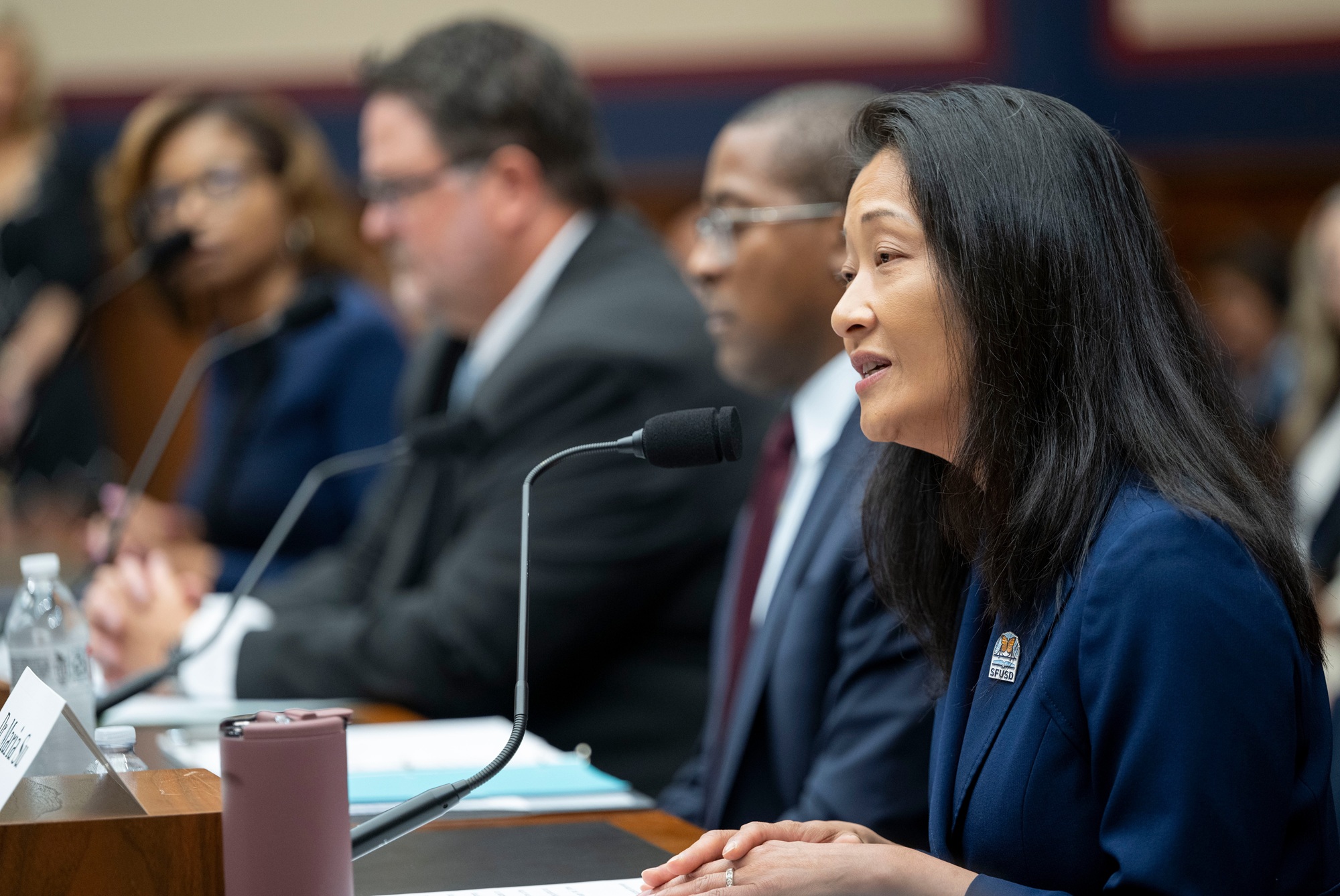
"caption": "San Francisco Unified School District Superintendent Dr. Maria Su, right, testifies during a House Education and Workforce Committee hearing on parental rights and school content policies, on Wednesday, June 10, 2026, in Washington. ",
"credit": "Kevin Wolf/AP Photo",
"altTag": null,
"description": null,
"imgSizes": {
"thumbnail": {
"file": "https://cdn.kqed.org/wp-content/uploads/sites/10/2026/06/MariaSuAP1-160x107.jpg",
"width": 160,
"height": 107,
"mimeType": "image/jpeg"
},
"1536x1536": {
"file": "https://cdn.kqed.org/wp-content/uploads/sites/10/2026/06/MariaSuAP1-1536x1028.jpg",
"width": 1536,
"height": 1028,
"mimeType": "image/jpeg"
},
"post-thumbnail": {
"file": "https://cdn.kqed.org/wp-content/uploads/sites/10/2026/06/MariaSuAP1-672x372.jpg",
"width": 672,
"height": 372,
"mimeType": "image/jpeg"
},
"twentyfourteen-full-width": {
"file": "https://cdn.kqed.org/wp-content/uploads/sites/10/2026/06/MariaSuAP1-1038x576.jpg",
"width": 1038,
"height": 576,
"mimeType": "image/jpeg"
},
"npr-cds-wide": {
"file": "https://cdn.kqed.org/wp-content/uploads/sites/10/2026/06/MariaSuAP1-1200x675.jpg",
"width": 1200,
"height": 675,
"mimeType": "image/jpeg"
},
"npr-cds-square": {
"file": "https://cdn.kqed.org/wp-content/uploads/sites/10/2026/06/MariaSuAP1-600x600.jpg",
"width": 600,
"height": 600,
"mimeType": "image/jpeg"
},
"kqedFullSize": {
"file": "https://cdn.kqed.org/wp-content/uploads/sites/10/2026/06/MariaSuAP1.jpg",
"width": 2000,
"height": 1338
}
},
"isLoading": false,
"fetchFailed": false
},
"news_12077131": {
"type": "attachments",
"id": "news_12077131",
"meta": {
"index": "attachments_1716263798",
"site": "news",
"id": "12077131",
"found": true
},
"title": "260310-UnhousedMail-16-BL_qed",
"publishDate": 1773964697,
"status": "inherit",
"parent": 12077101,
"modified": 1773964709,
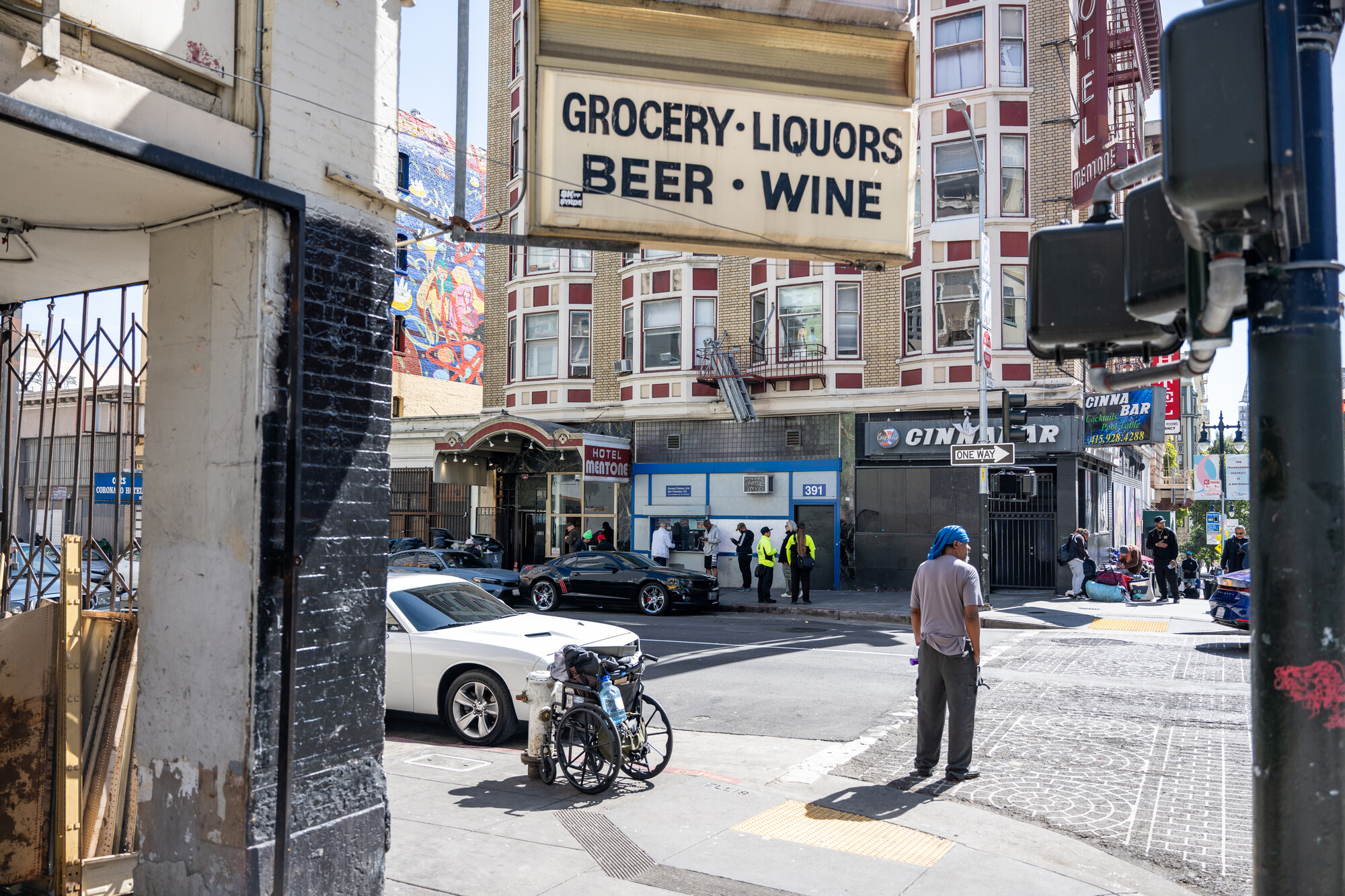
"caption": "San Francisco General Delivery in the Tenderloin neighborhood on March 10, 2026. The service allows people without a permanent address to receive mail by picking it up at the post office.",
"credit": "Beth LaBerge/KQED",
"altTag": null,
"description": null,
"imgSizes": {
"thumbnail": {
"file": "https://cdn.kqed.org/wp-content/uploads/sites/10/2026/03/260310-UnhousedMail-16-BL_qed-160x107.jpg",
"width": 160,
"height": 107,
"mimeType": "image/jpeg"
},
"1536x1536": {
"file": "https://cdn.kqed.org/wp-content/uploads/sites/10/2026/03/260310-UnhousedMail-16-BL_qed-1536x1024.jpg",
"width": 1536,
"height": 1024,
"mimeType": "image/jpeg"
},
"post-thumbnail": {
"file": "https://cdn.kqed.org/wp-content/uploads/sites/10/2026/03/260310-UnhousedMail-16-BL_qed-672x372.jpg",
"width": 672,
"height": 372,
"mimeType": "image/jpeg"
},
"twentyfourteen-full-width": {
"file": "https://cdn.kqed.org/wp-content/uploads/sites/10/2026/03/260310-UnhousedMail-16-BL_qed-1038x576.jpg",
"width": 1038,
"height": 576,
"mimeType": "image/jpeg"
},
"npr-cds-wide": {
"file": "https://cdn.kqed.org/wp-content/uploads/sites/10/2026/03/260310-UnhousedMail-16-BL_qed-1200x675.jpg",
"width": 1200,
"height": 675,
"mimeType": "image/jpeg"
},
"kqedFullSize": {
"file": "https://cdn.kqed.org/wp-content/uploads/sites/10/2026/03/260310-UnhousedMail-16-BL_qed.jpg",
"width": 2000,
"height": 1333
}
},
"isLoading": false,
"fetchFailed": false
},
"news_12046127": {
"type": "attachments",
"id": "news_12046127",
"meta": {
"index": "attachments_1716263798",
"site": "news",
"id": "12046127",
"found": true
},
"title": "250421-SFUSDCentralCuts-09-BL_qed",
"publishDate": 1750965461,
"status": "inherit",
"parent": 12051862,
"modified": 1755024878,
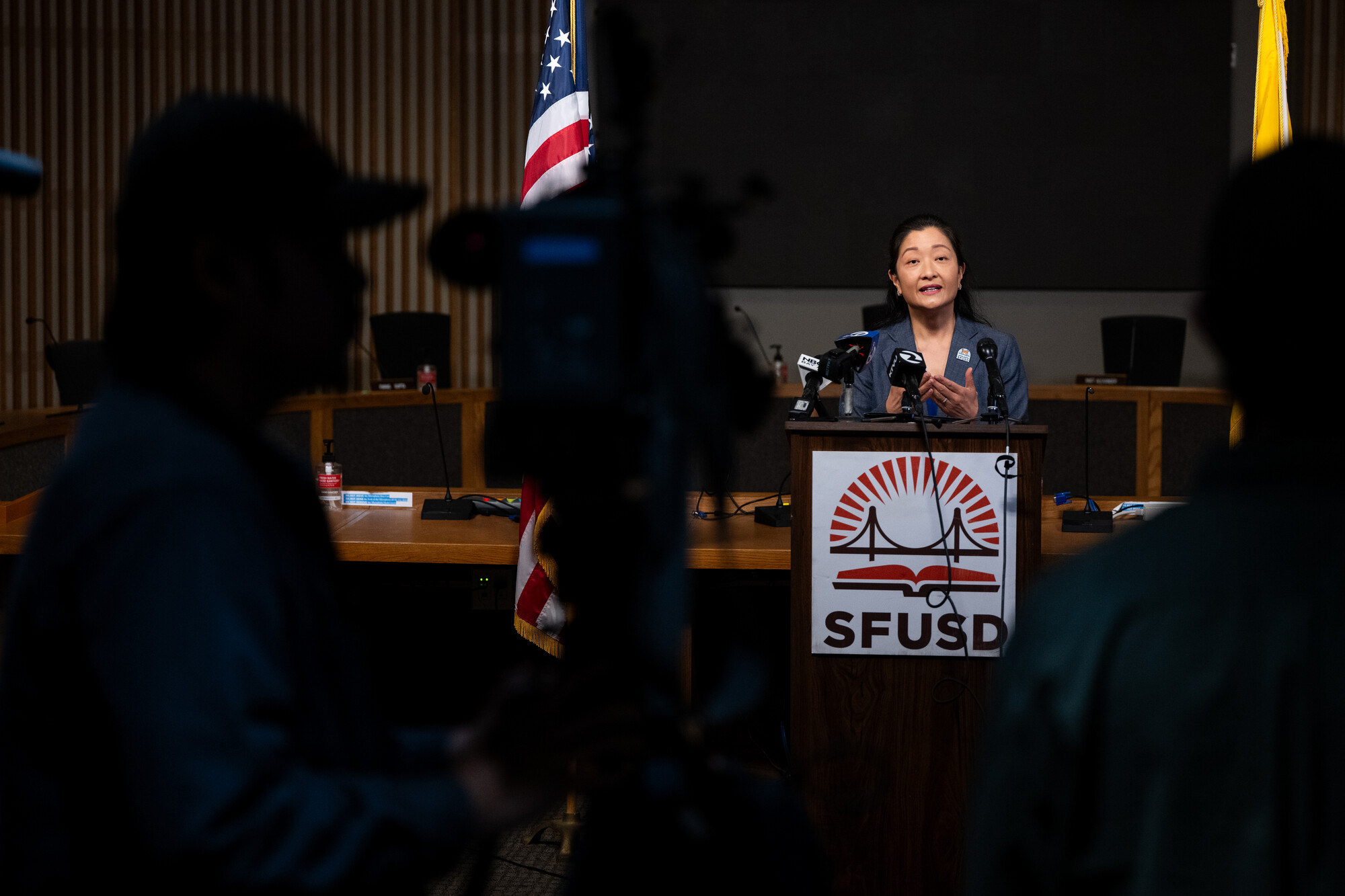
"caption": "San Francisco Unified School District Superintendent Dr. Maria Su speaks during a press conference at the school district offices in San Francisco on April 21, 2025.",
"credit": "Beth LaBerge/KQED",
"altTag": null,
"description": null,
"imgSizes": {
"thumbnail": {
"file": "https://cdn.kqed.org/wp-content/uploads/sites/10/2025/06/250421-SFUSDCentralCuts-09-BL_qed-160x107.jpg",
"width": 160,
"height": 107,
"mimeType": "image/jpeg"
},
"1536x1536": {
"file": "https://cdn.kqed.org/wp-content/uploads/sites/10/2025/06/250421-SFUSDCentralCuts-09-BL_qed-1536x1024.jpg",
"width": 1536,
"height": 1024,
"mimeType": "image/jpeg"
},
"post-thumbnail": {
"file": "https://cdn.kqed.org/wp-content/uploads/sites/10/2025/06/250421-SFUSDCentralCuts-09-BL_qed-672x372.jpg",
"width": 672,
"height": 372,
"mimeType": "image/jpeg"
},
"twentyfourteen-full-width": {
"file": "https://cdn.kqed.org/wp-content/uploads/sites/10/2025/06/250421-SFUSDCentralCuts-09-BL_qed-1038x576.jpg",
"width": 1038,
"height": 576,
"mimeType": "image/jpeg"
},
"kqedFullSize": {
"file": "https://cdn.kqed.org/wp-content/uploads/sites/10/2025/06/250421-SFUSDCentralCuts-09-BL_qed.jpg",
"width": 2000,
"height": 1333
}
},
"isLoading": false,
"fetchFailed": false
},
"news_12010987": {
"type": "attachments",
"id": "news_12010987",
"meta": {
"index": "attachments_1716263798",
"site": "news",
"id": "12010987",
"found": true
},
"title": "241024-SFCOURTCLERKSSTRIKE-23-BL-KQED",
"publishDate": 1729806696,
"status": "inherit",
"parent": 12084031,
"modified": 1779144081,
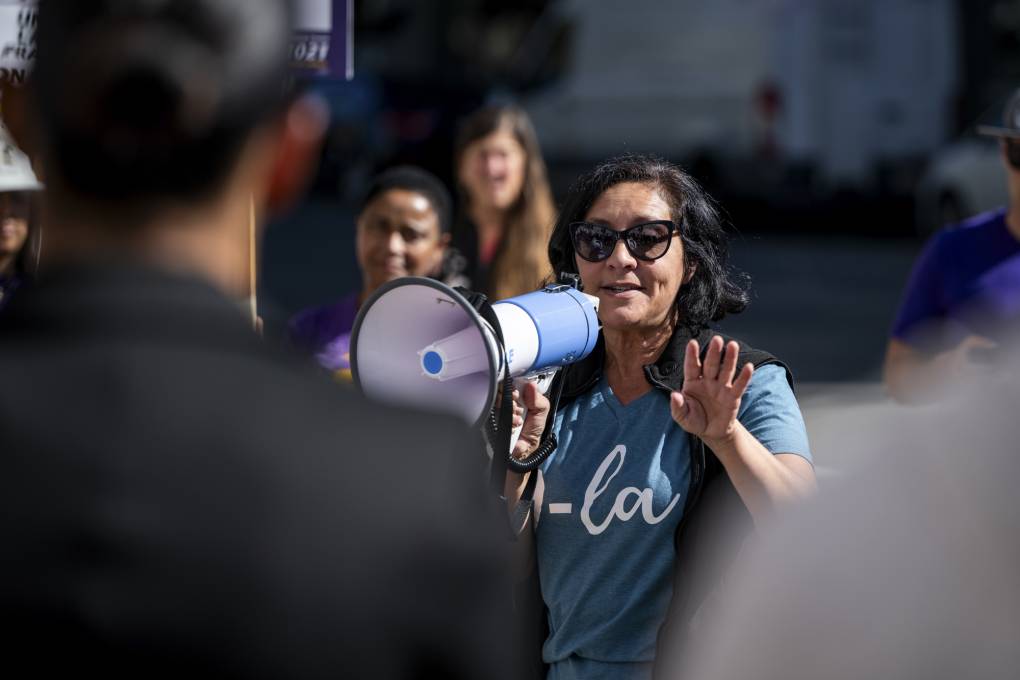
"caption": "Supervisor Myrna Melgar speaks during a strike by San Francisco Superior Court clerks in front of the 850 Bryant St. Courthouse in San Francisco on Oct. 24, 2024.",
"credit": "Beth LaBerge/KQED",
"altTag": null,
"description": null,
"imgSizes": {
"medium": {
"file": "https://cdn.kqed.org/wp-content/uploads/sites/10/2024/10/241024-SFCOURTCLERKSSTRIKE-23-BL-KQED-800x533.jpg",
"width": 800,
"height": 533,
"mimeType": "image/jpeg"
},
"large": {
"file": "https://cdn.kqed.org/wp-content/uploads/sites/10/2024/10/241024-SFCOURTCLERKSSTRIKE-23-BL-KQED-1020x680.jpg",
"width": 1020,
"height": 680,
"mimeType": "image/jpeg"
},
"thumbnail": {
"file": "https://cdn.kqed.org/wp-content/uploads/sites/10/2024/10/241024-SFCOURTCLERKSSTRIKE-23-BL-KQED-160x107.jpg",
"width": 160,
"height": 107,
"mimeType": "image/jpeg"
},
"1536x1536": {
"file": "https://cdn.kqed.org/wp-content/uploads/sites/10/2024/10/241024-SFCOURTCLERKSSTRIKE-23-BL-KQED-1536x1024.jpg",
"width": 1536,
"height": 1024,
"mimeType": "image/jpeg"
},
"post-thumbnail": {
"file": "https://cdn.kqed.org/wp-content/uploads/sites/10/2024/10/241024-SFCOURTCLERKSSTRIKE-23-BL-KQED-672x372.jpg",
"width": 672,
"height": 372,
"mimeType": "image/jpeg"
},
"twentyfourteen-full-width": {
"file": "https://cdn.kqed.org/wp-content/uploads/sites/10/2024/10/241024-SFCOURTCLERKSSTRIKE-23-BL-KQED-1038x576.jpg",
"width": 1038,
"height": 576,
"mimeType": "image/jpeg"
},
"full-width": {
"file": "https://cdn.kqed.org/wp-content/uploads/sites/10/2024/10/241024-SFCOURTCLERKSSTRIKE-23-BL-KQED-1920x1280.jpg",
"width": 1920,
"height": 1280,
"mimeType": "image/jpeg"
},
"kqedFullSize": {
"file": "https://cdn.kqed.org/wp-content/uploads/sites/10/2024/10/241024-SFCOURTCLERKSSTRIKE-23-BL-KQED.jpg",
"width": 2000,
"height": 1333
}
},
"isLoading": false,
"fetchFailed": false
},
"news_12076408": {
"type": "attachments",
"id": "news_12076408",
"meta": {
"index": "attachments_1716263798",
"site": "news",
"id": "12076408",
"found": true
},
"title": "SFChronicleClimateChange",
"publishDate": 1773419954,
"status": "inherit",
"parent": 12076391,
"modified": 1773869901,
"caption": "Crowds gather to enjoy the warm weather and ocean waves at Stinson Beach in Stinson Beach, California, on Oct. 16, 2020. Temperatures across the Bay Area reached record highs this week, drawing inland residents to the coasts to beat the heat. ",
"credit": "Jessica Christian/The San Francisco Chronicle via Getty Images",
"altTag": null,
"description": null,
"imgSizes": {
"thumbnail": {
"file": "https://cdn.kqed.org/wp-content/uploads/sites/10/2026/03/SFBeachesGetty-160x107.jpg",
"width": 160,
"height": 107,
"mimeType": "image/jpeg"
},
"1536x1536": {
"file": "https://cdn.kqed.org/wp-content/uploads/sites/10/2026/03/SFBeachesGetty-1536x1024.jpg",
"width": 1536,
"height": 1024,
"mimeType": "image/jpeg"
},
"post-thumbnail": {
"file": "https://cdn.kqed.org/wp-content/uploads/sites/10/2026/03/SFBeachesGetty-672x372.jpg",
"width": 672,
"height": 372,
"mimeType": "image/jpeg"
},
"twentyfourteen-full-width": {
"file": "https://cdn.kqed.org/wp-content/uploads/sites/10/2026/03/SFBeachesGetty-1038x576.jpg",
"width": 1038,
"height": 576,
"mimeType": "image/jpeg"
},
"npr-cds-wide": {
"file": "https://cdn.kqed.org/wp-content/uploads/sites/10/2026/03/SFBeachesGetty-1200x675.jpg",
"width": 1200,
"height": 675,
"mimeType": "image/jpeg"
},
"kqedFullSize": {
"file": "https://cdn.kqed.org/wp-content/uploads/sites/10/2026/03/SFBeachesGetty.jpg",
"width": 2000,
"height": 1333
}
},
"isLoading": false,
"fetchFailed": false
},
"news_12085531": {
"type": "attachments",
"id": "news_12085531",
"meta": {
"index": "attachments_1716263798",
"site": "news",
"id": "12085531",
"found": true
},
"title": "San Francisco Ballot Box",
"publishDate": 1780077355,
"status": "inherit",
"parent": 12085528,
"modified": 1780077374,
"caption": "Ballot drop box with bilingual sign promoting June 2, 2026 election and opening date, on residential street, San Francisco, California, May 20, 2026. ",
"credit": "Smith Collection/Gado/Getty Images",
"altTag": null,
"description": null,
"imgSizes": {
"thumbnail": {
"file": "https://cdn.kqed.org/wp-content/uploads/sites/10/2026/05/GettyImages-2277984200-160x107.jpg",
"width": 160,
"height": 107,
"mimeType": "image/jpeg"
},
"1536x1536": {
"file": "https://cdn.kqed.org/wp-content/uploads/sites/10/2026/05/GettyImages-2277984200-1536x1024.jpg",
"width": 1536,
"height": 1024,
"mimeType": "image/jpeg"
},
"post-thumbnail": {
"file": "https://cdn.kqed.org/wp-content/uploads/sites/10/2026/05/GettyImages-2277984200-672x372.jpg",
"width": 672,
"height": 372,
"mimeType": "image/jpeg"
},
"twentyfourteen-full-width": {
"file": "https://cdn.kqed.org/wp-content/uploads/sites/10/2026/05/GettyImages-2277984200-1038x576.jpg",
"width": 1038,
"height": 576,
"mimeType": "image/jpeg"
},
"npr-cds-wide": {
"file": "https://cdn.kqed.org/wp-content/uploads/sites/10/2026/05/GettyImages-2277984200-1200x675.jpg",
"width": 1200,
"height": 675,
"mimeType": "image/jpeg"
},
"npr-cds-square": {
"file": "https://cdn.kqed.org/wp-content/uploads/sites/10/2026/05/GettyImages-2277984200-600x600.jpg",
"width": 600,
"height": 600,
"mimeType": "image/jpeg"
},
"kqedFullSize": {
"file": "https://cdn.kqed.org/wp-content/uploads/sites/10/2026/05/GettyImages-2277984200.jpg",
"width": 1980,
"height": 1320
}
},
"isLoading": false,
"fetchFailed": false
},
"news_12086576": {
"type": "attachments",
"id": "news_12086576",
"meta": {
"index": "attachments_1716263798",
"site": "news",
"id": "12086576",
"found": true
},
"title": "GettyImages-597922087",
"publishDate": 1780946728,
"status": "inherit",
"parent": 0,
"modified": 1780946877,
"caption": "A photochrome of Mission Dolores by the Detroit Publishing Company, San Francisco, California, circa 1895.",
"credit": "(Photo by Underwood Archives/Getty Images)",
"altTag": null,
"description": null,
"imgSizes": {
"thumbnail": {
"file": "https://cdn.kqed.org/wp-content/uploads/sites/10/2026/06/GettyImages-597922087-160x122.jpg",
"width": 160,
"height": 122,
"mimeType": "image/jpeg"
},
"1536x1536": {
"file": "https://cdn.kqed.org/wp-content/uploads/sites/10/2026/06/GettyImages-597922087-1536x1171.jpg",
"width": 1536,
"height": 1171,
"mimeType": "image/jpeg"
},
"post-thumbnail": {
"file": "https://cdn.kqed.org/wp-content/uploads/sites/10/2026/06/GettyImages-597922087-672x372.jpg",
"width": 672,
"height": 372,
"mimeType": "image/jpeg"
},
"twentyfourteen-full-width": {
"file": "https://cdn.kqed.org/wp-content/uploads/sites/10/2026/06/GettyImages-597922087-1038x576.jpg",
"width": 1038,
"height": 576,
"mimeType": "image/jpeg"
},
"npr-cds-wide": {
"file": "https://cdn.kqed.org/wp-content/uploads/sites/10/2026/06/GettyImages-597922087-1200x675.jpg",
"width": 1200,
"height": 675,
"mimeType": "image/jpeg"
},
"npr-cds-square": {
"file": "https://cdn.kqed.org/wp-content/uploads/sites/10/2026/06/GettyImages-597922087-600x600.jpg",
"width": 600,
"height": 600,
"mimeType": "image/jpeg"
},
"kqedFullSize": {
"file": "https://cdn.kqed.org/wp-content/uploads/sites/10/2026/06/GettyImages-597922087.jpg",
"width": 2000,
"height": 1525
}
},
"isLoading": false,
"fetchFailed": false
},
"news_12086546": {
"type": "attachments",
"id": "news_12086546",
"meta": {
"index": "attachments_1716263798",
"site": "news",
"id": "12086546",
"found": true
},
"title": "Parking meters line Bryant Street in San Francisco on Nov. 21, 2023.",
"publishDate": 1780941207,
"status": "inherit",
"parent": 12086537,
"modified": 1780941223,
"caption": "Parking meters line Bryant Street in San Francisco on Nov. 21, 2023.",
"credit": "Beth LaBerge/KQED",
"altTag": null,
"description": null,
"imgSizes": {
"thumbnail": {
"file": "https://cdn.kqed.org/wp-content/uploads/sites/10/2026/06/231121-ParkingMeters-06-BL_qed-160x107.jpg",
"width": 160,
"height": 107,
"mimeType": "image/jpeg"
},
"1536x1536": {
"file": "https://cdn.kqed.org/wp-content/uploads/sites/10/2026/06/231121-ParkingMeters-06-BL_qed-1536x1024.jpg",
"width": 1536,
"height": 1024,
"mimeType": "image/jpeg"
},
"post-thumbnail": {
"file": "https://cdn.kqed.org/wp-content/uploads/sites/10/2026/06/231121-ParkingMeters-06-BL_qed-672x372.jpg",
"width": 672,
"height": 372,
"mimeType": "image/jpeg"
},
"twentyfourteen-full-width": {
"file": "https://cdn.kqed.org/wp-content/uploads/sites/10/2026/06/231121-ParkingMeters-06-BL_qed-1038x576.jpg",
"width": 1038,
"height": 576,
"mimeType": "image/jpeg"
},
"npr-cds-wide": {
"file": "https://cdn.kqed.org/wp-content/uploads/sites/10/2026/06/231121-ParkingMeters-06-BL_qed-1200x675.jpg",
"width": 1200,
"height": 675,
"mimeType": "image/jpeg"
},
"npr-cds-square": {
"file": "https://cdn.kqed.org/wp-content/uploads/sites/10/2026/06/231121-ParkingMeters-06-BL_qed-600x600.jpg",
"width": 600,
"height": 600,
"mimeType": "image/jpeg"
},
"kqedFullSize": {
"file": "https://cdn.kqed.org/wp-content/uploads/sites/10/2026/06/231121-ParkingMeters-06-BL_qed.jpg",
"width": 1999,
"height": 1333
}
},
"isLoading": false,
"fetchFailed": false
},
"news_12046126": {
"type": "attachments",
"id": "news_12046126",
"meta": {
"index": "attachments_1716263798",
"site": "news",
"id": "12046126",
"found": true
},
"title": "250418-SFUSD-01-BL_qed",
"publishDate": 1750965407,
"status": "inherit",
"parent": 12046122,
"modified": 1750965414,
"caption": "The San Francisco Unified School District Administrative Offices in San Francisco on April 18, 2025.",
"credit": "Beth LaBerge/KQED",
"altTag": null,
"description": null,
"imgSizes": {
"thumbnail": {
"file": "https://cdn.kqed.org/wp-content/uploads/sites/10/2025/06/250418-SFUSD-01-BL_qed-160x107.jpg",
"width": 160,
"height": 107,
"mimeType": "image/jpeg"
},
"1536x1536": {
"file": "https://cdn.kqed.org/wp-content/uploads/sites/10/2025/06/250418-SFUSD-01-BL_qed-1536x1024.jpg",
"width": 1536,
"height": 1024,
"mimeType": "image/jpeg"
},
"post-thumbnail": {
"file": "https://cdn.kqed.org/wp-content/uploads/sites/10/2025/06/250418-SFUSD-01-BL_qed-672x372.jpg",
"width": 672,
"height": 372,
"mimeType": "image/jpeg"
},
"twentyfourteen-full-width": {
"file": "https://cdn.kqed.org/wp-content/uploads/sites/10/2025/06/250418-SFUSD-01-BL_qed-1038x576.jpg",
"width": 1038,
"height": 576,
"mimeType": "image/jpeg"
},
"kqedFullSize": {
"file": "https://cdn.kqed.org/wp-content/uploads/sites/10/2025/06/250418-SFUSD-01-BL_qed.jpg",
"width": 1999,
"height": 1333
}
},
"isLoading": false,
"fetchFailed": false
},
"news_12086559": {
"type": "attachments",
"id": "news_12086559",
"meta": {
"index": "attachments_1716263798",
"site": "news",
"id": "12086559",
"found": true
},
"title": "Zuckerberg Hospital Exterior",
"publishDate": 1780942968,
"status": "inherit",
"parent": 12086556,
"modified": 1780943057,
"caption": "The Zuckerberg San Francisco General Hospital and Trauma Center building on May 20, 2026. ",
"credit": "Smith Collection/Gado via Getty Images",
"altTag": null,
"description": null,
"imgSizes": {
"thumbnail": {
"file": "https://cdn.kqed.org/wp-content/uploads/sites/10/2026/06/SFGeneralHospitalGetty-160x107.jpg",
"width": 160,
"height": 107,
"mimeType": "image/jpeg"
},
"1536x1536": {
"file": "https://cdn.kqed.org/wp-content/uploads/sites/10/2026/06/SFGeneralHospitalGetty-1536x1024.jpg",
"width": 1536,
"height": 1024,
"mimeType": "image/jpeg"
},
"post-thumbnail": {
"file": "https://cdn.kqed.org/wp-content/uploads/sites/10/2026/06/SFGeneralHospitalGetty-672x372.jpg",
"width": 672,
"height": 372,
"mimeType": "image/jpeg"
},
"twentyfourteen-full-width": {
"file": "https://cdn.kqed.org/wp-content/uploads/sites/10/2026/06/SFGeneralHospitalGetty-1038x576.jpg",
"width": 1038,
"height": 576,
"mimeType": "image/jpeg"
},
"npr-cds-wide": {
"file": "https://cdn.kqed.org/wp-content/uploads/sites/10/2026/06/SFGeneralHospitalGetty-1200x675.jpg",
"width": 1200,
"height": 675,
"mimeType": "image/jpeg"
},
"npr-cds-square": {
"file": "https://cdn.kqed.org/wp-content/uploads/sites/10/2026/06/SFGeneralHospitalGetty-600x600.jpg",
"width": 600,
"height": 600,
"mimeType": "image/jpeg"
},
"kqedFullSize": {
"file": "https://cdn.kqed.org/wp-content/uploads/sites/10/2026/06/SFGeneralHospitalGetty.jpg",
"width": 2000,
"height": 1333
}
},
"isLoading": false,
"fetchFailed": false
},
"news_12086554": {
"type": "attachments",
"id": "news_12086554",
"meta": {
"index": "attachments_1716263798",
"site": "news",
"id": "12086554",
"found": true
},
"title": "Planned Parenthood Facade",
"publishDate": 1780942234,
"status": "inherit",
"parent": 12086530,
"modified": 1780942279,
"caption": "A Planned Parenthood Northern California health center in San Francisco, California, on Sept. 30, 2025. ",
"credit": "Smith Collection/Gado via Getty Images",
"altTag": null,
"description": null,
"imgSizes": {
"thumbnail": {
"file": "https://cdn.kqed.org/wp-content/uploads/sites/10/2026/06/PlannedParenthoodSF-160x107.jpg",
"width": 160,
"height": 107,
"mimeType": "image/jpeg"
},
"1536x1536": {
"file": "https://cdn.kqed.org/wp-content/uploads/sites/10/2026/06/PlannedParenthoodSF-1536x1024.jpg",
"width": 1536,
"height": 1024,
"mimeType": "image/jpeg"
},
"post-thumbnail": {
"file": "https://cdn.kqed.org/wp-content/uploads/sites/10/2026/06/PlannedParenthoodSF-672x372.jpg",
"width": 672,
"height": 372,
"mimeType": "image/jpeg"
},
"twentyfourteen-full-width": {
"file": "https://cdn.kqed.org/wp-content/uploads/sites/10/2026/06/PlannedParenthoodSF-1038x576.jpg",
"width": 1038,
"height": 576,
"mimeType": "image/jpeg"
},
"npr-cds-wide": {
"file": "https://cdn.kqed.org/wp-content/uploads/sites/10/2026/06/PlannedParenthoodSF-1200x675.jpg",
"width": 1200,
"height": 675,
"mimeType": "image/jpeg"
},
"npr-cds-square": {
"file": "https://cdn.kqed.org/wp-content/uploads/sites/10/2026/06/PlannedParenthoodSF-600x600.jpg",
"width": 600,
"height": 600,
"mimeType": "image/jpeg"
},
"kqedFullSize": {
"file": "https://cdn.kqed.org/wp-content/uploads/sites/10/2026/06/PlannedParenthoodSF.jpg",
"width": 2000,
"height": 1333
}
},
"isLoading": false,
"fetchFailed": false
},
"news_12086378": {
"type": "attachments",
"id": "news_12086378",
"meta": {
"index": "attachments_1716263798",
"site": "news",
"id": "12086378",
"found": true
},
"title": "MBC profile view with driver",
"publishDate": 1780679425,
"status": "inherit",
"parent": 12086370,
"modified": 1780679463,
"caption": "The Mobile Benefits Center from San Francisco’s Human Services Agency, which will be driven to different neighborhoods around the city.",
"credit": "Courtesy of SFHSA",
"altTag": null,
"description": null,
"imgSizes": {
"thumbnail": {
"file": "https://cdn.kqed.org/wp-content/uploads/sites/10/2026/06/MBC-profile-view-with-driver-160x120.jpg",
"width": 160,
"height": 120,
"mimeType": "image/jpeg"
},
"1536x1536": {
"file": "https://cdn.kqed.org/wp-content/uploads/sites/10/2026/06/MBC-profile-view-with-driver-1536x1152.jpg",
"width": 1536,
"height": 1152,
"mimeType": "image/jpeg"
},
"post-thumbnail": {
"file": "https://cdn.kqed.org/wp-content/uploads/sites/10/2026/06/MBC-profile-view-with-driver-672x372.jpg",
"width": 672,
"height": 372,
"mimeType": "image/jpeg"
},
"twentyfourteen-full-width": {
"file": "https://cdn.kqed.org/wp-content/uploads/sites/10/2026/06/MBC-profile-view-with-driver-1038x576.jpg",
"width": 1038,
"height": 576,
"mimeType": "image/jpeg"
},
"npr-cds-wide": {
"file": "https://cdn.kqed.org/wp-content/uploads/sites/10/2026/06/MBC-profile-view-with-driver-1200x675.jpg",
"width": 1200,
"height": 675,
"mimeType": "image/jpeg"
},
"npr-cds-square": {
"file": "https://cdn.kqed.org/wp-content/uploads/sites/10/2026/06/MBC-profile-view-with-driver-600x600.jpg",
"width": 600,
"height": 600,
"mimeType": "image/jpeg"
},
"kqedFullSize": {
"file": "https://cdn.kqed.org/wp-content/uploads/sites/10/2026/06/MBC-profile-view-with-driver.jpg",
"width": 2000,
"height": 1500
}
},
"isLoading": false,
"fetchFailed": false
}
},
"audioPlayerReducer": {
"postId": "stream_live",
"isPaused": true,
"isPlaying": false,
"pfsActive": false,
"pledgeModalIsOpen": true,
"playerDrawerIsOpen": false,
"liveAudioPlayStartedAt": 0,
"liveAudioPlayContext": ""
},
"authorsReducer": {
"btorres": {
"type": "authors",
"id": "11666",
"meta": {
"index": "authors_1716337520",
"id": "11666",
"found": true
},
"name": "Blanca Torres",
"firstName": "Blanca",
"lastName": "Torres",
"slug": "btorres",
"email": "btorres@kqed.org",
"display_author_email": true,
"staff_mastheads": [
"news"
],
"title": "Producer, Forum",
"bio": "Blanca Torres brings sharp news judgement and keen sense of lively conversation to her work as producer for Forum. She loves producing shows that leave listeners feeling like they heard distinctive voices, learned something new and gained a fresh perspective.\r\n\r\nShe joined KQED in January of 2020 after 16 years of working as a newspaper reporter most recently at the \u003cem>San Francisco Business Times,\u003c/em> where she wrote about real estate and economic development. Before that, she covered a variety of beats including crime, education, retail, workplace, the economy, consumer issues, and small business for the \u003cem>Contra Costa Times, Baltimore Sun\u003c/em> and\u003cem> The Seattle Times\u003c/em>. In addition to reporting, she worked as an editorial writer and columnist for the \u003cem>Seattle Times\u003c/em>. From 2017 to 2020, Blanca won a total of ten awards from the National Association of Real Estate Editors and won first place for land use reporting from the California News Publishers Association two years in a row. She is also a member and former board member for the National Association of Hispanic Journalists.\r\n\r\nA native of the Pacific Northwest, Blanca earned her bachelor's degree from Vanderbilt University in Nashville and a master's in fine arts in creative writing at Mills College. She lives in the East Bay with her family.",
"avatar": "https://secure.gravatar.com/avatar/50b49d19b14a1eed34f26ebf4681152cdd81574ed21851100871ccd29e578cdc?s=600&d=blank&r=g",
"twitter": "@blancawrites",
"bluesky": null,
"facebook": null,
"instagram": null,
"linkedin": null,
"sites": [
{
"site": "arts",
"roles": [
"editor"
]
},
{
"site": "news",
"roles": [
"editor"
]
},
{
"site": "forum",
"roles": [
"editor"
]
}
],
"headData": {
"title": "Blanca Torres | KQED",
"description": "Producer, Forum",
"ogImgSrc": "https://secure.gravatar.com/avatar/50b49d19b14a1eed34f26ebf4681152cdd81574ed21851100871ccd29e578cdc?s=600&d=blank&r=g",
"twImgSrc": "https://secure.gravatar.com/avatar/50b49d19b14a1eed34f26ebf4681152cdd81574ed21851100871ccd29e578cdc?s=600&d=blank&r=g"
},
"isLoading": false,
"link": "/author/btorres"
},
"ccabreralomeli": {
"type": "authors",
"id": "11708",
"meta": {
"index": "authors_1716337520",
"id": "11708",
"found": true
},
"name": "Carlos Cabrera-Lomelí",
"firstName": "Carlos",
"lastName": "Cabrera-Lomelí",
"slug": "ccabreralomeli",
"email": "ccabreralomeli@KQED.org",
"display_author_email": true,
"staff_mastheads": [
"news"
],
"title": "Community Reporter",
"bio": "Carlos Cabrera-Lomelí is a community reporter with KQED's digital engagement team. He also reports and co-produces for KQED's bilingual news hub KQED en Español. He grew up in San Francisco's Mission District and has previously worked with Univision, 48 Hills and REFORMA in Mexico City.",
"avatar": "https://secure.gravatar.com/avatar/c309be9665e484f887b818c89e273ecc673004f426f36b24d00a4d813a2e0518?s=600&d=blank&r=g",
"twitter": "@LomeliCabrera",
"bluesky": null,
"facebook": null,
"instagram": null,
"linkedin": null,
"sites": [
{
"site": "arts",
"roles": [
"editor"
]
},
{
"site": "news",
"roles": [
"editor"
]
},
{
"site": "about",
"roles": [
"editor"
]
},
{
"site": "science",
"roles": [
"editor"
]
},
{
"site": "perspectives",
"roles": [
"editor"
]
},
{
"site": "elections",
"roles": [
"editor"
]
},
{
"site": "liveblog",
"roles": [
"contributor"
]
}
],
"headData": {
"title": "Carlos Cabrera-Lomelí | KQED",
"description": "Community Reporter",
"ogImgSrc": "https://secure.gravatar.com/avatar/c309be9665e484f887b818c89e273ecc673004f426f36b24d00a4d813a2e0518?s=600&d=blank&r=g",
"twImgSrc": "https://secure.gravatar.com/avatar/c309be9665e484f887b818c89e273ecc673004f426f36b24d00a4d813a2e0518?s=600&d=blank&r=g"
},
"isLoading": false,
"link": "/author/ccabreralomeli"
},
"eromero": {
"type": "authors",
"id": "11746",
"meta": {
"index": "authors_1716337520",
"id": "11746",
"found": true
},
"name": "Ezra David Romero",
"firstName": "Ezra David",
"lastName": "Romero",
"slug": "eromero",
"email": "eromero@kqed.org",
"display_author_email": true,
"staff_mastheads": [
"news",
"science"
],
"title": "Climate Reporter",
"bio": "Ezra David Romero is a climate reporter for KQED News. He covers the absence and excess of water in the Bay Area — think sea level rise, flooding and drought. For nearly a decade he’s covered how warming temperatures are altering the lives of Californians. He’s reported on farmers worried their pistachio trees aren’t getting enough sleep, families desperate for water, scientists studying dying giant sequoias, and alongside firefighters containing wildfires. His work has appeared on local stations across California and nationally on public radio shows like Morning Edition, Here and Now, All Things Considered and Science Friday. ",
"avatar": "https://secure.gravatar.com/avatar/c76404d287c10ed40224227551ac36e24352c7306f106632caf6fead76f8801f?s=600&d=blank&r=g",
"twitter": "ezraromero",
"bluesky": null,
"facebook": null,
"instagram": null,
"linkedin": null,
"sites": [
{
"site": "arts",
"roles": [
"editor"
]
},
{
"site": "news",
"roles": [
"editor"
]
},
{
"site": "science",
"roles": [
"editor"
]
},
{
"site": "liveblog",
"roles": [
"author"
]
}
],
"headData": {
"title": "Ezra David Romero | KQED",
"description": "Climate Reporter",
"ogImgSrc": "https://secure.gravatar.com/avatar/c76404d287c10ed40224227551ac36e24352c7306f106632caf6fead76f8801f?s=600&d=blank&r=g",
"twImgSrc": "https://secure.gravatar.com/avatar/c76404d287c10ed40224227551ac36e24352c7306f106632caf6fead76f8801f?s=600&d=blank&r=g"
},
"isLoading": false,
"link": "/author/eromero"
},
"sjohnson": {
"type": "authors",
"id": "11840",
"meta": {
"index": "authors_1716337520",
"id": "11840",
"found": true
},
"name": "Sydney Johnson",
"firstName": "Sydney",
"lastName": "Johnson",
"slug": "sjohnson",
"email": "sjohnson@kqed.org",
"display_author_email": false,
"staff_mastheads": [
"news"
],
"title": "KQED Reporter",
"bio": "Sydney Johnson is a general assignment reporter at KQED. She previously reported on public health and city government at the San Francisco Examiner, and before that, she covered statewide education policy for EdSource. Her reporting has won multiple local, state and national awards. Sydney is a graduate of the University of California, Berkeley and lives in San Francisco.",
"avatar": "https://secure.gravatar.com/avatar/97855f2719b72ad6190b7c535fe642c8?s=600&d=blank&r=g",
"twitter": "sydneyfjohnson",
"facebook": null,
"instagram": null,
"linkedin": null,
"sites": [
{
"site": "news",
"roles": [
"editor"
]
}
],
"headData": {
"title": "Sydney Johnson | KQED",
"description": "KQED Reporter",
"ogImgSrc": "https://secure.gravatar.com/avatar/97855f2719b72ad6190b7c535fe642c8?s=600&d=blank&r=g",
"twImgSrc": "https://secure.gravatar.com/avatar/97855f2719b72ad6190b7c535fe642c8?s=600&d=blank&r=g"
},
"isLoading": false,
"link": "/author/sjohnson"
},
"nkhan": {
"type": "authors",
"id": "11867",
"meta": {
"index": "authors_1716337520",
"id": "11867",
"found": true
},
"name": "Nisa Khan",
"firstName": "Nisa",
"lastName": "Khan",
"slug": "nkhan",
"email": "nkhan@kqed.org",
"display_author_email": false,
"staff_mastheads": [],
"title": "KQED Contributor",
"bio": "Nisa Khan is a reporter for KQED's Audience News Desk. She was formerly a data reporter at Michigan Radio. She earned a Bachelor of Science in Information from the University of Michigan and a Master of Arts in Communication from Stanford University.",
"avatar": "https://secure.gravatar.com/avatar/8720459eef081ff64582b3506b124d58523e80e120704a0cbd9892533c914991?s=600&d=blank&r=g",
"twitter": "mnisakhan",
"bluesky": null,
"facebook": null,
"instagram": null,
"linkedin": null,
"sites": [
{
"site": "arts",
"roles": [
"editor"
]
},
{
"site": "news",
"roles": [
"editor"
]
},
{
"site": "science",
"roles": [
"editor",
"author"
]
},
{
"site": "forum",
"roles": [
"editor"
]
},
{
"site": "liveblog",
"roles": [
"contributor"
]
}
],
"headData": {
"title": "Nisa Khan | KQED",
"description": "KQED Contributor",
"ogImgSrc": "https://secure.gravatar.com/avatar/8720459eef081ff64582b3506b124d58523e80e120704a0cbd9892533c914991?s=600&d=blank&r=g",
"twImgSrc": "https://secure.gravatar.com/avatar/8720459eef081ff64582b3506b124d58523e80e120704a0cbd9892533c914991?s=600&d=blank&r=g"
},
"isLoading": false,
"link": "/author/nkhan"
},
"kdebenedetti": {
"type": "authors",
"id": "11913",
"meta": {
"index": "authors_1716337520",
"id": "11913",
"found": true
},
"name": "Katie DeBenedetti",
"firstName": "Katie",
"lastName": "DeBenedetti",
"slug": "kdebenedetti",
"email": "kdebenedetti@kqed.org",
"display_author_email": false,
"staff_mastheads": [
"news",
"science"
],
"title": "KQED Contributor",
"bio": "Katie DeBenedetti is a digital reporter covering daily news for the Express Desk. Prior to joining KQED as a culture reporting intern in January 2024, she covered education and city government for the Napa Valley Register.",
"avatar": "https://secure.gravatar.com/avatar/6e31073cb8f7e4214ab03f42771d0f45?s=600&d=blank&r=g",
"twitter": null,
"facebook": null,
"instagram": null,
"linkedin": null,
"sites": [
{
"site": "news",
"roles": [
"author"
]
},
{
"site": "science",
"roles": [
"author"
]
},
{
"site": "liveblog",
"roles": [
"author"
]
}
],
"headData": {
"title": "Katie DeBenedetti | KQED",
"description": "KQED Contributor",
"ogImgSrc": "https://secure.gravatar.com/avatar/6e31073cb8f7e4214ab03f42771d0f45?s=600&d=blank&r=g",
"twImgSrc": "https://secure.gravatar.com/avatar/6e31073cb8f7e4214ab03f42771d0f45?s=600&d=blank&r=g"
},
"isLoading": false,
"link": "/author/kdebenedetti"
},
"sarahwright": {
"type": "authors",
"id": "11956",
"meta": {
"index": "authors_1716337520",
"id": "11956",
"found": true
},
"name": "Sarah Wright",
"firstName": "Sarah",
"lastName": "Wright",
"slug": "sarahwright",
"email": "swright@kqed.org",
"display_author_email": true,
"staff_mastheads": [],
"title": "Outdoors Engagement Reporter",
"bio": "Sarah Wright is KQED's Outdoors Engagement Reporter. Originally from Lake Tahoe, she completed a thru-hike of the Pacific Crest Trail in 2019 and was a U.S. Fulbright Program grantee to Argentina in 2023. Her journalism has appeared in The Guardian, The San Francisco Standard, The Palo Alto Weekly and the Half Moon Bay Review.",
"avatar": "https://secure.gravatar.com/avatar/c161a3d6441865cba25e6db4fa561099ad665799e9432e34da2b84d7e371524c?s=600&d=blank&r=g",
"twitter": null,
"bluesky": null,
"facebook": null,
"instagram": null,
"linkedin": null,
"sites": [
{
"site": "arts",
"roles": [
"editor"
]
},
{
"site": "news",
"roles": [
"editor"
]
},
{
"site": "science",
"roles": [
"contributor",
"author"
]
},
{
"site": "forum",
"roles": [
"editor"
]
}
],
"headData": {
"title": "Sarah Wright | KQED",
"description": "Outdoors Engagement Reporter",
"ogImgSrc": "https://secure.gravatar.com/avatar/c161a3d6441865cba25e6db4fa561099ad665799e9432e34da2b84d7e371524c?s=600&d=blank&r=g",
"twImgSrc": "https://secure.gravatar.com/avatar/c161a3d6441865cba25e6db4fa561099ad665799e9432e34da2b84d7e371524c?s=600&d=blank&r=g"
},
"isLoading": false,
"link": "/author/sarahwright"
}
},
"pagesReducer": {
"news_tag_san-francisco": {
"type": "terms",
"id": "news_38",
"meta": {
"index": "terms_1716263798",
"site": "news",
"id": "38",
"score": 6.7228813
},
"featImg": null,
"name": "San Francisco",
"description": null,
"taxonomy": "tag",
"headData": {
"twImgId": null,
"twTitle": null,
"ogTitle": null,
"ogImgId": null,
"twDescription": null,
"description": null,
"title": "San Francisco Archives | KQED News",
"ogDescription": null
},
"ttid": 58,
"slug": "san-francisco",
"isLoading": false,
"title": "San Francisco",
"pageMeta": {
"site": "news",
"WpPageTemplate": "page-topic-editorial",
"currentPage": 14
},
"blocks": [
{
"blockName": "kqed/post-list",
"attrs": {
"layout": "cardArticle2",
"query": "posts/news?tag=san-francisco",
"seeMore": false,
"paginated": true,
"page": 14
}
},
{
"blockName": "kqed/ad"
}
]
}
},
"pfsSessionReducer": {},
"postsReducer": {
"stream_live": {
"type": "live",
"id": "stream_live",
"audioUrl": "https://streams.kqed.org/kqedradio",
"title": "Live Stream",
"excerpt": "Live Stream information currently unavailable.",
"link": "/radio",
"featImg": "",
"label": {
"name": "KQED Live",
"link": "/"
}
},
"stream_kqedNewscast": {
"type": "posts",
"id": "stream_kqedNewscast",
"audioUrl": "https://www.kqed.org/.stream/anon/radio/RDnews/newscast.mp3?_=1",
"title": "KQED Newscast",
"featImg": "",
"label": {
"name": "88.5 FM",
"link": "/"
}
},
"news_12086884": {
"type": "posts",
"id": "news_12086884",
"meta": {
"index": "posts_1716263798",
"site": "news",
"id": "12086884",
"score": null,
"sort": [
1781124812000
]
},
"guestAuthors": [],
"slug": "sfusd-chief-maria-su-defends-trans-student-policies-ethnic-studies-at-heated-house-hearing",
"title": "SFUSD Chief Maria Su Defends Trans Student Policies, Ethnic Studies at Heated House Hearing",
"publishDate": 1781124812,
"format": "standard",
"headTitle": "SFUSD Chief Maria Su Defends Trans Student Policies, Ethnic Studies at Heated House Hearing | KQED",
"labelTerm": {
"site": "news"
},
"content": "\u003cp>San Francisco’s public schools chief faced pointed questioning from House Republicans about \u003ca href=\"https://www.kqed.org/arts/13984850/drag-story-hour-celebrates-10-years-at-san-francisco-public-library\">drag story hour\u003c/a>, \u003ca href=\"https://www.kqed.org/news/12046122/sfusd-was-a-pioneer-in-ethnic-studies-now-the-program-could-be-put-on-pause\">ethnic studies\u003c/a> and policies affecting LGBTQ+ students during a heated Congressional hearing on Wednesday.\u003c/p>\n\u003cp>Superintendent Maria Su maintained that the San Francisco Unified School District follows state and federal law, largely dodging questions about culture war issues, including transgender student protections, parent communication policies and specific course content.\u003c/p>\n\u003cp>The first question posed to Su, seated behind the witness table alongside heads of Chicago and Loudoun County, Virginia schools, Macquline King and Aaron Spence, was from the Committee on Education and the Workforce Committee Chairman Rep. Tim Walberg, R-Michigan, who asked: “At what age do you think students should be exposed to drag queen story hour?”\u003c/p>\n\u003cp>[ad fullwidth]\u003c/p>\n\u003cp>Su did not provide a specific age and said parents can choose to opt out of activities for religious reasons.\u003c/p>\n\u003cp>In a short opening testimony, she said the district was “proud of its history,” and that San Francisco is known as a “pioneer” in LGBTQ+ rights.\u003c/p>\n\u003cp>“We have a long tradition of embracing diversity and welcoming everyone, including those who feel marginalized or overlooked,” Su told the committee. “We are focused on positive student outcomes. Students must learn to read clearly, write effectively and graduate prepared for college, career and life.”\u003c/p>\n\u003cfigure id=\"attachment_12033890\" class=\"wp-caption aligncenter\" style=\"max-width: 2000px\">\u003cimg loading=\"lazy\" decoding=\"async\" class=\"size-full wp-image-12033890\" src=\"https://cdn.kqed.org/wp-content/uploads/sites/10/2025/03/250331-Trans-Newsom-Rally-AC-10-KQED.jpg\" alt=\"\" width=\"2000\" height=\"1334\" srcset=\"https://cdn.kqed.org/wp-content/uploads/sites/10/2025/03/250331-Trans-Newsom-Rally-AC-10-KQED.jpg 2000w, https://cdn.kqed.org/wp-content/uploads/sites/10/2025/03/250331-Trans-Newsom-Rally-AC-10-KQED-800x534.jpg 800w, https://cdn.kqed.org/wp-content/uploads/sites/10/2025/03/250331-Trans-Newsom-Rally-AC-10-KQED-1020x680.jpg 1020w, https://cdn.kqed.org/wp-content/uploads/sites/10/2025/03/250331-Trans-Newsom-Rally-AC-10-KQED-160x107.jpg 160w, https://cdn.kqed.org/wp-content/uploads/sites/10/2025/03/250331-Trans-Newsom-Rally-AC-10-KQED-1536x1025.jpg 1536w, https://cdn.kqed.org/wp-content/uploads/sites/10/2025/03/250331-Trans-Newsom-Rally-AC-10-KQED-1920x1281.jpg 1920w\" sizes=\"auto, (max-width: 2000px) 100vw, 2000px\">\u003cfigcaption class=\"wp-caption-text\">A demonstrator waves an LGBTQ+ flag during a march for trans youth in Kentfield on March 31, 2025. \u003ccite>(Aryk Copley for KQED)\u003c/cite>\u003c/figcaption>\u003c/figure>\n\u003cp>During the three-hourlong hearing, Su and the other superintendents were asked a range of questions loosely related to their districts’ policies protecting LGBTQ+ students and diversity, equity and inclusion, including whether biological men should be allowed in locker rooms with biological women, and if declining to use a student’s preferred pronouns is “morally equivalent to assault.”\u003c/p>\n\u003cp>Su, who told the committee she was suffering from laryngitis, mostly avoided the morning’s sharpest questioning, in part due to her short tenure at the helm of San Francisco’s schools.\u003c/p>\n\u003cp>Multiple committee members appeared frustrated by Su’s refusal to provide yes or no responses to questions, as she instead calmly and repeatedly harkened back to the district’s focus on “welcom[ing] all 49,000 students as they are.”\u003c/p>\n\u003cp>Democratic lawmakers on the committee said the hearing was designed to generate controversy and scare schools into compliance with the Trump administration’s views on hot-button topics. Several argued the hearing ignored real issues school districts face, from funding shortages to youth mental health struggles, racial or sexual discrimination and gun violence.[aside postID=news_12086522 hero='https://cdn.kqed.org/wp-content/uploads/sites/10/2025/06/250421-SFUSDCentralCuts-09-BL_qed.jpg']“This is part and parcel of the Trump administration and Congressional Republicans’ track record of putting political games before proper governance and using divisive, hateful rhetoric to distract from their attacks on public education,” Rep. Bobby Scott of Virginia, the ranking Democrat on the committee, said.\u003c/p>\n\u003cp>They likened Republican members’ questions and assertions about the school leaders to “harassment” — including from Rep. Burgess Owens, R-Utah, who told the three school heads, all of whom hold doctorates: “This is not your thing. You need to find something else to do because you are not helping out kids. You’re failing our kids.”\u003c/p>\n\u003cp>Spence faced repeated questioning over an \u003ca href=\"https://www.ed.gov/about/news/press-release/us-department-of-education-probes-loudoun-county-public-schools-over-alleged-bathroom-filming-incidents\">incident at one high school\u003c/a>, where a transgender student was accused of filming other boys in a bathroom, and King was asked a particularly graphic question from Rep. Joe Wilson, R-South Carolina, about whether she preferred abortion via suction or removing body parts individually.\u003c/p>\n\u003cp>“I’m very disturbed by that question,” King said, adding that Chicago schools’ sexual education curriculum is in compliance with state law.\u003c/p>\n\u003cp>SFUSD received a positive nod from Walberg during closing statements, after Rep. Kevin Kiley, who recently changed his party affiliation from Republican to independent after \u003ca href=\"https://www.kqed.org/news/12085346/californias-3rd-congressional-district-race-pits-longtime-politician-against-progressive-newcomer\">California redrew lines\u003c/a> around his district in favor of Democrats last year, praised changes SFUSD has made.\u003c/p>\n\u003cp>“We’ve seen big improvements in recent years, so I think that’s something to celebrate,” Kiley said.\u003c/p>\n\u003cfigure id=\"attachment_12086920\" class=\"wp-caption aligncenter\" style=\"max-width: 2000px\">\u003cimg loading=\"lazy\" decoding=\"async\" class=\"size-full wp-image-12086920\" src=\"https://cdn.kqed.org/wp-content/uploads/sites/10/2026/06/MariaSuAP2.jpg\" alt=\"\" width=\"2000\" height=\"1333\" srcset=\"https://cdn.kqed.org/wp-content/uploads/sites/10/2026/06/MariaSuAP2.jpg 2000w, https://cdn.kqed.org/wp-content/uploads/sites/10/2026/06/MariaSuAP2-160x107.jpg 160w, https://cdn.kqed.org/wp-content/uploads/sites/10/2026/06/MariaSuAP2-1536x1024.jpg 1536w\" sizes=\"auto, (max-width: 2000px) 100vw, 2000px\">\u003cfigcaption class=\"wp-caption-text\">San Francisco Unified School District Superintendent Dr. Maria Su testifies during a House Education and Workforce Committee hearing on parental rights and school content policies, on Wednesday, June 10, 2026, in Washington, D.C. \u003ccite>(Kevin Wolf/AP Photo)\u003c/cite>\u003c/figcaption>\u003c/figure>\n\u003cp>He contrasted the state of the district today with 2022, when three board of education members were recalled over COVID-19-related school closures and a movement to rename some campuses. He noted the district’s restoration of algebra for eighth graders, \u003ca href=\"https://www.kqed.org/news/12081794/sfusd-new-ethnic-studies-curriculum-adopted-over-controversy-and-some-parents-complaints\">ethnic studies curriculum reform\u003c/a> and improved budget conditions.\u003c/p>\n\u003cp>“I listened to parents, listened to families and our educators and moved quickly to remove the previous ethnic studies curriculum,” Su said, in response to Kiley’s comments.\u003c/p>\n\u003cp>But SFUSD still faces a \u003ca href=\"https://www.kqed.org/news/12086522/congress-to-grill-san-francisco-schools-chief-maria-su-about-gender-ethnic-studies\">probe by the Department of Justice\u003c/a> into its instruction on gender ideology and sexual orientation, and policies that allow students to use bathrooms, locker rooms and participate on athletic teams that align with their gender identity.\u003c/p>\n\u003cp>The Trump administration has also threatened to withhold federal funding from schools that have protections for transgender students or programs promoting DEI, and recent Supreme Court decisions in favor of parents’ rights could require policy changes with regard to parents’ rights.\u003c/p>\n\u003cp>\u003c/p>\n",
"blocks": [],
"excerpt": "Superintendent Maria Su faced scrutiny from Republican lawmakers over drag story hour and parental rights, though she largely sidestepped questions about culture war issues.",
"status": "publish",
"parent": 0,
"modified": 1781126327,
"stats": {
"hasAudio": false,
"hasVideo": false,
"hasChartOrMap": false,
"iframeSrcs": [],
"hasGoogleForm": false,
"hasGallery": false,
"hasHearkenModule": false,
"hasPolis": false,
"paragraphCount": 21,
"wordCount": 919
},
"headData": {
"title": "SFUSD Chief Maria Su Defends Trans Student Policies, Ethnic Studies at Heated House Hearing | KQED",
"description": "Superintendent Maria Su faced scrutiny from Republican lawmakers over drag story hour and parental rights, though she largely sidestepped questions about culture war issues.",
"ogTitle": "",
"ogDescription": "",
"ogImgId": "",
"twTitle": "",
"twDescription": "",
"twImgId": "",
"schema": {
"@context": "https://schema.org",
"@type": "NewsArticle",
"headline": "SFUSD Chief Maria Su Defends Trans Student Policies, Ethnic Studies at Heated House Hearing",
"datePublished": "2026-06-10T13:53:32-07:00",
"dateModified": "2026-06-10T14:18:47-07:00",
"image": "https://cdn.kqed.org/wp-content/uploads/2020/02/KQED-OG-Image@1x.png",
"isAccessibleForFree": "True",
"publisher": {
"@type": "NewsMediaOrganization",
"@id": "https://www.kqed.org/#organization",
"name": "KQED",
"logo": "https://cdn.kqed.org/wp-content/uploads/2020/02/KQED-OG-Image@1x.png",
"url": "https://www.kqed.org",
"sameAs": [
"https://www.facebook.com/KQED",
"https://twitter.com/KQED",
"https://www.instagram.com/kqed/",
"https://www.tiktok.com/@kqedofficial",
"https://www.linkedin.com/company/kqed",
"https://www.youtube.com/channel/UCeC0IOo7i1P_61zVUWbJ4nw"
]
}
}
},
"primaryCategory": {
"termId": 18540,
"slug": "education",
"name": "Education"
},
"sticky": false,
"nprStoryId": "kqed-12086884",
"templateType": "standard",
"featuredImageType": "standard",
"excludeFromSiteSearch": "Include",
"articleAge": "0",
"path": "/news/12086884/sfusd-chief-maria-su-defends-trans-student-policies-ethnic-studies-at-heated-house-hearing",
"audioTrackLength": null,
"parsedContent": [
{
"type": "contentString",
"content": "\u003cdiv class=\"post-body\">\u003cp>\u003cp>San Francisco’s public schools chief faced pointed questioning from House Republicans about \u003ca href=\"https://www.kqed.org/arts/13984850/drag-story-hour-celebrates-10-years-at-san-francisco-public-library\">drag story hour\u003c/a>, \u003ca href=\"https://www.kqed.org/news/12046122/sfusd-was-a-pioneer-in-ethnic-studies-now-the-program-could-be-put-on-pause\">ethnic studies\u003c/a> and policies affecting LGBTQ+ students during a heated Congressional hearing on Wednesday.\u003c/p>\n\u003cp>Superintendent Maria Su maintained that the San Francisco Unified School District follows state and federal law, largely dodging questions about culture war issues, including transgender student protections, parent communication policies and specific course content.\u003c/p>\n\u003cp>The first question posed to Su, seated behind the witness table alongside heads of Chicago and Loudoun County, Virginia schools, Macquline King and Aaron Spence, was from the Committee on Education and the Workforce Committee Chairman Rep. Tim Walberg, R-Michigan, who asked: “At what age do you think students should be exposed to drag queen story hour?”\u003c/p>\n\u003cp>\u003c/p>\u003c/div>",
"attributes": {
"named": {},
"numeric": []
}
},
{
"type": "component",
"content": "",
"name": "ad",
"attributes": {
"named": {
"label": "fullwidth"
},
"numeric": [
"fullwidth"
]
}
},
{
"type": "contentString",
"content": "\u003cdiv class=\"post-body\">\u003cp>\u003c/p>\n\u003cp>Su did not provide a specific age and said parents can choose to opt out of activities for religious reasons.\u003c/p>\n\u003cp>In a short opening testimony, she said the district was “proud of its history,” and that San Francisco is known as a “pioneer” in LGBTQ+ rights.\u003c/p>\n\u003cp>“We have a long tradition of embracing diversity and welcoming everyone, including those who feel marginalized or overlooked,” Su told the committee. “We are focused on positive student outcomes. Students must learn to read clearly, write effectively and graduate prepared for college, career and life.”\u003c/p>\n\u003cfigure id=\"attachment_12033890\" class=\"wp-caption aligncenter\" style=\"max-width: 2000px\">\u003cimg loading=\"lazy\" decoding=\"async\" class=\"size-full wp-image-12033890\" src=\"https://cdn.kqed.org/wp-content/uploads/sites/10/2025/03/250331-Trans-Newsom-Rally-AC-10-KQED.jpg\" alt=\"\" width=\"2000\" height=\"1334\" srcset=\"https://cdn.kqed.org/wp-content/uploads/sites/10/2025/03/250331-Trans-Newsom-Rally-AC-10-KQED.jpg 2000w, https://cdn.kqed.org/wp-content/uploads/sites/10/2025/03/250331-Trans-Newsom-Rally-AC-10-KQED-800x534.jpg 800w, https://cdn.kqed.org/wp-content/uploads/sites/10/2025/03/250331-Trans-Newsom-Rally-AC-10-KQED-1020x680.jpg 1020w, https://cdn.kqed.org/wp-content/uploads/sites/10/2025/03/250331-Trans-Newsom-Rally-AC-10-KQED-160x107.jpg 160w, https://cdn.kqed.org/wp-content/uploads/sites/10/2025/03/250331-Trans-Newsom-Rally-AC-10-KQED-1536x1025.jpg 1536w, https://cdn.kqed.org/wp-content/uploads/sites/10/2025/03/250331-Trans-Newsom-Rally-AC-10-KQED-1920x1281.jpg 1920w\" sizes=\"auto, (max-width: 2000px) 100vw, 2000px\">\u003cfigcaption class=\"wp-caption-text\">A demonstrator waves an LGBTQ+ flag during a march for trans youth in Kentfield on March 31, 2025. \u003ccite>(Aryk Copley for KQED)\u003c/cite>\u003c/figcaption>\u003c/figure>\n\u003cp>During the three-hourlong hearing, Su and the other superintendents were asked a range of questions loosely related to their districts’ policies protecting LGBTQ+ students and diversity, equity and inclusion, including whether biological men should be allowed in locker rooms with biological women, and if declining to use a student’s preferred pronouns is “morally equivalent to assault.”\u003c/p>\n\u003cp>Su, who told the committee she was suffering from laryngitis, mostly avoided the morning’s sharpest questioning, in part due to her short tenure at the helm of San Francisco’s schools.\u003c/p>\n\u003cp>Multiple committee members appeared frustrated by Su’s refusal to provide yes or no responses to questions, as she instead calmly and repeatedly harkened back to the district’s focus on “welcom[ing] all 49,000 students as they are.”\u003c/p>\n\u003cp>Democratic lawmakers on the committee said the hearing was designed to generate controversy and scare schools into compliance with the Trump administration’s views on hot-button topics. Several argued the hearing ignored real issues school districts face, from funding shortages to youth mental health struggles, racial or sexual discrimination and gun violence.\u003c/p>\u003c/div>",
"attributes": {
"named": {},
"numeric": []
}
},
{
"type": "component",
"content": "",
"name": "aside",
"attributes": {
"named": {
"postid": "news_12086522",
"hero": "https://cdn.kqed.org/wp-content/uploads/sites/10/2025/06/250421-SFUSDCentralCuts-09-BL_qed.jpg",
"label": ""
},
"numeric": []
}
},
{
"type": "contentString",
"content": "\u003cdiv class=\"post-body\">\u003cp>“This is part and parcel of the Trump administration and Congressional Republicans’ track record of putting political games before proper governance and using divisive, hateful rhetoric to distract from their attacks on public education,” Rep. Bobby Scott of Virginia, the ranking Democrat on the committee, said.\u003c/p>\n\u003cp>They likened Republican members’ questions and assertions about the school leaders to “harassment” — including from Rep. Burgess Owens, R-Utah, who told the three school heads, all of whom hold doctorates: “This is not your thing. You need to find something else to do because you are not helping out kids. You’re failing our kids.”\u003c/p>\n\u003cp>Spence faced repeated questioning over an \u003ca href=\"https://www.ed.gov/about/news/press-release/us-department-of-education-probes-loudoun-county-public-schools-over-alleged-bathroom-filming-incidents\">incident at one high school\u003c/a>, where a transgender student was accused of filming other boys in a bathroom, and King was asked a particularly graphic question from Rep. Joe Wilson, R-South Carolina, about whether she preferred abortion via suction or removing body parts individually.\u003c/p>\n\u003cp>“I’m very disturbed by that question,” King said, adding that Chicago schools’ sexual education curriculum is in compliance with state law.\u003c/p>\n\u003cp>SFUSD received a positive nod from Walberg during closing statements, after Rep. Kevin Kiley, who recently changed his party affiliation from Republican to independent after \u003ca href=\"https://www.kqed.org/news/12085346/californias-3rd-congressional-district-race-pits-longtime-politician-against-progressive-newcomer\">California redrew lines\u003c/a> around his district in favor of Democrats last year, praised changes SFUSD has made.\u003c/p>\n\u003cp>“We’ve seen big improvements in recent years, so I think that’s something to celebrate,” Kiley said.\u003c/p>\n\u003cfigure id=\"attachment_12086920\" class=\"wp-caption aligncenter\" style=\"max-width: 2000px\">\u003cimg loading=\"lazy\" decoding=\"async\" class=\"size-full wp-image-12086920\" src=\"https://cdn.kqed.org/wp-content/uploads/sites/10/2026/06/MariaSuAP2.jpg\" alt=\"\" width=\"2000\" height=\"1333\" srcset=\"https://cdn.kqed.org/wp-content/uploads/sites/10/2026/06/MariaSuAP2.jpg 2000w, https://cdn.kqed.org/wp-content/uploads/sites/10/2026/06/MariaSuAP2-160x107.jpg 160w, https://cdn.kqed.org/wp-content/uploads/sites/10/2026/06/MariaSuAP2-1536x1024.jpg 1536w\" sizes=\"auto, (max-width: 2000px) 100vw, 2000px\">\u003cfigcaption class=\"wp-caption-text\">San Francisco Unified School District Superintendent Dr. Maria Su testifies during a House Education and Workforce Committee hearing on parental rights and school content policies, on Wednesday, June 10, 2026, in Washington, D.C. \u003ccite>(Kevin Wolf/AP Photo)\u003c/cite>\u003c/figcaption>\u003c/figure>\n\u003cp>He contrasted the state of the district today with 2022, when three board of education members were recalled over COVID-19-related school closures and a movement to rename some campuses. He noted the district’s restoration of algebra for eighth graders, \u003ca href=\"https://www.kqed.org/news/12081794/sfusd-new-ethnic-studies-curriculum-adopted-over-controversy-and-some-parents-complaints\">ethnic studies curriculum reform\u003c/a> and improved budget conditions.\u003c/p>\n\u003cp>“I listened to parents, listened to families and our educators and moved quickly to remove the previous ethnic studies curriculum,” Su said, in response to Kiley’s comments.\u003c/p>\n\u003cp>But SFUSD still faces a \u003ca href=\"https://www.kqed.org/news/12086522/congress-to-grill-san-francisco-schools-chief-maria-su-about-gender-ethnic-studies\">probe by the Department of Justice\u003c/a> into its instruction on gender ideology and sexual orientation, and policies that allow students to use bathrooms, locker rooms and participate on athletic teams that align with their gender identity.\u003c/p>\n\u003cp>The Trump administration has also threatened to withhold federal funding from schools that have protections for transgender students or programs promoting DEI, and recent Supreme Court decisions in favor of parents’ rights could require policy changes with regard to parents’ rights.\u003c/p>\n\u003cp>\u003c/p>\n\u003c/div>\u003c/p>",
"attributes": {
"named": {},
"numeric": []
}
}
],
"link": "/news/12086884/sfusd-chief-maria-su-defends-trans-student-policies-ethnic-studies-at-heated-house-hearing",
"authors": [
"11913"
],
"categories": [
"news_18540",
"news_28250",
"news_8",
"news_13"
],
"tags": [
"news_20013",
"news_27626",
"news_34905",
"news_17968",
"news_38",
"news_3946",
"news_1290",
"news_35628",
"news_36591"
],
"featImg": "news_12086921",
"label": "news"
},
"news_12086768": {
"type": "posts",
"id": "news_12086768",
"meta": {
"index": "posts_1716263798",
"site": "news",
"id": "12086768",
"score": null,
"sort": [
1781046525000
]
},
"guestAuthors": [],
"slug": "san-francisco-blocks-new-convenience-stores-in-the-tenderloin-soma-for-18-months",
"title": "San Francisco Blocks New Convenience Stores in the Tenderloin, SoMa for 18 Months",
"publishDate": 1781046525,
"format": "standard",
"headTitle": "San Francisco Blocks New Convenience Stores in the Tenderloin, SoMa for 18 Months | KQED",
"labelTerm": {
"site": "news"
},
"content": "\u003cp>New convenience stores will have a tougher time opening in the Tenderloin and South of Market neighborhoods for 18 months. That’s after the \u003ca href=\"https://www.kqed.org/news/tag/san-francisco\">San Francisco\u003c/a> Board of Supervisors on Tuesday voted to pass a new zoning rule that removes automatic approval for any new liquor stores in those neighborhoods.\u003c/p>\n\u003cp>The legislation, proposed by Supervisor Matt Dorsey, passed unanimously after recommendation from the city’s Land Use and Transportation Committee on June 1. New business applicants looking to open a convenience store will now have to demonstrate a neighborhood need or otherwise contribute to the area’s mix of commercial uses.\u003c/p>\n\u003cp>The liquor store zoning change comes as the city is still struggling to draw businesses back after the pandemic and is focused on building up the downtown economy. Supporters say that even though the new zoning rules block a certain type of business from opening, the goal is to draw other businesses to the neighborhoods while deterring a proliferation of convenience stores where tobacco and alcohol sales are common.\u003c/p>\n\u003cp>[ad fullwidth]\u003c/p>\n\u003cp>“We know that late-night convenience stores sell tobacco, smoking paraphernalia and have become gathering spots for open-air drug sales and related crime, particularly in the Tenderloin and Sixth Street corridor,” Supervisor Bilal Mahmood, who represents the Tenderloin and is a co-sponsor of the legislation, said at the June 1 supervisor’s committee hearing.\u003c/p>\n\u003cp>“This is a neighborhood of 3,500 children, and yet we don’t have a wholesale grocery store. We don’t have a toy store,” Mahmood said. “We don’t even have an ice cream store. It’s time to look at how we incentivize these types of businesses to cater to the needs of the children, the families and the immigrants who live there.”\u003c/p>\n\u003cfigure id=\"attachment_12066517\" class=\"wp-caption aligncenter\" style=\"max-width: 2000px\">\u003cimg loading=\"lazy\" decoding=\"async\" class=\"wp-image-12066517 size-full\" src=\"https://cdn.kqed.org/wp-content/uploads/sites/10/2025/12/BilalMahmoodKQED1.jpg\" alt=\"\" width=\"2000\" height=\"1500\" srcset=\"https://cdn.kqed.org/wp-content/uploads/sites/10/2025/12/BilalMahmoodKQED1.jpg 2000w, https://cdn.kqed.org/wp-content/uploads/sites/10/2025/12/BilalMahmoodKQED1-160x120.jpg 160w, https://cdn.kqed.org/wp-content/uploads/sites/10/2025/12/BilalMahmoodKQED1-1536x1152.jpg 1536w\" sizes=\"auto, (max-width: 2000px) 100vw, 2000px\">\u003cfigcaption class=\"wp-caption-text\">Supervisors, including Bilal Mahmood (center), said the goal for the new restriction is to explore ways to incentivize other types of businesses to move into the neighborhoods while deterring dangerous activity outside of liquor stores. \u003ccite>(Sydney Johnson/KQED)\u003c/cite>\u003c/figcaption>\u003c/figure>\n\u003cp>The new zoning regulations do not apply to any existing and open convenience stores, but make it harder for new ones to open up in the specified geographic areas. The city plans to analyze how the zoning rules impact the neighborhood and if permanent changes would be beneficial.\u003c/p>\n\u003cp>Several residents at the June 1 meeting echoed Mahmood’s sentiments.\u003c/p>\n\u003cp>“We know exactly who we’re talking about when we talk about these stores. They are not enhancements. They’re not supportive contributors to the neighborhood,” said Kate Robinson, representing the Tenderloin Community Benefit District. “They sell chips and sodas and meth pipes and run illegal gambling rings.”\u003c/p>\n\u003cp>In May, City Attorney David Chiu \u003ca href=\"https://www.sf.gov/news-city-attorney-seeks-to-shut-down-tenderloin-corner-store-selling-meth\">filed a lawsuit against\u003c/a> the current owners of a convenience store in the Tenderloin, called Corner Store, that was found selling methamphetamine and illegal tobacco products.[aside postID=news_12073043 hero='https://cdn.kqed.org/wp-content/uploads/sites/10/2026/02/250502-TenderloinTriageCenter-25-BL_qed.jpg']“When a corner store turns into a hub for drug activity, it undermines the safety and dignity of the entire neighborhood. I’m grateful to City Attorney David Chiu and his team for continuing to take this issue seriously and using every tool available to protect our neighborhoods,” Mahmood said.\u003c/p>\n\u003cp>But corner stores serve a critical function for many residents, especially in the Tenderloin, where there is no major grocery store or other amenities that wealthier neighborhoods have. Corner shops often are the primary place where residents can quickly pick up household items and food, and many are run by immigrants, as well.\u003c/p>\n\u003cp>Those in opposition to the temporary restrictions on new corner stores said it hurts some members of the community without offering any alternatives.\u003c/p>\n\u003cp>“This measure punishes mainly immigrant business owners for the city’s failure to protect the public and for the state’s failure to ensure public health,” one San Francisco resident named Selma said at the hearing, opposing the legislation. “I don’t see why specifically Arab and immigrant business owners who are struggling to stay afloat need to be punished for the city’s failure.”\u003c/p>\n\u003cp>In recent years, San Francisco officials have cracked down heavily on liquor and tobacco stores in downtown neighborhoods in an attempt to rein in dangerous street activity and outdoor drug use. In 2024, the city initiated a curfew on stores in the Tenderloin and placed restrictions on new smoke shops in the neighborhood. In 2026, the city extended the curfew to the South of Market neighborhood as well.\u003c/p>\n\u003cp>\u003c/p>\n",
"blocks": [],
"excerpt": "Supervisors said the goal is to explore ways to incentivize other types of businesses to move into the neighborhoods while deterring dangerous activity outside of liquor stores.",
"status": "publish",
"parent": 0,
"modified": 1781047668,
"stats": {
"hasAudio": false,
"hasVideo": false,
"hasChartOrMap": false,
"iframeSrcs": [],
"hasGoogleForm": false,
"hasGallery": false,
"hasHearkenModule": false,
"hasPolis": false,
"paragraphCount": 15,
"wordCount": 781
},
"headData": {
"title": "San Francisco Blocks New Convenience Stores in the Tenderloin, SoMa for 18 Months | KQED",
"description": "Supervisors said the goal is to explore ways to incentivize other types of businesses to move into the neighborhoods while deterring dangerous activity outside of liquor stores.",
"ogTitle": "",
"ogDescription": "",
"ogImgId": "",
"twTitle": "",
"twDescription": "",
"twImgId": "",
"schema": {
"@context": "https://schema.org",
"@type": "NewsArticle",
"headline": "San Francisco Blocks New Convenience Stores in the Tenderloin, SoMa for 18 Months",
"datePublished": "2026-06-09T16:08:45-07:00",
"dateModified": "2026-06-09T16:27:48-07:00",
"image": "https://cdn.kqed.org/wp-content/uploads/2020/02/KQED-OG-Image@1x.png",
"isAccessibleForFree": "True",
"publisher": {
"@type": "NewsMediaOrganization",
"@id": "https://www.kqed.org/#organization",
"name": "KQED",
"logo": "https://cdn.kqed.org/wp-content/uploads/2020/02/KQED-OG-Image@1x.png",
"url": "https://www.kqed.org",
"sameAs": [
"https://www.facebook.com/KQED",
"https://twitter.com/KQED",
"https://www.instagram.com/kqed/",
"https://www.tiktok.com/@kqedofficial",
"https://www.linkedin.com/company/kqed",
"https://www.youtube.com/channel/UCeC0IOo7i1P_61zVUWbJ4nw"
]
}
}
},
"primaryCategory": {
"termId": 28250,
"slug": "local",
"name": "Local"
},
"sticky": false,
"nprStoryId": "kqed-12086768",
"templateType": "standard",
"featuredImageType": "standard",
"excludeFromSiteSearch": "Include",
"articleAge": "0",
"path": "/news/12086768/san-francisco-blocks-new-convenience-stores-in-the-tenderloin-soma-for-18-months",
"audioTrackLength": null,
"parsedContent": [
{
"type": "contentString",
"content": "\u003cdiv class=\"post-body\">\u003cp>\u003cp>New convenience stores will have a tougher time opening in the Tenderloin and South of Market neighborhoods for 18 months. That’s after the \u003ca href=\"https://www.kqed.org/news/tag/san-francisco\">San Francisco\u003c/a> Board of Supervisors on Tuesday voted to pass a new zoning rule that removes automatic approval for any new liquor stores in those neighborhoods.\u003c/p>\n\u003cp>The legislation, proposed by Supervisor Matt Dorsey, passed unanimously after recommendation from the city’s Land Use and Transportation Committee on June 1. New business applicants looking to open a convenience store will now have to demonstrate a neighborhood need or otherwise contribute to the area’s mix of commercial uses.\u003c/p>\n\u003cp>The liquor store zoning change comes as the city is still struggling to draw businesses back after the pandemic and is focused on building up the downtown economy. Supporters say that even though the new zoning rules block a certain type of business from opening, the goal is to draw other businesses to the neighborhoods while deterring a proliferation of convenience stores where tobacco and alcohol sales are common.\u003c/p>\n\u003cp>\u003c/p>\u003c/div>",
"attributes": {
"named": {},
"numeric": []
}
},
{
"type": "component",
"content": "",
"name": "ad",
"attributes": {
"named": {
"label": "fullwidth"
},
"numeric": [
"fullwidth"
]
}
},
{
"type": "contentString",
"content": "\u003cdiv class=\"post-body\">\u003cp>\u003c/p>\n\u003cp>“We know that late-night convenience stores sell tobacco, smoking paraphernalia and have become gathering spots for open-air drug sales and related crime, particularly in the Tenderloin and Sixth Street corridor,” Supervisor Bilal Mahmood, who represents the Tenderloin and is a co-sponsor of the legislation, said at the June 1 supervisor’s committee hearing.\u003c/p>\n\u003cp>“This is a neighborhood of 3,500 children, and yet we don’t have a wholesale grocery store. We don’t have a toy store,” Mahmood said. “We don’t even have an ice cream store. It’s time to look at how we incentivize these types of businesses to cater to the needs of the children, the families and the immigrants who live there.”\u003c/p>\n\u003cfigure id=\"attachment_12066517\" class=\"wp-caption aligncenter\" style=\"max-width: 2000px\">\u003cimg loading=\"lazy\" decoding=\"async\" class=\"wp-image-12066517 size-full\" src=\"https://cdn.kqed.org/wp-content/uploads/sites/10/2025/12/BilalMahmoodKQED1.jpg\" alt=\"\" width=\"2000\" height=\"1500\" srcset=\"https://cdn.kqed.org/wp-content/uploads/sites/10/2025/12/BilalMahmoodKQED1.jpg 2000w, https://cdn.kqed.org/wp-content/uploads/sites/10/2025/12/BilalMahmoodKQED1-160x120.jpg 160w, https://cdn.kqed.org/wp-content/uploads/sites/10/2025/12/BilalMahmoodKQED1-1536x1152.jpg 1536w\" sizes=\"auto, (max-width: 2000px) 100vw, 2000px\">\u003cfigcaption class=\"wp-caption-text\">Supervisors, including Bilal Mahmood (center), said the goal for the new restriction is to explore ways to incentivize other types of businesses to move into the neighborhoods while deterring dangerous activity outside of liquor stores. \u003ccite>(Sydney Johnson/KQED)\u003c/cite>\u003c/figcaption>\u003c/figure>\n\u003cp>The new zoning regulations do not apply to any existing and open convenience stores, but make it harder for new ones to open up in the specified geographic areas. The city plans to analyze how the zoning rules impact the neighborhood and if permanent changes would be beneficial.\u003c/p>\n\u003cp>Several residents at the June 1 meeting echoed Mahmood’s sentiments.\u003c/p>\n\u003cp>“We know exactly who we’re talking about when we talk about these stores. They are not enhancements. They’re not supportive contributors to the neighborhood,” said Kate Robinson, representing the Tenderloin Community Benefit District. “They sell chips and sodas and meth pipes and run illegal gambling rings.”\u003c/p>\n\u003cp>In May, City Attorney David Chiu \u003ca href=\"https://www.sf.gov/news-city-attorney-seeks-to-shut-down-tenderloin-corner-store-selling-meth\">filed a lawsuit against\u003c/a> the current owners of a convenience store in the Tenderloin, called Corner Store, that was found selling methamphetamine and illegal tobacco products.\u003c/p>\u003c/div>",
"attributes": {
"named": {},
"numeric": []
}
},
{
"type": "component",
"content": "",
"name": "aside",
"attributes": {
"named": {
"postid": "news_12073043",
"hero": "https://cdn.kqed.org/wp-content/uploads/sites/10/2026/02/250502-TenderloinTriageCenter-25-BL_qed.jpg",
"label": ""
},
"numeric": []
}
},
{
"type": "contentString",
"content": "\u003cdiv class=\"post-body\">\u003cp>“When a corner store turns into a hub for drug activity, it undermines the safety and dignity of the entire neighborhood. I’m grateful to City Attorney David Chiu and his team for continuing to take this issue seriously and using every tool available to protect our neighborhoods,” Mahmood said.\u003c/p>\n\u003cp>But corner stores serve a critical function for many residents, especially in the Tenderloin, where there is no major grocery store or other amenities that wealthier neighborhoods have. Corner shops often are the primary place where residents can quickly pick up household items and food, and many are run by immigrants, as well.\u003c/p>\n\u003cp>Those in opposition to the temporary restrictions on new corner stores said it hurts some members of the community without offering any alternatives.\u003c/p>\n\u003cp>“This measure punishes mainly immigrant business owners for the city’s failure to protect the public and for the state’s failure to ensure public health,” one San Francisco resident named Selma said at the hearing, opposing the legislation. “I don’t see why specifically Arab and immigrant business owners who are struggling to stay afloat need to be punished for the city’s failure.”\u003c/p>\n\u003cp>In recent years, San Francisco officials have cracked down heavily on liquor and tobacco stores in downtown neighborhoods in an attempt to rein in dangerous street activity and outdoor drug use. In 2024, the city initiated a curfew on stores in the Tenderloin and placed restrictions on new smoke shops in the neighborhood. In 2026, the city extended the curfew to the South of Market neighborhood as well.\u003c/p>\n\u003cp>\u003c/p>\n\u003c/div>\u003c/p>",
"attributes": {
"named": {},
"numeric": []
}
}
],
"link": "/news/12086768/san-francisco-blocks-new-convenience-stores-in-the-tenderloin-soma-for-18-months",
"authors": [
"11840"
],
"categories": [
"news_28250",
"news_8"
],
"tags": [
"news_38",
"news_3181"
],
"featImg": "news_12077131",
"label": "news"
},
"news_12086522": {
"type": "posts",
"id": "news_12086522",
"meta": {
"index": "posts_1716263798",
"site": "news",
"id": "12086522",
"score": null,
"sort": [
1781030821000
]
},
"guestAuthors": [],
"slug": "congress-to-grill-san-francisco-schools-chief-maria-su-about-gender-ethnic-studies",
"title": "Congress to Grill San Francisco Schools Chief Maria Su About Gender, Ethnic Studies",
"publishDate": 1781030821,
"format": "standard",
"headTitle": "Congress to Grill San Francisco Schools Chief Maria Su About Gender, Ethnic Studies | KQED",
"labelTerm": {
"site": "news"
},
"content": "\u003cp>San Francisco has been thrust into the culture wars over K-12 education, as its \u003ca href=\"https://www.kqed.org/news/tag/sfusd\">public schools chief\u003c/a> prepares to testify before Congress on Wednesday about parental rights and “inappropriate” course curriculum.\u003c/p>\n\u003cp>Superintendent Maria Su has been summoned to appear before the House of Representatives’ Committee on Education and the Workforce for a hearing “to help ensure that children are protected and federal funds are spent responsibly,” committee chairman Tim Walberg, R-Michigan, wrote in an April letter.\u003c/p>\n\u003cp>Su and the heads of Chicago and Loudoun County, Virginia schools, Macquline King and Aaron Spence, are likely to face questions about policies relating to gender identity and parental disclosure and course content on topics like race and sexuality, as the Trump administration moves to increase oversight on these topics by threatening federal funding.\u003c/p>\n\u003cp>[ad fullwidth]\u003c/p>\n\u003cp>The hearing, \u003ca href=\"https://www.youtube.com/live/2EcqVktFkNg\">streamed live on YouTube\u003c/a>, begins at 7:15 a.m. PDT. Su agreed to attend the hearing voluntarily, though Walberg warned that she could be required to appear. Chicago Public Schools chief King was subpoenaed after she initially declined the invitation.\u003c/p>\n\u003cp>Thomas Dee, a professor at Stanford University’s Graduate School of Education, said he expects Su to face questions about the district’s ethnic studies curriculum, which was \u003ca href=\"https://www.kqed.org/news/12046122/sfusd-was-a-pioneer-in-ethnic-studies-now-the-program-could-be-put-on-pause\">lauded as a national model\u003c/a> for more than a decade before it came under scrutiny last year.\u003c/p>\n\u003cp>She could also have to answer for the district’s practices around notifying parents that they can opt students out of instruction related to sexual orientation and gender ideology, and policies that allow students to use bathrooms, locker rooms and participate on sports teams based on gender identity.\u003c/p>\n\u003cfigure id=\"attachment_12036911\" class=\"wp-caption aligncenter\" style=\"max-width: 2000px\">\u003cimg loading=\"lazy\" decoding=\"async\" class=\"size-full wp-image-12036911\" src=\"https://cdn.kqed.org/wp-content/uploads/sites/10/2025/04/250418-SFUSD-06-BL-KQED.jpg\" alt=\"\" width=\"2000\" height=\"1333\" srcset=\"https://cdn.kqed.org/wp-content/uploads/sites/10/2025/04/250418-SFUSD-06-BL-KQED.jpg 2000w, https://cdn.kqed.org/wp-content/uploads/sites/10/2025/04/250418-SFUSD-06-BL-KQED-800x533.jpg 800w, https://cdn.kqed.org/wp-content/uploads/sites/10/2025/04/250418-SFUSD-06-BL-KQED-1020x680.jpg 1020w, https://cdn.kqed.org/wp-content/uploads/sites/10/2025/04/250418-SFUSD-06-BL-KQED-160x107.jpg 160w, https://cdn.kqed.org/wp-content/uploads/sites/10/2025/04/250418-SFUSD-06-BL-KQED-1536x1024.jpg 1536w, https://cdn.kqed.org/wp-content/uploads/sites/10/2025/04/250418-SFUSD-06-BL-KQED-1920x1280.jpg 1920w\" sizes=\"auto, (max-width: 2000px) 100vw, 2000px\">\u003cfigcaption class=\"wp-caption-text\">The San Francisco Unified School District Administrative Offices in San Francisco on April 18, 2025. \u003ccite>(Beth LaBerge/KQED)\u003c/cite>\u003c/figcaption>\u003c/figure>\n\u003cp>Those policies are at the center of a \u003ca href=\"https://www.kqed.org/news/12086634/white-house-opens-probe-into-san-francisco-schools-over-gender-ideology\">compliance review\u003c/a> that the U.S. Department of Justice launched into the San Francisco Unified School District and three smaller Northern California school districts on Monday.\u003c/p>\n\u003cp>“SFUSD … has previously advised its teachers that neither parental permission nor notification are required to teach or discuss [sexual orientation and gender ideology] topics,” the DOJ wrote in a press release announcing the SFUSD probe. “Further, [sexual orientation and gender ideology] topics appear to be embedded in California’s social studies and history classes.”\u003c/p>\n\u003cp>The district did not comment on the DOJ’s review, but in written testimony Su submitted ahead of Wednesday’s hearing, she said she’s focused on core academic responsibilities, including reading, writing and math skills, and preparing students for college and their future careers.\u003c/p>\n\u003cp>“That work requires us to create the conditions in which learning can happen. Students need safe schools. Families need clear communication. Teachers need support,” Su wrote.[aside postID=news_12081794 hero='https://cdn.kqed.org/wp-content/uploads/sites/10/2025/07/SanFranciscoK8SchoolGetty.jpg']“Creating a sense of belonging for every student so that they feel welcomed and supported in their learning environment is how we do our core job: teaching,” Su continued.\u003c/p>\n\u003cp>Dee said it’s hard to predict what, if any, consequences the hearing could have, but he noted that recent similar hearings featuring the heads of Ivy League universities and other K-12 education leaders, including \u003ca href=\"https://www.kqed.org/news/11985335/berkeley-schools-chief-rejects-allegations-of-pervasive-antisemitism-in-capitol-hill-testimony\">Berkeley’s superintendent\u003c/a>, over antisemitism in schools, led to three university presidents’ \u003ca href=\"https://www.nytimes.com/2024/08/14/us/columbia-president-nemat-shafik-resigns.html\">resignations\u003c/a>.\u003c/p>\n\u003cp>“It may be an antecedent to some other norm-breaking behavior, maybe withholding appropriated funds for schools,” he said.\u003c/p>\n\u003cp>Since taking office, the Trump administration has repeatedly \u003ca href=\"https://www.whitehouse.gov/presidential-actions/2025/01/ending-radical-indoctrination-in-k-12-schooling/\">threatened to withhold federal funding\u003c/a> from schools that have protections for transgender students or programs promoting diversity, equity and inclusion. Congress is also considering multiple bills that would prohibit instruction on gender ideology and strengthen parental rights related to their children’s gender expression at federally funded schools.\u003c/p>\n\u003cp>\u003ca href=\"https://go.boarddocs.com/ca/sfusd/Board.nsf/files/DUUU8L7AD439/%24file/SFUSD%202026-27%20Recommended%20Budget%201st%20Reading.pdf\">SFUSD’s draft budget\u003c/a> for next year currently includes just over $48 million in federal funding. It already accounts for a more than $12 million revenue reduction as the Department of Education restructures and cuts funding for programs that serve low-income, migrant and multilingual student groups.\u003c/p>\n\u003cp>While threats to pull funding or increase oversight are real, Dee also suspects that the true intent of Wednesday’s hearing is more theatrical.\u003c/p>\n\u003cp>“Some members of Congress, especially in an election year, would rather talk about anything other than their unrelenting support for an unpopular president and an unpopular war and economic precarity,” Dee told KQED. “It’s common in situations like this for people to turn to education and other venues where they can spin out conversations about cultural war issues.\u003c/p>\n\u003cp>“I suspect this is mostly an effort to generate useful and distracting soundbites in an election cycle,” he said.\u003c/p>\n\u003cp>\u003c/p>\n",
"blocks": [],
"excerpt": "Republican lawmakers are likely to ask about rules related to parents’ rights, race and sexuality in the city’s K-12 public schools. ",
"status": "publish",
"parent": 0,
"modified": 1781039475,
"stats": {
"hasAudio": false,
"hasVideo": false,
"hasChartOrMap": false,
"iframeSrcs": [],
"hasGoogleForm": false,
"hasGallery": false,
"hasHearkenModule": false,
"hasPolis": false,
"paragraphCount": 19,
"wordCount": 802
},
"headData": {
"title": "Congress to Grill San Francisco Schools Chief Maria Su About Gender, Ethnic Studies | KQED",
"description": "Republican lawmakers are likely to ask about rules related to parents’ rights, race and sexuality in the city’s K-12 public schools. ",
"ogTitle": "",
"ogDescription": "",
"ogImgId": "",
"twTitle": "",
"twDescription": "",
"twImgId": "",
"schema": {
"@context": "https://schema.org",
"@type": "NewsArticle",
"headline": "Congress to Grill San Francisco Schools Chief Maria Su About Gender, Ethnic Studies",
"datePublished": "2026-06-09T11:47:01-07:00",
"dateModified": "2026-06-09T14:11:15-07:00",
"image": "https://cdn.kqed.org/wp-content/uploads/2020/02/KQED-OG-Image@1x.png",
"isAccessibleForFree": "True",
"publisher": {
"@type": "NewsMediaOrganization",
"@id": "https://www.kqed.org/#organization",
"name": "KQED",
"logo": "https://cdn.kqed.org/wp-content/uploads/2020/02/KQED-OG-Image@1x.png",
"url": "https://www.kqed.org",
"sameAs": [
"https://www.facebook.com/KQED",
"https://twitter.com/KQED",
"https://www.instagram.com/kqed/",
"https://www.tiktok.com/@kqedofficial",
"https://www.linkedin.com/company/kqed",
"https://www.youtube.com/channel/UCeC0IOo7i1P_61zVUWbJ4nw"
]
}
}
},
"primaryCategory": {
"termId": 18540,
"slug": "education",
"name": "Education"
},
"sticky": false,
"nprStoryId": "kqed-12086522",
"templateType": "standard",
"featuredImageType": "standard",
"excludeFromSiteSearch": "Include",
"articleAge": "0",
"path": "/news/12086522/congress-to-grill-san-francisco-schools-chief-maria-su-about-gender-ethnic-studies",
"audioTrackLength": null,
"parsedContent": [
{
"type": "contentString",
"content": "\u003cdiv class=\"post-body\">\u003cp>\u003cp>San Francisco has been thrust into the culture wars over K-12 education, as its \u003ca href=\"https://www.kqed.org/news/tag/sfusd\">public schools chief\u003c/a> prepares to testify before Congress on Wednesday about parental rights and “inappropriate” course curriculum.\u003c/p>\n\u003cp>Superintendent Maria Su has been summoned to appear before the House of Representatives’ Committee on Education and the Workforce for a hearing “to help ensure that children are protected and federal funds are spent responsibly,” committee chairman Tim Walberg, R-Michigan, wrote in an April letter.\u003c/p>\n\u003cp>Su and the heads of Chicago and Loudoun County, Virginia schools, Macquline King and Aaron Spence, are likely to face questions about policies relating to gender identity and parental disclosure and course content on topics like race and sexuality, as the Trump administration moves to increase oversight on these topics by threatening federal funding.\u003c/p>\n\u003cp>\u003c/p>\u003c/div>",
"attributes": {
"named": {},
"numeric": []
}
},
{
"type": "component",
"content": "",
"name": "ad",
"attributes": {
"named": {
"label": "fullwidth"
},
"numeric": [
"fullwidth"
]
}
},
{
"type": "contentString",
"content": "\u003cdiv class=\"post-body\">\u003cp>\u003c/p>\n\u003cp>The hearing, \u003ca href=\"https://www.youtube.com/live/2EcqVktFkNg\">streamed live on YouTube\u003c/a>, begins at 7:15 a.m. PDT. Su agreed to attend the hearing voluntarily, though Walberg warned that she could be required to appear. Chicago Public Schools chief King was subpoenaed after she initially declined the invitation.\u003c/p>\n\u003cp>Thomas Dee, a professor at Stanford University’s Graduate School of Education, said he expects Su to face questions about the district’s ethnic studies curriculum, which was \u003ca href=\"https://www.kqed.org/news/12046122/sfusd-was-a-pioneer-in-ethnic-studies-now-the-program-could-be-put-on-pause\">lauded as a national model\u003c/a> for more than a decade before it came under scrutiny last year.\u003c/p>\n\u003cp>She could also have to answer for the district’s practices around notifying parents that they can opt students out of instruction related to sexual orientation and gender ideology, and policies that allow students to use bathrooms, locker rooms and participate on sports teams based on gender identity.\u003c/p>\n\u003cfigure id=\"attachment_12036911\" class=\"wp-caption aligncenter\" style=\"max-width: 2000px\">\u003cimg loading=\"lazy\" decoding=\"async\" class=\"size-full wp-image-12036911\" src=\"https://cdn.kqed.org/wp-content/uploads/sites/10/2025/04/250418-SFUSD-06-BL-KQED.jpg\" alt=\"\" width=\"2000\" height=\"1333\" srcset=\"https://cdn.kqed.org/wp-content/uploads/sites/10/2025/04/250418-SFUSD-06-BL-KQED.jpg 2000w, https://cdn.kqed.org/wp-content/uploads/sites/10/2025/04/250418-SFUSD-06-BL-KQED-800x533.jpg 800w, https://cdn.kqed.org/wp-content/uploads/sites/10/2025/04/250418-SFUSD-06-BL-KQED-1020x680.jpg 1020w, https://cdn.kqed.org/wp-content/uploads/sites/10/2025/04/250418-SFUSD-06-BL-KQED-160x107.jpg 160w, https://cdn.kqed.org/wp-content/uploads/sites/10/2025/04/250418-SFUSD-06-BL-KQED-1536x1024.jpg 1536w, https://cdn.kqed.org/wp-content/uploads/sites/10/2025/04/250418-SFUSD-06-BL-KQED-1920x1280.jpg 1920w\" sizes=\"auto, (max-width: 2000px) 100vw, 2000px\">\u003cfigcaption class=\"wp-caption-text\">The San Francisco Unified School District Administrative Offices in San Francisco on April 18, 2025. \u003ccite>(Beth LaBerge/KQED)\u003c/cite>\u003c/figcaption>\u003c/figure>\n\u003cp>Those policies are at the center of a \u003ca href=\"https://www.kqed.org/news/12086634/white-house-opens-probe-into-san-francisco-schools-over-gender-ideology\">compliance review\u003c/a> that the U.S. Department of Justice launched into the San Francisco Unified School District and three smaller Northern California school districts on Monday.\u003c/p>\n\u003cp>“SFUSD … has previously advised its teachers that neither parental permission nor notification are required to teach or discuss [sexual orientation and gender ideology] topics,” the DOJ wrote in a press release announcing the SFUSD probe. “Further, [sexual orientation and gender ideology] topics appear to be embedded in California’s social studies and history classes.”\u003c/p>\n\u003cp>The district did not comment on the DOJ’s review, but in written testimony Su submitted ahead of Wednesday’s hearing, she said she’s focused on core academic responsibilities, including reading, writing and math skills, and preparing students for college and their future careers.\u003c/p>\n\u003cp>“That work requires us to create the conditions in which learning can happen. Students need safe schools. Families need clear communication. Teachers need support,” Su wrote.\u003c/p>\u003c/div>",
"attributes": {
"named": {},
"numeric": []
}
},
{
"type": "component",
"content": "",
"name": "aside",
"attributes": {
"named": {
"postid": "news_12081794",
"hero": "https://cdn.kqed.org/wp-content/uploads/sites/10/2025/07/SanFranciscoK8SchoolGetty.jpg",
"label": ""
},
"numeric": []
}
},
{
"type": "contentString",
"content": "\u003cdiv class=\"post-body\">\u003cp>“Creating a sense of belonging for every student so that they feel welcomed and supported in their learning environment is how we do our core job: teaching,” Su continued.\u003c/p>\n\u003cp>Dee said it’s hard to predict what, if any, consequences the hearing could have, but he noted that recent similar hearings featuring the heads of Ivy League universities and other K-12 education leaders, including \u003ca href=\"https://www.kqed.org/news/11985335/berkeley-schools-chief-rejects-allegations-of-pervasive-antisemitism-in-capitol-hill-testimony\">Berkeley’s superintendent\u003c/a>, over antisemitism in schools, led to three university presidents’ \u003ca href=\"https://www.nytimes.com/2024/08/14/us/columbia-president-nemat-shafik-resigns.html\">resignations\u003c/a>.\u003c/p>\n\u003cp>“It may be an antecedent to some other norm-breaking behavior, maybe withholding appropriated funds for schools,” he said.\u003c/p>\n\u003cp>Since taking office, the Trump administration has repeatedly \u003ca href=\"https://www.whitehouse.gov/presidential-actions/2025/01/ending-radical-indoctrination-in-k-12-schooling/\">threatened to withhold federal funding\u003c/a> from schools that have protections for transgender students or programs promoting diversity, equity and inclusion. Congress is also considering multiple bills that would prohibit instruction on gender ideology and strengthen parental rights related to their children’s gender expression at federally funded schools.\u003c/p>\n\u003cp>\u003ca href=\"https://go.boarddocs.com/ca/sfusd/Board.nsf/files/DUUU8L7AD439/%24file/SFUSD%202026-27%20Recommended%20Budget%201st%20Reading.pdf\">SFUSD’s draft budget\u003c/a> for next year currently includes just over $48 million in federal funding. It already accounts for a more than $12 million revenue reduction as the Department of Education restructures and cuts funding for programs that serve low-income, migrant and multilingual student groups.\u003c/p>\n\u003cp>While threats to pull funding or increase oversight are real, Dee also suspects that the true intent of Wednesday’s hearing is more theatrical.\u003c/p>\n\u003cp>“Some members of Congress, especially in an election year, would rather talk about anything other than their unrelenting support for an unpopular president and an unpopular war and economic precarity,” Dee told KQED. “It’s common in situations like this for people to turn to education and other venues where they can spin out conversations about cultural war issues.\u003c/p>\n\u003cp>“I suspect this is mostly an effort to generate useful and distracting soundbites in an election cycle,” he said.\u003c/p>\n\u003cp>\u003c/p>\n\u003c/div>\u003c/p>",
"attributes": {
"named": {},
"numeric": []
}
}
],
"link": "/news/12086522/congress-to-grill-san-francisco-schools-chief-maria-su-about-gender-ethnic-studies",
"authors": [
"11913"
],
"categories": [
"news_18540",
"news_28250",
"news_8",
"news_13"
],
"tags": [
"news_20013",
"news_17968",
"news_38",
"news_3946",
"news_1290"
],
"featImg": "news_12046127",
"label": "news"
},
"news_12086696": {
"type": "posts",
"id": "news_12086696",
"meta": {
"index": "posts_1716263798",
"site": "news",
"id": "12086696",
"score": null,
"sort": [
1781029489000
]
},
"guestAuthors": [],
"slug": "effort-to-ban-smoking-on-outdoor-patios-in-san-francisco-delayed-indefinitely",
"title": "Effort to Ban Smoking on Outdoor Patios in San Francisco Delayed Indefinitely",
"publishDate": 1781029489,
"format": "standard",
"headTitle": "Effort to Ban Smoking on Outdoor Patios in San Francisco Delayed Indefinitely | KQED",
"labelTerm": {
"site": "news"
},
"content": "\u003cp>San Francisco lawmakers hoping to ban smoking on outdoor patios at bars, restaurants and other spots are putting the legislation on hold, for now, following swift \u003ca href=\"https://www.kqed.org/news/12083893/could-san-francisco-ban-smoking-on-bar-patios\">backlash from bar owners\u003c/a> and other nightlife venues.\u003c/p>\n\u003cp>The anti-smoking legislation was scheduled to come up during the June 8 land use and transportation committee meeting. It is now continued to the call of the committee chair, a technical term that essentially means it’s paused indefinitely, as supervisors — many of whom have not weighed in publicly — and Mayor Daniel Lurie meet with bar owners to \u003ca href=\"https://www.kqed.org/news/12084031/bar-owners-health-advocates-clash-over-smoking-ban-on-outdoor-patios-in-san-francisco\">continue conversations about the idea\u003c/a>.\u003c/p>\n\u003cp>“We have gotten a lot of communication from the public on both sides of the issue, folks who are supportive and folks who are not supportive,” Supervisor Myrna Melgar, who put forward the proposal, said at a recent supervisors committee hearing about the outdoor smoking legislation. “Most importantly, I have engaged with some of my colleagues and the mayor, who has offered to help us.”\u003c/p>\n\u003cp>[ad fullwidth]\u003c/p>\n\u003cp>Bar stewards pushing back against the effort to curb smoking on outdoor patios have said it would deter certain customers, and could push smokers onto sidewalks and disturb neighbors. Many bars, which already operate on thin margins, have struggled to bounce back after the coronavirus pandemic and amid \u003ca href=\"https://news.gallup.com/poll/693362/drinking-rate-new-low-alcohol-concerns-surge.aspx\">declining drinking rates\u003c/a>, especially among younger patrons.\u003c/p>\n\u003cp>“This ordinance would not reduce smoking. It will relocate it,” reads a letter from Stuart Watts, president of the North Beach Business Association, in opposition to the smoking ban. “We are also deeply concerned about the enforcement burden this ordinance places on small business owners.”[aside postID=news_12084031 hero='https://cdn.kqed.org/wp-content/uploads/sites/10/2016/09/CigaretteButts.jpg']But supporters said it would close a loophole in existing anti-smoking legislation and clear the air for a healthier experience for all patrons on outdoor patios. Tobacco products are already banned indoors at bars, restaurants and shared areas of apartments and hotels, as well as outdoors at public parks and venues like farmers’ markets.\u003c/p>\n\u003cp>Many other Bay Area cities, including Oakland and San Jose, have passed similar laws banning smoking on patios and public outdoor spaces.\u003c/p>\n\u003cp>Supervisors have not set a date for when the smoking legislation could come back before the board, so smoking outdoors at bar patios is likely to remain allowed this summer.\u003c/p>\n\u003cp>“I would love to be able to enjoy a drink at an outdoor patio without choking on toxic cigarette smoke,” said Ruth Malone, a registered nurse who wrote in support of the proposal. “Customers aside, it is truly not okay to force bar employees to be exposed to secondhand smoke just to do their jobs.”\u003c/p>\n\u003cp>\u003c/p>\n",
"blocks": [],
"excerpt": "The anti-smoking legislation is now on ice, as supervisors and Mayor Daniel Lurie continue to talk with bar owners about the idea.",
"status": "publish",
"parent": 0,
"modified": 1781038115,
"stats": {
"hasAudio": false,
"hasVideo": false,
"hasChartOrMap": false,
"iframeSrcs": [],
"hasGoogleForm": false,
"hasGallery": false,
"hasHearkenModule": false,
"hasPolis": false,
"paragraphCount": 10,
"wordCount": 460
},
"headData": {
"title": "Effort to Ban Smoking on Outdoor Patios in San Francisco Delayed Indefinitely | KQED",
"description": "The anti-smoking legislation is now on ice, as supervisors and Mayor Daniel Lurie continue to talk with bar owners about the idea.",
"ogTitle": "",
"ogDescription": "",
"ogImgId": "",
"twTitle": "",
"twDescription": "",
"twImgId": "",
"schema": {
"@context": "https://schema.org",
"@type": "NewsArticle",
"headline": "Effort to Ban Smoking on Outdoor Patios in San Francisco Delayed Indefinitely",
"datePublished": "2026-06-09T11:24:49-07:00",
"dateModified": "2026-06-09T13:48:35-07:00",
"image": "https://cdn.kqed.org/wp-content/uploads/2020/02/KQED-OG-Image@1x.png",
"isAccessibleForFree": "True",
"publisher": {
"@type": "NewsMediaOrganization",
"@id": "https://www.kqed.org/#organization",
"name": "KQED",
"logo": "https://cdn.kqed.org/wp-content/uploads/2020/02/KQED-OG-Image@1x.png",
"url": "https://www.kqed.org",
"sameAs": [
"https://www.facebook.com/KQED",
"https://twitter.com/KQED",
"https://www.instagram.com/kqed/",
"https://www.tiktok.com/@kqedofficial",
"https://www.linkedin.com/company/kqed",
"https://www.youtube.com/channel/UCeC0IOo7i1P_61zVUWbJ4nw"
]
}
}
},
"primaryCategory": {
"termId": 28250,
"slug": "local",
"name": "Local"
},
"sticky": false,
"nprStoryId": "kqed-12086696",
"templateType": "standard",
"featuredImageType": "standard",
"excludeFromSiteSearch": "Include",
"articleAge": "0",
"path": "/news/12086696/effort-to-ban-smoking-on-outdoor-patios-in-san-francisco-delayed-indefinitely",
"audioTrackLength": null,
"parsedContent": [
{
"type": "contentString",
"content": "\u003cdiv class=\"post-body\">\u003cp>\u003cp>San Francisco lawmakers hoping to ban smoking on outdoor patios at bars, restaurants and other spots are putting the legislation on hold, for now, following swift \u003ca href=\"https://www.kqed.org/news/12083893/could-san-francisco-ban-smoking-on-bar-patios\">backlash from bar owners\u003c/a> and other nightlife venues.\u003c/p>\n\u003cp>The anti-smoking legislation was scheduled to come up during the June 8 land use and transportation committee meeting. It is now continued to the call of the committee chair, a technical term that essentially means it’s paused indefinitely, as supervisors — many of whom have not weighed in publicly — and Mayor Daniel Lurie meet with bar owners to \u003ca href=\"https://www.kqed.org/news/12084031/bar-owners-health-advocates-clash-over-smoking-ban-on-outdoor-patios-in-san-francisco\">continue conversations about the idea\u003c/a>.\u003c/p>\n\u003cp>“We have gotten a lot of communication from the public on both sides of the issue, folks who are supportive and folks who are not supportive,” Supervisor Myrna Melgar, who put forward the proposal, said at a recent supervisors committee hearing about the outdoor smoking legislation. “Most importantly, I have engaged with some of my colleagues and the mayor, who has offered to help us.”\u003c/p>\n\u003cp>\u003c/p>\u003c/div>",
"attributes": {
"named": {},
"numeric": []
}
},
{
"type": "component",
"content": "",
"name": "ad",
"attributes": {
"named": {
"label": "fullwidth"
},
"numeric": [
"fullwidth"
]
}
},
{
"type": "contentString",
"content": "\u003cdiv class=\"post-body\">\u003cp>\u003c/p>\n\u003cp>Bar stewards pushing back against the effort to curb smoking on outdoor patios have said it would deter certain customers, and could push smokers onto sidewalks and disturb neighbors. Many bars, which already operate on thin margins, have struggled to bounce back after the coronavirus pandemic and amid \u003ca href=\"https://news.gallup.com/poll/693362/drinking-rate-new-low-alcohol-concerns-surge.aspx\">declining drinking rates\u003c/a>, especially among younger patrons.\u003c/p>\n\u003cp>“This ordinance would not reduce smoking. It will relocate it,” reads a letter from Stuart Watts, president of the North Beach Business Association, in opposition to the smoking ban. “We are also deeply concerned about the enforcement burden this ordinance places on small business owners.”\u003c/p>\u003c/div>",
"attributes": {
"named": {},
"numeric": []
}
},
{
"type": "component",
"content": "",
"name": "aside",
"attributes": {
"named": {
"postid": "news_12084031",
"hero": "https://cdn.kqed.org/wp-content/uploads/sites/10/2016/09/CigaretteButts.jpg",
"label": ""
},
"numeric": []
}
},
{
"type": "contentString",
"content": "\u003cdiv class=\"post-body\">\u003cp>But supporters said it would close a loophole in existing anti-smoking legislation and clear the air for a healthier experience for all patrons on outdoor patios. Tobacco products are already banned indoors at bars, restaurants and shared areas of apartments and hotels, as well as outdoors at public parks and venues like farmers’ markets.\u003c/p>\n\u003cp>Many other Bay Area cities, including Oakland and San Jose, have passed similar laws banning smoking on patios and public outdoor spaces.\u003c/p>\n\u003cp>Supervisors have not set a date for when the smoking legislation could come back before the board, so smoking outdoors at bar patios is likely to remain allowed this summer.\u003c/p>\n\u003cp>“I would love to be able to enjoy a drink at an outdoor patio without choking on toxic cigarette smoke,” said Ruth Malone, a registered nurse who wrote in support of the proposal. “Customers aside, it is truly not okay to force bar employees to be exposed to secondhand smoke just to do their jobs.”\u003c/p>\n\u003cp>\u003c/p>\n\u003c/div>\u003c/p>",
"attributes": {
"named": {},
"numeric": []
}
}
],
"link": "/news/12086696/effort-to-ban-smoking-on-outdoor-patios-in-san-francisco-delayed-indefinitely",
"authors": [
"11840"
],
"categories": [
"news_457",
"news_28250",
"news_8",
"news_13"
],
"tags": [
"news_18543",
"news_17968",
"news_38",
"news_458",
"news_2629"
],
"featImg": "news_12010987",
"label": "news"
},
"news_12076391": {
"type": "posts",
"id": "news_12076391",
"meta": {
"index": "posts_1716263798",
"site": "news",
"id": "12076391",
"score": null,
"sort": [
1781023260000
]
},
"guestAuthors": [],
"slug": "best-beaches-near-san-francisco-bay-area-weather-heat-wave-how-to-check-tides-wind",
"title": "Which Bay Area Beach Is Best to Beat This Week’s Heat?",
"publishDate": 1781023260,
"format": "standard",
"headTitle": "Which Bay Area Beach Is Best to Beat This Week’s Heat? | KQED",
"labelTerm": {
"site": "news"
},
"content": "\u003cp>It’s about to get hot, \u003ca href=\"https://www.kqed.org/news/tag/bay-area\">Bay Area\u003c/a>.\u003c/p>\n\u003cp>Starting Tuesday, temperatures will start to climb and rise “dramatically” on Wednesday as a ridge of high pressure builds over the region, Bay Area National Weather Service meteorologists wrote in their\u003ca href=\"https://forecast.weather.gov/product.php?format=ci&glossary=1&issuedby=mtr&product=afd&site=mtr&version=1\"> daily forecast discussion\u003c/a>.\u003c/p>\n\u003cp>“Thursday is our hottest day of the week,” said Karleisa Rogacheski, a lead meteorologist with the weather service’s Bay Area office. “We may have a couple of 100-degree spots sitting up in the North Bay and East Bay areas.”\u003c/p>\n\u003cp>[ad fullwidth]\u003c/p>\n\u003cp>These are the kinds of temperatures that will have many looking to hopefully find some chill in \u003ca href=\"https://www.kqed.org/news/12076459/best-san-francisco-bay-area-weather-hikes-forests-redwoods-coast-heat-wave-forecast\">the Bay Area’s cool and shaded spots\u003c/a> — or at the \u003ca href=\"https://www.kqed.org/arts/13976437/best-swimming-spots-public-pools-rivers-lakes-beaches-holes-bay-area\">beach\u003c/a>. And if you’re one of those hoping to sneakily call out of work next week for some sunshine and sand, you likely won’t be the only one.\u003c/p>\n\u003cp>“When it’s warm, San Francisco becomes this magical place where everyone is outside and enjoying it, and it’s really nice to go to the beach those days,” said Nina Atkind, manager of the San Francisco chapter of the Surfrider Foundation.\u003c/p>\n\u003cfigure id=\"attachment_12047560\" class=\"wp-caption aligncenter\" style=\"max-width: 2000px\">\u003cimg loading=\"lazy\" decoding=\"async\" class=\"size-full wp-image-12047560\" src=\"https://cdn.kqed.org/wp-content/uploads/sites/10/2025/07/Heat-Wave-SF-Getty.jpg\" alt=\"\" width=\"2000\" height=\"1358\" srcset=\"https://cdn.kqed.org/wp-content/uploads/sites/10/2025/07/Heat-Wave-SF-Getty.jpg 2000w, https://cdn.kqed.org/wp-content/uploads/sites/10/2025/07/Heat-Wave-SF-Getty-160x109.jpg 160w, https://cdn.kqed.org/wp-content/uploads/sites/10/2025/07/Heat-Wave-SF-Getty-1536x1043.jpg 1536w\" sizes=\"auto, (max-width: 2000px) 100vw, 2000px\">\u003cfigcaption class=\"wp-caption-text\">People enjoying the sun at the Palace of Fine Arts as a heat wave rolls through San Francisco on July 11, 2024. \u003ccite>(Tayfun Coskun/Anadolu via Getty Images)\u003c/cite>\u003c/figcaption>\u003c/figure>\n\u003cp>And crowds aren’t your only beach day challenge. As San Franciscans know, it’s not always sunny or warm on the city’s west side when inland neighborhoods are sweltering.\u003c/p>\n\u003cp>San Francisco’s multiple microclimates mean that while the Mission District and Dolores Park might be steamy, the Sunset or Richmond Neighborhoods could be inundated with \u003ca href=\"https://www.kqed.org/news/11682057/how-the-bay-areas-fog-came-to-be-named-karl\">Karl the Fog\u003c/a>, our beloved marine layer.\u003c/p>\n\u003cul>\n\u003cli>\u003cstrong>Jump straight to: \u003ca href=\"#GreatBayAreabeachesaccessiblebypublictransit\">Great Bay Area beaches accessible by public transit\u003c/a>\u003c/strong>\u003c/li>\n\u003c/ul>\n\u003cp>If you’re among those who are eager for a beach day, we’ve got you covered. Read on for our expert-approved tips as we let you in on our decision-making process when we want to sink our feet into the sand.\u003c/p>\n\u003ch2>1. Decide which beach you want to visit\u003c/h2>\n\u003cp>If you’re hoping to soak up some sun during the heat wave, deciding \u003cem>which \u003c/em>beach location to go to is the hardest decision you will have to make.\u003c/p>\n\u003cp>Firstly, consider: What kind of experience do you want, and what vibe are you looking for? The Bay Area offers it all — family-friendly parks by the sea, dog-friendly spaces, sprawling cliff-lined swaths of sand and even nude beaches.\u003c/p>\n\u003cp>In the North Bay, check out spots like Stinson Beach, China Beach, Rodeo Beach or even Heart’s Desire on Tomales Bay.\u003c/p>\n\u003cfigure id=\"attachment_12076411\" class=\"wp-caption aligncenter\" style=\"max-width: 2000px\">\u003cimg loading=\"lazy\" decoding=\"async\" class=\"size-full wp-image-12076411\" src=\"https://cdn.kqed.org/wp-content/uploads/sites/10/2026/03/BayAreaHeatWaveGetty.jpg\" alt=\"\" width=\"2000\" height=\"1333\" srcset=\"https://cdn.kqed.org/wp-content/uploads/sites/10/2026/03/BayAreaHeatWaveGetty.jpg 2000w, https://cdn.kqed.org/wp-content/uploads/sites/10/2026/03/BayAreaHeatWaveGetty-160x107.jpg 160w, https://cdn.kqed.org/wp-content/uploads/sites/10/2026/03/BayAreaHeatWaveGetty-1536x1024.jpg 1536w\" sizes=\"auto, (max-width: 2000px) 100vw, 2000px\">\u003cfigcaption class=\"wp-caption-text\">People enjoy the beach at Crissy Field as a heat wave warning was issued in San Francisco, California, on July 11, 2024. \u003ccite>(Tayfun Coskun/Anadolu via Getty Images)\u003c/cite>\u003c/figcaption>\u003c/figure>\n\u003cp>And don’t forget about the Peninsula, with its abundance of options up and down the coastline from San Francisco’s Ocean Beach to Fort Funston, Pacifica, Montara, Half Moon Bay and beyond.\u003c/p>\n\u003cp>But Scott Havard, a lifeguard at Angel Island who created a \u003ca href=\"https://www.sfbayswim.info/\">website\u003c/a> on safe swimming data in the San Francisco Bay, said you don’t have to go all the way to the coast to get a great beach experience. In fact, he recommends spending a day soaking up the sun at any of the East Bay’s shorelines like Keller Beach Park in Richmond, Crown Beach in Alameda, the Berkeley Marina — or even his “home” beaches on Angel Island, \u003ca href=\"https://www.kqed.org/news/12065289/this-thanksgiving-weekend-why-not-hop-on-a-ferry\">accessible by ferry\u003c/a>.\u003c/p>\n\u003cp>“If they don’t want to have to cross the bridge and they’re in the East Bay, just try to try out some of the regional shorelines and the Bay because they’re really gorgeous,” Havard said.\u003c/p>\n\u003cp>And don’t be deterred from swimming in the San Francisco Bay itself, he said. Havard’s site pulls water quality information from sources all around the Bay Area, including the \u003ca href=\"https://webapps.sfpuc.org/sapps/beachesandbay.html\">San Francisco Public Utilities Commission’s Beach Water Quality Survey\u003c/a>, where you can check the daily status of the area you’re headed to.\u003c/p>\n\u003cp>“A lot of the Bay Area communities do a really, really good job of making sure that the Bay stays clean,” he said. “And the rule of thumb for 90% of the time, maybe even 99% of time, is: ‘just don’t swim after a big rain’” — for risk you’ll be swimming with sewage.\u003c/p>\n\u003ch2>2: Research the weather forecast (and change course on decision 1 if need be)\u003c/h2>\n\u003cp>After you’ve got your beach in mind, your next step is the weather forecast. This is as easy as typing “weather” and the “beach name” into a search engine like Google, or your phone’s weather app or visiting the \u003ca href=\"https://www.weather.gov/mtr/\">National Weather Service Bay Area office’s website\u003c/a> for a more detailed breakdown of the regional weather. If you want to get really nerdy, read the \u003ca href=\"https://forecast.weather.gov/product.php?site=mtr&issuedby=MTR&product=AFD\">Forecast Discussion\u003c/a> that Bay Area meteorologists update several times a day.\u003c/p>\n\u003cp>But you’ll need to go beyond basic temperatures and also look into factors like wind, the marine layer and when those temperatures may turn cooler during the day.\u003c/p>\n\u003cp>Online tools like \u003ca href=\"https://www.windy.com/?37.751,-122.412,5\">Windy\u003c/a> can help you understand wind strength at beaches, which is helpful for traditional beachgoers as well as for surfers, kitesurfers, sailors and other extreme sportspeople.\u003c/p>\n\u003cfigure id=\"attachment_12033006\" class=\"wp-caption aligncenter\" style=\"max-width: 2000px\">\u003cimg loading=\"lazy\" decoding=\"async\" class=\"size-full wp-image-12033006\" src=\"https://cdn.kqed.org/wp-content/uploads/sites/10/2025/03/250325-APARTMENTSONWESTSIDE-10-BL-KQED.jpg\" alt=\"\" width=\"2000\" height=\"1333\" srcset=\"https://cdn.kqed.org/wp-content/uploads/sites/10/2025/03/250325-APARTMENTSONWESTSIDE-10-BL-KQED.jpg 2000w, https://cdn.kqed.org/wp-content/uploads/sites/10/2025/03/250325-APARTMENTSONWESTSIDE-10-BL-KQED-800x533.jpg 800w, https://cdn.kqed.org/wp-content/uploads/sites/10/2025/03/250325-APARTMENTSONWESTSIDE-10-BL-KQED-1020x680.jpg 1020w, https://cdn.kqed.org/wp-content/uploads/sites/10/2025/03/250325-APARTMENTSONWESTSIDE-10-BL-KQED-160x107.jpg 160w, https://cdn.kqed.org/wp-content/uploads/sites/10/2025/03/250325-APARTMENTSONWESTSIDE-10-BL-KQED-1536x1024.jpg 1536w, https://cdn.kqed.org/wp-content/uploads/sites/10/2025/03/250325-APARTMENTSONWESTSIDE-10-BL-KQED-1920x1280.jpg 1920w\" sizes=\"auto, (max-width: 2000px) 100vw, 2000px\">\u003cfigcaption class=\"wp-caption-text\">A view of the Sunset District and Ocean Beach in San Francisco on March 25, 2025. \u003ccite>(Beth LaBerge/KQED)\u003c/cite>\u003c/figcaption>\u003c/figure>\n\u003cp>Sylvia Lacock, co-owner of \u003ca href=\"https://www.pacificswim.co/about-pacific-open-water/\">Pacific Open Water Swim Company\u003c/a> in San Francisco, said she uses \u003ca href=\"https://www.windfinder.com/#3/39.5000/-98.3500/spot\">Windfinder\u003c/a> to learn how strong the wind will be before she swims in the ocean — or hangs out at the beach.\u003c/p>\n\u003cp>Lacock’s own yardstick: A wind speed forecast of 5 miles per hour or less usually means “it’s going to be a pretty nice day,” she said.\u003c/p>\n\u003cp>Atkind said surfers like her use two sources to figure out whether to surf out at Ocean Beach, near her home in the Outer Sunset neighborhood: \u003ca href=\"https://www.ventusky.com/\">Ventuksy\u003c/a> for wind conditions and \u003ca href=\"https://www.surfline.com/\">Surfline\u003c/a> for wave conditions.\u003c/p>\n\u003cp>The number one thing Atkind is paying attention to is the fog, noting that shifting winds can quickly change the temperature.\u003c/p>\n\u003cp>“It can be really hot one second, and then five minutes later, a 20-degree drop,” Atkind said. “I often bring a pair of socks, a beanie, a sweater, and maybe a jacket too. It feels crazy in the moment when it’s hot, and then every time — I always need it.”\u003c/p>\n\u003cp>If anything in the forecast is a major deterrent, then go back to step 1 and look up another beach or a different part of the Bay Area to visit.\u003c/p>\n\u003ch2>3. Scout your chosen beach using webcams\u003c/h2>\n\u003cp>Many of us have had the experience of getting stoked to visit the beach, picking up an artisanal sandwich and some drinks … and then, upon arrival, the shoreline instead proves cold and windy, and the waves look scary.\u003c/p>\n\u003cp>That’s why truthing the weather with a live webcam of the exact beach or area you want to visit is an important step in deciding what beach to lounge at.\u003c/p>\n\u003cp>Atkind uses \u003ca href=\"https://www.surfline.com/\">Surfline\u003c/a>’s webcams to help her decide if she should head to the beach, but it comes at a pretty penny, requiring a subscription. She said that often friends split the subscription fee.\u003c/p>\n\u003cfigure id=\"attachment_12007456\" class=\"wp-caption aligncenter\" style=\"max-width: 2000px\">\u003cimg loading=\"lazy\" decoding=\"async\" class=\"size-full wp-image-12007456\" src=\"https://cdn.kqed.org/wp-content/uploads/sites/10/2024/09/GettyImages-2175344883-scaled-e1773420511511.jpg\" alt=\"\" width=\"2000\" height=\"1334\">\u003cfigcaption class=\"wp-caption-text\">Douglas Williams leads his son, DJ, 2, through a pool of water at Crissy Field in San Francisco on Tuesday, October 1, 2024. \u003ccite>(Scott Strazzante/San Francisco Chronicle via Getty Images)\u003c/cite>\u003c/figcaption>\u003c/figure>\n\u003cp>“I use it to see if it’s foggy or sunny or what 75-degree day I’m missing at the beach,” Atkind said.\u003c/p>\n\u003cp>The Golden Gate National Parks Conservancy website lists \u003ca href=\"https://www.parksconservancy.org/parks/park-web-cams\">webcams across San Francisco\u003c/a>. They are particularly helpful in determining whether the fog bank is moving toward the Golden Gate Bridge.\u003c/p>\n\u003cp>\u003ca href=\"https://alertcalifornia.org/\">ALERTCalifornia\u003c/a>, a camera network operated by UC San Diego, also offers webcams across the state, including many in the Bay Area, to better understand natural disasters and inform management decisions.\u003c/p>\n\u003cp>One particularly compelling view is from \u003ca href=\"https://ops.alertcalifornia.org/cam-console/2192\">Mt. Tamalpais\u003c/a>, where you can see the Pacific Ocean, San Francisco and all the way down to Pacifica. There’s also a view from \u003ca href=\"https://ops.alertcalifornia.org/cam-console/2429\">Sutro Tower\u003c/a> that offers a birds-eye view of San Francisco.\u003c/p>\n\u003cp>What about webcams pointed at beaches themselves? Luckily, cameras are installed across the state at many beaches, including \u003ca href=\"https://www.skylinewebcams.com/en/webcam/united-states/california/pacifica/pacifica-sharp-park-beach.html\">Pacifica\u003c/a> and a slew of others listed \u003ca href=\"https://sfcam.live/\">publicly online\u003c/a>.\u003c/p>\n\u003cp>And just like the steps above, if something you see in a webcam looks like a reason not to go to a particular beach, go back to step one and find another option.\u003c/p>\n\u003ch2>4. Look up the tides\u003c/h2>\n\u003cp>Checking out the tides is especially important if you’re going to visit a place that’s remote, rocky, or where high tides can cut off access, like \u003ca href=\"https://presidio.gov/explore/attractions/marshalls-beach\">San Francisco’s Marshall’s Beach\u003c/a>. They’re also essential for understanding if you plan to swim.\u003c/p>\n\u003cp>As a surfer, Atkind uses Surfline to understand how tides will affect the waves, and she often looks at \u003ca href=\"https://tidealert.app/\">Tide Alert\u003c/a>, a free app that uses a “really cool visual graphic” of the phase of the moon and when high and low tides will occur, as well as wind and temperature data and swell size.\u003c/p>\n\u003cp>When you get to the beach, Atkind’s last step is to look at the water and follow your gut once you’ve looked into everything above.\u003c/p>\n\u003cfigure id=\"attachment_12055163\" class=\"wp-caption aligncenter\" style=\"max-width: 2000px\">\u003cimg loading=\"lazy\" decoding=\"async\" class=\"size-full wp-image-12055163\" src=\"https://cdn.kqed.org/wp-content/uploads/sites/10/2025/09/AngelIslandGGBridgeGetty.jpg\" alt=\"\" width=\"2000\" height=\"1333\" srcset=\"https://cdn.kqed.org/wp-content/uploads/sites/10/2025/09/AngelIslandGGBridgeGetty.jpg 2000w, https://cdn.kqed.org/wp-content/uploads/sites/10/2025/09/AngelIslandGGBridgeGetty-160x107.jpg 160w, https://cdn.kqed.org/wp-content/uploads/sites/10/2025/09/AngelIslandGGBridgeGetty-1536x1024.jpg 1536w\" sizes=\"auto, (max-width: 2000px) 100vw, 2000px\">\u003cfigcaption class=\"wp-caption-text\">The Golden Gate Bridge as seen from Angel Island, California, on March 8, 2019. \u003ccite>(Sundry Photography/Getty Images)\u003c/cite>\u003c/figcaption>\u003c/figure>\n\u003cp>And if the tides feel like they are too high or too low for you to visit a specific beach, Lacock suggests people who are nervous about entering the Pacific Ocean or San Francisco Bay visit places like Aquatic Park in San Francisco, Alameda Beach or Crown Beach in the City of Alameda because they offer a more controlled environment.\u003c/p>\n\u003cp>Also, while temperatures will spike during the heat wave, the Pacific Ocean \u003cem>will \u003c/em>remain frigid, warned Lacock.\u003c/p>\n\u003cp>She recommended taking measures to stay warm to avoid hypothermia.\u003c/p>\n\u003cp>“People don’t realize until it’s too late to get out of the water and someone might have mild \u003ca href=\"https://pacificswimco.substack.com/p/hypothermia-what-every-open-water\">hypothermia\u003c/a>,” Lacock said. “Even when it’s warm outside, when you get out of the water, get warmed up quickly and put warm layers on.”\u003c/p>\n\u003cp>And remember: as well as being cold, the ocean can be highly unpredictable. “Don’t treat the Pacific Ocean like a lake,” Lacock said, especially if you visit spots like Ocean Beach, where \u003ca href=\"https://www.kqed.org/science/1978061/after-their-son-was-swept-into-the-ocean-this-fremont-family-turned-their-grief-into-advocacy\">rip currents or sneaker waves \u003c/a>can catch a person by surprise and tow you out into the sea.\u003c/p>\n\u003ch2>\u003ca id=\"GreatBayAreabeachesaccessiblebypublictransit\">\u003c/a>5. Think about the best mode of transportation (knowing parking can suck)\u003c/h2>\n\u003cp>What’s more posh than taking the bus to the beach? But seriously, there’s nothing worse than packing your tote and donning your sunnies only to arrive at a \u003cem>very \u003c/em>full parking lot.\u003c/p>\n\u003cp>Not only can that extra 15-20 minutes spent looking for parking completely kill your carefree mood, but you run the risk of not being able to find parking at all.\u003c/p>\n\u003cp>Luckily, the Bay Area has more than its fair share of transit-accessible beaches — some of which the ride is nearly as pleasant as the destination itself. We’ve got a few suggestions below:\u003c/p>\n\u003cp>\u003cstrong>Take the ferry to Angel Island’s Ayala Cove\u003c/strong>\u003c/p>\n\u003cp>Not only is Ayala Cove one of the Bay Area’s \u003ca href=\"https://www.kqed.org/arts/13976437/best-swimming-spots-public-pools-rivers-lakes-beaches-holes-bay-area#bay-area-beaches-to-swim\">best beaches to swim at\u003c/a>, but it’s also just a short walk from the ferry terminal at Angel Island, serviced by both San Francisco and Tiburon. The ferry ride itself is a complete joy, and your Clipper card — \u003ca href=\"https://www.kqed.org/news/12065714/clipper-card-new-bart-caltrain-login-next-generation-discounts\">or even a credit/debit card \u003c/a>— works, so you don’t have to worry about buying a ticket in advance.\u003c/p>\n\u003cp>The beach is in a small cove of the island, where the bay currents aren’t as strong. There are also bathrooms, tables, barbecues and a cafe if you forgot your picnic.\u003c/p>\n\u003cp>And if you’re seeking some extra adventure and a slightly quieter beach, Havard recommends strolling a couple of miles to \u003ca href=\"https://www.parks.ca.gov/?page_id=1313\">Quarry Beach\u003c/a>.[aside postID=arts_13976437 hero='https://cdn.kqed.org/wp-content/uploads/sites/2/2025/05/GettyImages-1298780633-1020x736.jpg']“For those that are willing to put in the effort, Quarry Beach is one of the best beaches in the Bay,” he said. “It’s a nice white sand beach facing away from the wind, which is kind of hard to find.”\u003c/p>\n\u003cp>\u003cstrong>Take the N Judah to San Francisco’s Ocean Beach\u003c/strong>\u003c/p>\n\u003cp>There’s almost nothing better than a sunny day spent in San Francisco’s Sunset District, and the N Judah gets you there without a hitch. Hop off early to grab lunch or do some browsing at the boutiques around 45th Avenue before walking to the new \u003ca href=\"https://www.kqed.org/news/tag/sunset-dunes\">Sunset Dunes park\u003c/a> and finding a spot along the vast beach below.\u003c/p>\n\u003cp>Just be warned: Ocean Beach may be great for lying out, walking and all sorts of beach sports and activities, but \u003ca href=\"https://www.parksconservancy.org/park-e-ventures-article/hidden-dangers-ocean-beach\">swimming typically isn’t one of them\u003c/a> — as the currents there, especially in the winter, can be dangerous.\u003c/p>\n\u003cp>“Any swell can take people off guard, especially at Ocean Beach,” Havard said.\u003c/p>\n\u003cp>\u003cstrong>Take SamTrans to Pacifica State Beach\u003c/strong>\u003c/p>\n\u003cp>Want to go to a real surfer’s beach, but without the headache of waiting in traffic on Highway 1? The \u003ca href=\"https://www.samtrans.com/media/21404\">110 SamTrans bus\u003c/a> is that girl.\u003c/p>\n\u003cp>Take BART to Daly City and switch to the 110, which will take you all the way to Linda Mar and Pacifica State Beach. Hit the beachfront Taco Bell Cantina, Humble Sea Brewing, or any of the local restaurants, shops and cafes before relaxing on the beach.\u003c/p>\n\u003cp>Taking the bus will not only remove the stress of navigating traffic; it also means you don’t have to pay the $9 parking fee at the beach.\u003c/p>\n\u003cp>https://docs.google.com/forms/d/e/1FAIpQLSeeeKhyuk-_odJH80iw5eAlpLBF-YWJnOi_Yqs4BEN9fY1YJA/viewform?usp=publish-editor\u003c/p>\n\u003cp>[ad floatright]\u003c/p>\n",
"blocks": [],
"excerpt": "How to use webcams, forecasts and tide charts to pick the perfect Bay Area beach for your day out — to ensure toasty temperatures and no fog.",
"status": "publish",
"parent": 0,
"modified": 1781023285,
"stats": {
"hasAudio": false,
"hasVideo": false,
"hasChartOrMap": false,
"iframeSrcs": [],
"hasGoogleForm": true,
"hasGallery": false,
"hasHearkenModule": false,
"hasPolis": false,
"paragraphCount": 59,
"wordCount": 2428
},
"headData": {
"title": "Which Bay Area Beach Is Best to Beat This Week’s Heat? | KQED",
"description": "How to use webcams, forecasts and tide charts to pick the perfect Bay Area beach for your day out — to ensure toasty temperatures and no fog.",
"ogTitle": "",
"ogDescription": "",
"ogImgId": "",
"twTitle": "",
"twDescription": "",
"twImgId": "",
"schema": {
"@context": "https://schema.org",
"@type": "NewsArticle",
"headline": "Which Bay Area Beach Is Best to Beat This Week’s Heat?",
"datePublished": "2026-06-09T09:41:00-07:00",
"dateModified": "2026-06-09T09:41:25-07:00",
"image": "https://cdn.kqed.org/wp-content/uploads/2020/02/KQED-OG-Image@1x.png",
"isAccessibleForFree": "True",
"publisher": {
"@type": "NewsMediaOrganization",
"@id": "https://www.kqed.org/#organization",
"name": "KQED",
"logo": "https://cdn.kqed.org/wp-content/uploads/2020/02/KQED-OG-Image@1x.png",
"url": "https://www.kqed.org",
"sameAs": [
"https://www.facebook.com/KQED",
"https://twitter.com/KQED",
"https://www.instagram.com/kqed/",
"https://www.tiktok.com/@kqedofficial",
"https://www.linkedin.com/company/kqed",
"https://www.youtube.com/channel/UCeC0IOo7i1P_61zVUWbJ4nw"
]
}
}
},
"primaryCategory": {
"termId": 34168,
"slug": "guides-and-explainers",
"name": "Guides and Explainers"
},
"sticky": false,
"nprStoryId": "kqed-12076391",
"templateType": "standard",
"featuredImageType": "standard",
"excludeFromSiteSearch": "Include",
"articleAge": "0",
"path": "/news/12076391/best-beaches-near-san-francisco-bay-area-weather-heat-wave-how-to-check-tides-wind",
"audioTrackLength": null,
"parsedContent": [
{
"type": "contentString",
"content": "\u003cdiv class=\"post-body\">\u003cp>\u003cp>It’s about to get hot, \u003ca href=\"https://www.kqed.org/news/tag/bay-area\">Bay Area\u003c/a>.\u003c/p>\n\u003cp>Starting Tuesday, temperatures will start to climb and rise “dramatically” on Wednesday as a ridge of high pressure builds over the region, Bay Area National Weather Service meteorologists wrote in their\u003ca href=\"https://forecast.weather.gov/product.php?format=ci&glossary=1&issuedby=mtr&product=afd&site=mtr&version=1\"> daily forecast discussion\u003c/a>.\u003c/p>\n\u003cp>“Thursday is our hottest day of the week,” said Karleisa Rogacheski, a lead meteorologist with the weather service’s Bay Area office. “We may have a couple of 100-degree spots sitting up in the North Bay and East Bay areas.”\u003c/p>\n\u003cp>\u003c/p>\u003c/div>",
"attributes": {
"named": {},
"numeric": []
}
},
{
"type": "component",
"content": "",
"name": "ad",
"attributes": {
"named": {
"label": "fullwidth"
},
"numeric": [
"fullwidth"
]
}
},
{
"type": "contentString",
"content": "\u003cdiv class=\"post-body\">\u003cp>\u003c/p>\n\u003cp>These are the kinds of temperatures that will have many looking to hopefully find some chill in \u003ca href=\"https://www.kqed.org/news/12076459/best-san-francisco-bay-area-weather-hikes-forests-redwoods-coast-heat-wave-forecast\">the Bay Area’s cool and shaded spots\u003c/a> — or at the \u003ca href=\"https://www.kqed.org/arts/13976437/best-swimming-spots-public-pools-rivers-lakes-beaches-holes-bay-area\">beach\u003c/a>. And if you’re one of those hoping to sneakily call out of work next week for some sunshine and sand, you likely won’t be the only one.\u003c/p>\n\u003cp>“When it’s warm, San Francisco becomes this magical place where everyone is outside and enjoying it, and it’s really nice to go to the beach those days,” said Nina Atkind, manager of the San Francisco chapter of the Surfrider Foundation.\u003c/p>\n\u003cfigure id=\"attachment_12047560\" class=\"wp-caption aligncenter\" style=\"max-width: 2000px\">\u003cimg loading=\"lazy\" decoding=\"async\" class=\"size-full wp-image-12047560\" src=\"https://cdn.kqed.org/wp-content/uploads/sites/10/2025/07/Heat-Wave-SF-Getty.jpg\" alt=\"\" width=\"2000\" height=\"1358\" srcset=\"https://cdn.kqed.org/wp-content/uploads/sites/10/2025/07/Heat-Wave-SF-Getty.jpg 2000w, https://cdn.kqed.org/wp-content/uploads/sites/10/2025/07/Heat-Wave-SF-Getty-160x109.jpg 160w, https://cdn.kqed.org/wp-content/uploads/sites/10/2025/07/Heat-Wave-SF-Getty-1536x1043.jpg 1536w\" sizes=\"auto, (max-width: 2000px) 100vw, 2000px\">\u003cfigcaption class=\"wp-caption-text\">People enjoying the sun at the Palace of Fine Arts as a heat wave rolls through San Francisco on July 11, 2024. \u003ccite>(Tayfun Coskun/Anadolu via Getty Images)\u003c/cite>\u003c/figcaption>\u003c/figure>\n\u003cp>And crowds aren’t your only beach day challenge. As San Franciscans know, it’s not always sunny or warm on the city’s west side when inland neighborhoods are sweltering.\u003c/p>\n\u003cp>San Francisco’s multiple microclimates mean that while the Mission District and Dolores Park might be steamy, the Sunset or Richmond Neighborhoods could be inundated with \u003ca href=\"https://www.kqed.org/news/11682057/how-the-bay-areas-fog-came-to-be-named-karl\">Karl the Fog\u003c/a>, our beloved marine layer.\u003c/p>\n\u003cul>\n\u003cli>\u003cstrong>Jump straight to: \u003ca href=\"#GreatBayAreabeachesaccessiblebypublictransit\">Great Bay Area beaches accessible by public transit\u003c/a>\u003c/strong>\u003c/li>\n\u003c/ul>\n\u003cp>If you’re among those who are eager for a beach day, we’ve got you covered. Read on for our expert-approved tips as we let you in on our decision-making process when we want to sink our feet into the sand.\u003c/p>\n\u003ch2>1. Decide which beach you want to visit\u003c/h2>\n\u003cp>If you’re hoping to soak up some sun during the heat wave, deciding \u003cem>which \u003c/em>beach location to go to is the hardest decision you will have to make.\u003c/p>\n\u003cp>Firstly, consider: What kind of experience do you want, and what vibe are you looking for? The Bay Area offers it all — family-friendly parks by the sea, dog-friendly spaces, sprawling cliff-lined swaths of sand and even nude beaches.\u003c/p>\n\u003cp>In the North Bay, check out spots like Stinson Beach, China Beach, Rodeo Beach or even Heart’s Desire on Tomales Bay.\u003c/p>\n\u003cfigure id=\"attachment_12076411\" class=\"wp-caption aligncenter\" style=\"max-width: 2000px\">\u003cimg loading=\"lazy\" decoding=\"async\" class=\"size-full wp-image-12076411\" src=\"https://cdn.kqed.org/wp-content/uploads/sites/10/2026/03/BayAreaHeatWaveGetty.jpg\" alt=\"\" width=\"2000\" height=\"1333\" srcset=\"https://cdn.kqed.org/wp-content/uploads/sites/10/2026/03/BayAreaHeatWaveGetty.jpg 2000w, https://cdn.kqed.org/wp-content/uploads/sites/10/2026/03/BayAreaHeatWaveGetty-160x107.jpg 160w, https://cdn.kqed.org/wp-content/uploads/sites/10/2026/03/BayAreaHeatWaveGetty-1536x1024.jpg 1536w\" sizes=\"auto, (max-width: 2000px) 100vw, 2000px\">\u003cfigcaption class=\"wp-caption-text\">People enjoy the beach at Crissy Field as a heat wave warning was issued in San Francisco, California, on July 11, 2024. \u003ccite>(Tayfun Coskun/Anadolu via Getty Images)\u003c/cite>\u003c/figcaption>\u003c/figure>\n\u003cp>And don’t forget about the Peninsula, with its abundance of options up and down the coastline from San Francisco’s Ocean Beach to Fort Funston, Pacifica, Montara, Half Moon Bay and beyond.\u003c/p>\n\u003cp>But Scott Havard, a lifeguard at Angel Island who created a \u003ca href=\"https://www.sfbayswim.info/\">website\u003c/a> on safe swimming data in the San Francisco Bay, said you don’t have to go all the way to the coast to get a great beach experience. In fact, he recommends spending a day soaking up the sun at any of the East Bay’s shorelines like Keller Beach Park in Richmond, Crown Beach in Alameda, the Berkeley Marina — or even his “home” beaches on Angel Island, \u003ca href=\"https://www.kqed.org/news/12065289/this-thanksgiving-weekend-why-not-hop-on-a-ferry\">accessible by ferry\u003c/a>.\u003c/p>\n\u003cp>“If they don’t want to have to cross the bridge and they’re in the East Bay, just try to try out some of the regional shorelines and the Bay because they’re really gorgeous,” Havard said.\u003c/p>\n\u003cp>And don’t be deterred from swimming in the San Francisco Bay itself, he said. Havard’s site pulls water quality information from sources all around the Bay Area, including the \u003ca href=\"https://webapps.sfpuc.org/sapps/beachesandbay.html\">San Francisco Public Utilities Commission’s Beach Water Quality Survey\u003c/a>, where you can check the daily status of the area you’re headed to.\u003c/p>\n\u003cp>“A lot of the Bay Area communities do a really, really good job of making sure that the Bay stays clean,” he said. “And the rule of thumb for 90% of the time, maybe even 99% of time, is: ‘just don’t swim after a big rain’” — for risk you’ll be swimming with sewage.\u003c/p>\n\u003ch2>2: Research the weather forecast (and change course on decision 1 if need be)\u003c/h2>\n\u003cp>After you’ve got your beach in mind, your next step is the weather forecast. This is as easy as typing “weather” and the “beach name” into a search engine like Google, or your phone’s weather app or visiting the \u003ca href=\"https://www.weather.gov/mtr/\">National Weather Service Bay Area office’s website\u003c/a> for a more detailed breakdown of the regional weather. If you want to get really nerdy, read the \u003ca href=\"https://forecast.weather.gov/product.php?site=mtr&issuedby=MTR&product=AFD\">Forecast Discussion\u003c/a> that Bay Area meteorologists update several times a day.\u003c/p>\n\u003cp>But you’ll need to go beyond basic temperatures and also look into factors like wind, the marine layer and when those temperatures may turn cooler during the day.\u003c/p>\n\u003cp>Online tools like \u003ca href=\"https://www.windy.com/?37.751,-122.412,5\">Windy\u003c/a> can help you understand wind strength at beaches, which is helpful for traditional beachgoers as well as for surfers, kitesurfers, sailors and other extreme sportspeople.\u003c/p>\n\u003cfigure id=\"attachment_12033006\" class=\"wp-caption aligncenter\" style=\"max-width: 2000px\">\u003cimg loading=\"lazy\" decoding=\"async\" class=\"size-full wp-image-12033006\" src=\"https://cdn.kqed.org/wp-content/uploads/sites/10/2025/03/250325-APARTMENTSONWESTSIDE-10-BL-KQED.jpg\" alt=\"\" width=\"2000\" height=\"1333\" srcset=\"https://cdn.kqed.org/wp-content/uploads/sites/10/2025/03/250325-APARTMENTSONWESTSIDE-10-BL-KQED.jpg 2000w, https://cdn.kqed.org/wp-content/uploads/sites/10/2025/03/250325-APARTMENTSONWESTSIDE-10-BL-KQED-800x533.jpg 800w, https://cdn.kqed.org/wp-content/uploads/sites/10/2025/03/250325-APARTMENTSONWESTSIDE-10-BL-KQED-1020x680.jpg 1020w, https://cdn.kqed.org/wp-content/uploads/sites/10/2025/03/250325-APARTMENTSONWESTSIDE-10-BL-KQED-160x107.jpg 160w, https://cdn.kqed.org/wp-content/uploads/sites/10/2025/03/250325-APARTMENTSONWESTSIDE-10-BL-KQED-1536x1024.jpg 1536w, https://cdn.kqed.org/wp-content/uploads/sites/10/2025/03/250325-APARTMENTSONWESTSIDE-10-BL-KQED-1920x1280.jpg 1920w\" sizes=\"auto, (max-width: 2000px) 100vw, 2000px\">\u003cfigcaption class=\"wp-caption-text\">A view of the Sunset District and Ocean Beach in San Francisco on March 25, 2025. \u003ccite>(Beth LaBerge/KQED)\u003c/cite>\u003c/figcaption>\u003c/figure>\n\u003cp>Sylvia Lacock, co-owner of \u003ca href=\"https://www.pacificswim.co/about-pacific-open-water/\">Pacific Open Water Swim Company\u003c/a> in San Francisco, said she uses \u003ca href=\"https://www.windfinder.com/#3/39.5000/-98.3500/spot\">Windfinder\u003c/a> to learn how strong the wind will be before she swims in the ocean — or hangs out at the beach.\u003c/p>\n\u003cp>Lacock’s own yardstick: A wind speed forecast of 5 miles per hour or less usually means “it’s going to be a pretty nice day,” she said.\u003c/p>\n\u003cp>Atkind said surfers like her use two sources to figure out whether to surf out at Ocean Beach, near her home in the Outer Sunset neighborhood: \u003ca href=\"https://www.ventusky.com/\">Ventuksy\u003c/a> for wind conditions and \u003ca href=\"https://www.surfline.com/\">Surfline\u003c/a> for wave conditions.\u003c/p>\n\u003cp>The number one thing Atkind is paying attention to is the fog, noting that shifting winds can quickly change the temperature.\u003c/p>\n\u003cp>“It can be really hot one second, and then five minutes later, a 20-degree drop,” Atkind said. “I often bring a pair of socks, a beanie, a sweater, and maybe a jacket too. It feels crazy in the moment when it’s hot, and then every time — I always need it.”\u003c/p>\n\u003cp>If anything in the forecast is a major deterrent, then go back to step 1 and look up another beach or a different part of the Bay Area to visit.\u003c/p>\n\u003ch2>3. Scout your chosen beach using webcams\u003c/h2>\n\u003cp>Many of us have had the experience of getting stoked to visit the beach, picking up an artisanal sandwich and some drinks … and then, upon arrival, the shoreline instead proves cold and windy, and the waves look scary.\u003c/p>\n\u003cp>That’s why truthing the weather with a live webcam of the exact beach or area you want to visit is an important step in deciding what beach to lounge at.\u003c/p>\n\u003cp>Atkind uses \u003ca href=\"https://www.surfline.com/\">Surfline\u003c/a>’s webcams to help her decide if she should head to the beach, but it comes at a pretty penny, requiring a subscription. She said that often friends split the subscription fee.\u003c/p>\n\u003cfigure id=\"attachment_12007456\" class=\"wp-caption aligncenter\" style=\"max-width: 2000px\">\u003cimg loading=\"lazy\" decoding=\"async\" class=\"size-full wp-image-12007456\" src=\"https://cdn.kqed.org/wp-content/uploads/sites/10/2024/09/GettyImages-2175344883-scaled-e1773420511511.jpg\" alt=\"\" width=\"2000\" height=\"1334\">\u003cfigcaption class=\"wp-caption-text\">Douglas Williams leads his son, DJ, 2, through a pool of water at Crissy Field in San Francisco on Tuesday, October 1, 2024. \u003ccite>(Scott Strazzante/San Francisco Chronicle via Getty Images)\u003c/cite>\u003c/figcaption>\u003c/figure>\n\u003cp>“I use it to see if it’s foggy or sunny or what 75-degree day I’m missing at the beach,” Atkind said.\u003c/p>\n\u003cp>The Golden Gate National Parks Conservancy website lists \u003ca href=\"https://www.parksconservancy.org/parks/park-web-cams\">webcams across San Francisco\u003c/a>. They are particularly helpful in determining whether the fog bank is moving toward the Golden Gate Bridge.\u003c/p>\n\u003cp>\u003ca href=\"https://alertcalifornia.org/\">ALERTCalifornia\u003c/a>, a camera network operated by UC San Diego, also offers webcams across the state, including many in the Bay Area, to better understand natural disasters and inform management decisions.\u003c/p>\n\u003cp>One particularly compelling view is from \u003ca href=\"https://ops.alertcalifornia.org/cam-console/2192\">Mt. Tamalpais\u003c/a>, where you can see the Pacific Ocean, San Francisco and all the way down to Pacifica. There’s also a view from \u003ca href=\"https://ops.alertcalifornia.org/cam-console/2429\">Sutro Tower\u003c/a> that offers a birds-eye view of San Francisco.\u003c/p>\n\u003cp>What about webcams pointed at beaches themselves? Luckily, cameras are installed across the state at many beaches, including \u003ca href=\"https://www.skylinewebcams.com/en/webcam/united-states/california/pacifica/pacifica-sharp-park-beach.html\">Pacifica\u003c/a> and a slew of others listed \u003ca href=\"https://sfcam.live/\">publicly online\u003c/a>.\u003c/p>\n\u003cp>And just like the steps above, if something you see in a webcam looks like a reason not to go to a particular beach, go back to step one and find another option.\u003c/p>\n\u003ch2>4. Look up the tides\u003c/h2>\n\u003cp>Checking out the tides is especially important if you’re going to visit a place that’s remote, rocky, or where high tides can cut off access, like \u003ca href=\"https://presidio.gov/explore/attractions/marshalls-beach\">San Francisco’s Marshall’s Beach\u003c/a>. They’re also essential for understanding if you plan to swim.\u003c/p>\n\u003cp>As a surfer, Atkind uses Surfline to understand how tides will affect the waves, and she often looks at \u003ca href=\"https://tidealert.app/\">Tide Alert\u003c/a>, a free app that uses a “really cool visual graphic” of the phase of the moon and when high and low tides will occur, as well as wind and temperature data and swell size.\u003c/p>\n\u003cp>When you get to the beach, Atkind’s last step is to look at the water and follow your gut once you’ve looked into everything above.\u003c/p>\n\u003cfigure id=\"attachment_12055163\" class=\"wp-caption aligncenter\" style=\"max-width: 2000px\">\u003cimg loading=\"lazy\" decoding=\"async\" class=\"size-full wp-image-12055163\" src=\"https://cdn.kqed.org/wp-content/uploads/sites/10/2025/09/AngelIslandGGBridgeGetty.jpg\" alt=\"\" width=\"2000\" height=\"1333\" srcset=\"https://cdn.kqed.org/wp-content/uploads/sites/10/2025/09/AngelIslandGGBridgeGetty.jpg 2000w, https://cdn.kqed.org/wp-content/uploads/sites/10/2025/09/AngelIslandGGBridgeGetty-160x107.jpg 160w, https://cdn.kqed.org/wp-content/uploads/sites/10/2025/09/AngelIslandGGBridgeGetty-1536x1024.jpg 1536w\" sizes=\"auto, (max-width: 2000px) 100vw, 2000px\">\u003cfigcaption class=\"wp-caption-text\">The Golden Gate Bridge as seen from Angel Island, California, on March 8, 2019. \u003ccite>(Sundry Photography/Getty Images)\u003c/cite>\u003c/figcaption>\u003c/figure>\n\u003cp>And if the tides feel like they are too high or too low for you to visit a specific beach, Lacock suggests people who are nervous about entering the Pacific Ocean or San Francisco Bay visit places like Aquatic Park in San Francisco, Alameda Beach or Crown Beach in the City of Alameda because they offer a more controlled environment.\u003c/p>\n\u003cp>Also, while temperatures will spike during the heat wave, the Pacific Ocean \u003cem>will \u003c/em>remain frigid, warned Lacock.\u003c/p>\n\u003cp>She recommended taking measures to stay warm to avoid hypothermia.\u003c/p>\n\u003cp>“People don’t realize until it’s too late to get out of the water and someone might have mild \u003ca href=\"https://pacificswimco.substack.com/p/hypothermia-what-every-open-water\">hypothermia\u003c/a>,” Lacock said. “Even when it’s warm outside, when you get out of the water, get warmed up quickly and put warm layers on.”\u003c/p>\n\u003cp>And remember: as well as being cold, the ocean can be highly unpredictable. “Don’t treat the Pacific Ocean like a lake,” Lacock said, especially if you visit spots like Ocean Beach, where \u003ca href=\"https://www.kqed.org/science/1978061/after-their-son-was-swept-into-the-ocean-this-fremont-family-turned-their-grief-into-advocacy\">rip currents or sneaker waves \u003c/a>can catch a person by surprise and tow you out into the sea.\u003c/p>\n\u003ch2>\u003ca id=\"GreatBayAreabeachesaccessiblebypublictransit\">\u003c/a>5. Think about the best mode of transportation (knowing parking can suck)\u003c/h2>\n\u003cp>What’s more posh than taking the bus to the beach? But seriously, there’s nothing worse than packing your tote and donning your sunnies only to arrive at a \u003cem>very \u003c/em>full parking lot.\u003c/p>\n\u003cp>Not only can that extra 15-20 minutes spent looking for parking completely kill your carefree mood, but you run the risk of not being able to find parking at all.\u003c/p>\n\u003cp>Luckily, the Bay Area has more than its fair share of transit-accessible beaches — some of which the ride is nearly as pleasant as the destination itself. We’ve got a few suggestions below:\u003c/p>\n\u003cp>\u003cstrong>Take the ferry to Angel Island’s Ayala Cove\u003c/strong>\u003c/p>\n\u003cp>Not only is Ayala Cove one of the Bay Area’s \u003ca href=\"https://www.kqed.org/arts/13976437/best-swimming-spots-public-pools-rivers-lakes-beaches-holes-bay-area#bay-area-beaches-to-swim\">best beaches to swim at\u003c/a>, but it’s also just a short walk from the ferry terminal at Angel Island, serviced by both San Francisco and Tiburon. The ferry ride itself is a complete joy, and your Clipper card — \u003ca href=\"https://www.kqed.org/news/12065714/clipper-card-new-bart-caltrain-login-next-generation-discounts\">or even a credit/debit card \u003c/a>— works, so you don’t have to worry about buying a ticket in advance.\u003c/p>\n\u003cp>The beach is in a small cove of the island, where the bay currents aren’t as strong. There are also bathrooms, tables, barbecues and a cafe if you forgot your picnic.\u003c/p>\n\u003cp>And if you’re seeking some extra adventure and a slightly quieter beach, Havard recommends strolling a couple of miles to \u003ca href=\"https://www.parks.ca.gov/?page_id=1313\">Quarry Beach\u003c/a>.\u003c/p>\u003c/div>",
"attributes": {
"named": {},
"numeric": []
}
},
{
"type": "component",
"content": "",
"name": "aside",
"attributes": {
"named": {
"postid": "arts_13976437",
"hero": "https://cdn.kqed.org/wp-content/uploads/sites/2/2025/05/GettyImages-1298780633-1020x736.jpg",
"label": ""
},
"numeric": []
}
},
{
"type": "contentString",
"content": "\u003cdiv class=\"post-body\">\u003cp>“For those that are willing to put in the effort, Quarry Beach is one of the best beaches in the Bay,” he said. “It’s a nice white sand beach facing away from the wind, which is kind of hard to find.”\u003c/p>\n\u003cp>\u003cstrong>Take the N Judah to San Francisco’s Ocean Beach\u003c/strong>\u003c/p>\n\u003cp>There’s almost nothing better than a sunny day spent in San Francisco’s Sunset District, and the N Judah gets you there without a hitch. Hop off early to grab lunch or do some browsing at the boutiques around 45th Avenue before walking to the new \u003ca href=\"https://www.kqed.org/news/tag/sunset-dunes\">Sunset Dunes park\u003c/a> and finding a spot along the vast beach below.\u003c/p>\n\u003cp>Just be warned: Ocean Beach may be great for lying out, walking and all sorts of beach sports and activities, but \u003ca href=\"https://www.parksconservancy.org/park-e-ventures-article/hidden-dangers-ocean-beach\">swimming typically isn’t one of them\u003c/a> — as the currents there, especially in the winter, can be dangerous.\u003c/p>\n\u003cp>“Any swell can take people off guard, especially at Ocean Beach,” Havard said.\u003c/p>\n\u003cp>\u003cstrong>Take SamTrans to Pacifica State Beach\u003c/strong>\u003c/p>\n\u003cp>Want to go to a real surfer’s beach, but without the headache of waiting in traffic on Highway 1? The \u003ca href=\"https://www.samtrans.com/media/21404\">110 SamTrans bus\u003c/a> is that girl.\u003c/p>\n\u003cp>Take BART to Daly City and switch to the 110, which will take you all the way to Linda Mar and Pacifica State Beach. Hit the beachfront Taco Bell Cantina, Humble Sea Brewing, or any of the local restaurants, shops and cafes before relaxing on the beach.\u003c/p>\n\u003cp>Taking the bus will not only remove the stress of navigating traffic; it also means you don’t have to pay the $9 parking fee at the beach.\u003c/p>\u003c/p>\u003cp>\u003cdiv class='utils-parseShortcode-shortcodes-__shortcodes__shortcodeWrapper'>\n \u003ciframe\n src='https://docs.google.com/forms/d/e/1FAIpQLSeeeKhyuk-_odJH80iw5eAlpLBF-YWJnOi_Yqs4BEN9fY1YJA/viewform?usp=publish-editor?embedded=true'\n title='https://docs.google.com/forms/d/e/1FAIpQLSeeeKhyuk-_odJH80iw5eAlpLBF-YWJnOi_Yqs4BEN9fY1YJA/viewform?usp=publish-editor'\n width='760' height='500'\n frameborder='0'\n marginheight='0' marginwidth='0'>\u003c/iframe>\u003c/div>\u003c/p>\u003cp>\u003cp>\u003c/p>\u003c/div>",
"attributes": {
"named": {},
"numeric": []
}
},
{
"type": "component",
"content": "",
"name": "ad",
"attributes": {
"named": {
"label": "floatright"
},
"numeric": [
"floatright"
]
}
},
{
"type": "contentString",
"content": "\u003cdiv class=\"post-body\">\u003cp>\u003c/p>\n\u003c/div>\u003c/p>",
"attributes": {
"named": {},
"numeric": []
}
}
],
"link": "/news/12076391/best-beaches-near-san-francisco-bay-area-weather-heat-wave-how-to-check-tides-wind",
"authors": [
"11746",
"11956"
],
"categories": [
"news_34165",
"news_34168",
"news_28250",
"news_8"
],
"tags": [
"news_32707",
"news_1386",
"news_34945",
"news_3242",
"news_19204",
"news_35888",
"news_2929",
"news_18578",
"news_34507",
"news_38",
"news_1855"
],
"featImg": "news_12076408",
"label": "news"
},
"news_12085528": {
"type": "posts",
"id": "news_12085528",
"meta": {
"index": "posts_1716263798",
"site": "news",
"id": "12085528",
"score": null,
"sort": [
1781022131000
]
},
"guestAuthors": [],
"slug": "san-francisco-props-c-d-trailing",
"title": "San Francisco’s Overpaid CEO Tax Fails to Pass",
"publishDate": 1781022131,
"format": "standard",
"headTitle": "San Francisco’s Overpaid CEO Tax Fails to Pass | KQED",
"labelTerm": {
"site": "news"
},
"content": "\u003cp>In San Francisco, both Propositions D and C — competing measures on the \u003ca href=\"https://www.kqed.org/voterguide/sanfrancisco\">June ballot\u003c/a> — failed to get the majority vote needed to pass.\u003c/p>\n\u003cp>Proposition D, known as the Overpaid CEO Act, would have changed the basis for the city’s existing Top Executive Pay Tax from the median pay of a business’s employees in San Francisco to all of its employees, regardless of location.\u003c/p>\n\u003cp>The measure had widespread support from local labor unions and progressive groups, who said the funding generated by the increased tax measure, projected at around $300 million annually, was much needed as San Francisco faces millions of dollars in federal funding cuts and a $600 million budget shortfall over the next two years.\u003c/p>\n\u003cp>[ad fullwidth]\u003c/p>\n\u003cp>But critics said it threatened to drive away big companies, whose tax revenue is critical to the city’s economic recovery in the wake of the coronavirus pandemic. It had 53.6% of voters saying “no” as of the latest vote count on Monday afternoon.\u003c/p>\n\u003cp>Proposition C was created to defeat the Overpaid CEO Act by offering an alternative, and failed after receiving 65.9% “no” votes. Rather than increasing taxes on large corporations, Proposition C would have decreased taxes on small to mid-sized businesses by raising the threshold for a tax exemption from businesses with $5 million in gross receipts to $7.5 million.\u003c/p>\n\u003cp>This proposal would have also increased the scheduled Top Executive Pay Tax rate for the year 2027, but frozen any increase in the following years.\u003c/p>\n\u003cfigure id=\"attachment_12085915\" class=\"wp-caption aligncenter\" style=\"max-width: 2000px\">\u003cimg loading=\"lazy\" decoding=\"async\" class=\"size-full wp-image-12085915\" src=\"https://cdn.kqed.org/wp-content/uploads/sites/10/2026/06/20260602-SFPROPOSITIONSPREWRITE-JY-01-KQED.jpg\" alt=\"\" width=\"2000\" height=\"1333\" srcset=\"https://cdn.kqed.org/wp-content/uploads/sites/10/2026/06/20260602-SFPROPOSITIONSPREWRITE-JY-01-KQED.jpg 2000w, https://cdn.kqed.org/wp-content/uploads/sites/10/2026/06/20260602-SFPROPOSITIONSPREWRITE-JY-01-KQED-160x107.jpg 160w, https://cdn.kqed.org/wp-content/uploads/sites/10/2026/06/20260602-SFPROPOSITIONSPREWRITE-JY-01-KQED-1536x1024.jpg 1536w\" sizes=\"auto, (max-width: 2000px) 100vw, 2000px\">\u003cfigcaption class=\"wp-caption-text\">Supervisor and congressional candidate Connie Chan speaks with the media at a Proposition D watch party at the Rustic in San Francisco on Tuesday, June 2, 2026. Proposition D, known as the Overpaid CEO Act, would change the base comparison for the city’s existing Top Executive Pay Tax from the median pay of a business’s employees in San Francisco to all of its employees. \u003ccite>(Juliana Yamada for KQED)\u003c/cite>\u003c/figcaption>\u003c/figure>\n\u003cp>Supporters of Proposition C, which included the Bay Area Council, GrowSF and the city’s Chamber of Commerce, said their measure would ease tax burdens on smaller businesses. They also pointed out that Proposition D would undo portions of Proposition M, which voters passed in November 2024. That measure lowered some taxes on large businesses after the pandemic, when several left San Francisco, to encourage more big corporations to stay in place or come to the city.\u003c/p>\n\u003cp>The initial returns marked a victory for Mayor Daniel Lurie, who came out against both measures, saying they were designed to confuse voters.\u003c/p>\n\u003cp>“Voters recognize that our recovery depends on creating opportunity through jobs, thriving small businesses and attracting investment — not making it harder for employers to grow here. Everyone must pay their fair share, and we can uphold our values and invest in our future without standing in the way of opportunity,” Lurie said in a statement on Monday. “That’s the approach reflected in the budget I recently proposed: protecting healthcare, food assistance and other critical services while continuing to invest in housing, childcare and economic recovery. We can protect critical services and create opportunity at the same time. A stronger economy is what makes both possible.”[aside label=\"Live 2026 Election Results\" link1='https://www.kqed.org/elections/results/sanfrancisco,San Francisco: Stay informed with the latest results for elected leaders and measures passed' hero=https://cdn.kqed.org/wp-content/uploads/sites/80/2026/05/Aside-Results-2026-Local-Elections-San-Francisco-1200x1200@2x.png]In other races, San Franciscans overwhelmingly backed Proposition A, which would issue a $535 million bond to upgrade earthquake safety and emergency response facilities across the city.\u003c/p>\n\u003cp>Proposition B, which would change term limits in San Francisco so that no one may serve more than two four-year terms on the Board of Supervisors or as mayor, passed with about 53% of voters in support.\u003c/p>\n\u003cp>Current law limits individuals to two consecutive terms, allowing them to run again after leaving office for four years.\u003c/p>\n\u003cp>Those supporting the measure said it would make elections more competitive, incentivize new ideas and promote different leaders from the community by requiring elected officials to step aside after eight years in office. The measure had widespread support on the current Board of Supervisors, with endorsements from Supervisors Bilal Mahmood, Alan Wong, Matt Dorsey, Jackie Fielder and Myrna Melgar.\u003c/p>\n\u003cp>But critics of the idea stressed that experience matters, especially when it comes to government and politics. They also said elections already offer the opportunity for new candidates to run and voters have the power to reject an incumbent.\u003c/p>\n\u003cp>Opponents included current Supervisors Rafael Mandelman and Chyanne Chen, as well as former San Francisco Mayor Willie Brown and former Gov. Jerry Brown.\u003c/p>\n\u003cp>The issue of whether elected officials should face term limits has percolated in Democratic circles since the death of Sen. Dianne Feinstein. An effort to explore term limits failed to make its way through the California Democratic Party earlier this year.\u003c/p>\n\u003cp>\u003c/p>\n",
"blocks": [],
"excerpt": " The primary night returns marked a win for Mayor Daniel Lurie.",
"status": "publish",
"parent": 0,
"modified": 1781022361,
"stats": {
"hasAudio": false,
"hasVideo": false,
"hasChartOrMap": false,
"iframeSrcs": [],
"hasGoogleForm": false,
"hasGallery": false,
"hasHearkenModule": false,
"hasPolis": false,
"paragraphCount": 17,
"wordCount": 841
},
"headData": {
"title": "San Francisco’s Overpaid CEO Tax Fails to Pass | KQED",
"description": " The primary night returns marked a win for Mayor Daniel Lurie.",
"ogTitle": "",
"ogDescription": "",
"ogImgId": "",
"twTitle": "",
"twDescription": "",
"twImgId": "",
"schema": {
"@context": "https://schema.org",
"@type": "NewsArticle",
"headline": "San Francisco’s Overpaid CEO Tax Fails to Pass",
"datePublished": "2026-06-09T09:22:11-07:00",
"dateModified": "2026-06-09T09:26:01-07:00",
"image": "https://cdn.kqed.org/wp-content/uploads/2020/02/KQED-OG-Image@1x.png",
"isAccessibleForFree": "True",
"publisher": {
"@type": "NewsMediaOrganization",
"@id": "https://www.kqed.org/#organization",
"name": "KQED",
"logo": "https://cdn.kqed.org/wp-content/uploads/2020/02/KQED-OG-Image@1x.png",
"url": "https://www.kqed.org",
"sameAs": [
"https://www.facebook.com/KQED",
"https://twitter.com/KQED",
"https://www.instagram.com/kqed/",
"https://www.tiktok.com/@kqedofficial",
"https://www.linkedin.com/company/kqed",
"https://www.youtube.com/channel/UCeC0IOo7i1P_61zVUWbJ4nw"
]
}
}
},
"primaryCategory": {
"termId": 13,
"slug": "politics",
"name": "Politics"
},
"sticky": false,
"nprStoryId": "kqed-12085528",
"templateType": "standard",
"featuredImageType": "standard",
"excludeFromSiteSearch": "Include",
"articleAge": "0",
"path": "/news/12085528/san-francisco-props-c-d-trailing",
"audioTrackLength": null,
"parsedContent": [
{
"type": "contentString",
"content": "\u003cdiv class=\"post-body\">\u003cp>\u003cp>In San Francisco, both Propositions D and C — competing measures on the \u003ca href=\"https://www.kqed.org/voterguide/sanfrancisco\">June ballot\u003c/a> — failed to get the majority vote needed to pass.\u003c/p>\n\u003cp>Proposition D, known as the Overpaid CEO Act, would have changed the basis for the city’s existing Top Executive Pay Tax from the median pay of a business’s employees in San Francisco to all of its employees, regardless of location.\u003c/p>\n\u003cp>The measure had widespread support from local labor unions and progressive groups, who said the funding generated by the increased tax measure, projected at around $300 million annually, was much needed as San Francisco faces millions of dollars in federal funding cuts and a $600 million budget shortfall over the next two years.\u003c/p>\n\u003cp>\u003c/p>\u003c/div>",
"attributes": {
"named": {},
"numeric": []
}
},
{
"type": "component",
"content": "",
"name": "ad",
"attributes": {
"named": {
"label": "fullwidth"
},
"numeric": [
"fullwidth"
]
}
},
{
"type": "contentString",
"content": "\u003cdiv class=\"post-body\">\u003cp>\u003c/p>\n\u003cp>But critics said it threatened to drive away big companies, whose tax revenue is critical to the city’s economic recovery in the wake of the coronavirus pandemic. It had 53.6% of voters saying “no” as of the latest vote count on Monday afternoon.\u003c/p>\n\u003cp>Proposition C was created to defeat the Overpaid CEO Act by offering an alternative, and failed after receiving 65.9% “no” votes. Rather than increasing taxes on large corporations, Proposition C would have decreased taxes on small to mid-sized businesses by raising the threshold for a tax exemption from businesses with $5 million in gross receipts to $7.5 million.\u003c/p>\n\u003cp>This proposal would have also increased the scheduled Top Executive Pay Tax rate for the year 2027, but frozen any increase in the following years.\u003c/p>\n\u003cfigure id=\"attachment_12085915\" class=\"wp-caption aligncenter\" style=\"max-width: 2000px\">\u003cimg loading=\"lazy\" decoding=\"async\" class=\"size-full wp-image-12085915\" src=\"https://cdn.kqed.org/wp-content/uploads/sites/10/2026/06/20260602-SFPROPOSITIONSPREWRITE-JY-01-KQED.jpg\" alt=\"\" width=\"2000\" height=\"1333\" srcset=\"https://cdn.kqed.org/wp-content/uploads/sites/10/2026/06/20260602-SFPROPOSITIONSPREWRITE-JY-01-KQED.jpg 2000w, https://cdn.kqed.org/wp-content/uploads/sites/10/2026/06/20260602-SFPROPOSITIONSPREWRITE-JY-01-KQED-160x107.jpg 160w, https://cdn.kqed.org/wp-content/uploads/sites/10/2026/06/20260602-SFPROPOSITIONSPREWRITE-JY-01-KQED-1536x1024.jpg 1536w\" sizes=\"auto, (max-width: 2000px) 100vw, 2000px\">\u003cfigcaption class=\"wp-caption-text\">Supervisor and congressional candidate Connie Chan speaks with the media at a Proposition D watch party at the Rustic in San Francisco on Tuesday, June 2, 2026. Proposition D, known as the Overpaid CEO Act, would change the base comparison for the city’s existing Top Executive Pay Tax from the median pay of a business’s employees in San Francisco to all of its employees. \u003ccite>(Juliana Yamada for KQED)\u003c/cite>\u003c/figcaption>\u003c/figure>\n\u003cp>Supporters of Proposition C, which included the Bay Area Council, GrowSF and the city’s Chamber of Commerce, said their measure would ease tax burdens on smaller businesses. They also pointed out that Proposition D would undo portions of Proposition M, which voters passed in November 2024. That measure lowered some taxes on large businesses after the pandemic, when several left San Francisco, to encourage more big corporations to stay in place or come to the city.\u003c/p>\n\u003cp>The initial returns marked a victory for Mayor Daniel Lurie, who came out against both measures, saying they were designed to confuse voters.\u003c/p>\n\u003cp>“Voters recognize that our recovery depends on creating opportunity through jobs, thriving small businesses and attracting investment — not making it harder for employers to grow here. Everyone must pay their fair share, and we can uphold our values and invest in our future without standing in the way of opportunity,” Lurie said in a statement on Monday. “That’s the approach reflected in the budget I recently proposed: protecting healthcare, food assistance and other critical services while continuing to invest in housing, childcare and economic recovery. We can protect critical services and create opportunity at the same time. A stronger economy is what makes both possible.”\u003c/p>\u003c/div>",
"attributes": {
"named": {},
"numeric": []
}
},
{
"type": "component",
"content": "",
"name": "aside",
"attributes": {
"named": {
"label": "Live 2026 Election Results ",
"link1": "https://www.kqed.org/elections/results/sanfrancisco,San Francisco: Stay informed with the latest results for elected leaders and measures passed",
"hero": "https://cdn.kqed.org/wp-content/uploads/sites/80/2026/05/Aside-Results-2026-Local-Elections-San-Francisco-1200x1200@2x.png"
},
"numeric": []
}
},
{
"type": "contentString",
"content": "\u003cdiv class=\"post-body\">\u003cp>In other races, San Franciscans overwhelmingly backed Proposition A, which would issue a $535 million bond to upgrade earthquake safety and emergency response facilities across the city.\u003c/p>\n\u003cp>Proposition B, which would change term limits in San Francisco so that no one may serve more than two four-year terms on the Board of Supervisors or as mayor, passed with about 53% of voters in support.\u003c/p>\n\u003cp>Current law limits individuals to two consecutive terms, allowing them to run again after leaving office for four years.\u003c/p>\n\u003cp>Those supporting the measure said it would make elections more competitive, incentivize new ideas and promote different leaders from the community by requiring elected officials to step aside after eight years in office. The measure had widespread support on the current Board of Supervisors, with endorsements from Supervisors Bilal Mahmood, Alan Wong, Matt Dorsey, Jackie Fielder and Myrna Melgar.\u003c/p>\n\u003cp>But critics of the idea stressed that experience matters, especially when it comes to government and politics. They also said elections already offer the opportunity for new candidates to run and voters have the power to reject an incumbent.\u003c/p>\n\u003cp>Opponents included current Supervisors Rafael Mandelman and Chyanne Chen, as well as former San Francisco Mayor Willie Brown and former Gov. Jerry Brown.\u003c/p>\n\u003cp>The issue of whether elected officials should face term limits has percolated in Democratic circles since the death of Sen. Dianne Feinstein. An effort to explore term limits failed to make its way through the California Democratic Party earlier this year.\u003c/p>\n\u003cp>\u003c/p>\n\u003c/div>\u003c/p>",
"attributes": {
"named": {},
"numeric": []
}
}
],
"link": "/news/12085528/san-francisco-props-c-d-trailing",
"authors": [
"11840"
],
"categories": [
"news_31795",
"news_8",
"news_13"
],
"tags": [
"news_36336",
"news_17968",
"news_74",
"news_20164",
"news_36875",
"news_38",
"news_20147"
],
"featImg": "news_12085531",
"label": "news"
},
"news_12086445": {
"type": "posts",
"id": "news_12086445",
"meta": {
"index": "posts_1716263798",
"site": "news",
"id": "12086445",
"score": null,
"sort": [
1781010009000
]
},
"guestAuthors": [],
"slug": "at-250-americas-story-includes-california-long-before-it-was-american",
"title": "At 250, America’s Story Includes California Long Before It Was American",
"publishDate": 1781010009,
"format": "standard",
"headTitle": "At 250, America’s Story Includes California Long Before It Was American | KQED",
"labelTerm": {},
"content": "\u003cp>\u003cem>This story was reported for K Onda KQED, a monthly newsletter focused on the Bay Area’s Latinx community. \u003ca href=\"https://www.kqed.org/newsletters/k-onda\">Click here to subscribe\u003c/a>\u003c/em>.\u003c/p>\n\u003cp>I have a hard time imagining \u003ca href=\"https://www.kqed.org/news/tag/san-francisco\">San Francisco\u003c/a> when it was founded 250 years ago. Few people inhabited the hilly, foggy landscape. Mission Dolores, officially Misión San Francisco de Asís, was a small chapel made of adobe — the only original intact building from that time.\u003c/p>\n\u003cp>Construction on the Presidio was just beginning. Most of the inhabitants were Indigenous people and some Spanish families who came this far north in Alta California because they had few options elsewhere.\u003c/p>\n\u003cp>San Francisco was more of an undesirable, remote village than the bewitching metropolis it is now.\u003c/p>\n\u003cp>As our nation nears what’s being called our 250th birthday — the anniversary of the signing of the Declaration of Independence — I’ve been thinking about what it means to be a citizen of this nation now in the Bay Area, which was not even part of the United States in 1776. At the time, California was part of the Spanish colony that would later become Mexico.\u003c/p>\n\u003cp>[ad fullwidth]\u003c/p>\n\u003cp>Looking back 250 years is an opportunity to highlight the long legacy of Indigenous, Spanish and Mexican culture in the United States. We were here before there was a United States and, while that seems obvious, I find it worth repeating because we have been and continue to be treated as outsiders, as foreigners and as a threat.\u003c/p>\n\u003cp>I reached out to historian Steven W. Hackel, who teaches at UC Riverside and has written extensively about the Bay Area’s history before the Gold Rush.\u003c/p>\n\u003cp>“A lot of people would have asserted for many years that California’s history began with the Gold Rush and statehood,” he told me. “That’s sort of when all the lights came on at once, which really sweeps aside the early Spanish, Native American and Mexican history of California. So I spent much of my career trying to argue against that.”\u003c/p>\n\u003cp>One reason for the oversight, Hackel said, could be prejudice. The early history of Northern California is less interesting because most of the historical documents are in Spanish and the focus is on the original Indigenous inhabitants and Spanish settlers who brought Catholicism. Another reason is that it’s considered Mexican history.\u003c/p>\n\u003cp>“We had a very complex and significant colonial period in California. And the 1770s are when the Bay Area was really colonized richly. All the native groups that are in the immediate Bay Area region are either pulled into California missions or certainly engage with them at some level,” Hackel said.[aside postID=news_12079414 hero='https://cdn.kqed.org/wp-content/uploads/sites/10/2015/06/20150522-CynthiaWoodPhoto-DSC_7143.jpg']“Is the settlement of California a part of the settlement of Mexico? I mean, there’s no question. Our history is colonial Latin American history. It’s not British North American history.”\u003c/p>\n\u003cp>When I was growing up, my mother, who had been a schoolteacher in Mexico before she emigrated, was the first person to inform me that the United States had “stolen half of Mexico.” It was a history that was frankly brushed over in my AP American history class in high school and that I had to research on my own. For years, I was angry that one nation could steal another’s territory and gloss it over by calling it “Manifest Destiny.”\u003c/p>\n\u003cp>I have since realized that being angry about history doesn’t accomplish much — unless that anger is applied to understand the present and future in a different way.\u003c/p>\n\u003cp>Last September, the Supreme Court ruled that immigration agents can legally question people based on their apparent ethnicity, accent and place of work — in other words, making racial profiling legal.\u003c/p>\n\u003cp>These so-called “Kavanaugh stops” are one of many ways the Trump administration’s crackdown on immigration has disproportionately punished Latine communities across the country despite the fact that the majority of Latines were born in the United States.\u003c/p>\n\u003cp>I produced a Forum episode in April about the psychological and behavioral toll of immigration enforcement on Latinos that was partly inspired by \u003cem>The Atlantic\u003c/em> article titled, The Risk of Speaking Spanish in Public, which described young people’s fears of being targeted by ICE just because they “look Hispanic” or have a Spanish name.\u003c/p>\n\u003cp>And by “looking Hispanic,” we know that means having dark skin even though people from Latin America come in every color and ethnicity. Still, it seems like a cruel irony that having brown skin, which connotes having more indigenous ancestry, makes you more “suspicious” to immigration agents.\u003c/p>\n\u003cp>One of the guests on the show, Stanford sociologist Tomás R. Jiménez, told me that the Trump administration’s policies are reshaping the idea of who qualifies as American by making it an official policy to question anyone who doesn’t fit the prototypical look of what people associate with “American.”\u003c/p>\n\u003cp>“Policies don’t just tell us what we can and can’t do; they tell us who we are,” Jiménez said.\u003c/p>\n\u003cp>I grew up not questioning if I was American enough. I didn’t have time for that. The question of belonging was not important given that I was on a mission, like many children of immigrants, to make my parents’ sacrifice worth it, to succeed, and “make it.” I didn’t question my Americanness because I was born and bred here. I was more concerned with not losing my Mexicanness in a society that looked down on people like me.\u003c/p>\n\u003cp>One of the byproducts of Trump’s anti-immigrant policies is to discredit and delegitimize people who don’t fit his vision of a true “American,” but of course that didn’t start with this administration. Sometimes historians choose to overlook history that doesn’t fit their worldview.\u003c/p>\n\u003cp>“There are competing versions of what it means to be American, and those competing versions have always been there,” Jiménez said. “American identity is not one thing, and there are people who are trying to make it one thing, but we are a country that has welcomed immigrants from all over the world and, by global comparison, have created a country that has had lots of social mobility for immigrants and their descendants.”\u003c/p>\n\u003cp>And that is what I’ll be thinking about when America turns 250 next month — that I, and my history, belong here.\u003c/p>\n\u003cp>[ad floatright]\u003c/p>\n",
"blocks": [],
"excerpt": "From Indigenous and Mexican roots to modern immigration debates, California’s past offers a broader understanding of American identity and citizenship.",
"status": "publish",
"parent": 0,
"modified": 1781028259,
"stats": {
"hasAudio": false,
"hasVideo": false,
"hasChartOrMap": false,
"iframeSrcs": [],
"hasGoogleForm": false,
"hasGallery": false,
"hasHearkenModule": false,
"hasPolis": false,
"paragraphCount": 24,
"wordCount": 1139
},
"headData": {
"title": "At 250, America’s Story Includes California Long Before It Was American | KQED",
"description": "From Indigenous and Mexican roots to modern immigration debates, California’s past offers a broader understanding of American identity and citizenship.",
"ogTitle": "",
"ogDescription": "",
"ogImgId": "",
"twTitle": "",
"twDescription": "",
"twImgId": "",
"schema": {
"@context": "https://schema.org",
"@type": "NewsArticle",
"headline": "At 250, America’s Story Includes California Long Before It Was American",
"datePublished": "2026-06-09T06:00:09-07:00",
"dateModified": "2026-06-09T11:04:19-07:00",
"image": "https://cdn.kqed.org/wp-content/uploads/2020/02/KQED-OG-Image@1x.png",
"isAccessibleForFree": "True",
"publisher": {
"@type": "NewsMediaOrganization",
"@id": "https://www.kqed.org/#organization",
"name": "KQED",
"logo": "https://cdn.kqed.org/wp-content/uploads/2020/02/KQED-OG-Image@1x.png",
"url": "https://www.kqed.org",
"sameAs": [
"https://www.facebook.com/KQED",
"https://twitter.com/KQED",
"https://www.instagram.com/kqed/",
"https://www.tiktok.com/@kqedofficial",
"https://www.linkedin.com/company/kqed",
"https://www.youtube.com/channel/UCeC0IOo7i1P_61zVUWbJ4nw"
]
}
}
},
"primaryCategory": {
"termId": 1169,
"slug": "immigration",
"name": "Immigration"
},
"source": "K Onda KQED",
"sourceUrl": "https://www.kqed.org/newsletters/k-onda",
"sticky": false,
"nprStoryId": "kqed-12086445",
"templateType": "standard",
"featuredImageType": "standard",
"excludeFromSiteSearch": "Include",
"articleAge": "0",
"path": "/news/12086445/at-250-americas-story-includes-california-long-before-it-was-american",
"audioTrackLength": null,
"parsedContent": [
{
"type": "contentString",
"content": "\u003cdiv class=\"post-body\">\u003cp>\u003cp>\u003cem>This story was reported for K Onda KQED, a monthly newsletter focused on the Bay Area’s Latinx community. \u003ca href=\"https://www.kqed.org/newsletters/k-onda\">Click here to subscribe\u003c/a>\u003c/em>.\u003c/p>\n\u003cp>I have a hard time imagining \u003ca href=\"https://www.kqed.org/news/tag/san-francisco\">San Francisco\u003c/a> when it was founded 250 years ago. Few people inhabited the hilly, foggy landscape. Mission Dolores, officially Misión San Francisco de Asís, was a small chapel made of adobe — the only original intact building from that time.\u003c/p>\n\u003cp>Construction on the Presidio was just beginning. Most of the inhabitants were Indigenous people and some Spanish families who came this far north in Alta California because they had few options elsewhere.\u003c/p>\n\u003cp>San Francisco was more of an undesirable, remote village than the bewitching metropolis it is now.\u003c/p>\n\u003cp>As our nation nears what’s being called our 250th birthday — the anniversary of the signing of the Declaration of Independence — I’ve been thinking about what it means to be a citizen of this nation now in the Bay Area, which was not even part of the United States in 1776. At the time, California was part of the Spanish colony that would later become Mexico.\u003c/p>\n\u003cp>\u003c/p>\u003c/div>",
"attributes": {
"named": {},
"numeric": []
}
},
{
"type": "component",
"content": "",
"name": "ad",
"attributes": {
"named": {
"label": "fullwidth"
},
"numeric": [
"fullwidth"
]
}
},
{
"type": "contentString",
"content": "\u003cdiv class=\"post-body\">\u003cp>\u003c/p>\n\u003cp>Looking back 250 years is an opportunity to highlight the long legacy of Indigenous, Spanish and Mexican culture in the United States. We were here before there was a United States and, while that seems obvious, I find it worth repeating because we have been and continue to be treated as outsiders, as foreigners and as a threat.\u003c/p>\n\u003cp>I reached out to historian Steven W. Hackel, who teaches at UC Riverside and has written extensively about the Bay Area’s history before the Gold Rush.\u003c/p>\n\u003cp>“A lot of people would have asserted for many years that California’s history began with the Gold Rush and statehood,” he told me. “That’s sort of when all the lights came on at once, which really sweeps aside the early Spanish, Native American and Mexican history of California. So I spent much of my career trying to argue against that.”\u003c/p>\n\u003cp>One reason for the oversight, Hackel said, could be prejudice. The early history of Northern California is less interesting because most of the historical documents are in Spanish and the focus is on the original Indigenous inhabitants and Spanish settlers who brought Catholicism. Another reason is that it’s considered Mexican history.\u003c/p>\n\u003cp>“We had a very complex and significant colonial period in California. And the 1770s are when the Bay Area was really colonized richly. All the native groups that are in the immediate Bay Area region are either pulled into California missions or certainly engage with them at some level,” Hackel said.\u003c/p>\u003c/div>",
"attributes": {
"named": {},
"numeric": []
}
},
{
"type": "component",
"content": "",
"name": "aside",
"attributes": {
"named": {
"postid": "news_12079414",
"hero": "https://cdn.kqed.org/wp-content/uploads/sites/10/2015/06/20150522-CynthiaWoodPhoto-DSC_7143.jpg",
"label": ""
},
"numeric": []
}
},
{
"type": "contentString",
"content": "\u003cdiv class=\"post-body\">\u003cp>“Is the settlement of California a part of the settlement of Mexico? I mean, there’s no question. Our history is colonial Latin American history. It’s not British North American history.”\u003c/p>\n\u003cp>When I was growing up, my mother, who had been a schoolteacher in Mexico before she emigrated, was the first person to inform me that the United States had “stolen half of Mexico.” It was a history that was frankly brushed over in my AP American history class in high school and that I had to research on my own. For years, I was angry that one nation could steal another’s territory and gloss it over by calling it “Manifest Destiny.”\u003c/p>\n\u003cp>I have since realized that being angry about history doesn’t accomplish much — unless that anger is applied to understand the present and future in a different way.\u003c/p>\n\u003cp>Last September, the Supreme Court ruled that immigration agents can legally question people based on their apparent ethnicity, accent and place of work — in other words, making racial profiling legal.\u003c/p>\n\u003cp>These so-called “Kavanaugh stops” are one of many ways the Trump administration’s crackdown on immigration has disproportionately punished Latine communities across the country despite the fact that the majority of Latines were born in the United States.\u003c/p>\n\u003cp>I produced a Forum episode in April about the psychological and behavioral toll of immigration enforcement on Latinos that was partly inspired by \u003cem>The Atlantic\u003c/em> article titled, The Risk of Speaking Spanish in Public, which described young people’s fears of being targeted by ICE just because they “look Hispanic” or have a Spanish name.\u003c/p>\n\u003cp>And by “looking Hispanic,” we know that means having dark skin even though people from Latin America come in every color and ethnicity. Still, it seems like a cruel irony that having brown skin, which connotes having more indigenous ancestry, makes you more “suspicious” to immigration agents.\u003c/p>\n\u003cp>One of the guests on the show, Stanford sociologist Tomás R. Jiménez, told me that the Trump administration’s policies are reshaping the idea of who qualifies as American by making it an official policy to question anyone who doesn’t fit the prototypical look of what people associate with “American.”\u003c/p>\n\u003cp>“Policies don’t just tell us what we can and can’t do; they tell us who we are,” Jiménez said.\u003c/p>\n\u003cp>I grew up not questioning if I was American enough. I didn’t have time for that. The question of belonging was not important given that I was on a mission, like many children of immigrants, to make my parents’ sacrifice worth it, to succeed, and “make it.” I didn’t question my Americanness because I was born and bred here. I was more concerned with not losing my Mexicanness in a society that looked down on people like me.\u003c/p>\n\u003cp>One of the byproducts of Trump’s anti-immigrant policies is to discredit and delegitimize people who don’t fit his vision of a true “American,” but of course that didn’t start with this administration. Sometimes historians choose to overlook history that doesn’t fit their worldview.\u003c/p>\n\u003cp>“There are competing versions of what it means to be American, and those competing versions have always been there,” Jiménez said. “American identity is not one thing, and there are people who are trying to make it one thing, but we are a country that has welcomed immigrants from all over the world and, by global comparison, have created a country that has had lots of social mobility for immigrants and their descendants.”\u003c/p>\n\u003cp>And that is what I’ll be thinking about when America turns 250 next month — that I, and my history, belong here.\u003c/p>\n\u003cp>\u003c/p>\u003c/div>",
"attributes": {
"named": {},
"numeric": []
}
},
{
"type": "component",
"content": "",
"name": "ad",
"attributes": {
"named": {
"label": "floatright"
},
"numeric": [
"floatright"
]
}
},
{
"type": "contentString",
"content": "\u003cdiv class=\"post-body\">\u003cp>\u003c/p>\n\u003c/div>\u003c/p>",
"attributes": {
"named": {},
"numeric": []
}
}
],
"link": "/news/12086445/at-250-americas-story-includes-california-long-before-it-was-american",
"authors": [
"11666"
],
"categories": [
"news_31795",
"news_1169",
"news_8"
],
"tags": [
"news_20611",
"news_20202",
"news_20605",
"news_38"
],
"featImg": "news_12086576",
"label": "source_news_12086445"
},
"news_12086537": {
"type": "posts",
"id": "news_12086537",
"meta": {
"index": "posts_1716263798",
"site": "news",
"id": "12086537",
"score": null,
"sort": [
1781002825000
]
},
"guestAuthors": [],
"slug": "paying-for-parking-in-san-francisco-make-sure-youre-using-the-right-apps",
"title": "Paying for Parking in San Francisco? Make Sure You’re Using the Right Apps",
"publishDate": 1781002825,
"format": "standard",
"headTitle": "Paying for Parking in San Francisco? Make Sure You’re Using the Right Apps | KQED",
"labelTerm": {
"site": "news"
},
"content": "\u003cp>Driving in \u003ca href=\"https://www.kqed.org/news/tag/san-francisco\">San Francisco\u003c/a> is tough enough — hills, cyclists, Muni buses — but finding \u003cem>parking\u003c/em> in the city can be its own competitive sport.\u003c/p>\n\u003cp>And if you finally snag a parking spot and it’s one you need to pay for, get your phone ready. As of June, there are two new official apps available to pay for parking in San Francisco: \u003ca href=\"https://apps.apple.com/us/app/parkmobile-park-pay-go/id365399299\">ParkMobile\u003c/a> and \u003ca href=\"https://apps.apple.com/ca/app/hotspot-parking/id723185236\">HotSpot Parking\u003c/a>.\u003c/p>\n\u003cp>Both of these apps have now replaced PayByPhone, the app San Francisco drivers have used to pay meters and extend parking time since 2011. (While PayByPhone is still available for download in the App Store and Google Play Store, as of June 1, you can no longer buy parking time in San Francisco using this app.)\u003c/p>\n\u003cp>[ad fullwidth]\u003c/p>\n\u003cp>San Francisco Municipal Transportation Agency officials said the agency wants the two new apps to ultimately make driving and parking in the city a lot more convenient. “I’m not trying to give you a ticket — that’s not what I’m about,” said Viktoriya Wise, director of streets for SFMTA.\u003c/p>\n\u003cp>“We’re trying to make sure that you basically know when you have to pay, that you pay, that you keep your time limits and that it’s easy for you to do so,” she said.\u003c/p>\n\u003cul>\n\u003cli>\u003cstrong>Jump straight to: \u003ca href=\"#DoIhavetousetheseappstopayformyparkinginSanFrancisco\">Do I \u003cem>have\u003c/em> to use these apps to pay for my parking in San Francisco?\u003c/a>\u003c/strong>\u003c/li>\n\u003c/ul>\n\u003ch2>How to pay for parking in San Francisco on your phone\u003c/h2>\n\u003cp>ParkMobile’s interface comes in green. HotSpot comes in red. And besides a few other small differences, each app does the exact same thing: process your payment for parking time in San Francisco.\u003c/p>\n\u003cp>You do \u003cem>not \u003c/em>need to download both apps, Wise said. But having two apps available gives drivers more options, she said. “It’s really up to the customer which app they prefer and which interface they prefer.”\u003c/p>\n\u003cfigure id=\"attachment_12086548\" class=\"wp-caption aligncenter\" style=\"max-width: 2000px\">\u003cimg loading=\"lazy\" decoding=\"async\" class=\"wp-image-12086548 size-full\" src=\"https://cdn.kqed.org/wp-content/uploads/sites/10/2026/06/ParkMobileAppGetty.jpg\" alt=\"\" width=\"2000\" height=\"1333\" srcset=\"https://cdn.kqed.org/wp-content/uploads/sites/10/2026/06/ParkMobileAppGetty.jpg 2000w, https://cdn.kqed.org/wp-content/uploads/sites/10/2026/06/ParkMobileAppGetty-160x107.jpg 160w, https://cdn.kqed.org/wp-content/uploads/sites/10/2026/06/ParkMobileAppGetty-1536x1024.jpg 1536w\" sizes=\"auto, (max-width: 2000px) 100vw, 2000px\">\u003cfigcaption class=\"wp-caption-text\">A parking meter displays stickers for the ParkMobile app QR code and pay-by-phone mobile payment application on Aug. 28, 2024, in Redondo Beach, California. \u003ccite>(Patrick T. Fallon/AFP via Getty Images)\u003c/cite>\u003c/figcaption>\u003c/figure>\n\u003cp>One way you can decide which app to download: Which other cities in California do you regularly drive and park in, or are you planning to visit soon? ParkMobile is already used by \u003ca href=\"https://parkmobile.io/parking/locations\">dozens of cities\u003c/a> in California, including Oakland, Berkeley, Sacramento and Los Angeles. Hotspot Parking is not used as extensively within the state, but it is much more popular among Canadian cities like Vancouver.\u003c/p>\n\u003cp>Once you’ve downloaded one of the two apps, you’ll enter your license plate along with your credit or debit card information. Payments made through these apps are subject to industry data security standards, Wise said.\u003c/p>\n\u003cp>“Credit card information is protected in the app, which is not something that SFMTA sees,” she said.\u003c/p>\n\u003cp>If you’re trying to buy parking time but you see that the app isn’t processing your payment, “please call the app and work it out with the app,” Wise said. You can contact the following phone numbers:\u003c/p>\n\u003cul>\n\u003cli>ParkMobile’s \u003ca href=\"https://parkmobile.io/businesses/contact-sales\">customer service line\u003c/a>: 877-727-5457\u003c/li>\n\u003cli>Hotspot Parking’s \u003ca href=\"https://www.htsp.ca/contact\">customer service line\u003c/a>: 1-855-712-5888\u003c/li>\n\u003c/ul>\n\u003ch2>I paid for my SF parking on the app. Now what?\u003c/h2>\n\u003cp>Once you’ve made the payment for your parking, from there, “you do not have to worry,” Wise said. “Everything is sent over to our parking control officers so they know that you have paid for your meter.”[aside postID=news_12084960 hero='https://cdn.kqed.org/wp-content/uploads/sites/10/2026/06/FIFAWorldCupLevisStadiumGetty.jpg']SFMTA officers will be checking the license plates of cars they see parked in paid spots and cross-referencing them to the list they have of vehicles that have purchased parking time on HotSpot or ParkMobile.\u003c/p>\n\u003cp>That’s why it’s important to make sure that the license plate you have listed on your app belongs to the car you’re paying for (so if you’re using your friend’s car, make sure that you actually aren’t paying for your own car with a different license plate).\u003c/p>\n\u003cp>When there’s less than 15 minutes left on your car’s parking meter, you will receive a notification on your phone letting you know. If you need to extend your parking time, you can add more time directly on the app without having to physically return to your car — but be mindful that some spots have certain time limits, even if you’re paying.\u003c/p>\n\u003cp>And if you’re visiting San Francisco for a concert or a special event, remember that many parking spots operate with \u003ca href=\"https://www.sfmta.com/demand-responsive-parking-pricing\">“demand-responsive pricing,”\u003c/a> which means that how much you pay for an hour of parking can change based on how busy the streets are that day. This includes most blocks in the city’s Financial District, but also popular commercial corridors like Valencia Street in the Mission District and Geary Boulevard in the Richmond District.\u003c/p>\n\u003ch2>\u003ca id=\"DoIhavetousetheseappstopayformyparkinginSanFrancisco\">\u003c/a>Do I have to now use these apps for all paid parking in San Francisco?\u003c/h2>\n\u003cp>No. SFMTA is still keeping physical meter machines available throughout the city, where you can use debit or credit cards.\u003c/p>\n\u003cp>On some streets, you can also pay using a digital kiosk that manages multiple spots at the same time.\u003c/p>\n\u003ch2>I paid with the app, but I still got a ticket. What can I do?\u003c/h2>\n\u003cp>According to SFTMA’s Wise, it is very unlikely that you would get a ticket if you paid for enough time on your phone using one of these apps. But \u003cem>if\u003c/em> that were to happen, she said, “Do not pay it.”\u003c/p>\n\u003cp>“You can absolutely contest it and just provide the receipt that you’ve paid for that vehicle and for that space,” she said.\u003c/p>\n\u003cfigure id=\"attachment_11968149\" class=\"wp-caption aligncenter\" style=\"max-width: 1920px\">\u003cimg loading=\"lazy\" decoding=\"async\" class=\"size-full wp-image-11968149\" src=\"https://cdn.kqed.org/wp-content/uploads/sites/10/2023/11/231121-ParkingMeters-04-BL.jpg\" alt=\"A diamond shaped metal parking meter with a digital face on a city street with a sticker that says, 'Monday - Saturday 9am-10pm.'\" width=\"1920\" height=\"1280\" srcset=\"https://cdn.kqed.org/wp-content/uploads/sites/10/2023/11/231121-ParkingMeters-04-BL.jpg 1920w, https://cdn.kqed.org/wp-content/uploads/sites/10/2023/11/231121-ParkingMeters-04-BL-800x533.jpg 800w, https://cdn.kqed.org/wp-content/uploads/sites/10/2023/11/231121-ParkingMeters-04-BL-1020x680.jpg 1020w, https://cdn.kqed.org/wp-content/uploads/sites/10/2023/11/231121-ParkingMeters-04-BL-160x107.jpg 160w, https://cdn.kqed.org/wp-content/uploads/sites/10/2023/11/231121-ParkingMeters-04-BL-1536x1024.jpg 1536w\" sizes=\"auto, (max-width: 1920px) 100vw, 1920px\">\u003cfigcaption class=\"wp-caption-text\">A parking meter on 18th Street in San Francisco’s Potrero Hill neighborhood on Nov. 21, 2023. \u003ccite>(Beth LaBerge/KQED)\u003c/cite>\u003c/figcaption>\u003c/figure>\n\u003cp>The back of your ticket will have instructions on how to contest the citation. You can \u003ca href=\"https://prdwmq.etimspayments.com/pbw/include/sanfrancisco/dispute_request.jsp\">fill out a form online\u003c/a> and also \u003ca href=\"https://wmq.etimspayments.com/pbw/include/sanfrancisco/input.jsp\">check the status\u003c/a> of your protest claim as SFMTA processes it. When you fill out the form, you can include screenshots from the app that show your payment.\u003c/p>\n\u003cp>“The app has all the receipts for your payment and when you paid, how you paid — so you can pull that up,” Wise said.\u003c/p>\n\u003cp>[ad floatright]\u003c/p>\n",
"blocks": [],
"excerpt": "As of June, there are two new apps available for drivers in San Francisco to pay for their parking. Here’s how they work.",
"status": "publish",
"parent": 0,
"modified": 1780943868,
"stats": {
"hasAudio": false,
"hasVideo": false,
"hasChartOrMap": false,
"iframeSrcs": [],
"hasGoogleForm": false,
"hasGallery": false,
"hasHearkenModule": false,
"hasPolis": false,
"paragraphCount": 23,
"wordCount": 1101
},
"headData": {
"title": "Paying for Parking in San Francisco? Make Sure You’re Using the Right Apps | KQED",
"description": "As of June, there are two new apps available for drivers in San Francisco to pay for their parking. Here’s how they work.",
"ogTitle": "",
"ogDescription": "",
"ogImgId": "",
"twTitle": "",
"twDescription": "",
"twImgId": "",
"schema": {
"@context": "https://schema.org",
"@type": "NewsArticle",
"headline": "Paying for Parking in San Francisco? Make Sure You’re Using the Right Apps",
"datePublished": "2026-06-09T04:00:25-07:00",
"dateModified": "2026-06-08T11:37:48-07:00",
"image": "https://cdn.kqed.org/wp-content/uploads/2020/02/KQED-OG-Image@1x.png",
"isAccessibleForFree": "True",
"publisher": {
"@type": "NewsMediaOrganization",
"@id": "https://www.kqed.org/#organization",
"name": "KQED",
"logo": "https://cdn.kqed.org/wp-content/uploads/2020/02/KQED-OG-Image@1x.png",
"url": "https://www.kqed.org",
"sameAs": [
"https://www.facebook.com/KQED",
"https://twitter.com/KQED",
"https://www.instagram.com/kqed/",
"https://www.tiktok.com/@kqedofficial",
"https://www.linkedin.com/company/kqed",
"https://www.youtube.com/channel/UCeC0IOo7i1P_61zVUWbJ4nw"
]
}
}
},
"primaryCategory": {
"termId": 28250,
"slug": "local",
"name": "Local"
},
"sticky": false,
"templateType": "standard",
"featuredImageType": "standard",
"excludeFromSiteSearch": "Include",
"articleAge": "0",
"path": "/news/12086537/paying-for-parking-in-san-francisco-make-sure-youre-using-the-right-apps",
"audioTrackLength": null,
"parsedContent": [
{
"type": "contentString",
"content": "\u003cdiv class=\"post-body\">\u003cp>\u003cp>Driving in \u003ca href=\"https://www.kqed.org/news/tag/san-francisco\">San Francisco\u003c/a> is tough enough — hills, cyclists, Muni buses — but finding \u003cem>parking\u003c/em> in the city can be its own competitive sport.\u003c/p>\n\u003cp>And if you finally snag a parking spot and it’s one you need to pay for, get your phone ready. As of June, there are two new official apps available to pay for parking in San Francisco: \u003ca href=\"https://apps.apple.com/us/app/parkmobile-park-pay-go/id365399299\">ParkMobile\u003c/a> and \u003ca href=\"https://apps.apple.com/ca/app/hotspot-parking/id723185236\">HotSpot Parking\u003c/a>.\u003c/p>\n\u003cp>Both of these apps have now replaced PayByPhone, the app San Francisco drivers have used to pay meters and extend parking time since 2011. (While PayByPhone is still available for download in the App Store and Google Play Store, as of June 1, you can no longer buy parking time in San Francisco using this app.)\u003c/p>\n\u003cp>\u003c/p>\u003c/div>",
"attributes": {
"named": {},
"numeric": []
}
},
{
"type": "component",
"content": "",
"name": "ad",
"attributes": {
"named": {
"label": "fullwidth"
},
"numeric": [
"fullwidth"
]
}
},
{
"type": "contentString",
"content": "\u003cdiv class=\"post-body\">\u003cp>\u003c/p>\n\u003cp>San Francisco Municipal Transportation Agency officials said the agency wants the two new apps to ultimately make driving and parking in the city a lot more convenient. “I’m not trying to give you a ticket — that’s not what I’m about,” said Viktoriya Wise, director of streets for SFMTA.\u003c/p>\n\u003cp>“We’re trying to make sure that you basically know when you have to pay, that you pay, that you keep your time limits and that it’s easy for you to do so,” she said.\u003c/p>\n\u003cul>\n\u003cli>\u003cstrong>Jump straight to: \u003ca href=\"#DoIhavetousetheseappstopayformyparkinginSanFrancisco\">Do I \u003cem>have\u003c/em> to use these apps to pay for my parking in San Francisco?\u003c/a>\u003c/strong>\u003c/li>\n\u003c/ul>\n\u003ch2>How to pay for parking in San Francisco on your phone\u003c/h2>\n\u003cp>ParkMobile’s interface comes in green. HotSpot comes in red. And besides a few other small differences, each app does the exact same thing: process your payment for parking time in San Francisco.\u003c/p>\n\u003cp>You do \u003cem>not \u003c/em>need to download both apps, Wise said. But having two apps available gives drivers more options, she said. “It’s really up to the customer which app they prefer and which interface they prefer.”\u003c/p>\n\u003cfigure id=\"attachment_12086548\" class=\"wp-caption aligncenter\" style=\"max-width: 2000px\">\u003cimg loading=\"lazy\" decoding=\"async\" class=\"wp-image-12086548 size-full\" src=\"https://cdn.kqed.org/wp-content/uploads/sites/10/2026/06/ParkMobileAppGetty.jpg\" alt=\"\" width=\"2000\" height=\"1333\" srcset=\"https://cdn.kqed.org/wp-content/uploads/sites/10/2026/06/ParkMobileAppGetty.jpg 2000w, https://cdn.kqed.org/wp-content/uploads/sites/10/2026/06/ParkMobileAppGetty-160x107.jpg 160w, https://cdn.kqed.org/wp-content/uploads/sites/10/2026/06/ParkMobileAppGetty-1536x1024.jpg 1536w\" sizes=\"auto, (max-width: 2000px) 100vw, 2000px\">\u003cfigcaption class=\"wp-caption-text\">A parking meter displays stickers for the ParkMobile app QR code and pay-by-phone mobile payment application on Aug. 28, 2024, in Redondo Beach, California. \u003ccite>(Patrick T. Fallon/AFP via Getty Images)\u003c/cite>\u003c/figcaption>\u003c/figure>\n\u003cp>One way you can decide which app to download: Which other cities in California do you regularly drive and park in, or are you planning to visit soon? ParkMobile is already used by \u003ca href=\"https://parkmobile.io/parking/locations\">dozens of cities\u003c/a> in California, including Oakland, Berkeley, Sacramento and Los Angeles. Hotspot Parking is not used as extensively within the state, but it is much more popular among Canadian cities like Vancouver.\u003c/p>\n\u003cp>Once you’ve downloaded one of the two apps, you’ll enter your license plate along with your credit or debit card information. Payments made through these apps are subject to industry data security standards, Wise said.\u003c/p>\n\u003cp>“Credit card information is protected in the app, which is not something that SFMTA sees,” she said.\u003c/p>\n\u003cp>If you’re trying to buy parking time but you see that the app isn’t processing your payment, “please call the app and work it out with the app,” Wise said. You can contact the following phone numbers:\u003c/p>\n\u003cul>\n\u003cli>ParkMobile’s \u003ca href=\"https://parkmobile.io/businesses/contact-sales\">customer service line\u003c/a>: 877-727-5457\u003c/li>\n\u003cli>Hotspot Parking’s \u003ca href=\"https://www.htsp.ca/contact\">customer service line\u003c/a>: 1-855-712-5888\u003c/li>\n\u003c/ul>\n\u003ch2>I paid for my SF parking on the app. Now what?\u003c/h2>\n\u003cp>Once you’ve made the payment for your parking, from there, “you do not have to worry,” Wise said. “Everything is sent over to our parking control officers so they know that you have paid for your meter.”\u003c/p>\u003c/div>",
"attributes": {
"named": {},
"numeric": []
}
},
{
"type": "component",
"content": "",
"name": "aside",
"attributes": {
"named": {
"postid": "news_12084960",
"hero": "https://cdn.kqed.org/wp-content/uploads/sites/10/2026/06/FIFAWorldCupLevisStadiumGetty.jpg",
"label": ""
},
"numeric": []
}
},
{
"type": "contentString",
"content": "\u003cdiv class=\"post-body\">\u003cp>SFMTA officers will be checking the license plates of cars they see parked in paid spots and cross-referencing them to the list they have of vehicles that have purchased parking time on HotSpot or ParkMobile.\u003c/p>\n\u003cp>That’s why it’s important to make sure that the license plate you have listed on your app belongs to the car you’re paying for (so if you’re using your friend’s car, make sure that you actually aren’t paying for your own car with a different license plate).\u003c/p>\n\u003cp>When there’s less than 15 minutes left on your car’s parking meter, you will receive a notification on your phone letting you know. If you need to extend your parking time, you can add more time directly on the app without having to physically return to your car — but be mindful that some spots have certain time limits, even if you’re paying.\u003c/p>\n\u003cp>And if you’re visiting San Francisco for a concert or a special event, remember that many parking spots operate with \u003ca href=\"https://www.sfmta.com/demand-responsive-parking-pricing\">“demand-responsive pricing,”\u003c/a> which means that how much you pay for an hour of parking can change based on how busy the streets are that day. This includes most blocks in the city’s Financial District, but also popular commercial corridors like Valencia Street in the Mission District and Geary Boulevard in the Richmond District.\u003c/p>\n\u003ch2>\u003ca id=\"DoIhavetousetheseappstopayformyparkinginSanFrancisco\">\u003c/a>Do I have to now use these apps for all paid parking in San Francisco?\u003c/h2>\n\u003cp>No. SFMTA is still keeping physical meter machines available throughout the city, where you can use debit or credit cards.\u003c/p>\n\u003cp>On some streets, you can also pay using a digital kiosk that manages multiple spots at the same time.\u003c/p>\n\u003ch2>I paid with the app, but I still got a ticket. What can I do?\u003c/h2>\n\u003cp>According to SFTMA’s Wise, it is very unlikely that you would get a ticket if you paid for enough time on your phone using one of these apps. But \u003cem>if\u003c/em> that were to happen, she said, “Do not pay it.”\u003c/p>\n\u003cp>“You can absolutely contest it and just provide the receipt that you’ve paid for that vehicle and for that space,” she said.\u003c/p>\n\u003cfigure id=\"attachment_11968149\" class=\"wp-caption aligncenter\" style=\"max-width: 1920px\">\u003cimg loading=\"lazy\" decoding=\"async\" class=\"size-full wp-image-11968149\" src=\"https://cdn.kqed.org/wp-content/uploads/sites/10/2023/11/231121-ParkingMeters-04-BL.jpg\" alt=\"A diamond shaped metal parking meter with a digital face on a city street with a sticker that says, 'Monday - Saturday 9am-10pm.'\" width=\"1920\" height=\"1280\" srcset=\"https://cdn.kqed.org/wp-content/uploads/sites/10/2023/11/231121-ParkingMeters-04-BL.jpg 1920w, https://cdn.kqed.org/wp-content/uploads/sites/10/2023/11/231121-ParkingMeters-04-BL-800x533.jpg 800w, https://cdn.kqed.org/wp-content/uploads/sites/10/2023/11/231121-ParkingMeters-04-BL-1020x680.jpg 1020w, https://cdn.kqed.org/wp-content/uploads/sites/10/2023/11/231121-ParkingMeters-04-BL-160x107.jpg 160w, https://cdn.kqed.org/wp-content/uploads/sites/10/2023/11/231121-ParkingMeters-04-BL-1536x1024.jpg 1536w\" sizes=\"auto, (max-width: 1920px) 100vw, 1920px\">\u003cfigcaption class=\"wp-caption-text\">A parking meter on 18th Street in San Francisco’s Potrero Hill neighborhood on Nov. 21, 2023. \u003ccite>(Beth LaBerge/KQED)\u003c/cite>\u003c/figcaption>\u003c/figure>\n\u003cp>The back of your ticket will have instructions on how to contest the citation. You can \u003ca href=\"https://prdwmq.etimspayments.com/pbw/include/sanfrancisco/dispute_request.jsp\">fill out a form online\u003c/a> and also \u003ca href=\"https://wmq.etimspayments.com/pbw/include/sanfrancisco/input.jsp\">check the status\u003c/a> of your protest claim as SFMTA processes it. When you fill out the form, you can include screenshots from the app that show your payment.\u003c/p>\n\u003cp>“The app has all the receipts for your payment and when you paid, how you paid — so you can pull that up,” Wise said.\u003c/p>\n\u003cp>\u003c/p>\u003c/div>",
"attributes": {
"named": {},
"numeric": []
}
},
{
"type": "component",
"content": "",
"name": "ad",
"attributes": {
"named": {
"label": "floatright"
},
"numeric": [
"floatright"
]
}
},
{
"type": "contentString",
"content": "\u003cdiv class=\"post-body\">\u003cp>\u003c/p>\n\u003c/div>\u003c/p>",
"attributes": {
"named": {},
"numeric": []
}
}
],
"link": "/news/12086537/paying-for-parking-in-san-francisco-make-sure-youre-using-the-right-apps",
"authors": [
"11708"
],
"categories": [
"news_28250",
"news_8",
"news_1397"
],
"tags": [
"news_32707",
"news_1386",
"news_36371",
"news_35888",
"news_27626",
"news_1159",
"news_38",
"news_1631",
"news_20517"
],
"featImg": "news_12086546",
"label": "news"
},
"news_12086634": {
"type": "posts",
"id": "news_12086634",
"meta": {
"index": "posts_1716263798",
"site": "news",
"id": "12086634",
"score": null,
"sort": [
1780961555000
]
},
"guestAuthors": [],
"slug": "white-house-opens-probe-into-san-francisco-schools-over-gender-ideology",
"title": "White House Opens Probe Into San Francisco Schools Over Gender Ideology",
"publishDate": 1780961555,
"format": "standard",
"headTitle": "White House Opens Probe Into San Francisco Schools Over Gender Ideology | KQED",
"labelTerm": {
"site": "news"
},
"content": "\u003cp>The Trump administration has launched a probe into \u003ca href=\"https://www.kqed.org/news/tag/sfusd\">San Francisco’s public school district\u003c/a> over instruction on gender ideology and sexual orientation, as Superintendent Maria Su prepares to testify before Congress this week.\u003c/p>\n\u003cp>The Justice Department announced Monday that it has begun a compliance review into four California districts, including San Francisco Unified School District, to determine whether schools have notified parents of their right to opt children out of instruction on the topics.\u003c/p>\n\u003cp>“The Supreme Court’s recent decisions in \u003cem>Mahmoud \u003c/em>and \u003cem>Mirabelli \u003c/em>have put all school districts on notice: policies that keep parents in the dark about sexuality and gender ideology in the classroom must end now,” Harmeet Dhillon, who heads the Justice Department’s Civil Rights Division, said in a statement.\u003c/p>\n\u003cp>[ad fullwidth]\u003c/p>\n\u003cp>The review will also assess policies that allow students to use bathrooms, locker rooms and participate on athletic teams that align with their gender identity.\u003c/p>\n\u003cp>SFUSD did not comment on the announcement. Graves Elementary School District, Santa Rita Union School District and Soledad Unified School District, smaller school districts in Monterey County, were also targeted in the review.\u003c/p>\n\u003cp>The probe comes as Su is set to testify before the House of Representatives’ Committee on Education and the Workforce on Wednesday. She and other urban school leaders are expected to field questions about parental rights and course content during the hearing, titled “Breaking Trust: Attacks on Parental Rights, Inappropriate Content, and Legal Abuses in America’s Schools.”\u003c/p>\n\u003cfigure id=\"attachment_12053747\" class=\"wp-caption aligncenter\" style=\"max-width: 1999px\">\u003cimg loading=\"lazy\" decoding=\"async\" class=\"size-full wp-image-12053747\" src=\"https://cdn.kqed.org/wp-content/uploads/sites/10/2025/08/250818-SFUSDFirstDay-20_qed.jpg\" alt=\"\" width=\"1999\" height=\"1333\" srcset=\"https://cdn.kqed.org/wp-content/uploads/sites/10/2025/08/250818-SFUSDFirstDay-20_qed.jpg 1999w, https://cdn.kqed.org/wp-content/uploads/sites/10/2025/08/250818-SFUSDFirstDay-20_qed-160x107.jpg 160w, https://cdn.kqed.org/wp-content/uploads/sites/10/2025/08/250818-SFUSDFirstDay-20_qed-1536x1024.jpg 1536w\" sizes=\"auto, (max-width: 1999px) 100vw, 1999px\">\u003cfigcaption class=\"wp-caption-text\">Superintendent Maria Su speaks to students at Sanchez Elementary School on the first day of classes for the new school year in San Francisco on Aug. 18, 2025. \u003ccite>(Beth LaBerge/KQED)\u003c/cite>\u003c/figcaption>\u003c/figure>\n\u003cp>She will appear alongside the superintendents of Chicago Public Schools and Loudoun County, Virginia, which the Department of Justice \u003ca href=\"https://www.justice.gov/opa/pr/justice-department-sues-loudoun-county-violating-equal-protection-christian-students\">sued last year\u003c/a> over its gender discrimination policies.\u003c/p>\n\u003cp>“The Committee is reviewing the district’s compliance with civil rights and education records privacy laws, and whether any further changes in law may be needed to help ensure that children are protected and federal funds are spent responsibly,” Chairman Tim Walberg, R-Michigan, said in an April letter inviting Su to testify.\u003c/p>\n\u003cp>Walberg said the committee has recently recommended multiple bills that would prohibit instruction related to gender ideology and “sexually oriented materials,” and require parental consent before changing a minor’s pronouns, in school districts that receive federal funding.[aside postID=news_12081794 hero='https://cdn.kqed.org/wp-content/uploads/sites/10/2025/07/SanFranciscoK8SchoolGetty.jpg']“The committee is reviewing the district’s compliance with civil rights and education records privacy laws, and whether any further changes in law may be needed to help ensure that children are protected and federal funds are spent responsibly,” the letter to Su said.\u003c/p>\n\u003cp>The separate review of SFUSD policy announced Monday will determine whether it is adhering to Title IX, and whether it has taken action in response to recent Supreme Court rulings in favor of parents’ rights, according to the DOJ.\u003c/p>\n\u003cp>In March, the \u003ca href=\"https://www.kqed.org/news/12075180/advocates-worry-supreme-court-is-going-after-the-transgender-community-deliberately\">Supreme Court temporarily blocked a California law \u003c/a>that would ban requiring districts to notify parents if their child elects to change their gender identity or pronouns at school.\u003c/p>\n\u003cp>Last year, the court also ruled that a Maryland school district violated the First Amendment by not allowing parents to opt their elementary school-aged children out of reading books with LGBTQ+ characters.\u003c/p>\n\u003cp>“My core academic responsibility as Superintendent is clear: to ensure that SFUSD students become strong readers, effective writers, and confident mathematical thinkers, and that they graduate prepared for college, career, and life, and able to contribute to their communities,” Su said in written testimony ahead of Wednesday’s hearing. “We at SFUSD take seriously our obligations to follow the law, serve every child, and remain focused on academic excellence.”\u003c/p>\n\u003cp>\u003c/p>\n",
"blocks": [],
"excerpt": "The U.S. Department of Justice announced a review of “sexual orientation and gender ideology” instruction in four California school districts, days before SFUSD Superintendent Maria Su is set to testify before Congress.",
"status": "publish",
"parent": 0,
"modified": 1780962394,
"stats": {
"hasAudio": false,
"hasVideo": false,
"hasChartOrMap": false,
"iframeSrcs": [],
"hasGoogleForm": false,
"hasGallery": false,
"hasHearkenModule": false,
"hasPolis": false,
"paragraphCount": 15,
"wordCount": 648
},
"headData": {
"title": "White House Opens Probe Into San Francisco Schools Over Gender Ideology | KQED",
"description": "The U.S. Department of Justice announced a review of “sexual orientation and gender ideology” instruction in four California school districts, days before SFUSD Superintendent Maria Su is set to testify before Congress.",
"ogTitle": "",
"ogDescription": "",
"ogImgId": "",
"twTitle": "",
"twDescription": "",
"twImgId": "",
"schema": {
"@context": "https://schema.org",
"@type": "NewsArticle",
"headline": "White House Opens Probe Into San Francisco Schools Over Gender Ideology",
"datePublished": "2026-06-08T16:32:35-07:00",
"dateModified": "2026-06-08T16:46:34-07:00",
"image": "https://cdn.kqed.org/wp-content/uploads/2020/02/KQED-OG-Image@1x.png",
"isAccessibleForFree": "True",
"publisher": {
"@type": "NewsMediaOrganization",
"@id": "https://www.kqed.org/#organization",
"name": "KQED",
"logo": "https://cdn.kqed.org/wp-content/uploads/2020/02/KQED-OG-Image@1x.png",
"url": "https://www.kqed.org",
"sameAs": [
"https://www.facebook.com/KQED",
"https://twitter.com/KQED",
"https://www.instagram.com/kqed/",
"https://www.tiktok.com/@kqedofficial",
"https://www.linkedin.com/company/kqed",
"https://www.youtube.com/channel/UCeC0IOo7i1P_61zVUWbJ4nw"
]
}
}
},
"primaryCategory": {
"termId": 18540,
"slug": "education",
"name": "Education"
},
"sticky": false,
"nprStoryId": "kqed-12086634",
"templateType": "standard",
"featuredImageType": "standard",
"excludeFromSiteSearch": "Include",
"articleAge": "0",
"path": "/news/12086634/white-house-opens-probe-into-san-francisco-schools-over-gender-ideology",
"audioTrackLength": null,
"parsedContent": [
{
"type": "contentString",
"content": "\u003cdiv class=\"post-body\">\u003cp>\u003cp>The Trump administration has launched a probe into \u003ca href=\"https://www.kqed.org/news/tag/sfusd\">San Francisco’s public school district\u003c/a> over instruction on gender ideology and sexual orientation, as Superintendent Maria Su prepares to testify before Congress this week.\u003c/p>\n\u003cp>The Justice Department announced Monday that it has begun a compliance review into four California districts, including San Francisco Unified School District, to determine whether schools have notified parents of their right to opt children out of instruction on the topics.\u003c/p>\n\u003cp>“The Supreme Court’s recent decisions in \u003cem>Mahmoud \u003c/em>and \u003cem>Mirabelli \u003c/em>have put all school districts on notice: policies that keep parents in the dark about sexuality and gender ideology in the classroom must end now,” Harmeet Dhillon, who heads the Justice Department’s Civil Rights Division, said in a statement.\u003c/p>\n\u003cp>\u003c/p>\u003c/div>",
"attributes": {
"named": {},
"numeric": []
}
},
{
"type": "component",
"content": "",
"name": "ad",
"attributes": {
"named": {
"label": "fullwidth"
},
"numeric": [
"fullwidth"
]
}
},
{
"type": "contentString",
"content": "\u003cdiv class=\"post-body\">\u003cp>\u003c/p>\n\u003cp>The review will also assess policies that allow students to use bathrooms, locker rooms and participate on athletic teams that align with their gender identity.\u003c/p>\n\u003cp>SFUSD did not comment on the announcement. Graves Elementary School District, Santa Rita Union School District and Soledad Unified School District, smaller school districts in Monterey County, were also targeted in the review.\u003c/p>\n\u003cp>The probe comes as Su is set to testify before the House of Representatives’ Committee on Education and the Workforce on Wednesday. She and other urban school leaders are expected to field questions about parental rights and course content during the hearing, titled “Breaking Trust: Attacks on Parental Rights, Inappropriate Content, and Legal Abuses in America’s Schools.”\u003c/p>\n\u003cfigure id=\"attachment_12053747\" class=\"wp-caption aligncenter\" style=\"max-width: 1999px\">\u003cimg loading=\"lazy\" decoding=\"async\" class=\"size-full wp-image-12053747\" src=\"https://cdn.kqed.org/wp-content/uploads/sites/10/2025/08/250818-SFUSDFirstDay-20_qed.jpg\" alt=\"\" width=\"1999\" height=\"1333\" srcset=\"https://cdn.kqed.org/wp-content/uploads/sites/10/2025/08/250818-SFUSDFirstDay-20_qed.jpg 1999w, https://cdn.kqed.org/wp-content/uploads/sites/10/2025/08/250818-SFUSDFirstDay-20_qed-160x107.jpg 160w, https://cdn.kqed.org/wp-content/uploads/sites/10/2025/08/250818-SFUSDFirstDay-20_qed-1536x1024.jpg 1536w\" sizes=\"auto, (max-width: 1999px) 100vw, 1999px\">\u003cfigcaption class=\"wp-caption-text\">Superintendent Maria Su speaks to students at Sanchez Elementary School on the first day of classes for the new school year in San Francisco on Aug. 18, 2025. \u003ccite>(Beth LaBerge/KQED)\u003c/cite>\u003c/figcaption>\u003c/figure>\n\u003cp>She will appear alongside the superintendents of Chicago Public Schools and Loudoun County, Virginia, which the Department of Justice \u003ca href=\"https://www.justice.gov/opa/pr/justice-department-sues-loudoun-county-violating-equal-protection-christian-students\">sued last year\u003c/a> over its gender discrimination policies.\u003c/p>\n\u003cp>“The Committee is reviewing the district’s compliance with civil rights and education records privacy laws, and whether any further changes in law may be needed to help ensure that children are protected and federal funds are spent responsibly,” Chairman Tim Walberg, R-Michigan, said in an April letter inviting Su to testify.\u003c/p>\n\u003cp>Walberg said the committee has recently recommended multiple bills that would prohibit instruction related to gender ideology and “sexually oriented materials,” and require parental consent before changing a minor’s pronouns, in school districts that receive federal funding.\u003c/p>\u003c/div>",
"attributes": {
"named": {},
"numeric": []
}
},
{
"type": "component",
"content": "",
"name": "aside",
"attributes": {
"named": {
"postid": "news_12081794",
"hero": "https://cdn.kqed.org/wp-content/uploads/sites/10/2025/07/SanFranciscoK8SchoolGetty.jpg",
"label": ""
},
"numeric": []
}
},
{
"type": "contentString",
"content": "\u003cdiv class=\"post-body\">\u003cp>“The committee is reviewing the district’s compliance with civil rights and education records privacy laws, and whether any further changes in law may be needed to help ensure that children are protected and federal funds are spent responsibly,” the letter to Su said.\u003c/p>\n\u003cp>The separate review of SFUSD policy announced Monday will determine whether it is adhering to Title IX, and whether it has taken action in response to recent Supreme Court rulings in favor of parents’ rights, according to the DOJ.\u003c/p>\n\u003cp>In March, the \u003ca href=\"https://www.kqed.org/news/12075180/advocates-worry-supreme-court-is-going-after-the-transgender-community-deliberately\">Supreme Court temporarily blocked a California law \u003c/a>that would ban requiring districts to notify parents if their child elects to change their gender identity or pronouns at school.\u003c/p>\n\u003cp>Last year, the court also ruled that a Maryland school district violated the First Amendment by not allowing parents to opt their elementary school-aged children out of reading books with LGBTQ+ characters.\u003c/p>\n\u003cp>“My core academic responsibility as Superintendent is clear: to ensure that SFUSD students become strong readers, effective writers, and confident mathematical thinkers, and that they graduate prepared for college, career, and life, and able to contribute to their communities,” Su said in written testimony ahead of Wednesday’s hearing. “We at SFUSD take seriously our obligations to follow the law, serve every child, and remain focused on academic excellence.”\u003c/p>\n\u003cp>\u003c/p>\n\u003c/div>\u003c/p>",
"attributes": {
"named": {},
"numeric": []
}
}
],
"link": "/news/12086634/white-house-opens-probe-into-san-francisco-schools-over-gender-ideology",
"authors": [
"11913"
],
"categories": [
"news_18540",
"news_28250",
"news_8",
"news_13"
],
"tags": [
"news_18538",
"news_30911",
"news_4750",
"news_4016",
"news_20013",
"news_27626",
"news_34905",
"news_38",
"news_3946",
"news_1290",
"news_35628",
"news_36591",
"news_20058"
],
"featImg": "news_12046126",
"label": "news"
},
"news_12086556": {
"type": "posts",
"id": "news_12086556",
"meta": {
"index": "posts_1716263798",
"site": "news",
"id": "12086556",
"score": null,
"sort": [
1780955076000
]
},
"guestAuthors": [],
"slug": "san-francisco-general-hospital-fined-for-serious-safety-violations-after-social-worker-stabbing",
"title": "San Francisco General Hospital Fined for Serious Safety Violations After Social Worker Stabbing",
"publishDate": 1780955076,
"format": "standard",
"headTitle": "San Francisco General Hospital Fined for Serious Safety Violations After Social Worker Stabbing | KQED",
"labelTerm": {
"site": "news"
},
"content": "\u003cp>California occupational safety officials have issued a $142,700 fine against the University of California, San Francisco, after documenting multiple “serious” safety violations surrounding the \u003ca href=\"https://www.kqed.org/news/12066248/stabbing-at-san-francisco-general-hospital-leaves-social-worker-in-critical-condition\">fatal stabbing of a social worker\u003c/a> in December, along with a record fine of $130,500 against the city’s primary public hospital.\u003c/p>\n\u003cp>The reports from California’s Division of Occupational Safety and Health arrive nearly six months after a patient allegedly stabbed and killed Alberto Rangel, a 51-year-old social worker at San Francisco General Hospital’s HIV clinic, Ward 86. The incident has \u003ca href=\"https://www.kqed.org/forum/2010101912297/fatal-ucsf-stabbing-heightens-concerns-about-health-worker-safety\">sparked tough conversations\u003c/a> between staff and leadership at the Department of Public Health and the University of California, San Francisco, which both oversee SF General, about \u003ca href=\"https://www.kqed.org/news/12075387/hospital-security-debate-swirls-after-san-francisco-social-worker-stabbing\">healthcare worker safety and security\u003c/a>.\u003c/p>\n\u003cp>It also comes on the heels of a city investigation into the incident, which found that another social worker at the clinic pulled the attacker off Rangel, contradicting claims from local law enforcement that a sheriff’s deputy was the first to intervene.\u003c/p>\n\u003cp>[ad fullwidth]\u003c/p>\n\u003cp>UCSF faces eight citations, with seven marked “serious.” Citations in the 38-page report say that the institution failed to immediately report the incident to Cal/OSHA and failed to provide records of workplace safety inspections and maintain violent incident logs.\u003c/p>\n\u003cp>\u003cspan style=\"font-weight: 400\">“Since December, UCSF and the San Francisco Department of Public Health have implemented meaningful improvements to security and response protocols, and we continue evaluating ways to further reduce risk across all settings where our employees provide care,” UCSF said in a statement. “Alberto Rangel’s death was a profound loss, and we remain focused on strengthening workplace safety in ways that are thoughtful, collaborative, responsive and enduring.”\u003c/span>\u003c/p>\n\u003cp>The Cal/OSHA report against SF General included seven citations, six of which were marked as “serious.” Those included that the hospital failed to develop a safety plan after the patient made threats of violence, no photo or physical description of the perpetrator was shared with clinical staff and the hospital did not notify staff about the threats of violence.\u003c/p>\n\u003cp>The report also pointed out that the clinic did not have security cameras or weapons screening at the building, and failed to provide security guards at all entrances to the building after threats were made. The suspect, Wilfredo Tortolero Arriechi, 35, was arrested at the hospital and has been charged with murder. He has pleaded not guilty.\u003c/p>\n\u003cfigure id=\"attachment_12068510\" class=\"wp-caption aligncenter\" style=\"max-width: 2000px\">\u003cimg loading=\"lazy\" decoding=\"async\" class=\"size-full wp-image-12068510\" src=\"https://cdn.kqed.org/wp-content/uploads/sites/10/2025/12/251230-SFSocialWorker-11-BL_qed.jpg\" alt=\"\" width=\"2000\" height=\"1333\" srcset=\"https://cdn.kqed.org/wp-content/uploads/sites/10/2025/12/251230-SFSocialWorker-11-BL_qed.jpg 2000w, https://cdn.kqed.org/wp-content/uploads/sites/10/2025/12/251230-SFSocialWorker-11-BL_qed-160x107.jpg 160w, https://cdn.kqed.org/wp-content/uploads/sites/10/2025/12/251230-SFSocialWorker-11-BL_qed-1536x1024.jpg 1536w\" sizes=\"auto, (max-width: 2000px) 100vw, 2000px\">\u003cfigcaption class=\"wp-caption-text\">Alex Alvarez, a clinical social worker, stands on a parking garage at UCSF Parnassus campus in San Francisco on Dec. 30, 2025. He said the view from the gym helps him recover, reflect and think following the fatal stabbing of his colleague Alberto Rangel at Zuckerberg San Francisco General Hospital on Dec. 4, 2025. \u003ccite>(Beth LaBerge/KQED)\u003c/cite>\u003c/figcaption>\u003c/figure>\n\u003cp>Alejandro Alvarez, the social worker who \u003ca href=\"https://www.kqed.org/news/12068599/salt-to-a-wound-social-workers-still-reeling-in-aftermath-of-ward-86-stabbing\">pulled the attacker off Rangel\u003c/a> the day of the stabbing, said the Cal/OSHA report findings were validating but unsurprising.\u003c/p>\n\u003cp>“It’s pretty upsetting to hear our security cameras weren’t working right in the hallway of the clinic,” Alvarez said. “The work is demanding, but at the same time, we still deserve to be working in a safe space.”\u003c/p>\n\u003cp>Alvarez added that the $130,500 fine against SF General, the largest so far from Cal/OSHA against the hospital, is “not accountability. It is a beginning.”\u003c/p>\n\u003cp>Officials at San Francisco’s Department of Public Health have responded to the incident with a number of safety changes at Ward 86. Those changes have so far included hiring more security staff, launching a threat management team to triage reported threats and installing metal detectors at entrances.[aside postID=news_12080895 hero='https://cdn.kqed.org/wp-content/uploads/sites/10/2026/04/006_KQED_SanFrancisco_GeneralHospital_03102020_6321_qed.jpg']“The safety for our staff, our patients and our community is not negotiable, and we will continue to keep staff and patients safe with a strengthened and modernized approach to safety and security,” a spokesperson for the department said. “Countless additional security measures have been initiated or expedited to strengthen workplace safety, including enhanced physical security measures, expanded security staffing, increased crisis prevention and response training, and a fundamental change in security structure governance to better connect leadership to frontline staff and their concerns.”\u003c/p>\n\u003cp>City officials have also \u003ca href=\"https://www.kqed.org/news/12080895/san-francisco-directs-15-million-to-health-department-security-after-fatal-stabbing\">committed $15 million annually\u003c/a> and $7.5 million in one-time infrastructure improvements for healthcare worker safety throughout the Department of Public Health.\u003c/p>\n\u003cp>Rangel’s husband, Stuart Moulder, meanwhile, plans to sue the city for his wrongful death and for failing to take necessary steps to protect workers after multiple reports of the alleged attacker’s violent behavior were reported to hospital management.\u003c/p>\n\u003cp>Nick Casper, the attorney representing Moulder, said the findings in the latest Cal/OSHA report dovetail with the allegations in their complaint.\u003c/p>\n\u003cp>“The findings really paint a picture of two specific-but-related failures,” Casper said. “There were longstanding systemic deficiencies involving security, training, coordination and workplace violence prevention. And there were specific failures about appropriately responding to a known and escalating threat posed by this patient.”\u003c/p>\n\u003cp>Casper pointed to previous workplace safety violations and resulting fines from Cal/OSHA at SF General, and a lack of proper recourse from the city.\u003c/p>\n\u003cfigure id=\"attachment_12066544\" class=\"wp-caption aligncenter\" style=\"max-width: 2000px\">\u003cimg loading=\"lazy\" decoding=\"async\" class=\"size-full wp-image-12066544\" src=\"https://cdn.kqed.org/wp-content/uploads/sites/10/2025/12/251209-SFGENERALMEMORIAL-01-BL-KQED.jpg\" alt=\"\" width=\"2000\" height=\"1333\" srcset=\"https://cdn.kqed.org/wp-content/uploads/sites/10/2025/12/251209-SFGENERALMEMORIAL-01-BL-KQED.jpg 2000w, https://cdn.kqed.org/wp-content/uploads/sites/10/2025/12/251209-SFGENERALMEMORIAL-01-BL-KQED-160x107.jpg 160w, https://cdn.kqed.org/wp-content/uploads/sites/10/2025/12/251209-SFGENERALMEMORIAL-01-BL-KQED-1536x1024.jpg 1536w\" sizes=\"auto, (max-width: 2000px) 100vw, 2000px\">\u003cfigcaption class=\"wp-caption-text\">A memorial for social worker Alberto Rangel, who was fatally stabbed on Dec. 4 at Zuckerberg San Francisco General Hospital, outside the hospital on Dec. 9, 2025. \u003ccite>(Beth LaBerge/KQED)\u003c/cite>\u003c/figcaption>\u003c/figure>\n\u003cp>In 2020, the hospital was fined more than $26,000 after a nurse was attacked and staff faced retaliation for complaining about a dangerous work environment.\u003c/p>\n\u003cp>“For years, there have been prior Cal/OSHA investigations and citations from violent attacks on their frontline healthcare workers. And many of the same deficiencies that were cited in this same report relating to Alberto Rangel were also cited in those citations,” Casper said. “There were all these years of notice to the city, and they failed to act until one of their frontline healthcare workers was killed.”\u003c/p>\n\u003cp>The institution’s failure to act on known deficiencies in the hospital’s safety response has haunted Alvarez, who remains on leave from his position.\u003c/p>\n\u003cp>“Their own leadership had already identified these exact deficiencies for Ward 86. Four years before Alberto was killed, someone inside that institution put it in writing. And nothing happened,” he said. I do not know how to sit with that. I am still trying.”\u003c/p>\n\u003cp>[ad floatright]\u003c/p>\n",
"blocks": [],
"excerpt": "Cal/OSHA also issued a $142,700 fine against the University of California, San Francisco, for multiple citations and for lacking an adequate violence prevention plan. ",
"status": "publish",
"parent": 0,
"modified": 1780980468,
"stats": {
"hasAudio": false,
"hasVideo": false,
"hasChartOrMap": false,
"iframeSrcs": [],
"hasGoogleForm": false,
"hasGallery": false,
"hasHearkenModule": false,
"hasPolis": false,
"paragraphCount": 22,
"wordCount": 1088
},
"headData": {
"title": "San Francisco General Hospital Fined for Serious Safety Violations After Social Worker Stabbing | KQED",
"description": "Cal/OSHA also issued a $142,700 fine against the University of California, San Francisco, for multiple citations and for lacking an adequate violence prevention plan. ",
"ogTitle": "",
"ogDescription": "",
"ogImgId": "",
"twTitle": "",
"twDescription": "",
"twImgId": "",
"schema": {
"@context": "https://schema.org",
"@type": "NewsArticle",
"headline": "San Francisco General Hospital Fined for Serious Safety Violations After Social Worker Stabbing",
"datePublished": "2026-06-08T14:44:36-07:00",
"dateModified": "2026-06-08T21:47:48-07:00",
"image": "https://cdn.kqed.org/wp-content/uploads/2020/02/KQED-OG-Image@1x.png",
"isAccessibleForFree": "True",
"publisher": {
"@type": "NewsMediaOrganization",
"@id": "https://www.kqed.org/#organization",
"name": "KQED",
"logo": "https://cdn.kqed.org/wp-content/uploads/2020/02/KQED-OG-Image@1x.png",
"url": "https://www.kqed.org",
"sameAs": [
"https://www.facebook.com/KQED",
"https://twitter.com/KQED",
"https://www.instagram.com/kqed/",
"https://www.tiktok.com/@kqedofficial",
"https://www.linkedin.com/company/kqed",
"https://www.youtube.com/channel/UCeC0IOo7i1P_61zVUWbJ4nw"
]
}
}
},
"primaryCategory": {
"termId": 34551,
"slug": "labor",
"name": "Labor"
},
"sticky": false,
"nprStoryId": "kqed-12086556",
"templateType": "standard",
"featuredImageType": "standard",
"excludeFromSiteSearch": "Include",
"articleAge": "0",
"path": "/news/12086556/san-francisco-general-hospital-fined-for-serious-safety-violations-after-social-worker-stabbing",
"audioTrackLength": null,
"parsedContent": [
{
"type": "contentString",
"content": "\u003cdiv class=\"post-body\">\u003cp>\u003cp>California occupational safety officials have issued a $142,700 fine against the University of California, San Francisco, after documenting multiple “serious” safety violations surrounding the \u003ca href=\"https://www.kqed.org/news/12066248/stabbing-at-san-francisco-general-hospital-leaves-social-worker-in-critical-condition\">fatal stabbing of a social worker\u003c/a> in December, along with a record fine of $130,500 against the city’s primary public hospital.\u003c/p>\n\u003cp>The reports from California’s Division of Occupational Safety and Health arrive nearly six months after a patient allegedly stabbed and killed Alberto Rangel, a 51-year-old social worker at San Francisco General Hospital’s HIV clinic, Ward 86. The incident has \u003ca href=\"https://www.kqed.org/forum/2010101912297/fatal-ucsf-stabbing-heightens-concerns-about-health-worker-safety\">sparked tough conversations\u003c/a> between staff and leadership at the Department of Public Health and the University of California, San Francisco, which both oversee SF General, about \u003ca href=\"https://www.kqed.org/news/12075387/hospital-security-debate-swirls-after-san-francisco-social-worker-stabbing\">healthcare worker safety and security\u003c/a>.\u003c/p>\n\u003cp>It also comes on the heels of a city investigation into the incident, which found that another social worker at the clinic pulled the attacker off Rangel, contradicting claims from local law enforcement that a sheriff’s deputy was the first to intervene.\u003c/p>\n\u003cp>\u003c/p>\u003c/div>",
"attributes": {
"named": {},
"numeric": []
}
},
{
"type": "component",
"content": "",
"name": "ad",
"attributes": {
"named": {
"label": "fullwidth"
},
"numeric": [
"fullwidth"
]
}
},
{
"type": "contentString",
"content": "\u003cdiv class=\"post-body\">\u003cp>\u003c/p>\n\u003cp>UCSF faces eight citations, with seven marked “serious.” Citations in the 38-page report say that the institution failed to immediately report the incident to Cal/OSHA and failed to provide records of workplace safety inspections and maintain violent incident logs.\u003c/p>\n\u003cp>\u003cspan style=\"font-weight: 400\">“Since December, UCSF and the San Francisco Department of Public Health have implemented meaningful improvements to security and response protocols, and we continue evaluating ways to further reduce risk across all settings where our employees provide care,” UCSF said in a statement. “Alberto Rangel’s death was a profound loss, and we remain focused on strengthening workplace safety in ways that are thoughtful, collaborative, responsive and enduring.”\u003c/span>\u003c/p>\n\u003cp>The Cal/OSHA report against SF General included seven citations, six of which were marked as “serious.” Those included that the hospital failed to develop a safety plan after the patient made threats of violence, no photo or physical description of the perpetrator was shared with clinical staff and the hospital did not notify staff about the threats of violence.\u003c/p>\n\u003cp>The report also pointed out that the clinic did not have security cameras or weapons screening at the building, and failed to provide security guards at all entrances to the building after threats were made. The suspect, Wilfredo Tortolero Arriechi, 35, was arrested at the hospital and has been charged with murder. He has pleaded not guilty.\u003c/p>\n\u003cfigure id=\"attachment_12068510\" class=\"wp-caption aligncenter\" style=\"max-width: 2000px\">\u003cimg loading=\"lazy\" decoding=\"async\" class=\"size-full wp-image-12068510\" src=\"https://cdn.kqed.org/wp-content/uploads/sites/10/2025/12/251230-SFSocialWorker-11-BL_qed.jpg\" alt=\"\" width=\"2000\" height=\"1333\" srcset=\"https://cdn.kqed.org/wp-content/uploads/sites/10/2025/12/251230-SFSocialWorker-11-BL_qed.jpg 2000w, https://cdn.kqed.org/wp-content/uploads/sites/10/2025/12/251230-SFSocialWorker-11-BL_qed-160x107.jpg 160w, https://cdn.kqed.org/wp-content/uploads/sites/10/2025/12/251230-SFSocialWorker-11-BL_qed-1536x1024.jpg 1536w\" sizes=\"auto, (max-width: 2000px) 100vw, 2000px\">\u003cfigcaption class=\"wp-caption-text\">Alex Alvarez, a clinical social worker, stands on a parking garage at UCSF Parnassus campus in San Francisco on Dec. 30, 2025. He said the view from the gym helps him recover, reflect and think following the fatal stabbing of his colleague Alberto Rangel at Zuckerberg San Francisco General Hospital on Dec. 4, 2025. \u003ccite>(Beth LaBerge/KQED)\u003c/cite>\u003c/figcaption>\u003c/figure>\n\u003cp>Alejandro Alvarez, the social worker who \u003ca href=\"https://www.kqed.org/news/12068599/salt-to-a-wound-social-workers-still-reeling-in-aftermath-of-ward-86-stabbing\">pulled the attacker off Rangel\u003c/a> the day of the stabbing, said the Cal/OSHA report findings were validating but unsurprising.\u003c/p>\n\u003cp>“It’s pretty upsetting to hear our security cameras weren’t working right in the hallway of the clinic,” Alvarez said. “The work is demanding, but at the same time, we still deserve to be working in a safe space.”\u003c/p>\n\u003cp>Alvarez added that the $130,500 fine against SF General, the largest so far from Cal/OSHA against the hospital, is “not accountability. It is a beginning.”\u003c/p>\n\u003cp>Officials at San Francisco’s Department of Public Health have responded to the incident with a number of safety changes at Ward 86. Those changes have so far included hiring more security staff, launching a threat management team to triage reported threats and installing metal detectors at entrances.\u003c/p>\u003c/div>",
"attributes": {
"named": {},
"numeric": []
}
},
{
"type": "component",
"content": "",
"name": "aside",
"attributes": {
"named": {
"postid": "news_12080895",
"hero": "https://cdn.kqed.org/wp-content/uploads/sites/10/2026/04/006_KQED_SanFrancisco_GeneralHospital_03102020_6321_qed.jpg",
"label": ""
},
"numeric": []
}
},
{
"type": "contentString",
"content": "\u003cdiv class=\"post-body\">\u003cp>“The safety for our staff, our patients and our community is not negotiable, and we will continue to keep staff and patients safe with a strengthened and modernized approach to safety and security,” a spokesperson for the department said. “Countless additional security measures have been initiated or expedited to strengthen workplace safety, including enhanced physical security measures, expanded security staffing, increased crisis prevention and response training, and a fundamental change in security structure governance to better connect leadership to frontline staff and their concerns.”\u003c/p>\n\u003cp>City officials have also \u003ca href=\"https://www.kqed.org/news/12080895/san-francisco-directs-15-million-to-health-department-security-after-fatal-stabbing\">committed $15 million annually\u003c/a> and $7.5 million in one-time infrastructure improvements for healthcare worker safety throughout the Department of Public Health.\u003c/p>\n\u003cp>Rangel’s husband, Stuart Moulder, meanwhile, plans to sue the city for his wrongful death and for failing to take necessary steps to protect workers after multiple reports of the alleged attacker’s violent behavior were reported to hospital management.\u003c/p>\n\u003cp>Nick Casper, the attorney representing Moulder, said the findings in the latest Cal/OSHA report dovetail with the allegations in their complaint.\u003c/p>\n\u003cp>“The findings really paint a picture of two specific-but-related failures,” Casper said. “There were longstanding systemic deficiencies involving security, training, coordination and workplace violence prevention. And there were specific failures about appropriately responding to a known and escalating threat posed by this patient.”\u003c/p>\n\u003cp>Casper pointed to previous workplace safety violations and resulting fines from Cal/OSHA at SF General, and a lack of proper recourse from the city.\u003c/p>\n\u003cfigure id=\"attachment_12066544\" class=\"wp-caption aligncenter\" style=\"max-width: 2000px\">\u003cimg loading=\"lazy\" decoding=\"async\" class=\"size-full wp-image-12066544\" src=\"https://cdn.kqed.org/wp-content/uploads/sites/10/2025/12/251209-SFGENERALMEMORIAL-01-BL-KQED.jpg\" alt=\"\" width=\"2000\" height=\"1333\" srcset=\"https://cdn.kqed.org/wp-content/uploads/sites/10/2025/12/251209-SFGENERALMEMORIAL-01-BL-KQED.jpg 2000w, https://cdn.kqed.org/wp-content/uploads/sites/10/2025/12/251209-SFGENERALMEMORIAL-01-BL-KQED-160x107.jpg 160w, https://cdn.kqed.org/wp-content/uploads/sites/10/2025/12/251209-SFGENERALMEMORIAL-01-BL-KQED-1536x1024.jpg 1536w\" sizes=\"auto, (max-width: 2000px) 100vw, 2000px\">\u003cfigcaption class=\"wp-caption-text\">A memorial for social worker Alberto Rangel, who was fatally stabbed on Dec. 4 at Zuckerberg San Francisco General Hospital, outside the hospital on Dec. 9, 2025. \u003ccite>(Beth LaBerge/KQED)\u003c/cite>\u003c/figcaption>\u003c/figure>\n\u003cp>In 2020, the hospital was fined more than $26,000 after a nurse was attacked and staff faced retaliation for complaining about a dangerous work environment.\u003c/p>\n\u003cp>“For years, there have been prior Cal/OSHA investigations and citations from violent attacks on their frontline healthcare workers. And many of the same deficiencies that were cited in this same report relating to Alberto Rangel were also cited in those citations,” Casper said. “There were all these years of notice to the city, and they failed to act until one of their frontline healthcare workers was killed.”\u003c/p>\n\u003cp>The institution’s failure to act on known deficiencies in the hospital’s safety response has haunted Alvarez, who remains on leave from his position.\u003c/p>\n\u003cp>“Their own leadership had already identified these exact deficiencies for Ward 86. Four years before Alberto was killed, someone inside that institution put it in writing. And nothing happened,” he said. I do not know how to sit with that. I am still trying.”\u003c/p>\n\u003cp>\u003c/p>\u003c/div>",
"attributes": {
"named": {},
"numeric": []
}
},
{
"type": "component",
"content": "",
"name": "ad",
"attributes": {
"named": {
"label": "floatright"
},
"numeric": [
"floatright"
]
}
},
{
"type": "contentString",
"content": "\u003cdiv class=\"post-body\">\u003cp>\u003c/p>\n\u003c/div>\u003c/p>",
"attributes": {
"named": {},
"numeric": []
}
}
],
"link": "/news/12086556/san-francisco-general-hospital-fined-for-serious-safety-violations-after-social-worker-stabbing",
"authors": [
"11840"
],
"categories": [
"news_457",
"news_34551",
"news_28250",
"news_8"
],
"tags": [
"news_6145",
"news_22434",
"news_19904",
"news_38",
"news_20220",
"news_23007",
"news_23063"
],
"featImg": "news_12086559",
"label": "news"
},
"news_12086530": {
"type": "posts",
"id": "news_12086530",
"meta": {
"index": "posts_1716263798",
"site": "news",
"id": "12086530",
"score": null,
"sort": [
1780950395000
]
},
"guestAuthors": [],
"slug": "san-francisco-takes-anti-abortion-activist-back-to-court-after-meme-mistrial",
"title": "San Francisco Takes Anti-Abortion Activist Back to Court After Meme Mistrial",
"publishDate": 1780950395,
"format": "standard",
"headTitle": "San Francisco Takes Anti-Abortion Activist Back to Court After Meme Mistrial | KQED",
"labelTerm": {
"site": "news"
},
"content": "\u003cp>After a mistrial last week, a \u003ca href=\"https://www.kqed.org/news/tag/san-francisco\">San Francisco\u003c/a> judge has set a new trial date for an \u003ca href=\"https://www.kqed.org/news/12053319/how-the-anti-abortion-movement-is-impacting-california\">anti-abortion\u003c/a> activist who posted a video on social media allegedly threatening a Planned Parenthood clinic escort, raising questions about the limits of political speech online.\u003c/p>\n\u003cp>Anastasia Rogers, a member of the anti-abortion group \u003ca href=\"https://thesurvivors.us/\">The Survivors\u003c/a>, was charged with violating California’s version of the federal Freedom of Access to Clinic Entrances Act, which prohibits videotaping and distributing videos of reproductive health patients, employees or volunteers for the purpose of intimidating them from becoming or remaining in that role.\u003c/p>\n\u003cp>The district attorney’s office alleges that a video Rogers posted on social media, which features the words “Unalive them” over a clip of a San Francisco Planned Parenthood clinic escort, violated the FACES Act by threatening the person pictured. But Rogers’ attorneys argued in court that the clip was taken out of context, and her behavior was protected political speech.\u003c/p>\n\u003cp>[ad fullwidth]\u003c/p>\n\u003cp>Rogers’ criminal proceedings ended in a mistrial last week, after a jury failed to come to a unanimous decision. According to Rogers’ counsel, Michael Millen, the majority of jurors found her not guilty on both counts, citing a lack of evidence that her intention was to intimidate the volunteer.\u003c/p>\n\u003cp>He filed a motion asking the judge to dismiss the case on Monday. A pre-trial conference to discuss that motion is set for June 29, ahead of a new trial slated to begin June 30.\u003c/p>\n\u003cp>Millen said he believes under normal circumstances, the DA’s office would drop a case with such a seemingly low chance of success based on the initial jury’s leanings, but that this particular instance hasn’t been because of “political overtones.”\u003c/p>\n\u003cp>“If this was a robbery case, a carjacking case, and nine or 10 jurors said ‘not guilty,’ I assure you they would never retry the case,” he said.[aside postID=news_12071206 hero='https://cdn.kqed.org/wp-content/uploads/sites/10/2026/01/260122-STEVE-HILTON-ON-PB-MD-04-KQED-1.jpg']The case centers around a \u003ca href=\"https://www.instagram.com/reels/DND93rcPFRI/\">14-second video\u003c/a> Rogers posted on Instagram in August, mimicking an internet trend set to a Pinkpantheress song, that juxtaposed clinic volunteers and pro-life protesters’ methods of “help[ing] women entering Planned Parenthood.” The video features a clip of Rogers with the text “Unalive them with kindness,” followed by a clip of a volunteer in a ‘clinic escort’ vest with the text “Unalive them.”\u003c/p>\n\u003cp>“Unalive” is internet slang often used instead of “kill” to skirt some social media apps’ content guidelines.\u003c/p>\n\u003cp>The suit alleges that the post threatened the life of the escort pictured, but Millen said Rogers was referring to what happens to fetuses during an abortion.\u003c/p>\n\u003cp>“ What she was trying to communicate was what the escorts do is ‘unalive’ their children, and given complications that can result from abortions gone wrong, actually injure or sometimes even kill the women who are going in,” he told KQED.\u003c/p>\n\u003cp>The video has garnered nearly 400,000 views.\u003c/p>\n\u003cp>Rogers was arrested outside of the same clinic in December on a warrant tied to the video. She said at the time that she was arrested for “sidewalk counseling,” or handing out pregnancy resource pamphlets.\u003c/p>\n\u003cp>The district attorney’s office did not respond to a request for comment on the charges.\u003c/p>\n\u003cp>\u003cem>KQED’s Desmond Meagley contributed to this report. \u003c/em>\u003c/p>\n\u003cp>\u003c/p>\n",
"blocks": [],
"excerpt": "Anastasia Rogers faces criminal charges after using the words “Unalive them” in a video recorded outside a San Francisco Planned Parenthood. Her attorney said the phrase was taken out of context.",
"status": "publish",
"parent": 0,
"modified": 1780952088,
"stats": {
"hasAudio": false,
"hasVideo": false,
"hasChartOrMap": false,
"iframeSrcs": [],
"hasGoogleForm": false,
"hasGallery": false,
"hasHearkenModule": false,
"hasPolis": false,
"paragraphCount": 16,
"wordCount": 600
},
"headData": {
"title": "San Francisco Takes Anti-Abortion Activist Back to Court After Meme Mistrial | KQED",
"description": "Anastasia Rogers faces criminal charges after using the words “Unalive them” in a video recorded outside a San Francisco Planned Parenthood. Her attorney said the phrase was taken out of context.",
"ogTitle": "",
"ogDescription": "",
"ogImgId": "",
"twTitle": "",
"twDescription": "",
"twImgId": "",
"schema": {
"@context": "https://schema.org",
"@type": "NewsArticle",
"headline": "San Francisco Takes Anti-Abortion Activist Back to Court After Meme Mistrial",
"datePublished": "2026-06-08T13:26:35-07:00",
"dateModified": "2026-06-08T13:54:48-07:00",
"image": "https://cdn.kqed.org/wp-content/uploads/2020/02/KQED-OG-Image@1x.png",
"isAccessibleForFree": "True",
"publisher": {
"@type": "NewsMediaOrganization",
"@id": "https://www.kqed.org/#organization",
"name": "KQED",
"logo": "https://cdn.kqed.org/wp-content/uploads/2020/02/KQED-OG-Image@1x.png",
"url": "https://www.kqed.org",
"sameAs": [
"https://www.facebook.com/KQED",
"https://twitter.com/KQED",
"https://www.instagram.com/kqed/",
"https://www.tiktok.com/@kqedofficial",
"https://www.linkedin.com/company/kqed",
"https://www.youtube.com/channel/UCeC0IOo7i1P_61zVUWbJ4nw"
]
}
}
},
"primaryCategory": {
"termId": 28250,
"slug": "local",
"name": "Local"
},
"sticky": false,
"nprStoryId": "kqed-12086530",
"templateType": "standard",
"featuredImageType": "standard",
"excludeFromSiteSearch": "Include",
"articleAge": "0",
"path": "/news/12086530/san-francisco-takes-anti-abortion-activist-back-to-court-after-meme-mistrial",
"audioTrackLength": null,
"parsedContent": [
{
"type": "contentString",
"content": "\u003cdiv class=\"post-body\">\u003cp>\u003cp>After a mistrial last week, a \u003ca href=\"https://www.kqed.org/news/tag/san-francisco\">San Francisco\u003c/a> judge has set a new trial date for an \u003ca href=\"https://www.kqed.org/news/12053319/how-the-anti-abortion-movement-is-impacting-california\">anti-abortion\u003c/a> activist who posted a video on social media allegedly threatening a Planned Parenthood clinic escort, raising questions about the limits of political speech online.\u003c/p>\n\u003cp>Anastasia Rogers, a member of the anti-abortion group \u003ca href=\"https://thesurvivors.us/\">The Survivors\u003c/a>, was charged with violating California’s version of the federal Freedom of Access to Clinic Entrances Act, which prohibits videotaping and distributing videos of reproductive health patients, employees or volunteers for the purpose of intimidating them from becoming or remaining in that role.\u003c/p>\n\u003cp>The district attorney’s office alleges that a video Rogers posted on social media, which features the words “Unalive them” over a clip of a San Francisco Planned Parenthood clinic escort, violated the FACES Act by threatening the person pictured. But Rogers’ attorneys argued in court that the clip was taken out of context, and her behavior was protected political speech.\u003c/p>\n\u003cp>\u003c/p>\u003c/div>",
"attributes": {
"named": {},
"numeric": []
}
},
{
"type": "component",
"content": "",
"name": "ad",
"attributes": {
"named": {
"label": "fullwidth"
},
"numeric": [
"fullwidth"
]
}
},
{
"type": "contentString",
"content": "\u003cdiv class=\"post-body\">\u003cp>\u003c/p>\n\u003cp>Rogers’ criminal proceedings ended in a mistrial last week, after a jury failed to come to a unanimous decision. According to Rogers’ counsel, Michael Millen, the majority of jurors found her not guilty on both counts, citing a lack of evidence that her intention was to intimidate the volunteer.\u003c/p>\n\u003cp>He filed a motion asking the judge to dismiss the case on Monday. A pre-trial conference to discuss that motion is set for June 29, ahead of a new trial slated to begin June 30.\u003c/p>\n\u003cp>Millen said he believes under normal circumstances, the DA’s office would drop a case with such a seemingly low chance of success based on the initial jury’s leanings, but that this particular instance hasn’t been because of “political overtones.”\u003c/p>\n\u003cp>“If this was a robbery case, a carjacking case, and nine or 10 jurors said ‘not guilty,’ I assure you they would never retry the case,” he said.\u003c/p>\u003c/div>",
"attributes": {
"named": {},
"numeric": []
}
},
{
"type": "component",
"content": "",
"name": "aside",
"attributes": {
"named": {
"postid": "news_12071206",
"hero": "https://cdn.kqed.org/wp-content/uploads/sites/10/2026/01/260122-STEVE-HILTON-ON-PB-MD-04-KQED-1.jpg",
"label": ""
},
"numeric": []
}
},
{
"type": "contentString",
"content": "\u003cdiv class=\"post-body\">\u003cp>The case centers around a \u003ca href=\"https://www.instagram.com/reels/DND93rcPFRI/\">14-second video\u003c/a> Rogers posted on Instagram in August, mimicking an internet trend set to a Pinkpantheress song, that juxtaposed clinic volunteers and pro-life protesters’ methods of “help[ing] women entering Planned Parenthood.” The video features a clip of Rogers with the text “Unalive them with kindness,” followed by a clip of a volunteer in a ‘clinic escort’ vest with the text “Unalive them.”\u003c/p>\n\u003cp>“Unalive” is internet slang often used instead of “kill” to skirt some social media apps’ content guidelines.\u003c/p>\n\u003cp>The suit alleges that the post threatened the life of the escort pictured, but Millen said Rogers was referring to what happens to fetuses during an abortion.\u003c/p>\n\u003cp>“ What she was trying to communicate was what the escorts do is ‘unalive’ their children, and given complications that can result from abortions gone wrong, actually injure or sometimes even kill the women who are going in,” he told KQED.\u003c/p>\n\u003cp>The video has garnered nearly 400,000 views.\u003c/p>\n\u003cp>Rogers was arrested outside of the same clinic in December on a warrant tied to the video. She said at the time that she was arrested for “sidewalk counseling,” or handing out pregnancy resource pamphlets.\u003c/p>\n\u003cp>The district attorney’s office did not respond to a request for comment on the charges.\u003c/p>\n\u003cp>\u003cem>KQED’s Desmond Meagley contributed to this report. \u003c/em>\u003c/p>\n\u003cp>\u003c/p>\n\u003c/div>\u003c/p>",
"attributes": {
"named": {},
"numeric": []
}
}
],
"link": "/news/12086530/san-francisco-takes-anti-abortion-activist-back-to-court-after-meme-mistrial",
"authors": [
"11913"
],
"categories": [
"news_34167",
"news_6188",
"news_28250",
"news_8",
"news_13"
],
"tags": [
"news_22880",
"news_34389",
"news_1386",
"news_31298",
"news_30275",
"news_17725",
"news_18543",
"news_20296",
"news_17968",
"news_745",
"news_38",
"news_559",
"news_18077",
"news_1917"
],
"featImg": "news_12086554",
"label": "news"
},
"news_12086370": {
"type": "posts",
"id": "news_12086370",
"meta": {
"index": "posts_1716263798",
"site": "news",
"id": "12086370",
"score": null,
"sort": [
1780916426000
]
},
"guestAuthors": [],
"slug": "need-to-apply-for-benefits-like-calfresh-in-sf-you-can-do-it-on-this-truck",
"title": "Need to Apply for Benefits Like CalFresh? In SF, You Can Do It on This Truck",
"publishDate": 1780916426,
"format": "standard",
"headTitle": "Need to Apply for Benefits Like CalFresh? In SF, You Can Do It on This Truck | KQED",
"labelTerm": {
"site": "news"
},
"content": "\u003cp>Navigating an application for benefits like \u003ca href=\"https://www.kqed.org/news/tag/calfresh\">CalFresh\u003c/a> can be complicated — especially when you’re doing it without support.\u003c/p>\n\u003cp>This month, San Francisco is attempting to address some of these bureaucratic barriers by launching a new \u003ca href=\"https://www.sfhsa.org/services/mobile-benefits-center\">Mobile Benefits Center\u003c/a>, the first of its kind in the city.\u003c/p>\n\u003cp>The San Francisco Human Services Agency’s Mobile Benefits Center — think of a city office on wheels — will be driven to neighborhoods throughout the city by SFHSA staff who can help city residents apply for benefits without having to physically visit a government office or service center.\u003c/p>\n\u003cp>[ad fullwidth]\u003c/p>\n\u003cp>At an event to announce the service truck in late April, city officials noted that San Francisco’s southern and south-eastern neighborhoods — where many low-income residents live — \u003ca href=\"https://www.sfhsa.org/about/announcements/san-francisco-human-services-agency-launches-mobile-benefits-center\">do not have a dedicated service center,\u003c/a> making it difficult for people to make time to travel, apply for or renew benefits. This especially impacts residents who may have mobility issues or do not have the financial means to travel.\u003c/p>\n\u003cp>The Mobile Benefits Center also aims to support older adults and immigrants who may prefer to \u003ca href=\"https://www.sfhsa.org/sites/default/files/media/document/2026-04/external_program_guide_hsa_mobile_benefits_center_4.20.26.pdf\">have in-person support when navigating bureaucratic procedures like this.\u003c/a>\u003c/p>\n\u003cfigure id=\"attachment_12086392\" class=\"wp-caption aligncenter\" style=\"max-width: 2000px\">\u003cimg loading=\"lazy\" decoding=\"async\" class=\"size-full wp-image-12086392\" src=\"https://cdn.kqed.org/wp-content/uploads/sites/10/2026/06/MBC-group.jpg\" alt=\"\" width=\"2000\" height=\"1500\" srcset=\"https://cdn.kqed.org/wp-content/uploads/sites/10/2026/06/MBC-group.jpg 2000w, https://cdn.kqed.org/wp-content/uploads/sites/10/2026/06/MBC-group-160x120.jpg 160w, https://cdn.kqed.org/wp-content/uploads/sites/10/2026/06/MBC-group-1536x1152.jpg 1536w\" sizes=\"auto, (max-width: 2000px) 100vw, 2000px\">\u003cfigcaption class=\"wp-caption-text\">The Mobile Benefits Center from San Francisco’s Human Services Agency, which will be driven to different neighborhoods around the city. \u003ccite>(Courtesy of SFHSA)\u003c/cite>\u003c/figcaption>\u003c/figure>\n\u003cp>Starting in June, the truck will be visiting the parking lots or spaces of partnering community-based organizations in different neighborhoods, SFHSA program specialist Kyle Lei said.\u003c/p>\n\u003cp>“Hopefully, the travel time — and also the financial aspect — is decreased” for residents who need to apply for benefits, Lei said.\u003c/p>\n\u003cp>The Mobile Benefits Center “allows services and benefits to come to where communities are,” said Mariela Donis, associate director with the No Kid Hungry campaign in California.\u003c/p>\n\u003cul>\n\u003cli>\u003cstrong>Jump straight to: \u003ca href=\"#WhencanIvisittheMobileBenefitsCenter\">When can I visit the Mobile Benefits Center?\u003c/a>\u003c/strong>\u003c/li>\n\u003c/ul>\n\u003cp>“This type of vehicle is a lot less intimidating, especially to immigrant communities,” Donis said. “We’re hopeful that through partnerships with other trusted community organizations, including school districts, this truck would allow for more access to benefits.”[aside postID=news_12083922 hero='https://cdn.kqed.org/wp-content/uploads/sites/10/2025/12/CalFreshGetty.jpg']The Mobile Benefits Center will come at a time when access to benefits like CalFresh has gotten more complicated and riddled with paperwork.\u003c/p>\n\u003cp>Due to the passing of H.R. 1 or the so-called \u003ca href=\"https://www.kqed.org/forum/2010101910533/what-the-big-beautiful-bill-means-for-california\">“One Big Beautiful Bill\u003c/a>,” California began \u003ca href=\"https://www.kqed.org/news/12083922/calfresh-snap-new-work-requirements-rules-2026-hr1-eligibility-who-is-exempt-food-stamps\">enforcing new and expanded federal guidelines\u003c/a> this month that require some CalFresh recipients to work 20 hours a week, or an average of 80 hours a month — with a stark reduction in food benefits for those who don’t fulfill the requirements.\u003c/p>\n\u003cp>“We’re seeing in other states’ data just devastating drops in the SNAP caseload,” Andrew Cheyne, managing director at the County Welfare Directors Association, said to KQED last month. “Not because people are ineligible. Not because they are getting good jobs with good wages. But because of the inability to navigate the red tape that Congress enacted in H.R. 1.”\u003c/p>\n\u003cp>Keep reading to learn more about what you can expect from San Francisco’s Mobile Benefits Center — including where to actually find it.\u003c/p>\n\u003ch2>What services can I access at the Mobile Benefits Center?\u003c/h2>\n\u003cp>The center will support applications and renewals for services like CalFresh, Medi-Cal, County Adult Assistance Programs (CAAP) and CalWORKs, Lei said\u003c/p>\n\u003cp>According to \u003ca href=\"https://www.sfhsa.org/services/mobile-benefits-center\">the city’s website\u003c/a>, the Mobile Benefits Center will also focus on submitting documents on behalf of residents and verifying eligibility, \u003ca href=\"https://www.sfhsa.org/sites/default/files/media/document/2026-04/external_program_guide_hsa_mobile_benefits_center_4.20.26.pdf\">troubleshooting\u003c/a> applications and connecting with resources like childcare, employment support and referral services.\u003c/p>\n\u003cp>Eligible residents can also have their Electronic Benefits (EBT) card immediately printed inside the vehicle and handed to them, so that they can start receiving funds onto it.\u003c/p>\n\u003ch2>What will visiting the Mobile Benefits Center in person be like?\u003c/h2>\n\u003cp>The Mobile Benefits Center is shaped like a compact food truck, or even an ice cream truck. The vehicle can fit around five to six people at most — including employees — so you might not be able to enter straightaway.\u003c/p>\n\u003cfigure id=\"attachment_12086394\" class=\"wp-caption aligncenter\" style=\"max-width: 2000px\">\u003cimg loading=\"lazy\" decoding=\"async\" class=\"size-full wp-image-12086394\" src=\"https://cdn.kqed.org/wp-content/uploads/sites/10/2026/06/MBC-cube-stations.jpg\" alt=\"\" width=\"2000\" height=\"1500\" srcset=\"https://cdn.kqed.org/wp-content/uploads/sites/10/2026/06/MBC-cube-stations.jpg 2000w, https://cdn.kqed.org/wp-content/uploads/sites/10/2026/06/MBC-cube-stations-160x120.jpg 160w, https://cdn.kqed.org/wp-content/uploads/sites/10/2026/06/MBC-cube-stations-1536x1152.jpg 1536w\" sizes=\"auto, (max-width: 2000px) 100vw, 2000px\">\u003cfigcaption class=\"wp-caption-text\">Human Services Agency staff in the Mobile Benefits Center will be able to help city residents apply in person for different benefits. \u003ccite>(Courtesy of SFHSA)\u003c/cite>\u003c/figcaption>\u003c/figure>\n\u003cp>While each event may look different, according to \u003ca href=\"https://www.sfhsa.org/sites/default/files/media/document/2026-04/external_program_guide_hsa_mobile_benefits_center_4.20.26.pdf\">materials for prospective organizations\u003c/a>, residents will be asked to stay in a \u003ca href=\"https://www.sfhsa.org/sites/default/files/media/document/2026-04/external_program_guide_hsa_mobile_benefits_center_4.20.26.pdf\">“comfortable waiting area that includes easy access to a restroom”\u003c/a> and then enter the truck once their turn is up, for privacy.\u003c/p>\n\u003cp>There is also a window where employees can speak through to residents standing outside the truck.\u003c/p>\n\u003ch2>\u003ca id=\"WhencanIvisittheMobileBenefitsCenter\">\u003c/a>When can I visit the Mobile Benefits Center?\u003c/h2>\n\u003cp>The first Mobile Benefits Center stop will focus on applying for CalFresh and will be on Wednesday, June 10, at \u003ca href=\"https://campusrec.sfsu.edu/MWC\">SFSU’s Mashouf Wellness Center\u003c/a> from 9 a.m. to 4 p.m.\u003c/p>\n\u003cp>The next stop will be on Saturday, July 11, at the \u003ca href=\"https://www.instagram.com/disabilityculturalcenter/\">San Francisco Disability Cultural Center\u003c/a> from 10:30 a.m. to noon.\u003c/p>\n\u003cp>Residents can keep track of the next stop on the city’s website \u003ca href=\"https://www.sfhsa.org/services/mobile-benefits-center\">under MBC Events\u003c/a>.\u003c/p>\n\u003cp>Additionally, community organizations, local groups and schools can request a visit from the Mobile Benefits Center \u003ca href=\"https://forms.office.com/g/DbEvxBRSfj\">using the city’s online form.\u003c/a>\u003c/p>\n\u003cp>\u003c/p>\n",
"blocks": [],
"excerpt": "San Francisco’s Mobile Benefits Center will be on the road starting this June, in the hopes of making the benefits application process more accessible.",
"status": "publish",
"parent": 0,
"modified": 1781108994,
"stats": {
"hasAudio": false,
"hasVideo": false,
"hasChartOrMap": false,
"iframeSrcs": [],
"hasGoogleForm": false,
"hasGallery": false,
"hasHearkenModule": false,
"hasPolis": false,
"paragraphCount": 24,
"wordCount": 893
},
"headData": {
"title": "Need to Apply for Benefits Like CalFresh? In SF, You Can Do It on This Truck | KQED",
"description": "San Francisco’s Mobile Benefits Center will be on the road starting this June, in the hopes of making the benefits application process more accessible.",
"ogTitle": "",
"ogDescription": "",
"ogImgId": "",
"twTitle": "",
"twDescription": "",
"twImgId": "",
"schema": {
"@context": "https://schema.org",
"@type": "NewsArticle",
"headline": "Need to Apply for Benefits Like CalFresh? In SF, You Can Do It on This Truck",
"datePublished": "2026-06-08T04:00:26-07:00",
"dateModified": "2026-06-10T09:29:54-07:00",
"image": "https://cdn.kqed.org/wp-content/uploads/2020/02/KQED-OG-Image@1x.png",
"isAccessibleForFree": "True",
"publisher": {
"@type": "NewsMediaOrganization",
"@id": "https://www.kqed.org/#organization",
"name": "KQED",
"logo": "https://cdn.kqed.org/wp-content/uploads/2020/02/KQED-OG-Image@1x.png",
"url": "https://www.kqed.org",
"sameAs": [
"https://www.facebook.com/KQED",
"https://twitter.com/KQED",
"https://www.instagram.com/kqed/",
"https://www.tiktok.com/@kqedofficial",
"https://www.linkedin.com/company/kqed",
"https://www.youtube.com/channel/UCeC0IOo7i1P_61zVUWbJ4nw"
]
}
}
},
"primaryCategory": {
"termId": 34168,
"slug": "guides-and-explainers",
"name": "Guides and Explainers"
},
"audioUrl": "https://traffic.omny.fm/d/clips/0af137ef-751e-4b19-a055-aaef00d2d578/87fdd794-f90e-4280-920f-ab89016e8062/62e18e4c-0d1e-426e-a99d-b4640158df7f/audio.mp3",
"sticky": false,
"nprStoryId": "kqed-12086370",
"templateType": "standard",
"featuredImageType": "standard",
"excludeFromSiteSearch": "Include",
"articleAge": "0",
"path": "/news/12086370/need-to-apply-for-benefits-like-calfresh-in-sf-you-can-do-it-on-this-truck",
"audioTrackLength": null,
"parsedContent": [
{
"type": "contentString",
"content": "\u003cdiv class=\"post-body\">\u003cp>\u003cp>Navigating an application for benefits like \u003ca href=\"https://www.kqed.org/news/tag/calfresh\">CalFresh\u003c/a> can be complicated — especially when you’re doing it without support.\u003c/p>\n\u003cp>This month, San Francisco is attempting to address some of these bureaucratic barriers by launching a new \u003ca href=\"https://www.sfhsa.org/services/mobile-benefits-center\">Mobile Benefits Center\u003c/a>, the first of its kind in the city.\u003c/p>\n\u003cp>The San Francisco Human Services Agency’s Mobile Benefits Center — think of a city office on wheels — will be driven to neighborhoods throughout the city by SFHSA staff who can help city residents apply for benefits without having to physically visit a government office or service center.\u003c/p>\n\u003cp>\u003c/p>\u003c/div>",
"attributes": {
"named": {},
"numeric": []
}
},
{
"type": "component",
"content": "",
"name": "ad",
"attributes": {
"named": {
"label": "fullwidth"
},
"numeric": [
"fullwidth"
]
}
},
{
"type": "contentString",
"content": "\u003cdiv class=\"post-body\">\u003cp>\u003c/p>\n\u003cp>At an event to announce the service truck in late April, city officials noted that San Francisco’s southern and south-eastern neighborhoods — where many low-income residents live — \u003ca href=\"https://www.sfhsa.org/about/announcements/san-francisco-human-services-agency-launches-mobile-benefits-center\">do not have a dedicated service center,\u003c/a> making it difficult for people to make time to travel, apply for or renew benefits. This especially impacts residents who may have mobility issues or do not have the financial means to travel.\u003c/p>\n\u003cp>The Mobile Benefits Center also aims to support older adults and immigrants who may prefer to \u003ca href=\"https://www.sfhsa.org/sites/default/files/media/document/2026-04/external_program_guide_hsa_mobile_benefits_center_4.20.26.pdf\">have in-person support when navigating bureaucratic procedures like this.\u003c/a>\u003c/p>\n\u003cfigure id=\"attachment_12086392\" class=\"wp-caption aligncenter\" style=\"max-width: 2000px\">\u003cimg loading=\"lazy\" decoding=\"async\" class=\"size-full wp-image-12086392\" src=\"https://cdn.kqed.org/wp-content/uploads/sites/10/2026/06/MBC-group.jpg\" alt=\"\" width=\"2000\" height=\"1500\" srcset=\"https://cdn.kqed.org/wp-content/uploads/sites/10/2026/06/MBC-group.jpg 2000w, https://cdn.kqed.org/wp-content/uploads/sites/10/2026/06/MBC-group-160x120.jpg 160w, https://cdn.kqed.org/wp-content/uploads/sites/10/2026/06/MBC-group-1536x1152.jpg 1536w\" sizes=\"auto, (max-width: 2000px) 100vw, 2000px\">\u003cfigcaption class=\"wp-caption-text\">The Mobile Benefits Center from San Francisco’s Human Services Agency, which will be driven to different neighborhoods around the city. \u003ccite>(Courtesy of SFHSA)\u003c/cite>\u003c/figcaption>\u003c/figure>\n\u003cp>Starting in June, the truck will be visiting the parking lots or spaces of partnering community-based organizations in different neighborhoods, SFHSA program specialist Kyle Lei said.\u003c/p>\n\u003cp>“Hopefully, the travel time — and also the financial aspect — is decreased” for residents who need to apply for benefits, Lei said.\u003c/p>\n\u003cp>The Mobile Benefits Center “allows services and benefits to come to where communities are,” said Mariela Donis, associate director with the No Kid Hungry campaign in California.\u003c/p>\n\u003cul>\n\u003cli>\u003cstrong>Jump straight to: \u003ca href=\"#WhencanIvisittheMobileBenefitsCenter\">When can I visit the Mobile Benefits Center?\u003c/a>\u003c/strong>\u003c/li>\n\u003c/ul>\n\u003cp>“This type of vehicle is a lot less intimidating, especially to immigrant communities,” Donis said. “We’re hopeful that through partnerships with other trusted community organizations, including school districts, this truck would allow for more access to benefits.”\u003c/p>\u003c/div>",
"attributes": {
"named": {},
"numeric": []
}
},
{
"type": "component",
"content": "",
"name": "aside",
"attributes": {
"named": {
"postid": "news_12083922",
"hero": "https://cdn.kqed.org/wp-content/uploads/sites/10/2025/12/CalFreshGetty.jpg",
"label": ""
},
"numeric": []
}
},
{
"type": "contentString",
"content": "\u003cdiv class=\"post-body\">\u003cp>The Mobile Benefits Center will come at a time when access to benefits like CalFresh has gotten more complicated and riddled with paperwork.\u003c/p>\n\u003cp>Due to the passing of H.R. 1 or the so-called \u003ca href=\"https://www.kqed.org/forum/2010101910533/what-the-big-beautiful-bill-means-for-california\">“One Big Beautiful Bill\u003c/a>,” California began \u003ca href=\"https://www.kqed.org/news/12083922/calfresh-snap-new-work-requirements-rules-2026-hr1-eligibility-who-is-exempt-food-stamps\">enforcing new and expanded federal guidelines\u003c/a> this month that require some CalFresh recipients to work 20 hours a week, or an average of 80 hours a month — with a stark reduction in food benefits for those who don’t fulfill the requirements.\u003c/p>\n\u003cp>“We’re seeing in other states’ data just devastating drops in the SNAP caseload,” Andrew Cheyne, managing director at the County Welfare Directors Association, said to KQED last month. “Not because people are ineligible. Not because they are getting good jobs with good wages. But because of the inability to navigate the red tape that Congress enacted in H.R. 1.”\u003c/p>\n\u003cp>Keep reading to learn more about what you can expect from San Francisco’s Mobile Benefits Center — including where to actually find it.\u003c/p>\n\u003ch2>What services can I access at the Mobile Benefits Center?\u003c/h2>\n\u003cp>The center will support applications and renewals for services like CalFresh, Medi-Cal, County Adult Assistance Programs (CAAP) and CalWORKs, Lei said\u003c/p>\n\u003cp>According to \u003ca href=\"https://www.sfhsa.org/services/mobile-benefits-center\">the city’s website\u003c/a>, the Mobile Benefits Center will also focus on submitting documents on behalf of residents and verifying eligibility, \u003ca href=\"https://www.sfhsa.org/sites/default/files/media/document/2026-04/external_program_guide_hsa_mobile_benefits_center_4.20.26.pdf\">troubleshooting\u003c/a> applications and connecting with resources like childcare, employment support and referral services.\u003c/p>\n\u003cp>Eligible residents can also have their Electronic Benefits (EBT) card immediately printed inside the vehicle and handed to them, so that they can start receiving funds onto it.\u003c/p>\n\u003ch2>What will visiting the Mobile Benefits Center in person be like?\u003c/h2>\n\u003cp>The Mobile Benefits Center is shaped like a compact food truck, or even an ice cream truck. The vehicle can fit around five to six people at most — including employees — so you might not be able to enter straightaway.\u003c/p>\n\u003cfigure id=\"attachment_12086394\" class=\"wp-caption aligncenter\" style=\"max-width: 2000px\">\u003cimg loading=\"lazy\" decoding=\"async\" class=\"size-full wp-image-12086394\" src=\"https://cdn.kqed.org/wp-content/uploads/sites/10/2026/06/MBC-cube-stations.jpg\" alt=\"\" width=\"2000\" height=\"1500\" srcset=\"https://cdn.kqed.org/wp-content/uploads/sites/10/2026/06/MBC-cube-stations.jpg 2000w, https://cdn.kqed.org/wp-content/uploads/sites/10/2026/06/MBC-cube-stations-160x120.jpg 160w, https://cdn.kqed.org/wp-content/uploads/sites/10/2026/06/MBC-cube-stations-1536x1152.jpg 1536w\" sizes=\"auto, (max-width: 2000px) 100vw, 2000px\">\u003cfigcaption class=\"wp-caption-text\">Human Services Agency staff in the Mobile Benefits Center will be able to help city residents apply in person for different benefits. \u003ccite>(Courtesy of SFHSA)\u003c/cite>\u003c/figcaption>\u003c/figure>\n\u003cp>While each event may look different, according to \u003ca href=\"https://www.sfhsa.org/sites/default/files/media/document/2026-04/external_program_guide_hsa_mobile_benefits_center_4.20.26.pdf\">materials for prospective organizations\u003c/a>, residents will be asked to stay in a \u003ca href=\"https://www.sfhsa.org/sites/default/files/media/document/2026-04/external_program_guide_hsa_mobile_benefits_center_4.20.26.pdf\">“comfortable waiting area that includes easy access to a restroom”\u003c/a> and then enter the truck once their turn is up, for privacy.\u003c/p>\n\u003cp>There is also a window where employees can speak through to residents standing outside the truck.\u003c/p>\n\u003ch2>\u003ca id=\"WhencanIvisittheMobileBenefitsCenter\">\u003c/a>When can I visit the Mobile Benefits Center?\u003c/h2>\n\u003cp>The first Mobile Benefits Center stop will focus on applying for CalFresh and will be on Wednesday, June 10, at \u003ca href=\"https://campusrec.sfsu.edu/MWC\">SFSU’s Mashouf Wellness Center\u003c/a> from 9 a.m. to 4 p.m.\u003c/p>\n\u003cp>The next stop will be on Saturday, July 11, at the \u003ca href=\"https://www.instagram.com/disabilityculturalcenter/\">San Francisco Disability Cultural Center\u003c/a> from 10:30 a.m. to noon.\u003c/p>\n\u003cp>Residents can keep track of the next stop on the city’s website \u003ca href=\"https://www.sfhsa.org/services/mobile-benefits-center\">under MBC Events\u003c/a>.\u003c/p>\n\u003cp>Additionally, community organizations, local groups and schools can request a visit from the Mobile Benefits Center \u003ca href=\"https://forms.office.com/g/DbEvxBRSfj\">using the city’s online form.\u003c/a>\u003c/p>\n\u003cp>\u003c/p>\n\u003c/div>\u003c/p>",
"attributes": {
"named": {},
"numeric": []
}
}
],
"link": "/news/12086370/need-to-apply-for-benefits-like-calfresh-in-sf-you-can-do-it-on-this-truck",
"authors": [
"11867"
],
"categories": [
"news_34168",
"news_457",
"news_28250",
"news_8"
],
"tags": [
"news_32707",
"news_1386",
"news_31080",
"news_22578",
"news_18538",
"news_35888",
"news_23122",
"news_18543",
"news_38",
"news_22992",
"news_36039"
],
"featImg": "news_12086378",
"label": "news"
}
},
"podcastsReducer": {
"isFetching": false,
"fetchFailed": false,
"hasFetched": false,
"podcasts": {}
},
"radioProgramsReducer": {
"isFetching": false,
"fetchFailed": false,
"hasFetched": false,
"radioPrograms": {}
},
"radioSearchSegmentsReducer": {},
"programsReducer": {
"all-things-considered": {
"id": "all-things-considered",
"title": "All Things Considered",
"info": "Every weekday, \u003cem>All Things Considered\u003c/em> hosts Robert Siegel, Audie Cornish, Ari Shapiro, and Kelly McEvers present the program's trademark mix of news, interviews, commentaries, reviews, and offbeat features. Michel Martin hosts on the weekends.",
"airtime": "MON-FRI 1pm-2pm, 4:30pm-6:30pm\u003cbr />SAT-SUN 5pm-6pm",
"imageSrc": "https://cdn.kqed.org/wp-content/uploads/2024/04/All-Things-Considered-Podcast-Tile-360x360-1.jpg",
"officialWebsiteLink": "https://www.npr.org/programs/all-things-considered/",
"meta": {
"site": "news",
"source": "npr"
},
"link": "/radio/program/all-things-considered"
},
"american-suburb-podcast": {
"id": "american-suburb-podcast",
"title": "American Suburb: The Podcast",
"tagline": "The flip side of gentrification, told through one town",
"info": "Gentrification is changing cities across America, forcing people from neighborhoods they have long called home. Call them the displaced. Now those priced out of the Bay Area are looking for a better life in an unlikely place. American Suburb follows this migration to one California town along the Delta, 45 miles from San Francisco. But is this once sleepy suburb ready for them?",
"imageSrc": "https://cdn.kqed.org/wp-content/uploads/2024/04/American-Suburb-Podcast-Tile-703x703-1.jpg",
"officialWebsiteLink": "/news/series/american-suburb-podcast",
"meta": {
"site": "news",
"source": "kqed",
"order": 19
},
"link": "/news/series/american-suburb-podcast/",
"subscribe": {
"npr": "https://rpb3r.app.goo.gl/RBrW",
"apple": "https://itunes.apple.com/WebObjects/MZStore.woa/wa/viewPodcast?mt=2&id=1287748328",
"tuneIn": "https://tunein.com/radio/American-Suburb-p1086805/",
"rss": "https://ww2.kqed.org/news/series/american-suburb-podcast/feed/podcast",
"google": "https://podcasts.google.com/feed/aHR0cHM6Ly9mZWVkcy5tZWdhcGhvbmUuZm0vS1FJTkMzMDExODgxNjA5"
}
},
"baycurious": {
"id": "baycurious",
"title": "Bay Curious",
"tagline": "Exploring the Bay Area, one question at a time",
"info": "KQED’s new podcast, Bay Curious, gets to the bottom of the mysteries — both profound and peculiar — that give the Bay Area its unique identity. And we’ll do it with your help! You ask the questions. You decide what Bay Curious investigates. And you join us on the journey to find the answers.",
"imageSrc": "https://cdn.kqed.org/wp-content/uploads/2024/04/Bay-Curious-Podcast-Tile-703x703-1.jpg",
"imageAlt": "KQED Bay Curious",
"officialWebsiteLink": "/news/series/baycurious",
"meta": {
"site": "news",
"source": "kqed",
"order": 3
},
"link": "/podcasts/baycurious",
"subscribe": {
"apple": "https://podcasts.apple.com/us/podcast/bay-curious/id1172473406",
"npr": "https://www.npr.org/podcasts/500557090/bay-curious",
"rss": "https://ww2.kqed.org/news/category/bay-curious-podcast/feed/podcast",
"amazon": "https://music.amazon.com/podcasts/9a90d476-aa04-455d-9a4c-0871ed6216d4/bay-curious",
"stitcher": "https://www.stitcher.com/podcast/kqed/bay-curious",
"spotify": "https://open.spotify.com/show/6O76IdmhixfijmhTZLIJ8k"
}
},
"bbc-world-service": {
"id": "bbc-world-service",
"title": "BBC World Service",
"info": "The day's top stories from BBC News compiled twice daily in the week, once at weekends.",
"airtime": "MON-FRI 9pm-10pm, TUE-FRI 1am-2am",
"imageSrc": "https://cdn.kqed.org/wp-content/uploads/2024/04/BBC-World-Service-Podcast-Tile-360x360-1.jpg",
"officialWebsiteLink": "https://www.bbc.co.uk/sounds/play/live:bbc_world_service",
"meta": {
"site": "news",
"source": "BBC World Service"
},
"link": "/radio/program/bbc-world-service",
"subscribe": {
"apple": "https://itunes.apple.com/us/podcast/global-news-podcast/id135067274?mt=2",
"tuneIn": "https://tunein.com/radio/BBC-World-Service-p455581/",
"rss": "https://podcasts.files.bbci.co.uk/p02nq0gn.rss"
}
},
"californiareport": {
"id": "californiareport",
"title": "The California Report",
"tagline": "California, day by day",
"info": "KQED’s statewide radio news program providing daily coverage of issues, trends and public policy decisions.",
"imageSrc": "https://cdn.kqed.org/wp-content/uploads/2024/04/The-California-Report-Podcast-Tile-703x703-1.jpg",
"imageAlt": "KQED The California Report",
"officialWebsiteLink": "/californiareport",
"meta": {
"site": "news",
"source": "kqed",
"order": 8
},
"link": "/californiareport",
"subscribe": {
"apple": "https://podcasts.apple.com/us/podcast/kqeds-the-california-report/id79681292",
"amazon": "https://music.amazon.com/podcasts/26099305-72af-4542-9dde-ac1807fe36d5/kqed-s-the-california-report",
"npr": "https://www.npr.org/podcasts/432285393/the-california-report",
"stitcher": "https://www.stitcher.com/podcast/kqedfm-kqeds-the-california-report-podcast-8838",
"rss": "https://ww2.kqed.org/news/tag/tcram/feed/podcast"
}
},
"californiareportmagazine": {
"id": "californiareportmagazine",
"title": "The California Report Magazine",
"tagline": "Your state, your stories",
"info": "Every week, The California Report Magazine takes you on a road trip for the ears: to visit the places and meet the people who make California unique. The in-depth storytelling podcast from the California Report.",
"airtime": "FRI 4:30pm-5pm, 6:30pm-7pm, 11pm-11:30pm",
"imageSrc": "https://cdn.kqed.org/wp-content/uploads/2024/04/The-California-Report-Magazine-Podcast-Tile-703x703-1.jpg",
"imageAlt": "KQED The California Report Magazine",
"officialWebsiteLink": "/californiareportmagazine",
"meta": {
"site": "news",
"source": "kqed",
"order": 10
},
"link": "/californiareportmagazine",
"subscribe": {
"apple": "https://podcasts.apple.com/us/podcast/the-california-report-magazine/id1314750545",
"google": "https://podcasts.google.com/feed/aHR0cHM6Ly9mZWVkcy5tZWdhcGhvbmUuZm0vS1FJTkM3NjkwNjk1OTAz",
"npr": "https://www.npr.org/podcasts/564733126/the-california-report-magazine",
"stitcher": "https://www.stitcher.com/podcast/kqed/the-california-report-magazine",
"rss": "https://ww2.kqed.org/news/tag/tcrmag/feed/podcast"
}
},
"city-arts": {
"id": "city-arts",
"title": "City Arts & Lectures",
"info": "A one-hour radio program to hear celebrated writers, artists and thinkers address contemporary ideas and values, often discussing the creative process. Please note: tapes or transcripts are not available",
"imageSrc": "https://ww2.kqed.org/radio/wp-content/uploads/sites/50/2018/05/cityartsandlecture-300x300.jpg",
"officialWebsiteLink": "https://www.cityarts.net/",
"airtime": "SUN 1pm-2pm, TUE 10pm, WED 1am",
"meta": {
"site": "news",
"source": "City Arts & Lectures"
},
"link": "https://www.cityarts.net",
"subscribe": {
"tuneIn": "https://tunein.com/radio/City-Arts-and-Lectures-p692/",
"rss": "https://www.cityarts.net/feed/"
}
},
"closealltabs": {
"id": "closealltabs",
"title": "Close All Tabs",
"tagline": "Your irreverent guide to the trends redefining our world",
"info": "Close All Tabs breaks down how digital culture shapes our world through thoughtful insights and irreverent humor.",
"imageSrc": "https://cdn.kqed.org/wp-content/uploads/2025/02/CAT_2_Tile-scaled.jpg",
"imageAlt": "KQED Close All Tabs",
"officialWebsiteLink": "/podcasts/closealltabs",
"meta": {
"site": "news",
"source": "kqed",
"order": 1
},
"link": "/podcasts/closealltabs",
"subscribe": {
"apple": "https://podcasts.apple.com/us/podcast/close-all-tabs/id214663465",
"rss": "https://feeds.megaphone.fm/KQINC6993880386",
"amazon": "https://music.amazon.com/podcasts/92d9d4ac-67a3-4eed-b10a-fb45d45b1ef2/close-all-tabs",
"spotify": "https://open.spotify.com/show/6LAJFHnGK1pYXYzv6SIol6?si=deb0cae19813417c"
}
},
"code-switch-life-kit": {
"id": "code-switch-life-kit",
"title": "Code Switch / Life Kit",
"info": "\u003cem>Code Switch\u003c/em>, which listeners will hear in the first part of the hour, has fearless and much-needed conversations about race. Hosted by journalists of color, the show tackles the subject of race head-on, exploring how it impacts every part of society — from politics and pop culture to history, sports and more.\u003cbr />\u003cbr />\u003cem>Life Kit\u003c/em>, which will be in the second part of the hour, guides you through spaces and feelings no one prepares you for — from finances to mental health, from workplace microaggressions to imposter syndrome, from relationships to parenting. The show features experts with real world experience and shares their knowledge. Because everyone needs a little help being human.\u003cbr />\u003cbr />\u003ca href=\"https://www.npr.org/podcasts/510312/codeswitch\">\u003cem>Code Switch\u003c/em> offical site and podcast\u003c/a>\u003cbr />\u003ca href=\"https://www.npr.org/lifekit\">\u003cem>Life Kit\u003c/em> offical site and podcast\u003c/a>\u003cbr />",
"airtime": "SUN 9pm-10pm",
"imageSrc": "https://cdn.kqed.org/wp-content/uploads/2024/04/Code-Switch-Life-Kit-Podcast-Tile-360x360-1.jpg",
"meta": {
"site": "radio",
"source": "npr"
},
"link": "/radio/program/code-switch-life-kit",
"subscribe": {
"apple": "https://podcasts.apple.com/podcast/1112190608?mt=2&at=11l79Y&ct=nprdirectory",
"google": "https://podcasts.google.com/feed/aHR0cHM6Ly93d3cubnByLm9yZy9yc3MvcG9kY2FzdC5waHA_aWQ9NTEwMzEy",
"spotify": "https://open.spotify.com/show/3bExJ9JQpkwNhoHvaIIuyV",
"rss": "https://feeds.npr.org/510312/podcast.xml"
}
},
"commonwealth-club": {
"id": "commonwealth-club",
"title": "Commonwealth Club of California Podcast",
"info": "The Commonwealth Club of California is the nation's oldest and largest public affairs forum. As a non-partisan forum, The Club brings to the public airwaves diverse viewpoints on important topics. The Club's weekly radio broadcast - the oldest in the U.S., dating back to 1924 - is carried across the nation on public radio stations and is now podcasting. Our website archive features audio of our recent programs, as well as selected speeches from our long and distinguished history. This podcast feed is usually updated twice a week and is always un-edited.",
"airtime": "THU 10pm, FRI 1am",
"imageSrc": "https://cdn.kqed.org/wp-content/uploads/2024/04/Commonwealth-Club-Podcast-Tile-360x360-1.jpg",
"officialWebsiteLink": "https://www.commonwealthclub.org/podcasts",
"meta": {
"site": "news",
"source": "Commonwealth Club of California"
},
"link": "/radio/program/commonwealth-club",
"subscribe": {
"apple": "https://itunes.apple.com/us/podcast/commonwealth-club-of-california-podcast/id976334034?mt=2",
"google": "https://podcasts.google.com/feed/aHR0cDovL3d3dy5jb21tb253ZWFsdGhjbHViLm9yZy9hdWRpby9wb2RjYXN0L3dlZWtseS54bWw",
"tuneIn": "https://tunein.com/radio/Commonwealth-Club-of-California-p1060/"
}
},
"forum": {
"id": "forum",
"title": "Forum",
"tagline": "The conversation starts here",
"info": "KQED’s live call-in program discussing local, state, national and international issues, as well as in-depth interviews.",
"airtime": "MON-FRI 9am-11am, 10pm-11pm",
"imageSrc": "https://cdn.kqed.org/wp-content/uploads/2024/04/Forum-Podcast-Tile-703x703-1.jpg",
"imageAlt": "KQED Forum with Mina Kim and Alexis Madrigal",
"officialWebsiteLink": "/forum",
"meta": {
"site": "news",
"source": "kqed",
"order": 9
},
"link": "/forum",
"subscribe": {
"apple": "https://podcasts.apple.com/us/podcast/kqeds-forum/id73329719",
"google": "https://podcasts.google.com/feed/aHR0cHM6Ly9mZWVkcy5tZWdhcGhvbmUuZm0vS1FJTkM5NTU3MzgxNjMz",
"npr": "https://www.npr.org/podcasts/432307980/forum",
"stitcher": "https://www.stitcher.com/podcast/kqedfm-kqeds-forum-podcast",
"rss": "https://feeds.megaphone.fm/KQINC9557381633"
}
},
"freakonomics-radio": {
"id": "freakonomics-radio",
"title": "Freakonomics Radio",
"info": "Freakonomics Radio is a one-hour award-winning podcast and public-radio project hosted by Stephen Dubner, with co-author Steve Levitt as a regular guest. It is produced in partnership with WNYC.",
"imageSrc": "https://ww2.kqed.org/news/wp-content/uploads/sites/10/2018/05/freakonomicsRadio.png",
"officialWebsiteLink": "http://freakonomics.com/",
"airtime": "SUN 1am-2am, SAT 3pm-4pm",
"meta": {
"site": "radio",
"source": "WNYC"
},
"link": "/radio/program/freakonomics-radio",
"subscribe": {
"npr": "https://rpb3r.app.goo.gl/4s8b",
"apple": "https://itunes.apple.com/us/podcast/freakonomics-radio/id354668519",
"tuneIn": "https://tunein.com/podcasts/WNYC-Podcasts/Freakonomics-Radio-p272293/",
"rss": "https://feeds.feedburner.com/freakonomicsradio"
}
},
"fresh-air": {
"id": "fresh-air",
"title": "Fresh Air",
"info": "Hosted by Terry Gross, \u003cem>Fresh Air from WHYY\u003c/em> is the Peabody Award-winning weekday magazine of contemporary arts and issues. One of public radio's most popular programs, Fresh Air features intimate conversations with today's biggest luminaries.",
"airtime": "MON-FRI 7pm-8pm",
"imageSrc": "https://cdn.kqed.org/wp-content/uploads/2024/04/Fresh-Air-Podcast-Tile-360x360-1.jpg",
"officialWebsiteLink": "https://www.npr.org/programs/fresh-air/",
"meta": {
"site": "radio",
"source": "npr"
},
"link": "/radio/program/fresh-air",
"subscribe": {
"npr": "https://rpb3r.app.goo.gl/4s8b",
"apple": "https://itunes.apple.com/WebObjects/MZStore.woa/wa/viewPodcast?s=143441&mt=2&id=214089682&at=11l79Y&ct=nprdirectory",
"tuneIn": "https://tunein.com/radio/Fresh-Air-p17/",
"rss": "https://feeds.npr.org/381444908/podcast.xml"
}
},
"here-and-now": {
"id": "here-and-now",
"title": "Here & Now",
"info": "A live production of NPR and WBUR Boston, in collaboration with stations across the country, Here & Now reflects the fluid world of news as it's happening in the middle of the day, with timely, in-depth news, interviews and conversation. Hosted by Robin Young, Jeremy Hobson and Tonya Mosley.",
"airtime": "MON-THU 11am-12pm",
"imageSrc": "https://cdn.kqed.org/wp-content/uploads/2024/04/Here-And-Now-Podcast-Tile-360x360-1.jpg",
"officialWebsiteLink": "http://www.wbur.org/hereandnow",
"meta": {
"site": "news",
"source": "npr"
},
"link": "/radio/program/here-and-now",
"subsdcribe": {
"apple": "https://itunes.apple.com/WebObjects/MZStore.woa/wa/viewPodcast?mt=2&id=426698661",
"tuneIn": "https://tunein.com/radio/Here--Now-p211/",
"rss": "https://feeds.npr.org/510051/podcast.xml"
}
},
"hidden-brain": {
"id": "hidden-brain",
"title": "Hidden Brain",
"info": "Shankar Vedantam uses science and storytelling to reveal the unconscious patterns that drive human behavior, shape our choices and direct our relationships.",
"imageSrc": "https://ww2.kqed.org/radio/wp-content/uploads/sites/50/2018/05/hiddenbrain.jpg",
"officialWebsiteLink": "https://www.npr.org/series/423302056/hidden-brain",
"airtime": "SUN 7pm-8pm",
"meta": {
"site": "news",
"source": "NPR"
},
"link": "/radio/program/hidden-brain",
"subscribe": {
"apple": "https://itunes.apple.com/us/podcast/hidden-brain/id1028908750?mt=2",
"tuneIn": "https://tunein.com/podcasts/Science-Podcasts/Hidden-Brain-p787503/",
"rss": "https://feeds.npr.org/510308/podcast.xml"
}
},
"how-i-built-this": {
"id": "how-i-built-this",
"title": "How I Built This with Guy Raz",
"info": "Guy Raz dives into the stories behind some of the world's best known companies. How I Built This weaves a narrative journey about innovators, entrepreneurs and idealists—and the movements they built.",
"imageSrc": "https://ww2.kqed.org/news/wp-content/uploads/sites/10/2018/05/howIBuiltThis.png",
"officialWebsiteLink": "https://www.npr.org/podcasts/510313/how-i-built-this",
"airtime": "SUN 7:30pm-8pm",
"meta": {
"site": "news",
"source": "npr"
},
"link": "/radio/program/how-i-built-this",
"subscribe": {
"npr": "https://rpb3r.app.goo.gl/3zxy",
"apple": "https://itunes.apple.com/us/podcast/how-i-built-this-with-guy-raz/id1150510297?mt=2",
"tuneIn": "https://tunein.com/podcasts/Arts--Culture-Podcasts/How-I-Built-This-p910896/",
"rss": "https://feeds.npr.org/510313/podcast.xml"
}
},
"hyphenacion": {
"id": "hyphenacion",
"title": "Hyphenación",
"tagline": "Where conversation and cultura meet",
"info": "What kind of no sabo word is Hyphenación? For us, it’s about living within a hyphenation. Like being a third-gen Mexican-American from the Texas border now living that Bay Area Chicano life. Like Xorje! Each week we bring together a couple of hyphenated Latinos to talk all about personal life choices: family, careers, relationships, belonging … everything is on the table. ",
"imageSrc": "https://cdn.kqed.org/wp-content/uploads/2025/03/Hyphenacion_FinalAssets_PodcastTile.png",
"imageAlt": "KQED Hyphenación",
"officialWebsiteLink": "/podcasts/hyphenacion",
"meta": {
"site": "news",
"source": "kqed",
"order": 15
},
"link": "/podcasts/hyphenacion",
"subscribe": {
"apple": "https://podcasts.apple.com/us/podcast/hyphenaci%C3%B3n/id1191591838",
"spotify": "https://open.spotify.com/show/2p3Fifq96nw9BPcmFdIq0o?si=39209f7b25774f38",
"youtube": "https://www.youtube.com/c/kqedarts",
"amazon": "https://music.amazon.com/podcasts/6c3dd23c-93fb-4aab-97ba-1725fa6315f1/hyphenaci%C3%B3n",
"rss": "https://feeds.megaphone.fm/KQINC2275451163"
}
},
"jerrybrown": {
"id": "jerrybrown",
"title": "The Political Mind of Jerry Brown",
"tagline": "Lessons from a lifetime in politics",
"info": "The Political Mind of Jerry Brown brings listeners the wisdom of the former Governor, Mayor, and presidential candidate. Scott Shafer interviewed Brown for more than 40 hours, covering the former governor's life and half-century in the political game – and Brown has some lessons he'd like to share. ",
"imageSrc": "https://cdn.kqed.org/wp-content/uploads/2024/04/The-Political-Mind-of-Jerry-Brown-Podcast-Tile-703x703-1.jpg",
"imageAlt": "KQED The Political Mind of Jerry Brown",
"officialWebsiteLink": "/podcasts/jerrybrown",
"meta": {
"site": "news",
"source": "kqed",
"order": 18
},
"link": "/podcasts/jerrybrown",
"subscribe": {
"npr": "https://www.npr.org/podcasts/790253322/the-political-mind-of-jerry-brown",
"apple": "https://itunes.apple.com/us/podcast/id1492194549",
"rss": "https://ww2.kqed.org/news/series/jerrybrown/feed/podcast/",
"tuneIn": "http://tun.in/pjGcK",
"stitcher": "https://www.stitcher.com/podcast/kqed/the-political-mind-of-jerry-brown",
"spotify": "https://open.spotify.com/show/54C1dmuyFyKMFttY6X2j6r?si=K8SgRCoISNK6ZbjpXrX5-w",
"amazon": "https://music.amazon.com/podcasts/44420f75-3b0e-4301-ab3b-16da6b09e543/the-political-mind-of-jerry-brown"
}
},
"latino-usa": {
"id": "latino-usa",
"title": "Latino USA",
"airtime": "MON 1am-2am, SUN 6pm-7pm",
"info": "Latino USA, the radio journal of news and culture, is the only national, English-language radio program produced from a Latino perspective.",
"imageSrc": "https://ww2.kqed.org/radio/wp-content/uploads/sites/50/2018/04/latinoUsa.jpg",
"officialWebsiteLink": "http://latinousa.org/",
"meta": {
"site": "news",
"source": "npr"
},
"link": "/radio/program/latino-usa",
"subscribe": {
"npr": "https://rpb3r.app.goo.gl/xtTd",
"apple": "https://itunes.apple.com/WebObjects/MZStore.woa/wa/viewPodcast?s=143441&mt=2&id=79681317&at=11l79Y&ct=nprdirectory",
"tuneIn": "https://tunein.com/radio/Latino-USA-p621/",
"rss": "https://feeds.npr.org/510016/podcast.xml"
}
},
"marketplace": {
"id": "marketplace",
"title": "Marketplace",
"info": "Our flagship program, helmed by Kai Ryssdal, examines what the day in money delivered, through stories, conversations, newsworthy numbers and more. Updated Monday through Friday at about 3:30 p.m. PT.",
"airtime": "MON-FRI 4pm-4:30pm, MON-WED 6:30pm-7pm",
"imageSrc": "https://cdn.kqed.org/wp-content/uploads/2024/04/Marketplace-Podcast-Tile-360x360-1.jpg",
"officialWebsiteLink": "https://www.marketplace.org/",
"meta": {
"site": "news",
"source": "American Public Media"
},
"link": "/radio/program/marketplace",
"subscribe": {
"apple": "https://itunes.apple.com/WebObjects/MZStore.woa/wa/viewPodcast?s=143441&mt=2&id=201853034&at=11l79Y&ct=nprdirectory",
"tuneIn": "https://tunein.com/radio/APM-Marketplace-p88/",
"rss": "https://feeds.publicradio.org/public_feeds/marketplace-pm/rss/rss"
}
},
"masters-of-scale": {
"id": "masters-of-scale",
"title": "Masters of Scale",
"info": "Masters of Scale is an original podcast in which LinkedIn co-founder and Greylock Partner Reid Hoffman sets out to describe and prove theories that explain how great entrepreneurs take their companies from zero to a gazillion in ingenious fashion.",
"airtime": "Every other Wednesday June 12 through October 16 at 8pm (repeats Thursdays at 2am)",
"imageSrc": "https://cdn.kqed.org/wp-content/uploads/2024/04/Masters-of-Scale-Podcast-Tile-360x360-1.jpg",
"officialWebsiteLink": "https://mastersofscale.com/",
"meta": {
"site": "radio",
"source": "WaitWhat"
},
"link": "/radio/program/masters-of-scale",
"subscribe": {
"apple": "http://mastersofscale.app.link/",
"rss": "https://rss.art19.com/masters-of-scale"
}
},
"mindshift": {
"id": "mindshift",
"title": "MindShift",
"tagline": "A podcast about the future of learning and how we raise our kids",
"info": "The MindShift podcast explores the innovations in education that are shaping how kids learn. Hosts Ki Sung and Katrina Schwartz introduce listeners to educators, researchers, parents and students who are developing effective ways to improve how kids learn. We cover topics like how fed-up administrators are developing surprising tactics to deal with classroom disruptions; how listening to podcasts are helping kids develop reading skills; the consequences of overparenting; and why interdisciplinary learning can engage students on all ends of the traditional achievement spectrum. This podcast is part of the MindShift education site, a division of KQED News. KQED is an NPR/PBS member station based in San Francisco. You can also visit the MindShift website for episodes and supplemental blog posts or tweet us \u003ca href=\"https://twitter.com/MindShiftKQED\">@MindShiftKQED\u003c/a> or visit us at \u003ca href=\"/mindshift\">MindShift.KQED.org\u003c/a>",
"imageSrc": "https://cdn.kqed.org/wp-content/uploads/2024/04/Mindshift-Podcast-Tile-703x703-1.jpg",
"imageAlt": "KQED MindShift: How We Will Learn",
"officialWebsiteLink": "/mindshift/",
"meta": {
"site": "news",
"source": "kqed",
"order": 12
},
"link": "/podcasts/mindshift",
"subscribe": {
"apple": "https://podcasts.apple.com/us/podcast/mindshift-podcast/id1078765985",
"google": "https://podcasts.google.com/feed/aHR0cHM6Ly9mZWVkcy5tZWdhcGhvbmUuZm0vS1FJTkM1NzY0NjAwNDI5",
"npr": "https://www.npr.org/podcasts/464615685/mind-shift-podcast",
"stitcher": "https://www.stitcher.com/podcast/kqed/stories-teachers-share",
"spotify": "https://open.spotify.com/show/0MxSpNYZKNprFLCl7eEtyx"
}
},
"morning-edition": {
"id": "morning-edition",
"title": "Morning Edition",
"info": "\u003cem>Morning Edition\u003c/em> takes listeners around the country and the world with multi-faceted stories and commentaries every weekday. Hosts Steve Inskeep, David Greene and Rachel Martin bring you the latest breaking news and features to prepare you for the day.",
"airtime": "MON-FRI 3am-9am",
"imageSrc": "https://cdn.kqed.org/wp-content/uploads/2024/04/Morning-Edition-Podcast-Tile-360x360-1.jpg",
"officialWebsiteLink": "https://www.npr.org/programs/morning-edition/",
"meta": {
"site": "news",
"source": "npr"
},
"link": "/radio/program/morning-edition"
},
"onourwatch": {
"id": "onourwatch",
"title": "On Our Watch",
"tagline": "Deeply-reported investigative journalism",
"info": "For decades, the process for how police police themselves has been inconsistent – if not opaque. In some states, like California, these proceedings were completely hidden. After a new police transparency law unsealed scores of internal affairs files, our reporters set out to examine these cases and the shadow world of police discipline. On Our Watch brings listeners into the rooms where officers are questioned and witnesses are interrogated to find out who this system is really protecting. Is it the officers, or the public they've sworn to serve?",
"imageSrc": "https://cdn.kqed.org/wp-content/uploads/2024/04/On-Our-Watch-Podcast-Tile-703x703-1.jpg",
"imageAlt": "On Our Watch from NPR and KQED",
"officialWebsiteLink": "/podcasts/onourwatch",
"meta": {
"site": "news",
"source": "kqed",
"order": 11
},
"link": "/podcasts/onourwatch",
"subscribe": {
"apple": "https://podcasts.apple.com/podcast/id1567098962",
"google": "https://podcasts.google.com/feed/aHR0cHM6Ly9mZWVkcy5ucHIub3JnLzUxMDM2MC9wb2RjYXN0LnhtbD9zYz1nb29nbGVwb2RjYXN0cw",
"npr": "https://rpb3r.app.goo.gl/onourwatch",
"spotify": "https://open.spotify.com/show/0OLWoyizopu6tY1XiuX70x",
"tuneIn": "https://tunein.com/radio/On-Our-Watch-p1436229/",
"stitcher": "https://www.stitcher.com/show/on-our-watch",
"rss": "https://feeds.npr.org/510360/podcast.xml"
}
},
"on-the-media": {
"id": "on-the-media",
"title": "On The Media",
"info": "Our weekly podcast explores how the media 'sausage' is made, casts an incisive eye on fluctuations in the marketplace of ideas, and examines threats to the freedom of information and expression in America and abroad. For one hour a week, the show tries to lift the veil from the process of \"making media,\" especially news media, because it's through that lens that we see the world and the world sees us",
"airtime": "SUN 2pm-3pm, MON 12am-1am",
"imageSrc": "https://ww2.kqed.org/radio/wp-content/uploads/sites/50/2018/04/onTheMedia.png",
"officialWebsiteLink": "https://www.wnycstudios.org/shows/otm",
"meta": {
"site": "news",
"source": "wnyc"
},
"link": "/radio/program/on-the-media",
"subscribe": {
"apple": "https://itunes.apple.com/us/podcast/on-the-media/id73330715?mt=2",
"tuneIn": "https://tunein.com/radio/On-the-Media-p69/",
"rss": "http://feeds.wnyc.org/onthemedia"
}
},
"pbs-newshour": {
"id": "pbs-newshour",
"title": "PBS NewsHour",
"info": "Analysis, background reports and updates from the PBS NewsHour putting today's news in context.",
"airtime": "MON-FRI 3pm-4pm",
"imageSrc": "https://cdn.kqed.org/wp-content/uploads/2024/04/PBS-News-Hour-Podcast-Tile-360x360-1.jpg",
"officialWebsiteLink": "https://www.pbs.org/newshour/",
"meta": {
"site": "news",
"source": "pbs"
},
"link": "/radio/program/pbs-newshour",
"subscribe": {
"apple": "https://itunes.apple.com/us/podcast/pbs-newshour-full-show/id394432287?mt=2",
"tuneIn": "https://tunein.com/radio/PBS-NewsHour---Full-Show-p425698/",
"rss": "https://www.pbs.org/newshour/feeds/rss/podcasts/show"
}
},
"perspectives": {
"id": "perspectives",
"title": "Perspectives",
"tagline": "KQED's series of daily listener commentaries since 1991",
"info": "KQED's series of daily listener commentaries since 1991.",
"imageSrc": "https://cdn.kqed.org/wp-content/uploads/2025/01/Perspectives_Tile_Final.jpg",
"imageAlt": "KQED Perspectives",
"officialWebsiteLink": "/perspectives/",
"meta": {
"site": "radio",
"source": "kqed",
"order": 14
},
"link": "/perspectives",
"subscribe": {
"apple": "https://podcasts.apple.com/us/podcast/id73801135",
"npr": "https://www.npr.org/podcasts/432309616/perspectives",
"rss": "https://ww2.kqed.org/perspectives/category/perspectives/feed/",
"google": "https://podcasts.google.com/feed/aHR0cHM6Ly93dzIua3FlZC5vcmcvcGVyc3BlY3RpdmVzL2NhdGVnb3J5L3BlcnNwZWN0aXZlcy9mZWVkLw"
}
},
"planet-money": {
"id": "planet-money",
"title": "Planet Money",
"info": "The economy explained. Imagine you could call up a friend and say, Meet me at the bar and tell me what's going on with the economy. Now imagine that's actually a fun evening.",
"airtime": "SUN 3pm-4pm",
"imageSrc": "https://ww2.kqed.org/radio/wp-content/uploads/sites/50/2018/04/planetmoney.jpg",
"officialWebsiteLink": "https://www.npr.org/sections/money/",
"meta": {
"site": "news",
"source": "npr"
},
"link": "/radio/program/planet-money",
"subscribe": {
"npr": "https://rpb3r.app.goo.gl/M4f5",
"apple": "https://itunes.apple.com/us/podcast/planet-money/id290783428?mt=2",
"tuneIn": "https://tunein.com/podcasts/Business--Economics-Podcasts/Planet-Money-p164680/",
"rss": "https://feeds.npr.org/510289/podcast.xml"
}
},
"politicalbreakdown": {
"id": "politicalbreakdown",
"title": "Political Breakdown",
"tagline": "Politics from a personal perspective",
"info": "Political Breakdown is a new series that explores the political intersection of California and the nation. Each week hosts Scott Shafer and Marisa Lagos are joined with a new special guest to unpack politics -- with personality — and offer an insider’s glimpse at how politics happens.",
"airtime": "THU 6:30pm-7pm",
"imageSrc": "https://cdn.kqed.org/wp-content/uploads/2024/04/Political-Breakdown-2024-Podcast-Tile-703x703-1.jpg",
"imageAlt": "KQED Political Breakdown",
"officialWebsiteLink": "/podcasts/politicalbreakdown",
"meta": {
"site": "radio",
"source": "kqed",
"order": 5
},
"link": "/podcasts/politicalbreakdown",
"subscribe": {
"apple": "https://podcasts.apple.com/us/podcast/political-breakdown/id1327641087",
"amazon": "https://music.amazon.com/podcasts/e0c2d153-ad36-4c8d-901d-f1da6a724824/political-breakdown",
"npr": "https://www.npr.org/podcasts/572155894/political-breakdown",
"stitcher": "https://www.stitcher.com/podcast/kqed/political-breakdown",
"spotify": "https://open.spotify.com/show/07RVyIjIdk2WDuVehvBMoN",
"rss": "https://ww2.kqed.org/news/tag/political-breakdown/feed/podcast"
}
},
"possible": {
"id": "possible",
"title": "Possible",
"info": "Possible is hosted by entrepreneur Reid Hoffman and writer Aria Finger. Together in Possible, Hoffman and Finger lead enlightening discussions about building a brighter collective future. The show features interviews with visionary guests like Trevor Noah, Sam Altman and Janette Sadik-Khan. Possible paints an optimistic portrait of the world we can create through science, policy, business, art and our shared humanity. It asks: What if everything goes right for once? How can we get there? Each episode also includes a short fiction story generated by advanced AI GPT-4, serving as a thought-provoking springboard to speculate how humanity could leverage technology for good.",
"airtime": "SUN 2pm",
"imageSrc": "https://cdn.kqed.org/wp-content/uploads/2024/04/Possible-Podcast-Tile-360x360-1.jpg",
"officialWebsiteLink": "https://www.possible.fm/",
"meta": {
"site": "news",
"source": "Possible"
},
"link": "/radio/program/possible",
"subscribe": {
"apple": "https://podcasts.apple.com/us/podcast/possible/id1677184070",
"spotify": "https://open.spotify.com/show/730YpdUSNlMyPQwNnyjp4k"
}
},
"pri-the-world": {
"id": "pri-the-world",
"title": "PRI's The World: Latest Edition",
"info": "Each weekday, host Marco Werman and his team of producers bring you the world's most interesting stories in an hour of radio that reminds us just how small our planet really is.",
"airtime": "MON-FRI 2pm-3pm",
"imageSrc": "https://cdn.kqed.org/wp-content/uploads/2024/04/The-World-Podcast-Tile-360x360-1.jpg",
"officialWebsiteLink": "https://www.pri.org/programs/the-world",
"meta": {
"site": "news",
"source": "PRI"
},
"link": "/radio/program/pri-the-world",
"subscribe": {
"apple": "https://itunes.apple.com/us/podcast/pris-the-world-latest-edition/id278196007?mt=2",
"tuneIn": "https://tunein.com/podcasts/News--Politics-Podcasts/PRIs-The-World-p24/",
"rss": "http://feeds.feedburner.com/pri/theworld"
}
},
"radiolab": {
"id": "radiolab",
"title": "Radiolab",
"info": "A two-time Peabody Award-winner, Radiolab is an investigation told through sounds and stories, and centered around one big idea. In the Radiolab world, information sounds like music and science and culture collide. Hosted by Jad Abumrad and Robert Krulwich, the show is designed for listeners who demand skepticism, but appreciate wonder. WNYC Studios is the producer of other leading podcasts including Freakonomics Radio, Death, Sex & Money, On the Media and many more.",
"airtime": "SUN 12am-1am, SAT 2pm-3pm",
"imageSrc": "https://ww2.kqed.org/radio/wp-content/uploads/sites/50/2018/04/radiolab1400.png",
"officialWebsiteLink": "https://www.wnycstudios.org/shows/radiolab/",
"meta": {
"site": "science",
"source": "WNYC"
},
"link": "/radio/program/radiolab",
"subscribe": {
"apple": "https://itunes.apple.com/us/podcast/radiolab/id152249110?mt=2",
"tuneIn": "https://tunein.com/radio/RadioLab-p68032/",
"rss": "https://feeds.wnyc.org/radiolab"
}
},
"reveal": {
"id": "reveal",
"title": "Reveal",
"info": "Created by The Center for Investigative Reporting and PRX, Reveal is public radios first one-hour weekly radio show and podcast dedicated to investigative reporting. Credible, fact based and without a partisan agenda, Reveal combines the power and artistry of driveway moment storytelling with data-rich reporting on critically important issues. The result is stories that inform and inspire, arming our listeners with information to right injustices, hold the powerful accountable and improve lives.Reveal is hosted by Al Letson and showcases the award-winning work of CIR and newsrooms large and small across the nation. In a radio and podcast market crowded with choices, Reveal focuses on important and often surprising stories that illuminate the world for our listeners.",
"airtime": "SAT 4pm-5pm",
"imageSrc": "https://ww2.kqed.org/radio/wp-content/uploads/sites/50/2018/04/reveal300px.png",
"officialWebsiteLink": "https://www.revealnews.org/episodes/",
"meta": {
"site": "news",
"source": "npr"
},
"link": "/radio/program/reveal",
"subscribe": {
"apple": "https://itunes.apple.com/us/podcast/reveal/id886009669",
"tuneIn": "https://tunein.com/radio/Reveal-p679597/",
"rss": "http://feeds.revealradio.org/revealpodcast"
}
},
"rightnowish": {
"id": "rightnowish",
"title": "Rightnowish",
"tagline": "Art is where you find it",
"info": "Rightnowish digs into life in the Bay Area right now… ish. Journalist Pendarvis Harshaw takes us to galleries painted on the sides of liquor stores in West Oakland. We'll dance in warehouses in the Bayview, make smoothies with kids in South Berkeley, and listen to classical music in a 1984 Cutlass Supreme in Richmond. Every week, Pen talks to movers and shakers about how the Bay Area shapes what they create, and how they shape the place we call home.",
"imageSrc": "https://cdn.kqed.org/wp-content/uploads/2024/04/Rightnowish-Podcast-Tile-500x500-1.jpg",
"imageAlt": "KQED Rightnowish with Pendarvis Harshaw",
"officialWebsiteLink": "/podcasts/rightnowish",
"meta": {
"site": "arts",
"source": "kqed",
"order": 16
},
"link": "/podcasts/rightnowish",
"subscribe": {
"npr": "https://www.npr.org/podcasts/721590300/rightnowish",
"rss": "https://ww2.kqed.org/arts/programs/rightnowish/feed/podcast",
"apple": "https://podcasts.apple.com/us/podcast/rightnowish/id1482187648",
"stitcher": "https://www.stitcher.com/podcast/kqed/rightnowish",
"google": "https://podcasts.google.com/feed/aHR0cHM6Ly9mZWVkcy5tZWdhcGhvbmUuZm0vS1FJTkMxMjU5MTY3NDc4",
"spotify": "https://open.spotify.com/show/7kEJuafTzTVan7B78ttz1I"
}
},
"science-friday": {
"id": "science-friday",
"title": "Science Friday",
"info": "Science Friday is a weekly science talk show, broadcast live over public radio stations nationwide. Each week, the show focuses on science topics that are in the news and tries to bring an educated, balanced discussion to bear on the scientific issues at hand. Panels of expert guests join host Ira Flatow, a veteran science journalist, to discuss science and to take questions from listeners during the call-in portion of the program.",
"airtime": "FRI 11am-1pm",
"imageSrc": "https://cdn.kqed.org/wp-content/uploads/2024/04/Science-Friday-Podcast-Tile-360x360-1.jpg",
"officialWebsiteLink": "https://www.wnycstudios.org/shows/science-friday",
"meta": {
"site": "news",
"source": "npr"
},
"link": "/radio/program/science-friday",
"subscribe": {
"apple": "https://itunes.apple.com/WebObjects/MZStore.woa/wa/viewPodcast?s=143441&mt=2&id=73329284&at=11l79Y&ct=nprdirectory",
"tuneIn": "https://tunein.com/radio/Science-Friday-p394/",
"rss": "http://feeds.wnyc.org/science-friday"
}
},
"snap-judgment": {
"id": "snap-judgment",
"title": "Snap Judgment",
"tagline": "Real stories with killer beats",
"info": "The Snap Judgment radio show and podcast mixes real stories with killer beats to produce cinematic, dramatic radio. Snap's musical brand of storytelling dares listeners to see the world through the eyes of another. This is storytelling... with a BEAT!! Snap first aired on public radio stations nationwide in July 2010. Today, Snap Judgment airs on over 450 public radio stations and is brought to the airwaves by KQED & PRX.",
"airtime": "SAT 1pm-2pm, 9pm-10pm",
"imageSrc": "https://cdn.kqed.org/wp-content/uploads/2024/05/Snap-Judgment-Podcast-Tile-703x703-1.jpg",
"imageAlt": "KQED Snap Judgment",
"officialWebsiteLink": "https://snapjudgment.org",
"meta": {
"site": "arts",
"source": "kqed",
"order": 4
},
"link": "https://snapjudgment.org",
"subscribe": {
"apple": "https://podcasts.apple.com/us/podcast/snap-judgment/id283657561",
"npr": "https://www.npr.org/podcasts/449018144/snap-judgment",
"stitcher": "https://www.pandora.com/podcast/snap-judgment/PC:241?source=stitcher-sunset",
"spotify": "https://open.spotify.com/show/3Cct7ZWmxHNAtLgBTqjC5v",
"rss": "https://snap.feed.snapjudgment.org/"
}
},
"soldout": {
"id": "soldout",
"title": "SOLD OUT: Rethinking Housing in America",
"tagline": "A new future for housing",
"info": "Sold Out: Rethinking Housing in America",
"imageSrc": "https://cdn.kqed.org/wp-content/uploads/2024/04/Sold-Out-Podcast-Tile-703x703-1.jpg",
"imageAlt": "KQED Sold Out: Rethinking Housing in America",
"officialWebsiteLink": "/podcasts/soldout",
"meta": {
"site": "news",
"source": "kqed",
"order": 13
},
"link": "/podcasts/soldout",
"subscribe": {
"npr": "https://www.npr.org/podcasts/911586047/s-o-l-d-o-u-t-a-new-future-for-housing",
"apple": "https://podcasts.apple.com/us/podcast/introducing-sold-out-rethinking-housing-in-america/id1531354937",
"rss": "https://feeds.megaphone.fm/soldout",
"spotify": "https://open.spotify.com/show/38dTBSk2ISFoPiyYNoKn1X",
"stitcher": "https://www.stitcher.com/podcast/kqed/sold-out-rethinking-housing-in-america",
"tunein": "https://tunein.com/radio/SOLD-OUT-Rethinking-Housing-in-America-p1365871/"
}
},
"spooked": {
"id": "spooked",
"title": "Spooked",
"tagline": "True-life supernatural stories",
"info": "",
"imageSrc": "https://cdn.kqed.org/wp-content/uploads/2024/10/Spooked-Podcast-Tile-703x703-1.jpg",
"imageAlt": "KQED Spooked",
"officialWebsiteLink": "https://spookedpodcast.org/",
"meta": {
"site": "news",
"source": "kqed",
"order": 7
},
"link": "https://spookedpodcast.org/",
"subscribe": {
"apple": "https://podcasts.apple.com/us/podcast/spooked/id1279361017",
"npr": "https://www.npr.org/podcasts/549547848/snap-judgment-presents-spooked",
"spotify": "https://open.spotify.com/show/76571Rfl3m7PLJQZKQIGCT",
"rss": "https://feeds.simplecast.com/TBotaapn"
}
},
"tech-nation": {
"id": "tech-nation",
"title": "Tech Nation Radio Podcast",
"info": "Tech Nation is a weekly public radio program, hosted by Dr. Moira Gunn. Founded in 1993, it has grown from a simple interview show to a multi-faceted production, featuring conversations with noted technology and science leaders, and a weekly science and technology-related commentary.",
"airtime": "FRI 10pm",
"imageSrc": "https://cdn.kqed.org/wp-content/uploads/2024/04/Tech-Nation-Radio-Podcast-Tile-360x360-1.jpg",
"officialWebsiteLink": "http://technation.podomatic.com/",
"meta": {
"site": "science",
"source": "Tech Nation Media"
},
"link": "/radio/program/tech-nation",
"subscribe": {
"rss": "https://technation.podomatic.com/rss2.xml"
}
},
"ted-radio-hour": {
"id": "ted-radio-hour",
"title": "TED Radio Hour",
"info": "The TED Radio Hour is a journey through fascinating ideas, astonishing inventions, fresh approaches to old problems, and new ways to think and create.",
"airtime": "SUN 3pm-4pm, SAT 10pm-11pm",
"imageSrc": "https://ww2.kqed.org/radio/wp-content/uploads/sites/50/2018/04/tedRadioHour.jpg",
"officialWebsiteLink": "https://www.npr.org/programs/ted-radio-hour/?showDate=2018-06-22",
"meta": {
"site": "news",
"source": "npr"
},
"link": "/radio/program/ted-radio-hour",
"subscribe": {
"npr": "https://rpb3r.app.goo.gl/8vsS",
"apple": "https://itunes.apple.com/WebObjects/MZStore.woa/wa/viewPodcast?s=143441&mt=2&id=523121474&at=11l79Y&ct=nprdirectory",
"tuneIn": "https://tunein.com/radio/TED-Radio-Hour-p418021/",
"rss": "https://feeds.npr.org/510298/podcast.xml"
}
},
"thebay": {
"id": "thebay",
"title": "The Bay",
"tagline": "Local news to keep you rooted",
"info": "Host Devin Katayama walks you through the biggest story of the day with reporters and newsmakers.",
"imageSrc": "https://cdn.kqed.org/wp-content/uploads/2024/04/The-Bay-Podcast-Tile-703x703-1.jpg",
"imageAlt": "KQED The Bay",
"officialWebsiteLink": "/podcasts/thebay",
"meta": {
"site": "radio",
"source": "kqed",
"order": 2
},
"link": "/podcasts/thebay",
"subscribe": {
"apple": "https://podcasts.apple.com/us/podcast/the-bay/id1350043452",
"amazon": "https://music.amazon.com/podcasts/d800ea4c-7a2c-42f2-b861-edaf78a5db0b/the-bay",
"npr": "https://www.npr.org/podcasts/586725995/the-bay",
"stitcher": "https://www.stitcher.com/podcast/kqed/the-bay",
"spotify": "https://open.spotify.com/show/4BIKBKIujizLHlIlBNaAqQ",
"rss": "https://feeds.megaphone.fm/KQINC8259786327"
}
},
"thelatest": {
"id": "thelatest",
"title": "The Latest",
"tagline": "Trusted local news in real time",
"info": "",
"imageSrc": "https://cdn.kqed.org/wp-content/uploads/2025/05/The-Latest-2025-Podcast-Tile-703x703-1.jpg",
"imageAlt": "KQED The Latest",
"officialWebsiteLink": "/thelatest",
"meta": {
"site": "news",
"source": "kqed",
"order": 6
},
"link": "/thelatest",
"subscribe": {
"apple": "https://podcasts.apple.com/us/podcast/the-latest-from-kqed/id1197721799",
"npr": "https://www.npr.org/podcasts/1257949365/the-latest-from-k-q-e-d",
"spotify": "https://open.spotify.com/show/5KIIXMgM9GTi5AepwOYvIZ?si=bd3053fec7244dba",
"rss": "https://feeds.megaphone.fm/KQINC9137121918"
}
},
"theleap": {
"id": "theleap",
"title": "The Leap",
"tagline": "What if you closed your eyes, and jumped?",
"info": "Stories about people making dramatic, risky changes, told by award-winning public radio reporter Judy Campbell.",
"imageSrc": "https://cdn.kqed.org/wp-content/uploads/2024/04/The-Leap-Podcast-Tile-703x703-1.jpg",
"imageAlt": "KQED The Leap",
"officialWebsiteLink": "/podcasts/theleap",
"meta": {
"site": "news",
"source": "kqed",
"order": 17
},
"link": "/podcasts/theleap",
"subscribe": {
"apple": "https://podcasts.apple.com/us/podcast/the-leap/id1046668171",
"npr": "https://www.npr.org/podcasts/447248267/the-leap",
"stitcher": "https://www.stitcher.com/podcast/kqed/the-leap",
"spotify": "https://open.spotify.com/show/3sSlVHHzU0ytLwuGs1SD1U",
"rss": "https://ww2.kqed.org/news/programs/the-leap/feed/podcast"
}
},
"the-moth-radio-hour": {
"id": "the-moth-radio-hour",
"title": "The Moth Radio Hour",
"info": "Since its launch in 1997, The Moth has presented thousands of true stories, told live and without notes, to standing-room-only crowds worldwide. Moth storytellers stand alone, under a spotlight, with only a microphone and a roomful of strangers. The storyteller and the audience embark on a high-wire act of shared experience which is both terrifying and exhilarating. Since 2008, The Moth podcast has featured many of our favorite stories told live on Moth stages around the country. For information on all of our programs and live events, visit themoth.org.",
"airtime": "SAT 8pm-9pm and SUN 11am-12pm",
"imageSrc": "https://ww2.kqed.org/radio/wp-content/uploads/sites/50/2018/04/theMoth.jpg",
"officialWebsiteLink": "https://themoth.org/",
"meta": {
"site": "arts",
"source": "prx"
},
"link": "/radio/program/the-moth-radio-hour",
"subscribe": {
"apple": "https://itunes.apple.com/us/podcast/the-moth-podcast/id275699983?mt=2",
"tuneIn": "https://tunein.com/radio/The-Moth-p273888/",
"rss": "http://feeds.themoth.org/themothpodcast"
}
},
"the-new-yorker-radio-hour": {
"id": "the-new-yorker-radio-hour",
"title": "The New Yorker Radio Hour",
"info": "The New Yorker Radio Hour is a weekly program presented by the magazine's editor, David Remnick, and produced by WNYC Studios and The New Yorker. Each episode features a diverse mix of interviews, profiles, storytelling, and an occasional burst of humor inspired by the magazine, and shaped by its writers, artists, and editors. This isn't a radio version of a magazine, but something all its own, reflecting the rich possibilities of audio storytelling and conversation. Theme music for the show was composed and performed by Merrill Garbus of tUnE-YArDs.",
"airtime": "SAT 10am-11am",
"imageSrc": "https://cdn.kqed.org/wp-content/uploads/2024/04/The-New-Yorker-Podcast-Tile-360x360-1.jpg",
"officialWebsiteLink": "https://www.wnycstudios.org/shows/tnyradiohour",
"meta": {
"site": "arts",
"source": "WNYC"
},
"link": "/radio/program/the-new-yorker-radio-hour",
"subscribe": {
"apple": "https://itunes.apple.com/us/podcast/id1050430296",
"tuneIn": "https://tunein.com/podcasts/WNYC-Podcasts/New-Yorker-Radio-Hour-p803804/",
"rss": "https://feeds.feedburner.com/newyorkerradiohour"
}
},
"the-sam-sanders-show": {
"id": "the-sam-sanders-show",
"title": "The Sam Sanders Show",
"info": "One of public radio's most dynamic voices, Sam Sanders helped launch The NPR Politics Podcast and hosted NPR's hit show It's Been A Minute. Now, the award-winning host returns with something brand new, The Sam Sanders Show. Every week, Sam Sanders and friends dig into the culture that shapes our lives: what's driving the biggest trends, how artists really think, and even the memes you can't stop scrolling past. Sam is beloved for his way of unpacking the world and bringing you up close to fresh currents and engaging conversations. The Sam Sanders Show is smart, funny and always a good time.",
"airtime": "FRI 12-1pm AND SAT 11am-12pm",
"imageSrc": "https://cdn.kqed.org/wp-content/uploads/2025/11/The-Sam-Sanders-Show-Podcast-Tile-400x400-1.jpg",
"officialWebsiteLink": "https://www.kcrw.com/shows/the-sam-sanders-show/latest",
"meta": {
"site": "arts",
"source": "KCRW"
},
"link": "https://www.kcrw.com/shows/the-sam-sanders-show/latest",
"subscribe": {
"rss": "https://feed.cdnstream1.com/zjb/feed/download/ac/28/59/ac28594c-e1d0-4231-8728-61865cdc80e8.xml"
}
},
"the-splendid-table": {
"id": "the-splendid-table",
"title": "The Splendid Table",
"info": "\u003cem>The Splendid Table\u003c/em> hosts our nation's conversations about cooking, sustainability and food culture.",
"imageSrc": "https://cdn.kqed.org/wp-content/uploads/2024/04/The-Splendid-Table-Podcast-Tile-360x360-1.jpg",
"officialWebsiteLink": "https://www.splendidtable.org/",
"airtime": "SUN 10-11 pm",
"meta": {
"site": "radio",
"source": "npr"
},
"link": "/radio/program/the-splendid-table"
},
"this-american-life": {
"id": "this-american-life",
"title": "This American Life",
"info": "This American Life is a weekly public radio show, heard by 2.2 million people on more than 500 stations. Another 2.5 million people download the weekly podcast. It is hosted by Ira Glass, produced in collaboration with Chicago Public Media, delivered to stations by PRX The Public Radio Exchange, and has won all of the major broadcasting awards.",
"airtime": "SAT 12pm-1pm, 7pm-8pm",
"imageSrc": "https://ww2.kqed.org/radio/wp-content/uploads/sites/50/2018/04/thisAmericanLife.png",
"officialWebsiteLink": "https://www.thisamericanlife.org/",
"meta": {
"site": "news",
"source": "wbez"
},
"link": "/radio/program/this-american-life",
"subscribe": {
"apple": "https://itunes.apple.com/WebObjects/MZStore.woa/wa/viewPodcast?s=143441&mt=2&id=201671138&at=11l79Y&ct=nprdirectory",
"rss": "https://www.thisamericanlife.org/podcast/rss.xml"
}
},
"tinydeskradio": {
"id": "tinydeskradio",
"title": "Tiny Desk Radio",
"info": "We're bringing the best of Tiny Desk to the airwaves, only on public radio.",
"airtime": "SUN 8pm and SAT 9pm",
"imageSrc": "https://cdn.kqed.org/wp-content/uploads/2025/04/300x300-For-Member-Station-Logo-Tiny-Desk-Radio-@2x.png",
"officialWebsiteLink": "https://www.npr.org/series/g-s1-52030/tiny-desk-radio",
"meta": {
"site": "news",
"source": "npr"
},
"link": "/radio/program/tinydeskradio",
"subscribe": {
"rss": "https://feeds.npr.org/g-s1-52030/rss.xml"
}
},
"wait-wait-dont-tell-me": {
"id": "wait-wait-dont-tell-me",
"title": "Wait Wait... Don't Tell Me!",
"info": "Peter Sagal and Bill Kurtis host the weekly NPR News quiz show alongside some of the best and brightest news and entertainment personalities.",
"airtime": "SUN 10am-11am, SAT 11am-12pm, SAT 6pm-7pm",
"imageSrc": "https://cdn.kqed.org/wp-content/uploads/2024/04/Wait-Wait-Podcast-Tile-300x300-1.jpg",
"officialWebsiteLink": "https://www.npr.org/programs/wait-wait-dont-tell-me/",
"meta": {
"site": "news",
"source": "npr"
},
"link": "/radio/program/wait-wait-dont-tell-me",
"subscribe": {
"npr": "https://rpb3r.app.goo.gl/Xogv",
"apple": "https://itunes.apple.com/WebObjects/MZStore.woa/wa/viewPodcast?s=143441&mt=2&id=121493804&at=11l79Y&ct=nprdirectory",
"tuneIn": "https://tunein.com/radio/Wait-Wait-Dont-Tell-Me-p46/",
"rss": "https://feeds.npr.org/344098539/podcast.xml"
}
},
"weekend-edition-saturday": {
"id": "weekend-edition-saturday",
"title": "Weekend Edition Saturday",
"info": "Weekend Edition Saturday wraps up the week's news and offers a mix of analysis and features on a wide range of topics, including arts, sports, entertainment, and human interest stories. The two-hour program is hosted by NPR's Peabody Award-winning Scott Simon.",
"airtime": "SAT 5am-10am",
"imageSrc": "https://cdn.kqed.org/wp-content/uploads/2024/04/Weekend-Edition-Podcast-Tile-360x360-1.jpg",
"officialWebsiteLink": "https://www.npr.org/programs/weekend-edition-saturday/",
"meta": {
"site": "news",
"source": "npr"
},
"link": "/radio/program/weekend-edition-saturday"
},
"weekend-edition-sunday": {
"id": "weekend-edition-sunday",
"title": "Weekend Edition Sunday",
"info": "Weekend Edition Sunday features interviews with newsmakers, artists, scientists, politicians, musicians, writers, theologians and historians. The program has covered news events from Nelson Mandela's 1990 release from a South African prison to the capture of Saddam Hussein.",
"airtime": "SUN 5am-10am",
"imageSrc": "https://cdn.kqed.org/wp-content/uploads/2024/04/Weekend-Edition-Podcast-Tile-360x360-1.jpg",
"officialWebsiteLink": "https://www.npr.org/programs/weekend-edition-sunday/",
"meta": {
"site": "news",
"source": "npr"
},
"link": "/radio/program/weekend-edition-sunday"
}
},
"racesReducer": {},
"racesGenElectionReducer": {},
"racesGenElection2026Reducer": {},
"radioSchedulesReducer": {},
"listsReducer": {
"posts/news?tag=san-francisco": {
"isFetching": false,
"latestQuery": {
"from": 156,
"size": 12
},
"vitalsOnly": false,
"totalRequested": 12,
"isLoading": false,
"isLoadingMore": true,
"total": {
"value": 3221,
"relation": "eq"
},
"items": [
"news_12086884",
"news_12086768",
"news_12086522",
"news_12086696",
"news_12076391",
"news_12085528",
"news_12086445",
"news_12086537",
"news_12086634",
"news_12086556",
"news_12086530",
"news_12086370"
],
"complete": true
}
},
"recallGuideReducer": {
"intros": {},
"policy": {},
"candidates": {}
},
"savedArticleReducer": {
"articles": [],
"status": {}
},
"newslettersReducer": {
"isFetching": false,
"fetchFailed": false,
"hasFetched": false,
"newsletters": {},
"isSubscribing": false,
"isUnsubscribing": false,
"subscribedNewsletters": {}
},
"termsReducer": {
"about": {
"name": "About",
"type": "terms",
"id": "about",
"slug": "about",
"link": "/about",
"taxonomy": "site"
},
"arts": {
"name": "Arts & Culture",
"grouping": [
"arts",
"pop",
"trulyca"
],
"description": "KQED Arts provides daily in-depth coverage of the Bay Area's music, art, film, performing arts, literature and arts news, as well as cultural commentary and criticism.",
"type": "terms",
"id": "arts",
"slug": "arts",
"link": "/arts",
"taxonomy": "site"
},
"artschool": {
"name": "Art School",
"parent": "arts",
"type": "terms",
"id": "artschool",
"slug": "artschool",
"link": "/artschool",
"taxonomy": "site"
},
"bayareabites": {
"name": "KQED food",
"grouping": [
"food",
"bayareabites",
"checkplease"
],
"parent": "food",
"type": "terms",
"id": "bayareabites",
"slug": "bayareabites",
"link": "/food",
"taxonomy": "site"
},
"bayareahiphop": {
"name": "Bay Area Hiphop",
"type": "terms",
"id": "bayareahiphop",
"slug": "bayareahiphop",
"link": "/bayareahiphop",
"taxonomy": "site"
},
"campaign21": {
"name": "Campaign 21",
"type": "terms",
"id": "campaign21",
"slug": "campaign21",
"link": "/campaign21",
"taxonomy": "site"
},
"careers": {
"name": "Careers",
"type": "terms",
"id": "careers",
"slug": "careers",
"link": "/careers",
"taxonomy": "site"
},
"checkplease": {
"name": "KQED food",
"grouping": [
"food",
"bayareabites",
"checkplease"
],
"parent": "food",
"type": "terms",
"id": "checkplease",
"slug": "checkplease",
"link": "/food",
"taxonomy": "site"
},
"education": {
"name": "Education",
"grouping": [
"education"
],
"type": "terms",
"id": "education",
"slug": "education",
"link": "/education",
"taxonomy": "site"
},
"elections": {
"name": "Elections",
"type": "terms",
"id": "elections",
"slug": "elections",
"link": "/elections",
"taxonomy": "site"
},
"events": {
"name": "Events",
"type": "terms",
"id": "events",
"slug": "events",
"link": "/events",
"taxonomy": "site"
},
"event": {
"name": "Event",
"alias": "events",
"type": "terms",
"id": "event",
"slug": "event",
"link": "/event",
"taxonomy": "site"
},
"filmschoolshorts": {
"name": "Film School Shorts",
"type": "terms",
"id": "filmschoolshorts",
"slug": "filmschoolshorts",
"link": "/filmschoolshorts",
"taxonomy": "site"
},
"food": {
"name": "KQED food",
"grouping": [
"food",
"bayareabites",
"checkplease"
],
"type": "terms",
"id": "food",
"slug": "food",
"link": "/food",
"taxonomy": "site"
},
"forum": {
"name": "Forum",
"relatedContentQuery": "posts/forum?",
"parent": "news",
"type": "terms",
"id": "forum",
"slug": "forum",
"link": "/forum",
"taxonomy": "site"
},
"futureofyou": {
"name": "Future of You",
"grouping": [
"science",
"futureofyou"
],
"parent": "science",
"type": "terms",
"id": "futureofyou",
"slug": "futureofyou",
"link": "/futureofyou",
"taxonomy": "site"
},
"jpepinheart": {
"name": "KQED food",
"relatedContentQuery": "posts/food,bayareabites,checkplease",
"parent": "food",
"type": "terms",
"id": "jpepinheart",
"slug": "jpepinheart",
"link": "/food",
"taxonomy": "site"
},
"liveblog": {
"name": "Live Blog",
"type": "terms",
"id": "liveblog",
"slug": "liveblog",
"link": "/liveblog",
"taxonomy": "site"
},
"livetv": {
"name": "Live TV",
"parent": "tv",
"type": "terms",
"id": "livetv",
"slug": "livetv",
"link": "/livetv",
"taxonomy": "site"
},
"lowdown": {
"name": "The Lowdown",
"relatedContentQuery": "posts/lowdown?",
"parent": "news",
"type": "terms",
"id": "lowdown",
"slug": "lowdown",
"link": "/lowdown",
"taxonomy": "site"
},
"mindshift": {
"name": "Mindshift",
"parent": "news",
"description": "MindShift explores the future of education by highlighting the innovative – and sometimes counterintuitive – ways educators and parents are helping all children succeed.",
"type": "terms",
"id": "mindshift",
"slug": "mindshift",
"link": "/mindshift",
"taxonomy": "site"
},
"news": {
"name": "News",
"grouping": [
"news",
"forum"
],
"type": "terms",
"id": "news",
"slug": "news",
"link": "/news",
"taxonomy": "site"
},
"newsletters": {
"name": "newsletters",
"type": "terms",
"id": "newsletters",
"slug": "newsletters",
"link": "/newsletters",
"taxonomy": "site"
},
"perspectives": {
"name": "Perspectives",
"parent": "radio",
"type": "terms",
"id": "perspectives",
"slug": "perspectives",
"link": "/perspectives",
"taxonomy": "site"
},
"podcasts": {
"name": "Podcasts",
"type": "terms",
"id": "podcasts",
"slug": "podcasts",
"link": "/podcasts",
"taxonomy": "site"
},
"pop": {
"name": "Pop",
"parent": "arts",
"type": "terms",
"id": "pop",
"slug": "pop",
"link": "/pop",
"taxonomy": "site"
},
"pressroom": {
"name": "Pressroom",
"type": "terms",
"id": "pressroom",
"slug": "pressroom",
"link": "/pressroom",
"taxonomy": "site"
},
"quest": {
"name": "Quest",
"parent": "science",
"type": "terms",
"id": "quest",
"slug": "quest",
"link": "/quest",
"taxonomy": "site"
},
"radio": {
"name": "Radio",
"grouping": [
"forum",
"perspectives"
],
"description": "Listen to KQED Public Radio – home of Forum and The California Report – on 88.5 FM in San Francisco, 89.3 FM in Sacramento, 88.3 FM in Santa Rosa and 88.1 FM in Martinez.",
"type": "terms",
"id": "radio",
"slug": "radio",
"link": "/radio",
"taxonomy": "site"
},
"root": {
"name": "KQED",
"image": "https://ww2.kqed.org/app/uploads/2020/02/KQED-OG-Image@1x.png",
"imageWidth": 1200,
"imageHeight": 630,
"headData": {
"title": "KQED | News, Radio, Podcasts, TV | Public Media for Northern California",
"description": "KQED provides public radio, television, and independent reporting on issues that matter to the Bay Area. We’re the NPR and PBS member station for Northern California."
},
"type": "terms",
"id": "root",
"slug": "root",
"link": "/root",
"taxonomy": "site"
},
"science": {
"name": "Science",
"grouping": [
"science",
"futureofyou"
],
"description": "KQED Science brings you award-winning science and environment coverage from the Bay Area and beyond.",
"type": "terms",
"id": "science",
"slug": "science",
"link": "/science",
"taxonomy": "site"
},
"stateofhealth": {
"name": "State of Health",
"parent": "science",
"type": "terms",
"id": "stateofhealth",
"slug": "stateofhealth",
"link": "/stateofhealth",
"taxonomy": "site"
},
"support": {
"name": "Support",
"type": "terms",
"id": "support",
"slug": "support",
"link": "/support",
"taxonomy": "site"
},
"thedolist": {
"name": "The Do List",
"parent": "arts",
"type": "terms",
"id": "thedolist",
"slug": "thedolist",
"link": "/thedolist",
"taxonomy": "site"
},
"trulyca": {
"name": "Truly CA",
"grouping": [
"arts",
"pop",
"trulyca"
],
"parent": "arts",
"type": "terms",
"id": "trulyca",
"slug": "trulyca",
"link": "/trulyca",
"taxonomy": "site"
},
"tv": {
"name": "TV",
"type": "terms",
"id": "tv",
"slug": "tv",
"link": "/tv",
"taxonomy": "site"
},
"voterguide": {
"name": "Voter Guide",
"parent": "elections",
"alias": "elections",
"type": "terms",
"id": "voterguide",
"slug": "voterguide",
"link": "/voterguide",
"taxonomy": "site"
},
"guiaelectoral": {
"name": "Guia Electoral",
"parent": "elections",
"alias": "elections",
"type": "terms",
"id": "guiaelectoral",
"slug": "guiaelectoral",
"link": "/guiaelectoral",
"taxonomy": "site"
},
"news_tag_san-francisco": {
"isLoading": true
},
"news_38": {
"type": "terms",
"id": "news_38",
"meta": {
"index": "terms_1716263798",
"site": "news",
"id": "38",
"found": true
},
"relationships": {},
"featImg": null,
"name": "San Francisco",
"description": null,
"taxonomy": "tag",
"headData": {
"twImgId": null,
"twTitle": null,
"ogTitle": null,
"ogImgId": null,
"twDescription": null,
"description": null,
"title": "San Francisco Archives | KQED News",
"ogDescription": null
},
"ttid": 58,
"slug": "san-francisco",
"isLoading": false,
"link": "/news/tag/san-francisco"
},
"source_news_12086445": {
"type": "terms",
"id": "source_news_12086445",
"meta": {
"override": true
},
"name": "K Onda KQED",
"link": "https://www.kqed.org/newsletters/k-onda",
"isLoading": false
},
"news_18540": {
"type": "terms",
"id": "news_18540",
"meta": {
"index": "terms_1716263798",
"site": "news",
"id": "18540",
"found": true
},
"relationships": {},
"featImg": null,
"name": "Education",
"description": null,
"taxonomy": "category",
"headData": {
"twImgId": null,
"twTitle": null,
"ogTitle": null,
"ogImgId": null,
"twDescription": null,
"description": null,
"title": "Education Archives | KQED News",
"ogDescription": null
},
"ttid": 2595,
"slug": "education",
"isLoading": false,
"link": "/news/category/education"
},
"news_28250": {
"type": "terms",
"id": "news_28250",
"meta": {
"index": "terms_1716263798",
"site": "news",
"id": "28250",
"found": true
},
"relationships": {},
"featImg": null,
"name": "Local",
"description": null,
"taxonomy": "category",
"headData": {
"twImgId": null,
"twTitle": null,
"ogTitle": null,
"ogImgId": null,
"twDescription": null,
"description": null,
"title": "Local Archives | KQED News",
"ogDescription": null
},
"ttid": 28267,
"slug": "local",
"isLoading": false,
"link": "/news/category/local"
},
"news_8": {
"type": "terms",
"id": "news_8",
"meta": {
"index": "terms_1716263798",
"site": "news",
"id": "8",
"found": true
},
"relationships": {},
"featImg": null,
"name": "News",
"description": null,
"taxonomy": "category",
"headData": {
"twImgId": null,
"twTitle": null,
"ogTitle": null,
"ogImgId": null,
"twDescription": null,
"description": null,
"title": "News Archives | KQED News",
"ogDescription": null
},
"ttid": 8,
"slug": "news",
"isLoading": false,
"link": "/news/category/news"
},
"news_13": {
"type": "terms",
"id": "news_13",
"meta": {
"index": "terms_1716263798",
"site": "news",
"id": "13",
"found": true
},
"relationships": {},
"name": "Politics",
"slug": "politics",
"taxonomy": "category",
"description": null,
"featImg": null,
"headData": {
"title": "Politics | KQED News",
"description": null,
"ogTitle": null,
"ogDescription": null,
"ogImgId": null,
"twTitle": null,
"twDescription": null,
"twImgId": null
},
"ttid": 13,
"isLoading": false,
"link": "/news/category/politics"
},
"news_20013": {
"type": "terms",
"id": "news_20013",
"meta": {
"index": "terms_1716263798",
"site": "news",
"id": "20013",
"found": true
},
"relationships": {},
"featImg": null,
"name": "education",
"description": null,
"taxonomy": "tag",
"headData": {
"twImgId": null,
"twTitle": null,
"ogTitle": null,
"ogImgId": null,
"twDescription": null,
"description": null,
"title": "education Archives | KQED News",
"ogDescription": null
},
"ttid": 20030,
"slug": "education",
"isLoading": false,
"link": "/news/tag/education"
},
"news_27626": {
"type": "terms",
"id": "news_27626",
"meta": {
"index": "terms_1716263798",
"site": "news",
"id": "27626",
"found": true
},
"relationships": {},
"featImg": null,
"name": "featured-news",
"description": null,
"taxonomy": "tag",
"headData": {
"twImgId": null,
"twTitle": null,
"ogTitle": null,
"ogImgId": null,
"twDescription": null,
"description": null,
"title": "featured-news Archives | KQED News",
"ogDescription": null
},
"ttid": 27643,
"slug": "featured-news",
"isLoading": false,
"link": "/news/tag/featured-news"
},
"news_34905": {
"type": "terms",
"id": "news_34905",
"meta": {
"index": "terms_1716263798",
"site": "news",
"id": "34905",
"found": true
},
"relationships": {},
"name": "gender identity",
"slug": "gender-identity",
"taxonomy": "tag",
"description": null,
"featImg": null,
"headData": {
"title": "gender identity | KQED News",
"description": null,
"ogTitle": null,
"ogDescription": null,
"ogImgId": null,
"twTitle": null,
"twDescription": null,
"twImgId": null
},
"ttid": 34922,
"isLoading": false,
"link": "/news/tag/gender-identity"
},
"news_17968": {
"type": "terms",
"id": "news_17968",
"meta": {
"index": "terms_1716263798",
"site": "news",
"id": "17968",
"found": true
},
"relationships": {},
"name": "Politics",
"slug": "politics",
"taxonomy": "tag",
"description": null,
"featImg": null,
"headData": {
"title": "Politics | KQED News",
"description": null,
"ogTitle": null,
"ogDescription": null,
"ogImgId": null,
"twTitle": null,
"twDescription": null,
"twImgId": null
},
"ttid": 18002,
"isLoading": false,
"link": "/news/tag/politics"
},
"news_3946": {
"type": "terms",
"id": "news_3946",
"meta": {
"index": "terms_1716263798",
"site": "news",
"id": "3946",
"found": true
},
"relationships": {},
"featImg": null,
"name": "San Francisco Unified School District",
"description": null,
"taxonomy": "tag",
"headData": {
"twImgId": null,
"twTitle": null,
"ogTitle": null,
"ogImgId": null,
"twDescription": null,
"description": null,
"title": "San Francisco Unified School District Archives | KQED News",
"ogDescription": null
},
"ttid": 3965,
"slug": "san-francisco-unified-school-district",
"isLoading": false,
"link": "/news/tag/san-francisco-unified-school-district"
},
"news_1290": {
"type": "terms",
"id": "news_1290",
"meta": {
"index": "terms_1716263798",
"site": "news",
"id": "1290",
"found": true
},
"relationships": {},
"featImg": null,
"name": "SFUSD",
"description": null,
"taxonomy": "tag",
"headData": {
"twImgId": null,
"twTitle": null,
"ogTitle": null,
"ogImgId": null,
"twDescription": null,
"description": null,
"title": "SFUSD Archives | KQED News",
"ogDescription": null
},
"ttid": 1302,
"slug": "sfusd",
"isLoading": false,
"link": "/news/tag/sfusd"
},
"news_35628": {
"type": "terms",
"id": "news_35628",
"meta": {
"index": "terms_1716263798",
"site": "news",
"id": "35628",
"found": true
},
"relationships": {},
"name": "transgender rights",
"slug": "transgender-rights",
"taxonomy": "tag",
"description": null,
"featImg": null,
"headData": {
"title": "transgender rights | KQED News",
"description": null,
"ogTitle": null,
"ogDescription": null,
"ogImgId": null,
"twTitle": null,
"twDescription": null,
"twImgId": null
},
"ttid": 35645,
"isLoading": false,
"link": "/news/tag/transgender-rights"
},
"news_36591": {
"type": "terms",
"id": "news_36591",
"meta": {
"index": "terms_1716263798",
"site": "news",
"id": "36591",
"found": true
},
"relationships": {},
"name": "transgender students",
"slug": "transgender-students",
"taxonomy": "tag",
"description": null,
"featImg": null,
"headData": {
"title": "transgender students | KQED News",
"description": null,
"ogTitle": null,
"ogDescription": null,
"ogImgId": null,
"twTitle": null,
"twDescription": null,
"twImgId": null
},
"ttid": 36608,
"isLoading": false,
"link": "/news/tag/transgender-students"
},
"news_33746": {
"type": "terms",
"id": "news_33746",
"meta": {
"index": "terms_1716263798",
"site": "news",
"id": "33746",
"found": true
},
"relationships": {},
"featImg": null,
"name": "Education",
"description": null,
"taxonomy": "interest",
"headData": {
"twImgId": null,
"twTitle": null,
"ogTitle": null,
"ogImgId": null,
"twDescription": null,
"description": null,
"title": "Education Archives | KQED News",
"ogDescription": null
},
"ttid": 33763,
"slug": "education",
"isLoading": false,
"link": "/news/interest/education"
},
"news_33733": {
"type": "terms",
"id": "news_33733",
"meta": {
"index": "terms_1716263798",
"site": "news",
"id": "33733",
"found": true
},
"relationships": {},
"featImg": null,
"name": "News",
"description": null,
"taxonomy": "interest",
"headData": {
"twImgId": null,
"twTitle": null,
"ogTitle": null,
"ogImgId": null,
"twDescription": null,
"description": null,
"title": "News Archives | KQED News",
"ogDescription": null
},
"ttid": 33750,
"slug": "news",
"isLoading": false,
"link": "/news/interest/news"
},
"news_33729": {
"type": "terms",
"id": "news_33729",
"meta": {
"index": "terms_1716263798",
"site": "news",
"id": "33729",
"found": true
},
"relationships": {},
"featImg": null,
"name": "San Francisco",
"description": null,
"taxonomy": "interest",
"headData": {
"twImgId": null,
"twTitle": null,
"ogTitle": null,
"ogImgId": null,
"twDescription": null,
"description": null,
"title": "San Francisco Archives | KQED News",
"ogDescription": null
},
"ttid": 33746,
"slug": "san-francisco",
"isLoading": false,
"link": "/news/interest/san-francisco"
},
"news_3181": {
"type": "terms",
"id": "news_3181",
"meta": {
"index": "terms_1716263798",
"site": "news",
"id": "3181",
"found": true
},
"relationships": {},
"featImg": null,
"name": "Tenderloin",
"description": null,
"taxonomy": "tag",
"headData": {
"twImgId": null,
"twTitle": null,
"ogTitle": null,
"ogImgId": null,
"twDescription": null,
"description": null,
"title": "Tenderloin Archives | KQED News",
"ogDescription": null
},
"ttid": 3199,
"slug": "tenderloin",
"isLoading": false,
"link": "/news/tag/tenderloin"
},
"news_457": {
"type": "terms",
"id": "news_457",
"meta": {
"index": "terms_1716263798",
"site": "news",
"id": "457",
"found": true
},
"relationships": {},
"featImg": null,
"name": "Health",
"description": null,
"taxonomy": "category",
"headData": {
"twImgId": null,
"twTitle": null,
"ogTitle": null,
"ogImgId": null,
"twDescription": null,
"description": null,
"title": "Health Archives | KQED News",
"ogDescription": null
},
"ttid": 16998,
"slug": "health",
"isLoading": false,
"link": "/news/category/health"
},
"news_18543": {
"type": "terms",
"id": "news_18543",
"meta": {
"index": "terms_1716263798",
"site": "news",
"id": "18543",
"found": true
},
"relationships": {},
"featImg": null,
"name": "Health",
"description": null,
"taxonomy": "tag",
"headData": {
"twImgId": null,
"twTitle": null,
"ogTitle": null,
"ogImgId": null,
"twDescription": null,
"description": null,
"title": "Health Archives | KQED News",
"ogDescription": null
},
"ttid": 466,
"slug": "health",
"isLoading": false,
"link": "/news/tag/health"
},
"news_458": {
"type": "terms",
"id": "news_458",
"meta": {
"index": "terms_1716263798",
"site": "news",
"id": "458",
"found": true
},
"relationships": {},
"featImg": null,
"name": "smoking",
"description": null,
"taxonomy": "tag",
"headData": {
"twImgId": null,
"twTitle": null,
"ogTitle": null,
"ogImgId": null,
"twDescription": null,
"description": null,
"title": "smoking Archives | KQED News",
"ogDescription": null
},
"ttid": 467,
"slug": "smoking",
"isLoading": false,
"link": "/news/tag/smoking"
},
"news_2629": {
"type": "terms",
"id": "news_2629",
"meta": {
"index": "terms_1716263798",
"site": "news",
"id": "2629",
"found": true
},
"relationships": {},
"featImg": null,
"name": "tobacco",
"description": null,
"taxonomy": "tag",
"headData": {
"twImgId": null,
"twTitle": null,
"ogTitle": null,
"ogImgId": null,
"twDescription": null,
"description": null,
"title": "tobacco Archives | KQED News",
"ogDescription": null
},
"ttid": 2645,
"slug": "tobacco",
"isLoading": false,
"link": "/news/tag/tobacco"
},
"news_33747": {
"type": "terms",
"id": "news_33747",
"meta": {
"index": "terms_1716263798",
"site": "news",
"id": "33747",
"found": true
},
"relationships": {},
"featImg": null,
"name": "Health",
"description": null,
"taxonomy": "interest",
"headData": {
"twImgId": null,
"twTitle": null,
"ogTitle": null,
"ogImgId": null,
"twDescription": null,
"description": null,
"title": "Health Archives | KQED News",
"ogDescription": null
},
"ttid": 33764,
"slug": "health",
"isLoading": false,
"link": "/news/interest/health"
},
"news_34165": {
"type": "terms",
"id": "news_34165",
"meta": {
"index": "terms_1716263798",
"site": "news",
"id": "34165",
"found": true
},
"relationships": {},
"name": "Climate",
"slug": "climate",
"taxonomy": "category",
"description": null,
"featImg": null,
"headData": {
"title": "Climate Archives | KQED News",
"description": null,
"ogTitle": null,
"ogDescription": null,
"ogImgId": null,
"twTitle": null,
"twDescription": null,
"twImgId": null
},
"ttid": 34182,
"isLoading": false,
"link": "/news/category/climate"
},
"news_34168": {
"type": "terms",
"id": "news_34168",
"meta": {
"index": "terms_1716263798",
"site": "news",
"id": "34168",
"found": true
},
"relationships": {},
"name": "Guides and Explainers",
"slug": "guides-and-explainers",
"taxonomy": "category",
"description": null,
"featImg": null,
"headData": {
"title": "Guides and Explainers Archives | KQED News",
"description": null,
"ogTitle": null,
"ogDescription": null,
"ogImgId": null,
"twTitle": null,
"twDescription": null,
"twImgId": null
},
"ttid": 34185,
"isLoading": false,
"link": "/news/category/guides-and-explainers"
},
"news_32707": {
"type": "terms",
"id": "news_32707",
"meta": {
"index": "terms_1716263798",
"site": "news",
"id": "32707",
"found": true
},
"relationships": {},
"featImg": null,
"name": "audience-news",
"description": null,
"taxonomy": "tag",
"headData": {
"twImgId": null,
"twTitle": null,
"ogTitle": null,
"ogImgId": null,
"twDescription": null,
"description": null,
"title": "audience-news Archives | KQED News",
"ogDescription": null
},
"ttid": 32724,
"slug": "audience-news",
"isLoading": false,
"link": "/news/tag/audience-news"
},
"news_1386": {
"type": "terms",
"id": "news_1386",
"meta": {
"index": "terms_1716263798",
"site": "news",
"id": "1386",
"found": true
},
"relationships": {},
"featImg": null,
"name": "Bay Area",
"description": null,
"taxonomy": "tag",
"headData": {
"twImgId": null,
"twTitle": null,
"ogTitle": null,
"ogImgId": null,
"twDescription": null,
"description": null,
"title": "Bay Area Archives | KQED News",
"ogDescription": null
},
"ttid": 1398,
"slug": "bay-area",
"isLoading": false,
"link": "/news/tag/bay-area"
},
"news_34945": {
"type": "terms",
"id": "news_34945",
"meta": {
"index": "terms_1716263798",
"site": "news",
"id": "34945",
"found": true
},
"relationships": {},
"name": "bay area weather",
"slug": "bay-area-weather",
"taxonomy": "tag",
"description": null,
"featImg": null,
"headData": {
"title": "bay area weather | KQED News",
"description": null,
"ogTitle": null,
"ogDescription": null,
"ogImgId": null,
"twTitle": null,
"twDescription": null,
"twImgId": null
},
"ttid": 34962,
"isLoading": false,
"link": "/news/tag/bay-area-weather"
},
"news_3242": {
"type": "terms",
"id": "news_3242",
"meta": {
"index": "terms_1716263798",
"site": "news",
"id": "3242",
"found": true
},
"relationships": {},
"featImg": null,
"name": "beaches",
"description": null,
"taxonomy": "tag",
"headData": {
"twImgId": null,
"twTitle": null,
"ogTitle": null,
"ogImgId": null,
"twDescription": null,
"description": null,
"title": "beaches Archives | KQED News",
"ogDescription": null
},
"ttid": 3260,
"slug": "beaches",
"isLoading": false,
"link": "/news/tag/beaches"
},
"news_19204": {
"type": "terms",
"id": "news_19204",
"meta": {
"index": "terms_1716263798",
"site": "news",
"id": "19204",
"found": true
},
"relationships": {},
"featImg": null,
"name": "climate",
"description": null,
"taxonomy": "tag",
"headData": {
"twImgId": null,
"twTitle": null,
"ogTitle": null,
"ogImgId": null,
"twDescription": null,
"description": null,
"title": "climate Archives | KQED News",
"ogDescription": null
},
"ttid": 19221,
"slug": "climate",
"isLoading": false,
"link": "/news/tag/climate"
},
"news_35888": {
"type": "terms",
"id": "news_35888",
"meta": {
"index": "terms_1716263798",
"site": "news",
"id": "35888",
"found": true
},
"relationships": {},
"name": "featured-audience-news",
"slug": "featured-audience-news",
"taxonomy": "tag",
"description": null,
"featImg": null,
"headData": {
"title": "featured-audience-news | KQED News",
"description": null,
"ogTitle": null,
"ogDescription": null,
"ogImgId": null,
"twTitle": null,
"twDescription": null,
"twImgId": null
},
"ttid": 35905,
"isLoading": false,
"link": "/news/tag/featured-audience-news"
},
"news_2929": {
"type": "terms",
"id": "news_2929",
"meta": {
"index": "terms_1716263798",
"site": "news",
"id": "2929",
"found": true
},
"relationships": {},
"featImg": null,
"name": "heat",
"description": null,
"taxonomy": "tag",
"headData": {
"twImgId": null,
"twTitle": null,
"ogTitle": null,
"ogImgId": null,
"twDescription": null,
"description": null,
"title": "heat Archives | KQED News",
"ogDescription": null
},
"ttid": 2947,
"slug": "heat",
"isLoading": false,
"link": "/news/tag/heat"
},
"news_18578": {
"type": "terms",
"id": "news_18578",
"meta": {
"index": "terms_1716263798",
"site": "news",
"id": "18578",
"found": true
},
"relationships": {},
"featImg": null,
"name": "heat wave",
"description": null,
"taxonomy": "tag",
"headData": {
"twImgId": null,
"twTitle": null,
"ogTitle": null,
"ogImgId": null,
"twDescription": null,
"description": null,
"title": "heat wave Archives | KQED News",
"ogDescription": null
},
"ttid": 18595,
"slug": "heat-wave",
"isLoading": false,
"link": "/news/tag/heat-wave"
},
"news_34507": {
"type": "terms",
"id": "news_34507",
"meta": {
"index": "terms_1716263798",
"site": "news",
"id": "34507",
"found": true
},
"relationships": {},
"name": "hot weather",
"slug": "hot-weather",
"taxonomy": "tag",
"description": null,
"featImg": null,
"headData": {
"title": "hot weather | KQED News",
"description": null,
"ogTitle": null,
"ogDescription": null,
"ogImgId": null,
"twTitle": null,
"twDescription": null,
"twImgId": null
},
"ttid": 34524,
"isLoading": false,
"link": "/news/tag/hot-weather"
},
"news_1855": {
"type": "terms",
"id": "news_1855",
"meta": {
"index": "terms_1716263798",
"site": "news",
"id": "1855",
"found": true
},
"relationships": {},
"featImg": null,
"name": "travel",
"description": null,
"taxonomy": "tag",
"headData": {
"twImgId": null,
"twTitle": null,
"ogTitle": null,
"ogImgId": null,
"twDescription": null,
"description": null,
"title": "travel Archives | KQED News",
"ogDescription": null
},
"ttid": 1870,
"slug": "travel",
"isLoading": false,
"link": "/news/tag/travel"
},
"news_33750": {
"type": "terms",
"id": "news_33750",
"meta": {
"index": "terms_1716263798",
"site": "news",
"id": "33750",
"found": true
},
"relationships": {},
"featImg": null,
"name": "Climate",
"description": null,
"taxonomy": "interest",
"headData": {
"twImgId": null,
"twTitle": null,
"ogTitle": null,
"ogImgId": null,
"twDescription": null,
"description": null,
"title": "Climate Archives | KQED News",
"ogDescription": null
},
"ttid": 33767,
"slug": "climate",
"isLoading": false,
"link": "/news/interest/climate"
},
"news_31795": {
"type": "terms",
"id": "news_31795",
"meta": {
"index": "terms_1716263798",
"site": "news",
"id": "31795",
"found": true
},
"relationships": {},
"featImg": null,
"name": "California",
"description": null,
"taxonomy": "category",
"headData": {
"twImgId": null,
"twTitle": null,
"ogTitle": null,
"ogImgId": null,
"twDescription": null,
"description": null,
"title": "California Archives | KQED News",
"ogDescription": null
},
"ttid": 31812,
"slug": "california",
"isLoading": false,
"link": "/news/category/california"
},
"news_36336": {
"type": "terms",
"id": "news_36336",
"meta": {
"index": "terms_1716263798",
"site": "news",
"id": "36336",
"found": true
},
"relationships": {},
"name": "Election 2026",
"slug": "election-2026",
"taxonomy": "tag",
"description": null,
"featImg": null,
"headData": {
"title": "Election 2026 | KQED News",
"description": null,
"ogTitle": null,
"ogDescription": null,
"ogImgId": null,
"twTitle": null,
"twDescription": null,
"twImgId": null
},
"ttid": 36353,
"isLoading": false,
"link": "/news/tag/election-2026"
},
"news_74": {
"type": "terms",
"id": "news_74",
"meta": {
"index": "terms_1716263798",
"site": "news",
"id": "74",
"found": true
},
"relationships": {},
"featImg": null,
"name": "Proposition B",
"description": null,
"taxonomy": "tag",
"headData": {
"twImgId": null,
"twTitle": null,
"ogTitle": null,
"ogImgId": null,
"twDescription": null,
"description": null,
"title": "Proposition B Archives | KQED News",
"ogDescription": null
},
"ttid": 75,
"slug": "proposition-b",
"isLoading": false,
"link": "/news/tag/proposition-b"
},
"news_20164": {
"type": "terms",
"id": "news_20164",
"meta": {
"index": "terms_1716263798",
"site": "news",
"id": "20164",
"found": true
},
"relationships": {},
"featImg": null,
"name": "Proposition C",
"description": null,
"taxonomy": "tag",
"headData": {
"twImgId": null,
"twTitle": null,
"ogTitle": null,
"ogImgId": null,
"twDescription": null,
"description": null,
"title": "Proposition C Archives | KQED News",
"ogDescription": null
},
"ttid": 20181,
"slug": "proposition-c",
"isLoading": false,
"link": "/news/tag/proposition-c"
},
"news_36875": {
"type": "terms",
"id": "news_36875",
"meta": {
"index": "terms_1716263798",
"site": "news",
"id": "36875",
"found": true
},
"relationships": {},
"name": "Proposition D",
"slug": "proposition-d",
"taxonomy": "tag",
"description": null,
"featImg": null,
"headData": {
"title": "Proposition D | KQED News",
"description": null,
"ogTitle": null,
"ogDescription": null,
"ogImgId": null,
"twTitle": null,
"twDescription": null,
"twImgId": null
},
"ttid": 36892,
"isLoading": false,
"link": "/news/tag/proposition-d"
},
"news_20147": {
"type": "terms",
"id": "news_20147",
"meta": {
"index": "terms_1716263798",
"site": "news",
"id": "20147",
"found": true
},
"relationships": {},
"featImg": null,
"name": "voters",
"description": null,
"taxonomy": "tag",
"headData": {
"twImgId": null,
"twTitle": null,
"ogTitle": null,
"ogImgId": null,
"twDescription": null,
"description": null,
"title": "voters Archives | KQED News",
"ogDescription": null
},
"ttid": 20164,
"slug": "voters",
"isLoading": false,
"link": "/news/tag/voters"
},
"news_33738": {
"type": "terms",
"id": "news_33738",
"meta": {
"index": "terms_1716263798",
"site": "news",
"id": "33738",
"found": true
},
"relationships": {},
"featImg": null,
"name": "California",
"description": null,
"taxonomy": "interest",
"headData": {
"twImgId": null,
"twTitle": null,
"ogTitle": null,
"ogImgId": null,
"twDescription": null,
"description": null,
"title": "California Archives | KQED News",
"ogDescription": null
},
"ttid": 33755,
"slug": "california",
"isLoading": false,
"link": "/news/interest/california"
},
"news_33734": {
"type": "terms",
"id": "news_33734",
"meta": {
"index": "terms_1716263798",
"site": "news",
"id": "33734",
"found": true
},
"relationships": {},
"featImg": null,
"name": "Local Politics",
"description": null,
"taxonomy": "interest",
"headData": {
"twImgId": null,
"twTitle": null,
"ogTitle": null,
"ogImgId": null,
"twDescription": null,
"description": null,
"title": "Local Politics Archives | KQED News",
"ogDescription": null
},
"ttid": 33751,
"slug": "local-politics",
"isLoading": false,
"link": "/news/interest/local-politics"
},
"news_1169": {
"type": "terms",
"id": "news_1169",
"meta": {
"index": "terms_1716263798",
"site": "news",
"id": "1169",
"found": true
},
"relationships": {},
"featImg": null,
"name": "Immigration",
"description": null,
"taxonomy": "category",
"headData": {
"twImgId": null,
"twTitle": null,
"ogTitle": null,
"ogImgId": null,
"twDescription": null,
"description": null,
"title": "Immigration Archives | KQED News",
"ogDescription": null
},
"ttid": 1180,
"slug": "immigration",
"isLoading": false,
"link": "/news/category/immigration"
},
"news_20611": {
"type": "terms",
"id": "news_20611",
"meta": {
"index": "terms_1716263798",
"site": "news",
"id": "20611",
"found": true
},
"relationships": {},
"featImg": null,
"name": "immigrant",
"description": null,
"taxonomy": "tag",
"headData": {
"twImgId": null,
"twTitle": null,
"ogTitle": null,
"ogImgId": null,
"twDescription": null,
"description": null,
"title": "immigrant Archives | KQED News",
"ogDescription": null
},
"ttid": 20628,
"slug": "immigrant",
"isLoading": false,
"link": "/news/tag/immigrant"
},
"news_20202": {
"type": "terms",
"id": "news_20202",
"meta": {
"index": "terms_1716263798",
"site": "news",
"id": "20202",
"found": true
},
"relationships": {},
"featImg": null,
"name": "immigration",
"description": null,
"taxonomy": "tag",
"headData": {
"twImgId": null,
"twTitle": null,
"ogTitle": null,
"ogImgId": null,
"twDescription": null,
"description": null,
"title": "immigration Archives | KQED News",
"ogDescription": null
},
"ttid": 20219,
"slug": "immigration",
"isLoading": false,
"link": "/news/tag/immigration"
},
"news_20605": {
"type": "terms",
"id": "news_20605",
"meta": {
"index": "terms_1716263798",
"site": "news",
"id": "20605",
"found": true
},
"relationships": {},
"featImg": null,
"name": "Latino",
"description": null,
"taxonomy": "tag",
"headData": {
"twImgId": null,
"twTitle": null,
"ogTitle": null,
"ogImgId": null,
"twDescription": null,
"description": null,
"title": "Latino Archives | KQED News",
"ogDescription": null
},
"ttid": 20622,
"slug": "latino",
"isLoading": false,
"link": "/news/tag/latino"
},
"news_33748": {
"type": "terms",
"id": "news_33748",
"meta": {
"index": "terms_1716263798",
"site": "news",
"id": "33748",
"found": true
},
"relationships": {},
"featImg": null,
"name": "Immigration",
"description": null,
"taxonomy": "interest",
"headData": {
"twImgId": null,
"twTitle": null,
"ogTitle": null,
"ogImgId": null,
"twDescription": null,
"description": null,
"title": "Immigration Archives | KQED News",
"ogDescription": null
},
"ttid": 33765,
"slug": "immigration",
"isLoading": false,
"link": "/news/interest/immigration"
},
"news_1397": {
"type": "terms",
"id": "news_1397",
"meta": {
"index": "terms_1716263798",
"site": "news",
"id": "1397",
"found": true
},
"relationships": {},
"featImg": null,
"name": "Transportation",
"description": null,
"taxonomy": "category",
"headData": {
"twImgId": null,
"twTitle": null,
"ogTitle": null,
"ogImgId": null,
"twDescription": null,
"description": null,
"title": "Transportation Archives | KQED News",
"ogDescription": null
},
"ttid": 1409,
"slug": "transportation",
"isLoading": false,
"link": "/news/category/transportation"
},
"news_36371": {
"type": "terms",
"id": "news_36371",
"meta": {
"index": "terms_1716263798",
"site": "news",
"id": "36371",
"found": true
},
"relationships": {},
"name": "drivers",
"slug": "drivers",
"taxonomy": "tag",
"description": null,
"featImg": null,
"headData": {
"title": "drivers | KQED News",
"description": null,
"ogTitle": null,
"ogDescription": null,
"ogImgId": null,
"twTitle": null,
"twDescription": null,
"twImgId": null
},
"ttid": 36388,
"isLoading": false,
"link": "/news/tag/drivers"
},
"news_1159": {
"type": "terms",
"id": "news_1159",
"meta": {
"index": "terms_1716263798",
"site": "news",
"id": "1159",
"found": true
},
"relationships": {},
"featImg": null,
"name": "Parking",
"description": null,
"taxonomy": "tag",
"headData": {
"twImgId": null,
"twTitle": null,
"ogTitle": null,
"ogImgId": null,
"twDescription": null,
"description": null,
"title": "Parking Archives | KQED News",
"ogDescription": null
},
"ttid": 1170,
"slug": "parking",
"isLoading": false,
"link": "/news/tag/parking"
},
"news_1631": {
"type": "terms",
"id": "news_1631",
"meta": {
"index": "terms_1716263798",
"site": "news",
"id": "1631",
"found": true
},
"relationships": {},
"name": "Technology",
"slug": "technology",
"taxonomy": "tag",
"description": null,
"featImg": null,
"headData": {
"title": "Technology | KQED News",
"description": null,
"ogTitle": null,
"ogDescription": null,
"ogImgId": null,
"twTitle": null,
"twDescription": null,
"twImgId": null
},
"ttid": 1643,
"isLoading": false,
"link": "/news/tag/technology"
},
"news_20517": {
"type": "terms",
"id": "news_20517",
"meta": {
"index": "terms_1716263798",
"site": "news",
"id": "20517",
"found": true
},
"relationships": {},
"featImg": null,
"name": "transportation",
"description": null,
"taxonomy": "tag",
"headData": {
"twImgId": null,
"twTitle": null,
"ogTitle": null,
"ogImgId": null,
"twDescription": null,
"description": null,
"title": "transportation Archives | KQED News",
"ogDescription": null
},
"ttid": 20534,
"slug": "transportation",
"isLoading": false,
"link": "/news/tag/transportation"
},
"news_33732": {
"type": "terms",
"id": "news_33732",
"meta": {
"index": "terms_1716263798",
"site": "news",
"id": "33732",
"found": true
},
"relationships": {},
"featImg": null,
"name": "Technology",
"description": null,
"taxonomy": "interest",
"headData": {
"twImgId": null,
"twTitle": null,
"ogTitle": null,
"ogImgId": null,
"twDescription": null,
"description": null,
"title": "Technology Archives | KQED News",
"ogDescription": null
},
"ttid": 33749,
"slug": "technology",
"isLoading": false,
"link": "/news/interest/technology"
},
"news_18538": {
"type": "terms",
"id": "news_18538",
"meta": {
"index": "terms_1716263798",
"site": "news",
"id": "18538",
"found": true
},
"relationships": {},
"featImg": null,
"name": "California",
"description": null,
"taxonomy": "tag",
"headData": {
"twImgId": null,
"twTitle": null,
"ogTitle": null,
"ogImgId": null,
"twDescription": null,
"description": null,
"title": "California Archives | KQED News",
"ogDescription": null
},
"ttid": 31,
"slug": "california",
"isLoading": false,
"link": "/news/tag/california"
},
"news_30911": {
"type": "terms",
"id": "news_30911",
"meta": {
"index": "terms_1716263798",
"site": "news",
"id": "30911",
"found": true
},
"relationships": {},
"featImg": null,
"name": "california schools",
"description": null,
"taxonomy": "tag",
"headData": {
"twImgId": null,
"twTitle": null,
"ogTitle": null,
"ogImgId": null,
"twDescription": null,
"description": null,
"title": "california schools Archives | KQED News",
"ogDescription": null
},
"ttid": 30928,
"slug": "california-schools",
"isLoading": false,
"link": "/news/tag/california-schools"
},
"news_4750": {
"type": "terms",
"id": "news_4750",
"meta": {
"index": "terms_1716263798",
"site": "news",
"id": "4750",
"found": true
},
"relationships": {},
"featImg": null,
"name": "civil rights",
"description": null,
"taxonomy": "tag",
"headData": {
"twImgId": null,
"twTitle": null,
"ogTitle": null,
"ogImgId": null,
"twDescription": null,
"description": null,
"title": "civil rights Archives | KQED News",
"ogDescription": null
},
"ttid": 4769,
"slug": "civil-rights",
"isLoading": false,
"link": "/news/tag/civil-rights"
},
"news_4016": {
"type": "terms",
"id": "news_4016",
"meta": {
"index": "terms_1716263798",
"site": "news",
"id": "4016",
"found": true
},
"relationships": {},
"featImg": null,
"name": "Department of Justice",
"description": null,
"taxonomy": "tag",
"headData": {
"twImgId": null,
"twTitle": null,
"ogTitle": null,
"ogImgId": null,
"twDescription": null,
"description": null,
"title": "Department of Justice Archives | KQED News",
"ogDescription": null
},
"ttid": 4035,
"slug": "department-of-justice",
"isLoading": false,
"link": "/news/tag/department-of-justice"
},
"news_20058": {
"type": "terms",
"id": "news_20058",
"meta": {
"index": "terms_1716263798",
"site": "news",
"id": "20058",
"found": true
},
"relationships": {},
"featImg": null,
"name": "U.S. Department of Justice",
"description": null,
"taxonomy": "tag",
"headData": {
"twImgId": null,
"twTitle": null,
"ogTitle": null,
"ogImgId": null,
"twDescription": null,
"description": null,
"title": "U.S. Department of Justice Archives | KQED News",
"ogDescription": null
},
"ttid": 20075,
"slug": "u-s-department-of-justice",
"isLoading": false,
"link": "/news/tag/u-s-department-of-justice"
},
"news_34551": {
"type": "terms",
"id": "news_34551",
"meta": {
"index": "terms_1716263798",
"site": "news",
"id": "34551",
"found": true
},
"relationships": {},
"name": "Labor",
"slug": "labor",
"taxonomy": "category",
"description": "We examine worker safety, workplace regulation, employment trends and union organizing.",
"featImg": null,
"headData": {
"title": "Labor | KQED News",
"description": "We examine worker safety, workplace regulation, employment trends and union organizing.",
"ogTitle": null,
"ogDescription": null,
"ogImgId": null,
"twTitle": null,
"twDescription": null,
"twImgId": null
},
"ttid": 34568,
"isLoading": false,
"link": "/news/category/labor"
},
"news_6145": {
"type": "terms",
"id": "news_6145",
"meta": {
"index": "terms_1716263798",
"site": "news",
"id": "6145",
"found": true
},
"relationships": {},
"featImg": null,
"name": "Cal-OSHA",
"description": null,
"taxonomy": "tag",
"headData": {
"twImgId": null,
"twTitle": null,
"ogTitle": null,
"ogImgId": null,
"twDescription": null,
"description": null,
"title": "Cal-OSHA Archives | KQED News",
"ogDescription": null
},
"ttid": 6169,
"slug": "cal-osha",
"isLoading": false,
"link": "/news/tag/cal-osha"
},
"news_22434": {
"type": "terms",
"id": "news_22434",
"meta": {
"index": "terms_1716263798",
"site": "news",
"id": "22434",
"found": true
},
"relationships": {},
"featImg": null,
"name": "death",
"description": null,
"taxonomy": "tag",
"headData": {
"twImgId": null,
"twTitle": null,
"ogTitle": null,
"ogImgId": null,
"twDescription": null,
"description": null,
"title": "death Archives | KQED News",
"ogDescription": null
},
"ttid": 22451,
"slug": "death",
"isLoading": false,
"link": "/news/tag/death"
},
"news_19904": {
"type": "terms",
"id": "news_19904",
"meta": {
"index": "terms_1716263798",
"site": "news",
"id": "19904",
"found": true
},
"relationships": {},
"name": "Labor",
"slug": "labor",
"taxonomy": "tag",
"description": null,
"featImg": null,
"headData": {
"title": "Labor | KQED News",
"description": null,
"ogTitle": null,
"ogDescription": null,
"ogImgId": null,
"twTitle": null,
"twDescription": null,
"twImgId": null
},
"ttid": 19921,
"isLoading": false,
"link": "/news/tag/labor"
},
"news_20220": {
"type": "terms",
"id": "news_20220",
"meta": {
"index": "terms_1716263798",
"site": "news",
"id": "20220",
"found": true
},
"relationships": {},
"featImg": null,
"name": "San Francisco General Hospital",
"description": null,
"taxonomy": "tag",
"headData": {
"twImgId": null,
"twTitle": null,
"ogTitle": null,
"ogImgId": null,
"twDescription": null,
"description": null,
"title": "San Francisco General Hospital Archives | KQED News",
"ogDescription": null
},
"ttid": 20237,
"slug": "san-francisco-general-hospital",
"isLoading": false,
"link": "/news/tag/san-francisco-general-hospital"
},
"news_23007": {
"type": "terms",
"id": "news_23007",
"meta": {
"index": "terms_1716263798",
"site": "news",
"id": "23007",
"found": true
},
"relationships": {},
"featImg": null,
"name": "worker safety",
"description": null,
"taxonomy": "tag",
"headData": {
"twImgId": null,
"twTitle": null,
"ogTitle": null,
"ogImgId": null,
"twDescription": null,
"description": null,
"title": "worker safety Archives | KQED News",
"ogDescription": null
},
"ttid": 23024,
"slug": "worker-safety",
"isLoading": false,
"link": "/news/tag/worker-safety"
},
"news_23063": {
"type": "terms",
"id": "news_23063",
"meta": {
"index": "terms_1716263798",
"site": "news",
"id": "23063",
"found": true
},
"relationships": {},
"featImg": null,
"name": "workplace safety",
"description": null,
"taxonomy": "tag",
"headData": {
"twImgId": null,
"twTitle": null,
"ogTitle": null,
"ogImgId": null,
"twDescription": null,
"description": null,
"title": "workplace safety Archives | KQED News",
"ogDescription": null
},
"ttid": 23080,
"slug": "workplace-safety",
"isLoading": false,
"link": "/news/tag/workplace-safety"
},
"news_34167": {
"type": "terms",
"id": "news_34167",
"meta": {
"index": "terms_1716263798",
"site": "news",
"id": "34167",
"found": true
},
"relationships": {},
"name": "Criminal Justice",
"slug": "criminal-justice",
"taxonomy": "category",
"description": null,
"featImg": null,
"headData": {
"title": "Criminal Justice Archives | KQED News",
"description": null,
"ogTitle": null,
"ogDescription": null,
"ogImgId": null,
"twTitle": null,
"twDescription": null,
"twImgId": null
},
"ttid": 34184,
"isLoading": false,
"link": "/news/category/criminal-justice"
},
"news_6188": {
"type": "terms",
"id": "news_6188",
"meta": {
"index": "terms_1716263798",
"site": "news",
"id": "6188",
"found": true
},
"relationships": {},
"featImg": null,
"name": "Law and Justice",
"description": null,
"taxonomy": "category",
"headData": {
"twImgId": null,
"twTitle": null,
"ogTitle": null,
"ogImgId": null,
"twDescription": null,
"description": null,
"title": "Law and Justice Archives | KQED News",
"ogDescription": null
},
"ttid": 6212,
"slug": "law-and-justice",
"isLoading": false,
"link": "/news/category/law-and-justice"
},
"news_22880": {
"type": "terms",
"id": "news_22880",
"meta": {
"index": "terms_1716263798",
"site": "news",
"id": "22880",
"found": true
},
"relationships": {},
"featImg": null,
"name": "abortion rights",
"description": null,
"taxonomy": "tag",
"headData": {
"twImgId": null,
"twTitle": null,
"ogTitle": null,
"ogImgId": null,
"twDescription": null,
"description": null,
"title": "abortion rights Archives | KQED News",
"ogDescription": null
},
"ttid": 22897,
"slug": "abortion-rights",
"isLoading": false,
"link": "/news/tag/abortion-rights"
},
"news_34389": {
"type": "terms",
"id": "news_34389",
"meta": {
"index": "terms_1716263798",
"site": "news",
"id": "34389",
"found": true
},
"relationships": {},
"name": "abortions",
"slug": "abortions",
"taxonomy": "tag",
"description": null,
"featImg": null,
"headData": {
"title": "abortions | KQED News",
"description": null,
"ogTitle": null,
"ogDescription": null,
"ogImgId": null,
"twTitle": null,
"twDescription": null,
"twImgId": null,
"metaRobotsNoIndex": "noindex"
},
"ttid": 34406,
"isLoading": false,
"link": "/news/tag/abortions"
},
"news_31298": {
"type": "terms",
"id": "news_31298",
"meta": {
"index": "terms_1716263798",
"site": "news",
"id": "31298",
"found": true
},
"relationships": {},
"name": "Brooke Jenkins",
"slug": "brooke-jenkins",
"taxonomy": "tag",
"description": null,
"featImg": null,
"headData": {
"title": "Brooke Jenkins | KQED News",
"description": null,
"ogTitle": null,
"ogDescription": null,
"ogImgId": null,
"twTitle": null,
"twDescription": null,
"twImgId": null,
"metaRobotsNoIndex": "index"
},
"ttid": 31315,
"isLoading": false,
"link": "/news/tag/brooke-jenkins"
},
"news_30275": {
"type": "terms",
"id": "news_30275",
"meta": {
"index": "terms_1716263798",
"site": "news",
"id": "30275",
"found": true
},
"relationships": {},
"featImg": null,
"name": "California abortion laws",
"description": null,
"taxonomy": "tag",
"headData": {
"twImgId": null,
"twTitle": null,
"ogTitle": null,
"ogImgId": null,
"twDescription": null,
"description": null,
"title": "California abortion laws Archives | KQED News",
"ogDescription": null
},
"ttid": 30292,
"slug": "california-abortion-laws",
"isLoading": false,
"link": "/news/tag/california-abortion-laws"
},
"news_17725": {
"type": "terms",
"id": "news_17725",
"meta": {
"index": "terms_1716263798",
"site": "news",
"id": "17725",
"found": true
},
"relationships": {},
"featImg": null,
"name": "criminal justice",
"description": null,
"taxonomy": "tag",
"headData": {
"twImgId": null,
"twTitle": null,
"ogTitle": null,
"ogImgId": null,
"twDescription": null,
"description": null,
"title": "criminal justice Archives | KQED News",
"ogDescription": null
},
"ttid": 17759,
"slug": "criminal-justice",
"isLoading": false,
"link": "/news/tag/criminal-justice"
},
"news_20296": {
"type": "terms",
"id": "news_20296",
"meta": {
"index": "terms_1716263798",
"site": "news",
"id": "20296",
"found": true
},
"relationships": {},
"featImg": null,
"name": "planned parenthood",
"description": null,
"taxonomy": "tag",
"headData": {
"twImgId": null,
"twTitle": null,
"ogTitle": null,
"ogImgId": null,
"twDescription": null,
"description": null,
"title": "planned parenthood Archives | KQED News",
"ogDescription": null
},
"ttid": 20313,
"slug": "planned-parenthood",
"isLoading": false,
"link": "/news/tag/planned-parenthood"
},
"news_745": {
"type": "terms",
"id": "news_745",
"meta": {
"index": "terms_1716263798",
"site": "news",
"id": "745",
"found": true
},
"relationships": {},
"featImg": null,
"name": "protests",
"description": null,
"taxonomy": "tag",
"headData": {
"twImgId": null,
"twTitle": null,
"ogTitle": null,
"ogImgId": null,
"twDescription": null,
"description": null,
"title": "protests Archives | KQED News",
"ogDescription": null
},
"ttid": 754,
"slug": "protests",
"isLoading": false,
"link": "/news/tag/protests"
},
"news_559": {
"type": "terms",
"id": "news_559",
"meta": {
"index": "terms_1716263798",
"site": "news",
"id": "559",
"found": true
},
"relationships": {},
"featImg": null,
"name": "San Francisco District Attorney",
"description": null,
"taxonomy": "tag",
"headData": {
"twImgId": null,
"twTitle": null,
"ogTitle": null,
"ogImgId": null,
"twDescription": null,
"description": null,
"title": "San Francisco District Attorney Archives | KQED News",
"ogDescription": null
},
"ttid": 568,
"slug": "san-francisco-district-attorney",
"isLoading": false,
"link": "/news/tag/san-francisco-district-attorney"
},
"news_18077": {
"type": "terms",
"id": "news_18077",
"meta": {
"index": "terms_1716263798",
"site": "news",
"id": "18077",
"found": true
},
"relationships": {},
"featImg": null,
"name": "Women's Health",
"description": null,
"taxonomy": "tag",
"headData": {
"twImgId": null,
"twTitle": null,
"ogTitle": null,
"ogImgId": null,
"twDescription": null,
"description": null,
"title": "Women's Health Archives | KQED News",
"ogDescription": null
},
"ttid": 18111,
"slug": "womens-health",
"isLoading": false,
"link": "/news/tag/womens-health"
},
"news_1917": {
"type": "terms",
"id": "news_1917",
"meta": {
"index": "terms_1716263798",
"site": "news",
"id": "1917",
"found": true
},
"relationships": {},
"featImg": null,
"name": "women's rights",
"description": null,
"taxonomy": "tag",
"headData": {
"twImgId": null,
"twTitle": null,
"ogTitle": null,
"ogImgId": null,
"twDescription": null,
"description": null,
"title": "women's rights Archives | KQED News",
"ogDescription": null
},
"ttid": 1932,
"slug": "womens-rights",
"isLoading": false,
"link": "/news/tag/womens-rights"
},
"news_33745": {
"type": "terms",
"id": "news_33745",
"meta": {
"index": "terms_1716263798",
"site": "news",
"id": "33745",
"found": true
},
"relationships": {},
"featImg": null,
"name": "Criminal Justice",
"description": null,
"taxonomy": "interest",
"headData": {
"twImgId": null,
"twTitle": null,
"ogTitle": null,
"ogImgId": null,
"twDescription": null,
"description": null,
"title": "Criminal Justice Archives | KQED News",
"ogDescription": null
},
"ttid": 33762,
"slug": "criminal-justice",
"isLoading": false,
"link": "/news/interest/criminal-justice"
},
"news_31080": {
"type": "terms",
"id": "news_31080",
"meta": {
"index": "terms_1716263798",
"site": "news",
"id": "31080",
"found": true
},
"relationships": {},
"featImg": null,
"name": "benefits",
"description": null,
"taxonomy": "tag",
"headData": {
"twImgId": null,
"twTitle": null,
"ogTitle": null,
"ogImgId": null,
"twDescription": null,
"description": null,
"title": "benefits Archives | KQED News",
"ogDescription": null
},
"ttid": 31097,
"slug": "benefits",
"isLoading": false,
"link": "/news/tag/benefits"
},
"news_22578": {
"type": "terms",
"id": "news_22578",
"meta": {
"index": "terms_1716263798",
"site": "news",
"id": "22578",
"found": true
},
"relationships": {},
"featImg": null,
"name": "CalFresh",
"description": null,
"taxonomy": "tag",
"headData": {
"twImgId": null,
"twTitle": null,
"ogTitle": null,
"ogImgId": null,
"twDescription": null,
"description": null,
"title": "CalFresh Archives | KQED News",
"ogDescription": null
},
"ttid": 22595,
"slug": "calfresh",
"isLoading": false,
"link": "/news/tag/calfresh"
},
"news_23122": {
"type": "terms",
"id": "news_23122",
"meta": {
"index": "terms_1716263798",
"site": "news",
"id": "23122",
"found": true
},
"relationships": {},
"featImg": null,
"name": "food assistance",
"description": null,
"taxonomy": "tag",
"headData": {
"twImgId": null,
"twTitle": null,
"ogTitle": null,
"ogImgId": null,
"twDescription": null,
"description": null,
"title": "food assistance Archives | KQED News",
"ogDescription": null
},
"ttid": 23139,
"slug": "food-assistance",
"isLoading": false,
"link": "/news/tag/food-assistance"
},
"news_22992": {
"type": "terms",
"id": "news_22992",
"meta": {
"index": "terms_1716263798",
"site": "news",
"id": "22992",
"found": true
},
"relationships": {},
"featImg": null,
"name": "snap",
"description": null,
"taxonomy": "tag",
"headData": {
"twImgId": null,
"twTitle": null,
"ogTitle": null,
"ogImgId": null,
"twDescription": null,
"description": null,
"title": "snap Archives | KQED News",
"ogDescription": null
},
"ttid": 23009,
"slug": "snap",
"isLoading": false,
"link": "/news/tag/snap"
},
"news_36039": {
"type": "terms",
"id": "news_36039",
"meta": {
"index": "terms_1716263798",
"site": "news",
"id": "36039",
"found": true
},
"relationships": {},
"name": "Supplemental Nutrition Assistance Program",
"slug": "supplemental-nutrition-assistance-program",
"taxonomy": "tag",
"description": null,
"featImg": null,
"headData": {
"title": "Supplemental Nutrition Assistance Program | KQED News",
"description": null,
"ogTitle": null,
"ogDescription": null,
"ogImgId": null,
"twTitle": null,
"twDescription": null,
"twImgId": null
},
"ttid": 36056,
"isLoading": false,
"link": "/news/tag/supplemental-nutrition-assistance-program"
}
},
"userPermissionsReducer": {
"wpLoggedIn": false
},
"eventsReducer": {},
"fssReducer": {},
"tvDailyScheduleReducer": {},
"tvWeeklyScheduleReducer": {},
"tvPrimetimeScheduleReducer": {},
"tvMonthlyScheduleReducer": {},
"userAccountReducer": {
"user": {
"email": null,
"emailStatus": "EMAIL_UNVALIDATED",
"loggedStatus": "LOGGED_OUT",
"loggingChecked": false,
"articles": [],
"firstName": null,
"lastName": null,
"phoneNumber": null,
"fetchingMembership": false,
"membershipError": false,
"memberships": [
{
"id": null,
"startDate": null,
"firstName": null,
"lastName": null,
"familyNumber": null,
"memberNumber": null,
"memberSince": null,
"expirationDate": null,
"pfsEligible": false,
"isSustaining": false,
"membershipLevel": "Prospect",
"membershipStatus": "Non Member",
"lastGiftDate": null,
"renewalDate": null,
"lastDonationAmount": null
}
]
},
"authModal": {
"isOpen": false,
"view": "LANDING_VIEW"
},
"error": null
},
"youthMediaReducer": {},
"checkPleaseReducer": {
"filterData": {
"region": {
"key": "Restaurant Region",
"filters": [
"Any Region"
]
},
"cuisine": {
"key": "Restaurant Cuisine",
"filters": [
"Any Cuisine"
]
}
},
"restaurantDataById": {},
"restaurantIdsSorted": [],
"error": null
},
"userAgentReducer": {
"userAgent": "Mozilla/5.0 AppleWebKit/537.36 (KHTML, like Gecko; compatible; ClaudeBot/1.0; +claudebot@anthropic.com)",
"isBot": true
},
"requestOutcomesReducer": {
"notFound": []
}
}