The No Judgement Guide to Not Passing Out at a Concert (and Other Concert Health Tips)
Since pandemic-era restrictions lifted in 2021, concert etiquette has been a hot topic among live music fans.
The complaints range far and wide: Constant phone use. Throwing “gifts” on the stage, sometimes even hitting the artist. And most recently, according to musicians Olivia Rodrigo and Noah Kahan, wearing diapers to avoid going to the bathroom and losing a spot.
But while wearing diapers (for non-medical reasons) is rather unpleasant — do you want to upset your fellow fans and Rodrigo personally? — a concerning element many concertgoers have started discussing more is people passing out in the crowd to the point of halting the concert — sometimes due to dehydration and exhaustion after overnight camping to get to the front of a barricade, like Phoebe Bridgers fans in 2022.
“Something is happening on this tour that we have never, ever experienced before, which is that we’re seeing more people than ever either pass out or have panic attacks in the audience,” singer Maggie Rogers said in 2023.
This reporter watched Lorde stop her 2025 Berkeley show several times to allow medical staff to help someone out of the crowded general admission section at the front — the singer patiently waiting for the audience member to be escorted safely out.
In a day and age where tickets cost an arm and a leg, this reporter can somewhat understand the desire to make the most out of an experience. And to put the blame entirely on fan behavior would be unfair. For example, water bottles in stadiums can be pricey (although many offer refill stations now), and extreme weather conditions, especially heat, have also led to people fainting.
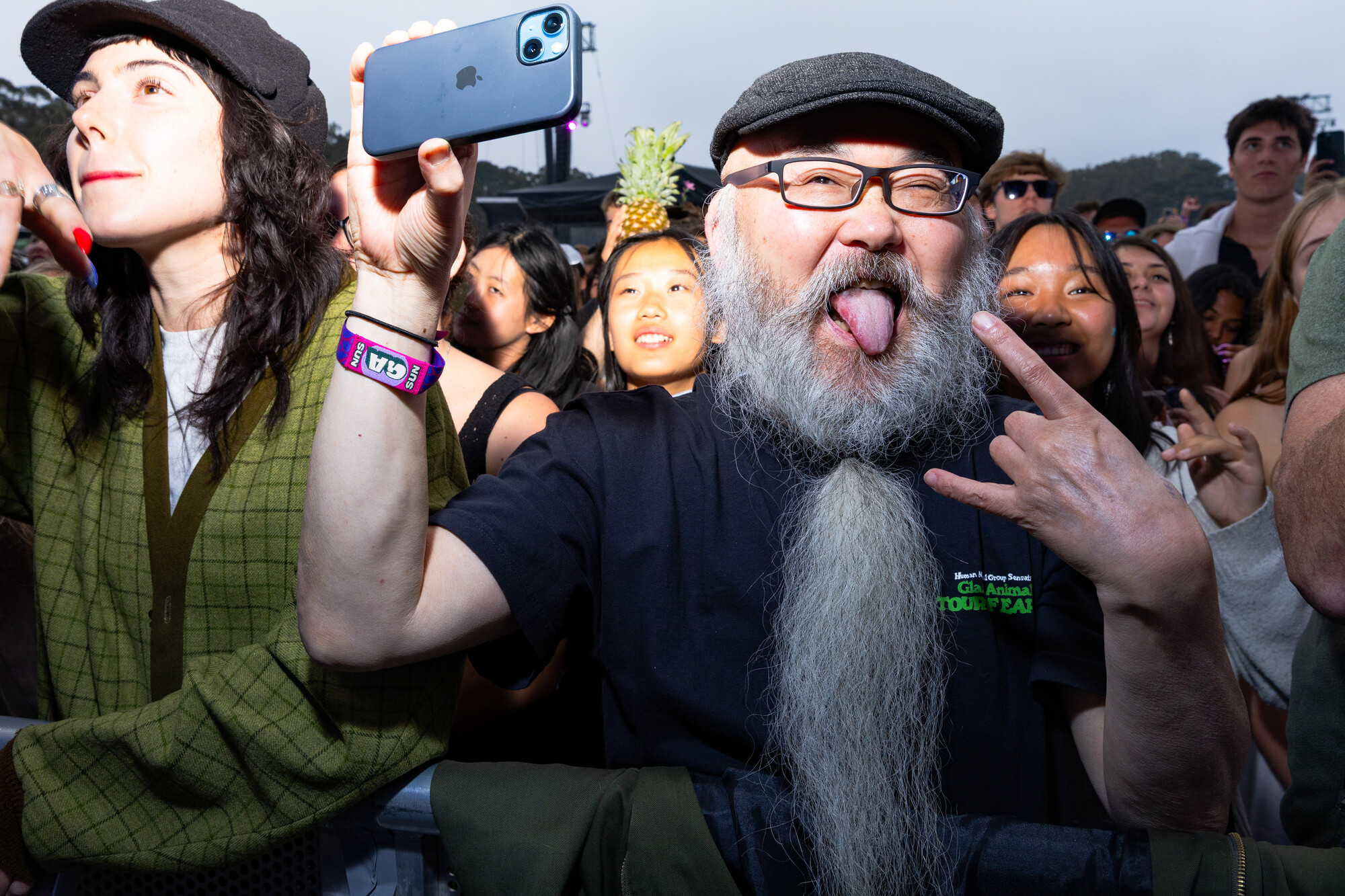
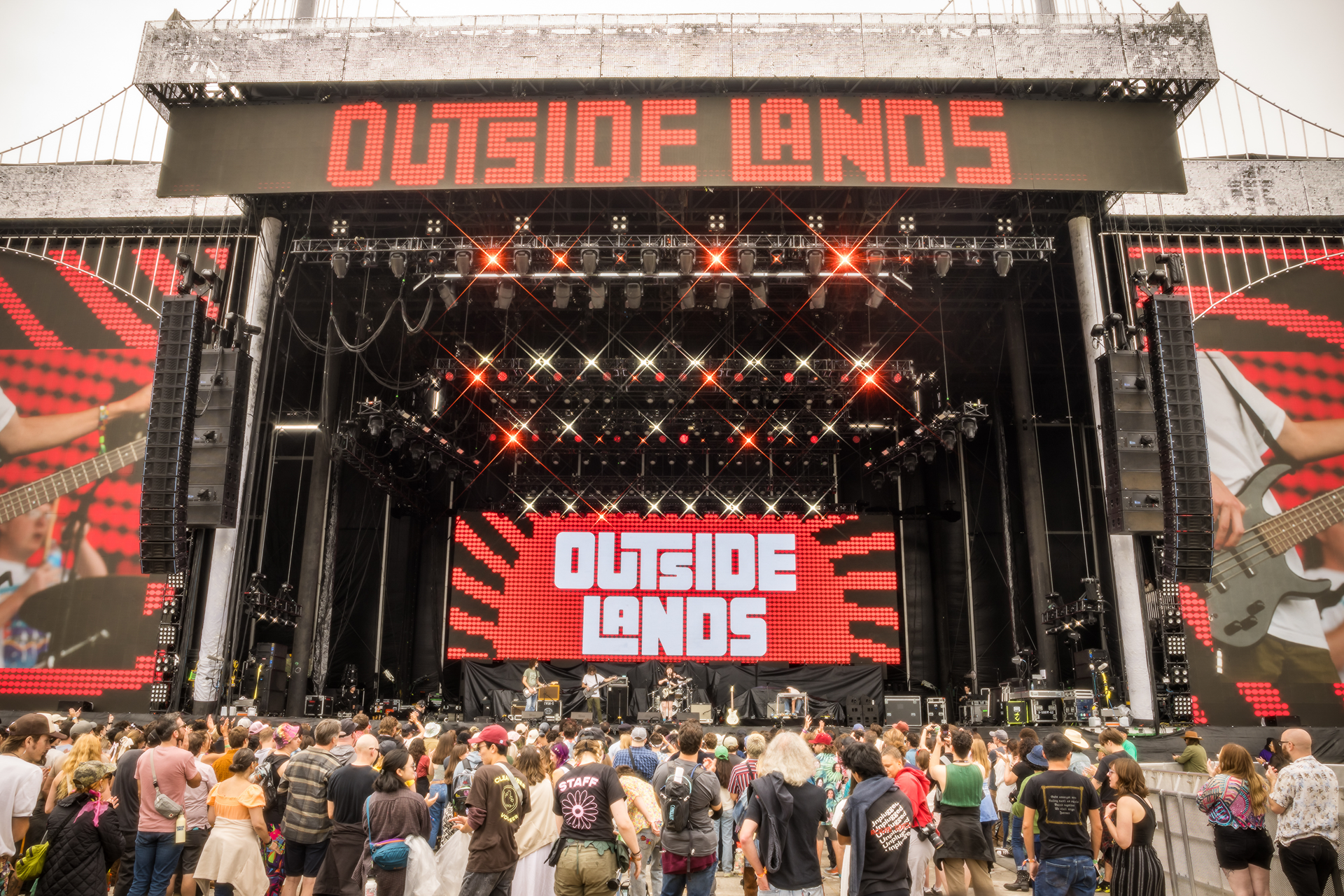
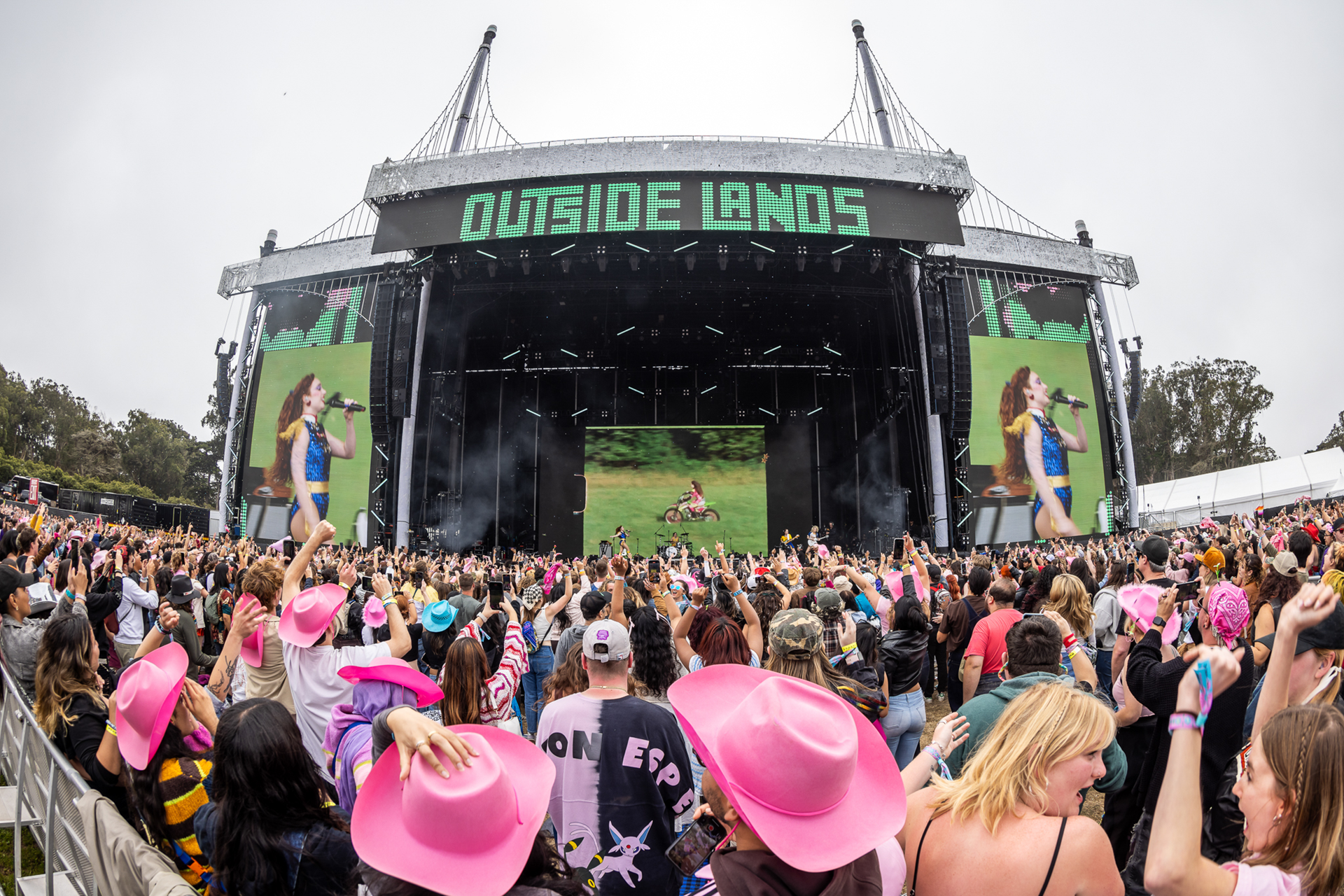
But while it may seem to fans like there’s been a post-pandemic increase in questionable concert behavior, everything — diapers, rushing the barricade, avoiding drinking to save a spot — has actually been part of fan behavior for generations, according to Gordon Oldham, managing director of Rock Medicine (a program of HealthRIGHT 360), which has worked festivals like San Francisco’s Outside Lands.
In fact, he said, the idea of Rock Medicine started in 1972, a few years after the Summer of Love, when founder Skip Gay and the Haight-Ashbury Free Clinic were asked to help out with two massive outdoor concerts featuring the Grateful Dead and Led Zeppelin.
“The city of San Francisco was kind of going, ‘Holy crap.’ Because what most people don’t realize is that only roughly 20% of the concert goers — and that’s still probably a little high — live in the local area,” he said. “Seventy to 80% come from outside the area. Our infrastructure is built to take care of the people that live in the city.
“So they were kind of freaking out, and we’ve got to remember they were Deadheads,” Oldham said.
Rock Medicine was formalized in 1973 and still continues to provide support at venues like Levi’s Stadium and the Bill Graham Civic Auditorium.
“We might not be all hippies and wearing tie-dye and all the crazy stuff we did back in the day, but we still provide the exact same medicine that we started 53 years ago,” he said.
A major tenet of event medicine, Oldham said, is to take care of the fan at the venue and “get them home safe and sound with their family and their friends” without overwhelming the local infrastructure, like hospitals, fire departments and police.
“We were built on non-judgmental healthcare,” he said. “We’ve all done crazy stuff in our lives … We just want to take care of people.”
If you are going to a show any time soon — be it a major stadium show or outdoor music festival like Outside Lands or Daisy Chain Fields down in Southern California — and you tend to be the responsible member of the friend group, here’s what you should keep in mind for you and your loved ones when attending.
This guide is primarily for those who don’t have a history of fainting. Be sure to check out KQED’s guide on Outside Lands to learn more about the festival’s options for accessibility.
First off: What is event medicine?
The folks at the first aid or medical tents are sometimes volunteer or staffed doctors, nurses and EMTs with an organization dedicated to event medicine — also known as crowd medicine.
“We work as a medical clinic on site, an urgent care clinic,” Oldham said. “We’re able to stitch people up, fix them up, get them better, hydrate them if we need to and get them back out to the show.”
Oldham emphasized that over Rock Medicine’s 50-plus years of experience, only a small percentage of the audience ends up at the medical tent or booth. But they have seen it all — impacts from heat, alcohol, the common cold.
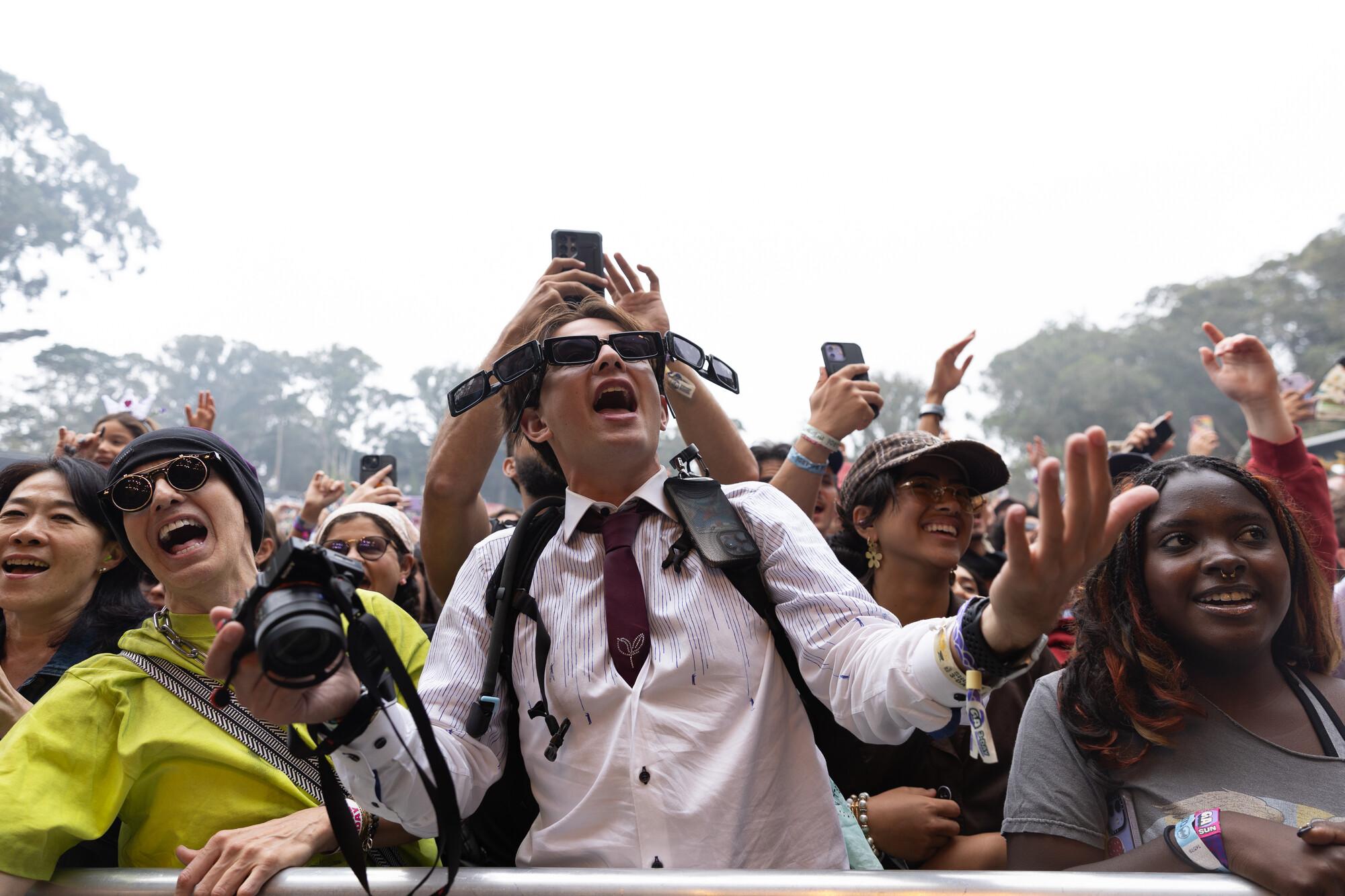
“We’re used to a lot of vomit,” he said. “We’re used to people not happy and sad and crying. But everybody tries to be very cheerful, happy and give them the best experience possible with medicine.”
“The things we see the most are low-acuity common things like asthma exacerbations, trips and falls, abrasions and lacerations and cuts, abdominal pain,” said Matt Friedman, an emergency medicine physician and national medical director for CrowdRx, which provides medical support to venues like Chase Center, SoFi Stadium in Los Angeles and Madison Square Garden in New York.
“The adrenaline surges and emotional highs — and people are just so excited that they forget to eat and drink,” he said. “But at some points, no matter how young and vivacious you are, at some point that surge is gonna dampen a little bit.”
What happens when you do pass out?
Age-wise, visits to the medical tent vary, but Oldham said “the majority” tend to be younger fans.
“Younger fans that haven’t been there, haven’t done that before,” he said. “It’s all new to them, and they spent a bazillion dollars to go see this artist, and they want to be as close as they can.
“But if you don’t take care of yourself, you end up with us, and then you don’t see them at all,” he said.

“We see it among younger fans, but we also see it amongst the elderly as well, who sort of suffer as well from standing in positions waiting for the show to open and from the sun exposure,” Friedman said.
By the time the headliner comes up — “whether it’s Lorde or Billie Eilish or ACDC, I don’t care who it is” — at least six to seven fans who have been standing in front of the barricade all day long are going to experience a “sinkable episode,” Oldham said.
“People think they have a seizure,” Oldham said. “They just have a quick pass out because their body’s had enough, and that’s telling you, ‘Hey, you gotta take care of yourself.’”
Friedman said that most of the time, “passing out is a pretty benign experience” and there are “no long-term harmful effects.”

However, he said what first aid staff is really worried about is when people pass out and “hit their head hard — and that can be just from a ground-level fall.”
There’s also “the other 5% of the cases where passing out is not due to a benign cause, but has sort of a serious cause that we need to investigate,” he said.
Either way, once you pass out, Friedman said, “you’re not feeling back to your normal self right away. It takes a while. It takes 30 minutes to a couple of hours to feel back to your normal self, back to the point where you can enjoy the show again,” which you have likely missed a good portion of.
Some people may need to recover by getting rehydrated with IV fluids. Some people need to have their electrolytes checked. And sometimes, staff may need to be more involved.
“There’s a bunch of things as the medical providers, we need to do and make sure that you’re not in the 5% of the group that has serious causes for the passing out,” he said. “Sometimes we will do an EKG; we’re gonna monitor your vital signs, and we don’t just want one set of vital signs. We wanna repeat vital signs 10 minutes later to make sure that they’re improving … We really have to investigate why each time somebody passes out.”
What should you know about concert health?
The prep starts early
Oldham said that fans should prepare a couple of days early before going to a festival like Outside Lands — specifically drinking water and hydrating themselves.
“It’s like an adult Disneyland for a weekend where there’s all these cool things and different things that they can go do and see,” he said. “And if you don’t prepare for the three days in advance, it’s gonna catch up with you.”
He said people should try to hydrate with more than just water — anything with electrolytes, such as Gatorade or Liquid IV packs. If someone is going to multiple days of a festival, they should return home that night with the intention of hydrating themselves before bed and preparing for the next day.
Oldham said most venues allow for a refillable water bottle and some have water stations, where fans can fill their containers for free. (Be sure to check what kind of bottles are allowed at a stadium or venue — for example, some places ban glass bottles.)
“We want people to eat like they normally would and drink like they normally would and really prepare for the show knowing that they’re gonna be standing for several hours on end,” Friedman said.
Know what to do in the heat
While San Francisco in particular isn’t known for having extreme heat waves like some parts of the Bay Area, experts say that even 85 degrees can be dangerous for people.
Be sure to relax in the shade, Oldham said, stay out of the sun for some periods of time and wear sunscreen.
He also recommended cutting down alcohol and soda intake during the hottest parts of the day. Oldham noted that younger crowds aren’t big drinkers, but if they were to consume alcohol, they should try to have water afterward.
Heat exhaustion is what happens when the body loses too much water and salt, and signs of it include cramps, headache, nausea, tiredness or dizziness.
To get quick relief, fans can cool their body’s pulse points, such as the back of their neck, the inside of their elbows and behind their knees.
(Although remember, if the festival you are heading to is Outside Lands, know that Golden Gate Park can get unpredictably cold. Be sure to have layers on hand.)
Don’t lock your knees
You’ve probably seen videos of weddings where the groomsmen suddenly collapse. That’s usually because they were standing with their knees straight for too long, explained Oldham.
Locking your knees can interrupt blood flow to the head and brain, leading to a sinkable episode.
“It’s an old trick: if you bend your knees and move a little bit,” Oldham said.
According to guidance from Vanderbilt University Medical Center, fans can also shift their weight or stand on their toes to rock back and forth.
On the subject of standing, this reporter has never tried out this trick, but some people swear by compression socks to help with aching feet.
Be aware of your bladder
Whether it’s because they don’t want to lose their place in the crowd or dread using a port-a-potty, avoiding the need to pee is often a top priority for concertgoers.
According to Giulia Ippolito, a neuro-urologist and pelvic reconstruction specialist at Michigan Medicine, in adults without “underlying medical conditions, one-time or infrequent events, like holding urine at a concert, are unlikely to have significant impacts on long-term bladder health.”
But she added that a person could “potentially develop a [urinary tract infection] from overholding.”
She recommended adults without underlying medical conditions drink 50 to 70 ounces of water throughout the day in “small 2-3 ounce sips rather than all at once.” (Keep in mind: a good sign of hydration is pale yellow or clear urine.)
People can also try to avoid certain foods and drinks that may “irritate the bladder,” such as:
- Alcoholic drinks
- Caffeinated foods and drinks, such as soft drinks, coffee, tea, chocolate and energy drinks
- Tomato-based foods and drinks
- Citrus fruits and juices
- Spicy foods
- Artificial sweeteners
Ippolito said that “shifting water intake to earlier or later in the day” to avoid heading to the bathroom at a specific time “could be a strategy that can be safely employed in short periods.”
“For example,” she said, “it may be reasonable to shift hydration to earlier in the day if you are planning on an evening concert or if you are trying to catch a specific set at a show,” with the goal being 50 ounces “earlier in the day so that you would clear this by the time the concert/set starts.”
But she does not recommend this strategy for all-day concerts or multi-day festivals — especially ones outside, where concertgoers should instead “prioritize hydration with water to avoid dehydration.”
And returning to the subject of port-a-potties — Ippolito said people cannot “catch a UTI” from a public bathroom, since they are not contagious and not caused by hygiene.
“However, the bladder and urinary tract have their own microbiome,” she said. “Holding urine for more than [three to four] hours and not drinking enough water to keep urine dilute are things that could lead to a UTI due to conditions that allow overgrowth of naturally occurring bacteria.”
And nothing can make you feel like you’ll have an accident more than waiting in the line to the restroom. Ippolito said this is a good time to practice “mind over bladder” in these situations.
And assuming the fan has emptied their bladder within the past couple of hours, they can also try some suppression techniques like:
- Focusing on relaxing
- Squeezing their pelvic floor muscles quickly three to five times
- Taking slow, deep breaths in and out, concentrating on the movement of the chest
Have a friend with you
Oldham said having a designated person in the group to make sure everyone gets home safe is also vital.
“I don’t think anybody should go by themselves,” Oldham said. “At a festival especially, you should have a group of friends that you’re with at all times.”
When you and your group walk in, he said to make sure you know where the exits are and that you do have an exit strategy or a meeting place in case of an emergency.

Be cautious about recreational drugs
Both medical professionals recommend avoiding recreational drugs — but both acknowledge the reality of their presence at music festivals and concerts and say that Narcan is available at first aid stations.
“I’m very honest with my kids,” Oldham said. “Don’t let somebody give you anything. If you don’t know them, and if it’s open, don’t drink out of that bottle.”
“If they do partake in recreational substances — which we do not recommend — be sure to do it with a group of others because there is safety in numbers,” Friedman said. “The advantage of that, obviously, is if the recreational substance is laced with fentanyl; hopefully somebody will have Narcan or can alert somebody.”
But the concerns aren’t just fentanyl — stimulants like MDMA can bring up people’s body temperatures incredibly high and may require attention, Friedman said.
Know what to do in crowds
If you are going to a festival like Outside Lands, be prepared for large — often overwhelming — crowds, especially at the headlining shows. Many may also fear crushes, in which a crowd becomes dangerous and can lead to deaths, like the Halloween celebration tragedy in South Korea in 2022.
“The more barriers you have and engineering controls to prevent too many people from going into too crowded of an area, the better,” Friedman said. “At times we bemoan security measures, which takes a long time to get into the venue. However, it is quite necessary to ensure crowd safety.”
While being in a seated area is safer than an open field or general admission section, fans should always stay aware of their surroundings and know where security is located, he said.
“If the crowd starts getting too rowdy or too rough, or there’s too much pushing, and there’s not enough security personnel or measures around, it’s very prudent to leave,” he said. “Everyone should really have a 1- to 2-foot perimeter at the minimum from other people.”
Once that space is lost, fans should think about moving to get a better view farther away to maintain their safety.
If a crush were to occur, it is important to stay on your feet and try “putting your arms on your chest” in order “to give your chest wall some room to rise so that you can breathe.”
Mehdi Moussaïd, a research scientist who studies crowd behavior, also spoke to NPR about crowds after the South Korea incident and said that people should try to avoid pushing, since that could trigger a chain reaction.
“But hopefully it doesn’t come to that,” Friedman said. “If it comes to that, that sort of late stage, at that point, we really want people to start moving out of the area, contact security professionals.”