A Viral Santa Cruz Beach Rescue Previews What’s to Come, Officials Say
A teenage lifeguard in chest-deep, white water locks his arms around a boy as the ocean behind them keeps pushing in. Bystanders edge closer. The lifeguard waves them off. A second guard reaches the pair, and the two of them carry the boy out.
A roughly two-minute video of a dramatic rescue on Saturday at Seabright Beach has drawn millions of views and, on Tuesday, an invitation to the White House from President Donald Trump, who said he planned to give the 16-year-old a “High Civilian Honor.”
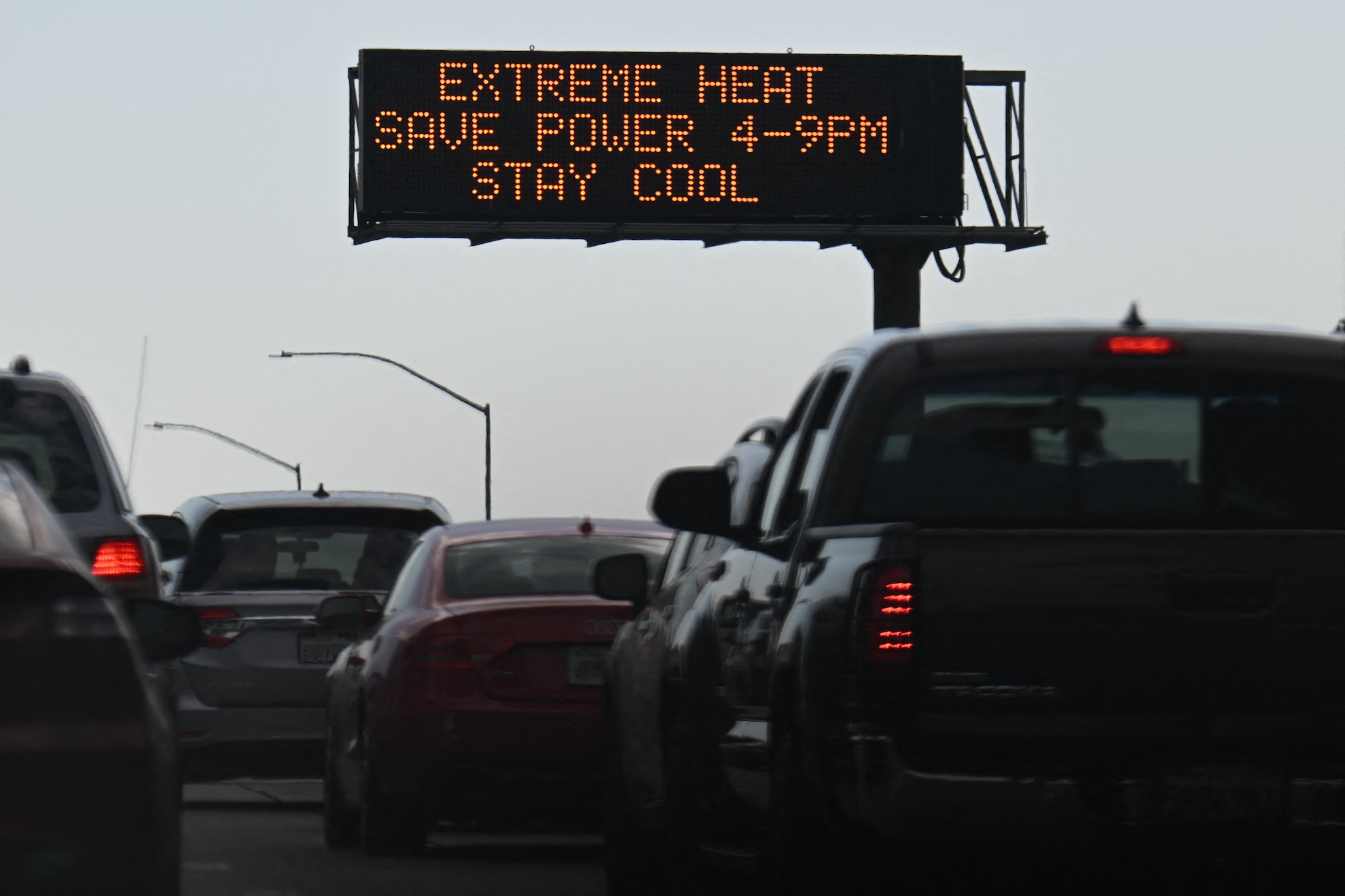
But Santa Cruz officials would rather people treat the video as a warning for the warm weekend ahead, with inland temperatures forecast to approach 100 degrees on Saturday in the interior East Bay and North Bay.
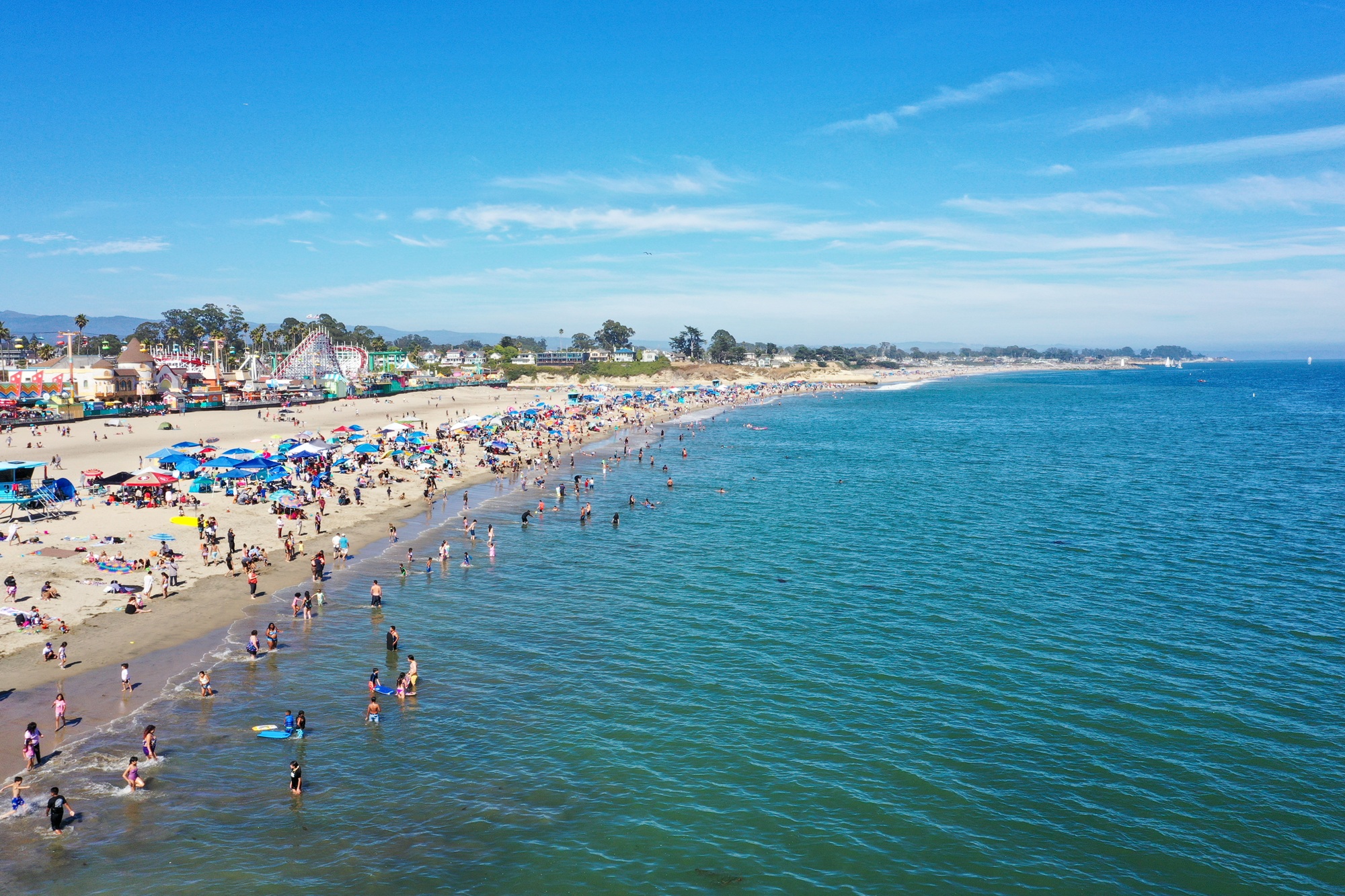
The heat will send people to the coast, and the same swell that nearly carried a boy away at Seabright will still be there.
“We get these heat refugees a lot,” said Jason Hoppin, a public information officer for Santa Cruz County.
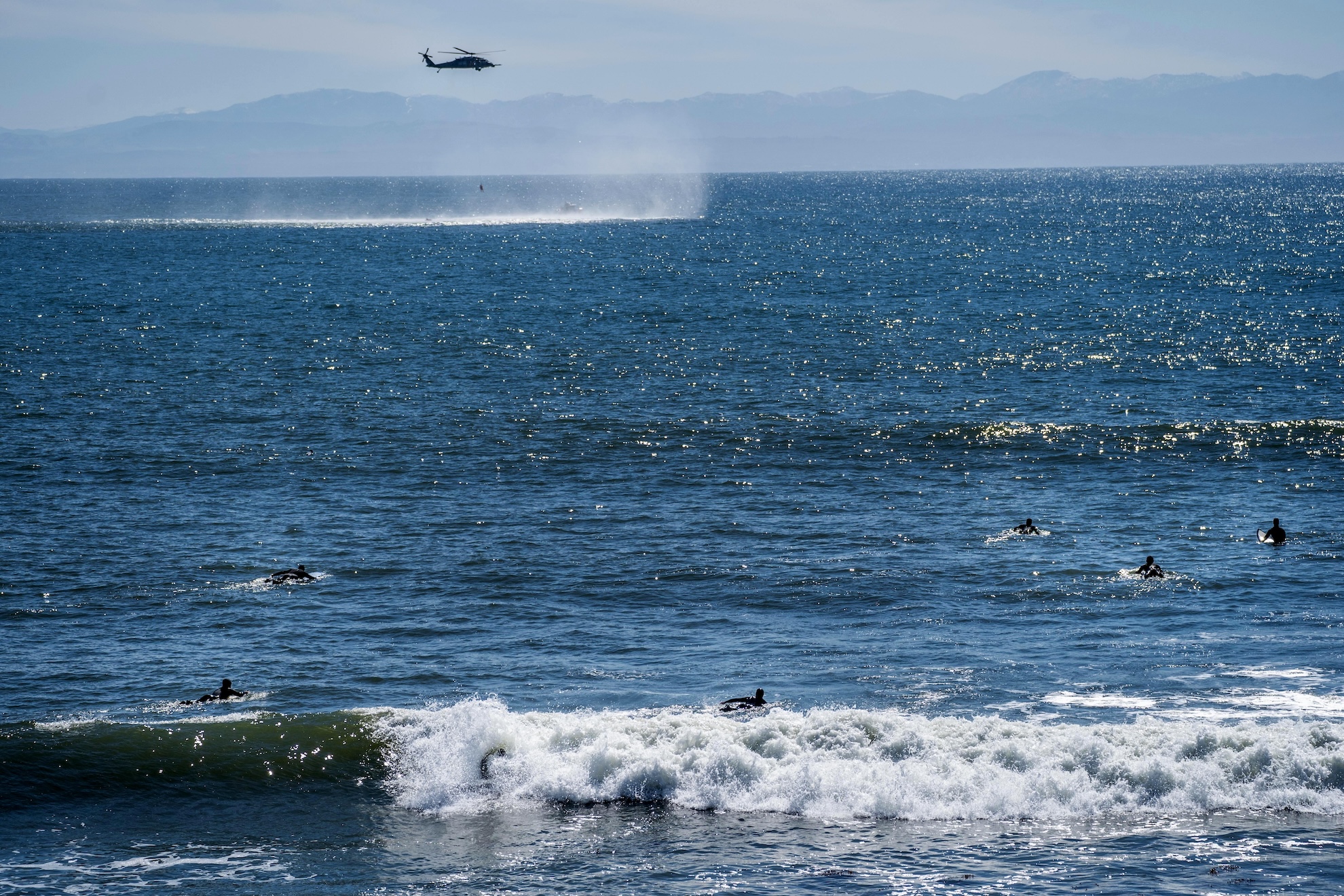
The National Weather Service has extended its beach hazards statement through Saturday afternoon for Pacific Coast beaches. Forecasters expect breaking waves up to 10 feet, with an increased risk of sneaker waves and rip currents.
Last weekend offers a preview. From Friday through Sunday, lifeguards in the city of Santa Cruz performed 34 rescues and made 5,847 preventative contacts, or proactive warnings about swimming safety, said David Bodine, marine safety captain for the Santa Cruz City Fire Department.
Most of that happened on Main Beach and Cowell Beach, where the city staffs five guard towers.
The preventions are the number Bodine wants people to notice.
“If we’re doing our job right, we’re not getting any rescues,” he said.
Bodine said the biggest difference in risk is whether anyone is watching. Any Santa Cruz beach without guards, he said, “is much more dangerous because nobody’s there to help or see or prevent you from getting in trouble.”
According to the Santa Cruz County Sheriff’s Office, all seven of the recorded accidental water-related deaths since the start of 2025 happened at unguarded beaches.
In three of the seven, the person was not swimming. They were standing near the surf line when large waves pulled them in, according to the Santa Cruz County Sheriff’s Office.
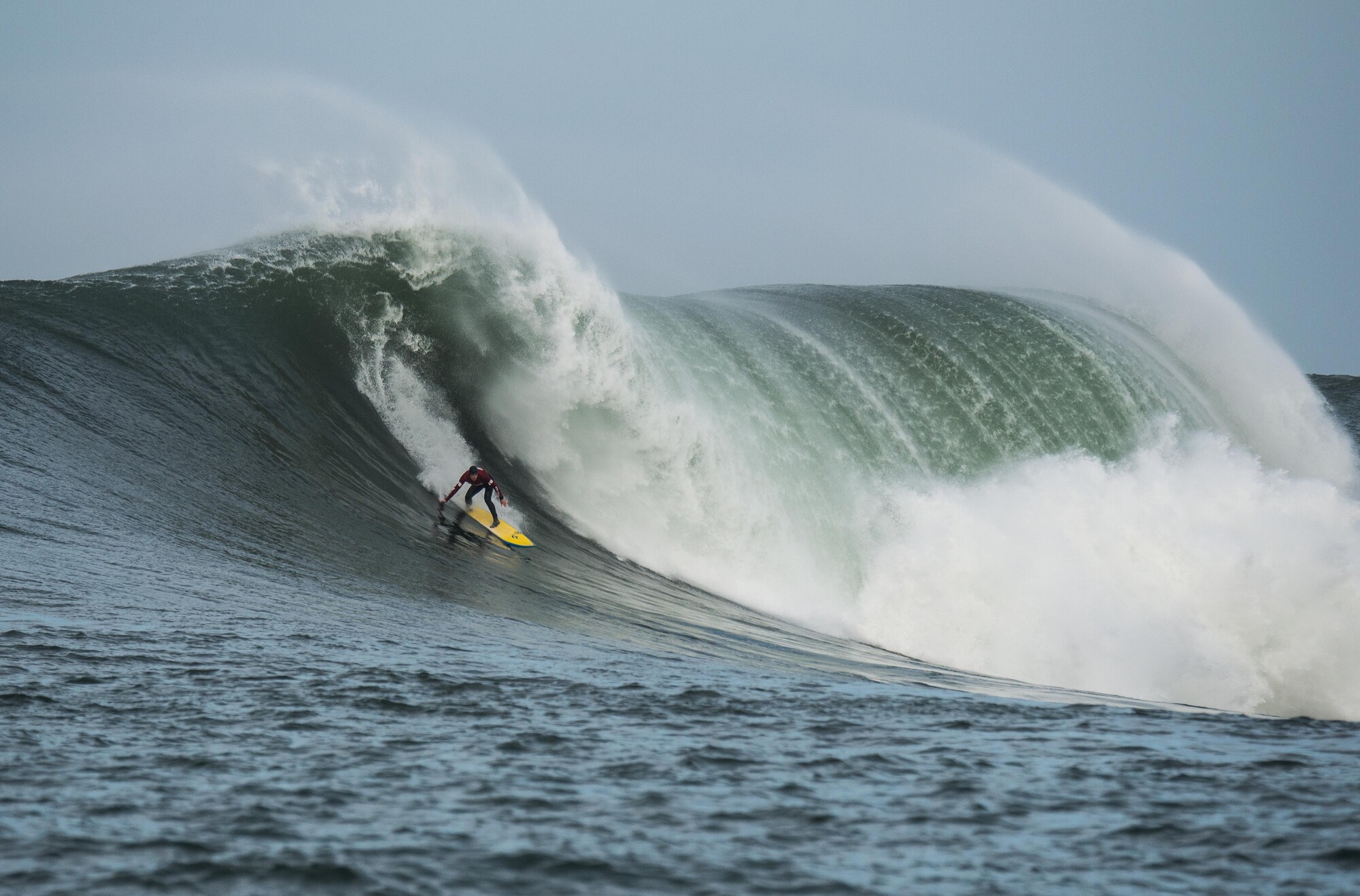
The swell is generated by tropical cyclones thousands of miles away in the eastern Pacific Ocean. What makes the swell dangerous is that it does not announce itself.
“The further the swell comes from, the farther away the waves have time to organize themselves,” Bodine said. “And then they’re more powerful when they do hit.”
That can mean 20 to 30 minutes of flat-looking ocean followed by a set of 10 to 15 powerful waves. A local swell, in comparison, has constant surf, and people stay out.
“A novice looks at the ocean and thinks it’s safe,” Bodine said.
Nicole Sarment, a meteorologist with the Weather Service’s Bay Area office, described the same thing earlier this week: a wave that runs far past the normal waterline.
“Even if the water seems flat for 20 minutes, you can still have an unsuspecting wave run much farther, up actually on dry sand, getting people who are sleeping, walking their dogs,” she said.
This summer has produced an unusual number of these swells. A beach hazards statement, an alert of life-threatening coastal conditions, has been in effect for 33 days since June 1, said Dial Hoang, a meteorologist with the Weather Service.
Forecasters issued six of them in that stretch, three times the average for the same window between 2012 and 2026.
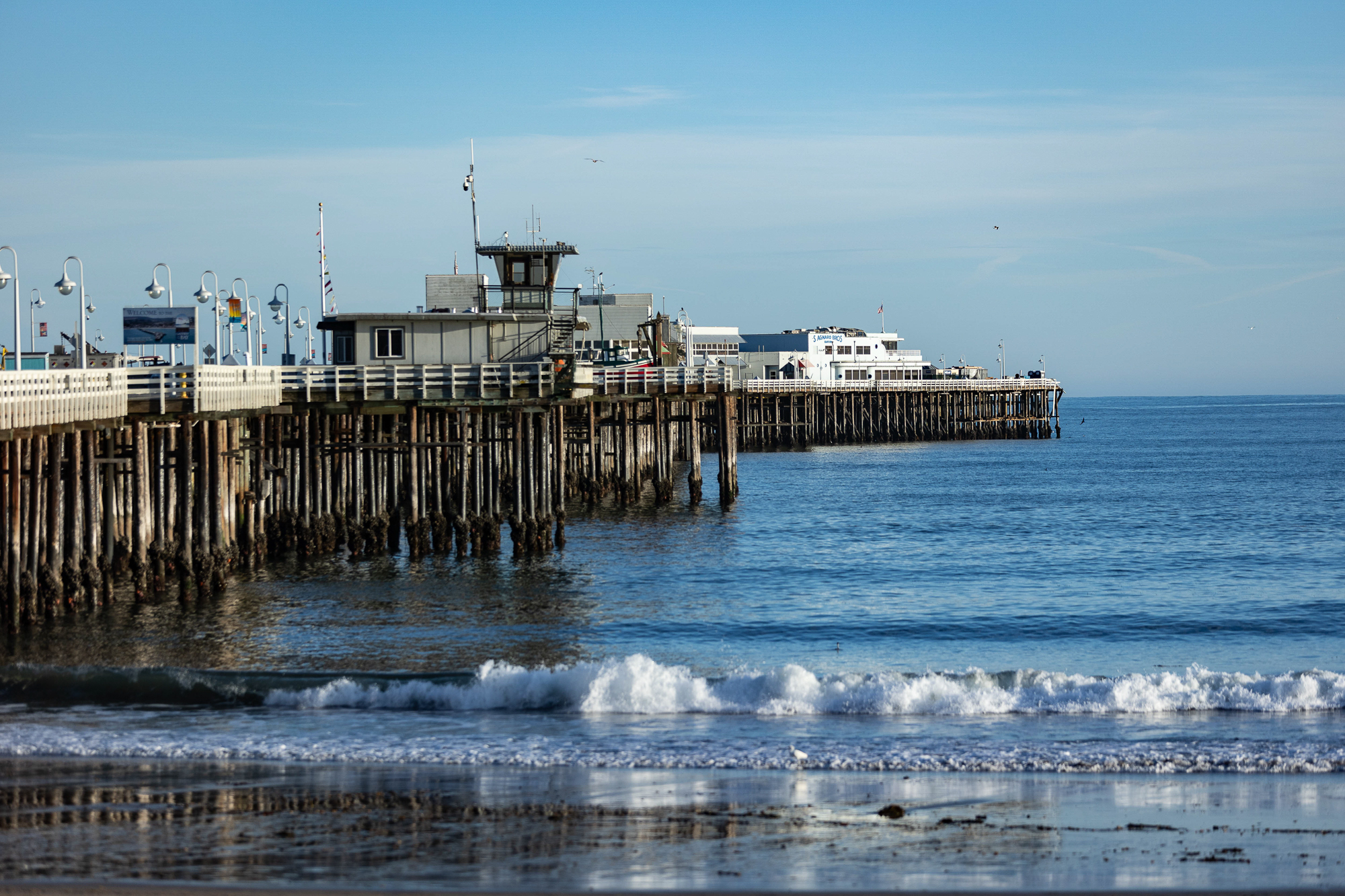
Hoang attributed the pattern largely to an active tropical season in the eastern Pacific, where above-normal activity is expected this year. More systems there generally mean more swell reaching California.
Some of June’s swell came from the opposite hemisphere, he said, generated by winter storms in the southern Pacific.
Both Bodine and Hoppin said the people who get caught are rarely the ones who know the water. Hoppin, who grew up in Santa Cruz, described beachgoers wandering onto riprap and jetties — structures that start from land and go out to water — or standing at the edge of a cliff without understanding they can be pulled in.
“There’s people being pulled off the beach all the time now,” Hoppin said. “You really need to understand the dynamics of the coast.”
What worried Bodine about the Seabright video was not the surf but the people wading in after the lifeguard.
“That could have turned into an eight-person rescue,” he said.
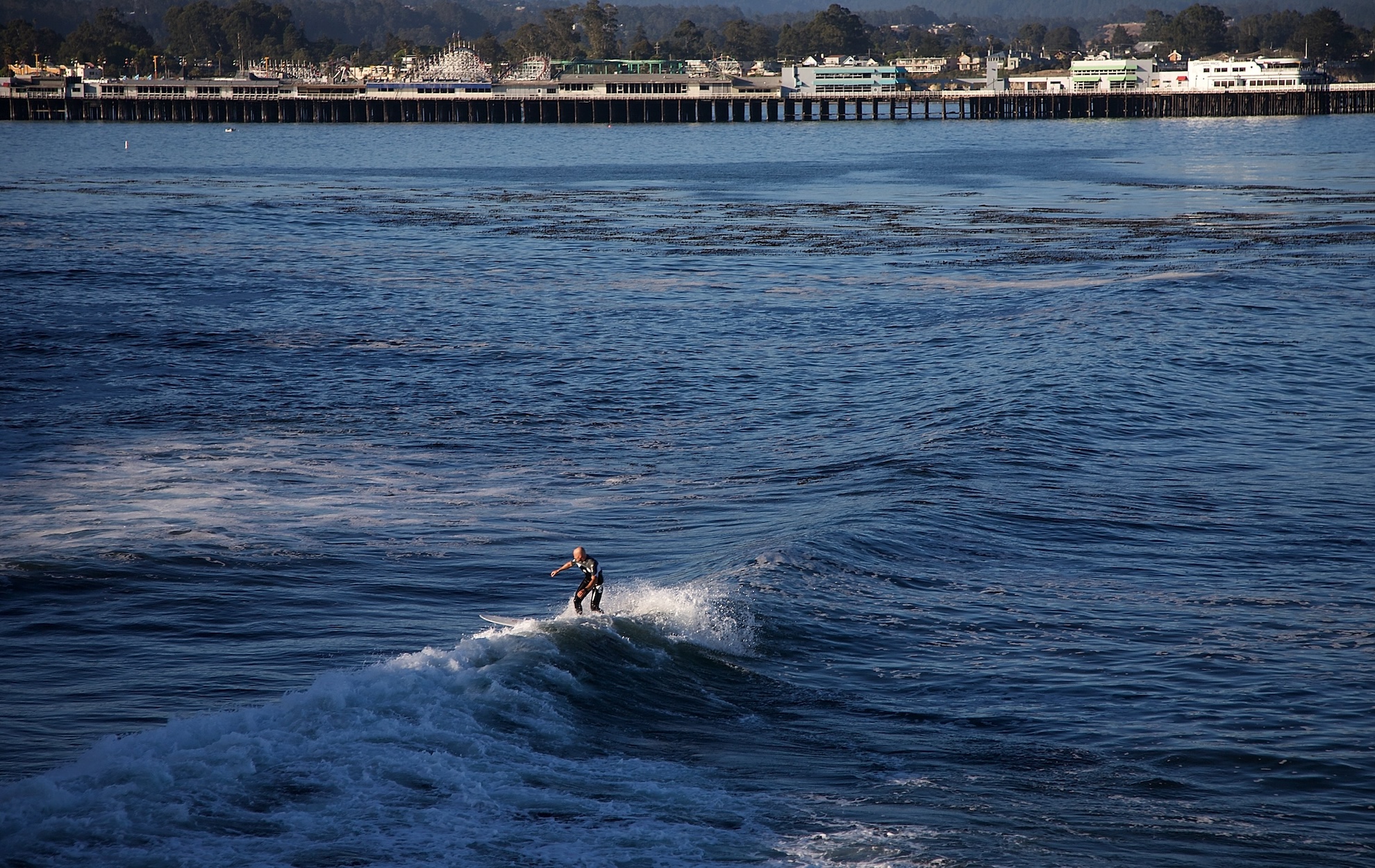
His instruction is blunt. Run to a tower, wave down another guard, call 911, but stay out of the water.
“We don’t need more victims,” Bodine said. “These are trained professionals. Let them do their thing.”
Bodine, who runs staffing for the division, said the city adds crews when a swell is forecast, and doubles up guards on the towers nearest known rip currents, including at the river mouth.
If you do get pulled out, he said, the worst instinct is to fight it. Stay calm and let the current carry you until it stops, then wave for a guard. If none is there, swim laterally up or down the coast until you are clear of it and head in.
“The main thing is to relax,” he said. “Don’t fight the rip current.”
And before any of that, he said, talk to someone.
“Check in with lifeguards every time you come down to the beach. They’ll tell you where it’s safe,” Bodine said. “If you’ve never swam in the ocean, it’s probably not a great weekend to start. Know your limits.”