‘Time Travel’ to San Francisco’s Past at These Local Haunts
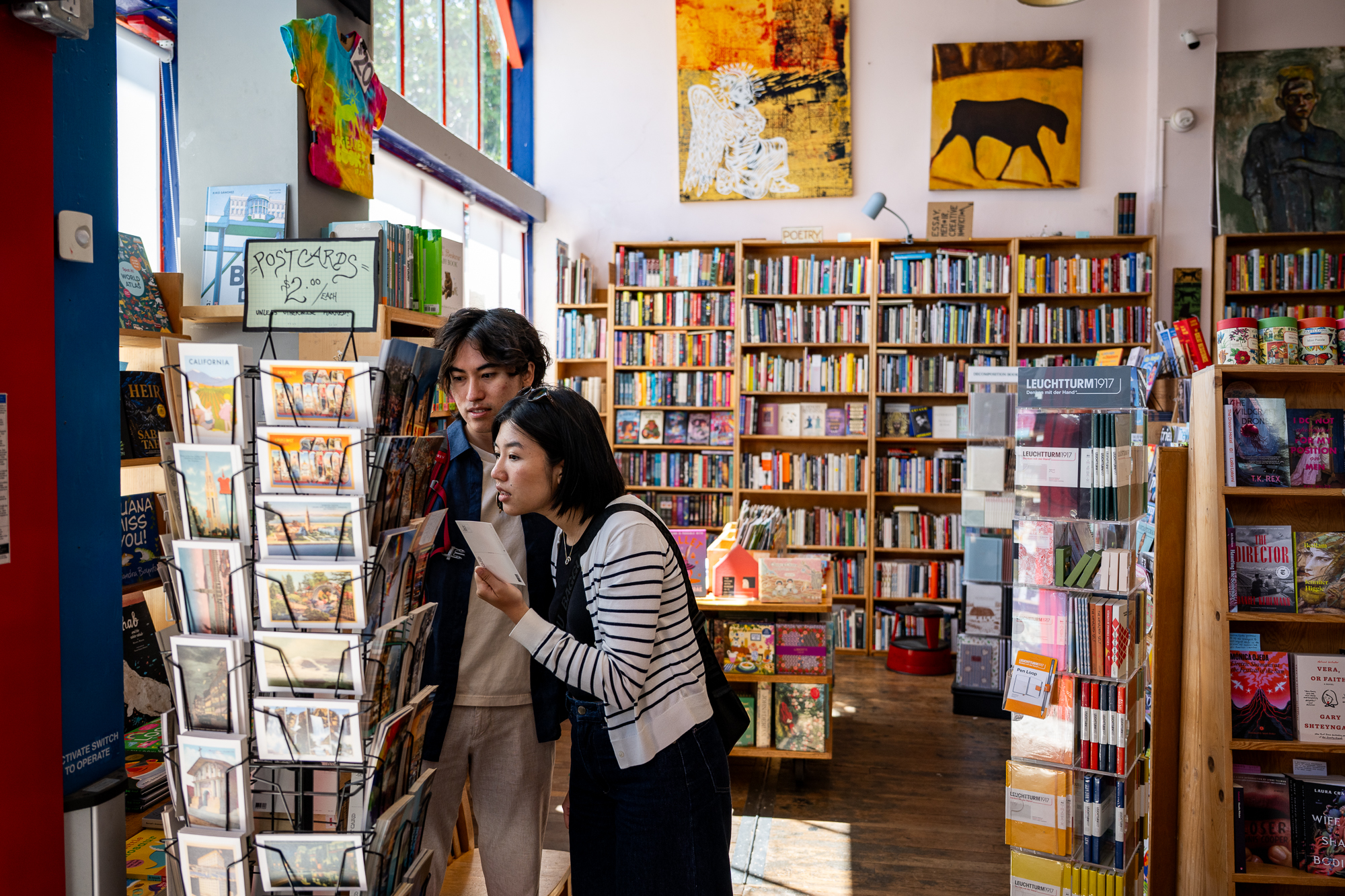
There aren’t many places that make you feel like you’ve stepped into ’90s San Francisco. But, luckily, Dog Eared Books on Valencia Street is one of them.
“If somebody wants a taste of what the Mission District felt like in 1995, they can walk into here, and it feels like that,” bookseller Scott Soriano told this reporter in May. “A little bit of the San Francisco that used to be.”
Not exactly, of course. Many things have evolved since its inception as a used bookstore around 30 years ago. But with the maze of shelves, posters and art covering every inch of the wall and a welcoming attitude that lets you stand around and just read for a while, “Dog Eared feels like a long-lost home,” he said.
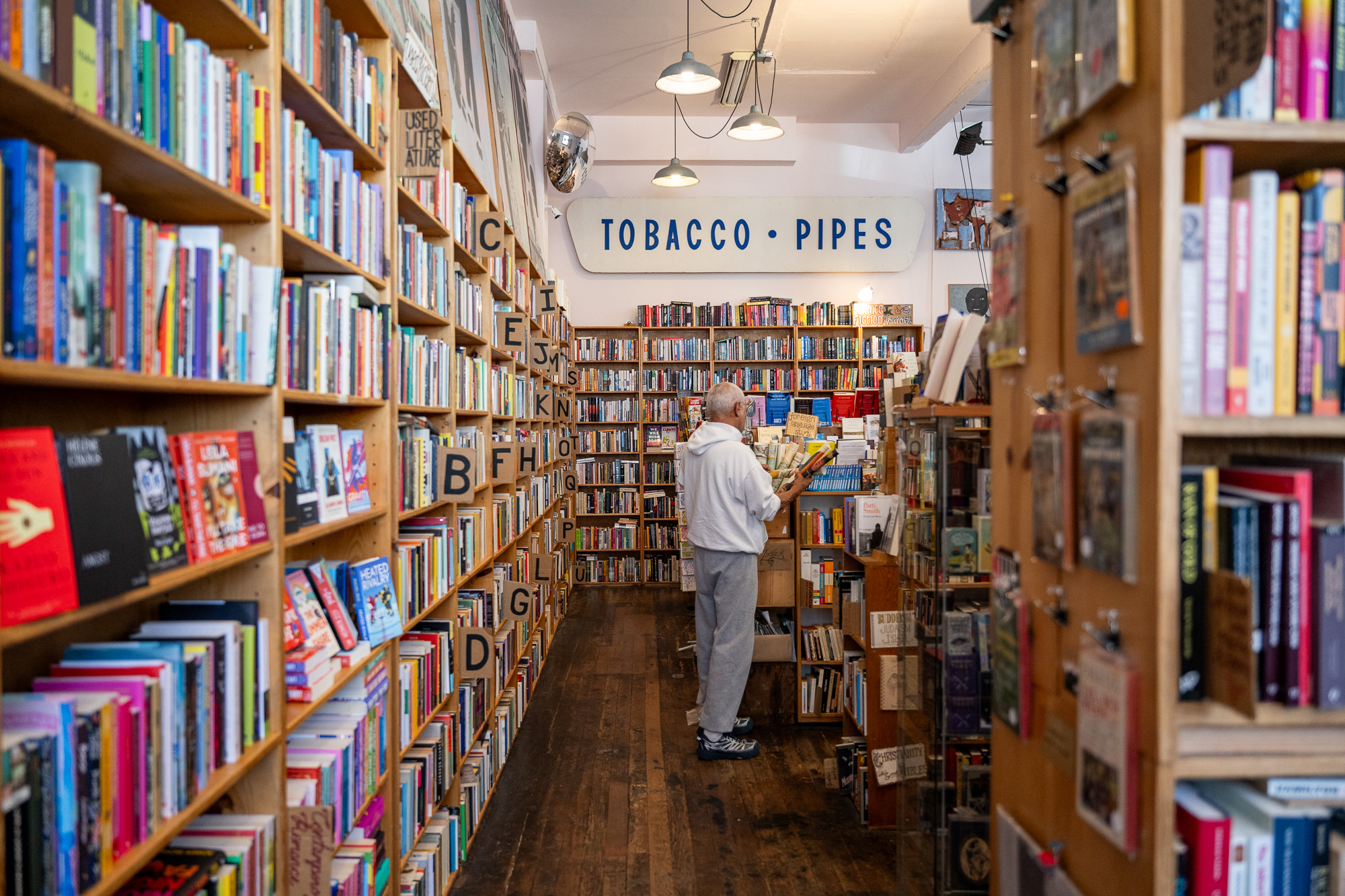
“This hasn’t always been a conscious effort,” Soriano said. “At some point — probably when every new store seemed to be a white box — we recognized that our aesthetic is an asset.”
LisaRuth Elliott, a historian, agreed. And she would know — she co-directs Shaping San Francisco, a community history project that hosts talks and walking tours throughout the city’s neighborhoods and corridors, including Valencia Street.
Being home to storefronts like Dog Eared was just one of Valencia Street’s many uses over time. Valencia also used to be: the major transportation route for Irish funeral homes moving the deceased to Colma, the center of women’s and lesbian culture in the ‘80s and ‘90s, and the hub for South Asian anti-imperialist activism.
“It’s really fun to look at the different ways that spaces have been used,” she said.
Off the beaten path
Elliott’s audience is largely curious San Franciscans or Bay Area residents who want to learn more about the city they have lived in or near almost their entire lives.
“The kind of feedback we got is, ‘I’ve lived here my whole life. I didn’t know about that pathway. I didn’t know you could get there from here and you showed me some new ways to get around my neighborhood.’” Elliott said. In her tours, people want to know, “How do I get off my own beaten path of moving through the city?”
There can be many reasons these residents — old and new — want to step into past decades.
“I think it has a lot to do with the gravitation toward the technology industry, which is something that doesn’t hold tangible concrete things of the past in high estimation,” Elliott said.
“People are yearning for that sense of connection. We talk about it all the time, right? This disconnectedness, the … dropping out of social interactions,” she said. “The pandemic did not help.
“Connection is a really strong motivator,” she said.
In the spirit of being a tourist in your own home, KQED compiled some key places that make you feel like you have “time traveled” to San Francisco’s storied past. Or, at least, close to it. This includes historical and preserved landmarks, legacy businesses and local spots that have curated themselves as throwbacks to an earlier time.
Head outdoors
First off, some general tips from a historian:
San Francisco landscapes have been drastically reengineered over time. Consider one of the biggest examples: Mission Bay, which is no longer a bay, Elliott said.
“I look to our natural areas, our open spaces, as places that have not been preserved in time, necessarily, but where you can experience, even if the skyline has changed, a sort of sense of the city as it may have been,” Elliott said.
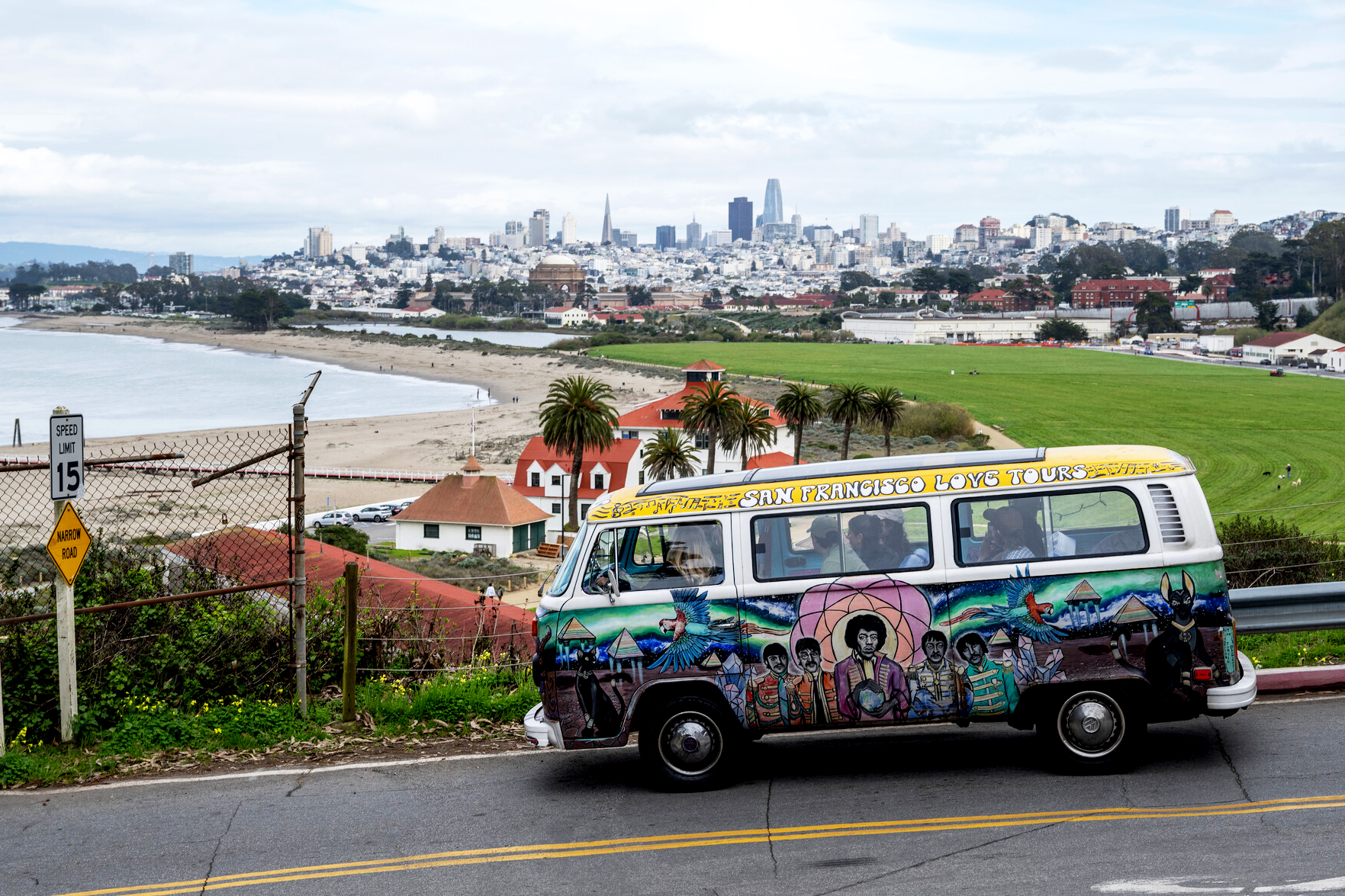
Places, she said, like the Presidio, Bayview Hill and Fort Funston.
“You still have so many spaces within the Presidio that give you a sense of what the plants were, even before the Spanish came,” she said. “A lot of work has been done to do that recognition of those plants.”
(The Presidio even has a pet cemetery from the 1950s, which is open to the public.)
Visit preserved buildings
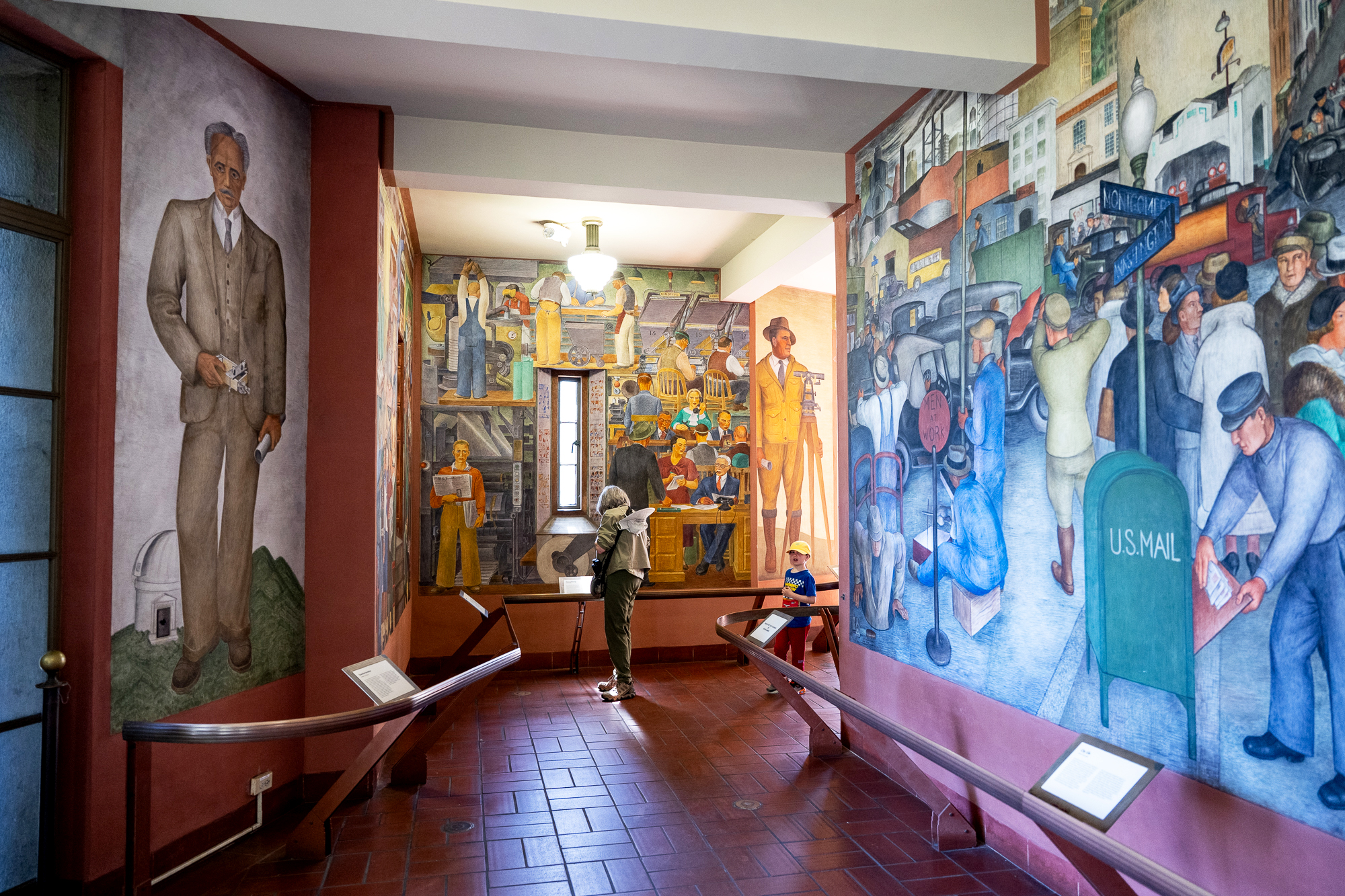
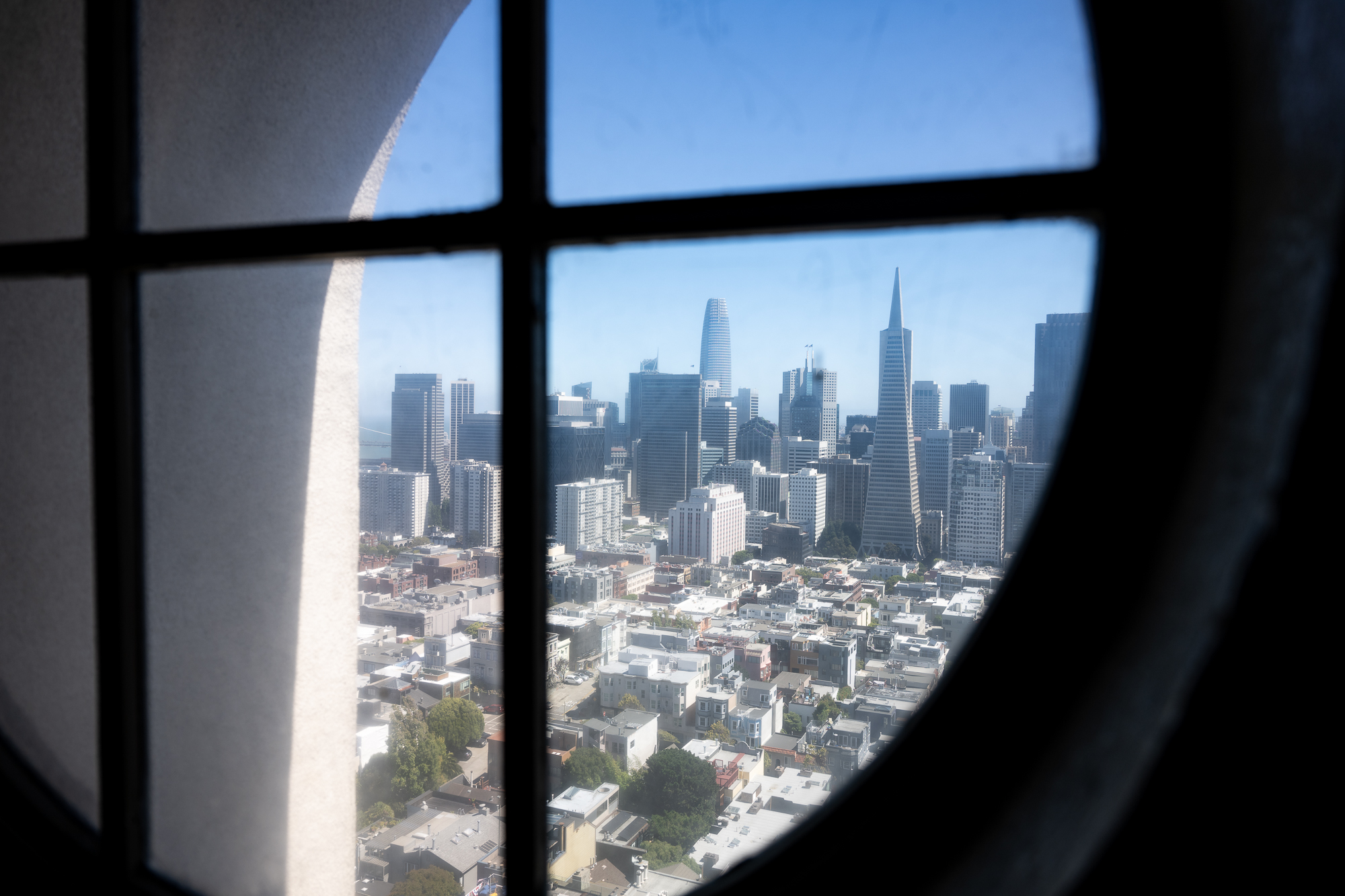
There are also historical buildings, like San Francisco’s famous Coit Tower.
“If you go into Coit Tower and you’re looking at the murals, you can feel like you’re there at the same time that the muralists were painting in the 1930s, which is very rare,” Elliott said. “Museums change. But Coit has this quality of transportation back in time, especially if you get a chance to walk up through the second floor.”
She also suggested The Old Mint downtown, which was built during the Gold Rush and operated from the 1860s to the 1980s.
You can also find a list of officially designated landmarks in the city on the SF Planning website. The state also has its own round-up of historically designated spots.
Explore neighborhoods
Elliott said that with the mission of visiting San Francisco’s past, the western neighborhoods are a great bet — especially some of the businesses and restaurants in the beautiful Inner Sunset and Inner Richmond.
“Maybe it has the advantage of being farther in distance from the downtown economic centers, but time does seem to stop in some of those places — in a good way,” she said. “I think that’s really great that those neighborhoods have retained their character.”
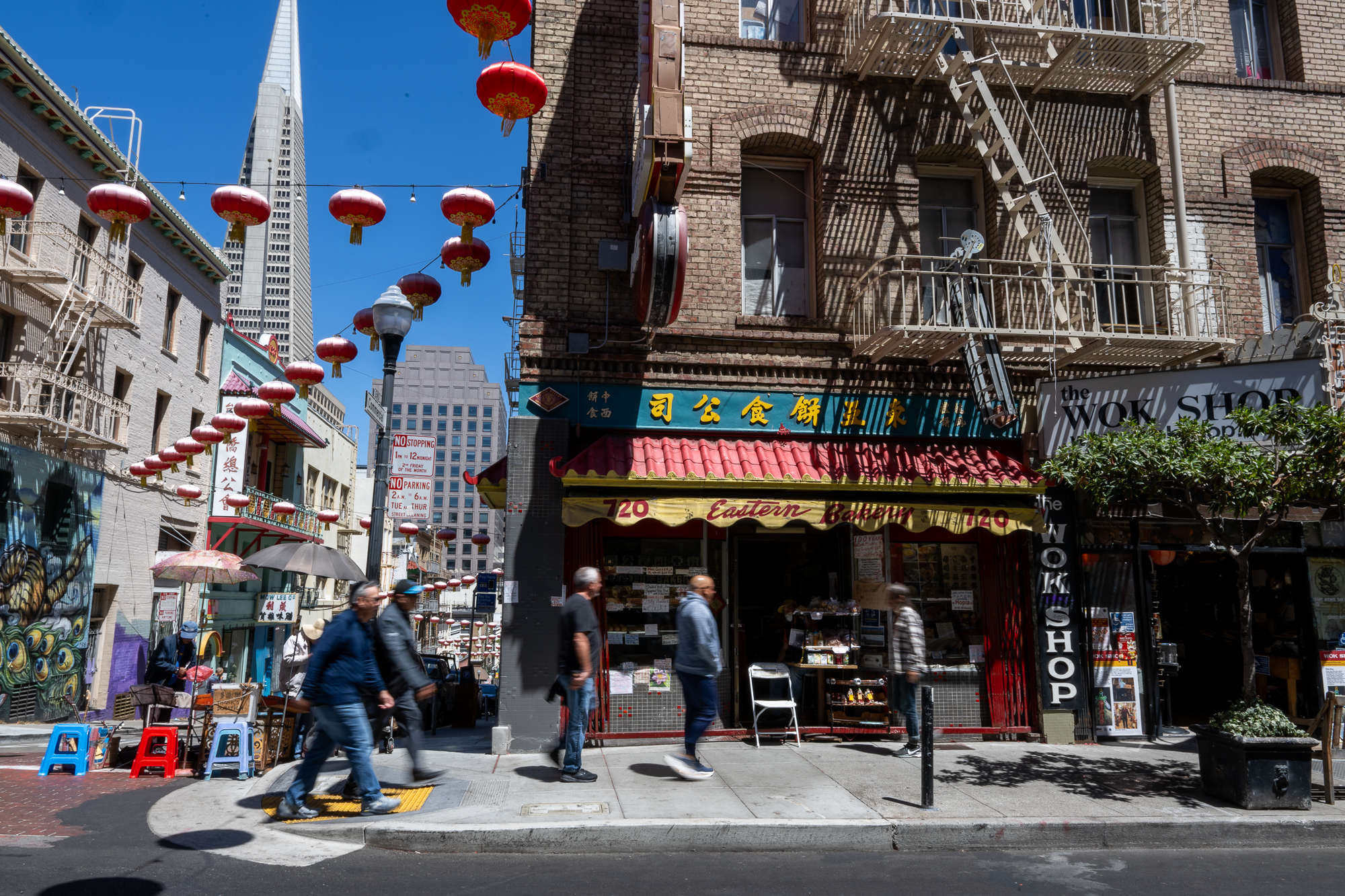
Another key neighborhood is North Beach, San Francisco’s Italian American neighborhood with beatnik corners — also right next to bustling Chinatown, which is a treat at night.
And this reporter would be remiss not to mention the Haight-Ashbury, which preserved, restored or recreated some of San Francisco’s best ‘60s imagery.
But where in these neighborhoods should you check out, specifically? Conveniently enough, the City of San Francisco has a Legacy Business Program, which keeps track of spots that have operated in the city for 30 years or more and “contributed to San Francisco’s history or identity.”
You can find a map of over 400 of these businesses on San Francisco’s city website.
KQED staffers also have recommendations for favorite places to visit when they are feeling the need to escape 2026. (Keep in mind, if you are interested in heading out to these spots, be sure to check if they are open or require an appointment!)
1700s
- Mission Dolores Basilica on 16th Street — especially its outdoor patio area.
1800s
- Haas-Lilienthal House on Franklin Street
- The Bourn Mansion on Webster Street
- The Old Clam House, a seafood restaurant in Bayshore
- The Palace Hotel in downtown San Francisco
- The Mechanics’ Institute in downtown San Francisco
Early 1900s
- The House of Shields, one of the city’s oldest bars, on New Montgomery Street
- Balboa Cafe on Fillmore Street
- Eastern Bakery — the oldest Chinese bakery in the city — on Grant Avenue in Chinatown
- Cliff House — a space where notable figures and artists gathered together — in San Francisco’s Lands End. It is slated to reopen near the end of 2026 after an extended closure.
- The Warfield Theater on Market Street
1930s
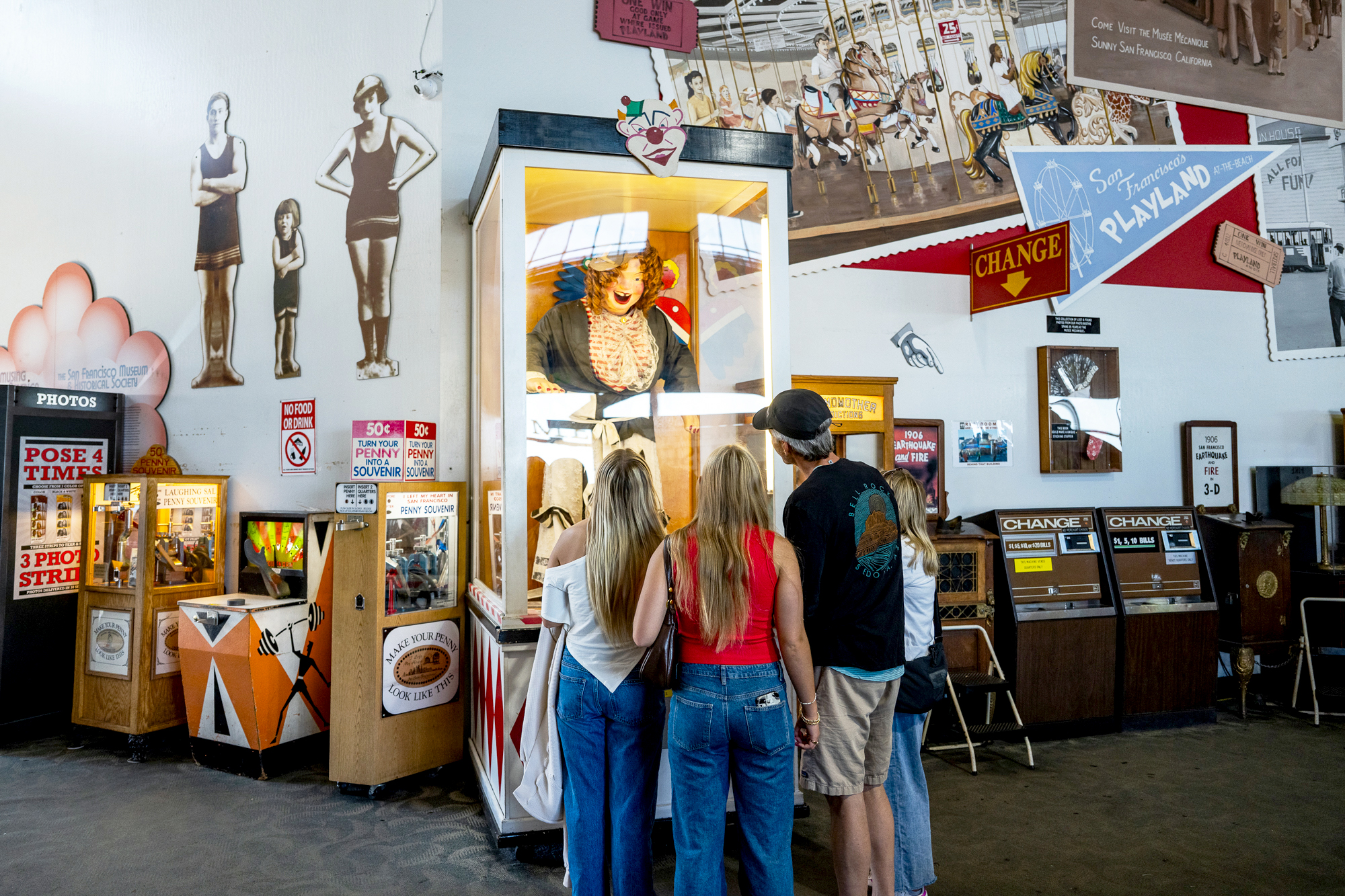
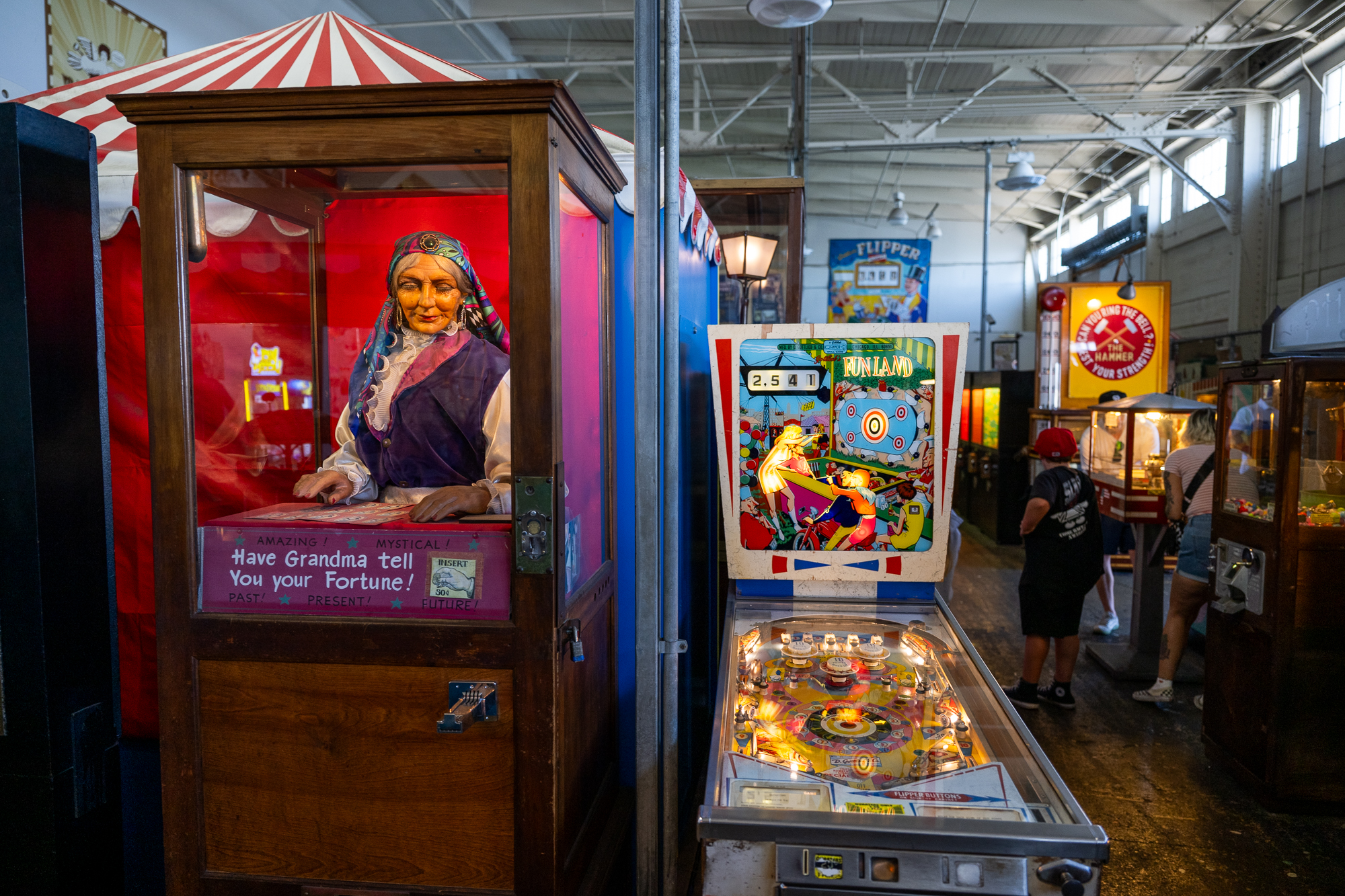
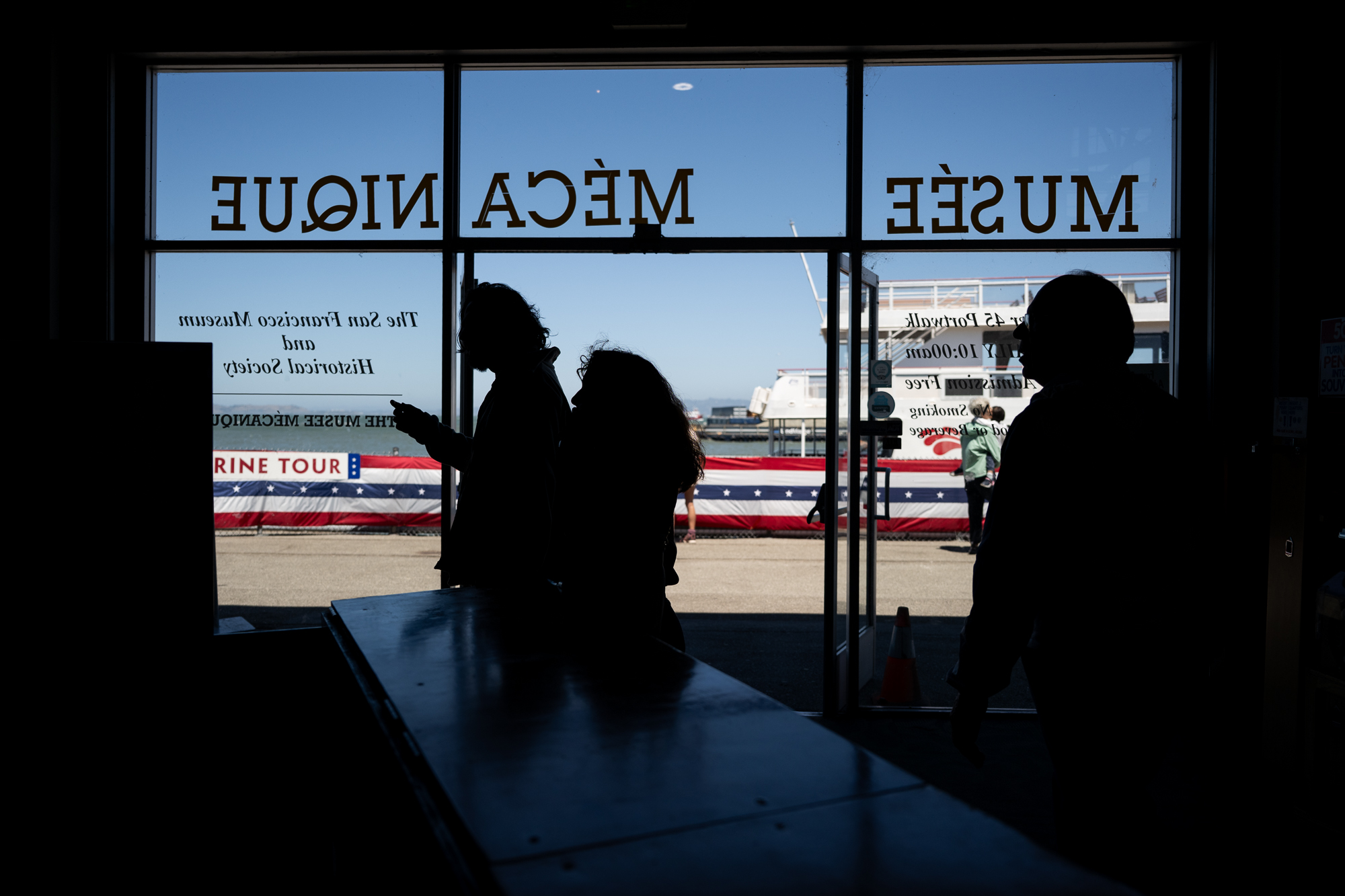
- Musée Mécanique, a treasure of vintage coin-operated machines and arcade games, in Fisherman’s Wharf
- Bimbo’s, a jazz club and venue, on Columbus Avenue
- Royal Baking Company Building in Excelsior
1940s
- House of Prime Rib on Van Ness Avenue
- Gray Area, a venue currently dedicated to artistic technology, but its past as a theater is still apparent, in the Mission
- Swensen’s local ice cream shop on Hyde Street
1950s
- Hamburger Haven, built in the ‘90s but styled like the ‘50s, in Inner Richmond
- Lyon-Martin House, a cornerstone of LGBTQ+ culture in the ‘50s, on Market Street
- The Buena Vista on Hyde Street
- The Ha-Ra Club in the Tenderloin
1960s
- Compton Cafeteria Riot Play, an interactive exhibit at the Tenderloin Museum
- Vesuvio’s Cafe (combined with a visit to City Lights Bookstore next door) in North Beach
- Specs’ Twelve Adler Museum Cafe, also in North Beach
- The Gregangelo Museum — which invokes LGBTQ+ and Counterculture art from several eras, including the ‘60s, ‘70s and ‘80s — on San Leandro Way
- Bob’s Donuts on Polk Street
- The Audium, an immersive sound space, on Bush Street
1970s
- Twin Peaks Tavern, a historic gay bar that was actually built in the 1800s as a saloon, in the Castro
1980s
- Harry’s Bar in Pacific Heights
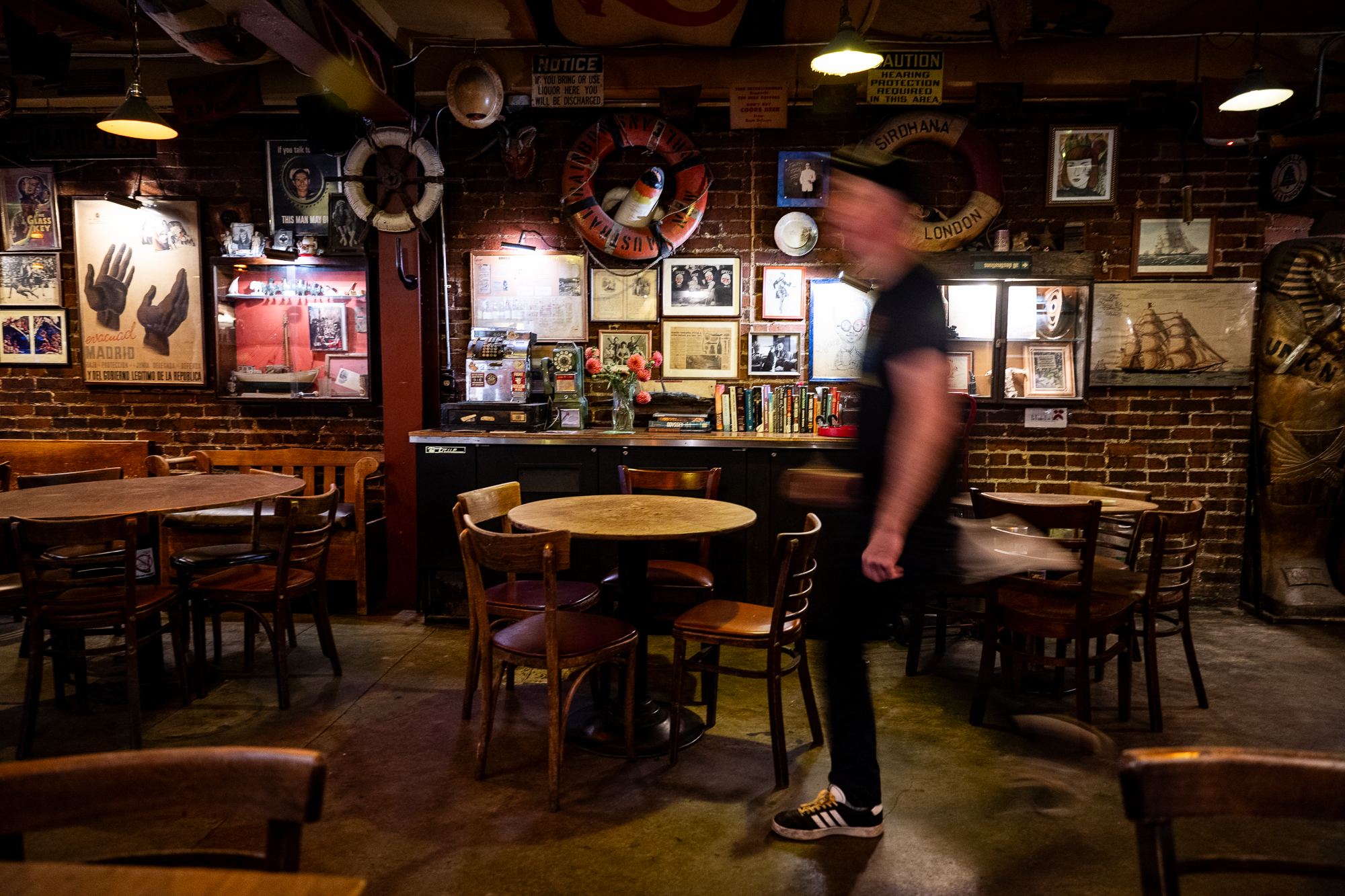
- Brazen Head in Cow Hollow
1990s
- Amoeba Records in Haight-Ashbury
- Dog Eared Books on Valencia Street in the Mission
- The Make-Out Room – one of this reporter’s favorite spots, which might be closing soon — in the Mission
- Radio Habana Social Club in the Mission
2000s
- Horsies Market & Saloon in the Mission
- The Royal Cuckoo in the Mission
- Free Gold Watch, a 2000s arcade but packed with retro pinball machines and arcade games, in Haight-Ashbury
Other resources and ways to explore San Francisco history
Keep in mind: The following is just the tip of the iceberg of all of the ways you can explore the city’s past.
Walking tours
- KQED’s list of the best free walking tours
- Shaping San Francisco
- San Francisco Historical Society’s walking tours
- Unfolding the Financial District
- Self-guided tour created by the Latino Historical Society
- Discover Filmore
Archives and museums
- OpenSFHistory
- San Francisco Historical Photograph Collection
- SFMemory
- This is My SF
- SFMTA Photo Archives
- National Japanese American Historical Society
- GLBT Historical Museum
- Chinese Historical Society of America
- San Francisco Historical Society
- Tenderloin Museum
- Western Neighborhoods Project
- San Francisco Heritage
- FoundSF
- Indian Land Virtual Exhibit
- Retro Bay Area Instagram
Also, for real history fans: There will be a complete model scale of the city on display for the first time in more than 80 years at Pier 9 this winter.
“Created between 1938 and 1940 by more than 300 artisans, the San Francisco Scale Model is a hand-carved wooden replica of the entire city,” according to a social media post promoting the structure’s new home. “Originally conceived as a tool for civic planning, it allowed people to see San Francisco as a whole, understand how it worked and imagine what it could become.”
KQED’s Gabe Meline, Carlos Cabrera-Lomelí, Sam Shaw, Becca Bright, Rikki Gates and Laura Klivans contributed to this article.