window.__IS_SSR__=true
window.__INITIAL_STATE__={
"attachmentsReducer": {
"audio_0": {
"type": "attachments",
"id": "audio_0",
"imgSizes": {
"kqedFullSize": {
"file": "https://ww2.kqed.org/news/wp-content/themes/KQED-unified/img/audio_bgs/background0.jpg"
}
}
},
"audio_1": {
"type": "attachments",
"id": "audio_1",
"imgSizes": {
"kqedFullSize": {
"file": "https://ww2.kqed.org/news/wp-content/themes/KQED-unified/img/audio_bgs/background1.jpg"
}
}
},
"audio_2": {
"type": "attachments",
"id": "audio_2",
"imgSizes": {
"kqedFullSize": {
"file": "https://ww2.kqed.org/news/wp-content/themes/KQED-unified/img/audio_bgs/background2.jpg"
}
}
},
"audio_3": {
"type": "attachments",
"id": "audio_3",
"imgSizes": {
"kqedFullSize": {
"file": "https://ww2.kqed.org/news/wp-content/themes/KQED-unified/img/audio_bgs/background3.jpg"
}
}
},
"audio_4": {
"type": "attachments",
"id": "audio_4",
"imgSizes": {
"kqedFullSize": {
"file": "https://ww2.kqed.org/news/wp-content/themes/KQED-unified/img/audio_bgs/background4.jpg"
}
}
},
"placeholder": {
"type": "attachments",
"id": "placeholder",
"imgSizes": {
"thumbnail": {
"file": "https://cdn.kqed.org/wp-content/uploads/2024/12/KQED-Default-Image-816638274-2000x1333-1-160x107.jpg",
"width": 160,
"height": 107,
"mimeType": "image/jpeg"
},
"medium": {
"file": "https://cdn.kqed.org/wp-content/uploads/2024/12/KQED-Default-Image-816638274-2000x1333-1-800x533.jpg",
"width": 800,
"height": 533,
"mimeType": "image/jpeg"
},
"medium_large": {
"file": "https://cdn.kqed.org/wp-content/uploads/2024/12/KQED-Default-Image-816638274-2000x1333-1-768x512.jpg",
"width": 768,
"height": 512,
"mimeType": "image/jpeg"
},
"large": {
"file": "https://cdn.kqed.org/wp-content/uploads/2024/12/KQED-Default-Image-816638274-2000x1333-1-1020x680.jpg",
"width": 1020,
"height": 680,
"mimeType": "image/jpeg"
},
"1536x1536": {
"file": "https://cdn.kqed.org/wp-content/uploads/2024/12/KQED-Default-Image-816638274-2000x1333-1-1536x1024.jpg",
"width": 1536,
"height": 1024,
"mimeType": "image/jpeg"
},
"fd-lrg": {
"file": "https://cdn.kqed.org/wp-content/uploads/2024/12/KQED-Default-Image-816638274-2000x1333-1-1536x1024.jpg",
"width": 1536,
"height": 1024,
"mimeType": "image/jpeg"
},
"fd-med": {
"file": "https://cdn.kqed.org/wp-content/uploads/2024/12/KQED-Default-Image-816638274-2000x1333-1-1020x680.jpg",
"width": 1020,
"height": 680,
"mimeType": "image/jpeg"
},
"fd-sm": {
"file": "https://cdn.kqed.org/wp-content/uploads/2024/12/KQED-Default-Image-816638274-2000x1333-1-800x533.jpg",
"width": 800,
"height": 533,
"mimeType": "image/jpeg"
},
"post-thumbnail": {
"file": "https://cdn.kqed.org/wp-content/uploads/2024/12/KQED-Default-Image-816638274-2000x1333-1-672x372.jpg",
"width": 672,
"height": 372,
"mimeType": "image/jpeg"
},
"twentyfourteen-full-width": {
"file": "https://cdn.kqed.org/wp-content/uploads/2024/12/KQED-Default-Image-816638274-2000x1333-1-1038x576.jpg",
"width": 1038,
"height": 576,
"mimeType": "image/jpeg"
},
"xxsmall": {
"file": "https://cdn.kqed.org/wp-content/uploads/2024/12/KQED-Default-Image-816638274-2000x1333-1-160x107.jpg",
"width": 160,
"height": 107,
"mimeType": "image/jpeg"
},
"xsmall": {
"file": "https://cdn.kqed.org/wp-content/uploads/2024/12/KQED-Default-Image-816638274-2000x1333-1-672x372.jpg",
"width": 672,
"height": 372,
"mimeType": "image/jpeg"
},
"small": {
"file": "https://cdn.kqed.org/wp-content/uploads/2024/12/KQED-Default-Image-816638274-2000x1333-1-672x372.jpg",
"width": 672,
"height": 372,
"mimeType": "image/jpeg"
},
"xlarge": {
"file": "https://cdn.kqed.org/wp-content/uploads/2024/12/KQED-Default-Image-816638274-2000x1333-1-1020x680.jpg",
"width": 1020,
"height": 680,
"mimeType": "image/jpeg"
},
"full-width": {
"file": "https://cdn.kqed.org/wp-content/uploads/2024/12/KQED-Default-Image-816638274-2000x1333-1-1920x1280.jpg",
"width": 1920,
"height": 1280,
"mimeType": "image/jpeg"
},
"guest-author-32": {
"file": "https://cdn.kqed.org/wp-content/uploads/2025/01/KQED-Default-Image-816638274-1333x1333-1-160x160.jpg",
"width": 32,
"height": 32,
"mimeType": "image/jpeg"
},
"guest-author-50": {
"file": "https://cdn.kqed.org/wp-content/uploads/2025/01/KQED-Default-Image-816638274-1333x1333-1-160x160.jpg",
"width": 50,
"height": 50,
"mimeType": "image/jpeg"
},
"guest-author-64": {
"file": "https://cdn.kqed.org/wp-content/uploads/2025/01/KQED-Default-Image-816638274-1333x1333-1-160x160.jpg",
"width": 64,
"height": 64,
"mimeType": "image/jpeg"
},
"guest-author-96": {
"file": "https://cdn.kqed.org/wp-content/uploads/2025/01/KQED-Default-Image-816638274-1333x1333-1-160x160.jpg",
"width": 96,
"height": 96,
"mimeType": "image/jpeg"
},
"guest-author-128": {
"file": "https://cdn.kqed.org/wp-content/uploads/2025/01/KQED-Default-Image-816638274-1333x1333-1-160x160.jpg",
"width": 128,
"height": 128,
"mimeType": "image/jpeg"
},
"detail": {
"file": "https://cdn.kqed.org/wp-content/uploads/2025/01/KQED-Default-Image-816638274-1333x1333-1-160x160.jpg",
"width": 160,
"height": 160,
"mimeType": "image/jpeg"
},
"kqedFullSize": {
"file": "https://cdn.kqed.org/wp-content/uploads/2024/12/KQED-Default-Image-816638274-2000x1333-1.jpg",
"width": 2000,
"height": 1333
}
}
},
"news_54429": {
"type": "attachments",
"id": "news_54429",
"meta": {
"index": "attachments_1716263798",
"site": "news",
"id": "54429",
"found": true
},
"parent": 54382,
"imgSizes": {
"kqedFullSize": {
"file": "https://ww2.kqed.org/app/uploads/sites/10/2012/01/MCohen_PostRaid012412.jpg",
"width": 300,
"height": 200
}
},
"publishDate": 1327461305,
"modified": 1327461305,
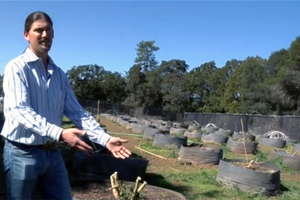
"caption": "Matt Cohen, owner of Northstone Organics medical marijuana growers cooperative, discusses a November raid on his farm by the Drug Enforcement Agency. Image courtesy of the Center for Investigative Reporting.",
"description": null,
"title": "MCohen_PostRaid012412",
"credit": null,
"status": "inherit",
"isLoading": false,
"fetchFailed": false
}
},
"audioPlayerReducer": {
"postId": "stream_live",
"isPaused": true,
"isPlaying": false,
"pfsActive": false,
"pledgeModalIsOpen": true,
"playerDrawerIsOpen": false,
"liveAudioPlayStartedAt": 0,
"liveAudioPlayContext": ""
},
"authorsReducer": {
"jbrooks": {
"type": "authors",
"id": "80",
"meta": {
"index": "authors_1716337520",
"id": "80",
"found": true
},
"name": "Jon Brooks",
"firstName": "Jon",
"lastName": "Brooks",
"slug": "jbrooks",
"email": "jbrooks@kqed.org",
"display_author_email": true,
"staff_mastheads": [
"science"
],
"title": "Digital Editor",
"bio": "Jon Brooks is a former Digital Editor for KQED Science. He is the former editor of KQED’s daily news blog, News Fix. In 2014, he won a California Journalism Award for his coverage of ride services like Uber and Lyft and the taxi industry. A veteran blogger, he previously worked for Yahoo! in various news writing and editing roles. Jon is also a playwright whose work has been produced in San Francisco, New York, Italy, and around the U.S. He has written about film for his own blog and studied film at Boston University.",
"avatar": "https://secure.gravatar.com/avatar/98887f7ed1c876ed414d4c915e969584?s=600&d=blank&r=g",
"twitter": "jbrooksfoy",
"facebook": null,
"instagram": null,
"linkedin": null,
"sites": [
{
"site": "arts",
"roles": [
"Contributor",
"editor"
]
},
{
"site": "news",
"roles": [
"author"
]
},
{
"site": "futureofyou",
"roles": [
"administrator"
]
},
{
"site": "mindshift",
"roles": [
"editor"
]
},
{
"site": "stateofhealth",
"roles": [
"editor"
]
},
{
"site": "science",
"roles": [
"administrator"
]
},
{
"site": "quest",
"roles": [
"editor"
]
}
],
"headData": {
"title": "Jon Brooks | KQED",
"description": "Digital Editor",
"ogImgSrc": "https://secure.gravatar.com/avatar/98887f7ed1c876ed414d4c915e969584?s=600&d=blank&r=g",
"twImgSrc": "https://secure.gravatar.com/avatar/98887f7ed1c876ed414d4c915e969584?s=600&d=blank&r=g"
},
"isLoading": false,
"link": "/author/jbrooks"
},
"amystanden": {
"type": "authors",
"id": "210",
"meta": {
"index": "authors_1716337520",
"id": "210",
"found": true
},
"name": "Amy Standen",
"firstName": "Amy",
"lastName": "Standen",
"slug": "amystanden",
"email": "astanden@kqed.org",
"display_author_email": false,
"staff_mastheads": [],
"title": "KQED Contributor",
"bio": "Amy Standen (@amystanden) is co-host of #\u003ca href=\"https://ww2.kqed.org/news/programs/the-leap\">TheLeapPodcast\u003c/a> (subscribe on iTunes or Stitcher!) and host of KQED and PBSDigital Studios' science video series, \u003ca href=\"https://www.youtube.com/user/KQEDDeepLook\">Deep Look\u003c/a>. Her science radio stories appear on KQED and NPR.\r\n\r\nEmail her at astanden@kqed.org",
"avatar": "https://secure.gravatar.com/avatar/3d021b72de685a788b0487b059d0a6a1?s=600&d=blank&r=g",
"twitter": null,
"facebook": null,
"instagram": null,
"linkedin": null,
"sites": [
{
"site": "news",
"roles": [
"subscriber"
]
},
{
"site": "futureofyou",
"roles": [
"subscriber"
]
},
{
"site": "stateofhealth",
"roles": [
"subscriber"
]
},
{
"site": "science",
"roles": []
},
{
"site": "quest",
"roles": [
"subscriber"
]
}
],
"headData": {
"title": "Amy Standen | KQED",
"description": "KQED Contributor",
"ogImgSrc": "https://secure.gravatar.com/avatar/3d021b72de685a788b0487b059d0a6a1?s=600&d=blank&r=g",
"twImgSrc": "https://secure.gravatar.com/avatar/3d021b72de685a788b0487b059d0a6a1?s=600&d=blank&r=g"
},
"isLoading": false,
"link": "/author/amystanden"
},
"caitlinesch": {
"type": "authors",
"id": "216",
"meta": {
"index": "authors_1716337520",
"id": "216",
"found": true
},
"name": "Caitlin Esch",
"firstName": "Caitlin",
"lastName": "Esch",
"slug": "caitlinesch",
"email": "caitlinesch@gmail.com",
"display_author_email": false,
"staff_mastheads": [],
"title": null,
"bio": null,
"avatar": "https://secure.gravatar.com/avatar/7c783dcf46c76dd216d63da61bbbfc7c?s=600&d=blank&r=g",
"twitter": null,
"facebook": null,
"instagram": null,
"linkedin": null,
"sites": [
{
"site": "news",
"roles": [
"subscriber"
]
}
],
"headData": {
"title": "Caitlin Esch | KQED",
"description": null,
"ogImgSrc": "https://secure.gravatar.com/avatar/7c783dcf46c76dd216d63da61bbbfc7c?s=600&d=blank&r=g",
"twImgSrc": "https://secure.gravatar.com/avatar/7c783dcf46c76dd216d63da61bbbfc7c?s=600&d=blank&r=g"
},
"isLoading": false,
"link": "/author/caitlinesch"
},
"kqednewsstaffandwires": {
"type": "authors",
"id": "237",
"meta": {
"index": "authors_1716337520",
"id": "237",
"found": true
},
"name": "KQED News Staff and Wires",
"firstName": "KQED News Staff and Wires",
"lastName": null,
"slug": "kqednewsstaffandwires",
"email": "onlinenewsstaff@kqed.org",
"display_author_email": false,
"staff_mastheads": [],
"title": null,
"bio": null,
"avatar": "https://secure.gravatar.com/avatar/72295af8ebbfbd19a4948f5271285664?s=600&d=blank&r=g",
"twitter": null,
"facebook": null,
"instagram": null,
"linkedin": null,
"sites": [
{
"site": "arts",
"roles": [
"contributor"
]
},
{
"site": "news",
"roles": [
"contributor"
]
},
{
"site": "lowdown",
"roles": [
"author"
]
},
{
"site": "stateofhealth",
"roles": [
"contributor"
]
},
{
"site": "food",
"roles": [
"author"
]
}
],
"headData": {
"title": "KQED News Staff and Wires | KQED",
"description": null,
"ogImgSrc": "https://secure.gravatar.com/avatar/72295af8ebbfbd19a4948f5271285664?s=600&d=blank&r=g",
"twImgSrc": "https://secure.gravatar.com/avatar/72295af8ebbfbd19a4948f5271285664?s=600&d=blank&r=g"
},
"isLoading": false,
"link": "/author/kqednewsstaffandwires"
},
"mmontgomery": {
"type": "authors",
"id": "245",
"meta": {
"index": "authors_1716337520",
"id": "245",
"found": true
},
"name": "Michael Montgomery",
"firstName": "Michael",
"lastName": "Montgomery",
"slug": "mmontgomery",
"email": "t4monk@gmail.com",
"display_author_email": false,
"staff_mastheads": [],
"title": null,
"bio": null,
"avatar": "https://secure.gravatar.com/avatar/79a5f79d5aa798ddff903c26834bb398?s=600&d=blank&r=g",
"twitter": null,
"facebook": null,
"instagram": null,
"linkedin": null,
"sites": [
{
"site": "news",
"roles": [
"contributor"
]
}
],
"headData": {
"title": "Michael Montgomery | KQED",
"description": null,
"ogImgSrc": "https://secure.gravatar.com/avatar/79a5f79d5aa798ddff903c26834bb398?s=600&d=blank&r=g",
"twImgSrc": "https://secure.gravatar.com/avatar/79a5f79d5aa798ddff903c26834bb398?s=600&d=blank&r=g"
},
"isLoading": false,
"link": "/author/mmontgomery"
},
"lairdharrison": {
"type": "authors",
"id": "1367",
"meta": {
"index": "authors_1716337520",
"id": "1367",
"found": true
},
"name": "Laird Harrison",
"firstName": "Laird",
"lastName": "Harrison",
"slug": "lairdharrison",
"email": "laird_harrison@yahoo.com",
"display_author_email": false,
"staff_mastheads": [],
"title": null,
"bio": null,
"avatar": "https://secure.gravatar.com/avatar/cd1a94b071427a71ecfcbc115c6b0efe?s=600&d=blank&r=g",
"twitter": null,
"facebook": null,
"instagram": null,
"linkedin": null,
"sites": [
{
"site": "news",
"roles": [
"subscriber"
]
}
],
"headData": {
"title": "Laird Harrison | KQED",
"description": null,
"ogImgSrc": "https://secure.gravatar.com/avatar/cd1a94b071427a71ecfcbc115c6b0efe?s=600&d=blank&r=g",
"twImgSrc": "https://secure.gravatar.com/avatar/cd1a94b071427a71ecfcbc115c6b0efe?s=600&d=blank&r=g"
},
"isLoading": false,
"link": "/author/lairdharrison"
}
},
"pagesReducer": {
"news_tag_politics": {
"type": "terms",
"id": "news_17968",
"meta": {
"index": "terms_1716263798",
"site": "news",
"id": "17968",
"score": 8.003446
},
"name": "Politics",
"slug": "politics",
"taxonomy": "tag",
"description": null,
"featImg": null,
"headData": {
"title": "Politics | KQED News",
"description": null,
"ogTitle": null,
"ogDescription": null,
"ogImgId": null,
"twTitle": null,
"twDescription": null,
"twImgId": null
},
"ttid": 18002,
"isLoading": false,
"title": "Politics",
"pageMeta": {
"site": "news",
"WpPageTemplate": "page-topic-editorial",
"currentPage": 270
},
"blocks": [
{
"blockName": "kqed/post-list",
"attrs": {
"layout": "cardArticle2",
"query": "posts/news?tag=politics",
"seeMore": false,
"paginated": true,
"page": 270
}
},
{
"blockName": "kqed/ad"
}
]
}
},
"pfsSessionReducer": {},
"postsReducer": {
"stream_live": {
"type": "live",
"id": "stream_live",
"audioUrl": "https://streams.kqed.org/kqedradio",
"title": "Live Stream",
"excerpt": "Live Stream information currently unavailable.",
"link": "/radio",
"featImg": "",
"label": {
"name": "KQED Live",
"link": "/"
}
},
"stream_kqedNewscast": {
"type": "posts",
"id": "stream_kqedNewscast",
"audioUrl": "https://www.kqed.org/.stream/anon/radio/RDnews/newscast.mp3?_=1",
"title": "KQED Newscast",
"featImg": "",
"label": {
"name": "88.5 FM",
"link": "/"
}
},
"news_89936": {
"type": "posts",
"id": "news_89936",
"meta": {
"index": "posts_1716263798",
"site": "news",
"id": "89936",
"score": null,
"sort": [
1361560382000
]
},
"guestAuthors": [],
"slug": "resignation-emperils-democrats-supermajority-in-california-senate",
"title": "Democrats Lose Supermajority in California Senate",
"publishDate": 1361560382,
"format": "aside",
"headTitle": "Democrats Lose Supermajority in California Senate | KQED",
"labelTerm": {
"term": 6944,
"site": "news"
},
"content": "\u003cp>A legislative supermajority is a fleeting thing, reports KQED’s Sacramento Bureau Chief Scott Detrow:\u003c/p>\n\u003cblockquote>\u003cp>Just a month-and-a-half into the new legislative session, California Democrats have lost the two-thirds majority they held in both the state Assembly and Senate. That’s due to the resignation of East Bakersfield Senator Michael Rubio, who is stepping down – effective immediately – to become a lobbyist for energy company Chevron.\u003c/p>\n\u003cp>Rubio’s resignation gives Democrats 26 Senate seats – one shy of two-thirds control of the 40-member chamber. (The party maintains a commanding 55-25 grip on the Assembly, and holds the governor’s office, too.)\u003c/p>\n\u003cp>The two-thirds hold on both houses was important, because California law requires a supermajority vote to raise taxes and put a new initiative on the ballot, as well as overturn gubernatorial vetoes. Assuming the parties vote in blocks, Senate Republicans now have the ability to put a hold on any proposed revenue increases.\u003c/p>\n\u003cp>Rubio’s resignation gives Democrats 26 seats in the 40-member chamber – one shy of a two-thirds hold. The party may regain its supermajority next month, when primary elections are held for seats vacated by Los Angeles Democrat Gloria Negrete McLeod and San Diego Democrat Juan Vargas, who both stepped town to become members of Congress. (If a primary candidates wins more than 50 percent of the vote, he or she is declared the winner and no general election is held.)\u003c/p>\n\u003cp>A special election for Rubio’s seat will be held later this year, 126 to 140 days after Governor Jerry Brown calls for one. That puts the timing into late June, right when legislators will be voting on this year’s budget plan.\u003c/p>\n\u003cp>Looking at the district’s demographics, analyst Allan Hoffenbloom says Democrats should be able to retain the seat. “Currently the Democratic registration is at 50 percent,” he said. “and the Republican registration is down to 28 percent. So this is a district, though in the past competitive, which will certainly favor a Democrat.” Hoffenbloom edits the “California District Target,” which assesses legislative elections.\u003c/p>\u003c/blockquote>\n\u003cp>In an \u003ca href=\"http://sd16.senate.ca.gov/newsroom/press-releases/2013-02-22-senator-rubio-family-comes-first-2\">announcement\u003c/a> on his website, Rubio suggests that working as manager of California government affairs for the oil company will demand a lot less of his time than being a state senator.\u003c/p>\n\u003cp>“I have missed too many family dinner, bedtime stories and parent-teacher conferences,” he wrote, noting that he has two daughters, one of them with special needs.\u003c/p>\n\u003cp>Rubio decided a year ago not to run for U.S. Congress because of his family’s needs, he said.\u003c/p>\n\u003cp>The announcement caused an immediate flurry on Twitter as pundits tried to figure out the political implications:\u003c/p>\n\u003cblockquote class=\"twitter-tweet\">\u003cp>With two Senate vacancies already, Rubio’s resignation and another senator leaving for LA City Council, Senate supermajority falls short\u003c/p>\n\u003cp>— Daniel R. Walters (@WaltersBee) \u003ca href=\"https://twitter.com/WaltersBee/status/305025660882145280\">February 22, 2013\u003c/a>\u003c/p>\u003c/blockquote>\n\u003cblockquote class=\"twitter-tweet\">\u003cp>A complication for Dems on 2/3 supermajority & \u003ca href=\"https://twitter.com/search/%23CEQA\">#CEQA\u003c/a> reform backers, in state Sen. Michael Rubio’s immediate resignation today\u003c/p>\n\u003cp>— John Myers (@johnmyers) \u003ca href=\"https://twitter.com/johnmyers/status/305024761531092993\">February 22, 2013\u003c/a>\u003c/p>\u003c/blockquote>\n\u003cp>The \u003ca href=\"http://blogs.sacbee.com/capitolalertlatest/2013/02/state-sen-michael-rubio-resigns-will-take-job-with-chevron.html\">Sacramento Bee\u003c/a> offers this background:\u003c/p>\n\u003cblockquote>\u003cp>Rubio, who was elected to the state Senate in 2010, dropped plans to run for Congress in 2012 after his daughter was diagnosed with Down syndrome. One of the upper house’s most moderate members, Rubio was leading a push to overhaul the California Environmental Quality Act. He was named chair of the Environmental Quality Committee last year and has worked closely with Senate President Pro Tem Darrell Steinberg on drafting legislation for the upcoming session.\u003c/p>\u003c/blockquote>\n\u003cp>[ad fullwidth]\u003c/p>\u003cp>\u003c/p>\n",
"blocks": [],
"excerpt": null,
"status": "publish",
"parent": 0,
"modified": 1721104364,
"stats": {
"hasAudio": false,
"hasVideo": false,
"hasChartOrMap": false,
"iframeSrcs": [],
"hasGoogleForm": false,
"hasGallery": false,
"hasHearkenModule": false,
"hasPolis": false,
"paragraphCount": 19,
"wordCount": 609
},
"headData": {
"title": "Democrats Lose Supermajority in California Senate | KQED",
"description": "A legislative supermajority is a fleeting thing, reports KQED’s Sacramento Bureau Chief Scott Detrow: Just a month-and-a-half into the new legislative session, California Democrats have lost the two-thirds majority they held in both the state Assembly and Senate. That’s due to the resignation of East Bakersfield Senator Michael Rubio, who is stepping down – effective",
"ogTitle": "",
"ogDescription": "",
"ogImgId": "",
"twTitle": "",
"twDescription": "",
"twImgId": "",
"schema": {
"@context": "https://schema.org",
"@type": "NewsArticle",
"headline": "Democrats Lose Supermajority in California Senate",
"datePublished": "2013-02-22T11:13:02-08:00",
"dateModified": "2024-07-15T21:32:44-07:00",
"image": "https://cdn.kqed.org/wp-content/uploads/2020/02/KQED-OG-Image@1x.png",
"isAccessibleForFree": "True",
"publisher": {
"@type": "NewsMediaOrganization",
"@id": "https://www.kqed.org/#organization",
"name": "KQED",
"logo": "https://cdn.kqed.org/wp-content/uploads/2020/02/KQED-OG-Image@1x.png",
"url": "https://www.kqed.org",
"sameAs": [
"https://www.facebook.com/KQED",
"https://twitter.com/KQED",
"https://www.instagram.com/kqed/",
"https://www.tiktok.com/@kqedofficial",
"https://www.linkedin.com/company/kqed",
"https://www.youtube.com/channel/UCeC0IOo7i1P_61zVUWbJ4nw"
]
}
}
},
"sticky": false,
"path": "/news/89936/resignation-emperils-democrats-supermajority-in-california-senate",
"audioTrackLength": null,
"parsedContent": [
{
"type": "contentString",
"content": "\u003cdiv class=\"post-body\">\u003cp>\u003cp>A legislative supermajority is a fleeting thing, reports KQED’s Sacramento Bureau Chief Scott Detrow:\u003c/p>\n\u003cblockquote>\u003cp>Just a month-and-a-half into the new legislative session, California Democrats have lost the two-thirds majority they held in both the state Assembly and Senate. That’s due to the resignation of East Bakersfield Senator Michael Rubio, who is stepping down – effective immediately – to become a lobbyist for energy company Chevron.\u003c/p>\n\u003cp>Rubio’s resignation gives Democrats 26 Senate seats – one shy of two-thirds control of the 40-member chamber. (The party maintains a commanding 55-25 grip on the Assembly, and holds the governor’s office, too.)\u003c/p>\n\u003cp>The two-thirds hold on both houses was important, because California law requires a supermajority vote to raise taxes and put a new initiative on the ballot, as well as overturn gubernatorial vetoes. Assuming the parties vote in blocks, Senate Republicans now have the ability to put a hold on any proposed revenue increases.\u003c/p>\n\u003cp>Rubio’s resignation gives Democrats 26 seats in the 40-member chamber – one shy of a two-thirds hold. The party may regain its supermajority next month, when primary elections are held for seats vacated by Los Angeles Democrat Gloria Negrete McLeod and San Diego Democrat Juan Vargas, who both stepped town to become members of Congress. (If a primary candidates wins more than 50 percent of the vote, he or she is declared the winner and no general election is held.)\u003c/p>\n\u003cp>A special election for Rubio’s seat will be held later this year, 126 to 140 days after Governor Jerry Brown calls for one. That puts the timing into late June, right when legislators will be voting on this year’s budget plan.\u003c/p>\n\u003cp>Looking at the district’s demographics, analyst Allan Hoffenbloom says Democrats should be able to retain the seat. “Currently the Democratic registration is at 50 percent,” he said. “and the Republican registration is down to 28 percent. So this is a district, though in the past competitive, which will certainly favor a Democrat.” Hoffenbloom edits the “California District Target,” which assesses legislative elections.\u003c/p>\u003c/blockquote>\n\u003cp>In an \u003ca href=\"http://sd16.senate.ca.gov/newsroom/press-releases/2013-02-22-senator-rubio-family-comes-first-2\">announcement\u003c/a> on his website, Rubio suggests that working as manager of California government affairs for the oil company will demand a lot less of his time than being a state senator.\u003c/p>\n\u003cp>“I have missed too many family dinner, bedtime stories and parent-teacher conferences,” he wrote, noting that he has two daughters, one of them with special needs.\u003c/p>\n\u003cp>Rubio decided a year ago not to run for U.S. Congress because of his family’s needs, he said.\u003c/p>\n\u003cp>The announcement caused an immediate flurry on Twitter as pundits tried to figure out the political implications:\u003c/p>\n\u003cblockquote class=\"twitter-tweet\">\u003cp>With two Senate vacancies already, Rubio’s resignation and another senator leaving for LA City Council, Senate supermajority falls short\u003c/p>\n\u003cp>— Daniel R. Walters (@WaltersBee) \u003ca href=\"https://twitter.com/WaltersBee/status/305025660882145280\">February 22, 2013\u003c/a>\u003c/p>\u003c/blockquote>\n\u003cblockquote class=\"twitter-tweet\">\u003cp>A complication for Dems on 2/3 supermajority & \u003ca href=\"https://twitter.com/search/%23CEQA\">#CEQA\u003c/a> reform backers, in state Sen. Michael Rubio’s immediate resignation today\u003c/p>\n\u003cp>— John Myers (@johnmyers) \u003ca href=\"https://twitter.com/johnmyers/status/305024761531092993\">February 22, 2013\u003c/a>\u003c/p>\u003c/blockquote>\n\u003cp>The \u003ca href=\"http://blogs.sacbee.com/capitolalertlatest/2013/02/state-sen-michael-rubio-resigns-will-take-job-with-chevron.html\">Sacramento Bee\u003c/a> offers this background:\u003c/p>\n\u003cblockquote>\u003cp>Rubio, who was elected to the state Senate in 2010, dropped plans to run for Congress in 2012 after his daughter was diagnosed with Down syndrome. One of the upper house’s most moderate members, Rubio was leading a push to overhaul the California Environmental Quality Act. He was named chair of the Environmental Quality Committee last year and has worked closely with Senate President Pro Tem Darrell Steinberg on drafting legislation for the upcoming session.\u003c/p>\u003c/blockquote>\n\u003cp>\u003c/p>\u003c/div>",
"attributes": {
"named": {},
"numeric": []
}
},
{
"type": "component",
"content": "",
"name": "ad",
"attributes": {
"named": {
"label": "fullwidth"
},
"numeric": [
"fullwidth"
]
}
},
{
"type": "contentString",
"content": "\u003cdiv class=\"post-body\">\u003cp>\u003c/p>\u003cp>\u003c/p>\n\u003c/div>\u003c/p>",
"attributes": {
"named": {},
"numeric": []
}
}
],
"link": "/news/89936/resignation-emperils-democrats-supermajority-in-california-senate",
"authors": [
"1367"
],
"programs": [
"news_6944"
],
"categories": [
"news_13"
],
"tags": [
"news_914",
"news_176",
"news_3920",
"news_17968"
],
"label": "news_6944"
},
"news_84496": {
"type": "posts",
"id": "news_84496",
"meta": {
"index": "posts_1716263798",
"site": "news",
"id": "84496",
"score": null,
"sort": [
1357172206000
]
},
"guestAuthors": [],
"slug": "budget-deal-could-slow-calif-economy",
"title": "Budget Deal Could Slow Calif. Economy",
"publishDate": 1357172206,
"format": "aside",
"headTitle": "Budget Deal Could Slow Calif. Economy | KQED",
"labelTerm": {
"term": 6944,
"site": "news"
},
"content": "\u003cp>Congress may have pulled the nation back from a fiscal cliff this week, but the budget deal could still slow California’s economic recovery in the short term, according to an economist who specializes in forecasting the state’s future.\u003c/p>\n\u003cfigure id=\"attachment_84498\" class=\"wp-caption alignleft\" style=\"max-width: 300px\">\u003ca href=\"http://ww2.kqed.org/news/wp-content/uploads/sites/10/2013/01/fiscal-cliff-budget-deal.jpg\">\u003cimg loading=\"lazy\" decoding=\"async\" class=\"size-medium wp-image-84498\" title=\"House Passes Budget Deal Past Fiscal Cliff Deadline\" src=\"http://ww2.kqed.org/news/wp-content/uploads/sites/10/2013/01/fiscal-cliff-budget-deal-300x200.jpg\" alt=\"\" width=\"300\" height=\"200\">\u003c/a>\u003cfigcaption class=\"wp-caption-text\">Members of the House Democratic Caucus met to consider the legislation that will blunt the effects of the \"fiscal cliff\" during a rare New Year's Day session January 1, 2013 in Washington, DC. (Phil Gingrey/Getty Images)\u003c/figcaption>\u003c/figure>\n\u003cp>Speaking on KQED’s \u003ca href=\"http://www.kqed.org/a/forum/R201301020900\">Forum\u003c/a> on Wednesday, Jerry Nickelsburg, an adjunct professor at UCLA’s Anderson School of Management, said that even in the best-case scenario we can expect the state’s economic growth to slow down by one to one-and-half percentage points because of increased taxes and spending reductions.\u003c/p>\n\u003cp>The deal averted massive spending cuts and tax increases that were set to start on Monday. Other economists had predicted that these could push the nation into a second recession.\u003c/p>\n\u003cp>The arrangement cooked up in the Senate and approved by the House of Representatives on Tuesday limited the federal income tax increases to individuals earning more than $400,000 a year, and couples earning more than $450,000.\u003c!--more-->\u003c/p>\n\u003cp>But it allowed a 2-percent payroll tax cut to expire, and that will affect most working people. For example, individuals earning $50,000 a year will have to pay $1,000 more per year in the form of a Social Security tax, David Wessel, an economics editor for The Wall Street Journal said on Forum.\u003c/p>\n\u003cp>[ad fullwidth]\u003c/p>\n\u003cp>It also leaves the tax code a mess, with multiple loopholes for businesses. The increased revenues are only about 20 percent of what’s needed to reduce the U.S. debt to sustainable levels, said Wessel.\u003c/p>\n\u003cp>And the deal only delayed the spending cuts for another two months, with no agreement about how they might be sorted out, Wessel said.\u003c/p>\n\u003cp>For California, that poses big problems, said Nickelsburg. “First of all, I think it’s important to realize there is still a fiscal cliff there,” he said. “The spending cuts were just pushed down the road. There is still a lot of uncertainty going forward. And people are going to postpone decisions.”\u003c/p>\n\u003cp>Postponing decisions can mean delaying investments the economy needs to move forward he said. “What we’re seeing is that California’s economic growth is slowing. We saw that in the last couple of months. We expect that this year. Heretofore, in the economic recovery we have been growing faster than the U.S. But we don’t expect that to continue in the coming months.”\u003c/p>\n\u003cp>The news wasn’t all bad. The deal extended unemployment benefits which should benefit 400,000 Californians, according to the Associated Press.\u003c/p>\n\u003cp>“In California we have an unemployment rate that is about 2 percentage points higher than the rest of the United States, so it’s relatively more important to Californians that those go through,” said Nicklesburg.\u003c/p>\n\u003cp>On the other hand, California has already raised taxes on high earners, and Nickelsburg warned that there may be limits to how much the rich can be soaked. “With Prop[osition] 30 we raised our income tax rates on the highest earners to the highest in the nation. You add those to the new [federal income tax] rates that were just passed with this deal and you have over 50% of income earned by high income earners in California paid out in taxes. Well, is that the tipping point where you have new job creation occurring elsewhere because the tax burden is too high? It remains to be seen.\u003c/p>\n\u003cp>“In the past increases in taxes on high-income earners have had a marginal effect but not a huge effect because of the benefits of living here in California and the very dynamic knowledge communities that we have here. But that advantage may be dissipating, particularly if the problems continue and the high tax rates continue relative to elsewhere for a very long period of time.”\u003c/p>\n\u003cp>\u003c/p>\n\u003cp>Is there any hope? If tempers in Washington cool and Democrats find common grounds with Republicans — after all everyone agrees the tax code needs fixing –then California could be headed for happier days in 2014, Nickelsburg said. “If that were to take place then I think the outlook for California is quite bright.”\u003c/p>\n\n",
"blocks": [],
"excerpt": null,
"status": "publish",
"parent": 0,
"modified": 1721148475,
"stats": {
"hasAudio": false,
"hasVideo": false,
"hasChartOrMap": false,
"iframeSrcs": [],
"hasGoogleForm": false,
"hasGallery": false,
"hasHearkenModule": false,
"hasPolis": false,
"paragraphCount": 16,
"wordCount": 749
},
"headData": {
"title": "Budget Deal Could Slow Calif. Economy | KQED",
"description": "Congress may have pulled the nation back from a fiscal cliff this week, but the budget deal could still slow California’s economic recovery in the short term, according to an economist who specializes in forecasting the state’s future. Speaking on KQED’s Forum on Wednesday, Jerry Nickelsburg, an adjunct professor at UCLA’s Anderson School of Management,",
"ogTitle": "",
"ogDescription": "",
"ogImgId": "",
"twTitle": "",
"twDescription": "",
"twImgId": "",
"schema": {
"@context": "https://schema.org",
"@type": "NewsArticle",
"headline": "Budget Deal Could Slow Calif. Economy",
"datePublished": "2013-01-02T16:16:46-08:00",
"dateModified": "2024-07-16T09:47:55-07:00",
"image": "https://cdn.kqed.org/wp-content/uploads/2020/02/KQED-OG-Image@1x.png",
"isAccessibleForFree": "True",
"publisher": {
"@type": "NewsMediaOrganization",
"@id": "https://www.kqed.org/#organization",
"name": "KQED",
"logo": "https://cdn.kqed.org/wp-content/uploads/2020/02/KQED-OG-Image@1x.png",
"url": "https://www.kqed.org",
"sameAs": [
"https://www.facebook.com/KQED",
"https://twitter.com/KQED",
"https://www.instagram.com/kqed/",
"https://www.tiktok.com/@kqedofficial",
"https://www.linkedin.com/company/kqed",
"https://www.youtube.com/channel/UCeC0IOo7i1P_61zVUWbJ4nw"
]
}
}
},
"sticky": false,
"path": "/news/84496/budget-deal-could-slow-calif-economy",
"audioTrackLength": null,
"parsedContent": [
{
"type": "contentString",
"content": "\u003cdiv class=\"post-body\">\u003cp>\u003cp>Congress may have pulled the nation back from a fiscal cliff this week, but the budget deal could still slow California’s economic recovery in the short term, according to an economist who specializes in forecasting the state’s future.\u003c/p>\n\u003cfigure id=\"attachment_84498\" class=\"wp-caption alignleft\" style=\"max-width: 300px\">\u003ca href=\"http://ww2.kqed.org/news/wp-content/uploads/sites/10/2013/01/fiscal-cliff-budget-deal.jpg\">\u003cimg loading=\"lazy\" decoding=\"async\" class=\"size-medium wp-image-84498\" title=\"House Passes Budget Deal Past Fiscal Cliff Deadline\" src=\"http://ww2.kqed.org/news/wp-content/uploads/sites/10/2013/01/fiscal-cliff-budget-deal-300x200.jpg\" alt=\"\" width=\"300\" height=\"200\">\u003c/a>\u003cfigcaption class=\"wp-caption-text\">Members of the House Democratic Caucus met to consider the legislation that will blunt the effects of the \"fiscal cliff\" during a rare New Year's Day session January 1, 2013 in Washington, DC. (Phil Gingrey/Getty Images)\u003c/figcaption>\u003c/figure>\n\u003cp>Speaking on KQED’s \u003ca href=\"http://www.kqed.org/a/forum/R201301020900\">Forum\u003c/a> on Wednesday, Jerry Nickelsburg, an adjunct professor at UCLA’s Anderson School of Management, said that even in the best-case scenario we can expect the state’s economic growth to slow down by one to one-and-half percentage points because of increased taxes and spending reductions.\u003c/p>\n\u003cp>The deal averted massive spending cuts and tax increases that were set to start on Monday. Other economists had predicted that these could push the nation into a second recession.\u003c/p>\n\u003cp>The arrangement cooked up in the Senate and approved by the House of Representatives on Tuesday limited the federal income tax increases to individuals earning more than $400,000 a year, and couples earning more than $450,000.\u003c!--more-->\u003c/p>\n\u003cp>But it allowed a 2-percent payroll tax cut to expire, and that will affect most working people. For example, individuals earning $50,000 a year will have to pay $1,000 more per year in the form of a Social Security tax, David Wessel, an economics editor for The Wall Street Journal said on Forum.\u003c/p>\n\u003cp>\u003c/p>\u003c/div>",
"attributes": {
"named": {},
"numeric": []
}
},
{
"type": "component",
"content": "",
"name": "ad",
"attributes": {
"named": {
"label": "fullwidth"
},
"numeric": [
"fullwidth"
]
}
},
{
"type": "contentString",
"content": "\u003cdiv class=\"post-body\">\u003cp>\u003c/p>\n\u003cp>It also leaves the tax code a mess, with multiple loopholes for businesses. The increased revenues are only about 20 percent of what’s needed to reduce the U.S. debt to sustainable levels, said Wessel.\u003c/p>\n\u003cp>And the deal only delayed the spending cuts for another two months, with no agreement about how they might be sorted out, Wessel said.\u003c/p>\n\u003cp>For California, that poses big problems, said Nickelsburg. “First of all, I think it’s important to realize there is still a fiscal cliff there,” he said. “The spending cuts were just pushed down the road. There is still a lot of uncertainty going forward. And people are going to postpone decisions.”\u003c/p>\n\u003cp>Postponing decisions can mean delaying investments the economy needs to move forward he said. “What we’re seeing is that California’s economic growth is slowing. We saw that in the last couple of months. We expect that this year. Heretofore, in the economic recovery we have been growing faster than the U.S. But we don’t expect that to continue in the coming months.”\u003c/p>\n\u003cp>The news wasn’t all bad. The deal extended unemployment benefits which should benefit 400,000 Californians, according to the Associated Press.\u003c/p>\n\u003cp>“In California we have an unemployment rate that is about 2 percentage points higher than the rest of the United States, so it’s relatively more important to Californians that those go through,” said Nicklesburg.\u003c/p>\n\u003cp>On the other hand, California has already raised taxes on high earners, and Nickelsburg warned that there may be limits to how much the rich can be soaked. “With Prop[osition] 30 we raised our income tax rates on the highest earners to the highest in the nation. You add those to the new [federal income tax] rates that were just passed with this deal and you have over 50% of income earned by high income earners in California paid out in taxes. Well, is that the tipping point where you have new job creation occurring elsewhere because the tax burden is too high? It remains to be seen.\u003c/p>\n\u003cp>“In the past increases in taxes on high-income earners have had a marginal effect but not a huge effect because of the benefits of living here in California and the very dynamic knowledge communities that we have here. But that advantage may be dissipating, particularly if the problems continue and the high tax rates continue relative to elsewhere for a very long period of time.”\u003c/p>\n\u003cp>\u003c/p>\n\u003cp>Is there any hope? If tempers in Washington cool and Democrats find common grounds with Republicans — after all everyone agrees the tax code needs fixing –then California could be headed for happier days in 2014, Nickelsburg said. “If that were to take place then I think the outlook for California is quite bright.”\u003c/p>\n\n\u003c/div>\u003c/p>",
"attributes": {
"named": {},
"numeric": []
}
}
],
"link": "/news/84496/budget-deal-could-slow-calif-economy",
"authors": [
"1367"
],
"programs": [
"news_6944"
],
"categories": [
"news_1758"
],
"tags": [
"news_18538",
"news_3651",
"news_17968",
"news_423"
],
"label": "news_6944"
},
"news_81827": {
"type": "posts",
"id": "news_81827",
"meta": {
"index": "posts_1716263798",
"site": "news",
"id": "81827",
"score": null,
"sort": [
1354553454000
]
},
"guestAuthors": [],
"slug": "a-m-splash-248",
"title": "A.M. Splash: Calif. Dems Supermajority May Not Last Long; Apple, Samsung Back to Court; Arrests Drop in Oakland; SF N. Beach Subway Proposed",
"publishDate": 1354553454,
"format": "aside",
"headTitle": "A.M. Splash: Calif. Dems Supermajority May Not Last Long; Apple, Samsung Back to Court; Arrests Drop in Oakland; SF N. Beach Subway Proposed | KQED",
"labelTerm": {
"term": 6944,
"site": "news"
},
"content": "\u003cul>\n\u003cli> \u003ca href=\"http://www.mercurynews.com/california/ci_22111497/california-democrats-supermajority-powers-will-be-short-lived\">California Democrats’ supermajority powers will be short-lived\u003c/a> (Bay Area News Group)\u003cbr>\n\u003cblockquote>\u003cp>When Democrats last month achieved broad taxing powers by capturing supermajorities in both chambers of the Legislature, Democratic leaders immediately ruled out new taxes, saying they didn’t want to be seen as overreaching just after voters approved Gov. Jerry Brown’s $6 billion annual tax hike. That’s because the Democrats’ supermajority status will be short-lived, wiped out for most of 2013 because a spate of expected vacancies and special elections will whittle their ranks to below the two-thirds threshold in the Assembly.\u003c/p>\u003c/blockquote>\n\u003c/li>\n\u003cli>\u003ca href=\"http://www.mercurynews.com/breaking-news/ci_22102306/apple-v-samsung-feuding-tech-giants-return-court\">Apple v. Samsung: feuding tech giants return to court in epic patent battle\u003c/a> (SJ Mercury News)\u003cbr>\n\u003cblockquote>\u003cp>With a $1 billion verdict hanging in the balance, feuding tech titans Apple and Samsung return to federal court this week armed with the latest legal ammunition in their global smartphone and tablet war. This duel, which unfolds before U.S. District Judge Lucy Koh on Thursday, centers on Samsung’s bid to overturn a jury’s stunning verdict in August that found the South Korean tech giant “willfully” copied Apple’s iPhone and iPad in its own increasingly popular smartphones and tablets. But Thursday’s hearing is also very much about Apple’s attempt to exact even more punishment against Samsung, its chief rival with products such as the Android-driven Galaxy line of smartphones. Apple has asked Koh to permanently ban the sale of more than two dozen Samsung devices in the United States, all of them older versions, as well as add more than $500 million to the $1 billion judgment under provisions for increasing damages for willful patent infringement.\u003c/p>\u003c/blockquote>\n\u003c/li>\n\u003cli>\u003ca href=\"http://www.sfgate.com/crime/article/Arrest-totals-down-sharply-in-Oakland-4084463.php\">Arrest totals down sharply in Oakland\u003c/a> (SF Chronicle)\u003cbr>\n\u003cblockquote>\u003cp> Oakland police officers made 44 percent fewer arrests last year than they had just three years before, city records show, a plunge in enforcement that extended from armed robbery cases to drug busts to minor crimes like public drunkenness. That’s 6,410 fewer arrests – an average of 18 fewer per day – in a city that has the highest crime rate in the state and, this year, is grappling with a 23 percent spike in murders, muggings and other major offenses.\u003c/p>\u003c/blockquote>\n\u003c/li>\n\u003cli>\u003ca href=\"http://www.sfgate.com/bayarea/matier-ross/article/Muni-subway-plan-to-appease-North-Beach-4085866.php\">Muni subway plan to appease North Beach\u003c/a> (SF Chronicle\u003cbr>\n\u003cblockquote>\u003cp>Muni’s boss has a plan to silence the vocal opposition in North Beach to the Central Subway construction project – he wants to take a major step toward extending the line from Chinatown into North Beach itself. Right now, the $1.6 billion project is supposed to run from South of Market to Stockton and Washington streets. However, the plan has also called for digging up a section of Columbus Avenue in North Beach so the huge subway-drilling machines can be pulled out of the ground when the job is done.\u003c/p>\u003c/blockquote>\n\u003c/li>\n\u003cli>\u003ca href=\"http://www.sfgate.com/bayarea/place/article/Oakland-S-F-low-income-projects-shine-4085807.php\">Oakland, S.F. low-income projects shine\u003c/a> (SF Chronicle)\u003cbr>\n\u003cblockquote>\u003cp> Judged strictly by their locations and looks, Oakland’s new Merritt Crossing and the reborn Tenderloin YMCA in San Francisco are utterly unlike. In terms of how they fit their settings, the social and built environments, they are two peas in a pod. Each contains housing for low-income and often troubled people, designed by local architects for local nonprofit developers. They meet the street with an attractive confidence that should make their surroundings a bit more neighborly.\u003c/p>\u003c/blockquote>\n\u003c/li>\n\u003cli>\u003ca href=\"http://www.sfgate.com/bayarea/article/Oakland-firm-to-make-S-F-schools-meals-4085806.php\">Oakland firm to make S.F. schools’ meals\u003c/a> (SF Chronicle)\u003cbr>\n\u003cblockquote>\u003cp> School lunches in the form of chicken nuggets that were frozen, packaged, shipped from Chicago and then reheated before serving will likely be a thing of the past in San Francisco. Meals will instead feature a freshly made “Fiesta Bowl” with cheese and brown rice, steamed corn, sea salt pita chips and fruit or maybe sesame chicken salad with sesame vinaigrette, sesame sticks, whole wheat dinner roll and fruit. And all that with no artificial ingredients, no high fructose corn syrup, no artificial trans fats – made by a real person in a real chef hat. District officials recently announced that Revolution Foods, an Oakland company, has won the competitive process to provide the meals to the city’s 114 schools starting in January.\u003c/p>\u003c/blockquote>\n\u003c/li>\n\u003cli>\u003ca href=\"http://www.sfgate.com/bayarea/article/Mike-Nevin-ex-officer-supervisor-dies-4085645.php\">Mike Nevin, ex-officer, supervisor, dies\u003c/a> (SF Chronicle)\u003cbr>\n\u003cblockquote>\u003cp>Michael D. “Mike” Nevin, a former San Mateo County supervisor and San Francisco police inspector known for championing the causes of people in need, died Saturday of esophageal cancer. He was 69. Mr. Nevin, who also advocated for better transportation, the compassionate use of medical marijuana and a ban on gun shows, was diagnosed around Labor Day. The disease turned out to be “extremely aggressive,” said his nephew, P.J. Johnston.\u003c/p>\u003c/blockquote>\n\u003c/li>\n\u003cli>\u003ca href=\"http://www.insidebayarea.com/breaking-news/ci_22110579/worlds-second-biggest-tree-further-review-general-grant\">World’s second-biggest tree? On further review, General Grant sequoia is supplanted\u003c/a> (Associated Press)\u003cbr>\n\u003cblockquote>\u003cp> Deep in the Sierra Nevada, the famous General Grant giant sequoia tree is suffering its loss of stature in silence. What once was the world’s No. 2 biggest tree has been supplanted thanks to the most comprehensive measurements taken of the largest living things on Earth. The new No. 2 is The President, a 54,000-cubic-foot gargantuan not far from the Grant in Sequoia National Park. After 3,240 years, the giant sequoia still is growing wider at a consistent rate, which may be what most surprised the scientists examining how the sequoias and coastal redwoods will be affected by climate change and whether these trees have a role to play in combatting it.\u003c/p>\u003c/blockquote>\n\u003c/li>\n\u003cli>\u003ca href=\"http://www.insidebayarea.com/business/ci_22102226/hewlett-packard-hp-11-billion-autonomy-fiasco-was-preceded-ref-flags\">Hewlett-Packard’s $11 billion Autonomy fiasco was preceded by many red flags\u003c/a> (SJ Mercury News)\u003cbr>\n\u003cblockquote>\u003cp>Long before Hewlett-Packard (HPQ) paid $11 billion for what turned out to be its disastrous purchase of Autonomy, a handful of industry experts were raising red flags about the British software company’s accounting practices and claims of continuous growth. HP said this month that it only recently discovered what it characterized as fraud and other problems that made it realize it spent billions of dollars too much on the deal. But a vocal group of critics — albeit a minority at the time — were sounding alarms about the company as far back as 2007. In a 2009 report, for instance, one analyst termed some of its financial statements “wrong and misleading.” The following year, another said its “earnings momentum appears to be negative.” And after HP announced its plan to buy the company in August 2011, a third analyst predicted the acquisition would “destroy” HP’s stock value.\u003c/p>\u003c/blockquote>\n\u003c/li>\n\u003cli>\u003ca href=\"http://www.insidebayarea.com/oakland-tribune/ci_22111419/squid-fishermen-wrap-up-another-banner-year\">Squid fishermen wrap up another banner year\u003c/a> (Bay Area News Group)\u003cbr>\n\u003cblockquote>\u003cp>It’s a great time to be a calamari lover. California fishermen have capitalized on favorable ocean conditions with a historic three-year haul of market squid, whose cylindrical bodies are most recognizable in appetizer form: sliced, breaded and deep-fried. These small squid make up the state’s largest fishery by both weight and value, having brought in roughly $68.5 million in 2011. Fishermen netted a record-breaking 133,642 tons of the cephalopods during the 2010-11 season, then topped that mark the following year with 134,910 tons, according to the California Department of Fish and Game. This season’s catch was also robust, though it is expected to fall a bit short of those staggering totals.\u003c/p>\u003c/blockquote>\n\u003c/li>\n\u003c/ul>\n\u003cp>[ad fullwidth]\u003c/p>\u003cp>[ad floatright]\u003c/p>\n",
"blocks": [],
"excerpt": null,
"status": "publish",
"parent": 0,
"modified": 1721104369,
"stats": {
"hasAudio": false,
"hasVideo": false,
"hasChartOrMap": false,
"iframeSrcs": [],
"hasGoogleForm": false,
"hasGallery": false,
"hasHearkenModule": false,
"hasPolis": false,
"paragraphCount": 12,
"wordCount": 1242
},
"headData": {
"title": "A.M. Splash: Calif. Dems Supermajority May Not Last Long; Apple, Samsung Back to Court; Arrests Drop in Oakland; SF N. Beach Subway Proposed | KQED",
"description": "California Democrats’ supermajority powers will be short-lived (Bay Area News Group) When Democrats last month achieved broad taxing powers by capturing supermajorities in both chambers of the Legislature, Democratic leaders immediately ruled out new taxes, saying they didn’t want to be seen as overreaching just after voters approved Gov. Jerry Brown’s $6 billion annual tax",
"ogTitle": "",
"ogDescription": "",
"ogImgId": "",
"twTitle": "",
"twDescription": "",
"twImgId": "",
"schema": {
"@context": "https://schema.org",
"@type": "NewsArticle",
"headline": "A.M. Splash: Calif. Dems Supermajority May Not Last Long; Apple, Samsung Back to Court; Arrests Drop in Oakland; SF N. Beach Subway Proposed",
"datePublished": "2012-12-03T08:50:54-08:00",
"dateModified": "2024-07-15T21:32:49-07:00",
"image": "https://cdn.kqed.org/wp-content/uploads/2020/02/KQED-OG-Image@1x.png",
"isAccessibleForFree": "True",
"publisher": {
"@type": "NewsMediaOrganization",
"@id": "https://www.kqed.org/#organization",
"name": "KQED",
"logo": "https://cdn.kqed.org/wp-content/uploads/2020/02/KQED-OG-Image@1x.png",
"url": "https://www.kqed.org",
"sameAs": [
"https://www.facebook.com/KQED",
"https://twitter.com/KQED",
"https://www.instagram.com/kqed/",
"https://www.tiktok.com/@kqedofficial",
"https://www.linkedin.com/company/kqed",
"https://www.youtube.com/channel/UCeC0IOo7i1P_61zVUWbJ4nw"
]
}
}
},
"sticky": false,
"path": "/news/81827/a-m-splash-248",
"audioTrackLength": null,
"parsedContent": [
{
"type": "contentString",
"content": "\u003cdiv class=\"post-body\">\u003cp>\u003cul>\n\u003cli> \u003ca href=\"http://www.mercurynews.com/california/ci_22111497/california-democrats-supermajority-powers-will-be-short-lived\">California Democrats’ supermajority powers will be short-lived\u003c/a> (Bay Area News Group)\u003cbr>\n\u003cblockquote>\u003cp>When Democrats last month achieved broad taxing powers by capturing supermajorities in both chambers of the Legislature, Democratic leaders immediately ruled out new taxes, saying they didn’t want to be seen as overreaching just after voters approved Gov. Jerry Brown’s $6 billion annual tax hike. That’s because the Democrats’ supermajority status will be short-lived, wiped out for most of 2013 because a spate of expected vacancies and special elections will whittle their ranks to below the two-thirds threshold in the Assembly.\u003c/p>\u003c/blockquote>\n\u003c/li>\n\u003cli>\u003ca href=\"http://www.mercurynews.com/breaking-news/ci_22102306/apple-v-samsung-feuding-tech-giants-return-court\">Apple v. Samsung: feuding tech giants return to court in epic patent battle\u003c/a> (SJ Mercury News)\u003cbr>\n\u003cblockquote>\u003cp>With a $1 billion verdict hanging in the balance, feuding tech titans Apple and Samsung return to federal court this week armed with the latest legal ammunition in their global smartphone and tablet war. This duel, which unfolds before U.S. District Judge Lucy Koh on Thursday, centers on Samsung’s bid to overturn a jury’s stunning verdict in August that found the South Korean tech giant “willfully” copied Apple’s iPhone and iPad in its own increasingly popular smartphones and tablets. But Thursday’s hearing is also very much about Apple’s attempt to exact even more punishment against Samsung, its chief rival with products such as the Android-driven Galaxy line of smartphones. Apple has asked Koh to permanently ban the sale of more than two dozen Samsung devices in the United States, all of them older versions, as well as add more than $500 million to the $1 billion judgment under provisions for increasing damages for willful patent infringement.\u003c/p>\u003c/blockquote>\n\u003c/li>\n\u003cli>\u003ca href=\"http://www.sfgate.com/crime/article/Arrest-totals-down-sharply-in-Oakland-4084463.php\">Arrest totals down sharply in Oakland\u003c/a> (SF Chronicle)\u003cbr>\n\u003cblockquote>\u003cp> Oakland police officers made 44 percent fewer arrests last year than they had just three years before, city records show, a plunge in enforcement that extended from armed robbery cases to drug busts to minor crimes like public drunkenness. That’s 6,410 fewer arrests – an average of 18 fewer per day – in a city that has the highest crime rate in the state and, this year, is grappling with a 23 percent spike in murders, muggings and other major offenses.\u003c/p>\u003c/blockquote>\n\u003c/li>\n\u003cli>\u003ca href=\"http://www.sfgate.com/bayarea/matier-ross/article/Muni-subway-plan-to-appease-North-Beach-4085866.php\">Muni subway plan to appease North Beach\u003c/a> (SF Chronicle\u003cbr>\n\u003cblockquote>\u003cp>Muni’s boss has a plan to silence the vocal opposition in North Beach to the Central Subway construction project – he wants to take a major step toward extending the line from Chinatown into North Beach itself. Right now, the $1.6 billion project is supposed to run from South of Market to Stockton and Washington streets. However, the plan has also called for digging up a section of Columbus Avenue in North Beach so the huge subway-drilling machines can be pulled out of the ground when the job is done.\u003c/p>\u003c/blockquote>\n\u003c/li>\n\u003cli>\u003ca href=\"http://www.sfgate.com/bayarea/place/article/Oakland-S-F-low-income-projects-shine-4085807.php\">Oakland, S.F. low-income projects shine\u003c/a> (SF Chronicle)\u003cbr>\n\u003cblockquote>\u003cp> Judged strictly by their locations and looks, Oakland’s new Merritt Crossing and the reborn Tenderloin YMCA in San Francisco are utterly unlike. In terms of how they fit their settings, the social and built environments, they are two peas in a pod. Each contains housing for low-income and often troubled people, designed by local architects for local nonprofit developers. They meet the street with an attractive confidence that should make their surroundings a bit more neighborly.\u003c/p>\u003c/blockquote>\n\u003c/li>\n\u003cli>\u003ca href=\"http://www.sfgate.com/bayarea/article/Oakland-firm-to-make-S-F-schools-meals-4085806.php\">Oakland firm to make S.F. schools’ meals\u003c/a> (SF Chronicle)\u003cbr>\n\u003cblockquote>\u003cp> School lunches in the form of chicken nuggets that were frozen, packaged, shipped from Chicago and then reheated before serving will likely be a thing of the past in San Francisco. Meals will instead feature a freshly made “Fiesta Bowl” with cheese and brown rice, steamed corn, sea salt pita chips and fruit or maybe sesame chicken salad with sesame vinaigrette, sesame sticks, whole wheat dinner roll and fruit. And all that with no artificial ingredients, no high fructose corn syrup, no artificial trans fats – made by a real person in a real chef hat. District officials recently announced that Revolution Foods, an Oakland company, has won the competitive process to provide the meals to the city’s 114 schools starting in January.\u003c/p>\u003c/blockquote>\n\u003c/li>\n\u003cli>\u003ca href=\"http://www.sfgate.com/bayarea/article/Mike-Nevin-ex-officer-supervisor-dies-4085645.php\">Mike Nevin, ex-officer, supervisor, dies\u003c/a> (SF Chronicle)\u003cbr>\n\u003cblockquote>\u003cp>Michael D. “Mike” Nevin, a former San Mateo County supervisor and San Francisco police inspector known for championing the causes of people in need, died Saturday of esophageal cancer. He was 69. Mr. Nevin, who also advocated for better transportation, the compassionate use of medical marijuana and a ban on gun shows, was diagnosed around Labor Day. The disease turned out to be “extremely aggressive,” said his nephew, P.J. Johnston.\u003c/p>\u003c/blockquote>\n\u003c/li>\n\u003cli>\u003ca href=\"http://www.insidebayarea.com/breaking-news/ci_22110579/worlds-second-biggest-tree-further-review-general-grant\">World’s second-biggest tree? On further review, General Grant sequoia is supplanted\u003c/a> (Associated Press)\u003cbr>\n\u003cblockquote>\u003cp> Deep in the Sierra Nevada, the famous General Grant giant sequoia tree is suffering its loss of stature in silence. What once was the world’s No. 2 biggest tree has been supplanted thanks to the most comprehensive measurements taken of the largest living things on Earth. The new No. 2 is The President, a 54,000-cubic-foot gargantuan not far from the Grant in Sequoia National Park. After 3,240 years, the giant sequoia still is growing wider at a consistent rate, which may be what most surprised the scientists examining how the sequoias and coastal redwoods will be affected by climate change and whether these trees have a role to play in combatting it.\u003c/p>\u003c/blockquote>\n\u003c/li>\n\u003cli>\u003ca href=\"http://www.insidebayarea.com/business/ci_22102226/hewlett-packard-hp-11-billion-autonomy-fiasco-was-preceded-ref-flags\">Hewlett-Packard’s $11 billion Autonomy fiasco was preceded by many red flags\u003c/a> (SJ Mercury News)\u003cbr>\n\u003cblockquote>\u003cp>Long before Hewlett-Packard (HPQ) paid $11 billion for what turned out to be its disastrous purchase of Autonomy, a handful of industry experts were raising red flags about the British software company’s accounting practices and claims of continuous growth. HP said this month that it only recently discovered what it characterized as fraud and other problems that made it realize it spent billions of dollars too much on the deal. But a vocal group of critics — albeit a minority at the time — were sounding alarms about the company as far back as 2007. In a 2009 report, for instance, one analyst termed some of its financial statements “wrong and misleading.” The following year, another said its “earnings momentum appears to be negative.” And after HP announced its plan to buy the company in August 2011, a third analyst predicted the acquisition would “destroy” HP’s stock value.\u003c/p>\u003c/blockquote>\n\u003c/li>\n\u003cli>\u003ca href=\"http://www.insidebayarea.com/oakland-tribune/ci_22111419/squid-fishermen-wrap-up-another-banner-year\">Squid fishermen wrap up another banner year\u003c/a> (Bay Area News Group)\u003cbr>\n\u003cblockquote>\u003cp>It’s a great time to be a calamari lover. California fishermen have capitalized on favorable ocean conditions with a historic three-year haul of market squid, whose cylindrical bodies are most recognizable in appetizer form: sliced, breaded and deep-fried. These small squid make up the state’s largest fishery by both weight and value, having brought in roughly $68.5 million in 2011. Fishermen netted a record-breaking 133,642 tons of the cephalopods during the 2010-11 season, then topped that mark the following year with 134,910 tons, according to the California Department of Fish and Game. This season’s catch was also robust, though it is expected to fall a bit short of those staggering totals.\u003c/p>\u003c/blockquote>\n\u003c/li>\n\u003c/ul>\n\u003cp>\u003c/p>\u003c/div>",
"attributes": {
"named": {},
"numeric": []
}
},
{
"type": "component",
"content": "",
"name": "ad",
"attributes": {
"named": {
"label": "fullwidth"
},
"numeric": [
"fullwidth"
]
}
},
{
"type": "contentString",
"content": "\u003cdiv class=\"post-body\">\u003cp>\u003c/p>\u003cp>\u003c/p>\u003c/div>",
"attributes": {
"named": {},
"numeric": []
}
},
{
"type": "component",
"content": "",
"name": "ad",
"attributes": {
"named": {
"label": "floatright"
},
"numeric": [
"floatright"
]
}
},
{
"type": "contentString",
"content": "\u003cdiv class=\"post-body\">\u003cp>\u003c/p>\n\u003c/div>\u003c/p>",
"attributes": {
"named": {},
"numeric": []
}
}
],
"link": "/news/81827/a-m-splash-248",
"authors": [
"1367"
],
"programs": [
"news_6944"
],
"categories": [
"news_8"
],
"tags": [
"news_18538",
"news_176",
"news_320",
"news_17968",
"news_2844"
],
"label": "news_6944"
},
"news_77223": {
"type": "posts",
"id": "news_77223",
"meta": {
"index": "posts_1716263798",
"site": "news",
"id": "77223",
"score": null,
"sort": [
1349121183000
]
},
"guestAuthors": [],
"slug": "gay-conversion-vaccination-immigration-and-more-california-gets-191-new-laws",
"title": "Gay 'Conversion,' Vaccination Opt Out, Immigration and More: California Gets 191 New Laws",
"publishDate": 1349121183,
"format": "aside",
"headTitle": "Gay ‘Conversion,’ Vaccination Opt Out, Immigration and More: California Gets 191 New Laws | KQED",
"labelTerm": {
"term": 6944,
"site": "news"
},
"content": "\u003cp>Parents who don’t get their kids vaccinated will need permission from their doctor’s office before enrolling them in school. Psychotherapists can’t try to convert gay teenagers into straight ones. And some undocumented immigrants can get driver’s licenses.\u003c/p>\n\u003cfigure id=\"attachment_77228\" class=\"wp-caption alignright\" style=\"max-width: 300px\">\u003ca href=\"http://ww2.kqed.org/news/wp-content/uploads/sites/10/2012/10/vaccination.jpg\">\u003cimg loading=\"lazy\" decoding=\"async\" class=\"size-full wp-image-77228 \" title=\"vaccination\" src=\"http://ww2.kqed.org/news/wp-content/uploads/sites/10/2012/10/vaccination.jpg\" alt=\"\" width=\"300\" height=\"192\">\u003c/a>\u003cfigcaption class=\"wp-caption-text\">Jeff J Mitchell/Getty Images\u003c/figcaption>\u003c/figure>\n\u003cp>These changes in California law came about over the weekend as Gov. Jerry Brown signed some 191 bills into law and vetoed nearly as many, in a flurry of legislative action. Brown was in a rush to beat the deadline of midnight, Sunday, when the bills would have expired.\u003c/p>\n\u003cp>You can get a complete list from the \u003ca href=\"http://gov.ca.gov/home.php\">governor’s website\u003c/a>. But here are some of the most controversial or far-reaching:\u003c/p>\n\u003cp>\u003cstrong>Vaccination\u003c/strong>\u003c/p>\n\u003cp>AB2109 will require parents who enroll students who have not received the required public school vaccines to get a waiver from a physician or a nurse practitioner saying they have received information about the benefits and risks of immunization.\u003c!--more-->\u003c/p>\n\u003cp>[ad fullwidth]\u003c/p>\n\u003cp>Brown signed the vaccination bill amid what Assemblyman Richard Pan, D-Sacramento, called the largest national whooping cough epidemic in 50 years.\u003c/p>\n\u003caside class=\"pullquote alignleft\">\n\u003cp>\u003ca href=\"http://gov.ca.gov/home.php\">See the complete list of new laws and vetoes.\u003c/a>\u003c/p>\n\u003c/aside>\n\u003cp>Preventable diseases can spread not only to those who choose not to be vaccinated, but to those who can’t be immunized, including infants, cancer patients receiving chemotherapy, AIDS patients or those who are allergic to vaccines, Pan said in a \u003ca href=\"http://asmdc.org/members/a05/newsroom/press-releases/item/2856-governor-brown-signs-dr-pan-bill-to-increase-immunization-education-in-california\">statement\u003c/a>. The new requirement will go into effect Jan. 1, 2014.\u003c/p>\n\u003cp>Opponents, including former “Saturday Night Live” actor \u003ca href=\"http://blogs.sacbee.com/capitolalertlatest/2012/09/actor-rob-schneider-urges-gov-brown-to-veto-vaccination-bill.html\">Rob Schneider\u003c/a> of Pacifica, said it infringes on parental rights and increases medical costs for families, according to the Sacramento Bee.\u003c/p>\n\u003cp>“There shouldn’t be government coercion to force parents to jump another hoop to have to make decisions on … what’s the best interest of their child,” Schneider said, according to the newspaper.\u003c/p>\n\u003cp>\u003cstrong>Gay ‘Conversion Therapy’\u003c/strong>\u003c/p>\n\u003cp>Effective Jan. 1, mental health practitioners are prohibited from trying to change the sexual orientation of anyone under 18, in what’s known as “reparative or conversion therapy.”\u003c/p>\n\u003cp>The therapies “have no basis in science or medicine and they will now be relegated to the dustbin of quackery,” Brown said in a statement.\u003c/p>\n\u003cp>Mainstream associations representing psychiatrists and psychologists have dismissed reparative therapy in recent decades. A number of mental health associations in California — including the state’s Board of Behavorial Sciences, the California Association of Marriage and Family Therapists, and the California Psychological Association — supported the legislation, the Associated Press reported.\u003c/p>\n\u003cp>But some organizations and ministries continue to use counseling and prayer to try to help conflicted Christians rid themselves of unwanted homosexual inclinations. Gay rights activists have said the damage they inflict on individuals can be deep and lasting and can put youth at higher risk of depression and suicide.\u003c/p>\n\u003cp>Conservative religious groups and some Republicans have argued that banning conversion therapy would hinder parents’ right to provide psychological care for children experiencing gender confusion.\u003c/p>\n\u003cp>\u003cstrong>Domestic Workers\u003c/strong>\u003c/p>\n\u003cp>Brown vetoed a bill Sunday to regulate overtime and meal breaks for nannies, maids and other domestic workers.\u003c/p>\n\u003cp>In his veto message, the governor said he wants the state Department of Industrial Relations to study the potential impacts of new rules before they are drafted.\u003c/p>\n\u003cp>“What will be the economic and human impact on the disabled or elderly person and their family of requiring overtime, rest and meal periods for attendants who provide 24 hour care?” Brown wrote. “What would be the additional costs and what is the financial capacity of those taking care of loved ones in the last years of life?”\u003c/p>\n\u003cp>The veto drew criticism from Sylvia Lopez, a worker with the California Domestic Workers Coalition, which sponsored the bill, according to the \u003ca href=\"http://latimesblogs.latimes.com/california-politics/2012/09/gov-jerry-brown-veto-breaks-overtime-nannies.html\">Los Angeles Times\u003c/a>. “It is a huge disappointment that Gov. Brown chose not to recognize the people caring for California’s families and homes as real workers,” Lopez said, according to the newspaper. “For decades we have tirelessly cared for California’s homes, children, the elderly, and people with disabilities without the protection of basic rights.”\u003c/p>\n\u003cp>\u003cstrong>Farm Workers\u003c/strong>\u003c/p>\n\u003cp>Brown also vetoed a bill requiring farmers to provide continuous access to shade and “suitably cool” water to their workers.\u003c/p>\n\u003cp>Assembly Bill 2676 would have imposed a six-month jail term and a fine of up to $10,000 for violators, with the penalty escalating if the victim suffered injury.\u003c/p>\n\u003cp>In his veto message, Brown said farmers who don’t provide shade and water should not be treated as criminals. “While I believe enforcement of our heat standards can be improved, I am not convinced that creating a new crime — and a crime that applies only to one group of employers — is the answer,” Brown wrote. “Instead, we should continue to enforce our stringent standards for the benefit of all workers in all industries.”\u003c/p>\n\u003cp>Assemblyman Charles Calderon, D-Whittier, said he wanted to bring the same protections to farm workers that animals already enjoy under state law, according to the \u003ca href=\"http://blogs.sacbee.com/capitolalertlatest/2012/09/a-matter----ab-2676-farmworker-heat-bill-1.html\">Sacramento Bee\u003c/a>.\u003c/p>\n\u003cp>\u003cstrong>Immigration\u003c/strong>\u003c/p>\n\u003cp>\u003ca href=\"http://ww2.kqed.org/news/2012/10/01/brown-signs-drivers-license-bill-for-undocumented-immigrants-vetoes-deportation-limits/\">Brown vetoed AB1081\u003c/a>, which could have protected illegal immigrants from deportation if they committed minor infractions. The bill has been dubbed “anti-Arizona” legislation, a reference to that state’s controversial immigrant identification law.\u003c/p>\n\u003cp>The so-called \u003ca href=\"http://www.kqed.org/news/story/2012/07/23/103289/bill_would_restrict_secure_communities_enforcement?category=bay+area\">TRUST Act\u003c/a> would have let California opt out of some parts of a federal program that requires local law enforcement officers to check the fingerprints of people they arrest against a federal immigration database and to hold those who are in the country illegally.\u003c/p>\n\u003cp>The law would have barred local law enforcement officers from detaining suspects for possible deportation unless they are charged with serious or violent felonies.\u003c/p>\n\u003cp>Meanwhile, Brown signed AB2189 by Assemblyman Gil Cedillo, D-Los Angeles, letting the Department of Motor Vehicles issue licenses to undocumented immigrants eligible for work permits under a new Obama administration policy. The bill requires the department to accept as proof of legal residence whatever document the federal government provides to participants in its deferred action program.\u003c/p>\n\u003cp>\u003cstrong>Youth Sentencing\u003c/strong>\u003c/p>\n\u003cp>Senate Bill 9 allows murderers sentenced to life in prison to petition for resentencing if they were minors when they committed the crime. Offenders could not petition a court until they had served at least 15 years in prison, and they could not be released until they had served at least 25 years.\u003c/p>\n\u003cp>They also would not be eligible for resentencing if they had a history of violence, tortured their victim or killed a law enforcement officer or firefighter, the \u003ca href=\"http://blogs.sacbee.com/mt/mt-search.cgi?IncludeBlogs=41&search=youth+sentencing&keywords=youth+sentencing&aff=5\">Sacramento Bee\u003c/a> reported.\u003c/p>\n\u003cp>Sponsor Leland Yee, (D – San Francisco), argued that a youth’s brain differs from that of an adult. Opponents characterized SB 9 as a danger to public safety and painted it as offensive to the families of victims killed by juveniles, according to the newspaper.\u003c/p>\n\u003cp>[ad floatright]\u003c/p>\n\u003cp> \u003c/p>\n\n",
"blocks": [],
"excerpt": null,
"status": "publish",
"parent": 0,
"modified": 1726010254,
"stats": {
"hasAudio": false,
"hasVideo": false,
"hasChartOrMap": false,
"iframeSrcs": [],
"hasGoogleForm": false,
"hasGallery": false,
"hasHearkenModule": false,
"hasPolis": false,
"paragraphCount": 37,
"wordCount": 1165
},
"headData": {
"title": "Gay 'Conversion,' Vaccination Opt Out, Immigration and More: California Gets 191 New Laws | KQED",
"description": "Parents who don’t get their kids vaccinated will need permission from their doctor’s office before enrolling them in school. Psychotherapists can’t try to convert gay teenagers into straight ones. And some undocumented immigrants can get driver’s licenses. These changes in California law came about over the weekend as Gov. Jerry Brown signed some 191 bills into law and vetoed nearly as many, in a flurry of legislative action. Brown was in a rush to beat the deadline of midnight, Sunday, when the bills would have expired. You can get a complete list from the governor’s website. But here are some",
"ogTitle": "",
"ogDescription": "",
"ogImgId": "",
"twTitle": "",
"twDescription": "",
"twImgId": "",
"schema": {
"@context": "https://schema.org",
"@type": "NewsArticle",
"headline": "Gay 'Conversion,' Vaccination Opt Out, Immigration and More: California Gets 191 New Laws",
"datePublished": "2012-10-01T12:53:03-07:00",
"dateModified": "2024-09-10T16:17:34-07:00",
"image": "https://cdn.kqed.org/wp-content/uploads/2020/02/KQED-OG-Image@1x.png",
"isAccessibleForFree": "True",
"publisher": {
"@type": "NewsMediaOrganization",
"@id": "https://www.kqed.org/#organization",
"name": "KQED",
"logo": "https://cdn.kqed.org/wp-content/uploads/2020/02/KQED-OG-Image@1x.png",
"url": "https://www.kqed.org",
"sameAs": [
"https://www.facebook.com/KQED",
"https://twitter.com/KQED",
"https://www.instagram.com/kqed/",
"https://www.tiktok.com/@kqedofficial",
"https://www.linkedin.com/company/kqed",
"https://www.youtube.com/channel/UCeC0IOo7i1P_61zVUWbJ4nw"
]
}
}
},
"sticky": false,
"path": "/news/77223/gay-conversion-vaccination-immigration-and-more-california-gets-191-new-laws",
"audioTrackLength": null,
"parsedContent": [
{
"type": "contentString",
"content": "\u003cdiv class=\"post-body\">\u003cp>\u003cp>Parents who don’t get their kids vaccinated will need permission from their doctor’s office before enrolling them in school. Psychotherapists can’t try to convert gay teenagers into straight ones. And some undocumented immigrants can get driver’s licenses.\u003c/p>\n\u003cfigure id=\"attachment_77228\" class=\"wp-caption alignright\" style=\"max-width: 300px\">\u003ca href=\"http://ww2.kqed.org/news/wp-content/uploads/sites/10/2012/10/vaccination.jpg\">\u003cimg loading=\"lazy\" decoding=\"async\" class=\"size-full wp-image-77228 \" title=\"vaccination\" src=\"http://ww2.kqed.org/news/wp-content/uploads/sites/10/2012/10/vaccination.jpg\" alt=\"\" width=\"300\" height=\"192\">\u003c/a>\u003cfigcaption class=\"wp-caption-text\">Jeff J Mitchell/Getty Images\u003c/figcaption>\u003c/figure>\n\u003cp>These changes in California law came about over the weekend as Gov. Jerry Brown signed some 191 bills into law and vetoed nearly as many, in a flurry of legislative action. Brown was in a rush to beat the deadline of midnight, Sunday, when the bills would have expired.\u003c/p>\n\u003cp>You can get a complete list from the \u003ca href=\"http://gov.ca.gov/home.php\">governor’s website\u003c/a>. But here are some of the most controversial or far-reaching:\u003c/p>\n\u003cp>\u003cstrong>Vaccination\u003c/strong>\u003c/p>\n\u003cp>AB2109 will require parents who enroll students who have not received the required public school vaccines to get a waiver from a physician or a nurse practitioner saying they have received information about the benefits and risks of immunization.\u003c!--more-->\u003c/p>\n\u003cp>\u003c/p>\u003c/div>",
"attributes": {
"named": {},
"numeric": []
}
},
{
"type": "component",
"content": "",
"name": "ad",
"attributes": {
"named": {
"label": "fullwidth"
},
"numeric": [
"fullwidth"
]
}
},
{
"type": "contentString",
"content": "\u003cdiv class=\"post-body\">\u003cp>\u003c/p>\n\u003cp>Brown signed the vaccination bill amid what Assemblyman Richard Pan, D-Sacramento, called the largest national whooping cough epidemic in 50 years.\u003c/p>\n\u003caside class=\"pullquote alignleft\">\n\u003cp>\u003ca href=\"http://gov.ca.gov/home.php\">See the complete list of new laws and vetoes.\u003c/a>\u003c/p>\n\u003c/aside>\n\u003cp>Preventable diseases can spread not only to those who choose not to be vaccinated, but to those who can’t be immunized, including infants, cancer patients receiving chemotherapy, AIDS patients or those who are allergic to vaccines, Pan said in a \u003ca href=\"http://asmdc.org/members/a05/newsroom/press-releases/item/2856-governor-brown-signs-dr-pan-bill-to-increase-immunization-education-in-california\">statement\u003c/a>. The new requirement will go into effect Jan. 1, 2014.\u003c/p>\n\u003cp>Opponents, including former “Saturday Night Live” actor \u003ca href=\"http://blogs.sacbee.com/capitolalertlatest/2012/09/actor-rob-schneider-urges-gov-brown-to-veto-vaccination-bill.html\">Rob Schneider\u003c/a> of Pacifica, said it infringes on parental rights and increases medical costs for families, according to the Sacramento Bee.\u003c/p>\n\u003cp>“There shouldn’t be government coercion to force parents to jump another hoop to have to make decisions on … what’s the best interest of their child,” Schneider said, according to the newspaper.\u003c/p>\n\u003cp>\u003cstrong>Gay ‘Conversion Therapy’\u003c/strong>\u003c/p>\n\u003cp>Effective Jan. 1, mental health practitioners are prohibited from trying to change the sexual orientation of anyone under 18, in what’s known as “reparative or conversion therapy.”\u003c/p>\n\u003cp>The therapies “have no basis in science or medicine and they will now be relegated to the dustbin of quackery,” Brown said in a statement.\u003c/p>\n\u003cp>Mainstream associations representing psychiatrists and psychologists have dismissed reparative therapy in recent decades. A number of mental health associations in California — including the state’s Board of Behavorial Sciences, the California Association of Marriage and Family Therapists, and the California Psychological Association — supported the legislation, the Associated Press reported.\u003c/p>\n\u003cp>But some organizations and ministries continue to use counseling and prayer to try to help conflicted Christians rid themselves of unwanted homosexual inclinations. Gay rights activists have said the damage they inflict on individuals can be deep and lasting and can put youth at higher risk of depression and suicide.\u003c/p>\n\u003cp>Conservative religious groups and some Republicans have argued that banning conversion therapy would hinder parents’ right to provide psychological care for children experiencing gender confusion.\u003c/p>\n\u003cp>\u003cstrong>Domestic Workers\u003c/strong>\u003c/p>\n\u003cp>Brown vetoed a bill Sunday to regulate overtime and meal breaks for nannies, maids and other domestic workers.\u003c/p>\n\u003cp>In his veto message, the governor said he wants the state Department of Industrial Relations to study the potential impacts of new rules before they are drafted.\u003c/p>\n\u003cp>“What will be the economic and human impact on the disabled or elderly person and their family of requiring overtime, rest and meal periods for attendants who provide 24 hour care?” Brown wrote. “What would be the additional costs and what is the financial capacity of those taking care of loved ones in the last years of life?”\u003c/p>\n\u003cp>The veto drew criticism from Sylvia Lopez, a worker with the California Domestic Workers Coalition, which sponsored the bill, according to the \u003ca href=\"http://latimesblogs.latimes.com/california-politics/2012/09/gov-jerry-brown-veto-breaks-overtime-nannies.html\">Los Angeles Times\u003c/a>. “It is a huge disappointment that Gov. Brown chose not to recognize the people caring for California’s families and homes as real workers,” Lopez said, according to the newspaper. “For decades we have tirelessly cared for California’s homes, children, the elderly, and people with disabilities without the protection of basic rights.”\u003c/p>\n\u003cp>\u003cstrong>Farm Workers\u003c/strong>\u003c/p>\n\u003cp>Brown also vetoed a bill requiring farmers to provide continuous access to shade and “suitably cool” water to their workers.\u003c/p>\n\u003cp>Assembly Bill 2676 would have imposed a six-month jail term and a fine of up to $10,000 for violators, with the penalty escalating if the victim suffered injury.\u003c/p>\n\u003cp>In his veto message, Brown said farmers who don’t provide shade and water should not be treated as criminals. “While I believe enforcement of our heat standards can be improved, I am not convinced that creating a new crime — and a crime that applies only to one group of employers — is the answer,” Brown wrote. “Instead, we should continue to enforce our stringent standards for the benefit of all workers in all industries.”\u003c/p>\n\u003cp>Assemblyman Charles Calderon, D-Whittier, said he wanted to bring the same protections to farm workers that animals already enjoy under state law, according to the \u003ca href=\"http://blogs.sacbee.com/capitolalertlatest/2012/09/a-matter----ab-2676-farmworker-heat-bill-1.html\">Sacramento Bee\u003c/a>.\u003c/p>\n\u003cp>\u003cstrong>Immigration\u003c/strong>\u003c/p>\n\u003cp>\u003ca href=\"http://ww2.kqed.org/news/2012/10/01/brown-signs-drivers-license-bill-for-undocumented-immigrants-vetoes-deportation-limits/\">Brown vetoed AB1081\u003c/a>, which could have protected illegal immigrants from deportation if they committed minor infractions. The bill has been dubbed “anti-Arizona” legislation, a reference to that state’s controversial immigrant identification law.\u003c/p>\n\u003cp>The so-called \u003ca href=\"http://www.kqed.org/news/story/2012/07/23/103289/bill_would_restrict_secure_communities_enforcement?category=bay+area\">TRUST Act\u003c/a> would have let California opt out of some parts of a federal program that requires local law enforcement officers to check the fingerprints of people they arrest against a federal immigration database and to hold those who are in the country illegally.\u003c/p>\n\u003cp>The law would have barred local law enforcement officers from detaining suspects for possible deportation unless they are charged with serious or violent felonies.\u003c/p>\n\u003cp>Meanwhile, Brown signed AB2189 by Assemblyman Gil Cedillo, D-Los Angeles, letting the Department of Motor Vehicles issue licenses to undocumented immigrants eligible for work permits under a new Obama administration policy. The bill requires the department to accept as proof of legal residence whatever document the federal government provides to participants in its deferred action program.\u003c/p>\n\u003cp>\u003cstrong>Youth Sentencing\u003c/strong>\u003c/p>\n\u003cp>Senate Bill 9 allows murderers sentenced to life in prison to petition for resentencing if they were minors when they committed the crime. Offenders could not petition a court until they had served at least 15 years in prison, and they could not be released until they had served at least 25 years.\u003c/p>\n\u003cp>They also would not be eligible for resentencing if they had a history of violence, tortured their victim or killed a law enforcement officer or firefighter, the \u003ca href=\"http://blogs.sacbee.com/mt/mt-search.cgi?IncludeBlogs=41&search=youth+sentencing&keywords=youth+sentencing&aff=5\">Sacramento Bee\u003c/a> reported.\u003c/p>\n\u003cp>Sponsor Leland Yee, (D – San Francisco), argued that a youth’s brain differs from that of an adult. Opponents characterized SB 9 as a danger to public safety and painted it as offensive to the families of victims killed by juveniles, according to the newspaper.\u003c/p>\n\u003cp>\u003c/p>\u003c/div>",
"attributes": {
"named": {},
"numeric": []
}
},
{
"type": "component",
"content": "",
"name": "ad",
"attributes": {
"named": {
"label": "floatright"
},
"numeric": [
"floatright"
]
}
},
{
"type": "contentString",
"content": "\u003cdiv class=\"post-body\">\u003cp>\u003c/p>\n\u003cp> \u003c/p>\n\n\u003c/div>\u003c/p>",
"attributes": {
"named": {},
"numeric": []
}
}
],
"link": "/news/77223/gay-conversion-vaccination-immigration-and-more-california-gets-191-new-laws",
"authors": [
"1367"
],
"programs": [
"news_6944"
],
"categories": [
"news_457",
"news_1169",
"news_6188"
],
"tags": [
"news_18543",
"news_30",
"news_19904",
"news_2960",
"news_20004",
"news_17968",
"news_3228"
],
"label": "news_6944"
},
"news_73171": {
"type": "posts",
"id": "news_73171",
"meta": {
"index": "posts_1716263798",
"site": "news",
"id": "73171",
"score": null,
"sort": [
1344977888000
]
},
"guestAuthors": [],
"slug": "calif-congressman-cardoza-announces-resignation",
"title": "Calif. Congressman Cardoza Announces Resignation",
"publishDate": 1344977888,
"format": "aside",
"headTitle": "Calif. Congressman Cardoza Announces Resignation | KQED",
"labelTerm": {
"term": 6944,
"site": "news"
},
"content": "\u003cfigure id=\"attachment_73180\" class=\"wp-caption alignright\" style=\"max-width: 195px\">\u003ca href=\"http://ww2.kqed.org/news/wp-content/uploads/sites/10/2012/08/Dennis-Cardoza.jpg\">\u003cimg loading=\"lazy\" decoding=\"async\" class=\"size-medium wp-image-73180 \" title=\"Dennis Cardoza\" src=\"http://ww2.kqed.org/news/wp-content/uploads/sites/10/2012/08/Dennis-Cardoza-195x300.jpg\" alt=\"\" width=\"195\" height=\"300\">\u003c/a>\u003cfigcaption class=\"wp-caption-text\">Dennis Cardoza (Office of Dennis Cardoza)\u003c/figcaption>\u003c/figure>\n\u003cp>MERCED, Calif. (AP) — A Congressman from California’s Central Valley is resigning.\u003c/p>\n\u003cp>Democratic Rep. Dennis Cardoza, whose district includes Modesto, Stockton and Merced, announced his resignation in a statement on Tuesday. It takes effect at midnight.\u003c/p>\n\u003cp>The statement does not cite a reason for the resignation. But \u003ca href=\"http://bit.ly/PnaNNQ\">in an interview with the Fresno Bee\u003c/a>, Cardoza says he and his wife are facing parenting challenges.\u003c/p>\n\u003cp>Cardoza has three children, two of whom were adopted.\u003c/p>\n\u003cp>He has previously said he did not plan to seek another term this year.\u003c/p>\n\u003cp>[ad fullwidth]\u003c/p>\n\u003cp>\u003c/p>\n\u003cp>The 53-year-old Cardoza has served in Congress since 2002. Among his achievements, he cites the opening of a University of California branch in Merced and the expansion of the port in Stockton.\u003c/p>\n\n",
"blocks": [],
"excerpt": null,
"status": "publish",
"parent": 0,
"modified": 1721103759,
"stats": {
"hasAudio": false,
"hasVideo": false,
"hasChartOrMap": false,
"iframeSrcs": [],
"hasGoogleForm": false,
"hasGallery": false,
"hasHearkenModule": false,
"hasPolis": false,
"paragraphCount": 8,
"wordCount": 131
},
"headData": {
"title": "Calif. Congressman Cardoza Announces Resignation | KQED",
"description": "MERCED, Calif. (AP) — A Congressman from California’s Central Valley is resigning. Democratic Rep. Dennis Cardoza, whose district includes Modesto, Stockton and Merced, announced his resignation in a statement on Tuesday. It takes effect at midnight. The statement does not cite a reason for the resignation. But in an interview with the Fresno Bee, Cardoza",
"ogTitle": "",
"ogDescription": "",
"ogImgId": "",
"twTitle": "",
"twDescription": "",
"twImgId": "",
"schema": {
"@context": "https://schema.org",
"@type": "NewsArticle",
"headline": "Calif. Congressman Cardoza Announces Resignation",
"datePublished": "2012-08-14T13:58:08-07:00",
"dateModified": "2024-07-15T21:22:39-07:00",
"image": "https://cdn.kqed.org/wp-content/uploads/2020/02/KQED-OG-Image@1x.png",
"isAccessibleForFree": "True",
"publisher": {
"@type": "NewsMediaOrganization",
"@id": "https://www.kqed.org/#organization",
"name": "KQED",
"logo": "https://cdn.kqed.org/wp-content/uploads/2020/02/KQED-OG-Image@1x.png",
"url": "https://www.kqed.org",
"sameAs": [
"https://www.facebook.com/KQED",
"https://twitter.com/KQED",
"https://www.instagram.com/kqed/",
"https://www.tiktok.com/@kqedofficial",
"https://www.linkedin.com/company/kqed",
"https://www.youtube.com/channel/UCeC0IOo7i1P_61zVUWbJ4nw"
]
}
}
},
"sticky": false,
"path": "/news/73171/calif-congressman-cardoza-announces-resignation",
"audioTrackLength": null,
"parsedContent": [
{
"type": "contentString",
"content": "\u003cdiv class=\"post-body\">\u003cp>\u003cfigure id=\"attachment_73180\" class=\"wp-caption alignright\" style=\"max-width: 195px\">\u003ca href=\"http://ww2.kqed.org/news/wp-content/uploads/sites/10/2012/08/Dennis-Cardoza.jpg\">\u003cimg loading=\"lazy\" decoding=\"async\" class=\"size-medium wp-image-73180 \" title=\"Dennis Cardoza\" src=\"http://ww2.kqed.org/news/wp-content/uploads/sites/10/2012/08/Dennis-Cardoza-195x300.jpg\" alt=\"\" width=\"195\" height=\"300\">\u003c/a>\u003cfigcaption class=\"wp-caption-text\">Dennis Cardoza (Office of Dennis Cardoza)\u003c/figcaption>\u003c/figure>\n\u003cp>MERCED, Calif. (AP) — A Congressman from California’s Central Valley is resigning.\u003c/p>\n\u003cp>Democratic Rep. Dennis Cardoza, whose district includes Modesto, Stockton and Merced, announced his resignation in a statement on Tuesday. It takes effect at midnight.\u003c/p>\n\u003cp>The statement does not cite a reason for the resignation. But \u003ca href=\"http://bit.ly/PnaNNQ\">in an interview with the Fresno Bee\u003c/a>, Cardoza says he and his wife are facing parenting challenges.\u003c/p>\n\u003cp>Cardoza has three children, two of whom were adopted.\u003c/p>\n\u003cp>He has previously said he did not plan to seek another term this year.\u003c/p>\n\u003cp>\u003c/p>\u003c/div>",
"attributes": {
"named": {},
"numeric": []
}
},
{
"type": "component",
"content": "",
"name": "ad",
"attributes": {
"named": {
"label": "fullwidth"
},
"numeric": [
"fullwidth"
]
}
},
{
"type": "contentString",
"content": "\u003cdiv class=\"post-body\">\u003cp>\u003c/p>\n\u003cp>\u003c/p>\n\u003cp>The 53-year-old Cardoza has served in Congress since 2002. Among his achievements, he cites the opening of a University of California branch in Merced and the expansion of the port in Stockton.\u003c/p>\n\n\u003c/div>\u003c/p>",
"attributes": {
"named": {},
"numeric": []
}
}
],
"link": "/news/73171/calif-congressman-cardoza-announces-resignation",
"authors": [
"237"
],
"programs": [
"news_6944"
],
"categories": [
"news_13"
],
"tags": [
"news_311",
"news_601",
"news_1435",
"news_17968",
"news_784"
],
"label": "news_6944"
},
"news_72217": {
"type": "posts",
"id": "news_72217",
"meta": {
"index": "posts_1716263798",
"site": "news",
"id": "72217",
"score": null,
"sort": [
1344025074000
]
},
"guestAuthors": [],
"slug": "finance-department-finds-no-hidden-funds-in-calif-state-budget",
"title": "Finance Department Finds No Hidden Funds in Calif. State Budget",
"publishDate": 1344025074,
"format": "aside",
"headTitle": "Finance Department Finds No Hidden Funds in Calif. State Budget | KQED",
"labelTerm": {
"term": 6944,
"site": "news"
},
"content": "\u003cp>It sounded outrageous. At a time when the California state government was desperately \u003ca href=\"http://ww2.kqed.org/news/2012/06/21/welfare-financial-aid-cut-in-new-california-budget/\">cutting support for moms on welfare, sick kids and college students\u003c/a>, it appeared to have $2.3 billion squirreled away in hidden slush funds.\u003c/p>\n\u003cfigure id=\"attachment_72223\" class=\"wp-caption alignleft\" style=\"max-width: 248px\">\u003ca href=\"http://ww2.kqed.org/news/wp-content/uploads/sites/10/2012/08/Ruth-Coleman.jpg\">\u003cimg loading=\"lazy\" decoding=\"async\" src=\"http://ww2.kqed.org/news/wp-content/uploads/sites/10/2012/08/Ruth-Coleman.jpg\" alt=\"\" title=\"Ruth Coleman\" width=\"248\" height=\"140\" class=\"size-full wp-image-72223\">\u003c/a>\u003cfigcaption class=\"wp-caption-text\">Former State Parks director Ruth Coleman (California Department of Parks and Recreatio)\u003c/figcaption>\u003c/figure>\n\u003cp>Not, so Finance Department auditors said on Friday in a \u003ca href=\"http://www.dof.ca.gov/special_fund_balance/\">special report\u003c/a>.\u003c/p>\n\u003cp>The question arose after the discovery that \u003ca href=\"http://www.californiareport.org/archive/R201207201630/a\">the Parks Department had a secret fund of $54 million\u003c/a>, an unauthorized pot of money used to buy back vacation time from department employees.\u003c/p>\n\u003cp>The revelation led to the resignation on July 20 of State Parks Director Ruth Coleman and the dismissal of her second-in-command. Inquiring minds immediately wanted to know what other state departments might have similar stashes. And a quick look at accounts of special funds maintained in various departments raised eyebrows.\u003c/p>\n\u003cp>As the Finance Department acknowledges, the total amount of special fund balances reported by the State Controller’s Office as of June 30 was $12.5 billion. But the Finance Department reported that the funds held a total of $8.8 billion.\u003c/p>\n\u003cp>[ad fullwidth]\u003c/p>\n\u003cp>The discrepancy, however, could be explained by different accounting methods and time frames used by the two offices, the Finance Department said on Friday.\u003c/p>\n\u003cp>The details are frankly boring. A lot of it had to do with goods ordered but not not received by the end of the year.\u003c/p>\n\u003cp>There were some accounting errors — $196.7 million worth — the department said, which to you and me is not chicken feed. But there was no deliberate deception, other than the $54 million from the Parks Department, the auditors concluded.\u003c/p>\n\u003cp>\u003c/p>\n\u003cp>In other words, we will all have to look elsewhere for buried treasure.\u003c/p>\n\n",
"blocks": [],
"excerpt": null,
"status": "publish",
"parent": 0,
"modified": 1721148107,
"stats": {
"hasAudio": false,
"hasVideo": false,
"hasChartOrMap": false,
"iframeSrcs": [],
"hasGoogleForm": false,
"hasGallery": false,
"hasHearkenModule": false,
"hasPolis": false,
"paragraphCount": 11,
"wordCount": 292
},
"headData": {
"title": "Finance Department Finds No Hidden Funds in Calif. State Budget | KQED",
"description": "It sounded outrageous. At a time when the California state government was desperately cutting support for moms on welfare, sick kids and college students, it appeared to have $2.3 billion squirreled away in hidden slush funds. Not, so Finance Department auditors said on Friday in a special report. The question arose after the discovery that",
"ogTitle": "",
"ogDescription": "",
"ogImgId": "",
"twTitle": "",
"twDescription": "",
"twImgId": "",
"schema": {
"@context": "https://schema.org",
"@type": "NewsArticle",
"headline": "Finance Department Finds No Hidden Funds in Calif. State Budget",
"datePublished": "2012-08-03T13:17:54-07:00",
"dateModified": "2024-07-16T09:41:47-07:00",
"image": "https://cdn.kqed.org/wp-content/uploads/2020/02/KQED-OG-Image@1x.png",
"isAccessibleForFree": "True",
"publisher": {
"@type": "NewsMediaOrganization",
"@id": "https://www.kqed.org/#organization",
"name": "KQED",
"logo": "https://cdn.kqed.org/wp-content/uploads/2020/02/KQED-OG-Image@1x.png",
"url": "https://www.kqed.org",
"sameAs": [
"https://www.facebook.com/KQED",
"https://twitter.com/KQED",
"https://www.instagram.com/kqed/",
"https://www.tiktok.com/@kqedofficial",
"https://www.linkedin.com/company/kqed",
"https://www.youtube.com/channel/UCeC0IOo7i1P_61zVUWbJ4nw"
]
}
}
},
"sticky": false,
"path": "/news/72217/finance-department-finds-no-hidden-funds-in-calif-state-budget",
"audioTrackLength": null,
"parsedContent": [
{
"type": "contentString",
"content": "\u003cdiv class=\"post-body\">\u003cp>\u003cp>It sounded outrageous. At a time when the California state government was desperately \u003ca href=\"http://ww2.kqed.org/news/2012/06/21/welfare-financial-aid-cut-in-new-california-budget/\">cutting support for moms on welfare, sick kids and college students\u003c/a>, it appeared to have $2.3 billion squirreled away in hidden slush funds.\u003c/p>\n\u003cfigure id=\"attachment_72223\" class=\"wp-caption alignleft\" style=\"max-width: 248px\">\u003ca href=\"http://ww2.kqed.org/news/wp-content/uploads/sites/10/2012/08/Ruth-Coleman.jpg\">\u003cimg loading=\"lazy\" decoding=\"async\" src=\"http://ww2.kqed.org/news/wp-content/uploads/sites/10/2012/08/Ruth-Coleman.jpg\" alt=\"\" title=\"Ruth Coleman\" width=\"248\" height=\"140\" class=\"size-full wp-image-72223\">\u003c/a>\u003cfigcaption class=\"wp-caption-text\">Former State Parks director Ruth Coleman (California Department of Parks and Recreatio)\u003c/figcaption>\u003c/figure>\n\u003cp>Not, so Finance Department auditors said on Friday in a \u003ca href=\"http://www.dof.ca.gov/special_fund_balance/\">special report\u003c/a>.\u003c/p>\n\u003cp>The question arose after the discovery that \u003ca href=\"http://www.californiareport.org/archive/R201207201630/a\">the Parks Department had a secret fund of $54 million\u003c/a>, an unauthorized pot of money used to buy back vacation time from department employees.\u003c/p>\n\u003cp>The revelation led to the resignation on July 20 of State Parks Director Ruth Coleman and the dismissal of her second-in-command. Inquiring minds immediately wanted to know what other state departments might have similar stashes. And a quick look at accounts of special funds maintained in various departments raised eyebrows.\u003c/p>\n\u003cp>As the Finance Department acknowledges, the total amount of special fund balances reported by the State Controller’s Office as of June 30 was $12.5 billion. But the Finance Department reported that the funds held a total of $8.8 billion.\u003c/p>\n\u003cp>\u003c/p>\u003c/div>",
"attributes": {
"named": {},
"numeric": []
}
},
{
"type": "component",
"content": "",
"name": "ad",
"attributes": {
"named": {
"label": "fullwidth"
},
"numeric": [
"fullwidth"
]
}
},
{
"type": "contentString",
"content": "\u003cdiv class=\"post-body\">\u003cp>\u003c/p>\n\u003cp>The discrepancy, however, could be explained by different accounting methods and time frames used by the two offices, the Finance Department said on Friday.\u003c/p>\n\u003cp>The details are frankly boring. A lot of it had to do with goods ordered but not not received by the end of the year.\u003c/p>\n\u003cp>There were some accounting errors — $196.7 million worth — the department said, which to you and me is not chicken feed. But there was no deliberate deception, other than the $54 million from the Parks Department, the auditors concluded.\u003c/p>\n\u003cp>\u003c/p>\n\u003cp>In other words, we will all have to look elsewhere for buried treasure.\u003c/p>\n\n\u003c/div>\u003c/p>",
"attributes": {
"named": {},
"numeric": []
}
}
],
"link": "/news/72217/finance-department-finds-no-hidden-funds-in-calif-state-budget",
"authors": [
"1367"
],
"programs": [
"news_6944"
],
"categories": [
"news_8"
],
"tags": [
"news_152",
"news_2461",
"news_17968",
"news_1419"
],
"label": "news_6944"
},
"news_62519": {
"type": "posts",
"id": "news_62519",
"meta": {
"index": "posts_1716263798",
"site": "news",
"id": "62519",
"score": null,
"sort": [
1334697966000
]
},
"guestAuthors": [],
"slug": "california-announces-last-minute-tax-code-reinterpretation",
"title": "California Tax Ruling Comes Too Late For Most Filers",
"publishDate": 1334697966,
"format": "aside",
"headTitle": "California Tax Ruling Comes Too Late For Most Filers | KQED",
"labelTerm": {
"term": 6944,
"site": "news"
},
"content": "\u003cfigure id=\"attachment_62553\" class=\"wp-caption alignleft\" style=\"max-width: 212px\">\u003ca href=\"http://ww2.kqed.org/news/wp-content/uploads/sites/10/2012/04/califtaxes20121202.jpg\">\u003cimg loading=\"lazy\" decoding=\"async\" class=\"size-medium wp-image-62553\" title=\"califtaxes20121202\" src=\"http://ww2.kqed.org/news/wp-content/uploads/sites/10/2012/04/califtaxes20121202-300x225.jpg\" alt=\"\" width=\"212\" height=\"158\">\u003c/a>\u003cfigcaption class=\"wp-caption-text\">Casey Serin/Flickr \u003ccite>(Casey Serin/Flickr)\u003c/cite>\u003c/figcaption>\u003c/figure>\n\u003cp>Sometimes it pays to procrastinate. In a surprise gift to taxpayers, the State of California office that collects taxes announced Friday that most kinds of property tax are fully deductible on 2011 income tax returns.\u003c/p>\n\u003cp>The change could cost the state $200 million, board spokesman Daniel Tahara said. Individual property owners could gain a few hundred dollars each in new deductions.\u003c/p>\n\u003cp>The last-minute announcement reverses a campaign that the California Franchise Tax Board launched in November 2011. In press releases and on its website, the tax board told taxpayers that they could only deduct from their income taxes those property taxes that are based on the assessed value of their real estate.\u003c/p>\n\u003cp>In addition to these “ad-valorem” taxes, most property owners also pay flat-rate taxes – taxes that are the same for all property owners regardless of whether the property is a tiny shack or a gigantic mansion. These types of property tax are not deductible from income taxes, the tax board said.\u003c/p>\n\u003cp>One example is “vector control,” assessments to pay for government efforts to control pests such as mosquitoes. Another is “Mello-Roos” assessments (special taxes for improvements to roads, libraries and emergency services).\u003c/p>\n\u003cp>[ad fullwidth]\u003c/p>\n\u003cp>However, the board has changed its mind. “What you have heard since November, go back and forget it,” said Tahara. The board has removed from its website all instructions about not deducting for flat rate taxes.\u003c/p>\n\u003cp>Why the change? The state bases most of its income taxes on the federal income tax rules, and it interpreted one of these rules as stipulating that the flat-rate taxes could not be deducted. But after starting its campaign, “in response to some conflicting information provided by the IRS,” the board says in a press release, it asked the federal agency for clarification.\u003c/p>\n\u003cp>Although the IRS responded in February, the state tax board says it didn’t receive it and found out about the different interpretation in April.\u003c/p>\n\u003cp>After analyzing IRS’ interpretation, the Franchise Tax Board finally announced the change on Friday.\u003c/p>\n\u003cp>Tahara acknowledged that by Tuesday morning, as the word was filtering out, 11.6 million out of 15.5 million California taxpayers had already filed their returns. “We’re having a discussion about how we deal with this,” he said.\u003c/p>\n\u003cp>Any taxpayer who paid taxes without taking the deduction is free to file an amended return. But that takes time and anyone who hires a professional tax preparer would probably have to pay that person to file the amendment, Tahara acknowledged.\u003c/p>\n\u003cp>The board has no estimate of how many people may be affected. The board’s accountants estimated the total value of the flat-rate deductions at $200 million.\u003c/p>\n\u003cp>But the story is more complicated than that. The IRS is not saying that all flat-rate taxes are deductible, Tahara said. Here’s the relevant passage from its \u003ca href=\"http://www.irs.gov/pub/irs-wd/12-0018.pdf\">letter to California\u003c/a>:\u003c/p>\n\u003cblockquote>\u003cp>Assessments on real property owners, based other than on the assessed value of the property, may be deductible if they are levied for the general public welfare by a proper taxing authority at a like rate on owners of all properties in the taxing authority’s jurisdiction, and if the assessments are not for local benefits (unless for maintenance or interest charges).\u003c/p>\u003c/blockquote>\n\u003cp>Got that?\u003c/p>\n\u003cp>Didn’t think so. “It’s still very confusing,” said Tahara. The state is waiting for further clarification from the IRS.\u003c/p>\n\u003cp>So what should taxpayers do in the meantime? “Talk to your tax preparer,” Tahara said.\u003c/p>\n\u003cp>\u003c/p>\n\u003cp>Again.\u003c/p>\n\n",
"blocks": [],
"excerpt": null,
"status": "publish",
"parent": 0,
"modified": 1721103336,
"stats": {
"hasAudio": false,
"hasVideo": false,
"hasChartOrMap": false,
"iframeSrcs": [],
"hasGoogleForm": false,
"hasGallery": false,
"hasHearkenModule": false,
"hasPolis": false,
"paragraphCount": 20,
"wordCount": 612
},
"headData": {
"title": "California Tax Ruling Comes Too Late For Most Filers | KQED",
"description": "Sometimes it pays to procrastinate. In a surprise gift to taxpayers, the State of California office that collects taxes announced Friday that most kinds of property tax are fully deductible on 2011 income tax returns. The change could cost the state $200 million, board spokesman Daniel Tahara said. Individual property owners could gain a few",
"ogTitle": "",
"ogDescription": "",
"ogImgId": "",
"twTitle": "",
"twDescription": "",
"twImgId": "",
"schema": {
"@context": "https://schema.org",
"@type": "NewsArticle",
"headline": "California Tax Ruling Comes Too Late For Most Filers",
"datePublished": "2012-04-17T14:26:06-07:00",
"dateModified": "2024-07-15T21:15:36-07:00",
"image": "https://cdn.kqed.org/wp-content/uploads/2020/02/KQED-OG-Image@1x.png",
"isAccessibleForFree": "True",
"publisher": {
"@type": "NewsMediaOrganization",
"@id": "https://www.kqed.org/#organization",
"name": "KQED",
"logo": "https://cdn.kqed.org/wp-content/uploads/2020/02/KQED-OG-Image@1x.png",
"url": "https://www.kqed.org",
"sameAs": [
"https://www.facebook.com/KQED",
"https://twitter.com/KQED",
"https://www.instagram.com/kqed/",
"https://www.tiktok.com/@kqedofficial",
"https://www.linkedin.com/company/kqed",
"https://www.youtube.com/channel/UCeC0IOo7i1P_61zVUWbJ4nw"
]
}
}
},
"sticky": false,
"path": "/news/62519/california-announces-last-minute-tax-code-reinterpretation",
"audioTrackLength": null,
"parsedContent": [
{
"type": "contentString",
"content": "\u003cdiv class=\"post-body\">\u003cp>\u003cfigure id=\"attachment_62553\" class=\"wp-caption alignleft\" style=\"max-width: 212px\">\u003ca href=\"http://ww2.kqed.org/news/wp-content/uploads/sites/10/2012/04/califtaxes20121202.jpg\">\u003cimg loading=\"lazy\" decoding=\"async\" class=\"size-medium wp-image-62553\" title=\"califtaxes20121202\" src=\"http://ww2.kqed.org/news/wp-content/uploads/sites/10/2012/04/califtaxes20121202-300x225.jpg\" alt=\"\" width=\"212\" height=\"158\">\u003c/a>\u003cfigcaption class=\"wp-caption-text\">Casey Serin/Flickr \u003ccite>(Casey Serin/Flickr)\u003c/cite>\u003c/figcaption>\u003c/figure>\n\u003cp>Sometimes it pays to procrastinate. In a surprise gift to taxpayers, the State of California office that collects taxes announced Friday that most kinds of property tax are fully deductible on 2011 income tax returns.\u003c/p>\n\u003cp>The change could cost the state $200 million, board spokesman Daniel Tahara said. Individual property owners could gain a few hundred dollars each in new deductions.\u003c/p>\n\u003cp>The last-minute announcement reverses a campaign that the California Franchise Tax Board launched in November 2011. In press releases and on its website, the tax board told taxpayers that they could only deduct from their income taxes those property taxes that are based on the assessed value of their real estate.\u003c/p>\n\u003cp>In addition to these “ad-valorem” taxes, most property owners also pay flat-rate taxes – taxes that are the same for all property owners regardless of whether the property is a tiny shack or a gigantic mansion. These types of property tax are not deductible from income taxes, the tax board said.\u003c/p>\n\u003cp>One example is “vector control,” assessments to pay for government efforts to control pests such as mosquitoes. Another is “Mello-Roos” assessments (special taxes for improvements to roads, libraries and emergency services).\u003c/p>\n\u003cp>\u003c/p>\u003c/div>",
"attributes": {
"named": {},
"numeric": []
}
},
{
"type": "component",
"content": "",
"name": "ad",
"attributes": {
"named": {
"label": "fullwidth"
},
"numeric": [
"fullwidth"
]
}
},
{
"type": "contentString",
"content": "\u003cdiv class=\"post-body\">\u003cp>\u003c/p>\n\u003cp>However, the board has changed its mind. “What you have heard since November, go back and forget it,” said Tahara. The board has removed from its website all instructions about not deducting for flat rate taxes.\u003c/p>\n\u003cp>Why the change? The state bases most of its income taxes on the federal income tax rules, and it interpreted one of these rules as stipulating that the flat-rate taxes could not be deducted. But after starting its campaign, “in response to some conflicting information provided by the IRS,” the board says in a press release, it asked the federal agency for clarification.\u003c/p>\n\u003cp>Although the IRS responded in February, the state tax board says it didn’t receive it and found out about the different interpretation in April.\u003c/p>\n\u003cp>After analyzing IRS’ interpretation, the Franchise Tax Board finally announced the change on Friday.\u003c/p>\n\u003cp>Tahara acknowledged that by Tuesday morning, as the word was filtering out, 11.6 million out of 15.5 million California taxpayers had already filed their returns. “We’re having a discussion about how we deal with this,” he said.\u003c/p>\n\u003cp>Any taxpayer who paid taxes without taking the deduction is free to file an amended return. But that takes time and anyone who hires a professional tax preparer would probably have to pay that person to file the amendment, Tahara acknowledged.\u003c/p>\n\u003cp>The board has no estimate of how many people may be affected. The board’s accountants estimated the total value of the flat-rate deductions at $200 million.\u003c/p>\n\u003cp>But the story is more complicated than that. The IRS is not saying that all flat-rate taxes are deductible, Tahara said. Here’s the relevant passage from its \u003ca href=\"http://www.irs.gov/pub/irs-wd/12-0018.pdf\">letter to California\u003c/a>:\u003c/p>\n\u003cblockquote>\u003cp>Assessments on real property owners, based other than on the assessed value of the property, may be deductible if they are levied for the general public welfare by a proper taxing authority at a like rate on owners of all properties in the taxing authority’s jurisdiction, and if the assessments are not for local benefits (unless for maintenance or interest charges).\u003c/p>\u003c/blockquote>\n\u003cp>Got that?\u003c/p>\n\u003cp>Didn’t think so. “It’s still very confusing,” said Tahara. The state is waiting for further clarification from the IRS.\u003c/p>\n\u003cp>So what should taxpayers do in the meantime? “Talk to your tax preparer,” Tahara said.\u003c/p>\n\u003cp>\u003c/p>\n\u003cp>Again.\u003c/p>\n\n\u003c/div>\u003c/p>",
"attributes": {
"named": {},
"numeric": []
}
}
],
"link": "/news/62519/california-announces-last-minute-tax-code-reinterpretation",
"authors": [
"1367"
],
"programs": [
"news_6944"
],
"categories": [
"news_6266",
"news_8"
],
"tags": [
"news_152",
"news_17968",
"news_71",
"news_423"
],
"label": "news_6944"
},
"news_59458": {
"type": "posts",
"id": "news_59458",
"meta": {
"index": "posts_1716263798",
"site": "news",
"id": "59458",
"score": null,
"sort": [
1331849497000
]
},
"guestAuthors": [],
"slug": "interview-w-us-attorney-haag-on-pot-operations-if-its-close-to-children-thats-a-line-were-going-to-draw",
"title": "Interview w/ US Attorney Haag on Pot Operations: 'If it's close to children, that's a line we're going to draw'",
"publishDate": 1331849497,
"format": "aside",
"headTitle": "Interview w/ US Attorney Haag on Pot Operations: ‘If it’s close to children, that’s a line we’re going to draw’ | KQED",
"labelTerm": {
"term": 6944,
"site": "news"
},
"content": "\u003cfigure id=\"attachment_59484\" class=\"wp-caption alignright\" style=\"max-width: 250px\">\u003ca href=\"http://ww2.kqed.org/news/wp-content/uploads/sites/10/2012/03/MedicalMarijuanaJustinSullivanGetty1.jpg\">\u003cimg loading=\"lazy\" decoding=\"async\" class=\"size-medium wp-image-59484\" title=\"\" src=\"http://ww2.kqed.org/news/wp-content/uploads/sites/10/2012/03/MedicalMarijuanaJustinSullivanGetty1-300x204.jpg\" alt=\"Melinda Haag medical marijuana interview\" width=\"250\" height=\"170\">\u003c/a>\u003cfigcaption class=\"wp-caption-text\">Justin Sullivan/Getty\u003c/figcaption>\u003c/figure>\n\u003cp>Last October \u003ca href=\"http://ww2.kqed.org/news/2011/10/07/california-u-s-attorneys-issue-statement-on-targeting-marijuana-industry/\">California’s four U.S. attorneys announced a series of enforcement actions \u003c/a>intended to curtail the state’s booming marijuana industry. The effort prompted angry criticism from medical marijuana advocates, who accused the Obama administration of backtracking on pledges to allow states to go their own way, at least when it comes to medical marijuana.\u003c/p>\n\u003cp>Since then, hundreds of medical marijuana outlets have closed shop, including at least 10 in the Bay Area. Michael Montgomery recently spoke to Melinda Haag, U.S. Attorney for California’s Northern District, in her first extensive interview about the crackdown. Here’s an edited transcript:\u003c/p>\n\u003cp>\u003cstrong>Michael Montgomery\u003c/strong>\u003c/p>\n\u003cp>What were the central motivating factors behind this statewide coordinated action launched by California’s four US attorney’s last October?\u003c/p>\n\u003cp>\u003c!--more-->\u003c/p>\n\u003cp>[ad fullwidth]\u003c/p>\n\u003cp>\u003cstrong>Melinda Haag\u003c/strong>\u003c/p>\n\u003cp>I have to go back a little bit to let you know that my office receives phone calls, letters and emails from people every day expressing great concern about the explosion and proliferation of the marijuana industry as a result of the passage of legislation regarding medical marijuana.\u003c/p>\n\u003caside class=\"pullquote alignleft\">In the view of the people that contact my office, the demand for medical marijuana in California is fueling an industry that’s ruining other parts of the state.\u003c/aside>\n\u003cp>In the view of the people that write to my office and call my office, the demand for medical marijuana in California is fueling an industry that is ruining other parts of the state. We have huge swaths of land in the Central Valley and in Northern California that are now devoted to the cultivation of marijuana.\u003c/p>\n\u003cp>I get letters that tell me that the writer lives in a small community and that community has six marijuana dispensaries. And they watch people come from all over the state and outside the state come and purchase marijuana in their small community and they express grave concerns.\u003c/p>\n\u003cp>I receive letters from people who tell me things like my business is across the street from a high school and a dispensary and I watch kids all day long go in and out and then into the high school. And then I hear that they have a tremendous problem in that high school with marijuana use by the students.\u003c/p>\n\u003cp>Marijuana is illegal under federal law and I felt like I had to do something to respond to those members of my community that don’t support it and don’t support the impact they believe it’s having. The main complaint and the main theme expressed by the people that I’ve heard from is the impact on children, so with my limited resources I decided to focus on children.\u003c/p>\n\u003cp>As an initial matter we identified dispensaries that were very close to schools and parks and playgrounds. That’s what led to my decision and the effort we’ve engaged in in the Northern District of California.\u003c/p>\n\u003caside class=\"pullquote alignleft\">\n\u003cp>We were hearing the U.S. attorneys are not going to take any actions with respect to marijuana in California because of the 2009 Ogden memo…We felt we needed to send a message that wasn’t correct.\u003c/p>\n\u003c/aside>\n\u003cp>The reason that the four California U.S. Attorneys announced our efforts together is that we were all experiencing the same thing, which is that everyone was saying we were hearing and everyone was saying the U.S. attorneys are not going to take any actions with respect to marijuana in California because of the \u003ca href=\"http://blogs.usdoj.gov/blog/archives/192\">2009 Ogden memo [full text]\u003c/a>. So it’s fair game. We can have grow operations, we can have dispensaries, we can do anything we want with respect to marijuana because the Department of Justice in 2009 in the Ogden memo said that the California U.S. attorneys will not take action.\u003c/p>\n\u003cp>That was incorrect. And we felt that we needed to send a message that it wasn’t correct. I actually felt that it was more fair to send a message because, for example, I was hearing from Oakland that it was going to issue licenses and allow large-scale grow operations in warehouses. And what was described to me was that they were going to be quote “Walmart-sized.” And I was hearing that everyone believed that would be okay and that my office would not take any action. And I knew it isn’t okay, it is a violation of federal law.\u003c/p>\n\u003cp>When you’re talking about that scale grow-operation across the bay in Oakland it wouldn’t be something that I could ignore. I didn’t think it was fair to stand by, be silent, let people pull licenses in Oakland, put millions of dollars into setting up a grow operation in a warehouse and then come in and take an enforcement action.\u003c/p>\n\u003cp>\u003cstrong>Michael Montgomery\u003c/strong>\u003c/p>\n\u003cp>Yours was the first letter that went out. Did you think that within a few months of your letter to officials in Oakland that there would be this proliferation of similar letters from U.S. attorneys around the country?\u003c/p>\n\u003cp>\u003cstrong>Melinda Haag\u003c/strong>\u003c/p>\n\u003cp>I certainly only focus on my own district. I wasn’t focused on what my colleagues around the country might or might not do as a result.\u003c/p>\n\u003cp>\u003cstrong>Michael Montgomery\u003c/strong>\u003c/p>\n\u003caside class=\"pullquote alignleft\">If there are people who are ill and they believe that marijuana will help them or their doctors believe it will help them, the U.S. attorneys are not ordinarily going to bring any kind of enforcement action. That’s really all that the Ogden memo says.\u003c/aside>\n\u003cp>At your \u003ca href=\"http://ww2.kqed.org/news/2011/10/07/california-u-s-attorneys-issue-statement-on-targeting-marijuana-industry/#audio\">press conference\u003c/a> last fall, we heard the term “commercial industry” used quite a lot in relation to marijuana in California. What does that mean? Is it the scale, the way they operate?\u003c/p>\n\u003cp>\u003cstrong>Melinda Haag\u003c/strong>\u003c/p>\n\u003cp>If you actually read the so-called Ogden memo from 2009 from the Department of Justice, what it says is that U.S. attorneys will not ordinarily use their limited resources to bring actions against seriously ill individuals or their caregivers. That’s the direction we were given. And I think it was clear from the department and clear from Washington D.C. that if there are people who are ill and they believe that marijuana will help them or their doctors believe marijuana will help them, the U.S. attorneys are not ordinarily going to step into that fray and bring any kind of an enforcement action.\u003c/p>\n\u003cp>But that’s really at its heart all that the Ogden memo says. It also makes clear that a marijuana industry is not off-limits. And if we have significant grow operations, if we have for-profit operations, certainly if those operations are having negative impacts on their communities, that it isn’t something that we’re able to ignore.\u003c/p>\n\u003cp>\u003cstrong>Michael Montgomery\u003c/strong>\u003c/p>\n\u003cp>You have taken more actions recently…\u003c/p>\n\u003cp>\u003cstrong>Melinda Haag\u003c/strong>\u003c/p>\n\u003caside class=\"pullquote alignleft\">When a dispensary comes to my attention that is close to a school, a park, a playground or children, that’s a line I’ve decided to draw.\u003c/aside>\n\u003cp>The main theme that I was hearing from members of this community, members of our community in the northern district of California was a concern about children. And it has to do with marijuana use leading to other drugs, it has to do with brain development. I was hearing from psychologists who were sending me reports that find that brains are not fully developed until your mid 20s and use of marijuana or alcohol or anything else like that is more harmful than perhaps it is than when people are a little bit older and their brains are developed.\u003c/p>\n\u003cp>he other concern that people have expressed to me is safety. There is a belief, backed by facts, that marijuana operations are often times the victims of criminal activity. Armed robberies at dispensaries, armed robberies at grow operations, and people who are nearby are at risk as a result of that.\u003c/p>\n\u003cp>And there have been some illustrations of that concern recently in my district. For example there’s a dispensary in Santa Cruz that is next to a preschool, and it came to my attention that dispensary was the subject of an armed robbery in the middle part of February. And I heard that the parents of the preschoolers, the operators of the preschool, and the community were very concerned. So I sent a letter to the owners and operators of that dispensary putting them on notice that the dispensary is close to a preschool that it’s in violation of federal law, giving them 45 days to close it down before we take action.\u003c/p>\n\u003cp>On another end of the spectrum we indicted a case two weeks ago in Humboldt County. There’s a grower there who allegedly had a 1500-plant grow operation. He allegedly hired undocumented workers from Central America and the indictment alleges that when those workers came to him and asked to be paid, he instead pulled out a gun, shot and killed one of them, and chased the other one through the woods, shooting.\u003c/p>\n\u003cp>I believe there’s this notion out there that the marijuana industry is just full of organic farmers who are peacefully growing an organic natural plant and that there’s no harm associated with that. And what I hear from people in the community is that there is harm.\u003c/p>\n\u003cp>\u003cstrong>Michael Montgomery\u003c/strong>\u003c/p>\n\u003caside class=\"pullquote alignleft\">One thing we’ve heard in response is that this is a good dispensary. This is a dispensary that’s patient-run, or they consider themselves to be a good actor in the marijuana space. I hear them, but I have a hard time making that distinction. I’ve already drawn a line.\u003c/aside>\n\u003cp>You’ve also taken action against dispensaries in San Francisco and the \u003ca href=\"http://ww2.kqed.org/news/2012/03/15/berkeley-patients-group-marijuana-dispensary-to-close/\">Berkeley Patients Group\u003c/a>.\u003c/p>\n\u003cp>\u003cstrong>Melinda Haag\u003c/strong>\u003c/p>\n\u003cp>One of my concerns about dispensaries that are in proximity to schools and parks and playgrounds is the possibility they could be the target of violence or armed robbery. People in the community may be supportive of the dispensary being in their community until there’s a robbery and people come running out of the dispensary shooting guns.\u003c/p>\n\u003cp>I’m concerned about that circumstance with respect to every dispensary. I simply don’t have the resources to take action with respect to every dispensary in the northern district, so I’ve had to make some decisions about how to best use my resources. So I’ve decided to focus on dispensaries that are near kids.\u003c/p>\n\u003cp>\u003cstrong>Michael Montgomery\u003c/strong>\u003c/p>\n\u003cp>Some people say “wait a minute, we’re doing fine.” For example, the situation in Berkeley. They say, “we haven’t had any problems.” The school across the street is happy with us. Why pick on us? Go somewhere else. What’s your response?\u003c/p>\n\u003cp>\u003cstrong>Melinda Haag\u003c/strong>\u003c/p>\n\u003cp>Marijuana dispensaries are full of cash and they’re full of marijuana and everybody knows that. And many of them are very public about their operations. Some of them go on television, most of them have web sites, and everybody knows where they are. They are at risk of being robbed and many of them are robbed. I spoke to a police chief today about another topic and I asked him have you had any marijuana dispensaries robbed recently and he ticked off three in the last week in his community. Any given dispensary may not have been robbed to date, but they could very well be robbed in the near future and there very well could be violence associated with that. I’m concerned about the people in the dispensary, certainly; I’m also concerned about the people in the vicinity of the dispensary. Which is again why I’ve drawn this line. When a dispensary comes to my attention that is close to a school, a park, a playground or children, that’s a line I’ve decided to draw.\u003c/p>\n\u003cp>\u003cstrong>Michael Montgomery\u003c/strong>\u003c/p>\n\u003cp>Does that mean any dispensary that’s near a school?\u003c/p>\n\u003cp>\u003cstrong>Melinda Haag\u003c/strong>\u003c/p>\n\u003caside class=\"pullquote alignleft\">-If a location is subject to one of these letters, can they move? That is, could that remove the issue cited in the letter?\n\u003cp>\u003cstrong>\u003c/strong>-That’s correct.\u003c/p>\u003c/aside>\n\u003cp>We’ve sent letters to a number of dispensaries and we certainly hear back from most if not all of them, or lawyers representing them. And one thing we’ve heard in response is that this is a good dispensary. This is a dispensary that’s patient-run, or they consider themselves to be a good actor in the marijuana space. And I hear them, but I have a hard time making that distinction. I’ve already drawn a line. If it’s close to children then that’s a line we’re going to draw. If I then start trying to get in and figure out which ones are quote good or not, it’s just not something I’m capable of doing. So I’ve decided to keep that line fairly bright.\u003c/p>\n\u003cp>\u003cstrong>Michael Montgomery\u003c/strong>\u003c/p>\n\u003cp>If a location is subject to one of these letters, can they move? That is, could that remove the issue cited in the letter?\u003c/p>\n\u003cp>\u003cstrong>Melinda Haag\u003c/strong>\u003c/p>\n\u003cp>That’s correct.\u003c/p>\n\u003cp>\u003cstrong>Michael Montgomery\u003c/strong>\u003c/p>\n\u003cp>When it comes to marijuana cases, are you relying on civil forfeitures more than criminal prosecutions because they require fewer resources?\u003c/p>\n\u003cp>\u003cstrong>Melinda Haag\u003c/strong>\u003c/p>\n\u003cp>We take on many things in the U.S. Attorney’s office that are labor-intensive. We have a case that involves the failure of a bank and a nearly $500 million loss, where the discovery and data is measured in terabytes. And I could cite many other cases where the resources involved in bringing the case are significant and we take them on.\u003c/p>\n\u003cp>We’re not really afraid of the use of resources. I don’t agree that we’re doing it because it’s easier. Marijuana is illegal under federal law and there are many things I could do as a result. I can bring a criminal action, I can bring a forfeiture action, or both. I just believe that it’s appropriate under these circumstances to bring a forfeiture action at this point.\u003c/p>\n\u003cp>I can’t promise going forward that it won’t change. I can’t promise that we very well may find an appropriate case for criminal prosecution. We very well may find a case where it’s appropriate to not give notice to the owner of the property but simply to institute an asset forfeiture action.\u003c/p>\n\u003caside class=\"pullquote alignleft\">I don’t want to send the message that if you are more than 1000 feet from a school you will not be targeted. I don’t know that.\u003c/aside>\n\u003cp>I cannot promise that we will not bring actions against dispensaries that are not close to schools and parks and playgrounds but for some other reason we felt that it was appropriate to expand our look. So I don’t want to send the message to people that if you are more than 1000 feet from a school you will not be targeted. I don’t want to send the message that you will never be criminally prosecuted. I don’t know that.\u003c/p>\n\u003cp>\u003cstrong>Michael Montgomery\u003c/strong>\u003c/p>\n\u003cp>Right now, how would you assess the impact of this state-wide enforcement action?\u003c/p>\n\u003cp>\u003cstrong>Melinda Haag\u003c/strong>\u003c/p>\n\u003cp>We certainly got people’s attention. There’s one big positive from my perspective. And that is that I was hearing from a lot of people in this community that they believed that they could take a warehouse that they owned or a property that they owned and turn it into a large-scale marijuana grow operation and that there would be no repercussions. I was hearing from very upstanding members of the community that there were plans to do that kind of thing, to take a warehouse that they’d had trouble leasing in west Oakland and to lease it to a marijuana grow operation. I’m gratified to hear that people understand that they can’t do that and feel that nothing will ever happen. Something might happen. There might be a criminal prosecution. There might be an asset forfeiture action. It is illegal, whether you agree with it or not, under federal law, and it’s not something people should take lightly.\u003c/p>\n\u003cp>\u003cstrong>Michael Montgomery\u003c/strong>\u003c/p>\n\u003cp>What do you say to the argument that your actions are preventing seriously ill people from getting their medicine?\u003c/p>\n\u003cp>\u003cstrong>Melinda Haag\u003c/strong>\u003c/p>\n\u003cp>There are an awful lot of marijuana dispensaries in the Northern District of California, and the number that we have taken action against is relatively small. So I am assuming that people who need access to medical marijuana still have access to it through dispensaries.\u003c/p>\n\u003cp>I also think that the Ogden memo and frankly California state law contemplated a much smaller scale with respect to medical marijuana. When I read California state law, when I read the Ogden memo, what those look like to me is that what was contemplated was people believed they need marijuana, or whose doctors believe they could benefit from marijuana, would be growing it personally or a friend or a caregiver or community member or church member would be growing it for them and it would be relatively small scale.\u003c/p>\n\u003cp>What we have seen is an absolute explosion of the marijuana industry in California where it is not at all small scale but instead huge swaths of farmland, huge grow operations in all of the counties north of San Francisco and indoor grow operations in the more urban areas, are really taking over and are really impacting negatively on communities.\u003c/p>\n\u003cp>\u003cstrong>Michael Montgomery\u003c/strong>\u003c/p>\n\u003cp>What do you think of calls from Kamala Harris and others for the state to tighten its laws or create a regulatory system when it comes to medical marijuana?\u003c/p>\n\u003cp>\u003cstrong>Melinda Haag\u003c/strong>\u003c/p>\n\u003cp>I think I have to wait and see what happens.\u003c/p>\n\u003cp>\u003cstrong>Michael Montgomery\u003c/strong>\u003c/p>\n\u003cp>When you took this job in 2010, did you have any idea that a lot of time and attention would be required concerning something like marijuana?\u003c/p>\n\u003cp>\u003cstrong>Melinda Haag\u003c/strong>\u003c/p>\n\u003cp>I had absolutely no idea. I can tell you that amount of press attention with respect to medical marijuana is completely disproportionate to the tiny percentage of resources of my office that is used to address it.\u003c/p>\n\u003cp>For the most part we’re prosecuting violent gangs, bringing gun and drug cases and gang-related cases, bringing significant white collar cases, bringing public corruption cases against law enforcement officers and others, bringing child exploitations, prosecutions against people who are abusing children, human-trafficking prosecutions.\u003c/p>\n\u003cp>\u003cstrong>Michael Montgomery\u003c/strong>\u003c/p>\n\u003cp>You and the other U.S. attorneys in California have been criticized for taking these enforcement actions against medical marijuana operators. Some people say the feds need to end the war on pot and other drugs. What’s your response?\u003c/p>\n\u003cp>\u003cstrong>Melinda Haag\u003c/strong>\u003c/p>\n\u003cp>I certainly read and understand that there are people who disagree with what I’ve done in terms of the enforcement actions we’ve taken. And most of those sentiments conclude that it should just be legalized. That is, “you shouldn’t be doing this, instead it should be legalized.”\u003c/p>\n\u003cp>[ad floatright]\u003c/p>\n\u003cp>My answer to that is those people need to go to their representatives in Congress, who are the only people with the power and ability to change federal law. I don’t have the power and ability to change federal law.\u003c/p>\n\n",
"blocks": [],
"excerpt": null,
"status": "publish",
"parent": 0,
"modified": 1726010400,
"stats": {
"hasAudio": false,
"hasVideo": false,
"hasChartOrMap": false,
"iframeSrcs": [],
"hasGoogleForm": false,
"hasGallery": false,
"hasHearkenModule": false,
"hasPolis": false,
"paragraphCount": 84,
"wordCount": 3290
},
"headData": {
"title": "Interview w/ US Attorney Haag on Pot Operations: 'If it's close to children, that's a line we're going to draw' | KQED",
"description": "Last October California's four U.S. attorneys announced a series of enforcement actions intended to curtail the state's booming marijuana industry. The effort prompted angry criticism from medical marijuana advocates, who accused the Obama administration of backtracking on pledges to allow states to go their own way, at least when it comes to medical marijuana. Since then, hundreds of medical marijuana outlets have closed shop, including at least 10 in the Bay Area. Michael Montgomery recently spoke to Melinda Haag, U.S. Attorney for California's Northern District, in her first extensive interview about the crackdown. Here's an edited transcript: Michael Montgomery What",
"ogTitle": "",
"ogDescription": "",
"ogImgId": "",
"twTitle": "",
"twDescription": "",
"twImgId": "",
"schema": {
"@context": "https://schema.org",
"@type": "NewsArticle",
"headline": "Interview w/ US Attorney Haag on Pot Operations: 'If it's close to children, that's a line we're going to draw'",
"datePublished": "2012-03-15T15:11:37-07:00",
"dateModified": "2024-09-10T16:20:00-07:00",
"image": "https://cdn.kqed.org/wp-content/uploads/2020/02/KQED-OG-Image@1x.png",
"isAccessibleForFree": "True",
"publisher": {
"@type": "NewsMediaOrganization",
"@id": "https://www.kqed.org/#organization",
"name": "KQED",
"logo": "https://cdn.kqed.org/wp-content/uploads/2020/02/KQED-OG-Image@1x.png",
"url": "https://www.kqed.org",
"sameAs": [
"https://www.facebook.com/KQED",
"https://twitter.com/KQED",
"https://www.instagram.com/kqed/",
"https://www.tiktok.com/@kqedofficial",
"https://www.linkedin.com/company/kqed",
"https://www.youtube.com/channel/UCeC0IOo7i1P_61zVUWbJ4nw"
]
}
}
},
"sticky": false,
"path": "/news/59458/interview-w-us-attorney-haag-on-pot-operations-if-its-close-to-children-thats-a-line-were-going-to-draw",
"audioTrackLength": null,
"parsedContent": [
{
"type": "contentString",
"content": "\u003cdiv class=\"post-body\">\u003cp>\u003cfigure id=\"attachment_59484\" class=\"wp-caption alignright\" style=\"max-width: 250px\">\u003ca href=\"http://ww2.kqed.org/news/wp-content/uploads/sites/10/2012/03/MedicalMarijuanaJustinSullivanGetty1.jpg\">\u003cimg loading=\"lazy\" decoding=\"async\" class=\"size-medium wp-image-59484\" title=\"\" src=\"http://ww2.kqed.org/news/wp-content/uploads/sites/10/2012/03/MedicalMarijuanaJustinSullivanGetty1-300x204.jpg\" alt=\"Melinda Haag medical marijuana interview\" width=\"250\" height=\"170\">\u003c/a>\u003cfigcaption class=\"wp-caption-text\">Justin Sullivan/Getty\u003c/figcaption>\u003c/figure>\n\u003cp>Last October \u003ca href=\"http://ww2.kqed.org/news/2011/10/07/california-u-s-attorneys-issue-statement-on-targeting-marijuana-industry/\">California’s four U.S. attorneys announced a series of enforcement actions \u003c/a>intended to curtail the state’s booming marijuana industry. The effort prompted angry criticism from medical marijuana advocates, who accused the Obama administration of backtracking on pledges to allow states to go their own way, at least when it comes to medical marijuana.\u003c/p>\n\u003cp>Since then, hundreds of medical marijuana outlets have closed shop, including at least 10 in the Bay Area. Michael Montgomery recently spoke to Melinda Haag, U.S. Attorney for California’s Northern District, in her first extensive interview about the crackdown. Here’s an edited transcript:\u003c/p>\n\u003cp>\u003cstrong>Michael Montgomery\u003c/strong>\u003c/p>\n\u003cp>What were the central motivating factors behind this statewide coordinated action launched by California’s four US attorney’s last October?\u003c/p>\n\u003cp>\u003c!--more-->\u003c/p>\n\u003cp>\u003c/p>\u003c/div>",
"attributes": {
"named": {},
"numeric": []
}
},
{
"type": "component",
"content": "",
"name": "ad",
"attributes": {
"named": {
"label": "fullwidth"
},
"numeric": [
"fullwidth"
]
}
},
{
"type": "contentString",
"content": "\u003cdiv class=\"post-body\">\u003cp>\u003c/p>\n\u003cp>\u003cstrong>Melinda Haag\u003c/strong>\u003c/p>\n\u003cp>I have to go back a little bit to let you know that my office receives phone calls, letters and emails from people every day expressing great concern about the explosion and proliferation of the marijuana industry as a result of the passage of legislation regarding medical marijuana.\u003c/p>\n\u003caside class=\"pullquote alignleft\">In the view of the people that contact my office, the demand for medical marijuana in California is fueling an industry that’s ruining other parts of the state.\u003c/aside>\n\u003cp>In the view of the people that write to my office and call my office, the demand for medical marijuana in California is fueling an industry that is ruining other parts of the state. We have huge swaths of land in the Central Valley and in Northern California that are now devoted to the cultivation of marijuana.\u003c/p>\n\u003cp>I get letters that tell me that the writer lives in a small community and that community has six marijuana dispensaries. And they watch people come from all over the state and outside the state come and purchase marijuana in their small community and they express grave concerns.\u003c/p>\n\u003cp>I receive letters from people who tell me things like my business is across the street from a high school and a dispensary and I watch kids all day long go in and out and then into the high school. And then I hear that they have a tremendous problem in that high school with marijuana use by the students.\u003c/p>\n\u003cp>Marijuana is illegal under federal law and I felt like I had to do something to respond to those members of my community that don’t support it and don’t support the impact they believe it’s having. The main complaint and the main theme expressed by the people that I’ve heard from is the impact on children, so with my limited resources I decided to focus on children.\u003c/p>\n\u003cp>As an initial matter we identified dispensaries that were very close to schools and parks and playgrounds. That’s what led to my decision and the effort we’ve engaged in in the Northern District of California.\u003c/p>\n\u003caside class=\"pullquote alignleft\">\n\u003cp>We were hearing the U.S. attorneys are not going to take any actions with respect to marijuana in California because of the 2009 Ogden memo…We felt we needed to send a message that wasn’t correct.\u003c/p>\n\u003c/aside>\n\u003cp>The reason that the four California U.S. Attorneys announced our efforts together is that we were all experiencing the same thing, which is that everyone was saying we were hearing and everyone was saying the U.S. attorneys are not going to take any actions with respect to marijuana in California because of the \u003ca href=\"http://blogs.usdoj.gov/blog/archives/192\">2009 Ogden memo [full text]\u003c/a>. So it’s fair game. We can have grow operations, we can have dispensaries, we can do anything we want with respect to marijuana because the Department of Justice in 2009 in the Ogden memo said that the California U.S. attorneys will not take action.\u003c/p>\n\u003cp>That was incorrect. And we felt that we needed to send a message that it wasn’t correct. I actually felt that it was more fair to send a message because, for example, I was hearing from Oakland that it was going to issue licenses and allow large-scale grow operations in warehouses. And what was described to me was that they were going to be quote “Walmart-sized.” And I was hearing that everyone believed that would be okay and that my office would not take any action. And I knew it isn’t okay, it is a violation of federal law.\u003c/p>\n\u003cp>When you’re talking about that scale grow-operation across the bay in Oakland it wouldn’t be something that I could ignore. I didn’t think it was fair to stand by, be silent, let people pull licenses in Oakland, put millions of dollars into setting up a grow operation in a warehouse and then come in and take an enforcement action.\u003c/p>\n\u003cp>\u003cstrong>Michael Montgomery\u003c/strong>\u003c/p>\n\u003cp>Yours was the first letter that went out. Did you think that within a few months of your letter to officials in Oakland that there would be this proliferation of similar letters from U.S. attorneys around the country?\u003c/p>\n\u003cp>\u003cstrong>Melinda Haag\u003c/strong>\u003c/p>\n\u003cp>I certainly only focus on my own district. I wasn’t focused on what my colleagues around the country might or might not do as a result.\u003c/p>\n\u003cp>\u003cstrong>Michael Montgomery\u003c/strong>\u003c/p>\n\u003caside class=\"pullquote alignleft\">If there are people who are ill and they believe that marijuana will help them or their doctors believe it will help them, the U.S. attorneys are not ordinarily going to bring any kind of enforcement action. That’s really all that the Ogden memo says.\u003c/aside>\n\u003cp>At your \u003ca href=\"http://ww2.kqed.org/news/2011/10/07/california-u-s-attorneys-issue-statement-on-targeting-marijuana-industry/#audio\">press conference\u003c/a> last fall, we heard the term “commercial industry” used quite a lot in relation to marijuana in California. What does that mean? Is it the scale, the way they operate?\u003c/p>\n\u003cp>\u003cstrong>Melinda Haag\u003c/strong>\u003c/p>\n\u003cp>If you actually read the so-called Ogden memo from 2009 from the Department of Justice, what it says is that U.S. attorneys will not ordinarily use their limited resources to bring actions against seriously ill individuals or their caregivers. That’s the direction we were given. And I think it was clear from the department and clear from Washington D.C. that if there are people who are ill and they believe that marijuana will help them or their doctors believe marijuana will help them, the U.S. attorneys are not ordinarily going to step into that fray and bring any kind of an enforcement action.\u003c/p>\n\u003cp>But that’s really at its heart all that the Ogden memo says. It also makes clear that a marijuana industry is not off-limits. And if we have significant grow operations, if we have for-profit operations, certainly if those operations are having negative impacts on their communities, that it isn’t something that we’re able to ignore.\u003c/p>\n\u003cp>\u003cstrong>Michael Montgomery\u003c/strong>\u003c/p>\n\u003cp>You have taken more actions recently…\u003c/p>\n\u003cp>\u003cstrong>Melinda Haag\u003c/strong>\u003c/p>\n\u003caside class=\"pullquote alignleft\">When a dispensary comes to my attention that is close to a school, a park, a playground or children, that’s a line I’ve decided to draw.\u003c/aside>\n\u003cp>The main theme that I was hearing from members of this community, members of our community in the northern district of California was a concern about children. And it has to do with marijuana use leading to other drugs, it has to do with brain development. I was hearing from psychologists who were sending me reports that find that brains are not fully developed until your mid 20s and use of marijuana or alcohol or anything else like that is more harmful than perhaps it is than when people are a little bit older and their brains are developed.\u003c/p>\n\u003cp>he other concern that people have expressed to me is safety. There is a belief, backed by facts, that marijuana operations are often times the victims of criminal activity. Armed robberies at dispensaries, armed robberies at grow operations, and people who are nearby are at risk as a result of that.\u003c/p>\n\u003cp>And there have been some illustrations of that concern recently in my district. For example there’s a dispensary in Santa Cruz that is next to a preschool, and it came to my attention that dispensary was the subject of an armed robbery in the middle part of February. And I heard that the parents of the preschoolers, the operators of the preschool, and the community were very concerned. So I sent a letter to the owners and operators of that dispensary putting them on notice that the dispensary is close to a preschool that it’s in violation of federal law, giving them 45 days to close it down before we take action.\u003c/p>\n\u003cp>On another end of the spectrum we indicted a case two weeks ago in Humboldt County. There’s a grower there who allegedly had a 1500-plant grow operation. He allegedly hired undocumented workers from Central America and the indictment alleges that when those workers came to him and asked to be paid, he instead pulled out a gun, shot and killed one of them, and chased the other one through the woods, shooting.\u003c/p>\n\u003cp>I believe there’s this notion out there that the marijuana industry is just full of organic farmers who are peacefully growing an organic natural plant and that there’s no harm associated with that. And what I hear from people in the community is that there is harm.\u003c/p>\n\u003cp>\u003cstrong>Michael Montgomery\u003c/strong>\u003c/p>\n\u003caside class=\"pullquote alignleft\">One thing we’ve heard in response is that this is a good dispensary. This is a dispensary that’s patient-run, or they consider themselves to be a good actor in the marijuana space. I hear them, but I have a hard time making that distinction. I’ve already drawn a line.\u003c/aside>\n\u003cp>You’ve also taken action against dispensaries in San Francisco and the \u003ca href=\"http://ww2.kqed.org/news/2012/03/15/berkeley-patients-group-marijuana-dispensary-to-close/\">Berkeley Patients Group\u003c/a>.\u003c/p>\n\u003cp>\u003cstrong>Melinda Haag\u003c/strong>\u003c/p>\n\u003cp>One of my concerns about dispensaries that are in proximity to schools and parks and playgrounds is the possibility they could be the target of violence or armed robbery. People in the community may be supportive of the dispensary being in their community until there’s a robbery and people come running out of the dispensary shooting guns.\u003c/p>\n\u003cp>I’m concerned about that circumstance with respect to every dispensary. I simply don’t have the resources to take action with respect to every dispensary in the northern district, so I’ve had to make some decisions about how to best use my resources. So I’ve decided to focus on dispensaries that are near kids.\u003c/p>\n\u003cp>\u003cstrong>Michael Montgomery\u003c/strong>\u003c/p>\n\u003cp>Some people say “wait a minute, we’re doing fine.” For example, the situation in Berkeley. They say, “we haven’t had any problems.” The school across the street is happy with us. Why pick on us? Go somewhere else. What’s your response?\u003c/p>\n\u003cp>\u003cstrong>Melinda Haag\u003c/strong>\u003c/p>\n\u003cp>Marijuana dispensaries are full of cash and they’re full of marijuana and everybody knows that. And many of them are very public about their operations. Some of them go on television, most of them have web sites, and everybody knows where they are. They are at risk of being robbed and many of them are robbed. I spoke to a police chief today about another topic and I asked him have you had any marijuana dispensaries robbed recently and he ticked off three in the last week in his community. Any given dispensary may not have been robbed to date, but they could very well be robbed in the near future and there very well could be violence associated with that. I’m concerned about the people in the dispensary, certainly; I’m also concerned about the people in the vicinity of the dispensary. Which is again why I’ve drawn this line. When a dispensary comes to my attention that is close to a school, a park, a playground or children, that’s a line I’ve decided to draw.\u003c/p>\n\u003cp>\u003cstrong>Michael Montgomery\u003c/strong>\u003c/p>\n\u003cp>Does that mean any dispensary that’s near a school?\u003c/p>\n\u003cp>\u003cstrong>Melinda Haag\u003c/strong>\u003c/p>\n\u003caside class=\"pullquote alignleft\">-If a location is subject to one of these letters, can they move? That is, could that remove the issue cited in the letter?\n\u003cp>\u003cstrong>\u003c/strong>-That’s correct.\u003c/p>\u003c/aside>\n\u003cp>We’ve sent letters to a number of dispensaries and we certainly hear back from most if not all of them, or lawyers representing them. And one thing we’ve heard in response is that this is a good dispensary. This is a dispensary that’s patient-run, or they consider themselves to be a good actor in the marijuana space. And I hear them, but I have a hard time making that distinction. I’ve already drawn a line. If it’s close to children then that’s a line we’re going to draw. If I then start trying to get in and figure out which ones are quote good or not, it’s just not something I’m capable of doing. So I’ve decided to keep that line fairly bright.\u003c/p>\n\u003cp>\u003cstrong>Michael Montgomery\u003c/strong>\u003c/p>\n\u003cp>If a location is subject to one of these letters, can they move? That is, could that remove the issue cited in the letter?\u003c/p>\n\u003cp>\u003cstrong>Melinda Haag\u003c/strong>\u003c/p>\n\u003cp>That’s correct.\u003c/p>\n\u003cp>\u003cstrong>Michael Montgomery\u003c/strong>\u003c/p>\n\u003cp>When it comes to marijuana cases, are you relying on civil forfeitures more than criminal prosecutions because they require fewer resources?\u003c/p>\n\u003cp>\u003cstrong>Melinda Haag\u003c/strong>\u003c/p>\n\u003cp>We take on many things in the U.S. Attorney’s office that are labor-intensive. We have a case that involves the failure of a bank and a nearly $500 million loss, where the discovery and data is measured in terabytes. And I could cite many other cases where the resources involved in bringing the case are significant and we take them on.\u003c/p>\n\u003cp>We’re not really afraid of the use of resources. I don’t agree that we’re doing it because it’s easier. Marijuana is illegal under federal law and there are many things I could do as a result. I can bring a criminal action, I can bring a forfeiture action, or both. I just believe that it’s appropriate under these circumstances to bring a forfeiture action at this point.\u003c/p>\n\u003cp>I can’t promise going forward that it won’t change. I can’t promise that we very well may find an appropriate case for criminal prosecution. We very well may find a case where it’s appropriate to not give notice to the owner of the property but simply to institute an asset forfeiture action.\u003c/p>\n\u003caside class=\"pullquote alignleft\">I don’t want to send the message that if you are more than 1000 feet from a school you will not be targeted. I don’t know that.\u003c/aside>\n\u003cp>I cannot promise that we will not bring actions against dispensaries that are not close to schools and parks and playgrounds but for some other reason we felt that it was appropriate to expand our look. So I don’t want to send the message to people that if you are more than 1000 feet from a school you will not be targeted. I don’t want to send the message that you will never be criminally prosecuted. I don’t know that.\u003c/p>\n\u003cp>\u003cstrong>Michael Montgomery\u003c/strong>\u003c/p>\n\u003cp>Right now, how would you assess the impact of this state-wide enforcement action?\u003c/p>\n\u003cp>\u003cstrong>Melinda Haag\u003c/strong>\u003c/p>\n\u003cp>We certainly got people’s attention. There’s one big positive from my perspective. And that is that I was hearing from a lot of people in this community that they believed that they could take a warehouse that they owned or a property that they owned and turn it into a large-scale marijuana grow operation and that there would be no repercussions. I was hearing from very upstanding members of the community that there were plans to do that kind of thing, to take a warehouse that they’d had trouble leasing in west Oakland and to lease it to a marijuana grow operation. I’m gratified to hear that people understand that they can’t do that and feel that nothing will ever happen. Something might happen. There might be a criminal prosecution. There might be an asset forfeiture action. It is illegal, whether you agree with it or not, under federal law, and it’s not something people should take lightly.\u003c/p>\n\u003cp>\u003cstrong>Michael Montgomery\u003c/strong>\u003c/p>\n\u003cp>What do you say to the argument that your actions are preventing seriously ill people from getting their medicine?\u003c/p>\n\u003cp>\u003cstrong>Melinda Haag\u003c/strong>\u003c/p>\n\u003cp>There are an awful lot of marijuana dispensaries in the Northern District of California, and the number that we have taken action against is relatively small. So I am assuming that people who need access to medical marijuana still have access to it through dispensaries.\u003c/p>\n\u003cp>I also think that the Ogden memo and frankly California state law contemplated a much smaller scale with respect to medical marijuana. When I read California state law, when I read the Ogden memo, what those look like to me is that what was contemplated was people believed they need marijuana, or whose doctors believe they could benefit from marijuana, would be growing it personally or a friend or a caregiver or community member or church member would be growing it for them and it would be relatively small scale.\u003c/p>\n\u003cp>What we have seen is an absolute explosion of the marijuana industry in California where it is not at all small scale but instead huge swaths of farmland, huge grow operations in all of the counties north of San Francisco and indoor grow operations in the more urban areas, are really taking over and are really impacting negatively on communities.\u003c/p>\n\u003cp>\u003cstrong>Michael Montgomery\u003c/strong>\u003c/p>\n\u003cp>What do you think of calls from Kamala Harris and others for the state to tighten its laws or create a regulatory system when it comes to medical marijuana?\u003c/p>\n\u003cp>\u003cstrong>Melinda Haag\u003c/strong>\u003c/p>\n\u003cp>I think I have to wait and see what happens.\u003c/p>\n\u003cp>\u003cstrong>Michael Montgomery\u003c/strong>\u003c/p>\n\u003cp>When you took this job in 2010, did you have any idea that a lot of time and attention would be required concerning something like marijuana?\u003c/p>\n\u003cp>\u003cstrong>Melinda Haag\u003c/strong>\u003c/p>\n\u003cp>I had absolutely no idea. I can tell you that amount of press attention with respect to medical marijuana is completely disproportionate to the tiny percentage of resources of my office that is used to address it.\u003c/p>\n\u003cp>For the most part we’re prosecuting violent gangs, bringing gun and drug cases and gang-related cases, bringing significant white collar cases, bringing public corruption cases against law enforcement officers and others, bringing child exploitations, prosecutions against people who are abusing children, human-trafficking prosecutions.\u003c/p>\n\u003cp>\u003cstrong>Michael Montgomery\u003c/strong>\u003c/p>\n\u003cp>You and the other U.S. attorneys in California have been criticized for taking these enforcement actions against medical marijuana operators. Some people say the feds need to end the war on pot and other drugs. What’s your response?\u003c/p>\n\u003cp>\u003cstrong>Melinda Haag\u003c/strong>\u003c/p>\n\u003cp>I certainly read and understand that there are people who disagree with what I’ve done in terms of the enforcement actions we’ve taken. And most of those sentiments conclude that it should just be legalized. That is, “you shouldn’t be doing this, instead it should be legalized.”\u003c/p>\n\u003cp>\u003c/p>\u003c/div>",
"attributes": {
"named": {},
"numeric": []
}
},
{
"type": "component",
"content": "",
"name": "ad",
"attributes": {
"named": {
"label": "floatright"
},
"numeric": [
"floatright"
]
}
},
{
"type": "contentString",
"content": "\u003cdiv class=\"post-body\">\u003cp>\u003c/p>\n\u003cp>My answer to that is those people need to go to their representatives in Congress, who are the only people with the power and ability to change federal law. I don’t have the power and ability to change federal law.\u003c/p>\n\n\u003c/div>\u003c/p>",
"attributes": {
"named": {},
"numeric": []
}
}
],
"link": "/news/59458/interview-w-us-attorney-haag-on-pot-operations-if-its-close-to-children-thats-a-line-were-going-to-draw",
"authors": [
"80"
],
"programs": [
"news_6944"
],
"categories": [
"news_457",
"news_6188"
],
"tags": [
"news_18543",
"news_102",
"news_431",
"news_17968"
],
"label": "news_6944"
},
"news_57628": {
"type": "posts",
"id": "news_57628",
"meta": {
"index": "posts_1716263798",
"site": "news",
"id": "57628",
"score": null,
"sort": [
1330243177000
]
},
"guestAuthors": [],
"slug": "live-tweet-coverage-california-republican-convention",
"title": "Live Coverage: California Republican Convention in Burlingame",
"publishDate": 1330243177,
"format": "aside",
"headTitle": "Live Coverage: California Republican Convention in Burlingame | KQED",
"labelTerm": {
"term": 6944,
"site": "news"
},
"content": "\u003cp>California Republicans are trying to get their act together at their state convention in Burlingame this weekend. \u003c/p>\n\u003cp>What do we mean by “trying to get their act together?” Well…here…\u003c/p>\n\u003cul>\n\u003cli>\u003ca href=\"http://www.mercurynews.com/breaking-news/ci_20040537\">Top California GOP official acknowledges ‘communication deficit’ as state convention opens in Burlingame\u003c/a> (Bay Area News Group)\n\u003c/li>\u003cli>\u003ca href=\"http://www.sfgate.com/cgi-bin/article.cgi?f=/c/a/2012/02/24/MNDN1NB2SH.DTL&type=politics\">California GOP out of sync with most state voters\u003c/a> (SF Chronicle)\u003c/li>\n\u003cli>\u003ca href=\"http://www.sacbee.com/2012/02/24/4287096/dan-walters-california-republican.html\">California Republican Party is an endangered species\u003c/a> (Dan Walters, Sacramento Bee)\u003c/li>\n\u003c/ul>\n\u003cp>KQED’s John Myers is \u003ca href=\"https://twitter.com/#!/KQED_CapNotes\">\u003cstrong>tweeting\u003c/strong>\u003c/a> the convention live. Click on the play button below to start the stream. And \u003ca href=\"https://twitter.com/#!/search/%23CAGOP2012\">\u003cstrong>more tweets at #CAGOP2012\u003c/strong>\u003c/a>.\u003c/p>\n\u003cp>\u003ciframe loading=\"lazy\" src=\"http://www.coveritlive.com/index2.php/option=com_altcaster/task=viewaltcast/altcast_code=ca5198f84c/height=550/width=470\" scrolling=\"no\" height=\"550px\" width=\"470px\" frameborder=\"0\">\u003ca href=\"http://www.coveritlive.com/mobile.php/option=com_mobile/task=viewaltcast/altcast_code=ca5198f84c\">Live Tweets: 2012 California GOP Convention\u003c/a>\u003c/iframe>\u003c/p>\n\u003cp>\u003c/p>\n\u003cp>[ad fullwidth]\u003c/p>\n\u003cp>And here’s the \u003ca href=\"http://cagop.org/live/\">\u003cstrong>live webcast\u003c/strong>\u003c/a>…\u003c/p>\n\u003cp>\u003ciframe loading=\"lazy\" width=\"480\" height=\"378\" src=\"http://www.ustream.tv/embed/10497095\" scrolling=\"no\" frameborder=\"0\" style=\"border: 0px none transparent\"> \u003c/iframe>\u003cbr>\n\u003cbr>\u003ca href=\"http://www.ustream.tv/\" target=\"_blank\" rel=\"noopener\">Live broadcasting by Ustream\u003c/a>\u003c/p>\n\u003cp>\u003cstrong>Update 1:12 p.m.\u003c/strong> Here’s Belva Davis’ \u003ca href=\"http://www.youtube.com/watch?feature=player_embedded&v=qJfvIyH3cLA\">interview\u003c/a> yesterday with California Republican Party Chairman Tom Del Beccaro about some of the challenges facing the state’s GOP. \u003c/p>\n\u003cp>\u003c/p>\n\u003cp>\u003ciframe loading=\"lazy\" width=\"480\" height=\"274\" src=\"http://www.youtube.com/embed/qJfvIyH3cLA\" frameborder=\"0\">\u003c/iframe>\u003c/p>\n\n",
"blocks": [],
"excerpt": null,
"status": "publish",
"parent": 0,
"modified": 1721103251,
"stats": {
"hasAudio": false,
"hasVideo": true,
"hasChartOrMap": true,
"iframeSrcs": [
"http://www.coveritlive.com/index2.php/option=com_altcaster/task=viewaltcast/altcast_code=ca5198f84c/height=550/width=470",
"http://www.ustream.tv/embed/10497095"
],
"hasGoogleForm": false,
"hasGallery": false,
"hasHearkenModule": false,
"hasPolis": false,
"paragraphCount": 11,
"wordCount": 152
},
"headData": {
"title": "Live Coverage: California Republican Convention in Burlingame | KQED",
"description": "California Republicans are trying to get their act together at their state convention in Burlingame this weekend. What do we mean by “trying to get their act together?” Well…here… Top California GOP official acknowledges ‘communication deficit’ as state convention opens in Burlingame (Bay Area News Group) California GOP out of sync with most state voters",
"ogTitle": "",
"ogDescription": "",
"ogImgId": "",
"twTitle": "",
"twDescription": "",
"twImgId": "",
"schema": {
"@context": "https://schema.org",
"@type": "NewsArticle",
"headline": "Live Coverage: California Republican Convention in Burlingame",
"datePublished": "2012-02-25T23:59:37-08:00",
"dateModified": "2024-07-15T21:14:11-07:00",
"image": "https://cdn.kqed.org/wp-content/uploads/2020/02/KQED-OG-Image@1x.png",
"isAccessibleForFree": "True",
"publisher": {
"@type": "NewsMediaOrganization",
"@id": "https://www.kqed.org/#organization",
"name": "KQED",
"logo": "https://cdn.kqed.org/wp-content/uploads/2020/02/KQED-OG-Image@1x.png",
"url": "https://www.kqed.org",
"sameAs": [
"https://www.facebook.com/KQED",
"https://twitter.com/KQED",
"https://www.instagram.com/kqed/",
"https://www.tiktok.com/@kqedofficial",
"https://www.linkedin.com/company/kqed",
"https://www.youtube.com/channel/UCeC0IOo7i1P_61zVUWbJ4nw"
]
}
}
},
"sticky": false,
"path": "/news/57628/live-tweet-coverage-california-republican-convention",
"audioTrackLength": null,
"parsedContent": [
{
"type": "contentString",
"content": "\u003cdiv class=\"post-body\">\u003cp>\u003cp>California Republicans are trying to get their act together at their state convention in Burlingame this weekend. \u003c/p>\n\u003cp>What do we mean by “trying to get their act together?” Well…here…\u003c/p>\n\u003cul>\n\u003cli>\u003ca href=\"http://www.mercurynews.com/breaking-news/ci_20040537\">Top California GOP official acknowledges ‘communication deficit’ as state convention opens in Burlingame\u003c/a> (Bay Area News Group)\n\u003c/li>\u003cli>\u003ca href=\"http://www.sfgate.com/cgi-bin/article.cgi?f=/c/a/2012/02/24/MNDN1NB2SH.DTL&type=politics\">California GOP out of sync with most state voters\u003c/a> (SF Chronicle)\u003c/li>\n\u003cli>\u003ca href=\"http://www.sacbee.com/2012/02/24/4287096/dan-walters-california-republican.html\">California Republican Party is an endangered species\u003c/a> (Dan Walters, Sacramento Bee)\u003c/li>\n\u003c/ul>\n\u003cp>KQED’s John Myers is \u003ca href=\"https://twitter.com/#!/KQED_CapNotes\">\u003cstrong>tweeting\u003c/strong>\u003c/a> the convention live. Click on the play button below to start the stream. And \u003ca href=\"https://twitter.com/#!/search/%23CAGOP2012\">\u003cstrong>more tweets at #CAGOP2012\u003c/strong>\u003c/a>.\u003c/p>\n\u003cp>\u003ciframe loading=\"lazy\" src=\"http://www.coveritlive.com/index2.php/option=com_altcaster/task=viewaltcast/altcast_code=ca5198f84c/height=550/width=470\" scrolling=\"no\" height=\"550px\" width=\"470px\" frameborder=\"0\">\u003ca href=\"http://www.coveritlive.com/mobile.php/option=com_mobile/task=viewaltcast/altcast_code=ca5198f84c\">Live Tweets: 2012 California GOP Convention\u003c/a>\u003c/iframe>\u003c/p>\n\u003cp>\u003c/p>\n\u003cp>\u003c/p>\u003c/div>",
"attributes": {
"named": {},
"numeric": []
}
},
{
"type": "component",
"content": "",
"name": "ad",
"attributes": {
"named": {
"label": "fullwidth"
},
"numeric": [
"fullwidth"
]
}
},
{
"type": "contentString",
"content": "\u003cdiv class=\"post-body\">\u003cp>\u003c/p>\n\u003cp>And here’s the \u003ca href=\"http://cagop.org/live/\">\u003cstrong>live webcast\u003c/strong>\u003c/a>…\u003c/p>\n\u003cp>\u003ciframe loading=\"lazy\" width=\"480\" height=\"378\" src=\"http://www.ustream.tv/embed/10497095\" scrolling=\"no\" frameborder=\"0\" style=\"border: 0px none transparent\"> \u003c/iframe>\u003cbr>\n\u003cbr>\u003ca href=\"http://www.ustream.tv/\" target=\"_blank\" rel=\"noopener\">Live broadcasting by Ustream\u003c/a>\u003c/p>\n\u003cp>\u003cstrong>Update 1:12 p.m.\u003c/strong> Here’s Belva Davis’ \u003ca href=\"http://www.youtube.com/watch?feature=player_embedded&v=qJfvIyH3cLA\">interview\u003c/a> yesterday with California Republican Party Chairman Tom Del Beccaro about some of the challenges facing the state’s GOP. \u003c/p>\n\u003cp>\u003c/p>\n\u003cp>\u003ciframe loading=\"lazy\" width=\"480\" height=\"274\" src=\"http://www.youtube.com/embed/qJfvIyH3cLA\" frameborder=\"0\">\u003c/iframe>\u003c/p>\n\n\u003c/div>\u003c/p>",
"attributes": {
"named": {},
"numeric": []
}
}
],
"link": "/news/57628/live-tweet-coverage-california-republican-convention",
"authors": [
"80"
],
"programs": [
"news_6944"
],
"categories": [
"news_13"
],
"tags": [
"news_17968",
"news_386"
],
"label": "news_6944"
},
"news_54635": {
"type": "posts",
"id": "news_54635",
"meta": {
"index": "posts_1716263798",
"site": "news",
"id": "54635",
"score": null,
"sort": [
1327604794000
]
},
"guestAuthors": [],
"slug": "heated-city-council-buget-meeting-in-oakland",
"title": "Heated City Council Budget Meeting in Oakland; Video",
"publishDate": 1327604794,
"format": "aside",
"headTitle": "Heated City Council Budget Meeting in Oakland; Video | KQED",
"labelTerm": {
"term": 6944,
"site": "news"
},
"content": "\u003cp>The Oakland City Council is considering ways to close a $28 million-dollar-a-year budget gap as it faces the loss of redevelopment funds Feb. 1.\u003c/p>\n\u003cp>The meeting was halted for a half-hour when Occupy Oakland protesters stormed the chambers and shouted at councilmembers. But the proceedings got heated even before that, as many city employees vented their frustration and demanded the council delay layoffs.\u003c/p>\n\u003caside class=\"pullquote alignleft\">\u003cstrong>\u003ca href=\"http://oakland.granicus.com/MediaPlayer.php?view_id=2&clip_id=974\">Watch last night’s heated City Council meeting\u003c/a>\u003c/strong>\u003c/aside>\n\u003cp>The mayor’s budget-balancing proposal includes cutting 105 full-time positions. Since some of those jobs are vacant, only about 81 employees would lose their jobs under the plan. The proposal also includes slashing funding by 40% for certain arts programs, for \u003ca href=\"http://www.fairyland.org/\">Children’s Fairyland\u003c/a>, and for the Oakland Zoo, as well as reorganizing certain departments. The proposal leaves funding for libraries, senior services, and sworn police officers intact.\u003c/p>\n\u003cp>Dwight McElroy, president of SEIU local 1021, asked the council to work harder to involve the community and the unions.\u003c/p>\n\u003cp>“We’ve been there to support you in the past, that’s why your reserves are up. So now we’re asking you to support us,” McElroy said. “We want to work with you, we’ve already shown you that. At the end of the day, we bless you and we hope God blesses you, but bring us on board so we can help you steer this ship and get it out of the waters it’s in.”\u003c/p>\n\u003cp>[ad fullwidth]\u003c/p>\n\u003cp>The council was sympathetic to worker concerns. Councilwoman Jane Brunner directed staff to set up a transition team to work with the unions.\u003c/p>\n\u003cp>“I think they need to be at the table right now, with their good ideas,” she said.\u003c/p>\n\u003cp>Councilwoman Desley Brooks criticized the high number of layoff notices — about 2,500 — that went out initially, in light of the mayor’s proposal only eliminating about 100 full-time positions.\u003c/p>\n\u003cp>“Just walking around the city in the last week or so, you see how people are impacted by having received those notices, and I know it’s been a very difficult position for everybody,” she said.\u003c/p>\n\u003cp>Councilwoman Nancy Nadel asked City Administrator Deanna Santana if she would consider taking a pay cut. Santana’s salary is partly paid by redevelopment funds that are being .\u003c/p>\n\u003cp>“I’m asking you to really strongly consider it,” she said. “And I’m addressing that to all of our top managers who have contracts…to come back and tell me whether you would voluntarily cut some of your salary as you are expecting us to cut the salaries of some people who make very very very much less than you do.”\u003c/p>\n\u003cp>Santana said, “I have an employment contract, and I would like the opportunity to consult my attorney in terms of answering that question.” A round of boos from the crowd followed.\u003c/p>\n\u003cp>Santana will come back to the board with a revised budget proposal based on the council’s requests, and then the council will vote next Tuesday.\u003c/p>\n\u003cp>\u003c/p>\n\u003cp>\u003ca href=\"http://oakland.granicus.com/MediaPlayer.php?view_id=2&clip_id=974\">\u003cstrong>You can watch a video of the meeting here\u003c/strong>\u003c/a>. The crowd’s chanting starts right at the beginning, and the Occupy Oakland protest at about 1:20.\u003c/p>\n\n",
"blocks": [],
"excerpt": null,
"status": "publish",
"parent": 0,
"modified": 1721103140,
"stats": {
"hasAudio": false,
"hasVideo": false,
"hasChartOrMap": false,
"iframeSrcs": [],
"hasGoogleForm": false,
"hasGallery": false,
"hasHearkenModule": false,
"hasPolis": false,
"paragraphCount": 16,
"wordCount": 558
},
"headData": {
"title": "Heated City Council Budget Meeting in Oakland; Video | KQED",
"description": "The Oakland City Council is considering ways to close a $28 million-dollar-a-year budget gap as it faces the loss of redevelopment funds Feb. 1. The meeting was halted for a half-hour when Occupy Oakland protesters stormed the chambers and shouted at councilmembers. But the proceedings got heated even before that, as many city employees vented",
"ogTitle": "",
"ogDescription": "",
"ogImgId": "",
"twTitle": "",
"twDescription": "",
"twImgId": "",
"schema": {
"@context": "https://schema.org",
"@type": "NewsArticle",
"headline": "Heated City Council Budget Meeting in Oakland; Video",
"datePublished": "2012-01-26T11:06:34-08:00",
"dateModified": "2024-07-15T21:12:20-07:00",
"image": "https://cdn.kqed.org/wp-content/uploads/2020/02/KQED-OG-Image@1x.png",
"isAccessibleForFree": "True",
"publisher": {
"@type": "NewsMediaOrganization",
"@id": "https://www.kqed.org/#organization",
"name": "KQED",
"logo": "https://cdn.kqed.org/wp-content/uploads/2020/02/KQED-OG-Image@1x.png",
"url": "https://www.kqed.org",
"sameAs": [
"https://www.facebook.com/KQED",
"https://twitter.com/KQED",
"https://www.instagram.com/kqed/",
"https://www.tiktok.com/@kqedofficial",
"https://www.linkedin.com/company/kqed",
"https://www.youtube.com/channel/UCeC0IOo7i1P_61zVUWbJ4nw"
]
}
}
},
"sticky": false,
"path": "/news/54635/heated-city-council-buget-meeting-in-oakland",
"audioTrackLength": null,
"parsedContent": [
{
"type": "contentString",
"content": "\u003cdiv class=\"post-body\">\u003cp>\u003cp>The Oakland City Council is considering ways to close a $28 million-dollar-a-year budget gap as it faces the loss of redevelopment funds Feb. 1.\u003c/p>\n\u003cp>The meeting was halted for a half-hour when Occupy Oakland protesters stormed the chambers and shouted at councilmembers. But the proceedings got heated even before that, as many city employees vented their frustration and demanded the council delay layoffs.\u003c/p>\n\u003caside class=\"pullquote alignleft\">\u003cstrong>\u003ca href=\"http://oakland.granicus.com/MediaPlayer.php?view_id=2&clip_id=974\">Watch last night’s heated City Council meeting\u003c/a>\u003c/strong>\u003c/aside>\n\u003cp>The mayor’s budget-balancing proposal includes cutting 105 full-time positions. Since some of those jobs are vacant, only about 81 employees would lose their jobs under the plan. The proposal also includes slashing funding by 40% for certain arts programs, for \u003ca href=\"http://www.fairyland.org/\">Children’s Fairyland\u003c/a>, and for the Oakland Zoo, as well as reorganizing certain departments. The proposal leaves funding for libraries, senior services, and sworn police officers intact.\u003c/p>\n\u003cp>Dwight McElroy, president of SEIU local 1021, asked the council to work harder to involve the community and the unions.\u003c/p>\n\u003cp>“We’ve been there to support you in the past, that’s why your reserves are up. So now we’re asking you to support us,” McElroy said. “We want to work with you, we’ve already shown you that. At the end of the day, we bless you and we hope God blesses you, but bring us on board so we can help you steer this ship and get it out of the waters it’s in.”\u003c/p>\n\u003cp>\u003c/p>\u003c/div>",
"attributes": {
"named": {},
"numeric": []
}
},
{
"type": "component",
"content": "",
"name": "ad",
"attributes": {
"named": {
"label": "fullwidth"
},
"numeric": [
"fullwidth"
]
}
},
{
"type": "contentString",
"content": "\u003cdiv class=\"post-body\">\u003cp>\u003c/p>\n\u003cp>The council was sympathetic to worker concerns. Councilwoman Jane Brunner directed staff to set up a transition team to work with the unions.\u003c/p>\n\u003cp>“I think they need to be at the table right now, with their good ideas,” she said.\u003c/p>\n\u003cp>Councilwoman Desley Brooks criticized the high number of layoff notices — about 2,500 — that went out initially, in light of the mayor’s proposal only eliminating about 100 full-time positions.\u003c/p>\n\u003cp>“Just walking around the city in the last week or so, you see how people are impacted by having received those notices, and I know it’s been a very difficult position for everybody,” she said.\u003c/p>\n\u003cp>Councilwoman Nancy Nadel asked City Administrator Deanna Santana if she would consider taking a pay cut. Santana’s salary is partly paid by redevelopment funds that are being .\u003c/p>\n\u003cp>“I’m asking you to really strongly consider it,” she said. “And I’m addressing that to all of our top managers who have contracts…to come back and tell me whether you would voluntarily cut some of your salary as you are expecting us to cut the salaries of some people who make very very very much less than you do.”\u003c/p>\n\u003cp>Santana said, “I have an employment contract, and I would like the opportunity to consult my attorney in terms of answering that question.” A round of boos from the crowd followed.\u003c/p>\n\u003cp>Santana will come back to the board with a revised budget proposal based on the council’s requests, and then the council will vote next Tuesday.\u003c/p>\n\u003cp>\u003c/p>\n\u003cp>\u003ca href=\"http://oakland.granicus.com/MediaPlayer.php?view_id=2&clip_id=974\">\u003cstrong>You can watch a video of the meeting here\u003c/strong>\u003c/a>. The crowd’s chanting starts right at the beginning, and the Occupy Oakland protest at about 1:20.\u003c/p>\n\n\u003c/div>\u003c/p>",
"attributes": {
"named": {},
"numeric": []
}
}
],
"link": "/news/54635/heated-city-council-buget-meeting-in-oakland",
"authors": [
"216"
],
"programs": [
"news_6944"
],
"categories": [
"news_8"
],
"tags": [
"news_20013",
"news_204",
"news_17968"
],
"label": "news_6944"
},
"news_54382": {
"type": "posts",
"id": "news_54382",
"meta": {
"index": "posts_1716263798",
"site": "news",
"id": "54382",
"score": null,
"sort": [
1327462228000
]
},
"guestAuthors": [],
"slug": "mendocino-county-ends-medical-pot-permitting-program",
"title": "Mendocino County Ends Medical Pot Permitting Program",
"publishDate": 1327462228,
"format": "aside",
"headTitle": "Mendocino County Ends Medical Pot Permitting Program | KQED",
"labelTerm": {
"term": 6944,
"site": "news"
},
"content": "\u003cfigure id=\"attachment_54429\" class=\"wp-caption alignleft\" style=\"max-width: 300px\">\u003ca href=\"http://ww2.kqed.org/news/wp-content/uploads/sites/10/2012/01/MCohen_PostRaid012412.jpg\">\u003cimg loading=\"lazy\" decoding=\"async\" class=\"size-full wp-image-54429\" title=\"MCohen_PostRaid012412\" src=\"http://ww2.kqed.org/news/wp-content/uploads/sites/10/2012/01/MCohen_PostRaid012412.jpg\" alt=\"\" width=\"300\" height=\"200\">\u003c/a>\u003cfigcaption class=\"wp-caption-text\">Matt Cohen, owner of Northstone Organics medical marijuana growers cooperative, discusses a November raid on his farm by the Drug Enforcement Agency. Image courtesy of the Center for Investigative Reporting.\u003c/figcaption>\u003c/figure>\n\u003cp>Bowing to \u003ca href=\"http://ww2.kqed.org/news/2012/01/11/prosecutors-move-to-shut-down-mendocino-pot-permit-program/\">federal pressure\u003c/a>, Mendocino County will no longer issue permits to medical marijuana growers. The County Board of Supervisors voted 4-1 to end the popular permit program, which was the first of its kind in the nation.\u003c/p>\n\u003cp>The vote also makes it illegal to cultivate more than 25 plants, reducing the amount from the previous limit of 99 plants. The county will not continue to issue permits, but will not prevent growers with existing permits — who are operating under state law — to continue growing a plot of 25 plants or less.\u003c/p>\n\u003cp>Dozens of medical marijuana growers who packed a conference room in Ukiah today expressed passionate support for the permitting program. One speaker who identified himself as Nick said the decision to stop regulating marijuana cultivation would be a boon for illegal growers.\u003c/p>\n\u003cp>“With no inspectors, no sheriffs, nothing like that present, it’s just going to bring back an era of lawlessness that we had before.”\u003c/p>\n\u003cp>But Supervisor Dan Hamburg said a \u003ca href=\"http://ww2.kqed.org/news/2011/10/07/california-u-s-attorneys-issue-statement-on-targeting-marijuana-industry/\">threatened lawsuit\u003c/a> by US Attorney Melinda Haag gave the county little choice but to stop issuing permits.\u003c/p>\n\u003cp>[ad fullwidth]\u003c/p>\n\u003cp>“If I were a private citizen, I would be railing against the federal government, saying ‘we should put every last resource this county has to fighting the feds.’\u003c/p>\n\u003cp>But a fight between Mendocino County and the federal government would make David and Goliath look like a fair fight.”\u003c/p>\n\u003cp>The decision could force the county to lay off sheriff’s deputies due to a loss in fees earned from growers who participated in the permit program. Nearly 100 people signed up for last year’s pot harvest.\u003c/p>\n\u003cfigure id=\"attachment_54430\" class=\"wp-caption alignright\" style=\"max-width: 150px\">\u003ca href=\"http://ww2.kqed.org/news/wp-content/uploads/sites/10/2012/01/NsOrg_PostRaid012412.jpg\">\u003cimg loading=\"lazy\" decoding=\"async\" class=\"size-full wp-image-54430\" title=\"NsOrg_PostRaid012412\" src=\"http://ww2.kqed.org/news/wp-content/uploads/sites/10/2012/01/NsOrg_PostRaid012412.jpg\" alt=\"Destroyed marijuana plant.\" width=\"150\" height=\"150\">\u003c/a>\u003cfigcaption class=\"wp-caption-text\">This plant is one of 99 that were destroyed in a November 2011 raid on Northstone Organics. Image courtesy of the Center for Investigative Reporting.\u003c/figcaption>\u003c/figure>\n\u003cp>KQED News and \u003ca href=\"http://californiawatch.org/category/special-project/republic-cannabis\">California Watch\u003c/a> have \u003ca href=\"http://www.kqed.org/news/bayarea/republicofcannabis/\">collaborated in covering\u003c/a> thriving medical marijuana industry in the state, as well as the federal government’s \u003ca href=\"http://ww2.kqed.org/news/2011/10/14/northstone-organics-matt-cohen-mendocino-county-sheriff-tom-allman-on-yesterdays-dea-raid/\">crackdown\u003c/a> on local medical marijuana growers. Mendocino County’s permitting program was the subject of a KQED TV Special, “\u003ca href=\"http://www.youtube.com/watch?v=2bFUASotNXk\">The Republic of Cannabis\u003c/a>,” which aired last summer.\u003c/p>\n\u003cp>Recently we conducted \u003ca href=\"http://ww2.kqed.org/news/2012/01/17/mendocino-county-pot-permit-program/\">extensive interviews\u003c/a> with Tommy LaNier, who directs the White House-funded National Marijuana Initiative and opposes legalized marijuana and \u003ca href=\"http://www.co.mendocino.ca.us/bos/mccowen2009.htm\">John McCowen\u003c/a>, the chairman of the Mendocino Board of Supervisors who helped design the ordinance.\u003c/p>\n\u003cp>\u003c/p>\n\u003cp>Back in October, the Drug Enforcement Agency raided the growers cooperative \u003ca href=\"http://ww2.kqed.org/news/tag/northstone-organics/\">Northstone Organics\u003c/a>. This surprised many medical marijuana supporters, in part because Matt Cohen’s was considered to be a model business in the Mendocino County permitting program. Here are post-raid follow up interviews with Cohen, Supervisor McCowen and federal officials:\u003c/p>\n\n",
"blocks": [],
"excerpt": null,
"status": "publish",
"parent": 0,
"modified": 1726010745,
"stats": {
"hasAudio": false,
"hasVideo": false,
"hasChartOrMap": false,
"iframeSrcs": [],
"hasGoogleForm": false,
"hasGallery": false,
"hasHearkenModule": false,
"hasPolis": false,
"paragraphCount": 13,
"wordCount": 483
},
"headData": {
"title": "Mendocino County Ends Medical Pot Permitting Program | KQED",
"description": "Bowing to federal pressure, Mendocino County will no longer issue permits to medical marijuana growers. The County Board of Supervisors voted 4-1 to end the popular permit program, which was the first of its kind in the nation. The vote also makes it illegal to cultivate more than 25 plants, reducing the amount from the previous limit of 99 plants. The county will not continue to issue permits, but will not prevent growers with existing permits -- who are operating under state law -- to continue growing a plot of 25 plants or less. Dozens of medical marijuana growers who",
"ogTitle": "",
"ogDescription": "",
"ogImgId": "",
"twTitle": "",
"twDescription": "",
"twImgId": "",
"schema": {
"@context": "https://schema.org",
"@type": "NewsArticle",
"headline": "Mendocino County Ends Medical Pot Permitting Program",
"datePublished": "2012-01-24T19:30:28-08:00",
"dateModified": "2024-09-10T16:25:45-07:00",
"image": "https://cdn.kqed.org/wp-content/uploads/2020/02/KQED-OG-Image@1x.png",
"isAccessibleForFree": "True",
"publisher": {
"@type": "NewsMediaOrganization",
"@id": "https://www.kqed.org/#organization",
"name": "KQED",
"logo": "https://cdn.kqed.org/wp-content/uploads/2020/02/KQED-OG-Image@1x.png",
"url": "https://www.kqed.org",
"sameAs": [
"https://www.facebook.com/KQED",
"https://twitter.com/KQED",
"https://www.instagram.com/kqed/",
"https://www.tiktok.com/@kqedofficial",
"https://www.linkedin.com/company/kqed",
"https://www.youtube.com/channel/UCeC0IOo7i1P_61zVUWbJ4nw"
]
}
}
},
"sticky": false,
"templateType": "standard",
"featuredImageType": "standard",
"excludeFromSiteSearch": "Include",
"articleAge": "0",
"path": "/news/54382/mendocino-county-ends-medical-pot-permitting-program",
"audioTrackLength": null,
"parsedContent": [
{
"type": "contentString",
"content": "\u003cdiv class=\"post-body\">\u003cp>\u003cfigure id=\"attachment_54429\" class=\"wp-caption alignleft\" style=\"max-width: 300px\">\u003ca href=\"http://ww2.kqed.org/news/wp-content/uploads/sites/10/2012/01/MCohen_PostRaid012412.jpg\">\u003cimg loading=\"lazy\" decoding=\"async\" class=\"size-full wp-image-54429\" title=\"MCohen_PostRaid012412\" src=\"http://ww2.kqed.org/news/wp-content/uploads/sites/10/2012/01/MCohen_PostRaid012412.jpg\" alt=\"\" width=\"300\" height=\"200\">\u003c/a>\u003cfigcaption class=\"wp-caption-text\">Matt Cohen, owner of Northstone Organics medical marijuana growers cooperative, discusses a November raid on his farm by the Drug Enforcement Agency. Image courtesy of the Center for Investigative Reporting.\u003c/figcaption>\u003c/figure>\n\u003cp>Bowing to \u003ca href=\"http://ww2.kqed.org/news/2012/01/11/prosecutors-move-to-shut-down-mendocino-pot-permit-program/\">federal pressure\u003c/a>, Mendocino County will no longer issue permits to medical marijuana growers. The County Board of Supervisors voted 4-1 to end the popular permit program, which was the first of its kind in the nation.\u003c/p>\n\u003cp>The vote also makes it illegal to cultivate more than 25 plants, reducing the amount from the previous limit of 99 plants. The county will not continue to issue permits, but will not prevent growers with existing permits — who are operating under state law — to continue growing a plot of 25 plants or less.\u003c/p>\n\u003cp>Dozens of medical marijuana growers who packed a conference room in Ukiah today expressed passionate support for the permitting program. One speaker who identified himself as Nick said the decision to stop regulating marijuana cultivation would be a boon for illegal growers.\u003c/p>\n\u003cp>“With no inspectors, no sheriffs, nothing like that present, it’s just going to bring back an era of lawlessness that we had before.”\u003c/p>\n\u003cp>But Supervisor Dan Hamburg said a \u003ca href=\"http://ww2.kqed.org/news/2011/10/07/california-u-s-attorneys-issue-statement-on-targeting-marijuana-industry/\">threatened lawsuit\u003c/a> by US Attorney Melinda Haag gave the county little choice but to stop issuing permits.\u003c/p>\n\u003cp>\u003c/p>\u003c/div>",
"attributes": {
"named": {},
"numeric": []
}
},
{
"type": "component",
"content": "",
"name": "ad",
"attributes": {
"named": {
"label": "fullwidth"
},
"numeric": [
"fullwidth"
]
}
},
{
"type": "contentString",
"content": "\u003cdiv class=\"post-body\">\u003cp>\u003c/p>\n\u003cp>“If I were a private citizen, I would be railing against the federal government, saying ‘we should put every last resource this county has to fighting the feds.’\u003c/p>\n\u003cp>But a fight between Mendocino County and the federal government would make David and Goliath look like a fair fight.”\u003c/p>\n\u003cp>The decision could force the county to lay off sheriff’s deputies due to a loss in fees earned from growers who participated in the permit program. Nearly 100 people signed up for last year’s pot harvest.\u003c/p>\n\u003cfigure id=\"attachment_54430\" class=\"wp-caption alignright\" style=\"max-width: 150px\">\u003ca href=\"http://ww2.kqed.org/news/wp-content/uploads/sites/10/2012/01/NsOrg_PostRaid012412.jpg\">\u003cimg loading=\"lazy\" decoding=\"async\" class=\"size-full wp-image-54430\" title=\"NsOrg_PostRaid012412\" src=\"http://ww2.kqed.org/news/wp-content/uploads/sites/10/2012/01/NsOrg_PostRaid012412.jpg\" alt=\"Destroyed marijuana plant.\" width=\"150\" height=\"150\">\u003c/a>\u003cfigcaption class=\"wp-caption-text\">This plant is one of 99 that were destroyed in a November 2011 raid on Northstone Organics. Image courtesy of the Center for Investigative Reporting.\u003c/figcaption>\u003c/figure>\n\u003cp>KQED News and \u003ca href=\"http://californiawatch.org/category/special-project/republic-cannabis\">California Watch\u003c/a> have \u003ca href=\"http://www.kqed.org/news/bayarea/republicofcannabis/\">collaborated in covering\u003c/a> thriving medical marijuana industry in the state, as well as the federal government’s \u003ca href=\"http://ww2.kqed.org/news/2011/10/14/northstone-organics-matt-cohen-mendocino-county-sheriff-tom-allman-on-yesterdays-dea-raid/\">crackdown\u003c/a> on local medical marijuana growers. Mendocino County’s permitting program was the subject of a KQED TV Special, “\u003ca href=\"http://www.youtube.com/watch?v=2bFUASotNXk\">The Republic of Cannabis\u003c/a>,” which aired last summer.\u003c/p>\n\u003cp>Recently we conducted \u003ca href=\"http://ww2.kqed.org/news/2012/01/17/mendocino-county-pot-permit-program/\">extensive interviews\u003c/a> with Tommy LaNier, who directs the White House-funded National Marijuana Initiative and opposes legalized marijuana and \u003ca href=\"http://www.co.mendocino.ca.us/bos/mccowen2009.htm\">John McCowen\u003c/a>, the chairman of the Mendocino Board of Supervisors who helped design the ordinance.\u003c/p>\n\u003cp>\u003c/p>\n\u003cp>Back in October, the Drug Enforcement Agency raided the growers cooperative \u003ca href=\"http://ww2.kqed.org/news/tag/northstone-organics/\">Northstone Organics\u003c/a>. This surprised many medical marijuana supporters, in part because Matt Cohen’s was considered to be a model business in the Mendocino County permitting program. Here are post-raid follow up interviews with Cohen, Supervisor McCowen and federal officials:\u003c/p>\n\n\u003c/div>\u003c/p>",
"attributes": {
"named": {},
"numeric": []
}
}
],
"link": "/news/54382/mendocino-county-ends-medical-pot-permitting-program",
"authors": [
"245"
],
"programs": [
"news_6944"
],
"categories": [
"news_457",
"news_6188"
],
"tags": [
"news_17725",
"news_152",
"news_18543",
"news_102",
"news_431",
"news_1982",
"news_17968"
],
"featImg": "news_54429",
"label": "news_6944"
},
"news_52358": {
"type": "posts",
"id": "news_52358",
"meta": {
"index": "posts_1716263798",
"site": "news",
"id": "52358",
"score": null,
"sort": [
1325809864000
]
},
"guestAuthors": [],
"slug": "high-speed-rail-officials-its-now-or-never",
"title": "High-Speed Rail Officials: It's Now or Never",
"publishDate": 1325809864,
"format": "aside",
"headTitle": "High-Speed Rail Officials: It’s Now or Never | KQED",
"labelTerm": {
"term": 6944,
"site": "news"
},
"content": "\u003cp>Officials with the state’s High Speed Rail Authority say it’s now or never for the plan to build a bullet train from San Francisco to LA.\u003c/p>\n\u003cp>\u003ca href=\"http://ww2.kqed.org/news/wp-content/uploads/sites/10/2012/01/high-speed-rail1.jpg\">\u003cimg loading=\"lazy\" decoding=\"async\" src=\"http://ww2.kqed.org/news/wp-content/uploads/sites/10/2012/01/high-speed-rail1.jpg\" alt=\"\" title=\"high-speed-rail\" width=\"288\" height=\"162\" class=\"alignleft size-full wp-image-52371\">\u003c/a>That’s in response to an internal watchdog group’s report, issued Tuesday, which \u003ca href=\"http://ww2.kqed.org/news/2012/01/03/high-speed-rail-peer-review-group-report/\">recommended holding off on the project until more funding can be secured\u003c/a>. \u003c/p>\n\u003cp>If construction on the bullet train doesn’t begin by October 2012, the state will have to forfeit $4 billion in stimulus money. \u003c/p>\n\u003cp>That, in turn, would trigger a clause that prohibits the state from spending bond money on the plan, says Tom Umberg, Chair of the High Speed Rail Authority. He says it would effectively “kill” high-speed rail in California.\u003c/p>\n\u003cp> “The project will be basically done for many, many years,” says Umberg. “And [it] may be impossible to build.”\u003c/p>\n\u003cp>[ad fullwidth]\u003c/p>\n\u003cp>California has enough money to build the initial 130 miles of track, between Chowchilla and Bakersfield, in the Central Valley. Once that money is spent, the state will have to ask for more federal support, as well as private investment, to complete the full, 520-mile line from SF to LA. \u003c/p>\n\u003cp>The initial segment has been derided by opponents as a “rail to nowhere,” but supporters of the plan call it a critical backbone that can serve as a testing ground for the technology. \u003c!--more-->\u003c/p>\n\u003cp>This week’s report from the California High-Speed Rail Peer Review Group is the latest setback to the project. In July, the peer review panel criticized the rail authority’s ridership and revenue projections as unrealistic. California’s Legislative Analyst’s Office has also issued reports skeptical of the high-speed rail plan. \u003c/p>\n\u003cp>Last year, Republicans in Congress killed President Obama’s proposal to include high-speed rail funding in the FY2012 budget, and the project is in danger of becoming ensnared in election-year politics. But rail officials in California say they won’t ask for additional money until 2014, at which point they hope to have more support in Washington. \u003c/p>\n\u003cp>In Tuesday’s peer-review report, a panel of transportation experts said it’s too risky to break ground on the initial segment without a committed source of funding for the complete, $100 billion dollar project. \u003c/p>\n\u003cp>Umberg believes that’s unrealistic.\u003c/p>\n\u003cp>“If the same standard were applied to other projects in California, we wouldn’t have the Golden Gate Bridge. We would not have the California Aqueduct. We would not have the various campuses of the University of California. We would not have the I-5.”\u003c/p>\n\u003cp>Tuesday’s report from the California high-Speed Rail Peer Review Group rejected such comparisons, arguing that, while they made sense from a “phasing perspective,” they ignored the fact that those projects had dedicated funding sources, such as a gas tax or airport tax. \u003c/p>\n\u003cp>Governor Jerry Brown’s new budget includes plans to continue spending on high-speed rail. \u003c/p>\n\u003cp>State Sen. Doug LaMalfa, a Republican from Richvale says he plans to introduce a bill that would send the high speed rail plan back to California voters. Last month, a \u003ca href=\"http://media.sacbee.com/smedia/2011/12/05/17/53/SJkN2.So.4.pdf\">Field Poll\u003c/a> found voters would would reject the $9 billion bond package by a wide margin.\u003c/p>\n\u003cp>\u003c!--more-->\u003c/p>\n\u003cp>You can \u003ca href=\"http://www.scribd.com/doc/77145224/CA-High-Speed-Rail-Authority-Responds-to-Peer-Review\">read the California High-Speed Rail Authority’s response to this week’s peer review report here\u003c/a>…\u003c/p>\n\u003cp>\u003c/p>\n\u003cp>\u003ca title=\"View CA High Speed Rail Authority Responds to Peer Review on Scribd\" href=\"http://www.scribd.com/doc/77145224/CA-High-Speed-Rail-Authority-Responds-to-Peer-Review\">CA High Speed Rail Authority Responds to Peer Review\u003c/a>\u003ciframe loading=\"lazy\" src=\"http://www.scribd.com/embeds/77145224/content?start_page=1&view_mode=list&access_key=key-1u7s4kuv80m833v9xflf\" scrolling=\"no\" width=\"100%\" height=\"600\" frameborder=\"0\">\u003c/iframe>\u003c/p>\n\n",
"blocks": [],
"excerpt": null,
"status": "publish",
"parent": 0,
"modified": 1721103059,
"stats": {
"hasAudio": false,
"hasVideo": false,
"hasChartOrMap": true,
"iframeSrcs": [
"http://www.scribd.com/embeds/77145224/content"
],
"hasGoogleForm": false,
"hasGallery": false,
"hasHearkenModule": false,
"hasPolis": false,
"paragraphCount": 20,
"wordCount": 585
},
"headData": {
"title": "High-Speed Rail Officials: It's Now or Never | KQED",
"description": "Officials with the state’s High Speed Rail Authority say it’s now or never for the plan to build a bullet train from San Francisco to LA. That’s in response to an internal watchdog group’s report, issued Tuesday, which recommended holding off on the project until more funding can be secured. If construction on the bullet",
"ogTitle": "",
"ogDescription": "",
"ogImgId": "",
"twTitle": "",
"twDescription": "",
"twImgId": "",
"schema": {
"@context": "https://schema.org",
"@type": "NewsArticle",
"headline": "High-Speed Rail Officials: It's Now or Never",
"datePublished": "2012-01-05T16:31:04-08:00",
"dateModified": "2024-07-15T21:10:59-07:00",
"image": "https://cdn.kqed.org/wp-content/uploads/2020/02/KQED-OG-Image@1x.png",
"isAccessibleForFree": "True",
"publisher": {
"@type": "NewsMediaOrganization",
"@id": "https://www.kqed.org/#organization",
"name": "KQED",
"logo": "https://cdn.kqed.org/wp-content/uploads/2020/02/KQED-OG-Image@1x.png",
"url": "https://www.kqed.org",
"sameAs": [
"https://www.facebook.com/KQED",
"https://twitter.com/KQED",
"https://www.instagram.com/kqed/",
"https://www.tiktok.com/@kqedofficial",
"https://www.linkedin.com/company/kqed",
"https://www.youtube.com/channel/UCeC0IOo7i1P_61zVUWbJ4nw"
]
}
}
},
"sticky": false,
"path": "/news/52358/high-speed-rail-officials-its-now-or-never",
"audioTrackLength": null,
"parsedContent": [
{
"type": "contentString",
"content": "\u003cdiv class=\"post-body\">\u003cp>\u003cp>Officials with the state’s High Speed Rail Authority say it’s now or never for the plan to build a bullet train from San Francisco to LA.\u003c/p>\n\u003cp>\u003ca href=\"http://ww2.kqed.org/news/wp-content/uploads/sites/10/2012/01/high-speed-rail1.jpg\">\u003cimg loading=\"lazy\" decoding=\"async\" src=\"http://ww2.kqed.org/news/wp-content/uploads/sites/10/2012/01/high-speed-rail1.jpg\" alt=\"\" title=\"high-speed-rail\" width=\"288\" height=\"162\" class=\"alignleft size-full wp-image-52371\">\u003c/a>That’s in response to an internal watchdog group’s report, issued Tuesday, which \u003ca href=\"http://ww2.kqed.org/news/2012/01/03/high-speed-rail-peer-review-group-report/\">recommended holding off on the project until more funding can be secured\u003c/a>. \u003c/p>\n\u003cp>If construction on the bullet train doesn’t begin by October 2012, the state will have to forfeit $4 billion in stimulus money. \u003c/p>\n\u003cp>That, in turn, would trigger a clause that prohibits the state from spending bond money on the plan, says Tom Umberg, Chair of the High Speed Rail Authority. He says it would effectively “kill” high-speed rail in California.\u003c/p>\n\u003cp> “The project will be basically done for many, many years,” says Umberg. “And [it] may be impossible to build.”\u003c/p>\n\u003cp>\u003c/p>\u003c/div>",
"attributes": {
"named": {},
"numeric": []
}
},
{
"type": "component",
"content": "",
"name": "ad",
"attributes": {
"named": {
"label": "fullwidth"
},
"numeric": [
"fullwidth"
]
}
},
{
"type": "contentString",
"content": "\u003cdiv class=\"post-body\">\u003cp>\u003c/p>\n\u003cp>California has enough money to build the initial 130 miles of track, between Chowchilla and Bakersfield, in the Central Valley. Once that money is spent, the state will have to ask for more federal support, as well as private investment, to complete the full, 520-mile line from SF to LA. \u003c/p>\n\u003cp>The initial segment has been derided by opponents as a “rail to nowhere,” but supporters of the plan call it a critical backbone that can serve as a testing ground for the technology. \u003c!--more-->\u003c/p>\n\u003cp>This week’s report from the California High-Speed Rail Peer Review Group is the latest setback to the project. In July, the peer review panel criticized the rail authority’s ridership and revenue projections as unrealistic. California’s Legislative Analyst’s Office has also issued reports skeptical of the high-speed rail plan. \u003c/p>\n\u003cp>Last year, Republicans in Congress killed President Obama’s proposal to include high-speed rail funding in the FY2012 budget, and the project is in danger of becoming ensnared in election-year politics. But rail officials in California say they won’t ask for additional money until 2014, at which point they hope to have more support in Washington. \u003c/p>\n\u003cp>In Tuesday’s peer-review report, a panel of transportation experts said it’s too risky to break ground on the initial segment without a committed source of funding for the complete, $100 billion dollar project. \u003c/p>\n\u003cp>Umberg believes that’s unrealistic.\u003c/p>\n\u003cp>“If the same standard were applied to other projects in California, we wouldn’t have the Golden Gate Bridge. We would not have the California Aqueduct. We would not have the various campuses of the University of California. We would not have the I-5.”\u003c/p>\n\u003cp>Tuesday’s report from the California high-Speed Rail Peer Review Group rejected such comparisons, arguing that, while they made sense from a “phasing perspective,” they ignored the fact that those projects had dedicated funding sources, such as a gas tax or airport tax. \u003c/p>\n\u003cp>Governor Jerry Brown’s new budget includes plans to continue spending on high-speed rail. \u003c/p>\n\u003cp>State Sen. Doug LaMalfa, a Republican from Richvale says he plans to introduce a bill that would send the high speed rail plan back to California voters. Last month, a \u003ca href=\"http://media.sacbee.com/smedia/2011/12/05/17/53/SJkN2.So.4.pdf\">Field Poll\u003c/a> found voters would would reject the $9 billion bond package by a wide margin.\u003c/p>\n\u003cp>\u003c!--more-->\u003c/p>\n\u003cp>You can \u003ca href=\"http://www.scribd.com/doc/77145224/CA-High-Speed-Rail-Authority-Responds-to-Peer-Review\">read the California High-Speed Rail Authority’s response to this week’s peer review report here\u003c/a>…\u003c/p>\n\u003cp>\u003c/p>\n\u003cp>\u003ca title=\"View CA High Speed Rail Authority Responds to Peer Review on Scribd\" href=\"http://www.scribd.com/doc/77145224/CA-High-Speed-Rail-Authority-Responds-to-Peer-Review\">CA High Speed Rail Authority Responds to Peer Review\u003c/a>\u003ciframe loading=\"lazy\" src=\"http://www.scribd.com/embeds/77145224/content?start_page=1&view_mode=list&access_key=key-1u7s4kuv80m833v9xflf\" scrolling=\"no\" width=\"100%\" height=\"600\" frameborder=\"0\">\u003c/iframe>\u003c/p>\n\n\u003c/div>\u003c/p>",
"attributes": {
"named": {},
"numeric": []
}
}
],
"link": "/news/52358/high-speed-rail-officials-its-now-or-never",
"authors": [
"210"
],
"programs": [
"news_6944"
],
"categories": [
"news_8",
"news_1397"
],
"tags": [
"news_309",
"news_17968"
],
"label": "news_6944"
}
},
"podcastsReducer": {
"isFetching": false,
"fetchFailed": false,
"hasFetched": false,
"podcasts": {}
},
"radioProgramsReducer": {
"isFetching": false,
"fetchFailed": false,
"hasFetched": false,
"radioPrograms": {}
},
"programsReducer": {
"all-things-considered": {
"id": "all-things-considered",
"title": "All Things Considered",
"info": "Every weekday, \u003cem>All Things Considered\u003c/em> hosts Robert Siegel, Audie Cornish, Ari Shapiro, and Kelly McEvers present the program's trademark mix of news, interviews, commentaries, reviews, and offbeat features. Michel Martin hosts on the weekends.",
"airtime": "MON-FRI 1pm-2pm, 4:30pm-6:30pm\u003cbr />SAT-SUN 5pm-6pm",
"imageSrc": "https://cdn.kqed.org/wp-content/uploads/2024/04/All-Things-Considered-Podcast-Tile-360x360-1.jpg",
"officialWebsiteLink": "https://www.npr.org/programs/all-things-considered/",
"meta": {
"site": "news",
"source": "npr"
},
"link": "/radio/program/all-things-considered"
},
"american-suburb-podcast": {
"id": "american-suburb-podcast",
"title": "American Suburb: The Podcast",
"tagline": "The flip side of gentrification, told through one town",
"info": "Gentrification is changing cities across America, forcing people from neighborhoods they have long called home. Call them the displaced. Now those priced out of the Bay Area are looking for a better life in an unlikely place. American Suburb follows this migration to one California town along the Delta, 45 miles from San Francisco. But is this once sleepy suburb ready for them?",
"imageSrc": "https://cdn.kqed.org/wp-content/uploads/2024/04/American-Suburb-Podcast-Tile-703x703-1.jpg",
"officialWebsiteLink": "/news/series/american-suburb-podcast",
"meta": {
"site": "news",
"source": "kqed",
"order": 19
},
"link": "/news/series/american-suburb-podcast/",
"subscribe": {
"npr": "https://rpb3r.app.goo.gl/RBrW",
"apple": "https://itunes.apple.com/WebObjects/MZStore.woa/wa/viewPodcast?mt=2&id=1287748328",
"tuneIn": "https://tunein.com/radio/American-Suburb-p1086805/",
"rss": "https://ww2.kqed.org/news/series/american-suburb-podcast/feed/podcast",
"google": "https://podcasts.google.com/feed/aHR0cHM6Ly9mZWVkcy5tZWdhcGhvbmUuZm0vS1FJTkMzMDExODgxNjA5"
}
},
"baycurious": {
"id": "baycurious",
"title": "Bay Curious",
"tagline": "Exploring the Bay Area, one question at a time",
"info": "KQED’s new podcast, Bay Curious, gets to the bottom of the mysteries — both profound and peculiar — that give the Bay Area its unique identity. And we’ll do it with your help! You ask the questions. You decide what Bay Curious investigates. And you join us on the journey to find the answers.",
"imageSrc": "https://cdn.kqed.org/wp-content/uploads/2024/04/Bay-Curious-Podcast-Tile-703x703-1.jpg",
"imageAlt": "KQED Bay Curious",
"officialWebsiteLink": "/news/series/baycurious",
"meta": {
"site": "news",
"source": "kqed",
"order": 3
},
"link": "/podcasts/baycurious",
"subscribe": {
"apple": "https://podcasts.apple.com/us/podcast/bay-curious/id1172473406",
"npr": "https://www.npr.org/podcasts/500557090/bay-curious",
"rss": "https://ww2.kqed.org/news/category/bay-curious-podcast/feed/podcast",
"amazon": "https://music.amazon.com/podcasts/9a90d476-aa04-455d-9a4c-0871ed6216d4/bay-curious",
"stitcher": "https://www.stitcher.com/podcast/kqed/bay-curious",
"spotify": "https://open.spotify.com/show/6O76IdmhixfijmhTZLIJ8k"
}
},
"bbc-world-service": {
"id": "bbc-world-service",
"title": "BBC World Service",
"info": "The day's top stories from BBC News compiled twice daily in the week, once at weekends.",
"airtime": "MON-FRI 9pm-10pm, TUE-FRI 1am-2am",
"imageSrc": "https://cdn.kqed.org/wp-content/uploads/2024/04/BBC-World-Service-Podcast-Tile-360x360-1.jpg",
"officialWebsiteLink": "https://www.bbc.co.uk/sounds/play/live:bbc_world_service",
"meta": {
"site": "news",
"source": "BBC World Service"
},
"link": "/radio/program/bbc-world-service",
"subscribe": {
"apple": "https://itunes.apple.com/us/podcast/global-news-podcast/id135067274?mt=2",
"tuneIn": "https://tunein.com/radio/BBC-World-Service-p455581/",
"rss": "https://podcasts.files.bbci.co.uk/p02nq0gn.rss"
}
},
"californiareport": {
"id": "californiareport",
"title": "The California Report",
"tagline": "California, day by day",
"info": "KQED’s statewide radio news program providing daily coverage of issues, trends and public policy decisions.",
"imageSrc": "https://cdn.kqed.org/wp-content/uploads/2024/04/The-California-Report-Podcast-Tile-703x703-1.jpg",
"imageAlt": "KQED The California Report",
"officialWebsiteLink": "/californiareport",
"meta": {
"site": "news",
"source": "kqed",
"order": 8
},
"link": "/californiareport",
"subscribe": {
"apple": "https://podcasts.apple.com/us/podcast/kqeds-the-california-report/id79681292",
"amazon": "https://music.amazon.com/podcasts/26099305-72af-4542-9dde-ac1807fe36d5/kqed-s-the-california-report",
"npr": "https://www.npr.org/podcasts/432285393/the-california-report",
"stitcher": "https://www.stitcher.com/podcast/kqedfm-kqeds-the-california-report-podcast-8838",
"rss": "https://ww2.kqed.org/news/tag/tcram/feed/podcast"
}
},
"californiareportmagazine": {
"id": "californiareportmagazine",
"title": "The California Report Magazine",
"tagline": "Your state, your stories",
"info": "Every week, The California Report Magazine takes you on a road trip for the ears: to visit the places and meet the people who make California unique. The in-depth storytelling podcast from the California Report.",
"airtime": "FRI 4:30pm-5pm, 6:30pm-7pm, 11pm-11:30pm",
"imageSrc": "https://cdn.kqed.org/wp-content/uploads/2024/04/The-California-Report-Magazine-Podcast-Tile-703x703-1.jpg",
"imageAlt": "KQED The California Report Magazine",
"officialWebsiteLink": "/californiareportmagazine",
"meta": {
"site": "news",
"source": "kqed",
"order": 10
},
"link": "/californiareportmagazine",
"subscribe": {
"apple": "https://podcasts.apple.com/us/podcast/the-california-report-magazine/id1314750545",
"google": "https://podcasts.google.com/feed/aHR0cHM6Ly9mZWVkcy5tZWdhcGhvbmUuZm0vS1FJTkM3NjkwNjk1OTAz",
"npr": "https://www.npr.org/podcasts/564733126/the-california-report-magazine",
"stitcher": "https://www.stitcher.com/podcast/kqed/the-california-report-magazine",
"rss": "https://ww2.kqed.org/news/tag/tcrmag/feed/podcast"
}
},
"city-arts": {
"id": "city-arts",
"title": "City Arts & Lectures",
"info": "A one-hour radio program to hear celebrated writers, artists and thinkers address contemporary ideas and values, often discussing the creative process. Please note: tapes or transcripts are not available",
"imageSrc": "https://ww2.kqed.org/radio/wp-content/uploads/sites/50/2018/05/cityartsandlecture-300x300.jpg",
"officialWebsiteLink": "https://www.cityarts.net/",
"airtime": "SUN 1pm-2pm, TUE 10pm, WED 1am",
"meta": {
"site": "news",
"source": "City Arts & Lectures"
},
"link": "https://www.cityarts.net",
"subscribe": {
"tuneIn": "https://tunein.com/radio/City-Arts-and-Lectures-p692/",
"rss": "https://www.cityarts.net/feed/"
}
},
"closealltabs": {
"id": "closealltabs",
"title": "Close All Tabs",
"tagline": "Your irreverent guide to the trends redefining our world",
"info": "Close All Tabs breaks down how digital culture shapes our world through thoughtful insights and irreverent humor.",
"imageSrc": "https://cdn.kqed.org/wp-content/uploads/2025/02/CAT_2_Tile-scaled.jpg",
"imageAlt": "KQED Close All Tabs",
"officialWebsiteLink": "/podcasts/closealltabs",
"meta": {
"site": "news",
"source": "kqed",
"order": 1
},
"link": "/podcasts/closealltabs",
"subscribe": {
"apple": "https://podcasts.apple.com/us/podcast/close-all-tabs/id214663465",
"rss": "https://feeds.megaphone.fm/KQINC6993880386",
"amazon": "https://music.amazon.com/podcasts/92d9d4ac-67a3-4eed-b10a-fb45d45b1ef2/close-all-tabs",
"spotify": "https://open.spotify.com/show/6LAJFHnGK1pYXYzv6SIol6?si=deb0cae19813417c"
}
},
"code-switch-life-kit": {
"id": "code-switch-life-kit",
"title": "Code Switch / Life Kit",
"info": "\u003cem>Code Switch\u003c/em>, which listeners will hear in the first part of the hour, has fearless and much-needed conversations about race. Hosted by journalists of color, the show tackles the subject of race head-on, exploring how it impacts every part of society — from politics and pop culture to history, sports and more.\u003cbr />\u003cbr />\u003cem>Life Kit\u003c/em>, which will be in the second part of the hour, guides you through spaces and feelings no one prepares you for — from finances to mental health, from workplace microaggressions to imposter syndrome, from relationships to parenting. The show features experts with real world experience and shares their knowledge. Because everyone needs a little help being human.\u003cbr />\u003cbr />\u003ca href=\"https://www.npr.org/podcasts/510312/codeswitch\">\u003cem>Code Switch\u003c/em> offical site and podcast\u003c/a>\u003cbr />\u003ca href=\"https://www.npr.org/lifekit\">\u003cem>Life Kit\u003c/em> offical site and podcast\u003c/a>\u003cbr />",
"airtime": "SUN 9pm-10pm",
"imageSrc": "https://cdn.kqed.org/wp-content/uploads/2024/04/Code-Switch-Life-Kit-Podcast-Tile-360x360-1.jpg",
"meta": {
"site": "radio",
"source": "npr"
},
"link": "/radio/program/code-switch-life-kit",
"subscribe": {
"apple": "https://podcasts.apple.com/podcast/1112190608?mt=2&at=11l79Y&ct=nprdirectory",
"google": "https://podcasts.google.com/feed/aHR0cHM6Ly93d3cubnByLm9yZy9yc3MvcG9kY2FzdC5waHA_aWQ9NTEwMzEy",
"spotify": "https://open.spotify.com/show/3bExJ9JQpkwNhoHvaIIuyV",
"rss": "https://feeds.npr.org/510312/podcast.xml"
}
},
"commonwealth-club": {
"id": "commonwealth-club",
"title": "Commonwealth Club of California Podcast",
"info": "The Commonwealth Club of California is the nation's oldest and largest public affairs forum. As a non-partisan forum, The Club brings to the public airwaves diverse viewpoints on important topics. The Club's weekly radio broadcast - the oldest in the U.S., dating back to 1924 - is carried across the nation on public radio stations and is now podcasting. Our website archive features audio of our recent programs, as well as selected speeches from our long and distinguished history. This podcast feed is usually updated twice a week and is always un-edited.",
"airtime": "THU 10pm, FRI 1am",
"imageSrc": "https://cdn.kqed.org/wp-content/uploads/2024/04/Commonwealth-Club-Podcast-Tile-360x360-1.jpg",
"officialWebsiteLink": "https://www.commonwealthclub.org/podcasts",
"meta": {
"site": "news",
"source": "Commonwealth Club of California"
},
"link": "/radio/program/commonwealth-club",
"subscribe": {
"apple": "https://itunes.apple.com/us/podcast/commonwealth-club-of-california-podcast/id976334034?mt=2",
"google": "https://podcasts.google.com/feed/aHR0cDovL3d3dy5jb21tb253ZWFsdGhjbHViLm9yZy9hdWRpby9wb2RjYXN0L3dlZWtseS54bWw",
"tuneIn": "https://tunein.com/radio/Commonwealth-Club-of-California-p1060/"
}
},
"forum": {
"id": "forum",
"title": "Forum",
"tagline": "The conversation starts here",
"info": "KQED’s live call-in program discussing local, state, national and international issues, as well as in-depth interviews.",
"airtime": "MON-FRI 9am-11am, 10pm-11pm",
"imageSrc": "https://cdn.kqed.org/wp-content/uploads/2024/04/Forum-Podcast-Tile-703x703-1.jpg",
"imageAlt": "KQED Forum with Mina Kim and Alexis Madrigal",
"officialWebsiteLink": "/forum",
"meta": {
"site": "news",
"source": "kqed",
"order": 9
},
"link": "/forum",
"subscribe": {
"apple": "https://podcasts.apple.com/us/podcast/kqeds-forum/id73329719",
"google": "https://podcasts.google.com/feed/aHR0cHM6Ly9mZWVkcy5tZWdhcGhvbmUuZm0vS1FJTkM5NTU3MzgxNjMz",
"npr": "https://www.npr.org/podcasts/432307980/forum",
"stitcher": "https://www.stitcher.com/podcast/kqedfm-kqeds-forum-podcast",
"rss": "https://feeds.megaphone.fm/KQINC9557381633"
}
},
"freakonomics-radio": {
"id": "freakonomics-radio",
"title": "Freakonomics Radio",
"info": "Freakonomics Radio is a one-hour award-winning podcast and public-radio project hosted by Stephen Dubner, with co-author Steve Levitt as a regular guest. It is produced in partnership with WNYC.",
"imageSrc": "https://ww2.kqed.org/news/wp-content/uploads/sites/10/2018/05/freakonomicsRadio.png",
"officialWebsiteLink": "http://freakonomics.com/",
"airtime": "SUN 1am-2am, SAT 3pm-4pm",
"meta": {
"site": "radio",
"source": "WNYC"
},
"link": "/radio/program/freakonomics-radio",
"subscribe": {
"npr": "https://rpb3r.app.goo.gl/4s8b",
"apple": "https://itunes.apple.com/us/podcast/freakonomics-radio/id354668519",
"tuneIn": "https://tunein.com/podcasts/WNYC-Podcasts/Freakonomics-Radio-p272293/",
"rss": "https://feeds.feedburner.com/freakonomicsradio"
}
},
"fresh-air": {
"id": "fresh-air",
"title": "Fresh Air",
"info": "Hosted by Terry Gross, \u003cem>Fresh Air from WHYY\u003c/em> is the Peabody Award-winning weekday magazine of contemporary arts and issues. One of public radio's most popular programs, Fresh Air features intimate conversations with today's biggest luminaries.",
"airtime": "MON-FRI 7pm-8pm",
"imageSrc": "https://cdn.kqed.org/wp-content/uploads/2024/04/Fresh-Air-Podcast-Tile-360x360-1.jpg",
"officialWebsiteLink": "https://www.npr.org/programs/fresh-air/",
"meta": {
"site": "radio",
"source": "npr"
},
"link": "/radio/program/fresh-air",
"subscribe": {
"npr": "https://rpb3r.app.goo.gl/4s8b",
"apple": "https://itunes.apple.com/WebObjects/MZStore.woa/wa/viewPodcast?s=143441&mt=2&id=214089682&at=11l79Y&ct=nprdirectory",
"tuneIn": "https://tunein.com/radio/Fresh-Air-p17/",
"rss": "https://feeds.npr.org/381444908/podcast.xml"
}
},
"here-and-now": {
"id": "here-and-now",
"title": "Here & Now",
"info": "A live production of NPR and WBUR Boston, in collaboration with stations across the country, Here & Now reflects the fluid world of news as it's happening in the middle of the day, with timely, in-depth news, interviews and conversation. Hosted by Robin Young, Jeremy Hobson and Tonya Mosley.",
"airtime": "MON-THU 11am-12pm",
"imageSrc": "https://cdn.kqed.org/wp-content/uploads/2024/04/Here-And-Now-Podcast-Tile-360x360-1.jpg",
"officialWebsiteLink": "http://www.wbur.org/hereandnow",
"meta": {
"site": "news",
"source": "npr"
},
"link": "/radio/program/here-and-now",
"subsdcribe": {
"apple": "https://itunes.apple.com/WebObjects/MZStore.woa/wa/viewPodcast?mt=2&id=426698661",
"tuneIn": "https://tunein.com/radio/Here--Now-p211/",
"rss": "https://feeds.npr.org/510051/podcast.xml"
}
},
"hidden-brain": {
"id": "hidden-brain",
"title": "Hidden Brain",
"info": "Shankar Vedantam uses science and storytelling to reveal the unconscious patterns that drive human behavior, shape our choices and direct our relationships.",
"imageSrc": "https://ww2.kqed.org/radio/wp-content/uploads/sites/50/2018/05/hiddenbrain.jpg",
"officialWebsiteLink": "https://www.npr.org/series/423302056/hidden-brain",
"airtime": "SUN 7pm-8pm",
"meta": {
"site": "news",
"source": "NPR"
},
"link": "/radio/program/hidden-brain",
"subscribe": {
"apple": "https://itunes.apple.com/us/podcast/hidden-brain/id1028908750?mt=2",
"tuneIn": "https://tunein.com/podcasts/Science-Podcasts/Hidden-Brain-p787503/",
"rss": "https://feeds.npr.org/510308/podcast.xml"
}
},
"how-i-built-this": {
"id": "how-i-built-this",
"title": "How I Built This with Guy Raz",
"info": "Guy Raz dives into the stories behind some of the world's best known companies. How I Built This weaves a narrative journey about innovators, entrepreneurs and idealists—and the movements they built.",
"imageSrc": "https://ww2.kqed.org/news/wp-content/uploads/sites/10/2018/05/howIBuiltThis.png",
"officialWebsiteLink": "https://www.npr.org/podcasts/510313/how-i-built-this",
"airtime": "SUN 7:30pm-8pm",
"meta": {
"site": "news",
"source": "npr"
},
"link": "/radio/program/how-i-built-this",
"subscribe": {
"npr": "https://rpb3r.app.goo.gl/3zxy",
"apple": "https://itunes.apple.com/us/podcast/how-i-built-this-with-guy-raz/id1150510297?mt=2",
"tuneIn": "https://tunein.com/podcasts/Arts--Culture-Podcasts/How-I-Built-This-p910896/",
"rss": "https://feeds.npr.org/510313/podcast.xml"
}
},
"hyphenacion": {
"id": "hyphenacion",
"title": "Hyphenación",
"tagline": "Where conversation and cultura meet",
"info": "What kind of no sabo word is Hyphenación? For us, it’s about living within a hyphenation. Like being a third-gen Mexican-American from the Texas border now living that Bay Area Chicano life. Like Xorje! Each week we bring together a couple of hyphenated Latinos to talk all about personal life choices: family, careers, relationships, belonging … everything is on the table. ",
"imageSrc": "https://cdn.kqed.org/wp-content/uploads/2025/03/Hyphenacion_FinalAssets_PodcastTile.png",
"imageAlt": "KQED Hyphenación",
"officialWebsiteLink": "/podcasts/hyphenacion",
"meta": {
"site": "news",
"source": "kqed",
"order": 15
},
"link": "/podcasts/hyphenacion",
"subscribe": {
"apple": "https://podcasts.apple.com/us/podcast/hyphenaci%C3%B3n/id1191591838",
"spotify": "https://open.spotify.com/show/2p3Fifq96nw9BPcmFdIq0o?si=39209f7b25774f38",
"youtube": "https://www.youtube.com/c/kqedarts",
"amazon": "https://music.amazon.com/podcasts/6c3dd23c-93fb-4aab-97ba-1725fa6315f1/hyphenaci%C3%B3n",
"rss": "https://feeds.megaphone.fm/KQINC2275451163"
}
},
"jerrybrown": {
"id": "jerrybrown",
"title": "The Political Mind of Jerry Brown",
"tagline": "Lessons from a lifetime in politics",
"info": "The Political Mind of Jerry Brown brings listeners the wisdom of the former Governor, Mayor, and presidential candidate. Scott Shafer interviewed Brown for more than 40 hours, covering the former governor's life and half-century in the political game – and Brown has some lessons he'd like to share. ",
"imageSrc": "https://cdn.kqed.org/wp-content/uploads/2024/04/The-Political-Mind-of-Jerry-Brown-Podcast-Tile-703x703-1.jpg",
"imageAlt": "KQED The Political Mind of Jerry Brown",
"officialWebsiteLink": "/podcasts/jerrybrown",
"meta": {
"site": "news",
"source": "kqed",
"order": 18
},
"link": "/podcasts/jerrybrown",
"subscribe": {
"npr": "https://www.npr.org/podcasts/790253322/the-political-mind-of-jerry-brown",
"apple": "https://itunes.apple.com/us/podcast/id1492194549",
"rss": "https://ww2.kqed.org/news/series/jerrybrown/feed/podcast/",
"tuneIn": "http://tun.in/pjGcK",
"stitcher": "https://www.stitcher.com/podcast/kqed/the-political-mind-of-jerry-brown",
"spotify": "https://open.spotify.com/show/54C1dmuyFyKMFttY6X2j6r?si=K8SgRCoISNK6ZbjpXrX5-w",
"amazon": "https://music.amazon.com/podcasts/44420f75-3b0e-4301-ab3b-16da6b09e543/the-political-mind-of-jerry-brown"
}
},
"latino-usa": {
"id": "latino-usa",
"title": "Latino USA",
"airtime": "MON 1am-2am, SUN 6pm-7pm",
"info": "Latino USA, the radio journal of news and culture, is the only national, English-language radio program produced from a Latino perspective.",
"imageSrc": "https://ww2.kqed.org/radio/wp-content/uploads/sites/50/2018/04/latinoUsa.jpg",
"officialWebsiteLink": "http://latinousa.org/",
"meta": {
"site": "news",
"source": "npr"
},
"link": "/radio/program/latino-usa",
"subscribe": {
"npr": "https://rpb3r.app.goo.gl/xtTd",
"apple": "https://itunes.apple.com/WebObjects/MZStore.woa/wa/viewPodcast?s=143441&mt=2&id=79681317&at=11l79Y&ct=nprdirectory",
"tuneIn": "https://tunein.com/radio/Latino-USA-p621/",
"rss": "https://feeds.npr.org/510016/podcast.xml"
}
},
"marketplace": {
"id": "marketplace",
"title": "Marketplace",
"info": "Our flagship program, helmed by Kai Ryssdal, examines what the day in money delivered, through stories, conversations, newsworthy numbers and more. Updated Monday through Friday at about 3:30 p.m. PT.",
"airtime": "MON-FRI 4pm-4:30pm, MON-WED 6:30pm-7pm",
"imageSrc": "https://cdn.kqed.org/wp-content/uploads/2024/04/Marketplace-Podcast-Tile-360x360-1.jpg",
"officialWebsiteLink": "https://www.marketplace.org/",
"meta": {
"site": "news",
"source": "American Public Media"
},
"link": "/radio/program/marketplace",
"subscribe": {
"apple": "https://itunes.apple.com/WebObjects/MZStore.woa/wa/viewPodcast?s=143441&mt=2&id=201853034&at=11l79Y&ct=nprdirectory",
"tuneIn": "https://tunein.com/radio/APM-Marketplace-p88/",
"rss": "https://feeds.publicradio.org/public_feeds/marketplace-pm/rss/rss"
}
},
"masters-of-scale": {
"id": "masters-of-scale",
"title": "Masters of Scale",
"info": "Masters of Scale is an original podcast in which LinkedIn co-founder and Greylock Partner Reid Hoffman sets out to describe and prove theories that explain how great entrepreneurs take their companies from zero to a gazillion in ingenious fashion.",
"airtime": "Every other Wednesday June 12 through October 16 at 8pm (repeats Thursdays at 2am)",
"imageSrc": "https://cdn.kqed.org/wp-content/uploads/2024/04/Masters-of-Scale-Podcast-Tile-360x360-1.jpg",
"officialWebsiteLink": "https://mastersofscale.com/",
"meta": {
"site": "radio",
"source": "WaitWhat"
},
"link": "/radio/program/masters-of-scale",
"subscribe": {
"apple": "http://mastersofscale.app.link/",
"rss": "https://rss.art19.com/masters-of-scale"
}
},
"mindshift": {
"id": "mindshift",
"title": "MindShift",
"tagline": "A podcast about the future of learning and how we raise our kids",
"info": "The MindShift podcast explores the innovations in education that are shaping how kids learn. Hosts Ki Sung and Katrina Schwartz introduce listeners to educators, researchers, parents and students who are developing effective ways to improve how kids learn. We cover topics like how fed-up administrators are developing surprising tactics to deal with classroom disruptions; how listening to podcasts are helping kids develop reading skills; the consequences of overparenting; and why interdisciplinary learning can engage students on all ends of the traditional achievement spectrum. This podcast is part of the MindShift education site, a division of KQED News. KQED is an NPR/PBS member station based in San Francisco. You can also visit the MindShift website for episodes and supplemental blog posts or tweet us \u003ca href=\"https://twitter.com/MindShiftKQED\">@MindShiftKQED\u003c/a> or visit us at \u003ca href=\"/mindshift\">MindShift.KQED.org\u003c/a>",
"imageSrc": "https://cdn.kqed.org/wp-content/uploads/2024/04/Mindshift-Podcast-Tile-703x703-1.jpg",
"imageAlt": "KQED MindShift: How We Will Learn",
"officialWebsiteLink": "/mindshift/",
"meta": {
"site": "news",
"source": "kqed",
"order": 12
},
"link": "/podcasts/mindshift",
"subscribe": {
"apple": "https://podcasts.apple.com/us/podcast/mindshift-podcast/id1078765985",
"google": "https://podcasts.google.com/feed/aHR0cHM6Ly9mZWVkcy5tZWdhcGhvbmUuZm0vS1FJTkM1NzY0NjAwNDI5",
"npr": "https://www.npr.org/podcasts/464615685/mind-shift-podcast",
"stitcher": "https://www.stitcher.com/podcast/kqed/stories-teachers-share",
"spotify": "https://open.spotify.com/show/0MxSpNYZKNprFLCl7eEtyx"
}
},
"morning-edition": {
"id": "morning-edition",
"title": "Morning Edition",
"info": "\u003cem>Morning Edition\u003c/em> takes listeners around the country and the world with multi-faceted stories and commentaries every weekday. Hosts Steve Inskeep, David Greene and Rachel Martin bring you the latest breaking news and features to prepare you for the day.",
"airtime": "MON-FRI 3am-9am",
"imageSrc": "https://cdn.kqed.org/wp-content/uploads/2024/04/Morning-Edition-Podcast-Tile-360x360-1.jpg",
"officialWebsiteLink": "https://www.npr.org/programs/morning-edition/",
"meta": {
"site": "news",
"source": "npr"
},
"link": "/radio/program/morning-edition"
},
"onourwatch": {
"id": "onourwatch",
"title": "On Our Watch",
"tagline": "Deeply-reported investigative journalism",
"info": "For decades, the process for how police police themselves has been inconsistent – if not opaque. In some states, like California, these proceedings were completely hidden. After a new police transparency law unsealed scores of internal affairs files, our reporters set out to examine these cases and the shadow world of police discipline. On Our Watch brings listeners into the rooms where officers are questioned and witnesses are interrogated to find out who this system is really protecting. Is it the officers, or the public they've sworn to serve?",
"imageSrc": "https://cdn.kqed.org/wp-content/uploads/2024/04/On-Our-Watch-Podcast-Tile-703x703-1.jpg",
"imageAlt": "On Our Watch from NPR and KQED",
"officialWebsiteLink": "/podcasts/onourwatch",
"meta": {
"site": "news",
"source": "kqed",
"order": 11
},
"link": "/podcasts/onourwatch",
"subscribe": {
"apple": "https://podcasts.apple.com/podcast/id1567098962",
"google": "https://podcasts.google.com/feed/aHR0cHM6Ly9mZWVkcy5ucHIub3JnLzUxMDM2MC9wb2RjYXN0LnhtbD9zYz1nb29nbGVwb2RjYXN0cw",
"npr": "https://rpb3r.app.goo.gl/onourwatch",
"spotify": "https://open.spotify.com/show/0OLWoyizopu6tY1XiuX70x",
"tuneIn": "https://tunein.com/radio/On-Our-Watch-p1436229/",
"stitcher": "https://www.stitcher.com/show/on-our-watch",
"rss": "https://feeds.npr.org/510360/podcast.xml"
}
},
"on-the-media": {
"id": "on-the-media",
"title": "On The Media",
"info": "Our weekly podcast explores how the media 'sausage' is made, casts an incisive eye on fluctuations in the marketplace of ideas, and examines threats to the freedom of information and expression in America and abroad. For one hour a week, the show tries to lift the veil from the process of \"making media,\" especially news media, because it's through that lens that we see the world and the world sees us",
"airtime": "SUN 2pm-3pm, MON 12am-1am",
"imageSrc": "https://ww2.kqed.org/radio/wp-content/uploads/sites/50/2018/04/onTheMedia.png",
"officialWebsiteLink": "https://www.wnycstudios.org/shows/otm",
"meta": {
"site": "news",
"source": "wnyc"
},
"link": "/radio/program/on-the-media",
"subscribe": {
"apple": "https://itunes.apple.com/us/podcast/on-the-media/id73330715?mt=2",
"tuneIn": "https://tunein.com/radio/On-the-Media-p69/",
"rss": "http://feeds.wnyc.org/onthemedia"
}
},
"pbs-newshour": {
"id": "pbs-newshour",
"title": "PBS NewsHour",
"info": "Analysis, background reports and updates from the PBS NewsHour putting today's news in context.",
"airtime": "MON-FRI 3pm-4pm",
"imageSrc": "https://cdn.kqed.org/wp-content/uploads/2024/04/PBS-News-Hour-Podcast-Tile-360x360-1.jpg",
"officialWebsiteLink": "https://www.pbs.org/newshour/",
"meta": {
"site": "news",
"source": "pbs"
},
"link": "/radio/program/pbs-newshour",
"subscribe": {
"apple": "https://itunes.apple.com/us/podcast/pbs-newshour-full-show/id394432287?mt=2",
"tuneIn": "https://tunein.com/radio/PBS-NewsHour---Full-Show-p425698/",
"rss": "https://www.pbs.org/newshour/feeds/rss/podcasts/show"
}
},
"perspectives": {
"id": "perspectives",
"title": "Perspectives",
"tagline": "KQED's series of daily listener commentaries since 1991",
"info": "KQED's series of daily listener commentaries since 1991.",
"imageSrc": "https://cdn.kqed.org/wp-content/uploads/2025/01/Perspectives_Tile_Final.jpg",
"imageAlt": "KQED Perspectives",
"officialWebsiteLink": "/perspectives/",
"meta": {
"site": "radio",
"source": "kqed",
"order": 14
},
"link": "/perspectives",
"subscribe": {
"apple": "https://podcasts.apple.com/us/podcast/id73801135",
"npr": "https://www.npr.org/podcasts/432309616/perspectives",
"rss": "https://ww2.kqed.org/perspectives/category/perspectives/feed/",
"google": "https://podcasts.google.com/feed/aHR0cHM6Ly93dzIua3FlZC5vcmcvcGVyc3BlY3RpdmVzL2NhdGVnb3J5L3BlcnNwZWN0aXZlcy9mZWVkLw"
}
},
"planet-money": {
"id": "planet-money",
"title": "Planet Money",
"info": "The economy explained. Imagine you could call up a friend and say, Meet me at the bar and tell me what's going on with the economy. Now imagine that's actually a fun evening.",
"airtime": "SUN 3pm-4pm",
"imageSrc": "https://ww2.kqed.org/radio/wp-content/uploads/sites/50/2018/04/planetmoney.jpg",
"officialWebsiteLink": "https://www.npr.org/sections/money/",
"meta": {
"site": "news",
"source": "npr"
},
"link": "/radio/program/planet-money",
"subscribe": {
"npr": "https://rpb3r.app.goo.gl/M4f5",
"apple": "https://itunes.apple.com/us/podcast/planet-money/id290783428?mt=2",
"tuneIn": "https://tunein.com/podcasts/Business--Economics-Podcasts/Planet-Money-p164680/",
"rss": "https://feeds.npr.org/510289/podcast.xml"
}
},
"politicalbreakdown": {
"id": "politicalbreakdown",
"title": "Political Breakdown",
"tagline": "Politics from a personal perspective",
"info": "Political Breakdown is a new series that explores the political intersection of California and the nation. Each week hosts Scott Shafer and Marisa Lagos are joined with a new special guest to unpack politics -- with personality — and offer an insider’s glimpse at how politics happens.",
"airtime": "THU 6:30pm-7pm",
"imageSrc": "https://cdn.kqed.org/wp-content/uploads/2024/04/Political-Breakdown-2024-Podcast-Tile-703x703-1.jpg",
"imageAlt": "KQED Political Breakdown",
"officialWebsiteLink": "/podcasts/politicalbreakdown",
"meta": {
"site": "radio",
"source": "kqed",
"order": 5
},
"link": "/podcasts/politicalbreakdown",
"subscribe": {
"apple": "https://podcasts.apple.com/us/podcast/political-breakdown/id1327641087",
"amazon": "https://music.amazon.com/podcasts/e0c2d153-ad36-4c8d-901d-f1da6a724824/political-breakdown",
"npr": "https://www.npr.org/podcasts/572155894/political-breakdown",
"stitcher": "https://www.stitcher.com/podcast/kqed/political-breakdown",
"spotify": "https://open.spotify.com/show/07RVyIjIdk2WDuVehvBMoN",
"rss": "https://ww2.kqed.org/news/tag/political-breakdown/feed/podcast"
}
},
"possible": {
"id": "possible",
"title": "Possible",
"info": "Possible is hosted by entrepreneur Reid Hoffman and writer Aria Finger. Together in Possible, Hoffman and Finger lead enlightening discussions about building a brighter collective future. The show features interviews with visionary guests like Trevor Noah, Sam Altman and Janette Sadik-Khan. Possible paints an optimistic portrait of the world we can create through science, policy, business, art and our shared humanity. It asks: What if everything goes right for once? How can we get there? Each episode also includes a short fiction story generated by advanced AI GPT-4, serving as a thought-provoking springboard to speculate how humanity could leverage technology for good.",
"airtime": "SUN 2pm",
"imageSrc": "https://cdn.kqed.org/wp-content/uploads/2024/04/Possible-Podcast-Tile-360x360-1.jpg",
"officialWebsiteLink": "https://www.possible.fm/",
"meta": {
"site": "news",
"source": "Possible"
},
"link": "/radio/program/possible",
"subscribe": {
"apple": "https://podcasts.apple.com/us/podcast/possible/id1677184070",
"spotify": "https://open.spotify.com/show/730YpdUSNlMyPQwNnyjp4k"
}
},
"pri-the-world": {
"id": "pri-the-world",
"title": "PRI's The World: Latest Edition",
"info": "Each weekday, host Marco Werman and his team of producers bring you the world's most interesting stories in an hour of radio that reminds us just how small our planet really is.",
"airtime": "MON-FRI 2pm-3pm",
"imageSrc": "https://cdn.kqed.org/wp-content/uploads/2024/04/The-World-Podcast-Tile-360x360-1.jpg",
"officialWebsiteLink": "https://www.pri.org/programs/the-world",
"meta": {
"site": "news",
"source": "PRI"
},
"link": "/radio/program/pri-the-world",
"subscribe": {
"apple": "https://itunes.apple.com/us/podcast/pris-the-world-latest-edition/id278196007?mt=2",
"tuneIn": "https://tunein.com/podcasts/News--Politics-Podcasts/PRIs-The-World-p24/",
"rss": "http://feeds.feedburner.com/pri/theworld"
}
},
"radiolab": {
"id": "radiolab",
"title": "Radiolab",
"info": "A two-time Peabody Award-winner, Radiolab is an investigation told through sounds and stories, and centered around one big idea. In the Radiolab world, information sounds like music and science and culture collide. Hosted by Jad Abumrad and Robert Krulwich, the show is designed for listeners who demand skepticism, but appreciate wonder. WNYC Studios is the producer of other leading podcasts including Freakonomics Radio, Death, Sex & Money, On the Media and many more.",
"airtime": "SUN 12am-1am, SAT 2pm-3pm",
"imageSrc": "https://ww2.kqed.org/radio/wp-content/uploads/sites/50/2018/04/radiolab1400.png",
"officialWebsiteLink": "https://www.wnycstudios.org/shows/radiolab/",
"meta": {
"site": "science",
"source": "WNYC"
},
"link": "/radio/program/radiolab",
"subscribe": {
"apple": "https://itunes.apple.com/us/podcast/radiolab/id152249110?mt=2",
"tuneIn": "https://tunein.com/radio/RadioLab-p68032/",
"rss": "https://feeds.wnyc.org/radiolab"
}
},
"reveal": {
"id": "reveal",
"title": "Reveal",
"info": "Created by The Center for Investigative Reporting and PRX, Reveal is public radios first one-hour weekly radio show and podcast dedicated to investigative reporting. Credible, fact based and without a partisan agenda, Reveal combines the power and artistry of driveway moment storytelling with data-rich reporting on critically important issues. The result is stories that inform and inspire, arming our listeners with information to right injustices, hold the powerful accountable and improve lives.Reveal is hosted by Al Letson and showcases the award-winning work of CIR and newsrooms large and small across the nation. In a radio and podcast market crowded with choices, Reveal focuses on important and often surprising stories that illuminate the world for our listeners.",
"airtime": "SAT 4pm-5pm",
"imageSrc": "https://ww2.kqed.org/radio/wp-content/uploads/sites/50/2018/04/reveal300px.png",
"officialWebsiteLink": "https://www.revealnews.org/episodes/",
"meta": {
"site": "news",
"source": "npr"
},
"link": "/radio/program/reveal",
"subscribe": {
"apple": "https://itunes.apple.com/us/podcast/reveal/id886009669",
"tuneIn": "https://tunein.com/radio/Reveal-p679597/",
"rss": "http://feeds.revealradio.org/revealpodcast"
}
},
"rightnowish": {
"id": "rightnowish",
"title": "Rightnowish",
"tagline": "Art is where you find it",
"info": "Rightnowish digs into life in the Bay Area right now… ish. Journalist Pendarvis Harshaw takes us to galleries painted on the sides of liquor stores in West Oakland. We'll dance in warehouses in the Bayview, make smoothies with kids in South Berkeley, and listen to classical music in a 1984 Cutlass Supreme in Richmond. Every week, Pen talks to movers and shakers about how the Bay Area shapes what they create, and how they shape the place we call home.",
"imageSrc": "https://cdn.kqed.org/wp-content/uploads/2024/04/Rightnowish-Podcast-Tile-500x500-1.jpg",
"imageAlt": "KQED Rightnowish with Pendarvis Harshaw",
"officialWebsiteLink": "/podcasts/rightnowish",
"meta": {
"site": "arts",
"source": "kqed",
"order": 16
},
"link": "/podcasts/rightnowish",
"subscribe": {
"npr": "https://www.npr.org/podcasts/721590300/rightnowish",
"rss": "https://ww2.kqed.org/arts/programs/rightnowish/feed/podcast",
"apple": "https://podcasts.apple.com/us/podcast/rightnowish/id1482187648",
"stitcher": "https://www.stitcher.com/podcast/kqed/rightnowish",
"google": "https://podcasts.google.com/feed/aHR0cHM6Ly9mZWVkcy5tZWdhcGhvbmUuZm0vS1FJTkMxMjU5MTY3NDc4",
"spotify": "https://open.spotify.com/show/7kEJuafTzTVan7B78ttz1I"
}
},
"science-friday": {
"id": "science-friday",
"title": "Science Friday",
"info": "Science Friday is a weekly science talk show, broadcast live over public radio stations nationwide. Each week, the show focuses on science topics that are in the news and tries to bring an educated, balanced discussion to bear on the scientific issues at hand. Panels of expert guests join host Ira Flatow, a veteran science journalist, to discuss science and to take questions from listeners during the call-in portion of the program.",
"airtime": "FRI 11am-1pm",
"imageSrc": "https://cdn.kqed.org/wp-content/uploads/2024/04/Science-Friday-Podcast-Tile-360x360-1.jpg",
"officialWebsiteLink": "https://www.wnycstudios.org/shows/science-friday",
"meta": {
"site": "news",
"source": "npr"
},
"link": "/radio/program/science-friday",
"subscribe": {
"apple": "https://itunes.apple.com/WebObjects/MZStore.woa/wa/viewPodcast?s=143441&mt=2&id=73329284&at=11l79Y&ct=nprdirectory",
"tuneIn": "https://tunein.com/radio/Science-Friday-p394/",
"rss": "http://feeds.wnyc.org/science-friday"
}
},
"snap-judgment": {
"id": "snap-judgment",
"title": "Snap Judgment",
"tagline": "Real stories with killer beats",
"info": "The Snap Judgment radio show and podcast mixes real stories with killer beats to produce cinematic, dramatic radio. Snap's musical brand of storytelling dares listeners to see the world through the eyes of another. This is storytelling... with a BEAT!! Snap first aired on public radio stations nationwide in July 2010. Today, Snap Judgment airs on over 450 public radio stations and is brought to the airwaves by KQED & PRX.",
"airtime": "SAT 1pm-2pm, 9pm-10pm",
"imageSrc": "https://cdn.kqed.org/wp-content/uploads/2024/05/Snap-Judgment-Podcast-Tile-703x703-1.jpg",
"imageAlt": "KQED Snap Judgment",
"officialWebsiteLink": "https://snapjudgment.org",
"meta": {
"site": "arts",
"source": "kqed",
"order": 4
},
"link": "https://snapjudgment.org",
"subscribe": {
"apple": "https://podcasts.apple.com/us/podcast/snap-judgment/id283657561",
"npr": "https://www.npr.org/podcasts/449018144/snap-judgment",
"stitcher": "https://www.pandora.com/podcast/snap-judgment/PC:241?source=stitcher-sunset",
"spotify": "https://open.spotify.com/show/3Cct7ZWmxHNAtLgBTqjC5v",
"rss": "https://snap.feed.snapjudgment.org/"
}
},
"soldout": {
"id": "soldout",
"title": "SOLD OUT: Rethinking Housing in America",
"tagline": "A new future for housing",
"info": "Sold Out: Rethinking Housing in America",
"imageSrc": "https://cdn.kqed.org/wp-content/uploads/2024/04/Sold-Out-Podcast-Tile-703x703-1.jpg",
"imageAlt": "KQED Sold Out: Rethinking Housing in America",
"officialWebsiteLink": "/podcasts/soldout",
"meta": {
"site": "news",
"source": "kqed",
"order": 13
},
"link": "/podcasts/soldout",
"subscribe": {
"npr": "https://www.npr.org/podcasts/911586047/s-o-l-d-o-u-t-a-new-future-for-housing",
"apple": "https://podcasts.apple.com/us/podcast/introducing-sold-out-rethinking-housing-in-america/id1531354937",
"rss": "https://feeds.megaphone.fm/soldout",
"spotify": "https://open.spotify.com/show/38dTBSk2ISFoPiyYNoKn1X",
"stitcher": "https://www.stitcher.com/podcast/kqed/sold-out-rethinking-housing-in-america",
"tunein": "https://tunein.com/radio/SOLD-OUT-Rethinking-Housing-in-America-p1365871/"
}
},
"spooked": {
"id": "spooked",
"title": "Spooked",
"tagline": "True-life supernatural stories",
"info": "",
"imageSrc": "https://cdn.kqed.org/wp-content/uploads/2024/10/Spooked-Podcast-Tile-703x703-1.jpg",
"imageAlt": "KQED Spooked",
"officialWebsiteLink": "https://spookedpodcast.org/",
"meta": {
"site": "news",
"source": "kqed",
"order": 7
},
"link": "https://spookedpodcast.org/",
"subscribe": {
"apple": "https://podcasts.apple.com/us/podcast/spooked/id1279361017",
"npr": "https://www.npr.org/podcasts/549547848/snap-judgment-presents-spooked",
"spotify": "https://open.spotify.com/show/76571Rfl3m7PLJQZKQIGCT",
"rss": "https://feeds.simplecast.com/TBotaapn"
}
},
"tech-nation": {
"id": "tech-nation",
"title": "Tech Nation Radio Podcast",
"info": "Tech Nation is a weekly public radio program, hosted by Dr. Moira Gunn. Founded in 1993, it has grown from a simple interview show to a multi-faceted production, featuring conversations with noted technology and science leaders, and a weekly science and technology-related commentary.",
"airtime": "FRI 10pm",
"imageSrc": "https://cdn.kqed.org/wp-content/uploads/2024/04/Tech-Nation-Radio-Podcast-Tile-360x360-1.jpg",
"officialWebsiteLink": "http://technation.podomatic.com/",
"meta": {
"site": "science",
"source": "Tech Nation Media"
},
"link": "/radio/program/tech-nation",
"subscribe": {
"rss": "https://technation.podomatic.com/rss2.xml"
}
},
"ted-radio-hour": {
"id": "ted-radio-hour",
"title": "TED Radio Hour",
"info": "The TED Radio Hour is a journey through fascinating ideas, astonishing inventions, fresh approaches to old problems, and new ways to think and create.",
"airtime": "SUN 3pm-4pm, SAT 10pm-11pm",
"imageSrc": "https://ww2.kqed.org/radio/wp-content/uploads/sites/50/2018/04/tedRadioHour.jpg",
"officialWebsiteLink": "https://www.npr.org/programs/ted-radio-hour/?showDate=2018-06-22",
"meta": {
"site": "news",
"source": "npr"
},
"link": "/radio/program/ted-radio-hour",
"subscribe": {
"npr": "https://rpb3r.app.goo.gl/8vsS",
"apple": "https://itunes.apple.com/WebObjects/MZStore.woa/wa/viewPodcast?s=143441&mt=2&id=523121474&at=11l79Y&ct=nprdirectory",
"tuneIn": "https://tunein.com/radio/TED-Radio-Hour-p418021/",
"rss": "https://feeds.npr.org/510298/podcast.xml"
}
},
"thebay": {
"id": "thebay",
"title": "The Bay",
"tagline": "Local news to keep you rooted",
"info": "Host Devin Katayama walks you through the biggest story of the day with reporters and newsmakers.",
"imageSrc": "https://cdn.kqed.org/wp-content/uploads/2024/04/The-Bay-Podcast-Tile-703x703-1.jpg",
"imageAlt": "KQED The Bay",
"officialWebsiteLink": "/podcasts/thebay",
"meta": {
"site": "radio",
"source": "kqed",
"order": 2
},
"link": "/podcasts/thebay",
"subscribe": {
"apple": "https://podcasts.apple.com/us/podcast/the-bay/id1350043452",
"amazon": "https://music.amazon.com/podcasts/d800ea4c-7a2c-42f2-b861-edaf78a5db0b/the-bay",
"npr": "https://www.npr.org/podcasts/586725995/the-bay",
"stitcher": "https://www.stitcher.com/podcast/kqed/the-bay",
"spotify": "https://open.spotify.com/show/4BIKBKIujizLHlIlBNaAqQ",
"rss": "https://feeds.megaphone.fm/KQINC8259786327"
}
},
"thelatest": {
"id": "thelatest",
"title": "The Latest",
"tagline": "Trusted local news in real time",
"info": "",
"imageSrc": "https://cdn.kqed.org/wp-content/uploads/2025/05/The-Latest-2025-Podcast-Tile-703x703-1.jpg",
"imageAlt": "KQED The Latest",
"officialWebsiteLink": "/thelatest",
"meta": {
"site": "news",
"source": "kqed",
"order": 6
},
"link": "/thelatest",
"subscribe": {
"apple": "https://podcasts.apple.com/us/podcast/the-latest-from-kqed/id1197721799",
"npr": "https://www.npr.org/podcasts/1257949365/the-latest-from-k-q-e-d",
"spotify": "https://open.spotify.com/show/5KIIXMgM9GTi5AepwOYvIZ?si=bd3053fec7244dba",
"rss": "https://feeds.megaphone.fm/KQINC9137121918"
}
},
"theleap": {
"id": "theleap",
"title": "The Leap",
"tagline": "What if you closed your eyes, and jumped?",
"info": "Stories about people making dramatic, risky changes, told by award-winning public radio reporter Judy Campbell.",
"imageSrc": "https://cdn.kqed.org/wp-content/uploads/2024/04/The-Leap-Podcast-Tile-703x703-1.jpg",
"imageAlt": "KQED The Leap",
"officialWebsiteLink": "/podcasts/theleap",
"meta": {
"site": "news",
"source": "kqed",
"order": 17
},
"link": "/podcasts/theleap",
"subscribe": {
"apple": "https://podcasts.apple.com/us/podcast/the-leap/id1046668171",
"npr": "https://www.npr.org/podcasts/447248267/the-leap",
"stitcher": "https://www.stitcher.com/podcast/kqed/the-leap",
"spotify": "https://open.spotify.com/show/3sSlVHHzU0ytLwuGs1SD1U",
"rss": "https://ww2.kqed.org/news/programs/the-leap/feed/podcast"
}
},
"the-moth-radio-hour": {
"id": "the-moth-radio-hour",
"title": "The Moth Radio Hour",
"info": "Since its launch in 1997, The Moth has presented thousands of true stories, told live and without notes, to standing-room-only crowds worldwide. Moth storytellers stand alone, under a spotlight, with only a microphone and a roomful of strangers. The storyteller and the audience embark on a high-wire act of shared experience which is both terrifying and exhilarating. Since 2008, The Moth podcast has featured many of our favorite stories told live on Moth stages around the country. For information on all of our programs and live events, visit themoth.org.",
"airtime": "SAT 8pm-9pm and SUN 11am-12pm",
"imageSrc": "https://ww2.kqed.org/radio/wp-content/uploads/sites/50/2018/04/theMoth.jpg",
"officialWebsiteLink": "https://themoth.org/",
"meta": {
"site": "arts",
"source": "prx"
},
"link": "/radio/program/the-moth-radio-hour",
"subscribe": {
"apple": "https://itunes.apple.com/us/podcast/the-moth-podcast/id275699983?mt=2",
"tuneIn": "https://tunein.com/radio/The-Moth-p273888/",
"rss": "http://feeds.themoth.org/themothpodcast"
}
},
"the-new-yorker-radio-hour": {
"id": "the-new-yorker-radio-hour",
"title": "The New Yorker Radio Hour",
"info": "The New Yorker Radio Hour is a weekly program presented by the magazine's editor, David Remnick, and produced by WNYC Studios and The New Yorker. Each episode features a diverse mix of interviews, profiles, storytelling, and an occasional burst of humor inspired by the magazine, and shaped by its writers, artists, and editors. This isn't a radio version of a magazine, but something all its own, reflecting the rich possibilities of audio storytelling and conversation. Theme music for the show was composed and performed by Merrill Garbus of tUnE-YArDs.",
"airtime": "SAT 10am-11am",
"imageSrc": "https://cdn.kqed.org/wp-content/uploads/2024/04/The-New-Yorker-Podcast-Tile-360x360-1.jpg",
"officialWebsiteLink": "https://www.wnycstudios.org/shows/tnyradiohour",
"meta": {
"site": "arts",
"source": "WNYC"
},
"link": "/radio/program/the-new-yorker-radio-hour",
"subscribe": {
"apple": "https://itunes.apple.com/us/podcast/id1050430296",
"tuneIn": "https://tunein.com/podcasts/WNYC-Podcasts/New-Yorker-Radio-Hour-p803804/",
"rss": "https://feeds.feedburner.com/newyorkerradiohour"
}
},
"the-sam-sanders-show": {
"id": "the-sam-sanders-show",
"title": "The Sam Sanders Show",
"info": "One of public radio's most dynamic voices, Sam Sanders helped launch The NPR Politics Podcast and hosted NPR's hit show It's Been A Minute. Now, the award-winning host returns with something brand new, The Sam Sanders Show. Every week, Sam Sanders and friends dig into the culture that shapes our lives: what's driving the biggest trends, how artists really think, and even the memes you can't stop scrolling past. Sam is beloved for his way of unpacking the world and bringing you up close to fresh currents and engaging conversations. The Sam Sanders Show is smart, funny and always a good time.",
"airtime": "FRI 12-1pm AND SAT 11am-12pm",
"imageSrc": "https://cdn.kqed.org/wp-content/uploads/2025/11/The-Sam-Sanders-Show-Podcast-Tile-400x400-1.jpg",
"officialWebsiteLink": "https://www.kcrw.com/shows/the-sam-sanders-show/latest",
"meta": {
"site": "arts",
"source": "KCRW"
},
"link": "https://www.kcrw.com/shows/the-sam-sanders-show/latest",
"subscribe": {
"rss": "https://feed.cdnstream1.com/zjb/feed/download/ac/28/59/ac28594c-e1d0-4231-8728-61865cdc80e8.xml"
}
},
"the-splendid-table": {
"id": "the-splendid-table",
"title": "The Splendid Table",
"info": "\u003cem>The Splendid Table\u003c/em> hosts our nation's conversations about cooking, sustainability and food culture.",
"imageSrc": "https://cdn.kqed.org/wp-content/uploads/2024/04/The-Splendid-Table-Podcast-Tile-360x360-1.jpg",
"officialWebsiteLink": "https://www.splendidtable.org/",
"airtime": "SUN 10-11 pm",
"meta": {
"site": "radio",
"source": "npr"
},
"link": "/radio/program/the-splendid-table"
},
"this-american-life": {
"id": "this-american-life",
"title": "This American Life",
"info": "This American Life is a weekly public radio show, heard by 2.2 million people on more than 500 stations. Another 2.5 million people download the weekly podcast. It is hosted by Ira Glass, produced in collaboration with Chicago Public Media, delivered to stations by PRX The Public Radio Exchange, and has won all of the major broadcasting awards.",
"airtime": "SAT 12pm-1pm, 7pm-8pm",
"imageSrc": "https://ww2.kqed.org/radio/wp-content/uploads/sites/50/2018/04/thisAmericanLife.png",
"officialWebsiteLink": "https://www.thisamericanlife.org/",
"meta": {
"site": "news",
"source": "wbez"
},
"link": "/radio/program/this-american-life",
"subscribe": {
"apple": "https://itunes.apple.com/WebObjects/MZStore.woa/wa/viewPodcast?s=143441&mt=2&id=201671138&at=11l79Y&ct=nprdirectory",
"rss": "https://www.thisamericanlife.org/podcast/rss.xml"
}
},
"tinydeskradio": {
"id": "tinydeskradio",
"title": "Tiny Desk Radio",
"info": "We're bringing the best of Tiny Desk to the airwaves, only on public radio.",
"airtime": "SUN 8pm and SAT 9pm",
"imageSrc": "https://cdn.kqed.org/wp-content/uploads/2025/04/300x300-For-Member-Station-Logo-Tiny-Desk-Radio-@2x.png",
"officialWebsiteLink": "https://www.npr.org/series/g-s1-52030/tiny-desk-radio",
"meta": {
"site": "news",
"source": "npr"
},
"link": "/radio/program/tinydeskradio",
"subscribe": {
"rss": "https://feeds.npr.org/g-s1-52030/rss.xml"
}
},
"wait-wait-dont-tell-me": {
"id": "wait-wait-dont-tell-me",
"title": "Wait Wait... Don't Tell Me!",
"info": "Peter Sagal and Bill Kurtis host the weekly NPR News quiz show alongside some of the best and brightest news and entertainment personalities.",
"airtime": "SUN 10am-11am, SAT 11am-12pm, SAT 6pm-7pm",
"imageSrc": "https://cdn.kqed.org/wp-content/uploads/2024/04/Wait-Wait-Podcast-Tile-300x300-1.jpg",
"officialWebsiteLink": "https://www.npr.org/programs/wait-wait-dont-tell-me/",
"meta": {
"site": "news",
"source": "npr"
},
"link": "/radio/program/wait-wait-dont-tell-me",
"subscribe": {
"npr": "https://rpb3r.app.goo.gl/Xogv",
"apple": "https://itunes.apple.com/WebObjects/MZStore.woa/wa/viewPodcast?s=143441&mt=2&id=121493804&at=11l79Y&ct=nprdirectory",
"tuneIn": "https://tunein.com/radio/Wait-Wait-Dont-Tell-Me-p46/",
"rss": "https://feeds.npr.org/344098539/podcast.xml"
}
},
"weekend-edition-saturday": {
"id": "weekend-edition-saturday",
"title": "Weekend Edition Saturday",
"info": "Weekend Edition Saturday wraps up the week's news and offers a mix of analysis and features on a wide range of topics, including arts, sports, entertainment, and human interest stories. The two-hour program is hosted by NPR's Peabody Award-winning Scott Simon.",
"airtime": "SAT 5am-10am",
"imageSrc": "https://cdn.kqed.org/wp-content/uploads/2024/04/Weekend-Edition-Podcast-Tile-360x360-1.jpg",
"officialWebsiteLink": "https://www.npr.org/programs/weekend-edition-saturday/",
"meta": {
"site": "news",
"source": "npr"
},
"link": "/radio/program/weekend-edition-saturday"
},
"weekend-edition-sunday": {
"id": "weekend-edition-sunday",
"title": "Weekend Edition Sunday",
"info": "Weekend Edition Sunday features interviews with newsmakers, artists, scientists, politicians, musicians, writers, theologians and historians. The program has covered news events from Nelson Mandela's 1990 release from a South African prison to the capture of Saddam Hussein.",
"airtime": "SUN 5am-10am",
"imageSrc": "https://cdn.kqed.org/wp-content/uploads/2024/04/Weekend-Edition-Podcast-Tile-360x360-1.jpg",
"officialWebsiteLink": "https://www.npr.org/programs/weekend-edition-sunday/",
"meta": {
"site": "news",
"source": "npr"
},
"link": "/radio/program/weekend-edition-sunday"
}
},
"racesReducer": {},
"racesGenElectionReducer": {},
"racesGenElection2026Reducer": {},
"radioSchedulesReducer": {},
"listsReducer": {
"posts/news?tag=politics": {
"isFetching": false,
"latestQuery": {
"from": 3228,
"size": 12
},
"vitalsOnly": false,
"totalRequested": 12,
"isLoading": false,
"isLoadingMore": true,
"total": {
"value": 3251,
"relation": "eq"
},
"items": [
"news_89936",
"news_84496",
"news_81827",
"news_77223",
"news_73171",
"news_72217",
"news_62519",
"news_59458",
"news_57628",
"news_54635",
"news_54382",
"news_52358"
],
"complete": true
}
},
"recallGuideReducer": {
"intros": {},
"policy": {},
"candidates": {}
},
"savedArticleReducer": {
"articles": [],
"status": {}
},
"newslettersReducer": {
"isFetching": false,
"fetchFailed": false,
"hasFetched": false,
"newsletters": {},
"isSubscribing": false,
"isUnsubscribing": false,
"subscribedNewsletters": {}
},
"termsReducer": {
"about": {
"name": "About",
"type": "terms",
"id": "about",
"slug": "about",
"link": "/about",
"taxonomy": "site"
},
"arts": {
"name": "Arts & Culture",
"grouping": [
"arts",
"pop",
"trulyca"
],
"description": "KQED Arts provides daily in-depth coverage of the Bay Area's music, art, film, performing arts, literature and arts news, as well as cultural commentary and criticism.",
"type": "terms",
"id": "arts",
"slug": "arts",
"link": "/arts",
"taxonomy": "site"
},
"artschool": {
"name": "Art School",
"parent": "arts",
"type": "terms",
"id": "artschool",
"slug": "artschool",
"link": "/artschool",
"taxonomy": "site"
},
"bayareabites": {
"name": "KQED food",
"grouping": [
"food",
"bayareabites",
"checkplease"
],
"parent": "food",
"type": "terms",
"id": "bayareabites",
"slug": "bayareabites",
"link": "/food",
"taxonomy": "site"
},
"bayareahiphop": {
"name": "Bay Area Hiphop",
"type": "terms",
"id": "bayareahiphop",
"slug": "bayareahiphop",
"link": "/bayareahiphop",
"taxonomy": "site"
},
"campaign21": {
"name": "Campaign 21",
"type": "terms",
"id": "campaign21",
"slug": "campaign21",
"link": "/campaign21",
"taxonomy": "site"
},
"careers": {
"name": "Careers",
"type": "terms",
"id": "careers",
"slug": "careers",
"link": "/careers",
"taxonomy": "site"
},
"checkplease": {
"name": "KQED food",
"grouping": [
"food",
"bayareabites",
"checkplease"
],
"parent": "food",
"type": "terms",
"id": "checkplease",
"slug": "checkplease",
"link": "/food",
"taxonomy": "site"
},
"education": {
"name": "Education",
"grouping": [
"education"
],
"type": "terms",
"id": "education",
"slug": "education",
"link": "/education",
"taxonomy": "site"
},
"elections": {
"name": "Elections",
"type": "terms",
"id": "elections",
"slug": "elections",
"link": "/elections",
"taxonomy": "site"
},
"events": {
"name": "Events",
"type": "terms",
"id": "events",
"slug": "events",
"link": "/events",
"taxonomy": "site"
},
"event": {
"name": "Event",
"alias": "events",
"type": "terms",
"id": "event",
"slug": "event",
"link": "/event",
"taxonomy": "site"
},
"filmschoolshorts": {
"name": "Film School Shorts",
"type": "terms",
"id": "filmschoolshorts",
"slug": "filmschoolshorts",
"link": "/filmschoolshorts",
"taxonomy": "site"
},
"food": {
"name": "KQED food",
"grouping": [
"food",
"bayareabites",
"checkplease"
],
"type": "terms",
"id": "food",
"slug": "food",
"link": "/food",
"taxonomy": "site"
},
"forum": {
"name": "Forum",
"relatedContentQuery": "posts/forum?",
"parent": "news",
"type": "terms",
"id": "forum",
"slug": "forum",
"link": "/forum",
"taxonomy": "site"
},
"futureofyou": {
"name": "Future of You",
"grouping": [
"science",
"futureofyou"
],
"parent": "science",
"type": "terms",
"id": "futureofyou",
"slug": "futureofyou",
"link": "/futureofyou",
"taxonomy": "site"
},
"jpepinheart": {
"name": "KQED food",
"relatedContentQuery": "posts/food,bayareabites,checkplease",
"parent": "food",
"type": "terms",
"id": "jpepinheart",
"slug": "jpepinheart",
"link": "/food",
"taxonomy": "site"
},
"liveblog": {
"name": "Live Blog",
"type": "terms",
"id": "liveblog",
"slug": "liveblog",
"link": "/liveblog",
"taxonomy": "site"
},
"livetv": {
"name": "Live TV",
"parent": "tv",
"type": "terms",
"id": "livetv",
"slug": "livetv",
"link": "/livetv",
"taxonomy": "site"
},
"lowdown": {
"name": "The Lowdown",
"relatedContentQuery": "posts/lowdown?",
"parent": "news",
"type": "terms",
"id": "lowdown",
"slug": "lowdown",
"link": "/lowdown",
"taxonomy": "site"
},
"mindshift": {
"name": "Mindshift",
"parent": "news",
"description": "MindShift explores the future of education by highlighting the innovative – and sometimes counterintuitive – ways educators and parents are helping all children succeed.",
"type": "terms",
"id": "mindshift",
"slug": "mindshift",
"link": "/mindshift",
"taxonomy": "site"
},
"news": {
"name": "News",
"grouping": [
"news",
"forum"
],
"type": "terms",
"id": "news",
"slug": "news",
"link": "/news",
"taxonomy": "site"
},
"newsletters": {
"name": "newsletters",
"type": "terms",
"id": "newsletters",
"slug": "newsletters",
"link": "/newsletters",
"taxonomy": "site"
},
"perspectives": {
"name": "Perspectives",
"parent": "radio",
"type": "terms",
"id": "perspectives",
"slug": "perspectives",
"link": "/perspectives",
"taxonomy": "site"
},
"podcasts": {
"name": "Podcasts",
"type": "terms",
"id": "podcasts",
"slug": "podcasts",
"link": "/podcasts",
"taxonomy": "site"
},
"pop": {
"name": "Pop",
"parent": "arts",
"type": "terms",
"id": "pop",
"slug": "pop",
"link": "/pop",
"taxonomy": "site"
},
"pressroom": {
"name": "Pressroom",
"type": "terms",
"id": "pressroom",
"slug": "pressroom",
"link": "/pressroom",
"taxonomy": "site"
},
"quest": {
"name": "Quest",
"parent": "science",
"type": "terms",
"id": "quest",
"slug": "quest",
"link": "/quest",
"taxonomy": "site"
},
"radio": {
"name": "Radio",
"grouping": [
"forum",
"perspectives"
],
"description": "Listen to KQED Public Radio – home of Forum and The California Report – on 88.5 FM in San Francisco, 89.3 FM in Sacramento, 88.3 FM in Santa Rosa and 88.1 FM in Martinez.",
"type": "terms",
"id": "radio",
"slug": "radio",
"link": "/radio",
"taxonomy": "site"
},
"root": {
"name": "KQED",
"image": "https://ww2.kqed.org/app/uploads/2020/02/KQED-OG-Image@1x.png",
"imageWidth": 1200,
"imageHeight": 630,
"headData": {
"title": "KQED | News, Radio, Podcasts, TV | Public Media for Northern California",
"description": "KQED provides public radio, television, and independent reporting on issues that matter to the Bay Area. We’re the NPR and PBS member station for Northern California."
},
"type": "terms",
"id": "root",
"slug": "root",
"link": "/root",
"taxonomy": "site"
},
"science": {
"name": "Science",
"grouping": [
"science",
"futureofyou"
],
"description": "KQED Science brings you award-winning science and environment coverage from the Bay Area and beyond.",
"type": "terms",
"id": "science",
"slug": "science",
"link": "/science",
"taxonomy": "site"
},
"stateofhealth": {
"name": "State of Health",
"parent": "science",
"type": "terms",
"id": "stateofhealth",
"slug": "stateofhealth",
"link": "/stateofhealth",
"taxonomy": "site"
},
"support": {
"name": "Support",
"type": "terms",
"id": "support",
"slug": "support",
"link": "/support",
"taxonomy": "site"
},
"thedolist": {
"name": "The Do List",
"parent": "arts",
"type": "terms",
"id": "thedolist",
"slug": "thedolist",
"link": "/thedolist",
"taxonomy": "site"
},
"trulyca": {
"name": "Truly CA",
"grouping": [
"arts",
"pop",
"trulyca"
],
"parent": "arts",
"type": "terms",
"id": "trulyca",
"slug": "trulyca",
"link": "/trulyca",
"taxonomy": "site"
},
"tv": {
"name": "TV",
"type": "terms",
"id": "tv",
"slug": "tv",
"link": "/tv",
"taxonomy": "site"
},
"voterguide": {
"name": "Voter Guide",
"parent": "elections",
"alias": "elections",
"type": "terms",
"id": "voterguide",
"slug": "voterguide",
"link": "/voterguide",
"taxonomy": "site"
},
"guiaelectoral": {
"name": "Guia Electoral",
"parent": "elections",
"alias": "elections",
"type": "terms",
"id": "guiaelectoral",
"slug": "guiaelectoral",
"link": "/guiaelectoral",
"taxonomy": "site"
},
"news_tag_politics": {
"isLoading": true
},
"news_17968": {
"type": "terms",
"id": "news_17968",
"meta": {
"index": "terms_1716263798",
"site": "news",
"id": "17968",
"found": true
},
"relationships": {},
"name": "Politics",
"slug": "politics",
"taxonomy": "tag",
"description": null,
"featImg": null,
"headData": {
"title": "Politics | KQED News",
"description": null,
"ogTitle": null,
"ogDescription": null,
"ogImgId": null,
"twTitle": null,
"twDescription": null,
"twImgId": null
},
"ttid": 18002,
"isLoading": false,
"link": "/news/tag/politics"
},
"news_6944": {
"type": "terms",
"id": "news_6944",
"meta": {
"index": "terms_1716263798",
"site": "news",
"id": "6944",
"found": true
},
"relationships": {},
"featImg": "https://ww2.kqed.org/app/uploads/sites/10/2014/10/News-Fix-Logo-Web-Banners-04.png",
"name": "News Fix",
"description": null,
"taxonomy": "program",
"headData": {
"twImgId": null,
"twTitle": null,
"ogTitle": null,
"ogImgId": null,
"twDescription": null,
"description": "The News Fix is a daily news podcast from KQED that breaks down the latest headlines and provides in-depth analysis of the stories that matter to the Bay Area.",
"title": "News Fix - Daily Dose of Bay Area News | KQED",
"ogDescription": null
},
"ttid": 6968,
"slug": "news-fix",
"isLoading": false,
"link": "/news/program/news-fix"
},
"news_13": {
"type": "terms",
"id": "news_13",
"meta": {
"index": "terms_1716263798",
"site": "news",
"id": "13",
"found": true
},
"relationships": {},
"name": "Politics",
"slug": "politics",
"taxonomy": "category",
"description": null,
"featImg": null,
"headData": {
"title": "Politics | KQED News",
"description": null,
"ogTitle": null,
"ogDescription": null,
"ogImgId": null,
"twTitle": null,
"twDescription": null,
"twImgId": null
},
"ttid": 13,
"isLoading": false,
"link": "/news/category/politics"
},
"news_914": {
"type": "terms",
"id": "news_914",
"meta": {
"index": "terms_1716263798",
"site": "news",
"id": "914",
"found": true
},
"relationships": {},
"featImg": null,
"name": "California Senate",
"description": null,
"taxonomy": "tag",
"headData": {
"twImgId": null,
"twTitle": null,
"ogTitle": null,
"ogImgId": null,
"twDescription": null,
"description": null,
"title": "California Senate Archives | KQED News",
"ogDescription": null
},
"ttid": 924,
"slug": "california-senate",
"isLoading": false,
"link": "/news/tag/california-senate"
},
"news_176": {
"type": "terms",
"id": "news_176",
"meta": {
"index": "terms_1716263798",
"site": "news",
"id": "176",
"found": true
},
"relationships": {},
"featImg": null,
"name": "Democrats",
"description": null,
"taxonomy": "tag",
"headData": {
"twImgId": null,
"twTitle": null,
"ogTitle": null,
"ogImgId": null,
"twDescription": null,
"description": null,
"title": "Democrats Archives | KQED News",
"ogDescription": null
},
"ttid": 183,
"slug": "democrats",
"isLoading": false,
"link": "/news/tag/democrats"
},
"news_3920": {
"type": "terms",
"id": "news_3920",
"meta": {
"index": "terms_1716263798",
"site": "news",
"id": "3920",
"found": true
},
"relationships": {},
"name": "Michael Rubio",
"slug": "michael-rubio",
"taxonomy": "tag",
"description": null,
"featImg": null,
"headData": {
"title": "Michael Rubio | KQED News",
"description": null,
"ogTitle": null,
"ogDescription": null,
"ogImgId": null,
"twTitle": null,
"twDescription": null,
"twImgId": null,
"metaRobotsNoIndex": "noindex"
},
"ttid": 3939,
"isLoading": false,
"link": "/news/tag/michael-rubio"
},
"news_1758": {
"type": "terms",
"id": "news_1758",
"meta": {
"index": "terms_1716263798",
"site": "news",
"id": "1758",
"found": true
},
"relationships": {},
"featImg": null,
"name": "Economy",
"description": null,
"taxonomy": "category",
"headData": {
"twImgId": null,
"twTitle": null,
"ogTitle": null,
"ogImgId": null,
"twDescription": null,
"description": "Full coverage of the economy",
"title": "Economy Archives | KQED News",
"ogDescription": null
},
"ttid": 2648,
"slug": "economy",
"isLoading": false,
"link": "/news/category/economy"
},
"news_18538": {
"type": "terms",
"id": "news_18538",
"meta": {
"index": "terms_1716263798",
"site": "news",
"id": "18538",
"found": true
},
"relationships": {},
"featImg": null,
"name": "California",
"description": null,
"taxonomy": "tag",
"headData": {
"twImgId": null,
"twTitle": null,
"ogTitle": null,
"ogImgId": null,
"twDescription": null,
"description": null,
"title": "California Archives | KQED News",
"ogDescription": null
},
"ttid": 31,
"slug": "california",
"isLoading": false,
"link": "/news/tag/california"
},
"news_3651": {
"type": "terms",
"id": "news_3651",
"meta": {
"index": "terms_1716263798",
"site": "news",
"id": "3651",
"found": true
},
"relationships": {},
"featImg": null,
"name": "California economy",
"description": null,
"taxonomy": "tag",
"headData": {
"twImgId": null,
"twTitle": null,
"ogTitle": null,
"ogImgId": null,
"twDescription": null,
"description": null,
"title": "California economy Archives | KQED News",
"ogDescription": null
},
"ttid": 3669,
"slug": "california-economy",
"isLoading": false,
"link": "/news/tag/california-economy"
},
"news_423": {
"type": "terms",
"id": "news_423",
"meta": {
"index": "terms_1716263798",
"site": "news",
"id": "423",
"found": true
},
"relationships": {},
"featImg": null,
"name": "taxes",
"description": null,
"taxonomy": "tag",
"headData": {
"twImgId": null,
"twTitle": null,
"ogTitle": null,
"ogImgId": null,
"twDescription": null,
"description": null,
"title": "taxes Archives | KQED News",
"ogDescription": null
},
"ttid": 432,
"slug": "taxes",
"isLoading": false,
"link": "/news/tag/taxes"
},
"news_8": {
"type": "terms",
"id": "news_8",
"meta": {
"index": "terms_1716263798",
"site": "news",
"id": "8",
"found": true
},
"relationships": {},
"featImg": null,
"name": "News",
"description": null,
"taxonomy": "category",
"headData": {
"twImgId": null,
"twTitle": null,
"ogTitle": null,
"ogImgId": null,
"twDescription": null,
"description": null,
"title": "News Archives | KQED News",
"ogDescription": null
},
"ttid": 8,
"slug": "news",
"isLoading": false,
"link": "/news/category/news"
},
"news_320": {
"type": "terms",
"id": "news_320",
"meta": {
"index": "terms_1716263798",
"site": "news",
"id": "320",
"found": true
},
"relationships": {},
"featImg": null,
"name": "Muni",
"description": null,
"taxonomy": "tag",
"headData": {
"twImgId": null,
"twTitle": null,
"ogTitle": null,
"ogImgId": null,
"twDescription": null,
"description": null,
"title": "Muni Archives | KQED News",
"ogDescription": null
},
"ttid": 328,
"slug": "muni",
"isLoading": false,
"link": "/news/tag/muni"
},
"news_2844": {
"type": "terms",
"id": "news_2844",
"meta": {
"index": "terms_1716263798",
"site": "news",
"id": "2844",
"found": true
},
"relationships": {},
"featImg": null,
"name": "Samsung",
"description": null,
"taxonomy": "tag",
"headData": {
"twImgId": null,
"twTitle": null,
"ogTitle": null,
"ogImgId": null,
"twDescription": null,
"description": null,
"title": "Samsung Archives | KQED News",
"ogDescription": null
},
"ttid": 2862,
"slug": "samsung",
"isLoading": false,
"link": "/news/tag/samsung"
},
"news_457": {
"type": "terms",
"id": "news_457",
"meta": {
"index": "terms_1716263798",
"site": "news",
"id": "457",
"found": true
},
"relationships": {},
"featImg": null,
"name": "Health",
"description": null,
"taxonomy": "category",
"headData": {
"twImgId": null,
"twTitle": null,
"ogTitle": null,
"ogImgId": null,
"twDescription": null,
"description": null,
"title": "Health Archives | KQED News",
"ogDescription": null
},
"ttid": 16998,
"slug": "health",
"isLoading": false,
"link": "/news/category/health"
},
"news_1169": {
"type": "terms",
"id": "news_1169",
"meta": {
"index": "terms_1716263798",
"site": "news",
"id": "1169",
"found": true
},
"relationships": {},
"featImg": null,
"name": "Immigration",
"description": null,
"taxonomy": "category",
"headData": {
"twImgId": null,
"twTitle": null,
"ogTitle": null,
"ogImgId": null,
"twDescription": null,
"description": null,
"title": "Immigration Archives | KQED News",
"ogDescription": null
},
"ttid": 1180,
"slug": "immigration",
"isLoading": false,
"link": "/news/category/immigration"
},
"news_6188": {
"type": "terms",
"id": "news_6188",
"meta": {
"index": "terms_1716263798",
"site": "news",
"id": "6188",
"found": true
},
"relationships": {},
"featImg": null,
"name": "Law and Justice",
"description": null,
"taxonomy": "category",
"headData": {
"twImgId": null,
"twTitle": null,
"ogTitle": null,
"ogImgId": null,
"twDescription": null,
"description": null,
"title": "Law and Justice Archives | KQED News",
"ogDescription": null
},
"ttid": 6212,
"slug": "law-and-justice",
"isLoading": false,
"link": "/news/category/law-and-justice"
},
"news_18543": {
"type": "terms",
"id": "news_18543",
"meta": {
"index": "terms_1716263798",
"site": "news",
"id": "18543",
"found": true
},
"relationships": {},
"featImg": null,
"name": "Health",
"description": null,
"taxonomy": "tag",
"headData": {
"twImgId": null,
"twTitle": null,
"ogTitle": null,
"ogImgId": null,
"twDescription": null,
"description": null,
"title": "Health Archives | KQED News",
"ogDescription": null
},
"ttid": 466,
"slug": "health",
"isLoading": false,
"link": "/news/tag/health"
},
"news_30": {
"type": "terms",
"id": "news_30",
"meta": {
"index": "terms_1716263798",
"site": "news",
"id": "30",
"found": true
},
"relationships": {},
"featImg": null,
"name": "Jerry Brown",
"description": null,
"taxonomy": "tag",
"headData": {
"twImgId": null,
"twTitle": null,
"ogTitle": null,
"ogImgId": null,
"twDescription": null,
"description": null,
"title": "Jerry Brown Archives | KQED News",
"ogDescription": null
},
"ttid": 30,
"slug": "jerry-brown",
"isLoading": false,
"link": "/news/tag/jerry-brown"
},
"news_19904": {
"type": "terms",
"id": "news_19904",
"meta": {
"index": "terms_1716263798",
"site": "news",
"id": "19904",
"found": true
},
"relationships": {},
"name": "Labor",
"slug": "labor",
"taxonomy": "tag",
"description": null,
"featImg": null,
"headData": {
"title": "Labor | KQED News",
"description": null,
"ogTitle": null,
"ogDescription": null,
"ogImgId": null,
"twTitle": null,
"twDescription": null,
"twImgId": null
},
"ttid": 19921,
"isLoading": false,
"link": "/news/tag/labor"
},
"news_2960": {
"type": "terms",
"id": "news_2960",
"meta": {
"index": "terms_1716263798",
"site": "news",
"id": "2960",
"found": true
},
"relationships": {},
"featImg": null,
"name": "legislation",
"description": null,
"taxonomy": "tag",
"headData": {
"twImgId": null,
"twTitle": null,
"ogTitle": null,
"ogImgId": null,
"twDescription": null,
"description": null,
"title": "legislation Archives | KQED News",
"ogDescription": null
},
"ttid": 2978,
"slug": "legislation",
"isLoading": false,
"link": "/news/tag/legislation"
},
"news_20004": {
"type": "terms",
"id": "news_20004",
"meta": {
"index": "terms_1716263798",
"site": "news",
"id": "20004",
"found": true
},
"relationships": {},
"featImg": null,
"name": "LGBTQ",
"description": null,
"taxonomy": "tag",
"headData": {
"twImgId": null,
"twTitle": null,
"ogTitle": null,
"ogImgId": null,
"twDescription": null,
"description": null,
"title": "LGBTQ Archives | KQED News",
"ogDescription": null
},
"ttid": 20021,
"slug": "lgbtq",
"isLoading": false,
"link": "/news/tag/lgbtq"
},
"news_3228": {
"type": "terms",
"id": "news_3228",
"meta": {
"index": "terms_1716263798",
"site": "news",
"id": "3228",
"found": true
},
"relationships": {},
"featImg": null,
"name": "vaccination",
"description": null,
"taxonomy": "tag",
"headData": {
"twImgId": null,
"twTitle": null,
"ogTitle": null,
"ogImgId": null,
"twDescription": null,
"description": null,
"title": "vaccination Archives | KQED News",
"ogDescription": null
},
"ttid": 3246,
"slug": "vaccination",
"isLoading": false,
"link": "/news/tag/vaccination"
},
"news_311": {
"type": "terms",
"id": "news_311",
"meta": {
"index": "terms_1716263798",
"site": "news",
"id": "311",
"found": true
},
"relationships": {},
"featImg": null,
"name": "Central Valley",
"description": null,
"taxonomy": "tag",
"headData": {
"twImgId": null,
"twTitle": null,
"ogTitle": null,
"ogImgId": null,
"twDescription": null,
"description": null,
"title": "Central Valley Archives | KQED News",
"ogDescription": null
},
"ttid": 319,
"slug": "central-valley",
"isLoading": false,
"link": "/news/tag/central-valley"
},
"news_601": {
"type": "terms",
"id": "news_601",
"meta": {
"index": "terms_1716263798",
"site": "news",
"id": "601",
"found": true
},
"relationships": {},
"name": "Dennis Cardoza",
"slug": "dennis-cardoza",
"taxonomy": "tag",
"description": null,
"featImg": null,
"headData": {
"title": "Dennis Cardoza | KQED News",
"description": null,
"ogTitle": null,
"ogDescription": null,
"ogImgId": null,
"twTitle": null,
"twDescription": null,
"twImgId": null,
"metaRobotsNoIndex": "noindex"
},
"ttid": 610,
"isLoading": false,
"link": "/news/tag/dennis-cardoza"
},
"news_1435": {
"type": "terms",
"id": "news_1435",
"meta": {
"index": "terms_1716263798",
"site": "news",
"id": "1435",
"found": true
},
"relationships": {},
"featImg": null,
"name": "Modesto",
"description": null,
"taxonomy": "tag",
"headData": {
"twImgId": null,
"twTitle": null,
"ogTitle": null,
"ogImgId": null,
"twDescription": null,
"description": null,
"title": "Modesto Archives | KQED News",
"ogDescription": null
},
"ttid": 1447,
"slug": "modesto",
"isLoading": false,
"link": "/news/tag/modesto"
},
"news_784": {
"type": "terms",
"id": "news_784",
"meta": {
"index": "terms_1716263798",
"site": "news",
"id": "784",
"found": true
},
"relationships": {},
"featImg": null,
"name": "Stockton",
"description": null,
"taxonomy": "tag",
"headData": {
"twImgId": null,
"twTitle": null,
"ogTitle": null,
"ogImgId": null,
"twDescription": null,
"description": null,
"title": "Stockton Archives | KQED News",
"ogDescription": null
},
"ttid": 794,
"slug": "stockton",
"isLoading": false,
"link": "/news/tag/stockton"
},
"news_152": {
"type": "terms",
"id": "news_152",
"meta": {
"index": "terms_1716263798",
"site": "news",
"id": "152",
"found": true
},
"relationships": {},
"featImg": null,
"name": "Government",
"description": null,
"taxonomy": "tag",
"headData": {
"twImgId": null,
"twTitle": null,
"ogTitle": null,
"ogImgId": null,
"twDescription": null,
"description": null,
"title": "Government Archives | KQED News",
"ogDescription": null
},
"ttid": 159,
"slug": "government",
"isLoading": false,
"link": "/news/tag/government"
},
"news_2461": {
"type": "terms",
"id": "news_2461",
"meta": {
"index": "terms_1716263798",
"site": "news",
"id": "2461",
"found": true
},
"relationships": {},
"featImg": null,
"name": "on the rocks",
"description": null,
"taxonomy": "tag",
"headData": {
"twImgId": null,
"twTitle": null,
"ogTitle": null,
"ogImgId": null,
"twDescription": null,
"description": null,
"title": "on the rocks Archives | KQED News",
"ogDescription": null
},
"ttid": 2476,
"slug": "on-the-rocks",
"isLoading": false,
"link": "/news/tag/on-the-rocks"
},
"news_1419": {
"type": "terms",
"id": "news_1419",
"meta": {
"index": "terms_1716263798",
"site": "news",
"id": "1419",
"found": true
},
"relationships": {},
"featImg": null,
"name": "state parks",
"description": null,
"taxonomy": "tag",
"headData": {
"twImgId": null,
"twTitle": null,
"ogTitle": null,
"ogImgId": null,
"twDescription": null,
"description": null,
"title": "state parks Archives | KQED News",
"ogDescription": null
},
"ttid": 1431,
"slug": "state-parks",
"isLoading": false,
"link": "/news/tag/state-parks"
},
"news_6266": {
"type": "terms",
"id": "news_6266",
"meta": {
"index": "terms_1716263798",
"site": "news",
"id": "6266",
"found": true
},
"relationships": {},
"featImg": null,
"name": "Housing",
"description": null,
"taxonomy": "category",
"headData": {
"twImgId": null,
"twTitle": null,
"ogTitle": null,
"ogImgId": null,
"twDescription": null,
"description": null,
"title": "Housing Archives | KQED News",
"ogDescription": null
},
"ttid": 6290,
"slug": "housing",
"isLoading": false,
"link": "/news/category/housing"
},
"news_71": {
"type": "terms",
"id": "news_71",
"meta": {
"index": "terms_1716263798",
"site": "news",
"id": "71",
"found": true
},
"relationships": {},
"featImg": null,
"name": "State Budget",
"description": null,
"taxonomy": "tag",
"headData": {
"twImgId": null,
"twTitle": null,
"ogTitle": null,
"ogImgId": null,
"twDescription": null,
"description": null,
"title": "State Budget Archives | KQED News",
"ogDescription": null
},
"ttid": 72,
"slug": "state-budget-2",
"isLoading": false,
"link": "/news/tag/state-budget-2"
},
"news_102": {
"type": "terms",
"id": "news_102",
"meta": {
"index": "terms_1716263798",
"site": "news",
"id": "102",
"found": true
},
"relationships": {},
"featImg": null,
"name": "marijuana",
"description": null,
"taxonomy": "tag",
"headData": {
"twImgId": null,
"twTitle": null,
"ogTitle": null,
"ogImgId": null,
"twDescription": null,
"description": null,
"title": "marijuana Archives | KQED News",
"ogDescription": null
},
"ttid": 106,
"slug": "marijuana",
"isLoading": false,
"link": "/news/tag/marijuana"
},
"news_431": {
"type": "terms",
"id": "news_431",
"meta": {
"index": "terms_1716263798",
"site": "news",
"id": "431",
"found": true
},
"relationships": {},
"featImg": null,
"name": "medical marijuana",
"description": null,
"taxonomy": "tag",
"headData": {
"twImgId": null,
"twTitle": null,
"ogTitle": null,
"ogImgId": null,
"twDescription": null,
"description": null,
"title": "medical marijuana Archives | KQED News",
"ogDescription": null
},
"ttid": 440,
"slug": "medical-marijuana",
"isLoading": false,
"link": "/news/tag/medical-marijuana"
},
"news_386": {
"type": "terms",
"id": "news_386",
"meta": {
"index": "terms_1716263798",
"site": "news",
"id": "386",
"found": true
},
"relationships": {},
"featImg": null,
"name": "Republicans",
"description": null,
"taxonomy": "tag",
"headData": {
"twImgId": null,
"twTitle": null,
"ogTitle": null,
"ogImgId": null,
"twDescription": null,
"description": null,
"title": "Republicans Archives | KQED News",
"ogDescription": null
},
"ttid": 394,
"slug": "republicans",
"isLoading": false,
"link": "/news/tag/republicans"
},
"news_20013": {
"type": "terms",
"id": "news_20013",
"meta": {
"index": "terms_1716263798",
"site": "news",
"id": "20013",
"found": true
},
"relationships": {},
"featImg": null,
"name": "education",
"description": null,
"taxonomy": "tag",
"headData": {
"twImgId": null,
"twTitle": null,
"ogTitle": null,
"ogImgId": null,
"twDescription": null,
"description": null,
"title": "education Archives | KQED News",
"ogDescription": null
},
"ttid": 20030,
"slug": "education",
"isLoading": false,
"link": "/news/tag/education"
},
"news_204": {
"type": "terms",
"id": "news_204",
"meta": {
"index": "terms_1716263798",
"site": "news",
"id": "204",
"found": true
},
"relationships": {},
"featImg": null,
"name": "Jean Quan",
"description": null,
"taxonomy": "tag",
"headData": {
"twImgId": null,
"twTitle": null,
"ogTitle": null,
"ogImgId": null,
"twDescription": null,
"description": null,
"title": "Jean Quan Archives | KQED News",
"ogDescription": null
},
"ttid": 212,
"slug": "jean-quan",
"isLoading": false,
"link": "/news/tag/jean-quan"
},
"news_17725": {
"type": "terms",
"id": "news_17725",
"meta": {
"index": "terms_1716263798",
"site": "news",
"id": "17725",
"found": true
},
"relationships": {},
"featImg": null,
"name": "criminal justice",
"description": null,
"taxonomy": "tag",
"headData": {
"twImgId": null,
"twTitle": null,
"ogTitle": null,
"ogImgId": null,
"twDescription": null,
"description": null,
"title": "criminal justice Archives | KQED News",
"ogDescription": null
},
"ttid": 17759,
"slug": "criminal-justice",
"isLoading": false,
"link": "/news/tag/criminal-justice"
},
"news_1982": {
"type": "terms",
"id": "news_1982",
"meta": {
"index": "terms_1716263798",
"site": "news",
"id": "1982",
"found": true
},
"relationships": {},
"featImg": null,
"name": "Mendocino County",
"description": null,
"taxonomy": "tag",
"headData": {
"twImgId": null,
"twTitle": null,
"ogTitle": null,
"ogImgId": null,
"twDescription": null,
"description": null,
"title": "Mendocino County Archives | KQED News",
"ogDescription": null
},
"ttid": 1997,
"slug": "mendocino-county",
"isLoading": false,
"link": "/news/tag/mendocino-county"
},
"news_1397": {
"type": "terms",
"id": "news_1397",
"meta": {
"index": "terms_1716263798",
"site": "news",
"id": "1397",
"found": true
},
"relationships": {},
"featImg": null,
"name": "Transportation",
"description": null,
"taxonomy": "category",
"headData": {
"twImgId": null,
"twTitle": null,
"ogTitle": null,
"ogImgId": null,
"twDescription": null,
"description": null,
"title": "Transportation Archives | KQED News",
"ogDescription": null
},
"ttid": 1409,
"slug": "transportation",
"isLoading": false,
"link": "/news/category/transportation"
},
"news_309": {
"type": "terms",
"id": "news_309",
"meta": {
"index": "terms_1716263798",
"site": "news",
"id": "309",
"found": true
},
"relationships": {},
"featImg": null,
"name": "high-speed rail",
"description": null,
"taxonomy": "tag",
"headData": {
"twImgId": null,
"twTitle": null,
"ogTitle": null,
"ogImgId": null,
"twDescription": null,
"description": null,
"title": "high-speed rail Archives | KQED News",
"ogDescription": null
},
"ttid": 317,
"slug": "high-speed-rail",
"isLoading": false,
"link": "/news/tag/high-speed-rail"
}
},
"userPermissionsReducer": {
"wpLoggedIn": false
},
"eventsReducer": {},
"fssReducer": {},
"tvDailyScheduleReducer": {},
"tvWeeklyScheduleReducer": {},
"tvPrimetimeScheduleReducer": {},
"tvMonthlyScheduleReducer": {},
"userAccountReducer": {
"user": {
"email": null,
"emailStatus": "EMAIL_UNVALIDATED",
"loggedStatus": "LOGGED_OUT",
"loggingChecked": false,
"articles": [],
"firstName": null,
"lastName": null,
"phoneNumber": null,
"fetchingMembership": false,
"membershipError": false,
"memberships": [
{
"id": null,
"startDate": null,
"firstName": null,
"lastName": null,
"familyNumber": null,
"memberNumber": null,
"memberSince": null,
"expirationDate": null,
"pfsEligible": false,
"isSustaining": false,
"membershipLevel": "Prospect",
"membershipStatus": "Non Member",
"lastGiftDate": null,
"renewalDate": null,
"lastDonationAmount": null
}
]
},
"authModal": {
"isOpen": false,
"view": "LANDING_VIEW"
},
"error": null
},
"youthMediaReducer": {},
"checkPleaseReducer": {
"filterData": {
"region": {
"key": "Restaurant Region",
"filters": [
"Any Region"
]
},
"cuisine": {
"key": "Restaurant Cuisine",
"filters": [
"Any Cuisine"
]
}
},
"restaurantDataById": {},
"restaurantIdsSorted": [],
"error": null
},
"userAgentReducer": {
"userAgent": "Mozilla/5.0 AppleWebKit/537.36 (KHTML, like Gecko; compatible; ClaudeBot/1.0; +claudebot@anthropic.com)",
"isBot": true
}
}