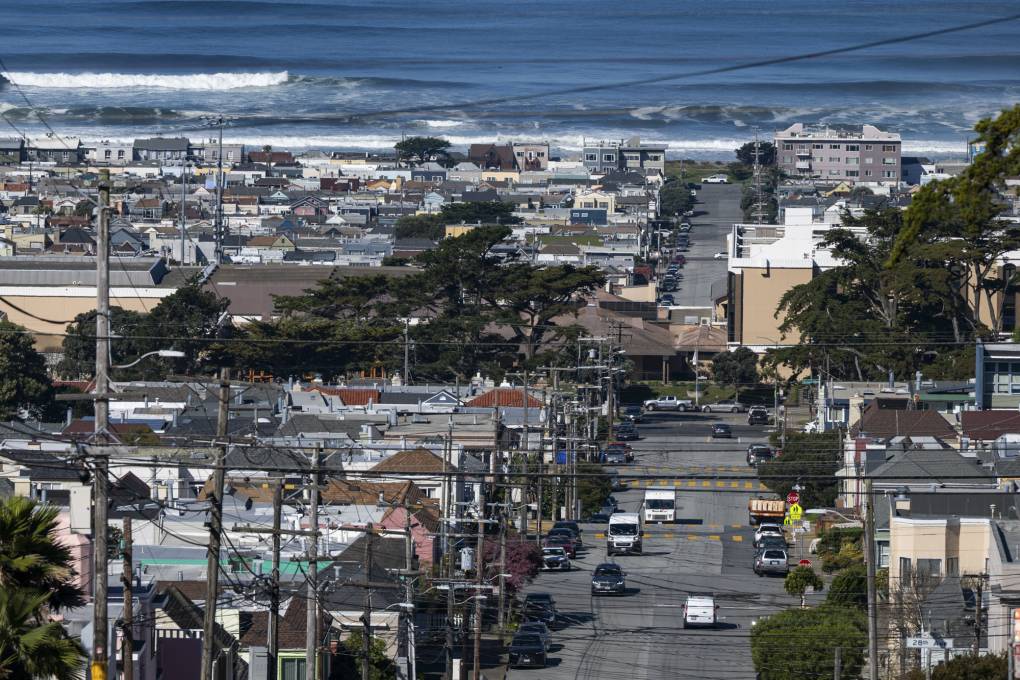
San Francisco Passed a New Zoning Plan. How Will It Change the City?
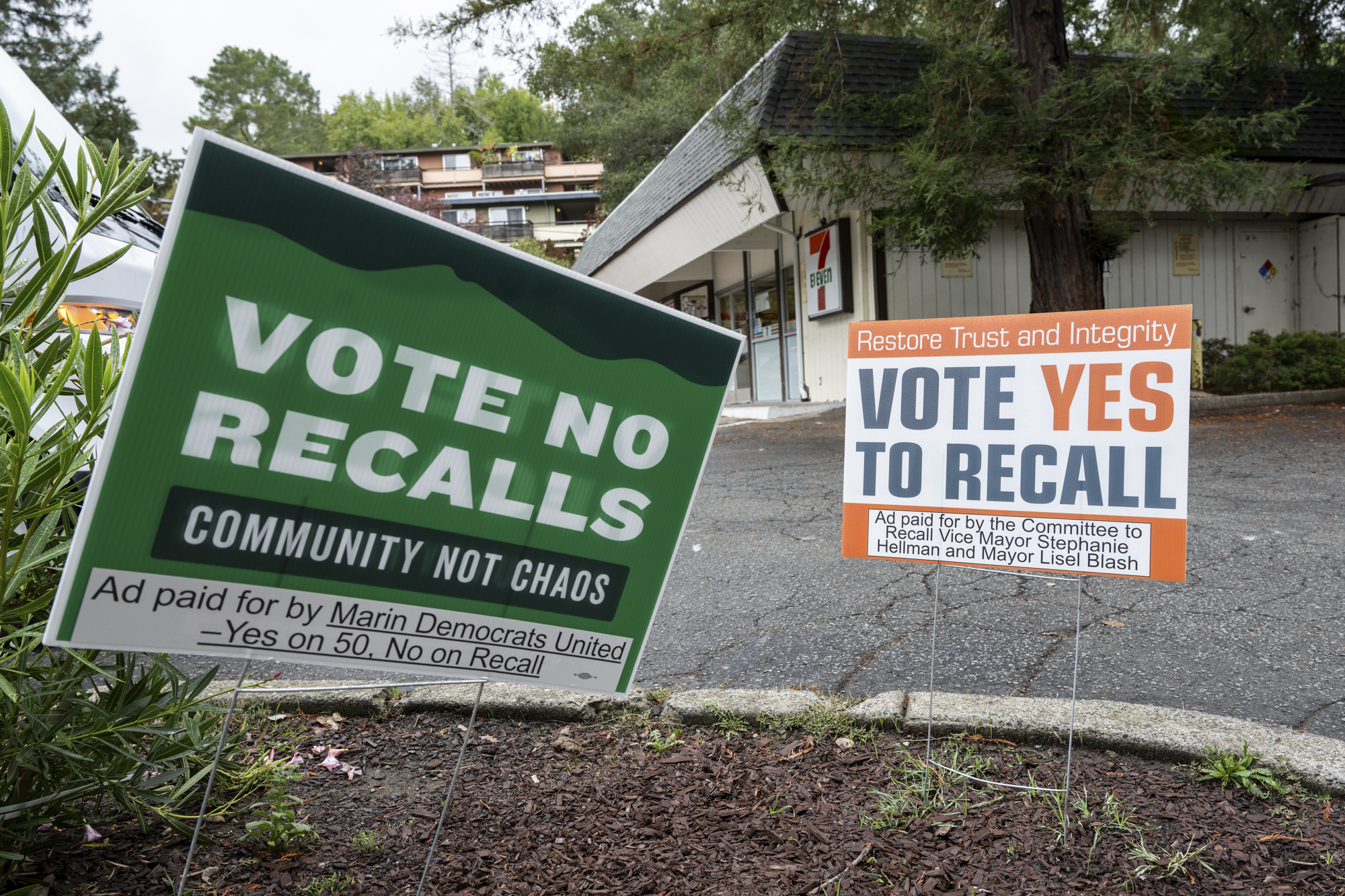
Fairfax Votes 'No' In Recall Election About Housing
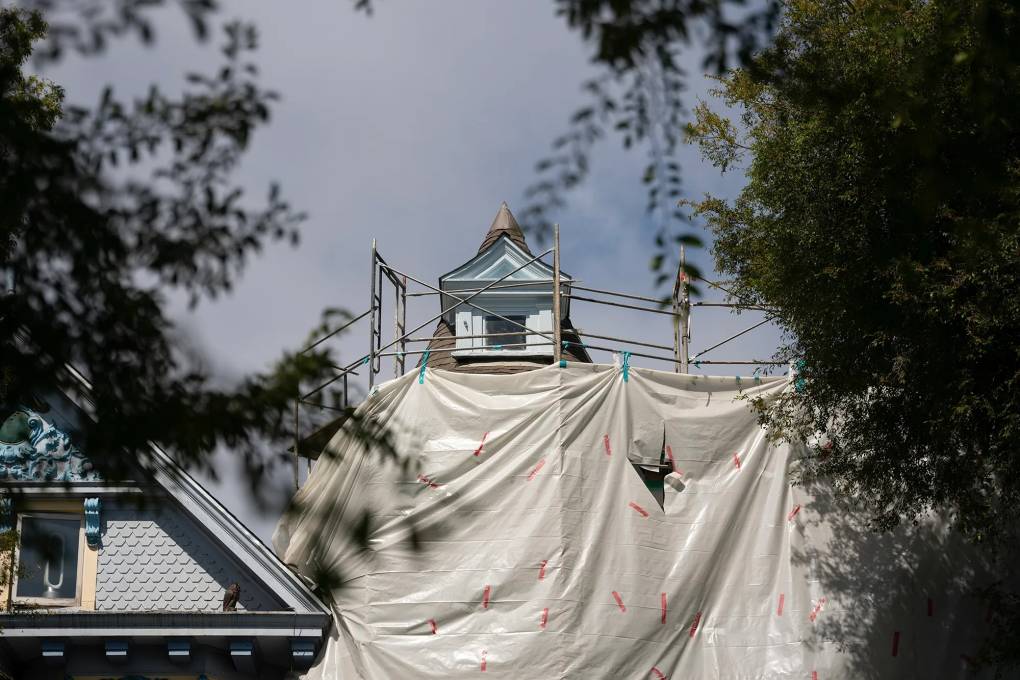
'Affordable Housing for Another Generation': California Trusts Pull Properties Off the Market
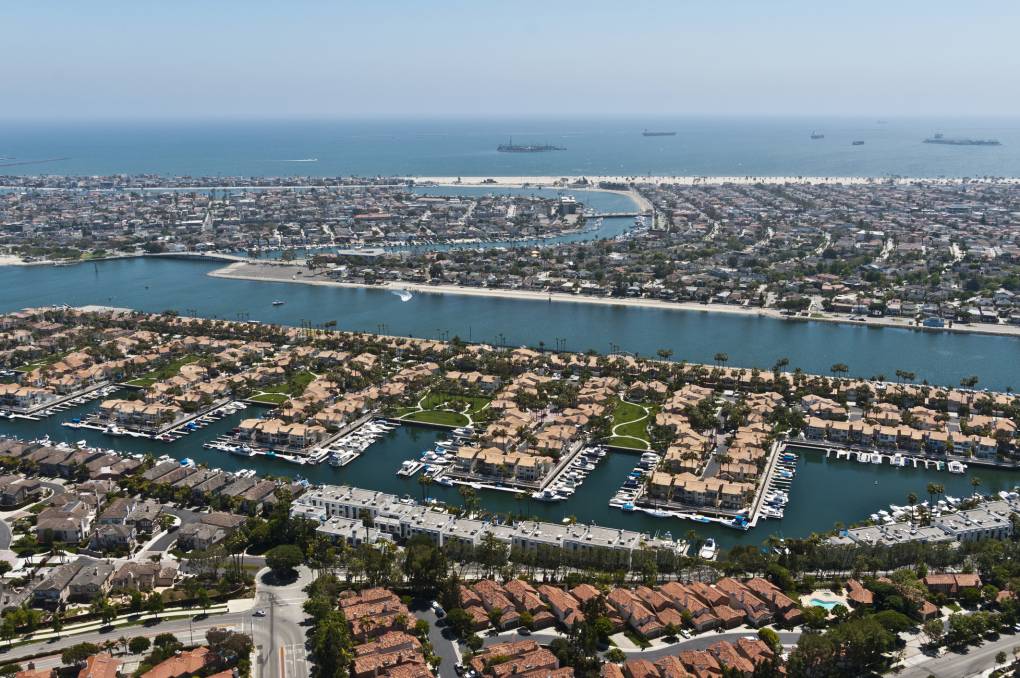
'They Asked for This': California Sues Huntington Beach for Flouting Laws Meant to Ease Housing Crisis
Bears of a Feather
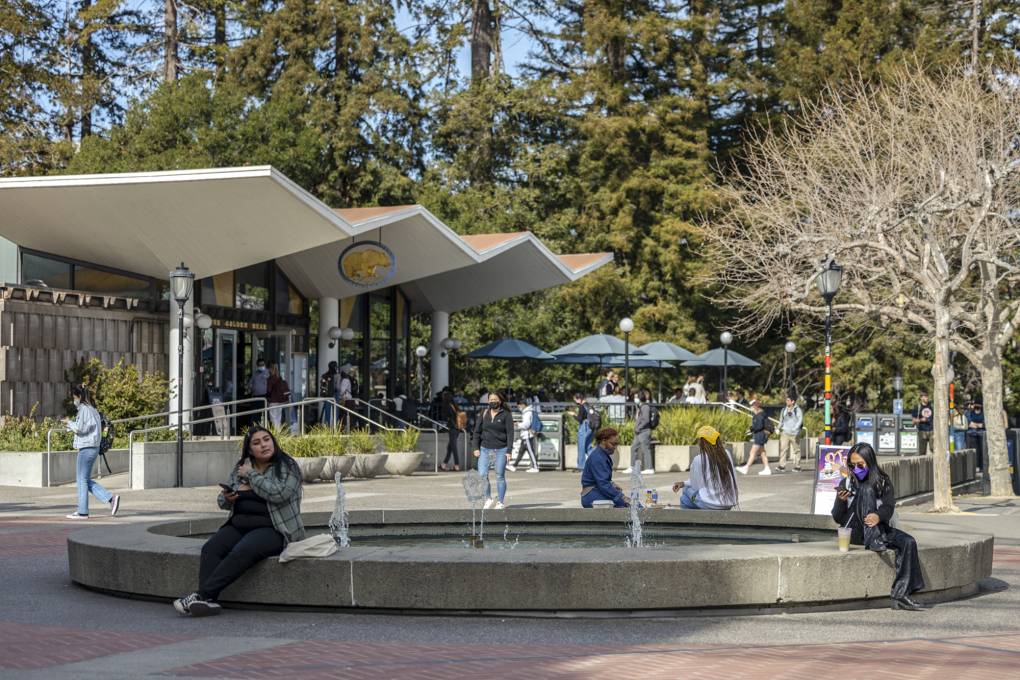
UC Berkeley Enrollment Capped, but Few Students Turned Away by State Supreme Court Decision
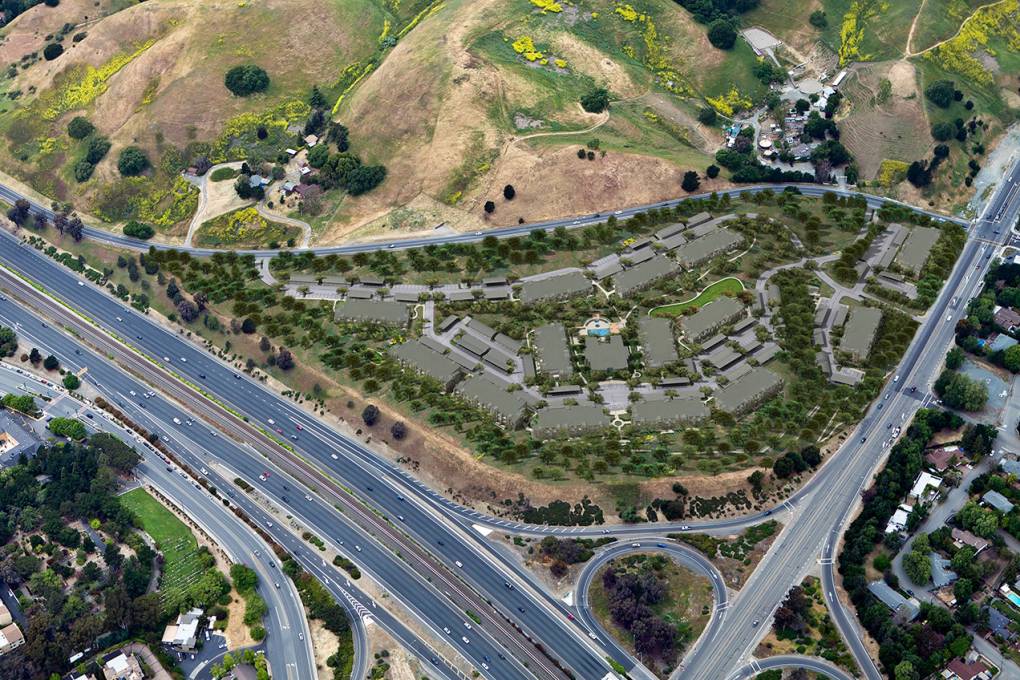
Lafayette Again Delays Decision to Approve Controversial 'YIMBY' Housing, After a Decade-Long Process
Housing, Homelessness Were California Lawmakers' Top Priorities Before Pandemic. Where Do They Stand Now?
Affordability Acronyms Multiply
Sponsored
Player sponsored by
window.__IS_SSR__=true
window.__INITIAL_STATE__={
"attachmentsReducer": {
"audio_0": {
"type": "attachments",
"id": "audio_0",
"imgSizes": {
"kqedFullSize": {
"file": "https://ww2.kqed.org/news/wp-content/themes/KQED-unified/img/audio_bgs/background0.jpg"
}
}
},
"audio_1": {
"type": "attachments",
"id": "audio_1",
"imgSizes": {
"kqedFullSize": {
"file": "https://ww2.kqed.org/news/wp-content/themes/KQED-unified/img/audio_bgs/background1.jpg"
}
}
},
"audio_2": {
"type": "attachments",
"id": "audio_2",
"imgSizes": {
"kqedFullSize": {
"file": "https://ww2.kqed.org/news/wp-content/themes/KQED-unified/img/audio_bgs/background2.jpg"
}
}
},
"audio_3": {
"type": "attachments",
"id": "audio_3",
"imgSizes": {
"kqedFullSize": {
"file": "https://ww2.kqed.org/news/wp-content/themes/KQED-unified/img/audio_bgs/background3.jpg"
}
}
},
"audio_4": {
"type": "attachments",
"id": "audio_4",
"imgSizes": {
"kqedFullSize": {
"file": "https://ww2.kqed.org/news/wp-content/themes/KQED-unified/img/audio_bgs/background4.jpg"
}
}
},
"placeholder": {
"type": "attachments",
"id": "placeholder",
"imgSizes": {
"thumbnail": {
"file": "https://cdn.kqed.org/wp-content/uploads/2024/12/KQED-Default-Image-816638274-2000x1333-1-160x107.jpg",
"width": 160,
"height": 107,
"mimeType": "image/jpeg"
},
"medium": {
"file": "https://cdn.kqed.org/wp-content/uploads/2024/12/KQED-Default-Image-816638274-2000x1333-1-800x533.jpg",
"width": 800,
"height": 533,
"mimeType": "image/jpeg"
},
"medium_large": {
"file": "https://cdn.kqed.org/wp-content/uploads/2024/12/KQED-Default-Image-816638274-2000x1333-1-768x512.jpg",
"width": 768,
"height": 512,
"mimeType": "image/jpeg"
},
"large": {
"file": "https://cdn.kqed.org/wp-content/uploads/2024/12/KQED-Default-Image-816638274-2000x1333-1-1020x680.jpg",
"width": 1020,
"height": 680,
"mimeType": "image/jpeg"
},
"1536x1536": {
"file": "https://cdn.kqed.org/wp-content/uploads/2024/12/KQED-Default-Image-816638274-2000x1333-1-1536x1024.jpg",
"width": 1536,
"height": 1024,
"mimeType": "image/jpeg"
},
"fd-lrg": {
"file": "https://cdn.kqed.org/wp-content/uploads/2024/12/KQED-Default-Image-816638274-2000x1333-1-1536x1024.jpg",
"width": 1536,
"height": 1024,
"mimeType": "image/jpeg"
},
"fd-med": {
"file": "https://cdn.kqed.org/wp-content/uploads/2024/12/KQED-Default-Image-816638274-2000x1333-1-1020x680.jpg",
"width": 1020,
"height": 680,
"mimeType": "image/jpeg"
},
"fd-sm": {
"file": "https://cdn.kqed.org/wp-content/uploads/2024/12/KQED-Default-Image-816638274-2000x1333-1-800x533.jpg",
"width": 800,
"height": 533,
"mimeType": "image/jpeg"
},
"post-thumbnail": {
"file": "https://cdn.kqed.org/wp-content/uploads/2024/12/KQED-Default-Image-816638274-2000x1333-1-672x372.jpg",
"width": 672,
"height": 372,
"mimeType": "image/jpeg"
},
"twentyfourteen-full-width": {
"file": "https://cdn.kqed.org/wp-content/uploads/2024/12/KQED-Default-Image-816638274-2000x1333-1-1038x576.jpg",
"width": 1038,
"height": 576,
"mimeType": "image/jpeg"
},
"xxsmall": {
"file": "https://cdn.kqed.org/wp-content/uploads/2024/12/KQED-Default-Image-816638274-2000x1333-1-160x107.jpg",
"width": 160,
"height": 107,
"mimeType": "image/jpeg"
},
"xsmall": {
"file": "https://cdn.kqed.org/wp-content/uploads/2024/12/KQED-Default-Image-816638274-2000x1333-1-672x372.jpg",
"width": 672,
"height": 372,
"mimeType": "image/jpeg"
},
"small": {
"file": "https://cdn.kqed.org/wp-content/uploads/2024/12/KQED-Default-Image-816638274-2000x1333-1-672x372.jpg",
"width": 672,
"height": 372,
"mimeType": "image/jpeg"
},
"xlarge": {
"file": "https://cdn.kqed.org/wp-content/uploads/2024/12/KQED-Default-Image-816638274-2000x1333-1-1020x680.jpg",
"width": 1020,
"height": 680,
"mimeType": "image/jpeg"
},
"full-width": {
"file": "https://cdn.kqed.org/wp-content/uploads/2024/12/KQED-Default-Image-816638274-2000x1333-1-1920x1280.jpg",
"width": 1920,
"height": 1280,
"mimeType": "image/jpeg"
},
"guest-author-32": {
"file": "https://cdn.kqed.org/wp-content/uploads/2025/01/KQED-Default-Image-816638274-1333x1333-1-160x160.jpg",
"width": 32,
"height": 32,
"mimeType": "image/jpeg"
},
"guest-author-50": {
"file": "https://cdn.kqed.org/wp-content/uploads/2025/01/KQED-Default-Image-816638274-1333x1333-1-160x160.jpg",
"width": 50,
"height": 50,
"mimeType": "image/jpeg"
},
"guest-author-64": {
"file": "https://cdn.kqed.org/wp-content/uploads/2025/01/KQED-Default-Image-816638274-1333x1333-1-160x160.jpg",
"width": 64,
"height": 64,
"mimeType": "image/jpeg"
},
"guest-author-96": {
"file": "https://cdn.kqed.org/wp-content/uploads/2025/01/KQED-Default-Image-816638274-1333x1333-1-160x160.jpg",
"width": 96,
"height": 96,
"mimeType": "image/jpeg"
},
"guest-author-128": {
"file": "https://cdn.kqed.org/wp-content/uploads/2025/01/KQED-Default-Image-816638274-1333x1333-1-160x160.jpg",
"width": 128,
"height": 128,
"mimeType": "image/jpeg"
},
"detail": {
"file": "https://cdn.kqed.org/wp-content/uploads/2025/01/KQED-Default-Image-816638274-1333x1333-1-160x160.jpg",
"width": 160,
"height": 160,
"mimeType": "image/jpeg"
},
"kqedFullSize": {
"file": "https://cdn.kqed.org/wp-content/uploads/2024/12/KQED-Default-Image-816638274-2000x1333-1.jpg",
"width": 2000,
"height": 1333
}
}
},
"news_12033006": {
"type": "attachments",
"id": "news_12033006",
"meta": {
"index": "attachments_1716263798",
"site": "news",
"id": "12033006",
"found": true
},
"title": "250325-APARTMENTSONWESTSIDE-10-BL-KQED",
"publishDate": 1742939679,
"status": "inherit",
"parent": 12033966,
"modified": 1743714415,
"caption": "A view of the Sunset District and Ocean Beach in San Francisco on March 25, 2025.",
"credit": "Beth LaBerge/KQED",
"altTag": null,
"description": null,
"imgSizes": {
"medium": {
"file": "https://cdn.kqed.org/wp-content/uploads/sites/10/2025/03/250325-APARTMENTSONWESTSIDE-10-BL-KQED-800x533.jpg",
"width": 800,
"height": 533,
"mimeType": "image/jpeg"
},
"large": {
"file": "https://cdn.kqed.org/wp-content/uploads/sites/10/2025/03/250325-APARTMENTSONWESTSIDE-10-BL-KQED-1020x680.jpg",
"width": 1020,
"height": 680,
"mimeType": "image/jpeg"
},
"thumbnail": {
"file": "https://cdn.kqed.org/wp-content/uploads/sites/10/2025/03/250325-APARTMENTSONWESTSIDE-10-BL-KQED-160x107.jpg",
"width": 160,
"height": 107,
"mimeType": "image/jpeg"
},
"1536x1536": {
"file": "https://cdn.kqed.org/wp-content/uploads/sites/10/2025/03/250325-APARTMENTSONWESTSIDE-10-BL-KQED-1536x1024.jpg",
"width": 1536,
"height": 1024,
"mimeType": "image/jpeg"
},
"post-thumbnail": {
"file": "https://cdn.kqed.org/wp-content/uploads/sites/10/2025/03/250325-APARTMENTSONWESTSIDE-10-BL-KQED-672x372.jpg",
"width": 672,
"height": 372,
"mimeType": "image/jpeg"
},
"twentyfourteen-full-width": {
"file": "https://cdn.kqed.org/wp-content/uploads/sites/10/2025/03/250325-APARTMENTSONWESTSIDE-10-BL-KQED-1038x576.jpg",
"width": 1038,
"height": 576,
"mimeType": "image/jpeg"
},
"full-width": {
"file": "https://cdn.kqed.org/wp-content/uploads/sites/10/2025/03/250325-APARTMENTSONWESTSIDE-10-BL-KQED-1920x1280.jpg",
"width": 1920,
"height": 1280,
"mimeType": "image/jpeg"
},
"kqedFullSize": {
"file": "https://cdn.kqed.org/wp-content/uploads/sites/10/2025/03/250325-APARTMENTSONWESTSIDE-10-BL-KQED.jpg",
"width": 2000,
"height": 1333
}
},
"fetchFailed": false,
"isLoading": false
},
"news_12060479": {
"type": "attachments",
"id": "news_12060479",
"meta": {
"index": "attachments_1716263798",
"site": "news",
"id": "12060479",
"found": true
},
"title": "251015-FAIRFAXRECALL-03-BL-KQED",
"publishDate": 1760744743,
"status": "inherit",
"parent": 12061468,
"modified": 1761328370,
"caption": "Signs for and against the recall of Fairfax Mayor Lisel Blash and Vice Mayor Stephanie Hellman sit outside a 7-Eleven in Fairfax on Oct. 15, 2025. ",
"credit": "Beth LaBerge/KQED",
"altTag": null,
"description": null,
"imgSizes": {
"thumbnail": {
"file": "https://cdn.kqed.org/wp-content/uploads/sites/10/2025/10/251015-FAIRFAXRECALL-03-BL-KQED-160x107.jpg",
"width": 160,
"height": 107,
"mimeType": "image/jpeg"
},
"1536x1536": {
"file": "https://cdn.kqed.org/wp-content/uploads/sites/10/2025/10/251015-FAIRFAXRECALL-03-BL-KQED-1536x1024.jpg",
"width": 1536,
"height": 1024,
"mimeType": "image/jpeg"
},
"post-thumbnail": {
"file": "https://cdn.kqed.org/wp-content/uploads/sites/10/2025/10/251015-FAIRFAXRECALL-03-BL-KQED-672x372.jpg",
"width": 672,
"height": 372,
"mimeType": "image/jpeg"
},
"twentyfourteen-full-width": {
"file": "https://cdn.kqed.org/wp-content/uploads/sites/10/2025/10/251015-FAIRFAXRECALL-03-BL-KQED-1038x576.jpg",
"width": 1038,
"height": 576,
"mimeType": "image/jpeg"
},
"kqedFullSize": {
"file": "https://cdn.kqed.org/wp-content/uploads/sites/10/2025/10/251015-FAIRFAXRECALL-03-BL-KQED.jpg",
"width": 2000,
"height": 1333
}
},
"fetchFailed": false,
"isLoading": false
},
"news_11998626": {
"type": "attachments",
"id": "news_11998626",
"meta": {
"index": "attachments_1716263798",
"site": "news",
"id": "11998626",
"found": true
},
"title": "080124_PigeonPalace_FM_CM_05 copy",
"publishDate": 1722624273,
"status": "inherit",
"parent": 11998618,
"modified": 1722629672,
"caption": "The Pigeon Palace covered in scaffolding and tarps in San Francisco on Aug. 1, 2024. The housing complex operates through a community land trust or a nonprofit that buys land and then sells or rents the buildings to low-income residents to create permanently affordable housing. The Pigeon Palace tenants, who co-manage the building, are renovating the space. ",
"credit": "Florence Middleton/CalMatters",
"altTag": null,
"description": null,
"imgSizes": {
"medium": {
"file": "https://cdn.kqed.org/wp-content/uploads/sites/10/2024/08/080124_PigeonPalace_FM_CM_05-copy-800x534.jpg",
"width": 800,
"height": 534,
"mimeType": "image/jpeg"
},
"large": {
"file": "https://cdn.kqed.org/wp-content/uploads/sites/10/2024/08/080124_PigeonPalace_FM_CM_05-copy-1020x680.jpg",
"width": 1020,
"height": 680,
"mimeType": "image/jpeg"
},
"thumbnail": {
"file": "https://cdn.kqed.org/wp-content/uploads/sites/10/2024/08/080124_PigeonPalace_FM_CM_05-copy-160x107.jpg",
"width": 160,
"height": 107,
"mimeType": "image/jpeg"
},
"1536x1536": {
"file": "https://cdn.kqed.org/wp-content/uploads/sites/10/2024/08/080124_PigeonPalace_FM_CM_05-copy-1536x1025.jpg",
"width": 1536,
"height": 1025,
"mimeType": "image/jpeg"
},
"post-thumbnail": {
"file": "https://cdn.kqed.org/wp-content/uploads/sites/10/2024/08/080124_PigeonPalace_FM_CM_05-copy-672x372.jpg",
"width": 672,
"height": 372,
"mimeType": "image/jpeg"
},
"twentyfourteen-full-width": {
"file": "https://cdn.kqed.org/wp-content/uploads/sites/10/2024/08/080124_PigeonPalace_FM_CM_05-copy-1038x576.jpg",
"width": 1038,
"height": 576,
"mimeType": "image/jpeg"
},
"full-width": {
"file": "https://cdn.kqed.org/wp-content/uploads/sites/10/2024/08/080124_PigeonPalace_FM_CM_05-copy-1920x1281.jpg",
"width": 1920,
"height": 1281,
"mimeType": "image/jpeg"
},
"kqedFullSize": {
"file": "https://cdn.kqed.org/wp-content/uploads/sites/10/2024/08/080124_PigeonPalace_FM_CM_05-copy.jpg",
"width": 2000,
"height": 1334
}
},
"fetchFailed": false,
"isLoading": false
},
"news_11943181": {
"type": "attachments",
"id": "news_11943181",
"meta": {
"index": "attachments_1716263798",
"site": "news",
"id": "11943181",
"found": true
},
"parent": 11943154,
"imgSizes": {
"twentyfourteen-full-width": {
"file": "https://ww2.kqed.org/app/uploads/sites/10/2023/03/GettyImages-520153976-1038x576.jpg",
"width": 1038,
"mimeType": "image/jpeg",
"height": 576
},
"thumbnail": {
"file": "https://ww2.kqed.org/app/uploads/sites/10/2023/03/GettyImages-520153976-160x106.jpg",
"width": 160,
"mimeType": "image/jpeg",
"height": 106
},
"post-thumbnail": {
"file": "https://ww2.kqed.org/app/uploads/sites/10/2023/03/GettyImages-520153976-672x372.jpg",
"width": 672,
"mimeType": "image/jpeg",
"height": 372
},
"kqedFullSize": {
"file": "https://ww2.kqed.org/app/uploads/sites/10/2023/03/GettyImages-520153976.jpg",
"width": 2124,
"height": 1411
},
"2048x2048": {
"file": "https://ww2.kqed.org/app/uploads/sites/10/2023/03/GettyImages-520153976-2048x1361.jpg",
"width": 2048,
"mimeType": "image/jpeg",
"height": 1361
},
"large": {
"file": "https://ww2.kqed.org/app/uploads/sites/10/2023/03/GettyImages-520153976-1020x678.jpg",
"width": 1020,
"mimeType": "image/jpeg",
"height": 678
},
"1536x1536": {
"file": "https://ww2.kqed.org/app/uploads/sites/10/2023/03/GettyImages-520153976-1536x1020.jpg",
"width": 1536,
"mimeType": "image/jpeg",
"height": 1020
},
"full-width": {
"file": "https://ww2.kqed.org/app/uploads/sites/10/2023/03/GettyImages-520153976-1920x1275.jpg",
"width": 1920,
"mimeType": "image/jpeg",
"height": 1275
},
"medium": {
"file": "https://ww2.kqed.org/app/uploads/sites/10/2023/03/GettyImages-520153976-800x531.jpg",
"width": 800,
"mimeType": "image/jpeg",
"height": 531
}
},
"publishDate": 1678411395,
"modified": 1678413589,
"caption": "Inland canal waterway development in Huntington Beach, which was first sued by the state in 2019 for failing to adopt a state-approved housing plan. The latest lawsuit centers on votes the City Council took in February to stop processing applications for backyard cottages, along with applications for new duplexes and lot splits, the latter of which were legalized for most urban properties under Senate Bill 9.",
"description": null,
"title": "Huntington Beach, CA",
"credit": "Steve Proehl/Getty Images",
"status": "inherit",
"altTag": "An aerial view of housing along a canal waterway with the beach and ocean in the background.",
"fetchFailed": false,
"isLoading": false
},
"news_11908295": {
"type": "attachments",
"id": "news_11908295",
"meta": {
"index": "attachments_1716263798",
"site": "news",
"id": "11908295",
"found": true
},
"parent": 11908289,
"imgSizes": {
"twentyfourteen-full-width": {
"file": "https://ww2.kqed.org/app/uploads/sites/10/2022/03/limby_031522_final-1038x576.png",
"width": 1038,
"mimeType": "image/png",
"height": 576
},
"thumbnail": {
"file": "https://ww2.kqed.org/app/uploads/sites/10/2022/03/limby_031522_final-160x112.png",
"width": 160,
"mimeType": "image/png",
"height": 112
},
"post-thumbnail": {
"file": "https://ww2.kqed.org/app/uploads/sites/10/2022/03/limby_031522_final-672x372.png",
"width": 672,
"mimeType": "image/png",
"height": 372
},
"kqedFullSize": {
"file": "https://ww2.kqed.org/app/uploads/sites/10/2022/03/limby_031522_final.png",
"width": 1920,
"height": 1341
},
"large": {
"file": "https://ww2.kqed.org/app/uploads/sites/10/2022/03/limby_031522_final-1020x712.png",
"width": 1020,
"mimeType": "image/png",
"height": 712
},
"1536x1536": {
"file": "https://ww2.kqed.org/app/uploads/sites/10/2022/03/limby_031522_final-1536x1073.png",
"width": 1536,
"mimeType": "image/png",
"height": 1073
},
"medium": {
"file": "https://ww2.kqed.org/app/uploads/sites/10/2022/03/limby_031522_final-800x559.png",
"width": 800,
"mimeType": "image/png",
"height": 559
}
},
"publishDate": 1647386588,
"modified": 1647386659,
"caption": null,
"description": null,
"title": "limby_031522_final",
"credit": null,
"status": "inherit",
"altTag": "Cartoon: California's bear flag shows the bear holding a \"LIMBY\" sign that reads, \"learning in my backyard\" while the Cal mascot, Oski, smiles.",
"fetchFailed": false,
"isLoading": false
},
"news_11907264": {
"type": "attachments",
"id": "news_11907264",
"meta": {
"index": "attachments_1716263798",
"site": "news",
"id": "11907264",
"found": true
},
"parent": 11907263,
"imgSizes": {
"twentyfourteen-full-width": {
"file": "https://ww2.kqed.org/app/uploads/sites/10/2022/03/020322-UC-Berkeley-TJ-CM-58-1038x576.jpeg",
"width": 1038,
"mimeType": "image/jpeg",
"height": 576
},
"thumbnail": {
"file": "https://ww2.kqed.org/app/uploads/sites/10/2022/03/020322-UC-Berkeley-TJ-CM-58-160x107.jpeg",
"width": 160,
"mimeType": "image/jpeg",
"height": 107
},
"post-thumbnail": {
"file": "https://ww2.kqed.org/app/uploads/sites/10/2022/03/020322-UC-Berkeley-TJ-CM-58-672x372.jpeg",
"width": 672,
"mimeType": "image/jpeg",
"height": 372
},
"kqedFullSize": {
"file": "https://ww2.kqed.org/app/uploads/sites/10/2022/03/020322-UC-Berkeley-TJ-CM-58-e1646437034828.jpeg",
"width": 1920,
"height": 1280
},
"large": {
"file": "https://ww2.kqed.org/app/uploads/sites/10/2022/03/020322-UC-Berkeley-TJ-CM-58-1020x680.jpeg",
"width": 1020,
"mimeType": "image/jpeg",
"height": 680
},
"1536x1536": {
"file": "https://ww2.kqed.org/app/uploads/sites/10/2022/03/020322-UC-Berkeley-TJ-CM-58-1536x1024.jpeg",
"width": 1536,
"mimeType": "image/jpeg",
"height": 1024
},
"full-width": {
"file": "https://ww2.kqed.org/app/uploads/sites/10/2022/03/020322-UC-Berkeley-TJ-CM-58-1920x1280.jpeg",
"width": 1920,
"mimeType": "image/jpeg",
"height": 1280
},
"medium": {
"file": "https://ww2.kqed.org/app/uploads/sites/10/2022/03/020322-UC-Berkeley-TJ-CM-58-800x533.jpeg",
"width": 800,
"mimeType": "image/jpeg",
"height": 533
}
},
"publishDate": 1646437018,
"modified": 1657927991,
"caption": "Ludwig's Fountain and the Golden Bear Cafe at the University of California, Berkeley, campus on Feb. 3, 2022.",
"description": null,
"title": "020322-UC-Berkeley-TJ-CM-58",
"credit": "Thalia Juarez/CalMatters",
"status": "inherit",
"altTag": "Students seated at Ludwig's Fountain at UC Berkeley",
"fetchFailed": false,
"isLoading": false
},
"news_11832821": {
"type": "attachments",
"id": "news_11832821",
"meta": {
"index": "attachments_1716263798",
"site": "news",
"id": "11832821",
"found": true
},
"parent": 11832742,
"imgSizes": {
"apple_news_ca_landscape_5_5": {
"file": "https://ww2.kqed.org/app/uploads/sites/10/2020/08/Aerialwithsiteplanoverlay-darkerroofs-1044x783.jpg",
"width": 1044,
"mimeType": "image/jpeg",
"height": 783
},
"apple_news_ca_square_4_0": {
"file": "https://ww2.kqed.org/app/uploads/sites/10/2020/08/Aerialwithsiteplanoverlay-darkerroofs-470x470.jpg",
"width": 470,
"mimeType": "image/jpeg",
"height": 470
},
"twentyfourteen-full-width": {
"file": "https://ww2.kqed.org/app/uploads/sites/10/2020/08/Aerialwithsiteplanoverlay-darkerroofs-1038x576.jpg",
"width": 1038,
"mimeType": "image/jpeg",
"height": 576
},
"thumbnail": {
"file": "https://ww2.kqed.org/app/uploads/sites/10/2020/08/Aerialwithsiteplanoverlay-darkerroofs-160x107.jpg",
"width": 160,
"mimeType": "image/jpeg",
"height": 107
},
"post-thumbnail": {
"file": "https://ww2.kqed.org/app/uploads/sites/10/2020/08/Aerialwithsiteplanoverlay-darkerroofs-672x372.jpg",
"width": 672,
"mimeType": "image/jpeg",
"height": 372
},
"kqedFullSize": {
"file": "https://ww2.kqed.org/app/uploads/sites/10/2020/08/Aerialwithsiteplanoverlay-darkerroofs.jpg",
"width": 1272,
"height": 848
},
"apple_news_ca_landscape_4_7": {
"file": "https://ww2.kqed.org/app/uploads/sites/10/2020/08/Aerialwithsiteplanoverlay-darkerroofs-632x474.jpg",
"width": 632,
"mimeType": "image/jpeg",
"height": 474
},
"large": {
"file": "https://ww2.kqed.org/app/uploads/sites/10/2020/08/Aerialwithsiteplanoverlay-darkerroofs-1020x680.jpg",
"width": 1020,
"mimeType": "image/jpeg",
"height": 680
},
"apple_news_ca_landscape_4_0": {
"file": "https://ww2.kqed.org/app/uploads/sites/10/2020/08/Aerialwithsiteplanoverlay-darkerroofs-536x402.jpg",
"width": 536,
"mimeType": "image/jpeg",
"height": 402
},
"apple_news_ca_portrait_12_9": {
"file": "https://ww2.kqed.org/app/uploads/sites/10/2020/08/Aerialwithsiteplanoverlay-darkerroofs-1122x848.jpg",
"width": 1122,
"mimeType": "image/jpeg",
"height": 848
},
"medium": {
"file": "https://ww2.kqed.org/app/uploads/sites/10/2020/08/Aerialwithsiteplanoverlay-darkerroofs-800x533.jpg",
"width": 800,
"mimeType": "image/jpeg",
"height": 533
},
"apple_news_ca_portrait_4_0": {
"file": "https://ww2.kqed.org/app/uploads/sites/10/2020/08/Aerialwithsiteplanoverlay-darkerroofs-354x472.jpg",
"width": 354,
"mimeType": "image/jpeg",
"height": 472
},
"apple_news_ca_portrait_9_7": {
"file": "https://ww2.kqed.org/app/uploads/sites/10/2020/08/Aerialwithsiteplanoverlay-darkerroofs-840x848.jpg",
"width": 840,
"mimeType": "image/jpeg",
"height": 848
},
"apple_news_ca_square_9_7": {
"file": "https://ww2.kqed.org/app/uploads/sites/10/2020/08/Aerialwithsiteplanoverlay-darkerroofs-1104x848.jpg",
"width": 1104,
"mimeType": "image/jpeg",
"height": 848
},
"apple_news_ca_portrait_4_7": {
"file": "https://ww2.kqed.org/app/uploads/sites/10/2020/08/Aerialwithsiteplanoverlay-darkerroofs-414x552.jpg",
"width": 414,
"mimeType": "image/jpeg",
"height": 552
},
"apple_news_ca_portrait_5_5": {
"file": "https://ww2.kqed.org/app/uploads/sites/10/2020/08/Aerialwithsiteplanoverlay-darkerroofs-687x848.jpg",
"width": 687,
"mimeType": "image/jpeg",
"height": 848
},
"apple_news_ca_square_4_7": {
"file": "https://ww2.kqed.org/app/uploads/sites/10/2020/08/Aerialwithsiteplanoverlay-darkerroofs-550x550.jpg",
"width": 550,
"mimeType": "image/jpeg",
"height": 550
},
"apple_news_ca_square_5_5": {
"file": "https://ww2.kqed.org/app/uploads/sites/10/2020/08/Aerialwithsiteplanoverlay-darkerroofs-912x848.jpg",
"width": 912,
"mimeType": "image/jpeg",
"height": 848
}
},
"publishDate": 1597087633,
"modified": 1597090251,
"caption": "An aerial view of the site plan for The Terraces on the southwest corner of Deer Hill and Pleasant Hill Roads in Lafayette.",
"description": null,
"title": "Aerial+with+site+plan+overlay+-+darker+roofs+",
"credit": "Courtesy of Terraces of Lafayette",
"status": "inherit",
"fetchFailed": false,
"isLoading": false
},
"news_11819874": {
"type": "attachments",
"id": "news_11819874",
"meta": {
"index": "attachments_1716263798",
"site": "news",
"id": "11819874",
"found": true
},
"parent": 11819593,
"imgSizes": {
"apple_news_ca_landscape_5_5": {
"file": "https://ww2.kqed.org/app/uploads/sites/10/2020/05/RS20978_capitol-building-qut-1044x783.jpg",
"width": 1044,
"mimeType": "image/jpeg",
"height": 783
},
"apple_news_ca_square_4_0": {
"file": "https://ww2.kqed.org/app/uploads/sites/10/2020/05/RS20978_capitol-building-qut-470x470.jpg",
"width": 470,
"mimeType": "image/jpeg",
"height": 470
},
"twentyfourteen-full-width": {
"file": "https://ww2.kqed.org/app/uploads/sites/10/2020/05/RS20978_capitol-building-qut-1038x576.jpg",
"width": 1038,
"mimeType": "image/jpeg",
"height": 576
},
"thumbnail": {
"file": "https://ww2.kqed.org/app/uploads/sites/10/2020/05/RS20978_capitol-building-qut-160x120.jpg",
"width": 160,
"mimeType": "image/jpeg",
"height": 120
},
"post-thumbnail": {
"file": "https://ww2.kqed.org/app/uploads/sites/10/2020/05/RS20978_capitol-building-qut-672x372.jpg",
"width": 672,
"mimeType": "image/jpeg",
"height": 372
},
"kqedFullSize": {
"file": "https://ww2.kqed.org/app/uploads/sites/10/2020/05/RS20978_capitol-building-qut.jpg",
"width": 1280,
"height": 960
},
"apple_news_ca_landscape_4_7": {
"file": "https://ww2.kqed.org/app/uploads/sites/10/2020/05/RS20978_capitol-building-qut-632x474.jpg",
"width": 632,
"mimeType": "image/jpeg",
"height": 474
},
"large": {
"file": "https://ww2.kqed.org/app/uploads/sites/10/2020/05/RS20978_capitol-building-qut-1020x765.jpg",
"width": 1020,
"mimeType": "image/jpeg",
"height": 765
},
"apple_news_ca_landscape_4_0": {
"file": "https://ww2.kqed.org/app/uploads/sites/10/2020/05/RS20978_capitol-building-qut-536x402.jpg",
"width": 536,
"mimeType": "image/jpeg",
"height": 402
},
"apple_news_ca_portrait_12_9": {
"file": "https://ww2.kqed.org/app/uploads/sites/10/2020/05/RS20978_capitol-building-qut-1122x960.jpg",
"width": 1122,
"mimeType": "image/jpeg",
"height": 960
},
"medium": {
"file": "https://ww2.kqed.org/app/uploads/sites/10/2020/05/RS20978_capitol-building-qut-800x600.jpg",
"width": 800,
"mimeType": "image/jpeg",
"height": 600
},
"apple_news_ca_portrait_4_0": {
"file": "https://ww2.kqed.org/app/uploads/sites/10/2020/05/RS20978_capitol-building-qut-354x472.jpg",
"width": 354,
"mimeType": "image/jpeg",
"height": 472
},
"apple_news_ca_portrait_9_7": {
"file": "https://ww2.kqed.org/app/uploads/sites/10/2020/05/RS20978_capitol-building-qut-840x960.jpg",
"width": 840,
"mimeType": "image/jpeg",
"height": 960
},
"apple_news_ca_square_9_7": {
"file": "https://ww2.kqed.org/app/uploads/sites/10/2020/05/RS20978_capitol-building-qut-1104x960.jpg",
"width": 1104,
"mimeType": "image/jpeg",
"height": 960
},
"apple_news_ca_portrait_4_7": {
"file": "https://ww2.kqed.org/app/uploads/sites/10/2020/05/RS20978_capitol-building-qut-414x552.jpg",
"width": 414,
"mimeType": "image/jpeg",
"height": 552
},
"apple_news_ca_portrait_5_5": {
"file": "https://ww2.kqed.org/app/uploads/sites/10/2020/05/RS20978_capitol-building-qut-687x916.jpg",
"width": 687,
"mimeType": "image/jpeg",
"height": 916
},
"apple_news_ca_square_4_7": {
"file": "https://ww2.kqed.org/app/uploads/sites/10/2020/05/RS20978_capitol-building-qut-550x550.jpg",
"width": 550,
"mimeType": "image/jpeg",
"height": 550
},
"apple_news_ca_square_5_5": {
"file": "https://ww2.kqed.org/app/uploads/sites/10/2020/05/RS20978_capitol-building-qut-912x912.jpg",
"width": 912,
"mimeType": "image/jpeg",
"height": 912
}
},
"publishDate": 1590075447,
"modified": 1625059821,
"caption": null,
"description": "Sacramento Capitol",
"title": "RS20978_capitol building-qut",
"credit": "Vanessa Rancaño/KQED",
"status": "inherit",
"altTag": "The Capitol building in Sacramento.",
"fetchFailed": false,
"isLoading": false
},
"news_11732297": {
"type": "attachments",
"id": "news_11732297",
"meta": {
"index": "attachments_1716263798",
"site": "news",
"id": "11732297",
"found": true
},
"parent": 11732263,
"imgSizes": {
"twentyfourteen-full-width": {
"file": "https://ww2.kqed.org/app/uploads/sites/10/2019/03/imbys_031119_final-1038x576.jpg",
"width": 1038,
"mimeType": "image/jpeg",
"height": 576
},
"thumbnail": {
"file": "https://ww2.kqed.org/app/uploads/sites/10/2019/03/imbys_031119_final-160x116.jpg",
"width": 160,
"mimeType": "image/jpeg",
"height": 116
},
"post-thumbnail": {
"file": "https://ww2.kqed.org/app/uploads/sites/10/2019/03/imbys_031119_final-672x372.jpg",
"width": 672,
"mimeType": "image/jpeg",
"height": 372
},
"kqedFullSize": {
"file": "https://ww2.kqed.org/app/uploads/sites/10/2019/03/imbys_031119_final.jpg",
"width": 1920,
"height": 1394
},
"large": {
"file": "https://ww2.kqed.org/app/uploads/sites/10/2019/03/imbys_031119_final-1020x741.jpg",
"width": 1020,
"mimeType": "image/jpeg",
"height": 741
},
"complete_open_graph": {
"file": "https://ww2.kqed.org/app/uploads/sites/10/2019/03/imbys_031119_final-1200x871.jpg",
"width": 1200,
"mimeType": "image/jpeg",
"height": 871
},
"guest-author-50": {
"file": "https://ww2.kqed.org/app/uploads/sites/10/2019/03/imbys_031119_final-50x50.jpg",
"width": 50,
"mimeType": "image/jpeg",
"height": 50
},
"guest-author-96": {
"file": "https://ww2.kqed.org/app/uploads/sites/10/2019/03/imbys_031119_final-96x96.jpg",
"width": 96,
"mimeType": "image/jpeg",
"height": 96
},
"medium": {
"file": "https://ww2.kqed.org/app/uploads/sites/10/2019/03/imbys_031119_final-800x581.jpg",
"width": 800,
"mimeType": "image/jpeg",
"height": 581
},
"guest-author-64": {
"file": "https://ww2.kqed.org/app/uploads/sites/10/2019/03/imbys_031119_final-64x64.jpg",
"width": 64,
"mimeType": "image/jpeg",
"height": 64
},
"guest-author-32": {
"file": "https://ww2.kqed.org/app/uploads/sites/10/2019/03/imbys_031119_final-32x32.jpg",
"width": 32,
"mimeType": "image/jpeg",
"height": 32
},
"full-width": {
"file": "https://ww2.kqed.org/app/uploads/sites/10/2019/03/imbys_031119_final-1920x1394.jpg",
"width": 1920,
"mimeType": "image/jpeg",
"height": 1394
},
"guest-author-128": {
"file": "https://ww2.kqed.org/app/uploads/sites/10/2019/03/imbys_031119_final-128x128.jpg",
"width": 128,
"mimeType": "image/jpeg",
"height": 128
}
},
"publishDate": 1552341932,
"modified": 1552341948,
"caption": null,
"description": null,
"title": "imbys_031119_final",
"credit": null,
"status": "inherit",
"fetchFailed": false,
"isLoading": false
}
},
"audioPlayerReducer": {
"postId": "stream_live",
"isPaused": true,
"isPlaying": false,
"pfsActive": false,
"pledgeModalIsOpen": true,
"playerDrawerIsOpen": false
},
"authorsReducer": {
"byline_news_11998618": {
"type": "authors",
"id": "byline_news_11998618",
"meta": {
"override": true
},
"slug": "byline_news_11998618",
"name": "\u003ca href=\"https://calmatters.org/author/feliciacalmatters-org/\">Felicia Mello\u003c/a>, CalMatters",
"isLoading": false
},
"byline_news_11907263": {
"type": "authors",
"id": "byline_news_11907263",
"meta": {
"override": true
},
"slug": "byline_news_11907263",
"name": "Mikhail Zinshteyn, \u003ca href=\"https://calmatters.org/education/higher-education/2022/03/uc-berkeley-enrollment-cap/\">CalMatters\u003c/a>",
"isLoading": false
},
"scottshafer": {
"type": "authors",
"id": "255",
"meta": {
"index": "authors_1716337520",
"id": "255",
"found": true
},
"name": "Scott Shafer",
"firstName": "Scott",
"lastName": "Shafer",
"slug": "scottshafer",
"email": "sshafer@kqed.org",
"display_author_email": false,
"staff_mastheads": [
"news"
],
"title": "KQED Contributor",
"bio": "Scott Shafer is a senior editor with the KQED Politics and Government desk. He is co-host of Political Breakdown, the award-winning radio show and podcast with a personal take on the world of politics. Scott came to KQED in 1998 to host the statewide\u003cem> California Report\u003c/em>. Prior to that he had extended stints in politics and government\u003cem>.\u003c/em> He uses that inside experience at KQED in his, reporting, hosting and analysis for the politics desk. Scott collaborated \u003cem>Political Breakdown a\u003c/em>nd on \u003cem>The Political Mind of Jerry Brown, \u003c/em>an eight-part series about the life and extraordinary political career of the former governor. For fun, he plays water polo with the San Francisco Tsunami.",
"avatar": "https://secure.gravatar.com/avatar/a62ebae45b79d7aed1a39a0e3bf68104?s=600&d=blank&r=g",
"twitter": "scottshafer",
"facebook": null,
"instagram": null,
"linkedin": null,
"sites": [
{
"site": "news",
"roles": [
"editor"
]
},
{
"site": "stateofhealth",
"roles": [
"author"
]
},
{
"site": "science",
"roles": [
"author"
]
},
{
"site": "forum",
"roles": [
"subscriber"
]
}
],
"headData": {
"title": "Scott Shafer | KQED",
"description": "KQED Contributor",
"ogImgSrc": "https://secure.gravatar.com/avatar/a62ebae45b79d7aed1a39a0e3bf68104?s=600&d=blank&r=g",
"twImgSrc": "https://secure.gravatar.com/avatar/a62ebae45b79d7aed1a39a0e3bf68104?s=600&d=blank&r=g"
},
"isLoading": false,
"link": "/author/scottshafer"
},
"markfiore": {
"type": "authors",
"id": "3236",
"meta": {
"index": "authors_1716337520",
"id": "3236",
"found": true
},
"name": "Mark Fiore",
"firstName": "Mark",
"lastName": "Fiore",
"slug": "markfiore",
"email": "mark@markfiore.com",
"display_author_email": false,
"staff_mastheads": [
"news"
],
"title": "KQED News Cartoonist",
"bio": "\u003ca href=\"http://www.MarkFiore.com\">MarkFiore.com\u003c/a> | \u003ca href=\"https://twitter.com/markfiore\">Follow on Twitter\u003c/a> | \u003ca href=\"https://www.facebook.com/pages/Mark-Fiore-Animated-Political-Cartoons/94451707396?ref=bookmarks\">Facebook\u003c/a> | \u003ca href=\"mailto:mark@markfiore.com\">email\u003c/a>\r\n\r\nPulitzer Prize-winner, Mark Fiore, who the Wall Street Journal has called “the undisputed guru of the form,” creates animated political cartoons in San Francisco, where his work has been featured regularly on the San Francisco Chronicle’s web site, SFGate.com. His work has appeared on Newsweek.com, Slate.com, CBSNews.com, MotherJones.com, DailyKos.com and NPR’s web site. Fiore’s political animation has appeared on CNN, Frontline, Bill Moyers Journal, Salon.com and cable and broadcast outlets across the globe.\r\n\r\nBeginning his professional life by drawing traditional political cartoons for newspapers, Fiore’s work appeared in publications ranging from the Washington Post to the Los Angeles Times. In the late 1990s, he began to experiment with animating political cartoons and, after a short stint at the San Jose Mercury News as their staff cartoonist, Fiore devoted all his energies to animation.\r\nGrowing up in California, Fiore also spent a good portion of his life in the backwoods of Idaho. It was this combination that shaped him politically. Mark majored in political science at Colorado College, where, in a perfect send-off for a cartoonist, he received his diploma in 1991 as commencement speaker Dick Cheney smiled approvingly.\r\nMark Fiore was awarded the Pulitzer Prize for political cartooning in 2010, a Robert F. Kennedy Journalism Award in 2004 and has twice received an Online Journalism Award for commentary from the Online News Association (2002, 2008). Fiore has received two awards for his work in new media from the National Cartoonists Society (2001, 2002), and in 2006 received The James Madison Freedom of Information Award from The Society of Professional Journalists.",
"avatar": "https://secure.gravatar.com/avatar/fc4e2a612b15b67bad0c6f0e1db4ca9b?s=600&d=blank&r=g",
"twitter": "MarkFiore",
"facebook": null,
"instagram": "https://www.instagram.com/markfiore/?hl=en",
"linkedin": null,
"sites": [
{
"site": "arts",
"roles": [
"contributor"
]
},
{
"site": "news",
"roles": [
"editor"
]
},
{
"site": "futureofyou",
"roles": [
"editor"
]
},
{
"site": "science",
"roles": [
"editor"
]
}
],
"headData": {
"title": "Mark Fiore | KQED",
"description": "KQED News Cartoonist",
"ogImgSrc": "https://secure.gravatar.com/avatar/fc4e2a612b15b67bad0c6f0e1db4ca9b?s=600&d=blank&r=g",
"twImgSrc": "https://secure.gravatar.com/avatar/fc4e2a612b15b67bad0c6f0e1db4ca9b?s=600&d=blank&r=g"
},
"isLoading": false,
"link": "/author/markfiore"
},
"ecruzguevarra": {
"type": "authors",
"id": "8654",
"meta": {
"index": "authors_1716337520",
"id": "8654",
"found": true
},
"name": "Ericka Cruz Guevarra",
"firstName": "Ericka",
"lastName": "Cruz Guevarra",
"slug": "ecruzguevarra",
"email": "ecruzguevarra@kqed.org",
"display_author_email": true,
"staff_mastheads": [
"news"
],
"title": "Producer, The Bay Podcast",
"bio": "Ericka Cruz Guevarra is host of \u003ca href=\"https://www.kqed.org/podcasts/thebay\">\u003cem>The Bay\u003c/em>\u003c/a> podcast at KQED. Before host, she was the show’s producer. Her work in that capacity includes a three-part reported series on policing in Vallejo, which won a 2020 excellence in journalism award from the Society of Professional Journalists. Ericka has worked as a breaking news reporter at Oregon Public Broadcasting, helped produce the Code Switch podcast, and was KQED’s inaugural Raul Ramirez Diversity Fund intern. She’s also an alumna of NPR’s Next Generation Radio program. Send her an email if you have strong feelings about whether Fairfield and Suisun City are the Bay. Ericka is represented by SAG-AFTRA.",
"avatar": "https://secure.gravatar.com/avatar/25e5ab8d3d53fad2dcc7bb2b5c506b1a?s=600&d=blank&r=g",
"twitter": "NotoriousECG",
"facebook": null,
"instagram": null,
"linkedin": null,
"sites": [
{
"site": "arts",
"roles": [
"subscriber"
]
},
{
"site": "news",
"roles": [
"editor",
"manage_categories"
]
},
{
"site": "futureofyou",
"roles": [
"subscriber"
]
},
{
"site": "stateofhealth",
"roles": [
"subscriber"
]
},
{
"site": "science",
"roles": [
"editor"
]
},
{
"site": "forum",
"roles": [
"subscriber"
]
}
],
"headData": {
"title": "Ericka Cruz Guevarra | KQED",
"description": "Producer, The Bay Podcast",
"ogImgSrc": "https://secure.gravatar.com/avatar/25e5ab8d3d53fad2dcc7bb2b5c506b1a?s=600&d=blank&r=g",
"twImgSrc": "https://secure.gravatar.com/avatar/25e5ab8d3d53fad2dcc7bb2b5c506b1a?s=600&d=blank&r=g"
},
"isLoading": false,
"link": "/author/ecruzguevarra"
},
"amontecillo": {
"type": "authors",
"id": "11649",
"meta": {
"index": "authors_1716337520",
"id": "11649",
"found": true
},
"name": "Alan Montecillo",
"firstName": "Alan",
"lastName": "Montecillo",
"slug": "amontecillo",
"email": "amontecillo@kqed.org",
"display_author_email": false,
"staff_mastheads": [
"news"
],
"title": "KQED Contributor",
"bio": "Alan Montecillo is the senior editor of \u003cem>\u003ca href=\"http://kqed.org/thebay\">The Bay\u003c/a>, \u003c/em> KQED's local news podcast. Before moving to the Bay Area, he worked as a senior talk show producer for WILL in Champaign-Urbana, Illinois and at Oregon Public Broadcasting in Portland, Oregon. He has won journalism awards from the Society of Professional Journalists Northern California, the Public Media Journalists Association, The Signal Awards, and has also received a regional Edward R. Murrow award. Alan is a Filipino American from Hong Kong and a graduate of Reed College.",
"avatar": "https://secure.gravatar.com/avatar/d5e4e7a76481969ccba76f4e2b5ccabc?s=600&d=blank&r=g",
"twitter": "alanmontecillo",
"facebook": null,
"instagram": null,
"linkedin": null,
"sites": [
{
"site": "",
"roles": [
"editor"
]
},
{
"site": "news",
"roles": [
"editor",
"manage_categories"
]
}
],
"headData": {
"title": "Alan Montecillo | KQED",
"description": "KQED Contributor",
"ogImgSrc": "https://secure.gravatar.com/avatar/d5e4e7a76481969ccba76f4e2b5ccabc?s=600&d=blank&r=g",
"twImgSrc": "https://secure.gravatar.com/avatar/d5e4e7a76481969ccba76f4e2b5ccabc?s=600&d=blank&r=g"
},
"isLoading": false,
"link": "/author/amontecillo"
},
"ebaldassari": {
"type": "authors",
"id": "11652",
"meta": {
"index": "authors_1716337520",
"id": "11652",
"found": true
},
"name": "Erin Baldassari",
"firstName": "Erin",
"lastName": "Baldassari",
"slug": "ebaldassari",
"email": "ebaldassari@KQED.org",
"display_author_email": true,
"staff_mastheads": [
"news"
],
"title": "Staff Writer",
"bio": "Erin Baldassari covers housing for KQED. She's a former print journalist and most recently worked as the transportation reporter for the \u003cem>Mercury News\u003c/em> and \u003cem>East Bay Times. \u003c/em>There, she focused on how the Bay Area’s housing shortage has changed the way people move around the region. She also served on the \u003cem>East Bay Times\u003c/em>’ 2017 Pulitzer Prize-winning team for coverage of the Ghost Ship Fire in Oakland. Prior to that, Erin worked as a breaking news and general assignment reporter for a variety of outlets in the Bay Area and the greater Boston area. A Tufts University alumna, Erin grew up in the foothills of the Sierra Nevada mountains and in Sonoma County. She is a life-long KQED listener.",
"avatar": "https://secure.gravatar.com/avatar/660ce35d088ca54ad606d7e941abc652?s=600&d=mm&r=g",
"twitter": "e_baldi",
"facebook": null,
"instagram": null,
"linkedin": null,
"sites": [
{
"site": "news",
"roles": [
"edit_others_posts",
"editor"
]
},
{
"site": "science",
"roles": [
"editor"
]
},
{
"site": "liveblog",
"roles": [
"editor"
]
}
],
"headData": {
"title": "Erin Baldassari | KQED",
"description": "Staff Writer",
"ogImgSrc": "https://secure.gravatar.com/avatar/660ce35d088ca54ad606d7e941abc652?s=600&d=mm&r=g",
"twImgSrc": "https://secure.gravatar.com/avatar/660ce35d088ca54ad606d7e941abc652?s=600&d=mm&r=g"
},
"isLoading": false,
"link": "/author/ebaldassari"
},
"jrodriguez": {
"type": "authors",
"id": "11690",
"meta": {
"index": "authors_1716337520",
"id": "11690",
"found": true
},
"name": "Joe Fitzgerald Rodriguez",
"firstName": "Joe",
"lastName": "Fitzgerald Rodriguez",
"slug": "jrodriguez",
"email": "jrodriguez@kqed.org",
"display_author_email": true,
"staff_mastheads": [
"news"
],
"title": "Reporter and Producer",
"bio": "Joe Fitzgerald Rodriguez is a reporter and digital producer for KQED covering politics. Joe most recently wrote for the \u003cem>San Francisco Examiner\u003c/em> as a political columnist covering The City. He was raised in San Francisco and has spent his reporting career in his beloved, foggy, city by the bay. Joe was 12-years-old when he conducted his first interview in journalism, grilling former San Francisco Mayor Willie Brown for the Marina Middle School newspaper, \u003cem>The Penguin Press, \u003c/em>and he continues to report on the San Francisco Bay Area to this day.",
"avatar": "https://secure.gravatar.com/avatar/2247beb0564c1e9c62228d5649d2edac?s=600&d=blank&r=g",
"twitter": "FitztheReporter",
"facebook": null,
"instagram": "https://www.instagram.com/fitzthereporter/",
"linkedin": null,
"sites": [
{
"site": "",
"roles": [
"editor"
]
},
{
"site": "arts",
"roles": [
"editor"
]
},
{
"site": "news",
"roles": [
"editor"
]
},
{
"site": "science",
"roles": [
"editor"
]
},
{
"site": "elections",
"roles": [
"editor"
]
},
{
"site": "liveblog",
"roles": [
"editor"
]
}
],
"headData": {
"title": "Joe Fitzgerald Rodriguez | KQED",
"description": "Reporter and Producer",
"ogImgSrc": "https://secure.gravatar.com/avatar/2247beb0564c1e9c62228d5649d2edac?s=600&d=blank&r=g",
"twImgSrc": "https://secure.gravatar.com/avatar/2247beb0564c1e9c62228d5649d2edac?s=600&d=blank&r=g"
},
"isLoading": false,
"link": "/author/jrodriguez"
},
"ibloom": {
"type": "authors",
"id": "11805",
"meta": {
"index": "authors_1716337520",
"id": "11805",
"found": true
},
"name": "Izzy Bloom",
"firstName": "Izzy",
"lastName": "Bloom",
"slug": "ibloom",
"email": "ibloom@kqed.org",
"display_author_email": false,
"staff_mastheads": [],
"title": "KQED Reporter & Producer",
"bio": "Izzy is a reporter and producer on KQED's California Politics & Government Desk. She joined the desk in 2024 to produce Political Breakdown, covering local and national elections and attending the RNC and DNC in Milwaukee and Chicago. \r\n\r\nBefore that, Izzy was a producer on The California Report and reported long-form stories for The California Report Magazine. She was a finalist for the Third Coast/Richard H. Driehaus Foundation Competition and was awarded for her reporting on indigenous land back by the Society of Professional Journalists. Izzy received her master's in journalism from the University of California, Berkeley.",
"avatar": "https://secure.gravatar.com/avatar/c318d55506fa162aaca4e542df149485?s=600&d=blank&r=g",
"twitter": null,
"facebook": null,
"instagram": null,
"linkedin": null,
"sites": [
{
"site": "news",
"roles": [
"editor"
]
},
{
"site": "perspectives",
"roles": [
"editor"
]
}
],
"headData": {
"title": "Izzy Bloom | KQED",
"description": "KQED Reporter & Producer",
"ogImgSrc": "https://secure.gravatar.com/avatar/c318d55506fa162aaca4e542df149485?s=600&d=blank&r=g",
"twImgSrc": "https://secure.gravatar.com/avatar/c318d55506fa162aaca4e542df149485?s=600&d=blank&r=g"
},
"isLoading": false,
"link": "/author/ibloom"
},
"jessicakariisa": {
"type": "authors",
"id": "11831",
"meta": {
"index": "authors_1716337520",
"id": "11831",
"found": true
},
"name": "Jessica Kariisa",
"firstName": "Jessica",
"lastName": "Kariisa",
"slug": "jessicakariisa",
"email": "jkariisa@kqed.org",
"display_author_email": false,
"staff_mastheads": [
"news"
],
"title": "Producer, The Bay",
"bio": "Jessica Kariisa is the producer of The Bay. She first joined KQED as an intern for The California Report Magazine, after which she became an on-call producer. She reported a Bay Curious episode on the use of rap lyrics in criminal trials which won a Society of Professional Journalists award in 2023 for Excellence in Features Journalism and the 2023 Signal Award for Best Conversation Starter. She’s worked on podcasts for Snap Judgment and American Public Media. Before embarking on her audio career, she was a music journalist.\r\n\r\nJessica Kariisa is represented by SAG-AFTRA.",
"avatar": "https://secure.gravatar.com/avatar/4afd355fd24f5515aeab77fd6c72b671?s=600&d=blank&r=g",
"twitter": null,
"facebook": null,
"instagram": null,
"linkedin": null,
"sites": [
{
"site": "arts",
"roles": [
"author"
]
},
{
"site": "news",
"roles": [
"editor",
"manage_categories"
]
}
],
"headData": {
"title": "Jessica Kariisa | KQED",
"description": "Producer, The Bay",
"ogImgSrc": "https://secure.gravatar.com/avatar/4afd355fd24f5515aeab77fd6c72b671?s=600&d=blank&r=g",
"twImgSrc": "https://secure.gravatar.com/avatar/4afd355fd24f5515aeab77fd6c72b671?s=600&d=blank&r=g"
},
"isLoading": false,
"link": "/author/jessicakariisa"
},
"sjohnson": {
"type": "authors",
"id": "11840",
"meta": {
"index": "authors_1716337520",
"id": "11840",
"found": true
},
"name": "Sydney Johnson",
"firstName": "Sydney",
"lastName": "Johnson",
"slug": "sjohnson",
"email": "sjohnson@kqed.org",
"display_author_email": false,
"staff_mastheads": [
"news"
],
"title": "KQED Reporter",
"bio": "Sydney Johnson is a general assignment reporter at KQED. She previously reported on public health and city government at the San Francisco Examiner, and before that, she covered statewide education policy for EdSource. Her reporting has won multiple local, state and national awards. Sydney is a graduate of the University of California, Berkeley and lives in San Francisco.",
"avatar": "https://secure.gravatar.com/avatar/97855f2719b72ad6190b7c535fe642c8?s=600&d=blank&r=g",
"twitter": "sydneyfjohnson",
"facebook": null,
"instagram": null,
"linkedin": null,
"sites": [
{
"site": "news",
"roles": [
"editor"
]
}
],
"headData": {
"title": "Sydney Johnson | KQED",
"description": "KQED Reporter",
"ogImgSrc": "https://secure.gravatar.com/avatar/97855f2719b72ad6190b7c535fe642c8?s=600&d=blank&r=g",
"twImgSrc": "https://secure.gravatar.com/avatar/97855f2719b72ad6190b7c535fe642c8?s=600&d=blank&r=g"
},
"isLoading": false,
"link": "/author/sjohnson"
}
},
"breakingNewsReducer": {},
"pagesReducer": {},
"postsReducer": {
"stream_live": {
"type": "live",
"id": "stream_live",
"audioUrl": "https://streams.kqed.org/kqedradio",
"title": "Live Stream",
"excerpt": "Live Stream information currently unavailable.",
"link": "/radio",
"featImg": "",
"label": {
"name": "KQED Live",
"link": "/"
}
},
"stream_kqedNewscast": {
"type": "posts",
"id": "stream_kqedNewscast",
"audioUrl": "https://www.kqed.org/.stream/anon/radio/RDnews/newscast.mp3?_=1",
"title": "KQED Newscast",
"featImg": "",
"label": {
"name": "88.5 FM",
"link": "/"
}
},
"news_12066478": {
"type": "posts",
"id": "news_12066478",
"meta": {
"index": "posts_1716263798",
"site": "news",
"id": "12066478",
"score": null,
"sort": [
1765364441000
]
},
"guestAuthors": [],
"slug": "san-francisco-passed-a-new-zoning-plan-how-will-it-change-the-city",
"title": "San Francisco Passed a New Zoning Plan. How Will It Change the City?",
"publishDate": 1765364441,
"format": "audio",
"headTitle": "San Francisco Passed a New Zoning Plan. How Will It Change the City? | KQED",
"labelTerm": {},
"content": "\u003cp>San Francisco could see taller and more dense buildings in the city’s north and west side after the Board of Supervisors approved Mayor Daniel Lurie’s ‘Family Zoning’ plan last week.\u003c/p>\n\u003cp>Some believe it will lead to more housing and lower rents, while others worry that new construction will change their neighborhoods and lead to displacement. But how soon — and how much — could it really change the city?\u003c/p>\n\u003cp>\u003ci>Some members of the KQED podcast team are represented by The Screen Actors Guild, American Federation of Television and Radio Artists, San Francisco-Northern California Local.\u003c/i>\u003c/p>\n\u003cp>\u003c!-- iframe plugin v.4.3 wordpress.org/plugins/iframe/ -->\u003cbr>\n\u003ciframe loading=\"lazy\" frameborder=\"0\" height=\"200\" scrolling=\"no\" src=\"https://playlist.megaphone.fm?e=KQINC4340668956&light=true\" width=\"100%\" class=\"iframe-class\">\u003c/iframe>\u003c/p>\n\u003cp>\u003cem>This is a computer-generated transcript. While our team has reviewed it, there may be errors.\u003c/em>\u003c/p>\n\u003cp>[ad fullwidth]\u003c/p>\n\u003cp>\u003cb>Ericka Cruz Guevarra: \u003c/b>\u003cem>[00:00:45] \u003c/em>I’m Ericka Cruz Guevara and welcome to the Bay. Local news to keep you rooted. You’ve probably noticed that there are some parts of San Francisco that are just much taller than others. Like downtown with its high-rises and skyscrapers, versus neighborhoods like The Richmond and Sunset, with its rows of single-family homes and views of Ocean Beach. And that is by design. Since the late 70s, San Francisco has had strict limits on how tall buildings could be in the city’s north and west sides. Limits that some argue have made it hard to build enough housing and keep rents from skyrocketing.\u003c/p>\n\u003cp>\u003cb>Mayor Daniel Lurie: \u003c/b>\u003cem>[00:01:36] \u003c/em>Even though our needs have changed, our zoning didn’t today. We write a new chapter.\u003c/p>\n\u003cp>\u003cb>Ericka Cruz Guevarra: \u003c/b>\u003cem>[00:01:44] \u003c/em>San Francisco supervisors approved Mayor Daniel Lurie’s new family zoning plan, one that paves the way for taller and denser buildings in parts of the city that haven’t been upzoned for decades. Some hope it’ll lead to more housing and lower rents, while others are afraid of what these changes will mean for their neighborhoods.\u003c/p>\n\u003cp>\u003cb>Justine Escalada: \u003c/b>\u003cem>[00:02:10] \u003c/em>No, we don’t want these giant high rises to to take over. Like what about the the charm of the the buildings, the businesses? Like it’s gonna be all No soul.\u003c/p>\n\u003cp>\u003cb>Darya Bolgovia: \u003c/b>\u003cem>[00:02:21] \u003c/em>So like it’s a city, like we should look like a city. It’s okay. Like the houses are nice and cute, but we can keep some and then like build up for the rest of the people to enjoy it too.\u003c/p>\n\u003cp>\u003cb>Ericka Cruz Guevarra: \u003c/b>\u003cem>[00:02:32] \u003c/em>Today, how San Francisco’s new rezoning plan could change the city.\u003c/p>\n\u003cp>\u003cb>Sydney Johnson: \u003c/b>\u003cem>[00:02:44] \u003c/em>The rezoning plan is intended to actually make it easier for the city to build taller buildings in certain areas in neighborhoods where they’re frankly just not permitted right now.\u003c/p>\n\u003cp>\u003cb>Ericka Cruz Guevarra: \u003c/b>\u003cem>[00:03:00] \u003c/em>Sydney Johnson is a reporter for KQED.\u003c/p>\n\u003cp>\u003cb>Sydney Johnson: \u003c/b>\u003cem>[00:03:04] \u003c/em>Rezoning is really just one slice of the pie for the city to meet its housing goals. There still are height limits even in those residential areas, so it’s like you’re not gonna see a giant skyscraper in between two single family homes in in the Richmond, but you could see a multi story, you know, apartment building.\u003c/p>\n\u003cp>\u003cb>Ericka Cruz Guevarra: \u003c/b>\u003cem>[00:03:31] \u003c/em>I guess why is this zoning change happening now?\u003c/p>\n\u003cp>\u003cb>Sydney Johnson: \u003c/b>\u003cem>[00:03:34] \u003c/em>So there’s a couple of reasons. One of the biggest and you know, probably most obvious is the state is requiring it. So California has said that cities, including San Francisco, have to make way for more housing because for decades in certain parts of the city, and and this is true, you know, in cities all across the state, there have been rules and restrictions that make it harder to build housing. And places have been downzoned in the past for a variety of reasons, you know, to preserve neighborhood character or in some cases for environmental protections. But what that has also meant is that it’s made way for a housing crunch in places like San Francisco. And so the state has said you need to come up with a plan to make room for thousands of more units. The state of California has said that San Francisco has to build 82,000 new homes by 2031. That includes some tens of thousands of units that have actually already been approved but haven’t been built yet. But this plan in particular is designed to make way for around 36,000 new housing units in San Francisco. So, you know, most of the plan to increase height limits is concentrated in areas like The sunset, the Richmond, closer to the Marina and some parts of Nobb Hill, but also North Beach.\u003c/p>\n\u003cp>\u003cb>Ericka Cruz Guevarra: \u003c/b>\u003cem>[00:05:10] \u003c/em>Are there any parts of the plan that specify, I mean, what kind of housing should be built where? Like I mean i whether any of it has to be affordable, for example.\u003c/p>\n\u003cp>\u003cb>Sydney Johnson: \u003c/b>\u003cem>[00:05:23] \u003c/em>The people who wrote this plan estimate that out of the 82,000 new units that the city is mandated to build, over 30,000 should be affordable to low income families, which for a family of four in San Francisco earns less than $156,000. But there’s nothing in this plan that says you need to build housing that’s affordable for this income level, you know, on this corner. That is it the plan does not get into those kind of specifics at all, really.\u003c/p>\n\u003cp>\u003cb>Ericka Cruz Guevarra: \u003c/b>\u003cem>[00:05:53] \u003c/em>Well, that’s probably a great transition into the arguments for and against this plan. Because it seems like it was a a little controversial. This was I mean, to start Mayor Daniel Lurie’s first really big policy fight, right? And he was probably the biggest champion for passing this new rezoning plan. What were his arguments for passing this?\u003c/p>\n\u003cp>\u003cb>Sydney Johnson: \u003c/b>\u003cem>[00:06:17] \u003c/em>Yeah, I mean, just to echo what you said, I I have been following this mayor’s administration, you know, from the campaign trail and and I really do believe that this was probably one of the most controversial, you know, more or less difficult things he had to get through so far and and was a real test for our new mayor.\u003c/p>\n\u003cp>\u003cb>Mayor Daniel Lurie: \u003c/b>\u003cem>[00:06:35] \u003c/em>People in San Francisco have built the future. They’ve created businesses, families, and diverse and vibrant neighborhoods. But that promise to build a life and belong to your community is slipping away for far too many.\u003c/p>\n\u003cp>\u003cb>Sydney Johnson: \u003c/b>\u003cem>[00:06:53] \u003c/em>He has been out in public forums and community meetings and you know, sometimes appearing at actual board of supervisors meetings to make the case that San Francisco needs to do this in order to increase housing supply to make it affordable for future generations. That’s kind of the big reason why is is folks are saying, Hey, like I grew up in this city and I can’t afford to stay.\u003c/p>\n\u003cp>\u003cb>Mayor Daniel Lurie: \u003c/b>\u003cem>[00:07:18] \u003c/em>At the heart of family zoning is a simple idea. Families deserve to live in San Francisco. Not just visit, not just commute, but live here, grow here and thrive.\u003c/p>\n\u003cp>\u003cb>Sydney Johnson: \u003c/b>\u003cem>[00:07:31] \u003c/em>You know, he had a lot of support from groups like SF Yumby and the Chamber of Commerce and you know, other groups that said we need this housing, you know, more housing might mean more customers and more foot traffic.\u003c/p>\n\u003cp>\u003cb>Mayor Daniel Lurie: \u003c/b>\u003cem>[00:07:43] \u003c/em>Even though our needs have changed, our zoning didn’t. Today we write a new chapter. We want to build enough housing so kids growing up here will be able to raise their own families here in San Francisco. We want businesses to stay and grow, confident that their employees can afford to live here. We want firefighters, police officers, teachers, and nurses to live in the communities in which they serve.\u003c/p>\n\u003cp>\u003cb>Sydney Johnson: \u003c/b>\u003cem>[00:08:14] \u003c/em>He and other supporters have stressed that this is something that the state is mandating and that if the city doesn’t pass this plan, that we could risk losing essential funding. The city already faced a huge budget deficit this year and had to make a lot of cuts. We’re facing more cuts from the federal government. And so any, you know, potential further loss of funding, I think, you know, is sort of like putting up the alarm signals of like, hey, we have to do this.\u003c/p>\n\u003cp>\u003cb>Mayor Daniel Lurie: \u003c/b>\u003cem>[00:08:45] \u003c/em>The state has given us a clear mandate, and if we don’t ask, we risk losing funding and our ability to decide what gets built here. Our plan it keeps control right here where it belongs.\u003c/p>\n\u003cp>\u003cb>Ericka Cruz Guevarra: \u003c/b>\u003cem>[00:09:00] \u003c/em>And I know that you and our colleague Adhiti Bandlamudi spoke with residents of some of these areas that would be most impacted by this new zoning plan. What’s your sense of how residents who live in these areas are feeling about this? I mean, presumably they’ll be the most impacted. Does anyone think this is a good idea?\u003c/p>\n\u003cp>\u003cb>Sydney Johnson: \u003c/b>\u003cem>[00:09:21] \u003c/em>Sure, you know, I think there are plenty of people, you know, regardless of whether or not they support this plan that recognize that San Francisco and really the Bay Area as a region needs more housing and specifically needs more affordable housing. I’ve been doing a lot of reporting with our colleague Aditi, who actually lives on one of the streets that is slated to be upzoned, and she spoke with a resident named Darya Bulgova about this.\u003c/p>\n\u003cp>\u003cb>Darya Bolgovia: \u003c/b>\u003cem>[00:09:48] \u003c/em>Like like it’s so many people who teach in the city commute into the city from somewhere else. It’s like super messed up.\u003c/p>\n\u003cp>\u003cb>Sydney Johnson: \u003c/b>\u003cem>[00:09:57] \u003c/em>And she actually supports upzoning and says that the city needs to make room for more housing.\u003c/p>\n\u003cp>\u003cb>Darya Bolgovia: \u003c/b>\u003cem>[00:10:03] \u003c/em>Like yes, we we even joke whenever people ask what neighborhood we live in, when we say Sunset we’re like, It’s the ‘burbs of San Francisco. But I I think, yeah, at the end of the day, like we should make the city more accessible and whatever way we get there is is better. So like it’s a city, like we should look like a city, it’s okay.\u003cem> \u003c/em>\u003c/p>\n\u003cp>\u003cb>Ericka Cruz Guevarra: \u003c/b>\u003cem>[00:10:29] \u003c/em>Coming up, the people and the arguments against the rezoning plan. Stay with us.\u003c/p>\n\u003cp>\u003cb>Ericka Cruz Guevarra: \u003c/b>\u003cem>[00:11:30] \u003c/em>Let’s dive a little bit more into the arguments against this plan. It didn’t pass easily by the Board of Supervisors. Who was really coming out against this, especially on the city side of things?\u003c/p>\n\u003cp>\u003cb>Sydney Johnson: \u003c/b>\u003cem>[00:11:42] \u003c/em>So supervisors like Connie Chan and residents and neighborhood groups that have opposed this plan are concerned that it’s not gonna actually lead to more affordable housing, but that it actually might just lead to real estate speculation, you know, drive up the rent in certain areas and displace families who have been here for a long time while not actually guaranteeing to include and build that affordable housing that the city still desperately needs. One main concern is the fate of rent-controlled units. Because when you upzone, you can open up the possibility of old buildings getting torn down or redeveloped. And that can include possibly rent-controlled units. And some people are really worried about that. There was an amendment that was incorporated into this plan that actually removed any buildings that have three or more rent-controlled units.\u003c/p>\n\u003cp>\u003cb>Connie Chan: \u003c/b>\u003cem>[00:12:42] \u003c/em>I’m disappointed. I’m disappointed where we’re at.\u003c/p>\n\u003cp>\u003cb>Sydney Johnson: \u003c/b>\u003cem>[00:12:46] \u003c/em>Chan, who represents the Richmond, said, I actually believe that there should be no rent-controlled units that are at risk of demolition under this plan. You know, she put forward an amendment that would have excluded potentially all rent-controlled buildings. That did not ultimately get incorporated. But she was saying that it doesn’t make sense to remove buildings that have rent-controlled units where people already have kind of that security baked into their living situation and potentially, you know, bulldoze and then develop a a building that they wouldn’t be able to afford potentially after it got completed.\u003c/p>\n\u003cp>\u003cb>Connie Chan: \u003c/b>\u003cem>[00:13:25] \u003c/em>My mother, a single mother, an immigrant, longtime worker in Chinatown, she was able to work and live in Chinatown boarding North Beach area because of the rent control units where she reside for three decades, where I grew up until she passed in 2021. People, San Franciscans, need housing, both existing and new. We know that our existing housing stock, especially rent control housing, is our most valuable and affordable housing stock.\u003c/p>\n\u003cp>\u003cb>Ericka Cruz Guevarra: \u003c/b>\u003cem>[00:13:57] \u003c/em>It sort of sounds like the impact that this could have on rent control apartments is one of the big sticking points, but also it sounds like people are just concerned that this is just gonna make way for more buildings that actually don’t make the city more affordable.\u003c/p>\n\u003cp>\u003cb>Sydney Johnson: \u003c/b>\u003cem>[00:14:14] \u003c/em>Yeah, that seems to be one of the most salient, you know, criticisms of this plan is like, sure, even if it does lead the way for more housing, what part of this plan is actually guaranteeing that that will be affordable to folks who are low income or even, you know, have the average median income? And then of course there are small business owners that have shops in these corridors that are also slated to be upzoned.\u003c/p>\n\u003cp>\u003cb>Justine Escalada: \u003c/b>\u003cem>[00:14:40] \u003c/em>Yeah, I mean definitely more construction is not — we we really dislike it.\u003cem> \u003c/em>\u003c/p>\n\u003cp>\u003cb>Sydney Johnson: \u003c/b>\u003cem>[00:14:47] \u003c/em>I spoke with Justine Escalada. She runs a vintage shop over in the inner Richmond. And she was there working with her partner and their little baby sleeping in a stroller.\u003c/p>\n\u003cp>\u003cb>Justine Escalada: \u003c/b>\u003cem>[00:14:58] \u003c/em>Like but prior to this I was a preschool teacher and like very involved in the families’ lives as in there as well and like a lot of them were even like having to leave the city. So I don’t know if this would just continue it.\u003c/p>\n\u003cp>\u003cb>Sydney Johnson: \u003c/b>\u003cem>[00:15:13] \u003c/em>She was worried that if the building owner, you know, decides one day to sell to a developer to, you know, build more housing on that block, she said that they would probably have to move and and potentially even leave the city entirely because they don’t have this, you know, stack of cash that can keep them afloat during that construction process.\u003c/p>\n\u003cp>\u003cb>Justine Escalada: \u003c/b>\u003cem>[00:15:37] \u003c/em>So I think it would drive away a lot of people who have been a part of the community.\u003c/p>\n\u003cp>\u003cb>Sydney Johnson: \u003c/b>\u003cem>[00:15:46] \u003c/em>For every person that said, Yes, let’s build more housing, there’ll be more foot traffic, there’ll be more nightlife. There was also someone out there that said, I don’t want to have to, you know, drive around my block ten times before I can find parking. Or, you know, it’s already expensive. How is this going to, you know, help keep my rents down? And then also just frankly, from some folks who said, you know, I bought this home 20 years ago for the neighborhood and and the way that it looks, and I don’t want that to change. Or, you know, I moved here six months ago and I’m starting a family and and you know, I don’t want this neighborhood to change. You know, that is that is still very much an opinion that is out there too.\u003c/p>\n\u003cp>\u003cb>Ericka Cruz Guevarra: \u003c/b>\u003cem>[00:16:34] \u003c/em>Well, I mean, as we were just talking about Zini, this was a pretty contentious plan, and that the Board of Supervisors ultimately had to vote on. How did the board vote?\u003c/p>\n\u003cp>\u003cb>Sydney Johnson: \u003c/b>\u003cem>[00:16:45] \u003c/em>This was a pretty long discussion. I mean, I’ve been following this for months now and and have sat through some hours and hours of public comment. There was no public comment at this particular meeting because it was one of the final votes. But each supervisor went around and shared their thoughts about why they support it and don’t and it got, you know, pretty heated. Ultimately it came down to a seven to four vote in support of the plan.\u003c/p>\n\u003cp>\u003cb>Ericka Cruz Guevarra: \u003c/b>\u003cem>[00:17:16] \u003c/em>I mean, Sydney, I feel like there’s a lot of concern around how much this plan can change San Francisco or p big parts of the city. I mean, how much could this plan on its own actually change San Francisco?\u003c/p>\n\u003cp>\u003cb>Sydney Johnson: \u003c/b>\u003cem>[00:17:32] \u003c/em>You know, there’s been actually a couple analyzes of this that have come out. One from the city’s economist actually said that because of constraints in the market, you know, construction cost, financing that is or is not available and funding, that the number of units that could actually be built as a result of this plan is, you know, pretty shy of what the plan’s goal is. So for better or for worse, this, you know, may not actually result in 36,000 new units, and it certainly won’t right away. Actually, it was really interesting going to some of these public forums and hearing the city’s planning commission and and representatives from the mayor’s office talk to people who were concerned about their neighborhoods, you know, just being transformed and and looking radically different from the place that they moved to and and love, you know, saying things like, actually this plan isn’t gonna change that much. And these are the people who are actually, you know, supporting the plan and saying we need to pass this, but are also kind of being like, Well, realistically, we know that this isn’t gonna like dramatically change the city. So.\u003c/p>\n\u003cp>\u003cb>Ericka Cruz Guevarra: \u003c/b>\u003cem>[00:18:42] \u003c/em>Cause It doesn’t change the fact that it just takes a long time to build in the state of California, period. Right?\u003c/p>\n\u003cp>\u003cb>Sydney Johnson: \u003c/b>\u003cem>[00:18:52] \u003c/em>Exactly.\u003c/p>\n\u003cp>\u003cb>Ericka Cruz Guevarra: \u003c/b>\u003cem>[00:18:52] \u003c/em>And I mean, San Francisco is not the only city in the state that is really under pressure from the state of California to build more, right? But but why do you think what is happening in San Francisco around housing and around its rezoning plan is important to watch.\u003c/p>\n\u003cp>\u003cb>Sydney Johnson: \u003c/b>\u003cem>[00:19:11] \u003c/em>I think San Francisco is a really interesting place to watch because we brand ourselves as a sanctuary city. You know, we brand ourselves as this place that is welcoming to all. But when it comes down to it, we’re one of the most unaffordable and difficult places to live. It’s not the same as it was, you know, back in the 60s, where you could, you know, move here and start a new life so easily. It’s actually really hard to do that. So I think that, you know, this plan is a really interesting test case of our values of a city. Is that gonna actually work? Is that gonna actually like lead to more housing and and particularly lead to housing that can be affordable to future generations? Or is it going to lead to more gentrification and you know, potentially, you know, maybe make way for, you know, higher income folks, but not necessarily preserve that opportunity for lower income families to stay here and work here and live here.\u003c/p>\n\u003cp>\u003cb>Ericka Cruz Guevarra: \u003c/b>\u003cem>[00:20:18] \u003c/em>Well, Sydney, thank you so much for breaking this down. I appreciate it.\u003c/p>\n\u003cp>\u003cb>Sydney Johnson: \u003c/b>\u003cem>[00:20:21] \u003c/em>Thank you.\u003c/p>\n\u003cp>[ad floatright]\u003c/p>\n\u003cp>\u003cstrong>Links:\u003c/strong>\u003c/p>\n\u003cul>\n\u003cli>\u003ca href=\"https://www.kqed.org/news/12065708/san-francisco-supervisors-pass-rezoning-plan-making-way-for-taller-denser-housing\">San Francisco Supervisors Pass Rezoning Plan, Making Way for Taller, Denser Housing\u003c/a>\u003c/li>\n\u003c/ul>\n\n",
"blocks": [],
"excerpt": "San Francisco could see taller and more dense buildings in the city’s north and west side after the Board of Supervisors approved Mayor Daniel Lurie’s ‘Family Zoning’ plan last week. ",
"status": "publish",
"parent": 0,
"modified": 1765392398,
"stats": {
"hasAudio": true,
"hasVideo": false,
"hasChartOrMap": false,
"iframeSrcs": [],
"hasGoogleForm": false,
"hasGallery": false,
"hasHearkenModule": false,
"hasPolis": false,
"paragraphCount": 59,
"wordCount": 3445
},
"headData": {
"title": "San Francisco Passed a New Zoning Plan. How Will It Change the City? | KQED",
"description": "San Francisco could see taller and more dense buildings in the city’s north and west side after the Board of Supervisors approved Mayor Daniel Lurie’s ‘Family Zoning’ plan last week. ",
"ogTitle": "",
"ogDescription": "",
"ogImgId": "",
"twTitle": "",
"twDescription": "",
"twImgId": "",
"schema": {
"@context": "https://schema.org",
"@type": "NewsArticle",
"headline": "San Francisco Passed a New Zoning Plan. How Will It Change the City?",
"datePublished": "2025-12-10T03:00:41-08:00",
"dateModified": "2025-12-10T10:46:38-08:00",
"image": "https://cdn.kqed.org/wp-content/uploads/2020/02/KQED-OG-Image@1x.png",
"isAccessibleForFree": "True",
"publisher": {
"@type": "NewsMediaOrganization",
"@id": "https://www.kqed.org/#organization",
"name": "KQED",
"logo": "https://cdn.kqed.org/wp-content/uploads/2020/02/KQED-OG-Image@1x.png",
"url": "https://www.kqed.org",
"sameAs": [
"https://www.facebook.com/KQED",
"https://twitter.com/KQED",
"https://www.instagram.com/kqed/",
"https://www.tiktok.com/@kqedofficial",
"https://www.linkedin.com/company/kqed",
"https://www.youtube.com/channel/UCeC0IOo7i1P_61zVUWbJ4nw"
]
}
}
},
"primaryCategory": {
"termId": 8,
"slug": "news",
"name": "News"
},
"source": "The Bay",
"sourceUrl": "https://www.kqed.org/podcasts/thebay",
"audioUrl": "https://www.podtrac.com/pts/redirect.mp3/traffic.megaphone.fm/KQINC4340668956.mp3",
"sticky": false,
"nprStoryId": "kqed-12066478",
"templateType": "standard",
"featuredImageType": "standard",
"excludeFromSiteSearch": "Include",
"articleAge": "0",
"path": "/news/12066478/san-francisco-passed-a-new-zoning-plan-how-will-it-change-the-city",
"audioTrackLength": null,
"parsedContent": [
{
"type": "contentString",
"content": "\u003cdiv class=\"post-body\">\u003cp>\u003cp>San Francisco could see taller and more dense buildings in the city’s north and west side after the Board of Supervisors approved Mayor Daniel Lurie’s ‘Family Zoning’ plan last week.\u003c/p>\n\u003cp>Some believe it will lead to more housing and lower rents, while others worry that new construction will change their neighborhoods and lead to displacement. But how soon — and how much — could it really change the city?\u003c/p>\n\u003cp>\u003ci>Some members of the KQED podcast team are represented by The Screen Actors Guild, American Federation of Television and Radio Artists, San Francisco-Northern California Local.\u003c/i>\u003c/p>\n\u003cp>\u003c!-- iframe plugin v.4.3 wordpress.org/plugins/iframe/ -->\u003cbr>\n\u003ciframe loading=\"lazy\" frameborder=\"0\" height=\"200\" scrolling=\"no\" src=\"https://playlist.megaphone.fm?e=KQINC4340668956&light=true\" width=\"100%\" class=\"iframe-class\">\u003c/iframe>\u003c/p>\n\u003cp>\u003cem>This is a computer-generated transcript. While our team has reviewed it, there may be errors.\u003c/em>\u003c/p>\n\u003cp>\u003c/p>\u003c/div>",
"attributes": {
"named": {},
"numeric": []
}
},
{
"type": "component",
"content": "",
"name": "ad",
"attributes": {
"named": {
"label": "fullwidth"
},
"numeric": [
"fullwidth"
]
}
},
{
"type": "contentString",
"content": "\u003cdiv class=\"post-body\">\u003cp>\u003c/p>\n\u003cp>\u003cb>Ericka Cruz Guevarra: \u003c/b>\u003cem>[00:00:45] \u003c/em>I’m Ericka Cruz Guevara and welcome to the Bay. Local news to keep you rooted. You’ve probably noticed that there are some parts of San Francisco that are just much taller than others. Like downtown with its high-rises and skyscrapers, versus neighborhoods like The Richmond and Sunset, with its rows of single-family homes and views of Ocean Beach. And that is by design. Since the late 70s, San Francisco has had strict limits on how tall buildings could be in the city’s north and west sides. Limits that some argue have made it hard to build enough housing and keep rents from skyrocketing.\u003c/p>\n\u003cp>\u003cb>Mayor Daniel Lurie: \u003c/b>\u003cem>[00:01:36] \u003c/em>Even though our needs have changed, our zoning didn’t today. We write a new chapter.\u003c/p>\n\u003cp>\u003cb>Ericka Cruz Guevarra: \u003c/b>\u003cem>[00:01:44] \u003c/em>San Francisco supervisors approved Mayor Daniel Lurie’s new family zoning plan, one that paves the way for taller and denser buildings in parts of the city that haven’t been upzoned for decades. Some hope it’ll lead to more housing and lower rents, while others are afraid of what these changes will mean for their neighborhoods.\u003c/p>\n\u003cp>\u003cb>Justine Escalada: \u003c/b>\u003cem>[00:02:10] \u003c/em>No, we don’t want these giant high rises to to take over. Like what about the the charm of the the buildings, the businesses? Like it’s gonna be all No soul.\u003c/p>\n\u003cp>\u003cb>Darya Bolgovia: \u003c/b>\u003cem>[00:02:21] \u003c/em>So like it’s a city, like we should look like a city. It’s okay. Like the houses are nice and cute, but we can keep some and then like build up for the rest of the people to enjoy it too.\u003c/p>\n\u003cp>\u003cb>Ericka Cruz Guevarra: \u003c/b>\u003cem>[00:02:32] \u003c/em>Today, how San Francisco’s new rezoning plan could change the city.\u003c/p>\n\u003cp>\u003cb>Sydney Johnson: \u003c/b>\u003cem>[00:02:44] \u003c/em>The rezoning plan is intended to actually make it easier for the city to build taller buildings in certain areas in neighborhoods where they’re frankly just not permitted right now.\u003c/p>\n\u003cp>\u003cb>Ericka Cruz Guevarra: \u003c/b>\u003cem>[00:03:00] \u003c/em>Sydney Johnson is a reporter for KQED.\u003c/p>\n\u003cp>\u003cb>Sydney Johnson: \u003c/b>\u003cem>[00:03:04] \u003c/em>Rezoning is really just one slice of the pie for the city to meet its housing goals. There still are height limits even in those residential areas, so it’s like you’re not gonna see a giant skyscraper in between two single family homes in in the Richmond, but you could see a multi story, you know, apartment building.\u003c/p>\n\u003cp>\u003cb>Ericka Cruz Guevarra: \u003c/b>\u003cem>[00:03:31] \u003c/em>I guess why is this zoning change happening now?\u003c/p>\n\u003cp>\u003cb>Sydney Johnson: \u003c/b>\u003cem>[00:03:34] \u003c/em>So there’s a couple of reasons. One of the biggest and you know, probably most obvious is the state is requiring it. So California has said that cities, including San Francisco, have to make way for more housing because for decades in certain parts of the city, and and this is true, you know, in cities all across the state, there have been rules and restrictions that make it harder to build housing. And places have been downzoned in the past for a variety of reasons, you know, to preserve neighborhood character or in some cases for environmental protections. But what that has also meant is that it’s made way for a housing crunch in places like San Francisco. And so the state has said you need to come up with a plan to make room for thousands of more units. The state of California has said that San Francisco has to build 82,000 new homes by 2031. That includes some tens of thousands of units that have actually already been approved but haven’t been built yet. But this plan in particular is designed to make way for around 36,000 new housing units in San Francisco. So, you know, most of the plan to increase height limits is concentrated in areas like The sunset, the Richmond, closer to the Marina and some parts of Nobb Hill, but also North Beach.\u003c/p>\n\u003cp>\u003cb>Ericka Cruz Guevarra: \u003c/b>\u003cem>[00:05:10] \u003c/em>Are there any parts of the plan that specify, I mean, what kind of housing should be built where? Like I mean i whether any of it has to be affordable, for example.\u003c/p>\n\u003cp>\u003cb>Sydney Johnson: \u003c/b>\u003cem>[00:05:23] \u003c/em>The people who wrote this plan estimate that out of the 82,000 new units that the city is mandated to build, over 30,000 should be affordable to low income families, which for a family of four in San Francisco earns less than $156,000. But there’s nothing in this plan that says you need to build housing that’s affordable for this income level, you know, on this corner. That is it the plan does not get into those kind of specifics at all, really.\u003c/p>\n\u003cp>\u003cb>Ericka Cruz Guevarra: \u003c/b>\u003cem>[00:05:53] \u003c/em>Well, that’s probably a great transition into the arguments for and against this plan. Because it seems like it was a a little controversial. This was I mean, to start Mayor Daniel Lurie’s first really big policy fight, right? And he was probably the biggest champion for passing this new rezoning plan. What were his arguments for passing this?\u003c/p>\n\u003cp>\u003cb>Sydney Johnson: \u003c/b>\u003cem>[00:06:17] \u003c/em>Yeah, I mean, just to echo what you said, I I have been following this mayor’s administration, you know, from the campaign trail and and I really do believe that this was probably one of the most controversial, you know, more or less difficult things he had to get through so far and and was a real test for our new mayor.\u003c/p>\n\u003cp>\u003cb>Mayor Daniel Lurie: \u003c/b>\u003cem>[00:06:35] \u003c/em>People in San Francisco have built the future. They’ve created businesses, families, and diverse and vibrant neighborhoods. But that promise to build a life and belong to your community is slipping away for far too many.\u003c/p>\n\u003cp>\u003cb>Sydney Johnson: \u003c/b>\u003cem>[00:06:53] \u003c/em>He has been out in public forums and community meetings and you know, sometimes appearing at actual board of supervisors meetings to make the case that San Francisco needs to do this in order to increase housing supply to make it affordable for future generations. That’s kind of the big reason why is is folks are saying, Hey, like I grew up in this city and I can’t afford to stay.\u003c/p>\n\u003cp>\u003cb>Mayor Daniel Lurie: \u003c/b>\u003cem>[00:07:18] \u003c/em>At the heart of family zoning is a simple idea. Families deserve to live in San Francisco. Not just visit, not just commute, but live here, grow here and thrive.\u003c/p>\n\u003cp>\u003cb>Sydney Johnson: \u003c/b>\u003cem>[00:07:31] \u003c/em>You know, he had a lot of support from groups like SF Yumby and the Chamber of Commerce and you know, other groups that said we need this housing, you know, more housing might mean more customers and more foot traffic.\u003c/p>\n\u003cp>\u003cb>Mayor Daniel Lurie: \u003c/b>\u003cem>[00:07:43] \u003c/em>Even though our needs have changed, our zoning didn’t. Today we write a new chapter. We want to build enough housing so kids growing up here will be able to raise their own families here in San Francisco. We want businesses to stay and grow, confident that their employees can afford to live here. We want firefighters, police officers, teachers, and nurses to live in the communities in which they serve.\u003c/p>\n\u003cp>\u003cb>Sydney Johnson: \u003c/b>\u003cem>[00:08:14] \u003c/em>He and other supporters have stressed that this is something that the state is mandating and that if the city doesn’t pass this plan, that we could risk losing essential funding. The city already faced a huge budget deficit this year and had to make a lot of cuts. We’re facing more cuts from the federal government. And so any, you know, potential further loss of funding, I think, you know, is sort of like putting up the alarm signals of like, hey, we have to do this.\u003c/p>\n\u003cp>\u003cb>Mayor Daniel Lurie: \u003c/b>\u003cem>[00:08:45] \u003c/em>The state has given us a clear mandate, and if we don’t ask, we risk losing funding and our ability to decide what gets built here. Our plan it keeps control right here where it belongs.\u003c/p>\n\u003cp>\u003cb>Ericka Cruz Guevarra: \u003c/b>\u003cem>[00:09:00] \u003c/em>And I know that you and our colleague Adhiti Bandlamudi spoke with residents of some of these areas that would be most impacted by this new zoning plan. What’s your sense of how residents who live in these areas are feeling about this? I mean, presumably they’ll be the most impacted. Does anyone think this is a good idea?\u003c/p>\n\u003cp>\u003cb>Sydney Johnson: \u003c/b>\u003cem>[00:09:21] \u003c/em>Sure, you know, I think there are plenty of people, you know, regardless of whether or not they support this plan that recognize that San Francisco and really the Bay Area as a region needs more housing and specifically needs more affordable housing. I’ve been doing a lot of reporting with our colleague Aditi, who actually lives on one of the streets that is slated to be upzoned, and she spoke with a resident named Darya Bulgova about this.\u003c/p>\n\u003cp>\u003cb>Darya Bolgovia: \u003c/b>\u003cem>[00:09:48] \u003c/em>Like like it’s so many people who teach in the city commute into the city from somewhere else. It’s like super messed up.\u003c/p>\n\u003cp>\u003cb>Sydney Johnson: \u003c/b>\u003cem>[00:09:57] \u003c/em>And she actually supports upzoning and says that the city needs to make room for more housing.\u003c/p>\n\u003cp>\u003cb>Darya Bolgovia: \u003c/b>\u003cem>[00:10:03] \u003c/em>Like yes, we we even joke whenever people ask what neighborhood we live in, when we say Sunset we’re like, It’s the ‘burbs of San Francisco. But I I think, yeah, at the end of the day, like we should make the city more accessible and whatever way we get there is is better. So like it’s a city, like we should look like a city, it’s okay.\u003cem> \u003c/em>\u003c/p>\n\u003cp>\u003cb>Ericka Cruz Guevarra: \u003c/b>\u003cem>[00:10:29] \u003c/em>Coming up, the people and the arguments against the rezoning plan. Stay with us.\u003c/p>\n\u003cp>\u003cb>Ericka Cruz Guevarra: \u003c/b>\u003cem>[00:11:30] \u003c/em>Let’s dive a little bit more into the arguments against this plan. It didn’t pass easily by the Board of Supervisors. Who was really coming out against this, especially on the city side of things?\u003c/p>\n\u003cp>\u003cb>Sydney Johnson: \u003c/b>\u003cem>[00:11:42] \u003c/em>So supervisors like Connie Chan and residents and neighborhood groups that have opposed this plan are concerned that it’s not gonna actually lead to more affordable housing, but that it actually might just lead to real estate speculation, you know, drive up the rent in certain areas and displace families who have been here for a long time while not actually guaranteeing to include and build that affordable housing that the city still desperately needs. One main concern is the fate of rent-controlled units. Because when you upzone, you can open up the possibility of old buildings getting torn down or redeveloped. And that can include possibly rent-controlled units. And some people are really worried about that. There was an amendment that was incorporated into this plan that actually removed any buildings that have three or more rent-controlled units.\u003c/p>\n\u003cp>\u003cb>Connie Chan: \u003c/b>\u003cem>[00:12:42] \u003c/em>I’m disappointed. I’m disappointed where we’re at.\u003c/p>\n\u003cp>\u003cb>Sydney Johnson: \u003c/b>\u003cem>[00:12:46] \u003c/em>Chan, who represents the Richmond, said, I actually believe that there should be no rent-controlled units that are at risk of demolition under this plan. You know, she put forward an amendment that would have excluded potentially all rent-controlled buildings. That did not ultimately get incorporated. But she was saying that it doesn’t make sense to remove buildings that have rent-controlled units where people already have kind of that security baked into their living situation and potentially, you know, bulldoze and then develop a a building that they wouldn’t be able to afford potentially after it got completed.\u003c/p>\n\u003cp>\u003cb>Connie Chan: \u003c/b>\u003cem>[00:13:25] \u003c/em>My mother, a single mother, an immigrant, longtime worker in Chinatown, she was able to work and live in Chinatown boarding North Beach area because of the rent control units where she reside for three decades, where I grew up until she passed in 2021. People, San Franciscans, need housing, both existing and new. We know that our existing housing stock, especially rent control housing, is our most valuable and affordable housing stock.\u003c/p>\n\u003cp>\u003cb>Ericka Cruz Guevarra: \u003c/b>\u003cem>[00:13:57] \u003c/em>It sort of sounds like the impact that this could have on rent control apartments is one of the big sticking points, but also it sounds like people are just concerned that this is just gonna make way for more buildings that actually don’t make the city more affordable.\u003c/p>\n\u003cp>\u003cb>Sydney Johnson: \u003c/b>\u003cem>[00:14:14] \u003c/em>Yeah, that seems to be one of the most salient, you know, criticisms of this plan is like, sure, even if it does lead the way for more housing, what part of this plan is actually guaranteeing that that will be affordable to folks who are low income or even, you know, have the average median income? And then of course there are small business owners that have shops in these corridors that are also slated to be upzoned.\u003c/p>\n\u003cp>\u003cb>Justine Escalada: \u003c/b>\u003cem>[00:14:40] \u003c/em>Yeah, I mean definitely more construction is not — we we really dislike it.\u003cem> \u003c/em>\u003c/p>\n\u003cp>\u003cb>Sydney Johnson: \u003c/b>\u003cem>[00:14:47] \u003c/em>I spoke with Justine Escalada. She runs a vintage shop over in the inner Richmond. And she was there working with her partner and their little baby sleeping in a stroller.\u003c/p>\n\u003cp>\u003cb>Justine Escalada: \u003c/b>\u003cem>[00:14:58] \u003c/em>Like but prior to this I was a preschool teacher and like very involved in the families’ lives as in there as well and like a lot of them were even like having to leave the city. So I don’t know if this would just continue it.\u003c/p>\n\u003cp>\u003cb>Sydney Johnson: \u003c/b>\u003cem>[00:15:13] \u003c/em>She was worried that if the building owner, you know, decides one day to sell to a developer to, you know, build more housing on that block, she said that they would probably have to move and and potentially even leave the city entirely because they don’t have this, you know, stack of cash that can keep them afloat during that construction process.\u003c/p>\n\u003cp>\u003cb>Justine Escalada: \u003c/b>\u003cem>[00:15:37] \u003c/em>So I think it would drive away a lot of people who have been a part of the community.\u003c/p>\n\u003cp>\u003cb>Sydney Johnson: \u003c/b>\u003cem>[00:15:46] \u003c/em>For every person that said, Yes, let’s build more housing, there’ll be more foot traffic, there’ll be more nightlife. There was also someone out there that said, I don’t want to have to, you know, drive around my block ten times before I can find parking. Or, you know, it’s already expensive. How is this going to, you know, help keep my rents down? And then also just frankly, from some folks who said, you know, I bought this home 20 years ago for the neighborhood and and the way that it looks, and I don’t want that to change. Or, you know, I moved here six months ago and I’m starting a family and and you know, I don’t want this neighborhood to change. You know, that is that is still very much an opinion that is out there too.\u003c/p>\n\u003cp>\u003cb>Ericka Cruz Guevarra: \u003c/b>\u003cem>[00:16:34] \u003c/em>Well, I mean, as we were just talking about Zini, this was a pretty contentious plan, and that the Board of Supervisors ultimately had to vote on. How did the board vote?\u003c/p>\n\u003cp>\u003cb>Sydney Johnson: \u003c/b>\u003cem>[00:16:45] \u003c/em>This was a pretty long discussion. I mean, I’ve been following this for months now and and have sat through some hours and hours of public comment. There was no public comment at this particular meeting because it was one of the final votes. But each supervisor went around and shared their thoughts about why they support it and don’t and it got, you know, pretty heated. Ultimately it came down to a seven to four vote in support of the plan.\u003c/p>\n\u003cp>\u003cb>Ericka Cruz Guevarra: \u003c/b>\u003cem>[00:17:16] \u003c/em>I mean, Sydney, I feel like there’s a lot of concern around how much this plan can change San Francisco or p big parts of the city. I mean, how much could this plan on its own actually change San Francisco?\u003c/p>\n\u003cp>\u003cb>Sydney Johnson: \u003c/b>\u003cem>[00:17:32] \u003c/em>You know, there’s been actually a couple analyzes of this that have come out. One from the city’s economist actually said that because of constraints in the market, you know, construction cost, financing that is or is not available and funding, that the number of units that could actually be built as a result of this plan is, you know, pretty shy of what the plan’s goal is. So for better or for worse, this, you know, may not actually result in 36,000 new units, and it certainly won’t right away. Actually, it was really interesting going to some of these public forums and hearing the city’s planning commission and and representatives from the mayor’s office talk to people who were concerned about their neighborhoods, you know, just being transformed and and looking radically different from the place that they moved to and and love, you know, saying things like, actually this plan isn’t gonna change that much. And these are the people who are actually, you know, supporting the plan and saying we need to pass this, but are also kind of being like, Well, realistically, we know that this isn’t gonna like dramatically change the city. So.\u003c/p>\n\u003cp>\u003cb>Ericka Cruz Guevarra: \u003c/b>\u003cem>[00:18:42] \u003c/em>Cause It doesn’t change the fact that it just takes a long time to build in the state of California, period. Right?\u003c/p>\n\u003cp>\u003cb>Sydney Johnson: \u003c/b>\u003cem>[00:18:52] \u003c/em>Exactly.\u003c/p>\n\u003cp>\u003cb>Ericka Cruz Guevarra: \u003c/b>\u003cem>[00:18:52] \u003c/em>And I mean, San Francisco is not the only city in the state that is really under pressure from the state of California to build more, right? But but why do you think what is happening in San Francisco around housing and around its rezoning plan is important to watch.\u003c/p>\n\u003cp>\u003cb>Sydney Johnson: \u003c/b>\u003cem>[00:19:11] \u003c/em>I think San Francisco is a really interesting place to watch because we brand ourselves as a sanctuary city. You know, we brand ourselves as this place that is welcoming to all. But when it comes down to it, we’re one of the most unaffordable and difficult places to live. It’s not the same as it was, you know, back in the 60s, where you could, you know, move here and start a new life so easily. It’s actually really hard to do that. So I think that, you know, this plan is a really interesting test case of our values of a city. Is that gonna actually work? Is that gonna actually like lead to more housing and and particularly lead to housing that can be affordable to future generations? Or is it going to lead to more gentrification and you know, potentially, you know, maybe make way for, you know, higher income folks, but not necessarily preserve that opportunity for lower income families to stay here and work here and live here.\u003c/p>\n\u003cp>\u003cb>Ericka Cruz Guevarra: \u003c/b>\u003cem>[00:20:18] \u003c/em>Well, Sydney, thank you so much for breaking this down. I appreciate it.\u003c/p>\n\u003cp>\u003cb>Sydney Johnson: \u003c/b>\u003cem>[00:20:21] \u003c/em>Thank you.\u003c/p>\n\u003cp>\u003c/p>\u003c/div>",
"attributes": {
"named": {},
"numeric": []
}
},
{
"type": "component",
"content": "",
"name": "ad",
"attributes": {
"named": {
"label": "floatright"
},
"numeric": [
"floatright"
]
}
},
{
"type": "contentString",
"content": "\u003cdiv class=\"post-body\">\u003cp>\u003c/p>\n\u003cp>\u003cstrong>Links:\u003c/strong>\u003c/p>\n\u003cul>\n\u003cli>\u003ca href=\"https://www.kqed.org/news/12065708/san-francisco-supervisors-pass-rezoning-plan-making-way-for-taller-denser-housing\">San Francisco Supervisors Pass Rezoning Plan, Making Way for Taller, Denser Housing\u003c/a>\u003c/li>\n\u003c/ul>\n\n\u003c/div>\u003c/p>",
"attributes": {
"named": {},
"numeric": []
}
}
],
"link": "/news/12066478/san-francisco-passed-a-new-zoning-plan-how-will-it-change-the-city",
"authors": [
"8654",
"11840",
"11649"
],
"categories": [
"news_8"
],
"tags": [
"news_34055",
"news_1775",
"news_33812",
"news_25160",
"news_38",
"news_196",
"news_22598",
"news_35898",
"news_25372"
],
"featImg": "news_12033006",
"label": "source_news_12066478"
},
"news_12064168": {
"type": "posts",
"id": "news_12064168",
"meta": {
"index": "posts_1716263798",
"site": "news",
"id": "12064168",
"score": null,
"sort": [
1763377241000
]
},
"guestAuthors": [],
"slug": "fairfax-votes-no-in-recall-election-about-housing",
"title": "Fairfax Votes 'No' In Recall Election About Housing",
"publishDate": 1763377241,
"format": "audio",
"headTitle": "Fairfax Votes ‘No’ In Recall Election About Housing | KQED",
"labelTerm": {},
"content": "\u003cp class=\"e-91036-text encore-text-body-medium\" data-encore-id=\"text\" data-slate-node=\"element\">\u003cspan data-slate-node=\"text\">\u003cspan class=\"sc-brPLxw gubhrO\" data-slate-leaf=\"true\">The latest Bay Area recall election took place in the Marin County town of Fairfax this November, where some residents hoped to oust the mayor and vice mayor for \u003c/span>\u003c/span>\u003ca class=\"e-91036-text-link e-91036-baseline e-91036-overflow-wrap-anywhere encore-internal-color-text-announcement e-91036-text-link--use-focus sc-ihgnxF fGbrTd\" href=\"https://www.kqed.org/news/12061468/the-latest-bay-area-recall-campaign-is-over-a-six-story-apartment-building\" data-encore-id=\"textLink\" data-slate-node=\"element\" data-slate-inline=\"true\">\u003cspan data-slate-node=\"text\">\u003cspan class=\"sc-brPLxw gubhrO\" data-slate-leaf=\"true\">\u003cu>voting to rezone land for a six-story apartment building.\u003c/u>\u003c/span>\u003c/span>\u003c/a>\u003c/p>\n\u003cp class=\"e-91036-text encore-text-body-medium\" data-encore-id=\"text\" data-slate-node=\"element\" data-slate-fragment=\"JTVCJTdCJTIydHlwZSUyMiUzQSUyMnBhcmFncmFwaCUyMiUyQyUyMmNoaWxkcmVuJTIyJTNBJTVCJTdCJTIydGV4dCUyMiUzQSUyMlRoZSUyMGxhdGVzdCUyMEJheSUyMEFyZWElMjByZWNhbGwlMjBlbGVjdGlvbiUyMHRvb2slMjBwbGFjZSUyMGluJTIwdGhlJTIwTWFyaW4lMjBDb3VudHklMjB0b3duJTIwb2YlMjBGYWlyZmF4JTIwdGhpcyUyME5vdmVtYmVyJTJDJTIwd2hlcmUlMjBzb21lJTIwcmVzaWRlbnRzJTIwaG9wZWQlMjB0byUyMG91c3QlMjB0aGUlMjBtYXlvciUyMGFuZCUyMHZpY2UlMjBtYXlvciUyMGZvciUyMCUyMiU3RCUyQyU3QiUyMnR5cGUlMjIlM0ElMjJsaW5rJTIyJTJDJTIydXJsJTIyJTNBJTIyaHR0cHMlM0ElMkYlMkZ3d3cua3FlZC5vcmclMkZuZXdzJTJGMTIwNjE0NjglMkZ0aGUtbGF0ZXN0LWJheS1hcmVhLXJlY2FsbC1jYW1wYWlnbi1pcy1vdmVyLWEtc2l4LXN0b3J5LWFwYXJ0bWVudC1idWlsZGluZyUyMiUyQyUyMnRhcmdldCUyMiUzQW51bGwlMkMlMjJyZWwlMjIlM0FudWxsJTJDJTIyY2hpbGRyZW4lMjIlM0ElNUIlN0IlMjJ0ZXh0JTIyJTNBJTIydm90aW5nJTIwdG8lMjByZXpvbmUlMjBsYW5kJTIwZm9yJTIwYSUyMHNpeC1zdG9yeSUyMGFwYXJ0bWVudCUyMGJ1aWxkaW5nLiUyMiUyQyUyMnVuZGVybGluZSUyMiUzQXRydWUlN0QlNUQlN0QlNUQlN0QlMkMlN0IlMjJ0eXBlJTIyJTNBJTIycGFyYWdyYXBoJTIyJTJDJTIyY2hpbGRyZW4lMjIlM0ElNUIlN0IlMjJ0ZXh0JTIyJTNBJTIyVGhpcyUyMHRpbWUlMkMlMjB0aGUlMjByZWNhbGwlMjBmYWlsZWQlMkMlMjB3aXRoJTIwcm91Z2hseSUyMDU2JTI1JTIwb2YlMjB2b3RlcnMlMjBvcHRpbmclMjB0byUyMGtlZXAlMjBNYXlvciUyMExpc2VsJTIwQmxhc2glMjBhbmQlMjBWaWNlJTIwTWF5b3IlMjBTdGVwaGFuaWUlMjBIZWxsbWFuLiUyMEtRRUQlRTIlODAlOTlzJTIwSXp6eSUyMEJsb29tJTIwYnJlYWtzJTIwZG93biUyMHRoaXMlMjBzdG9yeSUyMGFuZCUyMGV4cGxhaW5zJTIwd2hhdCUyMHRoaXMlMjBmaWdodCUyMG92ZXIlMjBob3VzaW5nJTIwaW4lMjBGYWlyZmF4JTIwY291bGQlMjBtZWFuJTIwZm9yJTIwdGhlJTIwZW50aXJlJTIwcmVnaW9uLiUyMiU3RCU1RCU3RCU1RA==\">\u003cspan data-slate-node=\"text\">\u003cspan class=\"sc-brPLxw gubhrO\" data-slate-leaf=\"true\">This time, the recall failed, with roughly 56% of voters opting to keep Mayor Lisel Blash and Vice Mayor Stephanie Hellman. KQED’s Izzy Bloom breaks down this story and explains what this fight over housing in Fairfax could mean for the entire region.\u003c/span>\u003c/span>\u003c/p>\n\u003cp data-encore-id=\"text\" data-slate-node=\"element\" data-slate-fragment=\"JTVCJTdCJTIydHlwZSUyMiUzQSUyMnBhcmFncmFwaCUyMiUyQyUyMmNoaWxkcmVuJTIyJTNBJTVCJTdCJTIydGV4dCUyMiUzQSUyMlRoZSUyMGxhdGVzdCUyMEJheSUyMEFyZWElMjByZWNhbGwlMjBlbGVjdGlvbiUyMHRvb2slMjBwbGFjZSUyMGluJTIwdGhlJTIwTWFyaW4lMjBDb3VudHklMjB0b3duJTIwb2YlMjBGYWlyZmF4JTIwdGhpcyUyME5vdmVtYmVyJTJDJTIwd2hlcmUlMjBzb21lJTIwcmVzaWRlbnRzJTIwaG9wZWQlMjB0byUyMG91c3QlMjB0aGUlMjBtYXlvciUyMGFuZCUyMHZpY2UlMjBtYXlvciUyMGZvciUyMCUyMiU3RCUyQyU3QiUyMnR5cGUlMjIlM0ElMjJsaW5rJTIyJTJDJTIydXJsJTIyJTNBJTIyaHR0cHMlM0ElMkYlMkZ3d3cua3FlZC5vcmclMkZuZXdzJTJGMTIwNjE0NjglMkZ0aGUtbGF0ZXN0LWJheS1hcmVhLXJlY2FsbC1jYW1wYWlnbi1pcy1vdmVyLWEtc2l4LXN0b3J5LWFwYXJ0bWVudC1idWlsZGluZyUyMiUyQyUyMnRhcmdldCUyMiUzQW51bGwlMkMlMjJyZWwlMjIlM0FudWxsJTJDJTIyY2hpbGRyZW4lMjIlM0ElNUIlN0IlMjJ0ZXh0JTIyJTNBJTIydm90aW5nJTIwdG8lMjByZXpvbmUlMjBsYW5kJTIwZm9yJTIwYSUyMHNpeC1zdG9yeSUyMGFwYXJ0bWVudCUyMGJ1aWxkaW5nLiUyMiUyQyUyMnVuZGVybGluZSUyMiUzQXRydWUlN0QlNUQlN0QlNUQlN0QlMkMlN0IlMjJ0eXBlJTIyJTNBJTIycGFyYWdyYXBoJTIyJTJDJTIyY2hpbGRyZW4lMjIlM0ElNUIlN0IlMjJ0ZXh0JTIyJTNBJTIyVGhpcyUyMHRpbWUlMkMlMjB0aGUlMjByZWNhbGwlMjBmYWlsZWQlMkMlMjB3aXRoJTIwcm91Z2hseSUyMDU2JTI1JTIwb2YlMjB2b3RlcnMlMjBvcHRpbmclMjB0byUyMGtlZXAlMjBNYXlvciUyMExpc2VsJTIwQmxhc2glMjBhbmQlMjBWaWNlJTIwTWF5b3IlMjBTdGVwaGFuaWUlMjBIZWxsbWFuLiUyMEtRRUQlRTIlODAlOTlzJTIwSXp6eSUyMEJsb29tJTIwYnJlYWtzJTIwZG93biUyMHRoaXMlMjBzdG9yeSUyMGFuZCUyMGV4cGxhaW5zJTIwd2hhdCUyMHRoaXMlMjBmaWdodCUyMG92ZXIlMjBob3VzaW5nJTIwaW4lMjBGYWlyZmF4JTIwY291bGQlMjBtZWFuJTIwZm9yJTIwdGhlJTIwZW50aXJlJTIwcmVnaW9uLiUyMiU3RCU1RCU3RCU1RA==\">\n\u003c!-- iframe plugin v.4.3 wordpress.org/plugins/iframe/ -->\u003cbr>\n\u003ciframe loading=\"lazy\" frameborder=\"0\" height=\"200\" scrolling=\"no\" src=\"https://playlist.megaphone.fm?e=KQINC9586793910&light=true\" width=\"100%\" class=\"iframe-class\">\u003c/iframe>\n\u003c/p>\n\u003cp>\u003ci>Some members of the KQED podcast team are represented by The Screen Actors Guild, American Federation of Television and Radio Artists, San Francisco-Northern California Local.\u003c/i>\u003c/p>\n\u003cp>\u003cem>This is a computer-generated transcript. While our team has reviewed it, there may be errors.\u003c/em>\u003c/p>\n\u003cp>[ad fullwidth]\u003c/p>\n\u003cp>\u003cb>Ericka Cruz Guevarra: \u003c/b>\u003cem>[00:00:49] \u003c/em>I’m Ericka Cruz Guevara and welcome to the Bay local news to keep you rooted. The Bay Area is no stranger to recalls, but what’s rare is a recall that fails. And this past election, a recall vote took place in the small Marin County town of Fairfax, where a group of residents hoped to boot out the mayor and vice mayor over a six-story apartment building proposed for the edge of downtown. And not only did the recall fail, but it was personal in a way that other Bay Area recalls were.\u003c/p>\n\u003cp>\u003cb>Mayor Lisel Blash: \u003c/b>\u003cem>[00:01:32] \u003c/em>People hear about East Bay recalls or recalls in San Francisco, and I’m sure those are painful for the recallees, but this is like a really tiny town. So I see people, my neighbors, people in the supermarket, it just really feels very personal.\u003c/p>\n\u003cp>\u003cb>Ericka Cruz Guevarra: \u003c/b>\u003cem>[00:01:51] \u003c/em>Today, the recall in Fairfax and why what happens here over housing is worth watching.\u003c/p>\n\u003cp>\u003cb>Izzy Bloom: \u003c/b>\u003cem>[00:02:12] \u003c/em>When I went down to Fairfax, most people said that this has really divided their community.\u003c/p>\n\u003cp>\u003cb>Ericka Cruz Guevarra: \u003c/b>\u003cem>[00:02:17] \u003c/em>Izzy Bloom is a politics reporter and producer for KQED’s Political Breakdown Podcast.\u003c/p>\n\u003cp>\u003cb>Izzy Bloom: \u003c/b>\u003cem>[00:02:24] \u003c/em>The recall effort targeted Fairfax Mayor Liesl Blash and its Vice Mayor Stephanie Hellman. I went down a few weeks before the election and along with all of the Halloween decorations and people’s yards, you know, up and down the street, there were all these yes on recall, no recall signs, often at houses right next to each other. And so it’s really pitted neighbors against each other\u003c/p>\n\u003cp>\u003cb>Ericka Cruz Guevarra: \u003c/b>\u003cem>[00:02:50] \u003c/em>Izzy, before we get into this recall election that happened a couple of weeks ago, tell me a little bit more about the town of Fairfax.\u003c/p>\n\u003cp>\u003cb>Izzy Bloom: \u003c/b>\u003cem>[00:02:59] \u003c/em>You know, Fairfax is this really small, charming town in Marin County. It’s about 7,500 residents. It tends to be a little bit more white, higher income. It’s known also for a lot of artists and musicians who’ve been priced out of town because of the high housing costs. It’s nestled in the foothills of Mount Tamalpais. It’s know as the birthplace for mountain biking and also for its progressive politics. But at the same time, Fairfax, like a lot of Marin County, has really high housing costs. And so I felt like there were some interesting conflicts here where residents say they want affordable housing in their town, but they’re also pushing back against high density housing developments. And I think residents know that they have a bit of a reputation as NIMBY. One of the recall organizers said that he thinks that sort of like stunts the conversation. He says they’re a little bit more MIMBY So ‘maybe in my backyard,’ instead of ‘no in my back yard.’\u003cem> \u003c/em>\u003c/p>\n\u003cp>\u003cb>Ericka Cruz Guevarra: \u003c/b>\u003cem>[00:03:58] \u003c/em>In other words, it is Marin County.\u003c/p>\n\u003cp>\u003cb>Izzy Bloom: \u003c/b>\u003cem>[00:04:01] \u003c/em>It is Marin County, yeah.\u003c/p>\n\u003cp>\u003cb>Ericka Cruz Guevarra: \u003c/b>\u003cem>[00:04:03] \u003c/em>A place that is notorious for not building enough housing. Let’s step back a little bit, Izzy, and talk about the rationale behind this recall. As we were just talking about, Marin County has never built enough housing, tell me a little more about why the recall was happening in the first place.\u003c/p>\n\u003cp>\u003cb>Izzy Bloom: \u003c/b>\u003cem>[00:04:23] \u003c/em>Last November, developer Mill Creek Residential submitted a preliminary application to build this 243 unit, six story apartment building in downtown Fairfax. And that would include four levels of residential, two levels of parking, and then the ground floor would be commercial space. And then 49 of those units would be marked as affordable, which is about like $1,900 to $2,500 a month for a studio.\u003c/p>\n\u003cp>\u003cb>Ericka Cruz Guevarra: \u003c/b>\u003cem>[00:04:53] \u003c/em>Oh, God.\u003c/p>\n\u003cp>\u003cb>Izzy Bloom: \u003c/b>\u003cem>[00:04:53] \u003c/em>So, you know, I met recall organizers before the election at this local pub in Fairfax called Naves Bar where the recall leader Candice Neal-Ricker manages\u003cem> \u003c/em>\u003c/p>\n\u003cp>\u003cb>Candace Neal-Ricker: \u003c/b>\u003cem>[00:05:08] \u003c/em>I am local, ultra-low-income, born-and-raised Fairfaxian that could not afford what they are proposing there. This is serious.\u003c/p>\n\u003cp>\u003cb>Izzy Bloom: \u003c/b>\u003cem>[00:05:17] \u003c/em>One of her criticisms is that, first of all, there’s not enough affordable housing included in this development proposal, and also that she doesn’t really think it is affordable like it wouldn’t be affordable to her.\u003c/p>\n\u003cp>\u003cb>Candace Neal-Ricker: \u003c/b>\u003cem>[00:05:28] \u003c/em>I couldn’t afford the 2,700 month studio apartment. So this is not affordable housing. This is a shill of\u003c/p>\n\u003cp>\u003cb>Izzy Bloom: \u003c/b>\u003cem>[00:05:36] \u003c/em>I think really at the heart of this recall was the high density housing development.\u003c/p>\n\u003cp>\u003cb>Ericka Cruz Guevarra: \u003c/b>\u003cem>[00:05:41] \u003c/em>I know a lot of people were actually really, didn’t like how this development would look, right? Tell me a little bit more about how residents were feeling when this housing development was proposed and what were some of the other arguments that you heard about their opposition to it.\u003c/p>\n\u003cp>\u003cb>Izzy Bloom: \u003c/b>\u003cem>[00:06:01] \u003c/em>A lot of people definitely said it wouldn’t fit the esthetic of Fairfax. Multiple people referred to it as a monstrosity. And even the vice mayor, Stephanie Hellman, who faced a recall, described the design as cheap and ugly.\u003c/p>\n\u003cp>\u003cb>Vice Mayor Stephanie Hellman: \u003c/b>\u003cem>[00:06:19] \u003c/em>There’s problems with it. Design-wise, it’s cookie cutter, doesn’t fit with the design and, you know, esthetic or character of the town.\u003c/p>\n\u003cp>\u003cb>Izzy Bloom: \u003c/b>\u003cem>[00:06:30] \u003c/em>This site that it was slated for, it’s called School Street Plaza. It’s this two acre plot of land that’s on a bit of a hill right at the edge of town. And a six story building there really would tower over the town and it would block some residents views of the hills. Other than that, some of the big concerns for the development is that it would cause issues for parking. And the recall petition also said that, it would bring this influx of cars to Fairfax that would create a death trap if there was a wildfire or an earthquake.\u003c/p>\n\u003cp>\u003cb>Ericka Cruz Guevarra: \u003c/b>\u003cem>[00:07:07] \u003c/em>When did this opposition to this housing development then spiral into a recall? Like what were the events that sort of triggered the recall?\u003c/p>\n\u003cp>\u003cb>Izzy Bloom: \u003c/b>\u003cem>[00:07:19] \u003c/em>Last year, the town council voted to rezone the school street site. The state is putting a lot of pressure on local governments to meet housing demands in order to ease California’s housing crisis, or else they’ll take away some of their permitting and zoning authority or, you know, hit them with fines.\u003c/p>\n\u003cp>\u003cb>Ericka Cruz Guevarra: \u003c/b>\u003cem>[00:07:40] \u003c/em>And the council voted to rezone the land in order to move forward with it, and people didn’t like that.\u003c/p>\n\u003cp>\u003cb>Izzy Bloom: \u003c/b>\u003cem>[00:07:47] \u003c/em>They didn’t. Another thing that recall organizers were upset about is that the council processed the development under what’s called ministerial review. Ministerial review is a way to fast track housing developments by allowing them to bypass public hearings and review under the California Environmental Quality Act.\u003c/p>\n\u003cp>\u003cb>Ericka Cruz Guevarra: \u003c/b>\u003cem>[00:08:08] \u003c/em>So, then this recall is on the ballot. What was Candice’s argument for the recall?\u003c/p>\n\u003cp>\u003cb>Izzy Bloom: \u003c/b>\u003cem>[00:08:17] \u003c/em>I think the biggest thing that Candice and other recall organizers were saying is that their elected officials just were out of touch with constituents’ desires.\u003c/p>\n\u003cp>\u003cb>Candace Neal-Ricker: \u003c/b>\u003cem>[00:08:28] \u003c/em>As you recall, it was 100% about getting back to basics and listening to the constituents, the voters of Fairfax, the taxpayers. Council members are not gods. And something that has happened here in Fairfax is they’ve forgotten who they work for and what they were elected to represent.\u003c/p>\n\u003cp>\u003cb>Izzy Bloom: \u003c/b>\u003cem>[00:08:47] \u003c/em>What I really felt like I kept hearing is that, even though there are these state mandates, they wanted their representatives to push back on the state more than they did and listen to what their constituents wanted. I think they really felt like they just rolled over.\u003c/p>\n\u003cp>\u003cb>Candace Neal-Ricker: \u003c/b>\u003cem>[00:09:05] \u003c/em>We can do better here at Fairfax. We can get back to some basics. I believe we can meet the affordable housing needs of the state in a much better way. Again, like as town council members, you’re city planners and city hall and the planning commission, these are your jobs. And to manage them is your elected positions. So it’s a complete sellout to the developers, 100%.\u003c/p>\n\u003cp>\u003cb>Ericka Cruz Guevarra: \u003c/b>\u003cem>[00:09:32] \u003c/em>Coming up, the arguments against the recall in Fairfax, and why it ultimately failed. Stay with us.\u003c/p>\n\u003cp>\u003cb>Ericka Cruz Guevarra: \u003c/b>\u003cem>[00:10:37] \u003c/em>Well, let’s talk now, Izzy, about the arguments against the recall campaign. What was Liesl Blash and Stephanie Hellman’s main argument against the Recall, like at its core?\u003c/p>\n\u003cp>\u003cb>Izzy Bloom: \u003c/b>\u003cem>[00:10:50] \u003c/em>Blash and Hellman really said that their hands were tied. You know, they have this state mandate to permit for 490 new units by 2031. And if they don’t make progress towards that, they could face litigation from the state, fines of up to $600,000 a month, and they could even lose some of their permitting and zoning authority.\u003c/p>\n\u003cp>\u003cb>Vice Mayor Stephanie Hellman: \u003c/b>\u003cem>[00:11:12] \u003c/em>All of my actions have been to protect the town from litigation, penalties, and fines. I’m not happy about a lot of these laws, but I didn’t run for office to break the law.\u003c/p>\n\u003cp>\u003cb>Izzy Bloom: \u003c/b>\u003cem>[00:11:26] \u003c/em>Vice Mayor Hellman said that she really felt like the state was ready to make an example out of Fairfax for this sort of perception that Marin County has not met up with housing demands and helped contribute to state efforts to resolve California’s housing crisis.\u003c/p>\n\u003cp>\u003cb>Vice Mayor Stephanie Hellman: \u003c/b>\u003cem>[00:11:45] \u003c/em>I truly believe that the state and lots of jurisdictions are looking at Fairfax right now as a test case and it’s not about saving me, it’s about saving the town from fiscal ruin.\u003c/p>\n\u003cp>\u003cb>Ericka Cruz Guevarra: \u003c/b>\u003cem>[00:11:58] \u003c/em>I also have to ask, the recall was, it seemed like over this new housing development, but the recall wouldn’t have actually stopped the complex from being built, right?\u003c/p>\n\u003cp>\u003cb>Izzy Bloom: \u003c/b>\u003cem>[00:12:12] \u003c/em>Yeah, I think that’s something that really interested me about this story. It kind of reminds me of what happened in San Francisco’s Sunset District with Supervisor Joel Engardio, who his recall campaign was about his support for closing part of the Great Highway to create the Sunset Dunes Park. And he ultimately was recalled, but it had no impact on what ultimately happened with the park. And in this situation, recalling the mayor and vice mayor wouldn’t impact whether or not this proposal ultimately gets approved or denied. It’s not really up to them. And so I think the recall was a lot more about residents telling local electeds, hey, we don’t agree with your policy decisions and we want you to listen to us, your constituents, not the state. I do think that we’re seeing more and more recalls that are about residents expressing dissatisfaction rather than a being about some specific malfeasance or corruption.\u003c/p>\n\u003cp>\u003cb>Ericka Cruz Guevarra: \u003c/b>\u003cem>[00:13:13] \u003c/em>Yeah, and I mean, if a recall in a place like Fairfax that is so small, I can imagine, has made such a big impact on the town and on the community. But that said, the mayor and the vice mayor seem to have made a pretty convincing argument that they have to build this development, even if people don’t like it, right? And the recall ultimately did not succeed?\u003c/p>\n\u003cp>\u003cb>Izzy Bloom: \u003c/b>\u003cem>[00:13:39] \u003c/em>Yeah, I think that message actually really got out to people that recalling them would not change what happens with this housing development. And it actually was a pretty decisive victory for Blash and Hellman. About 55% to 56% of voters said no on the recall.\u003c/p>\n\u003cp>\u003cb>Vice Mayor Stephanie Hellman: \u003c/b>\u003cem>[00:13:58] \u003c/em>I’ve already started to reach out to folks who were vocally in support of the recall to just listen and hear their perspectives and start to build bridges.\u003c/p>\n\u003cp>\u003cb>Izzy Bloom: \u003c/b>\u003cem>[00:14:10] \u003c/em>Vice Mayor Stephanie Hellman, you know, really said that the No on Recall campaign did a lot of work to educate the residents of Fairfax about basically that, you know, the mayor and vice mayor aren’t supportive of this housing development and that it is just them trying to protect the town.\u003c/p>\n\u003cp>\u003cb>Vice Mayor Stephanie Hellman: \u003c/b>\u003cem>[00:14:29] \u003c/em>There was a handful of residents who really did a lot of work to educate the community on how much local control we’ve really lost. We were all about protecting the town from severe penalties, from losing our housing element certification, which basically gives developers free reign with very, very little, if any, local control.\u003c/p>\n\u003cp>\u003cb>Ericka Cruz Guevarra: \u003c/b>\u003cem>[00:14:57] \u003c/em>It does seem like when I saw the results of this story, it did feel very surprising and rare. I guess, what do you make of that result?\u003c/p>\n\u003cp>\u003cb>Izzy Bloom: \u003c/b>\u003cem>[00:15:09] \u003c/em>Yeah, I actually think in some ways it was pretty surprising. You know, I looked through Ballotpedia’s list of failed recalls in the Bay Area. And in the past decade, this is only the second to fail. Mayor Liesl Blash said that she thinks one thing that made Fairfax different from some of these other recalls in the bay area is just that it’s such a small community. The divisiveness was a lot more visible to residents and it was a little more personal.\u003c/p>\n\u003cp>\u003cb>Mayor Lisel Blash: \u003c/b>\u003cem>[00:15:37] \u003c/em>It’s been, like, a huge amount of time and money on all sides. It’s created incredible stress in Fairfax, and it’s really a time for people to come back together, you know, not keep driving this wedge between us.\u003c/p>\n\u003cp>\u003cb>Izzy Bloom: \u003c/b>\u003cem>[00:15:50] \u003c/em>Prop 50, she thinks, really helped bring out more voters, and that high turnout really helped them, which I think is possible, you know, that otherwise maybe more motivated people to recall the mayor and vice mayor would have turned out.\u003c/p>\n\u003cp>\u003cb>Mayor Lisel Blash: \u003c/b>\u003cem>[00:16:04] \u003c/em>And I think people are weary of the crazy shenanigans and they wanna get back to a more normal environment. You know, it’s been like three solid years of negativity and I think we just have to say this is over. We just need to move on as a community.\u003c/p>\n\u003cp>\u003cb>Ericka Cruz Guevarra: \u003c/b>\u003cem>[00:16:18] \u003c/em>Was there any response from the pro-recall campaign? Did they have any thoughts on why they ultimately lost this recall?\u003c/p>\n\u003cp>\u003cb>Izzy Bloom: \u003c/b>\u003cem>[00:16:29] \u003c/em>They texted me a written statement saying they were obviously disappointed with the results, but that they do feel the recall forced a real conversation about the future of Fairfax and led the town council to confront issues like high density housing and take meaningful action to address them. And they just said they’ll continue to push for better decisions at town hall that works for the residents of FairFax.\u003c/p>\n\u003cp>\u003cb>Ericka Cruz Guevarra: \u003c/b>\u003cem>[00:16:52] \u003c/em>I guess my last question for you, Izzy, how would you explain why, what happens from here on out in Fairfax is relevant to the rest of the region?\u003c/p>\n\u003cp>\u003cb>Izzy Bloom: \u003c/b>\u003cem>[00:17:03] \u003c/em>California right now is really grappling with how they’re going to solve the housing crisis. And Marin County tends to be a bit of a poster child for fighting back against that, but we’re seeing this trend of local power shifting away from local governments to the state when it comes to making housing decisions. And I think residents are just sort of becoming aware of that. And we’ll see whether they use recalls as a tool to push back against it. I mean, Blash said that she thinks there will always be. A group of people in Fairfax who don’t want high-density housing, but she does think one of the messages from the election is that there’s a growing consensus among the town that they do need more housing, they just want to have input on what that looks like.\u003c/p>\n\u003cp>\u003cb>Mayor Lisel Blash: \u003c/b>\u003cem>[00:17:58] \u003c/em>I think one of the things that really came out of this was that people learned that there are state mandates around housing and that that may not be the decision of their council per se, but that we are all facing, you know, a new environment around housing laws. And I think people really learned that from all of the press coverage.\u003c/p>\n\u003cp>\u003cb>Ericka Cruz Guevarra: \u003c/b>\u003cem>[00:18:21] \u003c/em>Well, Izzy, thank you so much for joining me. I appreciate it.\u003c/p>\n\u003cp>[ad floatright]\u003c/p>\n\u003cp>\u003cb>Izzy Bloom: \u003c/b>\u003cem>[00:18:24] \u003c/em>Thank you so much\u003c/p>\n\n",
"blocks": [],
"excerpt": "The latest Bay Area recall election took place in the Marin County town of Fairfax this November, where some residents hoped to oust the mayor and vice mayor for voting to rezone land for a six-story apartment building.",
"status": "publish",
"parent": 0,
"modified": 1763406201,
"stats": {
"hasAudio": true,
"hasVideo": false,
"hasChartOrMap": false,
"iframeSrcs": [],
"hasGoogleForm": false,
"hasGallery": false,
"hasHearkenModule": false,
"hasPolis": false,
"paragraphCount": 60,
"wordCount": 3094
},
"headData": {
"title": "Fairfax Votes 'No' In Recall Election About Housing | KQED",
"description": "The latest Bay Area recall election took place in the Marin County town of Fairfax this November, where some residents hoped to oust the mayor and vice mayor for voting to rezone land for a six-story apartment building.",
"ogTitle": "",
"ogDescription": "",
"ogImgId": "",
"twTitle": "",
"twDescription": "",
"twImgId": "",
"schema": {
"@context": "https://schema.org",
"@type": "NewsArticle",
"headline": "Fairfax Votes 'No' In Recall Election About Housing",
"datePublished": "2025-11-17T03:00:41-08:00",
"dateModified": "2025-11-17T11:03:21-08:00",
"image": "https://cdn.kqed.org/wp-content/uploads/2020/02/KQED-OG-Image@1x.png",
"isAccessibleForFree": "True",
"publisher": {
"@type": "NewsMediaOrganization",
"@id": "https://www.kqed.org/#organization",
"name": "KQED",
"logo": "https://cdn.kqed.org/wp-content/uploads/2020/02/KQED-OG-Image@1x.png",
"url": "https://www.kqed.org",
"sameAs": [
"https://www.facebook.com/KQED",
"https://twitter.com/KQED",
"https://www.instagram.com/kqed/",
"https://www.tiktok.com/@kqedofficial",
"https://www.linkedin.com/company/kqed",
"https://www.youtube.com/channel/UCeC0IOo7i1P_61zVUWbJ4nw"
]
}
}
},
"primaryCategory": {
"termId": 8,
"slug": "news",
"name": "News"
},
"source": "The Bay",
"sourceUrl": "https://www.kqed.org/podcasts/thebay",
"audioUrl": "https://www.podtrac.com/pts/redirect.mp3/chrt.fm/track/G6C7C3/traffic.megaphone.fm/KQINC9586793910.mp3",
"sticky": false,
"nprStoryId": "kqed-12064168",
"templateType": "standard",
"featuredImageType": "standard",
"excludeFromSiteSearch": "Include",
"articleAge": "0",
"path": "/news/12064168/fairfax-votes-no-in-recall-election-about-housing",
"audioTrackLength": null,
"parsedContent": [
{
"type": "contentString",
"content": "\u003cdiv class=\"post-body\">\u003cp>\u003cp class=\"e-91036-text encore-text-body-medium\" data-encore-id=\"text\" data-slate-node=\"element\">\u003cspan data-slate-node=\"text\">\u003cspan class=\"sc-brPLxw gubhrO\" data-slate-leaf=\"true\">The latest Bay Area recall election took place in the Marin County town of Fairfax this November, where some residents hoped to oust the mayor and vice mayor for \u003c/span>\u003c/span>\u003ca class=\"e-91036-text-link e-91036-baseline e-91036-overflow-wrap-anywhere encore-internal-color-text-announcement e-91036-text-link--use-focus sc-ihgnxF fGbrTd\" href=\"https://www.kqed.org/news/12061468/the-latest-bay-area-recall-campaign-is-over-a-six-story-apartment-building\" data-encore-id=\"textLink\" data-slate-node=\"element\" data-slate-inline=\"true\">\u003cspan data-slate-node=\"text\">\u003cspan class=\"sc-brPLxw gubhrO\" data-slate-leaf=\"true\">\u003cu>voting to rezone land for a six-story apartment building.\u003c/u>\u003c/span>\u003c/span>\u003c/a>\u003c/p>\n\u003cp class=\"e-91036-text encore-text-body-medium\" data-encore-id=\"text\" data-slate-node=\"element\" data-slate-fragment=\"JTVCJTdCJTIydHlwZSUyMiUzQSUyMnBhcmFncmFwaCUyMiUyQyUyMmNoaWxkcmVuJTIyJTNBJTVCJTdCJTIydGV4dCUyMiUzQSUyMlRoZSUyMGxhdGVzdCUyMEJheSUyMEFyZWElMjByZWNhbGwlMjBlbGVjdGlvbiUyMHRvb2slMjBwbGFjZSUyMGluJTIwdGhlJTIwTWFyaW4lMjBDb3VudHklMjB0b3duJTIwb2YlMjBGYWlyZmF4JTIwdGhpcyUyME5vdmVtYmVyJTJDJTIwd2hlcmUlMjBzb21lJTIwcmVzaWRlbnRzJTIwaG9wZWQlMjB0byUyMG91c3QlMjB0aGUlMjBtYXlvciUyMGFuZCUyMHZpY2UlMjBtYXlvciUyMGZvciUyMCUyMiU3RCUyQyU3QiUyMnR5cGUlMjIlM0ElMjJsaW5rJTIyJTJDJTIydXJsJTIyJTNBJTIyaHR0cHMlM0ElMkYlMkZ3d3cua3FlZC5vcmclMkZuZXdzJTJGMTIwNjE0NjglMkZ0aGUtbGF0ZXN0LWJheS1hcmVhLXJlY2FsbC1jYW1wYWlnbi1pcy1vdmVyLWEtc2l4LXN0b3J5LWFwYXJ0bWVudC1idWlsZGluZyUyMiUyQyUyMnRhcmdldCUyMiUzQW51bGwlMkMlMjJyZWwlMjIlM0FudWxsJTJDJTIyY2hpbGRyZW4lMjIlM0ElNUIlN0IlMjJ0ZXh0JTIyJTNBJTIydm90aW5nJTIwdG8lMjByZXpvbmUlMjBsYW5kJTIwZm9yJTIwYSUyMHNpeC1zdG9yeSUyMGFwYXJ0bWVudCUyMGJ1aWxkaW5nLiUyMiUyQyUyMnVuZGVybGluZSUyMiUzQXRydWUlN0QlNUQlN0QlNUQlN0QlMkMlN0IlMjJ0eXBlJTIyJTNBJTIycGFyYWdyYXBoJTIyJTJDJTIyY2hpbGRyZW4lMjIlM0ElNUIlN0IlMjJ0ZXh0JTIyJTNBJTIyVGhpcyUyMHRpbWUlMkMlMjB0aGUlMjByZWNhbGwlMjBmYWlsZWQlMkMlMjB3aXRoJTIwcm91Z2hseSUyMDU2JTI1JTIwb2YlMjB2b3RlcnMlMjBvcHRpbmclMjB0byUyMGtlZXAlMjBNYXlvciUyMExpc2VsJTIwQmxhc2glMjBhbmQlMjBWaWNlJTIwTWF5b3IlMjBTdGVwaGFuaWUlMjBIZWxsbWFuLiUyMEtRRUQlRTIlODAlOTlzJTIwSXp6eSUyMEJsb29tJTIwYnJlYWtzJTIwZG93biUyMHRoaXMlMjBzdG9yeSUyMGFuZCUyMGV4cGxhaW5zJTIwd2hhdCUyMHRoaXMlMjBmaWdodCUyMG92ZXIlMjBob3VzaW5nJTIwaW4lMjBGYWlyZmF4JTIwY291bGQlMjBtZWFuJTIwZm9yJTIwdGhlJTIwZW50aXJlJTIwcmVnaW9uLiUyMiU3RCU1RCU3RCU1RA==\">\u003cspan data-slate-node=\"text\">\u003cspan class=\"sc-brPLxw gubhrO\" data-slate-leaf=\"true\">This time, the recall failed, with roughly 56% of voters opting to keep Mayor Lisel Blash and Vice Mayor Stephanie Hellman. KQED’s Izzy Bloom breaks down this story and explains what this fight over housing in Fairfax could mean for the entire region.\u003c/span>\u003c/span>\u003c/p>\n\u003cp data-encore-id=\"text\" data-slate-node=\"element\" data-slate-fragment=\"JTVCJTdCJTIydHlwZSUyMiUzQSUyMnBhcmFncmFwaCUyMiUyQyUyMmNoaWxkcmVuJTIyJTNBJTVCJTdCJTIydGV4dCUyMiUzQSUyMlRoZSUyMGxhdGVzdCUyMEJheSUyMEFyZWElMjByZWNhbGwlMjBlbGVjdGlvbiUyMHRvb2slMjBwbGFjZSUyMGluJTIwdGhlJTIwTWFyaW4lMjBDb3VudHklMjB0b3duJTIwb2YlMjBGYWlyZmF4JTIwdGhpcyUyME5vdmVtYmVyJTJDJTIwd2hlcmUlMjBzb21lJTIwcmVzaWRlbnRzJTIwaG9wZWQlMjB0byUyMG91c3QlMjB0aGUlMjBtYXlvciUyMGFuZCUyMHZpY2UlMjBtYXlvciUyMGZvciUyMCUyMiU3RCUyQyU3QiUyMnR5cGUlMjIlM0ElMjJsaW5rJTIyJTJDJTIydXJsJTIyJTNBJTIyaHR0cHMlM0ElMkYlMkZ3d3cua3FlZC5vcmclMkZuZXdzJTJGMTIwNjE0NjglMkZ0aGUtbGF0ZXN0LWJheS1hcmVhLXJlY2FsbC1jYW1wYWlnbi1pcy1vdmVyLWEtc2l4LXN0b3J5LWFwYXJ0bWVudC1idWlsZGluZyUyMiUyQyUyMnRhcmdldCUyMiUzQW51bGwlMkMlMjJyZWwlMjIlM0FudWxsJTJDJTIyY2hpbGRyZW4lMjIlM0ElNUIlN0IlMjJ0ZXh0JTIyJTNBJTIydm90aW5nJTIwdG8lMjByZXpvbmUlMjBsYW5kJTIwZm9yJTIwYSUyMHNpeC1zdG9yeSUyMGFwYXJ0bWVudCUyMGJ1aWxkaW5nLiUyMiUyQyUyMnVuZGVybGluZSUyMiUzQXRydWUlN0QlNUQlN0QlNUQlN0QlMkMlN0IlMjJ0eXBlJTIyJTNBJTIycGFyYWdyYXBoJTIyJTJDJTIyY2hpbGRyZW4lMjIlM0ElNUIlN0IlMjJ0ZXh0JTIyJTNBJTIyVGhpcyUyMHRpbWUlMkMlMjB0aGUlMjByZWNhbGwlMjBmYWlsZWQlMkMlMjB3aXRoJTIwcm91Z2hseSUyMDU2JTI1JTIwb2YlMjB2b3RlcnMlMjBvcHRpbmclMjB0byUyMGtlZXAlMjBNYXlvciUyMExpc2VsJTIwQmxhc2glMjBhbmQlMjBWaWNlJTIwTWF5b3IlMjBTdGVwaGFuaWUlMjBIZWxsbWFuLiUyMEtRRUQlRTIlODAlOTlzJTIwSXp6eSUyMEJsb29tJTIwYnJlYWtzJTIwZG93biUyMHRoaXMlMjBzdG9yeSUyMGFuZCUyMGV4cGxhaW5zJTIwd2hhdCUyMHRoaXMlMjBmaWdodCUyMG92ZXIlMjBob3VzaW5nJTIwaW4lMjBGYWlyZmF4JTIwY291bGQlMjBtZWFuJTIwZm9yJTIwdGhlJTIwZW50aXJlJTIwcmVnaW9uLiUyMiU3RCU1RCU3RCU1RA==\">\n\u003c!-- iframe plugin v.4.3 wordpress.org/plugins/iframe/ -->\u003cbr>\n\u003ciframe loading=\"lazy\" frameborder=\"0\" height=\"200\" scrolling=\"no\" src=\"https://playlist.megaphone.fm?e=KQINC9586793910&light=true\" width=\"100%\" class=\"iframe-class\">\u003c/iframe>\n\u003c/p>\n\u003cp>\u003ci>Some members of the KQED podcast team are represented by The Screen Actors Guild, American Federation of Television and Radio Artists, San Francisco-Northern California Local.\u003c/i>\u003c/p>\n\u003cp>\u003cem>This is a computer-generated transcript. While our team has reviewed it, there may be errors.\u003c/em>\u003c/p>\n\u003cp>\u003c/p>\u003c/div>",
"attributes": {
"named": {},
"numeric": []
}
},
{
"type": "component",
"content": "",
"name": "ad",
"attributes": {
"named": {
"label": "fullwidth"
},
"numeric": [
"fullwidth"
]
}
},
{
"type": "contentString",
"content": "\u003cdiv class=\"post-body\">\u003cp>\u003c/p>\n\u003cp>\u003cb>Ericka Cruz Guevarra: \u003c/b>\u003cem>[00:00:49] \u003c/em>I’m Ericka Cruz Guevara and welcome to the Bay local news to keep you rooted. The Bay Area is no stranger to recalls, but what’s rare is a recall that fails. And this past election, a recall vote took place in the small Marin County town of Fairfax, where a group of residents hoped to boot out the mayor and vice mayor over a six-story apartment building proposed for the edge of downtown. And not only did the recall fail, but it was personal in a way that other Bay Area recalls were.\u003c/p>\n\u003cp>\u003cb>Mayor Lisel Blash: \u003c/b>\u003cem>[00:01:32] \u003c/em>People hear about East Bay recalls or recalls in San Francisco, and I’m sure those are painful for the recallees, but this is like a really tiny town. So I see people, my neighbors, people in the supermarket, it just really feels very personal.\u003c/p>\n\u003cp>\u003cb>Ericka Cruz Guevarra: \u003c/b>\u003cem>[00:01:51] \u003c/em>Today, the recall in Fairfax and why what happens here over housing is worth watching.\u003c/p>\n\u003cp>\u003cb>Izzy Bloom: \u003c/b>\u003cem>[00:02:12] \u003c/em>When I went down to Fairfax, most people said that this has really divided their community.\u003c/p>\n\u003cp>\u003cb>Ericka Cruz Guevarra: \u003c/b>\u003cem>[00:02:17] \u003c/em>Izzy Bloom is a politics reporter and producer for KQED’s Political Breakdown Podcast.\u003c/p>\n\u003cp>\u003cb>Izzy Bloom: \u003c/b>\u003cem>[00:02:24] \u003c/em>The recall effort targeted Fairfax Mayor Liesl Blash and its Vice Mayor Stephanie Hellman. I went down a few weeks before the election and along with all of the Halloween decorations and people’s yards, you know, up and down the street, there were all these yes on recall, no recall signs, often at houses right next to each other. And so it’s really pitted neighbors against each other\u003c/p>\n\u003cp>\u003cb>Ericka Cruz Guevarra: \u003c/b>\u003cem>[00:02:50] \u003c/em>Izzy, before we get into this recall election that happened a couple of weeks ago, tell me a little bit more about the town of Fairfax.\u003c/p>\n\u003cp>\u003cb>Izzy Bloom: \u003c/b>\u003cem>[00:02:59] \u003c/em>You know, Fairfax is this really small, charming town in Marin County. It’s about 7,500 residents. It tends to be a little bit more white, higher income. It’s known also for a lot of artists and musicians who’ve been priced out of town because of the high housing costs. It’s nestled in the foothills of Mount Tamalpais. It’s know as the birthplace for mountain biking and also for its progressive politics. But at the same time, Fairfax, like a lot of Marin County, has really high housing costs. And so I felt like there were some interesting conflicts here where residents say they want affordable housing in their town, but they’re also pushing back against high density housing developments. And I think residents know that they have a bit of a reputation as NIMBY. One of the recall organizers said that he thinks that sort of like stunts the conversation. He says they’re a little bit more MIMBY So ‘maybe in my backyard,’ instead of ‘no in my back yard.’\u003cem> \u003c/em>\u003c/p>\n\u003cp>\u003cb>Ericka Cruz Guevarra: \u003c/b>\u003cem>[00:03:58] \u003c/em>In other words, it is Marin County.\u003c/p>\n\u003cp>\u003cb>Izzy Bloom: \u003c/b>\u003cem>[00:04:01] \u003c/em>It is Marin County, yeah.\u003c/p>\n\u003cp>\u003cb>Ericka Cruz Guevarra: \u003c/b>\u003cem>[00:04:03] \u003c/em>A place that is notorious for not building enough housing. Let’s step back a little bit, Izzy, and talk about the rationale behind this recall. As we were just talking about, Marin County has never built enough housing, tell me a little more about why the recall was happening in the first place.\u003c/p>\n\u003cp>\u003cb>Izzy Bloom: \u003c/b>\u003cem>[00:04:23] \u003c/em>Last November, developer Mill Creek Residential submitted a preliminary application to build this 243 unit, six story apartment building in downtown Fairfax. And that would include four levels of residential, two levels of parking, and then the ground floor would be commercial space. And then 49 of those units would be marked as affordable, which is about like $1,900 to $2,500 a month for a studio.\u003c/p>\n\u003cp>\u003cb>Ericka Cruz Guevarra: \u003c/b>\u003cem>[00:04:53] \u003c/em>Oh, God.\u003c/p>\n\u003cp>\u003cb>Izzy Bloom: \u003c/b>\u003cem>[00:04:53] \u003c/em>So, you know, I met recall organizers before the election at this local pub in Fairfax called Naves Bar where the recall leader Candice Neal-Ricker manages\u003cem> \u003c/em>\u003c/p>\n\u003cp>\u003cb>Candace Neal-Ricker: \u003c/b>\u003cem>[00:05:08] \u003c/em>I am local, ultra-low-income, born-and-raised Fairfaxian that could not afford what they are proposing there. This is serious.\u003c/p>\n\u003cp>\u003cb>Izzy Bloom: \u003c/b>\u003cem>[00:05:17] \u003c/em>One of her criticisms is that, first of all, there’s not enough affordable housing included in this development proposal, and also that she doesn’t really think it is affordable like it wouldn’t be affordable to her.\u003c/p>\n\u003cp>\u003cb>Candace Neal-Ricker: \u003c/b>\u003cem>[00:05:28] \u003c/em>I couldn’t afford the 2,700 month studio apartment. So this is not affordable housing. This is a shill of\u003c/p>\n\u003cp>\u003cb>Izzy Bloom: \u003c/b>\u003cem>[00:05:36] \u003c/em>I think really at the heart of this recall was the high density housing development.\u003c/p>\n\u003cp>\u003cb>Ericka Cruz Guevarra: \u003c/b>\u003cem>[00:05:41] \u003c/em>I know a lot of people were actually really, didn’t like how this development would look, right? Tell me a little bit more about how residents were feeling when this housing development was proposed and what were some of the other arguments that you heard about their opposition to it.\u003c/p>\n\u003cp>\u003cb>Izzy Bloom: \u003c/b>\u003cem>[00:06:01] \u003c/em>A lot of people definitely said it wouldn’t fit the esthetic of Fairfax. Multiple people referred to it as a monstrosity. And even the vice mayor, Stephanie Hellman, who faced a recall, described the design as cheap and ugly.\u003c/p>\n\u003cp>\u003cb>Vice Mayor Stephanie Hellman: \u003c/b>\u003cem>[00:06:19] \u003c/em>There’s problems with it. Design-wise, it’s cookie cutter, doesn’t fit with the design and, you know, esthetic or character of the town.\u003c/p>\n\u003cp>\u003cb>Izzy Bloom: \u003c/b>\u003cem>[00:06:30] \u003c/em>This site that it was slated for, it’s called School Street Plaza. It’s this two acre plot of land that’s on a bit of a hill right at the edge of town. And a six story building there really would tower over the town and it would block some residents views of the hills. Other than that, some of the big concerns for the development is that it would cause issues for parking. And the recall petition also said that, it would bring this influx of cars to Fairfax that would create a death trap if there was a wildfire or an earthquake.\u003c/p>\n\u003cp>\u003cb>Ericka Cruz Guevarra: \u003c/b>\u003cem>[00:07:07] \u003c/em>When did this opposition to this housing development then spiral into a recall? Like what were the events that sort of triggered the recall?\u003c/p>\n\u003cp>\u003cb>Izzy Bloom: \u003c/b>\u003cem>[00:07:19] \u003c/em>Last year, the town council voted to rezone the school street site. The state is putting a lot of pressure on local governments to meet housing demands in order to ease California’s housing crisis, or else they’ll take away some of their permitting and zoning authority or, you know, hit them with fines.\u003c/p>\n\u003cp>\u003cb>Ericka Cruz Guevarra: \u003c/b>\u003cem>[00:07:40] \u003c/em>And the council voted to rezone the land in order to move forward with it, and people didn’t like that.\u003c/p>\n\u003cp>\u003cb>Izzy Bloom: \u003c/b>\u003cem>[00:07:47] \u003c/em>They didn’t. Another thing that recall organizers were upset about is that the council processed the development under what’s called ministerial review. Ministerial review is a way to fast track housing developments by allowing them to bypass public hearings and review under the California Environmental Quality Act.\u003c/p>\n\u003cp>\u003cb>Ericka Cruz Guevarra: \u003c/b>\u003cem>[00:08:08] \u003c/em>So, then this recall is on the ballot. What was Candice’s argument for the recall?\u003c/p>\n\u003cp>\u003cb>Izzy Bloom: \u003c/b>\u003cem>[00:08:17] \u003c/em>I think the biggest thing that Candice and other recall organizers were saying is that their elected officials just were out of touch with constituents’ desires.\u003c/p>\n\u003cp>\u003cb>Candace Neal-Ricker: \u003c/b>\u003cem>[00:08:28] \u003c/em>As you recall, it was 100% about getting back to basics and listening to the constituents, the voters of Fairfax, the taxpayers. Council members are not gods. And something that has happened here in Fairfax is they’ve forgotten who they work for and what they were elected to represent.\u003c/p>\n\u003cp>\u003cb>Izzy Bloom: \u003c/b>\u003cem>[00:08:47] \u003c/em>What I really felt like I kept hearing is that, even though there are these state mandates, they wanted their representatives to push back on the state more than they did and listen to what their constituents wanted. I think they really felt like they just rolled over.\u003c/p>\n\u003cp>\u003cb>Candace Neal-Ricker: \u003c/b>\u003cem>[00:09:05] \u003c/em>We can do better here at Fairfax. We can get back to some basics. I believe we can meet the affordable housing needs of the state in a much better way. Again, like as town council members, you’re city planners and city hall and the planning commission, these are your jobs. And to manage them is your elected positions. So it’s a complete sellout to the developers, 100%.\u003c/p>\n\u003cp>\u003cb>Ericka Cruz Guevarra: \u003c/b>\u003cem>[00:09:32] \u003c/em>Coming up, the arguments against the recall in Fairfax, and why it ultimately failed. Stay with us.\u003c/p>\n\u003cp>\u003cb>Ericka Cruz Guevarra: \u003c/b>\u003cem>[00:10:37] \u003c/em>Well, let’s talk now, Izzy, about the arguments against the recall campaign. What was Liesl Blash and Stephanie Hellman’s main argument against the Recall, like at its core?\u003c/p>\n\u003cp>\u003cb>Izzy Bloom: \u003c/b>\u003cem>[00:10:50] \u003c/em>Blash and Hellman really said that their hands were tied. You know, they have this state mandate to permit for 490 new units by 2031. And if they don’t make progress towards that, they could face litigation from the state, fines of up to $600,000 a month, and they could even lose some of their permitting and zoning authority.\u003c/p>\n\u003cp>\u003cb>Vice Mayor Stephanie Hellman: \u003c/b>\u003cem>[00:11:12] \u003c/em>All of my actions have been to protect the town from litigation, penalties, and fines. I’m not happy about a lot of these laws, but I didn’t run for office to break the law.\u003c/p>\n\u003cp>\u003cb>Izzy Bloom: \u003c/b>\u003cem>[00:11:26] \u003c/em>Vice Mayor Hellman said that she really felt like the state was ready to make an example out of Fairfax for this sort of perception that Marin County has not met up with housing demands and helped contribute to state efforts to resolve California’s housing crisis.\u003c/p>\n\u003cp>\u003cb>Vice Mayor Stephanie Hellman: \u003c/b>\u003cem>[00:11:45] \u003c/em>I truly believe that the state and lots of jurisdictions are looking at Fairfax right now as a test case and it’s not about saving me, it’s about saving the town from fiscal ruin.\u003c/p>\n\u003cp>\u003cb>Ericka Cruz Guevarra: \u003c/b>\u003cem>[00:11:58] \u003c/em>I also have to ask, the recall was, it seemed like over this new housing development, but the recall wouldn’t have actually stopped the complex from being built, right?\u003c/p>\n\u003cp>\u003cb>Izzy Bloom: \u003c/b>\u003cem>[00:12:12] \u003c/em>Yeah, I think that’s something that really interested me about this story. It kind of reminds me of what happened in San Francisco’s Sunset District with Supervisor Joel Engardio, who his recall campaign was about his support for closing part of the Great Highway to create the Sunset Dunes Park. And he ultimately was recalled, but it had no impact on what ultimately happened with the park. And in this situation, recalling the mayor and vice mayor wouldn’t impact whether or not this proposal ultimately gets approved or denied. It’s not really up to them. And so I think the recall was a lot more about residents telling local electeds, hey, we don’t agree with your policy decisions and we want you to listen to us, your constituents, not the state. I do think that we’re seeing more and more recalls that are about residents expressing dissatisfaction rather than a being about some specific malfeasance or corruption.\u003c/p>\n\u003cp>\u003cb>Ericka Cruz Guevarra: \u003c/b>\u003cem>[00:13:13] \u003c/em>Yeah, and I mean, if a recall in a place like Fairfax that is so small, I can imagine, has made such a big impact on the town and on the community. But that said, the mayor and the vice mayor seem to have made a pretty convincing argument that they have to build this development, even if people don’t like it, right? And the recall ultimately did not succeed?\u003c/p>\n\u003cp>\u003cb>Izzy Bloom: \u003c/b>\u003cem>[00:13:39] \u003c/em>Yeah, I think that message actually really got out to people that recalling them would not change what happens with this housing development. And it actually was a pretty decisive victory for Blash and Hellman. About 55% to 56% of voters said no on the recall.\u003c/p>\n\u003cp>\u003cb>Vice Mayor Stephanie Hellman: \u003c/b>\u003cem>[00:13:58] \u003c/em>I’ve already started to reach out to folks who were vocally in support of the recall to just listen and hear their perspectives and start to build bridges.\u003c/p>\n\u003cp>\u003cb>Izzy Bloom: \u003c/b>\u003cem>[00:14:10] \u003c/em>Vice Mayor Stephanie Hellman, you know, really said that the No on Recall campaign did a lot of work to educate the residents of Fairfax about basically that, you know, the mayor and vice mayor aren’t supportive of this housing development and that it is just them trying to protect the town.\u003c/p>\n\u003cp>\u003cb>Vice Mayor Stephanie Hellman: \u003c/b>\u003cem>[00:14:29] \u003c/em>There was a handful of residents who really did a lot of work to educate the community on how much local control we’ve really lost. We were all about protecting the town from severe penalties, from losing our housing element certification, which basically gives developers free reign with very, very little, if any, local control.\u003c/p>\n\u003cp>\u003cb>Ericka Cruz Guevarra: \u003c/b>\u003cem>[00:14:57] \u003c/em>It does seem like when I saw the results of this story, it did feel very surprising and rare. I guess, what do you make of that result?\u003c/p>\n\u003cp>\u003cb>Izzy Bloom: \u003c/b>\u003cem>[00:15:09] \u003c/em>Yeah, I actually think in some ways it was pretty surprising. You know, I looked through Ballotpedia’s list of failed recalls in the Bay Area. And in the past decade, this is only the second to fail. Mayor Liesl Blash said that she thinks one thing that made Fairfax different from some of these other recalls in the bay area is just that it’s such a small community. The divisiveness was a lot more visible to residents and it was a little more personal.\u003c/p>\n\u003cp>\u003cb>Mayor Lisel Blash: \u003c/b>\u003cem>[00:15:37] \u003c/em>It’s been, like, a huge amount of time and money on all sides. It’s created incredible stress in Fairfax, and it’s really a time for people to come back together, you know, not keep driving this wedge between us.\u003c/p>\n\u003cp>\u003cb>Izzy Bloom: \u003c/b>\u003cem>[00:15:50] \u003c/em>Prop 50, she thinks, really helped bring out more voters, and that high turnout really helped them, which I think is possible, you know, that otherwise maybe more motivated people to recall the mayor and vice mayor would have turned out.\u003c/p>\n\u003cp>\u003cb>Mayor Lisel Blash: \u003c/b>\u003cem>[00:16:04] \u003c/em>And I think people are weary of the crazy shenanigans and they wanna get back to a more normal environment. You know, it’s been like three solid years of negativity and I think we just have to say this is over. We just need to move on as a community.\u003c/p>\n\u003cp>\u003cb>Ericka Cruz Guevarra: \u003c/b>\u003cem>[00:16:18] \u003c/em>Was there any response from the pro-recall campaign? Did they have any thoughts on why they ultimately lost this recall?\u003c/p>\n\u003cp>\u003cb>Izzy Bloom: \u003c/b>\u003cem>[00:16:29] \u003c/em>They texted me a written statement saying they were obviously disappointed with the results, but that they do feel the recall forced a real conversation about the future of Fairfax and led the town council to confront issues like high density housing and take meaningful action to address them. And they just said they’ll continue to push for better decisions at town hall that works for the residents of FairFax.\u003c/p>\n\u003cp>\u003cb>Ericka Cruz Guevarra: \u003c/b>\u003cem>[00:16:52] \u003c/em>I guess my last question for you, Izzy, how would you explain why, what happens from here on out in Fairfax is relevant to the rest of the region?\u003c/p>\n\u003cp>\u003cb>Izzy Bloom: \u003c/b>\u003cem>[00:17:03] \u003c/em>California right now is really grappling with how they’re going to solve the housing crisis. And Marin County tends to be a bit of a poster child for fighting back against that, but we’re seeing this trend of local power shifting away from local governments to the state when it comes to making housing decisions. And I think residents are just sort of becoming aware of that. And we’ll see whether they use recalls as a tool to push back against it. I mean, Blash said that she thinks there will always be. A group of people in Fairfax who don’t want high-density housing, but she does think one of the messages from the election is that there’s a growing consensus among the town that they do need more housing, they just want to have input on what that looks like.\u003c/p>\n\u003cp>\u003cb>Mayor Lisel Blash: \u003c/b>\u003cem>[00:17:58] \u003c/em>I think one of the things that really came out of this was that people learned that there are state mandates around housing and that that may not be the decision of their council per se, but that we are all facing, you know, a new environment around housing laws. And I think people really learned that from all of the press coverage.\u003c/p>\n\u003cp>\u003cb>Ericka Cruz Guevarra: \u003c/b>\u003cem>[00:18:21] \u003c/em>Well, Izzy, thank you so much for joining me. I appreciate it.\u003c/p>\n\u003cp>\u003c/p>\u003c/div>",
"attributes": {
"named": {},
"numeric": []
}
},
{
"type": "component",
"content": "",
"name": "ad",
"attributes": {
"named": {
"label": "floatright"
},
"numeric": [
"floatright"
]
}
},
{
"type": "contentString",
"content": "\u003cdiv class=\"post-body\">\u003cp>\u003c/p>\n\u003cp>\u003cb>Izzy Bloom: \u003c/b>\u003cem>[00:18:24] \u003c/em>Thank you so much\u003c/p>\n\n\u003c/div>\u003c/p>",
"attributes": {
"named": {},
"numeric": []
}
}
],
"link": "/news/12064168/fairfax-votes-no-in-recall-election-about-housing",
"authors": [
"8654",
"11805",
"11831",
"11649"
],
"categories": [
"news_8"
],
"tags": [
"news_18538",
"news_23394",
"news_35525",
"news_1775",
"news_33812",
"news_3729",
"news_25160",
"news_17968",
"news_29647",
"news_22598",
"news_35898"
],
"featImg": "news_12060479",
"label": "source_news_12064168"
},
"news_11998618": {
"type": "posts",
"id": "news_11998618",
"meta": {
"index": "posts_1716263798",
"site": "news",
"id": "11998618",
"score": null,
"sort": [
1722695492000
]
},
"guestAuthors": [],
"slug": "taking-it-off-the-speculative-market-these-nonprofits-help-tenants-afford-to-stay-put",
"title": "'Affordable Housing for Another Generation': California Trusts Pull Properties Off the Market",
"publishDate": 1722695492,
"format": "standard",
"headTitle": "‘Affordable Housing for Another Generation’: California Trusts Pull Properties Off the Market | KQED",
"labelTerm": {
"term": 18481,
"site": "news"
},
"content": "\u003cp>Nine years ago, tenants of the Pigeon Palace at 2840–2848 Folsom Street in San Francisco faced a dilemma. Their aging landlord, who had long rented at affordable rates, was unable to continue overseeing the place. Instead, a court-appointed conservator took steps to auction off the building.\u003c/p>\n\u003cp>Because Pigeon Palace is in the popular and increasingly expensive Mission neighborhood, the residents feared a new owner might dramatically raise their rents — or kick them out altogether. So they crowdfunded $300,000 and gave it to a nonprofit called the San Francisco Community Land Trust, which combined it with loans from a bank and the city to place the winning bid of more than $3 million. The trust then rented units back to the tenants at affordable rates.\u003c/p>\n\u003cp>Much of the political debate about California’s housing crisis has focused on building new units. However, community land trusts, a method of preserving existing affordable housing that dates back to the Civil Rights Movement, have quietly been gaining steam.\u003c/p>\n\u003cp>The number of community land trusts — nonprofits that buy up land and then sell or rent the buildings on top of it to residents with low-income — has tripled in California since 2014, according to the \u003ca href=\"https://www.cacltnetwork.org/\">California Community Land Trust Network\u003c/a>.\u003c/p>\n\u003cp>[ad fullwidth]\u003c/p>\n\u003cp>While the housing units that such trusts oversee number only in the low thousands, supporters say the model is cheaper than building new and can help stabilize communities at risk of gentrification and displacement. Indigenous tribes, immigrant neighborhoods and formerly affordable inland cities are among the communities experimenting with community land trusts.\u003c/p>\n\u003cp>Today, tenants of Pigeon Palace, a six-unit Queen Anne building, pay between $1,400 and $3,000 per month for spacious two-bedroom apartments in one of the pricey city’s most desirable neighborhoods. They share a bike room and garden with outdoor meeting space and make decisions together about building management.\u003c/p>\n\u003cp>“We shifted from being renters in a market where someone could buy our building any day to where no one’s coming to buy our building,” said Keith Hennessy, an experimental dance performer who’s lived at the Palace for 22 years. With that stability, he said, “it’s easier to build a family. It’s easier to build community.”\u003c/p>\n\u003cp>Meanwhile, the San Francisco Community Land Trust has grown to oversee 150 units, including two larger buildings in the Tenderloin district that primarily house Spanish- and Mayan-speaking service workers. Last year, philanthropist \u003ca href=\"https://www.sfchronicle.com/sf/article/bezo-s-ex-donates-20m-s-f-affordable-housing-18353981.php\">MacKenzie Scott gave the organization $20 million\u003c/a> to expand its portfolio and help incubate new land trusts.\u003c/p>\n\u003cp>Community land trusts can oversee single-family homes or multi-unit buildings, and residents can rent or own. When residents own their homes, the trust retains control over the land, leasing it to homeowners long-term and requiring that any home sales be to other lower- or moderate-income buyers or back to the trust. Tenants in multi-unit buildings typically cooperate to manage the property and sit on the trust’s board.\u003c/p>\n\u003cp>Rather than just creating new affordable housing, community land trusts help stem the bleed of existing affordable housing being converted to units for wealthier residents. While the trusts are not new in California, concern about growing \u003ca href=\"https://calmatters.org/housing/2024/03/institutional-investors-corporate-landlords/\">corporate control of housing\u003c/a> and the rising cost of new construction have driven increased interest in the model, experts say.\u003c/p>\n\u003cp>The California Community Land Trust Network represents 50 established and emerging trusts across the state, with most of the newest ones springing up in working-class Black and brown communities, according to the network.\u003c/p>\n\u003cp>“We’re giving control of buildings to the community. We’re taking it off the speculative market, and we’re ensuring that tenants can become homeowners if they want to,” said Jessica Melendez, director of policy for T.R.U.S.T. South LA, which recently bought two small multi-unit buildings in gentrifying South Los Angeles with the goal of turning them into cooperatives.\u003c/p>\n\u003cp>The organization also owns the Rolland Curtis Gardens, a 140-unit apartment complex with a health clinic and market near the University of Southern California, on a site that was slated for conversion to market-rate housing until the trust purchased and rehabbed it.\u003c/p>\n\u003cp>\u003c!-- iframe plugin v.4.3 wordpress.org/plugins/iframe/ -->\u003cbr>\n\u003ciframe loading=\"lazy\" src=\"https://datawrapper.dwcdn.net/327SC/6/\" width=\"800\" height=\"850\" scrolling=\"yes\" class=\"iframe-class\" frameborder=\"0\">\u003c/iframe>\u003c/p>\n\u003cp>“Community land trusts could be a tool to help close the homeownership gap between Black and white individuals,” said Muhammad Alameldin, a policy associate at \u003ca href=\"https://ternercenter.berkeley.edu/\">UC Berkeley’s Terner Center for Housing Innovation\u003c/a>. The construction of condominiums has slowed nationwide in the past 15 years, he said, restricting options for entry-level homeowners who \u003ca href=\"https://calmatters.org/california-divide/2022/03/california-home-prices-black-latino-households/\">lack generational wealth\u003c/a>.\u003c/p>\n\u003cp>But he said community land trusts also have to navigate a financial and legal system that doesn’t tend to favor cooperative ownership.\u003c/p>\n\u003cp>The challenge of raising capital has constrained the growth of community land trusts. They currently house about 3,500 California residents, with most properties consisting of fewer than 10 units.\u003c/p>\n\u003cp>The movement took a hit this year when California lawmakers seeking to close a budget deficit scrapped a $500 million program that would have given tenants and community land trusts grants to buy properties at risk of foreclosure.\u003c/p>\n\u003cfigure id=\"attachment_11998629\" class=\"wp-caption alignnone\" style=\"max-width: 1568px\">\u003cimg loading=\"lazy\" decoding=\"async\" class=\"size-full wp-image-11998629\" src=\"https://cdn.kqed.org/wp-content/uploads/sites/10/2024/08/080124_PigeonPalace_FM_CM-06-copy.jpg\" alt=\"\" width=\"1568\" height=\"1046\" srcset=\"https://cdn.kqed.org/wp-content/uploads/sites/10/2024/08/080124_PigeonPalace_FM_CM-06-copy.jpg 1568w, https://cdn.kqed.org/wp-content/uploads/sites/10/2024/08/080124_PigeonPalace_FM_CM-06-copy-800x534.jpg 800w, https://cdn.kqed.org/wp-content/uploads/sites/10/2024/08/080124_PigeonPalace_FM_CM-06-copy-1020x680.jpg 1020w, https://cdn.kqed.org/wp-content/uploads/sites/10/2024/08/080124_PigeonPalace_FM_CM-06-copy-160x107.jpg 160w, https://cdn.kqed.org/wp-content/uploads/sites/10/2024/08/080124_PigeonPalace_FM_CM-06-copy-1536x1025.jpg 1536w\" sizes=\"(max-width: 1568px) 100vw, 1568px\">\u003cfigcaption class=\"wp-caption-text\">The Pigeon Palace in San Francisco, on Aug. 1, 2024. \u003ccite>(Florence Middleton/CalMatters)\u003c/cite>\u003c/figcaption>\u003c/figure>\n\u003cp>Community land trusts are instead turning to local funding streams: A $20 billion affordable \u003ca href=\"https://calmatters.org/housing/2024/06/california-housing-bond-bahfa-billion/\">housing bond on the ballot in the San Francisco Bay Area \u003c/a>this November would set aside $3 billion to preserve existing affordable housing, plus $6 billion for local communities to spend flexibly on priorities including preservation. And in Los Angeles, part of the revenue from the city’s “mansion tax” on real estate purchases, over $5 million, will go toward acquiring and rehabilitating affordable housing.\u003c/p>\n\u003cp>Once concentrated in the Bay Area and Los Angeles, community land trusts are spreading to other areas where the cost of living is rising. The Bakersfield City Council voted last year to establish a community land trust; Irvine already has one, and Long Beach is considering it.\u003c/p>\n\u003cp>[aside label=\"Related Stories\" postID=\"news_11979610,news_11992758,news_11997102\"]\u003c/p>\n\u003cp>The fledgling Sacramento Community Land Trust just bought its first property — a garden used by residents transitioning out of homelessness — where it plans to build tiny homes, executive director Tamika L’Ecluse said.\u003c/p>\n\u003cp>And the Wiyot Tribe in Humboldt County has set up a land trust focused on conservation as well as housing. “As housing prices are pricing our people out of the Tribe’s ancestral lands, this land trust is an attempt to make change in our community,” tribal administrator Michelle Vassel said by email. “Our intention is to take the profit margin out of housing development.”\u003c/p>\n\u003cp>Whether or not community land trusts can scale to become a significant part of California’s housing landscape, the model cuts across some of the traditional binaries of the state’s housing conversation. Land trust acquisitions can bring together cash-strapped tenants and small landlords who want to sell their properties, two groups often pitted against each other. And the idea goes beyond the debate between NIMBYs and YIMBYs about whether to build; community land trust advocates argue it’s not just about how much housing we have but who controls it.\u003c/p>\n\u003cp>Hennessy, the Pigeon Palace tenant, said he loves co-managing his building with a multi-ethnic community of 11 adults, four kids and two regularly visiting grandchildren. The building is undergoing renovations, and he said the tenants made decisions together about everything, down to the paint colors for its facade (lavender in back, greens and blues in front).\u003c/p>\n\u003cp>“This is affordable housing for another generation,” he said. He doesn’t have children himself, but his unit will go to another lower- to moderate-income tenant after him.\u003c/p>\n\u003cp>“I’m building a house for people I don’t know in the future,” he said. “It’s another kind of legacy.”\u003c/p>\n\u003cp>\u003cem>Ben Christopher contributed reporting.\u003c/em>\u003c/p>\n\u003cp>[ad floatright]\u003c/p>\n",
"blocks": [],
"excerpt": "California community land trusts — which buy land and sell or rent the buildings on it to lower-income residents — have tripled.",
"status": "publish",
"parent": 0,
"modified": 1722876064,
"stats": {
"hasAudio": false,
"hasVideo": false,
"hasChartOrMap": true,
"iframeSrcs": [
"https://datawrapper.dwcdn.net/327SC/6/"
],
"hasGoogleForm": false,
"hasGallery": false,
"hasHearkenModule": false,
"hasPolis": false,
"paragraphCount": 30,
"wordCount": 1353
},
"headData": {
"title": "'Affordable Housing for Another Generation': California Trusts Pull Properties Off the Market | KQED",
"description": "California community land trusts — which buy land and sell or rent the buildings on it to lower-income residents — have tripled.",
"ogTitle": "",
"ogDescription": "",
"ogImgId": "",
"twTitle": "",
"twDescription": "",
"twImgId": "",
"schema": {
"@context": "https://schema.org",
"@type": "NewsArticle",
"headline": "'Affordable Housing for Another Generation': California Trusts Pull Properties Off the Market",
"datePublished": "2024-08-03T07:31:32-07:00",
"dateModified": "2024-08-05T09:41:04-07:00",
"image": "https://cdn.kqed.org/wp-content/uploads/2020/02/KQED-OG-Image@1x.png",
"isAccessibleForFree": "True",
"publisher": {
"@type": "NewsMediaOrganization",
"@id": "https://www.kqed.org/#organization",
"name": "KQED",
"logo": "https://cdn.kqed.org/wp-content/uploads/2020/02/KQED-OG-Image@1x.png",
"url": "https://www.kqed.org",
"sameAs": [
"https://www.facebook.com/KQED",
"https://twitter.com/KQED",
"https://www.instagram.com/kqed/",
"https://www.tiktok.com/@kqedofficial",
"https://www.linkedin.com/company/kqed",
"https://www.youtube.com/channel/UCeC0IOo7i1P_61zVUWbJ4nw"
]
}
}
},
"sticky": false,
"nprByline": "\u003ca href=\"https://calmatters.org/author/feliciacalmatters-org/\">Felicia Mello\u003c/a>, CalMatters",
"nprStoryId": "kqed-11998618",
"excludeFromSiteSearch": "Include",
"showOnAuthorArchivePages": "No",
"articleAge": "0",
"path": "/news/11998618/taking-it-off-the-speculative-market-these-nonprofits-help-tenants-afford-to-stay-put",
"audioTrackLength": null,
"parsedContent": [
{
"type": "contentString",
"content": "\u003cdiv class=\"post-body\">\u003cp>\u003cp>Nine years ago, tenants of the Pigeon Palace at 2840–2848 Folsom Street in San Francisco faced a dilemma. Their aging landlord, who had long rented at affordable rates, was unable to continue overseeing the place. Instead, a court-appointed conservator took steps to auction off the building.\u003c/p>\n\u003cp>Because Pigeon Palace is in the popular and increasingly expensive Mission neighborhood, the residents feared a new owner might dramatically raise their rents — or kick them out altogether. So they crowdfunded $300,000 and gave it to a nonprofit called the San Francisco Community Land Trust, which combined it with loans from a bank and the city to place the winning bid of more than $3 million. The trust then rented units back to the tenants at affordable rates.\u003c/p>\n\u003cp>Much of the political debate about California’s housing crisis has focused on building new units. However, community land trusts, a method of preserving existing affordable housing that dates back to the Civil Rights Movement, have quietly been gaining steam.\u003c/p>\n\u003cp>The number of community land trusts — nonprofits that buy up land and then sell or rent the buildings on top of it to residents with low-income — has tripled in California since 2014, according to the \u003ca href=\"https://www.cacltnetwork.org/\">California Community Land Trust Network\u003c/a>.\u003c/p>\n\u003cp>\u003c/p>\u003c/div>",
"attributes": {
"named": {},
"numeric": []
}
},
{
"type": "component",
"content": "",
"name": "ad",
"attributes": {
"named": {
"label": "fullwidth"
},
"numeric": [
"fullwidth"
]
}
},
{
"type": "contentString",
"content": "\u003cdiv class=\"post-body\">\u003cp>\u003c/p>\n\u003cp>While the housing units that such trusts oversee number only in the low thousands, supporters say the model is cheaper than building new and can help stabilize communities at risk of gentrification and displacement. Indigenous tribes, immigrant neighborhoods and formerly affordable inland cities are among the communities experimenting with community land trusts.\u003c/p>\n\u003cp>Today, tenants of Pigeon Palace, a six-unit Queen Anne building, pay between $1,400 and $3,000 per month for spacious two-bedroom apartments in one of the pricey city’s most desirable neighborhoods. They share a bike room and garden with outdoor meeting space and make decisions together about building management.\u003c/p>\n\u003cp>“We shifted from being renters in a market where someone could buy our building any day to where no one’s coming to buy our building,” said Keith Hennessy, an experimental dance performer who’s lived at the Palace for 22 years. With that stability, he said, “it’s easier to build a family. It’s easier to build community.”\u003c/p>\n\u003cp>Meanwhile, the San Francisco Community Land Trust has grown to oversee 150 units, including two larger buildings in the Tenderloin district that primarily house Spanish- and Mayan-speaking service workers. Last year, philanthropist \u003ca href=\"https://www.sfchronicle.com/sf/article/bezo-s-ex-donates-20m-s-f-affordable-housing-18353981.php\">MacKenzie Scott gave the organization $20 million\u003c/a> to expand its portfolio and help incubate new land trusts.\u003c/p>\n\u003cp>Community land trusts can oversee single-family homes or multi-unit buildings, and residents can rent or own. When residents own their homes, the trust retains control over the land, leasing it to homeowners long-term and requiring that any home sales be to other lower- or moderate-income buyers or back to the trust. Tenants in multi-unit buildings typically cooperate to manage the property and sit on the trust’s board.\u003c/p>\n\u003cp>Rather than just creating new affordable housing, community land trusts help stem the bleed of existing affordable housing being converted to units for wealthier residents. While the trusts are not new in California, concern about growing \u003ca href=\"https://calmatters.org/housing/2024/03/institutional-investors-corporate-landlords/\">corporate control of housing\u003c/a> and the rising cost of new construction have driven increased interest in the model, experts say.\u003c/p>\n\u003cp>The California Community Land Trust Network represents 50 established and emerging trusts across the state, with most of the newest ones springing up in working-class Black and brown communities, according to the network.\u003c/p>\n\u003cp>“We’re giving control of buildings to the community. We’re taking it off the speculative market, and we’re ensuring that tenants can become homeowners if they want to,” said Jessica Melendez, director of policy for T.R.U.S.T. South LA, which recently bought two small multi-unit buildings in gentrifying South Los Angeles with the goal of turning them into cooperatives.\u003c/p>\n\u003cp>The organization also owns the Rolland Curtis Gardens, a 140-unit apartment complex with a health clinic and market near the University of Southern California, on a site that was slated for conversion to market-rate housing until the trust purchased and rehabbed it.\u003c/p>\n\u003cp>\u003c!-- iframe plugin v.4.3 wordpress.org/plugins/iframe/ -->\u003cbr>\n\u003ciframe loading=\"lazy\" src=\"https://datawrapper.dwcdn.net/327SC/6/\" width=\"800\" height=\"850\" scrolling=\"yes\" class=\"iframe-class\" frameborder=\"0\">\u003c/iframe>\u003c/p>\n\u003cp>“Community land trusts could be a tool to help close the homeownership gap between Black and white individuals,” said Muhammad Alameldin, a policy associate at \u003ca href=\"https://ternercenter.berkeley.edu/\">UC Berkeley’s Terner Center for Housing Innovation\u003c/a>. The construction of condominiums has slowed nationwide in the past 15 years, he said, restricting options for entry-level homeowners who \u003ca href=\"https://calmatters.org/california-divide/2022/03/california-home-prices-black-latino-households/\">lack generational wealth\u003c/a>.\u003c/p>\n\u003cp>But he said community land trusts also have to navigate a financial and legal system that doesn’t tend to favor cooperative ownership.\u003c/p>\n\u003cp>The challenge of raising capital has constrained the growth of community land trusts. They currently house about 3,500 California residents, with most properties consisting of fewer than 10 units.\u003c/p>\n\u003cp>The movement took a hit this year when California lawmakers seeking to close a budget deficit scrapped a $500 million program that would have given tenants and community land trusts grants to buy properties at risk of foreclosure.\u003c/p>\n\u003cfigure id=\"attachment_11998629\" class=\"wp-caption alignnone\" style=\"max-width: 1568px\">\u003cimg loading=\"lazy\" decoding=\"async\" class=\"size-full wp-image-11998629\" src=\"https://cdn.kqed.org/wp-content/uploads/sites/10/2024/08/080124_PigeonPalace_FM_CM-06-copy.jpg\" alt=\"\" width=\"1568\" height=\"1046\" srcset=\"https://cdn.kqed.org/wp-content/uploads/sites/10/2024/08/080124_PigeonPalace_FM_CM-06-copy.jpg 1568w, https://cdn.kqed.org/wp-content/uploads/sites/10/2024/08/080124_PigeonPalace_FM_CM-06-copy-800x534.jpg 800w, https://cdn.kqed.org/wp-content/uploads/sites/10/2024/08/080124_PigeonPalace_FM_CM-06-copy-1020x680.jpg 1020w, https://cdn.kqed.org/wp-content/uploads/sites/10/2024/08/080124_PigeonPalace_FM_CM-06-copy-160x107.jpg 160w, https://cdn.kqed.org/wp-content/uploads/sites/10/2024/08/080124_PigeonPalace_FM_CM-06-copy-1536x1025.jpg 1536w\" sizes=\"(max-width: 1568px) 100vw, 1568px\">\u003cfigcaption class=\"wp-caption-text\">The Pigeon Palace in San Francisco, on Aug. 1, 2024. \u003ccite>(Florence Middleton/CalMatters)\u003c/cite>\u003c/figcaption>\u003c/figure>\n\u003cp>Community land trusts are instead turning to local funding streams: A $20 billion affordable \u003ca href=\"https://calmatters.org/housing/2024/06/california-housing-bond-bahfa-billion/\">housing bond on the ballot in the San Francisco Bay Area \u003c/a>this November would set aside $3 billion to preserve existing affordable housing, plus $6 billion for local communities to spend flexibly on priorities including preservation. And in Los Angeles, part of the revenue from the city’s “mansion tax” on real estate purchases, over $5 million, will go toward acquiring and rehabilitating affordable housing.\u003c/p>\n\u003cp>Once concentrated in the Bay Area and Los Angeles, community land trusts are spreading to other areas where the cost of living is rising. The Bakersfield City Council voted last year to establish a community land trust; Irvine already has one, and Long Beach is considering it.\u003c/p>\n\u003cp>\u003c/p>\u003c/div>",
"attributes": {
"named": {},
"numeric": []
}
},
{
"type": "component",
"content": "",
"name": "aside",
"attributes": {
"named": {
"label": "Related Stories ",
"postid": "news_11979610,news_11992758,news_11997102"
},
"numeric": []
}
},
{
"type": "contentString",
"content": "\u003cdiv class=\"post-body\">\u003cp>\u003c/p>\n\u003cp>The fledgling Sacramento Community Land Trust just bought its first property — a garden used by residents transitioning out of homelessness — where it plans to build tiny homes, executive director Tamika L’Ecluse said.\u003c/p>\n\u003cp>And the Wiyot Tribe in Humboldt County has set up a land trust focused on conservation as well as housing. “As housing prices are pricing our people out of the Tribe’s ancestral lands, this land trust is an attempt to make change in our community,” tribal administrator Michelle Vassel said by email. “Our intention is to take the profit margin out of housing development.”\u003c/p>\n\u003cp>Whether or not community land trusts can scale to become a significant part of California’s housing landscape, the model cuts across some of the traditional binaries of the state’s housing conversation. Land trust acquisitions can bring together cash-strapped tenants and small landlords who want to sell their properties, two groups often pitted against each other. And the idea goes beyond the debate between NIMBYs and YIMBYs about whether to build; community land trust advocates argue it’s not just about how much housing we have but who controls it.\u003c/p>\n\u003cp>Hennessy, the Pigeon Palace tenant, said he loves co-managing his building with a multi-ethnic community of 11 adults, four kids and two regularly visiting grandchildren. The building is undergoing renovations, and he said the tenants made decisions together about everything, down to the paint colors for its facade (lavender in back, greens and blues in front).\u003c/p>\n\u003cp>“This is affordable housing for another generation,” he said. He doesn’t have children himself, but his unit will go to another lower- to moderate-income tenant after him.\u003c/p>\n\u003cp>“I’m building a house for people I don’t know in the future,” he said. “It’s another kind of legacy.”\u003c/p>\n\u003cp>\u003cem>Ben Christopher contributed reporting.\u003c/em>\u003c/p>\n\u003cp>\u003c/p>\u003c/div>",
"attributes": {
"named": {},
"numeric": []
}
},
{
"type": "component",
"content": "",
"name": "ad",
"attributes": {
"named": {
"label": "floatright"
},
"numeric": [
"floatright"
]
}
},
{
"type": "contentString",
"content": "\u003cdiv class=\"post-body\">\u003cp>\u003c/p>\n\u003c/div>\u003c/p>",
"attributes": {
"named": {},
"numeric": []
}
}
],
"link": "/news/11998618/taking-it-off-the-speculative-market-these-nonprofits-help-tenants-afford-to-stay-put",
"authors": [
"byline_news_11998618"
],
"categories": [
"news_31795",
"news_1758",
"news_6266",
"news_8"
],
"tags": [
"news_3921",
"news_1775",
"news_34360",
"news_28957",
"news_21308",
"news_25160",
"news_34359"
],
"affiliates": [
"news_18481"
],
"featImg": "news_11998626",
"label": "news_18481"
},
"news_11943154": {
"type": "posts",
"id": "news_11943154",
"meta": {
"index": "posts_1716263798",
"site": "news",
"id": "11943154",
"score": null,
"sort": [
1678413878000
]
},
"guestAuthors": [],
"slug": "they-asked-for-this-california-sues-huntington-beach-for-flouting-laws-meant-to-ease-housing-crisis",
"title": "'They Asked for This': California Sues Huntington Beach for Flouting Laws Meant to Ease Housing Crisis",
"publishDate": 1678413878,
"format": "standard",
"headTitle": "‘They Asked for This’: California Sues Huntington Beach for Flouting Laws Meant to Ease Housing Crisis | KQED",
"labelTerm": {
"site": "news"
},
"content": "\u003cp>Calling Huntington Beach “Exhibit A in what’s wrong with housing in California,” Gov. Gavin Newsom joined Attorney General Rob Bonta in filing a lawsuit against the oceanside community in Orange County for flouting laws designed to ease the state’s affordability crisis.\u003c/p>\n\u003cp>Bonta called the city’s actions “blatant, egregious, brazen” and said his office is also filing a motion for a preliminary injunction to block it from imposing bans on certain types of new housing.\u003c/p>\n\u003cp>“The city had ample notice and time to course correct. Instead, they chose a path that led us right where we are today,” Bonta said during a livestreamed press conference Thursday. “They have asked for this, and they have earned this.”\u003c/p>\n\u003cp>The escalation comes as Newsom and his administration are ramping up efforts to hold cities accountable for reaching the state’s housing goal of 2.5 million new homes and apartments by 2031. But getting there requires overcoming backlash from some local leaders, who must implement the laws locally.[aside label=\"Related Stories\" postID=\"news_11937777,news_11929505,news_11938267\"]Santa Monica land use attorney Dave Rand compared Huntington Beach to the Confederacy — acting like it wants to secede from California.\u003c/p>\n\u003cp>“That is not a solution,” Rand said, adding that he thought the city’s legal claim was unwinnable. “They will be forced to submit to the same laws that they’re attempting to fight now, except pay fines and be embarrassed and held out as a pariah when it comes to trying to house people in California.”\u003c/p>\n\u003cp>In response to the state’s action Thursday, Huntington Beach filed its own lawsuit against California in federal court. The city’s 59-page complaint challenges California’s right to force them to build more housing, a move UC Davis law professor Chris Elmendorf called “frivolous.”\u003c/p>\n\u003cp>“While there is maybe an argument you could make about the state constitution, there’s really no argument you can make that there’s anything the state is doing that violates any federal law, even if you get a rogue judge,” Elmendorf said. “I think it’s political posturing.”\u003c/p>\n\u003cp>The state first sued the city in 2019 for failing to adopt a state-approved housing plan, which is required every eight years. Huntington Beach initially claimed it should be exempt as a charter city, but ultimately \u003ca href=\"https://www.ocregister.com/2020/01/13/huntington-beach-and-state-reach-tentative-settlement-of-housing-suit/\">settled the case out of court\u003c/a> after losing access to state funds for its homelessness response programs.\u003c/p>\n\u003cp>The latest skirmish centers on votes the Huntington Beach City Council took in February to stop processing applications for backyard cottages, along with applications for new duplexes and lot splits, the latter of which were legalized for most urban properties under Senate Bill 9.\u003c/p>\n\u003cp>Ty Youngblood said at Thursday’s press conference his own family’s plans to build a backyard cottage for his aging mother have been thwarted by the council’s decision. His family took out a loan in excess of $250,000 for the project and was preparing architectural designs when he learned of the vote.\u003c/p>\n\u003cp>Not only is his family paying interest on the loan with no guarantee they’ll be able to build, but he said the uncertainty has added considerable stress.\u003c/p>\n\u003cp>“My mother is … 82 years old,” he said. “We thought it was a good idea that I try to get back home to be able to support her as she gets older. And this decision by the City Council … it was nonsensical.”\u003c/p>\n\u003cp>The backyard cottages and duplexes are part of a broader campaign by Newsom and lawmakers to reverse decades of underproduction in housing, which they said has led to some of the highest home prices and rents in the nation.\u003c/p>\n\u003cp>“We recognize we need to do more, better as a state to address the original sin that is affordability,” Newsom said Thursday. “It’s directly connected with the issues that drive so much of our frustration with the Golden State.”[pullquote align=\"right\" size=\"medium\" citation=\"Attorney General Rob Bonta\"]‘The city had ample notice and time to course correct. Instead, they chose a path that led us right where we are today. They have asked for this, and they have earned this.’[/pullquote]But, at a March 7 City Council meeting, Huntington Beach Mayor Tony Strickland framed the votes as taking a stand to defend the suburban nature of the city.\u003c/p>\n\u003cp>“When people say I’m a NIMBY, I can’t believe that because I’ve never been accused of that in my entire life,” Strickland said. “What I am against is the urbanization of a wonderful suburban community.”\u003c/p>\n\u003cp>The city also introduced a proposal to exempt itself from the “builder’s remedy” — a decades-old law that allows developers to override a city’s local zoning rules if the state has not yet approved a city’s housing plan, which is due every eight years.\u003c/p>\n\u003cp>Huntington Beach was required to submit its most recent plan in Oct. 2022 for how it would accommodate more than 13,000 new homes and apartments by 2031. It’s one of 246 jurisdictions across California that does not yet have a compliant housing plan and are thus subject to the builder’s remedy.\u003c/p>\n\u003cp>Jessamyn Garner, spokesperson for housing advocacy organization YIMBY Action, lives in Huntington Beach and said the council’s actions to limit development have led to rising housing costs, which make it hard for working-class residents to remain in the city.\u003c/p>\n\u003cp>“The actions from the City Council are really just sending the message that they don’t want renters and young families and seniors and teachers to live in the community,” Garner said. “But working people deserve to live in the community.”\u003c/p>\n\u003cp>[ad fullwidth]\u003c/p>\n\u003cp>\u003c/p>\n",
"blocks": [],
"excerpt": "With a lawsuit announced Thursday, Gov. Gavin Newsom joined Attorney General Rob Bonta in returning to a familiar battleground in the fight over the future of housing in California: Huntington Beach.",
"status": "publish",
"parent": 0,
"modified": 1721120003,
"stats": {
"hasAudio": false,
"hasVideo": false,
"hasChartOrMap": false,
"iframeSrcs": [],
"hasGoogleForm": false,
"hasGallery": false,
"hasHearkenModule": false,
"hasPolis": false,
"paragraphCount": 21,
"wordCount": 1014
},
"headData": {
"title": "'They Asked for This': California Sues Huntington Beach for Flouting Laws Meant to Ease Housing Crisis | KQED",
"description": "With a lawsuit announced Thursday, Gov. Gavin Newsom joined Attorney General Rob Bonta in returning to a familiar battleground in the fight over the future of housing in California: Huntington Beach.",
"ogTitle": "",
"ogDescription": "",
"ogImgId": "",
"twTitle": "",
"twDescription": "",
"twImgId": "",
"schema": {
"@context": "https://schema.org",
"@type": "NewsArticle",
"headline": "'They Asked for This': California Sues Huntington Beach for Flouting Laws Meant to Ease Housing Crisis",
"datePublished": "2023-03-09T18:04:38-08:00",
"dateModified": "2024-07-16T01:53:23-07:00",
"image": "https://cdn.kqed.org/wp-content/uploads/2020/02/KQED-OG-Image@1x.png",
"isAccessibleForFree": "True",
"publisher": {
"@type": "NewsMediaOrganization",
"@id": "https://www.kqed.org/#organization",
"name": "KQED",
"logo": "https://cdn.kqed.org/wp-content/uploads/2020/02/KQED-OG-Image@1x.png",
"url": "https://www.kqed.org",
"sameAs": [
"https://www.facebook.com/KQED",
"https://twitter.com/KQED",
"https://www.instagram.com/kqed/",
"https://www.tiktok.com/@kqedofficial",
"https://www.linkedin.com/company/kqed",
"https://www.youtube.com/channel/UCeC0IOo7i1P_61zVUWbJ4nw"
]
}
}
},
"sticky": false,
"excludeFromSiteSearch": "Include",
"articleAge": "0",
"path": "/news/11943154/they-asked-for-this-california-sues-huntington-beach-for-flouting-laws-meant-to-ease-housing-crisis",
"audioTrackLength": null,
"parsedContent": [
{
"type": "contentString",
"content": "\u003cdiv class=\"post-body\">\u003cp>\u003cp>Calling Huntington Beach “Exhibit A in what’s wrong with housing in California,” Gov. Gavin Newsom joined Attorney General Rob Bonta in filing a lawsuit against the oceanside community in Orange County for flouting laws designed to ease the state’s affordability crisis.\u003c/p>\n\u003cp>Bonta called the city’s actions “blatant, egregious, brazen” and said his office is also filing a motion for a preliminary injunction to block it from imposing bans on certain types of new housing.\u003c/p>\n\u003cp>“The city had ample notice and time to course correct. Instead, they chose a path that led us right where we are today,” Bonta said during a livestreamed press conference Thursday. “They have asked for this, and they have earned this.”\u003c/p>\n\u003cp>The escalation comes as Newsom and his administration are ramping up efforts to hold cities accountable for reaching the state’s housing goal of 2.5 million new homes and apartments by 2031. But getting there requires overcoming backlash from some local leaders, who must implement the laws locally.\u003c/p>\u003c/div>",
"attributes": {
"named": {},
"numeric": []
}
},
{
"type": "component",
"content": "",
"name": "aside",
"attributes": {
"named": {
"label": "Related Stories ",
"postid": "news_11937777,news_11929505,news_11938267"
},
"numeric": []
}
},
{
"type": "contentString",
"content": "\u003cdiv class=\"post-body\">\u003cp>Santa Monica land use attorney Dave Rand compared Huntington Beach to the Confederacy — acting like it wants to secede from California.\u003c/p>\n\u003cp>“That is not a solution,” Rand said, adding that he thought the city’s legal claim was unwinnable. “They will be forced to submit to the same laws that they’re attempting to fight now, except pay fines and be embarrassed and held out as a pariah when it comes to trying to house people in California.”\u003c/p>\n\u003cp>In response to the state’s action Thursday, Huntington Beach filed its own lawsuit against California in federal court. The city’s 59-page complaint challenges California’s right to force them to build more housing, a move UC Davis law professor Chris Elmendorf called “frivolous.”\u003c/p>\n\u003cp>“While there is maybe an argument you could make about the state constitution, there’s really no argument you can make that there’s anything the state is doing that violates any federal law, even if you get a rogue judge,” Elmendorf said. “I think it’s political posturing.”\u003c/p>\n\u003cp>The state first sued the city in 2019 for failing to adopt a state-approved housing plan, which is required every eight years. Huntington Beach initially claimed it should be exempt as a charter city, but ultimately \u003ca href=\"https://www.ocregister.com/2020/01/13/huntington-beach-and-state-reach-tentative-settlement-of-housing-suit/\">settled the case out of court\u003c/a> after losing access to state funds for its homelessness response programs.\u003c/p>\n\u003cp>The latest skirmish centers on votes the Huntington Beach City Council took in February to stop processing applications for backyard cottages, along with applications for new duplexes and lot splits, the latter of which were legalized for most urban properties under Senate Bill 9.\u003c/p>\n\u003cp>Ty Youngblood said at Thursday’s press conference his own family’s plans to build a backyard cottage for his aging mother have been thwarted by the council’s decision. His family took out a loan in excess of $250,000 for the project and was preparing architectural designs when he learned of the vote.\u003c/p>\n\u003cp>Not only is his family paying interest on the loan with no guarantee they’ll be able to build, but he said the uncertainty has added considerable stress.\u003c/p>\n\u003cp>“My mother is … 82 years old,” he said. “We thought it was a good idea that I try to get back home to be able to support her as she gets older. And this decision by the City Council … it was nonsensical.”\u003c/p>\n\u003cp>The backyard cottages and duplexes are part of a broader campaign by Newsom and lawmakers to reverse decades of underproduction in housing, which they said has led to some of the highest home prices and rents in the nation.\u003c/p>\n\u003cp>“We recognize we need to do more, better as a state to address the original sin that is affordability,” Newsom said Thursday. “It’s directly connected with the issues that drive so much of our frustration with the Golden State.”\u003c/p>\u003c/div>",
"attributes": {
"named": {},
"numeric": []
}
},
{
"type": "component",
"content": "‘The city had ample notice and time to course correct. Instead, they chose a path that led us right where we are today. They have asked for this, and they have earned this.’",
"name": "pullquote",
"attributes": {
"named": {
"align": "right",
"size": "medium",
"citation": "Attorney General Rob Bonta",
"label": ""
},
"numeric": []
}
},
{
"type": "contentString",
"content": "\u003cdiv class=\"post-body\">\u003cp>But, at a March 7 City Council meeting, Huntington Beach Mayor Tony Strickland framed the votes as taking a stand to defend the suburban nature of the city.\u003c/p>\n\u003cp>“When people say I’m a NIMBY, I can’t believe that because I’ve never been accused of that in my entire life,” Strickland said. “What I am against is the urbanization of a wonderful suburban community.”\u003c/p>\n\u003cp>The city also introduced a proposal to exempt itself from the “builder’s remedy” — a decades-old law that allows developers to override a city’s local zoning rules if the state has not yet approved a city’s housing plan, which is due every eight years.\u003c/p>\n\u003cp>Huntington Beach was required to submit its most recent plan in Oct. 2022 for how it would accommodate more than 13,000 new homes and apartments by 2031. It’s one of 246 jurisdictions across California that does not yet have a compliant housing plan and are thus subject to the builder’s remedy.\u003c/p>\n\u003cp>Jessamyn Garner, spokesperson for housing advocacy organization YIMBY Action, lives in Huntington Beach and said the council’s actions to limit development have led to rising housing costs, which make it hard for working-class residents to remain in the city.\u003c/p>\n\u003cp>“The actions from the City Council are really just sending the message that they don’t want renters and young families and seniors and teachers to live in the community,” Garner said. “But working people deserve to live in the community.”\u003c/p>\n\u003cp>\u003c/p>\u003c/div>",
"attributes": {
"named": {},
"numeric": []
}
},
{
"type": "component",
"content": "",
"name": "ad",
"attributes": {
"named": {
"label": "fullwidth"
},
"numeric": [
"fullwidth"
]
}
},
{
"type": "contentString",
"content": "\u003cdiv class=\"post-body\">\u003cp>\u003c/p>\n\u003cp>\u003c/p>\n\u003c/div>\u003c/p>",
"attributes": {
"named": {},
"numeric": []
}
}
],
"link": "/news/11943154/they-asked-for-this-california-sues-huntington-beach-for-flouting-laws-meant-to-ease-housing-crisis",
"authors": [
"255",
"11652"
],
"categories": [
"news_31795",
"news_6266",
"news_8"
],
"tags": [
"news_3921",
"news_24805",
"news_32503",
"news_18538",
"news_1775",
"news_24221",
"news_25160",
"news_17968"
],
"featImg": "news_11943181",
"label": "news"
},
"news_11908289": {
"type": "posts",
"id": "news_11908289",
"meta": {
"index": "posts_1716263798",
"site": "news",
"id": "11908289",
"score": null,
"sort": [
1647387926000
]
},
"guestAuthors": [],
"slug": "bears-of-a-feather",
"title": "Bears of a Feather",
"publishDate": 1647387926,
"format": "aside",
"headTitle": "Bears of a Feather | KQED",
"labelTerm": {
"term": 18515,
"site": "news"
},
"content": "\u003cp>\u003ca href=\"https://ww2.kqed.org/app/uploads/sites/10/2022/03/limby_031522_final.png\">\u003cimg loading=\"lazy\" decoding=\"async\" class=\"alignnone size-full wp-image-11908295\" src=\"https://ww2.kqed.org/app/uploads/sites/10/2022/03/limby_031522_final.png\" alt=\"Cartoon: California's bear flag shows the bear holding a "LIMBY" sign that reads, "learning in my backyard" while the Cal mascot, Oski, smiles.\" width=\"1920\" height=\"1341\" srcset=\"https://cdn.kqed.org/wp-content/uploads/sites/10/2022/03/limby_031522_final.png 1920w, https://cdn.kqed.org/wp-content/uploads/sites/10/2022/03/limby_031522_final-800x559.png 800w, https://cdn.kqed.org/wp-content/uploads/sites/10/2022/03/limby_031522_final-1020x712.png 1020w, https://cdn.kqed.org/wp-content/uploads/sites/10/2022/03/limby_031522_final-160x112.png 160w, https://cdn.kqed.org/wp-content/uploads/sites/10/2022/03/limby_031522_final-1536x1073.png 1536w\" sizes=\"(max-width: 1920px) 100vw, 1920px\">\u003c/a>California legislators \u003ca href=\"https://bit.ly/fioreucenrollment\">unanimously passed a bill on Monday that overrides a judge’s ruling that capped enrollment\u003c/a> at UC Berkeley.\u003c/p>\n\u003cp>Neighborhood NIMBY activists had sued to effectively force the university to cut enrollment, using the California Environmental Quality Act to win in court.\u003c/p>\n\u003cp>The legislation that Gov. Gavin Newsom signed Monday tinkers with CEQA so enrollment alone no longer triggers environmental restrictions.\u003c/p>\n\u003cp>Now if only affordable housing could be as unanimous and instantaneous as this bill.\u003c/p>\n\u003cp>[ad fullwidth]\u003c/p>\n\u003cp>\u003c/p>\n",
"blocks": [],
"excerpt": "California legislators unanimously passed a bill on Monday overriding a judge's ruling that capped enrollment at UC Berkeley.",
"status": "publish",
"parent": 0,
"modified": 1721120009,
"stats": {
"hasAudio": false,
"hasVideo": false,
"hasChartOrMap": false,
"iframeSrcs": [],
"hasGoogleForm": false,
"hasGallery": false,
"hasHearkenModule": false,
"hasPolis": false,
"paragraphCount": 6,
"wordCount": 79
},
"headData": {
"title": "Bears of a Feather | KQED",
"description": "California legislators unanimously passed a bill on Monday overriding a judge's ruling that capped enrollment at UC Berkeley.",
"ogTitle": "",
"ogDescription": "",
"ogImgId": "",
"twTitle": "",
"twDescription": "",
"twImgId": "",
"schema": {
"@context": "https://schema.org",
"@type": "NewsArticle",
"headline": "Bears of a Feather",
"datePublished": "2022-03-15T16:45:26-07:00",
"dateModified": "2024-07-16T01:53:29-07:00",
"image": "https://cdn.kqed.org/wp-content/uploads/2020/02/KQED-OG-Image@1x.png",
"isAccessibleForFree": "True",
"publisher": {
"@type": "NewsMediaOrganization",
"@id": "https://www.kqed.org/#organization",
"name": "KQED",
"logo": "https://cdn.kqed.org/wp-content/uploads/2020/02/KQED-OG-Image@1x.png",
"url": "https://www.kqed.org",
"sameAs": [
"https://www.facebook.com/KQED",
"https://twitter.com/KQED",
"https://www.instagram.com/kqed/",
"https://www.tiktok.com/@kqedofficial",
"https://www.linkedin.com/company/kqed",
"https://www.youtube.com/channel/UCeC0IOo7i1P_61zVUWbJ4nw"
]
}
}
},
"sticky": false,
"excludeFromSiteSearch": "Include",
"path": "/news/11908289/bears-of-a-feather",
"audioTrackLength": null,
"parsedContent": [
{
"type": "contentString",
"content": "\u003cdiv class=\"post-body\">\u003cp>\u003cp>\u003ca href=\"https://ww2.kqed.org/app/uploads/sites/10/2022/03/limby_031522_final.png\">\u003cimg loading=\"lazy\" decoding=\"async\" class=\"alignnone size-full wp-image-11908295\" src=\"https://ww2.kqed.org/app/uploads/sites/10/2022/03/limby_031522_final.png\" alt=\"Cartoon: California's bear flag shows the bear holding a "LIMBY" sign that reads, "learning in my backyard" while the Cal mascot, Oski, smiles.\" width=\"1920\" height=\"1341\" srcset=\"https://cdn.kqed.org/wp-content/uploads/sites/10/2022/03/limby_031522_final.png 1920w, https://cdn.kqed.org/wp-content/uploads/sites/10/2022/03/limby_031522_final-800x559.png 800w, https://cdn.kqed.org/wp-content/uploads/sites/10/2022/03/limby_031522_final-1020x712.png 1020w, https://cdn.kqed.org/wp-content/uploads/sites/10/2022/03/limby_031522_final-160x112.png 160w, https://cdn.kqed.org/wp-content/uploads/sites/10/2022/03/limby_031522_final-1536x1073.png 1536w\" sizes=\"(max-width: 1920px) 100vw, 1920px\">\u003c/a>California legislators \u003ca href=\"https://bit.ly/fioreucenrollment\">unanimously passed a bill on Monday that overrides a judge’s ruling that capped enrollment\u003c/a> at UC Berkeley.\u003c/p>\n\u003cp>Neighborhood NIMBY activists had sued to effectively force the university to cut enrollment, using the California Environmental Quality Act to win in court.\u003c/p>\n\u003cp>The legislation that Gov. Gavin Newsom signed Monday tinkers with CEQA so enrollment alone no longer triggers environmental restrictions.\u003c/p>\n\u003cp>Now if only affordable housing could be as unanimous and instantaneous as this bill.\u003c/p>\n\u003cp>\u003c/p>\u003c/div>",
"attributes": {
"named": {},
"numeric": []
}
},
{
"type": "component",
"content": "",
"name": "ad",
"attributes": {
"named": {
"label": "fullwidth"
},
"numeric": [
"fullwidth"
]
}
},
{
"type": "contentString",
"content": "\u003cdiv class=\"post-body\">\u003cp>\u003c/p>\n\u003cp>\u003c/p>\n\u003c/div>\u003c/p>",
"attributes": {
"named": {},
"numeric": []
}
}
],
"link": "/news/11908289/bears-of-a-feather",
"authors": [
"3236"
],
"series": [
"news_18515"
],
"categories": [
"news_18540",
"news_6266",
"news_6188",
"news_13"
],
"tags": [
"news_3921",
"news_129",
"news_1775",
"news_20949",
"news_25160",
"news_17597",
"news_206",
"news_2854"
],
"featImg": "news_11908295",
"label": "news_18515"
},
"news_11907263": {
"type": "posts",
"id": "news_11907263",
"meta": {
"index": "posts_1716263798",
"site": "news",
"id": "11907263",
"score": null,
"sort": [
1646438090000
]
},
"guestAuthors": [],
"slug": "uc-berkeley-enrollment-cap-means-deferred-admissions-and-online-classes-for-affected-new-students",
"title": "UC Berkeley Enrollment Capped, but Few Students Turned Away by State Supreme Court Decision",
"publishDate": 1646438090,
"format": "standard",
"headTitle": "UC Berkeley Enrollment Capped, but Few Students Turned Away by State Supreme Court Decision | KQED",
"labelTerm": {
"term": 18481,
"site": "news"
},
"content": "\u003cp>\u003cem>Updated 4:00 p.m. March 6\u003c/em>\u003c/p>\n\u003cp>\u003cem>Earlier versions of this story included outdated enrollment impact estimates, which were supplied by UC Berkeley officials to CalMatters. The story has been updated to reflect revised numbers from UC Berkeley, which indicate a less dire impact on new students than the university’s past statements and projections had suggested. \u003c/em>\u003c/p>\n\u003cp>UC Berkeley will be able to enroll almost all the roughly 9,200 students it planned for this coming academic year, even though the California Supreme Court Thursday refused to strike down a lower court’s order that the university cut its campus enrollment.\u003c/p>\n\u003cp>“All the undergraduates we planned to enroll will be enrolled next year,” said Dan Mogulof, assistant vice chancellor of public affairs at UC Berkeley, during a phone interview with CalMatters Friday.\u003c/p>\n\u003cp>While the lower court said UC Berkeley must whittle down its campus enrollment by about 3,000 students, that still leaves room for new students to attend online in the fall or start their classes next spring, when the campus population declines as other students graduate early.\u003c/p>\n\u003cp>[ad fullwidth]\u003c/p>\n\u003cp>By asking roughly 1,000 new students to take all their classes online in the fall and another 650 to begin their UC Berkeley educations in spring of 2023, the university won’t have to leave any students behind in the 2022-23 academic year.\u003c/p>\n\u003cp>Still, the campus will miss some enrollment targets. Because some of the 125 graduate school programs hadn’t yet sent out their admissions offers, the enrollment cap means 400 fewer new graduate students in engineering, business and law programs will attend the university next year, Mogulof said.\u003c/p>\n\u003cp>That’s a different degree of fallout than campus officials warned could happen. That UC Berkeley has to cut its campus population at all stems from Alameda Superior Court Judge Brad Seligman’s \u003ca href=\"https://calmatters.org/education/higher-education/2022/02/uc-berkeley-admissions-cuts-prioritize-californians/\">order last year to hold UC Berkeley’s enrollment at 2020-21 levels\u003c/a>, after residents in the city of Berkeley sued the university, challenging the impact the school’s enrollment growth would have on city services, scarce local housing and noise.\u003c/p>\n\u003cp>The basis of that suit and court decisions, the 1970 California Environmental Quality Act, centers anew the state’s marquee environmental protection law as either a source of ire for backers of urban density and housing developers or as a chief weapon to preserve communities and the surrounding environments.\u003c/p>\n\u003cp>On Thursday, a statement from UC Berkeley said the state Supreme Court’s decision not to intervene “is devastating news for the thousands of students who have worked so hard for and have earned a seat in our fall 2022 class.”\u003c/p>\n\u003cp>A new press statement from Mogulof on Friday said, “[T]he harm caused by this court decision extends beyond the students who should be offered an in-person seat in our fall 2022 class. It impacts prospective students generally, our campus operations, and the university’s ability to serve students by meeting the enrollment targets set by the state.”\u003c/p>\n\u003cp>The decision wasn’t unanimous. In a dissenting statement, Justice Goodwin Liu wrote that he would have granted UC Berkeley’s request to block the enrollment cap. He urged the sides to try to quickly resolve the case.\u003c/p>\n\u003cp>On Thursday, Phil Bokovoy, president of Save Berkeley’s Neighborhoods, the group that brought the suit against UC Berkeley, said he was “pleased” with the Supreme Court’s decision but that “we’d like to assure deserving California high school students that we are as disappointed as they are that UC has tried to use them as pawns in UC’s attempts to avoid mitigating the impacts from the massive enrollment increases over the past few years.”\u003c/p>\n\u003cp>In response to Liu’s comments, \u003ca href=\"http://saveberkeleysneighborhoods.org/wp-content/uploads/2022/03/Press-release-Save-Berkeleys-Neighborhoods-offers-partial-relief-to-UC-5-March-22.pdf\">Save Berkeley’s Neighborhoods proposed a compromise deal\u003c/a> in a press release on Saturday, March 5. The group’s proposal would allow UC Berkeley to enroll a total of 43,347 students, instead of the 42,347 allowed under the Supreme Court’s ruling, but it would be conditional. The group would require that 90% of new undergraduates be California residents (in 2021, \u003ca href=\"https://pages.github.berkeley.edu/OPA/our-berkeley/100-students.html\" target=\"_blank\" rel=\"noopener noreferrer\">73% \u003c/a>of newly matriculated students were), and UC Berkeley would not be allowed to seek further legal action on this matter in the courts or state Legislature.\u003c/p>\n\u003cp>Mogulof told KQED that UC Berkeley officials take issue with the proposal.\u003c/p>\n\u003cp>“What this small group of litigants is asking for is authority to determine enrollment at the University of California, Berkeley,” Mogulof said. He went on to say, “Enrollment decisions of the universities should not be in the hands of a small group of private citizens who have no accountability and no expertise in this area.”\u003c/p>\n\u003cp>After telling CalMatters that all the undergraduates the university had planned to enroll will be able to attend, Mogulof emailed a short time later to clarify that most of, but not all, the students would be able to attend.\u003c/p>\n\u003cp>“None of this is exact,” he said. “These are all rounded numbers that fluctuate year to year. Yes, we usually hover around 9,500 new undergrads a year. … This year, before the court ruling, we originally planned on on 9,310 … and now we’re looking at 9,144 plus an expanded wait list of 150 that will provide us with more flexibility in potentially enrolling additional students if, for example, there is a legislative fix.”\u003c/p>\n\u003cp>The question becomes where might those students who would have been admitted to Berkeley end up going.\u003c/p>\n\u003cp>Now those fears are largely neutralized because the enrollment cap isn’t reducing the total number of new students the university will be able to enroll this coming academic year. There’s still tumult for students and the university, though. For the 1,650 students who’ll have to start online or in the fall, the start of their academic careers “is going to look nothing like what they wanted and hoped for,” Mogulof said.\u003c/p>\n\u003cp>The campus has some wiggle room with the enrollment cap because the campus population typically goes down marginally in the spring as students graduate early or attend off-campus programs in cities like Sacramento and Washington, D.C.\u003c/p>\n\u003cp>For its new students starting this fall and in person, the university will also prioritize in-state students over students who don’t have residency in California. In the past few years, about a quarter of undergraduates have typically come from out of state. But UC Berkeley will aim to lower that ratio substantially for this year — just 9% of students, or 641, will be nonresidents, and the remaining 6,334 new students will be Californians. Overall, 7,171 of the new 9,144 undergraduates, about 79%, who are expected to enter next year will be Californians.\u003c/p>\n\u003cp>This follows a CalMatters analysis that the campus could find a way to \u003ca href=\"https://calmatters.org/education/higher-education/2022/02/uc-berkeley-admissions-cuts-prioritize-californians/\">enroll more Californians by excluding some out-of-state students\u003c/a>.\u003c/p>\n\u003cp>UC Berkeley said Friday its in-person campus population has to go down by roughly 2,600 students, not the 3,000 it previously estimated.\u003c/p>\n\u003cp>Some lawmakers and legal scholars had previously said that if the state Supreme Court kept Seligman’s order in place, it would open the door for other communities to sue campuses for their enrollment growth.\u003c/p>\n\u003cp>“This is an enormous limit on what any UC school, any Cal State school, any public school system can do,” said Erwin Chemerinsky, dean of UC Berkeley’s law school, in a conversation with CalMatters before the Supreme Court issued its decision Thursday.\u003c/p>\n\u003cp>Still, Thursday’s court decision wasn’t about the full merits of the case but instead was about Seligman’s decision to cap enrollment. A state court of appeals is expected to hear the full case later this year.\u003c/p>\n\u003cp>Lawmakers could try to fast-track a bill to exempt campus enrollment from the state’s environmental quality act, a lawmaker said last month. But UC Berkeley is supposed to inform students by March 24 whether they’re admitted and some were already informed Feb. 11. Meanwhile, May 1 is the deadline for students to put down deposits to attend the campus — and the typical deadline for colleges across the country.\u003c/p>\n\u003cp>Lawmakers “don’t need much time to put that together,” texted Assemblymember Kevin McCarty, a Democrat from Sacramento. “We’re on the case and aware of the deadlines.”\u003c/p>\n\u003cp>Such a law would be a “missed opportunity,” said UC Davis law professor Chris Elmendorf, because it wouldn’t address what he says is the environmental act’s major flaw: It views population growth of any kind as pollution in urban settings.\u003c/p>\n\u003cp>UC Berkeley’s \u003ca href=\"https://docs.google.com/document/d/12KMGguyqRPfNjmRTNEkFK_E0pUNRnEfSnerfTcRN_qE/edit\">student government implored the state Legislature\u003c/a> today to exempt campus enrollment from the environmental act’s restrictions. In the past, Berkeley students were critical of the university’s housing plans because they threatened to displace lower-income city residents. The campus has already \u003ca href=\"https://www.berkeleyside.org/2021/12/16/student-housing-uc-berkeley-walnut-street-demolition\">demolished an eight-unit rent-controlled building\u003c/a> to make room for a new student housing complex. The students fear less revenue from fewer students will make it harder for the campus to meet its student housing goals.\u003c/p>\n\u003cp>But the act’s backers say it \u003ca href=\"https://calmatters.org/commentary/2022/02/ceqa-advances-environmental-justice-so-why-all-the-hate/\">protects communities from pollution\u003c/a> and is unfairly pilloried by public agencies and developers who want to build housing.\u003c/p>\n\u003cp>UC Berkeley argued in court filings that if it could not enroll the 3,000 students previously expected to be excluded this fall, it would lose out on $57 million in annual tuition payments for at least four years. The actual hit to UC’s bottom line will be much less now that it can enroll almost every student it sought for this coming fall. The students starting in the spring and the lower number of graduate students will lead to revenue declines.\u003c/p>\n\u003cp>Though the current lawsuit technically concerns a housing and academic development for the Goldman School of Public Policy, the larger issue is whether UC Berkeley failed to adequately measure the impact its enrollment growth would have on the city.\u003c/p>\n\u003cp>Berkeley said in its 2005 multiyear construction plan that its 2020 enrollment would be around 33,000 students. But the campus actually hit nearly 43,000 students in the fall of 2020. While the campus far exceeded its enrollment caps, UC Berkeley built fewer housing slots for students than it had anticipated. By 2020 the campus said it would have 10,790 beds but to date can house just 9,800 students.\u003c/p>\n\u003cp>The lawsuit brought forth by Save Berkeley’s Neighborhoods argues UC Berkeley never did a proper assessment of how that added enrollment growth affects the surrounding area. And without that analysis, the campus can’t proceed with any other construction plan.\u003c/p>\n\u003cp>Seligman agreed. And the state Supreme Court agreed with him.\u003c/p>\n\u003cp>UC Berkeley contends budget shortfalls caused by the Great Recession and declining state support for much of that period meant less money to invest in student housing. The campus also spent “a significant amount of its housing reserves to seismically retrofit three of our existing residential facilities,” said Mogulof, the UC Berkeley spokesperson. And, he said, while the campus had identified land for as many as \u003ca href=\"https://evcp.berkeley.edu/sites/default/files/housing_master_plan_task_force_final_draft_january_2017.pdf\">5,000 beds in a 2017 report\u003c/a>, those properties already included existing structures like parking lots and academic buildings that would have to be torn down.\u003c/p>\n\u003cp>Lawmakers in the past year have proposed or approved \u003ca href=\"https://calmatters.org/education/2022/01/student-housing-2/\">$7 billion in campus housing loans and grants\u003c/a>.\u003c/p>\n\u003cp>Other legal scholars say enrollment growth isn’t an issue that’s relevant to the case. “The trial court’s ruling was wrong on many levels. The court had no jurisdiction in deciding the Goldman School case to impose limits on Berkeley’s student population; that was simply not at issue,” wrote Chemerinsky in a Sacramento Bee essay.\u003c/p>\n\u003cp>Public officials, most prominently Gov. Gavin Newsom, said students will be locked out of an elite education. Denying enrollment at UC Berkeley “would be irreparably damaging” and “also undermine the State’s broad interest in expanding access to higher education, especially at the State’s flagship undergraduate institutions,” Newsom’s brief to the state Supreme Court said.\u003c/p>\n\u003cp>But public data suggests nearly all UC Berkeley applicants admitted as first-year students end up at a college.\u003c/p>\n\u003cp>In 2019, just 5%, or 656, of \u003ca href=\"https://www.universityofcalifornia.edu/about-us/information-center/admit-destinations\">UC Berkeley’s admitted freshmen didn’t attend a college\u003c/a>, or their college destinations were unknown. Nearly half — 45% — who were admitted ended up attending the university. The remaining half largely made their way to strong institutions, including 16% to other UCs and 24% to selective private universities that typically have strong financial aid packages for students with lower incomes.\u003c/p>\n\u003cp>Still, those stats apply to a normal year, not when a large campus like UC Berkeley is unable to enroll the 3,000 new freshmen and transfer students officials previously feared would lose a spot. Given the popularity of the whole UC system, other campuses within the system would have struggled to accommodate those students, which could have affected enrollment capacity at other public and private colleges.\u003c/p>\n\u003cp>Bokovoy, of Save Berkeley’s Neighborhoods, pointed out during a Zoom press conference following the state Supreme Court’s decision that in the past decade, the percentage of students receiving the federal Pell grant intended for students with lower incomes dropped from 33% to 27% at UC Berkeley. He argued high rents in the community and insufficient student housing have pushed students with lower incomes out.\u003c/p>\n\u003cp>Previously, Bokovoy wrote in an email that the group “would like a legally binding agreement that ties enrollment growth to the production of housing on land UC already owns” — which would mean the campus can’t add more students until it builds more housing. In past conversations, he cited the \u003ca href=\"https://lrdp.ucsc.edu/settlement-agreement.pdf\">2008 legal settlement between UC Santa Cruz and local government\u003c/a> that tied campus enrollment growth to more housing as a model for what UC Berkeley could pursue. But that deal also came with an enrollment cap of 19,500 students for what ended up being 15 years. At the time of the deal, UC Santa Cruz’s enrollment was around 16,000 students.\u003c/p>\n\u003cp>Several times Bokovoy denied a UC Berkeley claim that he is pushing for an enrollment cap.\u003c/p>\n\u003cp>UC Berkeley won’t agree to any enrollment cap, Mogulof said. The campus struck a deal last year with the city of Berkeley that \u003ca href=\"https://www.berkeleyside.org/2021/07/14/uc-berkeley-payment-settlement-agreement\">it will pay the city $4 million a year\u003c/a> regardless of whether the campus reaches its housing production goals. The city was an initial plaintiff in the lawsuit against UC Berkeley but settled with the campus before Seligman issued his enrollment cap. \u003ca href=\"https://www.berkeleyside.org/wp-content/uploads/2022/02/2022-02-18-Amicus-Curiae-Letter-Supreme-Court-Case-No.-S273160.pdf\">The city never sought an enrollment cap\u003c/a>; in fact, its legal team wrote to the state Supreme Court in a request to side with the UC campus and lift the enrollment cap.\u003c/p>\n\u003cp>Another campus, UC Davis, made a promise to tie enrollment growth to more housing but \u003ca href=\"https://ucdavis.app.box.com/s/gq0jfianaphpgtafrzvoqe3hq5fwxlz8\">the penalty for missing its targets is $500 per bed\u003c/a>, according to a legal deal it made with the local government.\u003c/p>\n\u003cp>Bokovoy said UC Berkeley could expand its campus elsewhere in the Bay Area and not in the city of Berkeley, such as in nearby Richmond. \u003ca href=\"https://www.sfgate.com/bayarea/article/UC-Berkeley-suspends-plans-to-build-Global-Campus-9187281.php\">Early plans for a satellite campus\u003c/a> there fell through in 2016.\u003c/p>\n\u003cp>Going forward, if community groups target other campuses for their enrollment growth, those lawsuits may be short-lived if the court of appeals overturns Seligman’s ruling once it hears the full UC Berkeley case later this year.\u003c/p>\n\u003cp>Chemerinsky, the UC Berkeley law school dean, said the UC Berkeley case introduces larger questions about the state’s main environmental law at the center of the lawsuit and the role courts play in university affairs.\u003c/p>\n\u003cp>“There’s a real question of how much do we want the courts in the name of [the environmental law] to be controlling enrollment in the UC system,” he said.\u003c/p>\n\u003cp>[ad floatright]\u003c/p>\n\u003cp>\u003cem>KQED’s Haley Gray contributed to this report.\u003c/em>\u003c/p>\n\n",
"blocks": [],
"excerpt": "The California Supreme Court agreed with a lower court's order that UC Berkeley cap its enrollment. New statements from the university say it will be able to enroll almost all the students it planned for the coming academic year.",
"status": "publish",
"parent": 0,
"modified": 1725927299,
"stats": {
"hasAudio": false,
"hasVideo": false,
"hasChartOrMap": false,
"iframeSrcs": [],
"hasGoogleForm": false,
"hasGallery": false,
"hasHearkenModule": false,
"hasPolis": false,
"paragraphCount": 56,
"wordCount": 2755
},
"headData": {
"title": "UC Berkeley Enrollment Capped, but Few Students Turned Away by State Supreme Court Decision | KQED",
"description": "The California Supreme Court agreed with a lower court's order that UC Berkeley cap its enrollment. New statements from the university say it will be able to enroll almost all the students it planned for the coming academic year.",
"ogTitle": "",
"ogDescription": "",
"ogImgId": "",
"twTitle": "",
"twDescription": "",
"twImgId": "",
"schema": {
"@context": "https://schema.org",
"@type": "NewsArticle",
"headline": "UC Berkeley Enrollment Capped, but Few Students Turned Away by State Supreme Court Decision",
"datePublished": "2022-03-04T15:54:50-08:00",
"dateModified": "2024-09-09T17:14:59-07:00",
"image": "https://cdn.kqed.org/wp-content/uploads/2020/02/KQED-OG-Image@1x.png",
"isAccessibleForFree": "True",
"publisher": {
"@type": "NewsMediaOrganization",
"@id": "https://www.kqed.org/#organization",
"name": "KQED",
"logo": "https://cdn.kqed.org/wp-content/uploads/2020/02/KQED-OG-Image@1x.png",
"url": "https://www.kqed.org",
"sameAs": [
"https://www.facebook.com/KQED",
"https://twitter.com/KQED",
"https://www.instagram.com/kqed/",
"https://www.tiktok.com/@kqedofficial",
"https://www.linkedin.com/company/kqed",
"https://www.youtube.com/channel/UCeC0IOo7i1P_61zVUWbJ4nw"
]
}
}
},
"sticky": false,
"nprByline": "Mikhail Zinshteyn, \u003ca href=\"https://calmatters.org/education/higher-education/2022/03/uc-berkeley-enrollment-cap/\">CalMatters\u003c/a>",
"excludeFromSiteSearch": "Include",
"showOnAuthorArchivePages": "No",
"path": "/news/11907263/uc-berkeley-enrollment-cap-means-deferred-admissions-and-online-classes-for-affected-new-students",
"audioTrackLength": null,
"parsedContent": [
{
"type": "contentString",
"content": "\u003cdiv class=\"post-body\">\u003cp>\u003cp>\u003cem>Updated 4:00 p.m. March 6\u003c/em>\u003c/p>\n\u003cp>\u003cem>Earlier versions of this story included outdated enrollment impact estimates, which were supplied by UC Berkeley officials to CalMatters. The story has been updated to reflect revised numbers from UC Berkeley, which indicate a less dire impact on new students than the university’s past statements and projections had suggested. \u003c/em>\u003c/p>\n\u003cp>UC Berkeley will be able to enroll almost all the roughly 9,200 students it planned for this coming academic year, even though the California Supreme Court Thursday refused to strike down a lower court’s order that the university cut its campus enrollment.\u003c/p>\n\u003cp>“All the undergraduates we planned to enroll will be enrolled next year,” said Dan Mogulof, assistant vice chancellor of public affairs at UC Berkeley, during a phone interview with CalMatters Friday.\u003c/p>\n\u003cp>While the lower court said UC Berkeley must whittle down its campus enrollment by about 3,000 students, that still leaves room for new students to attend online in the fall or start their classes next spring, when the campus population declines as other students graduate early.\u003c/p>\n\u003cp>\u003c/p>\u003c/div>",
"attributes": {
"named": {},
"numeric": []
}
},
{
"type": "component",
"content": "",
"name": "ad",
"attributes": {
"named": {
"label": "fullwidth"
},
"numeric": [
"fullwidth"
]
}
},
{
"type": "contentString",
"content": "\u003cdiv class=\"post-body\">\u003cp>\u003c/p>\n\u003cp>By asking roughly 1,000 new students to take all their classes online in the fall and another 650 to begin their UC Berkeley educations in spring of 2023, the university won’t have to leave any students behind in the 2022-23 academic year.\u003c/p>\n\u003cp>Still, the campus will miss some enrollment targets. Because some of the 125 graduate school programs hadn’t yet sent out their admissions offers, the enrollment cap means 400 fewer new graduate students in engineering, business and law programs will attend the university next year, Mogulof said.\u003c/p>\n\u003cp>That’s a different degree of fallout than campus officials warned could happen. That UC Berkeley has to cut its campus population at all stems from Alameda Superior Court Judge Brad Seligman’s \u003ca href=\"https://calmatters.org/education/higher-education/2022/02/uc-berkeley-admissions-cuts-prioritize-californians/\">order last year to hold UC Berkeley’s enrollment at 2020-21 levels\u003c/a>, after residents in the city of Berkeley sued the university, challenging the impact the school’s enrollment growth would have on city services, scarce local housing and noise.\u003c/p>\n\u003cp>The basis of that suit and court decisions, the 1970 California Environmental Quality Act, centers anew the state’s marquee environmental protection law as either a source of ire for backers of urban density and housing developers or as a chief weapon to preserve communities and the surrounding environments.\u003c/p>\n\u003cp>On Thursday, a statement from UC Berkeley said the state Supreme Court’s decision not to intervene “is devastating news for the thousands of students who have worked so hard for and have earned a seat in our fall 2022 class.”\u003c/p>\n\u003cp>A new press statement from Mogulof on Friday said, “[T]he harm caused by this court decision extends beyond the students who should be offered an in-person seat in our fall 2022 class. It impacts prospective students generally, our campus operations, and the university’s ability to serve students by meeting the enrollment targets set by the state.”\u003c/p>\n\u003cp>The decision wasn’t unanimous. In a dissenting statement, Justice Goodwin Liu wrote that he would have granted UC Berkeley’s request to block the enrollment cap. He urged the sides to try to quickly resolve the case.\u003c/p>\n\u003cp>On Thursday, Phil Bokovoy, president of Save Berkeley’s Neighborhoods, the group that brought the suit against UC Berkeley, said he was “pleased” with the Supreme Court’s decision but that “we’d like to assure deserving California high school students that we are as disappointed as they are that UC has tried to use them as pawns in UC’s attempts to avoid mitigating the impacts from the massive enrollment increases over the past few years.”\u003c/p>\n\u003cp>In response to Liu’s comments, \u003ca href=\"http://saveberkeleysneighborhoods.org/wp-content/uploads/2022/03/Press-release-Save-Berkeleys-Neighborhoods-offers-partial-relief-to-UC-5-March-22.pdf\">Save Berkeley’s Neighborhoods proposed a compromise deal\u003c/a> in a press release on Saturday, March 5. The group’s proposal would allow UC Berkeley to enroll a total of 43,347 students, instead of the 42,347 allowed under the Supreme Court’s ruling, but it would be conditional. The group would require that 90% of new undergraduates be California residents (in 2021, \u003ca href=\"https://pages.github.berkeley.edu/OPA/our-berkeley/100-students.html\" target=\"_blank\" rel=\"noopener noreferrer\">73% \u003c/a>of newly matriculated students were), and UC Berkeley would not be allowed to seek further legal action on this matter in the courts or state Legislature.\u003c/p>\n\u003cp>Mogulof told KQED that UC Berkeley officials take issue with the proposal.\u003c/p>\n\u003cp>“What this small group of litigants is asking for is authority to determine enrollment at the University of California, Berkeley,” Mogulof said. He went on to say, “Enrollment decisions of the universities should not be in the hands of a small group of private citizens who have no accountability and no expertise in this area.”\u003c/p>\n\u003cp>After telling CalMatters that all the undergraduates the university had planned to enroll will be able to attend, Mogulof emailed a short time later to clarify that most of, but not all, the students would be able to attend.\u003c/p>\n\u003cp>“None of this is exact,” he said. “These are all rounded numbers that fluctuate year to year. Yes, we usually hover around 9,500 new undergrads a year. … This year, before the court ruling, we originally planned on on 9,310 … and now we’re looking at 9,144 plus an expanded wait list of 150 that will provide us with more flexibility in potentially enrolling additional students if, for example, there is a legislative fix.”\u003c/p>\n\u003cp>The question becomes where might those students who would have been admitted to Berkeley end up going.\u003c/p>\n\u003cp>Now those fears are largely neutralized because the enrollment cap isn’t reducing the total number of new students the university will be able to enroll this coming academic year. There’s still tumult for students and the university, though. For the 1,650 students who’ll have to start online or in the fall, the start of their academic careers “is going to look nothing like what they wanted and hoped for,” Mogulof said.\u003c/p>\n\u003cp>The campus has some wiggle room with the enrollment cap because the campus population typically goes down marginally in the spring as students graduate early or attend off-campus programs in cities like Sacramento and Washington, D.C.\u003c/p>\n\u003cp>For its new students starting this fall and in person, the university will also prioritize in-state students over students who don’t have residency in California. In the past few years, about a quarter of undergraduates have typically come from out of state. But UC Berkeley will aim to lower that ratio substantially for this year — just 9% of students, or 641, will be nonresidents, and the remaining 6,334 new students will be Californians. Overall, 7,171 of the new 9,144 undergraduates, about 79%, who are expected to enter next year will be Californians.\u003c/p>\n\u003cp>This follows a CalMatters analysis that the campus could find a way to \u003ca href=\"https://calmatters.org/education/higher-education/2022/02/uc-berkeley-admissions-cuts-prioritize-californians/\">enroll more Californians by excluding some out-of-state students\u003c/a>.\u003c/p>\n\u003cp>UC Berkeley said Friday its in-person campus population has to go down by roughly 2,600 students, not the 3,000 it previously estimated.\u003c/p>\n\u003cp>Some lawmakers and legal scholars had previously said that if the state Supreme Court kept Seligman’s order in place, it would open the door for other communities to sue campuses for their enrollment growth.\u003c/p>\n\u003cp>“This is an enormous limit on what any UC school, any Cal State school, any public school system can do,” said Erwin Chemerinsky, dean of UC Berkeley’s law school, in a conversation with CalMatters before the Supreme Court issued its decision Thursday.\u003c/p>\n\u003cp>Still, Thursday’s court decision wasn’t about the full merits of the case but instead was about Seligman’s decision to cap enrollment. A state court of appeals is expected to hear the full case later this year.\u003c/p>\n\u003cp>Lawmakers could try to fast-track a bill to exempt campus enrollment from the state’s environmental quality act, a lawmaker said last month. But UC Berkeley is supposed to inform students by March 24 whether they’re admitted and some were already informed Feb. 11. Meanwhile, May 1 is the deadline for students to put down deposits to attend the campus — and the typical deadline for colleges across the country.\u003c/p>\n\u003cp>Lawmakers “don’t need much time to put that together,” texted Assemblymember Kevin McCarty, a Democrat from Sacramento. “We’re on the case and aware of the deadlines.”\u003c/p>\n\u003cp>Such a law would be a “missed opportunity,” said UC Davis law professor Chris Elmendorf, because it wouldn’t address what he says is the environmental act’s major flaw: It views population growth of any kind as pollution in urban settings.\u003c/p>\n\u003cp>UC Berkeley’s \u003ca href=\"https://docs.google.com/document/d/12KMGguyqRPfNjmRTNEkFK_E0pUNRnEfSnerfTcRN_qE/edit\">student government implored the state Legislature\u003c/a> today to exempt campus enrollment from the environmental act’s restrictions. In the past, Berkeley students were critical of the university’s housing plans because they threatened to displace lower-income city residents. The campus has already \u003ca href=\"https://www.berkeleyside.org/2021/12/16/student-housing-uc-berkeley-walnut-street-demolition\">demolished an eight-unit rent-controlled building\u003c/a> to make room for a new student housing complex. The students fear less revenue from fewer students will make it harder for the campus to meet its student housing goals.\u003c/p>\n\u003cp>But the act’s backers say it \u003ca href=\"https://calmatters.org/commentary/2022/02/ceqa-advances-environmental-justice-so-why-all-the-hate/\">protects communities from pollution\u003c/a> and is unfairly pilloried by public agencies and developers who want to build housing.\u003c/p>\n\u003cp>UC Berkeley argued in court filings that if it could not enroll the 3,000 students previously expected to be excluded this fall, it would lose out on $57 million in annual tuition payments for at least four years. The actual hit to UC’s bottom line will be much less now that it can enroll almost every student it sought for this coming fall. The students starting in the spring and the lower number of graduate students will lead to revenue declines.\u003c/p>\n\u003cp>Though the current lawsuit technically concerns a housing and academic development for the Goldman School of Public Policy, the larger issue is whether UC Berkeley failed to adequately measure the impact its enrollment growth would have on the city.\u003c/p>\n\u003cp>Berkeley said in its 2005 multiyear construction plan that its 2020 enrollment would be around 33,000 students. But the campus actually hit nearly 43,000 students in the fall of 2020. While the campus far exceeded its enrollment caps, UC Berkeley built fewer housing slots for students than it had anticipated. By 2020 the campus said it would have 10,790 beds but to date can house just 9,800 students.\u003c/p>\n\u003cp>The lawsuit brought forth by Save Berkeley’s Neighborhoods argues UC Berkeley never did a proper assessment of how that added enrollment growth affects the surrounding area. And without that analysis, the campus can’t proceed with any other construction plan.\u003c/p>\n\u003cp>Seligman agreed. And the state Supreme Court agreed with him.\u003c/p>\n\u003cp>UC Berkeley contends budget shortfalls caused by the Great Recession and declining state support for much of that period meant less money to invest in student housing. The campus also spent “a significant amount of its housing reserves to seismically retrofit three of our existing residential facilities,” said Mogulof, the UC Berkeley spokesperson. And, he said, while the campus had identified land for as many as \u003ca href=\"https://evcp.berkeley.edu/sites/default/files/housing_master_plan_task_force_final_draft_january_2017.pdf\">5,000 beds in a 2017 report\u003c/a>, those properties already included existing structures like parking lots and academic buildings that would have to be torn down.\u003c/p>\n\u003cp>Lawmakers in the past year have proposed or approved \u003ca href=\"https://calmatters.org/education/2022/01/student-housing-2/\">$7 billion in campus housing loans and grants\u003c/a>.\u003c/p>\n\u003cp>Other legal scholars say enrollment growth isn’t an issue that’s relevant to the case. “The trial court’s ruling was wrong on many levels. The court had no jurisdiction in deciding the Goldman School case to impose limits on Berkeley’s student population; that was simply not at issue,” wrote Chemerinsky in a Sacramento Bee essay.\u003c/p>\n\u003cp>Public officials, most prominently Gov. Gavin Newsom, said students will be locked out of an elite education. Denying enrollment at UC Berkeley “would be irreparably damaging” and “also undermine the State’s broad interest in expanding access to higher education, especially at the State’s flagship undergraduate institutions,” Newsom’s brief to the state Supreme Court said.\u003c/p>\n\u003cp>But public data suggests nearly all UC Berkeley applicants admitted as first-year students end up at a college.\u003c/p>\n\u003cp>In 2019, just 5%, or 656, of \u003ca href=\"https://www.universityofcalifornia.edu/about-us/information-center/admit-destinations\">UC Berkeley’s admitted freshmen didn’t attend a college\u003c/a>, or their college destinations were unknown. Nearly half — 45% — who were admitted ended up attending the university. The remaining half largely made their way to strong institutions, including 16% to other UCs and 24% to selective private universities that typically have strong financial aid packages for students with lower incomes.\u003c/p>\n\u003cp>Still, those stats apply to a normal year, not when a large campus like UC Berkeley is unable to enroll the 3,000 new freshmen and transfer students officials previously feared would lose a spot. Given the popularity of the whole UC system, other campuses within the system would have struggled to accommodate those students, which could have affected enrollment capacity at other public and private colleges.\u003c/p>\n\u003cp>Bokovoy, of Save Berkeley’s Neighborhoods, pointed out during a Zoom press conference following the state Supreme Court’s decision that in the past decade, the percentage of students receiving the federal Pell grant intended for students with lower incomes dropped from 33% to 27% at UC Berkeley. He argued high rents in the community and insufficient student housing have pushed students with lower incomes out.\u003c/p>\n\u003cp>Previously, Bokovoy wrote in an email that the group “would like a legally binding agreement that ties enrollment growth to the production of housing on land UC already owns” — which would mean the campus can’t add more students until it builds more housing. In past conversations, he cited the \u003ca href=\"https://lrdp.ucsc.edu/settlement-agreement.pdf\">2008 legal settlement between UC Santa Cruz and local government\u003c/a> that tied campus enrollment growth to more housing as a model for what UC Berkeley could pursue. But that deal also came with an enrollment cap of 19,500 students for what ended up being 15 years. At the time of the deal, UC Santa Cruz’s enrollment was around 16,000 students.\u003c/p>\n\u003cp>Several times Bokovoy denied a UC Berkeley claim that he is pushing for an enrollment cap.\u003c/p>\n\u003cp>UC Berkeley won’t agree to any enrollment cap, Mogulof said. The campus struck a deal last year with the city of Berkeley that \u003ca href=\"https://www.berkeleyside.org/2021/07/14/uc-berkeley-payment-settlement-agreement\">it will pay the city $4 million a year\u003c/a> regardless of whether the campus reaches its housing production goals. The city was an initial plaintiff in the lawsuit against UC Berkeley but settled with the campus before Seligman issued his enrollment cap. \u003ca href=\"https://www.berkeleyside.org/wp-content/uploads/2022/02/2022-02-18-Amicus-Curiae-Letter-Supreme-Court-Case-No.-S273160.pdf\">The city never sought an enrollment cap\u003c/a>; in fact, its legal team wrote to the state Supreme Court in a request to side with the UC campus and lift the enrollment cap.\u003c/p>\n\u003cp>Another campus, UC Davis, made a promise to tie enrollment growth to more housing but \u003ca href=\"https://ucdavis.app.box.com/s/gq0jfianaphpgtafrzvoqe3hq5fwxlz8\">the penalty for missing its targets is $500 per bed\u003c/a>, according to a legal deal it made with the local government.\u003c/p>\n\u003cp>Bokovoy said UC Berkeley could expand its campus elsewhere in the Bay Area and not in the city of Berkeley, such as in nearby Richmond. \u003ca href=\"https://www.sfgate.com/bayarea/article/UC-Berkeley-suspends-plans-to-build-Global-Campus-9187281.php\">Early plans for a satellite campus\u003c/a> there fell through in 2016.\u003c/p>\n\u003cp>Going forward, if community groups target other campuses for their enrollment growth, those lawsuits may be short-lived if the court of appeals overturns Seligman’s ruling once it hears the full UC Berkeley case later this year.\u003c/p>\n\u003cp>Chemerinsky, the UC Berkeley law school dean, said the UC Berkeley case introduces larger questions about the state’s main environmental law at the center of the lawsuit and the role courts play in university affairs.\u003c/p>\n\u003cp>“There’s a real question of how much do we want the courts in the name of [the environmental law] to be controlling enrollment in the UC system,” he said.\u003c/p>\n\u003cp>\u003c/p>\u003c/div>",
"attributes": {
"named": {},
"numeric": []
}
},
{
"type": "component",
"content": "",
"name": "ad",
"attributes": {
"named": {
"label": "floatright"
},
"numeric": [
"floatright"
]
}
},
{
"type": "contentString",
"content": "\u003cdiv class=\"post-body\">\u003cp>\u003c/p>\n\u003cp>\u003cem>KQED’s Haley Gray contributed to this report.\u003c/em>\u003c/p>\n\n\u003c/div>\u003c/p>",
"attributes": {
"named": {},
"numeric": []
}
}
],
"link": "/news/11907263/uc-berkeley-enrollment-cap-means-deferred-admissions-and-online-classes-for-affected-new-students",
"authors": [
"byline_news_11907263"
],
"categories": [
"news_18540",
"news_6266",
"news_8"
],
"tags": [
"news_3921",
"news_22810",
"news_25160",
"news_17597"
],
"affiliates": [
"news_18481"
],
"featImg": "news_11907264",
"label": "news_18481"
},
"news_11832742": {
"type": "posts",
"id": "news_11832742",
"meta": {
"index": "posts_1716263798",
"site": "news",
"id": "11832742",
"score": null,
"sort": [
1597090471000
]
},
"guestAuthors": [],
"slug": "will-lafayette-approve-controversial-yimby-housing-a-decade-in-the-making",
"title": "Lafayette Again Delays Decision to Approve Controversial 'YIMBY' Housing, After a Decade-Long Process",
"publishDate": 1597090471,
"format": "standard",
"headTitle": "Lafayette Again Delays Decision to Approve Controversial ‘YIMBY’ Housing, After a Decade-Long Process | KQED",
"labelTerm": {
"site": "news"
},
"content": "\u003cp>\u003cstrong>Update, 1:35 a.m. Tuesday:\u003c/strong> It’s been voted down, legally challenged, backed by voter referendum, and stalled for years, like a car spinning its wheels in mud. Now, a 315-unit apartment development in Lafayette that became a statewide rallying cry for the Yes In My Back Yard movement will spin its wheels a little longer.\u003c/p>\n\u003cp>The vote to approve The Terraces development was delayed by the Lafayette City Council after a seven-hour marathon meeting that stretched from Monday night into early Tuesday.\u003c/p>\n\u003cp>The Lafayette City Council said they needed more time to fully discuss concerns aired by neighbors, many of whom claimed the proposed apartments would bring crippling traffic congestion, increase the risk of wildfire, and imperil the movement of emergency vehicles.\u003c/p>\n\u003cp>But Jeremy Levine, a Lafayette resident and co-founder of the group Inclusive Lafayette, said those concerns have been proven untrue by Lafayette city staff, and others.\u003c/p>\n\u003cp>While the Lafayette City Council pushed their decision down the road, public commenters and city staff warned Lafayette would be open to lawsuit under the Housing Accountability Act – and $15 million in possible fines – should they fail to approve the project.\u003c/p>\n\u003cp>Victoria Fierce of housing advocacy group California Renters Legal Advocacy and Education Fund, or CaRLA said, “Lafayette may no longer choose between housing or no housing. You may decide between housing and consequences.”\u003c/p>\n\u003cp>The Lafayette City Council will continue its discussion of The Terraces development August 24.\u003c/p>\n\u003cp>\u003cstrong>Original post, 1:00 p.m. Monday:\u003c/strong>\u003cbr>\nBefore a single brick has even been laid, \u003ca href=\"https://www.terracesoflafayette.com\">The Terraces\u003c/a>, a proposed 315-unit apartment development in Lafayette, became a flash point for discussion around the housing crisis in Northern California.\u003c/p>\n\u003cp>The 2015 legal battle over the project helped define the “Yes In My Backyard,” or YIMBY, movement. The movement, and the activists behind it, have made a name for themselves by “suing the suburbs” like Lafayette, in a bid to push California to “build, build, build” its way out of the housing crisis.\u003c/p>\n\u003cp>Now, nearly a decade after the project first entered the public sphere, The Terraces finally faces approval Monday night from the Lafayette City Council.\u003c/p>\n\u003cp>Councilmember Cameron Burks appealed the project after it was approved July 1 by the Lafayette Planning Commission.\u003c/p>\n\u003cp>[pullquote size=\"medium\" align=\"right\" citation=\"Lafayette City Councilmember Cameron Burks\"]“I felt that this particular project was such profound importance to the city that really the community deserved to have their elected officials make the final decision.”[/pullquote]\u003c/p>\n\u003cp>Burks, who recently announced his reelection campaign, said he brought it to the City Council so the body could put itself on record about The Terraces.\u003c/p>\n\u003cp>“I felt that this particular project was such profound importance to the city that really the community deserved to have their elected officials make the final decision,” Burks said.\u003c/p>\n\u003cp>The Terraces has drawn rebuke from some neighbors, particularly a group called \u003ca href=\"http://savelafayette.org\">Save Lafayette\u003c/a>, who publicly say the dense housing project will clog local roads with traffic congestion, ruin the city’s “semi-rural” character and is out of touch with Lafayette writ-large.\u003c/p>\n\u003cp>The town is home to roughly 26,000 people, according to the Census Bureau, and is often touted as an idyllic refuge for people who don’t wish to live the urban life of nearby Oakland or San Francisco, which are only a BART ride away.\u003c/p>\n\u003cp>Though the project has its detractors, neighbors have come to its defense in recent years, as well. Inclusive Lafayette’s co-founder, Jeremy Levine, said his group’s more than 450 members believe The Terraces project won’t add to the city’s traffic congestion.\u003c/p>\n\u003cp>In fact, because the project is less than a mile from BART, Levine says that many living in The Terraces won’t need a car at all.\u003c/p>\n\u003cfigure id=\"attachment_11832820\" class=\"wp-caption alignnone\" style=\"max-width: 800px\">\u003cimg loading=\"lazy\" decoding=\"async\" class=\"size-medium wp-image-11832820\" src=\"https://ww2.kqed.org/app/uploads/sites/10/2020/08/20190327091526171_Page_1-e1597087659178-800x498.jpg\" alt=\"\" width=\"800\" height=\"498\" srcset=\"https://cdn.kqed.org/wp-content/uploads/sites/10/2020/08/20190327091526171_Page_1-e1597087659178-800x498.jpg 800w, https://cdn.kqed.org/wp-content/uploads/sites/10/2020/08/20190327091526171_Page_1-e1597087659178-1020x634.jpg 1020w, https://cdn.kqed.org/wp-content/uploads/sites/10/2020/08/20190327091526171_Page_1-e1597087659178-160x100.jpg 160w, https://cdn.kqed.org/wp-content/uploads/sites/10/2020/08/20190327091526171_Page_1-e1597087659178.jpg 1500w\" sizes=\"(max-width: 800px) 100vw, 800px\">\u003cfigcaption class=\"wp-caption-text\">A project rendering of The Terraces, a proposed 315-unit apartment development project in Lafayette. \u003ccite>(Courtesy of Terraces of Lafayette)\u003c/cite>\u003c/figcaption>\u003c/figure>\n\u003cp>“Compared to almost anywhere else in Lafayette, it’s almost as close as you can get for walkability purposes,” Levine said. “The rest of the community is built on winding roads, squeezed into the hills. And you kind of have to drive if you plan to get anywhere. The Terraces are not that.”\u003c/p>\n\u003cp>The project has had a tumultuous ride. After developer O’Brien Land Company sought to change a sloping open space into apartments, and it drew community resistance, Lafayette officials sought to turn the project into 44 single-family homes.\u003c/p>\n\u003cp>But a group called called SF BARF, which was a precursor to the California Renters Legal Advocacy and Education Fund, sued the city for abandoning the apartment development in 2015. Save Lafayette then sued the city, which led to a June 2018 ballot measure. That was defeated by Lafayette voters, leading to the return of The Terraces and the proposal for over 300 apartments.\u003c/p>\n\u003cp>Along the way, the turmoil over the project also led to the high-profile resignation of former Lafayette City Manager Steven Falk. In a public letter to the City Council in 2018, he drew attention to the connection between the need for all communities to build denser housing and preventing climate change.\u003c/p>\n\u003cp>[ad fullwidth]\u003c/p>\n\u003cp>Victoria Fierce is director of operations at the California Renters Legal Advocacy and Education Fund, or CaRLA, which brought suit to compel The Terraces project to move forward. That legal challenge depended on the state’s Housing Accountability Act of 1982 — which in theory, protects certain types of housing developments from being challenged by local governments across California, but in reality, was rarely enforced previous to CaRLA’s challenges.\u003c/p>\n\u003cp>Since the Lafayette legal wrangling began, various efforts at the state level led by state Sens. Nancy Skinner, D-Berkeley, and Scott Wiener, D-San Francisco, and others have strengthened the Housing Accountability Act and other related laws to compel cities to build more housing.\u003c/p>\n\u003cp>“Because of that lawsuit, the original lawsuit, it brought about a bunch of changes to the Housing Accountability Act,” Fierce said, including increasing the burden on jurisdictions that reject housing, changing standards projects must comply with to favor developers and making attorney fees more available. “Not only did it change the law, but it really drove it home that now people are starting to fight it.”\u003c/p>\n\u003cp>[aside postID=\"news_11825550,news_11801176,news_11731580\" label=\"Related coverage\"]\u003c/p>\n\u003cp>“It’s harder for cities to fight these things,” Fierce added, because now “pretty much anybody can file a lawsuit against the city for unlawful denial of the housing project.”\u003c/p>\n\u003cp>While that strengthened California cities’ incentive to build more housing statewide, it also means that for its final go-round in city planning processes, Lafayette officials may face potential legal challenges should they say \u003cem>no \u003c/em>to The Terraces project.\u003c/p>\n\u003cp>While councilmember Burks said he is neutral on The Terraces project, he said the state’s ability to roll back local control over land-use decisions rankles him.\u003c/p>\n\u003cp>“I do not believe that Sacramento should manage a city’s planning process or planning function using what I’ve called the ’70-mile-screwdriver,’ ” Burks told KQED. He noted Lafayette is roughly 70 miles from Sacramento.\u003c/p>\n\u003cp>Wiener noted that California’s “debilitating housing crisis” will “only be solved if communities pitch in and all housing to be built.”\u003c/p>\n\u003cp>“Lafayette may not like being told what to do, but without state rules, our housing crisis will only get worse,” he said.\u003c/p>\n\u003cp>[ad floatright]\u003c/p>\n",
"blocks": [],
"excerpt": "The vote to approve The Terraces development was delayed by the Lafayette City Council after a seven-hour marathon meeting that stretched into early Tuesday.",
"status": "publish",
"parent": 0,
"modified": 1721120014,
"stats": {
"hasAudio": false,
"hasVideo": false,
"hasChartOrMap": false,
"iframeSrcs": [],
"hasGoogleForm": false,
"hasGallery": false,
"hasHearkenModule": false,
"hasPolis": false,
"paragraphCount": 34,
"wordCount": 1287
},
"headData": {
"title": "Lafayette Again Delays Decision to Approve Controversial 'YIMBY' Housing, After a Decade-Long Process | KQED",
"description": "The vote to approve The Terraces development was delayed by the Lafayette City Council after a seven-hour marathon meeting that stretched into early Tuesday.",
"ogTitle": "",
"ogDescription": "",
"ogImgId": "",
"twTitle": "",
"twDescription": "",
"twImgId": "",
"schema": {
"@context": "https://schema.org",
"@type": "NewsArticle",
"headline": "Lafayette Again Delays Decision to Approve Controversial 'YIMBY' Housing, After a Decade-Long Process",
"datePublished": "2020-08-10T13:14:31-07:00",
"dateModified": "2024-07-16T01:53:34-07:00",
"image": "https://cdn.kqed.org/wp-content/uploads/2020/02/KQED-OG-Image@1x.png",
"isAccessibleForFree": "True",
"publisher": {
"@type": "NewsMediaOrganization",
"@id": "https://www.kqed.org/#organization",
"name": "KQED",
"logo": "https://cdn.kqed.org/wp-content/uploads/2020/02/KQED-OG-Image@1x.png",
"url": "https://www.kqed.org",
"sameAs": [
"https://www.facebook.com/KQED",
"https://twitter.com/KQED",
"https://www.instagram.com/kqed/",
"https://www.tiktok.com/@kqedofficial",
"https://www.linkedin.com/company/kqed",
"https://www.youtube.com/channel/UCeC0IOo7i1P_61zVUWbJ4nw"
]
}
}
},
"sticky": false,
"path": "/news/11832742/will-lafayette-approve-controversial-yimby-housing-a-decade-in-the-making",
"audioTrackLength": null,
"parsedContent": [
{
"type": "contentString",
"content": "\u003cdiv class=\"post-body\">\u003cp>\u003cp>\u003cstrong>Update, 1:35 a.m. Tuesday:\u003c/strong> It’s been voted down, legally challenged, backed by voter referendum, and stalled for years, like a car spinning its wheels in mud. Now, a 315-unit apartment development in Lafayette that became a statewide rallying cry for the Yes In My Back Yard movement will spin its wheels a little longer.\u003c/p>\n\u003cp>The vote to approve The Terraces development was delayed by the Lafayette City Council after a seven-hour marathon meeting that stretched from Monday night into early Tuesday.\u003c/p>\n\u003cp>The Lafayette City Council said they needed more time to fully discuss concerns aired by neighbors, many of whom claimed the proposed apartments would bring crippling traffic congestion, increase the risk of wildfire, and imperil the movement of emergency vehicles.\u003c/p>\n\u003cp>But Jeremy Levine, a Lafayette resident and co-founder of the group Inclusive Lafayette, said those concerns have been proven untrue by Lafayette city staff, and others.\u003c/p>\n\u003cp>While the Lafayette City Council pushed their decision down the road, public commenters and city staff warned Lafayette would be open to lawsuit under the Housing Accountability Act – and $15 million in possible fines – should they fail to approve the project.\u003c/p>\n\u003cp>Victoria Fierce of housing advocacy group California Renters Legal Advocacy and Education Fund, or CaRLA said, “Lafayette may no longer choose between housing or no housing. You may decide between housing and consequences.”\u003c/p>\n\u003cp>The Lafayette City Council will continue its discussion of The Terraces development August 24.\u003c/p>\n\u003cp>\u003cstrong>Original post, 1:00 p.m. Monday:\u003c/strong>\u003cbr>\nBefore a single brick has even been laid, \u003ca href=\"https://www.terracesoflafayette.com\">The Terraces\u003c/a>, a proposed 315-unit apartment development in Lafayette, became a flash point for discussion around the housing crisis in Northern California.\u003c/p>\n\u003cp>The 2015 legal battle over the project helped define the “Yes In My Backyard,” or YIMBY, movement. The movement, and the activists behind it, have made a name for themselves by “suing the suburbs” like Lafayette, in a bid to push California to “build, build, build” its way out of the housing crisis.\u003c/p>\n\u003cp>Now, nearly a decade after the project first entered the public sphere, The Terraces finally faces approval Monday night from the Lafayette City Council.\u003c/p>\n\u003cp>Councilmember Cameron Burks appealed the project after it was approved July 1 by the Lafayette Planning Commission.\u003c/p>\n\u003cp>\u003c/p>\u003c/div>",
"attributes": {
"named": {},
"numeric": []
}
},
{
"type": "component",
"content": "“I felt that this particular project was such profound importance to the city that really the community deserved to have their elected officials make the final decision.”",
"name": "pullquote",
"attributes": {
"named": {
"size": "medium",
"align": "right",
"citation": "Lafayette City Councilmember Cameron Burks",
"label": ""
},
"numeric": []
}
},
{
"type": "contentString",
"content": "\u003cdiv class=\"post-body\">\u003cp>\u003c/p>\n\u003cp>Burks, who recently announced his reelection campaign, said he brought it to the City Council so the body could put itself on record about The Terraces.\u003c/p>\n\u003cp>“I felt that this particular project was such profound importance to the city that really the community deserved to have their elected officials make the final decision,” Burks said.\u003c/p>\n\u003cp>The Terraces has drawn rebuke from some neighbors, particularly a group called \u003ca href=\"http://savelafayette.org\">Save Lafayette\u003c/a>, who publicly say the dense housing project will clog local roads with traffic congestion, ruin the city’s “semi-rural” character and is out of touch with Lafayette writ-large.\u003c/p>\n\u003cp>The town is home to roughly 26,000 people, according to the Census Bureau, and is often touted as an idyllic refuge for people who don’t wish to live the urban life of nearby Oakland or San Francisco, which are only a BART ride away.\u003c/p>\n\u003cp>Though the project has its detractors, neighbors have come to its defense in recent years, as well. Inclusive Lafayette’s co-founder, Jeremy Levine, said his group’s more than 450 members believe The Terraces project won’t add to the city’s traffic congestion.\u003c/p>\n\u003cp>In fact, because the project is less than a mile from BART, Levine says that many living in The Terraces won’t need a car at all.\u003c/p>\n\u003cfigure id=\"attachment_11832820\" class=\"wp-caption alignnone\" style=\"max-width: 800px\">\u003cimg loading=\"lazy\" decoding=\"async\" class=\"size-medium wp-image-11832820\" src=\"https://ww2.kqed.org/app/uploads/sites/10/2020/08/20190327091526171_Page_1-e1597087659178-800x498.jpg\" alt=\"\" width=\"800\" height=\"498\" srcset=\"https://cdn.kqed.org/wp-content/uploads/sites/10/2020/08/20190327091526171_Page_1-e1597087659178-800x498.jpg 800w, https://cdn.kqed.org/wp-content/uploads/sites/10/2020/08/20190327091526171_Page_1-e1597087659178-1020x634.jpg 1020w, https://cdn.kqed.org/wp-content/uploads/sites/10/2020/08/20190327091526171_Page_1-e1597087659178-160x100.jpg 160w, https://cdn.kqed.org/wp-content/uploads/sites/10/2020/08/20190327091526171_Page_1-e1597087659178.jpg 1500w\" sizes=\"(max-width: 800px) 100vw, 800px\">\u003cfigcaption class=\"wp-caption-text\">A project rendering of The Terraces, a proposed 315-unit apartment development project in Lafayette. \u003ccite>(Courtesy of Terraces of Lafayette)\u003c/cite>\u003c/figcaption>\u003c/figure>\n\u003cp>“Compared to almost anywhere else in Lafayette, it’s almost as close as you can get for walkability purposes,” Levine said. “The rest of the community is built on winding roads, squeezed into the hills. And you kind of have to drive if you plan to get anywhere. The Terraces are not that.”\u003c/p>\n\u003cp>The project has had a tumultuous ride. After developer O’Brien Land Company sought to change a sloping open space into apartments, and it drew community resistance, Lafayette officials sought to turn the project into 44 single-family homes.\u003c/p>\n\u003cp>But a group called called SF BARF, which was a precursor to the California Renters Legal Advocacy and Education Fund, sued the city for abandoning the apartment development in 2015. Save Lafayette then sued the city, which led to a June 2018 ballot measure. That was defeated by Lafayette voters, leading to the return of The Terraces and the proposal for over 300 apartments.\u003c/p>\n\u003cp>Along the way, the turmoil over the project also led to the high-profile resignation of former Lafayette City Manager Steven Falk. In a public letter to the City Council in 2018, he drew attention to the connection between the need for all communities to build denser housing and preventing climate change.\u003c/p>\n\u003cp>\u003c/p>\u003c/div>",
"attributes": {
"named": {},
"numeric": []
}
},
{
"type": "component",
"content": "",
"name": "ad",
"attributes": {
"named": {
"label": "fullwidth"
},
"numeric": [
"fullwidth"
]
}
},
{
"type": "contentString",
"content": "\u003cdiv class=\"post-body\">\u003cp>\u003c/p>\n\u003cp>Victoria Fierce is director of operations at the California Renters Legal Advocacy and Education Fund, or CaRLA, which brought suit to compel The Terraces project to move forward. That legal challenge depended on the state’s Housing Accountability Act of 1982 — which in theory, protects certain types of housing developments from being challenged by local governments across California, but in reality, was rarely enforced previous to CaRLA’s challenges.\u003c/p>\n\u003cp>Since the Lafayette legal wrangling began, various efforts at the state level led by state Sens. Nancy Skinner, D-Berkeley, and Scott Wiener, D-San Francisco, and others have strengthened the Housing Accountability Act and other related laws to compel cities to build more housing.\u003c/p>\n\u003cp>“Because of that lawsuit, the original lawsuit, it brought about a bunch of changes to the Housing Accountability Act,” Fierce said, including increasing the burden on jurisdictions that reject housing, changing standards projects must comply with to favor developers and making attorney fees more available. “Not only did it change the law, but it really drove it home that now people are starting to fight it.”\u003c/p>\n\u003cp>\u003c/p>\u003c/div>",
"attributes": {
"named": {},
"numeric": []
}
},
{
"type": "component",
"content": "",
"name": "aside",
"attributes": {
"named": {
"postid": "news_11825550,news_11801176,news_11731580",
"label": "Related coverage "
},
"numeric": []
}
},
{
"type": "contentString",
"content": "\u003cdiv class=\"post-body\">\u003cp>\u003c/p>\n\u003cp>“It’s harder for cities to fight these things,” Fierce added, because now “pretty much anybody can file a lawsuit against the city for unlawful denial of the housing project.”\u003c/p>\n\u003cp>While that strengthened California cities’ incentive to build more housing statewide, it also means that for its final go-round in city planning processes, Lafayette officials may face potential legal challenges should they say \u003cem>no \u003c/em>to The Terraces project.\u003c/p>\n\u003cp>While councilmember Burks said he is neutral on The Terraces project, he said the state’s ability to roll back local control over land-use decisions rankles him.\u003c/p>\n\u003cp>“I do not believe that Sacramento should manage a city’s planning process or planning function using what I’ve called the ’70-mile-screwdriver,’ ” Burks told KQED. He noted Lafayette is roughly 70 miles from Sacramento.\u003c/p>\n\u003cp>Wiener noted that California’s “debilitating housing crisis” will “only be solved if communities pitch in and all housing to be built.”\u003c/p>\n\u003cp>“Lafayette may not like being told what to do, but without state rules, our housing crisis will only get worse,” he said.\u003c/p>\n\u003cp>\u003c/p>\u003c/div>",
"attributes": {
"named": {},
"numeric": []
}
},
{
"type": "component",
"content": "",
"name": "ad",
"attributes": {
"named": {
"label": "floatright"
},
"numeric": [
"floatright"
]
}
},
{
"type": "contentString",
"content": "\u003cdiv class=\"post-body\">\u003cp>\u003c/p>\n\u003c/div>\u003c/p>",
"attributes": {
"named": {},
"numeric": []
}
}
],
"link": "/news/11832742/will-lafayette-approve-controversial-yimby-housing-a-decade-in-the-making",
"authors": [
"11690"
],
"categories": [
"news_6266",
"news_8"
],
"tags": [
"news_255",
"news_1775",
"news_21487",
"news_3673",
"news_25160",
"news_1217"
],
"featImg": "news_11832821",
"label": "news"
},
"news_11826718": {
"type": "posts",
"id": "news_11826718",
"meta": {
"index": "posts_1716263798",
"site": "news",
"id": "11826718",
"score": null,
"sort": [
1593522020000
]
},
"guestAuthors": [],
"slug": "housing-homelessness-were-california-lawmakers-top-priorities-before-pandemic-where-do-they-stand-now",
"title": "Housing, Homelessness Were California Lawmakers' Top Priorities Before Pandemic. Where Do They Stand Now?",
"publishDate": 1593522020,
"format": "standard",
"headTitle": "Housing, Homelessness Were California Lawmakers’ Top Priorities Before Pandemic. Where Do They Stand Now? | KQED",
"labelTerm": {
"site": "news"
},
"content": "\u003cp>2020 was supposed to be the year of bold action and big changes for housing and homelessness in California.\u003c/p>\n\u003cp>Gov. Gavin Newsom began the year with a tour of homeless and mental health services providers around the state, ending in Oakland, where \u003ca href=\"https://www.kqed.org/news/11796428/newsom-to-unveil-travel-trailers-for-homeless-in-oakland\" target=\"_blank\" rel=\"noopener noreferrer\">he declared\u003c/a> homelessness “the issue of our time.”\u003c/p>\n\u003cp>With \u003ca href=\"https://www.usich.gov/homelessness-statistics/ca/#:~:text=California%20Homelessness%20Statistics,and%20Urban%20Development%20(HUD).\" target=\"_blank\" rel=\"noopener noreferrer\">more than 151,000 people\u003c/a> living in tents, RVs, cars and shelters across the state, the governor announced a one-time allocation of \u003ca href=\"https://www.kqed.org/news/11802334/gov-newsom-focuses-singularly-on-homelessness-in-state-of-the-state\" target=\"_blank\" rel=\"noopener noreferrer\">$750 million\u003c/a> aimed at reducing homelessness — something his predecessor, Gov. Jerry Brown, had been loath to do.\u003c/p>\n\u003cp>“It was really a sea change from the previous governor and from the Legislature,” said Chris Martin, policy director for Housing California, a Sacramento-based affordable housing nonprofit.\u003c/p>\n\u003cp>Around the same time, advocates on all sides of the housing debate watched closely as one controversial bill to promote housing production — SB 50 — \u003ca href=\"https://www.kqed.org/news/11798945/__trashed-4\" target=\"_blank\" rel=\"noopener noreferrer\">drew its last breath\u003c/a> following two tense days of voting.\u003c/p>\n\u003cfigure id=\"attachment_11613002\" class=\"wp-caption aligncenter\" style=\"max-width: 1920px\">\u003ca href=\"https://ww2.kqed.org/app/uploads/sites/10/2017/08/RS25468_20170515_StateCapitol_Sen_ScottWeiner_credit_BertJohnson-2-qut.jpg\">\u003cimg loading=\"lazy\" decoding=\"async\" class=\"wp-image-11613002 size-full\" src=\"https://ww2.kqed.org/app/uploads/sites/10/2017/08/RS25468_20170515_StateCapitol_Sen_ScottWeiner_credit_BertJohnson-2-qut.jpg\" alt=\"\" width=\"1920\" height=\"1280\" srcset=\"https://cdn.kqed.org/wp-content/uploads/sites/10/2017/08/RS25468_20170515_StateCapitol_Sen_ScottWeiner_credit_BertJohnson-2-qut.jpg 1920w, https://cdn.kqed.org/wp-content/uploads/sites/10/2017/08/RS25468_20170515_StateCapitol_Sen_ScottWeiner_credit_BertJohnson-2-qut-160x107.jpg 160w, https://cdn.kqed.org/wp-content/uploads/sites/10/2017/08/RS25468_20170515_StateCapitol_Sen_ScottWeiner_credit_BertJohnson-2-qut-800x533.jpg 800w, https://cdn.kqed.org/wp-content/uploads/sites/10/2017/08/RS25468_20170515_StateCapitol_Sen_ScottWeiner_credit_BertJohnson-2-qut-1020x680.jpg 1020w, https://cdn.kqed.org/wp-content/uploads/sites/10/2017/08/RS25468_20170515_StateCapitol_Sen_ScottWeiner_credit_BertJohnson-2-qut-1180x787.jpg 1180w, https://cdn.kqed.org/wp-content/uploads/sites/10/2017/08/RS25468_20170515_StateCapitol_Sen_ScottWeiner_credit_BertJohnson-2-qut-960x640.jpg 960w, https://cdn.kqed.org/wp-content/uploads/sites/10/2017/08/RS25468_20170515_StateCapitol_Sen_ScottWeiner_credit_BertJohnson-2-qut-240x160.jpg 240w, https://cdn.kqed.org/wp-content/uploads/sites/10/2017/08/RS25468_20170515_StateCapitol_Sen_ScottWeiner_credit_BertJohnson-2-qut-375x250.jpg 375w, https://cdn.kqed.org/wp-content/uploads/sites/10/2017/08/RS25468_20170515_StateCapitol_Sen_ScottWeiner_credit_BertJohnson-2-qut-520x347.jpg 520w\" sizes=\"(max-width: 1920px) 100vw, 1920px\">\u003c/a>\u003cfigcaption class=\"wp-caption-text\">Sen. Scott Wiener, D-San Francisco), the author of SB 50. \u003ccite>(Bert Johnson/KQED)\u003c/cite>\u003c/figcaption>\u003c/figure>\n\u003cp>Authored by state Sen. Scott Wiener, D-San Francisco, the bill would have allowed for taller apartment buildings near transit hubs and in job-rich areas, and fourplexes in neighborhoods where only single-family homes are currently permitted.\u003c/p>\n\u003cp>Following the bill’s defeat, Senate Pro Tem Toni Atkins, D-San Diego, vowed to pass an “historic housing production bill.”\u003c/p>\n\u003cp>Then came the coronavirus.\u003c/p>\n\u003cp>California’s economy suddenly shut down. As attention turned to easing the worst impacts of an expected economic crisis, hopes for dramatically advancing housing construction and reducing homelessness grew dim.\u003c/p>\n\u003cp>[pullquote align=\"right\" size=\"medium\" citation=\"state Sen. Scott Wiener\"]‘It’s not a grand slam. But it’s a solid double.’[/pullquote]\u003c/p>\n\u003cp>But advocates involved in housing work across the state say all was not lost in the truncated legislative session, which is now in heading into summer recess. The Legislature still has some three dozen housing bills — albeit not as ambitious as some lawmakers initially hoped — that have been approved by their house of origin and are now moving on to the next chamber.\u003c/p>\n\u003cp>“It’s not a grand slam,” Wiener said in a phone call last week. “But it’s a solid double.”\u003c/p>\n\u003ch3>Housing Production\u003c/h3>\n\u003cp>While no single bill in this legislative session is as sweeping or controversial as SB 50, \u003ca href=\"https://sd39.senate.ca.gov/news/20200520-senate-leaders-detail-housing-production-legislation-intended-increase-supply-aid\" target=\"_blank\" rel=\"noopener noreferrer\">several\u003c/a> attempt to \u003ca href=\"https://a17.asmdc.org/press-releases/assembly-leaders-push-increased-housing-production\" target=\"_blank\" rel=\"noopener noreferrer\">boost housing\u003c/a> production through some like-minded proposals.\u003c/p>\n\u003cp>The state Senate and Assembly, for instance, are each considering a proposal to eliminate single-family zoning in the state, by allowing either two duplexes (SB 1120) or a single fourplex (AB 3040) on parcels where only one house is currently allowed.\u003c/p>\n\u003cfigure id=\"attachment_11823916\" class=\"wp-caption aligncenter\" style=\"max-width: 1920px\">\u003ca href=\"https://ww2.kqed.org/app/uploads/sites/10/2020/06/RS41398_005_KQED_Housing_MountainView_02192020_3321-qut.jpg\">\u003cimg loading=\"lazy\" decoding=\"async\" class=\"wp-image-11823916 size-full\" src=\"https://ww2.kqed.org/app/uploads/sites/10/2020/06/RS41398_005_KQED_Housing_MountainView_02192020_3321-qut.jpg\" alt=\"Houses in Mountain View, pictured on Feb. 19, 2020.\" width=\"1920\" height=\"1280\" srcset=\"https://cdn.kqed.org/wp-content/uploads/sites/10/2020/06/RS41398_005_KQED_Housing_MountainView_02192020_3321-qut.jpg 1920w, https://cdn.kqed.org/wp-content/uploads/sites/10/2020/06/RS41398_005_KQED_Housing_MountainView_02192020_3321-qut-160x107.jpg 160w, https://cdn.kqed.org/wp-content/uploads/sites/10/2020/06/RS41398_005_KQED_Housing_MountainView_02192020_3321-qut-800x533.jpg 800w, https://cdn.kqed.org/wp-content/uploads/sites/10/2020/06/RS41398_005_KQED_Housing_MountainView_02192020_3321-qut-1020x680.jpg 1020w\" sizes=\"(max-width: 1920px) 100vw, 1920px\">\u003c/a>\u003cfigcaption class=\"wp-caption-text\">A house for sale in Mountain View, on Feb. 19, 2020. \u003ccite>(Beth LaBerge/KQED)\u003c/cite>\u003c/figcaption>\u003c/figure>\n\u003cp>Another bill, SB 902, would give cities the option to circumvent state environmental reviews for construction of apartment buildings with up to 10 units that are near transit or in job-rich areas. It’s not the four- to five-story apartment buildings Weiner had hoped for in SB 50, he said, but it’s a start.\u003c/p>\n\u003cp>“It will be a solid step forward in addressing the crisis,” he said. “More work will remain.”\u003c/p>\n\u003cp>Assemblyman Richard Bloom’s AB 1279, a revision of SB 50, targets wealthy enclaves typically averse to providing low-income housing. Unlike SB 50, which proposed taller buildings near transit, Bloom’s bill would put those four- and five-story buildings in “high-opportunity areas,” which the state’s Department of Housing and Community Development would have to specifically define by 2022.\u003c/p>\n\u003cp>[aside label=\"more housing coverage\" tag=\"housing\"]The idea is to focus new housing construction in neighborhoods with better access to jobs, schools, air quality and other factors that lead to better health and that low-income renters and homeowners have long been excluded from. Developers who take advantage of the bill would have to offer the homes or rentals at affordable prices, construct some affordable housing on site or pay a fee to fund affordable housing construction elsewhere.\u003c/p>\n\u003cp>“AB 1279 removes barriers to equitable and inclusive development,” said Frank Martinez, policy director with the Southern California Association of Nonprofit Housing. “Stopping some of the income and racial segregation in housing would be a big move.”\u003c/p>\n\u003cp>There are also two bills under consideration that would allow developers to turn vacant offices, dying malls and big box stores into housing. The Assembly’s version, AB 3107, requires 20% of the new housing in those commercial areas to be affordable. The Senate’s version, SB 1385, requires affordable housing only in specific circumstances.\u003c/p>\n\u003cp>Two other bills in the Senate and Assembly would expand the state’s “density bonus” law, which allows developers to build taller buildings in exchange for providing affordable housing. The Senate’s version, SB 1085, focuses on “missing middle” housing that is more affordable to middle-income earners. The proposal allows developers to build taller buildings in exchange for rental housing that is at least 30% less expensive than the median rent. The Assembly’s version, AB 2345, focuses more on boosting low-income housing.\u003c/p>\n\u003cfigure id=\"attachment_11718377\" class=\"wp-caption aligncenter\" style=\"max-width: 1920px\">\u003ca href=\"https://ww2.kqed.org/app/uploads/sites/10/2019/01/GettyImages-973691890-e1547589744990.jpg\">\u003cimg loading=\"lazy\" decoding=\"async\" class=\"wp-image-11718377 size-full\" src=\"https://ww2.kqed.org/app/uploads/sites/10/2019/01/GettyImages-973691890-e1547589744990.jpg\" alt=\"\" width=\"1920\" height=\"1280\" srcset=\"https://cdn.kqed.org/wp-content/uploads/sites/10/2019/01/GettyImages-973691890-e1547589744990.jpg 1920w, https://cdn.kqed.org/wp-content/uploads/sites/10/2019/01/GettyImages-973691890-e1547589744990-160x107.jpg 160w, https://cdn.kqed.org/wp-content/uploads/sites/10/2019/01/GettyImages-973691890-e1547589744990-800x533.jpg 800w, https://cdn.kqed.org/wp-content/uploads/sites/10/2019/01/GettyImages-973691890-e1547589744990-1020x680.jpg 1020w, https://cdn.kqed.org/wp-content/uploads/sites/10/2019/01/GettyImages-973691890-e1547589744990-1200x800.jpg 1200w\" sizes=\"(max-width: 1920px) 100vw, 1920px\">\u003c/a>\u003cfigcaption class=\"wp-caption-text\">A view of homes and apartments on June 13, 2018 in San Francisco, California. According to a new survey by the National Low Income Housing Coalition, renters in San Francisco need an income of $60 per hour to afford a two bedroom apartment in the city. San Francisco is followed by San Jose at $48 per hour and Oakland at $45 per hour. \u003ccite>(Justin Sullivan/Getty Images)\u003c/cite>\u003c/figcaption>\u003c/figure>\n\u003cp>And, finally, Weiner has also proposed a bill that would allow 100% affordable housing developments on parking lots owned by religious or educational institutions. SB 899 could open up around 38,000 acres of land statewide — an area roughly the size of Stockton — according to a \u003ca href=\"http://ternercenter.berkeley.edu/uploads/Mapping_the_Potential_and_Identifying_the_Barriers_to_Faith-Based_Housing_Development_May_2020.pdf\" target=\"_blank\" rel=\"noopener noreferrer\">recent study\u003c/a> by the Terner Center for Housing Innovation at UC Berkeley.\u003c/p>\n\u003cp>“It’s something we consider quite significant in terms of opening up other opportunities to affordable housing,” said Pedro Galvao, policy director for the Non-Profit Housing Association of Northern California.\u003c/p>\n\u003cp>These housing production bills, though, have rankled members of Livable California — a citizens group that champions local control and was one of SB 50’s chief opponents.\u003c/p>\n\u003cp>“It’s pretty much a divide and conquer approach,” said Livable California board member Keith Gurnee. “It’s not as much on steroids as SB 50 was, but no one is really looking at how they interact with each other.”\u003c/p>\n\u003ch3>COVID-19 Relief for Renters and Landlords\u003c/h3>\n\u003cp>Responding to the crisis at hand, several lawmakers have proposed bills to ensure that tenants and homeowners who lost some or all of their wages as a result of the pandemic don’t also lose their homes.\u003c/p>\n\u003cp>Assemblyman David Chiu’s AB 1436, if passed, would prevent landlords from evicting tenants during the current state of emergency, as well as 90 days after, if they’ve missed rent payments because of lost wages due to the pandemic. Tenants would then be allowed to pay back missed rent over 15 months.\u003c/p>\n\u003cp>A separate proposal by Assemblyman Phil Ting, AB 828, would freeze evictions and foreclosures during the state of emergency and for 15 days after. It would require tenants to pay 10% of back rent each month, beginning one month after the emergency order lifts.\u003c/p>\n\u003cfigure id=\"attachment_11775409\" class=\"wp-caption aligncenter\" style=\"max-width: 1920px\">\u003ca href=\"https://ww2.kqed.org/app/uploads/sites/10/2019/09/RS25187_GettyImages-88900792-qut.jpg\">\u003cimg loading=\"lazy\" decoding=\"async\" class=\"size-full wp-image-11775409\" src=\"https://ww2.kqed.org/app/uploads/sites/10/2019/09/RS25187_GettyImages-88900792-qut.jpg\" alt=\"\" width=\"1920\" height=\"1217\" srcset=\"https://cdn.kqed.org/wp-content/uploads/sites/10/2019/09/RS25187_GettyImages-88900792-qut.jpg 1920w, https://cdn.kqed.org/wp-content/uploads/sites/10/2019/09/RS25187_GettyImages-88900792-qut-160x101.jpg 160w, https://cdn.kqed.org/wp-content/uploads/sites/10/2019/09/RS25187_GettyImages-88900792-qut-800x507.jpg 800w, https://cdn.kqed.org/wp-content/uploads/sites/10/2019/09/RS25187_GettyImages-88900792-qut-1020x647.jpg 1020w, https://cdn.kqed.org/wp-content/uploads/sites/10/2019/09/RS25187_GettyImages-88900792-qut-1200x761.jpg 1200w\" sizes=\"(max-width: 1920px) 100vw, 1920px\">\u003c/a>\u003cfigcaption class=\"wp-caption-text\">The Bay Area’s rental market is notoriously expensive — not to mention competitive. \u003ccite>(Justin Sullivan/Getty Images)\u003c/cite>\u003c/figcaption>\u003c/figure>\n\u003cp>“This is the thing we see as the highest priority right now,” said Anya Lawler of the nonprofit Western Center on Law and Poverty. “We want to give tenants security that income lost during the pandemic will not be the basis for an eviction; but that needs to be coupled with money to make sure landlords don’t lose their property, either.”\u003c/p>\n\u003cp>One bill, Atkins’ SB 1410, would provide \u003ca href=\"https://sd39.senate.ca.gov/news/20200512-senate-leaders-unveil-proposed-state-budget-approach-proposal-aid-california%E2%80%99s\" target=\"_blank\" rel=\"noopener noreferrer\">tax credits to landlords\u003c/a> equal to the value of missed rental payments. The landlords could get cash now if they sell their tax credits to investors, or use them in later years. Tenants would then be on the hook for paying the state back for the missed rent over the course of the next ten years. Very low-income tenants unable to pay could have their loans forgiven.\u003c/p>\n\u003ch3>Homelessness\u003c/h3>\n\u003cp>Without bills to protect tenants from eviction, homeless advocates fear the state will see a surge in homelessness, which had been growing, and was on the minds of lawmakers, even before the pandemic.\u003c/p>\n\u003cp>Two bills in the Assembly establish ambitious goals for addressing homelessness: AB 2405 by Assemblywoman Autumn Burke, D-Marina del Rey, would make housing a human right for families and children by 2026. And AB 3269 by Chiu and Assemblyman Miguel Santiago, D-Los Angeles, would require cities and counties to create plans to reduce homelessness in their communities by 90% by 2028, based on 2019 rates.\u003c/p>\n\u003cp>Similarly, AB 1845 by Assemblymembers Chiu and Luz Rivas would create a new state “Office to End Homelessness,” along with a new position the governor’s office to coordinate state agencies that fund homeless housing and services.\u003c/p>\n\u003cp>[ad fullwidth]\u003c/p>\n\u003cp>But the biggest question has always been where to get the money to pay for these new state mandates and programs, especially during the current economic fallout.\u003c/p>\n\u003cp>Although the $750 million Newsom proposed at the beginning of the year is no more, the governor did steer $600 million from the federal CARES ACT to acquire and rehab hotels, motels and other buildings for permanent supportive housing for the formerly homeless —\u003ca href=\"https://www.kqed.org/news/11825653/california-found-hotels-for-10000-homeless-residents-what-next\" target=\"_blank\" rel=\"noopener noreferrer\"> dubbed Project Roomkey\u003c/a>.\u003c/p>\n\u003cfigure id=\"attachment_11820447\" class=\"wp-caption aligncenter\" style=\"max-width: 3861px\">\u003ca href=\"https://ww2.kqed.org/app/uploads/sites/10/2020/05/200522-37MLK-Palms-Motel-Takeover_04_WEB.jpg\">\u003cimg loading=\"lazy\" decoding=\"async\" class=\"size-full wp-image-11820447\" src=\"https://ww2.kqed.org/app/uploads/sites/10/2020/05/200522-37MLK-Palms-Motel-Takeover_04_WEB.jpg\" alt=\"\" width=\"3861\" height=\"2574\" srcset=\"https://cdn.kqed.org/wp-content/uploads/sites/10/2020/05/200522-37MLK-Palms-Motel-Takeover_04_WEB.jpg 3861w, https://cdn.kqed.org/wp-content/uploads/sites/10/2020/05/200522-37MLK-Palms-Motel-Takeover_04_WEB-160x107.jpg 160w, https://cdn.kqed.org/wp-content/uploads/sites/10/2020/05/200522-37MLK-Palms-Motel-Takeover_04_WEB-800x533.jpg 800w, https://cdn.kqed.org/wp-content/uploads/sites/10/2020/05/200522-37MLK-Palms-Motel-Takeover_04_WEB-1020x680.jpg 1020w, https://cdn.kqed.org/wp-content/uploads/sites/10/2020/05/200522-37MLK-Palms-Motel-Takeover_04_WEB-1920x1280.jpg 1920w\" sizes=\"(max-width: 3861px) 100vw, 3861px\">\u003c/a>\u003cfigcaption class=\"wp-caption-text\">Romelita Bautista, a homeless resident of Oakland, joined in a demonstration outside the Palms Motel in Oakland on Friday, May 22, 2020. Activist Stefani Echeverría-Fenn chained herself to a window in one of the rooms at the motel to call attention to the need for more hotel rooms during the pandemic. \u003ccite>(Erin Baldassari/KQED)\u003c/cite>\u003c/figcaption>\u003c/figure>\n\u003cp>Another proposal in the Assembly, AB 3300, by Assemblyman Miguel Santiago and a number of other co-signers would build off this year’s funding for homelessness programs and commit an additional $2 billion annually. But that’s only if the Legislature approves that amount in next year’s budget, which could be a tall order depending on how the economy is faring.\u003c/p>\n\u003cp>Part of it may hinge on whether the federal government passes another stimulus bill. But even if that doesn’t happen, there’s talk of proposing new taxes — a 1% tax on millionaires, for example — to help pay for housing and shelters for people experiencing homelessness and for services related to that housing.\u003c/p>\n\u003cp>Even if no new money is found next year, the bill could still have an impact by reforming the state’s labyrinthine funding process for homeless services, said Chris Martin from Housing California. Agencies typically must apply separately to one of 30 programs split between six different state agencies, each with its own application process and funding timelines. AB 3300 would streamline that process by creating one application and allowing applicants to receive ongoing funding, so they don’t have to apply for the same money year after year.\u003c/p>\n\u003cp>“It would be quite significant,” said Pedro Galvao of the Nonprofit Housing Association of Northern California, “and could be really impactful, if adopted.”\u003c/p>\n\u003cp>[ad floatright]\u003c/p>\n",
"blocks": [],
"excerpt": "A roundup of some three dozen bills on the state legislative docket, including proposals to end single-family neighborhoods as we know them, put apartments in church parking lots and make housing a human right for children and families. ",
"status": "publish",
"parent": 0,
"modified": 1721109413,
"stats": {
"hasAudio": false,
"hasVideo": false,
"hasChartOrMap": false,
"iframeSrcs": [],
"hasGoogleForm": false,
"hasGallery": false,
"hasHearkenModule": false,
"hasPolis": false,
"paragraphCount": 41,
"wordCount": 1953
},
"headData": {
"title": "Housing, Homelessness Were California Lawmakers' Top Priorities Before Pandemic. Where Do They Stand Now? | KQED",
"description": "A roundup of some three dozen bills on the state legislative docket, including proposals to end single-family neighborhoods as we know them, put apartments in church parking lots and make housing a human right for children and families. ",
"ogTitle": "",
"ogDescription": "",
"ogImgId": "",
"twTitle": "",
"twDescription": "",
"twImgId": "",
"schema": {
"@context": "https://schema.org",
"@type": "NewsArticle",
"headline": "Housing, Homelessness Were California Lawmakers' Top Priorities Before Pandemic. Where Do They Stand Now?",
"datePublished": "2020-06-30T06:00:20-07:00",
"dateModified": "2024-07-15T22:56:53-07:00",
"image": "https://cdn.kqed.org/wp-content/uploads/2020/02/KQED-OG-Image@1x.png",
"isAccessibleForFree": "True",
"publisher": {
"@type": "NewsMediaOrganization",
"@id": "https://www.kqed.org/#organization",
"name": "KQED",
"logo": "https://cdn.kqed.org/wp-content/uploads/2020/02/KQED-OG-Image@1x.png",
"url": "https://www.kqed.org",
"sameAs": [
"https://www.facebook.com/KQED",
"https://twitter.com/KQED",
"https://www.instagram.com/kqed/",
"https://www.tiktok.com/@kqedofficial",
"https://www.linkedin.com/company/kqed",
"https://www.youtube.com/channel/UCeC0IOo7i1P_61zVUWbJ4nw"
]
}
}
},
"sticky": false,
"path": "/news/11826718/housing-homelessness-were-california-lawmakers-top-priorities-before-pandemic-where-do-they-stand-now",
"audioTrackLength": null,
"parsedContent": [
{
"type": "contentString",
"content": "\u003cdiv class=\"post-body\">\u003cp>\u003cp>2020 was supposed to be the year of bold action and big changes for housing and homelessness in California.\u003c/p>\n\u003cp>Gov. Gavin Newsom began the year with a tour of homeless and mental health services providers around the state, ending in Oakland, where \u003ca href=\"https://www.kqed.org/news/11796428/newsom-to-unveil-travel-trailers-for-homeless-in-oakland\" target=\"_blank\" rel=\"noopener noreferrer\">he declared\u003c/a> homelessness “the issue of our time.”\u003c/p>\n\u003cp>With \u003ca href=\"https://www.usich.gov/homelessness-statistics/ca/#:~:text=California%20Homelessness%20Statistics,and%20Urban%20Development%20(HUD).\" target=\"_blank\" rel=\"noopener noreferrer\">more than 151,000 people\u003c/a> living in tents, RVs, cars and shelters across the state, the governor announced a one-time allocation of \u003ca href=\"https://www.kqed.org/news/11802334/gov-newsom-focuses-singularly-on-homelessness-in-state-of-the-state\" target=\"_blank\" rel=\"noopener noreferrer\">$750 million\u003c/a> aimed at reducing homelessness — something his predecessor, Gov. Jerry Brown, had been loath to do.\u003c/p>\n\u003cp>“It was really a sea change from the previous governor and from the Legislature,” said Chris Martin, policy director for Housing California, a Sacramento-based affordable housing nonprofit.\u003c/p>\n\u003cp>Around the same time, advocates on all sides of the housing debate watched closely as one controversial bill to promote housing production — SB 50 — \u003ca href=\"https://www.kqed.org/news/11798945/__trashed-4\" target=\"_blank\" rel=\"noopener noreferrer\">drew its last breath\u003c/a> following two tense days of voting.\u003c/p>\n\u003cfigure id=\"attachment_11613002\" class=\"wp-caption aligncenter\" style=\"max-width: 1920px\">\u003ca href=\"https://ww2.kqed.org/app/uploads/sites/10/2017/08/RS25468_20170515_StateCapitol_Sen_ScottWeiner_credit_BertJohnson-2-qut.jpg\">\u003cimg loading=\"lazy\" decoding=\"async\" class=\"wp-image-11613002 size-full\" src=\"https://ww2.kqed.org/app/uploads/sites/10/2017/08/RS25468_20170515_StateCapitol_Sen_ScottWeiner_credit_BertJohnson-2-qut.jpg\" alt=\"\" width=\"1920\" height=\"1280\" srcset=\"https://cdn.kqed.org/wp-content/uploads/sites/10/2017/08/RS25468_20170515_StateCapitol_Sen_ScottWeiner_credit_BertJohnson-2-qut.jpg 1920w, https://cdn.kqed.org/wp-content/uploads/sites/10/2017/08/RS25468_20170515_StateCapitol_Sen_ScottWeiner_credit_BertJohnson-2-qut-160x107.jpg 160w, https://cdn.kqed.org/wp-content/uploads/sites/10/2017/08/RS25468_20170515_StateCapitol_Sen_ScottWeiner_credit_BertJohnson-2-qut-800x533.jpg 800w, https://cdn.kqed.org/wp-content/uploads/sites/10/2017/08/RS25468_20170515_StateCapitol_Sen_ScottWeiner_credit_BertJohnson-2-qut-1020x680.jpg 1020w, https://cdn.kqed.org/wp-content/uploads/sites/10/2017/08/RS25468_20170515_StateCapitol_Sen_ScottWeiner_credit_BertJohnson-2-qut-1180x787.jpg 1180w, https://cdn.kqed.org/wp-content/uploads/sites/10/2017/08/RS25468_20170515_StateCapitol_Sen_ScottWeiner_credit_BertJohnson-2-qut-960x640.jpg 960w, https://cdn.kqed.org/wp-content/uploads/sites/10/2017/08/RS25468_20170515_StateCapitol_Sen_ScottWeiner_credit_BertJohnson-2-qut-240x160.jpg 240w, https://cdn.kqed.org/wp-content/uploads/sites/10/2017/08/RS25468_20170515_StateCapitol_Sen_ScottWeiner_credit_BertJohnson-2-qut-375x250.jpg 375w, https://cdn.kqed.org/wp-content/uploads/sites/10/2017/08/RS25468_20170515_StateCapitol_Sen_ScottWeiner_credit_BertJohnson-2-qut-520x347.jpg 520w\" sizes=\"(max-width: 1920px) 100vw, 1920px\">\u003c/a>\u003cfigcaption class=\"wp-caption-text\">Sen. Scott Wiener, D-San Francisco), the author of SB 50. \u003ccite>(Bert Johnson/KQED)\u003c/cite>\u003c/figcaption>\u003c/figure>\n\u003cp>Authored by state Sen. Scott Wiener, D-San Francisco, the bill would have allowed for taller apartment buildings near transit hubs and in job-rich areas, and fourplexes in neighborhoods where only single-family homes are currently permitted.\u003c/p>\n\u003cp>Following the bill’s defeat, Senate Pro Tem Toni Atkins, D-San Diego, vowed to pass an “historic housing production bill.”\u003c/p>\n\u003cp>Then came the coronavirus.\u003c/p>\n\u003cp>California’s economy suddenly shut down. As attention turned to easing the worst impacts of an expected economic crisis, hopes for dramatically advancing housing construction and reducing homelessness grew dim.\u003c/p>\n\u003cp>\u003c/p>\u003c/div>",
"attributes": {
"named": {},
"numeric": []
}
},
{
"type": "component",
"content": "‘It’s not a grand slam. But it’s a solid double.’",
"name": "pullquote",
"attributes": {
"named": {
"align": "right",
"size": "medium",
"citation": "state Sen. Scott Wiener",
"label": ""
},
"numeric": []
}
},
{
"type": "contentString",
"content": "\u003cdiv class=\"post-body\">\u003cp>\u003c/p>\n\u003cp>But advocates involved in housing work across the state say all was not lost in the truncated legislative session, which is now in heading into summer recess. The Legislature still has some three dozen housing bills — albeit not as ambitious as some lawmakers initially hoped — that have been approved by their house of origin and are now moving on to the next chamber.\u003c/p>\n\u003cp>“It’s not a grand slam,” Wiener said in a phone call last week. “But it’s a solid double.”\u003c/p>\n\u003ch3>Housing Production\u003c/h3>\n\u003cp>While no single bill in this legislative session is as sweeping or controversial as SB 50, \u003ca href=\"https://sd39.senate.ca.gov/news/20200520-senate-leaders-detail-housing-production-legislation-intended-increase-supply-aid\" target=\"_blank\" rel=\"noopener noreferrer\">several\u003c/a> attempt to \u003ca href=\"https://a17.asmdc.org/press-releases/assembly-leaders-push-increased-housing-production\" target=\"_blank\" rel=\"noopener noreferrer\">boost housing\u003c/a> production through some like-minded proposals.\u003c/p>\n\u003cp>The state Senate and Assembly, for instance, are each considering a proposal to eliminate single-family zoning in the state, by allowing either two duplexes (SB 1120) or a single fourplex (AB 3040) on parcels where only one house is currently allowed.\u003c/p>\n\u003cfigure id=\"attachment_11823916\" class=\"wp-caption aligncenter\" style=\"max-width: 1920px\">\u003ca href=\"https://ww2.kqed.org/app/uploads/sites/10/2020/06/RS41398_005_KQED_Housing_MountainView_02192020_3321-qut.jpg\">\u003cimg loading=\"lazy\" decoding=\"async\" class=\"wp-image-11823916 size-full\" src=\"https://ww2.kqed.org/app/uploads/sites/10/2020/06/RS41398_005_KQED_Housing_MountainView_02192020_3321-qut.jpg\" alt=\"Houses in Mountain View, pictured on Feb. 19, 2020.\" width=\"1920\" height=\"1280\" srcset=\"https://cdn.kqed.org/wp-content/uploads/sites/10/2020/06/RS41398_005_KQED_Housing_MountainView_02192020_3321-qut.jpg 1920w, https://cdn.kqed.org/wp-content/uploads/sites/10/2020/06/RS41398_005_KQED_Housing_MountainView_02192020_3321-qut-160x107.jpg 160w, https://cdn.kqed.org/wp-content/uploads/sites/10/2020/06/RS41398_005_KQED_Housing_MountainView_02192020_3321-qut-800x533.jpg 800w, https://cdn.kqed.org/wp-content/uploads/sites/10/2020/06/RS41398_005_KQED_Housing_MountainView_02192020_3321-qut-1020x680.jpg 1020w\" sizes=\"(max-width: 1920px) 100vw, 1920px\">\u003c/a>\u003cfigcaption class=\"wp-caption-text\">A house for sale in Mountain View, on Feb. 19, 2020. \u003ccite>(Beth LaBerge/KQED)\u003c/cite>\u003c/figcaption>\u003c/figure>\n\u003cp>Another bill, SB 902, would give cities the option to circumvent state environmental reviews for construction of apartment buildings with up to 10 units that are near transit or in job-rich areas. It’s not the four- to five-story apartment buildings Weiner had hoped for in SB 50, he said, but it’s a start.\u003c/p>\n\u003cp>“It will be a solid step forward in addressing the crisis,” he said. “More work will remain.”\u003c/p>\n\u003cp>Assemblyman Richard Bloom’s AB 1279, a revision of SB 50, targets wealthy enclaves typically averse to providing low-income housing. Unlike SB 50, which proposed taller buildings near transit, Bloom’s bill would put those four- and five-story buildings in “high-opportunity areas,” which the state’s Department of Housing and Community Development would have to specifically define by 2022.\u003c/p>\n\u003cp>\u003c/p>\u003c/div>",
"attributes": {
"named": {},
"numeric": []
}
},
{
"type": "component",
"content": "",
"name": "aside",
"attributes": {
"named": {
"label": "more housing coverage ",
"tag": "housing"
},
"numeric": []
}
},
{
"type": "contentString",
"content": "\u003cdiv class=\"post-body\">\u003cp>The idea is to focus new housing construction in neighborhoods with better access to jobs, schools, air quality and other factors that lead to better health and that low-income renters and homeowners have long been excluded from. Developers who take advantage of the bill would have to offer the homes or rentals at affordable prices, construct some affordable housing on site or pay a fee to fund affordable housing construction elsewhere.\u003c/p>\n\u003cp>“AB 1279 removes barriers to equitable and inclusive development,” said Frank Martinez, policy director with the Southern California Association of Nonprofit Housing. “Stopping some of the income and racial segregation in housing would be a big move.”\u003c/p>\n\u003cp>There are also two bills under consideration that would allow developers to turn vacant offices, dying malls and big box stores into housing. The Assembly’s version, AB 3107, requires 20% of the new housing in those commercial areas to be affordable. The Senate’s version, SB 1385, requires affordable housing only in specific circumstances.\u003c/p>\n\u003cp>Two other bills in the Senate and Assembly would expand the state’s “density bonus” law, which allows developers to build taller buildings in exchange for providing affordable housing. The Senate’s version, SB 1085, focuses on “missing middle” housing that is more affordable to middle-income earners. The proposal allows developers to build taller buildings in exchange for rental housing that is at least 30% less expensive than the median rent. The Assembly’s version, AB 2345, focuses more on boosting low-income housing.\u003c/p>\n\u003cfigure id=\"attachment_11718377\" class=\"wp-caption aligncenter\" style=\"max-width: 1920px\">\u003ca href=\"https://ww2.kqed.org/app/uploads/sites/10/2019/01/GettyImages-973691890-e1547589744990.jpg\">\u003cimg loading=\"lazy\" decoding=\"async\" class=\"wp-image-11718377 size-full\" src=\"https://ww2.kqed.org/app/uploads/sites/10/2019/01/GettyImages-973691890-e1547589744990.jpg\" alt=\"\" width=\"1920\" height=\"1280\" srcset=\"https://cdn.kqed.org/wp-content/uploads/sites/10/2019/01/GettyImages-973691890-e1547589744990.jpg 1920w, https://cdn.kqed.org/wp-content/uploads/sites/10/2019/01/GettyImages-973691890-e1547589744990-160x107.jpg 160w, https://cdn.kqed.org/wp-content/uploads/sites/10/2019/01/GettyImages-973691890-e1547589744990-800x533.jpg 800w, https://cdn.kqed.org/wp-content/uploads/sites/10/2019/01/GettyImages-973691890-e1547589744990-1020x680.jpg 1020w, https://cdn.kqed.org/wp-content/uploads/sites/10/2019/01/GettyImages-973691890-e1547589744990-1200x800.jpg 1200w\" sizes=\"(max-width: 1920px) 100vw, 1920px\">\u003c/a>\u003cfigcaption class=\"wp-caption-text\">A view of homes and apartments on June 13, 2018 in San Francisco, California. According to a new survey by the National Low Income Housing Coalition, renters in San Francisco need an income of $60 per hour to afford a two bedroom apartment in the city. San Francisco is followed by San Jose at $48 per hour and Oakland at $45 per hour. \u003ccite>(Justin Sullivan/Getty Images)\u003c/cite>\u003c/figcaption>\u003c/figure>\n\u003cp>And, finally, Weiner has also proposed a bill that would allow 100% affordable housing developments on parking lots owned by religious or educational institutions. SB 899 could open up around 38,000 acres of land statewide — an area roughly the size of Stockton — according to a \u003ca href=\"http://ternercenter.berkeley.edu/uploads/Mapping_the_Potential_and_Identifying_the_Barriers_to_Faith-Based_Housing_Development_May_2020.pdf\" target=\"_blank\" rel=\"noopener noreferrer\">recent study\u003c/a> by the Terner Center for Housing Innovation at UC Berkeley.\u003c/p>\n\u003cp>“It’s something we consider quite significant in terms of opening up other opportunities to affordable housing,” said Pedro Galvao, policy director for the Non-Profit Housing Association of Northern California.\u003c/p>\n\u003cp>These housing production bills, though, have rankled members of Livable California — a citizens group that champions local control and was one of SB 50’s chief opponents.\u003c/p>\n\u003cp>“It’s pretty much a divide and conquer approach,” said Livable California board member Keith Gurnee. “It’s not as much on steroids as SB 50 was, but no one is really looking at how they interact with each other.”\u003c/p>\n\u003ch3>COVID-19 Relief for Renters and Landlords\u003c/h3>\n\u003cp>Responding to the crisis at hand, several lawmakers have proposed bills to ensure that tenants and homeowners who lost some or all of their wages as a result of the pandemic don’t also lose their homes.\u003c/p>\n\u003cp>Assemblyman David Chiu’s AB 1436, if passed, would prevent landlords from evicting tenants during the current state of emergency, as well as 90 days after, if they’ve missed rent payments because of lost wages due to the pandemic. Tenants would then be allowed to pay back missed rent over 15 months.\u003c/p>\n\u003cp>A separate proposal by Assemblyman Phil Ting, AB 828, would freeze evictions and foreclosures during the state of emergency and for 15 days after. It would require tenants to pay 10% of back rent each month, beginning one month after the emergency order lifts.\u003c/p>\n\u003cfigure id=\"attachment_11775409\" class=\"wp-caption aligncenter\" style=\"max-width: 1920px\">\u003ca href=\"https://ww2.kqed.org/app/uploads/sites/10/2019/09/RS25187_GettyImages-88900792-qut.jpg\">\u003cimg loading=\"lazy\" decoding=\"async\" class=\"size-full wp-image-11775409\" src=\"https://ww2.kqed.org/app/uploads/sites/10/2019/09/RS25187_GettyImages-88900792-qut.jpg\" alt=\"\" width=\"1920\" height=\"1217\" srcset=\"https://cdn.kqed.org/wp-content/uploads/sites/10/2019/09/RS25187_GettyImages-88900792-qut.jpg 1920w, https://cdn.kqed.org/wp-content/uploads/sites/10/2019/09/RS25187_GettyImages-88900792-qut-160x101.jpg 160w, https://cdn.kqed.org/wp-content/uploads/sites/10/2019/09/RS25187_GettyImages-88900792-qut-800x507.jpg 800w, https://cdn.kqed.org/wp-content/uploads/sites/10/2019/09/RS25187_GettyImages-88900792-qut-1020x647.jpg 1020w, https://cdn.kqed.org/wp-content/uploads/sites/10/2019/09/RS25187_GettyImages-88900792-qut-1200x761.jpg 1200w\" sizes=\"(max-width: 1920px) 100vw, 1920px\">\u003c/a>\u003cfigcaption class=\"wp-caption-text\">The Bay Area’s rental market is notoriously expensive — not to mention competitive. \u003ccite>(Justin Sullivan/Getty Images)\u003c/cite>\u003c/figcaption>\u003c/figure>\n\u003cp>“This is the thing we see as the highest priority right now,” said Anya Lawler of the nonprofit Western Center on Law and Poverty. “We want to give tenants security that income lost during the pandemic will not be the basis for an eviction; but that needs to be coupled with money to make sure landlords don’t lose their property, either.”\u003c/p>\n\u003cp>One bill, Atkins’ SB 1410, would provide \u003ca href=\"https://sd39.senate.ca.gov/news/20200512-senate-leaders-unveil-proposed-state-budget-approach-proposal-aid-california%E2%80%99s\" target=\"_blank\" rel=\"noopener noreferrer\">tax credits to landlords\u003c/a> equal to the value of missed rental payments. The landlords could get cash now if they sell their tax credits to investors, or use them in later years. Tenants would then be on the hook for paying the state back for the missed rent over the course of the next ten years. Very low-income tenants unable to pay could have their loans forgiven.\u003c/p>\n\u003ch3>Homelessness\u003c/h3>\n\u003cp>Without bills to protect tenants from eviction, homeless advocates fear the state will see a surge in homelessness, which had been growing, and was on the minds of lawmakers, even before the pandemic.\u003c/p>\n\u003cp>Two bills in the Assembly establish ambitious goals for addressing homelessness: AB 2405 by Assemblywoman Autumn Burke, D-Marina del Rey, would make housing a human right for families and children by 2026. And AB 3269 by Chiu and Assemblyman Miguel Santiago, D-Los Angeles, would require cities and counties to create plans to reduce homelessness in their communities by 90% by 2028, based on 2019 rates.\u003c/p>\n\u003cp>Similarly, AB 1845 by Assemblymembers Chiu and Luz Rivas would create a new state “Office to End Homelessness,” along with a new position the governor’s office to coordinate state agencies that fund homeless housing and services.\u003c/p>\n\u003cp>\u003c/p>\u003c/div>",
"attributes": {
"named": {},
"numeric": []
}
},
{
"type": "component",
"content": "",
"name": "ad",
"attributes": {
"named": {
"label": "fullwidth"
},
"numeric": [
"fullwidth"
]
}
},
{
"type": "contentString",
"content": "\u003cdiv class=\"post-body\">\u003cp>\u003c/p>\n\u003cp>But the biggest question has always been where to get the money to pay for these new state mandates and programs, especially during the current economic fallout.\u003c/p>\n\u003cp>Although the $750 million Newsom proposed at the beginning of the year is no more, the governor did steer $600 million from the federal CARES ACT to acquire and rehab hotels, motels and other buildings for permanent supportive housing for the formerly homeless —\u003ca href=\"https://www.kqed.org/news/11825653/california-found-hotels-for-10000-homeless-residents-what-next\" target=\"_blank\" rel=\"noopener noreferrer\"> dubbed Project Roomkey\u003c/a>.\u003c/p>\n\u003cfigure id=\"attachment_11820447\" class=\"wp-caption aligncenter\" style=\"max-width: 3861px\">\u003ca href=\"https://ww2.kqed.org/app/uploads/sites/10/2020/05/200522-37MLK-Palms-Motel-Takeover_04_WEB.jpg\">\u003cimg loading=\"lazy\" decoding=\"async\" class=\"size-full wp-image-11820447\" src=\"https://ww2.kqed.org/app/uploads/sites/10/2020/05/200522-37MLK-Palms-Motel-Takeover_04_WEB.jpg\" alt=\"\" width=\"3861\" height=\"2574\" srcset=\"https://cdn.kqed.org/wp-content/uploads/sites/10/2020/05/200522-37MLK-Palms-Motel-Takeover_04_WEB.jpg 3861w, https://cdn.kqed.org/wp-content/uploads/sites/10/2020/05/200522-37MLK-Palms-Motel-Takeover_04_WEB-160x107.jpg 160w, https://cdn.kqed.org/wp-content/uploads/sites/10/2020/05/200522-37MLK-Palms-Motel-Takeover_04_WEB-800x533.jpg 800w, https://cdn.kqed.org/wp-content/uploads/sites/10/2020/05/200522-37MLK-Palms-Motel-Takeover_04_WEB-1020x680.jpg 1020w, https://cdn.kqed.org/wp-content/uploads/sites/10/2020/05/200522-37MLK-Palms-Motel-Takeover_04_WEB-1920x1280.jpg 1920w\" sizes=\"(max-width: 3861px) 100vw, 3861px\">\u003c/a>\u003cfigcaption class=\"wp-caption-text\">Romelita Bautista, a homeless resident of Oakland, joined in a demonstration outside the Palms Motel in Oakland on Friday, May 22, 2020. Activist Stefani Echeverría-Fenn chained herself to a window in one of the rooms at the motel to call attention to the need for more hotel rooms during the pandemic. \u003ccite>(Erin Baldassari/KQED)\u003c/cite>\u003c/figcaption>\u003c/figure>\n\u003cp>Another proposal in the Assembly, AB 3300, by Assemblyman Miguel Santiago and a number of other co-signers would build off this year’s funding for homelessness programs and commit an additional $2 billion annually. But that’s only if the Legislature approves that amount in next year’s budget, which could be a tall order depending on how the economy is faring.\u003c/p>\n\u003cp>Part of it may hinge on whether the federal government passes another stimulus bill. But even if that doesn’t happen, there’s talk of proposing new taxes — a 1% tax on millionaires, for example — to help pay for housing and shelters for people experiencing homelessness and for services related to that housing.\u003c/p>\n\u003cp>Even if no new money is found next year, the bill could still have an impact by reforming the state’s labyrinthine funding process for homeless services, said Chris Martin from Housing California. Agencies typically must apply separately to one of 30 programs split between six different state agencies, each with its own application process and funding timelines. AB 3300 would streamline that process by creating one application and allowing applicants to receive ongoing funding, so they don’t have to apply for the same money year after year.\u003c/p>\n\u003cp>“It would be quite significant,” said Pedro Galvao of the Nonprofit Housing Association of Northern California, “and could be really impactful, if adopted.”\u003c/p>\n\u003cp>\u003c/p>\u003c/div>",
"attributes": {
"named": {},
"numeric": []
}
},
{
"type": "component",
"content": "",
"name": "ad",
"attributes": {
"named": {
"label": "floatright"
},
"numeric": [
"floatright"
]
}
},
{
"type": "contentString",
"content": "\u003cdiv class=\"post-body\">\u003cp>\u003c/p>\n\u003c/div>\u003c/p>",
"attributes": {
"named": {},
"numeric": []
}
}
],
"link": "/news/11826718/housing-homelessness-were-california-lawmakers-top-priorities-before-pandemic-where-do-they-stand-now",
"authors": [
"11652"
],
"categories": [
"news_6266",
"news_8",
"news_13"
],
"tags": [
"news_3921",
"news_2704",
"news_167",
"news_27626",
"news_16",
"news_4020",
"news_1775",
"news_25160",
"news_1217"
],
"featImg": "news_11819874",
"label": "news"
},
"news_11732263": {
"type": "posts",
"id": "news_11732263",
"meta": {
"index": "posts_1716263798",
"site": "news",
"id": "11732263",
"score": null,
"sort": [
1552342861000
]
},
"guestAuthors": [],
"slug": "affordability-acronyms-multiply",
"title": "Affordability Acronyms Multiply",
"publishDate": 1552342861,
"format": "standard",
"headTitle": "Affordability Acronyms Multiply | KQED",
"labelTerm": {
"term": 18515,
"site": "news"
},
"content": "\u003cp>From \u003ca href=\"http://bit.ly/fioreimbys\" target=\"_blank\" rel=\"noopener\">NIMBY to YIMBY to PHIMBY,\u003c/a> the housing crisis has led to acronyms that help define the battle over new developments.\u003c/p>\n\u003cp>The first place I rented in San Francisco was half a Victorian flat tucked between the Mission and Noe Valley.\u003c/p>\n\u003cp>I was shocked (shocked, I say!) my rent was the sky-high sum of $500 a month.\u003c/p>\n\u003cp>The owner had just bought the two-flat house on 22nd Street for somewhere around $360,000, and would sell it less than a year later for slightly over $600,000. (I thought the people who bought it were nuts.)\u003c/p>\n\u003cp>To hear more about current housing woes and acronyms, \u003ca href=\"https://www.kqed.org/news/11731709/nimby-yimby-now-phimby\" target=\"_blank\" rel=\"noopener\">listen to KQED’s Devin Katayama and Jessica Placzek\u003c/a> over on The Bay.\u003c/p>\n\u003cp>[ad fullwidth]\u003c/p>\u003cp>\u003c/p>\n",
"blocks": [],
"excerpt": " From NIMBY to YIMBY to PHIMBY, the housing crisis has led to acronyms that help define the battle over new developments.",
"status": "publish",
"parent": 0,
"modified": 1721120018,
"stats": {
"hasAudio": false,
"hasVideo": false,
"hasChartOrMap": false,
"iframeSrcs": [],
"hasGoogleForm": false,
"hasGallery": false,
"hasHearkenModule": false,
"hasPolis": false,
"paragraphCount": 7,
"wordCount": 123
},
"headData": {
"title": "Affordability Acronyms Multiply | KQED",
"description": " From NIMBY to YIMBY to PHIMBY, the housing crisis has led to acronyms that help define the battle over new developments.",
"ogTitle": "",
"ogDescription": "",
"ogImgId": "",
"twTitle": "",
"twDescription": "",
"twImgId": "",
"schema": {
"@context": "https://schema.org",
"@type": "NewsArticle",
"headline": "Affordability Acronyms Multiply",
"datePublished": "2019-03-11T15:21:01-07:00",
"dateModified": "2024-07-16T01:53:38-07:00",
"image": "https://cdn.kqed.org/wp-content/uploads/2020/02/KQED-OG-Image@1x.png",
"isAccessibleForFree": "True",
"publisher": {
"@type": "NewsMediaOrganization",
"@id": "https://www.kqed.org/#organization",
"name": "KQED",
"logo": "https://cdn.kqed.org/wp-content/uploads/2020/02/KQED-OG-Image@1x.png",
"url": "https://www.kqed.org",
"sameAs": [
"https://www.facebook.com/KQED",
"https://twitter.com/KQED",
"https://www.instagram.com/kqed/",
"https://www.tiktok.com/@kqedofficial",
"https://www.linkedin.com/company/kqed",
"https://www.youtube.com/channel/UCeC0IOo7i1P_61zVUWbJ4nw"
]
}
}
},
"sticky": false,
"path": "/news/11732263/affordability-acronyms-multiply",
"audioTrackLength": null,
"parsedContent": [
{
"type": "contentString",
"content": "\u003cdiv class=\"post-body\">\u003cp>\u003cp>From \u003ca href=\"http://bit.ly/fioreimbys\" target=\"_blank\" rel=\"noopener\">NIMBY to YIMBY to PHIMBY,\u003c/a> the housing crisis has led to acronyms that help define the battle over new developments.\u003c/p>\n\u003cp>The first place I rented in San Francisco was half a Victorian flat tucked between the Mission and Noe Valley.\u003c/p>\n\u003cp>I was shocked (shocked, I say!) my rent was the sky-high sum of $500 a month.\u003c/p>\n\u003cp>The owner had just bought the two-flat house on 22nd Street for somewhere around $360,000, and would sell it less than a year later for slightly over $600,000. (I thought the people who bought it were nuts.)\u003c/p>\n\u003cp>To hear more about current housing woes and acronyms, \u003ca href=\"https://www.kqed.org/news/11731709/nimby-yimby-now-phimby\" target=\"_blank\" rel=\"noopener\">listen to KQED’s Devin Katayama and Jessica Placzek\u003c/a> over on The Bay.\u003c/p>\n\u003cp>\u003c/p>\u003c/div>",
"attributes": {
"named": {},
"numeric": []
}
},
{
"type": "component",
"content": "",
"name": "ad",
"attributes": {
"named": {
"label": "fullwidth"
},
"numeric": [
"fullwidth"
]
}
},
{
"type": "contentString",
"content": "\u003cdiv class=\"post-body\">\u003cp>\u003c/p>\u003cp>\u003c/p>\n\u003c/div>\u003c/p>",
"attributes": {
"named": {},
"numeric": []
}
}
],
"link": "/news/11732263/affordability-acronyms-multiply",
"authors": [
"3236"
],
"series": [
"news_18515"
],
"categories": [
"news_1758",
"news_6266",
"news_8"
],
"tags": [
"news_3921",
"news_24805",
"news_1775",
"news_21358",
"news_20949",
"news_25160"
],
"featImg": "news_11732297",
"label": "news_18515"
}
},
"programsReducer": {
"all-things-considered": {
"id": "all-things-considered",
"title": "All Things Considered",
"info": "Every weekday, \u003cem>All Things Considered\u003c/em> hosts Robert Siegel, Audie Cornish, Ari Shapiro, and Kelly McEvers present the program's trademark mix of news, interviews, commentaries, reviews, and offbeat features. Michel Martin hosts on the weekends.",
"airtime": "MON-FRI 1pm-2pm, 4:30pm-6:30pm\u003cbr />SAT-SUN 5pm-6pm",
"imageSrc": "https://cdn.kqed.org/wp-content/uploads/2024/04/All-Things-Considered-Podcast-Tile-360x360-1.jpg",
"officialWebsiteLink": "https://www.npr.org/programs/all-things-considered/",
"meta": {
"site": "news",
"source": "npr"
},
"link": "/radio/program/all-things-considered"
},
"american-suburb-podcast": {
"id": "american-suburb-podcast",
"title": "American Suburb: The Podcast",
"tagline": "The flip side of gentrification, told through one town",
"info": "Gentrification is changing cities across America, forcing people from neighborhoods they have long called home. Call them the displaced. Now those priced out of the Bay Area are looking for a better life in an unlikely place. American Suburb follows this migration to one California town along the Delta, 45 miles from San Francisco. But is this once sleepy suburb ready for them?",
"imageSrc": "https://cdn.kqed.org/wp-content/uploads/2024/04/American-Suburb-Podcast-Tile-703x703-1.jpg",
"officialWebsiteLink": "/news/series/american-suburb-podcast",
"meta": {
"site": "news",
"source": "kqed",
"order": 19
},
"link": "/news/series/american-suburb-podcast/",
"subscribe": {
"npr": "https://rpb3r.app.goo.gl/RBrW",
"apple": "https://itunes.apple.com/WebObjects/MZStore.woa/wa/viewPodcast?mt=2&id=1287748328",
"tuneIn": "https://tunein.com/radio/American-Suburb-p1086805/",
"rss": "https://ww2.kqed.org/news/series/american-suburb-podcast/feed/podcast",
"google": "https://podcasts.google.com/feed/aHR0cHM6Ly9mZWVkcy5tZWdhcGhvbmUuZm0vS1FJTkMzMDExODgxNjA5"
}
},
"baycurious": {
"id": "baycurious",
"title": "Bay Curious",
"tagline": "Exploring the Bay Area, one question at a time",
"info": "KQED’s new podcast, Bay Curious, gets to the bottom of the mysteries — both profound and peculiar — that give the Bay Area its unique identity. And we’ll do it with your help! You ask the questions. You decide what Bay Curious investigates. And you join us on the journey to find the answers.",
"imageSrc": "https://cdn.kqed.org/wp-content/uploads/2024/04/Bay-Curious-Podcast-Tile-703x703-1.jpg",
"imageAlt": "\"KQED Bay Curious",
"officialWebsiteLink": "/news/series/baycurious",
"meta": {
"site": "news",
"source": "kqed",
"order": 3
},
"link": "/podcasts/baycurious",
"subscribe": {
"apple": "https://podcasts.apple.com/us/podcast/bay-curious/id1172473406",
"npr": "https://www.npr.org/podcasts/500557090/bay-curious",
"rss": "https://ww2.kqed.org/news/category/bay-curious-podcast/feed/podcast",
"google": "https://podcasts.google.com/feed/aHR0cHM6Ly93dzIua3FlZC5vcmcvbmV3cy9jYXRlZ29yeS9iYXktY3VyaW91cy1wb2RjYXN0L2ZlZWQvcG9kY2FzdA",
"stitcher": "https://www.stitcher.com/podcast/kqed/bay-curious",
"spotify": "https://open.spotify.com/show/6O76IdmhixfijmhTZLIJ8k"
}
},
"bbc-world-service": {
"id": "bbc-world-service",
"title": "BBC World Service",
"info": "The day's top stories from BBC News compiled twice daily in the week, once at weekends.",
"airtime": "MON-FRI 9pm-10pm, TUE-FRI 1am-2am",
"imageSrc": "https://cdn.kqed.org/wp-content/uploads/2024/04/BBC-World-Service-Podcast-Tile-360x360-1.jpg",
"officialWebsiteLink": "https://www.bbc.co.uk/sounds/play/live:bbc_world_service",
"meta": {
"site": "news",
"source": "BBC World Service"
},
"link": "/radio/program/bbc-world-service",
"subscribe": {
"apple": "https://itunes.apple.com/us/podcast/global-news-podcast/id135067274?mt=2",
"tuneIn": "https://tunein.com/radio/BBC-World-Service-p455581/",
"rss": "https://podcasts.files.bbci.co.uk/p02nq0gn.rss"
}
},
"californiareport": {
"id": "californiareport",
"title": "The California Report",
"tagline": "California, day by day",
"info": "KQED’s statewide radio news program providing daily coverage of issues, trends and public policy decisions.",
"imageSrc": "https://cdn.kqed.org/wp-content/uploads/2024/04/The-California-Report-Podcast-Tile-703x703-1.jpg",
"imageAlt": "KQED The California Report",
"officialWebsiteLink": "/californiareport",
"meta": {
"site": "news",
"source": "kqed",
"order": 8
},
"link": "/californiareport",
"subscribe": {
"apple": "https://podcasts.apple.com/us/podcast/kqeds-the-california-report/id79681292",
"google": "https://podcasts.google.com/feed/aHR0cHM6Ly9mZWVkcy5tZWdhcGhvbmUuZm0vS1FJTkM1MDAyODE4NTgz",
"npr": "https://www.npr.org/podcasts/432285393/the-california-report",
"stitcher": "https://www.stitcher.com/podcast/kqedfm-kqeds-the-california-report-podcast-8838",
"rss": "https://ww2.kqed.org/news/tag/tcram/feed/podcast"
}
},
"californiareportmagazine": {
"id": "californiareportmagazine",
"title": "The California Report Magazine",
"tagline": "Your state, your stories",
"info": "Every week, The California Report Magazine takes you on a road trip for the ears: to visit the places and meet the people who make California unique. The in-depth storytelling podcast from the California Report.",
"airtime": "FRI 4:30pm-5pm, 6:30pm-7pm, 11pm-11:30pm",
"imageSrc": "https://cdn.kqed.org/wp-content/uploads/2024/04/The-California-Report-Magazine-Podcast-Tile-703x703-1.jpg",
"imageAlt": "KQED The California Report Magazine",
"officialWebsiteLink": "/californiareportmagazine",
"meta": {
"site": "news",
"source": "kqed",
"order": 10
},
"link": "/californiareportmagazine",
"subscribe": {
"apple": "https://podcasts.apple.com/us/podcast/the-california-report-magazine/id1314750545",
"google": "https://podcasts.google.com/feed/aHR0cHM6Ly9mZWVkcy5tZWdhcGhvbmUuZm0vS1FJTkM3NjkwNjk1OTAz",
"npr": "https://www.npr.org/podcasts/564733126/the-california-report-magazine",
"stitcher": "https://www.stitcher.com/podcast/kqed/the-california-report-magazine",
"rss": "https://ww2.kqed.org/news/tag/tcrmag/feed/podcast"
}
},
"city-arts": {
"id": "city-arts",
"title": "City Arts & Lectures",
"info": "A one-hour radio program to hear celebrated writers, artists and thinkers address contemporary ideas and values, often discussing the creative process. Please note: tapes or transcripts are not available",
"imageSrc": "https://ww2.kqed.org/radio/wp-content/uploads/sites/50/2018/05/cityartsandlecture-300x300.jpg",
"officialWebsiteLink": "https://www.cityarts.net/",
"airtime": "SUN 1pm-2pm, TUE 10pm, WED 1am",
"meta": {
"site": "news",
"source": "City Arts & Lectures"
},
"link": "https://www.cityarts.net",
"subscribe": {
"tuneIn": "https://tunein.com/radio/City-Arts-and-Lectures-p692/",
"rss": "https://www.cityarts.net/feed/"
}
},
"closealltabs": {
"id": "closealltabs",
"title": "Close All Tabs",
"tagline": "Your irreverent guide to the trends redefining our world",
"info": "Close All Tabs breaks down how digital culture shapes our world through thoughtful insights and irreverent humor.",
"imageSrc": "https://cdn.kqed.org/wp-content/uploads/2025/02/CAT_2_Tile-scaled.jpg",
"imageAlt": "\"KQED Close All Tabs",
"officialWebsiteLink": "/podcasts/closealltabs",
"meta": {
"site": "news",
"source": "kqed",
"order": 1
},
"link": "/podcasts/closealltabs",
"subscribe": {
"apple": "https://podcasts.apple.com/us/podcast/close-all-tabs/id214663465",
"rss": "https://feeds.megaphone.fm/KQINC6993880386",
"amazon": "https://music.amazon.com/podcasts/92d9d4ac-67a3-4eed-b10a-fb45d45b1ef2/close-all-tabs",
"spotify": "https://open.spotify.com/show/6LAJFHnGK1pYXYzv6SIol6?si=deb0cae19813417c"
}
},
"code-switch-life-kit": {
"id": "code-switch-life-kit",
"title": "Code Switch / Life Kit",
"info": "\u003cem>Code Switch\u003c/em>, which listeners will hear in the first part of the hour, has fearless and much-needed conversations about race. Hosted by journalists of color, the show tackles the subject of race head-on, exploring how it impacts every part of society — from politics and pop culture to history, sports and more.\u003cbr />\u003cbr />\u003cem>Life Kit\u003c/em>, which will be in the second part of the hour, guides you through spaces and feelings no one prepares you for — from finances to mental health, from workplace microaggressions to imposter syndrome, from relationships to parenting. The show features experts with real world experience and shares their knowledge. Because everyone needs a little help being human.\u003cbr />\u003cbr />\u003ca href=\"https://www.npr.org/podcasts/510312/codeswitch\">\u003cem>Code Switch\u003c/em> offical site and podcast\u003c/a>\u003cbr />\u003ca href=\"https://www.npr.org/lifekit\">\u003cem>Life Kit\u003c/em> offical site and podcast\u003c/a>\u003cbr />",
"airtime": "SUN 9pm-10pm",
"imageSrc": "https://cdn.kqed.org/wp-content/uploads/2024/04/Code-Switch-Life-Kit-Podcast-Tile-360x360-1.jpg",
"meta": {
"site": "radio",
"source": "npr"
},
"link": "/radio/program/code-switch-life-kit",
"subscribe": {
"apple": "https://podcasts.apple.com/podcast/1112190608?mt=2&at=11l79Y&ct=nprdirectory",
"google": "https://podcasts.google.com/feed/aHR0cHM6Ly93d3cubnByLm9yZy9yc3MvcG9kY2FzdC5waHA_aWQ9NTEwMzEy",
"spotify": "https://open.spotify.com/show/3bExJ9JQpkwNhoHvaIIuyV",
"rss": "https://feeds.npr.org/510312/podcast.xml"
}
},
"commonwealth-club": {
"id": "commonwealth-club",
"title": "Commonwealth Club of California Podcast",
"info": "The Commonwealth Club of California is the nation's oldest and largest public affairs forum. As a non-partisan forum, The Club brings to the public airwaves diverse viewpoints on important topics. The Club's weekly radio broadcast - the oldest in the U.S., dating back to 1924 - is carried across the nation on public radio stations and is now podcasting. Our website archive features audio of our recent programs, as well as selected speeches from our long and distinguished history. This podcast feed is usually updated twice a week and is always un-edited.",
"airtime": "THU 10pm, FRI 1am",
"imageSrc": "https://cdn.kqed.org/wp-content/uploads/2024/04/Commonwealth-Club-Podcast-Tile-360x360-1.jpg",
"officialWebsiteLink": "https://www.commonwealthclub.org/podcasts",
"meta": {
"site": "news",
"source": "Commonwealth Club of California"
},
"link": "/radio/program/commonwealth-club",
"subscribe": {
"apple": "https://itunes.apple.com/us/podcast/commonwealth-club-of-california-podcast/id976334034?mt=2",
"google": "https://podcasts.google.com/feed/aHR0cDovL3d3dy5jb21tb253ZWFsdGhjbHViLm9yZy9hdWRpby9wb2RjYXN0L3dlZWtseS54bWw",
"tuneIn": "https://tunein.com/radio/Commonwealth-Club-of-California-p1060/"
}
},
"forum": {
"id": "forum",
"title": "Forum",
"tagline": "The conversation starts here",
"info": "KQED’s live call-in program discussing local, state, national and international issues, as well as in-depth interviews.",
"airtime": "MON-FRI 9am-11am, 10pm-11pm",
"imageSrc": "https://cdn.kqed.org/wp-content/uploads/2024/04/Forum-Podcast-Tile-703x703-1.jpg",
"imageAlt": "KQED Forum with Mina Kim and Alexis Madrigal",
"officialWebsiteLink": "/forum",
"meta": {
"site": "news",
"source": "kqed",
"order": 9
},
"link": "/forum",
"subscribe": {
"apple": "https://podcasts.apple.com/us/podcast/kqeds-forum/id73329719",
"google": "https://podcasts.google.com/feed/aHR0cHM6Ly9mZWVkcy5tZWdhcGhvbmUuZm0vS1FJTkM5NTU3MzgxNjMz",
"npr": "https://www.npr.org/podcasts/432307980/forum",
"stitcher": "https://www.stitcher.com/podcast/kqedfm-kqeds-forum-podcast",
"rss": "https://feeds.megaphone.fm/KQINC9557381633"
}
},
"freakonomics-radio": {
"id": "freakonomics-radio",
"title": "Freakonomics Radio",
"info": "Freakonomics Radio is a one-hour award-winning podcast and public-radio project hosted by Stephen Dubner, with co-author Steve Levitt as a regular guest. It is produced in partnership with WNYC.",
"imageSrc": "https://ww2.kqed.org/news/wp-content/uploads/sites/10/2018/05/freakonomicsRadio.png",
"officialWebsiteLink": "http://freakonomics.com/",
"airtime": "SUN 1am-2am, SAT 3pm-4pm",
"meta": {
"site": "radio",
"source": "WNYC"
},
"link": "/radio/program/freakonomics-radio",
"subscribe": {
"npr": "https://rpb3r.app.goo.gl/4s8b",
"apple": "https://itunes.apple.com/us/podcast/freakonomics-radio/id354668519",
"tuneIn": "https://tunein.com/podcasts/WNYC-Podcasts/Freakonomics-Radio-p272293/",
"rss": "https://feeds.feedburner.com/freakonomicsradio"
}
},
"fresh-air": {
"id": "fresh-air",
"title": "Fresh Air",
"info": "Hosted by Terry Gross, \u003cem>Fresh Air from WHYY\u003c/em> is the Peabody Award-winning weekday magazine of contemporary arts and issues. One of public radio's most popular programs, Fresh Air features intimate conversations with today's biggest luminaries.",
"airtime": "MON-FRI 7pm-8pm",
"imageSrc": "https://cdn.kqed.org/wp-content/uploads/2024/04/Fresh-Air-Podcast-Tile-360x360-1.jpg",
"officialWebsiteLink": "https://www.npr.org/programs/fresh-air/",
"meta": {
"site": "radio",
"source": "npr"
},
"link": "/radio/program/fresh-air",
"subscribe": {
"npr": "https://rpb3r.app.goo.gl/4s8b",
"apple": "https://itunes.apple.com/WebObjects/MZStore.woa/wa/viewPodcast?s=143441&mt=2&id=214089682&at=11l79Y&ct=nprdirectory",
"tuneIn": "https://tunein.com/radio/Fresh-Air-p17/",
"rss": "https://feeds.npr.org/381444908/podcast.xml"
}
},
"here-and-now": {
"id": "here-and-now",
"title": "Here & Now",
"info": "A live production of NPR and WBUR Boston, in collaboration with stations across the country, Here & Now reflects the fluid world of news as it's happening in the middle of the day, with timely, in-depth news, interviews and conversation. Hosted by Robin Young, Jeremy Hobson and Tonya Mosley.",
"airtime": "MON-THU 11am-12pm",
"imageSrc": "https://cdn.kqed.org/wp-content/uploads/2024/04/Here-And-Now-Podcast-Tile-360x360-1.jpg",
"officialWebsiteLink": "http://www.wbur.org/hereandnow",
"meta": {
"site": "news",
"source": "npr"
},
"link": "/radio/program/here-and-now",
"subsdcribe": {
"apple": "https://itunes.apple.com/WebObjects/MZStore.woa/wa/viewPodcast?mt=2&id=426698661",
"tuneIn": "https://tunein.com/radio/Here--Now-p211/",
"rss": "https://feeds.npr.org/510051/podcast.xml"
}
},
"hidden-brain": {
"id": "hidden-brain",
"title": "Hidden Brain",
"info": "Shankar Vedantam uses science and storytelling to reveal the unconscious patterns that drive human behavior, shape our choices and direct our relationships.",
"imageSrc": "https://ww2.kqed.org/radio/wp-content/uploads/sites/50/2018/05/hiddenbrain.jpg",
"officialWebsiteLink": "https://www.npr.org/series/423302056/hidden-brain",
"airtime": "SUN 7pm-8pm",
"meta": {
"site": "news",
"source": "NPR"
},
"link": "/radio/program/hidden-brain",
"subscribe": {
"apple": "https://itunes.apple.com/us/podcast/hidden-brain/id1028908750?mt=2",
"tuneIn": "https://tunein.com/podcasts/Science-Podcasts/Hidden-Brain-p787503/",
"rss": "https://feeds.npr.org/510308/podcast.xml"
}
},
"how-i-built-this": {
"id": "how-i-built-this",
"title": "How I Built This with Guy Raz",
"info": "Guy Raz dives into the stories behind some of the world's best known companies. How I Built This weaves a narrative journey about innovators, entrepreneurs and idealists—and the movements they built.",
"imageSrc": "https://ww2.kqed.org/news/wp-content/uploads/sites/10/2018/05/howIBuiltThis.png",
"officialWebsiteLink": "https://www.npr.org/podcasts/510313/how-i-built-this",
"airtime": "SUN 7:30pm-8pm",
"meta": {
"site": "news",
"source": "npr"
},
"link": "/radio/program/how-i-built-this",
"subscribe": {
"npr": "https://rpb3r.app.goo.gl/3zxy",
"apple": "https://itunes.apple.com/us/podcast/how-i-built-this-with-guy-raz/id1150510297?mt=2",
"tuneIn": "https://tunein.com/podcasts/Arts--Culture-Podcasts/How-I-Built-This-p910896/",
"rss": "https://feeds.npr.org/510313/podcast.xml"
}
},
"hyphenacion": {
"id": "hyphenacion",
"title": "Hyphenación",
"tagline": "Where conversation and cultura meet",
"info": "What kind of no sabo word is Hyphenación? For us, it’s about living within a hyphenation. Like being a third-gen Mexican-American from the Texas border now living that Bay Area Chicano life. Like Xorje! Each week we bring together a couple of hyphenated Latinos to talk all about personal life choices: family, careers, relationships, belonging … everything is on the table. ",
"imageSrc": "https://cdn.kqed.org/wp-content/uploads/2025/03/Hyphenacion_FinalAssets_PodcastTile.png",
"imageAlt": "KQED Hyphenación",
"officialWebsiteLink": "/podcasts/hyphenacion",
"meta": {
"site": "news",
"source": "kqed",
"order": 15
},
"link": "/podcasts/hyphenacion",
"subscribe": {
"apple": "https://podcasts.apple.com/us/podcast/hyphenaci%C3%B3n/id1191591838",
"spotify": "https://open.spotify.com/show/2p3Fifq96nw9BPcmFdIq0o?si=39209f7b25774f38",
"youtube": "https://www.youtube.com/c/kqedarts",
"amazon": "https://music.amazon.com/podcasts/6c3dd23c-93fb-4aab-97ba-1725fa6315f1/hyphenaci%C3%B3n",
"rss": "https://feeds.megaphone.fm/KQINC2275451163"
}
},
"jerrybrown": {
"id": "jerrybrown",
"title": "The Political Mind of Jerry Brown",
"tagline": "Lessons from a lifetime in politics",
"info": "The Political Mind of Jerry Brown brings listeners the wisdom of the former Governor, Mayor, and presidential candidate. Scott Shafer interviewed Brown for more than 40 hours, covering the former governor's life and half-century in the political game – and Brown has some lessons he'd like to share. ",
"imageSrc": "https://cdn.kqed.org/wp-content/uploads/2024/04/The-Political-Mind-of-Jerry-Brown-Podcast-Tile-703x703-1.jpg",
"imageAlt": "KQED The Political Mind of Jerry Brown",
"officialWebsiteLink": "/podcasts/jerrybrown",
"meta": {
"site": "news",
"source": "kqed",
"order": 18
},
"link": "/podcasts/jerrybrown",
"subscribe": {
"npr": "https://www.npr.org/podcasts/790253322/the-political-mind-of-jerry-brown",
"apple": "https://itunes.apple.com/us/podcast/id1492194549",
"rss": "https://ww2.kqed.org/news/series/jerrybrown/feed/podcast/",
"tuneIn": "http://tun.in/pjGcK",
"stitcher": "https://www.stitcher.com/podcast/kqed/the-political-mind-of-jerry-brown",
"spotify": "https://open.spotify.com/show/54C1dmuyFyKMFttY6X2j6r?si=K8SgRCoISNK6ZbjpXrX5-w",
"google": "https://podcasts.google.com/feed/aHR0cHM6Ly93dzIua3FlZC5vcmcvbmV3cy9zZXJpZXMvamVycnlicm93bi9mZWVkL3BvZGNhc3Qv"
}
},
"latino-usa": {
"id": "latino-usa",
"title": "Latino USA",
"airtime": "MON 1am-2am, SUN 6pm-7pm",
"info": "Latino USA, the radio journal of news and culture, is the only national, English-language radio program produced from a Latino perspective.",
"imageSrc": "https://ww2.kqed.org/radio/wp-content/uploads/sites/50/2018/04/latinoUsa.jpg",
"officialWebsiteLink": "http://latinousa.org/",
"meta": {
"site": "news",
"source": "npr"
},
"link": "/radio/program/latino-usa",
"subscribe": {
"npr": "https://rpb3r.app.goo.gl/xtTd",
"apple": "https://itunes.apple.com/WebObjects/MZStore.woa/wa/viewPodcast?s=143441&mt=2&id=79681317&at=11l79Y&ct=nprdirectory",
"tuneIn": "https://tunein.com/radio/Latino-USA-p621/",
"rss": "https://feeds.npr.org/510016/podcast.xml"
}
},
"marketplace": {
"id": "marketplace",
"title": "Marketplace",
"info": "Our flagship program, helmed by Kai Ryssdal, examines what the day in money delivered, through stories, conversations, newsworthy numbers and more. Updated Monday through Friday at about 3:30 p.m. PT.",
"airtime": "MON-FRI 4pm-4:30pm, MON-WED 6:30pm-7pm",
"imageSrc": "https://cdn.kqed.org/wp-content/uploads/2024/04/Marketplace-Podcast-Tile-360x360-1.jpg",
"officialWebsiteLink": "https://www.marketplace.org/",
"meta": {
"site": "news",
"source": "American Public Media"
},
"link": "/radio/program/marketplace",
"subscribe": {
"apple": "https://itunes.apple.com/WebObjects/MZStore.woa/wa/viewPodcast?s=143441&mt=2&id=201853034&at=11l79Y&ct=nprdirectory",
"tuneIn": "https://tunein.com/radio/APM-Marketplace-p88/",
"rss": "https://feeds.publicradio.org/public_feeds/marketplace-pm/rss/rss"
}
},
"masters-of-scale": {
"id": "masters-of-scale",
"title": "Masters of Scale",
"info": "Masters of Scale is an original podcast in which LinkedIn co-founder and Greylock Partner Reid Hoffman sets out to describe and prove theories that explain how great entrepreneurs take their companies from zero to a gazillion in ingenious fashion.",
"airtime": "Every other Wednesday June 12 through October 16 at 8pm (repeats Thursdays at 2am)",
"imageSrc": "https://cdn.kqed.org/wp-content/uploads/2024/04/Masters-of-Scale-Podcast-Tile-360x360-1.jpg",
"officialWebsiteLink": "https://mastersofscale.com/",
"meta": {
"site": "radio",
"source": "WaitWhat"
},
"link": "/radio/program/masters-of-scale",
"subscribe": {
"apple": "http://mastersofscale.app.link/",
"rss": "https://rss.art19.com/masters-of-scale"
}
},
"mindshift": {
"id": "mindshift",
"title": "MindShift",
"tagline": "A podcast about the future of learning and how we raise our kids",
"info": "The MindShift podcast explores the innovations in education that are shaping how kids learn. Hosts Ki Sung and Katrina Schwartz introduce listeners to educators, researchers, parents and students who are developing effective ways to improve how kids learn. We cover topics like how fed-up administrators are developing surprising tactics to deal with classroom disruptions; how listening to podcasts are helping kids develop reading skills; the consequences of overparenting; and why interdisciplinary learning can engage students on all ends of the traditional achievement spectrum. This podcast is part of the MindShift education site, a division of KQED News. KQED is an NPR/PBS member station based in San Francisco. You can also visit the MindShift website for episodes and supplemental blog posts or tweet us \u003ca href=\"https://twitter.com/MindShiftKQED\">@MindShiftKQED\u003c/a> or visit us at \u003ca href=\"/mindshift\">MindShift.KQED.org\u003c/a>",
"imageSrc": "https://cdn.kqed.org/wp-content/uploads/2024/04/Mindshift-Podcast-Tile-703x703-1.jpg",
"imageAlt": "KQED MindShift: How We Will Learn",
"officialWebsiteLink": "/mindshift/",
"meta": {
"site": "news",
"source": "kqed",
"order": 12
},
"link": "/podcasts/mindshift",
"subscribe": {
"apple": "https://podcasts.apple.com/us/podcast/mindshift-podcast/id1078765985",
"google": "https://podcasts.google.com/feed/aHR0cHM6Ly9mZWVkcy5tZWdhcGhvbmUuZm0vS1FJTkM1NzY0NjAwNDI5",
"npr": "https://www.npr.org/podcasts/464615685/mind-shift-podcast",
"stitcher": "https://www.stitcher.com/podcast/kqed/stories-teachers-share",
"spotify": "https://open.spotify.com/show/0MxSpNYZKNprFLCl7eEtyx"
}
},
"morning-edition": {
"id": "morning-edition",
"title": "Morning Edition",
"info": "\u003cem>Morning Edition\u003c/em> takes listeners around the country and the world with multi-faceted stories and commentaries every weekday. Hosts Steve Inskeep, David Greene and Rachel Martin bring you the latest breaking news and features to prepare you for the day.",
"airtime": "MON-FRI 3am-9am",
"imageSrc": "https://cdn.kqed.org/wp-content/uploads/2024/04/Morning-Edition-Podcast-Tile-360x360-1.jpg",
"officialWebsiteLink": "https://www.npr.org/programs/morning-edition/",
"meta": {
"site": "news",
"source": "npr"
},
"link": "/radio/program/morning-edition"
},
"onourwatch": {
"id": "onourwatch",
"title": "On Our Watch",
"tagline": "Deeply-reported investigative journalism",
"info": "For decades, the process for how police police themselves has been inconsistent – if not opaque. In some states, like California, these proceedings were completely hidden. After a new police transparency law unsealed scores of internal affairs files, our reporters set out to examine these cases and the shadow world of police discipline. On Our Watch brings listeners into the rooms where officers are questioned and witnesses are interrogated to find out who this system is really protecting. Is it the officers, or the public they've sworn to serve?",
"imageSrc": "https://cdn.kqed.org/wp-content/uploads/2024/04/On-Our-Watch-Podcast-Tile-703x703-1.jpg",
"imageAlt": "On Our Watch from NPR and KQED",
"officialWebsiteLink": "/podcasts/onourwatch",
"meta": {
"site": "news",
"source": "kqed",
"order": 11
},
"link": "/podcasts/onourwatch",
"subscribe": {
"apple": "https://podcasts.apple.com/podcast/id1567098962",
"google": "https://podcasts.google.com/feed/aHR0cHM6Ly9mZWVkcy5ucHIub3JnLzUxMDM2MC9wb2RjYXN0LnhtbD9zYz1nb29nbGVwb2RjYXN0cw",
"npr": "https://rpb3r.app.goo.gl/onourwatch",
"spotify": "https://open.spotify.com/show/0OLWoyizopu6tY1XiuX70x",
"tuneIn": "https://tunein.com/radio/On-Our-Watch-p1436229/",
"stitcher": "https://www.stitcher.com/show/on-our-watch",
"rss": "https://feeds.npr.org/510360/podcast.xml"
}
},
"on-the-media": {
"id": "on-the-media",
"title": "On The Media",
"info": "Our weekly podcast explores how the media 'sausage' is made, casts an incisive eye on fluctuations in the marketplace of ideas, and examines threats to the freedom of information and expression in America and abroad. For one hour a week, the show tries to lift the veil from the process of \"making media,\" especially news media, because it's through that lens that we see the world and the world sees us",
"airtime": "SUN 2pm-3pm, MON 12am-1am",
"imageSrc": "https://ww2.kqed.org/radio/wp-content/uploads/sites/50/2018/04/onTheMedia.png",
"officialWebsiteLink": "https://www.wnycstudios.org/shows/otm",
"meta": {
"site": "news",
"source": "wnyc"
},
"link": "/radio/program/on-the-media",
"subscribe": {
"apple": "https://itunes.apple.com/us/podcast/on-the-media/id73330715?mt=2",
"tuneIn": "https://tunein.com/radio/On-the-Media-p69/",
"rss": "http://feeds.wnyc.org/onthemedia"
}
},
"pbs-newshour": {
"id": "pbs-newshour",
"title": "PBS NewsHour",
"info": "Analysis, background reports and updates from the PBS NewsHour putting today's news in context.",
"airtime": "MON-FRI 3pm-4pm",
"imageSrc": "https://cdn.kqed.org/wp-content/uploads/2024/04/PBS-News-Hour-Podcast-Tile-360x360-1.jpg",
"officialWebsiteLink": "https://www.pbs.org/newshour/",
"meta": {
"site": "news",
"source": "pbs"
},
"link": "/radio/program/pbs-newshour",
"subscribe": {
"apple": "https://itunes.apple.com/us/podcast/pbs-newshour-full-show/id394432287?mt=2",
"tuneIn": "https://tunein.com/radio/PBS-NewsHour---Full-Show-p425698/",
"rss": "https://www.pbs.org/newshour/feeds/rss/podcasts/show"
}
},
"perspectives": {
"id": "perspectives",
"title": "Perspectives",
"tagline": "KQED's series of daily listener commentaries since 1991",
"info": "KQED's series of daily listener commentaries since 1991.",
"imageSrc": "https://cdn.kqed.org/wp-content/uploads/2025/01/Perspectives_Tile_Final.jpg",
"officialWebsiteLink": "/perspectives/",
"meta": {
"site": "radio",
"source": "kqed",
"order": 14
},
"link": "/perspectives",
"subscribe": {
"apple": "https://podcasts.apple.com/us/podcast/id73801135",
"npr": "https://www.npr.org/podcasts/432309616/perspectives",
"rss": "https://ww2.kqed.org/perspectives/category/perspectives/feed/",
"google": "https://podcasts.google.com/feed/aHR0cHM6Ly93dzIua3FlZC5vcmcvcGVyc3BlY3RpdmVzL2NhdGVnb3J5L3BlcnNwZWN0aXZlcy9mZWVkLw"
}
},
"planet-money": {
"id": "planet-money",
"title": "Planet Money",
"info": "The economy explained. Imagine you could call up a friend and say, Meet me at the bar and tell me what's going on with the economy. Now imagine that's actually a fun evening.",
"airtime": "SUN 3pm-4pm",
"imageSrc": "https://ww2.kqed.org/radio/wp-content/uploads/sites/50/2018/04/planetmoney.jpg",
"officialWebsiteLink": "https://www.npr.org/sections/money/",
"meta": {
"site": "news",
"source": "npr"
},
"link": "/radio/program/planet-money",
"subscribe": {
"npr": "https://rpb3r.app.goo.gl/M4f5",
"apple": "https://itunes.apple.com/us/podcast/planet-money/id290783428?mt=2",
"tuneIn": "https://tunein.com/podcasts/Business--Economics-Podcasts/Planet-Money-p164680/",
"rss": "https://feeds.npr.org/510289/podcast.xml"
}
},
"politicalbreakdown": {
"id": "politicalbreakdown",
"title": "Political Breakdown",
"tagline": "Politics from a personal perspective",
"info": "Political Breakdown is a new series that explores the political intersection of California and the nation. Each week hosts Scott Shafer and Marisa Lagos are joined with a new special guest to unpack politics -- with personality — and offer an insider’s glimpse at how politics happens.",
"airtime": "THU 6:30pm-7pm",
"imageSrc": "https://cdn.kqed.org/wp-content/uploads/2024/04/Political-Breakdown-2024-Podcast-Tile-703x703-1.jpg",
"imageAlt": "KQED Political Breakdown",
"officialWebsiteLink": "/podcasts/politicalbreakdown",
"meta": {
"site": "radio",
"source": "kqed",
"order": 5
},
"link": "/podcasts/politicalbreakdown",
"subscribe": {
"apple": "https://podcasts.apple.com/us/podcast/political-breakdown/id1327641087",
"google": "https://podcasts.google.com/feed/aHR0cHM6Ly9mZWVkcy5tZWdhcGhvbmUuZm0vS1FJTkM5Nzk2MzI2MTEx",
"npr": "https://www.npr.org/podcasts/572155894/political-breakdown",
"stitcher": "https://www.stitcher.com/podcast/kqed/political-breakdown",
"spotify": "https://open.spotify.com/show/07RVyIjIdk2WDuVehvBMoN",
"rss": "https://ww2.kqed.org/news/tag/political-breakdown/feed/podcast"
}
},
"possible": {
"id": "possible",
"title": "Possible",
"info": "Possible is hosted by entrepreneur Reid Hoffman and writer Aria Finger. Together in Possible, Hoffman and Finger lead enlightening discussions about building a brighter collective future. The show features interviews with visionary guests like Trevor Noah, Sam Altman and Janette Sadik-Khan. Possible paints an optimistic portrait of the world we can create through science, policy, business, art and our shared humanity. It asks: What if everything goes right for once? How can we get there? Each episode also includes a short fiction story generated by advanced AI GPT-4, serving as a thought-provoking springboard to speculate how humanity could leverage technology for good.",
"airtime": "SUN 2pm",
"imageSrc": "https://cdn.kqed.org/wp-content/uploads/2024/04/Possible-Podcast-Tile-360x360-1.jpg",
"officialWebsiteLink": "https://www.possible.fm/",
"meta": {
"site": "news",
"source": "Possible"
},
"link": "/radio/program/possible",
"subscribe": {
"apple": "https://podcasts.apple.com/us/podcast/possible/id1677184070",
"spotify": "https://open.spotify.com/show/730YpdUSNlMyPQwNnyjp4k"
}
},
"pri-the-world": {
"id": "pri-the-world",
"title": "PRI's The World: Latest Edition",
"info": "Each weekday, host Marco Werman and his team of producers bring you the world's most interesting stories in an hour of radio that reminds us just how small our planet really is.",
"airtime": "MON-FRI 2pm-3pm",
"imageSrc": "https://cdn.kqed.org/wp-content/uploads/2024/04/The-World-Podcast-Tile-360x360-1.jpg",
"officialWebsiteLink": "https://www.pri.org/programs/the-world",
"meta": {
"site": "news",
"source": "PRI"
},
"link": "/radio/program/pri-the-world",
"subscribe": {
"apple": "https://itunes.apple.com/us/podcast/pris-the-world-latest-edition/id278196007?mt=2",
"tuneIn": "https://tunein.com/podcasts/News--Politics-Podcasts/PRIs-The-World-p24/",
"rss": "http://feeds.feedburner.com/pri/theworld"
}
},
"radiolab": {
"id": "radiolab",
"title": "Radiolab",
"info": "A two-time Peabody Award-winner, Radiolab is an investigation told through sounds and stories, and centered around one big idea. In the Radiolab world, information sounds like music and science and culture collide. Hosted by Jad Abumrad and Robert Krulwich, the show is designed for listeners who demand skepticism, but appreciate wonder. WNYC Studios is the producer of other leading podcasts including Freakonomics Radio, Death, Sex & Money, On the Media and many more.",
"airtime": "SUN 12am-1am, SAT 2pm-3pm",
"imageSrc": "https://ww2.kqed.org/radio/wp-content/uploads/sites/50/2018/04/radiolab1400.png",
"officialWebsiteLink": "https://www.wnycstudios.org/shows/radiolab/",
"meta": {
"site": "science",
"source": "WNYC"
},
"link": "/radio/program/radiolab",
"subscribe": {
"apple": "https://itunes.apple.com/us/podcast/radiolab/id152249110?mt=2",
"tuneIn": "https://tunein.com/radio/RadioLab-p68032/",
"rss": "https://feeds.wnyc.org/radiolab"
}
},
"reveal": {
"id": "reveal",
"title": "Reveal",
"info": "Created by The Center for Investigative Reporting and PRX, Reveal is public radios first one-hour weekly radio show and podcast dedicated to investigative reporting. Credible, fact based and without a partisan agenda, Reveal combines the power and artistry of driveway moment storytelling with data-rich reporting on critically important issues. The result is stories that inform and inspire, arming our listeners with information to right injustices, hold the powerful accountable and improve lives.Reveal is hosted by Al Letson and showcases the award-winning work of CIR and newsrooms large and small across the nation. In a radio and podcast market crowded with choices, Reveal focuses on important and often surprising stories that illuminate the world for our listeners.",
"airtime": "SAT 4pm-5pm",
"imageSrc": "https://ww2.kqed.org/radio/wp-content/uploads/sites/50/2018/04/reveal300px.png",
"officialWebsiteLink": "https://www.revealnews.org/episodes/",
"meta": {
"site": "news",
"source": "npr"
},
"link": "/radio/program/reveal",
"subscribe": {
"apple": "https://itunes.apple.com/us/podcast/reveal/id886009669",
"tuneIn": "https://tunein.com/radio/Reveal-p679597/",
"rss": "http://feeds.revealradio.org/revealpodcast"
}
},
"rightnowish": {
"id": "rightnowish",
"title": "Rightnowish",
"tagline": "Art is where you find it",
"info": "Rightnowish digs into life in the Bay Area right now… ish. Journalist Pendarvis Harshaw takes us to galleries painted on the sides of liquor stores in West Oakland. We'll dance in warehouses in the Bayview, make smoothies with kids in South Berkeley, and listen to classical music in a 1984 Cutlass Supreme in Richmond. Every week, Pen talks to movers and shakers about how the Bay Area shapes what they create, and how they shape the place we call home.",
"imageSrc": "https://cdn.kqed.org/wp-content/uploads/2024/04/Rightnowish-Podcast-Tile-500x500-1.jpg",
"imageAlt": "KQED Rightnowish with Pendarvis Harshaw",
"officialWebsiteLink": "/podcasts/rightnowish",
"meta": {
"site": "arts",
"source": "kqed",
"order": 16
},
"link": "/podcasts/rightnowish",
"subscribe": {
"npr": "https://www.npr.org/podcasts/721590300/rightnowish",
"rss": "https://ww2.kqed.org/arts/programs/rightnowish/feed/podcast",
"apple": "https://podcasts.apple.com/us/podcast/rightnowish/id1482187648",
"stitcher": "https://www.stitcher.com/podcast/kqed/rightnowish",
"google": "https://podcasts.google.com/feed/aHR0cHM6Ly9mZWVkcy5tZWdhcGhvbmUuZm0vS1FJTkMxMjU5MTY3NDc4",
"spotify": "https://open.spotify.com/show/7kEJuafTzTVan7B78ttz1I"
}
},
"science-friday": {
"id": "science-friday",
"title": "Science Friday",
"info": "Science Friday is a weekly science talk show, broadcast live over public radio stations nationwide. Each week, the show focuses on science topics that are in the news and tries to bring an educated, balanced discussion to bear on the scientific issues at hand. Panels of expert guests join host Ira Flatow, a veteran science journalist, to discuss science and to take questions from listeners during the call-in portion of the program.",
"airtime": "FRI 11am-1pm",
"imageSrc": "https://cdn.kqed.org/wp-content/uploads/2024/04/Science-Friday-Podcast-Tile-360x360-1.jpg",
"officialWebsiteLink": "https://www.wnycstudios.org/shows/science-friday",
"meta": {
"site": "news",
"source": "npr"
},
"link": "/radio/program/science-friday",
"subscribe": {
"apple": "https://itunes.apple.com/WebObjects/MZStore.woa/wa/viewPodcast?s=143441&mt=2&id=73329284&at=11l79Y&ct=nprdirectory",
"tuneIn": "https://tunein.com/radio/Science-Friday-p394/",
"rss": "http://feeds.wnyc.org/science-friday"
}
},
"snap-judgment": {
"id": "snap-judgment",
"title": "Snap Judgment",
"tagline": "Real stories with killer beats",
"info": "The Snap Judgment radio show and podcast mixes real stories with killer beats to produce cinematic, dramatic radio. Snap's musical brand of storytelling dares listeners to see the world through the eyes of another. This is storytelling... with a BEAT!! Snap first aired on public radio stations nationwide in July 2010. Today, Snap Judgment airs on over 450 public radio stations and is brought to the airwaves by KQED & PRX.",
"airtime": "SAT 1pm-2pm, 9pm-10pm",
"imageSrc": "https://cdn.kqed.org/wp-content/uploads/2024/05/Snap-Judgment-Podcast-Tile-703x703-1.jpg",
"officialWebsiteLink": "https://snapjudgment.org",
"meta": {
"site": "arts",
"source": "kqed",
"order": 4
},
"link": "https://snapjudgment.org",
"subscribe": {
"apple": "https://podcasts.apple.com/us/podcast/snap-judgment/id283657561",
"npr": "https://www.npr.org/podcasts/449018144/snap-judgment",
"stitcher": "https://www.pandora.com/podcast/snap-judgment/PC:241?source=stitcher-sunset",
"spotify": "https://open.spotify.com/show/3Cct7ZWmxHNAtLgBTqjC5v",
"rss": "https://snap.feed.snapjudgment.org/"
}
},
"soldout": {
"id": "soldout",
"title": "SOLD OUT: Rethinking Housing in America",
"tagline": "A new future for housing",
"info": "Sold Out: Rethinking Housing in America",
"imageSrc": "https://cdn.kqed.org/wp-content/uploads/2024/04/Sold-Out-Podcast-Tile-703x703-1.jpg",
"imageAlt": "KQED Sold Out: Rethinking Housing in America",
"officialWebsiteLink": "/podcasts/soldout",
"meta": {
"site": "news",
"source": "kqed",
"order": 13
},
"link": "/podcasts/soldout",
"subscribe": {
"npr": "https://www.npr.org/podcasts/911586047/s-o-l-d-o-u-t-a-new-future-for-housing",
"apple": "https://podcasts.apple.com/us/podcast/introducing-sold-out-rethinking-housing-in-america/id1531354937",
"rss": "https://feeds.megaphone.fm/soldout",
"spotify": "https://open.spotify.com/show/38dTBSk2ISFoPiyYNoKn1X",
"stitcher": "https://www.stitcher.com/podcast/kqed/sold-out-rethinking-housing-in-america",
"tunein": "https://tunein.com/radio/SOLD-OUT-Rethinking-Housing-in-America-p1365871/",
"google": "https://podcasts.google.com/feed/aHR0cHM6Ly9mZWVkcy5tZWdhcGhvbmUuZm0vc29sZG91dA"
}
},
"spooked": {
"id": "spooked",
"title": "Spooked",
"tagline": "True-life supernatural stories",
"info": "",
"imageSrc": "https://cdn.kqed.org/wp-content/uploads/2024/10/Spooked-Podcast-Tile-703x703-1.jpg",
"imageAlt": "",
"officialWebsiteLink": "https://spookedpodcast.org/",
"meta": {
"site": "news",
"source": "kqed",
"order": 7
},
"link": "https://spookedpodcast.org/",
"subscribe": {
"apple": "https://podcasts.apple.com/us/podcast/spooked/id1279361017",
"npr": "https://www.npr.org/podcasts/549547848/snap-judgment-presents-spooked",
"spotify": "https://open.spotify.com/show/76571Rfl3m7PLJQZKQIGCT",
"rss": "https://feeds.simplecast.com/TBotaapn"
}
},
"tech-nation": {
"id": "tech-nation",
"title": "Tech Nation Radio Podcast",
"info": "Tech Nation is a weekly public radio program, hosted by Dr. Moira Gunn. Founded in 1993, it has grown from a simple interview show to a multi-faceted production, featuring conversations with noted technology and science leaders, and a weekly science and technology-related commentary.",
"airtime": "FRI 10pm",
"imageSrc": "https://cdn.kqed.org/wp-content/uploads/2024/04/Tech-Nation-Radio-Podcast-Tile-360x360-1.jpg",
"officialWebsiteLink": "http://technation.podomatic.com/",
"meta": {
"site": "science",
"source": "Tech Nation Media"
},
"link": "/radio/program/tech-nation",
"subscribe": {
"rss": "https://technation.podomatic.com/rss2.xml"
}
},
"ted-radio-hour": {
"id": "ted-radio-hour",
"title": "TED Radio Hour",
"info": "The TED Radio Hour is a journey through fascinating ideas, astonishing inventions, fresh approaches to old problems, and new ways to think and create.",
"airtime": "SUN 3pm-4pm, SAT 10pm-11pm",
"imageSrc": "https://ww2.kqed.org/radio/wp-content/uploads/sites/50/2018/04/tedRadioHour.jpg",
"officialWebsiteLink": "https://www.npr.org/programs/ted-radio-hour/?showDate=2018-06-22",
"meta": {
"site": "news",
"source": "npr"
},
"link": "/radio/program/ted-radio-hour",
"subscribe": {
"npr": "https://rpb3r.app.goo.gl/8vsS",
"apple": "https://itunes.apple.com/WebObjects/MZStore.woa/wa/viewPodcast?s=143441&mt=2&id=523121474&at=11l79Y&ct=nprdirectory",
"tuneIn": "https://tunein.com/radio/TED-Radio-Hour-p418021/",
"rss": "https://feeds.npr.org/510298/podcast.xml"
}
},
"thebay": {
"id": "thebay",
"title": "The Bay",
"tagline": "Local news to keep you rooted",
"info": "Host Devin Katayama walks you through the biggest story of the day with reporters and newsmakers.",
"imageSrc": "https://cdn.kqed.org/wp-content/uploads/2024/04/The-Bay-Podcast-Tile-703x703-1.jpg",
"imageAlt": "KQED The Bay",
"officialWebsiteLink": "/podcasts/thebay",
"meta": {
"site": "radio",
"source": "kqed",
"order": 2
},
"link": "/podcasts/thebay",
"subscribe": {
"apple": "https://podcasts.apple.com/us/podcast/the-bay/id1350043452",
"google": "https://podcasts.google.com/feed/aHR0cHM6Ly9mZWVkcy5tZWdhcGhvbmUuZm0vS1FJTkM4MjU5Nzg2MzI3",
"npr": "https://www.npr.org/podcasts/586725995/the-bay",
"stitcher": "https://www.stitcher.com/podcast/kqed/the-bay",
"spotify": "https://open.spotify.com/show/4BIKBKIujizLHlIlBNaAqQ",
"rss": "https://feeds.megaphone.fm/KQINC8259786327"
}
},
"thelatest": {
"id": "thelatest",
"title": "The Latest",
"tagline": "Trusted local news in real time",
"info": "",
"imageSrc": "https://cdn.kqed.org/wp-content/uploads/2025/05/The-Latest-2025-Podcast-Tile-703x703-1.jpg",
"imageAlt": "KQED The Latest",
"officialWebsiteLink": "/thelatest",
"meta": {
"site": "news",
"source": "kqed",
"order": 6
},
"link": "/thelatest",
"subscribe": {
"apple": "https://podcasts.apple.com/us/podcast/the-latest-from-kqed/id1197721799",
"npr": "https://www.npr.org/podcasts/1257949365/the-latest-from-k-q-e-d",
"spotify": "https://open.spotify.com/show/5KIIXMgM9GTi5AepwOYvIZ?si=bd3053fec7244dba",
"rss": "https://feeds.megaphone.fm/KQINC9137121918"
}
},
"theleap": {
"id": "theleap",
"title": "The Leap",
"tagline": "What if you closed your eyes, and jumped?",
"info": "Stories about people making dramatic, risky changes, told by award-winning public radio reporter Judy Campbell.",
"imageSrc": "https://cdn.kqed.org/wp-content/uploads/2024/04/The-Leap-Podcast-Tile-703x703-1.jpg",
"imageAlt": "KQED The Leap",
"officialWebsiteLink": "/podcasts/theleap",
"meta": {
"site": "news",
"source": "kqed",
"order": 17
},
"link": "/podcasts/theleap",
"subscribe": {
"apple": "https://podcasts.apple.com/us/podcast/the-leap/id1046668171",
"google": "https://podcasts.google.com/feed/aHR0cHM6Ly9mZWVkcy5tZWdhcGhvbmUuZm0vS1FJTkM0NTcwODQ2MjY2",
"npr": "https://www.npr.org/podcasts/447248267/the-leap",
"stitcher": "https://www.stitcher.com/podcast/kqed/the-leap",
"spotify": "https://open.spotify.com/show/3sSlVHHzU0ytLwuGs1SD1U",
"rss": "https://ww2.kqed.org/news/programs/the-leap/feed/podcast"
}
},
"the-moth-radio-hour": {
"id": "the-moth-radio-hour",
"title": "The Moth Radio Hour",
"info": "Since its launch in 1997, The Moth has presented thousands of true stories, told live and without notes, to standing-room-only crowds worldwide. Moth storytellers stand alone, under a spotlight, with only a microphone and a roomful of strangers. The storyteller and the audience embark on a high-wire act of shared experience which is both terrifying and exhilarating. Since 2008, The Moth podcast has featured many of our favorite stories told live on Moth stages around the country. For information on all of our programs and live events, visit themoth.org.",
"airtime": "SAT 8pm-9pm and SUN 11am-12pm",
"imageSrc": "https://ww2.kqed.org/radio/wp-content/uploads/sites/50/2018/04/theMoth.jpg",
"officialWebsiteLink": "https://themoth.org/",
"meta": {
"site": "arts",
"source": "prx"
},
"link": "/radio/program/the-moth-radio-hour",
"subscribe": {
"apple": "https://itunes.apple.com/us/podcast/the-moth-podcast/id275699983?mt=2",
"tuneIn": "https://tunein.com/radio/The-Moth-p273888/",
"rss": "http://feeds.themoth.org/themothpodcast"
}
},
"the-new-yorker-radio-hour": {
"id": "the-new-yorker-radio-hour",
"title": "The New Yorker Radio Hour",
"info": "The New Yorker Radio Hour is a weekly program presented by the magazine's editor, David Remnick, and produced by WNYC Studios and The New Yorker. Each episode features a diverse mix of interviews, profiles, storytelling, and an occasional burst of humor inspired by the magazine, and shaped by its writers, artists, and editors. This isn't a radio version of a magazine, but something all its own, reflecting the rich possibilities of audio storytelling and conversation. Theme music for the show was composed and performed by Merrill Garbus of tUnE-YArDs.",
"airtime": "SAT 10am-11am",
"imageSrc": "https://cdn.kqed.org/wp-content/uploads/2024/04/The-New-Yorker-Podcast-Tile-360x360-1.jpg",
"officialWebsiteLink": "https://www.wnycstudios.org/shows/tnyradiohour",
"meta": {
"site": "arts",
"source": "WNYC"
},
"link": "/radio/program/the-new-yorker-radio-hour",
"subscribe": {
"apple": "https://itunes.apple.com/us/podcast/id1050430296",
"tuneIn": "https://tunein.com/podcasts/WNYC-Podcasts/New-Yorker-Radio-Hour-p803804/",
"rss": "https://feeds.feedburner.com/newyorkerradiohour"
}
},
"the-sam-sanders-show": {
"id": "the-sam-sanders-show",
"title": "The Sam Sanders Show",
"info": "One of public radio's most dynamic voices, Sam Sanders helped launch The NPR Politics Podcast and hosted NPR's hit show It's Been A Minute. Now, the award-winning host returns with something brand new, The Sam Sanders Show. Every week, Sam Sanders and friends dig into the culture that shapes our lives: what's driving the biggest trends, how artists really think, and even the memes you can't stop scrolling past. Sam is beloved for his way of unpacking the world and bringing you up close to fresh currents and engaging conversations. The Sam Sanders Show is smart, funny and always a good time.",
"airtime": "FRI 12-1pm AND SAT 11am-12pm",
"imageSrc": "https://cdn.kqed.org/wp-content/uploads/2025/11/The-Sam-Sanders-Show-Podcast-Tile-400x400-1.jpg",
"officialWebsiteLink": "https://www.kcrw.com/shows/the-sam-sanders-show/latest",
"meta": {
"site": "arts",
"source": "KCRW"
},
"link": "https://www.kcrw.com/shows/the-sam-sanders-show/latest",
"subscribe": {
"rss": "https://feed.cdnstream1.com/zjb/feed/download/ac/28/59/ac28594c-e1d0-4231-8728-61865cdc80e8.xml"
}
},
"the-splendid-table": {
"id": "the-splendid-table",
"title": "The Splendid Table",
"info": "\u003cem>The Splendid Table\u003c/em> hosts our nation's conversations about cooking, sustainability and food culture.",
"imageSrc": "https://cdn.kqed.org/wp-content/uploads/2024/04/The-Splendid-Table-Podcast-Tile-360x360-1.jpg",
"officialWebsiteLink": "https://www.splendidtable.org/",
"airtime": "SUN 10-11 pm",
"meta": {
"site": "radio",
"source": "npr"
},
"link": "/radio/program/the-splendid-table"
},
"this-american-life": {
"id": "this-american-life",
"title": "This American Life",
"info": "This American Life is a weekly public radio show, heard by 2.2 million people on more than 500 stations. Another 2.5 million people download the weekly podcast. It is hosted by Ira Glass, produced in collaboration with Chicago Public Media, delivered to stations by PRX The Public Radio Exchange, and has won all of the major broadcasting awards.",
"airtime": "SAT 12pm-1pm, 7pm-8pm",
"imageSrc": "https://ww2.kqed.org/radio/wp-content/uploads/sites/50/2018/04/thisAmericanLife.png",
"officialWebsiteLink": "https://www.thisamericanlife.org/",
"meta": {
"site": "news",
"source": "wbez"
},
"link": "/radio/program/this-american-life",
"subscribe": {
"apple": "https://itunes.apple.com/WebObjects/MZStore.woa/wa/viewPodcast?s=143441&mt=2&id=201671138&at=11l79Y&ct=nprdirectory",
"rss": "https://www.thisamericanlife.org/podcast/rss.xml"
}
},
"tinydeskradio": {
"id": "tinydeskradio",
"title": "Tiny Desk Radio",
"info": "We're bringing the best of Tiny Desk to the airwaves, only on public radio.",
"airtime": "SUN 8pm and SAT 9pm",
"imageSrc": "https://cdn.kqed.org/wp-content/uploads/2025/04/300x300-For-Member-Station-Logo-Tiny-Desk-Radio-@2x.png",
"officialWebsiteLink": "https://www.npr.org/series/g-s1-52030/tiny-desk-radio",
"meta": {
"site": "news",
"source": "npr"
},
"link": "/radio/program/tinydeskradio",
"subscribe": {
"rss": "https://feeds.npr.org/g-s1-52030/rss.xml"
}
},
"wait-wait-dont-tell-me": {
"id": "wait-wait-dont-tell-me",
"title": "Wait Wait... Don't Tell Me!",
"info": "Peter Sagal and Bill Kurtis host the weekly NPR News quiz show alongside some of the best and brightest news and entertainment personalities.",
"airtime": "SUN 10am-11am, SAT 11am-12pm, SAT 6pm-7pm",
"imageSrc": "https://cdn.kqed.org/wp-content/uploads/2024/04/Wait-Wait-Podcast-Tile-300x300-1.jpg",
"officialWebsiteLink": "https://www.npr.org/programs/wait-wait-dont-tell-me/",
"meta": {
"site": "news",
"source": "npr"
},
"link": "/radio/program/wait-wait-dont-tell-me",
"subscribe": {
"npr": "https://rpb3r.app.goo.gl/Xogv",
"apple": "https://itunes.apple.com/WebObjects/MZStore.woa/wa/viewPodcast?s=143441&mt=2&id=121493804&at=11l79Y&ct=nprdirectory",
"tuneIn": "https://tunein.com/radio/Wait-Wait-Dont-Tell-Me-p46/",
"rss": "https://feeds.npr.org/344098539/podcast.xml"
}
},
"weekend-edition-saturday": {
"id": "weekend-edition-saturday",
"title": "Weekend Edition Saturday",
"info": "Weekend Edition Saturday wraps up the week's news and offers a mix of analysis and features on a wide range of topics, including arts, sports, entertainment, and human interest stories. The two-hour program is hosted by NPR's Peabody Award-winning Scott Simon.",
"airtime": "SAT 5am-10am",
"imageSrc": "https://cdn.kqed.org/wp-content/uploads/2024/04/Weekend-Edition-Podcast-Tile-360x360-1.jpg",
"officialWebsiteLink": "https://www.npr.org/programs/weekend-edition-saturday/",
"meta": {
"site": "news",
"source": "npr"
},
"link": "/radio/program/weekend-edition-saturday"
},
"weekend-edition-sunday": {
"id": "weekend-edition-sunday",
"title": "Weekend Edition Sunday",
"info": "Weekend Edition Sunday features interviews with newsmakers, artists, scientists, politicians, musicians, writers, theologians and historians. The program has covered news events from Nelson Mandela's 1990 release from a South African prison to the capture of Saddam Hussein.",
"airtime": "SUN 5am-10am",
"imageSrc": "https://cdn.kqed.org/wp-content/uploads/2024/04/Weekend-Edition-Podcast-Tile-360x360-1.jpg",
"officialWebsiteLink": "https://www.npr.org/programs/weekend-edition-sunday/",
"meta": {
"site": "news",
"source": "npr"
},
"link": "/radio/program/weekend-edition-sunday"
}
},
"racesReducer": {},
"racesGenElectionReducer": {},
"radioSchedulesReducer": {},
"listsReducer": {
"posts/news?tag=nimby": {
"isFetching": false,
"latestQuery": {
"from": 0,
"postsToRender": 9
},
"tag": null,
"vitalsOnly": true,
"totalRequested": 9,
"isLoading": false,
"isLoadingMore": true,
"total": {
"value": 10,
"relation": "eq"
},
"items": [
"news_12066478",
"news_12064168",
"news_11998618",
"news_11943154",
"news_11908289",
"news_11907263",
"news_11832742",
"news_11826718",
"news_11732263"
]
}
},
"recallGuideReducer": {
"intros": {},
"policy": {},
"candidates": {}
},
"savedArticleReducer": {
"articles": [],
"status": {}
},
"pfsSessionReducer": {},
"subscriptionsReducer": {},
"termsReducer": {
"about": {
"name": "About",
"type": "terms",
"id": "about",
"slug": "about",
"link": "/about",
"taxonomy": "site"
},
"arts": {
"name": "Arts & Culture",
"grouping": [
"arts",
"pop",
"trulyca"
],
"description": "KQED Arts provides daily in-depth coverage of the Bay Area's music, art, film, performing arts, literature and arts news, as well as cultural commentary and criticism.",
"type": "terms",
"id": "arts",
"slug": "arts",
"link": "/arts",
"taxonomy": "site"
},
"artschool": {
"name": "Art School",
"parent": "arts",
"type": "terms",
"id": "artschool",
"slug": "artschool",
"link": "/artschool",
"taxonomy": "site"
},
"bayareabites": {
"name": "KQED food",
"grouping": [
"food",
"bayareabites",
"checkplease"
],
"parent": "food",
"type": "terms",
"id": "bayareabites",
"slug": "bayareabites",
"link": "/food",
"taxonomy": "site"
},
"bayareahiphop": {
"name": "Bay Area Hiphop",
"type": "terms",
"id": "bayareahiphop",
"slug": "bayareahiphop",
"link": "/bayareahiphop",
"taxonomy": "site"
},
"campaign21": {
"name": "Campaign 21",
"type": "terms",
"id": "campaign21",
"slug": "campaign21",
"link": "/campaign21",
"taxonomy": "site"
},
"checkplease": {
"name": "KQED food",
"grouping": [
"food",
"bayareabites",
"checkplease"
],
"parent": "food",
"type": "terms",
"id": "checkplease",
"slug": "checkplease",
"link": "/food",
"taxonomy": "site"
},
"education": {
"name": "Education",
"grouping": [
"education"
],
"type": "terms",
"id": "education",
"slug": "education",
"link": "/education",
"taxonomy": "site"
},
"elections": {
"name": "Elections",
"type": "terms",
"id": "elections",
"slug": "elections",
"link": "/elections",
"taxonomy": "site"
},
"events": {
"name": "Events",
"type": "terms",
"id": "events",
"slug": "events",
"link": "/events",
"taxonomy": "site"
},
"event": {
"name": "Event",
"alias": "events",
"type": "terms",
"id": "event",
"slug": "event",
"link": "/event",
"taxonomy": "site"
},
"filmschoolshorts": {
"name": "Film School Shorts",
"type": "terms",
"id": "filmschoolshorts",
"slug": "filmschoolshorts",
"link": "/filmschoolshorts",
"taxonomy": "site"
},
"food": {
"name": "KQED food",
"grouping": [
"food",
"bayareabites",
"checkplease"
],
"type": "terms",
"id": "food",
"slug": "food",
"link": "/food",
"taxonomy": "site"
},
"forum": {
"name": "Forum",
"relatedContentQuery": "posts/forum?",
"parent": "news",
"type": "terms",
"id": "forum",
"slug": "forum",
"link": "/forum",
"taxonomy": "site"
},
"futureofyou": {
"name": "Future of You",
"grouping": [
"science",
"futureofyou"
],
"parent": "science",
"type": "terms",
"id": "futureofyou",
"slug": "futureofyou",
"link": "/futureofyou",
"taxonomy": "site"
},
"jpepinheart": {
"name": "KQED food",
"relatedContentQuery": "posts/food,bayareabites,checkplease",
"parent": "food",
"type": "terms",
"id": "jpepinheart",
"slug": "jpepinheart",
"link": "/food",
"taxonomy": "site"
},
"liveblog": {
"name": "Live Blog",
"type": "terms",
"id": "liveblog",
"slug": "liveblog",
"link": "/liveblog",
"taxonomy": "site"
},
"livetv": {
"name": "Live TV",
"parent": "tv",
"type": "terms",
"id": "livetv",
"slug": "livetv",
"link": "/livetv",
"taxonomy": "site"
},
"lowdown": {
"name": "The Lowdown",
"relatedContentQuery": "posts/lowdown?",
"parent": "news",
"type": "terms",
"id": "lowdown",
"slug": "lowdown",
"link": "/lowdown",
"taxonomy": "site"
},
"mindshift": {
"name": "Mindshift",
"parent": "news",
"description": "MindShift explores the future of education by highlighting the innovative – and sometimes counterintuitive – ways educators and parents are helping all children succeed.",
"type": "terms",
"id": "mindshift",
"slug": "mindshift",
"link": "/mindshift",
"taxonomy": "site"
},
"news": {
"name": "News",
"grouping": [
"news",
"forum"
],
"type": "terms",
"id": "news",
"slug": "news",
"link": "/news",
"taxonomy": "site"
},
"perspectives": {
"name": "Perspectives",
"parent": "radio",
"type": "terms",
"id": "perspectives",
"slug": "perspectives",
"link": "/perspectives",
"taxonomy": "site"
},
"podcasts": {
"name": "Podcasts",
"type": "terms",
"id": "podcasts",
"slug": "podcasts",
"link": "/podcasts",
"taxonomy": "site"
},
"pop": {
"name": "Pop",
"parent": "arts",
"type": "terms",
"id": "pop",
"slug": "pop",
"link": "/pop",
"taxonomy": "site"
},
"pressroom": {
"name": "Pressroom",
"type": "terms",
"id": "pressroom",
"slug": "pressroom",
"link": "/pressroom",
"taxonomy": "site"
},
"quest": {
"name": "Quest",
"parent": "science",
"type": "terms",
"id": "quest",
"slug": "quest",
"link": "/quest",
"taxonomy": "site"
},
"radio": {
"name": "Radio",
"grouping": [
"forum",
"perspectives"
],
"description": "Listen to KQED Public Radio – home of Forum and The California Report – on 88.5 FM in San Francisco, 89.3 FM in Sacramento, 88.3 FM in Santa Rosa and 88.1 FM in Martinez.",
"type": "terms",
"id": "radio",
"slug": "radio",
"link": "/radio",
"taxonomy": "site"
},
"root": {
"name": "KQED",
"image": "https://ww2.kqed.org/app/uploads/2020/02/KQED-OG-Image@1x.png",
"imageWidth": 1200,
"imageHeight": 630,
"headData": {
"title": "KQED | News, Radio, Podcasts, TV | Public Media for Northern California",
"description": "KQED provides public radio, television, and independent reporting on issues that matter to the Bay Area. We’re the NPR and PBS member station for Northern California."
},
"type": "terms",
"id": "root",
"slug": "root",
"link": "/root",
"taxonomy": "site"
},
"science": {
"name": "Science",
"grouping": [
"science",
"futureofyou"
],
"description": "KQED Science brings you award-winning science and environment coverage from the Bay Area and beyond.",
"type": "terms",
"id": "science",
"slug": "science",
"link": "/science",
"taxonomy": "site"
},
"stateofhealth": {
"name": "State of Health",
"parent": "science",
"type": "terms",
"id": "stateofhealth",
"slug": "stateofhealth",
"link": "/stateofhealth",
"taxonomy": "site"
},
"support": {
"name": "Support",
"type": "terms",
"id": "support",
"slug": "support",
"link": "/support",
"taxonomy": "site"
},
"thedolist": {
"name": "The Do List",
"parent": "arts",
"type": "terms",
"id": "thedolist",
"slug": "thedolist",
"link": "/thedolist",
"taxonomy": "site"
},
"trulyca": {
"name": "Truly CA",
"grouping": [
"arts",
"pop",
"trulyca"
],
"parent": "arts",
"type": "terms",
"id": "trulyca",
"slug": "trulyca",
"link": "/trulyca",
"taxonomy": "site"
},
"tv": {
"name": "TV",
"type": "terms",
"id": "tv",
"slug": "tv",
"link": "/tv",
"taxonomy": "site"
},
"voterguide": {
"name": "Voter Guide",
"parent": "elections",
"alias": "elections",
"type": "terms",
"id": "voterguide",
"slug": "voterguide",
"link": "/voterguide",
"taxonomy": "site"
},
"guiaelectoral": {
"name": "Guia Electoral",
"parent": "elections",
"alias": "elections",
"type": "terms",
"id": "guiaelectoral",
"slug": "guiaelectoral",
"link": "/guiaelectoral",
"taxonomy": "site"
},
"news_25160": {
"type": "terms",
"id": "news_25160",
"meta": {
"index": "terms_1716263798",
"site": "news",
"id": "25160",
"found": true
},
"relationships": {},
"featImg": null,
"name": "NIMBY",
"description": null,
"taxonomy": "tag",
"headData": {
"twImgId": null,
"twTitle": null,
"ogTitle": null,
"ogImgId": null,
"twDescription": null,
"description": null,
"title": "NIMBY Archives | KQED News",
"ogDescription": null,
"imageData": {
"ogImageSize": {
"file": "https://cdn.kqed.org/wp-content/uploads/2020/02/KQED-OG-Image@1x.png",
"width": 1200,
"height": 630
},
"twImageSize": {
"file": "https://cdn.kqed.org/wp-content/uploads/2020/02/KQED-OG-Image@1x.png"
},
"twitterCard": "summary_large_image"
}
},
"ttid": 25177,
"slug": "nimby",
"isLoading": false,
"link": "/news/tag/nimby"
},
"source_news_12066478": {
"type": "terms",
"id": "source_news_12066478",
"meta": {
"override": true
},
"name": "The Bay",
"link": "https://www.kqed.org/podcasts/thebay",
"isLoading": false
},
"source_news_12064168": {
"type": "terms",
"id": "source_news_12064168",
"meta": {
"override": true
},
"name": "The Bay",
"link": "https://www.kqed.org/podcasts/thebay",
"isLoading": false
},
"news_8": {
"type": "terms",
"id": "news_8",
"meta": {
"index": "terms_1716263798",
"site": "news",
"id": "8",
"found": true
},
"relationships": {},
"featImg": null,
"name": "News",
"description": null,
"taxonomy": "category",
"headData": {
"twImgId": null,
"twTitle": null,
"ogTitle": null,
"ogImgId": null,
"twDescription": null,
"description": null,
"title": "News Archives | KQED News",
"ogDescription": null
},
"ttid": 8,
"slug": "news",
"isLoading": false,
"link": "/news/category/news"
},
"news_34055": {
"type": "terms",
"id": "news_34055",
"meta": {
"index": "terms_1716263798",
"site": "news",
"id": "34055",
"found": true
},
"relationships": {},
"name": "Daniel Lurie",
"slug": "daniel-lurie",
"taxonomy": "tag",
"description": null,
"featImg": null,
"headData": {
"title": "Daniel Lurie | KQED News",
"description": null,
"ogTitle": null,
"ogDescription": null,
"ogImgId": null,
"twTitle": null,
"twDescription": null,
"twImgId": null
},
"ttid": 34072,
"isLoading": false,
"link": "/news/tag/daniel-lurie"
},
"news_1775": {
"type": "terms",
"id": "news_1775",
"meta": {
"index": "terms_1716263798",
"site": "news",
"id": "1775",
"found": true
},
"relationships": {},
"featImg": null,
"name": "housing",
"description": null,
"taxonomy": "tag",
"headData": {
"twImgId": null,
"twTitle": null,
"ogTitle": null,
"ogImgId": null,
"twDescription": null,
"description": null,
"title": "housing Archives | KQED News",
"ogDescription": null
},
"ttid": 1790,
"slug": "housing",
"isLoading": false,
"link": "/news/tag/housing"
},
"news_33812": {
"type": "terms",
"id": "news_33812",
"meta": {
"index": "terms_1716263798",
"site": "news",
"id": "33812",
"found": true
},
"relationships": {},
"featImg": null,
"name": "Interests",
"description": null,
"taxonomy": "tag",
"headData": {
"twImgId": null,
"twTitle": null,
"ogTitle": null,
"ogImgId": null,
"twDescription": null,
"description": null,
"title": "Interests Archives | KQED News",
"ogDescription": null
},
"ttid": 33829,
"slug": "interests",
"isLoading": false,
"link": "/news/tag/interests"
},
"news_38": {
"type": "terms",
"id": "news_38",
"meta": {
"index": "terms_1716263798",
"site": "news",
"id": "38",
"found": true
},
"relationships": {},
"featImg": null,
"name": "San Francisco",
"description": null,
"taxonomy": "tag",
"headData": {
"twImgId": null,
"twTitle": null,
"ogTitle": null,
"ogImgId": null,
"twDescription": null,
"description": null,
"title": "San Francisco Archives | KQED News",
"ogDescription": null
},
"ttid": 58,
"slug": "san-francisco",
"isLoading": false,
"link": "/news/tag/san-francisco"
},
"news_196": {
"type": "terms",
"id": "news_196",
"meta": {
"index": "terms_1716263798",
"site": "news",
"id": "196",
"found": true
},
"relationships": {},
"featImg": null,
"name": "San Francisco Board of Supervisors",
"description": null,
"taxonomy": "tag",
"headData": {
"twImgId": null,
"twTitle": null,
"ogTitle": null,
"ogImgId": null,
"twDescription": null,
"description": null,
"title": "San Francisco Board of Supervisors Archives | KQED News",
"ogDescription": null
},
"ttid": 204,
"slug": "san-francisco-board-of-supervisors",
"isLoading": false,
"link": "/news/tag/san-francisco-board-of-supervisors"
},
"news_22598": {
"type": "terms",
"id": "news_22598",
"meta": {
"index": "terms_1716263798",
"site": "news",
"id": "22598",
"found": true
},
"relationships": {},
"featImg": null,
"name": "The Bay",
"description": "\u003cimg class=\"alignnone size-medium wp-image-11638190\" src=\"https://ww2.kqed.org/news/wp-content/uploads/sites/10/2018/02/TheBay_1200x6301.png\" alt=\"\" />\r\n\u003cbr/>\r\n\r\nEvery good story starts local. So that’s where we start. \u003ci>The Bay\u003c/i> is storytelling for daily news. KQED host Devin Katayama talks with reporters to help us make sense of what’s happening in the Bay Area. One story. One conversation. One idea.\r\n\r\n\u003cstrong>Subscribe to The Bay:\u003c/strong>\r\n\r\n\u003ca href=\"https://itunes.apple.com/us/podcast/the-bay/id1350043452?mt=2\">\u003cimg src=\"https://ww2.kqed.org/news/wp-content/uploads/sites/10/2018/01/Listen_on_Apple_Podcasts_sRGB_US-e1515635079510.png\" />\u003c/a>",
"taxonomy": "tag",
"headData": {
"twImgId": null,
"twTitle": null,
"ogTitle": null,
"ogImgId": null,
"twDescription": null,
"description": "Every good story starts local. So that’s where we start. The Bay is storytelling for daily news. KQED host Devin Katayama talks with reporters to help us make sense of what’s happening in the Bay Area. One story. One conversation. One idea. Subscribe to The Bay:",
"title": "The Bay Archives | KQED News",
"ogDescription": null
},
"ttid": 22615,
"slug": "the-bay",
"isLoading": false,
"link": "/news/tag/the-bay"
},
"news_35898": {
"type": "terms",
"id": "news_35898",
"meta": {
"index": "terms_1716263798",
"site": "news",
"id": "35898",
"found": true
},
"relationships": {},
"name": "yimby",
"slug": "yimby",
"taxonomy": "tag",
"description": null,
"featImg": null,
"headData": {
"title": "yimby | KQED News",
"description": null,
"ogTitle": null,
"ogDescription": null,
"ogImgId": null,
"twTitle": null,
"twDescription": null,
"twImgId": null
},
"ttid": 35915,
"isLoading": false,
"link": "/news/tag/yimby"
},
"news_25372": {
"type": "terms",
"id": "news_25372",
"meta": {
"index": "terms_1716263798",
"site": "news",
"id": "25372",
"found": true
},
"relationships": {},
"featImg": null,
"name": "zoning",
"description": null,
"taxonomy": "tag",
"headData": {
"twImgId": null,
"twTitle": null,
"ogTitle": null,
"ogImgId": null,
"twDescription": null,
"description": null,
"title": "zoning Archives | KQED News",
"ogDescription": null
},
"ttid": 25389,
"slug": "zoning",
"isLoading": false,
"link": "/news/tag/zoning"
},
"news_18538": {
"type": "terms",
"id": "news_18538",
"meta": {
"index": "terms_1716263798",
"site": "news",
"id": "18538",
"found": true
},
"relationships": {},
"featImg": null,
"name": "California",
"description": null,
"taxonomy": "tag",
"headData": {
"twImgId": null,
"twTitle": null,
"ogTitle": null,
"ogImgId": null,
"twDescription": null,
"description": null,
"title": "California Archives | KQED News",
"ogDescription": null
},
"ttid": 31,
"slug": "california",
"isLoading": false,
"link": "/news/tag/california"
},
"news_23394": {
"type": "terms",
"id": "news_23394",
"meta": {
"index": "terms_1716263798",
"site": "news",
"id": "23394",
"found": true
},
"relationships": {},
"featImg": null,
"name": "elections",
"description": null,
"taxonomy": "tag",
"headData": {
"twImgId": null,
"twTitle": null,
"ogTitle": null,
"ogImgId": null,
"twDescription": null,
"description": null,
"title": "elections Archives | KQED News",
"ogDescription": null
},
"ttid": 23411,
"slug": "elections",
"isLoading": false,
"link": "/news/tag/elections"
},
"news_35525": {
"type": "terms",
"id": "news_35525",
"meta": {
"index": "terms_1716263798",
"site": "news",
"id": "35525",
"found": true
},
"relationships": {},
"name": "fairfax",
"slug": "fairfax",
"taxonomy": "tag",
"description": null,
"featImg": null,
"headData": {
"title": "fairfax | KQED News",
"description": null,
"ogTitle": null,
"ogDescription": null,
"ogImgId": null,
"twTitle": null,
"twDescription": null,
"twImgId": null
},
"ttid": 35542,
"isLoading": false,
"link": "/news/tag/fairfax"
},
"news_3729": {
"type": "terms",
"id": "news_3729",
"meta": {
"index": "terms_1716263798",
"site": "news",
"id": "3729",
"found": true
},
"relationships": {},
"featImg": null,
"name": "Marin County",
"description": null,
"taxonomy": "tag",
"headData": {
"twImgId": null,
"twTitle": null,
"ogTitle": null,
"ogImgId": null,
"twDescription": null,
"description": null,
"title": "Marin County Archives | KQED News",
"ogDescription": null
},
"ttid": 3747,
"slug": "marin-county",
"isLoading": false,
"link": "/news/tag/marin-county"
},
"news_17968": {
"type": "terms",
"id": "news_17968",
"meta": {
"index": "terms_1716263798",
"site": "news",
"id": "17968",
"found": true
},
"relationships": {},
"name": "Politics",
"slug": "politics",
"taxonomy": "tag",
"description": null,
"featImg": null,
"headData": {
"title": "Politics | KQED News",
"description": null,
"ogTitle": null,
"ogDescription": null,
"ogImgId": null,
"twTitle": null,
"twDescription": null,
"twImgId": null
},
"ttid": 18002,
"isLoading": false,
"link": "/news/tag/politics"
},
"news_29647": {
"type": "terms",
"id": "news_29647",
"meta": {
"index": "terms_1716263798",
"site": "news",
"id": "29647",
"found": true
},
"relationships": {},
"featImg": null,
"name": "Recall election",
"description": null,
"taxonomy": "tag",
"headData": {
"twImgId": null,
"twTitle": null,
"ogTitle": null,
"ogImgId": null,
"twDescription": null,
"description": null,
"title": "Recall election Archives | KQED News",
"ogDescription": null
},
"ttid": 29664,
"slug": "recall-election",
"isLoading": false,
"link": "/news/tag/recall-election"
},
"news_31795": {
"type": "terms",
"id": "news_31795",
"meta": {
"index": "terms_1716263798",
"site": "news",
"id": "31795",
"found": true
},
"relationships": {},
"featImg": null,
"name": "California",
"description": null,
"taxonomy": "category",
"headData": {
"twImgId": null,
"twTitle": null,
"ogTitle": null,
"ogImgId": null,
"twDescription": null,
"description": null,
"title": "California Archives | KQED News",
"ogDescription": null
},
"ttid": 31812,
"slug": "california",
"isLoading": false,
"link": "/news/category/california"
},
"news_1758": {
"type": "terms",
"id": "news_1758",
"meta": {
"index": "terms_1716263798",
"site": "news",
"id": "1758",
"found": true
},
"relationships": {},
"featImg": null,
"name": "Economy",
"description": null,
"taxonomy": "category",
"headData": {
"twImgId": null,
"twTitle": null,
"ogTitle": null,
"ogImgId": null,
"twDescription": null,
"description": "Full coverage of the economy",
"title": "Economy Archives | KQED News",
"ogDescription": null
},
"ttid": 2648,
"slug": "economy",
"isLoading": false,
"link": "/news/category/economy"
},
"news_6266": {
"type": "terms",
"id": "news_6266",
"meta": {
"index": "terms_1716263798",
"site": "news",
"id": "6266",
"found": true
},
"relationships": {},
"featImg": null,
"name": "Housing",
"description": null,
"taxonomy": "category",
"headData": {
"twImgId": null,
"twTitle": null,
"ogTitle": null,
"ogImgId": null,
"twDescription": null,
"description": null,
"title": "Housing Archives | KQED News",
"ogDescription": null
},
"ttid": 6290,
"slug": "housing",
"isLoading": false,
"link": "/news/category/housing"
},
"news_3921": {
"type": "terms",
"id": "news_3921",
"meta": {
"index": "terms_1716263798",
"site": "news",
"id": "3921",
"found": true
},
"relationships": {},
"featImg": null,
"name": "affordable housing",
"description": null,
"taxonomy": "tag",
"headData": {
"twImgId": null,
"twTitle": null,
"ogTitle": null,
"ogImgId": null,
"twDescription": null,
"description": null,
"title": "affordable housing Archives | KQED News",
"ogDescription": null
},
"ttid": 3940,
"slug": "affordable-housing",
"isLoading": false,
"link": "/news/tag/affordable-housing"
},
"news_34360": {
"type": "terms",
"id": "news_34360",
"meta": {
"index": "terms_1716263798",
"site": "news",
"id": "34360",
"found": true
},
"relationships": {},
"name": "land trust",
"slug": "land-trust",
"taxonomy": "tag",
"description": null,
"featImg": null,
"headData": {
"title": "land trust | KQED News",
"description": null,
"ogTitle": null,
"ogDescription": null,
"ogImgId": null,
"twTitle": null,
"twDescription": null,
"twImgId": null,
"metaRobotsNoIndex": "noindex"
},
"ttid": 34377,
"isLoading": false,
"link": "/news/tag/land-trust"
},
"news_28957": {
"type": "terms",
"id": "news_28957",
"meta": {
"index": "terms_1716263798",
"site": "news",
"id": "28957",
"found": true
},
"relationships": {},
"featImg": null,
"name": "landlords",
"description": null,
"taxonomy": "tag",
"headData": {
"twImgId": null,
"twTitle": null,
"ogTitle": null,
"ogImgId": null,
"twDescription": null,
"description": null,
"title": "landlords Archives | KQED News",
"ogDescription": null
},
"ttid": 28974,
"slug": "landlords",
"isLoading": false,
"link": "/news/tag/landlords"
},
"news_21308": {
"type": "terms",
"id": "news_21308",
"meta": {
"index": "terms_1716263798",
"site": "news",
"id": "21308",
"found": true
},
"relationships": {},
"featImg": null,
"name": "low-income",
"description": null,
"taxonomy": "tag",
"headData": {
"twImgId": null,
"twTitle": null,
"ogTitle": null,
"ogImgId": null,
"twDescription": null,
"description": null,
"title": "low-income Archives | KQED News",
"ogDescription": null
},
"ttid": 21325,
"slug": "low-income",
"isLoading": false,
"link": "/news/tag/low-income"
},
"news_34359": {
"type": "terms",
"id": "news_34359",
"meta": {
"index": "terms_1716263798",
"site": "news",
"id": "34359",
"found": true
},
"relationships": {},
"name": "nonprofit",
"slug": "nonprofit",
"taxonomy": "tag",
"description": null,
"featImg": null,
"headData": {
"title": "nonprofit | KQED News",
"description": null,
"ogTitle": null,
"ogDescription": null,
"ogImgId": null,
"twTitle": null,
"twDescription": null,
"twImgId": null,
"metaRobotsNoIndex": "noindex"
},
"ttid": 34376,
"isLoading": false,
"link": "/news/tag/nonprofit"
},
"news_18481": {
"type": "terms",
"id": "news_18481",
"meta": {
"index": "terms_1716263798",
"site": "news",
"id": "18481",
"found": true
},
"relationships": {},
"featImg": null,
"name": "CALmatters",
"description": null,
"taxonomy": "affiliate",
"headData": {
"twImgId": null,
"twTitle": null,
"ogTitle": null,
"ogImgId": null,
"twDescription": null,
"description": null,
"title": "CALmatters Archives | KQED Arts",
"ogDescription": null
},
"ttid": 18515,
"slug": "calmatters",
"isLoading": false,
"link": "/news/affiliate/calmatters"
},
"news_33738": {
"type": "terms",
"id": "news_33738",
"meta": {
"index": "terms_1716263798",
"site": "news",
"id": "33738",
"found": true
},
"relationships": {},
"featImg": null,
"name": "California",
"description": null,
"taxonomy": "interest",
"headData": {
"twImgId": null,
"twTitle": null,
"ogTitle": null,
"ogImgId": null,
"twDescription": null,
"description": null,
"title": "California Archives | KQED News",
"ogDescription": null
},
"ttid": 33755,
"slug": "california",
"isLoading": false,
"link": "/news/interest/california"
},
"news_33739": {
"type": "terms",
"id": "news_33739",
"meta": {
"index": "terms_1716263798",
"site": "news",
"id": "33739",
"found": true
},
"relationships": {},
"featImg": null,
"name": "Housing",
"description": null,
"taxonomy": "interest",
"headData": {
"twImgId": null,
"twTitle": null,
"ogTitle": null,
"ogImgId": null,
"twDescription": null,
"description": null,
"title": "Housing Archives | KQED News",
"ogDescription": null
},
"ttid": 33756,
"slug": "housing",
"isLoading": false,
"link": "/news/interest/housing"
},
"news_33733": {
"type": "terms",
"id": "news_33733",
"meta": {
"index": "terms_1716263798",
"site": "news",
"id": "33733",
"found": true
},
"relationships": {},
"featImg": null,
"name": "News",
"description": null,
"taxonomy": "interest",
"headData": {
"twImgId": null,
"twTitle": null,
"ogTitle": null,
"ogImgId": null,
"twDescription": null,
"description": null,
"title": "News Archives | KQED News",
"ogDescription": null
},
"ttid": 33750,
"slug": "news",
"isLoading": false,
"link": "/news/interest/news"
},
"news_33729": {
"type": "terms",
"id": "news_33729",
"meta": {
"index": "terms_1716263798",
"site": "news",
"id": "33729",
"found": true
},
"relationships": {},
"featImg": null,
"name": "San Francisco",
"description": null,
"taxonomy": "interest",
"headData": {
"twImgId": null,
"twTitle": null,
"ogTitle": null,
"ogImgId": null,
"twDescription": null,
"description": null,
"title": "San Francisco Archives | KQED News",
"ogDescription": null
},
"ttid": 33746,
"slug": "san-francisco",
"isLoading": false,
"link": "/news/interest/san-francisco"
},
"news_24805": {
"type": "terms",
"id": "news_24805",
"meta": {
"index": "terms_1716263798",
"site": "news",
"id": "24805",
"found": true
},
"relationships": {},
"featImg": null,
"name": "affordable housing crisis",
"description": null,
"taxonomy": "tag",
"headData": {
"twImgId": null,
"twTitle": null,
"ogTitle": null,
"ogImgId": null,
"twDescription": null,
"description": null,
"title": "affordable housing crisis Archives | KQED News",
"ogDescription": null
},
"ttid": 24822,
"slug": "affordable-housing-crisis",
"isLoading": false,
"link": "/news/tag/affordable-housing-crisis"
},
"news_32503": {
"type": "terms",
"id": "news_32503",
"meta": {
"index": "terms_1716263798",
"site": "news",
"id": "32503",
"found": true
},
"relationships": {},
"featImg": null,
"name": "Builder's Remedy law",
"description": null,
"taxonomy": "tag",
"headData": {
"twImgId": null,
"twTitle": null,
"ogTitle": null,
"ogImgId": null,
"twDescription": null,
"description": null,
"title": "Builder's Remedy law Archives | KQED News",
"ogDescription": null
},
"ttid": 32520,
"slug": "builders-remedy-law",
"isLoading": false,
"link": "/news/tag/builders-remedy-law"
},
"news_24221": {
"type": "terms",
"id": "news_24221",
"meta": {
"index": "terms_1716263798",
"site": "news",
"id": "24221",
"found": true
},
"relationships": {},
"featImg": null,
"name": "huntington beach",
"description": null,
"taxonomy": "tag",
"headData": {
"twImgId": null,
"twTitle": null,
"ogTitle": null,
"ogImgId": null,
"twDescription": null,
"description": null,
"title": "huntington beach Archives | KQED News",
"ogDescription": null
},
"ttid": 24238,
"slug": "huntington-beach",
"isLoading": false,
"link": "/news/tag/huntington-beach"
},
"news_18515": {
"type": "terms",
"id": "news_18515",
"meta": {
"index": "terms_1716263798",
"site": "news",
"id": "18515",
"found": true
},
"relationships": {},
"featImg": "https://ww2.kqed.org/app/uploads/sites/10/2015/09/DrawnBayHeader.jpg",
"name": "Mark Fiore: Drawn to the Bay",
"description": "\"Mark Fiore: Drawn to the Bay\" is a look at the Bay Area through the eyes of a longtime local cartoonist. Sometimes current, sometimes quirky, always interesting and engaging, you can find Drawn to the Bay here and on KQED’s Facebook, Twitter and Instagram feeds Monday through Friday. Mark Fiore is a Pulitzer Prize-winning political animator and cartoonist who hatched in California before the Intertubes were even invented.\r\n",
"taxonomy": "series",
"headData": {
"twImgId": null,
"twTitle": null,
"ogTitle": null,
"ogImgId": null,
"twDescription": null,
"description": "\"Mark Fiore: Drawn to the Bay\" is a look at the Bay Area through the eyes of a longtime local cartoonist. Sometimes current, sometimes quirky, always interesting and engaging, you can find Drawn to the Bay here and on KQED’s Facebook, Twitter and Instagram feeds Monday through Friday. Mark Fiore is a Pulitzer Prize-winning political animator and cartoonist who hatched in California before the Intertubes were even invented.",
"title": "Mark Fiore: Drawn to the Bay Archives | KQED News",
"ogDescription": null
},
"ttid": 18549,
"slug": "mark-fiore-drawn-to-the-bay",
"isLoading": false,
"link": "/news/series/mark-fiore-drawn-to-the-bay"
},
"news_18540": {
"type": "terms",
"id": "news_18540",
"meta": {
"index": "terms_1716263798",
"site": "news",
"id": "18540",
"found": true
},
"relationships": {},
"featImg": null,
"name": "Education",
"description": null,
"taxonomy": "category",
"headData": {
"twImgId": null,
"twTitle": null,
"ogTitle": null,
"ogImgId": null,
"twDescription": null,
"description": null,
"title": "Education Archives | KQED News",
"ogDescription": null
},
"ttid": 2595,
"slug": "education",
"isLoading": false,
"link": "/news/category/education"
},
"news_6188": {
"type": "terms",
"id": "news_6188",
"meta": {
"index": "terms_1716263798",
"site": "news",
"id": "6188",
"found": true
},
"relationships": {},
"featImg": null,
"name": "Law and Justice",
"description": null,
"taxonomy": "category",
"headData": {
"twImgId": null,
"twTitle": null,
"ogTitle": null,
"ogImgId": null,
"twDescription": null,
"description": null,
"title": "Law and Justice Archives | KQED News",
"ogDescription": null
},
"ttid": 6212,
"slug": "law-and-justice",
"isLoading": false,
"link": "/news/category/law-and-justice"
},
"news_13": {
"type": "terms",
"id": "news_13",
"meta": {
"index": "terms_1716263798",
"site": "news",
"id": "13",
"found": true
},
"relationships": {},
"name": "Politics",
"slug": "politics",
"taxonomy": "category",
"description": null,
"featImg": null,
"headData": {
"title": "Politics | KQED News",
"description": null,
"ogTitle": null,
"ogDescription": null,
"ogImgId": null,
"twTitle": null,
"twDescription": null,
"twImgId": null
},
"ttid": 13,
"isLoading": false,
"link": "/news/category/politics"
},
"news_129": {
"type": "terms",
"id": "news_129",
"meta": {
"index": "terms_1716263798",
"site": "news",
"id": "129",
"found": true
},
"relationships": {},
"featImg": null,
"name": "Berkeley",
"description": null,
"taxonomy": "tag",
"headData": {
"twImgId": null,
"twTitle": null,
"ogTitle": null,
"ogImgId": null,
"twDescription": null,
"description": null,
"title": "Berkeley Archives | KQED News",
"ogDescription": null
},
"ttid": 133,
"slug": "berkeley",
"isLoading": false,
"link": "/news/tag/berkeley"
},
"news_20949": {
"type": "terms",
"id": "news_20949",
"meta": {
"index": "terms_1716263798",
"site": "news",
"id": "20949",
"found": true
},
"relationships": {},
"featImg": null,
"name": "mark-fiore-drawn-to-the-bay-featured",
"description": null,
"taxonomy": "tag",
"headData": {
"twImgId": null,
"twTitle": null,
"ogTitle": null,
"ogImgId": null,
"twDescription": null,
"description": null,
"title": "mark-fiore-drawn-to-the-bay-featured Archives | KQED News",
"ogDescription": null
},
"ttid": 20966,
"slug": "mark-fiore-drawn-to-the-bay-featured",
"isLoading": false,
"link": "/news/tag/mark-fiore-drawn-to-the-bay-featured"
},
"news_17597": {
"type": "terms",
"id": "news_17597",
"meta": {
"index": "terms_1716263798",
"site": "news",
"id": "17597",
"found": true
},
"relationships": {},
"featImg": null,
"name": "UC Berkeley",
"description": null,
"taxonomy": "tag",
"headData": {
"twImgId": null,
"twTitle": null,
"ogTitle": null,
"ogImgId": null,
"twDescription": null,
"description": null,
"title": "UC Berkeley Archives | KQED News",
"ogDescription": null
},
"ttid": 17631,
"slug": "uc-berkeley",
"isLoading": false,
"link": "/news/tag/uc-berkeley"
},
"news_206": {
"type": "terms",
"id": "news_206",
"meta": {
"index": "terms_1716263798",
"site": "news",
"id": "206",
"found": true
},
"relationships": {},
"featImg": null,
"name": "University of California",
"description": null,
"taxonomy": "tag",
"headData": {
"twImgId": null,
"twTitle": null,
"ogTitle": null,
"ogImgId": null,
"twDescription": null,
"description": null,
"title": "University of California Archives | KQED News",
"ogDescription": null
},
"ttid": 214,
"slug": "university-of-california",
"isLoading": false,
"link": "/news/tag/university-of-california"
},
"news_2854": {
"type": "terms",
"id": "news_2854",
"meta": {
"index": "terms_1716263798",
"site": "news",
"id": "2854",
"found": true
},
"relationships": {},
"featImg": null,
"name": "University of California Berkeley",
"description": null,
"taxonomy": "tag",
"headData": {
"twImgId": null,
"twTitle": null,
"ogTitle": null,
"ogImgId": null,
"twDescription": null,
"description": null,
"title": "University of California Berkeley Archives | KQED News",
"ogDescription": null
},
"ttid": 2872,
"slug": "university-of-california-berkeley",
"isLoading": false,
"link": "/news/tag/university-of-california-berkeley"
},
"news_22810": {
"type": "terms",
"id": "news_22810",
"meta": {
"index": "terms_1716263798",
"site": "news",
"id": "22810",
"found": true
},
"relationships": {},
"featImg": null,
"name": "college access",
"description": null,
"taxonomy": "tag",
"headData": {
"twImgId": null,
"twTitle": null,
"ogTitle": null,
"ogImgId": null,
"twDescription": null,
"description": null,
"title": "college access Archives | KQED News",
"ogDescription": null
},
"ttid": 22827,
"slug": "college-access",
"isLoading": false,
"link": "/news/tag/college-access"
},
"news_255": {
"type": "terms",
"id": "news_255",
"meta": {
"index": "terms_1716263798",
"site": "news",
"id": "255",
"found": true
},
"relationships": {},
"featImg": null,
"name": "climate change",
"description": null,
"taxonomy": "tag",
"headData": {
"twImgId": null,
"twTitle": null,
"ogTitle": null,
"ogImgId": null,
"twDescription": null,
"description": null,
"title": "climate change Archives | KQED News",
"ogDescription": null
},
"ttid": 263,
"slug": "climate-change",
"isLoading": false,
"link": "/news/tag/climate-change"
},
"news_21487": {
"type": "terms",
"id": "news_21487",
"meta": {
"index": "terms_1716263798",
"site": "news",
"id": "21487",
"found": true
},
"relationships": {},
"name": "Lafayette",
"slug": "lafayette",
"taxonomy": "tag",
"description": null,
"featImg": null,
"headData": {
"title": "Lafayette | KQED News",
"description": null,
"ogTitle": null,
"ogDescription": null,
"ogImgId": null,
"twTitle": null,
"twDescription": null,
"twImgId": null,
"metaRobotsNoIndex": "noindex"
},
"ttid": 21504,
"isLoading": false,
"link": "/news/tag/lafayette"
},
"news_3673": {
"type": "terms",
"id": "news_3673",
"meta": {
"index": "terms_1716263798",
"site": "news",
"id": "3673",
"found": true
},
"relationships": {},
"featImg": null,
"name": "Nancy Skinner",
"description": null,
"taxonomy": "tag",
"headData": {
"twImgId": null,
"twTitle": null,
"ogTitle": null,
"ogImgId": null,
"twDescription": null,
"description": null,
"title": "Nancy Skinner Archives | KQED News",
"ogDescription": null
},
"ttid": 3691,
"slug": "nancy-skinner",
"isLoading": false,
"link": "/news/tag/nancy-skinner"
},
"news_1217": {
"type": "terms",
"id": "news_1217",
"meta": {
"index": "terms_1716263798",
"site": "news",
"id": "1217",
"found": true
},
"relationships": {},
"featImg": null,
"name": "Scott Wiener",
"description": null,
"taxonomy": "tag",
"headData": {
"twImgId": null,
"twTitle": null,
"ogTitle": null,
"ogImgId": null,
"twDescription": null,
"description": null,
"title": "Scott Wiener Archives | KQED News",
"ogDescription": null
},
"ttid": 1229,
"slug": "scott-wiener",
"isLoading": false,
"link": "/news/tag/scott-wiener"
},
"news_2704": {
"type": "terms",
"id": "news_2704",
"meta": {
"index": "terms_1716263798",
"site": "news",
"id": "2704",
"found": true
},
"relationships": {},
"featImg": null,
"name": "California Legislature",
"description": null,
"taxonomy": "tag",
"headData": {
"twImgId": null,
"twTitle": null,
"ogTitle": null,
"ogImgId": null,
"twDescription": null,
"description": null,
"title": "California Legislature Archives | KQED News",
"ogDescription": null
},
"ttid": 2722,
"slug": "california-legislature",
"isLoading": false,
"link": "/news/tag/california-legislature"
},
"news_167": {
"type": "terms",
"id": "news_167",
"meta": {
"index": "terms_1716263798",
"site": "news",
"id": "167",
"found": true
},
"relationships": {},
"featImg": null,
"name": "David Chiu",
"description": null,
"taxonomy": "tag",
"headData": {
"twImgId": null,
"twTitle": null,
"ogTitle": null,
"ogImgId": null,
"twDescription": null,
"description": null,
"title": "David Chiu Archives | KQED News",
"ogDescription": null
},
"ttid": 174,
"slug": "david-chiu",
"isLoading": false,
"link": "/news/tag/david-chiu"
},
"news_27626": {
"type": "terms",
"id": "news_27626",
"meta": {
"index": "terms_1716263798",
"site": "news",
"id": "27626",
"found": true
},
"relationships": {},
"featImg": null,
"name": "featured-news",
"description": null,
"taxonomy": "tag",
"headData": {
"twImgId": null,
"twTitle": null,
"ogTitle": null,
"ogImgId": null,
"twDescription": null,
"description": null,
"title": "featured-news Archives | KQED News",
"ogDescription": null
},
"ttid": 27643,
"slug": "featured-news",
"isLoading": false,
"link": "/news/tag/featured-news"
},
"news_16": {
"type": "terms",
"id": "news_16",
"meta": {
"index": "terms_1716263798",
"site": "news",
"id": "16",
"found": true
},
"relationships": {},
"featImg": null,
"name": "Gavin Newsom",
"description": null,
"taxonomy": "tag",
"headData": {
"twImgId": null,
"twTitle": null,
"ogTitle": null,
"ogImgId": null,
"twDescription": null,
"description": null,
"title": "Gavin Newsom Archives | KQED News",
"ogDescription": null
},
"ttid": 16,
"slug": "gavin-newsom",
"isLoading": false,
"link": "/news/tag/gavin-newsom"
},
"news_4020": {
"type": "terms",
"id": "news_4020",
"meta": {
"index": "terms_1716263798",
"site": "news",
"id": "4020",
"found": true
},
"relationships": {},
"name": "Homelessness",
"slug": "homelessness",
"taxonomy": "tag",
"description": null,
"featImg": null,
"headData": {
"title": "Homelessness | KQED News",
"description": null,
"ogTitle": null,
"ogDescription": null,
"ogImgId": null,
"twTitle": null,
"twDescription": null,
"twImgId": null,
"metaRobotsNoIndex": "index"
},
"ttid": 4039,
"isLoading": false,
"link": "/news/tag/homelessness"
},
"news_21358": {
"type": "terms",
"id": "news_21358",
"meta": {
"index": "terms_1716263798",
"site": "news",
"id": "21358",
"found": true
},
"relationships": {},
"featImg": null,
"name": "housing crisis",
"description": null,
"taxonomy": "tag",
"headData": {
"twImgId": null,
"twTitle": null,
"ogTitle": null,
"ogImgId": null,
"twDescription": null,
"description": null,
"title": "housing crisis Archives | KQED News",
"ogDescription": null
},
"ttid": 21375,
"slug": "housing-crisis",
"isLoading": false,
"link": "/news/tag/housing-crisis"
}
},
"userAgentReducer": {
"userAgent": "Mozilla/5.0 AppleWebKit/537.36 (KHTML, like Gecko; compatible; ClaudeBot/1.0; +claudebot@anthropic.com)",
"isBot": true
},
"userPermissionsReducer": {
"wpLoggedIn": false
},
"localStorageReducer": {},
"browserHistoryReducer": [],
"eventsReducer": {},
"fssReducer": {},
"tvDailyScheduleReducer": {},
"tvWeeklyScheduleReducer": {},
"tvPrimetimeScheduleReducer": {},
"tvMonthlyScheduleReducer": {},
"userAccountReducer": {
"user": {
"email": null,
"emailStatus": "EMAIL_UNVALIDATED",
"loggedStatus": "LOGGED_OUT",
"loggingChecked": false,
"articles": [],
"firstName": null,
"lastName": null,
"phoneNumber": null,
"fetchingMembership": false,
"membershipError": false,
"memberships": [
{
"id": null,
"startDate": null,
"firstName": null,
"lastName": null,
"familyNumber": null,
"memberNumber": null,
"memberSince": null,
"expirationDate": null,
"pfsEligible": false,
"isSustaining": false,
"membershipLevel": "Prospect",
"membershipStatus": "Non Member",
"lastGiftDate": null,
"renewalDate": null,
"lastDonationAmount": null
}
]
},
"authModal": {
"isOpen": false,
"view": "LANDING_VIEW"
},
"error": null
},
"youthMediaReducer": {},
"checkPleaseReducer": {
"filterData": {},
"restaurantData": []
},
"location": {
"pathname": "/news/tag/nimby",
"previousPathname": "/"
}
}