window.__IS_SSR__=true
window.__INITIAL_STATE__={
"attachmentsReducer": {
"audio_0": {
"type": "attachments",
"id": "audio_0",
"imgSizes": {
"kqedFullSize": {
"file": "https://ww2.kqed.org/news/wp-content/themes/KQED-unified/img/audio_bgs/background0.jpg"
}
}
},
"audio_1": {
"type": "attachments",
"id": "audio_1",
"imgSizes": {
"kqedFullSize": {
"file": "https://ww2.kqed.org/news/wp-content/themes/KQED-unified/img/audio_bgs/background1.jpg"
}
}
},
"audio_2": {
"type": "attachments",
"id": "audio_2",
"imgSizes": {
"kqedFullSize": {
"file": "https://ww2.kqed.org/news/wp-content/themes/KQED-unified/img/audio_bgs/background2.jpg"
}
}
},
"audio_3": {
"type": "attachments",
"id": "audio_3",
"imgSizes": {
"kqedFullSize": {
"file": "https://ww2.kqed.org/news/wp-content/themes/KQED-unified/img/audio_bgs/background3.jpg"
}
}
},
"audio_4": {
"type": "attachments",
"id": "audio_4",
"imgSizes": {
"kqedFullSize": {
"file": "https://ww2.kqed.org/news/wp-content/themes/KQED-unified/img/audio_bgs/background4.jpg"
}
}
},
"placeholder": {
"type": "attachments",
"id": "placeholder",
"imgSizes": {
"thumbnail": {
"file": "https://cdn.kqed.org/wp-content/uploads/2024/12/KQED-Default-Image-816638274-2000x1333-1-160x107.jpg",
"width": 160,
"height": 107,
"mimeType": "image/jpeg"
},
"medium": {
"file": "https://cdn.kqed.org/wp-content/uploads/2024/12/KQED-Default-Image-816638274-2000x1333-1-800x533.jpg",
"width": 800,
"height": 533,
"mimeType": "image/jpeg"
},
"medium_large": {
"file": "https://cdn.kqed.org/wp-content/uploads/2024/12/KQED-Default-Image-816638274-2000x1333-1-768x512.jpg",
"width": 768,
"height": 512,
"mimeType": "image/jpeg"
},
"large": {
"file": "https://cdn.kqed.org/wp-content/uploads/2024/12/KQED-Default-Image-816638274-2000x1333-1-1020x680.jpg",
"width": 1020,
"height": 680,
"mimeType": "image/jpeg"
},
"1536x1536": {
"file": "https://cdn.kqed.org/wp-content/uploads/2024/12/KQED-Default-Image-816638274-2000x1333-1-1536x1024.jpg",
"width": 1536,
"height": 1024,
"mimeType": "image/jpeg"
},
"fd-lrg": {
"file": "https://cdn.kqed.org/wp-content/uploads/2024/12/KQED-Default-Image-816638274-2000x1333-1-1536x1024.jpg",
"width": 1536,
"height": 1024,
"mimeType": "image/jpeg"
},
"fd-med": {
"file": "https://cdn.kqed.org/wp-content/uploads/2024/12/KQED-Default-Image-816638274-2000x1333-1-1020x680.jpg",
"width": 1020,
"height": 680,
"mimeType": "image/jpeg"
},
"fd-sm": {
"file": "https://cdn.kqed.org/wp-content/uploads/2024/12/KQED-Default-Image-816638274-2000x1333-1-800x533.jpg",
"width": 800,
"height": 533,
"mimeType": "image/jpeg"
},
"post-thumbnail": {
"file": "https://cdn.kqed.org/wp-content/uploads/2024/12/KQED-Default-Image-816638274-2000x1333-1-672x372.jpg",
"width": 672,
"height": 372,
"mimeType": "image/jpeg"
},
"twentyfourteen-full-width": {
"file": "https://cdn.kqed.org/wp-content/uploads/2024/12/KQED-Default-Image-816638274-2000x1333-1-1038x576.jpg",
"width": 1038,
"height": 576,
"mimeType": "image/jpeg"
},
"xxsmall": {
"file": "https://cdn.kqed.org/wp-content/uploads/2024/12/KQED-Default-Image-816638274-2000x1333-1-160x107.jpg",
"width": 160,
"height": 107,
"mimeType": "image/jpeg"
},
"xsmall": {
"file": "https://cdn.kqed.org/wp-content/uploads/2024/12/KQED-Default-Image-816638274-2000x1333-1-672x372.jpg",
"width": 672,
"height": 372,
"mimeType": "image/jpeg"
},
"small": {
"file": "https://cdn.kqed.org/wp-content/uploads/2024/12/KQED-Default-Image-816638274-2000x1333-1-672x372.jpg",
"width": 672,
"height": 372,
"mimeType": "image/jpeg"
},
"xlarge": {
"file": "https://cdn.kqed.org/wp-content/uploads/2024/12/KQED-Default-Image-816638274-2000x1333-1-1020x680.jpg",
"width": 1020,
"height": 680,
"mimeType": "image/jpeg"
},
"full-width": {
"file": "https://cdn.kqed.org/wp-content/uploads/2024/12/KQED-Default-Image-816638274-2000x1333-1-1920x1280.jpg",
"width": 1920,
"height": 1280,
"mimeType": "image/jpeg"
},
"guest-author-32": {
"file": "https://cdn.kqed.org/wp-content/uploads/2025/01/KQED-Default-Image-816638274-1333x1333-1-160x160.jpg",
"width": 32,
"height": 32,
"mimeType": "image/jpeg"
},
"guest-author-50": {
"file": "https://cdn.kqed.org/wp-content/uploads/2025/01/KQED-Default-Image-816638274-1333x1333-1-160x160.jpg",
"width": 50,
"height": 50,
"mimeType": "image/jpeg"
},
"guest-author-64": {
"file": "https://cdn.kqed.org/wp-content/uploads/2025/01/KQED-Default-Image-816638274-1333x1333-1-160x160.jpg",
"width": 64,
"height": 64,
"mimeType": "image/jpeg"
},
"guest-author-96": {
"file": "https://cdn.kqed.org/wp-content/uploads/2025/01/KQED-Default-Image-816638274-1333x1333-1-160x160.jpg",
"width": 96,
"height": 96,
"mimeType": "image/jpeg"
},
"guest-author-128": {
"file": "https://cdn.kqed.org/wp-content/uploads/2025/01/KQED-Default-Image-816638274-1333x1333-1-160x160.jpg",
"width": 128,
"height": 128,
"mimeType": "image/jpeg"
},
"detail": {
"file": "https://cdn.kqed.org/wp-content/uploads/2025/01/KQED-Default-Image-816638274-1333x1333-1-160x160.jpg",
"width": 160,
"height": 160,
"mimeType": "image/jpeg"
},
"kqedFullSize": {
"file": "https://cdn.kqed.org/wp-content/uploads/2024/12/KQED-Default-Image-816638274-2000x1333-1.jpg",
"width": 2000,
"height": 1333
}
}
},
"news_12054087": {
"type": "attachments",
"id": "news_12054087",
"meta": {
"index": "attachments_1716263798",
"site": "news",
"id": "12054087",
"found": true
},
"title": "Pickett Fire in California",
"publishDate": 1756407212,
"status": "inherit",
"parent": 12054072,
"modified": 1757104458,
"caption": "Wine grapes are seen at a vineyard as the Pickett Fire burns on a ridge in a distance in Pope Valley, Calif., Friday, Aug. 22, 2025. ",
"credit": "Photo by Stephen Lam/San Francisco Chronicle via Getty Images",
"altTag": null,
"description": null,
"imgSizes": {
"thumbnail": {
"file": "https://cdn.kqed.org/wp-content/uploads/sites/10/2025/08/GettyImages-2230716833-160x107.jpg",
"width": 160,
"height": 107,
"mimeType": "image/jpeg"
},
"post-thumbnail": {
"file": "https://cdn.kqed.org/wp-content/uploads/sites/10/2025/08/GettyImages-2230716833-672x372.jpg",
"width": 672,
"height": 372,
"mimeType": "image/jpeg"
},
"twentyfourteen-full-width": {
"file": "https://cdn.kqed.org/wp-content/uploads/sites/10/2025/08/GettyImages-2230716833-1024x576.jpg",
"width": 1024,
"height": 576,
"mimeType": "image/jpeg"
},
"kqedFullSize": {
"file": "https://cdn.kqed.org/wp-content/uploads/sites/10/2025/08/GettyImages-2230716833.jpg",
"width": 1024,
"height": 683
}
},
"isLoading": false,
"fetchFailed": false
},
"news_12052290": {
"type": "attachments",
"id": "news_12052290",
"meta": {
"index": "attachments_1716263798",
"site": "news",
"id": "12052290",
"found": true
},
"title": "Zach Bryan Performs At BST Hyde Park 2025",
"publishDate": 1755210451,
"status": "inherit",
"parent": 12052284,
"modified": 1755210506,
"caption": "Zach Bryan headlines the Great Oak Stage during BST Hyde Park at Hyde Park on June 28, 2025, in London, England. ",
"credit": "Gus Stewart/Redferns via Getty Images",
"altTag": null,
"description": null,
"imgSizes": {
"thumbnail": {
"file": "https://cdn.kqed.org/wp-content/uploads/sites/10/2025/08/ZachBryanGetty-160x116.jpg",
"width": 160,
"height": 116,
"mimeType": "image/jpeg"
},
"1536x1536": {
"file": "https://cdn.kqed.org/wp-content/uploads/sites/10/2025/08/ZachBryanGetty-1536x1111.jpg",
"width": 1536,
"height": 1111,
"mimeType": "image/jpeg"
},
"post-thumbnail": {
"file": "https://cdn.kqed.org/wp-content/uploads/sites/10/2025/08/ZachBryanGetty-672x372.jpg",
"width": 672,
"height": 372,
"mimeType": "image/jpeg"
},
"twentyfourteen-full-width": {
"file": "https://cdn.kqed.org/wp-content/uploads/sites/10/2025/08/ZachBryanGetty-1038x576.jpg",
"width": 1038,
"height": 576,
"mimeType": "image/jpeg"
},
"kqedFullSize": {
"file": "https://cdn.kqed.org/wp-content/uploads/sites/10/2025/08/ZachBryanGetty.jpg",
"width": 2000,
"height": 1447
}
},
"isLoading": false,
"fetchFailed": false
},
"news_12050547": {
"type": "attachments",
"id": "news_12050547",
"meta": {
"index": "attachments_1716263798",
"site": "news",
"id": "12050547",
"found": true
},
"title": "outside-lands-2025",
"publishDate": 1754006705,
"status": "inherit",
"parent": 12050338,
"modified": 1754006748,
"caption": "Chappell Roan performs at Outside Lands 2024.",
"credit": "Alive Coverage/Outside Lands",
"altTag": null,
"description": null,
"imgSizes": {
"thumbnail": {
"file": "https://cdn.kqed.org/wp-content/uploads/sites/10/2025/07/outside-lands-2025-160x107.png",
"width": 160,
"height": 107,
"mimeType": "image/png"
},
"1536x1536": {
"file": "https://cdn.kqed.org/wp-content/uploads/sites/10/2025/07/outside-lands-2025-1536x1024.png",
"width": 1536,
"height": 1024,
"mimeType": "image/png"
},
"post-thumbnail": {
"file": "https://cdn.kqed.org/wp-content/uploads/sites/10/2025/07/outside-lands-2025-672x372.png",
"width": 672,
"height": 372,
"mimeType": "image/png"
},
"twentyfourteen-full-width": {
"file": "https://cdn.kqed.org/wp-content/uploads/sites/10/2025/07/outside-lands-2025-1038x576.png",
"width": 1038,
"height": 576,
"mimeType": "image/png"
},
"kqedFullSize": {
"file": "https://cdn.kqed.org/wp-content/uploads/sites/10/2025/07/outside-lands-2025.png",
"width": 1920,
"height": 1280
}
},
"isLoading": false,
"fetchFailed": false
},
"news_12050583": {
"type": "attachments",
"id": "news_12050583",
"meta": {
"index": "attachments_1716263798",
"site": "news",
"id": "12050583",
"found": true
},
"title": "250731-KINDESSCRAWL_00217_TV-KQED",
"publishDate": 1754056101,
"status": "inherit",
"parent": 0,
"modified": 1754071710,
"caption": "Kindness Crawl participants walk through an intersection on Market Street during the Kindness Crawl in San Francisco on July 31, 2025.",
"credit": "Tâm Vũ/KQED",
"altTag": null,
"description": null,
"imgSizes": {
"thumbnail": {
"file": "https://cdn.kqed.org/wp-content/uploads/sites/10/2025/08/250731-KINDESSCRAWL_00217_TV-KQED-160x107.jpg",
"width": 160,
"height": 107,
"mimeType": "image/jpeg"
},
"1536x1536": {
"file": "https://cdn.kqed.org/wp-content/uploads/sites/10/2025/08/250731-KINDESSCRAWL_00217_TV-KQED-1536x1024.jpg",
"width": 1536,
"height": 1024,
"mimeType": "image/jpeg"
},
"post-thumbnail": {
"file": "https://cdn.kqed.org/wp-content/uploads/sites/10/2025/08/250731-KINDESSCRAWL_00217_TV-KQED-672x372.jpg",
"width": 672,
"height": 372,
"mimeType": "image/jpeg"
},
"twentyfourteen-full-width": {
"file": "https://cdn.kqed.org/wp-content/uploads/sites/10/2025/08/250731-KINDESSCRAWL_00217_TV-KQED-1038x576.jpg",
"width": 1038,
"height": 576,
"mimeType": "image/jpeg"
},
"kqedFullSize": {
"file": "https://cdn.kqed.org/wp-content/uploads/sites/10/2025/08/250731-KINDESSCRAWL_00217_TV-KQED.jpg",
"width": 2000,
"height": 1333
}
},
"isLoading": false,
"fetchFailed": false
},
"news_12050532": {
"type": "attachments",
"id": "news_12050532",
"meta": {
"index": "attachments_1716263798",
"site": "news",
"id": "12050532",
"found": true
},
"title": "Jerry Garcia [Death]",
"publishDate": 1754005383,
"status": "inherit",
"parent": 0,
"modified": 1754005420,
"caption": "Crowd of Deadheads gathered with arms up during a memorial service for Grateful Dead front man Jerry Garcia at Golden Gate Park. ",
"credit": "Kim Komenich/Getty Images",
"altTag": null,
"description": null,
"imgSizes": {
"thumbnail": {
"file": "https://cdn.kqed.org/wp-content/uploads/sites/10/2025/07/GratefulDeadGetty1-160x112.jpg",
"width": 160,
"height": 112,
"mimeType": "image/jpeg"
},
"1536x1536": {
"file": "https://cdn.kqed.org/wp-content/uploads/sites/10/2025/07/GratefulDeadGetty1-1536x1071.jpg",
"width": 1536,
"height": 1071,
"mimeType": "image/jpeg"
},
"post-thumbnail": {
"file": "https://cdn.kqed.org/wp-content/uploads/sites/10/2025/07/GratefulDeadGetty1-672x372.jpg",
"width": 672,
"height": 372,
"mimeType": "image/jpeg"
},
"twentyfourteen-full-width": {
"file": "https://cdn.kqed.org/wp-content/uploads/sites/10/2025/07/GratefulDeadGetty1-1038x576.jpg",
"width": 1038,
"height": 576,
"mimeType": "image/jpeg"
},
"kqedFullSize": {
"file": "https://cdn.kqed.org/wp-content/uploads/sites/10/2025/07/GratefulDeadGetty1.jpg",
"width": 2000,
"height": 1394
}
},
"isLoading": false,
"fetchFailed": false
},
"news_12049213": {
"type": "attachments",
"id": "news_12049213",
"meta": {
"index": "attachments_1716263798",
"site": "news",
"id": "12049213",
"found": true
},
"title": "250722-DEADCOMUNI_00014_TV-KQED",
"publishDate": 1753213865,
"status": "inherit",
"parent": 0,
"modified": 1753222205,
"caption": "Pedestrians walk past one of the psychedelic-themed buses in the Haight Ashbury District in San Francisco on July 22, 2025. Mayor Daniel Lurie and the SFMTA unveil one of several tie-dye Muni buses in celebration of the Dead & Company 60th anniversary concert.",
"credit": "Tâm Vũ/KQED",
"altTag": null,
"description": null,
"imgSizes": {
"thumbnail": {
"file": "https://cdn.kqed.org/wp-content/uploads/sites/10/2025/07/250722-DEADCOMUNI_00014_TV-KQED-160x107.jpg",
"width": 160,
"height": 107,
"mimeType": "image/jpeg"
},
"1536x1536": {
"file": "https://cdn.kqed.org/wp-content/uploads/sites/10/2025/07/250722-DEADCOMUNI_00014_TV-KQED-1536x1024.jpg",
"width": 1536,
"height": 1024,
"mimeType": "image/jpeg"
},
"post-thumbnail": {
"file": "https://cdn.kqed.org/wp-content/uploads/sites/10/2025/07/250722-DEADCOMUNI_00014_TV-KQED-672x372.jpg",
"width": 672,
"height": 372,
"mimeType": "image/jpeg"
},
"twentyfourteen-full-width": {
"file": "https://cdn.kqed.org/wp-content/uploads/sites/10/2025/07/250722-DEADCOMUNI_00014_TV-KQED-1038x576.jpg",
"width": 1038,
"height": 576,
"mimeType": "image/jpeg"
},
"kqedFullSize": {
"file": "https://cdn.kqed.org/wp-content/uploads/sites/10/2025/07/250722-DEADCOMUNI_00014_TV-KQED.jpg",
"width": 2000,
"height": 1333
}
},
"isLoading": false,
"fetchFailed": false
},
"news_12046989": {
"type": "attachments",
"id": "news_12046989",
"meta": {
"index": "attachments_1716263798",
"site": "news",
"id": "12046989",
"found": true
},
"title": "Lady Gaga Mayhem Tour SF 1",
"publishDate": 1751569138,
"status": "inherit",
"parent": 12046841,
"modified": 1751923945,
"caption": "Lady Gaga performs at GNP Seguros Stadium on April 26, 2025, in Mexico City, Mexico. ",
"credit": "Kevin Mazur/WireImage for Live Nation",
"altTag": null,
"description": null,
"imgSizes": {
"thumbnail": {
"file": "https://cdn.kqed.org/wp-content/uploads/sites/10/2025/07/Lady-Gaga-Mayhem-Tour-SF-1-160x99.png",
"width": 160,
"height": 99,
"mimeType": "image/png"
},
"1536x1536": {
"file": "https://cdn.kqed.org/wp-content/uploads/sites/10/2025/07/Lady-Gaga-Mayhem-Tour-SF-1-1536x950.png",
"width": 1536,
"height": 950,
"mimeType": "image/png"
},
"post-thumbnail": {
"file": "https://cdn.kqed.org/wp-content/uploads/sites/10/2025/07/Lady-Gaga-Mayhem-Tour-SF-1-672x372.png",
"width": 672,
"height": 372,
"mimeType": "image/png"
},
"twentyfourteen-full-width": {
"file": "https://cdn.kqed.org/wp-content/uploads/sites/10/2025/07/Lady-Gaga-Mayhem-Tour-SF-1-1038x576.png",
"width": 1038,
"height": 576,
"mimeType": "image/png"
},
"kqedFullSize": {
"file": "https://cdn.kqed.org/wp-content/uploads/sites/10/2025/07/Lady-Gaga-Mayhem-Tour-SF-1.png",
"width": 1920,
"height": 1188
}
},
"isLoading": false,
"fetchFailed": false
},
"news_12047258": {
"type": "attachments",
"id": "news_12047258",
"meta": {
"index": "attachments_1716263798",
"site": "news",
"id": "12047258",
"found": true
},
"title": "GARDEN",
"publishDate": 1751922452,
"status": "inherit",
"parent": 12047253,
"modified": 1751922660,
"caption": "Tokimonsta is a Los Angeles-born and raised musician who’s known for her genre-bending electronic beats. On her 5th studio album she explores global soundscapes, and challenging life events close to home. ",
"credit": "Courtesy of Tokimonsta",
"altTag": null,
"description": null,
"imgSizes": {
"medium": {
"file": "https://cdn.kqed.org/wp-content/uploads/sites/10/2025/07/GARDEN-2000x1342.jpg",
"width": 2000,
"height": 1342,
"mimeType": "image/jpeg"
},
"large": {
"file": "https://cdn.kqed.org/wp-content/uploads/sites/10/2025/07/GARDEN-2000x1342.jpg",
"width": 2000,
"height": 1342,
"mimeType": "image/jpeg"
},
"thumbnail": {
"file": "https://cdn.kqed.org/wp-content/uploads/sites/10/2025/07/GARDEN-160x107.jpg",
"width": 160,
"height": 107,
"mimeType": "image/jpeg"
},
"1536x1536": {
"file": "https://cdn.kqed.org/wp-content/uploads/sites/10/2025/07/GARDEN-1536x1031.jpg",
"width": 1536,
"height": 1031,
"mimeType": "image/jpeg"
},
"2048x2048": {
"file": "https://cdn.kqed.org/wp-content/uploads/sites/10/2025/07/GARDEN-2048x1374.jpg",
"width": 2048,
"height": 1374,
"mimeType": "image/jpeg"
},
"post-thumbnail": {
"file": "https://cdn.kqed.org/wp-content/uploads/sites/10/2025/07/GARDEN-672x372.jpg",
"width": 672,
"height": 372,
"mimeType": "image/jpeg"
},
"twentyfourteen-full-width": {
"file": "https://cdn.kqed.org/wp-content/uploads/sites/10/2025/07/GARDEN-1038x576.jpg",
"width": 1038,
"height": 576,
"mimeType": "image/jpeg"
},
"full-width": {
"file": "https://cdn.kqed.org/wp-content/uploads/sites/10/2025/07/GARDEN-2000x1342.jpg",
"width": 2000,
"height": 1342,
"mimeType": "image/jpeg"
},
"kqedFullSize": {
"file": "https://cdn.kqed.org/wp-content/uploads/sites/10/2025/07/GARDEN-scaled.jpg",
"width": 2560,
"height": 1718
}
},
"isLoading": false,
"fetchFailed": false
},
"news_11958032": {
"type": "attachments",
"id": "news_11958032",
"meta": {
"index": "attachments_1716263798",
"site": "news",
"id": "11958032",
"found": true
},
"parent": 11957970,
"imgSizes": {
"twentyfourteen-full-width": {
"file": "https://ww2.kqed.org/app/uploads/sites/10/2023/08/e-40.web_-1020x770-1-1020x576.jpg",
"width": 1020,
"mimeType": "image/jpeg",
"height": 576
},
"thumbnail": {
"file": "https://ww2.kqed.org/app/uploads/sites/10/2023/08/e-40.web_-1020x770-1-160x121.jpg",
"width": 160,
"mimeType": "image/jpeg",
"height": 121
},
"post-thumbnail": {
"file": "https://ww2.kqed.org/app/uploads/sites/10/2023/08/e-40.web_-1020x770-1-672x372.jpg",
"width": 672,
"mimeType": "image/jpeg",
"height": 372
},
"kqedFullSize": {
"file": "https://ww2.kqed.org/app/uploads/sites/10/2023/08/e-40.web_-1020x770-1.jpg",
"width": 1020,
"height": 770
},
"medium": {
"file": "https://ww2.kqed.org/app/uploads/sites/10/2023/08/e-40.web_-1020x770-1-800x604.jpg",
"width": 800,
"mimeType": "image/jpeg",
"height": 604
}
},
"publishDate": 1691778082,
"modified": 1691778105,
"caption": "'That's My Word' drops new stories each week throughout 2023.",
"description": null,
"title": "e-40.web_-1020x770",
"credit": "Illustration by Shomari Smith",
"status": "inherit",
"altTag": null,
"isLoading": false,
"fetchFailed": false
},
"news_12044865": {
"type": "attachments",
"id": "news_12044865",
"meta": {
"index": "attachments_1716263798",
"site": "news",
"id": "12044865",
"found": true
},
"title": "Spotify Pt2_web img",
"publishDate": 1750209830,
"status": "inherit",
"parent": 12044862,
"modified": 1750211599,
"caption": "A collage of Spotify micro-genre playlists — including Hyperpop, Goblincore, Bubblegrunge, Webcore, and Sigilkore.",
"credit": "Image by Chris Egusa and Maya Cueva/KQED",
"altTag": "A digital collage of Spotify playlists representing various micro-genres, including Hyperpop, Goblincore, Bubblegrunge, Webcore, and Sigilkore. Each playlist is framed inside a stylized browser window graphic. The background is a vibrant 1980s-style pink grid with a mountainous horizon and a large moon.",
"description": null,
"imgSizes": {
"thumbnail": {
"file": "https://cdn.kqed.org/wp-content/uploads/sites/10/2025/06/Spotify-Pt2_web-img-160x90.png",
"width": 160,
"height": 90,
"mimeType": "image/png"
},
"1536x1536": {
"file": "https://cdn.kqed.org/wp-content/uploads/sites/10/2025/06/Spotify-Pt2_web-img-1536x864.png",
"width": 1536,
"height": 864,
"mimeType": "image/png"
},
"post-thumbnail": {
"file": "https://cdn.kqed.org/wp-content/uploads/sites/10/2025/06/Spotify-Pt2_web-img-672x372.png",
"width": 672,
"height": 372,
"mimeType": "image/png"
},
"twentyfourteen-full-width": {
"file": "https://cdn.kqed.org/wp-content/uploads/sites/10/2025/06/Spotify-Pt2_web-img-1038x576.png",
"width": 1038,
"height": 576,
"mimeType": "image/png"
},
"kqedFullSize": {
"file": "https://cdn.kqed.org/wp-content/uploads/sites/10/2025/06/Spotify-Pt2_web-img.png",
"width": 1920,
"height": 1080
}
},
"isLoading": false,
"fetchFailed": false
},
"news_12042658": {
"type": "attachments",
"id": "news_12042658",
"meta": {
"index": "attachments_1716263798",
"site": "news",
"id": "12042658",
"found": true
},
"title": "Spotify_web img",
"publishDate": 1748996049,
"status": "inherit",
"parent": 12042653,
"modified": 1748996097,
"caption": "A layered image combining Spotify’s Deep Focus playlist and YouTube’s Lofi Girl — two of the most recognizable examples of mood-focused background listening.",
"credit": "Chris Egusa/KQED",
"altTag": "A layered image combining Spotify’s Deep Focus playlist interface with YouTube’s Lofi Girl illustration. The Spotify playlist title and interface elements appear semi-transparent over the Lofi Girl’s desk scene, where she wears headphones labeled “Lofi” while writing at her desk. The image blends both platforms' visual styles to highlight their algorithm-driven focus music.",
"description": null,
"imgSizes": {
"medium": {
"file": "https://cdn.kqed.org/wp-content/uploads/sites/10/2025/06/Spotify_web-img-800x450.png",
"width": 800,
"height": 450,
"mimeType": "image/png"
},
"large": {
"file": "https://cdn.kqed.org/wp-content/uploads/sites/10/2025/06/Spotify_web-img-1020x574.png",
"width": 1020,
"height": 574,
"mimeType": "image/png"
},
"thumbnail": {
"file": "https://cdn.kqed.org/wp-content/uploads/sites/10/2025/06/Spotify_web-img-160x90.png",
"width": 160,
"height": 90,
"mimeType": "image/png"
},
"1536x1536": {
"file": "https://cdn.kqed.org/wp-content/uploads/sites/10/2025/06/Spotify_web-img-1536x864.png",
"width": 1536,
"height": 864,
"mimeType": "image/png"
},
"post-thumbnail": {
"file": "https://cdn.kqed.org/wp-content/uploads/sites/10/2025/06/Spotify_web-img-672x372.png",
"width": 672,
"height": 372,
"mimeType": "image/png"
},
"twentyfourteen-full-width": {
"file": "https://cdn.kqed.org/wp-content/uploads/sites/10/2025/06/Spotify_web-img-1038x576.png",
"width": 1038,
"height": 576,
"mimeType": "image/png"
},
"kqedFullSize": {
"file": "https://cdn.kqed.org/wp-content/uploads/sites/10/2025/06/Spotify_web-img.png",
"width": 1920,
"height": 1080
}
},
"isLoading": false,
"fetchFailed": false
}
},
"audioPlayerReducer": {
"postId": "stream_live",
"isPaused": true,
"isPlaying": false,
"pfsActive": false,
"pledgeModalIsOpen": true,
"playerDrawerIsOpen": false,
"liveAudioPlayStartedAt": 0,
"liveAudioPlayContext": ""
},
"authorsReducer": {
"byline_news_12047253": {
"type": "authors",
"id": "byline_news_12047253",
"meta": {
"override": true
},
"slug": "byline_news_12047253",
"name": "Clare Wiley",
"isLoading": false
},
"ecruzguevarra": {
"type": "authors",
"id": "8654",
"meta": {
"index": "authors_1716337520",
"id": "8654",
"found": true
},
"name": "Ericka Cruz Guevarra",
"firstName": "Ericka",
"lastName": "Cruz Guevarra",
"slug": "ecruzguevarra",
"email": "ecruzguevarra@kqed.org",
"display_author_email": true,
"staff_mastheads": [
"news"
],
"title": "Producer, The Bay Podcast",
"bio": "Ericka Cruz Guevarra is host of \u003ca href=\"https://www.kqed.org/podcasts/thebay\">\u003cem>The Bay\u003c/em>\u003c/a> podcast at KQED. Before host, she was the show’s producer. Her work in that capacity includes a three-part reported series on policing in Vallejo, which won a 2020 excellence in journalism award from the Society of Professional Journalists. Ericka has worked as a breaking news reporter at Oregon Public Broadcasting, helped produce the Code Switch podcast, and was KQED’s inaugural Raul Ramirez Diversity Fund intern. She’s also an alumna of NPR’s Next Generation Radio program. Send her an email if you have strong feelings about whether Fairfield and Suisun City are the Bay. Ericka is represented by SAG-AFTRA.",
"avatar": "https://secure.gravatar.com/avatar/accefc1de4bafc7e234b69bcb9b6f6536c130fd84709bc3069ef11a78787e1bb?s=600&d=blank&r=g",
"twitter": "NotoriousECG",
"bluesky": null,
"facebook": null,
"instagram": null,
"linkedin": null,
"sites": [
{
"site": "arts",
"roles": [
"subscriber"
]
},
{
"site": "news",
"roles": [
"editor",
"manage_categories"
]
},
{
"site": "futureofyou",
"roles": [
"subscriber"
]
},
{
"site": "stateofhealth",
"roles": [
"subscriber"
]
},
{
"site": "science",
"roles": [
"editor"
]
},
{
"site": "forum",
"roles": [
"subscriber"
]
}
],
"headData": {
"title": "Ericka Cruz Guevarra | KQED",
"description": "Producer, The Bay Podcast",
"ogImgSrc": "https://secure.gravatar.com/avatar/accefc1de4bafc7e234b69bcb9b6f6536c130fd84709bc3069ef11a78787e1bb?s=600&d=blank&r=g",
"twImgSrc": "https://secure.gravatar.com/avatar/accefc1de4bafc7e234b69bcb9b6f6536c130fd84709bc3069ef11a78787e1bb?s=600&d=blank&r=g"
},
"isLoading": false,
"link": "/author/ecruzguevarra"
},
"nvoynovskaya": {
"type": "authors",
"id": "11387",
"meta": {
"index": "authors_1716337520",
"id": "11387",
"found": true
},
"name": "Nastia Voynovskaya",
"firstName": "Nastia",
"lastName": "Voynovskaya",
"slug": "nvoynovskaya",
"email": "nvoynovskaya@kqed.org",
"display_author_email": false,
"staff_mastheads": [
"arts"
],
"title": "Editor and reporter",
"bio": "Nastia Voynovskaya is a reporter, editor and host at KQED Arts & Culture. She's been covering the arts in the Bay Area for over a decade, with a focus on music, queer culture, labor issues and grassroots organizing. She has edited KQED story series such as Trans Bay: A History of San Francisco's Gender-Diverse Community, and co-created KQED's Bay Area hip-hop history project, That's My Word. Nastia's work has been recognized by the Society of Professional Journalists and San Francisco Press Club. She regularly appears on podcasts and radio programs, including NPR's All Songs Considered, and hosts live events where music, culture and conversation meet.",
"avatar": "https://secure.gravatar.com/avatar/5025ee460e5a85d69ca20ea6c6f2f80d7e17795c828f61ea3aecfcd924e9042e?s=600&d=blank&r=g",
"twitter": null,
"bluesky": null,
"facebook": null,
"instagram": "https://www.instagram.com/nananastia/",
"linkedin": null,
"sites": [
{
"site": "",
"roles": [
"editor"
]
},
{
"site": "arts",
"roles": [
"administrator"
]
},
{
"site": "news",
"roles": [
"editor"
]
},
{
"site": "pop",
"roles": [
"administrator"
]
},
{
"site": "bayareabites",
"roles": [
"editor"
]
},
{
"site": "podcasts",
"roles": [
"editor"
]
},
{
"site": "hiphop",
"roles": [
"editor"
]
}
],
"headData": {
"title": "Nastia Voynovskaya | KQED",
"description": "Editor and reporter",
"ogImgSrc": "https://secure.gravatar.com/avatar/5025ee460e5a85d69ca20ea6c6f2f80d7e17795c828f61ea3aecfcd924e9042e?s=600&d=blank&r=g",
"twImgSrc": "https://secure.gravatar.com/avatar/5025ee460e5a85d69ca20ea6c6f2f80d7e17795c828f61ea3aecfcd924e9042e?s=600&d=blank&r=g"
},
"isLoading": false,
"link": "/author/nvoynovskaya"
},
"amontecillo": {
"type": "authors",
"id": "11649",
"meta": {
"index": "authors_1716337520",
"id": "11649",
"found": true
},
"name": "Alan Montecillo",
"firstName": "Alan",
"lastName": "Montecillo",
"slug": "amontecillo",
"email": "amontecillo@kqed.org",
"display_author_email": false,
"staff_mastheads": [
"news"
],
"title": "KQED Contributor",
"bio": "Alan Montecillo is the senior editor of \u003cem>\u003ca href=\"http://kqed.org/thebay\">The Bay\u003c/a>, \u003c/em> KQED's local news podcast. Before moving to the Bay Area, he worked as a senior talk show producer for WILL in Champaign-Urbana, Illinois and at Oregon Public Broadcasting in Portland, Oregon. He has won journalism awards from the Society of Professional Journalists Northern California, the Public Media Journalists Association, The Signal Awards, and has also received a regional Edward R. Murrow award. Alan is a Filipino American from Hong Kong and a graduate of Reed College.",
"avatar": "https://secure.gravatar.com/avatar/268f53a2066899ea9efdd8a5900218b17c822d9862cbc9326cccec53ef41d349?s=600&d=blank&r=g",
"twitter": "alanmontecillo",
"bluesky": null,
"facebook": null,
"instagram": null,
"linkedin": null,
"sites": [
{
"site": "",
"roles": [
"editor"
]
},
{
"site": "news",
"roles": [
"editor",
"manage_categories"
]
}
],
"headData": {
"title": "Alan Montecillo | KQED",
"description": "KQED Contributor",
"ogImgSrc": "https://secure.gravatar.com/avatar/268f53a2066899ea9efdd8a5900218b17c822d9862cbc9326cccec53ef41d349?s=600&d=blank&r=g",
"twImgSrc": "https://secure.gravatar.com/avatar/268f53a2066899ea9efdd8a5900218b17c822d9862cbc9326cccec53ef41d349?s=600&d=blank&r=g"
},
"isLoading": false,
"link": "/author/amontecillo"
},
"adahlstromeckman": {
"type": "authors",
"id": "11785",
"meta": {
"index": "authors_1716337520",
"id": "11785",
"found": true
},
"name": "Azul Dahlstrom-Eckman",
"firstName": "Azul",
"lastName": "Dahlstrom-Eckman",
"slug": "adahlstromeckman",
"email": "adahlstrom-eckman@kqed.org",
"display_author_email": true,
"staff_mastheads": [],
"title": "Reporter",
"bio": "Azul is a reporter for KQED focusing on transportation and features. He joined KQED in 2021 as an alumna of KALW's Audio Academy radio journalism training program.",
"avatar": "https://secure.gravatar.com/avatar/9cb750298435add7815a777f55bf1f46845c1386bb8452555c60a7b820b5aba3?s=600&d=blank&r=g",
"twitter": "@zuliemann",
"bluesky": "@azul415.bsky.social",
"facebook": null,
"instagram": null,
"linkedin": null,
"sites": [
{
"site": "arts",
"roles": [
"editor"
]
},
{
"site": "news",
"roles": [
"editor"
]
},
{
"site": "science",
"roles": [
"editor"
]
},
{
"site": "liveblog",
"roles": [
"author"
]
}
],
"headData": {
"title": "Azul Dahlstrom-Eckman | KQED",
"description": "Reporter",
"ogImgSrc": "https://secure.gravatar.com/avatar/9cb750298435add7815a777f55bf1f46845c1386bb8452555c60a7b820b5aba3?s=600&d=blank&r=g",
"twImgSrc": "https://secure.gravatar.com/avatar/9cb750298435add7815a777f55bf1f46845c1386bb8452555c60a7b820b5aba3?s=600&d=blank&r=g"
},
"isLoading": false,
"link": "/author/adahlstromeckman"
},
"jessicakariisa": {
"type": "authors",
"id": "11831",
"meta": {
"index": "authors_1716337520",
"id": "11831",
"found": true
},
"name": "Jessica Kariisa",
"firstName": "Jessica",
"lastName": "Kariisa",
"slug": "jessicakariisa",
"email": "jkariisa@kqed.org",
"display_author_email": false,
"staff_mastheads": [],
"title": "Producer, The Bay",
"bio": "Jessica Kariisa is the producer of The Bay. She first joined KQED as an intern for The California Report Magazine, after which she became an on-call producer. She reported a Bay Curious episode on the use of rap lyrics in criminal trials which won a Society of Professional Journalists award in 2023 for Excellence in Features Journalism and the 2023 Signal Award for Best Conversation Starter. She’s worked on podcasts for Snap Judgment and American Public Media. Before embarking on her audio career, she was a music journalist.\r\n\r\nJessica Kariisa is represented by SAG-AFTRA.",
"avatar": "https://secure.gravatar.com/avatar/522e97b28ac0b3d411621c0fde8f3419c7b71ea2c5c262c57c4bb600963f328c?s=600&d=blank&r=g",
"twitter": null,
"bluesky": null,
"facebook": null,
"instagram": null,
"linkedin": null,
"sites": [
{
"site": "arts",
"roles": [
"author"
]
},
{
"site": "news",
"roles": [
"editor",
"manage_categories"
]
}
],
"headData": {
"title": "Jessica Kariisa | KQED",
"description": "Producer, The Bay",
"ogImgSrc": "https://secure.gravatar.com/avatar/522e97b28ac0b3d411621c0fde8f3419c7b71ea2c5c262c57c4bb600963f328c?s=600&d=blank&r=g",
"twImgSrc": "https://secure.gravatar.com/avatar/522e97b28ac0b3d411621c0fde8f3419c7b71ea2c5c262c57c4bb600963f328c?s=600&d=blank&r=g"
},
"isLoading": false,
"link": "/author/jessicakariisa"
},
"nkhan": {
"type": "authors",
"id": "11867",
"meta": {
"index": "authors_1716337520",
"id": "11867",
"found": true
},
"name": "Nisa Khan",
"firstName": "Nisa",
"lastName": "Khan",
"slug": "nkhan",
"email": "nkhan@kqed.org",
"display_author_email": false,
"staff_mastheads": [],
"title": "KQED Contributor",
"bio": "Nisa Khan is a reporter for KQED's Audience News Desk. She was formerly a data reporter at Michigan Radio. She earned a Bachelor of Science in Information from the University of Michigan and a Master of Arts in Communication from Stanford University.",
"avatar": "https://secure.gravatar.com/avatar/8720459eef081ff64582b3506b124d58523e80e120704a0cbd9892533c914991?s=600&d=blank&r=g",
"twitter": "mnisakhan",
"bluesky": null,
"facebook": null,
"instagram": null,
"linkedin": null,
"sites": [
{
"site": "arts",
"roles": [
"editor"
]
},
{
"site": "news",
"roles": [
"editor"
]
},
{
"site": "science",
"roles": [
"editor",
"author"
]
},
{
"site": "forum",
"roles": [
"editor"
]
},
{
"site": "liveblog",
"roles": [
"contributor"
]
}
],
"headData": {
"title": "Nisa Khan | KQED",
"description": "KQED Contributor",
"ogImgSrc": "https://secure.gravatar.com/avatar/8720459eef081ff64582b3506b124d58523e80e120704a0cbd9892533c914991?s=600&d=blank&r=g",
"twImgSrc": "https://secure.gravatar.com/avatar/8720459eef081ff64582b3506b124d58523e80e120704a0cbd9892533c914991?s=600&d=blank&r=g"
},
"isLoading": false,
"link": "/author/nkhan"
},
"cegusa": {
"type": "authors",
"id": "11869",
"meta": {
"index": "authors_1716337520",
"id": "11869",
"found": true
},
"name": "Chris Egusa",
"firstName": "Chris",
"lastName": "Egusa",
"slug": "cegusa",
"email": "cegusa@kqed.org",
"display_author_email": false,
"staff_mastheads": [],
"title": "KQED Contributor",
"bio": null,
"avatar": "https://secure.gravatar.com/avatar/3562ed52747313a4c94017da88ea89f9e85cd901f63ebc056a7d5e0adf4a03da?s=600&d=blank&r=g",
"twitter": null,
"bluesky": null,
"facebook": null,
"instagram": null,
"linkedin": null,
"sites": [
{
"site": "arts",
"roles": [
"editor"
]
},
{
"site": "news",
"roles": [
"editor"
]
}
],
"headData": {
"title": "Chris Egusa | KQED",
"description": "KQED Contributor",
"ogImgSrc": "https://secure.gravatar.com/avatar/3562ed52747313a4c94017da88ea89f9e85cd901f63ebc056a7d5e0adf4a03da?s=600&d=blank&r=g",
"twImgSrc": "https://secure.gravatar.com/avatar/3562ed52747313a4c94017da88ea89f9e85cd901f63ebc056a7d5e0adf4a03da?s=600&d=blank&r=g"
},
"isLoading": false,
"link": "/author/cegusa"
},
"udursun": {
"type": "authors",
"id": "11883",
"meta": {
"index": "authors_1716337520",
"id": "11883",
"found": true
},
"name": "Ugur Dursun",
"firstName": "Ugur",
"lastName": "Dursun",
"slug": "udursun",
"email": "udursun@kqed.org",
"display_author_email": true,
"staff_mastheads": [
"arts"
],
"title": "Engagement Producer, KQED Arts & Culture",
"bio": "Ugur Dursun is a reporter and audience engagement producer for KQED Arts. Previously, her reporting has appeared on SFGate, East Bay Times, The Mercury News, KTVU, NBC Bay Area, The Stanford Daily, and other Bay Area local news outlets. In 2023, she was a recipient of Online News Association's \u003ca href=\"https://journalists.org/programs/mj-bear-fellowship/\">MJ Bear Fellowship\u003c/a>, which honors six standout journalists under the age of 30 who are pushing innovation in digital news.",
"avatar": "https://secure.gravatar.com/avatar/9c5fe6a93389635670fe02d7fa44666938055adfbfc2cfd7fffc1de9e29072a2?s=600&d=blank&r=g",
"twitter": null,
"bluesky": null,
"facebook": null,
"instagram": null,
"linkedin": null,
"sites": [
{
"site": "arts",
"roles": [
"administrator"
]
},
{
"site": "news",
"roles": [
"editor"
]
}
],
"headData": {
"title": "Ugur Dursun | KQED",
"description": "Engagement Producer, KQED Arts & Culture",
"ogImgSrc": "https://secure.gravatar.com/avatar/9c5fe6a93389635670fe02d7fa44666938055adfbfc2cfd7fffc1de9e29072a2?s=600&d=blank&r=g",
"twImgSrc": "https://secure.gravatar.com/avatar/9c5fe6a93389635670fe02d7fa44666938055adfbfc2cfd7fffc1de9e29072a2?s=600&d=blank&r=g"
},
"isLoading": false,
"link": "/author/udursun"
},
"kdebenedetti": {
"type": "authors",
"id": "11913",
"meta": {
"index": "authors_1716337520",
"id": "11913",
"found": true
},
"name": "Katie DeBenedetti",
"firstName": "Katie",
"lastName": "DeBenedetti",
"slug": "kdebenedetti",
"email": "kdebenedetti@kqed.org",
"display_author_email": false,
"staff_mastheads": [
"news",
"science"
],
"title": "KQED Contributor",
"bio": "Katie DeBenedetti is a digital reporter covering daily news for the Express Desk. Prior to joining KQED as a culture reporting intern in January 2024, she covered education and city government for the Napa Valley Register.",
"avatar": "https://secure.gravatar.com/avatar/6e31073cb8f7e4214ab03f42771d0f45?s=600&d=blank&r=g",
"twitter": null,
"facebook": null,
"instagram": null,
"linkedin": null,
"sites": [
{
"site": "news",
"roles": [
"author"
]
},
{
"site": "science",
"roles": [
"author"
]
},
{
"site": "liveblog",
"roles": [
"author"
]
}
],
"headData": {
"title": "Katie DeBenedetti | KQED",
"description": "KQED Contributor",
"ogImgSrc": "https://secure.gravatar.com/avatar/6e31073cb8f7e4214ab03f42771d0f45?s=600&d=blank&r=g",
"twImgSrc": "https://secure.gravatar.com/avatar/6e31073cb8f7e4214ab03f42771d0f45?s=600&d=blank&r=g"
},
"isLoading": false,
"link": "/author/kdebenedetti"
},
"bkrans": {
"type": "authors",
"id": "11923",
"meta": {
"index": "authors_1716337520",
"id": "11923",
"found": true
},
"name": "Brian Krans",
"firstName": "Brian",
"lastName": "Krans",
"slug": "bkrans",
"email": "bkrans@kqed.org",
"display_author_email": false,
"staff_mastheads": [
"news"
],
"title": "KQED Contributing Reporter",
"bio": "Brian Krans is an award-winning local news and investigative reporter who has been proudly working as a general assignment reporter for KQED since August 2023. He lives in Richmond, where he also reports on air pollution for Richmondside. He is also a founding member of the Vallejo Sun.",
"avatar": "https://secure.gravatar.com/avatar/d1014d604089314a94807d2c4f2d3e06?s=600&d=blank&r=g",
"twitter": "citizenkrans",
"facebook": null,
"instagram": null,
"linkedin": null,
"sites": [
{
"site": "news",
"roles": [
"editor"
]
}
],
"headData": {
"title": "Brian Krans | KQED",
"description": "KQED Contributing Reporter",
"ogImgSrc": "https://secure.gravatar.com/avatar/d1014d604089314a94807d2c4f2d3e06?s=600&d=blank&r=g",
"twImgSrc": "https://secure.gravatar.com/avatar/d1014d604089314a94807d2c4f2d3e06?s=600&d=blank&r=g"
},
"isLoading": false,
"link": "/author/bkrans"
},
"mcueva": {
"type": "authors",
"id": "11943",
"meta": {
"index": "authors_1716337520",
"id": "11943",
"found": true
},
"name": "Maya Cueva",
"firstName": "Maya",
"lastName": "Cueva",
"slug": "mcueva",
"email": "mcueva@kqed.org",
"display_author_email": false,
"staff_mastheads": [],
"title": "KQED Contributor",
"bio": null,
"avatar": "https://secure.gravatar.com/avatar/238c7aba67c4b6b7b891965ba8cc9e9a4928b5dbdeaf4bde6a81c13e87f49b49?s=600&d=blank&r=g",
"twitter": null,
"bluesky": null,
"facebook": null,
"instagram": null,
"linkedin": null,
"sites": [
{
"site": "news",
"roles": [
"editor"
]
}
],
"headData": {
"title": "Maya Cueva | KQED",
"description": "KQED Contributor",
"ogImgSrc": "https://secure.gravatar.com/avatar/238c7aba67c4b6b7b891965ba8cc9e9a4928b5dbdeaf4bde6a81c13e87f49b49?s=600&d=blank&r=g",
"twImgSrc": "https://secure.gravatar.com/avatar/238c7aba67c4b6b7b891965ba8cc9e9a4928b5dbdeaf4bde6a81c13e87f49b49?s=600&d=blank&r=g"
},
"isLoading": false,
"link": "/author/mcueva"
},
"msung": {
"type": "authors",
"id": "11944",
"meta": {
"index": "authors_1716337520",
"id": "11944",
"found": true
},
"name": "Morgan Sung",
"firstName": "Morgan",
"lastName": "Sung",
"slug": "msung",
"email": "msung@kqed.org",
"display_author_email": false,
"staff_mastheads": [],
"title": "Close All Tabs Host",
"bio": null,
"avatar": "https://secure.gravatar.com/avatar/34033b8d232ee6c987ca6f0a1a28f0e5?s=600&d=blank&r=g",
"twitter": null,
"facebook": null,
"instagram": null,
"linkedin": null,
"sites": [
{
"site": "news",
"roles": [
"editor"
]
}
],
"headData": {
"title": "Morgan Sung | KQED",
"description": "Close All Tabs Host",
"ogImgSrc": "https://secure.gravatar.com/avatar/34033b8d232ee6c987ca6f0a1a28f0e5?s=600&d=blank&r=g",
"twImgSrc": "https://secure.gravatar.com/avatar/34033b8d232ee6c987ca6f0a1a28f0e5?s=600&d=blank&r=g"
},
"isLoading": false,
"link": "/author/msung"
}
},
"pagesReducer": {
"news_tag_music": {
"type": "terms",
"id": "news_1425",
"meta": {
"index": "terms_1716263798",
"site": "news",
"id": "1425",
"score": 6.847819
},
"featImg": null,
"name": "music",
"description": null,
"taxonomy": "tag",
"headData": {
"twImgId": null,
"twTitle": null,
"ogTitle": null,
"ogImgId": null,
"twDescription": null,
"description": null,
"title": "music Archives | KQED News",
"ogDescription": null
},
"ttid": 1437,
"slug": "music",
"isLoading": false,
"title": "music",
"pageMeta": {
"site": "news",
"WpPageTemplate": "page-topic-editorial",
"currentPage": 4
},
"blocks": [
{
"blockName": "kqed/post-list",
"attrs": {
"layout": "cardArticle2",
"query": "posts/news?tag=music",
"seeMore": false,
"paginated": true,
"page": 4
}
},
{
"blockName": "kqed/ad"
}
]
}
},
"pfsSessionReducer": {},
"postsReducer": {
"stream_live": {
"type": "live",
"id": "stream_live",
"audioUrl": "https://streams.kqed.org/kqedradio",
"title": "Live Stream",
"excerpt": "Live Stream information currently unavailable.",
"link": "/radio",
"featImg": "",
"label": {
"name": "KQED Live",
"link": "/"
}
},
"stream_kqedNewscast": {
"type": "posts",
"id": "stream_kqedNewscast",
"audioUrl": "https://www.kqed.org/.stream/anon/radio/RDnews/newscast.mp3?_=1",
"title": "KQED Newscast",
"featImg": "",
"label": {
"name": "88.5 FM",
"link": "/"
}
},
"news_12054072": {
"type": "posts",
"id": "news_12054072",
"meta": {
"index": "posts_1716263798",
"site": "news",
"id": "12054072",
"score": null,
"sort": [
1756461609000
]
},
"guestAuthors": [],
"slug": "the-pickett-fire-barts-tap-and-ride-and-local-artists-leaving-spotify",
"title": "The Pickett Fire, BART’s ‘Tap and Ride', and Local Artists Leaving Spotify",
"publishDate": 1756461609,
"format": "audio",
"headTitle": "The Pickett Fire, BART’s ‘Tap and Ride’, and Local Artists Leaving Spotify | KQED",
"labelTerm": {},
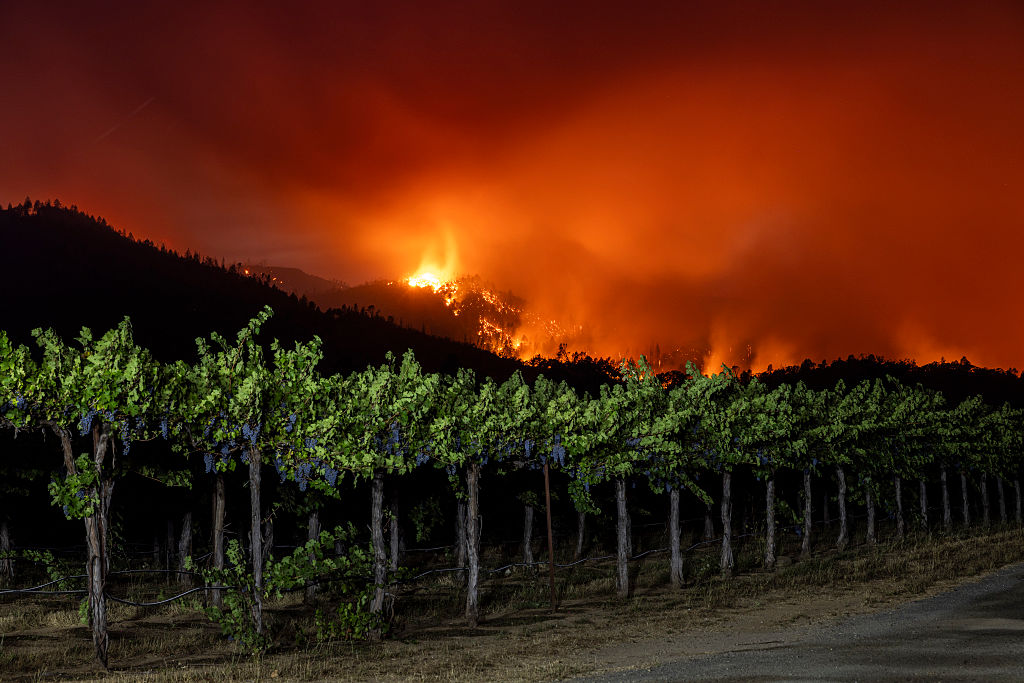
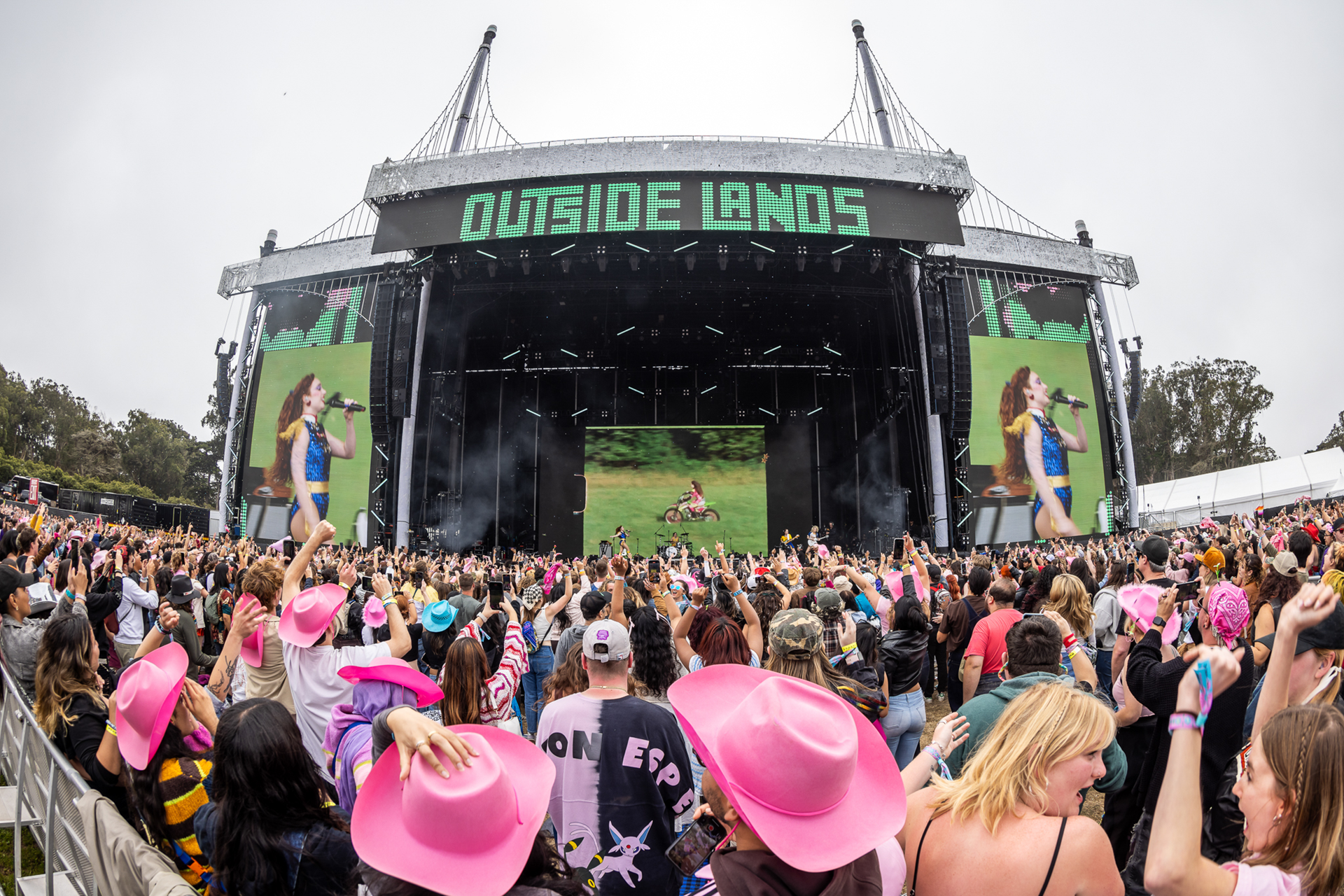
"content": "\u003cp>On this edition of The Bay’s monthly news roundup, Ericka is joined by The Bay’s senior editor Alan Montecillo and KQED associate arts and culture editor Nastia Voynovskaya. We talk about the Pickett Fire currently burning in Napa, scheduling and payment changes to public transit across the Bay, and why some local artists have decided to take their music off Spotify.\u003c/p>\n\u003cp>\u003c!-- iframe plugin v.4.3 wordpress.org/plugins/iframe/ -->\u003cbr>\n\u003ciframe loading=\"lazy\" frameborder=\"0\" height=\"200\" scrolling=\"no\" src=\"https://playlist.megaphone.fm?e=KQINC1460162369&light=true\" width=\"100%\" class=\"iframe-class\">\u003c/iframe>\u003c/p>\n\u003cp>\u003cem>\u003ci>Some members of the KQED podcast team are represented by The Screen Actors Guild, American Federation of Television and Radio Artists. San Francisco Northern California Local.\u003c/i>\u003c/em>\u003c/p>\n\u003cp>\u003cb>Links:\u003c/b>\u003c/p>\n\u003cul>\n\u003cli>\u003ca href=\"https://www.fire.ca.gov/incidents/2025/8/21/pickett-fire\">Pickett Fire\u003c/a>\u003c/li>\n\u003cli>\u003ca href=\"https://www.pressdemocrat.com/article/napa/pickett-fire-napa-cause-woodbridge/\">Did ‘escaped control burn’ cause Napa County’s Pickett Fire? Dispatch records raise questions about blaze’s origin\u003c/a>\u003c/li>\n\u003cli>\u003ca href=\"https://www.kqed.org/news/12052690/bart-fares-2025-credit-card-clipper-tap-and-ride-contactless\">Starting This Week, You Can Tap Onto BART With a Credit Card — Here’s How\u003c/a>\u003c/li>\n\u003cli>\u003ca href=\"https://www.kqed.org/arts/13978141/deerhoof-quits-spotify-daniel-ek-700-million-military-ai-investment\">SF Band Ditches Spotify Over CEO’s $700M Military AI Investment\u003c/a>\u003c/li>\n\u003cli>\u003ca href=\"https://www.bart.gov/news/articles/2025/news20250811\">Bay Area transit’s latest Big Sync improves transfers, saving riders up to 20 minutes per trip\u003c/a>\u003c/li>\n\u003c/ul>\n\u003cp>\u003cem>This is a computer-generated transcript. While our team has reviewed it, there may be errors.\u003c/em>\u003c/p>\n\u003cp>[ad fullwidth]\u003c/p>\n\u003cp>\u003cstrong>Ericka Cruz Guevarra \u003c/strong>[00:00:02] I’m Ericka Cruz Guevarra and welcome to The Bay, local news to keep you rooted. And welcome to our August news roundup where we talk about some of the other stories that The Bay team and today a special guest have been following this month. I’m joined by senior editor, Alan Montecillo. What’s up, Alan?\u003c/p>\n\u003cp>\u003cstrong>Alan Montecillo \u003c/strong>[00:00:21] Hello.\u003c/p>\n\u003cp>\u003cstrong>Ericka Cruz Guevarra \u003c/strong>[00:00:22] And our very special guest today is Nastia Vojnovskaya, associate editor of arts and culture for KQED. Hey Nastia.\u003c/p>\n\u003cp>\u003cstrong>Nastia Voynovskaya \u003c/strong>[00:00:29] Hi Ericka!\u003c/p>\n\u003cp>\u003cstrong>Ericka Cruz Guevarra \u003c/strong>[00:00:30] Thank you so much for joining us.\u003c/p>\n\u003cp>\u003cstrong>Nastia Voynovskaya \u003c/strong>[00:00:32] Thanks for having me.\u003c/p>\n\u003cp>\u003cstrong>Ericka Cruz Guevarra \u003c/strong>[00:00:35] Before we dig into the stories that we’ve been following, Nastia, we wanted to have you on because it’s been a pretty busy August for you and the Arts Desk. Can you tell us a little bit about all the things you’ve been covering this month?\u003c/p>\n\u003cp>\u003cstrong>Nastia Voynovskaya \u003c/strong>[00:00:49] It’s music festival season and full swing in the Bay Area. So earlier this month, I had the pleasure of covering Outside Lands. Um, I cover it every year. And this was a particularly good one where had I not been covering, I would have definitely wanted to be there for fun. Super standout performance by Doechii, who was not even a headliner.\u003c/p>\n\u003cp>\u003cstrong>Ericka Cruz Guevarra \u003c/strong>[00:01:13] Wow. I was just going to ask what were your favorite sets?\u003c/p>\n\u003cp>\u003cstrong>Nastia Voynovskaya \u003c/strong>[00:01:25] She already had been at the top of my list of artists I’m watching, just based on her super strong album from last year, Alligator Bites Never Heal. And she just really showed everyone what showmanship and what being a performer is all about.\u003c/p>\n\u003cp>\u003cstrong>Nastia Voynovskaya \u003c/strong>[00:01:52] She can rap with the dexterity of Kendrick Lamar while moving like Megan Thee Stallion with no backing track. And then the whole performance was also formatted with this cheeky classroom lesson theme about hip hop. There were also so many homages to who came before and where she came from while creating this super futuristic vision.\u003c/p>\n\u003cp>\u003cstrong>Alan Montecillo \u003c/strong>[00:02:16] August was kind of the month of music festivals or concerts in Golden Gate Park, right? There was Denton Company, Outside Lands, Zach Bryan. With Outside Lands how did it compare to previous years? And I mean, how do you know as an attendee and as someone covering it, whether it was like a big success compared to years past?\u003c/p>\n\u003cp>\u003cstrong>Nastia Voynovskaya \u003c/strong>[00:02:35] I would say this year they did some very, very savvy booking. So in addition to Doechii, they had Doja Cat and also Tyler, The Creator. Tyler, he had played Outside Lands before, so when they announced it back in April, I was like, okay, I’m excited to see him again. I like him. But shortly before the festival, he released a fantastic new album. And it’s called Don’t Tap the Glass and the whole theme of that album is being present for the music in person and not being on your phone. And you kind of saw that translate in the crowd the way that people were so engaged. There were some really smart choices of well-positioned breakout acts that they booked. There’s this Brooklyn indie band whose name unfortunately we cannot say on the Radio, and it’s spelled F-C-U-K-E-R-S. And they played this smaller side stage earlier in the day. And I was so impressed by just how they packed out that stage with teens and 20-somethings who were just in this very dense crowd jumping up and down. They kind of have this indie sleaze vibe with electronics and live instruments and just like very sassy vocals. It’s very children of brat. And that band actually had a super packed high energy show, The Rickshaw Stop the night before. So I was just very impressed by how the festival had this mix of established and breaking acts that I think are about to be a lot bigger soon.\u003c/p>\n\u003cp>\u003cstrong>Ericka Cruz Guevarra \u003c/strong>[00:04:05] I know LaRussell also performed at Outside Lands, and we also did a really amazing event with him this month as well. More on that on the show next month, actually. We did a real cool music showcase with LaRussall and the Good Company team. Really got to see some amazing artists locally, and we’re gonna do an interview with the winner next month. So look out for that, listeners.\u003c/p>\n\u003cp>\u003cstrong>Alan Montecillo \u003c/strong>[00:04:34] I have a confession to make. I live next to the park. I have lived next to park for several years and I haven’t been to outside lands yet.\u003c/p>\n\u003cp>\u003cstrong>Nastia Voynovskaya \u003c/strong>[00:04:41] But at least you can hear it.\u003c/p>\n\u003cp>\u003cstrong>Alan Montecillo \u003c/strong>[00:04:43] I can hear it, I can definitely hear it. Some of my neighbors don’t love the fact that they can hear it, but I don’t mind. I should go and I will go. It’s expensive, but from what I hear, it’s worth it. I will get around to it, but I’m always a little embarrassed whenever this comes up.\u003c/p>\n\u003cp>\u003cstrong>Ericka Cruz Guevarra \u003c/strong>[00:04:59] Very clutch parking spot in front of his house, if you’re an outside lens attendee. Not that I’m offering it to our listeners. Well we’re gonna take a quick break and when we come back we’re going to dig into all the stories that we have been following this month. Stay with us.\u003c/p>\n\u003cp>\u003cstrong>Ericka Cruz Guevarra \u003c/strong>[00:05:27] Let’s go ahead and dive into some of the other stories that we have been following this month. Alan, I wanna start with you and you’ve been following the Pickett Fire in Napa.\u003c/p>\n\u003cp>\u003cstrong>Alan Montecillo \u003c/strong>[00:05:38] Yes, after a cold summer, a robust marine layer, Karl the Fog, out in full force, we are essentially in peak fire season from now until winter, basically, when it starts raining. And over the last week, we’ve had what has been the largest fire in the Bay Area so far, which is the Pickett fire. As of this taping, so Thursday morning, it has burned about 6,800 acres and is about 33% contained.\u003c/p>\n\u003cp>\u003cstrong>Ericka Cruz Guevarra \u003c/strong>[00:06:07] Yeah, and obviously whenever it comes to fire in the Bay Area, I think one of the main ways folks experience it is air quality, and I’ve been really watching that very closely. But can you tell us a little bit about where the fire is burning exactly? I know it’s pretty close to some big wineries in Napa, right, who are just about to approach harvest season.\u003c/p>\n\u003cp>\u003cstrong>Alan Montecillo \u003c/strong>[00:06:33] Yeah. So the fire broke out on the 21st of August along Pickett road in Napa County, just outside the town of Calistoga near several vineyards. So this fire is firmly, you know, in wine country, you know, In terms of smoke, the air quality management district did lift that advisory on Tuesday. So hopefully it’s not too bad anymore, but there’s still many areas where there are evacuation orders or evacuation warnings.\u003c/p>\n\u003cp>\u003cstrong>Nastia Voynovskaya \u003c/strong>[00:07:00] So has it burned down any residential areas?\u003c/p>\n\u003cp>\u003cstrong>Alan Montecillo \u003c/strong>[00:07:03] So far, it doesn’t seem like that’s happened. Not all the damage has been assessed yet. It seems like the main damage that’s been done, apart from smoke that can be hazardous to people’s health, is to crops. As Ericka mentioned, it is harvest season for these wineries. One early estimate from the county ag commissioner says approximately 1,500 acres of crops have been affected either by fire, by heat, or by smoke. Totaling and estimated, and again this is preliminary, about $65 million in damage.\u003c/p>\n\u003cp>\u003cstrong>Ericka Cruz Guevarra \u003c/strong>[00:07:38] Oh, wow.\u003c/p>\n\u003cp>\u003cstrong>Alan Montecillo \u003c/strong>[00:07:38] And what that means in a practical sense is, are wine grapes going to get ruined by the fire? This happened in 2020. And so the question just is, could that happen again?\u003c/p>\n\u003cp>\u003cstrong>Nastia Voynovskaya \u003c/strong>[00:07:50] Do you know how the wine industry has been adapting to that, if at all?\u003c/p>\n\u003cp>\u003cstrong>Alan Montecillo \u003c/strong>[00:07:54] Winemakers say, you know, over the last decade or so, the industry is trying to push for more research to figure out how to reduce the taste of smoke and minimize the effects of wildfire because you know it’s hard to tell immediately if the smoke has ruined your grapes. You won’t really know until you taste it. And there actually isn’t a ton of research yet on how to at least mitigate that. So maybe you do have smoke in your area because fire is a reality in California, but maybe there’s ways to minimize the taste and save the crops.\u003c/p>\n\u003cp>\u003cstrong>Nastia Voynovskaya \u003c/strong>[00:08:23] And I know it usually takes a while to figure out how a fire actually started, but do we know anything about how this fire in Napa began?\u003c/p>\n\u003cp>\u003cstrong>Alan Montecillo \u003c/strong>[00:08:33] So that is still under investigation. We don’t know for sure. But there have been some questions and details trickling out, and reporters asking whether this fire started as the result of a “escaped control burn”, basically a fire that’s intended to reduce vegetation on a property. The Press Democrat noted that those words, escape control, burn, appeared on a Cal Fire public safety dispatch around the same time the fire was reported. For what it’s worth, the winery in question said through a spokesperson, you know, we’re working with fire investigators. This is premature. So nothing has been confirmed officially yet, but there are some worries that this could have been how the fire started.\u003c/p>\n\u003cp>\u003cstrong>Ericka Cruz Guevarra \u003c/strong>[00:09:19] Well, Alan, thank you so much for sharing that story with us. We’re going to be following that one in the weeks ahead, I’m sure. Moving on to the story that I have been following this month, Nastia, Alan, you’re both public transit writers in the Bay Area, right?\u003c/p>\n\u003cp>\u003cstrong>Nastia Voynovskaya \u003c/strong>[00:09:39] Yes, I took BART here this morning.\u003c/p>\n\u003cp>\u003cstrong>Alan Montecillo \u003c/strong>[00:09:42] I’m a regular N rider.\u003c/p>\n\u003cp>\u003cstrong>Ericka Cruz Guevarra \u003c/strong>[00:09:44] Nice and of course I’m a regular ferry rider and this might be of interest to all of us in this room. Some big changes have been happening to public transit in the Bay Area that is really all about making transit easier to ride. Not sure if you all have started using your debit or credit cards to ride BART but that is now a thing that you can do. And there’s also something called the Big Sync that is happening. Basically, all these transit systems in the Bay Area coordinating to make transfers a lot easier if you’re using one or more transit system. It’s about time. Right. I remember going to New York a couple of years ago and being able to ride the subway by just tapping my credit card. And as a tourist. I was amazed. I was mind blown.\u003c/p>\n\u003cp>\u003cstrong>Nastia Voynovskaya \u003c/strong>[00:10:43] Yeah, when they got rid of paper tickets and introduced clipper cards, I honestly always found it really problematic that if you lose your clipper card, you have to spend three dollars or something to get a new plastic card. And if you’re a low-income rider, you know that’s money you could be using for a meal. So I’m glad that they’re changing the way it’s done.\u003c/p>\n\u003cp>\u003cstrong>Alan Montecillo \u003c/strong>[00:11:02] Well, and it also brings BART closer to transit systems that already have this. You mentioned this already. New York has it. Chicago has it, many places overseas have it already. Sadly, for those of us who travel among multiple transit agencies, so let’s say you’re going BART to Muni like you do, it hasn’t come to Muni yet, right? You’ll still tap your credit card for BART and then use something else for Muni.\u003c/p>\n\u003cp>\u003cstrong>Ericka Cruz Guevarra \u003c/strong>[00:11:25] Yeah, fumble to find your other plastic card to ride Muni. Yes, that is correct. This open payment system, as it’s called, of using a debit card or a credit card has not rolled out for Muni yet, but that kind of is the goal. Bay Area Transit officials say that they do want to use this eventually for all regional operators, Muni, Caltrain, AC Transit. So TBD for you, Alan. But I will say there is still something for Muni writers in the month of August, which is this big sink that I’m talking about. Have any of you heard of that? No, tell us more. So if you’re using more than one transit system, so you’re going from BART to Muni, all these agencies have tried to overhaul their schedules in order to make transfers a lot easier and a lot faster. So the focus is really for transfer hubs. In the Bay Area, so Dublin Pleasanton, BART, Daly City BART, Palo Alto Caltrain, and Concord BART Station. In all, these agencies adjusted 18 bus routes at these four hubs to improve connection times with each other. No more sprinting from Caltrain to BART for example. These agencies are saying that these changes account for a 33% increase in weekday ideal transfers. So basically you get five to 10 minutes in between one transit system to another to calmly start your morning and walk to your next transfer.\u003c/p>\n\u003cp>\u003cstrong>Nastia Voynovskaya \u003c/strong>[00:13:08] That’s gonna make a big difference for a lot of people, because I talk to so many people that want to ride public transit more, but oftentimes it just takes so much longer than driving or getting a rideshare.\u003c/p>\n\u003cp>\u003cstrong>Ericka Cruz Guevarra \u003c/strong>[00:13:19] Right, exactly. You know, these agencies, these transportation agencies that have been really struggling since the pandemic, they got a lot of work to do to get people back on busses and trains, right? And this is really part of it. In terms of the why, this is part of an ongoing implementation of what’s known as the Bay Area Transformation Action Plan from 2021, which is all about improving public transit, making it more user-friendly. And creating a more connected system among all these different transit agencies around the Bay Area.\u003c/p>\n\u003cp>\u003cstrong>Nastia Voynovskaya \u003c/strong>[00:13:54] Love to see it.\u003c/p>\n\u003cp>\u003cstrong>Alan Montecillo \u003c/strong>[00:13:55] See you on the N, or the 22…maybe I shouldn’t give out —\u003c/p>\n\u003cp>\u003cstrong>Ericka Cruz Guevarra \u003c/strong>[00:13:58] Yeah you’re right. We’re just getting closer and closer to figuring out where Alan Montecillo lives in this episode.\u003c/p>\n\u003cp>\u003cstrong>Ericka Cruz Guevarra \u003c/strong>[00:14:15] Well, that is the story that I have been following. Nastia, we’re gonna wrap this one up with you. What story have you been following this month?\u003c/p>\n\u003cp>\u003cstrong>Nastia Voynovskaya \u003c/strong>[00:14:24] I’ve been following the story of cultural boycotts. So in late July, a bunch of artists announced that they’re taking their music off Spotify because the CEO, Daniel Ek actually just became the chairman of an AI weapons company called Helsing. In light of Israel’s war in Gaza, a lot of artists have been thinking in past couple of years, how… Cultural institutions and companies that serve the culture sector can be complicit in war profiteering. Gabe Moline from KQED Arts wrote a great piece about how Dear Hoof, which is an indie band that formed in San Francisco and are pretty big, announced taking their music off Spotify. And another big voice in that has been Kadia Bonet, who’s this great singer-songwriter, also from the Bay.\u003c/p>\n\u003cp>\u003cstrong>Alan Montecillo \u003c/strong>[00:15:19] How much of a financial hit would artists take for deciding to pull their music off something like Spotify, which obviously is huge, you know, so many people use it.\u003c/p>\n\u003cp>\u003cstrong>Nastia Voynovskaya \u003c/strong>[00:15:28] Well, just based off streams, honestly, negligible.\u003c/p>\n\u003cp>\u003cstrong>Alan Montecillo \u003c/strong>[00:15:32] Because they don’t get paid that much?\u003c/p>\n\u003cp>\u003cstrong>Ericka Cruz Guevarra \u003c/strong>[00:15:32] They do not. They do not get paid much at all. I’ve actually been covering artists’ fight for better pay on streaming services for a few years now. And Spotify doesn’t release its exact figures of how much it pays, but the general estimate going around in the industry is that they get a third of a cent per stream. So basically to make the equivalent of earning $15 an hour at a full time job, an artist would have to get over 650,000 Spotify streams per month.\u003c/p>\n\u003cp>\u003cstrong>Ericka Cruz Guevarra \u003c/strong>[00:16:06] Oh my gosh.\u003c/p>\n\u003cp>\u003cstrong>Nastia Voynovskaya\u003c/strong> [00:16:06] So you have to be very popular to even see any amount of money. Most of the money in the music industry is in touring, but of course, Spotify does have a lot of clout. There’s a lot clout attached to being featured in a prominent playlist and having your music served up. To listeners, but despite that, there are a lot of artists that have been saying the way that Spotify is set up is rigged against the small indie artists.\u003c/p>\n\u003cp>\u003cstrong>Ericka Cruz Guevarra \u003c/strong>[00:16:32] This is making me think about the story of the Bay Area DJs who protested boiler room for coming to San Francisco because of the company’s investments in the defense industry in Israel. Sort of the same kind of deal, and I feel like Bay Area artists really like putting their foot down.\u003c/p>\n\u003cp>\u003cstrong>Nastia Voynovskaya \u003c/strong>[00:16:53] Yeah, very similar. My good friend Olivia Cruz Mayeda covered that story for SF Chronicle.\u003c/p>\n\u003cp>\u003cstrong>Ericka Cruz Guevarra \u003c/strong>[00:16:59] Shout out Olivia.\u003c/p>\n\u003cp>\u003cstrong>Nastia Voynovskaya \u003c/strong>[00:17:00] Yeah, shout out Olivia! Boiler Room, for those that don’t know, it’s this huge online platform for DJs and they basically go to all these really cool music scenes from around the world and produce these really high quality videos of DJs killing it at parties that really puts you in the scene. So in previous years, being in BoilerRoom for a DJ was a stamp of approval. So it was a really big deal that all these smaller electronic music collectives that I’m sure would want the clout that comes with Boiler Room put their foot down and they pretty much organized an anti-Boiler Room music festival as a sign of protest because Boiler Rooms parent company, KKR, has weapons investments.\u003c/p>\n\u003cp>\u003cstrong>Alan Montecillo \u003c/strong>[00:17:44] Has Spotify said anything about this? Are they noticing that there are some artists who are upset, whether it’s about their CEO specifically or payment in general?\u003c/p>\n\u003cp>\u003cstrong>Nastia Voynovskaya \u003c/strong>[00:17:54] So Spotify has not issued a public statement about its CEO becoming chairman of the AI weapons company, but it does have a lot of information on its website kind of arguing that it does give artists all these opportunities and that artists wouldn’t be making a certain amount of money if it wasn’t for Spotify. So they do have a whole section of their website that’s all about payment structure that people can go look at.\u003c/p>\n\u003cp>\u003cstrong>Alan Montecillo \u003c/strong>[00:18:20] From the consumer side, let’s say I really like one of these bands and I use Spotify and they’ve taken their music off, how should I listen to and support these artists?\u003c/p>\n\u003cp>\u003cstrong>Nastia Voynovskaya \u003c/strong>[00:18:30] A lot of people recommend Bandcamp, not every artist has their music on there, but you can buy it directly and a big percentage goes to the artists. I know Apple Music introduced a new feature that easily allows you to transfer your Spotify playlists to Apple Music. People are talking about title. There are other streaming alternatives, but I will say I don’t think any of these artists would say that any of the services are perfect and all have their drawbacks. But I think if people want to support artists, especially the independent artists and their community, the best way is to buy tickets and show up to live shows and honestly buy merch, because merch is really the way that most artists make money these days.\u003c/p>\n\u003cp>\u003cstrong>Nastia Voynovskaya \u003c/strong>[00:19:16] Well, Nastia Voynovskaya, Associate Editor of Arts and Culture, thank you so much for bringing that story.\u003c/p>\n\u003cp>\u003cstrong>Nastia Voynovskaya \u003c/strong>[00:19:22] Thank you, Ericka and Alan for having me.\u003c/p>\n\u003cp>\u003cstrong>Ericka Cruz Guevarra \u003c/strong>[00:19:26] And Alan Montecillo, Senior Editor of The Bay, thank you as well.\u003c/p>\n\u003cp>[ad floatright]\u003c/p>\n\u003cp>\u003cstrong>Alan Montecillo \u003c/strong>[00:19:30] My pleasure.\u003c/p>\n\n",
"blocks": [],
"excerpt": "We talk about the Pickett Fire currently burning in Napa, scheduling and payment changes to public transit across the Bay, and why some local artists have decided to take their music off Spotify.",
"status": "publish",
"parent": 0,
"modified": 1756497528,
"stats": {
"hasAudio": true,
"hasVideo": false,
"hasChartOrMap": false,
"iframeSrcs": [],
"hasGoogleForm": false,
"hasGallery": false,
"hasHearkenModule": false,
"hasPolis": false,
"paragraphCount": 69,
"wordCount": 3815
},
"headData": {
"title": "The Pickett Fire, BART’s ‘Tap and Ride', and Local Artists Leaving Spotify | KQED",
"description": "We talk about the Pickett Fire currently burning in Napa, scheduling and payment changes to public transit across the Bay, and why some local artists have decided to take their music off Spotify.",
"ogTitle": "",
"ogDescription": "",
"ogImgId": "",
"twTitle": "",
"twDescription": "",
"twImgId": "",
"schema": {
"@context": "https://schema.org",
"@type": "NewsArticle",
"headline": "The Pickett Fire, BART’s ‘Tap and Ride', and Local Artists Leaving Spotify",
"datePublished": "2025-08-29T03:00:09-07:00",
"dateModified": "2025-08-29T12:58:48-07:00",
"image": "https://cdn.kqed.org/wp-content/uploads/2020/02/KQED-OG-Image@1x.png",
"isAccessibleForFree": "True",
"publisher": {
"@type": "NewsMediaOrganization",
"@id": "https://www.kqed.org/#organization",
"name": "KQED",
"logo": "https://cdn.kqed.org/wp-content/uploads/2020/02/KQED-OG-Image@1x.png",
"url": "https://www.kqed.org",
"sameAs": [
"https://www.facebook.com/KQED",
"https://twitter.com/KQED",
"https://www.instagram.com/kqed/",
"https://www.tiktok.com/@kqedofficial",
"https://www.linkedin.com/company/kqed",
"https://www.youtube.com/channel/UCeC0IOo7i1P_61zVUWbJ4nw"
]
}
}
},
"source": "The Bay",
"sourceUrl": "https://www.kqed.org/podcasts/thebay",
"audioUrl": "https://www.podtrac.com/pts/redirect.mp3/chrt.fm/track/G6C7C3/traffic.megaphone.fm/KQINC1460162369.mp3?updated=1756443433",
"sticky": false,
"nprStoryId": "kqed-12054072",
"templateType": "standard",
"featuredImageType": "standard",
"excludeFromSiteSearch": "Include",
"articleAge": "0",
"path": "/news/12054072/the-pickett-fire-barts-tap-and-ride-and-local-artists-leaving-spotify",
"audioTrackLength": null,
"parsedContent": [
{
"type": "contentString",
"content": "\u003cdiv class=\"post-body\">\u003cp>\u003cp>On this edition of The Bay’s monthly news roundup, Ericka is joined by The Bay’s senior editor Alan Montecillo and KQED associate arts and culture editor Nastia Voynovskaya. We talk about the Pickett Fire currently burning in Napa, scheduling and payment changes to public transit across the Bay, and why some local artists have decided to take their music off Spotify.\u003c/p>\n\u003cp>\u003c!-- iframe plugin v.4.3 wordpress.org/plugins/iframe/ -->\u003cbr>\n\u003ciframe loading=\"lazy\" frameborder=\"0\" height=\"200\" scrolling=\"no\" src=\"https://playlist.megaphone.fm?e=KQINC1460162369&light=true\" width=\"100%\" class=\"iframe-class\">\u003c/iframe>\u003c/p>\n\u003cp>\u003cem>\u003ci>Some members of the KQED podcast team are represented by The Screen Actors Guild, American Federation of Television and Radio Artists. San Francisco Northern California Local.\u003c/i>\u003c/em>\u003c/p>\n\u003cp>\u003cb>Links:\u003c/b>\u003c/p>\n\u003cul>\n\u003cli>\u003ca href=\"https://www.fire.ca.gov/incidents/2025/8/21/pickett-fire\">Pickett Fire\u003c/a>\u003c/li>\n\u003cli>\u003ca href=\"https://www.pressdemocrat.com/article/napa/pickett-fire-napa-cause-woodbridge/\">Did ‘escaped control burn’ cause Napa County’s Pickett Fire? Dispatch records raise questions about blaze’s origin\u003c/a>\u003c/li>\n\u003cli>\u003ca href=\"https://www.kqed.org/news/12052690/bart-fares-2025-credit-card-clipper-tap-and-ride-contactless\">Starting This Week, You Can Tap Onto BART With a Credit Card — Here’s How\u003c/a>\u003c/li>\n\u003cli>\u003ca href=\"https://www.kqed.org/arts/13978141/deerhoof-quits-spotify-daniel-ek-700-million-military-ai-investment\">SF Band Ditches Spotify Over CEO’s $700M Military AI Investment\u003c/a>\u003c/li>\n\u003cli>\u003ca href=\"https://www.bart.gov/news/articles/2025/news20250811\">Bay Area transit’s latest Big Sync improves transfers, saving riders up to 20 minutes per trip\u003c/a>\u003c/li>\n\u003c/ul>\n\u003cp>\u003cem>This is a computer-generated transcript. While our team has reviewed it, there may be errors.\u003c/em>\u003c/p>\n\u003cp>\u003c/p>\u003c/div>",
"attributes": {
"named": {},
"numeric": []
}
},
{
"type": "component",
"content": "",
"name": "ad",
"attributes": {
"named": {
"label": "fullwidth"
},
"numeric": [
"fullwidth"
]
}
},
{
"type": "contentString",
"content": "\u003cdiv class=\"post-body\">\u003cp>\u003c/p>\n\u003cp>\u003cstrong>Ericka Cruz Guevarra \u003c/strong>[00:00:02] I’m Ericka Cruz Guevarra and welcome to The Bay, local news to keep you rooted. And welcome to our August news roundup where we talk about some of the other stories that The Bay team and today a special guest have been following this month. I’m joined by senior editor, Alan Montecillo. What’s up, Alan?\u003c/p>\n\u003cp>\u003cstrong>Alan Montecillo \u003c/strong>[00:00:21] Hello.\u003c/p>\n\u003cp>\u003cstrong>Ericka Cruz Guevarra \u003c/strong>[00:00:22] And our very special guest today is Nastia Vojnovskaya, associate editor of arts and culture for KQED. Hey Nastia.\u003c/p>\n\u003cp>\u003cstrong>Nastia Voynovskaya \u003c/strong>[00:00:29] Hi Ericka!\u003c/p>\n\u003cp>\u003cstrong>Ericka Cruz Guevarra \u003c/strong>[00:00:30] Thank you so much for joining us.\u003c/p>\n\u003cp>\u003cstrong>Nastia Voynovskaya \u003c/strong>[00:00:32] Thanks for having me.\u003c/p>\n\u003cp>\u003cstrong>Ericka Cruz Guevarra \u003c/strong>[00:00:35] Before we dig into the stories that we’ve been following, Nastia, we wanted to have you on because it’s been a pretty busy August for you and the Arts Desk. Can you tell us a little bit about all the things you’ve been covering this month?\u003c/p>\n\u003cp>\u003cstrong>Nastia Voynovskaya \u003c/strong>[00:00:49] It’s music festival season and full swing in the Bay Area. So earlier this month, I had the pleasure of covering Outside Lands. Um, I cover it every year. And this was a particularly good one where had I not been covering, I would have definitely wanted to be there for fun. Super standout performance by Doechii, who was not even a headliner.\u003c/p>\n\u003cp>\u003cstrong>Ericka Cruz Guevarra \u003c/strong>[00:01:13] Wow. I was just going to ask what were your favorite sets?\u003c/p>\n\u003cp>\u003cstrong>Nastia Voynovskaya \u003c/strong>[00:01:25] She already had been at the top of my list of artists I’m watching, just based on her super strong album from last year, Alligator Bites Never Heal. And she just really showed everyone what showmanship and what being a performer is all about.\u003c/p>\n\u003cp>\u003cstrong>Nastia Voynovskaya \u003c/strong>[00:01:52] She can rap with the dexterity of Kendrick Lamar while moving like Megan Thee Stallion with no backing track. And then the whole performance was also formatted with this cheeky classroom lesson theme about hip hop. There were also so many homages to who came before and where she came from while creating this super futuristic vision.\u003c/p>\n\u003cp>\u003cstrong>Alan Montecillo \u003c/strong>[00:02:16] August was kind of the month of music festivals or concerts in Golden Gate Park, right? There was Denton Company, Outside Lands, Zach Bryan. With Outside Lands how did it compare to previous years? And I mean, how do you know as an attendee and as someone covering it, whether it was like a big success compared to years past?\u003c/p>\n\u003cp>\u003cstrong>Nastia Voynovskaya \u003c/strong>[00:02:35] I would say this year they did some very, very savvy booking. So in addition to Doechii, they had Doja Cat and also Tyler, The Creator. Tyler, he had played Outside Lands before, so when they announced it back in April, I was like, okay, I’m excited to see him again. I like him. But shortly before the festival, he released a fantastic new album. And it’s called Don’t Tap the Glass and the whole theme of that album is being present for the music in person and not being on your phone. And you kind of saw that translate in the crowd the way that people were so engaged. There were some really smart choices of well-positioned breakout acts that they booked. There’s this Brooklyn indie band whose name unfortunately we cannot say on the Radio, and it’s spelled F-C-U-K-E-R-S. And they played this smaller side stage earlier in the day. And I was so impressed by just how they packed out that stage with teens and 20-somethings who were just in this very dense crowd jumping up and down. They kind of have this indie sleaze vibe with electronics and live instruments and just like very sassy vocals. It’s very children of brat. And that band actually had a super packed high energy show, The Rickshaw Stop the night before. So I was just very impressed by how the festival had this mix of established and breaking acts that I think are about to be a lot bigger soon.\u003c/p>\n\u003cp>\u003cstrong>Ericka Cruz Guevarra \u003c/strong>[00:04:05] I know LaRussell also performed at Outside Lands, and we also did a really amazing event with him this month as well. More on that on the show next month, actually. We did a real cool music showcase with LaRussall and the Good Company team. Really got to see some amazing artists locally, and we’re gonna do an interview with the winner next month. So look out for that, listeners.\u003c/p>\n\u003cp>\u003cstrong>Alan Montecillo \u003c/strong>[00:04:34] I have a confession to make. I live next to the park. I have lived next to park for several years and I haven’t been to outside lands yet.\u003c/p>\n\u003cp>\u003cstrong>Nastia Voynovskaya \u003c/strong>[00:04:41] But at least you can hear it.\u003c/p>\n\u003cp>\u003cstrong>Alan Montecillo \u003c/strong>[00:04:43] I can hear it, I can definitely hear it. Some of my neighbors don’t love the fact that they can hear it, but I don’t mind. I should go and I will go. It’s expensive, but from what I hear, it’s worth it. I will get around to it, but I’m always a little embarrassed whenever this comes up.\u003c/p>\n\u003cp>\u003cstrong>Ericka Cruz Guevarra \u003c/strong>[00:04:59] Very clutch parking spot in front of his house, if you’re an outside lens attendee. Not that I’m offering it to our listeners. Well we’re gonna take a quick break and when we come back we’re going to dig into all the stories that we have been following this month. Stay with us.\u003c/p>\n\u003cp>\u003cstrong>Ericka Cruz Guevarra \u003c/strong>[00:05:27] Let’s go ahead and dive into some of the other stories that we have been following this month. Alan, I wanna start with you and you’ve been following the Pickett Fire in Napa.\u003c/p>\n\u003cp>\u003cstrong>Alan Montecillo \u003c/strong>[00:05:38] Yes, after a cold summer, a robust marine layer, Karl the Fog, out in full force, we are essentially in peak fire season from now until winter, basically, when it starts raining. And over the last week, we’ve had what has been the largest fire in the Bay Area so far, which is the Pickett fire. As of this taping, so Thursday morning, it has burned about 6,800 acres and is about 33% contained.\u003c/p>\n\u003cp>\u003cstrong>Ericka Cruz Guevarra \u003c/strong>[00:06:07] Yeah, and obviously whenever it comes to fire in the Bay Area, I think one of the main ways folks experience it is air quality, and I’ve been really watching that very closely. But can you tell us a little bit about where the fire is burning exactly? I know it’s pretty close to some big wineries in Napa, right, who are just about to approach harvest season.\u003c/p>\n\u003cp>\u003cstrong>Alan Montecillo \u003c/strong>[00:06:33] Yeah. So the fire broke out on the 21st of August along Pickett road in Napa County, just outside the town of Calistoga near several vineyards. So this fire is firmly, you know, in wine country, you know, In terms of smoke, the air quality management district did lift that advisory on Tuesday. So hopefully it’s not too bad anymore, but there’s still many areas where there are evacuation orders or evacuation warnings.\u003c/p>\n\u003cp>\u003cstrong>Nastia Voynovskaya \u003c/strong>[00:07:00] So has it burned down any residential areas?\u003c/p>\n\u003cp>\u003cstrong>Alan Montecillo \u003c/strong>[00:07:03] So far, it doesn’t seem like that’s happened. Not all the damage has been assessed yet. It seems like the main damage that’s been done, apart from smoke that can be hazardous to people’s health, is to crops. As Ericka mentioned, it is harvest season for these wineries. One early estimate from the county ag commissioner says approximately 1,500 acres of crops have been affected either by fire, by heat, or by smoke. Totaling and estimated, and again this is preliminary, about $65 million in damage.\u003c/p>\n\u003cp>\u003cstrong>Ericka Cruz Guevarra \u003c/strong>[00:07:38] Oh, wow.\u003c/p>\n\u003cp>\u003cstrong>Alan Montecillo \u003c/strong>[00:07:38] And what that means in a practical sense is, are wine grapes going to get ruined by the fire? This happened in 2020. And so the question just is, could that happen again?\u003c/p>\n\u003cp>\u003cstrong>Nastia Voynovskaya \u003c/strong>[00:07:50] Do you know how the wine industry has been adapting to that, if at all?\u003c/p>\n\u003cp>\u003cstrong>Alan Montecillo \u003c/strong>[00:07:54] Winemakers say, you know, over the last decade or so, the industry is trying to push for more research to figure out how to reduce the taste of smoke and minimize the effects of wildfire because you know it’s hard to tell immediately if the smoke has ruined your grapes. You won’t really know until you taste it. And there actually isn’t a ton of research yet on how to at least mitigate that. So maybe you do have smoke in your area because fire is a reality in California, but maybe there’s ways to minimize the taste and save the crops.\u003c/p>\n\u003cp>\u003cstrong>Nastia Voynovskaya \u003c/strong>[00:08:23] And I know it usually takes a while to figure out how a fire actually started, but do we know anything about how this fire in Napa began?\u003c/p>\n\u003cp>\u003cstrong>Alan Montecillo \u003c/strong>[00:08:33] So that is still under investigation. We don’t know for sure. But there have been some questions and details trickling out, and reporters asking whether this fire started as the result of a “escaped control burn”, basically a fire that’s intended to reduce vegetation on a property. The Press Democrat noted that those words, escape control, burn, appeared on a Cal Fire public safety dispatch around the same time the fire was reported. For what it’s worth, the winery in question said through a spokesperson, you know, we’re working with fire investigators. This is premature. So nothing has been confirmed officially yet, but there are some worries that this could have been how the fire started.\u003c/p>\n\u003cp>\u003cstrong>Ericka Cruz Guevarra \u003c/strong>[00:09:19] Well, Alan, thank you so much for sharing that story with us. We’re going to be following that one in the weeks ahead, I’m sure. Moving on to the story that I have been following this month, Nastia, Alan, you’re both public transit writers in the Bay Area, right?\u003c/p>\n\u003cp>\u003cstrong>Nastia Voynovskaya \u003c/strong>[00:09:39] Yes, I took BART here this morning.\u003c/p>\n\u003cp>\u003cstrong>Alan Montecillo \u003c/strong>[00:09:42] I’m a regular N rider.\u003c/p>\n\u003cp>\u003cstrong>Ericka Cruz Guevarra \u003c/strong>[00:09:44] Nice and of course I’m a regular ferry rider and this might be of interest to all of us in this room. Some big changes have been happening to public transit in the Bay Area that is really all about making transit easier to ride. Not sure if you all have started using your debit or credit cards to ride BART but that is now a thing that you can do. And there’s also something called the Big Sync that is happening. Basically, all these transit systems in the Bay Area coordinating to make transfers a lot easier if you’re using one or more transit system. It’s about time. Right. I remember going to New York a couple of years ago and being able to ride the subway by just tapping my credit card. And as a tourist. I was amazed. I was mind blown.\u003c/p>\n\u003cp>\u003cstrong>Nastia Voynovskaya \u003c/strong>[00:10:43] Yeah, when they got rid of paper tickets and introduced clipper cards, I honestly always found it really problematic that if you lose your clipper card, you have to spend three dollars or something to get a new plastic card. And if you’re a low-income rider, you know that’s money you could be using for a meal. So I’m glad that they’re changing the way it’s done.\u003c/p>\n\u003cp>\u003cstrong>Alan Montecillo \u003c/strong>[00:11:02] Well, and it also brings BART closer to transit systems that already have this. You mentioned this already. New York has it. Chicago has it, many places overseas have it already. Sadly, for those of us who travel among multiple transit agencies, so let’s say you’re going BART to Muni like you do, it hasn’t come to Muni yet, right? You’ll still tap your credit card for BART and then use something else for Muni.\u003c/p>\n\u003cp>\u003cstrong>Ericka Cruz Guevarra \u003c/strong>[00:11:25] Yeah, fumble to find your other plastic card to ride Muni. Yes, that is correct. This open payment system, as it’s called, of using a debit card or a credit card has not rolled out for Muni yet, but that kind of is the goal. Bay Area Transit officials say that they do want to use this eventually for all regional operators, Muni, Caltrain, AC Transit. So TBD for you, Alan. But I will say there is still something for Muni writers in the month of August, which is this big sink that I’m talking about. Have any of you heard of that? No, tell us more. So if you’re using more than one transit system, so you’re going from BART to Muni, all these agencies have tried to overhaul their schedules in order to make transfers a lot easier and a lot faster. So the focus is really for transfer hubs. In the Bay Area, so Dublin Pleasanton, BART, Daly City BART, Palo Alto Caltrain, and Concord BART Station. In all, these agencies adjusted 18 bus routes at these four hubs to improve connection times with each other. No more sprinting from Caltrain to BART for example. These agencies are saying that these changes account for a 33% increase in weekday ideal transfers. So basically you get five to 10 minutes in between one transit system to another to calmly start your morning and walk to your next transfer.\u003c/p>\n\u003cp>\u003cstrong>Nastia Voynovskaya \u003c/strong>[00:13:08] That’s gonna make a big difference for a lot of people, because I talk to so many people that want to ride public transit more, but oftentimes it just takes so much longer than driving or getting a rideshare.\u003c/p>\n\u003cp>\u003cstrong>Ericka Cruz Guevarra \u003c/strong>[00:13:19] Right, exactly. You know, these agencies, these transportation agencies that have been really struggling since the pandemic, they got a lot of work to do to get people back on busses and trains, right? And this is really part of it. In terms of the why, this is part of an ongoing implementation of what’s known as the Bay Area Transformation Action Plan from 2021, which is all about improving public transit, making it more user-friendly. And creating a more connected system among all these different transit agencies around the Bay Area.\u003c/p>\n\u003cp>\u003cstrong>Nastia Voynovskaya \u003c/strong>[00:13:54] Love to see it.\u003c/p>\n\u003cp>\u003cstrong>Alan Montecillo \u003c/strong>[00:13:55] See you on the N, or the 22…maybe I shouldn’t give out —\u003c/p>\n\u003cp>\u003cstrong>Ericka Cruz Guevarra \u003c/strong>[00:13:58] Yeah you’re right. We’re just getting closer and closer to figuring out where Alan Montecillo lives in this episode.\u003c/p>\n\u003cp>\u003cstrong>Ericka Cruz Guevarra \u003c/strong>[00:14:15] Well, that is the story that I have been following. Nastia, we’re gonna wrap this one up with you. What story have you been following this month?\u003c/p>\n\u003cp>\u003cstrong>Nastia Voynovskaya \u003c/strong>[00:14:24] I’ve been following the story of cultural boycotts. So in late July, a bunch of artists announced that they’re taking their music off Spotify because the CEO, Daniel Ek actually just became the chairman of an AI weapons company called Helsing. In light of Israel’s war in Gaza, a lot of artists have been thinking in past couple of years, how… Cultural institutions and companies that serve the culture sector can be complicit in war profiteering. Gabe Moline from KQED Arts wrote a great piece about how Dear Hoof, which is an indie band that formed in San Francisco and are pretty big, announced taking their music off Spotify. And another big voice in that has been Kadia Bonet, who’s this great singer-songwriter, also from the Bay.\u003c/p>\n\u003cp>\u003cstrong>Alan Montecillo \u003c/strong>[00:15:19] How much of a financial hit would artists take for deciding to pull their music off something like Spotify, which obviously is huge, you know, so many people use it.\u003c/p>\n\u003cp>\u003cstrong>Nastia Voynovskaya \u003c/strong>[00:15:28] Well, just based off streams, honestly, negligible.\u003c/p>\n\u003cp>\u003cstrong>Alan Montecillo \u003c/strong>[00:15:32] Because they don’t get paid that much?\u003c/p>\n\u003cp>\u003cstrong>Ericka Cruz Guevarra \u003c/strong>[00:15:32] They do not. They do not get paid much at all. I’ve actually been covering artists’ fight for better pay on streaming services for a few years now. And Spotify doesn’t release its exact figures of how much it pays, but the general estimate going around in the industry is that they get a third of a cent per stream. So basically to make the equivalent of earning $15 an hour at a full time job, an artist would have to get over 650,000 Spotify streams per month.\u003c/p>\n\u003cp>\u003cstrong>Ericka Cruz Guevarra \u003c/strong>[00:16:06] Oh my gosh.\u003c/p>\n\u003cp>\u003cstrong>Nastia Voynovskaya\u003c/strong> [00:16:06] So you have to be very popular to even see any amount of money. Most of the money in the music industry is in touring, but of course, Spotify does have a lot of clout. There’s a lot clout attached to being featured in a prominent playlist and having your music served up. To listeners, but despite that, there are a lot of artists that have been saying the way that Spotify is set up is rigged against the small indie artists.\u003c/p>\n\u003cp>\u003cstrong>Ericka Cruz Guevarra \u003c/strong>[00:16:32] This is making me think about the story of the Bay Area DJs who protested boiler room for coming to San Francisco because of the company’s investments in the defense industry in Israel. Sort of the same kind of deal, and I feel like Bay Area artists really like putting their foot down.\u003c/p>\n\u003cp>\u003cstrong>Nastia Voynovskaya \u003c/strong>[00:16:53] Yeah, very similar. My good friend Olivia Cruz Mayeda covered that story for SF Chronicle.\u003c/p>\n\u003cp>\u003cstrong>Ericka Cruz Guevarra \u003c/strong>[00:16:59] Shout out Olivia.\u003c/p>\n\u003cp>\u003cstrong>Nastia Voynovskaya \u003c/strong>[00:17:00] Yeah, shout out Olivia! Boiler Room, for those that don’t know, it’s this huge online platform for DJs and they basically go to all these really cool music scenes from around the world and produce these really high quality videos of DJs killing it at parties that really puts you in the scene. So in previous years, being in BoilerRoom for a DJ was a stamp of approval. So it was a really big deal that all these smaller electronic music collectives that I’m sure would want the clout that comes with Boiler Room put their foot down and they pretty much organized an anti-Boiler Room music festival as a sign of protest because Boiler Rooms parent company, KKR, has weapons investments.\u003c/p>\n\u003cp>\u003cstrong>Alan Montecillo \u003c/strong>[00:17:44] Has Spotify said anything about this? Are they noticing that there are some artists who are upset, whether it’s about their CEO specifically or payment in general?\u003c/p>\n\u003cp>\u003cstrong>Nastia Voynovskaya \u003c/strong>[00:17:54] So Spotify has not issued a public statement about its CEO becoming chairman of the AI weapons company, but it does have a lot of information on its website kind of arguing that it does give artists all these opportunities and that artists wouldn’t be making a certain amount of money if it wasn’t for Spotify. So they do have a whole section of their website that’s all about payment structure that people can go look at.\u003c/p>\n\u003cp>\u003cstrong>Alan Montecillo \u003c/strong>[00:18:20] From the consumer side, let’s say I really like one of these bands and I use Spotify and they’ve taken their music off, how should I listen to and support these artists?\u003c/p>\n\u003cp>\u003cstrong>Nastia Voynovskaya \u003c/strong>[00:18:30] A lot of people recommend Bandcamp, not every artist has their music on there, but you can buy it directly and a big percentage goes to the artists. I know Apple Music introduced a new feature that easily allows you to transfer your Spotify playlists to Apple Music. People are talking about title. There are other streaming alternatives, but I will say I don’t think any of these artists would say that any of the services are perfect and all have their drawbacks. But I think if people want to support artists, especially the independent artists and their community, the best way is to buy tickets and show up to live shows and honestly buy merch, because merch is really the way that most artists make money these days.\u003c/p>\n\u003cp>\u003cstrong>Nastia Voynovskaya \u003c/strong>[00:19:16] Well, Nastia Voynovskaya, Associate Editor of Arts and Culture, thank you so much for bringing that story.\u003c/p>\n\u003cp>\u003cstrong>Nastia Voynovskaya \u003c/strong>[00:19:22] Thank you, Ericka and Alan for having me.\u003c/p>\n\u003cp>\u003cstrong>Ericka Cruz Guevarra \u003c/strong>[00:19:26] And Alan Montecillo, Senior Editor of The Bay, thank you as well.\u003c/p>\n\u003cp>\u003c/p>\u003c/div>",
"attributes": {
"named": {},
"numeric": []
}
},
{
"type": "component",
"content": "",
"name": "ad",
"attributes": {
"named": {
"label": "floatright"
},
"numeric": [
"floatright"
]
}
},
{
"type": "contentString",
"content": "\u003cdiv class=\"post-body\">\u003cp>\u003c/p>\n\u003cp>\u003cstrong>Alan Montecillo \u003c/strong>[00:19:30] My pleasure.\u003c/p>\n\n\u003c/div>\u003c/p>",
"attributes": {
"named": {},
"numeric": []
}
}
],
"link": "/news/12054072/the-pickett-fire-barts-tap-and-ride-and-local-artists-leaving-spotify",
"authors": [
"8654",
"11649",
"11387",
"11831"
],
"categories": [
"news_8"
],
"tags": [
"news_21077",
"news_4092",
"news_25184",
"news_32662",
"news_269",
"news_19204",
"news_33812",
"news_1425",
"news_2520",
"news_6565",
"news_35807",
"news_1764",
"news_1533",
"news_22598",
"news_34684",
"news_1275",
"news_21765"
],
"featImg": "news_12054087",
"label": "source_news_12054072"
},
"news_12052284": {
"type": "posts",
"id": "news_12052284",
"meta": {
"index": "posts_1716263798",
"site": "news",
"id": "12052284",
"score": null,
"sort": [
1755259226000
]
},
"guestAuthors": [],
"slug": "zach-bryan-in-golden-gate-park-heres-what-you-should-know-for-fridays-show",
"title": "Zach Bryan in Golden Gate Park: Here’s What You Should Know for Friday’s Show",
"publishDate": 1755259226,
"format": "standard",
"headTitle": "Zach Bryan in Golden Gate Park: Here’s What You Should Know for Friday’s Show | KQED",
"labelTerm": {
"site": "news"
},
"content": "\u003cp>They say good things come in threes, and for San Francisco’s music lovers, Golden Gate Park’s \u003ca href=\"https://www.kqed.org/news/12050476/the-deadheads-are-coming-and-sf-is-ready-next-up-2-more-weekends-of-live-music\">trifecta of summer concerts\u003c/a> has been solid proof.\u003c/p>\n\u003cp>Friday’s “\u003ca href=\"https://www.youtube.com/watch?v=Iepe5Obqzjo\">revival\u003c/a>” of the past two music-filled weekends is set to be headlined by country star Zach Bryan, who’ll be joined by the Kings of Leon, Turnpike Troubadours and Noeline Hoffman for a one-day show hosted by Another Planet Entertainment, the concert promoter behind \u003ca href=\"https://www.kqed.org/arts/13979898/photos-outside-lands-fan-festival-fashion-and-hot-looks-2025\">Outside Lands\u003c/a>.\u003c/p>\n\u003cp>The group launched its \u003ca href=\"https://www.kqed.org/arts/13955656/deftones-system-of-a-down-tickets-presale-code-san-francisco-golden-gate-outside-lands\">Concerts on the Polo Fields\u003c/a> series last summer with a sold-out show by System of a Down and Deftones and has expanded this year, effectively shutting down Golden Gate Park to host \u003ca href=\"https://www.kqed.org/news/12050567/grateful-dead-fans-descend-on-san-francisco-for-three-days-of-shows\">Dead & Company\u003c/a>, Outside Lands and Bryan on consecutive weekends.\u003c/p>\n\u003cp>[ad fullwidth]\u003c/p>\n\u003cp>Bryan’s appearance in San Francisco is one of few he’s making this year, after wrapping up the main portion of his nearly 40-city “Quittin’ Time” tour in December.\u003c/p>\n\u003cp>Last May, he played his first-ever stadium show in Oakland, gracing the Coliseum with his 2024 album “The Great American Bar Scene.”\u003c/p>\n\u003cfigure id=\"attachment_11663342\" class=\"wp-caption aligncenter\" style=\"max-width: 1920px\">\u003cimg loading=\"lazy\" decoding=\"async\" class=\"size-full wp-image-11663342\" src=\"https://cdn.kqed.org/wp-content/uploads/sites/10/2018/04/RS30490_mayoraldebate-9-qut.jpg\" alt=\"The entrance sign to the Polo Field at Golden Gate Park. Polo was the main attraction of the field through the early 1960s, but has not been played there regularly for decades.\" width=\"1920\" height=\"1280\" srcset=\"https://cdn.kqed.org/wp-content/uploads/sites/10/2018/04/RS30490_mayoraldebate-9-qut.jpg 1920w, https://cdn.kqed.org/wp-content/uploads/sites/10/2018/04/RS30490_mayoraldebate-9-qut-160x107.jpg 160w, https://cdn.kqed.org/wp-content/uploads/sites/10/2018/04/RS30490_mayoraldebate-9-qut-800x533.jpg 800w, https://cdn.kqed.org/wp-content/uploads/sites/10/2018/04/RS30490_mayoraldebate-9-qut-1020x680.jpg 1020w, https://cdn.kqed.org/wp-content/uploads/sites/10/2018/04/RS30490_mayoraldebate-9-qut-1200x800.jpg 1200w, https://cdn.kqed.org/wp-content/uploads/sites/10/2018/04/RS30490_mayoraldebate-9-qut-1180x787.jpg 1180w, https://cdn.kqed.org/wp-content/uploads/sites/10/2018/04/RS30490_mayoraldebate-9-qut-960x640.jpg 960w, https://cdn.kqed.org/wp-content/uploads/sites/10/2018/04/RS30490_mayoraldebate-9-qut-240x160.jpg 240w, https://cdn.kqed.org/wp-content/uploads/sites/10/2018/04/RS30490_mayoraldebate-9-qut-375x250.jpg 375w, https://cdn.kqed.org/wp-content/uploads/sites/10/2018/04/RS30490_mayoraldebate-9-qut-520x347.jpg 520w\" sizes=\"auto, (max-width: 1920px) 100vw, 1920px\">\u003cfigcaption class=\"wp-caption-text\">The entrance sign to the Polo Field at Golden Gate Park. \u003ccite>(Samantha Shanahan/KQED)\u003c/cite>\u003c/figcaption>\u003c/figure>\n\u003cp>This summer, he’s played shows across Europe with stops in London and Dublin, and is expected to hit a small selection of outdoor venues in the U.S. throughout August.\u003c/p>\n\u003cp>While after three nights of 60,000-person Dead & Company shows and last weekend’s blockbuster festival, concertgoers are likely feeling prepared — and maybe even a little tired — ahead of the grand finale, here’s what you should know before the show.\u003c/p>\n\u003ch2>What time does the concert start?\u003c/h2>\n\u003cp>The park’s doors will open at 1:30 p.m., and the first act is scheduled to come on around 3 p.m., though Bryan probably won’t hit the stage until hours later. People can start lining up for entry at 12:30 p.m.\u003c/p>\n\u003cp>The concert is set to end at 10:00 p.m.\u003c/p>\n\u003ch2>Who’s performing, and when?\u003c/h2>\n\u003cp>Another Entertainment hasn’t announced what order the bands opening for Bryan will play in, but Kings of Leon will almost certainly be last.[aside postID=arts_13976542 hero='https://cdn.kqed.org/wp-content/uploads/sites/2/2024/05/240524_BottleRockDay3_EG_16-1020x680.jpg']The rock band boasts a sizable audience of its own, with 22 million monthly listeners on Spotify and Top-100 hits like “Use Somebody” and “Sex on Fire.”\u003c/p>\n\u003cp>They’ve also been teasing two recent projects with Bryan: a feature on the country star’s \u003ca href=\"https://www.youtube.com/watch?v=s_bWfvdeOrA\">newly-released single “Bowery\u003c/a>,” and a snippet of an unreleased song featuring Bryan.\u003c/p>\n\u003cp>On Wednesday, the band \u003ca href=\"https://www.instagram.com/p/DNTv9CHSXcR/?hl=en\">posted an audio clip\u003c/a> of the track on social media with the caption “we’re onto something (??)”\u003c/p>\n\u003cp>Canadian singer-songwriter \u003ca href=\"https://open.spotify.com/artist/2xGbY9iFLZqd9BK0YV1aKW\">Noeline Hoffman\u003c/a>, who is also featured on a Bryan track, and the country rock band \u003ca href=\"https://open.spotify.com/artist/1YSA4byX5AL1zoTsSTlB03\">Turnpike Troubadours\u003c/a> should get the crowd warmed up.\u003c/p>\n\u003ch2>How should I get to the show?\u003c/h2>\n\u003cp>Any way but your car.\u003c/p>\n\u003cp>Parking around the park is already limited, and will be reserved for neighbors during the show. The 5-Fulton and N-Judah Muni lines will offer free rides to ticketholders through their “Your Ticket, Your Fare” program, shuttling concertgoers from Ocean Beach and the Outer Richmond to Mission Bay and the Financial District.\u003c/p>\n\u003cfigure id=\"attachment_12052314\" class=\"wp-caption aligncenter\" style=\"max-width: 1999px\">\u003cimg loading=\"lazy\" decoding=\"async\" class=\"wp-image-12052314 size-full\" src=\"https://cdn.kqed.org/wp-content/uploads/sites/10/2025/08/250325-ApartmentsonWestside-22-BL_qed.jpg\" alt=\"\" width=\"1999\" height=\"1333\" srcset=\"https://cdn.kqed.org/wp-content/uploads/sites/10/2025/08/250325-ApartmentsonWestside-22-BL_qed.jpg 1999w, https://cdn.kqed.org/wp-content/uploads/sites/10/2025/08/250325-ApartmentsonWestside-22-BL_qed-160x107.jpg 160w, https://cdn.kqed.org/wp-content/uploads/sites/10/2025/08/250325-ApartmentsonWestside-22-BL_qed-1536x1024.jpg 1536w\" sizes=\"auto, (max-width: 1999px) 100vw, 1999px\">\u003cfigcaption class=\"wp-caption-text\">Muni Metro cars run along Judah Street in San Francisco’s Sunset District on March 25, 2025. \u003ccite>(Beth LaBerge/KQED)\u003c/cite>\u003c/figcaption>\u003c/figure>\n\u003cp>There’s also drop-off points for rideshare services like Uber and Lyft, and options to purchase \u003ca href=\"https://goldengateparkconcerts.com/event/zach-bryan/\">round-trip shuttle tickets\u003c/a> to and from Bill Graham Civic Auditorium, the Cow Palace Park and Ride and even the State Capitol Park in Sacramento.\u003c/p>\n\u003cp>Bike parking is also available.\u003c/p>\n\u003cp>While there is a limited number of VIP parking passes, they require prior purchase and are sold out on Ticketmaster.\u003c/p>\n\u003ch2>Entrances and Exits\u003c/h2>\n\u003cp>Similar to the last few weekends, there’ll be set pathways in and out of the park.\u003c/p>\n\u003cp>You can access the North Main Gate Entrance on 30th and JFK Drive, though Muni riders will be dropped off on Fulton and walk into the park from there. The box office for tickets is east of the bus stop, just inside the park.\u003c/p>\n\u003cfigure id=\"attachment_12052315\" class=\"wp-caption aligncenter\" style=\"max-width: 2000px\">\u003cimg loading=\"lazy\" decoding=\"async\" class=\"wp-image-12052315 size-full\" src=\"https://cdn.kqed.org/wp-content/uploads/sites/10/2025/08/08082025_Outsidelands_EG_082_qed.jpg\" alt=\"\" width=\"2000\" height=\"1333\" srcset=\"https://cdn.kqed.org/wp-content/uploads/sites/10/2025/08/08082025_Outsidelands_EG_082_qed.jpg 2000w, https://cdn.kqed.org/wp-content/uploads/sites/10/2025/08/08082025_Outsidelands_EG_082_qed-160x107.jpg 160w, https://cdn.kqed.org/wp-content/uploads/sites/10/2025/08/08082025_Outsidelands_EG_082_qed-1536x1024.jpg 1536w\" sizes=\"auto, (max-width: 2000px) 100vw, 2000px\">\u003cfigcaption class=\"wp-caption-text\">A concertgoer wears three pairs of sunglasses as he watches Ca7riel and Paco Amoroso perform at Outside Lands at Golden Gate Park’s Polo Fields last weekend. \u003ccite>(Estefany Gonzalez for KQED)\u003c/cite>\u003c/figcaption>\u003c/figure>\n\u003cp>The South Gate is located at Middle Drive and Metson Road.\u003c/p>\n\u003cp>Anyone taking the shuttles home should exit through the south tunnel or south polo field exits after the show.\u003c/p>\n\u003cp>Those with VIP tickets have their own choice of quieter north and south entrances, on 36th and JFK Drive and MLK Jr. Drive, respectively. There’ll also be ADA access near the north VIP entrance.\u003c/p>\n\u003ch2>What can, and can’t, I bring?\u003c/h2>\n\u003cp>Clear backpacks and bags of any size are permitted, as well as small non-clear bags, like fanny packs and purses smaller than 6” x 8” x 3”. You can also bring in an empty hydration pack as long as its capacity is less than 2.5 liters or 150 inches. Reusable water bottles are recommended.\u003c/p>\n\u003cp>Camping chairs, stools and inflatables are not permitted, but a folding chair that doesn’t have legs or a telescoping stool can be brought in. Blankets are okay, so long as they don’t encroach on others’ space (and are smaller than 2’x3’).\u003c/p>\n\u003cfigure id=\"attachment_12052319\" class=\"wp-caption aligncenter\" style=\"max-width: 2000px\">\u003cimg loading=\"lazy\" decoding=\"async\" class=\"size-full wp-image-12052319\" src=\"https://cdn.kqed.org/wp-content/uploads/sites/10/2025/08/08082025_Outsidelands_EG_043_qed.jpg\" alt=\"\" width=\"2000\" height=\"1333\" srcset=\"https://cdn.kqed.org/wp-content/uploads/sites/10/2025/08/08082025_Outsidelands_EG_043_qed.jpg 2000w, https://cdn.kqed.org/wp-content/uploads/sites/10/2025/08/08082025_Outsidelands_EG_043_qed-160x107.jpg 160w, https://cdn.kqed.org/wp-content/uploads/sites/10/2025/08/08082025_Outsidelands_EG_043_qed-1536x1024.jpg 1536w\" sizes=\"auto, (max-width: 2000px) 100vw, 2000px\">\u003cfigcaption class=\"wp-caption-text\">A concertgoer wears a bandana and large sunglasses to Outside Lands on Saturday, Aug. 9, 2025. \u003ccite>(Estefany Gonzalez for KQED)\u003c/cite>\u003c/figcaption>\u003c/figure>\n\u003cp>You technically can bring cash, but credit and debit cards, or digital payment methods, can be used at all vendors in the park.\u003c/p>\n\u003cp>Glass, weapons, alcohol — and some \u003ca href=\"https://goldengateparkconcerts.com/info/\">fairly obvious items\u003c/a> — are prohibited.\u003c/p>\n\u003cp>Tickets will be available at the box office beginning at 12:30 p.m. on Friday, or can still be purchased online.\u003c/p>\n\u003cp>Some of the park’s roads, including stretches of JFK Drive and Middle Drive, will be closed to all cars and pedestrians throughout the day. The Polo Field will remain shut down until Aug. 20.\u003c/p>\n\u003cp>\u003c/p>\n",
"blocks": [],
"excerpt": "The “Something in the Orange” star’s appearance in San Francisco’s Golden Gate Park this summer is one of his few tour stops this year. ",
"status": "publish",
"parent": 0,
"modified": 1755218105,
"stats": {
"hasAudio": false,
"hasVideo": false,
"hasChartOrMap": false,
"iframeSrcs": [],
"hasGoogleForm": false,
"hasGallery": false,
"hasHearkenModule": false,
"hasPolis": false,
"paragraphCount": 31,
"wordCount": 1064
},
"headData": {
"title": "Zach Bryan in Golden Gate Park: Here’s What You Should Know for Friday’s Show | KQED",
"description": "The “Something in the Orange” star’s appearance in San Francisco’s Golden Gate Park this summer is one of his few tour stops this year. ",
"ogTitle": "",
"ogDescription": "",
"ogImgId": "",
"twTitle": "",
"twDescription": "",
"twImgId": "",
"schema": {
"@context": "https://schema.org",
"@type": "NewsArticle",
"headline": "Zach Bryan in Golden Gate Park: Here’s What You Should Know for Friday’s Show",
"datePublished": "2025-08-15T05:00:26-07:00",
"dateModified": "2025-08-14T17:35:05-07:00",
"image": "https://cdn.kqed.org/wp-content/uploads/2020/02/KQED-OG-Image@1x.png",
"isAccessibleForFree": "True",
"publisher": {
"@type": "NewsMediaOrganization",
"@id": "https://www.kqed.org/#organization",
"name": "KQED",
"logo": "https://cdn.kqed.org/wp-content/uploads/2020/02/KQED-OG-Image@1x.png",
"url": "https://www.kqed.org",
"sameAs": [
"https://www.facebook.com/KQED",
"https://twitter.com/KQED",
"https://www.instagram.com/kqed/",
"https://www.tiktok.com/@kqedofficial",
"https://www.linkedin.com/company/kqed",
"https://www.youtube.com/channel/UCeC0IOo7i1P_61zVUWbJ4nw"
]
}
}
},
"primaryCategory": {
"termId": 8,
"slug": "news",
"name": "News"
},
"sticky": false,
"templateType": "standard",
"featuredImageType": "standard",
"excludeFromSiteSearch": "Include",
"articleAge": "0",
"path": "/news/12052284/zach-bryan-in-golden-gate-park-heres-what-you-should-know-for-fridays-show",
"audioTrackLength": null,
"parsedContent": [
{
"type": "contentString",
"content": "\u003cdiv class=\"post-body\">\u003cp>\u003cp>They say good things come in threes, and for San Francisco’s music lovers, Golden Gate Park’s \u003ca href=\"https://www.kqed.org/news/12050476/the-deadheads-are-coming-and-sf-is-ready-next-up-2-more-weekends-of-live-music\">trifecta of summer concerts\u003c/a> has been solid proof.\u003c/p>\n\u003cp>Friday’s “\u003ca href=\"https://www.youtube.com/watch?v=Iepe5Obqzjo\">revival\u003c/a>” of the past two music-filled weekends is set to be headlined by country star Zach Bryan, who’ll be joined by the Kings of Leon, Turnpike Troubadours and Noeline Hoffman for a one-day show hosted by Another Planet Entertainment, the concert promoter behind \u003ca href=\"https://www.kqed.org/arts/13979898/photos-outside-lands-fan-festival-fashion-and-hot-looks-2025\">Outside Lands\u003c/a>.\u003c/p>\n\u003cp>The group launched its \u003ca href=\"https://www.kqed.org/arts/13955656/deftones-system-of-a-down-tickets-presale-code-san-francisco-golden-gate-outside-lands\">Concerts on the Polo Fields\u003c/a> series last summer with a sold-out show by System of a Down and Deftones and has expanded this year, effectively shutting down Golden Gate Park to host \u003ca href=\"https://www.kqed.org/news/12050567/grateful-dead-fans-descend-on-san-francisco-for-three-days-of-shows\">Dead & Company\u003c/a>, Outside Lands and Bryan on consecutive weekends.\u003c/p>\n\u003cp>\u003c/p>\u003c/div>",
"attributes": {
"named": {},
"numeric": []
}
},
{
"type": "component",
"content": "",
"name": "ad",
"attributes": {
"named": {
"label": "fullwidth"
},
"numeric": [
"fullwidth"
]
}
},
{
"type": "contentString",
"content": "\u003cdiv class=\"post-body\">\u003cp>\u003c/p>\n\u003cp>Bryan’s appearance in San Francisco is one of few he’s making this year, after wrapping up the main portion of his nearly 40-city “Quittin’ Time” tour in December.\u003c/p>\n\u003cp>Last May, he played his first-ever stadium show in Oakland, gracing the Coliseum with his 2024 album “The Great American Bar Scene.”\u003c/p>\n\u003cfigure id=\"attachment_11663342\" class=\"wp-caption aligncenter\" style=\"max-width: 1920px\">\u003cimg loading=\"lazy\" decoding=\"async\" class=\"size-full wp-image-11663342\" src=\"https://cdn.kqed.org/wp-content/uploads/sites/10/2018/04/RS30490_mayoraldebate-9-qut.jpg\" alt=\"The entrance sign to the Polo Field at Golden Gate Park. Polo was the main attraction of the field through the early 1960s, but has not been played there regularly for decades.\" width=\"1920\" height=\"1280\" srcset=\"https://cdn.kqed.org/wp-content/uploads/sites/10/2018/04/RS30490_mayoraldebate-9-qut.jpg 1920w, https://cdn.kqed.org/wp-content/uploads/sites/10/2018/04/RS30490_mayoraldebate-9-qut-160x107.jpg 160w, https://cdn.kqed.org/wp-content/uploads/sites/10/2018/04/RS30490_mayoraldebate-9-qut-800x533.jpg 800w, https://cdn.kqed.org/wp-content/uploads/sites/10/2018/04/RS30490_mayoraldebate-9-qut-1020x680.jpg 1020w, https://cdn.kqed.org/wp-content/uploads/sites/10/2018/04/RS30490_mayoraldebate-9-qut-1200x800.jpg 1200w, https://cdn.kqed.org/wp-content/uploads/sites/10/2018/04/RS30490_mayoraldebate-9-qut-1180x787.jpg 1180w, https://cdn.kqed.org/wp-content/uploads/sites/10/2018/04/RS30490_mayoraldebate-9-qut-960x640.jpg 960w, https://cdn.kqed.org/wp-content/uploads/sites/10/2018/04/RS30490_mayoraldebate-9-qut-240x160.jpg 240w, https://cdn.kqed.org/wp-content/uploads/sites/10/2018/04/RS30490_mayoraldebate-9-qut-375x250.jpg 375w, https://cdn.kqed.org/wp-content/uploads/sites/10/2018/04/RS30490_mayoraldebate-9-qut-520x347.jpg 520w\" sizes=\"auto, (max-width: 1920px) 100vw, 1920px\">\u003cfigcaption class=\"wp-caption-text\">The entrance sign to the Polo Field at Golden Gate Park. \u003ccite>(Samantha Shanahan/KQED)\u003c/cite>\u003c/figcaption>\u003c/figure>\n\u003cp>This summer, he’s played shows across Europe with stops in London and Dublin, and is expected to hit a small selection of outdoor venues in the U.S. throughout August.\u003c/p>\n\u003cp>While after three nights of 60,000-person Dead & Company shows and last weekend’s blockbuster festival, concertgoers are likely feeling prepared — and maybe even a little tired — ahead of the grand finale, here’s what you should know before the show.\u003c/p>\n\u003ch2>What time does the concert start?\u003c/h2>\n\u003cp>The park’s doors will open at 1:30 p.m., and the first act is scheduled to come on around 3 p.m., though Bryan probably won’t hit the stage until hours later. People can start lining up for entry at 12:30 p.m.\u003c/p>\n\u003cp>The concert is set to end at 10:00 p.m.\u003c/p>\n\u003ch2>Who’s performing, and when?\u003c/h2>\n\u003cp>Another Entertainment hasn’t announced what order the bands opening for Bryan will play in, but Kings of Leon will almost certainly be last.\u003c/p>\u003c/div>",
"attributes": {
"named": {},
"numeric": []
}
},
{
"type": "component",
"content": "",
"name": "aside",
"attributes": {
"named": {
"postid": "arts_13976542",
"hero": "https://cdn.kqed.org/wp-content/uploads/sites/2/2024/05/240524_BottleRockDay3_EG_16-1020x680.jpg",
"label": ""
},
"numeric": []
}
},
{
"type": "contentString",
"content": "\u003cdiv class=\"post-body\">\u003cp>The rock band boasts a sizable audience of its own, with 22 million monthly listeners on Spotify and Top-100 hits like “Use Somebody” and “Sex on Fire.”\u003c/p>\n\u003cp>They’ve also been teasing two recent projects with Bryan: a feature on the country star’s \u003ca href=\"https://www.youtube.com/watch?v=s_bWfvdeOrA\">newly-released single “Bowery\u003c/a>,” and a snippet of an unreleased song featuring Bryan.\u003c/p>\n\u003cp>On Wednesday, the band \u003ca href=\"https://www.instagram.com/p/DNTv9CHSXcR/?hl=en\">posted an audio clip\u003c/a> of the track on social media with the caption “we’re onto something (??)”\u003c/p>\n\u003cp>Canadian singer-songwriter \u003ca href=\"https://open.spotify.com/artist/2xGbY9iFLZqd9BK0YV1aKW\">Noeline Hoffman\u003c/a>, who is also featured on a Bryan track, and the country rock band \u003ca href=\"https://open.spotify.com/artist/1YSA4byX5AL1zoTsSTlB03\">Turnpike Troubadours\u003c/a> should get the crowd warmed up.\u003c/p>\n\u003ch2>How should I get to the show?\u003c/h2>\n\u003cp>Any way but your car.\u003c/p>\n\u003cp>Parking around the park is already limited, and will be reserved for neighbors during the show. The 5-Fulton and N-Judah Muni lines will offer free rides to ticketholders through their “Your Ticket, Your Fare” program, shuttling concertgoers from Ocean Beach and the Outer Richmond to Mission Bay and the Financial District.\u003c/p>\n\u003cfigure id=\"attachment_12052314\" class=\"wp-caption aligncenter\" style=\"max-width: 1999px\">\u003cimg loading=\"lazy\" decoding=\"async\" class=\"wp-image-12052314 size-full\" src=\"https://cdn.kqed.org/wp-content/uploads/sites/10/2025/08/250325-ApartmentsonWestside-22-BL_qed.jpg\" alt=\"\" width=\"1999\" height=\"1333\" srcset=\"https://cdn.kqed.org/wp-content/uploads/sites/10/2025/08/250325-ApartmentsonWestside-22-BL_qed.jpg 1999w, https://cdn.kqed.org/wp-content/uploads/sites/10/2025/08/250325-ApartmentsonWestside-22-BL_qed-160x107.jpg 160w, https://cdn.kqed.org/wp-content/uploads/sites/10/2025/08/250325-ApartmentsonWestside-22-BL_qed-1536x1024.jpg 1536w\" sizes=\"auto, (max-width: 1999px) 100vw, 1999px\">\u003cfigcaption class=\"wp-caption-text\">Muni Metro cars run along Judah Street in San Francisco’s Sunset District on March 25, 2025. \u003ccite>(Beth LaBerge/KQED)\u003c/cite>\u003c/figcaption>\u003c/figure>\n\u003cp>There’s also drop-off points for rideshare services like Uber and Lyft, and options to purchase \u003ca href=\"https://goldengateparkconcerts.com/event/zach-bryan/\">round-trip shuttle tickets\u003c/a> to and from Bill Graham Civic Auditorium, the Cow Palace Park and Ride and even the State Capitol Park in Sacramento.\u003c/p>\n\u003cp>Bike parking is also available.\u003c/p>\n\u003cp>While there is a limited number of VIP parking passes, they require prior purchase and are sold out on Ticketmaster.\u003c/p>\n\u003ch2>Entrances and Exits\u003c/h2>\n\u003cp>Similar to the last few weekends, there’ll be set pathways in and out of the park.\u003c/p>\n\u003cp>You can access the North Main Gate Entrance on 30th and JFK Drive, though Muni riders will be dropped off on Fulton and walk into the park from there. The box office for tickets is east of the bus stop, just inside the park.\u003c/p>\n\u003cfigure id=\"attachment_12052315\" class=\"wp-caption aligncenter\" style=\"max-width: 2000px\">\u003cimg loading=\"lazy\" decoding=\"async\" class=\"wp-image-12052315 size-full\" src=\"https://cdn.kqed.org/wp-content/uploads/sites/10/2025/08/08082025_Outsidelands_EG_082_qed.jpg\" alt=\"\" width=\"2000\" height=\"1333\" srcset=\"https://cdn.kqed.org/wp-content/uploads/sites/10/2025/08/08082025_Outsidelands_EG_082_qed.jpg 2000w, https://cdn.kqed.org/wp-content/uploads/sites/10/2025/08/08082025_Outsidelands_EG_082_qed-160x107.jpg 160w, https://cdn.kqed.org/wp-content/uploads/sites/10/2025/08/08082025_Outsidelands_EG_082_qed-1536x1024.jpg 1536w\" sizes=\"auto, (max-width: 2000px) 100vw, 2000px\">\u003cfigcaption class=\"wp-caption-text\">A concertgoer wears three pairs of sunglasses as he watches Ca7riel and Paco Amoroso perform at Outside Lands at Golden Gate Park’s Polo Fields last weekend. \u003ccite>(Estefany Gonzalez for KQED)\u003c/cite>\u003c/figcaption>\u003c/figure>\n\u003cp>The South Gate is located at Middle Drive and Metson Road.\u003c/p>\n\u003cp>Anyone taking the shuttles home should exit through the south tunnel or south polo field exits after the show.\u003c/p>\n\u003cp>Those with VIP tickets have their own choice of quieter north and south entrances, on 36th and JFK Drive and MLK Jr. Drive, respectively. There’ll also be ADA access near the north VIP entrance.\u003c/p>\n\u003ch2>What can, and can’t, I bring?\u003c/h2>\n\u003cp>Clear backpacks and bags of any size are permitted, as well as small non-clear bags, like fanny packs and purses smaller than 6” x 8” x 3”. You can also bring in an empty hydration pack as long as its capacity is less than 2.5 liters or 150 inches. Reusable water bottles are recommended.\u003c/p>\n\u003cp>Camping chairs, stools and inflatables are not permitted, but a folding chair that doesn’t have legs or a telescoping stool can be brought in. Blankets are okay, so long as they don’t encroach on others’ space (and are smaller than 2’x3’).\u003c/p>\n\u003cfigure id=\"attachment_12052319\" class=\"wp-caption aligncenter\" style=\"max-width: 2000px\">\u003cimg loading=\"lazy\" decoding=\"async\" class=\"size-full wp-image-12052319\" src=\"https://cdn.kqed.org/wp-content/uploads/sites/10/2025/08/08082025_Outsidelands_EG_043_qed.jpg\" alt=\"\" width=\"2000\" height=\"1333\" srcset=\"https://cdn.kqed.org/wp-content/uploads/sites/10/2025/08/08082025_Outsidelands_EG_043_qed.jpg 2000w, https://cdn.kqed.org/wp-content/uploads/sites/10/2025/08/08082025_Outsidelands_EG_043_qed-160x107.jpg 160w, https://cdn.kqed.org/wp-content/uploads/sites/10/2025/08/08082025_Outsidelands_EG_043_qed-1536x1024.jpg 1536w\" sizes=\"auto, (max-width: 2000px) 100vw, 2000px\">\u003cfigcaption class=\"wp-caption-text\">A concertgoer wears a bandana and large sunglasses to Outside Lands on Saturday, Aug. 9, 2025. \u003ccite>(Estefany Gonzalez for KQED)\u003c/cite>\u003c/figcaption>\u003c/figure>\n\u003cp>You technically can bring cash, but credit and debit cards, or digital payment methods, can be used at all vendors in the park.\u003c/p>\n\u003cp>Glass, weapons, alcohol — and some \u003ca href=\"https://goldengateparkconcerts.com/info/\">fairly obvious items\u003c/a> — are prohibited.\u003c/p>\n\u003cp>Tickets will be available at the box office beginning at 12:30 p.m. on Friday, or can still be purchased online.\u003c/p>\n\u003cp>Some of the park’s roads, including stretches of JFK Drive and Middle Drive, will be closed to all cars and pedestrians throughout the day. The Polo Field will remain shut down until Aug. 20.\u003c/p>\n\u003cp>\u003c/p>\n\u003c/div>\u003c/p>",
"attributes": {
"named": {},
"numeric": []
}
}
],
"link": "/news/12052284/zach-bryan-in-golden-gate-park-heres-what-you-should-know-for-fridays-show",
"authors": [
"11913"
],
"categories": [
"news_29992",
"news_223",
"news_34168",
"news_28250",
"news_8"
],
"tags": [
"news_19133",
"news_32707",
"news_3772",
"news_823",
"news_1425",
"news_38"
],
"featImg": "news_12052290",
"label": "news"
},
"news_12052223": {
"type": "posts",
"id": "news_12052223",
"meta": {
"index": "posts_1716263798",
"site": "news",
"id": "12052223",
"score": null,
"sort": [
1755252025000
]
},
"guestAuthors": [],
"slug": "what-happens-to-your-trash-at-outside-lands",
"title": "What Happens to Your Trash at Outside Lands",
"publishDate": 1755252025,
"format": "audio",
"headTitle": "What Happens to Your Trash at Outside Lands | KQED",
"labelTerm": {},
"content": "\u003cp>Music festivals in the Bay Area are upon us. And it takes a lot to leave no trace after a 3-day festival like Outside Lands.\u003c/p>\n\u003cp>As Golden Gate Park prepares for another music event this weekend, SFGate’s Melissa Cho takes us behind the scenes at Outside Lands, where the majority of waste is diverted from landfills.\u003c/p>\n\u003cp data-encore-id=\"text\" data-slate-node=\"element\">\n\u003c!-- iframe plugin v.4.3 wordpress.org/plugins/iframe/ -->\u003cbr>\n\u003ciframe loading=\"lazy\" frameborder=\"0\" height=\"200\" scrolling=\"no\" src=\"https://playlist.megaphone.fm?e=KQINC2840690046&light=true\" width=\"100%\" class=\"iframe-class\">\u003c/iframe>\n\u003c/p>\n\u003cp data-encore-id=\"text\" data-slate-node=\"element\">\u003cspan class=\"\" title=\"\">\u003cem>\u003ci>Some members of the KQED podcast team are represented by The Screen Actors Guild, American Federation of Television and Radio Artists. San Francisco Northern California Local.\u003c/i>\u003c/em>\u003c/span>\u003c/p>\n\u003cp class=\"e-91036-text encore-text-body-medium\" data-encore-id=\"text\" data-slate-node=\"element\">\u003cspan data-slate-node=\"text\">\u003cspan class=\"sc-dhKdcB cgUUbz\" data-slate-leaf=\"true\">\u003cstrong>Links:\u003c/strong>\u003c/span>\u003c/span>\u003c/p>\n\u003cul class=\"sc-jXbUNg bUSqAF\" data-slate-node=\"element\" data-slate-fragment=\"JTVCJTdCJTIydHlwZSUyMiUzQSUyMnBhcmFncmFwaCUyMiUyQyUyMmNoaWxkcmVuJTIyJTNBJTVCJTdCJTIydGV4dCUyMiUzQSUyMk11c2ljJTIwZmVzdGl2YWxzJTIwaW4lMjB0aGUlMjBCYXklMjBBcmVhJTIwYXJlJTIwdXBvbiUyMHVzLiUyMEFuZCUyMGl0JTIwdGFrZXMlMjBhJTIwbG90JTIwdG8lMjBsZWF2ZSUyMG5vJTIwdHJhY2UlMjBhZnRlciUyMGElMjAzLWRheSUyMGZlc3RpdmFsJTIwbGlrZSUyME91dHNpZGUlMjBMYW5kcy4lQzIlQTAlMjIlN0QlNUQlN0QlMkMlN0IlMjJ0eXBlJTIyJTNBJTIycGFyYWdyYXBoJTIyJTJDJTIyY2hpbGRyZW4lMjIlM0ElNUIlN0IlMjJ0ZXh0JTIyJTNBJTIyQXMlMjBHb2xkZW4lMjBHYXRlJTIwUGFyayUyMHByZXBhcmVzJTIwZm9yJTIwYW5vdGhlciUyMG11c2ljJTIwZXZlbnQlMjB0aGlzJTIwd2Vla2VuZCUyQyUyMFNGR2F0ZSVFMiU4MCU5OXMlMjBNZWxpc3NhJTIwQ2hvJTIwdGFrZXMlMjB1cyUyMGJlaGluZCUyMHRoZSUyMHNjZW5lcyUyMGF0JTIwT3V0c2lkZSUyMExhbmRzJTJDJTIwd2hlcmUlMjB0aGUlMjBtYWpvcml0eSUyMG9mJTIwd2FzdGUlMjBpcyUyMGRpdmVydGVkJTIwZnJvbSUyMGxhbmRmaWxscy4lMjIlN0QlNUQlN0QlMkMlN0IlMjJ0eXBlJTIyJTNBJTIycGFyYWdyYXBoJTIyJTJDJTIyY2hpbGRyZW4lMjIlM0ElNUIlN0IlMjJ0ZXh0JTIyJTNBJTIyTGlua3MlM0ElMjIlMkMlMjJib2xkJTIyJTNBdHJ1ZSU3RCU1RCU3RCUyQyU3QiUyMnR5cGUlMjIlM0ElMjJidWxsZXRlZC1saXN0JTIyJTJDJTIyY2hpbGRyZW4lMjIlM0ElNUIlN0IlMjJ0eXBlJTIyJTNBJTIybGlzdC1pdGVtJTIyJTJDJTIyY2hpbGRyZW4lMjIlM0ElNUIlN0IlMjJ0ZXh0JTIyJTNBJTIyJTIyJTdEJTJDJTdCJTIydHlwZSUyMiUzQSUyMmxpbmslMjIlMkMlMjJ1cmwlMjIlM0ElMjJodHRwcyUzQSUyRiUyRnd3dy5pbnN0YWdyYW0uY29tJTJGcmVlbCUyRkROTzlmTU5KcDNBJTJGJTIyJTJDJTIyY2hpbGRyZW4lMjIlM0ElNUIlN0IlMjJ0ZXh0JTIyJTNBJTIyVGhpcyUyMGlzJTIwd2hhdCUyMGhhcHBlbnMlMjB0byUyMHlvdXIlMjB0cmFzaCUyMGF0JTIwT3V0c2lkZSUyMExhbmRzJTIyJTdEJTVEJTJDJTIydGFyZ2V0JTIyJTNBJTIyX2JsYW5rJTIyJTJDJTIycmVsJTIyJTNBJTIybm9vcGVuZXIlMjBub3JlZmVyZXIlMjIlN0QlMkMlN0IlMjJ0ZXh0JTIyJTNBJTIyJTIyJTdEJTVEJTdEJTVEJTdEJTJDJTdCJTIydHlwZSUyMiUzQSUyMnBhcmFncmFwaCUyMiUyQyUyMmNoaWxkcmVuJTIyJTNBJTVCJTdCJTIydGV4dCUyMiUzQSUyMiUyMiU3RCU1RCU3RCU1RA==\">\n\u003cli data-slate-node=\"element\">\u003ca href=\"https://www.instagram.com/reel/DNO9fMNJp3A/\">\u003cspan style=\"font-weight: 400\">This is Where Your Trash at Outside Lands Goes\u003c/span>\u003c/a>\u003c/li>\n\u003cli data-slate-node=\"element\">\u003ca href=\"https://www.kqed.org/event/5448\">\u003cspan style=\"font-weight: 400\">LaRussell and Good Compenny Present: A Bay Area Music Showcase Tickets!\u003c/span>\u003c/a>\u003c/li>\n\u003c/ul>\n\u003cdiv>\u003cem>This is a computer-generated transcript. While our team has reviewed it, there may be errors.\u003c/em>\u003c/div>\n\u003cdiv>\n\u003cp> \u003c/p>\n\u003cp>\u003cstrong>Ericka Cruz Guevarra \u003c/strong>[00:01:16] I’m Ericka Cruz-Guevara and welcome to The Bay, local news to keep you rooted. I have this vivid memory of going to a big music festival and watching one of my friends pick up this empty metal water bottle that someone had just tossed on the ground. And she was pretty irritated when she swooped it up. “That’s how people twist their ankles out here,” I remember her saying. And I’m grateful for people like her at music festivals where it’s pretty common to see trash sprinkled on the grounds after the crowds disperse at the end of a performance. And with music festivals upon us here in the Bay Area, it’s easy to take for granted all that it takes to leave no trace after a big event like Outside Lands.\u003c/p>\n\u003cp>\u003cstrong>Melissa Cho \u003c/strong>[00:02:13] By the next morning I come back, the park looks spotless. It’s like it’s day one of the festival again.\u003c/p>\n\u003cp>\u003cstrong>Ericka Cruz Guevarra \u003c/strong>[00:02:21] As Golden Gate Park prepares for yet another big concert this weekend, SFGate’s Melissa Cho takes us behind the scenes at Outside Lands to see what happened to all your waste.\u003c/p>\n\u003cp>\u003cstrong>Melissa Cho \u003c/strong>[00:02:43] From the most recent data that Outside Lands has provided, last year they’ve produced 321,000 pounds of waste.\u003c/p>\n\u003cp>\u003cstrong>Ericka Cruz Guevarra \u003c/strong>[00:02:51] Melissa Cho is a social video producer for SF Gate. She’s also known as SF Gate Girl.\u003c/p>\n\u003cp>\u003cstrong>Melissa Cho \u003c/strong>[00:02:58] Which I’ve done my calculations, and that’s roughly 71,000 chihuahuas. So that’s a lot of little dogs that are going into — I have nothing against them. But just for some simple calculation, that’s lot of dogs.\u003c/p>\n\u003cp>\u003cstrong>Ericka Cruz Guevarra \u003c/strong>[00:03:17] How is that trash generated? I mean, I’ve been to Outside Lands before. There’s a ton of vendors selling food and stuff like that, I imagine. Like, what kinds of trash are we talking about?\u003c/p>\n\u003cp>\u003cstrong>Melissa Cho \u003c/strong>[00:03:28] Lots of different types. So there’s a lot of the compost trash that gets produced by the vendors and the customers buying the food. So all of the utensils, the bowls, the plates, the cups, the food, you know, if you don’t finish your food, all of that goes into compost. And then you’re talking about wood, a lot a wood for the structure of a lot of buildings there, you now, a lot, they use wood material. There’s metal that gets produced. There’s plastic sheeting that gets produced. There’s a lot of cans and bottles and there’s also the waste that people bring into the festival because, you know, sometimes you want to bring your own snack, you know. There are different streams of waste definitely coming from not just inside the festival but outside.\u003c/p>\n\u003cp>\u003cstrong>Ericka Cruz Guevarra \u003c/strong>[00:04:16] And how, over the years, has Outside Lands tried to tackle all of the waste that the festival produces?\u003c/p>\n\u003cp>\u003cstrong>Melissa Cho \u003c/strong>[00:04:26] That’s a great question because Outside Lands has actually tackled the issue of sustainability since its inception in 2008. They from the beginning partnered with a company called Clean Vibes and the first ever festival 2008 for those who attended that first festival the headliners were Tom Petty, Jack Johnson, and Radiohead and back then 64% of the total waste was diverted from landfill. Fast forwarded now, it’s now 89% from our most recent data in 2024.\u003c/p>\n\u003cp>\u003cstrong>Ericka Cruz Guevarra \u003c/strong>[00:04:56] Yeah, and you actually went to see for yourself how this all works. Who did you meet?\u003c/p>\n\u003cp>\u003cstrong>Melissa Cho \u003c/strong>[00:05:03] Yes, I met Anna Barofsky, she is the co-owner of Clean Vibes.\u003c/p>\n\u003cp>\u003cstrong>Anna barofsky \u003c/strong>[00:05:06] We’ve got over 470 volunteers that are part of our waste diversion efforts here at Outside Lands to help make the magic happen.\u003c/p>\n\u003cp>\u003cstrong>Melissa Cho \u003c/strong>[00:05:16] Clean Vibes is responsible for all things trash, compost, recycling at not just Outside Lands but numerous festivals across the country.\u003c/p>\n\u003cp>\u003cstrong>Anna Barofsky \u003c/strong>[00:05:24] So, at night we get all the big stuff up and then in the light of day we get every last little candy wrapper, cigarette butt, every tiny little thing to make sure that when the gates open today it looks just as good as when they opened yesterday.\u003c/p>\n\u003cp>\u003cstrong>Melissa Cho \u003c/strong>[00:05:37] It is certainly peak season for Anna’s team in San Francisco. She’s probably at Golden Gate Park now, still getting ready for the Zach Bryan Golden Gate park festival this weekend. And then there was Outside Lands this past weekend. Before that there was Dead and Co the previous weekend. And then, there was also Lollapalooza, which Clean Vibes was also a part of.\u003c/p>\n\u003cp>\u003cstrong>Ericka Cruz Guevarra \u003c/strong>[00:05:57] Oh, wow, she’s busy.\u003c/p>\n\u003cp>\u003cstrong>Melissa Cho \u003c/strong>[00:05:57] She is busy. So it’s a nationwide operation and she’s not even based here in San Francisco. She’s actually based in North Carolina. So she comes here for the summer.\u003c/p>\n\u003cp>\u003cstrong>Ericka Cruz Guevarra \u003c/strong>[00:06:10] What did you see in terms of, like, how this all works? Like, what exactly are volunteers doing with the waste at Outside Lands?\u003c/p>\n\u003cp>\u003cstrong>Melissa Cho \u003c/strong>[00:06:18] At around, I would say, 11.30 a.m., we golf carted to where all the volunteers were doing their morning debrief session, so that’s when the morning crew comes in.\u003c/p>\n\u003cp>\u003cstrong>Anna Barofsky \u003c/strong>[00:06:29] Yeah, so these guys are checking in for an 1130 shift. They work, I believe, 1130 to five. And then we’ve got another shift that starts at 430, works until 1030. And then, we also have a big group of nightly after show cleanups.\u003c/p>\n\u003cp>\u003cstrong>Melissa Cho \u003c/strong>[00:06:44] The volunteer spots, they fill up in a week or two. So there’s like a high demand for volunteers to want to work at the festival because I think the main pro is that you get to go for free to the festival. But I’ve noticed that there were a lot of repeat volunteers and a lot of them were just really excited.\u003c/p>\n\u003cp>\u003cstrong>Lauren Schuck \u003c/strong>[00:07:00] Awesome to be able to interact with more people in a different way.\u003c/p>\n\u003cp>\u003cstrong>Melissa Cho \u003c/strong>[00:07:04] So I spoke to two veteran volunteers, one of them though, her name is Lauren Schuck, she’s been volunteering for Clean Vibes for five to six years.\u003c/p>\n\u003cp>\u003cstrong>Lauren Schuck \u003c/strong>[00:07:13] Keep the Golden Gate Park really clean and nice and hopefully have Outside Lands continue returning back here.\u003c/p>\n\u003cp>\u003cstrong>Melissa Cho \u003c/strong>[00:07:26] Then after that, we went to the cabanas where they had, where I saw recycled carpet. Then we golf carted to this entire area of Golden Gate Park that’s not available and accessible to the general public.\u003c/p>\n\u003cp>\u003cstrong>Anna Barofsky \u003c/strong>[00:07:43] All right, so here we are at Middle Earth. Here’s some of my team who drive around the site collecting compost toters. And so they’ve just collected these from some of the food vendors on site. Oh, wow. They’re gonna get ready to dump a few.\u003c/p>\n\u003cp>\u003cstrong>Melissa Cho \u003c/strong>[00:07:59] That’s where she took me to Middle Earth. It’s their sorting, their main sorting facility. I saw all the mounds of trash, all the compost, the landfill, the recyclables, the plastic sheeting, these huge dumpster bins, and there’s like a whole team of people. So Clean Vibes, they also partner with another Bay Area organization called Green Mary. Their crews together help sort out all the trash because believe it or not, sometimes people don’t dispose their trash properly in the proper bin. So if you don’t do that, then there are people who have to manually do it for you.\u003c/p>\n\u003cp>\u003cstrong>Anna Barofsky \u003c/strong>[00:08:42] Oddly enough, one of the things people get most confused about in the compost, believe it or not, food. Food is, in fact, compost, and it’s amazing how many people question that.\u003c/p>\n\u003cp>\u003cstrong>Melissa Cho \u003c/strong>[00:08:57] So I see like tables of people, they each have their desk and then below their desk they have the three bins and then they’re sorting through the trash bags to see like okay this one is not compostable I have to fish it out of the compost bag.\u003c/p>\n\u003cp>\u003cstrong>Anna Barofsky \u003c/strong>[00:09:14] That’s the sound of recycling.\u003c/p>\n\u003cp>\u003cstrong>Ericka Cruz Guevarra \u003c/strong>[00:09:19] What’s like the craziest thing they’ve had to like fish out of the bins.\u003c/p>\n\u003cp>\u003cstrong>Melissa Cho \u003c/strong>[00:09:25] I asked Anna that question and I think because she’s worked so many festivals it’s all a blur to her so that’s what she said. She works a lot of like camping festivals and she says that we won’t even go into that like on what she’ll find. But when I asked Lauren on what’s the craziest trash they fished out you know what they said fake IDs, a lot of fake IDs at Outside Lands.\u003c/p>\n\u003cp>\u003cstrong>Ericka Cruz Guevarra \u003c/strong>[00:10:08] Besides trash too, how else has Outside Lands tried to make the festival more sustainable?\u003c/p>\n\u003cp>\u003cstrong>Melissa Cho \u003c/strong>[00:10:14] The artist dressing rooms and the towers are solar powered. Outside Lands, they have a refillable water station, which I see a lot of people using. So I wasn’t able to cover this in my video due to time constraints, but Extra Food is a Bay Area nonprofit. They come in at the end of the festival every night, and they take all the surplus food and distribute it amongst people and communities who are facing food insecurity so that no food goes to waste. So that’s a really neat touch.\u003c/p>\n\u003cp>\u003cstrong>Ericka Cruz Guevarra \u003c/strong>[00:10:45] Just all around the Bay Area? Yeah, yeah. That’s amazing. How does someone like Anna talk about the ultimate goal here? Why put in this much work?\u003c/p>\n\u003cp>\u003cstrong>Melissa Cho \u003c/strong>[00:10:58] She told people at the end of our interviews that we want to leave the park cleaner than when we first found it. What’s interesting is that throughout the parks that there are so little landfill bins. So most of the bins that you see are either recyclables or compostable bins. And because she says that, okay, we should be producing so little waste that, you know, our landfill should certainly be the minority of all the waste.\u003c/p>\n\u003cp>\u003cstrong>Anna Barofsky \u003c/strong>[00:11:26] So obviously as you can see everywhere that we have receptacles, we never put a landfill without a recycling and compost next to it. And we take that actually a step further that a lot of places we don’t put a landfill at all because there should be so little landfill waste out here.\u003c/p>\n\u003cp>\u003cstrong>Melissa Cho \u003c/strong>[00:11:42] I certainly can feel that the work that she’s doing is very meaningful. And when I posted that video, it was, I mean, it was just a 90 second story that I did. The response was so positive. People were just saying like, how could I volunteer for the next one? Or like, thank you guys so much for what you do. So I called Anna about that and she was thrilled.\u003c/p>\n\u003cp>\u003cstrong>Ericka Cruz Guevarra \u003c/strong>[00:12:05] How much of a difference does the work that Clean Vibes is doing, how much of difference does it make?\u003c/p>\n\u003cp>\u003cstrong>Melissa Cho \u003c/strong>[00:12:13] I think it makes a huge difference for the festival goers and for just the image of San Francisco. I mean, even though I was going for work, I was still going. I’m there all three days. And by the next morning I come back and clock in for work. The park looks spotless. It’s like, it’s day one of the festival again. San Francisco, I mean all these festivals, it’s a huge revenue driver. And there’s a lot of traffic coming in from different cities, even different countries. So for people to see that we can put on these wonderful, beautiful festivals and for the park to still be maintained goes to show that Clean Vibes and its team and also the City of San Francisco is truly trying to make a difference to make everyone’s experiences as pleasant as possible.\u003c/p>\n\u003cp>\u003cstrong>Ericka Cruz Guevarra \u003c/strong>[00:12:56] Are you thinking differently now about how you throw away your waste at festivals or big events and all that it takes to like keep them?\u003c/p>\n\u003cp>\u003cstrong>Melissa Cho \u003c/strong>[00:13:07] Well, not to toot my own horn, but I feel like I am generally very, I’m like a goody two shoes when I sort my waste. I think because of how well-received this story was online, I definitely think I want to lean more into this beat because there’s just so many unsung heroes behind huge large-scale operations such as this festival. And I look forward to seeing how they can continue improving and upping that percentage, you know, 89%. That’s pretty high. That is pretty high. Well, it’s a B plus, but let’s see. I’d love to see if they can get to an A minus, maybe next year or maybe when the data comes out this year.\u003c/p>\n\u003c/div>\n\u003cdiv>\n\u003cdiv>\u003c/div>\n\u003c/div>\n\u003cp>[ad fullwidth]\u003c/p>\u003cp>[ad floatright]\u003c/p>\n",
"blocks": [],
"excerpt": "SFGate’s Melissa Cho takes us behind the scenes at Outside Lands, where the majority of waste is diverted from landfills.",
"status": "publish",
"parent": 0,
"modified": 1755301824,
"stats": {
"hasAudio": true,
"hasVideo": false,
"hasChartOrMap": false,
"iframeSrcs": [],
"hasGoogleForm": false,
"hasGallery": false,
"hasHearkenModule": false,
"hasPolis": false,
"paragraphCount": 47,
"wordCount": 2482
},
"headData": {
"title": "What Happens to Your Trash at Outside Lands | KQED",
"description": "SFGate’s Melissa Cho takes us behind the scenes at Outside Lands, where the majority of waste is diverted from landfills.",
"ogTitle": "",
"ogDescription": "",
"ogImgId": "",
"twTitle": "",
"twDescription": "",
"twImgId": "",
"schema": {
"@context": "https://schema.org",
"@type": "NewsArticle",
"headline": "What Happens to Your Trash at Outside Lands",
"datePublished": "2025-08-15T03:00:25-07:00",
"dateModified": "2025-08-15T16:50:24-07:00",
"image": "https://cdn.kqed.org/wp-content/uploads/2020/02/KQED-OG-Image@1x.png",
"isAccessibleForFree": "True",
"publisher": {
"@type": "NewsMediaOrganization",
"@id": "https://www.kqed.org/#organization",
"name": "KQED",
"logo": "https://cdn.kqed.org/wp-content/uploads/2020/02/KQED-OG-Image@1x.png",
"url": "https://www.kqed.org",
"sameAs": [
"https://www.facebook.com/KQED",
"https://twitter.com/KQED",
"https://www.instagram.com/kqed/",
"https://www.tiktok.com/@kqedofficial",
"https://www.linkedin.com/company/kqed",
"https://www.youtube.com/channel/UCeC0IOo7i1P_61zVUWbJ4nw"
]
}
}
},
"source": "The Bay",
"sourceUrl": "https://www.kqed.org/podcasts/thebay",
"audioUrl": "https://www.podtrac.com/pts/redirect.mp3/chrt.fm/track/G6C7C3/traffic.megaphone.fm/KQINC2840690046.mp3",
"sticky": false,
"nprStoryId": "kqed-12052223",
"templateType": "standard",
"featuredImageType": "standard",
"excludeFromSiteSearch": "Include",
"articleAge": "0",
"path": "/news/12052223/what-happens-to-your-trash-at-outside-lands",
"audioTrackLength": null,
"parsedContent": [
{
"type": "contentString",
"content": "\u003cdiv class=\"post-body\">\u003cp>\u003cp>Music festivals in the Bay Area are upon us. And it takes a lot to leave no trace after a 3-day festival like Outside Lands.\u003c/p>\n\u003cp>As Golden Gate Park prepares for another music event this weekend, SFGate’s Melissa Cho takes us behind the scenes at Outside Lands, where the majority of waste is diverted from landfills.\u003c/p>\n\u003cp data-encore-id=\"text\" data-slate-node=\"element\">\n\u003c!-- iframe plugin v.4.3 wordpress.org/plugins/iframe/ -->\u003cbr>\n\u003ciframe loading=\"lazy\" frameborder=\"0\" height=\"200\" scrolling=\"no\" src=\"https://playlist.megaphone.fm?e=KQINC2840690046&light=true\" width=\"100%\" class=\"iframe-class\">\u003c/iframe>\n\u003c/p>\n\u003cp data-encore-id=\"text\" data-slate-node=\"element\">\u003cspan class=\"\" title=\"\">\u003cem>\u003ci>Some members of the KQED podcast team are represented by The Screen Actors Guild, American Federation of Television and Radio Artists. San Francisco Northern California Local.\u003c/i>\u003c/em>\u003c/span>\u003c/p>\n\u003cp class=\"e-91036-text encore-text-body-medium\" data-encore-id=\"text\" data-slate-node=\"element\">\u003cspan data-slate-node=\"text\">\u003cspan class=\"sc-dhKdcB cgUUbz\" data-slate-leaf=\"true\">\u003cstrong>Links:\u003c/strong>\u003c/span>\u003c/span>\u003c/p>\n\u003cul class=\"sc-jXbUNg bUSqAF\" data-slate-node=\"element\" data-slate-fragment=\"JTVCJTdCJTIydHlwZSUyMiUzQSUyMnBhcmFncmFwaCUyMiUyQyUyMmNoaWxkcmVuJTIyJTNBJTVCJTdCJTIydGV4dCUyMiUzQSUyMk11c2ljJTIwZmVzdGl2YWxzJTIwaW4lMjB0aGUlMjBCYXklMjBBcmVhJTIwYXJlJTIwdXBvbiUyMHVzLiUyMEFuZCUyMGl0JTIwdGFrZXMlMjBhJTIwbG90JTIwdG8lMjBsZWF2ZSUyMG5vJTIwdHJhY2UlMjBhZnRlciUyMGElMjAzLWRheSUyMGZlc3RpdmFsJTIwbGlrZSUyME91dHNpZGUlMjBMYW5kcy4lQzIlQTAlMjIlN0QlNUQlN0QlMkMlN0IlMjJ0eXBlJTIyJTNBJTIycGFyYWdyYXBoJTIyJTJDJTIyY2hpbGRyZW4lMjIlM0ElNUIlN0IlMjJ0ZXh0JTIyJTNBJTIyQXMlMjBHb2xkZW4lMjBHYXRlJTIwUGFyayUyMHByZXBhcmVzJTIwZm9yJTIwYW5vdGhlciUyMG11c2ljJTIwZXZlbnQlMjB0aGlzJTIwd2Vla2VuZCUyQyUyMFNGR2F0ZSVFMiU4MCU5OXMlMjBNZWxpc3NhJTIwQ2hvJTIwdGFrZXMlMjB1cyUyMGJlaGluZCUyMHRoZSUyMHNjZW5lcyUyMGF0JTIwT3V0c2lkZSUyMExhbmRzJTJDJTIwd2hlcmUlMjB0aGUlMjBtYWpvcml0eSUyMG9mJTIwd2FzdGUlMjBpcyUyMGRpdmVydGVkJTIwZnJvbSUyMGxhbmRmaWxscy4lMjIlN0QlNUQlN0QlMkMlN0IlMjJ0eXBlJTIyJTNBJTIycGFyYWdyYXBoJTIyJTJDJTIyY2hpbGRyZW4lMjIlM0ElNUIlN0IlMjJ0ZXh0JTIyJTNBJTIyTGlua3MlM0ElMjIlMkMlMjJib2xkJTIyJTNBdHJ1ZSU3RCU1RCU3RCUyQyU3QiUyMnR5cGUlMjIlM0ElMjJidWxsZXRlZC1saXN0JTIyJTJDJTIyY2hpbGRyZW4lMjIlM0ElNUIlN0IlMjJ0eXBlJTIyJTNBJTIybGlzdC1pdGVtJTIyJTJDJTIyY2hpbGRyZW4lMjIlM0ElNUIlN0IlMjJ0ZXh0JTIyJTNBJTIyJTIyJTdEJTJDJTdCJTIydHlwZSUyMiUzQSUyMmxpbmslMjIlMkMlMjJ1cmwlMjIlM0ElMjJodHRwcyUzQSUyRiUyRnd3dy5pbnN0YWdyYW0uY29tJTJGcmVlbCUyRkROTzlmTU5KcDNBJTJGJTIyJTJDJTIyY2hpbGRyZW4lMjIlM0ElNUIlN0IlMjJ0ZXh0JTIyJTNBJTIyVGhpcyUyMGlzJTIwd2hhdCUyMGhhcHBlbnMlMjB0byUyMHlvdXIlMjB0cmFzaCUyMGF0JTIwT3V0c2lkZSUyMExhbmRzJTIyJTdEJTVEJTJDJTIydGFyZ2V0JTIyJTNBJTIyX2JsYW5rJTIyJTJDJTIycmVsJTIyJTNBJTIybm9vcGVuZXIlMjBub3JlZmVyZXIlMjIlN0QlMkMlN0IlMjJ0ZXh0JTIyJTNBJTIyJTIyJTdEJTVEJTdEJTVEJTdEJTJDJTdCJTIydHlwZSUyMiUzQSUyMnBhcmFncmFwaCUyMiUyQyUyMmNoaWxkcmVuJTIyJTNBJTVCJTdCJTIydGV4dCUyMiUzQSUyMiUyMiU3RCU1RCU3RCU1RA==\">\n\u003cli data-slate-node=\"element\">\u003ca href=\"https://www.instagram.com/reel/DNO9fMNJp3A/\">\u003cspan style=\"font-weight: 400\">This is Where Your Trash at Outside Lands Goes\u003c/span>\u003c/a>\u003c/li>\n\u003cli data-slate-node=\"element\">\u003ca href=\"https://www.kqed.org/event/5448\">\u003cspan style=\"font-weight: 400\">LaRussell and Good Compenny Present: A Bay Area Music Showcase Tickets!\u003c/span>\u003c/a>\u003c/li>\n\u003c/ul>\n\u003cdiv>\u003cem>This is a computer-generated transcript. While our team has reviewed it, there may be errors.\u003c/em>\u003c/div>\n\u003cdiv>\n\u003cp> \u003c/p>\n\u003cp>\u003cstrong>Ericka Cruz Guevarra \u003c/strong>[00:01:16] I’m Ericka Cruz-Guevara and welcome to The Bay, local news to keep you rooted. I have this vivid memory of going to a big music festival and watching one of my friends pick up this empty metal water bottle that someone had just tossed on the ground. And she was pretty irritated when she swooped it up. “That’s how people twist their ankles out here,” I remember her saying. And I’m grateful for people like her at music festivals where it’s pretty common to see trash sprinkled on the grounds after the crowds disperse at the end of a performance. And with music festivals upon us here in the Bay Area, it’s easy to take for granted all that it takes to leave no trace after a big event like Outside Lands.\u003c/p>\n\u003cp>\u003cstrong>Melissa Cho \u003c/strong>[00:02:13] By the next morning I come back, the park looks spotless. It’s like it’s day one of the festival again.\u003c/p>\n\u003cp>\u003cstrong>Ericka Cruz Guevarra \u003c/strong>[00:02:21] As Golden Gate Park prepares for yet another big concert this weekend, SFGate’s Melissa Cho takes us behind the scenes at Outside Lands to see what happened to all your waste.\u003c/p>\n\u003cp>\u003cstrong>Melissa Cho \u003c/strong>[00:02:43] From the most recent data that Outside Lands has provided, last year they’ve produced 321,000 pounds of waste.\u003c/p>\n\u003cp>\u003cstrong>Ericka Cruz Guevarra \u003c/strong>[00:02:51] Melissa Cho is a social video producer for SF Gate. She’s also known as SF Gate Girl.\u003c/p>\n\u003cp>\u003cstrong>Melissa Cho \u003c/strong>[00:02:58] Which I’ve done my calculations, and that’s roughly 71,000 chihuahuas. So that’s a lot of little dogs that are going into — I have nothing against them. But just for some simple calculation, that’s lot of dogs.\u003c/p>\n\u003cp>\u003cstrong>Ericka Cruz Guevarra \u003c/strong>[00:03:17] How is that trash generated? I mean, I’ve been to Outside Lands before. There’s a ton of vendors selling food and stuff like that, I imagine. Like, what kinds of trash are we talking about?\u003c/p>\n\u003cp>\u003cstrong>Melissa Cho \u003c/strong>[00:03:28] Lots of different types. So there’s a lot of the compost trash that gets produced by the vendors and the customers buying the food. So all of the utensils, the bowls, the plates, the cups, the food, you know, if you don’t finish your food, all of that goes into compost. And then you’re talking about wood, a lot a wood for the structure of a lot of buildings there, you now, a lot, they use wood material. There’s metal that gets produced. There’s plastic sheeting that gets produced. There’s a lot of cans and bottles and there’s also the waste that people bring into the festival because, you know, sometimes you want to bring your own snack, you know. There are different streams of waste definitely coming from not just inside the festival but outside.\u003c/p>\n\u003cp>\u003cstrong>Ericka Cruz Guevarra \u003c/strong>[00:04:16] And how, over the years, has Outside Lands tried to tackle all of the waste that the festival produces?\u003c/p>\n\u003cp>\u003cstrong>Melissa Cho \u003c/strong>[00:04:26] That’s a great question because Outside Lands has actually tackled the issue of sustainability since its inception in 2008. They from the beginning partnered with a company called Clean Vibes and the first ever festival 2008 for those who attended that first festival the headliners were Tom Petty, Jack Johnson, and Radiohead and back then 64% of the total waste was diverted from landfill. Fast forwarded now, it’s now 89% from our most recent data in 2024.\u003c/p>\n\u003cp>\u003cstrong>Ericka Cruz Guevarra \u003c/strong>[00:04:56] Yeah, and you actually went to see for yourself how this all works. Who did you meet?\u003c/p>\n\u003cp>\u003cstrong>Melissa Cho \u003c/strong>[00:05:03] Yes, I met Anna Barofsky, she is the co-owner of Clean Vibes.\u003c/p>\n\u003cp>\u003cstrong>Anna barofsky \u003c/strong>[00:05:06] We’ve got over 470 volunteers that are part of our waste diversion efforts here at Outside Lands to help make the magic happen.\u003c/p>\n\u003cp>\u003cstrong>Melissa Cho \u003c/strong>[00:05:16] Clean Vibes is responsible for all things trash, compost, recycling at not just Outside Lands but numerous festivals across the country.\u003c/p>\n\u003cp>\u003cstrong>Anna Barofsky \u003c/strong>[00:05:24] So, at night we get all the big stuff up and then in the light of day we get every last little candy wrapper, cigarette butt, every tiny little thing to make sure that when the gates open today it looks just as good as when they opened yesterday.\u003c/p>\n\u003cp>\u003cstrong>Melissa Cho \u003c/strong>[00:05:37] It is certainly peak season for Anna’s team in San Francisco. She’s probably at Golden Gate Park now, still getting ready for the Zach Bryan Golden Gate park festival this weekend. And then there was Outside Lands this past weekend. Before that there was Dead and Co the previous weekend. And then, there was also Lollapalooza, which Clean Vibes was also a part of.\u003c/p>\n\u003cp>\u003cstrong>Ericka Cruz Guevarra \u003c/strong>[00:05:57] Oh, wow, she’s busy.\u003c/p>\n\u003cp>\u003cstrong>Melissa Cho \u003c/strong>[00:05:57] She is busy. So it’s a nationwide operation and she’s not even based here in San Francisco. She’s actually based in North Carolina. So she comes here for the summer.\u003c/p>\n\u003cp>\u003cstrong>Ericka Cruz Guevarra \u003c/strong>[00:06:10] What did you see in terms of, like, how this all works? Like, what exactly are volunteers doing with the waste at Outside Lands?\u003c/p>\n\u003cp>\u003cstrong>Melissa Cho \u003c/strong>[00:06:18] At around, I would say, 11.30 a.m., we golf carted to where all the volunteers were doing their morning debrief session, so that’s when the morning crew comes in.\u003c/p>\n\u003cp>\u003cstrong>Anna Barofsky \u003c/strong>[00:06:29] Yeah, so these guys are checking in for an 1130 shift. They work, I believe, 1130 to five. And then we’ve got another shift that starts at 430, works until 1030. And then, we also have a big group of nightly after show cleanups.\u003c/p>\n\u003cp>\u003cstrong>Melissa Cho \u003c/strong>[00:06:44] The volunteer spots, they fill up in a week or two. So there’s like a high demand for volunteers to want to work at the festival because I think the main pro is that you get to go for free to the festival. But I’ve noticed that there were a lot of repeat volunteers and a lot of them were just really excited.\u003c/p>\n\u003cp>\u003cstrong>Lauren Schuck \u003c/strong>[00:07:00] Awesome to be able to interact with more people in a different way.\u003c/p>\n\u003cp>\u003cstrong>Melissa Cho \u003c/strong>[00:07:04] So I spoke to two veteran volunteers, one of them though, her name is Lauren Schuck, she’s been volunteering for Clean Vibes for five to six years.\u003c/p>\n\u003cp>\u003cstrong>Lauren Schuck \u003c/strong>[00:07:13] Keep the Golden Gate Park really clean and nice and hopefully have Outside Lands continue returning back here.\u003c/p>\n\u003cp>\u003cstrong>Melissa Cho \u003c/strong>[00:07:26] Then after that, we went to the cabanas where they had, where I saw recycled carpet. Then we golf carted to this entire area of Golden Gate Park that’s not available and accessible to the general public.\u003c/p>\n\u003cp>\u003cstrong>Anna Barofsky \u003c/strong>[00:07:43] All right, so here we are at Middle Earth. Here’s some of my team who drive around the site collecting compost toters. And so they’ve just collected these from some of the food vendors on site. Oh, wow. They’re gonna get ready to dump a few.\u003c/p>\n\u003cp>\u003cstrong>Melissa Cho \u003c/strong>[00:07:59] That’s where she took me to Middle Earth. It’s their sorting, their main sorting facility. I saw all the mounds of trash, all the compost, the landfill, the recyclables, the plastic sheeting, these huge dumpster bins, and there’s like a whole team of people. So Clean Vibes, they also partner with another Bay Area organization called Green Mary. Their crews together help sort out all the trash because believe it or not, sometimes people don’t dispose their trash properly in the proper bin. So if you don’t do that, then there are people who have to manually do it for you.\u003c/p>\n\u003cp>\u003cstrong>Anna Barofsky \u003c/strong>[00:08:42] Oddly enough, one of the things people get most confused about in the compost, believe it or not, food. Food is, in fact, compost, and it’s amazing how many people question that.\u003c/p>\n\u003cp>\u003cstrong>Melissa Cho \u003c/strong>[00:08:57] So I see like tables of people, they each have their desk and then below their desk they have the three bins and then they’re sorting through the trash bags to see like okay this one is not compostable I have to fish it out of the compost bag.\u003c/p>\n\u003cp>\u003cstrong>Anna Barofsky \u003c/strong>[00:09:14] That’s the sound of recycling.\u003c/p>\n\u003cp>\u003cstrong>Ericka Cruz Guevarra \u003c/strong>[00:09:19] What’s like the craziest thing they’ve had to like fish out of the bins.\u003c/p>\n\u003cp>\u003cstrong>Melissa Cho \u003c/strong>[00:09:25] I asked Anna that question and I think because she’s worked so many festivals it’s all a blur to her so that’s what she said. She works a lot of like camping festivals and she says that we won’t even go into that like on what she’ll find. But when I asked Lauren on what’s the craziest trash they fished out you know what they said fake IDs, a lot of fake IDs at Outside Lands.\u003c/p>\n\u003cp>\u003cstrong>Ericka Cruz Guevarra \u003c/strong>[00:10:08] Besides trash too, how else has Outside Lands tried to make the festival more sustainable?\u003c/p>\n\u003cp>\u003cstrong>Melissa Cho \u003c/strong>[00:10:14] The artist dressing rooms and the towers are solar powered. Outside Lands, they have a refillable water station, which I see a lot of people using. So I wasn’t able to cover this in my video due to time constraints, but Extra Food is a Bay Area nonprofit. They come in at the end of the festival every night, and they take all the surplus food and distribute it amongst people and communities who are facing food insecurity so that no food goes to waste. So that’s a really neat touch.\u003c/p>\n\u003cp>\u003cstrong>Ericka Cruz Guevarra \u003c/strong>[00:10:45] Just all around the Bay Area? Yeah, yeah. That’s amazing. How does someone like Anna talk about the ultimate goal here? Why put in this much work?\u003c/p>\n\u003cp>\u003cstrong>Melissa Cho \u003c/strong>[00:10:58] She told people at the end of our interviews that we want to leave the park cleaner than when we first found it. What’s interesting is that throughout the parks that there are so little landfill bins. So most of the bins that you see are either recyclables or compostable bins. And because she says that, okay, we should be producing so little waste that, you know, our landfill should certainly be the minority of all the waste.\u003c/p>\n\u003cp>\u003cstrong>Anna Barofsky \u003c/strong>[00:11:26] So obviously as you can see everywhere that we have receptacles, we never put a landfill without a recycling and compost next to it. And we take that actually a step further that a lot of places we don’t put a landfill at all because there should be so little landfill waste out here.\u003c/p>\n\u003cp>\u003cstrong>Melissa Cho \u003c/strong>[00:11:42] I certainly can feel that the work that she’s doing is very meaningful. And when I posted that video, it was, I mean, it was just a 90 second story that I did. The response was so positive. People were just saying like, how could I volunteer for the next one? Or like, thank you guys so much for what you do. So I called Anna about that and she was thrilled.\u003c/p>\n\u003cp>\u003cstrong>Ericka Cruz Guevarra \u003c/strong>[00:12:05] How much of a difference does the work that Clean Vibes is doing, how much of difference does it make?\u003c/p>\n\u003cp>\u003cstrong>Melissa Cho \u003c/strong>[00:12:13] I think it makes a huge difference for the festival goers and for just the image of San Francisco. I mean, even though I was going for work, I was still going. I’m there all three days. And by the next morning I come back and clock in for work. The park looks spotless. It’s like, it’s day one of the festival again. San Francisco, I mean all these festivals, it’s a huge revenue driver. And there’s a lot of traffic coming in from different cities, even different countries. So for people to see that we can put on these wonderful, beautiful festivals and for the park to still be maintained goes to show that Clean Vibes and its team and also the City of San Francisco is truly trying to make a difference to make everyone’s experiences as pleasant as possible.\u003c/p>\n\u003cp>\u003cstrong>Ericka Cruz Guevarra \u003c/strong>[00:12:56] Are you thinking differently now about how you throw away your waste at festivals or big events and all that it takes to like keep them?\u003c/p>\n\u003cp>\u003cstrong>Melissa Cho \u003c/strong>[00:13:07] Well, not to toot my own horn, but I feel like I am generally very, I’m like a goody two shoes when I sort my waste. I think because of how well-received this story was online, I definitely think I want to lean more into this beat because there’s just so many unsung heroes behind huge large-scale operations such as this festival. And I look forward to seeing how they can continue improving and upping that percentage, you know, 89%. That’s pretty high. That is pretty high. Well, it’s a B plus, but let’s see. I’d love to see if they can get to an A minus, maybe next year or maybe when the data comes out this year.\u003c/p>\n\u003c/div>\n\u003cdiv>\n\u003cdiv>\u003c/div>\n\u003c/div>\n\u003cp>\u003c/p>\u003c/div>",
"attributes": {
"named": {},
"numeric": []
}
},
{
"type": "component",
"content": "",
"name": "ad",
"attributes": {
"named": {
"label": "fullwidth"
},
"numeric": [
"fullwidth"
]
}
},
{
"type": "contentString",
"content": "\u003cdiv class=\"post-body\">\u003cp>\u003c/p>\u003cp>\u003c/p>\u003c/div>",
"attributes": {
"named": {},
"numeric": []
}
},
{
"type": "component",
"content": "",
"name": "ad",
"attributes": {
"named": {
"label": "floatright"
},
"numeric": [
"floatright"
]
}
},
{
"type": "contentString",
"content": "\u003cdiv class=\"post-body\">\u003cp>\u003c/p>\n\u003c/div>\u003c/p>",
"attributes": {
"named": {},
"numeric": []
}
}
],
"link": "/news/12052223/what-happens-to-your-trash-at-outside-lands",
"authors": [
"8654",
"11831",
"11649"
],
"categories": [
"news_8"
],
"tags": [
"news_32662",
"news_823",
"news_33812",
"news_29577",
"news_1425",
"news_38",
"news_22598"
],
"featImg": "news_12050547",
"label": "source_news_12052223"
},
"news_12050105": {
"type": "posts",
"id": "news_12050105",
"meta": {
"index": "posts_1716263798",
"site": "news",
"id": "12050105",
"score": null,
"sort": [
1754079576000
]
},
"guestAuthors": [],
"slug": "sf-kindness-crawl-spreads-joy-on-market-street-ahead-of-grateful-dead-weekend",
"title": "SF ‘Kindness Crawl’ Spreads Joy on Market Street Ahead of Grateful Dead Weekend",
"publishDate": 1754079576,
"format": "standard",
"headTitle": "SF ‘Kindness Crawl’ Spreads Joy on Market Street Ahead of Grateful Dead Weekend | KQED",
"labelTerm": {
"site": "news"
},
"content": "\u003cp>As \u003ca href=\"https://www.kqed.org/news/tag/san-francisco\">San Francisco\u003c/a> gears up for a weekend-long celebration of the Grateful Dead, one group brought flower power revival to Market Street on Thursday.\u003c/p>\n\u003cp>Dozens of people, laden with good vibes, descended on the thoroughfare for a so-called \u003ca href=\"https://www.kindnesscrawl.com/\">Kindness Crawl\u003c/a> — a spontaneous celebration of joy, marked by random acts of kindness to strangers.\u003c/p>\n\u003cp>The group walked around four miles, from the Ferry Building to Golden Gate Park, handing out free flowers, art and hugs. The result: a trail of smiles.\u003c/p>\n\u003cp>[ad fullwidth]\u003c/p>\n\u003cp>“It makes me feel happy. I love seeing stuff like this,” said Akira Green of Hayward, who was visiting the city with friends. “It’s really great that people are doing this just because they want to.”\u003c/p>\n\u003cfigure id=\"attachment_12050579\" class=\"wp-caption aligncenter\" style=\"max-width: 2000px\">\u003cimg loading=\"lazy\" decoding=\"async\" class=\"size-full wp-image-12050579\" src=\"https://cdn.kqed.org/wp-content/uploads/sites/10/2025/08/250731-KINDESSCRAWL_00007_TV-KQED.jpg\" alt=\"\" width=\"2000\" height=\"1333\" srcset=\"https://cdn.kqed.org/wp-content/uploads/sites/10/2025/08/250731-KINDESSCRAWL_00007_TV-KQED.jpg 2000w, https://cdn.kqed.org/wp-content/uploads/sites/10/2025/08/250731-KINDESSCRAWL_00007_TV-KQED-160x107.jpg 160w, https://cdn.kqed.org/wp-content/uploads/sites/10/2025/08/250731-KINDESSCRAWL_00007_TV-KQED-1536x1024.jpg 1536w\" sizes=\"auto, (max-width: 2000px) 100vw, 2000px\">\u003cfigcaption class=\"wp-caption-text\">Pete Longworth makes a sign in preparation for the Kindness Crawl at the Ferry Building. \u003ccite>(Tâm Vũ/KQED)\u003c/cite>\u003c/figcaption>\u003c/figure>\n\u003cp>The people behind the effort are enrolled in Self Mastery Trilogy, a Healdsburg-based personal development program that requires a “Make a Difference” project.\u003c/p>\n\u003cfigure id=\"attachment_12050580\" class=\"wp-caption aligncenter\" style=\"max-width: 2000px\">\u003cimg loading=\"lazy\" decoding=\"async\" class=\"size-full wp-image-12050580\" src=\"https://cdn.kqed.org/wp-content/uploads/sites/10/2025/08/250731-KINDESSCRAWL_00050_TV-KQED.jpg\" alt=\"\" width=\"2000\" height=\"1333\" srcset=\"https://cdn.kqed.org/wp-content/uploads/sites/10/2025/08/250731-KINDESSCRAWL_00050_TV-KQED.jpg 2000w, https://cdn.kqed.org/wp-content/uploads/sites/10/2025/08/250731-KINDESSCRAWL_00050_TV-KQED-160x107.jpg 160w, https://cdn.kqed.org/wp-content/uploads/sites/10/2025/08/250731-KINDESSCRAWL_00050_TV-KQED-1536x1024.jpg 1536w\" sizes=\"auto, (max-width: 2000px) 100vw, 2000px\">\u003cfigcaption class=\"wp-caption-text\">Ashley Gates gives away a free hug while wearing a “free hugs” sign at the Ferry Building. \u003ccite>(Tâm Vũ/KQED)\u003c/cite>\u003c/figcaption>\u003c/figure>\n\u003cfigure id=\"attachment_12050602\" class=\"wp-caption aligncenter\" style=\"max-width: 2500px\">\u003cimg loading=\"lazy\" decoding=\"async\" class=\"size-full wp-image-12050602\" src=\"https://cdn.kqed.org/wp-content/uploads/sites/10/2025/08/Kindness-Crawl-DIP-1.jpg\" alt=\"\" width=\"2500\" height=\"876\" srcset=\"https://cdn.kqed.org/wp-content/uploads/sites/10/2025/08/Kindness-Crawl-DIP-1.jpg 2500w, https://cdn.kqed.org/wp-content/uploads/sites/10/2025/08/Kindness-Crawl-DIP-1-2000x701.jpg 2000w, https://cdn.kqed.org/wp-content/uploads/sites/10/2025/08/Kindness-Crawl-DIP-1-160x56.jpg 160w, https://cdn.kqed.org/wp-content/uploads/sites/10/2025/08/Kindness-Crawl-DIP-1-1536x538.jpg 1536w, https://cdn.kqed.org/wp-content/uploads/sites/10/2025/08/Kindness-Crawl-DIP-1-2048x718.jpg 2048w\" sizes=\"auto, (max-width: 2500px) 100vw, 2500px\">\u003cfigcaption class=\"wp-caption-text\">Left: A Kindness Crawl participant holds flowers in their tote bag. Right: Sebastian De Voogd wears a “Kindness Crawl’ T-shirt decorated with pins. \u003ccite>(Tâm Vũ/KQED)\u003c/cite>\u003c/figcaption>\u003c/figure>\n\u003cfigure id=\"attachment_12050603\" class=\"wp-caption aligncenter\" style=\"max-width: 2500px\">\u003cimg loading=\"lazy\" decoding=\"async\" class=\"size-full wp-image-12050603\" src=\"https://cdn.kqed.org/wp-content/uploads/sites/10/2025/08/Kindness-Crawl-DIP-2.jpg\" alt=\"\" width=\"2500\" height=\"876\" srcset=\"https://cdn.kqed.org/wp-content/uploads/sites/10/2025/08/Kindness-Crawl-DIP-2.jpg 2500w, https://cdn.kqed.org/wp-content/uploads/sites/10/2025/08/Kindness-Crawl-DIP-2-2000x701.jpg 2000w, https://cdn.kqed.org/wp-content/uploads/sites/10/2025/08/Kindness-Crawl-DIP-2-160x56.jpg 160w, https://cdn.kqed.org/wp-content/uploads/sites/10/2025/08/Kindness-Crawl-DIP-2-1536x538.jpg 1536w, https://cdn.kqed.org/wp-content/uploads/sites/10/2025/08/Kindness-Crawl-DIP-2-2048x718.jpg 2048w\" sizes=\"auto, (max-width: 2500px) 100vw, 2500px\">\u003cfigcaption class=\"wp-caption-text\">Left: Ashley Gates (left) hands a flower to a pedestrian on Market Street during the Kindness Crawl. Right: A Kindness Crawl participant hands a flower. \u003ccite>(Tâm Vũ/KQED)\u003c/cite>\u003c/figcaption>\u003c/figure>\n\u003cp>This led to the Kindness Crawl, which the group first tested earlier this year at the farmers market in Healdsburg.\u003c/p>\n\u003cfigure id=\"attachment_12050585\" class=\"wp-caption aligncenter\" style=\"max-width: 2000px\">\u003cimg loading=\"lazy\" decoding=\"async\" class=\"size-full wp-image-12050585\" src=\"https://cdn.kqed.org/wp-content/uploads/sites/10/2025/08/250731-KINDESSCRAWL_00253_TV-KQED.jpg\" alt=\"\" width=\"2000\" height=\"1333\" srcset=\"https://cdn.kqed.org/wp-content/uploads/sites/10/2025/08/250731-KINDESSCRAWL_00253_TV-KQED.jpg 2000w, https://cdn.kqed.org/wp-content/uploads/sites/10/2025/08/250731-KINDESSCRAWL_00253_TV-KQED-160x107.jpg 160w, https://cdn.kqed.org/wp-content/uploads/sites/10/2025/08/250731-KINDESSCRAWL_00253_TV-KQED-1536x1024.jpg 1536w\" sizes=\"auto, (max-width: 2000px) 100vw, 2000px\">\u003cfigcaption class=\"wp-caption-text\">Kindness Crawl participants give away flowers and postcards to a driver on Pine Street. \u003ccite>(Tâm Vũ/KQED)\u003c/cite>\u003c/figcaption>\u003c/figure>\n\u003cfigure id=\"attachment_12050587\" class=\"wp-caption aligncenter\" style=\"max-width: 2000px\">\u003cimg loading=\"lazy\" decoding=\"async\" class=\"size-full wp-image-12050587\" src=\"https://cdn.kqed.org/wp-content/uploads/sites/10/2025/08/250731-KINDESSCRAWL_00367_TV-KQED.jpg\" alt=\"\" width=\"2000\" height=\"1333\" srcset=\"https://cdn.kqed.org/wp-content/uploads/sites/10/2025/08/250731-KINDESSCRAWL_00367_TV-KQED.jpg 2000w, https://cdn.kqed.org/wp-content/uploads/sites/10/2025/08/250731-KINDESSCRAWL_00367_TV-KQED-160x107.jpg 160w, https://cdn.kqed.org/wp-content/uploads/sites/10/2025/08/250731-KINDESSCRAWL_00367_TV-KQED-1536x1024.jpg 1536w\" sizes=\"auto, (max-width: 2000px) 100vw, 2000px\">\u003cfigcaption class=\"wp-caption-text\">A Kindness Crawl participant hands a postcard to a pedestrian. \u003ccite>(Tâm Vũ/KQED)\u003c/cite>\u003c/figcaption>\u003c/figure>\n\u003cp>“We decided that something small, like spreading kindness, was actually the thing that could have the biggest impact and make the most ripples in the world,” said Kali de Voogd, a participant in the program.\u003c/p>\n\u003cfigure id=\"attachment_12050589\" class=\"wp-caption aligncenter\" style=\"max-width: 2000px\">\u003cimg loading=\"lazy\" decoding=\"async\" class=\"size-full wp-image-12050589\" src=\"https://cdn.kqed.org/wp-content/uploads/sites/10/2025/08/250731-KINDESSCRAWL_00442_TV-KQED.jpg\" alt=\"\" width=\"2000\" height=\"1333\" srcset=\"https://cdn.kqed.org/wp-content/uploads/sites/10/2025/08/250731-KINDESSCRAWL_00442_TV-KQED.jpg 2000w, https://cdn.kqed.org/wp-content/uploads/sites/10/2025/08/250731-KINDESSCRAWL_00442_TV-KQED-160x107.jpg 160w, https://cdn.kqed.org/wp-content/uploads/sites/10/2025/08/250731-KINDESSCRAWL_00442_TV-KQED-1536x1024.jpg 1536w\" sizes=\"auto, (max-width: 2000px) 100vw, 2000px\">\u003cfigcaption class=\"wp-caption-text\">Drea LaRox hands goodies to a bus driver in Union Square. \u003ccite>(Tâm Vũ/KQED)\u003c/cite>\u003c/figcaption>\u003c/figure>\n\u003cfigure id=\"attachment_12050588\" class=\"wp-caption aligncenter\" style=\"max-width: 2000px\">\u003cimg loading=\"lazy\" decoding=\"async\" class=\"size-full wp-image-12050588\" src=\"https://cdn.kqed.org/wp-content/uploads/sites/10/2025/08/250731-KINDESSCRAWL_00414_TV-KQED.jpg\" alt=\"\" width=\"2000\" height=\"1333\" srcset=\"https://cdn.kqed.org/wp-content/uploads/sites/10/2025/08/250731-KINDESSCRAWL_00414_TV-KQED.jpg 2000w, https://cdn.kqed.org/wp-content/uploads/sites/10/2025/08/250731-KINDESSCRAWL_00414_TV-KQED-160x107.jpg 160w, https://cdn.kqed.org/wp-content/uploads/sites/10/2025/08/250731-KINDESSCRAWL_00414_TV-KQED-1536x1024.jpg 1536w\" sizes=\"auto, (max-width: 2000px) 100vw, 2000px\">\u003cfigcaption class=\"wp-caption-text\">A pedestrian holds a flower she was gifted. \u003ccite>(Tâm Vũ/KQED)\u003c/cite>\u003c/figcaption>\u003c/figure>\n\u003cp>As the group continued its crawl, some people ignored them or brushed away the free flowers. But even folks reluctant to deal with strangers — like Derek Stone, on his lunch break at Union Square — accepted the offer.\u003c/p>\n\u003cfigure id=\"attachment_12050590\" class=\"wp-caption aligncenter\" style=\"max-width: 2000px\">\u003cimg loading=\"lazy\" decoding=\"async\" class=\"size-full wp-image-12050590\" src=\"https://cdn.kqed.org/wp-content/uploads/sites/10/2025/08/250731-KINDESSCRAWL_00477_TV-KQED.jpg\" alt=\"\" width=\"2000\" height=\"1333\" srcset=\"https://cdn.kqed.org/wp-content/uploads/sites/10/2025/08/250731-KINDESSCRAWL_00477_TV-KQED.jpg 2000w, https://cdn.kqed.org/wp-content/uploads/sites/10/2025/08/250731-KINDESSCRAWL_00477_TV-KQED-160x107.jpg 160w, https://cdn.kqed.org/wp-content/uploads/sites/10/2025/08/250731-KINDESSCRAWL_00477_TV-KQED-1536x1024.jpg 1536w\" sizes=\"auto, (max-width: 2000px) 100vw, 2000px\">\u003cfigcaption class=\"wp-caption-text\">A Kindness Crawl participant hands flowers to passersby in Union Square. \u003ccite>(Tâm Vũ/KQED)\u003c/cite>\u003c/figcaption>\u003c/figure>\n\u003cfigure id=\"attachment_12050571\" class=\"wp-caption aligncenter\" style=\"max-width: 2000px\">\u003cimg loading=\"lazy\" decoding=\"async\" class=\"size-full wp-image-12050571\" src=\"https://cdn.kqed.org/wp-content/uploads/sites/10/2025/08/250731_KINDNESSCRAWL_-0006_GH-KQED.jpg\" alt=\"\" width=\"2000\" height=\"1333\" srcset=\"https://cdn.kqed.org/wp-content/uploads/sites/10/2025/08/250731_KINDNESSCRAWL_-0006_GH-KQED.jpg 2000w, https://cdn.kqed.org/wp-content/uploads/sites/10/2025/08/250731_KINDNESSCRAWL_-0006_GH-KQED-160x107.jpg 160w, https://cdn.kqed.org/wp-content/uploads/sites/10/2025/08/250731_KINDNESSCRAWL_-0006_GH-KQED-1536x1024.jpg 1536w\" sizes=\"auto, (max-width: 2000px) 100vw, 2000px\">\u003cfigcaption class=\"wp-caption-text\">A Kindness Crawl participant holds up a sign reading “Unified by Joy” in front of City Hall in San Francisco. \u003ccite>(Gustavo Hernandez/KQED)\u003c/cite>\u003c/figcaption>\u003c/figure>\n\u003cfigure id=\"attachment_12050604\" class=\"wp-caption aligncenter\" style=\"max-width: 2500px\">\u003cimg loading=\"lazy\" decoding=\"async\" class=\"size-full wp-image-12050604\" src=\"https://cdn.kqed.org/wp-content/uploads/sites/10/2025/08/Kindness-Crawl-DIP-3.jpg\" alt=\"\" width=\"2500\" height=\"876\" srcset=\"https://cdn.kqed.org/wp-content/uploads/sites/10/2025/08/Kindness-Crawl-DIP-3.jpg 2500w, https://cdn.kqed.org/wp-content/uploads/sites/10/2025/08/Kindness-Crawl-DIP-3-2000x701.jpg 2000w, https://cdn.kqed.org/wp-content/uploads/sites/10/2025/08/Kindness-Crawl-DIP-3-160x56.jpg 160w, https://cdn.kqed.org/wp-content/uploads/sites/10/2025/08/Kindness-Crawl-DIP-3-1536x538.jpg 1536w, https://cdn.kqed.org/wp-content/uploads/sites/10/2025/08/Kindness-Crawl-DIP-3-2048x718.jpg 2048w\" sizes=\"auto, (max-width: 2500px) 100vw, 2500px\">\u003cfigcaption class=\"wp-caption-text\">Left: Kindness Crawl participants gather on the steps of San Francisco City Hall. Right: Kindness Crawl organizer Scott Keneally shares an embrace with a passerby near City Hall. \u003ccite>(Gustavo Hernandez/KQED)\u003c/cite>\u003c/figcaption>\u003c/figure>\n\u003cfigure id=\"attachment_12050576\" class=\"wp-caption aligncenter\" style=\"max-width: 2000px\">\u003cimg loading=\"lazy\" decoding=\"async\" class=\"size-full wp-image-12050576\" src=\"https://cdn.kqed.org/wp-content/uploads/sites/10/2025/08/250731_KINDNESSCRAWL_-0011_GH-KQED.jpg\" alt=\"\" width=\"2000\" height=\"1333\" srcset=\"https://cdn.kqed.org/wp-content/uploads/sites/10/2025/08/250731_KINDNESSCRAWL_-0011_GH-KQED.jpg 2000w, https://cdn.kqed.org/wp-content/uploads/sites/10/2025/08/250731_KINDNESSCRAWL_-0011_GH-KQED-160x107.jpg 160w, https://cdn.kqed.org/wp-content/uploads/sites/10/2025/08/250731_KINDNESSCRAWL_-0011_GH-KQED-1536x1024.jpg 1536w\" sizes=\"auto, (max-width: 2000px) 100vw, 2000px\">\u003cfigcaption class=\"wp-caption-text\">Kindness Crawl organizer Scott Keneally gives a hug to a pedestrian. \u003ccite>(Gustavo Hernandez/KQED)\u003c/cite>\u003c/figcaption>\u003c/figure>\n\u003cp>“ I’m gonna carry on this energy,” said Stone, who said he often has his guard up. “I’m gonna try to give someone else a compliment. I might even give this flower to someone. So it’s gonna go full circle.”\u003c/p>\n\u003cfigure id=\"attachment_12050577\" class=\"wp-caption aligncenter\" style=\"max-width: 2000px\">\u003cimg loading=\"lazy\" decoding=\"async\" class=\"size-full wp-image-12050577\" src=\"https://cdn.kqed.org/wp-content/uploads/sites/10/2025/08/250731_KINDNESSCRAWL_-0012_GH-KQED.jpg\" alt=\"\" width=\"2000\" height=\"1333\" srcset=\"https://cdn.kqed.org/wp-content/uploads/sites/10/2025/08/250731_KINDNESSCRAWL_-0012_GH-KQED.jpg 2000w, https://cdn.kqed.org/wp-content/uploads/sites/10/2025/08/250731_KINDNESSCRAWL_-0012_GH-KQED-160x107.jpg 160w, https://cdn.kqed.org/wp-content/uploads/sites/10/2025/08/250731_KINDNESSCRAWL_-0012_GH-KQED-1536x1024.jpg 1536w\" sizes=\"auto, (max-width: 2000px) 100vw, 2000px\">\u003cfigcaption class=\"wp-caption-text\">A Kindness Crawl volunteer fills a cart with bouquets of flowers at the Hayes Valley Trader Joe’s to replenish the group’s supply of flowers. \u003ccite>(Gustavo Hernandez/KQED)\u003c/cite>\u003c/figcaption>\u003c/figure>\n\u003cfigure id=\"attachment_12050568\" class=\"wp-caption aligncenter\" style=\"max-width: 2000px\">\u003cimg loading=\"lazy\" decoding=\"async\" class=\"size-full wp-image-12050568\" src=\"https://cdn.kqed.org/wp-content/uploads/sites/10/2025/08/250731_KINDNESSCRAWL_-0001_GH-KQED.jpg\" alt=\"\" width=\"2000\" height=\"1333\" srcset=\"https://cdn.kqed.org/wp-content/uploads/sites/10/2025/08/250731_KINDNESSCRAWL_-0001_GH-KQED.jpg 2000w, https://cdn.kqed.org/wp-content/uploads/sites/10/2025/08/250731_KINDNESSCRAWL_-0001_GH-KQED-160x107.jpg 160w, https://cdn.kqed.org/wp-content/uploads/sites/10/2025/08/250731_KINDNESSCRAWL_-0001_GH-KQED-1536x1024.jpg 1536w\" sizes=\"auto, (max-width: 2000px) 100vw, 2000px\">\u003cfigcaption class=\"wp-caption-text\">Kindness Crawl participants pause to buy more flowers midway through their walk to Alamo Square Park. \u003ccite>(Gustavo Hernandez/KQED)\u003c/cite>\u003c/figcaption>\u003c/figure>\n\u003cfigure id=\"attachment_12050605\" class=\"wp-caption aligncenter\" style=\"max-width: 2500px\">\u003cimg loading=\"lazy\" decoding=\"async\" class=\"size-full wp-image-12050605\" src=\"https://cdn.kqed.org/wp-content/uploads/sites/10/2025/08/Kindness-Crawl-DIP-4.jpg\" alt=\"\" width=\"2500\" height=\"876\" srcset=\"https://cdn.kqed.org/wp-content/uploads/sites/10/2025/08/Kindness-Crawl-DIP-4.jpg 2500w, https://cdn.kqed.org/wp-content/uploads/sites/10/2025/08/Kindness-Crawl-DIP-4-2000x701.jpg 2000w, https://cdn.kqed.org/wp-content/uploads/sites/10/2025/08/Kindness-Crawl-DIP-4-160x56.jpg 160w, https://cdn.kqed.org/wp-content/uploads/sites/10/2025/08/Kindness-Crawl-DIP-4-1536x538.jpg 1536w, https://cdn.kqed.org/wp-content/uploads/sites/10/2025/08/Kindness-Crawl-DIP-4-2048x718.jpg 2048w\" sizes=\"auto, (max-width: 2500px) 100vw, 2500px\">\u003cfigcaption class=\"wp-caption-text\">Left: A Kindness Crawl volunteer beams while handing roses and sunflowers to two people inside a van during a moment of street-side joy. Right: Kindness Crawl co-organizer Drea LaRox, 35, of Healdsburg, waves at passing cars while holding a sign that reads “Kindness is Gangster” in Hayes Valley. \u003ccite>(Gustavo Hernandez/KQED)\u003c/cite>\u003c/figcaption>\u003c/figure>\n\u003cp>Participants believe even a small gesture, such as hugging a stranger, can make a positive impact.\u003c/p>\n\u003cfigure id=\"attachment_12050573\" class=\"wp-caption aligncenter\" style=\"max-width: 2000px\">\u003cimg loading=\"lazy\" decoding=\"async\" class=\"size-full wp-image-12050573\" src=\"https://cdn.kqed.org/wp-content/uploads/sites/10/2025/08/250731_KINDNESSCRAWL_-0008_GH-KQED.jpg\" alt=\"\" width=\"2000\" height=\"1333\" srcset=\"https://cdn.kqed.org/wp-content/uploads/sites/10/2025/08/250731_KINDNESSCRAWL_-0008_GH-KQED.jpg 2000w, https://cdn.kqed.org/wp-content/uploads/sites/10/2025/08/250731_KINDNESSCRAWL_-0008_GH-KQED-160x107.jpg 160w, https://cdn.kqed.org/wp-content/uploads/sites/10/2025/08/250731_KINDNESSCRAWL_-0008_GH-KQED-1536x1024.jpg 1536w\" sizes=\"auto, (max-width: 2000px) 100vw, 2000px\">\u003cfigcaption class=\"wp-caption-text\">A Kindness Crawl volunteer places flowers on washing machines inside a Hayes Valley laundromat. \u003ccite>(Gustavo Hernandez/KQED)\u003c/cite>\u003c/figcaption>\u003c/figure>\n\u003cfigure id=\"attachment_12050575\" class=\"wp-caption aligncenter\" style=\"max-width: 2000px\">\u003cimg loading=\"lazy\" decoding=\"async\" class=\"size-full wp-image-12050575\" src=\"https://cdn.kqed.org/wp-content/uploads/sites/10/2025/08/250731_KINDNESSCRAWL_-0010_GH-KQED.jpg\" alt=\"\" width=\"2000\" height=\"1333\" srcset=\"https://cdn.kqed.org/wp-content/uploads/sites/10/2025/08/250731_KINDNESSCRAWL_-0010_GH-KQED.jpg 2000w, https://cdn.kqed.org/wp-content/uploads/sites/10/2025/08/250731_KINDNESSCRAWL_-0010_GH-KQED-160x107.jpg 160w, https://cdn.kqed.org/wp-content/uploads/sites/10/2025/08/250731_KINDNESSCRAWL_-0010_GH-KQED-1536x1024.jpg 1536w\" sizes=\"auto, (max-width: 2000px) 100vw, 2000px\">\u003cfigcaption class=\"wp-caption-text\">A vintage VW bus filled with flower recipients drives past Alamo Square Park. \u003ccite>(Gustavo Hernandez/KQED)\u003c/cite>\u003c/figcaption>\u003c/figure>\n\u003cfigure id=\"attachment_12050569\" class=\"wp-caption aligncenter\" style=\"max-width: 2000px\">\u003cimg loading=\"lazy\" decoding=\"async\" class=\"size-full wp-image-12050569\" src=\"https://cdn.kqed.org/wp-content/uploads/sites/10/2025/08/250731_KINDNESSCRAWL_-0002_GH-KQED.jpg\" alt=\"\" width=\"2000\" height=\"1333\" srcset=\"https://cdn.kqed.org/wp-content/uploads/sites/10/2025/08/250731_KINDNESSCRAWL_-0002_GH-KQED.jpg 2000w, https://cdn.kqed.org/wp-content/uploads/sites/10/2025/08/250731_KINDNESSCRAWL_-0002_GH-KQED-160x107.jpg 160w, https://cdn.kqed.org/wp-content/uploads/sites/10/2025/08/250731_KINDNESSCRAWL_-0002_GH-KQED-1536x1024.jpg 1536w\" sizes=\"auto, (max-width: 2000px) 100vw, 2000px\">\u003cfigcaption class=\"wp-caption-text\">A handwritten note reading “Even on your off days, you’re still worthy of love!” is left on a motorcycle seat near Hayes Valley. \u003ccite>(Gustavo Hernandez/KQED)\u003c/cite>\u003c/figcaption>\u003c/figure>\n\u003cp>“ It feels warm. It feels connecting. It feels loving to me,” said Drea La Rox, another participant. “It feels like I am a part of their life just for a second.”\u003c/p>\n\u003cp>\u003c/p>\n",
"blocks": [],
"excerpt": "In the spirit of the Grateful Dead and the “summer of love,” a grassroots group held a “Kindness Crawl,” giving out free hugs, art and flowers.",
"status": "publish",
"parent": 0,
"modified": 1754079594,
"stats": {
"hasAudio": false,
"hasVideo": false,
"hasChartOrMap": false,
"iframeSrcs": [],
"hasGoogleForm": false,
"hasGallery": false,
"hasHearkenModule": false,
"hasPolis": false,
"paragraphCount": 13,
"wordCount": 782
},
"headData": {
"title": "SF ‘Kindness Crawl’ Spreads Joy on Market Street Ahead of Grateful Dead Weekend | KQED",
"description": "In the spirit of the Grateful Dead and the “summer of love,” a grassroots group held a “Kindness Crawl,” giving out free hugs, art and flowers.",
"ogTitle": "",
"ogDescription": "",
"ogImgId": "",
"twTitle": "",
"twDescription": "",
"twImgId": "",
"schema": {
"@context": "https://schema.org",
"@type": "NewsArticle",
"headline": "SF ‘Kindness Crawl’ Spreads Joy on Market Street Ahead of Grateful Dead Weekend",
"datePublished": "2025-08-01T13:19:36-07:00",
"dateModified": "2025-08-01T13:19:54-07:00",
"image": "https://cdn.kqed.org/wp-content/uploads/2020/02/KQED-OG-Image@1x.png",
"isAccessibleForFree": "True",
"publisher": {
"@type": "NewsMediaOrganization",
"@id": "https://www.kqed.org/#organization",
"name": "KQED",
"logo": "https://cdn.kqed.org/wp-content/uploads/2020/02/KQED-OG-Image@1x.png",
"url": "https://www.kqed.org",
"sameAs": [
"https://www.facebook.com/KQED",
"https://twitter.com/KQED",
"https://www.instagram.com/kqed/",
"https://www.tiktok.com/@kqedofficial",
"https://www.linkedin.com/company/kqed",
"https://www.youtube.com/channel/UCeC0IOo7i1P_61zVUWbJ4nw"
]
}
}
},
"primaryCategory": {
"termId": 8,
"slug": "news",
"name": "News"
},
"audioUrl": "https://traffic.omny.fm/d/clips/0af137ef-751e-4b19-a055-aaef00d2d578/ffca7e9f-6831-41c5-bcaf-aaef00f5a073/25b3c365-c479-4efe-b4b5-b32c010b2cc7/audio.mp3",
"sticky": false,
"nprStoryId": "kqed-12050105",
"templateType": "standard",
"featuredImageType": "standard",
"excludeFromSiteSearch": "Include",
"articleAge": "0",
"path": "/news/12050105/sf-kindness-crawl-spreads-joy-on-market-street-ahead-of-grateful-dead-weekend",
"audioTrackLength": null,
"parsedContent": [
{
"type": "contentString",
"content": "\u003cdiv class=\"post-body\">\u003cp>\u003cp>As \u003ca href=\"https://www.kqed.org/news/tag/san-francisco\">San Francisco\u003c/a> gears up for a weekend-long celebration of the Grateful Dead, one group brought flower power revival to Market Street on Thursday.\u003c/p>\n\u003cp>Dozens of people, laden with good vibes, descended on the thoroughfare for a so-called \u003ca href=\"https://www.kindnesscrawl.com/\">Kindness Crawl\u003c/a> — a spontaneous celebration of joy, marked by random acts of kindness to strangers.\u003c/p>\n\u003cp>The group walked around four miles, from the Ferry Building to Golden Gate Park, handing out free flowers, art and hugs. The result: a trail of smiles.\u003c/p>\n\u003cp>\u003c/p>\u003c/div>",
"attributes": {
"named": {},
"numeric": []
}
},
{
"type": "component",
"content": "",
"name": "ad",
"attributes": {
"named": {
"label": "fullwidth"
},
"numeric": [
"fullwidth"
]
}
},
{
"type": "contentString",
"content": "\u003cdiv class=\"post-body\">\u003cp>\u003c/p>\n\u003cp>“It makes me feel happy. I love seeing stuff like this,” said Akira Green of Hayward, who was visiting the city with friends. “It’s really great that people are doing this just because they want to.”\u003c/p>\n\u003cfigure id=\"attachment_12050579\" class=\"wp-caption aligncenter\" style=\"max-width: 2000px\">\u003cimg loading=\"lazy\" decoding=\"async\" class=\"size-full wp-image-12050579\" src=\"https://cdn.kqed.org/wp-content/uploads/sites/10/2025/08/250731-KINDESSCRAWL_00007_TV-KQED.jpg\" alt=\"\" width=\"2000\" height=\"1333\" srcset=\"https://cdn.kqed.org/wp-content/uploads/sites/10/2025/08/250731-KINDESSCRAWL_00007_TV-KQED.jpg 2000w, https://cdn.kqed.org/wp-content/uploads/sites/10/2025/08/250731-KINDESSCRAWL_00007_TV-KQED-160x107.jpg 160w, https://cdn.kqed.org/wp-content/uploads/sites/10/2025/08/250731-KINDESSCRAWL_00007_TV-KQED-1536x1024.jpg 1536w\" sizes=\"auto, (max-width: 2000px) 100vw, 2000px\">\u003cfigcaption class=\"wp-caption-text\">Pete Longworth makes a sign in preparation for the Kindness Crawl at the Ferry Building. \u003ccite>(Tâm Vũ/KQED)\u003c/cite>\u003c/figcaption>\u003c/figure>\n\u003cp>The people behind the effort are enrolled in Self Mastery Trilogy, a Healdsburg-based personal development program that requires a “Make a Difference” project.\u003c/p>\n\u003cfigure id=\"attachment_12050580\" class=\"wp-caption aligncenter\" style=\"max-width: 2000px\">\u003cimg loading=\"lazy\" decoding=\"async\" class=\"size-full wp-image-12050580\" src=\"https://cdn.kqed.org/wp-content/uploads/sites/10/2025/08/250731-KINDESSCRAWL_00050_TV-KQED.jpg\" alt=\"\" width=\"2000\" height=\"1333\" srcset=\"https://cdn.kqed.org/wp-content/uploads/sites/10/2025/08/250731-KINDESSCRAWL_00050_TV-KQED.jpg 2000w, https://cdn.kqed.org/wp-content/uploads/sites/10/2025/08/250731-KINDESSCRAWL_00050_TV-KQED-160x107.jpg 160w, https://cdn.kqed.org/wp-content/uploads/sites/10/2025/08/250731-KINDESSCRAWL_00050_TV-KQED-1536x1024.jpg 1536w\" sizes=\"auto, (max-width: 2000px) 100vw, 2000px\">\u003cfigcaption class=\"wp-caption-text\">Ashley Gates gives away a free hug while wearing a “free hugs” sign at the Ferry Building. \u003ccite>(Tâm Vũ/KQED)\u003c/cite>\u003c/figcaption>\u003c/figure>\n\u003cfigure id=\"attachment_12050602\" class=\"wp-caption aligncenter\" style=\"max-width: 2500px\">\u003cimg loading=\"lazy\" decoding=\"async\" class=\"size-full wp-image-12050602\" src=\"https://cdn.kqed.org/wp-content/uploads/sites/10/2025/08/Kindness-Crawl-DIP-1.jpg\" alt=\"\" width=\"2500\" height=\"876\" srcset=\"https://cdn.kqed.org/wp-content/uploads/sites/10/2025/08/Kindness-Crawl-DIP-1.jpg 2500w, https://cdn.kqed.org/wp-content/uploads/sites/10/2025/08/Kindness-Crawl-DIP-1-2000x701.jpg 2000w, https://cdn.kqed.org/wp-content/uploads/sites/10/2025/08/Kindness-Crawl-DIP-1-160x56.jpg 160w, https://cdn.kqed.org/wp-content/uploads/sites/10/2025/08/Kindness-Crawl-DIP-1-1536x538.jpg 1536w, https://cdn.kqed.org/wp-content/uploads/sites/10/2025/08/Kindness-Crawl-DIP-1-2048x718.jpg 2048w\" sizes=\"auto, (max-width: 2500px) 100vw, 2500px\">\u003cfigcaption class=\"wp-caption-text\">Left: A Kindness Crawl participant holds flowers in their tote bag. Right: Sebastian De Voogd wears a “Kindness Crawl’ T-shirt decorated with pins. \u003ccite>(Tâm Vũ/KQED)\u003c/cite>\u003c/figcaption>\u003c/figure>\n\u003cfigure id=\"attachment_12050603\" class=\"wp-caption aligncenter\" style=\"max-width: 2500px\">\u003cimg loading=\"lazy\" decoding=\"async\" class=\"size-full wp-image-12050603\" src=\"https://cdn.kqed.org/wp-content/uploads/sites/10/2025/08/Kindness-Crawl-DIP-2.jpg\" alt=\"\" width=\"2500\" height=\"876\" srcset=\"https://cdn.kqed.org/wp-content/uploads/sites/10/2025/08/Kindness-Crawl-DIP-2.jpg 2500w, https://cdn.kqed.org/wp-content/uploads/sites/10/2025/08/Kindness-Crawl-DIP-2-2000x701.jpg 2000w, https://cdn.kqed.org/wp-content/uploads/sites/10/2025/08/Kindness-Crawl-DIP-2-160x56.jpg 160w, https://cdn.kqed.org/wp-content/uploads/sites/10/2025/08/Kindness-Crawl-DIP-2-1536x538.jpg 1536w, https://cdn.kqed.org/wp-content/uploads/sites/10/2025/08/Kindness-Crawl-DIP-2-2048x718.jpg 2048w\" sizes=\"auto, (max-width: 2500px) 100vw, 2500px\">\u003cfigcaption class=\"wp-caption-text\">Left: Ashley Gates (left) hands a flower to a pedestrian on Market Street during the Kindness Crawl. Right: A Kindness Crawl participant hands a flower. \u003ccite>(Tâm Vũ/KQED)\u003c/cite>\u003c/figcaption>\u003c/figure>\n\u003cp>This led to the Kindness Crawl, which the group first tested earlier this year at the farmers market in Healdsburg.\u003c/p>\n\u003cfigure id=\"attachment_12050585\" class=\"wp-caption aligncenter\" style=\"max-width: 2000px\">\u003cimg loading=\"lazy\" decoding=\"async\" class=\"size-full wp-image-12050585\" src=\"https://cdn.kqed.org/wp-content/uploads/sites/10/2025/08/250731-KINDESSCRAWL_00253_TV-KQED.jpg\" alt=\"\" width=\"2000\" height=\"1333\" srcset=\"https://cdn.kqed.org/wp-content/uploads/sites/10/2025/08/250731-KINDESSCRAWL_00253_TV-KQED.jpg 2000w, https://cdn.kqed.org/wp-content/uploads/sites/10/2025/08/250731-KINDESSCRAWL_00253_TV-KQED-160x107.jpg 160w, https://cdn.kqed.org/wp-content/uploads/sites/10/2025/08/250731-KINDESSCRAWL_00253_TV-KQED-1536x1024.jpg 1536w\" sizes=\"auto, (max-width: 2000px) 100vw, 2000px\">\u003cfigcaption class=\"wp-caption-text\">Kindness Crawl participants give away flowers and postcards to a driver on Pine Street. \u003ccite>(Tâm Vũ/KQED)\u003c/cite>\u003c/figcaption>\u003c/figure>\n\u003cfigure id=\"attachment_12050587\" class=\"wp-caption aligncenter\" style=\"max-width: 2000px\">\u003cimg loading=\"lazy\" decoding=\"async\" class=\"size-full wp-image-12050587\" src=\"https://cdn.kqed.org/wp-content/uploads/sites/10/2025/08/250731-KINDESSCRAWL_00367_TV-KQED.jpg\" alt=\"\" width=\"2000\" height=\"1333\" srcset=\"https://cdn.kqed.org/wp-content/uploads/sites/10/2025/08/250731-KINDESSCRAWL_00367_TV-KQED.jpg 2000w, https://cdn.kqed.org/wp-content/uploads/sites/10/2025/08/250731-KINDESSCRAWL_00367_TV-KQED-160x107.jpg 160w, https://cdn.kqed.org/wp-content/uploads/sites/10/2025/08/250731-KINDESSCRAWL_00367_TV-KQED-1536x1024.jpg 1536w\" sizes=\"auto, (max-width: 2000px) 100vw, 2000px\">\u003cfigcaption class=\"wp-caption-text\">A Kindness Crawl participant hands a postcard to a pedestrian. \u003ccite>(Tâm Vũ/KQED)\u003c/cite>\u003c/figcaption>\u003c/figure>\n\u003cp>“We decided that something small, like spreading kindness, was actually the thing that could have the biggest impact and make the most ripples in the world,” said Kali de Voogd, a participant in the program.\u003c/p>\n\u003cfigure id=\"attachment_12050589\" class=\"wp-caption aligncenter\" style=\"max-width: 2000px\">\u003cimg loading=\"lazy\" decoding=\"async\" class=\"size-full wp-image-12050589\" src=\"https://cdn.kqed.org/wp-content/uploads/sites/10/2025/08/250731-KINDESSCRAWL_00442_TV-KQED.jpg\" alt=\"\" width=\"2000\" height=\"1333\" srcset=\"https://cdn.kqed.org/wp-content/uploads/sites/10/2025/08/250731-KINDESSCRAWL_00442_TV-KQED.jpg 2000w, https://cdn.kqed.org/wp-content/uploads/sites/10/2025/08/250731-KINDESSCRAWL_00442_TV-KQED-160x107.jpg 160w, https://cdn.kqed.org/wp-content/uploads/sites/10/2025/08/250731-KINDESSCRAWL_00442_TV-KQED-1536x1024.jpg 1536w\" sizes=\"auto, (max-width: 2000px) 100vw, 2000px\">\u003cfigcaption class=\"wp-caption-text\">Drea LaRox hands goodies to a bus driver in Union Square. \u003ccite>(Tâm Vũ/KQED)\u003c/cite>\u003c/figcaption>\u003c/figure>\n\u003cfigure id=\"attachment_12050588\" class=\"wp-caption aligncenter\" style=\"max-width: 2000px\">\u003cimg loading=\"lazy\" decoding=\"async\" class=\"size-full wp-image-12050588\" src=\"https://cdn.kqed.org/wp-content/uploads/sites/10/2025/08/250731-KINDESSCRAWL_00414_TV-KQED.jpg\" alt=\"\" width=\"2000\" height=\"1333\" srcset=\"https://cdn.kqed.org/wp-content/uploads/sites/10/2025/08/250731-KINDESSCRAWL_00414_TV-KQED.jpg 2000w, https://cdn.kqed.org/wp-content/uploads/sites/10/2025/08/250731-KINDESSCRAWL_00414_TV-KQED-160x107.jpg 160w, https://cdn.kqed.org/wp-content/uploads/sites/10/2025/08/250731-KINDESSCRAWL_00414_TV-KQED-1536x1024.jpg 1536w\" sizes=\"auto, (max-width: 2000px) 100vw, 2000px\">\u003cfigcaption class=\"wp-caption-text\">A pedestrian holds a flower she was gifted. \u003ccite>(Tâm Vũ/KQED)\u003c/cite>\u003c/figcaption>\u003c/figure>\n\u003cp>As the group continued its crawl, some people ignored them or brushed away the free flowers. But even folks reluctant to deal with strangers — like Derek Stone, on his lunch break at Union Square — accepted the offer.\u003c/p>\n\u003cfigure id=\"attachment_12050590\" class=\"wp-caption aligncenter\" style=\"max-width: 2000px\">\u003cimg loading=\"lazy\" decoding=\"async\" class=\"size-full wp-image-12050590\" src=\"https://cdn.kqed.org/wp-content/uploads/sites/10/2025/08/250731-KINDESSCRAWL_00477_TV-KQED.jpg\" alt=\"\" width=\"2000\" height=\"1333\" srcset=\"https://cdn.kqed.org/wp-content/uploads/sites/10/2025/08/250731-KINDESSCRAWL_00477_TV-KQED.jpg 2000w, https://cdn.kqed.org/wp-content/uploads/sites/10/2025/08/250731-KINDESSCRAWL_00477_TV-KQED-160x107.jpg 160w, https://cdn.kqed.org/wp-content/uploads/sites/10/2025/08/250731-KINDESSCRAWL_00477_TV-KQED-1536x1024.jpg 1536w\" sizes=\"auto, (max-width: 2000px) 100vw, 2000px\">\u003cfigcaption class=\"wp-caption-text\">A Kindness Crawl participant hands flowers to passersby in Union Square. \u003ccite>(Tâm Vũ/KQED)\u003c/cite>\u003c/figcaption>\u003c/figure>\n\u003cfigure id=\"attachment_12050571\" class=\"wp-caption aligncenter\" style=\"max-width: 2000px\">\u003cimg loading=\"lazy\" decoding=\"async\" class=\"size-full wp-image-12050571\" src=\"https://cdn.kqed.org/wp-content/uploads/sites/10/2025/08/250731_KINDNESSCRAWL_-0006_GH-KQED.jpg\" alt=\"\" width=\"2000\" height=\"1333\" srcset=\"https://cdn.kqed.org/wp-content/uploads/sites/10/2025/08/250731_KINDNESSCRAWL_-0006_GH-KQED.jpg 2000w, https://cdn.kqed.org/wp-content/uploads/sites/10/2025/08/250731_KINDNESSCRAWL_-0006_GH-KQED-160x107.jpg 160w, https://cdn.kqed.org/wp-content/uploads/sites/10/2025/08/250731_KINDNESSCRAWL_-0006_GH-KQED-1536x1024.jpg 1536w\" sizes=\"auto, (max-width: 2000px) 100vw, 2000px\">\u003cfigcaption class=\"wp-caption-text\">A Kindness Crawl participant holds up a sign reading “Unified by Joy” in front of City Hall in San Francisco. \u003ccite>(Gustavo Hernandez/KQED)\u003c/cite>\u003c/figcaption>\u003c/figure>\n\u003cfigure id=\"attachment_12050604\" class=\"wp-caption aligncenter\" style=\"max-width: 2500px\">\u003cimg loading=\"lazy\" decoding=\"async\" class=\"size-full wp-image-12050604\" src=\"https://cdn.kqed.org/wp-content/uploads/sites/10/2025/08/Kindness-Crawl-DIP-3.jpg\" alt=\"\" width=\"2500\" height=\"876\" srcset=\"https://cdn.kqed.org/wp-content/uploads/sites/10/2025/08/Kindness-Crawl-DIP-3.jpg 2500w, https://cdn.kqed.org/wp-content/uploads/sites/10/2025/08/Kindness-Crawl-DIP-3-2000x701.jpg 2000w, https://cdn.kqed.org/wp-content/uploads/sites/10/2025/08/Kindness-Crawl-DIP-3-160x56.jpg 160w, https://cdn.kqed.org/wp-content/uploads/sites/10/2025/08/Kindness-Crawl-DIP-3-1536x538.jpg 1536w, https://cdn.kqed.org/wp-content/uploads/sites/10/2025/08/Kindness-Crawl-DIP-3-2048x718.jpg 2048w\" sizes=\"auto, (max-width: 2500px) 100vw, 2500px\">\u003cfigcaption class=\"wp-caption-text\">Left: Kindness Crawl participants gather on the steps of San Francisco City Hall. Right: Kindness Crawl organizer Scott Keneally shares an embrace with a passerby near City Hall. \u003ccite>(Gustavo Hernandez/KQED)\u003c/cite>\u003c/figcaption>\u003c/figure>\n\u003cfigure id=\"attachment_12050576\" class=\"wp-caption aligncenter\" style=\"max-width: 2000px\">\u003cimg loading=\"lazy\" decoding=\"async\" class=\"size-full wp-image-12050576\" src=\"https://cdn.kqed.org/wp-content/uploads/sites/10/2025/08/250731_KINDNESSCRAWL_-0011_GH-KQED.jpg\" alt=\"\" width=\"2000\" height=\"1333\" srcset=\"https://cdn.kqed.org/wp-content/uploads/sites/10/2025/08/250731_KINDNESSCRAWL_-0011_GH-KQED.jpg 2000w, https://cdn.kqed.org/wp-content/uploads/sites/10/2025/08/250731_KINDNESSCRAWL_-0011_GH-KQED-160x107.jpg 160w, https://cdn.kqed.org/wp-content/uploads/sites/10/2025/08/250731_KINDNESSCRAWL_-0011_GH-KQED-1536x1024.jpg 1536w\" sizes=\"auto, (max-width: 2000px) 100vw, 2000px\">\u003cfigcaption class=\"wp-caption-text\">Kindness Crawl organizer Scott Keneally gives a hug to a pedestrian. \u003ccite>(Gustavo Hernandez/KQED)\u003c/cite>\u003c/figcaption>\u003c/figure>\n\u003cp>“ I’m gonna carry on this energy,” said Stone, who said he often has his guard up. “I’m gonna try to give someone else a compliment. I might even give this flower to someone. So it’s gonna go full circle.”\u003c/p>\n\u003cfigure id=\"attachment_12050577\" class=\"wp-caption aligncenter\" style=\"max-width: 2000px\">\u003cimg loading=\"lazy\" decoding=\"async\" class=\"size-full wp-image-12050577\" src=\"https://cdn.kqed.org/wp-content/uploads/sites/10/2025/08/250731_KINDNESSCRAWL_-0012_GH-KQED.jpg\" alt=\"\" width=\"2000\" height=\"1333\" srcset=\"https://cdn.kqed.org/wp-content/uploads/sites/10/2025/08/250731_KINDNESSCRAWL_-0012_GH-KQED.jpg 2000w, https://cdn.kqed.org/wp-content/uploads/sites/10/2025/08/250731_KINDNESSCRAWL_-0012_GH-KQED-160x107.jpg 160w, https://cdn.kqed.org/wp-content/uploads/sites/10/2025/08/250731_KINDNESSCRAWL_-0012_GH-KQED-1536x1024.jpg 1536w\" sizes=\"auto, (max-width: 2000px) 100vw, 2000px\">\u003cfigcaption class=\"wp-caption-text\">A Kindness Crawl volunteer fills a cart with bouquets of flowers at the Hayes Valley Trader Joe’s to replenish the group’s supply of flowers. \u003ccite>(Gustavo Hernandez/KQED)\u003c/cite>\u003c/figcaption>\u003c/figure>\n\u003cfigure id=\"attachment_12050568\" class=\"wp-caption aligncenter\" style=\"max-width: 2000px\">\u003cimg loading=\"lazy\" decoding=\"async\" class=\"size-full wp-image-12050568\" src=\"https://cdn.kqed.org/wp-content/uploads/sites/10/2025/08/250731_KINDNESSCRAWL_-0001_GH-KQED.jpg\" alt=\"\" width=\"2000\" height=\"1333\" srcset=\"https://cdn.kqed.org/wp-content/uploads/sites/10/2025/08/250731_KINDNESSCRAWL_-0001_GH-KQED.jpg 2000w, https://cdn.kqed.org/wp-content/uploads/sites/10/2025/08/250731_KINDNESSCRAWL_-0001_GH-KQED-160x107.jpg 160w, https://cdn.kqed.org/wp-content/uploads/sites/10/2025/08/250731_KINDNESSCRAWL_-0001_GH-KQED-1536x1024.jpg 1536w\" sizes=\"auto, (max-width: 2000px) 100vw, 2000px\">\u003cfigcaption class=\"wp-caption-text\">Kindness Crawl participants pause to buy more flowers midway through their walk to Alamo Square Park. \u003ccite>(Gustavo Hernandez/KQED)\u003c/cite>\u003c/figcaption>\u003c/figure>\n\u003cfigure id=\"attachment_12050605\" class=\"wp-caption aligncenter\" style=\"max-width: 2500px\">\u003cimg loading=\"lazy\" decoding=\"async\" class=\"size-full wp-image-12050605\" src=\"https://cdn.kqed.org/wp-content/uploads/sites/10/2025/08/Kindness-Crawl-DIP-4.jpg\" alt=\"\" width=\"2500\" height=\"876\" srcset=\"https://cdn.kqed.org/wp-content/uploads/sites/10/2025/08/Kindness-Crawl-DIP-4.jpg 2500w, https://cdn.kqed.org/wp-content/uploads/sites/10/2025/08/Kindness-Crawl-DIP-4-2000x701.jpg 2000w, https://cdn.kqed.org/wp-content/uploads/sites/10/2025/08/Kindness-Crawl-DIP-4-160x56.jpg 160w, https://cdn.kqed.org/wp-content/uploads/sites/10/2025/08/Kindness-Crawl-DIP-4-1536x538.jpg 1536w, https://cdn.kqed.org/wp-content/uploads/sites/10/2025/08/Kindness-Crawl-DIP-4-2048x718.jpg 2048w\" sizes=\"auto, (max-width: 2500px) 100vw, 2500px\">\u003cfigcaption class=\"wp-caption-text\">Left: A Kindness Crawl volunteer beams while handing roses and sunflowers to two people inside a van during a moment of street-side joy. Right: Kindness Crawl co-organizer Drea LaRox, 35, of Healdsburg, waves at passing cars while holding a sign that reads “Kindness is Gangster” in Hayes Valley. \u003ccite>(Gustavo Hernandez/KQED)\u003c/cite>\u003c/figcaption>\u003c/figure>\n\u003cp>Participants believe even a small gesture, such as hugging a stranger, can make a positive impact.\u003c/p>\n\u003cfigure id=\"attachment_12050573\" class=\"wp-caption aligncenter\" style=\"max-width: 2000px\">\u003cimg loading=\"lazy\" decoding=\"async\" class=\"size-full wp-image-12050573\" src=\"https://cdn.kqed.org/wp-content/uploads/sites/10/2025/08/250731_KINDNESSCRAWL_-0008_GH-KQED.jpg\" alt=\"\" width=\"2000\" height=\"1333\" srcset=\"https://cdn.kqed.org/wp-content/uploads/sites/10/2025/08/250731_KINDNESSCRAWL_-0008_GH-KQED.jpg 2000w, https://cdn.kqed.org/wp-content/uploads/sites/10/2025/08/250731_KINDNESSCRAWL_-0008_GH-KQED-160x107.jpg 160w, https://cdn.kqed.org/wp-content/uploads/sites/10/2025/08/250731_KINDNESSCRAWL_-0008_GH-KQED-1536x1024.jpg 1536w\" sizes=\"auto, (max-width: 2000px) 100vw, 2000px\">\u003cfigcaption class=\"wp-caption-text\">A Kindness Crawl volunteer places flowers on washing machines inside a Hayes Valley laundromat. \u003ccite>(Gustavo Hernandez/KQED)\u003c/cite>\u003c/figcaption>\u003c/figure>\n\u003cfigure id=\"attachment_12050575\" class=\"wp-caption aligncenter\" style=\"max-width: 2000px\">\u003cimg loading=\"lazy\" decoding=\"async\" class=\"size-full wp-image-12050575\" src=\"https://cdn.kqed.org/wp-content/uploads/sites/10/2025/08/250731_KINDNESSCRAWL_-0010_GH-KQED.jpg\" alt=\"\" width=\"2000\" height=\"1333\" srcset=\"https://cdn.kqed.org/wp-content/uploads/sites/10/2025/08/250731_KINDNESSCRAWL_-0010_GH-KQED.jpg 2000w, https://cdn.kqed.org/wp-content/uploads/sites/10/2025/08/250731_KINDNESSCRAWL_-0010_GH-KQED-160x107.jpg 160w, https://cdn.kqed.org/wp-content/uploads/sites/10/2025/08/250731_KINDNESSCRAWL_-0010_GH-KQED-1536x1024.jpg 1536w\" sizes=\"auto, (max-width: 2000px) 100vw, 2000px\">\u003cfigcaption class=\"wp-caption-text\">A vintage VW bus filled with flower recipients drives past Alamo Square Park. \u003ccite>(Gustavo Hernandez/KQED)\u003c/cite>\u003c/figcaption>\u003c/figure>\n\u003cfigure id=\"attachment_12050569\" class=\"wp-caption aligncenter\" style=\"max-width: 2000px\">\u003cimg loading=\"lazy\" decoding=\"async\" class=\"size-full wp-image-12050569\" src=\"https://cdn.kqed.org/wp-content/uploads/sites/10/2025/08/250731_KINDNESSCRAWL_-0002_GH-KQED.jpg\" alt=\"\" width=\"2000\" height=\"1333\" srcset=\"https://cdn.kqed.org/wp-content/uploads/sites/10/2025/08/250731_KINDNESSCRAWL_-0002_GH-KQED.jpg 2000w, https://cdn.kqed.org/wp-content/uploads/sites/10/2025/08/250731_KINDNESSCRAWL_-0002_GH-KQED-160x107.jpg 160w, https://cdn.kqed.org/wp-content/uploads/sites/10/2025/08/250731_KINDNESSCRAWL_-0002_GH-KQED-1536x1024.jpg 1536w\" sizes=\"auto, (max-width: 2000px) 100vw, 2000px\">\u003cfigcaption class=\"wp-caption-text\">A handwritten note reading “Even on your off days, you’re still worthy of love!” is left on a motorcycle seat near Hayes Valley. \u003ccite>(Gustavo Hernandez/KQED)\u003c/cite>\u003c/figcaption>\u003c/figure>\n\u003cp>“ It feels warm. It feels connecting. It feels loving to me,” said Drea La Rox, another participant. “It feels like I am a part of their life just for a second.”\u003c/p>\n\u003cp>\u003c/p>\n\u003c/div>\u003c/p>",
"attributes": {
"named": {},
"numeric": []
}
}
],
"link": "/news/12050105/sf-kindness-crawl-spreads-joy-on-market-street-ahead-of-grateful-dead-weekend",
"authors": [
"11785"
],
"categories": [
"news_223",
"news_28250",
"news_8"
],
"tags": [
"news_19133",
"news_32662",
"news_22960",
"news_27626",
"news_823",
"news_2472",
"news_1425",
"news_2672",
"news_38",
"news_21156"
],
"featImg": "news_12050583",
"label": "news"
},
"news_12050338": {
"type": "posts",
"id": "news_12050338",
"meta": {
"index": "posts_1716263798",
"site": "news",
"id": "12050338",
"score": null,
"sort": [
1754064058000
]
},
"guestAuthors": [],
"slug": "outside-lands-2025-parking-road-closures-will-call-wristbands-pick-up-food-bag-rule-muni-buses",
"title": "Outside Lands 2025: From Parking and Road Closures to Will Call, Food and Bag Rules",
"publishDate": 1754064058,
"format": "standard",
"headTitle": "Outside Lands 2025: From Parking and Road Closures to Will Call, Food and Bag Rules | KQED",
"labelTerm": {
"site": "news"
},
"content": "\u003cp>\u003ca href=\"https://www.kqed.org/arts/13956373/outside-lands-lineup-2024-san-francisco\">One of San Francisco’s biggest music festivals, Outside Lands\u003c/a>, is coming to Golden Gate Park next weekend with a 2025 lineup that includes Tyler, The Creator; Hozier; Doja Cat; Vampire Weekend and Doechii.\u003c/p>\n\u003cp>But if you nabbed tickets to the \u003ca href=\"https://sfoutsidelands.com/\">three-day festival that starts Friday, Aug. 8 and lasts through Sunday, Aug. 10\u003c/a>, you might have questions about parking, public transit, the bag policy and more. After all, Outside Lands is a huge, sprawling event that takes over a large part of Golden Gate Park and impacts a lot of the surrounding areas of the Richmond and Sunset districts in San Francisco.\u003c/p>\n\u003cp>So keep reading for our guide to this year’s Outside Lands festival with everything you need to know, from what to bring to Outside Lands, the weather in Golden Gate Park, how to buy tickets and how will call works, maps of the festival, road closures and more.\u003c/p>\n\u003cp>\u003cstrong>Jump straight to:\u003c/strong>\u003c/p>\n\u003cul>\n\u003cli>\u003cstrong>\u003ca href=\"#outsidelandstickets\">Can I still buy tickets for Outside Lands?\u003c/a>\u003c/strong>\u003c/li>\n\u003cli>\u003cstrong>\u003ca href=\"#outsidelands-will-call-box-office\">Where is the Outside Lands will call or box office to pick up my wristband?\u003c/a>\u003c/strong>\u003c/li>\n\u003cli>\u003cstrong>\u003ca href=\"#food-outside-lands\">Can I bring my own food to Outside Lands?\u003c/a>\u003c/strong>\u003c/li>\n\u003cli>\u003cstrong>\u003ca href=\"#parkingoutsidelands\">Where can I find parking for Outside Lands?\u003c/a>\u003c/strong>\u003c/li>\n\u003cli>\u003cstrong>\u003ca href=\"#outsidelandsroadclosures\">What are the Outside Lands road closures, and where can I get dropped off?\u003c/a>\u003c/strong>\u003c/li>\n\u003cli>\u003cstrong>\u003ca href=\"#wristbandoutsidelands\">Can I take off my wristband or leave Outside Lands to reenter?\u003c/a>\u003c/strong>\u003c/li>\n\u003cli>\u003cstrong>\u003ca href=\"#outsidelandsbartmuni\">What’s the best way to get to Golden Gate Park using public transit?\u003c/a>\u003c/strong>\u003c/li>\n\u003cli>\u003cstrong>\u003ca href=\"#banneditemsoutsidelands\">What are the bag rules at Outside Lands?\u003c/a>\u003c/strong>\u003c/li>\n\u003c/ul>\n\u003ch2>\u003ca id=\"outsidelandstickets\">\u003c/a>Can I still get tickets for Outside Lands 2025?\u003c/h2>\n\u003cp>As of publication, \u003ca href=\"https://outsidelands.frontgatetickets.com/\">single-day tickets and three-day tickets are still available for Outside Lands.\u003c/a>[aside postID=news_13973524 hero='https://ww2.kqed.org/app/uploads/sites/2/2023/08/GettyImages-1344570056-1020x680.jpg']\u003c/p>\n\u003cp>In previous years, tickets have frequently sold out a few days before the festival.\u003c/p>\n\u003ch2>What’s the Outside Lands 2025 schedule, and when does the festival start?\u003c/h2>\n\u003cp>The Outside Lands’ gates open at 11 a.m., and the music lineup begins at 12 p.m. on Friday, Aug. 9, Saturday, Aug. 10 and Sunday, Aug. 11. Music ends at 10 p.m.\u003c/p>\n\u003cp>Take a look at \u003ca href=\"https://sfoutsidelands.com/schedule/#/\">the Outside Lands lineup and full schedule\u003c/a> for each day to see when each act is playing.\u003c/p>\n\u003cp>(In this reporter’s opinion, there are some especially tricky conflicts this year. For example, \u003ca href=\"https://sfoutsidelands.com/schedule/#/schedule_groupings/saturday\">on Saturday,\u003c/a> Tyler, The Creator and Vampire Weekend play at the same time. Truly a struggle for those who were pretentious in middle school.)\u003c/p>\n\u003ch2>\u003ca id=\"outsidelands-will-call-box-office\">\u003c/a>Where is the will call to pick up my wristband for Outside Lands?\u003c/h2>\n\u003cp>Your wristband is your ticket, and most people get their wristband in the mail.\u003c/p>\n\u003cp>But if you bought your tickets after July 28, you’ll have to pick up your wristband at will call in Golden Gate Park during the week of the festival or when you first arrive at Outside Lands.\u003c/p>\n\u003cp>The box offices date, locations and times are:\u003c/p>\n\u003cul>\n\u003cli>\u003cstrong>Saturday, August 2\u003c/strong>: Bill Graham Civic Auditorium — Larkin Hall from 1 p.m. to 7 p.m.\u003c/li>\n\u003cli>\u003cstrong>Sunday, August 3: \u003c/strong>Bill Graham Civic Auditorium — Larkin Hall from 1 p.m. to 7 p.m.\u003c/li>\n\u003cli>\u003cstrong>Wednesday, August 6: \u003c/strong>Golden Gate Park — Marx Meadow from 1 p.m. to 7 p.m.\u003c/li>\n\u003cli>\u003cstrong>Thursday, August 7: \u003c/strong>Golden Gate Park — Marx Meadow from 1 p.m. to 7 p.m.\u003c/li>\n\u003cli>\u003cstrong>Friday, August 8: \u003c/strong>Golden Gate Park — Marx Meadow from 10 a.m. to 9 p.m.\u003c/li>\n\u003cli>\u003cstrong>Saturday, August 9: \u003c/strong>Golden Gate Park — Marx Meadow from 10 a.m. to 9 p.m.\u003c/li>\n\u003cli>\u003cstrong>Sunday, August 10: \u003c/strong>Golden Gate Park — Marx Meadow from 10 a.m. to 8 p.m.\u003c/li>\n\u003c/ul>\n\u003cp>What if you purchased your Outside Lands tickets before July 28 but haven’t received your wristbands yet? Festival organizers say if you didn’t receive a tracking number by the week of Outside Lands, you should \u003ca href=\"https://support.frontgatetickets.com/hc/en-us/requests/new\">submit a request with Front Gate Tickets\u003c/a> as soon as possible.\u003c/p>\n\u003ch2>\u003ca id=\"outsidelandsroadclosures\">\u003c/a>Getting to Outside Lands by car: Where are the road closures?\u003c/h2>\n\u003cp>Outside Lands organizers (and KQED reporters) recommend ticket holders\u003ca href=\"https://sfoutsidelands.com/info/\"> \u003cem>don’t\u003c/em> drive to the festival\u003c/a> — and when you read our information about road closures and the parking situation, you may understand why.\u003c/p>\n\u003cp>\u003cstrong>Road closures for Outside Lands\u003c/strong>\u003c/p>\n\u003cp>The most updated information can be found on \u003ca href=\"https://www.sfoutsidelands.com/311/\">Outside Lands’ 311 page\u003c/a>.\u003c/p>\n\u003cp>These are the \u003ca href=\"https://sfrecpark.org/547/Golden-Gate-Park-Road-Closures\">entrances closed on the north side of Golden Gate Park\u003c/a>, according to the park’s official website:\u003c/p>\n\u003cul>\n\u003cli>Transverse Drive at Crossover Drive\u003c/li>\n\u003cli>JFK Drive at Transverse Drive\u003c/li>\n\u003cli>30th Avenue\u003c/li>\n\u003cli>36th Avenue\u003c/li>\n\u003cli>43rd Avenue (Chain of Lakes)\u003c/li>\n\u003cli>47th Avenue\u003c/li>\n\u003cli>The Great Hwy at JFK Drive\u003c/li>\n\u003c/ul>\n\u003cp>These are the entrances closed on the south side of the park:\u003c/p>\n\u003cul>\n\u003cli>Martin Luther King Jr Drive at Crossover Drive\u003c/li>\n\u003cli>25th Avenue\u003c/li>\n\u003cli>Sunset Boulevard @ Irving Street\u003c/li>\n\u003cli>41st Avenue (Chain of Lakes)\u003c/li>\n\u003cli>Martin Luther King Jr Drive at Lincoln Avenue\u003c/li>\n\u003c/ul>\n\u003cp>Here’s a \u003ca href=\"https://admin.sfoutsidelands.com/assets/maps/osl25-park-access-road-closure-map-311.pdf\">map of the road closures near the park…\u003c/a>\u003c/p>\n\u003cfigure id=\"attachment_12050530\" class=\"wp-caption alignnone\" style=\"max-width: 1111px\">\u003cimg loading=\"lazy\" decoding=\"async\" class=\"size-full wp-image-12050530\" src=\"https://cdn.kqed.org/wp-content/uploads/sites/10/2025/07/OL-25-road-closures.png\" alt=\"\" width=\"1111\" height=\"800\" srcset=\"https://cdn.kqed.org/wp-content/uploads/sites/10/2025/07/OL-25-road-closures.png 1111w, https://cdn.kqed.org/wp-content/uploads/sites/10/2025/07/OL-25-road-closures-160x115.png 160w\" sizes=\"auto, (max-width: 1111px) 100vw, 1111px\">\u003cfigcaption class=\"wp-caption-text\">Meadow and road closures during Outside Lands 2025 \u003ccite>(Courtesy Outside Lands)\u003c/cite>\u003c/figcaption>\u003c/figure>\n\u003cp>…and detours for bikes and cars:\u003c/p>\n\u003cfigure id=\"attachment_12050531\" class=\"wp-caption alignnone\" style=\"max-width: 1110px\">\u003cimg loading=\"lazy\" decoding=\"async\" class=\"size-full wp-image-12050531\" src=\"https://cdn.kqed.org/wp-content/uploads/sites/10/2025/07/OL-25-road-closures-bikes.png\" alt=\"\" width=\"1110\" height=\"650\" srcset=\"https://cdn.kqed.org/wp-content/uploads/sites/10/2025/07/OL-25-road-closures-bikes.png 1110w, https://cdn.kqed.org/wp-content/uploads/sites/10/2025/07/OL-25-road-closures-bikes-160x94.png 160w\" sizes=\"auto, (max-width: 1110px) 100vw, 1110px\">\u003cfigcaption class=\"wp-caption-text\">Bike and car detours during Outside Lands 2025 \u003ccite>(Courtesy Outside Lands)\u003c/cite>\u003c/figcaption>\u003c/figure>\n\u003cp>If you have any \u003ca href=\"https://sfoutsidelands.com/311/\">questions about road closures or restrictions\u003c/a>, you can call 415-965-8001 or email community@sfoutsidelands.com or community@anotherplanetent.com.\u003c/p>\n\u003cp>\u003cstrong>Where can I get picked up or dropped off at Outside Lands?\u003c/strong>\u003c/p>\n\u003cp>If you’re looking for a good pickup or drop-off point — either for yourself or because you’re someone else’s ride — Outside Lands recommends \u003ca href=\"https://sfoutsidelands.com/info/\">“several blocks north or south of the park”\u003c/a> — particularly advising that you try Geary Boulevard or Balboa Street to the north or Irving Street to the south.\u003c/p>\n\u003cp>\u003cstrong>Advice for using rideshares and taxis\u003c/strong>\u003c/p>\n\u003cp>\u003ca href=\"https://sfoutsidelands.com/info/\">If you use rideshare apps like Lyft or Uber\u003c/a>, the official Outside Lands pickup and drop-off locations are Balboa & 30th Avenue or Irving Street between 25th and 27th avenues.\u003c/p>\n\u003cp>Be aware that these apps will impose dynamic pricing for an event like Outside Lands, which will make even a short ride \u003cem>much\u003c/em> more expensive than usual.[aside postID=arts_13962095 hero='https://cdn.kqed.org/wp-content/uploads/sites/2/2024/08/MiLES.MAIN_-1020x680.jpg']\u003c/p>\n\u003cp>If you are \u003ca href=\"https://www.sfmta.com/travel-updates/outside-lands-august-8-10-2025\">using a taxi to get to or from Outside Lands\u003c/a> any time from Friday at 9 a.m. to Monday at 2 a.m., there are taxi stands:\u003c/p>\n\u003cul>\n\u003cli>Fulton Street between 24th and 25th avenues\u003c/li>\n\u003cli>Fulton Street between 28th and 29th avenues\u003c/li>\n\u003cli>Irving Street between 26th and 27th avenues\u003c/li>\n\u003cli>Larkin Street between Hayes and Grove streets (Taxi Shuttle service to festival)\u003c/li>\n\u003c/ul>\n\u003cp>\u003cstrong>Are there no-go areas for pickup and drop-off for Outside Lands?\u003c/strong>\u003c/p>\n\u003cp>According to SFMTA, \u003ca href=\"https://www.sfmta.com/travel-updates/outside-lands-august-8-10-2025\">these areas are strictly forbidden to pick someone up or drop someone off\u003c/a>:\u003c/p>\n\u003cul>\n\u003cli>Lincoln Way, between 25th and 41st avenues.\u003c/li>\n\u003cli>Fulton, between 26th and 37th avenues.\u003c/li>\n\u003cli>26th, 27th, 28th, 29th, 30th, 31st, 32nd, 33rd, 34th, 35th, 36th and 37th avenues, between Fulton and Cabrillo.\u003c/li>\n\u003cli>All streets in Golden Gate Park, including Crossover from Friday at 11 a.m. to Sunday at 11:59 p.m:\u003c/li>\n\u003c/ul>\n\u003ch2>\u003ca id=\"parkingoutsidelands\">\u003c/a>Where can I find parking for Outside Lands?\u003c/h2>\n\u003cp>Let’s get this out of the way: There is no “official” general parking for Outside Lands. (Jump straight to \u003ca href=\"#accessibilityoutsidelands\">more information on accessible parking below\u003c/a>.)\u003c/p>\n\u003cp>Remember, if you’re choosing to try to park near Outside Lands, break-ins are common in San Francisco — so leave nothing visible in your vehicle, and if at all possible, leave your trunk exposed to show it’s empty. Never leave any electronics like laptops in your vehicle, even if you think they’re hidden. \u003ca href=\"https://www.kqed.org/news/11959799/how-to-avoid-a-car-break-in-bay-area\">Read our full guide to reducing your chances of suffering a car break-in in San Francisco\u003c/a> (and if you’re unlucky enough to have your car broken into, our guide to \u003ca href=\"https://www.kqed.org/news/11959477/car-break-ins-bay-area-glass-repair-what-to-do\">how to claim the costs of window repair and stolen items from your insurance\u003c/a>.)\u003c/p>\n\u003cul>\n\u003cli>\u003cstrong>\u003ca href=\"#tellus\">Tell us: What else would you like to read a guide about?\u003c/a>\u003c/strong>\u003c/li>\n\u003c/ul>\n\u003cfigure id=\"attachment_11894419\" class=\"wp-caption alignnone\" style=\"max-width: 1920px\">\u003cimg loading=\"lazy\" decoding=\"async\" class=\"size-full wp-image-11894419\" src=\"https://ww2.kqed.org/app/uploads/sites/10/2021/10/Josh-Withers-scaled-e1635549076106.jpg\" alt=\"A large crowd at a nighttime outdoor concert.\" width=\"1920\" height=\"1280\">\u003cfigcaption class=\"wp-caption-text\">A packed crowd at the Outside Lands Festival in Golden Gate Park in 2019, the last time the event was held before the COVID-19 pandemic. \u003ccite>(Josh Withers/Outside Lands)\u003c/cite>\u003c/figcaption>\u003c/figure>\n\u003cp>\u003cstrong>Can I pay to use a resident’s parking spot?\u003c/strong>\u003c/p>\n\u003cp>Some schools near Golden Gate Park sell their parking during Outside Lands to fundraise money, such as \u003ca href=\"https://www.argonnesf.org/outsidelandsparking.html\">Argonne Elementary School (which does not take reservations.)\u003c/a>\u003c/p>\n\u003cp>Residents around Golden Gate Park may also sell their parking spaces to festival visitors. You can find these on Reddit, Facebook or even by trolling through the Sunset District in person and seeing who has signed up. If you choose to go this route to find parking, stay extra vigilant for scams, and make sure you’re always sending money to the right person.\u003c/p>\n\u003cp>\u003cstrong>What about blocking a driveway, even if it’s mine?\u003c/strong>\u003c/p>\n\u003cp>According to the SFMTA, \u003ca href=\"https://www.sfmta.com/travel-updates/outside-lands-august-8-10-2025\">the San Francisco Transportation Code allows residents to park in the street and block their own driveway\u003c/a> “provided the driveway does not serve more than two tenants.” Vehicles may also never be parked on the sidewalk.\u003c/p>\n\u003cp>During Outside Lands, the SFMTA will enforce blocked driveways “on a complaint basis only,” SFMTA says. Of course, that’s not giving you free rein to block a person’s driveway — they’ll almost certainly make that complaint and have you towed if they don’t recognize your car.\u003c/p>\n\u003cp>If you live near Golden Gate Park, you can \u003ca href=\"https://www.sfoutsidelands.com/311/\">check Outside Lands’ Neighborhood 311 advisory page for local residents\u003c/a> for any updates.\u003c/p>\n\u003ch2>\u003ca id=\"outsidelandsbartmuni\">\u003c/a>How to get to Outside Lands using public transit\u003c/h2>\n\u003cp>\u003cstrong>Getting to Outside Lands using SF Muni\u003c/strong>\u003c/p>\n\u003cp>\u003ca href=\"https://www.sfmta.com/files/styles/constrain/public/images/2024-08/Outside%20Lands%202024%20Transportation%20Map.png?itok=TZc9SdvJ\">SF Muni has a useful map of your options for transportation routes to Outside Lands (PNG)\u003c/a>, and the agency has its own\u003ca href=\"https://www.sfmta.com/blog/plan-your-next-golden-gate-park-trip-muni\"> guide on getting to Golden Gate Park on Muni.\u003c/a>\u003c/p>\n\u003cp>\u003ca href=\"https://www.sfmta.com/travel-updates/outside-lands-august-8-10-2025#ExtraService\">Muni will provide extra service\u003c/a> on the N Judah and 5R Fulton Rapid. However, remember: The extra service on 5R will not serve the entire route.\u003c/p>\n\u003cp>Each night of the festival, \u003ca href=\"https://www.sfmta.com/travel-updates/outside-lands-august-8-10-2025#MuniService\">there will be a Muni 5X Fulton Express service from Golden Gate Park to Civic Center BART Station\u003c/a>.\u003c/p>\n\u003cp>\u003ca href=\"https://www.sfmta.com/travel-updates/outside-lands-august-8-10-2025\">Bookmark the SFMTA website \u003c/a>for a comprehensive list of extra stops provided by Muni for the weekend of Outside Lands.\u003c/p>\n\u003cp>\u003ca href=\"https://www.sfmta.com/travel-updates/outside-lands-august-8-10-2025\">Other public transit advisories\u003c/a>, as noted on SFMTA’s website:\u003c/p>\n\u003cul>\n\u003cli>The \u003ca href=\"https://www.sfmta.com/routes/7-haight-noriega\">7 Haight/Noriega\u003c/a>,\u003ca href=\"https://www.sfmta.com/routes/28-19th-avenue\"> 28 19th Avenue\u003c/a>, \u003ca href=\"https://www.sfmta.com/routes/29-sunset\">29 Sunset\u003c/a> and \u003ca href=\"https://www.sfmta.com/routes/44-oshaughnessy\">44 O’Shaughnessy\u003c/a> serve areas of Golden Gate Park and may be subject to crowds.\u003c/li>\n\u003cli>The \u003ca href=\"https://www.sfmta.com/routes/38-geary\">38 Geary\u003c/a> and \u003ca href=\"https://www.sfmta.com/routes/38r-geary-rapid\">38R Geary Rapid routes\u003c/a>, which are four blocks north of the Fulton/30th entrance to Golden Gate Park, may also be considered as alternative options to and from the event.\u003c/li>\n\u003c/ul>\n\u003cp>Remember: after performances end, lines for these buses get long \u003cem>fast\u003c/em>, so the sooner you arrive to try for a seat, the better.\u003c/p>\n\u003cp>You can \u003ca href=\"https://511.org/\">plan your Muni trip on 511.org\u003c/a> and \u003ca href=\"https://511.org/\">check Muni’s arrival information on Next Bus\u003c/a>.\u003c/p>\n\u003cp>\u003cstrong>Using the official Outside Lands shuttle\u003c/strong>\u003c/p>\n\u003cp>You can hop a ride on the \u003ca href=\"https://admin.sfoutsidelands.com/tickets\">Outside Lands’ shuttle.\u003c/a>\u003c/p>\n\u003cp>One shuttle is from Bill Graham Civic Auditorium (near the Civic Center BART station) and the other is from the Cow Palace in Daly City (which offers free parking.)\u003c/p>\n\u003cp>\u003ca href=\"https://outsidelands.frontgatetickets.com/event/4am8dj5mr25vspoj\">These “coach-style buses” are pre-paid and cost from $33 to $50\u003c/a> for a one-day pass (with a service fee.)\u003c/p>\n\u003cp>The service will begin running each day at 11 a.m. and run “continuously all day with limited coverage” from 5 p.m. to 8 p.m., with the last shuttle to the festival leaving at 8 p.m.\u003c/p>\n\u003cp>As for getting back, return shuttles run until one hour after the music ends each night, festival organizers say.\u003c/p>\n\u003cp>Outside Lands officials strongly recommend taking BART to Civic Center to pick up the official shuttle, but if you do drive, paid parking is available in the Civic Center Parking Garage adjacent to the Bill Graham Civic Auditorium for a fee (entrance at McAllister Street between Polk Street and Larkin Street.)\u003c/p>\n\u003cp>\u003cstrong>Getting to Outside Lands on BART\u003c/strong>\u003c/p>\n\u003cp>The nearest BART station to Golden Gate Park is Civic Center. From there, you can \u003ca href=\"https://www.sfmta.com/blog/plan-your-next-golden-gate-park-trip-muni\">travel onward to Outside Lands using SF Muni\u003c/a> or \u003ca href=\"https://sfoutsidelands.com/info/\">use the official paid Outside Lands shuttle,\u003c/a> which departs from the nearby Bill Graham Civic Auditorium.\u003c/p>\n\u003cp>\u003ca href=\"https://sfoutsidelands.com/info/\">BART service will run until “around midnight” on all three days\u003c/a>, the Outside Lands official guidance says.\u003c/p>\n\u003cp>Parking at BART stations with BART-run parking lots is free after 3 p.m. on Friday and free all day on Saturday and Sunday (except for the Milpitas and Berryessa/North San Jose stations, which still charge on weekends).\u003c/p>\n\u003cp>You can \u003ca href=\"https://www.bart.gov/planner\">use the BART Trip Planner to hash out the details.\u003c/a>\u003c/p>\n\u003cp>\u003cstrong>Getting to Outside Lands by bike\u003c/strong>\u003c/p>\n\u003cp>You can park your bikes at the festival, with parking available at the eastern and southern parts of the festival site. \u003ca href=\"https://sfoutsidelands.com/assets/maps/osl25_patron-map_62925.png\">See a map of bike route closures and detours for Outside Lands.\u003c/a>\u003c/p>\n\u003cp>\u003cimg loading=\"lazy\" decoding=\"async\" class=\"alignnone size-medium wp-image-12050694\" src=\"https://cdn.kqed.org/wp-content/uploads/sites/10/2025/08/osl25_patron-map_62925-2000x930.png\" alt=\"\" width=\"2000\" height=\"930\" srcset=\"https://cdn.kqed.org/wp-content/uploads/sites/10/2025/08/osl25_patron-map_62925-2000x930.png 2000w, https://cdn.kqed.org/wp-content/uploads/sites/10/2025/08/osl25_patron-map_62925-160x74.png 160w, https://cdn.kqed.org/wp-content/uploads/sites/10/2025/08/osl25_patron-map_62925-1536x714.png 1536w, https://cdn.kqed.org/wp-content/uploads/sites/10/2025/08/osl25_patron-map_62925-2048x952.png 2048w\" sizes=\"auto, (max-width: 2000px) 100vw, 2000px\">\u003c/p>\n\u003cp>\u003ca href=\"https://www.lyft.com/bikes/bay-wheels\">Bay Wheels, run by rideshare app Lyft\u003c/a>, is available at the festival on JFK Drive, just east of Transverse Drive, to park your bike or get a bike home. \u003ca href=\"https://account.baywheels.com/map\">Use this website to find Bay Wheels near you.\u003c/a>\u003c/p>\n\u003ch2>Make a plan for getting home each night (and know your last transit option)\u003c/h2>\n\u003cp>\u003ca href=\"https://sfoutsidelands.com/info/\">Music ends at 10 p.m. on all days.\u003c/a>\u003c/p>\n\u003cp>Phil Ginsburg, general manager of San Francisco Parks and Recreation, told KQED in 2023 that exit routes are “very well marked and the strategies for both entering and leaving the festival are pretty well established at this point and we’ll have tons of security and there’s a lot of lightning in the area to keep people safe as they exit the festival.”\u003c/p>\n\u003cp>Use \u003ca href=\"https://www.bart.gov/planner\">BART’s Trip Planner\u003c/a> and \u003ca href=\"https://www.sfmta.com/muni-transit\">SFMTA’s Trip Planner\u003c/a> to check what time the last service of the day is.\u003c/p>\n\u003cp>If you’re hoping to get a rideshare like Uber or Lyft home from Outside Lands, remember \u003ca href=\"#outsidelandsroadclosures\">those recommended pickup locations around Golden Gate Park \u003c/a>— and that dynamic surge pricing for these services will almost certainly mean that ordering an Uber or Lyft home will be pretty pricey. (If you’re determined, you may wish to consider pre-organizing a crew to share the ride and split the cost.)\u003c/p>\n\u003cp>[ad fullwidth]\u003c/p>\n\u003ch2>\u003ca id=\"wristbandoutsidelands\">\u003c/a>Can I take off my wristband or leave Outside Lands to reenter?\u003c/h2>\n\u003cp>No, keep your wristband on your wrist if you’re attending multiple days of Outside Lands. (\u003ca href=\"https://www.sfoutsidelands.com/news/know-before-you-go/\">It’s waterproof, so you can shower with it.\u003c/a>)\u003c/p>\n\u003cp>Ticketholders all get a wristband — and festival organizers want you to “treat it like cash.” In other words, the festival won’t replace your wristband if it gets lost or stolen. Do not cut it or twist your wristband because it can fray, and the festival will not replace it in those cases, either.\u003c/p>\n\u003cp>Same-day reentry is not allowed. But if you \u003cem>have\u003c/em> to leave the festival, festival organizers ask that you speak with a supervising staff member at an exit before leaving to work out the details.\u003c/p>\n\u003ch2>\u003ca id=\"accessibilityoutsidelands\">\u003c/a>What to know about accessibility at Outside Lands\u003c/h2>\n\u003cp>\u003ca href=\"https://sfoutsidelands.com/accessibility/\">There is a designated ADA Entrance at 36th Avenue & JFK\u003c/a>. This is where the Access Center is, and you can request a golf cart inside or get a collar for your service animal. Accessible pickup and drop-off is at 36th and Fulton. If you are taking a rideshare, let your driver know to tell the parking staff that you need access to the ADA parking, which is also at the 36th and Fulton entrance.\u003c/p>\n\u003cp>There is limited ADA parking available, and it is first come, first served. You can access this parking by entering 36th Avenue and Fulton and talking to the gate agents. It is worth noting that some of the ADA parking is on roads with uneven terrain, with a walk to the ADA gate. Notify the parking staff so they can request a shuttle for you to the gate.\u003c/p>\n\u003cp>There is a lot of demand for shuttles, so Outside Lands is limiting “capacity to our disabled patrons plus one companion. Because of the ‘limited number’ of shuttles, Outside Lands organizers advise disabled festival goers to “please expect a wait, and plan your requests accordingly.”\u003c/p>\n\u003cp>Outside Lands provides elevated platforms at the following stages: Sutro, Twin Peaks and Lands End stages. \u003ca href=\"https://sfoutsidelands.com/accessibility/\">There are “banquet style” folding chairs available at all of the platforms.\u003c/a>\u003c/p>\n\u003cp>ADA restrooms are next to all of the accessible viewing platforms. Restrooms at Outside Lands also have accessible options at the ends.\u003c/p>\n\u003cp>Festival organizers recommend that you email \u003ca href=\"mailto:access@sfoutsidelands.com\">access@sfoutsidelands.com\u003c/a> ahead of time with any accessibility questions or requests.\u003c/p>\n\u003ch2>Do I need to bring a jacket to Outside Lands?\u003c/h2>\n\u003cp>Yes, it’s August. But it’s Golden Gate Park. Sorry, you still need to bring a jacket!\u003c/p>\n\u003cp>You can keep an eye on \u003ca href=\"https://forecast.weather.gov/MapClick.php?lat=37.7771&lon=-122.4196\">the National Weather Service’s forecast for San Francisco\u003c/a> as the festival draws closer. Golden Gate Park is near the ocean, and it gets \u003cem>cold\u003c/em> even when other parts of San Francisco are toasty. Forgetting layers for a day in the park is a classic mistake to make.\u003c/p>\n\u003cp>Also, another outfit suggestion from experienced KQED reporters: Comfortable shoes you don’t mind getting dirty.\u003c/p>\n\u003cp>You can also consider \u003ca href=\"https://www.nytimes.com/wirecutter/reviews/best-earplugs-for-concerts/\">buying earplugs that allow for sounds to get through for around $30\u003c/a>, to protect your hearing.\u003c/p>\n\u003ch2>\u003ca id=\"banneditemsoutsidelands\">\u003c/a>What can I bring to Outside Lands?\u003c/h2>\n\u003cp>\u003cstrong>\u003ca href=\"https://sfoutsidelands.com/news/know-before-you-go/\">Some items you can bring to Outside Lands\u003c/a> \u003c/strong>\u003c/p>\n\u003cul>\n\u003cli>Clear backpacks and bags.\u003c/li>\n\u003cli>Non-clear small bags, fanny packs and purses up to 6” x 8” x 3”.\u003c/li>\n\u003cli>Empty dedicated hydration packs with a capacity under 2.5L/150 inches and just one pocket (standard-size backpacks with hydration bladders will not be allowed into the festival).\u003c/li>\n\u003c/ul>\n\u003cp>\u003ca href=\"https://sfoutsidelands.com/sustainability/refillable-water-program/\">Ticketholders are encouraged to bring a reusable water bottle\u003c/a> and refill it at one of the water stations around the festival.\u003c/p>\n\u003cp>You can \u003ca href=\"https://secure.mobilecharginglockers.com/affiliate/website/event/outside-lands-locker-rental-2025\">reserve a locker\u003c/a> on the festival grounds in advance, but be sure to do so as soon as possible, as these reservations can sell out quickly.\u003c/p>\n\u003cfigure id=\"attachment_11957311\" class=\"wp-caption alignnone\" style=\"max-width: 1920px\">\u003cimg loading=\"lazy\" decoding=\"async\" class=\"size-full wp-image-11957311\" src=\"https://ww2.kqed.org/app/uploads/sites/10/2023/08/outside-lands-bag-policy.jpg\" alt=\"\" width=\"1920\" height=\"1920\" srcset=\"https://cdn.kqed.org/wp-content/uploads/sites/10/2023/08/outside-lands-bag-policy.jpg 1920w, https://cdn.kqed.org/wp-content/uploads/sites/10/2023/08/outside-lands-bag-policy-800x800.jpg 800w, https://cdn.kqed.org/wp-content/uploads/sites/10/2023/08/outside-lands-bag-policy-1020x1020.jpg 1020w, https://cdn.kqed.org/wp-content/uploads/sites/10/2023/08/outside-lands-bag-policy-160x160.jpg 160w, https://cdn.kqed.org/wp-content/uploads/sites/10/2023/08/outside-lands-bag-policy-1536x1536.jpg 1536w\" sizes=\"auto, (max-width: 1920px) 100vw, 1920px\">\u003cfigcaption class=\"wp-caption-text\">An illustration showing the bag policy at Outside Lands \u003ccite>(sfoutsidelands.com)\u003c/cite>\u003c/figcaption>\u003c/figure>\n\u003cp>\u003cstrong>Some items you \u003cem>can’t\u003c/em> bring to Outside Lands\u003c/strong>\u003c/p>\n\u003cul>\n\u003cli>Glow-sticks, laser pointers (however glow bracelets and necklaces are allowed).\u003c/li>\n\u003cli>Weapons, fireworks (including pocket knives).\u003c/li>\n\u003cli>Alcohol.\u003c/li>\n\u003cli>Pets (apart from service dogs).\u003c/li>\n\u003cli>Glass or cans.\u003c/li>\n\u003cli>Video or audio recording equipment (including drones, GoPros and selfie sticks).\u003c/li>\n\u003cli>Professional still camera equipment with “a detachable lens longer than 2 inches, tripods, big zooms or commercial use rigs.”\u003c/li>\n\u003cli>Skateboards, scooters or bikes.\u003c/li>\n\u003cli>Strollers, wagons or carts.\u003c/li>\n\u003cli>Hammocks, umbrellas, picnic baskets, coolers, liquids (excluding personal-sized hand sanitizers).\u003c/li>\n\u003cli>Chairs with legs or tents.\u003c/li>\n\u003cli>Picnic blankets.\u003c/li>\n\u003c/ul>\n\u003cp>\u003ca href=\"https://www.sfoutsidelands.com/info/\">See the full list of items allowed or prohibited at Outside Lands.\u003c/a>\u003c/p>\n\u003ch2>\u003ca id=\"food-outside-lands\">\u003c/a>Can I bring my own food into Outside Lands, and what food is available there?\u003c/h2>\n\u003cp>\u003ca href=\"https://sfoutsidelands.com/info/\">The Outside Lands FAQ and venue information\u003c/a> states that bringing your own alcohol into the festival is prohibited, but does not explicitly ban bringing your own food. Just remember: the \u003ca href=\"#banneditemsoutsidelands\">Outside Lands bag policy prohibits common kinds of non-clear backpacks and coolers.\u003c/a>\u003c/p>\n\u003cp>You can \u003ca href=\"https://sfoutsidelands.com/food-and-drink/taste-of-the-bay-area/\">see the Outside Lands food vendor list ahead of time\u003c/a>, with vegan options marked. Alcoholic and non-alcoholic options are served as well.\u003c/p>\n\u003cp>Or, as KQED Arts reported back in 2014, \u003ca href=\"https://www.kqed.org/arts/10139926/how-to-survive-outside-lands-a-veterans-guide\">another option apparently favored by some locals is to “bury bottles of liquor in Golden Gate Park a week before the festival\u003c/a> and dig it up later after you’ve slid past security.”\u003c/p>\n\u003ch2>Any other useful Outside Lands tips I should know?\u003c/h2>\n\u003cp>If you are looking for shortcuts to other stages (like a tunnel between Polo Field and Sutro Stage) or emergency exits, \u003ca href=\"https://sfoutsidelands.com/assets/maps/osl25_patron-map_62925.png\">save the festival’s official map to your Camera Roll (JPG)\u003c/a>:\u003c/p>\n\u003cp>Here are some other insider tips from KQED reporters:\u003c/p>\n\u003cul>\n\u003cli>If you are trying to see someone on the Polo Field, get there early. It gets very crowded quickly.\u003c/li>\n\u003cli>There have been bleachers and ADA platforms in Hellman Hollow, near the Twin Peaks stage.\u003c/li>\n\u003cli>Sometimes artists hang out at the food trucks, talking to fans (and, if you are lucky, performing a quick song.)\u003c/li>\n\u003cli>\u003ca href=\"https://www.kqed.org/arts/13862534/headed-to-outside-lands-heres-everything-you-need-to-know#:~:text=The%20festival%20has%20a%20Sober,sane%20among%20all%20party%20people.\">There is a sober tent available at Outside Lands\u003c/a> for those who feel like they need someone to talk to among the partying. It is near the food trucks.\u003c/li>\n\u003cli>You can get \u003ca href=\"https://www.kqed.org/arts/13956845/legal-weddings-married-outisde-lands-city-hall\">married at Outside Lands.\u003c/a>\u003c/li>\n\u003c/ul>\n\u003ch2>What should I do in a crowd?\u003c/h2>\n\u003cp>\u003ca href=\"https://www.sfmta.com/travel-updates/outside-lands-august-11-13-2023\">SFMTA usually expects around 75,000 people each day of the festival\u003c/a> — and crowds can be overwhelming for some. With \u003ca href=\"https://www.npr.org/2021/11/11/1054765905/what-went-wrong-at-astroworld-the-deadly-dynamics-of-crowd-surge\">past tragic incidents at other festivals\u003c/a> and \u003ca href=\"https://www.change.org/p/urge-outside-lands-to-have-better-exits-to-prevent-astroworld-festival-like-crowd-crush\">Outside Lands fans even asking for better exits to prevent crowd crushes\u003c/a>, it does not hurt to be cautious and prepared. \u003ca href=\"https://www.npr.org/2021/11/09/1053828800/south-korea-seoul-halloween-crowd-safety-tips\">Read NPR’s full guide on what to do if you find yourself caught in a crowd crush\u003c/a>.\u003c/p>\n\u003cp>According to Mehdi Moussaïd, a research scientist in Berlin who studies crowd behavior, rely on your instincts and senses if you feel like the crowd is getting too dense. If you get stuck in a crush, move with the crowd and put your arms out in front of your chest and hold them there.\u003c/p>\n\u003cp>“In this position, you would have some space, just a little bit, to push for half a centimeter or just 1 centimeter — enough for you to keep breathing,” \u003ca href=\"https://www.npr.org/2021/11/09/1053828800/south-korea-seoul-halloween-crowd-safety-tips\">Moussaïd told NPR in 2022\u003c/a>. “It’s not going to be comfortable. You’re going to be feeling really bad, but at least you’ll survive.”\u003c/p>\n\u003ch2>I can’t afford tickets — are there other related performances I can enjoy?\u003c/h2>\n\u003cp>Yes, \u003ca href=\"https://sfoutsidelands.com/night-shows/night-shows/\">Outside Lands has several after-parties around San Francisco for which you can get tickets\u003c/a> from Thursday through Sunday. (Be sure to snag them quick, because some are already sold out!)\u003c/p>\n\u003cp>\u003cem>KQED’s Gabe Meline, Nastia Voynovskaya and Carly Severn contributed to this story.\u003c/em>\u003c/p>\n\u003cp>[ad floatright]\u003c/p>\n",
"blocks": [],
"excerpt": "What can you bring to Outside Lands? Where is will call, what will the weather be like in Golden Gate Park next weekend, and can you bring your own food? We have everything you need to know about Outside Lands 2025. including the best ways to get home.",
"status": "publish",
"parent": 0,
"modified": 1755535521,
"stats": {
"hasAudio": false,
"hasVideo": false,
"hasChartOrMap": false,
"iframeSrcs": [],
"hasGoogleForm": false,
"hasGallery": false,
"hasHearkenModule": false,
"hasPolis": false,
"paragraphCount": 96,
"wordCount": 3679
},
"headData": {
"title": "Outside Lands 2025: From Parking and Road Closures to Will Call, Food and Bag Rules | KQED",
"description": "What can you bring to Outside Lands? Where is will call, what will the weather be like in Golden Gate Park next weekend, and can you bring your own food? We have everything you need to know about Outside Lands 2025. including the best ways to get home.",
"ogTitle": "",
"ogDescription": "",
"ogImgId": "",
"twTitle": "",
"twDescription": "",
"twImgId": "",
"schema": {
"@context": "https://schema.org",
"@type": "NewsArticle",
"headline": "Outside Lands 2025: From Parking and Road Closures to Will Call, Food and Bag Rules",
"datePublished": "2025-08-01T09:00:58-07:00",
"dateModified": "2025-08-18T09:45:21-07:00",
"image": "https://cdn.kqed.org/wp-content/uploads/2020/02/KQED-OG-Image@1x.png",
"isAccessibleForFree": "True",
"publisher": {
"@type": "NewsMediaOrganization",
"@id": "https://www.kqed.org/#organization",
"name": "KQED",
"logo": "https://cdn.kqed.org/wp-content/uploads/2020/02/KQED-OG-Image@1x.png",
"url": "https://www.kqed.org",
"sameAs": [
"https://www.facebook.com/KQED",
"https://twitter.com/KQED",
"https://www.instagram.com/kqed/",
"https://www.tiktok.com/@kqedofficial",
"https://www.linkedin.com/company/kqed",
"https://www.youtube.com/channel/UCeC0IOo7i1P_61zVUWbJ4nw"
]
}
}
},
"primaryCategory": {
"termId": 8,
"slug": "news",
"name": "News"
},
"sticky": false,
"templateType": "standard",
"featuredImageType": "standard",
"excludeFromSiteSearch": "Include",
"articleAge": "0",
"path": "/news/12050338/outside-lands-2025-parking-road-closures-will-call-wristbands-pick-up-food-bag-rule-muni-buses",
"audioTrackLength": null,
"parsedContent": [
{
"type": "contentString",
"content": "\u003cdiv class=\"post-body\">\u003cp>\u003cp>\u003ca href=\"https://www.kqed.org/arts/13956373/outside-lands-lineup-2024-san-francisco\">One of San Francisco’s biggest music festivals, Outside Lands\u003c/a>, is coming to Golden Gate Park next weekend with a 2025 lineup that includes Tyler, The Creator; Hozier; Doja Cat; Vampire Weekend and Doechii.\u003c/p>\n\u003cp>But if you nabbed tickets to the \u003ca href=\"https://sfoutsidelands.com/\">three-day festival that starts Friday, Aug. 8 and lasts through Sunday, Aug. 10\u003c/a>, you might have questions about parking, public transit, the bag policy and more. After all, Outside Lands is a huge, sprawling event that takes over a large part of Golden Gate Park and impacts a lot of the surrounding areas of the Richmond and Sunset districts in San Francisco.\u003c/p>\n\u003cp>So keep reading for our guide to this year’s Outside Lands festival with everything you need to know, from what to bring to Outside Lands, the weather in Golden Gate Park, how to buy tickets and how will call works, maps of the festival, road closures and more.\u003c/p>\n\u003cp>\u003cstrong>Jump straight to:\u003c/strong>\u003c/p>\n\u003cul>\n\u003cli>\u003cstrong>\u003ca href=\"#outsidelandstickets\">Can I still buy tickets for Outside Lands?\u003c/a>\u003c/strong>\u003c/li>\n\u003cli>\u003cstrong>\u003ca href=\"#outsidelands-will-call-box-office\">Where is the Outside Lands will call or box office to pick up my wristband?\u003c/a>\u003c/strong>\u003c/li>\n\u003cli>\u003cstrong>\u003ca href=\"#food-outside-lands\">Can I bring my own food to Outside Lands?\u003c/a>\u003c/strong>\u003c/li>\n\u003cli>\u003cstrong>\u003ca href=\"#parkingoutsidelands\">Where can I find parking for Outside Lands?\u003c/a>\u003c/strong>\u003c/li>\n\u003cli>\u003cstrong>\u003ca href=\"#outsidelandsroadclosures\">What are the Outside Lands road closures, and where can I get dropped off?\u003c/a>\u003c/strong>\u003c/li>\n\u003cli>\u003cstrong>\u003ca href=\"#wristbandoutsidelands\">Can I take off my wristband or leave Outside Lands to reenter?\u003c/a>\u003c/strong>\u003c/li>\n\u003cli>\u003cstrong>\u003ca href=\"#outsidelandsbartmuni\">What’s the best way to get to Golden Gate Park using public transit?\u003c/a>\u003c/strong>\u003c/li>\n\u003cli>\u003cstrong>\u003ca href=\"#banneditemsoutsidelands\">What are the bag rules at Outside Lands?\u003c/a>\u003c/strong>\u003c/li>\n\u003c/ul>\n\u003ch2>\u003ca id=\"outsidelandstickets\">\u003c/a>Can I still get tickets for Outside Lands 2025?\u003c/h2>\n\u003cp>As of publication, \u003ca href=\"https://outsidelands.frontgatetickets.com/\">single-day tickets and three-day tickets are still available for Outside Lands.\u003c/a>\u003c/p>\u003c/div>",
"attributes": {
"named": {},
"numeric": []
}
},
{
"type": "component",
"content": "",
"name": "aside",
"attributes": {
"named": {
"postid": "news_13973524",
"hero": "https://ww2.kqed.org/app/uploads/sites/2/2023/08/GettyImages-1344570056-1020x680.jpg",
"label": ""
},
"numeric": []
}
},
{
"type": "contentString",
"content": "\u003cdiv class=\"post-body\">\u003cp>\u003c/p>\n\u003cp>In previous years, tickets have frequently sold out a few days before the festival.\u003c/p>\n\u003ch2>What’s the Outside Lands 2025 schedule, and when does the festival start?\u003c/h2>\n\u003cp>The Outside Lands’ gates open at 11 a.m., and the music lineup begins at 12 p.m. on Friday, Aug. 9, Saturday, Aug. 10 and Sunday, Aug. 11. Music ends at 10 p.m.\u003c/p>\n\u003cp>Take a look at \u003ca href=\"https://sfoutsidelands.com/schedule/#/\">the Outside Lands lineup and full schedule\u003c/a> for each day to see when each act is playing.\u003c/p>\n\u003cp>(In this reporter’s opinion, there are some especially tricky conflicts this year. For example, \u003ca href=\"https://sfoutsidelands.com/schedule/#/schedule_groupings/saturday\">on Saturday,\u003c/a> Tyler, The Creator and Vampire Weekend play at the same time. Truly a struggle for those who were pretentious in middle school.)\u003c/p>\n\u003ch2>\u003ca id=\"outsidelands-will-call-box-office\">\u003c/a>Where is the will call to pick up my wristband for Outside Lands?\u003c/h2>\n\u003cp>Your wristband is your ticket, and most people get their wristband in the mail.\u003c/p>\n\u003cp>But if you bought your tickets after July 28, you’ll have to pick up your wristband at will call in Golden Gate Park during the week of the festival or when you first arrive at Outside Lands.\u003c/p>\n\u003cp>The box offices date, locations and times are:\u003c/p>\n\u003cul>\n\u003cli>\u003cstrong>Saturday, August 2\u003c/strong>: Bill Graham Civic Auditorium — Larkin Hall from 1 p.m. to 7 p.m.\u003c/li>\n\u003cli>\u003cstrong>Sunday, August 3: \u003c/strong>Bill Graham Civic Auditorium — Larkin Hall from 1 p.m. to 7 p.m.\u003c/li>\n\u003cli>\u003cstrong>Wednesday, August 6: \u003c/strong>Golden Gate Park — Marx Meadow from 1 p.m. to 7 p.m.\u003c/li>\n\u003cli>\u003cstrong>Thursday, August 7: \u003c/strong>Golden Gate Park — Marx Meadow from 1 p.m. to 7 p.m.\u003c/li>\n\u003cli>\u003cstrong>Friday, August 8: \u003c/strong>Golden Gate Park — Marx Meadow from 10 a.m. to 9 p.m.\u003c/li>\n\u003cli>\u003cstrong>Saturday, August 9: \u003c/strong>Golden Gate Park — Marx Meadow from 10 a.m. to 9 p.m.\u003c/li>\n\u003cli>\u003cstrong>Sunday, August 10: \u003c/strong>Golden Gate Park — Marx Meadow from 10 a.m. to 8 p.m.\u003c/li>\n\u003c/ul>\n\u003cp>What if you purchased your Outside Lands tickets before July 28 but haven’t received your wristbands yet? Festival organizers say if you didn’t receive a tracking number by the week of Outside Lands, you should \u003ca href=\"https://support.frontgatetickets.com/hc/en-us/requests/new\">submit a request with Front Gate Tickets\u003c/a> as soon as possible.\u003c/p>\n\u003ch2>\u003ca id=\"outsidelandsroadclosures\">\u003c/a>Getting to Outside Lands by car: Where are the road closures?\u003c/h2>\n\u003cp>Outside Lands organizers (and KQED reporters) recommend ticket holders\u003ca href=\"https://sfoutsidelands.com/info/\"> \u003cem>don’t\u003c/em> drive to the festival\u003c/a> — and when you read our information about road closures and the parking situation, you may understand why.\u003c/p>\n\u003cp>\u003cstrong>Road closures for Outside Lands\u003c/strong>\u003c/p>\n\u003cp>The most updated information can be found on \u003ca href=\"https://www.sfoutsidelands.com/311/\">Outside Lands’ 311 page\u003c/a>.\u003c/p>\n\u003cp>These are the \u003ca href=\"https://sfrecpark.org/547/Golden-Gate-Park-Road-Closures\">entrances closed on the north side of Golden Gate Park\u003c/a>, according to the park’s official website:\u003c/p>\n\u003cul>\n\u003cli>Transverse Drive at Crossover Drive\u003c/li>\n\u003cli>JFK Drive at Transverse Drive\u003c/li>\n\u003cli>30th Avenue\u003c/li>\n\u003cli>36th Avenue\u003c/li>\n\u003cli>43rd Avenue (Chain of Lakes)\u003c/li>\n\u003cli>47th Avenue\u003c/li>\n\u003cli>The Great Hwy at JFK Drive\u003c/li>\n\u003c/ul>\n\u003cp>These are the entrances closed on the south side of the park:\u003c/p>\n\u003cul>\n\u003cli>Martin Luther King Jr Drive at Crossover Drive\u003c/li>\n\u003cli>25th Avenue\u003c/li>\n\u003cli>Sunset Boulevard @ Irving Street\u003c/li>\n\u003cli>41st Avenue (Chain of Lakes)\u003c/li>\n\u003cli>Martin Luther King Jr Drive at Lincoln Avenue\u003c/li>\n\u003c/ul>\n\u003cp>Here’s a \u003ca href=\"https://admin.sfoutsidelands.com/assets/maps/osl25-park-access-road-closure-map-311.pdf\">map of the road closures near the park…\u003c/a>\u003c/p>\n\u003cfigure id=\"attachment_12050530\" class=\"wp-caption alignnone\" style=\"max-width: 1111px\">\u003cimg loading=\"lazy\" decoding=\"async\" class=\"size-full wp-image-12050530\" src=\"https://cdn.kqed.org/wp-content/uploads/sites/10/2025/07/OL-25-road-closures.png\" alt=\"\" width=\"1111\" height=\"800\" srcset=\"https://cdn.kqed.org/wp-content/uploads/sites/10/2025/07/OL-25-road-closures.png 1111w, https://cdn.kqed.org/wp-content/uploads/sites/10/2025/07/OL-25-road-closures-160x115.png 160w\" sizes=\"auto, (max-width: 1111px) 100vw, 1111px\">\u003cfigcaption class=\"wp-caption-text\">Meadow and road closures during Outside Lands 2025 \u003ccite>(Courtesy Outside Lands)\u003c/cite>\u003c/figcaption>\u003c/figure>\n\u003cp>…and detours for bikes and cars:\u003c/p>\n\u003cfigure id=\"attachment_12050531\" class=\"wp-caption alignnone\" style=\"max-width: 1110px\">\u003cimg loading=\"lazy\" decoding=\"async\" class=\"size-full wp-image-12050531\" src=\"https://cdn.kqed.org/wp-content/uploads/sites/10/2025/07/OL-25-road-closures-bikes.png\" alt=\"\" width=\"1110\" height=\"650\" srcset=\"https://cdn.kqed.org/wp-content/uploads/sites/10/2025/07/OL-25-road-closures-bikes.png 1110w, https://cdn.kqed.org/wp-content/uploads/sites/10/2025/07/OL-25-road-closures-bikes-160x94.png 160w\" sizes=\"auto, (max-width: 1110px) 100vw, 1110px\">\u003cfigcaption class=\"wp-caption-text\">Bike and car detours during Outside Lands 2025 \u003ccite>(Courtesy Outside Lands)\u003c/cite>\u003c/figcaption>\u003c/figure>\n\u003cp>If you have any \u003ca href=\"https://sfoutsidelands.com/311/\">questions about road closures or restrictions\u003c/a>, you can call 415-965-8001 or email community@sfoutsidelands.com or community@anotherplanetent.com.\u003c/p>\n\u003cp>\u003cstrong>Where can I get picked up or dropped off at Outside Lands?\u003c/strong>\u003c/p>\n\u003cp>If you’re looking for a good pickup or drop-off point — either for yourself or because you’re someone else’s ride — Outside Lands recommends \u003ca href=\"https://sfoutsidelands.com/info/\">“several blocks north or south of the park”\u003c/a> — particularly advising that you try Geary Boulevard or Balboa Street to the north or Irving Street to the south.\u003c/p>\n\u003cp>\u003cstrong>Advice for using rideshares and taxis\u003c/strong>\u003c/p>\n\u003cp>\u003ca href=\"https://sfoutsidelands.com/info/\">If you use rideshare apps like Lyft or Uber\u003c/a>, the official Outside Lands pickup and drop-off locations are Balboa & 30th Avenue or Irving Street between 25th and 27th avenues.\u003c/p>\n\u003cp>Be aware that these apps will impose dynamic pricing for an event like Outside Lands, which will make even a short ride \u003cem>much\u003c/em> more expensive than usual.\u003c/p>\u003c/div>",
"attributes": {
"named": {},
"numeric": []
}
},
{
"type": "component",
"content": "",
"name": "aside",
"attributes": {
"named": {
"postid": "arts_13962095",
"hero": "https://cdn.kqed.org/wp-content/uploads/sites/2/2024/08/MiLES.MAIN_-1020x680.jpg",
"label": ""
},
"numeric": []
}
},
{
"type": "contentString",
"content": "\u003cdiv class=\"post-body\">\u003cp>\u003c/p>\n\u003cp>If you are \u003ca href=\"https://www.sfmta.com/travel-updates/outside-lands-august-8-10-2025\">using a taxi to get to or from Outside Lands\u003c/a> any time from Friday at 9 a.m. to Monday at 2 a.m., there are taxi stands:\u003c/p>\n\u003cul>\n\u003cli>Fulton Street between 24th and 25th avenues\u003c/li>\n\u003cli>Fulton Street between 28th and 29th avenues\u003c/li>\n\u003cli>Irving Street between 26th and 27th avenues\u003c/li>\n\u003cli>Larkin Street between Hayes and Grove streets (Taxi Shuttle service to festival)\u003c/li>\n\u003c/ul>\n\u003cp>\u003cstrong>Are there no-go areas for pickup and drop-off for Outside Lands?\u003c/strong>\u003c/p>\n\u003cp>According to SFMTA, \u003ca href=\"https://www.sfmta.com/travel-updates/outside-lands-august-8-10-2025\">these areas are strictly forbidden to pick someone up or drop someone off\u003c/a>:\u003c/p>\n\u003cul>\n\u003cli>Lincoln Way, between 25th and 41st avenues.\u003c/li>\n\u003cli>Fulton, between 26th and 37th avenues.\u003c/li>\n\u003cli>26th, 27th, 28th, 29th, 30th, 31st, 32nd, 33rd, 34th, 35th, 36th and 37th avenues, between Fulton and Cabrillo.\u003c/li>\n\u003cli>All streets in Golden Gate Park, including Crossover from Friday at 11 a.m. to Sunday at 11:59 p.m:\u003c/li>\n\u003c/ul>\n\u003ch2>\u003ca id=\"parkingoutsidelands\">\u003c/a>Where can I find parking for Outside Lands?\u003c/h2>\n\u003cp>Let’s get this out of the way: There is no “official” general parking for Outside Lands. (Jump straight to \u003ca href=\"#accessibilityoutsidelands\">more information on accessible parking below\u003c/a>.)\u003c/p>\n\u003cp>Remember, if you’re choosing to try to park near Outside Lands, break-ins are common in San Francisco — so leave nothing visible in your vehicle, and if at all possible, leave your trunk exposed to show it’s empty. Never leave any electronics like laptops in your vehicle, even if you think they’re hidden. \u003ca href=\"https://www.kqed.org/news/11959799/how-to-avoid-a-car-break-in-bay-area\">Read our full guide to reducing your chances of suffering a car break-in in San Francisco\u003c/a> (and if you’re unlucky enough to have your car broken into, our guide to \u003ca href=\"https://www.kqed.org/news/11959477/car-break-ins-bay-area-glass-repair-what-to-do\">how to claim the costs of window repair and stolen items from your insurance\u003c/a>.)\u003c/p>\n\u003cul>\n\u003cli>\u003cstrong>\u003ca href=\"#tellus\">Tell us: What else would you like to read a guide about?\u003c/a>\u003c/strong>\u003c/li>\n\u003c/ul>\n\u003cfigure id=\"attachment_11894419\" class=\"wp-caption alignnone\" style=\"max-width: 1920px\">\u003cimg loading=\"lazy\" decoding=\"async\" class=\"size-full wp-image-11894419\" src=\"https://ww2.kqed.org/app/uploads/sites/10/2021/10/Josh-Withers-scaled-e1635549076106.jpg\" alt=\"A large crowd at a nighttime outdoor concert.\" width=\"1920\" height=\"1280\">\u003cfigcaption class=\"wp-caption-text\">A packed crowd at the Outside Lands Festival in Golden Gate Park in 2019, the last time the event was held before the COVID-19 pandemic. \u003ccite>(Josh Withers/Outside Lands)\u003c/cite>\u003c/figcaption>\u003c/figure>\n\u003cp>\u003cstrong>Can I pay to use a resident’s parking spot?\u003c/strong>\u003c/p>\n\u003cp>Some schools near Golden Gate Park sell their parking during Outside Lands to fundraise money, such as \u003ca href=\"https://www.argonnesf.org/outsidelandsparking.html\">Argonne Elementary School (which does not take reservations.)\u003c/a>\u003c/p>\n\u003cp>Residents around Golden Gate Park may also sell their parking spaces to festival visitors. You can find these on Reddit, Facebook or even by trolling through the Sunset District in person and seeing who has signed up. If you choose to go this route to find parking, stay extra vigilant for scams, and make sure you’re always sending money to the right person.\u003c/p>\n\u003cp>\u003cstrong>What about blocking a driveway, even if it’s mine?\u003c/strong>\u003c/p>\n\u003cp>According to the SFMTA, \u003ca href=\"https://www.sfmta.com/travel-updates/outside-lands-august-8-10-2025\">the San Francisco Transportation Code allows residents to park in the street and block their own driveway\u003c/a> “provided the driveway does not serve more than two tenants.” Vehicles may also never be parked on the sidewalk.\u003c/p>\n\u003cp>During Outside Lands, the SFMTA will enforce blocked driveways “on a complaint basis only,” SFMTA says. Of course, that’s not giving you free rein to block a person’s driveway — they’ll almost certainly make that complaint and have you towed if they don’t recognize your car.\u003c/p>\n\u003cp>If you live near Golden Gate Park, you can \u003ca href=\"https://www.sfoutsidelands.com/311/\">check Outside Lands’ Neighborhood 311 advisory page for local residents\u003c/a> for any updates.\u003c/p>\n\u003ch2>\u003ca id=\"outsidelandsbartmuni\">\u003c/a>How to get to Outside Lands using public transit\u003c/h2>\n\u003cp>\u003cstrong>Getting to Outside Lands using SF Muni\u003c/strong>\u003c/p>\n\u003cp>\u003ca href=\"https://www.sfmta.com/files/styles/constrain/public/images/2024-08/Outside%20Lands%202024%20Transportation%20Map.png?itok=TZc9SdvJ\">SF Muni has a useful map of your options for transportation routes to Outside Lands (PNG)\u003c/a>, and the agency has its own\u003ca href=\"https://www.sfmta.com/blog/plan-your-next-golden-gate-park-trip-muni\"> guide on getting to Golden Gate Park on Muni.\u003c/a>\u003c/p>\n\u003cp>\u003ca href=\"https://www.sfmta.com/travel-updates/outside-lands-august-8-10-2025#ExtraService\">Muni will provide extra service\u003c/a> on the N Judah and 5R Fulton Rapid. However, remember: The extra service on 5R will not serve the entire route.\u003c/p>\n\u003cp>Each night of the festival, \u003ca href=\"https://www.sfmta.com/travel-updates/outside-lands-august-8-10-2025#MuniService\">there will be a Muni 5X Fulton Express service from Golden Gate Park to Civic Center BART Station\u003c/a>.\u003c/p>\n\u003cp>\u003ca href=\"https://www.sfmta.com/travel-updates/outside-lands-august-8-10-2025\">Bookmark the SFMTA website \u003c/a>for a comprehensive list of extra stops provided by Muni for the weekend of Outside Lands.\u003c/p>\n\u003cp>\u003ca href=\"https://www.sfmta.com/travel-updates/outside-lands-august-8-10-2025\">Other public transit advisories\u003c/a>, as noted on SFMTA’s website:\u003c/p>\n\u003cul>\n\u003cli>The \u003ca href=\"https://www.sfmta.com/routes/7-haight-noriega\">7 Haight/Noriega\u003c/a>,\u003ca href=\"https://www.sfmta.com/routes/28-19th-avenue\"> 28 19th Avenue\u003c/a>, \u003ca href=\"https://www.sfmta.com/routes/29-sunset\">29 Sunset\u003c/a> and \u003ca href=\"https://www.sfmta.com/routes/44-oshaughnessy\">44 O’Shaughnessy\u003c/a> serve areas of Golden Gate Park and may be subject to crowds.\u003c/li>\n\u003cli>The \u003ca href=\"https://www.sfmta.com/routes/38-geary\">38 Geary\u003c/a> and \u003ca href=\"https://www.sfmta.com/routes/38r-geary-rapid\">38R Geary Rapid routes\u003c/a>, which are four blocks north of the Fulton/30th entrance to Golden Gate Park, may also be considered as alternative options to and from the event.\u003c/li>\n\u003c/ul>\n\u003cp>Remember: after performances end, lines for these buses get long \u003cem>fast\u003c/em>, so the sooner you arrive to try for a seat, the better.\u003c/p>\n\u003cp>You can \u003ca href=\"https://511.org/\">plan your Muni trip on 511.org\u003c/a> and \u003ca href=\"https://511.org/\">check Muni’s arrival information on Next Bus\u003c/a>.\u003c/p>\n\u003cp>\u003cstrong>Using the official Outside Lands shuttle\u003c/strong>\u003c/p>\n\u003cp>You can hop a ride on the \u003ca href=\"https://admin.sfoutsidelands.com/tickets\">Outside Lands’ shuttle.\u003c/a>\u003c/p>\n\u003cp>One shuttle is from Bill Graham Civic Auditorium (near the Civic Center BART station) and the other is from the Cow Palace in Daly City (which offers free parking.)\u003c/p>\n\u003cp>\u003ca href=\"https://outsidelands.frontgatetickets.com/event/4am8dj5mr25vspoj\">These “coach-style buses” are pre-paid and cost from $33 to $50\u003c/a> for a one-day pass (with a service fee.)\u003c/p>\n\u003cp>The service will begin running each day at 11 a.m. and run “continuously all day with limited coverage” from 5 p.m. to 8 p.m., with the last shuttle to the festival leaving at 8 p.m.\u003c/p>\n\u003cp>As for getting back, return shuttles run until one hour after the music ends each night, festival organizers say.\u003c/p>\n\u003cp>Outside Lands officials strongly recommend taking BART to Civic Center to pick up the official shuttle, but if you do drive, paid parking is available in the Civic Center Parking Garage adjacent to the Bill Graham Civic Auditorium for a fee (entrance at McAllister Street between Polk Street and Larkin Street.)\u003c/p>\n\u003cp>\u003cstrong>Getting to Outside Lands on BART\u003c/strong>\u003c/p>\n\u003cp>The nearest BART station to Golden Gate Park is Civic Center. From there, you can \u003ca href=\"https://www.sfmta.com/blog/plan-your-next-golden-gate-park-trip-muni\">travel onward to Outside Lands using SF Muni\u003c/a> or \u003ca href=\"https://sfoutsidelands.com/info/\">use the official paid Outside Lands shuttle,\u003c/a> which departs from the nearby Bill Graham Civic Auditorium.\u003c/p>\n\u003cp>\u003ca href=\"https://sfoutsidelands.com/info/\">BART service will run until “around midnight” on all three days\u003c/a>, the Outside Lands official guidance says.\u003c/p>\n\u003cp>Parking at BART stations with BART-run parking lots is free after 3 p.m. on Friday and free all day on Saturday and Sunday (except for the Milpitas and Berryessa/North San Jose stations, which still charge on weekends).\u003c/p>\n\u003cp>You can \u003ca href=\"https://www.bart.gov/planner\">use the BART Trip Planner to hash out the details.\u003c/a>\u003c/p>\n\u003cp>\u003cstrong>Getting to Outside Lands by bike\u003c/strong>\u003c/p>\n\u003cp>You can park your bikes at the festival, with parking available at the eastern and southern parts of the festival site. \u003ca href=\"https://sfoutsidelands.com/assets/maps/osl25_patron-map_62925.png\">See a map of bike route closures and detours for Outside Lands.\u003c/a>\u003c/p>\n\u003cp>\u003cimg loading=\"lazy\" decoding=\"async\" class=\"alignnone size-medium wp-image-12050694\" src=\"https://cdn.kqed.org/wp-content/uploads/sites/10/2025/08/osl25_patron-map_62925-2000x930.png\" alt=\"\" width=\"2000\" height=\"930\" srcset=\"https://cdn.kqed.org/wp-content/uploads/sites/10/2025/08/osl25_patron-map_62925-2000x930.png 2000w, https://cdn.kqed.org/wp-content/uploads/sites/10/2025/08/osl25_patron-map_62925-160x74.png 160w, https://cdn.kqed.org/wp-content/uploads/sites/10/2025/08/osl25_patron-map_62925-1536x714.png 1536w, https://cdn.kqed.org/wp-content/uploads/sites/10/2025/08/osl25_patron-map_62925-2048x952.png 2048w\" sizes=\"auto, (max-width: 2000px) 100vw, 2000px\">\u003c/p>\n\u003cp>\u003ca href=\"https://www.lyft.com/bikes/bay-wheels\">Bay Wheels, run by rideshare app Lyft\u003c/a>, is available at the festival on JFK Drive, just east of Transverse Drive, to park your bike or get a bike home. \u003ca href=\"https://account.baywheels.com/map\">Use this website to find Bay Wheels near you.\u003c/a>\u003c/p>\n\u003ch2>Make a plan for getting home each night (and know your last transit option)\u003c/h2>\n\u003cp>\u003ca href=\"https://sfoutsidelands.com/info/\">Music ends at 10 p.m. on all days.\u003c/a>\u003c/p>\n\u003cp>Phil Ginsburg, general manager of San Francisco Parks and Recreation, told KQED in 2023 that exit routes are “very well marked and the strategies for both entering and leaving the festival are pretty well established at this point and we’ll have tons of security and there’s a lot of lightning in the area to keep people safe as they exit the festival.”\u003c/p>\n\u003cp>Use \u003ca href=\"https://www.bart.gov/planner\">BART’s Trip Planner\u003c/a> and \u003ca href=\"https://www.sfmta.com/muni-transit\">SFMTA’s Trip Planner\u003c/a> to check what time the last service of the day is.\u003c/p>\n\u003cp>If you’re hoping to get a rideshare like Uber or Lyft home from Outside Lands, remember \u003ca href=\"#outsidelandsroadclosures\">those recommended pickup locations around Golden Gate Park \u003c/a>— and that dynamic surge pricing for these services will almost certainly mean that ordering an Uber or Lyft home will be pretty pricey. (If you’re determined, you may wish to consider pre-organizing a crew to share the ride and split the cost.)\u003c/p>\n\u003cp>\u003c/p>\u003c/div>",
"attributes": {
"named": {},
"numeric": []
}
},
{
"type": "component",
"content": "",
"name": "ad",
"attributes": {
"named": {
"label": "fullwidth"
},
"numeric": [
"fullwidth"
]
}
},
{
"type": "contentString",
"content": "\u003cdiv class=\"post-body\">\u003cp>\u003c/p>\n\u003ch2>\u003ca id=\"wristbandoutsidelands\">\u003c/a>Can I take off my wristband or leave Outside Lands to reenter?\u003c/h2>\n\u003cp>No, keep your wristband on your wrist if you’re attending multiple days of Outside Lands. (\u003ca href=\"https://www.sfoutsidelands.com/news/know-before-you-go/\">It’s waterproof, so you can shower with it.\u003c/a>)\u003c/p>\n\u003cp>Ticketholders all get a wristband — and festival organizers want you to “treat it like cash.” In other words, the festival won’t replace your wristband if it gets lost or stolen. Do not cut it or twist your wristband because it can fray, and the festival will not replace it in those cases, either.\u003c/p>\n\u003cp>Same-day reentry is not allowed. But if you \u003cem>have\u003c/em> to leave the festival, festival organizers ask that you speak with a supervising staff member at an exit before leaving to work out the details.\u003c/p>\n\u003ch2>\u003ca id=\"accessibilityoutsidelands\">\u003c/a>What to know about accessibility at Outside Lands\u003c/h2>\n\u003cp>\u003ca href=\"https://sfoutsidelands.com/accessibility/\">There is a designated ADA Entrance at 36th Avenue & JFK\u003c/a>. This is where the Access Center is, and you can request a golf cart inside or get a collar for your service animal. Accessible pickup and drop-off is at 36th and Fulton. If you are taking a rideshare, let your driver know to tell the parking staff that you need access to the ADA parking, which is also at the 36th and Fulton entrance.\u003c/p>\n\u003cp>There is limited ADA parking available, and it is first come, first served. You can access this parking by entering 36th Avenue and Fulton and talking to the gate agents. It is worth noting that some of the ADA parking is on roads with uneven terrain, with a walk to the ADA gate. Notify the parking staff so they can request a shuttle for you to the gate.\u003c/p>\n\u003cp>There is a lot of demand for shuttles, so Outside Lands is limiting “capacity to our disabled patrons plus one companion. Because of the ‘limited number’ of shuttles, Outside Lands organizers advise disabled festival goers to “please expect a wait, and plan your requests accordingly.”\u003c/p>\n\u003cp>Outside Lands provides elevated platforms at the following stages: Sutro, Twin Peaks and Lands End stages. \u003ca href=\"https://sfoutsidelands.com/accessibility/\">There are “banquet style” folding chairs available at all of the platforms.\u003c/a>\u003c/p>\n\u003cp>ADA restrooms are next to all of the accessible viewing platforms. Restrooms at Outside Lands also have accessible options at the ends.\u003c/p>\n\u003cp>Festival organizers recommend that you email \u003ca href=\"mailto:access@sfoutsidelands.com\">access@sfoutsidelands.com\u003c/a> ahead of time with any accessibility questions or requests.\u003c/p>\n\u003ch2>Do I need to bring a jacket to Outside Lands?\u003c/h2>\n\u003cp>Yes, it’s August. But it’s Golden Gate Park. Sorry, you still need to bring a jacket!\u003c/p>\n\u003cp>You can keep an eye on \u003ca href=\"https://forecast.weather.gov/MapClick.php?lat=37.7771&lon=-122.4196\">the National Weather Service’s forecast for San Francisco\u003c/a> as the festival draws closer. Golden Gate Park is near the ocean, and it gets \u003cem>cold\u003c/em> even when other parts of San Francisco are toasty. Forgetting layers for a day in the park is a classic mistake to make.\u003c/p>\n\u003cp>Also, another outfit suggestion from experienced KQED reporters: Comfortable shoes you don’t mind getting dirty.\u003c/p>\n\u003cp>You can also consider \u003ca href=\"https://www.nytimes.com/wirecutter/reviews/best-earplugs-for-concerts/\">buying earplugs that allow for sounds to get through for around $30\u003c/a>, to protect your hearing.\u003c/p>\n\u003ch2>\u003ca id=\"banneditemsoutsidelands\">\u003c/a>What can I bring to Outside Lands?\u003c/h2>\n\u003cp>\u003cstrong>\u003ca href=\"https://sfoutsidelands.com/news/know-before-you-go/\">Some items you can bring to Outside Lands\u003c/a> \u003c/strong>\u003c/p>\n\u003cul>\n\u003cli>Clear backpacks and bags.\u003c/li>\n\u003cli>Non-clear small bags, fanny packs and purses up to 6” x 8” x 3”.\u003c/li>\n\u003cli>Empty dedicated hydration packs with a capacity under 2.5L/150 inches and just one pocket (standard-size backpacks with hydration bladders will not be allowed into the festival).\u003c/li>\n\u003c/ul>\n\u003cp>\u003ca href=\"https://sfoutsidelands.com/sustainability/refillable-water-program/\">Ticketholders are encouraged to bring a reusable water bottle\u003c/a> and refill it at one of the water stations around the festival.\u003c/p>\n\u003cp>You can \u003ca href=\"https://secure.mobilecharginglockers.com/affiliate/website/event/outside-lands-locker-rental-2025\">reserve a locker\u003c/a> on the festival grounds in advance, but be sure to do so as soon as possible, as these reservations can sell out quickly.\u003c/p>\n\u003cfigure id=\"attachment_11957311\" class=\"wp-caption alignnone\" style=\"max-width: 1920px\">\u003cimg loading=\"lazy\" decoding=\"async\" class=\"size-full wp-image-11957311\" src=\"https://ww2.kqed.org/app/uploads/sites/10/2023/08/outside-lands-bag-policy.jpg\" alt=\"\" width=\"1920\" height=\"1920\" srcset=\"https://cdn.kqed.org/wp-content/uploads/sites/10/2023/08/outside-lands-bag-policy.jpg 1920w, https://cdn.kqed.org/wp-content/uploads/sites/10/2023/08/outside-lands-bag-policy-800x800.jpg 800w, https://cdn.kqed.org/wp-content/uploads/sites/10/2023/08/outside-lands-bag-policy-1020x1020.jpg 1020w, https://cdn.kqed.org/wp-content/uploads/sites/10/2023/08/outside-lands-bag-policy-160x160.jpg 160w, https://cdn.kqed.org/wp-content/uploads/sites/10/2023/08/outside-lands-bag-policy-1536x1536.jpg 1536w\" sizes=\"auto, (max-width: 1920px) 100vw, 1920px\">\u003cfigcaption class=\"wp-caption-text\">An illustration showing the bag policy at Outside Lands \u003ccite>(sfoutsidelands.com)\u003c/cite>\u003c/figcaption>\u003c/figure>\n\u003cp>\u003cstrong>Some items you \u003cem>can’t\u003c/em> bring to Outside Lands\u003c/strong>\u003c/p>\n\u003cul>\n\u003cli>Glow-sticks, laser pointers (however glow bracelets and necklaces are allowed).\u003c/li>\n\u003cli>Weapons, fireworks (including pocket knives).\u003c/li>\n\u003cli>Alcohol.\u003c/li>\n\u003cli>Pets (apart from service dogs).\u003c/li>\n\u003cli>Glass or cans.\u003c/li>\n\u003cli>Video or audio recording equipment (including drones, GoPros and selfie sticks).\u003c/li>\n\u003cli>Professional still camera equipment with “a detachable lens longer than 2 inches, tripods, big zooms or commercial use rigs.”\u003c/li>\n\u003cli>Skateboards, scooters or bikes.\u003c/li>\n\u003cli>Strollers, wagons or carts.\u003c/li>\n\u003cli>Hammocks, umbrellas, picnic baskets, coolers, liquids (excluding personal-sized hand sanitizers).\u003c/li>\n\u003cli>Chairs with legs or tents.\u003c/li>\n\u003cli>Picnic blankets.\u003c/li>\n\u003c/ul>\n\u003cp>\u003ca href=\"https://www.sfoutsidelands.com/info/\">See the full list of items allowed or prohibited at Outside Lands.\u003c/a>\u003c/p>\n\u003ch2>\u003ca id=\"food-outside-lands\">\u003c/a>Can I bring my own food into Outside Lands, and what food is available there?\u003c/h2>\n\u003cp>\u003ca href=\"https://sfoutsidelands.com/info/\">The Outside Lands FAQ and venue information\u003c/a> states that bringing your own alcohol into the festival is prohibited, but does not explicitly ban bringing your own food. Just remember: the \u003ca href=\"#banneditemsoutsidelands\">Outside Lands bag policy prohibits common kinds of non-clear backpacks and coolers.\u003c/a>\u003c/p>\n\u003cp>You can \u003ca href=\"https://sfoutsidelands.com/food-and-drink/taste-of-the-bay-area/\">see the Outside Lands food vendor list ahead of time\u003c/a>, with vegan options marked. Alcoholic and non-alcoholic options are served as well.\u003c/p>\n\u003cp>Or, as KQED Arts reported back in 2014, \u003ca href=\"https://www.kqed.org/arts/10139926/how-to-survive-outside-lands-a-veterans-guide\">another option apparently favored by some locals is to “bury bottles of liquor in Golden Gate Park a week before the festival\u003c/a> and dig it up later after you’ve slid past security.”\u003c/p>\n\u003ch2>Any other useful Outside Lands tips I should know?\u003c/h2>\n\u003cp>If you are looking for shortcuts to other stages (like a tunnel between Polo Field and Sutro Stage) or emergency exits, \u003ca href=\"https://sfoutsidelands.com/assets/maps/osl25_patron-map_62925.png\">save the festival’s official map to your Camera Roll (JPG)\u003c/a>:\u003c/p>\n\u003cp>Here are some other insider tips from KQED reporters:\u003c/p>\n\u003cul>\n\u003cli>If you are trying to see someone on the Polo Field, get there early. It gets very crowded quickly.\u003c/li>\n\u003cli>There have been bleachers and ADA platforms in Hellman Hollow, near the Twin Peaks stage.\u003c/li>\n\u003cli>Sometimes artists hang out at the food trucks, talking to fans (and, if you are lucky, performing a quick song.)\u003c/li>\n\u003cli>\u003ca href=\"https://www.kqed.org/arts/13862534/headed-to-outside-lands-heres-everything-you-need-to-know#:~:text=The%20festival%20has%20a%20Sober,sane%20among%20all%20party%20people.\">There is a sober tent available at Outside Lands\u003c/a> for those who feel like they need someone to talk to among the partying. It is near the food trucks.\u003c/li>\n\u003cli>You can get \u003ca href=\"https://www.kqed.org/arts/13956845/legal-weddings-married-outisde-lands-city-hall\">married at Outside Lands.\u003c/a>\u003c/li>\n\u003c/ul>\n\u003ch2>What should I do in a crowd?\u003c/h2>\n\u003cp>\u003ca href=\"https://www.sfmta.com/travel-updates/outside-lands-august-11-13-2023\">SFMTA usually expects around 75,000 people each day of the festival\u003c/a> — and crowds can be overwhelming for some. With \u003ca href=\"https://www.npr.org/2021/11/11/1054765905/what-went-wrong-at-astroworld-the-deadly-dynamics-of-crowd-surge\">past tragic incidents at other festivals\u003c/a> and \u003ca href=\"https://www.change.org/p/urge-outside-lands-to-have-better-exits-to-prevent-astroworld-festival-like-crowd-crush\">Outside Lands fans even asking for better exits to prevent crowd crushes\u003c/a>, it does not hurt to be cautious and prepared. \u003ca href=\"https://www.npr.org/2021/11/09/1053828800/south-korea-seoul-halloween-crowd-safety-tips\">Read NPR’s full guide on what to do if you find yourself caught in a crowd crush\u003c/a>.\u003c/p>\n\u003cp>According to Mehdi Moussaïd, a research scientist in Berlin who studies crowd behavior, rely on your instincts and senses if you feel like the crowd is getting too dense. If you get stuck in a crush, move with the crowd and put your arms out in front of your chest and hold them there.\u003c/p>\n\u003cp>“In this position, you would have some space, just a little bit, to push for half a centimeter or just 1 centimeter — enough for you to keep breathing,” \u003ca href=\"https://www.npr.org/2021/11/09/1053828800/south-korea-seoul-halloween-crowd-safety-tips\">Moussaïd told NPR in 2022\u003c/a>. “It’s not going to be comfortable. You’re going to be feeling really bad, but at least you’ll survive.”\u003c/p>\n\u003ch2>I can’t afford tickets — are there other related performances I can enjoy?\u003c/h2>\n\u003cp>Yes, \u003ca href=\"https://sfoutsidelands.com/night-shows/night-shows/\">Outside Lands has several after-parties around San Francisco for which you can get tickets\u003c/a> from Thursday through Sunday. (Be sure to snag them quick, because some are already sold out!)\u003c/p>\n\u003cp>\u003cem>KQED’s Gabe Meline, Nastia Voynovskaya and Carly Severn contributed to this story.\u003c/em>\u003c/p>\n\u003cp>\u003c/p>\u003c/div>",
"attributes": {
"named": {},
"numeric": []
}
},
{
"type": "component",
"content": "",
"name": "ad",
"attributes": {
"named": {
"label": "floatright"
},
"numeric": [
"floatright"
]
}
},
{
"type": "contentString",
"content": "\u003cdiv class=\"post-body\">\u003cp>\u003c/p>\n\u003c/div>\u003c/p>",
"attributes": {
"named": {},
"numeric": []
}
}
],
"link": "/news/12050338/outside-lands-2025-parking-road-closures-will-call-wristbands-pick-up-food-bag-rule-muni-buses",
"authors": [
"11867"
],
"categories": [
"news_29992",
"news_34168",
"news_8"
],
"tags": [
"news_19133",
"news_32707",
"news_29577",
"news_1425"
],
"featImg": "news_12050547",
"label": "news"
},
"news_12050476": {
"type": "posts",
"id": "news_12050476",
"meta": {
"index": "posts_1716263798",
"site": "news",
"id": "12050476",
"score": null,
"sort": [
1754056850000
]
},
"guestAuthors": [],
"slug": "the-deadheads-are-coming-and-sf-is-ready-next-up-2-more-weekends-of-live-music",
"title": "The Deadheads Are Coming, and SF Is Ready. Next Up, 2 More Weekends of Live Music",
"publishDate": 1754056850,
"format": "standard",
"headTitle": "The Deadheads Are Coming, and SF Is Ready. Next Up, 2 More Weekends of Live Music | KQED",
"labelTerm": {
"site": "news"
},
"content": "\u003cp>San Francisco is preparing to see up to 60,000 people a day for the \u003ca href=\"https://www.kqed.org/arts/13979310/dead-and-company-san-francisco-concerts-golden-gate-park-summer-of-love-grateful-deads-60th\">Grateful Dead’s 60th anniversary festival in Golden Gate Park\u003c/a> this weekend, and Mayor Daniel Lurie said the city is ready.\u003c/p>\n\u003cp>Even for those not attending the concerts, people on the west side can expect to hear Grateful Dead classics, see Deadheads roaming the streets and find difficulty getting around Golden Gate Park.\u003c/p>\n\u003cp>At the park’s polo field — where the Dead haven’t played since 1991 — workers on Thursday were erecting a large stage where remaining members of the Grateful Dead will \u003ca href=\"https://goldengateparkconcerts.com/event/dead-company/\">play as Dead & Company\u003c/a> through Sunday.\u003c/p>\n\u003cp>[ad fullwidth]\u003c/p>\n\u003cp>Lurie stood at a podium in front of the stage in the field’s northwest corner, where stagehands were testing lights and setting up equipment. Next to Lurie stood San Francisco law enforcement, fire and parks leaders who took turns assuring the public the event would be a safe one.\u003c/p>\n\u003cp>“Our public safety teams and local law enforcement will be operating at full staffing, with additional personnel to manage the increases with all of these attendees and visitors,” Lurie said. “Our teams are equipped and trained to handle a variety of situations, and we are fully prepared for any emergencies that may arise during these weekends.”\u003c/p>\n\u003cfigure id=\"attachment_12050533\" class=\"wp-caption aligncenter\" style=\"max-width: 2000px\">\u003cimg loading=\"lazy\" decoding=\"async\" class=\"wp-image-12050533 size-full\" src=\"https://cdn.kqed.org/wp-content/uploads/sites/10/2025/07/GratefulDeadSF1.jpg\" alt=\"\" width=\"2000\" height=\"1500\" srcset=\"https://cdn.kqed.org/wp-content/uploads/sites/10/2025/07/GratefulDeadSF1.jpg 2000w, https://cdn.kqed.org/wp-content/uploads/sites/10/2025/07/GratefulDeadSF1-160x120.jpg 160w, https://cdn.kqed.org/wp-content/uploads/sites/10/2025/07/GratefulDeadSF1-1536x1152.jpg 1536w\" sizes=\"auto, (max-width: 2000px) 100vw, 2000px\">\u003cfigcaption class=\"wp-caption-text\">San Francisco Mayor Daniel Lurie speaks at Golden Gate Park in San Francisco on Thursday, July 31, 2025, ahead of the Grateful Dead 60th anniversary celebrations this weekend with multiple performances by Dead & Company. \u003ccite>(Brian Krans/KQED)\u003c/cite>\u003c/figcaption>\u003c/figure>\n\u003cp>The \u003ca href=\"https://www.kqed.org/forum/2010101910768/grateful-dead-keep-on-truckin-for-their-60th-anniversary\">Dead & Company shows\u003c/a> kick off a busy few weeks for the park, which is hosting two more events — Outside Lands and country musician Zach Bryan — over subsequent weekends.\u003c/p>\n\u003cp>“This is the first time ever there’s been three weekends of concerts in a row in Golden Gate Park,” said Allen Scott, president of concerts and festivals for Another Planet Entertainment, which produces Outside Lands as well as the new \u003ca href=\"https://goldengateparkconcerts.com/\">Golden Gate Park Concerts series\u003c/a>.\u003c/p>\n\u003cp>Last year, the park hosted a bill led by \u003ca href=\"https://www.kqed.org/arts/13955656/deftones-system-of-a-down-tickets-presale-code-san-francisco-golden-gate-outside-lands\">System of a Down and the Deftones\u003c/a> the weekend after Outside Lands, the first such show put on by Another Planet after city officials \u003ca href=\"https://www.kqed.org/news/11960570/sfs-golden-gate-park-may-soon-host-new-concert-series-from-producers-of-outside-lands\">approved the expanded series\u003c/a>.[aside postID=news_12049174 hero='https://cdn.kqed.org/wp-content/uploads/sites/10/2025/07/250722-DEADCOMUNI_00014_TV-KQED.jpg']Scott said they’re expecting 450,000 people coming to San Francisco over the next three weekends, 290,000 of whom are from outside the Bay Area.\u003c/p>\n\u003cp>“San Francisco has always been a cultural destination and a world-class city, and this … these three weekends will prove it,” Scott said.\u003c/p>\n\u003cp>Lurie encouraged all concertgoers to sign up for AlertSF by texting GGPC to 888777 and make plans with friends and family, as cellphone reception in San Francisco during large-scale events is notoriously unreliable.\u003c/p>\n\u003cp>“Over the next few weeks, we are going to keep everyone safe,” Lurie said. “We are going to shine on the global stage.”\u003c/p>\n\u003cp>City officials estimate the three concert weekends will bring in over $150 million into the city.\u003c/p>\n\u003cp>Phil Ginsburg, head of San Francisco’s Recreation and Parks Department, said music is part of the city’s history, and the back-to-back-to-back festival weekends in Golden Gate Park are equally historic.\u003c/p>\n\u003cp>“We’re not just hosting concerts; we’re bringing people together, boosting our economy, showing the world that San Francisco is alive and thriving and, perhaps most importantly, facilitating joy,” Ginsburg said.\u003c/p>\n\u003cp>\u003c/p>\n",
"blocks": [],
"excerpt": "San Francisco is preparing to host Dead & Company, the Outside Lands Music Festival and country musician Zach Bryan over three successive weekends in Golden Gate Park.",
"status": "publish",
"parent": 0,
"modified": 1754068358,
"stats": {
"hasAudio": false,
"hasVideo": false,
"hasChartOrMap": false,
"iframeSrcs": [],
"hasGoogleForm": false,
"hasGallery": false,
"hasHearkenModule": false,
"hasPolis": false,
"paragraphCount": 16,
"wordCount": 603
},
"headData": {
"title": "The Deadheads Are Coming, and SF Is Ready. Next Up, 2 More Weekends of Live Music | KQED",
"description": "San Francisco is preparing to host Dead & Company, the Outside Lands Music Festival and country musician Zach Bryan over three successive weekends in Golden Gate Park.",
"ogTitle": "",
"ogDescription": "",
"ogImgId": "",
"twTitle": "",
"twDescription": "",
"twImgId": "",
"schema": {
"@context": "https://schema.org",
"@type": "NewsArticle",
"headline": "The Deadheads Are Coming, and SF Is Ready. Next Up, 2 More Weekends of Live Music",
"datePublished": "2025-08-01T07:00:50-07:00",
"dateModified": "2025-08-01T10:12:38-07:00",
"image": "https://cdn.kqed.org/wp-content/uploads/2020/02/KQED-OG-Image@1x.png",
"isAccessibleForFree": "True",
"publisher": {
"@type": "NewsMediaOrganization",
"@id": "https://www.kqed.org/#organization",
"name": "KQED",
"logo": "https://cdn.kqed.org/wp-content/uploads/2020/02/KQED-OG-Image@1x.png",
"url": "https://www.kqed.org",
"sameAs": [
"https://www.facebook.com/KQED",
"https://twitter.com/KQED",
"https://www.instagram.com/kqed/",
"https://www.tiktok.com/@kqedofficial",
"https://www.linkedin.com/company/kqed",
"https://www.youtube.com/channel/UCeC0IOo7i1P_61zVUWbJ4nw"
]
}
}
},
"primaryCategory": {
"termId": 8,
"slug": "news",
"name": "News"
},
"audioUrl": "https://traffic.omny.fm/d/clips/0af137ef-751e-4b19-a055-aaef00d2d578/ffca7e9f-6831-41c5-bcaf-aaef00f5a073/9f639d13-4ef8-456d-844f-b32c010b2cc8/audio.mp3",
"sticky": false,
"nprStoryId": "kqed-12050476",
"templateType": "standard",
"featuredImageType": "standard",
"excludeFromSiteSearch": "Include",
"articleAge": "0",
"path": "/news/12050476/the-deadheads-are-coming-and-sf-is-ready-next-up-2-more-weekends-of-live-music",
"audioTrackLength": null,
"parsedContent": [
{
"type": "contentString",
"content": "\u003cdiv class=\"post-body\">\u003cp>\u003cp>San Francisco is preparing to see up to 60,000 people a day for the \u003ca href=\"https://www.kqed.org/arts/13979310/dead-and-company-san-francisco-concerts-golden-gate-park-summer-of-love-grateful-deads-60th\">Grateful Dead’s 60th anniversary festival in Golden Gate Park\u003c/a> this weekend, and Mayor Daniel Lurie said the city is ready.\u003c/p>\n\u003cp>Even for those not attending the concerts, people on the west side can expect to hear Grateful Dead classics, see Deadheads roaming the streets and find difficulty getting around Golden Gate Park.\u003c/p>\n\u003cp>At the park’s polo field — where the Dead haven’t played since 1991 — workers on Thursday were erecting a large stage where remaining members of the Grateful Dead will \u003ca href=\"https://goldengateparkconcerts.com/event/dead-company/\">play as Dead & Company\u003c/a> through Sunday.\u003c/p>\n\u003cp>\u003c/p>\u003c/div>",
"attributes": {
"named": {},
"numeric": []
}
},
{
"type": "component",
"content": "",
"name": "ad",
"attributes": {
"named": {
"label": "fullwidth"
},
"numeric": [
"fullwidth"
]
}
},
{
"type": "contentString",
"content": "\u003cdiv class=\"post-body\">\u003cp>\u003c/p>\n\u003cp>Lurie stood at a podium in front of the stage in the field’s northwest corner, where stagehands were testing lights and setting up equipment. Next to Lurie stood San Francisco law enforcement, fire and parks leaders who took turns assuring the public the event would be a safe one.\u003c/p>\n\u003cp>“Our public safety teams and local law enforcement will be operating at full staffing, with additional personnel to manage the increases with all of these attendees and visitors,” Lurie said. “Our teams are equipped and trained to handle a variety of situations, and we are fully prepared for any emergencies that may arise during these weekends.”\u003c/p>\n\u003cfigure id=\"attachment_12050533\" class=\"wp-caption aligncenter\" style=\"max-width: 2000px\">\u003cimg loading=\"lazy\" decoding=\"async\" class=\"wp-image-12050533 size-full\" src=\"https://cdn.kqed.org/wp-content/uploads/sites/10/2025/07/GratefulDeadSF1.jpg\" alt=\"\" width=\"2000\" height=\"1500\" srcset=\"https://cdn.kqed.org/wp-content/uploads/sites/10/2025/07/GratefulDeadSF1.jpg 2000w, https://cdn.kqed.org/wp-content/uploads/sites/10/2025/07/GratefulDeadSF1-160x120.jpg 160w, https://cdn.kqed.org/wp-content/uploads/sites/10/2025/07/GratefulDeadSF1-1536x1152.jpg 1536w\" sizes=\"auto, (max-width: 2000px) 100vw, 2000px\">\u003cfigcaption class=\"wp-caption-text\">San Francisco Mayor Daniel Lurie speaks at Golden Gate Park in San Francisco on Thursday, July 31, 2025, ahead of the Grateful Dead 60th anniversary celebrations this weekend with multiple performances by Dead & Company. \u003ccite>(Brian Krans/KQED)\u003c/cite>\u003c/figcaption>\u003c/figure>\n\u003cp>The \u003ca href=\"https://www.kqed.org/forum/2010101910768/grateful-dead-keep-on-truckin-for-their-60th-anniversary\">Dead & Company shows\u003c/a> kick off a busy few weeks for the park, which is hosting two more events — Outside Lands and country musician Zach Bryan — over subsequent weekends.\u003c/p>\n\u003cp>“This is the first time ever there’s been three weekends of concerts in a row in Golden Gate Park,” said Allen Scott, president of concerts and festivals for Another Planet Entertainment, which produces Outside Lands as well as the new \u003ca href=\"https://goldengateparkconcerts.com/\">Golden Gate Park Concerts series\u003c/a>.\u003c/p>\n\u003cp>Last year, the park hosted a bill led by \u003ca href=\"https://www.kqed.org/arts/13955656/deftones-system-of-a-down-tickets-presale-code-san-francisco-golden-gate-outside-lands\">System of a Down and the Deftones\u003c/a> the weekend after Outside Lands, the first such show put on by Another Planet after city officials \u003ca href=\"https://www.kqed.org/news/11960570/sfs-golden-gate-park-may-soon-host-new-concert-series-from-producers-of-outside-lands\">approved the expanded series\u003c/a>.\u003c/p>\u003c/div>",
"attributes": {
"named": {},
"numeric": []
}
},
{
"type": "component",
"content": "",
"name": "aside",
"attributes": {
"named": {
"postid": "news_12049174",
"hero": "https://cdn.kqed.org/wp-content/uploads/sites/10/2025/07/250722-DEADCOMUNI_00014_TV-KQED.jpg",
"label": ""
},
"numeric": []
}
},
{
"type": "contentString",
"content": "\u003cdiv class=\"post-body\">\u003cp>Scott said they’re expecting 450,000 people coming to San Francisco over the next three weekends, 290,000 of whom are from outside the Bay Area.\u003c/p>\n\u003cp>“San Francisco has always been a cultural destination and a world-class city, and this … these three weekends will prove it,” Scott said.\u003c/p>\n\u003cp>Lurie encouraged all concertgoers to sign up for AlertSF by texting GGPC to 888777 and make plans with friends and family, as cellphone reception in San Francisco during large-scale events is notoriously unreliable.\u003c/p>\n\u003cp>“Over the next few weeks, we are going to keep everyone safe,” Lurie said. “We are going to shine on the global stage.”\u003c/p>\n\u003cp>City officials estimate the three concert weekends will bring in over $150 million into the city.\u003c/p>\n\u003cp>Phil Ginsburg, head of San Francisco’s Recreation and Parks Department, said music is part of the city’s history, and the back-to-back-to-back festival weekends in Golden Gate Park are equally historic.\u003c/p>\n\u003cp>“We’re not just hosting concerts; we’re bringing people together, boosting our economy, showing the world that San Francisco is alive and thriving and, perhaps most importantly, facilitating joy,” Ginsburg said.\u003c/p>\n\u003cp>\u003c/p>\n\u003c/div>\u003c/p>",
"attributes": {
"named": {},
"numeric": []
}
}
],
"link": "/news/12050476/the-deadheads-are-coming-and-sf-is-ready-next-up-2-more-weekends-of-live-music",
"authors": [
"11923"
],
"categories": [
"news_29992",
"news_223",
"news_31795",
"news_34168",
"news_28250",
"news_8"
],
"tags": [
"news_19133",
"news_32662",
"news_32707",
"news_22973",
"news_34055",
"news_823",
"news_2472",
"news_29577",
"news_1425",
"news_38",
"news_21156"
],
"featImg": "news_12050532",
"label": "news"
},
"news_12049174": {
"type": "posts",
"id": "news_12049174",
"meta": {
"index": "posts_1716263798",
"site": "news",
"id": "12049174",
"score": null,
"sort": [
1753221902000
]
},
"guestAuthors": [],
"slug": "catch-them-if-you-can-man-sfmta-rolls-out-grateful-dead-inspired-muni-buses",
"title": "Catch Them If You Can, Man: SFMTA Rolls Out Grateful Dead-Inspired Muni Buses",
"publishDate": 1753221902,
"format": "standard",
"headTitle": "Catch Them If You Can, Man: SFMTA Rolls Out Grateful Dead-Inspired Muni Buses | KQED",
"labelTerm": {
"site": "news"
},
"content": "\u003cp>All aboard the “Trippy Train.”\u003c/p>\n\u003cp>Beginning Tuesday, the San Francisco Municipal Transit Agency is rolling out three Grateful Dead-inspired Muni vehicles, wrapped in fluorescent florals and psychedelic-inspired graphics, ready to transport riders back to the Summer of Love.\u003c/p>\n\u003cp>“There’s no better place to celebrate 60 years of the Grateful Dead than right here in San Francisco, and now that legacy is rolling through our neighborhoods literally,” Mayor Daniel Lurie said at a press conference on Tuesday morning.\u003c/p>\n\u003cp>[ad fullwidth]\u003c/p>\n\u003cp>San Franciscans riding the 5 Fulton, 7 Haight/Noriega or N Judah routes might get lucky enough to take a long, strange trip on one of the ‘60s-inspired, tie-dye vehicles now through the end of the Dead & Company’s highly-anticipated run of outdoor concerts at Golden Gate Park’s Polo Fields Aug. 1–3.\u003c/p>\n\u003cp>The two “Psychedeli-Buses” and the “Trippy” Metro Train will be a part of the fleets on those standard routes for the next three weeks, and a few of the dozens of vehicles Muni plans to run to and from the shows, which are expected to draw tens of thousands to the city per night.\u003c/p>\n\u003cfigure id=\"attachment_12049214\" class=\"wp-caption aligncenter\" style=\"max-width: 2000px\">\u003ca href=\"https://cdn.kqed.org/wp-content/uploads/sites/10/2025/07/250722-DEADCOMUNI_00045_TV-KQED.jpg\">\u003cimg loading=\"lazy\" decoding=\"async\" class=\"size-full wp-image-12049214\" src=\"https://cdn.kqed.org/wp-content/uploads/sites/10/2025/07/250722-DEADCOMUNI_00045_TV-KQED.jpg\" alt=\"\" width=\"2000\" height=\"1333\" srcset=\"https://cdn.kqed.org/wp-content/uploads/sites/10/2025/07/250722-DEADCOMUNI_00045_TV-KQED.jpg 2000w, https://cdn.kqed.org/wp-content/uploads/sites/10/2025/07/250722-DEADCOMUNI_00045_TV-KQED-160x107.jpg 160w, https://cdn.kqed.org/wp-content/uploads/sites/10/2025/07/250722-DEADCOMUNI_00045_TV-KQED-1536x1024.jpg 1536w\" sizes=\"auto, (max-width: 2000px) 100vw, 2000px\">\u003c/a>\u003cfigcaption class=\"wp-caption-text\">Captain and Field Operations Bureau of the Golden Gate Division Angela Wilhelm (left) and Mayor Daniel Lurie (right) chat before boarding one of the psychedelic-themed buses in the Haight Ashbury District in San Francisco on July 22, 2025. Mayor Daniel Lurie and the SFMTA unveil one of several tie-dye Muni buses in celebration of the Dead & Company 60th anniversary concert. \u003ccite>(Tâm Vũ/KQED)\u003c/cite>\u003c/figcaption>\u003c/figure>\n\u003cp>Most Muni wrap campaigns are targeted advertising — Kraft Heinz ran a more-than-$300,000 campaign in 2022 to cover 30 buses in Lunchable-inspired stacks of crackers, ham and cheese, according to a report by the \u003ca href=\"https://www.sfexaminer.com/news/the-city/how-much-money-muni-gets-for-those-lunchables-ads-and-why-it-matters/article_975e9704-4355-11ed-b1fb-ab8d1fce0497.html\">\u003cem>San Francisco Examiner\u003c/em>\u003c/a>.\u003c/p>\n\u003cp>Muni is financing these Grateful Dead vehicles from the agency’s own marketing budget. SFMTA did not respond to questions about how much the three-bus campaign will cost, which comes as Muni is in a tight position financially. The transit agency is currently projecting annual deficits above \u003ca href=\"https://www.kqed.org/news/12037653/sfmta-launches-major-reorganization-to-address-mounting-budget-shortfall\">$300 million \u003c/a>beginning in 2026, fueled by low post-pandemic ridership and decreased funding sources, as it makes cuts to staff and services.[aside postID=arts_13978193 hero='https://cdn.kqed.org/wp-content/uploads/sites/2/2025/07/0-2000x1333.jpg']The funky additions to the fleet may be a part of a push to reach younger residents, a strategy that has included the launch of \u003ca href=\"https://themunistore.com/\">merchandise\u003c/a> with its iconic worm logo earlier this year and partnering with the \u003ca href=\"https://shop.sfcityfc.com/collections/jerseys\">SF City FC soccer club\u003c/a> on a new line of jerseys with the signature emblem across the chest. A special tie-dye Muni shirt is available in honor of the wrapped buses and shows.\u003c/p>\n\u003cp>Lurie said the concerts — and multitude of city events built up around them — are bringing visitors, and Muni riders, to the city, boosting the city’s economy and tourism industry.\u003c/p>\n\u003cp>“This is not just about the music,” he said. “These events are going to generate major economic revenue for the city of San Francisco … Hotel demand for Thursday, July 31 to Sunday, Aug. 3rd, is up an average of 53%, tourism industry leaders are reporting bookings from fans across the country and the world and small business owners right here on Haight say their sales have already seen a noticeable increase in foot traffic.”\u003c/p>\n\u003cp>With their limited run, a ride on the hippie bus may be as coveted as concert passes themselves. With three-day tickets starting at $635, VIP passes to the festival — which will also feature special guests Sturgill Simpson, Billy Strings and the Trey Anastasio Band — are listed \u003ca href=\"https://www.stubhub.com/dead-company-san-francisco-tickets-8-1-2025/event/158351685/?quantity=2\">for as much as $10,000\u003c/a> apiece on the resale site StubHub.\u003c/p>\n\u003cp>\u003c/p>\n",
"blocks": [],
"excerpt": "Deadheads rejoice: a trio of Grateful Dead-themed MUNI vehicles are hitting San Francisco streets. ",
"status": "publish",
"parent": 0,
"modified": 1753224213,
"stats": {
"hasAudio": false,
"hasVideo": false,
"hasChartOrMap": false,
"iframeSrcs": [],
"hasGoogleForm": false,
"hasGallery": false,
"hasHearkenModule": false,
"hasPolis": false,
"paragraphCount": 12,
"wordCount": 652
},
"headData": {
"title": "Catch Them If You Can, Man: SFMTA Rolls Out Grateful Dead-Inspired Muni Buses | KQED",
"description": "Deadheads rejoice: a trio of Grateful Dead-themed MUNI vehicles are hitting San Francisco streets. ",
"ogTitle": "",
"ogDescription": "",
"ogImgId": "",
"twTitle": "",
"twDescription": "",
"twImgId": "",
"schema": {
"@context": "https://schema.org",
"@type": "NewsArticle",
"headline": "Catch Them If You Can, Man: SFMTA Rolls Out Grateful Dead-Inspired Muni Buses",
"datePublished": "2025-07-22T15:05:02-07:00",
"dateModified": "2025-07-22T15:43:33-07:00",
"image": "https://cdn.kqed.org/wp-content/uploads/2020/02/KQED-OG-Image@1x.png",
"isAccessibleForFree": "True",
"publisher": {
"@type": "NewsMediaOrganization",
"@id": "https://www.kqed.org/#organization",
"name": "KQED",
"logo": "https://cdn.kqed.org/wp-content/uploads/2020/02/KQED-OG-Image@1x.png",
"url": "https://www.kqed.org",
"sameAs": [
"https://www.facebook.com/KQED",
"https://twitter.com/KQED",
"https://www.instagram.com/kqed/",
"https://www.tiktok.com/@kqedofficial",
"https://www.linkedin.com/company/kqed",
"https://www.youtube.com/channel/UCeC0IOo7i1P_61zVUWbJ4nw"
]
}
}
},
"primaryCategory": {
"termId": 8,
"slug": "news",
"name": "News"
},
"sticky": false,
"nprStoryId": "kqed-12049174",
"templateType": "standard",
"featuredImageType": "standard",
"excludeFromSiteSearch": "Include",
"articleAge": "0",
"path": "/news/12049174/catch-them-if-you-can-man-sfmta-rolls-out-grateful-dead-inspired-muni-buses",
"audioTrackLength": null,
"parsedContent": [
{
"type": "contentString",
"content": "\u003cdiv class=\"post-body\">\u003cp>\u003cp>All aboard the “Trippy Train.”\u003c/p>\n\u003cp>Beginning Tuesday, the San Francisco Municipal Transit Agency is rolling out three Grateful Dead-inspired Muni vehicles, wrapped in fluorescent florals and psychedelic-inspired graphics, ready to transport riders back to the Summer of Love.\u003c/p>\n\u003cp>“There’s no better place to celebrate 60 years of the Grateful Dead than right here in San Francisco, and now that legacy is rolling through our neighborhoods literally,” Mayor Daniel Lurie said at a press conference on Tuesday morning.\u003c/p>\n\u003cp>\u003c/p>\u003c/div>",
"attributes": {
"named": {},
"numeric": []
}
},
{
"type": "component",
"content": "",
"name": "ad",
"attributes": {
"named": {
"label": "fullwidth"
},
"numeric": [
"fullwidth"
]
}
},
{
"type": "contentString",
"content": "\u003cdiv class=\"post-body\">\u003cp>\u003c/p>\n\u003cp>San Franciscans riding the 5 Fulton, 7 Haight/Noriega or N Judah routes might get lucky enough to take a long, strange trip on one of the ‘60s-inspired, tie-dye vehicles now through the end of the Dead & Company’s highly-anticipated run of outdoor concerts at Golden Gate Park’s Polo Fields Aug. 1–3.\u003c/p>\n\u003cp>The two “Psychedeli-Buses” and the “Trippy” Metro Train will be a part of the fleets on those standard routes for the next three weeks, and a few of the dozens of vehicles Muni plans to run to and from the shows, which are expected to draw tens of thousands to the city per night.\u003c/p>\n\u003cfigure id=\"attachment_12049214\" class=\"wp-caption aligncenter\" style=\"max-width: 2000px\">\u003ca href=\"https://cdn.kqed.org/wp-content/uploads/sites/10/2025/07/250722-DEADCOMUNI_00045_TV-KQED.jpg\">\u003cimg loading=\"lazy\" decoding=\"async\" class=\"size-full wp-image-12049214\" src=\"https://cdn.kqed.org/wp-content/uploads/sites/10/2025/07/250722-DEADCOMUNI_00045_TV-KQED.jpg\" alt=\"\" width=\"2000\" height=\"1333\" srcset=\"https://cdn.kqed.org/wp-content/uploads/sites/10/2025/07/250722-DEADCOMUNI_00045_TV-KQED.jpg 2000w, https://cdn.kqed.org/wp-content/uploads/sites/10/2025/07/250722-DEADCOMUNI_00045_TV-KQED-160x107.jpg 160w, https://cdn.kqed.org/wp-content/uploads/sites/10/2025/07/250722-DEADCOMUNI_00045_TV-KQED-1536x1024.jpg 1536w\" sizes=\"auto, (max-width: 2000px) 100vw, 2000px\">\u003c/a>\u003cfigcaption class=\"wp-caption-text\">Captain and Field Operations Bureau of the Golden Gate Division Angela Wilhelm (left) and Mayor Daniel Lurie (right) chat before boarding one of the psychedelic-themed buses in the Haight Ashbury District in San Francisco on July 22, 2025. Mayor Daniel Lurie and the SFMTA unveil one of several tie-dye Muni buses in celebration of the Dead & Company 60th anniversary concert. \u003ccite>(Tâm Vũ/KQED)\u003c/cite>\u003c/figcaption>\u003c/figure>\n\u003cp>Most Muni wrap campaigns are targeted advertising — Kraft Heinz ran a more-than-$300,000 campaign in 2022 to cover 30 buses in Lunchable-inspired stacks of crackers, ham and cheese, according to a report by the \u003ca href=\"https://www.sfexaminer.com/news/the-city/how-much-money-muni-gets-for-those-lunchables-ads-and-why-it-matters/article_975e9704-4355-11ed-b1fb-ab8d1fce0497.html\">\u003cem>San Francisco Examiner\u003c/em>\u003c/a>.\u003c/p>\n\u003cp>Muni is financing these Grateful Dead vehicles from the agency’s own marketing budget. SFMTA did not respond to questions about how much the three-bus campaign will cost, which comes as Muni is in a tight position financially. The transit agency is currently projecting annual deficits above \u003ca href=\"https://www.kqed.org/news/12037653/sfmta-launches-major-reorganization-to-address-mounting-budget-shortfall\">$300 million \u003c/a>beginning in 2026, fueled by low post-pandemic ridership and decreased funding sources, as it makes cuts to staff and services.\u003c/p>\u003c/div>",
"attributes": {
"named": {},
"numeric": []
}
},
{
"type": "component",
"content": "",
"name": "aside",
"attributes": {
"named": {
"postid": "arts_13978193",
"hero": "https://cdn.kqed.org/wp-content/uploads/sites/2/2025/07/0-2000x1333.jpg",
"label": ""
},
"numeric": []
}
},
{
"type": "contentString",
"content": "\u003cdiv class=\"post-body\">\u003cp>The funky additions to the fleet may be a part of a push to reach younger residents, a strategy that has included the launch of \u003ca href=\"https://themunistore.com/\">merchandise\u003c/a> with its iconic worm logo earlier this year and partnering with the \u003ca href=\"https://shop.sfcityfc.com/collections/jerseys\">SF City FC soccer club\u003c/a> on a new line of jerseys with the signature emblem across the chest. A special tie-dye Muni shirt is available in honor of the wrapped buses and shows.\u003c/p>\n\u003cp>Lurie said the concerts — and multitude of city events built up around them — are bringing visitors, and Muni riders, to the city, boosting the city’s economy and tourism industry.\u003c/p>\n\u003cp>“This is not just about the music,” he said. “These events are going to generate major economic revenue for the city of San Francisco … Hotel demand for Thursday, July 31 to Sunday, Aug. 3rd, is up an average of 53%, tourism industry leaders are reporting bookings from fans across the country and the world and small business owners right here on Haight say their sales have already seen a noticeable increase in foot traffic.”\u003c/p>\n\u003cp>With their limited run, a ride on the hippie bus may be as coveted as concert passes themselves. With three-day tickets starting at $635, VIP passes to the festival — which will also feature special guests Sturgill Simpson, Billy Strings and the Trey Anastasio Band — are listed \u003ca href=\"https://www.stubhub.com/dead-company-san-francisco-tickets-8-1-2025/event/158351685/?quantity=2\">for as much as $10,000\u003c/a> apiece on the resale site StubHub.\u003c/p>\n\u003cp>\u003c/p>\n\u003c/div>\u003c/p>",
"attributes": {
"named": {},
"numeric": []
}
}
],
"link": "/news/12049174/catch-them-if-you-can-man-sfmta-rolls-out-grateful-dead-inspired-muni-buses",
"authors": [
"11913"
],
"categories": [
"news_29992",
"news_8",
"news_1397"
],
"tags": [
"news_1386",
"news_17768",
"news_823",
"news_2472",
"news_320",
"news_1425",
"news_1764",
"news_1533",
"news_38",
"news_4096",
"news_1334",
"news_21156",
"news_20517"
],
"featImg": "news_12049213",
"label": "news"
},
"news_12046841": {
"type": "posts",
"id": "news_12046841",
"meta": {
"index": "posts_1716263798",
"site": "news",
"id": "12046841",
"score": null,
"sort": [
1753106737000
]
},
"guestAuthors": [],
"slug": "lady-gaga-mayhem-ball-tour-san-francisco-chase-center-parking-bag-policy",
"title": "Seeing Lady Gaga at San Francisco's Chase Center This Week? From Bag Policy to Parking, What to Know",
"publishDate": 1753106737,
"format": "standard",
"headTitle": "Seeing Lady Gaga at San Francisco’s Chase Center This Week? From Bag Policy to Parking, What to Know | KQED",
"labelTerm": {
"site": "news"
},
"content": "\u003cp>And the category is … \u003ca href=\"https://www.vogue.com/article/coachella-lady-gaga-fashion-performance-headline-act\">glamorous\u003c/a> \u003ca href=\"https://www.youtube.com/watch?v=p_jZvWlS0wU&list=RDp_jZvWlS0wU&start_radio=1\">gothic dreams\u003c/a> for three nights in San Francisco, when Lady Gaga’s \u003cem>Mayhem Ball \u003c/em>tour comes to Chase Center on \u003ca href=\"https://chasecenter.com/lady-gaga-chase-center-july-2025/\">July 22, 24 and 26. \u003c/a>\u003c/p>\n\u003cp>Kicking off the week before in Las Vegas, Gaga’s first global arena tour since 2018 comes on the heels of her Coachella appearances as headliner — an opera-inspired, multi-act performance with all the nightmarish cinematic flair the artist (who \u003ca href=\"https://sfstandard.com/2025/06/14/searching-for-lady-gaga-in-marin/\">may or may not now live in the Bay Area\u003c/a>) has become known for over her almost 20-year career.\u003c/p>\n\u003cp>Or as one longstanding \u003ca href=\"https://ladygaga.fandom.com/wiki/Little_Monsters_(fanbase)\">Little Monster\u003c/a> friend who saw the Coachella show told me approvingly: “We have endured people calling Lady Gaga weird in the 2010s. Now we reap the benefits.”\u003c/p>\n\u003cp>https://x.com/allurequinn/status/1908616213833670670?s=46&t=7BBzFwo6eYLzJIVfAlumEQ\u003c/p>\n\u003cp>So if you’re prepared to \u003ca href=\"https://i.ytimg.com/an_webp/vBynw9Isr28/mqdefault_6s.webp?du=3000&sqp=CKm6lsMG&rs=AOn4CLBUsbeIOC5CyIpOpdfjTUQDKDiYAQ\">dance or die\u003c/a>, keep reading for everything you need to know about seeing Lady Gaga later this month, from the Chase Center’s bag policy to parking, tickets and more.\u003c/p>\n\u003cp>And be sure to \u003ca href=\"https://twitter.com/ChaseCenter\">follow Chase Center on social media\u003c/a> for any last-minute updates.\u003c/p>\n\u003cp>\u003cstrong>Jump straight to:\u003c/strong>\u003c/p>\n\u003cul>\n\u003cli>\u003cstrong>\u003ca href=\"#chase-center-bag-policy\">What’s the Chase Center bag policy for the Lady Gaga show?\u003c/a>\u003c/strong>\u003c/li>\n\u003cli>\u003cstrong>\u003ca href=\"#lady-gaga-tickets\">Can I still get tickets for \u003ci>The Mayhem Ball \u003c/i>tour?\u003c/a>\u003c/strong>\u003c/li>\n\u003cli>\u003cstrong>\u003ca href=\"#chase-center-parking\">Where is parking for Chase Center?\u003c/a>\u003c/strong>\u003c/li>\n\u003cli>\u003cstrong>\u003ca href=\"#lady-gaga-party-sf\">Are there any Lady Gaga afterparties?\u003c/a>\u003c/strong>\u003c/li>\n\u003c/ul>\n\u003cp>[ad fullwidth]\u003c/p>\n\u003ch2>\u003cstrong>What time does the show at Chase Center start?\u003c/strong>\u003c/h2>\n\u003cp>For all three days, doors are \u003ca href=\"https://chasecenter.com/events/lady-gaga-20250722/\">slated to open at 7 p.m., with the show scheduled to start at 8 p.m. \u003c/a> For previous shows on this tour, she gets on stage a little later, closer to 8:30 or 8:40.\u003c/p>\n\u003cp>San Francisco will be \u003ca href=\"https://www.ladygaga.com/us-en/live\">Gaga’s second stop on the \u003cem>Mayhem Ball\u003c/em>\u003c/a> global tour after her opening shows in Las Vegas. \u003ca href=\"https://variety.com/2025/music/concert-reviews/lady-gaga-mayhem-ball-opening-las-vegas-concert-review-1236463511/\">The Vegas shows have clocked in at 2 hours and 12 minutes long\u003c/a>, so prepare for a long night and getting home late.\u003c/p>\n\u003cp>If you don’t mind spoilers, \u003ca href=\"https://www.usatoday.com/story/entertainment/music/2025/07/17/lady-gaga-setlist-mayhem-ball-tour/85246282007/\">the full \u003cem>Mayhem Ball\u003c/em> setlist has also been reported. \u003c/a>(For folks with light sensitivity, there are some flashing lights during the concert.)\u003c/p>\n\u003cp>https://twitter.com/PopCrave/status/1945699128932983138\u003c/p>\n\u003ch2>\u003cstrong>What’s the Chase Center bag policy?\u003c/strong>\u003c/h2>\n\u003cp>Backpacks (except for single-compartment drawstring bags) of any kind are prohibited from entering Chase Center.\u003c/p>\n\u003cp>Any other bag you bring, including diaper bags, must be smaller than 14 x 14 x 6 inches in size.\u003c/p>\n\u003cp>Bags that do not meet the requirements can be checked at one of Chase’s two bag check locations for a fee of $10. Bag check is at the corner of 16th Street and Terry Francois Boulevard.\u003c/p>\n\u003cp>Here are some more \u003ca href=\"https://www.chasecenter.com/a-to-z-guide\">things you cannot bring into \u003cem>The Mayhem Ball\u003c/em> at Chase Center\u003c/a>:\u003c/p>\n\u003cul>\n\u003cli>Bottles and cans\u003c/li>\n\u003cli>Refillable water bottles or cups\u003c/li>\n\u003cli>Signs over 11 x 17 inches or attached to any pole or stick\u003c/li>\n\u003cli>Masks that cover the whole face. (Face coverings to lower your risks of catching — or spreading — COVID-19, like N95 masks, are allowed. Limited face paint is accepted.)\u003c/li>\n\u003cli>Lights, tripods and professional recording equipment. Flash photography is not allowed\u003c/li>\n\u003cli>Noise-making devices, such as air horns, whistles or cowbells\u003c/li>\n\u003cli>Weapons and self-defense items of any kind, including mace, knives and tasers\u003c/li>\n\u003cli>Selfie sticks\u003c/li>\n\u003c/ul>\n\u003cp>What else \u003cem>can\u003c/em> you bring to Chase Center? These items include:\u003c/p>\n\u003cul>\n\u003cli>Baby bags, plastic bottles and formula\u003c/li>\n\u003cli>Strollers that can be checked in at Portals 13 or 52 during the event.\u003c/li>\n\u003cli>Umbrellas\u003c/li>\n\u003c/ul>\n\u003cp>While portable phone chargers are not prohibited, Chase Center also offers charging stations compatible with most cellphone devices. Guests may rent a portable charger to take back to their seats for $5 per hour.\u003c/p>\n\u003cfigure id=\"attachment_12046988\" class=\"wp-caption alignnone\" style=\"max-width: 1920px\">\u003cimg loading=\"lazy\" decoding=\"async\" class=\"size-full wp-image-12046988\" src=\"https://cdn.kqed.org/wp-content/uploads/sites/10/2025/07/Lady-Gaga-Mayhem-Tour-SF-2.png\" alt=\"\" width=\"1920\" height=\"1280\" srcset=\"https://cdn.kqed.org/wp-content/uploads/sites/10/2025/07/Lady-Gaga-Mayhem-Tour-SF-2.png 1920w, https://cdn.kqed.org/wp-content/uploads/sites/10/2025/07/Lady-Gaga-Mayhem-Tour-SF-2-160x107.png 160w, https://cdn.kqed.org/wp-content/uploads/sites/10/2025/07/Lady-Gaga-Mayhem-Tour-SF-2-1536x1024.png 1536w\" sizes=\"auto, (max-width: 1920px) 100vw, 1920px\">\u003cfigcaption class=\"wp-caption-text\">Lady Gaga performs at the Coachella Stage during the 2025 Coachella Valley Music and Arts Festival at Empire Polo Club on April 11, 2025, in Indio, California. \u003ccite>(Kevin Mazur/Getty Images for Coachella)\u003c/cite>\u003c/figcaption>\u003c/figure>\n\u003ch2>\u003cstrong>How do I know if I’ve got a good seat at \u003cem>The Mayhem Ball \u003c/em>tour Chase Center show?\u003c/strong>\u003c/h2>\n\u003cp>If you are anxious about anything obscuring your sight of the stage or how you want to get to your seat fast, you can check out the view from your seat using \u003ca href=\"https://warriors.io-media.com/web/index.html\">Chase Center’s Virtual Venue map\u003c/a>.\u003c/p>\n\u003ch2>\u003cstrong>What should I know about accessibility at Chase Center?\u003c/strong>\u003c/h2>\n\u003cp>Chase Center addresses questions about accessibility in its online \u003ca href=\"https://www.chasecenter.com/a-to-z-guide\">A to Z Guide\u003c/a>, which includes information about accessible parking, hearing assistance, ADA-compliant restrooms and service animals.\u003c/p>\n\u003cp>The venue said guests can request complimentary wheelchair escorts by visiting the kiosks located at \u003ca href=\"https://cdn.nba.com/teams/uploads/sites/1610612744/2024/02/CC_Portals_Map_Update_3202x2550_2024-.jpg\">Portal 13 \u003c/a>or texting 833-CC4-FANS.\u003c/p>\n\u003cp>To schedule an American Sign Language interpreter, guests should contact guestexperiences@warriors.com ahead of time.\u003c/p>\n\u003ch2>\u003cstrong>\u003ca id=\"chase-center-parking\">\u003c/a>What should I know about parking at and near Chase Center?\u003c/strong>\u003c/h2>\n\u003cp>Chase Center has \u003ca href=\"https://chasecenter.com/plan-your-visit/transportation/parking/\">a guide to its parking garage.\u003c/a> The venue’s website also refers fans to the \u003ca href=\"https://spothero.com/search?kind=destination&id=74629&%243p=a_hasoffers&%24affiliate_json=http%3A%2F%2Ftracking.spothero.com%2Faff_c%3Foffer_id%3D1%26aff_id%3D1753%26source%3Dchasecenter%26aff_sub2%3Dparkingpage%26aff_sub3%3Dlink%26format%3Djson&_branch_match_id=1355649275202063070&utm_source=Partnerships&utm_campaign=Tune_Platform&utm_medium=paid+advertising&_branch_referrer=H4sIAAAAAAAAA32RTW%2FDIAyGf004tgn0Q5uEpmnVjrtUOyNCTGFNAgOyqZf%2B9pl0S9tVm8QBvzbm8WuTko%2F383n0LhkIbia9n7W2389TrDx9ed9C9bBzsqWckoIumOdSGBmd1hAiicpAB9zkLmRv%2B4Y3EJPtZbKuJ0fVWrUXtuFVSbXWK1bqhjIKy7qmAMAaVdcLRUl0Q1DAFTYGBX2CQIbQntoW7LGgz3huEFE7QxYMa5YZsGCbC8SCrsYLUmCiwnCiyvG%2FXGOxi0moIQTo1QFfvG43k%2Fwh2wFQK7OC5K5vZDgIP9StjYiKKcxEI4XU2rZWJviWxnnxfjExyqPPqFLyg8wr4mUy%2FGpUcg3FESmvZvpDvEXXj%2BZN3qUgFa5nN5tMVK5DHd8Ihdb9sijLp2C9ZH%2Fz5rI41BnZy5D7e7mDc4Jh4rSolXahkwnjzEYM8vObfZILV3lJcPr1YkXvyDEA0gVsL%2BrgPiME%2FmSC6%2BALoFelur0CAAA%3D&view=dl\">third-party parking website SpotHero\u003c/a> for other non-Chase Center parking options nearby.\u003c/p>\n\u003cp>There are also cheaper parking options farther away. So, if you’re driving to the show but haven’t secured your parking yet, consider wearing comfier shoes for the walk over and back.\u003c/p>\n\u003cp>Accessible parking is available on a first-come, first-served basis. You can email guestexperiences@warriors.com for more details.\u003c/p>\n\u003ch2>\u003cstrong>What about using rideshare services like Lyft and Uber at Chase Center?\u003c/strong>\u003c/h2>\n\u003cp>While getting to the venue using a rideshare service might be fairly smooth, trying to find a car after the show is almost \u003cem>certainly\u003c/em> going to be a challenge — and this author is speaking from personal experience. Due to surge pricing, it will also be far more expensive to get an Uber or Lyft as you exit the venue.\u003c/p>\n\u003cp>There are\u003ca href=\"https://images.ctfassets.net/0lzgl3qjkmm1/6k8OJ6yu4tTfjV4wHsmKTG/0b4cc696d2b3f2360ad34bbc16ffbffd/uber-map.png\"> multiple designated pickup and drop-off zones\u003c/a> located within one block of Chase Center. Upon arrival, use one of the designated passenger loading zones (white curbs) along Terry A Francois Boulevard for a safe curbside drop-off.\u003c/p>\n\u003cp>As you leave the show, rideshare apps will automatically display the best places to get picked up within a five-minute walk radius.\u003c/p>\n\u003cp>Accessible drop-offs and pickups are\u003ca href=\"https://www.chasecenter.com/plan-your-visit/visitor-info/\"> along the curb of 16th Street and Terry Francois Boulevard\u003c/a>, with accessible entry and exit from the East Entrance. For folks with mobility considerations, the venue can provide a wheelchair to transport guests from Thrive City Plaza or the main lobby to their seats. You can request a wheelchair by texting 833-CC4FANS.\u003c/p>\n\u003ch2>\u003cstrong>What’s the best way to take public transit to \u003cem>The Mayhem Ball\u003c/em>?\u003c/strong>\u003c/h2>\n\u003cp>Public transit schedules can always be subject to change. Check the timings for your route on the day of the show itself, and be sure of your very last service home. Chase Center has a \u003ca href=\"https://chasecenter.com/transportation-guide\">comprehensive guide to public transportation\u003c/a> on its website.\u003c/p>\n\u003cp>\u003cimg loading=\"lazy\" decoding=\"async\" class=\"alignnone size-full\" src=\"https://cdn.kqed.org/wp-content/uploads/sites/10/2024/02/CC_BM_20231005_CC_Transportation_MapCC_BM_20231005_CC_Transportation_Map_1080x1080.jpg\" width=\"1080\" height=\"1080\">\u003c/p>\n\u003cp>\u003cstrong>SF Muni\u003c/strong>\u003c/p>\n\u003cp>Any Chase Center patron who shows their event ticket at Muni turnstiles and boarding platforms can \u003ca href=\"https://www.sfmta.com/fares/your-chase-center-event-ticket-your-muni-fare\">ride Muni \u003cem>without \u003c/em>charge\u003c/a>. (This offer will expire at 2 a.m.)\u003c/p>\n\u003cp>There is a Muni Metro rail stop serving the venue on the T Third Street line, which connects Chinatown and Sunnydale. See \u003ca href=\"https://www.sfmta.com/routes/t-third-street\">the Muni Metro schedule\u003c/a>.\u003c/p>\n\u003cp>\u003cstrong>BART\u003c/strong>\u003c/p>\n\u003cp>Several BART stations have convenient connections to get to the venue.\u003c/p>\n\u003cp>Muni Route 22 connects to the 16th Street and Mission BART station. This stop is located on Third Street and Gene Friend Way.\u003c/p>\n\u003cp>Muni Route 15 serves as a connection to the Montgomery Street BART station. This stop is located on Third Street and Warriors Way.\u003c/p>\n\u003cp>You can transfer to the new Union Square Muni Metro rail station from Powell BART station via the underground corridor to take the T Third Street line or S Shuttle Mission Bay line to the UCSF/Chase Center stop.\u003c/p>\n\u003cp>You can find more information and schedules \u003ca href=\"https://www.bart.gov/\">on the BART website\u003c/a>.\u003c/p>\n\u003cp>\u003cstrong>Caltrain\u003c/strong>\u003c/p>\n\u003cp>If you take Caltrain to San Francisco, you can walk 15–20 minutes along Fourth Street and turn left on Gene Friend Way to Chase Center.\u003c/p>\n\u003cp>You can also transfer from the Caltrain station to the Muni Metro T Third Street platform, which is located across the street, and take Muni to the UCSF/Chase Center stop.\u003c/p>\n\u003cp>Since one of the shows is on a Saturday, be sure to check \u003ca href=\"https://www.caltrain.com/event/lady-gaga-mayhem-tour-0\">the Caltrain’s weekend schedule to make sure when the last train leaves.\u003c/a>\u003c/p>\n\u003cp>\u003ca href=\"https://www.caltrain.com/news/going-gaga-go-caltrain\">Riders 18 and under can ride for $1\u003c/a> one way or buy a Day Pass for $2.\u003c/p>\n\u003cp>Caltrain will also be hosting \u003ca href=\"https://www.caltrain.com/news/going-gaga-go-caltrain\">a themed Gaga train for the first show on July 22\u003c/a>, with merch giveaways plus an on-board costume and lookalike contest. Fans can\u003ca href=\"https://www.eventbrite.com/e/go-gaga-go-caltrain-tickets-1497755971429?aff=ebdsoporgprofile\"> sign up for the experience on Eventbrite.\u003c/a>\u003c/p>\n\u003cp>\u003cstrong>Biking\u003c/strong>\u003c/p>\n\u003cp>Chase Center offers guests free bike valet for the first 300 bikes an hour before start time. The valet is available along 16th Street and closes an hour after the show ends.\u003c/p>\n\u003cp>Public bike parking is available along 16th Street and Terry Francois Boulevard.\u003c/p>\n\u003cp>There is also a \u003ca href=\"https://www.lyft.com/bikes/bay-wheels\">Lyft/Bay Wheels bike share station\u003c/a> at the intersection of Warriors Way and Terry Francois Boulevard. While they’re convenient and easy to use, the limited availability of these bikes means you should have a backup plan — or you might get stranded.\u003c/p>\n\u003ch2>\u003cstrong>\u003ca id=\"lady-gaga-tickets\">\u003c/a>Can I still get a ticket to \u003ci>The Mayhem Ball \u003c/i>tour?\u003c/strong>\u003c/h2>\n\u003cp>According to Ticketmaster, \u003ca href=\"https://www.ticketmaster.com/event/1C006289EF1E3F45\">tickets are still available\u003c/a>, with the lowest currently selling for around $190. You may find better deals with resale tickets on sites like \u003ca href=\"https://www.stubhub.com/lady-gaga-san-francisco-tickets-7-22-2025/event/158018872/\">StubHub.\u003c/a>\u003c/p>\n\u003cp>Make sure you are not purchasing fake tickets, especially with offers to sell online. Read more tips about \u003ca href=\"https://www.kqed.org/news/11956083/taylor-swift-levis-stadium-eras-santa-clara-tickets#taylorswifttickets\">avoiding ticket resale scams\u003c/a>.\u003c/p>\n\u003ch2>\u003ca id=\"lady-gaga-party-sf\">\u003c/a>Are there any Lady Gaga afterparties?\u003c/h2>\n\u003cp>Oh, most definitely. There are also \u003cem>Mayhem\u003c/em>-inspired parties leading up to the concert week, including:\u003c/p>\n\u003cul>\n\u003cli>\u003cstrong>July 11: \u003c/strong>\u003ca href=\"https://www.eventbrite.com/e/gaga-lipa-beaux-sf-in-the-castro-presented-by-shyboy-tickets-1435782797999?aff=ebdssbdestsearch\">Gaga Lipa at Beaux in San Francisco\u003c/a>\u003c/li>\n\u003cli>\u003cstrong>July 12: \u003c/strong>\u003ca href=\"https://www.eventbrite.com/e/mayhem-in-the-castro-lady-gaga-tribute-night-tickets-1425613912589?aff=ebdssbdestsearch\">Mayhem in the Castro – Lady Gaga Tribute Night!\u003c/a>\u003cbr>\nat QBar in San Francisco\u003c/li>\n\u003cli>\u003cstrong>July 12: \u003c/strong>\u003ca href=\"https://www.ticketweb.com/event/dance-romance-a-lady-gaga-cafe-du-nord-tickets/14499913?pl=cdn&REFID=clientsitewp\">DANCE ROMANCE\u003c/a> at Cafe Du Nord in San Francisco\u003c/li>\n\u003cli>\u003cstrong>July 22, 24 and 26: \u003c/strong>\u003ca href=\"https://www.eventbrite.com/e/lady-gaga-party-at-splash-tickets-1413409167869?aff=ebdssbdestsearch\">Lady Gaga Party at \u003c/a>Splash Sports Bar in San Francisco\u003c/li>\n\u003cli>\u003cstrong>July 24: \u003c/strong>The \u003ca href=\"https://www.eventbrite.com/e/the-gaga-mayhem-ball-afterparty-presented-by-princess-tickets-1368876800359?aff=ebdssbdestsearch\">GAGA MAYHEM BALL AFTERPARTY\u003c/a> at Oasis in San Francisco\u003c/li>\n\u003cli>\u003cstrong>July 25: \u003c/strong>\u003ca href=\"https://www.eventbrite.com/e/warped-presents-the-mayhem-ball-afterparty-all-gaga-dance-party-tickets-1390173208489?aff=ebdssbdestsearch\">The Mayhem Ball Afterparty \u003c/a>at Jolene’s in San Francisco.\u003c/li>\n\u003c/ul>\n\u003cp>\u003cem>This story originally published on July 8.\u003c/em>\u003c/p>\n\u003cp>[ad floatright]\u003c/p>\n",
"blocks": [],
"excerpt": "What to know about seeing Lady Gaga's Mayhem Ball tour at Chase Center this month.",
"status": "publish",
"parent": 0,
"modified": 1753473141,
"stats": {
"hasAudio": false,
"hasVideo": false,
"hasChartOrMap": false,
"iframeSrcs": [],
"hasGoogleForm": false,
"hasGallery": false,
"hasHearkenModule": false,
"hasPolis": false,
"paragraphCount": 53,
"wordCount": 1698
},
"headData": {
"title": "Seeing Lady Gaga at San Francisco's Chase Center This Week? From Bag Policy to Parking, What to Know | KQED",
"description": "What to know about seeing Lady Gaga's Mayhem Ball tour at Chase Center this month.",
"ogTitle": "",
"ogDescription": "",
"ogImgId": "",
"twTitle": "",
"twDescription": "",
"twImgId": "",
"schema": {
"@context": "https://schema.org",
"@type": "NewsArticle",
"headline": "Seeing Lady Gaga at San Francisco's Chase Center This Week? From Bag Policy to Parking, What to Know",
"datePublished": "2025-07-21T07:05:37-07:00",
"dateModified": "2025-07-25T12:52:21-07:00",
"image": "https://cdn.kqed.org/wp-content/uploads/2020/02/KQED-OG-Image@1x.png",
"isAccessibleForFree": "True",
"publisher": {
"@type": "NewsMediaOrganization",
"@id": "https://www.kqed.org/#organization",
"name": "KQED",
"logo": "https://cdn.kqed.org/wp-content/uploads/2020/02/KQED-OG-Image@1x.png",
"url": "https://www.kqed.org",
"sameAs": [
"https://www.facebook.com/KQED",
"https://twitter.com/KQED",
"https://www.instagram.com/kqed/",
"https://www.tiktok.com/@kqedofficial",
"https://www.linkedin.com/company/kqed",
"https://www.youtube.com/channel/UCeC0IOo7i1P_61zVUWbJ4nw"
]
}
}
},
"primaryCategory": {
"termId": 223,
"slug": "arts-and-culture",
"name": "Arts and Culture"
},
"sticky": false,
"WpOldSlug": "olivia-rodrigo-guts-san-francisco-chase-center-parking-tickets-bag-policy",
"nprStoryId": "kqed-12046841",
"templateType": "standard",
"featuredImageType": "standard",
"excludeFromSiteSearch": "Include",
"articleAge": "0",
"path": "/news/12046841/lady-gaga-mayhem-ball-tour-san-francisco-chase-center-parking-bag-policy",
"audioTrackLength": null,
"parsedContent": [
{
"type": "contentString",
"content": "\u003cdiv class=\"post-body\">\u003cp>\u003cp>And the category is … \u003ca href=\"https://www.vogue.com/article/coachella-lady-gaga-fashion-performance-headline-act\">glamorous\u003c/a> \u003ca href=\"https://www.youtube.com/watch?v=p_jZvWlS0wU&list=RDp_jZvWlS0wU&start_radio=1\">gothic dreams\u003c/a> for three nights in San Francisco, when Lady Gaga’s \u003cem>Mayhem Ball \u003c/em>tour comes to Chase Center on \u003ca href=\"https://chasecenter.com/lady-gaga-chase-center-july-2025/\">July 22, 24 and 26. \u003c/a>\u003c/p>\n\u003cp>Kicking off the week before in Las Vegas, Gaga’s first global arena tour since 2018 comes on the heels of her Coachella appearances as headliner — an opera-inspired, multi-act performance with all the nightmarish cinematic flair the artist (who \u003ca href=\"https://sfstandard.com/2025/06/14/searching-for-lady-gaga-in-marin/\">may or may not now live in the Bay Area\u003c/a>) has become known for over her almost 20-year career.\u003c/p>\n\u003cp>Or as one longstanding \u003ca href=\"https://ladygaga.fandom.com/wiki/Little_Monsters_(fanbase)\">Little Monster\u003c/a> friend who saw the Coachella show told me approvingly: “We have endured people calling Lady Gaga weird in the 2010s. Now we reap the benefits.”\u003c/p>\u003c/p>\u003c/div>",
"attributes": {
"named": {},
"numeric": []
}
},
{
"type": "component",
"content": "",
"name": "singleTwitterStatus",
"attributes": {
"named": {
"id": "1908616213833670670"
},
"numeric": []
}
},
{
"type": "contentString",
"content": "\u003cdiv class=\"post-body\">\u003cp>\n\u003cp>So if you’re prepared to \u003ca href=\"https://i.ytimg.com/an_webp/vBynw9Isr28/mqdefault_6s.webp?du=3000&sqp=CKm6lsMG&rs=AOn4CLBUsbeIOC5CyIpOpdfjTUQDKDiYAQ\">dance or die\u003c/a>, keep reading for everything you need to know about seeing Lady Gaga later this month, from the Chase Center’s bag policy to parking, tickets and more.\u003c/p>\n\u003cp>And be sure to \u003ca href=\"https://twitter.com/ChaseCenter\">follow Chase Center on social media\u003c/a> for any last-minute updates.\u003c/p>\n\u003cp>\u003cstrong>Jump straight to:\u003c/strong>\u003c/p>\n\u003cul>\n\u003cli>\u003cstrong>\u003ca href=\"#chase-center-bag-policy\">What’s the Chase Center bag policy for the Lady Gaga show?\u003c/a>\u003c/strong>\u003c/li>\n\u003cli>\u003cstrong>\u003ca href=\"#lady-gaga-tickets\">Can I still get tickets for \u003ci>The Mayhem Ball \u003c/i>tour?\u003c/a>\u003c/strong>\u003c/li>\n\u003cli>\u003cstrong>\u003ca href=\"#chase-center-parking\">Where is parking for Chase Center?\u003c/a>\u003c/strong>\u003c/li>\n\u003cli>\u003cstrong>\u003ca href=\"#lady-gaga-party-sf\">Are there any Lady Gaga afterparties?\u003c/a>\u003c/strong>\u003c/li>\n\u003c/ul>\n\u003cp>\u003c/p>\u003c/div>",
"attributes": {
"named": {},
"numeric": []
}
},
{
"type": "component",
"content": "",
"name": "ad",
"attributes": {
"named": {
"label": "fullwidth"
},
"numeric": [
"fullwidth"
]
}
},
{
"type": "contentString",
"content": "\u003cdiv class=\"post-body\">\u003cp>\u003c/p>\n\u003ch2>\u003cstrong>What time does the show at Chase Center start?\u003c/strong>\u003c/h2>\n\u003cp>For all three days, doors are \u003ca href=\"https://chasecenter.com/events/lady-gaga-20250722/\">slated to open at 7 p.m., with the show scheduled to start at 8 p.m. \u003c/a> For previous shows on this tour, she gets on stage a little later, closer to 8:30 or 8:40.\u003c/p>\n\u003cp>San Francisco will be \u003ca href=\"https://www.ladygaga.com/us-en/live\">Gaga’s second stop on the \u003cem>Mayhem Ball\u003c/em>\u003c/a> global tour after her opening shows in Las Vegas. \u003ca href=\"https://variety.com/2025/music/concert-reviews/lady-gaga-mayhem-ball-opening-las-vegas-concert-review-1236463511/\">The Vegas shows have clocked in at 2 hours and 12 minutes long\u003c/a>, so prepare for a long night and getting home late.\u003c/p>\n\u003cp>If you don’t mind spoilers, \u003ca href=\"https://www.usatoday.com/story/entertainment/music/2025/07/17/lady-gaga-setlist-mayhem-ball-tour/85246282007/\">the full \u003cem>Mayhem Ball\u003c/em> setlist has also been reported. \u003c/a>(For folks with light sensitivity, there are some flashing lights during the concert.)\u003c/p>\u003c/p>\u003c/div>",
"attributes": {
"named": {},
"numeric": []
}
},
{
"type": "component",
"content": "",
"name": "singleTwitterStatus",
"attributes": {
"named": {
"id": "1945699128932983138"
},
"numeric": []
}
},
{
"type": "contentString",
"content": "\u003cdiv class=\"post-body\">\u003cp>\n\u003ch2>\u003cstrong>What’s the Chase Center bag policy?\u003c/strong>\u003c/h2>\n\u003cp>Backpacks (except for single-compartment drawstring bags) of any kind are prohibited from entering Chase Center.\u003c/p>\n\u003cp>Any other bag you bring, including diaper bags, must be smaller than 14 x 14 x 6 inches in size.\u003c/p>\n\u003cp>Bags that do not meet the requirements can be checked at one of Chase’s two bag check locations for a fee of $10. Bag check is at the corner of 16th Street and Terry Francois Boulevard.\u003c/p>\n\u003cp>Here are some more \u003ca href=\"https://www.chasecenter.com/a-to-z-guide\">things you cannot bring into \u003cem>The Mayhem Ball\u003c/em> at Chase Center\u003c/a>:\u003c/p>\n\u003cul>\n\u003cli>Bottles and cans\u003c/li>\n\u003cli>Refillable water bottles or cups\u003c/li>\n\u003cli>Signs over 11 x 17 inches or attached to any pole or stick\u003c/li>\n\u003cli>Masks that cover the whole face. (Face coverings to lower your risks of catching — or spreading — COVID-19, like N95 masks, are allowed. Limited face paint is accepted.)\u003c/li>\n\u003cli>Lights, tripods and professional recording equipment. Flash photography is not allowed\u003c/li>\n\u003cli>Noise-making devices, such as air horns, whistles or cowbells\u003c/li>\n\u003cli>Weapons and self-defense items of any kind, including mace, knives and tasers\u003c/li>\n\u003cli>Selfie sticks\u003c/li>\n\u003c/ul>\n\u003cp>What else \u003cem>can\u003c/em> you bring to Chase Center? These items include:\u003c/p>\n\u003cul>\n\u003cli>Baby bags, plastic bottles and formula\u003c/li>\n\u003cli>Strollers that can be checked in at Portals 13 or 52 during the event.\u003c/li>\n\u003cli>Umbrellas\u003c/li>\n\u003c/ul>\n\u003cp>While portable phone chargers are not prohibited, Chase Center also offers charging stations compatible with most cellphone devices. Guests may rent a portable charger to take back to their seats for $5 per hour.\u003c/p>\n\u003cfigure id=\"attachment_12046988\" class=\"wp-caption alignnone\" style=\"max-width: 1920px\">\u003cimg loading=\"lazy\" decoding=\"async\" class=\"size-full wp-image-12046988\" src=\"https://cdn.kqed.org/wp-content/uploads/sites/10/2025/07/Lady-Gaga-Mayhem-Tour-SF-2.png\" alt=\"\" width=\"1920\" height=\"1280\" srcset=\"https://cdn.kqed.org/wp-content/uploads/sites/10/2025/07/Lady-Gaga-Mayhem-Tour-SF-2.png 1920w, https://cdn.kqed.org/wp-content/uploads/sites/10/2025/07/Lady-Gaga-Mayhem-Tour-SF-2-160x107.png 160w, https://cdn.kqed.org/wp-content/uploads/sites/10/2025/07/Lady-Gaga-Mayhem-Tour-SF-2-1536x1024.png 1536w\" sizes=\"auto, (max-width: 1920px) 100vw, 1920px\">\u003cfigcaption class=\"wp-caption-text\">Lady Gaga performs at the Coachella Stage during the 2025 Coachella Valley Music and Arts Festival at Empire Polo Club on April 11, 2025, in Indio, California. \u003ccite>(Kevin Mazur/Getty Images for Coachella)\u003c/cite>\u003c/figcaption>\u003c/figure>\n\u003ch2>\u003cstrong>How do I know if I’ve got a good seat at \u003cem>The Mayhem Ball \u003c/em>tour Chase Center show?\u003c/strong>\u003c/h2>\n\u003cp>If you are anxious about anything obscuring your sight of the stage or how you want to get to your seat fast, you can check out the view from your seat using \u003ca href=\"https://warriors.io-media.com/web/index.html\">Chase Center’s Virtual Venue map\u003c/a>.\u003c/p>\n\u003ch2>\u003cstrong>What should I know about accessibility at Chase Center?\u003c/strong>\u003c/h2>\n\u003cp>Chase Center addresses questions about accessibility in its online \u003ca href=\"https://www.chasecenter.com/a-to-z-guide\">A to Z Guide\u003c/a>, which includes information about accessible parking, hearing assistance, ADA-compliant restrooms and service animals.\u003c/p>\n\u003cp>The venue said guests can request complimentary wheelchair escorts by visiting the kiosks located at \u003ca href=\"https://cdn.nba.com/teams/uploads/sites/1610612744/2024/02/CC_Portals_Map_Update_3202x2550_2024-.jpg\">Portal 13 \u003c/a>or texting 833-CC4-FANS.\u003c/p>\n\u003cp>To schedule an American Sign Language interpreter, guests should contact guestexperiences@warriors.com ahead of time.\u003c/p>\n\u003ch2>\u003cstrong>\u003ca id=\"chase-center-parking\">\u003c/a>What should I know about parking at and near Chase Center?\u003c/strong>\u003c/h2>\n\u003cp>Chase Center has \u003ca href=\"https://chasecenter.com/plan-your-visit/transportation/parking/\">a guide to its parking garage.\u003c/a> The venue’s website also refers fans to the \u003ca href=\"https://spothero.com/search?kind=destination&id=74629&%243p=a_hasoffers&%24affiliate_json=http%3A%2F%2Ftracking.spothero.com%2Faff_c%3Foffer_id%3D1%26aff_id%3D1753%26source%3Dchasecenter%26aff_sub2%3Dparkingpage%26aff_sub3%3Dlink%26format%3Djson&_branch_match_id=1355649275202063070&utm_source=Partnerships&utm_campaign=Tune_Platform&utm_medium=paid+advertising&_branch_referrer=H4sIAAAAAAAAA32RTW%2FDIAyGf004tgn0Q5uEpmnVjrtUOyNCTGFNAgOyqZf%2B9pl0S9tVm8QBvzbm8WuTko%2F383n0LhkIbia9n7W2389TrDx9ed9C9bBzsqWckoIumOdSGBmd1hAiicpAB9zkLmRv%2B4Y3EJPtZbKuJ0fVWrUXtuFVSbXWK1bqhjIKy7qmAMAaVdcLRUl0Q1DAFTYGBX2CQIbQntoW7LGgz3huEFE7QxYMa5YZsGCbC8SCrsYLUmCiwnCiyvG%2FXGOxi0moIQTo1QFfvG43k%2Fwh2wFQK7OC5K5vZDgIP9StjYiKKcxEI4XU2rZWJviWxnnxfjExyqPPqFLyg8wr4mUy%2FGpUcg3FESmvZvpDvEXXj%2BZN3qUgFa5nN5tMVK5DHd8Ihdb9sijLp2C9ZH%2Fz5rI41BnZy5D7e7mDc4Jh4rSolXahkwnjzEYM8vObfZILV3lJcPr1YkXvyDEA0gVsL%2BrgPiME%2FmSC6%2BALoFelur0CAAA%3D&view=dl\">third-party parking website SpotHero\u003c/a> for other non-Chase Center parking options nearby.\u003c/p>\n\u003cp>There are also cheaper parking options farther away. So, if you’re driving to the show but haven’t secured your parking yet, consider wearing comfier shoes for the walk over and back.\u003c/p>\n\u003cp>Accessible parking is available on a first-come, first-served basis. You can email guestexperiences@warriors.com for more details.\u003c/p>\n\u003ch2>\u003cstrong>What about using rideshare services like Lyft and Uber at Chase Center?\u003c/strong>\u003c/h2>\n\u003cp>While getting to the venue using a rideshare service might be fairly smooth, trying to find a car after the show is almost \u003cem>certainly\u003c/em> going to be a challenge — and this author is speaking from personal experience. Due to surge pricing, it will also be far more expensive to get an Uber or Lyft as you exit the venue.\u003c/p>\n\u003cp>There are\u003ca href=\"https://images.ctfassets.net/0lzgl3qjkmm1/6k8OJ6yu4tTfjV4wHsmKTG/0b4cc696d2b3f2360ad34bbc16ffbffd/uber-map.png\"> multiple designated pickup and drop-off zones\u003c/a> located within one block of Chase Center. Upon arrival, use one of the designated passenger loading zones (white curbs) along Terry A Francois Boulevard for a safe curbside drop-off.\u003c/p>\n\u003cp>As you leave the show, rideshare apps will automatically display the best places to get picked up within a five-minute walk radius.\u003c/p>\n\u003cp>Accessible drop-offs and pickups are\u003ca href=\"https://www.chasecenter.com/plan-your-visit/visitor-info/\"> along the curb of 16th Street and Terry Francois Boulevard\u003c/a>, with accessible entry and exit from the East Entrance. For folks with mobility considerations, the venue can provide a wheelchair to transport guests from Thrive City Plaza or the main lobby to their seats. You can request a wheelchair by texting 833-CC4FANS.\u003c/p>\n\u003ch2>\u003cstrong>What’s the best way to take public transit to \u003cem>The Mayhem Ball\u003c/em>?\u003c/strong>\u003c/h2>\n\u003cp>Public transit schedules can always be subject to change. Check the timings for your route on the day of the show itself, and be sure of your very last service home. Chase Center has a \u003ca href=\"https://chasecenter.com/transportation-guide\">comprehensive guide to public transportation\u003c/a> on its website.\u003c/p>\n\u003cp>\u003cimg loading=\"lazy\" decoding=\"async\" class=\"alignnone size-full\" src=\"https://cdn.kqed.org/wp-content/uploads/sites/10/2024/02/CC_BM_20231005_CC_Transportation_MapCC_BM_20231005_CC_Transportation_Map_1080x1080.jpg\" width=\"1080\" height=\"1080\">\u003c/p>\n\u003cp>\u003cstrong>SF Muni\u003c/strong>\u003c/p>\n\u003cp>Any Chase Center patron who shows their event ticket at Muni turnstiles and boarding platforms can \u003ca href=\"https://www.sfmta.com/fares/your-chase-center-event-ticket-your-muni-fare\">ride Muni \u003cem>without \u003c/em>charge\u003c/a>. (This offer will expire at 2 a.m.)\u003c/p>\n\u003cp>There is a Muni Metro rail stop serving the venue on the T Third Street line, which connects Chinatown and Sunnydale. See \u003ca href=\"https://www.sfmta.com/routes/t-third-street\">the Muni Metro schedule\u003c/a>.\u003c/p>\n\u003cp>\u003cstrong>BART\u003c/strong>\u003c/p>\n\u003cp>Several BART stations have convenient connections to get to the venue.\u003c/p>\n\u003cp>Muni Route 22 connects to the 16th Street and Mission BART station. This stop is located on Third Street and Gene Friend Way.\u003c/p>\n\u003cp>Muni Route 15 serves as a connection to the Montgomery Street BART station. This stop is located on Third Street and Warriors Way.\u003c/p>\n\u003cp>You can transfer to the new Union Square Muni Metro rail station from Powell BART station via the underground corridor to take the T Third Street line or S Shuttle Mission Bay line to the UCSF/Chase Center stop.\u003c/p>\n\u003cp>You can find more information and schedules \u003ca href=\"https://www.bart.gov/\">on the BART website\u003c/a>.\u003c/p>\n\u003cp>\u003cstrong>Caltrain\u003c/strong>\u003c/p>\n\u003cp>If you take Caltrain to San Francisco, you can walk 15–20 minutes along Fourth Street and turn left on Gene Friend Way to Chase Center.\u003c/p>\n\u003cp>You can also transfer from the Caltrain station to the Muni Metro T Third Street platform, which is located across the street, and take Muni to the UCSF/Chase Center stop.\u003c/p>\n\u003cp>Since one of the shows is on a Saturday, be sure to check \u003ca href=\"https://www.caltrain.com/event/lady-gaga-mayhem-tour-0\">the Caltrain’s weekend schedule to make sure when the last train leaves.\u003c/a>\u003c/p>\n\u003cp>\u003ca href=\"https://www.caltrain.com/news/going-gaga-go-caltrain\">Riders 18 and under can ride for $1\u003c/a> one way or buy a Day Pass for $2.\u003c/p>\n\u003cp>Caltrain will also be hosting \u003ca href=\"https://www.caltrain.com/news/going-gaga-go-caltrain\">a themed Gaga train for the first show on July 22\u003c/a>, with merch giveaways plus an on-board costume and lookalike contest. Fans can\u003ca href=\"https://www.eventbrite.com/e/go-gaga-go-caltrain-tickets-1497755971429?aff=ebdsoporgprofile\"> sign up for the experience on Eventbrite.\u003c/a>\u003c/p>\n\u003cp>\u003cstrong>Biking\u003c/strong>\u003c/p>\n\u003cp>Chase Center offers guests free bike valet for the first 300 bikes an hour before start time. The valet is available along 16th Street and closes an hour after the show ends.\u003c/p>\n\u003cp>Public bike parking is available along 16th Street and Terry Francois Boulevard.\u003c/p>\n\u003cp>There is also a \u003ca href=\"https://www.lyft.com/bikes/bay-wheels\">Lyft/Bay Wheels bike share station\u003c/a> at the intersection of Warriors Way and Terry Francois Boulevard. While they’re convenient and easy to use, the limited availability of these bikes means you should have a backup plan — or you might get stranded.\u003c/p>\n\u003ch2>\u003cstrong>\u003ca id=\"lady-gaga-tickets\">\u003c/a>Can I still get a ticket to \u003ci>The Mayhem Ball \u003c/i>tour?\u003c/strong>\u003c/h2>\n\u003cp>According to Ticketmaster, \u003ca href=\"https://www.ticketmaster.com/event/1C006289EF1E3F45\">tickets are still available\u003c/a>, with the lowest currently selling for around $190. You may find better deals with resale tickets on sites like \u003ca href=\"https://www.stubhub.com/lady-gaga-san-francisco-tickets-7-22-2025/event/158018872/\">StubHub.\u003c/a>\u003c/p>\n\u003cp>Make sure you are not purchasing fake tickets, especially with offers to sell online. Read more tips about \u003ca href=\"https://www.kqed.org/news/11956083/taylor-swift-levis-stadium-eras-santa-clara-tickets#taylorswifttickets\">avoiding ticket resale scams\u003c/a>.\u003c/p>\n\u003ch2>\u003ca id=\"lady-gaga-party-sf\">\u003c/a>Are there any Lady Gaga afterparties?\u003c/h2>\n\u003cp>Oh, most definitely. There are also \u003cem>Mayhem\u003c/em>-inspired parties leading up to the concert week, including:\u003c/p>\n\u003cul>\n\u003cli>\u003cstrong>July 11: \u003c/strong>\u003ca href=\"https://www.eventbrite.com/e/gaga-lipa-beaux-sf-in-the-castro-presented-by-shyboy-tickets-1435782797999?aff=ebdssbdestsearch\">Gaga Lipa at Beaux in San Francisco\u003c/a>\u003c/li>\n\u003cli>\u003cstrong>July 12: \u003c/strong>\u003ca href=\"https://www.eventbrite.com/e/mayhem-in-the-castro-lady-gaga-tribute-night-tickets-1425613912589?aff=ebdssbdestsearch\">Mayhem in the Castro – Lady Gaga Tribute Night!\u003c/a>\u003cbr>\nat QBar in San Francisco\u003c/li>\n\u003cli>\u003cstrong>July 12: \u003c/strong>\u003ca href=\"https://www.ticketweb.com/event/dance-romance-a-lady-gaga-cafe-du-nord-tickets/14499913?pl=cdn&REFID=clientsitewp\">DANCE ROMANCE\u003c/a> at Cafe Du Nord in San Francisco\u003c/li>\n\u003cli>\u003cstrong>July 22, 24 and 26: \u003c/strong>\u003ca href=\"https://www.eventbrite.com/e/lady-gaga-party-at-splash-tickets-1413409167869?aff=ebdssbdestsearch\">Lady Gaga Party at \u003c/a>Splash Sports Bar in San Francisco\u003c/li>\n\u003cli>\u003cstrong>July 24: \u003c/strong>The \u003ca href=\"https://www.eventbrite.com/e/the-gaga-mayhem-ball-afterparty-presented-by-princess-tickets-1368876800359?aff=ebdssbdestsearch\">GAGA MAYHEM BALL AFTERPARTY\u003c/a> at Oasis in San Francisco\u003c/li>\n\u003cli>\u003cstrong>July 25: \u003c/strong>\u003ca href=\"https://www.eventbrite.com/e/warped-presents-the-mayhem-ball-afterparty-all-gaga-dance-party-tickets-1390173208489?aff=ebdssbdestsearch\">The Mayhem Ball Afterparty \u003c/a>at Jolene’s in San Francisco.\u003c/li>\n\u003c/ul>\n\u003cp>\u003cem>This story originally published on July 8.\u003c/em>\u003c/p>\n\u003cp>\u003c/p>\u003c/div>",
"attributes": {
"named": {},
"numeric": []
}
},
{
"type": "component",
"content": "",
"name": "ad",
"attributes": {
"named": {
"label": "floatright"
},
"numeric": [
"floatright"
]
}
},
{
"type": "contentString",
"content": "\u003cdiv class=\"post-body\">\u003cp>\u003c/p>\n\u003c/div>\u003c/p>",
"attributes": {
"named": {},
"numeric": []
}
}
],
"link": "/news/12046841/lady-gaga-mayhem-ball-tour-san-francisco-chase-center-parking-bag-policy",
"authors": [
"11867",
"11883"
],
"categories": [
"news_29992",
"news_223",
"news_34168",
"news_8"
],
"tags": [
"news_32707",
"news_26589",
"news_34081",
"news_1425"
],
"featImg": "news_12046989",
"label": "news"
},
"news_12047253": {
"type": "posts",
"id": "news_12047253",
"meta": {
"index": "posts_1716263798",
"site": "news",
"id": "12047253",
"score": null,
"sort": [
1752249655000
]
},
"guestAuthors": [],
"slug": "tokimonstas-eternal-reverie-the-los-angeles-djs-dreamy-new-sound",
"title": "Tokimonsta’s ‘Eternal Reverie’: The Los Angeles DJ’s Dreamy New Sound",
"publishDate": 1752249655,
"format": "standard",
"headTitle": "Tokimonsta’s ‘Eternal Reverie’: The Los Angeles DJ’s Dreamy New Sound | KQED",
"labelTerm": {
"term": 26731,
"site": "news"
},
"content": "\u003cp>Tokimonsta went through a lot in making her new record, \u003cem>Eternal Reverie\u003c/em>.\u003c/p>\n\u003cp>Inspiration for the record’s sound — sunny and joyful, but with an edge — struck at an unlikely moment. Toki was travelling in São Paulo, Brazil, with her friend Regina Biondo, when they spotted a street vendor.\u003c/p>\n\u003cp>“It’s just this young guy with crates and crates of vinyls, with a very beat-up record player and beat-up headphones, just waiting for people to buy these records,” said Tokimonsta, whose real name is Jennifer Lee. “It felt very serendipitous.”\u003c/p>\n\u003cp>[ad fullwidth]\u003c/p>\n\u003cp>Rifling through the collection, the Los Angeles-born-and-raised musician — who also goes by Toki — came across a worn-out old record by Brazilian artist Jaime Além, featuring a catchy, disco-inflected track with a soulful vocal called “Disco Fevers.” The song immediately fired up her imagination.\u003c/p>\n\u003cp>“There’s something special about finding a very dusty sample and being like, ‘How can I give this new life again?’” Toki said.\u003c/p>\n\u003cp>When she got back to her studio in California, Toki put the sample in her music software and cut it up, intuitively picking the best snippets, then rearranging them. Then she programmed drums, followed by synthy chords and strings.\u003c/p>\n\u003cp>“I was like, I want this to be like a banger. And I created [it] with that sense of freedom,” she said. “I wanted it to sound vintage, nostalgic, gritty, and to have a lot of energy and power behind it.”\u003c/p>\n\u003cp>https://www.youtube.com/watch?v=OmmEa7dn4cw&list=OLAK5uy_mE6AAvK650TowwoSX1G5xtPKnuANtQzqU&index=2\u003c/p>\n\u003cp>The track, which she called “Corazón: Death by Disco Part 2” and features on the new album, took on more meaning than Toki could have predicted when she was making it. Regina Biondo — Toki’s best friend who was with her in Brazil and helped her find the sample —died of cancer last year. Toki postponed the release of her album so she could care for Regina in her final days.\u003c/p>\n\u003cp>“I will never regret that,” she said. “I am happy that this album is out in the world, because it’s important for this journey of mine to share it with people, because it is the way that I can celebrate Regina, but also a way for me to process her loss, because it’s a long road and it hurts a lot.”\u003c/p>\n\u003cp>[aside postID=news_12041727 hero='https://cdn.kqed.org/wp-content/uploads/sites/10/2025/05/250530-ASTRALOGIK-13-BL-KQED-1020x680.jpg']\u003c/p>\n\u003cp>“I am so grateful, because without her, I would not be the person I am today,” Toki said. “Her legacy and her impact on my life is the way I carry her forever.”\u003c/p>\n\u003cp>Toki grew up in Torrance, a coastal city in southwest L.A., and was mostly raised by her mother, who owned a small business. She started piano lessons at around 6 years old, but she didn’t really love practicing classical pieces. It was a very different sound that captured her imagination as a little girl.\u003c/p>\n\u003cp>When Toki was in the fourth grade, a classmate turned up at school with a CD in his backpack: \u003cem>Dookie,\u003c/em> the third album by the pop-punk band Green Day.\u003c/p>\n\u003cp>“He was just showing it off to all the kids, and I was like, ‘Wow, this is really cool.’ It was exuberant, it was wild. It also felt very L.A.; there’s this freedom and sunniness. This punk attitude resonated with me as a very young kid.”\u003c/p>\n\u003cp>But Toki didn’t stick to just punk music: soon after, she discovered hip-hop and R&B. She listened to TLC’s iconic “Chasing Waterfalls”, “Gangsta’s Paradise” by Coolio and even Enya — strains of which can all be heard in her music.\u003c/p>\n\u003cp>https://www.youtube.com/watch?v=YRF1NlM6ooQ\u003c/p>\n\u003cp>As she was growing up, Toki absorbed all of these sounds and musical textures like a sponge. She also listened to house music and more experimental electronic artists like Aphex Twin and Squarepusher.[aside postID=news_12000787 hero='https://cdn.kqed.org/wp-content/uploads/sites/10/2024/06/240611-DestinyMuhammad-10-BL_qut-1020x680.jpg']This moment, in mid-2000s L.A., was at the beginning of what became known as the Beat Scene: a collective of musicians exploring leftfield electronic music and underground hip-hop. In her late teens, Toki began going to beat ciphers: competitions where musicians play a beat or rappers freestyle.\u003c/p>\n\u003cp>“You had 15 seconds to 30 seconds to play a beat, and it had to hit within that amount of time,” she said.\u003c/p>\n\u003cp>“Everyone looked at me like [I was] a crazy person, because I didn’t look like someone who’d make heat, like I wouldn’t come with the fire, the bangers or whatever. I was just this Asian girl in South L.A. [But] I played my beats and everyone recognized at that time that it was possible for someone that looked like me to make music that was really authentic and real and also pretty good.”\u003c/p>\n\u003cp>Toki went to club nights at influential venues like Project Blowed and later Low End Theory — using them to sharpen her production skills. “Without being in L.A., I don’t think I would have the gusto to be as experimental as I was when I was younger,” she said. “The city and the community is a very integral part of [who I am] as a musician.”\u003c/p>\n\u003cp>\u003cimg loading=\"lazy\" decoding=\"async\" class=\"alignleft size-thumbnail wp-image-12047262\" src=\"https://cdn.kqed.org/wp-content/uploads/sites/10/2025/07/blue-background3_FINAL-WEB-160x240.jpg\" alt=\"\" width=\"160\" height=\"240\" srcset=\"https://cdn.kqed.org/wp-content/uploads/sites/10/2025/07/blue-background3_FINAL-WEB-160x240.jpg 160w, https://cdn.kqed.org/wp-content/uploads/sites/10/2025/07/blue-background3_FINAL-WEB-2000x2999.jpg 2000w, https://cdn.kqed.org/wp-content/uploads/sites/10/2025/07/blue-background3_FINAL-WEB-1024x1536.jpg 1024w, https://cdn.kqed.org/wp-content/uploads/sites/10/2025/07/blue-background3_FINAL-WEB-1366x2048.jpg 1366w, https://cdn.kqed.org/wp-content/uploads/sites/10/2025/07/blue-background3_FINAL-WEB-scaled.jpg 1707w\" sizes=\"auto, (max-width: 160px) 100vw, 160px\">\u003c/p>\n\u003cp>Around 2009, she started making music under the name Tokimonsta. “Toki means rabbit in Korean, and monsta … I thought that was a cool way to say monster. I was in high school; it was my iChat name.”\u003c/p>\n\u003cp>At the time, she didn’t think the name would stick. “And yet, I’ve grown to also love my name because it represents who I am. I am this soft thing and this hard thing. I am this lightness and I am this darkness, I am this uplifted and strong, and I am this sensitive person.”\u003c/p>\n\u003cp>Toki continued to hone her signature, shapeshifting sound and went on to make five full-length albums, collaborating with Ty Dolla $ign, Ryuichi Sakamoto and Anderson .Paak.\u003c/p>\n\u003cp>https://www.youtube.com/watch?v=RF5RdUzQxjI\u003c/p>\n\u003cp>“I’ve always wanted to push the limits of who I am as a musician — forward, backwards, every direction. That meant being the weird one for a very long time, for making music that people didn’t really understand but somehow resonated [with them].”\u003c/p>\n\u003cp>https://www.youtube.com/watch?v=bW0giCDArjE\u003c/p>\n\u003cp>Toki points to a track on \u003cem>Eternal Reverie\u003c/em> called “Say Tell Me” as an example of her reflective side.\u003c/p>\n\u003cp>The song starts out gentle, but shifts halfway through, the tone mirrored by a heavy arpeggiating bass line.\u003c/p>\n\u003cp>“I always like to think of all my songs as a ‘hero’s journey,’ and to follow that path of, where is this melody taking us? Where is the song taking us? And [so] when the bass comes in, that is the peak moment in that song,” she said. “That is the hero accomplishing its big thing.”\u003c/p>\n\u003cp>\u003cimg loading=\"lazy\" decoding=\"async\" class=\"alignright size-thumbnail wp-image-12047263\" src=\"https://cdn.kqed.org/wp-content/uploads/sites/10/2025/07/TOKI-BLUE-AND-SILVER-3-160x240.jpg\" alt=\"\" width=\"160\" height=\"240\" srcset=\"https://cdn.kqed.org/wp-content/uploads/sites/10/2025/07/TOKI-BLUE-AND-SILVER-3-160x240.jpg 160w, https://cdn.kqed.org/wp-content/uploads/sites/10/2025/07/TOKI-BLUE-AND-SILVER-3-1024x1536.jpg 1024w, https://cdn.kqed.org/wp-content/uploads/sites/10/2025/07/TOKI-BLUE-AND-SILVER-3-1366x2048.jpg 1366w, https://cdn.kqed.org/wp-content/uploads/sites/10/2025/07/TOKI-BLUE-AND-SILVER-3.jpg 1451w\" sizes=\"auto, (max-width: 160px) 100vw, 160px\">\u003c/p>\n\u003cp>Toki has been on her own epic journey, one with an unimaginable hurdle and a surprising twist for her musical career.\u003c/p>\n\u003cp>At the end of 2015, Toki was diagnosed with Moyamoya disease, a rare and life-threatening blood vessel condition where some arteries become blocked and affect blood flow to the brain. She needed surgery immediately.\u003c/p>\n\u003cp>“The surgery itself comes with all these side effects, which was how I came to have aphasia, how I lost my ability to understand music,” she said. “Those were all because someone tinkered with my brain.”\u003c/p>\n\u003cp>After surgery, music sounded like noise in Toki’s ears: There was no rhythm or melody.\u003c/p>\n\u003cp>“It was very disheartening. … I was alive, which is the most important thing. But what is a life without music? What is a life for me without being able to create, which is what brings me joy in life?”\u003c/p>\n\u003cp>Slowly, Toki’s brain gradually began to heal and music started to make sense. After just a few months of recovery, she produced a song called “I Wish I Could,” featuring Belgian artist Selah Sue.\u003c/p>\n\u003cp>“It just felt like a heroic feeling,” Toki said. “It was relief. It was joy. It was like, oh my god, ‘I’m back.’”\u003c/p>\n\u003cp>https://www.youtube.com/watch?v=PHLLeZ6UXP8\u003c/p>\n\u003cp>Soon after, Toki was back on stage. During her recovery, she made an album called \u003cem>Lune Rouge\u003c/em>, which was nominated for a Grammy in 2019, making her the first female Asian American producer to be nominated in the dance/electronic album category.\u003c/p>\n\u003cp>\u003cem>“\u003c/em>I would love to think that I’m superhuman now, but unfortunately, not. I’m just me, but with less headaches and still alive. So I’m pretty happy with that.”\u003c/p>\n\u003cp>Despite having a singular vision for her work, being in the music industry for decades has taken a toll on Toki. Early last year, the pressures of social media and the demands of touring prompted Toki to take a break from performing.\u003c/p>\n\u003cp>“I was starting to feel a bit jaded,” she said.“When I sensed that cynical feeling creeping into me, I knew it was time to take a step back.”\u003c/p>\n\u003cp>To regain her energy, Toki spent time with friends going to clubs and underground raves in L.A., focusing on rekindling her eternal love of music.\u003c/p>\n\u003cp>“It’s important to remember that that dreamer exists, and sometimes I need to be reminded,” she said. “I hope for the rest of my life I remain this inquisitive dreamer forever. I hope that spark never goes away.”\u003c/p>\n\u003cp>[ad floatright]\u003c/p>\n",
"blocks": [],
"excerpt": "On her 5th studio album, the Los Angeles-based musician explores global soundscapes, and challenging life events close to home. ",
"status": "publish",
"parent": 0,
"modified": 1753738933,
"stats": {
"hasAudio": false,
"hasVideo": true,
"hasChartOrMap": false,
"iframeSrcs": [],
"hasGoogleForm": false,
"hasGallery": false,
"hasHearkenModule": false,
"hasPolis": false,
"paragraphCount": 43,
"wordCount": 1722
},
"headData": {
"title": "Tokimonsta’s ‘Eternal Reverie’: The Los Angeles DJ’s Dreamy New Sound | KQED",
"description": "On her 5th studio album, the Los Angeles-based musician explores global soundscapes, and challenging life events close to home. ",
"ogTitle": "",
"ogDescription": "",
"ogImgId": "",
"twTitle": "",
"twDescription": "",
"twImgId": "",
"schema": {
"@context": "https://schema.org",
"@type": "NewsArticle",
"headline": "Tokimonsta’s ‘Eternal Reverie’: The Los Angeles DJ’s Dreamy New Sound",
"datePublished": "2025-07-11T09:00:55-07:00",
"dateModified": "2025-07-28T14:42:13-07:00",
"image": "https://cdn.kqed.org/wp-content/uploads/2020/02/KQED-OG-Image@1x.png",
"isAccessibleForFree": "True",
"publisher": {
"@type": "NewsMediaOrganization",
"@id": "https://www.kqed.org/#organization",
"name": "KQED",
"logo": "https://cdn.kqed.org/wp-content/uploads/2020/02/KQED-OG-Image@1x.png",
"url": "https://www.kqed.org",
"sameAs": [
"https://www.facebook.com/KQED",
"https://twitter.com/KQED",
"https://www.instagram.com/kqed/",
"https://www.tiktok.com/@kqedofficial",
"https://www.linkedin.com/company/kqed",
"https://www.youtube.com/channel/UCeC0IOo7i1P_61zVUWbJ4nw"
]
}
}
},
"primaryCategory": {
"termId": 8,
"slug": "news",
"name": "News"
},
"audioUrl": "https://traffic.omny.fm/d/clips/0af137ef-751e-4b19-a055-aaef00d2d578/ffca7e9f-6831-41c5-bcaf-aaef00f5a073/959c8c22-a303-46fd-88d8-b313011fb62b/audio.mp3?accessToken=eyJhbGciOiJIUzI1NiIsImtpZCI6IjlzYTZ6N20wdUVtT0VhcnZBUGdxVHciLCJ0eXAiOiJKV1QifQ.eyJjbGlwIjoiOTU5YzhjMjItYTMwMy00NmZkLTg4ZDgtYjMxMzAxMWZiNjJiIiwiYWRzIjowfQ.CPBdTp0WYgFTp7AfYGRgamuWD7jmhzQPCSAOKlRh74U",
"sticky": false,
"nprByline": "Clare Wiley",
"nprStoryId": "kqed-12047253",
"templateType": "standard",
"featuredImageType": "standard",
"excludeFromSiteSearch": "Include",
"showOnAuthorArchivePages": "No",
"articleAge": "0",
"path": "/news/12047253/tokimonstas-eternal-reverie-the-los-angeles-djs-dreamy-new-sound",
"audioTrackLength": null,
"parsedContent": [
{
"type": "contentString",
"content": "\u003cdiv class=\"post-body\">\u003cp>\u003cp>Tokimonsta went through a lot in making her new record, \u003cem>Eternal Reverie\u003c/em>.\u003c/p>\n\u003cp>Inspiration for the record’s sound — sunny and joyful, but with an edge — struck at an unlikely moment. Toki was travelling in São Paulo, Brazil, with her friend Regina Biondo, when they spotted a street vendor.\u003c/p>\n\u003cp>“It’s just this young guy with crates and crates of vinyls, with a very beat-up record player and beat-up headphones, just waiting for people to buy these records,” said Tokimonsta, whose real name is Jennifer Lee. “It felt very serendipitous.”\u003c/p>\n\u003cp>\u003c/p>\u003c/div>",
"attributes": {
"named": {},
"numeric": []
}
},
{
"type": "component",
"content": "",
"name": "ad",
"attributes": {
"named": {
"label": "fullwidth"
},
"numeric": [
"fullwidth"
]
}
},
{
"type": "contentString",
"content": "\u003cdiv class=\"post-body\">\u003cp>\u003c/p>\n\u003cp>Rifling through the collection, the Los Angeles-born-and-raised musician — who also goes by Toki — came across a worn-out old record by Brazilian artist Jaime Além, featuring a catchy, disco-inflected track with a soulful vocal called “Disco Fevers.” The song immediately fired up her imagination.\u003c/p>\n\u003cp>“There’s something special about finding a very dusty sample and being like, ‘How can I give this new life again?’” Toki said.\u003c/p>\n\u003cp>When she got back to her studio in California, Toki put the sample in her music software and cut it up, intuitively picking the best snippets, then rearranging them. Then she programmed drums, followed by synthy chords and strings.\u003c/p>\n\u003cp>“I was like, I want this to be like a banger. And I created [it] with that sense of freedom,” she said. “I wanted it to sound vintage, nostalgic, gritty, and to have a lot of energy and power behind it.”\u003c/p>\u003c/p>\u003cp>\u003cspan class='utils-parseShortcode-shortcodes-__youtubeShortcode__embedYoutube'>\n \u003cspan class='utils-parseShortcode-shortcodes-__youtubeShortcode__embedYoutubeInside'>\n \u003ciframe\n loading='lazy'\n class='utils-parseShortcode-shortcodes-__youtubeShortcode__youtubePlayer'\n type='text/html'\n src='//www.youtube.com/embed/OmmEa7dn4cw'\n title='//www.youtube.com/embed/OmmEa7dn4cw'\n allowfullscreen='true'\n style='border:0;'>\u003c/iframe>\n \u003c/span>\n \u003c/span>\u003c/p>\u003cp>\u003cp>The track, which she called “Corazón: Death by Disco Part 2” and features on the new album, took on more meaning than Toki could have predicted when she was making it. Regina Biondo — Toki’s best friend who was with her in Brazil and helped her find the sample —died of cancer last year. Toki postponed the release of her album so she could care for Regina in her final days.\u003c/p>\n\u003cp>“I will never regret that,” she said. “I am happy that this album is out in the world, because it’s important for this journey of mine to share it with people, because it is the way that I can celebrate Regina, but also a way for me to process her loss, because it’s a long road and it hurts a lot.”\u003c/p>\n\u003cp>\u003c/p>\u003c/div>",
"attributes": {
"named": {},
"numeric": []
}
},
{
"type": "component",
"content": "",
"name": "aside",
"attributes": {
"named": {
"postid": "news_12041727",
"hero": "https://cdn.kqed.org/wp-content/uploads/sites/10/2025/05/250530-ASTRALOGIK-13-BL-KQED-1020x680.jpg",
"label": ""
},
"numeric": []
}
},
{
"type": "contentString",
"content": "\u003cdiv class=\"post-body\">\u003cp>\u003c/p>\n\u003cp>“I am so grateful, because without her, I would not be the person I am today,” Toki said. “Her legacy and her impact on my life is the way I carry her forever.”\u003c/p>\n\u003cp>Toki grew up in Torrance, a coastal city in southwest L.A., and was mostly raised by her mother, who owned a small business. She started piano lessons at around 6 years old, but she didn’t really love practicing classical pieces. It was a very different sound that captured her imagination as a little girl.\u003c/p>\n\u003cp>When Toki was in the fourth grade, a classmate turned up at school with a CD in his backpack: \u003cem>Dookie,\u003c/em> the third album by the pop-punk band Green Day.\u003c/p>\n\u003cp>“He was just showing it off to all the kids, and I was like, ‘Wow, this is really cool.’ It was exuberant, it was wild. It also felt very L.A.; there’s this freedom and sunniness. This punk attitude resonated with me as a very young kid.”\u003c/p>\n\u003cp>But Toki didn’t stick to just punk music: soon after, she discovered hip-hop and R&B. She listened to TLC’s iconic “Chasing Waterfalls”, “Gangsta’s Paradise” by Coolio and even Enya — strains of which can all be heard in her music.\u003c/p>\u003c/p>\u003cp>\u003cspan class='utils-parseShortcode-shortcodes-__youtubeShortcode__embedYoutube'>\n \u003cspan class='utils-parseShortcode-shortcodes-__youtubeShortcode__embedYoutubeInside'>\n \u003ciframe\n loading='lazy'\n class='utils-parseShortcode-shortcodes-__youtubeShortcode__youtubePlayer'\n type='text/html'\n src='//www.youtube.com/embed/YRF1NlM6ooQ'\n title='//www.youtube.com/embed/YRF1NlM6ooQ'\n allowfullscreen='true'\n style='border:0;'>\u003c/iframe>\n \u003c/span>\n \u003c/span>\u003c/p>\u003cp>\u003cp>As she was growing up, Toki absorbed all of these sounds and musical textures like a sponge. She also listened to house music and more experimental electronic artists like Aphex Twin and Squarepusher.\u003c/p>\u003c/div>",
"attributes": {
"named": {},
"numeric": []
}
},
{
"type": "component",
"content": "",
"name": "aside",
"attributes": {
"named": {
"postid": "news_12000787",
"hero": "https://cdn.kqed.org/wp-content/uploads/sites/10/2024/06/240611-DestinyMuhammad-10-BL_qut-1020x680.jpg",
"label": ""
},
"numeric": []
}
},
{
"type": "contentString",
"content": "\u003cdiv class=\"post-body\">\u003cp>This moment, in mid-2000s L.A., was at the beginning of what became known as the Beat Scene: a collective of musicians exploring leftfield electronic music and underground hip-hop. In her late teens, Toki began going to beat ciphers: competitions where musicians play a beat or rappers freestyle.\u003c/p>\n\u003cp>“You had 15 seconds to 30 seconds to play a beat, and it had to hit within that amount of time,” she said.\u003c/p>\n\u003cp>“Everyone looked at me like [I was] a crazy person, because I didn’t look like someone who’d make heat, like I wouldn’t come with the fire, the bangers or whatever. I was just this Asian girl in South L.A. [But] I played my beats and everyone recognized at that time that it was possible for someone that looked like me to make music that was really authentic and real and also pretty good.”\u003c/p>\n\u003cp>Toki went to club nights at influential venues like Project Blowed and later Low End Theory — using them to sharpen her production skills. “Without being in L.A., I don’t think I would have the gusto to be as experimental as I was when I was younger,” she said. “The city and the community is a very integral part of [who I am] as a musician.”\u003c/p>\n\u003cp>\u003cimg loading=\"lazy\" decoding=\"async\" class=\"alignleft size-thumbnail wp-image-12047262\" src=\"https://cdn.kqed.org/wp-content/uploads/sites/10/2025/07/blue-background3_FINAL-WEB-160x240.jpg\" alt=\"\" width=\"160\" height=\"240\" srcset=\"https://cdn.kqed.org/wp-content/uploads/sites/10/2025/07/blue-background3_FINAL-WEB-160x240.jpg 160w, https://cdn.kqed.org/wp-content/uploads/sites/10/2025/07/blue-background3_FINAL-WEB-2000x2999.jpg 2000w, https://cdn.kqed.org/wp-content/uploads/sites/10/2025/07/blue-background3_FINAL-WEB-1024x1536.jpg 1024w, https://cdn.kqed.org/wp-content/uploads/sites/10/2025/07/blue-background3_FINAL-WEB-1366x2048.jpg 1366w, https://cdn.kqed.org/wp-content/uploads/sites/10/2025/07/blue-background3_FINAL-WEB-scaled.jpg 1707w\" sizes=\"auto, (max-width: 160px) 100vw, 160px\">\u003c/p>\n\u003cp>Around 2009, she started making music under the name Tokimonsta. “Toki means rabbit in Korean, and monsta … I thought that was a cool way to say monster. I was in high school; it was my iChat name.”\u003c/p>\n\u003cp>At the time, she didn’t think the name would stick. “And yet, I’ve grown to also love my name because it represents who I am. I am this soft thing and this hard thing. I am this lightness and I am this darkness, I am this uplifted and strong, and I am this sensitive person.”\u003c/p>\n\u003cp>Toki continued to hone her signature, shapeshifting sound and went on to make five full-length albums, collaborating with Ty Dolla $ign, Ryuichi Sakamoto and Anderson .Paak.\u003c/p>\u003c/p>\u003cp>\u003cspan class='utils-parseShortcode-shortcodes-__youtubeShortcode__embedYoutube'>\n \u003cspan class='utils-parseShortcode-shortcodes-__youtubeShortcode__embedYoutubeInside'>\n \u003ciframe\n loading='lazy'\n class='utils-parseShortcode-shortcodes-__youtubeShortcode__youtubePlayer'\n type='text/html'\n src='//www.youtube.com/embed/RF5RdUzQxjI'\n title='//www.youtube.com/embed/RF5RdUzQxjI'\n allowfullscreen='true'\n style='border:0;'>\u003c/iframe>\n \u003c/span>\n \u003c/span>\u003c/p>\u003cp>\u003cp>“I’ve always wanted to push the limits of who I am as a musician — forward, backwards, every direction. That meant being the weird one for a very long time, for making music that people didn’t really understand but somehow resonated [with them].”\u003c/p>\u003c/p>\u003cp>\u003cspan class='utils-parseShortcode-shortcodes-__youtubeShortcode__embedYoutube'>\n \u003cspan class='utils-parseShortcode-shortcodes-__youtubeShortcode__embedYoutubeInside'>\n \u003ciframe\n loading='lazy'\n class='utils-parseShortcode-shortcodes-__youtubeShortcode__youtubePlayer'\n type='text/html'\n src='//www.youtube.com/embed/bW0giCDArjE'\n title='//www.youtube.com/embed/bW0giCDArjE'\n allowfullscreen='true'\n style='border:0;'>\u003c/iframe>\n \u003c/span>\n \u003c/span>\u003c/p>\u003cp>\u003cp>Toki points to a track on \u003cem>Eternal Reverie\u003c/em> called “Say Tell Me” as an example of her reflective side.\u003c/p>\n\u003cp>The song starts out gentle, but shifts halfway through, the tone mirrored by a heavy arpeggiating bass line.\u003c/p>\n\u003cp>“I always like to think of all my songs as a ‘hero’s journey,’ and to follow that path of, where is this melody taking us? Where is the song taking us? And [so] when the bass comes in, that is the peak moment in that song,” she said. “That is the hero accomplishing its big thing.”\u003c/p>\n\u003cp>\u003cimg loading=\"lazy\" decoding=\"async\" class=\"alignright size-thumbnail wp-image-12047263\" src=\"https://cdn.kqed.org/wp-content/uploads/sites/10/2025/07/TOKI-BLUE-AND-SILVER-3-160x240.jpg\" alt=\"\" width=\"160\" height=\"240\" srcset=\"https://cdn.kqed.org/wp-content/uploads/sites/10/2025/07/TOKI-BLUE-AND-SILVER-3-160x240.jpg 160w, https://cdn.kqed.org/wp-content/uploads/sites/10/2025/07/TOKI-BLUE-AND-SILVER-3-1024x1536.jpg 1024w, https://cdn.kqed.org/wp-content/uploads/sites/10/2025/07/TOKI-BLUE-AND-SILVER-3-1366x2048.jpg 1366w, https://cdn.kqed.org/wp-content/uploads/sites/10/2025/07/TOKI-BLUE-AND-SILVER-3.jpg 1451w\" sizes=\"auto, (max-width: 160px) 100vw, 160px\">\u003c/p>\n\u003cp>Toki has been on her own epic journey, one with an unimaginable hurdle and a surprising twist for her musical career.\u003c/p>\n\u003cp>At the end of 2015, Toki was diagnosed with Moyamoya disease, a rare and life-threatening blood vessel condition where some arteries become blocked and affect blood flow to the brain. She needed surgery immediately.\u003c/p>\n\u003cp>“The surgery itself comes with all these side effects, which was how I came to have aphasia, how I lost my ability to understand music,” she said. “Those were all because someone tinkered with my brain.”\u003c/p>\n\u003cp>After surgery, music sounded like noise in Toki’s ears: There was no rhythm or melody.\u003c/p>\n\u003cp>“It was very disheartening. … I was alive, which is the most important thing. But what is a life without music? What is a life for me without being able to create, which is what brings me joy in life?”\u003c/p>\n\u003cp>Slowly, Toki’s brain gradually began to heal and music started to make sense. After just a few months of recovery, she produced a song called “I Wish I Could,” featuring Belgian artist Selah Sue.\u003c/p>\n\u003cp>“It just felt like a heroic feeling,” Toki said. “It was relief. It was joy. It was like, oh my god, ‘I’m back.’”\u003c/p>\u003c/p>\u003cp>\u003cspan class='utils-parseShortcode-shortcodes-__youtubeShortcode__embedYoutube'>\n \u003cspan class='utils-parseShortcode-shortcodes-__youtubeShortcode__embedYoutubeInside'>\n \u003ciframe\n loading='lazy'\n class='utils-parseShortcode-shortcodes-__youtubeShortcode__youtubePlayer'\n type='text/html'\n src='//www.youtube.com/embed/PHLLeZ6UXP8'\n title='//www.youtube.com/embed/PHLLeZ6UXP8'\n allowfullscreen='true'\n style='border:0;'>\u003c/iframe>\n \u003c/span>\n \u003c/span>\u003c/p>\u003cp>\u003cp>Soon after, Toki was back on stage. During her recovery, she made an album called \u003cem>Lune Rouge\u003c/em>, which was nominated for a Grammy in 2019, making her the first female Asian American producer to be nominated in the dance/electronic album category.\u003c/p>\n\u003cp>\u003cem>“\u003c/em>I would love to think that I’m superhuman now, but unfortunately, not. I’m just me, but with less headaches and still alive. So I’m pretty happy with that.”\u003c/p>\n\u003cp>Despite having a singular vision for her work, being in the music industry for decades has taken a toll on Toki. Early last year, the pressures of social media and the demands of touring prompted Toki to take a break from performing.\u003c/p>\n\u003cp>“I was starting to feel a bit jaded,” she said.“When I sensed that cynical feeling creeping into me, I knew it was time to take a step back.”\u003c/p>\n\u003cp>To regain her energy, Toki spent time with friends going to clubs and underground raves in L.A., focusing on rekindling her eternal love of music.\u003c/p>\n\u003cp>“It’s important to remember that that dreamer exists, and sometimes I need to be reminded,” she said. “I hope for the rest of my life I remain this inquisitive dreamer forever. I hope that spark never goes away.”\u003c/p>\n\u003cp>\u003c/p>\u003c/div>",
"attributes": {
"named": {},
"numeric": []
}
},
{
"type": "component",
"content": "",
"name": "ad",
"attributes": {
"named": {
"label": "floatright"
},
"numeric": [
"floatright"
]
}
},
{
"type": "contentString",
"content": "\u003cdiv class=\"post-body\">\u003cp>\u003c/p>\n\u003c/div>\u003c/p>",
"attributes": {
"named": {},
"numeric": []
}
}
],
"link": "/news/12047253/tokimonstas-eternal-reverie-the-los-angeles-djs-dreamy-new-sound",
"authors": [
"byline_news_12047253"
],
"programs": [
"news_26731"
],
"categories": [
"news_29992",
"news_223",
"news_31795",
"news_8"
],
"tags": [
"news_32662",
"news_34341",
"news_1425",
"news_17051",
"news_30233"
],
"featImg": "news_12047258",
"label": "news_26731"
},
"news_12044942": {
"type": "posts",
"id": "news_12044942",
"meta": {
"index": "posts_1716263798",
"site": "news",
"id": "12044942",
"score": null,
"sort": [
1750413643000
]
},
"guestAuthors": [],
"slug": "how-the-bay-area-shaped-hip-hop",
"title": "How the Bay Area Shaped Hip-Hop",
"publishDate": 1750413643,
"format": "audio",
"headTitle": "How the Bay Area Shaped Hip-Hop | KQED",
"labelTerm": {},
"content": "\u003cp dir=\"ltr\">Hip-hop is nearly 52 years old — and when it comes to talking about hip-hop history, it’s no secret that the Bay Area gets overlooked.\u003c/p>\n\u003cp dir=\"ltr\">Today, we’re revisiting an episode with KQED’s Eric Arnold and Nastia Voynovskaya about exploring the history of hip-hop — and how our region has shaped it through the years.\u003c/p>\n\u003cp dir=\"ltr\">\n\u003c!-- iframe plugin v.4.3 wordpress.org/plugins/iframe/ -->\u003cbr>\n\u003ciframe loading=\"lazy\" frameborder=\"0\" height=\"200\" scrolling=\"no\" src=\"https://playlist.megaphone.fm?e=KQINC6347059168\" width=\"100%\" class=\"iframe-class\">\u003c/iframe>\n\u003c/p>\n\u003cp>\u003cstrong>Links:\u003c/strong>\u003c/p>\n\u003cul>\n\u003cli>\u003ca href=\"https://www.kqed.org/bayareahiphop/about\">That’s My Word\u003c/a>\u003c/li>\n\u003cli>\u003ca href=\"https://www.kqed.org/arts/13924126/the-bay-area-was-hip-hop-before-there-was-hip-hop\">The Bay Area Was Hip-Hop Before There Was Hip-Hop\u003c/a>\u003c/li>\n\u003cli>\u003ca href=\"https://open.spotify.com/playlist/0qR8qB6JbTVhK2HDodBv4b?si=297f92cb403f4300\">That’s My Word, Spotify Playlists Celebrating 50 Years of Bay Area Hip-Hop \u003c/a>\u003c/li>\n\u003cli>\u003ca href=\"https://www.kqed.org/arts/13930867/whats-pimpin-culture-hip-hop-rap-sexism-misogynoir-black-women\">It’s Time to Unpack Pimp Culture in Bay Area Hip-Hop\u003c/a>\u003c/li>\n\u003c/ul>\n\u003cp>\u003ci>This episode first aired \u003c/i>\u003ca href=\"https://www.kqed.org/news/11957970/the-bays-overlooked-contributions-to-hip-hop\">\u003ci>Aug. 11, 2023. \u003c/i>\u003c/a>\u003c/p>\n\u003cp>[ad fullwidth]\u003c/p>\u003cp>\u003c/p>\n",
"blocks": [],
"excerpt": "Today, we're revisiting an episode with KQED's Eric Arnold and Nastia Voynovskaya about exploring the history of hip-hop — and how our region has shaped it through the years.",
"status": "publish",
"parent": 0,
"modified": 1750453245,
"stats": {
"hasAudio": true,
"hasVideo": false,
"hasChartOrMap": false,
"iframeSrcs": [],
"hasGoogleForm": false,
"hasGallery": false,
"hasHearkenModule": false,
"hasPolis": false,
"paragraphCount": 4,
"wordCount": 118
},
"headData": {
"title": "How the Bay Area Shaped Hip-Hop | KQED",
"description": "Today, we're revisiting an episode with KQED's Eric Arnold and Nastia Voynovskaya about exploring the history of hip-hop — and how our region has shaped it through the years.",
"ogTitle": "",
"ogDescription": "",
"ogImgId": "",
"twTitle": "",
"twDescription": "",
"twImgId": "",
"schema": {
"@context": "https://schema.org",
"@type": "NewsArticle",
"headline": "How the Bay Area Shaped Hip-Hop",
"datePublished": "2025-06-20T03:00:43-07:00",
"dateModified": "2025-06-20T14:00:45-07:00",
"image": "https://cdn.kqed.org/wp-content/uploads/2020/02/KQED-OG-Image@1x.png",
"isAccessibleForFree": "True",
"publisher": {
"@type": "NewsMediaOrganization",
"@id": "https://www.kqed.org/#organization",
"name": "KQED",
"logo": "https://cdn.kqed.org/wp-content/uploads/2020/02/KQED-OG-Image@1x.png",
"url": "https://www.kqed.org",
"sameAs": [
"https://www.facebook.com/KQED",
"https://twitter.com/KQED",
"https://www.instagram.com/kqed/",
"https://www.tiktok.com/@kqedofficial",
"https://www.linkedin.com/company/kqed",
"https://www.youtube.com/channel/UCeC0IOo7i1P_61zVUWbJ4nw"
]
}
}
},
"source": "The Bay",
"sourceUrl": "https://www.kqed.org/podcasts/thebay",
"audioUrl": "https://www.podtrac.com/pts/redirect.mp3/chrt.fm/track/G6C7C3/traffic.megaphone.fm/KQINC6347059168.mp3?updated=1750274801",
"sticky": false,
"nprStoryId": "kqed-12044942",
"templateType": "standard",
"featuredImageType": "standard",
"excludeFromSiteSearch": "Include",
"articleAge": "0",
"path": "/news/12044942/how-the-bay-area-shaped-hip-hop",
"audioTrackLength": null,
"parsedContent": [
{
"type": "contentString",
"content": "\u003cdiv class=\"post-body\">\u003cp>\u003cp dir=\"ltr\">Hip-hop is nearly 52 years old — and when it comes to talking about hip-hop history, it’s no secret that the Bay Area gets overlooked.\u003c/p>\n\u003cp dir=\"ltr\">Today, we’re revisiting an episode with KQED’s Eric Arnold and Nastia Voynovskaya about exploring the history of hip-hop — and how our region has shaped it through the years.\u003c/p>\n\u003cp dir=\"ltr\">\n\u003c!-- iframe plugin v.4.3 wordpress.org/plugins/iframe/ -->\u003cbr>\n\u003ciframe loading=\"lazy\" frameborder=\"0\" height=\"200\" scrolling=\"no\" src=\"https://playlist.megaphone.fm?e=KQINC6347059168\" width=\"100%\" class=\"iframe-class\">\u003c/iframe>\n\u003c/p>\n\u003cp>\u003cstrong>Links:\u003c/strong>\u003c/p>\n\u003cul>\n\u003cli>\u003ca href=\"https://www.kqed.org/bayareahiphop/about\">That’s My Word\u003c/a>\u003c/li>\n\u003cli>\u003ca href=\"https://www.kqed.org/arts/13924126/the-bay-area-was-hip-hop-before-there-was-hip-hop\">The Bay Area Was Hip-Hop Before There Was Hip-Hop\u003c/a>\u003c/li>\n\u003cli>\u003ca href=\"https://open.spotify.com/playlist/0qR8qB6JbTVhK2HDodBv4b?si=297f92cb403f4300\">That’s My Word, Spotify Playlists Celebrating 50 Years of Bay Area Hip-Hop \u003c/a>\u003c/li>\n\u003cli>\u003ca href=\"https://www.kqed.org/arts/13930867/whats-pimpin-culture-hip-hop-rap-sexism-misogynoir-black-women\">It’s Time to Unpack Pimp Culture in Bay Area Hip-Hop\u003c/a>\u003c/li>\n\u003c/ul>\n\u003cp>\u003ci>This episode first aired \u003c/i>\u003ca href=\"https://www.kqed.org/news/11957970/the-bays-overlooked-contributions-to-hip-hop\">\u003ci>Aug. 11, 2023. \u003c/i>\u003c/a>\u003c/p>\n\u003cp>\u003c/p>\u003c/div>",
"attributes": {
"named": {},
"numeric": []
}
},
{
"type": "component",
"content": "",
"name": "ad",
"attributes": {
"named": {
"label": "fullwidth"
},
"numeric": [
"fullwidth"
]
}
},
{
"type": "contentString",
"content": "\u003cdiv class=\"post-body\">\u003cp>\u003c/p>\u003cp>\u003c/p>\n\u003c/div>\u003c/p>",
"attributes": {
"named": {},
"numeric": []
}
}
],
"link": "/news/12044942/how-the-bay-area-shaped-hip-hop",
"authors": [
"8654",
"11649"
],
"categories": [
"news_8"
],
"tags": [
"news_32662",
"news_33812",
"news_1425",
"news_22598"
],
"featImg": "news_11958032",
"label": "source_news_12044942"
},
"news_12044862": {
"type": "posts",
"id": "news_12044862",
"meta": {
"index": "posts_1716263798",
"site": "news",
"id": "12044862",
"score": null,
"sort": [
1750240808000
]
},
"guestAuthors": [],
"slug": "the-spotify-effect-pt-2-micro-genre-madness",
"title": "The Spotify Effect, Pt 2: Micro-Genre Madness",
"publishDate": 1750240808,
"format": "audio",
"headTitle": "The Spotify Effect, Pt 2: Micro-Genre Madness | KQED",
"labelTerm": {},
"content": "\u003cp>\u003cspan style=\"font-weight: 400\">Spotify didn’t just change how we listen to music — it changed what a genre even is. In this episode, producer and rapper Quinn reflects on being thrust into the spotlight at age 15 as one of the breakout faces of Spotify’s meteoric Hyperpop playlist. Then, music journalist Kieran Press-Reynolds breaks down how Spotify’s made-up micro-genres—like Goblincore, Anime Drill, and Bubblegrunge—are reshaping music discovery and putting pressure on artists to conform.\u003c/span>\u003c/p>\n\u003cp>\u003c!-- iframe plugin v.4.3 wordpress.org/plugins/iframe/ -->\u003cbr>\n\u003ciframe loading=\"lazy\" frameborder=\"0\" height=\"200\" scrolling=\"no\" src=\"https://playlist.megaphone.fm/?e=KQINC2597215597\" width=\"100%\" class=\"iframe-class\">\u003c/iframe>\u003c/p>\n\u003cp>Guests:\u003c/p>\n\u003cul>\n\u003cli>\u003ca href=\"https://www.instagram.com/osquinn?utm_source=ig_web_button_share_sheet&igsh=MXFxM29zNHZ2MndrZA==\">\u003cspan style=\"font-weight: 400\">Quinn\u003c/span>\u003c/a>\u003cspan style=\"font-weight: 400\">, independent producer and rapper\u003c/span>\u003c/li>\n\u003cli>\u003ca href=\"https://www.kieranpressreynolds.com/\">Kieran Press-Reynolds\u003c/a>, independent reporter covering music and internet culture\u003c/li>\n\u003c/ul>\n\u003cp>\u003cspan style=\"font-weight: 400\">Further reading:\u003c/span>\u003c/p>\n\u003cul>\n\u003cli>\u003ca href=\"https://www.technologyreview.com/2024/08/16/1096276/spotify-algorithms-music-discovery-ux/\">\u003cspan style=\"font-weight: 400\">How to break free of Spotify’s algorithm\u003c/span>\u003c/a>\u003cspan style=\"font-weight: 400\"> — Tiffany Ng, \u003c/span>\u003ci>\u003cspan style=\"font-weight: 400\">MIT Technology Review\u003c/span>\u003c/i>\u003c/li>\n\u003cli>\u003ca href=\"https://pitchfork.com/features/article/the-lost-promises-of-hyperpoptimism/\">\u003cspan style=\"font-weight: 400\">The Lost Promises of Hyperpoptimism\u003c/span>\u003c/a>\u003cspan style=\"font-weight: 400\"> — Kieran Press-Reynolds, \u003c/span>\u003ci>\u003cspan style=\"font-weight: 400\">Pitchfork\u003c/span>\u003c/i>\u003c/li>\n\u003c/ul>\n\u003cp>Want to give us feedback on the show? Shoot us an email at \u003ca href=\"mailto:CloseAllTabs@KQED.org\">CloseAllTabs@KQED.org\u003c/a>\u003c/p>\n\u003cp>\u003ca href=\"https://www.instagram.com/closealltabspod/\">Follow us on Instagram\u003c/a>\u003c/p>\n\u003cp>[ad fullwidth]\u003c/p>\n\u003cp> \u003c/p>\n\u003ch2 id=\"episode-transcript\">Episode Transcript\u003c/h2>\n\u003cp>\u003ci data-stringify-type=\"italic\">This is a computer-generated transcript. While our team has reviewed it, there may be errors.\u003c/i>\u003c/p>\n\u003cp>\u003cb>Quinn:\u003c/b> \u003cspan style=\"font-weight: 400\">My name is Quinn. I’m a recording artist as well as a producer. Uh. Shit. Yeah. \u003c/span>\u003c/p>\n\u003cp>\u003cb>Morgan Sung:\u003c/b> \u003cspan style=\"font-weight: 400\">Quinn is just 20, but she’s been making music since she was little. \u003c/span>\u003c/p>\n\u003cp>\u003cb>Quinn:\u003c/b> \u003cspan style=\"font-weight: 400\">I started producing at nine on my mother’s iPad. And then when I was like 12, I started sharing music on fucking uh BandLab. \u003c/span>\u003c/p>\n\u003cp>\u003cb>Morgan Sung:\u003c/b> \u003cspan style=\"font-weight: 400\">The world seemed to come to a standstill when the pandemic hit in 2020, but that’s when Quinn really threw herself into music. She would stay up all night talking to other producers on Discord. \u003c/span>\u003c/p>\n\u003cp>\u003cb>Quinn:\u003c/b> \u003cspan style=\"font-weight: 400\">Bro that shit was so fun that it like fried my dopamine receptors. Just had nothing but time on our hands, was making music, going crazy on the music. We used to do stuff like beat battles where we all get a sample and we try to flip it in 30 minutes and whoever, you know, whoop-de-woop, wins. No real reward in it. Just see whoever like has the most talent or whatever. \u003c/span>\u003c/p>\n\u003cp>\u003cb>Morgan Sung:\u003c/b> \u003cspan style=\"font-weight: 400\">At 15 years old, Quinn had amassed a sizable underground fan base. Then in late 2020, her music blew up. \u003c/span>\u003c/p>\n\u003cp>\u003cb>Quinn:\u003c/b> \u003cspan style=\"font-weight: 400\">If you hop in, fly G, post it on my watch list, say that you’re invincible, okay ni*** watch this, one phone call \u003c/span>\u003c/p>\n\u003cp>\u003cb>Quinn:\u003c/b> \u003cspan style=\"font-weight: 400\">I woke up for school one morning and I saw it in my Twitter notifications that like somebody just reposted like a screenshot of the Spotify playlist and it had a picture of me. I ain’t gonna lie, when I initially saw it I was just like, oh that’s cool. \u003c/span>\u003c/p>\n\u003cp>\u003cb>Morgan Sung:\u003c/b> \u003cspan style=\"font-weight: 400\">Her photo and music had been featured on Spotify’s official “hyperpop” playlist, a platform that wound up launching careers and shaping an entire genre. \u003c/span>\u003c/p>\n\u003cp>\u003cb>Quinn:\u003c/b> \u003cspan style=\"font-weight: 400\">Like I was kind of just the face of it for a while, along with other artists as well. But they just kept putting me back on the cover and I was just like, shit. Like now everybody wanted to be on the hyperpop playlist. Like once they saw one person did it and that was possible, everybody knew it was possible, which I felt amazing about. Like if you got called a hyperpop artist, like people was getting living wages from having two, three tracks on the playlist. \u003c/span>\u003c/p>\n\u003cp>\u003cb>Morgan Sung:\u003c/b> \u003cspan style=\"font-weight: 400\">So, the term “hyperpop” suddenly became a big deal. But no one really knew what it meant. It seemed like any vaguely electronic music with angsty lyrics could be called “hyperpop.” \u003c/span>\u003c/p>\n\u003cp>\u003cb>Quinn:\u003c/b> \u003cspan style=\"font-weight: 400\">The scene that I came from has existed long before me. And for a while, nobody knew what to put a title to it. Like they didn’t know what the fuck to call it. They, so they just called everything like “hyperpop”. They called it, they called underground rap “hyperpop”. They called drum and bass “hyperpop”. They called just any regular house, club, anything that’s fast paced, they called it “hyperpop”. And I didn’t really see it to be a viable umbrella term, because some of this shit is not “hyper” and it’s definitely not “pop” but I’d say hyperpop was more of like a tool of of branding than a uh than a genre title. \u003c/span>\u003c/p>\n\u003cp>\u003cb>Morgan Sung:\u003c/b> \u003cspan style=\"font-weight: 400\">This is what Spotify has become notorious for, identifying emerging music scenes, calling them microgenres, and slapping on labels before the community making that kind of music has time to decide what to call itself. Artists themselves often don’t know what the labels mean. \u003c/span>\u003c/p>\n\u003cp>\u003cb>Quinn:\u003c/b> \u003cspan style=\"font-weight: 400\">Spotify was definitely king of buzzwords for a fucking minute, like just making bullshit. Oh my God. I can’t even remember half of the names they came up with. Oh yeah, they call it certain songs like “hood trap” and shit. That one just feels racially motivated, bro. \u003c/span>\u003c/p>\n\u003cp>\u003cb>Morgan Sung:\u003c/b> \u003cspan style=\"font-weight: 400\">Bed Rotting. Goblin Core. Anime Drill. Lo-Fi Jazz Hop. Pink Pilates Strut Pop. Mellow Gold. And my personal favorite, Bubble Grunge. And there are thousands more. But beyond the absurd names, Quinn says this practice is actually problematic for artists. \u003c/span>\u003c/p>\n\u003cp>\u003cb>Quinn:\u003c/b> \u003cspan style=\"font-weight: 400\">You know, they affect artists bad because here’s the thing, here’s what happens, they drop a playlist and they’re putting all these artists into that playlist and it’s like this new ass genre name, like no one’s ever heard of this shit before. It’s like, what the hell? So, sometimes that creates competition. Like, say you got a genre like, I don’t know, fucking, they call it “proto-country” or some shit. You’re gonna get a whole bunch of country artists who have, they don’t even know what that’s supposed to sound like, but they’re getting put into this playlist. \u003c/span>\u003c/p>\n\u003cp>\u003cspan style=\"font-weight: 400\">And it’s like, bro, like they’ve seen a lot of streams from it because it’s a Spotify official playlist and everything. So things get competitive. And then that’s why everybody be like, yo, you know what? I’m the creator of this shit. Like, nah, I created this shit so now you just have an ongoing feud forever. And now it’s always competitive. And you got this genre that didn’t even get to flourish on its own without an audience to have an opinion on it. So it’s, like, damn, bruh. I think that’s what happened with hyperpop. \u003c/span>\u003c/p>\n\u003cp>\u003cb>Morgan Sung:\u003c/b> \u003cspan style=\"font-weight: 400\">Quinn actually doesn’t consider herself a “hyperpop artist”. She released some hyperpop music after blowing up, but since then, her sound has evolved drastically. She said that the popularity of the playlist pressures artists to continue creating the same music in order to continue getting playlisted. \u003c/span>\u003c/p>\n\u003cp>\u003cb>Quinn:\u003c/b> \u003cspan style=\"font-weight: 400\">Most days I see that shit and I’m like, bro, I blew up way too early because that shit has set a crazy standard. It’s sitting at 20 million and what? Like I just I’m not I don’t know how I’m supposed to surpass 20 million streams. Well, I know how am supposed to. It just doesn’t feel very realistic. So it’s set a crazy standard for me. \u003c/span>\u003c/p>\n\u003cp>\u003cb>Morgan Sung:\u003c/b> \u003cspan style=\"font-weight: 400\">Listeners might only learn about emerging music scenes from Spotify’s microgenre playlist. But where do these microgenres even come from? And are they accurate representations of these music communities? This is Close All Tabs. I’m Morgan Sung, tech journalist, and your chronically online friend, here to open as many browser tabs as it takes to help you understand how the digital world affects our real lives. Let’s get into it. \u003c/span>\u003c/p>\n\u003cp>\u003cb>Morgan Sung:\u003c/b> \u003cspan style=\"font-weight: 400\">Time for a new tab. Every Noise At Once. \u003c/span>\u003c/p>\n\u003cp>\u003cspan style=\"font-weight: 400\">Before we get deeper into microgenres, we need to talk about how Spotify came up with them in the first place. And my friend Kieran is going to help explain it all. \u003c/span>\u003c/p>\n\u003cp>\u003cb>Kieran Press-Reynolds: \u003c/b>\u003cspan style=\"font-weight: 400\">Hey, I’m Kieran Press-Reynolds. I’m a writer at Pitchfork and other places. I write about the internet and the intersection of technology and music and like microgenres, TikTok trends, kind of all the digital detritus and genius happening online. \u003c/span>\u003c/p>\n\u003cp>\u003cb>Morgan Sung:\u003c/b> \u003cspan style=\"font-weight: 400\">It all started back in 2013 with this project called “Every Noise at Once”. \u003c/span>\u003c/p>\n\u003cp>\u003cb>Kieran Press-Reynolds: \u003c/b>\u003cspan style=\"font-weight: 400\">So there’s this guy, this like programmer and kind of genius in a way named Glenn McDonald, who had this sort of like genre discovering algorithm. It would scrape the internet and different platforms and basically map out like the entire musical world. \u003c/span>\u003c/p>\n\u003cp>\u003cb>Morgan Sung:\u003c/b> \u003cspan style=\"font-weight: 400\">He put it all online, and the website featured this massive, color-coded scatterplot, a word map of music from around the internet. Instead of dots, it had genre names that you could click on, and it would play an example. And there were subgenres within each genre. The whole thing was arranged to show how each genre relates to others on the map. \u003c/span>\u003c/p>\n\u003cp>\u003cspan style=\"font-weight: 400\">So, in the words of Glenn MacDonald, the bottom of the map is more “organic”. You have genres like “dutch baroque”. And toward the top is where it gets more mechanical and electric. That’s where you’ll find genres like “acid core”. In between all that is where it gets really interesting. The left of the map is, quote, “denser and more atmospheric”, whereas the right side is “spikier and bouncier”. So, for example, all the way on the left of a map, you might see a genre like “voidgaze”. But all the way on the right, directly across from Void Gaze, you’ll see something like “Rwandan hip hop”. \u003c/span>\u003c/p>\n\u003cp>\u003cb>Kieran Press-Reynolds: \u003c/b>\u003cspan style=\"font-weight: 400\">It would like scan text and so it would look at like journalists reports of like what people have called these artists before and it would Look at like sonic attributes like I guess probably like the the tempo or whether something has a certain instrument or like happy or sad sounding music, bright, you know, dark. Um and it would combine all these things into like an equation um and combining that with like regional details and uh maybe even like sort of like similar artists that had been, that had liked that stuff or had been kind of associated with it and it would group it together into an algam. \u003c/span>\u003c/p>\n\u003cp>\u003cb>Morgan Sung:\u003c/b> \u003cspan style=\"font-weight: 400\">Every Noise at Once was essentially a constantly evolving encyclopedia of music taxonomy. Glenn McDonald created it while working at Echo Nest, the music data firm that Spotify acquired in 2014. After that acquisition, Spotify incorporated Glenn’s genre data mapping into its recommendation features and playlists. He maintained Every Noise At Once on the side, but at Spotify, was in charge of categorizing songs and naming new genres. \u003c/span>\u003c/p>\n\u003cp>\u003cb>Kieran Press-Reynolds: \u003c/b>\u003cspan style=\"font-weight: 400\">Everything that Glenn would find through every noise at once would become like a Spotify playlist and they would use that data to kind of like map out emerging scenes. \u003c/span>\u003c/p>\n\u003cp>\u003cb>Morgan Sung:\u003c/b> \u003cspan style=\"font-weight: 400\">Sometimes, the genre names were based on what people in the music industry actually called it. But a lot of times, these hyper-specific, niche microgenres seem to come out of nowhere. Kieran describes finding one randomly one day. \u003c/span>\u003c/p>\n\u003cp>\u003cb>Kieran Press-Reynolds: \u003c/b>\u003cspan style=\"font-weight: 400\">I just see this playlist called “escape room” and it looks official and I click on it and there’s like a weird image and it says like there’s not really a bio but it’s like “see also other playlists” and there’s like “pulse” and like “drift” and like “isolation chamber” or something and then I google “escape room” and there are other people online also confused like on Reddit. And then I eventually find like an interview with the guy who runs Every Noise At Once talking about it. And he’s basically just like, “yeah, I like made it up”. \u003c/span>\u003c/p>\n\u003cp>\u003cb>Morgan Sung:\u003c/b> \u003cspan style=\"font-weight: 400\">In a Spotify blog post, Glenn McDonald said “escape room”, quote, “feels connected to trap sonically, although it’s more experimental indie R&B pop that spins off from the sonics of trap.” \u003c/span>\u003c/p>\n\u003cp>\u003cb>Kieran Press-Reynolds: \u003c/b>\u003cspan style=\"font-weight: 400\">So like five genres just mashed together into nothing. And yeah, he says it’s a silly play on trap, but it reflects something about solving and creating puzzles and music. Dog was just playing around. \u003c/span>\u003c/p>\n\u003cp>\u003cb>Morgan Sung:\u003c/b> \u003cspan style=\"font-weight: 400\">As a personal project, every noise at once was incredibly cool. In the decade he spent running it, Glenn would update the site with features that tracked music across cities, generations, record labels, you name it. Sometimes the names were silly, but most of the time, the genres were based on real data science. However, Kieran says that when Spotify used that data to optimize their playlist curation, they usually overlooked a lot of the cultural nuances that make up music scenes. \u003c/span>\u003c/p>\n\u003cp>\u003cb>Kieran Press-Reynolds: \u003c/b>\u003cspan style=\"font-weight: 400\">Well, I think in the first place, it sort of devalues what music and culture is. Like, I mean, Spotify, I think itself is like it’s a tech platform, right? And it’s always trying to chase profit and scale, which comes at the expense of like proper context. And I think Every Noise At Once, what it’s trying to do is basically say that unless you can capture it with data, then it might not be worthy of being called a genre. And like you see this happening with things on the platform where you know, they said unless something gets 1000 streams, then they’re not going to give any of the money to the artist because it’s almost like not, it’s not worthy of being called a song unless people are listening to it. \u003c/span>\u003c/p>\n\u003cp>\u003cspan style=\"font-weight: 400\">But there are tons of like cultural scenes and little, you know microcosms of society that aren’t even online and their music, it can’t be grasped by data because it’s not racking up streams in that way. And what happens is that like you can have genre almost like forced into being because it might not have enough streams unless you combine a bunch of artists that aren’t necessarily together into like a made up macro term or a label and Spotify and Every Noise That Once has done this where they’ve kind of forced different musicians together into an umbrella term, so they can sort of say is its own genre. \u003c/span>\u003c/p>\n\u003cp>\u003cb>Morgan Sung:\u003c/b> \u003cspan style=\"font-weight: 400\">And that’s exactly how Quinn ended up as the face of hyperpop, even if she didn’t consider herself to be a “hyperpop artist”. Spotify’s hyperpop playlist was pretty controversial among musicians. We’ll talk about that after a break. \u003c/span>\u003c/p>\n\u003cp>\u003cb>Morgan Sung:\u003c/b> \u003cspan style=\"font-weight: 400\">Let’s open a new tab. What happened to hyperpop? \u003c/span>\u003c/p>\n\u003cp>\u003cb>Kieran Press-Reynolds: \u003c/b>\u003cspan style=\"font-weight: 400\">It is so funny because hyperpop is like the thing where like, I’ll email my dad and be like, listen to this song and he’ll be like, “this is absolute rubbish. Like, what are you listening to?” You know? And it’s like, it is like this stuff that will kill a Victorian child. \u003c/span>\u003c/p>\n\u003cp>\u003cb>Morgan Sung:\u003c/b> \u003cspan style=\"font-weight: 400\">Before hyperpop there was \u003c/span>\u003c/p>\n\u003cp>\u003cb>Kieran Press-Reynolds: \u003c/b>\u003cspan style=\"font-weight: 400\">“PC music”. \u003c/span>\u003c/p>\n\u003cp>\u003cspan style=\"font-weight: 400\">PC music in the early 2010s was like this British collective of like, uh, A.G. Cook, Sophie, Hannah Diamond, these various like experimental singers and producers whose whole thing was sort of like pushing pop to an almost like farcical, like ridiculous extent. And built into it were like critiques of capitalism and almost this like accelerationist desire to push capitalism so far that it’s like it’s a parody of itself um and so you’d have like robotic voices just like so glittery it’s like deliciously sugary music. And so it did really like stand for something and there was like a hyper energy to it and they were really influential and inspired a lot of newer gen people. \u003c/span>\u003c/p>\n\u003cp>\u003cb>Morgan Sung:\u003c/b> \u003cspan style=\"font-weight: 400\">This newer generation of musicians took a lot of influence from PC music, but also from other genres too. Some took more of an emo or punk approach, while others leaned into lo-fi beats and rap, or they blended all of it together. Many of these artists making this kind of surreal experimental music were trans and formed collectives online. \u003c/span>\u003c/p>\n\u003cp>\u003cb>Morgan Sung:\u003c/b> \u003cspan style=\"font-weight: 400\">As these online communities grew and amassed listeners, Spotify noticed. And by 2019, the platform had enough data to justify calling it a genre. They launched a sprawling playlist of artists who made some form of electronic music and gave it a name. \u003c/span>\u003c/p>\n\u003cp>\u003cb>Kieran Press-Reynolds: \u003c/b>\u003cspan style=\"font-weight: 400\">Yeah, I think hyperpop is one of the most fascinating examples of how Spotify has impacted and sort of rewired the culture. And it’s something that I hear a lot in public, even among like my friends who are very tapped in, they’ll be like, “well, hyperpop was invented by Spotify”. And I’m like, no, like you’re falling for the the slander! It’s really so, hyperpop, it has been going on for like a decade and a half at this point, like, and people were using the term but it got to a thing where I think Every Noise At Once could see the data that there were artists that were big enough to qualify to become a genre on Spotify. \u003c/span>\u003c/p>\n\u003cp>\u003cspan style=\"font-weight: 400\">And so in the early stages of it, which was, I believe like 2019 and 2020, it became this almost like community hub because simultaneously while Spotify is sort of sucking up power in the music industry. Journalism is falling apart and there are less and less young people who are writing about these emerging scenes. And so in the absence of like somebody who’s gonna explain what hyperpop is and provided the proper context, Spotify’s playlist became the first thing that would show up when you Googled “hyperpop”. And so for a lot of people who are discovering it during the pandemic, it became the like guiding light, like the tour guide for what this thing is. \u003c/span>\u003c/p>\n\u003cp>\u003cb>Morgan Sung:\u003c/b> \u003cspan style=\"font-weight: 400\">This is why Quinn described hyperpop more as branding than as a genre. Over time, the playlist started to define the genre instead of the other way around. \u003c/span>\u003c/p>\n\u003cp>\u003cb>Kieran Press-Reynolds: \u003c/b>\u003cspan style=\"font-weight: 400\">A lot of the artists who were in it and some of whom were being put on the playlist were very young people and so this was like their first kind of like chance at being known and a lot of them, their like livelihood became based on whether or not they were, they had a song included on it because the royalty boost they would get would like pay their rent. And then simultaneously there were so many sort of like interscene feuds because Spotify would let various people take over the playlist for a month, and then one month, A.G. Cook, the godfather of PC music took it over and basically put in a ton of music that people thought was not hyperpop at all and was less of this grassroots, like DIY, queer, trans stuff that had kind of invented the genre and more just like random famous musicians. \u003c/span>\u003c/p>\n\u003cp>\u003cb>Morgan Sung:\u003c/b> \u003cspan style=\"font-weight: 400\">So those smaller DIY artists lost a lot of streaming revenue once they were removed from the playlist. \u003c/span>\u003c/p>\n\u003cp>\u003cb>Kieran Press-Reynolds: \u003c/b>\u003cspan style=\"font-weight: 400\">And it eventually made it so that a bunch of different artists who made like rap and who made pop and who made internet-y music were just all consolidated into this hazy blur of a label, and it got to the point where it’s really sad but like people just didn’t want to identify as hyperpop anymore because of how stained and polluted the label was even though i think hyperpop is a good term and it predated the playlist now for a lot of people it’s like hopelessly contaminated thanks to Spotify. \u003c/span>\u003c/p>\n\u003cp>\u003cspan style=\"font-weight: 400\">For a lot of them, artists like Quinn, who at one point told me she felt like the trans, POC origins was being whitewashed out of hyperpop. I think those people felt this sort of sickness toward hyperpop and sort of seeing their impact be erased. \u003c/span>\u003c/p>\n\u003cp>\u003cspan style=\"font-weight: 400\">One of my big things is I don’t think playlists are necessarily evil and I think you can put a lot of heart and thought into them, but I think, you look at other platforms like Tidal where they have like an editorial arm where they can like provide context for choices and like Spotify is a massive company and you know all you have to do is like get a writer or two to like research and explain what the history of hyperpop is and like what PC Music did — their impact — and I think what has happened is because of how important the hyperpop playlist is and because of industry heads have sort of like used that as the one tool for like what’s popping, it’s created this feedback loop where newer people and industry plants are told to make music like this because it’s the hyperpop playlist and we want to make a trendy sound. And so it has this watered down effect. \u003c/span>\u003c/p>\n\u003cp>\u003cb>Morgan Sung:\u003c/b> \u003cspan style=\"font-weight: 400\">Hyperpop is just one example of the way that Spotify’s playlists have changed the sound and meaning of a genre. In this case, hyperpop existed well before Spotify named it. But what happens when the platform creates an entirely new genre? How does that impact the way listeners connect to artists? Let’s talk about that in a new tab. Spotify’s micro-genre problem. Let’s go through a few different micro-genres that have popped up on Spotify in recent years. So a couple of years ago, Kieran stumbled across a Spotify playlist called Webcore. \u003c/span>\u003c/p>\n\u003cp>\u003cb>Kieran Press-Reynolds: \u003c/b>\u003cspan style=\"font-weight: 400\">Oh gosh, I don’t know — it doesn’t sound like anything because it’s not real. \u003c/span>\u003c/p>\n\u003cp>\u003cb>Morgan Sung:\u003c/b> \u003cspan style=\"font-weight: 400\">Webcore is a visual style that people usually use to describe digital life in the early 2000s. It’s nostalgic for a simpler version of the internet. Think of the Windows XP background with the rolling green hills and bright blue sky. Or picture early blog posts: pixelated clip art, basic HTML layouts, and gaudy Microsoft Word art and clashing colors. When webcore gained popularity as a design choice, Spotify launched a webcore playlist. \u003c/span>\u003c/p>\n\u003cp>\u003cb>Kieran Press-Reynolds: \u003c/b>\u003cspan style=\"font-weight: 400\">And it was essentially this random assemblage of vaguely electronic, vaguely digital, uh, songs that came from just completely different time periods and genres. There was like Meat Computer who does digicore rap. There’s Aphex Twin, IDM from the nineties, Temperex, which is like urban outfitters, dream pop, like stuff that really has no business being next to each other. And they had this playlist. And my theory is that they just saw that this was a buzzword on like TikTok and Pinterest, because it’s like, it’s essentially like a viral mood board, like cottagecore or, you know, dark academia. \u003c/span>\u003c/p>\n\u003cp>\u003cb>Morgan Sung:\u003c/b> \u003cspan style=\"font-weight: 400\">Cottagecore and dark academia are aesthetics that both blew up on TikTok. They refer to fashion and lifestyle choices more than music. Cottagecore is this pastoral fantasy. It’s usually used to describe milkmaid dresses and gardening. Dark academia revolves around classic literature and higher education. It’s inspired by Gothic architecture, collegiate tweed blazers, and melancholic books. Again, not really anything to do with music. But Spotify has playlists for cottagecore, dark academia, and pretty much every subculture you can think of, just like webcore. \u003c/span>\u003c/p>\n\u003cp>\u003cb>Kieran Press-Reynolds: \u003c/b>\u003cspan style=\"font-weight: 400\">It’s just like a very blurry, uh, collage of vibes and Spotify made this, they hand curated this playlist, um, that had no information about what it was. It was just like, a picture and the tagline was like, would you like to save before closing, or something, and then these songs. And it got really big, really fast. People were saving it and I noticed on Twitter that people were starting to talk about webcore as a genre. They were like, “I love this webcore song.” And I’m just like, “This is not real. This is, you know, this a psyop.” And I think it really illustrated Spotify’s power, like in this sort of dearth of real journalism happening, like people look to Spotify as like “the guide.” It wants to capture every single audience possible. And also capture specific audiences, hyperspecific ones, so it can feed them back hyper-specific targeted ads, feed them, back its own version of the culture, which it can then better market. It feels to me like an attempt to create culture where there isn’t. \u003c/span>\u003c/p>\n\u003cp>\u003cb>Morgan Sung:\u003c/b> \u003cspan style=\"font-weight: 400\">There are organically made micro-genres that are defined by their visual aesthetic as much as their sound. Like “vaporwave,” which emerged in the early 2010s. It takes dance music from the 80s and 90s, strips it back, and reworks it into a slower, heavily synthesized version. And visually, it takes a lot of inspiration from the neon pink and purple motifs that were popular back then. But like the music itself, it’s distorted and reworked. \u003c/span>\u003c/p>\n\u003cp>\u003cb>Kieran Press-Reynolds: \u003c/b>\u003cspan style=\"font-weight: 400\">That was a real scene. That was the community. That was musicians and visual artists who thought they were making something really new and weird. And they really identified with that world and trying to kind of build out lore and like paratext for what they were making. And it’s not even like what Spotify is trying to do with a lot of these things like hyperpop and webcore. It’s not like it really wants to nourish the scene and take care of it. Maybe someone at Spotify would say that, but to me it feels like marketing tags and it feels a way for them to organize data and a way for them make music more intelligible to algorithms so they can feed it to people. There is that, to me, an empathy gap or a meaning, a thought gap in what like vaporwave pioneers were doing. And what Spotify is doing. And I think it’s funny because you could think, I mean, webcore almost sounds like a synonym of vaporwave. And it’s just like the drastically different sort of ideas of what they are, I think, really makes the shallowness of webcore clearer. \u003c/span>\u003c/p>\n\u003cp>\u003cb>Morgan Sung:\u003c/b> \u003cspan style=\"font-weight: 400\">And Kieran says it’s not just Spotify by itself, but the way that the attention economy and profit drive internet culture today. Like how Spotify’s micro-genres and TikTok virality are deeply intertwined. \u003c/span>\u003c/p>\n\u003cp>\u003cb>Kieran Press-Reynolds: \u003c/b>\u003cspan style=\"font-weight: 400\">It’s hype cycles, right? It’s like ephemerality. It’s like the way that these platforms, the way they need to function in order to get enough views, get enough people using their platform regularly. They need things to be exciting all the time. And so the way TikTok and the algorithm works, and you can apply this to even other, like to Instagram and to the way that shitpost pages will christen a new rap star every week now. It’s like you need to feel like there are new trends popping constantly. A million genres and nothing sticks, both because people are already moving on to the next one. They’re already tired. And because the artists themselves, there’s no incentive to take a long time anymore. You need to be constantly creating content. The rapid pace of TikTok feeds into Spotify’s system where it’s always recommending you new things, where you always feel like. It’s exciting and new and it creates this like endless feedback cycle. \u003c/span>\u003c/p>\n\u003cp>\u003cb>Morgan Sung:\u003c/b> \u003cspan style=\"font-weight: 400\">What are the costs of this? \u003c/span>\u003c/p>\n\u003cp>\u003cb>Kieran Press-Reynolds: \u003c/b>\u003cspan style=\"font-weight: 400\">I mean, like the beautiful power and the beautiful positive of Spotify is that you get everything, right? Everything in the world you can listen to. It’s an endless buffet. And so there’s really it gives you a little reason to like want to venture out of that and to go and actually research music and like why something is the way it is. And so when the platform like puts it into its own little box without any information about it you don’t even like it’s like you lose part of the fundamental the fundamental essence of why music is so great i think which is like the humanity behind it like the community surrounding it like the real life feeling of it. \u003c/span>\u003c/p>\n\u003cp>\u003cb>Morgan Sung:\u003c/b> \u003cspan style=\"font-weight: 400\">Micro-genres themselves aren’t inherently bad. I actually used to use Every Noise at Once to find new music. But in 2023, Spotify laid off Glenn McDonald and cut off his access to the internal data required to update the site. And earlier this year, he announced that Spotify had switched to tagging genres using machine learning instead of human supervision. So all of those issues we talked about with micro-genres, the lack of nuance and context, they’re even more pronounced now. \u003c/span>\u003c/p>\n\u003cp>\u003cspan style=\"font-weight: 400\">As the platform relies more on machine learning than human curators, its playlists are becoming more and more personalized. If you search for micro-genre names now, you’ll probably see something called a “mix.” These are algorithmically generated playlists that are based on your own listening history. My hyperpop mix is full of songs that I’ve already listened to, which aren’t even hyperpop. These personalized mixes are even more divorced from the genre’s origins than the editorial playlists ever were. So how do you break out of the algorithm bubble and find new music? It’s easy to let curiosity atrophy when content is just served to us, but being actively curious about music is the first step. \u003c/span>\u003c/p>\n\u003cp>\u003cb>Kieran Press-Reynolds: \u003c/b>\u003cspan style=\"font-weight: 400\">They’re very simple ways to like exercise your curiosity. Like I like Spotify’s “fans also like,” that’s like one good feature on the platform. I’ve found cool artists that way. I think I do love like going to the bottom and like user generated playlists. Like they show up on artists profiles. And oftentimes if you go beyond like the first few basic ones, there are some intriguing ones usually that like are kind of like a look into a random person’s taste profile. \u003c/span>\u003c/p>\n\u003cp>\u003cb>Morgan Sung:\u003c/b> \u003cspan style=\"font-weight: 400\">Quinn says she used to rely on Spotify’s editorial playlists to find new music, until she figured out how to break out of her algorithm bubble. \u003c/span>\u003c/p>\n\u003cp>\u003cb>Quinn:\u003c/b> \u003cspan style=\"font-weight: 400\">When I find an artist, I go onto their “similar artists” and I listen to their music and so on and so forth. I go on YouTube, I look up any interviews they may have had, because I like to hear artists, I would like to here what their talking voice sound like. I look if they had any sort of performances that I might like, especially if they’re bands. They should turn their YouTube algorithm into a music algorithm, that would greatly help. There’s plenty of YouTubers that are constantly making videos about new genres and new sounds and shit like that. And documentaries as well. Documentaries are fire. \u003c/span>\u003c/p>\n\u003cp>\u003cb>Morgan Sung:\u003c/b> \u003cspan style=\"font-weight: 400\">And despite her complaints about the platform, Quinn says she has Spotify to thank for launching her career. \u003c/span>\u003c/p>\n\u003cp>\u003cb>Quinn:\u003c/b> \u003cspan style=\"font-weight: 400\">Honestly, without Spotify, I would not be able to have a living wage off of music, so fire. Awesome. However, pay me more. That’s really just, that’s really the only thing I can think about it. \u003c/span>\u003c/p>\n\u003cp>\u003cb>Morgan Sung:\u003c/b> \u003cspan style=\"font-weight: 400\">She says that algorithm bubbles are not, AI recommended playlists or not, dedicated music fans will always find a way to explore and discover something new. \u003c/span>\u003c/p>\n\u003cp>\u003cb>Quinn:\u003c/b> \u003cspan style=\"font-weight: 400\">If you look to these AI models, and if that’s all that is popping up on your shit, then you are probably not, you didn’t go deep enough, you’re not as, you didn’t submerge yourself as much as you want to. And I don’t blame people for that, cause like you said, it’s tough to, to even get to the good shit, you have to get through an army of AI created playlists. I’d say anybody who really wants to search our I don’t think they’d stop at just seeing a bunch of AI playlists. \u003c/span>\u003c/p>\n\u003cp>\u003cb>Morgan Sung:\u003c/b> \u003cspan style=\"font-weight: 400\">So break out of your algorithm! Okay, now let’s close all these tabs. Close All Tabs is a production of KQED Studios and is reported and hosted by me, Morgan Sung. Our Producer is Maya Cueva. Chris Egusa is our Senior Editor. Jen Chien is KQED’s Director of Podcasts and helps edit the show. Original music and sound design by Chris Egusa. Additional music by APM. Mixing and mastering by Brendan Willard. \u003c/span>\u003c/p>\n\u003cp>\u003cspan style=\"font-weight: 400\">Audience engagement support from Maha Sanad and Alana Walker. Katie Sprenger is our Podcast Operations Manager. And Holly Kernan is our Chief Content Officer. Support for this program comes from Birong Hu and supporters of the KQED Studios Fund. Some members of the KQED podcast team are represented by the Screen Actors Guild, American Federation of Television and Radio Artists, San Francisco, Northern California Local. \u003c/span>\u003c/p>\n\u003cp>\u003cspan style=\"font-weight: 400\">Keyboard sounds were recorded on my purple and pink dustsilver K84 wired mechanical keyboard with Gateron red switches. \u003c/span>\u003c/p>\n\u003cp>\u003cspan style=\"font-weight: 400\">If you have feedback, or a topic you think we should cover, hit us up at CloseAllTabs@KQED.org. Follow us on Instagram @CloseAllTabsPod or drop it on Discord. We’re in the Close All Tabs channel at Discord.gg/KQED. And if you’re enjoying the show, give us a rating on Apple Podcasts or whatever platform you use. \u003c/span>\u003c/p>\n\u003cp>\u003cspan style=\"font-weight: 400\">Thanks for listening. \u003c/span>\u003c/p>\n\u003cp>[ad floatright]\u003c/p>\n",
"blocks": [],
"excerpt": "Spotify didn’t just change how we listen to music — it changed what a genre even is.",
"status": "publish",
"parent": 0,
"modified": 1750221334,
"stats": {
"hasAudio": true,
"hasVideo": false,
"hasChartOrMap": false,
"iframeSrcs": [],
"hasGoogleForm": false,
"hasGallery": false,
"hasHearkenModule": false,
"hasPolis": false,
"paragraphCount": 88,
"wordCount": 5910
},
"headData": {
"title": "The Spotify Effect, Pt 2: Micro-Genre Madness | KQED",
"description": "Spotify didn’t just change how we listen to music — it changed what a genre even is. In this episode, producer and rapper Quinn reflects on being thrust into the spotlight at age 15 as one of the breakout faces of Spotify’s meteoric Hyperpop playlist.. Then, music journalist Kieran Press-Reynolds breaks down how Spotify’s made-up micro-genres—like Goblincore, Anime Drill, and Bubblegrunge—are reshaping music discovery and putting pressure on artists to conform.",
"ogTitle": "",
"ogDescription": "",
"ogImgId": "",
"twTitle": "",
"twDescription": "",
"twImgId": "",
"socialDescription": "Spotify didn’t just change how we listen to music — it changed what a genre even is. In this episode, producer and rapper Quinn reflects on being thrust into the spotlight at age 15 as one of the breakout faces of Spotify’s meteoric Hyperpop playlist.. Then, music journalist Kieran Press-Reynolds breaks down how Spotify’s made-up micro-genres—like Goblincore, Anime Drill, and Bubblegrunge—are reshaping music discovery and putting pressure on artists to conform.",
"schema": {
"@context": "https://schema.org",
"@type": "NewsArticle",
"headline": "The Spotify Effect, Pt 2: Micro-Genre Madness",
"datePublished": "2025-06-18T03:00:08-07:00",
"dateModified": "2025-06-17T21:35:34-07:00",
"image": "https://cdn.kqed.org/wp-content/uploads/2020/02/KQED-OG-Image@1x.png",
"isAccessibleForFree": "True",
"publisher": {
"@type": "NewsMediaOrganization",
"@id": "https://www.kqed.org/#organization",
"name": "KQED",
"logo": "https://cdn.kqed.org/wp-content/uploads/2020/02/KQED-OG-Image@1x.png",
"url": "https://www.kqed.org",
"sameAs": [
"https://www.facebook.com/KQED",
"https://twitter.com/KQED",
"https://www.instagram.com/kqed/",
"https://www.tiktok.com/@kqedofficial",
"https://www.linkedin.com/company/kqed",
"https://www.youtube.com/channel/UCeC0IOo7i1P_61zVUWbJ4nw"
]
}
}
},
"source": "Close All Tabs",
"sourceUrl": "https://www.kqed.org/podcasts/closealltabs",
"audioUrl": "https://chrt.fm/track/G6C7C3/traffic.megaphone.fm/KQINC2597215597.mp3?updated=1750206995",
"sticky": false,
"templateType": "standard",
"featuredImageType": "standard",
"excludeFromSiteSearch": "Include",
"articleAge": "0",
"path": "/news/12044862/the-spotify-effect-pt-2-micro-genre-madness",
"audioTrackLength": null,
"parsedContent": [
{
"type": "contentString",
"content": "\u003cdiv class=\"post-body\">\u003cp>\u003cp>\u003cspan style=\"font-weight: 400\">Spotify didn’t just change how we listen to music — it changed what a genre even is. In this episode, producer and rapper Quinn reflects on being thrust into the spotlight at age 15 as one of the breakout faces of Spotify’s meteoric Hyperpop playlist. Then, music journalist Kieran Press-Reynolds breaks down how Spotify’s made-up micro-genres—like Goblincore, Anime Drill, and Bubblegrunge—are reshaping music discovery and putting pressure on artists to conform.\u003c/span>\u003c/p>\n\u003cp>\u003c!-- iframe plugin v.4.3 wordpress.org/plugins/iframe/ -->\u003cbr>\n\u003ciframe loading=\"lazy\" frameborder=\"0\" height=\"200\" scrolling=\"no\" src=\"https://playlist.megaphone.fm/?e=KQINC2597215597\" width=\"100%\" class=\"iframe-class\">\u003c/iframe>\u003c/p>\n\u003cp>Guests:\u003c/p>\n\u003cul>\n\u003cli>\u003ca href=\"https://www.instagram.com/osquinn?utm_source=ig_web_button_share_sheet&igsh=MXFxM29zNHZ2MndrZA==\">\u003cspan style=\"font-weight: 400\">Quinn\u003c/span>\u003c/a>\u003cspan style=\"font-weight: 400\">, independent producer and rapper\u003c/span>\u003c/li>\n\u003cli>\u003ca href=\"https://www.kieranpressreynolds.com/\">Kieran Press-Reynolds\u003c/a>, independent reporter covering music and internet culture\u003c/li>\n\u003c/ul>\n\u003cp>\u003cspan style=\"font-weight: 400\">Further reading:\u003c/span>\u003c/p>\n\u003cul>\n\u003cli>\u003ca href=\"https://www.technologyreview.com/2024/08/16/1096276/spotify-algorithms-music-discovery-ux/\">\u003cspan style=\"font-weight: 400\">How to break free of Spotify’s algorithm\u003c/span>\u003c/a>\u003cspan style=\"font-weight: 400\"> — Tiffany Ng, \u003c/span>\u003ci>\u003cspan style=\"font-weight: 400\">MIT Technology Review\u003c/span>\u003c/i>\u003c/li>\n\u003cli>\u003ca href=\"https://pitchfork.com/features/article/the-lost-promises-of-hyperpoptimism/\">\u003cspan style=\"font-weight: 400\">The Lost Promises of Hyperpoptimism\u003c/span>\u003c/a>\u003cspan style=\"font-weight: 400\"> — Kieran Press-Reynolds, \u003c/span>\u003ci>\u003cspan style=\"font-weight: 400\">Pitchfork\u003c/span>\u003c/i>\u003c/li>\n\u003c/ul>\n\u003cp>Want to give us feedback on the show? Shoot us an email at \u003ca href=\"mailto:CloseAllTabs@KQED.org\">CloseAllTabs@KQED.org\u003c/a>\u003c/p>\n\u003cp>\u003ca href=\"https://www.instagram.com/closealltabspod/\">Follow us on Instagram\u003c/a>\u003c/p>\n\u003cp>\u003c/p>\u003c/div>",
"attributes": {
"named": {},
"numeric": []
}
},
{
"type": "component",
"content": "",
"name": "ad",
"attributes": {
"named": {
"label": "fullwidth"
},
"numeric": [
"fullwidth"
]
}
},
{
"type": "contentString",
"content": "\u003cdiv class=\"post-body\">\u003c/div>",
"attributes": {
"named": {},
"numeric": []
}
},
{
"type": "contentString",
"content": "\u003cdiv class=\"post-content post-body\">\u003ch2 id=\"episode-transcript\">Episode Transcript\u003c/h2>\n\u003cp>\u003ci data-stringify-type=\"italic\">This is a computer-generated transcript. While our team has reviewed it, there may be errors.\u003c/i>\u003c/p>\n\u003cp>\u003cb>Quinn:\u003c/b> \u003cspan style=\"font-weight: 400\">My name is Quinn. I’m a recording artist as well as a producer. Uh. Shit. Yeah. \u003c/span>\u003c/p>\n\u003cp>\u003cb>Morgan Sung:\u003c/b> \u003cspan style=\"font-weight: 400\">Quinn is just 20, but she’s been making music since she was little. \u003c/span>\u003c/p>\n\u003cp>\u003cb>Quinn:\u003c/b> \u003cspan style=\"font-weight: 400\">I started producing at nine on my mother’s iPad. And then when I was like 12, I started sharing music on fucking uh BandLab. \u003c/span>\u003c/p>\n\u003cp>\u003cb>Morgan Sung:\u003c/b> \u003cspan style=\"font-weight: 400\">The world seemed to come to a standstill when the pandemic hit in 2020, but that’s when Quinn really threw herself into music. She would stay up all night talking to other producers on Discord. \u003c/span>\u003c/p>\n\u003cp>\u003cb>Quinn:\u003c/b> \u003cspan style=\"font-weight: 400\">Bro that shit was so fun that it like fried my dopamine receptors. Just had nothing but time on our hands, was making music, going crazy on the music. We used to do stuff like beat battles where we all get a sample and we try to flip it in 30 minutes and whoever, you know, whoop-de-woop, wins. No real reward in it. Just see whoever like has the most talent or whatever. \u003c/span>\u003c/p>\n\u003cp>\u003cb>Morgan Sung:\u003c/b> \u003cspan style=\"font-weight: 400\">At 15 years old, Quinn had amassed a sizable underground fan base. Then in late 2020, her music blew up. \u003c/span>\u003c/p>\n\u003cp>\u003cb>Quinn:\u003c/b> \u003cspan style=\"font-weight: 400\">If you hop in, fly G, post it on my watch list, say that you’re invincible, okay ni*** watch this, one phone call \u003c/span>\u003c/p>\n\u003cp>\u003cb>Quinn:\u003c/b> \u003cspan style=\"font-weight: 400\">I woke up for school one morning and I saw it in my Twitter notifications that like somebody just reposted like a screenshot of the Spotify playlist and it had a picture of me. I ain’t gonna lie, when I initially saw it I was just like, oh that’s cool. \u003c/span>\u003c/p>\n\u003cp>\u003cb>Morgan Sung:\u003c/b> \u003cspan style=\"font-weight: 400\">Her photo and music had been featured on Spotify’s official “hyperpop” playlist, a platform that wound up launching careers and shaping an entire genre. \u003c/span>\u003c/p>\n\u003cp>\u003cb>Quinn:\u003c/b> \u003cspan style=\"font-weight: 400\">Like I was kind of just the face of it for a while, along with other artists as well. But they just kept putting me back on the cover and I was just like, shit. Like now everybody wanted to be on the hyperpop playlist. Like once they saw one person did it and that was possible, everybody knew it was possible, which I felt amazing about. Like if you got called a hyperpop artist, like people was getting living wages from having two, three tracks on the playlist. \u003c/span>\u003c/p>\n\u003cp>\u003cb>Morgan Sung:\u003c/b> \u003cspan style=\"font-weight: 400\">So, the term “hyperpop” suddenly became a big deal. But no one really knew what it meant. It seemed like any vaguely electronic music with angsty lyrics could be called “hyperpop.” \u003c/span>\u003c/p>\n\u003cp>\u003cb>Quinn:\u003c/b> \u003cspan style=\"font-weight: 400\">The scene that I came from has existed long before me. And for a while, nobody knew what to put a title to it. Like they didn’t know what the fuck to call it. They, so they just called everything like “hyperpop”. They called it, they called underground rap “hyperpop”. They called drum and bass “hyperpop”. They called just any regular house, club, anything that’s fast paced, they called it “hyperpop”. And I didn’t really see it to be a viable umbrella term, because some of this shit is not “hyper” and it’s definitely not “pop” but I’d say hyperpop was more of like a tool of of branding than a uh than a genre title. \u003c/span>\u003c/p>\n\u003cp>\u003cb>Morgan Sung:\u003c/b> \u003cspan style=\"font-weight: 400\">This is what Spotify has become notorious for, identifying emerging music scenes, calling them microgenres, and slapping on labels before the community making that kind of music has time to decide what to call itself. Artists themselves often don’t know what the labels mean. \u003c/span>\u003c/p>\n\u003cp>\u003cb>Quinn:\u003c/b> \u003cspan style=\"font-weight: 400\">Spotify was definitely king of buzzwords for a fucking minute, like just making bullshit. Oh my God. I can’t even remember half of the names they came up with. Oh yeah, they call it certain songs like “hood trap” and shit. That one just feels racially motivated, bro. \u003c/span>\u003c/p>\n\u003cp>\u003cb>Morgan Sung:\u003c/b> \u003cspan style=\"font-weight: 400\">Bed Rotting. Goblin Core. Anime Drill. Lo-Fi Jazz Hop. Pink Pilates Strut Pop. Mellow Gold. And my personal favorite, Bubble Grunge. And there are thousands more. But beyond the absurd names, Quinn says this practice is actually problematic for artists. \u003c/span>\u003c/p>\n\u003cp>\u003cb>Quinn:\u003c/b> \u003cspan style=\"font-weight: 400\">You know, they affect artists bad because here’s the thing, here’s what happens, they drop a playlist and they’re putting all these artists into that playlist and it’s like this new ass genre name, like no one’s ever heard of this shit before. It’s like, what the hell? So, sometimes that creates competition. Like, say you got a genre like, I don’t know, fucking, they call it “proto-country” or some shit. You’re gonna get a whole bunch of country artists who have, they don’t even know what that’s supposed to sound like, but they’re getting put into this playlist. \u003c/span>\u003c/p>\n\u003cp>\u003cspan style=\"font-weight: 400\">And it’s like, bro, like they’ve seen a lot of streams from it because it’s a Spotify official playlist and everything. So things get competitive. And then that’s why everybody be like, yo, you know what? I’m the creator of this shit. Like, nah, I created this shit so now you just have an ongoing feud forever. And now it’s always competitive. And you got this genre that didn’t even get to flourish on its own without an audience to have an opinion on it. So it’s, like, damn, bruh. I think that’s what happened with hyperpop. \u003c/span>\u003c/p>\n\u003cp>\u003cb>Morgan Sung:\u003c/b> \u003cspan style=\"font-weight: 400\">Quinn actually doesn’t consider herself a “hyperpop artist”. She released some hyperpop music after blowing up, but since then, her sound has evolved drastically. She said that the popularity of the playlist pressures artists to continue creating the same music in order to continue getting playlisted. \u003c/span>\u003c/p>\n\u003cp>\u003cb>Quinn:\u003c/b> \u003cspan style=\"font-weight: 400\">Most days I see that shit and I’m like, bro, I blew up way too early because that shit has set a crazy standard. It’s sitting at 20 million and what? Like I just I’m not I don’t know how I’m supposed to surpass 20 million streams. Well, I know how am supposed to. It just doesn’t feel very realistic. So it’s set a crazy standard for me. \u003c/span>\u003c/p>\n\u003cp>\u003cb>Morgan Sung:\u003c/b> \u003cspan style=\"font-weight: 400\">Listeners might only learn about emerging music scenes from Spotify’s microgenre playlist. But where do these microgenres even come from? And are they accurate representations of these music communities? This is Close All Tabs. I’m Morgan Sung, tech journalist, and your chronically online friend, here to open as many browser tabs as it takes to help you understand how the digital world affects our real lives. Let’s get into it. \u003c/span>\u003c/p>\n\u003cp>\u003cb>Morgan Sung:\u003c/b> \u003cspan style=\"font-weight: 400\">Time for a new tab. Every Noise At Once. \u003c/span>\u003c/p>\n\u003cp>\u003cspan style=\"font-weight: 400\">Before we get deeper into microgenres, we need to talk about how Spotify came up with them in the first place. And my friend Kieran is going to help explain it all. \u003c/span>\u003c/p>\n\u003cp>\u003cb>Kieran Press-Reynolds: \u003c/b>\u003cspan style=\"font-weight: 400\">Hey, I’m Kieran Press-Reynolds. I’m a writer at Pitchfork and other places. I write about the internet and the intersection of technology and music and like microgenres, TikTok trends, kind of all the digital detritus and genius happening online. \u003c/span>\u003c/p>\n\u003cp>\u003cb>Morgan Sung:\u003c/b> \u003cspan style=\"font-weight: 400\">It all started back in 2013 with this project called “Every Noise at Once”. \u003c/span>\u003c/p>\n\u003cp>\u003cb>Kieran Press-Reynolds: \u003c/b>\u003cspan style=\"font-weight: 400\">So there’s this guy, this like programmer and kind of genius in a way named Glenn McDonald, who had this sort of like genre discovering algorithm. It would scrape the internet and different platforms and basically map out like the entire musical world. \u003c/span>\u003c/p>\n\u003cp>\u003cb>Morgan Sung:\u003c/b> \u003cspan style=\"font-weight: 400\">He put it all online, and the website featured this massive, color-coded scatterplot, a word map of music from around the internet. Instead of dots, it had genre names that you could click on, and it would play an example. And there were subgenres within each genre. The whole thing was arranged to show how each genre relates to others on the map. \u003c/span>\u003c/p>\n\u003cp>\u003cspan style=\"font-weight: 400\">So, in the words of Glenn MacDonald, the bottom of the map is more “organic”. You have genres like “dutch baroque”. And toward the top is where it gets more mechanical and electric. That’s where you’ll find genres like “acid core”. In between all that is where it gets really interesting. The left of the map is, quote, “denser and more atmospheric”, whereas the right side is “spikier and bouncier”. So, for example, all the way on the left of a map, you might see a genre like “voidgaze”. But all the way on the right, directly across from Void Gaze, you’ll see something like “Rwandan hip hop”. \u003c/span>\u003c/p>\n\u003cp>\u003cb>Kieran Press-Reynolds: \u003c/b>\u003cspan style=\"font-weight: 400\">It would like scan text and so it would look at like journalists reports of like what people have called these artists before and it would Look at like sonic attributes like I guess probably like the the tempo or whether something has a certain instrument or like happy or sad sounding music, bright, you know, dark. Um and it would combine all these things into like an equation um and combining that with like regional details and uh maybe even like sort of like similar artists that had been, that had liked that stuff or had been kind of associated with it and it would group it together into an algam. \u003c/span>\u003c/p>\n\u003cp>\u003cb>Morgan Sung:\u003c/b> \u003cspan style=\"font-weight: 400\">Every Noise at Once was essentially a constantly evolving encyclopedia of music taxonomy. Glenn McDonald created it while working at Echo Nest, the music data firm that Spotify acquired in 2014. After that acquisition, Spotify incorporated Glenn’s genre data mapping into its recommendation features and playlists. He maintained Every Noise At Once on the side, but at Spotify, was in charge of categorizing songs and naming new genres. \u003c/span>\u003c/p>\n\u003cp>\u003cb>Kieran Press-Reynolds: \u003c/b>\u003cspan style=\"font-weight: 400\">Everything that Glenn would find through every noise at once would become like a Spotify playlist and they would use that data to kind of like map out emerging scenes. \u003c/span>\u003c/p>\n\u003cp>\u003cb>Morgan Sung:\u003c/b> \u003cspan style=\"font-weight: 400\">Sometimes, the genre names were based on what people in the music industry actually called it. But a lot of times, these hyper-specific, niche microgenres seem to come out of nowhere. Kieran describes finding one randomly one day. \u003c/span>\u003c/p>\n\u003cp>\u003cb>Kieran Press-Reynolds: \u003c/b>\u003cspan style=\"font-weight: 400\">I just see this playlist called “escape room” and it looks official and I click on it and there’s like a weird image and it says like there’s not really a bio but it’s like “see also other playlists” and there’s like “pulse” and like “drift” and like “isolation chamber” or something and then I google “escape room” and there are other people online also confused like on Reddit. And then I eventually find like an interview with the guy who runs Every Noise At Once talking about it. And he’s basically just like, “yeah, I like made it up”. \u003c/span>\u003c/p>\n\u003cp>\u003cb>Morgan Sung:\u003c/b> \u003cspan style=\"font-weight: 400\">In a Spotify blog post, Glenn McDonald said “escape room”, quote, “feels connected to trap sonically, although it’s more experimental indie R&B pop that spins off from the sonics of trap.” \u003c/span>\u003c/p>\n\u003cp>\u003cb>Kieran Press-Reynolds: \u003c/b>\u003cspan style=\"font-weight: 400\">So like five genres just mashed together into nothing. And yeah, he says it’s a silly play on trap, but it reflects something about solving and creating puzzles and music. Dog was just playing around. \u003c/span>\u003c/p>\n\u003cp>\u003cb>Morgan Sung:\u003c/b> \u003cspan style=\"font-weight: 400\">As a personal project, every noise at once was incredibly cool. In the decade he spent running it, Glenn would update the site with features that tracked music across cities, generations, record labels, you name it. Sometimes the names were silly, but most of the time, the genres were based on real data science. However, Kieran says that when Spotify used that data to optimize their playlist curation, they usually overlooked a lot of the cultural nuances that make up music scenes. \u003c/span>\u003c/p>\n\u003cp>\u003cb>Kieran Press-Reynolds: \u003c/b>\u003cspan style=\"font-weight: 400\">Well, I think in the first place, it sort of devalues what music and culture is. Like, I mean, Spotify, I think itself is like it’s a tech platform, right? And it’s always trying to chase profit and scale, which comes at the expense of like proper context. And I think Every Noise At Once, what it’s trying to do is basically say that unless you can capture it with data, then it might not be worthy of being called a genre. And like you see this happening with things on the platform where you know, they said unless something gets 1000 streams, then they’re not going to give any of the money to the artist because it’s almost like not, it’s not worthy of being called a song unless people are listening to it. \u003c/span>\u003c/p>\n\u003cp>\u003cspan style=\"font-weight: 400\">But there are tons of like cultural scenes and little, you know microcosms of society that aren’t even online and their music, it can’t be grasped by data because it’s not racking up streams in that way. And what happens is that like you can have genre almost like forced into being because it might not have enough streams unless you combine a bunch of artists that aren’t necessarily together into like a made up macro term or a label and Spotify and Every Noise That Once has done this where they’ve kind of forced different musicians together into an umbrella term, so they can sort of say is its own genre. \u003c/span>\u003c/p>\n\u003cp>\u003cb>Morgan Sung:\u003c/b> \u003cspan style=\"font-weight: 400\">And that’s exactly how Quinn ended up as the face of hyperpop, even if she didn’t consider herself to be a “hyperpop artist”. Spotify’s hyperpop playlist was pretty controversial among musicians. We’ll talk about that after a break. \u003c/span>\u003c/p>\n\u003cp>\u003cb>Morgan Sung:\u003c/b> \u003cspan style=\"font-weight: 400\">Let’s open a new tab. What happened to hyperpop? \u003c/span>\u003c/p>\n\u003cp>\u003cb>Kieran Press-Reynolds: \u003c/b>\u003cspan style=\"font-weight: 400\">It is so funny because hyperpop is like the thing where like, I’ll email my dad and be like, listen to this song and he’ll be like, “this is absolute rubbish. Like, what are you listening to?” You know? And it’s like, it is like this stuff that will kill a Victorian child. \u003c/span>\u003c/p>\n\u003cp>\u003cb>Morgan Sung:\u003c/b> \u003cspan style=\"font-weight: 400\">Before hyperpop there was \u003c/span>\u003c/p>\n\u003cp>\u003cb>Kieran Press-Reynolds: \u003c/b>\u003cspan style=\"font-weight: 400\">“PC music”. \u003c/span>\u003c/p>\n\u003cp>\u003cspan style=\"font-weight: 400\">PC music in the early 2010s was like this British collective of like, uh, A.G. Cook, Sophie, Hannah Diamond, these various like experimental singers and producers whose whole thing was sort of like pushing pop to an almost like farcical, like ridiculous extent. And built into it were like critiques of capitalism and almost this like accelerationist desire to push capitalism so far that it’s like it’s a parody of itself um and so you’d have like robotic voices just like so glittery it’s like deliciously sugary music. And so it did really like stand for something and there was like a hyper energy to it and they were really influential and inspired a lot of newer gen people. \u003c/span>\u003c/p>\n\u003cp>\u003cb>Morgan Sung:\u003c/b> \u003cspan style=\"font-weight: 400\">This newer generation of musicians took a lot of influence from PC music, but also from other genres too. Some took more of an emo or punk approach, while others leaned into lo-fi beats and rap, or they blended all of it together. Many of these artists making this kind of surreal experimental music were trans and formed collectives online. \u003c/span>\u003c/p>\n\u003cp>\u003cb>Morgan Sung:\u003c/b> \u003cspan style=\"font-weight: 400\">As these online communities grew and amassed listeners, Spotify noticed. And by 2019, the platform had enough data to justify calling it a genre. They launched a sprawling playlist of artists who made some form of electronic music and gave it a name. \u003c/span>\u003c/p>\n\u003cp>\u003cb>Kieran Press-Reynolds: \u003c/b>\u003cspan style=\"font-weight: 400\">Yeah, I think hyperpop is one of the most fascinating examples of how Spotify has impacted and sort of rewired the culture. And it’s something that I hear a lot in public, even among like my friends who are very tapped in, they’ll be like, “well, hyperpop was invented by Spotify”. And I’m like, no, like you’re falling for the the slander! It’s really so, hyperpop, it has been going on for like a decade and a half at this point, like, and people were using the term but it got to a thing where I think Every Noise At Once could see the data that there were artists that were big enough to qualify to become a genre on Spotify. \u003c/span>\u003c/p>\n\u003cp>\u003cspan style=\"font-weight: 400\">And so in the early stages of it, which was, I believe like 2019 and 2020, it became this almost like community hub because simultaneously while Spotify is sort of sucking up power in the music industry. Journalism is falling apart and there are less and less young people who are writing about these emerging scenes. And so in the absence of like somebody who’s gonna explain what hyperpop is and provided the proper context, Spotify’s playlist became the first thing that would show up when you Googled “hyperpop”. And so for a lot of people who are discovering it during the pandemic, it became the like guiding light, like the tour guide for what this thing is. \u003c/span>\u003c/p>\n\u003cp>\u003cb>Morgan Sung:\u003c/b> \u003cspan style=\"font-weight: 400\">This is why Quinn described hyperpop more as branding than as a genre. Over time, the playlist started to define the genre instead of the other way around. \u003c/span>\u003c/p>\n\u003cp>\u003cb>Kieran Press-Reynolds: \u003c/b>\u003cspan style=\"font-weight: 400\">A lot of the artists who were in it and some of whom were being put on the playlist were very young people and so this was like their first kind of like chance at being known and a lot of them, their like livelihood became based on whether or not they were, they had a song included on it because the royalty boost they would get would like pay their rent. And then simultaneously there were so many sort of like interscene feuds because Spotify would let various people take over the playlist for a month, and then one month, A.G. Cook, the godfather of PC music took it over and basically put in a ton of music that people thought was not hyperpop at all and was less of this grassroots, like DIY, queer, trans stuff that had kind of invented the genre and more just like random famous musicians. \u003c/span>\u003c/p>\n\u003cp>\u003cb>Morgan Sung:\u003c/b> \u003cspan style=\"font-weight: 400\">So those smaller DIY artists lost a lot of streaming revenue once they were removed from the playlist. \u003c/span>\u003c/p>\n\u003cp>\u003cb>Kieran Press-Reynolds: \u003c/b>\u003cspan style=\"font-weight: 400\">And it eventually made it so that a bunch of different artists who made like rap and who made pop and who made internet-y music were just all consolidated into this hazy blur of a label, and it got to the point where it’s really sad but like people just didn’t want to identify as hyperpop anymore because of how stained and polluted the label was even though i think hyperpop is a good term and it predated the playlist now for a lot of people it’s like hopelessly contaminated thanks to Spotify. \u003c/span>\u003c/p>\n\u003cp>\u003cspan style=\"font-weight: 400\">For a lot of them, artists like Quinn, who at one point told me she felt like the trans, POC origins was being whitewashed out of hyperpop. I think those people felt this sort of sickness toward hyperpop and sort of seeing their impact be erased. \u003c/span>\u003c/p>\n\u003cp>\u003cspan style=\"font-weight: 400\">One of my big things is I don’t think playlists are necessarily evil and I think you can put a lot of heart and thought into them, but I think, you look at other platforms like Tidal where they have like an editorial arm where they can like provide context for choices and like Spotify is a massive company and you know all you have to do is like get a writer or two to like research and explain what the history of hyperpop is and like what PC Music did — their impact — and I think what has happened is because of how important the hyperpop playlist is and because of industry heads have sort of like used that as the one tool for like what’s popping, it’s created this feedback loop where newer people and industry plants are told to make music like this because it’s the hyperpop playlist and we want to make a trendy sound. And so it has this watered down effect. \u003c/span>\u003c/p>\n\u003cp>\u003cb>Morgan Sung:\u003c/b> \u003cspan style=\"font-weight: 400\">Hyperpop is just one example of the way that Spotify’s playlists have changed the sound and meaning of a genre. In this case, hyperpop existed well before Spotify named it. But what happens when the platform creates an entirely new genre? How does that impact the way listeners connect to artists? Let’s talk about that in a new tab. Spotify’s micro-genre problem. Let’s go through a few different micro-genres that have popped up on Spotify in recent years. So a couple of years ago, Kieran stumbled across a Spotify playlist called Webcore. \u003c/span>\u003c/p>\n\u003cp>\u003cb>Kieran Press-Reynolds: \u003c/b>\u003cspan style=\"font-weight: 400\">Oh gosh, I don’t know — it doesn’t sound like anything because it’s not real. \u003c/span>\u003c/p>\n\u003cp>\u003cb>Morgan Sung:\u003c/b> \u003cspan style=\"font-weight: 400\">Webcore is a visual style that people usually use to describe digital life in the early 2000s. It’s nostalgic for a simpler version of the internet. Think of the Windows XP background with the rolling green hills and bright blue sky. Or picture early blog posts: pixelated clip art, basic HTML layouts, and gaudy Microsoft Word art and clashing colors. When webcore gained popularity as a design choice, Spotify launched a webcore playlist. \u003c/span>\u003c/p>\n\u003cp>\u003cb>Kieran Press-Reynolds: \u003c/b>\u003cspan style=\"font-weight: 400\">And it was essentially this random assemblage of vaguely electronic, vaguely digital, uh, songs that came from just completely different time periods and genres. There was like Meat Computer who does digicore rap. There’s Aphex Twin, IDM from the nineties, Temperex, which is like urban outfitters, dream pop, like stuff that really has no business being next to each other. And they had this playlist. And my theory is that they just saw that this was a buzzword on like TikTok and Pinterest, because it’s like, it’s essentially like a viral mood board, like cottagecore or, you know, dark academia. \u003c/span>\u003c/p>\n\u003cp>\u003cb>Morgan Sung:\u003c/b> \u003cspan style=\"font-weight: 400\">Cottagecore and dark academia are aesthetics that both blew up on TikTok. They refer to fashion and lifestyle choices more than music. Cottagecore is this pastoral fantasy. It’s usually used to describe milkmaid dresses and gardening. Dark academia revolves around classic literature and higher education. It’s inspired by Gothic architecture, collegiate tweed blazers, and melancholic books. Again, not really anything to do with music. But Spotify has playlists for cottagecore, dark academia, and pretty much every subculture you can think of, just like webcore. \u003c/span>\u003c/p>\n\u003cp>\u003cb>Kieran Press-Reynolds: \u003c/b>\u003cspan style=\"font-weight: 400\">It’s just like a very blurry, uh, collage of vibes and Spotify made this, they hand curated this playlist, um, that had no information about what it was. It was just like, a picture and the tagline was like, would you like to save before closing, or something, and then these songs. And it got really big, really fast. People were saving it and I noticed on Twitter that people were starting to talk about webcore as a genre. They were like, “I love this webcore song.” And I’m just like, “This is not real. This is, you know, this a psyop.” And I think it really illustrated Spotify’s power, like in this sort of dearth of real journalism happening, like people look to Spotify as like “the guide.” It wants to capture every single audience possible. And also capture specific audiences, hyperspecific ones, so it can feed them back hyper-specific targeted ads, feed them, back its own version of the culture, which it can then better market. It feels to me like an attempt to create culture where there isn’t. \u003c/span>\u003c/p>\n\u003cp>\u003cb>Morgan Sung:\u003c/b> \u003cspan style=\"font-weight: 400\">There are organically made micro-genres that are defined by their visual aesthetic as much as their sound. Like “vaporwave,” which emerged in the early 2010s. It takes dance music from the 80s and 90s, strips it back, and reworks it into a slower, heavily synthesized version. And visually, it takes a lot of inspiration from the neon pink and purple motifs that were popular back then. But like the music itself, it’s distorted and reworked. \u003c/span>\u003c/p>\n\u003cp>\u003cb>Kieran Press-Reynolds: \u003c/b>\u003cspan style=\"font-weight: 400\">That was a real scene. That was the community. That was musicians and visual artists who thought they were making something really new and weird. And they really identified with that world and trying to kind of build out lore and like paratext for what they were making. And it’s not even like what Spotify is trying to do with a lot of these things like hyperpop and webcore. It’s not like it really wants to nourish the scene and take care of it. Maybe someone at Spotify would say that, but to me it feels like marketing tags and it feels a way for them to organize data and a way for them make music more intelligible to algorithms so they can feed it to people. There is that, to me, an empathy gap or a meaning, a thought gap in what like vaporwave pioneers were doing. And what Spotify is doing. And I think it’s funny because you could think, I mean, webcore almost sounds like a synonym of vaporwave. And it’s just like the drastically different sort of ideas of what they are, I think, really makes the shallowness of webcore clearer. \u003c/span>\u003c/p>\n\u003cp>\u003cb>Morgan Sung:\u003c/b> \u003cspan style=\"font-weight: 400\">And Kieran says it’s not just Spotify by itself, but the way that the attention economy and profit drive internet culture today. Like how Spotify’s micro-genres and TikTok virality are deeply intertwined. \u003c/span>\u003c/p>\n\u003cp>\u003cb>Kieran Press-Reynolds: \u003c/b>\u003cspan style=\"font-weight: 400\">It’s hype cycles, right? It’s like ephemerality. It’s like the way that these platforms, the way they need to function in order to get enough views, get enough people using their platform regularly. They need things to be exciting all the time. And so the way TikTok and the algorithm works, and you can apply this to even other, like to Instagram and to the way that shitpost pages will christen a new rap star every week now. It’s like you need to feel like there are new trends popping constantly. A million genres and nothing sticks, both because people are already moving on to the next one. They’re already tired. And because the artists themselves, there’s no incentive to take a long time anymore. You need to be constantly creating content. The rapid pace of TikTok feeds into Spotify’s system where it’s always recommending you new things, where you always feel like. It’s exciting and new and it creates this like endless feedback cycle. \u003c/span>\u003c/p>\n\u003cp>\u003cb>Morgan Sung:\u003c/b> \u003cspan style=\"font-weight: 400\">What are the costs of this? \u003c/span>\u003c/p>\n\u003cp>\u003cb>Kieran Press-Reynolds: \u003c/b>\u003cspan style=\"font-weight: 400\">I mean, like the beautiful power and the beautiful positive of Spotify is that you get everything, right? Everything in the world you can listen to. It’s an endless buffet. And so there’s really it gives you a little reason to like want to venture out of that and to go and actually research music and like why something is the way it is. And so when the platform like puts it into its own little box without any information about it you don’t even like it’s like you lose part of the fundamental the fundamental essence of why music is so great i think which is like the humanity behind it like the community surrounding it like the real life feeling of it. \u003c/span>\u003c/p>\n\u003cp>\u003cb>Morgan Sung:\u003c/b> \u003cspan style=\"font-weight: 400\">Micro-genres themselves aren’t inherently bad. I actually used to use Every Noise at Once to find new music. But in 2023, Spotify laid off Glenn McDonald and cut off his access to the internal data required to update the site. And earlier this year, he announced that Spotify had switched to tagging genres using machine learning instead of human supervision. So all of those issues we talked about with micro-genres, the lack of nuance and context, they’re even more pronounced now. \u003c/span>\u003c/p>\n\u003cp>\u003cspan style=\"font-weight: 400\">As the platform relies more on machine learning than human curators, its playlists are becoming more and more personalized. If you search for micro-genre names now, you’ll probably see something called a “mix.” These are algorithmically generated playlists that are based on your own listening history. My hyperpop mix is full of songs that I’ve already listened to, which aren’t even hyperpop. These personalized mixes are even more divorced from the genre’s origins than the editorial playlists ever were. So how do you break out of the algorithm bubble and find new music? It’s easy to let curiosity atrophy when content is just served to us, but being actively curious about music is the first step. \u003c/span>\u003c/p>\n\u003cp>\u003cb>Kieran Press-Reynolds: \u003c/b>\u003cspan style=\"font-weight: 400\">They’re very simple ways to like exercise your curiosity. Like I like Spotify’s “fans also like,” that’s like one good feature on the platform. I’ve found cool artists that way. I think I do love like going to the bottom and like user generated playlists. Like they show up on artists profiles. And oftentimes if you go beyond like the first few basic ones, there are some intriguing ones usually that like are kind of like a look into a random person’s taste profile. \u003c/span>\u003c/p>\n\u003cp>\u003cb>Morgan Sung:\u003c/b> \u003cspan style=\"font-weight: 400\">Quinn says she used to rely on Spotify’s editorial playlists to find new music, until she figured out how to break out of her algorithm bubble. \u003c/span>\u003c/p>\n\u003cp>\u003cb>Quinn:\u003c/b> \u003cspan style=\"font-weight: 400\">When I find an artist, I go onto their “similar artists” and I listen to their music and so on and so forth. I go on YouTube, I look up any interviews they may have had, because I like to hear artists, I would like to here what their talking voice sound like. I look if they had any sort of performances that I might like, especially if they’re bands. They should turn their YouTube algorithm into a music algorithm, that would greatly help. There’s plenty of YouTubers that are constantly making videos about new genres and new sounds and shit like that. And documentaries as well. Documentaries are fire. \u003c/span>\u003c/p>\n\u003cp>\u003cb>Morgan Sung:\u003c/b> \u003cspan style=\"font-weight: 400\">And despite her complaints about the platform, Quinn says she has Spotify to thank for launching her career. \u003c/span>\u003c/p>\n\u003cp>\u003cb>Quinn:\u003c/b> \u003cspan style=\"font-weight: 400\">Honestly, without Spotify, I would not be able to have a living wage off of music, so fire. Awesome. However, pay me more. That’s really just, that’s really the only thing I can think about it. \u003c/span>\u003c/p>\n\u003cp>\u003cb>Morgan Sung:\u003c/b> \u003cspan style=\"font-weight: 400\">She says that algorithm bubbles are not, AI recommended playlists or not, dedicated music fans will always find a way to explore and discover something new. \u003c/span>\u003c/p>\n\u003cp>\u003cb>Quinn:\u003c/b> \u003cspan style=\"font-weight: 400\">If you look to these AI models, and if that’s all that is popping up on your shit, then you are probably not, you didn’t go deep enough, you’re not as, you didn’t submerge yourself as much as you want to. And I don’t blame people for that, cause like you said, it’s tough to, to even get to the good shit, you have to get through an army of AI created playlists. I’d say anybody who really wants to search our I don’t think they’d stop at just seeing a bunch of AI playlists. \u003c/span>\u003c/p>\n\u003cp>\u003cb>Morgan Sung:\u003c/b> \u003cspan style=\"font-weight: 400\">So break out of your algorithm! Okay, now let’s close all these tabs. Close All Tabs is a production of KQED Studios and is reported and hosted by me, Morgan Sung. Our Producer is Maya Cueva. Chris Egusa is our Senior Editor. Jen Chien is KQED’s Director of Podcasts and helps edit the show. Original music and sound design by Chris Egusa. Additional music by APM. Mixing and mastering by Brendan Willard. \u003c/span>\u003c/p>\n\u003cp>\u003cspan style=\"font-weight: 400\">Audience engagement support from Maha Sanad and Alana Walker. Katie Sprenger is our Podcast Operations Manager. And Holly Kernan is our Chief Content Officer. Support for this program comes from Birong Hu and supporters of the KQED Studios Fund. Some members of the KQED podcast team are represented by the Screen Actors Guild, American Federation of Television and Radio Artists, San Francisco, Northern California Local. \u003c/span>\u003c/p>\n\u003cp>\u003cspan style=\"font-weight: 400\">Keyboard sounds were recorded on my purple and pink dustsilver K84 wired mechanical keyboard with Gateron red switches. \u003c/span>\u003c/p>\n\u003cp>\u003cspan style=\"font-weight: 400\">If you have feedback, or a topic you think we should cover, hit us up at CloseAllTabs@KQED.org. Follow us on Instagram @CloseAllTabsPod or drop it on Discord. We’re in the Close All Tabs channel at Discord.gg/KQED. And if you’re enjoying the show, give us a rating on Apple Podcasts or whatever platform you use. \u003c/span>\u003c/p>\n\u003cp>\u003cspan style=\"font-weight: 400\">Thanks for listening. \u003c/span>\u003c/p>\n\u003cp>\u003c/p>\n\u003c/div>"
}
],
"link": "/news/12044862/the-spotify-effect-pt-2-micro-genre-madness",
"authors": [
"11944",
"11943",
"11869"
],
"programs": [
"news_35082"
],
"categories": [
"news_33520"
],
"tags": [
"news_22973",
"news_3137",
"news_1425",
"news_4720",
"news_1631"
],
"featImg": "news_12044865",
"label": "source_news_12044862"
},
"news_12042653": {
"type": "posts",
"id": "news_12042653",
"meta": {
"index": "posts_1716263798",
"site": "news",
"id": "12042653",
"score": null,
"sort": [
1749031240000
]
},
"guestAuthors": [],
"slug": "the-spotify-effect-pt-1-ghosts-in-the-playlist",
"title": "The Spotify Effect, Pt 1: Ghosts in the Playlist",
"publishDate": 1749031240,
"format": "audio",
"headTitle": "The Spotify Effect, Pt 1: Ghosts in the Playlist | KQED",
"labelTerm": {},
"content": "\u003cp>\u003cspan style=\"font-weight: 400\">Spotify has morphed from a straightforward music library and search engine into a data-driven system built to feed you songs to match your mood and optimize your time on the platform. \u003c/span>\u003c/p>\n\u003cp>\u003cspan style=\"font-weight: 400\">In this episode, Morgan is joined by music journalist and author Liz Pelly to break down how Spotify built its playlist empire, the rise of so-called “ghost artists” on the platform, and how its algorithmic approach is changing our relationship to music, artists, and the culture around them. Plus, Morgan tries to solve a personal mystery: “Am I being haunted by Sabrina Carpenter?”\u003c/span>\u003c/p>\n\u003cp>\u003c!-- iframe plugin v.4.3 wordpress.org/plugins/iframe/ -->\u003cbr>\n\u003ciframe loading=\"lazy\" frameborder=\"0\" height=\"200\" scrolling=\"no\" src=\"https://playlist.megaphone.fm/?e=KQINC2248363665\" width=\"100%\" class=\"iframe-class\">\u003c/iframe>\u003c/p>\n\u003cp>\u003cspan style=\"font-weight: 400\">Guest:\u003c/span>\u003c/p>\n\u003cul>\n\u003cli>\u003ca href=\"https://lizpelly.info/\">\u003cspan style=\"font-weight: 400\">Liz Pelly\u003c/span>\u003c/a>\u003cspan style=\"font-weight: 400\">, independent music journalist and author of \u003c/span>\u003ci>\u003cspan style=\"font-weight: 400\">Mood Machine: The Rise of Spotify and the Costs of the Perfect Playlist\u003c/span>\u003c/i>\u003c/li>\n\u003c/ul>\n\u003cp>Further Reading:\u003c/p>\n\u003cul>\n\u003cli>\u003ca href=\"https://lizpelly.info/book\">\u003cspan style=\"font-weight: 400\">Mood Machine: The Rise of Spotify and the Costs of the Perfect Playlist\u003c/span>\u003c/a>\u003cspan style=\"font-weight: 400\"> — Liz Pelly\u003c/span>\u003c/li>\n\u003cli>\u003ca href=\"https://www.vox.com/culture/357907/spotify-sabrina-carpenter-espresso-chappell-roan-algorithm\">The Spotify conspiracy theories about “Espresso,” explained\u003c/a> — Rebecca Jennings, \u003ci>Vox \u003c/i>\u003c/li>\n\u003cli>\u003ca href=\"https://www.businessinsider.com/spotify-playlists-music-discovery-release-radar-layoffs-cost-cutting-2025-5#:~:text='Algorithmic%20fatigue',flooded%20with%20music%20they%20hate.&text=The%20music%20app%20I've,I'm%20obsessed%20with%20rainstorms.\">‘Algorithm fatigue:’ Spotify Fans Say It’s Going Downhill. Company Insiders Agree.\u003c/a> — John Paul Titlow, \u003ci>Business Insider \u003c/i>\u003c/li>\n\u003c/ul>\n\u003cp>Want to give us feedback on the show? Shoot us an email at \u003ca href=\"mailto:CloseAllTabs@KQED.org\">CloseAllTabs@KQED.org\u003c/a>\u003c/p>\n\u003cp>\u003ca href=\"https://www.instagram.com/closealltabspod/\">Follow us on Instagram\u003c/a>\u003c/p>\n\u003cp>[ad fullwidth]\u003c/p>\n\u003cp> \u003c/p>\n\u003ch2 id=\"episode-transcript\">Episode Transcript\u003c/h2>\n\u003cp>\u003ci data-stringify-type=\"italic\">This is a computer-generated transcript. While our team has reviewed it, there may be errors.\u003c/i>\u003c/p>\n\u003cp>\u003cb>Morgan Sung: \u003c/b>\u003cspan style=\"font-weight: 400\">Last year, Sabrina Carpenter released Espresso. \u003c/span>\u003c/p>\n\u003cp>\u003cb>Sabrina Carpenter: \u003c/b>\u003cspan style=\"font-weight: 400\">Now he’s thinkin’ ’bout me every night, oh/ Is it that sweet? I guess so / Say you can’t sleep, baby, I know / That’s that me espresso\u003c/span>\u003c/p>\n\u003cp>\u003cb>Morgan Sung: \u003c/b>\u003cspan style=\"font-weight: 400\">I think I first heard the song on TikTok, or maybe it appeared on one of my Spotify daily mixes. Either way, I thought it was fun, so I put it on my summer playlist. And then it was like there was no escaping espresso. For months, every time I finished listening to a playlist or album, it seemed like the next song that Spotify auto-played was almost always espresso. I remember listening to Charli XCX’s Brat, and then… \u003c/span>\u003c/p>\n\u003cp>\u003cb>Sabrina Carpenter: \u003c/b>\u003cspan style=\"font-weight: 400\">Say you can’t sleep, baby, I know / That’s that me espresso\u003c/span>\u003c/p>\n\u003cp>\u003cb>Morgan Sung: \u003c/b>\u003cspan style=\"font-weight: 400\">Brat is like super electro pop club music that sounds nothing like espresso. But I guess it made sense in my head because they were both trending last summer. But it kept happening with totally different genres. And music that had been out for years. \u003c/span>\u003c/p>\n\u003cp>\u003cspan style=\"font-weight: 400\">Here’s the one that really got me. I was listening to my playlist of instrumental movie scores, right? It was on shuffle and the last song was the one from the cornfield scene in Interstellar. Imagine you’re me, listening to this devastatingly beautiful song. The music swells into these ethereal arpeggios, building on each other until it hits a crescendo. And then it comes to an abrupt stop. And while you’re still lingering on the melody of that song, you hear the opening bars of another. And at that point, I knew exactly what was coming. \u003c/span>\u003c/p>\n\u003cp>\u003cb>Sabrina Carpenter: \u003c/b>\u003cspan style=\"font-weight: 400\">Say you can’t sleep, baby, I know / That’s that me espresso\u003c/span>\u003c/p>\n\u003cp>\u003cb>Morgan Sung: \u003c/b>\u003cspan style=\"font-weight: 400\">I wasn’t the only one being haunted by espresso. This was so widespread that there was a whole internet conspiracy theory claiming that Sabrina Carpenter’s team had struck a deal with Spotify to force its algorithm to incessantly autoplay the song in order to boost streaming numbers. Deals between streaming platforms and musicians do exist, but it’s not as simple as that. There’s no single algorithm controlling all of Spotify. What’s more likely is Spotify knew I had listened to the song before, so it just kept recommending it to me. \u003c/span>\u003c/p>\n\u003cp>\u003cb>Liz Pelly: \u003c/b>\u003cspan style=\"font-weight: 400\">I always try to differentiate, too, the difference between streaming services show you music that you like versus streaming services, show you a music that you seem statistically likely to not hit skip on because basically what streaming services have is a pool of data on you. \u003c/span>\u003c/p>\n\u003cp>\u003cb>Morgan Sung: \u003c/b>\u003cspan style=\"font-weight: 400\">Liz Pelly is a music critic and journalist who’s been covering Spotify for years. She’s also the author of Mood Machine: The Rise of Spotify and The Cost of the Perfect Playlist. It’s all about how Spotify’s playlists and recommendation algorithms have changed the way we listen to music. \u003c/span>\u003c/p>\n\u003cp>\u003cb>Liz Pelly: \u003c/b>\u003cspan style=\"font-weight: 400\">We’ve seen a lot of these headlines like, “How Spotify plans to get into your head and tell you what music you like before you even know you like it yourself.” And I think it’s really important to sort of push back on those types of narratives and continue reiterating that that’s not possible. They can’t do that, they can’t that. But what they can do is look at everything that you’ve listened to in the past and make predictions of tracks that you might either be willing to hit play on or that you won’t hit skip on. \u003c/span>\u003c/p>\n\u003cp>\u003cb>Morgan Sung: \u003c/b>\u003cspan style=\"font-weight: 400\">Spotify gives users access to a seemingly endless library of music, but it’s really become known for being a music discovery platform. For years, its editorial playlists and personalized features introduced hundreds of millions of users to new artists and genres. But now… \u003c/span>\u003c/p>\n\u003cp>\u003cb>Liz Pelly: \u003c/b>\u003cspan style=\"font-weight: 400\">Something that I commonly hear from people who use Spotify is that, you know, the recommendations used to introduce them to lots of new music, but over time, the recommendations have gotten a lot more boring. And now all they ever hear is stuff that they’ve already listened to over and over again. \u003c/span>\u003c/p>\n\u003cp>\u003cb>Morgan Sung: \u003c/b>\u003cspan style=\"font-weight: 400\">This TikTok creator named Anthony Sistilli summed it up in a video complaining about a feature called “song radio.” \u003c/span>\u003c/p>\n\u003cp>\u003cb>Anthony Sistilli: \u003c/b>\u003cspan style=\"font-weight: 400\">Because if I started a radio about a song, it meant I wanted to hear more songs similar to that one that I may or may not know. But now when you do that, it just gives you a bunch of songs that you’ve already listened to, you already have saved to your library, and it’s just insane. It’s so hard to discover music on it now. \u003c/span>\u003c/p>\n\u003cp>\u003cb>Morgan Sung: \u003c/b>\u003cspan style=\"font-weight: 400\">So what’s behind Spotify’s shift from a music discovery engine to a platform for songs you already know? Has personalization gone too far? And will any of this explain why I couldn’t escape espresso? \u003c/span>\u003c/p>\n\u003cp>\u003cspan style=\"font-weight: 400\">This is Close All Tabs. I’m Morgan Sung, tech journalist, and your chronically online friend, here to open as many browser tabs as it takes to help you understand how the digital world affects our real lives. Let’s get into it. \u003c/span>\u003c/p>\n\u003cp>\u003cspan style=\"font-weight: 400\">So did playlists ruin music? Before we get into all of that, let’s start at the beginning. And that means we open a new tab. \u003c/span>\u003c/p>\n\u003cp>\u003cspan style=\"font-weight: 400\">The birth of the Spotify playlist. \u003c/span>\u003c/p>\n\u003cp>\u003cspan style=\"font-weight: 400\">When Spotify launched in Sweden in 2008, it looked a lot different. When it first launched, the product was really more like a search bar. It was a sparse white page with a tagline that said, “A world of music, instant, simple, and free.” There was a search function and an option to create “play lists” — two words. They were essentially digital mixtapes. \u003c/span>\u003c/p>\n\u003cp>\u003cb>Liz Pelly: \u003c/b>\u003cspan style=\"font-weight: 400\">You would have to know what you were looking for when you went to the platform, whether it be an artist or an album. And when it came to playlists, it was a lot more dependent on playlists made by other users. There was this sprawling landscape of playlist influencers that were sort of dictating things in terms of what types of playlists became popular. \u003c/span>\u003c/p>\n\u003cp>\u003cb>Morgan Sung: \u003c/b>\u003cspan style=\"font-weight: 400\">Originally, the company’s CEO, Daniel Ek, wanted the platform to be the “Google of music.” He was pretty resistant to the idea of Spotify ever becoming a curated service. When it launched in the United States in 2011, it had to compete with iTunes, so Spotify tried to stand out by being a social media platform and then a marketplace for music apps. Basically, the country marketed itself as a library for third-party apps to make playlists. And while that didn’t really work out, it turned out that playlists were super popular. In 2012, the company conducted a research study on its user base. \u003c/span>\u003c/p>\n\u003cp>\u003cb>Liz Pelly: \u003c/b>\u003cspan style=\"font-weight: 400\">What they learned through this research is that while their early adopters might have been coming looking for that type of experience, there was increasingly a type of user that was looking for an experience more like that of Pandora. People were looking for specific lean back or passive listening playlists that they could just hit play on to soundtrack a moment in their day. \u003c/span>\u003c/p>\n\u003cp>\u003cb>Morgan Sung: \u003c/b>\u003cspan style=\"font-weight: 400\">In this research, they discovered something that they called the “lean back listener.” So what can you describe this list- this kind of listener? \u003c/span>\u003c/p>\n\u003cp>\u003cb>Liz Pelly: \u003c/b>\u003cspan style=\"font-weight: 400\">It’s this idea of this listener who isn’t particularly concerned with what artist or album they’re seeing out, but is more content to just pick a mood or a vibe or a playlist category and hit play and have a feed of music play in the background. \u003c/span>\u003c/p>\n\u003cp>\u003cb>Morgan Sung: \u003c/b>\u003cspan style=\"font-weight: 400\">After that, Spotify rebranded from a world of music to music for every moment. \u003c/span>\u003c/p>\n\u003cp>\u003cb>Liz Pelly: \u003c/b>\u003cspan style=\"font-weight: 400\">The homepage was reimagined with more of a focus on these sort of moody images of people in their everyday lives, like sun flares reflecting off of the window of a car while driving, people on vacation together at the beach, you know, like selling people on the idea of Spotify being something that would accompany them in these different moods and moments in their lives. \u003c/span>\u003c/p>\n\u003cp>\u003cb>Morgan Sung: \u003c/b>\u003cspan style=\"font-weight: 400\">To accomplish this, in 2013, Spotify acquired a company called Tunigo, which made playlists for different vibes. Tunigo’s editorial staff became the first in-house playlist editors at Spotify. They launched playlists for every genre, like Rap Caviar and Hot Country, but also invested in playlists for “functional music.” That’s a term for music for different moods or activities. Think of how workout mixes always feature upbeat, and 10 songs to get you pumped! Or how cafes put on acoustic, mellow songs for ambiance. It’s less about the music itself and more about facilitating a mood. And it goes hand in hand with lean back listening. \u003c/span>\u003c/p>\n\u003cp>\u003cspan style=\"font-weight: 400\">So instead of putting on a specific album to unwind after work, a lean back listener might just pick from Spotify’s array of chill playlists. There are lots of categories of functional music playlists like Party or Focus or Romance. And playlists update every few days, so there’s always something new. Leanback listening and functional music weren’t invented by streaming. They’ve been around for decades. \u003c/span>\u003c/p>\n\u003cp>\u003cb>Liz Pelly: \u003c/b>\u003cspan style=\"font-weight: 400\">In some ways, the history of commercial radio could also be looked at as a type of history of lean back listening as well. The story of streaming is as much about what’s changed as it is about what stayed the same. \u003c/span>\u003c/p>\n\u003cp>\u003cb>Morgan Sung: \u003c/b>\u003cspan style=\"font-weight: 400\">Before the days of Spotify’s playlist empire, a lot of leanback listeners turned on the radio. Instead of the Top Hits playlist, they listened to the Top 40s station. And instead of the Mellow Morning playlist, maybe they put on the Easy Listening station. But the way those songs are chosen has changed. \u003c/span>\u003c/p>\n\u003cp>\u003cb>Liz Pelly: \u003c/b>\u003cspan style=\"font-weight: 400\">The way in which listening happens today in this lean back environment also involves, I’d say a lot more data collection and user surveillance than perhaps lean back listening of generations past did, which in some ways I think allows the services to in an even more invasive way, really optimize for this type of listening experience. \u003c/span>\u003c/p>\n\u003cp>\u003cb>Morgan Sung: \u003c/b>\u003cspan style=\"font-weight: 400\">Liz makes the argument that Spotify’s real value isn’t its library of music. It’s the data that it’s collected from hundreds of millions of users for over a decade. These listening habits have informed the way that Spotify categorizes and recommends music. So what happens to the culture of music when songs are reduced to data? That’s a new tab. \u003c/span>\u003c/p>\n\u003cp>\u003cspan style=\"font-weight: 400\">Streaming optimized music. \u003c/span>\u003c/p>\n\u003cp>\u003cspan style=\"font-weight: 400\">I still think handpicking songs for someone else to listen to is one of the most romantic things you can do. \u003c/span>\u003c/p>\n\u003cp>\u003cb>John Cusack: \u003c/b>\u003cspan style=\"font-weight: 400\">I’ve started to make a tape in my head for Laura. Full of stuff she’d like, full of stuff that would make her happy. \u003c/span>\u003c/p>\n\u003cp>\u003cb>Morgan Sung: \u003c/b>\u003cspan style=\"font-weight: 400\">Back in 2013, Spotify marketed playlists by invoking that same sense of intimacy. But today, Spotify’s in-house playlist creation doesn’t really work like that. It’s all about optimization. They analyze user behavior, music trends, and other kinds of data to put together a playlist that’s likely to get a ton of streaming time. And by 2016, these playlists were immensely influential. A lot of artists got their big break because their songs ended up on an official Spotify playlist. \u003c/span>\u003c/p>\n\u003cp>\u003cb>Liz Pelly: \u003c/b>\u003cspan style=\"font-weight: 400\">Some of the earliest narratives that streaming services and Spotify in particular were pitching to independent musicians were, yeah, this idea that Spotify was gonna level the playing field and that now the power of gatekeepers like commercial radio DJs and major labels would be diminished. \u003c/span>\u003c/p>\n\u003cp>\u003cb>Morgan Sung: \u003c/b>\u003cspan style=\"font-weight: 400\">So up-and-coming artists could submit their tracks. And if a playlist editor liked it, they would add it to what was known as a “feeder playlist” — usually a smaller and niche playlist that wasn’t as popular. If the track had a low skip rate, it might move up to a bigger playlist with more followers. \u003c/span>\u003c/p>\n\u003cp>\u003cspan style=\"font-weight: 400\">Editors also looked at data from user-generated playlists. If a song had a certain number of streams or saves, then editors would consider adding it to the flagship playlists like Morning Commute and Warehouse Party. But data doesn’t always paint a full picture. Liz pointed out that some songs had a lower skip rate because they were just inoffensive enough to listen to in the background. \u003c/span>\u003c/p>\n\u003cp>\u003cb>Liz Pelly: \u003c/b>\u003cspan style=\"font-weight: 400\">So some musicians would notice that even though they had these whole varied catalogs, it was only music that was playlist friendly, background music friendly, maybe kind of like more straightforward, softer on the edges that would do well on streaming because it was music that was more amenable to playlist curation. \u003c/span>\u003c/p>\n\u003cp>\u003cb>Morgan Sung: \u003c/b>\u003cspan style=\"font-weight: 400\">And this is exactly what happened to lo-fi beats. You might have heard of this YouTube channel called Lo-Fi Hip-Hop Radio, Beats to Relax / Study To. It’s a 24-7 stream that features this anime girl wearing headphones, who’s now known as Lo-Fi Girl. She’s usually writing or reading at her desk, while her cat lounges on a windowsill in the background. The view through this window shows this idyllic cityscape. Sometimes it’s sunset, sometimes it’s raining. Meanwhile, there’s a continuous rotation of calming, overwhelmingly cozy instrumental music. \u003c/span>\u003c/p>\n\u003cp>\u003cspan style=\"font-weight: 400\">Lo-Fi Girl is wildly popular. She’s inspired countless spinoff channels from jazzier lo-fi beats set at a busy cafe to lo-fied versions of movie and game soundtracks. Producing the genre is a whole cottage industry now. And Spotify has launched a bunch of playlists to capitalize on the trend. There’s the Lo-Fi Beats playlist, one called Lo-Fi Covers, one called Chill Hits, Late Night Beats, you get the picture. And they all kind of sound the same. \u003c/span>\u003c/p>\n\u003cp>\u003cspan style=\"font-weight: 400\">But today’s version of the genre sounds very different from how it did when it first emerged in the early 2010s. Back then, DIY musicians, who were inspired by hip hop producers like J Dilla and Madlib, shared their beats with each other on SoundCloud and internet forums. It wasn’t called lo-fi because it was chill music. It was literally low fidelity. It sounded a little unpolished and nostalgic. \u003c/span>\u003c/p>\n\u003cp>\u003cb>Liz Pelly: \u003c/b>\u003cspan style=\"font-weight: 400\">It was less about making background music to study to, and more about the art of beat making, sample flipping. \u003c/span>\u003c/p>\n\u003cp>\u003cb>Morgan Sung: \u003c/b>\u003cspan style=\"font-weight: 400\">Early YouTube streamers like Lo-Fi Girl acted as curators, handpicking a constant rotation of lo-fi mixes from these independent beatmakers. But when Spotify jumped in, the genre started to change. \u003c/span>\u003c/p>\n\u003cp>\u003cb>Liz Pelly: \u003c/b>\u003cspan style=\"font-weight: 400\">It kind of, I think is a good example of something that has happened like repeatedly across other genres and sounds in the streaming era, which is you may have like a playlist that becomes the main way in which people are coming to experience the certain type of music. So the fandom becomes a lot more about the playlists than it does necessarily about the different artists that are on the playlist. And streaming users come to expect a specific sound and a specific idea. So then there’s incentive for musicians and producers to sort of like make the same things over and over again. \u003c/span>\u003c/p>\n\u003cp>\u003cb>Morgan Sung: \u003c/b>\u003cspan style=\"font-weight: 400\">This strategy could be lucrative for musicians, but because people were often passively listening to ready-made, data-optimized playlists, the artists themselves remained largely unknown. \u003c/span>\u003c/p>\n\u003cp>\u003cb>Liz Pelly: \u003c/b>\u003cspan style=\"font-weight: 400\">It is in some ways kind of also on the listeners to take the initiative to learn about the musicians that they’re listening to if this is a type of music that you are interested in, but I also think that the interface doesn’t really in any way prioritize that. You know, lo-fi hip-hop beats on Spotify are one of the genres that has been most impacted by the emergence of what I talk about as ghost artists. \u003c/span>\u003c/p>\n\u003cp>\u003cb>Morgan Sung: \u003c/b>\u003cspan style=\"font-weight: 400\">Okay wait what are ghost artists? We’ll get into that after this break. \u003c/span>\u003c/p>\n\u003cp>\u003cspan style=\"font-weight: 400\">Okay, we’re back. So Liz was just telling us about how lo-fi beats is one of the genres most impacted by “ghost artists.” Let’s open a new tab. \u003c/span>\u003c/p>\n\u003cp>\u003cspan style=\"font-weight: 400\">Ghost artists in the machine. \u003c/span>\u003c/p>\n\u003cp>\u003cspan style=\"font-weight: 400\">By ghost artists, Liz is referring to the artists who make up the majority of Spotify’s lean back functional music playlists. The ones made for listening to in the background, like lo-fi beats or deep focus. For a while, people have been accusing these playlists of being stocked with “fake artists.” \u003c/span>\u003c/p>\n\u003cp>\u003cb>Liz Pelly: \u003c/b>\u003cspan style=\"font-weight: 400\">For me, I think that at the very beginning, I thought that maybe these were just kind of DIY hustlers trying to game the system or maybe like teenagers in their bedrooms trying to like juice Spotify royalties or something. And it didn’t strike me as like super concerning at first. \u003c/span>\u003c/p>\n\u003cp>\u003cb>Morgan Sung: \u003c/b>\u003cspan style=\"font-weight: 400\">But Liz found that it actually went way deeper than that. These playlists rack up millions of streams a day, even if people are only half-listening to them. By 2017, the company figured out a way that it could skimp on paying royalties. That’s when Spotify quietly rolled out what they called Perfect Fit Content, or PFC. \u003c/span>\u003c/p>\n\u003cp>\u003cb>Liz Pelly: \u003c/b>\u003cspan style=\"font-weight: 400\">I was able to pull the veil back a little bit and came to learn that, you know, these weren’t individual DIY hustlers trying to game the system. This was an actual effort from within Spotify. \u003c/span>\u003c/p>\n\u003cp>\u003cb>Morgan Sung: \u003c/b>\u003cspan style=\"font-weight: 400\">Essentially, Spotify made deals with production companies, which were already commissioning musicians to write and produce low-budget stock music. Think of the kind of background music that goes into commercials, documentaries, YouTube videos. Even this show, when my colleague Chris doesn’t have time to compose original music for each episode. Except these were commissioned for specific playlists like lo-fi beats or ambient piano. And the thing is, these ghost artists were still marketed as if they were real individuals, complete with fake names and bios. \u003c/span>\u003c/p>\n\u003cp>\u003cb>Liz Pelly: \u003c/b>\u003cspan style=\"font-weight: 400\">It’s not even that it’s encouraging a relationship with the playlist instead of the artists. There’s actually in this arrangement, there’s no opportunity for a relationship with the artists when the artists don’t actually exist. \u003c/span>\u003c/p>\n\u003cp>\u003cb>Morgan Sung: \u003c/b>\u003cspan style=\"font-weight: 400\">Spotify paid lower royalties for PFCs, and in exchange, these tracks were given priority on Spotify’s functional music playlists. \u003c/span>\u003c/p>\n\u003cp>\u003cb>Liz Pelly: \u003c/b>\u003cspan style=\"font-weight: 400\">It was clear that there was special privilege being given to these types of tracks and there were certainly internal conversations where senior executives or senior music programming staff was drawing attention to these tracks and encouraging playlist editors to add them. \u003c/span>\u003c/p>\n\u003cp>\u003cb>Morgan Sung: \u003c/b>\u003cspan style=\"font-weight: 400\">Liz says that by 2023, there were hundreds of playlists that were over 90% PFC tracks. Spotify got to cut costs and the stock music production companies profited off the streams. But ghost artists, who are real musicians doing real labor, got the short end of the stick. They were making anonymous stock music. So even if they got paid upfront, they rarely got a cut of royalties. And even if their tracks went super viral, they didn’t get any credit. \u003c/span>\u003c/p>\n\u003cp>\u003cb>Liz Pelly: \u003c/b>\u003cspan style=\"font-weight: 400\">Most of the people I spoke with said things along the lines of, “I just make music, submit it, I get paid, and I don’t know what happens after that.” They didn’t know really anything about the broader arrangement with the streaming services, what was guaranteed or not guaranteed, or even like what that relationship looked like. \u003c/span>\u003c/p>\n\u003cp>\u003cb>Morgan Sung: \u003c/b>\u003cspan style=\"font-weight: 400\">And Liz found that most playlist editors were not thrilled about this setup either. Even if it involved data, Spotify’s editorial playlist curation was something of an art form that required a deep understanding of music and culture, which editors took a lot of pride in. \u003c/span>\u003c/p>\n\u003cp>\u003cspan style=\"font-weight: 400\">So, Spotify eventually hired an entirely new team of editors to handle PFCs, who were charged with prioritizing metrics above anything else. They were less focused on taste-making, and more on analyzing user behavior and sorting data. And that practice has become the norm for Spotify’s playlist editors. Spotify started to focus more on personalized playlists around the time they launched the PFC program. The editorial playlists aren’t nearly as influential as they used to be, because now it’s all about the algorithm. \u003c/span>\u003c/p>\n\u003cp>\u003cb>Liz Pelly: \u003c/b>\u003cspan style=\"font-weight: 400\">There’s one person who talked to me who said, as someone working in an independent record label, they’d basically given up on the idea that their music would ever be considered for editorial playlist placement because everything had shifted to algorithmic recommendation and personalization products. And even former employees I spoke with, there was a sense that algorithmic personalized recommendations had sort of taken over to some extent or kind of won out. \u003c/span>\u003c/p>\n\u003cp>\u003cb>Morgan Sung: \u003c/b>\u003cspan style=\"font-weight: 400\">Which brings us back again to… \u003c/span>\u003c/p>\n\u003cp>\u003cb>Sabrina Carpenter: \u003c/b>\u003cspan style=\"font-weight: 400\">Say you can’t sleep, baby, I know / That’s that me espresso\u003c/span>\u003c/p>\n\u003cp>\u003cb>Morgan Sung: \u003c/b>\u003cspan style=\"font-weight: 400\">Okay, new tab. \u003c/span>\u003c/p>\n\u003cp>\u003cspan style=\"font-weight: 400\">Algorithm fatigue. \u003c/span>\u003c/p>\n\u003cp>\u003cspan style=\"font-weight: 400\">Liz says Spotify has always been driven by data. \u003c/span>\u003c/p>\n\u003cp>\u003cb>Liz Pelly: \u003c/b>\u003cspan style=\"font-weight: 400\">This is curation that’s really based on streaming metrics and less so on the willingness or openness to take risks. Personalized recommendation doesn’t just exist to offer the user a satisfying user experience, but also because they want to retain you as a subscriber. And one of the ways in which they can retain you is by simply, you know, showing you the music that they think you’re the most likely to stream. \u003c/span>\u003c/p>\n\u003cp>\u003cb>Morgan Sung: \u003c/b>\u003cspan style=\"font-weight: 400\">With that in mind, the company started collecting listener data way before they even knew what to do with it. \u003c/span>\u003c/p>\n\u003cp>\u003cb>Liz Pelly: \u003c/b>\u003cspan style=\"font-weight: 400\">In my research on Spotify, something that kept coming up as far back as like 2013, was this aspiration to create essentially like a button that someone could play when they opened the app and get the perfect recommendation at the perfect time. \u003c/span>\u003c/p>\n\u003cp>\u003cb>Morgan Sung: \u003c/b>\u003cspan style=\"font-weight: 400\">In 2014, the company bought a music data startup called Echo Nest, which had a database of 30 million songs and their defining characteristics. A year later, Spotify used all that data, combined with their own, to launch Discover Weekly. This has been one of Spotify’s defining features. 30 songs every Monday tailored to each individual user’s music taste. This was the start of Spotify pivot to hyper-personalized, algorithmically recommended music. \u003c/span>\u003c/p>\n\u003cp>\u003cb>Liz Pelly: \u003c/b>\u003cspan style=\"font-weight: 400\">This idea of self-driving music, that someone would just be able to open the app and based on all this information that the app had on the user, the playlist recommendations would just guide themselves. A former employee mentioned to me that the whole goal of the playlisting ecosystem was to reduce the cognitive work that people had to do when they opened the app. \u003c/span>\u003c/p>\n\u003cp>\u003cb>Morgan Sung: \u003c/b>\u003cspan style=\"font-weight: 400\">After that, editorial playlists took a backseat. There are the big ones, Rap Caviar, Today’s Top Hits, and the EDM playlist, Mint. There are a few others that Spotify still curates and invests in, and says that they still have human editors working on. But personalized recommendations were taking over. The job of a Spotify playlist editor began changing. Spotify calls it algo-torial. Playlist editors focus on creating large lists of songs. But an algorithm picks the ones shown to each individual listener. And all of it is optimized to keep you from turning it off. \u003c/span>\u003c/p>\n\u003cp>\u003cb>Liz Pelly: \u003c/b>\u003cspan style=\"font-weight: 400\">This idea of like, “Oh, we want to reduce like the thinking that people have to do when they open the app,” I find troubling for all sorts of ways, also, especially as a music critic. But I, I think that it’s really interesting thinking about that as context for a couple of recommendation products that they did roll out the past few years, which are Daylist and AI DJ. \u003c/span>\u003c/p>\n\u003cp>\u003cb>Morgan Sung: \u003c/b>\u003cspan style=\"font-weight: 400\">These are totally algorithm-controlled playlists. Daylist is like Discover Weekly on steroids. It’s a playlist of 50 songs that’s updated three to five times a day, every day. It’s not just based on your taste, but also on the genres of music that you tend to listen to throughout the day. \u003c/span>\u003c/p>\n\u003cp>\u003cb>Liz Pelly: \u003c/b>\u003cspan style=\"font-weight: 400\">It’s providing you the perfect soundtrack tailored just you and your unique way of listening to music because we have all this data on you and we know all of these different niches you’re into. \u003c/span>\u003c/p>\n\u003cp>\u003cb>Morgan Sung: \u003c/b>\u003cspan style=\"font-weight: 400\">AI DJ also serves users with algorithmically recommended songs, but with interjections from an AI-generated voice, who acts kind of like a personal radio host. \u003c/span>\u003c/p>\n\u003cp>\u003cb>AI DJ: \u003c/b>\u003cspan style=\"font-weight: 400\">Hey Max, what’s going on? I’m X and from this moment on I’m gonna be your own personal AI DJ on Spotify. Let’s go!\u003c/span>\u003c/p>\n\u003cp>\u003cb>Liz Pelly: \u003c/b>\u003cspan style=\"font-weight: 400\">They are both different manifestations of that idea that, you know, there’s just this one place that you go on the app and you just hit play and it shows you the perfect recommendation at the perfect time. \u003c/span>\u003c/p>\n\u003cp>\u003cb>Morgan Sung: \u003c/b>\u003cspan style=\"font-weight: 400\">And then there’s Smart Shuffle, which auto plays music and is probably responsible for my Espresso hell. And like the others, it’s also hyper personalized algorithmically recommended songs based on each user’s listening history. But Liz points out that you don’t have to give into the algorithm. \u003c/span>\u003c/p>\n\u003cp>\u003cb>Liz Pelly: \u003c/b>\u003cspan style=\"font-weight: 400\">The idea of like curating your own queue as a sort of like antidote to the feed. If you maintain your own queue, it can kind of like help in those moments to have a different way of listening to music. \u003c/span>\u003c/p>\n\u003cp>\u003cb>Morgan Sung: \u003c/b>\u003cspan style=\"font-weight: 400\">Still, Liz says she’s concerned about the convenience and widespread adoption of Spotify’s recommendation system. Thanks to these fine-tuned algorithms, people have started to expect recommendations to come to them. And the practice of discovering and curating music for ourselves is withering away. \u003c/span>\u003c/p>\n\u003cp>\u003cb>Liz Pelly: \u003c/b>\u003cspan style=\"font-weight: 400\">I think a lot of people rely on personalized recommendations because they don’t know what to listen to or because they open the app and it’s just the first thing they see. And they might even be like a curious listener, someone who cares about music, but they open it, they see Daily Mix One, they say, “Oh, I like some of these artists, like, sure, I’ll just hit play on this.” It’s like a slippery slope when your daily listening habits come to sort of revolve around these algorithmic personalized recommendation products that are so tightly controlled by streaming platforms. \u003c/span>\u003c/p>\n\u003cp>\u003cb>Morgan Sung: \u003c/b>\u003cspan style=\"font-weight: 400\">I made my Spotify account back in 2014. And since then, every decision I’ve made on Spotify, consciously or unconsciously, has been tracked and used for the platform’s various algorithms. The amount of time I’ve listened to certain songs, the music I’ve added to my own playlists, the songs I’ve skipped, and even the mixes I’ve put on as background music. All of this somehow contributed to me getting bombarded with Espresso last year. \u003c/span>\u003c/p>\n\u003cp>\u003cspan style=\"font-weight: 400\">I think we’ve heard enough of that. I’ll admit it, it’s so convenient to just turn on my Daylist. Sometimes I’m in the car, or about to get on the treadmill, and I just don’t want to put in the mental work of looking for something to listen to. Here’s the other thing about Daylists that make them tempting to pick. They’re just so hyper specific. \u003c/span>\u003c/p>\n\u003cp>\u003cb>Xorje Olivares: \u003c/b>\u003cspan style=\"font-weight: 400\">My Daylist playlist is called Supergroup Ripped Jeans Tuesday Afternoon. \u003c/span>\u003c/p>\n\u003cp>\u003cb>Chris Egusa: \u003c/b>\u003cspan style=\"font-weight: 400\">Indie Chill Hipster Evening. \u003c/span>\u003c/p>\n\u003cp>\u003cb>Olivia Cueva: \u003c/b>\u003cspan style=\"font-weight: 400\">Clavé, Barbershop, Friday Morning. \u003c/span>\u003c/p>\n\u003cp>\u003cb>Morgan Sung: \u003c/b>\u003cspan style=\"font-weight: 400\">For the record, as I write this narration, mine is “Ethereal Alien Club Classics Afternoon,” with genres like Brat Summer, Indie Sleeze, and Recession Pop? Somehow, Ethereal Alien Club Classics includes Frank Ocean, Midski, and of course, Charlie XCX. But how did Spotify come up with these niche micro genres? How do artists feel about getting lumped into them? And how does this affect the way that we discover music? That’s a new tab, but we’ll have to save that for next week. So for now, we’re actually leaving this last tab open. We can close the rest though. \u003c/span>\u003c/p>\n\u003cp>\u003cspan style=\"font-weight: 400\">Close All Tabs is a production of KQED Studios and is reported and hosted by me, Morgan Sung. Our Producer is Maya Cueva. Chris Egusa is our Senior Editor. Jen Chien is KQED’s Director of Podcasts and helps edit the show. Sound design by Chris Egusa and Brendan Willard. Original music by Chris Egusa. Additional music by APM. Mixing and mastering by Brendan Willard. \u003c/span>\u003c/p>\n\u003cp>\u003cspan style=\"font-weight: 400\">Audience engagement support from Maha Sanad and Alana Walker. Katie Sprenger is our Podcast Operations Manager, and Holly Kernan is our Chief Content Officer. Support for this program comes from Birong Hu and supporters of the KQED Studios Fund. Some members of the KQED podcast team are represented by the Screen Actors Guild, American Federation of Television and Radio Artists, San Francisco, Northern California Local. \u003c/span>\u003c/p>\n\u003cp>\u003cspan style=\"font-weight: 400\">Keyboard sounds were recorded on my purple and pink Dustsilver K-84 wired mechanical keyboard with Gateron red switches. \u003c/span>\u003c/p>\n\u003cp>\u003cspan style=\"font-weight: 400\">If you have feedback or a topic you think we should cover, hit us up at CloseAllTabs@KQED.org, follow us on Instagram @CloseAllTabsPod, or drop it on Discord. We’re in the Close All Tabs channel at Discord.gg/KQED. And if you’re enjoying the show, give us a rating on Apple Podcasts or whatever platform you use. \u003c/span>\u003c/p>\n\u003cp>\u003cspan style=\"font-weight: 400\">Thanks for listening. \u003c/span>\u003c/p>\n\u003cp>[ad floatright]\u003c/p>\n",
"blocks": [],
"excerpt": "Music journalist Liz Pelly breaks down how Spotify's algorithm approach is changing our relationship to music",
"status": "publish",
"parent": 0,
"modified": 1749012478,
"stats": {
"hasAudio": true,
"hasVideo": false,
"hasChartOrMap": false,
"iframeSrcs": [],
"hasGoogleForm": false,
"hasGallery": false,
"hasHearkenModule": false,
"hasPolis": false,
"paragraphCount": 107,
"wordCount": 5427
},
"headData": {
"title": "The Spotify Effect, Pt 1: Ghosts in the Playlist | KQED",
"description": "Spotify has morphed from a straight-forward music library and search engine into a data-driven system built to feed you songs to match your mood and optimize your time on the platform. In this episode, Morgan is joined by music journalist and author Liz Pelly to break down how Spotify built its playlist empire, the rise of so-called “ghost artists” on the platform, and how its algorithm approach is changing our relationship to music, artists, and the culture around them. Plus, Morgan tries to solve a personal mystery: why was she being haunted by Sabrina Carpenter’s Espresso?",
"ogTitle": "",
"ogDescription": "",
"ogImgId": "",
"twTitle": "",
"twDescription": "",
"twImgId": "",
"socialDescription": "Spotify has morphed from a straight-forward music library and search engine into a data-driven system built to feed you songs to match your mood and optimize your time on the platform. In this episode, Morgan is joined by music journalist and author Liz Pelly to break down how Spotify built its playlist empire, the rise of so-called “ghost artists” on the platform, and how its algorithm approach is changing our relationship to music, artists, and the culture around them. Plus, Morgan tries to solve a personal mystery: why was she being haunted by Sabrina Carpenter’s Espresso?",
"schema": {
"@context": "https://schema.org",
"@type": "NewsArticle",
"headline": "The Spotify Effect, Pt 1: Ghosts in the Playlist",
"datePublished": "2025-06-04T03:00:40-07:00",
"dateModified": "2025-06-03T21:47:58-07:00",
"image": "https://cdn.kqed.org/wp-content/uploads/2020/02/KQED-OG-Image@1x.png",
"isAccessibleForFree": "True",
"publisher": {
"@type": "NewsMediaOrganization",
"@id": "https://www.kqed.org/#organization",
"name": "KQED",
"logo": "https://cdn.kqed.org/wp-content/uploads/2020/02/KQED-OG-Image@1x.png",
"url": "https://www.kqed.org",
"sameAs": [
"https://www.facebook.com/KQED",
"https://twitter.com/KQED",
"https://www.instagram.com/kqed/",
"https://www.tiktok.com/@kqedofficial",
"https://www.linkedin.com/company/kqed",
"https://www.youtube.com/channel/UCeC0IOo7i1P_61zVUWbJ4nw"
]
}
}
},
"source": "Close All Tabs",
"sourceUrl": "https://www.kqed.org/podcasts/closealltabs",
"audioUrl": "https://chrt.fm/track/G6C7C3/traffic.megaphone.fm/KQINC2248363665.mp3?updated=1748995875",
"sticky": false,
"templateType": "standard",
"featuredImageType": "standard",
"excludeFromSiteSearch": "Include",
"articleAge": "0",
"path": "/news/12042653/the-spotify-effect-pt-1-ghosts-in-the-playlist",
"audioTrackLength": null,
"parsedContent": [
{
"type": "contentString",
"content": "\u003cdiv class=\"post-body\">\u003cp>\u003cp>\u003cspan style=\"font-weight: 400\">Spotify has morphed from a straightforward music library and search engine into a data-driven system built to feed you songs to match your mood and optimize your time on the platform. \u003c/span>\u003c/p>\n\u003cp>\u003cspan style=\"font-weight: 400\">In this episode, Morgan is joined by music journalist and author Liz Pelly to break down how Spotify built its playlist empire, the rise of so-called “ghost artists” on the platform, and how its algorithmic approach is changing our relationship to music, artists, and the culture around them. Plus, Morgan tries to solve a personal mystery: “Am I being haunted by Sabrina Carpenter?”\u003c/span>\u003c/p>\n\u003cp>\u003c!-- iframe plugin v.4.3 wordpress.org/plugins/iframe/ -->\u003cbr>\n\u003ciframe loading=\"lazy\" frameborder=\"0\" height=\"200\" scrolling=\"no\" src=\"https://playlist.megaphone.fm/?e=KQINC2248363665\" width=\"100%\" class=\"iframe-class\">\u003c/iframe>\u003c/p>\n\u003cp>\u003cspan style=\"font-weight: 400\">Guest:\u003c/span>\u003c/p>\n\u003cul>\n\u003cli>\u003ca href=\"https://lizpelly.info/\">\u003cspan style=\"font-weight: 400\">Liz Pelly\u003c/span>\u003c/a>\u003cspan style=\"font-weight: 400\">, independent music journalist and author of \u003c/span>\u003ci>\u003cspan style=\"font-weight: 400\">Mood Machine: The Rise of Spotify and the Costs of the Perfect Playlist\u003c/span>\u003c/i>\u003c/li>\n\u003c/ul>\n\u003cp>Further Reading:\u003c/p>\n\u003cul>\n\u003cli>\u003ca href=\"https://lizpelly.info/book\">\u003cspan style=\"font-weight: 400\">Mood Machine: The Rise of Spotify and the Costs of the Perfect Playlist\u003c/span>\u003c/a>\u003cspan style=\"font-weight: 400\"> — Liz Pelly\u003c/span>\u003c/li>\n\u003cli>\u003ca href=\"https://www.vox.com/culture/357907/spotify-sabrina-carpenter-espresso-chappell-roan-algorithm\">The Spotify conspiracy theories about “Espresso,” explained\u003c/a> — Rebecca Jennings, \u003ci>Vox \u003c/i>\u003c/li>\n\u003cli>\u003ca href=\"https://www.businessinsider.com/spotify-playlists-music-discovery-release-radar-layoffs-cost-cutting-2025-5#:~:text='Algorithmic%20fatigue',flooded%20with%20music%20they%20hate.&text=The%20music%20app%20I've,I'm%20obsessed%20with%20rainstorms.\">‘Algorithm fatigue:’ Spotify Fans Say It’s Going Downhill. Company Insiders Agree.\u003c/a> — John Paul Titlow, \u003ci>Business Insider \u003c/i>\u003c/li>\n\u003c/ul>\n\u003cp>Want to give us feedback on the show? Shoot us an email at \u003ca href=\"mailto:CloseAllTabs@KQED.org\">CloseAllTabs@KQED.org\u003c/a>\u003c/p>\n\u003cp>\u003ca href=\"https://www.instagram.com/closealltabspod/\">Follow us on Instagram\u003c/a>\u003c/p>\n\u003cp>\u003c/p>\u003c/div>",
"attributes": {
"named": {},
"numeric": []
}
},
{
"type": "component",
"content": "",
"name": "ad",
"attributes": {
"named": {
"label": "fullwidth"
},
"numeric": [
"fullwidth"
]
}
},
{
"type": "contentString",
"content": "\u003cdiv class=\"post-body\">\u003c/div>",
"attributes": {
"named": {},
"numeric": []
}
},
{
"type": "contentString",
"content": "\u003cdiv class=\"post-content post-body\">\u003ch2 id=\"episode-transcript\">Episode Transcript\u003c/h2>\n\u003cp>\u003ci data-stringify-type=\"italic\">This is a computer-generated transcript. While our team has reviewed it, there may be errors.\u003c/i>\u003c/p>\n\u003cp>\u003cb>Morgan Sung: \u003c/b>\u003cspan style=\"font-weight: 400\">Last year, Sabrina Carpenter released Espresso. \u003c/span>\u003c/p>\n\u003cp>\u003cb>Sabrina Carpenter: \u003c/b>\u003cspan style=\"font-weight: 400\">Now he’s thinkin’ ’bout me every night, oh/ Is it that sweet? I guess so / Say you can’t sleep, baby, I know / That’s that me espresso\u003c/span>\u003c/p>\n\u003cp>\u003cb>Morgan Sung: \u003c/b>\u003cspan style=\"font-weight: 400\">I think I first heard the song on TikTok, or maybe it appeared on one of my Spotify daily mixes. Either way, I thought it was fun, so I put it on my summer playlist. And then it was like there was no escaping espresso. For months, every time I finished listening to a playlist or album, it seemed like the next song that Spotify auto-played was almost always espresso. I remember listening to Charli XCX’s Brat, and then… \u003c/span>\u003c/p>\n\u003cp>\u003cb>Sabrina Carpenter: \u003c/b>\u003cspan style=\"font-weight: 400\">Say you can’t sleep, baby, I know / That’s that me espresso\u003c/span>\u003c/p>\n\u003cp>\u003cb>Morgan Sung: \u003c/b>\u003cspan style=\"font-weight: 400\">Brat is like super electro pop club music that sounds nothing like espresso. But I guess it made sense in my head because they were both trending last summer. But it kept happening with totally different genres. And music that had been out for years. \u003c/span>\u003c/p>\n\u003cp>\u003cspan style=\"font-weight: 400\">Here’s the one that really got me. I was listening to my playlist of instrumental movie scores, right? It was on shuffle and the last song was the one from the cornfield scene in Interstellar. Imagine you’re me, listening to this devastatingly beautiful song. The music swells into these ethereal arpeggios, building on each other until it hits a crescendo. And then it comes to an abrupt stop. And while you’re still lingering on the melody of that song, you hear the opening bars of another. And at that point, I knew exactly what was coming. \u003c/span>\u003c/p>\n\u003cp>\u003cb>Sabrina Carpenter: \u003c/b>\u003cspan style=\"font-weight: 400\">Say you can’t sleep, baby, I know / That’s that me espresso\u003c/span>\u003c/p>\n\u003cp>\u003cb>Morgan Sung: \u003c/b>\u003cspan style=\"font-weight: 400\">I wasn’t the only one being haunted by espresso. This was so widespread that there was a whole internet conspiracy theory claiming that Sabrina Carpenter’s team had struck a deal with Spotify to force its algorithm to incessantly autoplay the song in order to boost streaming numbers. Deals between streaming platforms and musicians do exist, but it’s not as simple as that. There’s no single algorithm controlling all of Spotify. What’s more likely is Spotify knew I had listened to the song before, so it just kept recommending it to me. \u003c/span>\u003c/p>\n\u003cp>\u003cb>Liz Pelly: \u003c/b>\u003cspan style=\"font-weight: 400\">I always try to differentiate, too, the difference between streaming services show you music that you like versus streaming services, show you a music that you seem statistically likely to not hit skip on because basically what streaming services have is a pool of data on you. \u003c/span>\u003c/p>\n\u003cp>\u003cb>Morgan Sung: \u003c/b>\u003cspan style=\"font-weight: 400\">Liz Pelly is a music critic and journalist who’s been covering Spotify for years. She’s also the author of Mood Machine: The Rise of Spotify and The Cost of the Perfect Playlist. It’s all about how Spotify’s playlists and recommendation algorithms have changed the way we listen to music. \u003c/span>\u003c/p>\n\u003cp>\u003cb>Liz Pelly: \u003c/b>\u003cspan style=\"font-weight: 400\">We’ve seen a lot of these headlines like, “How Spotify plans to get into your head and tell you what music you like before you even know you like it yourself.” And I think it’s really important to sort of push back on those types of narratives and continue reiterating that that’s not possible. They can’t do that, they can’t that. But what they can do is look at everything that you’ve listened to in the past and make predictions of tracks that you might either be willing to hit play on or that you won’t hit skip on. \u003c/span>\u003c/p>\n\u003cp>\u003cb>Morgan Sung: \u003c/b>\u003cspan style=\"font-weight: 400\">Spotify gives users access to a seemingly endless library of music, but it’s really become known for being a music discovery platform. For years, its editorial playlists and personalized features introduced hundreds of millions of users to new artists and genres. But now… \u003c/span>\u003c/p>\n\u003cp>\u003cb>Liz Pelly: \u003c/b>\u003cspan style=\"font-weight: 400\">Something that I commonly hear from people who use Spotify is that, you know, the recommendations used to introduce them to lots of new music, but over time, the recommendations have gotten a lot more boring. And now all they ever hear is stuff that they’ve already listened to over and over again. \u003c/span>\u003c/p>\n\u003cp>\u003cb>Morgan Sung: \u003c/b>\u003cspan style=\"font-weight: 400\">This TikTok creator named Anthony Sistilli summed it up in a video complaining about a feature called “song radio.” \u003c/span>\u003c/p>\n\u003cp>\u003cb>Anthony Sistilli: \u003c/b>\u003cspan style=\"font-weight: 400\">Because if I started a radio about a song, it meant I wanted to hear more songs similar to that one that I may or may not know. But now when you do that, it just gives you a bunch of songs that you’ve already listened to, you already have saved to your library, and it’s just insane. It’s so hard to discover music on it now. \u003c/span>\u003c/p>\n\u003cp>\u003cb>Morgan Sung: \u003c/b>\u003cspan style=\"font-weight: 400\">So what’s behind Spotify’s shift from a music discovery engine to a platform for songs you already know? Has personalization gone too far? And will any of this explain why I couldn’t escape espresso? \u003c/span>\u003c/p>\n\u003cp>\u003cspan style=\"font-weight: 400\">This is Close All Tabs. I’m Morgan Sung, tech journalist, and your chronically online friend, here to open as many browser tabs as it takes to help you understand how the digital world affects our real lives. Let’s get into it. \u003c/span>\u003c/p>\n\u003cp>\u003cspan style=\"font-weight: 400\">So did playlists ruin music? Before we get into all of that, let’s start at the beginning. And that means we open a new tab. \u003c/span>\u003c/p>\n\u003cp>\u003cspan style=\"font-weight: 400\">The birth of the Spotify playlist. \u003c/span>\u003c/p>\n\u003cp>\u003cspan style=\"font-weight: 400\">When Spotify launched in Sweden in 2008, it looked a lot different. When it first launched, the product was really more like a search bar. It was a sparse white page with a tagline that said, “A world of music, instant, simple, and free.” There was a search function and an option to create “play lists” — two words. They were essentially digital mixtapes. \u003c/span>\u003c/p>\n\u003cp>\u003cb>Liz Pelly: \u003c/b>\u003cspan style=\"font-weight: 400\">You would have to know what you were looking for when you went to the platform, whether it be an artist or an album. And when it came to playlists, it was a lot more dependent on playlists made by other users. There was this sprawling landscape of playlist influencers that were sort of dictating things in terms of what types of playlists became popular. \u003c/span>\u003c/p>\n\u003cp>\u003cb>Morgan Sung: \u003c/b>\u003cspan style=\"font-weight: 400\">Originally, the company’s CEO, Daniel Ek, wanted the platform to be the “Google of music.” He was pretty resistant to the idea of Spotify ever becoming a curated service. When it launched in the United States in 2011, it had to compete with iTunes, so Spotify tried to stand out by being a social media platform and then a marketplace for music apps. Basically, the country marketed itself as a library for third-party apps to make playlists. And while that didn’t really work out, it turned out that playlists were super popular. In 2012, the company conducted a research study on its user base. \u003c/span>\u003c/p>\n\u003cp>\u003cb>Liz Pelly: \u003c/b>\u003cspan style=\"font-weight: 400\">What they learned through this research is that while their early adopters might have been coming looking for that type of experience, there was increasingly a type of user that was looking for an experience more like that of Pandora. People were looking for specific lean back or passive listening playlists that they could just hit play on to soundtrack a moment in their day. \u003c/span>\u003c/p>\n\u003cp>\u003cb>Morgan Sung: \u003c/b>\u003cspan style=\"font-weight: 400\">In this research, they discovered something that they called the “lean back listener.” So what can you describe this list- this kind of listener? \u003c/span>\u003c/p>\n\u003cp>\u003cb>Liz Pelly: \u003c/b>\u003cspan style=\"font-weight: 400\">It’s this idea of this listener who isn’t particularly concerned with what artist or album they’re seeing out, but is more content to just pick a mood or a vibe or a playlist category and hit play and have a feed of music play in the background. \u003c/span>\u003c/p>\n\u003cp>\u003cb>Morgan Sung: \u003c/b>\u003cspan style=\"font-weight: 400\">After that, Spotify rebranded from a world of music to music for every moment. \u003c/span>\u003c/p>\n\u003cp>\u003cb>Liz Pelly: \u003c/b>\u003cspan style=\"font-weight: 400\">The homepage was reimagined with more of a focus on these sort of moody images of people in their everyday lives, like sun flares reflecting off of the window of a car while driving, people on vacation together at the beach, you know, like selling people on the idea of Spotify being something that would accompany them in these different moods and moments in their lives. \u003c/span>\u003c/p>\n\u003cp>\u003cb>Morgan Sung: \u003c/b>\u003cspan style=\"font-weight: 400\">To accomplish this, in 2013, Spotify acquired a company called Tunigo, which made playlists for different vibes. Tunigo’s editorial staff became the first in-house playlist editors at Spotify. They launched playlists for every genre, like Rap Caviar and Hot Country, but also invested in playlists for “functional music.” That’s a term for music for different moods or activities. Think of how workout mixes always feature upbeat, and 10 songs to get you pumped! Or how cafes put on acoustic, mellow songs for ambiance. It’s less about the music itself and more about facilitating a mood. And it goes hand in hand with lean back listening. \u003c/span>\u003c/p>\n\u003cp>\u003cspan style=\"font-weight: 400\">So instead of putting on a specific album to unwind after work, a lean back listener might just pick from Spotify’s array of chill playlists. There are lots of categories of functional music playlists like Party or Focus or Romance. And playlists update every few days, so there’s always something new. Leanback listening and functional music weren’t invented by streaming. They’ve been around for decades. \u003c/span>\u003c/p>\n\u003cp>\u003cb>Liz Pelly: \u003c/b>\u003cspan style=\"font-weight: 400\">In some ways, the history of commercial radio could also be looked at as a type of history of lean back listening as well. The story of streaming is as much about what’s changed as it is about what stayed the same. \u003c/span>\u003c/p>\n\u003cp>\u003cb>Morgan Sung: \u003c/b>\u003cspan style=\"font-weight: 400\">Before the days of Spotify’s playlist empire, a lot of leanback listeners turned on the radio. Instead of the Top Hits playlist, they listened to the Top 40s station. And instead of the Mellow Morning playlist, maybe they put on the Easy Listening station. But the way those songs are chosen has changed. \u003c/span>\u003c/p>\n\u003cp>\u003cb>Liz Pelly: \u003c/b>\u003cspan style=\"font-weight: 400\">The way in which listening happens today in this lean back environment also involves, I’d say a lot more data collection and user surveillance than perhaps lean back listening of generations past did, which in some ways I think allows the services to in an even more invasive way, really optimize for this type of listening experience. \u003c/span>\u003c/p>\n\u003cp>\u003cb>Morgan Sung: \u003c/b>\u003cspan style=\"font-weight: 400\">Liz makes the argument that Spotify’s real value isn’t its library of music. It’s the data that it’s collected from hundreds of millions of users for over a decade. These listening habits have informed the way that Spotify categorizes and recommends music. So what happens to the culture of music when songs are reduced to data? That’s a new tab. \u003c/span>\u003c/p>\n\u003cp>\u003cspan style=\"font-weight: 400\">Streaming optimized music. \u003c/span>\u003c/p>\n\u003cp>\u003cspan style=\"font-weight: 400\">I still think handpicking songs for someone else to listen to is one of the most romantic things you can do. \u003c/span>\u003c/p>\n\u003cp>\u003cb>John Cusack: \u003c/b>\u003cspan style=\"font-weight: 400\">I’ve started to make a tape in my head for Laura. Full of stuff she’d like, full of stuff that would make her happy. \u003c/span>\u003c/p>\n\u003cp>\u003cb>Morgan Sung: \u003c/b>\u003cspan style=\"font-weight: 400\">Back in 2013, Spotify marketed playlists by invoking that same sense of intimacy. But today, Spotify’s in-house playlist creation doesn’t really work like that. It’s all about optimization. They analyze user behavior, music trends, and other kinds of data to put together a playlist that’s likely to get a ton of streaming time. And by 2016, these playlists were immensely influential. A lot of artists got their big break because their songs ended up on an official Spotify playlist. \u003c/span>\u003c/p>\n\u003cp>\u003cb>Liz Pelly: \u003c/b>\u003cspan style=\"font-weight: 400\">Some of the earliest narratives that streaming services and Spotify in particular were pitching to independent musicians were, yeah, this idea that Spotify was gonna level the playing field and that now the power of gatekeepers like commercial radio DJs and major labels would be diminished. \u003c/span>\u003c/p>\n\u003cp>\u003cb>Morgan Sung: \u003c/b>\u003cspan style=\"font-weight: 400\">So up-and-coming artists could submit their tracks. And if a playlist editor liked it, they would add it to what was known as a “feeder playlist” — usually a smaller and niche playlist that wasn’t as popular. If the track had a low skip rate, it might move up to a bigger playlist with more followers. \u003c/span>\u003c/p>\n\u003cp>\u003cspan style=\"font-weight: 400\">Editors also looked at data from user-generated playlists. If a song had a certain number of streams or saves, then editors would consider adding it to the flagship playlists like Morning Commute and Warehouse Party. But data doesn’t always paint a full picture. Liz pointed out that some songs had a lower skip rate because they were just inoffensive enough to listen to in the background. \u003c/span>\u003c/p>\n\u003cp>\u003cb>Liz Pelly: \u003c/b>\u003cspan style=\"font-weight: 400\">So some musicians would notice that even though they had these whole varied catalogs, it was only music that was playlist friendly, background music friendly, maybe kind of like more straightforward, softer on the edges that would do well on streaming because it was music that was more amenable to playlist curation. \u003c/span>\u003c/p>\n\u003cp>\u003cb>Morgan Sung: \u003c/b>\u003cspan style=\"font-weight: 400\">And this is exactly what happened to lo-fi beats. You might have heard of this YouTube channel called Lo-Fi Hip-Hop Radio, Beats to Relax / Study To. It’s a 24-7 stream that features this anime girl wearing headphones, who’s now known as Lo-Fi Girl. She’s usually writing or reading at her desk, while her cat lounges on a windowsill in the background. The view through this window shows this idyllic cityscape. Sometimes it’s sunset, sometimes it’s raining. Meanwhile, there’s a continuous rotation of calming, overwhelmingly cozy instrumental music. \u003c/span>\u003c/p>\n\u003cp>\u003cspan style=\"font-weight: 400\">Lo-Fi Girl is wildly popular. She’s inspired countless spinoff channels from jazzier lo-fi beats set at a busy cafe to lo-fied versions of movie and game soundtracks. Producing the genre is a whole cottage industry now. And Spotify has launched a bunch of playlists to capitalize on the trend. There’s the Lo-Fi Beats playlist, one called Lo-Fi Covers, one called Chill Hits, Late Night Beats, you get the picture. And they all kind of sound the same. \u003c/span>\u003c/p>\n\u003cp>\u003cspan style=\"font-weight: 400\">But today’s version of the genre sounds very different from how it did when it first emerged in the early 2010s. Back then, DIY musicians, who were inspired by hip hop producers like J Dilla and Madlib, shared their beats with each other on SoundCloud and internet forums. It wasn’t called lo-fi because it was chill music. It was literally low fidelity. It sounded a little unpolished and nostalgic. \u003c/span>\u003c/p>\n\u003cp>\u003cb>Liz Pelly: \u003c/b>\u003cspan style=\"font-weight: 400\">It was less about making background music to study to, and more about the art of beat making, sample flipping. \u003c/span>\u003c/p>\n\u003cp>\u003cb>Morgan Sung: \u003c/b>\u003cspan style=\"font-weight: 400\">Early YouTube streamers like Lo-Fi Girl acted as curators, handpicking a constant rotation of lo-fi mixes from these independent beatmakers. But when Spotify jumped in, the genre started to change. \u003c/span>\u003c/p>\n\u003cp>\u003cb>Liz Pelly: \u003c/b>\u003cspan style=\"font-weight: 400\">It kind of, I think is a good example of something that has happened like repeatedly across other genres and sounds in the streaming era, which is you may have like a playlist that becomes the main way in which people are coming to experience the certain type of music. So the fandom becomes a lot more about the playlists than it does necessarily about the different artists that are on the playlist. And streaming users come to expect a specific sound and a specific idea. So then there’s incentive for musicians and producers to sort of like make the same things over and over again. \u003c/span>\u003c/p>\n\u003cp>\u003cb>Morgan Sung: \u003c/b>\u003cspan style=\"font-weight: 400\">This strategy could be lucrative for musicians, but because people were often passively listening to ready-made, data-optimized playlists, the artists themselves remained largely unknown. \u003c/span>\u003c/p>\n\u003cp>\u003cb>Liz Pelly: \u003c/b>\u003cspan style=\"font-weight: 400\">It is in some ways kind of also on the listeners to take the initiative to learn about the musicians that they’re listening to if this is a type of music that you are interested in, but I also think that the interface doesn’t really in any way prioritize that. You know, lo-fi hip-hop beats on Spotify are one of the genres that has been most impacted by the emergence of what I talk about as ghost artists. \u003c/span>\u003c/p>\n\u003cp>\u003cb>Morgan Sung: \u003c/b>\u003cspan style=\"font-weight: 400\">Okay wait what are ghost artists? We’ll get into that after this break. \u003c/span>\u003c/p>\n\u003cp>\u003cspan style=\"font-weight: 400\">Okay, we’re back. So Liz was just telling us about how lo-fi beats is one of the genres most impacted by “ghost artists.” Let’s open a new tab. \u003c/span>\u003c/p>\n\u003cp>\u003cspan style=\"font-weight: 400\">Ghost artists in the machine. \u003c/span>\u003c/p>\n\u003cp>\u003cspan style=\"font-weight: 400\">By ghost artists, Liz is referring to the artists who make up the majority of Spotify’s lean back functional music playlists. The ones made for listening to in the background, like lo-fi beats or deep focus. For a while, people have been accusing these playlists of being stocked with “fake artists.” \u003c/span>\u003c/p>\n\u003cp>\u003cb>Liz Pelly: \u003c/b>\u003cspan style=\"font-weight: 400\">For me, I think that at the very beginning, I thought that maybe these were just kind of DIY hustlers trying to game the system or maybe like teenagers in their bedrooms trying to like juice Spotify royalties or something. And it didn’t strike me as like super concerning at first. \u003c/span>\u003c/p>\n\u003cp>\u003cb>Morgan Sung: \u003c/b>\u003cspan style=\"font-weight: 400\">But Liz found that it actually went way deeper than that. These playlists rack up millions of streams a day, even if people are only half-listening to them. By 2017, the company figured out a way that it could skimp on paying royalties. That’s when Spotify quietly rolled out what they called Perfect Fit Content, or PFC. \u003c/span>\u003c/p>\n\u003cp>\u003cb>Liz Pelly: \u003c/b>\u003cspan style=\"font-weight: 400\">I was able to pull the veil back a little bit and came to learn that, you know, these weren’t individual DIY hustlers trying to game the system. This was an actual effort from within Spotify. \u003c/span>\u003c/p>\n\u003cp>\u003cb>Morgan Sung: \u003c/b>\u003cspan style=\"font-weight: 400\">Essentially, Spotify made deals with production companies, which were already commissioning musicians to write and produce low-budget stock music. Think of the kind of background music that goes into commercials, documentaries, YouTube videos. Even this show, when my colleague Chris doesn’t have time to compose original music for each episode. Except these were commissioned for specific playlists like lo-fi beats or ambient piano. And the thing is, these ghost artists were still marketed as if they were real individuals, complete with fake names and bios. \u003c/span>\u003c/p>\n\u003cp>\u003cb>Liz Pelly: \u003c/b>\u003cspan style=\"font-weight: 400\">It’s not even that it’s encouraging a relationship with the playlist instead of the artists. There’s actually in this arrangement, there’s no opportunity for a relationship with the artists when the artists don’t actually exist. \u003c/span>\u003c/p>\n\u003cp>\u003cb>Morgan Sung: \u003c/b>\u003cspan style=\"font-weight: 400\">Spotify paid lower royalties for PFCs, and in exchange, these tracks were given priority on Spotify’s functional music playlists. \u003c/span>\u003c/p>\n\u003cp>\u003cb>Liz Pelly: \u003c/b>\u003cspan style=\"font-weight: 400\">It was clear that there was special privilege being given to these types of tracks and there were certainly internal conversations where senior executives or senior music programming staff was drawing attention to these tracks and encouraging playlist editors to add them. \u003c/span>\u003c/p>\n\u003cp>\u003cb>Morgan Sung: \u003c/b>\u003cspan style=\"font-weight: 400\">Liz says that by 2023, there were hundreds of playlists that were over 90% PFC tracks. Spotify got to cut costs and the stock music production companies profited off the streams. But ghost artists, who are real musicians doing real labor, got the short end of the stick. They were making anonymous stock music. So even if they got paid upfront, they rarely got a cut of royalties. And even if their tracks went super viral, they didn’t get any credit. \u003c/span>\u003c/p>\n\u003cp>\u003cb>Liz Pelly: \u003c/b>\u003cspan style=\"font-weight: 400\">Most of the people I spoke with said things along the lines of, “I just make music, submit it, I get paid, and I don’t know what happens after that.” They didn’t know really anything about the broader arrangement with the streaming services, what was guaranteed or not guaranteed, or even like what that relationship looked like. \u003c/span>\u003c/p>\n\u003cp>\u003cb>Morgan Sung: \u003c/b>\u003cspan style=\"font-weight: 400\">And Liz found that most playlist editors were not thrilled about this setup either. Even if it involved data, Spotify’s editorial playlist curation was something of an art form that required a deep understanding of music and culture, which editors took a lot of pride in. \u003c/span>\u003c/p>\n\u003cp>\u003cspan style=\"font-weight: 400\">So, Spotify eventually hired an entirely new team of editors to handle PFCs, who were charged with prioritizing metrics above anything else. They were less focused on taste-making, and more on analyzing user behavior and sorting data. And that practice has become the norm for Spotify’s playlist editors. Spotify started to focus more on personalized playlists around the time they launched the PFC program. The editorial playlists aren’t nearly as influential as they used to be, because now it’s all about the algorithm. \u003c/span>\u003c/p>\n\u003cp>\u003cb>Liz Pelly: \u003c/b>\u003cspan style=\"font-weight: 400\">There’s one person who talked to me who said, as someone working in an independent record label, they’d basically given up on the idea that their music would ever be considered for editorial playlist placement because everything had shifted to algorithmic recommendation and personalization products. And even former employees I spoke with, there was a sense that algorithmic personalized recommendations had sort of taken over to some extent or kind of won out. \u003c/span>\u003c/p>\n\u003cp>\u003cb>Morgan Sung: \u003c/b>\u003cspan style=\"font-weight: 400\">Which brings us back again to… \u003c/span>\u003c/p>\n\u003cp>\u003cb>Sabrina Carpenter: \u003c/b>\u003cspan style=\"font-weight: 400\">Say you can’t sleep, baby, I know / That’s that me espresso\u003c/span>\u003c/p>\n\u003cp>\u003cb>Morgan Sung: \u003c/b>\u003cspan style=\"font-weight: 400\">Okay, new tab. \u003c/span>\u003c/p>\n\u003cp>\u003cspan style=\"font-weight: 400\">Algorithm fatigue. \u003c/span>\u003c/p>\n\u003cp>\u003cspan style=\"font-weight: 400\">Liz says Spotify has always been driven by data. \u003c/span>\u003c/p>\n\u003cp>\u003cb>Liz Pelly: \u003c/b>\u003cspan style=\"font-weight: 400\">This is curation that’s really based on streaming metrics and less so on the willingness or openness to take risks. Personalized recommendation doesn’t just exist to offer the user a satisfying user experience, but also because they want to retain you as a subscriber. And one of the ways in which they can retain you is by simply, you know, showing you the music that they think you’re the most likely to stream. \u003c/span>\u003c/p>\n\u003cp>\u003cb>Morgan Sung: \u003c/b>\u003cspan style=\"font-weight: 400\">With that in mind, the company started collecting listener data way before they even knew what to do with it. \u003c/span>\u003c/p>\n\u003cp>\u003cb>Liz Pelly: \u003c/b>\u003cspan style=\"font-weight: 400\">In my research on Spotify, something that kept coming up as far back as like 2013, was this aspiration to create essentially like a button that someone could play when they opened the app and get the perfect recommendation at the perfect time. \u003c/span>\u003c/p>\n\u003cp>\u003cb>Morgan Sung: \u003c/b>\u003cspan style=\"font-weight: 400\">In 2014, the company bought a music data startup called Echo Nest, which had a database of 30 million songs and their defining characteristics. A year later, Spotify used all that data, combined with their own, to launch Discover Weekly. This has been one of Spotify’s defining features. 30 songs every Monday tailored to each individual user’s music taste. This was the start of Spotify pivot to hyper-personalized, algorithmically recommended music. \u003c/span>\u003c/p>\n\u003cp>\u003cb>Liz Pelly: \u003c/b>\u003cspan style=\"font-weight: 400\">This idea of self-driving music, that someone would just be able to open the app and based on all this information that the app had on the user, the playlist recommendations would just guide themselves. A former employee mentioned to me that the whole goal of the playlisting ecosystem was to reduce the cognitive work that people had to do when they opened the app. \u003c/span>\u003c/p>\n\u003cp>\u003cb>Morgan Sung: \u003c/b>\u003cspan style=\"font-weight: 400\">After that, editorial playlists took a backseat. There are the big ones, Rap Caviar, Today’s Top Hits, and the EDM playlist, Mint. There are a few others that Spotify still curates and invests in, and says that they still have human editors working on. But personalized recommendations were taking over. The job of a Spotify playlist editor began changing. Spotify calls it algo-torial. Playlist editors focus on creating large lists of songs. But an algorithm picks the ones shown to each individual listener. And all of it is optimized to keep you from turning it off. \u003c/span>\u003c/p>\n\u003cp>\u003cb>Liz Pelly: \u003c/b>\u003cspan style=\"font-weight: 400\">This idea of like, “Oh, we want to reduce like the thinking that people have to do when they open the app,” I find troubling for all sorts of ways, also, especially as a music critic. But I, I think that it’s really interesting thinking about that as context for a couple of recommendation products that they did roll out the past few years, which are Daylist and AI DJ. \u003c/span>\u003c/p>\n\u003cp>\u003cb>Morgan Sung: \u003c/b>\u003cspan style=\"font-weight: 400\">These are totally algorithm-controlled playlists. Daylist is like Discover Weekly on steroids. It’s a playlist of 50 songs that’s updated three to five times a day, every day. It’s not just based on your taste, but also on the genres of music that you tend to listen to throughout the day. \u003c/span>\u003c/p>\n\u003cp>\u003cb>Liz Pelly: \u003c/b>\u003cspan style=\"font-weight: 400\">It’s providing you the perfect soundtrack tailored just you and your unique way of listening to music because we have all this data on you and we know all of these different niches you’re into. \u003c/span>\u003c/p>\n\u003cp>\u003cb>Morgan Sung: \u003c/b>\u003cspan style=\"font-weight: 400\">AI DJ also serves users with algorithmically recommended songs, but with interjections from an AI-generated voice, who acts kind of like a personal radio host. \u003c/span>\u003c/p>\n\u003cp>\u003cb>AI DJ: \u003c/b>\u003cspan style=\"font-weight: 400\">Hey Max, what’s going on? I’m X and from this moment on I’m gonna be your own personal AI DJ on Spotify. Let’s go!\u003c/span>\u003c/p>\n\u003cp>\u003cb>Liz Pelly: \u003c/b>\u003cspan style=\"font-weight: 400\">They are both different manifestations of that idea that, you know, there’s just this one place that you go on the app and you just hit play and it shows you the perfect recommendation at the perfect time. \u003c/span>\u003c/p>\n\u003cp>\u003cb>Morgan Sung: \u003c/b>\u003cspan style=\"font-weight: 400\">And then there’s Smart Shuffle, which auto plays music and is probably responsible for my Espresso hell. And like the others, it’s also hyper personalized algorithmically recommended songs based on each user’s listening history. But Liz points out that you don’t have to give into the algorithm. \u003c/span>\u003c/p>\n\u003cp>\u003cb>Liz Pelly: \u003c/b>\u003cspan style=\"font-weight: 400\">The idea of like curating your own queue as a sort of like antidote to the feed. If you maintain your own queue, it can kind of like help in those moments to have a different way of listening to music. \u003c/span>\u003c/p>\n\u003cp>\u003cb>Morgan Sung: \u003c/b>\u003cspan style=\"font-weight: 400\">Still, Liz says she’s concerned about the convenience and widespread adoption of Spotify’s recommendation system. Thanks to these fine-tuned algorithms, people have started to expect recommendations to come to them. And the practice of discovering and curating music for ourselves is withering away. \u003c/span>\u003c/p>\n\u003cp>\u003cb>Liz Pelly: \u003c/b>\u003cspan style=\"font-weight: 400\">I think a lot of people rely on personalized recommendations because they don’t know what to listen to or because they open the app and it’s just the first thing they see. And they might even be like a curious listener, someone who cares about music, but they open it, they see Daily Mix One, they say, “Oh, I like some of these artists, like, sure, I’ll just hit play on this.” It’s like a slippery slope when your daily listening habits come to sort of revolve around these algorithmic personalized recommendation products that are so tightly controlled by streaming platforms. \u003c/span>\u003c/p>\n\u003cp>\u003cb>Morgan Sung: \u003c/b>\u003cspan style=\"font-weight: 400\">I made my Spotify account back in 2014. And since then, every decision I’ve made on Spotify, consciously or unconsciously, has been tracked and used for the platform’s various algorithms. The amount of time I’ve listened to certain songs, the music I’ve added to my own playlists, the songs I’ve skipped, and even the mixes I’ve put on as background music. All of this somehow contributed to me getting bombarded with Espresso last year. \u003c/span>\u003c/p>\n\u003cp>\u003cspan style=\"font-weight: 400\">I think we’ve heard enough of that. I’ll admit it, it’s so convenient to just turn on my Daylist. Sometimes I’m in the car, or about to get on the treadmill, and I just don’t want to put in the mental work of looking for something to listen to. Here’s the other thing about Daylists that make them tempting to pick. They’re just so hyper specific. \u003c/span>\u003c/p>\n\u003cp>\u003cb>Xorje Olivares: \u003c/b>\u003cspan style=\"font-weight: 400\">My Daylist playlist is called Supergroup Ripped Jeans Tuesday Afternoon. \u003c/span>\u003c/p>\n\u003cp>\u003cb>Chris Egusa: \u003c/b>\u003cspan style=\"font-weight: 400\">Indie Chill Hipster Evening. \u003c/span>\u003c/p>\n\u003cp>\u003cb>Olivia Cueva: \u003c/b>\u003cspan style=\"font-weight: 400\">Clavé, Barbershop, Friday Morning. \u003c/span>\u003c/p>\n\u003cp>\u003cb>Morgan Sung: \u003c/b>\u003cspan style=\"font-weight: 400\">For the record, as I write this narration, mine is “Ethereal Alien Club Classics Afternoon,” with genres like Brat Summer, Indie Sleeze, and Recession Pop? Somehow, Ethereal Alien Club Classics includes Frank Ocean, Midski, and of course, Charlie XCX. But how did Spotify come up with these niche micro genres? How do artists feel about getting lumped into them? And how does this affect the way that we discover music? That’s a new tab, but we’ll have to save that for next week. So for now, we’re actually leaving this last tab open. We can close the rest though. \u003c/span>\u003c/p>\n\u003cp>\u003cspan style=\"font-weight: 400\">Close All Tabs is a production of KQED Studios and is reported and hosted by me, Morgan Sung. Our Producer is Maya Cueva. Chris Egusa is our Senior Editor. Jen Chien is KQED’s Director of Podcasts and helps edit the show. Sound design by Chris Egusa and Brendan Willard. Original music by Chris Egusa. Additional music by APM. Mixing and mastering by Brendan Willard. \u003c/span>\u003c/p>\n\u003cp>\u003cspan style=\"font-weight: 400\">Audience engagement support from Maha Sanad and Alana Walker. Katie Sprenger is our Podcast Operations Manager, and Holly Kernan is our Chief Content Officer. Support for this program comes from Birong Hu and supporters of the KQED Studios Fund. Some members of the KQED podcast team are represented by the Screen Actors Guild, American Federation of Television and Radio Artists, San Francisco, Northern California Local. \u003c/span>\u003c/p>\n\u003cp>\u003cspan style=\"font-weight: 400\">Keyboard sounds were recorded on my purple and pink Dustsilver K-84 wired mechanical keyboard with Gateron red switches. \u003c/span>\u003c/p>\n\u003cp>\u003cspan style=\"font-weight: 400\">If you have feedback or a topic you think we should cover, hit us up at CloseAllTabs@KQED.org, follow us on Instagram @CloseAllTabsPod, or drop it on Discord. We’re in the Close All Tabs channel at Discord.gg/KQED. And if you’re enjoying the show, give us a rating on Apple Podcasts or whatever platform you use. \u003c/span>\u003c/p>\n\u003cp>\u003cspan style=\"font-weight: 400\">Thanks for listening. \u003c/span>\u003c/p>\n\u003cp>\u003c/p>\n\u003c/div>"
}
],
"link": "/news/12042653/the-spotify-effect-pt-1-ghosts-in-the-playlist",
"authors": [
"11944",
"11943",
"11869"
],
"programs": [
"news_35082"
],
"categories": [
"news_33520"
],
"tags": [
"news_34755",
"news_22973",
"news_3137",
"news_34646",
"news_1425",
"news_1089",
"news_1631"
],
"featImg": "news_12042658",
"label": "source_news_12042653"
}
},
"podcastsReducer": {
"isFetching": false,
"fetchFailed": false,
"hasFetched": false,
"podcasts": {}
},
"radioProgramsReducer": {
"isFetching": false,
"fetchFailed": false,
"hasFetched": false,
"radioPrograms": {}
},
"radioSearchSegmentsReducer": {},
"programsReducer": {
"all-things-considered": {
"id": "all-things-considered",
"title": "All Things Considered",
"info": "Every weekday, \u003cem>All Things Considered\u003c/em> hosts Robert Siegel, Audie Cornish, Ari Shapiro, and Kelly McEvers present the program's trademark mix of news, interviews, commentaries, reviews, and offbeat features. Michel Martin hosts on the weekends.",
"airtime": "MON-FRI 1pm-2pm, 4:30pm-6:30pm\u003cbr />SAT-SUN 5pm-6pm",
"imageSrc": "https://cdn.kqed.org/wp-content/uploads/2024/04/All-Things-Considered-Podcast-Tile-360x360-1.jpg",
"officialWebsiteLink": "https://www.npr.org/programs/all-things-considered/",
"meta": {
"site": "news",
"source": "npr"
},
"link": "/radio/program/all-things-considered"
},
"american-suburb-podcast": {
"id": "american-suburb-podcast",
"title": "American Suburb: The Podcast",
"tagline": "The flip side of gentrification, told through one town",
"info": "Gentrification is changing cities across America, forcing people from neighborhoods they have long called home. Call them the displaced. Now those priced out of the Bay Area are looking for a better life in an unlikely place. American Suburb follows this migration to one California town along the Delta, 45 miles from San Francisco. But is this once sleepy suburb ready for them?",
"imageSrc": "https://cdn.kqed.org/wp-content/uploads/2024/04/American-Suburb-Podcast-Tile-703x703-1.jpg",
"officialWebsiteLink": "/news/series/american-suburb-podcast",
"meta": {
"site": "news",
"source": "kqed",
"order": 19
},
"link": "/news/series/american-suburb-podcast/",
"subscribe": {
"npr": "https://rpb3r.app.goo.gl/RBrW",
"apple": "https://itunes.apple.com/WebObjects/MZStore.woa/wa/viewPodcast?mt=2&id=1287748328",
"tuneIn": "https://tunein.com/radio/American-Suburb-p1086805/",
"rss": "https://ww2.kqed.org/news/series/american-suburb-podcast/feed/podcast",
"google": "https://podcasts.google.com/feed/aHR0cHM6Ly9mZWVkcy5tZWdhcGhvbmUuZm0vS1FJTkMzMDExODgxNjA5"
}
},
"baycurious": {
"id": "baycurious",
"title": "Bay Curious",
"tagline": "Exploring the Bay Area, one question at a time",
"info": "KQED’s new podcast, Bay Curious, gets to the bottom of the mysteries — both profound and peculiar — that give the Bay Area its unique identity. And we’ll do it with your help! You ask the questions. You decide what Bay Curious investigates. And you join us on the journey to find the answers.",
"imageSrc": "https://cdn.kqed.org/wp-content/uploads/2024/04/Bay-Curious-Podcast-Tile-703x703-1.jpg",
"imageAlt": "KQED Bay Curious",
"officialWebsiteLink": "/news/series/baycurious",
"meta": {
"site": "news",
"source": "kqed",
"order": 3
},
"link": "/podcasts/baycurious",
"subscribe": {
"apple": "https://podcasts.apple.com/us/podcast/bay-curious/id1172473406",
"npr": "https://www.npr.org/podcasts/500557090/bay-curious",
"rss": "https://ww2.kqed.org/news/category/bay-curious-podcast/feed/podcast",
"amazon": "https://music.amazon.com/podcasts/9a90d476-aa04-455d-9a4c-0871ed6216d4/bay-curious",
"stitcher": "https://www.stitcher.com/podcast/kqed/bay-curious",
"spotify": "https://open.spotify.com/show/6O76IdmhixfijmhTZLIJ8k"
}
},
"bbc-world-service": {
"id": "bbc-world-service",
"title": "BBC World Service",
"info": "The day's top stories from BBC News compiled twice daily in the week, once at weekends.",
"airtime": "MON-FRI 9pm-10pm, TUE-FRI 1am-2am",
"imageSrc": "https://cdn.kqed.org/wp-content/uploads/2024/04/BBC-World-Service-Podcast-Tile-360x360-1.jpg",
"officialWebsiteLink": "https://www.bbc.co.uk/sounds/play/live:bbc_world_service",
"meta": {
"site": "news",
"source": "BBC World Service"
},
"link": "/radio/program/bbc-world-service",
"subscribe": {
"apple": "https://itunes.apple.com/us/podcast/global-news-podcast/id135067274?mt=2",
"tuneIn": "https://tunein.com/radio/BBC-World-Service-p455581/",
"rss": "https://podcasts.files.bbci.co.uk/p02nq0gn.rss"
}
},
"californiareport": {
"id": "californiareport",
"title": "The California Report",
"tagline": "California, day by day",
"info": "KQED’s statewide radio news program providing daily coverage of issues, trends and public policy decisions.",
"imageSrc": "https://cdn.kqed.org/wp-content/uploads/2024/04/The-California-Report-Podcast-Tile-703x703-1.jpg",
"imageAlt": "KQED The California Report",
"officialWebsiteLink": "/californiareport",
"meta": {
"site": "news",
"source": "kqed",
"order": 8
},
"link": "/californiareport",
"subscribe": {
"apple": "https://podcasts.apple.com/us/podcast/kqeds-the-california-report/id79681292",
"amazon": "https://music.amazon.com/podcasts/26099305-72af-4542-9dde-ac1807fe36d5/kqed-s-the-california-report",
"npr": "https://www.npr.org/podcasts/432285393/the-california-report",
"stitcher": "https://www.stitcher.com/podcast/kqedfm-kqeds-the-california-report-podcast-8838",
"rss": "https://ww2.kqed.org/news/tag/tcram/feed/podcast"
}
},
"californiareportmagazine": {
"id": "californiareportmagazine",
"title": "The California Report Magazine",
"tagline": "Your state, your stories",
"info": "Every week, The California Report Magazine takes you on a road trip for the ears: to visit the places and meet the people who make California unique. The in-depth storytelling podcast from the California Report.",
"airtime": "FRI 4:30pm-5pm, 6:30pm-7pm, 11pm-11:30pm",
"imageSrc": "https://cdn.kqed.org/wp-content/uploads/2024/04/The-California-Report-Magazine-Podcast-Tile-703x703-1.jpg",
"imageAlt": "KQED The California Report Magazine",
"officialWebsiteLink": "/californiareportmagazine",
"meta": {
"site": "news",
"source": "kqed",
"order": 10
},
"link": "/californiareportmagazine",
"subscribe": {
"apple": "https://podcasts.apple.com/us/podcast/the-california-report-magazine/id1314750545",
"google": "https://podcasts.google.com/feed/aHR0cHM6Ly9mZWVkcy5tZWdhcGhvbmUuZm0vS1FJTkM3NjkwNjk1OTAz",
"npr": "https://www.npr.org/podcasts/564733126/the-california-report-magazine",
"stitcher": "https://www.stitcher.com/podcast/kqed/the-california-report-magazine",
"rss": "https://ww2.kqed.org/news/tag/tcrmag/feed/podcast"
}
},
"city-arts": {
"id": "city-arts",
"title": "City Arts & Lectures",
"info": "A one-hour radio program to hear celebrated writers, artists and thinkers address contemporary ideas and values, often discussing the creative process. Please note: tapes or transcripts are not available",
"imageSrc": "https://ww2.kqed.org/radio/wp-content/uploads/sites/50/2018/05/cityartsandlecture-300x300.jpg",
"officialWebsiteLink": "https://www.cityarts.net/",
"airtime": "SUN 1pm-2pm, TUE 10pm, WED 1am",
"meta": {
"site": "news",
"source": "City Arts & Lectures"
},
"link": "https://www.cityarts.net",
"subscribe": {
"tuneIn": "https://tunein.com/radio/City-Arts-and-Lectures-p692/",
"rss": "https://www.cityarts.net/feed/"
}
},
"closealltabs": {
"id": "closealltabs",
"title": "Close All Tabs",
"tagline": "Your irreverent guide to the trends redefining our world",
"info": "Close All Tabs breaks down how digital culture shapes our world through thoughtful insights and irreverent humor.",
"imageSrc": "https://cdn.kqed.org/wp-content/uploads/2025/02/CAT_2_Tile-scaled.jpg",
"imageAlt": "KQED Close All Tabs",
"officialWebsiteLink": "/podcasts/closealltabs",
"meta": {
"site": "news",
"source": "kqed",
"order": 1
},
"link": "/podcasts/closealltabs",
"subscribe": {
"apple": "https://podcasts.apple.com/us/podcast/close-all-tabs/id214663465",
"rss": "https://feeds.megaphone.fm/KQINC6993880386",
"amazon": "https://music.amazon.com/podcasts/92d9d4ac-67a3-4eed-b10a-fb45d45b1ef2/close-all-tabs",
"spotify": "https://open.spotify.com/show/6LAJFHnGK1pYXYzv6SIol6?si=deb0cae19813417c"
}
},
"code-switch-life-kit": {
"id": "code-switch-life-kit",
"title": "Code Switch / Life Kit",
"info": "\u003cem>Code Switch\u003c/em>, which listeners will hear in the first part of the hour, has fearless and much-needed conversations about race. Hosted by journalists of color, the show tackles the subject of race head-on, exploring how it impacts every part of society — from politics and pop culture to history, sports and more.\u003cbr />\u003cbr />\u003cem>Life Kit\u003c/em>, which will be in the second part of the hour, guides you through spaces and feelings no one prepares you for — from finances to mental health, from workplace microaggressions to imposter syndrome, from relationships to parenting. The show features experts with real world experience and shares their knowledge. Because everyone needs a little help being human.\u003cbr />\u003cbr />\u003ca href=\"https://www.npr.org/podcasts/510312/codeswitch\">\u003cem>Code Switch\u003c/em> offical site and podcast\u003c/a>\u003cbr />\u003ca href=\"https://www.npr.org/lifekit\">\u003cem>Life Kit\u003c/em> offical site and podcast\u003c/a>\u003cbr />",
"airtime": "SUN 9pm-10pm",
"imageSrc": "https://cdn.kqed.org/wp-content/uploads/2024/04/Code-Switch-Life-Kit-Podcast-Tile-360x360-1.jpg",
"meta": {
"site": "radio",
"source": "npr"
},
"link": "/radio/program/code-switch-life-kit",
"subscribe": {
"apple": "https://podcasts.apple.com/podcast/1112190608?mt=2&at=11l79Y&ct=nprdirectory",
"google": "https://podcasts.google.com/feed/aHR0cHM6Ly93d3cubnByLm9yZy9yc3MvcG9kY2FzdC5waHA_aWQ9NTEwMzEy",
"spotify": "https://open.spotify.com/show/3bExJ9JQpkwNhoHvaIIuyV",
"rss": "https://feeds.npr.org/510312/podcast.xml"
}
},
"commonwealth-club": {
"id": "commonwealth-club",
"title": "Commonwealth Club of California Podcast",
"info": "The Commonwealth Club of California is the nation's oldest and largest public affairs forum. As a non-partisan forum, The Club brings to the public airwaves diverse viewpoints on important topics. The Club's weekly radio broadcast - the oldest in the U.S., dating back to 1924 - is carried across the nation on public radio stations and is now podcasting. Our website archive features audio of our recent programs, as well as selected speeches from our long and distinguished history. This podcast feed is usually updated twice a week and is always un-edited.",
"airtime": "THU 10pm, FRI 1am",
"imageSrc": "https://cdn.kqed.org/wp-content/uploads/2024/04/Commonwealth-Club-Podcast-Tile-360x360-1.jpg",
"officialWebsiteLink": "https://www.commonwealthclub.org/podcasts",
"meta": {
"site": "news",
"source": "Commonwealth Club of California"
},
"link": "/radio/program/commonwealth-club",
"subscribe": {
"apple": "https://itunes.apple.com/us/podcast/commonwealth-club-of-california-podcast/id976334034?mt=2",
"google": "https://podcasts.google.com/feed/aHR0cDovL3d3dy5jb21tb253ZWFsdGhjbHViLm9yZy9hdWRpby9wb2RjYXN0L3dlZWtseS54bWw",
"tuneIn": "https://tunein.com/radio/Commonwealth-Club-of-California-p1060/"
}
},
"forum": {
"id": "forum",
"title": "Forum",
"tagline": "The conversation starts here",
"info": "KQED’s live call-in program discussing local, state, national and international issues, as well as in-depth interviews.",
"airtime": "MON-FRI 9am-11am, 10pm-11pm",
"imageSrc": "https://cdn.kqed.org/wp-content/uploads/2024/04/Forum-Podcast-Tile-703x703-1.jpg",
"imageAlt": "KQED Forum with Mina Kim and Alexis Madrigal",
"officialWebsiteLink": "/forum",
"meta": {
"site": "news",
"source": "kqed",
"order": 9
},
"link": "/forum",
"subscribe": {
"apple": "https://podcasts.apple.com/us/podcast/kqeds-forum/id73329719",
"google": "https://podcasts.google.com/feed/aHR0cHM6Ly9mZWVkcy5tZWdhcGhvbmUuZm0vS1FJTkM5NTU3MzgxNjMz",
"npr": "https://www.npr.org/podcasts/432307980/forum",
"stitcher": "https://www.stitcher.com/podcast/kqedfm-kqeds-forum-podcast",
"rss": "https://feeds.megaphone.fm/KQINC9557381633"
}
},
"freakonomics-radio": {
"id": "freakonomics-radio",
"title": "Freakonomics Radio",
"info": "Freakonomics Radio is a one-hour award-winning podcast and public-radio project hosted by Stephen Dubner, with co-author Steve Levitt as a regular guest. It is produced in partnership with WNYC.",
"imageSrc": "https://ww2.kqed.org/news/wp-content/uploads/sites/10/2018/05/freakonomicsRadio.png",
"officialWebsiteLink": "http://freakonomics.com/",
"airtime": "SUN 1am-2am, SAT 3pm-4pm",
"meta": {
"site": "radio",
"source": "WNYC"
},
"link": "/radio/program/freakonomics-radio",
"subscribe": {
"npr": "https://rpb3r.app.goo.gl/4s8b",
"apple": "https://itunes.apple.com/us/podcast/freakonomics-radio/id354668519",
"tuneIn": "https://tunein.com/podcasts/WNYC-Podcasts/Freakonomics-Radio-p272293/",
"rss": "https://feeds.feedburner.com/freakonomicsradio"
}
},
"fresh-air": {
"id": "fresh-air",
"title": "Fresh Air",
"info": "Hosted by Terry Gross, \u003cem>Fresh Air from WHYY\u003c/em> is the Peabody Award-winning weekday magazine of contemporary arts and issues. One of public radio's most popular programs, Fresh Air features intimate conversations with today's biggest luminaries.",
"airtime": "MON-FRI 7pm-8pm",
"imageSrc": "https://cdn.kqed.org/wp-content/uploads/2024/04/Fresh-Air-Podcast-Tile-360x360-1.jpg",
"officialWebsiteLink": "https://www.npr.org/programs/fresh-air/",
"meta": {
"site": "radio",
"source": "npr"
},
"link": "/radio/program/fresh-air",
"subscribe": {
"npr": "https://rpb3r.app.goo.gl/4s8b",
"apple": "https://itunes.apple.com/WebObjects/MZStore.woa/wa/viewPodcast?s=143441&mt=2&id=214089682&at=11l79Y&ct=nprdirectory",
"tuneIn": "https://tunein.com/radio/Fresh-Air-p17/",
"rss": "https://feeds.npr.org/381444908/podcast.xml"
}
},
"here-and-now": {
"id": "here-and-now",
"title": "Here & Now",
"info": "A live production of NPR and WBUR Boston, in collaboration with stations across the country, Here & Now reflects the fluid world of news as it's happening in the middle of the day, with timely, in-depth news, interviews and conversation. Hosted by Robin Young, Jeremy Hobson and Tonya Mosley.",
"airtime": "MON-THU 11am-12pm",
"imageSrc": "https://cdn.kqed.org/wp-content/uploads/2024/04/Here-And-Now-Podcast-Tile-360x360-1.jpg",
"officialWebsiteLink": "http://www.wbur.org/hereandnow",
"meta": {
"site": "news",
"source": "npr"
},
"link": "/radio/program/here-and-now",
"subsdcribe": {
"apple": "https://itunes.apple.com/WebObjects/MZStore.woa/wa/viewPodcast?mt=2&id=426698661",
"tuneIn": "https://tunein.com/radio/Here--Now-p211/",
"rss": "https://feeds.npr.org/510051/podcast.xml"
}
},
"hidden-brain": {
"id": "hidden-brain",
"title": "Hidden Brain",
"info": "Shankar Vedantam uses science and storytelling to reveal the unconscious patterns that drive human behavior, shape our choices and direct our relationships.",
"imageSrc": "https://ww2.kqed.org/radio/wp-content/uploads/sites/50/2018/05/hiddenbrain.jpg",
"officialWebsiteLink": "https://www.npr.org/series/423302056/hidden-brain",
"airtime": "SUN 7pm-8pm",
"meta": {
"site": "news",
"source": "NPR"
},
"link": "/radio/program/hidden-brain",
"subscribe": {
"apple": "https://itunes.apple.com/us/podcast/hidden-brain/id1028908750?mt=2",
"tuneIn": "https://tunein.com/podcasts/Science-Podcasts/Hidden-Brain-p787503/",
"rss": "https://feeds.npr.org/510308/podcast.xml"
}
},
"how-i-built-this": {
"id": "how-i-built-this",
"title": "How I Built This with Guy Raz",
"info": "Guy Raz dives into the stories behind some of the world's best known companies. How I Built This weaves a narrative journey about innovators, entrepreneurs and idealists—and the movements they built.",
"imageSrc": "https://ww2.kqed.org/news/wp-content/uploads/sites/10/2018/05/howIBuiltThis.png",
"officialWebsiteLink": "https://www.npr.org/podcasts/510313/how-i-built-this",
"airtime": "SUN 7:30pm-8pm",
"meta": {
"site": "news",
"source": "npr"
},
"link": "/radio/program/how-i-built-this",
"subscribe": {
"npr": "https://rpb3r.app.goo.gl/3zxy",
"apple": "https://itunes.apple.com/us/podcast/how-i-built-this-with-guy-raz/id1150510297?mt=2",
"tuneIn": "https://tunein.com/podcasts/Arts--Culture-Podcasts/How-I-Built-This-p910896/",
"rss": "https://feeds.npr.org/510313/podcast.xml"
}
},
"hyphenacion": {
"id": "hyphenacion",
"title": "Hyphenación",
"tagline": "Where conversation and cultura meet",
"info": "What kind of no sabo word is Hyphenación? For us, it’s about living within a hyphenation. Like being a third-gen Mexican-American from the Texas border now living that Bay Area Chicano life. Like Xorje! Each week we bring together a couple of hyphenated Latinos to talk all about personal life choices: family, careers, relationships, belonging … everything is on the table. ",
"imageSrc": "https://cdn.kqed.org/wp-content/uploads/2025/03/Hyphenacion_FinalAssets_PodcastTile.png",
"imageAlt": "KQED Hyphenación",
"officialWebsiteLink": "/podcasts/hyphenacion",
"meta": {
"site": "news",
"source": "kqed",
"order": 15
},
"link": "/podcasts/hyphenacion",
"subscribe": {
"apple": "https://podcasts.apple.com/us/podcast/hyphenaci%C3%B3n/id1191591838",
"spotify": "https://open.spotify.com/show/2p3Fifq96nw9BPcmFdIq0o?si=39209f7b25774f38",
"youtube": "https://www.youtube.com/c/kqedarts",
"amazon": "https://music.amazon.com/podcasts/6c3dd23c-93fb-4aab-97ba-1725fa6315f1/hyphenaci%C3%B3n",
"rss": "https://feeds.megaphone.fm/KQINC2275451163"
}
},
"jerrybrown": {
"id": "jerrybrown",
"title": "The Political Mind of Jerry Brown",
"tagline": "Lessons from a lifetime in politics",
"info": "The Political Mind of Jerry Brown brings listeners the wisdom of the former Governor, Mayor, and presidential candidate. Scott Shafer interviewed Brown for more than 40 hours, covering the former governor's life and half-century in the political game – and Brown has some lessons he'd like to share. ",
"imageSrc": "https://cdn.kqed.org/wp-content/uploads/2024/04/The-Political-Mind-of-Jerry-Brown-Podcast-Tile-703x703-1.jpg",
"imageAlt": "KQED The Political Mind of Jerry Brown",
"officialWebsiteLink": "/podcasts/jerrybrown",
"meta": {
"site": "news",
"source": "kqed",
"order": 18
},
"link": "/podcasts/jerrybrown",
"subscribe": {
"npr": "https://www.npr.org/podcasts/790253322/the-political-mind-of-jerry-brown",
"apple": "https://itunes.apple.com/us/podcast/id1492194549",
"rss": "https://ww2.kqed.org/news/series/jerrybrown/feed/podcast/",
"tuneIn": "http://tun.in/pjGcK",
"stitcher": "https://www.stitcher.com/podcast/kqed/the-political-mind-of-jerry-brown",
"spotify": "https://open.spotify.com/show/54C1dmuyFyKMFttY6X2j6r?si=K8SgRCoISNK6ZbjpXrX5-w",
"amazon": "https://music.amazon.com/podcasts/44420f75-3b0e-4301-ab3b-16da6b09e543/the-political-mind-of-jerry-brown"
}
},
"latino-usa": {
"id": "latino-usa",
"title": "Latino USA",
"airtime": "MON 1am-2am, SUN 6pm-7pm",
"info": "Latino USA, the radio journal of news and culture, is the only national, English-language radio program produced from a Latino perspective.",
"imageSrc": "https://ww2.kqed.org/radio/wp-content/uploads/sites/50/2018/04/latinoUsa.jpg",
"officialWebsiteLink": "http://latinousa.org/",
"meta": {
"site": "news",
"source": "npr"
},
"link": "/radio/program/latino-usa",
"subscribe": {
"npr": "https://rpb3r.app.goo.gl/xtTd",
"apple": "https://itunes.apple.com/WebObjects/MZStore.woa/wa/viewPodcast?s=143441&mt=2&id=79681317&at=11l79Y&ct=nprdirectory",
"tuneIn": "https://tunein.com/radio/Latino-USA-p621/",
"rss": "https://feeds.npr.org/510016/podcast.xml"
}
},
"marketplace": {
"id": "marketplace",
"title": "Marketplace",
"info": "Our flagship program, helmed by Kai Ryssdal, examines what the day in money delivered, through stories, conversations, newsworthy numbers and more. Updated Monday through Friday at about 3:30 p.m. PT.",
"airtime": "MON-FRI 4pm-4:30pm, MON-WED 6:30pm-7pm",
"imageSrc": "https://cdn.kqed.org/wp-content/uploads/2024/04/Marketplace-Podcast-Tile-360x360-1.jpg",
"officialWebsiteLink": "https://www.marketplace.org/",
"meta": {
"site": "news",
"source": "American Public Media"
},
"link": "/radio/program/marketplace",
"subscribe": {
"apple": "https://itunes.apple.com/WebObjects/MZStore.woa/wa/viewPodcast?s=143441&mt=2&id=201853034&at=11l79Y&ct=nprdirectory",
"tuneIn": "https://tunein.com/radio/APM-Marketplace-p88/",
"rss": "https://feeds.publicradio.org/public_feeds/marketplace-pm/rss/rss"
}
},
"masters-of-scale": {
"id": "masters-of-scale",
"title": "Masters of Scale",
"info": "Masters of Scale is an original podcast in which LinkedIn co-founder and Greylock Partner Reid Hoffman sets out to describe and prove theories that explain how great entrepreneurs take their companies from zero to a gazillion in ingenious fashion.",
"airtime": "Every other Wednesday June 12 through October 16 at 8pm (repeats Thursdays at 2am)",
"imageSrc": "https://cdn.kqed.org/wp-content/uploads/2024/04/Masters-of-Scale-Podcast-Tile-360x360-1.jpg",
"officialWebsiteLink": "https://mastersofscale.com/",
"meta": {
"site": "radio",
"source": "WaitWhat"
},
"link": "/radio/program/masters-of-scale",
"subscribe": {
"apple": "http://mastersofscale.app.link/",
"rss": "https://rss.art19.com/masters-of-scale"
}
},
"mindshift": {
"id": "mindshift",
"title": "MindShift",
"tagline": "A podcast about the future of learning and how we raise our kids",
"info": "The MindShift podcast explores the innovations in education that are shaping how kids learn. Hosts Ki Sung and Katrina Schwartz introduce listeners to educators, researchers, parents and students who are developing effective ways to improve how kids learn. We cover topics like how fed-up administrators are developing surprising tactics to deal with classroom disruptions; how listening to podcasts are helping kids develop reading skills; the consequences of overparenting; and why interdisciplinary learning can engage students on all ends of the traditional achievement spectrum. This podcast is part of the MindShift education site, a division of KQED News. KQED is an NPR/PBS member station based in San Francisco. You can also visit the MindShift website for episodes and supplemental blog posts or tweet us \u003ca href=\"https://twitter.com/MindShiftKQED\">@MindShiftKQED\u003c/a> or visit us at \u003ca href=\"/mindshift\">MindShift.KQED.org\u003c/a>",
"imageSrc": "https://cdn.kqed.org/wp-content/uploads/2024/04/Mindshift-Podcast-Tile-703x703-1.jpg",
"imageAlt": "KQED MindShift: How We Will Learn",
"officialWebsiteLink": "/mindshift/",
"meta": {
"site": "news",
"source": "kqed",
"order": 12
},
"link": "/podcasts/mindshift",
"subscribe": {
"apple": "https://podcasts.apple.com/us/podcast/mindshift-podcast/id1078765985",
"google": "https://podcasts.google.com/feed/aHR0cHM6Ly9mZWVkcy5tZWdhcGhvbmUuZm0vS1FJTkM1NzY0NjAwNDI5",
"npr": "https://www.npr.org/podcasts/464615685/mind-shift-podcast",
"stitcher": "https://www.stitcher.com/podcast/kqed/stories-teachers-share",
"spotify": "https://open.spotify.com/show/0MxSpNYZKNprFLCl7eEtyx"
}
},
"morning-edition": {
"id": "morning-edition",
"title": "Morning Edition",
"info": "\u003cem>Morning Edition\u003c/em> takes listeners around the country and the world with multi-faceted stories and commentaries every weekday. Hosts Steve Inskeep, David Greene and Rachel Martin bring you the latest breaking news and features to prepare you for the day.",
"airtime": "MON-FRI 3am-9am",
"imageSrc": "https://cdn.kqed.org/wp-content/uploads/2024/04/Morning-Edition-Podcast-Tile-360x360-1.jpg",
"officialWebsiteLink": "https://www.npr.org/programs/morning-edition/",
"meta": {
"site": "news",
"source": "npr"
},
"link": "/radio/program/morning-edition"
},
"onourwatch": {
"id": "onourwatch",
"title": "On Our Watch",
"tagline": "Deeply-reported investigative journalism",
"info": "For decades, the process for how police police themselves has been inconsistent – if not opaque. In some states, like California, these proceedings were completely hidden. After a new police transparency law unsealed scores of internal affairs files, our reporters set out to examine these cases and the shadow world of police discipline. On Our Watch brings listeners into the rooms where officers are questioned and witnesses are interrogated to find out who this system is really protecting. Is it the officers, or the public they've sworn to serve?",
"imageSrc": "https://cdn.kqed.org/wp-content/uploads/2024/04/On-Our-Watch-Podcast-Tile-703x703-1.jpg",
"imageAlt": "On Our Watch from NPR and KQED",
"officialWebsiteLink": "/podcasts/onourwatch",
"meta": {
"site": "news",
"source": "kqed",
"order": 11
},
"link": "/podcasts/onourwatch",
"subscribe": {
"apple": "https://podcasts.apple.com/podcast/id1567098962",
"google": "https://podcasts.google.com/feed/aHR0cHM6Ly9mZWVkcy5ucHIub3JnLzUxMDM2MC9wb2RjYXN0LnhtbD9zYz1nb29nbGVwb2RjYXN0cw",
"npr": "https://rpb3r.app.goo.gl/onourwatch",
"spotify": "https://open.spotify.com/show/0OLWoyizopu6tY1XiuX70x",
"tuneIn": "https://tunein.com/radio/On-Our-Watch-p1436229/",
"stitcher": "https://www.stitcher.com/show/on-our-watch",
"rss": "https://feeds.npr.org/510360/podcast.xml"
}
},
"on-the-media": {
"id": "on-the-media",
"title": "On The Media",
"info": "Our weekly podcast explores how the media 'sausage' is made, casts an incisive eye on fluctuations in the marketplace of ideas, and examines threats to the freedom of information and expression in America and abroad. For one hour a week, the show tries to lift the veil from the process of \"making media,\" especially news media, because it's through that lens that we see the world and the world sees us",
"airtime": "SUN 2pm-3pm, MON 12am-1am",
"imageSrc": "https://ww2.kqed.org/radio/wp-content/uploads/sites/50/2018/04/onTheMedia.png",
"officialWebsiteLink": "https://www.wnycstudios.org/shows/otm",
"meta": {
"site": "news",
"source": "wnyc"
},
"link": "/radio/program/on-the-media",
"subscribe": {
"apple": "https://itunes.apple.com/us/podcast/on-the-media/id73330715?mt=2",
"tuneIn": "https://tunein.com/radio/On-the-Media-p69/",
"rss": "http://feeds.wnyc.org/onthemedia"
}
},
"pbs-newshour": {
"id": "pbs-newshour",
"title": "PBS NewsHour",
"info": "Analysis, background reports and updates from the PBS NewsHour putting today's news in context.",
"airtime": "MON-FRI 3pm-4pm",
"imageSrc": "https://cdn.kqed.org/wp-content/uploads/2024/04/PBS-News-Hour-Podcast-Tile-360x360-1.jpg",
"officialWebsiteLink": "https://www.pbs.org/newshour/",
"meta": {
"site": "news",
"source": "pbs"
},
"link": "/radio/program/pbs-newshour",
"subscribe": {
"apple": "https://itunes.apple.com/us/podcast/pbs-newshour-full-show/id394432287?mt=2",
"tuneIn": "https://tunein.com/radio/PBS-NewsHour---Full-Show-p425698/",
"rss": "https://www.pbs.org/newshour/feeds/rss/podcasts/show"
}
},
"perspectives": {
"id": "perspectives",
"title": "Perspectives",
"tagline": "KQED's series of daily listener commentaries since 1991",
"info": "KQED's series of daily listener commentaries since 1991.",
"imageSrc": "https://cdn.kqed.org/wp-content/uploads/2025/01/Perspectives_Tile_Final.jpg",
"imageAlt": "KQED Perspectives",
"officialWebsiteLink": "/perspectives/",
"meta": {
"site": "radio",
"source": "kqed",
"order": 14
},
"link": "/perspectives",
"subscribe": {
"apple": "https://podcasts.apple.com/us/podcast/id73801135",
"npr": "https://www.npr.org/podcasts/432309616/perspectives",
"rss": "https://ww2.kqed.org/perspectives/category/perspectives/feed/",
"google": "https://podcasts.google.com/feed/aHR0cHM6Ly93dzIua3FlZC5vcmcvcGVyc3BlY3RpdmVzL2NhdGVnb3J5L3BlcnNwZWN0aXZlcy9mZWVkLw"
}
},
"planet-money": {
"id": "planet-money",
"title": "Planet Money",
"info": "The economy explained. Imagine you could call up a friend and say, Meet me at the bar and tell me what's going on with the economy. Now imagine that's actually a fun evening.",
"airtime": "SUN 3pm-4pm",
"imageSrc": "https://ww2.kqed.org/radio/wp-content/uploads/sites/50/2018/04/planetmoney.jpg",
"officialWebsiteLink": "https://www.npr.org/sections/money/",
"meta": {
"site": "news",
"source": "npr"
},
"link": "/radio/program/planet-money",
"subscribe": {
"npr": "https://rpb3r.app.goo.gl/M4f5",
"apple": "https://itunes.apple.com/us/podcast/planet-money/id290783428?mt=2",
"tuneIn": "https://tunein.com/podcasts/Business--Economics-Podcasts/Planet-Money-p164680/",
"rss": "https://feeds.npr.org/510289/podcast.xml"
}
},
"politicalbreakdown": {
"id": "politicalbreakdown",
"title": "Political Breakdown",
"tagline": "Politics from a personal perspective",
"info": "Political Breakdown is a new series that explores the political intersection of California and the nation. Each week hosts Scott Shafer and Marisa Lagos are joined with a new special guest to unpack politics -- with personality — and offer an insider’s glimpse at how politics happens.",
"airtime": "THU 6:30pm-7pm",
"imageSrc": "https://cdn.kqed.org/wp-content/uploads/2024/04/Political-Breakdown-2024-Podcast-Tile-703x703-1.jpg",
"imageAlt": "KQED Political Breakdown",
"officialWebsiteLink": "/podcasts/politicalbreakdown",
"meta": {
"site": "radio",
"source": "kqed",
"order": 5
},
"link": "/podcasts/politicalbreakdown",
"subscribe": {
"apple": "https://podcasts.apple.com/us/podcast/political-breakdown/id1327641087",
"amazon": "https://music.amazon.com/podcasts/e0c2d153-ad36-4c8d-901d-f1da6a724824/political-breakdown",
"npr": "https://www.npr.org/podcasts/572155894/political-breakdown",
"stitcher": "https://www.stitcher.com/podcast/kqed/political-breakdown",
"spotify": "https://open.spotify.com/show/07RVyIjIdk2WDuVehvBMoN",
"rss": "https://ww2.kqed.org/news/tag/political-breakdown/feed/podcast"
}
},
"possible": {
"id": "possible",
"title": "Possible",
"info": "Possible is hosted by entrepreneur Reid Hoffman and writer Aria Finger. Together in Possible, Hoffman and Finger lead enlightening discussions about building a brighter collective future. The show features interviews with visionary guests like Trevor Noah, Sam Altman and Janette Sadik-Khan. Possible paints an optimistic portrait of the world we can create through science, policy, business, art and our shared humanity. It asks: What if everything goes right for once? How can we get there? Each episode also includes a short fiction story generated by advanced AI GPT-4, serving as a thought-provoking springboard to speculate how humanity could leverage technology for good.",
"airtime": "SUN 2pm",
"imageSrc": "https://cdn.kqed.org/wp-content/uploads/2024/04/Possible-Podcast-Tile-360x360-1.jpg",
"officialWebsiteLink": "https://www.possible.fm/",
"meta": {
"site": "news",
"source": "Possible"
},
"link": "/radio/program/possible",
"subscribe": {
"apple": "https://podcasts.apple.com/us/podcast/possible/id1677184070",
"spotify": "https://open.spotify.com/show/730YpdUSNlMyPQwNnyjp4k"
}
},
"pri-the-world": {
"id": "pri-the-world",
"title": "PRI's The World: Latest Edition",
"info": "Each weekday, host Marco Werman and his team of producers bring you the world's most interesting stories in an hour of radio that reminds us just how small our planet really is.",
"airtime": "MON-FRI 2pm-3pm",
"imageSrc": "https://cdn.kqed.org/wp-content/uploads/2024/04/The-World-Podcast-Tile-360x360-1.jpg",
"officialWebsiteLink": "https://www.pri.org/programs/the-world",
"meta": {
"site": "news",
"source": "PRI"
},
"link": "/radio/program/pri-the-world",
"subscribe": {
"apple": "https://itunes.apple.com/us/podcast/pris-the-world-latest-edition/id278196007?mt=2",
"tuneIn": "https://tunein.com/podcasts/News--Politics-Podcasts/PRIs-The-World-p24/",
"rss": "http://feeds.feedburner.com/pri/theworld"
}
},
"radiolab": {
"id": "radiolab",
"title": "Radiolab",
"info": "A two-time Peabody Award-winner, Radiolab is an investigation told through sounds and stories, and centered around one big idea. In the Radiolab world, information sounds like music and science and culture collide. Hosted by Jad Abumrad and Robert Krulwich, the show is designed for listeners who demand skepticism, but appreciate wonder. WNYC Studios is the producer of other leading podcasts including Freakonomics Radio, Death, Sex & Money, On the Media and many more.",
"airtime": "SUN 12am-1am, SAT 2pm-3pm",
"imageSrc": "https://ww2.kqed.org/radio/wp-content/uploads/sites/50/2018/04/radiolab1400.png",
"officialWebsiteLink": "https://www.wnycstudios.org/shows/radiolab/",
"meta": {
"site": "science",
"source": "WNYC"
},
"link": "/radio/program/radiolab",
"subscribe": {
"apple": "https://itunes.apple.com/us/podcast/radiolab/id152249110?mt=2",
"tuneIn": "https://tunein.com/radio/RadioLab-p68032/",
"rss": "https://feeds.wnyc.org/radiolab"
}
},
"reveal": {
"id": "reveal",
"title": "Reveal",
"info": "Created by The Center for Investigative Reporting and PRX, Reveal is public radios first one-hour weekly radio show and podcast dedicated to investigative reporting. Credible, fact based and without a partisan agenda, Reveal combines the power and artistry of driveway moment storytelling with data-rich reporting on critically important issues. The result is stories that inform and inspire, arming our listeners with information to right injustices, hold the powerful accountable and improve lives.Reveal is hosted by Al Letson and showcases the award-winning work of CIR and newsrooms large and small across the nation. In a radio and podcast market crowded with choices, Reveal focuses on important and often surprising stories that illuminate the world for our listeners.",
"airtime": "SAT 4pm-5pm",
"imageSrc": "https://ww2.kqed.org/radio/wp-content/uploads/sites/50/2018/04/reveal300px.png",
"officialWebsiteLink": "https://www.revealnews.org/episodes/",
"meta": {
"site": "news",
"source": "npr"
},
"link": "/radio/program/reveal",
"subscribe": {
"apple": "https://itunes.apple.com/us/podcast/reveal/id886009669",
"tuneIn": "https://tunein.com/radio/Reveal-p679597/",
"rss": "http://feeds.revealradio.org/revealpodcast"
}
},
"rightnowish": {
"id": "rightnowish",
"title": "Rightnowish",
"tagline": "Art is where you find it",
"info": "Rightnowish digs into life in the Bay Area right now… ish. Journalist Pendarvis Harshaw takes us to galleries painted on the sides of liquor stores in West Oakland. We'll dance in warehouses in the Bayview, make smoothies with kids in South Berkeley, and listen to classical music in a 1984 Cutlass Supreme in Richmond. Every week, Pen talks to movers and shakers about how the Bay Area shapes what they create, and how they shape the place we call home.",
"imageSrc": "https://cdn.kqed.org/wp-content/uploads/2024/04/Rightnowish-Podcast-Tile-500x500-1.jpg",
"imageAlt": "KQED Rightnowish with Pendarvis Harshaw",
"officialWebsiteLink": "/podcasts/rightnowish",
"meta": {
"site": "arts",
"source": "kqed",
"order": 16
},
"link": "/podcasts/rightnowish",
"subscribe": {
"npr": "https://www.npr.org/podcasts/721590300/rightnowish",
"rss": "https://ww2.kqed.org/arts/programs/rightnowish/feed/podcast",
"apple": "https://podcasts.apple.com/us/podcast/rightnowish/id1482187648",
"stitcher": "https://www.stitcher.com/podcast/kqed/rightnowish",
"google": "https://podcasts.google.com/feed/aHR0cHM6Ly9mZWVkcy5tZWdhcGhvbmUuZm0vS1FJTkMxMjU5MTY3NDc4",
"spotify": "https://open.spotify.com/show/7kEJuafTzTVan7B78ttz1I"
}
},
"science-friday": {
"id": "science-friday",
"title": "Science Friday",
"info": "Science Friday is a weekly science talk show, broadcast live over public radio stations nationwide. Each week, the show focuses on science topics that are in the news and tries to bring an educated, balanced discussion to bear on the scientific issues at hand. Panels of expert guests join host Ira Flatow, a veteran science journalist, to discuss science and to take questions from listeners during the call-in portion of the program.",
"airtime": "FRI 11am-1pm",
"imageSrc": "https://cdn.kqed.org/wp-content/uploads/2024/04/Science-Friday-Podcast-Tile-360x360-1.jpg",
"officialWebsiteLink": "https://www.wnycstudios.org/shows/science-friday",
"meta": {
"site": "news",
"source": "npr"
},
"link": "/radio/program/science-friday",
"subscribe": {
"apple": "https://itunes.apple.com/WebObjects/MZStore.woa/wa/viewPodcast?s=143441&mt=2&id=73329284&at=11l79Y&ct=nprdirectory",
"tuneIn": "https://tunein.com/radio/Science-Friday-p394/",
"rss": "http://feeds.wnyc.org/science-friday"
}
},
"snap-judgment": {
"id": "snap-judgment",
"title": "Snap Judgment",
"tagline": "Real stories with killer beats",
"info": "The Snap Judgment radio show and podcast mixes real stories with killer beats to produce cinematic, dramatic radio. Snap's musical brand of storytelling dares listeners to see the world through the eyes of another. This is storytelling... with a BEAT!! Snap first aired on public radio stations nationwide in July 2010. Today, Snap Judgment airs on over 450 public radio stations and is brought to the airwaves by KQED & PRX.",
"airtime": "SAT 1pm-2pm, 9pm-10pm",
"imageSrc": "https://cdn.kqed.org/wp-content/uploads/2024/05/Snap-Judgment-Podcast-Tile-703x703-1.jpg",
"imageAlt": "KQED Snap Judgment",
"officialWebsiteLink": "https://snapjudgment.org",
"meta": {
"site": "arts",
"source": "kqed",
"order": 4
},
"link": "https://snapjudgment.org",
"subscribe": {
"apple": "https://podcasts.apple.com/us/podcast/snap-judgment/id283657561",
"npr": "https://www.npr.org/podcasts/449018144/snap-judgment",
"stitcher": "https://www.pandora.com/podcast/snap-judgment/PC:241?source=stitcher-sunset",
"spotify": "https://open.spotify.com/show/3Cct7ZWmxHNAtLgBTqjC5v",
"rss": "https://snap.feed.snapjudgment.org/"
}
},
"soldout": {
"id": "soldout",
"title": "SOLD OUT: Rethinking Housing in America",
"tagline": "A new future for housing",
"info": "Sold Out: Rethinking Housing in America",
"imageSrc": "https://cdn.kqed.org/wp-content/uploads/2024/04/Sold-Out-Podcast-Tile-703x703-1.jpg",
"imageAlt": "KQED Sold Out: Rethinking Housing in America",
"officialWebsiteLink": "/podcasts/soldout",
"meta": {
"site": "news",
"source": "kqed",
"order": 13
},
"link": "/podcasts/soldout",
"subscribe": {
"npr": "https://www.npr.org/podcasts/911586047/s-o-l-d-o-u-t-a-new-future-for-housing",
"apple": "https://podcasts.apple.com/us/podcast/introducing-sold-out-rethinking-housing-in-america/id1531354937",
"rss": "https://feeds.megaphone.fm/soldout",
"spotify": "https://open.spotify.com/show/38dTBSk2ISFoPiyYNoKn1X",
"stitcher": "https://www.stitcher.com/podcast/kqed/sold-out-rethinking-housing-in-america",
"tunein": "https://tunein.com/radio/SOLD-OUT-Rethinking-Housing-in-America-p1365871/"
}
},
"spooked": {
"id": "spooked",
"title": "Spooked",
"tagline": "True-life supernatural stories",
"info": "",
"imageSrc": "https://cdn.kqed.org/wp-content/uploads/2024/10/Spooked-Podcast-Tile-703x703-1.jpg",
"imageAlt": "KQED Spooked",
"officialWebsiteLink": "https://spookedpodcast.org/",
"meta": {
"site": "news",
"source": "kqed",
"order": 7
},
"link": "https://spookedpodcast.org/",
"subscribe": {
"apple": "https://podcasts.apple.com/us/podcast/spooked/id1279361017",
"npr": "https://www.npr.org/podcasts/549547848/snap-judgment-presents-spooked",
"spotify": "https://open.spotify.com/show/76571Rfl3m7PLJQZKQIGCT",
"rss": "https://feeds.simplecast.com/TBotaapn"
}
},
"tech-nation": {
"id": "tech-nation",
"title": "Tech Nation Radio Podcast",
"info": "Tech Nation is a weekly public radio program, hosted by Dr. Moira Gunn. Founded in 1993, it has grown from a simple interview show to a multi-faceted production, featuring conversations with noted technology and science leaders, and a weekly science and technology-related commentary.",
"airtime": "FRI 10pm",
"imageSrc": "https://cdn.kqed.org/wp-content/uploads/2024/04/Tech-Nation-Radio-Podcast-Tile-360x360-1.jpg",
"officialWebsiteLink": "http://technation.podomatic.com/",
"meta": {
"site": "science",
"source": "Tech Nation Media"
},
"link": "/radio/program/tech-nation",
"subscribe": {
"rss": "https://technation.podomatic.com/rss2.xml"
}
},
"ted-radio-hour": {
"id": "ted-radio-hour",
"title": "TED Radio Hour",
"info": "The TED Radio Hour is a journey through fascinating ideas, astonishing inventions, fresh approaches to old problems, and new ways to think and create.",
"airtime": "SUN 3pm-4pm, SAT 10pm-11pm",
"imageSrc": "https://ww2.kqed.org/radio/wp-content/uploads/sites/50/2018/04/tedRadioHour.jpg",
"officialWebsiteLink": "https://www.npr.org/programs/ted-radio-hour/?showDate=2018-06-22",
"meta": {
"site": "news",
"source": "npr"
},
"link": "/radio/program/ted-radio-hour",
"subscribe": {
"npr": "https://rpb3r.app.goo.gl/8vsS",
"apple": "https://itunes.apple.com/WebObjects/MZStore.woa/wa/viewPodcast?s=143441&mt=2&id=523121474&at=11l79Y&ct=nprdirectory",
"tuneIn": "https://tunein.com/radio/TED-Radio-Hour-p418021/",
"rss": "https://feeds.npr.org/510298/podcast.xml"
}
},
"thebay": {
"id": "thebay",
"title": "The Bay",
"tagline": "Local news to keep you rooted",
"info": "Host Devin Katayama walks you through the biggest story of the day with reporters and newsmakers.",
"imageSrc": "https://cdn.kqed.org/wp-content/uploads/2024/04/The-Bay-Podcast-Tile-703x703-1.jpg",
"imageAlt": "KQED The Bay",
"officialWebsiteLink": "/podcasts/thebay",
"meta": {
"site": "radio",
"source": "kqed",
"order": 2
},
"link": "/podcasts/thebay",
"subscribe": {
"apple": "https://podcasts.apple.com/us/podcast/the-bay/id1350043452",
"amazon": "https://music.amazon.com/podcasts/d800ea4c-7a2c-42f2-b861-edaf78a5db0b/the-bay",
"npr": "https://www.npr.org/podcasts/586725995/the-bay",
"stitcher": "https://www.stitcher.com/podcast/kqed/the-bay",
"spotify": "https://open.spotify.com/show/4BIKBKIujizLHlIlBNaAqQ",
"rss": "https://feeds.megaphone.fm/KQINC8259786327"
}
},
"thelatest": {
"id": "thelatest",
"title": "The Latest",
"tagline": "Trusted local news in real time",
"info": "",
"imageSrc": "https://cdn.kqed.org/wp-content/uploads/2025/05/The-Latest-2025-Podcast-Tile-703x703-1.jpg",
"imageAlt": "KQED The Latest",
"officialWebsiteLink": "/thelatest",
"meta": {
"site": "news",
"source": "kqed",
"order": 6
},
"link": "/thelatest",
"subscribe": {
"apple": "https://podcasts.apple.com/us/podcast/the-latest-from-kqed/id1197721799",
"npr": "https://www.npr.org/podcasts/1257949365/the-latest-from-k-q-e-d",
"spotify": "https://open.spotify.com/show/5KIIXMgM9GTi5AepwOYvIZ?si=bd3053fec7244dba",
"rss": "https://feeds.megaphone.fm/KQINC9137121918"
}
},
"theleap": {
"id": "theleap",
"title": "The Leap",
"tagline": "What if you closed your eyes, and jumped?",
"info": "Stories about people making dramatic, risky changes, told by award-winning public radio reporter Judy Campbell.",
"imageSrc": "https://cdn.kqed.org/wp-content/uploads/2024/04/The-Leap-Podcast-Tile-703x703-1.jpg",
"imageAlt": "KQED The Leap",
"officialWebsiteLink": "/podcasts/theleap",
"meta": {
"site": "news",
"source": "kqed",
"order": 17
},
"link": "/podcasts/theleap",
"subscribe": {
"apple": "https://podcasts.apple.com/us/podcast/the-leap/id1046668171",
"npr": "https://www.npr.org/podcasts/447248267/the-leap",
"stitcher": "https://www.stitcher.com/podcast/kqed/the-leap",
"spotify": "https://open.spotify.com/show/3sSlVHHzU0ytLwuGs1SD1U",
"rss": "https://ww2.kqed.org/news/programs/the-leap/feed/podcast"
}
},
"the-moth-radio-hour": {
"id": "the-moth-radio-hour",
"title": "The Moth Radio Hour",
"info": "Since its launch in 1997, The Moth has presented thousands of true stories, told live and without notes, to standing-room-only crowds worldwide. Moth storytellers stand alone, under a spotlight, with only a microphone and a roomful of strangers. The storyteller and the audience embark on a high-wire act of shared experience which is both terrifying and exhilarating. Since 2008, The Moth podcast has featured many of our favorite stories told live on Moth stages around the country. For information on all of our programs and live events, visit themoth.org.",
"airtime": "SAT 8pm-9pm and SUN 11am-12pm",
"imageSrc": "https://ww2.kqed.org/radio/wp-content/uploads/sites/50/2018/04/theMoth.jpg",
"officialWebsiteLink": "https://themoth.org/",
"meta": {
"site": "arts",
"source": "prx"
},
"link": "/radio/program/the-moth-radio-hour",
"subscribe": {
"apple": "https://itunes.apple.com/us/podcast/the-moth-podcast/id275699983?mt=2",
"tuneIn": "https://tunein.com/radio/The-Moth-p273888/",
"rss": "http://feeds.themoth.org/themothpodcast"
}
},
"the-new-yorker-radio-hour": {
"id": "the-new-yorker-radio-hour",
"title": "The New Yorker Radio Hour",
"info": "The New Yorker Radio Hour is a weekly program presented by the magazine's editor, David Remnick, and produced by WNYC Studios and The New Yorker. Each episode features a diverse mix of interviews, profiles, storytelling, and an occasional burst of humor inspired by the magazine, and shaped by its writers, artists, and editors. This isn't a radio version of a magazine, but something all its own, reflecting the rich possibilities of audio storytelling and conversation. Theme music for the show was composed and performed by Merrill Garbus of tUnE-YArDs.",
"airtime": "SAT 10am-11am",
"imageSrc": "https://cdn.kqed.org/wp-content/uploads/2024/04/The-New-Yorker-Podcast-Tile-360x360-1.jpg",
"officialWebsiteLink": "https://www.wnycstudios.org/shows/tnyradiohour",
"meta": {
"site": "arts",
"source": "WNYC"
},
"link": "/radio/program/the-new-yorker-radio-hour",
"subscribe": {
"apple": "https://itunes.apple.com/us/podcast/id1050430296",
"tuneIn": "https://tunein.com/podcasts/WNYC-Podcasts/New-Yorker-Radio-Hour-p803804/",
"rss": "https://feeds.feedburner.com/newyorkerradiohour"
}
},
"the-sam-sanders-show": {
"id": "the-sam-sanders-show",
"title": "The Sam Sanders Show",
"info": "One of public radio's most dynamic voices, Sam Sanders helped launch The NPR Politics Podcast and hosted NPR's hit show It's Been A Minute. Now, the award-winning host returns with something brand new, The Sam Sanders Show. Every week, Sam Sanders and friends dig into the culture that shapes our lives: what's driving the biggest trends, how artists really think, and even the memes you can't stop scrolling past. Sam is beloved for his way of unpacking the world and bringing you up close to fresh currents and engaging conversations. The Sam Sanders Show is smart, funny and always a good time.",
"airtime": "FRI 12-1pm AND SAT 11am-12pm",
"imageSrc": "https://cdn.kqed.org/wp-content/uploads/2025/11/The-Sam-Sanders-Show-Podcast-Tile-400x400-1.jpg",
"officialWebsiteLink": "https://www.kcrw.com/shows/the-sam-sanders-show/latest",
"meta": {
"site": "arts",
"source": "KCRW"
},
"link": "https://www.kcrw.com/shows/the-sam-sanders-show/latest",
"subscribe": {
"rss": "https://feed.cdnstream1.com/zjb/feed/download/ac/28/59/ac28594c-e1d0-4231-8728-61865cdc80e8.xml"
}
},
"the-splendid-table": {
"id": "the-splendid-table",
"title": "The Splendid Table",
"info": "\u003cem>The Splendid Table\u003c/em> hosts our nation's conversations about cooking, sustainability and food culture.",
"imageSrc": "https://cdn.kqed.org/wp-content/uploads/2024/04/The-Splendid-Table-Podcast-Tile-360x360-1.jpg",
"officialWebsiteLink": "https://www.splendidtable.org/",
"airtime": "SUN 10-11 pm",
"meta": {
"site": "radio",
"source": "npr"
},
"link": "/radio/program/the-splendid-table"
},
"this-american-life": {
"id": "this-american-life",
"title": "This American Life",
"info": "This American Life is a weekly public radio show, heard by 2.2 million people on more than 500 stations. Another 2.5 million people download the weekly podcast. It is hosted by Ira Glass, produced in collaboration with Chicago Public Media, delivered to stations by PRX The Public Radio Exchange, and has won all of the major broadcasting awards.",
"airtime": "SAT 12pm-1pm, 7pm-8pm",
"imageSrc": "https://ww2.kqed.org/radio/wp-content/uploads/sites/50/2018/04/thisAmericanLife.png",
"officialWebsiteLink": "https://www.thisamericanlife.org/",
"meta": {
"site": "news",
"source": "wbez"
},
"link": "/radio/program/this-american-life",
"subscribe": {
"apple": "https://itunes.apple.com/WebObjects/MZStore.woa/wa/viewPodcast?s=143441&mt=2&id=201671138&at=11l79Y&ct=nprdirectory",
"rss": "https://www.thisamericanlife.org/podcast/rss.xml"
}
},
"tinydeskradio": {
"id": "tinydeskradio",
"title": "Tiny Desk Radio",
"info": "We're bringing the best of Tiny Desk to the airwaves, only on public radio.",
"airtime": "SUN 8pm and SAT 9pm",
"imageSrc": "https://cdn.kqed.org/wp-content/uploads/2025/04/300x300-For-Member-Station-Logo-Tiny-Desk-Radio-@2x.png",
"officialWebsiteLink": "https://www.npr.org/series/g-s1-52030/tiny-desk-radio",
"meta": {
"site": "news",
"source": "npr"
},
"link": "/radio/program/tinydeskradio",
"subscribe": {
"rss": "https://feeds.npr.org/g-s1-52030/rss.xml"
}
},
"wait-wait-dont-tell-me": {
"id": "wait-wait-dont-tell-me",
"title": "Wait Wait... Don't Tell Me!",
"info": "Peter Sagal and Bill Kurtis host the weekly NPR News quiz show alongside some of the best and brightest news and entertainment personalities.",
"airtime": "SUN 10am-11am, SAT 11am-12pm, SAT 6pm-7pm",
"imageSrc": "https://cdn.kqed.org/wp-content/uploads/2024/04/Wait-Wait-Podcast-Tile-300x300-1.jpg",
"officialWebsiteLink": "https://www.npr.org/programs/wait-wait-dont-tell-me/",
"meta": {
"site": "news",
"source": "npr"
},
"link": "/radio/program/wait-wait-dont-tell-me",
"subscribe": {
"npr": "https://rpb3r.app.goo.gl/Xogv",
"apple": "https://itunes.apple.com/WebObjects/MZStore.woa/wa/viewPodcast?s=143441&mt=2&id=121493804&at=11l79Y&ct=nprdirectory",
"tuneIn": "https://tunein.com/radio/Wait-Wait-Dont-Tell-Me-p46/",
"rss": "https://feeds.npr.org/344098539/podcast.xml"
}
},
"weekend-edition-saturday": {
"id": "weekend-edition-saturday",
"title": "Weekend Edition Saturday",
"info": "Weekend Edition Saturday wraps up the week's news and offers a mix of analysis and features on a wide range of topics, including arts, sports, entertainment, and human interest stories. The two-hour program is hosted by NPR's Peabody Award-winning Scott Simon.",
"airtime": "SAT 5am-10am",
"imageSrc": "https://cdn.kqed.org/wp-content/uploads/2024/04/Weekend-Edition-Podcast-Tile-360x360-1.jpg",
"officialWebsiteLink": "https://www.npr.org/programs/weekend-edition-saturday/",
"meta": {
"site": "news",
"source": "npr"
},
"link": "/radio/program/weekend-edition-saturday"
},
"weekend-edition-sunday": {
"id": "weekend-edition-sunday",
"title": "Weekend Edition Sunday",
"info": "Weekend Edition Sunday features interviews with newsmakers, artists, scientists, politicians, musicians, writers, theologians and historians. The program has covered news events from Nelson Mandela's 1990 release from a South African prison to the capture of Saddam Hussein.",
"airtime": "SUN 5am-10am",
"imageSrc": "https://cdn.kqed.org/wp-content/uploads/2024/04/Weekend-Edition-Podcast-Tile-360x360-1.jpg",
"officialWebsiteLink": "https://www.npr.org/programs/weekend-edition-sunday/",
"meta": {
"site": "news",
"source": "npr"
},
"link": "/radio/program/weekend-edition-sunday"
}
},
"racesReducer": {},
"racesGenElectionReducer": {},
"racesGenElection2026Reducer": {},
"radioSchedulesReducer": {},
"listsReducer": {
"posts/news?tag=music": {
"isFetching": false,
"latestQuery": {
"from": 36,
"size": 12
},
"vitalsOnly": false,
"totalRequested": 12,
"isLoading": false,
"isLoadingMore": true,
"total": {
"value": 266,
"relation": "eq"
},
"items": [
"news_12054072",
"news_12052284",
"news_12052223",
"news_12050105",
"news_12050338",
"news_12050476",
"news_12049174",
"news_12046841",
"news_12047253",
"news_12044942",
"news_12044862",
"news_12042653"
],
"complete": true
}
},
"recallGuideReducer": {
"intros": {},
"policy": {},
"candidates": {}
},
"savedArticleReducer": {
"articles": [],
"status": {}
},
"newslettersReducer": {
"isFetching": false,
"fetchFailed": false,
"hasFetched": false,
"newsletters": {},
"isSubscribing": false,
"isUnsubscribing": false,
"subscribedNewsletters": {}
},
"termsReducer": {
"about": {
"name": "About",
"type": "terms",
"id": "about",
"slug": "about",
"link": "/about",
"taxonomy": "site"
},
"arts": {
"name": "Arts & Culture",
"grouping": [
"arts",
"pop",
"trulyca"
],
"description": "KQED Arts provides daily in-depth coverage of the Bay Area's music, art, film, performing arts, literature and arts news, as well as cultural commentary and criticism.",
"type": "terms",
"id": "arts",
"slug": "arts",
"link": "/arts",
"taxonomy": "site"
},
"artschool": {
"name": "Art School",
"parent": "arts",
"type": "terms",
"id": "artschool",
"slug": "artschool",
"link": "/artschool",
"taxonomy": "site"
},
"bayareabites": {
"name": "KQED food",
"grouping": [
"food",
"bayareabites",
"checkplease"
],
"parent": "food",
"type": "terms",
"id": "bayareabites",
"slug": "bayareabites",
"link": "/food",
"taxonomy": "site"
},
"bayareahiphop": {
"name": "Bay Area Hiphop",
"type": "terms",
"id": "bayareahiphop",
"slug": "bayareahiphop",
"link": "/bayareahiphop",
"taxonomy": "site"
},
"campaign21": {
"name": "Campaign 21",
"type": "terms",
"id": "campaign21",
"slug": "campaign21",
"link": "/campaign21",
"taxonomy": "site"
},
"careers": {
"name": "Careers",
"type": "terms",
"id": "careers",
"slug": "careers",
"link": "/careers",
"taxonomy": "site"
},
"checkplease": {
"name": "KQED food",
"grouping": [
"food",
"bayareabites",
"checkplease"
],
"parent": "food",
"type": "terms",
"id": "checkplease",
"slug": "checkplease",
"link": "/food",
"taxonomy": "site"
},
"education": {
"name": "Education",
"grouping": [
"education"
],
"type": "terms",
"id": "education",
"slug": "education",
"link": "/education",
"taxonomy": "site"
},
"elections": {
"name": "Elections",
"type": "terms",
"id": "elections",
"slug": "elections",
"link": "/elections",
"taxonomy": "site"
},
"events": {
"name": "Events",
"type": "terms",
"id": "events",
"slug": "events",
"link": "/events",
"taxonomy": "site"
},
"event": {
"name": "Event",
"alias": "events",
"type": "terms",
"id": "event",
"slug": "event",
"link": "/event",
"taxonomy": "site"
},
"filmschoolshorts": {
"name": "Film School Shorts",
"type": "terms",
"id": "filmschoolshorts",
"slug": "filmschoolshorts",
"link": "/filmschoolshorts",
"taxonomy": "site"
},
"food": {
"name": "KQED food",
"grouping": [
"food",
"bayareabites",
"checkplease"
],
"type": "terms",
"id": "food",
"slug": "food",
"link": "/food",
"taxonomy": "site"
},
"forum": {
"name": "Forum",
"relatedContentQuery": "posts/forum?",
"parent": "news",
"type": "terms",
"id": "forum",
"slug": "forum",
"link": "/forum",
"taxonomy": "site"
},
"futureofyou": {
"name": "Future of You",
"grouping": [
"science",
"futureofyou"
],
"parent": "science",
"type": "terms",
"id": "futureofyou",
"slug": "futureofyou",
"link": "/futureofyou",
"taxonomy": "site"
},
"jpepinheart": {
"name": "KQED food",
"relatedContentQuery": "posts/food,bayareabites,checkplease",
"parent": "food",
"type": "terms",
"id": "jpepinheart",
"slug": "jpepinheart",
"link": "/food",
"taxonomy": "site"
},
"liveblog": {
"name": "Live Blog",
"type": "terms",
"id": "liveblog",
"slug": "liveblog",
"link": "/liveblog",
"taxonomy": "site"
},
"livetv": {
"name": "Live TV",
"parent": "tv",
"type": "terms",
"id": "livetv",
"slug": "livetv",
"link": "/livetv",
"taxonomy": "site"
},
"lowdown": {
"name": "The Lowdown",
"relatedContentQuery": "posts/lowdown?",
"parent": "news",
"type": "terms",
"id": "lowdown",
"slug": "lowdown",
"link": "/lowdown",
"taxonomy": "site"
},
"mindshift": {
"name": "Mindshift",
"parent": "news",
"description": "MindShift explores the future of education by highlighting the innovative – and sometimes counterintuitive – ways educators and parents are helping all children succeed.",
"type": "terms",
"id": "mindshift",
"slug": "mindshift",
"link": "/mindshift",
"taxonomy": "site"
},
"news": {
"name": "News",
"grouping": [
"news",
"forum"
],
"type": "terms",
"id": "news",
"slug": "news",
"link": "/news",
"taxonomy": "site"
},
"newsletters": {
"name": "newsletters",
"type": "terms",
"id": "newsletters",
"slug": "newsletters",
"link": "/newsletters",
"taxonomy": "site"
},
"perspectives": {
"name": "Perspectives",
"parent": "radio",
"type": "terms",
"id": "perspectives",
"slug": "perspectives",
"link": "/perspectives",
"taxonomy": "site"
},
"podcasts": {
"name": "Podcasts",
"type": "terms",
"id": "podcasts",
"slug": "podcasts",
"link": "/podcasts",
"taxonomy": "site"
},
"pop": {
"name": "Pop",
"parent": "arts",
"type": "terms",
"id": "pop",
"slug": "pop",
"link": "/pop",
"taxonomy": "site"
},
"pressroom": {
"name": "Pressroom",
"type": "terms",
"id": "pressroom",
"slug": "pressroom",
"link": "/pressroom",
"taxonomy": "site"
},
"quest": {
"name": "Quest",
"parent": "science",
"type": "terms",
"id": "quest",
"slug": "quest",
"link": "/quest",
"taxonomy": "site"
},
"radio": {
"name": "Radio",
"grouping": [
"forum",
"perspectives"
],
"description": "Listen to KQED Public Radio – home of Forum and The California Report – on 88.5 FM in San Francisco, 89.3 FM in Sacramento, 88.3 FM in Santa Rosa and 88.1 FM in Martinez.",
"type": "terms",
"id": "radio",
"slug": "radio",
"link": "/radio",
"taxonomy": "site"
},
"root": {
"name": "KQED",
"image": "https://ww2.kqed.org/app/uploads/2020/02/KQED-OG-Image@1x.png",
"imageWidth": 1200,
"imageHeight": 630,
"headData": {
"title": "KQED | News, Radio, Podcasts, TV | Public Media for Northern California",
"description": "KQED provides public radio, television, and independent reporting on issues that matter to the Bay Area. We’re the NPR and PBS member station for Northern California."
},
"type": "terms",
"id": "root",
"slug": "root",
"link": "/root",
"taxonomy": "site"
},
"science": {
"name": "Science",
"grouping": [
"science",
"futureofyou"
],
"description": "KQED Science brings you award-winning science and environment coverage from the Bay Area and beyond.",
"type": "terms",
"id": "science",
"slug": "science",
"link": "/science",
"taxonomy": "site"
},
"stateofhealth": {
"name": "State of Health",
"parent": "science",
"type": "terms",
"id": "stateofhealth",
"slug": "stateofhealth",
"link": "/stateofhealth",
"taxonomy": "site"
},
"support": {
"name": "Support",
"type": "terms",
"id": "support",
"slug": "support",
"link": "/support",
"taxonomy": "site"
},
"thedolist": {
"name": "The Do List",
"parent": "arts",
"type": "terms",
"id": "thedolist",
"slug": "thedolist",
"link": "/thedolist",
"taxonomy": "site"
},
"trulyca": {
"name": "Truly CA",
"grouping": [
"arts",
"pop",
"trulyca"
],
"parent": "arts",
"type": "terms",
"id": "trulyca",
"slug": "trulyca",
"link": "/trulyca",
"taxonomy": "site"
},
"tv": {
"name": "TV",
"type": "terms",
"id": "tv",
"slug": "tv",
"link": "/tv",
"taxonomy": "site"
},
"voterguide": {
"name": "Voter Guide",
"parent": "elections",
"alias": "elections",
"type": "terms",
"id": "voterguide",
"slug": "voterguide",
"link": "/voterguide",
"taxonomy": "site"
},
"guiaelectoral": {
"name": "Guia Electoral",
"parent": "elections",
"alias": "elections",
"type": "terms",
"id": "guiaelectoral",
"slug": "guiaelectoral",
"link": "/guiaelectoral",
"taxonomy": "site"
},
"news_tag_music": {
"isLoading": true
},
"news_1425": {
"type": "terms",
"id": "news_1425",
"meta": {
"index": "terms_1716263798",
"site": "news",
"id": "1425",
"found": true
},
"relationships": {},
"featImg": null,
"name": "music",
"description": null,
"taxonomy": "tag",
"headData": {
"twImgId": null,
"twTitle": null,
"ogTitle": null,
"ogImgId": null,
"twDescription": null,
"description": null,
"title": "music Archives | KQED News",
"ogDescription": null
},
"ttid": 1437,
"slug": "music",
"isLoading": false,
"link": "/news/tag/music"
},
"source_news_12054072": {
"type": "terms",
"id": "source_news_12054072",
"meta": {
"override": true
},
"name": "The Bay",
"link": "https://www.kqed.org/podcasts/thebay",
"isLoading": false
},
"source_news_12052223": {
"type": "terms",
"id": "source_news_12052223",
"meta": {
"override": true
},
"name": "The Bay",
"link": "https://www.kqed.org/podcasts/thebay",
"isLoading": false
},
"source_news_12044942": {
"type": "terms",
"id": "source_news_12044942",
"meta": {
"override": true
},
"name": "The Bay",
"link": "https://www.kqed.org/podcasts/thebay",
"isLoading": false
},
"source_news_12044862": {
"type": "terms",
"id": "source_news_12044862",
"meta": {
"override": true
},
"name": "Close All Tabs",
"link": "https://www.kqed.org/podcasts/closealltabs",
"isLoading": false
},
"source_news_12042653": {
"type": "terms",
"id": "source_news_12042653",
"meta": {
"override": true
},
"name": "Close All Tabs",
"link": "https://www.kqed.org/podcasts/closealltabs",
"isLoading": false
},
"news_8": {
"type": "terms",
"id": "news_8",
"meta": {
"index": "terms_1716263798",
"site": "news",
"id": "8",
"found": true
},
"relationships": {},
"featImg": null,
"name": "News",
"description": null,
"taxonomy": "category",
"headData": {
"twImgId": null,
"twTitle": null,
"ogTitle": null,
"ogImgId": null,
"twDescription": null,
"description": null,
"title": "News Archives | KQED News",
"ogDescription": null
},
"ttid": 8,
"slug": "news",
"isLoading": false,
"link": "/news/category/news"
},
"news_21077": {
"type": "terms",
"id": "news_21077",
"meta": {
"index": "terms_1716263798",
"site": "news",
"id": "21077",
"found": true
},
"relationships": {},
"featImg": null,
"name": "activism",
"description": null,
"taxonomy": "tag",
"headData": {
"twImgId": null,
"twTitle": null,
"ogTitle": null,
"ogImgId": null,
"twDescription": null,
"description": null,
"title": "activism Archives | KQED News",
"ogDescription": null
},
"ttid": 21094,
"slug": "activism",
"isLoading": false,
"link": "/news/tag/activism"
},
"news_4092": {
"type": "terms",
"id": "news_4092",
"meta": {
"index": "terms_1716263798",
"site": "news",
"id": "4092",
"found": true
},
"relationships": {},
"featImg": null,
"name": "agriculture",
"description": null,
"taxonomy": "tag",
"headData": {
"twImgId": null,
"twTitle": null,
"ogTitle": null,
"ogImgId": null,
"twDescription": null,
"description": null,
"title": "agriculture Archives | KQED News",
"ogDescription": null
},
"ttid": 4111,
"slug": "agriculture-2",
"isLoading": false,
"link": "/news/tag/agriculture-2"
},
"news_25184": {
"type": "terms",
"id": "news_25184",
"meta": {
"index": "terms_1716263798",
"site": "news",
"id": "25184",
"found": true
},
"relationships": {},
"featImg": null,
"name": "AI",
"description": null,
"taxonomy": "tag",
"headData": {
"twImgId": null,
"twTitle": null,
"ogTitle": null,
"ogImgId": null,
"twDescription": null,
"description": null,
"title": "AI Archives | KQED News",
"ogDescription": null
},
"ttid": 25201,
"slug": "ai",
"isLoading": false,
"link": "/news/tag/ai"
},
"news_32662": {
"type": "terms",
"id": "news_32662",
"meta": {
"index": "terms_1716263798",
"site": "news",
"id": "32662",
"found": true
},
"relationships": {},
"featImg": null,
"name": "arts and culture",
"description": null,
"taxonomy": "tag",
"headData": {
"twImgId": null,
"twTitle": null,
"ogTitle": null,
"ogImgId": null,
"twDescription": null,
"description": null,
"title": "arts and culture Archives | KQED News",
"ogDescription": null
},
"ttid": 32679,
"slug": "arts-and-culture",
"isLoading": false,
"link": "/news/tag/arts-and-culture"
},
"news_269": {
"type": "terms",
"id": "news_269",
"meta": {
"index": "terms_1716263798",
"site": "news",
"id": "269",
"found": true
},
"relationships": {},
"featImg": null,
"name": "BART",
"description": null,
"taxonomy": "tag",
"headData": {
"twImgId": null,
"twTitle": null,
"ogTitle": null,
"ogImgId": null,
"twDescription": null,
"description": null,
"title": "BART Archives | KQED News",
"ogDescription": null
},
"ttid": 277,
"slug": "bart",
"isLoading": false,
"link": "/news/tag/bart"
},
"news_19204": {
"type": "terms",
"id": "news_19204",
"meta": {
"index": "terms_1716263798",
"site": "news",
"id": "19204",
"found": true
},
"relationships": {},
"featImg": null,
"name": "climate",
"description": null,
"taxonomy": "tag",
"headData": {
"twImgId": null,
"twTitle": null,
"ogTitle": null,
"ogImgId": null,
"twDescription": null,
"description": null,
"title": "climate Archives | KQED News",
"ogDescription": null
},
"ttid": 19221,
"slug": "climate",
"isLoading": false,
"link": "/news/tag/climate"
},
"news_33812": {
"type": "terms",
"id": "news_33812",
"meta": {
"index": "terms_1716263798",
"site": "news",
"id": "33812",
"found": true
},
"relationships": {},
"featImg": null,
"name": "Interests",
"description": null,
"taxonomy": "tag",
"headData": {
"twImgId": null,
"twTitle": null,
"ogTitle": null,
"ogImgId": null,
"twDescription": null,
"description": null,
"title": "Interests Archives | KQED News",
"ogDescription": null
},
"ttid": 33829,
"slug": "interests",
"isLoading": false,
"link": "/news/tag/interests"
},
"news_2520": {
"type": "terms",
"id": "news_2520",
"meta": {
"index": "terms_1716263798",
"site": "news",
"id": "2520",
"found": true
},
"relationships": {},
"featImg": null,
"name": "Napa",
"description": null,
"taxonomy": "tag",
"headData": {
"twImgId": null,
"twTitle": null,
"ogTitle": null,
"ogImgId": null,
"twDescription": null,
"description": null,
"title": "Napa Archives | KQED News",
"ogDescription": null
},
"ttid": 2535,
"slug": "napa",
"isLoading": false,
"link": "/news/tag/napa"
},
"news_6565": {
"type": "terms",
"id": "news_6565",
"meta": {
"index": "terms_1716263798",
"site": "news",
"id": "6565",
"found": true
},
"relationships": {},
"featImg": null,
"name": "Napa County",
"description": null,
"taxonomy": "tag",
"headData": {
"twImgId": null,
"twTitle": null,
"ogTitle": null,
"ogImgId": null,
"twDescription": null,
"description": null,
"title": "Napa County Archives | KQED News",
"ogDescription": null
},
"ttid": 6589,
"slug": "napa-county",
"isLoading": false,
"link": "/news/tag/napa-county"
},
"news_35807": {
"type": "terms",
"id": "news_35807",
"meta": {
"index": "terms_1716263798",
"site": "news",
"id": "35807",
"found": true
},
"relationships": {},
"name": "Pickett Fire",
"slug": "pickett-fire",
"taxonomy": "tag",
"description": null,
"featImg": null,
"headData": {
"title": "Pickett Fire | KQED News",
"description": null,
"ogTitle": null,
"ogDescription": null,
"ogImgId": null,
"twTitle": null,
"twDescription": null,
"twImgId": null
},
"ttid": 35824,
"isLoading": false,
"link": "/news/tag/pickett-fire"
},
"news_1764": {
"type": "terms",
"id": "news_1764",
"meta": {
"index": "terms_1716263798",
"site": "news",
"id": "1764",
"found": true
},
"relationships": {},
"featImg": null,
"name": "public transit",
"description": null,
"taxonomy": "tag",
"headData": {
"twImgId": null,
"twTitle": null,
"ogTitle": null,
"ogImgId": null,
"twDescription": null,
"description": null,
"title": "public transit Archives | KQED News",
"ogDescription": null
},
"ttid": 1777,
"slug": "public-transit",
"isLoading": false,
"link": "/news/tag/public-transit"
},
"news_1533": {
"type": "terms",
"id": "news_1533",
"meta": {
"index": "terms_1716263798",
"site": "news",
"id": "1533",
"found": true
},
"relationships": {},
"featImg": null,
"name": "public transportation",
"description": null,
"taxonomy": "tag",
"headData": {
"twImgId": null,
"twTitle": null,
"ogTitle": null,
"ogImgId": null,
"twDescription": null,
"description": null,
"title": "public transportation Archives | KQED News",
"ogDescription": null
},
"ttid": 1545,
"slug": "public-transportation",
"isLoading": false,
"link": "/news/tag/public-transportation"
},
"news_22598": {
"type": "terms",
"id": "news_22598",
"meta": {
"index": "terms_1716263798",
"site": "news",
"id": "22598",
"found": true
},
"relationships": {},
"featImg": null,
"name": "The Bay",
"description": "\u003cimg class=\"alignnone size-medium wp-image-11638190\" src=\"https://ww2.kqed.org/news/wp-content/uploads/sites/10/2018/02/TheBay_1200x6301.png\" alt=\"\" />\r\n\u003cbr/>\r\n\r\nEvery good story starts local. So that’s where we start. \u003ci>The Bay\u003c/i> is storytelling for daily news. KQED host Devin Katayama talks with reporters to help us make sense of what’s happening in the Bay Area. One story. One conversation. One idea.\r\n\r\n\u003cstrong>Subscribe to The Bay:\u003c/strong>\r\n\r\n\u003ca href=\"https://itunes.apple.com/us/podcast/the-bay/id1350043452?mt=2\">\u003cimg src=\"https://ww2.kqed.org/news/wp-content/uploads/sites/10/2018/01/Listen_on_Apple_Podcasts_sRGB_US-e1515635079510.png\" />\u003c/a>",
"taxonomy": "tag",
"headData": {
"twImgId": null,
"twTitle": null,
"ogTitle": null,
"ogImgId": null,
"twDescription": null,
"description": "Every good story starts local. So that’s where we start. The Bay is storytelling for daily news. KQED host Devin Katayama talks with reporters to help us make sense of what’s happening in the Bay Area. One story. One conversation. One idea. Subscribe to The Bay:",
"title": "The Bay Archives | KQED News",
"ogDescription": null
},
"ttid": 22615,
"slug": "the-bay",
"isLoading": false,
"link": "/news/tag/the-bay"
},
"news_34684": {
"type": "terms",
"id": "news_34684",
"meta": {
"index": "terms_1716263798",
"site": "news",
"id": "34684",
"found": true
},
"relationships": {},
"name": "wildfire",
"slug": "wildfire",
"taxonomy": "tag",
"description": null,
"featImg": null,
"headData": {
"title": "wildfire | KQED News",
"description": null,
"ogTitle": null,
"ogDescription": null,
"ogImgId": null,
"twTitle": null,
"twDescription": null,
"twImgId": null
},
"ttid": 34701,
"isLoading": false,
"link": "/news/tag/wildfire"
},
"news_1275": {
"type": "terms",
"id": "news_1275",
"meta": {
"index": "terms_1716263798",
"site": "news",
"id": "1275",
"found": true
},
"relationships": {},
"featImg": null,
"name": "wine",
"description": null,
"taxonomy": "tag",
"headData": {
"twImgId": null,
"twTitle": null,
"ogTitle": null,
"ogImgId": null,
"twDescription": null,
"description": null,
"title": "wine Archives | KQED News",
"ogDescription": null
},
"ttid": 1287,
"slug": "wine",
"isLoading": false,
"link": "/news/tag/wine"
},
"news_21765": {
"type": "terms",
"id": "news_21765",
"meta": {
"index": "terms_1716263798",
"site": "news",
"id": "21765",
"found": true
},
"relationships": {},
"featImg": null,
"name": "wine country",
"description": null,
"taxonomy": "tag",
"headData": {
"twImgId": null,
"twTitle": null,
"ogTitle": null,
"ogImgId": null,
"twDescription": null,
"description": null,
"title": "wine country Archives | KQED News",
"ogDescription": null
},
"ttid": 21782,
"slug": "wine-country",
"isLoading": false,
"link": "/news/tag/wine-country"
},
"news_29992": {
"type": "terms",
"id": "news_29992",
"meta": {
"index": "terms_1716263798",
"site": "news",
"id": "29992",
"found": true
},
"relationships": {},
"featImg": null,
"name": "Arts",
"description": null,
"taxonomy": "category",
"headData": {
"twImgId": null,
"twTitle": null,
"ogTitle": null,
"ogImgId": null,
"twDescription": null,
"description": null,
"title": "Arts Archives | KQED News",
"ogDescription": null
},
"ttid": 30009,
"slug": "arts",
"isLoading": false,
"link": "/news/category/arts"
},
"news_223": {
"type": "terms",
"id": "news_223",
"meta": {
"index": "terms_1716263798",
"site": "news",
"id": "223",
"found": true
},
"relationships": {},
"featImg": null,
"name": "Arts and Culture",
"description": null,
"taxonomy": "category",
"headData": {
"twImgId": null,
"twTitle": null,
"ogTitle": null,
"ogImgId": null,
"twDescription": null,
"description": null,
"title": "Arts and Culture Archives | KQED News",
"ogDescription": null
},
"ttid": 231,
"slug": "arts-and-culture",
"isLoading": false,
"link": "/news/category/arts-and-culture"
},
"news_34168": {
"type": "terms",
"id": "news_34168",
"meta": {
"index": "terms_1716263798",
"site": "news",
"id": "34168",
"found": true
},
"relationships": {},
"name": "Guides and Explainers",
"slug": "guides-and-explainers",
"taxonomy": "category",
"description": null,
"featImg": null,
"headData": {
"title": "Guides and Explainers Archives | KQED News",
"description": null,
"ogTitle": null,
"ogDescription": null,
"ogImgId": null,
"twTitle": null,
"twDescription": null,
"twImgId": null
},
"ttid": 34185,
"isLoading": false,
"link": "/news/category/guides-and-explainers"
},
"news_28250": {
"type": "terms",
"id": "news_28250",
"meta": {
"index": "terms_1716263798",
"site": "news",
"id": "28250",
"found": true
},
"relationships": {},
"featImg": null,
"name": "Local",
"description": null,
"taxonomy": "category",
"headData": {
"twImgId": null,
"twTitle": null,
"ogTitle": null,
"ogImgId": null,
"twDescription": null,
"description": null,
"title": "Local Archives | KQED News",
"ogDescription": null
},
"ttid": 28267,
"slug": "local",
"isLoading": false,
"link": "/news/category/local"
},
"news_19133": {
"type": "terms",
"id": "news_19133",
"meta": {
"index": "terms_1716263798",
"site": "news",
"id": "19133",
"found": true
},
"relationships": {},
"featImg": null,
"name": "Arts",
"description": null,
"taxonomy": "tag",
"headData": {
"twImgId": null,
"twTitle": null,
"ogTitle": null,
"ogImgId": null,
"twDescription": null,
"description": null,
"title": "Arts Archives | KQED News",
"ogDescription": null
},
"ttid": 19150,
"slug": "arts",
"isLoading": false,
"link": "/news/tag/arts"
},
"news_32707": {
"type": "terms",
"id": "news_32707",
"meta": {
"index": "terms_1716263798",
"site": "news",
"id": "32707",
"found": true
},
"relationships": {},
"featImg": null,
"name": "audience-news",
"description": null,
"taxonomy": "tag",
"headData": {
"twImgId": null,
"twTitle": null,
"ogTitle": null,
"ogImgId": null,
"twDescription": null,
"description": null,
"title": "audience-news Archives | KQED News",
"ogDescription": null
},
"ttid": 32724,
"slug": "audience-news",
"isLoading": false,
"link": "/news/tag/audience-news"
},
"news_3772": {
"type": "terms",
"id": "news_3772",
"meta": {
"index": "terms_1716263798",
"site": "news",
"id": "3772",
"found": true
},
"relationships": {},
"featImg": null,
"name": "concert",
"description": null,
"taxonomy": "tag",
"headData": {
"twImgId": null,
"twTitle": null,
"ogTitle": null,
"ogImgId": null,
"twDescription": null,
"description": null,
"title": "concert Archives | KQED News",
"ogDescription": null
},
"ttid": 3790,
"slug": "concert",
"isLoading": false,
"link": "/news/tag/concert"
},
"news_823": {
"type": "terms",
"id": "news_823",
"meta": {
"index": "terms_1716263798",
"site": "news",
"id": "823",
"found": true
},
"relationships": {},
"featImg": null,
"name": "Golden Gate Park",
"description": null,
"taxonomy": "tag",
"headData": {
"twImgId": null,
"twTitle": null,
"ogTitle": null,
"ogImgId": null,
"twDescription": null,
"description": null,
"title": "Golden Gate Park Archives | KQED News",
"ogDescription": null
},
"ttid": 833,
"slug": "golden-gate-park",
"isLoading": false,
"link": "/news/tag/golden-gate-park"
},
"news_38": {
"type": "terms",
"id": "news_38",
"meta": {
"index": "terms_1716263798",
"site": "news",
"id": "38",
"found": true
},
"relationships": {},
"featImg": null,
"name": "San Francisco",
"description": null,
"taxonomy": "tag",
"headData": {
"twImgId": null,
"twTitle": null,
"ogTitle": null,
"ogImgId": null,
"twDescription": null,
"description": null,
"title": "San Francisco Archives | KQED News",
"ogDescription": null
},
"ttid": 58,
"slug": "san-francisco",
"isLoading": false,
"link": "/news/tag/san-francisco"
},
"news_33736": {
"type": "terms",
"id": "news_33736",
"meta": {
"index": "terms_1716263798",
"site": "news",
"id": "33736",
"found": true
},
"relationships": {},
"featImg": null,
"name": "Arts and Culture",
"description": null,
"taxonomy": "interest",
"headData": {
"twImgId": null,
"twTitle": null,
"ogTitle": null,
"ogImgId": null,
"twDescription": null,
"description": null,
"title": "Arts and Culture Archives | KQED News",
"ogDescription": null
},
"ttid": 33753,
"slug": "arts-and-culture",
"isLoading": false,
"link": "/news/interest/arts-and-culture"
},
"news_33749": {
"type": "terms",
"id": "news_33749",
"meta": {
"index": "terms_1716263798",
"site": "news",
"id": "33749",
"found": true
},
"relationships": {},
"featImg": null,
"name": "Entertainment",
"description": null,
"taxonomy": "interest",
"headData": {
"twImgId": null,
"twTitle": null,
"ogTitle": null,
"ogImgId": null,
"twDescription": null,
"description": null,
"title": "Entertainment Archives | KQED News",
"ogDescription": null
},
"ttid": 33766,
"slug": "entertainment",
"isLoading": false,
"link": "/news/interest/entertainment"
},
"news_33733": {
"type": "terms",
"id": "news_33733",
"meta": {
"index": "terms_1716263798",
"site": "news",
"id": "33733",
"found": true
},
"relationships": {},
"featImg": null,
"name": "News",
"description": null,
"taxonomy": "interest",
"headData": {
"twImgId": null,
"twTitle": null,
"ogTitle": null,
"ogImgId": null,
"twDescription": null,
"description": null,
"title": "News Archives | KQED News",
"ogDescription": null
},
"ttid": 33750,
"slug": "news",
"isLoading": false,
"link": "/news/interest/news"
},
"news_29577": {
"type": "terms",
"id": "news_29577",
"meta": {
"index": "terms_1716263798",
"site": "news",
"id": "29577",
"found": true
},
"relationships": {},
"featImg": null,
"name": "Live Music",
"description": null,
"taxonomy": "tag",
"headData": {
"twImgId": null,
"twTitle": null,
"ogTitle": null,
"ogImgId": null,
"twDescription": null,
"description": null,
"title": "Live Music Archives | KQED News",
"ogDescription": null
},
"ttid": 29594,
"slug": "live-music",
"isLoading": false,
"link": "/news/tag/live-music"
},
"news_22960": {
"type": "terms",
"id": "news_22960",
"meta": {
"index": "terms_1716263798",
"site": "news",
"id": "22960",
"found": true
},
"relationships": {},
"featImg": null,
"name": "community",
"description": null,
"taxonomy": "tag",
"headData": {
"twImgId": null,
"twTitle": null,
"ogTitle": null,
"ogImgId": null,
"twDescription": null,
"description": null,
"title": "community Archives | KQED News",
"ogDescription": null
},
"ttid": 22977,
"slug": "community",
"isLoading": false,
"link": "/news/tag/community"
},
"news_27626": {
"type": "terms",
"id": "news_27626",
"meta": {
"index": "terms_1716263798",
"site": "news",
"id": "27626",
"found": true
},
"relationships": {},
"featImg": null,
"name": "featured-news",
"description": null,
"taxonomy": "tag",
"headData": {
"twImgId": null,
"twTitle": null,
"ogTitle": null,
"ogImgId": null,
"twDescription": null,
"description": null,
"title": "featured-news Archives | KQED News",
"ogDescription": null
},
"ttid": 27643,
"slug": "featured-news",
"isLoading": false,
"link": "/news/tag/featured-news"
},
"news_2472": {
"type": "terms",
"id": "news_2472",
"meta": {
"index": "terms_1716263798",
"site": "news",
"id": "2472",
"found": true
},
"relationships": {},
"featImg": null,
"name": "Grateful Dead",
"description": null,
"taxonomy": "tag",
"headData": {
"twImgId": null,
"twTitle": null,
"ogTitle": null,
"ogImgId": null,
"twDescription": null,
"description": null,
"title": "Grateful Dead Archives | KQED News",
"ogDescription": null
},
"ttid": 2487,
"slug": "grateful-dead",
"isLoading": false,
"link": "/news/tag/grateful-dead"
},
"news_2672": {
"type": "terms",
"id": "news_2672",
"meta": {
"index": "terms_1716263798",
"site": "news",
"id": "2672",
"found": true
},
"relationships": {},
"featImg": null,
"name": "Photography",
"description": "Witness the Bay Area through captivating images and compelling narratives. Explore the latest visually-driven storytelling by KQED and immerse yourself in the heart of our community.",
"taxonomy": "tag",
"headData": {
"twImgId": null,
"twTitle": null,
"ogTitle": null,
"ogImgId": null,
"twDescription": null,
"description": "Witness the Bay Area through captivating images and compelling narratives. Explore the latest visually-driven storytelling by KQED and immerse yourself in the heart of our community.",
"title": "Photography Archives | KQED News",
"ogDescription": null
},
"ttid": 2689,
"slug": "photography",
"isLoading": false,
"link": "/news/tag/photography"
},
"news_21156": {
"type": "terms",
"id": "news_21156",
"meta": {
"index": "terms_1716263798",
"site": "news",
"id": "21156",
"found": true
},
"relationships": {},
"featImg": null,
"name": "The Grateful Dead",
"description": null,
"taxonomy": "tag",
"headData": {
"twImgId": null,
"twTitle": null,
"ogTitle": null,
"ogImgId": null,
"twDescription": null,
"description": null,
"title": "The Grateful Dead Archives | KQED News",
"ogDescription": null
},
"ttid": 21173,
"slug": "the-grateful-dead",
"isLoading": false,
"link": "/news/tag/the-grateful-dead"
},
"news_33740": {
"type": "terms",
"id": "news_33740",
"meta": {
"index": "terms_1716263798",
"site": "news",
"id": "33740",
"found": true
},
"relationships": {},
"featImg": null,
"name": "Events",
"description": null,
"taxonomy": "interest",
"headData": {
"twImgId": null,
"twTitle": null,
"ogTitle": null,
"ogImgId": null,
"twDescription": null,
"description": null,
"title": "Events Archives | KQED News",
"ogDescription": null
},
"ttid": 33757,
"slug": "events",
"isLoading": false,
"link": "/news/interest/events"
},
"news_33729": {
"type": "terms",
"id": "news_33729",
"meta": {
"index": "terms_1716263798",
"site": "news",
"id": "33729",
"found": true
},
"relationships": {},
"featImg": null,
"name": "San Francisco",
"description": null,
"taxonomy": "interest",
"headData": {
"twImgId": null,
"twTitle": null,
"ogTitle": null,
"ogImgId": null,
"twDescription": null,
"description": null,
"title": "San Francisco Archives | KQED News",
"ogDescription": null
},
"ttid": 33746,
"slug": "san-francisco",
"isLoading": false,
"link": "/news/interest/san-francisco"
},
"news_31795": {
"type": "terms",
"id": "news_31795",
"meta": {
"index": "terms_1716263798",
"site": "news",
"id": "31795",
"found": true
},
"relationships": {},
"featImg": null,
"name": "California",
"description": null,
"taxonomy": "category",
"headData": {
"twImgId": null,
"twTitle": null,
"ogTitle": null,
"ogImgId": null,
"twDescription": null,
"description": null,
"title": "California Archives | KQED News",
"ogDescription": null
},
"ttid": 31812,
"slug": "california",
"isLoading": false,
"link": "/news/category/california"
},
"news_22973": {
"type": "terms",
"id": "news_22973",
"meta": {
"index": "terms_1716263798",
"site": "news",
"id": "22973",
"found": true
},
"relationships": {},
"featImg": null,
"name": "culture",
"description": null,
"taxonomy": "tag",
"headData": {
"twImgId": null,
"twTitle": null,
"ogTitle": null,
"ogImgId": null,
"twDescription": null,
"description": null,
"title": "culture Archives | KQED News",
"ogDescription": null
},
"ttid": 22990,
"slug": "culture",
"isLoading": false,
"link": "/news/tag/culture"
},
"news_34055": {
"type": "terms",
"id": "news_34055",
"meta": {
"index": "terms_1716263798",
"site": "news",
"id": "34055",
"found": true
},
"relationships": {},
"name": "Daniel Lurie",
"slug": "daniel-lurie",
"taxonomy": "tag",
"description": null,
"featImg": null,
"headData": {
"title": "Daniel Lurie | KQED News",
"description": null,
"ogTitle": null,
"ogDescription": null,
"ogImgId": null,
"twTitle": null,
"twDescription": null,
"twImgId": null
},
"ttid": 34072,
"isLoading": false,
"link": "/news/tag/daniel-lurie"
},
"news_1397": {
"type": "terms",
"id": "news_1397",
"meta": {
"index": "terms_1716263798",
"site": "news",
"id": "1397",
"found": true
},
"relationships": {},
"featImg": null,
"name": "Transportation",
"description": null,
"taxonomy": "category",
"headData": {
"twImgId": null,
"twTitle": null,
"ogTitle": null,
"ogImgId": null,
"twDescription": null,
"description": null,
"title": "Transportation Archives | KQED News",
"ogDescription": null
},
"ttid": 1409,
"slug": "transportation",
"isLoading": false,
"link": "/news/category/transportation"
},
"news_1386": {
"type": "terms",
"id": "news_1386",
"meta": {
"index": "terms_1716263798",
"site": "news",
"id": "1386",
"found": true
},
"relationships": {},
"featImg": null,
"name": "Bay Area",
"description": null,
"taxonomy": "tag",
"headData": {
"twImgId": null,
"twTitle": null,
"ogTitle": null,
"ogImgId": null,
"twDescription": null,
"description": null,
"title": "Bay Area Archives | KQED News",
"ogDescription": null
},
"ttid": 1398,
"slug": "bay-area",
"isLoading": false,
"link": "/news/tag/bay-area"
},
"news_17768": {
"type": "terms",
"id": "news_17768",
"meta": {
"index": "terms_1716263798",
"site": "news",
"id": "17768",
"found": true
},
"relationships": {},
"featImg": null,
"name": "commuting",
"description": null,
"taxonomy": "tag",
"headData": {
"twImgId": null,
"twTitle": null,
"ogTitle": null,
"ogImgId": null,
"twDescription": null,
"description": null,
"title": "commuting Archives | KQED News",
"ogDescription": null
},
"ttid": 17802,
"slug": "commuting",
"isLoading": false,
"link": "/news/tag/commuting"
},
"news_320": {
"type": "terms",
"id": "news_320",
"meta": {
"index": "terms_1716263798",
"site": "news",
"id": "320",
"found": true
},
"relationships": {},
"featImg": null,
"name": "Muni",
"description": null,
"taxonomy": "tag",
"headData": {
"twImgId": null,
"twTitle": null,
"ogTitle": null,
"ogImgId": null,
"twDescription": null,
"description": null,
"title": "Muni Archives | KQED News",
"ogDescription": null
},
"ttid": 328,
"slug": "muni",
"isLoading": false,
"link": "/news/tag/muni"
},
"news_4096": {
"type": "terms",
"id": "news_4096",
"meta": {
"index": "terms_1716263798",
"site": "news",
"id": "4096",
"found": true
},
"relationships": {},
"featImg": null,
"name": "San Francisco Municipal Transportation Agency",
"description": null,
"taxonomy": "tag",
"headData": {
"twImgId": null,
"twTitle": null,
"ogTitle": null,
"ogImgId": null,
"twDescription": null,
"description": null,
"title": "San Francisco Municipal Transportation Agency Archives | KQED News",
"ogDescription": null
},
"ttid": 4115,
"slug": "san-francisco-municipal-transportation-agency",
"isLoading": false,
"link": "/news/tag/san-francisco-municipal-transportation-agency"
},
"news_1334": {
"type": "terms",
"id": "news_1334",
"meta": {
"index": "terms_1716263798",
"site": "news",
"id": "1334",
"found": true
},
"relationships": {},
"featImg": null,
"name": "SFMTA",
"description": null,
"taxonomy": "tag",
"headData": {
"twImgId": null,
"twTitle": null,
"ogTitle": null,
"ogImgId": null,
"twDescription": null,
"description": null,
"title": "SFMTA Archives | KQED News",
"ogDescription": null
},
"ttid": 1346,
"slug": "sfmta",
"isLoading": false,
"link": "/news/tag/sfmta"
},
"news_20517": {
"type": "terms",
"id": "news_20517",
"meta": {
"index": "terms_1716263798",
"site": "news",
"id": "20517",
"found": true
},
"relationships": {},
"featImg": null,
"name": "transportation",
"description": null,
"taxonomy": "tag",
"headData": {
"twImgId": null,
"twTitle": null,
"ogTitle": null,
"ogImgId": null,
"twDescription": null,
"description": null,
"title": "transportation Archives | KQED News",
"ogDescription": null
},
"ttid": 20534,
"slug": "transportation",
"isLoading": false,
"link": "/news/tag/transportation"
},
"news_26589": {
"type": "terms",
"id": "news_26589",
"meta": {
"index": "terms_1716263798",
"site": "news",
"id": "26589",
"found": true
},
"relationships": {},
"featImg": null,
"name": "chase center",
"description": null,
"taxonomy": "tag",
"headData": {
"twImgId": null,
"twTitle": null,
"ogTitle": null,
"ogImgId": null,
"twDescription": null,
"description": null,
"title": "chase center Archives | KQED News",
"ogDescription": null
},
"ttid": 26606,
"slug": "chase-center",
"isLoading": false,
"link": "/news/tag/chase-center"
},
"news_34081": {
"type": "terms",
"id": "news_34081",
"meta": {
"index": "terms_1716263798",
"site": "news",
"id": "34081",
"found": true
},
"relationships": {},
"featImg": null,
"name": "events",
"description": null,
"taxonomy": "tag",
"headData": {
"twImgId": null,
"twTitle": null,
"ogTitle": null,
"ogImgId": null,
"twDescription": null,
"description": null,
"title": "events Archives | KQED News",
"ogDescription": null
},
"ttid": 34098,
"slug": "events",
"isLoading": false,
"link": "/news/tag/events"
},
"news_26731": {
"type": "terms",
"id": "news_26731",
"meta": {
"index": "terms_1716263798",
"site": "news",
"id": "26731",
"found": true
},
"relationships": {},
"featImg": null,
"name": "The California Report Magazine",
"description": null,
"taxonomy": "program",
"headData": {
"twImgId": null,
"twTitle": null,
"ogTitle": null,
"ogImgId": null,
"twDescription": null,
"description": null,
"title": "The California Report Magazine Archives | KQED News",
"ogDescription": null
},
"ttid": 26748,
"slug": "the-california-report-magazine",
"isLoading": false,
"link": "/news/program/the-california-report-magazine"
},
"news_34341": {
"type": "terms",
"id": "news_34341",
"meta": {
"index": "terms_1716263798",
"site": "news",
"id": "34341",
"found": true
},
"relationships": {},
"name": "California composers",
"slug": "california-composers",
"taxonomy": "tag",
"description": null,
"featImg": null,
"headData": {
"title": "California composers Archives | KQED News",
"description": null,
"ogTitle": null,
"ogDescription": null,
"ogImgId": null,
"twTitle": null,
"twDescription": null,
"twImgId": null
},
"ttid": 34358,
"isLoading": false,
"link": "/news/tag/california-composers"
},
"news_17051": {
"type": "terms",
"id": "news_17051",
"meta": {
"index": "terms_1716263798",
"site": "news",
"id": "17051",
"found": true
},
"relationships": {},
"featImg": null,
"name": "Music Review",
"description": null,
"taxonomy": "tag",
"headData": {
"twImgId": null,
"twTitle": null,
"ogTitle": null,
"ogImgId": null,
"twDescription": null,
"description": null,
"title": "Music Review Archives | KQED News",
"ogDescription": null
},
"ttid": 17079,
"slug": "music-review",
"isLoading": false,
"link": "/news/tag/music-review"
},
"news_30233": {
"type": "terms",
"id": "news_30233",
"meta": {
"index": "terms_1716263798",
"site": "news",
"id": "30233",
"found": true
},
"relationships": {},
"featImg": null,
"name": "TCR Mag",
"description": null,
"taxonomy": "tag",
"headData": {
"twImgId": null,
"twTitle": null,
"ogTitle": null,
"ogImgId": null,
"twDescription": null,
"description": null,
"title": "TCR Mag Archives | KQED News",
"ogDescription": null
},
"ttid": 30250,
"slug": "tcr-mag",
"isLoading": false,
"link": "/news/tag/tcr-mag"
},
"news_33738": {
"type": "terms",
"id": "news_33738",
"meta": {
"index": "terms_1716263798",
"site": "news",
"id": "33738",
"found": true
},
"relationships": {},
"featImg": null,
"name": "California",
"description": null,
"taxonomy": "interest",
"headData": {
"twImgId": null,
"twTitle": null,
"ogTitle": null,
"ogImgId": null,
"twDescription": null,
"description": null,
"title": "California Archives | KQED News",
"ogDescription": null
},
"ttid": 33755,
"slug": "california",
"isLoading": false,
"link": "/news/interest/california"
},
"news_35082": {
"type": "terms",
"id": "news_35082",
"meta": {
"index": "terms_1716263798",
"site": "news",
"id": "35082",
"found": true
},
"relationships": {},
"name": "Close All Tabs",
"slug": "close-all-tabs",
"taxonomy": "program",
"description": null,
"featImg": null,
"headData": {
"title": "Close All Tabs | KQED News",
"description": null,
"ogTitle": null,
"ogDescription": null,
"ogImgId": null,
"twTitle": null,
"twDescription": null,
"twImgId": null
},
"ttid": 35099,
"isLoading": false,
"link": "/news/program/close-all-tabs"
},
"news_33520": {
"type": "terms",
"id": "news_33520",
"meta": {
"index": "terms_1716263798",
"site": "news",
"id": "33520",
"found": true
},
"relationships": {},
"featImg": null,
"name": "Podcast",
"description": null,
"taxonomy": "category",
"headData": {
"twImgId": null,
"twTitle": null,
"ogTitle": null,
"ogImgId": null,
"twDescription": null,
"description": null,
"title": "Podcast Archives | KQED News",
"ogDescription": null
},
"ttid": 33537,
"slug": "podcast",
"isLoading": false,
"link": "/news/category/podcast"
},
"news_3137": {
"type": "terms",
"id": "news_3137",
"meta": {
"index": "terms_1716263798",
"site": "news",
"id": "3137",
"found": true
},
"relationships": {},
"featImg": null,
"name": "internet",
"description": null,
"taxonomy": "tag",
"headData": {
"twImgId": null,
"twTitle": null,
"ogTitle": null,
"ogImgId": null,
"twDescription": null,
"description": null,
"title": "internet Archives | KQED News",
"ogDescription": null
},
"ttid": 3155,
"slug": "internet",
"isLoading": false,
"link": "/news/tag/internet"
},
"news_4720": {
"type": "terms",
"id": "news_4720",
"meta": {
"index": "terms_1716263798",
"site": "news",
"id": "4720",
"found": true
},
"relationships": {},
"featImg": null,
"name": "streaming video",
"description": null,
"taxonomy": "tag",
"headData": {
"twImgId": null,
"twTitle": null,
"ogTitle": null,
"ogImgId": null,
"twDescription": null,
"description": null,
"title": "streaming video Archives | KQED News",
"ogDescription": null
},
"ttid": 4739,
"slug": "streaming-video",
"isLoading": false,
"link": "/news/tag/streaming-video"
},
"news_1631": {
"type": "terms",
"id": "news_1631",
"meta": {
"index": "terms_1716263798",
"site": "news",
"id": "1631",
"found": true
},
"relationships": {},
"name": "Technology",
"slug": "technology",
"taxonomy": "tag",
"description": null,
"featImg": null,
"headData": {
"title": "Technology | KQED News",
"description": null,
"ogTitle": null,
"ogDescription": null,
"ogImgId": null,
"twTitle": null,
"twDescription": null,
"twImgId": null
},
"ttid": 1643,
"isLoading": false,
"link": "/news/tag/technology"
},
"news_33732": {
"type": "terms",
"id": "news_33732",
"meta": {
"index": "terms_1716263798",
"site": "news",
"id": "33732",
"found": true
},
"relationships": {},
"featImg": null,
"name": "Technology",
"description": null,
"taxonomy": "interest",
"headData": {
"twImgId": null,
"twTitle": null,
"ogTitle": null,
"ogImgId": null,
"twDescription": null,
"description": null,
"title": "Technology Archives | KQED News",
"ogDescription": null
},
"ttid": 33749,
"slug": "technology",
"isLoading": false,
"link": "/news/interest/technology"
},
"news_34755": {
"type": "terms",
"id": "news_34755",
"meta": {
"index": "terms_1716263798",
"site": "news",
"id": "34755",
"found": true
},
"relationships": {},
"name": "artificial intelligence",
"slug": "artificial-intelligence",
"taxonomy": "tag",
"description": null,
"featImg": null,
"headData": {
"title": "artificial intelligence | KQED News",
"description": null,
"ogTitle": null,
"ogDescription": null,
"ogImgId": null,
"twTitle": null,
"twDescription": null,
"twImgId": null
},
"ttid": 34772,
"isLoading": false,
"link": "/news/tag/artificial-intelligence"
},
"news_34646": {
"type": "terms",
"id": "news_34646",
"meta": {
"index": "terms_1716263798",
"site": "news",
"id": "34646",
"found": true
},
"relationships": {},
"name": "internet culture",
"slug": "internet-culture",
"taxonomy": "tag",
"description": null,
"featImg": null,
"headData": {
"title": "internet culture | KQED News",
"description": null,
"ogTitle": null,
"ogDescription": null,
"ogImgId": null,
"twTitle": null,
"twDescription": null,
"twImgId": null
},
"ttid": 34663,
"isLoading": false,
"link": "/news/tag/internet-culture"
},
"news_1089": {
"type": "terms",
"id": "news_1089",
"meta": {
"index": "terms_1716263798",
"site": "news",
"id": "1089",
"found": true
},
"relationships": {},
"featImg": null,
"name": "social media",
"description": null,
"taxonomy": "tag",
"headData": {
"twImgId": null,
"twTitle": null,
"ogTitle": null,
"ogImgId": null,
"twDescription": null,
"description": null,
"title": "social media Archives | KQED News",
"ogDescription": null
},
"ttid": 1100,
"slug": "social-media",
"isLoading": false,
"link": "/news/tag/social-media"
}
},
"userPermissionsReducer": {
"wpLoggedIn": false
},
"eventsReducer": {},
"fssReducer": {},
"tvDailyScheduleReducer": {},
"tvWeeklyScheduleReducer": {},
"tvPrimetimeScheduleReducer": {},
"tvMonthlyScheduleReducer": {},
"userAccountReducer": {
"user": {
"email": null,
"emailStatus": "EMAIL_UNVALIDATED",
"loggedStatus": "LOGGED_OUT",
"loggingChecked": false,
"articles": [],
"firstName": null,
"lastName": null,
"phoneNumber": null,
"fetchingMembership": false,
"membershipError": false,
"memberships": [
{
"id": null,
"startDate": null,
"firstName": null,
"lastName": null,
"familyNumber": null,
"memberNumber": null,
"memberSince": null,
"expirationDate": null,
"pfsEligible": false,
"isSustaining": false,
"membershipLevel": "Prospect",
"membershipStatus": "Non Member",
"lastGiftDate": null,
"renewalDate": null,
"lastDonationAmount": null
}
]
},
"authModal": {
"isOpen": false,
"view": "LANDING_VIEW"
},
"error": null
},
"youthMediaReducer": {},
"checkPleaseReducer": {
"filterData": {
"region": {
"key": "Restaurant Region",
"filters": [
"Any Region"
]
},
"cuisine": {
"key": "Restaurant Cuisine",
"filters": [
"Any Cuisine"
]
}
},
"restaurantDataById": {},
"restaurantIdsSorted": [],
"error": null
},
"userAgentReducer": {
"userAgent": "Mozilla/5.0 AppleWebKit/537.36 (KHTML, like Gecko; compatible; ClaudeBot/1.0; +claudebot@anthropic.com)",
"isBot": true
},
"requestOutcomesReducer": {
"notFound": []
}
}