window.__IS_SSR__=true
window.__INITIAL_STATE__={
"attachmentsReducer": {
"audio_0": {
"type": "attachments",
"id": "audio_0",
"imgSizes": {
"kqedFullSize": {
"file": "https://ww2.kqed.org/news/wp-content/themes/KQED-unified/img/audio_bgs/background0.jpg"
}
}
},
"audio_1": {
"type": "attachments",
"id": "audio_1",
"imgSizes": {
"kqedFullSize": {
"file": "https://ww2.kqed.org/news/wp-content/themes/KQED-unified/img/audio_bgs/background1.jpg"
}
}
},
"audio_2": {
"type": "attachments",
"id": "audio_2",
"imgSizes": {
"kqedFullSize": {
"file": "https://ww2.kqed.org/news/wp-content/themes/KQED-unified/img/audio_bgs/background2.jpg"
}
}
},
"audio_3": {
"type": "attachments",
"id": "audio_3",
"imgSizes": {
"kqedFullSize": {
"file": "https://ww2.kqed.org/news/wp-content/themes/KQED-unified/img/audio_bgs/background3.jpg"
}
}
},
"audio_4": {
"type": "attachments",
"id": "audio_4",
"imgSizes": {
"kqedFullSize": {
"file": "https://ww2.kqed.org/news/wp-content/themes/KQED-unified/img/audio_bgs/background4.jpg"
}
}
},
"placeholder": {
"type": "attachments",
"id": "placeholder",
"imgSizes": {
"thumbnail": {
"file": "https://cdn.kqed.org/wp-content/uploads/2024/12/KQED-Default-Image-816638274-2000x1333-1-160x107.jpg",
"width": 160,
"height": 107,
"mimeType": "image/jpeg"
},
"medium": {
"file": "https://cdn.kqed.org/wp-content/uploads/2024/12/KQED-Default-Image-816638274-2000x1333-1-800x533.jpg",
"width": 800,
"height": 533,
"mimeType": "image/jpeg"
},
"medium_large": {
"file": "https://cdn.kqed.org/wp-content/uploads/2024/12/KQED-Default-Image-816638274-2000x1333-1-768x512.jpg",
"width": 768,
"height": 512,
"mimeType": "image/jpeg"
},
"large": {
"file": "https://cdn.kqed.org/wp-content/uploads/2024/12/KQED-Default-Image-816638274-2000x1333-1-1020x680.jpg",
"width": 1020,
"height": 680,
"mimeType": "image/jpeg"
},
"1536x1536": {
"file": "https://cdn.kqed.org/wp-content/uploads/2024/12/KQED-Default-Image-816638274-2000x1333-1-1536x1024.jpg",
"width": 1536,
"height": 1024,
"mimeType": "image/jpeg"
},
"fd-lrg": {
"file": "https://cdn.kqed.org/wp-content/uploads/2024/12/KQED-Default-Image-816638274-2000x1333-1-1536x1024.jpg",
"width": 1536,
"height": 1024,
"mimeType": "image/jpeg"
},
"fd-med": {
"file": "https://cdn.kqed.org/wp-content/uploads/2024/12/KQED-Default-Image-816638274-2000x1333-1-1020x680.jpg",
"width": 1020,
"height": 680,
"mimeType": "image/jpeg"
},
"fd-sm": {
"file": "https://cdn.kqed.org/wp-content/uploads/2024/12/KQED-Default-Image-816638274-2000x1333-1-800x533.jpg",
"width": 800,
"height": 533,
"mimeType": "image/jpeg"
},
"post-thumbnail": {
"file": "https://cdn.kqed.org/wp-content/uploads/2024/12/KQED-Default-Image-816638274-2000x1333-1-672x372.jpg",
"width": 672,
"height": 372,
"mimeType": "image/jpeg"
},
"twentyfourteen-full-width": {
"file": "https://cdn.kqed.org/wp-content/uploads/2024/12/KQED-Default-Image-816638274-2000x1333-1-1038x576.jpg",
"width": 1038,
"height": 576,
"mimeType": "image/jpeg"
},
"xxsmall": {
"file": "https://cdn.kqed.org/wp-content/uploads/2024/12/KQED-Default-Image-816638274-2000x1333-1-160x107.jpg",
"width": 160,
"height": 107,
"mimeType": "image/jpeg"
},
"xsmall": {
"file": "https://cdn.kqed.org/wp-content/uploads/2024/12/KQED-Default-Image-816638274-2000x1333-1-672x372.jpg",
"width": 672,
"height": 372,
"mimeType": "image/jpeg"
},
"small": {
"file": "https://cdn.kqed.org/wp-content/uploads/2024/12/KQED-Default-Image-816638274-2000x1333-1-672x372.jpg",
"width": 672,
"height": 372,
"mimeType": "image/jpeg"
},
"xlarge": {
"file": "https://cdn.kqed.org/wp-content/uploads/2024/12/KQED-Default-Image-816638274-2000x1333-1-1020x680.jpg",
"width": 1020,
"height": 680,
"mimeType": "image/jpeg"
},
"full-width": {
"file": "https://cdn.kqed.org/wp-content/uploads/2024/12/KQED-Default-Image-816638274-2000x1333-1-1920x1280.jpg",
"width": 1920,
"height": 1280,
"mimeType": "image/jpeg"
},
"guest-author-32": {
"file": "https://cdn.kqed.org/wp-content/uploads/2025/01/KQED-Default-Image-816638274-1333x1333-1-160x160.jpg",
"width": 32,
"height": 32,
"mimeType": "image/jpeg"
},
"guest-author-50": {
"file": "https://cdn.kqed.org/wp-content/uploads/2025/01/KQED-Default-Image-816638274-1333x1333-1-160x160.jpg",
"width": 50,
"height": 50,
"mimeType": "image/jpeg"
},
"guest-author-64": {
"file": "https://cdn.kqed.org/wp-content/uploads/2025/01/KQED-Default-Image-816638274-1333x1333-1-160x160.jpg",
"width": 64,
"height": 64,
"mimeType": "image/jpeg"
},
"guest-author-96": {
"file": "https://cdn.kqed.org/wp-content/uploads/2025/01/KQED-Default-Image-816638274-1333x1333-1-160x160.jpg",
"width": 96,
"height": 96,
"mimeType": "image/jpeg"
},
"guest-author-128": {
"file": "https://cdn.kqed.org/wp-content/uploads/2025/01/KQED-Default-Image-816638274-1333x1333-1-160x160.jpg",
"width": 128,
"height": 128,
"mimeType": "image/jpeg"
},
"detail": {
"file": "https://cdn.kqed.org/wp-content/uploads/2025/01/KQED-Default-Image-816638274-1333x1333-1-160x160.jpg",
"width": 160,
"height": 160,
"mimeType": "image/jpeg"
},
"kqedFullSize": {
"file": "https://cdn.kqed.org/wp-content/uploads/2024/12/KQED-Default-Image-816638274-2000x1333-1.jpg",
"width": 2000,
"height": 1333
}
}
},
"news_12036066": {
"type": "attachments",
"id": "news_12036066",
"meta": {
"index": "attachments_1716263798",
"site": "news",
"id": "12036066",
"found": true
},
"title": "California Medicaid",
"publishDate": 1744746796,
"status": "inherit",
"parent": 12036063,
"modified": 1749663522,
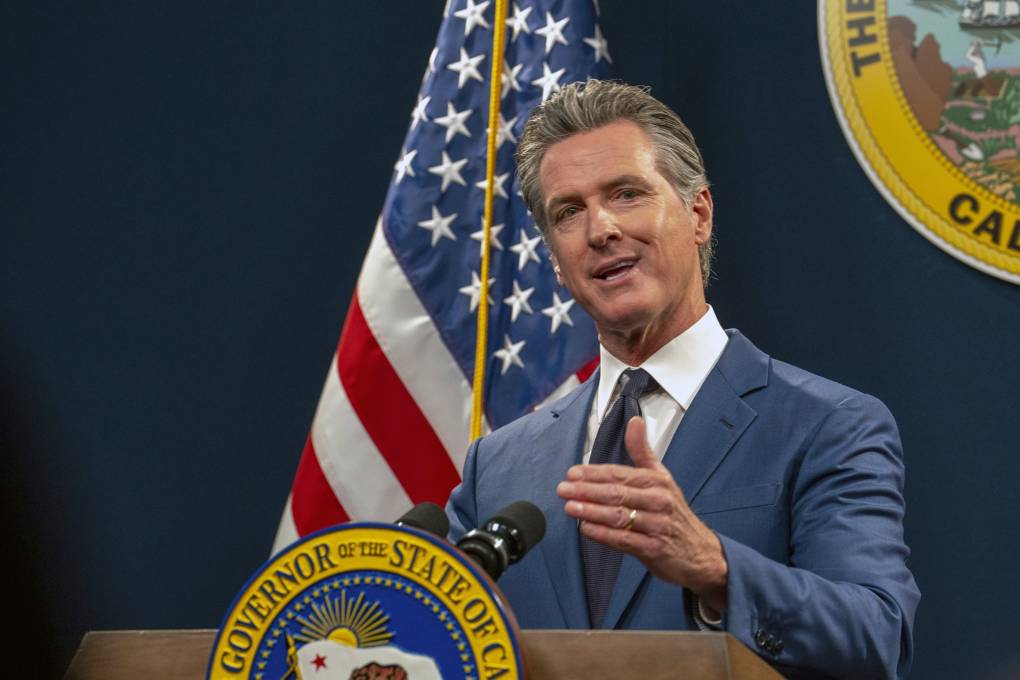
"caption": "Gov. Gavin Newsom discusses his revised 2024-25 state budget during a news conference in Sacramento, California, on May 10, 2024. After months of trying to balance confrontation and collaboration, Newsom seized a volatile moment on Tuesday to speak not just to California but to the nation.",
"credit": "Rich Pedroncelli/AP Photo",
"altTag": null,
"description": null,
"imgSizes": {
"medium": {
"file": "https://cdn.kqed.org/wp-content/uploads/sites/10/2025/04/GavinNewsom1AP-800x533.jpg",
"width": 800,
"height": 533,
"mimeType": "image/jpeg"
},
"large": {
"file": "https://cdn.kqed.org/wp-content/uploads/sites/10/2025/04/GavinNewsom1AP-1020x680.jpg",
"width": 1020,
"height": 680,
"mimeType": "image/jpeg"
},
"thumbnail": {
"file": "https://cdn.kqed.org/wp-content/uploads/sites/10/2025/04/GavinNewsom1AP-160x107.jpg",
"width": 160,
"height": 107,
"mimeType": "image/jpeg"
},
"1536x1536": {
"file": "https://cdn.kqed.org/wp-content/uploads/sites/10/2025/04/GavinNewsom1AP-1536x1024.jpg",
"width": 1536,
"height": 1024,
"mimeType": "image/jpeg"
},
"post-thumbnail": {
"file": "https://cdn.kqed.org/wp-content/uploads/sites/10/2025/04/GavinNewsom1AP-672x372.jpg",
"width": 672,
"height": 372,
"mimeType": "image/jpeg"
},
"twentyfourteen-full-width": {
"file": "https://cdn.kqed.org/wp-content/uploads/sites/10/2025/04/GavinNewsom1AP-1038x576.jpg",
"width": 1038,
"height": 576,
"mimeType": "image/jpeg"
},
"full-width": {
"file": "https://cdn.kqed.org/wp-content/uploads/sites/10/2025/04/GavinNewsom1AP-1920x1280.jpg",
"width": 1920,
"height": 1280,
"mimeType": "image/jpeg"
},
"kqedFullSize": {
"file": "https://cdn.kqed.org/wp-content/uploads/sites/10/2025/04/GavinNewsom1AP.jpg",
"width": 2000,
"height": 1333
}
},
"fetchFailed": false,
"isLoading": false
},
"news_11966855": {
"type": "attachments",
"id": "news_11966855",
"meta": {
"index": "attachments_1716263798",
"site": "news",
"id": "11966855",
"found": true
},
"parent": 11966854,
"imgSizes": {
"twentyfourteen-full-width": {
"file": "https://cdn.kqed.org/wp-content/uploads/sites/10/2023/11/GettyImages-1783198811-1038x576.jpg",
"width": 1038,
"mimeType": "image/jpeg",
"height": 576
},
"thumbnail": {
"file": "https://cdn.kqed.org/wp-content/uploads/sites/10/2023/11/GettyImages-1783198811-160x109.jpg",
"width": 160,
"mimeType": "image/jpeg",
"height": 109
},
"post-thumbnail": {
"file": "https://cdn.kqed.org/wp-content/uploads/sites/10/2023/11/GettyImages-1783198811-672x372.jpg",
"width": 672,
"mimeType": "image/jpeg",
"height": 372
},
"kqedFullSize": {
"file": "https://cdn.kqed.org/wp-content/uploads/sites/10/2023/11/GettyImages-1783198811-scaled.jpg",
"width": 2560,
"height": 1741
},
"2048x2048": {
"file": "https://cdn.kqed.org/wp-content/uploads/sites/10/2023/11/GettyImages-1783198811-2048x1393.jpg",
"width": 2048,
"mimeType": "image/jpeg",
"height": 1393
},
"large": {
"file": "https://cdn.kqed.org/wp-content/uploads/sites/10/2023/11/GettyImages-1783198811-1020x694.jpg",
"width": 1020,
"mimeType": "image/jpeg",
"height": 694
},
"1536x1536": {
"file": "https://cdn.kqed.org/wp-content/uploads/sites/10/2023/11/GettyImages-1783198811-1536x1045.jpg",
"width": 1536,
"mimeType": "image/jpeg",
"height": 1045
},
"full-width": {
"file": "https://cdn.kqed.org/wp-content/uploads/sites/10/2023/11/GettyImages-1783198811-1920x1306.jpg",
"width": 1920,
"mimeType": "image/jpeg",
"height": 1306
},
"medium": {
"file": "https://cdn.kqed.org/wp-content/uploads/sites/10/2023/11/GettyImages-1783198811-800x544.jpg",
"width": 800,
"mimeType": "image/jpeg",
"height": 544
}
},
"publishDate": 1699542766,
"modified": 1714006872,
"caption": "Screenwriters in the SAG-AFTRA union rally outside Paramount Studios in Los Angeles on Nov. 8, 2023, the 118th day of their strike against the Hollywood studios.",
"description": null,
"title": "SAG-AFTRA And Studios Inch Closer To Deal After AI Breakthrough",
"credit": "Mario Tama/Getty Images",
"status": "inherit",
"altTag": null,
"fetchFailed": false,
"isLoading": false
},
"news_11940035": {
"type": "attachments",
"id": "news_11940035",
"meta": {
"index": "attachments_1716263798",
"site": "news",
"id": "11940035",
"found": true
},
"parent": 11940031,
"imgSizes": {
"twentyfourteen-full-width": {
"file": "https://ww2.kqed.org/app/uploads/sites/10/2023/02/RS28885_Lorena-Gonzalez-Fletcher-qut-1038x576.jpg",
"width": 1038,
"mimeType": "image/jpeg",
"height": 576
},
"thumbnail": {
"file": "https://ww2.kqed.org/app/uploads/sites/10/2023/02/RS28885_Lorena-Gonzalez-Fletcher-qut-160x90.jpg",
"width": 160,
"mimeType": "image/jpeg",
"height": 90
},
"post-thumbnail": {
"file": "https://ww2.kqed.org/app/uploads/sites/10/2023/02/RS28885_Lorena-Gonzalez-Fletcher-qut-672x372.jpg",
"width": 672,
"mimeType": "image/jpeg",
"height": 372
},
"kqedFullSize": {
"file": "https://ww2.kqed.org/app/uploads/sites/10/2023/02/RS28885_Lorena-Gonzalez-Fletcher-qut.jpg",
"width": 1920,
"height": 1080
},
"large": {
"file": "https://ww2.kqed.org/app/uploads/sites/10/2023/02/RS28885_Lorena-Gonzalez-Fletcher-qut-1020x574.jpg",
"width": 1020,
"mimeType": "image/jpeg",
"height": 574
},
"1536x1536": {
"file": "https://ww2.kqed.org/app/uploads/sites/10/2023/02/RS28885_Lorena-Gonzalez-Fletcher-qut-1536x864.jpg",
"width": 1536,
"mimeType": "image/jpeg",
"height": 864
},
"medium": {
"file": "https://ww2.kqed.org/app/uploads/sites/10/2023/02/RS28885_Lorena-Gonzalez-Fletcher-qut-800x450.jpg",
"width": 800,
"mimeType": "image/jpeg",
"height": 450
}
},
"publishDate": 1675378184,
"modified": 1675378351,
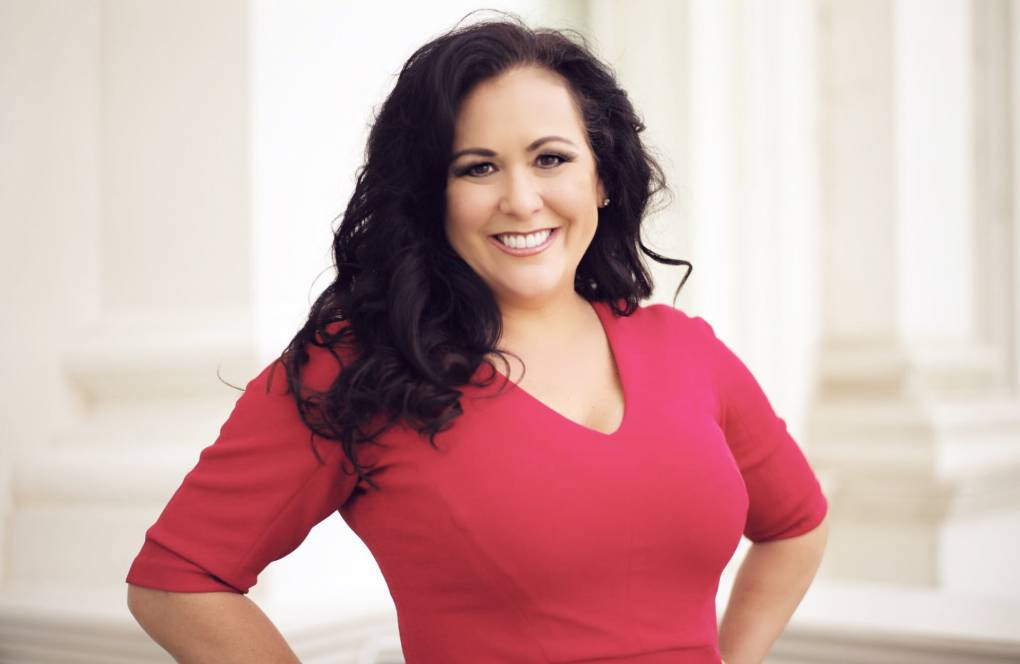
"caption": "Lorena Gonzalez Fletcher, current Executive Secretary-Treasurer of the California Labor Federation, pictured during her time as a state Assemblymember for California's 80th district.",
"description": null,
"title": "RS28885_Lorena Gonzalez Fletcher-qut",
"credit": "FRONTLINE",
"status": "inherit",
"altTag": null,
"fetchFailed": false,
"isLoading": false
},
"news_11901017": {
"type": "attachments",
"id": "news_11901017",
"meta": {
"index": "attachments_1716263798",
"site": "news",
"id": "11901017",
"found": true
},
"parent": 11901016,
"imgSizes": {
"twentyfourteen-full-width": {
"file": "https://ww2.kqed.org/app/uploads/sites/10/2022/01/RS25443_20170515_StateCapitol_Assemblymember_LorenaGonzalezFletcher_credit_BertJohnson-1-qut-1-1038x576.jpg",
"width": 1038,
"mimeType": "image/jpeg",
"height": 576
},
"thumbnail": {
"file": "https://ww2.kqed.org/app/uploads/sites/10/2022/01/RS25443_20170515_StateCapitol_Assemblymember_LorenaGonzalezFletcher_credit_BertJohnson-1-qut-1-160x107.jpg",
"width": 160,
"mimeType": "image/jpeg",
"height": 107
},
"post-thumbnail": {
"file": "https://ww2.kqed.org/app/uploads/sites/10/2022/01/RS25443_20170515_StateCapitol_Assemblymember_LorenaGonzalezFletcher_credit_BertJohnson-1-qut-1-672x372.jpg",
"width": 672,
"mimeType": "image/jpeg",
"height": 372
},
"kqedFullSize": {
"file": "https://ww2.kqed.org/app/uploads/sites/10/2022/01/RS25443_20170515_StateCapitol_Assemblymember_LorenaGonzalezFletcher_credit_BertJohnson-1-qut-1.jpg",
"width": 1920,
"height": 1280
},
"large": {
"file": "https://ww2.kqed.org/app/uploads/sites/10/2022/01/RS25443_20170515_StateCapitol_Assemblymember_LorenaGonzalezFletcher_credit_BertJohnson-1-qut-1-1020x680.jpg",
"width": 1020,
"mimeType": "image/jpeg",
"height": 680
},
"1536x1536": {
"file": "https://ww2.kqed.org/app/uploads/sites/10/2022/01/RS25443_20170515_StateCapitol_Assemblymember_LorenaGonzalezFletcher_credit_BertJohnson-1-qut-1-1536x1024.jpg",
"width": 1536,
"mimeType": "image/jpeg",
"height": 1024
},
"medium": {
"file": "https://ww2.kqed.org/app/uploads/sites/10/2022/01/RS25443_20170515_StateCapitol_Assemblymember_LorenaGonzalezFletcher_credit_BertJohnson-1-qut-1-800x533.jpg",
"width": 800,
"mimeType": "image/jpeg",
"height": 533
}
},
"publishDate": 1641511258,
"modified": 1641511335,
"caption": "Lorena Gonzalez, pictured on the floor of the state Assembly in 2017, resigned from the legislature to join the California Labor Federation.",
"description": null,
"title": "RS25443_20170515_StateCapitol_Assemblymember_LorenaGonzalezFletcher_credit_BertJohnson-1-qut (1)",
"credit": "Bert Johnson/KQED",
"status": "inherit",
"altTag": null,
"fetchFailed": false,
"isLoading": false
},
"news_11889752": {
"type": "attachments",
"id": "news_11889752",
"meta": {
"index": "attachments_1716263798",
"site": "news",
"id": "11889752",
"found": true
},
"parent": 11889701,
"imgSizes": {
"twentyfourteen-full-width": {
"file": "https://ww2.kqed.org/app/uploads/sites/10/2021/09/CalMatters1-1-1038x576.jpg",
"width": 1038,
"mimeType": "image/jpeg",
"height": 576
},
"thumbnail": {
"file": "https://ww2.kqed.org/app/uploads/sites/10/2021/09/CalMatters1-1-160x105.jpg",
"width": 160,
"mimeType": "image/jpeg",
"height": 105
},
"post-thumbnail": {
"file": "https://ww2.kqed.org/app/uploads/sites/10/2021/09/CalMatters1-1-672x372.jpg",
"width": 672,
"mimeType": "image/jpeg",
"height": 372
},
"kqedFullSize": {
"file": "https://ww2.kqed.org/app/uploads/sites/10/2021/09/CalMatters1-1.jpg",
"width": 1920,
"height": 1258
},
"large": {
"file": "https://ww2.kqed.org/app/uploads/sites/10/2021/09/CalMatters1-1-1020x668.jpg",
"width": 1020,
"mimeType": "image/jpeg",
"height": 668
},
"1536x1536": {
"file": "https://ww2.kqed.org/app/uploads/sites/10/2021/09/CalMatters1-1-1536x1006.jpg",
"width": 1536,
"mimeType": "image/jpeg",
"height": 1006
},
"medium": {
"file": "https://ww2.kqed.org/app/uploads/sites/10/2021/09/CalMatters1-1-800x524.jpg",
"width": 800,
"mimeType": "image/jpeg",
"height": 524
}
},
"publishDate": 1632432440,
"modified": 1632509505,
"caption": "Martha Garrido, a domestic worker who lives in San Francisco, was unable to work for several weeks after breaking her hand but did not have access to paid sick leave.",
"description": "Martha Garrido, a domestic worker who lives in San Francisco, was unable to work for several weeks after breaking her hand but did not have access to paid sick leave.",
"title": "CalMatters1 (1)",
"credit": "Anne Wernikoff/CalMatters",
"status": "inherit",
"altTag": "A woman in a ponytail wearing a black \"California Domestic Workers Coalition\" T-shirt gazes at the camera.",
"fetchFailed": false,
"isLoading": false
},
"news_11888896": {
"type": "attachments",
"id": "news_11888896",
"meta": {
"index": "attachments_1716263798",
"site": "news",
"id": "11888896",
"found": true
},
"parent": 11888891,
"imgSizes": {
"twentyfourteen-full-width": {
"file": "https://ww2.kqed.org/app/uploads/sites/10/2021/09/GettyImages-461843598-1038x576.jpg",
"width": 1038,
"mimeType": "image/jpeg",
"height": 576
},
"thumbnail": {
"file": "https://ww2.kqed.org/app/uploads/sites/10/2021/09/GettyImages-461843598-160x110.jpg",
"width": 160,
"mimeType": "image/jpeg",
"height": 110
},
"post-thumbnail": {
"file": "https://ww2.kqed.org/app/uploads/sites/10/2021/09/GettyImages-461843598-672x372.jpg",
"width": 672,
"mimeType": "image/jpeg",
"height": 372
},
"kqedFullSize": {
"file": "https://ww2.kqed.org/app/uploads/sites/10/2021/09/GettyImages-461843598-scaled.jpg",
"width": 2560,
"height": 1765
},
"2048x2048": {
"file": "https://ww2.kqed.org/app/uploads/sites/10/2021/09/GettyImages-461843598-2048x1412.jpg",
"width": 2048,
"mimeType": "image/jpeg",
"height": 1412
},
"large": {
"file": "https://ww2.kqed.org/app/uploads/sites/10/2021/09/GettyImages-461843598-1020x703.jpg",
"width": 1020,
"mimeType": "image/jpeg",
"height": 703
},
"1536x1536": {
"file": "https://ww2.kqed.org/app/uploads/sites/10/2021/09/GettyImages-461843598-1536x1059.jpg",
"width": 1536,
"mimeType": "image/jpeg",
"height": 1059
},
"full-width": {
"file": "https://ww2.kqed.org/app/uploads/sites/10/2021/09/GettyImages-461843598-1920x1324.jpg",
"width": 1920,
"mimeType": "image/jpeg",
"height": 1324
},
"medium": {
"file": "https://ww2.kqed.org/app/uploads/sites/10/2021/09/GettyImages-461843598-800x551.jpg",
"width": 800,
"mimeType": "image/jpeg",
"height": 551
}
},
"publishDate": 1631829938,
"modified": 1649857883,
"caption": null,
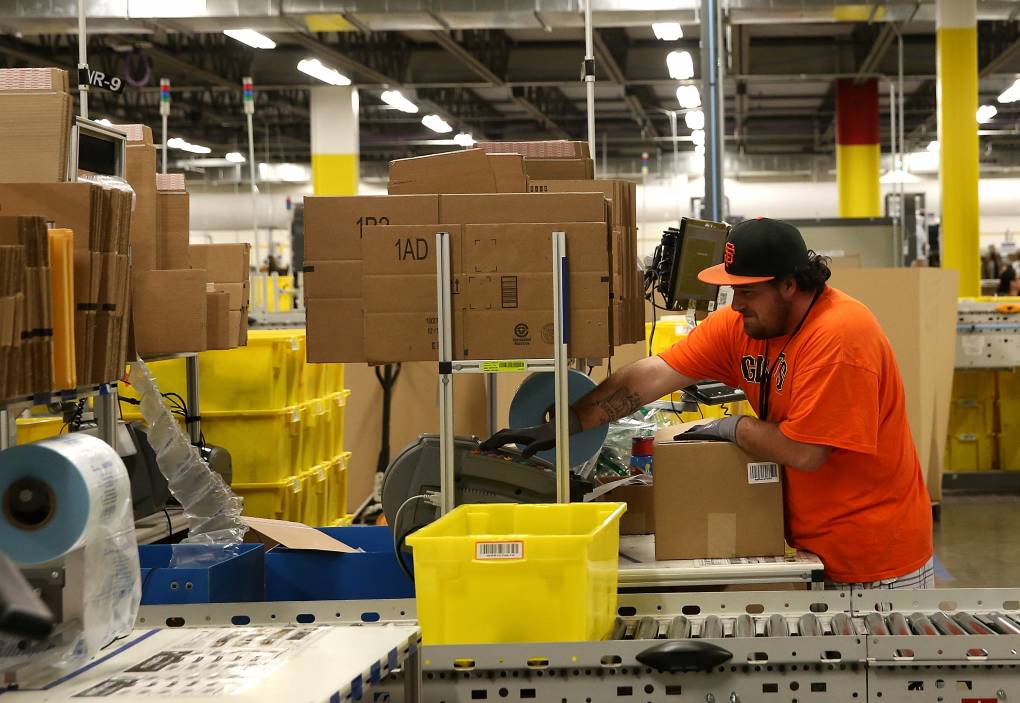
"description": "An Amazon.com worker packs orders at an Amazon fulfillment center in Tracy, California. Under AB 791, warehouses will be required to disclose to employees and government agencies the quotas and metrics used to track workers. It would also ban penalties for “time off-task”, which discourage workers from using the bathroom or taking other necessary breaks. ",
"title": "Grand Opening Of Amazon Fulfillment Center Features State Of The Art Technology",
"credit": "Justin Sullivan/Getty Images",
"status": "inherit",
"altTag": "A man in an orange shirt and a baseball hat packs boxes.",
"fetchFailed": false,
"isLoading": false
},
"news_11881050": {
"type": "attachments",
"id": "news_11881050",
"meta": {
"index": "attachments_1716263798",
"site": "news",
"id": "11881050",
"found": true
},
"parent": 11881047,
"imgSizes": {
"twentyfourteen-full-width": {
"file": "https://ww2.kqed.org/app/uploads/sites/10/2021/07/070821_FamilyLeave_AW_sized_08-1-1038x576.jpg",
"width": 1038,
"mimeType": "image/jpeg",
"height": 576
},
"thumbnail": {
"file": "https://ww2.kqed.org/app/uploads/sites/10/2021/07/070821_FamilyLeave_AW_sized_08-1-160x107.jpg",
"width": 160,
"mimeType": "image/jpeg",
"height": 107
},
"post-thumbnail": {
"file": "https://ww2.kqed.org/app/uploads/sites/10/2021/07/070821_FamilyLeave_AW_sized_08-1-672x372.jpg",
"width": 672,
"mimeType": "image/jpeg",
"height": 372
},
"kqedFullSize": {
"file": "https://ww2.kqed.org/app/uploads/sites/10/2021/07/070821_FamilyLeave_AW_sized_08-1.jpg",
"width": 1410,
"height": 939
},
"large": {
"file": "https://ww2.kqed.org/app/uploads/sites/10/2021/07/070821_FamilyLeave_AW_sized_08-1-1020x679.jpg",
"width": 1020,
"mimeType": "image/jpeg",
"height": 679
},
"medium": {
"file": "https://ww2.kqed.org/app/uploads/sites/10/2021/07/070821_FamilyLeave_AW_sized_08-1-800x533.jpg",
"width": 800,
"mimeType": "image/jpeg",
"height": 533
}
},
"publishDate": 1626205890,
"modified": 1626289655,
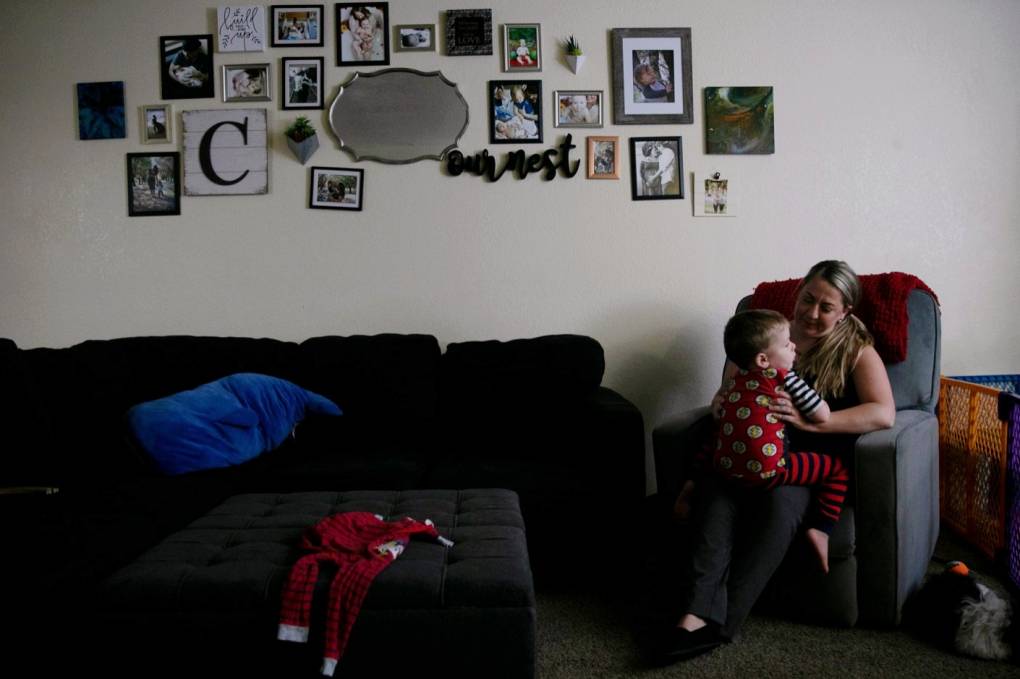
"caption": "Miranda Griswold cuddles her 3-year-old, Rhys, before bedtime at their Merced home on July 8, 2021. 'Six weeks is nothing,' Griswold said of the current family leave allotment. 'It’s barely time to recover [from C-section] and on top of navigating breast feeding.'",
"description": "Miranda Griswold cuddles her three-year-old, Rhys, before bedtime at their Merced home on July 8, 2021. “Six weeks is nothing,” Griswold said of the current family leave allotment. “It’s barely time to recover [from C-section] and on top of navigating breast feeding.”",
"title": "070821_FamilyLeave_AW_sized_08 (1)",
"credit": "Anne Wernikoff/CalMatters",
"status": "inherit",
"altTag": "An adult with blond hair sits on a couch and carries an infant. Both are in a dark living room. There are many photos hung on the wall besides them.",
"fetchFailed": false,
"isLoading": false
},
"news_11840179": {
"type": "attachments",
"id": "news_11840179",
"meta": {
"index": "attachments_1716263798",
"site": "news",
"id": "11840179",
"found": true
},
"parent": 11840177,
"imgSizes": {
"apple_news_ca_landscape_5_5": {
"file": "https://ww2.kqed.org/app/uploads/sites/10/2020/09/RS30879_SeaLevel_014-qut-1044x783.jpg",
"width": 1044,
"mimeType": "image/jpeg",
"height": 783
},
"apple_news_ca_square_4_0": {
"file": "https://ww2.kqed.org/app/uploads/sites/10/2020/09/RS30879_SeaLevel_014-qut-470x470.jpg",
"width": 470,
"mimeType": "image/jpeg",
"height": 470
},
"twentyfourteen-full-width": {
"file": "https://ww2.kqed.org/app/uploads/sites/10/2020/09/RS30879_SeaLevel_014-qut-1038x576.jpg",
"width": 1038,
"mimeType": "image/jpeg",
"height": 576
},
"thumbnail": {
"file": "https://ww2.kqed.org/app/uploads/sites/10/2020/09/RS30879_SeaLevel_014-qut-160x107.jpg",
"width": 160,
"mimeType": "image/jpeg",
"height": 107
},
"post-thumbnail": {
"file": "https://ww2.kqed.org/app/uploads/sites/10/2020/09/RS30879_SeaLevel_014-qut-672x372.jpg",
"width": 672,
"mimeType": "image/jpeg",
"height": 372
},
"kqedFullSize": {
"file": "https://ww2.kqed.org/app/uploads/sites/10/2020/09/RS30879_SeaLevel_014-qut.jpg",
"width": 1920,
"height": 1280
},
"apple_news_ca_landscape_4_7": {
"file": "https://ww2.kqed.org/app/uploads/sites/10/2020/09/RS30879_SeaLevel_014-qut-632x474.jpg",
"width": 632,
"mimeType": "image/jpeg",
"height": 474
},
"large": {
"file": "https://ww2.kqed.org/app/uploads/sites/10/2020/09/RS30879_SeaLevel_014-qut-1020x680.jpg",
"width": 1020,
"mimeType": "image/jpeg",
"height": 680
},
"apple_news_ca_landscape_4_0": {
"file": "https://ww2.kqed.org/app/uploads/sites/10/2020/09/RS30879_SeaLevel_014-qut-536x402.jpg",
"width": 536,
"mimeType": "image/jpeg",
"height": 402
},
"apple_news_ca_portrait_12_9": {
"file": "https://ww2.kqed.org/app/uploads/sites/10/2020/09/RS30879_SeaLevel_014-qut-1122x1280.jpg",
"width": 1122,
"mimeType": "image/jpeg",
"height": 1280
},
"medium": {
"file": "https://ww2.kqed.org/app/uploads/sites/10/2020/09/RS30879_SeaLevel_014-qut-800x533.jpg",
"width": 800,
"mimeType": "image/jpeg",
"height": 533
},
"apple_news_ca_portrait_4_0": {
"file": "https://ww2.kqed.org/app/uploads/sites/10/2020/09/RS30879_SeaLevel_014-qut-354x472.jpg",
"width": 354,
"mimeType": "image/jpeg",
"height": 472
},
"apple_news_ca_portrait_9_7": {
"file": "https://ww2.kqed.org/app/uploads/sites/10/2020/09/RS30879_SeaLevel_014-qut-840x1120.jpg",
"width": 840,
"mimeType": "image/jpeg",
"height": 1120
},
"apple_news_ca_landscape_12_9": {
"file": "https://ww2.kqed.org/app/uploads/sites/10/2020/09/RS30879_SeaLevel_014-qut-1832x1280.jpg",
"width": 1832,
"mimeType": "image/jpeg",
"height": 1280
},
"apple_news_ca_square_9_7": {
"file": "https://ww2.kqed.org/app/uploads/sites/10/2020/09/RS30879_SeaLevel_014-qut-1104x1104.jpg",
"width": 1104,
"mimeType": "image/jpeg",
"height": 1104
},
"1536x1536": {
"file": "https://ww2.kqed.org/app/uploads/sites/10/2020/09/RS30879_SeaLevel_014-qut-1536x1024.jpg",
"width": 1536,
"mimeType": "image/jpeg",
"height": 1024
},
"apple_news_ca_portrait_4_7": {
"file": "https://ww2.kqed.org/app/uploads/sites/10/2020/09/RS30879_SeaLevel_014-qut-414x552.jpg",
"width": 414,
"mimeType": "image/jpeg",
"height": 552
},
"apple_news_ca_square_12_9": {
"file": "https://ww2.kqed.org/app/uploads/sites/10/2020/09/RS30879_SeaLevel_014-qut-1472x1280.jpg",
"width": 1472,
"mimeType": "image/jpeg",
"height": 1280
},
"apple_news_ca_portrait_5_5": {
"file": "https://ww2.kqed.org/app/uploads/sites/10/2020/09/RS30879_SeaLevel_014-qut-687x916.jpg",
"width": 687,
"mimeType": "image/jpeg",
"height": 916
},
"apple_news_ca_square_4_7": {
"file": "https://ww2.kqed.org/app/uploads/sites/10/2020/09/RS30879_SeaLevel_014-qut-550x550.jpg",
"width": 550,
"mimeType": "image/jpeg",
"height": 550
},
"apple_news_ca_landscape_9_7": {
"file": "https://ww2.kqed.org/app/uploads/sites/10/2020/09/RS30879_SeaLevel_014-qut-1376x1032.jpg",
"width": 1376,
"mimeType": "image/jpeg",
"height": 1032
},
"apple_news_ca_square_5_5": {
"file": "https://ww2.kqed.org/app/uploads/sites/10/2020/09/RS30879_SeaLevel_014-qut-912x912.jpg",
"width": 912,
"mimeType": "image/jpeg",
"height": 912
}
},
"publishDate": 1601403728,
"modified": 1601403899,
"caption": "California is allowing outdoor playgrounds to reopen on Sept. 29, 2020.",
"description": null,
"title": "SEALEVEL",
"credit": "Lauren Hanussak/KQED",
"status": "inherit",
"fetchFailed": false,
"isLoading": false
},
"news_11834849": {
"type": "attachments",
"id": "news_11834849",
"meta": {
"index": "attachments_1716263798",
"site": "news",
"id": "11834849",
"found": true
},
"parent": 11834847,
"imgSizes": {
"apple_news_ca_landscape_5_5": {
"file": "https://ww2.kqed.org/app/uploads/sites/10/2020/08/RS44519_Lorena-Gonzalez-qut-1044x783.jpg",
"width": 1044,
"mimeType": "image/jpeg",
"height": 783
},
"apple_news_ca_square_4_0": {
"file": "https://ww2.kqed.org/app/uploads/sites/10/2020/08/RS44519_Lorena-Gonzalez-qut-470x470.jpg",
"width": 470,
"mimeType": "image/jpeg",
"height": 470
},
"twentyfourteen-full-width": {
"file": "https://ww2.kqed.org/app/uploads/sites/10/2020/08/RS44519_Lorena-Gonzalez-qut-1038x576.jpg",
"width": 1038,
"mimeType": "image/jpeg",
"height": 576
},
"thumbnail": {
"file": "https://ww2.kqed.org/app/uploads/sites/10/2020/08/RS44519_Lorena-Gonzalez-qut-160x104.jpg",
"width": 160,
"mimeType": "image/jpeg",
"height": 104
},
"post-thumbnail": {
"file": "https://ww2.kqed.org/app/uploads/sites/10/2020/08/RS44519_Lorena-Gonzalez-qut-672x372.jpg",
"width": 672,
"mimeType": "image/jpeg",
"height": 372
},
"kqedFullSize": {
"file": "https://ww2.kqed.org/app/uploads/sites/10/2020/08/RS44519_Lorena-Gonzalez-qut.jpg",
"width": 1920,
"height": 1250
},
"apple_news_ca_landscape_4_7": {
"file": "https://ww2.kqed.org/app/uploads/sites/10/2020/08/RS44519_Lorena-Gonzalez-qut-632x474.jpg",
"width": 632,
"mimeType": "image/jpeg",
"height": 474
},
"large": {
"file": "https://ww2.kqed.org/app/uploads/sites/10/2020/08/RS44519_Lorena-Gonzalez-qut-1020x664.jpg",
"width": 1020,
"mimeType": "image/jpeg",
"height": 664
},
"apple_news_ca_landscape_4_0": {
"file": "https://ww2.kqed.org/app/uploads/sites/10/2020/08/RS44519_Lorena-Gonzalez-qut-536x402.jpg",
"width": 536,
"mimeType": "image/jpeg",
"height": 402
},
"apple_news_ca_portrait_12_9": {
"file": "https://ww2.kqed.org/app/uploads/sites/10/2020/08/RS44519_Lorena-Gonzalez-qut-1122x1250.jpg",
"width": 1122,
"mimeType": "image/jpeg",
"height": 1250
},
"medium": {
"file": "https://ww2.kqed.org/app/uploads/sites/10/2020/08/RS44519_Lorena-Gonzalez-qut-800x521.jpg",
"width": 800,
"mimeType": "image/jpeg",
"height": 521
},
"apple_news_ca_portrait_4_0": {
"file": "https://ww2.kqed.org/app/uploads/sites/10/2020/08/RS44519_Lorena-Gonzalez-qut-354x472.jpg",
"width": 354,
"mimeType": "image/jpeg",
"height": 472
},
"apple_news_ca_portrait_9_7": {
"file": "https://ww2.kqed.org/app/uploads/sites/10/2020/08/RS44519_Lorena-Gonzalez-qut-840x1120.jpg",
"width": 840,
"mimeType": "image/jpeg",
"height": 1120
},
"apple_news_ca_landscape_12_9": {
"file": "https://ww2.kqed.org/app/uploads/sites/10/2020/08/RS44519_Lorena-Gonzalez-qut-1832x1250.jpg",
"width": 1832,
"mimeType": "image/jpeg",
"height": 1250
},
"apple_news_ca_square_9_7": {
"file": "https://ww2.kqed.org/app/uploads/sites/10/2020/08/RS44519_Lorena-Gonzalez-qut-1104x1104.jpg",
"width": 1104,
"mimeType": "image/jpeg",
"height": 1104
},
"1536x1536": {
"file": "https://ww2.kqed.org/app/uploads/sites/10/2020/08/RS44519_Lorena-Gonzalez-qut-1536x1000.jpg",
"width": 1536,
"mimeType": "image/jpeg",
"height": 1000
},
"apple_news_ca_portrait_4_7": {
"file": "https://ww2.kqed.org/app/uploads/sites/10/2020/08/RS44519_Lorena-Gonzalez-qut-414x552.jpg",
"width": 414,
"mimeType": "image/jpeg",
"height": 552
},
"apple_news_ca_square_12_9": {
"file": "https://ww2.kqed.org/app/uploads/sites/10/2020/08/RS44519_Lorena-Gonzalez-qut-1472x1250.jpg",
"width": 1472,
"mimeType": "image/jpeg",
"height": 1250
},
"apple_news_ca_portrait_5_5": {
"file": "https://ww2.kqed.org/app/uploads/sites/10/2020/08/RS44519_Lorena-Gonzalez-qut-687x916.jpg",
"width": 687,
"mimeType": "image/jpeg",
"height": 916
},
"apple_news_ca_square_4_7": {
"file": "https://ww2.kqed.org/app/uploads/sites/10/2020/08/RS44519_Lorena-Gonzalez-qut-550x550.jpg",
"width": 550,
"mimeType": "image/jpeg",
"height": 550
},
"apple_news_ca_landscape_9_7": {
"file": "https://ww2.kqed.org/app/uploads/sites/10/2020/08/RS44519_Lorena-Gonzalez-qut-1376x1032.jpg",
"width": 1376,
"mimeType": "image/jpeg",
"height": 1032
},
"apple_news_ca_square_5_5": {
"file": "https://ww2.kqed.org/app/uploads/sites/10/2020/08/RS44519_Lorena-Gonzalez-qut-912x912.jpg",
"width": 912,
"mimeType": "image/jpeg",
"height": 912
}
},
"publishDate": 1598293861,
"modified": 1598481875,
"caption": "California Assemblymember Lorena Gonzalez shares a childhood memory that impacted her.",
"description": "California Assemblywoman Lorena Gonzalez ",
"title": "RS44519_Lorena Gonzalez-qut",
"credit": "Courtesy Lorena Gonzalez",
"status": "inherit",
"fetchFailed": false,
"isLoading": false
}
},
"audioPlayerReducer": {
"postId": "stream_live",
"isPaused": true,
"isPlaying": false,
"pfsActive": false,
"pledgeModalIsOpen": true,
"playerDrawerIsOpen": false
},
"authorsReducer": {
"byline_news_11889701": {
"type": "authors",
"id": "byline_news_11889701",
"meta": {
"override": true
},
"slug": "byline_news_11889701",
"name": "Sameea Kamal\u003cbr>CalMatters",
"isLoading": false
},
"byline_news_11881047": {
"type": "authors",
"id": "byline_news_11881047",
"meta": {
"override": true
},
"slug": "byline_news_11881047",
"name": "\u003ca href=\"https://calmatters.org/author/sameea-kamal/\">Sameea Kamal\u003c/a>",
"isLoading": false
},
"byline_news_11840177": {
"type": "authors",
"id": "byline_news_11840177",
"meta": {
"override": true
},
"slug": "byline_news_11840177",
"name": "\u003ca href=\"https://www.kpbs.org/staff/claire-trageser/\">Claire Trageser\u003c/a>\u003cbr>KPBS",
"isLoading": false
},
"gmarzorati": {
"type": "authors",
"id": "227",
"meta": {
"index": "authors_1716337520",
"id": "227",
"found": true
},
"name": "Guy Marzorati",
"firstName": "Guy",
"lastName": "Marzorati",
"slug": "gmarzorati",
"email": "gmarzorati@KQED.org",
"display_author_email": true,
"staff_mastheads": [
"news"
],
"title": "Correspondent",
"bio": "Guy Marzorati is a correspondent on KQED's California Politics and Government Desk, based in San Jose. A graduate of Santa Clara University, Guy joined KQED in 2013. He reports on state and local politics and produces KQED's digital voter guide.",
"avatar": "https://secure.gravatar.com/avatar/e7038b8dbfd55b104369b76b1cd0b9de?s=600&d=blank&r=g",
"twitter": "guymarzorati",
"facebook": null,
"instagram": null,
"linkedin": null,
"sites": [
{
"site": "",
"roles": [
"editor"
]
},
{
"site": "news",
"roles": [
"editor"
]
},
{
"site": "science",
"roles": [
"editor"
]
},
{
"site": "forum",
"roles": [
"editor"
]
},
{
"site": "elections",
"roles": [
"editor"
]
},
{
"site": "liveblog",
"roles": [
"editor"
]
}
],
"headData": {
"title": "Guy Marzorati | KQED",
"description": "Correspondent",
"ogImgSrc": "https://secure.gravatar.com/avatar/e7038b8dbfd55b104369b76b1cd0b9de?s=600&d=blank&r=g",
"twImgSrc": "https://secure.gravatar.com/avatar/e7038b8dbfd55b104369b76b1cd0b9de?s=600&d=blank&r=g"
},
"isLoading": false,
"link": "/author/gmarzorati"
},
"rachael-myrow": {
"type": "authors",
"id": "251",
"meta": {
"index": "authors_1716337520",
"id": "251",
"found": true
},
"name": "Rachael Myrow",
"firstName": "Rachael",
"lastName": "Myrow",
"slug": "rachael-myrow",
"email": "rmyrow@kqed.org",
"display_author_email": true,
"staff_mastheads": [
"news"
],
"title": "Senior Editor of KQED's Silicon Valley News Desk",
"bio": "• I write and edit stories about how Silicon Valley power and policies shape everyday life in California. I’m also passionate about making Bay Area history and culture more accessible to a broad public. • I’ve been a journalist for most of my life, starting in high school with The Franklin Press in Los Angeles, where I grew up. While earning my first degree in English at UC Berkeley, I got my start in public radio at KALX-FM. After completing a second degree in journalism at Cal, I landed my first professional job at Marketplace, then moved on to KPCC (now LAist), and then KQED, where I hosted The California Report for more than seven years. • My reporting has appeared on NPR, The World, WBUR’s \u003ci>Here & Now\u003c/i>, and the BBC. I also guest host for KQED’s \u003ci>Forum\u003c/i>, as well as the Commonwealth Club in San Francisco. • I speak periodically on media, democracy and technology issues, and do voiceover work for documentaries and educational video projects. • Outside of the studio, you'll find me hiking Bay Area trails and whipping up Insta-ready meals in my kitchen. • I do not accept gifts, money, or favors from anyone connected to my reporting, I don't pay people for information, and I do not support or donate to political causes. • I strive to treat the people I report on with fairness, honesty, and respect. I also recognize there are often multiple sides to a story and work to verify information through multiple sources and documentation. If I get something wrong, I correct it.",
"avatar": "https://secure.gravatar.com/avatar/87bf8cb5874e045cdff430523a6d48b1?s=600&d=blank&r=g",
"twitter": "rachaelmyrow",
"facebook": null,
"instagram": null,
"linkedin": "https://www.linkedin.com/in/rachaelmyrow/",
"sites": [
{
"site": "arts",
"roles": [
"administrator"
]
},
{
"site": "news",
"roles": [
"edit_others_posts",
"editor"
]
},
{
"site": "futureofyou",
"roles": [
"editor"
]
},
{
"site": "bayareabites",
"roles": [
"editor"
]
},
{
"site": "stateofhealth",
"roles": [
"editor"
]
},
{
"site": "science",
"roles": [
"editor"
]
},
{
"site": "food",
"roles": [
"editor"
]
},
{
"site": "forum",
"roles": [
"editor"
]
},
{
"site": "liveblog",
"roles": [
"author"
]
}
],
"headData": {
"title": "Rachael Myrow | KQED",
"description": "Senior Editor of KQED's Silicon Valley News Desk",
"ogImgSrc": "https://secure.gravatar.com/avatar/87bf8cb5874e045cdff430523a6d48b1?s=600&d=blank&r=g",
"twImgSrc": "https://secure.gravatar.com/avatar/87bf8cb5874e045cdff430523a6d48b1?s=600&d=blank&r=g"
},
"isLoading": false,
"link": "/author/rachael-myrow"
},
"scottshafer": {
"type": "authors",
"id": "255",
"meta": {
"index": "authors_1716337520",
"id": "255",
"found": true
},
"name": "Scott Shafer",
"firstName": "Scott",
"lastName": "Shafer",
"slug": "scottshafer",
"email": "sshafer@kqed.org",
"display_author_email": false,
"staff_mastheads": [
"news"
],
"title": "KQED Contributor",
"bio": "Scott Shafer is a senior editor with the KQED Politics and Government desk. He is co-host of Political Breakdown, the award-winning radio show and podcast with a personal take on the world of politics. Scott came to KQED in 1998 to host the statewide\u003cem> California Report\u003c/em>. Prior to that he had extended stints in politics and government\u003cem>.\u003c/em> He uses that inside experience at KQED in his, reporting, hosting and analysis for the politics desk. Scott collaborated \u003cem>Political Breakdown a\u003c/em>nd on \u003cem>The Political Mind of Jerry Brown, \u003c/em>an eight-part series about the life and extraordinary political career of the former governor. For fun, he plays water polo with the San Francisco Tsunami.",
"avatar": "https://secure.gravatar.com/avatar/a62ebae45b79d7aed1a39a0e3bf68104?s=600&d=blank&r=g",
"twitter": "scottshafer",
"bluesky": null,
"facebook": null,
"instagram": null,
"linkedin": null,
"sites": [
{
"site": "news",
"roles": [
"editor"
]
},
{
"site": "stateofhealth",
"roles": [
"author"
]
},
{
"site": "science",
"roles": [
"author"
]
},
{
"site": "forum",
"roles": [
"subscriber"
]
},
{
"site": "liveblog",
"roles": [
"author"
]
}
],
"headData": {
"title": "Scott Shafer | KQED",
"description": "KQED Contributor",
"ogImgSrc": "https://secure.gravatar.com/avatar/a62ebae45b79d7aed1a39a0e3bf68104?s=600&d=blank&r=g",
"twImgSrc": "https://secure.gravatar.com/avatar/a62ebae45b79d7aed1a39a0e3bf68104?s=600&d=blank&r=g"
},
"isLoading": false,
"link": "/author/scottshafer"
},
"mlagos": {
"type": "authors",
"id": "3239",
"meta": {
"index": "authors_1716337520",
"id": "3239",
"found": true
},
"name": "Marisa Lagos",
"firstName": "Marisa",
"lastName": "Lagos",
"slug": "mlagos",
"email": "mlagos@kqed.org",
"display_author_email": false,
"staff_mastheads": [
"news"
],
"title": "KQED Contributor",
"bio": "Marisa Lagos is a correspondent for KQED’s California Politics and Government Desk and co-hosts the award-winning show and podcast, Political Breakdown. At KQED, Lagos also conducts reporting, analysis and investigations into state, local and national politics for radio, TV, online and onstage. In 2022, she and co-host, Scott Shafer, moderated the only gubernatorial debate in California. In 2020, the \u003ci>Washington Post\u003c/i> named her one of the top political journalists in California; she was nominated for a Peabody and won several other awards for her work investigating the 2017 California wildfires. She has worked at the \u003ci>San Francisco Chronicle\u003c/i>, \u003ci>San Francisco Examiner\u003c/i> and \u003ci>Los Angeles Times\u003c/i>. A UC Santa Barbara graduate, she lives in San Francisco with her two sons and husband.",
"avatar": "https://secure.gravatar.com/avatar/a261a0d3696fc066871ef96b85b5e7d2?s=600&d=blank&r=g",
"twitter": "@mlagos",
"facebook": null,
"instagram": null,
"linkedin": null,
"sites": [
{
"site": "arts",
"roles": [
"author"
]
},
{
"site": "news",
"roles": [
"editor"
]
},
{
"site": "science",
"roles": [
"editor"
]
},
{
"site": "forum",
"roles": [
"author"
]
},
{
"site": "liveblog",
"roles": [
"author"
]
}
],
"headData": {
"title": "Marisa Lagos | KQED",
"description": "KQED Contributor",
"ogImgSrc": "https://secure.gravatar.com/avatar/a261a0d3696fc066871ef96b85b5e7d2?s=600&d=blank&r=g",
"twImgSrc": "https://secure.gravatar.com/avatar/a261a0d3696fc066871ef96b85b5e7d2?s=600&d=blank&r=g"
},
"isLoading": false,
"link": "/author/mlagos"
},
"cveltman": {
"type": "authors",
"id": "8608",
"meta": {
"index": "authors_1716337520",
"id": "8608",
"found": true
},
"name": "Chloe Veltman",
"firstName": "Chloe",
"lastName": "Veltman",
"slug": "cveltman",
"email": "cveltman@kqed.org",
"display_author_email": true,
"staff_mastheads": [],
"title": "Arts and Culture Reporter",
"bio": "Chloe Veltman is a former arts and culture reporter for KQED. Prior to joining the organization, she launched and led the arts bureau at Colorado Public Radio, served as the Bay Area's culture columnist for the New York Times, and was the founder, host and executive producer of VoiceBox, a national award-winning weekly podcast/radio show and live events series all about the human voice. Chloe is the recipient of numerous prizes, grants and fellowships including a Webby Award for her work on interactive storytelling, both the John S Knight Journalism Fellowship and Humanities Center Fellowship at Stanford University, the Sundance Arts Writing Fellowship and a Library of Congress Research Fellowship. She is the author of the book \"On Acting\" and has appeared as a guest lecturer at Yale University and the San Francisco Conservatory of Music among other institutions. She holds a BA in english literature from King's College, Cambridge, and a Masters in Dramaturgy from the Central School of Speech and Drama/Harvard Institute for Advanced Theater Training.\r\n\u003ca href=\"https://www.chloeveltman.com\">www.chloeveltman.com\u003c/a>",
"avatar": "https://secure.gravatar.com/avatar/55403394b00a1ddab683952c2eb2cf85?s=600&d=blank&r=g",
"twitter": "chloeveltman",
"facebook": null,
"instagram": null,
"linkedin": null,
"sites": [
{
"site": "arts",
"roles": []
},
{
"site": "news",
"roles": [
"author"
]
},
{
"site": "pop",
"roles": [
"editor"
]
},
{
"site": "science",
"roles": []
}
],
"headData": {
"title": "Chloe Veltman | KQED",
"description": "Arts and Culture Reporter",
"ogImgSrc": "https://secure.gravatar.com/avatar/55403394b00a1ddab683952c2eb2cf85?s=600&d=blank&r=g",
"twImgSrc": "https://secure.gravatar.com/avatar/55403394b00a1ddab683952c2eb2cf85?s=600&d=blank&r=g"
},
"isLoading": false,
"link": "/author/cveltman"
},
"fjhabvala": {
"type": "authors",
"id": "8659",
"meta": {
"index": "authors_1716337520",
"id": "8659",
"found": true
},
"name": "Farida Jhabvala Romero",
"firstName": "Farida",
"lastName": "Jhabvala Romero",
"slug": "fjhabvala",
"email": "fjhabvala@kqed.org",
"display_author_email": true,
"staff_mastheads": [
"news"
],
"title": "KQED Contributor",
"bio": "\u003cspan style=\"font-weight: 400;\">Farida Jhabvala Romero is a Labor Correspondent for KQED. She previously covered immigration. Farida was \u003ca href=\"https://www.ccnma.org/2022-most-influential-latina-journalists\">named\u003c/a> one of the 10 Most Influential Latina Journalists in California in 2022 by the California Chicano News Media Association. Her work has won awards from the Society of Professional Journalists (Northern California), as well as a national and regional Edward M. Murrow Award for the collaborative reporting projects “Dangerous Air” and “Graying California.” \u003c/span>\u003cspan style=\"font-weight: 400;\">Before joining KQED, Farida worked as a producer at Radio Bilingüe, a national public radio network. Farida earned her master’s degree in journalism from Stanford University.\u003c/span>",
"avatar": "https://secure.gravatar.com/avatar/c3ab27c5554b67b478f80971e515aa02?s=600&d=blank&r=g",
"twitter": "FaridaJhabvala",
"facebook": null,
"instagram": null,
"linkedin": "https://www.linkedin.com/in/faridajhabvala/",
"sites": [
{
"site": "news",
"roles": [
"editor"
]
},
{
"site": "stateofhealth",
"roles": [
"author"
]
}
],
"headData": {
"title": "Farida Jhabvala Romero | KQED",
"description": "KQED Contributor",
"ogImgSrc": "https://secure.gravatar.com/avatar/c3ab27c5554b67b478f80971e515aa02?s=600&d=blank&r=g",
"twImgSrc": "https://secure.gravatar.com/avatar/c3ab27c5554b67b478f80971e515aa02?s=600&d=blank&r=g"
},
"isLoading": false,
"link": "/author/fjhabvala"
}
},
"breakingNewsReducer": {},
"pagesReducer": {},
"postsReducer": {
"stream_live": {
"type": "live",
"id": "stream_live",
"audioUrl": "https://streams.kqed.org/kqedradio",
"title": "Live Stream",
"excerpt": "Live Stream information currently unavailable.",
"link": "/radio",
"featImg": "",
"label": {
"name": "KQED Live",
"link": "/"
}
},
"stream_kqedNewscast": {
"type": "posts",
"id": "stream_kqedNewscast",
"audioUrl": "https://www.kqed.org/.stream/anon/radio/RDnews/newscast.mp3?_=1",
"title": "KQED Newscast",
"featImg": "",
"label": {
"name": "88.5 FM",
"link": "/"
}
},
"news_12043766": {
"type": "posts",
"id": "news_12043766",
"meta": {
"index": "posts_1716263798",
"site": "news",
"id": "12043766",
"score": null,
"sort": [
1749690822000
]
},
"guestAuthors": [],
"slug": "newsom-tries-to-find-political-footing-in-clash-with-trump",
"title": "Newsom Tries to Find Political Footing in Clash With Trump",
"publishDate": 1749690822,
"format": "standard",
"headTitle": "Newsom Tries to Find Political Footing in Clash With Trump | KQED",
"labelTerm": {
"site": "news"
},
"content": "\u003cp>Facing a gaping budget hole, an electorate that decided his attention was elsewhere and middling reviews on Apple Podcasts, \u003ca href=\"https://www.kqed.org/news/tag/gavin-newsom\">Gov. Gavin Newsom\u003c/a> began the first half of 2025 searching for relevance and purpose.\u003c/p>\n\u003cp>That all changed this week.\u003c/p>\n\u003cp>Newsom stood before a camera on Tuesday night and delivered remarks seemingly aimed at positioning himself as President Donald Trump’s number one opponent — and perhaps the Democratic Party’s heir apparent. In \u003ca href=\"https://www.youtube.com/watch?v=8slqGnae3-U\">the nine-minute speech\u003c/a>, the governor tore into Trump’s decision \u003ca href=\"https://www.kqed.org/news/12043221/newsom-asks-trump-to-rescind-unlawful-deployment-of-troops-in-los-angeles\">to send armed troops to Los Angeles\u003c/a> in response to immigration protests in and around the city, and framed it as part of a larger power grab by the president.\u003c/p>\n\u003cp>[ad fullwidth]\u003c/p>\n\u003cp>“When Donald Trump sought blanket authority to commandeer the National Guard, he made that order apply to every state in this nation. This is about all of us. This is all about you. California may be first, but it clearly will not end here,” Newsom warned. “And other states are next. Democracy is next. Democracy is under assault before our eyes. This moment we have feared has arrived.”\u003c/p>\n\u003cp>It didn’t hurt that the confrontation with Trump gave the governor a break from a thicket of thorny issues back at the state capitol. But after months during which both the governor and Democrats more broadly have struggled to find a coherent message to push back against the president, Newsom seized a volatile moment to speak not just to California but to the nation — and seemed to find his footing.\u003c/p>\n\u003cfigure id=\"attachment_12043862\" class=\"wp-caption aligncenter\" style=\"max-width: 2000px\">\u003cimg loading=\"lazy\" decoding=\"async\" class=\"size-full wp-image-12043862\" src=\"https://cdn.kqed.org/wp-content/uploads/sites/10/2025/06/231013-IsraelRally-029-BL_qed-1.jpg\" alt=\"\" width=\"2000\" height=\"1333\" srcset=\"https://cdn.kqed.org/wp-content/uploads/sites/10/2025/06/231013-IsraelRally-029-BL_qed-1.jpg 2000w, https://cdn.kqed.org/wp-content/uploads/sites/10/2025/06/231013-IsraelRally-029-BL_qed-1-160x107.jpg 160w, https://cdn.kqed.org/wp-content/uploads/sites/10/2025/06/231013-IsraelRally-029-BL_qed-1-1536x1024.jpg 1536w\" sizes=\"auto, (max-width: 2000px) 100vw, 2000px\">\u003cfigcaption class=\"wp-caption-text\">Sen. Josh Becker speaks during a rally calling on Hamas to release hostages captured in Israel, at Civic Center Plaza, in San Francisco, on Oct. 13, 2023. \u003ccite>(Beth LaBerge/KQED)\u003c/cite>\u003c/figcaption>\u003c/figure>\n\u003cp>“He’s rising to the moment,” said state Sen. Josh Becker, a Bay Area Democrat who has known Newsom since the governor was a fresh-faced supervisor in San Francisco.\u003c/p>\n\u003cp>“I think Democrats have been looking for leadership and this is the kind of leadership they want,” Becker added. “Donald Trump is a bully. He is a bully 100% and the only way to confront a bully is to stand up to a bully, and Gavin Newsom is standing up to him right now — and I think he’s earning the admiration and appreciation of Californians and the nation.”\u003c/p>\n\u003cp>Newsom’s speech followed a dayslong legal and rhetorical battle with Trump, who took the rare step of ordering the National Guard and U.S. Marines to Los Angeles over Newsom’s objections. On Sunday, Newsom challenged Trump’s border czar Tom Homan to arrest him — “Just get it over with,” Newsom insisted — which Trump said would be a “great thing.”\u003c/p>\n\u003cp>The next day, Newsom and Attorney General Rob Bonta \u003ca href=\"https://www.kqed.org/news/12043221/newsom-asks-trump-to-rescind-unlawful-deployment-of-troops-in-los-angeles\">filed a lawsuit\u003c/a> challenging the military deployment.[aside postID=news_12043314 hero='https://cdn.kqed.org/wp-content/uploads/sites/10/2025/06/GavinNewsomRobBontaGetty.jpg']The back and forth laid bare the strange relationship between Trump and Newsom, who have at times appeared friendly, like when the president traveled to L.A. during the fires there in January. But they both have also relished using the other person as a politically convenient foil to play to their respective bases.\u003c/p>\n\u003cp>“Look, I like Gavin Newsom — he’s a nice guy, but he’s grossly incompetent,” \u003ca href=\"https://www.youtube.com/watch?v=z79YvUbDTVQ\">Trump said \u003c/a>Sunday when asked about the incendiary idea of arresting a democratically elected governor. Trump went on to say that \u003ca href=\"https://apnews.com/video/trump-praises-his-response-to-the-la-protests-we-have-it-very-well-under-control-8b132c7063884d92a2aee002bd07e8e0\">Newsom’s crime\u003c/a> was “running for governor.”\u003c/p>\n\u003cp>There have been many twists and turns over the years between Newsom and Trump.\u003c/p>\n\u003cp>In Trump’s first term, Newsom stepped forward immediately as one of the president’s most vocal Democratic critics. But this year, \u003ca href=\"https://www.kqed.org/news/12026230/after-years-of-attacks-newsom-tries-flattery-on-trump\">Newsom has treaded more carefully\u003c/a>. He has let other Democrats, namely California Attorney General Rob Bonta, take the lead on pushing back against Trump’s agenda. Some of that shift can be attributed to the devastating Los Angeles fires earlier this year and the state’s need for federal assistance.\u003c/p>\n\u003cp>But it’s also created some political problems for Newsom — and this showdown with Trump could shore up support for the governor among California Democrats, who have questioned the termed-out governor’s political intentions and policy agenda for his final 18 months in the Capitol.\u003c/p>\n\u003cfigure id=\"attachment_12040806\" class=\"wp-caption aligncenter\" style=\"max-width: 2000px\">\u003cimg loading=\"lazy\" decoding=\"async\" class=\"size-full wp-image-12040806\" src=\"https://cdn.kqed.org/wp-content/uploads/sites/10/2025/05/250506-SACRAMENTOFILE-04-BL-KQED.jpg\" alt=\"\" width=\"2000\" height=\"1333\" srcset=\"https://cdn.kqed.org/wp-content/uploads/sites/10/2025/05/250506-SACRAMENTOFILE-04-BL-KQED.jpg 2000w, https://cdn.kqed.org/wp-content/uploads/sites/10/2025/05/250506-SACRAMENTOFILE-04-BL-KQED-800x533.jpg 800w, https://cdn.kqed.org/wp-content/uploads/sites/10/2025/05/250506-SACRAMENTOFILE-04-BL-KQED-1020x680.jpg 1020w, https://cdn.kqed.org/wp-content/uploads/sites/10/2025/05/250506-SACRAMENTOFILE-04-BL-KQED-160x107.jpg 160w, https://cdn.kqed.org/wp-content/uploads/sites/10/2025/05/250506-SACRAMENTOFILE-04-BL-KQED-1536x1024.jpg 1536w, https://cdn.kqed.org/wp-content/uploads/sites/10/2025/05/250506-SACRAMENTOFILE-04-BL-KQED-1920x1280.jpg 1920w\" sizes=\"auto, (max-width: 2000px) 100vw, 2000px\">\u003cfigcaption class=\"wp-caption-text\">The California State Capitol in Sacramento on May 6, 2025. \u003ccite>(Beth LaBerge/KQED)\u003c/cite>\u003c/figcaption>\u003c/figure>\n\u003cp>Newsom’s proposal to close \u003ca href=\"https://www.kqed.org/news/12040025/newsom-blames-trump-california-budget-deficit-aims-cap-undocumented-health-care\">a projected $12 billion budget shortfall\u003c/a> rested on cuts to Medicaid coverage for undocumented residents — an idea that garnered fierce pushback from immigrant advocacy groups. A podcast he launched this year, featuring interviews with far-right figures, angered many in his own party — especially after the governor made comments that many on the left saw as throwing transgender kids under the bus.\u003c/p>\n\u003cp>And voters seemed to question whether Newsom’s eyes were wandering toward the White House. A recent poll from the UC Berkeley Institute of Governmental Studies found 54% of California voters thought Newsom was focusing more on bolstering a future run for president than on governing the state. Even Democrats were split evenly on this question of the governor’s political compass.\u003c/p>\n\u003cp>California Republican strategist Tim Rosales said the chance to climb back in the ring with Trump provides a welcome respite for Newsom from tough governing choices that could further divide the governor from his base.\u003c/p>\n\u003cp>“Anything that he can do to kind of deflect attention from some of those things and pick a fight with President Trump is certainly beneficial for him,” Rosales said. “It puts Governor Newsom back on the national stage, which is, we all know, where he wants to be and I think where he has eyes toward for 2028.”\u003c/p>\n\u003cp>That sense — that Newsom is acting out of his own interests, with an eye on his political future — has long dogged the governor.\u003c/p>\n\u003cfigure id=\"attachment_11781815\" class=\"wp-caption aligncenter\" style=\"max-width: 1920px\">\u003cimg loading=\"lazy\" decoding=\"async\" class=\"size-full wp-image-11781815\" src=\"https://cdn.kqed.org/wp-content/uploads/sites/10/2019/10/Newsom-AB5-Gonzalez-signing-1-e1571781593776.jpeg\" alt=\"Assemblywoman Lorena Gonzalez, right, and labor activists celebrate as Gov. Gavin Newsom signs the legislation, which forces companies to treat roughly 1 million contract workers as employees under California law.\" width=\"1920\" height=\"1280\">\u003cfigcaption class=\"wp-caption-text\">Assemblywoman Lorena Gonzalez, right, and labor activists celebrate as Gov. Gavin Newsom signs the legislation, which forces companies to treat roughly 1 million contract workers as employees under California law.\u003c/figcaption>\u003c/figure>\n\u003cp>But some Democrats who have clashed with Newsom in the past said they were heartened by the governor’s shift in tone and message this week.\u003c/p>\n\u003cp>“He’s stepping up in this time. He’s stepping up for Californians, and it’s something I think we were hungry for,” said California Labor Federation president Lorena Gonzalez.\u003c/p>\n\u003cp>Gonzalez is a former state Assembly member who has undertaken public policy fights with Newsom in the past. But she praised his Tuesday speech for calling out the indiscriminate nature of Trump’s immigration raids — and said the integral role of undocumented immigrants in California necessitated a response from the state’s highest officeholder.[aside postID=news_12042751 hero='https://cdn.kqed.org/wp-content/uploads/sites/10/2021/06/GettyImages-1232636077-1020x680.jpg']“There is nothing I think that Gavin Newsom has ever done to suggest that he doesn’t have that type of desire to stand up for Californians, all Californians and protect them from deportation when they’re not criminals. So I think it’s very consistent. I don’t think it is opportunist,” she said.\u003c/p>\n\u003cp>An ever-escalating confrontation is not without risk for Newsom. For one, the governor is largely responding to developments outside of his control. Trump could very well benefit politically with his own base if troops are needed to maintain order — and he could use any confrontation as justification to roll out troops in other Democratic cities, and as a pretense for further escalation nationally.\u003c/p>\n\u003cp>Newsom, by pushing back against those deployments, is betting that state and local officials can keep acts of violence or vandalism isolated and the situation in control.\u003c/p>\n\u003cp>In the meantime, the governor has joined Trump in using the events in Los Angeles to rally his political supporters.\u003c/p>\n\u003cp>On Monday, Trump’s political arm sent an email blast to backers warning of an “ATTACK ON THE HOMELAND.” Then on Wednesday, Newsom’s Campaign for Democracy PAC issued his own appeal in a text, alongside a request for $10 and $20 donations.\u003c/p>\n\u003cp>“Gavin Newsom here, asking if there is ANYTHING I can say to convince you to donate to help me continue to fight back against the attacks and threats from the Trump administration,” the text read. “I can’t do this alone.”\u003c/p>\n\u003cp>Accompanying the text was a photo of Newsom and Trump facing one another, the governor wagging his finger at the president.\u003c/p>\n\u003cp>[ad floatright]\u003c/p>\n",
"blocks": [],
"excerpt": "After months of trying to balance confrontation and collaboration, Newsom seized a volatile moment on Tuesday to speak not just to California but to the nation.",
"status": "publish",
"parent": 0,
"modified": 1749690863,
"stats": {
"hasAudio": false,
"hasVideo": false,
"hasChartOrMap": false,
"iframeSrcs": [],
"hasGoogleForm": false,
"hasGallery": false,
"hasHearkenModule": false,
"hasPolis": false,
"paragraphCount": 29,
"wordCount": 1474
},
"headData": {
"title": "Newsom Tries to Find Political Footing in Clash With Trump | KQED",
"description": "After months of trying to balance confrontation and collaboration, Newsom seized a volatile moment on Tuesday to speak not just to California but to the nation.",
"ogTitle": "",
"ogDescription": "",
"ogImgId": "",
"twTitle": "",
"twDescription": "",
"twImgId": "",
"schema": {
"@context": "https://schema.org",
"@type": "NewsArticle",
"headline": "Newsom Tries to Find Political Footing in Clash With Trump",
"datePublished": "2025-06-11T18:13:42-07:00",
"dateModified": "2025-06-11T18:14:23-07:00",
"image": "https://cdn.kqed.org/wp-content/uploads/2020/02/KQED-OG-Image@1x.png",
"isAccessibleForFree": "True",
"publisher": {
"@type": "NewsMediaOrganization",
"@id": "https://www.kqed.org/#organization",
"name": "KQED",
"logo": "https://cdn.kqed.org/wp-content/uploads/2020/02/KQED-OG-Image@1x.png",
"url": "https://www.kqed.org",
"sameAs": [
"https://www.facebook.com/KQED",
"https://twitter.com/KQED",
"https://www.instagram.com/kqed/",
"https://www.tiktok.com/@kqedofficial",
"https://www.linkedin.com/company/kqed",
"https://www.youtube.com/channel/UCeC0IOo7i1P_61zVUWbJ4nw"
]
}
}
},
"sticky": false,
"nprStoryId": "kqed-12043766",
"templateType": "standard",
"featuredImageType": "standard",
"excludeFromSiteSearch": "Include",
"articleAge": "0",
"path": "/news/12043766/newsom-tries-to-find-political-footing-in-clash-with-trump",
"audioTrackLength": null,
"parsedContent": [
{
"type": "contentString",
"content": "\u003cdiv class=\"post-body\">\u003cp>\u003cp>Facing a gaping budget hole, an electorate that decided his attention was elsewhere and middling reviews on Apple Podcasts, \u003ca href=\"https://www.kqed.org/news/tag/gavin-newsom\">Gov. Gavin Newsom\u003c/a> began the first half of 2025 searching for relevance and purpose.\u003c/p>\n\u003cp>That all changed this week.\u003c/p>\n\u003cp>Newsom stood before a camera on Tuesday night and delivered remarks seemingly aimed at positioning himself as President Donald Trump’s number one opponent — and perhaps the Democratic Party’s heir apparent. In \u003ca href=\"https://www.youtube.com/watch?v=8slqGnae3-U\">the nine-minute speech\u003c/a>, the governor tore into Trump’s decision \u003ca href=\"https://www.kqed.org/news/12043221/newsom-asks-trump-to-rescind-unlawful-deployment-of-troops-in-los-angeles\">to send armed troops to Los Angeles\u003c/a> in response to immigration protests in and around the city, and framed it as part of a larger power grab by the president.\u003c/p>\n\u003cp>\u003c/p>\u003c/div>",
"attributes": {
"named": {},
"numeric": []
}
},
{
"type": "component",
"content": "",
"name": "ad",
"attributes": {
"named": {
"label": "fullwidth"
},
"numeric": [
"fullwidth"
]
}
},
{
"type": "contentString",
"content": "\u003cdiv class=\"post-body\">\u003cp>\u003c/p>\n\u003cp>“When Donald Trump sought blanket authority to commandeer the National Guard, he made that order apply to every state in this nation. This is about all of us. This is all about you. California may be first, but it clearly will not end here,” Newsom warned. “And other states are next. Democracy is next. Democracy is under assault before our eyes. This moment we have feared has arrived.”\u003c/p>\n\u003cp>It didn’t hurt that the confrontation with Trump gave the governor a break from a thicket of thorny issues back at the state capitol. But after months during which both the governor and Democrats more broadly have struggled to find a coherent message to push back against the president, Newsom seized a volatile moment to speak not just to California but to the nation — and seemed to find his footing.\u003c/p>\n\u003cfigure id=\"attachment_12043862\" class=\"wp-caption aligncenter\" style=\"max-width: 2000px\">\u003cimg loading=\"lazy\" decoding=\"async\" class=\"size-full wp-image-12043862\" src=\"https://cdn.kqed.org/wp-content/uploads/sites/10/2025/06/231013-IsraelRally-029-BL_qed-1.jpg\" alt=\"\" width=\"2000\" height=\"1333\" srcset=\"https://cdn.kqed.org/wp-content/uploads/sites/10/2025/06/231013-IsraelRally-029-BL_qed-1.jpg 2000w, https://cdn.kqed.org/wp-content/uploads/sites/10/2025/06/231013-IsraelRally-029-BL_qed-1-160x107.jpg 160w, https://cdn.kqed.org/wp-content/uploads/sites/10/2025/06/231013-IsraelRally-029-BL_qed-1-1536x1024.jpg 1536w\" sizes=\"auto, (max-width: 2000px) 100vw, 2000px\">\u003cfigcaption class=\"wp-caption-text\">Sen. Josh Becker speaks during a rally calling on Hamas to release hostages captured in Israel, at Civic Center Plaza, in San Francisco, on Oct. 13, 2023. \u003ccite>(Beth LaBerge/KQED)\u003c/cite>\u003c/figcaption>\u003c/figure>\n\u003cp>“He’s rising to the moment,” said state Sen. Josh Becker, a Bay Area Democrat who has known Newsom since the governor was a fresh-faced supervisor in San Francisco.\u003c/p>\n\u003cp>“I think Democrats have been looking for leadership and this is the kind of leadership they want,” Becker added. “Donald Trump is a bully. He is a bully 100% and the only way to confront a bully is to stand up to a bully, and Gavin Newsom is standing up to him right now — and I think he’s earning the admiration and appreciation of Californians and the nation.”\u003c/p>\n\u003cp>Newsom’s speech followed a dayslong legal and rhetorical battle with Trump, who took the rare step of ordering the National Guard and U.S. Marines to Los Angeles over Newsom’s objections. On Sunday, Newsom challenged Trump’s border czar Tom Homan to arrest him — “Just get it over with,” Newsom insisted — which Trump said would be a “great thing.”\u003c/p>\n\u003cp>The next day, Newsom and Attorney General Rob Bonta \u003ca href=\"https://www.kqed.org/news/12043221/newsom-asks-trump-to-rescind-unlawful-deployment-of-troops-in-los-angeles\">filed a lawsuit\u003c/a> challenging the military deployment.\u003c/p>\u003c/div>",
"attributes": {
"named": {},
"numeric": []
}
},
{
"type": "component",
"content": "",
"name": "aside",
"attributes": {
"named": {
"postid": "news_12043314",
"hero": "https://cdn.kqed.org/wp-content/uploads/sites/10/2025/06/GavinNewsomRobBontaGetty.jpg",
"label": ""
},
"numeric": []
}
},
{
"type": "contentString",
"content": "\u003cdiv class=\"post-body\">\u003cp>The back and forth laid bare the strange relationship between Trump and Newsom, who have at times appeared friendly, like when the president traveled to L.A. during the fires there in January. But they both have also relished using the other person as a politically convenient foil to play to their respective bases.\u003c/p>\n\u003cp>“Look, I like Gavin Newsom — he’s a nice guy, but he’s grossly incompetent,” \u003ca href=\"https://www.youtube.com/watch?v=z79YvUbDTVQ\">Trump said \u003c/a>Sunday when asked about the incendiary idea of arresting a democratically elected governor. Trump went on to say that \u003ca href=\"https://apnews.com/video/trump-praises-his-response-to-the-la-protests-we-have-it-very-well-under-control-8b132c7063884d92a2aee002bd07e8e0\">Newsom’s crime\u003c/a> was “running for governor.”\u003c/p>\n\u003cp>There have been many twists and turns over the years between Newsom and Trump.\u003c/p>\n\u003cp>In Trump’s first term, Newsom stepped forward immediately as one of the president’s most vocal Democratic critics. But this year, \u003ca href=\"https://www.kqed.org/news/12026230/after-years-of-attacks-newsom-tries-flattery-on-trump\">Newsom has treaded more carefully\u003c/a>. He has let other Democrats, namely California Attorney General Rob Bonta, take the lead on pushing back against Trump’s agenda. Some of that shift can be attributed to the devastating Los Angeles fires earlier this year and the state’s need for federal assistance.\u003c/p>\n\u003cp>But it’s also created some political problems for Newsom — and this showdown with Trump could shore up support for the governor among California Democrats, who have questioned the termed-out governor’s political intentions and policy agenda for his final 18 months in the Capitol.\u003c/p>\n\u003cfigure id=\"attachment_12040806\" class=\"wp-caption aligncenter\" style=\"max-width: 2000px\">\u003cimg loading=\"lazy\" decoding=\"async\" class=\"size-full wp-image-12040806\" src=\"https://cdn.kqed.org/wp-content/uploads/sites/10/2025/05/250506-SACRAMENTOFILE-04-BL-KQED.jpg\" alt=\"\" width=\"2000\" height=\"1333\" srcset=\"https://cdn.kqed.org/wp-content/uploads/sites/10/2025/05/250506-SACRAMENTOFILE-04-BL-KQED.jpg 2000w, https://cdn.kqed.org/wp-content/uploads/sites/10/2025/05/250506-SACRAMENTOFILE-04-BL-KQED-800x533.jpg 800w, https://cdn.kqed.org/wp-content/uploads/sites/10/2025/05/250506-SACRAMENTOFILE-04-BL-KQED-1020x680.jpg 1020w, https://cdn.kqed.org/wp-content/uploads/sites/10/2025/05/250506-SACRAMENTOFILE-04-BL-KQED-160x107.jpg 160w, https://cdn.kqed.org/wp-content/uploads/sites/10/2025/05/250506-SACRAMENTOFILE-04-BL-KQED-1536x1024.jpg 1536w, https://cdn.kqed.org/wp-content/uploads/sites/10/2025/05/250506-SACRAMENTOFILE-04-BL-KQED-1920x1280.jpg 1920w\" sizes=\"auto, (max-width: 2000px) 100vw, 2000px\">\u003cfigcaption class=\"wp-caption-text\">The California State Capitol in Sacramento on May 6, 2025. \u003ccite>(Beth LaBerge/KQED)\u003c/cite>\u003c/figcaption>\u003c/figure>\n\u003cp>Newsom’s proposal to close \u003ca href=\"https://www.kqed.org/news/12040025/newsom-blames-trump-california-budget-deficit-aims-cap-undocumented-health-care\">a projected $12 billion budget shortfall\u003c/a> rested on cuts to Medicaid coverage for undocumented residents — an idea that garnered fierce pushback from immigrant advocacy groups. A podcast he launched this year, featuring interviews with far-right figures, angered many in his own party — especially after the governor made comments that many on the left saw as throwing transgender kids under the bus.\u003c/p>\n\u003cp>And voters seemed to question whether Newsom’s eyes were wandering toward the White House. A recent poll from the UC Berkeley Institute of Governmental Studies found 54% of California voters thought Newsom was focusing more on bolstering a future run for president than on governing the state. Even Democrats were split evenly on this question of the governor’s political compass.\u003c/p>\n\u003cp>California Republican strategist Tim Rosales said the chance to climb back in the ring with Trump provides a welcome respite for Newsom from tough governing choices that could further divide the governor from his base.\u003c/p>\n\u003cp>“Anything that he can do to kind of deflect attention from some of those things and pick a fight with President Trump is certainly beneficial for him,” Rosales said. “It puts Governor Newsom back on the national stage, which is, we all know, where he wants to be and I think where he has eyes toward for 2028.”\u003c/p>\n\u003cp>That sense — that Newsom is acting out of his own interests, with an eye on his political future — has long dogged the governor.\u003c/p>\n\u003cfigure id=\"attachment_11781815\" class=\"wp-caption aligncenter\" style=\"max-width: 1920px\">\u003cimg loading=\"lazy\" decoding=\"async\" class=\"size-full wp-image-11781815\" src=\"https://cdn.kqed.org/wp-content/uploads/sites/10/2019/10/Newsom-AB5-Gonzalez-signing-1-e1571781593776.jpeg\" alt=\"Assemblywoman Lorena Gonzalez, right, and labor activists celebrate as Gov. Gavin Newsom signs the legislation, which forces companies to treat roughly 1 million contract workers as employees under California law.\" width=\"1920\" height=\"1280\">\u003cfigcaption class=\"wp-caption-text\">Assemblywoman Lorena Gonzalez, right, and labor activists celebrate as Gov. Gavin Newsom signs the legislation, which forces companies to treat roughly 1 million contract workers as employees under California law.\u003c/figcaption>\u003c/figure>\n\u003cp>But some Democrats who have clashed with Newsom in the past said they were heartened by the governor’s shift in tone and message this week.\u003c/p>\n\u003cp>“He’s stepping up in this time. He’s stepping up for Californians, and it’s something I think we were hungry for,” said California Labor Federation president Lorena Gonzalez.\u003c/p>\n\u003cp>Gonzalez is a former state Assembly member who has undertaken public policy fights with Newsom in the past. But she praised his Tuesday speech for calling out the indiscriminate nature of Trump’s immigration raids — and said the integral role of undocumented immigrants in California necessitated a response from the state’s highest officeholder.\u003c/p>\u003c/div>",
"attributes": {
"named": {},
"numeric": []
}
},
{
"type": "component",
"content": "",
"name": "aside",
"attributes": {
"named": {
"postid": "news_12042751",
"hero": "https://cdn.kqed.org/wp-content/uploads/sites/10/2021/06/GettyImages-1232636077-1020x680.jpg",
"label": ""
},
"numeric": []
}
},
{
"type": "contentString",
"content": "\u003cdiv class=\"post-body\">\u003cp>“There is nothing I think that Gavin Newsom has ever done to suggest that he doesn’t have that type of desire to stand up for Californians, all Californians and protect them from deportation when they’re not criminals. So I think it’s very consistent. I don’t think it is opportunist,” she said.\u003c/p>\n\u003cp>An ever-escalating confrontation is not without risk for Newsom. For one, the governor is largely responding to developments outside of his control. Trump could very well benefit politically with his own base if troops are needed to maintain order — and he could use any confrontation as justification to roll out troops in other Democratic cities, and as a pretense for further escalation nationally.\u003c/p>\n\u003cp>Newsom, by pushing back against those deployments, is betting that state and local officials can keep acts of violence or vandalism isolated and the situation in control.\u003c/p>\n\u003cp>In the meantime, the governor has joined Trump in using the events in Los Angeles to rally his political supporters.\u003c/p>\n\u003cp>On Monday, Trump’s political arm sent an email blast to backers warning of an “ATTACK ON THE HOMELAND.” Then on Wednesday, Newsom’s Campaign for Democracy PAC issued his own appeal in a text, alongside a request for $10 and $20 donations.\u003c/p>\n\u003cp>“Gavin Newsom here, asking if there is ANYTHING I can say to convince you to donate to help me continue to fight back against the attacks and threats from the Trump administration,” the text read. “I can’t do this alone.”\u003c/p>\n\u003cp>Accompanying the text was a photo of Newsom and Trump facing one another, the governor wagging his finger at the president.\u003c/p>\n\u003cp>\u003c/p>\u003c/div>",
"attributes": {
"named": {},
"numeric": []
}
},
{
"type": "component",
"content": "",
"name": "ad",
"attributes": {
"named": {
"label": "floatright"
},
"numeric": [
"floatright"
]
}
},
{
"type": "contentString",
"content": "\u003cdiv class=\"post-body\">\u003cp>\u003c/p>\n\u003c/div>\u003c/p>",
"attributes": {
"named": {},
"numeric": []
}
}
],
"link": "/news/12043766/newsom-tries-to-find-political-footing-in-clash-with-trump",
"authors": [
"3239",
"227"
],
"categories": [
"news_31795",
"news_8",
"news_13"
],
"tags": [
"news_18538",
"news_20251",
"news_1323",
"news_27626",
"news_34377",
"news_16",
"news_20202",
"news_26062",
"news_4",
"news_17968",
"news_244"
],
"featImg": "news_12036066",
"label": "news"
},
"news_11983977": {
"type": "posts",
"id": "news_11983977",
"meta": {
"index": "posts_1716263798",
"site": "news",
"id": "11983977",
"score": null,
"sort": [
1714006266000
]
},
"guestAuthors": [],
"slug": "california-lawmakers-advance-proposal-to-offer-unemployment-insurance-to-striking-workers",
"title": "California Lawmakers Advance Proposal to Offer Unemployment Insurance to Striking Workers",
"publishDate": 1714006266,
"format": "standard",
"headTitle": "California Lawmakers Advance Proposal to Offer Unemployment Insurance to Striking Workers | KQED",
"labelTerm": {
"site": "news"
},
"content": "\u003cp>California lawmakers advanced a bill on Wednesday that would allow workers who go on strike for more than two weeks to receive unemployment insurance benefits.\u003c/p>\n\u003cp>The various unions supporting \u003ca href=\"https://leginfo.legislature.ca.gov/faces/billTextClient.xhtml?bill_id=202320240SB1116\">SB 1116\u003c/a>, introduced by state Sen. Anthony Portantino (D-Burbank), say that walking off the job is a last resort for workers, who forgo their regular pay and often struggle to afford basic necessities as they fight for better wages.\u003c/p>\n\u003cp>However, the 4-to-1 vote by the state Senate’s Labor, Public Employment and Retirement Committee to move the bill forward followed opposition testimony from a long line of business group representatives.\u003c/p>\n\u003cp>“Striking is a negotiating tactic and, of course, a difficult one, and it’s hard on all parties involved. But we view it as fundamentally different from being unemployed,” Robert Moutrie, a senior policy advocate with the California Chamber of Commerce, told the committee.\u003c/p>\n\u003cp>He added that employers, who finance unemployment benefits through a payroll tax, worry they’d be forced to “subsidize” striking workers and pay for additional costs.\u003c/p>\n\u003cp>[ad fullwidth]\u003c/p>\n\u003cp>Last year, California saw dozens of strikes, including at least 15 that involved 1,000 or more workers, \u003ca href=\"https://www.bls.gov/wsp/data/\">according to the U.S. Bureau of Labor Statistics\u003c/a>.\u003c/p>\n\u003cp>The 148-day, high-profile Hollywood screenwriters’ walkout last year inspired \u003ca href=\"https://www.latimes.com/california/story/2023-08-23/labor-unions-business-unemployment-benefits-striking-workers\">a statewide proposal\u003c/a> to offer striking workers up to $450 a week.[aside label=\"more labor coverage\" tag=\"labor-strikes\"]Last year, Gov. Gavin Newsom \u003ca href=\"https://www.gov.ca.gov/wp-content/uploads/2023/09/SB-799-Veto-Message.pdf\">vetoed\u003c/a> that legislation, citing concerns that California’s Unemployment Insurance Fund is about \u003ca href=\"https://edd.ca.gov/siteassets/files/unemployment/pdf/edduiforecastjan24.pdf\">$21 billion\u003c/a> in debt after the state borrowed from the federal government to keep the program solvent during the pandemic.\u003c/p>\n\u003cp>Meagan Subers, a lobbyist on behalf of the Writers Guild of America West, said striking screenwriters depended on second and third jobs, as well as donations, to pay for food, gas and rent.\u003c/p>\n\u003cp>“Corporations rely on the expectation that striking workers will lack the resources to hold out for better wages, fair compensation and job security,” Subers said. “And their strategy is often to wait workers out until they have no choice. One studio executive said the employers’ strategy was to allow things to drag on until union members start losing their apartments and losing their houses.”\u003c/p>\n\u003cp>In testimony before the committee on Wednesday, supporters of the new bill argued the state should address the fund’s long-standing insolvency issues, but also noted that the number of California workers involved in extended trade disputes who would be actually be eligible for the proposed benefits is relatively small.\u003c/p>\n\u003cp>\u003c/p>\n\u003cp>“If you look at other states who offer unemployment insurance for striking workers, we know that it’s doable,” said Lorena Gonzalez, who heads the California Labor Federation, referring to New York and New Jersey, which offer such benefits. “California should be on the forefront of not penalizing workers who go on strike\u003ci>.”\u003c/i>\u003c/p>\n\n",
"blocks": [],
"excerpt": "SB 1116 would offer partial wage replacement to workers who go on strike for longer than two weeks. Gov. Gavin Newsom vetoed a similar proposal last year.",
"status": "publish",
"parent": 0,
"modified": 1721129775,
"stats": {
"hasAudio": false,
"hasVideo": false,
"hasChartOrMap": false,
"iframeSrcs": [],
"hasGoogleForm": false,
"hasGallery": false,
"hasHearkenModule": false,
"hasPolis": false,
"paragraphCount": 13,
"wordCount": 491
},
"headData": {
"title": "California Lawmakers Advance Proposal to Offer Unemployment Insurance to Striking Workers | KQED",
"description": "SB 1116 would offer partial wage replacement to workers who go on strike for longer than two weeks. Gov. Gavin Newsom vetoed a similar proposal last year.",
"ogTitle": "",
"ogDescription": "",
"ogImgId": "",
"twTitle": "",
"twDescription": "",
"twImgId": "",
"schema": {
"@context": "https://schema.org",
"@type": "NewsArticle",
"headline": "California Lawmakers Advance Proposal to Offer Unemployment Insurance to Striking Workers",
"datePublished": "2024-04-24T17:51:06-07:00",
"dateModified": "2024-07-16T04:36:15-07:00",
"image": "https://cdn.kqed.org/wp-content/uploads/2020/02/KQED-OG-Image@1x.png",
"isAccessibleForFree": "True",
"publisher": {
"@type": "NewsMediaOrganization",
"@id": "https://www.kqed.org/#organization",
"name": "KQED",
"logo": "https://cdn.kqed.org/wp-content/uploads/2020/02/KQED-OG-Image@1x.png",
"url": "https://www.kqed.org",
"sameAs": [
"https://www.facebook.com/KQED",
"https://twitter.com/KQED",
"https://www.instagram.com/kqed/",
"https://www.tiktok.com/@kqedofficial",
"https://www.linkedin.com/company/kqed",
"https://www.youtube.com/channel/UCeC0IOo7i1P_61zVUWbJ4nw"
]
}
}
},
"audioUrl": "https://traffic.omny.fm/d/clips/0af137ef-751e-4b19-a055-aaef00d2d578/ffca7e9f-6831-41c5-bcaf-aaef00f5a073/c6cb312d-96cc-4cc3-b26b-b15d00fce50a/audio.mp3",
"sticky": false,
"excludeFromSiteSearch": "Include",
"articleAge": "0",
"path": "/news/11983977/california-lawmakers-advance-proposal-to-offer-unemployment-insurance-to-striking-workers",
"audioTrackLength": null,
"parsedContent": [
{
"type": "contentString",
"content": "\u003cdiv class=\"post-body\">\u003cp>\u003cp>California lawmakers advanced a bill on Wednesday that would allow workers who go on strike for more than two weeks to receive unemployment insurance benefits.\u003c/p>\n\u003cp>The various unions supporting \u003ca href=\"https://leginfo.legislature.ca.gov/faces/billTextClient.xhtml?bill_id=202320240SB1116\">SB 1116\u003c/a>, introduced by state Sen. Anthony Portantino (D-Burbank), say that walking off the job is a last resort for workers, who forgo their regular pay and often struggle to afford basic necessities as they fight for better wages.\u003c/p>\n\u003cp>However, the 4-to-1 vote by the state Senate’s Labor, Public Employment and Retirement Committee to move the bill forward followed opposition testimony from a long line of business group representatives.\u003c/p>\n\u003cp>“Striking is a negotiating tactic and, of course, a difficult one, and it’s hard on all parties involved. But we view it as fundamentally different from being unemployed,” Robert Moutrie, a senior policy advocate with the California Chamber of Commerce, told the committee.\u003c/p>\n\u003cp>He added that employers, who finance unemployment benefits through a payroll tax, worry they’d be forced to “subsidize” striking workers and pay for additional costs.\u003c/p>\n\u003cp>\u003c/p>\u003c/div>",
"attributes": {
"named": {},
"numeric": []
}
},
{
"type": "component",
"content": "",
"name": "ad",
"attributes": {
"named": {
"label": "fullwidth"
},
"numeric": [
"fullwidth"
]
}
},
{
"type": "contentString",
"content": "\u003cdiv class=\"post-body\">\u003cp>\u003c/p>\n\u003cp>Last year, California saw dozens of strikes, including at least 15 that involved 1,000 or more workers, \u003ca href=\"https://www.bls.gov/wsp/data/\">according to the U.S. Bureau of Labor Statistics\u003c/a>.\u003c/p>\n\u003cp>The 148-day, high-profile Hollywood screenwriters’ walkout last year inspired \u003ca href=\"https://www.latimes.com/california/story/2023-08-23/labor-unions-business-unemployment-benefits-striking-workers\">a statewide proposal\u003c/a> to offer striking workers up to $450 a week.\u003c/p>\u003c/div>",
"attributes": {
"named": {},
"numeric": []
}
},
{
"type": "component",
"content": "",
"name": "aside",
"attributes": {
"named": {
"label": "more labor coverage ",
"tag": "labor-strikes"
},
"numeric": []
}
},
{
"type": "contentString",
"content": "\u003cdiv class=\"post-body\">\u003cp>Last year, Gov. Gavin Newsom \u003ca href=\"https://www.gov.ca.gov/wp-content/uploads/2023/09/SB-799-Veto-Message.pdf\">vetoed\u003c/a> that legislation, citing concerns that California’s Unemployment Insurance Fund is about \u003ca href=\"https://edd.ca.gov/siteassets/files/unemployment/pdf/edduiforecastjan24.pdf\">$21 billion\u003c/a> in debt after the state borrowed from the federal government to keep the program solvent during the pandemic.\u003c/p>\n\u003cp>Meagan Subers, a lobbyist on behalf of the Writers Guild of America West, said striking screenwriters depended on second and third jobs, as well as donations, to pay for food, gas and rent.\u003c/p>\n\u003cp>“Corporations rely on the expectation that striking workers will lack the resources to hold out for better wages, fair compensation and job security,” Subers said. “And their strategy is often to wait workers out until they have no choice. One studio executive said the employers’ strategy was to allow things to drag on until union members start losing their apartments and losing their houses.”\u003c/p>\n\u003cp>In testimony before the committee on Wednesday, supporters of the new bill argued the state should address the fund’s long-standing insolvency issues, but also noted that the number of California workers involved in extended trade disputes who would be actually be eligible for the proposed benefits is relatively small.\u003c/p>\n\u003cp>\u003c/p>\n\u003cp>“If you look at other states who offer unemployment insurance for striking workers, we know that it’s doable,” said Lorena Gonzalez, who heads the California Labor Federation, referring to New York and New Jersey, which offer such benefits. “California should be on the forefront of not penalizing workers who go on strike\u003ci>.”\u003c/i>\u003c/p>\n\n\u003c/div>\u003c/p>",
"attributes": {
"named": {},
"numeric": []
}
}
],
"link": "/news/11983977/california-lawmakers-advance-proposal-to-offer-unemployment-insurance-to-striking-workers",
"authors": [
"8659"
],
"categories": [
"news_8"
],
"tags": [
"news_27626",
"news_19904",
"news_24590",
"news_26062"
],
"featImg": "news_11966855",
"label": "news"
},
"news_11940031": {
"type": "posts",
"id": "news_11940031",
"meta": {
"index": "posts_1716263798",
"site": "news",
"id": "11940031",
"score": null,
"sort": [
1675391126000
]
},
"parent": 0,
"labelTerm": {
"site": "news",
"term": 33544
},
"blocks": [],
"publishDate": 1675391126,
"format": "audio",
"title": "Lorena Gonzalez Fletcher on California Farmworkers and Labor Politics",
"headTitle": "Lorena Gonzalez Fletcher on California Farmworkers and Labor Politics | KQED",
"content": "\u003cp>Scott and Marisa discuss the latest endorsement news in California’s U.S. Senate race and Governor Gavin Newsom’s spat with Fresno County District Attorney Lisa Smittcamp. Then, California Labor Federation Executive Secretary-Treasurer Lorena Gonzalez Fletcher joins to talk about farmworker living conditions in the wake of the Half Moon Bay shootings, the referendum challenging California’s new fast-food labor law and the speakership transition in the Assembly.\u003c/p>\n\u003cp>[ad fullwidth]\u003c/p>\u003cp>\u003c/p>\n",
"stats": {
"hasVideo": false,
"hasChartOrMap": false,
"hasAudio": false,
"hasPolis": false,
"wordCount": 76,
"hasGoogleForm": false,
"hasGallery": false,
"hasHearkenModule": false,
"iframeSrcs": [],
"paragraphCount": 3
},
"modified": 1700874712,
"excerpt": null,
"headData": {
"twImgId": "",
"twTitle": "",
"ogTitle": "",
"ogImgId": "",
"twDescription": "",
"description": "Scott and Marisa discuss the latest endorsement news in California's U.S. Senate race and Governor Gavin Newsom's spat with Fresno County District Attorney Lisa Smittcamp. Then, California Labor Federation Executive Secretary-Treasurer Lorena Gonzalez Fletcher joins to talk about farmworker living conditions in the wake of the Half Moon Bay shootings, the referendum challenging California's new",
"title": "Lorena Gonzalez Fletcher on California Farmworkers and Labor Politics | KQED",
"ogDescription": "",
"schema": {
"@context": "https://schema.org",
"@type": "NewsArticle",
"headline": "Lorena Gonzalez Fletcher on California Farmworkers and Labor Politics",
"datePublished": "2023-02-02T18:25:26-08:00",
"dateModified": "2023-11-24T17:11:52-08:00",
"image": "https://cdn.kqed.org/wp-content/uploads/2020/02/KQED-OG-Image@1x.png",
"isAccessibleForFree": "True",
"publisher": {
"@type": "NewsMediaOrganization",
"@id": "https://www.kqed.org/#organization",
"name": "KQED",
"logo": "https://cdn.kqed.org/wp-content/uploads/2020/02/KQED-OG-Image@1x.png",
"url": "https://www.kqed.org",
"sameAs": [
"https://www.facebook.com/KQED",
"https://twitter.com/KQED",
"https://www.instagram.com/kqed/",
"https://www.tiktok.com/@kqedofficial",
"https://www.linkedin.com/company/kqed",
"https://www.youtube.com/channel/UCeC0IOo7i1P_61zVUWbJ4nw"
]
}
}
},
"guestAuthors": [],
"slug": "lorena-gonzalez-fletcher-on-california-farmworkers-and-labor-politics",
"status": "publish",
"audioUrl": "https://www.podtrac.com/pts/redirect.mp3/traffic.megaphone.fm/KQINC2395752524.mp3",
"excludeFromSiteSearch": "Include",
"articleAge": "0",
"path": "/news/11940031/lorena-gonzalez-fletcher-on-california-farmworkers-and-labor-politics",
"audioDuration": 1695000,
"audioTrackLength": null,
"parsedContent": [
{
"type": "contentString",
"content": "\u003cdiv class=\"post-body\">\u003cp>\u003cp>Scott and Marisa discuss the latest endorsement news in California’s U.S. Senate race and Governor Gavin Newsom’s spat with Fresno County District Attorney Lisa Smittcamp. Then, California Labor Federation Executive Secretary-Treasurer Lorena Gonzalez Fletcher joins to talk about farmworker living conditions in the wake of the Half Moon Bay shootings, the referendum challenging California’s new fast-food labor law and the speakership transition in the Assembly.\u003c/p>\n\u003cp>\u003c/p>\u003c/div>",
"attributes": {
"named": {},
"numeric": []
}
},
{
"type": "component",
"content": "",
"name": "ad",
"attributes": {
"named": {
"label": "fullwidth"
},
"numeric": [
"fullwidth"
]
}
},
{
"type": "contentString",
"content": "\u003cdiv class=\"post-body\">\u003cp>\u003c/p>\u003cp>\u003c/p>\n\u003c/div>\u003c/p>",
"attributes": {
"named": {},
"numeric": []
}
}
],
"link": "/news/11940031/lorena-gonzalez-fletcher-on-california-farmworkers-and-labor-politics",
"authors": [
"255",
"3239"
],
"programs": [
"news_33544"
],
"categories": [
"news_8",
"news_33520"
],
"tags": [
"news_26062",
"news_22235"
],
"featImg": "news_11940035",
"label": "news_33544"
},
"news_11901016": {
"type": "posts",
"id": "news_11901016",
"meta": {
"index": "posts_1716263798",
"site": "news",
"id": "11901016",
"score": null,
"sort": [
1641522040000
]
},
"parent": 0,
"labelTerm": {},
"blocks": [],
"publishDate": 1641522040,
"format": "audio",
"title": "2022 California Politics Preview and Lorena Gonzalez on Leaving the Legislature",
"headTitle": "2022 California Politics Preview and Lorena Gonzalez on Leaving the Legislature | KQED",
"content": "\u003cp>Scott and Marisa are joined by Lorena Gonzalez, who resigned her seat as a state Assemblywoman this week, to talk about her new job with the California Labor Federation and reflect on her career in the legislature. Then, Joe Garofoli, senior political writer at the San Francisco Chronicle, joins to preview the year ahead in California politics, including the outlook for the GOP, the state’s top House races, criminal justice politics and more.\u003c/p>\n\u003cp>[ad fullwidth]\u003c/p>\u003cp>\u003c/p>\n",
"stats": {
"hasVideo": false,
"hasChartOrMap": false,
"hasAudio": false,
"hasPolis": false,
"wordCount": 77,
"hasGoogleForm": false,
"hasGallery": false,
"hasHearkenModule": false,
"iframeSrcs": [],
"paragraphCount": 3
},
"modified": 1700875061,
"excerpt": null,
"headData": {
"twImgId": "",
"twTitle": "",
"ogTitle": "",
"ogImgId": "",
"twDescription": "",
"description": "Scott and Marisa are joined by Lorena Gonzalez, who resigned her seat as a state Assemblywoman this week, to talk about her new job with the California Labor Federation and reflect on her career in the legislature. Then, Joe Garofoli, senior political writer at the San Francisco Chronicle, joins to preview the year ahead in",
"title": "2022 California Politics Preview and Lorena Gonzalez on Leaving the Legislature | KQED",
"ogDescription": "",
"schema": {
"@context": "https://schema.org",
"@type": "NewsArticle",
"headline": "2022 California Politics Preview and Lorena Gonzalez on Leaving the Legislature",
"datePublished": "2022-01-06T18:20:40-08:00",
"dateModified": "2023-11-24T17:17:41-08:00",
"image": "https://cdn.kqed.org/wp-content/uploads/2020/02/KQED-OG-Image@1x.png",
"isAccessibleForFree": "True",
"publisher": {
"@type": "NewsMediaOrganization",
"@id": "https://www.kqed.org/#organization",
"name": "KQED",
"logo": "https://cdn.kqed.org/wp-content/uploads/2020/02/KQED-OG-Image@1x.png",
"url": "https://www.kqed.org",
"sameAs": [
"https://www.facebook.com/KQED",
"https://twitter.com/KQED",
"https://www.instagram.com/kqed/",
"https://www.tiktok.com/@kqedofficial",
"https://www.linkedin.com/company/kqed",
"https://www.youtube.com/channel/UCeC0IOo7i1P_61zVUWbJ4nw"
]
}
}
},
"guestAuthors": [],
"slug": "2022-california-politics-preview-and-lorena-gonzalez-on-leaving-the-legislature",
"status": "publish",
"audioUrl": "https://www.podtrac.com/pts/redirect.mp3/traffic.megaphone.fm/KQINC8286112398.mp3",
"excludeFromSiteSearch": "Include",
"source": "Political Breakdown",
"path": "/news/11901016/2022-california-politics-preview-and-lorena-gonzalez-on-leaving-the-legislature",
"audioDuration": 1694000,
"audioTrackLength": null,
"parsedContent": [
{
"type": "contentString",
"content": "\u003cdiv class=\"post-body\">\u003cp>\u003cp>Scott and Marisa are joined by Lorena Gonzalez, who resigned her seat as a state Assemblywoman this week, to talk about her new job with the California Labor Federation and reflect on her career in the legislature. Then, Joe Garofoli, senior political writer at the San Francisco Chronicle, joins to preview the year ahead in California politics, including the outlook for the GOP, the state’s top House races, criminal justice politics and more.\u003c/p>\n\u003cp>\u003c/p>\u003c/div>",
"attributes": {
"named": {},
"numeric": []
}
},
{
"type": "component",
"content": "",
"name": "ad",
"attributes": {
"named": {
"label": "fullwidth"
},
"numeric": [
"fullwidth"
]
}
},
{
"type": "contentString",
"content": "\u003cdiv class=\"post-body\">\u003cp>\u003c/p>\u003cp>\u003c/p>\n\u003c/div>\u003c/p>",
"attributes": {
"named": {},
"numeric": []
}
}
],
"link": "/news/11901016/2022-california-politics-preview-and-lorena-gonzalez-on-leaving-the-legislature",
"authors": [
"255",
"3239"
],
"programs": [
"news_33544"
],
"categories": [
"news_8",
"news_33520"
],
"tags": [
"news_26062",
"news_22235"
],
"featImg": "news_11901017",
"label": "source_news_11901016"
},
"news_11889701": {
"type": "posts",
"id": "news_11889701",
"meta": {
"index": "posts_1716263798",
"site": "news",
"id": "11889701",
"score": null,
"sort": [
1632439406000
]
},
"guestAuthors": [],
"slug": "a-crisis-for-working-families-how-the-end-of-californias-covid-sick-leave-could-burden-workers",
"title": "'A Crisis for Working Families': How the End of California's COVID Sick Leave Could Burden Workers",
"publishDate": 1632439406,
"format": "standard",
"headTitle": "‘A Crisis for Working Families’: How the End of California’s COVID Sick Leave Could Burden Workers | KQED",
"labelTerm": {
"site": "news"
},
"content": "\u003cp>California requires employers to provide at least three days of paid sick leave each year to full-time workers. But when the pandemic hit, that wasn’t enough to cover 14-day quarantine requirements. Many workers had to either come in sick or take time off without pay.\u003c/p>\n\u003cp>So in March 2021, Gov. Gavin \u003ca href=\"https://leginfo.legislature.ca.gov/faces/billNavClient.xhtml?bill_id=202120220SB95\">Newsom signed a new law\u003c/a> requiring companies with more than 25 employees to offer as much as 80 hours of\u003ca href=\"https://www.dir.ca.gov/covid/employer/covid-sick-leave.html\"> supplemental sick leave related to COVID-19\u003c/a>, either for quarantines or vaccine side effects.\u003c/p>\n\u003cp>On Sept. 30, the program is set to end. The state’s business lobby says it’s time, because many companies can’t afford the leave without a federal tax credit that offsets their costs, which is also expiring. It’s also a relief for \u003ca href=\"https://calmatters.org/newsletters/whatmatters/2021/09/california-jobs-unemplyment-rate/\">some business owners struggling to find workers\u003c/a>.\u003c/p>\n\u003cp>But even though California is currently reporting the lowest COVID-19 case rate in the country, some worker advocates say it’s too soon.\u003c/p>\n\u003cp>The \u003ca href=\"https://calmatters.org/education/k-12-education/2021/09/los-angeles-schools-vaccine-mandate/\">return of students to classrooms\u003c/a> means that ending the additional leave could be “a crisis for many working families,” said Katie Waters-Smith, political organizing director for the California Work & Family Coalition.\u003c/p>\n\u003cp>[ad fullwidth]\u003c/p>\n\u003cp>“Parents can’t leave small children at home, so paid sick leave is even more important than usual on two fronts — making sure parents don’t feel like they have to send sick children to school, and making sure that parents can stay home when their children are sent home because of exposure without losing their income or pay,” Waters-Smith said in an email.\u003c/p>\n\u003cfigure id=\"attachment_11889754\" class=\"wp-caption alignnone\" style=\"max-width: 1920px\">\u003cimg loading=\"lazy\" decoding=\"async\" class=\"wp-image-11889754 size-full\" src=\"https://ww2.kqed.org/app/uploads/sites/10/2021/09/CalMatters2-1.jpg\" alt='A family smiling and standing together in a parking lot beyond a couple of bikes. The kid wears a \"Tri 4 Kids\" T-shirt and a race bib.' width=\"1920\" height=\"2560\" srcset=\"https://cdn.kqed.org/wp-content/uploads/sites/10/2021/09/CalMatters2-1.jpg 1920w, https://cdn.kqed.org/wp-content/uploads/sites/10/2021/09/CalMatters2-1-800x1067.jpg 800w, https://cdn.kqed.org/wp-content/uploads/sites/10/2021/09/CalMatters2-1-1020x1360.jpg 1020w, https://cdn.kqed.org/wp-content/uploads/sites/10/2021/09/CalMatters2-1-160x213.jpg 160w, https://cdn.kqed.org/wp-content/uploads/sites/10/2021/09/CalMatters2-1-1152x1536.jpg 1152w, https://cdn.kqed.org/wp-content/uploads/sites/10/2021/09/CalMatters2-1-1536x2048.jpg 1536w\" sizes=\"(max-width: 1920px) 100vw, 1920px\">\u003cfigcaption class=\"wp-caption-text\">Alex Huth with his wife and son. \u003ccite>(Photo courtesy of the Huth family.)\u003c/cite>\u003c/figcaption>\u003c/figure>\n\u003cp>Alex Huth, whose 8-year-old son Leo had to stay home from a summer day camp after a COVID-19 exposure, said being able to take time off was a big help, with limited child care options in the Sacramento area where they live.\u003c/p>\n\u003cp>Leo’s after-school child care program is at his school, so if there’s a classroom exposure, the only option is to take more time off work. Huth said even for parents working from home, child care can be difficult to balance.\u003c/p>\n\u003cp>“We’re there, but we’re in another room with the door closed,” said Huth, an engineer for the California Air Resources Board. “It really wears on him, and it wears on us, and being able to just say, you know, for these three days I am a parent and I’m going to be available for my 8-year-old … it means a lot.”\u003c/p>\n\u003ch3>Failed efforts to extend leave\u003c/h3>\n\u003cp>\u003ca href=\"https://www.dir.ca.gov/dlse/Paid_Sick_Leave_Facts_and_Resources.pdf\">California’s sick leave law\u003c/a> took effect in 2015. Last year during the pandemic, an executive order \u003ca href=\"https://www.dir.ca.gov/dlse/FAQ-for-PSL.html\">gave food workers supplemental leave for COVID-related reasons\u003c/a>, and a state law later extended the leave to non-food employees at large companies. But those requirements expired at the end of 2020.\u003c/p>\n\u003cp>\u003ca href=\"https://www.dir.ca.gov/dlse/COVID19Resources/FAQ-for-SPSL-2021.html\">Under the supplemental leave program passed in March\u003c/a>, employees qualify if they are unable to work, even remotely, because they’re in quarantine or isolation, they’re caring for a family member who is, or they’re getting a vaccine or having side effects. Workers can receive as much as $511 a day, or a maximum of $5,110 total, with hours accrued retroactively to Jan. 1. Employers who provide the additional leave receive a federal tax credit equal to the worker’s paid time off, including any health care costs.\u003c/p>\n\u003cp>The state does not track how many employees have used the leave. Independent contractors and employees at smaller businesses that don’t opt in are not covered. Some cities and counties also have required supplemental sick leave for COVID-related reasons.\u003c/p>\n\u003cp>Newsom’s office said there are no efforts to extend the COVID sick leave. There were a few failed attempts to expand sick leave in the Legislature this past session. Assemblymember Evan Low, a Democrat from Silicon Valley, said draft legislation on sick leave due to the surging delta variant of the coronavirus wasn’t ready before the session ended on Sept. 10.\u003c/p>\n\u003cp>“I’m disappointed we don’t have a bill to extend paid leave to support workers during the pandemic,” Low tweeted. “But we will not stop trying.”\u003c/p>\n\u003cp>https://twitter.com/Evan_Low/status/1435661410973806595\u003c/p>\n\u003cp>\u003ca href=\"https://leginfo.legislature.ca.gov/faces/billNavClient.xhtml?bill_id=202120220AB995\">Assembly Bill 995\u003c/a>, authored by San Diego-area Assemblymember Lorena Gonzalez, sought to increase the 24 hours of paid sick leave to 40 hours.\u003c/p>\n\u003cp>“Encouraging workers to stay home when they feel sick has been particularly critical during the COVID-19 pandemic,” \u003ca href=\"https://leginfo.legislature.ca.gov/faces/billAnalysisClient.xhtml?bill_id=202120220AB995#\">the bill analysis said\u003c/a>. “Some of the worst workplace outbreaks of the virus have occurred in the food sector industry, where on a national level, more than half of its workers cannot take paid sick leave.”\u003c/p>\n\u003cp>Gonzalez pulled the bill in June.\u003c/p>\n\u003cp>In July, \u003ca href=\"https://www.dir.ca.gov/DIRNews/2021/2021-77.html\">three El Super grocery stores in Los Angeles and San Bernardino counties were fined more than $447,000\u003c/a> after a state investigation found sick workers were told to come to work until they received their test results, even when they had symptoms, according to the California Department of Industrial Relations. Other employees were denied time off to isolate, even if a household member tested positive.\u003c/p>\n\u003cp>“Given the ongoing COVID threat, it is premature to sunset the supplemental paid sick leave,” said William Dow, professor of health policy and management at the UC Berkeley School of Public Health.\u003c/p>\n\u003cp>“Unfortunately we know that in the absence of paid sick leave, too many employees will risk going to work and exposing others,” he said in an email. “Leave to care for others in COVID-19 quarantine or isolation is, of course, important as well.”\u003c/p>\n\u003cp>California should assume the cost of the federal tax credit for businesses as it expires, he said, or increase the minimum state requirement for paid leave to more than three days. “This would not be as effective because it would incentivize employers to discourage the use of sick leave, but it would be better than nothing,” he said.\u003cbr>\n[pullquote size=\"medium\" align=\"right\" citation=\"William Dow, professor of health policy and management at UC Berkeley School of Public Health\"]“Unfortunately we know that in the absence of paid sick leave, too many employees will risk going to work and exposing others.”[/pullquote]\u003c/p>\n\u003cp>Linda Centeno, a Los Angeles resident and program advocate for Legal Aid at Work, had a breakthrough case of COVID-19 with severe symptoms. The supplemental sick leave gave her the time she needed to recover, since she didn’t have enough sick time accrued otherwise.\u003c/p>\n\u003cp>“I needed desperately to have paid sick leave, and I hate to think that there’s someone out there with a similar amount of debilitating pain that has to worry about financial security and about paying rent,” she said.\u003c/p>\n\u003cp>But with the expiration of the federal tax credit, businesses in California say it’s time to let the program end.\u003c/p>\n\u003cp>In August, the California Chamber of Commerce implored the Legislature to avoid any extension of the new law, Senate Bill 95, citing concerns over affordability, as well as abuse of the leave since employers are banned from seeking medical documentation, according to Ashley Hoffman, policy advocate for the chamber.\u003c/p>\n\u003cp>In addition, Hoffman said, there are a number of other leave programs available instead of supplemental sick leave, including exclusion pay — which provides employees regular pay for 10 or more days if they are available to work but must quarantine due to a workplace exposure. They can also take as much as \u003ca href=\"https://calmatters.org/politics/2021/07/california-paid-family-leave/\">eight weeks of paid family leave or workers’ compensation\u003c/a>.\u003c/p>\n\u003cp>“A big part of it is, what can a business afford? We heard, for example, a small business that used to offer other kinds of benefits. But because of all the other paid leave and sick leave, they had to forgo some of the other benefits,” Hoffman said. “It can come at the cost of other things, whether it’s that or a business being able to afford other people to work.”\u003c/p>\n\u003cp>While the law exempts businesses that have 25 or fewer employees, smaller to mid-size firms are still trying to crawl out of the COVID recession they’ve been in for nearly two years, said John Kabateck, California director of the National Federation of Independent Business.\u003c/p>\n\u003cp>“Make no mistake, every worker should be afforded the ability and right to tend to health challenges and problems for themselves or their families,” he said. “But the problem we have with the supplemental leave bill is … this was being heaped on top of a pile of generous leave programs that employees are able to tap into as it relates to COVID. So this is just one more onerous cost on the fragile corner bookstore, restaurant or auto shop owner and more. And at the end of the day, where do those costs come from?”\u003c/p>\n\u003cp>[pullquote size=\"medium\" align=\"right\" citation=\"Ashley Hoffman, California Chamber of Commerce policy advocate\"]“A big part of it is, what can a business afford? It can come at the cost of other things, whether it’s that or a business being able to afford other people to work.”[/pullquote]\u003c/p>\n\u003ch3>The future of sick leave\u003c/h3>\n\u003cp>While the pandemic laid bare the health and economic impacts of sick leave policies for workers in different industries, gaps existed long before COVID for employees in small firms, domestic workers and others.\u003c/p>\n\u003cp>Between 6.8 million and 19.6 million private-sector workers were left without paid sick days because the \u003ca href=\"https://www.dol.gov/agencies/whd/pandemic/ffcra-employee-paid-leave\">federal coronavirus law exempted companies with fewer than 50 employees\u003c/a>,\u003ca href=\"https://www.epi.org/publication/black-workers-covid/\"> the Economic Policy Institute\u003c/a>, a pro-labor think tank in Washington, D.C., said in June 2020.\u003c/p>\n\u003cp>“Obviously, those loopholes need to be closed, and workers — regardless of race or ethnicity — also need a permanent fix to this basic labor standard,” the institute said.\u003c/p>\n\u003cp>Martha Garrido, a member of La Colectiva de Mujeres de San Francisco, works daily cleaning houses and caring for older adults. But as a domestic worker, she can’t take time off, Garrido said. If she doesn’t work, she doesn’t get paid.\u003c/p>\n\u003cp>“So what I have to do is save some money to take time off, either to be able to take care of a family member if they get sick in an emergency, or because I feel sick or have pain in my hands or body from the work we do without rest,” she said via a translated statement.\u003c/p>\n\u003cfigure id=\"attachment_11889758\" class=\"wp-caption alignnone\" style=\"max-width: 1920px\">\u003cimg loading=\"lazy\" decoding=\"async\" class=\"wp-image-11889758 size-full\" src=\"https://ww2.kqed.org/app/uploads/sites/10/2021/09/CalMatters3-1.jpg\" alt=\"A woman holds a T-shirt on a bed, beyond a plate glass window looking onto a cement patio.\" width=\"1920\" height=\"1284\" srcset=\"https://cdn.kqed.org/wp-content/uploads/sites/10/2021/09/CalMatters3-1.jpg 1920w, https://cdn.kqed.org/wp-content/uploads/sites/10/2021/09/CalMatters3-1-800x535.jpg 800w, https://cdn.kqed.org/wp-content/uploads/sites/10/2021/09/CalMatters3-1-1020x682.jpg 1020w, https://cdn.kqed.org/wp-content/uploads/sites/10/2021/09/CalMatters3-1-160x107.jpg 160w, https://cdn.kqed.org/wp-content/uploads/sites/10/2021/09/CalMatters3-1-1536x1027.jpg 1536w\" sizes=\"(max-width: 1920px) 100vw, 1920px\">\u003cfigcaption class=\"wp-caption-text\">Martha Garrido lays out a California Domestic Workers Coalition shirt on the bed at her San Francisco home. Garrido says she was able to avoid falling behind on rent after breaking her hand earlier this year because her landlord gave her a break while she was unable to work. \u003ccite>(Anne Wernikoff/CalMatters)\u003c/cite>\u003c/figcaption>\u003c/figure>\n\u003cp>In February, Garrido slipped while working and broke her hand. She had to have a cast on for seven weeks. She stayed home for about two weeks, but then she went back to work, cleaning houses with her cast on, she said.\u003c/p>\n\u003cp>Garrido is working with the California Domestic Workers Coalition to push for more equitable leave policies in San Francisco, including a system making it easier for those with multiple employers to accrue and use their leave.\u003c/p>\n\u003cp>[ad floatright]\u003c/p>\n\u003cp>“The COVID 19 pandemic has further exposed how domestic workers have no access to an economic safety net in times of great need. These failures have had devastating impacts on domestic workers in California,” the coalition wrote for the San Francisco campaign. “When these benefits are truly accessible, domestic workers will be closer to achieving the dignity and respect they deserve.”\u003c/p>\n\n",
"blocks": [],
"excerpt": "The state's business lobby is arguing for the end of extended sick leave because many companies can't afford the leave without a federal tax credit that offsets their costs, they say. ",
"status": "publish",
"parent": 0,
"modified": 1721156863,
"stats": {
"hasAudio": false,
"hasVideo": false,
"hasChartOrMap": false,
"iframeSrcs": [],
"hasGoogleForm": false,
"hasGallery": false,
"hasHearkenModule": false,
"hasPolis": false,
"paragraphCount": 40,
"wordCount": 2015
},
"headData": {
"title": "'A Crisis for Working Families': How the End of California's COVID Sick Leave Could Burden Workers | KQED",
"description": "The state's business lobby is arguing for the end of extended sick leave because many companies can't afford the leave without a federal tax credit that offsets their costs, they say. ",
"ogTitle": "",
"ogDescription": "",
"ogImgId": "",
"twTitle": "",
"twDescription": "",
"twImgId": "",
"schema": {
"@context": "https://schema.org",
"@type": "NewsArticle",
"headline": "'A Crisis for Working Families': How the End of California's COVID Sick Leave Could Burden Workers",
"datePublished": "2021-09-23T16:23:26-07:00",
"dateModified": "2024-07-16T12:07:43-07:00",
"image": "https://cdn.kqed.org/wp-content/uploads/2020/02/KQED-OG-Image@1x.png",
"isAccessibleForFree": "True",
"publisher": {
"@type": "NewsMediaOrganization",
"@id": "https://www.kqed.org/#organization",
"name": "KQED",
"logo": "https://cdn.kqed.org/wp-content/uploads/2020/02/KQED-OG-Image@1x.png",
"url": "https://www.kqed.org",
"sameAs": [
"https://www.facebook.com/KQED",
"https://twitter.com/KQED",
"https://www.instagram.com/kqed/",
"https://www.tiktok.com/@kqedofficial",
"https://www.linkedin.com/company/kqed",
"https://www.youtube.com/channel/UCeC0IOo7i1P_61zVUWbJ4nw"
]
}
}
},
"sticky": false,
"nprByline": "Sameea Kamal\u003cbr>CalMatters",
"path": "/news/11889701/a-crisis-for-working-families-how-the-end-of-californias-covid-sick-leave-could-burden-workers",
"audioTrackLength": null,
"parsedContent": [
{
"type": "contentString",
"content": "\u003cdiv class=\"post-body\">\u003cp>\u003cp>California requires employers to provide at least three days of paid sick leave each year to full-time workers. But when the pandemic hit, that wasn’t enough to cover 14-day quarantine requirements. Many workers had to either come in sick or take time off without pay.\u003c/p>\n\u003cp>So in March 2021, Gov. Gavin \u003ca href=\"https://leginfo.legislature.ca.gov/faces/billNavClient.xhtml?bill_id=202120220SB95\">Newsom signed a new law\u003c/a> requiring companies with more than 25 employees to offer as much as 80 hours of\u003ca href=\"https://www.dir.ca.gov/covid/employer/covid-sick-leave.html\"> supplemental sick leave related to COVID-19\u003c/a>, either for quarantines or vaccine side effects.\u003c/p>\n\u003cp>On Sept. 30, the program is set to end. The state’s business lobby says it’s time, because many companies can’t afford the leave without a federal tax credit that offsets their costs, which is also expiring. It’s also a relief for \u003ca href=\"https://calmatters.org/newsletters/whatmatters/2021/09/california-jobs-unemplyment-rate/\">some business owners struggling to find workers\u003c/a>.\u003c/p>\n\u003cp>But even though California is currently reporting the lowest COVID-19 case rate in the country, some worker advocates say it’s too soon.\u003c/p>\n\u003cp>The \u003ca href=\"https://calmatters.org/education/k-12-education/2021/09/los-angeles-schools-vaccine-mandate/\">return of students to classrooms\u003c/a> means that ending the additional leave could be “a crisis for many working families,” said Katie Waters-Smith, political organizing director for the California Work & Family Coalition.\u003c/p>\n\u003cp>\u003c/p>\u003c/div>",
"attributes": {
"named": {},
"numeric": []
}
},
{
"type": "component",
"content": "",
"name": "ad",
"attributes": {
"named": {
"label": "fullwidth"
},
"numeric": [
"fullwidth"
]
}
},
{
"type": "contentString",
"content": "\u003cdiv class=\"post-body\">\u003cp>\u003c/p>\n\u003cp>“Parents can’t leave small children at home, so paid sick leave is even more important than usual on two fronts — making sure parents don’t feel like they have to send sick children to school, and making sure that parents can stay home when their children are sent home because of exposure without losing their income or pay,” Waters-Smith said in an email.\u003c/p>\n\u003cfigure id=\"attachment_11889754\" class=\"wp-caption alignnone\" style=\"max-width: 1920px\">\u003cimg loading=\"lazy\" decoding=\"async\" class=\"wp-image-11889754 size-full\" src=\"https://ww2.kqed.org/app/uploads/sites/10/2021/09/CalMatters2-1.jpg\" alt='A family smiling and standing together in a parking lot beyond a couple of bikes. The kid wears a \"Tri 4 Kids\" T-shirt and a race bib.' width=\"1920\" height=\"2560\" srcset=\"https://cdn.kqed.org/wp-content/uploads/sites/10/2021/09/CalMatters2-1.jpg 1920w, https://cdn.kqed.org/wp-content/uploads/sites/10/2021/09/CalMatters2-1-800x1067.jpg 800w, https://cdn.kqed.org/wp-content/uploads/sites/10/2021/09/CalMatters2-1-1020x1360.jpg 1020w, https://cdn.kqed.org/wp-content/uploads/sites/10/2021/09/CalMatters2-1-160x213.jpg 160w, https://cdn.kqed.org/wp-content/uploads/sites/10/2021/09/CalMatters2-1-1152x1536.jpg 1152w, https://cdn.kqed.org/wp-content/uploads/sites/10/2021/09/CalMatters2-1-1536x2048.jpg 1536w\" sizes=\"(max-width: 1920px) 100vw, 1920px\">\u003cfigcaption class=\"wp-caption-text\">Alex Huth with his wife and son. \u003ccite>(Photo courtesy of the Huth family.)\u003c/cite>\u003c/figcaption>\u003c/figure>\n\u003cp>Alex Huth, whose 8-year-old son Leo had to stay home from a summer day camp after a COVID-19 exposure, said being able to take time off was a big help, with limited child care options in the Sacramento area where they live.\u003c/p>\n\u003cp>Leo’s after-school child care program is at his school, so if there’s a classroom exposure, the only option is to take more time off work. Huth said even for parents working from home, child care can be difficult to balance.\u003c/p>\n\u003cp>“We’re there, but we’re in another room with the door closed,” said Huth, an engineer for the California Air Resources Board. “It really wears on him, and it wears on us, and being able to just say, you know, for these three days I am a parent and I’m going to be available for my 8-year-old … it means a lot.”\u003c/p>\n\u003ch3>Failed efforts to extend leave\u003c/h3>\n\u003cp>\u003ca href=\"https://www.dir.ca.gov/dlse/Paid_Sick_Leave_Facts_and_Resources.pdf\">California’s sick leave law\u003c/a> took effect in 2015. Last year during the pandemic, an executive order \u003ca href=\"https://www.dir.ca.gov/dlse/FAQ-for-PSL.html\">gave food workers supplemental leave for COVID-related reasons\u003c/a>, and a state law later extended the leave to non-food employees at large companies. But those requirements expired at the end of 2020.\u003c/p>\n\u003cp>\u003ca href=\"https://www.dir.ca.gov/dlse/COVID19Resources/FAQ-for-SPSL-2021.html\">Under the supplemental leave program passed in March\u003c/a>, employees qualify if they are unable to work, even remotely, because they’re in quarantine or isolation, they’re caring for a family member who is, or they’re getting a vaccine or having side effects. Workers can receive as much as $511 a day, or a maximum of $5,110 total, with hours accrued retroactively to Jan. 1. Employers who provide the additional leave receive a federal tax credit equal to the worker’s paid time off, including any health care costs.\u003c/p>\n\u003cp>The state does not track how many employees have used the leave. Independent contractors and employees at smaller businesses that don’t opt in are not covered. Some cities and counties also have required supplemental sick leave for COVID-related reasons.\u003c/p>\n\u003cp>Newsom’s office said there are no efforts to extend the COVID sick leave. There were a few failed attempts to expand sick leave in the Legislature this past session. Assemblymember Evan Low, a Democrat from Silicon Valley, said draft legislation on sick leave due to the surging delta variant of the coronavirus wasn’t ready before the session ended on Sept. 10.\u003c/p>\n\u003cp>“I’m disappointed we don’t have a bill to extend paid leave to support workers during the pandemic,” Low tweeted. “But we will not stop trying.”\u003c/p>\u003c/p>\u003c/div>",
"attributes": {
"named": {},
"numeric": []
}
},
{
"type": "component",
"content": "",
"name": "singleTwitterStatus",
"attributes": {
"named": {
"id": "1435661410973806595"
},
"numeric": []
}
},
{
"type": "contentString",
"content": "\u003cdiv class=\"post-body\">\u003cp>\n\u003cp>\u003ca href=\"https://leginfo.legislature.ca.gov/faces/billNavClient.xhtml?bill_id=202120220AB995\">Assembly Bill 995\u003c/a>, authored by San Diego-area Assemblymember Lorena Gonzalez, sought to increase the 24 hours of paid sick leave to 40 hours.\u003c/p>\n\u003cp>“Encouraging workers to stay home when they feel sick has been particularly critical during the COVID-19 pandemic,” \u003ca href=\"https://leginfo.legislature.ca.gov/faces/billAnalysisClient.xhtml?bill_id=202120220AB995#\">the bill analysis said\u003c/a>. “Some of the worst workplace outbreaks of the virus have occurred in the food sector industry, where on a national level, more than half of its workers cannot take paid sick leave.”\u003c/p>\n\u003cp>Gonzalez pulled the bill in June.\u003c/p>\n\u003cp>In July, \u003ca href=\"https://www.dir.ca.gov/DIRNews/2021/2021-77.html\">three El Super grocery stores in Los Angeles and San Bernardino counties were fined more than $447,000\u003c/a> after a state investigation found sick workers were told to come to work until they received their test results, even when they had symptoms, according to the California Department of Industrial Relations. Other employees were denied time off to isolate, even if a household member tested positive.\u003c/p>\n\u003cp>“Given the ongoing COVID threat, it is premature to sunset the supplemental paid sick leave,” said William Dow, professor of health policy and management at the UC Berkeley School of Public Health.\u003c/p>\n\u003cp>“Unfortunately we know that in the absence of paid sick leave, too many employees will risk going to work and exposing others,” he said in an email. “Leave to care for others in COVID-19 quarantine or isolation is, of course, important as well.”\u003c/p>\n\u003cp>California should assume the cost of the federal tax credit for businesses as it expires, he said, or increase the minimum state requirement for paid leave to more than three days. “This would not be as effective because it would incentivize employers to discourage the use of sick leave, but it would be better than nothing,” he said.\u003cbr>\n\u003c/p>\u003c/div>",
"attributes": {
"named": {},
"numeric": []
}
},
{
"type": "component",
"content": "“Unfortunately we know that in the absence of paid sick leave, too many employees will risk going to work and exposing others.”",
"name": "pullquote",
"attributes": {
"named": {
"size": "medium",
"align": "right",
"citation": "William Dow, professor of health policy and management at UC Berkeley School of Public Health",
"label": ""
},
"numeric": []
}
},
{
"type": "contentString",
"content": "\u003cdiv class=\"post-body\">\u003cp>\u003c/p>\n\u003cp>Linda Centeno, a Los Angeles resident and program advocate for Legal Aid at Work, had a breakthrough case of COVID-19 with severe symptoms. The supplemental sick leave gave her the time she needed to recover, since she didn’t have enough sick time accrued otherwise.\u003c/p>\n\u003cp>“I needed desperately to have paid sick leave, and I hate to think that there’s someone out there with a similar amount of debilitating pain that has to worry about financial security and about paying rent,” she said.\u003c/p>\n\u003cp>But with the expiration of the federal tax credit, businesses in California say it’s time to let the program end.\u003c/p>\n\u003cp>In August, the California Chamber of Commerce implored the Legislature to avoid any extension of the new law, Senate Bill 95, citing concerns over affordability, as well as abuse of the leave since employers are banned from seeking medical documentation, according to Ashley Hoffman, policy advocate for the chamber.\u003c/p>\n\u003cp>In addition, Hoffman said, there are a number of other leave programs available instead of supplemental sick leave, including exclusion pay — which provides employees regular pay for 10 or more days if they are available to work but must quarantine due to a workplace exposure. They can also take as much as \u003ca href=\"https://calmatters.org/politics/2021/07/california-paid-family-leave/\">eight weeks of paid family leave or workers’ compensation\u003c/a>.\u003c/p>\n\u003cp>“A big part of it is, what can a business afford? We heard, for example, a small business that used to offer other kinds of benefits. But because of all the other paid leave and sick leave, they had to forgo some of the other benefits,” Hoffman said. “It can come at the cost of other things, whether it’s that or a business being able to afford other people to work.”\u003c/p>\n\u003cp>While the law exempts businesses that have 25 or fewer employees, smaller to mid-size firms are still trying to crawl out of the COVID recession they’ve been in for nearly two years, said John Kabateck, California director of the National Federation of Independent Business.\u003c/p>\n\u003cp>“Make no mistake, every worker should be afforded the ability and right to tend to health challenges and problems for themselves or their families,” he said. “But the problem we have with the supplemental leave bill is … this was being heaped on top of a pile of generous leave programs that employees are able to tap into as it relates to COVID. So this is just one more onerous cost on the fragile corner bookstore, restaurant or auto shop owner and more. And at the end of the day, where do those costs come from?”\u003c/p>\n\u003cp>\u003c/p>\u003c/div>",
"attributes": {
"named": {},
"numeric": []
}
},
{
"type": "component",
"content": "“A big part of it is, what can a business afford? It can come at the cost of other things, whether it’s that or a business being able to afford other people to work.”",
"name": "pullquote",
"attributes": {
"named": {
"size": "medium",
"align": "right",
"citation": "Ashley Hoffman, California Chamber of Commerce policy advocate",
"label": ""
},
"numeric": []
}
},
{
"type": "contentString",
"content": "\u003cdiv class=\"post-body\">\u003cp>\u003c/p>\n\u003ch3>The future of sick leave\u003c/h3>\n\u003cp>While the pandemic laid bare the health and economic impacts of sick leave policies for workers in different industries, gaps existed long before COVID for employees in small firms, domestic workers and others.\u003c/p>\n\u003cp>Between 6.8 million and 19.6 million private-sector workers were left without paid sick days because the \u003ca href=\"https://www.dol.gov/agencies/whd/pandemic/ffcra-employee-paid-leave\">federal coronavirus law exempted companies with fewer than 50 employees\u003c/a>,\u003ca href=\"https://www.epi.org/publication/black-workers-covid/\"> the Economic Policy Institute\u003c/a>, a pro-labor think tank in Washington, D.C., said in June 2020.\u003c/p>\n\u003cp>“Obviously, those loopholes need to be closed, and workers — regardless of race or ethnicity — also need a permanent fix to this basic labor standard,” the institute said.\u003c/p>\n\u003cp>Martha Garrido, a member of La Colectiva de Mujeres de San Francisco, works daily cleaning houses and caring for older adults. But as a domestic worker, she can’t take time off, Garrido said. If she doesn’t work, she doesn’t get paid.\u003c/p>\n\u003cp>“So what I have to do is save some money to take time off, either to be able to take care of a family member if they get sick in an emergency, or because I feel sick or have pain in my hands or body from the work we do without rest,” she said via a translated statement.\u003c/p>\n\u003cfigure id=\"attachment_11889758\" class=\"wp-caption alignnone\" style=\"max-width: 1920px\">\u003cimg loading=\"lazy\" decoding=\"async\" class=\"wp-image-11889758 size-full\" src=\"https://ww2.kqed.org/app/uploads/sites/10/2021/09/CalMatters3-1.jpg\" alt=\"A woman holds a T-shirt on a bed, beyond a plate glass window looking onto a cement patio.\" width=\"1920\" height=\"1284\" srcset=\"https://cdn.kqed.org/wp-content/uploads/sites/10/2021/09/CalMatters3-1.jpg 1920w, https://cdn.kqed.org/wp-content/uploads/sites/10/2021/09/CalMatters3-1-800x535.jpg 800w, https://cdn.kqed.org/wp-content/uploads/sites/10/2021/09/CalMatters3-1-1020x682.jpg 1020w, https://cdn.kqed.org/wp-content/uploads/sites/10/2021/09/CalMatters3-1-160x107.jpg 160w, https://cdn.kqed.org/wp-content/uploads/sites/10/2021/09/CalMatters3-1-1536x1027.jpg 1536w\" sizes=\"(max-width: 1920px) 100vw, 1920px\">\u003cfigcaption class=\"wp-caption-text\">Martha Garrido lays out a California Domestic Workers Coalition shirt on the bed at her San Francisco home. Garrido says she was able to avoid falling behind on rent after breaking her hand earlier this year because her landlord gave her a break while she was unable to work. \u003ccite>(Anne Wernikoff/CalMatters)\u003c/cite>\u003c/figcaption>\u003c/figure>\n\u003cp>In February, Garrido slipped while working and broke her hand. She had to have a cast on for seven weeks. She stayed home for about two weeks, but then she went back to work, cleaning houses with her cast on, she said.\u003c/p>\n\u003cp>Garrido is working with the California Domestic Workers Coalition to push for more equitable leave policies in San Francisco, including a system making it easier for those with multiple employers to accrue and use their leave.\u003c/p>\n\u003cp>\u003c/p>\u003c/div>",
"attributes": {
"named": {},
"numeric": []
}
},
{
"type": "component",
"content": "",
"name": "ad",
"attributes": {
"named": {
"label": "floatright"
},
"numeric": [
"floatright"
]
}
},
{
"type": "contentString",
"content": "\u003cdiv class=\"post-body\">\u003cp>\u003c/p>\n\u003cp>“The COVID 19 pandemic has further exposed how domestic workers have no access to an economic safety net in times of great need. These failures have had devastating impacts on domestic workers in California,” the coalition wrote for the San Francisco campaign. “When these benefits are truly accessible, domestic workers will be closer to achieving the dignity and respect they deserve.”\u003c/p>\n\n\u003c/div>\u003c/p>",
"attributes": {
"named": {},
"numeric": []
}
}
],
"link": "/news/11889701/a-crisis-for-working-families-how-the-end-of-californias-covid-sick-leave-could-burden-workers",
"authors": [
"byline_news_11889701"
],
"categories": [
"news_8"
],
"tags": [
"news_27504",
"news_19904",
"news_26062"
],
"featImg": "news_11889752",
"label": "news"
},
"news_11888891": {
"type": "posts",
"id": "news_11888891",
"meta": {
"index": "posts_1716263798",
"site": "news",
"id": "11888891",
"score": null,
"sort": [
1632416402000
]
},
"guestAuthors": [],
"slug": "bill-regulating-computer-driven-productivity-quotas-at-california-warehouses-lands-on-gov-newsoms-desk",
"title": "Newsom Signs First-in-Nation Law Protecting California Workers in Retail Warehouses, Like Amazon's",
"publishDate": 1632416402,
"format": "audio",
"headTitle": "Newsom Signs First-in-Nation Law Protecting California Workers in Retail Warehouses, Like Amazon’s | KQED",
"labelTerm": {
"site": "news"
},
"content": "\u003cp>\u003cem>Updated Thursday, Sept. 23, 2021.\u003c/em>\u003c/p>\n\u003cp>California has become the first state to implement a law that addresses working conditions for warehouse workers, like those working for Amazon, Walmart and other major retailers.\u003c/p>\n\u003cp>\u003ca href=\"https://www.gov.ca.gov/2021/09/22/governor-newsom-signs-nation-leading-legislation-expanding-protections-for-warehouse-workers/\">Gov. Gavin Newsom signed AB 701\u003c/a>, which takes effect in the new year, into law on Wednesday. The law aims to address the impact of quotas on worker injuries and health.\u003c/p>\n\u003cp>It establishes new standards for companies to make clear to warehouse staff what their production quotas are. The legislation ensures workers cannot be fired or retaliated against for failing to meet an unsafe quota.\u003c/p>\n\u003cp>“We cannot allow corporations to put profit over people. The hardworking warehouse employees who have helped sustain us during these unprecedented times should not have to risk injury or face punishment as a result of exploitative quotas that violate basic health and safety,” Newsom said in a statement.\u003c/p>\n\u003cp>“I’m proud to sign this legislation giving them the dignity, respect and safety they deserve and advancing California’s leadership at the forefront of workplace safety.”\u003c/p>\n\u003cp>The law gives the state Labor Commissioner the authority to issue citations to companies in violation of the new rules. The department is also allowed to access workers’ compensation data to find facilities where there are high rates of injury and investigate whether they are due to unsafe quotas.\u003c/p>\n\u003cp>The law also bars the use of algorithms that track rests and bathroom breaks, and specifically prohibits the firing of workers for failing to meet unsafe quotas because they are taking breaks in compliance with health and safety laws.\u003c/p>\n\u003cp>The legislation would also bar companies from retaliating against workers who raise concerns about warehouse conditions.\u003c/p>\n\u003cp>Though not explicitly stated, the new rules are widely considered to be targeted toward Amazon. The Seattle-based behemoth runs more than 60 warehouses across the state, and is known for its demanding productivity requirements.[pullquote size=\"medium\" align=\"right\" citation=\"Sheheryar Kaoosji, head of the Warehouse Worker Resource Center\"]‘It’s not that those companies can’t afford to do the right thing. It’s what those companies can get away with. And if they’re not held accountable, that’s what they’ll continue to do.’[/pullquote]\u003c/p>\n\u003cp>Amazon relies on its thousands of workers to fill its massive warehouses, which it calls “fulfillment centers.” During the pandemic, Americans have relied heavily on online shopping for their goods. In turn, the company, the second-largest employer in the U.S. behind Walmart, hired thousands of workers \u003ca href=\"https://www.marketwatch.com/story/amazon-to-hire-125000-full--and-part-time-logistics-employees-2021-09-14?mod=article_inline\">and plans to hire an additional 100,000 workers \u003c/a>this year.\u003c/p>\n\u003cp>Workers and labor organizations argue that Amazon’s warehouse rules create an unsafe work environment. \u003ca href=\"https://revealnews.org/article/amazon-injury-rates/\">Investigations \u003c/a>by various \u003ca href=\"https://www.washingtonpost.com/technology/2021/06/01/amazon-osha-injury-rate/\">news organizations\u003c/a>, in addition to the labor-backed \u003ca href=\"https://thesoc.org/amazon-primed-for-pain/\">Strategic Organizing Center\u003c/a>, have found that \u003ca href=\"https://revealnews.org/article/how-amazon-hid-its-safety-crisis/\">the rate of serious injuries at Amazon warehouses has been nearly double the industry average\u003c/a>.\u003c/p>\n\u003cp>Tracked by algorithms, Amazon warehouse workers rush to pack and ship nonstop shopping orders that often must be delivered in a matter of hours.\u003c/p>\n\u003cp>While workers are on the job, \u003ca href=\"https://www.npr.org/2021/09/08/1034776936/amazon-warehouse-workers-speed-quotas-california-bill\">Amazon watches their “time off task,”\u003c/a> which the company says is to monitor for “issues with the tools that people use.” But it also serves to identify underperforming workers. And that, critics say, essentially pressures workers to forgo their state-mandated breaks, or to wait until the end of their shifts to use the bathroom — creating unsafe and unfair working conditions.\u003c/p>\n\u003cp>But the bill, authored by Assemblymember Lorena Gonzalez, D-San Diego, is intended more generally to help state regulators get a better handle on how a growing number of employers are using tech in the workplace to control the productivity of their workforce.\u003c/p>\n\u003cp>According to the U.S. Bureau of Labor Statistics, there were about 206,700 workers in the warehousing and storage industry in California as of June. That figure, however, doesn’t include temporary workers, like the many likely to take on warehouse work in the run-up to the holiday shopping season.\u003c/p>\n\u003cp>A significant portion of that workforce is employed by Amazon. Behind the big yellow “Place your order” button on the company’s site is a vast network of warehouses, filled with nearly 1 million non-union logistics employees across the country — 40,000 in the Inland Empire alone, according to Amazon.\u003c/p>\n\u003cp>And while \u003ca href=\"https://www.npr.org/sections/alltechconsidered/2014/12/01/367703789/amazon-unleashes-robot-army-to-send-your-holiday-packages-faster\">the tech-obsessed retailer is famous for using robots\u003c/a>, sensors and software to maximize productivity, it’s also infamous for burning out its workers, many of whom head to the exit doors suffering from repetitive stress injuries and, well, stress overall.\u003c/p>\n\u003cp>“How did you come up with this rate? Was it based on what your understanding of what a human body can do? Or was it based on what you think you need to get through in order to make a profit this quarter?” said Sheheryar Kaoosji, executive director of the Warehouse Worker Resource Center in Ontario, California.\u003c/p>\n\u003cp>Around the clock, an army of trucks and trains transport cargo from the ports of Los Angeles and Long Beach to vast warehouses in the Inland Empire counties of San Bernardino and Riverside. There, imported goods are sorted and redistributed onto long-haul trucks, which move them to distribution centers across the West.\u003c/p>\n\u003cp>Amazon’s rivals, like Walmart and Home Depot, are nipping at the tech titan’s heels, eager to adopt the algorithm-driven productivity tracking tools employed by the company, which logistics experts widely agree is the industry leader in this practice.\u003c/p>\n\u003cp>“It’s not that those companies can’t afford to do the right thing,” said Kaoosji, who has pushed for them to institute humane working conditions that follow labor laws in spirit, as well as practice. “It’s what those companies can get away with. And if they’re not held accountable, that’s what they’ll continue to do.”\u003c/p>\n\u003cp>[ad fullwidth]In \u003ca href=\"https://ca-times.brightspotcdn.com/5f/e6/725042574e2da4440c3844f7b40c/senate-judiciary-analysis-ab-7-1.pdf\">a letter this summer to the state Senate Judiciary Committee in support of her legislation\u003c/a>, Gonzalez wrote, “The demand for speed in these warehouses has led to the increasing use of workplace performance metrics and the imposition of work quotas that employees must meet or suffer adverse consequences, including potentially losing their jobs altogether. There is evidence strongly suggesting that the pressure to meet these quotas leads to significantly higher workplace injury rates.”\u003c/p>\n\u003cp>But Kaoosji, of the Warehouse Worker Resource Center, argues there “will never be enough enforcement agents to address the millions of workplaces in California.”\u003c/p>\n\u003cp>He and other industry watchers say labor regulation at the state level has historically been weak and largely complaint-driven, and that’s made many workers who are afraid of retaliation unlikely to seek redress from authorities.\u003c/p>\n\u003cp>“The key is giving workers the protections, voice and power to feel like they can speak up at work about injustices and legal violations and not face immediate retaliation, termination,” Kaoosji said.\u003c/p>\n\u003cp>He considers the new requirements laid out in AB 701 to be only modest improvements, a compromise between labor organizers and big business.\u003c/p>\n\u003cp>Amazon declined to comment specifically on the legislation, but a spokesperson said in an email that the company abides by state and federal laws, such as providing paid breaks and ready access to toilet facilities.\u003c/p>\n\u003cp>“If you read some of the news reports, you might think we have no care for employees,” Jeff Bezos, Amazon’s CEO at the time, said in his \u003ca href=\"https://www.aboutamazon.com/news/company-news/2020-letter-to-shareholders\" target=\"_blank\" rel=\"noopener noreferrer\">2020 letter to shareholders\u003c/a>. “In those reports, our employees are sometimes accused of being desperate souls and treated as robots. That’s not accurate. They’re sophisticated and thoughtful people who have options for where to work.”\u003c/p>\n\u003cp>Rachel Michelin, president of the California Retailers Association, which strongly opposed the legislation, said the new rules will disrupt the supply chain and hurt consumers, even arguing that the shipment of COVID-19 tests from warehouses and distribution centers to hospitals, pharmacies and doctor’s offices will be slowed because of it.\u003c/p>\n\u003cp>“We are disappointed Governor Newsom signed AB 701, which will exacerbate our current supply chain issues, increase the cost of living for all Californians and eliminate good-paying jobs,” she \u003ca href=\"https://calretailers.com/cra-responds-to-governor-gavin-newsom-signing-ab-701-into-law/\">said in a statement Wednesday\u003c/a>.\u003cbr>\n[aside postID=\"news_11881047,news_11870797,forum_2010101882947\" label=\"Related Coverage\"]\u003c/p>\n\u003cp>“With California’s ports facing record backlogs of ships waiting off the coast and inflation spiking to the fastest pace in 13 years, AB 701 will make matters worse for everyone — creating more back-ordered goods and higher prices for everything from clothes, diapers and food to auto parts, toys and pet supplies,” she said.\u003c/p>\n\u003cp>Given the absence of union representation on warehouse floors, a modest set of new workplace improvement measures may be all that can be accomplished right now, according to Catherine Fisk, a labor law professor at UC Berkeley.\u003c/p>\n\u003cp>Amazon, among other logistics companies, has so far successfully fought attempts to unionize any constellation of its vast employee base.\u003c/p>\n\u003cp>“Workers have been trying to unionize warehouses for years, with no success, because companies are so adept at thwarting it by using turnover, anti-union campaigns, restrictions on employee communication with each other, and prohibitions on union organizers from contacting workers,” Fisk said in an email.\u003c/p>\n\u003cp>\u003ca href=\"https://laborcenter.berkeley.edu/pdf/2019/Future-of-Warehouse-Work.pdf\">Beth Gutelius\u003c/a>, research director of the Center for Urban Economic Development at the University of Illinois Chicago, has studied the logistics industry for more than a decade. She said that current state and federal laws are notably outdated, to the detriment of workers.\u003c/p>\n\u003cp>“The problem with existing law is that, in general, in California and nationwide, it just hasn’t kept up with the state of technological change and productivity gains, coming at the cost of workers’ health and safety,” Gutelius said.\u003c/p>\n\u003cp>Gutelius noted, however, that she is encouraged by AB 701’s requirement that warehouse operators disclose quotas and work-speed metrics to their employees and to government agencies.\u003c/p>\n\u003cp>“Right now, it’s kind of a black box. And I think the case of Amazon offers us pretty ample evidence that we can’t just rely on companies to weigh these costs and benefits and act in the interests of workers,” she said. “Someone else has to do that and that is traditionally what government’s role has been.”\u003c/p>\n\u003cp>\u003cem>This post includes additional reporting from NPR’s Jaclyn Diaz.\u003c/em>\u003c/p>\n\n\u003cp>[ad floatright]\u003c/p>\n",
"blocks": [],
"excerpt": "The landmark bill, widely considered to be targeted toward Amazon, regulates the growing number of algorithm-driven benchmarks that increasingly dominate warehouse work.",
"status": "publish",
"parent": 0,
"modified": 1729027856,
"stats": {
"hasAudio": false,
"hasVideo": false,
"hasChartOrMap": false,
"iframeSrcs": [],
"hasGoogleForm": false,
"hasGallery": false,
"hasHearkenModule": false,
"hasPolis": false,
"paragraphCount": 41,
"wordCount": 1774
},
"headData": {
"title": "Newsom Signs First-in-Nation Law Protecting California Workers in Retail Warehouses, Like Amazon's | KQED",
"description": "The landmark bill, widely considered to be targeted toward Amazon, regulates the growing number of algorithm-driven benchmarks that increasingly dominate warehouse work.",
"ogTitle": "",
"ogDescription": "",
"ogImgId": "",
"twTitle": "",
"twDescription": "",
"twImgId": "",
"schema": {
"@context": "https://schema.org",
"@type": "NewsArticle",
"headline": "Newsom Signs First-in-Nation Law Protecting California Workers in Retail Warehouses, Like Amazon's",
"datePublished": "2021-09-23T10:00:02-07:00",
"dateModified": "2024-10-15T14:30:56-07:00",
"image": "https://cdn.kqed.org/wp-content/uploads/2020/02/KQED-OG-Image@1x.png",
"isAccessibleForFree": "True",
"publisher": {
"@type": "NewsMediaOrganization",
"@id": "https://www.kqed.org/#organization",
"name": "KQED",
"logo": "https://cdn.kqed.org/wp-content/uploads/2020/02/KQED-OG-Image@1x.png",
"url": "https://www.kqed.org",
"sameAs": [
"https://www.facebook.com/KQED",
"https://twitter.com/KQED",
"https://www.instagram.com/kqed/",
"https://www.tiktok.com/@kqedofficial",
"https://www.linkedin.com/company/kqed",
"https://www.youtube.com/channel/UCeC0IOo7i1P_61zVUWbJ4nw"
]
}
}
},
"audioUrl": "https://traffic.omny.fm/d/clips/0af137ef-751e-4b19-a055-aaef00d2d578/ffca7e9f-6831-4[…]f-aaef00f5a073/63e1f203-e29f-466c-a737-ada501097b05/audio.mp3",
"sticky": false,
"excludeFromSiteSearch": "Include",
"path": "/news/11888891/bill-regulating-computer-driven-productivity-quotas-at-california-warehouses-lands-on-gov-newsoms-desk",
"audioTrackLength": null,
"parsedContent": [
{
"type": "contentString",
"content": "\u003cdiv class=\"post-body\">\u003cp>\u003cp>\u003cem>Updated Thursday, Sept. 23, 2021.\u003c/em>\u003c/p>\n\u003cp>California has become the first state to implement a law that addresses working conditions for warehouse workers, like those working for Amazon, Walmart and other major retailers.\u003c/p>\n\u003cp>\u003ca href=\"https://www.gov.ca.gov/2021/09/22/governor-newsom-signs-nation-leading-legislation-expanding-protections-for-warehouse-workers/\">Gov. Gavin Newsom signed AB 701\u003c/a>, which takes effect in the new year, into law on Wednesday. The law aims to address the impact of quotas on worker injuries and health.\u003c/p>\n\u003cp>It establishes new standards for companies to make clear to warehouse staff what their production quotas are. The legislation ensures workers cannot be fired or retaliated against for failing to meet an unsafe quota.\u003c/p>\n\u003cp>“We cannot allow corporations to put profit over people. The hardworking warehouse employees who have helped sustain us during these unprecedented times should not have to risk injury or face punishment as a result of exploitative quotas that violate basic health and safety,” Newsom said in a statement.\u003c/p>\n\u003cp>“I’m proud to sign this legislation giving them the dignity, respect and safety they deserve and advancing California’s leadership at the forefront of workplace safety.”\u003c/p>\n\u003cp>The law gives the state Labor Commissioner the authority to issue citations to companies in violation of the new rules. The department is also allowed to access workers’ compensation data to find facilities where there are high rates of injury and investigate whether they are due to unsafe quotas.\u003c/p>\n\u003cp>The law also bars the use of algorithms that track rests and bathroom breaks, and specifically prohibits the firing of workers for failing to meet unsafe quotas because they are taking breaks in compliance with health and safety laws.\u003c/p>\n\u003cp>The legislation would also bar companies from retaliating against workers who raise concerns about warehouse conditions.\u003c/p>\n\u003cp>Though not explicitly stated, the new rules are widely considered to be targeted toward Amazon. The Seattle-based behemoth runs more than 60 warehouses across the state, and is known for its demanding productivity requirements.\u003c/p>\u003c/div>",
"attributes": {
"named": {},
"numeric": []
}
},
{
"type": "component",
"content": "‘It’s not that those companies can’t afford to do the right thing. It’s what those companies can get away with. And if they’re not held accountable, that’s what they’ll continue to do.’",
"name": "pullquote",
"attributes": {
"named": {
"size": "medium",
"align": "right",
"citation": "Sheheryar Kaoosji, head of the Warehouse Worker Resource Center",
"label": ""
},
"numeric": []
}
},
{
"type": "contentString",
"content": "\u003cdiv class=\"post-body\">\u003cp>\u003c/p>\n\u003cp>Amazon relies on its thousands of workers to fill its massive warehouses, which it calls “fulfillment centers.” During the pandemic, Americans have relied heavily on online shopping for their goods. In turn, the company, the second-largest employer in the U.S. behind Walmart, hired thousands of workers \u003ca href=\"https://www.marketwatch.com/story/amazon-to-hire-125000-full--and-part-time-logistics-employees-2021-09-14?mod=article_inline\">and plans to hire an additional 100,000 workers \u003c/a>this year.\u003c/p>\n\u003cp>Workers and labor organizations argue that Amazon’s warehouse rules create an unsafe work environment. \u003ca href=\"https://revealnews.org/article/amazon-injury-rates/\">Investigations \u003c/a>by various \u003ca href=\"https://www.washingtonpost.com/technology/2021/06/01/amazon-osha-injury-rate/\">news organizations\u003c/a>, in addition to the labor-backed \u003ca href=\"https://thesoc.org/amazon-primed-for-pain/\">Strategic Organizing Center\u003c/a>, have found that \u003ca href=\"https://revealnews.org/article/how-amazon-hid-its-safety-crisis/\">the rate of serious injuries at Amazon warehouses has been nearly double the industry average\u003c/a>.\u003c/p>\n\u003cp>Tracked by algorithms, Amazon warehouse workers rush to pack and ship nonstop shopping orders that often must be delivered in a matter of hours.\u003c/p>\n\u003cp>While workers are on the job, \u003ca href=\"https://www.npr.org/2021/09/08/1034776936/amazon-warehouse-workers-speed-quotas-california-bill\">Amazon watches their “time off task,”\u003c/a> which the company says is to monitor for “issues with the tools that people use.” But it also serves to identify underperforming workers. And that, critics say, essentially pressures workers to forgo their state-mandated breaks, or to wait until the end of their shifts to use the bathroom — creating unsafe and unfair working conditions.\u003c/p>\n\u003cp>But the bill, authored by Assemblymember Lorena Gonzalez, D-San Diego, is intended more generally to help state regulators get a better handle on how a growing number of employers are using tech in the workplace to control the productivity of their workforce.\u003c/p>\n\u003cp>According to the U.S. Bureau of Labor Statistics, there were about 206,700 workers in the warehousing and storage industry in California as of June. That figure, however, doesn’t include temporary workers, like the many likely to take on warehouse work in the run-up to the holiday shopping season.\u003c/p>\n\u003cp>A significant portion of that workforce is employed by Amazon. Behind the big yellow “Place your order” button on the company’s site is a vast network of warehouses, filled with nearly 1 million non-union logistics employees across the country — 40,000 in the Inland Empire alone, according to Amazon.\u003c/p>\n\u003cp>And while \u003ca href=\"https://www.npr.org/sections/alltechconsidered/2014/12/01/367703789/amazon-unleashes-robot-army-to-send-your-holiday-packages-faster\">the tech-obsessed retailer is famous for using robots\u003c/a>, sensors and software to maximize productivity, it’s also infamous for burning out its workers, many of whom head to the exit doors suffering from repetitive stress injuries and, well, stress overall.\u003c/p>\n\u003cp>“How did you come up with this rate? Was it based on what your understanding of what a human body can do? Or was it based on what you think you need to get through in order to make a profit this quarter?” said Sheheryar Kaoosji, executive director of the Warehouse Worker Resource Center in Ontario, California.\u003c/p>\n\u003cp>Around the clock, an army of trucks and trains transport cargo from the ports of Los Angeles and Long Beach to vast warehouses in the Inland Empire counties of San Bernardino and Riverside. There, imported goods are sorted and redistributed onto long-haul trucks, which move them to distribution centers across the West.\u003c/p>\n\u003cp>Amazon’s rivals, like Walmart and Home Depot, are nipping at the tech titan’s heels, eager to adopt the algorithm-driven productivity tracking tools employed by the company, which logistics experts widely agree is the industry leader in this practice.\u003c/p>\n\u003cp>“It’s not that those companies can’t afford to do the right thing,” said Kaoosji, who has pushed for them to institute humane working conditions that follow labor laws in spirit, as well as practice. “It’s what those companies can get away with. And if they’re not held accountable, that’s what they’ll continue to do.”\u003c/p>\n\u003cp>\u003c/p>\u003c/div>",
"attributes": {
"named": {},
"numeric": []
}
},
{
"type": "component",
"content": "",
"name": "ad",
"attributes": {
"named": {
"label": "fullwidth"
},
"numeric": [
"fullwidth"
]
}
},
{
"type": "contentString",
"content": "\u003cdiv class=\"post-body\">\u003cp>In \u003ca href=\"https://ca-times.brightspotcdn.com/5f/e6/725042574e2da4440c3844f7b40c/senate-judiciary-analysis-ab-7-1.pdf\">a letter this summer to the state Senate Judiciary Committee in support of her legislation\u003c/a>, Gonzalez wrote, “The demand for speed in these warehouses has led to the increasing use of workplace performance metrics and the imposition of work quotas that employees must meet or suffer adverse consequences, including potentially losing their jobs altogether. There is evidence strongly suggesting that the pressure to meet these quotas leads to significantly higher workplace injury rates.”\u003c/p>\n\u003cp>But Kaoosji, of the Warehouse Worker Resource Center, argues there “will never be enough enforcement agents to address the millions of workplaces in California.”\u003c/p>\n\u003cp>He and other industry watchers say labor regulation at the state level has historically been weak and largely complaint-driven, and that’s made many workers who are afraid of retaliation unlikely to seek redress from authorities.\u003c/p>\n\u003cp>“The key is giving workers the protections, voice and power to feel like they can speak up at work about injustices and legal violations and not face immediate retaliation, termination,” Kaoosji said.\u003c/p>\n\u003cp>He considers the new requirements laid out in AB 701 to be only modest improvements, a compromise between labor organizers and big business.\u003c/p>\n\u003cp>Amazon declined to comment specifically on the legislation, but a spokesperson said in an email that the company abides by state and federal laws, such as providing paid breaks and ready access to toilet facilities.\u003c/p>\n\u003cp>“If you read some of the news reports, you might think we have no care for employees,” Jeff Bezos, Amazon’s CEO at the time, said in his \u003ca href=\"https://www.aboutamazon.com/news/company-news/2020-letter-to-shareholders\" target=\"_blank\" rel=\"noopener noreferrer\">2020 letter to shareholders\u003c/a>. “In those reports, our employees are sometimes accused of being desperate souls and treated as robots. That’s not accurate. They’re sophisticated and thoughtful people who have options for where to work.”\u003c/p>\n\u003cp>Rachel Michelin, president of the California Retailers Association, which strongly opposed the legislation, said the new rules will disrupt the supply chain and hurt consumers, even arguing that the shipment of COVID-19 tests from warehouses and distribution centers to hospitals, pharmacies and doctor’s offices will be slowed because of it.\u003c/p>\n\u003cp>“We are disappointed Governor Newsom signed AB 701, which will exacerbate our current supply chain issues, increase the cost of living for all Californians and eliminate good-paying jobs,” she \u003ca href=\"https://calretailers.com/cra-responds-to-governor-gavin-newsom-signing-ab-701-into-law/\">said in a statement Wednesday\u003c/a>.\u003cbr>\n\u003c/p>\u003c/div>",
"attributes": {
"named": {},
"numeric": []
}
},
{
"type": "component",
"content": "",
"name": "aside",
"attributes": {
"named": {
"postid": "news_11881047,news_11870797,forum_2010101882947",
"label": "Related Coverage "
},
"numeric": []
}
},
{
"type": "contentString",
"content": "\u003cdiv class=\"post-body\">\u003cp>\u003c/p>\n\u003cp>“With California’s ports facing record backlogs of ships waiting off the coast and inflation spiking to the fastest pace in 13 years, AB 701 will make matters worse for everyone — creating more back-ordered goods and higher prices for everything from clothes, diapers and food to auto parts, toys and pet supplies,” she said.\u003c/p>\n\u003cp>Given the absence of union representation on warehouse floors, a modest set of new workplace improvement measures may be all that can be accomplished right now, according to Catherine Fisk, a labor law professor at UC Berkeley.\u003c/p>\n\u003cp>Amazon, among other logistics companies, has so far successfully fought attempts to unionize any constellation of its vast employee base.\u003c/p>\n\u003cp>“Workers have been trying to unionize warehouses for years, with no success, because companies are so adept at thwarting it by using turnover, anti-union campaigns, restrictions on employee communication with each other, and prohibitions on union organizers from contacting workers,” Fisk said in an email.\u003c/p>\n\u003cp>\u003ca href=\"https://laborcenter.berkeley.edu/pdf/2019/Future-of-Warehouse-Work.pdf\">Beth Gutelius\u003c/a>, research director of the Center for Urban Economic Development at the University of Illinois Chicago, has studied the logistics industry for more than a decade. She said that current state and federal laws are notably outdated, to the detriment of workers.\u003c/p>\n\u003cp>“The problem with existing law is that, in general, in California and nationwide, it just hasn’t kept up with the state of technological change and productivity gains, coming at the cost of workers’ health and safety,” Gutelius said.\u003c/p>\n\u003cp>Gutelius noted, however, that she is encouraged by AB 701’s requirement that warehouse operators disclose quotas and work-speed metrics to their employees and to government agencies.\u003c/p>\n\u003cp>“Right now, it’s kind of a black box. And I think the case of Amazon offers us pretty ample evidence that we can’t just rely on companies to weigh these costs and benefits and act in the interests of workers,” she said. “Someone else has to do that and that is traditionally what government’s role has been.”\u003c/p>\n\u003cp>\u003cem>This post includes additional reporting from NPR’s Jaclyn Diaz.\u003c/em>\u003c/p>\n\n\u003cp>\u003c/p>\u003c/div>",
"attributes": {
"named": {},
"numeric": []
}
},
{
"type": "component",
"content": "",
"name": "ad",
"attributes": {
"named": {
"label": "floatright"
},
"numeric": [
"floatright"
]
}
},
{
"type": "contentString",
"content": "\u003cdiv class=\"post-body\">\u003cp>\u003c/p>\n\u003c/div>\u003c/p>",
"attributes": {
"named": {},
"numeric": []
}
}
],
"link": "/news/11888891/bill-regulating-computer-driven-productivity-quotas-at-california-warehouses-lands-on-gov-newsoms-desk",
"authors": [
"251"
],
"categories": [
"news_1758",
"news_34551",
"news_8",
"news_248"
],
"tags": [
"news_1611",
"news_18180",
"news_19904",
"news_26062",
"news_2011",
"news_1631"
],
"featImg": "news_11888896",
"label": "news"
},
"news_11881047": {
"type": "posts",
"id": "news_11881047",
"meta": {
"index": "posts_1716263798",
"site": "news",
"id": "11881047",
"score": null,
"sort": [
1626222635000
]
},
"parent": 0,
"labelTerm": {},
"blocks": [],
"publishDate": 1626222635,
"format": "standard",
"disqusTitle": "For Some Californians, Family Leave Is 'Unattainable.' This Bill Seeks to Change That",
"title": "For Some Californians, Family Leave Is 'Unattainable.' This Bill Seeks to Change That",
"headTitle": "CALmatters | KQED News",
"content": "\u003cp>Miranda Griswold and her partner were thrilled to grow their family when they had their first child in 2018. The less thrilling part: adding baby costs to their existing expenses — alimony payments, student loans and credit card bills.\u003c/p>\n\u003cp>Griswold had a C-section and her doctor recommended she stay at her Merced home for six weeks of recovery time. Her fiance, who works at a commercial printing press, returned to work after one week of vacation because they couldn’t afford for him to take more time off using family leave, which would replace only 60% of his wages.\u003c/p>\n\u003cp>“There was no way we could make that percentage work,” said Griswold.\u003c/p>\n\u003cp>[pullquote align=\"right\" size=\"medium\" citation=\"Assemblymember Lorena Gonzalez\"]'I think it is cruel that ... we actually deduct the 1.2% from their paycheck and yet we are dangling something that is unattainable if you can’t afford it.'[/pullquote]That’s the case for many workers in California. Assemblymember Lorena Gonzalez, a Democrat from San Diego County, authored a bill this year to increase that percentage — making it more realistic for low-income earners to use the leave that they’re required to fund with 1.2% of every paycheck.\u003c/p>\n\u003cp>Assembly Bill 123, which the Assembly \u003ca href=\"https://leginfo.legislature.ca.gov/faces/billVotesClient.xhtml?bill_id=202120220AB123\">passed on a 65-0 vote\u003c/a> in May and is now in the Senate, would \u003ca href=\"https://leginfo.legislature.ca.gov/faces/billTextClient.xhtml?bill_id=202120220AB123\">increase the wage replacement rate\u003c/a> from at least 60% to 90% of a worker’s highest quarterly earnings in the past 18 months.\u003c/p>\n\u003cp>“I think it is cruel that we actually deduct the 1.2% from their paycheck and yet we are dangling something that is unattainable if you can’t afford it,” Gonzalez said in an interview.\u003cbr>\n[ad fullwidth]\u003cbr>\nUnder current law, California’s paid family leave is often being used by those who can more easily afford going without full pay.\u003c/p>\n\u003cp>Workers making less than $20,000 a year filed nearly 48,000 family leave claims in 2019, only slightly more than the 46,000 filed by those earning $100,000 or more a year, \u003ca href=\"https://www.edd.ca.gov/about_edd/pdf/Impact-of-Increasing-the-State-Disability-Insurance-Wage-Replacement.pdf\">according to the state Employment Development Department\u003c/a> (EDD). And between 2017 and 2019, the \u003ca href=\"https://www.edd.ca.gov/about_edd/pdf/Impact-of-Increasing-the-State-Disability-Insurance-Wage-Replacement.pdf\">number of claims from the lowest-wage workers declined\u003c/a> while claims by workers of every other income group increased, with claims from the highest earners rising most of all, by one-third.\u003c/p>\n\u003cp>\u003c!-- iframe plugin v.4.3 wordpress.org/plugins/iframe/ -->\u003cbr>\n\u003ciframe src=\"https://e.infogram.com/85faf7d8-12f0-4a13-96eb-d87eb3d4c7f7?src=embed\" title=\"Paid family leave claims\" width=\"800\" height=\"750\" scrolling=\"no\" frameborder=\"0\" style=\"border:none;\" allowfullscreen=\"allowfullscreen\" class=\"iframe-class\">\u003c/iframe>\u003c/p>\n\u003cp>In total in 2019, the state paid nearly $1.1 billion in family leave benefits, including $287 million to those making $100,000 or more a year. The maximum benefit is $1,300 a week, for as long as eight weeks. \u003c/p>\n\u003ch3>Expanding Access to Leave\u003c/h3>\n\u003cp>AB 123 is the latest in a series of efforts to make paid family leave a more financially realistic option for more employees.\u003c/p>\n\u003cp>In 2002, California became the first state to adopt a family leave benefit. It was included as an expansion of the state’s disability insurance program, compensating employees who took time off to care for a seriously ill family member or to bond with a new child.\u003c/p>\n\u003cp>[pullquote align=\"right\" size=\"medium\" citation=\"Jill Thompson, Audrey Irmas Project for Women and Girls’ Rights at Public Counsel\"]'I almost feel like low-wage workers are subsidizing the rest of us because they’re paying into the system but not reaping the benefits.'[/pullquote]In 2016, then-Assemblymember Jimmy Gomez of Los Angeles authored a bill to \u003ca href=\"https://leginfo.legislature.ca.gov/faces/billTextClient.xhtml?bill_id=201520160AB908\">increase wage replacements based on income\u003c/a>: 70% for those earning below one-third of the state average, and 60% for those who earn more.\u003c/p>\n\u003cp>In 2019, Gov. Gavin Newsom extended the amount of time employees could take off from six to eight weeks. And last year, he \u003ca href=\"https://leginfo.legislature.ca.gov/faces/billTextClient.xhtml?bill_id=201920200SB1383\">signed a bill\u003c/a> authored by Sen. Hannah-Beth Jackson of Santa Barbara, which expanded the law requiring large employers to \u003ca href=\"https://calmatters.org/politics/2020/09/family-leave-bill-working-moms/\">grant 12 weeks of unpaid leave\u003c/a> to any employer with at least five workers.\u003c/p>\n\u003cp>The wage replacement rates in the 2016 law were due to expire on Jan. 1, 2022. In the budget deal last month between Newsom and the Legislature, the higher rates were extended to Jan. 1, 2023.\u003c/p>\n\u003cp>The wage replacement of at least 90% was also advocated in a December 2020 report from the California Health and Human Services Agency \u003ca href=\"https://cdn-west-prod-chhs-01.dsh.ca.gov/chhs/uploads/2020/12/01104743/Master-Plan-for-Early-Learning-and-Care-Making-California-For-All-Kids-FINAL.pdf\">outlining a revamp of the state’s early learning and child care system\u003c/a>.\u003c/p>\n\u003cp>Jill Thompson, directing attorney of the Audrey Irmas Project for Women and Girls’ Rights at Public Counsel, said she would like to see the higher benefits available for at least the lowest-wage earners.\u003c/p>\n\u003cp>“I almost feel like low-wage workers are subsidizing the rest of us because they’re paying into the system but not reaping the benefits,” she said.\u003c/p>\n\u003cp>Now, full-time workers at small businesses making California’s current minimum wage of $13 an hour get $6.24 a week deducted from their paycheck for family leave. Their pay before taxes is $520 a week, which means a weekly benefit of $364 under current law.\u003c/p>\n\u003cp>“That amount is under the poverty line,” Thompson said. “They’re expected to live under the poverty limit? No wonder people don’t do it. It’s not viable.”\u003c/p>\n\u003cp>\u003c!-- iframe plugin v.4.3 wordpress.org/plugins/iframe/ -->\u003cbr>\n\u003ciframe src=\"https://e.infogram.com/eb949d75-af4b-4094-82b1-12bbcd53b706?src=embed\" title=\"Paid family leave for different employees\" width=\"800\" height=\"843\" scrolling=\"no\" frameborder=\"0\" style=\"border:none;\" allowfullscreen=\"allowfullscreen\" class=\"iframe-class\">\u003c/iframe>\u003c/p>\n\u003ch3>Paid Family Leave in Real Life\u003c/h3>\n\u003cp>For Jerry Sandoval, a 36-year old San Diego resident, the 60% wage replacement was not enough. He made about $1,000 a week in 2014 and took paid family leave after the birth of his daughter. But he went back to work after getting his first reduced paycheck.\u003c/p>\n\u003cp>Sandoval, who now helps advocate for increased wages with the California Work and Family Coalition, recalls his hustle as a new father, working in a hotel by day and a graveyard shift at a casino at night. For a few hours in between, he’d go home to spend time with his baby.\u003c/p>\n\u003cp>“It’s tough. You don’t realize how hard it is until you go through it,” he said. “I do feel like in the future, if I ever have to use paid leave, I want to be able to take full advantage of it.”\u003c/p>\n\u003cp>Even for higher wage-earners, the coronavirus pandemic added new layers of financial difficulty to trying to take California’s paid family leave.\u003c/p>\n\u003cp>Arissa Palmer, 44, of Orange, brought her mother-in-law for a visit from Maryland before the pandemic but she was unable to fly back. She suffers from dementia and needs care 24 hours a day. But with a mortgage to pay and a household to maintain, neither Palmer nor her husband could afford to take leave or hire someone to take care of her.\u003c/p>\n\u003cfigure id=\"attachment_11881098\" class=\"wp-caption alignnone\" style=\"max-width: 1024px\">\u003cimg class=\"size-full wp-image-11881098\" src=\"https://ww2.kqed.org/app/uploads/sites/10/2021/07/070821_FamilyLeave_AW_sized_10.jpg\" alt=\"Two adults are sitting on the couch, looking at a baby, who is resting on the lap of one of the adults. Another young child plays with a dog on the carpet not too far from them.\" width=\"1024\" height=\"682\" srcset=\"https://ww2.kqed.org/app/uploads/sites/10/2021/07/070821_FamilyLeave_AW_sized_10.jpg 1024w, https://ww2.kqed.org/app/uploads/sites/10/2021/07/070821_FamilyLeave_AW_sized_10-800x533.jpg 800w, https://ww2.kqed.org/app/uploads/sites/10/2021/07/070821_FamilyLeave_AW_sized_10-1020x679.jpg 1020w, https://ww2.kqed.org/app/uploads/sites/10/2021/07/070821_FamilyLeave_AW_sized_10-160x107.jpg 160w\" sizes=\"(max-width: 1024px) 100vw, 1024px\">\u003cfigcaption class=\"wp-caption-text\">Miranda Griswold dresses 23-month-old Jax for bed with her fiance, Matt Calhoun, while 3-year-old Rhys plays with the family dog at their Merced home on July 8, 2021. 'What are we doing to our families?' asked Griswold of the current family leave policy, and adds, 'there’s no support.' \u003ccite>(Anne Wernikoff/CalMatters)\u003c/cite>\u003c/figcaption>\u003c/figure>\n\u003cp>“We didn’t even know if it was safe to have someone in the home caring for her — and honestly, couldn’t even afford it,” she said.\u003c/p>\n\u003cp>Palmer switched jobs so she could work from home. She serves as the executive director of BreastfeedLA, which has been advocating for the passage of the bill alongside the Work and Family Coalition.\u003c/p>\n\u003cp>“Allowing that paid time where parents and the babies can learn to get to know each other and learn each other’s cues is so important,” she said.\u003c/p>\n\u003cfigure id=\"attachment_11881099\" class=\"wp-caption alignnone\" style=\"max-width: 1024px\">\u003cimg src=\"https://ww2.kqed.org/app/uploads/sites/10/2021/07/070821_FamilyLeave_AW_sized_04.jpg\" alt=\"The camera views at the arm of a child who plays with a toy train. The toy train is red and made of wood and moves around wooden railroad tracks that are set in a circle.\" width=\"1024\" height=\"682\" class=\"size-full wp-image-11881099\" srcset=\"https://ww2.kqed.org/app/uploads/sites/10/2021/07/070821_FamilyLeave_AW_sized_04.jpg 1024w, https://ww2.kqed.org/app/uploads/sites/10/2021/07/070821_FamilyLeave_AW_sized_04-800x533.jpg 800w, https://ww2.kqed.org/app/uploads/sites/10/2021/07/070821_FamilyLeave_AW_sized_04-1020x679.jpg 1020w, https://ww2.kqed.org/app/uploads/sites/10/2021/07/070821_FamilyLeave_AW_sized_04-160x107.jpg 160w\" sizes=\"(max-width: 1024px) 100vw, 1024px\">\u003cfigcaption class=\"wp-caption-text\">Matt Calhoun, plays with this son Rhys, 3, at their Merced home on July 8, 2021. Calhoun was only able to afford to take one week off from his job at a printing press when Rhys was born in 2018. \u003ccite>(Anne Wernikoff/CalMatters)\u003c/cite>\u003c/figcaption>\u003c/figure>\n\u003ch3>Looking at the Bottom Line\u003c/h3>\n\u003cp>The bill does not increase employer contributions; instead, it increases the amount that employees pay into the state family leave fund from each paycheck.\u003c/p>\n\u003cp>While businesses will adapt and accommodate leaves as needed, the bill may be a bad deal for employees, according to the Central Valley Business Federation.\u003c/p>\n\u003cp>[pullquote align=\"right\" size=\"medium\" citation=\"Clint Olivier, Business Federation of the Central Valley\"]'The state says, well, this is such a small amount of money the worker won’t be able to feel it. But the situation on the ground is much different.'[/pullquote]“In terms of this legislation, it’s a tax increase on everyday Californians, and so many workers in the state of California are having a hard time making ends meet with the cost of things going up,” said Clint Olivier, CEO of the federation, which represents about 70 businesses and associations across five counties, including Chevron and the California Association of Food Banks.\u003c/p>\n\u003cp>The bill would increase worker contributions by 0.1% to 0.2% per year, which Olivier estimates will be about $300 out of workers’ paychecks by 2025.\u003c/p>\n\u003cp>“The state says, well, this is such a small amount of money the worker won’t be able to feel it. But the situation on the ground is much different,” Olivier told CalMatters. “It begs the question: Who is in a better place to determine how that money is spent, the individual or the state? And so I believe it’s the individual.”\u003c/p>\n\u003cp>Miranda Griswold and her partner had their second child in 2019, when they had fewer debts to pay off. Her fiance picked up extra shifts beforehand, so his paychecks would be higher and he could take the full six weeks off.\u003c/p>\n\u003cp>“We still ended up having to save a ton to make up the difference. Rent is still due, bills are still due,” she said. “On the one hand I almost feel grateful that we got what we did. Having two kids, there’s no way I could have done it by myself.”\u003c/p>\n\u003cp>“At least California offers this,” she said. “But for a lot of families, it’s still not enough.”\u003cbr>\n[ad fullwidth]\u003c/p>\n\u003cp>[ad floatright]\u003c/p>\n",
"disqusIdentifier": "11881047 https://ww2.kqed.org/news/?p=11881047",
"disqusUrl": "https://ww2.kqed.org/news/2021/07/13/low-wage-workers-in-california-cant-afford-to-take-family-leave/",
"stats": {
"hasVideo": false,
"hasChartOrMap": true,
"hasAudio": false,
"hasPolis": false,
"wordCount": 1707,
"hasGoogleForm": false,
"hasGallery": false,
"hasHearkenModule": false,
"iframeSrcs": [
"https://e.infogram.com/85faf7d8-12f0-4a13-96eb-d87eb3d4c7f7",
"https://e.infogram.com/eb949d75-af4b-4094-82b1-12bbcd53b706"
],
"paragraphCount": 37
},
"modified": 1626289702,
"excerpt": "AB 123 would increase the wage replacement rate for employees in California who go on family leave. Currently, family leave is deducted from the paychecks of Californians.",
"headData": {
"twImgId": "",
"twTitle": "",
"ogTitle": "",
"ogImgId": "",
"twDescription": "",
"description": "AB 123 would increase the wage replacement rate for employees in California who go on family leave. Currently, family leave is deducted from the paychecks of Californians.",
"title": "For Some Californians, Family Leave Is 'Unattainable.' This Bill Seeks to Change That | KQED",
"ogDescription": "",
"schema": {
"@context": "https://schema.org",
"@type": "NewsArticle",
"headline": "For Some Californians, Family Leave Is 'Unattainable.' This Bill Seeks to Change That",
"datePublished": "2021-07-13T17:30:35-07:00",
"dateModified": "2021-07-14T12:08:22-07:00",
"image": "https://cdn.kqed.org/wp-content/uploads/2020/02/KQED-OG-Image@1x.png",
"isAccessibleForFree": "True",
"publisher": {
"@type": "NewsMediaOrganization",
"@id": "https://www.kqed.org/#organization",
"name": "KQED",
"logo": "https://cdn.kqed.org/wp-content/uploads/2020/02/KQED-OG-Image@1x.png",
"url": "https://www.kqed.org",
"sameAs": [
"https://www.facebook.com/KQED",
"https://twitter.com/KQED",
"https://www.instagram.com/kqed/",
"https://www.tiktok.com/@kqedofficial",
"https://www.linkedin.com/company/kqed",
"https://www.youtube.com/channel/UCeC0IOo7i1P_61zVUWbJ4nw"
]
}
}
},
"guestAuthors": [],
"slug": "low-wage-workers-in-california-cant-afford-to-take-family-leave",
"status": "publish",
"sourceUrl": "https://calmatters.org/",
"nprByline": "\u003ca href=\"https://calmatters.org/author/sameea-kamal/\">Sameea Kamal\u003c/a>",
"source": "CalMatters",
"path": "/news/11881047/low-wage-workers-in-california-cant-afford-to-take-family-leave",
"audioTrackLength": null,
"parsedContent": [
{
"type": "contentString",
"content": "\u003cdiv class=\"post-body\">\u003cp>\u003cp>Miranda Griswold and her partner were thrilled to grow their family when they had their first child in 2018. The less thrilling part: adding baby costs to their existing expenses — alimony payments, student loans and credit card bills.\u003c/p>\n\u003cp>Griswold had a C-section and her doctor recommended she stay at her Merced home for six weeks of recovery time. Her fiance, who works at a commercial printing press, returned to work after one week of vacation because they couldn’t afford for him to take more time off using family leave, which would replace only 60% of his wages.\u003c/p>\n\u003cp>“There was no way we could make that percentage work,” said Griswold.\u003c/p>\n\u003cp>\u003c/p>\u003c/div>",
"attributes": {
"named": {},
"numeric": []
}
},
{
"type": "component",
"content": "'I think it is cruel that ... we actually deduct the 1.2% from their paycheck and yet we are dangling something that is unattainable if you can’t afford it.'",
"name": "pullquote",
"attributes": {
"named": {
"align": "right",
"size": "medium",
"citation": "Assemblymember Lorena Gonzalez",
"label": ""
},
"numeric": []
}
},
{
"type": "contentString",
"content": "\u003cdiv class=\"post-body\">\u003cp>That’s the case for many workers in California. Assemblymember Lorena Gonzalez, a Democrat from San Diego County, authored a bill this year to increase that percentage — making it more realistic for low-income earners to use the leave that they’re required to fund with 1.2% of every paycheck.\u003c/p>\n\u003cp>Assembly Bill 123, which the Assembly \u003ca href=\"https://leginfo.legislature.ca.gov/faces/billVotesClient.xhtml?bill_id=202120220AB123\">passed on a 65-0 vote\u003c/a> in May and is now in the Senate, would \u003ca href=\"https://leginfo.legislature.ca.gov/faces/billTextClient.xhtml?bill_id=202120220AB123\">increase the wage replacement rate\u003c/a> from at least 60% to 90% of a worker’s highest quarterly earnings in the past 18 months.\u003c/p>\n\u003cp>“I think it is cruel that we actually deduct the 1.2% from their paycheck and yet we are dangling something that is unattainable if you can’t afford it,” Gonzalez said in an interview.\u003cbr>\n\u003c/p>\u003c/div>",
"attributes": {
"named": {},
"numeric": []
}
},
{
"type": "component",
"content": "",
"name": "ad",
"attributes": {
"named": {
"label": "fullwidth"
},
"numeric": [
"fullwidth"
]
}
},
{
"type": "contentString",
"content": "\u003cdiv class=\"post-body\">\u003cp>\u003cbr>\nUnder current law, California’s paid family leave is often being used by those who can more easily afford going without full pay.\u003c/p>\n\u003cp>Workers making less than $20,000 a year filed nearly 48,000 family leave claims in 2019, only slightly more than the 46,000 filed by those earning $100,000 or more a year, \u003ca href=\"https://www.edd.ca.gov/about_edd/pdf/Impact-of-Increasing-the-State-Disability-Insurance-Wage-Replacement.pdf\">according to the state Employment Development Department\u003c/a> (EDD). And between 2017 and 2019, the \u003ca href=\"https://www.edd.ca.gov/about_edd/pdf/Impact-of-Increasing-the-State-Disability-Insurance-Wage-Replacement.pdf\">number of claims from the lowest-wage workers declined\u003c/a> while claims by workers of every other income group increased, with claims from the highest earners rising most of all, by one-third.\u003c/p>\n\u003cp>\u003c!-- iframe plugin v.4.3 wordpress.org/plugins/iframe/ -->\u003cbr>\n\u003ciframe src=\"https://e.infogram.com/85faf7d8-12f0-4a13-96eb-d87eb3d4c7f7?src=embed\" title=\"Paid family leave claims\" width=\"800\" height=\"750\" scrolling=\"no\" frameborder=\"0\" style=\"border:none;\" allowfullscreen=\"allowfullscreen\" class=\"iframe-class\">\u003c/iframe>\u003c/p>\n\u003cp>In total in 2019, the state paid nearly $1.1 billion in family leave benefits, including $287 million to those making $100,000 or more a year. The maximum benefit is $1,300 a week, for as long as eight weeks. \u003c/p>\n\u003ch3>Expanding Access to Leave\u003c/h3>\n\u003cp>AB 123 is the latest in a series of efforts to make paid family leave a more financially realistic option for more employees.\u003c/p>\n\u003cp>In 2002, California became the first state to adopt a family leave benefit. It was included as an expansion of the state’s disability insurance program, compensating employees who took time off to care for a seriously ill family member or to bond with a new child.\u003c/p>\n\u003cp>\u003c/p>\u003c/div>",
"attributes": {
"named": {},
"numeric": []
}
},
{
"type": "component",
"content": "'I almost feel like low-wage workers are subsidizing the rest of us because they’re paying into the system but not reaping the benefits.'",
"name": "pullquote",
"attributes": {
"named": {
"align": "right",
"size": "medium",
"citation": "Jill Thompson, Audrey Irmas Project for Women and Girls’ Rights at Public Counsel",
"label": ""
},
"numeric": []
}
},
{
"type": "contentString",
"content": "\u003cdiv class=\"post-body\">\u003cp>In 2016, then-Assemblymember Jimmy Gomez of Los Angeles authored a bill to \u003ca href=\"https://leginfo.legislature.ca.gov/faces/billTextClient.xhtml?bill_id=201520160AB908\">increase wage replacements based on income\u003c/a>: 70% for those earning below one-third of the state average, and 60% for those who earn more.\u003c/p>\n\u003cp>In 2019, Gov. Gavin Newsom extended the amount of time employees could take off from six to eight weeks. And last year, he \u003ca href=\"https://leginfo.legislature.ca.gov/faces/billTextClient.xhtml?bill_id=201920200SB1383\">signed a bill\u003c/a> authored by Sen. Hannah-Beth Jackson of Santa Barbara, which expanded the law requiring large employers to \u003ca href=\"https://calmatters.org/politics/2020/09/family-leave-bill-working-moms/\">grant 12 weeks of unpaid leave\u003c/a> to any employer with at least five workers.\u003c/p>\n\u003cp>The wage replacement rates in the 2016 law were due to expire on Jan. 1, 2022. In the budget deal last month between Newsom and the Legislature, the higher rates were extended to Jan. 1, 2023.\u003c/p>\n\u003cp>The wage replacement of at least 90% was also advocated in a December 2020 report from the California Health and Human Services Agency \u003ca href=\"https://cdn-west-prod-chhs-01.dsh.ca.gov/chhs/uploads/2020/12/01104743/Master-Plan-for-Early-Learning-and-Care-Making-California-For-All-Kids-FINAL.pdf\">outlining a revamp of the state’s early learning and child care system\u003c/a>.\u003c/p>\n\u003cp>Jill Thompson, directing attorney of the Audrey Irmas Project for Women and Girls’ Rights at Public Counsel, said she would like to see the higher benefits available for at least the lowest-wage earners.\u003c/p>\n\u003cp>“I almost feel like low-wage workers are subsidizing the rest of us because they’re paying into the system but not reaping the benefits,” she said.\u003c/p>\n\u003cp>Now, full-time workers at small businesses making California’s current minimum wage of $13 an hour get $6.24 a week deducted from their paycheck for family leave. Their pay before taxes is $520 a week, which means a weekly benefit of $364 under current law.\u003c/p>\n\u003cp>“That amount is under the poverty line,” Thompson said. “They’re expected to live under the poverty limit? No wonder people don’t do it. It’s not viable.”\u003c/p>\n\u003cp>\u003c!-- iframe plugin v.4.3 wordpress.org/plugins/iframe/ -->\u003cbr>\n\u003ciframe src=\"https://e.infogram.com/eb949d75-af4b-4094-82b1-12bbcd53b706?src=embed\" title=\"Paid family leave for different employees\" width=\"800\" height=\"843\" scrolling=\"no\" frameborder=\"0\" style=\"border:none;\" allowfullscreen=\"allowfullscreen\" class=\"iframe-class\">\u003c/iframe>\u003c/p>\n\u003ch3>Paid Family Leave in Real Life\u003c/h3>\n\u003cp>For Jerry Sandoval, a 36-year old San Diego resident, the 60% wage replacement was not enough. He made about $1,000 a week in 2014 and took paid family leave after the birth of his daughter. But he went back to work after getting his first reduced paycheck.\u003c/p>\n\u003cp>Sandoval, who now helps advocate for increased wages with the California Work and Family Coalition, recalls his hustle as a new father, working in a hotel by day and a graveyard shift at a casino at night. For a few hours in between, he’d go home to spend time with his baby.\u003c/p>\n\u003cp>“It’s tough. You don’t realize how hard it is until you go through it,” he said. “I do feel like in the future, if I ever have to use paid leave, I want to be able to take full advantage of it.”\u003c/p>\n\u003cp>Even for higher wage-earners, the coronavirus pandemic added new layers of financial difficulty to trying to take California’s paid family leave.\u003c/p>\n\u003cp>Arissa Palmer, 44, of Orange, brought her mother-in-law for a visit from Maryland before the pandemic but she was unable to fly back. She suffers from dementia and needs care 24 hours a day. But with a mortgage to pay and a household to maintain, neither Palmer nor her husband could afford to take leave or hire someone to take care of her.\u003c/p>\n\u003cfigure id=\"attachment_11881098\" class=\"wp-caption alignnone\" style=\"max-width: 1024px\">\u003cimg class=\"size-full wp-image-11881098\" src=\"https://ww2.kqed.org/app/uploads/sites/10/2021/07/070821_FamilyLeave_AW_sized_10.jpg\" alt=\"Two adults are sitting on the couch, looking at a baby, who is resting on the lap of one of the adults. Another young child plays with a dog on the carpet not too far from them.\" width=\"1024\" height=\"682\" srcset=\"https://ww2.kqed.org/app/uploads/sites/10/2021/07/070821_FamilyLeave_AW_sized_10.jpg 1024w, https://ww2.kqed.org/app/uploads/sites/10/2021/07/070821_FamilyLeave_AW_sized_10-800x533.jpg 800w, https://ww2.kqed.org/app/uploads/sites/10/2021/07/070821_FamilyLeave_AW_sized_10-1020x679.jpg 1020w, https://ww2.kqed.org/app/uploads/sites/10/2021/07/070821_FamilyLeave_AW_sized_10-160x107.jpg 160w\" sizes=\"(max-width: 1024px) 100vw, 1024px\">\u003cfigcaption class=\"wp-caption-text\">Miranda Griswold dresses 23-month-old Jax for bed with her fiance, Matt Calhoun, while 3-year-old Rhys plays with the family dog at their Merced home on July 8, 2021. 'What are we doing to our families?' asked Griswold of the current family leave policy, and adds, 'there’s no support.' \u003ccite>(Anne Wernikoff/CalMatters)\u003c/cite>\u003c/figcaption>\u003c/figure>\n\u003cp>“We didn’t even know if it was safe to have someone in the home caring for her — and honestly, couldn’t even afford it,” she said.\u003c/p>\n\u003cp>Palmer switched jobs so she could work from home. She serves as the executive director of BreastfeedLA, which has been advocating for the passage of the bill alongside the Work and Family Coalition.\u003c/p>\n\u003cp>“Allowing that paid time where parents and the babies can learn to get to know each other and learn each other’s cues is so important,” she said.\u003c/p>\n\u003cfigure id=\"attachment_11881099\" class=\"wp-caption alignnone\" style=\"max-width: 1024px\">\u003cimg src=\"https://ww2.kqed.org/app/uploads/sites/10/2021/07/070821_FamilyLeave_AW_sized_04.jpg\" alt=\"The camera views at the arm of a child who plays with a toy train. The toy train is red and made of wood and moves around wooden railroad tracks that are set in a circle.\" width=\"1024\" height=\"682\" class=\"size-full wp-image-11881099\" srcset=\"https://ww2.kqed.org/app/uploads/sites/10/2021/07/070821_FamilyLeave_AW_sized_04.jpg 1024w, https://ww2.kqed.org/app/uploads/sites/10/2021/07/070821_FamilyLeave_AW_sized_04-800x533.jpg 800w, https://ww2.kqed.org/app/uploads/sites/10/2021/07/070821_FamilyLeave_AW_sized_04-1020x679.jpg 1020w, https://ww2.kqed.org/app/uploads/sites/10/2021/07/070821_FamilyLeave_AW_sized_04-160x107.jpg 160w\" sizes=\"(max-width: 1024px) 100vw, 1024px\">\u003cfigcaption class=\"wp-caption-text\">Matt Calhoun, plays with this son Rhys, 3, at their Merced home on July 8, 2021. Calhoun was only able to afford to take one week off from his job at a printing press when Rhys was born in 2018. \u003ccite>(Anne Wernikoff/CalMatters)\u003c/cite>\u003c/figcaption>\u003c/figure>\n\u003ch3>Looking at the Bottom Line\u003c/h3>\n\u003cp>The bill does not increase employer contributions; instead, it increases the amount that employees pay into the state family leave fund from each paycheck.\u003c/p>\n\u003cp>While businesses will adapt and accommodate leaves as needed, the bill may be a bad deal for employees, according to the Central Valley Business Federation.\u003c/p>\n\u003cp>\u003c/p>\u003c/div>",
"attributes": {
"named": {},
"numeric": []
}
},
{
"type": "component",
"content": "'The state says, well, this is such a small amount of money the worker won’t be able to feel it. But the situation on the ground is much different.'",
"name": "pullquote",
"attributes": {
"named": {
"align": "right",
"size": "medium",
"citation": "Clint Olivier, Business Federation of the Central Valley",
"label": ""
},
"numeric": []
}
},
{
"type": "contentString",
"content": "\u003cdiv class=\"post-body\">\u003cp>“In terms of this legislation, it’s a tax increase on everyday Californians, and so many workers in the state of California are having a hard time making ends meet with the cost of things going up,” said Clint Olivier, CEO of the federation, which represents about 70 businesses and associations across five counties, including Chevron and the California Association of Food Banks.\u003c/p>\n\u003cp>The bill would increase worker contributions by 0.1% to 0.2% per year, which Olivier estimates will be about $300 out of workers’ paychecks by 2025.\u003c/p>\n\u003cp>“The state says, well, this is such a small amount of money the worker won’t be able to feel it. But the situation on the ground is much different,” Olivier told CalMatters. “It begs the question: Who is in a better place to determine how that money is spent, the individual or the state? And so I believe it’s the individual.”\u003c/p>\n\u003cp>Miranda Griswold and her partner had their second child in 2019, when they had fewer debts to pay off. Her fiance picked up extra shifts beforehand, so his paychecks would be higher and he could take the full six weeks off.\u003c/p>\n\u003cp>“We still ended up having to save a ton to make up the difference. Rent is still due, bills are still due,” she said. “On the one hand I almost feel grateful that we got what we did. Having two kids, there’s no way I could have done it by myself.”\u003c/p>\n\u003cp>“At least California offers this,” she said. “But for a lot of families, it’s still not enough.”\u003cbr>\n\u003c/p>\u003c/div>",
"attributes": {
"named": {},
"numeric": []
}
},
{
"type": "component",
"content": "",
"name": "ad",
"attributes": {
"named": {
"label": "fullwidth"
},
"numeric": [
"fullwidth"
]
}
},
{
"type": "contentString",
"content": "\u003cdiv class=\"post-body\">\u003cp>\u003c/p>\n\u003cp>\u003c/p>\u003c/div>",
"attributes": {
"named": {},
"numeric": []
}
},
{
"type": "component",
"content": "",
"name": "ad",
"attributes": {
"named": {
"label": "floatright"
},
"numeric": [
"floatright"
]
}
},
{
"type": "contentString",
"content": "\u003cdiv class=\"post-body\">\u003cp>\u003c/p>\n\u003c/div>\u003c/p>",
"attributes": {
"named": {},
"numeric": []
}
}
],
"link": "/news/11881047/low-wage-workers-in-california-cant-afford-to-take-family-leave",
"authors": [
"byline_news_11881047"
],
"categories": [
"news_457",
"news_8"
],
"tags": [
"news_29671",
"news_18538",
"news_28339",
"news_18143",
"news_18919",
"news_29670",
"news_26062",
"news_25405",
"news_25523"
],
"affiliates": [
"news_18481"
],
"featImg": "news_11881050",
"label": "source_news_11881047"
},
"news_11840177": {
"type": "posts",
"id": "news_11840177",
"meta": {
"index": "posts_1716263798",
"site": "news",
"id": "11840177",
"score": null,
"sort": [
1601405371000
]
},
"parent": 0,
"labelTerm": {},
"blocks": [],
"publishDate": 1601405371,
"format": "standard",
"disqusTitle": "Outdoor Playgrounds in California Can Now Open",
"title": "Outdoor Playgrounds in California Can Now Open",
"headTitle": "KPBS | KQED News",
"content": "\u003cp>All outdoor playgrounds across California can now reopen as of Tuesday, according to an \u003ca href=\"https://www.cdph.ca.gov/Programs/CID/DCDC/Pages/COVID-19/Outdoor%20Playgrounds%20and%20other%20Outdoor%20Recreational%20Facilities.aspx\">announcement\u003c/a> from the California Department of Public Health.\u003c/p>\n\u003cp>After being blocked from slides and swings for six months due to the COVID-19 pandemic, kids can now use any outdoor playground regardless of what tier their county falls in.\u003c/p>\n\u003cp>But there are a few new rules:\u003c/p>\n\u003cul>\n\u003cli>Everyone age two and up must wear a face mask.\u003c/li>\n\u003cli>Different households should keep 6 feet apart, and families should come back later if a playground is too crowded to make social distancing possible.\u003c/li>\n\u003cli>Families should limit their visits to 30 minutes when others are present.\u003c/li>\n\u003cli>No eating or drinking.\u003c/li>\n\u003cli>Wash hands before and after.\u003c/li>\n\u003cli>Caregivers must supervise children to make sure they follow these rules.\u003c/li>\n\u003c/ul>\n\u003cp>The change came after KPBS found that public playgrounds in the state were closed indefinitely and officials had no plans to reopen them. This prompted state Assemblymember Lorena Gonzalez to write a letter to the governor asking for guidance on reopening playgrounds, and then draft another \u003ca href=\"https://www.kpbs.org/news/2020/sep/17/lawmakers-push-statewide-reopening-playgrounds/\">letter signed by 23 state representatives\u003c/a>.\u003c/p>\n\u003cp>[pullquote size=\"medium\" align=\"right\" citation=\"Assemblymember Lorena Gonzalez\"]'Unfortunately, so much of the focus is on things with economic impact that they forget the obvious things.'[/pullquote]\u003c/p>\n\u003cp>\"I'm very happy about this change and I think the state probably just forgot to open them,\" Gonzalez said. \"Unfortunately, so much of the focus is on things with economic impact that they forget the obvious things.\"\u003c/p>\n\u003cp>She said she was glad to see the state act quickly after the KPBS story and her letter, and that the new rules about handwashing and social distancing \"seemed obvious.\"\u003c/p>\n\u003cp>\"It's what any Mom or Dad would do anyway,\" she said. \"I think this is great, hopefully now we can do schools.\"\u003c/p>\n\u003cp>The state also has new guidance for cities and other playground operators. They include:\u003c/p>\n\u003cul>\n\u003cli>increasing the cleaning of frequently touched surfaces;\u003c/li>\n\u003cli>providing handwashing stations or sanitizer; posting the maximum number of children allowed at the entrance of each playground;\u003c/li>\n\u003cli>and posting the maximum occupancy of each play structure to allow for \"6 foot vertical and horizontal distancing.\"\u003c/li>\n\u003c/ul>\n\u003cp>[ad fullwidth]\u003c/p>\n\u003cp>On Monday night, San Diego Mayor Kevin Faulconer \u003ca href=\"https://twitter.com/Kevin_Faulconer/status/1310807968753971200\">posted on Twitter\u003c/a> that he directed \"staff to prepare playgrounds for a safe reopening based on new guidance just issued by the state in response to our bipartisan calls for common sense.\"\u003c/p>\n\u003cp>Since the beginning of the pandemic, playgrounds across the city have been wrapped in orange fencing and caution tape. The barriers have been replaced, sometimes daily, when kids or their parents pull them down.\u003c/p>\n\u003cp>[aside tag=\"coronavirus\" label=\"related coverage\"]\u003c/p>\n\u003cp>Playgrounds were not part of any phased reopening plans at the local or state level, even though a growing body of evidence shows that COVID-19 is much more likely to be passed when breathing and talking, not by touching surfaces.\u003c/p>\n\u003cp>Many parents were furious that playgrounds remained closed while indoor places like bars and restaurants opened.\u003c/p>\n\u003cp>Four-year-old James McCann, who lives in San Diego's University Heights and had been mourning the loss of his local Trolley Barn Park playground, was very excited to hear the news.\u003c/p>\n\u003cp>\"What else are you going to do besides the swings?\" his mother Elizabeth McCann asked.\u003c/p>\n\u003cp>\"I'm going to play on the slide,\" he said.\u003c/p>\n\u003cp>Of course, it's still up to parents to decide whether it's safe for their kids. Luckily for James, Elizabeth McCann is in.\u003c/p>\n\u003cp>\"If it's not too crowded and we'll bring our hand sanitizer, maybe some cleaning supplies to wipe a few things down first,\" she said.\u003c/p>\n\u003cp>\u003c/p>\n",
"disqusIdentifier": "11840177 https://ww2.kqed.org/news/?p=11840177",
"disqusUrl": "https://ww2.kqed.org/news/2020/09/29/outdoor-playgrounds-in-california-can-now-open/",
"stats": {
"hasVideo": false,
"hasChartOrMap": false,
"hasAudio": false,
"hasPolis": false,
"wordCount": 602,
"hasGoogleForm": false,
"hasGallery": false,
"hasHearkenModule": false,
"iframeSrcs": [],
"paragraphCount": 21
},
"modified": 1601409516,
"excerpt": "After being blocked from slides and swings for six months due to the COVID-19 pandemic, kids can now use any outdoor playground regardless of what tier their county falls in, according to new state guidelines.",
"headData": {
"twImgId": "",
"twTitle": "",
"ogTitle": "",
"ogImgId": "",
"twDescription": "",
"description": "After being blocked from slides and swings for six months due to the COVID-19 pandemic, kids can now use any outdoor playground regardless of what tier their county falls in, according to new state guidelines.",
"title": "Outdoor Playgrounds in California Can Now Open | KQED",
"ogDescription": "",
"schema": {
"@context": "https://schema.org",
"@type": "NewsArticle",
"headline": "Outdoor Playgrounds in California Can Now Open",
"datePublished": "2020-09-29T11:49:31-07:00",
"dateModified": "2020-09-29T12:58:36-07:00",
"image": "https://cdn.kqed.org/wp-content/uploads/2020/02/KQED-OG-Image@1x.png",
"isAccessibleForFree": "True",
"publisher": {
"@type": "NewsMediaOrganization",
"@id": "https://www.kqed.org/#organization",
"name": "KQED",
"logo": "https://cdn.kqed.org/wp-content/uploads/2020/02/KQED-OG-Image@1x.png",
"url": "https://www.kqed.org",
"sameAs": [
"https://www.facebook.com/KQED",
"https://twitter.com/KQED",
"https://www.instagram.com/kqed/",
"https://www.tiktok.com/@kqedofficial",
"https://www.linkedin.com/company/kqed",
"https://www.youtube.com/channel/UCeC0IOo7i1P_61zVUWbJ4nw"
]
}
}
},
"guestAuthors": [],
"slug": "outdoor-playgrounds-in-california-can-now-open",
"status": "publish",
"sourceUrl": "https://www.kqed.org/coronavirus",
"nprByline": "\u003ca href=\"https://www.kpbs.org/staff/claire-trageser/\">Claire Trageser\u003c/a>\u003cbr>KPBS",
"source": "Coronavirus",
"path": "/news/11840177/outdoor-playgrounds-in-california-can-now-open",
"audioTrackLength": null,
"parsedContent": [
{
"type": "contentString",
"content": "\u003cdiv class=\"post-body\">\u003cp>\u003cp>All outdoor playgrounds across California can now reopen as of Tuesday, according to an \u003ca href=\"https://www.cdph.ca.gov/Programs/CID/DCDC/Pages/COVID-19/Outdoor%20Playgrounds%20and%20other%20Outdoor%20Recreational%20Facilities.aspx\">announcement\u003c/a> from the California Department of Public Health.\u003c/p>\n\u003cp>After being blocked from slides and swings for six months due to the COVID-19 pandemic, kids can now use any outdoor playground regardless of what tier their county falls in.\u003c/p>\n\u003cp>But there are a few new rules:\u003c/p>\n\u003cul>\n\u003cli>Everyone age two and up must wear a face mask.\u003c/li>\n\u003cli>Different households should keep 6 feet apart, and families should come back later if a playground is too crowded to make social distancing possible.\u003c/li>\n\u003cli>Families should limit their visits to 30 minutes when others are present.\u003c/li>\n\u003cli>No eating or drinking.\u003c/li>\n\u003cli>Wash hands before and after.\u003c/li>\n\u003cli>Caregivers must supervise children to make sure they follow these rules.\u003c/li>\n\u003c/ul>\n\u003cp>The change came after KPBS found that public playgrounds in the state were closed indefinitely and officials had no plans to reopen them. This prompted state Assemblymember Lorena Gonzalez to write a letter to the governor asking for guidance on reopening playgrounds, and then draft another \u003ca href=\"https://www.kpbs.org/news/2020/sep/17/lawmakers-push-statewide-reopening-playgrounds/\">letter signed by 23 state representatives\u003c/a>.\u003c/p>\n\u003cp>\u003c/p>\u003c/div>",
"attributes": {
"named": {},
"numeric": []
}
},
{
"type": "component",
"content": "'Unfortunately, so much of the focus is on things with economic impact that they forget the obvious things.'",
"name": "pullquote",
"attributes": {
"named": {
"size": "medium",
"align": "right",
"citation": "Assemblymember Lorena Gonzalez",
"label": ""
},
"numeric": []
}
},
{
"type": "contentString",
"content": "\u003cdiv class=\"post-body\">\u003cp>\u003c/p>\n\u003cp>\"I'm very happy about this change and I think the state probably just forgot to open them,\" Gonzalez said. \"Unfortunately, so much of the focus is on things with economic impact that they forget the obvious things.\"\u003c/p>\n\u003cp>She said she was glad to see the state act quickly after the KPBS story and her letter, and that the new rules about handwashing and social distancing \"seemed obvious.\"\u003c/p>\n\u003cp>\"It's what any Mom or Dad would do anyway,\" she said. \"I think this is great, hopefully now we can do schools.\"\u003c/p>\n\u003cp>The state also has new guidance for cities and other playground operators. They include:\u003c/p>\n\u003cul>\n\u003cli>increasing the cleaning of frequently touched surfaces;\u003c/li>\n\u003cli>providing handwashing stations or sanitizer; posting the maximum number of children allowed at the entrance of each playground;\u003c/li>\n\u003cli>and posting the maximum occupancy of each play structure to allow for \"6 foot vertical and horizontal distancing.\"\u003c/li>\n\u003c/ul>\n\u003cp>\u003c/p>\u003c/div>",
"attributes": {
"named": {},
"numeric": []
}
},
{
"type": "component",
"content": "",
"name": "ad",
"attributes": {
"named": {
"label": "fullwidth"
},
"numeric": [
"fullwidth"
]
}
},
{
"type": "contentString",
"content": "\u003cdiv class=\"post-body\">\u003cp>\u003c/p>\n\u003cp>On Monday night, San Diego Mayor Kevin Faulconer \u003ca href=\"https://twitter.com/Kevin_Faulconer/status/1310807968753971200\">posted on Twitter\u003c/a> that he directed \"staff to prepare playgrounds for a safe reopening based on new guidance just issued by the state in response to our bipartisan calls for common sense.\"\u003c/p>\n\u003cp>Since the beginning of the pandemic, playgrounds across the city have been wrapped in orange fencing and caution tape. The barriers have been replaced, sometimes daily, when kids or their parents pull them down.\u003c/p>\n\u003cp>\u003c/p>\u003c/div>",
"attributes": {
"named": {},
"numeric": []
}
},
{
"type": "component",
"content": "",
"name": "aside",
"attributes": {
"named": {
"tag": "coronavirus",
"label": "related coverage "
},
"numeric": []
}
},
{
"type": "contentString",
"content": "\u003cdiv class=\"post-body\">\u003cp>\u003c/p>\n\u003cp>Playgrounds were not part of any phased reopening plans at the local or state level, even though a growing body of evidence shows that COVID-19 is much more likely to be passed when breathing and talking, not by touching surfaces.\u003c/p>\n\u003cp>Many parents were furious that playgrounds remained closed while indoor places like bars and restaurants opened.\u003c/p>\n\u003cp>Four-year-old James McCann, who lives in San Diego's University Heights and had been mourning the loss of his local Trolley Barn Park playground, was very excited to hear the news.\u003c/p>\n\u003cp>\"What else are you going to do besides the swings?\" his mother Elizabeth McCann asked.\u003c/p>\n\u003cp>\"I'm going to play on the slide,\" he said.\u003c/p>\n\u003cp>Of course, it's still up to parents to decide whether it's safe for their kids. Luckily for James, Elizabeth McCann is in.\u003c/p>\n\u003cp>\"If it's not too crowded and we'll bring our hand sanitizer, maybe some cleaning supplies to wipe a few things down first,\" she said.\u003c/p>\n\u003cp>\u003c/p>\n\u003c/div>\u003c/p>",
"attributes": {
"named": {},
"numeric": []
}
}
],
"link": "/news/11840177/outdoor-playgrounds-in-california-can-now-open",
"authors": [
"byline_news_11840177"
],
"categories": [
"news_8"
],
"tags": [
"news_18538",
"news_2043",
"news_27350",
"news_26062",
"news_4486"
],
"affiliates": [
"news_7054"
],
"featImg": "news_11840179",
"label": "source_news_11840177"
},
"news_11834847": {
"type": "posts",
"id": "news_11834847",
"meta": {
"index": "posts_1716263798",
"site": "news",
"id": "11834847",
"score": null,
"sort": [
1598562160000
]
},
"guestAuthors": [],
"slug": "what-assemblymember-lorena-gonzalezs-mom-taught-her-about-voting",
"title": "What Assemblymember Lorena Gonzalez's Mom Taught Her About Voting",
"publishDate": 1598562160,
"format": "standard",
"headTitle": "What Assemblymember Lorena Gonzalez’s Mom Taught Her About Voting | KQED",
"labelTerm": {
"term": 26731,
"site": "news"
},
"content": "\u003cp>\u003cem>The 100th anniversary of the 19th Amendment, which enshrined women’s constitutional right to vote in the United States, was celebrated on Aug. 18, 2020. So we’re asking politically engaged women in our community to share their personal voting stories. \u003c/em>\u003c/p>\n\u003cp>\u003cem>\u003cstrong>Today: Assemblymember Lorena Gonzalez, a San Diego Democrat\u003c/strong>\u003c/em>\u003c/p>\n\u003cul>\n\u003cli>\u003cstrong>\u003ca href=\"#share\">Want to share your own voting story?\u003c/a>\u003c/strong>\u003c/li>\n\u003c/ul>\n\u003cp>\u003ca href=\"https://a80.asmdc.org/\" target=\"_blank\" rel=\"noopener noreferrer\">Lorena Gonzalez\u003c/a> has a powerful memory from her childhood.\u003c/p>\n\u003cp>It was Tuesday, Nov. 8, 1988 — voting day in the Dukakis-Bush presidential election. (“One of the longest and bloodiest campaigns that anyone can remember,” as NBC dubbed the months leading up to that point.)\u003c/p>\n\u003cp>“And I wasn’t old enough to vote,” Gonzalez said in an interview with KQED.\u003c/p>\n\u003cp>[ad fullwidth]\u003c/p>\n\u003cp>https://www.youtube.com/watch?v=j6DuWpHmN-c\u003c/p>\n\u003cp>Gonzalez was waiting for her mom to come home from work so they could head out together to the polling station at a nearby church. Her mom was an emergency room nurse in San Diego County and she had to work an extra shift that day. So she was running late.\u003c/p>\n\u003cp>“She ran through the door and was like, ‘All right, we got to get to the church!,'” Gonzalez recalled. “‘I gotta go vote before the polls close!’”\u003c/p>\n\u003cp>Gonzalez said rushing to the polling station seemed pointless because the election results had already been called in George Bush’s favor on TV.\u003c/p>\n\u003cp>But that didn’t matter to her mom.\u003c/p>\n\u003cp>“Just that moment when she looked at me, and she said, like ‘This is the one thing we do,'” Gonzalez recalled of her mother’s words that day. “‘They can’t take this from us.'”\u003c/p>\n\u003cp>[aside tag=\"19th-amendment-centennial\" label=\"related coverage\"]Gonzalez said her mother was tired and had blood on her shoes from a hard day on the hospital wards – but she didn’t even bother to change her shoes before they made a mad dash for the polling station.\u003c/p>\n\u003cp>“It was that important for her to vote, and it always stayed with me,” Gonzalez said. “I never missed an election from the day I turned 18.”\u003c/p>\n\u003cp>Since that day in November 1988, Gonzalez has gone on to become one of the most influential legislators in the Golden State. \u003c/p>\n\u003cp>She helped raise the minimum wage to $15, and is the main force behind \u003ca href=\"https://www.kqed.org/news/11773942/the-gig-is-up-california-lawmakers-pass-protections-for-gig-workers\">Assembly Bill 5\u003c/a>, a controversial new law that reclassifies many contractors as employees. \u003ca href=\"https://www.politico.com/magazine/politico50/2016/lorena-gonzalez#ixzz4K3Sjldcy\" target=\"_blank\" rel=\"noopener noreferrer\">POLITICO Magazine \u003c/a>dubbed her one of its top 50 “thinkers, doers and visionaries transforming American politics” in 2016.\u003c/p>\n\u003cp>Based in San Diego, Gonzalez represents a community that she describes as “overwhelmingly Latino.” She’s deeply concerned about the White House’s anti-immigration policies and the impact COVID-19 \u003ca href=\"https://www.kqed.org/news/11809643/the-many-challenges-of-being-an-essential-service-worker-in-a-pandemic\">is having on essential workers\u003c/a>, who are contracting the disease at disproportionately high rates. \u003c/p>\n\u003cp>So she’s working hard to get the message out among her constituents about voting, and said women in particular are likely to make a big impact at the ballot box this November.\u003c/p>\n\u003cp>“Whether it’s white suburban women deciding this was not what they had signed up for, Black women who have become our symbol of trust and guidance or Latinas who know that for the betterment of their children, their community, that they have to vote,” Gonzalez said. “I think women are very much going to matter in this election.”\u003c/p>\n\u003ch3>\u003ca id=\"share\">\u003c/a>Now share your story with us\u003c/h3>\n\u003cp>Use the box below to tell us about the first time you voted. We’d love to potentially feature your experience on KQED:\u003c/p>\n\u003cdiv id=\"my-embedded-typeform\" style=\"width: 100%; height: 600px;\">\u003c/div>\n\u003cp>\u003c/p>\n\u003cp>\u003cscript src=\"https://embed.typeform.com/embed.js\" type=\"text/javascript\">\u003c/script>\u003cbr>\n\u003cscript type=\"text/javascript\">\n window.addEventListener(\"DOMContentLoaded\", function() {\n var el = document.getElementById(\"my-embedded-typeform\");\n window.typeformEmbed.makeWidget(el, \"https://artskqed.typeform.com/to/Vn29pP6U\", {\n hideFooter: true,\n hideHeaders: true,\n opacity: 0\n });\n });\n\u003c/script>\u003c/p>\n\n",
"blocks": [],
"excerpt": "One of California's most influential legislators says women in particular are likely to make a big impact at the ballot box this November.",
"status": "publish",
"parent": 0,
"modified": 1728430716,
"stats": {
"hasAudio": false,
"hasVideo": true,
"hasChartOrMap": false,
"iframeSrcs": [],
"hasGoogleForm": false,
"hasGallery": false,
"hasHearkenModule": false,
"hasPolis": false,
"paragraphCount": 21,
"wordCount": 648
},
"headData": {
"title": "What Assemblymember Lorena Gonzalez's Mom Taught Her About Voting | KQED",
"description": "One of California's most influential legislators says women in particular are likely to make a big impact at the ballot box this November.",
"ogTitle": "",
"ogDescription": "",
"ogImgId": "",
"twTitle": "",
"twDescription": "",
"twImgId": "",
"socialDescription": "One of California's most influential legislators says women in particular are likely to make a big impact at the ballot box this November.",
"schema": {
"@context": "https://schema.org",
"@type": "NewsArticle",
"headline": "What Assemblymember Lorena Gonzalez's Mom Taught Her About Voting",
"datePublished": "2020-08-27T14:02:40-07:00",
"dateModified": "2024-10-08T16:38:36-07:00",
"image": "https://cdn.kqed.org/wp-content/uploads/2020/02/KQED-OG-Image@1x.png",
"isAccessibleForFree": "True",
"publisher": {
"@type": "NewsMediaOrganization",
"@id": "https://www.kqed.org/#organization",
"name": "KQED",
"logo": "https://cdn.kqed.org/wp-content/uploads/2020/02/KQED-OG-Image@1x.png",
"url": "https://www.kqed.org",
"sameAs": [
"https://www.facebook.com/KQED",
"https://twitter.com/KQED",
"https://www.instagram.com/kqed/",
"https://www.tiktok.com/@kqedofficial",
"https://www.linkedin.com/company/kqed",
"https://www.youtube.com/channel/UCeC0IOo7i1P_61zVUWbJ4nw"
]
}
}
},
"sticky": false,
"path": "/news/11834847/what-assemblymember-lorena-gonzalezs-mom-taught-her-about-voting",
"audioTrackLength": null,
"parsedContent": [
{
"type": "contentString",
"content": "\u003cdiv class=\"post-body\">\u003cp>\u003cp>\u003cem>The 100th anniversary of the 19th Amendment, which enshrined women’s constitutional right to vote in the United States, was celebrated on Aug. 18, 2020. So we’re asking politically engaged women in our community to share their personal voting stories. \u003c/em>\u003c/p>\n\u003cp>\u003cem>\u003cstrong>Today: Assemblymember Lorena Gonzalez, a San Diego Democrat\u003c/strong>\u003c/em>\u003c/p>\n\u003cul>\n\u003cli>\u003cstrong>\u003ca href=\"#share\">Want to share your own voting story?\u003c/a>\u003c/strong>\u003c/li>\n\u003c/ul>\n\u003cp>\u003ca href=\"https://a80.asmdc.org/\" target=\"_blank\" rel=\"noopener noreferrer\">Lorena Gonzalez\u003c/a> has a powerful memory from her childhood.\u003c/p>\n\u003cp>It was Tuesday, Nov. 8, 1988 — voting day in the Dukakis-Bush presidential election. (“One of the longest and bloodiest campaigns that anyone can remember,” as NBC dubbed the months leading up to that point.)\u003c/p>\n\u003cp>“And I wasn’t old enough to vote,” Gonzalez said in an interview with KQED.\u003c/p>\n\u003cp>\u003c/p>\u003c/div>",
"attributes": {
"named": {},
"numeric": []
}
},
{
"type": "component",
"content": "",
"name": "ad",
"attributes": {
"named": {
"label": "fullwidth"
},
"numeric": [
"fullwidth"
]
}
},
{
"type": "contentString",
"content": "\u003cdiv class=\"post-body\">\u003cp>\u003c/p>\u003c/p>\u003cp>\u003cspan class='utils-parseShortcode-shortcodes-__youtubeShortcode__embedYoutube'>\n \u003cspan class='utils-parseShortcode-shortcodes-__youtubeShortcode__embedYoutubeInside'>\n \u003ciframe\n loading='lazy'\n class='utils-parseShortcode-shortcodes-__youtubeShortcode__youtubePlayer'\n type='text/html'\n src='//www.youtube.com/embed/j6DuWpHmN-c'\n title='//www.youtube.com/embed/j6DuWpHmN-c'\n allowfullscreen='true'\n style='border:0;'>\u003c/iframe>\n \u003c/span>\n \u003c/span>\u003c/p>\u003cp>\u003cp>Gonzalez was waiting for her mom to come home from work so they could head out together to the polling station at a nearby church. Her mom was an emergency room nurse in San Diego County and she had to work an extra shift that day. So she was running late.\u003c/p>\n\u003cp>“She ran through the door and was like, ‘All right, we got to get to the church!,'” Gonzalez recalled. “‘I gotta go vote before the polls close!’”\u003c/p>\n\u003cp>Gonzalez said rushing to the polling station seemed pointless because the election results had already been called in George Bush’s favor on TV.\u003c/p>\n\u003cp>But that didn’t matter to her mom.\u003c/p>\n\u003cp>“Just that moment when she looked at me, and she said, like ‘This is the one thing we do,'” Gonzalez recalled of her mother’s words that day. “‘They can’t take this from us.'”\u003c/p>\n\u003cp>\u003c/p>\u003c/div>",
"attributes": {
"named": {},
"numeric": []
}
},
{
"type": "component",
"content": "",
"name": "aside",
"attributes": {
"named": {
"tag": "19th-amendment-centennial",
"label": "related coverage "
},
"numeric": []
}
},
{
"type": "contentString",
"content": "\u003cdiv class=\"post-body\">\u003cp>Gonzalez said her mother was tired and had blood on her shoes from a hard day on the hospital wards – but she didn’t even bother to change her shoes before they made a mad dash for the polling station.\u003c/p>\n\u003cp>“It was that important for her to vote, and it always stayed with me,” Gonzalez said. “I never missed an election from the day I turned 18.”\u003c/p>\n\u003cp>Since that day in November 1988, Gonzalez has gone on to become one of the most influential legislators in the Golden State. \u003c/p>\n\u003cp>She helped raise the minimum wage to $15, and is the main force behind \u003ca href=\"https://www.kqed.org/news/11773942/the-gig-is-up-california-lawmakers-pass-protections-for-gig-workers\">Assembly Bill 5\u003c/a>, a controversial new law that reclassifies many contractors as employees. \u003ca href=\"https://www.politico.com/magazine/politico50/2016/lorena-gonzalez#ixzz4K3Sjldcy\" target=\"_blank\" rel=\"noopener noreferrer\">POLITICO Magazine \u003c/a>dubbed her one of its top 50 “thinkers, doers and visionaries transforming American politics” in 2016.\u003c/p>\n\u003cp>Based in San Diego, Gonzalez represents a community that she describes as “overwhelmingly Latino.” She’s deeply concerned about the White House’s anti-immigration policies and the impact COVID-19 \u003ca href=\"https://www.kqed.org/news/11809643/the-many-challenges-of-being-an-essential-service-worker-in-a-pandemic\">is having on essential workers\u003c/a>, who are contracting the disease at disproportionately high rates. \u003c/p>\n\u003cp>So she’s working hard to get the message out among her constituents about voting, and said women in particular are likely to make a big impact at the ballot box this November.\u003c/p>\n\u003cp>“Whether it’s white suburban women deciding this was not what they had signed up for, Black women who have become our symbol of trust and guidance or Latinas who know that for the betterment of their children, their community, that they have to vote,” Gonzalez said. “I think women are very much going to matter in this election.”\u003c/p>\n\u003ch3>\u003ca id=\"share\">\u003c/a>Now share your story with us\u003c/h3>\n\u003cp>Use the box below to tell us about the first time you voted. We’d love to potentially feature your experience on KQED:\u003c/p>\n\u003cdiv id=\"my-embedded-typeform\" style=\"width: 100%; height: 600px;\">\u003c/div>\n\u003cp>\u003c/p>\n\u003cp>\u003cscript src=\"https://embed.typeform.com/embed.js\" type=\"text/javascript\">\u003c/script>\u003cbr>\n\u003cscript type=\"text/javascript\">\n window.addEventListener(\"DOMContentLoaded\", function() {\n var el = document.getElementById(\"my-embedded-typeform\");\n window.typeformEmbed.makeWidget(el, \"https://artskqed.typeform.com/to/Vn29pP6U\", {\n hideFooter: true,\n hideHeaders: true,\n opacity: 0\n });\n });\n\u003c/script>\u003c/p>\n\n\u003c/div>\u003c/p>",
"attributes": {
"named": {},
"numeric": []
}
}
],
"link": "/news/11834847/what-assemblymember-lorena-gonzalezs-mom-taught-her-about-voting",
"authors": [
"8608"
],
"programs": [
"news_26731"
],
"categories": [
"news_223",
"news_8",
"news_13"
],
"tags": [
"news_28415",
"news_28756",
"news_26062",
"news_17968",
"news_4486",
"news_2027"
],
"featImg": "news_11834849",
"label": "news_26731"
}
},
"programsReducer": {
"all-things-considered": {
"id": "all-things-considered",
"title": "All Things Considered",
"info": "Every weekday, \u003cem>All Things Considered\u003c/em> hosts Robert Siegel, Audie Cornish, Ari Shapiro, and Kelly McEvers present the program's trademark mix of news, interviews, commentaries, reviews, and offbeat features. Michel Martin hosts on the weekends.",
"airtime": "MON-FRI 1pm-2pm, 4:30pm-6:30pm\u003cbr />SAT-SUN 5pm-6pm",
"imageSrc": "https://cdn.kqed.org/wp-content/uploads/2024/04/All-Things-Considered-Podcast-Tile-360x360-1.jpg",
"officialWebsiteLink": "https://www.npr.org/programs/all-things-considered/",
"meta": {
"site": "news",
"source": "npr"
},
"link": "/radio/program/all-things-considered"
},
"american-suburb-podcast": {
"id": "american-suburb-podcast",
"title": "American Suburb: The Podcast",
"tagline": "The flip side of gentrification, told through one town",
"info": "Gentrification is changing cities across America, forcing people from neighborhoods they have long called home. Call them the displaced. Now those priced out of the Bay Area are looking for a better life in an unlikely place. American Suburb follows this migration to one California town along the Delta, 45 miles from San Francisco. But is this once sleepy suburb ready for them?",
"imageSrc": "https://cdn.kqed.org/wp-content/uploads/2024/04/American-Suburb-Podcast-Tile-703x703-1.jpg",
"officialWebsiteLink": "/news/series/american-suburb-podcast",
"meta": {
"site": "news",
"source": "kqed",
"order": 19
},
"link": "/news/series/american-suburb-podcast/",
"subscribe": {
"npr": "https://rpb3r.app.goo.gl/RBrW",
"apple": "https://itunes.apple.com/WebObjects/MZStore.woa/wa/viewPodcast?mt=2&id=1287748328",
"tuneIn": "https://tunein.com/radio/American-Suburb-p1086805/",
"rss": "https://ww2.kqed.org/news/series/american-suburb-podcast/feed/podcast",
"google": "https://podcasts.google.com/feed/aHR0cHM6Ly9mZWVkcy5tZWdhcGhvbmUuZm0vS1FJTkMzMDExODgxNjA5"
}
},
"baycurious": {
"id": "baycurious",
"title": "Bay Curious",
"tagline": "Exploring the Bay Area, one question at a time",
"info": "KQED’s new podcast, Bay Curious, gets to the bottom of the mysteries — both profound and peculiar — that give the Bay Area its unique identity. And we’ll do it with your help! You ask the questions. You decide what Bay Curious investigates. And you join us on the journey to find the answers.",
"imageSrc": "https://cdn.kqed.org/wp-content/uploads/2024/04/Bay-Curious-Podcast-Tile-703x703-1.jpg",
"imageAlt": "KQED Bay Curious",
"officialWebsiteLink": "/news/series/baycurious",
"meta": {
"site": "news",
"source": "kqed",
"order": 3
},
"link": "/podcasts/baycurious",
"subscribe": {
"apple": "https://podcasts.apple.com/us/podcast/bay-curious/id1172473406",
"npr": "https://www.npr.org/podcasts/500557090/bay-curious",
"rss": "https://ww2.kqed.org/news/category/bay-curious-podcast/feed/podcast",
"amazon": "https://music.amazon.com/podcasts/9a90d476-aa04-455d-9a4c-0871ed6216d4/bay-curious",
"stitcher": "https://www.stitcher.com/podcast/kqed/bay-curious",
"spotify": "https://open.spotify.com/show/6O76IdmhixfijmhTZLIJ8k"
}
},
"bbc-world-service": {
"id": "bbc-world-service",
"title": "BBC World Service",
"info": "The day's top stories from BBC News compiled twice daily in the week, once at weekends.",
"airtime": "MON-FRI 9pm-10pm, TUE-FRI 1am-2am",
"imageSrc": "https://cdn.kqed.org/wp-content/uploads/2024/04/BBC-World-Service-Podcast-Tile-360x360-1.jpg",
"officialWebsiteLink": "https://www.bbc.co.uk/sounds/play/live:bbc_world_service",
"meta": {
"site": "news",
"source": "BBC World Service"
},
"link": "/radio/program/bbc-world-service",
"subscribe": {
"apple": "https://itunes.apple.com/us/podcast/global-news-podcast/id135067274?mt=2",
"tuneIn": "https://tunein.com/radio/BBC-World-Service-p455581/",
"rss": "https://podcasts.files.bbci.co.uk/p02nq0gn.rss"
}
},
"californiareport": {
"id": "californiareport",
"title": "The California Report",
"tagline": "California, day by day",
"info": "KQED’s statewide radio news program providing daily coverage of issues, trends and public policy decisions.",
"imageSrc": "https://cdn.kqed.org/wp-content/uploads/2024/04/The-California-Report-Podcast-Tile-703x703-1.jpg",
"imageAlt": "KQED The California Report",
"officialWebsiteLink": "/californiareport",
"meta": {
"site": "news",
"source": "kqed",
"order": 8
},
"link": "/californiareport",
"subscribe": {
"apple": "https://podcasts.apple.com/us/podcast/kqeds-the-california-report/id79681292",
"google": "https://podcasts.google.com/feed/aHR0cHM6Ly9mZWVkcy5tZWdhcGhvbmUuZm0vS1FJTkM1MDAyODE4NTgz",
"npr": "https://www.npr.org/podcasts/432285393/the-california-report",
"stitcher": "https://www.stitcher.com/podcast/kqedfm-kqeds-the-california-report-podcast-8838",
"rss": "https://ww2.kqed.org/news/tag/tcram/feed/podcast"
}
},
"californiareportmagazine": {
"id": "californiareportmagazine",
"title": "The California Report Magazine",
"tagline": "Your state, your stories",
"info": "Every week, The California Report Magazine takes you on a road trip for the ears: to visit the places and meet the people who make California unique. The in-depth storytelling podcast from the California Report.",
"airtime": "FRI 4:30pm-5pm, 6:30pm-7pm, 11pm-11:30pm",
"imageSrc": "https://cdn.kqed.org/wp-content/uploads/2024/04/The-California-Report-Magazine-Podcast-Tile-703x703-1.jpg",
"imageAlt": "KQED The California Report Magazine",
"officialWebsiteLink": "/californiareportmagazine",
"meta": {
"site": "news",
"source": "kqed",
"order": 10
},
"link": "/californiareportmagazine",
"subscribe": {
"apple": "https://podcasts.apple.com/us/podcast/the-california-report-magazine/id1314750545",
"google": "https://podcasts.google.com/feed/aHR0cHM6Ly9mZWVkcy5tZWdhcGhvbmUuZm0vS1FJTkM3NjkwNjk1OTAz",
"npr": "https://www.npr.org/podcasts/564733126/the-california-report-magazine",
"stitcher": "https://www.stitcher.com/podcast/kqed/the-california-report-magazine",
"rss": "https://ww2.kqed.org/news/tag/tcrmag/feed/podcast"
}
},
"city-arts": {
"id": "city-arts",
"title": "City Arts & Lectures",
"info": "A one-hour radio program to hear celebrated writers, artists and thinkers address contemporary ideas and values, often discussing the creative process. Please note: tapes or transcripts are not available",
"imageSrc": "https://ww2.kqed.org/radio/wp-content/uploads/sites/50/2018/05/cityartsandlecture-300x300.jpg",
"officialWebsiteLink": "https://www.cityarts.net/",
"airtime": "SUN 1pm-2pm, TUE 10pm, WED 1am",
"meta": {
"site": "news",
"source": "City Arts & Lectures"
},
"link": "https://www.cityarts.net",
"subscribe": {
"tuneIn": "https://tunein.com/radio/City-Arts-and-Lectures-p692/",
"rss": "https://www.cityarts.net/feed/"
}
},
"closealltabs": {
"id": "closealltabs",
"title": "Close All Tabs",
"tagline": "Your irreverent guide to the trends redefining our world",
"info": "Close All Tabs breaks down how digital culture shapes our world through thoughtful insights and irreverent humor.",
"imageSrc": "https://cdn.kqed.org/wp-content/uploads/2025/02/CAT_2_Tile-scaled.jpg",
"imageAlt": "KQED Close All Tabs",
"officialWebsiteLink": "/podcasts/closealltabs",
"meta": {
"site": "news",
"source": "kqed",
"order": 1
},
"link": "/podcasts/closealltabs",
"subscribe": {
"apple": "https://podcasts.apple.com/us/podcast/close-all-tabs/id214663465",
"rss": "https://feeds.megaphone.fm/KQINC6993880386",
"amazon": "https://music.amazon.com/podcasts/92d9d4ac-67a3-4eed-b10a-fb45d45b1ef2/close-all-tabs",
"spotify": "https://open.spotify.com/show/6LAJFHnGK1pYXYzv6SIol6?si=deb0cae19813417c"
}
},
"code-switch-life-kit": {
"id": "code-switch-life-kit",
"title": "Code Switch / Life Kit",
"info": "\u003cem>Code Switch\u003c/em>, which listeners will hear in the first part of the hour, has fearless and much-needed conversations about race. Hosted by journalists of color, the show tackles the subject of race head-on, exploring how it impacts every part of society — from politics and pop culture to history, sports and more.\u003cbr />\u003cbr />\u003cem>Life Kit\u003c/em>, which will be in the second part of the hour, guides you through spaces and feelings no one prepares you for — from finances to mental health, from workplace microaggressions to imposter syndrome, from relationships to parenting. The show features experts with real world experience and shares their knowledge. Because everyone needs a little help being human.\u003cbr />\u003cbr />\u003ca href=\"https://www.npr.org/podcasts/510312/codeswitch\">\u003cem>Code Switch\u003c/em> offical site and podcast\u003c/a>\u003cbr />\u003ca href=\"https://www.npr.org/lifekit\">\u003cem>Life Kit\u003c/em> offical site and podcast\u003c/a>\u003cbr />",
"airtime": "SUN 9pm-10pm",
"imageSrc": "https://cdn.kqed.org/wp-content/uploads/2024/04/Code-Switch-Life-Kit-Podcast-Tile-360x360-1.jpg",
"meta": {
"site": "radio",
"source": "npr"
},
"link": "/radio/program/code-switch-life-kit",
"subscribe": {
"apple": "https://podcasts.apple.com/podcast/1112190608?mt=2&at=11l79Y&ct=nprdirectory",
"google": "https://podcasts.google.com/feed/aHR0cHM6Ly93d3cubnByLm9yZy9yc3MvcG9kY2FzdC5waHA_aWQ9NTEwMzEy",
"spotify": "https://open.spotify.com/show/3bExJ9JQpkwNhoHvaIIuyV",
"rss": "https://feeds.npr.org/510312/podcast.xml"
}
},
"commonwealth-club": {
"id": "commonwealth-club",
"title": "Commonwealth Club of California Podcast",
"info": "The Commonwealth Club of California is the nation's oldest and largest public affairs forum. As a non-partisan forum, The Club brings to the public airwaves diverse viewpoints on important topics. The Club's weekly radio broadcast - the oldest in the U.S., dating back to 1924 - is carried across the nation on public radio stations and is now podcasting. Our website archive features audio of our recent programs, as well as selected speeches from our long and distinguished history. This podcast feed is usually updated twice a week and is always un-edited.",
"airtime": "THU 10pm, FRI 1am",
"imageSrc": "https://cdn.kqed.org/wp-content/uploads/2024/04/Commonwealth-Club-Podcast-Tile-360x360-1.jpg",
"officialWebsiteLink": "https://www.commonwealthclub.org/podcasts",
"meta": {
"site": "news",
"source": "Commonwealth Club of California"
},
"link": "/radio/program/commonwealth-club",
"subscribe": {
"apple": "https://itunes.apple.com/us/podcast/commonwealth-club-of-california-podcast/id976334034?mt=2",
"google": "https://podcasts.google.com/feed/aHR0cDovL3d3dy5jb21tb253ZWFsdGhjbHViLm9yZy9hdWRpby9wb2RjYXN0L3dlZWtseS54bWw",
"tuneIn": "https://tunein.com/radio/Commonwealth-Club-of-California-p1060/"
}
},
"forum": {
"id": "forum",
"title": "Forum",
"tagline": "The conversation starts here",
"info": "KQED’s live call-in program discussing local, state, national and international issues, as well as in-depth interviews.",
"airtime": "MON-FRI 9am-11am, 10pm-11pm",
"imageSrc": "https://cdn.kqed.org/wp-content/uploads/2024/04/Forum-Podcast-Tile-703x703-1.jpg",
"imageAlt": "KQED Forum with Mina Kim and Alexis Madrigal",
"officialWebsiteLink": "/forum",
"meta": {
"site": "news",
"source": "kqed",
"order": 9
},
"link": "/forum",
"subscribe": {
"apple": "https://podcasts.apple.com/us/podcast/kqeds-forum/id73329719",
"google": "https://podcasts.google.com/feed/aHR0cHM6Ly9mZWVkcy5tZWdhcGhvbmUuZm0vS1FJTkM5NTU3MzgxNjMz",
"npr": "https://www.npr.org/podcasts/432307980/forum",
"stitcher": "https://www.stitcher.com/podcast/kqedfm-kqeds-forum-podcast",
"rss": "https://feeds.megaphone.fm/KQINC9557381633"
}
},
"freakonomics-radio": {
"id": "freakonomics-radio",
"title": "Freakonomics Radio",
"info": "Freakonomics Radio is a one-hour award-winning podcast and public-radio project hosted by Stephen Dubner, with co-author Steve Levitt as a regular guest. It is produced in partnership with WNYC.",
"imageSrc": "https://ww2.kqed.org/news/wp-content/uploads/sites/10/2018/05/freakonomicsRadio.png",
"officialWebsiteLink": "http://freakonomics.com/",
"airtime": "SUN 1am-2am, SAT 3pm-4pm",
"meta": {
"site": "radio",
"source": "WNYC"
},
"link": "/radio/program/freakonomics-radio",
"subscribe": {
"npr": "https://rpb3r.app.goo.gl/4s8b",
"apple": "https://itunes.apple.com/us/podcast/freakonomics-radio/id354668519",
"tuneIn": "https://tunein.com/podcasts/WNYC-Podcasts/Freakonomics-Radio-p272293/",
"rss": "https://feeds.feedburner.com/freakonomicsradio"
}
},
"fresh-air": {
"id": "fresh-air",
"title": "Fresh Air",
"info": "Hosted by Terry Gross, \u003cem>Fresh Air from WHYY\u003c/em> is the Peabody Award-winning weekday magazine of contemporary arts and issues. One of public radio's most popular programs, Fresh Air features intimate conversations with today's biggest luminaries.",
"airtime": "MON-FRI 7pm-8pm",
"imageSrc": "https://cdn.kqed.org/wp-content/uploads/2024/04/Fresh-Air-Podcast-Tile-360x360-1.jpg",
"officialWebsiteLink": "https://www.npr.org/programs/fresh-air/",
"meta": {
"site": "radio",
"source": "npr"
},
"link": "/radio/program/fresh-air",
"subscribe": {
"npr": "https://rpb3r.app.goo.gl/4s8b",
"apple": "https://itunes.apple.com/WebObjects/MZStore.woa/wa/viewPodcast?s=143441&mt=2&id=214089682&at=11l79Y&ct=nprdirectory",
"tuneIn": "https://tunein.com/radio/Fresh-Air-p17/",
"rss": "https://feeds.npr.org/381444908/podcast.xml"
}
},
"here-and-now": {
"id": "here-and-now",
"title": "Here & Now",
"info": "A live production of NPR and WBUR Boston, in collaboration with stations across the country, Here & Now reflects the fluid world of news as it's happening in the middle of the day, with timely, in-depth news, interviews and conversation. Hosted by Robin Young, Jeremy Hobson and Tonya Mosley.",
"airtime": "MON-THU 11am-12pm",
"imageSrc": "https://cdn.kqed.org/wp-content/uploads/2024/04/Here-And-Now-Podcast-Tile-360x360-1.jpg",
"officialWebsiteLink": "http://www.wbur.org/hereandnow",
"meta": {
"site": "news",
"source": "npr"
},
"link": "/radio/program/here-and-now",
"subsdcribe": {
"apple": "https://itunes.apple.com/WebObjects/MZStore.woa/wa/viewPodcast?mt=2&id=426698661",
"tuneIn": "https://tunein.com/radio/Here--Now-p211/",
"rss": "https://feeds.npr.org/510051/podcast.xml"
}
},
"hidden-brain": {
"id": "hidden-brain",
"title": "Hidden Brain",
"info": "Shankar Vedantam uses science and storytelling to reveal the unconscious patterns that drive human behavior, shape our choices and direct our relationships.",
"imageSrc": "https://ww2.kqed.org/radio/wp-content/uploads/sites/50/2018/05/hiddenbrain.jpg",
"officialWebsiteLink": "https://www.npr.org/series/423302056/hidden-brain",
"airtime": "SUN 7pm-8pm",
"meta": {
"site": "news",
"source": "NPR"
},
"link": "/radio/program/hidden-brain",
"subscribe": {
"apple": "https://itunes.apple.com/us/podcast/hidden-brain/id1028908750?mt=2",
"tuneIn": "https://tunein.com/podcasts/Science-Podcasts/Hidden-Brain-p787503/",
"rss": "https://feeds.npr.org/510308/podcast.xml"
}
},
"how-i-built-this": {
"id": "how-i-built-this",
"title": "How I Built This with Guy Raz",
"info": "Guy Raz dives into the stories behind some of the world's best known companies. How I Built This weaves a narrative journey about innovators, entrepreneurs and idealists—and the movements they built.",
"imageSrc": "https://ww2.kqed.org/news/wp-content/uploads/sites/10/2018/05/howIBuiltThis.png",
"officialWebsiteLink": "https://www.npr.org/podcasts/510313/how-i-built-this",
"airtime": "SUN 7:30pm-8pm",
"meta": {
"site": "news",
"source": "npr"
},
"link": "/radio/program/how-i-built-this",
"subscribe": {
"npr": "https://rpb3r.app.goo.gl/3zxy",
"apple": "https://itunes.apple.com/us/podcast/how-i-built-this-with-guy-raz/id1150510297?mt=2",
"tuneIn": "https://tunein.com/podcasts/Arts--Culture-Podcasts/How-I-Built-This-p910896/",
"rss": "https://feeds.npr.org/510313/podcast.xml"
}
},
"hyphenacion": {
"id": "hyphenacion",
"title": "Hyphenación",
"tagline": "Where conversation and cultura meet",
"info": "What kind of no sabo word is Hyphenación? For us, it’s about living within a hyphenation. Like being a third-gen Mexican-American from the Texas border now living that Bay Area Chicano life. Like Xorje! Each week we bring together a couple of hyphenated Latinos to talk all about personal life choices: family, careers, relationships, belonging … everything is on the table. ",
"imageSrc": "https://cdn.kqed.org/wp-content/uploads/2025/03/Hyphenacion_FinalAssets_PodcastTile.png",
"imageAlt": "KQED Hyphenación",
"officialWebsiteLink": "/podcasts/hyphenacion",
"meta": {
"site": "news",
"source": "kqed",
"order": 15
},
"link": "/podcasts/hyphenacion",
"subscribe": {
"apple": "https://podcasts.apple.com/us/podcast/hyphenaci%C3%B3n/id1191591838",
"spotify": "https://open.spotify.com/show/2p3Fifq96nw9BPcmFdIq0o?si=39209f7b25774f38",
"youtube": "https://www.youtube.com/c/kqedarts",
"amazon": "https://music.amazon.com/podcasts/6c3dd23c-93fb-4aab-97ba-1725fa6315f1/hyphenaci%C3%B3n",
"rss": "https://feeds.megaphone.fm/KQINC2275451163"
}
},
"jerrybrown": {
"id": "jerrybrown",
"title": "The Political Mind of Jerry Brown",
"tagline": "Lessons from a lifetime in politics",
"info": "The Political Mind of Jerry Brown brings listeners the wisdom of the former Governor, Mayor, and presidential candidate. Scott Shafer interviewed Brown for more than 40 hours, covering the former governor's life and half-century in the political game – and Brown has some lessons he'd like to share. ",
"imageSrc": "https://cdn.kqed.org/wp-content/uploads/2024/04/The-Political-Mind-of-Jerry-Brown-Podcast-Tile-703x703-1.jpg",
"imageAlt": "KQED The Political Mind of Jerry Brown",
"officialWebsiteLink": "/podcasts/jerrybrown",
"meta": {
"site": "news",
"source": "kqed",
"order": 18
},
"link": "/podcasts/jerrybrown",
"subscribe": {
"npr": "https://www.npr.org/podcasts/790253322/the-political-mind-of-jerry-brown",
"apple": "https://itunes.apple.com/us/podcast/id1492194549",
"rss": "https://ww2.kqed.org/news/series/jerrybrown/feed/podcast/",
"tuneIn": "http://tun.in/pjGcK",
"stitcher": "https://www.stitcher.com/podcast/kqed/the-political-mind-of-jerry-brown",
"spotify": "https://open.spotify.com/show/54C1dmuyFyKMFttY6X2j6r?si=K8SgRCoISNK6ZbjpXrX5-w",
"google": "https://podcasts.google.com/feed/aHR0cHM6Ly93dzIua3FlZC5vcmcvbmV3cy9zZXJpZXMvamVycnlicm93bi9mZWVkL3BvZGNhc3Qv"
}
},
"latino-usa": {
"id": "latino-usa",
"title": "Latino USA",
"airtime": "MON 1am-2am, SUN 6pm-7pm",
"info": "Latino USA, the radio journal of news and culture, is the only national, English-language radio program produced from a Latino perspective.",
"imageSrc": "https://ww2.kqed.org/radio/wp-content/uploads/sites/50/2018/04/latinoUsa.jpg",
"officialWebsiteLink": "http://latinousa.org/",
"meta": {
"site": "news",
"source": "npr"
},
"link": "/radio/program/latino-usa",
"subscribe": {
"npr": "https://rpb3r.app.goo.gl/xtTd",
"apple": "https://itunes.apple.com/WebObjects/MZStore.woa/wa/viewPodcast?s=143441&mt=2&id=79681317&at=11l79Y&ct=nprdirectory",
"tuneIn": "https://tunein.com/radio/Latino-USA-p621/",
"rss": "https://feeds.npr.org/510016/podcast.xml"
}
},
"marketplace": {
"id": "marketplace",
"title": "Marketplace",
"info": "Our flagship program, helmed by Kai Ryssdal, examines what the day in money delivered, through stories, conversations, newsworthy numbers and more. Updated Monday through Friday at about 3:30 p.m. PT.",
"airtime": "MON-FRI 4pm-4:30pm, MON-WED 6:30pm-7pm",
"imageSrc": "https://cdn.kqed.org/wp-content/uploads/2024/04/Marketplace-Podcast-Tile-360x360-1.jpg",
"officialWebsiteLink": "https://www.marketplace.org/",
"meta": {
"site": "news",
"source": "American Public Media"
},
"link": "/radio/program/marketplace",
"subscribe": {
"apple": "https://itunes.apple.com/WebObjects/MZStore.woa/wa/viewPodcast?s=143441&mt=2&id=201853034&at=11l79Y&ct=nprdirectory",
"tuneIn": "https://tunein.com/radio/APM-Marketplace-p88/",
"rss": "https://feeds.publicradio.org/public_feeds/marketplace-pm/rss/rss"
}
},
"masters-of-scale": {
"id": "masters-of-scale",
"title": "Masters of Scale",
"info": "Masters of Scale is an original podcast in which LinkedIn co-founder and Greylock Partner Reid Hoffman sets out to describe and prove theories that explain how great entrepreneurs take their companies from zero to a gazillion in ingenious fashion.",
"airtime": "Every other Wednesday June 12 through October 16 at 8pm (repeats Thursdays at 2am)",
"imageSrc": "https://cdn.kqed.org/wp-content/uploads/2024/04/Masters-of-Scale-Podcast-Tile-360x360-1.jpg",
"officialWebsiteLink": "https://mastersofscale.com/",
"meta": {
"site": "radio",
"source": "WaitWhat"
},
"link": "/radio/program/masters-of-scale",
"subscribe": {
"apple": "http://mastersofscale.app.link/",
"rss": "https://rss.art19.com/masters-of-scale"
}
},
"mindshift": {
"id": "mindshift",
"title": "MindShift",
"tagline": "A podcast about the future of learning and how we raise our kids",
"info": "The MindShift podcast explores the innovations in education that are shaping how kids learn. Hosts Ki Sung and Katrina Schwartz introduce listeners to educators, researchers, parents and students who are developing effective ways to improve how kids learn. We cover topics like how fed-up administrators are developing surprising tactics to deal with classroom disruptions; how listening to podcasts are helping kids develop reading skills; the consequences of overparenting; and why interdisciplinary learning can engage students on all ends of the traditional achievement spectrum. This podcast is part of the MindShift education site, a division of KQED News. KQED is an NPR/PBS member station based in San Francisco. You can also visit the MindShift website for episodes and supplemental blog posts or tweet us \u003ca href=\"https://twitter.com/MindShiftKQED\">@MindShiftKQED\u003c/a> or visit us at \u003ca href=\"/mindshift\">MindShift.KQED.org\u003c/a>",
"imageSrc": "https://cdn.kqed.org/wp-content/uploads/2024/04/Mindshift-Podcast-Tile-703x703-1.jpg",
"imageAlt": "KQED MindShift: How We Will Learn",
"officialWebsiteLink": "/mindshift/",
"meta": {
"site": "news",
"source": "kqed",
"order": 12
},
"link": "/podcasts/mindshift",
"subscribe": {
"apple": "https://podcasts.apple.com/us/podcast/mindshift-podcast/id1078765985",
"google": "https://podcasts.google.com/feed/aHR0cHM6Ly9mZWVkcy5tZWdhcGhvbmUuZm0vS1FJTkM1NzY0NjAwNDI5",
"npr": "https://www.npr.org/podcasts/464615685/mind-shift-podcast",
"stitcher": "https://www.stitcher.com/podcast/kqed/stories-teachers-share",
"spotify": "https://open.spotify.com/show/0MxSpNYZKNprFLCl7eEtyx"
}
},
"morning-edition": {
"id": "morning-edition",
"title": "Morning Edition",
"info": "\u003cem>Morning Edition\u003c/em> takes listeners around the country and the world with multi-faceted stories and commentaries every weekday. Hosts Steve Inskeep, David Greene and Rachel Martin bring you the latest breaking news and features to prepare you for the day.",
"airtime": "MON-FRI 3am-9am",
"imageSrc": "https://cdn.kqed.org/wp-content/uploads/2024/04/Morning-Edition-Podcast-Tile-360x360-1.jpg",
"officialWebsiteLink": "https://www.npr.org/programs/morning-edition/",
"meta": {
"site": "news",
"source": "npr"
},
"link": "/radio/program/morning-edition"
},
"onourwatch": {
"id": "onourwatch",
"title": "On Our Watch",
"tagline": "Deeply-reported investigative journalism",
"info": "For decades, the process for how police police themselves has been inconsistent – if not opaque. In some states, like California, these proceedings were completely hidden. After a new police transparency law unsealed scores of internal affairs files, our reporters set out to examine these cases and the shadow world of police discipline. On Our Watch brings listeners into the rooms where officers are questioned and witnesses are interrogated to find out who this system is really protecting. Is it the officers, or the public they've sworn to serve?",
"imageSrc": "https://cdn.kqed.org/wp-content/uploads/2024/04/On-Our-Watch-Podcast-Tile-703x703-1.jpg",
"imageAlt": "On Our Watch from NPR and KQED",
"officialWebsiteLink": "/podcasts/onourwatch",
"meta": {
"site": "news",
"source": "kqed",
"order": 11
},
"link": "/podcasts/onourwatch",
"subscribe": {
"apple": "https://podcasts.apple.com/podcast/id1567098962",
"google": "https://podcasts.google.com/feed/aHR0cHM6Ly9mZWVkcy5ucHIub3JnLzUxMDM2MC9wb2RjYXN0LnhtbD9zYz1nb29nbGVwb2RjYXN0cw",
"npr": "https://rpb3r.app.goo.gl/onourwatch",
"spotify": "https://open.spotify.com/show/0OLWoyizopu6tY1XiuX70x",
"tuneIn": "https://tunein.com/radio/On-Our-Watch-p1436229/",
"stitcher": "https://www.stitcher.com/show/on-our-watch",
"rss": "https://feeds.npr.org/510360/podcast.xml"
}
},
"on-the-media": {
"id": "on-the-media",
"title": "On The Media",
"info": "Our weekly podcast explores how the media 'sausage' is made, casts an incisive eye on fluctuations in the marketplace of ideas, and examines threats to the freedom of information and expression in America and abroad. For one hour a week, the show tries to lift the veil from the process of \"making media,\" especially news media, because it's through that lens that we see the world and the world sees us",
"airtime": "SUN 2pm-3pm, MON 12am-1am",
"imageSrc": "https://ww2.kqed.org/radio/wp-content/uploads/sites/50/2018/04/onTheMedia.png",
"officialWebsiteLink": "https://www.wnycstudios.org/shows/otm",
"meta": {
"site": "news",
"source": "wnyc"
},
"link": "/radio/program/on-the-media",
"subscribe": {
"apple": "https://itunes.apple.com/us/podcast/on-the-media/id73330715?mt=2",
"tuneIn": "https://tunein.com/radio/On-the-Media-p69/",
"rss": "http://feeds.wnyc.org/onthemedia"
}
},
"pbs-newshour": {
"id": "pbs-newshour",
"title": "PBS NewsHour",
"info": "Analysis, background reports and updates from the PBS NewsHour putting today's news in context.",
"airtime": "MON-FRI 3pm-4pm",
"imageSrc": "https://cdn.kqed.org/wp-content/uploads/2024/04/PBS-News-Hour-Podcast-Tile-360x360-1.jpg",
"officialWebsiteLink": "https://www.pbs.org/newshour/",
"meta": {
"site": "news",
"source": "pbs"
},
"link": "/radio/program/pbs-newshour",
"subscribe": {
"apple": "https://itunes.apple.com/us/podcast/pbs-newshour-full-show/id394432287?mt=2",
"tuneIn": "https://tunein.com/radio/PBS-NewsHour---Full-Show-p425698/",
"rss": "https://www.pbs.org/newshour/feeds/rss/podcasts/show"
}
},
"perspectives": {
"id": "perspectives",
"title": "Perspectives",
"tagline": "KQED's series of daily listener commentaries since 1991",
"info": "KQED's series of daily listener commentaries since 1991.",
"imageSrc": "https://cdn.kqed.org/wp-content/uploads/2025/01/Perspectives_Tile_Final.jpg",
"imageAlt": "KQED Perspectives",
"officialWebsiteLink": "/perspectives/",
"meta": {
"site": "radio",
"source": "kqed",
"order": 14
},
"link": "/perspectives",
"subscribe": {
"apple": "https://podcasts.apple.com/us/podcast/id73801135",
"npr": "https://www.npr.org/podcasts/432309616/perspectives",
"rss": "https://ww2.kqed.org/perspectives/category/perspectives/feed/",
"google": "https://podcasts.google.com/feed/aHR0cHM6Ly93dzIua3FlZC5vcmcvcGVyc3BlY3RpdmVzL2NhdGVnb3J5L3BlcnNwZWN0aXZlcy9mZWVkLw"
}
},
"planet-money": {
"id": "planet-money",
"title": "Planet Money",
"info": "The economy explained. Imagine you could call up a friend and say, Meet me at the bar and tell me what's going on with the economy. Now imagine that's actually a fun evening.",
"airtime": "SUN 3pm-4pm",
"imageSrc": "https://ww2.kqed.org/radio/wp-content/uploads/sites/50/2018/04/planetmoney.jpg",
"officialWebsiteLink": "https://www.npr.org/sections/money/",
"meta": {
"site": "news",
"source": "npr"
},
"link": "/radio/program/planet-money",
"subscribe": {
"npr": "https://rpb3r.app.goo.gl/M4f5",
"apple": "https://itunes.apple.com/us/podcast/planet-money/id290783428?mt=2",
"tuneIn": "https://tunein.com/podcasts/Business--Economics-Podcasts/Planet-Money-p164680/",
"rss": "https://feeds.npr.org/510289/podcast.xml"
}
},
"politicalbreakdown": {
"id": "politicalbreakdown",
"title": "Political Breakdown",
"tagline": "Politics from a personal perspective",
"info": "Political Breakdown is a new series that explores the political intersection of California and the nation. Each week hosts Scott Shafer and Marisa Lagos are joined with a new special guest to unpack politics -- with personality — and offer an insider’s glimpse at how politics happens.",
"airtime": "THU 6:30pm-7pm",
"imageSrc": "https://cdn.kqed.org/wp-content/uploads/2024/04/Political-Breakdown-2024-Podcast-Tile-703x703-1.jpg",
"imageAlt": "KQED Political Breakdown",
"officialWebsiteLink": "/podcasts/politicalbreakdown",
"meta": {
"site": "radio",
"source": "kqed",
"order": 5
},
"link": "/podcasts/politicalbreakdown",
"subscribe": {
"apple": "https://podcasts.apple.com/us/podcast/political-breakdown/id1327641087",
"google": "https://podcasts.google.com/feed/aHR0cHM6Ly9mZWVkcy5tZWdhcGhvbmUuZm0vS1FJTkM5Nzk2MzI2MTEx",
"npr": "https://www.npr.org/podcasts/572155894/political-breakdown",
"stitcher": "https://www.stitcher.com/podcast/kqed/political-breakdown",
"spotify": "https://open.spotify.com/show/07RVyIjIdk2WDuVehvBMoN",
"rss": "https://ww2.kqed.org/news/tag/political-breakdown/feed/podcast"
}
},
"possible": {
"id": "possible",
"title": "Possible",
"info": "Possible is hosted by entrepreneur Reid Hoffman and writer Aria Finger. Together in Possible, Hoffman and Finger lead enlightening discussions about building a brighter collective future. The show features interviews with visionary guests like Trevor Noah, Sam Altman and Janette Sadik-Khan. Possible paints an optimistic portrait of the world we can create through science, policy, business, art and our shared humanity. It asks: What if everything goes right for once? How can we get there? Each episode also includes a short fiction story generated by advanced AI GPT-4, serving as a thought-provoking springboard to speculate how humanity could leverage technology for good.",
"airtime": "SUN 2pm",
"imageSrc": "https://cdn.kqed.org/wp-content/uploads/2024/04/Possible-Podcast-Tile-360x360-1.jpg",
"officialWebsiteLink": "https://www.possible.fm/",
"meta": {
"site": "news",
"source": "Possible"
},
"link": "/radio/program/possible",
"subscribe": {
"apple": "https://podcasts.apple.com/us/podcast/possible/id1677184070",
"spotify": "https://open.spotify.com/show/730YpdUSNlMyPQwNnyjp4k"
}
},
"pri-the-world": {
"id": "pri-the-world",
"title": "PRI's The World: Latest Edition",
"info": "Each weekday, host Marco Werman and his team of producers bring you the world's most interesting stories in an hour of radio that reminds us just how small our planet really is.",
"airtime": "MON-FRI 2pm-3pm",
"imageSrc": "https://cdn.kqed.org/wp-content/uploads/2024/04/The-World-Podcast-Tile-360x360-1.jpg",
"officialWebsiteLink": "https://www.pri.org/programs/the-world",
"meta": {
"site": "news",
"source": "PRI"
},
"link": "/radio/program/pri-the-world",
"subscribe": {
"apple": "https://itunes.apple.com/us/podcast/pris-the-world-latest-edition/id278196007?mt=2",
"tuneIn": "https://tunein.com/podcasts/News--Politics-Podcasts/PRIs-The-World-p24/",
"rss": "http://feeds.feedburner.com/pri/theworld"
}
},
"radiolab": {
"id": "radiolab",
"title": "Radiolab",
"info": "A two-time Peabody Award-winner, Radiolab is an investigation told through sounds and stories, and centered around one big idea. In the Radiolab world, information sounds like music and science and culture collide. Hosted by Jad Abumrad and Robert Krulwich, the show is designed for listeners who demand skepticism, but appreciate wonder. WNYC Studios is the producer of other leading podcasts including Freakonomics Radio, Death, Sex & Money, On the Media and many more.",
"airtime": "SUN 12am-1am, SAT 2pm-3pm",
"imageSrc": "https://ww2.kqed.org/radio/wp-content/uploads/sites/50/2018/04/radiolab1400.png",
"officialWebsiteLink": "https://www.wnycstudios.org/shows/radiolab/",
"meta": {
"site": "science",
"source": "WNYC"
},
"link": "/radio/program/radiolab",
"subscribe": {
"apple": "https://itunes.apple.com/us/podcast/radiolab/id152249110?mt=2",
"tuneIn": "https://tunein.com/radio/RadioLab-p68032/",
"rss": "https://feeds.wnyc.org/radiolab"
}
},
"reveal": {
"id": "reveal",
"title": "Reveal",
"info": "Created by The Center for Investigative Reporting and PRX, Reveal is public radios first one-hour weekly radio show and podcast dedicated to investigative reporting. Credible, fact based and without a partisan agenda, Reveal combines the power and artistry of driveway moment storytelling with data-rich reporting on critically important issues. The result is stories that inform and inspire, arming our listeners with information to right injustices, hold the powerful accountable and improve lives.Reveal is hosted by Al Letson and showcases the award-winning work of CIR and newsrooms large and small across the nation. In a radio and podcast market crowded with choices, Reveal focuses on important and often surprising stories that illuminate the world for our listeners.",
"airtime": "SAT 4pm-5pm",
"imageSrc": "https://ww2.kqed.org/radio/wp-content/uploads/sites/50/2018/04/reveal300px.png",
"officialWebsiteLink": "https://www.revealnews.org/episodes/",
"meta": {
"site": "news",
"source": "npr"
},
"link": "/radio/program/reveal",
"subscribe": {
"apple": "https://itunes.apple.com/us/podcast/reveal/id886009669",
"tuneIn": "https://tunein.com/radio/Reveal-p679597/",
"rss": "http://feeds.revealradio.org/revealpodcast"
}
},
"rightnowish": {
"id": "rightnowish",
"title": "Rightnowish",
"tagline": "Art is where you find it",
"info": "Rightnowish digs into life in the Bay Area right now… ish. Journalist Pendarvis Harshaw takes us to galleries painted on the sides of liquor stores in West Oakland. We'll dance in warehouses in the Bayview, make smoothies with kids in South Berkeley, and listen to classical music in a 1984 Cutlass Supreme in Richmond. Every week, Pen talks to movers and shakers about how the Bay Area shapes what they create, and how they shape the place we call home.",
"imageSrc": "https://cdn.kqed.org/wp-content/uploads/2024/04/Rightnowish-Podcast-Tile-500x500-1.jpg",
"imageAlt": "KQED Rightnowish with Pendarvis Harshaw",
"officialWebsiteLink": "/podcasts/rightnowish",
"meta": {
"site": "arts",
"source": "kqed",
"order": 16
},
"link": "/podcasts/rightnowish",
"subscribe": {
"npr": "https://www.npr.org/podcasts/721590300/rightnowish",
"rss": "https://ww2.kqed.org/arts/programs/rightnowish/feed/podcast",
"apple": "https://podcasts.apple.com/us/podcast/rightnowish/id1482187648",
"stitcher": "https://www.stitcher.com/podcast/kqed/rightnowish",
"google": "https://podcasts.google.com/feed/aHR0cHM6Ly9mZWVkcy5tZWdhcGhvbmUuZm0vS1FJTkMxMjU5MTY3NDc4",
"spotify": "https://open.spotify.com/show/7kEJuafTzTVan7B78ttz1I"
}
},
"science-friday": {
"id": "science-friday",
"title": "Science Friday",
"info": "Science Friday is a weekly science talk show, broadcast live over public radio stations nationwide. Each week, the show focuses on science topics that are in the news and tries to bring an educated, balanced discussion to bear on the scientific issues at hand. Panels of expert guests join host Ira Flatow, a veteran science journalist, to discuss science and to take questions from listeners during the call-in portion of the program.",
"airtime": "FRI 11am-1pm",
"imageSrc": "https://cdn.kqed.org/wp-content/uploads/2024/04/Science-Friday-Podcast-Tile-360x360-1.jpg",
"officialWebsiteLink": "https://www.wnycstudios.org/shows/science-friday",
"meta": {
"site": "news",
"source": "npr"
},
"link": "/radio/program/science-friday",
"subscribe": {
"apple": "https://itunes.apple.com/WebObjects/MZStore.woa/wa/viewPodcast?s=143441&mt=2&id=73329284&at=11l79Y&ct=nprdirectory",
"tuneIn": "https://tunein.com/radio/Science-Friday-p394/",
"rss": "http://feeds.wnyc.org/science-friday"
}
},
"snap-judgment": {
"id": "snap-judgment",
"title": "Snap Judgment",
"tagline": "Real stories with killer beats",
"info": "The Snap Judgment radio show and podcast mixes real stories with killer beats to produce cinematic, dramatic radio. Snap's musical brand of storytelling dares listeners to see the world through the eyes of another. This is storytelling... with a BEAT!! Snap first aired on public radio stations nationwide in July 2010. Today, Snap Judgment airs on over 450 public radio stations and is brought to the airwaves by KQED & PRX.",
"airtime": "SAT 1pm-2pm, 9pm-10pm",
"imageSrc": "https://cdn.kqed.org/wp-content/uploads/2024/05/Snap-Judgment-Podcast-Tile-703x703-1.jpg",
"imageAlt": "KQED Snap Judgment",
"officialWebsiteLink": "https://snapjudgment.org",
"meta": {
"site": "arts",
"source": "kqed",
"order": 4
},
"link": "https://snapjudgment.org",
"subscribe": {
"apple": "https://podcasts.apple.com/us/podcast/snap-judgment/id283657561",
"npr": "https://www.npr.org/podcasts/449018144/snap-judgment",
"stitcher": "https://www.pandora.com/podcast/snap-judgment/PC:241?source=stitcher-sunset",
"spotify": "https://open.spotify.com/show/3Cct7ZWmxHNAtLgBTqjC5v",
"rss": "https://snap.feed.snapjudgment.org/"
}
},
"soldout": {
"id": "soldout",
"title": "SOLD OUT: Rethinking Housing in America",
"tagline": "A new future for housing",
"info": "Sold Out: Rethinking Housing in America",
"imageSrc": "https://cdn.kqed.org/wp-content/uploads/2024/04/Sold-Out-Podcast-Tile-703x703-1.jpg",
"imageAlt": "KQED Sold Out: Rethinking Housing in America",
"officialWebsiteLink": "/podcasts/soldout",
"meta": {
"site": "news",
"source": "kqed",
"order": 13
},
"link": "/podcasts/soldout",
"subscribe": {
"npr": "https://www.npr.org/podcasts/911586047/s-o-l-d-o-u-t-a-new-future-for-housing",
"apple": "https://podcasts.apple.com/us/podcast/introducing-sold-out-rethinking-housing-in-america/id1531354937",
"rss": "https://feeds.megaphone.fm/soldout",
"spotify": "https://open.spotify.com/show/38dTBSk2ISFoPiyYNoKn1X",
"stitcher": "https://www.stitcher.com/podcast/kqed/sold-out-rethinking-housing-in-america",
"tunein": "https://tunein.com/radio/SOLD-OUT-Rethinking-Housing-in-America-p1365871/",
"google": "https://podcasts.google.com/feed/aHR0cHM6Ly9mZWVkcy5tZWdhcGhvbmUuZm0vc29sZG91dA"
}
},
"spooked": {
"id": "spooked",
"title": "Spooked",
"tagline": "True-life supernatural stories",
"info": "",
"imageSrc": "https://cdn.kqed.org/wp-content/uploads/2024/10/Spooked-Podcast-Tile-703x703-1.jpg",
"imageAlt": "KQED Spooked",
"officialWebsiteLink": "https://spookedpodcast.org/",
"meta": {
"site": "news",
"source": "kqed",
"order": 7
},
"link": "https://spookedpodcast.org/",
"subscribe": {
"apple": "https://podcasts.apple.com/us/podcast/spooked/id1279361017",
"npr": "https://www.npr.org/podcasts/549547848/snap-judgment-presents-spooked",
"spotify": "https://open.spotify.com/show/76571Rfl3m7PLJQZKQIGCT",
"rss": "https://feeds.simplecast.com/TBotaapn"
}
},
"tech-nation": {
"id": "tech-nation",
"title": "Tech Nation Radio Podcast",
"info": "Tech Nation is a weekly public radio program, hosted by Dr. Moira Gunn. Founded in 1993, it has grown from a simple interview show to a multi-faceted production, featuring conversations with noted technology and science leaders, and a weekly science and technology-related commentary.",
"airtime": "FRI 10pm",
"imageSrc": "https://cdn.kqed.org/wp-content/uploads/2024/04/Tech-Nation-Radio-Podcast-Tile-360x360-1.jpg",
"officialWebsiteLink": "http://technation.podomatic.com/",
"meta": {
"site": "science",
"source": "Tech Nation Media"
},
"link": "/radio/program/tech-nation",
"subscribe": {
"rss": "https://technation.podomatic.com/rss2.xml"
}
},
"ted-radio-hour": {
"id": "ted-radio-hour",
"title": "TED Radio Hour",
"info": "The TED Radio Hour is a journey through fascinating ideas, astonishing inventions, fresh approaches to old problems, and new ways to think and create.",
"airtime": "SUN 3pm-4pm, SAT 10pm-11pm",
"imageSrc": "https://ww2.kqed.org/radio/wp-content/uploads/sites/50/2018/04/tedRadioHour.jpg",
"officialWebsiteLink": "https://www.npr.org/programs/ted-radio-hour/?showDate=2018-06-22",
"meta": {
"site": "news",
"source": "npr"
},
"link": "/radio/program/ted-radio-hour",
"subscribe": {
"npr": "https://rpb3r.app.goo.gl/8vsS",
"apple": "https://itunes.apple.com/WebObjects/MZStore.woa/wa/viewPodcast?s=143441&mt=2&id=523121474&at=11l79Y&ct=nprdirectory",
"tuneIn": "https://tunein.com/radio/TED-Radio-Hour-p418021/",
"rss": "https://feeds.npr.org/510298/podcast.xml"
}
},
"thebay": {
"id": "thebay",
"title": "The Bay",
"tagline": "Local news to keep you rooted",
"info": "Host Devin Katayama walks you through the biggest story of the day with reporters and newsmakers.",
"imageSrc": "https://cdn.kqed.org/wp-content/uploads/2024/04/The-Bay-Podcast-Tile-703x703-1.jpg",
"imageAlt": "KQED The Bay",
"officialWebsiteLink": "/podcasts/thebay",
"meta": {
"site": "radio",
"source": "kqed",
"order": 2
},
"link": "/podcasts/thebay",
"subscribe": {
"apple": "https://podcasts.apple.com/us/podcast/the-bay/id1350043452",
"google": "https://podcasts.google.com/feed/aHR0cHM6Ly9mZWVkcy5tZWdhcGhvbmUuZm0vS1FJTkM4MjU5Nzg2MzI3",
"npr": "https://www.npr.org/podcasts/586725995/the-bay",
"stitcher": "https://www.stitcher.com/podcast/kqed/the-bay",
"spotify": "https://open.spotify.com/show/4BIKBKIujizLHlIlBNaAqQ",
"rss": "https://feeds.megaphone.fm/KQINC8259786327"
}
},
"thelatest": {
"id": "thelatest",
"title": "The Latest",
"tagline": "Trusted local news in real time",
"info": "",
"imageSrc": "https://cdn.kqed.org/wp-content/uploads/2025/05/The-Latest-2025-Podcast-Tile-703x703-1.jpg",
"imageAlt": "KQED The Latest",
"officialWebsiteLink": "/thelatest",
"meta": {
"site": "news",
"source": "kqed",
"order": 6
},
"link": "/thelatest",
"subscribe": {
"apple": "https://podcasts.apple.com/us/podcast/the-latest-from-kqed/id1197721799",
"npr": "https://www.npr.org/podcasts/1257949365/the-latest-from-k-q-e-d",
"spotify": "https://open.spotify.com/show/5KIIXMgM9GTi5AepwOYvIZ?si=bd3053fec7244dba",
"rss": "https://feeds.megaphone.fm/KQINC9137121918"
}
},
"theleap": {
"id": "theleap",
"title": "The Leap",
"tagline": "What if you closed your eyes, and jumped?",
"info": "Stories about people making dramatic, risky changes, told by award-winning public radio reporter Judy Campbell.",
"imageSrc": "https://cdn.kqed.org/wp-content/uploads/2024/04/The-Leap-Podcast-Tile-703x703-1.jpg",
"imageAlt": "KQED The Leap",
"officialWebsiteLink": "/podcasts/theleap",
"meta": {
"site": "news",
"source": "kqed",
"order": 17
},
"link": "/podcasts/theleap",
"subscribe": {
"apple": "https://podcasts.apple.com/us/podcast/the-leap/id1046668171",
"google": "https://podcasts.google.com/feed/aHR0cHM6Ly9mZWVkcy5tZWdhcGhvbmUuZm0vS1FJTkM0NTcwODQ2MjY2",
"npr": "https://www.npr.org/podcasts/447248267/the-leap",
"stitcher": "https://www.stitcher.com/podcast/kqed/the-leap",
"spotify": "https://open.spotify.com/show/3sSlVHHzU0ytLwuGs1SD1U",
"rss": "https://ww2.kqed.org/news/programs/the-leap/feed/podcast"
}
},
"the-moth-radio-hour": {
"id": "the-moth-radio-hour",
"title": "The Moth Radio Hour",
"info": "Since its launch in 1997, The Moth has presented thousands of true stories, told live and without notes, to standing-room-only crowds worldwide. Moth storytellers stand alone, under a spotlight, with only a microphone and a roomful of strangers. The storyteller and the audience embark on a high-wire act of shared experience which is both terrifying and exhilarating. Since 2008, The Moth podcast has featured many of our favorite stories told live on Moth stages around the country. For information on all of our programs and live events, visit themoth.org.",
"airtime": "SAT 8pm-9pm and SUN 11am-12pm",
"imageSrc": "https://ww2.kqed.org/radio/wp-content/uploads/sites/50/2018/04/theMoth.jpg",
"officialWebsiteLink": "https://themoth.org/",
"meta": {
"site": "arts",
"source": "prx"
},
"link": "/radio/program/the-moth-radio-hour",
"subscribe": {
"apple": "https://itunes.apple.com/us/podcast/the-moth-podcast/id275699983?mt=2",
"tuneIn": "https://tunein.com/radio/The-Moth-p273888/",
"rss": "http://feeds.themoth.org/themothpodcast"
}
},
"the-new-yorker-radio-hour": {
"id": "the-new-yorker-radio-hour",
"title": "The New Yorker Radio Hour",
"info": "The New Yorker Radio Hour is a weekly program presented by the magazine's editor, David Remnick, and produced by WNYC Studios and The New Yorker. Each episode features a diverse mix of interviews, profiles, storytelling, and an occasional burst of humor inspired by the magazine, and shaped by its writers, artists, and editors. This isn't a radio version of a magazine, but something all its own, reflecting the rich possibilities of audio storytelling and conversation. Theme music for the show was composed and performed by Merrill Garbus of tUnE-YArDs.",
"airtime": "SAT 10am-11am",
"imageSrc": "https://cdn.kqed.org/wp-content/uploads/2024/04/The-New-Yorker-Podcast-Tile-360x360-1.jpg",
"officialWebsiteLink": "https://www.wnycstudios.org/shows/tnyradiohour",
"meta": {
"site": "arts",
"source": "WNYC"
},
"link": "/radio/program/the-new-yorker-radio-hour",
"subscribe": {
"apple": "https://itunes.apple.com/us/podcast/id1050430296",
"tuneIn": "https://tunein.com/podcasts/WNYC-Podcasts/New-Yorker-Radio-Hour-p803804/",
"rss": "https://feeds.feedburner.com/newyorkerradiohour"
}
},
"the-sam-sanders-show": {
"id": "the-sam-sanders-show",
"title": "The Sam Sanders Show",
"info": "One of public radio's most dynamic voices, Sam Sanders helped launch The NPR Politics Podcast and hosted NPR's hit show It's Been A Minute. Now, the award-winning host returns with something brand new, The Sam Sanders Show. Every week, Sam Sanders and friends dig into the culture that shapes our lives: what's driving the biggest trends, how artists really think, and even the memes you can't stop scrolling past. Sam is beloved for his way of unpacking the world and bringing you up close to fresh currents and engaging conversations. The Sam Sanders Show is smart, funny and always a good time.",
"airtime": "FRI 12-1pm AND SAT 11am-12pm",
"imageSrc": "https://cdn.kqed.org/wp-content/uploads/2025/11/The-Sam-Sanders-Show-Podcast-Tile-400x400-1.jpg",
"officialWebsiteLink": "https://www.kcrw.com/shows/the-sam-sanders-show/latest",
"meta": {
"site": "arts",
"source": "KCRW"
},
"link": "https://www.kcrw.com/shows/the-sam-sanders-show/latest",
"subscribe": {
"rss": "https://feed.cdnstream1.com/zjb/feed/download/ac/28/59/ac28594c-e1d0-4231-8728-61865cdc80e8.xml"
}
},
"the-splendid-table": {
"id": "the-splendid-table",
"title": "The Splendid Table",
"info": "\u003cem>The Splendid Table\u003c/em> hosts our nation's conversations about cooking, sustainability and food culture.",
"imageSrc": "https://cdn.kqed.org/wp-content/uploads/2024/04/The-Splendid-Table-Podcast-Tile-360x360-1.jpg",
"officialWebsiteLink": "https://www.splendidtable.org/",
"airtime": "SUN 10-11 pm",
"meta": {
"site": "radio",
"source": "npr"
},
"link": "/radio/program/the-splendid-table"
},
"this-american-life": {
"id": "this-american-life",
"title": "This American Life",
"info": "This American Life is a weekly public radio show, heard by 2.2 million people on more than 500 stations. Another 2.5 million people download the weekly podcast. It is hosted by Ira Glass, produced in collaboration with Chicago Public Media, delivered to stations by PRX The Public Radio Exchange, and has won all of the major broadcasting awards.",
"airtime": "SAT 12pm-1pm, 7pm-8pm",
"imageSrc": "https://ww2.kqed.org/radio/wp-content/uploads/sites/50/2018/04/thisAmericanLife.png",
"officialWebsiteLink": "https://www.thisamericanlife.org/",
"meta": {
"site": "news",
"source": "wbez"
},
"link": "/radio/program/this-american-life",
"subscribe": {
"apple": "https://itunes.apple.com/WebObjects/MZStore.woa/wa/viewPodcast?s=143441&mt=2&id=201671138&at=11l79Y&ct=nprdirectory",
"rss": "https://www.thisamericanlife.org/podcast/rss.xml"
}
},
"tinydeskradio": {
"id": "tinydeskradio",
"title": "Tiny Desk Radio",
"info": "We're bringing the best of Tiny Desk to the airwaves, only on public radio.",
"airtime": "SUN 8pm and SAT 9pm",
"imageSrc": "https://cdn.kqed.org/wp-content/uploads/2025/04/300x300-For-Member-Station-Logo-Tiny-Desk-Radio-@2x.png",
"officialWebsiteLink": "https://www.npr.org/series/g-s1-52030/tiny-desk-radio",
"meta": {
"site": "news",
"source": "npr"
},
"link": "/radio/program/tinydeskradio",
"subscribe": {
"rss": "https://feeds.npr.org/g-s1-52030/rss.xml"
}
},
"wait-wait-dont-tell-me": {
"id": "wait-wait-dont-tell-me",
"title": "Wait Wait... Don't Tell Me!",
"info": "Peter Sagal and Bill Kurtis host the weekly NPR News quiz show alongside some of the best and brightest news and entertainment personalities.",
"airtime": "SUN 10am-11am, SAT 11am-12pm, SAT 6pm-7pm",
"imageSrc": "https://cdn.kqed.org/wp-content/uploads/2024/04/Wait-Wait-Podcast-Tile-300x300-1.jpg",
"officialWebsiteLink": "https://www.npr.org/programs/wait-wait-dont-tell-me/",
"meta": {
"site": "news",
"source": "npr"
},
"link": "/radio/program/wait-wait-dont-tell-me",
"subscribe": {
"npr": "https://rpb3r.app.goo.gl/Xogv",
"apple": "https://itunes.apple.com/WebObjects/MZStore.woa/wa/viewPodcast?s=143441&mt=2&id=121493804&at=11l79Y&ct=nprdirectory",
"tuneIn": "https://tunein.com/radio/Wait-Wait-Dont-Tell-Me-p46/",
"rss": "https://feeds.npr.org/344098539/podcast.xml"
}
},
"weekend-edition-saturday": {
"id": "weekend-edition-saturday",
"title": "Weekend Edition Saturday",
"info": "Weekend Edition Saturday wraps up the week's news and offers a mix of analysis and features on a wide range of topics, including arts, sports, entertainment, and human interest stories. The two-hour program is hosted by NPR's Peabody Award-winning Scott Simon.",
"airtime": "SAT 5am-10am",
"imageSrc": "https://cdn.kqed.org/wp-content/uploads/2024/04/Weekend-Edition-Podcast-Tile-360x360-1.jpg",
"officialWebsiteLink": "https://www.npr.org/programs/weekend-edition-saturday/",
"meta": {
"site": "news",
"source": "npr"
},
"link": "/radio/program/weekend-edition-saturday"
},
"weekend-edition-sunday": {
"id": "weekend-edition-sunday",
"title": "Weekend Edition Sunday",
"info": "Weekend Edition Sunday features interviews with newsmakers, artists, scientists, politicians, musicians, writers, theologians and historians. The program has covered news events from Nelson Mandela's 1990 release from a South African prison to the capture of Saddam Hussein.",
"airtime": "SUN 5am-10am",
"imageSrc": "https://cdn.kqed.org/wp-content/uploads/2024/04/Weekend-Edition-Podcast-Tile-360x360-1.jpg",
"officialWebsiteLink": "https://www.npr.org/programs/weekend-edition-sunday/",
"meta": {
"site": "news",
"source": "npr"
},
"link": "/radio/program/weekend-edition-sunday"
}
},
"racesReducer": {},
"racesGenElectionReducer": {},
"radioSchedulesReducer": {},
"listsReducer": {
"posts/news?tag=lorena-gonzalez": {
"isFetching": false,
"latestQuery": {
"from": 0,
"postsToRender": 9
},
"tag": null,
"vitalsOnly": true,
"totalRequested": 9,
"isLoading": false,
"isLoadingMore": true,
"total": {
"value": 16,
"relation": "eq"
},
"items": [
"news_12043766",
"news_11983977",
"news_11940031",
"news_11901016",
"news_11889701",
"news_11888891",
"news_11881047",
"news_11840177",
"news_11834847"
]
}
},
"recallGuideReducer": {
"intros": {},
"policy": {},
"candidates": {}
},
"savedArticleReducer": {
"articles": [],
"status": {}
},
"pfsSessionReducer": {},
"subscriptionsReducer": {},
"termsReducer": {
"about": {
"name": "About",
"type": "terms",
"id": "about",
"slug": "about",
"link": "/about",
"taxonomy": "site"
},
"arts": {
"name": "Arts & Culture",
"grouping": [
"arts",
"pop",
"trulyca"
],
"description": "KQED Arts provides daily in-depth coverage of the Bay Area's music, art, film, performing arts, literature and arts news, as well as cultural commentary and criticism.",
"type": "terms",
"id": "arts",
"slug": "arts",
"link": "/arts",
"taxonomy": "site"
},
"artschool": {
"name": "Art School",
"parent": "arts",
"type": "terms",
"id": "artschool",
"slug": "artschool",
"link": "/artschool",
"taxonomy": "site"
},
"bayareabites": {
"name": "KQED food",
"grouping": [
"food",
"bayareabites",
"checkplease"
],
"parent": "food",
"type": "terms",
"id": "bayareabites",
"slug": "bayareabites",
"link": "/food",
"taxonomy": "site"
},
"bayareahiphop": {
"name": "Bay Area Hiphop",
"type": "terms",
"id": "bayareahiphop",
"slug": "bayareahiphop",
"link": "/bayareahiphop",
"taxonomy": "site"
},
"campaign21": {
"name": "Campaign 21",
"type": "terms",
"id": "campaign21",
"slug": "campaign21",
"link": "/campaign21",
"taxonomy": "site"
},
"checkplease": {
"name": "KQED food",
"grouping": [
"food",
"bayareabites",
"checkplease"
],
"parent": "food",
"type": "terms",
"id": "checkplease",
"slug": "checkplease",
"link": "/food",
"taxonomy": "site"
},
"education": {
"name": "Education",
"grouping": [
"education"
],
"type": "terms",
"id": "education",
"slug": "education",
"link": "/education",
"taxonomy": "site"
},
"elections": {
"name": "Elections",
"type": "terms",
"id": "elections",
"slug": "elections",
"link": "/elections",
"taxonomy": "site"
},
"events": {
"name": "Events",
"type": "terms",
"id": "events",
"slug": "events",
"link": "/events",
"taxonomy": "site"
},
"event": {
"name": "Event",
"alias": "events",
"type": "terms",
"id": "event",
"slug": "event",
"link": "/event",
"taxonomy": "site"
},
"filmschoolshorts": {
"name": "Film School Shorts",
"type": "terms",
"id": "filmschoolshorts",
"slug": "filmschoolshorts",
"link": "/filmschoolshorts",
"taxonomy": "site"
},
"food": {
"name": "KQED food",
"grouping": [
"food",
"bayareabites",
"checkplease"
],
"type": "terms",
"id": "food",
"slug": "food",
"link": "/food",
"taxonomy": "site"
},
"forum": {
"name": "Forum",
"relatedContentQuery": "posts/forum?",
"parent": "news",
"type": "terms",
"id": "forum",
"slug": "forum",
"link": "/forum",
"taxonomy": "site"
},
"futureofyou": {
"name": "Future of You",
"grouping": [
"science",
"futureofyou"
],
"parent": "science",
"type": "terms",
"id": "futureofyou",
"slug": "futureofyou",
"link": "/futureofyou",
"taxonomy": "site"
},
"jpepinheart": {
"name": "KQED food",
"relatedContentQuery": "posts/food,bayareabites,checkplease",
"parent": "food",
"type": "terms",
"id": "jpepinheart",
"slug": "jpepinheart",
"link": "/food",
"taxonomy": "site"
},
"liveblog": {
"name": "Live Blog",
"type": "terms",
"id": "liveblog",
"slug": "liveblog",
"link": "/liveblog",
"taxonomy": "site"
},
"livetv": {
"name": "Live TV",
"parent": "tv",
"type": "terms",
"id": "livetv",
"slug": "livetv",
"link": "/livetv",
"taxonomy": "site"
},
"lowdown": {
"name": "The Lowdown",
"relatedContentQuery": "posts/lowdown?",
"parent": "news",
"type": "terms",
"id": "lowdown",
"slug": "lowdown",
"link": "/lowdown",
"taxonomy": "site"
},
"mindshift": {
"name": "Mindshift",
"parent": "news",
"description": "MindShift explores the future of education by highlighting the innovative – and sometimes counterintuitive – ways educators and parents are helping all children succeed.",
"type": "terms",
"id": "mindshift",
"slug": "mindshift",
"link": "/mindshift",
"taxonomy": "site"
},
"news": {
"name": "News",
"grouping": [
"news",
"forum"
],
"type": "terms",
"id": "news",
"slug": "news",
"link": "/news",
"taxonomy": "site"
},
"perspectives": {
"name": "Perspectives",
"parent": "radio",
"type": "terms",
"id": "perspectives",
"slug": "perspectives",
"link": "/perspectives",
"taxonomy": "site"
},
"podcasts": {
"name": "Podcasts",
"type": "terms",
"id": "podcasts",
"slug": "podcasts",
"link": "/podcasts",
"taxonomy": "site"
},
"pop": {
"name": "Pop",
"parent": "arts",
"type": "terms",
"id": "pop",
"slug": "pop",
"link": "/pop",
"taxonomy": "site"
},
"pressroom": {
"name": "Pressroom",
"type": "terms",
"id": "pressroom",
"slug": "pressroom",
"link": "/pressroom",
"taxonomy": "site"
},
"quest": {
"name": "Quest",
"parent": "science",
"type": "terms",
"id": "quest",
"slug": "quest",
"link": "/quest",
"taxonomy": "site"
},
"radio": {
"name": "Radio",
"grouping": [
"forum",
"perspectives"
],
"description": "Listen to KQED Public Radio – home of Forum and The California Report – on 88.5 FM in San Francisco, 89.3 FM in Sacramento, 88.3 FM in Santa Rosa and 88.1 FM in Martinez.",
"type": "terms",
"id": "radio",
"slug": "radio",
"link": "/radio",
"taxonomy": "site"
},
"root": {
"name": "KQED",
"image": "https://ww2.kqed.org/app/uploads/2020/02/KQED-OG-Image@1x.png",
"imageWidth": 1200,
"imageHeight": 630,
"headData": {
"title": "KQED | News, Radio, Podcasts, TV | Public Media for Northern California",
"description": "KQED provides public radio, television, and independent reporting on issues that matter to the Bay Area. We’re the NPR and PBS member station for Northern California."
},
"type": "terms",
"id": "root",
"slug": "root",
"link": "/root",
"taxonomy": "site"
},
"science": {
"name": "Science",
"grouping": [
"science",
"futureofyou"
],
"description": "KQED Science brings you award-winning science and environment coverage from the Bay Area and beyond.",
"type": "terms",
"id": "science",
"slug": "science",
"link": "/science",
"taxonomy": "site"
},
"stateofhealth": {
"name": "State of Health",
"parent": "science",
"type": "terms",
"id": "stateofhealth",
"slug": "stateofhealth",
"link": "/stateofhealth",
"taxonomy": "site"
},
"support": {
"name": "Support",
"type": "terms",
"id": "support",
"slug": "support",
"link": "/support",
"taxonomy": "site"
},
"thedolist": {
"name": "The Do List",
"parent": "arts",
"type": "terms",
"id": "thedolist",
"slug": "thedolist",
"link": "/thedolist",
"taxonomy": "site"
},
"trulyca": {
"name": "Truly CA",
"grouping": [
"arts",
"pop",
"trulyca"
],
"parent": "arts",
"type": "terms",
"id": "trulyca",
"slug": "trulyca",
"link": "/trulyca",
"taxonomy": "site"
},
"tv": {
"name": "TV",
"type": "terms",
"id": "tv",
"slug": "tv",
"link": "/tv",
"taxonomy": "site"
},
"voterguide": {
"name": "Voter Guide",
"parent": "elections",
"alias": "elections",
"type": "terms",
"id": "voterguide",
"slug": "voterguide",
"link": "/voterguide",
"taxonomy": "site"
},
"guiaelectoral": {
"name": "Guia Electoral",
"parent": "elections",
"alias": "elections",
"type": "terms",
"id": "guiaelectoral",
"slug": "guiaelectoral",
"link": "/guiaelectoral",
"taxonomy": "site"
},
"news_26062": {
"type": "terms",
"id": "news_26062",
"meta": {
"index": "terms_1716263798",
"site": "news",
"id": "26062",
"found": true
},
"relationships": {},
"featImg": null,
"name": "lorena gonzalez",
"description": null,
"taxonomy": "tag",
"headData": {
"twImgId": null,
"twTitle": null,
"ogTitle": null,
"ogImgId": null,
"twDescription": null,
"description": null,
"title": "lorena gonzalez Archives | KQED News",
"ogDescription": null,
"imageData": {
"ogImageSize": {
"file": "https://cdn.kqed.org/wp-content/uploads/2020/02/KQED-OG-Image@1x.png",
"width": 1200,
"height": 630
},
"twImageSize": {
"file": "https://cdn.kqed.org/wp-content/uploads/2020/02/KQED-OG-Image@1x.png"
},
"twitterCard": "summary_large_image"
}
},
"ttid": 26079,
"slug": "lorena-gonzalez",
"isLoading": false,
"link": "/news/tag/lorena-gonzalez"
},
"source_news_11901016": {
"type": "terms",
"id": "source_news_11901016",
"meta": {
"override": true
},
"name": "Political Breakdown",
"isLoading": false
},
"source_news_11881047": {
"type": "terms",
"id": "source_news_11881047",
"meta": {
"override": true
},
"name": "CalMatters",
"link": "https://calmatters.org/",
"isLoading": false
},
"source_news_11840177": {
"type": "terms",
"id": "source_news_11840177",
"meta": {
"override": true
},
"name": "Coronavirus",
"link": "https://www.kqed.org/coronavirus",
"isLoading": false
},
"news_31795": {
"type": "terms",
"id": "news_31795",
"meta": {
"index": "terms_1716263798",
"site": "news",
"id": "31795",
"found": true
},
"relationships": {},
"featImg": null,
"name": "California",
"description": null,
"taxonomy": "category",
"headData": {
"twImgId": null,
"twTitle": null,
"ogTitle": null,
"ogImgId": null,
"twDescription": null,
"description": null,
"title": "California Archives | KQED News",
"ogDescription": null
},
"ttid": 31812,
"slug": "california",
"isLoading": false,
"link": "/news/category/california"
},
"news_8": {
"type": "terms",
"id": "news_8",
"meta": {
"index": "terms_1716263798",
"site": "news",
"id": "8",
"found": true
},
"relationships": {},
"featImg": null,
"name": "News",
"description": null,
"taxonomy": "category",
"headData": {
"twImgId": null,
"twTitle": null,
"ogTitle": null,
"ogImgId": null,
"twDescription": null,
"description": null,
"title": "News Archives | KQED News",
"ogDescription": null
},
"ttid": 8,
"slug": "news",
"isLoading": false,
"link": "/news/category/news"
},
"news_13": {
"type": "terms",
"id": "news_13",
"meta": {
"index": "terms_1716263798",
"site": "news",
"id": "13",
"found": true
},
"relationships": {},
"name": "Politics",
"slug": "politics",
"taxonomy": "category",
"description": null,
"featImg": null,
"headData": {
"title": "Politics | KQED News",
"description": null,
"ogTitle": null,
"ogDescription": null,
"ogImgId": null,
"twTitle": null,
"twDescription": null,
"twImgId": null
},
"ttid": 13,
"isLoading": false,
"link": "/news/category/politics"
},
"news_18538": {
"type": "terms",
"id": "news_18538",
"meta": {
"index": "terms_1716263798",
"site": "news",
"id": "18538",
"found": true
},
"relationships": {},
"featImg": null,
"name": "California",
"description": null,
"taxonomy": "tag",
"headData": {
"twImgId": null,
"twTitle": null,
"ogTitle": null,
"ogImgId": null,
"twDescription": null,
"description": null,
"title": "California Archives | KQED News",
"ogDescription": null
},
"ttid": 31,
"slug": "california",
"isLoading": false,
"link": "/news/tag/california"
},
"news_20251": {
"type": "terms",
"id": "news_20251",
"meta": {
"index": "terms_1716263798",
"site": "news",
"id": "20251",
"found": true
},
"relationships": {},
"featImg": null,
"name": "California Democrats",
"description": null,
"taxonomy": "tag",
"headData": {
"twImgId": null,
"twTitle": null,
"ogTitle": null,
"ogImgId": null,
"twDescription": null,
"description": null,
"title": "California Democrats Archives | KQED News",
"ogDescription": null
},
"ttid": 20268,
"slug": "california-democrats",
"isLoading": false,
"link": "/news/tag/california-democrats"
},
"news_1323": {
"type": "terms",
"id": "news_1323",
"meta": {
"index": "terms_1716263798",
"site": "news",
"id": "1323",
"found": true
},
"relationships": {},
"featImg": null,
"name": "Donald Trump",
"description": null,
"taxonomy": "tag",
"headData": {
"twImgId": null,
"twTitle": null,
"ogTitle": null,
"ogImgId": null,
"twDescription": null,
"description": null,
"title": "Donald Trump Archives | KQED News",
"ogDescription": null
},
"ttid": 1335,
"slug": "donald-trump",
"isLoading": false,
"link": "/news/tag/donald-trump"
},
"news_27626": {
"type": "terms",
"id": "news_27626",
"meta": {
"index": "terms_1716263798",
"site": "news",
"id": "27626",
"found": true
},
"relationships": {},
"featImg": null,
"name": "featured-news",
"description": null,
"taxonomy": "tag",
"headData": {
"twImgId": null,
"twTitle": null,
"ogTitle": null,
"ogImgId": null,
"twDescription": null,
"description": null,
"title": "featured-news Archives | KQED News",
"ogDescription": null
},
"ttid": 27643,
"slug": "featured-news",
"isLoading": false,
"link": "/news/tag/featured-news"
},
"news_34377": {
"type": "terms",
"id": "news_34377",
"meta": {
"index": "terms_1716263798",
"site": "news",
"id": "34377",
"found": true
},
"relationships": {},
"name": "featured-politics",
"slug": "featured-politics",
"taxonomy": "tag",
"description": null,
"featImg": null,
"headData": {
"title": "featured-politics Archives | KQED News",
"description": null,
"ogTitle": null,
"ogDescription": null,
"ogImgId": null,
"twTitle": null,
"twDescription": null,
"twImgId": null
},
"ttid": 34394,
"isLoading": false,
"link": "/news/tag/featured-politics"
},
"news_16": {
"type": "terms",
"id": "news_16",
"meta": {
"index": "terms_1716263798",
"site": "news",
"id": "16",
"found": true
},
"relationships": {},
"featImg": null,
"name": "Gavin Newsom",
"description": null,
"taxonomy": "tag",
"headData": {
"twImgId": null,
"twTitle": null,
"ogTitle": null,
"ogImgId": null,
"twDescription": null,
"description": null,
"title": "Gavin Newsom Archives | KQED News",
"ogDescription": null
},
"ttid": 16,
"slug": "gavin-newsom",
"isLoading": false,
"link": "/news/tag/gavin-newsom"
},
"news_20202": {
"type": "terms",
"id": "news_20202",
"meta": {
"index": "terms_1716263798",
"site": "news",
"id": "20202",
"found": true
},
"relationships": {},
"featImg": null,
"name": "immigration",
"description": null,
"taxonomy": "tag",
"headData": {
"twImgId": null,
"twTitle": null,
"ogTitle": null,
"ogImgId": null,
"twDescription": null,
"description": null,
"title": "immigration Archives | KQED News",
"ogDescription": null
},
"ttid": 20219,
"slug": "immigration",
"isLoading": false,
"link": "/news/tag/immigration"
},
"news_4": {
"type": "terms",
"id": "news_4",
"meta": {
"index": "terms_1716263798",
"site": "news",
"id": "4",
"found": true
},
"relationships": {},
"featImg": null,
"name": "los angeles",
"description": null,
"taxonomy": "tag",
"headData": {
"twImgId": null,
"twTitle": null,
"ogTitle": null,
"ogImgId": null,
"twDescription": null,
"description": null,
"title": "los angeles Archives | KQED News",
"ogDescription": null
},
"ttid": 4,
"slug": "los-angeles",
"isLoading": false,
"link": "/news/tag/los-angeles"
},
"news_17968": {
"type": "terms",
"id": "news_17968",
"meta": {
"index": "terms_1716263798",
"site": "news",
"id": "17968",
"found": true
},
"relationships": {},
"name": "Politics",
"slug": "politics",
"taxonomy": "tag",
"description": null,
"featImg": null,
"headData": {
"title": "Politics | KQED News",
"description": null,
"ogTitle": null,
"ogDescription": null,
"ogImgId": null,
"twTitle": null,
"twDescription": null,
"twImgId": null
},
"ttid": 18002,
"isLoading": false,
"link": "/news/tag/politics"
},
"news_244": {
"type": "terms",
"id": "news_244",
"meta": {
"index": "terms_1716263798",
"site": "news",
"id": "244",
"found": true
},
"relationships": {},
"featImg": null,
"name": "undocumented immigrants",
"description": null,
"taxonomy": "tag",
"headData": {
"twImgId": null,
"twTitle": null,
"ogTitle": null,
"ogImgId": null,
"twDescription": null,
"description": null,
"title": "undocumented immigrants Archives | KQED News",
"ogDescription": null
},
"ttid": 252,
"slug": "undocumented-immigrants",
"isLoading": false,
"link": "/news/tag/undocumented-immigrants"
},
"news_33738": {
"type": "terms",
"id": "news_33738",
"meta": {
"index": "terms_1716263798",
"site": "news",
"id": "33738",
"found": true
},
"relationships": {},
"featImg": null,
"name": "California",
"description": null,
"taxonomy": "interest",
"headData": {
"twImgId": null,
"twTitle": null,
"ogTitle": null,
"ogImgId": null,
"twDescription": null,
"description": null,
"title": "California Archives | KQED News",
"ogDescription": null
},
"ttid": 33755,
"slug": "california",
"isLoading": false,
"link": "/news/interest/california"
},
"news_33734": {
"type": "terms",
"id": "news_33734",
"meta": {
"index": "terms_1716263798",
"site": "news",
"id": "33734",
"found": true
},
"relationships": {},
"featImg": null,
"name": "Local Politics",
"description": null,
"taxonomy": "interest",
"headData": {
"twImgId": null,
"twTitle": null,
"ogTitle": null,
"ogImgId": null,
"twDescription": null,
"description": null,
"title": "Local Politics Archives | KQED News",
"ogDescription": null
},
"ttid": 33751,
"slug": "local-politics",
"isLoading": false,
"link": "/news/interest/local-politics"
},
"news_33733": {
"type": "terms",
"id": "news_33733",
"meta": {
"index": "terms_1716263798",
"site": "news",
"id": "33733",
"found": true
},
"relationships": {},
"featImg": null,
"name": "News",
"description": null,
"taxonomy": "interest",
"headData": {
"twImgId": null,
"twTitle": null,
"ogTitle": null,
"ogImgId": null,
"twDescription": null,
"description": null,
"title": "News Archives | KQED News",
"ogDescription": null
},
"ttid": 33750,
"slug": "news",
"isLoading": false,
"link": "/news/interest/news"
},
"news_19904": {
"type": "terms",
"id": "news_19904",
"meta": {
"index": "terms_1716263798",
"site": "news",
"id": "19904",
"found": true
},
"relationships": {},
"name": "Labor",
"slug": "labor",
"taxonomy": "tag",
"description": null,
"featImg": null,
"headData": {
"title": "Labor | KQED News",
"description": null,
"ogTitle": null,
"ogDescription": null,
"ogImgId": null,
"twTitle": null,
"twDescription": null,
"twImgId": null
},
"ttid": 19921,
"isLoading": false,
"link": "/news/tag/labor"
},
"news_24590": {
"type": "terms",
"id": "news_24590",
"meta": {
"index": "terms_1716263798",
"site": "news",
"id": "24590",
"found": true
},
"relationships": {},
"featImg": null,
"name": "labor strikes",
"description": null,
"taxonomy": "tag",
"headData": {
"twImgId": null,
"twTitle": null,
"ogTitle": null,
"ogImgId": null,
"twDescription": null,
"description": null,
"title": "labor strikes Archives | KQED News",
"ogDescription": null
},
"ttid": 24607,
"slug": "labor-strikes",
"isLoading": false,
"link": "/news/tag/labor-strikes"
},
"news_33544": {
"type": "terms",
"id": "news_33544",
"meta": {
"index": "terms_1716263798",
"site": "news",
"id": "33544",
"found": true
},
"relationships": {},
"featImg": null,
"name": "Political Breakdown",
"description": null,
"taxonomy": "program",
"headData": {
"twImgId": null,
"twTitle": null,
"ogTitle": null,
"ogImgId": null,
"twDescription": null,
"description": null,
"title": "Political Breakdown Archives | KQED News",
"ogDescription": null
},
"ttid": 33561,
"slug": "political-breakdown",
"isLoading": false,
"link": "/news/program/political-breakdown"
},
"news_33520": {
"type": "terms",
"id": "news_33520",
"meta": {
"index": "terms_1716263798",
"site": "news",
"id": "33520",
"found": true
},
"relationships": {},
"featImg": null,
"name": "Podcast",
"description": null,
"taxonomy": "category",
"headData": {
"twImgId": null,
"twTitle": null,
"ogTitle": null,
"ogImgId": null,
"twDescription": null,
"description": null,
"title": "Podcast Archives | KQED News",
"ogDescription": null
},
"ttid": 33537,
"slug": "podcast",
"isLoading": false,
"link": "/news/category/podcast"
},
"news_22235": {
"type": "terms",
"id": "news_22235",
"meta": {
"index": "terms_1716263798",
"site": "news",
"id": "22235",
"found": true
},
"relationships": {},
"featImg": null,
"name": "Political Breakdown",
"description": "\u003cimg class=\"alignnone size-medium wp-image-11638190\" src=\"https://ww2.kqed.org/news/wp-content/uploads/sites/10/2018/01/PB-for-FB-links.png\" alt=\"\" />\r\n\r\nJoin hosts\u003cstrong> Scott Shafer\u003c/strong> and \u003cstrong>Marisa Lagos\u003c/strong> as they unpack the week in politics with a California perspective. Featuring interviews with reporters and other insiders involved in the craft of politics—including elected officials, candidates, pollsters, campaign managers, fundraisers, and other political players—\u003ci>Political Breakdown \u003c/i>pulls back the curtain to offer an insider’s glimpse at how politics works today.\r\n\r\n\u003ca href=\"https://itunes.apple.com/us/podcast/political-breakdown/id1327641087?mt=2\">\u003cimg src=\"https://ww2.kqed.org/news/wp-content/uploads/sites/10/2018/01/Listen_on_Apple_Podcasts_sRGB_US-e1515635079510.png\" />\u003c/a>",
"taxonomy": "tag",
"headData": {
"twImgId": null,
"twTitle": null,
"ogTitle": null,
"ogImgId": null,
"twDescription": null,
"description": "Join hosts Scott Shafer and Marisa Lagos as they unpack the week in politics with a California perspective. Featuring interviews with reporters and other insiders involved in the craft of politics—including elected officials, candidates, pollsters, campaign managers, fundraisers, and other political players—Political Breakdown pulls back the curtain to offer an insider’s glimpse at how politics works today.",
"title": "Political Breakdown Archives | KQED News",
"ogDescription": null
},
"ttid": 22252,
"slug": "political-breakdown",
"isLoading": false,
"link": "/news/tag/political-breakdown"
},
"news_27504": {
"type": "terms",
"id": "news_27504",
"meta": {
"index": "terms_1716263798",
"site": "news",
"id": "27504",
"found": true
},
"relationships": {},
"featImg": null,
"name": "covid-19",
"description": null,
"taxonomy": "tag",
"headData": {
"twImgId": null,
"twTitle": null,
"ogTitle": null,
"ogImgId": null,
"twDescription": null,
"description": null,
"title": "covid-19 Archives | KQED News",
"ogDescription": null
},
"ttid": 27521,
"slug": "covid-19",
"isLoading": false,
"link": "/news/tag/covid-19"
},
"news_1758": {
"type": "terms",
"id": "news_1758",
"meta": {
"index": "terms_1716263798",
"site": "news",
"id": "1758",
"found": true
},
"relationships": {},
"featImg": null,
"name": "Economy",
"description": null,
"taxonomy": "category",
"headData": {
"twImgId": null,
"twTitle": null,
"ogTitle": null,
"ogImgId": null,
"twDescription": null,
"description": "Full coverage of the economy",
"title": "Economy Archives | KQED News",
"ogDescription": null
},
"ttid": 2648,
"slug": "economy",
"isLoading": false,
"link": "/news/category/economy"
},
"news_34551": {
"type": "terms",
"id": "news_34551",
"meta": {
"index": "terms_1716263798",
"site": "news",
"id": "34551",
"found": true
},
"relationships": {},
"name": "Labor",
"slug": "labor",
"taxonomy": "category",
"description": "We examine worker safety, workplace regulation, employment trends and union organizing.",
"featImg": null,
"headData": {
"title": "Labor | KQED News",
"description": "We examine worker safety, workplace regulation, employment trends and union organizing.",
"ogTitle": null,
"ogDescription": null,
"ogImgId": null,
"twTitle": null,
"twDescription": null,
"twImgId": null
},
"ttid": 34568,
"isLoading": false,
"link": "/news/category/labor"
},
"news_248": {
"type": "terms",
"id": "news_248",
"meta": {
"index": "terms_1716263798",
"site": "news",
"id": "248",
"found": true
},
"relationships": {},
"featImg": null,
"name": "Technology",
"description": null,
"taxonomy": "category",
"headData": {
"twImgId": null,
"twTitle": null,
"ogTitle": null,
"ogImgId": null,
"twDescription": null,
"description": null,
"title": "Technology Archives | KQED News",
"ogDescription": null
},
"ttid": 256,
"slug": "technology",
"isLoading": false,
"link": "/news/category/technology"
},
"news_1611": {
"type": "terms",
"id": "news_1611",
"meta": {
"index": "terms_1716263798",
"site": "news",
"id": "1611",
"found": true
},
"relationships": {},
"featImg": null,
"name": "Amazon",
"description": null,
"taxonomy": "tag",
"headData": {
"twImgId": null,
"twTitle": null,
"ogTitle": null,
"ogImgId": null,
"twDescription": null,
"description": null,
"title": "Amazon Archives | KQED News",
"ogDescription": null
},
"ttid": 1623,
"slug": "amazon",
"isLoading": false,
"link": "/news/tag/amazon"
},
"news_18180": {
"type": "terms",
"id": "news_18180",
"meta": {
"index": "terms_1716263798",
"site": "news",
"id": "18180",
"found": true
},
"relationships": {},
"featImg": null,
"name": "Inland Empire",
"description": null,
"taxonomy": "tag",
"headData": {
"twImgId": null,
"twTitle": null,
"ogTitle": null,
"ogImgId": null,
"twDescription": null,
"description": null,
"title": "Inland Empire Archives | KQED News",
"ogDescription": null
},
"ttid": 18214,
"slug": "inland-empire",
"isLoading": false,
"link": "/news/tag/inland-empire"
},
"news_2011": {
"type": "terms",
"id": "news_2011",
"meta": {
"index": "terms_1716263798",
"site": "news",
"id": "2011",
"found": true
},
"relationships": {},
"featImg": null,
"name": "Rachael Myrow",
"description": null,
"taxonomy": "tag",
"headData": {
"twImgId": null,
"twTitle": null,
"ogTitle": null,
"ogImgId": null,
"twDescription": null,
"description": null,
"title": "Rachael Myrow Archives | KQED News",
"ogDescription": null
},
"ttid": 2026,
"slug": "rachael-myrow-2",
"isLoading": false,
"link": "/news/tag/rachael-myrow-2"
},
"news_1631": {
"type": "terms",
"id": "news_1631",
"meta": {
"index": "terms_1716263798",
"site": "news",
"id": "1631",
"found": true
},
"relationships": {},
"name": "Technology",
"slug": "technology",
"taxonomy": "tag",
"description": null,
"featImg": null,
"headData": {
"title": "Technology | KQED News",
"description": null,
"ogTitle": null,
"ogDescription": null,
"ogImgId": null,
"twTitle": null,
"twDescription": null,
"twImgId": null
},
"ttid": 1643,
"isLoading": false,
"link": "/news/tag/technology"
},
"news_457": {
"type": "terms",
"id": "news_457",
"meta": {
"index": "terms_1716263798",
"site": "news",
"id": "457",
"found": true
},
"relationships": {},
"featImg": null,
"name": "Health",
"description": null,
"taxonomy": "category",
"headData": {
"twImgId": null,
"twTitle": null,
"ogTitle": null,
"ogImgId": null,
"twDescription": null,
"description": null,
"title": "Health Archives | KQED News",
"ogDescription": null
},
"ttid": 16998,
"slug": "health",
"isLoading": false,
"link": "/news/category/health"
},
"news_28339": {
"type": "terms",
"id": "news_28339",
"meta": {
"index": "terms_1716263798",
"site": "news",
"id": "28339",
"found": true
},
"relationships": {},
"featImg": null,
"name": "EDD",
"description": null,
"taxonomy": "tag",
"headData": {
"twImgId": null,
"twTitle": null,
"ogTitle": null,
"ogImgId": null,
"twDescription": null,
"description": null,
"title": "EDD Archives | KQED News",
"ogDescription": null
},
"ttid": 28356,
"slug": "edd",
"isLoading": false,
"link": "/news/tag/edd"
},
"news_18143": {
"type": "terms",
"id": "news_18143",
"meta": {
"index": "terms_1716263798",
"site": "news",
"id": "18143",
"found": true
},
"relationships": {},
"featImg": null,
"name": "family",
"description": null,
"taxonomy": "tag",
"headData": {
"twImgId": null,
"twTitle": null,
"ogTitle": null,
"ogImgId": null,
"twDescription": null,
"description": null,
"title": "family Archives | KQED News",
"ogDescription": null
},
"ttid": 18177,
"slug": "family",
"isLoading": false,
"link": "/news/tag/family"
},
"news_18919": {
"type": "terms",
"id": "news_18919",
"meta": {
"index": "terms_1716263798",
"site": "news",
"id": "18919",
"found": true
},
"relationships": {},
"featImg": null,
"name": "family leave",
"description": null,
"taxonomy": "tag",
"headData": {
"twImgId": null,
"twTitle": null,
"ogTitle": null,
"ogImgId": null,
"twDescription": null,
"description": null,
"title": "family leave Archives | KQED News",
"ogDescription": null
},
"ttid": 18936,
"slug": "family-leave",
"isLoading": false,
"link": "/news/tag/family-leave"
},
"news_25405": {
"type": "terms",
"id": "news_25405",
"meta": {
"index": "terms_1716263798",
"site": "news",
"id": "25405",
"found": true
},
"relationships": {},
"featImg": null,
"name": "Paid Family Leave",
"description": null,
"taxonomy": "tag",
"headData": {
"twImgId": null,
"twTitle": null,
"ogTitle": null,
"ogImgId": null,
"twDescription": null,
"description": null,
"title": "Paid Family Leave Archives | KQED News",
"ogDescription": null
},
"ttid": 25422,
"slug": "paid-family-leave",
"isLoading": false,
"link": "/news/tag/paid-family-leave"
},
"news_25523": {
"type": "terms",
"id": "news_25523",
"meta": {
"index": "terms_1716263798",
"site": "news",
"id": "25523",
"found": true
},
"relationships": {},
"featImg": null,
"name": "student loans",
"description": null,
"taxonomy": "tag",
"headData": {
"twImgId": null,
"twTitle": null,
"ogTitle": null,
"ogImgId": null,
"twDescription": null,
"description": null,
"title": "student loans Archives | KQED News",
"ogDescription": null
},
"ttid": 25540,
"slug": "student-loans",
"isLoading": false,
"link": "/news/tag/student-loans"
},
"news_18481": {
"type": "terms",
"id": "news_18481",
"meta": {
"index": "terms_1716263798",
"site": "news",
"id": "18481",
"found": true
},
"relationships": {},
"featImg": null,
"name": "CALmatters",
"description": null,
"taxonomy": "affiliate",
"headData": {
"twImgId": null,
"twTitle": null,
"ogTitle": null,
"ogImgId": null,
"twDescription": null,
"description": null,
"title": "CALmatters Archives | KQED Arts",
"ogDescription": null
},
"ttid": 18515,
"slug": "calmatters",
"isLoading": false,
"link": "/news/affiliate/calmatters"
},
"news_2043": {
"type": "terms",
"id": "news_2043",
"meta": {
"index": "terms_1716263798",
"site": "news",
"id": "2043",
"found": true
},
"relationships": {},
"featImg": null,
"name": "children",
"description": null,
"taxonomy": "tag",
"headData": {
"twImgId": null,
"twTitle": null,
"ogTitle": null,
"ogImgId": null,
"twDescription": null,
"description": null,
"title": "children Archives | KQED News",
"ogDescription": null
},
"ttid": 2058,
"slug": "children",
"isLoading": false,
"link": "/news/tag/children"
},
"news_27350": {
"type": "terms",
"id": "news_27350",
"meta": {
"index": "terms_1716263798",
"site": "news",
"id": "27350",
"found": true
},
"relationships": {},
"featImg": null,
"name": "coronavirus",
"description": null,
"taxonomy": "tag",
"headData": {
"twImgId": null,
"twTitle": null,
"ogTitle": null,
"ogImgId": null,
"twDescription": null,
"description": null,
"title": "coronavirus Archives | KQED News",
"ogDescription": null
},
"ttid": 27367,
"slug": "coronavirus",
"isLoading": false,
"link": "/news/tag/coronavirus"
},
"news_4486": {
"type": "terms",
"id": "news_4486",
"meta": {
"index": "terms_1716263798",
"site": "news",
"id": "4486",
"found": true
},
"relationships": {},
"featImg": null,
"name": "San Diego",
"description": null,
"taxonomy": "tag",
"headData": {
"twImgId": null,
"twTitle": null,
"ogTitle": null,
"ogImgId": null,
"twDescription": null,
"description": null,
"title": "San Diego Archives | KQED News",
"ogDescription": null
},
"ttid": 4505,
"slug": "san-diego",
"isLoading": false,
"link": "/news/tag/san-diego"
},
"news_7054": {
"type": "terms",
"id": "news_7054",
"meta": {
"index": "terms_1716263798",
"site": "news",
"id": "7054",
"found": true
},
"relationships": {},
"featImg": null,
"name": "KPBS",
"description": null,
"taxonomy": "affiliate",
"headData": {
"twImgId": null,
"twTitle": null,
"ogTitle": null,
"ogImgId": null,
"twDescription": null,
"description": null,
"title": "KPBS Archives | KQED Arts",
"ogDescription": null
},
"ttid": 7081,
"slug": "kpbs",
"isLoading": false,
"link": "/news/affiliate/kpbs"
},
"news_26731": {
"type": "terms",
"id": "news_26731",
"meta": {
"index": "terms_1716263798",
"site": "news",
"id": "26731",
"found": true
},
"relationships": {},
"featImg": null,
"name": "The California Report Magazine",
"description": null,
"taxonomy": "program",
"headData": {
"twImgId": null,
"twTitle": null,
"ogTitle": null,
"ogImgId": null,
"twDescription": null,
"description": null,
"title": "The California Report Magazine Archives | KQED News",
"ogDescription": null
},
"ttid": 26748,
"slug": "the-california-report-magazine",
"isLoading": false,
"link": "/news/program/the-california-report-magazine"
},
"news_223": {
"type": "terms",
"id": "news_223",
"meta": {
"index": "terms_1716263798",
"site": "news",
"id": "223",
"found": true
},
"relationships": {},
"featImg": null,
"name": "Arts and Culture",
"description": null,
"taxonomy": "category",
"headData": {
"twImgId": null,
"twTitle": null,
"ogTitle": null,
"ogImgId": null,
"twDescription": null,
"description": null,
"title": "Arts and Culture Archives | KQED News",
"ogDescription": null
},
"ttid": 231,
"slug": "arts-and-culture",
"isLoading": false,
"link": "/news/category/arts-and-culture"
},
"news_28415": {
"type": "terms",
"id": "news_28415",
"meta": {
"index": "terms_1716263798",
"site": "news",
"id": "28415",
"found": true
},
"relationships": {},
"name": "19th Amendment Centennial",
"slug": "19th-amendment-centennial",
"taxonomy": "tag",
"description": null,
"featImg": null,
"headData": {
"title": "19th Amendment Centennial | KQED News",
"description": null,
"ogTitle": null,
"ogDescription": null,
"ogImgId": null,
"twTitle": null,
"twDescription": null,
"twImgId": null,
"metaRobotsNoIndex": "noindex"
},
"ttid": 28432,
"isLoading": false,
"link": "/news/tag/19th-amendment-centennial"
},
"news_28756": {
"type": "terms",
"id": "news_28756",
"meta": {
"index": "terms_1716263798",
"site": "news",
"id": "28756",
"found": true
},
"relationships": {},
"name": "Election 2020",
"slug": "election-2020",
"taxonomy": "tag",
"description": null,
"featImg": null,
"headData": {
"title": "Election 2020 | KQED News",
"description": null,
"ogTitle": null,
"ogDescription": null,
"ogImgId": null,
"twTitle": null,
"twDescription": null,
"twImgId": null
},
"ttid": 28773,
"isLoading": false,
"link": "/news/tag/election-2020"
},
"news_2027": {
"type": "terms",
"id": "news_2027",
"meta": {
"index": "terms_1716263798",
"site": "news",
"id": "2027",
"found": true
},
"relationships": {},
"featImg": null,
"name": "voting",
"description": null,
"taxonomy": "tag",
"headData": {
"twImgId": null,
"twTitle": null,
"ogTitle": null,
"ogImgId": null,
"twDescription": null,
"description": null,
"title": "voting Archives | KQED News",
"ogDescription": null
},
"ttid": 2042,
"slug": "voting",
"isLoading": false,
"link": "/news/tag/voting"
}
},
"userAgentReducer": {
"userAgent": "Mozilla/5.0 AppleWebKit/537.36 (KHTML, like Gecko; compatible; ClaudeBot/1.0; +claudebot@anthropic.com)",
"isBot": true
},
"userPermissionsReducer": {
"wpLoggedIn": false
},
"localStorageReducer": {},
"browserHistoryReducer": [],
"eventsReducer": {},
"fssReducer": {},
"tvDailyScheduleReducer": {},
"tvWeeklyScheduleReducer": {},
"tvPrimetimeScheduleReducer": {},
"tvMonthlyScheduleReducer": {},
"userAccountReducer": {
"user": {
"email": null,
"emailStatus": "EMAIL_UNVALIDATED",
"loggedStatus": "LOGGED_OUT",
"loggingChecked": false,
"articles": [],
"firstName": null,
"lastName": null,
"phoneNumber": null,
"fetchingMembership": false,
"membershipError": false,
"memberships": [
{
"id": null,
"startDate": null,
"firstName": null,
"lastName": null,
"familyNumber": null,
"memberNumber": null,
"memberSince": null,
"expirationDate": null,
"pfsEligible": false,
"isSustaining": false,
"membershipLevel": "Prospect",
"membershipStatus": "Non Member",
"lastGiftDate": null,
"renewalDate": null,
"lastDonationAmount": null
}
]
},
"authModal": {
"isOpen": false,
"view": "LANDING_VIEW"
},
"error": null
},
"youthMediaReducer": {},
"checkPleaseReducer": {
"filterData": {
"region": {
"key": "Restaurant Region",
"filters": [
"Any Region"
]
},
"cuisine": {
"key": "Restaurant Cuisine",
"filters": [
"Any Cuisine"
]
}
},
"restaurantDataById": {},
"restaurantIdsSorted": [],
"error": null
},
"location": {
"pathname": "/news/tag/lorena-gonzalez",
"previousPathname": "/"
}
}