window.__IS_SSR__=true
window.__INITIAL_STATE__={
"attachmentsReducer": {
"audio_0": {
"type": "attachments",
"id": "audio_0",
"imgSizes": {
"kqedFullSize": {
"file": "https://ww2.kqed.org/news/wp-content/themes/KQED-unified/img/audio_bgs/background0.jpg"
}
}
},
"audio_1": {
"type": "attachments",
"id": "audio_1",
"imgSizes": {
"kqedFullSize": {
"file": "https://ww2.kqed.org/news/wp-content/themes/KQED-unified/img/audio_bgs/background1.jpg"
}
}
},
"audio_2": {
"type": "attachments",
"id": "audio_2",
"imgSizes": {
"kqedFullSize": {
"file": "https://ww2.kqed.org/news/wp-content/themes/KQED-unified/img/audio_bgs/background2.jpg"
}
}
},
"audio_3": {
"type": "attachments",
"id": "audio_3",
"imgSizes": {
"kqedFullSize": {
"file": "https://ww2.kqed.org/news/wp-content/themes/KQED-unified/img/audio_bgs/background3.jpg"
}
}
},
"audio_4": {
"type": "attachments",
"id": "audio_4",
"imgSizes": {
"kqedFullSize": {
"file": "https://ww2.kqed.org/news/wp-content/themes/KQED-unified/img/audio_bgs/background4.jpg"
}
}
},
"placeholder": {
"type": "attachments",
"id": "placeholder",
"imgSizes": {
"thumbnail": {
"file": "https://cdn.kqed.org/wp-content/uploads/2024/12/KQED-Default-Image-816638274-2000x1333-1-160x107.jpg",
"width": 160,
"height": 107,
"mimeType": "image/jpeg"
},
"medium": {
"file": "https://cdn.kqed.org/wp-content/uploads/2024/12/KQED-Default-Image-816638274-2000x1333-1-800x533.jpg",
"width": 800,
"height": 533,
"mimeType": "image/jpeg"
},
"medium_large": {
"file": "https://cdn.kqed.org/wp-content/uploads/2024/12/KQED-Default-Image-816638274-2000x1333-1-768x512.jpg",
"width": 768,
"height": 512,
"mimeType": "image/jpeg"
},
"large": {
"file": "https://cdn.kqed.org/wp-content/uploads/2024/12/KQED-Default-Image-816638274-2000x1333-1-1020x680.jpg",
"width": 1020,
"height": 680,
"mimeType": "image/jpeg"
},
"1536x1536": {
"file": "https://cdn.kqed.org/wp-content/uploads/2024/12/KQED-Default-Image-816638274-2000x1333-1-1536x1024.jpg",
"width": 1536,
"height": 1024,
"mimeType": "image/jpeg"
},
"fd-lrg": {
"file": "https://cdn.kqed.org/wp-content/uploads/2024/12/KQED-Default-Image-816638274-2000x1333-1-1536x1024.jpg",
"width": 1536,
"height": 1024,
"mimeType": "image/jpeg"
},
"fd-med": {
"file": "https://cdn.kqed.org/wp-content/uploads/2024/12/KQED-Default-Image-816638274-2000x1333-1-1020x680.jpg",
"width": 1020,
"height": 680,
"mimeType": "image/jpeg"
},
"fd-sm": {
"file": "https://cdn.kqed.org/wp-content/uploads/2024/12/KQED-Default-Image-816638274-2000x1333-1-800x533.jpg",
"width": 800,
"height": 533,
"mimeType": "image/jpeg"
},
"post-thumbnail": {
"file": "https://cdn.kqed.org/wp-content/uploads/2024/12/KQED-Default-Image-816638274-2000x1333-1-672x372.jpg",
"width": 672,
"height": 372,
"mimeType": "image/jpeg"
},
"twentyfourteen-full-width": {
"file": "https://cdn.kqed.org/wp-content/uploads/2024/12/KQED-Default-Image-816638274-2000x1333-1-1038x576.jpg",
"width": 1038,
"height": 576,
"mimeType": "image/jpeg"
},
"xxsmall": {
"file": "https://cdn.kqed.org/wp-content/uploads/2024/12/KQED-Default-Image-816638274-2000x1333-1-160x107.jpg",
"width": 160,
"height": 107,
"mimeType": "image/jpeg"
},
"xsmall": {
"file": "https://cdn.kqed.org/wp-content/uploads/2024/12/KQED-Default-Image-816638274-2000x1333-1-672x372.jpg",
"width": 672,
"height": 372,
"mimeType": "image/jpeg"
},
"small": {
"file": "https://cdn.kqed.org/wp-content/uploads/2024/12/KQED-Default-Image-816638274-2000x1333-1-672x372.jpg",
"width": 672,
"height": 372,
"mimeType": "image/jpeg"
},
"xlarge": {
"file": "https://cdn.kqed.org/wp-content/uploads/2024/12/KQED-Default-Image-816638274-2000x1333-1-1020x680.jpg",
"width": 1020,
"height": 680,
"mimeType": "image/jpeg"
},
"full-width": {
"file": "https://cdn.kqed.org/wp-content/uploads/2024/12/KQED-Default-Image-816638274-2000x1333-1-1920x1280.jpg",
"width": 1920,
"height": 1280,
"mimeType": "image/jpeg"
},
"guest-author-32": {
"file": "https://cdn.kqed.org/wp-content/uploads/2025/01/KQED-Default-Image-816638274-1333x1333-1-160x160.jpg",
"width": 32,
"height": 32,
"mimeType": "image/jpeg"
},
"guest-author-50": {
"file": "https://cdn.kqed.org/wp-content/uploads/2025/01/KQED-Default-Image-816638274-1333x1333-1-160x160.jpg",
"width": 50,
"height": 50,
"mimeType": "image/jpeg"
},
"guest-author-64": {
"file": "https://cdn.kqed.org/wp-content/uploads/2025/01/KQED-Default-Image-816638274-1333x1333-1-160x160.jpg",
"width": 64,
"height": 64,
"mimeType": "image/jpeg"
},
"guest-author-96": {
"file": "https://cdn.kqed.org/wp-content/uploads/2025/01/KQED-Default-Image-816638274-1333x1333-1-160x160.jpg",
"width": 96,
"height": 96,
"mimeType": "image/jpeg"
},
"guest-author-128": {
"file": "https://cdn.kqed.org/wp-content/uploads/2025/01/KQED-Default-Image-816638274-1333x1333-1-160x160.jpg",
"width": 128,
"height": 128,
"mimeType": "image/jpeg"
},
"detail": {
"file": "https://cdn.kqed.org/wp-content/uploads/2025/01/KQED-Default-Image-816638274-1333x1333-1-160x160.jpg",
"width": 160,
"height": 160,
"mimeType": "image/jpeg"
},
"kqedFullSize": {
"file": "https://cdn.kqed.org/wp-content/uploads/2024/12/KQED-Default-Image-816638274-2000x1333-1.jpg",
"width": 2000,
"height": 1333
}
}
},
"news_12067023": {
"type": "attachments",
"id": "news_12067023",
"meta": {
"index": "attachments_1716263798",
"site": "news",
"id": "12067023",
"found": true
},
"title": "251212-JET PLAYGROUND-MD-09-KQED",
"publishDate": 1765583456,
"status": "inherit",
"parent": 0,
"modified": 1765583484,
"caption": "The restored Vought F-8 Crusader at the Pacific Coast Air Museum in Santa Rosa on Dec. 12, 2025. Generations of San Francisco kids grew up playing on real Navy jets in Larsen Park. But what happened to the last plane after it was removed in 1993?",
"credit": "Martin do Nascimento/KQED",
"altTag": null,
"description": null,
"imgSizes": {
"thumbnail": {
"file": "https://cdn.kqed.org/wp-content/uploads/sites/10/2025/12/251212-JET-PLAYGROUND-MD-09-KQED-160x107.jpg",
"width": 160,
"height": 107,
"mimeType": "image/jpeg"
},
"1536x1536": {
"file": "https://cdn.kqed.org/wp-content/uploads/sites/10/2025/12/251212-JET-PLAYGROUND-MD-09-KQED-1536x1025.jpg",
"width": 1536,
"height": 1025,
"mimeType": "image/jpeg"
},
"post-thumbnail": {
"file": "https://cdn.kqed.org/wp-content/uploads/sites/10/2025/12/251212-JET-PLAYGROUND-MD-09-KQED-672x372.jpg",
"width": 672,
"height": 372,
"mimeType": "image/jpeg"
},
"twentyfourteen-full-width": {
"file": "https://cdn.kqed.org/wp-content/uploads/sites/10/2025/12/251212-JET-PLAYGROUND-MD-09-KQED-1038x576.jpg",
"width": 1038,
"height": 576,
"mimeType": "image/jpeg"
},
"npr-cds-wide": {
"file": "https://cdn.kqed.org/wp-content/uploads/sites/10/2025/12/251212-JET-PLAYGROUND-MD-09-KQED-1200x675.jpg",
"width": 1200,
"height": 675,
"mimeType": "image/jpeg"
},
"kqedFullSize": {
"file": "https://cdn.kqed.org/wp-content/uploads/sites/10/2025/12/251212-JET-PLAYGROUND-MD-09-KQED.jpg",
"width": 2000,
"height": 1334
}
},
"fetchFailed": false,
"isLoading": false
},
"news_12045496": {
"type": "attachments",
"id": "news_12045496",
"meta": {
"index": "attachments_1716263798",
"site": "news",
"id": "12045496",
"found": true
},
"title": "250620-TENDERLOIN INSTANT CAMERAS-50-KQED",
"publishDate": 1750681714,
"status": "inherit",
"parent": 0,
"modified": 1756489111,
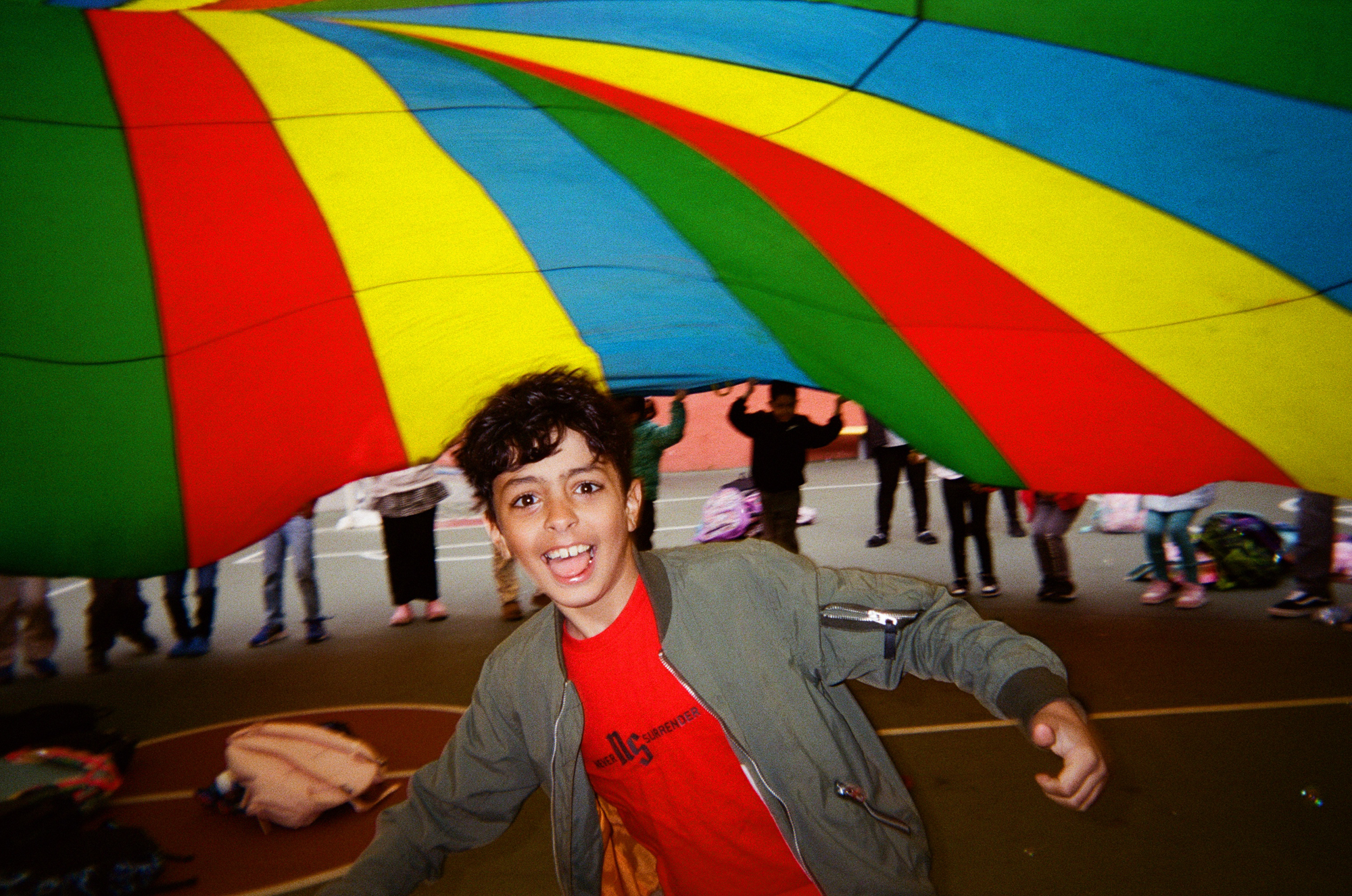
"caption": "In an effort to present a different perspective on the San Francisco's Tenderloin neighborhood, KQED collaborated with 826 Valencia, Tenderloin Center to invite 28 students from grades two to five to document their lives using disposable cameras.",
"credit": "Mohammed Haidar Khaled",
"altTag": null,
"description": null,
"imgSizes": {
"thumbnail": {
"file": "https://cdn.kqed.org/wp-content/uploads/sites/10/2025/06/250620-TENDERLOIN-INSTANT-CAMERAS-50-KQED-160x106.jpg",
"width": 160,
"height": 106,
"mimeType": "image/jpeg"
},
"1536x1536": {
"file": "https://cdn.kqed.org/wp-content/uploads/sites/10/2025/06/250620-TENDERLOIN-INSTANT-CAMERAS-50-KQED-1536x1018.jpg",
"width": 1536,
"height": 1018,
"mimeType": "image/jpeg"
},
"post-thumbnail": {
"file": "https://cdn.kqed.org/wp-content/uploads/sites/10/2025/06/250620-TENDERLOIN-INSTANT-CAMERAS-50-KQED-672x372.jpg",
"width": 672,
"height": 372,
"mimeType": "image/jpeg"
},
"twentyfourteen-full-width": {
"file": "https://cdn.kqed.org/wp-content/uploads/sites/10/2025/06/250620-TENDERLOIN-INSTANT-CAMERAS-50-KQED-1038x576.jpg",
"width": 1038,
"height": 576,
"mimeType": "image/jpeg"
},
"kqedFullSize": {
"file": "https://cdn.kqed.org/wp-content/uploads/sites/10/2025/06/250620-TENDERLOIN-INSTANT-CAMERAS-50-KQED.jpg",
"width": 2000,
"height": 1326
}
},
"fetchFailed": false,
"isLoading": false
},
"news_12063823": {
"type": "attachments",
"id": "news_12063823",
"meta": {
"index": "attachments_1716263798",
"site": "news",
"id": "12063823",
"found": true
},
"title": "20251106_TRANSELDERSYOUTH_GC-30-KQED",
"publishDate": 1762973957,
"status": "inherit",
"parent": 0,
"modified": 1763414686,
"caption": "Quetzali, left, gives Donna Personna a hug at Donna’s home in San Francisco on Nov. 6, 2025.",
"credit": "Gina Castro/KQED",
"altTag": null,
"description": null,
"imgSizes": {
"thumbnail": {
"file": "https://cdn.kqed.org/wp-content/uploads/sites/10/2025/11/20251106_TRANSELDERSYOUTH_GC-30-KQED-160x107.jpg",
"width": 160,
"height": 107,
"mimeType": "image/jpeg"
},
"1536x1536": {
"file": "https://cdn.kqed.org/wp-content/uploads/sites/10/2025/11/20251106_TRANSELDERSYOUTH_GC-30-KQED-1536x1024.jpg",
"width": 1536,
"height": 1024,
"mimeType": "image/jpeg"
},
"post-thumbnail": {
"file": "https://cdn.kqed.org/wp-content/uploads/sites/10/2025/11/20251106_TRANSELDERSYOUTH_GC-30-KQED-672x372.jpg",
"width": 672,
"height": 372,
"mimeType": "image/jpeg"
},
"twentyfourteen-full-width": {
"file": "https://cdn.kqed.org/wp-content/uploads/sites/10/2025/11/20251106_TRANSELDERSYOUTH_GC-30-KQED-1038x576.jpg",
"width": 1038,
"height": 576,
"mimeType": "image/jpeg"
},
"npr-cds-wide": {
"file": "https://cdn.kqed.org/wp-content/uploads/sites/10/2025/11/20251106_TRANSELDERSYOUTH_GC-30-KQED-1200x675.jpg",
"width": 1200,
"height": 675,
"mimeType": "image/jpeg"
},
"kqedFullSize": {
"file": "https://cdn.kqed.org/wp-content/uploads/sites/10/2025/11/20251106_TRANSELDERSYOUTH_GC-30-KQED.jpg",
"width": 2000,
"height": 1333
}
},
"fetchFailed": false,
"isLoading": false
},
"news_12063882": {
"type": "attachments",
"id": "news_12063882",
"meta": {
"index": "attachments_1716263798",
"site": "news",
"id": "12063882",
"found": true
},
"title": "LYFY_WEB_Ep3_A",
"publishDate": 1762987230,
"status": "inherit",
"parent": 12063601,
"modified": 1762987688,
"caption": "Roberto Santiago and his two kids, Ryu (15) and Eloui (14). The California Report Magazine is featuring conversations between gender-expansive youth and adults in their lives who love, support and mentor them.",
"credit": "Anna Vignet/KQED",
"altTag": null,
"description": null,
"imgSizes": {
"thumbnail": {
"file": "https://cdn.kqed.org/wp-content/uploads/sites/10/2025/11/LYFY_WEB_Ep3_A-160x90.png",
"width": 160,
"height": 90,
"mimeType": "image/png"
},
"1536x1536": {
"file": "https://cdn.kqed.org/wp-content/uploads/sites/10/2025/11/LYFY_WEB_Ep3_A-1536x864.png",
"width": 1536,
"height": 864,
"mimeType": "image/png"
},
"post-thumbnail": {
"file": "https://cdn.kqed.org/wp-content/uploads/sites/10/2025/11/LYFY_WEB_Ep3_A-672x372.png",
"width": 672,
"height": 372,
"mimeType": "image/png"
},
"twentyfourteen-full-width": {
"file": "https://cdn.kqed.org/wp-content/uploads/sites/10/2025/11/LYFY_WEB_Ep3_A-1038x576.png",
"width": 1038,
"height": 576,
"mimeType": "image/png"
},
"npr-cds-wide": {
"file": "https://cdn.kqed.org/wp-content/uploads/sites/10/2025/11/LYFY_WEB_Ep3_A-1200x675.png",
"width": 1200,
"height": 675,
"mimeType": "image/png"
},
"kqedFullSize": {
"file": "https://cdn.kqed.org/wp-content/uploads/sites/10/2025/11/LYFY_WEB_Ep3_A.png",
"width": 1920,
"height": 1080
}
},
"fetchFailed": false,
"isLoading": false
},
"news_12063358": {
"type": "attachments",
"id": "news_12063358",
"meta": {
"index": "attachments_1716263798",
"site": "news",
"id": "12063358",
"found": true
},
"title": "4",
"publishDate": 1762475166,
"status": "inherit",
"parent": 12062744,
"modified": 1762476065,
"caption": "An illustration of a 14-year-old nonbinary kid, their mom and their grandmother, who lives in India. There, she’s become a fierce advocate for transgender and nonbinary youth. The California Report Magazine is featuring conversations between gender-expansive youth and adults in their lives who love, support and mentor them.",
"credit": "Anna Vignet/KQED",
"altTag": null,
"description": null,
"imgSizes": {
"thumbnail": {
"file": "https://cdn.kqed.org/wp-content/uploads/sites/10/2025/11/4-160x90.png",
"width": 160,
"height": 90,
"mimeType": "image/png"
},
"1536x1536": {
"file": "https://cdn.kqed.org/wp-content/uploads/sites/10/2025/11/4-1536x864.png",
"width": 1536,
"height": 864,
"mimeType": "image/png"
},
"post-thumbnail": {
"file": "https://cdn.kqed.org/wp-content/uploads/sites/10/2025/11/4-672x372.png",
"width": 672,
"height": 372,
"mimeType": "image/png"
},
"twentyfourteen-full-width": {
"file": "https://cdn.kqed.org/wp-content/uploads/sites/10/2025/11/4-1038x576.png",
"width": 1038,
"height": 576,
"mimeType": "image/png"
},
"npr-cds-wide": {
"file": "https://cdn.kqed.org/wp-content/uploads/sites/10/2025/11/4-1200x675.png",
"width": 1200,
"height": 675,
"mimeType": "image/png"
},
"kqedFullSize": {
"file": "https://cdn.kqed.org/wp-content/uploads/sites/10/2025/11/4.png",
"width": 1920,
"height": 1080
}
},
"fetchFailed": false,
"isLoading": false
},
"news_12062277": {
"type": "attachments",
"id": "news_12062277",
"meta": {
"index": "attachments_1716263798",
"site": "news",
"id": "12062277",
"found": true
},
"title": "1",
"publishDate": 1761848556,
"status": "inherit",
"parent": 12061805,
"modified": 1761855757,
"caption": "An illustration of Hunter Stoval and his \"aunt\" Shirin Amini taking silly pictures in a photobooth. Stoval talks about his coming out story as a transgender boy, and Amini shares the challenges of coming out as a lesbian at his age in the 1990s. The California Report Magazine is featuring conversations between gender-expansive youth and adults in their lives who love, support and mentor them. ",
"credit": "Anna Vignet/KQED",
"altTag": null,
"description": null,
"imgSizes": {
"thumbnail": {
"file": "https://cdn.kqed.org/wp-content/uploads/sites/10/2025/10/1-160x90.png",
"width": 160,
"height": 90,
"mimeType": "image/png"
},
"1536x1536": {
"file": "https://cdn.kqed.org/wp-content/uploads/sites/10/2025/10/1-1536x864.png",
"width": 1536,
"height": 864,
"mimeType": "image/png"
},
"post-thumbnail": {
"file": "https://cdn.kqed.org/wp-content/uploads/sites/10/2025/10/1-672x372.png",
"width": 672,
"height": 372,
"mimeType": "image/png"
},
"twentyfourteen-full-width": {
"file": "https://cdn.kqed.org/wp-content/uploads/sites/10/2025/10/1-1038x576.png",
"width": 1038,
"height": 576,
"mimeType": "image/png"
},
"npr-cds-wide": {
"file": "https://cdn.kqed.org/wp-content/uploads/sites/10/2025/10/1-1600x900.png",
"width": 1600,
"height": 900,
"mimeType": "image/png"
},
"kqedFullSize": {
"file": "https://cdn.kqed.org/wp-content/uploads/sites/10/2025/10/1.png",
"width": 1920,
"height": 1080
}
},
"fetchFailed": false,
"isLoading": false
},
"news_12045494": {
"type": "attachments",
"id": "news_12045494",
"meta": {
"index": "attachments_1716263798",
"site": "news",
"id": "12045494",
"found": true
},
"title": "250620-TENDERLOIN INSTANT CAMERAS-48-KQED",
"publishDate": 1750681706,
"status": "inherit",
"parent": 12054193,
"modified": 1757026807,
"caption": "(Mohammed Haidar Khaled)",
"credit": null,
"altTag": null,
"description": null,
"imgSizes": {
"thumbnail": {
"file": "https://cdn.kqed.org/wp-content/uploads/sites/10/2025/06/250620-TENDERLOIN-INSTANT-CAMERAS-48-KQED-160x106.jpg",
"width": 160,
"height": 106,
"mimeType": "image/jpeg"
},
"1536x1536": {
"file": "https://cdn.kqed.org/wp-content/uploads/sites/10/2025/06/250620-TENDERLOIN-INSTANT-CAMERAS-48-KQED-1536x1018.jpg",
"width": 1536,
"height": 1018,
"mimeType": "image/jpeg"
},
"post-thumbnail": {
"file": "https://cdn.kqed.org/wp-content/uploads/sites/10/2025/06/250620-TENDERLOIN-INSTANT-CAMERAS-48-KQED-672x372.jpg",
"width": 672,
"height": 372,
"mimeType": "image/jpeg"
},
"twentyfourteen-full-width": {
"file": "https://cdn.kqed.org/wp-content/uploads/sites/10/2025/06/250620-TENDERLOIN-INSTANT-CAMERAS-48-KQED-1038x576.jpg",
"width": 1038,
"height": 576,
"mimeType": "image/jpeg"
},
"kqedFullSize": {
"file": "https://cdn.kqed.org/wp-content/uploads/sites/10/2025/06/250620-TENDERLOIN-INSTANT-CAMERAS-48-KQED.jpg",
"width": 2000,
"height": 1326
}
},
"fetchFailed": false,
"isLoading": false
},
"news_12048821": {
"type": "attachments",
"id": "news_12048821",
"meta": {
"index": "attachments_1716263798",
"site": "news",
"id": "12048821",
"found": true
},
"title": "npr.brightspotcdn copy",
"publishDate": 1752869055,
"status": "inherit",
"parent": 12048819,
"modified": 1752869079,
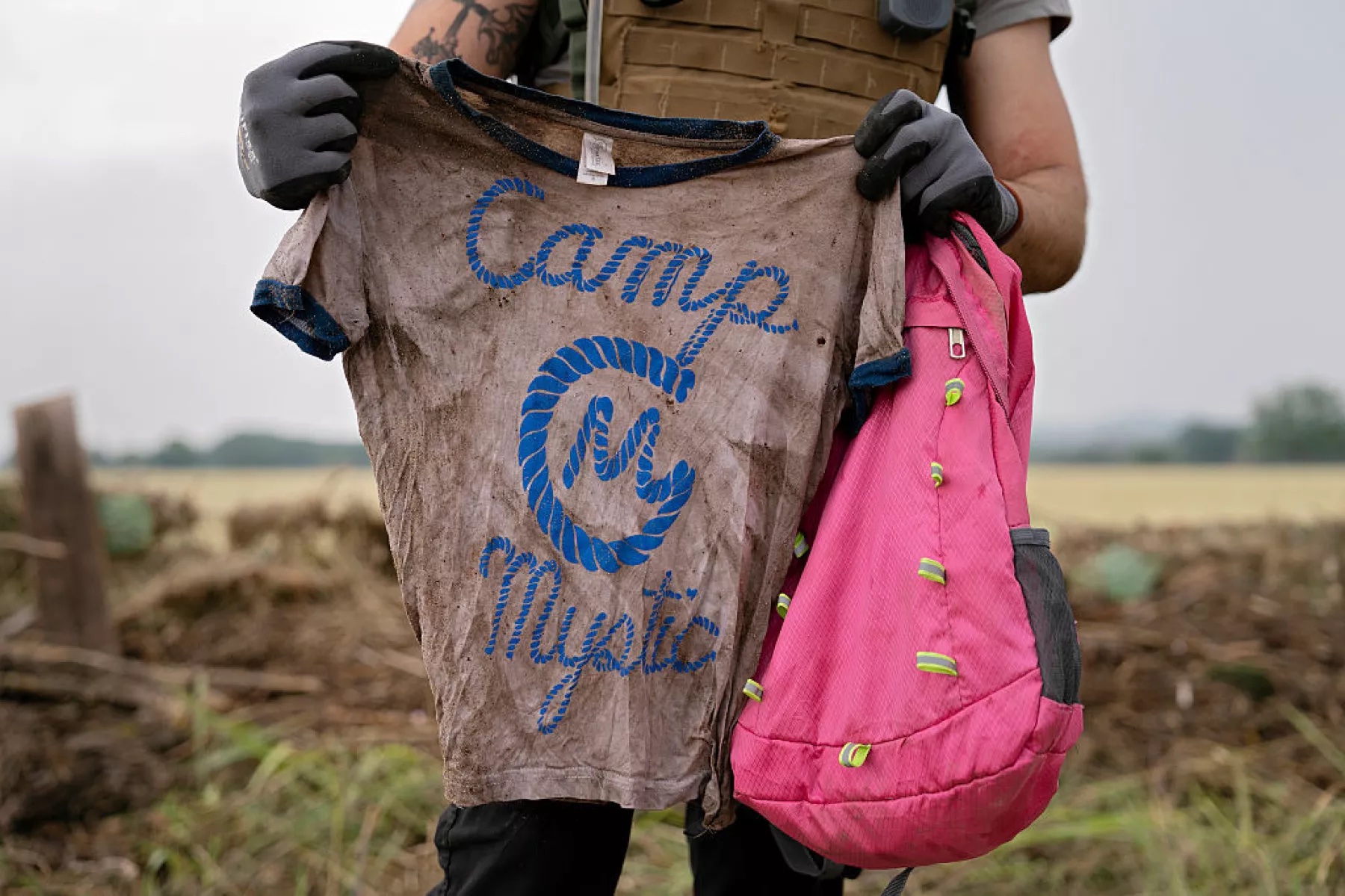
"caption": "Experts say there are key questions parents and guardians should ask camp operators about wildfires, flood and heat risk.",
"credit": "Danielle Villasana for The Washington Post via Getty Images",
"altTag": null,
"description": null,
"imgSizes": {
"thumbnail": {
"file": "https://cdn.kqed.org/wp-content/uploads/sites/10/2025/07/npr.brightspotcdn-copy-9-160x107.jpg",
"width": 160,
"height": 107,
"mimeType": "image/jpeg"
},
"1536x1536": {
"file": "https://cdn.kqed.org/wp-content/uploads/sites/10/2025/07/npr.brightspotcdn-copy-9-1536x1023.jpg",
"width": 1536,
"height": 1023,
"mimeType": "image/jpeg"
},
"post-thumbnail": {
"file": "https://cdn.kqed.org/wp-content/uploads/sites/10/2025/07/npr.brightspotcdn-copy-9-672x372.jpg",
"width": 672,
"height": 372,
"mimeType": "image/jpeg"
},
"twentyfourteen-full-width": {
"file": "https://cdn.kqed.org/wp-content/uploads/sites/10/2025/07/npr.brightspotcdn-copy-9-1038x576.jpg",
"width": 1038,
"height": 576,
"mimeType": "image/jpeg"
},
"kqedFullSize": {
"file": "https://cdn.kqed.org/wp-content/uploads/sites/10/2025/07/npr.brightspotcdn-copy-9.jpg",
"width": 1800,
"height": 1199
}
},
"fetchFailed": false,
"isLoading": false
},
"news_12045063": {
"type": "attachments",
"id": "news_12045063",
"meta": {
"index": "attachments_1716263798",
"site": "news",
"id": "12045063",
"found": true
},
"title": "things-to-do-with-kids-bay-area",
"publishDate": 1750347778,
"status": "inherit",
"parent": 12045055,
"modified": 1750452471,
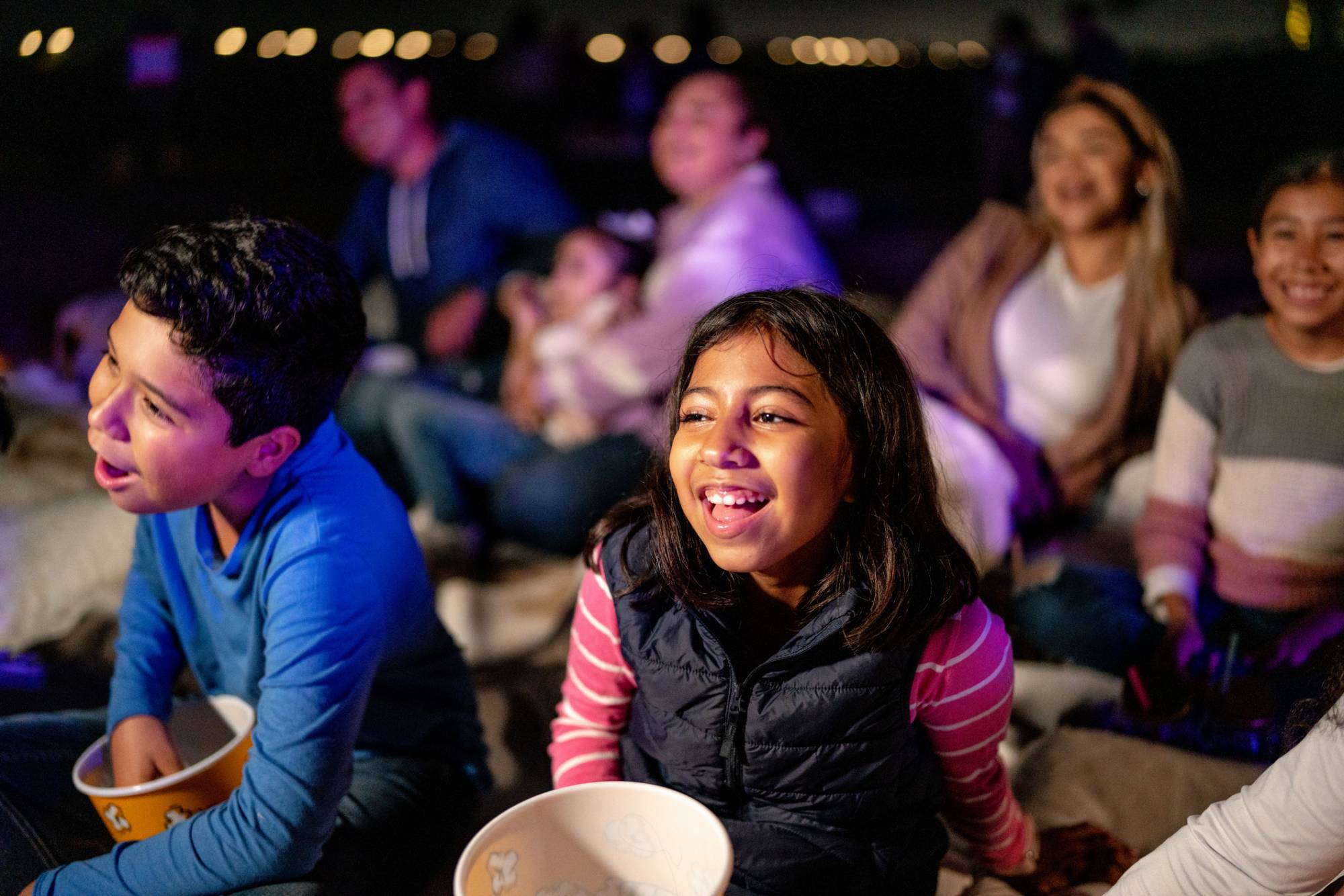
"caption": "This summer the Bay Area will be spoiled for options when it comes to outdoor movie screenings for the kids. ",
"credit": "iStock/Getty Images Plus",
"altTag": null,
"description": null,
"imgSizes": {
"medium": {
"file": "https://cdn.kqed.org/wp-content/uploads/sites/10/2025/06/GettyImages-1450590312-2000x1334.jpg",
"width": 2000,
"height": 1334,
"mimeType": "image/jpeg"
},
"large": {
"file": "https://cdn.kqed.org/wp-content/uploads/sites/10/2025/06/GettyImages-1450590312-2000x1334.jpg",
"width": 2000,
"height": 1334,
"mimeType": "image/jpeg"
},
"thumbnail": {
"file": "https://cdn.kqed.org/wp-content/uploads/sites/10/2025/06/GettyImages-1450590312-160x107.jpg",
"width": 160,
"height": 107,
"mimeType": "image/jpeg"
},
"1536x1536": {
"file": "https://cdn.kqed.org/wp-content/uploads/sites/10/2025/06/GettyImages-1450590312-1536x1024.jpg",
"width": 1536,
"height": 1024,
"mimeType": "image/jpeg"
},
"2048x2048": {
"file": "https://cdn.kqed.org/wp-content/uploads/sites/10/2025/06/GettyImages-1450590312-2048x1366.jpg",
"width": 2048,
"height": 1366,
"mimeType": "image/jpeg"
},
"post-thumbnail": {
"file": "https://cdn.kqed.org/wp-content/uploads/sites/10/2025/06/GettyImages-1450590312-672x372.jpg",
"width": 672,
"height": 372,
"mimeType": "image/jpeg"
},
"twentyfourteen-full-width": {
"file": "https://cdn.kqed.org/wp-content/uploads/sites/10/2025/06/GettyImages-1450590312-1038x576.jpg",
"width": 1038,
"height": 576,
"mimeType": "image/jpeg"
},
"full-width": {
"file": "https://cdn.kqed.org/wp-content/uploads/sites/10/2025/06/GettyImages-1450590312-2000x1334.jpg",
"width": 2000,
"height": 1334,
"mimeType": "image/jpeg"
},
"kqedFullSize": {
"file": "https://cdn.kqed.org/wp-content/uploads/sites/10/2025/06/GettyImages-1450590312.jpg",
"width": 2120,
"height": 1414
}
},
"fetchFailed": false,
"isLoading": false
}
},
"audioPlayerReducer": {
"postId": "stream_live",
"isPaused": true,
"isPlaying": false,
"pfsActive": false,
"pledgeModalIsOpen": true,
"playerDrawerIsOpen": false
},
"authorsReducer": {
"byline_news_12048819": {
"type": "authors",
"id": "byline_news_12048819",
"meta": {
"override": true
},
"slug": "byline_news_12048819",
"name": "Julia Simon, NPR",
"isLoading": false
},
"katrinaschwartz": {
"type": "authors",
"id": "234",
"meta": {
"index": "authors_1716337520",
"id": "234",
"found": true
},
"name": "Katrina Schwartz",
"firstName": "Katrina",
"lastName": "Schwartz",
"slug": "katrinaschwartz",
"email": "kschwartz@kqed.org",
"display_author_email": false,
"staff_mastheads": [
"news"
],
"title": "Producer",
"bio": "Katrina Schwartz is a journalist based in San Francisco. She's worked at KPCC public radio in LA and has reported on air and online for KQED since 2010. She covered how teaching and learning is changing for MindShift between 2012 and 2020. She is the co-host of the MindShift podcast and now produces KQED's Bay Curious podcast.",
"avatar": "https://secure.gravatar.com/avatar/a6a567574dafefa959593925eead665c?s=600&d=blank&r=g",
"twitter": "kschwart",
"facebook": null,
"instagram": null,
"linkedin": null,
"sites": [
{
"site": "news",
"roles": [
"editor"
]
},
{
"site": "mindshift",
"roles": [
"administrator"
]
},
{
"site": "stateofhealth",
"roles": [
"author"
]
},
{
"site": "science",
"roles": [
"editor"
]
}
],
"headData": {
"title": "Katrina Schwartz | KQED",
"description": "Producer",
"ogImgSrc": "https://secure.gravatar.com/avatar/a6a567574dafefa959593925eead665c?s=600&d=blank&r=g",
"twImgSrc": "https://secure.gravatar.com/avatar/a6a567574dafefa959593925eead665c?s=600&d=blank&r=g"
},
"isLoading": false,
"link": "/author/katrinaschwartz"
},
"sasha-khokha": {
"type": "authors",
"id": "254",
"meta": {
"index": "authors_1716337520",
"id": "254",
"found": true
},
"name": "Sasha Khokha",
"firstName": "Sasha",
"lastName": "Khokha",
"slug": "sasha-khokha",
"email": "skhokha@kqed.org",
"display_author_email": true,
"staff_mastheads": [
"news"
],
"title": "Host, The California Report Magazine",
"bio": "Sasha Khokha is the host of \u003cem>The California Report's \u003c/em> weekly magazine program, which takes listeners on sound-rich excursions to meet the people that make the Golden State unique -- through audio documentaries and long-form stories. As \u003cem>The California Report's\u003c/em> Central Valley Bureau Chief based in Fresno for nearly a dozen years, Sasha brought the lives and concerns of rural Californians to listeners around the state. Her reporting helped expose the hidden price immigrant women janitors and farmworkers may pay to keep their jobs: sexual assault at work. It inspired two new California laws to protect them from sexual harassment. She was a key member of the reporting team for the Frontline film \u003cem>Rape on the Night Shift, \u003c/em>which was nominated for two national Emmys. Sasha has also won a national Edward R. Murrow and a national PRNDI award for investigative reporting, as well as multiple prizes from the Society for Professional Journalists. Sasha is a proud alum of the UC Berkeley Graduate School of Journalism and Brown University and a member of the South Asian Journalists Association.",
"avatar": "https://secure.gravatar.com/avatar/e4b5e1541aaeea2aa356aa1fb2a68950?s=600&d=blank&r=g",
"twitter": "KQEDSashaKhokha",
"facebook": null,
"instagram": null,
"linkedin": null,
"sites": [
{
"site": "news",
"roles": [
"editor"
]
},
{
"site": "stateofhealth",
"roles": [
"author"
]
},
{
"site": "science",
"roles": [
"author"
]
},
{
"site": "quest",
"roles": [
"subscriber"
]
}
],
"headData": {
"title": "Sasha Khokha | KQED",
"description": "Host, The California Report Magazine",
"ogImgSrc": "https://secure.gravatar.com/avatar/e4b5e1541aaeea2aa356aa1fb2a68950?s=600&d=blank&r=g",
"twImgSrc": "https://secure.gravatar.com/avatar/e4b5e1541aaeea2aa356aa1fb2a68950?s=600&d=blank&r=g"
},
"isLoading": false,
"link": "/author/sasha-khokha"
},
"carlysevern": {
"type": "authors",
"id": "3243",
"meta": {
"index": "authors_1716337520",
"id": "3243",
"found": true
},
"name": "Carly Severn",
"firstName": "Carly",
"lastName": "Severn",
"slug": "carlysevern",
"email": "csevern@kqed.org",
"display_author_email": false,
"staff_mastheads": [
"news"
],
"title": "Senior Editor, Audience News ",
"bio": "Carly is KQED's Senior Editor of Audience News on the Digital News team, and has reported for the California Report Magazine, Bay Curious and KQED Arts. She's formerly the host of \u003ca href=\"http://ww2.kqed.org/pop/category/the-cooler/\" rel=\"noopener noreferrer\">The Cooler\u003c/a> podcast.",
"avatar": "https://secure.gravatar.com/avatar/2d8d6765f186e64c798cf7f0c8088a41?s=600&d=blank&r=g",
"twitter": "teacupinthebay",
"facebook": null,
"instagram": null,
"linkedin": null,
"sites": [
{
"site": "",
"roles": [
"editor"
]
},
{
"site": "arts",
"roles": [
"editor"
]
},
{
"site": "news",
"roles": [
"administrator"
]
},
{
"site": "pop",
"roles": [
"editor"
]
},
{
"site": "futureofyou",
"roles": [
"editor"
]
},
{
"site": "about",
"roles": [
"administrator"
]
},
{
"site": "mindshift",
"roles": [
"editor"
]
},
{
"site": "bayareabites",
"roles": [
"editor"
]
},
{
"site": "stateofhealth",
"roles": [
"editor"
]
},
{
"site": "science",
"roles": [
"editor"
]
},
{
"site": "food",
"roles": [
"contributor"
]
},
{
"site": "forum",
"roles": [
"editor"
]
},
{
"site": "perspectives",
"roles": [
"administrator"
]
},
{
"site": "liveblog",
"roles": [
"editor"
]
}
],
"headData": {
"title": "Carly Severn | KQED",
"description": "Senior Editor, Audience News ",
"ogImgSrc": "https://secure.gravatar.com/avatar/2d8d6765f186e64c798cf7f0c8088a41?s=600&d=blank&r=g",
"twImgSrc": "https://secure.gravatar.com/avatar/2d8d6765f186e64c798cf7f0c8088a41?s=600&d=blank&r=g"
},
"isLoading": false,
"link": "/author/carlysevern"
},
"ecruzguevarra": {
"type": "authors",
"id": "8654",
"meta": {
"index": "authors_1716337520",
"id": "8654",
"found": true
},
"name": "Ericka Cruz Guevarra",
"firstName": "Ericka",
"lastName": "Cruz Guevarra",
"slug": "ecruzguevarra",
"email": "ecruzguevarra@kqed.org",
"display_author_email": true,
"staff_mastheads": [
"news"
],
"title": "Producer, The Bay Podcast",
"bio": "Ericka Cruz Guevarra is host of \u003ca href=\"https://www.kqed.org/podcasts/thebay\">\u003cem>The Bay\u003c/em>\u003c/a> podcast at KQED. Before host, she was the show’s producer. Her work in that capacity includes a three-part reported series on policing in Vallejo, which won a 2020 excellence in journalism award from the Society of Professional Journalists. Ericka has worked as a breaking news reporter at Oregon Public Broadcasting, helped produce the Code Switch podcast, and was KQED’s inaugural Raul Ramirez Diversity Fund intern. She’s also an alumna of NPR’s Next Generation Radio program. Send her an email if you have strong feelings about whether Fairfield and Suisun City are the Bay. Ericka is represented by SAG-AFTRA.",
"avatar": "https://secure.gravatar.com/avatar/25e5ab8d3d53fad2dcc7bb2b5c506b1a?s=600&d=blank&r=g",
"twitter": "NotoriousECG",
"facebook": null,
"instagram": null,
"linkedin": null,
"sites": [
{
"site": "arts",
"roles": [
"subscriber"
]
},
{
"site": "news",
"roles": [
"editor",
"manage_categories"
]
},
{
"site": "futureofyou",
"roles": [
"subscriber"
]
},
{
"site": "stateofhealth",
"roles": [
"subscriber"
]
},
{
"site": "science",
"roles": [
"editor"
]
},
{
"site": "forum",
"roles": [
"subscriber"
]
}
],
"headData": {
"title": "Ericka Cruz Guevarra | KQED",
"description": "Producer, The Bay Podcast",
"ogImgSrc": "https://secure.gravatar.com/avatar/25e5ab8d3d53fad2dcc7bb2b5c506b1a?s=600&d=blank&r=g",
"twImgSrc": "https://secure.gravatar.com/avatar/25e5ab8d3d53fad2dcc7bb2b5c506b1a?s=600&d=blank&r=g"
},
"isLoading": false,
"link": "/author/ecruzguevarra"
},
"amontecillo": {
"type": "authors",
"id": "11649",
"meta": {
"index": "authors_1716337520",
"id": "11649",
"found": true
},
"name": "Alan Montecillo",
"firstName": "Alan",
"lastName": "Montecillo",
"slug": "amontecillo",
"email": "amontecillo@kqed.org",
"display_author_email": false,
"staff_mastheads": [
"news"
],
"title": "KQED Contributor",
"bio": "Alan Montecillo is the senior editor of \u003cem>\u003ca href=\"http://kqed.org/thebay\">The Bay\u003c/a>, \u003c/em> KQED's local news podcast. Before moving to the Bay Area, he worked as a senior talk show producer for WILL in Champaign-Urbana, Illinois and at Oregon Public Broadcasting in Portland, Oregon. He has won journalism awards from the Society of Professional Journalists Northern California, the Public Media Journalists Association, The Signal Awards, and has also received a regional Edward R. Murrow award. Alan is a Filipino American from Hong Kong and a graduate of Reed College.",
"avatar": "https://secure.gravatar.com/avatar/d5e4e7a76481969ccba76f4e2b5ccabc?s=600&d=blank&r=g",
"twitter": "alanmontecillo",
"facebook": null,
"instagram": null,
"linkedin": null,
"sites": [
{
"site": "",
"roles": [
"editor"
]
},
{
"site": "news",
"roles": [
"editor",
"manage_categories"
]
}
],
"headData": {
"title": "Alan Montecillo | KQED",
"description": "KQED Contributor",
"ogImgSrc": "https://secure.gravatar.com/avatar/d5e4e7a76481969ccba76f4e2b5ccabc?s=600&d=blank&r=g",
"twImgSrc": "https://secure.gravatar.com/avatar/d5e4e7a76481969ccba76f4e2b5ccabc?s=600&d=blank&r=g"
},
"isLoading": false,
"link": "/author/amontecillo"
},
"jessicakariisa": {
"type": "authors",
"id": "11831",
"meta": {
"index": "authors_1716337520",
"id": "11831",
"found": true
},
"name": "Jessica Kariisa",
"firstName": "Jessica",
"lastName": "Kariisa",
"slug": "jessicakariisa",
"email": "jkariisa@kqed.org",
"display_author_email": false,
"staff_mastheads": [
"news"
],
"title": "Producer, The Bay",
"bio": "Jessica Kariisa is the producer of The Bay. She first joined KQED as an intern for The California Report Magazine, after which she became an on-call producer. She reported a Bay Curious episode on the use of rap lyrics in criminal trials which won a Society of Professional Journalists award in 2023 for Excellence in Features Journalism and the 2023 Signal Award for Best Conversation Starter. She’s worked on podcasts for Snap Judgment and American Public Media. Before embarking on her audio career, she was a music journalist.\r\n\r\nJessica Kariisa is represented by SAG-AFTRA.",
"avatar": "https://secure.gravatar.com/avatar/4afd355fd24f5515aeab77fd6c72b671?s=600&d=blank&r=g",
"twitter": null,
"facebook": null,
"instagram": null,
"linkedin": null,
"sites": [
{
"site": "arts",
"roles": [
"author"
]
},
{
"site": "news",
"roles": [
"editor",
"manage_categories"
]
}
],
"headData": {
"title": "Jessica Kariisa | KQED",
"description": "Producer, The Bay",
"ogImgSrc": "https://secure.gravatar.com/avatar/4afd355fd24f5515aeab77fd6c72b671?s=600&d=blank&r=g",
"twImgSrc": "https://secure.gravatar.com/avatar/4afd355fd24f5515aeab77fd6c72b671?s=600&d=blank&r=g"
},
"isLoading": false,
"link": "/author/jessicakariisa"
},
"nkhan": {
"type": "authors",
"id": "11867",
"meta": {
"index": "authors_1716337520",
"id": "11867",
"found": true
},
"name": "Nisa Khan",
"firstName": "Nisa",
"lastName": "Khan",
"slug": "nkhan",
"email": "nkhan@kqed.org",
"display_author_email": false,
"staff_mastheads": [],
"title": "KQED Contributor",
"bio": "Nisa Khan is a reporter for KQED's Audience News Desk. She was formerly a data reporter at Michigan Radio. She earned a Bachelor of Science in Information from the University of Michigan and a Master of Arts in Communication from Stanford University.",
"avatar": "https://secure.gravatar.com/avatar/a3bf1efcfbe7658d13a434cc54d0b2e3?s=600&d=blank&r=g",
"twitter": "mnisakhan",
"bluesky": null,
"facebook": null,
"instagram": null,
"linkedin": null,
"sites": [
{
"site": "arts",
"roles": [
"editor"
]
},
{
"site": "news",
"roles": [
"editor"
]
},
{
"site": "science",
"roles": [
"editor",
"author"
]
},
{
"site": "forum",
"roles": [
"editor"
]
},
{
"site": "liveblog",
"roles": [
"contributor"
]
}
],
"headData": {
"title": "Nisa Khan | KQED",
"description": "KQED Contributor",
"ogImgSrc": "https://secure.gravatar.com/avatar/a3bf1efcfbe7658d13a434cc54d0b2e3?s=600&d=blank&r=g",
"twImgSrc": "https://secure.gravatar.com/avatar/a3bf1efcfbe7658d13a434cc54d0b2e3?s=600&d=blank&r=g"
},
"isLoading": false,
"link": "/author/nkhan"
}
},
"breakingNewsReducer": {},
"pagesReducer": {},
"postsReducer": {
"stream_live": {
"type": "live",
"id": "stream_live",
"audioUrl": "https://streams.kqed.org/kqedradio",
"title": "Live Stream",
"excerpt": "Live Stream information currently unavailable.",
"link": "/radio",
"featImg": "",
"label": {
"name": "KQED Live",
"link": "/"
}
},
"stream_kqedNewscast": {
"type": "posts",
"id": "stream_kqedNewscast",
"audioUrl": "https://www.kqed.org/.stream/anon/radio/RDnews/newscast.mp3?_=1",
"title": "KQED Newscast",
"featImg": "",
"label": {
"name": "88.5 FM",
"link": "/"
}
},
"news_12076077": {
"type": "posts",
"id": "news_12076077",
"meta": {
"index": "posts_1716263798",
"site": "news",
"id": "12076077",
"score": null,
"sort": [
1773309645000
]
},
"guestAuthors": [],
"slug": "the-navy-jet-generations-of-san-francisco-kids-played-on",
"title": "The Navy Jet Generations of San Francisco Kids Played On",
"publishDate": 1773309645,
"format": "standard",
"headTitle": "The Navy Jet Generations of San Francisco Kids Played On | KQED",
"labelTerm": {},
"content": "\u003cp>\u003cem>\u003ca href=\"#Viewthefullepisodetranscript\">View the full episode transcript.\u003c/a>\u003c/em>\u003c/p>\n\u003cp>When Dennis O’Neill was a kid growing up in the Outer Sunset neighborhood of\u003ca href=\"https://www.kqed.org/news/tag/san-francisco\"> San Francisco\u003c/a>, his world largely consisted of several blocks to either side of his home. In one direction was his school, Saint Cecilia’s, and in the other was Carl Larsen Park, which had all the usual fun and games plus something a little extra special — a real Navy jet.\u003c/p>\n\u003cp>“It was fantastic, I have to say,” O’Neill said. “I still remember. I’m 64 years old. I remember specifically sitting in that cockpit and being a pilot.”\u003c/p>\n\u003cp>And he’s certainly not the only one. Every time a picture of the Larsen Park plane gets posted to history groups on Facebook, the comments blow up with hundreds of people fondly remembering playing on the jet.\u003c/p>\n\u003cp>“That was a meeting place, after school,” O’Neill remembered. “‘Meet at the airplane.’ That was common. And when you started getting girlfriends or hanging out with girls, that was a safe place to hang out.”\u003c/p>\n\u003cp>[ad fullwidth]\u003c/p>\n\u003cp>Each kid who played in Larsen Park remembers \u003ca href=\"https://www.outsidelands.org/larsen_park_jets.php\">“their plane” clearly\u003c/a>, but over a period of 35 years, there were actually three different Navy jets in that park. The last one was placed in 1975 — and the nose of it was painted with shark’s teeth. It was there the longest and was known to many as “The Shark in the Park.”\u003c/p>\n\u003cp>That’s the plane our \u003ca href=\"http://www.baycurious.org\">Bay Curious\u003c/a> question asker, Aaron Van Lieu, played on when he was little.\u003c/p>\n\u003cp>“It’s some of my earliest memories,” said Van Lieu, who thinks he was 5 for 6. “My brother, dad and I we [went] there in the late 80s.”\u003c/p>\n\u003cfigure id=\"attachment_12067017\" class=\"wp-caption aligncenter\" style=\"max-width: 2000px\">\u003cimg loading=\"lazy\" decoding=\"async\" class=\"size-full wp-image-12067017\" src=\"https://cdn.kqed.org/wp-content/uploads/sites/10/2025/12/251212-JET-PLAYGROUND-MD-02-KQED.jpg\" alt=\"\" width=\"2000\" height=\"1334\" srcset=\"https://cdn.kqed.org/wp-content/uploads/sites/10/2025/12/251212-JET-PLAYGROUND-MD-02-KQED.jpg 2000w, https://cdn.kqed.org/wp-content/uploads/sites/10/2025/12/251212-JET-PLAYGROUND-MD-02-KQED-160x107.jpg 160w, https://cdn.kqed.org/wp-content/uploads/sites/10/2025/12/251212-JET-PLAYGROUND-MD-02-KQED-1536x1025.jpg 1536w\" sizes=\"auto, (max-width: 2000px) 100vw, 2000px\">\u003cfigcaption class=\"wp-caption-text\">Aaron Van Lieu looks up at the Vought F-8 Crusader with Janet Doto at the Pacific Coast Air Museum in Santa Rosa on Dec. 12, 2025. \u003ccite>(Martin do Nascimento/KQED)\u003c/cite>\u003c/figcaption>\u003c/figure>\n\u003cp>Van Lieu remembers stopping at the park with his dad and brother as a treat after a Saturday morning spent going to open houses with his dad, who was a realtor. The jet was the kids’ reward for behaving.\u003c/p>\n\u003cp>“Playing tag, but there’s a jet involved, and hide and seek,” Van Lieu reminisced.\u003c/p>\n\u003cp>But despite these fond memories, Aaron also remembers watching the jet slowly fall apart.\u003c/p>\n\u003cfigure id=\"attachment_12067018\" class=\"wp-caption aligncenter\" style=\"max-width: 2000px\">\u003cimg loading=\"lazy\" decoding=\"async\" class=\"wp-image-12067018 size-full\" src=\"https://cdn.kqed.org/wp-content/uploads/sites/10/2025/12/251212-JET-PLAYGROUND-MD-03-KQED.jpg\" alt=\"\" width=\"2000\" height=\"1334\" srcset=\"https://cdn.kqed.org/wp-content/uploads/sites/10/2025/12/251212-JET-PLAYGROUND-MD-03-KQED.jpg 2000w, https://cdn.kqed.org/wp-content/uploads/sites/10/2025/12/251212-JET-PLAYGROUND-MD-03-KQED-160x107.jpg 160w, https://cdn.kqed.org/wp-content/uploads/sites/10/2025/12/251212-JET-PLAYGROUND-MD-03-KQED-1536x1025.jpg 1536w\" sizes=\"auto, (max-width: 2000px) 100vw, 2000px\">\u003cfigcaption class=\"wp-caption-text\">Aaron Van Lieu looks at a display showing photos of the Vought F-8 Crusader from when it was located at Carl Larsen Park in San Francisco, and its removal from the park at the Pacific Coast Air Museum in Santa Rosa on Dec. 12, 2025. \u003ccite>(Martin do Nascimento/KQED)\u003c/cite>\u003c/figcaption>\u003c/figure>\n\u003cp>“Little by little, the wings and parts of the jet just started falling off and disappearing,” Van Lieu said. “And then, eventually, it was kind of like this skeleton.”\u003c/p>\n\u003cp>And then one day it was gone. Aaron has spent the better part of 30 years wondering where it landed.\u003c/p>\n\u003cp>He wants to know: “What happened to the jet and why did it get taken out — aside from being covered in graffiti? I just wanna know where it went from there.”\u003c/p>\n\u003ch2>How did a Navy jet end up in Larsen Park in the first place?\u003c/h2>\n\u003cp>Larsen Park opened in 1926 after Danish immigrant and Tivoli Cafe owner Carl Larsen donated the land. At the time, the concept of a playground was fairly new. \u003ca href=\"https://savingplaces.org/stories/how-we-came-to-play-the-history-of-playgrounds/\">They came into fashion at the turn of the century \u003c/a>when people started to realize that children weren’t just mini adults, but developing beings that learned through play.\u003c/p>\n\u003cp>“Kids were getting into trouble because they didn’t have enough to do in off-hours of school,” said Christopher Pollock, historian in residence for the San Francisco Recreation and Parks Department.\u003c/p>\n\u003cp>In the early days, every park had a Recreation Director who kept play equipment in their office, organized games and kept an eye on the kids when they were at the park.\u003c/p>\n\u003cfigure id=\"attachment_12076067\" class=\"wp-caption aligncenter\" style=\"max-width: 2000px\">\u003cimg loading=\"lazy\" decoding=\"async\" class=\"size-full wp-image-12076067\" src=\"https://cdn.kqed.org/wp-content/uploads/sites/10/2026/03/260311-Jet-Playground-Archival-03-KQED.jpg\" alt=\"\" width=\"2000\" height=\"1254\" srcset=\"https://cdn.kqed.org/wp-content/uploads/sites/10/2026/03/260311-Jet-Playground-Archival-03-KQED.jpg 2000w, https://cdn.kqed.org/wp-content/uploads/sites/10/2026/03/260311-Jet-Playground-Archival-03-KQED-160x100.jpg 160w, https://cdn.kqed.org/wp-content/uploads/sites/10/2026/03/260311-Jet-Playground-Archival-03-KQED-1536x963.jpg 1536w\" sizes=\"auto, (max-width: 2000px) 100vw, 2000px\">\u003cfigcaption class=\"wp-caption-text\">Children play on the first Larsen Park jet circa 1964. \u003ccite>(Courtesy of San Francisco History Center/San Francisco Public Library)\u003c/cite>\u003c/figcaption>\u003c/figure>\n\u003cp>The first jet came to Larsen Park in 1958.\u003c/p>\n\u003cp>“That period is called the jet age because we have rockets being developed,” Pollock said. “People want to go to the moon, and people started designing playground equipment to look like jet planes and rockets and things like that.”\u003c/p>\n\u003cp>Pollock said even back then, San Francisco didn’t want to be like everywhere else. The general manager of Rec and Park at the time heard that there were surplus jets at \u003ca href=\"https://www.moffettfieldmuseum.org/\">Moffett Field \u003c/a>in Mountain View.\u003c/p>\n\u003cp>“And so that becomes our very first plaything in a playground, but it’s the real thing,” Pollock said. “Our kids were going to learn the real straight skinny on stuff, not some representation.”\u003c/p>\n\u003cp>They took the engine out of the jet, put it on a truck and dragged it up the freeway to the park with a California Highway Patrol escort. But once in the park, kids were hard on it.\u003c/p>\n\u003cfigure id=\"attachment_12076061\" class=\"wp-caption aligncenter\" style=\"max-width: 2000px\">\u003cimg loading=\"lazy\" decoding=\"async\" class=\"size-full wp-image-12076061\" src=\"https://cdn.kqed.org/wp-content/uploads/sites/10/2026/03/260311-Jet-Playground-Archival-01-KQED.jpg\" alt=\"\" width=\"2000\" height=\"1387\" srcset=\"https://cdn.kqed.org/wp-content/uploads/sites/10/2026/03/260311-Jet-Playground-Archival-01-KQED.jpg 2000w, https://cdn.kqed.org/wp-content/uploads/sites/10/2026/03/260311-Jet-Playground-Archival-01-KQED-160x111.jpg 160w, https://cdn.kqed.org/wp-content/uploads/sites/10/2026/03/260311-Jet-Playground-Archival-01-KQED-1536x1065.jpg 1536w\" sizes=\"auto, (max-width: 2000px) 100vw, 2000px\">\u003cfigcaption class=\"wp-caption-text\">The third and final Larsen Park jet, a 1956 F-8 Crusader, just before being removed from the park by Pacific Coast Air Museum volunteers. \u003ccite>(Courtesy of Pacific Coast Air Museum)\u003c/cite>\u003c/figcaption>\u003c/figure>\n\u003cp>“About every 10 years, these jets had to be replaced because the kids wore them down so much,” Pollock said.\u003c/p>\n\u003cp>The second jet in Larsen Park came from the Alameda Naval Base and was placed in the park in 1967. But the longest tenured jet — the “Shark in the Park” our question asker loved — arrived in dramatic fashion in 1975.\u003c/p>\n\u003cp>A \u003cem>San Francisco Chronicle\u003c/em> article from Jan. 15, 1975, details its route:\u003c/p>\n\u003cp>“A marine helicopter carrying a surplus Navy fighter in its sling, flew under the Golden Gate Bridge yesterday morning — after it had cruised under the Bay Bridge. The old F-8 Crusader was taken from Alameda Naval Air Station to the parking lot of the San Francisco Zoo. … The engineless plane will be used, as was its predecessor, as a giant toy in which San Francisco children may take flights of imagination.”\u003c/p>\n\u003cp>After landing at the Zoo, workers towed the jet two and a half miles northeast, going up Sloat Boulevard and down 19th Avenue to Larsen Park. And there it stayed for 18 years.\u003c/p>\n\u003cp>But by the early 1990s, the F-8 Crusader had seen better days, and city leaders were learning more about the hazards to kids that it posed.\u003c/p>\n\u003cfigure id=\"attachment_12070945\" class=\"wp-caption aligncenter\" style=\"max-width: 2000px\">\u003cimg loading=\"lazy\" decoding=\"async\" class=\"size-full wp-image-12070945\" src=\"https://cdn.kqed.org/wp-content/uploads/sites/10/2026/01/260123-JET-PLAYGROUND-MD-01-KQED.jpg\" alt=\"\" width=\"2000\" height=\"1334\" srcset=\"https://cdn.kqed.org/wp-content/uploads/sites/10/2026/01/260123-JET-PLAYGROUND-MD-01-KQED.jpg 2000w, https://cdn.kqed.org/wp-content/uploads/sites/10/2026/01/260123-JET-PLAYGROUND-MD-01-KQED-160x107.jpg 160w, https://cdn.kqed.org/wp-content/uploads/sites/10/2026/01/260123-JET-PLAYGROUND-MD-01-KQED-1536x1025.jpg 1536w\" sizes=\"auto, (max-width: 2000px) 100vw, 2000px\">\u003cfigcaption class=\"wp-caption-text\">The jet play structure that replaced the Vought F-8 Crusader at Carl Larsen Park in San Francisco on Jan. 23, 2026. \u003ccite>(Martin do Nascimento/KQED)\u003c/cite>\u003c/figcaption>\u003c/figure>\n\u003cp>“When this first started, people weren’t thinking so much about safety,” Pollock said.\u003c/p>\n\u003cp>“But as the years went by, safety became a much bigger issue. It was found that the paint on these jets was lead-based, and it was being discovered in later years that this was toxic to children.”\u003c/p>\n\u003cp>In 1993, city leaders had the Navy take the jet back.\u003c/p>\n\u003cp>Larsen Park was without a jet for 22 years. In 2015, Larsen Park playground got a makeover, and community leaders insisted that the new play structure look like a jet plane. It’s no longer the real deal, but kids still like it.\u003c/p>\n\u003ch2>So, what happened to the Shark in the Park?\u003c/h2>\n\u003cp>Jim Mattison used to commute from Santa Rosa to a job in Daly City. When he was idling in traffic on 19th Avenue, he’d look over at Larsen Park and see the plane.\u003c/p>\n\u003cp>“I look over there, and I say, ‘What’s the city gonna do to that piece of junk? That looks terrible,’” Mattison remembered. “And it’s just the irony that 30 years later, guess what I’m doing?”\u003c/p>\n\u003cp>Retired from the workforce now, and an Air Force veteran, Mattison is a volunteer at the \u003ca href=\"https://pacificcoastairmuseum.org/\">Pacific Coast Air Museum (PCAM)\u003c/a>, where the Shark in the Park ended up.\u003c/p>\n\u003cfigure id=\"attachment_12067090\" class=\"wp-caption aligncenter\" style=\"max-width: 2000px\">\u003cimg loading=\"lazy\" decoding=\"async\" class=\"size-full wp-image-12067090\" src=\"https://cdn.kqed.org/wp-content/uploads/sites/10/2025/12/251212-JET-PLAYGROUND-MD-04-KQED-1.jpg\" alt=\"\" width=\"2000\" height=\"1334\" srcset=\"https://cdn.kqed.org/wp-content/uploads/sites/10/2025/12/251212-JET-PLAYGROUND-MD-04-KQED-1.jpg 2000w, https://cdn.kqed.org/wp-content/uploads/sites/10/2025/12/251212-JET-PLAYGROUND-MD-04-KQED-1-160x107.jpg 160w, https://cdn.kqed.org/wp-content/uploads/sites/10/2025/12/251212-JET-PLAYGROUND-MD-04-KQED-1-1536x1025.jpg 1536w\" sizes=\"auto, (max-width: 2000px) 100vw, 2000px\">\u003cfigcaption class=\"wp-caption-text\">Jim Mattison, the Pacific Coast Air Museum volunteer responsible for restoring the Vought F-8 Crusader, talks to Aaron Van Lieu about the restoration process at the Pacific Coast Air Museum in Santa Rosa on Dec. 12, 2025. \u003ccite>(Martin do Nascimento/KQED)\u003c/cite>\u003c/figcaption>\u003c/figure>\n\u003cp>The way he tells it, San Francisco leaders were bugging the Navy to take the plane away because it was hazardous. Then, the Navy basically begged the museum to take the F-8 Crusader off their hands, promising that if they did, more aircraft might come the museum’s way.\u003c/p>\n\u003cp>“I like to say this was the catalyst,” Mattison said. “This started our association with the Navy. We developed a really close association because we started getting more and more assets. So that’s how we wound up becoming a museum, because we took this.”\u003c/p>\n\u003cp>Now, the museum has an impressive set of aircraft to visit at its open-air site. Some planes flew during War War II, Korea and Vietnam. They have a plane that was one of the first responders to the 9/11 attacks in New York City in 2001. Each volunteer has their favorites — often related to the branch of the military where they served.[aside postID=news_12074947 hero='https://cdn.kqed.org/wp-content/uploads/sites/10/2026/02/260221-SUNNYSIDECONSERVATORY00252_TV-KQED.jpg']“We are not a velvet rope air museum,” Mattison said. “We encourage people to touch them.”\u003c/p>\n\u003cp>When the F-8 Crusader first arrived at the museum in 1993, a crew did a ton of work to reverse some of the things San Francisco Rec and Park had done to make the plane safer for kids. Park workers had filled the body of the plane with concrete to prevent kids from crawling through it — the PCAM crew had to jackhammer it out. And, the body of the plane had been buried in the sand — another safety measure to soften the landing when kids fell off.\u003c/p>\n\u003cp>“The entire section of the fuselage where the engine and all the internal components were was filled with sand,” said Guy Crow, a PCAM volunteer who worked on the plane when it first arrived. “About seven yards of sand we scraped, swept, shoveled, vacuumed. And it took us a couple of weeks to get it all out.”\u003c/p>\n\u003cp>That original team got the plane looking presentable and painted it with the telltale shark mouth for which it was known. They even had T-shirts made up with “Shark in the Park” on them.\u003c/p>\n\u003cp>But after more than two decades on display in the field at the museum, the weather had taken its toll on the F-8. Museum staff removed it from the display in 2012 and started revamping it once again in 2014.\u003c/p>\n\u003cp>“We treat [them like] they’re full-size model airplanes,” Mattison said.\u003c/p>\n\u003cp>Mattison’s team removed still more sand, fixed the rudder and reskinned the wings and flaps, patched the fuselage and gave it a new paint job.\u003c/p>\n\u003cfigure id=\"attachment_12067024\" class=\"wp-caption aligncenter\" style=\"max-width: 2000px\">\u003cimg loading=\"lazy\" decoding=\"async\" class=\"size-full wp-image-12067024\" src=\"https://cdn.kqed.org/wp-content/uploads/sites/10/2025/12/251212-JET-PLAYGROUND-MD-10-KQED.jpg\" alt=\"\" width=\"2000\" height=\"1334\" srcset=\"https://cdn.kqed.org/wp-content/uploads/sites/10/2025/12/251212-JET-PLAYGROUND-MD-10-KQED.jpg 2000w, https://cdn.kqed.org/wp-content/uploads/sites/10/2025/12/251212-JET-PLAYGROUND-MD-10-KQED-160x107.jpg 160w, https://cdn.kqed.org/wp-content/uploads/sites/10/2025/12/251212-JET-PLAYGROUND-MD-10-KQED-1536x1025.jpg 1536w\" sizes=\"auto, (max-width: 2000px) 100vw, 2000px\">\u003cfigcaption class=\"wp-caption-text\">Museum visitor Michael Wilkins reads about the F-5E Tiger II at the Pacific Coast Air Museum in Santa Rosa on Dec. 12, 2025. \u003ccite>(Martin do Nascimento/KQED)\u003c/cite>\u003c/figcaption>\u003c/figure>\n\u003cp>“I chose to paint it in the Marine Corps colors,” Mattison said. “That was the last squadron it flew out of.”\u003c/p>\n\u003cp>The F-8 Crusader was built in 1956 as a “supersonic dayfighter. It was fast. I think it was [one of] the first Navy aircraft that achieved a thousand miles an hour. It’s very maneuverable, and the pilots loved flying it,” he said.\u003c/p>\n\u003cp>Our question asker, Aaron Van Lieu, accompanied me on the trip to the museum. He remembered the jet immediately, although he said it looked bigger than he remembered.\u003c/p>\n\u003cp>“It’s just a rush and flush of emotions and memories,” he said. “I’m on top of the world, being able to see it again. ‘Cause I’ve always wondered what happened to it.”\u003c/p>\n\u003cp>\u003cem>The Pacific Coast Air Museum is open \u003c/em>\u003ca href=\"https://pacificcoastairmuseum.org/visit-us/#hours_admin\">\u003cem>Thursday-Sunday, 10 a.m.-4 p.m.\u003c/em>\u003c/a>\u003cem> It’s\u003c/em> \u003cem>located at the Charles M Schulz — Sonoma County Airport, off Airport Boulevard on the corner of N. Laughlin Road. and Becker Boulevard.\u003c/em>\u003c/p>\n\u003cp>[baycuriousquestion]\u003c/p>\n\u003ch2>\u003ca id=\"Viewthefullepisodetranscript\">\u003c/a>Episode transcript\u003c/h2>\n\u003cp>\u003cstrong>Olivia Allen-Price:\u003c/strong> Things were different for San Francisco kids back in the 1960s and ’70s. For one, there was a lot more freedom.\u003c/p>\n\u003cp>\u003cstrong>Dennis O’Neill: \u003c/strong>In those days, there were no cars parked on the street for the most part. And there were kids everywhere. You know, there were six or seven kids on my block. My name’s Dennis O’Neill. I grew up on 18th Avenue from about 1963 to 1980.\u003c/p>\n\u003cp>\u003cstrong>Olivia Allen-Price: \u003c/strong>Dennis and the other neighborhood kids spent a lot of time at nearby Larsen Park. It’s right on busy 19th Avenue at Vicente Street.\u003c/p>\n\u003cp>\u003cstrong>Dennis O’Neill: \u003c/strong>We were seven or eight. And our parents, you know, allowed us to cross 19th Avenue, the highway, on a green light and go to the park.\u003c/p>\n\u003cp>\u003cstrong>Olivia Allen-Price: \u003c/strong>Back then, every city park had a park director. They would organize games, keep an eye on the kids and maintain play equipment. But Larsen Park also had something that made it extra special. A real Navy jet.\u003c/p>\n\u003cp>\u003cstrong>Dennis O’Neill: \u003c/strong>It felt like an actual jet landed in Larsen Park.\u003c/p>\n\u003cp>\u003cstrong>Olivia Allen-Price: \u003c/strong>And wow, was that jet beloved by the neighborhood kids!\u003c/p>\n\u003cp>\u003cstrong>Dennis O’Neill: \u003c/strong>It was fantastic, I have to say. I still remember. I’m 64 years old. I remember specifically sitting in that cockpit and being a pilot, you know.\u003c/p>\n\u003cp>Olivia Allen-Price: Our question asker this week, Aaron Van Lieu, also spent a lot of time at the plane in Larsen Park.\u003c/p>\n\u003cp>\u003cstrong>Aaron Van Lieu:\u003c/strong> It’s some of my earliest memories. My brother, dad and I were going there in the late ’80s, like ’88-’89. So I was like 4, 5, 6.\u003c/p>\n\u003cp>\u003cstrong>Olivia Allen-Price: \u003c/strong>Over a period of 35 years, there were actually three different Navy jets in that park. The last one was placed in 1975, and the nose of it was painted with shark’s teeth. It was there the longest and was known to many as “The Shark in the Park.”\u003c/p>\n\u003cp>That’s the plane Aaron remembers.\u003c/p>\n\u003cp>\u003cstrong>Aaron Van Lieu: \u003c/strong>Playing tag, but there’s a jet involved. And hide and seek and you know, just running around it. My dad, you know, trying to explain what certain things were because for a long time the canopy was there, and you could see inside of it, and it had all the gauges and stuff.\u003c/p>\n\u003cp>\u003cstrong>Olivia Allen-Price: \u003c/strong>But Aaron also remembers how the jet slowly started falling apart.\u003c/p>\n\u003cp>\u003cstrong>Aaron Van Lieu: \u003c/strong>Little by little, the wings and parts of the jet just started falling off and going and disappearing. So, and then eventually it was like kind of like this, like skeleton.\u003c/p>\n\u003cp>\u003cstrong>Olivia Allen-Price: \u003c/strong>And then, one day, it was gone.\u003c/p>\n\u003cp>Aaron has spent decades wondering what happened to that jet that he loved so much. He even credits it, in small part, with his love of aviation and a short stint as a flight attendant. He wants to know:\u003c/p>\n\u003cp>\u003cstrong>Aaron Van Lieu: \u003c/strong>What happened to the jet, and why did it get taken out, aside from being covered in graffiti? So I just wanna know where it went from there, you know?\u003c/p>\n\u003cp>\u003cstrong>Katrina Schwartz: \u003c/strong>And, I want to know who thought a jet in a playground was a good idea in the first place.\u003c/p>\n\u003cp>\u003cstrong>Olivia Allen-Price:\u003c/strong> Bay Curious editor and producer, Katrina Schwartz, always the pragmatic one.\u003c/p>\n\u003cp>\u003cstrong>Katrina Schwartz: \u003c/strong>A real fighter jet has to be one of the most expensive pieces of playground equipment ever!\u003c/p>\n\u003cp>\u003cstrong>Olivia Allen-Price:\u003c/strong> So, I did a little math, and the plane cost about 2 million to build originally, which is nearly $24 million today.\u003c/p>\n\u003cp>\u003cem>Sounds of pickleball\u003c/em>\u003c/p>\n\u003cp>\u003cstrong>Katrina Schwartz: \u003c/strong>Our modern obsessions on display at the park are a little more mundane … and a lot less expensive.\u003c/p>\n\u003cp>\u003cem>Pickleball sounds\u003c/em>\u003c/p>\n\u003cp>\u003cstrong>Katrina Schwartz: \u003c/strong>The near constant pop and thwack of the very popular pickleball courts has been the soundtrack to Larsen Park since they opened in 2023.\u003c/p>\n\u003cp>I visited with Christopher Pollock, historian in residence for the San Francisco Recreation and Parks Department, to learn a little more about this park.\u003c/p>\n\u003cp>\u003cstrong>Christopher Pollock: \u003c/strong>So Carl L Larsen is a Danish immigrant who was a cafe owner in downtown San Francisco. He owned the Tivoli Cafe and he was quite a large landowner in San Francisco.\u003c/p>\n\u003cp>\u003cstrong>Katrina Schwartz: \u003c/strong>Larsen gave the city a parcel of land to create a park before this west side neighborhood was even fully built. The park opened in 1926. Bisected by Vicente Street, one side had tennis courts and playground equipment and the other side had an open field and a swimming pool, now called Sava Pool.\u003c/p>\n\u003cp>\u003cstrong>Christopher Pollock: \u003c/strong>He, as a developer, certainly had the vision that San Francisco was going to grow and that things would grow to be what they are today.\u003c/p>\n\u003cp>\u003cstrong>Katrina Schwartz: \u003c/strong>At this point, playgrounds were a fairly new idea. They only came into fashion in the early 1900s as a tool to keep kids off the streets.\u003c/p>\n\u003cp>\u003cstrong>Christopher Pollock: \u003c/strong>Kids were getting into trouble because they didn’t have enough to do in off hours of school. Yeah, they had their playgrounds within the schools, but those were closed when school was not open.\u003c/p>\n\u003cp>\u003cstrong>Katrina Schwartz: \u003c/strong>The first Navy jet came to Larsen Park in 1958. It was during the Cold War and people were obsessed with going to the moon.\u003c/p>\n\u003cp>\u003cstrong>Archival video 1: \u003c/strong>In October 1957, the world entered the Space Age. At that time, a multistage rocket took off from Russia – Sputnik 1.\u003c/p>\n\u003cp>\u003cstrong>Archival video 2: \u003c/strong>More and more teenagers are giving up rock and roll for Rocket Rolls.\u003c/p>\n\u003cp>\u003cstrong>Christopher Pollock: \u003c/strong>People want to go to the moon, and so it becomes a very popular kind of thing that people started designing playground equipment to look like jet planes and rockets and things like that.\u003c/p>\n\u003cp>\u003cstrong>Katrina Schwartz: \u003c/strong>Space exploration was a national obsession. But you know, San Francisco, it had to approach the trend a little differently.\u003c/p>\n\u003cp>\u003cstrong>Christopher Pollock: \u003c/strong>There was surplus jet down at Moffat Field in Mountain View and that it could be had for a song. It just had to be brought to San Francisco. So that becomes our very first plaything in a playground, but it’s the real thing. Our kids were going to learn, you know, the real straight skinny on stuff, not some representation.\u003c/p>\n\u003cp>\u003cstrong>Katrina Schwartz: \u003c/strong>It’s easy to forget that back then, San Francisco was a Navy town. The city was surrounded by Naval stations and there were jets like this one in playgrounds in Bayview, Sunnyvale and San Leandro.\u003c/p>\n\u003cp>But as any parent knows, kids are hard on stuff. Even military grade materials were no match for their grubby little hands.\u003c/p>\n\u003cp>\u003cstrong>Christopher Pollock: \u003c/strong>About every 10 years these jets had to be replaced because the kids wore them down so much.\u003c/p>\n\u003cp>\u003cstrong>Katrina Schwartz: \u003c/strong>The \u003cem>second\u003c/em> jet in Larsen Park came from the Alameda Naval Base and was placed in the park in 1967. But the longest tenured jet — the “shark in the park” our question asker loved — arrived in dramatic fashion eight years later, in 1975.\u003c/p>\n\u003cp>\u003cstrong>Newspaper read: \u003c/strong>A marine helicopter carrying a surplus Navy fighter in its sling, flew under the Golden Gate Bridge yesterday morning — after it had cruised under the Bay Bridge. The old F-8 Crusader was taken from Alameda Naval Air Station to the parking lot of the San Francisco Zoo.\u003c/p>\n\u003cp>\u003cstrong>Katrina Schwartz: \u003c/strong>They then towed the jet two and a half miles northeast … going up Sloat Boulevard and down 19th Avenue to Larsen Park.\u003c/p>\n\u003cp>\u003cstrong>Newspaper read: \u003c/strong>The engineless plane will be used, as was its predecessor, as a giant toy in which San Francisco children may take flights of imagination.\u003c/p>\n\u003cp>\u003cstrong>Katrina Schwartz: \u003c/strong>And there it stayed, delighting generations of children … for 18 years.\u003c/p>\n\u003cp>\u003cstrong>Christopher Pollock:\u003c/strong> When this first started, people weren’t thinking so much about safety, but as the years went by, safety became a much bigger issue.\u003c/p>\n\u003cp>\u003cstrong>Katrina Schwartz: \u003c/strong>The first two planes were propped up, with ladders to climb into the cockpits. Kids would crawl on the wings, fall off and break arms and legs. And, the metal was sharp — many a kid got a nasty gash playing on the jets.\u003c/p>\n\u003cp>\u003cstrong>Christopher Pollock: \u003c/strong>Not only that but it was found that the paint on these jets was lead-based and it was being discovered in later years that this was toxic to children. It was decided in 1993 to remove the last of the three jets. And so we were without a jet for a very long time in this park.\u003c/p>\n\u003cp>\u003cstrong>Katrina Schwartz: \u003c/strong>After 22 jetless years, Larsen Park got an all new playground in 2015, one complete with a play structure that looks like a jet. It may not be the \u003cem>real\u003c/em> thing, but kids still like it.\u003c/p>\n\u003cp>By the time the shark in the park was removed, it was a hunk of junk. The wings were gone, the nose ripped off and it was covered in graffiti.\u003c/p>\n\u003cp>\u003cstrong>Aaron Van Lieu: \u003c/strong>My last memory of it is being like a skeleton. So I would hope that it was maybe fixed a little bit.\u003c/p>\n\u003cp>\u003cstrong>Katrina Schwartz: \u003c/strong>It was in that forlorn state that Aaron, our question asker, last saw the plane. Until I met up with him at the Pacific Coast Air Museum to show him what had become of it. That’s coming up, after this short break.\u003c/p>\n\u003cp>\u003cem>Sponsor Message\u003c/em>\u003c/p>\n\u003cp>\u003cstrong>Katrina Schwartz: \u003c/strong>Aaron Van Lieu has always wondered what happened to the jet in San Francisco’s Larsen Park that made such an impression on him as a child. And it turns out, its new home isn’t too far away, at the Pacific Coast Air Museum in Santa Rosa.\u003c/p>\n\u003cp>\u003cstrong>Janet Doto: \u003c/strong>OK, we ready?\u003c/p>\n\u003cp>\u003cstrong>Katrina Schwartz: \u003c/strong>I guess so.\u003c/p>\n\u003cp>\u003cstrong>Janet Doto: \u003c/strong>All right.\u003c/p>\n\u003cp>\u003cstrong>Katrina Schwartz: \u003c/strong>Aaron and I meet up at the museum and hop in a golf cart for a quick tour with Janet Doto, an Airforce veteran and volunteer here.\u003c/p>\n\u003cp>\u003cstrong>Janet Doto: \u003c/strong>These are the two top gun aircraft, the F-14 Tomcat and then the F-18 Viper.\u003c/p>\n\u003cp>\u003cstrong>Aaron Van Lieu: \u003c/strong>The Tomcat was one of my favorite jets.\u003c/p>\n\u003cp>\u003cstrong>Janet Dotto:\u003c/strong> Oh, it’s a beautiful jet. My favorite’s the F4, but yeah, I’m partial. 23 years in the Air Force, you can’t love a navy aircraft.\u003c/p>\n\u003cp>\u003cstrong>Katrina Schwartz: \u003c/strong>The museum is a small but mighty operation. Almost all outdoors, they have 37 restored aircraft. One plane fought in WWII, another was a first responder to the 911 attacks and of course, parked out on the tarmac they’ve got the Shark in the Park.\u003c/p>\n\u003cp>\u003cstrong>Janet Doto: \u003c/strong>And there she is, the F-8.\u003c/p>\n\u003cp>\u003cstrong>Aaron Van Lieu: \u003c/strong>This one right here.\u003c/p>\n\u003cp>\u003cstrong>Janet Doto: \u003c/strong>That’s the one.\u003c/p>\n\u003cp>\u003cstrong>Aaron Van Lieu: \u003c/strong>Whoa!\u003c/p>\n\u003cp>\u003cstrong>Katrina Schwartz: \u003c/strong>Is it how you remember it looking?\u003c/p>\n\u003cp>\u003cstrong>Aaron Van Lieu: \u003c/strong>Yeah, very much. Yeah, the canopy, it actually looks bigger than I remember.\u003c/p>\n\u003cp>\u003cstrong>Janet Doto: \u003c/strong>That’s probably because there’s more of it.\u003c/p>\n\u003cp>\u003cem>Laughter\u003c/em>\u003c/p>\n\u003cp>\u003cstrong>Katrina Schwartz: \u003c/strong>This F-8 jet is the very one that generations of San Francisco kids played on.\u003c/p>\n\u003cp>\u003cstrong>Jim Mattison: \u003c/strong>Aaron, okay, I’m Jim Mattison. I’m the crew chief. And I’m proud to say I’m responsible for how this came out.\u003c/p>\n\u003cp>\u003cstrong>Katrina Schwartz: \u003c/strong>Jim is also an Air Force veteran and volunteer. But his memories of the Shark in the Park go way back to when he used to be stuck in traffic on 19th Avenue, commuting to Daly City.\u003c/p>\n\u003cp>\u003cstrong>Jim Mattison: \u003c/strong>I look over there, and I say, What’s the city gonna do to that piece of junk? That looks terrible. And it’s just the irony that 30 years later, guess what I’m doing?\u003c/p>\n\u003cp>\u003cstrong>Katrina Schwartz: \u003c/strong>Jim and his team have lovingly restored this 1956 F-8. The paint scheme is mostly gray with accents of red and navy blue.\u003c/p>\n\u003cp>\u003cstrong>Jim Mattison: \u003c/strong>I chose to paint it in the Marine Corps colors. Why? Because that was the last squadron it flew out of. And this was such an amazing paint scheme, I saw that and thought, I know what I want to do.\u003c/p>\n\u003cp>\u003cstrong>Katrina Schwartz: \u003c/strong>The Navy basically begged the museum to take the plane. San Francisco officials wanted the dangerous eyesore gone, especially because by the 90s, the Navy’s presence in the Bay Area had waned.\u003c/p>\n\u003cp>\u003cstrong>Jim Mattison: \u003c/strong>They got a big crane and a low boy truck. Dug it out of the sand, took it apart.\u003c/p>\n\u003cp>\u003cstrong>Katrina Schwartz: \u003c/strong>And like so many jets before it, put it on a truck and drove it up to Santa Rosa\u003c/p>\n\u003cp>\u003cstrong>Jim Mattison: \u003c/strong>And then just like a model airplane, put it all back together. My teammate, he was working on the belly. And every once in a while, he’s busy banging and drilling holes. He’d get a face full of Larson Park sand.\u003c/p>\n\u003cp>\u003cstrong>Katrina Schwartz: \u003c/strong>The museum initially didn’t want to take this plane, but now, it’s one of the most popular attractions. Many visitors who remember playing on the F-8 as kids never knew much about what the jet did before it became playground equipment. That history is something Jim is passionate about sharing.\u003c/p>\n\u003cp>\u003cstrong>Jim Mattison: \u003c/strong>This was designed as a supersonic day fighter for the Navy.\u003c/p>\n\u003cp>\u003cstrong>Katrina Schwartz: \u003c/strong>It would land on incredibly short runways … just 500 feet … on floating aircraft carriers.\u003c/p>\n\u003cp>\u003cstrong>Jim Mattison: \u003c/strong>And it was fast. Very maneuverable and the pilots loved flying it.\u003c/p>\n\u003cp>\u003cstrong>Katrina Schwartz in scene: \u003c/strong>I’m curious, Aaron, what do you think now that you’ve seen it?\u003c/p>\n\u003cp>\u003cstrong>Aaron Van Lieu: \u003c/strong>There’s been a rush and flush of emotions and and memories, you know. I’m on top of the world being able to see it again, really. ‘Cause I’ve always wondered what happened to it.\u003c/p>\n\u003cp>\u003cstrong>Katrina Schwartz: \u003c/strong>And if you remember playing on this jet and have always wondered what happened to it … the Pacific Coast Air Museum is waiting for you.\u003c/p>\n\u003cp>\u003cstrong>Olivia Allen-Price: \u003c/strong>That was Bay Curious editor and producer, Katrina Schwartz.\u003c/p>\n\u003cp>You can still play on some real Navy equipment if you go to Lincoln and 45th Avenue Playground in Golden Gate Park. There’s a blue boat there that was donated by the Navy … and it’s the real deal.\u003c/p>\n\u003cp>Are you loving having more Bay Curious episodes in your podcast feed? If so, you can get even more Bay Curious in your life via the Bay Curious newsletter! Head to our website to sign up. As always, at \u003ca href=\"http://baycurious.org\">BayCurious.org\u003c/a>.\u003c/p>\n\u003cp>BC is made in SF at member-supported KQED.\u003c/p>\n\u003cp>Our show is made by Katrina Schwartz, Christopher Beale and me, Olivia Allen Price.\u003c/p>\n\u003cp>Extra support from Maha Sanad, Katie Sprenger, Jen Chien, Ethan Toven-Lindsey and everyone at team KQED.\u003c/p>\n\u003cp>Some members of the KQED podcast team are represented by the Screen Actors Guild, American Federation of Television and Radio Artists, San Francisco, Northern California local.\u003c/p>\n\u003cp>I’m Olivia Allen-Price. Cleared for takeoff.\u003c/p>\n\u003cp>[ad floatright]\u003c/p>\n",
"blocks": [],
"excerpt": "Generations of San Francisco kids grew up playing on real Navy jets in Larsen Park. But what happened to the last plane after it was removed in 1993?",
"status": "publish",
"parent": 0,
"modified": 1773874749,
"stats": {
"hasAudio": false,
"hasVideo": false,
"hasChartOrMap": false,
"iframeSrcs": [],
"hasGoogleForm": false,
"hasGallery": false,
"hasHearkenModule": true,
"hasPolis": false,
"paragraphCount": 148,
"wordCount": 4682
},
"headData": {
"title": "The Navy Jet Generations of San Francisco Kids Played On | KQED",
"description": "Generations of San Francisco kids grew up playing on real Navy jets in Larsen Park. But what happened to the last plane after it was removed in 1993?",
"ogTitle": "",
"ogDescription": "",
"ogImgId": "",
"twTitle": "",
"twDescription": "",
"twImgId": "",
"schema": {
"@context": "https://schema.org",
"@type": "NewsArticle",
"headline": "The Navy Jet Generations of San Francisco Kids Played On",
"datePublished": "2026-03-12T03:00:45-07:00",
"dateModified": "2026-03-18T15:59:09-07:00",
"image": "https://cdn.kqed.org/wp-content/uploads/2020/02/KQED-OG-Image@1x.png",
"isAccessibleForFree": "True",
"publisher": {
"@type": "NewsMediaOrganization",
"@id": "https://www.kqed.org/#organization",
"name": "KQED",
"logo": "https://cdn.kqed.org/wp-content/uploads/2020/02/KQED-OG-Image@1x.png",
"url": "https://www.kqed.org",
"sameAs": [
"https://www.facebook.com/KQED",
"https://twitter.com/KQED",
"https://www.instagram.com/kqed/",
"https://www.tiktok.com/@kqedofficial",
"https://www.linkedin.com/company/kqed",
"https://www.youtube.com/channel/UCeC0IOo7i1P_61zVUWbJ4nw"
]
}
}
},
"primaryCategory": {
"termId": 33520,
"slug": "podcast",
"name": "Podcast"
},
"source": "Bay Curious",
"sourceUrl": "https://www.kqed.org/podcasts/baycurious",
"audioUrl": "https://dcs-spotify.megaphone.fm/KQINC7127393477.mp3?key=02f563046cdd5beebeac36cae5242a6e&request_event_id=b1248e26-2939-4856-8f0e-24ca07a19622&session_id=b1248e26-2939-4856-8f0e-24ca07a19622&timetoken=1773278988_7046DBDDB133229498F917E95EC330A7",
"sticky": false,
"nprStoryId": "kqed-12076077",
"templateType": "standard",
"featuredImageType": "standard",
"excludeFromSiteSearch": "Include",
"articleAge": "0",
"path": "/news/12076077/the-navy-jet-generations-of-san-francisco-kids-played-on",
"audioTrackLength": null,
"parsedContent": [
{
"type": "contentString",
"content": "\u003cdiv class=\"post-body\">\u003cp>\u003cp>\u003cem>\u003ca href=\"#Viewthefullepisodetranscript\">View the full episode transcript.\u003c/a>\u003c/em>\u003c/p>\n\u003cp>When Dennis O’Neill was a kid growing up in the Outer Sunset neighborhood of\u003ca href=\"https://www.kqed.org/news/tag/san-francisco\"> San Francisco\u003c/a>, his world largely consisted of several blocks to either side of his home. In one direction was his school, Saint Cecilia’s, and in the other was Carl Larsen Park, which had all the usual fun and games plus something a little extra special — a real Navy jet.\u003c/p>\n\u003cp>“It was fantastic, I have to say,” O’Neill said. “I still remember. I’m 64 years old. I remember specifically sitting in that cockpit and being a pilot.”\u003c/p>\n\u003cp>And he’s certainly not the only one. Every time a picture of the Larsen Park plane gets posted to history groups on Facebook, the comments blow up with hundreds of people fondly remembering playing on the jet.\u003c/p>\n\u003cp>“That was a meeting place, after school,” O’Neill remembered. “‘Meet at the airplane.’ That was common. And when you started getting girlfriends or hanging out with girls, that was a safe place to hang out.”\u003c/p>\n\u003cp>\u003c/p>\u003c/div>",
"attributes": {
"named": {},
"numeric": []
}
},
{
"type": "component",
"content": "",
"name": "ad",
"attributes": {
"named": {
"label": "fullwidth"
},
"numeric": [
"fullwidth"
]
}
},
{
"type": "contentString",
"content": "\u003cdiv class=\"post-body\">\u003cp>\u003c/p>\n\u003cp>Each kid who played in Larsen Park remembers \u003ca href=\"https://www.outsidelands.org/larsen_park_jets.php\">“their plane” clearly\u003c/a>, but over a period of 35 years, there were actually three different Navy jets in that park. The last one was placed in 1975 — and the nose of it was painted with shark’s teeth. It was there the longest and was known to many as “The Shark in the Park.”\u003c/p>\n\u003cp>That’s the plane our \u003ca href=\"http://www.baycurious.org\">Bay Curious\u003c/a> question asker, Aaron Van Lieu, played on when he was little.\u003c/p>\n\u003cp>“It’s some of my earliest memories,” said Van Lieu, who thinks he was 5 for 6. “My brother, dad and I we [went] there in the late 80s.”\u003c/p>\n\u003cfigure id=\"attachment_12067017\" class=\"wp-caption aligncenter\" style=\"max-width: 2000px\">\u003cimg loading=\"lazy\" decoding=\"async\" class=\"size-full wp-image-12067017\" src=\"https://cdn.kqed.org/wp-content/uploads/sites/10/2025/12/251212-JET-PLAYGROUND-MD-02-KQED.jpg\" alt=\"\" width=\"2000\" height=\"1334\" srcset=\"https://cdn.kqed.org/wp-content/uploads/sites/10/2025/12/251212-JET-PLAYGROUND-MD-02-KQED.jpg 2000w, https://cdn.kqed.org/wp-content/uploads/sites/10/2025/12/251212-JET-PLAYGROUND-MD-02-KQED-160x107.jpg 160w, https://cdn.kqed.org/wp-content/uploads/sites/10/2025/12/251212-JET-PLAYGROUND-MD-02-KQED-1536x1025.jpg 1536w\" sizes=\"auto, (max-width: 2000px) 100vw, 2000px\">\u003cfigcaption class=\"wp-caption-text\">Aaron Van Lieu looks up at the Vought F-8 Crusader with Janet Doto at the Pacific Coast Air Museum in Santa Rosa on Dec. 12, 2025. \u003ccite>(Martin do Nascimento/KQED)\u003c/cite>\u003c/figcaption>\u003c/figure>\n\u003cp>Van Lieu remembers stopping at the park with his dad and brother as a treat after a Saturday morning spent going to open houses with his dad, who was a realtor. The jet was the kids’ reward for behaving.\u003c/p>\n\u003cp>“Playing tag, but there’s a jet involved, and hide and seek,” Van Lieu reminisced.\u003c/p>\n\u003cp>But despite these fond memories, Aaron also remembers watching the jet slowly fall apart.\u003c/p>\n\u003cfigure id=\"attachment_12067018\" class=\"wp-caption aligncenter\" style=\"max-width: 2000px\">\u003cimg loading=\"lazy\" decoding=\"async\" class=\"wp-image-12067018 size-full\" src=\"https://cdn.kqed.org/wp-content/uploads/sites/10/2025/12/251212-JET-PLAYGROUND-MD-03-KQED.jpg\" alt=\"\" width=\"2000\" height=\"1334\" srcset=\"https://cdn.kqed.org/wp-content/uploads/sites/10/2025/12/251212-JET-PLAYGROUND-MD-03-KQED.jpg 2000w, https://cdn.kqed.org/wp-content/uploads/sites/10/2025/12/251212-JET-PLAYGROUND-MD-03-KQED-160x107.jpg 160w, https://cdn.kqed.org/wp-content/uploads/sites/10/2025/12/251212-JET-PLAYGROUND-MD-03-KQED-1536x1025.jpg 1536w\" sizes=\"auto, (max-width: 2000px) 100vw, 2000px\">\u003cfigcaption class=\"wp-caption-text\">Aaron Van Lieu looks at a display showing photos of the Vought F-8 Crusader from when it was located at Carl Larsen Park in San Francisco, and its removal from the park at the Pacific Coast Air Museum in Santa Rosa on Dec. 12, 2025. \u003ccite>(Martin do Nascimento/KQED)\u003c/cite>\u003c/figcaption>\u003c/figure>\n\u003cp>“Little by little, the wings and parts of the jet just started falling off and disappearing,” Van Lieu said. “And then, eventually, it was kind of like this skeleton.”\u003c/p>\n\u003cp>And then one day it was gone. Aaron has spent the better part of 30 years wondering where it landed.\u003c/p>\n\u003cp>He wants to know: “What happened to the jet and why did it get taken out — aside from being covered in graffiti? I just wanna know where it went from there.”\u003c/p>\n\u003ch2>How did a Navy jet end up in Larsen Park in the first place?\u003c/h2>\n\u003cp>Larsen Park opened in 1926 after Danish immigrant and Tivoli Cafe owner Carl Larsen donated the land. At the time, the concept of a playground was fairly new. \u003ca href=\"https://savingplaces.org/stories/how-we-came-to-play-the-history-of-playgrounds/\">They came into fashion at the turn of the century \u003c/a>when people started to realize that children weren’t just mini adults, but developing beings that learned through play.\u003c/p>\n\u003cp>“Kids were getting into trouble because they didn’t have enough to do in off-hours of school,” said Christopher Pollock, historian in residence for the San Francisco Recreation and Parks Department.\u003c/p>\n\u003cp>In the early days, every park had a Recreation Director who kept play equipment in their office, organized games and kept an eye on the kids when they were at the park.\u003c/p>\n\u003cfigure id=\"attachment_12076067\" class=\"wp-caption aligncenter\" style=\"max-width: 2000px\">\u003cimg loading=\"lazy\" decoding=\"async\" class=\"size-full wp-image-12076067\" src=\"https://cdn.kqed.org/wp-content/uploads/sites/10/2026/03/260311-Jet-Playground-Archival-03-KQED.jpg\" alt=\"\" width=\"2000\" height=\"1254\" srcset=\"https://cdn.kqed.org/wp-content/uploads/sites/10/2026/03/260311-Jet-Playground-Archival-03-KQED.jpg 2000w, https://cdn.kqed.org/wp-content/uploads/sites/10/2026/03/260311-Jet-Playground-Archival-03-KQED-160x100.jpg 160w, https://cdn.kqed.org/wp-content/uploads/sites/10/2026/03/260311-Jet-Playground-Archival-03-KQED-1536x963.jpg 1536w\" sizes=\"auto, (max-width: 2000px) 100vw, 2000px\">\u003cfigcaption class=\"wp-caption-text\">Children play on the first Larsen Park jet circa 1964. \u003ccite>(Courtesy of San Francisco History Center/San Francisco Public Library)\u003c/cite>\u003c/figcaption>\u003c/figure>\n\u003cp>The first jet came to Larsen Park in 1958.\u003c/p>\n\u003cp>“That period is called the jet age because we have rockets being developed,” Pollock said. “People want to go to the moon, and people started designing playground equipment to look like jet planes and rockets and things like that.”\u003c/p>\n\u003cp>Pollock said even back then, San Francisco didn’t want to be like everywhere else. The general manager of Rec and Park at the time heard that there were surplus jets at \u003ca href=\"https://www.moffettfieldmuseum.org/\">Moffett Field \u003c/a>in Mountain View.\u003c/p>\n\u003cp>“And so that becomes our very first plaything in a playground, but it’s the real thing,” Pollock said. “Our kids were going to learn the real straight skinny on stuff, not some representation.”\u003c/p>\n\u003cp>They took the engine out of the jet, put it on a truck and dragged it up the freeway to the park with a California Highway Patrol escort. But once in the park, kids were hard on it.\u003c/p>\n\u003cfigure id=\"attachment_12076061\" class=\"wp-caption aligncenter\" style=\"max-width: 2000px\">\u003cimg loading=\"lazy\" decoding=\"async\" class=\"size-full wp-image-12076061\" src=\"https://cdn.kqed.org/wp-content/uploads/sites/10/2026/03/260311-Jet-Playground-Archival-01-KQED.jpg\" alt=\"\" width=\"2000\" height=\"1387\" srcset=\"https://cdn.kqed.org/wp-content/uploads/sites/10/2026/03/260311-Jet-Playground-Archival-01-KQED.jpg 2000w, https://cdn.kqed.org/wp-content/uploads/sites/10/2026/03/260311-Jet-Playground-Archival-01-KQED-160x111.jpg 160w, https://cdn.kqed.org/wp-content/uploads/sites/10/2026/03/260311-Jet-Playground-Archival-01-KQED-1536x1065.jpg 1536w\" sizes=\"auto, (max-width: 2000px) 100vw, 2000px\">\u003cfigcaption class=\"wp-caption-text\">The third and final Larsen Park jet, a 1956 F-8 Crusader, just before being removed from the park by Pacific Coast Air Museum volunteers. \u003ccite>(Courtesy of Pacific Coast Air Museum)\u003c/cite>\u003c/figcaption>\u003c/figure>\n\u003cp>“About every 10 years, these jets had to be replaced because the kids wore them down so much,” Pollock said.\u003c/p>\n\u003cp>The second jet in Larsen Park came from the Alameda Naval Base and was placed in the park in 1967. But the longest tenured jet — the “Shark in the Park” our question asker loved — arrived in dramatic fashion in 1975.\u003c/p>\n\u003cp>A \u003cem>San Francisco Chronicle\u003c/em> article from Jan. 15, 1975, details its route:\u003c/p>\n\u003cp>“A marine helicopter carrying a surplus Navy fighter in its sling, flew under the Golden Gate Bridge yesterday morning — after it had cruised under the Bay Bridge. The old F-8 Crusader was taken from Alameda Naval Air Station to the parking lot of the San Francisco Zoo. … The engineless plane will be used, as was its predecessor, as a giant toy in which San Francisco children may take flights of imagination.”\u003c/p>\n\u003cp>After landing at the Zoo, workers towed the jet two and a half miles northeast, going up Sloat Boulevard and down 19th Avenue to Larsen Park. And there it stayed for 18 years.\u003c/p>\n\u003cp>But by the early 1990s, the F-8 Crusader had seen better days, and city leaders were learning more about the hazards to kids that it posed.\u003c/p>\n\u003cfigure id=\"attachment_12070945\" class=\"wp-caption aligncenter\" style=\"max-width: 2000px\">\u003cimg loading=\"lazy\" decoding=\"async\" class=\"size-full wp-image-12070945\" src=\"https://cdn.kqed.org/wp-content/uploads/sites/10/2026/01/260123-JET-PLAYGROUND-MD-01-KQED.jpg\" alt=\"\" width=\"2000\" height=\"1334\" srcset=\"https://cdn.kqed.org/wp-content/uploads/sites/10/2026/01/260123-JET-PLAYGROUND-MD-01-KQED.jpg 2000w, https://cdn.kqed.org/wp-content/uploads/sites/10/2026/01/260123-JET-PLAYGROUND-MD-01-KQED-160x107.jpg 160w, https://cdn.kqed.org/wp-content/uploads/sites/10/2026/01/260123-JET-PLAYGROUND-MD-01-KQED-1536x1025.jpg 1536w\" sizes=\"auto, (max-width: 2000px) 100vw, 2000px\">\u003cfigcaption class=\"wp-caption-text\">The jet play structure that replaced the Vought F-8 Crusader at Carl Larsen Park in San Francisco on Jan. 23, 2026. \u003ccite>(Martin do Nascimento/KQED)\u003c/cite>\u003c/figcaption>\u003c/figure>\n\u003cp>“When this first started, people weren’t thinking so much about safety,” Pollock said.\u003c/p>\n\u003cp>“But as the years went by, safety became a much bigger issue. It was found that the paint on these jets was lead-based, and it was being discovered in later years that this was toxic to children.”\u003c/p>\n\u003cp>In 1993, city leaders had the Navy take the jet back.\u003c/p>\n\u003cp>Larsen Park was without a jet for 22 years. In 2015, Larsen Park playground got a makeover, and community leaders insisted that the new play structure look like a jet plane. It’s no longer the real deal, but kids still like it.\u003c/p>\n\u003ch2>So, what happened to the Shark in the Park?\u003c/h2>\n\u003cp>Jim Mattison used to commute from Santa Rosa to a job in Daly City. When he was idling in traffic on 19th Avenue, he’d look over at Larsen Park and see the plane.\u003c/p>\n\u003cp>“I look over there, and I say, ‘What’s the city gonna do to that piece of junk? That looks terrible,’” Mattison remembered. “And it’s just the irony that 30 years later, guess what I’m doing?”\u003c/p>\n\u003cp>Retired from the workforce now, and an Air Force veteran, Mattison is a volunteer at the \u003ca href=\"https://pacificcoastairmuseum.org/\">Pacific Coast Air Museum (PCAM)\u003c/a>, where the Shark in the Park ended up.\u003c/p>\n\u003cfigure id=\"attachment_12067090\" class=\"wp-caption aligncenter\" style=\"max-width: 2000px\">\u003cimg loading=\"lazy\" decoding=\"async\" class=\"size-full wp-image-12067090\" src=\"https://cdn.kqed.org/wp-content/uploads/sites/10/2025/12/251212-JET-PLAYGROUND-MD-04-KQED-1.jpg\" alt=\"\" width=\"2000\" height=\"1334\" srcset=\"https://cdn.kqed.org/wp-content/uploads/sites/10/2025/12/251212-JET-PLAYGROUND-MD-04-KQED-1.jpg 2000w, https://cdn.kqed.org/wp-content/uploads/sites/10/2025/12/251212-JET-PLAYGROUND-MD-04-KQED-1-160x107.jpg 160w, https://cdn.kqed.org/wp-content/uploads/sites/10/2025/12/251212-JET-PLAYGROUND-MD-04-KQED-1-1536x1025.jpg 1536w\" sizes=\"auto, (max-width: 2000px) 100vw, 2000px\">\u003cfigcaption class=\"wp-caption-text\">Jim Mattison, the Pacific Coast Air Museum volunteer responsible for restoring the Vought F-8 Crusader, talks to Aaron Van Lieu about the restoration process at the Pacific Coast Air Museum in Santa Rosa on Dec. 12, 2025. \u003ccite>(Martin do Nascimento/KQED)\u003c/cite>\u003c/figcaption>\u003c/figure>\n\u003cp>The way he tells it, San Francisco leaders were bugging the Navy to take the plane away because it was hazardous. Then, the Navy basically begged the museum to take the F-8 Crusader off their hands, promising that if they did, more aircraft might come the museum’s way.\u003c/p>\n\u003cp>“I like to say this was the catalyst,” Mattison said. “This started our association with the Navy. We developed a really close association because we started getting more and more assets. So that’s how we wound up becoming a museum, because we took this.”\u003c/p>\n\u003cp>Now, the museum has an impressive set of aircraft to visit at its open-air site. Some planes flew during War War II, Korea and Vietnam. They have a plane that was one of the first responders to the 9/11 attacks in New York City in 2001. Each volunteer has their favorites — often related to the branch of the military where they served.\u003c/p>\u003c/div>",
"attributes": {
"named": {},
"numeric": []
}
},
{
"type": "component",
"content": "",
"name": "aside",
"attributes": {
"named": {
"postid": "news_12074947",
"hero": "https://cdn.kqed.org/wp-content/uploads/sites/10/2026/02/260221-SUNNYSIDECONSERVATORY00252_TV-KQED.jpg",
"label": ""
},
"numeric": []
}
},
{
"type": "contentString",
"content": "\u003cdiv class=\"post-body\">\u003cp>“We are not a velvet rope air museum,” Mattison said. “We encourage people to touch them.”\u003c/p>\n\u003cp>When the F-8 Crusader first arrived at the museum in 1993, a crew did a ton of work to reverse some of the things San Francisco Rec and Park had done to make the plane safer for kids. Park workers had filled the body of the plane with concrete to prevent kids from crawling through it — the PCAM crew had to jackhammer it out. And, the body of the plane had been buried in the sand — another safety measure to soften the landing when kids fell off.\u003c/p>\n\u003cp>“The entire section of the fuselage where the engine and all the internal components were was filled with sand,” said Guy Crow, a PCAM volunteer who worked on the plane when it first arrived. “About seven yards of sand we scraped, swept, shoveled, vacuumed. And it took us a couple of weeks to get it all out.”\u003c/p>\n\u003cp>That original team got the plane looking presentable and painted it with the telltale shark mouth for which it was known. They even had T-shirts made up with “Shark in the Park” on them.\u003c/p>\n\u003cp>But after more than two decades on display in the field at the museum, the weather had taken its toll on the F-8. Museum staff removed it from the display in 2012 and started revamping it once again in 2014.\u003c/p>\n\u003cp>“We treat [them like] they’re full-size model airplanes,” Mattison said.\u003c/p>\n\u003cp>Mattison’s team removed still more sand, fixed the rudder and reskinned the wings and flaps, patched the fuselage and gave it a new paint job.\u003c/p>\n\u003cfigure id=\"attachment_12067024\" class=\"wp-caption aligncenter\" style=\"max-width: 2000px\">\u003cimg loading=\"lazy\" decoding=\"async\" class=\"size-full wp-image-12067024\" src=\"https://cdn.kqed.org/wp-content/uploads/sites/10/2025/12/251212-JET-PLAYGROUND-MD-10-KQED.jpg\" alt=\"\" width=\"2000\" height=\"1334\" srcset=\"https://cdn.kqed.org/wp-content/uploads/sites/10/2025/12/251212-JET-PLAYGROUND-MD-10-KQED.jpg 2000w, https://cdn.kqed.org/wp-content/uploads/sites/10/2025/12/251212-JET-PLAYGROUND-MD-10-KQED-160x107.jpg 160w, https://cdn.kqed.org/wp-content/uploads/sites/10/2025/12/251212-JET-PLAYGROUND-MD-10-KQED-1536x1025.jpg 1536w\" sizes=\"auto, (max-width: 2000px) 100vw, 2000px\">\u003cfigcaption class=\"wp-caption-text\">Museum visitor Michael Wilkins reads about the F-5E Tiger II at the Pacific Coast Air Museum in Santa Rosa on Dec. 12, 2025. \u003ccite>(Martin do Nascimento/KQED)\u003c/cite>\u003c/figcaption>\u003c/figure>\n\u003cp>“I chose to paint it in the Marine Corps colors,” Mattison said. “That was the last squadron it flew out of.”\u003c/p>\n\u003cp>The F-8 Crusader was built in 1956 as a “supersonic dayfighter. It was fast. I think it was [one of] the first Navy aircraft that achieved a thousand miles an hour. It’s very maneuverable, and the pilots loved flying it,” he said.\u003c/p>\n\u003cp>Our question asker, Aaron Van Lieu, accompanied me on the trip to the museum. He remembered the jet immediately, although he said it looked bigger than he remembered.\u003c/p>\n\u003cp>“It’s just a rush and flush of emotions and memories,” he said. “I’m on top of the world, being able to see it again. ‘Cause I’ve always wondered what happened to it.”\u003c/p>\n\u003cp>\u003cem>The Pacific Coast Air Museum is open \u003c/em>\u003ca href=\"https://pacificcoastairmuseum.org/visit-us/#hours_admin\">\u003cem>Thursday-Sunday, 10 a.m.-4 p.m.\u003c/em>\u003c/a>\u003cem> It’s\u003c/em> \u003cem>located at the Charles M Schulz — Sonoma County Airport, off Airport Boulevard on the corner of N. Laughlin Road. and Becker Boulevard.\u003c/em>\u003c/p>\n\u003cp>\u003c/p>\u003c/div>",
"attributes": {
"named": {},
"numeric": []
}
},
{
"type": "component",
"content": "",
"name": "baycuriousquestion",
"attributes": {
"named": {
"label": ""
},
"numeric": []
}
},
{
"type": "contentString",
"content": "\u003cdiv class=\"post-body\">\u003cp>\u003c/p>\n\u003ch2>\u003ca id=\"Viewthefullepisodetranscript\">\u003c/a>Episode transcript\u003c/h2>\n\u003cp>\u003cstrong>Olivia Allen-Price:\u003c/strong> Things were different for San Francisco kids back in the 1960s and ’70s. For one, there was a lot more freedom.\u003c/p>\n\u003cp>\u003cstrong>Dennis O’Neill: \u003c/strong>In those days, there were no cars parked on the street for the most part. And there were kids everywhere. You know, there were six or seven kids on my block. My name’s Dennis O’Neill. I grew up on 18th Avenue from about 1963 to 1980.\u003c/p>\n\u003cp>\u003cstrong>Olivia Allen-Price: \u003c/strong>Dennis and the other neighborhood kids spent a lot of time at nearby Larsen Park. It’s right on busy 19th Avenue at Vicente Street.\u003c/p>\n\u003cp>\u003cstrong>Dennis O’Neill: \u003c/strong>We were seven or eight. And our parents, you know, allowed us to cross 19th Avenue, the highway, on a green light and go to the park.\u003c/p>\n\u003cp>\u003cstrong>Olivia Allen-Price: \u003c/strong>Back then, every city park had a park director. They would organize games, keep an eye on the kids and maintain play equipment. But Larsen Park also had something that made it extra special. A real Navy jet.\u003c/p>\n\u003cp>\u003cstrong>Dennis O’Neill: \u003c/strong>It felt like an actual jet landed in Larsen Park.\u003c/p>\n\u003cp>\u003cstrong>Olivia Allen-Price: \u003c/strong>And wow, was that jet beloved by the neighborhood kids!\u003c/p>\n\u003cp>\u003cstrong>Dennis O’Neill: \u003c/strong>It was fantastic, I have to say. I still remember. I’m 64 years old. I remember specifically sitting in that cockpit and being a pilot, you know.\u003c/p>\n\u003cp>Olivia Allen-Price: Our question asker this week, Aaron Van Lieu, also spent a lot of time at the plane in Larsen Park.\u003c/p>\n\u003cp>\u003cstrong>Aaron Van Lieu:\u003c/strong> It’s some of my earliest memories. My brother, dad and I were going there in the late ’80s, like ’88-’89. So I was like 4, 5, 6.\u003c/p>\n\u003cp>\u003cstrong>Olivia Allen-Price: \u003c/strong>Over a period of 35 years, there were actually three different Navy jets in that park. The last one was placed in 1975, and the nose of it was painted with shark’s teeth. It was there the longest and was known to many as “The Shark in the Park.”\u003c/p>\n\u003cp>That’s the plane Aaron remembers.\u003c/p>\n\u003cp>\u003cstrong>Aaron Van Lieu: \u003c/strong>Playing tag, but there’s a jet involved. And hide and seek and you know, just running around it. My dad, you know, trying to explain what certain things were because for a long time the canopy was there, and you could see inside of it, and it had all the gauges and stuff.\u003c/p>\n\u003cp>\u003cstrong>Olivia Allen-Price: \u003c/strong>But Aaron also remembers how the jet slowly started falling apart.\u003c/p>\n\u003cp>\u003cstrong>Aaron Van Lieu: \u003c/strong>Little by little, the wings and parts of the jet just started falling off and going and disappearing. So, and then eventually it was like kind of like this, like skeleton.\u003c/p>\n\u003cp>\u003cstrong>Olivia Allen-Price: \u003c/strong>And then, one day, it was gone.\u003c/p>\n\u003cp>Aaron has spent decades wondering what happened to that jet that he loved so much. He even credits it, in small part, with his love of aviation and a short stint as a flight attendant. He wants to know:\u003c/p>\n\u003cp>\u003cstrong>Aaron Van Lieu: \u003c/strong>What happened to the jet, and why did it get taken out, aside from being covered in graffiti? So I just wanna know where it went from there, you know?\u003c/p>\n\u003cp>\u003cstrong>Katrina Schwartz: \u003c/strong>And, I want to know who thought a jet in a playground was a good idea in the first place.\u003c/p>\n\u003cp>\u003cstrong>Olivia Allen-Price:\u003c/strong> Bay Curious editor and producer, Katrina Schwartz, always the pragmatic one.\u003c/p>\n\u003cp>\u003cstrong>Katrina Schwartz: \u003c/strong>A real fighter jet has to be one of the most expensive pieces of playground equipment ever!\u003c/p>\n\u003cp>\u003cstrong>Olivia Allen-Price:\u003c/strong> So, I did a little math, and the plane cost about 2 million to build originally, which is nearly $24 million today.\u003c/p>\n\u003cp>\u003cem>Sounds of pickleball\u003c/em>\u003c/p>\n\u003cp>\u003cstrong>Katrina Schwartz: \u003c/strong>Our modern obsessions on display at the park are a little more mundane … and a lot less expensive.\u003c/p>\n\u003cp>\u003cem>Pickleball sounds\u003c/em>\u003c/p>\n\u003cp>\u003cstrong>Katrina Schwartz: \u003c/strong>The near constant pop and thwack of the very popular pickleball courts has been the soundtrack to Larsen Park since they opened in 2023.\u003c/p>\n\u003cp>I visited with Christopher Pollock, historian in residence for the San Francisco Recreation and Parks Department, to learn a little more about this park.\u003c/p>\n\u003cp>\u003cstrong>Christopher Pollock: \u003c/strong>So Carl L Larsen is a Danish immigrant who was a cafe owner in downtown San Francisco. He owned the Tivoli Cafe and he was quite a large landowner in San Francisco.\u003c/p>\n\u003cp>\u003cstrong>Katrina Schwartz: \u003c/strong>Larsen gave the city a parcel of land to create a park before this west side neighborhood was even fully built. The park opened in 1926. Bisected by Vicente Street, one side had tennis courts and playground equipment and the other side had an open field and a swimming pool, now called Sava Pool.\u003c/p>\n\u003cp>\u003cstrong>Christopher Pollock: \u003c/strong>He, as a developer, certainly had the vision that San Francisco was going to grow and that things would grow to be what they are today.\u003c/p>\n\u003cp>\u003cstrong>Katrina Schwartz: \u003c/strong>At this point, playgrounds were a fairly new idea. They only came into fashion in the early 1900s as a tool to keep kids off the streets.\u003c/p>\n\u003cp>\u003cstrong>Christopher Pollock: \u003c/strong>Kids were getting into trouble because they didn’t have enough to do in off hours of school. Yeah, they had their playgrounds within the schools, but those were closed when school was not open.\u003c/p>\n\u003cp>\u003cstrong>Katrina Schwartz: \u003c/strong>The first Navy jet came to Larsen Park in 1958. It was during the Cold War and people were obsessed with going to the moon.\u003c/p>\n\u003cp>\u003cstrong>Archival video 1: \u003c/strong>In October 1957, the world entered the Space Age. At that time, a multistage rocket took off from Russia – Sputnik 1.\u003c/p>\n\u003cp>\u003cstrong>Archival video 2: \u003c/strong>More and more teenagers are giving up rock and roll for Rocket Rolls.\u003c/p>\n\u003cp>\u003cstrong>Christopher Pollock: \u003c/strong>People want to go to the moon, and so it becomes a very popular kind of thing that people started designing playground equipment to look like jet planes and rockets and things like that.\u003c/p>\n\u003cp>\u003cstrong>Katrina Schwartz: \u003c/strong>Space exploration was a national obsession. But you know, San Francisco, it had to approach the trend a little differently.\u003c/p>\n\u003cp>\u003cstrong>Christopher Pollock: \u003c/strong>There was surplus jet down at Moffat Field in Mountain View and that it could be had for a song. It just had to be brought to San Francisco. So that becomes our very first plaything in a playground, but it’s the real thing. Our kids were going to learn, you know, the real straight skinny on stuff, not some representation.\u003c/p>\n\u003cp>\u003cstrong>Katrina Schwartz: \u003c/strong>It’s easy to forget that back then, San Francisco was a Navy town. The city was surrounded by Naval stations and there were jets like this one in playgrounds in Bayview, Sunnyvale and San Leandro.\u003c/p>\n\u003cp>But as any parent knows, kids are hard on stuff. Even military grade materials were no match for their grubby little hands.\u003c/p>\n\u003cp>\u003cstrong>Christopher Pollock: \u003c/strong>About every 10 years these jets had to be replaced because the kids wore them down so much.\u003c/p>\n\u003cp>\u003cstrong>Katrina Schwartz: \u003c/strong>The \u003cem>second\u003c/em> jet in Larsen Park came from the Alameda Naval Base and was placed in the park in 1967. But the longest tenured jet — the “shark in the park” our question asker loved — arrived in dramatic fashion eight years later, in 1975.\u003c/p>\n\u003cp>\u003cstrong>Newspaper read: \u003c/strong>A marine helicopter carrying a surplus Navy fighter in its sling, flew under the Golden Gate Bridge yesterday morning — after it had cruised under the Bay Bridge. The old F-8 Crusader was taken from Alameda Naval Air Station to the parking lot of the San Francisco Zoo.\u003c/p>\n\u003cp>\u003cstrong>Katrina Schwartz: \u003c/strong>They then towed the jet two and a half miles northeast … going up Sloat Boulevard and down 19th Avenue to Larsen Park.\u003c/p>\n\u003cp>\u003cstrong>Newspaper read: \u003c/strong>The engineless plane will be used, as was its predecessor, as a giant toy in which San Francisco children may take flights of imagination.\u003c/p>\n\u003cp>\u003cstrong>Katrina Schwartz: \u003c/strong>And there it stayed, delighting generations of children … for 18 years.\u003c/p>\n\u003cp>\u003cstrong>Christopher Pollock:\u003c/strong> When this first started, people weren’t thinking so much about safety, but as the years went by, safety became a much bigger issue.\u003c/p>\n\u003cp>\u003cstrong>Katrina Schwartz: \u003c/strong>The first two planes were propped up, with ladders to climb into the cockpits. Kids would crawl on the wings, fall off and break arms and legs. And, the metal was sharp — many a kid got a nasty gash playing on the jets.\u003c/p>\n\u003cp>\u003cstrong>Christopher Pollock: \u003c/strong>Not only that but it was found that the paint on these jets was lead-based and it was being discovered in later years that this was toxic to children. It was decided in 1993 to remove the last of the three jets. And so we were without a jet for a very long time in this park.\u003c/p>\n\u003cp>\u003cstrong>Katrina Schwartz: \u003c/strong>After 22 jetless years, Larsen Park got an all new playground in 2015, one complete with a play structure that looks like a jet. It may not be the \u003cem>real\u003c/em> thing, but kids still like it.\u003c/p>\n\u003cp>By the time the shark in the park was removed, it was a hunk of junk. The wings were gone, the nose ripped off and it was covered in graffiti.\u003c/p>\n\u003cp>\u003cstrong>Aaron Van Lieu: \u003c/strong>My last memory of it is being like a skeleton. So I would hope that it was maybe fixed a little bit.\u003c/p>\n\u003cp>\u003cstrong>Katrina Schwartz: \u003c/strong>It was in that forlorn state that Aaron, our question asker, last saw the plane. Until I met up with him at the Pacific Coast Air Museum to show him what had become of it. That’s coming up, after this short break.\u003c/p>\n\u003cp>\u003cem>Sponsor Message\u003c/em>\u003c/p>\n\u003cp>\u003cstrong>Katrina Schwartz: \u003c/strong>Aaron Van Lieu has always wondered what happened to the jet in San Francisco’s Larsen Park that made such an impression on him as a child. And it turns out, its new home isn’t too far away, at the Pacific Coast Air Museum in Santa Rosa.\u003c/p>\n\u003cp>\u003cstrong>Janet Doto: \u003c/strong>OK, we ready?\u003c/p>\n\u003cp>\u003cstrong>Katrina Schwartz: \u003c/strong>I guess so.\u003c/p>\n\u003cp>\u003cstrong>Janet Doto: \u003c/strong>All right.\u003c/p>\n\u003cp>\u003cstrong>Katrina Schwartz: \u003c/strong>Aaron and I meet up at the museum and hop in a golf cart for a quick tour with Janet Doto, an Airforce veteran and volunteer here.\u003c/p>\n\u003cp>\u003cstrong>Janet Doto: \u003c/strong>These are the two top gun aircraft, the F-14 Tomcat and then the F-18 Viper.\u003c/p>\n\u003cp>\u003cstrong>Aaron Van Lieu: \u003c/strong>The Tomcat was one of my favorite jets.\u003c/p>\n\u003cp>\u003cstrong>Janet Dotto:\u003c/strong> Oh, it’s a beautiful jet. My favorite’s the F4, but yeah, I’m partial. 23 years in the Air Force, you can’t love a navy aircraft.\u003c/p>\n\u003cp>\u003cstrong>Katrina Schwartz: \u003c/strong>The museum is a small but mighty operation. Almost all outdoors, they have 37 restored aircraft. One plane fought in WWII, another was a first responder to the 911 attacks and of course, parked out on the tarmac they’ve got the Shark in the Park.\u003c/p>\n\u003cp>\u003cstrong>Janet Doto: \u003c/strong>And there she is, the F-8.\u003c/p>\n\u003cp>\u003cstrong>Aaron Van Lieu: \u003c/strong>This one right here.\u003c/p>\n\u003cp>\u003cstrong>Janet Doto: \u003c/strong>That’s the one.\u003c/p>\n\u003cp>\u003cstrong>Aaron Van Lieu: \u003c/strong>Whoa!\u003c/p>\n\u003cp>\u003cstrong>Katrina Schwartz: \u003c/strong>Is it how you remember it looking?\u003c/p>\n\u003cp>\u003cstrong>Aaron Van Lieu: \u003c/strong>Yeah, very much. Yeah, the canopy, it actually looks bigger than I remember.\u003c/p>\n\u003cp>\u003cstrong>Janet Doto: \u003c/strong>That’s probably because there’s more of it.\u003c/p>\n\u003cp>\u003cem>Laughter\u003c/em>\u003c/p>\n\u003cp>\u003cstrong>Katrina Schwartz: \u003c/strong>This F-8 jet is the very one that generations of San Francisco kids played on.\u003c/p>\n\u003cp>\u003cstrong>Jim Mattison: \u003c/strong>Aaron, okay, I’m Jim Mattison. I’m the crew chief. And I’m proud to say I’m responsible for how this came out.\u003c/p>\n\u003cp>\u003cstrong>Katrina Schwartz: \u003c/strong>Jim is also an Air Force veteran and volunteer. But his memories of the Shark in the Park go way back to when he used to be stuck in traffic on 19th Avenue, commuting to Daly City.\u003c/p>\n\u003cp>\u003cstrong>Jim Mattison: \u003c/strong>I look over there, and I say, What’s the city gonna do to that piece of junk? That looks terrible. And it’s just the irony that 30 years later, guess what I’m doing?\u003c/p>\n\u003cp>\u003cstrong>Katrina Schwartz: \u003c/strong>Jim and his team have lovingly restored this 1956 F-8. The paint scheme is mostly gray with accents of red and navy blue.\u003c/p>\n\u003cp>\u003cstrong>Jim Mattison: \u003c/strong>I chose to paint it in the Marine Corps colors. Why? Because that was the last squadron it flew out of. And this was such an amazing paint scheme, I saw that and thought, I know what I want to do.\u003c/p>\n\u003cp>\u003cstrong>Katrina Schwartz: \u003c/strong>The Navy basically begged the museum to take the plane. San Francisco officials wanted the dangerous eyesore gone, especially because by the 90s, the Navy’s presence in the Bay Area had waned.\u003c/p>\n\u003cp>\u003cstrong>Jim Mattison: \u003c/strong>They got a big crane and a low boy truck. Dug it out of the sand, took it apart.\u003c/p>\n\u003cp>\u003cstrong>Katrina Schwartz: \u003c/strong>And like so many jets before it, put it on a truck and drove it up to Santa Rosa\u003c/p>\n\u003cp>\u003cstrong>Jim Mattison: \u003c/strong>And then just like a model airplane, put it all back together. My teammate, he was working on the belly. And every once in a while, he’s busy banging and drilling holes. He’d get a face full of Larson Park sand.\u003c/p>\n\u003cp>\u003cstrong>Katrina Schwartz: \u003c/strong>The museum initially didn’t want to take this plane, but now, it’s one of the most popular attractions. Many visitors who remember playing on the F-8 as kids never knew much about what the jet did before it became playground equipment. That history is something Jim is passionate about sharing.\u003c/p>\n\u003cp>\u003cstrong>Jim Mattison: \u003c/strong>This was designed as a supersonic day fighter for the Navy.\u003c/p>\n\u003cp>\u003cstrong>Katrina Schwartz: \u003c/strong>It would land on incredibly short runways … just 500 feet … on floating aircraft carriers.\u003c/p>\n\u003cp>\u003cstrong>Jim Mattison: \u003c/strong>And it was fast. Very maneuverable and the pilots loved flying it.\u003c/p>\n\u003cp>\u003cstrong>Katrina Schwartz in scene: \u003c/strong>I’m curious, Aaron, what do you think now that you’ve seen it?\u003c/p>\n\u003cp>\u003cstrong>Aaron Van Lieu: \u003c/strong>There’s been a rush and flush of emotions and and memories, you know. I’m on top of the world being able to see it again, really. ‘Cause I’ve always wondered what happened to it.\u003c/p>\n\u003cp>\u003cstrong>Katrina Schwartz: \u003c/strong>And if you remember playing on this jet and have always wondered what happened to it … the Pacific Coast Air Museum is waiting for you.\u003c/p>\n\u003cp>\u003cstrong>Olivia Allen-Price: \u003c/strong>That was Bay Curious editor and producer, Katrina Schwartz.\u003c/p>\n\u003cp>You can still play on some real Navy equipment if you go to Lincoln and 45th Avenue Playground in Golden Gate Park. There’s a blue boat there that was donated by the Navy … and it’s the real deal.\u003c/p>\n\u003cp>Are you loving having more Bay Curious episodes in your podcast feed? If so, you can get even more Bay Curious in your life via the Bay Curious newsletter! Head to our website to sign up. As always, at \u003ca href=\"http://baycurious.org\">BayCurious.org\u003c/a>.\u003c/p>\n\u003cp>BC is made in SF at member-supported KQED.\u003c/p>\n\u003cp>Our show is made by Katrina Schwartz, Christopher Beale and me, Olivia Allen Price.\u003c/p>\n\u003cp>Extra support from Maha Sanad, Katie Sprenger, Jen Chien, Ethan Toven-Lindsey and everyone at team KQED.\u003c/p>\n\u003cp>Some members of the KQED podcast team are represented by the Screen Actors Guild, American Federation of Television and Radio Artists, San Francisco, Northern California local.\u003c/p>\n\u003cp>I’m Olivia Allen-Price. Cleared for takeoff.\u003c/p>\n\u003cp>\u003c/p>\u003c/div>",
"attributes": {
"named": {},
"numeric": []
}
},
{
"type": "component",
"content": "",
"name": "ad",
"attributes": {
"named": {
"label": "floatright"
},
"numeric": [
"floatright"
]
}
},
{
"type": "contentString",
"content": "\u003cdiv class=\"post-body\">\u003cp>\u003c/p>\n\u003c/div>\u003c/p>",
"attributes": {
"named": {},
"numeric": []
}
}
],
"link": "/news/12076077/the-navy-jet-generations-of-san-francisco-kids-played-on",
"authors": [
"234"
],
"programs": [
"news_33523",
"news_34552"
],
"series": [
"news_17986"
],
"categories": [
"news_31795",
"news_28250",
"news_8",
"news_33520"
],
"tags": [
"news_1386",
"news_3631",
"news_18426",
"news_18538",
"news_2043",
"news_23333",
"news_27626",
"news_160",
"news_17762",
"news_2905",
"news_38",
"news_6627",
"news_31584"
],
"featImg": "news_12067023",
"label": "source_news_12076077"
},
"news_12067638": {
"type": "posts",
"id": "news_12067638",
"meta": {
"index": "posts_1716263798",
"site": "news",
"id": "12067638",
"score": null,
"sort": [
1766746826000
]
},
"guestAuthors": [],
"slug": "seeing-the-tenderloin-through-the-eyes-of-neighborhood-kids",
"title": "Seeing the Tenderloin Through the Eyes of Neighborhood Kids",
"publishDate": 1766746826,
"format": "audio",
"headTitle": "Seeing the Tenderloin Through the Eyes of Neighborhood Kids | KQED",
"labelTerm": {},
"content": "\u003cp>\u003cspan style=\"font-weight: 400\">San Francisco’s Tenderloin neighborhood, often in the news for headlines associated with crime, homelessness and drug use, has the highest concentration of kids in all of San Francisco. So a reporter decided to give Tenderloin kids disposable cameras to see the neighborhood from their perspective. \u003c/span>\u003c/p>\n\u003cp>\u003ci>\u003cspan style=\"font-weight: 400\">This episode\u003c/span>\u003c/i>\u003ca href=\"https://www.kqed.org/news/12057249/a-reporter-gave-tenderloin-kids-disposable-cameras-this-is-what-they-showed\">\u003ci>\u003cspan style=\"font-weight: 400\"> first aired on Sept. 24, 2025.\u003c/span>\u003c/i>\u003c/a>\u003c/p>\n\u003cp>\u003cb>Links:\u003c/b>\u003c/p>\n\u003cul>\n\u003cli>\u003ca href=\"https://www.instagram.com/p/DOOm7biETOA/?img_index=1\">Photos Capture SF’s Tenderloin Through the Eyes of Kids Who Live There\u003c/a>\u003c/li>\n\u003c/ul>\n\u003cp>\u003c!-- iframe plugin v.4.3 wordpress.org/plugins/iframe/ -->\u003cbr>\n\u003ciframe loading=\"lazy\" frameborder=\"0\" height=\"200\" scrolling=\"no\" src=\"https://playlist.megaphone.fm?e=KQINC1121206211\" width=\"100%\" class=\"iframe-class\">\u003c/iframe>\u003c/p>\n\u003cp>\u003cem>\u003ci>Some members of the KQED podcast team are represented by The Screen Actors Guild, American Federation of Television and Radio Artists. San Francisco Northern California Local.\u003c/i>\u003c/em>\u003c/p>\n\u003cp>[ad fullwidth]\u003c/p>\u003cp>\u003c/p>\n",
"blocks": [],
"excerpt": "A reporter decided to give Tenderloin kids disposable cameras to see the neighborhood from their perspective. ",
"status": "publish",
"parent": 0,
"modified": 1766085329,
"stats": {
"hasAudio": true,
"hasVideo": false,
"hasChartOrMap": false,
"iframeSrcs": [],
"hasGoogleForm": false,
"hasGallery": false,
"hasHearkenModule": false,
"hasPolis": false,
"paragraphCount": 7,
"wordCount": 99
},
"headData": {
"title": "Seeing the Tenderloin Through the Eyes of Neighborhood Kids | KQED",
"description": "A reporter decided to give Tenderloin kids disposable cameras to see the neighborhood from their perspective. ",
"ogTitle": "",
"ogDescription": "",
"ogImgId": "",
"twTitle": "",
"twDescription": "",
"twImgId": "",
"schema": {
"@context": "https://schema.org",
"@type": "NewsArticle",
"headline": "Seeing the Tenderloin Through the Eyes of Neighborhood Kids",
"datePublished": "2025-12-26T03:00:26-08:00",
"dateModified": "2025-12-18T11:15:29-08:00",
"image": "https://cdn.kqed.org/wp-content/uploads/2020/02/KQED-OG-Image@1x.png",
"isAccessibleForFree": "True",
"publisher": {
"@type": "NewsMediaOrganization",
"@id": "https://www.kqed.org/#organization",
"name": "KQED",
"logo": "https://cdn.kqed.org/wp-content/uploads/2020/02/KQED-OG-Image@1x.png",
"url": "https://www.kqed.org",
"sameAs": [
"https://www.facebook.com/KQED",
"https://twitter.com/KQED",
"https://www.instagram.com/kqed/",
"https://www.tiktok.com/@kqedofficial",
"https://www.linkedin.com/company/kqed",
"https://www.youtube.com/channel/UCeC0IOo7i1P_61zVUWbJ4nw"
]
}
}
},
"primaryCategory": {
"termId": 8,
"slug": "news",
"name": "News"
},
"source": "The Bay",
"sourceUrl": "https://www.kqed.org/podcasts/thebay",
"audioUrl": "https://www.podtrac.com/pts/redirect.mp3/traffic.megaphone.fm/KQINC1121206211.mp3",
"sticky": false,
"templateType": "standard",
"featuredImageType": "standard",
"excludeFromSiteSearch": "Include",
"articleAge": "0",
"path": "/news/12067638/seeing-the-tenderloin-through-the-eyes-of-neighborhood-kids",
"audioTrackLength": null,
"parsedContent": [
{
"type": "contentString",
"content": "\u003cdiv class=\"post-body\">\u003cp>\u003cp>\u003cspan style=\"font-weight: 400\">San Francisco’s Tenderloin neighborhood, often in the news for headlines associated with crime, homelessness and drug use, has the highest concentration of kids in all of San Francisco. So a reporter decided to give Tenderloin kids disposable cameras to see the neighborhood from their perspective. \u003c/span>\u003c/p>\n\u003cp>\u003ci>\u003cspan style=\"font-weight: 400\">This episode\u003c/span>\u003c/i>\u003ca href=\"https://www.kqed.org/news/12057249/a-reporter-gave-tenderloin-kids-disposable-cameras-this-is-what-they-showed\">\u003ci>\u003cspan style=\"font-weight: 400\"> first aired on Sept. 24, 2025.\u003c/span>\u003c/i>\u003c/a>\u003c/p>\n\u003cp>\u003cb>Links:\u003c/b>\u003c/p>\n\u003cul>\n\u003cli>\u003ca href=\"https://www.instagram.com/p/DOOm7biETOA/?img_index=1\">Photos Capture SF’s Tenderloin Through the Eyes of Kids Who Live There\u003c/a>\u003c/li>\n\u003c/ul>\n\u003cp>\u003c!-- iframe plugin v.4.3 wordpress.org/plugins/iframe/ -->\u003cbr>\n\u003ciframe loading=\"lazy\" frameborder=\"0\" height=\"200\" scrolling=\"no\" src=\"https://playlist.megaphone.fm?e=KQINC1121206211\" width=\"100%\" class=\"iframe-class\">\u003c/iframe>\u003c/p>\n\u003cp>\u003cem>\u003ci>Some members of the KQED podcast team are represented by The Screen Actors Guild, American Federation of Television and Radio Artists. San Francisco Northern California Local.\u003c/i>\u003c/em>\u003c/p>\n\u003cp>\u003c/p>\u003c/div>",
"attributes": {
"named": {},
"numeric": []
}
},
{
"type": "component",
"content": "",
"name": "ad",
"attributes": {
"named": {
"label": "fullwidth"
},
"numeric": [
"fullwidth"
]
}
},
{
"type": "contentString",
"content": "\u003cdiv class=\"post-body\">\u003cp>\u003c/p>\u003cp>\u003c/p>\n\u003c/div>\u003c/p>",
"attributes": {
"named": {},
"numeric": []
}
}
],
"link": "/news/12067638/seeing-the-tenderloin-through-the-eyes-of-neighborhood-kids",
"authors": [
"8654",
"11831"
],
"categories": [
"news_8"
],
"tags": [
"news_33812",
"news_17762",
"news_3181",
"news_22598"
],
"featImg": "news_12045496",
"label": "source_news_12067638"
},
"news_12063889": {
"type": "posts",
"id": "news_12063889",
"meta": {
"index": "posts_1716263798",
"site": "news",
"id": "12063889",
"score": null,
"sort": [
1763485255000
]
},
"guestAuthors": [],
"slug": "californias-trans-elders-share-decades-of-wisdom-and-advice-with-younger-generations",
"title": "'It's Self-Love': Trans Elder Donna Personna Shares Advice With a Younger Generation",
"publishDate": 1763485255,
"format": "standard",
"headTitle": "‘It’s Self-Love’: Trans Elder Donna Personna Shares Advice With a Younger Generation | KQED",
"labelTerm": {
"term": 26731,
"site": "news"
},
"content": "\u003cp>\u003ca href=\"#episode-transcript\">\u003ci>View the full episode transcript.\u003c/i>\u003c/a>\u003c/p>\n\u003cp>For the last few weeks, we’ve been sharing conversations between transgender and nonbinary kids and the people in their lives who love and support them — a series called \u003ca href=\"https://www.kqed.org/news/tag/love-you-for-you\">\u003cem>Love You for You.\u003c/em>\u003c/a>\u003c/p>\n\u003cp>As we enter \u003ca href=\"https://www.kqed.org/arts/13977169/transgender-history-bay-area-san-francisco-lgbtq-trans-bay\">Transgender Awareness Month\u003c/a>, we shift the lens toward intergenerational stories — young people in their twenties in conversation with transgender elders whose lives trace the long arc of LGBTQ+ activism in California.\u003c/p>\n\u003cp>These bonus episodes carry heavier histories and more mature themes than the family conversations featured earlier in the series. They offer deeper context to the ongoing fight for safety, dignity and self-expression.\u003c/p>\n\u003cp>[ad fullwidth]\u003c/p>\n\u003cp>This week, we meet \u003ca href=\"https://www.kqed.org/arts/13960471/donna-personna-interview-lgbtq-history\">Donna Personna\u003c/a>, a 79-year-old transgender Chicana artist, activist and playwright who grew up in San José and now lives in San Francisco. A longtime drag performer and advocate, Donna has devoted decades to uplifting the LGBTQ+ community. In 2019, she was named \u003ca href=\"https://cdn.sfpride.org/press/RELEASE-Community-Grand-Marshal-Announcement-SF-Pride-2019-FINAL.pdf\">Lifetime Achievement Grand Marshal of the San Francisco Pride Parade\u003c/a>.\u003c/p>\n\u003cp>She also co-wrote \u003ca href=\"https://www.comptonscafeteriariot.com/\">Compton’s Cafeteria Riot\u003c/a>, an immersive play that brings to life a \u003ca href=\"https://www.kqed.org/arts/11838357/in-66-on-one-hot-august-night-trans-women-fought-for-their-rights\">1966 uprising in San Francisco’s Tenderloin District\u003c/a> — when trans women and drag queens stood up to police harassment, three years before Stonewall.\u003c/p>\n\u003cfigure id=\"attachment_12063818\" class=\"wp-caption aligncenter\" style=\"max-width: 2000px\">\u003ca href=\"https://cdn.kqed.org/wp-content/uploads/sites/10/2025/11/20251106_TRANSELDERSYOUTH_GC-2-KQED.jpg\">\u003cimg loading=\"lazy\" decoding=\"async\" class=\"size-full wp-image-12063818\" src=\"https://cdn.kqed.org/wp-content/uploads/sites/10/2025/11/20251106_TRANSELDERSYOUTH_GC-2-KQED.jpg\" alt=\"\" width=\"2000\" height=\"1333\" srcset=\"https://cdn.kqed.org/wp-content/uploads/sites/10/2025/11/20251106_TRANSELDERSYOUTH_GC-2-KQED.jpg 2000w, https://cdn.kqed.org/wp-content/uploads/sites/10/2025/11/20251106_TRANSELDERSYOUTH_GC-2-KQED-160x107.jpg 160w, https://cdn.kqed.org/wp-content/uploads/sites/10/2025/11/20251106_TRANSELDERSYOUTH_GC-2-KQED-1536x1024.jpg 1536w\" sizes=\"auto, (max-width: 2000px) 100vw, 2000px\">\u003c/a>\u003cfigcaption class=\"wp-caption-text\">A photo of Donna Personna from 2014 is displayed at her home in San Francisco on Nov. 6, 2025. \u003ccite>(Gina Castro/KQED)\u003c/cite>\u003c/figcaption>\u003c/figure>\n\u003cp>In this episode, Donna speaks with Quetzali (who also goes by “Q”), a 23-year-old Latinx nonbinary organizer from Sacramento who uses they/them/elle pronouns and who is using only their first name to protect their identity.\u003c/p>\n\u003cp>Together, they reflect on how Latinx gender-expansive identities have evolved across generations, from quiet survival in the shadows to living freely. Donna also shares how she continues to cultivate self-love and resilience in a world that still tests both — grounding today’s struggles in a lifetime of resistance, care and optimism.\u003c/p>\n\u003cp>Guests:\u003c/p>\n\u003cul>\n\u003cli>79-year-old Donna Personna (she/her)\u003c/li>\n\u003cli>23-year-old Quetzali (they/them)\u003c/li>\n\u003c/ul>\n\u003cp>\u003c!-- iframe plugin v.4.3 wordpress.org/plugins/iframe/ -->\u003cbr>\n\u003ciframe loading=\"lazy\" frameborder=\"0\" height=\"200\" scrolling=\"no\" src=\"https://playlist.megaphone.fm/?e=KQINC8007728606\" width=\"100%\" class=\"iframe-class\">\u003c/iframe>\u003c/p>\n\u003ch2 id=\"episode-transcript\">Episode Transcript\u003c/h2>\n\u003cp>\u003ci>Music fades in\u003c/i>\u003c/p>\n\u003cp>\u003cb>Sasha Khokha:\u003c/b> I’m Sasha Khokha, this is \u003ca href=\"https://www.kqed.org/californiareportmagazine\">The California Report Magazine.\u003c/a>\u003c/p>\n\u003cp>For the last few weeks, we’ve been bringing you conversations between transgender and nonbinary kids and the people in their lives who love and support them so they can thrive. The series is called “Love You for You.”\u003c/p>\n\u003cp>This week, as we continue to mark Transgender Awareness month, we’re going to hear young people in their 20s in conversation with transgender elders. Their lives reflect the long arc of transgender and LGBTQ+ activism here in California.[aside postID=news_12061805 hero='https://cdn.kqed.org/wp-content/uploads/sites/10/2025/10/1.png']And a heads up, these intergenerational conversations carry heavier histories and more mature themes than the ones we’ve been diving into with the family conversations in “Love You for You.” So parents, you might want to listen before deciding whether to share with kids. This week, we hear from Donna Personna, a 79-year-old transgender Chicana activist who grew up in San José and now lives in San Francisco.\u003c/p>\n\u003cp>She’s a celebrated drag performer, artist, and playwright and she’s devoted decades of her life to activism for the LGBTQ+ community. In 2019, she was named Lifetime Achievement Grand Marshall of the San Francisco Pride Parade. She also co-wrote the immersive play Compton’s Cafeteria Riot. It’s about a 1966 uprising when transgender women in San Francisco’s Tenderloin District stood up to police brutality.\u003c/p>\n\u003cp>\u003ci>Film clip fades in “I’d hammer out justice, I’d hammer out freedom, I’d hammer out love.” (singing)\u003cbr>\n\u003c/i>\u003cbr>\nOften called the “Stonewall of the West,” the Compton’s Cafeteria riot marked a turning point for transgender visibility and rights.\u003c/p>\n\u003cp>\u003ci>Film clip fades in “I’d hammer out justice…” (singing)]\u003c/i>\u003c/p>\n\u003cp>\u003ci>\u003c/i>We’re going to hear Donna in conversation with Quetzali, a 23-year-old Latinx, nonbinary activist from Sacramento, who also goes by Q and uses the pronouns they/them/elle. Just a note, we’re only using Quetzali’s first name to protect their identity. Donna and Quetzali reflect on cultivating self-love and resilience in a world that continues to test both.\u003c/p>\n\u003cfigure id=\"attachment_12063821\" class=\"wp-caption aligncenter\" style=\"max-width: 2000px\">\u003ca href=\"https://cdn.kqed.org/wp-content/uploads/sites/10/2025/11/20251106_TRANSELDERSYOUTH_GC-23-KQED.jpg\">\u003cimg loading=\"lazy\" decoding=\"async\" class=\"size-full wp-image-12063821\" src=\"https://cdn.kqed.org/wp-content/uploads/sites/10/2025/11/20251106_TRANSELDERSYOUTH_GC-23-KQED.jpg\" alt=\"\" width=\"2000\" height=\"1333\" srcset=\"https://cdn.kqed.org/wp-content/uploads/sites/10/2025/11/20251106_TRANSELDERSYOUTH_GC-23-KQED.jpg 2000w, https://cdn.kqed.org/wp-content/uploads/sites/10/2025/11/20251106_TRANSELDERSYOUTH_GC-23-KQED-160x107.jpg 160w, https://cdn.kqed.org/wp-content/uploads/sites/10/2025/11/20251106_TRANSELDERSYOUTH_GC-23-KQED-1536x1024.jpg 1536w\" sizes=\"auto, (max-width: 2000px) 100vw, 2000px\">\u003c/a>\u003cfigcaption class=\"wp-caption-text\">Quetzali, left, places their hand on Donna Personna’s hand as Donna speaks about her life, at her home in San Francisco on Nov. 6, 2025. \u003ccite>(Gina Castro/KQED)\u003c/cite>\u003c/figcaption>\u003c/figure>\n\u003cp>\u003cb>Quetzali: \u003c/b>Donna, you’re an amazing artist, a prominent transgender rights activist. You’ve used many different mediums of art to share important messages about civil rights, equity, inclusion. And I do hope that I can learn a lot from, you know, everything that you’ve been through and all of your wisdom and guidance and teachings. And so, I would like to start off by asking you how old you were when you came out and what was it like for you?\u003c/p>\n\u003cp>\u003cb>Donna Personna: \u003c/b>Okay, well, I was born in 1946, and at that time, there was no community. In fact, it was not a thing to be homosexual or gay. And when it was brought up, it was an aberration. It was rebellious. And what I read was that a child that shows these signs should be separated from the family.\u003c/p>\n\u003cp>\u003cb>Quetzali: \u003c/b>Where did you read that?\u003c/p>\n\u003cp>\u003cb>Donna Personna: \u003c/b>In a book in our home, we had a library and there was a medical book in there and I love to read. I mean, my father was a Baptist minister, and as a 10-year-old boy at that time, when I read that maybe this child should be separated from the family, I thought that I could ruin my family. That was on my shoulders. So I never breathed a word about that. And there was no one to talk to anyway.\u003c/p>\n\u003cfigure id=\"attachment_12063820\" class=\"wp-caption aligncenter\" style=\"max-width: 2000px\">\u003ca href=\"https://cdn.kqed.org/wp-content/uploads/sites/10/2025/11/20251106_TRANSELDERSYOUTH_GC-22-KQED.jpg\">\u003cimg loading=\"lazy\" decoding=\"async\" class=\"size-full wp-image-12063820\" src=\"https://cdn.kqed.org/wp-content/uploads/sites/10/2025/11/20251106_TRANSELDERSYOUTH_GC-22-KQED.jpg\" alt=\"\" width=\"2000\" height=\"1270\" srcset=\"https://cdn.kqed.org/wp-content/uploads/sites/10/2025/11/20251106_TRANSELDERSYOUTH_GC-22-KQED.jpg 2000w, https://cdn.kqed.org/wp-content/uploads/sites/10/2025/11/20251106_TRANSELDERSYOUTH_GC-22-KQED-160x102.jpg 160w, https://cdn.kqed.org/wp-content/uploads/sites/10/2025/11/20251106_TRANSELDERSYOUTH_GC-22-KQED-1536x975.jpg 1536w\" sizes=\"auto, (max-width: 2000px) 100vw, 2000px\">\u003c/a>\u003cfigcaption class=\"wp-caption-text\">Quetzali, left, places their hand on Donna Personna’s hand as Donna speaks about her life, at her home in San Francisco on Nov. 6, 2025. \u003ccite>(Gina Castro/KQED)\u003c/cite>\u003c/figcaption>\u003c/figure>\n\u003cp>So it took me 59, at the age of 59, I came out. If you want to call it that, but I resent that, you know, coming out. Where was I to come out of? But so to answer your question. Now I’ll ask you, when did you come out?\u003c/p>\n\u003cp>\u003cb>Quetzali: \u003c/b>From a very young age, my parents have always been very supportive in a way in which I express myself, and so I feel like I’ve always been me. You know, there was really never that sort of time where I’m like, okay, I’m not myself or I have to be somebody else.\u003c/p>\n\u003cp>\u003cb>Donna Personna:\u003c/b> Q, you use the pronouns they, them. Can you tell me more about your gender identity?\u003c/p>\n\u003cp>\u003cb>Quetzali: \u003c/b>So as someone who is trying to get in deeper touch with their roots and practice sort of like more like indigenous native ways. I feel like I don’t align very much with Western gender binary. And so before the Spanish colonization, gender in many Mexican Indigenous cultures was not strictly binary, right, similarly to how here in North America, Indigenous tribes have, right, like the two-spirit gender identity.\u003c/p>\n\u003cp>As I learn more from my elders in my community, I found that I deeply resonated with the idea of not being seen as a man or a woman and this sort of unique cultural identity that embodies both the masculine and the feminine and is sort of like a bridge between the two.\u003c/p>\n\u003cp>\u003cb>Donna Personna: \u003c/b>That makes sense to me.\u003c/p>\n\u003cp>\u003cb>Quetzali: \u003c/b>I feel like part of the reason why I didn’t formally come out, especially to the older generation of my family, is because I do worry, right, about their reactions, right? Like my parents, my sister, my inner circle of friends and close family, my chosen family all accept me as I am, but because our culture, right, is rooted in machismo. And violent patriarchal ideology, I worry about coming out to the rest of my family.\u003c/p>\n\u003cp>\u003cb>Donna Personna: \u003c/b>Yeah, well, I want to say that when the coming out, I’m old, I’m saying at 79, I was always this way and you know, the way that I wanna teach people if they need to, and I’ll say that I’m invited to, institutions that are now accepting transgender, gay people into their old folks’ homes, I’ll say. l, I teach the staff, don’t ask somebody about their preference, sexual preference because you know that that implies a choice see who I am was not a choice. It’s who I was born.\u003c/p>\n\u003cp>\u003cb>Quetzali: \u003c/b>I resonate with that.\u003c/p>\n\u003cp>\u003cb>Donna Personna: \u003c/b>So, like I heard you say, accepted, I am not here to be accepted. I come for approval. I don’t care about approval. I come pre-approved. So that’s an aggression too. Like, oh, when did you want acceptance? No, not from you. I’m rebellious in that sense. Like the thing is, whether or not I accept you, you know. Who gave you the power to accept me?\u003c/p>\n\u003cp>\u003ci>Music fades in\u003c/i>\u003c/p>\n\u003cp>\u003cb>Donna Personna: \u003c/b>My father was a Baptist minister, my mother was a preacher’s wife. But also in my home, as it sounds like what happened to you, I got total, unconditional love. Yeah, unconditional love. And, you know, my brothers, my brothers were football players, amateur boxers, wrestlers. Never did any one of them ever say to me, “We wish you would act another way.”\u003c/p>\n\u003cp>That’s where I learned that this is where I belong. And so what’s happening outside, in a way, doesn’t matter, but I wanna stay safe. I wanna to stay safe.\u003c/p>\n\u003cp>\u003cb>Quetzali: \u003c/b>Did you ever talk to your family about your gender or sexual identity with them?\u003c/p>\n\u003cp>\u003cb>Donna Personna: \u003c/b>No, I didn’t. I was in my own universe. There was nobody else in this universe. I had stories, you now, I’m gonna say they were secrets, kind of, that I did not give life to. And so, no, I didn’t tell my brothers and sisters and my mother and my father. But I do say this, my mother was my best friend. And I feel that she knew something that she wasn’t saying. Like, she was very protective of me. And I used to, I like to say, I was my mother’s favorite. But I had 14 brothers and sisters say, no, I was the favorite.\u003c/p>\n\u003cp>\u003cb>Quetzali: \u003c/b>And I can relate with you on being very close to my mother, my mother and my sister [are] also my best friends and I also didn’t formally come out to anybody but when I took a human sexuality class in university, I actually feel like I got to understand both of my parents better, right? We had an assignment and I offhandedly asked my parents a question about, you know, their own sexual identities their own…\u003c/p>\n\u003cp>\u003cb>Donna: \u003c/b>You did?\u003c/p>\n\u003cp>\u003cb>Quetzali: \u003c/b>Yes, and we actually had a great conversation, a very long conversation right at the dinner table and I feel like I’m very grateful for that time and for that class because I feel like otherwise I wouldn’t have got to know my parents, especially my mother, on a deeper level like that.\u003c/p>\n\u003cp>\u003cb>Donna Personna: \u003c/b>Well, I’m happy that that happened for you. In my case, my parents, nobody in my family ever talked about anything about sex. I didn’t have that, I’m going to teach you about the birds and the bees and tamales. No, there was no conversation like that. And that’s just the way it was. I’m glad for you that you had that.\u003c/p>\n\u003cp>\u003cb>Quetzali\u003c/b>: So do you think that you being Latina, you being Mexicana has impacted your sexual identity or your gender identity in a way that, or in any way, I guess.\u003c/p>\n\u003cp>\u003cb>Donna Personna: \u003c/b>I learned gentility, you know, and being kind and respecting each other. And the other thing that one of the things learned the most was do for other people. Nothing that you do is for yourself. Bring other people with you. Make this a better world. And you know, my father is a Baptist minister. Every week that I heard that, and you know I used to resent it as a child because, like my father, and I’m so proud of this, he founded nine churches in his lifetime, nine. Some of them are still operating.\u003c/p>\n\u003cp>\u003cb>Quetzali: \u003c/b>Fantastic.\u003c/p>\n\u003cp>\u003cb>Donna Personna: \u003c/b>Yes. People go to that place for shelter, for comfort, for help and to feel good about themselves. And I saw it over and over and again. Like a young woman would come to the church and her husband left her or something, she comes with her kids, her children. They found her a place to live. They connected her to a job, things like that. So, you know, without anybody, and my mother and father never told me, ever, did they say, ‘This is what we want you to do.’ They never did. It was modeling, they call modeling.\u003c/p>\n\u003cp>\u003cb>Quetzali: \u003c/b>Okay, so Donna, are you religious and does religion play a role in how you navigate your life then?\u003c/p>\n\u003cp>\u003cb>Donna Personna: \u003c/b>I’m not religious, but I’m a saint. No, that’s a joke. I’m not religious because, and you know, I was a rebel. See, like, that’s another thing about me. I’m never anything but me, and that’s been all my life. And that gets me in trouble sometimes. The Sunday school teacher one day was talking about, saying dancing is bad. They said dancing leads to sex, basically. That’s what they said.\u003c/p>\n\u003cp>I was a teenager. I liked to dance, and I didn’t want to think that’s a bad thing. At that time, we were planning a ski trip, our class, Sunday school class. The Sunday school teacher said, “What would you think if you saw Jesus dancing at one of your teen club dances?” And I said, “Well, how would it look if Jesus was skiing, going down a slope, ski slope, with his long hair and a long dress?” (Laughs) So they kicked me out of that church.\u003c/p>\n\u003cp>\u003ci>Music fades in\u003c/i>\u003c/p>\n\u003cp>\u003cb>Quetzali: \u003c/b>Donna, you moved to San Francisco in the early ’60s as a teenager and found community at a diner called Compton’s Cafeteria in the Tenderloin. I didn’t really know much about that, the Stonewall of California, until I saw the play that you co-wrote about the violent and constant police brutality and harassment of trans people.\u003c/p>\n\u003cp>\u003ci>Clip from the play fades in\u003cbr>\n“Why, why do you have to be like this? What did we do to you? somebody must have loved you at some point in your life. Are you finished, little girl? \u003c/i>\u003c/p>\n\u003cp>\u003cb>Quetzali: \u003c/b>It was amazingly produced. It evoked a lot of strong emotions about complex topics that, unfortunately, still persist today. The character Rusty is based on your life.\u003c/p>\n\u003cp>\u003cb>Donna Persona: \u003c/b>Yes, yes, it is.\u003c/p>\n\u003cp>\u003ci>Clip from Compton’s Cafeteria Riot fades in\u003c/i>\u003cbr>\n\u003ci>“I’m not supposed to be here. My parents they would be out of their minds, my father is a preacher for God’s sake.” \u003c/i>\u003c/p>\n\u003cp>\u003cb>Quetzali: \u003c/b>Could you talk a little bit more about what it was like to be out during the 60s and what it was [like] at Compton’s?\u003c/p>\n\u003cp>\u003cb>Donna Personna: \u003c/b>I wanted to get away from San José and my mother and father and my brothers and sisters. And I wanted to explore what was going on. I was a little girl inside. And I want to explore that, but I didn’t want to do that in front of my family.\u003c/p>\n\u003cp>So I took a Greyhound bus when I was 16, 17 years old. I’ll make a joke about it. I’ll say, Mom, I’m going to go to a young men’s group, a church, okay? I’ll be gone for a while. Then I got on a Greyhound bus and I came to San Francisco.\u003c/p>\n\u003cp>So I walked around and I didn’t know what to do, and I came upon Compton’s, and Compton was an all-night diner in the Tenderloin. I walked in there, and I’ll say it like this, this is not kosher these days or culturally appropriate, but I was deceived. I saw these beautiful women and it turned out they were born males. Well, I became friends with them. I kept going there week after week after week. And I heard their stories. We would sit at the table drinking coffee and [eating] toast, staying there for hours, and I heard their stories.\u003c/p>\n\u003cp>\u003ci>Clip from Compton’s Cafeteria Riot fades in\u003cbr>\n“If my family ever found out anything about this, they’d get an exorcist. I wish I were kidding.”\u003c/i>\u003c/p>\n\u003cp>\u003cb>Quetzali:\u003c/b> Donna, in the play, the character based on you, Rusty, is much younger and innocent. Being taught by other elders in the community about the hardships and the realities that trans women face.\u003c/p>\n\u003cp>\u003ci>Clip from Compton’s Cafeteria Riot fades in\u003c/i>\u003c/p>\n\u003cp>“I feel like I’m leading a double life. Maybe I should just go home, something bad is gonna happen, I can feel it.”\u003c/p>\n\u003cp>\u003cb>Quetzali:\u003c/b> How do you feel about seeing yourself portrayed as that younger version [of] you today?\u003c/p>\n\u003cp>\u003cb>Donna Personna: \u003c/b>I still relate to the Rusty character. That’s someone who doesn’t know the ropes and who doesn’t want to hurt their family, don’t want to bring danger to their family. I want the world to know that people like me and you are throwaways, or the world doesn’t care about us.\u003c/p>\n\u003cp>\u003cb>Quetzali: \u003c/b>Mm-hmm.\u003c/p>\n\u003cp>\u003cb>Donna Personna: \u003c/b>And so people can exploit us, they can harm us, and nobody is gonna care too much about it. And so I wanted that to be told. Our story is really not a story about transgender people in my mind. It’s a story about humans, people being human. I really want the world to know that transgender people are wonderful people. They’re ordinary people. They’re like everybody else, and they want only those things that everybody else gets invited to have.\u003c/p>\n\u003cp>\u003cb>Quetzali: \u003c/b>Definitely.\u003c/p>\n\u003cp>\u003cb>Donna Personna: \u003c/b>So, I’m gonna guess that you don’t know a lot of these experiences at your age and where you come from and how you’ve lived, but that’s where I came from, and so down deep inside me I’m still that little Rusty.\u003c/p>\n\u003cp>\u003cb>Quetzali: \u003c/b>How were you able to create a safe space for yourself in the community and foster that sense of camaraderie and safety among by other queer individuals?\u003c/p>\n\u003cp>\u003cb>Donna Personna: \u003c/b>Well, I, this is gonna sound conceited, because I am, I guess, I was always popular. I was the popular one. As a teenager, everybody liked me, and everybody wanted to be my friends, boys and girls and men and women. And I used to get invited to all these parties. It’s not unlike today. I had my choice of parties on Saturday night because when I went to a party, I would go up to the girls and say, “Let’s dance.” I started the dancing, I broke the ice for everybody. And so I always liked myself. It’s self-love. And that’s not a bad thing, and not on my block. But, and I used to have to suffer the slings and arrows of outrageous fortune, but I made it light.\u003c/p>\n\u003cp>So, Q, you asked me about community and how it was for me. I’d like to know where you found community and like-minded people for you when you were younger than you are now.\u003c/p>\n\u003cp>\u003cb>Quetzali: \u003c/b>And so, you know, thankfully, because of my upbringing, both of my parents are human rights activists, and so I was exposed to a diverse group of people from many different walks of life, and I was fortunate to be able to find mentors and elders that would give me love and guidance. But unfortunately, I haven’t really participated a lot in the queer community or queer activism due to the predominantly white nature of these spaces.\u003c/p>\n\u003cp>\u003ci>Music fades in\u003c/i>\u003c/p>\n\u003cp>\u003cb>Quetzali:\u003c/b> Do you have any advice, or what other advice do you have for trans and gender expansive people of my generation about resilience, about getting through these tough times, about being smarter, right? What sort of tidbits of wisdom do you give in this regard?\u003c/p>\n\u003cp>\u003cb>Donna Personna: \u003c/b>The basic thing I would say is, first and foremost, love yourself. Love yourself. And I promise you, people will love you. Know that you have a right. You’re not asking for something, ‘maybe someday people will let me do this or let me do that or let me be this.’ No. You’re a human being and you deserve it all. I’ve had a cab driver told me, a transgender woman told me I don’t expect to live over 35. I said, I said, you know, I’m in my seventies. I’m not, they don’t just let me live. I’m thriving. I am loved. I get to do the mightiest things in life. And that’s because, and I would say, don’t be a victim. And I compare it to the animal kingdom. Like, I’m sorry to say that, but that’s the way it is. They look for the weakest one. And they say, let’s gnaw on this one. So I’m not a victim.\u003c/p>\n\u003cp>And I would say to my younger transgender community, don’t identify as a victim. Identify as a warrior, a fighter. And also, I would say, bring other people with you. Don’t do anything alone. You’re gonna be stronger.\u003c/p>\n\u003cp>\u003cb>Quetzali: \u003c/b>Right?\u003c/p>\n\u003cp>\u003cb>Donna Personna: \u003c/b>So find community and do things not for you. You know that sounds strong, but like really and truly. I don’t do anything. I don’t think I do anything for myself. I have it all, but I’m doing it for you. And I think that that’s lovely. I think it’s lovely.\u003c/p>\n\u003cp>\u003cb>Quetzali: \u003c/b>Sometimes it’s very easy to fall into the disappointment to only focus on the negativity and so it is really important to find your community, to find resilience, to find hope. And speaking of hope, do you feel more or less hopeful about the future of trans and gender expansive people now than before, especially considering our current administration?\u003c/p>\n\u003cp>\u003cb>Donna Personna: \u003c/b>Well, I want to ask you the same question. How do you feel about that for yourself in 2025?\u003c/p>\n\u003cp>\u003cb>Quetzali: \u003c/b>You, for me, are one of the giants of the movement, the human rights movement focusing on queer transgender individuals. And so it is really important to acknowledge and validate all of the work that our elders have done for us. There are definitely still things that we need to work on to improve together, right? Mobilize to unify, and you know to continue to protest and to fight for these rights that everybody deserves. Everybody deserves dignity and respect, regardless of how they choose to identify themselves, because we’re human.\u003c/p>\n\u003cp>But I do feel hopeful. The play actually gave me a sort of boost of radical optimism. It’s important, you know, to continue to fight because there are other Rustys out there, you know, trying to figure out how to navigate the world being who they are. And so I do feel hopeful, and I feel that things can still continue to change for the better at the same time.\u003c/p>\n\u003cp>\u003cb>Donna Personna:\u003c/b> Harvey Milk, you know, was famous for saying, “You gotta give them hope.” Hope is essential, and you know, I, neither I nor you, I can’t see tomorrow, I can see next week. But I can fill it with, and I got to get up in the morning and go do something. We need it now more than ever. That’s how I feel. Because I would say something that’s different today than 50 years ago. I heard this somewhere, like the shy, I think they called it the shy Republican. Like, people weren’t telling me what they were thinking of me. Well, now they’re not shy.\u003c/p>\n\u003cp>\u003cb>Quetzali: \u003c/b>Right.\u003c/p>\n\u003cp>\u003cb>Donna Personna: \u003c/b>And you know, that’s good and bad. I know my enemy, whereas I didn’t before. Right, so I take hope and this knowledge and like, yes, I need to know where I stand with you. But I, you know, on a very personal level, I am very terrified for myself. Because it’s out there. In a way, nothing has changed. We’ve come back, and I’ll say this, that man that just got killed, Charlie Kirk, I saw on the news the first moments after it happened. A news reporter talked to a student, a white young, white woman with bleached, blonde hair. And she said, oh, he was talking about how transgender people are the most violent, among the most violent people and do the most crimes in this country. What? You know, like I would have said, “Give me the names. Name some of these transgender people that are the most violent.” Me, Donna Personna, I’ve never slapped anyone in my life. I never have. Anyway, that, like, wow, and we have to push against that. So I’m hopeful, but I’m frightened out of my mind, and I have to keep going.\u003c/p>\n\u003cp>\u003ci>Music fades in\u003c/i>\u003c/p>\n\u003cp>\u003cb>Quetzali: \u003c/b>Donna, I’d like to give you a really heartfelt thank you for speaking with me, for sharing your knowledge and your wisdom with me for continuing to be a fearless advocate for our community and I feel very empowered by you. I feel very hopeful. I feel very optimistic.\u003c/p>\n\u003cp>\u003cb>Donna Personna: \u003c/b>You’re welcome for that, Q, and I want to say, encouraged by you just being here. You know, I’ve done a lot. I’ve had many, many adventures where I was nervous, scared, and thinking, am I gonna come through? And to see you here right now, I understand that you are out of your comfort zone and you’re willing to go there for the greater good. And I’m also recognized that I’m going to get tired at some point. I only want to live to be 105 or something. I look at you and I think, I can see that they are going to be doing this for the next 50, 60 years. And that really encourages me, makes me feel good. And I appreciate that, and I want to thank you for that right now. You’re very intelligent, or I don’t need to say that, but I like your intelligence and you know what’s what and how to reach out to other people and have them hear you. So I’m grateful for that.\u003c/p>\n\u003cp>\u003cb>Quetzali: \u003c/b>And thank you so much, that really means so much to me, Donna.\u003c/p>\n\u003cp>\u003ci>Music in\u003c/i>\u003c/p>\n\u003cp>\u003cb>Donna Personna: \u003c/b>Did that feel good?\u003c/p>\n\u003cp>\u003cb>Quetzali: \u003c/b>Yes. Yes. How does it feel to you? I was going to cry at some point.\u003c/p>\n\u003cp>\u003cb>Donna Personna: \u003c/b>I feel, you know, like we’re friends.\u003c/p>\n\u003cp>\u003cb>Quetzali: \u003c/b>No, thank you.\u003c/p>\n\u003cp>\u003cb>Donna Personna: \u003c/b>I feel like we are friends.\u003c/p>\n\u003cp>\u003cb>Sasha Khokha: \u003c/b>Celebrated transgender elder Donna Personna, in conversation with Quetzali, a youth activist from Sacramento. \u003cb>\u003c/b>\u003c/p>\n\u003cp>And thats it for TCR Mag for this week. This interview was produced by me, Sasha Khokha, Srishti Prabha and Suzie Racho with help this week from Gabriela Glueck. Our senior editor is Victoria Mauleon. Our engineer is Brendan Willard. Special thanks to Tuck Woodstock, host of the \u003ca href=\"https://www.genderpodcast.com/\">Gender Reveal podcast,\u003c/a> for his help on this episode. And to KQED’s Robert Chehoski, Jen Chien, Katie Sprenger, Ana de Almeida Amaral and Anna Vignet.\u003c/p>\n\u003cp>And if you didn’t catch our series on trans and nonbinary youth and people who love them, check out our \u003ca href=\"https://www.kqed.org/news/tag/love-you-for-you\">Love You for You\u003c/a> series in our podcast feed. The California Report Magazine.\u003c/p>\n\u003cp>Your State, Your Stories.\u003c/p>\n\u003cp>[ad floatright]\u003c/p>\n",
"blocks": [],
"excerpt": "This week’s special episode of The California Report Magazine features a conversation between a 79-year-old transgender Chicana activist from the Bay Area and a Gen Z nonbinary Latinx organizer from Sacramento about resilience, dignity and self-expression. ",
"status": "publish",
"parent": 0,
"modified": 1763422769,
"stats": {
"hasAudio": true,
"hasVideo": false,
"hasChartOrMap": false,
"iframeSrcs": [],
"hasGoogleForm": false,
"hasGallery": false,
"hasHearkenModule": false,
"hasPolis": false,
"paragraphCount": 101,
"wordCount": 4903
},
"headData": {
"title": "'It's Self-Love': Trans Elder Donna Personna Shares Advice With a Younger Generation | KQED",
"description": "This week’s special episode of The California Report Magazine features a conversation between a 79-year-old transgender Chicana activist from the Bay Area and a Gen Z nonbinary Latinx organizer from Sacramento about resilience, dignity and self-expression. ",
"ogTitle": "",
"ogDescription": "",
"ogImgId": "",
"twTitle": "",
"twDescription": "",
"twImgId": "",
"schema": {
"@context": "https://schema.org",
"@type": "NewsArticle",
"headline": "'It's Self-Love': Trans Elder Donna Personna Shares Advice With a Younger Generation",
"datePublished": "2025-11-18T09:00:55-08:00",
"dateModified": "2025-11-17T15:39:29-08:00",
"image": "https://cdn.kqed.org/wp-content/uploads/2020/02/KQED-OG-Image@1x.png",
"isAccessibleForFree": "True",
"publisher": {
"@type": "NewsMediaOrganization",
"@id": "https://www.kqed.org/#organization",
"name": "KQED",
"logo": "https://cdn.kqed.org/wp-content/uploads/2020/02/KQED-OG-Image@1x.png",
"url": "https://www.kqed.org",
"sameAs": [
"https://www.facebook.com/KQED",
"https://twitter.com/KQED",
"https://www.instagram.com/kqed/",
"https://www.tiktok.com/@kqedofficial",
"https://www.linkedin.com/company/kqed",
"https://www.youtube.com/channel/UCeC0IOo7i1P_61zVUWbJ4nw"
]
}
}
},
"primaryCategory": {
"termId": 33520,
"slug": "podcast",
"name": "Podcast"
},
"audioUrl": "https://www.podtrac.com/pts/redirect.mp3/chrt.fm/track/G6C7C3/traffic.megaphone.fm/KQINC8007728606.mp3",
"sticky": false,
"nprStoryId": "kqed-12062744",
"templateType": "standard",
"featuredImageType": "standard",
"excludeFromSiteSearch": "Include",
"showOnAuthorArchivePages": "No",
"articleAge": "0",
"path": "/news/12063889/californias-trans-elders-share-decades-of-wisdom-and-advice-with-younger-generations",
"audioTrackLength": null,
"parsedContent": [
{
"type": "contentString",
"content": "\u003cdiv class=\"post-body\">\u003cp>\u003cp>\u003ca href=\"#episode-transcript\">\u003ci>View the full episode transcript.\u003c/i>\u003c/a>\u003c/p>\n\u003cp>For the last few weeks, we’ve been sharing conversations between transgender and nonbinary kids and the people in their lives who love and support them — a series called \u003ca href=\"https://www.kqed.org/news/tag/love-you-for-you\">\u003cem>Love You for You.\u003c/em>\u003c/a>\u003c/p>\n\u003cp>As we enter \u003ca href=\"https://www.kqed.org/arts/13977169/transgender-history-bay-area-san-francisco-lgbtq-trans-bay\">Transgender Awareness Month\u003c/a>, we shift the lens toward intergenerational stories — young people in their twenties in conversation with transgender elders whose lives trace the long arc of LGBTQ+ activism in California.\u003c/p>\n\u003cp>These bonus episodes carry heavier histories and more mature themes than the family conversations featured earlier in the series. They offer deeper context to the ongoing fight for safety, dignity and self-expression.\u003c/p>\n\u003cp>\u003c/p>\u003c/div>",
"attributes": {
"named": {},
"numeric": []
}
},
{
"type": "component",
"content": "",
"name": "ad",
"attributes": {
"named": {
"label": "fullwidth"
},
"numeric": [
"fullwidth"
]
}
},
{
"type": "contentString",
"content": "\u003cdiv class=\"post-body\">\u003cp>\u003c/p>\n\u003cp>This week, we meet \u003ca href=\"https://www.kqed.org/arts/13960471/donna-personna-interview-lgbtq-history\">Donna Personna\u003c/a>, a 79-year-old transgender Chicana artist, activist and playwright who grew up in San José and now lives in San Francisco. A longtime drag performer and advocate, Donna has devoted decades to uplifting the LGBTQ+ community. In 2019, she was named \u003ca href=\"https://cdn.sfpride.org/press/RELEASE-Community-Grand-Marshal-Announcement-SF-Pride-2019-FINAL.pdf\">Lifetime Achievement Grand Marshal of the San Francisco Pride Parade\u003c/a>.\u003c/p>\n\u003cp>She also co-wrote \u003ca href=\"https://www.comptonscafeteriariot.com/\">Compton’s Cafeteria Riot\u003c/a>, an immersive play that brings to life a \u003ca href=\"https://www.kqed.org/arts/11838357/in-66-on-one-hot-august-night-trans-women-fought-for-their-rights\">1966 uprising in San Francisco’s Tenderloin District\u003c/a> — when trans women and drag queens stood up to police harassment, three years before Stonewall.\u003c/p>\n\u003cfigure id=\"attachment_12063818\" class=\"wp-caption aligncenter\" style=\"max-width: 2000px\">\u003ca href=\"https://cdn.kqed.org/wp-content/uploads/sites/10/2025/11/20251106_TRANSELDERSYOUTH_GC-2-KQED.jpg\">\u003cimg loading=\"lazy\" decoding=\"async\" class=\"size-full wp-image-12063818\" src=\"https://cdn.kqed.org/wp-content/uploads/sites/10/2025/11/20251106_TRANSELDERSYOUTH_GC-2-KQED.jpg\" alt=\"\" width=\"2000\" height=\"1333\" srcset=\"https://cdn.kqed.org/wp-content/uploads/sites/10/2025/11/20251106_TRANSELDERSYOUTH_GC-2-KQED.jpg 2000w, https://cdn.kqed.org/wp-content/uploads/sites/10/2025/11/20251106_TRANSELDERSYOUTH_GC-2-KQED-160x107.jpg 160w, https://cdn.kqed.org/wp-content/uploads/sites/10/2025/11/20251106_TRANSELDERSYOUTH_GC-2-KQED-1536x1024.jpg 1536w\" sizes=\"auto, (max-width: 2000px) 100vw, 2000px\">\u003c/a>\u003cfigcaption class=\"wp-caption-text\">A photo of Donna Personna from 2014 is displayed at her home in San Francisco on Nov. 6, 2025. \u003ccite>(Gina Castro/KQED)\u003c/cite>\u003c/figcaption>\u003c/figure>\n\u003cp>In this episode, Donna speaks with Quetzali (who also goes by “Q”), a 23-year-old Latinx nonbinary organizer from Sacramento who uses they/them/elle pronouns and who is using only their first name to protect their identity.\u003c/p>\n\u003cp>Together, they reflect on how Latinx gender-expansive identities have evolved across generations, from quiet survival in the shadows to living freely. Donna also shares how she continues to cultivate self-love and resilience in a world that still tests both — grounding today’s struggles in a lifetime of resistance, care and optimism.\u003c/p>\n\u003cp>Guests:\u003c/p>\n\u003cul>\n\u003cli>79-year-old Donna Personna (she/her)\u003c/li>\n\u003cli>23-year-old Quetzali (they/them)\u003c/li>\n\u003c/ul>\n\u003cp>\u003c!-- iframe plugin v.4.3 wordpress.org/plugins/iframe/ -->\u003cbr>\n\u003ciframe loading=\"lazy\" frameborder=\"0\" height=\"200\" scrolling=\"no\" src=\"https://playlist.megaphone.fm/?e=KQINC8007728606\" width=\"100%\" class=\"iframe-class\">\u003c/iframe>\u003c/div>",
"attributes": {
"named": {},
"numeric": []
}
},
{
"type": "contentString",
"content": "\u003cdiv class=\"post-content post-body\">\u003ch2 id=\"episode-transcript\">Episode Transcript\u003c/h2>\n\u003cp>\u003ci>Music fades in\u003c/i>\u003c/p>\n\u003cp>\u003cb>Sasha Khokha:\u003c/b> I’m Sasha Khokha, this is \u003ca href=\"https://www.kqed.org/californiareportmagazine\">The California Report Magazine.\u003c/a>\u003c/p>\n\u003cp>For the last few weeks, we’ve been bringing you conversations between transgender and nonbinary kids and the people in their lives who love and support them so they can thrive. The series is called “Love You for You.”\u003c/p>\n\u003cp>This week, as we continue to mark Transgender Awareness month, we’re going to hear young people in their 20s in conversation with transgender elders. Their lives reflect the long arc of transgender and LGBTQ+ activism here in California.And a heads up, these intergenerational conversations carry heavier histories and more mature themes than the ones we’ve been diving into with the family conversations in “Love You for You.” So parents, you might want to listen before deciding whether to share with kids. This week, we hear from Donna Personna, a 79-year-old transgender Chicana activist who grew up in San José and now lives in San Francisco.\u003c/p>\n\u003cp>She’s a celebrated drag performer, artist, and playwright and she’s devoted decades of her life to activism for the LGBTQ+ community. In 2019, she was named Lifetime Achievement Grand Marshall of the San Francisco Pride Parade. She also co-wrote the immersive play Compton’s Cafeteria Riot. It’s about a 1966 uprising when transgender women in San Francisco’s Tenderloin District stood up to police brutality.\u003c/p>\n\u003cp>\u003ci>Film clip fades in “I’d hammer out justice, I’d hammer out freedom, I’d hammer out love.” (singing)\u003cbr>\n\u003c/i>\u003cbr>\nOften called the “Stonewall of the West,” the Compton’s Cafeteria riot marked a turning point for transgender visibility and rights.\u003c/p>\n\u003cp>\u003ci>Film clip fades in “I’d hammer out justice…” (singing)]\u003c/i>\u003c/p>\n\u003cp>\u003ci>\u003c/i>We’re going to hear Donna in conversation with Quetzali, a 23-year-old Latinx, nonbinary activist from Sacramento, who also goes by Q and uses the pronouns they/them/elle. Just a note, we’re only using Quetzali’s first name to protect their identity. Donna and Quetzali reflect on cultivating self-love and resilience in a world that continues to test both.\u003c/p>\n\u003cfigure id=\"attachment_12063821\" class=\"wp-caption aligncenter\" style=\"max-width: 2000px\">\u003ca href=\"https://cdn.kqed.org/wp-content/uploads/sites/10/2025/11/20251106_TRANSELDERSYOUTH_GC-23-KQED.jpg\">\u003cimg loading=\"lazy\" decoding=\"async\" class=\"size-full wp-image-12063821\" src=\"https://cdn.kqed.org/wp-content/uploads/sites/10/2025/11/20251106_TRANSELDERSYOUTH_GC-23-KQED.jpg\" alt=\"\" width=\"2000\" height=\"1333\" srcset=\"https://cdn.kqed.org/wp-content/uploads/sites/10/2025/11/20251106_TRANSELDERSYOUTH_GC-23-KQED.jpg 2000w, https://cdn.kqed.org/wp-content/uploads/sites/10/2025/11/20251106_TRANSELDERSYOUTH_GC-23-KQED-160x107.jpg 160w, https://cdn.kqed.org/wp-content/uploads/sites/10/2025/11/20251106_TRANSELDERSYOUTH_GC-23-KQED-1536x1024.jpg 1536w\" sizes=\"auto, (max-width: 2000px) 100vw, 2000px\">\u003c/a>\u003cfigcaption class=\"wp-caption-text\">Quetzali, left, places their hand on Donna Personna’s hand as Donna speaks about her life, at her home in San Francisco on Nov. 6, 2025. \u003ccite>(Gina Castro/KQED)\u003c/cite>\u003c/figcaption>\u003c/figure>\n\u003cp>\u003cb>Quetzali: \u003c/b>Donna, you’re an amazing artist, a prominent transgender rights activist. You’ve used many different mediums of art to share important messages about civil rights, equity, inclusion. And I do hope that I can learn a lot from, you know, everything that you’ve been through and all of your wisdom and guidance and teachings. And so, I would like to start off by asking you how old you were when you came out and what was it like for you?\u003c/p>\n\u003cp>\u003cb>Donna Personna: \u003c/b>Okay, well, I was born in 1946, and at that time, there was no community. In fact, it was not a thing to be homosexual or gay. And when it was brought up, it was an aberration. It was rebellious. And what I read was that a child that shows these signs should be separated from the family.\u003c/p>\n\u003cp>\u003cb>Quetzali: \u003c/b>Where did you read that?\u003c/p>\n\u003cp>\u003cb>Donna Personna: \u003c/b>In a book in our home, we had a library and there was a medical book in there and I love to read. I mean, my father was a Baptist minister, and as a 10-year-old boy at that time, when I read that maybe this child should be separated from the family, I thought that I could ruin my family. That was on my shoulders. So I never breathed a word about that. And there was no one to talk to anyway.\u003c/p>\n\u003cfigure id=\"attachment_12063820\" class=\"wp-caption aligncenter\" style=\"max-width: 2000px\">\u003ca href=\"https://cdn.kqed.org/wp-content/uploads/sites/10/2025/11/20251106_TRANSELDERSYOUTH_GC-22-KQED.jpg\">\u003cimg loading=\"lazy\" decoding=\"async\" class=\"size-full wp-image-12063820\" src=\"https://cdn.kqed.org/wp-content/uploads/sites/10/2025/11/20251106_TRANSELDERSYOUTH_GC-22-KQED.jpg\" alt=\"\" width=\"2000\" height=\"1270\" srcset=\"https://cdn.kqed.org/wp-content/uploads/sites/10/2025/11/20251106_TRANSELDERSYOUTH_GC-22-KQED.jpg 2000w, https://cdn.kqed.org/wp-content/uploads/sites/10/2025/11/20251106_TRANSELDERSYOUTH_GC-22-KQED-160x102.jpg 160w, https://cdn.kqed.org/wp-content/uploads/sites/10/2025/11/20251106_TRANSELDERSYOUTH_GC-22-KQED-1536x975.jpg 1536w\" sizes=\"auto, (max-width: 2000px) 100vw, 2000px\">\u003c/a>\u003cfigcaption class=\"wp-caption-text\">Quetzali, left, places their hand on Donna Personna’s hand as Donna speaks about her life, at her home in San Francisco on Nov. 6, 2025. \u003ccite>(Gina Castro/KQED)\u003c/cite>\u003c/figcaption>\u003c/figure>\n\u003cp>So it took me 59, at the age of 59, I came out. If you want to call it that, but I resent that, you know, coming out. Where was I to come out of? But so to answer your question. Now I’ll ask you, when did you come out?\u003c/p>\n\u003cp>\u003cb>Quetzali: \u003c/b>From a very young age, my parents have always been very supportive in a way in which I express myself, and so I feel like I’ve always been me. You know, there was really never that sort of time where I’m like, okay, I’m not myself or I have to be somebody else.\u003c/p>\n\u003cp>\u003cb>Donna Personna:\u003c/b> Q, you use the pronouns they, them. Can you tell me more about your gender identity?\u003c/p>\n\u003cp>\u003cb>Quetzali: \u003c/b>So as someone who is trying to get in deeper touch with their roots and practice sort of like more like indigenous native ways. I feel like I don’t align very much with Western gender binary. And so before the Spanish colonization, gender in many Mexican Indigenous cultures was not strictly binary, right, similarly to how here in North America, Indigenous tribes have, right, like the two-spirit gender identity.\u003c/p>\n\u003cp>As I learn more from my elders in my community, I found that I deeply resonated with the idea of not being seen as a man or a woman and this sort of unique cultural identity that embodies both the masculine and the feminine and is sort of like a bridge between the two.\u003c/p>\n\u003cp>\u003cb>Donna Personna: \u003c/b>That makes sense to me.\u003c/p>\n\u003cp>\u003cb>Quetzali: \u003c/b>I feel like part of the reason why I didn’t formally come out, especially to the older generation of my family, is because I do worry, right, about their reactions, right? Like my parents, my sister, my inner circle of friends and close family, my chosen family all accept me as I am, but because our culture, right, is rooted in machismo. And violent patriarchal ideology, I worry about coming out to the rest of my family.\u003c/p>\n\u003cp>\u003cb>Donna Personna: \u003c/b>Yeah, well, I want to say that when the coming out, I’m old, I’m saying at 79, I was always this way and you know, the way that I wanna teach people if they need to, and I’ll say that I’m invited to, institutions that are now accepting transgender, gay people into their old folks’ homes, I’ll say. l, I teach the staff, don’t ask somebody about their preference, sexual preference because you know that that implies a choice see who I am was not a choice. It’s who I was born.\u003c/p>\n\u003cp>\u003cb>Quetzali: \u003c/b>I resonate with that.\u003c/p>\n\u003cp>\u003cb>Donna Personna: \u003c/b>So, like I heard you say, accepted, I am not here to be accepted. I come for approval. I don’t care about approval. I come pre-approved. So that’s an aggression too. Like, oh, when did you want acceptance? No, not from you. I’m rebellious in that sense. Like the thing is, whether or not I accept you, you know. Who gave you the power to accept me?\u003c/p>\n\u003cp>\u003ci>Music fades in\u003c/i>\u003c/p>\n\u003cp>\u003cb>Donna Personna: \u003c/b>My father was a Baptist minister, my mother was a preacher’s wife. But also in my home, as it sounds like what happened to you, I got total, unconditional love. Yeah, unconditional love. And, you know, my brothers, my brothers were football players, amateur boxers, wrestlers. Never did any one of them ever say to me, “We wish you would act another way.”\u003c/p>\n\u003cp>That’s where I learned that this is where I belong. And so what’s happening outside, in a way, doesn’t matter, but I wanna stay safe. I wanna to stay safe.\u003c/p>\n\u003cp>\u003cb>Quetzali: \u003c/b>Did you ever talk to your family about your gender or sexual identity with them?\u003c/p>\n\u003cp>\u003cb>Donna Personna: \u003c/b>No, I didn’t. I was in my own universe. There was nobody else in this universe. I had stories, you now, I’m gonna say they were secrets, kind of, that I did not give life to. And so, no, I didn’t tell my brothers and sisters and my mother and my father. But I do say this, my mother was my best friend. And I feel that she knew something that she wasn’t saying. Like, she was very protective of me. And I used to, I like to say, I was my mother’s favorite. But I had 14 brothers and sisters say, no, I was the favorite.\u003c/p>\n\u003cp>\u003cb>Quetzali: \u003c/b>And I can relate with you on being very close to my mother, my mother and my sister [are] also my best friends and I also didn’t formally come out to anybody but when I took a human sexuality class in university, I actually feel like I got to understand both of my parents better, right? We had an assignment and I offhandedly asked my parents a question about, you know, their own sexual identities their own…\u003c/p>\n\u003cp>\u003cb>Donna: \u003c/b>You did?\u003c/p>\n\u003cp>\u003cb>Quetzali: \u003c/b>Yes, and we actually had a great conversation, a very long conversation right at the dinner table and I feel like I’m very grateful for that time and for that class because I feel like otherwise I wouldn’t have got to know my parents, especially my mother, on a deeper level like that.\u003c/p>\n\u003cp>\u003cb>Donna Personna: \u003c/b>Well, I’m happy that that happened for you. In my case, my parents, nobody in my family ever talked about anything about sex. I didn’t have that, I’m going to teach you about the birds and the bees and tamales. No, there was no conversation like that. And that’s just the way it was. I’m glad for you that you had that.\u003c/p>\n\u003cp>\u003cb>Quetzali\u003c/b>: So do you think that you being Latina, you being Mexicana has impacted your sexual identity or your gender identity in a way that, or in any way, I guess.\u003c/p>\n\u003cp>\u003cb>Donna Personna: \u003c/b>I learned gentility, you know, and being kind and respecting each other. And the other thing that one of the things learned the most was do for other people. Nothing that you do is for yourself. Bring other people with you. Make this a better world. And you know, my father is a Baptist minister. Every week that I heard that, and you know I used to resent it as a child because, like my father, and I’m so proud of this, he founded nine churches in his lifetime, nine. Some of them are still operating.\u003c/p>\n\u003cp>\u003cb>Quetzali: \u003c/b>Fantastic.\u003c/p>\n\u003cp>\u003cb>Donna Personna: \u003c/b>Yes. People go to that place for shelter, for comfort, for help and to feel good about themselves. And I saw it over and over and again. Like a young woman would come to the church and her husband left her or something, she comes with her kids, her children. They found her a place to live. They connected her to a job, things like that. So, you know, without anybody, and my mother and father never told me, ever, did they say, ‘This is what we want you to do.’ They never did. It was modeling, they call modeling.\u003c/p>\n\u003cp>\u003cb>Quetzali: \u003c/b>Okay, so Donna, are you religious and does religion play a role in how you navigate your life then?\u003c/p>\n\u003cp>\u003cb>Donna Personna: \u003c/b>I’m not religious, but I’m a saint. No, that’s a joke. I’m not religious because, and you know, I was a rebel. See, like, that’s another thing about me. I’m never anything but me, and that’s been all my life. And that gets me in trouble sometimes. The Sunday school teacher one day was talking about, saying dancing is bad. They said dancing leads to sex, basically. That’s what they said.\u003c/p>\n\u003cp>I was a teenager. I liked to dance, and I didn’t want to think that’s a bad thing. At that time, we were planning a ski trip, our class, Sunday school class. The Sunday school teacher said, “What would you think if you saw Jesus dancing at one of your teen club dances?” And I said, “Well, how would it look if Jesus was skiing, going down a slope, ski slope, with his long hair and a long dress?” (Laughs) So they kicked me out of that church.\u003c/p>\n\u003cp>\u003ci>Music fades in\u003c/i>\u003c/p>\n\u003cp>\u003cb>Quetzali: \u003c/b>Donna, you moved to San Francisco in the early ’60s as a teenager and found community at a diner called Compton’s Cafeteria in the Tenderloin. I didn’t really know much about that, the Stonewall of California, until I saw the play that you co-wrote about the violent and constant police brutality and harassment of trans people.\u003c/p>\n\u003cp>\u003ci>Clip from the play fades in\u003cbr>\n“Why, why do you have to be like this? What did we do to you? somebody must have loved you at some point in your life. Are you finished, little girl? \u003c/i>\u003c/p>\n\u003cp>\u003cb>Quetzali: \u003c/b>It was amazingly produced. It evoked a lot of strong emotions about complex topics that, unfortunately, still persist today. The character Rusty is based on your life.\u003c/p>\n\u003cp>\u003cb>Donna Persona: \u003c/b>Yes, yes, it is.\u003c/p>\n\u003cp>\u003ci>Clip from Compton’s Cafeteria Riot fades in\u003c/i>\u003cbr>\n\u003ci>“I’m not supposed to be here. My parents they would be out of their minds, my father is a preacher for God’s sake.” \u003c/i>\u003c/p>\n\u003cp>\u003cb>Quetzali: \u003c/b>Could you talk a little bit more about what it was like to be out during the 60s and what it was [like] at Compton’s?\u003c/p>\n\u003cp>\u003cb>Donna Personna: \u003c/b>I wanted to get away from San José and my mother and father and my brothers and sisters. And I wanted to explore what was going on. I was a little girl inside. And I want to explore that, but I didn’t want to do that in front of my family.\u003c/p>\n\u003cp>So I took a Greyhound bus when I was 16, 17 years old. I’ll make a joke about it. I’ll say, Mom, I’m going to go to a young men’s group, a church, okay? I’ll be gone for a while. Then I got on a Greyhound bus and I came to San Francisco.\u003c/p>\n\u003cp>So I walked around and I didn’t know what to do, and I came upon Compton’s, and Compton was an all-night diner in the Tenderloin. I walked in there, and I’ll say it like this, this is not kosher these days or culturally appropriate, but I was deceived. I saw these beautiful women and it turned out they were born males. Well, I became friends with them. I kept going there week after week after week. And I heard their stories. We would sit at the table drinking coffee and [eating] toast, staying there for hours, and I heard their stories.\u003c/p>\n\u003cp>\u003ci>Clip from Compton’s Cafeteria Riot fades in\u003cbr>\n“If my family ever found out anything about this, they’d get an exorcist. I wish I were kidding.”\u003c/i>\u003c/p>\n\u003cp>\u003cb>Quetzali:\u003c/b> Donna, in the play, the character based on you, Rusty, is much younger and innocent. Being taught by other elders in the community about the hardships and the realities that trans women face.\u003c/p>\n\u003cp>\u003ci>Clip from Compton’s Cafeteria Riot fades in\u003c/i>\u003c/p>\n\u003cp>“I feel like I’m leading a double life. Maybe I should just go home, something bad is gonna happen, I can feel it.”\u003c/p>\n\u003cp>\u003cb>Quetzali:\u003c/b> How do you feel about seeing yourself portrayed as that younger version [of] you today?\u003c/p>\n\u003cp>\u003cb>Donna Personna: \u003c/b>I still relate to the Rusty character. That’s someone who doesn’t know the ropes and who doesn’t want to hurt their family, don’t want to bring danger to their family. I want the world to know that people like me and you are throwaways, or the world doesn’t care about us.\u003c/p>\n\u003cp>\u003cb>Quetzali: \u003c/b>Mm-hmm.\u003c/p>\n\u003cp>\u003cb>Donna Personna: \u003c/b>And so people can exploit us, they can harm us, and nobody is gonna care too much about it. And so I wanted that to be told. Our story is really not a story about transgender people in my mind. It’s a story about humans, people being human. I really want the world to know that transgender people are wonderful people. They’re ordinary people. They’re like everybody else, and they want only those things that everybody else gets invited to have.\u003c/p>\n\u003cp>\u003cb>Quetzali: \u003c/b>Definitely.\u003c/p>\n\u003cp>\u003cb>Donna Personna: \u003c/b>So, I’m gonna guess that you don’t know a lot of these experiences at your age and where you come from and how you’ve lived, but that’s where I came from, and so down deep inside me I’m still that little Rusty.\u003c/p>\n\u003cp>\u003cb>Quetzali: \u003c/b>How were you able to create a safe space for yourself in the community and foster that sense of camaraderie and safety among by other queer individuals?\u003c/p>\n\u003cp>\u003cb>Donna Personna: \u003c/b>Well, I, this is gonna sound conceited, because I am, I guess, I was always popular. I was the popular one. As a teenager, everybody liked me, and everybody wanted to be my friends, boys and girls and men and women. And I used to get invited to all these parties. It’s not unlike today. I had my choice of parties on Saturday night because when I went to a party, I would go up to the girls and say, “Let’s dance.” I started the dancing, I broke the ice for everybody. And so I always liked myself. It’s self-love. And that’s not a bad thing, and not on my block. But, and I used to have to suffer the slings and arrows of outrageous fortune, but I made it light.\u003c/p>\n\u003cp>So, Q, you asked me about community and how it was for me. I’d like to know where you found community and like-minded people for you when you were younger than you are now.\u003c/p>\n\u003cp>\u003cb>Quetzali: \u003c/b>And so, you know, thankfully, because of my upbringing, both of my parents are human rights activists, and so I was exposed to a diverse group of people from many different walks of life, and I was fortunate to be able to find mentors and elders that would give me love and guidance. But unfortunately, I haven’t really participated a lot in the queer community or queer activism due to the predominantly white nature of these spaces.\u003c/p>\n\u003cp>\u003ci>Music fades in\u003c/i>\u003c/p>\n\u003cp>\u003cb>Quetzali:\u003c/b> Do you have any advice, or what other advice do you have for trans and gender expansive people of my generation about resilience, about getting through these tough times, about being smarter, right? What sort of tidbits of wisdom do you give in this regard?\u003c/p>\n\u003cp>\u003cb>Donna Personna: \u003c/b>The basic thing I would say is, first and foremost, love yourself. Love yourself. And I promise you, people will love you. Know that you have a right. You’re not asking for something, ‘maybe someday people will let me do this or let me do that or let me be this.’ No. You’re a human being and you deserve it all. I’ve had a cab driver told me, a transgender woman told me I don’t expect to live over 35. I said, I said, you know, I’m in my seventies. I’m not, they don’t just let me live. I’m thriving. I am loved. I get to do the mightiest things in life. And that’s because, and I would say, don’t be a victim. And I compare it to the animal kingdom. Like, I’m sorry to say that, but that’s the way it is. They look for the weakest one. And they say, let’s gnaw on this one. So I’m not a victim.\u003c/p>\n\u003cp>And I would say to my younger transgender community, don’t identify as a victim. Identify as a warrior, a fighter. And also, I would say, bring other people with you. Don’t do anything alone. You’re gonna be stronger.\u003c/p>\n\u003cp>\u003cb>Quetzali: \u003c/b>Right?\u003c/p>\n\u003cp>\u003cb>Donna Personna: \u003c/b>So find community and do things not for you. You know that sounds strong, but like really and truly. I don’t do anything. I don’t think I do anything for myself. I have it all, but I’m doing it for you. And I think that that’s lovely. I think it’s lovely.\u003c/p>\n\u003cp>\u003cb>Quetzali: \u003c/b>Sometimes it’s very easy to fall into the disappointment to only focus on the negativity and so it is really important to find your community, to find resilience, to find hope. And speaking of hope, do you feel more or less hopeful about the future of trans and gender expansive people now than before, especially considering our current administration?\u003c/p>\n\u003cp>\u003cb>Donna Personna: \u003c/b>Well, I want to ask you the same question. How do you feel about that for yourself in 2025?\u003c/p>\n\u003cp>\u003cb>Quetzali: \u003c/b>You, for me, are one of the giants of the movement, the human rights movement focusing on queer transgender individuals. And so it is really important to acknowledge and validate all of the work that our elders have done for us. There are definitely still things that we need to work on to improve together, right? Mobilize to unify, and you know to continue to protest and to fight for these rights that everybody deserves. Everybody deserves dignity and respect, regardless of how they choose to identify themselves, because we’re human.\u003c/p>\n\u003cp>But I do feel hopeful. The play actually gave me a sort of boost of radical optimism. It’s important, you know, to continue to fight because there are other Rustys out there, you know, trying to figure out how to navigate the world being who they are. And so I do feel hopeful, and I feel that things can still continue to change for the better at the same time.\u003c/p>\n\u003cp>\u003cb>Donna Personna:\u003c/b> Harvey Milk, you know, was famous for saying, “You gotta give them hope.” Hope is essential, and you know, I, neither I nor you, I can’t see tomorrow, I can see next week. But I can fill it with, and I got to get up in the morning and go do something. We need it now more than ever. That’s how I feel. Because I would say something that’s different today than 50 years ago. I heard this somewhere, like the shy, I think they called it the shy Republican. Like, people weren’t telling me what they were thinking of me. Well, now they’re not shy.\u003c/p>\n\u003cp>\u003cb>Quetzali: \u003c/b>Right.\u003c/p>\n\u003cp>\u003cb>Donna Personna: \u003c/b>And you know, that’s good and bad. I know my enemy, whereas I didn’t before. Right, so I take hope and this knowledge and like, yes, I need to know where I stand with you. But I, you know, on a very personal level, I am very terrified for myself. Because it’s out there. In a way, nothing has changed. We’ve come back, and I’ll say this, that man that just got killed, Charlie Kirk, I saw on the news the first moments after it happened. A news reporter talked to a student, a white young, white woman with bleached, blonde hair. And she said, oh, he was talking about how transgender people are the most violent, among the most violent people and do the most crimes in this country. What? You know, like I would have said, “Give me the names. Name some of these transgender people that are the most violent.” Me, Donna Personna, I’ve never slapped anyone in my life. I never have. Anyway, that, like, wow, and we have to push against that. So I’m hopeful, but I’m frightened out of my mind, and I have to keep going.\u003c/p>\n\u003cp>\u003ci>Music fades in\u003c/i>\u003c/p>\n\u003cp>\u003cb>Quetzali: \u003c/b>Donna, I’d like to give you a really heartfelt thank you for speaking with me, for sharing your knowledge and your wisdom with me for continuing to be a fearless advocate for our community and I feel very empowered by you. I feel very hopeful. I feel very optimistic.\u003c/p>\n\u003cp>\u003cb>Donna Personna: \u003c/b>You’re welcome for that, Q, and I want to say, encouraged by you just being here. You know, I’ve done a lot. I’ve had many, many adventures where I was nervous, scared, and thinking, am I gonna come through? And to see you here right now, I understand that you are out of your comfort zone and you’re willing to go there for the greater good. And I’m also recognized that I’m going to get tired at some point. I only want to live to be 105 or something. I look at you and I think, I can see that they are going to be doing this for the next 50, 60 years. And that really encourages me, makes me feel good. And I appreciate that, and I want to thank you for that right now. You’re very intelligent, or I don’t need to say that, but I like your intelligence and you know what’s what and how to reach out to other people and have them hear you. So I’m grateful for that.\u003c/p>\n\u003cp>\u003cb>Quetzali: \u003c/b>And thank you so much, that really means so much to me, Donna.\u003c/p>\n\u003cp>\u003ci>Music in\u003c/i>\u003c/p>\n\u003cp>\u003cb>Donna Personna: \u003c/b>Did that feel good?\u003c/p>\n\u003cp>\u003cb>Quetzali: \u003c/b>Yes. Yes. How does it feel to you? I was going to cry at some point.\u003c/p>\n\u003cp>\u003cb>Donna Personna: \u003c/b>I feel, you know, like we’re friends.\u003c/p>\n\u003cp>\u003cb>Quetzali: \u003c/b>No, thank you.\u003c/p>\n\u003cp>\u003cb>Donna Personna: \u003c/b>I feel like we are friends.\u003c/p>\n\u003cp>\u003cb>Sasha Khokha: \u003c/b>Celebrated transgender elder Donna Personna, in conversation with Quetzali, a youth activist from Sacramento. \u003cb>\u003c/b>\u003c/p>\n\u003cp>And thats it for TCR Mag for this week. This interview was produced by me, Sasha Khokha, Srishti Prabha and Suzie Racho with help this week from Gabriela Glueck. Our senior editor is Victoria Mauleon. Our engineer is Brendan Willard. Special thanks to Tuck Woodstock, host of the \u003ca href=\"https://www.genderpodcast.com/\">Gender Reveal podcast,\u003c/a> for his help on this episode. And to KQED’s Robert Chehoski, Jen Chien, Katie Sprenger, Ana de Almeida Amaral and Anna Vignet.\u003c/p>\n\u003cp>And if you didn’t catch our series on trans and nonbinary youth and people who love them, check out our \u003ca href=\"https://www.kqed.org/news/tag/love-you-for-you\">Love You for You\u003c/a> series in our podcast feed. The California Report Magazine.\u003c/p>\n\u003cp>Your State, Your Stories.\u003c/p>\n\u003cp>\u003c/p>\n\u003c/div>\u003c/div>"
},
{
"type": "component",
"content": "",
"name": "aside",
"attributes": {
"named": {
"postid": "news_12061805",
"hero": "https://cdn.kqed.org/wp-content/uploads/sites/10/2025/10/1.png",
"label": ""
},
"numeric": []
}
}
],
"link": "/news/12063889/californias-trans-elders-share-decades-of-wisdom-and-advice-with-younger-generations",
"authors": [
"254"
],
"programs": [
"news_26731"
],
"categories": [
"news_223",
"news_31795",
"news_8",
"news_33520"
],
"tags": [
"news_18538",
"news_2043",
"news_22960",
"news_27626",
"news_17762",
"news_36093",
"news_2486",
"news_35628"
],
"featImg": "news_12063823",
"label": "news_26731"
},
"news_12063601": {
"type": "posts",
"id": "news_12063601",
"meta": {
"index": "posts_1716263798",
"site": "news",
"id": "12063601",
"score": null,
"sort": [
1763139634000
]
},
"guestAuthors": [],
"slug": "love-you-for-you-what-parents-can-learn-about-love-and-support-from-their-trans-kids",
"title": "‘Love You for You:’ What Parents Can Learn About Love and Support from their Trans Kids",
"publishDate": 1763139634,
"format": "standard",
"headTitle": "‘Love You for You:’ What Parents Can Learn About Love and Support from their Trans Kids | KQED",
"labelTerm": {
"term": 26731,
"site": "news"
},
"content": "\u003cp>\u003ca href=\"#episode-transcript\">\u003ci>View the full episode transcript.\u003c/i>\u003c/a>\u003c/p>\n\u003cp>Our \u003ca href=\"https://www.kqed.org/news/tag/loveyouforyou\">\u003cem>Love You for You\u003c/em>\u003c/a> series features conversations between trans and nonbinary youth from across California and the people in their lives who love and mentor them: parents, grandparents, siblings and others.\u003c/p>\n\u003cp>This week, we’ll explore how parents stretch, adapt and grow alongside their children, learning in real time what it means to support their trans and gender-expansive kids.\u003c/p>\n\u003cp>We’ll hear a conversation between a 12-year-old transgender girl and her mom, which ranges from the joys of dancing and shopping to confronting the current anti-trans climate. We’ll also meet two gender-expansive siblings, who talk to their dad about what it’s been like to support one another, and reflect on how well their parents navigated their identities.\u003c/p>\n\u003cp>Guests:\u003c/p>\n\u003cul>\n\u003cli>A 12-year-old transgender girl (she/her) and her mom\u003c/li>\n\u003cli>Roberto Santiago, a father and his gender expansive kids, Eloui, 14 (xe/xyr) and Ryu, 15 (they/them)\u003c/li>\n\u003c/ul>\n\u003cp>[ad fullwidth]\u003c/p>\n\u003cp>\u003c!-- iframe plugin v.4.3 wordpress.org/plugins/iframe/ -->\u003cbr>\n\u003ciframe loading=\"lazy\" frameborder=\"0\" height=\"200\" scrolling=\"no\" src=\"https://playlist.megaphone.fm?e=KQINC1846671904\" width=\"100%\" class=\"iframe-class\">\u003c/iframe>\u003c/p>\n\u003ch2 id=\"episode-transcript\">Episode Transcript\u003c/h2>\n\u003cp>\u003cem>Music fades in\u003c/em>\u003c/p>\n\u003cp>\u003cstrong>Sasha Khokha: \u003c/strong>I’m Sasha Khokha, and it’s The California Report Magazine. We’re continuing our series this week about transgender and gender-expansive kids across California, talking to people in their lives who love, support and mentor them so they can thrive.\u003c/p>\n\u003cfigure id=\"attachment_12063881\" class=\"wp-caption aligncenter\" style=\"max-width: 1920px\">\u003ca href=\"https://cdn.kqed.org/wp-content/uploads/sites/10/2025/11/LYFY_WEB_Ep3_B.png\">\u003cimg loading=\"lazy\" decoding=\"async\" class=\"size-full wp-image-12063881\" src=\"https://cdn.kqed.org/wp-content/uploads/sites/10/2025/11/LYFY_WEB_Ep3_B.png\" alt=\"\" width=\"1920\" height=\"1080\" srcset=\"https://cdn.kqed.org/wp-content/uploads/sites/10/2025/11/LYFY_WEB_Ep3_B.png 1920w, https://cdn.kqed.org/wp-content/uploads/sites/10/2025/11/LYFY_WEB_Ep3_B-160x90.png 160w, https://cdn.kqed.org/wp-content/uploads/sites/10/2025/11/LYFY_WEB_Ep3_B-1536x864.png 1536w, https://cdn.kqed.org/wp-content/uploads/sites/10/2025/11/LYFY_WEB_Ep3_B-1200x675.png 1200w\" sizes=\"auto, (max-width: 1920px) 100vw, 1920px\">\u003c/a>\u003cfigcaption class=\"wp-caption-text\">An illustration of a 12-year-old transgender girl in a photo booth with her mom. Many families in this series have chosen to remain anonymous and not use their names or show their faces out of fear that they could face harm in this current climate. \u003ccite>(Anna Vignet/KQED)\u003c/cite>\u003c/figcaption>\u003c/figure>\n\u003cp>\u003cem>Montage of voices\u003c/em>\u003c/p>\n\u003cp>\u003cem>Being trans, of course, it’s a big deal, but I wish it didn’t feel like such a big deal. I wish I just felt like, you now, another fun thing about me instead of my whole identity? \u003c/em>\u003c/p>\n\u003cp>\u003cem>What do you want people who are targeting trans kids right now to know about your grandkid? \u003c/em>\u003c/p>\n\u003cp>\u003cem>Just about how special she is. That you gotta know the person. \u003c/em>\u003c/p>\n\u003cp>\u003cem>Thanks for letting me be who I am. \u003c/em>\u003c/p>\n\u003cp>\u003cem>And thank you for letting me be your parent and for letting me love you. \u003c/em>\u003c/p>\n\u003cp>\u003cem> \u003c/em>\u003cem>Music fades out\u003c/em>\u003c/p>\n\u003cp>We’re calling the series \u003cem>Love You for You\u003c/em>, and this week we’re going to hear two conversations between kids and their parents about the parents’ journey to fully understand and support their child’s gender identity.\u003c/p>\n\u003cp>\u003cstrong>Roberto Santiago:\u003c/strong> Me and mom tried to really approach this like in the best way that we’ve thought that we could but there have to have been missteps along the way. Like, what did we do right, what do we do wrong?\u003c/p>\n\u003cp>\u003cstrong>Eloui:\u003c/strong> You kind of fight my battles for me in some ways? I liked it when you gave me a minute to stand up for myself.\u003c/p>\n\u003cp>\u003cstrong>Sasha Khokha: \u003c/strong>We’ll hear from this dad and his kids later in the show, but we’re going to start this episode with a 12-year-old girl in conversation with her mom. And just a note, this family, like many in this series, are not using their names because of fear that they could face harm in this current climate.\u003c/p>\n\u003cp>\u003cstrong>Kid: \u003c/strong>So me first? OK. So I am in seventh grade. I live in the Bay Area. My pronouns are she, her. And this is my mom!\u003c/p>\n\u003cp>\u003cstrong>Mom: \u003c/strong>All right. And I’m her mom. My pronouns are also she, her. And I also live in the Bay Area, because we live together.\u003c/p>\n\u003cp>\u003cstrong>Kid: \u003c/strong>What grade are you in?\u003c/p>\n\u003cp>\u003cstrong>Mom: \u003c/strong>Oh, I’m, I graduated from um a really big grade, and now I’m not in school anymore.\u003c/p>\n\u003cp>\u003cstrong>Kid: \u003c/strong>A really big grade. OK. So yeah, I’m 12 right now, almost 13. And when I started, like, really transitioning from a boy to a girl, I was like, how old was I? I was like six, right?\u003c/p>\n\u003cp>\u003cstrong>Mom: \u003c/strong>Well\u003cstrong>, \u003c/strong>I mean, we can talk about going back to when you were three years old.\u003c/p>\n\u003cp>\u003cstrong>Kid: \u003c/strong>Yeah, I was just about to say that.\u003c/p>\n\u003cp>\u003cstrong>Mom: \u003c/strong>And we were …\u003c/p>\n\u003cp>\u003cstrong>Kid: \u003c/strong>No, wait, I want to talk about this.\u003c/p>\n\u003cp>\u003cstrong>Mom: \u003c/strong>OK, tell me.\u003c/p>\n\u003cp>\u003cstrong>Kid:\u003c/strong> So, when I was 3 years old, I had like developed a obsession with wearing dresses and sometimes I wore dresses to preschool and it was like so fun because I was so fancy. Also, I like danced around in dresses with my brother a bunch like just like go crazy.\u003c/p>\n\u003cp>\u003cstrong>Mom: \u003c/strong>But of course, we didn’t have dresses for you. That wasn’t part of your wardrobe.\u003c/p>\n\u003cp>\u003cstrong>Kid: \u003c/strong>For me, yeah. Yeah, that wasn’t a part of my wardrobe.\u003c/p>\n\u003cp>\u003cstrong>Mom:\u003c/strong> So it was towels or it was…\u003c/p>\n\u003cp>\u003cstrong>Kid: \u003c/strong>Or it was yeah, or was your old dresses.\u003c/p>\n\u003cp>\u003cstrong>Mom: \u003c/strong>My old dresses.\u003c/p>\n\u003cp>\u003cstrong>Kid:\u003c/strong> And I was like so fancy, and I pranced around the house.\u003c/p>\n\u003cp>\u003cstrong>Mom: \u003c/strong>And we were trying in vain to get you to get in a beautiful Christmas suit to go to a Christmas party.\u003c/p>\n\u003cp>\u003cstrong>Kid: \u003c/strong>And I was like, “No! I, I don’t want to be handsome. I want to be beautiful.”\u003c/p>\n\u003cp>\u003cstrong>Mom: \u003c/strong>Hmm-mm. Yeah, there was no coming out. It was always just was.\u003c/p>\n\u003cp>\u003cstrong>Kid: \u003c/strong>Always like that.\u003c/p>\n\u003cp>\u003cstrong>Kid: \u003c/strong>I was never one of those, like manly boys, masculine boys. When I was, like, tiny, I would kind of describe myself as that one little gay boy with, like, my pink ruffles.\u003c/p>\n\u003cp>\u003cstrong>Mom: \u003c/strong>How do you, how did you decide, or how is it clear to you that you’re not the little gay boy, but you’re a girl?\u003c/p>\n\u003cp>\u003cstrong>Kid: \u003c/strong>I think one day there’s like this bus with the mad ladies on it, just like models like looking, like glaring at the screen like they always do, and I was like ‘Oh, that looks fun, I want to do that,’ and also I’ve always had an obsession with dresses and never suits or anything like that. So I think it just like gradually happened. It was like meant to be. ‘Cause I started feeling like that at a really young age. I followed my gut.\u003c/p>\n\u003cp>\u003cstrong>Mom: \u003c/strong>Mm-hmm.\u003c/p>\n\u003cp>\u003cstrong>Kid: \u003c/strong>I was never ever doubtful that I wanted to be a girl. I never had doubt in that. I was always sure that this is what I was going to be when I grew up.\u003c/p>\n\u003cp>\u003cstrong>Mom: \u003c/strong>I think we spent a lot of time kind of considering that and, and making sure it’s the right path and talking you and me and talking to therapists.\u003c/p>\n\u003cp>\u003cstrong>Kid: \u003c/strong>Yeah.\u003c/p>\n\u003cp>\u003cstrong>Mom: \u003c/strong>And how are you doing now?\u003c/p>\n\u003cp>\u003cstrong>Kid: \u003c/strong>I am doing good. I’m doing pretty fine. I am kind of like antsy to get on, like to finally start estrogen because we put in the puberty blocker implant a while ago. I’m feeling pretty content.\u003c/p>\n\u003cp>\u003cstrong>Mom:\u003c/strong> Good.\u003c/p>\n\u003cp>\u003cstrong>Kid: \u003c/strong>Um, how has your view changed on the LGBTQ+ community because I’m your kid?\u003c/p>\n\u003cp>\u003cstrong>Mom: \u003c/strong>OK. Good question.\u003c/p>\n\u003cp>\u003cstrong>Kid: \u003c/strong>Yes.\u003c/p>\n\u003cp>\u003cstrong>Mom: \u003c/strong>I think I’ve learned a lot. I guess what I didn’t know was the breadth of people’s experience and how much range there is in what someone feels in terms of their own gender but also their sexuality, and how there are lots of different combinations and ways that that’s expressed, and it’s all cool and it…you can be happy anywhere on that spectrum, you know?\u003c/p>\n\u003cp>I definitely didn’t know how a transition is managed and how you know there’s a whole field of doctors and therapists and people who are there to care for us and make sure that it’s safe and healthy and that we’re happy. I’m like really happy to know that community now.\u003c/p>\n\u003cp>\u003cstrong>Kid: \u003c/strong>Yeah, I mean, I’ve like caught you reading a few books about this, And that’s nice.\u003c/p>\n\u003cp>\u003cem>Music fades in\u003c/em>\u003c/p>\n\u003cp>\u003cstrong>Mom: \u003c/strong>What makes you happy?\u003c/p>\n\u003cp>\u003cstrong>Kid: \u003c/strong>I would have to say friends and mall shopping trips. Because friends, they’re my friends and they make me happy. And the reason why they’re my friends is that they make me happy. And the mall trip, it’s because I have a bit of a shopping addiction.\u003c/p>\n\u003cp>\u003cstrong>Mom:\u003c/strong> I know. What is it that you love to buy?\u003c/p>\n\u003cp>\u003cstrong>Kid: \u003c/strong>Mostly beauty products, like makeup and skincare and hair care.\u003c/p>\n\u003cp>\u003cstrong>Mom: \u003c/strong>Have you been coaching me a little bit on all of that?\u003c/p>\n\u003cp>\u003cstrong>Kid: \u003c/strong>Yeah, I have, I have, what product are you wearing right now on your lips?\u003c/p>\n\u003cp>\u003cstrong>Mom: \u003c/strong>I mean, I don’t know. I think it’s called lippy.\u003c/p>\n\u003cp>\u003cstrong>Kid: \u003c/strong>You’re not serious, right? You know what product it is, right?\u003c/p>\n\u003cp>\u003cstrong>Mom: \u003c/strong>Tell me. How do you know?\u003c/p>\n\u003cp>\u003cstrong>Kid: \u003c/strong>Yeah, I guided you to the exact place in store. Like told you, the directions like because I know that store by heart.\u003c/p>\n\u003cp>\u003cstrong>Mom: \u003c/strong>I’m in good hands.\u003c/p>\n\u003cp>\u003cem>Music fades in\u003c/em>\u003c/p>\n\u003cp>\u003cstrong>Mom: \u003c/strong>OK. Tell me about your friends a little more.\u003c/p>\n\u003cp>\u003cstrong>Kid: \u003c/strong>My friends, most of them are from school. We have like a huge friend group. But I’m especially friends with like, I have two like really close friends, and we’re kind of like a trio and we like do everything together.\u003c/p>\n\u003cp>\u003cstrong>Mom: \u003c/strong>I love that for you.\u003c/p>\n\u003cp>\u003cstrong>Kid: \u003c/strong>We’re like a bit too close of friends because we were not allowed to sit together anymore because we talked too much to each other. You didn’t hear that, well, no, it’s just a little thing, like if we’re working together on a group project, we get to sit together, but anything else, no.\u003c/p>\n\u003cp>\u003cstrong>Mom: \u003c/strong>OK, so tell me about life outside of school. What are you, what’s your greatest accomplishment and what are you most proud of?\u003c/p>\n\u003cp>\u003cstrong>Kid: \u003c/strong>Outside of school, I would say I’m most proud of dance, um, and that’s because I’m on my ninth year of dance.\u003c/p>\n\u003cp>\u003cstrong>Mom: \u003c/strong>What’s the gift that dance has given you?\u003c/p>\n\u003cp>\u003cstrong>Kid:\u003c/strong> I don’t know, maybe uh, the gift that dance has given me is confidence.\u003c/p>\n\u003cp>\u003cstrong>Mom: \u003c/strong>Do you remember what you said after the first time you did get up on stage? Do you remember your reaction?\u003c/p>\n\u003cp>\u003cstrong>Kid:\u003c/strong> I don’t remember exactly what I said, but my reaction was like, oh my god, that’s so, that’s easy, like that’s not scary at all, right?\u003c/p>\n\u003cp>\u003cstrong>Mom:\u003c/strong> And you said, the words that you said were, “I was born to be on that stage.”\u003c/p>\n\u003cp>\u003cstrong>Kid: \u003c/strong>Actually, yeah. Oh my god, I don’t remember that at all.\u003c/p>\n\u003cp>\u003cem>Music fades in\u003c/em>\u003c/p>\n\u003cp>\u003cstrong>Mom: \u003c/strong>Do you feel like being trans makes you different from other kids at school or at dance?\u003c/p>\n\u003cp>\u003cstrong>Kid: \u003c/strong>I do not feel that way because none of my personal friends knows, I haven’t like opened up to them yet, so like, they just treat me like another girl at our school who just happens to be their friend, so then we just do all the normal stuff together\u003c/p>\n\u003cp>\u003cstrong>Mom:\u003c/strong> Do you think anything would change if you did share with them?\u003c/p>\n\u003cp>\u003cstrong>Kid: \u003c/strong>I’m really not sure. Because I have a bunch of friends at school, and I’m not sure, like, how they view, like, trans people or the LGBTQ+ community, so like ‘cause we don’t really talk about that stuff, um, so I’m not sure.\u003c/p>\n\u003cp>\u003cstrong>Mom: \u003c/strong>It’s hard to know without bringing it up.\u003c/p>\n\u003cp>\u003cstrong>Kid: \u003c/strong>Yeah. If one of your friends found out, or like, if you told one of your friends that you had a trans kid, would that affect the way they viewed you?\u003c/p>\n\u003cp>\u003cstrong>Mom: \u003c/strong>Well, I’ve had some experience with that. I think I have told lots of friends. Their reaction has been overwhelmingly wonderful. And then it becomes a non-issue.\u003c/p>\n\u003cp>\u003cstrong>Kid: \u003c/strong>Yeah.\u003c/p>\n\u003cp>\u003cstrong>Mom: \u003c/strong>That’s what happens. I’m only friends with good people. Do you feel like anything about being trans has made you feel, has made your experience different, like has made you grow up faster, made you think about things more deeply?\u003c/p>\n\u003cp>\u003cstrong>Kid: \u003c/strong>Uh\u003cstrong>, \u003c/strong>I do think so in some ways because you have to like, I had to like snap back into the real world sometimes to see what’s going on with like politics and stuff like that. And like sometimes there’s bad news about that. So I feel like I’ve had to mature faster than normal, to like, I guess, process that. And also you’ve told me to think to the future, like how would this transition like affect me in the future a bunch. So, yeah, I do think so.\u003c/p>\n\u003cp>\u003cstrong>Mom: \u003c/strong>Yeah.\u003c/p>\n\u003cp>\u003cstrong>Kid: \u003c/strong>Yeah.\u003c/p>\n\u003cp>\u003cstrong>Mom: \u003c/strong>Do you try to stay educated about what’s happening in politics?\u003c/p>\n\u003cp>\u003cstrong>Kid: \u003c/strong>Yes, definitely.\u003c/p>\n\u003cp>\u003cstrong>Mom: \u003c/strong>How does it make you feel when you hear about something that is negative about LGBTQ people in the news?\u003c/p>\n\u003cp>\u003cstrong>Kid: \u003c/strong>I mean, I don’t really feel offended. Like, it’s kind of weird, because I’ve like started to view myself as just another girl, like a normal, like a normal person, I guess.\u003c/p>\n\u003cp>\u003cstrong>Mom: \u003c/strong>Just let it roll off you?\u003c/p>\n\u003cp>\u003cstrong>Kid: \u003c/strong>Yeah, I mostly just laugh at it because it’s so ridiculous.\u003c/p>\n\u003cp>\u003cstrong>Mom: \u003c/strong>That’s a good attitude\u003c/p>\n\u003cp>\u003cstrong>Kid: \u003c/strong>Why are you looking at me like that?\u003c/p>\n\u003cp>\u003cstrong>Mom: \u003c/strong>I just love you.\u003c/p>\n\u003cp>\u003cstrong>Kid:\u003c/strong> OK.\u003c/p>\n\u003cp>\u003cstrong>Mom:\u003c/strong> OK.\u003c/p>\n\u003cp>\u003cem>Music fades in\u003c/em>\u003c/p>\n\u003cp>\u003cstrong>Mom: \u003c/strong>Um, what do you most proud of about your mom?\u003c/p>\n\u003cp>\u003cstrong>Kid: \u003c/strong>I am proud how you have completely accepted me and like adapted or like learned everything you can about me and people like me, and I think that’s just really sweet, and I’m also proud how you’ve also accepted that you are not walking out of this world without a full encyclopedia of skincare and makeup in your head.\u003c/p>\n\u003cp>\u003cstrong>Mom:\u003c/strong> I knew this was going to go back to the mall. Yeah, I’ve started my journey.\u003c/p>\n\u003cp>\u003cstrong>Kid: \u003c/strong>You’ve started your journey. You’ve started your retinol peptide.\u003c/p>\n\u003cp>\u003cstrong>Mom: \u003c/strong>I’m trying to be open to that journey.\u003c/p>\n\u003cp>\u003cstrong>Kid: \u003c/strong>Yes, you are. I dunno, I’m glad I’m on this journey with you, I guess.\u003c/p>\n\u003cp>\u003cstrong>Mom: \u003c/strong>Aww.\u003c/p>\n\u003cp>\u003cstrong>Kid: \u003c/strong>Stop, no, don’t make a big deal about that. No, don’t get all mushy.\u003c/p>\n\u003cp>\u003cstrong>Mom: \u003c/strong>OK, I’m very happy to be your partner in this journey as well.\u003c/p>\n\u003cp>\u003cstrong>Kid: \u003c/strong>Yay.\u003c/p>\n\u003cp>\u003cem>Music fades in\u003c/em>\u003c/p>\n\u003cp>Sasha Khokha: Several of the conversations we’ve brought you in our\u003cem> Love You for You series\u003c/em> — like the one you just heard — have been between transgender kids and their moms. Now we’re going to hear from a dad — Roberto Santiago — talking with his two gender-expansive kids. Ryu is 15 and uses they/them pronouns, and Eloui, who’s 14 and uses neopronouns.\u003c/p>\n\u003cp>\u003cstrong>Roberto Santiago: \u003c/strong>Eloui, just for people who may not know, I don’t think everyone knows about neopronouns, so could you just talk a little bit about that?\u003c/p>\n\u003cp>\u003cstrong>Eloui: \u003c/strong>Um, so, uh, neopronoun is any pronoun outside of he, him, she, her, they, them. Any pronoun other than that is a neopronoun. So my pronouns, xe/xyr, are spelled X-E-X-Y-R.\u003c/p>\n\u003cp>\u003cstrong>Sasha Khokha: \u003c/strong>Ryu and Eloui talk with their dad about what they think their parents have done right on their gender journey and what they could do better. And also what it’s been like having a sibling who’s also gender-expansive.\u003c/p>\n\u003cp>\u003cstrong>Roberto Santiago: \u003c/strong>You guys have been like so supportive of each other. Ryu got your pronouns before I did, much more consistently, and what has it been like, I mean, who’s having a similar journey, you know, how, what has that done for you in terms of like your ability to explore your gender or whatever?\u003c/p>\n\u003cp>\u003cstrong>Eloui: \u003c/strong>Well, Ryu, my entire life has been like the person I talk to, the person who gets me. Like, I don’t know, so if it was really good to have like the person who’s always understood me more than most other people, like understand this as well. That’s been really great, and it’s nice to have someone to rely on to talk about the issues of a genderqueer child in America, because like they don’t get all of it. We don’t experience gender dysphoria the same way, but like it is, it’s still nice.\u003c/p>\n\u003cp>\u003cstrong>Ryu: \u003c/strong>I don’t even experience gender dysphoria at all, really, and thank goodness for that.\u003c/p>\n\u003cp>\u003cstrong>Eloui:\u003c/strong> Lucky you.\u003c/p>\n\u003cp>\u003cstrong>Ryu: \u003c/strong>I cannot imagine. Um, Eloui was also, you know, huge in terms of my, my initial just coming out, right? Just like having that person essentially test the waters for me, right? And see how everyone in my community and everyone in my family was so wonderful and loving and accepting. And so like, I, you know, really just got my, got to do my transition almost entirely risk-free. Thanks to Eloui.\u003c/p>\n\u003cp>\u003cstrong>Eloui: \u003c/strong>And I remember being very overjoyed when Ryu came out. I was like, someone who gets it, right here, who lives in my house, across the hallway, in my same room, whatever, it was great.\u003c/p>\n\u003cp>\u003cem>Music fades in\u003c/em>\u003c/p>\n\u003cp>\u003cstrong>Roberto Santiago: \u003c/strong>And so I’m curious from you guys, like what what about gender expression, like you’re for yourself, like what has that been like, and then what do you think the world should know? Like what’s misunderstood about gender expression?\u003c/p>\n\u003cp>\u003cstrong>Eloui:\u003c/strong> I really like to wear skirts and dresses, but I also hate to be perceived as female. So something that’s been hard for me, especially recently, is like I want to be pretty and girlie without being seen as female. I want, I’ve always said that if people are going to assume my gender as binary, male or female, I would rather them see me as male.\u003c/p>\n\u003cp>\u003cstrong>Ryu: \u003c/strong>I’ve always just worn the clothing that like feels most comfortable on my body. Which is 90% of the time just gonna be you know like, a T-shirt and some sweatpants. Uh, for me, the biggest part of gender expression in my life has always been my hair. I throughout my life have have gone through having very short and very long hair, and I currently have long hair. Um, and I, I like both because, and you know, I generally style it in a way that is perceived as androgynous because I like the way that that looks on me. And two, it’s literally just like convenient, right?\u003c/p>\n\u003cp>\u003cstrong>Eloui:\u003c/strong> Yeah, I guess I do a lot of things, mostly that are typically perceived as female. Um, I like to bake. I like cook.\u003c/p>\n\u003cp>\u003cstrong>Roberto Santiago: \u003c/strong>You also play rugby and hit people.\u003c/p>\n\u003cp>Eloui: I also play rugby and hit people, and I like to get dirty, and I like to play video games so like I’m, I feel like I am kind of pretty in the middle.\u003c/p>\n\u003cp>\u003cstrong>Roberto Santiago: \u003c/strong>I mean, I’ll be honest, I think that just makes both of you like typical kids for me, right? Like what I take from that, from what you all are saying is, that you know, there’s a gender binary, but also we know that there’s a gender, you know, spectrum, right? And some people lean hard into the binary, whether they’re cis or transgender, right. And, and some people, you know, who are transgender will make that completely binary flip, right. Whereas there’s also all these people out there who are living their lives somewhere in between, and their gender expression is coming somewhere in between. And I think that that’s really important for people like me who are still learning to not make assumptions, right? And to just, again, it goes back to like, I’m gonna wait for you to tell me who you are and not make assumptions about people.\u003c/p>\n\u003cp>\u003cem>Music fades in\u003c/em>\u003c/p>\n\u003cp>\u003cstrong>Roberto Santiago: \u003c/strong>I’m curious. So what’s been your experience like with your classmates and your peers and maybe your teammates at rugby?\u003c/p>\n\u003cp>\u003cstrong>Ryu: \u003c/strong>I mean, I was expecting, you know, honestly, more of a kind of positive response. Like I wasn’t really expecting like a whole party or anything, right? But I was expecting people to at least make an effort. I told everyone that I use they/them and they continue using he/him. And I would, you, I corrected them for about, you know, three or four months, which, always ‘sorry’ and then nothing would change. Uh, and I just, I kind of got tired of it and I just, you know, was, was a boy at rugby essentially for another couple of years before I quit. And I think that’s part of the reason why I quit was just like, nothing malicious was happening, but nobody was making an effort.\u003c/p>\n\u003cp>\u003cstrong>Eloui: \u003c/strong>I went back to rugby in January, and I am playing on a girls’ team. And like, there has been some weirdness because I didn’t actually like, I told, I didn’t make a big announcement when I joined the team. I kinda told people one by one, starting with the people that I thought would be chill with it. And then I kinda accidentally told like all of the like low-key, kinda mean girls on the team that I was trans. And ever since then, you know, I could feel them like kinda giving me weird looks and being weird and like trying to be extra nice. And I get that a lot with like people trying to be nice. And I know a lot of the time it comes from a place of sincerity. And they’re not always trying to be mean?\u003c/p>\n\u003cp>\u003cstrong>Ryu: \u003c/strong>It just feels patronizing.\u003c/p>\n\u003cp>\u003cstrong>Eloui: \u003c/strong>Yeah, I am a person like you and I am just here to play rugby and now I will tackle you, please stop being patronizing.\u003c/p>\n\u003cp>\u003cstrong>Roberto Santiago: \u003c/strong>So Eloui, at a certain point, a couple years ago, you had been playing rugby, and then you stopped for a couple of years, and you still sort of held on to being a rugby player as part of your identity.\u003c/p>\n\u003cp>\u003cstrong>Eloui: \u003c/strong>It’s a really important part of me, it’s something that I take a lot of pride in, it makes me feel tough, and I wannabe tough, you know?\u003c/p>\n\u003cp>\u003cstrong>Roberto Santiago: \u003c/strong>But then this year you went back, and I think one of the big differences that people probably don’t know about youth rugby or maybe youth sports in general is that when you play up until about middle school, the teams are co-ed, right? So you played on a co-ed team when you were little. Then you stopped. Did you stop because it was becoming gendered? What was it like going back to a gendered team?\u003c/p>\n\u003cp>\u003cstrong>Eloui: \u003c/strong>There were two big reasons I stopped, and the first one was I quit rugby the same day I found out Ryu quit rugby, because Ryu was such an important part of my rugby experience, I didn’t want to do rugby without them, but yeah, the other thing was definitely, I am so scared of having to play on a gendered team.\u003c/p>\n\u003cp>\u003cstrong>Roberto Santiago: \u003c/strong>And then you did for a season?\u003c/p>\n\u003cp>\u003cstrong>Eloui: \u003c/strong>And honestly, most of it was actually a really good experience for me. All the girls that I immediately made friends with were like super sweet about it and so understanding. And like my favorite coach got it immediately and the other kids, it took a minute, but they’re getting there. Um there’s a part of me that is femme and is a girl and helped me connect to that in a way that’s not associated with femininity because it’s a tough, tackle you into the mud sport. So it was a really like almost healing experience for all the parts of me. It was also hard because people would say, OK, for the photo, everyone say, ‘girls rugby.’ Or like, ‘OK, girls’ like to go to do this, and I tried to correct them every time, but like they didn’t always listen to me. And that was a struggle because like, you have to find the middle ground between sticking up for yourself and just accepting that like, I signed up to be on a girl’s team and I’m just gonna have to let it go sometimes.\u003c/p>\n\u003cp>\u003cstrong>Roberto Santiago: \u003c/strong>But also, we could provide maybe a list of like group pronouns that are not gendered, right? Hey y’all, hey folks, hey team, hey players, hey, you know, that can help counteract that.\u003c/p>\n\u003cp>\u003cem>Music fades in\u003c/em>\u003c/p>\n\u003cp>\u003cstrong>Roberto Santiago: \u003c/strong>But I am curious, like, you know, me and mom tried to really approach this like in the best way that we’ve thought that we could, right? And we’re pretty open-minded. There have to have been missteps along the way. Like, what did we do right, what do we do wrong? What would you tell parents or kids or whatever in the world about your experience being parented?\u003c/p>\n\u003cp>\u003cstrong>Eloui: \u003c/strong>Well, less so these days, but like when I was younger, one thing that you, and especially mom, would do a lot of the time, is you kind of fight my battles for me in some ways? And I really appreciate it, and I really did appreciate it. But like someone would misgender me, and I would start to correct them. And like one of you, mom or you, would often, I don’t even think without realizing it, just kind of jump in and correct them for me. And I appreciate that a lot. And I know it’s like parent protectiveness, but one thing I would say is let the kid figure it out for themself. And if they don’t say anything, to make sure that the kid knows that you’re supporting them, correct the person. But like give, I liked it when you gave me a minute to stand up for myself.\u003c/p>\n\u003cp>\u003cstrong>Roberto Santiago: \u003c/strong>Yeah, and I think something that I started to do with both of you is going into a situation or like if we had like a little moment as an aside, being able to just ask you, like, do, do you wanna say anything? Do you want me to say anything, or do you just wanna let it go? And letting you guys lead from that perspective. Once I learned how to do that, I think that was helpful.\u003c/p>\n\u003cp>\u003cstrong>Eloui: \u003c/strong>Yeah, that was a big upgrade.\u003c/p>\n\u003cp>\u003cstrong>Ryu: \u003c/strong>But the main thing that you got right, and the most important thing, is to just say yes to your kid and listen to what they’re asking of you, right? Like, at the end of the day, if they want to change their name or change their pronouns, the very least you can do is just respect that because it costs nothing to be kind to them and to validate them. And the alternative can be some really scary stuff that your kid has to go through, right? They can feel unloved, they can feel like nobody wants them, right, because if your parents, the people that society and your instincts and everything tells you should be the people that love and care for you the most. And you have this huge facet of your being that you feel and they just won’t accept that. And in some cases, they won’t even accept any of you just because of that part of you. Um, that can feel awful.\u003c/p>\n\u003cp>And I’m wondering, like, do you have any misgivings? Do you feel like there’s anything that like you could have really done better, because I know for me personally, I feel like my trans experience in relation to you two at least has has been wonderful.\u003c/p>\n\u003cp>\u003cstrong>Roberto Santiago: \u003c/strong>Oh, thanks. Yeah. I mean, I think some of my missteps came even before either of you came out. So like Ryu, I think about that time, you know, you wanted to wear your hair in a ponytail and a scrunchie to day care. And I was like, “That’s fine. You can do that, but you have to understand some kids aren’t going to get it and they might tease you.” And you, the look on your face, when I said that, like, I thought I was trying to be supportive, right? Because I wasn’t saying don’t do it. I was just wanting to prepare you for the fact that other people might not be as accepting. And even that kind of crushed you a little bit. And I felt so bad, because I was getting out of the car to go to school, and I was like, I didn’t have a chance to fix it. I learned so much from that. I think a lot of the things that I regret or that I feel bad about are things that you, you all never saw. You know, like conversations I may have had early on with people that you weren’t privy to, but that’s where I was probably expressing my, my doubts and my misgivings and my fears and, you know, just how new it was. And I think that that’s something that it’s important for parents to know, and I think I’ve said this, but it’s OK to not be there yet. Right? Like, don’t show your kid that. Right. But if you internally feel like, “Oh, no, like, I don’t know about this, like I dunno how I feel about this,” as long as you’re kind of working through that yourself and not putting that on your kid, I work through it. Right. And the goal I hope is to get to a place of acceptance, but, you know, don’t totally beat yourself up either if you’re like, ‘I’m freaking out.’\u003c/p>\n\u003cp>\u003cstrong>Eloui: \u003c/strong>I think what you did right is like all the things. Everything\u003c/p>\n\u003cp>\u003cstrong>Roberto Santiago:\u003c/strong> Right on. Thank you.\u003c/p>\n\u003cp>\u003cem>Music fades in\u003c/em>\u003c/p>\n\u003cp>\u003cstrong>Roberto Santiago: \u003c/strong>Yeah, so, you know, you’ve been living this life for a little while, and there’s a lot going on in the world right now. What are you hopeful for for the future for trans kids?\u003c/p>\n\u003cp>\u003cstrong>Ryu: \u003c/strong>All the trans people I know have one vision, and it is just a society where being trans isn’t this whole like thing, right? Where I can just say, “Hey, I’m trans.” And everyone’s like, “OK, cool.” And trans people can get access to their gender-affirming care the same way cis people can get access to their gender-affirming care. I would just like to see trans people become more integrated, accepted, normalized members of society instead of sort of being ostracized and feeling othered and having to create our own safe spaces. I think the world should just be a safe space.\u003c/p>\n\u003cp>\u003cstrong>Roberto Santiago: \u003c/strong>Right. You want to be mundane. You don’t want to be a topic of conversation anymore.\u003c/p>\n\u003cp>\u003cstrong>Eloui: \u003c/strong>Like I want to be a person. I wanna be all kinds of things, and also trans. I don’t wanna be trans and all kinds of things because I feel like how a lot of people see me. I’m just me, I’m like you. You know, I’m not an exhibit, I am not an alien. I’m, I’m just a person. I want to be seen as that. Like, “Oh, I’m Eloui and I like purple. Oh, I am Eloui, also I’m trans.”\u003c/p>\n\u003cp>\u003cstrong>Roberto Santiago: \u003c/strong>This has been really great, and I’m looking forward to seeing what the next bit of time brings us.\u003c/p>\n\u003cp>\u003cem>Music fades in\u003c/em>\u003c/p>\n\u003cp>\u003cstrong>Eloui: \u003c/strong>Thanks for supporting us.\u003c/p>\n\u003cp>\u003cstrong>Ryu: \u003c/strong>I’m glad that there are spaces for like stories like this to be told.\u003c/p>\n\u003cp>\u003cstrong>Roberto Santiago:\u003c/strong> Love you, bud.\u003c/p>\n\u003cp>\u003cstrong>Eloui\u003c/strong>: Love you, Dad.\u003c/p>\n\u003cp>\u003cem>Music fades out\u003c/em>\u003c/p>\n\u003cp>\u003cstrong>Sasha Khokha: \u003c/strong>Roberto Santiago and his two kids, 14-year-old Eloui and 15-year-old Ryu, as part of our series \u003cem>Love You For You, \u003c/em>where transgender kids talk about what it means to thrive with support from the adults in their lives.\u003c/p>\n\u003cp>The interviews in our \u003cem>Love You for You\u003c/em> series were produced by me, Sasha Khokha, Tessa Paoli and Suzie Racho with help from Gabriela Glueck. Our senior editor is Victoria Mauleon. Our engineer is Brendan Willard. Srishti Prabha is our intern.\u003c/p>\n\u003cp>Special thanks to Tuck Woodstock, host of the\u003ca href=\"https://www.genderpodcast.com/\"> Gender Reveal podcast\u003c/a> for all his help on the series. And to KQED’s Jen Chien, Katie Sprenger, Ana de Almeida Amaral and Anna Vignet. You can find all the interviews in our \u003cem>Love You for You \u003c/em>series on our podcast. The California Report Magazine.\u003c/p>\n\u003cp>Next week on the show, we’ll meet some transgender elders who’ve got some words of wisdom for a younger generation.\u003c/p>\n\u003cp>\u003cstrong>Quetzali: \u003c/strong>Do you have any advice for trans and gender expansive people of my generation about resilience?\u003c/p>\n\u003cp>\u003cstrong>Donna Persona: \u003c/strong>I’m thriving. I am loved. I get to do the mightiest things in life. And I would say to my younger transgender community, don’t identify as a victim, identify as a warrior, a fighter.\u003c/p>\n\u003cp>\u003cstrong>Sasha Khokha: \u003c/strong>That’s next week on the California Report Magazine. Your state, your stories.\u003c/p>\n\u003cp>[ad floatright]\u003c/p>\n",
"blocks": [],
"excerpt": "Episode 3 of KQED's new series, \"Love You for You,\" features trans and nonbinary youth from across California in conversation with their parents. ",
"status": "publish",
"parent": 0,
"modified": 1763075848,
"stats": {
"hasAudio": true,
"hasVideo": false,
"hasChartOrMap": false,
"iframeSrcs": [],
"hasGoogleForm": false,
"hasGallery": false,
"hasHearkenModule": false,
"hasPolis": false,
"paragraphCount": 178,
"wordCount": 5828
},
"headData": {
"title": "‘Love You for You:’ What Parents Can Learn About Love and Support from their Trans Kids | KQED",
"description": "Episode 3 of KQED's new series, "Love You for You," features trans and nonbinary youth from across California in conversation with their parents. ",
"ogTitle": "",
"ogDescription": "",
"ogImgId": "",
"twTitle": "",
"twDescription": "",
"twImgId": "",
"schema": {
"@context": "https://schema.org",
"@type": "NewsArticle",
"headline": "‘Love You for You:’ What Parents Can Learn About Love and Support from their Trans Kids",
"datePublished": "2025-11-14T09:00:34-08:00",
"dateModified": "2025-11-13T15:17:28-08:00",
"image": "https://cdn.kqed.org/wp-content/uploads/2020/02/KQED-OG-Image@1x.png",
"isAccessibleForFree": "True",
"publisher": {
"@type": "NewsMediaOrganization",
"@id": "https://www.kqed.org/#organization",
"name": "KQED",
"logo": "https://cdn.kqed.org/wp-content/uploads/2020/02/KQED-OG-Image@1x.png",
"url": "https://www.kqed.org",
"sameAs": [
"https://www.facebook.com/KQED",
"https://twitter.com/KQED",
"https://www.instagram.com/kqed/",
"https://www.tiktok.com/@kqedofficial",
"https://www.linkedin.com/company/kqed",
"https://www.youtube.com/channel/UCeC0IOo7i1P_61zVUWbJ4nw"
]
}
}
},
"primaryCategory": {
"termId": 33520,
"slug": "podcast",
"name": "Podcast"
},
"audioUrl": "https://www.podtrac.com/pts/redirect.mp3/chrt.fm/track/G6C7C3/traffic.megaphone.fm/KQINC1846671904.mp3",
"sticky": false,
"nprStoryId": "kqed-12061805",
"templateType": "standard",
"featuredImageType": "standard",
"excludeFromSiteSearch": "Include",
"showOnAuthorArchivePages": "No",
"articleAge": "0",
"path": "/news/12063601/love-you-for-you-what-parents-can-learn-about-love-and-support-from-their-trans-kids",
"audioTrackLength": null,
"parsedContent": [
{
"type": "contentString",
"content": "\u003cdiv class=\"post-body\">\u003cp>\u003cp>\u003ca href=\"#episode-transcript\">\u003ci>View the full episode transcript.\u003c/i>\u003c/a>\u003c/p>\n\u003cp>Our \u003ca href=\"https://www.kqed.org/news/tag/loveyouforyou\">\u003cem>Love You for You\u003c/em>\u003c/a> series features conversations between trans and nonbinary youth from across California and the people in their lives who love and mentor them: parents, grandparents, siblings and others.\u003c/p>\n\u003cp>This week, we’ll explore how parents stretch, adapt and grow alongside their children, learning in real time what it means to support their trans and gender-expansive kids.\u003c/p>\n\u003cp>We’ll hear a conversation between a 12-year-old transgender girl and her mom, which ranges from the joys of dancing and shopping to confronting the current anti-trans climate. We’ll also meet two gender-expansive siblings, who talk to their dad about what it’s been like to support one another, and reflect on how well their parents navigated their identities.\u003c/p>\n\u003cp>Guests:\u003c/p>\n\u003cul>\n\u003cli>A 12-year-old transgender girl (she/her) and her mom\u003c/li>\n\u003cli>Roberto Santiago, a father and his gender expansive kids, Eloui, 14 (xe/xyr) and Ryu, 15 (they/them)\u003c/li>\n\u003c/ul>\n\u003cp>\u003c/p>\u003c/div>",
"attributes": {
"named": {},
"numeric": []
}
},
{
"type": "component",
"content": "",
"name": "ad",
"attributes": {
"named": {
"label": "fullwidth"
},
"numeric": [
"fullwidth"
]
}
},
{
"type": "contentString",
"content": "\u003cdiv class=\"post-body\">\u003cp>\u003c/p>\n\u003cp>\u003c!-- iframe plugin v.4.3 wordpress.org/plugins/iframe/ -->\u003cbr>\n\u003ciframe loading=\"lazy\" frameborder=\"0\" height=\"200\" scrolling=\"no\" src=\"https://playlist.megaphone.fm?e=KQINC1846671904\" width=\"100%\" class=\"iframe-class\">\u003c/iframe>\u003c/div>",
"attributes": {
"named": {},
"numeric": []
}
},
{
"type": "contentString",
"content": "\u003cdiv class=\"post-content post-body\">\u003ch2 id=\"episode-transcript\">Episode Transcript\u003c/h2>\n\u003cp>\u003cem>Music fades in\u003c/em>\u003c/p>\n\u003cp>\u003cstrong>Sasha Khokha: \u003c/strong>I’m Sasha Khokha, and it’s The California Report Magazine. We’re continuing our series this week about transgender and gender-expansive kids across California, talking to people in their lives who love, support and mentor them so they can thrive.\u003c/p>\n\u003cfigure id=\"attachment_12063881\" class=\"wp-caption aligncenter\" style=\"max-width: 1920px\">\u003ca href=\"https://cdn.kqed.org/wp-content/uploads/sites/10/2025/11/LYFY_WEB_Ep3_B.png\">\u003cimg loading=\"lazy\" decoding=\"async\" class=\"size-full wp-image-12063881\" src=\"https://cdn.kqed.org/wp-content/uploads/sites/10/2025/11/LYFY_WEB_Ep3_B.png\" alt=\"\" width=\"1920\" height=\"1080\" srcset=\"https://cdn.kqed.org/wp-content/uploads/sites/10/2025/11/LYFY_WEB_Ep3_B.png 1920w, https://cdn.kqed.org/wp-content/uploads/sites/10/2025/11/LYFY_WEB_Ep3_B-160x90.png 160w, https://cdn.kqed.org/wp-content/uploads/sites/10/2025/11/LYFY_WEB_Ep3_B-1536x864.png 1536w, https://cdn.kqed.org/wp-content/uploads/sites/10/2025/11/LYFY_WEB_Ep3_B-1200x675.png 1200w\" sizes=\"auto, (max-width: 1920px) 100vw, 1920px\">\u003c/a>\u003cfigcaption class=\"wp-caption-text\">An illustration of a 12-year-old transgender girl in a photo booth with her mom. Many families in this series have chosen to remain anonymous and not use their names or show their faces out of fear that they could face harm in this current climate. \u003ccite>(Anna Vignet/KQED)\u003c/cite>\u003c/figcaption>\u003c/figure>\n\u003cp>\u003cem>Montage of voices\u003c/em>\u003c/p>\n\u003cp>\u003cem>Being trans, of course, it’s a big deal, but I wish it didn’t feel like such a big deal. I wish I just felt like, you now, another fun thing about me instead of my whole identity? \u003c/em>\u003c/p>\n\u003cp>\u003cem>What do you want people who are targeting trans kids right now to know about your grandkid? \u003c/em>\u003c/p>\n\u003cp>\u003cem>Just about how special she is. That you gotta know the person. \u003c/em>\u003c/p>\n\u003cp>\u003cem>Thanks for letting me be who I am. \u003c/em>\u003c/p>\n\u003cp>\u003cem>And thank you for letting me be your parent and for letting me love you. \u003c/em>\u003c/p>\n\u003cp>\u003cem> \u003c/em>\u003cem>Music fades out\u003c/em>\u003c/p>\n\u003cp>We’re calling the series \u003cem>Love You for You\u003c/em>, and this week we’re going to hear two conversations between kids and their parents about the parents’ journey to fully understand and support their child’s gender identity.\u003c/p>\n\u003cp>\u003cstrong>Roberto Santiago:\u003c/strong> Me and mom tried to really approach this like in the best way that we’ve thought that we could but there have to have been missteps along the way. Like, what did we do right, what do we do wrong?\u003c/p>\n\u003cp>\u003cstrong>Eloui:\u003c/strong> You kind of fight my battles for me in some ways? I liked it when you gave me a minute to stand up for myself.\u003c/p>\n\u003cp>\u003cstrong>Sasha Khokha: \u003c/strong>We’ll hear from this dad and his kids later in the show, but we’re going to start this episode with a 12-year-old girl in conversation with her mom. And just a note, this family, like many in this series, are not using their names because of fear that they could face harm in this current climate.\u003c/p>\n\u003cp>\u003cstrong>Kid: \u003c/strong>So me first? OK. So I am in seventh grade. I live in the Bay Area. My pronouns are she, her. And this is my mom!\u003c/p>\n\u003cp>\u003cstrong>Mom: \u003c/strong>All right. And I’m her mom. My pronouns are also she, her. And I also live in the Bay Area, because we live together.\u003c/p>\n\u003cp>\u003cstrong>Kid: \u003c/strong>What grade are you in?\u003c/p>\n\u003cp>\u003cstrong>Mom: \u003c/strong>Oh, I’m, I graduated from um a really big grade, and now I’m not in school anymore.\u003c/p>\n\u003cp>\u003cstrong>Kid: \u003c/strong>A really big grade. OK. So yeah, I’m 12 right now, almost 13. And when I started, like, really transitioning from a boy to a girl, I was like, how old was I? I was like six, right?\u003c/p>\n\u003cp>\u003cstrong>Mom: \u003c/strong>Well\u003cstrong>, \u003c/strong>I mean, we can talk about going back to when you were three years old.\u003c/p>\n\u003cp>\u003cstrong>Kid: \u003c/strong>Yeah, I was just about to say that.\u003c/p>\n\u003cp>\u003cstrong>Mom: \u003c/strong>And we were …\u003c/p>\n\u003cp>\u003cstrong>Kid: \u003c/strong>No, wait, I want to talk about this.\u003c/p>\n\u003cp>\u003cstrong>Mom: \u003c/strong>OK, tell me.\u003c/p>\n\u003cp>\u003cstrong>Kid:\u003c/strong> So, when I was 3 years old, I had like developed a obsession with wearing dresses and sometimes I wore dresses to preschool and it was like so fun because I was so fancy. Also, I like danced around in dresses with my brother a bunch like just like go crazy.\u003c/p>\n\u003cp>\u003cstrong>Mom: \u003c/strong>But of course, we didn’t have dresses for you. That wasn’t part of your wardrobe.\u003c/p>\n\u003cp>\u003cstrong>Kid: \u003c/strong>For me, yeah. Yeah, that wasn’t a part of my wardrobe.\u003c/p>\n\u003cp>\u003cstrong>Mom:\u003c/strong> So it was towels or it was…\u003c/p>\n\u003cp>\u003cstrong>Kid: \u003c/strong>Or it was yeah, or was your old dresses.\u003c/p>\n\u003cp>\u003cstrong>Mom: \u003c/strong>My old dresses.\u003c/p>\n\u003cp>\u003cstrong>Kid:\u003c/strong> And I was like so fancy, and I pranced around the house.\u003c/p>\n\u003cp>\u003cstrong>Mom: \u003c/strong>And we were trying in vain to get you to get in a beautiful Christmas suit to go to a Christmas party.\u003c/p>\n\u003cp>\u003cstrong>Kid: \u003c/strong>And I was like, “No! I, I don’t want to be handsome. I want to be beautiful.”\u003c/p>\n\u003cp>\u003cstrong>Mom: \u003c/strong>Hmm-mm. Yeah, there was no coming out. It was always just was.\u003c/p>\n\u003cp>\u003cstrong>Kid: \u003c/strong>Always like that.\u003c/p>\n\u003cp>\u003cstrong>Kid: \u003c/strong>I was never one of those, like manly boys, masculine boys. When I was, like, tiny, I would kind of describe myself as that one little gay boy with, like, my pink ruffles.\u003c/p>\n\u003cp>\u003cstrong>Mom: \u003c/strong>How do you, how did you decide, or how is it clear to you that you’re not the little gay boy, but you’re a girl?\u003c/p>\n\u003cp>\u003cstrong>Kid: \u003c/strong>I think one day there’s like this bus with the mad ladies on it, just like models like looking, like glaring at the screen like they always do, and I was like ‘Oh, that looks fun, I want to do that,’ and also I’ve always had an obsession with dresses and never suits or anything like that. So I think it just like gradually happened. It was like meant to be. ‘Cause I started feeling like that at a really young age. I followed my gut.\u003c/p>\n\u003cp>\u003cstrong>Mom: \u003c/strong>Mm-hmm.\u003c/p>\n\u003cp>\u003cstrong>Kid: \u003c/strong>I was never ever doubtful that I wanted to be a girl. I never had doubt in that. I was always sure that this is what I was going to be when I grew up.\u003c/p>\n\u003cp>\u003cstrong>Mom: \u003c/strong>I think we spent a lot of time kind of considering that and, and making sure it’s the right path and talking you and me and talking to therapists.\u003c/p>\n\u003cp>\u003cstrong>Kid: \u003c/strong>Yeah.\u003c/p>\n\u003cp>\u003cstrong>Mom: \u003c/strong>And how are you doing now?\u003c/p>\n\u003cp>\u003cstrong>Kid: \u003c/strong>I am doing good. I’m doing pretty fine. I am kind of like antsy to get on, like to finally start estrogen because we put in the puberty blocker implant a while ago. I’m feeling pretty content.\u003c/p>\n\u003cp>\u003cstrong>Mom:\u003c/strong> Good.\u003c/p>\n\u003cp>\u003cstrong>Kid: \u003c/strong>Um, how has your view changed on the LGBTQ+ community because I’m your kid?\u003c/p>\n\u003cp>\u003cstrong>Mom: \u003c/strong>OK. Good question.\u003c/p>\n\u003cp>\u003cstrong>Kid: \u003c/strong>Yes.\u003c/p>\n\u003cp>\u003cstrong>Mom: \u003c/strong>I think I’ve learned a lot. I guess what I didn’t know was the breadth of people’s experience and how much range there is in what someone feels in terms of their own gender but also their sexuality, and how there are lots of different combinations and ways that that’s expressed, and it’s all cool and it…you can be happy anywhere on that spectrum, you know?\u003c/p>\n\u003cp>I definitely didn’t know how a transition is managed and how you know there’s a whole field of doctors and therapists and people who are there to care for us and make sure that it’s safe and healthy and that we’re happy. I’m like really happy to know that community now.\u003c/p>\n\u003cp>\u003cstrong>Kid: \u003c/strong>Yeah, I mean, I’ve like caught you reading a few books about this, And that’s nice.\u003c/p>\n\u003cp>\u003cem>Music fades in\u003c/em>\u003c/p>\n\u003cp>\u003cstrong>Mom: \u003c/strong>What makes you happy?\u003c/p>\n\u003cp>\u003cstrong>Kid: \u003c/strong>I would have to say friends and mall shopping trips. Because friends, they’re my friends and they make me happy. And the reason why they’re my friends is that they make me happy. And the mall trip, it’s because I have a bit of a shopping addiction.\u003c/p>\n\u003cp>\u003cstrong>Mom:\u003c/strong> I know. What is it that you love to buy?\u003c/p>\n\u003cp>\u003cstrong>Kid: \u003c/strong>Mostly beauty products, like makeup and skincare and hair care.\u003c/p>\n\u003cp>\u003cstrong>Mom: \u003c/strong>Have you been coaching me a little bit on all of that?\u003c/p>\n\u003cp>\u003cstrong>Kid: \u003c/strong>Yeah, I have, I have, what product are you wearing right now on your lips?\u003c/p>\n\u003cp>\u003cstrong>Mom: \u003c/strong>I mean, I don’t know. I think it’s called lippy.\u003c/p>\n\u003cp>\u003cstrong>Kid: \u003c/strong>You’re not serious, right? You know what product it is, right?\u003c/p>\n\u003cp>\u003cstrong>Mom: \u003c/strong>Tell me. How do you know?\u003c/p>\n\u003cp>\u003cstrong>Kid: \u003c/strong>Yeah, I guided you to the exact place in store. Like told you, the directions like because I know that store by heart.\u003c/p>\n\u003cp>\u003cstrong>Mom: \u003c/strong>I’m in good hands.\u003c/p>\n\u003cp>\u003cem>Music fades in\u003c/em>\u003c/p>\n\u003cp>\u003cstrong>Mom: \u003c/strong>OK. Tell me about your friends a little more.\u003c/p>\n\u003cp>\u003cstrong>Kid: \u003c/strong>My friends, most of them are from school. We have like a huge friend group. But I’m especially friends with like, I have two like really close friends, and we’re kind of like a trio and we like do everything together.\u003c/p>\n\u003cp>\u003cstrong>Mom: \u003c/strong>I love that for you.\u003c/p>\n\u003cp>\u003cstrong>Kid: \u003c/strong>We’re like a bit too close of friends because we were not allowed to sit together anymore because we talked too much to each other. You didn’t hear that, well, no, it’s just a little thing, like if we’re working together on a group project, we get to sit together, but anything else, no.\u003c/p>\n\u003cp>\u003cstrong>Mom: \u003c/strong>OK, so tell me about life outside of school. What are you, what’s your greatest accomplishment and what are you most proud of?\u003c/p>\n\u003cp>\u003cstrong>Kid: \u003c/strong>Outside of school, I would say I’m most proud of dance, um, and that’s because I’m on my ninth year of dance.\u003c/p>\n\u003cp>\u003cstrong>Mom: \u003c/strong>What’s the gift that dance has given you?\u003c/p>\n\u003cp>\u003cstrong>Kid:\u003c/strong> I don’t know, maybe uh, the gift that dance has given me is confidence.\u003c/p>\n\u003cp>\u003cstrong>Mom: \u003c/strong>Do you remember what you said after the first time you did get up on stage? Do you remember your reaction?\u003c/p>\n\u003cp>\u003cstrong>Kid:\u003c/strong> I don’t remember exactly what I said, but my reaction was like, oh my god, that’s so, that’s easy, like that’s not scary at all, right?\u003c/p>\n\u003cp>\u003cstrong>Mom:\u003c/strong> And you said, the words that you said were, “I was born to be on that stage.”\u003c/p>\n\u003cp>\u003cstrong>Kid: \u003c/strong>Actually, yeah. Oh my god, I don’t remember that at all.\u003c/p>\n\u003cp>\u003cem>Music fades in\u003c/em>\u003c/p>\n\u003cp>\u003cstrong>Mom: \u003c/strong>Do you feel like being trans makes you different from other kids at school or at dance?\u003c/p>\n\u003cp>\u003cstrong>Kid: \u003c/strong>I do not feel that way because none of my personal friends knows, I haven’t like opened up to them yet, so like, they just treat me like another girl at our school who just happens to be their friend, so then we just do all the normal stuff together\u003c/p>\n\u003cp>\u003cstrong>Mom:\u003c/strong> Do you think anything would change if you did share with them?\u003c/p>\n\u003cp>\u003cstrong>Kid: \u003c/strong>I’m really not sure. Because I have a bunch of friends at school, and I’m not sure, like, how they view, like, trans people or the LGBTQ+ community, so like ‘cause we don’t really talk about that stuff, um, so I’m not sure.\u003c/p>\n\u003cp>\u003cstrong>Mom: \u003c/strong>It’s hard to know without bringing it up.\u003c/p>\n\u003cp>\u003cstrong>Kid: \u003c/strong>Yeah. If one of your friends found out, or like, if you told one of your friends that you had a trans kid, would that affect the way they viewed you?\u003c/p>\n\u003cp>\u003cstrong>Mom: \u003c/strong>Well, I’ve had some experience with that. I think I have told lots of friends. Their reaction has been overwhelmingly wonderful. And then it becomes a non-issue.\u003c/p>\n\u003cp>\u003cstrong>Kid: \u003c/strong>Yeah.\u003c/p>\n\u003cp>\u003cstrong>Mom: \u003c/strong>That’s what happens. I’m only friends with good people. Do you feel like anything about being trans has made you feel, has made your experience different, like has made you grow up faster, made you think about things more deeply?\u003c/p>\n\u003cp>\u003cstrong>Kid: \u003c/strong>Uh\u003cstrong>, \u003c/strong>I do think so in some ways because you have to like, I had to like snap back into the real world sometimes to see what’s going on with like politics and stuff like that. And like sometimes there’s bad news about that. So I feel like I’ve had to mature faster than normal, to like, I guess, process that. And also you’ve told me to think to the future, like how would this transition like affect me in the future a bunch. So, yeah, I do think so.\u003c/p>\n\u003cp>\u003cstrong>Mom: \u003c/strong>Yeah.\u003c/p>\n\u003cp>\u003cstrong>Kid: \u003c/strong>Yeah.\u003c/p>\n\u003cp>\u003cstrong>Mom: \u003c/strong>Do you try to stay educated about what’s happening in politics?\u003c/p>\n\u003cp>\u003cstrong>Kid: \u003c/strong>Yes, definitely.\u003c/p>\n\u003cp>\u003cstrong>Mom: \u003c/strong>How does it make you feel when you hear about something that is negative about LGBTQ people in the news?\u003c/p>\n\u003cp>\u003cstrong>Kid: \u003c/strong>I mean, I don’t really feel offended. Like, it’s kind of weird, because I’ve like started to view myself as just another girl, like a normal, like a normal person, I guess.\u003c/p>\n\u003cp>\u003cstrong>Mom: \u003c/strong>Just let it roll off you?\u003c/p>\n\u003cp>\u003cstrong>Kid: \u003c/strong>Yeah, I mostly just laugh at it because it’s so ridiculous.\u003c/p>\n\u003cp>\u003cstrong>Mom: \u003c/strong>That’s a good attitude\u003c/p>\n\u003cp>\u003cstrong>Kid: \u003c/strong>Why are you looking at me like that?\u003c/p>\n\u003cp>\u003cstrong>Mom: \u003c/strong>I just love you.\u003c/p>\n\u003cp>\u003cstrong>Kid:\u003c/strong> OK.\u003c/p>\n\u003cp>\u003cstrong>Mom:\u003c/strong> OK.\u003c/p>\n\u003cp>\u003cem>Music fades in\u003c/em>\u003c/p>\n\u003cp>\u003cstrong>Mom: \u003c/strong>Um, what do you most proud of about your mom?\u003c/p>\n\u003cp>\u003cstrong>Kid: \u003c/strong>I am proud how you have completely accepted me and like adapted or like learned everything you can about me and people like me, and I think that’s just really sweet, and I’m also proud how you’ve also accepted that you are not walking out of this world without a full encyclopedia of skincare and makeup in your head.\u003c/p>\n\u003cp>\u003cstrong>Mom:\u003c/strong> I knew this was going to go back to the mall. Yeah, I’ve started my journey.\u003c/p>\n\u003cp>\u003cstrong>Kid: \u003c/strong>You’ve started your journey. You’ve started your retinol peptide.\u003c/p>\n\u003cp>\u003cstrong>Mom: \u003c/strong>I’m trying to be open to that journey.\u003c/p>\n\u003cp>\u003cstrong>Kid: \u003c/strong>Yes, you are. I dunno, I’m glad I’m on this journey with you, I guess.\u003c/p>\n\u003cp>\u003cstrong>Mom: \u003c/strong>Aww.\u003c/p>\n\u003cp>\u003cstrong>Kid: \u003c/strong>Stop, no, don’t make a big deal about that. No, don’t get all mushy.\u003c/p>\n\u003cp>\u003cstrong>Mom: \u003c/strong>OK, I’m very happy to be your partner in this journey as well.\u003c/p>\n\u003cp>\u003cstrong>Kid: \u003c/strong>Yay.\u003c/p>\n\u003cp>\u003cem>Music fades in\u003c/em>\u003c/p>\n\u003cp>Sasha Khokha: Several of the conversations we’ve brought you in our\u003cem> Love You for You series\u003c/em> — like the one you just heard — have been between transgender kids and their moms. Now we’re going to hear from a dad — Roberto Santiago — talking with his two gender-expansive kids. Ryu is 15 and uses they/them pronouns, and Eloui, who’s 14 and uses neopronouns.\u003c/p>\n\u003cp>\u003cstrong>Roberto Santiago: \u003c/strong>Eloui, just for people who may not know, I don’t think everyone knows about neopronouns, so could you just talk a little bit about that?\u003c/p>\n\u003cp>\u003cstrong>Eloui: \u003c/strong>Um, so, uh, neopronoun is any pronoun outside of he, him, she, her, they, them. Any pronoun other than that is a neopronoun. So my pronouns, xe/xyr, are spelled X-E-X-Y-R.\u003c/p>\n\u003cp>\u003cstrong>Sasha Khokha: \u003c/strong>Ryu and Eloui talk with their dad about what they think their parents have done right on their gender journey and what they could do better. And also what it’s been like having a sibling who’s also gender-expansive.\u003c/p>\n\u003cp>\u003cstrong>Roberto Santiago: \u003c/strong>You guys have been like so supportive of each other. Ryu got your pronouns before I did, much more consistently, and what has it been like, I mean, who’s having a similar journey, you know, how, what has that done for you in terms of like your ability to explore your gender or whatever?\u003c/p>\n\u003cp>\u003cstrong>Eloui: \u003c/strong>Well, Ryu, my entire life has been like the person I talk to, the person who gets me. Like, I don’t know, so if it was really good to have like the person who’s always understood me more than most other people, like understand this as well. That’s been really great, and it’s nice to have someone to rely on to talk about the issues of a genderqueer child in America, because like they don’t get all of it. We don’t experience gender dysphoria the same way, but like it is, it’s still nice.\u003c/p>\n\u003cp>\u003cstrong>Ryu: \u003c/strong>I don’t even experience gender dysphoria at all, really, and thank goodness for that.\u003c/p>\n\u003cp>\u003cstrong>Eloui:\u003c/strong> Lucky you.\u003c/p>\n\u003cp>\u003cstrong>Ryu: \u003c/strong>I cannot imagine. Um, Eloui was also, you know, huge in terms of my, my initial just coming out, right? Just like having that person essentially test the waters for me, right? And see how everyone in my community and everyone in my family was so wonderful and loving and accepting. And so like, I, you know, really just got my, got to do my transition almost entirely risk-free. Thanks to Eloui.\u003c/p>\n\u003cp>\u003cstrong>Eloui: \u003c/strong>And I remember being very overjoyed when Ryu came out. I was like, someone who gets it, right here, who lives in my house, across the hallway, in my same room, whatever, it was great.\u003c/p>\n\u003cp>\u003cem>Music fades in\u003c/em>\u003c/p>\n\u003cp>\u003cstrong>Roberto Santiago: \u003c/strong>And so I’m curious from you guys, like what what about gender expression, like you’re for yourself, like what has that been like, and then what do you think the world should know? Like what’s misunderstood about gender expression?\u003c/p>\n\u003cp>\u003cstrong>Eloui:\u003c/strong> I really like to wear skirts and dresses, but I also hate to be perceived as female. So something that’s been hard for me, especially recently, is like I want to be pretty and girlie without being seen as female. I want, I’ve always said that if people are going to assume my gender as binary, male or female, I would rather them see me as male.\u003c/p>\n\u003cp>\u003cstrong>Ryu: \u003c/strong>I’ve always just worn the clothing that like feels most comfortable on my body. Which is 90% of the time just gonna be you know like, a T-shirt and some sweatpants. Uh, for me, the biggest part of gender expression in my life has always been my hair. I throughout my life have have gone through having very short and very long hair, and I currently have long hair. Um, and I, I like both because, and you know, I generally style it in a way that is perceived as androgynous because I like the way that that looks on me. And two, it’s literally just like convenient, right?\u003c/p>\n\u003cp>\u003cstrong>Eloui:\u003c/strong> Yeah, I guess I do a lot of things, mostly that are typically perceived as female. Um, I like to bake. I like cook.\u003c/p>\n\u003cp>\u003cstrong>Roberto Santiago: \u003c/strong>You also play rugby and hit people.\u003c/p>\n\u003cp>Eloui: I also play rugby and hit people, and I like to get dirty, and I like to play video games so like I’m, I feel like I am kind of pretty in the middle.\u003c/p>\n\u003cp>\u003cstrong>Roberto Santiago: \u003c/strong>I mean, I’ll be honest, I think that just makes both of you like typical kids for me, right? Like what I take from that, from what you all are saying is, that you know, there’s a gender binary, but also we know that there’s a gender, you know, spectrum, right? And some people lean hard into the binary, whether they’re cis or transgender, right. And, and some people, you know, who are transgender will make that completely binary flip, right. Whereas there’s also all these people out there who are living their lives somewhere in between, and their gender expression is coming somewhere in between. And I think that that’s really important for people like me who are still learning to not make assumptions, right? And to just, again, it goes back to like, I’m gonna wait for you to tell me who you are and not make assumptions about people.\u003c/p>\n\u003cp>\u003cem>Music fades in\u003c/em>\u003c/p>\n\u003cp>\u003cstrong>Roberto Santiago: \u003c/strong>I’m curious. So what’s been your experience like with your classmates and your peers and maybe your teammates at rugby?\u003c/p>\n\u003cp>\u003cstrong>Ryu: \u003c/strong>I mean, I was expecting, you know, honestly, more of a kind of positive response. Like I wasn’t really expecting like a whole party or anything, right? But I was expecting people to at least make an effort. I told everyone that I use they/them and they continue using he/him. And I would, you, I corrected them for about, you know, three or four months, which, always ‘sorry’ and then nothing would change. Uh, and I just, I kind of got tired of it and I just, you know, was, was a boy at rugby essentially for another couple of years before I quit. And I think that’s part of the reason why I quit was just like, nothing malicious was happening, but nobody was making an effort.\u003c/p>\n\u003cp>\u003cstrong>Eloui: \u003c/strong>I went back to rugby in January, and I am playing on a girls’ team. And like, there has been some weirdness because I didn’t actually like, I told, I didn’t make a big announcement when I joined the team. I kinda told people one by one, starting with the people that I thought would be chill with it. And then I kinda accidentally told like all of the like low-key, kinda mean girls on the team that I was trans. And ever since then, you know, I could feel them like kinda giving me weird looks and being weird and like trying to be extra nice. And I get that a lot with like people trying to be nice. And I know a lot of the time it comes from a place of sincerity. And they’re not always trying to be mean?\u003c/p>\n\u003cp>\u003cstrong>Ryu: \u003c/strong>It just feels patronizing.\u003c/p>\n\u003cp>\u003cstrong>Eloui: \u003c/strong>Yeah, I am a person like you and I am just here to play rugby and now I will tackle you, please stop being patronizing.\u003c/p>\n\u003cp>\u003cstrong>Roberto Santiago: \u003c/strong>So Eloui, at a certain point, a couple years ago, you had been playing rugby, and then you stopped for a couple of years, and you still sort of held on to being a rugby player as part of your identity.\u003c/p>\n\u003cp>\u003cstrong>Eloui: \u003c/strong>It’s a really important part of me, it’s something that I take a lot of pride in, it makes me feel tough, and I wannabe tough, you know?\u003c/p>\n\u003cp>\u003cstrong>Roberto Santiago: \u003c/strong>But then this year you went back, and I think one of the big differences that people probably don’t know about youth rugby or maybe youth sports in general is that when you play up until about middle school, the teams are co-ed, right? So you played on a co-ed team when you were little. Then you stopped. Did you stop because it was becoming gendered? What was it like going back to a gendered team?\u003c/p>\n\u003cp>\u003cstrong>Eloui: \u003c/strong>There were two big reasons I stopped, and the first one was I quit rugby the same day I found out Ryu quit rugby, because Ryu was such an important part of my rugby experience, I didn’t want to do rugby without them, but yeah, the other thing was definitely, I am so scared of having to play on a gendered team.\u003c/p>\n\u003cp>\u003cstrong>Roberto Santiago: \u003c/strong>And then you did for a season?\u003c/p>\n\u003cp>\u003cstrong>Eloui: \u003c/strong>And honestly, most of it was actually a really good experience for me. All the girls that I immediately made friends with were like super sweet about it and so understanding. And like my favorite coach got it immediately and the other kids, it took a minute, but they’re getting there. Um there’s a part of me that is femme and is a girl and helped me connect to that in a way that’s not associated with femininity because it’s a tough, tackle you into the mud sport. So it was a really like almost healing experience for all the parts of me. It was also hard because people would say, OK, for the photo, everyone say, ‘girls rugby.’ Or like, ‘OK, girls’ like to go to do this, and I tried to correct them every time, but like they didn’t always listen to me. And that was a struggle because like, you have to find the middle ground between sticking up for yourself and just accepting that like, I signed up to be on a girl’s team and I’m just gonna have to let it go sometimes.\u003c/p>\n\u003cp>\u003cstrong>Roberto Santiago: \u003c/strong>But also, we could provide maybe a list of like group pronouns that are not gendered, right? Hey y’all, hey folks, hey team, hey players, hey, you know, that can help counteract that.\u003c/p>\n\u003cp>\u003cem>Music fades in\u003c/em>\u003c/p>\n\u003cp>\u003cstrong>Roberto Santiago: \u003c/strong>But I am curious, like, you know, me and mom tried to really approach this like in the best way that we’ve thought that we could, right? And we’re pretty open-minded. There have to have been missteps along the way. Like, what did we do right, what do we do wrong? What would you tell parents or kids or whatever in the world about your experience being parented?\u003c/p>\n\u003cp>\u003cstrong>Eloui: \u003c/strong>Well, less so these days, but like when I was younger, one thing that you, and especially mom, would do a lot of the time, is you kind of fight my battles for me in some ways? And I really appreciate it, and I really did appreciate it. But like someone would misgender me, and I would start to correct them. And like one of you, mom or you, would often, I don’t even think without realizing it, just kind of jump in and correct them for me. And I appreciate that a lot. And I know it’s like parent protectiveness, but one thing I would say is let the kid figure it out for themself. And if they don’t say anything, to make sure that the kid knows that you’re supporting them, correct the person. But like give, I liked it when you gave me a minute to stand up for myself.\u003c/p>\n\u003cp>\u003cstrong>Roberto Santiago: \u003c/strong>Yeah, and I think something that I started to do with both of you is going into a situation or like if we had like a little moment as an aside, being able to just ask you, like, do, do you wanna say anything? Do you want me to say anything, or do you just wanna let it go? And letting you guys lead from that perspective. Once I learned how to do that, I think that was helpful.\u003c/p>\n\u003cp>\u003cstrong>Eloui: \u003c/strong>Yeah, that was a big upgrade.\u003c/p>\n\u003cp>\u003cstrong>Ryu: \u003c/strong>But the main thing that you got right, and the most important thing, is to just say yes to your kid and listen to what they’re asking of you, right? Like, at the end of the day, if they want to change their name or change their pronouns, the very least you can do is just respect that because it costs nothing to be kind to them and to validate them. And the alternative can be some really scary stuff that your kid has to go through, right? They can feel unloved, they can feel like nobody wants them, right, because if your parents, the people that society and your instincts and everything tells you should be the people that love and care for you the most. And you have this huge facet of your being that you feel and they just won’t accept that. And in some cases, they won’t even accept any of you just because of that part of you. Um, that can feel awful.\u003c/p>\n\u003cp>And I’m wondering, like, do you have any misgivings? Do you feel like there’s anything that like you could have really done better, because I know for me personally, I feel like my trans experience in relation to you two at least has has been wonderful.\u003c/p>\n\u003cp>\u003cstrong>Roberto Santiago: \u003c/strong>Oh, thanks. Yeah. I mean, I think some of my missteps came even before either of you came out. So like Ryu, I think about that time, you know, you wanted to wear your hair in a ponytail and a scrunchie to day care. And I was like, “That’s fine. You can do that, but you have to understand some kids aren’t going to get it and they might tease you.” And you, the look on your face, when I said that, like, I thought I was trying to be supportive, right? Because I wasn’t saying don’t do it. I was just wanting to prepare you for the fact that other people might not be as accepting. And even that kind of crushed you a little bit. And I felt so bad, because I was getting out of the car to go to school, and I was like, I didn’t have a chance to fix it. I learned so much from that. I think a lot of the things that I regret or that I feel bad about are things that you, you all never saw. You know, like conversations I may have had early on with people that you weren’t privy to, but that’s where I was probably expressing my, my doubts and my misgivings and my fears and, you know, just how new it was. And I think that that’s something that it’s important for parents to know, and I think I’ve said this, but it’s OK to not be there yet. Right? Like, don’t show your kid that. Right. But if you internally feel like, “Oh, no, like, I don’t know about this, like I dunno how I feel about this,” as long as you’re kind of working through that yourself and not putting that on your kid, I work through it. Right. And the goal I hope is to get to a place of acceptance, but, you know, don’t totally beat yourself up either if you’re like, ‘I’m freaking out.’\u003c/p>\n\u003cp>\u003cstrong>Eloui: \u003c/strong>I think what you did right is like all the things. Everything\u003c/p>\n\u003cp>\u003cstrong>Roberto Santiago:\u003c/strong> Right on. Thank you.\u003c/p>\n\u003cp>\u003cem>Music fades in\u003c/em>\u003c/p>\n\u003cp>\u003cstrong>Roberto Santiago: \u003c/strong>Yeah, so, you know, you’ve been living this life for a little while, and there’s a lot going on in the world right now. What are you hopeful for for the future for trans kids?\u003c/p>\n\u003cp>\u003cstrong>Ryu: \u003c/strong>All the trans people I know have one vision, and it is just a society where being trans isn’t this whole like thing, right? Where I can just say, “Hey, I’m trans.” And everyone’s like, “OK, cool.” And trans people can get access to their gender-affirming care the same way cis people can get access to their gender-affirming care. I would just like to see trans people become more integrated, accepted, normalized members of society instead of sort of being ostracized and feeling othered and having to create our own safe spaces. I think the world should just be a safe space.\u003c/p>\n\u003cp>\u003cstrong>Roberto Santiago: \u003c/strong>Right. You want to be mundane. You don’t want to be a topic of conversation anymore.\u003c/p>\n\u003cp>\u003cstrong>Eloui: \u003c/strong>Like I want to be a person. I wanna be all kinds of things, and also trans. I don’t wanna be trans and all kinds of things because I feel like how a lot of people see me. I’m just me, I’m like you. You know, I’m not an exhibit, I am not an alien. I’m, I’m just a person. I want to be seen as that. Like, “Oh, I’m Eloui and I like purple. Oh, I am Eloui, also I’m trans.”\u003c/p>\n\u003cp>\u003cstrong>Roberto Santiago: \u003c/strong>This has been really great, and I’m looking forward to seeing what the next bit of time brings us.\u003c/p>\n\u003cp>\u003cem>Music fades in\u003c/em>\u003c/p>\n\u003cp>\u003cstrong>Eloui: \u003c/strong>Thanks for supporting us.\u003c/p>\n\u003cp>\u003cstrong>Ryu: \u003c/strong>I’m glad that there are spaces for like stories like this to be told.\u003c/p>\n\u003cp>\u003cstrong>Roberto Santiago:\u003c/strong> Love you, bud.\u003c/p>\n\u003cp>\u003cstrong>Eloui\u003c/strong>: Love you, Dad.\u003c/p>\n\u003cp>\u003cem>Music fades out\u003c/em>\u003c/p>\n\u003cp>\u003cstrong>Sasha Khokha: \u003c/strong>Roberto Santiago and his two kids, 14-year-old Eloui and 15-year-old Ryu, as part of our series \u003cem>Love You For You, \u003c/em>where transgender kids talk about what it means to thrive with support from the adults in their lives.\u003c/p>\n\u003cp>The interviews in our \u003cem>Love You for You\u003c/em> series were produced by me, Sasha Khokha, Tessa Paoli and Suzie Racho with help from Gabriela Glueck. Our senior editor is Victoria Mauleon. Our engineer is Brendan Willard. Srishti Prabha is our intern.\u003c/p>\n\u003cp>Special thanks to Tuck Woodstock, host of the\u003ca href=\"https://www.genderpodcast.com/\"> Gender Reveal podcast\u003c/a> for all his help on the series. And to KQED’s Jen Chien, Katie Sprenger, Ana de Almeida Amaral and Anna Vignet. You can find all the interviews in our \u003cem>Love You for You \u003c/em>series on our podcast. The California Report Magazine.\u003c/p>\n\u003cp>Next week on the show, we’ll meet some transgender elders who’ve got some words of wisdom for a younger generation.\u003c/p>\n\u003cp>\u003cstrong>Quetzali: \u003c/strong>Do you have any advice for trans and gender expansive people of my generation about resilience?\u003c/p>\n\u003cp>\u003cstrong>Donna Persona: \u003c/strong>I’m thriving. I am loved. I get to do the mightiest things in life. And I would say to my younger transgender community, don’t identify as a victim, identify as a warrior, a fighter.\u003c/p>\n\u003cp>\u003cstrong>Sasha Khokha: \u003c/strong>That’s next week on the California Report Magazine. Your state, your stories.\u003c/p>\n\u003cp>\u003c/p>\n\u003c/div>"
}
],
"link": "/news/12063601/love-you-for-you-what-parents-can-learn-about-love-and-support-from-their-trans-kids",
"authors": [
"254"
],
"programs": [
"news_26731"
],
"categories": [
"news_223",
"news_31795",
"news_8",
"news_33520"
],
"tags": [
"news_18538",
"news_2043",
"news_22960",
"news_27626",
"news_17762",
"news_36093",
"news_2486",
"news_35628"
],
"featImg": "news_12063882",
"label": "news_26731"
},
"news_12062744": {
"type": "posts",
"id": "news_12062744",
"meta": {
"index": "posts_1716263798",
"site": "news",
"id": "12062744",
"score": null,
"sort": [
1762534807000
]
},
"guestAuthors": [],
"slug": "love-you-for-you-trans-kids-talk-to-their-grandparents",
"title": "'Love You for You:' Trans Kids Talk to Their Grandparents",
"publishDate": 1762534807,
"format": "standard",
"headTitle": "‘Love You for You:’ Trans Kids Talk to Their Grandparents | KQED",
"labelTerm": {
"term": 26731,
"site": "news"
},
"content": "\u003cp>\u003ca href=\"#episode-transcript\">\u003ci>View the full episode transcript.\u003c/i>\u003c/a>\u003c/p>\n\u003cp>Our \u003cem>\u003ca href=\"https://ww2.kqed.org/news/2025/11/03/introducing-love-you-for-you-conversations-between-trans-kids-and-their-loved-ones/\">Love You for You\u003c/a>\u003c/em> series features conversations between trans and nonbinary youth from across California and the people in their lives who love and mentor them: parents, grandparents, siblings and others.\u003c/p>\n\u003cp>This week, we’ll hear how grandparents’ hearts can be moved by having a transgender grandchild, and how that can expand the worldview of someone who may not be connected to the LGBTQ+ community.\u003c/p>\n\u003cp>We’ll hear from a 10-year-old transgender girl in conversation with her older sister and their grandfather. He lives in a rural California county, where many of his neighbors and hunting buddies don’t have much exposure to the transgender community.\u003c/p>\n\u003cp>[ad fullwidth]\u003c/p>\n\u003cp>We’ll also meet a 14-year-old nonbinary kid whose grandmother lives in India, where she’s become a fierce advocate for transgender and nonbinary youth. She’s taken on the challenge of explaining her grandchild’s gender to her relatives, some of whom are 90 or older.\u003c/p>\n\u003cp>\u003c!-- iframe plugin v.4.3 wordpress.org/plugins/iframe/ -->\u003cbr>\n\u003ciframe loading=\"lazy\" frameborder=\"0\" height=\"200\" scrolling=\"no\" src=\"https://playlist.megaphone.fm?e=KQINC3553005698\" width=\"100%\" class=\"iframe-class\">\u003c/iframe>\u003c/p>\n\u003ch2 id=\"episode-transcript\">Episode Transcript\u003c/h2>\n\u003cp>\u003cstrong>Love You for You Episode 2: A Grandparent’s Love\u003c/strong>\u003c/p>\n\u003cp>\u003cstrong>Sasha Khokha: \u003c/strong>I’m Sasha Khokha, and this is The California Report Magazine. We’re continuing our series this week about transgender and gender-expansive kids across California and the people in their lives who love, support and mentor them so they can thrive.\u003c/p>\n\u003cfigure id=\"attachment_12063357\" class=\"wp-caption aligncenter\" style=\"max-width: 1920px\">\u003ca href=\"https://cdn.kqed.org/wp-content/uploads/sites/10/2025/11/3.png\">\u003cimg loading=\"lazy\" decoding=\"async\" class=\"size-full wp-image-12063357\" src=\"https://cdn.kqed.org/wp-content/uploads/sites/10/2025/11/3.png\" alt=\"\" width=\"1920\" height=\"1080\" srcset=\"https://cdn.kqed.org/wp-content/uploads/sites/10/2025/11/3.png 1920w, https://cdn.kqed.org/wp-content/uploads/sites/10/2025/11/3-160x90.png 160w, https://cdn.kqed.org/wp-content/uploads/sites/10/2025/11/3-1536x864.png 1536w, https://cdn.kqed.org/wp-content/uploads/sites/10/2025/11/3-1200x675.png 1200w\" sizes=\"auto, (max-width: 1920px) 100vw, 1920px\">\u003c/a>\u003cfigcaption class=\"wp-caption-text\">An illustration of a 10-year-old transgender girl in a photo booth with her older sister and their grandfather. Many families in this series have chosen to remain anonymous and not use their names or show their faces out of fear that they could face harm in this current climate. \u003ccite>(Anna Vignet/KQED)\u003c/cite>\u003c/figcaption>\u003c/figure>\n\u003cp>\u003cem>Montage of voices\u003c/em>\u003c/p>\n\u003cp>\u003cem>Being trans, of course, it’s a big deal, but I wish it didn’t feel like such a big deal. I wish I just felt like, you now, another fun thing about me instead of my whole identity? \u003c/em>\u003c/p>\n\u003cp>\u003cem>What do you want people who are targeting trans kids right now to know about your grandkid? \u003c/em>\u003c/p>\n\u003cp>\u003cem>Just about how special she is. That you gotta know the person. \u003c/em>\u003c/p>\n\u003cp>\u003cem>Thanks for letting me be who I am. \u003c/em>\u003c/p>\n\u003cp>\u003cem>And thank you for letting me be your parent and for letting me love you. \u003c/em>\u003c/p>\n\u003cp>\u003cem>What are you hopeful for the future will look like for trans kids?\u003c/em>\u003c/p>\n\u003cp>\u003cem>All the trans people I know have one vision, and it is just a society where being trans isn’t this whole like thing, right? Where I can just say, ‘Hey, I’m trans,’ and everyone’s like, ‘OK, cool.’\u003c/em>\u003c/p>\n\u003cp>\u003cem>Music fades out\u003c/em>\u003c/p>\n\u003cp>\u003cstrong>Sasha Khokha: \u003c/strong>We’re calling the series \u003cem>Love You for You\u003c/em>, and this week we’re going to hear two conversations between kids and their grandparents.\u003c/p>\n\u003cp>\u003cstrong>Older sister: \u003c/strong>I’m 16. I’m a sophomore in high school. Uh, my pronouns are she, her, and this is my sister.\u003c/p>\n\u003cp>\u003cstrong>Younger sister: \u003c/strong>Hi, I’m 10. In two days, I’m about to be 11. Um, my pronouns are she, her, and this is my Grandpa.\u003c/p>\n\u003cp>\u003cstrong>Grandpa:\u003c/strong> Um. I’m old, I’m their Grandparent, and I’m very proud of being their Grandparent.\u003c/p>\n\u003cp>\u003cstrong>Sasha Khokha: \u003c/strong>This family — an older sister, a younger sister who is trans, and their grandfather — sat down to talk together to talk about their relationship. And just a note, this family, like many in this series, has chosen to stay anonymous and not use their names out of fear that they could face harm in this current climate.\u003c/p>\n\u003cp>\u003cem>Music fades out\u003c/em>\u003c/p>\n\u003cp>\u003cstrong>Older sister:\u003c/strong> When you first came out, what was that experience like for you?\u003c/p>\n\u003cp>\u003cstrong>Younger sister: \u003c/strong>I think I was like nine or eight, and it was like during the summertime, like it was right, it was kind of like in the beginning of the summer. I kind of just realized, like, yeah, that’s who I am. I’m trans, like I’m not a boy. I’m a girl. And I remember I texted my mom, “Hey, you know how I’m a boy, I think I’m actually a girl.” And she called me and she was like, “What do you mean?” And I was just like, “I’m a girl.” It was like, kind of scary because I didn’t know what anyone would think. It was kinda like awkward because like when my grandma, like I go to my grandma’s house every Friday and she used to hug me and say “Oh my little boy,” and I would look to my mom like in like disgust and like it was like kinda like weird and it was still like when I was like figuring out who I was and stuff.\u003c/p>\n\u003cp>\u003cstrong>Older sister: \u003c/strong>Papa, how did it feel when my sister came out to you?\u003c/p>\n\u003cp>\u003cstrong>Grandpa: \u003c/strong>We always knew, so it was not a big surprise. When you were just three years old, we were putting on your dress. I think it was your…\u003c/p>\n\u003cp>\u003cstrong>Younger sister: \u003c/strong>Which one?\u003c/p>\n\u003cp>\u003cstrong>Grandpa: \u003c/strong>When you’re going through, I think, the Dorothy years.\u003c/p>\n\u003cp>\u003cstrong>Older sister: \u003c/strong>Oh, \u003cem>Wizard of Oz\u003c/em> phase?\u003c/p>\n\u003cp>\u003cstrong>Grandpa: \u003c/strong>I was helping you with your dress, and we were having a hard time. And I said, it’d be a lot easier if you just dressed up like a boy, and you just turned to me at the age of three and said, “I wish I was a girl.” And from then on, we knew. I knew. There’s no doubt about it. And that was it.\u003c/p>\n\u003cp>\u003cstrong>Older sister: \u003c/strong>Yeah. Like, I feel like a lot of people don’t understand how little of a change it really was.\u003c/p>\n\u003cp>\u003cstrong>Grandpa: \u003c/strong>It was not a…\u003c/p>\n\u003cp>\u003cstrong>Older sister\u003c/strong>: Yeah, and like I’m sure it was a bigger change for you, obviously.\u003c/p>\n\u003cp>\u003cstrong>Younger sister\u003c/strong>: Yes.\u003c/p>\n\u003cp>\u003cstrong>Older sister\u003c/strong>: But like for us, it was like nothing, it was like nothing had changed. Same old you. You know? I was proud of you.\u003c/p>\n\u003cp>\u003cstrong>Younger sister:\u003c/strong> Thank you.\u003c/p>\n\u003cp>\u003cstrong>Older sister:\u003c/strong> You’re welcome. So do you feel that you’ve never really identified with, like, male?\u003c/p>\n\u003cp>\u003cstrong>Younger sister: \u003c/strong>No, I feel like I never did that, I always wore wigs, I’ve always loved doing makeup and stuff. I remember one day where I was like, I’m just going to do like a classic glam. Two minutes later, I had polka dots on my face looking like I was Minnie Mouse’s dress because I thought it was so funny and that I looked amazing and yeah.\u003c/p>\n\u003cp>\u003cstrong>Older sister:\u003c/strong> Uh, do you wish you would have transitioned sooner?\u003c/p>\n\u003cp>\u003cstrong>Younger sister: \u003c/strong>Yes, everyone kind of like already knew, like I said, I loved costumes, I love dressing up, but not like when I was like a baby. Not when I, yep. But I feel maybe like, I feel like a good age I wanted to was probably like seven.\u003c/p>\n\u003cp>\u003cstrong>Older sister: \u003c/strong>Yeah. What’s something that you do that makes you feel most like yourself?\u003c/p>\n\u003cp>\u003cstrong>Younger Sister: \u003c/strong>I love expressing myself in different ways that aren’t talking. Like I love dance, I do ballet.\u003c/p>\n\u003cp>\u003cem>Music fades in\u003c/em>\u003c/p>\n\u003cp>\u003cstrong>Younger Sister:\u003c/strong> And I think it’s such a fun way to express myself because you can like jump up in the air and like you can show your expressions, like when you’re doing ballet, you can like spin and doing a jump, that you’re sad or you’re happy. Like I love expressing myself in dance and in music and stuff like that.\u003c/p>\n\u003cp>\u003cstrong>Older sister: \u003c/strong>Yeah, you are definitely one of the most creative people I know.\u003c/p>\n\u003cp>\u003cstrong>Younger sister: \u003c/strong>Thank you.\u003c/p>\n\u003cp>\u003cem>Music fades out\u003c/em>\u003c/p>\n\u003cp>\u003cstrong>Older Sister: \u003c/strong>How does it feel when somebody uses your old name?\u003c/p>\n\u003cp>\u003cstrong>Younger sister: \u003c/strong>Um on like on purpose, like to be mean, I feel like like it annoys me, but also like I don’t get it because if you are trying to do this on purpose, it just fades through to, it’s like you should just stop. It’s not funny, it’s not cute, it’s just annoying, and if you do this, I’m calling you out right now.\u003c/p>\n\u003cp>\u003cstrong>Older sister: \u003c/strong>You just don’t let it affect you?\u003c/p>\n\u003cp>\u003cstrong>Younger sister: \u003c/strong>Yeah, I don’t.\u003c/p>\n\u003cp>\u003cstrong>Grandpa: \u003c/strong>Are there any other trans kids at your school?\u003c/p>\n\u003cp>\u003cstrong>Younger sister: \u003c/strong>Uh. I don’t think so, I don’t know.\u003c/p>\n\u003cp>\u003cstrong>Grandpa: \u003c/strong>What would you say if a new kid came to school and was trans? What would you say to make the school easier?\u003c/p>\n\u003cp>\u003cstrong>Younger sister: \u003c/strong>Um, stay away from certain people.\u003c/p>\n\u003cp>\u003cstrong>Grandpa:\u003c/strong> OK.\u003c/p>\n\u003cp>\u003cstrong>Older sister: \u003c/strong>Would you like give them any advice on how to stand up to bullies, or, like …\u003c/p>\n\u003cp>\u003cstrong>Younger sister: \u003c/strong>Oh yeah, don’t let it fade to you. They are just doing that because they are insecure about yourself. They just want to tear you down, even though you’re a confident, amazing person and they’re not. So just walk away and say, “I’m better than you,” and sing your way out. That’s what I do.\u003c/p>\n\u003cp>\u003cstrong>Older sister: \u003c/strong>OK.\u003c/p>\n\u003cp>\u003cstrong>Younger sister: \u003c/strong>Yes, like this has been going on for a long time. You guys are so unoriginal. Be like, stop.\u003c/p>\n\u003cp>\u003cstrong>Older sister: \u003c/strong>It must be exhausting being so strong all the time, and like standing up and not letting it bother you.\u003c/p>\n\u003cp>\u003cstrong>Younger sister: \u003c/strong>Um, not really.\u003c/p>\n\u003cp>\u003cstrong>Older sister: \u003c/strong>It’s just your norm.\u003c/p>\n\u003cp>\u003cstrong>Younger sister: \u003c/strong>Yeah.\u003c/p>\n\u003cp>\u003cem>Music fades in\u003c/em>\u003c/p>\n\u003cp>\u003cstrong>Older sister: \u003c/strong>Do you guys think that, like, younger kids are better at learning new pronouns and new names than older people are? Because the older people have been calling you by your old name for so long.\u003c/p>\n\u003cp>\u003cstrong>Grandpa: \u003c/strong>I think the older people have a hard time.\u003c/p>\n\u003cp>\u003cstrong>Older sister: \u003c/strong>Yeah, I would agree.\u003c/p>\n\u003cp>\u003cstrong>Grandpa: \u003c/strong>Isn’t that right?\u003c/p>\n\u003cp>\u003cstrong>Younger sister: \u003c/strong>Yeah, also because, like I said, our whole family is very supportive, so once they found out, I feel like I heard that some of them bought their kids gender books. I’m very glad that there’s authors and stuff and people that, oh, let’s write about this stuff, so the younger kids and younger generations can know about it.\u003c/p>\n\u003cp>\u003cstrong>Older sister: \u003c/strong>Yeah, just like teaching younger kids, just educating them more about everything that goes into it. I definitely think that younger kids have an easier time with like switching names and pronouns.\u003c/p>\n\u003cp>\u003cstrong>Grandpa: \u003c/strong>Does it hurt your feelings when Papa accidentally calls you by your old name?\u003c/p>\n\u003cp>\u003cstrong>Younger sister: \u003c/strong>No, because I’m not that surprised at it, like yeah. Well, not in like a mean way. I’m just like, like I’ve been used to like everyone calling me it like for so long on accident, that I’m just like, yeah, OK, like, it’s fine.\u003c/p>\n\u003cp>\u003cstrong>Older sister: \u003c/strong>It’s to be expected.\u003c/p>\n\u003cp>\u003cstrong>Younger sister: \u003c/strong>Yeah, like there’s like it’s kind of like they’re forgetting.\u003c/p>\n\u003cp>\u003cem>Music fades in\u003c/em>\u003c/p>\n\u003cp>\u003cstrong>Older sister: \u003c/strong>Papa, have you like told any of your friends or people around you, like people that don’t include our close family, about my sister being trans?\u003c/p>\n\u003cp>\u003cstrong>Grandpa: \u003c/strong>Yes, yes, all my close friends. They all know. I have not told my neighbors. But my friends that I go hunting with and fishing with, they were all Trump supporters, but I told them, and they’ve never said, I don’t know really how they feel about it, but they’ve said anything bad about it, or you know, saying that’s a terrible thing or…\u003c/p>\n\u003cp>\u003cstrong>Older sister:\u003c/strong> Yeah. Do you think that like people around you would have a reaction?\u003c/p>\n\u003cp>\u003cstrong>Grandpa: \u003c/strong>Some, yes, I do, yes. A lot of them would not understand at all. So they’re, what you don’t know they’re afraid of, kind of.\u003c/p>\n\u003cp>\u003cstrong>Older sister: \u003c/strong>Yeah. For people that you don’t think would be supportive or people that would have a negative reaction, what would you want to tell them to try and change their mind or redirect their thinking?\u003c/p>\n\u003cp>\u003cstrong>Grandpa: \u003c/strong>It’s hard to tell someone to change their mind without knowing somebody or, you know, I just can’t say she’s a beautiful person; she does, she has a great heart. Um, I don’t think that’d change their mind. I think over time, if they actually met somebody and were closer to them, that’s how I think that they’d lose their opinion.\u003c/p>\n\u003cp>\u003cstrong>Older sister: \u003c/strong>Yeah, you think that they would need to have personal experience with someone.\u003c/p>\n\u003cp>\u003cstrong>Grandpa: \u003c/strong>Personal experience, exactly.\u003c/p>\n\u003cp>\u003cstrong>Older sister: \u003c/strong>What do you want people who are targeting trans kids right now to know about your grandkid?\u003c/p>\n\u003cp>\u003cstrong>Grandpa: \u003c/strong>Just about how special she is. That you gotta know the person.\u003c/p>\n\u003cp>\u003cstrong>Older sister: \u003c/strong>Yeah, that’s a good answer.\u003c/p>\n\u003cp>\u003cstrong>Younger sister:\u003c/strong> Yeah!\u003c/p>\n\u003cp>\u003cstrong>Older sister: \u003c/strong>Like, I don’t, it just doesn’t make sense, people who just are homophobic for no good reason. Like, for things that don’t affect them, people that they don’t know. Doesn’t make sense to me.\u003c/p>\n\u003cp>\u003cstrong>Younger sister: \u003c/strong>Yeah, like cyberbullying, like when people cyberbully people like you don’t know this person personally, but like, why do you want to be mean to them for no reason? Like you actually like the person, like if you’re taking time every day to, be rude like…\u003c/p>\n\u003cp>\u003cstrong>Older sister: \u003c/strong>Yeah. Like, if you don’t have anything nice to say, don’t say it at all.\u003c/p>\n\u003cp>\u003cstrong>Younger sister:\u003c/strong> Yes.\u003c/p>\n\u003cp>\u003cstrong>Older sister: \u003c/strong>What do you want the future to look like for trans kids?\u003c/p>\n\u003cp>\u003cstrong>Younger sister: \u003c/strong>Uh, I hope that in the future everyone’s really supportive of them and that homophobia kind of disappears. It’s probably not, but like…\u003c/p>\n\u003cp>\u003cstrong>Older sister: \u003c/strong>That would be wonderful.\u003c/p>\n\u003cp>\u003cstrong>Younger sister: \u003c/strong>Honestly, like, there’s nothing we can really do about people having their own opinions, but like, I feel like sometimes we can just keep our opinions to ourselves, you know, just like, shush.\u003c/p>\n\u003cp>\u003cem>Music fades in\u003c/em>\u003cstrong>\u003cbr>\n\u003c/strong>\u003c/p>\n\u003cp>\u003cstrong>Older sister: \u003c/strong>What are you most excited about for your future?\u003c/p>\n\u003cp>\u003cstrong>Younger sister \u003c/strong>Well, there’s two things, one, becoming an actor, like, I really want to be a child actor if there’s any agents listening. Hello, I’m here! Hi. But another thing is I would love to, like this, I love how I get to like share knowledge to other people that might not know about being trans or stuff. So I love to…\u003c/p>\n\u003cp>\u003cstrong>Older Sister:\u003c/strong> To educate.\u003c/p>\n\u003cp>\u003cstrong>Younger sister: \u003c/strong>Yeah, to educate.\u003c/p>\n\u003cp>\u003cstrong>Older sister: \u003c/strong>Good answer. Papa, what do you hope that the future is like for trans kids, and what do you plan on doing to support trans kids?\u003c/p>\n\u003cp>\u003cstrong>Grandpa: \u003c/strong>Oh, I support this one all the time. Uh, I’d do anything for her, and she knows that. I just, I don’t want the hurt that people give to trans people for there’s no reason. That’s uh, that’s what really gets me and your grandma the most. We just hate to see you hurt.\u003c/p>\n\u003cp>\u003cem>Music fades in\u003c/em>\u003c/p>\n\u003cp>\u003cstrong>Grandpa: \u003c/strong>Well, I got a question for you. Have you ever talked so much to your sister before? Actually sat and chatted with your sister?\u003c/p>\n\u003cp>\u003cstrong>Older sister: \u003c/strong>I don’t think that a conversation like this has ever really come up. I regret not asking you more about being trans, but I’m glad that we have this opportunity.\u003c/p>\n\u003cp>\u003cstrong>Younger sister: \u003c/strong>Yeah, like we never really have time, like you have a bunch of school and homework, and I have like Monday I have singing, Tuesday I have ballet…\u003c/p>\n\u003cp>\u003cstrong>Older sister: \u003c/strong>You have lots of commitments.\u003c/p>\n\u003cp>\u003cstrong>Younger Sister: \u003c/strong>Yes.\u003c/p>\n\u003cp>\u003cstrong>Older sister: \u003c/strong>I think that this has been very, very helpful, educational for me.\u003c/p>\n\u003cp>\u003cstrong>Younger Sister: \u003c/strong>Mm-hmm.\u003c/p>\n\u003cp>\u003cstrong>Older sister \u003c/strong>And I think that having this conversation and just learning more about you and like who you are as a person will help me to better explain it to other people, you know, like to my friends and the rest of my family.\u003cbr>\n\u003cstrong>\u003cbr>\nYounger sister: \u003c/strong>And I hope for all the other trans kids and other trans people that this is very educational for them. Really, people that are not, like people that still trying to figure out who they are. I hope this helps people.\u003c/p>\n\u003cp>\u003cstrong>Older sister: \u003c/strong>I’m excited to see what you do in the future. I know that you’ll achieve your dreams of being an actress.\u003c/p>\n\u003cp>\u003cstrong>Grandpa: \u003c/strong>I can’t tell you how proud I am of you two doing this. This is amazing to me. I could never ever do this at your age, especially.\u003c/p>\n\u003cp>\u003cstrong>Older sister: \u003c/strong>Thank you.\u003c/p>\n\u003cp>\u003cstrong>Grandpa:\u003c/strong> And you guys are doing a great job. Just very special, both of you guys are.\u003c/p>\n\u003cp>\u003cem>Music fades in\u003c/em>\u003c/p>\n\u003cp>\u003cstrong>Sasha Khokha: \u003c/strong>In our next conversation, we’re gonna hear a kid talking with their mom and their grandmother.\u003c/p>\n\u003cp>\u003cem>Music fades out\u003c/em>\u003c/p>\n\u003cp>\u003cstrong>Ba: \u003c/strong>It’s important in these times, you know, with all the misconceptions that are there, that we make our voice be heard.\u003c/p>\n\u003cp>\u003cstrong>Sasha Khokha: \u003c/strong>They discuss what it’s meant to have their family’s support across generations. And by the way, we’re just using this kid’s first name to protect their privacy.\u003c/p>\n\u003cp>\u003cstrong>Rohan \u003c/strong>Hi, my name is Rohan, I’m 14 years old, non-binary, and my pronouns are they, them. I’m here with my mom.\u003c/p>\n\u003cp>\u003cstrong>Ma\u003c/strong>: Hi.\u003c/p>\n\u003cp>\u003cstrong>Rohan\u003c/strong>: And my grandma, who I call Ba.\u003c/p>\n\u003cp>\u003cstrong>Ba\u003c/strong>: Hello.\u003c/p>\n\u003cp>\u003cstrong>Rohan:\u003c/strong> She’s visiting from India.\u003c/p>\n\u003cp>\u003cstrong>Mom: \u003c/strong>It’s not really our family culture to speak very publicly about you being trans, and in general, we’re very open about it, actually, in our community and our family. And so it’s not something secret at all, but we’re not used to talking about it publicly.\u003c/p>\n\u003cp>\u003cem>Music fades in\u003c/em>\u003c/p>\n\u003cp>\u003cstrong>Rohan: \u003c/strong>There’s not really a moment I can think of when I like found out I was trans or something, I’ve always felt like I didn’t fit into either of the main gender categories.\u003c/p>\n\u003cp>\u003cem>Music fades out\u003c/em>\u003c/p>\n\u003cp>\u003cstrong>Mom:\u003c/strong> Yeah, and as your mom, I can say that. You’ve always been you. Even when you were one years old, two years old, three years old, you know, really very young.\u003c/p>\n\u003cp>\u003cstrong>Ba: \u003c/strong>When they actually came out with it, I was very glad because I just never liked the fact of anyone having to hide something because I feel that it affects their personality, and all, whereas Rohan came out with it, we all were happy to share it with friends, you know, and that’s been good. And if I can go further, actually, for me, what has been very important is to see the child thrive. And I’ve seen Rohan thriving. I mean, I’ve seen them playing football, doing those miniature paintings, being good at school, and just more than anything else, being a very sensitive, loving child. And that for me has been most important.\u003c/p>\n\u003cp>\u003cstrong>Mom: \u003c/strong>There were a few things in your childhood that were very distinctive, like you never wore conventional like the short swimsuit, you know, you always wanted to wear the top as well, otherwise you would refuse to, even when you were very small, two, three years old.\u003c/p>\n\u003cp>\u003cstrong>Ba: \u003c/strong>You know, for me, there’s just that one memory where we were at the dining table and a friend was visiting and Rohan whispered to you to say that share, and I said it is such a good moment for me that you know not only was there a coming out but there was such a confidence about it.\u003c/p>\n\u003cp>\u003cstrong>Mom: \u003c/strong>Oh my gosh, I had forgotten that moment. That was a really precious moment. You were such a little one. And when you were excited, I also remember when we were discussing with the counselor, you know, she was advising that you could come out. Actually, we didn’t know about non-binary and they/them pronouns. So when we were talking about your gender fluidity and she asked you what’s your coming out plan. You were a little kid, Rohan of seven, eight years old. And she asked, “Who would you like to come out to?” And you said, “Everybody.” And I remember that was really one of my favorite moments.\u003c/p>\n\u003cp>\u003cstrong>Rohan: \u003c/strong>I feel like one of the things was it really like, somehow I feel like I was opened up to an even bigger community, like, and that was really special, I think, like of all the different, you know, like LGBTQ kids and…\u003c/p>\n\u003cp>\u003cstrong>Mom: \u003c/strong>So yeah, that’s one of the unexpected boons, isn’t it, Rohan, finding that community.\u003c/p>\n\u003cp>\u003cstrong>Rohan: \u003c/strong>Yeah, there’s so many nice moments like going to Pride and going to like groups where there’s like so many other like trans and non-binary or anyone who’s LGBTQ kids, and I just feel like I can connect with people so well there.\u003c/p>\n\u003cp>\u003cem>Music fades in\u003c/em>\u003c/p>\n\u003cp>\u003cstrong>Mom: \u003c/strong>Yeah, do you want to talk about some of the challenges on the other side, the challenges of being trans in this world?\u003c/p>\n\u003cp>\u003cem>Music fades out\u003c/em>\u003c/p>\n\u003cp>\u003cstrong>Rohan: \u003c/strong>For me, one of the biggest things is bathroom dysphoria, like especially being non-binary, I never know, I don’t want to go in either of the like male or female bathrooms and like especially in like big public spaces. Even if it’s like in a like area that’s very supportive, I feel really uncomfortable.\u003c/p>\n\u003cp>\u003cstrong>Mom\u003c/strong>: If there’s a non-binary, if there’s an all-gender bathroom available, does that make it?\u003c/p>\n\u003cp>\u003cstrong>Rohan: \u003c/strong>Yeah, definitely.\u003c/p>\n\u003cp>\u003cstrong>Mom: \u003c/strong>That addresses it, huh? So that’s the solution.\u003c/p>\n\u003cp>\u003cstrong>Rohan: \u003c/strong>Yeah.\u003c/p>\n\u003cp>\u003cstrong>Mom: \u003c/strong>Any other challenges you’ve experienced or difficulties?\u003c/p>\n\u003cp>\u003cstrong>Rohan: \u003c/strong>So, also, another thing is immigration when we’re going to see my grandparents in India, sometimes it’s tough explaining to the immigration agent like what non-binary is and sometimes like the, they’re like trying to talk to me in Hindi or like, and that’s sometimes a language barrier and like what it says on the passport may not match how they perceive me. I feel like worried. If we get into the country or not is based on their decisions. So it’s always a very stressful time.\u003c/p>\n\u003cp>\u003cstrong>Mom: \u003c/strong>I think my mom and I have talked about this, that as parents, as grandparents, we just want to protect our child and protect their right to be a child and dealing with these types of things with how to use the bathroom and navigating immigration. These are things which I know I, as a child, never had to think about. The adults in the world took care of it and made it easy and safe for me. I think that’s the toughest as an adult to not be able to control that I can make a world that children can be carefree and safe in.\u003c/p>\n\u003cp>\u003cstrong>Ba:\u003c/strong> This is such an important part of caring for our own children and, by extension, our grandchildren, and what it would mean not just for our grandchildren but for communities at large to see. We all feel it, and we all are together in it.\u003c/p>\n\u003cp>\u003cstrong>Mom:\u003c/strong> The safety of children is a community sport. It’s a team sport. Putting flags, rainbow flags and trans flags everywhere. Whenever I see a rainbow flag anywhere, I feel that it’s a signal that I am safe to be myself there. I know it makes difference to me as the parent of a trans child. I’ll be biking through the neighborhood, and in a way, it’s such a small cosmetic thing, putting a flag up outside your house, but it makes big difference.\u003c/p>\n\u003cp>\u003cstrong>Rohan: \u003c/strong>Yeah, I really feel like that.\u003c/p>\n\u003cp>\u003cstrong>Mom: \u003c/strong>Do you feel that too?\u003c/p>\n\u003cp>\u003cstrong>Rohan: \u003c/strong>Yeah.\u003c/p>\n\u003cp>\u003cstrong>Mom: \u003c/strong>Buy some flags.\u003c/p>\n\u003cp>\u003cem>Music fades in\u003c/em>\u003c/p>\n\u003cp>\u003cstrong>Ba: \u003c/strong>I think we are able to have conversations and just feel more open, more close to each other as family. And then I realized that it opened up another horizon for me. Like one day, I walked into an LGBTQ meeting in Bombay. I’d never done that before. And there were only two of us who were not in that category. Maybe we all are a bit in that category, but strikingly so. So it was a universe which I entered in because of you. And then one time, during a literary festival, I went to listen to transgender poetry. And I had not been aware of that whole scene in Bombay, and so my college, where I had studied, has an LGBTQ club. And I’ve got connected to that. And I’m looking forward to an opportunity to talk to grandparents through that.\u003c/p>\n\u003cp>\u003cstrong>Rohan:\u003c/strong> I mean, Ba, you saw this firsthand, but like, where the family in India, especially like the family that was like 90 or more years older, like still really tries and understands.\u003c/p>\n\u003cp>\u003cstrong>Mom\u003c/strong>: The way that she explained, the way you explained, mama and helped people understand how Rohan is, you know what it’s like because for many of them they had no exposure whatsoever to, maybe not even to LGBTQ, for some of our really elderly, forget trans. Just to have you know my 80 plus, 90 plus relative unanimously, not had one relative who when we go back home Rohan can’t be themselves with that even and so by extension I can’t be myself with. And that, even though it’s around this topic of being trans, I think in a way made me feel more safe about being myself, myself, in general. Because I realize that people are more capable than I might have guessed.\u003c/p>\n\u003cp>\u003cstrong>Rohan: \u003c/strong>India has been such like a happy memory in general for me, like, and I’m always excited to go now because it’s like there’s so much support and love there in that family.\u003c/p>\n\u003cp>\u003cstrong>Ba: \u003c/strong>And I just want to give the context that the family that my husband comes from is really a Marwadi, conservative family, and my own family, maybe a little forward, but otherwise a bit right-wing, you get the picture. And yet, before Rohan came to India, last time especially, because now they had grown up, I wanted them all to know before they met them, you know, so that there would really be no quizzical looks or anything, there’d just be a joyful feeling of a grandchild visiting. We’ve got a large family, so I would tell one person from the family to inform everybody else. If one talks in a certain way, then awareness does increase and something does shift.\u003c/p>\n\u003cp>\u003cstrong>Mom: \u003c/strong>Yeah, Ba, thanks for sharing that. Can you reflect on whether there was something about the way that you introduced people to the topic that got the reaction that you got?\u003c/p>\n\u003cp>\u003cstrong>Ba: \u003c/strong>I realized that there’s no sense in being forceful or angry, you know. I just, it’s important to reach, not to confront anyone. People always love it when somebody wants to share something. I didn’t say, I want to tell you, or I want you to know. Get into a conversation in some form, like encourage them to ask if a question popped up in their mind. I remember that there was an 83-year-old woman who was like you know, I’ve never heard of this do you mind if I ask more questions? I said no, I want you to ask more questions, and if you can talk to others about it.\u003c/p>\n\u003cp>\u003cstrong>Mom: \u003c/strong>You know, Ba, you’re a real leader, you are held in high respect in our family. And I think also you drew on that in the sense on the trust and respect people have for you. So you were sharing very much about how you feel. They could feel your comfort with it, your not just comfort, but joy about who Rohan is, your pride in Rohan, and then I think that people follow suit a little bit with someone they respect and trust.\u003c/p>\n\u003cp>\u003cstrong>Ba: \u003c/strong>One thing was my own intrinsic love for Rohan. That’s the first, but also, I think my own experience as having grown up in India at a time when there was so much gender discrimination and bias against women. So I somehow know in my bones how it feels, you know, so that the combined effect of that, think, gave me a certain energy.\u003c/p>\n\u003cp>\u003cem>Music fades in and out\u003c/em>\u003c/p>\n\u003cp>\u003cstrong>Mom: \u003c/strong>Rohan, you also have family in Wyoming from your dad’s side. And so how has that story played out?\u003c/p>\n\u003cp>\u003cstrong>Rohan: \u003c/strong>Yeah, I mean, I feel like it’s kind of like a bit of an unfinished story. Like we haven’t yet told them, but like in Wyoming, like that community, it is a bit of a conservative community. But I mean I’m still hopeful that maybe, you know, it could be the same situation as what happened in India. Like, we kind of expected the worst, but then it was so amazing to see all these like, people understanding.\u003c/p>\n\u003cp>\u003cstrong>Mom: \u003c/strong>Yeah. And so though it’s unfinished, do you feel sad about that? Or kind of a sense of anything negative, dread or uncertainty or?\u003c/p>\n\u003cp>\u003cstrong>Rohan\u003c/strong>: Not really. I feel like I’m kind of hopeful.\u003c/p>\n\u003cp>\u003cem>Music fades in\u003c/em>\u003c/p>\n\u003cp>\u003cstrong>Mom:\u003c/strong> Rohan, have you ever imagined or thought about not being trans or wished you were cisgender?\u003c/p>\n\u003cp>\u003cstrong>Rohan: \u003c/strong>Um, I feel like sometimes, yeah, maybe I think about what it might have been like if I wasn’t trans, but it’s never like a, like it’s almost like thinking about what would it be like for a different person who’s not trans. It’s not like, what if I was not trans? I mean, it’s who I am, I’d be a different person if I wasn’t trans. Like it’s almost like saying like, oh, what if I had chosen to be a different height? Or what if I had chosen for my skin color to be different? Like, it’s kind of who you are, and I’m happy to be who I am.\u003c/p>\n\u003cp>\u003cstrong>Ba: \u003c/strong>I very, very strongly feel that everyone has a right to be what they are. I think change happens. It happens slowly, but it does happen. So we keep our faith alive.\u003c/p>\n\u003cp>\u003cstrong>Mom:\u003c/strong> Great. And now the most important question, which family member has supported you best? Who gets the award?\u003c/p>\n\u003cp>\u003cstrong>Rohan\u003c/strong>: Everyone!\u003c/p>\n\u003cp>\u003cstrong>Mom:\u003c/strong> Rohan, I know that you were very hesitant to do this, so thanks for doing it. Thanks for taking a chance on it.\u003c/p>\n\u003cp>\u003cstrong>Rohan: \u003c/strong>I mean, I feel like in the end, all the stress when we did this fully went away.\u003c/p>\n\u003cp>\u003cstrong>Ba: \u003c/strong>I have to say that I felt teary in between. Just we’ve talked about these things, it’s not new, but talking like this, I think I feel very heartened.\u003c/p>\n\u003cp>\u003cem>Music fades in\u003c/em>\u003c/p>\n\u003cp>\u003cstrong>Mom: \u003c/strong>Yeah, that’s how I feel. My heart feels very full.\u003c/p>\n\u003cp>\u003cstrong>Rohan: \u003c/strong>I’m really happy we did this. You know, I feel like we’re giving a message out to people.\u003c/p>\n\u003cp>\u003cstrong>Sasha Khokha: \u003c/strong>Next week in the \u003cem>Love You for You\u003c/em> series, we’ll hear a dad talking with his two gender-expansive teenagers. Both rugby players who’ve faced different kinds of challenges on the field.\u003c/p>\n\u003cp>\u003cstrong>Kid: \u003c/strong>I am a person like you, and I am just here to play rugby and now I will tackle you, please stop being patronizing.\u003c/p>\n\u003cp>\u003cstrong>Sasha Khokha: \u003c/strong>That’s next week on \u003cem>The California Report Magazine\u003c/em>.\u003c/p>\n\u003cp>The interviews in our \u003cem>Love You for You\u003c/em> series were produced by me, Sasha Khokha, Tessa Paoli, Srishti Prabha and Suzie Racho with help this week from Gabriela Glueck. Our senior editor is Victoria Mauleon. Our engineer is Brendan Willard, with additional mixing from Katherine Monahan. Srishti Prabha is our intern. Special thanks to Tuck Woodstock, host of the \u003ca href=\"https://www.genderpodcast.com/\">Gender Reveal podcast\u003c/a>, for his help on the series. And to KQED’s Jen Chien, Katie Sprenger, Ana de Almeida Amaral and Anna Vignet. We’ll be releasing all of the stories in our \u003cem>Love You for You\u003c/em> series on our podcast.\u003c/p>\n\u003cp>The California Report Magazine, Your State, Your stories.\u003c/p>\n\u003cp>\u003cem>Music fades out\u003c/em>\u003c/p>\n\u003cp>[ad floatright]\u003c/p>\n",
"blocks": [],
"excerpt": "Episode 2 of KQED's new series, \"Love You for You,\" features trans and nonbinary youth from across California in conversation with their grandparents. ",
"status": "publish",
"parent": 0,
"modified": 1762983355,
"stats": {
"hasAudio": true,
"hasVideo": false,
"hasChartOrMap": false,
"iframeSrcs": [],
"hasGoogleForm": false,
"hasGallery": false,
"hasHearkenModule": false,
"hasPolis": false,
"paragraphCount": 191,
"wordCount": 5634
},
"headData": {
"title": "'Love You for You:' Trans Kids Talk to Their Grandparents | KQED",
"description": "Episode 2 of KQED's new series, "Love You for You," features trans and nonbinary youth from across California in conversation with their grandparents. ",
"ogTitle": "",
"ogDescription": "",
"ogImgId": "",
"twTitle": "",
"twDescription": "",
"twImgId": "",
"schema": {
"@context": "https://schema.org",
"@type": "NewsArticle",
"headline": "'Love You for You:' Trans Kids Talk to Their Grandparents",
"datePublished": "2025-11-07T09:00:07-08:00",
"dateModified": "2025-11-12T13:35:55-08:00",
"image": "https://cdn.kqed.org/wp-content/uploads/2020/02/KQED-OG-Image@1x.png",
"isAccessibleForFree": "True",
"publisher": {
"@type": "NewsMediaOrganization",
"@id": "https://www.kqed.org/#organization",
"name": "KQED",
"logo": "https://cdn.kqed.org/wp-content/uploads/2020/02/KQED-OG-Image@1x.png",
"url": "https://www.kqed.org",
"sameAs": [
"https://www.facebook.com/KQED",
"https://twitter.com/KQED",
"https://www.instagram.com/kqed/",
"https://www.tiktok.com/@kqedofficial",
"https://www.linkedin.com/company/kqed",
"https://www.youtube.com/channel/UCeC0IOo7i1P_61zVUWbJ4nw"
]
}
}
},
"primaryCategory": {
"termId": 33520,
"slug": "podcast",
"name": "Podcast"
},
"audioUrl": "https://www.podtrac.com/pts/redirect.mp3/chrt.fm/track/G6C7C3/traffic.megaphone.fm/KQINC3553005698.mp3",
"sticky": false,
"nprStoryId": "kqed-12062744",
"templateType": "standard",
"featuredImageType": "standard",
"excludeFromSiteSearch": "Include",
"showOnAuthorArchivePages": "No",
"articleAge": "0",
"path": "/news/12062744/love-you-for-you-trans-kids-talk-to-their-grandparents",
"audioTrackLength": null,
"parsedContent": [
{
"type": "contentString",
"content": "\u003cdiv class=\"post-body\">\u003cp>\u003cp>\u003ca href=\"#episode-transcript\">\u003ci>View the full episode transcript.\u003c/i>\u003c/a>\u003c/p>\n\u003cp>Our \u003cem>\u003ca href=\"https://ww2.kqed.org/news/2025/11/03/introducing-love-you-for-you-conversations-between-trans-kids-and-their-loved-ones/\">Love You for You\u003c/a>\u003c/em> series features conversations between trans and nonbinary youth from across California and the people in their lives who love and mentor them: parents, grandparents, siblings and others.\u003c/p>\n\u003cp>This week, we’ll hear how grandparents’ hearts can be moved by having a transgender grandchild, and how that can expand the worldview of someone who may not be connected to the LGBTQ+ community.\u003c/p>\n\u003cp>We’ll hear from a 10-year-old transgender girl in conversation with her older sister and their grandfather. He lives in a rural California county, where many of his neighbors and hunting buddies don’t have much exposure to the transgender community.\u003c/p>\n\u003cp>\u003c/p>\u003c/div>",
"attributes": {
"named": {},
"numeric": []
}
},
{
"type": "component",
"content": "",
"name": "ad",
"attributes": {
"named": {
"label": "fullwidth"
},
"numeric": [
"fullwidth"
]
}
},
{
"type": "contentString",
"content": "\u003cdiv class=\"post-body\">\u003cp>\u003c/p>\n\u003cp>We’ll also meet a 14-year-old nonbinary kid whose grandmother lives in India, where she’s become a fierce advocate for transgender and nonbinary youth. She’s taken on the challenge of explaining her grandchild’s gender to her relatives, some of whom are 90 or older.\u003c/p>\n\u003cp>\u003c!-- iframe plugin v.4.3 wordpress.org/plugins/iframe/ -->\u003cbr>\n\u003ciframe loading=\"lazy\" frameborder=\"0\" height=\"200\" scrolling=\"no\" src=\"https://playlist.megaphone.fm?e=KQINC3553005698\" width=\"100%\" class=\"iframe-class\">\u003c/iframe>\u003c/div>",
"attributes": {
"named": {},
"numeric": []
}
},
{
"type": "contentString",
"content": "\u003cdiv class=\"post-content post-body\">\u003ch2 id=\"episode-transcript\">Episode Transcript\u003c/h2>\n\u003cp>\u003cstrong>Love You for You Episode 2: A Grandparent’s Love\u003c/strong>\u003c/p>\n\u003cp>\u003cstrong>Sasha Khokha: \u003c/strong>I’m Sasha Khokha, and this is The California Report Magazine. We’re continuing our series this week about transgender and gender-expansive kids across California and the people in their lives who love, support and mentor them so they can thrive.\u003c/p>\n\u003cfigure id=\"attachment_12063357\" class=\"wp-caption aligncenter\" style=\"max-width: 1920px\">\u003ca href=\"https://cdn.kqed.org/wp-content/uploads/sites/10/2025/11/3.png\">\u003cimg loading=\"lazy\" decoding=\"async\" class=\"size-full wp-image-12063357\" src=\"https://cdn.kqed.org/wp-content/uploads/sites/10/2025/11/3.png\" alt=\"\" width=\"1920\" height=\"1080\" srcset=\"https://cdn.kqed.org/wp-content/uploads/sites/10/2025/11/3.png 1920w, https://cdn.kqed.org/wp-content/uploads/sites/10/2025/11/3-160x90.png 160w, https://cdn.kqed.org/wp-content/uploads/sites/10/2025/11/3-1536x864.png 1536w, https://cdn.kqed.org/wp-content/uploads/sites/10/2025/11/3-1200x675.png 1200w\" sizes=\"auto, (max-width: 1920px) 100vw, 1920px\">\u003c/a>\u003cfigcaption class=\"wp-caption-text\">An illustration of a 10-year-old transgender girl in a photo booth with her older sister and their grandfather. Many families in this series have chosen to remain anonymous and not use their names or show their faces out of fear that they could face harm in this current climate. \u003ccite>(Anna Vignet/KQED)\u003c/cite>\u003c/figcaption>\u003c/figure>\n\u003cp>\u003cem>Montage of voices\u003c/em>\u003c/p>\n\u003cp>\u003cem>Being trans, of course, it’s a big deal, but I wish it didn’t feel like such a big deal. I wish I just felt like, you now, another fun thing about me instead of my whole identity? \u003c/em>\u003c/p>\n\u003cp>\u003cem>What do you want people who are targeting trans kids right now to know about your grandkid? \u003c/em>\u003c/p>\n\u003cp>\u003cem>Just about how special she is. That you gotta know the person. \u003c/em>\u003c/p>\n\u003cp>\u003cem>Thanks for letting me be who I am. \u003c/em>\u003c/p>\n\u003cp>\u003cem>And thank you for letting me be your parent and for letting me love you. \u003c/em>\u003c/p>\n\u003cp>\u003cem>What are you hopeful for the future will look like for trans kids?\u003c/em>\u003c/p>\n\u003cp>\u003cem>All the trans people I know have one vision, and it is just a society where being trans isn’t this whole like thing, right? Where I can just say, ‘Hey, I’m trans,’ and everyone’s like, ‘OK, cool.’\u003c/em>\u003c/p>\n\u003cp>\u003cem>Music fades out\u003c/em>\u003c/p>\n\u003cp>\u003cstrong>Sasha Khokha: \u003c/strong>We’re calling the series \u003cem>Love You for You\u003c/em>, and this week we’re going to hear two conversations between kids and their grandparents.\u003c/p>\n\u003cp>\u003cstrong>Older sister: \u003c/strong>I’m 16. I’m a sophomore in high school. Uh, my pronouns are she, her, and this is my sister.\u003c/p>\n\u003cp>\u003cstrong>Younger sister: \u003c/strong>Hi, I’m 10. In two days, I’m about to be 11. Um, my pronouns are she, her, and this is my Grandpa.\u003c/p>\n\u003cp>\u003cstrong>Grandpa:\u003c/strong> Um. I’m old, I’m their Grandparent, and I’m very proud of being their Grandparent.\u003c/p>\n\u003cp>\u003cstrong>Sasha Khokha: \u003c/strong>This family — an older sister, a younger sister who is trans, and their grandfather — sat down to talk together to talk about their relationship. And just a note, this family, like many in this series, has chosen to stay anonymous and not use their names out of fear that they could face harm in this current climate.\u003c/p>\n\u003cp>\u003cem>Music fades out\u003c/em>\u003c/p>\n\u003cp>\u003cstrong>Older sister:\u003c/strong> When you first came out, what was that experience like for you?\u003c/p>\n\u003cp>\u003cstrong>Younger sister: \u003c/strong>I think I was like nine or eight, and it was like during the summertime, like it was right, it was kind of like in the beginning of the summer. I kind of just realized, like, yeah, that’s who I am. I’m trans, like I’m not a boy. I’m a girl. And I remember I texted my mom, “Hey, you know how I’m a boy, I think I’m actually a girl.” And she called me and she was like, “What do you mean?” And I was just like, “I’m a girl.” It was like, kind of scary because I didn’t know what anyone would think. It was kinda like awkward because like when my grandma, like I go to my grandma’s house every Friday and she used to hug me and say “Oh my little boy,” and I would look to my mom like in like disgust and like it was like kinda like weird and it was still like when I was like figuring out who I was and stuff.\u003c/p>\n\u003cp>\u003cstrong>Older sister: \u003c/strong>Papa, how did it feel when my sister came out to you?\u003c/p>\n\u003cp>\u003cstrong>Grandpa: \u003c/strong>We always knew, so it was not a big surprise. When you were just three years old, we were putting on your dress. I think it was your…\u003c/p>\n\u003cp>\u003cstrong>Younger sister: \u003c/strong>Which one?\u003c/p>\n\u003cp>\u003cstrong>Grandpa: \u003c/strong>When you’re going through, I think, the Dorothy years.\u003c/p>\n\u003cp>\u003cstrong>Older sister: \u003c/strong>Oh, \u003cem>Wizard of Oz\u003c/em> phase?\u003c/p>\n\u003cp>\u003cstrong>Grandpa: \u003c/strong>I was helping you with your dress, and we were having a hard time. And I said, it’d be a lot easier if you just dressed up like a boy, and you just turned to me at the age of three and said, “I wish I was a girl.” And from then on, we knew. I knew. There’s no doubt about it. And that was it.\u003c/p>\n\u003cp>\u003cstrong>Older sister: \u003c/strong>Yeah. Like, I feel like a lot of people don’t understand how little of a change it really was.\u003c/p>\n\u003cp>\u003cstrong>Grandpa: \u003c/strong>It was not a…\u003c/p>\n\u003cp>\u003cstrong>Older sister\u003c/strong>: Yeah, and like I’m sure it was a bigger change for you, obviously.\u003c/p>\n\u003cp>\u003cstrong>Younger sister\u003c/strong>: Yes.\u003c/p>\n\u003cp>\u003cstrong>Older sister\u003c/strong>: But like for us, it was like nothing, it was like nothing had changed. Same old you. You know? I was proud of you.\u003c/p>\n\u003cp>\u003cstrong>Younger sister:\u003c/strong> Thank you.\u003c/p>\n\u003cp>\u003cstrong>Older sister:\u003c/strong> You’re welcome. So do you feel that you’ve never really identified with, like, male?\u003c/p>\n\u003cp>\u003cstrong>Younger sister: \u003c/strong>No, I feel like I never did that, I always wore wigs, I’ve always loved doing makeup and stuff. I remember one day where I was like, I’m just going to do like a classic glam. Two minutes later, I had polka dots on my face looking like I was Minnie Mouse’s dress because I thought it was so funny and that I looked amazing and yeah.\u003c/p>\n\u003cp>\u003cstrong>Older sister:\u003c/strong> Uh, do you wish you would have transitioned sooner?\u003c/p>\n\u003cp>\u003cstrong>Younger sister: \u003c/strong>Yes, everyone kind of like already knew, like I said, I loved costumes, I love dressing up, but not like when I was like a baby. Not when I, yep. But I feel maybe like, I feel like a good age I wanted to was probably like seven.\u003c/p>\n\u003cp>\u003cstrong>Older sister: \u003c/strong>Yeah. What’s something that you do that makes you feel most like yourself?\u003c/p>\n\u003cp>\u003cstrong>Younger Sister: \u003c/strong>I love expressing myself in different ways that aren’t talking. Like I love dance, I do ballet.\u003c/p>\n\u003cp>\u003cem>Music fades in\u003c/em>\u003c/p>\n\u003cp>\u003cstrong>Younger Sister:\u003c/strong> And I think it’s such a fun way to express myself because you can like jump up in the air and like you can show your expressions, like when you’re doing ballet, you can like spin and doing a jump, that you’re sad or you’re happy. Like I love expressing myself in dance and in music and stuff like that.\u003c/p>\n\u003cp>\u003cstrong>Older sister: \u003c/strong>Yeah, you are definitely one of the most creative people I know.\u003c/p>\n\u003cp>\u003cstrong>Younger sister: \u003c/strong>Thank you.\u003c/p>\n\u003cp>\u003cem>Music fades out\u003c/em>\u003c/p>\n\u003cp>\u003cstrong>Older Sister: \u003c/strong>How does it feel when somebody uses your old name?\u003c/p>\n\u003cp>\u003cstrong>Younger sister: \u003c/strong>Um on like on purpose, like to be mean, I feel like like it annoys me, but also like I don’t get it because if you are trying to do this on purpose, it just fades through to, it’s like you should just stop. It’s not funny, it’s not cute, it’s just annoying, and if you do this, I’m calling you out right now.\u003c/p>\n\u003cp>\u003cstrong>Older sister: \u003c/strong>You just don’t let it affect you?\u003c/p>\n\u003cp>\u003cstrong>Younger sister: \u003c/strong>Yeah, I don’t.\u003c/p>\n\u003cp>\u003cstrong>Grandpa: \u003c/strong>Are there any other trans kids at your school?\u003c/p>\n\u003cp>\u003cstrong>Younger sister: \u003c/strong>Uh. I don’t think so, I don’t know.\u003c/p>\n\u003cp>\u003cstrong>Grandpa: \u003c/strong>What would you say if a new kid came to school and was trans? What would you say to make the school easier?\u003c/p>\n\u003cp>\u003cstrong>Younger sister: \u003c/strong>Um, stay away from certain people.\u003c/p>\n\u003cp>\u003cstrong>Grandpa:\u003c/strong> OK.\u003c/p>\n\u003cp>\u003cstrong>Older sister: \u003c/strong>Would you like give them any advice on how to stand up to bullies, or, like …\u003c/p>\n\u003cp>\u003cstrong>Younger sister: \u003c/strong>Oh yeah, don’t let it fade to you. They are just doing that because they are insecure about yourself. They just want to tear you down, even though you’re a confident, amazing person and they’re not. So just walk away and say, “I’m better than you,” and sing your way out. That’s what I do.\u003c/p>\n\u003cp>\u003cstrong>Older sister: \u003c/strong>OK.\u003c/p>\n\u003cp>\u003cstrong>Younger sister: \u003c/strong>Yes, like this has been going on for a long time. You guys are so unoriginal. Be like, stop.\u003c/p>\n\u003cp>\u003cstrong>Older sister: \u003c/strong>It must be exhausting being so strong all the time, and like standing up and not letting it bother you.\u003c/p>\n\u003cp>\u003cstrong>Younger sister: \u003c/strong>Um, not really.\u003c/p>\n\u003cp>\u003cstrong>Older sister: \u003c/strong>It’s just your norm.\u003c/p>\n\u003cp>\u003cstrong>Younger sister: \u003c/strong>Yeah.\u003c/p>\n\u003cp>\u003cem>Music fades in\u003c/em>\u003c/p>\n\u003cp>\u003cstrong>Older sister: \u003c/strong>Do you guys think that, like, younger kids are better at learning new pronouns and new names than older people are? Because the older people have been calling you by your old name for so long.\u003c/p>\n\u003cp>\u003cstrong>Grandpa: \u003c/strong>I think the older people have a hard time.\u003c/p>\n\u003cp>\u003cstrong>Older sister: \u003c/strong>Yeah, I would agree.\u003c/p>\n\u003cp>\u003cstrong>Grandpa: \u003c/strong>Isn’t that right?\u003c/p>\n\u003cp>\u003cstrong>Younger sister: \u003c/strong>Yeah, also because, like I said, our whole family is very supportive, so once they found out, I feel like I heard that some of them bought their kids gender books. I’m very glad that there’s authors and stuff and people that, oh, let’s write about this stuff, so the younger kids and younger generations can know about it.\u003c/p>\n\u003cp>\u003cstrong>Older sister: \u003c/strong>Yeah, just like teaching younger kids, just educating them more about everything that goes into it. I definitely think that younger kids have an easier time with like switching names and pronouns.\u003c/p>\n\u003cp>\u003cstrong>Grandpa: \u003c/strong>Does it hurt your feelings when Papa accidentally calls you by your old name?\u003c/p>\n\u003cp>\u003cstrong>Younger sister: \u003c/strong>No, because I’m not that surprised at it, like yeah. Well, not in like a mean way. I’m just like, like I’ve been used to like everyone calling me it like for so long on accident, that I’m just like, yeah, OK, like, it’s fine.\u003c/p>\n\u003cp>\u003cstrong>Older sister: \u003c/strong>It’s to be expected.\u003c/p>\n\u003cp>\u003cstrong>Younger sister: \u003c/strong>Yeah, like there’s like it’s kind of like they’re forgetting.\u003c/p>\n\u003cp>\u003cem>Music fades in\u003c/em>\u003c/p>\n\u003cp>\u003cstrong>Older sister: \u003c/strong>Papa, have you like told any of your friends or people around you, like people that don’t include our close family, about my sister being trans?\u003c/p>\n\u003cp>\u003cstrong>Grandpa: \u003c/strong>Yes, yes, all my close friends. They all know. I have not told my neighbors. But my friends that I go hunting with and fishing with, they were all Trump supporters, but I told them, and they’ve never said, I don’t know really how they feel about it, but they’ve said anything bad about it, or you know, saying that’s a terrible thing or…\u003c/p>\n\u003cp>\u003cstrong>Older sister:\u003c/strong> Yeah. Do you think that like people around you would have a reaction?\u003c/p>\n\u003cp>\u003cstrong>Grandpa: \u003c/strong>Some, yes, I do, yes. A lot of them would not understand at all. So they’re, what you don’t know they’re afraid of, kind of.\u003c/p>\n\u003cp>\u003cstrong>Older sister: \u003c/strong>Yeah. For people that you don’t think would be supportive or people that would have a negative reaction, what would you want to tell them to try and change their mind or redirect their thinking?\u003c/p>\n\u003cp>\u003cstrong>Grandpa: \u003c/strong>It’s hard to tell someone to change their mind without knowing somebody or, you know, I just can’t say she’s a beautiful person; she does, she has a great heart. Um, I don’t think that’d change their mind. I think over time, if they actually met somebody and were closer to them, that’s how I think that they’d lose their opinion.\u003c/p>\n\u003cp>\u003cstrong>Older sister: \u003c/strong>Yeah, you think that they would need to have personal experience with someone.\u003c/p>\n\u003cp>\u003cstrong>Grandpa: \u003c/strong>Personal experience, exactly.\u003c/p>\n\u003cp>\u003cstrong>Older sister: \u003c/strong>What do you want people who are targeting trans kids right now to know about your grandkid?\u003c/p>\n\u003cp>\u003cstrong>Grandpa: \u003c/strong>Just about how special she is. That you gotta know the person.\u003c/p>\n\u003cp>\u003cstrong>Older sister: \u003c/strong>Yeah, that’s a good answer.\u003c/p>\n\u003cp>\u003cstrong>Younger sister:\u003c/strong> Yeah!\u003c/p>\n\u003cp>\u003cstrong>Older sister: \u003c/strong>Like, I don’t, it just doesn’t make sense, people who just are homophobic for no good reason. Like, for things that don’t affect them, people that they don’t know. Doesn’t make sense to me.\u003c/p>\n\u003cp>\u003cstrong>Younger sister: \u003c/strong>Yeah, like cyberbullying, like when people cyberbully people like you don’t know this person personally, but like, why do you want to be mean to them for no reason? Like you actually like the person, like if you’re taking time every day to, be rude like…\u003c/p>\n\u003cp>\u003cstrong>Older sister: \u003c/strong>Yeah. Like, if you don’t have anything nice to say, don’t say it at all.\u003c/p>\n\u003cp>\u003cstrong>Younger sister:\u003c/strong> Yes.\u003c/p>\n\u003cp>\u003cstrong>Older sister: \u003c/strong>What do you want the future to look like for trans kids?\u003c/p>\n\u003cp>\u003cstrong>Younger sister: \u003c/strong>Uh, I hope that in the future everyone’s really supportive of them and that homophobia kind of disappears. It’s probably not, but like…\u003c/p>\n\u003cp>\u003cstrong>Older sister: \u003c/strong>That would be wonderful.\u003c/p>\n\u003cp>\u003cstrong>Younger sister: \u003c/strong>Honestly, like, there’s nothing we can really do about people having their own opinions, but like, I feel like sometimes we can just keep our opinions to ourselves, you know, just like, shush.\u003c/p>\n\u003cp>\u003cem>Music fades in\u003c/em>\u003cstrong>\u003cbr>\n\u003c/strong>\u003c/p>\n\u003cp>\u003cstrong>Older sister: \u003c/strong>What are you most excited about for your future?\u003c/p>\n\u003cp>\u003cstrong>Younger sister \u003c/strong>Well, there’s two things, one, becoming an actor, like, I really want to be a child actor if there’s any agents listening. Hello, I’m here! Hi. But another thing is I would love to, like this, I love how I get to like share knowledge to other people that might not know about being trans or stuff. So I love to…\u003c/p>\n\u003cp>\u003cstrong>Older Sister:\u003c/strong> To educate.\u003c/p>\n\u003cp>\u003cstrong>Younger sister: \u003c/strong>Yeah, to educate.\u003c/p>\n\u003cp>\u003cstrong>Older sister: \u003c/strong>Good answer. Papa, what do you hope that the future is like for trans kids, and what do you plan on doing to support trans kids?\u003c/p>\n\u003cp>\u003cstrong>Grandpa: \u003c/strong>Oh, I support this one all the time. Uh, I’d do anything for her, and she knows that. I just, I don’t want the hurt that people give to trans people for there’s no reason. That’s uh, that’s what really gets me and your grandma the most. We just hate to see you hurt.\u003c/p>\n\u003cp>\u003cem>Music fades in\u003c/em>\u003c/p>\n\u003cp>\u003cstrong>Grandpa: \u003c/strong>Well, I got a question for you. Have you ever talked so much to your sister before? Actually sat and chatted with your sister?\u003c/p>\n\u003cp>\u003cstrong>Older sister: \u003c/strong>I don’t think that a conversation like this has ever really come up. I regret not asking you more about being trans, but I’m glad that we have this opportunity.\u003c/p>\n\u003cp>\u003cstrong>Younger sister: \u003c/strong>Yeah, like we never really have time, like you have a bunch of school and homework, and I have like Monday I have singing, Tuesday I have ballet…\u003c/p>\n\u003cp>\u003cstrong>Older sister: \u003c/strong>You have lots of commitments.\u003c/p>\n\u003cp>\u003cstrong>Younger Sister: \u003c/strong>Yes.\u003c/p>\n\u003cp>\u003cstrong>Older sister: \u003c/strong>I think that this has been very, very helpful, educational for me.\u003c/p>\n\u003cp>\u003cstrong>Younger Sister: \u003c/strong>Mm-hmm.\u003c/p>\n\u003cp>\u003cstrong>Older sister \u003c/strong>And I think that having this conversation and just learning more about you and like who you are as a person will help me to better explain it to other people, you know, like to my friends and the rest of my family.\u003cbr>\n\u003cstrong>\u003cbr>\nYounger sister: \u003c/strong>And I hope for all the other trans kids and other trans people that this is very educational for them. Really, people that are not, like people that still trying to figure out who they are. I hope this helps people.\u003c/p>\n\u003cp>\u003cstrong>Older sister: \u003c/strong>I’m excited to see what you do in the future. I know that you’ll achieve your dreams of being an actress.\u003c/p>\n\u003cp>\u003cstrong>Grandpa: \u003c/strong>I can’t tell you how proud I am of you two doing this. This is amazing to me. I could never ever do this at your age, especially.\u003c/p>\n\u003cp>\u003cstrong>Older sister: \u003c/strong>Thank you.\u003c/p>\n\u003cp>\u003cstrong>Grandpa:\u003c/strong> And you guys are doing a great job. Just very special, both of you guys are.\u003c/p>\n\u003cp>\u003cem>Music fades in\u003c/em>\u003c/p>\n\u003cp>\u003cstrong>Sasha Khokha: \u003c/strong>In our next conversation, we’re gonna hear a kid talking with their mom and their grandmother.\u003c/p>\n\u003cp>\u003cem>Music fades out\u003c/em>\u003c/p>\n\u003cp>\u003cstrong>Ba: \u003c/strong>It’s important in these times, you know, with all the misconceptions that are there, that we make our voice be heard.\u003c/p>\n\u003cp>\u003cstrong>Sasha Khokha: \u003c/strong>They discuss what it’s meant to have their family’s support across generations. And by the way, we’re just using this kid’s first name to protect their privacy.\u003c/p>\n\u003cp>\u003cstrong>Rohan \u003c/strong>Hi, my name is Rohan, I’m 14 years old, non-binary, and my pronouns are they, them. I’m here with my mom.\u003c/p>\n\u003cp>\u003cstrong>Ma\u003c/strong>: Hi.\u003c/p>\n\u003cp>\u003cstrong>Rohan\u003c/strong>: And my grandma, who I call Ba.\u003c/p>\n\u003cp>\u003cstrong>Ba\u003c/strong>: Hello.\u003c/p>\n\u003cp>\u003cstrong>Rohan:\u003c/strong> She’s visiting from India.\u003c/p>\n\u003cp>\u003cstrong>Mom: \u003c/strong>It’s not really our family culture to speak very publicly about you being trans, and in general, we’re very open about it, actually, in our community and our family. And so it’s not something secret at all, but we’re not used to talking about it publicly.\u003c/p>\n\u003cp>\u003cem>Music fades in\u003c/em>\u003c/p>\n\u003cp>\u003cstrong>Rohan: \u003c/strong>There’s not really a moment I can think of when I like found out I was trans or something, I’ve always felt like I didn’t fit into either of the main gender categories.\u003c/p>\n\u003cp>\u003cem>Music fades out\u003c/em>\u003c/p>\n\u003cp>\u003cstrong>Mom:\u003c/strong> Yeah, and as your mom, I can say that. You’ve always been you. Even when you were one years old, two years old, three years old, you know, really very young.\u003c/p>\n\u003cp>\u003cstrong>Ba: \u003c/strong>When they actually came out with it, I was very glad because I just never liked the fact of anyone having to hide something because I feel that it affects their personality, and all, whereas Rohan came out with it, we all were happy to share it with friends, you know, and that’s been good. And if I can go further, actually, for me, what has been very important is to see the child thrive. And I’ve seen Rohan thriving. I mean, I’ve seen them playing football, doing those miniature paintings, being good at school, and just more than anything else, being a very sensitive, loving child. And that for me has been most important.\u003c/p>\n\u003cp>\u003cstrong>Mom: \u003c/strong>There were a few things in your childhood that were very distinctive, like you never wore conventional like the short swimsuit, you know, you always wanted to wear the top as well, otherwise you would refuse to, even when you were very small, two, three years old.\u003c/p>\n\u003cp>\u003cstrong>Ba: \u003c/strong>You know, for me, there’s just that one memory where we were at the dining table and a friend was visiting and Rohan whispered to you to say that share, and I said it is such a good moment for me that you know not only was there a coming out but there was such a confidence about it.\u003c/p>\n\u003cp>\u003cstrong>Mom: \u003c/strong>Oh my gosh, I had forgotten that moment. That was a really precious moment. You were such a little one. And when you were excited, I also remember when we were discussing with the counselor, you know, she was advising that you could come out. Actually, we didn’t know about non-binary and they/them pronouns. So when we were talking about your gender fluidity and she asked you what’s your coming out plan. You were a little kid, Rohan of seven, eight years old. And she asked, “Who would you like to come out to?” And you said, “Everybody.” And I remember that was really one of my favorite moments.\u003c/p>\n\u003cp>\u003cstrong>Rohan: \u003c/strong>I feel like one of the things was it really like, somehow I feel like I was opened up to an even bigger community, like, and that was really special, I think, like of all the different, you know, like LGBTQ kids and…\u003c/p>\n\u003cp>\u003cstrong>Mom: \u003c/strong>So yeah, that’s one of the unexpected boons, isn’t it, Rohan, finding that community.\u003c/p>\n\u003cp>\u003cstrong>Rohan: \u003c/strong>Yeah, there’s so many nice moments like going to Pride and going to like groups where there’s like so many other like trans and non-binary or anyone who’s LGBTQ kids, and I just feel like I can connect with people so well there.\u003c/p>\n\u003cp>\u003cem>Music fades in\u003c/em>\u003c/p>\n\u003cp>\u003cstrong>Mom: \u003c/strong>Yeah, do you want to talk about some of the challenges on the other side, the challenges of being trans in this world?\u003c/p>\n\u003cp>\u003cem>Music fades out\u003c/em>\u003c/p>\n\u003cp>\u003cstrong>Rohan: \u003c/strong>For me, one of the biggest things is bathroom dysphoria, like especially being non-binary, I never know, I don’t want to go in either of the like male or female bathrooms and like especially in like big public spaces. Even if it’s like in a like area that’s very supportive, I feel really uncomfortable.\u003c/p>\n\u003cp>\u003cstrong>Mom\u003c/strong>: If there’s a non-binary, if there’s an all-gender bathroom available, does that make it?\u003c/p>\n\u003cp>\u003cstrong>Rohan: \u003c/strong>Yeah, definitely.\u003c/p>\n\u003cp>\u003cstrong>Mom: \u003c/strong>That addresses it, huh? So that’s the solution.\u003c/p>\n\u003cp>\u003cstrong>Rohan: \u003c/strong>Yeah.\u003c/p>\n\u003cp>\u003cstrong>Mom: \u003c/strong>Any other challenges you’ve experienced or difficulties?\u003c/p>\n\u003cp>\u003cstrong>Rohan: \u003c/strong>So, also, another thing is immigration when we’re going to see my grandparents in India, sometimes it’s tough explaining to the immigration agent like what non-binary is and sometimes like the, they’re like trying to talk to me in Hindi or like, and that’s sometimes a language barrier and like what it says on the passport may not match how they perceive me. I feel like worried. If we get into the country or not is based on their decisions. So it’s always a very stressful time.\u003c/p>\n\u003cp>\u003cstrong>Mom: \u003c/strong>I think my mom and I have talked about this, that as parents, as grandparents, we just want to protect our child and protect their right to be a child and dealing with these types of things with how to use the bathroom and navigating immigration. These are things which I know I, as a child, never had to think about. The adults in the world took care of it and made it easy and safe for me. I think that’s the toughest as an adult to not be able to control that I can make a world that children can be carefree and safe in.\u003c/p>\n\u003cp>\u003cstrong>Ba:\u003c/strong> This is such an important part of caring for our own children and, by extension, our grandchildren, and what it would mean not just for our grandchildren but for communities at large to see. We all feel it, and we all are together in it.\u003c/p>\n\u003cp>\u003cstrong>Mom:\u003c/strong> The safety of children is a community sport. It’s a team sport. Putting flags, rainbow flags and trans flags everywhere. Whenever I see a rainbow flag anywhere, I feel that it’s a signal that I am safe to be myself there. I know it makes difference to me as the parent of a trans child. I’ll be biking through the neighborhood, and in a way, it’s such a small cosmetic thing, putting a flag up outside your house, but it makes big difference.\u003c/p>\n\u003cp>\u003cstrong>Rohan: \u003c/strong>Yeah, I really feel like that.\u003c/p>\n\u003cp>\u003cstrong>Mom: \u003c/strong>Do you feel that too?\u003c/p>\n\u003cp>\u003cstrong>Rohan: \u003c/strong>Yeah.\u003c/p>\n\u003cp>\u003cstrong>Mom: \u003c/strong>Buy some flags.\u003c/p>\n\u003cp>\u003cem>Music fades in\u003c/em>\u003c/p>\n\u003cp>\u003cstrong>Ba: \u003c/strong>I think we are able to have conversations and just feel more open, more close to each other as family. And then I realized that it opened up another horizon for me. Like one day, I walked into an LGBTQ meeting in Bombay. I’d never done that before. And there were only two of us who were not in that category. Maybe we all are a bit in that category, but strikingly so. So it was a universe which I entered in because of you. And then one time, during a literary festival, I went to listen to transgender poetry. And I had not been aware of that whole scene in Bombay, and so my college, where I had studied, has an LGBTQ club. And I’ve got connected to that. And I’m looking forward to an opportunity to talk to grandparents through that.\u003c/p>\n\u003cp>\u003cstrong>Rohan:\u003c/strong> I mean, Ba, you saw this firsthand, but like, where the family in India, especially like the family that was like 90 or more years older, like still really tries and understands.\u003c/p>\n\u003cp>\u003cstrong>Mom\u003c/strong>: The way that she explained, the way you explained, mama and helped people understand how Rohan is, you know what it’s like because for many of them they had no exposure whatsoever to, maybe not even to LGBTQ, for some of our really elderly, forget trans. Just to have you know my 80 plus, 90 plus relative unanimously, not had one relative who when we go back home Rohan can’t be themselves with that even and so by extension I can’t be myself with. And that, even though it’s around this topic of being trans, I think in a way made me feel more safe about being myself, myself, in general. Because I realize that people are more capable than I might have guessed.\u003c/p>\n\u003cp>\u003cstrong>Rohan: \u003c/strong>India has been such like a happy memory in general for me, like, and I’m always excited to go now because it’s like there’s so much support and love there in that family.\u003c/p>\n\u003cp>\u003cstrong>Ba: \u003c/strong>And I just want to give the context that the family that my husband comes from is really a Marwadi, conservative family, and my own family, maybe a little forward, but otherwise a bit right-wing, you get the picture. And yet, before Rohan came to India, last time especially, because now they had grown up, I wanted them all to know before they met them, you know, so that there would really be no quizzical looks or anything, there’d just be a joyful feeling of a grandchild visiting. We’ve got a large family, so I would tell one person from the family to inform everybody else. If one talks in a certain way, then awareness does increase and something does shift.\u003c/p>\n\u003cp>\u003cstrong>Mom: \u003c/strong>Yeah, Ba, thanks for sharing that. Can you reflect on whether there was something about the way that you introduced people to the topic that got the reaction that you got?\u003c/p>\n\u003cp>\u003cstrong>Ba: \u003c/strong>I realized that there’s no sense in being forceful or angry, you know. I just, it’s important to reach, not to confront anyone. People always love it when somebody wants to share something. I didn’t say, I want to tell you, or I want you to know. Get into a conversation in some form, like encourage them to ask if a question popped up in their mind. I remember that there was an 83-year-old woman who was like you know, I’ve never heard of this do you mind if I ask more questions? I said no, I want you to ask more questions, and if you can talk to others about it.\u003c/p>\n\u003cp>\u003cstrong>Mom: \u003c/strong>You know, Ba, you’re a real leader, you are held in high respect in our family. And I think also you drew on that in the sense on the trust and respect people have for you. So you were sharing very much about how you feel. They could feel your comfort with it, your not just comfort, but joy about who Rohan is, your pride in Rohan, and then I think that people follow suit a little bit with someone they respect and trust.\u003c/p>\n\u003cp>\u003cstrong>Ba: \u003c/strong>One thing was my own intrinsic love for Rohan. That’s the first, but also, I think my own experience as having grown up in India at a time when there was so much gender discrimination and bias against women. So I somehow know in my bones how it feels, you know, so that the combined effect of that, think, gave me a certain energy.\u003c/p>\n\u003cp>\u003cem>Music fades in and out\u003c/em>\u003c/p>\n\u003cp>\u003cstrong>Mom: \u003c/strong>Rohan, you also have family in Wyoming from your dad’s side. And so how has that story played out?\u003c/p>\n\u003cp>\u003cstrong>Rohan: \u003c/strong>Yeah, I mean, I feel like it’s kind of like a bit of an unfinished story. Like we haven’t yet told them, but like in Wyoming, like that community, it is a bit of a conservative community. But I mean I’m still hopeful that maybe, you know, it could be the same situation as what happened in India. Like, we kind of expected the worst, but then it was so amazing to see all these like, people understanding.\u003c/p>\n\u003cp>\u003cstrong>Mom: \u003c/strong>Yeah. And so though it’s unfinished, do you feel sad about that? Or kind of a sense of anything negative, dread or uncertainty or?\u003c/p>\n\u003cp>\u003cstrong>Rohan\u003c/strong>: Not really. I feel like I’m kind of hopeful.\u003c/p>\n\u003cp>\u003cem>Music fades in\u003c/em>\u003c/p>\n\u003cp>\u003cstrong>Mom:\u003c/strong> Rohan, have you ever imagined or thought about not being trans or wished you were cisgender?\u003c/p>\n\u003cp>\u003cstrong>Rohan: \u003c/strong>Um, I feel like sometimes, yeah, maybe I think about what it might have been like if I wasn’t trans, but it’s never like a, like it’s almost like thinking about what would it be like for a different person who’s not trans. It’s not like, what if I was not trans? I mean, it’s who I am, I’d be a different person if I wasn’t trans. Like it’s almost like saying like, oh, what if I had chosen to be a different height? Or what if I had chosen for my skin color to be different? Like, it’s kind of who you are, and I’m happy to be who I am.\u003c/p>\n\u003cp>\u003cstrong>Ba: \u003c/strong>I very, very strongly feel that everyone has a right to be what they are. I think change happens. It happens slowly, but it does happen. So we keep our faith alive.\u003c/p>\n\u003cp>\u003cstrong>Mom:\u003c/strong> Great. And now the most important question, which family member has supported you best? Who gets the award?\u003c/p>\n\u003cp>\u003cstrong>Rohan\u003c/strong>: Everyone!\u003c/p>\n\u003cp>\u003cstrong>Mom:\u003c/strong> Rohan, I know that you were very hesitant to do this, so thanks for doing it. Thanks for taking a chance on it.\u003c/p>\n\u003cp>\u003cstrong>Rohan: \u003c/strong>I mean, I feel like in the end, all the stress when we did this fully went away.\u003c/p>\n\u003cp>\u003cstrong>Ba: \u003c/strong>I have to say that I felt teary in between. Just we’ve talked about these things, it’s not new, but talking like this, I think I feel very heartened.\u003c/p>\n\u003cp>\u003cem>Music fades in\u003c/em>\u003c/p>\n\u003cp>\u003cstrong>Mom: \u003c/strong>Yeah, that’s how I feel. My heart feels very full.\u003c/p>\n\u003cp>\u003cstrong>Rohan: \u003c/strong>I’m really happy we did this. You know, I feel like we’re giving a message out to people.\u003c/p>\n\u003cp>\u003cstrong>Sasha Khokha: \u003c/strong>Next week in the \u003cem>Love You for You\u003c/em> series, we’ll hear a dad talking with his two gender-expansive teenagers. Both rugby players who’ve faced different kinds of challenges on the field.\u003c/p>\n\u003cp>\u003cstrong>Kid: \u003c/strong>I am a person like you, and I am just here to play rugby and now I will tackle you, please stop being patronizing.\u003c/p>\n\u003cp>\u003cstrong>Sasha Khokha: \u003c/strong>That’s next week on \u003cem>The California Report Magazine\u003c/em>.\u003c/p>\n\u003cp>The interviews in our \u003cem>Love You for You\u003c/em> series were produced by me, Sasha Khokha, Tessa Paoli, Srishti Prabha and Suzie Racho with help this week from Gabriela Glueck. Our senior editor is Victoria Mauleon. Our engineer is Brendan Willard, with additional mixing from Katherine Monahan. Srishti Prabha is our intern. Special thanks to Tuck Woodstock, host of the \u003ca href=\"https://www.genderpodcast.com/\">Gender Reveal podcast\u003c/a>, for his help on the series. And to KQED’s Jen Chien, Katie Sprenger, Ana de Almeida Amaral and Anna Vignet. We’ll be releasing all of the stories in our \u003cem>Love You for You\u003c/em> series on our podcast.\u003c/p>\n\u003cp>The California Report Magazine, Your State, Your stories.\u003c/p>\n\u003cp>\u003cem>Music fades out\u003c/em>\u003c/p>\n\u003cp>\u003c/p>\n\u003c/div>"
}
],
"link": "/news/12062744/love-you-for-you-trans-kids-talk-to-their-grandparents",
"authors": [
"254"
],
"programs": [
"news_26731"
],
"categories": [
"news_223",
"news_31795",
"news_8",
"news_33520"
],
"tags": [
"news_18538",
"news_2043",
"news_22960",
"news_27626",
"news_17762",
"news_36093",
"news_2486",
"news_35628"
],
"featImg": "news_12063358",
"label": "news_26731"
},
"news_12061805": {
"type": "posts",
"id": "news_12061805",
"meta": {
"index": "posts_1716263798",
"site": "news",
"id": "12061805",
"score": null,
"sort": [
1762177340000
]
},
"guestAuthors": [],
"slug": "introducing-love-you-for-you-conversations-between-trans-kids-and-their-loved-ones",
"title": "Introducing 'Love You for You:' Conversations Between Trans Kids and Their Loved Ones",
"publishDate": 1762177340,
"format": "standard",
"headTitle": "Introducing ‘Love You for You:’ Conversations Between Trans Kids and Their Loved Ones | KQED",
"labelTerm": {
"term": 26731,
"site": "news"
},
"content": "\u003cp>\u003ca href=\"#episode-transcript\">\u003ci>View the full episode transcript.\u003c/i>\u003c/a>\u003c/p>\n\u003cp>\u003ca href=\"https://www.kqed.org/news/tag/transgender\">Transgender\u003c/a> and nonbinary kids have been in the headlines a lot lately, and recent \u003ca href=\"https://www.kqed.org/news/tag/trump-administration\">Trump administration\u003c/a> policies have only intensified this focus. But we rarely hear these young people tell their own stories, about growing up with love and support from their families and communities, or about their complex, multifaceted identities that go beyond gender.\u003c/p>\n\u003cp>Our \u003ca href=\"https://www.kqed.org/news/tag/love-you-for-you\">\u003cem>Love You for You\u003c/em>\u003c/a> series takes a unique approach, featuring conversations between trans and nonbinary youth from across California and the people in their lives who love and mentor them: parents, grandparents, siblings and others.\u003c/p>\n\u003cp>This series features six conversations, packaged into three episodes. (Note that most families participating in the series have decided not to use their names to protect their identities).\u003c/p>\n\u003cp>[ad fullwidth]\u003c/p>\n\u003cp>This week, we’ll hear kids exploring identity and coming out to family. In the first conversation, a nonbinary 8-year-old talks with their mom about navigating school life and connecting with their Vietnamese and Taiwanese relatives. Then, 16-year-old Hunter Stoval sits down with his mom’s best friend, Shirin Amini, who came out as a lesbian at his age.\u003c/p>\n\u003cp>\u003c!-- iframe plugin v.4.3 wordpress.org/plugins/iframe/ -->\u003cbr>\n\u003ciframe loading=\"lazy\" frameborder=\"0\" height=\"200\" scrolling=\"no\" src=\"https://playlist.megaphone.fm?e=KQINC9033219123\" width=\"100%\" class=\"iframe-class\">\u003c/iframe>\u003c/p>\n\u003cp>Guests:\u003c/p>\n\u003cul>\n\u003cli>A mom and 8-year-old nonbinary kid (they/them)\u003c/li>\n\u003cli>Hunter Stoval, a 16-year-old trans boy (he/him) and Shirin Amini (she/her)\u003c/li>\n\u003c/ul>\n\u003cfigure id=\"attachment_12062276\" class=\"wp-caption aligncenter\" style=\"max-width: 1920px\">\u003ca href=\"https://cdn.kqed.org/wp-content/uploads/sites/10/2025/10/2.png\">\u003cimg loading=\"lazy\" decoding=\"async\" class=\"size-full wp-image-12062276\" src=\"https://cdn.kqed.org/wp-content/uploads/sites/10/2025/10/2.png\" alt=\"\" width=\"1920\" height=\"1080\" srcset=\"https://cdn.kqed.org/wp-content/uploads/sites/10/2025/10/2.png 1920w, https://cdn.kqed.org/wp-content/uploads/sites/10/2025/10/2-160x90.png 160w, https://cdn.kqed.org/wp-content/uploads/sites/10/2025/10/2-1536x864.png 1536w, https://cdn.kqed.org/wp-content/uploads/sites/10/2025/10/2-1600x900.png 1600w\" sizes=\"auto, (max-width: 1920px) 100vw, 1920px\">\u003c/a>\u003cfigcaption class=\"wp-caption-text\">An illustration of an 8-year-old and their mom (who wish to remain anonymous for safety) in a photo booth. As part of “Love You for You,” a new California Report Magazine series uplifting the voices of trans youth, the kid talks to their mom about navigating their gender identity at school and with their Vietnamese and Taiwanese relatives. \u003ccite>(Anna Vignet/KQED)\u003c/cite>\u003c/figcaption>\u003c/figure>\n\u003ch2 id=\"episode-transcript\">Episode Transcript\u003c/h2>\n\u003cp>\u003cstrong>\u003cstrong>Love You for You Episode 1: Coming Out to Love \u003c/strong>\u003c/strong>\u003cbr>\n\u003cstrong>Sasha Khokha: \u003c/strong>Hey, it’s Sasha Khokha. And here on the California Report’s weekly magazine show, we get to do something really special: take deep dives into issues that shape who we are as Californians. Spend time to really get to know the people whose stories and voices we bring you. So you can understand the complexity of their experience. The nuances, not just the headlines.\u003c/p>\n\u003cp>Well, over the next few weeks, we’re gonna do just that by introducing you to some transgender, nonbinary and other gender expansive youth and their families.[aside postID=news_12061591 hero='https://cdn.kqed.org/wp-content/uploads/sites/10/2025/03/250331-Trans-Newsom-Rally-AC-02-KQED-1020x680.jpg']Trans kids have been in the headlines a lot recently, especially since the Trump Administration has started targeting them through executive orders and policies.We’ve been hearing a lot of debates over whether they’re being harmed by the medical system or their schools.\u003c/p>\n\u003cp>But we’re not hearing much from those young people themselves about their lives. And most media coverage focuses on the hardships trans kids can face: suicide risk, depression, rejection from their families, lack of access to supportive care.\u003c/p>\n\u003cp>All of those factors are real. But I’ve got some amazing trans and nonbinary kids in my life, and it seems like we rarely hear stories about these young people are thriving with love and support from their families and communities. And how trans youth actually have complex, multifaceted identities that go beyond their gender. They’re scholars, siblings, artists, athletes and so much more.\u003c/p>\n\u003cp>So over the next few weeks, we’ll introduce you to some gender-expansive youth from across California and the people in their lives who love, support, and mentor them.\u003c/p>\n\u003cp>\u003cem>Montage of voices\u003c/em>\u003c/p>\n\u003cp>\u003cem>Being trans, of course it’s a big deal, but I wish it didn’t feel like such a big deal. I wish I just felt like, you now, another fun thing about me instead of my whole identity? \u003c/em>\u003c/p>\n\u003cp>\u003cem>What do you want people who are targeting trans kids right now to know about your grandkid? \u003c/em>\u003c/p>\n\u003cp>\u003cem>Just about how special she is. That you gotta know the person. \u003c/em>\u003c/p>\n\u003cp>\u003cem>Thanks for letting me be who I am. \u003c/em>\u003c/p>\n\u003cp>\u003cem>And thank you for letting me be your parent and for letting me love you. \u003c/em>\u003c/p>\n\u003cp>\u003cem>What are you hopeful for the future will look like for trans kids?\u003c/em>\u003c/p>\n\u003cp>\u003cem>All the trans people I know have one vision and it is just a society where being trans isn’t this whole like thing, right?Where I can just say, ‘Hey, I’m trans,’ and everyone’s like, ‘OK, cool.’\u003c/em>\u003c/p>\n\u003cp>\u003cstrong>Sasha Khokha: \u003c/strong>We’re gonna take a page from the long-running storytelling project “Storycorps” and listen in as these young people have conversations with their parents, their grandparents, or their mentors, about how they can thrive with love. We’re calling the series “Love You for You.”\u003c/p>\n\u003cp>This week, we’ll hear from two young people. An 8-year-old in conversation with their mom…and then, a 16-year-old talking to his “Aunty” – his mom’s best friend, who’s a lesbian. And just a note, many of the youth in this series have chosen to stay anonymous and not use their names out of fear that they and their families could face harm in this current climate.\u003c/p>\n\u003cp>Here’s our first conversation…\u003c/p>\n\u003cp>\u003cem>[Mother and child speak in Vietnamese: I will ask some questions so the answer is in American. OK.]\u003c/em>\u003c/p>\n\u003cp>\u003cstrong>Mother:\u003c/strong> Can you tell me a little bit about yourself?\u003c/p>\n\u003cp>\u003cstrong>Child\u003c/strong>: I like to play soccer and read, and my family is from Asia, like Vietnam and Taiwan, and my pronouns is they/them and I’m 8 years old.\u003c/p>\n\u003cp>What are you most proud of about me?\u003c/p>\n\u003cp>\u003cstrong>Mother:\u003c/strong> What am I most proud of about you? Um, I think in terms of being non-binary that you knew when you were very young. You were only about four years old and you just kind of told me that you weren’t sure that you fit being either a boy or a girl and you felt maybe like you were neither or both.\u003c/p>\n\u003cp>And so that was something for us to learn because we didn’t think kids that young knew that about themselves. And so we had to learn a lot about it and support you. And you’ve always just kind stuck with it, even though people ask a lot, like, ‘How do you know?’ Like you just know.\u003c/p>\n\u003cp>\u003cem>Music bridge \u003c/em>\u003c/p>\n\u003cp>\u003cstrong>Mother:\u003c/strong> What does it feel like to be non-binary?\u003c/p>\n\u003cp>\u003cstrong>Child: \u003c/strong>Um, Different\u003c/p>\n\u003cp>\u003cstrong>Mother:\u003c/strong> Different in what way?\u003c/p>\n\u003cp>\u003cstrong>Child:\u003c/strong> Just kids sometimes tease me.\u003c/p>\n\u003cp>\u003cstrong>Mother: \u003c/strong>Kids sometimes tease you?\u003c/p>\n\u003cp>\u003cstrong>Child \u003c/strong>Yeah.\u003c/p>\n\u003cp>\u003cstrong>Mother:\u003c/strong> What do they say?\u003c/p>\n\u003cp>\u003cstrong>Child: \u003c/strong>They’re just like, like ‘Why are you in here? You’re not allowed to.’\u003c/p>\n\u003cp>\u003cstrong>Mother:\u003c/strong> Oh, when you go to the bathrooms?\u003c/p>\n\u003cp>\u003cstrong>Child: \u003c/strong>Yeah.\u003c/p>\n\u003cp>\u003cstrong>Mother:\u003c/strong> And it sounds like that made you feel bad. I remember it made you feel really sad when you were little.\u003c/p>\n\u003cp>\u003cstrong>Child: \u003c/strong>I’m sad that, like, some people don’t like that I’m non-binary and they don’t want it to be allowed.\u003c/p>\n\u003cp>\u003cstrong>Mother:\u003c/strong> Oh, yeah, do you mean at school or just like in the world?\u003c/p>\n\u003cp>\u003cstrong>Child:\u003c/strong> In the world.\u003c/p>\n\u003cp>\u003cstrong>Mother:\u003c/strong> In the world. Yeah, it feels like you can’t be yourself?\u003c/p>\n\u003cp>\u003cstrong>Child:\u003c/strong> Yeah.\u003c/p>\n\u003cp>\u003cstrong>Mother:\u003c/strong> Does it feel like there’s, like, new rules about it?\u003c/p>\n\u003cp>\u003cstrong>Child:\u003c/strong> Yeah.\u003c/p>\n\u003cp>\u003cstrong>Mother:\u003c/strong> Yeah? And that makes you sad?\u003c/p>\n\u003cp>\u003cstrong>Child:\u003c/strong> Mm-hmm.\u003c/p>\n\u003cp>\u003cem>Music sneaks in\u003c/em>\u003c/p>\n\u003cp>\u003cstrong>Mother:\u003c/strong> And before it was hard, if people got your pronouns wrong, you wouldn’t say anything. And now you’ll correct people. And like at school, like sometimes you wear a bracelet that says what your pronouns are. You know, we found ways at school to find safe spaces for bathrooms, right? You’ll go to the principal’s office or in the library. Um, but sometimes if you want to use the restroom, you’re not letting other kids like bully you, um, out of the space anymore.\u003c/p>\n\u003cp>\u003cstrong>Child: \u003c/strong>If they say I can’t, I’m just like ‘Too bad. I’m gonna go anyway.’\u003c/p>\n\u003cp>\u003cstrong>Mother:\u003c/strong> Yeah.(laughs)\u003c/p>\n\u003cp>You have really good friends at school that use the buddy system and they’ll go with you, too, so it’s almost like you have an extra person there that’s an ally. And then how about at home? What about our family?\u003c/p>\n\u003cp>\u003cstrong>Child: \u003c/strong>You like use my correct pronouns, and if you say it wrong, then you correct yourself and say sorry.\u003c/p>\n\u003cp>\u003cstrong>Mother:\u003c/strong> Do you feel like the rest of our family and friends have been OK with your pronouns or do you think they understand it? Like grandma?\u003c/p>\n\u003cp>\u003cstrong>Child:\u003c/strong> Yeah, fifty-fifty\u003c/p>\n\u003cp>\u003cstrong>Mother:\u003c/strong> Fifty-fifty. Yeah, I think sometimes, like, aunties will understand it and then your uncles kind of forget sometimes, huh? (Child yeah) And then your grandma’s, it’s a little hard because in our languages, there are no pronouns. And so for them, it’s everybody’s a they, or they mix hes and shes a lot.\u003c/p>\n\u003cp>\u003cem>Music bridge\u003c/em>\u003c/p>\n\u003cp>\u003cstrong>Child:\u003c/strong> Maybe like the future could just be like people accept they/them or trans just as like would they accept she or he right now.\u003c/p>\n\u003cp>\u003cstrong>Mother:\u003c/strong> Yeah.\u003c/p>\n\u003cp>\u003cstrong>Child:\u003c/strong> Like the same.\u003c/p>\n\u003cp>\u003cstrong>Mother:\u003c/strong> What do you hope the future is going to be like for trans and non-binary kids like you?\u003c/p>\n\u003cp>\u003cstrong>Child:\u003c/strong> I hope that it’s like you can just be trans or non-binary and no one will like judge you.\u003c/p>\n\u003cp>\u003cstrong>Mother:\u003c/strong> Yeah.\u003c/p>\n\u003cp>\u003cem>Music fades \u003c/em>\u003c/p>\n\u003cp>\u003cstrong>Child:\u003c/strong> What are your dreams for me?\u003c/p>\n\u003cp>\u003cstrong>Mother:\u003c/strong> What are my dreams for you? Um, I hope in the future that it’s safe for you to be who you are and continue to be who you are. I feel like in the Bay Area, we’re pretty lucky and our family has been really supported in our community. And I hope that that can extend outside of, you know, where we live and kind of in the world. And I just hope that you can be happy, happy with who you are. And I don’t know, that you just get to be and do the things that you want to do and that people don’t put like limits on what you can do because of your gender identity. Yeah. And I hope that people can be as kind as you and as accepting as you.\u003c/p>\n\u003cp>\u003cstrong>Child:\u003c/strong> And thanks for letting me be who I am.\u003c/p>\n\u003cp>\u003cstrong>Mother:\u003c/strong> Yeah. And thank you for letting me be your parent and for letting me love you.\u003c/p>\n\u003cp>\u003cstrong>Child:\u003c/strong> You’re welcome.\u003c/p>\n\u003cp>\u003cem>Music\u003c/em>\u003c/p>\n\u003ch2>\u003cstrong>Hunter and Shirin \u003c/strong>\u003c/h2>\n\u003ch2>\u003cstrong style=\"font-size: 16px\">Sasha Khokha: \u003c/strong>\u003cspan style=\"font-size: 16px;font-weight: 400\">That kind of support – allowing gender-expansive kids to just be who they are – can come from many people in their lives…whether it’s a parent or someone else.\u003c/span>\u003c/h2>\n\u003cp>\u003cstrong>Hunter Stoval\u003cem>:\u003c/em>\u003c/strong> Hi, I’m Hunter. I’m 16 years old and I am a trans guy. And my pronouns are he, him. Now introduce yourself.\u003c/p>\n\u003cp>\u003cstrong>Shirin Amini:\u003c/strong> OK. My name is Shirin. I am 48 years old. I identify as a lesbian. I came out of the closet in 1993. That was another century ago. And my pronouns are she and her.\u003c/p>\n\u003cp>\u003cstrong>Sasha Khokha: \u003c/strong>Meet Hunter Stoval and Shirin Amini. Shirin is Hunter’s mom’s best friend. She’s known him his whole life. And she’s kind of Aunty to him. Let’s hear their conversation.\u003c/p>\n\u003cp>\u003cstrong>Hunter Stoval: \u003c/strong>I think both of us have been through a lot in the past few years, which has made us a lot closer. We text a lot, we call a lot. You know all of my gossip. And I think since I came out, that’s only made us closer since we have even more things in common now. And yeah, I would say beyond you being my aunt, you’re one of my closest friends.\u003c/p>\n\u003cp>\u003cstrong>Shirin Amini: \u003c/strong>Oh, I love that because I was just, as you were talking, I was like, you know, yeah, ‘You’re like my nephew, but actually I feel like more just a friend’. So tell me about being trans. Will you remind me of your like coming out story?\u003c/p>\n\u003cp>\u003cstrong>Hunter Stoval: \u003c/strong>Yeah, so I came out probably two and a half or three years ago when I was still in middle school. And I first came out to my friends who were super supportive. And then I came to my parents. And it was very scary. It was probably the hardest thing I’ve ever done. I had been planning what I was going to say for a very long time. I wrote my mom a letter and I read it to her. And she didn’t really know what was going on, I would say, but she was supportive of me.\u003c/p>\n\u003cp>I think I came out to my mom the night prior to coming out to you, but I do think I came out to you before I came out to my dad.\u003c/p>\n\u003cp>\u003cstrong>Shirin Amini:\u003c/strong> Yeah.\u003c/p>\n\u003cp>\u003cstrong>Hunter Stoval: \u003c/strong>And I think that was helpful for my mom as well so that she could have someone to talk to because she did tell me it was hard for her to keep secrets from my dad, So, I’m glad that she had you to rely on, and you to kind of almost help her through and um, because I know you understand, so….\u003c/p>\n\u003cp>\u003cstrong>Shirin Amini:\u003c/strong> I remember the night that you came out to me. We were in your room, and I was sitting on the floor, and you were on your bed, and we were talking. And I think maybe dating myself, my gaydar went off (laughs). And I had, like, this hunch, you know?\u003c/p>\n\u003cp>And I know I asked about your pronouns. And that was the first time you told me that they were he and they, at that time. And now, I don’t really think they is the pronoun you identify with, right?\u003c/p>\n\u003cp>\u003cstrong>Hunter Stoval: \u003c/strong>Yeah, I think part of my coming out … there’s definitely like a very common she/her, she/they, they/them, like a shift from, you know, one gender identity, like shifting from female to male. And I think at the time, I kind of included “they” in my pronouns because I was like, ‘Oh, I don’t want to make it difficult for other people. I wanna make this, you know, easy on everyone. If they don’t know my pronouns, like I won’t cry if they call me they,’ but that didn’t last very long, turns out.\u003c/p>\n\u003cp>\u003cstrong>Shirin Amini: \u003c/strong>I was so happy that you told me and I feel like there was a little bit of excitement, right? There is like this relief. And so then I felt like, OK, we all right. It like bonded us a little bit.\u003c/p>\n\u003cp>\u003cstrong>Hunter Stoval: \u003c/strong>Yeah. It might be because I’m older or it might be because of, you know, we’re both queer, a combination of the two, but I definitely think it made us closer because you felt like someone I could rely on as one of, as an older queer person, that I’m super, you now, close to and have known for the past 16 years of my life.\u003c/p>\n\u003cp>\u003cstrong>Hunter Stoval: \u003c/strong>So, can you tell me about your coming out story? How old were you when you came out?\u003c/p>\n\u003cp>\u003cstrong>Shirin Amini: \u003c/strong>I was exactly your age. I was 16, it was 1993. And so when I came out, I first came out to my mom, who is a very loving and supportive mother. But back then she didn’t have any friends who had other gay children. She didn’t have any gay friends and I was like the only one. Which might seem bizarre today because it seems like most people know people in the LGBTQ+ community.\u003c/p>\n\u003cp>The way I came out was my mom asked me, ‘Well, you’re not gay, are you?’ \u003cem>[Hunter laughs]\u003c/em> Which is always a great way to set up a question. And instead of confirming that I was not, I told her that, well, actually I was.\u003c/p>\n\u003cp>And for me, there was a ton of shame, because as supportive as my mom wanted to be, she was shocked and disappointed. And so I could feel that. And… It felt like immediately I was on this island by myself. And so I kind of carry that experience with me. And I think that it relates or I assume that a lot of trans kids and coming out kind of feel a little bit like that.\u003c/p>\n\u003cp>\u003cstrong>Hunter Stoval: \u003c/strong>Yeah, I think I felt a similar way with my dad, who now is such a big supporter of me, but he had a very different upbringing than me, and doesn’t know any other parents with trans kids, I think, which makes it a bit harder.\u003c/p>\n\u003cp>So there was definitely a lot of, you know, shock and how do I feel about this and, you know, what are the next steps? But I think you were really helpful with that because my parents did know queer people, mostly, like, gay people or lesbian people, but regardless queer, so it really could have been worse. I’m very grateful for, you know, my community. I have a lot of family that lives locally who I’m really close to.\u003c/p>\n\u003cp>\u003cstrong>Shirin Amini:\u003c/strong> Awesome. I will say one thing that’s been really exciting, I guess, to see and watch is how you have come out and I’ve learned so much from you and I actually feel like you’ve been so inspirational to me even and I kind of look back and I think, ‘Oh my gosh, I wish I had the courage that you had when I came out,’ because you’re so authentic and you’re so yourself and you don’t feel that you have to fit a certain mold which I think is extremely powerful, to say that you’re trans this is how you feel, this is who you are And I think that that has been something that’s been really powerful for me to watch and learn and actually even help me be more authentic person even at this age.\u003c/p>\n\u003cp>\u003cstrong>Hunter Stoval: \u003c/strong>Thank you so much.\u003c/p>\n\u003cp>\u003cem>Music\u003c/em>\u003c/p>\n\u003cp>\u003cstrong>Shirin Amini:\u003c/strong> So I think about like what an amazing human you are and all of your interests and things that you do. What would you say your superpower is?\u003c/p>\n\u003cp>\u003cstrong>Hunter Stoval: \u003c/strong>I would say my superpower is being creative. I’m really into art, I’m into fashion, and I think that helps me express my identity in creative ways. I am not super worried about being the most masculine person on earth. I love just wearing what I think is cute. I love fashion, I love creating art and writing about who I am, and I wouldn’t have it any way.\u003c/p>\n\u003cp>\u003cstrong>Shirin Amini:\u003c/strong> I totally agree, especially with your fits. You are a little bit of a fashionista, so I can always get some tips from you.\u003c/p>\n\u003cp>\u003cstrong>Hunter Stoval: \u003c/strong>So, one of the other things I want to talk about is what has someone in your life done to make you feel supported in your identity?\u003c/p>\n\u003cp>\u003cstrong>Shirin Amini:\u003c/strong> I think, honestly, that your mom was the most supportive person in my life, that was kind of a rock, like my rock of Gibraltar.\u003c/p>\n\u003cp>And I remember when I came out to your mom. We were parked out in front of her house in my 1979 baby blue Monte Carlo. I was dropping her off at night and I was so nervous. And back in that day, you kind of prefaced it with like, ‘Well, I think I’m bisexual. I don’t know, you know, I don’t really know if I’m totally gay.’ And your mom was like, ‘Yeah, I know, I’m not surprised,’ and I think I was more shocked. And then after that was in high school.\u003c/p>\n\u003cp>And I think just having one person in your life that was just not embarrassed, like would be by my side. It was kind of like having this confidence kick by you. And that made actually a really significant difference. Somebody that was like open and go to gay pride parades with me and go out to places. I think that was the most helpful thing to have in my life especially at the beginning when I was younger.\u003c/p>\n\u003cp>Do you have somebody in your life? I mean, I’m curious what somebody has done to make you feel really supported through all this.\u003c/p>\n\u003cp>\u003cstrong>Hunter Stoval: \u003c/strong>When I came out to my grandmother, instead of questioning anything, she’s a very solution-oriented person, and she was immediately like, ‘OK, so what does that mean? Like, what should we do?’ And there was no shock or whatever. She was just immediately so supportive of me.\u003c/p>\n\u003cp>And then another thing that someone has done is my dad. I had to get my passport renewed, and there was a little option to change your gender marker, and he was like, ‘OK, do you want to change it to male?’ So now my passport says male on it, which you know feels so great and it feels really affirming, especially coming from my dad when our relationship was a little bit rocky when I first came out. He’s definitely grown a lot and I’m super proud of him in that way.\u003c/p>\n\u003cp>\u003cstrong>Shirin Amini:\u003c/strong> Just to clarify, Hunter, this all happened before the election, right? That you did this?\u003c/p>\n\u003cp>\u003cstrong>Hunter Stoval: \u003c/strong>This was before the election, but this was when we kind of knew that Donald Trump was going to run for president and that with him possibly in office at the time, that that could affect a lot of things related to transgender rights and stuff like that. So…\u003c/p>\n\u003cp>\u003cstrong>Shirin Amini:\u003c/strong> I’m happy you did it. It’s like you got in and like that window almost. I’ve been married more than once, but the first time I got married, there was a window right before Prop. 8 came out in California. They were allowing same-sex marriage and there was this window of opportunity that my partner and I seized at the time and went and got married during that window.\u003c/p>\n\u003cp>\u003cstrong>Hunter Stoval: \u003c/strong>Can you explain what Prop. 8 is?\u003c/p>\n\u003cp>\u003cstrong>Shirin Amini: \u003c/strong>Yeah, Prop. 8, which the LGBTQ community called “Prop Hate,” was a proposition that was very controversial to ban gay marriage in California. And they did ban gay marriage. And it was several years that gay people were banned from being married. However, those of us who got married in that window where it was legal for a short time were still considered married. I think that a lot of younger people can’t even imagine that could have been illegal and kind of the anti-gay sentiment\u003c/p>\n\u003cp>\u003cem>Music\u003c/em>\u003c/p>\n\u003cp>In the ’90s, when I came out, and there was a big incident that you’re probably not aware of, there was a big incident with a young guy named Matthew Shepard, who was gay, and he was killed in a homophobic gay hate crime. And that really rocked the gay community at that time. And I think ultimately, hopefully, we now feel safer; however, I think that the trans community may still be in a similar position today, and that I don’t want.\u003c/p>\n\u003cp>\u003cstrong>Hunter Stoval:\u003c/strong> I still feel a sense of community with all the trans people in this country and in the world, and it’s really sad to see, in my opinion.\u003c/p>\n\u003cp>\u003cem>Music\u003c/em>\u003c/p>\n\u003cp>\u003cstrong>Shirin Amini: \u003c/strong>What do you feel is the most difficult thing about where you are being trans youth at like your age or if you could change one thing or one thing that you struggle with, if you’re willing to share.\u003c/p>\n\u003cp>\u003cstrong>Hunter Stoval: \u003c/strong>I think for me, my biggest issue is in gender dysphoria. So, like, feeling, you know, insecure about my voice, feeling insecure about my body. Luckily, I’ve been gifted with height, so…\u003c/p>\n\u003cp>\u003cstrong>Shirin Amini:\u003c/strong> Mm-hmm.\u003c/p>\n\u003cp>\u003cstrong>Hunter Stoval:\u003c/strong> I know that’s an issue for a lot of, especially trans men. I love feeling confident in myself, but there are days where I do not feel confident. So yeah, it is hard, but it has gotten easier. And I hope that all trans people, especially the ones who are planning on coming out or just came out. I hope they know it does, it does get easier. And you know, I used to hate being trans, but now I love it. I have made so many friends and so many connections this way and gotten so much closer to my family too, which is really amazing.\u003c/p>\n\u003cp>\u003cstrong>Shirin Amini:\u003c/strong> That’s awesome.\u003c/p>\n\u003cp>\u003cstrong>Hunter Stoval: \u003c/strong>What do you hope the future looks like for trans people or queer people in general?\u003c/p>\n\u003cp>\u003cstrong>Shirin Amini:\u003c/strong> In my perfect world, I hope that it’s NBD, it’s like no big deal, that people have parents who are trans, children who are trans, everybody knows somebody. And it’s just become pretty much mainstream and acceptable. That coming out isn’t a big deal, that trans people have all the same rights that non-trans people have. The other thing is I want the future to be safe for trans and non-binary kids. And I think that it’s still unfortunately not.\u003c/p>\n\u003cp>What do you want your future to look like?\u003c/p>\n\u003cp>\u003cstrong>Hunter Stoval:\u003c/strong> Um, I feel the same way. I think, you know, being trans has, of course it’s a big deal, but I wish it didn’t feel like such a big deal. I wish I just felt like, you now, another fun thing about me instead of my whole identity? I’m so much more than being trans and being trans is really hard and it could be so much easier, you know?\u003c/p>\n\u003cp>One thing that I really wish people would understand is that it’s OK to be confused when someone comes out, but it’s not an excuse to invalidate them. It’s OK for things to change. It’s OK that things weren’t like how they were when you were a kid and you know, the least you can do when someone comes out is just say, OK, I’m here for you, and I promise you the person coming out to you is having a harder time than you receiving the news.\u003c/p>\n\u003cp>\u003cstrong>Shirin Amini:\u003c/strong> That is so true, Hunter. I actually was thinking that. I was like, well, for as much as it makes some people uncomfortable, it’s so much more uncomfortable being on the coming out side. It’s really difficult. I do think that you are a bit of a pioneer. Whether you want to be or not.\u003c/p>\n\u003cp>And I look back, and I kind of think, maybe I was a little bit of a pioneer. And there were a lot of people who were not accepting of gays, lesbians, let alone trans back then. And I think that I was able to change a lot of people’s minds as they got to know me. And it’s really important to come out because once people actually know that the people that they love and care about are LGBTQ, that’s when you change minds. And I’m really proud of you. It does take a lot of courage and I really hope that by you coming out now, I really believe that you’re changing a lot of people’s minds.\u003c/p>\n\u003cp>\u003cstrong>Hunter Stoval: \u003c/strong>Thank you so much. And I really agree with that. I think a lot of the people who have come out too, like that I’m not super close to, but people still in my life, like my parents’ friends or whatever, I might be one of the first trans people that they’ve met and it feels really good to just be around them and be myself and help them understand, I’m still the same person as I was before I came out. It’s just you know, a slight shift in what pronoun you use for me, but besides that, I’m still me, you know?\u003c/p>\n\u003cp>\u003cstrong>Shirin Amini: \u003c/strong>Yep.\u003c/p>\n\u003cp>\u003cstrong>Hunter Stovall: \u003c/strong>I think everyone should have a Shirin in their life. Like an older role model who’s also your friend, who you can tell anything and you know they won’t tell your parents unless you ask them to and they’re there to advocate for you and call you when you need anything. Just having that mentor-friend combination is just, you know, so perfect, so.\u003c/p>\n\u003cp>\u003cem>Music bridge\u003c/em>\u003c/p>\n\u003cp>\u003cstrong>Shirin Amini:\u003c/strong> Well, I love you with all my heart, always will, no matter what. And I wish everyone had a Hunter in their life.\u003c/p>\n\u003cp>\u003cstrong>Hunter Stoval: \u003c/strong>You’re so sweet. (laughs)\u003c/p>\n\u003cp>\u003cem>Music comes out\u003c/em>\u003c/p>\n\u003cp>\u003cstrong>Sasha Khokha: \u003c/strong>16-year-old Hunter Stoval in conversation with his special Aunty, Shirin Amini as part of our series \u003cem>Love You for You\u003c/em> where transgender and nonbinary kids are talking with people who love and support them and help them to thrive.\u003c/p>\n\u003cp>Next week a conversation between kids and their grandparents…\u003c/p>\n\u003cp>\u003cem>Older sister: What do you want people who are targeting trans kids right now to know about your grandkid? \u003c/em>\u003c/p>\n\u003cp>\u003cem>Grandpa: \u003c/em>\u003cem>Just about how special she is. That you gotta know the person.\u003c/em>\u003c/p>\n\u003cp>\u003cem>Upbeat music in\u003c/em>\u003cstrong>\u003cem>\u003cbr>\n\u003c/em>\u003c/strong>\u003cstrong>\u003cbr>\nSasha Khokha: \u003c/strong>That’s next week on the California Report Magazine.\u003cbr>\nThe interviews in our Love You for You series were produced by Tessa Paoli and Suzie Racho. Our senior editor is Victoria Mauleon. Our engineer is Brendan Willard. Srishti Prabha is our intern. Special thanks to Tuck Woodstock, host of the \u003ca href=\"https://www.genderpodcast.com/\">Gender Reveal podcas\u003c/a>\u003ca href=\"https://www.genderpodcast.com/\">t,\u003c/a> for all his help on the series.\u003c/p>\n\u003cp>Special thanks to KQED’s Jen Chien, Katie Sprenger, Ana de Almeida Amaral and Anna Vignet for their help on the series.\u003c/p>\n\u003cp>I’m Sasha Khokha of the California Report Magazine, Your State, Your stories.\u003c/p>\n\u003cp>[ad floatright]\u003c/p>\n",
"blocks": [],
"excerpt": "KQED's new series, \"Love You for You,\" features trans and nonbinary youth from across California in conversation with people in their lives who love, support and mentor them so they can thrive.",
"status": "publish",
"parent": 0,
"modified": 1763406742,
"stats": {
"hasAudio": true,
"hasVideo": false,
"hasChartOrMap": false,
"iframeSrcs": [],
"hasGoogleForm": false,
"hasGallery": false,
"hasHearkenModule": false,
"hasPolis": false,
"paragraphCount": 143,
"wordCount": 5212
},
"headData": {
"title": "Introducing 'Love You for You:' Conversations Between Trans Kids and Their Loved Ones | KQED",
"description": "KQED's new series, "Love You for You," features trans and nonbinary youth from across California in conversation with people in their lives who love, support and mentor them so they can thrive.",
"ogTitle": "",
"ogDescription": "",
"ogImgId": "",
"twTitle": "",
"twDescription": "",
"twImgId": "",
"schema": {
"@context": "https://schema.org",
"@type": "NewsArticle",
"headline": "Introducing 'Love You for You:' Conversations Between Trans Kids and Their Loved Ones",
"datePublished": "2025-11-03T05:42:20-08:00",
"dateModified": "2025-11-17T11:12:22-08:00",
"image": "https://cdn.kqed.org/wp-content/uploads/2020/02/KQED-OG-Image@1x.png",
"isAccessibleForFree": "True",
"publisher": {
"@type": "NewsMediaOrganization",
"@id": "https://www.kqed.org/#organization",
"name": "KQED",
"logo": "https://cdn.kqed.org/wp-content/uploads/2020/02/KQED-OG-Image@1x.png",
"url": "https://www.kqed.org",
"sameAs": [
"https://www.facebook.com/KQED",
"https://twitter.com/KQED",
"https://www.instagram.com/kqed/",
"https://www.tiktok.com/@kqedofficial",
"https://www.linkedin.com/company/kqed",
"https://www.youtube.com/channel/UCeC0IOo7i1P_61zVUWbJ4nw"
]
}
}
},
"primaryCategory": {
"termId": 33520,
"slug": "podcast",
"name": "Podcast"
},
"audioUrl": "https://dcs-spotify.megaphone.fm/KQINC9033219123.mp3?key=df6119e40b2279779f06f0b09b3bd4a6&request_event_id=c5a3e8b0-09fb-4fb1-b06a-b4d02aaf6a33&session_id=c5a3e8b0-09fb-4fb1-b06a-b4d02aaf6a33&timetoken=1761867759_A631519C5881782E5438700FDD2097D0",
"sticky": false,
"nprStoryId": "kqed-12061805",
"templateType": "standard",
"featuredImageType": "standard",
"excludeFromSiteSearch": "Include",
"showOnAuthorArchivePages": "No",
"articleAge": "0",
"path": "/news/12061805/introducing-love-you-for-you-conversations-between-trans-kids-and-their-loved-ones",
"audioTrackLength": null,
"parsedContent": [
{
"type": "contentString",
"content": "\u003cdiv class=\"post-body\">\u003cp>\u003cp>\u003ca href=\"#episode-transcript\">\u003ci>View the full episode transcript.\u003c/i>\u003c/a>\u003c/p>\n\u003cp>\u003ca href=\"https://www.kqed.org/news/tag/transgender\">Transgender\u003c/a> and nonbinary kids have been in the headlines a lot lately, and recent \u003ca href=\"https://www.kqed.org/news/tag/trump-administration\">Trump administration\u003c/a> policies have only intensified this focus. But we rarely hear these young people tell their own stories, about growing up with love and support from their families and communities, or about their complex, multifaceted identities that go beyond gender.\u003c/p>\n\u003cp>Our \u003ca href=\"https://www.kqed.org/news/tag/love-you-for-you\">\u003cem>Love You for You\u003c/em>\u003c/a> series takes a unique approach, featuring conversations between trans and nonbinary youth from across California and the people in their lives who love and mentor them: parents, grandparents, siblings and others.\u003c/p>\n\u003cp>This series features six conversations, packaged into three episodes. (Note that most families participating in the series have decided not to use their names to protect their identities).\u003c/p>\n\u003cp>\u003c/p>\u003c/div>",
"attributes": {
"named": {},
"numeric": []
}
},
{
"type": "component",
"content": "",
"name": "ad",
"attributes": {
"named": {
"label": "fullwidth"
},
"numeric": [
"fullwidth"
]
}
},
{
"type": "contentString",
"content": "\u003cdiv class=\"post-body\">\u003cp>\u003c/p>\n\u003cp>This week, we’ll hear kids exploring identity and coming out to family. In the first conversation, a nonbinary 8-year-old talks with their mom about navigating school life and connecting with their Vietnamese and Taiwanese relatives. Then, 16-year-old Hunter Stoval sits down with his mom’s best friend, Shirin Amini, who came out as a lesbian at his age.\u003c/p>\n\u003cp>\u003c!-- iframe plugin v.4.3 wordpress.org/plugins/iframe/ -->\u003cbr>\n\u003ciframe loading=\"lazy\" frameborder=\"0\" height=\"200\" scrolling=\"no\" src=\"https://playlist.megaphone.fm?e=KQINC9033219123\" width=\"100%\" class=\"iframe-class\">\u003c/iframe>\u003c/p>\n\u003cp>Guests:\u003c/p>\n\u003cul>\n\u003cli>A mom and 8-year-old nonbinary kid (they/them)\u003c/li>\n\u003cli>Hunter Stoval, a 16-year-old trans boy (he/him) and Shirin Amini (she/her)\u003c/li>\n\u003c/ul>\n\u003cfigure id=\"attachment_12062276\" class=\"wp-caption aligncenter\" style=\"max-width: 1920px\">\u003ca href=\"https://cdn.kqed.org/wp-content/uploads/sites/10/2025/10/2.png\">\u003cimg loading=\"lazy\" decoding=\"async\" class=\"size-full wp-image-12062276\" src=\"https://cdn.kqed.org/wp-content/uploads/sites/10/2025/10/2.png\" alt=\"\" width=\"1920\" height=\"1080\" srcset=\"https://cdn.kqed.org/wp-content/uploads/sites/10/2025/10/2.png 1920w, https://cdn.kqed.org/wp-content/uploads/sites/10/2025/10/2-160x90.png 160w, https://cdn.kqed.org/wp-content/uploads/sites/10/2025/10/2-1536x864.png 1536w, https://cdn.kqed.org/wp-content/uploads/sites/10/2025/10/2-1600x900.png 1600w\" sizes=\"auto, (max-width: 1920px) 100vw, 1920px\">\u003c/a>\u003cfigcaption class=\"wp-caption-text\">An illustration of an 8-year-old and their mom (who wish to remain anonymous for safety) in a photo booth. As part of “Love You for You,” a new California Report Magazine series uplifting the voices of trans youth, the kid talks to their mom about navigating their gender identity at school and with their Vietnamese and Taiwanese relatives. \u003ccite>(Anna Vignet/KQED)\u003c/cite>\u003c/figcaption>\u003c/figure>\u003c/div>",
"attributes": {
"named": {},
"numeric": []
}
},
{
"type": "contentString",
"content": "\u003cdiv class=\"post-content post-body\">\u003ch2 id=\"episode-transcript\">Episode Transcript\u003c/h2>\n\u003cp>\u003cstrong>\u003cstrong>Love You for You Episode 1: Coming Out to Love \u003c/strong>\u003c/strong>\u003cbr>\n\u003cstrong>Sasha Khokha: \u003c/strong>Hey, it’s Sasha Khokha. And here on the California Report’s weekly magazine show, we get to do something really special: take deep dives into issues that shape who we are as Californians. Spend time to really get to know the people whose stories and voices we bring you. So you can understand the complexity of their experience. The nuances, not just the headlines.\u003c/p>\n\u003cp>Well, over the next few weeks, we’re gonna do just that by introducing you to some transgender, nonbinary and other gender expansive youth and their families.Trans kids have been in the headlines a lot recently, especially since the Trump Administration has started targeting them through executive orders and policies.We’ve been hearing a lot of debates over whether they’re being harmed by the medical system or their schools.\u003c/p>\n\u003cp>But we’re not hearing much from those young people themselves about their lives. And most media coverage focuses on the hardships trans kids can face: suicide risk, depression, rejection from their families, lack of access to supportive care.\u003c/p>\n\u003cp>All of those factors are real. But I’ve got some amazing trans and nonbinary kids in my life, and it seems like we rarely hear stories about these young people are thriving with love and support from their families and communities. And how trans youth actually have complex, multifaceted identities that go beyond their gender. They’re scholars, siblings, artists, athletes and so much more.\u003c/p>\n\u003cp>So over the next few weeks, we’ll introduce you to some gender-expansive youth from across California and the people in their lives who love, support, and mentor them.\u003c/p>\n\u003cp>\u003cem>Montage of voices\u003c/em>\u003c/p>\n\u003cp>\u003cem>Being trans, of course it’s a big deal, but I wish it didn’t feel like such a big deal. I wish I just felt like, you now, another fun thing about me instead of my whole identity? \u003c/em>\u003c/p>\n\u003cp>\u003cem>What do you want people who are targeting trans kids right now to know about your grandkid? \u003c/em>\u003c/p>\n\u003cp>\u003cem>Just about how special she is. That you gotta know the person. \u003c/em>\u003c/p>\n\u003cp>\u003cem>Thanks for letting me be who I am. \u003c/em>\u003c/p>\n\u003cp>\u003cem>And thank you for letting me be your parent and for letting me love you. \u003c/em>\u003c/p>\n\u003cp>\u003cem>What are you hopeful for the future will look like for trans kids?\u003c/em>\u003c/p>\n\u003cp>\u003cem>All the trans people I know have one vision and it is just a society where being trans isn’t this whole like thing, right?Where I can just say, ‘Hey, I’m trans,’ and everyone’s like, ‘OK, cool.’\u003c/em>\u003c/p>\n\u003cp>\u003cstrong>Sasha Khokha: \u003c/strong>We’re gonna take a page from the long-running storytelling project “Storycorps” and listen in as these young people have conversations with their parents, their grandparents, or their mentors, about how they can thrive with love. We’re calling the series “Love You for You.”\u003c/p>\n\u003cp>This week, we’ll hear from two young people. An 8-year-old in conversation with their mom…and then, a 16-year-old talking to his “Aunty” – his mom’s best friend, who’s a lesbian. And just a note, many of the youth in this series have chosen to stay anonymous and not use their names out of fear that they and their families could face harm in this current climate.\u003c/p>\n\u003cp>Here’s our first conversation…\u003c/p>\n\u003cp>\u003cem>[Mother and child speak in Vietnamese: I will ask some questions so the answer is in American. OK.]\u003c/em>\u003c/p>\n\u003cp>\u003cstrong>Mother:\u003c/strong> Can you tell me a little bit about yourself?\u003c/p>\n\u003cp>\u003cstrong>Child\u003c/strong>: I like to play soccer and read, and my family is from Asia, like Vietnam and Taiwan, and my pronouns is they/them and I’m 8 years old.\u003c/p>\n\u003cp>What are you most proud of about me?\u003c/p>\n\u003cp>\u003cstrong>Mother:\u003c/strong> What am I most proud of about you? Um, I think in terms of being non-binary that you knew when you were very young. You were only about four years old and you just kind of told me that you weren’t sure that you fit being either a boy or a girl and you felt maybe like you were neither or both.\u003c/p>\n\u003cp>And so that was something for us to learn because we didn’t think kids that young knew that about themselves. And so we had to learn a lot about it and support you. And you’ve always just kind stuck with it, even though people ask a lot, like, ‘How do you know?’ Like you just know.\u003c/p>\n\u003cp>\u003cem>Music bridge \u003c/em>\u003c/p>\n\u003cp>\u003cstrong>Mother:\u003c/strong> What does it feel like to be non-binary?\u003c/p>\n\u003cp>\u003cstrong>Child: \u003c/strong>Um, Different\u003c/p>\n\u003cp>\u003cstrong>Mother:\u003c/strong> Different in what way?\u003c/p>\n\u003cp>\u003cstrong>Child:\u003c/strong> Just kids sometimes tease me.\u003c/p>\n\u003cp>\u003cstrong>Mother: \u003c/strong>Kids sometimes tease you?\u003c/p>\n\u003cp>\u003cstrong>Child \u003c/strong>Yeah.\u003c/p>\n\u003cp>\u003cstrong>Mother:\u003c/strong> What do they say?\u003c/p>\n\u003cp>\u003cstrong>Child: \u003c/strong>They’re just like, like ‘Why are you in here? You’re not allowed to.’\u003c/p>\n\u003cp>\u003cstrong>Mother:\u003c/strong> Oh, when you go to the bathrooms?\u003c/p>\n\u003cp>\u003cstrong>Child: \u003c/strong>Yeah.\u003c/p>\n\u003cp>\u003cstrong>Mother:\u003c/strong> And it sounds like that made you feel bad. I remember it made you feel really sad when you were little.\u003c/p>\n\u003cp>\u003cstrong>Child: \u003c/strong>I’m sad that, like, some people don’t like that I’m non-binary and they don’t want it to be allowed.\u003c/p>\n\u003cp>\u003cstrong>Mother:\u003c/strong> Oh, yeah, do you mean at school or just like in the world?\u003c/p>\n\u003cp>\u003cstrong>Child:\u003c/strong> In the world.\u003c/p>\n\u003cp>\u003cstrong>Mother:\u003c/strong> In the world. Yeah, it feels like you can’t be yourself?\u003c/p>\n\u003cp>\u003cstrong>Child:\u003c/strong> Yeah.\u003c/p>\n\u003cp>\u003cstrong>Mother:\u003c/strong> Does it feel like there’s, like, new rules about it?\u003c/p>\n\u003cp>\u003cstrong>Child:\u003c/strong> Yeah.\u003c/p>\n\u003cp>\u003cstrong>Mother:\u003c/strong> Yeah? And that makes you sad?\u003c/p>\n\u003cp>\u003cstrong>Child:\u003c/strong> Mm-hmm.\u003c/p>\n\u003cp>\u003cem>Music sneaks in\u003c/em>\u003c/p>\n\u003cp>\u003cstrong>Mother:\u003c/strong> And before it was hard, if people got your pronouns wrong, you wouldn’t say anything. And now you’ll correct people. And like at school, like sometimes you wear a bracelet that says what your pronouns are. You know, we found ways at school to find safe spaces for bathrooms, right? You’ll go to the principal’s office or in the library. Um, but sometimes if you want to use the restroom, you’re not letting other kids like bully you, um, out of the space anymore.\u003c/p>\n\u003cp>\u003cstrong>Child: \u003c/strong>If they say I can’t, I’m just like ‘Too bad. I’m gonna go anyway.’\u003c/p>\n\u003cp>\u003cstrong>Mother:\u003c/strong> Yeah.(laughs)\u003c/p>\n\u003cp>You have really good friends at school that use the buddy system and they’ll go with you, too, so it’s almost like you have an extra person there that’s an ally. And then how about at home? What about our family?\u003c/p>\n\u003cp>\u003cstrong>Child: \u003c/strong>You like use my correct pronouns, and if you say it wrong, then you correct yourself and say sorry.\u003c/p>\n\u003cp>\u003cstrong>Mother:\u003c/strong> Do you feel like the rest of our family and friends have been OK with your pronouns or do you think they understand it? Like grandma?\u003c/p>\n\u003cp>\u003cstrong>Child:\u003c/strong> Yeah, fifty-fifty\u003c/p>\n\u003cp>\u003cstrong>Mother:\u003c/strong> Fifty-fifty. Yeah, I think sometimes, like, aunties will understand it and then your uncles kind of forget sometimes, huh? (Child yeah) And then your grandma’s, it’s a little hard because in our languages, there are no pronouns. And so for them, it’s everybody’s a they, or they mix hes and shes a lot.\u003c/p>\n\u003cp>\u003cem>Music bridge\u003c/em>\u003c/p>\n\u003cp>\u003cstrong>Child:\u003c/strong> Maybe like the future could just be like people accept they/them or trans just as like would they accept she or he right now.\u003c/p>\n\u003cp>\u003cstrong>Mother:\u003c/strong> Yeah.\u003c/p>\n\u003cp>\u003cstrong>Child:\u003c/strong> Like the same.\u003c/p>\n\u003cp>\u003cstrong>Mother:\u003c/strong> What do you hope the future is going to be like for trans and non-binary kids like you?\u003c/p>\n\u003cp>\u003cstrong>Child:\u003c/strong> I hope that it’s like you can just be trans or non-binary and no one will like judge you.\u003c/p>\n\u003cp>\u003cstrong>Mother:\u003c/strong> Yeah.\u003c/p>\n\u003cp>\u003cem>Music fades \u003c/em>\u003c/p>\n\u003cp>\u003cstrong>Child:\u003c/strong> What are your dreams for me?\u003c/p>\n\u003cp>\u003cstrong>Mother:\u003c/strong> What are my dreams for you? Um, I hope in the future that it’s safe for you to be who you are and continue to be who you are. I feel like in the Bay Area, we’re pretty lucky and our family has been really supported in our community. And I hope that that can extend outside of, you know, where we live and kind of in the world. And I just hope that you can be happy, happy with who you are. And I don’t know, that you just get to be and do the things that you want to do and that people don’t put like limits on what you can do because of your gender identity. Yeah. And I hope that people can be as kind as you and as accepting as you.\u003c/p>\n\u003cp>\u003cstrong>Child:\u003c/strong> And thanks for letting me be who I am.\u003c/p>\n\u003cp>\u003cstrong>Mother:\u003c/strong> Yeah. And thank you for letting me be your parent and for letting me love you.\u003c/p>\n\u003cp>\u003cstrong>Child:\u003c/strong> You’re welcome.\u003c/p>\n\u003cp>\u003cem>Music\u003c/em>\u003c/p>\n\u003ch2>\u003cstrong>Hunter and Shirin \u003c/strong>\u003c/h2>\n\u003ch2>\u003cstrong style=\"font-size: 16px\">Sasha Khokha: \u003c/strong>\u003cspan style=\"font-size: 16px;font-weight: 400\">That kind of support – allowing gender-expansive kids to just be who they are – can come from many people in their lives…whether it’s a parent or someone else.\u003c/span>\u003c/h2>\n\u003cp>\u003cstrong>Hunter Stoval\u003cem>:\u003c/em>\u003c/strong> Hi, I’m Hunter. I’m 16 years old and I am a trans guy. And my pronouns are he, him. Now introduce yourself.\u003c/p>\n\u003cp>\u003cstrong>Shirin Amini:\u003c/strong> OK. My name is Shirin. I am 48 years old. I identify as a lesbian. I came out of the closet in 1993. That was another century ago. And my pronouns are she and her.\u003c/p>\n\u003cp>\u003cstrong>Sasha Khokha: \u003c/strong>Meet Hunter Stoval and Shirin Amini. Shirin is Hunter’s mom’s best friend. She’s known him his whole life. And she’s kind of Aunty to him. Let’s hear their conversation.\u003c/p>\n\u003cp>\u003cstrong>Hunter Stoval: \u003c/strong>I think both of us have been through a lot in the past few years, which has made us a lot closer. We text a lot, we call a lot. You know all of my gossip. And I think since I came out, that’s only made us closer since we have even more things in common now. And yeah, I would say beyond you being my aunt, you’re one of my closest friends.\u003c/p>\n\u003cp>\u003cstrong>Shirin Amini: \u003c/strong>Oh, I love that because I was just, as you were talking, I was like, you know, yeah, ‘You’re like my nephew, but actually I feel like more just a friend’. So tell me about being trans. Will you remind me of your like coming out story?\u003c/p>\n\u003cp>\u003cstrong>Hunter Stoval: \u003c/strong>Yeah, so I came out probably two and a half or three years ago when I was still in middle school. And I first came out to my friends who were super supportive. And then I came to my parents. And it was very scary. It was probably the hardest thing I’ve ever done. I had been planning what I was going to say for a very long time. I wrote my mom a letter and I read it to her. And she didn’t really know what was going on, I would say, but she was supportive of me.\u003c/p>\n\u003cp>I think I came out to my mom the night prior to coming out to you, but I do think I came out to you before I came out to my dad.\u003c/p>\n\u003cp>\u003cstrong>Shirin Amini:\u003c/strong> Yeah.\u003c/p>\n\u003cp>\u003cstrong>Hunter Stoval: \u003c/strong>And I think that was helpful for my mom as well so that she could have someone to talk to because she did tell me it was hard for her to keep secrets from my dad, So, I’m glad that she had you to rely on, and you to kind of almost help her through and um, because I know you understand, so….\u003c/p>\n\u003cp>\u003cstrong>Shirin Amini:\u003c/strong> I remember the night that you came out to me. We were in your room, and I was sitting on the floor, and you were on your bed, and we were talking. And I think maybe dating myself, my gaydar went off (laughs). And I had, like, this hunch, you know?\u003c/p>\n\u003cp>And I know I asked about your pronouns. And that was the first time you told me that they were he and they, at that time. And now, I don’t really think they is the pronoun you identify with, right?\u003c/p>\n\u003cp>\u003cstrong>Hunter Stoval: \u003c/strong>Yeah, I think part of my coming out … there’s definitely like a very common she/her, she/they, they/them, like a shift from, you know, one gender identity, like shifting from female to male. And I think at the time, I kind of included “they” in my pronouns because I was like, ‘Oh, I don’t want to make it difficult for other people. I wanna make this, you know, easy on everyone. If they don’t know my pronouns, like I won’t cry if they call me they,’ but that didn’t last very long, turns out.\u003c/p>\n\u003cp>\u003cstrong>Shirin Amini: \u003c/strong>I was so happy that you told me and I feel like there was a little bit of excitement, right? There is like this relief. And so then I felt like, OK, we all right. It like bonded us a little bit.\u003c/p>\n\u003cp>\u003cstrong>Hunter Stoval: \u003c/strong>Yeah. It might be because I’m older or it might be because of, you know, we’re both queer, a combination of the two, but I definitely think it made us closer because you felt like someone I could rely on as one of, as an older queer person, that I’m super, you now, close to and have known for the past 16 years of my life.\u003c/p>\n\u003cp>\u003cstrong>Hunter Stoval: \u003c/strong>So, can you tell me about your coming out story? How old were you when you came out?\u003c/p>\n\u003cp>\u003cstrong>Shirin Amini: \u003c/strong>I was exactly your age. I was 16, it was 1993. And so when I came out, I first came out to my mom, who is a very loving and supportive mother. But back then she didn’t have any friends who had other gay children. She didn’t have any gay friends and I was like the only one. Which might seem bizarre today because it seems like most people know people in the LGBTQ+ community.\u003c/p>\n\u003cp>The way I came out was my mom asked me, ‘Well, you’re not gay, are you?’ \u003cem>[Hunter laughs]\u003c/em> Which is always a great way to set up a question. And instead of confirming that I was not, I told her that, well, actually I was.\u003c/p>\n\u003cp>And for me, there was a ton of shame, because as supportive as my mom wanted to be, she was shocked and disappointed. And so I could feel that. And… It felt like immediately I was on this island by myself. And so I kind of carry that experience with me. And I think that it relates or I assume that a lot of trans kids and coming out kind of feel a little bit like that.\u003c/p>\n\u003cp>\u003cstrong>Hunter Stoval: \u003c/strong>Yeah, I think I felt a similar way with my dad, who now is such a big supporter of me, but he had a very different upbringing than me, and doesn’t know any other parents with trans kids, I think, which makes it a bit harder.\u003c/p>\n\u003cp>So there was definitely a lot of, you know, shock and how do I feel about this and, you know, what are the next steps? But I think you were really helpful with that because my parents did know queer people, mostly, like, gay people or lesbian people, but regardless queer, so it really could have been worse. I’m very grateful for, you know, my community. I have a lot of family that lives locally who I’m really close to.\u003c/p>\n\u003cp>\u003cstrong>Shirin Amini:\u003c/strong> Awesome. I will say one thing that’s been really exciting, I guess, to see and watch is how you have come out and I’ve learned so much from you and I actually feel like you’ve been so inspirational to me even and I kind of look back and I think, ‘Oh my gosh, I wish I had the courage that you had when I came out,’ because you’re so authentic and you’re so yourself and you don’t feel that you have to fit a certain mold which I think is extremely powerful, to say that you’re trans this is how you feel, this is who you are And I think that that has been something that’s been really powerful for me to watch and learn and actually even help me be more authentic person even at this age.\u003c/p>\n\u003cp>\u003cstrong>Hunter Stoval: \u003c/strong>Thank you so much.\u003c/p>\n\u003cp>\u003cem>Music\u003c/em>\u003c/p>\n\u003cp>\u003cstrong>Shirin Amini:\u003c/strong> So I think about like what an amazing human you are and all of your interests and things that you do. What would you say your superpower is?\u003c/p>\n\u003cp>\u003cstrong>Hunter Stoval: \u003c/strong>I would say my superpower is being creative. I’m really into art, I’m into fashion, and I think that helps me express my identity in creative ways. I am not super worried about being the most masculine person on earth. I love just wearing what I think is cute. I love fashion, I love creating art and writing about who I am, and I wouldn’t have it any way.\u003c/p>\n\u003cp>\u003cstrong>Shirin Amini:\u003c/strong> I totally agree, especially with your fits. You are a little bit of a fashionista, so I can always get some tips from you.\u003c/p>\n\u003cp>\u003cstrong>Hunter Stoval: \u003c/strong>So, one of the other things I want to talk about is what has someone in your life done to make you feel supported in your identity?\u003c/p>\n\u003cp>\u003cstrong>Shirin Amini:\u003c/strong> I think, honestly, that your mom was the most supportive person in my life, that was kind of a rock, like my rock of Gibraltar.\u003c/p>\n\u003cp>And I remember when I came out to your mom. We were parked out in front of her house in my 1979 baby blue Monte Carlo. I was dropping her off at night and I was so nervous. And back in that day, you kind of prefaced it with like, ‘Well, I think I’m bisexual. I don’t know, you know, I don’t really know if I’m totally gay.’ And your mom was like, ‘Yeah, I know, I’m not surprised,’ and I think I was more shocked. And then after that was in high school.\u003c/p>\n\u003cp>And I think just having one person in your life that was just not embarrassed, like would be by my side. It was kind of like having this confidence kick by you. And that made actually a really significant difference. Somebody that was like open and go to gay pride parades with me and go out to places. I think that was the most helpful thing to have in my life especially at the beginning when I was younger.\u003c/p>\n\u003cp>Do you have somebody in your life? I mean, I’m curious what somebody has done to make you feel really supported through all this.\u003c/p>\n\u003cp>\u003cstrong>Hunter Stoval: \u003c/strong>When I came out to my grandmother, instead of questioning anything, she’s a very solution-oriented person, and she was immediately like, ‘OK, so what does that mean? Like, what should we do?’ And there was no shock or whatever. She was just immediately so supportive of me.\u003c/p>\n\u003cp>And then another thing that someone has done is my dad. I had to get my passport renewed, and there was a little option to change your gender marker, and he was like, ‘OK, do you want to change it to male?’ So now my passport says male on it, which you know feels so great and it feels really affirming, especially coming from my dad when our relationship was a little bit rocky when I first came out. He’s definitely grown a lot and I’m super proud of him in that way.\u003c/p>\n\u003cp>\u003cstrong>Shirin Amini:\u003c/strong> Just to clarify, Hunter, this all happened before the election, right? That you did this?\u003c/p>\n\u003cp>\u003cstrong>Hunter Stoval: \u003c/strong>This was before the election, but this was when we kind of knew that Donald Trump was going to run for president and that with him possibly in office at the time, that that could affect a lot of things related to transgender rights and stuff like that. So…\u003c/p>\n\u003cp>\u003cstrong>Shirin Amini:\u003c/strong> I’m happy you did it. It’s like you got in and like that window almost. I’ve been married more than once, but the first time I got married, there was a window right before Prop. 8 came out in California. They were allowing same-sex marriage and there was this window of opportunity that my partner and I seized at the time and went and got married during that window.\u003c/p>\n\u003cp>\u003cstrong>Hunter Stoval: \u003c/strong>Can you explain what Prop. 8 is?\u003c/p>\n\u003cp>\u003cstrong>Shirin Amini: \u003c/strong>Yeah, Prop. 8, which the LGBTQ community called “Prop Hate,” was a proposition that was very controversial to ban gay marriage in California. And they did ban gay marriage. And it was several years that gay people were banned from being married. However, those of us who got married in that window where it was legal for a short time were still considered married. I think that a lot of younger people can’t even imagine that could have been illegal and kind of the anti-gay sentiment\u003c/p>\n\u003cp>\u003cem>Music\u003c/em>\u003c/p>\n\u003cp>In the ’90s, when I came out, and there was a big incident that you’re probably not aware of, there was a big incident with a young guy named Matthew Shepard, who was gay, and he was killed in a homophobic gay hate crime. And that really rocked the gay community at that time. And I think ultimately, hopefully, we now feel safer; however, I think that the trans community may still be in a similar position today, and that I don’t want.\u003c/p>\n\u003cp>\u003cstrong>Hunter Stoval:\u003c/strong> I still feel a sense of community with all the trans people in this country and in the world, and it’s really sad to see, in my opinion.\u003c/p>\n\u003cp>\u003cem>Music\u003c/em>\u003c/p>\n\u003cp>\u003cstrong>Shirin Amini: \u003c/strong>What do you feel is the most difficult thing about where you are being trans youth at like your age or if you could change one thing or one thing that you struggle with, if you’re willing to share.\u003c/p>\n\u003cp>\u003cstrong>Hunter Stoval: \u003c/strong>I think for me, my biggest issue is in gender dysphoria. So, like, feeling, you know, insecure about my voice, feeling insecure about my body. Luckily, I’ve been gifted with height, so…\u003c/p>\n\u003cp>\u003cstrong>Shirin Amini:\u003c/strong> Mm-hmm.\u003c/p>\n\u003cp>\u003cstrong>Hunter Stoval:\u003c/strong> I know that’s an issue for a lot of, especially trans men. I love feeling confident in myself, but there are days where I do not feel confident. So yeah, it is hard, but it has gotten easier. And I hope that all trans people, especially the ones who are planning on coming out or just came out. I hope they know it does, it does get easier. And you know, I used to hate being trans, but now I love it. I have made so many friends and so many connections this way and gotten so much closer to my family too, which is really amazing.\u003c/p>\n\u003cp>\u003cstrong>Shirin Amini:\u003c/strong> That’s awesome.\u003c/p>\n\u003cp>\u003cstrong>Hunter Stoval: \u003c/strong>What do you hope the future looks like for trans people or queer people in general?\u003c/p>\n\u003cp>\u003cstrong>Shirin Amini:\u003c/strong> In my perfect world, I hope that it’s NBD, it’s like no big deal, that people have parents who are trans, children who are trans, everybody knows somebody. And it’s just become pretty much mainstream and acceptable. That coming out isn’t a big deal, that trans people have all the same rights that non-trans people have. The other thing is I want the future to be safe for trans and non-binary kids. And I think that it’s still unfortunately not.\u003c/p>\n\u003cp>What do you want your future to look like?\u003c/p>\n\u003cp>\u003cstrong>Hunter Stoval:\u003c/strong> Um, I feel the same way. I think, you know, being trans has, of course it’s a big deal, but I wish it didn’t feel like such a big deal. I wish I just felt like, you now, another fun thing about me instead of my whole identity? I’m so much more than being trans and being trans is really hard and it could be so much easier, you know?\u003c/p>\n\u003cp>One thing that I really wish people would understand is that it’s OK to be confused when someone comes out, but it’s not an excuse to invalidate them. It’s OK for things to change. It’s OK that things weren’t like how they were when you were a kid and you know, the least you can do when someone comes out is just say, OK, I’m here for you, and I promise you the person coming out to you is having a harder time than you receiving the news.\u003c/p>\n\u003cp>\u003cstrong>Shirin Amini:\u003c/strong> That is so true, Hunter. I actually was thinking that. I was like, well, for as much as it makes some people uncomfortable, it’s so much more uncomfortable being on the coming out side. It’s really difficult. I do think that you are a bit of a pioneer. Whether you want to be or not.\u003c/p>\n\u003cp>And I look back, and I kind of think, maybe I was a little bit of a pioneer. And there were a lot of people who were not accepting of gays, lesbians, let alone trans back then. And I think that I was able to change a lot of people’s minds as they got to know me. And it’s really important to come out because once people actually know that the people that they love and care about are LGBTQ, that’s when you change minds. And I’m really proud of you. It does take a lot of courage and I really hope that by you coming out now, I really believe that you’re changing a lot of people’s minds.\u003c/p>\n\u003cp>\u003cstrong>Hunter Stoval: \u003c/strong>Thank you so much. And I really agree with that. I think a lot of the people who have come out too, like that I’m not super close to, but people still in my life, like my parents’ friends or whatever, I might be one of the first trans people that they’ve met and it feels really good to just be around them and be myself and help them understand, I’m still the same person as I was before I came out. It’s just you know, a slight shift in what pronoun you use for me, but besides that, I’m still me, you know?\u003c/p>\n\u003cp>\u003cstrong>Shirin Amini: \u003c/strong>Yep.\u003c/p>\n\u003cp>\u003cstrong>Hunter Stovall: \u003c/strong>I think everyone should have a Shirin in their life. Like an older role model who’s also your friend, who you can tell anything and you know they won’t tell your parents unless you ask them to and they’re there to advocate for you and call you when you need anything. Just having that mentor-friend combination is just, you know, so perfect, so.\u003c/p>\n\u003cp>\u003cem>Music bridge\u003c/em>\u003c/p>\n\u003cp>\u003cstrong>Shirin Amini:\u003c/strong> Well, I love you with all my heart, always will, no matter what. And I wish everyone had a Hunter in their life.\u003c/p>\n\u003cp>\u003cstrong>Hunter Stoval: \u003c/strong>You’re so sweet. (laughs)\u003c/p>\n\u003cp>\u003cem>Music comes out\u003c/em>\u003c/p>\n\u003cp>\u003cstrong>Sasha Khokha: \u003c/strong>16-year-old Hunter Stoval in conversation with his special Aunty, Shirin Amini as part of our series \u003cem>Love You for You\u003c/em> where transgender and nonbinary kids are talking with people who love and support them and help them to thrive.\u003c/p>\n\u003cp>Next week a conversation between kids and their grandparents…\u003c/p>\n\u003cp>\u003cem>Older sister: What do you want people who are targeting trans kids right now to know about your grandkid? \u003c/em>\u003c/p>\n\u003cp>\u003cem>Grandpa: \u003c/em>\u003cem>Just about how special she is. That you gotta know the person.\u003c/em>\u003c/p>\n\u003cp>\u003cem>Upbeat music in\u003c/em>\u003cstrong>\u003cem>\u003cbr>\n\u003c/em>\u003c/strong>\u003cstrong>\u003cbr>\nSasha Khokha: \u003c/strong>That’s next week on the California Report Magazine.\u003cbr>\nThe interviews in our Love You for You series were produced by Tessa Paoli and Suzie Racho. Our senior editor is Victoria Mauleon. Our engineer is Brendan Willard. Srishti Prabha is our intern. Special thanks to Tuck Woodstock, host of the \u003ca href=\"https://www.genderpodcast.com/\">Gender Reveal podcas\u003c/a>\u003ca href=\"https://www.genderpodcast.com/\">t,\u003c/a> for all his help on the series.\u003c/p>\n\u003cp>Special thanks to KQED’s Jen Chien, Katie Sprenger, Ana de Almeida Amaral and Anna Vignet for their help on the series.\u003c/p>\n\u003cp>I’m Sasha Khokha of the California Report Magazine, Your State, Your stories.\u003c/p>\n\u003cp>\u003c/p>\n\u003c/div>\u003c/div>"
},
{
"type": "component",
"content": "",
"name": "aside",
"attributes": {
"named": {
"postid": "news_12061591",
"hero": "https://cdn.kqed.org/wp-content/uploads/sites/10/2025/03/250331-Trans-Newsom-Rally-AC-02-KQED-1020x680.jpg",
"label": ""
},
"numeric": []
}
}
],
"link": "/news/12061805/introducing-love-you-for-you-conversations-between-trans-kids-and-their-loved-ones",
"authors": [
"254"
],
"programs": [
"news_26731"
],
"categories": [
"news_223",
"news_31795",
"news_8",
"news_33520"
],
"tags": [
"news_18538",
"news_2043",
"news_22960",
"news_27626",
"news_17762",
"news_36093",
"news_2486",
"news_35628"
],
"featImg": "news_12062277",
"label": "news_26731"
},
"news_12057249": {
"type": "posts",
"id": "news_12057249",
"meta": {
"index": "posts_1716263798",
"site": "news",
"id": "12057249",
"score": null,
"sort": [
1758708029000
]
},
"guestAuthors": [],
"slug": "a-reporter-gave-tenderloin-kids-disposable-cameras-this-is-what-they-showed",
"title": "A Reporter Gave Tenderloin Kids Disposable Cameras. This Is What They Showed",
"publishDate": 1758708029,
"format": "audio",
"headTitle": "A Reporter Gave Tenderloin Kids Disposable Cameras. This Is What They Showed | KQED",
"labelTerm": {},
"content": "\u003cp>San Francisco’s Tenderloin neighborhood has the highest concentration of children in the city. But stories about the Tenderloin often overlook this fact.\u003c/p>\n\u003cp>So reporter Cami Dominguez worked with a local nonprofit to give kids in the neighborhood disposable cameras for a week. Today, we talk about what the photos show.\u003c/p>\n\u003cp>\u003cb>Links:\u003c/b>\u003c/p>\n\u003cul>\n\u003cli>\u003ca href=\"https://www.instagram.com/p/DOOm7biETOA/?img_index=1\">Photos Capture SF’s Tenderloin Through the Eyes of Kids Who Live There\u003c/a>\u003c/li>\n\u003c/ul>\n\u003cp>\u003cem>\u003ci>Some members of the KQED podcast team are represented by The Screen Actors Guild, American Federation of Television and Radio Artists. San Francisco Northern California Local.\u003c/i>\u003c/em>\u003c/p>\n\u003cp>\u003c!-- iframe plugin v.4.3 wordpress.org/plugins/iframe/ -->\u003cbr>\n\u003ciframe loading=\"lazy\" frameborder=\"0\" height=\"200\" scrolling=\"no\" src=\"https://playlist.megaphone.fm?e=KQINC1106136147&light=true\" width=\"100%\" class=\"iframe-class\">\u003c/iframe>\u003c/p>\n\u003cp>[ad fullwidth]\u003c/p>\n\u003cp data-encore-id=\"text\" data-slate-node=\"element\" data-slate-fragment=\"JTVCJTdCJTIydHlwZSUyMiUzQSUyMnBhcmFncmFwaCUyMiUyQyUyMmNoaWxkcmVuJTIyJTNBJTVCJTdCJTIydGV4dCUyMiUzQSUyMkVhcmxpZXIlMjB0aGlzJTIwU3ByaW5nJTJDJTIwdGhlJTIwVHJ1bXAlMjBBZG1pbmlzdHJhdGlvbiUyMGlzc3VlZCUyMGFuJTIwRXhlY3V0aXZlJTIwT3JkZXIlMjB0ZWxsaW5nJTIwVS5TLiUyME5hdGlvbmFsJTIwUGFyayUyMFNlcnZpY2UlMjBzdGFmZiUyQyUyMGluY2x1ZGluZyUyMHRob3NlJTIwaW4lMjBDYWxpZm9ybmlhJTJDJTIwdG8lMjBzY3J1YiUyMHBhcmtzJTIwb2YlMjBhbnklMjBtYXRlcmlhbHMlMjB0aGF0JTIwJUUyJTgwJTlDaW5hcHByb3ByaWF0ZWx5JTIwZGlzcGFyYWdlJTIwQW1lcmljYW5zJTIwcGFzdCUyMG9yJTIwbGl2aW5nLiVFMiU4MCU5RCUyMEFkdm9jYXRlcyUyMGFuZCUyMHBhcmslMjB3b3JrZXJzJTIwc2F5JTIwZm9sbG93aW5nJTIwdGhyb3VnaCUyMGhhcyUyMGJlZW4lMjBjb25mdXNpbmclMjBhbmQlMjBjaGFvdGljJTJDJTIwYW5kJTIwbWFueSUyMHdvcnJ5JTIwdGhhdCUyMGElMjB0cnVlJTIwcmVjb3JkJTIwb2YlMjBDYWxpZm9ybmlhJUUyJTgwJTk5cyUyMGhpc3RvcnklMjBpcyUyMGF0JTIwc3Rha2UuJUMyJUEwJTIyJTdEJTVEJTdEJTJDJTdCJTIydHlwZSUyMiUzQSUyMnBhcmFncmFwaCUyMiUyQyUyMmNoaWxkcmVuJTIyJTNBJTVCJTdCJTIydGV4dCUyMiUzQSUyMiUyMiUyQyUyMmJyJTIyJTNBdHJ1ZSU3RCU1RCU3RCUyQyU3QiUyMnR5cGUlMjIlM0ElMjJwYXJhZ3JhcGglMjIlMkMlMjJjaGlsZHJlbiUyMiUzQSU1QiU3QiUyMnRleHQlMjIlM0ElMjJUaGlzJTIwZXBpc29kZSUyMHdhcyUyMGhvc3RlZCUyMGJ5JTIwRXJpY2thJTIwQ3J1eiUyMEd1ZXZhcnJhJTIwYW5kJTIwcHJvZHVjZWQlMjBieSUyMEplc3NpY2ElMjBLYXJpaXNhJTIwYW5kJTIwQWxhbiUyME1vbnRlY2lsbG8lMjIlMkMlMjJiciUyMiUzQXRydWUlMkMlMjJpdGFsaWMlMjIlM0F0cnVlJTdEJTJDJTdCJTIyYnIlMjIlM0F0cnVlJTJDJTIydGV4dCUyMiUzQSUyMiU1Q24lNUNuJTIyJTdEJTVEJTdEJTVE\">\u003cem>This transcript is computer-generated. While our team has reviewed it, there may be errors.\u003c/em>\u003c/p>\n\u003cp>\u003cstrong>Jessica Kariisa \u003c/strong>[00:00:00] I’m Jessica Kariisa, in for Ericka Cruz Guevarra, and welcome to The Bay, local news to keep you rooted.\u003c/p>\n\u003cp>\u003cstrong>Bilal Mahmood \u003c/strong>[00:00:07] Thank you all for being here. We’re here to discuss an extremely important issue concerning our neighborhood here in the Tenderloin.\u003c/p>\n\u003cp>\u003cstrong>Jessica Kariisa \u003c/strong>[00:00:15] Back in March, there was a press conference in the Tenderloin neighborhood in San Francisco about young people getting involved in the drug trade. The neighborhood supervisor, Bilal Mahmood, spoke vividly about the dangers facing the children of the Tenderloin.\u003c/p>\n\u003cp>\u003cstrong>Bilal Mahmood \u003c/strong>[00:00:33] I’ve heard disheartening stories of children in our neighborhood who are being pulled into the drug trade, some as young as 13 years old. For the sake of our neighbors, we cannot allow this to become normalized. Every child in San Francisco deserves…\u003c/p>\n\u003cp>\u003cstrong>Jessica Kariisa \u003c/strong>[00:00:48] Reporter Cami Dominguez was covering that press conference, and it made them wonder about the experiences of kids all over the Tenderloin, which has the highest concentration of children in the city. Cami wondered not just about the hard stuff we often hear about in the news, but also what life was like for these kids every day.\u003c/p>\n\u003cp>\u003cstrong>Cami Dominguez \u003c/strong>[00:01:16] They just kept mentioning, like, oh, what about the children, the children in the Tenderloin? Like, the drug usage problem and the unhoused population, it’s like, how are children supposed to navigate this? And then that’s when I realized, what about the kids? I really wanted to hear and see that perspective from them.\u003c/p>\n\u003cp>\u003cstrong>Jessica Kariisa \u003c/strong>[00:01:34] So Cami, alongside the nonprofit 826 Valencia, gave about 20 kids in the neighborhood disposable cameras, and for one week, they documented their lives. Today, what the Tenderloin looks like from a kid’s point of view. I want to talk about the project that you were involved in. What was the idea behind it and how did it work?\u003c/p>\n\u003cp>\u003cstrong>Cami Dominguez \u003c/strong>[00:02:03] So the intent behind my project was to kind of be able to visually illustrate what it’s like to be a kid in the Tenderloin just day to day.\u003c/p>\n\u003cp>\u003cstrong>Jessica Kariisa \u003c/strong>[00:02:15] Cami Dominguez is a California local news fellow with the San Francisco Public Press. They originally reported this story for KQED.\u003c/p>\n\u003cp>\u003cstrong>Cami Dominguez \u003c/strong>[00:02:25] I emailed a bunch of after school programs in the neighborhood. 826 Valencia, which is a local nonprofit that is kind of dedicated towards helping low income community, children kind of develop their creative writing skills, they were super enthusiastic to hear about my project. It was about 20 kids. I gave them all disposable cameras and the week after that, the pictures were printed and developed for them to kind of see and look. And just kind of write about it, tell us more about why you took that picture.\u003c/p>\n\u003cp>\u003cstrong>Jessica Kariisa \u003c/strong>[00:03:00] Could you tell me a bit more about the kids that actually participated in this? Like what, you know, their ages, their backgrounds?\u003c/p>\n\u003cp>\u003cstrong>Cami Dominguez \u003c/strong>[00:03:10] So these were kids specifically that lived in the Tenderloin or that went to the Tenderloin community school. This specific group of kids were second to fifth grade and oh my god they were such a lively group of children. I went into one of their classes and they introduced me as Miss Cami and it was very phasing for me because these kids did not know how to use disposable cameras so I was just trying to give them like a step-to-step guide but they were very receptive.\u003c/p>\n\u003cp>\u003cstrong>Cami Dominguez \u003c/strong>[00:03:50] A lot of the pictures that I got back were so, like, vivid, so, oh my god, I cried when I first got those pictures.\u003c/p>\n\u003cp>\u003cstrong>Mohammed Haidar Khaled \u003c/strong>[00:03:58] This represents me in childhood.\u003c/p>\n\u003cp>\u003cstrong>Cami Dominguez \u003c/strong>[00:04:01] So one of the kids that I met was Mohammed Haidar Khaled, who is now 10 years old. He was the central figure of my story and I think took some of the most impactful images.\u003c/p>\n\u003cp>\u003cstrong>Mohammed Haidar Khaled \u003c/strong>[00:04:13] This is my friend Samira, she’s been with me since kindergarten, she loves my aunt. She’s really fun and playful.\u003c/p>\n\u003cp>\u003cstrong>Cami Dominguez \u003c/strong>[00:04:22] He documented a lot of his family, a lot of school. He took a lot pictures with his friends and when I went through all of his pictures with him and he was very intentional with every picture that he took. It was actually kind of incredible seeing the eye, the photographic eye he has.\u003c/p>\n\u003cp>\u003cstrong>Mohammed Haidar Khaled \u003c/strong>[00:04:43] This is my other parrot, the reason why she’s locked up in a cage is because people stole her two times and she’s 25.\u003c/p>\n\u003cp>\u003cstrong>Cami Dominguez \u003c/strong>[00:04:53] He took a picture of like his pet bird, he took a picture of all of his cousins, him going on like public transit, commuting to school. It was just a very well-rounded group of pictures that represented what it is like to grow up in the Tenderloin.\u003c/p>\n\u003cp>\u003cstrong>Mohammed Haidar Khaled \u003c/strong>[00:05:10] Yeah I took these pictures to remember stuff and like myself and how young I was and when I took this and how creative I was.\u003c/p>\n\u003cp>\u003cstrong>Jessica Kariisa \u003c/strong>[00:05:25] So we’re looking at this photo by Mohammed and I just love it so much. Cami, could you describe it?\u003c/p>\n\u003cp>\u003cstrong>Cami Dominguez \u003c/strong>[00:05:32] You remember those giant parachutes? That you used to have in like probably elementary where all of the kids kind of line up in a circle and they kind of toss the parachute up and then they all run underneath. I don’t know how Mohammed did this, but this picture is of one of his friends under the parachute. It’s perfectly framed. Where the friend just kind of goes in front of the camera and strikes like a simple smile. But you can see all of the kids kind of holding up the parachute.\u003c/p>\n\u003cp>\u003cstrong>Mohammed Haidar Khaled \u003c/strong>[00:06:04] This is my friend Ahmed. He took a picture when we were inside. And my friends are all around the balloon. And these are my teachers.\u003c/p>\n\u003cp>\u003cstrong>Jessica Kariisa \u003c/strong>[00:06:19] Yeah, I used to love that game so much and I feel like the smile on his friend’s face that he captured is like the exact feeling I had when playing parachute as a kid.\u003c/p>\n\u003cp>\u003cstrong>Cami Dominguez \u003c/strong>[00:06:31] It really is this perfect encapsulation and Mohammed said it himself where it’s this is a moment that only happens in childhood.\u003c/p>\n\u003cp>\u003cstrong>Mohammed Haidar Khaled \u003c/strong>[00:06:38] This is like childhood. Childhood is really fun. So you’re going to miss on childhood when you get older. So I try to take as much pictures of childhood.\u003c/p>\n\u003cp>\u003cstrong>Cami Dominguez \u003c/strong>[00:06:48] His voice was very unique. It felt very meta to talk to such a young child who had such a perspective on life that I definitely did not have as a 10-year-old.\u003c/p>\n\u003cp>\u003cstrong>Jessica Kariisa \u003c/strong>[00:07:05] It’s funny, I mean, there’s so many beautiful photos in this photo essay, you know. There’s photos of flowers and just like beautiful images of like the street being captured from outside a window. But there was a really simple image that really struck me by Miguel Parra. And it was just of like a street sign, just of Turk Street, you now. And then he writes in the accompanying paragraph that people don’t realize how beautiful the Tenderloin is, you know, and it’s like beautiful because it’s his home. Can you talk a little bit more about how the Tenderloin as a neighborhood and just like a neighborhood to be proud of showed up in these photos?\u003c/p>\n\u003cp>\u003cstrong>Cami Dominguez \u003c/strong>[00:07:46] I wanna develop that and frame that. Because it’s so simple yet so effective of what it is literally like to be in an apartment in the Tenderloin. Like, that is uniquely an angle that you would only be able to get from someone who lives in the neighborhood. I think that that was one of the more striking things to see is also the addition of the writing aspect. It was so touching because a lot of kids did include, like, this is my home, this is the Tenderloin. Like, oh, if someone’s new to San Francisco, I want to show them that the Tenderloin is beautiful.\u003c/p>\n\u003cp>\u003cstrong>Jessica Kariisa \u003c/strong>[00:08:18] Yeah, and even just capturing the feeling of being a kid, like I’m thinking of Vianney Campos’ photos. She has some really fun ones of her friends sticking their tongue out and just being really playful. Can you introduce us to her and what she told you about this experience?\u003c/p>\n\u003cp>\u003cstrong>Cami Dominguez \u003c/strong>[00:08:38] Yeah, that was one of the more fun interviews that I had.\u003c/p>\n\u003cp>\u003cstrong>Cami Dominguez \u003c/strong>[00:08:48] So Vianney Campos and her best friend, Zi-Anna Jones, they did the interview together. They were like, we’re sticking through it together. We want to go through these pictures together.\u003c/p>\n\u003cp>\u003cstrong>Cami Dominguez \u003c/strong>[00:08:58] Why did you pick this picture?\u003c/p>\n\u003cp>\u003cstrong>Vianney Campos \u003c/strong>[00:08:59] I picked this picture because it means my friendship with her means a lot. We’ve been friends since TK.\u003c/p>\n\u003cp>\u003cstrong>Cami Dominguez \u003c/strong>[00:09:07] They let me in on all of their, like, friend group, like gossip and everything.\u003c/p>\n\u003cp>\u003cstrong>Vianney Campos \u003c/strong>[00:09:13] She gets jealous sometimes.\u003c/p>\n\u003cp>\u003cstrong>Cami Dominguez \u003c/strong>[00:09:17] A lot of the pictures were on the go. I think the picture that she has of Zi-Anna that we included in the photo essay was them walking.\u003c/p>\n\u003cp>\u003cstrong>Vianney Campos \u003c/strong>[00:09:25] That’s when we were walking to the park on Wednesday.\u003c/p>\n\u003cp>\u003cstrong>Cami Dominguez \u003c/strong>[00:09:30] That kind of ties into this passage programs that they have in the Tenderoloin. So often a lot of time after school program people will kind of guide the kids through the neighborhood and just kind of get them from point A to point B. So yeah a lot of Vianney’s pictures were her and Zi’Anna at the at the park or at like some field trip that they were going to. Regardless of destination, the two of them were for sure interlinked, so it was very sweet.\u003c/p>\n\u003cp>\u003cstrong>Vianney Campos \u003c/strong>[00:10:00] Oh my gosh, I didn’t know you took that.\u003c/p>\n\u003cp>\u003cstrong>Jessica Kariisa \u003c/strong>[00:10:07] What do they say about living in the Tenderloin.\u003c/p>\n\u003cp>\u003cstrong>Cami Dominguez \u003c/strong>[00:10:11] Zi-Anna, at the end of it, you know, we had just finished going through all of their pictures and just a wrap-up question that I wanted to ask them is what does living in the tenderloins mean to you?\u003c/p>\n\u003cp>\u003cstrong>Zi-Anna Jones \u003c/strong>[00:10:23] We’re proud of living in this neighborhood, and there’s a lot of fun places to go to. And when I grew up in this neighborhood, it’s like home to me. And I have a lot family.\u003c/p>\n\u003cp>\u003cstrong>Cami Dominguez \u003c/strong>[00:10:41] That is so easily reflected in the pictures that they took because on top of taking pictures of each other, they were in conjunction of going to these parks together. It really is from a child’s perspective, it’s a certain innocence of, this neighborhood to me is my friends and the parks that I go to.\u003c/p>\n\u003cp>\u003cstrong>Jessica Kariisa \u003c/strong>[00:11:08] Yeah, how does having that experience with the kids, seeing their photos, seeing their reaction to their photos. How does that square with the conversations that we often hear about the Tenderloin, like around homelessness or drug addiction, like how do those two things sort of match up for you?\u003c/p>\n\u003cp>\u003cstrong>Cami Dominguez \u003c/strong>[00:11:28] I don’t deny that the neighborhood has its issues. I wasn’t gonna be surprised if the kids did happen to include some of that like in their pictures. Surprisingly though, none of them did. These were easily probably over like 400 pictures that we got back. None of those depicted those harder parts of the neighborhood, which doesn’t necessarily mean that the kids aren’t aware of it, but I think that that is also a part of just growing up in the neighborhood is that they see those as like, I don’t know, their neighbors. I think one of the more refreshing parts of this story is that it really does differ from that main narrative that we see coming from the Tenderloin. I think the last time I checked, there was over 600,000 views on the KQED Instagram post alone. And yeah, all of the comments, oh my god, the comments. There was, I think, the ones that touched me the most were kids that grew up in the Tenderloin, seeing the ways that people were just like, oh, more of this, we want more of these, or it’s like, yes, people want to hear from the community. And I hope that this is something that other journalists like take into consideration and kind of, you know, letting communities be able to tell their stories.\u003c/p>\n\u003cp>[ad floatright]\u003c/p>\n\u003cp>\u003cstrong>Jessica Kariisa \u003c/strong>[00:12:57] Well, Cami, thank you so much for sharing your reporting with us.\u003c/p>\n\n",
"blocks": [],
"excerpt": "San Francisco’s Tenderloin neighborhood has the highest concentration of children in the city.",
"status": "publish",
"parent": 0,
"modified": 1758738044,
"stats": {
"hasAudio": true,
"hasVideo": false,
"hasChartOrMap": false,
"iframeSrcs": [],
"hasGoogleForm": false,
"hasGallery": false,
"hasHearkenModule": false,
"hasPolis": false,
"paragraphCount": 54,
"wordCount": 2424
},
"headData": {
"title": "A Reporter Gave Tenderloin Kids Disposable Cameras. This Is What They Showed | KQED",
"description": "San Francisco’s Tenderloin neighborhood has the highest concentration of children in the city.",
"ogTitle": "",
"ogDescription": "",
"ogImgId": "",
"twTitle": "",
"twDescription": "",
"twImgId": "",
"schema": {
"@context": "https://schema.org",
"@type": "NewsArticle",
"headline": "A Reporter Gave Tenderloin Kids Disposable Cameras. This Is What They Showed",
"datePublished": "2025-09-24T03:00:29-07:00",
"dateModified": "2025-09-24T11:20:44-07:00",
"image": "https://cdn.kqed.org/wp-content/uploads/2020/02/KQED-OG-Image@1x.png",
"isAccessibleForFree": "True",
"publisher": {
"@type": "NewsMediaOrganization",
"@id": "https://www.kqed.org/#organization",
"name": "KQED",
"logo": "https://cdn.kqed.org/wp-content/uploads/2020/02/KQED-OG-Image@1x.png",
"url": "https://www.kqed.org",
"sameAs": [
"https://www.facebook.com/KQED",
"https://twitter.com/KQED",
"https://www.instagram.com/kqed/",
"https://www.tiktok.com/@kqedofficial",
"https://www.linkedin.com/company/kqed",
"https://www.youtube.com/channel/UCeC0IOo7i1P_61zVUWbJ4nw"
]
}
}
},
"primaryCategory": {
"termId": 8,
"slug": "news",
"name": "News"
},
"source": "The Bay",
"sourceUrl": "https://www.kqed.org/podcasts/thebay",
"audioUrl": "https://www.podtrac.com/pts/redirect.mp3/chrt.fm/track/G6C7C3/traffic.megaphone.fm/KQINC1106136147.mp3",
"sticky": false,
"nprStoryId": "kqed-12057249",
"templateType": "standard",
"featuredImageType": "standard",
"excludeFromSiteSearch": "Include",
"articleAge": "0",
"path": "/news/12057249/a-reporter-gave-tenderloin-kids-disposable-cameras-this-is-what-they-showed",
"audioTrackLength": null,
"parsedContent": [
{
"type": "contentString",
"content": "\u003cdiv class=\"post-body\">\u003cp>\u003cp>San Francisco’s Tenderloin neighborhood has the highest concentration of children in the city. But stories about the Tenderloin often overlook this fact.\u003c/p>\n\u003cp>So reporter Cami Dominguez worked with a local nonprofit to give kids in the neighborhood disposable cameras for a week. Today, we talk about what the photos show.\u003c/p>\n\u003cp>\u003cb>Links:\u003c/b>\u003c/p>\n\u003cul>\n\u003cli>\u003ca href=\"https://www.instagram.com/p/DOOm7biETOA/?img_index=1\">Photos Capture SF’s Tenderloin Through the Eyes of Kids Who Live There\u003c/a>\u003c/li>\n\u003c/ul>\n\u003cp>\u003cem>\u003ci>Some members of the KQED podcast team are represented by The Screen Actors Guild, American Federation of Television and Radio Artists. San Francisco Northern California Local.\u003c/i>\u003c/em>\u003c/p>\n\u003cp>\u003c!-- iframe plugin v.4.3 wordpress.org/plugins/iframe/ -->\u003cbr>\n\u003ciframe loading=\"lazy\" frameborder=\"0\" height=\"200\" scrolling=\"no\" src=\"https://playlist.megaphone.fm?e=KQINC1106136147&light=true\" width=\"100%\" class=\"iframe-class\">\u003c/iframe>\u003c/p>\n\u003cp>\u003c/p>\u003c/div>",
"attributes": {
"named": {},
"numeric": []
}
},
{
"type": "component",
"content": "",
"name": "ad",
"attributes": {
"named": {
"label": "fullwidth"
},
"numeric": [
"fullwidth"
]
}
},
{
"type": "contentString",
"content": "\u003cdiv class=\"post-body\">\u003cp>\u003c/p>\n\u003cp data-encore-id=\"text\" data-slate-node=\"element\" data-slate-fragment=\"JTVCJTdCJTIydHlwZSUyMiUzQSUyMnBhcmFncmFwaCUyMiUyQyUyMmNoaWxkcmVuJTIyJTNBJTVCJTdCJTIydGV4dCUyMiUzQSUyMkVhcmxpZXIlMjB0aGlzJTIwU3ByaW5nJTJDJTIwdGhlJTIwVHJ1bXAlMjBBZG1pbmlzdHJhdGlvbiUyMGlzc3VlZCUyMGFuJTIwRXhlY3V0aXZlJTIwT3JkZXIlMjB0ZWxsaW5nJTIwVS5TLiUyME5hdGlvbmFsJTIwUGFyayUyMFNlcnZpY2UlMjBzdGFmZiUyQyUyMGluY2x1ZGluZyUyMHRob3NlJTIwaW4lMjBDYWxpZm9ybmlhJTJDJTIwdG8lMjBzY3J1YiUyMHBhcmtzJTIwb2YlMjBhbnklMjBtYXRlcmlhbHMlMjB0aGF0JTIwJUUyJTgwJTlDaW5hcHByb3ByaWF0ZWx5JTIwZGlzcGFyYWdlJTIwQW1lcmljYW5zJTIwcGFzdCUyMG9yJTIwbGl2aW5nLiVFMiU4MCU5RCUyMEFkdm9jYXRlcyUyMGFuZCUyMHBhcmslMjB3b3JrZXJzJTIwc2F5JTIwZm9sbG93aW5nJTIwdGhyb3VnaCUyMGhhcyUyMGJlZW4lMjBjb25mdXNpbmclMjBhbmQlMjBjaGFvdGljJTJDJTIwYW5kJTIwbWFueSUyMHdvcnJ5JTIwdGhhdCUyMGElMjB0cnVlJTIwcmVjb3JkJTIwb2YlMjBDYWxpZm9ybmlhJUUyJTgwJTk5cyUyMGhpc3RvcnklMjBpcyUyMGF0JTIwc3Rha2UuJUMyJUEwJTIyJTdEJTVEJTdEJTJDJTdCJTIydHlwZSUyMiUzQSUyMnBhcmFncmFwaCUyMiUyQyUyMmNoaWxkcmVuJTIyJTNBJTVCJTdCJTIydGV4dCUyMiUzQSUyMiUyMiUyQyUyMmJyJTIyJTNBdHJ1ZSU3RCU1RCU3RCUyQyU3QiUyMnR5cGUlMjIlM0ElMjJwYXJhZ3JhcGglMjIlMkMlMjJjaGlsZHJlbiUyMiUzQSU1QiU3QiUyMnRleHQlMjIlM0ElMjJUaGlzJTIwZXBpc29kZSUyMHdhcyUyMGhvc3RlZCUyMGJ5JTIwRXJpY2thJTIwQ3J1eiUyMEd1ZXZhcnJhJTIwYW5kJTIwcHJvZHVjZWQlMjBieSUyMEplc3NpY2ElMjBLYXJpaXNhJTIwYW5kJTIwQWxhbiUyME1vbnRlY2lsbG8lMjIlMkMlMjJiciUyMiUzQXRydWUlMkMlMjJpdGFsaWMlMjIlM0F0cnVlJTdEJTJDJTdCJTIyYnIlMjIlM0F0cnVlJTJDJTIydGV4dCUyMiUzQSUyMiU1Q24lNUNuJTIyJTdEJTVEJTdEJTVE\">\u003cem>This transcript is computer-generated. While our team has reviewed it, there may be errors.\u003c/em>\u003c/p>\n\u003cp>\u003cstrong>Jessica Kariisa \u003c/strong>[00:00:00] I’m Jessica Kariisa, in for Ericka Cruz Guevarra, and welcome to The Bay, local news to keep you rooted.\u003c/p>\n\u003cp>\u003cstrong>Bilal Mahmood \u003c/strong>[00:00:07] Thank you all for being here. We’re here to discuss an extremely important issue concerning our neighborhood here in the Tenderloin.\u003c/p>\n\u003cp>\u003cstrong>Jessica Kariisa \u003c/strong>[00:00:15] Back in March, there was a press conference in the Tenderloin neighborhood in San Francisco about young people getting involved in the drug trade. The neighborhood supervisor, Bilal Mahmood, spoke vividly about the dangers facing the children of the Tenderloin.\u003c/p>\n\u003cp>\u003cstrong>Bilal Mahmood \u003c/strong>[00:00:33] I’ve heard disheartening stories of children in our neighborhood who are being pulled into the drug trade, some as young as 13 years old. For the sake of our neighbors, we cannot allow this to become normalized. Every child in San Francisco deserves…\u003c/p>\n\u003cp>\u003cstrong>Jessica Kariisa \u003c/strong>[00:00:48] Reporter Cami Dominguez was covering that press conference, and it made them wonder about the experiences of kids all over the Tenderloin, which has the highest concentration of children in the city. Cami wondered not just about the hard stuff we often hear about in the news, but also what life was like for these kids every day.\u003c/p>\n\u003cp>\u003cstrong>Cami Dominguez \u003c/strong>[00:01:16] They just kept mentioning, like, oh, what about the children, the children in the Tenderloin? Like, the drug usage problem and the unhoused population, it’s like, how are children supposed to navigate this? And then that’s when I realized, what about the kids? I really wanted to hear and see that perspective from them.\u003c/p>\n\u003cp>\u003cstrong>Jessica Kariisa \u003c/strong>[00:01:34] So Cami, alongside the nonprofit 826 Valencia, gave about 20 kids in the neighborhood disposable cameras, and for one week, they documented their lives. Today, what the Tenderloin looks like from a kid’s point of view. I want to talk about the project that you were involved in. What was the idea behind it and how did it work?\u003c/p>\n\u003cp>\u003cstrong>Cami Dominguez \u003c/strong>[00:02:03] So the intent behind my project was to kind of be able to visually illustrate what it’s like to be a kid in the Tenderloin just day to day.\u003c/p>\n\u003cp>\u003cstrong>Jessica Kariisa \u003c/strong>[00:02:15] Cami Dominguez is a California local news fellow with the San Francisco Public Press. They originally reported this story for KQED.\u003c/p>\n\u003cp>\u003cstrong>Cami Dominguez \u003c/strong>[00:02:25] I emailed a bunch of after school programs in the neighborhood. 826 Valencia, which is a local nonprofit that is kind of dedicated towards helping low income community, children kind of develop their creative writing skills, they were super enthusiastic to hear about my project. It was about 20 kids. I gave them all disposable cameras and the week after that, the pictures were printed and developed for them to kind of see and look. And just kind of write about it, tell us more about why you took that picture.\u003c/p>\n\u003cp>\u003cstrong>Jessica Kariisa \u003c/strong>[00:03:00] Could you tell me a bit more about the kids that actually participated in this? Like what, you know, their ages, their backgrounds?\u003c/p>\n\u003cp>\u003cstrong>Cami Dominguez \u003c/strong>[00:03:10] So these were kids specifically that lived in the Tenderloin or that went to the Tenderloin community school. This specific group of kids were second to fifth grade and oh my god they were such a lively group of children. I went into one of their classes and they introduced me as Miss Cami and it was very phasing for me because these kids did not know how to use disposable cameras so I was just trying to give them like a step-to-step guide but they were very receptive.\u003c/p>\n\u003cp>\u003cstrong>Cami Dominguez \u003c/strong>[00:03:50] A lot of the pictures that I got back were so, like, vivid, so, oh my god, I cried when I first got those pictures.\u003c/p>\n\u003cp>\u003cstrong>Mohammed Haidar Khaled \u003c/strong>[00:03:58] This represents me in childhood.\u003c/p>\n\u003cp>\u003cstrong>Cami Dominguez \u003c/strong>[00:04:01] So one of the kids that I met was Mohammed Haidar Khaled, who is now 10 years old. He was the central figure of my story and I think took some of the most impactful images.\u003c/p>\n\u003cp>\u003cstrong>Mohammed Haidar Khaled \u003c/strong>[00:04:13] This is my friend Samira, she’s been with me since kindergarten, she loves my aunt. She’s really fun and playful.\u003c/p>\n\u003cp>\u003cstrong>Cami Dominguez \u003c/strong>[00:04:22] He documented a lot of his family, a lot of school. He took a lot pictures with his friends and when I went through all of his pictures with him and he was very intentional with every picture that he took. It was actually kind of incredible seeing the eye, the photographic eye he has.\u003c/p>\n\u003cp>\u003cstrong>Mohammed Haidar Khaled \u003c/strong>[00:04:43] This is my other parrot, the reason why she’s locked up in a cage is because people stole her two times and she’s 25.\u003c/p>\n\u003cp>\u003cstrong>Cami Dominguez \u003c/strong>[00:04:53] He took a picture of like his pet bird, he took a picture of all of his cousins, him going on like public transit, commuting to school. It was just a very well-rounded group of pictures that represented what it is like to grow up in the Tenderloin.\u003c/p>\n\u003cp>\u003cstrong>Mohammed Haidar Khaled \u003c/strong>[00:05:10] Yeah I took these pictures to remember stuff and like myself and how young I was and when I took this and how creative I was.\u003c/p>\n\u003cp>\u003cstrong>Jessica Kariisa \u003c/strong>[00:05:25] So we’re looking at this photo by Mohammed and I just love it so much. Cami, could you describe it?\u003c/p>\n\u003cp>\u003cstrong>Cami Dominguez \u003c/strong>[00:05:32] You remember those giant parachutes? That you used to have in like probably elementary where all of the kids kind of line up in a circle and they kind of toss the parachute up and then they all run underneath. I don’t know how Mohammed did this, but this picture is of one of his friends under the parachute. It’s perfectly framed. Where the friend just kind of goes in front of the camera and strikes like a simple smile. But you can see all of the kids kind of holding up the parachute.\u003c/p>\n\u003cp>\u003cstrong>Mohammed Haidar Khaled \u003c/strong>[00:06:04] This is my friend Ahmed. He took a picture when we were inside. And my friends are all around the balloon. And these are my teachers.\u003c/p>\n\u003cp>\u003cstrong>Jessica Kariisa \u003c/strong>[00:06:19] Yeah, I used to love that game so much and I feel like the smile on his friend’s face that he captured is like the exact feeling I had when playing parachute as a kid.\u003c/p>\n\u003cp>\u003cstrong>Cami Dominguez \u003c/strong>[00:06:31] It really is this perfect encapsulation and Mohammed said it himself where it’s this is a moment that only happens in childhood.\u003c/p>\n\u003cp>\u003cstrong>Mohammed Haidar Khaled \u003c/strong>[00:06:38] This is like childhood. Childhood is really fun. So you’re going to miss on childhood when you get older. So I try to take as much pictures of childhood.\u003c/p>\n\u003cp>\u003cstrong>Cami Dominguez \u003c/strong>[00:06:48] His voice was very unique. It felt very meta to talk to such a young child who had such a perspective on life that I definitely did not have as a 10-year-old.\u003c/p>\n\u003cp>\u003cstrong>Jessica Kariisa \u003c/strong>[00:07:05] It’s funny, I mean, there’s so many beautiful photos in this photo essay, you know. There’s photos of flowers and just like beautiful images of like the street being captured from outside a window. But there was a really simple image that really struck me by Miguel Parra. And it was just of like a street sign, just of Turk Street, you now. And then he writes in the accompanying paragraph that people don’t realize how beautiful the Tenderloin is, you know, and it’s like beautiful because it’s his home. Can you talk a little bit more about how the Tenderloin as a neighborhood and just like a neighborhood to be proud of showed up in these photos?\u003c/p>\n\u003cp>\u003cstrong>Cami Dominguez \u003c/strong>[00:07:46] I wanna develop that and frame that. Because it’s so simple yet so effective of what it is literally like to be in an apartment in the Tenderloin. Like, that is uniquely an angle that you would only be able to get from someone who lives in the neighborhood. I think that that was one of the more striking things to see is also the addition of the writing aspect. It was so touching because a lot of kids did include, like, this is my home, this is the Tenderloin. Like, oh, if someone’s new to San Francisco, I want to show them that the Tenderloin is beautiful.\u003c/p>\n\u003cp>\u003cstrong>Jessica Kariisa \u003c/strong>[00:08:18] Yeah, and even just capturing the feeling of being a kid, like I’m thinking of Vianney Campos’ photos. She has some really fun ones of her friends sticking their tongue out and just being really playful. Can you introduce us to her and what she told you about this experience?\u003c/p>\n\u003cp>\u003cstrong>Cami Dominguez \u003c/strong>[00:08:38] Yeah, that was one of the more fun interviews that I had.\u003c/p>\n\u003cp>\u003cstrong>Cami Dominguez \u003c/strong>[00:08:48] So Vianney Campos and her best friend, Zi-Anna Jones, they did the interview together. They were like, we’re sticking through it together. We want to go through these pictures together.\u003c/p>\n\u003cp>\u003cstrong>Cami Dominguez \u003c/strong>[00:08:58] Why did you pick this picture?\u003c/p>\n\u003cp>\u003cstrong>Vianney Campos \u003c/strong>[00:08:59] I picked this picture because it means my friendship with her means a lot. We’ve been friends since TK.\u003c/p>\n\u003cp>\u003cstrong>Cami Dominguez \u003c/strong>[00:09:07] They let me in on all of their, like, friend group, like gossip and everything.\u003c/p>\n\u003cp>\u003cstrong>Vianney Campos \u003c/strong>[00:09:13] She gets jealous sometimes.\u003c/p>\n\u003cp>\u003cstrong>Cami Dominguez \u003c/strong>[00:09:17] A lot of the pictures were on the go. I think the picture that she has of Zi-Anna that we included in the photo essay was them walking.\u003c/p>\n\u003cp>\u003cstrong>Vianney Campos \u003c/strong>[00:09:25] That’s when we were walking to the park on Wednesday.\u003c/p>\n\u003cp>\u003cstrong>Cami Dominguez \u003c/strong>[00:09:30] That kind of ties into this passage programs that they have in the Tenderoloin. So often a lot of time after school program people will kind of guide the kids through the neighborhood and just kind of get them from point A to point B. So yeah a lot of Vianney’s pictures were her and Zi’Anna at the at the park or at like some field trip that they were going to. Regardless of destination, the two of them were for sure interlinked, so it was very sweet.\u003c/p>\n\u003cp>\u003cstrong>Vianney Campos \u003c/strong>[00:10:00] Oh my gosh, I didn’t know you took that.\u003c/p>\n\u003cp>\u003cstrong>Jessica Kariisa \u003c/strong>[00:10:07] What do they say about living in the Tenderloin.\u003c/p>\n\u003cp>\u003cstrong>Cami Dominguez \u003c/strong>[00:10:11] Zi-Anna, at the end of it, you know, we had just finished going through all of their pictures and just a wrap-up question that I wanted to ask them is what does living in the tenderloins mean to you?\u003c/p>\n\u003cp>\u003cstrong>Zi-Anna Jones \u003c/strong>[00:10:23] We’re proud of living in this neighborhood, and there’s a lot of fun places to go to. And when I grew up in this neighborhood, it’s like home to me. And I have a lot family.\u003c/p>\n\u003cp>\u003cstrong>Cami Dominguez \u003c/strong>[00:10:41] That is so easily reflected in the pictures that they took because on top of taking pictures of each other, they were in conjunction of going to these parks together. It really is from a child’s perspective, it’s a certain innocence of, this neighborhood to me is my friends and the parks that I go to.\u003c/p>\n\u003cp>\u003cstrong>Jessica Kariisa \u003c/strong>[00:11:08] Yeah, how does having that experience with the kids, seeing their photos, seeing their reaction to their photos. How does that square with the conversations that we often hear about the Tenderloin, like around homelessness or drug addiction, like how do those two things sort of match up for you?\u003c/p>\n\u003cp>\u003cstrong>Cami Dominguez \u003c/strong>[00:11:28] I don’t deny that the neighborhood has its issues. I wasn’t gonna be surprised if the kids did happen to include some of that like in their pictures. Surprisingly though, none of them did. These were easily probably over like 400 pictures that we got back. None of those depicted those harder parts of the neighborhood, which doesn’t necessarily mean that the kids aren’t aware of it, but I think that that is also a part of just growing up in the neighborhood is that they see those as like, I don’t know, their neighbors. I think one of the more refreshing parts of this story is that it really does differ from that main narrative that we see coming from the Tenderloin. I think the last time I checked, there was over 600,000 views on the KQED Instagram post alone. And yeah, all of the comments, oh my god, the comments. There was, I think, the ones that touched me the most were kids that grew up in the Tenderloin, seeing the ways that people were just like, oh, more of this, we want more of these, or it’s like, yes, people want to hear from the community. And I hope that this is something that other journalists like take into consideration and kind of, you know, letting communities be able to tell their stories.\u003c/p>\n\u003cp>\u003c/p>\u003c/div>",
"attributes": {
"named": {},
"numeric": []
}
},
{
"type": "component",
"content": "",
"name": "ad",
"attributes": {
"named": {
"label": "floatright"
},
"numeric": [
"floatright"
]
}
},
{
"type": "contentString",
"content": "\u003cdiv class=\"post-body\">\u003cp>\u003c/p>\n\u003cp>\u003cstrong>Jessica Kariisa \u003c/strong>[00:12:57] Well, Cami, thank you so much for sharing your reporting with us.\u003c/p>\n\n\u003c/div>\u003c/p>",
"attributes": {
"named": {},
"numeric": []
}
}
],
"link": "/news/12057249/a-reporter-gave-tenderloin-kids-disposable-cameras-this-is-what-they-showed",
"authors": [
"11831",
"8654",
"11649"
],
"categories": [
"news_8"
],
"tags": [
"news_2043",
"news_33812",
"news_17762",
"news_38",
"news_3181",
"news_22598"
],
"featImg": "news_12045494",
"label": "source_news_12057249"
},
"news_12048819": {
"type": "posts",
"id": "news_12048819",
"meta": {
"index": "posts_1716263798",
"site": "news",
"id": "12048819",
"score": null,
"sort": [
1752955216000
]
},
"guestAuthors": [],
"slug": "key-questions-to-ask-your-kids-camps-about-heat-and-flood-safety",
"title": "Key Questions to Ask Your Kids' Camps About Heat and Flood Safety",
"publishDate": 1752955216,
"format": "standard",
"headTitle": "Key Questions to Ask Your Kids’ Camps About Heat and Flood Safety | KQED",
"labelTerm": {
"term": 253,
"site": "news"
},
"content": "\u003cp>The deaths of at least 27 children and staff at Camp Mystic in Kerr County, Texas have some parents and guardians questioning the safety of summer camps, especially as global warming increases risks of extreme weather.\u003c/p>\n\u003cp>Part of summer camp’s allure is that children are outside in nature. But that can also raise the possibility of heat illness and risks from greater proximity to wildfire or flood-prone areas, says Tracey Gaslin, chief executive of the nonprofit \u003ca href=\"https://allianceforcamphealth.org/\">\u003cu>Alliance for Camp Health\u003c/u>\u003c/a> in Kentucky.\u003c/p>\n\u003cp>Outside of regulations that apply to all businesses, there are no federal standards that are specific to camps, says Henry DeHart, interim chief executive of the \u003ca href=\"https://www.acacamps.org/\">\u003cu>American Camp Association\u003c/u>\u003c/a> (ACA). The ACA has a national accreditation program that includes some health and safety standards, but it’s voluntary and only about 12% of the country’s \u003ca href=\"https://www.acacamps.org/resources/national-economic-impact-study-camp-industry\">\u003cu>roughly 20,000\u003c/u>\u003c/a> camps have participated, he says.\u003c/p>\n\u003cp>[ad fullwidth]\u003c/p>\n\u003cp>On the state level, DeHart says some state agencies conduct camp health and safety inspections. But oversight and protections vary considerably from state to state, and some states have very little regulation.\u003c/p>\n\u003cp>“There are a lot of states that have very little or no regulation related to camp,” DeHart says. “The regulatory framework is wide and varied and, in some places, it’s not very robust.”\u003c/p>\n\u003cp>Because of the gaps in the current regulatory framework, some experts on climate-related risks say parents and guardians should ask more detailed questions about campers’ safety. Chad Berginnis, the executive director of the \u003ca href=\"https://www.floods.org/about/staff/\">\u003cu>Association of State Floodplain Managers\u003c/u>\u003c/a>, dropped off his 8-year-old daughter at Girl Scout Camp earlier this month, and realized he, too, had many more questions about his daughter’s camp’s flood precautions.\u003c/p>\n\u003cp>“Even as a floodplain manager,” he says, “I don’t think I even had appreciation for what, as a parent, I should be thinking about when sending kids to camp.”\u003c/p>\n\u003cp>Now, Berginnis has a list of points to cover. For parents or guardians sending children to any kind of camp, here are the top questions experts say you should be asking about increased risks of heat, wildfires and floods.\u003c/p>\n\u003cfigure id=\"attachment_12048822\" class=\"wp-caption aligncenter\" style=\"max-width: 1800px\">\u003cimg loading=\"lazy\" decoding=\"async\" class=\"size-full wp-image-12048822\" src=\"https://cdn.kqed.org/wp-content/uploads/sites/10/2025/07/npr.brightspotcdn-copy-10.jpg\" alt=\"\" width=\"1800\" height=\"1350\" srcset=\"https://cdn.kqed.org/wp-content/uploads/sites/10/2025/07/npr.brightspotcdn-copy-10.jpg 1800w, https://cdn.kqed.org/wp-content/uploads/sites/10/2025/07/npr.brightspotcdn-copy-10-160x120.jpg 160w, https://cdn.kqed.org/wp-content/uploads/sites/10/2025/07/npr.brightspotcdn-copy-10-1536x1152.jpg 1536w\" sizes=\"auto, (max-width: 1800px) 100vw, 1800px\">\u003cfigcaption class=\"wp-caption-text\">Camps can be great for kids, but can also expose them to heat. Children and teenagers’ developing bodies aren’t as good at regulating their body temperatures as adult bodies. \u003ccite>(Serhii Bezrukyi/Getty Images)\u003c/cite>\u003c/figcaption>\u003c/figure>\n\u003ch2 class=\"edTag\">\u003cstrong>What is the camp doing to reduce risk of heat-related illness and death?\u003c/strong>\u003c/h2>\n\u003cp>This question is important because heat-related illness and death are major and growing risks in the U.S. — and that threat is often underestimated.\u003c/p>\n\u003cp>[aside postID=news_12045055 hero='https://cdn.kqed.org/wp-content/uploads/sites/10/2025/06/GettyImages-1450590312-2000x1334.jpg']\u003c/p>\n\u003cp>Also, children and teenagers’ developing bodies aren’t as good at regulating their body temperatures as adult bodies, says Rupa Basu, senior science advisor for the University of California, San Francisco \u003ca href=\"https://climatehealth.ucsf.edu/\">\u003cu>Center for Climate Health and Equity\u003c/u>\u003c/a>. That makes them more at risk for heat illness, she says.\u003c/p>\n\u003cp>“I think that people don’t even think of children often as being high risk populations,” Basu says. “ But they absolutely are.”\u003c/p>\n\u003cp>For these reasons, Gaslin at the Alliance for Camp Health thinks parents and guardians should be asking camps how they are thinking about heat and hydration. She suggests parents and guardians ask about how the camp’s physical site is designed.\u003c/p>\n\u003cp>“Do you have things like shade structures? Misting systems?” Gaslin says. “A really solid infrastructure build is important.”\u003c/p>\n\u003cp>Gaslin also thinks parents and guardians should be asking about how “climate-aware” the campers’ schedules are. That can look like an activity in a cool location, then an activity outside in a warmer location, then back into the cool, she says. Also it’s important to ask about how frequently counselors are reminding campers to hydrate.\u003c/p>\n\u003cp>“It’s really about giving conscious thought to how do we manage that impact of heat,” she says. “If we’re gonna be outdoors, guess what? Water activities are a great thing to do.”\u003c/p>\n\u003cfigure id=\"attachment_12048823\" class=\"wp-caption aligncenter\" style=\"max-width: 1800px\">\u003cimg loading=\"lazy\" decoding=\"async\" class=\"size-full wp-image-12048823\" src=\"https://cdn.kqed.org/wp-content/uploads/sites/10/2025/07/npr.brightspotcdn-copy-11.jpg\" alt=\"\" width=\"1800\" height=\"1201\" srcset=\"https://cdn.kqed.org/wp-content/uploads/sites/10/2025/07/npr.brightspotcdn-copy-11.jpg 1800w, https://cdn.kqed.org/wp-content/uploads/sites/10/2025/07/npr.brightspotcdn-copy-11-160x107.jpg 160w, https://cdn.kqed.org/wp-content/uploads/sites/10/2025/07/npr.brightspotcdn-copy-11-1536x1025.jpg 1536w\" sizes=\"auto, (max-width: 1800px) 100vw, 1800px\">\u003cfigcaption class=\"wp-caption-text\">Chad Berginnis, the executive director of the Association of State Floodplain Managers, thinks parents and guardians need to know if their kids’ camp is in a floodplain, and what the camp is doing about it. \u003ccite>(Ronaldo Schemidt/AFP)\u003c/cite>\u003c/figcaption>\u003c/figure>\n\u003ch2>What is the camp doing to reduce risks from flooding?\u003c/h2>\n\u003cp>This question is key because many camps are located in flood-prone areas, Berginnis says.\u003c/p>\n\u003cp>He says — in many ways — that’s understandable. “To me, it makes logical sense that you’d have a lot of camps there because it has really interesting habitats. It has interesting animals and geology and everything, and kids can learn a lot there,” Berginnis says.[aside postID=news_11834305 hero='https://cdn.kqed.org/wp-content/uploads/sites/10/2020/08/RS44514_GettyImages-1261921915-qut.jpg']But he thinks parents and guardians need to know if their kids’ camp is in a floodplain, and what the camp is doing about it. Berginnis says adults can look up risks on this \u003ca href=\"https://msc.fema.gov/portal/home\">\u003cu>FEMA website\u003c/u>\u003c/a>. Parents and guardians can also plug in \u003ca href=\"https://firststreet.org/\">\u003cu>addresses to this database from First Street\u003c/u>\u003c/a>, a climate risk modeling company. If it’s a sleep-away camp, Berginnis says it’s important to ask where the kids’ sleeping quarters are located.\u003c/p>\n\u003cp>“If it’s an overnight camp, any kind of residential lodging overnight for the kids, if it’s in a floodway, that should be a huge red flag right there,” he says.\u003c/p>\n\u003cp>And he says parents and guardians should ask camps about things like flood sirens and specifics of emergency action plans.\u003c/p>\n\u003cp>“I would be very blunt with a campground: I wanna know the procedure. If a flash flood warning is declared for the area, what does the camp do? What do the counselors do? So that they can talk it through with you,” he says in an email. “Do not be satisfied with a generic answer like ‘we have an emergency action plan’. Ask them about specific actions like is there anyone monitoring the weather at night? What are the designated evacuation areas? And if they cannot talk that through with you, again, I would say, that’s another red flag.”\u003c/p>\n\u003cfigure id=\"attachment_12048824\" class=\"wp-caption aligncenter\" style=\"max-width: 1800px\">\u003cimg loading=\"lazy\" decoding=\"async\" class=\"size-full wp-image-12048824\" src=\"https://cdn.kqed.org/wp-content/uploads/sites/10/2025/07/npr.brightspotcdn-copy-12.jpg\" alt=\"\" width=\"1800\" height=\"1213\" srcset=\"https://cdn.kqed.org/wp-content/uploads/sites/10/2025/07/npr.brightspotcdn-copy-12.jpg 1800w, https://cdn.kqed.org/wp-content/uploads/sites/10/2025/07/npr.brightspotcdn-copy-12-160x108.jpg 160w, https://cdn.kqed.org/wp-content/uploads/sites/10/2025/07/npr.brightspotcdn-copy-12-1536x1035.jpg 1536w\" sizes=\"auto, (max-width: 1800px) 100vw, 1800px\">\u003cfigcaption class=\"wp-caption-text\">Tracey Gaslin at the Alliance for Camp Health says parents and guardians should make sure that all camp emergency action plans are regularly updated and reviewed by local emergency partners, including emergency medical staff. \u003ccite>(Sandy Huffaker/Getty Images)\u003c/cite>\u003c/figcaption>\u003c/figure>\n\u003ch2>What is the camp doing to reduce risks of wildfires and wildfire smoke?\u003c/h2>\n\u003cp>As with flood risks, parents and guardians should be asking about emergency action plans and preparedness for wildfire and smoke, Gaslin says.\u003c/p>\n\u003cp>“Parents can ask camps, do they monitor air quality?” she says, “What’s their evacuation plan? How are they gonna communicate with families? So families are gonna be able to say, in a moment of crisis, I wanna be able to communicate with you in some way.”\u003c/p>\n\u003cp>Gaslin says it’s important to make sure that all camp emergency action plans are regularly updated and reviewed by local emergency partners, including emergency medical staff.\u003c/p>\n\u003cp>Gaslin says parents and guardians should make sure there are always staff monitoring the weather, and at sleepaway camps there should be a solid communication system so at night, individuals are alerted to environmental changes or concerns. That means at least some staff with cell phones and radios at all hours, to monitor for wildfire risk, flash floods, or any other hazards.\u003c/p>\n\u003cp>[ad floatright]\u003c/p>\n",
"blocks": [],
"excerpt": "Part of summer camp's allure is that children are outside in nature. But that can also raise the possibility of heat illness and risks from greater proximity to wildfire or flood-prone areas. Here are some expert tips questions to ask your kids' camp.",
"status": "publish",
"parent": 0,
"modified": 1752955285,
"stats": {
"hasAudio": false,
"hasVideo": false,
"hasChartOrMap": false,
"iframeSrcs": [],
"hasGoogleForm": false,
"hasGallery": false,
"hasHearkenModule": false,
"hasPolis": false,
"paragraphCount": 27,
"wordCount": 1316
},
"headData": {
"title": "Key Questions to Ask Your Kids' Camps About Heat and Flood Safety | KQED",
"description": "Part of summer camp's allure is that children are outside in nature. But that can also raise the possibility of heat illness and risks from greater proximity to wildfire or flood-prone areas. Here are some expert tips questions to ask your kids' camp.",
"ogTitle": "",
"ogDescription": "",
"ogImgId": "",
"twTitle": "",
"twDescription": "",
"twImgId": "",
"schema": {
"@context": "https://schema.org",
"@type": "NewsArticle",
"headline": "Key Questions to Ask Your Kids' Camps About Heat and Flood Safety",
"datePublished": "2025-07-19T13:00:16-07:00",
"dateModified": "2025-07-19T13:01:25-07:00",
"image": "https://cdn.kqed.org/wp-content/uploads/2020/02/KQED-OG-Image@1x.png",
"isAccessibleForFree": "True",
"publisher": {
"@type": "NewsMediaOrganization",
"@id": "https://www.kqed.org/#organization",
"name": "KQED",
"logo": "https://cdn.kqed.org/wp-content/uploads/2020/02/KQED-OG-Image@1x.png",
"url": "https://www.kqed.org",
"sameAs": [
"https://www.facebook.com/KQED",
"https://twitter.com/KQED",
"https://www.instagram.com/kqed/",
"https://www.tiktok.com/@kqedofficial",
"https://www.linkedin.com/company/kqed",
"https://www.youtube.com/channel/UCeC0IOo7i1P_61zVUWbJ4nw"
]
}
}
},
"primaryCategory": {
"termId": 8,
"slug": "news",
"name": "News"
},
"sticky": false,
"nprByline": "Julia Simon, NPR",
"nprStoryId": "kqed-12048819",
"templateType": "standard",
"featuredImageType": "standard",
"excludeFromSiteSearch": "Include",
"showOnAuthorArchivePages": "No",
"articleAge": "0",
"path": "/news/12048819/key-questions-to-ask-your-kids-camps-about-heat-and-flood-safety",
"audioTrackLength": null,
"parsedContent": [
{
"type": "contentString",
"content": "\u003cdiv class=\"post-body\">\u003cp>\u003cp>The deaths of at least 27 children and staff at Camp Mystic in Kerr County, Texas have some parents and guardians questioning the safety of summer camps, especially as global warming increases risks of extreme weather.\u003c/p>\n\u003cp>Part of summer camp’s allure is that children are outside in nature. But that can also raise the possibility of heat illness and risks from greater proximity to wildfire or flood-prone areas, says Tracey Gaslin, chief executive of the nonprofit \u003ca href=\"https://allianceforcamphealth.org/\">\u003cu>Alliance for Camp Health\u003c/u>\u003c/a> in Kentucky.\u003c/p>\n\u003cp>Outside of regulations that apply to all businesses, there are no federal standards that are specific to camps, says Henry DeHart, interim chief executive of the \u003ca href=\"https://www.acacamps.org/\">\u003cu>American Camp Association\u003c/u>\u003c/a> (ACA). The ACA has a national accreditation program that includes some health and safety standards, but it’s voluntary and only about 12% of the country’s \u003ca href=\"https://www.acacamps.org/resources/national-economic-impact-study-camp-industry\">\u003cu>roughly 20,000\u003c/u>\u003c/a> camps have participated, he says.\u003c/p>\n\u003cp>\u003c/p>\u003c/div>",
"attributes": {
"named": {},
"numeric": []
}
},
{
"type": "component",
"content": "",
"name": "ad",
"attributes": {
"named": {
"label": "fullwidth"
},
"numeric": [
"fullwidth"
]
}
},
{
"type": "contentString",
"content": "\u003cdiv class=\"post-body\">\u003cp>\u003c/p>\n\u003cp>On the state level, DeHart says some state agencies conduct camp health and safety inspections. But oversight and protections vary considerably from state to state, and some states have very little regulation.\u003c/p>\n\u003cp>“There are a lot of states that have very little or no regulation related to camp,” DeHart says. “The regulatory framework is wide and varied and, in some places, it’s not very robust.”\u003c/p>\n\u003cp>Because of the gaps in the current regulatory framework, some experts on climate-related risks say parents and guardians should ask more detailed questions about campers’ safety. Chad Berginnis, the executive director of the \u003ca href=\"https://www.floods.org/about/staff/\">\u003cu>Association of State Floodplain Managers\u003c/u>\u003c/a>, dropped off his 8-year-old daughter at Girl Scout Camp earlier this month, and realized he, too, had many more questions about his daughter’s camp’s flood precautions.\u003c/p>\n\u003cp>“Even as a floodplain manager,” he says, “I don’t think I even had appreciation for what, as a parent, I should be thinking about when sending kids to camp.”\u003c/p>\n\u003cp>Now, Berginnis has a list of points to cover. For parents or guardians sending children to any kind of camp, here are the top questions experts say you should be asking about increased risks of heat, wildfires and floods.\u003c/p>\n\u003cfigure id=\"attachment_12048822\" class=\"wp-caption aligncenter\" style=\"max-width: 1800px\">\u003cimg loading=\"lazy\" decoding=\"async\" class=\"size-full wp-image-12048822\" src=\"https://cdn.kqed.org/wp-content/uploads/sites/10/2025/07/npr.brightspotcdn-copy-10.jpg\" alt=\"\" width=\"1800\" height=\"1350\" srcset=\"https://cdn.kqed.org/wp-content/uploads/sites/10/2025/07/npr.brightspotcdn-copy-10.jpg 1800w, https://cdn.kqed.org/wp-content/uploads/sites/10/2025/07/npr.brightspotcdn-copy-10-160x120.jpg 160w, https://cdn.kqed.org/wp-content/uploads/sites/10/2025/07/npr.brightspotcdn-copy-10-1536x1152.jpg 1536w\" sizes=\"auto, (max-width: 1800px) 100vw, 1800px\">\u003cfigcaption class=\"wp-caption-text\">Camps can be great for kids, but can also expose them to heat. Children and teenagers’ developing bodies aren’t as good at regulating their body temperatures as adult bodies. \u003ccite>(Serhii Bezrukyi/Getty Images)\u003c/cite>\u003c/figcaption>\u003c/figure>\n\u003ch2 class=\"edTag\">\u003cstrong>What is the camp doing to reduce risk of heat-related illness and death?\u003c/strong>\u003c/h2>\n\u003cp>This question is important because heat-related illness and death are major and growing risks in the U.S. — and that threat is often underestimated.\u003c/p>\n\u003cp>\u003c/p>\u003c/div>",
"attributes": {
"named": {},
"numeric": []
}
},
{
"type": "component",
"content": "",
"name": "aside",
"attributes": {
"named": {
"postid": "news_12045055",
"hero": "https://cdn.kqed.org/wp-content/uploads/sites/10/2025/06/GettyImages-1450590312-2000x1334.jpg",
"label": ""
},
"numeric": []
}
},
{
"type": "contentString",
"content": "\u003cdiv class=\"post-body\">\u003cp>\u003c/p>\n\u003cp>Also, children and teenagers’ developing bodies aren’t as good at regulating their body temperatures as adult bodies, says Rupa Basu, senior science advisor for the University of California, San Francisco \u003ca href=\"https://climatehealth.ucsf.edu/\">\u003cu>Center for Climate Health and Equity\u003c/u>\u003c/a>. That makes them more at risk for heat illness, she says.\u003c/p>\n\u003cp>“I think that people don’t even think of children often as being high risk populations,” Basu says. “ But they absolutely are.”\u003c/p>\n\u003cp>For these reasons, Gaslin at the Alliance for Camp Health thinks parents and guardians should be asking camps how they are thinking about heat and hydration. She suggests parents and guardians ask about how the camp’s physical site is designed.\u003c/p>\n\u003cp>“Do you have things like shade structures? Misting systems?” Gaslin says. “A really solid infrastructure build is important.”\u003c/p>\n\u003cp>Gaslin also thinks parents and guardians should be asking about how “climate-aware” the campers’ schedules are. That can look like an activity in a cool location, then an activity outside in a warmer location, then back into the cool, she says. Also it’s important to ask about how frequently counselors are reminding campers to hydrate.\u003c/p>\n\u003cp>“It’s really about giving conscious thought to how do we manage that impact of heat,” she says. “If we’re gonna be outdoors, guess what? Water activities are a great thing to do.”\u003c/p>\n\u003cfigure id=\"attachment_12048823\" class=\"wp-caption aligncenter\" style=\"max-width: 1800px\">\u003cimg loading=\"lazy\" decoding=\"async\" class=\"size-full wp-image-12048823\" src=\"https://cdn.kqed.org/wp-content/uploads/sites/10/2025/07/npr.brightspotcdn-copy-11.jpg\" alt=\"\" width=\"1800\" height=\"1201\" srcset=\"https://cdn.kqed.org/wp-content/uploads/sites/10/2025/07/npr.brightspotcdn-copy-11.jpg 1800w, https://cdn.kqed.org/wp-content/uploads/sites/10/2025/07/npr.brightspotcdn-copy-11-160x107.jpg 160w, https://cdn.kqed.org/wp-content/uploads/sites/10/2025/07/npr.brightspotcdn-copy-11-1536x1025.jpg 1536w\" sizes=\"auto, (max-width: 1800px) 100vw, 1800px\">\u003cfigcaption class=\"wp-caption-text\">Chad Berginnis, the executive director of the Association of State Floodplain Managers, thinks parents and guardians need to know if their kids’ camp is in a floodplain, and what the camp is doing about it. \u003ccite>(Ronaldo Schemidt/AFP)\u003c/cite>\u003c/figcaption>\u003c/figure>\n\u003ch2>What is the camp doing to reduce risks from flooding?\u003c/h2>\n\u003cp>This question is key because many camps are located in flood-prone areas, Berginnis says.\u003c/p>\n\u003cp>He says — in many ways — that’s understandable. “To me, it makes logical sense that you’d have a lot of camps there because it has really interesting habitats. It has interesting animals and geology and everything, and kids can learn a lot there,” Berginnis says.\u003c/p>\u003c/div>",
"attributes": {
"named": {},
"numeric": []
}
},
{
"type": "component",
"content": "",
"name": "aside",
"attributes": {
"named": {
"postid": "news_11834305",
"hero": "https://cdn.kqed.org/wp-content/uploads/sites/10/2020/08/RS44514_GettyImages-1261921915-qut.jpg",
"label": ""
},
"numeric": []
}
},
{
"type": "contentString",
"content": "\u003cdiv class=\"post-body\">\u003cp>But he thinks parents and guardians need to know if their kids’ camp is in a floodplain, and what the camp is doing about it. Berginnis says adults can look up risks on this \u003ca href=\"https://msc.fema.gov/portal/home\">\u003cu>FEMA website\u003c/u>\u003c/a>. Parents and guardians can also plug in \u003ca href=\"https://firststreet.org/\">\u003cu>addresses to this database from First Street\u003c/u>\u003c/a>, a climate risk modeling company. If it’s a sleep-away camp, Berginnis says it’s important to ask where the kids’ sleeping quarters are located.\u003c/p>\n\u003cp>“If it’s an overnight camp, any kind of residential lodging overnight for the kids, if it’s in a floodway, that should be a huge red flag right there,” he says.\u003c/p>\n\u003cp>And he says parents and guardians should ask camps about things like flood sirens and specifics of emergency action plans.\u003c/p>\n\u003cp>“I would be very blunt with a campground: I wanna know the procedure. If a flash flood warning is declared for the area, what does the camp do? What do the counselors do? So that they can talk it through with you,” he says in an email. “Do not be satisfied with a generic answer like ‘we have an emergency action plan’. Ask them about specific actions like is there anyone monitoring the weather at night? What are the designated evacuation areas? And if they cannot talk that through with you, again, I would say, that’s another red flag.”\u003c/p>\n\u003cfigure id=\"attachment_12048824\" class=\"wp-caption aligncenter\" style=\"max-width: 1800px\">\u003cimg loading=\"lazy\" decoding=\"async\" class=\"size-full wp-image-12048824\" src=\"https://cdn.kqed.org/wp-content/uploads/sites/10/2025/07/npr.brightspotcdn-copy-12.jpg\" alt=\"\" width=\"1800\" height=\"1213\" srcset=\"https://cdn.kqed.org/wp-content/uploads/sites/10/2025/07/npr.brightspotcdn-copy-12.jpg 1800w, https://cdn.kqed.org/wp-content/uploads/sites/10/2025/07/npr.brightspotcdn-copy-12-160x108.jpg 160w, https://cdn.kqed.org/wp-content/uploads/sites/10/2025/07/npr.brightspotcdn-copy-12-1536x1035.jpg 1536w\" sizes=\"auto, (max-width: 1800px) 100vw, 1800px\">\u003cfigcaption class=\"wp-caption-text\">Tracey Gaslin at the Alliance for Camp Health says parents and guardians should make sure that all camp emergency action plans are regularly updated and reviewed by local emergency partners, including emergency medical staff. \u003ccite>(Sandy Huffaker/Getty Images)\u003c/cite>\u003c/figcaption>\u003c/figure>\n\u003ch2>What is the camp doing to reduce risks of wildfires and wildfire smoke?\u003c/h2>\n\u003cp>As with flood risks, parents and guardians should be asking about emergency action plans and preparedness for wildfire and smoke, Gaslin says.\u003c/p>\n\u003cp>“Parents can ask camps, do they monitor air quality?” she says, “What’s their evacuation plan? How are they gonna communicate with families? So families are gonna be able to say, in a moment of crisis, I wanna be able to communicate with you in some way.”\u003c/p>\n\u003cp>Gaslin says it’s important to make sure that all camp emergency action plans are regularly updated and reviewed by local emergency partners, including emergency medical staff.\u003c/p>\n\u003cp>Gaslin says parents and guardians should make sure there are always staff monitoring the weather, and at sleepaway camps there should be a solid communication system so at night, individuals are alerted to environmental changes or concerns. That means at least some staff with cell phones and radios at all hours, to monitor for wildfire risk, flash floods, or any other hazards.\u003c/p>\n\u003cp>\u003c/p>\u003c/div>",
"attributes": {
"named": {},
"numeric": []
}
},
{
"type": "component",
"content": "",
"name": "ad",
"attributes": {
"named": {
"label": "floatright"
},
"numeric": [
"floatright"
]
}
},
{
"type": "contentString",
"content": "\u003cdiv class=\"post-body\">\u003cp>\u003c/p>\n\u003c/div>\u003c/p>",
"attributes": {
"named": {},
"numeric": []
}
}
],
"link": "/news/12048819/key-questions-to-ask-your-kids-camps-about-heat-and-flood-safety",
"authors": [
"byline_news_12048819"
],
"categories": [
"news_34165",
"news_18540",
"news_457",
"news_8"
],
"tags": [
"news_29886",
"news_19204",
"news_20013",
"news_3431",
"news_2929",
"news_17762",
"news_22456",
"news_34684",
"news_29851"
],
"affiliates": [
"news_253"
],
"featImg": "news_12048821",
"label": "news_253"
},
"news_12045055": {
"type": "posts",
"id": "news_12045055",
"meta": {
"index": "posts_1716263798",
"site": "news",
"id": "12045055",
"score": null,
"sort": [
1750444236000
]
},
"guestAuthors": [],
"slug": "outdoor-movie-screenings-for-kids-around-the-bay-area-this-summer",
"title": "Outdoor Movie Screenings for Kids Around the Bay Area This Summer",
"publishDate": 1750444236,
"format": "standard",
"headTitle": "Outdoor Movie Screenings for Kids Around the Bay Area This Summer | KQED",
"labelTerm": {
"site": "news"
},
"content": "\u003cp>If you’re looking for things to do with kids in the Bay Area this summer, you might be especially spoiled for outdoor family-friendly movie screenings.\u003c/p>\n\u003cp>Despite \u003ca href=\"https://www.kqed.org/arts/13975608/sundown-cinema-canceled-san-francisco-movie-series\"> the abrupt demise of San Francisco’s beloved Sundown Cinema\u003c/a> outdoor film series, many cities and countries in the Bay are hosting their own movie screenings in local parks and public spaces — and they’re usually free.\u003c/p>\n\u003cp>Keep reading for our list of movies for kids being screened around the Bay Area this summer.\u003c/p>\n\u003cp>\u003cstrong>Jump straight to where to watch outdoor kids’ movies in:\u003c/strong>\u003c/p>\n\u003cul>\n\u003cli>\u003cstrong>\u003ca href=\"#things-to-do-with-kids-bay-area-movies-east-bay\">East Bay\u003c/a>\u003c/strong>\u003c/li>\n\u003cli>\u003cstrong>\u003ca href=\"#things-to-do-with-kids-bay-area-movies-north-bay\">North Bay\u003c/a>\u003c/strong>\u003c/li>\n\u003cli>\u003cstrong>\u003ca href=\"#things-to-do-with-kids-bay-area-movies-south-bay\">South Bay\u003c/a>\u003c/strong>\u003c/li>\n\u003c/ul>\n\u003cp>[ad fullwidth]\u003c/p>\n\u003ch2>\u003cstrong>Watching movies outdoors in the Bay Area: Tips for first-timers\u003c/strong>\u003c/h2>\n\u003cp>These movies usually start just after dusk around 8:30 p.m., so audiences can see the projected screen as clearly as possible. It’s a good idea to get to the “theater” early to secure a good view of the screen. Most screenings don’t require a ticket or reservation, but some of the special showings do ask for an RSVP.\u003c/p>\n\u003cp>[aside postID=news_12044161 hero='https://cdn.kqed.org/wp-content/uploads/sites/10/2025/06/inntown-3-2000x1333.jpg']\u003c/p>\n\u003cp>Before heading out to any show, be sure to check the weather and see if the screening will continue in the event of rain or other disruptive weather.\u003c/p>\n\u003cp>For the comfiest experience bring picnic blankets, a sweater and (non-crackling) snacks. A camping chair could offer you the most comfort, but be mindful you’re not blocking anyone’s view of the screen with your set-up. Remember that some venues may also discourage — or outright prohibit — pets or alcohol.\u003c/p>\n\u003cp>If you are seeking captions for an outdoor movie, you may need to contact the city’s parks and recreation department at least two days in advance. For example, for the Berkeley showings, contact the city at least two days before the screening at jolee@berkeleyca.gov or (510) 926-1458, and for Santa Cruz shows, call (831) 423-5590. According to \u003ca href=\"https://beachboardwalk.com/movies/\">the Santa Cruz Movies on the Beach website\u003c/a>, a “limited number of assistive listening devices (ALDs) are available for check-out at the Mini Golf Kiosk inside Neptune’s Kingdom.”\u003c/p>\n\u003ch2>\u003cstrong>Bay Area outdoor movie screenings for families this summer \u003c/strong>\u003c/h2>\n\u003cfigure id=\"attachment_12045064\" class=\"wp-caption aligncenter\" style=\"max-width: 1024px\">\u003cimg loading=\"lazy\" decoding=\"async\" class=\"size-full wp-image-12045064\" src=\"https://cdn.kqed.org/wp-content/uploads/sites/10/2025/06/GettyImages-1298826859.jpg\" alt=\"\" width=\"1024\" height=\"653\" srcset=\"https://cdn.kqed.org/wp-content/uploads/sites/10/2025/06/GettyImages-1298826859.jpg 1024w, https://cdn.kqed.org/wp-content/uploads/sites/10/2025/06/GettyImages-1298826859-160x102.jpg 160w\" sizes=\"auto, (max-width: 1024px) 100vw, 1024px\">\u003cfigcaption class=\"wp-caption-text\">Thrive City is the district surrounding the Chase Center arena in San Francisco where the film ‘Wicked’ will be screened on July 19. \u003ccite>(San Francisco Chronicle/Hearst Newspapers via Getty Images)\u003c/cite>\u003c/figcaption>\u003c/figure>\n\u003cp>\u003cstrong>San Francisco \u003c/strong>\u003c/p>\n\u003cp>\u003ca href=\"https://www.chasecenter.com/thrive-city/\">Thrive City at Chase Center\u003c/a> will \u003ca href=\"https://www.chasecenter.com/events/blankets-and-blockbusters-20250719/\">screen \u003cem>Wicked \u003c/em>on July 19.\u003c/a>\u003c/p>\n\u003cp>\u003cstrong>\u003ca id=\"things-to-do-with-kids-bay-area-movies-east-bay\">\u003c/a>East Bay: Berkeley \u003c/strong>\u003c/p>\n\u003cp>Berkeley has \u003ca href=\"https://berkeleyca.gov/community-recreation/news/summer-evening-movies-berkeley-parks\">a free series of children’s movies running through September\u003c/a> at its various parks — and one screening of \u003ca href=\"https://ca-berkeley.civicrec.com/CA/berkeley-ca/catalog?filter=c2VhcmNoPTIzOTA3MzY%3D\">\u003cem>Finding Dory\u003c/em> at its pools\u003c/a>.\u003c/p>\n\u003cul>\n\u003cli>\u003cem>The Wild Robot: \u003c/em>June 27, San Pablo Park\u003c/li>\n\u003cli>\u003cem>Cars 3\u003c/em>: July 11, Glendale La Loma Park\u003c/li>\n\u003cli>\u003cem>Finding Dory\u003c/em>: July 18 at West Campus Pool (registration required)\u003c/li>\n\u003cli>\u003cem>IF\u003c/em>: July 25, Live Oak Park, 1301 Shattuck Avenue\u003c/li>\n\u003cli>\u003cem>Despicable Me 4\u003c/em>: Aug. 8, Cedar Rose Park\u003c/li>\n\u003cli>\u003cem>Sonic the Hedgehog 3\u003c/em>: Aug. 22, Grove Park\u003c/li>\n\u003cli>\u003cem>Wicked\u003c/em>: Sept. 5, Willard Park\u003c/li>\n\u003cli>\u003cem>Inside Out 2\u003c/em>: Sept. 12, Codornices Park,\u003c/li>\n\u003c/ul>\n\u003cp>\u003cstrong>East Bay: Oakland \u003c/strong>\u003c/p>\n\u003cp>Oakland offers its \u003ca href=\"https://www.visitoakland.com/event/jack-london-square%3A-waterfront-flicks/33905/\">Waterfront Flicks\u003c/a> series in Jack London Square from July 12 to August 16, including classics like \u003cem>Space Jam:\u003c/em>\u003c/p>\n\u003cul>\n\u003cli>\u003cem>Space Jam: \u003c/em>July 12\u003c/li>\n\u003cli>\u003cem>The Princess and The Frog:\u003c/em> July 19\u003c/li>\n\u003cli>\u003cem>Minions: \u003c/em>July 26\u003c/li>\n\u003cli>\u003cem>Despicable Me 4: \u003c/em>August 9[aside postID=news_12042763 hero='https://cdn.kqed.org/wp-content/uploads/sites/10/2025/06/GettyImages-2167750287-1020x680.jpg']\u003c/li>\n\u003c/ul>\n\u003cp>\u003cstrong>East Bay: Alameda \u003c/strong>\u003c/p>\n\u003cp>Alameda Parks and Recreation Department is \u003ca href=\"https://www.alamedaca.gov/files/assets/public/v/1/departments/alameda/rec-and-park/arpd-pdfs/spring-apr-may/2025-starlight-movies-in-the-park-flyer.pdf\">hosting six children’s movies\u003c/a> outdoors this summer — all of them free except for a showing of the seminal \u003cem>Sky High \u003c/em>ticketed at $15 per person:\u003c/p>\n\u003cul>\n\u003cli>\u003cem>Despicable Me 4: \u003c/em>July 27\u003c/li>\n\u003cli>\u003cem>Sky High: \u003c/em>July 18\u003c/li>\n\u003cli>\u003cem>The Wild Robot: \u003c/em>July 25\u003c/li>\n\u003cli>\u003cem>Mufasa: The Lion King: \u003c/em>Aug. 22\u003c/li>\n\u003cli>\u003cem>Sonic the Hedgehog 3: \u003c/em>Sept. 26\u003c/li>\n\u003c/ul>\n\u003cp>\u003cstrong>East Bay: Antioch \u003c/strong>\u003c/p>\n\u003cp>Antioch is organizing \u003ca href=\"https://www.antiochca.gov/outdoor-movie-night/\">several free movie screenings\u003c/a> in July\u003cem>. \u003c/em>A food truck will also be available, as well as first-come, first-served popcorn and refreshments.\u003c/p>\n\u003cul>\n\u003cli>\u003cem>Moana 2\u003c/em>: July 10\u003c/li>\n\u003cli>\u003cem>A Goofy Movie\u003c/em>: July 17\u003c/li>\n\u003cli>\u003cem>The Parent Trap \u003c/em>(1998): July 24\u003c/li>\n\u003cli>\u003cem>Holes: \u003c/em>July 31\u003c/li>\n\u003c/ul>\n\u003cp>\u003cstrong>More East Bay outdoor movie screenings for families this summer\u003c/strong>\u003c/p>\n\u003cul>\n\u003cli>\u003ca href=\"https://www.pinole.gov/calendar/?title=movie\">Pinole outdoor movie screenings\u003c/a>\u003c/li>\n\u003cli>\u003ca href=\"https://piedmont.ca.gov/cms/one.aspx?portalId=13659823&pageId=14128087¤tDate=2025-07-01&todaysDate=2025-04-30&view=monthly\">Piedmont outdoor movie screenings\u003c/a>\u003c/li>\n\u003cli>\u003ca href=\"https://www.danville.ca.gov/calendar.aspx?Keywords=moonlight&startDate=&enddate=&CID=39,31,25,22,14,28,43,24,40&showPastEvents=false\">Danville outdoor movie screenings\u003c/a>\u003c/li>\n\u003cli>\u003ca href=\"https://dublin.ca.gov/1327/Picnic-Flix\">Dublin outdoor movie screenings\u003c/a>\u003c/li>\n\u003cli>\u003ca href=\"https://www.haywardrec.org/calendar.aspx?Keywords=movie&startDate=&enddate=&CID=35,23,43,28,14,29,31,40,27&showPastEvents=false\">Hayward outdoor movie screenings\u003c/a>\u003c/li>\n\u003cli>\u003ca href=\"https://www.herculesca.gov/Home/Components/Calendar/Event/9316/269?npage=5&toggle=allupcoming\">Hercules outdoor movie screenings\u003c/a>\u003c/li>\n\u003cli>\u003ca href=\"https://www.ci.emeryville.ca.us/calendar.aspx?Keywords=movie&startDate=&enddate=&CID=20,14&showPastEvents=false\">Emeryville outdoor movie screenings\u003c/a> (use arrows to see the calendar)\u003c/li>\n\u003cli>\u003ca href=\"https://www.cityofmartinez.org/home/showpublisheddocument/4785/638772105373270000\">Martinez outdoor movie screenings\u003c/a>\u003c/li>\n\u003cli>\u003ca href=\"https://www.unioncity.org/419/Community-Events\">Union City outdoor movie screenings\u003c/a>\u003c/li>\n\u003cli>\u003ca href=\"https://www.walnutcreekca.gov/community/what-s-happening/city-events-calendar/-curm-6/-cury-2025/-selcat-31\">Walnut Creek outdoor movie screenings\u003c/a>[aside postID=news_11979339 hero='https://cdn.kqed.org/wp-content/uploads/sites/10/2024/03/GettyImages-1244474782_qut.jpg']\u003c/li>\n\u003c/ul>\n\u003cp>\u003cstrong>\u003ca id=\"things-to-do-with-kids-bay-area-movies-north-bay\">\u003c/a>North Bay: Mill Valley \u003c/strong>\u003c/p>\n\u003cp>\u003ca href=\"https://www.cityofmillvalley.gov/840/Movies-in-the-Park\">Mill Valley’s Friday outdoor movie series\u003c/a> returns to Old Mill Park, and stretches into the fall.\u003c/p>\n\u003cul>\n\u003cli>\u003cem>Luca\u003c/em>: August 1\u003c/li>\n\u003cli>\u003cem>Inside Out 2:\u003c/em> September 5\u003c/li>\n\u003cli>\u003cem>The Little Mermaid (2023)\u003c/em>: October 3rd\u003c/li>\n\u003c/ul>\n\u003cp>\u003cstrong>North Bay: Santa Rosa\u003c/strong>\u003c/p>\n\u003cp>Santa Rosa’s Howarth Park will host\u003ca href=\"https://www.srcity.org/2170/Movies-in-the-Park\"> five Friday night outdoor movies for children \u003c/a>from August 15 to September 12, with films still to be announced. You’ll also find food vendors and pre-movie activities for kids.\u003c/p>\n\u003cp>\u003cstrong>\u003ca id=\"things-to-do-with-kids-bay-area-movies-south-bay\">\u003c/a>South Bay: San José \u003c/strong>\u003c/p>\n\u003cp>San José has not one but \u003cem>two \u003c/em>outdoor movie series. Firstly, \u003ca href=\"https://www.sanjoseca.gov/your-government/departments-offices/parks-recreation-neighborhood-services/programs-activities/placemaking\">Viva Parks Association’s “Free Movie Nights Under the Stars,”\u003c/a> offers family screenings in parks around the city parks:\u003c/p>\n\u003cul>\n\u003cli>\u003cem>A Goofy Movie\u003c/em>: June 26, Lake Cunningham Action Sports Park\u003c/li>\n\u003cli>\u003cem>Despicable Me 4\u003c/em>: July 3, Cahill Park\u003c/li>\n\u003cli>\u003cem>Inside Out 2\u003c/em>: July 10, Silver Leaf Park\u003c/li>\n\u003cli>\u003cem>The Emoji Movie\u003c/em>: July 17, Mercado Park\u003c/li>\n\u003cli>\u003cem>The Lady and the Tramp\u003c/em>: July 24, Cimarron Park\u003c/li>\n\u003cli>\u003cem>Migration\u003c/em>: July 31, Starbird Park\u003c/li>\n\u003cli>\u003cem>The Garfield Movie\u003c/em>: August 7, Rubino Park\u003c/li>\n\u003cli>\u003cem>How to Train Your Dragon\u003c/em>: The Hidden World: August 14, Kelley Park\u003c/li>\n\u003cli>\u003cem>Moana 2\u003c/em>: August 21, Brigadoon Park\u003c/li>\n\u003cli>\u003cem>Sonic the Hedgehog 3\u003c/em>: August 28, Calahan Park\u003c/li>\n\u003c/ul>\n\u003cp>Over in St. James’ Park, \u003ca href=\"https://sjdowntown.com/starlight-cinema/\">the Downtown San José Starlight Cinema series\u003c/a> will present three movies this summer, with pre-movie entertainment:\u003c/p>\n\u003cul>\n\u003cli>School of Rock: June 29\u003c/li>\n\u003cli>Nacho Libre: July 13\u003c/li>\n\u003cli>A Minecraft Movie: July 27\u003c/li>\n\u003c/ul>\n\u003cp>\u003cstrong>More South Bay outdoor movie screenings for families this summer\u003c/strong>\u003c/p>\n\u003cul>\n\u003cli>\u003ca href=\"https://www.paloalto.gov/Events-Directory/Community-Services/Family-Movie-Night-Series\">Palo Alto\u003c/a>\u003c/li>\n\u003cli>\u003ca href=\"https://www.ci.millbrae.ca.us/355/Movies\">Millbrae\u003c/a>\u003c/li>\n\u003cli>\u003ca href=\"https://www.redwoodcity.org/residents/redwood-city-events/movies\">Redwood City\u003c/a>\u003c/li>\n\u003cli>\u003ca href=\"https://www.mountainview.gov/our-city/departments/community-services/special-events/summer-outdoor-movie-night-series\">Mountain View\u003c/a>\u003c/li>\n\u003c/ul>\n\u003ch2>\u003cstrong>Further afield: Movies for kids on the beach in Santa Cruz \u003c/strong>\u003c/h2>\n\u003cp>Yes, it’s a drive from the Bay Area. But Santa Cruz’s free movie screenings take place right on the beach, in front of the historic Colonnade — with \u003ca href=\"https://beachboardwalk.com/movies/\">films on offer every Friday except the Fourth of July\u003c/a>.\u003c/p>\n\u003cul>\n\u003cli>\u003cem>Men in Black\u003c/em>: June 20\u003c/li>\n\u003cli>\u003cem>Ghostbusters \u003c/em>(1984): June 27\u003c/li>\n\u003cli>\u003cem>Jumanji \u003c/em>(1995): July 11\u003c/li>\n\u003cli>\u003cem>Clueless\u003c/em>: July 18\u003c/li>\n\u003cli>\u003cem>The Wizard of Oz\u003c/em>: July 25\u003c/li>\n\u003cli>\u003cem>Despicable Me 4\u003c/em>: August 1\u003c/li>\n\u003cli>\u003cem>The Goonies\u003c/em>: August 8\u003c/li>\n\u003c/ul>\n\u003cp>\u003c/p>\n",
"blocks": [],
"excerpt": "Our summer guide to outdoor movie screenings for kids and families across the Bay Area and beyond. ",
"status": "publish",
"parent": 0,
"modified": 1750452644,
"stats": {
"hasAudio": false,
"hasVideo": false,
"hasChartOrMap": false,
"iframeSrcs": [],
"hasGoogleForm": false,
"hasGallery": false,
"hasHearkenModule": false,
"hasPolis": false,
"paragraphCount": 31,
"wordCount": 1123
},
"headData": {
"title": "Outdoor Movie Screenings for Kids Around the Bay Area This Summer | KQED",
"description": "Our summer guide to outdoor movie screenings for kids and families across the Bay Area and beyond. ",
"ogTitle": "",
"ogDescription": "",
"ogImgId": "",
"twTitle": "",
"twDescription": "",
"twImgId": "",
"schema": {
"@context": "https://schema.org",
"@type": "NewsArticle",
"headline": "Outdoor Movie Screenings for Kids Around the Bay Area This Summer",
"datePublished": "2025-06-20T11:30:36-07:00",
"dateModified": "2025-06-20T13:50:44-07:00",
"image": "https://cdn.kqed.org/wp-content/uploads/2020/02/KQED-OG-Image@1x.png",
"isAccessibleForFree": "True",
"publisher": {
"@type": "NewsMediaOrganization",
"@id": "https://www.kqed.org/#organization",
"name": "KQED",
"logo": "https://cdn.kqed.org/wp-content/uploads/2020/02/KQED-OG-Image@1x.png",
"url": "https://www.kqed.org",
"sameAs": [
"https://www.facebook.com/KQED",
"https://twitter.com/KQED",
"https://www.instagram.com/kqed/",
"https://www.tiktok.com/@kqedofficial",
"https://www.linkedin.com/company/kqed",
"https://www.youtube.com/channel/UCeC0IOo7i1P_61zVUWbJ4nw"
]
}
}
},
"sticky": false,
"nprStoryId": "kqed-12045055",
"templateType": "standard",
"featuredImageType": "standard",
"excludeFromSiteSearch": "Include",
"articleAge": "0",
"path": "/news/12045055/outdoor-movie-screenings-for-kids-around-the-bay-area-this-summer",
"audioTrackLength": null,
"parsedContent": [
{
"type": "contentString",
"content": "\u003cdiv class=\"post-body\">\u003cp>\u003cp>If you’re looking for things to do with kids in the Bay Area this summer, you might be especially spoiled for outdoor family-friendly movie screenings.\u003c/p>\n\u003cp>Despite \u003ca href=\"https://www.kqed.org/arts/13975608/sundown-cinema-canceled-san-francisco-movie-series\"> the abrupt demise of San Francisco’s beloved Sundown Cinema\u003c/a> outdoor film series, many cities and countries in the Bay are hosting their own movie screenings in local parks and public spaces — and they’re usually free.\u003c/p>\n\u003cp>Keep reading for our list of movies for kids being screened around the Bay Area this summer.\u003c/p>\n\u003cp>\u003cstrong>Jump straight to where to watch outdoor kids’ movies in:\u003c/strong>\u003c/p>\n\u003cul>\n\u003cli>\u003cstrong>\u003ca href=\"#things-to-do-with-kids-bay-area-movies-east-bay\">East Bay\u003c/a>\u003c/strong>\u003c/li>\n\u003cli>\u003cstrong>\u003ca href=\"#things-to-do-with-kids-bay-area-movies-north-bay\">North Bay\u003c/a>\u003c/strong>\u003c/li>\n\u003cli>\u003cstrong>\u003ca href=\"#things-to-do-with-kids-bay-area-movies-south-bay\">South Bay\u003c/a>\u003c/strong>\u003c/li>\n\u003c/ul>\n\u003cp>\u003c/p>\u003c/div>",
"attributes": {
"named": {},
"numeric": []
}
},
{
"type": "component",
"content": "",
"name": "ad",
"attributes": {
"named": {
"label": "fullwidth"
},
"numeric": [
"fullwidth"
]
}
},
{
"type": "contentString",
"content": "\u003cdiv class=\"post-body\">\u003cp>\u003c/p>\n\u003ch2>\u003cstrong>Watching movies outdoors in the Bay Area: Tips for first-timers\u003c/strong>\u003c/h2>\n\u003cp>These movies usually start just after dusk around 8:30 p.m., so audiences can see the projected screen as clearly as possible. It’s a good idea to get to the “theater” early to secure a good view of the screen. Most screenings don’t require a ticket or reservation, but some of the special showings do ask for an RSVP.\u003c/p>\n\u003cp>\u003c/p>\u003c/div>",
"attributes": {
"named": {},
"numeric": []
}
},
{
"type": "component",
"content": "",
"name": "aside",
"attributes": {
"named": {
"postid": "news_12044161",
"hero": "https://cdn.kqed.org/wp-content/uploads/sites/10/2025/06/inntown-3-2000x1333.jpg",
"label": ""
},
"numeric": []
}
},
{
"type": "contentString",
"content": "\u003cdiv class=\"post-body\">\u003cp>\u003c/p>\n\u003cp>Before heading out to any show, be sure to check the weather and see if the screening will continue in the event of rain or other disruptive weather.\u003c/p>\n\u003cp>For the comfiest experience bring picnic blankets, a sweater and (non-crackling) snacks. A camping chair could offer you the most comfort, but be mindful you’re not blocking anyone’s view of the screen with your set-up. Remember that some venues may also discourage — or outright prohibit — pets or alcohol.\u003c/p>\n\u003cp>If you are seeking captions for an outdoor movie, you may need to contact the city’s parks and recreation department at least two days in advance. For example, for the Berkeley showings, contact the city at least two days before the screening at jolee@berkeleyca.gov or (510) 926-1458, and for Santa Cruz shows, call (831) 423-5590. According to \u003ca href=\"https://beachboardwalk.com/movies/\">the Santa Cruz Movies on the Beach website\u003c/a>, a “limited number of assistive listening devices (ALDs) are available for check-out at the Mini Golf Kiosk inside Neptune’s Kingdom.”\u003c/p>\n\u003ch2>\u003cstrong>Bay Area outdoor movie screenings for families this summer \u003c/strong>\u003c/h2>\n\u003cfigure id=\"attachment_12045064\" class=\"wp-caption aligncenter\" style=\"max-width: 1024px\">\u003cimg loading=\"lazy\" decoding=\"async\" class=\"size-full wp-image-12045064\" src=\"https://cdn.kqed.org/wp-content/uploads/sites/10/2025/06/GettyImages-1298826859.jpg\" alt=\"\" width=\"1024\" height=\"653\" srcset=\"https://cdn.kqed.org/wp-content/uploads/sites/10/2025/06/GettyImages-1298826859.jpg 1024w, https://cdn.kqed.org/wp-content/uploads/sites/10/2025/06/GettyImages-1298826859-160x102.jpg 160w\" sizes=\"auto, (max-width: 1024px) 100vw, 1024px\">\u003cfigcaption class=\"wp-caption-text\">Thrive City is the district surrounding the Chase Center arena in San Francisco where the film ‘Wicked’ will be screened on July 19. \u003ccite>(San Francisco Chronicle/Hearst Newspapers via Getty Images)\u003c/cite>\u003c/figcaption>\u003c/figure>\n\u003cp>\u003cstrong>San Francisco \u003c/strong>\u003c/p>\n\u003cp>\u003ca href=\"https://www.chasecenter.com/thrive-city/\">Thrive City at Chase Center\u003c/a> will \u003ca href=\"https://www.chasecenter.com/events/blankets-and-blockbusters-20250719/\">screen \u003cem>Wicked \u003c/em>on July 19.\u003c/a>\u003c/p>\n\u003cp>\u003cstrong>\u003ca id=\"things-to-do-with-kids-bay-area-movies-east-bay\">\u003c/a>East Bay: Berkeley \u003c/strong>\u003c/p>\n\u003cp>Berkeley has \u003ca href=\"https://berkeleyca.gov/community-recreation/news/summer-evening-movies-berkeley-parks\">a free series of children’s movies running through September\u003c/a> at its various parks — and one screening of \u003ca href=\"https://ca-berkeley.civicrec.com/CA/berkeley-ca/catalog?filter=c2VhcmNoPTIzOTA3MzY%3D\">\u003cem>Finding Dory\u003c/em> at its pools\u003c/a>.\u003c/p>\n\u003cul>\n\u003cli>\u003cem>The Wild Robot: \u003c/em>June 27, San Pablo Park\u003c/li>\n\u003cli>\u003cem>Cars 3\u003c/em>: July 11, Glendale La Loma Park\u003c/li>\n\u003cli>\u003cem>Finding Dory\u003c/em>: July 18 at West Campus Pool (registration required)\u003c/li>\n\u003cli>\u003cem>IF\u003c/em>: July 25, Live Oak Park, 1301 Shattuck Avenue\u003c/li>\n\u003cli>\u003cem>Despicable Me 4\u003c/em>: Aug. 8, Cedar Rose Park\u003c/li>\n\u003cli>\u003cem>Sonic the Hedgehog 3\u003c/em>: Aug. 22, Grove Park\u003c/li>\n\u003cli>\u003cem>Wicked\u003c/em>: Sept. 5, Willard Park\u003c/li>\n\u003cli>\u003cem>Inside Out 2\u003c/em>: Sept. 12, Codornices Park,\u003c/li>\n\u003c/ul>\n\u003cp>\u003cstrong>East Bay: Oakland \u003c/strong>\u003c/p>\n\u003cp>Oakland offers its \u003ca href=\"https://www.visitoakland.com/event/jack-london-square%3A-waterfront-flicks/33905/\">Waterfront Flicks\u003c/a> series in Jack London Square from July 12 to August 16, including classics like \u003cem>Space Jam:\u003c/em>\u003c/p>\n\u003cul>\n\u003cli>\u003cem>Space Jam: \u003c/em>July 12\u003c/li>\n\u003cli>\u003cem>The Princess and The Frog:\u003c/em> July 19\u003c/li>\n\u003cli>\u003cem>Minions: \u003c/em>July 26\u003c/li>\n\u003cli>\u003cem>Despicable Me 4: \u003c/em>August 9\u003c/p>\u003c/div>",
"attributes": {
"named": {},
"numeric": []
}
},
{
"type": "component",
"content": "",
"name": "aside",
"attributes": {
"named": {
"postid": "news_12042763",
"hero": "https://cdn.kqed.org/wp-content/uploads/sites/10/2025/06/GettyImages-2167750287-1020x680.jpg",
"label": ""
},
"numeric": []
}
},
{
"type": "contentString",
"content": "\u003cdiv class=\"post-body\">\u003cp>\u003c/li>\n\u003c/ul>\n\u003cp>\u003cstrong>East Bay: Alameda \u003c/strong>\u003c/p>\n\u003cp>Alameda Parks and Recreation Department is \u003ca href=\"https://www.alamedaca.gov/files/assets/public/v/1/departments/alameda/rec-and-park/arpd-pdfs/spring-apr-may/2025-starlight-movies-in-the-park-flyer.pdf\">hosting six children’s movies\u003c/a> outdoors this summer — all of them free except for a showing of the seminal \u003cem>Sky High \u003c/em>ticketed at $15 per person:\u003c/p>\n\u003cul>\n\u003cli>\u003cem>Despicable Me 4: \u003c/em>July 27\u003c/li>\n\u003cli>\u003cem>Sky High: \u003c/em>July 18\u003c/li>\n\u003cli>\u003cem>The Wild Robot: \u003c/em>July 25\u003c/li>\n\u003cli>\u003cem>Mufasa: The Lion King: \u003c/em>Aug. 22\u003c/li>\n\u003cli>\u003cem>Sonic the Hedgehog 3: \u003c/em>Sept. 26\u003c/li>\n\u003c/ul>\n\u003cp>\u003cstrong>East Bay: Antioch \u003c/strong>\u003c/p>\n\u003cp>Antioch is organizing \u003ca href=\"https://www.antiochca.gov/outdoor-movie-night/\">several free movie screenings\u003c/a> in July\u003cem>. \u003c/em>A food truck will also be available, as well as first-come, first-served popcorn and refreshments.\u003c/p>\n\u003cul>\n\u003cli>\u003cem>Moana 2\u003c/em>: July 10\u003c/li>\n\u003cli>\u003cem>A Goofy Movie\u003c/em>: July 17\u003c/li>\n\u003cli>\u003cem>The Parent Trap \u003c/em>(1998): July 24\u003c/li>\n\u003cli>\u003cem>Holes: \u003c/em>July 31\u003c/li>\n\u003c/ul>\n\u003cp>\u003cstrong>More East Bay outdoor movie screenings for families this summer\u003c/strong>\u003c/p>\n\u003cul>\n\u003cli>\u003ca href=\"https://www.pinole.gov/calendar/?title=movie\">Pinole outdoor movie screenings\u003c/a>\u003c/li>\n\u003cli>\u003ca href=\"https://piedmont.ca.gov/cms/one.aspx?portalId=13659823&pageId=14128087¤tDate=2025-07-01&todaysDate=2025-04-30&view=monthly\">Piedmont outdoor movie screenings\u003c/a>\u003c/li>\n\u003cli>\u003ca href=\"https://www.danville.ca.gov/calendar.aspx?Keywords=moonlight&startDate=&enddate=&CID=39,31,25,22,14,28,43,24,40&showPastEvents=false\">Danville outdoor movie screenings\u003c/a>\u003c/li>\n\u003cli>\u003ca href=\"https://dublin.ca.gov/1327/Picnic-Flix\">Dublin outdoor movie screenings\u003c/a>\u003c/li>\n\u003cli>\u003ca href=\"https://www.haywardrec.org/calendar.aspx?Keywords=movie&startDate=&enddate=&CID=35,23,43,28,14,29,31,40,27&showPastEvents=false\">Hayward outdoor movie screenings\u003c/a>\u003c/li>\n\u003cli>\u003ca href=\"https://www.herculesca.gov/Home/Components/Calendar/Event/9316/269?npage=5&toggle=allupcoming\">Hercules outdoor movie screenings\u003c/a>\u003c/li>\n\u003cli>\u003ca href=\"https://www.ci.emeryville.ca.us/calendar.aspx?Keywords=movie&startDate=&enddate=&CID=20,14&showPastEvents=false\">Emeryville outdoor movie screenings\u003c/a> (use arrows to see the calendar)\u003c/li>\n\u003cli>\u003ca href=\"https://www.cityofmartinez.org/home/showpublisheddocument/4785/638772105373270000\">Martinez outdoor movie screenings\u003c/a>\u003c/li>\n\u003cli>\u003ca href=\"https://www.unioncity.org/419/Community-Events\">Union City outdoor movie screenings\u003c/a>\u003c/li>\n\u003cli>\u003ca href=\"https://www.walnutcreekca.gov/community/what-s-happening/city-events-calendar/-curm-6/-cury-2025/-selcat-31\">Walnut Creek outdoor movie screenings\u003c/a>\u003c/p>\u003c/div>",
"attributes": {
"named": {},
"numeric": []
}
},
{
"type": "component",
"content": "",
"name": "aside",
"attributes": {
"named": {
"postid": "news_11979339",
"hero": "https://cdn.kqed.org/wp-content/uploads/sites/10/2024/03/GettyImages-1244474782_qut.jpg",
"label": ""
},
"numeric": []
}
},
{
"type": "contentString",
"content": "\u003cdiv class=\"post-body\">\u003cp>\u003c/li>\n\u003c/ul>\n\u003cp>\u003cstrong>\u003ca id=\"things-to-do-with-kids-bay-area-movies-north-bay\">\u003c/a>North Bay: Mill Valley \u003c/strong>\u003c/p>\n\u003cp>\u003ca href=\"https://www.cityofmillvalley.gov/840/Movies-in-the-Park\">Mill Valley’s Friday outdoor movie series\u003c/a> returns to Old Mill Park, and stretches into the fall.\u003c/p>\n\u003cul>\n\u003cli>\u003cem>Luca\u003c/em>: August 1\u003c/li>\n\u003cli>\u003cem>Inside Out 2:\u003c/em> September 5\u003c/li>\n\u003cli>\u003cem>The Little Mermaid (2023)\u003c/em>: October 3rd\u003c/li>\n\u003c/ul>\n\u003cp>\u003cstrong>North Bay: Santa Rosa\u003c/strong>\u003c/p>\n\u003cp>Santa Rosa’s Howarth Park will host\u003ca href=\"https://www.srcity.org/2170/Movies-in-the-Park\"> five Friday night outdoor movies for children \u003c/a>from August 15 to September 12, with films still to be announced. You’ll also find food vendors and pre-movie activities for kids.\u003c/p>\n\u003cp>\u003cstrong>\u003ca id=\"things-to-do-with-kids-bay-area-movies-south-bay\">\u003c/a>South Bay: San José \u003c/strong>\u003c/p>\n\u003cp>San José has not one but \u003cem>two \u003c/em>outdoor movie series. Firstly, \u003ca href=\"https://www.sanjoseca.gov/your-government/departments-offices/parks-recreation-neighborhood-services/programs-activities/placemaking\">Viva Parks Association’s “Free Movie Nights Under the Stars,”\u003c/a> offers family screenings in parks around the city parks:\u003c/p>\n\u003cul>\n\u003cli>\u003cem>A Goofy Movie\u003c/em>: June 26, Lake Cunningham Action Sports Park\u003c/li>\n\u003cli>\u003cem>Despicable Me 4\u003c/em>: July 3, Cahill Park\u003c/li>\n\u003cli>\u003cem>Inside Out 2\u003c/em>: July 10, Silver Leaf Park\u003c/li>\n\u003cli>\u003cem>The Emoji Movie\u003c/em>: July 17, Mercado Park\u003c/li>\n\u003cli>\u003cem>The Lady and the Tramp\u003c/em>: July 24, Cimarron Park\u003c/li>\n\u003cli>\u003cem>Migration\u003c/em>: July 31, Starbird Park\u003c/li>\n\u003cli>\u003cem>The Garfield Movie\u003c/em>: August 7, Rubino Park\u003c/li>\n\u003cli>\u003cem>How to Train Your Dragon\u003c/em>: The Hidden World: August 14, Kelley Park\u003c/li>\n\u003cli>\u003cem>Moana 2\u003c/em>: August 21, Brigadoon Park\u003c/li>\n\u003cli>\u003cem>Sonic the Hedgehog 3\u003c/em>: August 28, Calahan Park\u003c/li>\n\u003c/ul>\n\u003cp>Over in St. James’ Park, \u003ca href=\"https://sjdowntown.com/starlight-cinema/\">the Downtown San José Starlight Cinema series\u003c/a> will present three movies this summer, with pre-movie entertainment:\u003c/p>\n\u003cul>\n\u003cli>School of Rock: June 29\u003c/li>\n\u003cli>Nacho Libre: July 13\u003c/li>\n\u003cli>A Minecraft Movie: July 27\u003c/li>\n\u003c/ul>\n\u003cp>\u003cstrong>More South Bay outdoor movie screenings for families this summer\u003c/strong>\u003c/p>\n\u003cul>\n\u003cli>\u003ca href=\"https://www.paloalto.gov/Events-Directory/Community-Services/Family-Movie-Night-Series\">Palo Alto\u003c/a>\u003c/li>\n\u003cli>\u003ca href=\"https://www.ci.millbrae.ca.us/355/Movies\">Millbrae\u003c/a>\u003c/li>\n\u003cli>\u003ca href=\"https://www.redwoodcity.org/residents/redwood-city-events/movies\">Redwood City\u003c/a>\u003c/li>\n\u003cli>\u003ca href=\"https://www.mountainview.gov/our-city/departments/community-services/special-events/summer-outdoor-movie-night-series\">Mountain View\u003c/a>\u003c/li>\n\u003c/ul>\n\u003ch2>\u003cstrong>Further afield: Movies for kids on the beach in Santa Cruz \u003c/strong>\u003c/h2>\n\u003cp>Yes, it’s a drive from the Bay Area. But Santa Cruz’s free movie screenings take place right on the beach, in front of the historic Colonnade — with \u003ca href=\"https://beachboardwalk.com/movies/\">films on offer every Friday except the Fourth of July\u003c/a>.\u003c/p>\n\u003cul>\n\u003cli>\u003cem>Men in Black\u003c/em>: June 20\u003c/li>\n\u003cli>\u003cem>Ghostbusters \u003c/em>(1984): June 27\u003c/li>\n\u003cli>\u003cem>Jumanji \u003c/em>(1995): July 11\u003c/li>\n\u003cli>\u003cem>Clueless\u003c/em>: July 18\u003c/li>\n\u003cli>\u003cem>The Wizard of Oz\u003c/em>: July 25\u003c/li>\n\u003cli>\u003cem>Despicable Me 4\u003c/em>: August 1\u003c/li>\n\u003cli>\u003cem>The Goonies\u003c/em>: August 8\u003c/li>\n\u003c/ul>\n\u003cp>\u003c/p>\n\u003c/div>\u003c/p>",
"attributes": {
"named": {},
"numeric": []
}
}
],
"link": "/news/12045055/outdoor-movie-screenings-for-kids-around-the-bay-area-this-summer",
"authors": [
"11867",
"3243"
],
"categories": [
"news_223",
"news_34168",
"news_28250",
"news_8"
],
"tags": [
"news_32662",
"news_32707",
"news_2043",
"news_17762",
"news_26702",
"news_701"
],
"featImg": "news_12045063",
"label": "news"
}
},
"programsReducer": {
"all-things-considered": {
"id": "all-things-considered",
"title": "All Things Considered",
"info": "Every weekday, \u003cem>All Things Considered\u003c/em> hosts Robert Siegel, Audie Cornish, Ari Shapiro, and Kelly McEvers present the program's trademark mix of news, interviews, commentaries, reviews, and offbeat features. Michel Martin hosts on the weekends.",
"airtime": "MON-FRI 1pm-2pm, 4:30pm-6:30pm\u003cbr />SAT-SUN 5pm-6pm",
"imageSrc": "https://cdn.kqed.org/wp-content/uploads/2024/04/All-Things-Considered-Podcast-Tile-360x360-1.jpg",
"officialWebsiteLink": "https://www.npr.org/programs/all-things-considered/",
"meta": {
"site": "news",
"source": "npr"
},
"link": "/radio/program/all-things-considered"
},
"american-suburb-podcast": {
"id": "american-suburb-podcast",
"title": "American Suburb: The Podcast",
"tagline": "The flip side of gentrification, told through one town",
"info": "Gentrification is changing cities across America, forcing people from neighborhoods they have long called home. Call them the displaced. Now those priced out of the Bay Area are looking for a better life in an unlikely place. American Suburb follows this migration to one California town along the Delta, 45 miles from San Francisco. But is this once sleepy suburb ready for them?",
"imageSrc": "https://cdn.kqed.org/wp-content/uploads/2024/04/American-Suburb-Podcast-Tile-703x703-1.jpg",
"officialWebsiteLink": "/news/series/american-suburb-podcast",
"meta": {
"site": "news",
"source": "kqed",
"order": 19
},
"link": "/news/series/american-suburb-podcast/",
"subscribe": {
"npr": "https://rpb3r.app.goo.gl/RBrW",
"apple": "https://itunes.apple.com/WebObjects/MZStore.woa/wa/viewPodcast?mt=2&id=1287748328",
"tuneIn": "https://tunein.com/radio/American-Suburb-p1086805/",
"rss": "https://ww2.kqed.org/news/series/american-suburb-podcast/feed/podcast",
"google": "https://podcasts.google.com/feed/aHR0cHM6Ly9mZWVkcy5tZWdhcGhvbmUuZm0vS1FJTkMzMDExODgxNjA5"
}
},
"baycurious": {
"id": "baycurious",
"title": "Bay Curious",
"tagline": "Exploring the Bay Area, one question at a time",
"info": "KQED’s new podcast, Bay Curious, gets to the bottom of the mysteries — both profound and peculiar — that give the Bay Area its unique identity. And we’ll do it with your help! You ask the questions. You decide what Bay Curious investigates. And you join us on the journey to find the answers.",
"imageSrc": "https://cdn.kqed.org/wp-content/uploads/2024/04/Bay-Curious-Podcast-Tile-703x703-1.jpg",
"imageAlt": "\"KQED Bay Curious",
"officialWebsiteLink": "/news/series/baycurious",
"meta": {
"site": "news",
"source": "kqed",
"order": 3
},
"link": "/podcasts/baycurious",
"subscribe": {
"apple": "https://podcasts.apple.com/us/podcast/bay-curious/id1172473406",
"npr": "https://www.npr.org/podcasts/500557090/bay-curious",
"rss": "https://ww2.kqed.org/news/category/bay-curious-podcast/feed/podcast",
"google": "https://podcasts.google.com/feed/aHR0cHM6Ly93dzIua3FlZC5vcmcvbmV3cy9jYXRlZ29yeS9iYXktY3VyaW91cy1wb2RjYXN0L2ZlZWQvcG9kY2FzdA",
"stitcher": "https://www.stitcher.com/podcast/kqed/bay-curious",
"spotify": "https://open.spotify.com/show/6O76IdmhixfijmhTZLIJ8k"
}
},
"bbc-world-service": {
"id": "bbc-world-service",
"title": "BBC World Service",
"info": "The day's top stories from BBC News compiled twice daily in the week, once at weekends.",
"airtime": "MON-FRI 9pm-10pm, TUE-FRI 1am-2am",
"imageSrc": "https://cdn.kqed.org/wp-content/uploads/2024/04/BBC-World-Service-Podcast-Tile-360x360-1.jpg",
"officialWebsiteLink": "https://www.bbc.co.uk/sounds/play/live:bbc_world_service",
"meta": {
"site": "news",
"source": "BBC World Service"
},
"link": "/radio/program/bbc-world-service",
"subscribe": {
"apple": "https://itunes.apple.com/us/podcast/global-news-podcast/id135067274?mt=2",
"tuneIn": "https://tunein.com/radio/BBC-World-Service-p455581/",
"rss": "https://podcasts.files.bbci.co.uk/p02nq0gn.rss"
}
},
"californiareport": {
"id": "californiareport",
"title": "The California Report",
"tagline": "California, day by day",
"info": "KQED’s statewide radio news program providing daily coverage of issues, trends and public policy decisions.",
"imageSrc": "https://cdn.kqed.org/wp-content/uploads/2024/04/The-California-Report-Podcast-Tile-703x703-1.jpg",
"imageAlt": "KQED The California Report",
"officialWebsiteLink": "/californiareport",
"meta": {
"site": "news",
"source": "kqed",
"order": 8
},
"link": "/californiareport",
"subscribe": {
"apple": "https://podcasts.apple.com/us/podcast/kqeds-the-california-report/id79681292",
"google": "https://podcasts.google.com/feed/aHR0cHM6Ly9mZWVkcy5tZWdhcGhvbmUuZm0vS1FJTkM1MDAyODE4NTgz",
"npr": "https://www.npr.org/podcasts/432285393/the-california-report",
"stitcher": "https://www.stitcher.com/podcast/kqedfm-kqeds-the-california-report-podcast-8838",
"rss": "https://ww2.kqed.org/news/tag/tcram/feed/podcast"
}
},
"californiareportmagazine": {
"id": "californiareportmagazine",
"title": "The California Report Magazine",
"tagline": "Your state, your stories",
"info": "Every week, The California Report Magazine takes you on a road trip for the ears: to visit the places and meet the people who make California unique. The in-depth storytelling podcast from the California Report.",
"airtime": "FRI 4:30pm-5pm, 6:30pm-7pm, 11pm-11:30pm",
"imageSrc": "https://cdn.kqed.org/wp-content/uploads/2024/04/The-California-Report-Magazine-Podcast-Tile-703x703-1.jpg",
"imageAlt": "KQED The California Report Magazine",
"officialWebsiteLink": "/californiareportmagazine",
"meta": {
"site": "news",
"source": "kqed",
"order": 10
},
"link": "/californiareportmagazine",
"subscribe": {
"apple": "https://podcasts.apple.com/us/podcast/the-california-report-magazine/id1314750545",
"google": "https://podcasts.google.com/feed/aHR0cHM6Ly9mZWVkcy5tZWdhcGhvbmUuZm0vS1FJTkM3NjkwNjk1OTAz",
"npr": "https://www.npr.org/podcasts/564733126/the-california-report-magazine",
"stitcher": "https://www.stitcher.com/podcast/kqed/the-california-report-magazine",
"rss": "https://ww2.kqed.org/news/tag/tcrmag/feed/podcast"
}
},
"city-arts": {
"id": "city-arts",
"title": "City Arts & Lectures",
"info": "A one-hour radio program to hear celebrated writers, artists and thinkers address contemporary ideas and values, often discussing the creative process. Please note: tapes or transcripts are not available",
"imageSrc": "https://ww2.kqed.org/radio/wp-content/uploads/sites/50/2018/05/cityartsandlecture-300x300.jpg",
"officialWebsiteLink": "https://www.cityarts.net/",
"airtime": "SUN 1pm-2pm, TUE 10pm, WED 1am",
"meta": {
"site": "news",
"source": "City Arts & Lectures"
},
"link": "https://www.cityarts.net",
"subscribe": {
"tuneIn": "https://tunein.com/radio/City-Arts-and-Lectures-p692/",
"rss": "https://www.cityarts.net/feed/"
}
},
"closealltabs": {
"id": "closealltabs",
"title": "Close All Tabs",
"tagline": "Your irreverent guide to the trends redefining our world",
"info": "Close All Tabs breaks down how digital culture shapes our world through thoughtful insights and irreverent humor.",
"imageSrc": "https://cdn.kqed.org/wp-content/uploads/2025/02/CAT_2_Tile-scaled.jpg",
"imageAlt": "\"KQED Close All Tabs",
"officialWebsiteLink": "/podcasts/closealltabs",
"meta": {
"site": "news",
"source": "kqed",
"order": 1
},
"link": "/podcasts/closealltabs",
"subscribe": {
"apple": "https://podcasts.apple.com/us/podcast/close-all-tabs/id214663465",
"rss": "https://feeds.megaphone.fm/KQINC6993880386",
"amazon": "https://music.amazon.com/podcasts/92d9d4ac-67a3-4eed-b10a-fb45d45b1ef2/close-all-tabs",
"spotify": "https://open.spotify.com/show/6LAJFHnGK1pYXYzv6SIol6?si=deb0cae19813417c"
}
},
"code-switch-life-kit": {
"id": "code-switch-life-kit",
"title": "Code Switch / Life Kit",
"info": "\u003cem>Code Switch\u003c/em>, which listeners will hear in the first part of the hour, has fearless and much-needed conversations about race. Hosted by journalists of color, the show tackles the subject of race head-on, exploring how it impacts every part of society — from politics and pop culture to history, sports and more.\u003cbr />\u003cbr />\u003cem>Life Kit\u003c/em>, which will be in the second part of the hour, guides you through spaces and feelings no one prepares you for — from finances to mental health, from workplace microaggressions to imposter syndrome, from relationships to parenting. The show features experts with real world experience and shares their knowledge. Because everyone needs a little help being human.\u003cbr />\u003cbr />\u003ca href=\"https://www.npr.org/podcasts/510312/codeswitch\">\u003cem>Code Switch\u003c/em> offical site and podcast\u003c/a>\u003cbr />\u003ca href=\"https://www.npr.org/lifekit\">\u003cem>Life Kit\u003c/em> offical site and podcast\u003c/a>\u003cbr />",
"airtime": "SUN 9pm-10pm",
"imageSrc": "https://cdn.kqed.org/wp-content/uploads/2024/04/Code-Switch-Life-Kit-Podcast-Tile-360x360-1.jpg",
"meta": {
"site": "radio",
"source": "npr"
},
"link": "/radio/program/code-switch-life-kit",
"subscribe": {
"apple": "https://podcasts.apple.com/podcast/1112190608?mt=2&at=11l79Y&ct=nprdirectory",
"google": "https://podcasts.google.com/feed/aHR0cHM6Ly93d3cubnByLm9yZy9yc3MvcG9kY2FzdC5waHA_aWQ9NTEwMzEy",
"spotify": "https://open.spotify.com/show/3bExJ9JQpkwNhoHvaIIuyV",
"rss": "https://feeds.npr.org/510312/podcast.xml"
}
},
"commonwealth-club": {
"id": "commonwealth-club",
"title": "Commonwealth Club of California Podcast",
"info": "The Commonwealth Club of California is the nation's oldest and largest public affairs forum. As a non-partisan forum, The Club brings to the public airwaves diverse viewpoints on important topics. The Club's weekly radio broadcast - the oldest in the U.S., dating back to 1924 - is carried across the nation on public radio stations and is now podcasting. Our website archive features audio of our recent programs, as well as selected speeches from our long and distinguished history. This podcast feed is usually updated twice a week and is always un-edited.",
"airtime": "THU 10pm, FRI 1am",
"imageSrc": "https://cdn.kqed.org/wp-content/uploads/2024/04/Commonwealth-Club-Podcast-Tile-360x360-1.jpg",
"officialWebsiteLink": "https://www.commonwealthclub.org/podcasts",
"meta": {
"site": "news",
"source": "Commonwealth Club of California"
},
"link": "/radio/program/commonwealth-club",
"subscribe": {
"apple": "https://itunes.apple.com/us/podcast/commonwealth-club-of-california-podcast/id976334034?mt=2",
"google": "https://podcasts.google.com/feed/aHR0cDovL3d3dy5jb21tb253ZWFsdGhjbHViLm9yZy9hdWRpby9wb2RjYXN0L3dlZWtseS54bWw",
"tuneIn": "https://tunein.com/radio/Commonwealth-Club-of-California-p1060/"
}
},
"forum": {
"id": "forum",
"title": "Forum",
"tagline": "The conversation starts here",
"info": "KQED’s live call-in program discussing local, state, national and international issues, as well as in-depth interviews.",
"airtime": "MON-FRI 9am-11am, 10pm-11pm",
"imageSrc": "https://cdn.kqed.org/wp-content/uploads/2024/04/Forum-Podcast-Tile-703x703-1.jpg",
"imageAlt": "KQED Forum with Mina Kim and Alexis Madrigal",
"officialWebsiteLink": "/forum",
"meta": {
"site": "news",
"source": "kqed",
"order": 9
},
"link": "/forum",
"subscribe": {
"apple": "https://podcasts.apple.com/us/podcast/kqeds-forum/id73329719",
"google": "https://podcasts.google.com/feed/aHR0cHM6Ly9mZWVkcy5tZWdhcGhvbmUuZm0vS1FJTkM5NTU3MzgxNjMz",
"npr": "https://www.npr.org/podcasts/432307980/forum",
"stitcher": "https://www.stitcher.com/podcast/kqedfm-kqeds-forum-podcast",
"rss": "https://feeds.megaphone.fm/KQINC9557381633"
}
},
"freakonomics-radio": {
"id": "freakonomics-radio",
"title": "Freakonomics Radio",
"info": "Freakonomics Radio is a one-hour award-winning podcast and public-radio project hosted by Stephen Dubner, with co-author Steve Levitt as a regular guest. It is produced in partnership with WNYC.",
"imageSrc": "https://ww2.kqed.org/news/wp-content/uploads/sites/10/2018/05/freakonomicsRadio.png",
"officialWebsiteLink": "http://freakonomics.com/",
"airtime": "SUN 1am-2am, SAT 3pm-4pm",
"meta": {
"site": "radio",
"source": "WNYC"
},
"link": "/radio/program/freakonomics-radio",
"subscribe": {
"npr": "https://rpb3r.app.goo.gl/4s8b",
"apple": "https://itunes.apple.com/us/podcast/freakonomics-radio/id354668519",
"tuneIn": "https://tunein.com/podcasts/WNYC-Podcasts/Freakonomics-Radio-p272293/",
"rss": "https://feeds.feedburner.com/freakonomicsradio"
}
},
"fresh-air": {
"id": "fresh-air",
"title": "Fresh Air",
"info": "Hosted by Terry Gross, \u003cem>Fresh Air from WHYY\u003c/em> is the Peabody Award-winning weekday magazine of contemporary arts and issues. One of public radio's most popular programs, Fresh Air features intimate conversations with today's biggest luminaries.",
"airtime": "MON-FRI 7pm-8pm",
"imageSrc": "https://cdn.kqed.org/wp-content/uploads/2024/04/Fresh-Air-Podcast-Tile-360x360-1.jpg",
"officialWebsiteLink": "https://www.npr.org/programs/fresh-air/",
"meta": {
"site": "radio",
"source": "npr"
},
"link": "/radio/program/fresh-air",
"subscribe": {
"npr": "https://rpb3r.app.goo.gl/4s8b",
"apple": "https://itunes.apple.com/WebObjects/MZStore.woa/wa/viewPodcast?s=143441&mt=2&id=214089682&at=11l79Y&ct=nprdirectory",
"tuneIn": "https://tunein.com/radio/Fresh-Air-p17/",
"rss": "https://feeds.npr.org/381444908/podcast.xml"
}
},
"here-and-now": {
"id": "here-and-now",
"title": "Here & Now",
"info": "A live production of NPR and WBUR Boston, in collaboration with stations across the country, Here & Now reflects the fluid world of news as it's happening in the middle of the day, with timely, in-depth news, interviews and conversation. Hosted by Robin Young, Jeremy Hobson and Tonya Mosley.",
"airtime": "MON-THU 11am-12pm",
"imageSrc": "https://cdn.kqed.org/wp-content/uploads/2024/04/Here-And-Now-Podcast-Tile-360x360-1.jpg",
"officialWebsiteLink": "http://www.wbur.org/hereandnow",
"meta": {
"site": "news",
"source": "npr"
},
"link": "/radio/program/here-and-now",
"subsdcribe": {
"apple": "https://itunes.apple.com/WebObjects/MZStore.woa/wa/viewPodcast?mt=2&id=426698661",
"tuneIn": "https://tunein.com/radio/Here--Now-p211/",
"rss": "https://feeds.npr.org/510051/podcast.xml"
}
},
"hidden-brain": {
"id": "hidden-brain",
"title": "Hidden Brain",
"info": "Shankar Vedantam uses science and storytelling to reveal the unconscious patterns that drive human behavior, shape our choices and direct our relationships.",
"imageSrc": "https://ww2.kqed.org/radio/wp-content/uploads/sites/50/2018/05/hiddenbrain.jpg",
"officialWebsiteLink": "https://www.npr.org/series/423302056/hidden-brain",
"airtime": "SUN 7pm-8pm",
"meta": {
"site": "news",
"source": "NPR"
},
"link": "/radio/program/hidden-brain",
"subscribe": {
"apple": "https://itunes.apple.com/us/podcast/hidden-brain/id1028908750?mt=2",
"tuneIn": "https://tunein.com/podcasts/Science-Podcasts/Hidden-Brain-p787503/",
"rss": "https://feeds.npr.org/510308/podcast.xml"
}
},
"how-i-built-this": {
"id": "how-i-built-this",
"title": "How I Built This with Guy Raz",
"info": "Guy Raz dives into the stories behind some of the world's best known companies. How I Built This weaves a narrative journey about innovators, entrepreneurs and idealists—and the movements they built.",
"imageSrc": "https://ww2.kqed.org/news/wp-content/uploads/sites/10/2018/05/howIBuiltThis.png",
"officialWebsiteLink": "https://www.npr.org/podcasts/510313/how-i-built-this",
"airtime": "SUN 7:30pm-8pm",
"meta": {
"site": "news",
"source": "npr"
},
"link": "/radio/program/how-i-built-this",
"subscribe": {
"npr": "https://rpb3r.app.goo.gl/3zxy",
"apple": "https://itunes.apple.com/us/podcast/how-i-built-this-with-guy-raz/id1150510297?mt=2",
"tuneIn": "https://tunein.com/podcasts/Arts--Culture-Podcasts/How-I-Built-This-p910896/",
"rss": "https://feeds.npr.org/510313/podcast.xml"
}
},
"hyphenacion": {
"id": "hyphenacion",
"title": "Hyphenación",
"tagline": "Where conversation and cultura meet",
"info": "What kind of no sabo word is Hyphenación? For us, it’s about living within a hyphenation. Like being a third-gen Mexican-American from the Texas border now living that Bay Area Chicano life. Like Xorje! Each week we bring together a couple of hyphenated Latinos to talk all about personal life choices: family, careers, relationships, belonging … everything is on the table. ",
"imageSrc": "https://cdn.kqed.org/wp-content/uploads/2025/03/Hyphenacion_FinalAssets_PodcastTile.png",
"imageAlt": "KQED Hyphenación",
"officialWebsiteLink": "/podcasts/hyphenacion",
"meta": {
"site": "news",
"source": "kqed",
"order": 15
},
"link": "/podcasts/hyphenacion",
"subscribe": {
"apple": "https://podcasts.apple.com/us/podcast/hyphenaci%C3%B3n/id1191591838",
"spotify": "https://open.spotify.com/show/2p3Fifq96nw9BPcmFdIq0o?si=39209f7b25774f38",
"youtube": "https://www.youtube.com/c/kqedarts",
"amazon": "https://music.amazon.com/podcasts/6c3dd23c-93fb-4aab-97ba-1725fa6315f1/hyphenaci%C3%B3n",
"rss": "https://feeds.megaphone.fm/KQINC2275451163"
}
},
"jerrybrown": {
"id": "jerrybrown",
"title": "The Political Mind of Jerry Brown",
"tagline": "Lessons from a lifetime in politics",
"info": "The Political Mind of Jerry Brown brings listeners the wisdom of the former Governor, Mayor, and presidential candidate. Scott Shafer interviewed Brown for more than 40 hours, covering the former governor's life and half-century in the political game – and Brown has some lessons he'd like to share. ",
"imageSrc": "https://cdn.kqed.org/wp-content/uploads/2024/04/The-Political-Mind-of-Jerry-Brown-Podcast-Tile-703x703-1.jpg",
"imageAlt": "KQED The Political Mind of Jerry Brown",
"officialWebsiteLink": "/podcasts/jerrybrown",
"meta": {
"site": "news",
"source": "kqed",
"order": 18
},
"link": "/podcasts/jerrybrown",
"subscribe": {
"npr": "https://www.npr.org/podcasts/790253322/the-political-mind-of-jerry-brown",
"apple": "https://itunes.apple.com/us/podcast/id1492194549",
"rss": "https://ww2.kqed.org/news/series/jerrybrown/feed/podcast/",
"tuneIn": "http://tun.in/pjGcK",
"stitcher": "https://www.stitcher.com/podcast/kqed/the-political-mind-of-jerry-brown",
"spotify": "https://open.spotify.com/show/54C1dmuyFyKMFttY6X2j6r?si=K8SgRCoISNK6ZbjpXrX5-w",
"google": "https://podcasts.google.com/feed/aHR0cHM6Ly93dzIua3FlZC5vcmcvbmV3cy9zZXJpZXMvamVycnlicm93bi9mZWVkL3BvZGNhc3Qv"
}
},
"latino-usa": {
"id": "latino-usa",
"title": "Latino USA",
"airtime": "MON 1am-2am, SUN 6pm-7pm",
"info": "Latino USA, the radio journal of news and culture, is the only national, English-language radio program produced from a Latino perspective.",
"imageSrc": "https://ww2.kqed.org/radio/wp-content/uploads/sites/50/2018/04/latinoUsa.jpg",
"officialWebsiteLink": "http://latinousa.org/",
"meta": {
"site": "news",
"source": "npr"
},
"link": "/radio/program/latino-usa",
"subscribe": {
"npr": "https://rpb3r.app.goo.gl/xtTd",
"apple": "https://itunes.apple.com/WebObjects/MZStore.woa/wa/viewPodcast?s=143441&mt=2&id=79681317&at=11l79Y&ct=nprdirectory",
"tuneIn": "https://tunein.com/radio/Latino-USA-p621/",
"rss": "https://feeds.npr.org/510016/podcast.xml"
}
},
"marketplace": {
"id": "marketplace",
"title": "Marketplace",
"info": "Our flagship program, helmed by Kai Ryssdal, examines what the day in money delivered, through stories, conversations, newsworthy numbers and more. Updated Monday through Friday at about 3:30 p.m. PT.",
"airtime": "MON-FRI 4pm-4:30pm, MON-WED 6:30pm-7pm",
"imageSrc": "https://cdn.kqed.org/wp-content/uploads/2024/04/Marketplace-Podcast-Tile-360x360-1.jpg",
"officialWebsiteLink": "https://www.marketplace.org/",
"meta": {
"site": "news",
"source": "American Public Media"
},
"link": "/radio/program/marketplace",
"subscribe": {
"apple": "https://itunes.apple.com/WebObjects/MZStore.woa/wa/viewPodcast?s=143441&mt=2&id=201853034&at=11l79Y&ct=nprdirectory",
"tuneIn": "https://tunein.com/radio/APM-Marketplace-p88/",
"rss": "https://feeds.publicradio.org/public_feeds/marketplace-pm/rss/rss"
}
},
"masters-of-scale": {
"id": "masters-of-scale",
"title": "Masters of Scale",
"info": "Masters of Scale is an original podcast in which LinkedIn co-founder and Greylock Partner Reid Hoffman sets out to describe and prove theories that explain how great entrepreneurs take their companies from zero to a gazillion in ingenious fashion.",
"airtime": "Every other Wednesday June 12 through October 16 at 8pm (repeats Thursdays at 2am)",
"imageSrc": "https://cdn.kqed.org/wp-content/uploads/2024/04/Masters-of-Scale-Podcast-Tile-360x360-1.jpg",
"officialWebsiteLink": "https://mastersofscale.com/",
"meta": {
"site": "radio",
"source": "WaitWhat"
},
"link": "/radio/program/masters-of-scale",
"subscribe": {
"apple": "http://mastersofscale.app.link/",
"rss": "https://rss.art19.com/masters-of-scale"
}
},
"mindshift": {
"id": "mindshift",
"title": "MindShift",
"tagline": "A podcast about the future of learning and how we raise our kids",
"info": "The MindShift podcast explores the innovations in education that are shaping how kids learn. Hosts Ki Sung and Katrina Schwartz introduce listeners to educators, researchers, parents and students who are developing effective ways to improve how kids learn. We cover topics like how fed-up administrators are developing surprising tactics to deal with classroom disruptions; how listening to podcasts are helping kids develop reading skills; the consequences of overparenting; and why interdisciplinary learning can engage students on all ends of the traditional achievement spectrum. This podcast is part of the MindShift education site, a division of KQED News. KQED is an NPR/PBS member station based in San Francisco. You can also visit the MindShift website for episodes and supplemental blog posts or tweet us \u003ca href=\"https://twitter.com/MindShiftKQED\">@MindShiftKQED\u003c/a> or visit us at \u003ca href=\"/mindshift\">MindShift.KQED.org\u003c/a>",
"imageSrc": "https://cdn.kqed.org/wp-content/uploads/2024/04/Mindshift-Podcast-Tile-703x703-1.jpg",
"imageAlt": "KQED MindShift: How We Will Learn",
"officialWebsiteLink": "/mindshift/",
"meta": {
"site": "news",
"source": "kqed",
"order": 12
},
"link": "/podcasts/mindshift",
"subscribe": {
"apple": "https://podcasts.apple.com/us/podcast/mindshift-podcast/id1078765985",
"google": "https://podcasts.google.com/feed/aHR0cHM6Ly9mZWVkcy5tZWdhcGhvbmUuZm0vS1FJTkM1NzY0NjAwNDI5",
"npr": "https://www.npr.org/podcasts/464615685/mind-shift-podcast",
"stitcher": "https://www.stitcher.com/podcast/kqed/stories-teachers-share",
"spotify": "https://open.spotify.com/show/0MxSpNYZKNprFLCl7eEtyx"
}
},
"morning-edition": {
"id": "morning-edition",
"title": "Morning Edition",
"info": "\u003cem>Morning Edition\u003c/em> takes listeners around the country and the world with multi-faceted stories and commentaries every weekday. Hosts Steve Inskeep, David Greene and Rachel Martin bring you the latest breaking news and features to prepare you for the day.",
"airtime": "MON-FRI 3am-9am",
"imageSrc": "https://cdn.kqed.org/wp-content/uploads/2024/04/Morning-Edition-Podcast-Tile-360x360-1.jpg",
"officialWebsiteLink": "https://www.npr.org/programs/morning-edition/",
"meta": {
"site": "news",
"source": "npr"
},
"link": "/radio/program/morning-edition"
},
"onourwatch": {
"id": "onourwatch",
"title": "On Our Watch",
"tagline": "Deeply-reported investigative journalism",
"info": "For decades, the process for how police police themselves has been inconsistent – if not opaque. In some states, like California, these proceedings were completely hidden. After a new police transparency law unsealed scores of internal affairs files, our reporters set out to examine these cases and the shadow world of police discipline. On Our Watch brings listeners into the rooms where officers are questioned and witnesses are interrogated to find out who this system is really protecting. Is it the officers, or the public they've sworn to serve?",
"imageSrc": "https://cdn.kqed.org/wp-content/uploads/2024/04/On-Our-Watch-Podcast-Tile-703x703-1.jpg",
"imageAlt": "On Our Watch from NPR and KQED",
"officialWebsiteLink": "/podcasts/onourwatch",
"meta": {
"site": "news",
"source": "kqed",
"order": 11
},
"link": "/podcasts/onourwatch",
"subscribe": {
"apple": "https://podcasts.apple.com/podcast/id1567098962",
"google": "https://podcasts.google.com/feed/aHR0cHM6Ly9mZWVkcy5ucHIub3JnLzUxMDM2MC9wb2RjYXN0LnhtbD9zYz1nb29nbGVwb2RjYXN0cw",
"npr": "https://rpb3r.app.goo.gl/onourwatch",
"spotify": "https://open.spotify.com/show/0OLWoyizopu6tY1XiuX70x",
"tuneIn": "https://tunein.com/radio/On-Our-Watch-p1436229/",
"stitcher": "https://www.stitcher.com/show/on-our-watch",
"rss": "https://feeds.npr.org/510360/podcast.xml"
}
},
"on-the-media": {
"id": "on-the-media",
"title": "On The Media",
"info": "Our weekly podcast explores how the media 'sausage' is made, casts an incisive eye on fluctuations in the marketplace of ideas, and examines threats to the freedom of information and expression in America and abroad. For one hour a week, the show tries to lift the veil from the process of \"making media,\" especially news media, because it's through that lens that we see the world and the world sees us",
"airtime": "SUN 2pm-3pm, MON 12am-1am",
"imageSrc": "https://ww2.kqed.org/radio/wp-content/uploads/sites/50/2018/04/onTheMedia.png",
"officialWebsiteLink": "https://www.wnycstudios.org/shows/otm",
"meta": {
"site": "news",
"source": "wnyc"
},
"link": "/radio/program/on-the-media",
"subscribe": {
"apple": "https://itunes.apple.com/us/podcast/on-the-media/id73330715?mt=2",
"tuneIn": "https://tunein.com/radio/On-the-Media-p69/",
"rss": "http://feeds.wnyc.org/onthemedia"
}
},
"pbs-newshour": {
"id": "pbs-newshour",
"title": "PBS NewsHour",
"info": "Analysis, background reports and updates from the PBS NewsHour putting today's news in context.",
"airtime": "MON-FRI 3pm-4pm",
"imageSrc": "https://cdn.kqed.org/wp-content/uploads/2024/04/PBS-News-Hour-Podcast-Tile-360x360-1.jpg",
"officialWebsiteLink": "https://www.pbs.org/newshour/",
"meta": {
"site": "news",
"source": "pbs"
},
"link": "/radio/program/pbs-newshour",
"subscribe": {
"apple": "https://itunes.apple.com/us/podcast/pbs-newshour-full-show/id394432287?mt=2",
"tuneIn": "https://tunein.com/radio/PBS-NewsHour---Full-Show-p425698/",
"rss": "https://www.pbs.org/newshour/feeds/rss/podcasts/show"
}
},
"perspectives": {
"id": "perspectives",
"title": "Perspectives",
"tagline": "KQED's series of daily listener commentaries since 1991",
"info": "KQED's series of daily listener commentaries since 1991.",
"imageSrc": "https://cdn.kqed.org/wp-content/uploads/2025/01/Perspectives_Tile_Final.jpg",
"officialWebsiteLink": "/perspectives/",
"meta": {
"site": "radio",
"source": "kqed",
"order": 14
},
"link": "/perspectives",
"subscribe": {
"apple": "https://podcasts.apple.com/us/podcast/id73801135",
"npr": "https://www.npr.org/podcasts/432309616/perspectives",
"rss": "https://ww2.kqed.org/perspectives/category/perspectives/feed/",
"google": "https://podcasts.google.com/feed/aHR0cHM6Ly93dzIua3FlZC5vcmcvcGVyc3BlY3RpdmVzL2NhdGVnb3J5L3BlcnNwZWN0aXZlcy9mZWVkLw"
}
},
"planet-money": {
"id": "planet-money",
"title": "Planet Money",
"info": "The economy explained. Imagine you could call up a friend and say, Meet me at the bar and tell me what's going on with the economy. Now imagine that's actually a fun evening.",
"airtime": "SUN 3pm-4pm",
"imageSrc": "https://ww2.kqed.org/radio/wp-content/uploads/sites/50/2018/04/planetmoney.jpg",
"officialWebsiteLink": "https://www.npr.org/sections/money/",
"meta": {
"site": "news",
"source": "npr"
},
"link": "/radio/program/planet-money",
"subscribe": {
"npr": "https://rpb3r.app.goo.gl/M4f5",
"apple": "https://itunes.apple.com/us/podcast/planet-money/id290783428?mt=2",
"tuneIn": "https://tunein.com/podcasts/Business--Economics-Podcasts/Planet-Money-p164680/",
"rss": "https://feeds.npr.org/510289/podcast.xml"
}
},
"politicalbreakdown": {
"id": "politicalbreakdown",
"title": "Political Breakdown",
"tagline": "Politics from a personal perspective",
"info": "Political Breakdown is a new series that explores the political intersection of California and the nation. Each week hosts Scott Shafer and Marisa Lagos are joined with a new special guest to unpack politics -- with personality — and offer an insider’s glimpse at how politics happens.",
"airtime": "THU 6:30pm-7pm",
"imageSrc": "https://cdn.kqed.org/wp-content/uploads/2024/04/Political-Breakdown-2024-Podcast-Tile-703x703-1.jpg",
"imageAlt": "KQED Political Breakdown",
"officialWebsiteLink": "/podcasts/politicalbreakdown",
"meta": {
"site": "radio",
"source": "kqed",
"order": 5
},
"link": "/podcasts/politicalbreakdown",
"subscribe": {
"apple": "https://podcasts.apple.com/us/podcast/political-breakdown/id1327641087",
"google": "https://podcasts.google.com/feed/aHR0cHM6Ly9mZWVkcy5tZWdhcGhvbmUuZm0vS1FJTkM5Nzk2MzI2MTEx",
"npr": "https://www.npr.org/podcasts/572155894/political-breakdown",
"stitcher": "https://www.stitcher.com/podcast/kqed/political-breakdown",
"spotify": "https://open.spotify.com/show/07RVyIjIdk2WDuVehvBMoN",
"rss": "https://ww2.kqed.org/news/tag/political-breakdown/feed/podcast"
}
},
"possible": {
"id": "possible",
"title": "Possible",
"info": "Possible is hosted by entrepreneur Reid Hoffman and writer Aria Finger. Together in Possible, Hoffman and Finger lead enlightening discussions about building a brighter collective future. The show features interviews with visionary guests like Trevor Noah, Sam Altman and Janette Sadik-Khan. Possible paints an optimistic portrait of the world we can create through science, policy, business, art and our shared humanity. It asks: What if everything goes right for once? How can we get there? Each episode also includes a short fiction story generated by advanced AI GPT-4, serving as a thought-provoking springboard to speculate how humanity could leverage technology for good.",
"airtime": "SUN 2pm",
"imageSrc": "https://cdn.kqed.org/wp-content/uploads/2024/04/Possible-Podcast-Tile-360x360-1.jpg",
"officialWebsiteLink": "https://www.possible.fm/",
"meta": {
"site": "news",
"source": "Possible"
},
"link": "/radio/program/possible",
"subscribe": {
"apple": "https://podcasts.apple.com/us/podcast/possible/id1677184070",
"spotify": "https://open.spotify.com/show/730YpdUSNlMyPQwNnyjp4k"
}
},
"pri-the-world": {
"id": "pri-the-world",
"title": "PRI's The World: Latest Edition",
"info": "Each weekday, host Marco Werman and his team of producers bring you the world's most interesting stories in an hour of radio that reminds us just how small our planet really is.",
"airtime": "MON-FRI 2pm-3pm",
"imageSrc": "https://cdn.kqed.org/wp-content/uploads/2024/04/The-World-Podcast-Tile-360x360-1.jpg",
"officialWebsiteLink": "https://www.pri.org/programs/the-world",
"meta": {
"site": "news",
"source": "PRI"
},
"link": "/radio/program/pri-the-world",
"subscribe": {
"apple": "https://itunes.apple.com/us/podcast/pris-the-world-latest-edition/id278196007?mt=2",
"tuneIn": "https://tunein.com/podcasts/News--Politics-Podcasts/PRIs-The-World-p24/",
"rss": "http://feeds.feedburner.com/pri/theworld"
}
},
"radiolab": {
"id": "radiolab",
"title": "Radiolab",
"info": "A two-time Peabody Award-winner, Radiolab is an investigation told through sounds and stories, and centered around one big idea. In the Radiolab world, information sounds like music and science and culture collide. Hosted by Jad Abumrad and Robert Krulwich, the show is designed for listeners who demand skepticism, but appreciate wonder. WNYC Studios is the producer of other leading podcasts including Freakonomics Radio, Death, Sex & Money, On the Media and many more.",
"airtime": "SUN 12am-1am, SAT 2pm-3pm",
"imageSrc": "https://ww2.kqed.org/radio/wp-content/uploads/sites/50/2018/04/radiolab1400.png",
"officialWebsiteLink": "https://www.wnycstudios.org/shows/radiolab/",
"meta": {
"site": "science",
"source": "WNYC"
},
"link": "/radio/program/radiolab",
"subscribe": {
"apple": "https://itunes.apple.com/us/podcast/radiolab/id152249110?mt=2",
"tuneIn": "https://tunein.com/radio/RadioLab-p68032/",
"rss": "https://feeds.wnyc.org/radiolab"
}
},
"reveal": {
"id": "reveal",
"title": "Reveal",
"info": "Created by The Center for Investigative Reporting and PRX, Reveal is public radios first one-hour weekly radio show and podcast dedicated to investigative reporting. Credible, fact based and without a partisan agenda, Reveal combines the power and artistry of driveway moment storytelling with data-rich reporting on critically important issues. The result is stories that inform and inspire, arming our listeners with information to right injustices, hold the powerful accountable and improve lives.Reveal is hosted by Al Letson and showcases the award-winning work of CIR and newsrooms large and small across the nation. In a radio and podcast market crowded with choices, Reveal focuses on important and often surprising stories that illuminate the world for our listeners.",
"airtime": "SAT 4pm-5pm",
"imageSrc": "https://ww2.kqed.org/radio/wp-content/uploads/sites/50/2018/04/reveal300px.png",
"officialWebsiteLink": "https://www.revealnews.org/episodes/",
"meta": {
"site": "news",
"source": "npr"
},
"link": "/radio/program/reveal",
"subscribe": {
"apple": "https://itunes.apple.com/us/podcast/reveal/id886009669",
"tuneIn": "https://tunein.com/radio/Reveal-p679597/",
"rss": "http://feeds.revealradio.org/revealpodcast"
}
},
"rightnowish": {
"id": "rightnowish",
"title": "Rightnowish",
"tagline": "Art is where you find it",
"info": "Rightnowish digs into life in the Bay Area right now… ish. Journalist Pendarvis Harshaw takes us to galleries painted on the sides of liquor stores in West Oakland. We'll dance in warehouses in the Bayview, make smoothies with kids in South Berkeley, and listen to classical music in a 1984 Cutlass Supreme in Richmond. Every week, Pen talks to movers and shakers about how the Bay Area shapes what they create, and how they shape the place we call home.",
"imageSrc": "https://cdn.kqed.org/wp-content/uploads/2024/04/Rightnowish-Podcast-Tile-500x500-1.jpg",
"imageAlt": "KQED Rightnowish with Pendarvis Harshaw",
"officialWebsiteLink": "/podcasts/rightnowish",
"meta": {
"site": "arts",
"source": "kqed",
"order": 16
},
"link": "/podcasts/rightnowish",
"subscribe": {
"npr": "https://www.npr.org/podcasts/721590300/rightnowish",
"rss": "https://ww2.kqed.org/arts/programs/rightnowish/feed/podcast",
"apple": "https://podcasts.apple.com/us/podcast/rightnowish/id1482187648",
"stitcher": "https://www.stitcher.com/podcast/kqed/rightnowish",
"google": "https://podcasts.google.com/feed/aHR0cHM6Ly9mZWVkcy5tZWdhcGhvbmUuZm0vS1FJTkMxMjU5MTY3NDc4",
"spotify": "https://open.spotify.com/show/7kEJuafTzTVan7B78ttz1I"
}
},
"science-friday": {
"id": "science-friday",
"title": "Science Friday",
"info": "Science Friday is a weekly science talk show, broadcast live over public radio stations nationwide. Each week, the show focuses on science topics that are in the news and tries to bring an educated, balanced discussion to bear on the scientific issues at hand. Panels of expert guests join host Ira Flatow, a veteran science journalist, to discuss science and to take questions from listeners during the call-in portion of the program.",
"airtime": "FRI 11am-1pm",
"imageSrc": "https://cdn.kqed.org/wp-content/uploads/2024/04/Science-Friday-Podcast-Tile-360x360-1.jpg",
"officialWebsiteLink": "https://www.wnycstudios.org/shows/science-friday",
"meta": {
"site": "news",
"source": "npr"
},
"link": "/radio/program/science-friday",
"subscribe": {
"apple": "https://itunes.apple.com/WebObjects/MZStore.woa/wa/viewPodcast?s=143441&mt=2&id=73329284&at=11l79Y&ct=nprdirectory",
"tuneIn": "https://tunein.com/radio/Science-Friday-p394/",
"rss": "http://feeds.wnyc.org/science-friday"
}
},
"snap-judgment": {
"id": "snap-judgment",
"title": "Snap Judgment",
"tagline": "Real stories with killer beats",
"info": "The Snap Judgment radio show and podcast mixes real stories with killer beats to produce cinematic, dramatic radio. Snap's musical brand of storytelling dares listeners to see the world through the eyes of another. This is storytelling... with a BEAT!! Snap first aired on public radio stations nationwide in July 2010. Today, Snap Judgment airs on over 450 public radio stations and is brought to the airwaves by KQED & PRX.",
"airtime": "SAT 1pm-2pm, 9pm-10pm",
"imageSrc": "https://cdn.kqed.org/wp-content/uploads/2024/05/Snap-Judgment-Podcast-Tile-703x703-1.jpg",
"officialWebsiteLink": "https://snapjudgment.org",
"meta": {
"site": "arts",
"source": "kqed",
"order": 4
},
"link": "https://snapjudgment.org",
"subscribe": {
"apple": "https://podcasts.apple.com/us/podcast/snap-judgment/id283657561",
"npr": "https://www.npr.org/podcasts/449018144/snap-judgment",
"stitcher": "https://www.pandora.com/podcast/snap-judgment/PC:241?source=stitcher-sunset",
"spotify": "https://open.spotify.com/show/3Cct7ZWmxHNAtLgBTqjC5v",
"rss": "https://snap.feed.snapjudgment.org/"
}
},
"soldout": {
"id": "soldout",
"title": "SOLD OUT: Rethinking Housing in America",
"tagline": "A new future for housing",
"info": "Sold Out: Rethinking Housing in America",
"imageSrc": "https://cdn.kqed.org/wp-content/uploads/2024/04/Sold-Out-Podcast-Tile-703x703-1.jpg",
"imageAlt": "KQED Sold Out: Rethinking Housing in America",
"officialWebsiteLink": "/podcasts/soldout",
"meta": {
"site": "news",
"source": "kqed",
"order": 13
},
"link": "/podcasts/soldout",
"subscribe": {
"npr": "https://www.npr.org/podcasts/911586047/s-o-l-d-o-u-t-a-new-future-for-housing",
"apple": "https://podcasts.apple.com/us/podcast/introducing-sold-out-rethinking-housing-in-america/id1531354937",
"rss": "https://feeds.megaphone.fm/soldout",
"spotify": "https://open.spotify.com/show/38dTBSk2ISFoPiyYNoKn1X",
"stitcher": "https://www.stitcher.com/podcast/kqed/sold-out-rethinking-housing-in-america",
"tunein": "https://tunein.com/radio/SOLD-OUT-Rethinking-Housing-in-America-p1365871/",
"google": "https://podcasts.google.com/feed/aHR0cHM6Ly9mZWVkcy5tZWdhcGhvbmUuZm0vc29sZG91dA"
}
},
"spooked": {
"id": "spooked",
"title": "Spooked",
"tagline": "True-life supernatural stories",
"info": "",
"imageSrc": "https://cdn.kqed.org/wp-content/uploads/2024/10/Spooked-Podcast-Tile-703x703-1.jpg",
"imageAlt": "",
"officialWebsiteLink": "https://spookedpodcast.org/",
"meta": {
"site": "news",
"source": "kqed",
"order": 7
},
"link": "https://spookedpodcast.org/",
"subscribe": {
"apple": "https://podcasts.apple.com/us/podcast/spooked/id1279361017",
"npr": "https://www.npr.org/podcasts/549547848/snap-judgment-presents-spooked",
"spotify": "https://open.spotify.com/show/76571Rfl3m7PLJQZKQIGCT",
"rss": "https://feeds.simplecast.com/TBotaapn"
}
},
"tech-nation": {
"id": "tech-nation",
"title": "Tech Nation Radio Podcast",
"info": "Tech Nation is a weekly public radio program, hosted by Dr. Moira Gunn. Founded in 1993, it has grown from a simple interview show to a multi-faceted production, featuring conversations with noted technology and science leaders, and a weekly science and technology-related commentary.",
"airtime": "FRI 10pm",
"imageSrc": "https://cdn.kqed.org/wp-content/uploads/2024/04/Tech-Nation-Radio-Podcast-Tile-360x360-1.jpg",
"officialWebsiteLink": "http://technation.podomatic.com/",
"meta": {
"site": "science",
"source": "Tech Nation Media"
},
"link": "/radio/program/tech-nation",
"subscribe": {
"rss": "https://technation.podomatic.com/rss2.xml"
}
},
"ted-radio-hour": {
"id": "ted-radio-hour",
"title": "TED Radio Hour",
"info": "The TED Radio Hour is a journey through fascinating ideas, astonishing inventions, fresh approaches to old problems, and new ways to think and create.",
"airtime": "SUN 3pm-4pm, SAT 10pm-11pm",
"imageSrc": "https://ww2.kqed.org/radio/wp-content/uploads/sites/50/2018/04/tedRadioHour.jpg",
"officialWebsiteLink": "https://www.npr.org/programs/ted-radio-hour/?showDate=2018-06-22",
"meta": {
"site": "news",
"source": "npr"
},
"link": "/radio/program/ted-radio-hour",
"subscribe": {
"npr": "https://rpb3r.app.goo.gl/8vsS",
"apple": "https://itunes.apple.com/WebObjects/MZStore.woa/wa/viewPodcast?s=143441&mt=2&id=523121474&at=11l79Y&ct=nprdirectory",
"tuneIn": "https://tunein.com/radio/TED-Radio-Hour-p418021/",
"rss": "https://feeds.npr.org/510298/podcast.xml"
}
},
"thebay": {
"id": "thebay",
"title": "The Bay",
"tagline": "Local news to keep you rooted",
"info": "Host Devin Katayama walks you through the biggest story of the day with reporters and newsmakers.",
"imageSrc": "https://cdn.kqed.org/wp-content/uploads/2024/04/The-Bay-Podcast-Tile-703x703-1.jpg",
"imageAlt": "KQED The Bay",
"officialWebsiteLink": "/podcasts/thebay",
"meta": {
"site": "radio",
"source": "kqed",
"order": 2
},
"link": "/podcasts/thebay",
"subscribe": {
"apple": "https://podcasts.apple.com/us/podcast/the-bay/id1350043452",
"google": "https://podcasts.google.com/feed/aHR0cHM6Ly9mZWVkcy5tZWdhcGhvbmUuZm0vS1FJTkM4MjU5Nzg2MzI3",
"npr": "https://www.npr.org/podcasts/586725995/the-bay",
"stitcher": "https://www.stitcher.com/podcast/kqed/the-bay",
"spotify": "https://open.spotify.com/show/4BIKBKIujizLHlIlBNaAqQ",
"rss": "https://feeds.megaphone.fm/KQINC8259786327"
}
},
"thelatest": {
"id": "thelatest",
"title": "The Latest",
"tagline": "Trusted local news in real time",
"info": "",
"imageSrc": "https://cdn.kqed.org/wp-content/uploads/2025/05/The-Latest-2025-Podcast-Tile-703x703-1.jpg",
"imageAlt": "KQED The Latest",
"officialWebsiteLink": "/thelatest",
"meta": {
"site": "news",
"source": "kqed",
"order": 6
},
"link": "/thelatest",
"subscribe": {
"apple": "https://podcasts.apple.com/us/podcast/the-latest-from-kqed/id1197721799",
"npr": "https://www.npr.org/podcasts/1257949365/the-latest-from-k-q-e-d",
"spotify": "https://open.spotify.com/show/5KIIXMgM9GTi5AepwOYvIZ?si=bd3053fec7244dba",
"rss": "https://feeds.megaphone.fm/KQINC9137121918"
}
},
"theleap": {
"id": "theleap",
"title": "The Leap",
"tagline": "What if you closed your eyes, and jumped?",
"info": "Stories about people making dramatic, risky changes, told by award-winning public radio reporter Judy Campbell.",
"imageSrc": "https://cdn.kqed.org/wp-content/uploads/2024/04/The-Leap-Podcast-Tile-703x703-1.jpg",
"imageAlt": "KQED The Leap",
"officialWebsiteLink": "/podcasts/theleap",
"meta": {
"site": "news",
"source": "kqed",
"order": 17
},
"link": "/podcasts/theleap",
"subscribe": {
"apple": "https://podcasts.apple.com/us/podcast/the-leap/id1046668171",
"google": "https://podcasts.google.com/feed/aHR0cHM6Ly9mZWVkcy5tZWdhcGhvbmUuZm0vS1FJTkM0NTcwODQ2MjY2",
"npr": "https://www.npr.org/podcasts/447248267/the-leap",
"stitcher": "https://www.stitcher.com/podcast/kqed/the-leap",
"spotify": "https://open.spotify.com/show/3sSlVHHzU0ytLwuGs1SD1U",
"rss": "https://ww2.kqed.org/news/programs/the-leap/feed/podcast"
}
},
"the-moth-radio-hour": {
"id": "the-moth-radio-hour",
"title": "The Moth Radio Hour",
"info": "Since its launch in 1997, The Moth has presented thousands of true stories, told live and without notes, to standing-room-only crowds worldwide. Moth storytellers stand alone, under a spotlight, with only a microphone and a roomful of strangers. The storyteller and the audience embark on a high-wire act of shared experience which is both terrifying and exhilarating. Since 2008, The Moth podcast has featured many of our favorite stories told live on Moth stages around the country. For information on all of our programs and live events, visit themoth.org.",
"airtime": "SAT 8pm-9pm and SUN 11am-12pm",
"imageSrc": "https://ww2.kqed.org/radio/wp-content/uploads/sites/50/2018/04/theMoth.jpg",
"officialWebsiteLink": "https://themoth.org/",
"meta": {
"site": "arts",
"source": "prx"
},
"link": "/radio/program/the-moth-radio-hour",
"subscribe": {
"apple": "https://itunes.apple.com/us/podcast/the-moth-podcast/id275699983?mt=2",
"tuneIn": "https://tunein.com/radio/The-Moth-p273888/",
"rss": "http://feeds.themoth.org/themothpodcast"
}
},
"the-new-yorker-radio-hour": {
"id": "the-new-yorker-radio-hour",
"title": "The New Yorker Radio Hour",
"info": "The New Yorker Radio Hour is a weekly program presented by the magazine's editor, David Remnick, and produced by WNYC Studios and The New Yorker. Each episode features a diverse mix of interviews, profiles, storytelling, and an occasional burst of humor inspired by the magazine, and shaped by its writers, artists, and editors. This isn't a radio version of a magazine, but something all its own, reflecting the rich possibilities of audio storytelling and conversation. Theme music for the show was composed and performed by Merrill Garbus of tUnE-YArDs.",
"airtime": "SAT 10am-11am",
"imageSrc": "https://cdn.kqed.org/wp-content/uploads/2024/04/The-New-Yorker-Podcast-Tile-360x360-1.jpg",
"officialWebsiteLink": "https://www.wnycstudios.org/shows/tnyradiohour",
"meta": {
"site": "arts",
"source": "WNYC"
},
"link": "/radio/program/the-new-yorker-radio-hour",
"subscribe": {
"apple": "https://itunes.apple.com/us/podcast/id1050430296",
"tuneIn": "https://tunein.com/podcasts/WNYC-Podcasts/New-Yorker-Radio-Hour-p803804/",
"rss": "https://feeds.feedburner.com/newyorkerradiohour"
}
},
"the-sam-sanders-show": {
"id": "the-sam-sanders-show",
"title": "The Sam Sanders Show",
"info": "One of public radio's most dynamic voices, Sam Sanders helped launch The NPR Politics Podcast and hosted NPR's hit show It's Been A Minute. Now, the award-winning host returns with something brand new, The Sam Sanders Show. Every week, Sam Sanders and friends dig into the culture that shapes our lives: what's driving the biggest trends, how artists really think, and even the memes you can't stop scrolling past. Sam is beloved for his way of unpacking the world and bringing you up close to fresh currents and engaging conversations. The Sam Sanders Show is smart, funny and always a good time.",
"airtime": "FRI 12-1pm AND SAT 11am-12pm",
"imageSrc": "https://cdn.kqed.org/wp-content/uploads/2025/11/The-Sam-Sanders-Show-Podcast-Tile-400x400-1.jpg",
"officialWebsiteLink": "https://www.kcrw.com/shows/the-sam-sanders-show/latest",
"meta": {
"site": "arts",
"source": "KCRW"
},
"link": "https://www.kcrw.com/shows/the-sam-sanders-show/latest",
"subscribe": {
"rss": "https://feed.cdnstream1.com/zjb/feed/download/ac/28/59/ac28594c-e1d0-4231-8728-61865cdc80e8.xml"
}
},
"the-splendid-table": {
"id": "the-splendid-table",
"title": "The Splendid Table",
"info": "\u003cem>The Splendid Table\u003c/em> hosts our nation's conversations about cooking, sustainability and food culture.",
"imageSrc": "https://cdn.kqed.org/wp-content/uploads/2024/04/The-Splendid-Table-Podcast-Tile-360x360-1.jpg",
"officialWebsiteLink": "https://www.splendidtable.org/",
"airtime": "SUN 10-11 pm",
"meta": {
"site": "radio",
"source": "npr"
},
"link": "/radio/program/the-splendid-table"
},
"this-american-life": {
"id": "this-american-life",
"title": "This American Life",
"info": "This American Life is a weekly public radio show, heard by 2.2 million people on more than 500 stations. Another 2.5 million people download the weekly podcast. It is hosted by Ira Glass, produced in collaboration with Chicago Public Media, delivered to stations by PRX The Public Radio Exchange, and has won all of the major broadcasting awards.",
"airtime": "SAT 12pm-1pm, 7pm-8pm",
"imageSrc": "https://ww2.kqed.org/radio/wp-content/uploads/sites/50/2018/04/thisAmericanLife.png",
"officialWebsiteLink": "https://www.thisamericanlife.org/",
"meta": {
"site": "news",
"source": "wbez"
},
"link": "/radio/program/this-american-life",
"subscribe": {
"apple": "https://itunes.apple.com/WebObjects/MZStore.woa/wa/viewPodcast?s=143441&mt=2&id=201671138&at=11l79Y&ct=nprdirectory",
"rss": "https://www.thisamericanlife.org/podcast/rss.xml"
}
},
"tinydeskradio": {
"id": "tinydeskradio",
"title": "Tiny Desk Radio",
"info": "We're bringing the best of Tiny Desk to the airwaves, only on public radio.",
"airtime": "SUN 8pm and SAT 9pm",
"imageSrc": "https://cdn.kqed.org/wp-content/uploads/2025/04/300x300-For-Member-Station-Logo-Tiny-Desk-Radio-@2x.png",
"officialWebsiteLink": "https://www.npr.org/series/g-s1-52030/tiny-desk-radio",
"meta": {
"site": "news",
"source": "npr"
},
"link": "/radio/program/tinydeskradio",
"subscribe": {
"rss": "https://feeds.npr.org/g-s1-52030/rss.xml"
}
},
"wait-wait-dont-tell-me": {
"id": "wait-wait-dont-tell-me",
"title": "Wait Wait... Don't Tell Me!",
"info": "Peter Sagal and Bill Kurtis host the weekly NPR News quiz show alongside some of the best and brightest news and entertainment personalities.",
"airtime": "SUN 10am-11am, SAT 11am-12pm, SAT 6pm-7pm",
"imageSrc": "https://cdn.kqed.org/wp-content/uploads/2024/04/Wait-Wait-Podcast-Tile-300x300-1.jpg",
"officialWebsiteLink": "https://www.npr.org/programs/wait-wait-dont-tell-me/",
"meta": {
"site": "news",
"source": "npr"
},
"link": "/radio/program/wait-wait-dont-tell-me",
"subscribe": {
"npr": "https://rpb3r.app.goo.gl/Xogv",
"apple": "https://itunes.apple.com/WebObjects/MZStore.woa/wa/viewPodcast?s=143441&mt=2&id=121493804&at=11l79Y&ct=nprdirectory",
"tuneIn": "https://tunein.com/radio/Wait-Wait-Dont-Tell-Me-p46/",
"rss": "https://feeds.npr.org/344098539/podcast.xml"
}
},
"weekend-edition-saturday": {
"id": "weekend-edition-saturday",
"title": "Weekend Edition Saturday",
"info": "Weekend Edition Saturday wraps up the week's news and offers a mix of analysis and features on a wide range of topics, including arts, sports, entertainment, and human interest stories. The two-hour program is hosted by NPR's Peabody Award-winning Scott Simon.",
"airtime": "SAT 5am-10am",
"imageSrc": "https://cdn.kqed.org/wp-content/uploads/2024/04/Weekend-Edition-Podcast-Tile-360x360-1.jpg",
"officialWebsiteLink": "https://www.npr.org/programs/weekend-edition-saturday/",
"meta": {
"site": "news",
"source": "npr"
},
"link": "/radio/program/weekend-edition-saturday"
},
"weekend-edition-sunday": {
"id": "weekend-edition-sunday",
"title": "Weekend Edition Sunday",
"info": "Weekend Edition Sunday features interviews with newsmakers, artists, scientists, politicians, musicians, writers, theologians and historians. The program has covered news events from Nelson Mandela's 1990 release from a South African prison to the capture of Saddam Hussein.",
"airtime": "SUN 5am-10am",
"imageSrc": "https://cdn.kqed.org/wp-content/uploads/2024/04/Weekend-Edition-Podcast-Tile-360x360-1.jpg",
"officialWebsiteLink": "https://www.npr.org/programs/weekend-edition-sunday/",
"meta": {
"site": "news",
"source": "npr"
},
"link": "/radio/program/weekend-edition-sunday"
}
},
"racesReducer": {},
"racesGenElectionReducer": {},
"radioSchedulesReducer": {},
"listsReducer": {
"posts/news?tag=kids": {
"isFetching": false,
"latestQuery": {
"from": 0,
"postsToRender": 9
},
"tag": null,
"vitalsOnly": true,
"totalRequested": 9,
"isLoading": false,
"isLoadingMore": true,
"total": {
"value": 54,
"relation": "eq"
},
"items": [
"news_12076077",
"news_12067638",
"news_12063889",
"news_12063601",
"news_12062744",
"news_12061805",
"news_12057249",
"news_12048819",
"news_12045055"
]
}
},
"recallGuideReducer": {
"intros": {},
"policy": {},
"candidates": {}
},
"savedArticleReducer": {
"articles": [],
"status": {}
},
"pfsSessionReducer": {},
"subscriptionsReducer": {},
"termsReducer": {
"about": {
"name": "About",
"type": "terms",
"id": "about",
"slug": "about",
"link": "/about",
"taxonomy": "site"
},
"arts": {
"name": "Arts & Culture",
"grouping": [
"arts",
"pop",
"trulyca"
],
"description": "KQED Arts provides daily in-depth coverage of the Bay Area's music, art, film, performing arts, literature and arts news, as well as cultural commentary and criticism.",
"type": "terms",
"id": "arts",
"slug": "arts",
"link": "/arts",
"taxonomy": "site"
},
"artschool": {
"name": "Art School",
"parent": "arts",
"type": "terms",
"id": "artschool",
"slug": "artschool",
"link": "/artschool",
"taxonomy": "site"
},
"bayareabites": {
"name": "KQED food",
"grouping": [
"food",
"bayareabites",
"checkplease"
],
"parent": "food",
"type": "terms",
"id": "bayareabites",
"slug": "bayareabites",
"link": "/food",
"taxonomy": "site"
},
"bayareahiphop": {
"name": "Bay Area Hiphop",
"type": "terms",
"id": "bayareahiphop",
"slug": "bayareahiphop",
"link": "/bayareahiphop",
"taxonomy": "site"
},
"campaign21": {
"name": "Campaign 21",
"type": "terms",
"id": "campaign21",
"slug": "campaign21",
"link": "/campaign21",
"taxonomy": "site"
},
"checkplease": {
"name": "KQED food",
"grouping": [
"food",
"bayareabites",
"checkplease"
],
"parent": "food",
"type": "terms",
"id": "checkplease",
"slug": "checkplease",
"link": "/food",
"taxonomy": "site"
},
"education": {
"name": "Education",
"grouping": [
"education"
],
"type": "terms",
"id": "education",
"slug": "education",
"link": "/education",
"taxonomy": "site"
},
"elections": {
"name": "Elections",
"type": "terms",
"id": "elections",
"slug": "elections",
"link": "/elections",
"taxonomy": "site"
},
"events": {
"name": "Events",
"type": "terms",
"id": "events",
"slug": "events",
"link": "/events",
"taxonomy": "site"
},
"event": {
"name": "Event",
"alias": "events",
"type": "terms",
"id": "event",
"slug": "event",
"link": "/event",
"taxonomy": "site"
},
"filmschoolshorts": {
"name": "Film School Shorts",
"type": "terms",
"id": "filmschoolshorts",
"slug": "filmschoolshorts",
"link": "/filmschoolshorts",
"taxonomy": "site"
},
"food": {
"name": "KQED food",
"grouping": [
"food",
"bayareabites",
"checkplease"
],
"type": "terms",
"id": "food",
"slug": "food",
"link": "/food",
"taxonomy": "site"
},
"forum": {
"name": "Forum",
"relatedContentQuery": "posts/forum?",
"parent": "news",
"type": "terms",
"id": "forum",
"slug": "forum",
"link": "/forum",
"taxonomy": "site"
},
"futureofyou": {
"name": "Future of You",
"grouping": [
"science",
"futureofyou"
],
"parent": "science",
"type": "terms",
"id": "futureofyou",
"slug": "futureofyou",
"link": "/futureofyou",
"taxonomy": "site"
},
"jpepinheart": {
"name": "KQED food",
"relatedContentQuery": "posts/food,bayareabites,checkplease",
"parent": "food",
"type": "terms",
"id": "jpepinheart",
"slug": "jpepinheart",
"link": "/food",
"taxonomy": "site"
},
"liveblog": {
"name": "Live Blog",
"type": "terms",
"id": "liveblog",
"slug": "liveblog",
"link": "/liveblog",
"taxonomy": "site"
},
"livetv": {
"name": "Live TV",
"parent": "tv",
"type": "terms",
"id": "livetv",
"slug": "livetv",
"link": "/livetv",
"taxonomy": "site"
},
"lowdown": {
"name": "The Lowdown",
"relatedContentQuery": "posts/lowdown?",
"parent": "news",
"type": "terms",
"id": "lowdown",
"slug": "lowdown",
"link": "/lowdown",
"taxonomy": "site"
},
"mindshift": {
"name": "Mindshift",
"parent": "news",
"description": "MindShift explores the future of education by highlighting the innovative – and sometimes counterintuitive – ways educators and parents are helping all children succeed.",
"type": "terms",
"id": "mindshift",
"slug": "mindshift",
"link": "/mindshift",
"taxonomy": "site"
},
"news": {
"name": "News",
"grouping": [
"news",
"forum"
],
"type": "terms",
"id": "news",
"slug": "news",
"link": "/news",
"taxonomy": "site"
},
"perspectives": {
"name": "Perspectives",
"parent": "radio",
"type": "terms",
"id": "perspectives",
"slug": "perspectives",
"link": "/perspectives",
"taxonomy": "site"
},
"podcasts": {
"name": "Podcasts",
"type": "terms",
"id": "podcasts",
"slug": "podcasts",
"link": "/podcasts",
"taxonomy": "site"
},
"pop": {
"name": "Pop",
"parent": "arts",
"type": "terms",
"id": "pop",
"slug": "pop",
"link": "/pop",
"taxonomy": "site"
},
"pressroom": {
"name": "Pressroom",
"type": "terms",
"id": "pressroom",
"slug": "pressroom",
"link": "/pressroom",
"taxonomy": "site"
},
"quest": {
"name": "Quest",
"parent": "science",
"type": "terms",
"id": "quest",
"slug": "quest",
"link": "/quest",
"taxonomy": "site"
},
"radio": {
"name": "Radio",
"grouping": [
"forum",
"perspectives"
],
"description": "Listen to KQED Public Radio – home of Forum and The California Report – on 88.5 FM in San Francisco, 89.3 FM in Sacramento, 88.3 FM in Santa Rosa and 88.1 FM in Martinez.",
"type": "terms",
"id": "radio",
"slug": "radio",
"link": "/radio",
"taxonomy": "site"
},
"root": {
"name": "KQED",
"image": "https://ww2.kqed.org/app/uploads/2020/02/KQED-OG-Image@1x.png",
"imageWidth": 1200,
"imageHeight": 630,
"headData": {
"title": "KQED | News, Radio, Podcasts, TV | Public Media for Northern California",
"description": "KQED provides public radio, television, and independent reporting on issues that matter to the Bay Area. We’re the NPR and PBS member station for Northern California."
},
"type": "terms",
"id": "root",
"slug": "root",
"link": "/root",
"taxonomy": "site"
},
"science": {
"name": "Science",
"grouping": [
"science",
"futureofyou"
],
"description": "KQED Science brings you award-winning science and environment coverage from the Bay Area and beyond.",
"type": "terms",
"id": "science",
"slug": "science",
"link": "/science",
"taxonomy": "site"
},
"stateofhealth": {
"name": "State of Health",
"parent": "science",
"type": "terms",
"id": "stateofhealth",
"slug": "stateofhealth",
"link": "/stateofhealth",
"taxonomy": "site"
},
"support": {
"name": "Support",
"type": "terms",
"id": "support",
"slug": "support",
"link": "/support",
"taxonomy": "site"
},
"thedolist": {
"name": "The Do List",
"parent": "arts",
"type": "terms",
"id": "thedolist",
"slug": "thedolist",
"link": "/thedolist",
"taxonomy": "site"
},
"trulyca": {
"name": "Truly CA",
"grouping": [
"arts",
"pop",
"trulyca"
],
"parent": "arts",
"type": "terms",
"id": "trulyca",
"slug": "trulyca",
"link": "/trulyca",
"taxonomy": "site"
},
"tv": {
"name": "TV",
"type": "terms",
"id": "tv",
"slug": "tv",
"link": "/tv",
"taxonomy": "site"
},
"voterguide": {
"name": "Voter Guide",
"parent": "elections",
"alias": "elections",
"type": "terms",
"id": "voterguide",
"slug": "voterguide",
"link": "/voterguide",
"taxonomy": "site"
},
"guiaelectoral": {
"name": "Guia Electoral",
"parent": "elections",
"alias": "elections",
"type": "terms",
"id": "guiaelectoral",
"slug": "guiaelectoral",
"link": "/guiaelectoral",
"taxonomy": "site"
},
"news_17762": {
"type": "terms",
"id": "news_17762",
"meta": {
"index": "terms_1716263798",
"site": "news",
"id": "17762",
"found": true
},
"relationships": {},
"featImg": null,
"name": "kids",
"description": null,
"taxonomy": "tag",
"headData": {
"twImgId": null,
"twTitle": null,
"ogTitle": null,
"ogImgId": null,
"twDescription": null,
"description": null,
"title": "kids Archives | KQED News",
"ogDescription": null,
"imageData": {
"ogImageSize": {
"file": "https://cdn.kqed.org/wp-content/uploads/2020/02/KQED-OG-Image@1x.png",
"width": 1200,
"height": 630
},
"twImageSize": {
"file": "https://cdn.kqed.org/wp-content/uploads/2020/02/KQED-OG-Image@1x.png"
},
"twitterCard": "summary_large_image"
}
},
"ttid": 17796,
"slug": "kids",
"isLoading": false,
"link": "/news/tag/kids"
},
"source_news_12076077": {
"type": "terms",
"id": "source_news_12076077",
"meta": {
"override": true
},
"name": "Bay Curious",
"link": "https://www.kqed.org/podcasts/baycurious",
"isLoading": false
},
"source_news_12067638": {
"type": "terms",
"id": "source_news_12067638",
"meta": {
"override": true
},
"name": "The Bay",
"link": "https://www.kqed.org/podcasts/thebay",
"isLoading": false
},
"source_news_12057249": {
"type": "terms",
"id": "source_news_12057249",
"meta": {
"override": true
},
"name": "The Bay",
"link": "https://www.kqed.org/podcasts/thebay",
"isLoading": false
},
"news_33523": {
"type": "terms",
"id": "news_33523",
"meta": {
"index": "terms_1716263798",
"site": "news",
"id": "33523",
"found": true
},
"relationships": {},
"featImg": null,
"name": "Bay Curious",
"description": null,
"taxonomy": "program",
"headData": {
"twImgId": null,
"twTitle": null,
"ogTitle": null,
"ogImgId": null,
"twDescription": null,
"description": null,
"title": "Bay Curious Archives | KQED News",
"ogDescription": null
},
"ttid": 33540,
"slug": "bay-curious",
"isLoading": false,
"link": "/news/program/bay-curious"
},
"news_34552": {
"type": "terms",
"id": "news_34552",
"meta": {
"index": "terms_1716263798",
"site": "news",
"id": "34552",
"found": true
},
"relationships": {},
"name": "baycurious",
"slug": "baycurious",
"taxonomy": "program",
"description": null,
"featImg": null,
"headData": {
"title": "baycurious | KQED News",
"description": null,
"ogTitle": null,
"ogDescription": null,
"ogImgId": null,
"twTitle": null,
"twDescription": null,
"twImgId": null
},
"ttid": 34569,
"isLoading": false,
"link": "/news/program/baycurious"
},
"news_17986": {
"type": "terms",
"id": "news_17986",
"meta": {
"index": "terms_1716263798",
"site": "news",
"id": "17986",
"found": true
},
"relationships": {},
"featImg": "https://ww2.kqed.org/app/uploads/sites/10/2016/11/BayCuriousLogoFinal01-e1493662037229.png",
"name": "Bay Curious",
"description": "\u003ch2>A podcast exploring the Bay Area one question at a time\u003c/h2>\r\n\r\n\u003caside>\r\n\u003cdiv style=\"width: 100%; padding-right: 20px;\">\r\n\r\nKQED’s \u003cstrong>Bay Curious\u003c/strong> gets to the bottom of the mysteries — both profound and peculiar — that give the Bay Area its unique identity. And we’ll do it with your help! You ask the questions. You decide what Bay Curious investigates. And you join us on the journey to find the answers.\r\n\u003cbr />\r\n\u003cspan class=\"alignleft\">\u003ca href=\"https://itunes.apple.com/us/podcast/id1172473406\">\u003cimg width=\"75px\" src=\"https://ww2.kqed.org/news/wp-content/uploads/sites/10/2016/11/DownloadOniTunes_100x100.png\">\u003c/a> \u003ca href=\"https://goo.gl/app/playmusic?ibi=com.google.PlayMusic&isi=691797987&ius=googleplaymusic&link=https://play.google.com/music/m/Ipi2mc5aqfen4nr2daayiziiyuy?t%3DBay_Curious\">\u003cimg width=\"75px\" src=\"https://ww2.kqed.org/news/wp-content/uploads/sites/10/2016/11/Google_Play_100x100.png\">\u003c/a>\u003c/span>\u003c/div>\r\n\u003c/aside> \r\n\u003ch2>What's your question?\u003c/h2>\r\n\u003cdiv id=\"huxq6\" class=\"curiosity-module\" data-pym-src=\"//modules.wearehearken.com/kqed/curiosity_modules/133\">\u003c/div>\r\n\u003cscript src=\"//assets.wearehearken.com/production/thirdparty/p.m.js\">\u003c/script>\r\n\u003ch2>Bay Curious monthly newsletter\u003c/h2>\r\nWe're launching it soon! \u003ca href=\"https://docs.google.com/forms/d/e/1FAIpQLSdEtzbyNbSQkRHCCAkKhoGiAl3Bd0zWxhk0ZseJ1KH_o_ZDjQ/viewform\" target=\"_blank\">Sign up\u003c/a> so you don't miss it when it drops.\r\n",
"taxonomy": "series",
"headData": {
"twImgId": null,
"twTitle": null,
"ogTitle": null,
"ogImgId": null,
"twDescription": null,
"description": "A podcast exploring the Bay Area one question at a time KQED’s Bay Curious gets to the bottom of the mysteries — both profound and peculiar — that give the Bay Area its unique identity. And we’ll do it with your help! You ask the questions. You decide what Bay Curious investigates. And you join us on the journey to find the answers. What's your question? Bay Curious monthly newsletter We're launching it soon! Sign up so you don't miss it when it drops.",
"title": "Bay Curious Archives | KQED News",
"ogDescription": null
},
"ttid": 18020,
"slug": "baycurious",
"isLoading": false,
"link": "/news/series/baycurious"
},
"news_31795": {
"type": "terms",
"id": "news_31795",
"meta": {
"index": "terms_1716263798",
"site": "news",
"id": "31795",
"found": true
},
"relationships": {},
"featImg": null,
"name": "California",
"description": null,
"taxonomy": "category",
"headData": {
"twImgId": null,
"twTitle": null,
"ogTitle": null,
"ogImgId": null,
"twDescription": null,
"description": null,
"title": "California Archives | KQED News",
"ogDescription": null
},
"ttid": 31812,
"slug": "california",
"isLoading": false,
"link": "/news/category/california"
},
"news_28250": {
"type": "terms",
"id": "news_28250",
"meta": {
"index": "terms_1716263798",
"site": "news",
"id": "28250",
"found": true
},
"relationships": {},
"featImg": null,
"name": "Local",
"description": null,
"taxonomy": "category",
"headData": {
"twImgId": null,
"twTitle": null,
"ogTitle": null,
"ogImgId": null,
"twDescription": null,
"description": null,
"title": "Local Archives | KQED News",
"ogDescription": null
},
"ttid": 28267,
"slug": "local",
"isLoading": false,
"link": "/news/category/local"
},
"news_8": {
"type": "terms",
"id": "news_8",
"meta": {
"index": "terms_1716263798",
"site": "news",
"id": "8",
"found": true
},
"relationships": {},
"featImg": null,
"name": "News",
"description": null,
"taxonomy": "category",
"headData": {
"twImgId": null,
"twTitle": null,
"ogTitle": null,
"ogImgId": null,
"twDescription": null,
"description": null,
"title": "News Archives | KQED News",
"ogDescription": null
},
"ttid": 8,
"slug": "news",
"isLoading": false,
"link": "/news/category/news"
},
"news_33520": {
"type": "terms",
"id": "news_33520",
"meta": {
"index": "terms_1716263798",
"site": "news",
"id": "33520",
"found": true
},
"relationships": {},
"featImg": null,
"name": "Podcast",
"description": null,
"taxonomy": "category",
"headData": {
"twImgId": null,
"twTitle": null,
"ogTitle": null,
"ogImgId": null,
"twDescription": null,
"description": null,
"title": "Podcast Archives | KQED News",
"ogDescription": null
},
"ttid": 33537,
"slug": "podcast",
"isLoading": false,
"link": "/news/category/podcast"
},
"news_1386": {
"type": "terms",
"id": "news_1386",
"meta": {
"index": "terms_1716263798",
"site": "news",
"id": "1386",
"found": true
},
"relationships": {},
"featImg": null,
"name": "Bay Area",
"description": null,
"taxonomy": "tag",
"headData": {
"twImgId": null,
"twTitle": null,
"ogTitle": null,
"ogImgId": null,
"twDescription": null,
"description": null,
"title": "Bay Area Archives | KQED News",
"ogDescription": null
},
"ttid": 1398,
"slug": "bay-area",
"isLoading": false,
"link": "/news/tag/bay-area"
},
"news_3631": {
"type": "terms",
"id": "news_3631",
"meta": {
"index": "terms_1716263798",
"site": "news",
"id": "3631",
"found": true
},
"relationships": {},
"featImg": null,
"name": "Bay Area History",
"description": null,
"taxonomy": "tag",
"headData": {
"twImgId": null,
"twTitle": null,
"ogTitle": null,
"ogImgId": null,
"twDescription": null,
"description": null,
"title": "Bay Area History Archives | KQED News",
"ogDescription": null
},
"ttid": 3649,
"slug": "bay-area-history",
"isLoading": false,
"link": "/news/tag/bay-area-history"
},
"news_18426": {
"type": "terms",
"id": "news_18426",
"meta": {
"index": "terms_1716263798",
"site": "news",
"id": "18426",
"found": true
},
"relationships": {},
"featImg": null,
"name": "Bay Curious",
"description": null,
"taxonomy": "tag",
"headData": {
"twImgId": null,
"twTitle": null,
"ogTitle": null,
"ogImgId": null,
"twDescription": null,
"description": null,
"title": "Bay Curious Archives | KQED News",
"ogDescription": null
},
"ttid": 18460,
"slug": "bay-curious",
"isLoading": false,
"link": "/news/tag/bay-curious"
},
"news_18538": {
"type": "terms",
"id": "news_18538",
"meta": {
"index": "terms_1716263798",
"site": "news",
"id": "18538",
"found": true
},
"relationships": {},
"featImg": null,
"name": "California",
"description": null,
"taxonomy": "tag",
"headData": {
"twImgId": null,
"twTitle": null,
"ogTitle": null,
"ogImgId": null,
"twDescription": null,
"description": null,
"title": "California Archives | KQED News",
"ogDescription": null
},
"ttid": 31,
"slug": "california",
"isLoading": false,
"link": "/news/tag/california"
},
"news_2043": {
"type": "terms",
"id": "news_2043",
"meta": {
"index": "terms_1716263798",
"site": "news",
"id": "2043",
"found": true
},
"relationships": {},
"featImg": null,
"name": "children",
"description": null,
"taxonomy": "tag",
"headData": {
"twImgId": null,
"twTitle": null,
"ogTitle": null,
"ogImgId": null,
"twDescription": null,
"description": null,
"title": "children Archives | KQED News",
"ogDescription": null
},
"ttid": 2058,
"slug": "children",
"isLoading": false,
"link": "/news/tag/children"
},
"news_23333": {
"type": "terms",
"id": "news_23333",
"meta": {
"index": "terms_1716263798",
"site": "news",
"id": "23333",
"found": true
},
"relationships": {},
"featImg": null,
"name": "families",
"description": null,
"taxonomy": "tag",
"headData": {
"twImgId": null,
"twTitle": null,
"ogTitle": null,
"ogImgId": null,
"twDescription": null,
"description": null,
"title": "families Archives | KQED News",
"ogDescription": null
},
"ttid": 23350,
"slug": "families",
"isLoading": false,
"link": "/news/tag/families"
},
"news_27626": {
"type": "terms",
"id": "news_27626",
"meta": {
"index": "terms_1716263798",
"site": "news",
"id": "27626",
"found": true
},
"relationships": {},
"featImg": null,
"name": "featured-news",
"description": null,
"taxonomy": "tag",
"headData": {
"twImgId": null,
"twTitle": null,
"ogTitle": null,
"ogImgId": null,
"twDescription": null,
"description": null,
"title": "featured-news Archives | KQED News",
"ogDescription": null
},
"ttid": 27643,
"slug": "featured-news",
"isLoading": false,
"link": "/news/tag/featured-news"
},
"news_160": {
"type": "terms",
"id": "news_160",
"meta": {
"index": "terms_1716263798",
"site": "news",
"id": "160",
"found": true
},
"relationships": {},
"featImg": null,
"name": "history",
"description": null,
"taxonomy": "tag",
"headData": {
"twImgId": null,
"twTitle": null,
"ogTitle": null,
"ogImgId": null,
"twDescription": null,
"description": null,
"title": "history Archives | KQED News",
"ogDescription": null
},
"ttid": 167,
"slug": "history",
"isLoading": false,
"link": "/news/tag/history"
},
"news_2905": {
"type": "terms",
"id": "news_2905",
"meta": {
"index": "terms_1716263798",
"site": "news",
"id": "2905",
"found": true
},
"relationships": {},
"featImg": null,
"name": "parks",
"description": null,
"taxonomy": "tag",
"headData": {
"twImgId": null,
"twTitle": null,
"ogTitle": null,
"ogImgId": null,
"twDescription": null,
"description": null,
"title": "parks Archives | KQED News",
"ogDescription": null
},
"ttid": 2923,
"slug": "parks",
"isLoading": false,
"link": "/news/tag/parks"
},
"news_38": {
"type": "terms",
"id": "news_38",
"meta": {
"index": "terms_1716263798",
"site": "news",
"id": "38",
"found": true
},
"relationships": {},
"featImg": null,
"name": "San Francisco",
"description": null,
"taxonomy": "tag",
"headData": {
"twImgId": null,
"twTitle": null,
"ogTitle": null,
"ogImgId": null,
"twDescription": null,
"description": null,
"title": "San Francisco Archives | KQED News",
"ogDescription": null
},
"ttid": 58,
"slug": "san-francisco",
"isLoading": false,
"link": "/news/tag/san-francisco"
},
"news_6627": {
"type": "terms",
"id": "news_6627",
"meta": {
"index": "terms_1716263798",
"site": "news",
"id": "6627",
"found": true
},
"relationships": {},
"featImg": null,
"name": "San Francisco history",
"description": null,
"taxonomy": "tag",
"headData": {
"twImgId": null,
"twTitle": null,
"ogTitle": null,
"ogImgId": null,
"twDescription": null,
"description": null,
"title": "San Francisco history Archives | KQED News",
"ogDescription": null
},
"ttid": 6651,
"slug": "san-francisco-history",
"isLoading": false,
"link": "/news/tag/san-francisco-history"
},
"news_31584": {
"type": "terms",
"id": "news_31584",
"meta": {
"index": "terms_1716263798",
"site": "news",
"id": "31584",
"found": true
},
"relationships": {},
"featImg": null,
"name": "sunset district",
"description": null,
"taxonomy": "tag",
"headData": {
"twImgId": null,
"twTitle": null,
"ogTitle": null,
"ogImgId": null,
"twDescription": null,
"description": null,
"title": "sunset district Archives | KQED News",
"ogDescription": null
},
"ttid": 31601,
"slug": "sunset-district",
"isLoading": false,
"link": "/news/tag/sunset-district"
},
"news_33733": {
"type": "terms",
"id": "news_33733",
"meta": {
"index": "terms_1716263798",
"site": "news",
"id": "33733",
"found": true
},
"relationships": {},
"featImg": null,
"name": "News",
"description": null,
"taxonomy": "interest",
"headData": {
"twImgId": null,
"twTitle": null,
"ogTitle": null,
"ogImgId": null,
"twDescription": null,
"description": null,
"title": "News Archives | KQED News",
"ogDescription": null
},
"ttid": 33750,
"slug": "news",
"isLoading": false,
"link": "/news/interest/news"
},
"news_33729": {
"type": "terms",
"id": "news_33729",
"meta": {
"index": "terms_1716263798",
"site": "news",
"id": "33729",
"found": true
},
"relationships": {},
"featImg": null,
"name": "San Francisco",
"description": null,
"taxonomy": "interest",
"headData": {
"twImgId": null,
"twTitle": null,
"ogTitle": null,
"ogImgId": null,
"twDescription": null,
"description": null,
"title": "San Francisco Archives | KQED News",
"ogDescription": null
},
"ttid": 33746,
"slug": "san-francisco",
"isLoading": false,
"link": "/news/interest/san-francisco"
},
"news_33812": {
"type": "terms",
"id": "news_33812",
"meta": {
"index": "terms_1716263798",
"site": "news",
"id": "33812",
"found": true
},
"relationships": {},
"featImg": null,
"name": "Interests",
"description": null,
"taxonomy": "tag",
"headData": {
"twImgId": null,
"twTitle": null,
"ogTitle": null,
"ogImgId": null,
"twDescription": null,
"description": null,
"title": "Interests Archives | KQED News",
"ogDescription": null
},
"ttid": 33829,
"slug": "interests",
"isLoading": false,
"link": "/news/tag/interests"
},
"news_3181": {
"type": "terms",
"id": "news_3181",
"meta": {
"index": "terms_1716263798",
"site": "news",
"id": "3181",
"found": true
},
"relationships": {},
"featImg": null,
"name": "Tenderloin",
"description": null,
"taxonomy": "tag",
"headData": {
"twImgId": null,
"twTitle": null,
"ogTitle": null,
"ogImgId": null,
"twDescription": null,
"description": null,
"title": "Tenderloin Archives | KQED News",
"ogDescription": null
},
"ttid": 3199,
"slug": "tenderloin",
"isLoading": false,
"link": "/news/tag/tenderloin"
},
"news_22598": {
"type": "terms",
"id": "news_22598",
"meta": {
"index": "terms_1716263798",
"site": "news",
"id": "22598",
"found": true
},
"relationships": {},
"featImg": null,
"name": "The Bay",
"description": "\u003cimg class=\"alignnone size-medium wp-image-11638190\" src=\"https://ww2.kqed.org/news/wp-content/uploads/sites/10/2018/02/TheBay_1200x6301.png\" alt=\"\" />\r\n\u003cbr/>\r\n\r\nEvery good story starts local. So that’s where we start. \u003ci>The Bay\u003c/i> is storytelling for daily news. KQED host Devin Katayama talks with reporters to help us make sense of what’s happening in the Bay Area. One story. One conversation. One idea.\r\n\r\n\u003cstrong>Subscribe to The Bay:\u003c/strong>\r\n\r\n\u003ca href=\"https://itunes.apple.com/us/podcast/the-bay/id1350043452?mt=2\">\u003cimg src=\"https://ww2.kqed.org/news/wp-content/uploads/sites/10/2018/01/Listen_on_Apple_Podcasts_sRGB_US-e1515635079510.png\" />\u003c/a>",
"taxonomy": "tag",
"headData": {
"twImgId": null,
"twTitle": null,
"ogTitle": null,
"ogImgId": null,
"twDescription": null,
"description": "Every good story starts local. So that’s where we start. The Bay is storytelling for daily news. KQED host Devin Katayama talks with reporters to help us make sense of what’s happening in the Bay Area. One story. One conversation. One idea. Subscribe to The Bay:",
"title": "The Bay Archives | KQED News",
"ogDescription": null
},
"ttid": 22615,
"slug": "the-bay",
"isLoading": false,
"link": "/news/tag/the-bay"
},
"news_26731": {
"type": "terms",
"id": "news_26731",
"meta": {
"index": "terms_1716263798",
"site": "news",
"id": "26731",
"found": true
},
"relationships": {},
"featImg": null,
"name": "The California Report Magazine",
"description": null,
"taxonomy": "program",
"headData": {
"twImgId": null,
"twTitle": null,
"ogTitle": null,
"ogImgId": null,
"twDescription": null,
"description": null,
"title": "The California Report Magazine Archives | KQED News",
"ogDescription": null
},
"ttid": 26748,
"slug": "the-california-report-magazine",
"isLoading": false,
"link": "/news/program/the-california-report-magazine"
},
"news_223": {
"type": "terms",
"id": "news_223",
"meta": {
"index": "terms_1716263798",
"site": "news",
"id": "223",
"found": true
},
"relationships": {},
"featImg": null,
"name": "Arts and Culture",
"description": null,
"taxonomy": "category",
"headData": {
"twImgId": null,
"twTitle": null,
"ogTitle": null,
"ogImgId": null,
"twDescription": null,
"description": null,
"title": "Arts and Culture Archives | KQED News",
"ogDescription": null
},
"ttid": 231,
"slug": "arts-and-culture",
"isLoading": false,
"link": "/news/category/arts-and-culture"
},
"news_22960": {
"type": "terms",
"id": "news_22960",
"meta": {
"index": "terms_1716263798",
"site": "news",
"id": "22960",
"found": true
},
"relationships": {},
"featImg": null,
"name": "community",
"description": null,
"taxonomy": "tag",
"headData": {
"twImgId": null,
"twTitle": null,
"ogTitle": null,
"ogImgId": null,
"twDescription": null,
"description": null,
"title": "community Archives | KQED News",
"ogDescription": null
},
"ttid": 22977,
"slug": "community",
"isLoading": false,
"link": "/news/tag/community"
},
"news_36093": {
"type": "terms",
"id": "news_36093",
"meta": {
"index": "terms_1716263798",
"site": "news",
"id": "36093",
"found": true
},
"relationships": {},
"name": "Love You for You",
"slug": "love-you-for-you",
"taxonomy": "tag",
"description": "The California Report Magazine's series \"\u003cem>Love You for You\u003c/em>,\" features trans and nonbinary youth from across California in conversation with people in their lives who love, support and mentor them so they can thrive.",
"featImg": null,
"headData": {
"title": "Love You for You | KQED News",
"description": "The California Report Magazine's series \"Love You for You,\" features trans and nonbinary youth from across California in conversation with people in their lives who love, support and mentor them so they can thrive.",
"ogTitle": null,
"ogDescription": null,
"ogImgId": null,
"twTitle": null,
"twDescription": null,
"twImgId": null
},
"ttid": 36110,
"isLoading": false,
"link": "/news/tag/love-you-for-you"
},
"news_2486": {
"type": "terms",
"id": "news_2486",
"meta": {
"index": "terms_1716263798",
"site": "news",
"id": "2486",
"found": true
},
"relationships": {},
"featImg": null,
"name": "transgender",
"description": null,
"taxonomy": "tag",
"headData": {
"twImgId": null,
"twTitle": null,
"ogTitle": null,
"ogImgId": null,
"twDescription": null,
"description": null,
"title": "transgender Archives | KQED News",
"ogDescription": null
},
"ttid": 2501,
"slug": "transgender",
"isLoading": false,
"link": "/news/tag/transgender"
},
"news_35628": {
"type": "terms",
"id": "news_35628",
"meta": {
"index": "terms_1716263798",
"site": "news",
"id": "35628",
"found": true
},
"relationships": {},
"name": "transgender rights",
"slug": "transgender-rights",
"taxonomy": "tag",
"description": null,
"featImg": null,
"headData": {
"title": "transgender rights | KQED News",
"description": null,
"ogTitle": null,
"ogDescription": null,
"ogImgId": null,
"twTitle": null,
"twDescription": null,
"twImgId": null
},
"ttid": 35645,
"isLoading": false,
"link": "/news/tag/transgender-rights"
},
"news_33736": {
"type": "terms",
"id": "news_33736",
"meta": {
"index": "terms_1716263798",
"site": "news",
"id": "33736",
"found": true
},
"relationships": {},
"featImg": null,
"name": "Arts and Culture",
"description": null,
"taxonomy": "interest",
"headData": {
"twImgId": null,
"twTitle": null,
"ogTitle": null,
"ogImgId": null,
"twDescription": null,
"description": null,
"title": "Arts and Culture Archives | KQED News",
"ogDescription": null
},
"ttid": 33753,
"slug": "arts-and-culture",
"isLoading": false,
"link": "/news/interest/arts-and-culture"
},
"news_33738": {
"type": "terms",
"id": "news_33738",
"meta": {
"index": "terms_1716263798",
"site": "news",
"id": "33738",
"found": true
},
"relationships": {},
"featImg": null,
"name": "California",
"description": null,
"taxonomy": "interest",
"headData": {
"twImgId": null,
"twTitle": null,
"ogTitle": null,
"ogImgId": null,
"twDescription": null,
"description": null,
"title": "California Archives | KQED News",
"ogDescription": null
},
"ttid": 33755,
"slug": "california",
"isLoading": false,
"link": "/news/interest/california"
},
"news_34165": {
"type": "terms",
"id": "news_34165",
"meta": {
"index": "terms_1716263798",
"site": "news",
"id": "34165",
"found": true
},
"relationships": {},
"name": "Climate",
"slug": "climate",
"taxonomy": "category",
"description": null,
"featImg": null,
"headData": {
"title": "Climate Archives | KQED News",
"description": null,
"ogTitle": null,
"ogDescription": null,
"ogImgId": null,
"twTitle": null,
"twDescription": null,
"twImgId": null
},
"ttid": 34182,
"isLoading": false,
"link": "/news/category/climate"
},
"news_18540": {
"type": "terms",
"id": "news_18540",
"meta": {
"index": "terms_1716263798",
"site": "news",
"id": "18540",
"found": true
},
"relationships": {},
"featImg": null,
"name": "Education",
"description": null,
"taxonomy": "category",
"headData": {
"twImgId": null,
"twTitle": null,
"ogTitle": null,
"ogImgId": null,
"twDescription": null,
"description": null,
"title": "Education Archives | KQED News",
"ogDescription": null
},
"ttid": 2595,
"slug": "education",
"isLoading": false,
"link": "/news/category/education"
},
"news_457": {
"type": "terms",
"id": "news_457",
"meta": {
"index": "terms_1716263798",
"site": "news",
"id": "457",
"found": true
},
"relationships": {},
"featImg": null,
"name": "Health",
"description": null,
"taxonomy": "category",
"headData": {
"twImgId": null,
"twTitle": null,
"ogTitle": null,
"ogImgId": null,
"twDescription": null,
"description": null,
"title": "Health Archives | KQED News",
"ogDescription": null
},
"ttid": 16998,
"slug": "health",
"isLoading": false,
"link": "/news/category/health"
},
"news_29886": {
"type": "terms",
"id": "news_29886",
"meta": {
"index": "terms_1716263798",
"site": "news",
"id": "29886",
"found": true
},
"relationships": {},
"featImg": null,
"name": "children's health",
"description": null,
"taxonomy": "tag",
"headData": {
"twImgId": null,
"twTitle": null,
"ogTitle": null,
"ogImgId": null,
"twDescription": null,
"description": null,
"title": "children's health Archives | KQED News",
"ogDescription": null
},
"ttid": 29903,
"slug": "childrens-health",
"isLoading": false,
"link": "/news/tag/childrens-health"
},
"news_19204": {
"type": "terms",
"id": "news_19204",
"meta": {
"index": "terms_1716263798",
"site": "news",
"id": "19204",
"found": true
},
"relationships": {},
"featImg": null,
"name": "climate",
"description": null,
"taxonomy": "tag",
"headData": {
"twImgId": null,
"twTitle": null,
"ogTitle": null,
"ogImgId": null,
"twDescription": null,
"description": null,
"title": "climate Archives | KQED News",
"ogDescription": null
},
"ttid": 19221,
"slug": "climate",
"isLoading": false,
"link": "/news/tag/climate"
},
"news_20013": {
"type": "terms",
"id": "news_20013",
"meta": {
"index": "terms_1716263798",
"site": "news",
"id": "20013",
"found": true
},
"relationships": {},
"featImg": null,
"name": "education",
"description": null,
"taxonomy": "tag",
"headData": {
"twImgId": null,
"twTitle": null,
"ogTitle": null,
"ogImgId": null,
"twDescription": null,
"description": null,
"title": "education Archives | KQED News",
"ogDescription": null
},
"ttid": 20030,
"slug": "education",
"isLoading": false,
"link": "/news/tag/education"
},
"news_3431": {
"type": "terms",
"id": "news_3431",
"meta": {
"index": "terms_1716263798",
"site": "news",
"id": "3431",
"found": true
},
"relationships": {},
"name": "Flooding",
"slug": "flooding",
"taxonomy": "tag",
"description": null,
"featImg": null,
"headData": {
"title": "Flooding | KQED News",
"description": null,
"ogTitle": null,
"ogDescription": null,
"ogImgId": null,
"twTitle": null,
"twDescription": null,
"twImgId": null
},
"ttid": 3449,
"isLoading": false,
"link": "/news/tag/flooding"
},
"news_2929": {
"type": "terms",
"id": "news_2929",
"meta": {
"index": "terms_1716263798",
"site": "news",
"id": "2929",
"found": true
},
"relationships": {},
"featImg": null,
"name": "heat",
"description": null,
"taxonomy": "tag",
"headData": {
"twImgId": null,
"twTitle": null,
"ogTitle": null,
"ogImgId": null,
"twDescription": null,
"description": null,
"title": "heat Archives | KQED News",
"ogDescription": null
},
"ttid": 2947,
"slug": "heat",
"isLoading": false,
"link": "/news/tag/heat"
},
"news_22456": {
"type": "terms",
"id": "news_22456",
"meta": {
"index": "terms_1716263798",
"site": "news",
"id": "22456",
"found": true
},
"relationships": {},
"featImg": null,
"name": "public safety",
"description": null,
"taxonomy": "tag",
"headData": {
"twImgId": null,
"twTitle": null,
"ogTitle": null,
"ogImgId": null,
"twDescription": null,
"description": null,
"title": "public safety Archives | KQED News",
"ogDescription": null
},
"ttid": 22473,
"slug": "public-safety",
"isLoading": false,
"link": "/news/tag/public-safety"
},
"news_34684": {
"type": "terms",
"id": "news_34684",
"meta": {
"index": "terms_1716263798",
"site": "news",
"id": "34684",
"found": true
},
"relationships": {},
"name": "wildfire",
"slug": "wildfire",
"taxonomy": "tag",
"description": null,
"featImg": null,
"headData": {
"title": "wildfire | KQED News",
"description": null,
"ogTitle": null,
"ogDescription": null,
"ogImgId": null,
"twTitle": null,
"twDescription": null,
"twImgId": null
},
"ttid": 34701,
"isLoading": false,
"link": "/news/tag/wildfire"
},
"news_29851": {
"type": "terms",
"id": "news_29851",
"meta": {
"index": "terms_1716263798",
"site": "news",
"id": "29851",
"found": true
},
"relationships": {},
"featImg": null,
"name": "wildfire smoke",
"description": null,
"taxonomy": "tag",
"headData": {
"twImgId": null,
"twTitle": null,
"ogTitle": null,
"ogImgId": null,
"twDescription": null,
"description": null,
"title": "wildfire smoke Archives | KQED News",
"ogDescription": null
},
"ttid": 29868,
"slug": "wildfire-smoke",
"isLoading": false,
"link": "/news/tag/wildfire-smoke"
},
"news_253": {
"type": "terms",
"id": "news_253",
"meta": {
"index": "terms_1716263798",
"site": "news",
"id": "253",
"found": true
},
"relationships": {},
"featImg": null,
"name": "NPR",
"description": null,
"taxonomy": "affiliate",
"headData": {
"twImgId": null,
"twTitle": null,
"ogTitle": null,
"ogImgId": null,
"twDescription": null,
"description": "KQED is the NPR station for the Bay Area, providing award-winning news, programming, and community engagement.",
"title": "NPR Archives - Get the Latest News and Reports from California | KQED",
"ogDescription": null
},
"ttid": 7083,
"slug": "npr",
"isLoading": false,
"link": "/news/affiliate/npr"
},
"news_33750": {
"type": "terms",
"id": "news_33750",
"meta": {
"index": "terms_1716263798",
"site": "news",
"id": "33750",
"found": true
},
"relationships": {},
"featImg": null,
"name": "Climate",
"description": null,
"taxonomy": "interest",
"headData": {
"twImgId": null,
"twTitle": null,
"ogTitle": null,
"ogImgId": null,
"twDescription": null,
"description": null,
"title": "Climate Archives | KQED News",
"ogDescription": null
},
"ttid": 33767,
"slug": "climate",
"isLoading": false,
"link": "/news/interest/climate"
},
"news_33746": {
"type": "terms",
"id": "news_33746",
"meta": {
"index": "terms_1716263798",
"site": "news",
"id": "33746",
"found": true
},
"relationships": {},
"featImg": null,
"name": "Education",
"description": null,
"taxonomy": "interest",
"headData": {
"twImgId": null,
"twTitle": null,
"ogTitle": null,
"ogImgId": null,
"twDescription": null,
"description": null,
"title": "Education Archives | KQED News",
"ogDescription": null
},
"ttid": 33763,
"slug": "education",
"isLoading": false,
"link": "/news/interest/education"
},
"news_33747": {
"type": "terms",
"id": "news_33747",
"meta": {
"index": "terms_1716263798",
"site": "news",
"id": "33747",
"found": true
},
"relationships": {},
"featImg": null,
"name": "Health",
"description": null,
"taxonomy": "interest",
"headData": {
"twImgId": null,
"twTitle": null,
"ogTitle": null,
"ogImgId": null,
"twDescription": null,
"description": null,
"title": "Health Archives | KQED News",
"ogDescription": null
},
"ttid": 33764,
"slug": "health",
"isLoading": false,
"link": "/news/interest/health"
},
"news_34168": {
"type": "terms",
"id": "news_34168",
"meta": {
"index": "terms_1716263798",
"site": "news",
"id": "34168",
"found": true
},
"relationships": {},
"name": "Guides and Explainers",
"slug": "guides-and-explainers",
"taxonomy": "category",
"description": null,
"featImg": null,
"headData": {
"title": "Guides and Explainers Archives | KQED News",
"description": null,
"ogTitle": null,
"ogDescription": null,
"ogImgId": null,
"twTitle": null,
"twDescription": null,
"twImgId": null
},
"ttid": 34185,
"isLoading": false,
"link": "/news/category/guides-and-explainers"
},
"news_32662": {
"type": "terms",
"id": "news_32662",
"meta": {
"index": "terms_1716263798",
"site": "news",
"id": "32662",
"found": true
},
"relationships": {},
"featImg": null,
"name": "arts and culture",
"description": null,
"taxonomy": "tag",
"headData": {
"twImgId": null,
"twTitle": null,
"ogTitle": null,
"ogImgId": null,
"twDescription": null,
"description": null,
"title": "arts and culture Archives | KQED News",
"ogDescription": null
},
"ttid": 32679,
"slug": "arts-and-culture",
"isLoading": false,
"link": "/news/tag/arts-and-culture"
},
"news_32707": {
"type": "terms",
"id": "news_32707",
"meta": {
"index": "terms_1716263798",
"site": "news",
"id": "32707",
"found": true
},
"relationships": {},
"featImg": null,
"name": "audience-news",
"description": null,
"taxonomy": "tag",
"headData": {
"twImgId": null,
"twTitle": null,
"ogTitle": null,
"ogImgId": null,
"twDescription": null,
"description": null,
"title": "audience-news Archives | KQED News",
"ogDescription": null
},
"ttid": 32724,
"slug": "audience-news",
"isLoading": false,
"link": "/news/tag/audience-news"
},
"news_26702": {
"type": "terms",
"id": "news_26702",
"meta": {
"index": "terms_1716263798",
"site": "news",
"id": "26702",
"found": true
},
"relationships": {},
"featImg": null,
"name": "KQED guides",
"description": null,
"taxonomy": "tag",
"headData": {
"twImgId": null,
"twTitle": null,
"ogTitle": null,
"ogImgId": null,
"twDescription": null,
"description": null,
"title": "KQED guides Archives | KQED News",
"ogDescription": null
},
"ttid": 26719,
"slug": "kqed-guides",
"isLoading": false,
"link": "/news/tag/kqed-guides"
},
"news_701": {
"type": "terms",
"id": "news_701",
"meta": {
"index": "terms_1716263798",
"site": "news",
"id": "701",
"found": true
},
"relationships": {},
"featImg": null,
"name": "movies",
"description": null,
"taxonomy": "tag",
"headData": {
"twImgId": null,
"twTitle": null,
"ogTitle": null,
"ogImgId": null,
"twDescription": null,
"description": null,
"title": "movies Archives | KQED News",
"ogDescription": null
},
"ttid": 710,
"slug": "movies",
"isLoading": false,
"link": "/news/tag/movies"
},
"news_33741": {
"type": "terms",
"id": "news_33741",
"meta": {
"index": "terms_1716263798",
"site": "news",
"id": "33741",
"found": true
},
"relationships": {},
"featImg": null,
"name": "East Bay",
"description": null,
"taxonomy": "interest",
"headData": {
"twImgId": null,
"twTitle": null,
"ogTitle": null,
"ogImgId": null,
"twDescription": null,
"description": null,
"title": "East Bay Archives | KQED News",
"ogDescription": null
},
"ttid": 33758,
"slug": "east-bay",
"isLoading": false,
"link": "/news/interest/east-bay"
},
"news_33749": {
"type": "terms",
"id": "news_33749",
"meta": {
"index": "terms_1716263798",
"site": "news",
"id": "33749",
"found": true
},
"relationships": {},
"featImg": null,
"name": "Entertainment",
"description": null,
"taxonomy": "interest",
"headData": {
"twImgId": null,
"twTitle": null,
"ogTitle": null,
"ogImgId": null,
"twDescription": null,
"description": null,
"title": "Entertainment Archives | KQED News",
"ogDescription": null
},
"ttid": 33766,
"slug": "entertainment",
"isLoading": false,
"link": "/news/interest/entertainment"
},
"news_33740": {
"type": "terms",
"id": "news_33740",
"meta": {
"index": "terms_1716263798",
"site": "news",
"id": "33740",
"found": true
},
"relationships": {},
"featImg": null,
"name": "Events",
"description": null,
"taxonomy": "interest",
"headData": {
"twImgId": null,
"twTitle": null,
"ogTitle": null,
"ogImgId": null,
"twDescription": null,
"description": null,
"title": "Events Archives | KQED News",
"ogDescription": null
},
"ttid": 33757,
"slug": "events",
"isLoading": false,
"link": "/news/interest/events"
},
"news_33743": {
"type": "terms",
"id": "news_33743",
"meta": {
"index": "terms_1716263798",
"site": "news",
"id": "33743",
"found": true
},
"relationships": {},
"featImg": null,
"name": "North Bay",
"description": null,
"taxonomy": "interest",
"headData": {
"twImgId": null,
"twTitle": null,
"ogTitle": null,
"ogImgId": null,
"twDescription": null,
"description": null,
"title": "North Bay Archives | KQED News",
"ogDescription": null
},
"ttid": 33760,
"slug": "north-bay",
"isLoading": false,
"link": "/news/interest/north-bay"
},
"news_33731": {
"type": "terms",
"id": "news_33731",
"meta": {
"index": "terms_1716263798",
"site": "news",
"id": "33731",
"found": true
},
"relationships": {},
"featImg": null,
"name": "South Bay",
"description": null,
"taxonomy": "interest",
"headData": {
"twImgId": null,
"twTitle": null,
"ogTitle": null,
"ogImgId": null,
"twDescription": null,
"description": null,
"title": "South Bay Archives | KQED News",
"ogDescription": null
},
"ttid": 33748,
"slug": "south-bay",
"isLoading": false,
"link": "/news/interest/south-bay"
}
},
"userAgentReducer": {
"userAgent": "Mozilla/5.0 AppleWebKit/537.36 (KHTML, like Gecko; compatible; ClaudeBot/1.0; +claudebot@anthropic.com)",
"isBot": true
},
"userPermissionsReducer": {
"wpLoggedIn": false
},
"localStorageReducer": {},
"browserHistoryReducer": [],
"eventsReducer": {},
"fssReducer": {},
"tvDailyScheduleReducer": {},
"tvWeeklyScheduleReducer": {},
"tvPrimetimeScheduleReducer": {},
"tvMonthlyScheduleReducer": {},
"userAccountReducer": {
"user": {
"email": null,
"emailStatus": "EMAIL_UNVALIDATED",
"loggedStatus": "LOGGED_OUT",
"loggingChecked": false,
"articles": [],
"firstName": null,
"lastName": null,
"phoneNumber": null,
"fetchingMembership": false,
"membershipError": false,
"memberships": [
{
"id": null,
"startDate": null,
"firstName": null,
"lastName": null,
"familyNumber": null,
"memberNumber": null,
"memberSince": null,
"expirationDate": null,
"pfsEligible": false,
"isSustaining": false,
"membershipLevel": "Prospect",
"membershipStatus": "Non Member",
"lastGiftDate": null,
"renewalDate": null,
"lastDonationAmount": null
}
]
},
"authModal": {
"isOpen": false,
"view": "LANDING_VIEW"
},
"error": null
},
"youthMediaReducer": {},
"checkPleaseReducer": {
"filterData": {
"region": {
"key": "Restaurant Region",
"filters": [
"Any Region"
]
},
"cuisine": {
"key": "Restaurant Cuisine",
"filters": [
"Any Cuisine"
]
}
},
"restaurantDataById": {},
"restaurantIdsSorted": [],
"error": null
},
"location": {
"pathname": "/news/tag/kids",
"previousPathname": "/"
}
}