window.__IS_SSR__=true
window.__INITIAL_STATE__={
"attachmentsReducer": {
"audio_0": {
"type": "attachments",
"id": "audio_0",
"imgSizes": {
"kqedFullSize": {
"file": "https://ww2.kqed.org/news/wp-content/themes/KQED-unified/img/audio_bgs/background0.jpg"
}
}
},
"audio_1": {
"type": "attachments",
"id": "audio_1",
"imgSizes": {
"kqedFullSize": {
"file": "https://ww2.kqed.org/news/wp-content/themes/KQED-unified/img/audio_bgs/background1.jpg"
}
}
},
"audio_2": {
"type": "attachments",
"id": "audio_2",
"imgSizes": {
"kqedFullSize": {
"file": "https://ww2.kqed.org/news/wp-content/themes/KQED-unified/img/audio_bgs/background2.jpg"
}
}
},
"audio_3": {
"type": "attachments",
"id": "audio_3",
"imgSizes": {
"kqedFullSize": {
"file": "https://ww2.kqed.org/news/wp-content/themes/KQED-unified/img/audio_bgs/background3.jpg"
}
}
},
"audio_4": {
"type": "attachments",
"id": "audio_4",
"imgSizes": {
"kqedFullSize": {
"file": "https://ww2.kqed.org/news/wp-content/themes/KQED-unified/img/audio_bgs/background4.jpg"
}
}
},
"placeholder": {
"type": "attachments",
"id": "placeholder",
"imgSizes": {
"thumbnail": {
"file": "https://cdn.kqed.org/wp-content/uploads/2024/12/KQED-Default-Image-816638274-2000x1333-1-160x107.jpg",
"width": 160,
"height": 107,
"mimeType": "image/jpeg"
},
"medium": {
"file": "https://cdn.kqed.org/wp-content/uploads/2024/12/KQED-Default-Image-816638274-2000x1333-1-800x533.jpg",
"width": 800,
"height": 533,
"mimeType": "image/jpeg"
},
"medium_large": {
"file": "https://cdn.kqed.org/wp-content/uploads/2024/12/KQED-Default-Image-816638274-2000x1333-1-768x512.jpg",
"width": 768,
"height": 512,
"mimeType": "image/jpeg"
},
"large": {
"file": "https://cdn.kqed.org/wp-content/uploads/2024/12/KQED-Default-Image-816638274-2000x1333-1-1020x680.jpg",
"width": 1020,
"height": 680,
"mimeType": "image/jpeg"
},
"1536x1536": {
"file": "https://cdn.kqed.org/wp-content/uploads/2024/12/KQED-Default-Image-816638274-2000x1333-1-1536x1024.jpg",
"width": 1536,
"height": 1024,
"mimeType": "image/jpeg"
},
"fd-lrg": {
"file": "https://cdn.kqed.org/wp-content/uploads/2024/12/KQED-Default-Image-816638274-2000x1333-1-1536x1024.jpg",
"width": 1536,
"height": 1024,
"mimeType": "image/jpeg"
},
"fd-med": {
"file": "https://cdn.kqed.org/wp-content/uploads/2024/12/KQED-Default-Image-816638274-2000x1333-1-1020x680.jpg",
"width": 1020,
"height": 680,
"mimeType": "image/jpeg"
},
"fd-sm": {
"file": "https://cdn.kqed.org/wp-content/uploads/2024/12/KQED-Default-Image-816638274-2000x1333-1-800x533.jpg",
"width": 800,
"height": 533,
"mimeType": "image/jpeg"
},
"post-thumbnail": {
"file": "https://cdn.kqed.org/wp-content/uploads/2024/12/KQED-Default-Image-816638274-2000x1333-1-672x372.jpg",
"width": 672,
"height": 372,
"mimeType": "image/jpeg"
},
"twentyfourteen-full-width": {
"file": "https://cdn.kqed.org/wp-content/uploads/2024/12/KQED-Default-Image-816638274-2000x1333-1-1038x576.jpg",
"width": 1038,
"height": 576,
"mimeType": "image/jpeg"
},
"xxsmall": {
"file": "https://cdn.kqed.org/wp-content/uploads/2024/12/KQED-Default-Image-816638274-2000x1333-1-160x107.jpg",
"width": 160,
"height": 107,
"mimeType": "image/jpeg"
},
"xsmall": {
"file": "https://cdn.kqed.org/wp-content/uploads/2024/12/KQED-Default-Image-816638274-2000x1333-1-672x372.jpg",
"width": 672,
"height": 372,
"mimeType": "image/jpeg"
},
"small": {
"file": "https://cdn.kqed.org/wp-content/uploads/2024/12/KQED-Default-Image-816638274-2000x1333-1-672x372.jpg",
"width": 672,
"height": 372,
"mimeType": "image/jpeg"
},
"xlarge": {
"file": "https://cdn.kqed.org/wp-content/uploads/2024/12/KQED-Default-Image-816638274-2000x1333-1-1020x680.jpg",
"width": 1020,
"height": 680,
"mimeType": "image/jpeg"
},
"full-width": {
"file": "https://cdn.kqed.org/wp-content/uploads/2024/12/KQED-Default-Image-816638274-2000x1333-1-1920x1280.jpg",
"width": 1920,
"height": 1280,
"mimeType": "image/jpeg"
},
"guest-author-32": {
"file": "https://cdn.kqed.org/wp-content/uploads/2025/01/KQED-Default-Image-816638274-1333x1333-1-160x160.jpg",
"width": 32,
"height": 32,
"mimeType": "image/jpeg"
},
"guest-author-50": {
"file": "https://cdn.kqed.org/wp-content/uploads/2025/01/KQED-Default-Image-816638274-1333x1333-1-160x160.jpg",
"width": 50,
"height": 50,
"mimeType": "image/jpeg"
},
"guest-author-64": {
"file": "https://cdn.kqed.org/wp-content/uploads/2025/01/KQED-Default-Image-816638274-1333x1333-1-160x160.jpg",
"width": 64,
"height": 64,
"mimeType": "image/jpeg"
},
"guest-author-96": {
"file": "https://cdn.kqed.org/wp-content/uploads/2025/01/KQED-Default-Image-816638274-1333x1333-1-160x160.jpg",
"width": 96,
"height": 96,
"mimeType": "image/jpeg"
},
"guest-author-128": {
"file": "https://cdn.kqed.org/wp-content/uploads/2025/01/KQED-Default-Image-816638274-1333x1333-1-160x160.jpg",
"width": 128,
"height": 128,
"mimeType": "image/jpeg"
},
"detail": {
"file": "https://cdn.kqed.org/wp-content/uploads/2025/01/KQED-Default-Image-816638274-1333x1333-1-160x160.jpg",
"width": 160,
"height": 160,
"mimeType": "image/jpeg"
},
"kqedFullSize": {
"file": "https://cdn.kqed.org/wp-content/uploads/2024/12/KQED-Default-Image-816638274-2000x1333-1.jpg",
"width": 2000,
"height": 1333
}
}
},
"news_11703508": {
"type": "attachments",
"id": "news_11703508",
"meta": {
"index": "attachments_1716263798",
"site": "news",
"id": "11703508",
"found": true
},
"parent": 11703507,
"imgSizes": {
"small": {
"file": "https://ww2.kqed.org/app/uploads/sites/10/2018/11/ap_18229761384723_wide-bb44bcc65cb19a121ac1d66ba6c95a6ca581c66a-520x293.jpg",
"width": 520,
"mimeType": "image/jpeg",
"height": 293
},
"twentyfourteen-full-width": {
"file": "https://ww2.kqed.org/app/uploads/sites/10/2018/11/ap_18229761384723_wide-bb44bcc65cb19a121ac1d66ba6c95a6ca581c66a-1038x576.jpg",
"width": 1038,
"mimeType": "image/jpeg",
"height": 576
},
"thumbnail": {
"file": "https://ww2.kqed.org/app/uploads/sites/10/2018/11/ap_18229761384723_wide-bb44bcc65cb19a121ac1d66ba6c95a6ca581c66a-160x90.jpg",
"width": 160,
"mimeType": "image/jpeg",
"height": 90
},
"fd-sm": {
"file": "https://ww2.kqed.org/app/uploads/sites/10/2018/11/ap_18229761384723_wide-bb44bcc65cb19a121ac1d66ba6c95a6ca581c66a-960x541.jpg",
"width": 960,
"mimeType": "image/jpeg",
"height": 541
},
"post-thumbnail": {
"file": "https://ww2.kqed.org/app/uploads/sites/10/2018/11/ap_18229761384723_wide-bb44bcc65cb19a121ac1d66ba6c95a6ca581c66a-672x372.jpg",
"width": 672,
"mimeType": "image/jpeg",
"height": 372
},
"xsmall": {
"file": "https://ww2.kqed.org/app/uploads/sites/10/2018/11/ap_18229761384723_wide-bb44bcc65cb19a121ac1d66ba6c95a6ca581c66a-375x211.jpg",
"width": 375,
"mimeType": "image/jpeg",
"height": 211
},
"kqedFullSize": {
"file": "https://ww2.kqed.org/app/uploads/sites/10/2018/11/ap_18229761384723_wide-bb44bcc65cb19a121ac1d66ba6c95a6ca581c66a-e1541277025438.jpg",
"width": 1920,
"height": 1082
},
"large": {
"file": "https://ww2.kqed.org/app/uploads/sites/10/2018/11/ap_18229761384723_wide-bb44bcc65cb19a121ac1d66ba6c95a6ca581c66a-1020x575.jpg",
"width": 1020,
"mimeType": "image/jpeg",
"height": 575
},
"xlarge": {
"file": "https://ww2.kqed.org/app/uploads/sites/10/2018/11/ap_18229761384723_wide-bb44bcc65cb19a121ac1d66ba6c95a6ca581c66a-1180x665.jpg",
"width": 1180,
"mimeType": "image/jpeg",
"height": 665
},
"complete_open_graph": {
"file": "https://ww2.kqed.org/app/uploads/sites/10/2018/11/ap_18229761384723_wide-bb44bcc65cb19a121ac1d66ba6c95a6ca581c66a-1200x676.jpg",
"width": 1200,
"mimeType": "image/jpeg",
"height": 676
},
"guest-author-50": {
"file": "https://ww2.kqed.org/app/uploads/sites/10/2018/11/ap_18229761384723_wide-bb44bcc65cb19a121ac1d66ba6c95a6ca581c66a-50x50.jpg",
"width": 50,
"mimeType": "image/jpeg",
"height": 50
},
"guest-author-96": {
"file": "https://ww2.kqed.org/app/uploads/sites/10/2018/11/ap_18229761384723_wide-bb44bcc65cb19a121ac1d66ba6c95a6ca581c66a-96x96.jpg",
"width": 96,
"mimeType": "image/jpeg",
"height": 96
},
"medium": {
"file": "https://ww2.kqed.org/app/uploads/sites/10/2018/11/ap_18229761384723_wide-bb44bcc65cb19a121ac1d66ba6c95a6ca581c66a-800x451.jpg",
"width": 800,
"mimeType": "image/jpeg",
"height": 451
},
"guest-author-64": {
"file": "https://ww2.kqed.org/app/uploads/sites/10/2018/11/ap_18229761384723_wide-bb44bcc65cb19a121ac1d66ba6c95a6ca581c66a-64x64.jpg",
"width": 64,
"mimeType": "image/jpeg",
"height": 64
},
"guest-author-32": {
"file": "https://ww2.kqed.org/app/uploads/sites/10/2018/11/ap_18229761384723_wide-bb44bcc65cb19a121ac1d66ba6c95a6ca581c66a-32x32.jpg",
"width": 32,
"mimeType": "image/jpeg",
"height": 32
},
"fd-lrg": {
"file": "https://ww2.kqed.org/app/uploads/sites/10/2018/11/ap_18229761384723_wide-bb44bcc65cb19a121ac1d66ba6c95a6ca581c66a-1920x1082.jpg",
"width": 1920,
"mimeType": "image/jpeg",
"height": 1082
},
"fd-med": {
"file": "https://ww2.kqed.org/app/uploads/sites/10/2018/11/ap_18229761384723_wide-bb44bcc65cb19a121ac1d66ba6c95a6ca581c66a-1180x665.jpg",
"width": 1180,
"mimeType": "image/jpeg",
"height": 665
},
"full-width": {
"file": "https://ww2.kqed.org/app/uploads/sites/10/2018/11/ap_18229761384723_wide-bb44bcc65cb19a121ac1d66ba6c95a6ca581c66a-1920x1082.jpg",
"width": 1920,
"mimeType": "image/jpeg",
"height": 1082
},
"detail": {
"file": "https://ww2.kqed.org/app/uploads/sites/10/2018/11/ap_18229761384723_wide-bb44bcc65cb19a121ac1d66ba6c95a6ca581c66a-150x150.jpg",
"width": 150,
"mimeType": "image/jpeg",
"height": 150
},
"guest-author-128": {
"file": "https://ww2.kqed.org/app/uploads/sites/10/2018/11/ap_18229761384723_wide-bb44bcc65cb19a121ac1d66ba6c95a6ca581c66a-128x128.jpg",
"width": 128,
"mimeType": "image/jpeg",
"height": 128
},
"xxsmall": {
"file": "https://ww2.kqed.org/app/uploads/sites/10/2018/11/ap_18229761384723_wide-bb44bcc65cb19a121ac1d66ba6c95a6ca581c66a-240x135.jpg",
"width": 240,
"mimeType": "image/jpeg",
"height": 135
}
},
"publishDate": 1541276597,
"modified": 1541276597,
"caption": null,
"description": "People line up to cross into the United States to begin the process of applying for asylum near the San Ysidro Port of Entry in Tijuana, Mexico. President Trump has threatened to close the border to asylum-seekers.",
"title": "People line up to cross into the United States to begin the process of applying for asylum near the San Ysidro Port of Entry in Tijuana, Mexico. President Trump has threatened to close the border to asylum-seekers.",
"credit": null,
"status": "inherit",
"isLoading": false,
"fetchFailed": false
},
"news_11703410": {
"type": "attachments",
"id": "news_11703410",
"meta": {
"index": "attachments_1716263798",
"site": "news",
"id": "11703410",
"found": true
},
"parent": 11703405,
"imgSizes": {
"small": {
"file": "https://ww2.kqed.org/app/uploads/sites/10/2018/11/NR605_MARQUEE_2-520x293.jpg",
"width": 520,
"mimeType": "image/jpeg",
"height": 293
},
"twentyfourteen-full-width": {
"file": "https://ww2.kqed.org/app/uploads/sites/10/2018/11/NR605_MARQUEE_2-1038x576.jpg",
"width": 1038,
"mimeType": "image/jpeg",
"height": 576
},
"thumbnail": {
"file": "https://ww2.kqed.org/app/uploads/sites/10/2018/11/NR605_MARQUEE_2-160x90.jpg",
"width": 160,
"mimeType": "image/jpeg",
"height": 90
},
"fd-sm": {
"file": "https://ww2.kqed.org/app/uploads/sites/10/2018/11/NR605_MARQUEE_2-960x540.jpg",
"width": 960,
"mimeType": "image/jpeg",
"height": 540
},
"post-thumbnail": {
"file": "https://ww2.kqed.org/app/uploads/sites/10/2018/11/NR605_MARQUEE_2-672x372.jpg",
"width": 672,
"mimeType": "image/jpeg",
"height": 372
},
"xsmall": {
"file": "https://ww2.kqed.org/app/uploads/sites/10/2018/11/NR605_MARQUEE_2-375x211.jpg",
"width": 375,
"mimeType": "image/jpeg",
"height": 211
},
"kqedFullSize": {
"file": "https://ww2.kqed.org/app/uploads/sites/10/2018/11/NR605_MARQUEE_2.jpg",
"width": 1280,
"height": 720
},
"large": {
"file": "https://ww2.kqed.org/app/uploads/sites/10/2018/11/NR605_MARQUEE_2-1020x574.jpg",
"width": 1020,
"mimeType": "image/jpeg",
"height": 574
},
"xlarge": {
"file": "https://ww2.kqed.org/app/uploads/sites/10/2018/11/NR605_MARQUEE_2-1180x664.jpg",
"width": 1180,
"mimeType": "image/jpeg",
"height": 664
},
"complete_open_graph": {
"file": "https://ww2.kqed.org/app/uploads/sites/10/2018/11/NR605_MARQUEE_2-1200x675.jpg",
"width": 1200,
"mimeType": "image/jpeg",
"height": 675
},
"guest-author-50": {
"file": "https://ww2.kqed.org/app/uploads/sites/10/2018/11/NR605_MARQUEE_2-50x50.jpg",
"width": 50,
"mimeType": "image/jpeg",
"height": 50
},
"guest-author-96": {
"file": "https://ww2.kqed.org/app/uploads/sites/10/2018/11/NR605_MARQUEE_2-96x96.jpg",
"width": 96,
"mimeType": "image/jpeg",
"height": 96
},
"medium": {
"file": "https://ww2.kqed.org/app/uploads/sites/10/2018/11/NR605_MARQUEE_2-800x450.jpg",
"width": 800,
"mimeType": "image/jpeg",
"height": 450
},
"guest-author-64": {
"file": "https://ww2.kqed.org/app/uploads/sites/10/2018/11/NR605_MARQUEE_2-64x64.jpg",
"width": 64,
"mimeType": "image/jpeg",
"height": 64
},
"guest-author-32": {
"file": "https://ww2.kqed.org/app/uploads/sites/10/2018/11/NR605_MARQUEE_2-32x32.jpg",
"width": 32,
"mimeType": "image/jpeg",
"height": 32
},
"fd-med": {
"file": "https://ww2.kqed.org/app/uploads/sites/10/2018/11/NR605_MARQUEE_2-1180x664.jpg",
"width": 1180,
"mimeType": "image/jpeg",
"height": 664
},
"detail": {
"file": "https://ww2.kqed.org/app/uploads/sites/10/2018/11/NR605_MARQUEE_2-150x150.jpg",
"width": 150,
"mimeType": "image/jpeg",
"height": 150
},
"guest-author-128": {
"file": "https://ww2.kqed.org/app/uploads/sites/10/2018/11/NR605_MARQUEE_2-128x128.jpg",
"width": 128,
"mimeType": "image/jpeg",
"height": 128
},
"xxsmall": {
"file": "https://ww2.kqed.org/app/uploads/sites/10/2018/11/NR605_MARQUEE_2-240x135.jpg",
"width": 240,
"mimeType": "image/jpeg",
"height": 135
}
},
"publishDate": 1541203454,
"modified": 1541203454,
"caption": null,
"description": null,
"title": "NR605_MARQUEE_2",
"credit": null,
"status": "inherit",
"isLoading": false,
"fetchFailed": false
},
"news_11702625": {
"type": "attachments",
"id": "news_11702625",
"meta": {
"index": "attachments_1716263798",
"site": "news",
"id": "11702625",
"found": true
},
"parent": 11701936,
"imgSizes": {
"small": {
"file": "https://ww2.kqed.org/app/uploads/sites/10/2018/10/RS33517_Leena-grad-1-2-qut-520x347.jpg",
"width": 520,
"mimeType": "image/jpeg",
"height": 347
},
"twentyfourteen-full-width": {
"file": "https://ww2.kqed.org/app/uploads/sites/10/2018/10/RS33517_Leena-grad-1-2-qut-1038x576.jpg",
"width": 1038,
"mimeType": "image/jpeg",
"height": 576
},
"thumbnail": {
"file": "https://ww2.kqed.org/app/uploads/sites/10/2018/10/RS33517_Leena-grad-1-2-qut-160x107.jpg",
"width": 160,
"mimeType": "image/jpeg",
"height": 107
},
"fd-sm": {
"file": "https://ww2.kqed.org/app/uploads/sites/10/2018/10/RS33517_Leena-grad-1-2-qut-960x640.jpg",
"width": 960,
"mimeType": "image/jpeg",
"height": 640
},
"post-thumbnail": {
"file": "https://ww2.kqed.org/app/uploads/sites/10/2018/10/RS33517_Leena-grad-1-2-qut-672x372.jpg",
"width": 672,
"mimeType": "image/jpeg",
"height": 372
},
"xsmall": {
"file": "https://ww2.kqed.org/app/uploads/sites/10/2018/10/RS33517_Leena-grad-1-2-qut-375x250.jpg",
"width": 375,
"mimeType": "image/jpeg",
"height": 250
},
"kqedFullSize": {
"file": "https://ww2.kqed.org/app/uploads/sites/10/2018/10/RS33517_Leena-grad-1-2-qut.jpg",
"width": 1920,
"height": 1280
},
"large": {
"file": "https://ww2.kqed.org/app/uploads/sites/10/2018/10/RS33517_Leena-grad-1-2-qut-1020x680.jpg",
"width": 1020,
"mimeType": "image/jpeg",
"height": 680
},
"xlarge": {
"file": "https://ww2.kqed.org/app/uploads/sites/10/2018/10/RS33517_Leena-grad-1-2-qut-1180x787.jpg",
"width": 1180,
"mimeType": "image/jpeg",
"height": 787
},
"complete_open_graph": {
"file": "https://ww2.kqed.org/app/uploads/sites/10/2018/10/RS33517_Leena-grad-1-2-qut-1200x800.jpg",
"width": 1200,
"mimeType": "image/jpeg",
"height": 800
},
"guest-author-50": {
"file": "https://ww2.kqed.org/app/uploads/sites/10/2018/10/RS33517_Leena-grad-1-2-qut-50x50.jpg",
"width": 50,
"mimeType": "image/jpeg",
"height": 50
},
"guest-author-96": {
"file": "https://ww2.kqed.org/app/uploads/sites/10/2018/10/RS33517_Leena-grad-1-2-qut-96x96.jpg",
"width": 96,
"mimeType": "image/jpeg",
"height": 96
},
"medium": {
"file": "https://ww2.kqed.org/app/uploads/sites/10/2018/10/RS33517_Leena-grad-1-2-qut-800x533.jpg",
"width": 800,
"mimeType": "image/jpeg",
"height": 533
},
"guest-author-64": {
"file": "https://ww2.kqed.org/app/uploads/sites/10/2018/10/RS33517_Leena-grad-1-2-qut-64x64.jpg",
"width": 64,
"mimeType": "image/jpeg",
"height": 64
},
"guest-author-32": {
"file": "https://ww2.kqed.org/app/uploads/sites/10/2018/10/RS33517_Leena-grad-1-2-qut-32x32.jpg",
"width": 32,
"mimeType": "image/jpeg",
"height": 32
},
"fd-lrg": {
"file": "https://ww2.kqed.org/app/uploads/sites/10/2018/10/RS33517_Leena-grad-1-2-qut-1920x1280.jpg",
"width": 1920,
"mimeType": "image/jpeg",
"height": 1280
},
"fd-med": {
"file": "https://ww2.kqed.org/app/uploads/sites/10/2018/10/RS33517_Leena-grad-1-2-qut-1180x787.jpg",
"width": 1180,
"mimeType": "image/jpeg",
"height": 787
},
"full-width": {
"file": "https://ww2.kqed.org/app/uploads/sites/10/2018/10/RS33517_Leena-grad-1-2-qut-1920x1280.jpg",
"width": 1920,
"mimeType": "image/jpeg",
"height": 1280
},
"detail": {
"file": "https://ww2.kqed.org/app/uploads/sites/10/2018/10/RS33517_Leena-grad-1-2-qut-150x150.jpg",
"width": 150,
"mimeType": "image/jpeg",
"height": 150
},
"guest-author-128": {
"file": "https://ww2.kqed.org/app/uploads/sites/10/2018/10/RS33517_Leena-grad-1-2-qut-128x128.jpg",
"width": 128,
"mimeType": "image/jpeg",
"height": 128
},
"xxsmall": {
"file": "https://ww2.kqed.org/app/uploads/sites/10/2018/10/RS33517_Leena-grad-1-2-qut-240x160.jpg",
"width": 240,
"mimeType": "image/jpeg",
"height": 160
}
},
"publishDate": 1540997168,
"modified": 1541022689,
"caption": "Leena Bhai graduated from the Post Graduate Programme in Management at the Indian School of Business in 2014. Now, she's one of more than 100,000 H-4 EAD holders who could lose permission to work in the U.S. as the Department of Homeland Security changes the way it interprets immigration law.",
"description": "Leena Bhai graduated from the Post Graduate Programme in Management at the Indian School of Business in 2014. Now, she's one of more than 100,000 H4-EAD holders who could lose permission to work in the US as the Department of Homeland Security changes the way it interprets immigration law.",
"title": "RS33517_Leena-grad-1 2-qut",
"credit": "Courtesy of Leena Bhai",
"status": "inherit",
"isLoading": false,
"fetchFailed": false
},
"news_11701607": {
"type": "attachments",
"id": "news_11701607",
"meta": {
"index": "attachments_1716263798",
"site": "news",
"id": "11701607",
"found": true
},
"parent": 11701603,
"imgSizes": {
"small": {
"file": "https://ww2.kqed.org/app/uploads/sites/10/2018/10/RS33369_102318_AW_DianeFeinstein_04-520x347.jpg",
"width": 520,
"mimeType": "image/jpeg",
"height": 347
},
"twentyfourteen-full-width": {
"file": "https://ww2.kqed.org/app/uploads/sites/10/2018/10/RS33369_102318_AW_DianeFeinstein_04-1038x576.jpg",
"width": 1038,
"mimeType": "image/jpeg",
"height": 576
},
"thumbnail": {
"file": "https://ww2.kqed.org/app/uploads/sites/10/2018/10/RS33369_102318_AW_DianeFeinstein_04-160x107.jpg",
"width": 160,
"mimeType": "image/jpeg",
"height": 107
},
"fd-sm": {
"file": "https://ww2.kqed.org/app/uploads/sites/10/2018/10/RS33369_102318_AW_DianeFeinstein_04-960x640.jpg",
"width": 960,
"mimeType": "image/jpeg",
"height": 640
},
"post-thumbnail": {
"file": "https://ww2.kqed.org/app/uploads/sites/10/2018/10/RS33369_102318_AW_DianeFeinstein_04-672x372.jpg",
"width": 672,
"mimeType": "image/jpeg",
"height": 372
},
"xsmall": {
"file": "https://ww2.kqed.org/app/uploads/sites/10/2018/10/RS33369_102318_AW_DianeFeinstein_04-375x250.jpg",
"width": 375,
"mimeType": "image/jpeg",
"height": 250
},
"kqedFullSize": {
"file": "https://ww2.kqed.org/app/uploads/sites/10/2018/10/RS33369_102318_AW_DianeFeinstein_04.jpg",
"width": 5760,
"height": 3840
},
"large": {
"file": "https://ww2.kqed.org/app/uploads/sites/10/2018/10/RS33369_102318_AW_DianeFeinstein_04-1020x680.jpg",
"width": 1020,
"mimeType": "image/jpeg",
"height": 680
},
"xlarge": {
"file": "https://ww2.kqed.org/app/uploads/sites/10/2018/10/RS33369_102318_AW_DianeFeinstein_04-1180x787.jpg",
"width": 1180,
"mimeType": "image/jpeg",
"height": 787
},
"complete_open_graph": {
"file": "https://ww2.kqed.org/app/uploads/sites/10/2018/10/RS33369_102318_AW_DianeFeinstein_04-1200x800.jpg",
"width": 1200,
"mimeType": "image/jpeg",
"height": 800
},
"guest-author-50": {
"file": "https://ww2.kqed.org/app/uploads/sites/10/2018/10/RS33369_102318_AW_DianeFeinstein_04-50x50.jpg",
"width": 50,
"mimeType": "image/jpeg",
"height": 50
},
"guest-author-96": {
"file": "https://ww2.kqed.org/app/uploads/sites/10/2018/10/RS33369_102318_AW_DianeFeinstein_04-96x96.jpg",
"width": 96,
"mimeType": "image/jpeg",
"height": 96
},
"medium": {
"file": "https://ww2.kqed.org/app/uploads/sites/10/2018/10/RS33369_102318_AW_DianeFeinstein_04-800x533.jpg",
"width": 800,
"mimeType": "image/jpeg",
"height": 533
},
"guest-author-64": {
"file": "https://ww2.kqed.org/app/uploads/sites/10/2018/10/RS33369_102318_AW_DianeFeinstein_04-64x64.jpg",
"width": 64,
"mimeType": "image/jpeg",
"height": 64
},
"guest-author-32": {
"file": "https://ww2.kqed.org/app/uploads/sites/10/2018/10/RS33369_102318_AW_DianeFeinstein_04-32x32.jpg",
"width": 32,
"mimeType": "image/jpeg",
"height": 32
},
"fd-lrg": {
"file": "https://ww2.kqed.org/app/uploads/sites/10/2018/10/RS33369_102318_AW_DianeFeinstein_04-1920x1280.jpg",
"width": 1920,
"mimeType": "image/jpeg",
"height": 1280
},
"fd-med": {
"file": "https://ww2.kqed.org/app/uploads/sites/10/2018/10/RS33369_102318_AW_DianeFeinstein_04-1180x787.jpg",
"width": 1180,
"mimeType": "image/jpeg",
"height": 787
},
"full-width": {
"file": "https://ww2.kqed.org/app/uploads/sites/10/2018/10/RS33369_102318_AW_DianeFeinstein_04-1920x1280.jpg",
"width": 1920,
"mimeType": "image/jpeg",
"height": 1280
},
"detail": {
"file": "https://ww2.kqed.org/app/uploads/sites/10/2018/10/RS33369_102318_AW_DianeFeinstein_04-150x150.jpg",
"width": 150,
"mimeType": "image/jpeg",
"height": 150
},
"guest-author-128": {
"file": "https://ww2.kqed.org/app/uploads/sites/10/2018/10/RS33369_102318_AW_DianeFeinstein_04-128x128.jpg",
"width": 128,
"mimeType": "image/jpeg",
"height": 128
},
"xxsmall": {
"file": "https://ww2.kqed.org/app/uploads/sites/10/2018/10/RS33369_102318_AW_DianeFeinstein_04-240x160.jpg",
"width": 240,
"mimeType": "image/jpeg",
"height": 160
}
},
"publishDate": 1540593984,
"modified": 1540593984,
"caption": null,
"description": null,
"title": "RS33369_102318_AW_DianeFeinstein_04",
"credit": null,
"status": "inherit",
"isLoading": false,
"fetchFailed": false
},
"news_11701103": {
"type": "attachments",
"id": "news_11701103",
"meta": {
"index": "attachments_1716263798",
"site": "news",
"id": "11701103",
"found": true
},
"parent": 11701063,
"imgSizes": {
"small": {
"file": "https://ww2.kqed.org/app/uploads/sites/10/2018/10/RS33399_Dad-on-CA-coast-qut-520x366.jpg",
"width": 520,
"mimeType": "image/jpeg",
"height": 366
},
"twentyfourteen-full-width": {
"file": "https://ww2.kqed.org/app/uploads/sites/10/2018/10/RS33399_Dad-on-CA-coast-qut-1038x576.jpg",
"width": 1038,
"mimeType": "image/jpeg",
"height": 576
},
"thumbnail": {
"file": "https://ww2.kqed.org/app/uploads/sites/10/2018/10/RS33399_Dad-on-CA-coast-qut-160x113.jpg",
"width": 160,
"mimeType": "image/jpeg",
"height": 113
},
"fd-sm": {
"file": "https://ww2.kqed.org/app/uploads/sites/10/2018/10/RS33399_Dad-on-CA-coast-qut-960x675.jpg",
"width": 960,
"mimeType": "image/jpeg",
"height": 675
},
"post-thumbnail": {
"file": "https://ww2.kqed.org/app/uploads/sites/10/2018/10/RS33399_Dad-on-CA-coast-qut-672x372.jpg",
"width": 672,
"mimeType": "image/jpeg",
"height": 372
},
"xsmall": {
"file": "https://ww2.kqed.org/app/uploads/sites/10/2018/10/RS33399_Dad-on-CA-coast-qut-375x264.jpg",
"width": 375,
"mimeType": "image/jpeg",
"height": 264
},
"kqedFullSize": {
"file": "https://ww2.kqed.org/app/uploads/sites/10/2018/10/RS33399_Dad-on-CA-coast-qut.jpg",
"width": 1520,
"height": 1069
},
"large": {
"file": "https://ww2.kqed.org/app/uploads/sites/10/2018/10/RS33399_Dad-on-CA-coast-qut-1020x717.jpg",
"width": 1020,
"mimeType": "image/jpeg",
"height": 717
},
"xlarge": {
"file": "https://ww2.kqed.org/app/uploads/sites/10/2018/10/RS33399_Dad-on-CA-coast-qut-1180x830.jpg",
"width": 1180,
"mimeType": "image/jpeg",
"height": 830
},
"complete_open_graph": {
"file": "https://ww2.kqed.org/app/uploads/sites/10/2018/10/RS33399_Dad-on-CA-coast-qut-1200x844.jpg",
"width": 1200,
"mimeType": "image/jpeg",
"height": 844
},
"guest-author-50": {
"file": "https://ww2.kqed.org/app/uploads/sites/10/2018/10/RS33399_Dad-on-CA-coast-qut-50x50.jpg",
"width": 50,
"mimeType": "image/jpeg",
"height": 50
},
"guest-author-96": {
"file": "https://ww2.kqed.org/app/uploads/sites/10/2018/10/RS33399_Dad-on-CA-coast-qut-96x96.jpg",
"width": 96,
"mimeType": "image/jpeg",
"height": 96
},
"medium": {
"file": "https://ww2.kqed.org/app/uploads/sites/10/2018/10/RS33399_Dad-on-CA-coast-qut-800x563.jpg",
"width": 800,
"mimeType": "image/jpeg",
"height": 563
},
"guest-author-64": {
"file": "https://ww2.kqed.org/app/uploads/sites/10/2018/10/RS33399_Dad-on-CA-coast-qut-64x64.jpg",
"width": 64,
"mimeType": "image/jpeg",
"height": 64
},
"guest-author-32": {
"file": "https://ww2.kqed.org/app/uploads/sites/10/2018/10/RS33399_Dad-on-CA-coast-qut-32x32.jpg",
"width": 32,
"mimeType": "image/jpeg",
"height": 32
},
"fd-med": {
"file": "https://ww2.kqed.org/app/uploads/sites/10/2018/10/RS33399_Dad-on-CA-coast-qut-1180x830.jpg",
"width": 1180,
"mimeType": "image/jpeg",
"height": 830
},
"detail": {
"file": "https://ww2.kqed.org/app/uploads/sites/10/2018/10/RS33399_Dad-on-CA-coast-qut-150x150.jpg",
"width": 150,
"mimeType": "image/jpeg",
"height": 150
},
"guest-author-128": {
"file": "https://ww2.kqed.org/app/uploads/sites/10/2018/10/RS33399_Dad-on-CA-coast-qut-128x128.jpg",
"width": 128,
"mimeType": "image/jpeg",
"height": 128
},
"xxsmall": {
"file": "https://ww2.kqed.org/app/uploads/sites/10/2018/10/RS33399_Dad-on-CA-coast-qut-240x169.jpg",
"width": 240,
"mimeType": "image/jpeg",
"height": 169
}
},
"publishDate": 1540423924,
"modified": 1540593700,
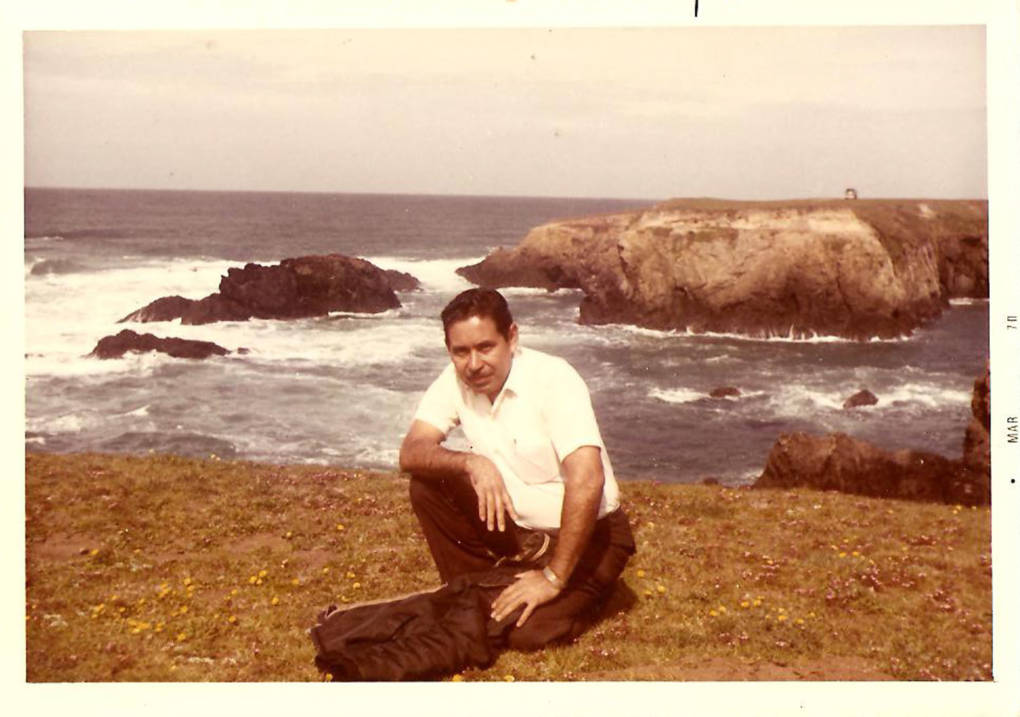
"caption": "Sarah's father, Enrique Monroy, along the California coastline near Mendocino, circa 1970.",
"description": null,
"title": "RS33399_Dad on CA coast-qut",
"credit": "Courtesy of Sarah Monroy",
"status": "inherit",
"isLoading": false,
"fetchFailed": false
},
"news_11700362": {
"type": "attachments",
"id": "news_11700362",
"meta": {
"index": "attachments_1716263798",
"site": "news",
"id": "11700362",
"found": true
},
"parent": 11700361,
"imgSizes": {
"small": {
"file": "https://ww2.kqed.org/app/uploads/sites/10/2018/10/migrant-caravan-1_slide-0fb16b67a335f1b5f07871c7faca98adab099315-520x346.jpg",
"width": 520,
"mimeType": "image/jpeg",
"height": 346
},
"twentyfourteen-full-width": {
"file": "https://ww2.kqed.org/app/uploads/sites/10/2018/10/migrant-caravan-1_slide-0fb16b67a335f1b5f07871c7faca98adab099315-1038x576.jpg",
"width": 1038,
"mimeType": "image/jpeg",
"height": 576
},
"thumbnail": {
"file": "https://ww2.kqed.org/app/uploads/sites/10/2018/10/migrant-caravan-1_slide-0fb16b67a335f1b5f07871c7faca98adab099315-160x107.jpg",
"width": 160,
"mimeType": "image/jpeg",
"height": 107
},
"fd-sm": {
"file": "https://ww2.kqed.org/app/uploads/sites/10/2018/10/migrant-caravan-1_slide-0fb16b67a335f1b5f07871c7faca98adab099315-960x640.jpg",
"width": 960,
"mimeType": "image/jpeg",
"height": 640
},
"post-thumbnail": {
"file": "https://ww2.kqed.org/app/uploads/sites/10/2018/10/migrant-caravan-1_slide-0fb16b67a335f1b5f07871c7faca98adab099315-672x372.jpg",
"width": 672,
"mimeType": "image/jpeg",
"height": 372
},
"xsmall": {
"file": "https://ww2.kqed.org/app/uploads/sites/10/2018/10/migrant-caravan-1_slide-0fb16b67a335f1b5f07871c7faca98adab099315-375x250.jpg",
"width": 375,
"mimeType": "image/jpeg",
"height": 250
},
"kqedFullSize": {
"file": "https://ww2.kqed.org/app/uploads/sites/10/2018/10/migrant-caravan-1_slide-0fb16b67a335f1b5f07871c7faca98adab099315-e1540241235587.jpg",
"width": 1920,
"height": 1279
},
"large": {
"file": "https://ww2.kqed.org/app/uploads/sites/10/2018/10/migrant-caravan-1_slide-0fb16b67a335f1b5f07871c7faca98adab099315-1020x680.jpg",
"width": 1020,
"mimeType": "image/jpeg",
"height": 680
},
"xlarge": {
"file": "https://ww2.kqed.org/app/uploads/sites/10/2018/10/migrant-caravan-1_slide-0fb16b67a335f1b5f07871c7faca98adab099315-1180x786.jpg",
"width": 1180,
"mimeType": "image/jpeg",
"height": 786
},
"complete_open_graph": {
"file": "https://ww2.kqed.org/app/uploads/sites/10/2018/10/migrant-caravan-1_slide-0fb16b67a335f1b5f07871c7faca98adab099315-1200x800.jpg",
"width": 1200,
"mimeType": "image/jpeg",
"height": 800
},
"guest-author-50": {
"file": "https://ww2.kqed.org/app/uploads/sites/10/2018/10/migrant-caravan-1_slide-0fb16b67a335f1b5f07871c7faca98adab099315-50x50.jpg",
"width": 50,
"mimeType": "image/jpeg",
"height": 50
},
"guest-author-96": {
"file": "https://ww2.kqed.org/app/uploads/sites/10/2018/10/migrant-caravan-1_slide-0fb16b67a335f1b5f07871c7faca98adab099315-96x96.jpg",
"width": 96,
"mimeType": "image/jpeg",
"height": 96
},
"medium": {
"file": "https://ww2.kqed.org/app/uploads/sites/10/2018/10/migrant-caravan-1_slide-0fb16b67a335f1b5f07871c7faca98adab099315-800x533.jpg",
"width": 800,
"mimeType": "image/jpeg",
"height": 533
},
"guest-author-64": {
"file": "https://ww2.kqed.org/app/uploads/sites/10/2018/10/migrant-caravan-1_slide-0fb16b67a335f1b5f07871c7faca98adab099315-64x64.jpg",
"width": 64,
"mimeType": "image/jpeg",
"height": 64
},
"guest-author-32": {
"file": "https://ww2.kqed.org/app/uploads/sites/10/2018/10/migrant-caravan-1_slide-0fb16b67a335f1b5f07871c7faca98adab099315-32x32.jpg",
"width": 32,
"mimeType": "image/jpeg",
"height": 32
},
"fd-lrg": {
"file": "https://ww2.kqed.org/app/uploads/sites/10/2018/10/migrant-caravan-1_slide-0fb16b67a335f1b5f07871c7faca98adab099315-1920x1279.jpg",
"width": 1920,
"mimeType": "image/jpeg",
"height": 1279
},
"fd-med": {
"file": "https://ww2.kqed.org/app/uploads/sites/10/2018/10/migrant-caravan-1_slide-0fb16b67a335f1b5f07871c7faca98adab099315-1180x786.jpg",
"width": 1180,
"mimeType": "image/jpeg",
"height": 786
},
"full-width": {
"file": "https://ww2.kqed.org/app/uploads/sites/10/2018/10/migrant-caravan-1_slide-0fb16b67a335f1b5f07871c7faca98adab099315-1920x1279.jpg",
"width": 1920,
"mimeType": "image/jpeg",
"height": 1279
},
"detail": {
"file": "https://ww2.kqed.org/app/uploads/sites/10/2018/10/migrant-caravan-1_slide-0fb16b67a335f1b5f07871c7faca98adab099315-150x150.jpg",
"width": 150,
"mimeType": "image/jpeg",
"height": 150
},
"guest-author-128": {
"file": "https://ww2.kqed.org/app/uploads/sites/10/2018/10/migrant-caravan-1_slide-0fb16b67a335f1b5f07871c7faca98adab099315-128x128.jpg",
"width": 128,
"mimeType": "image/jpeg",
"height": 128
},
"xxsmall": {
"file": "https://ww2.kqed.org/app/uploads/sites/10/2018/10/migrant-caravan-1_slide-0fb16b67a335f1b5f07871c7faca98adab099315-240x160.jpg",
"width": 240,
"mimeType": "image/jpeg",
"height": 160
}
},
"publishDate": 1540238745,
"modified": 1540241226,
"caption": "Honduran migrants arrive at dawn Monday in Ciudad Hidalgo, in Mexico's far southwest. They used a makeshift raft to cross the Suchiate River, which forms part of the natural border between Guatemala and Mexico.",
"description": "Honduran migrants arrive in Ciudad Hidalgo, Mexico, in a makeshift raft after crossing the Suchiate river, the natural border between Guatemala and Mexico on Monday",
"title": "Honduran migrants arrive at dawn Monday in Ciudad Hidalgo, in Mexico's far southwest. They used a makeshift raft to cross the Suchiate River, which forms part of the natural border between Guatemala and Mexico.",
"credit": "Pedro Pardo/AFP/Getty Images",
"status": "inherit",
"isLoading": false,
"fetchFailed": false
},
"news_11700063": {
"type": "attachments",
"id": "news_11700063",
"meta": {
"index": "attachments_1716263798",
"site": "news",
"id": "11700063",
"found": true
},
"parent": 11700044,
"imgSizes": {
"small": {
"file": "https://ww2.kqed.org/app/uploads/sites/10/2018/10/KdL-onSet-520x355.jpg",
"width": 520,
"mimeType": "image/jpeg",
"height": 355
},
"twentyfourteen-full-width": {
"file": "https://ww2.kqed.org/app/uploads/sites/10/2018/10/KdL-onSet-1038x576.jpg",
"width": 1038,
"mimeType": "image/jpeg",
"height": 576
},
"thumbnail": {
"file": "https://ww2.kqed.org/app/uploads/sites/10/2018/10/KdL-onSet-160x109.jpg",
"width": 160,
"mimeType": "image/jpeg",
"height": 109
},
"fd-sm": {
"file": "https://ww2.kqed.org/app/uploads/sites/10/2018/10/KdL-onSet-960x656.jpg",
"width": 960,
"mimeType": "image/jpeg",
"height": 656
},
"post-thumbnail": {
"file": "https://ww2.kqed.org/app/uploads/sites/10/2018/10/KdL-onSet-672x372.jpg",
"width": 672,
"mimeType": "image/jpeg",
"height": 372
},
"xsmall": {
"file": "https://ww2.kqed.org/app/uploads/sites/10/2018/10/KdL-onSet-375x256.jpg",
"width": 375,
"mimeType": "image/jpeg",
"height": 256
},
"kqedFullSize": {
"file": "https://ww2.kqed.org/app/uploads/sites/10/2018/10/KdL-onSet-e1541456730873.jpg",
"width": 1920,
"height": 1312
},
"large": {
"file": "https://ww2.kqed.org/app/uploads/sites/10/2018/10/KdL-onSet-1020x697.jpg",
"width": 1020,
"mimeType": "image/jpeg",
"height": 697
},
"xlarge": {
"file": "https://ww2.kqed.org/app/uploads/sites/10/2018/10/KdL-onSet-1180x806.jpg",
"width": 1180,
"mimeType": "image/jpeg",
"height": 806
},
"complete_open_graph": {
"file": "https://ww2.kqed.org/app/uploads/sites/10/2018/10/KdL-onSet-1200x820.jpg",
"width": 1200,
"mimeType": "image/jpeg",
"height": 820
},
"guest-author-50": {
"file": "https://ww2.kqed.org/app/uploads/sites/10/2018/10/KdL-onSet-50x50.jpg",
"width": 50,
"mimeType": "image/jpeg",
"height": 50
},
"guest-author-96": {
"file": "https://ww2.kqed.org/app/uploads/sites/10/2018/10/KdL-onSet-96x96.jpg",
"width": 96,
"mimeType": "image/jpeg",
"height": 96
},
"medium": {
"file": "https://ww2.kqed.org/app/uploads/sites/10/2018/10/KdL-onSet-800x547.jpg",
"width": 800,
"mimeType": "image/jpeg",
"height": 547
},
"guest-author-64": {
"file": "https://ww2.kqed.org/app/uploads/sites/10/2018/10/KdL-onSet-64x64.jpg",
"width": 64,
"mimeType": "image/jpeg",
"height": 64
},
"guest-author-32": {
"file": "https://ww2.kqed.org/app/uploads/sites/10/2018/10/KdL-onSet-32x32.jpg",
"width": 32,
"mimeType": "image/jpeg",
"height": 32
},
"fd-lrg": {
"file": "https://ww2.kqed.org/app/uploads/sites/10/2018/10/KdL-onSet-1920x1312.jpg",
"width": 1920,
"mimeType": "image/jpeg",
"height": 1312
},
"fd-med": {
"file": "https://ww2.kqed.org/app/uploads/sites/10/2018/10/KdL-onSet-1180x806.jpg",
"width": 1180,
"mimeType": "image/jpeg",
"height": 806
},
"full-width": {
"file": "https://ww2.kqed.org/app/uploads/sites/10/2018/10/KdL-onSet-1920x1312.jpg",
"width": 1920,
"mimeType": "image/jpeg",
"height": 1312
},
"detail": {
"file": "https://ww2.kqed.org/app/uploads/sites/10/2018/10/KdL-onSet-150x150.jpg",
"width": 150,
"mimeType": "image/jpeg",
"height": 150
},
"guest-author-128": {
"file": "https://ww2.kqed.org/app/uploads/sites/10/2018/10/KdL-onSet-128x128.jpg",
"width": 128,
"mimeType": "image/jpeg",
"height": 128
},
"xxsmall": {
"file": "https://ww2.kqed.org/app/uploads/sites/10/2018/10/KdL-onSet-240x164.jpg",
"width": 240,
"mimeType": "image/jpeg",
"height": 164
}
},
"publishDate": 1539991333,
"modified": 1541456717,
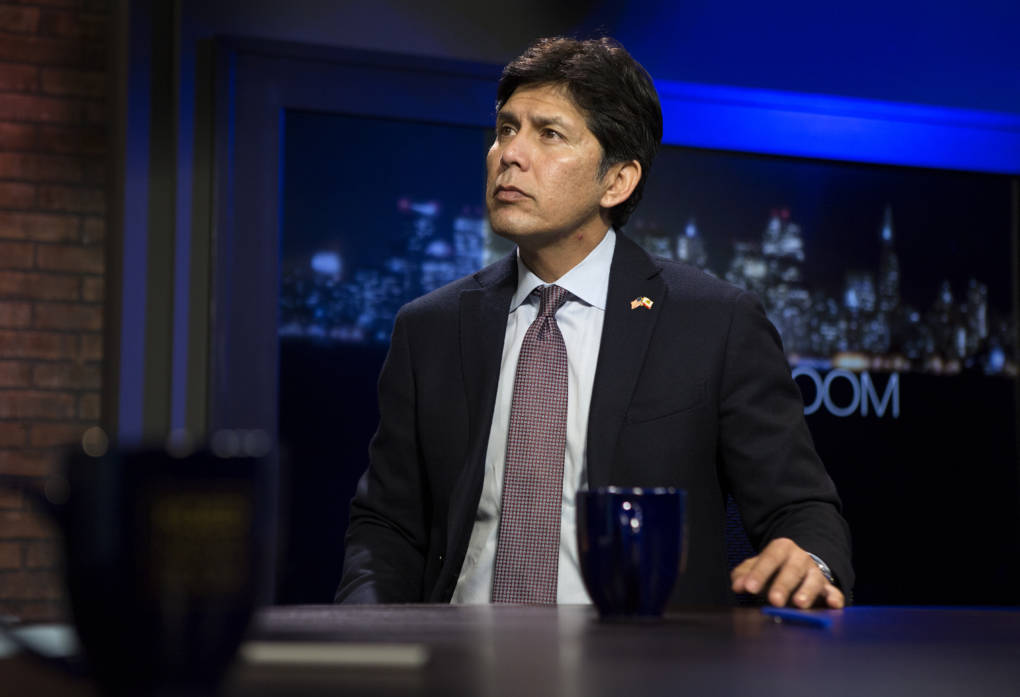
"caption": "California candidate for U.S. Senate Kevin de Leon visits KQED studios on October 15, 2018.",
"description": null,
"title": "KdL-onSet",
"credit": "Anne Wernikoff/KQED",
"status": "inherit",
"isLoading": false,
"fetchFailed": false
},
"news_11699140": {
"type": "attachments",
"id": "news_11699140",
"meta": {
"index": "attachments_1716263798",
"site": "news",
"id": "11699140",
"found": true
},
"parent": 11699103,
"imgSizes": {
"small": {
"file": "https://ww2.kqed.org/app/uploads/sites/10/2018/10/ICE.Arrest_lg-520x334.jpg",
"width": 520,
"mimeType": "image/jpeg",
"height": 334
},
"twentyfourteen-full-width": {
"file": "https://ww2.kqed.org/app/uploads/sites/10/2018/10/ICE.Arrest_lg-1008x576.jpg",
"width": 1008,
"mimeType": "image/jpeg",
"height": 576
},
"thumbnail": {
"file": "https://ww2.kqed.org/app/uploads/sites/10/2018/10/ICE.Arrest_lg-160x103.jpg",
"width": 160,
"mimeType": "image/jpeg",
"height": 103
},
"fd-sm": {
"file": "https://ww2.kqed.org/app/uploads/sites/10/2018/10/ICE.Arrest_lg-960x617.jpg",
"width": 960,
"mimeType": "image/jpeg",
"height": 617
},
"post-thumbnail": {
"file": "https://ww2.kqed.org/app/uploads/sites/10/2018/10/ICE.Arrest_lg-672x372.jpg",
"width": 672,
"mimeType": "image/jpeg",
"height": 372
},
"xsmall": {
"file": "https://ww2.kqed.org/app/uploads/sites/10/2018/10/ICE.Arrest_lg-375x241.jpg",
"width": 375,
"mimeType": "image/jpeg",
"height": 241
},
"kqedFullSize": {
"file": "https://ww2.kqed.org/app/uploads/sites/10/2018/10/ICE.Arrest_lg.jpg",
"width": 1008,
"height": 648
},
"guest-author-50": {
"file": "https://ww2.kqed.org/app/uploads/sites/10/2018/10/ICE.Arrest_lg-50x50.jpg",
"width": 50,
"mimeType": "image/jpeg",
"height": 50
},
"guest-author-96": {
"file": "https://ww2.kqed.org/app/uploads/sites/10/2018/10/ICE.Arrest_lg-96x96.jpg",
"width": 96,
"mimeType": "image/jpeg",
"height": 96
},
"medium": {
"file": "https://ww2.kqed.org/app/uploads/sites/10/2018/10/ICE.Arrest_lg-800x514.jpg",
"width": 800,
"mimeType": "image/jpeg",
"height": 514
},
"guest-author-64": {
"file": "https://ww2.kqed.org/app/uploads/sites/10/2018/10/ICE.Arrest_lg-64x64.jpg",
"width": 64,
"mimeType": "image/jpeg",
"height": 64
},
"guest-author-32": {
"file": "https://ww2.kqed.org/app/uploads/sites/10/2018/10/ICE.Arrest_lg-32x32.jpg",
"width": 32,
"mimeType": "image/jpeg",
"height": 32
},
"detail": {
"file": "https://ww2.kqed.org/app/uploads/sites/10/2018/10/ICE.Arrest_lg-150x150.jpg",
"width": 150,
"mimeType": "image/jpeg",
"height": 150
},
"guest-author-128": {
"file": "https://ww2.kqed.org/app/uploads/sites/10/2018/10/ICE.Arrest_lg-128x128.jpg",
"width": 128,
"mimeType": "image/jpeg",
"height": 128
},
"xxsmall": {
"file": "https://ww2.kqed.org/app/uploads/sites/10/2018/10/ICE.Arrest_lg-240x154.jpg",
"width": 240,
"mimeType": "image/jpeg",
"height": 154
}
},
"publishDate": 1539649996,
"modified": 1539655713,
"caption": "An ICE special agent arrests a suspect.",
"description": "An ICE special agent arrests a suspect.",
"title": "ICE.Arrest_lg",
"credit": "\u003ca href=\"https://commons.wikimedia.org/wiki/File:ICE.Arrest_lg.jpg#/media/File:ICE.Arrest_lg.jpg\" target=\"_blank\">U.S. Immigration and Customs Enforcement\u003c/a>",
"status": "inherit",
"isLoading": false,
"fetchFailed": false
},
"news_11697139": {
"type": "attachments",
"id": "news_11697139",
"meta": {
"index": "attachments_1716263798",
"site": "news",
"id": "11697139",
"found": true
},
"parent": 11696870,
"imgSizes": {
"small": {
"file": "https://ww2.kqed.org/app/uploads/sites/10/2018/10/RS17233_GettyImages-450371241-qut-520x347.jpg",
"width": 520,
"mimeType": "image/jpeg",
"height": 347
},
"twentyfourteen-full-width": {
"file": "https://ww2.kqed.org/app/uploads/sites/10/2018/10/RS17233_GettyImages-450371241-qut-1038x576.jpg",
"width": 1038,
"mimeType": "image/jpeg",
"height": 576
},
"thumbnail": {
"file": "https://ww2.kqed.org/app/uploads/sites/10/2018/10/RS17233_GettyImages-450371241-qut-160x107.jpg",
"width": 160,
"mimeType": "image/jpeg",
"height": 107
},
"fd-sm": {
"file": "https://ww2.kqed.org/app/uploads/sites/10/2018/10/RS17233_GettyImages-450371241-qut-960x640.jpg",
"width": 960,
"mimeType": "image/jpeg",
"height": 640
},
"post-thumbnail": {
"file": "https://ww2.kqed.org/app/uploads/sites/10/2018/10/RS17233_GettyImages-450371241-qut-672x372.jpg",
"width": 672,
"mimeType": "image/jpeg",
"height": 372
},
"xsmall": {
"file": "https://ww2.kqed.org/app/uploads/sites/10/2018/10/RS17233_GettyImages-450371241-qut-375x250.jpg",
"width": 375,
"mimeType": "image/jpeg",
"height": 250
},
"kqedFullSize": {
"file": "https://ww2.kqed.org/app/uploads/sites/10/2018/10/RS17233_GettyImages-450371241-qut.jpg",
"width": 1920,
"height": 1280
},
"large": {
"file": "https://ww2.kqed.org/app/uploads/sites/10/2018/10/RS17233_GettyImages-450371241-qut-1020x680.jpg",
"width": 1020,
"mimeType": "image/jpeg",
"height": 680
},
"xlarge": {
"file": "https://ww2.kqed.org/app/uploads/sites/10/2018/10/RS17233_GettyImages-450371241-qut-1180x787.jpg",
"width": 1180,
"mimeType": "image/jpeg",
"height": 787
},
"complete_open_graph": {
"file": "https://ww2.kqed.org/app/uploads/sites/10/2018/10/RS17233_GettyImages-450371241-qut-1200x800.jpg",
"width": 1200,
"mimeType": "image/jpeg",
"height": 800
},
"guest-author-50": {
"file": "https://ww2.kqed.org/app/uploads/sites/10/2018/10/RS17233_GettyImages-450371241-qut-50x50.jpg",
"width": 50,
"mimeType": "image/jpeg",
"height": 50
},
"guest-author-96": {
"file": "https://ww2.kqed.org/app/uploads/sites/10/2018/10/RS17233_GettyImages-450371241-qut-96x96.jpg",
"width": 96,
"mimeType": "image/jpeg",
"height": 96
},
"medium": {
"file": "https://ww2.kqed.org/app/uploads/sites/10/2018/10/RS17233_GettyImages-450371241-qut-800x533.jpg",
"width": 800,
"mimeType": "image/jpeg",
"height": 533
},
"guest-author-64": {
"file": "https://ww2.kqed.org/app/uploads/sites/10/2018/10/RS17233_GettyImages-450371241-qut-64x64.jpg",
"width": 64,
"mimeType": "image/jpeg",
"height": 64
},
"guest-author-32": {
"file": "https://ww2.kqed.org/app/uploads/sites/10/2018/10/RS17233_GettyImages-450371241-qut-32x32.jpg",
"width": 32,
"mimeType": "image/jpeg",
"height": 32
},
"fd-lrg": {
"file": "https://ww2.kqed.org/app/uploads/sites/10/2018/10/RS17233_GettyImages-450371241-qut-1920x1280.jpg",
"width": 1920,
"mimeType": "image/jpeg",
"height": 1280
},
"fd-med": {
"file": "https://ww2.kqed.org/app/uploads/sites/10/2018/10/RS17233_GettyImages-450371241-qut-1180x787.jpg",
"width": 1180,
"mimeType": "image/jpeg",
"height": 787
},
"full-width": {
"file": "https://ww2.kqed.org/app/uploads/sites/10/2018/10/RS17233_GettyImages-450371241-qut-1920x1280.jpg",
"width": 1920,
"mimeType": "image/jpeg",
"height": 1280
},
"detail": {
"file": "https://ww2.kqed.org/app/uploads/sites/10/2018/10/RS17233_GettyImages-450371241-qut-150x150.jpg",
"width": 150,
"mimeType": "image/jpeg",
"height": 150
},
"guest-author-128": {
"file": "https://ww2.kqed.org/app/uploads/sites/10/2018/10/RS17233_GettyImages-450371241-qut-128x128.jpg",
"width": 128,
"mimeType": "image/jpeg",
"height": 128
},
"xxsmall": {
"file": "https://ww2.kqed.org/app/uploads/sites/10/2018/10/RS17233_GettyImages-450371241-qut-240x160.jpg",
"width": 240,
"mimeType": "image/jpeg",
"height": 160
}
},
"publishDate": 1538864576,
"modified": 1538864801,
"caption": "Immigrants prepare to be unshackled and set free from the Adelanto ICE Processing Center in Southern California. The Department of Homeland Security's Office of Inspector General released a scathing report on the facility in October 2018, finding medical neglect, nooses in cells and other safety lapses. California is conducting its own investigation.",
"description": "Immigrants prepare to be unshackled and set free from the Adelanto ICE Processing Center in Southern California. The Department of Homeland Security's Office of Inspector General released a scathing report on the facility in October 2018, finding medical neglect, nooses in cells and other safety lapses. California is conducting its own investigation.",
"title": "RS17233_GettyImages-450371241-qut",
"credit": "John Moore/Getty Images",
"status": "inherit",
"isLoading": false,
"fetchFailed": false
},
"news_11696995": {
"type": "attachments",
"id": "news_11696995",
"meta": {
"index": "attachments_1716263798",
"site": "news",
"id": "11696995",
"found": true
},
"parent": 11696946,
"imgSizes": {
"small": {
"file": "https://ww2.kqed.org/app/uploads/sites/10/2018/10/GettyImages-975078484-520x347.jpg",
"width": 520,
"mimeType": "image/jpeg",
"height": 347
},
"twentyfourteen-full-width": {
"file": "https://ww2.kqed.org/app/uploads/sites/10/2018/10/GettyImages-975078484-1038x576.jpg",
"width": 1038,
"mimeType": "image/jpeg",
"height": 576
},
"thumbnail": {
"file": "https://ww2.kqed.org/app/uploads/sites/10/2018/10/GettyImages-975078484-160x107.jpg",
"width": 160,
"mimeType": "image/jpeg",
"height": 107
},
"fd-sm": {
"file": "https://ww2.kqed.org/app/uploads/sites/10/2018/10/GettyImages-975078484-960x640.jpg",
"width": 960,
"mimeType": "image/jpeg",
"height": 640
},
"post-thumbnail": {
"file": "https://ww2.kqed.org/app/uploads/sites/10/2018/10/GettyImages-975078484-672x372.jpg",
"width": 672,
"mimeType": "image/jpeg",
"height": 372
},
"xsmall": {
"file": "https://ww2.kqed.org/app/uploads/sites/10/2018/10/GettyImages-975078484-375x250.jpg",
"width": 375,
"mimeType": "image/jpeg",
"height": 250
},
"kqedFullSize": {
"file": "https://ww2.kqed.org/app/uploads/sites/10/2018/10/GettyImages-975078484.jpg",
"width": 5472,
"height": 3648
},
"large": {
"file": "https://ww2.kqed.org/app/uploads/sites/10/2018/10/GettyImages-975078484-1020x680.jpg",
"width": 1020,
"mimeType": "image/jpeg",
"height": 680
},
"xlarge": {
"file": "https://ww2.kqed.org/app/uploads/sites/10/2018/10/GettyImages-975078484-1180x787.jpg",
"width": 1180,
"mimeType": "image/jpeg",
"height": 787
},
"complete_open_graph": {
"file": "https://ww2.kqed.org/app/uploads/sites/10/2018/10/GettyImages-975078484-1200x800.jpg",
"width": 1200,
"mimeType": "image/jpeg",
"height": 800
},
"guest-author-50": {
"file": "https://ww2.kqed.org/app/uploads/sites/10/2018/10/GettyImages-975078484-50x50.jpg",
"width": 50,
"mimeType": "image/jpeg",
"height": 50
},
"guest-author-96": {
"file": "https://ww2.kqed.org/app/uploads/sites/10/2018/10/GettyImages-975078484-96x96.jpg",
"width": 96,
"mimeType": "image/jpeg",
"height": 96
},
"medium": {
"file": "https://ww2.kqed.org/app/uploads/sites/10/2018/10/GettyImages-975078484-800x533.jpg",
"width": 800,
"mimeType": "image/jpeg",
"height": 533
},
"guest-author-64": {
"file": "https://ww2.kqed.org/app/uploads/sites/10/2018/10/GettyImages-975078484-64x64.jpg",
"width": 64,
"mimeType": "image/jpeg",
"height": 64
},
"guest-author-32": {
"file": "https://ww2.kqed.org/app/uploads/sites/10/2018/10/GettyImages-975078484-32x32.jpg",
"width": 32,
"mimeType": "image/jpeg",
"height": 32
},
"fd-lrg": {
"file": "https://ww2.kqed.org/app/uploads/sites/10/2018/10/GettyImages-975078484-1920x1280.jpg",
"width": 1920,
"mimeType": "image/jpeg",
"height": 1280
},
"fd-med": {
"file": "https://ww2.kqed.org/app/uploads/sites/10/2018/10/GettyImages-975078484-1180x787.jpg",
"width": 1180,
"mimeType": "image/jpeg",
"height": 787
},
"full-width": {
"file": "https://ww2.kqed.org/app/uploads/sites/10/2018/10/GettyImages-975078484-1920x1280.jpg",
"width": 1920,
"mimeType": "image/jpeg",
"height": 1280
},
"detail": {
"file": "https://ww2.kqed.org/app/uploads/sites/10/2018/10/GettyImages-975078484-150x150.jpg",
"width": 150,
"mimeType": "image/jpeg",
"height": 150
},
"guest-author-128": {
"file": "https://ww2.kqed.org/app/uploads/sites/10/2018/10/GettyImages-975078484-128x128.jpg",
"width": 128,
"mimeType": "image/jpeg",
"height": 128
},
"xxsmall": {
"file": "https://ww2.kqed.org/app/uploads/sites/10/2018/10/GettyImages-975078484-240x160.jpg",
"width": 240,
"mimeType": "image/jpeg",
"height": 160
}
},
"publishDate": 1538785888,
"modified": 1538786741,
"caption": "Central American asylum-seekers wait as U.S. Border Patrol agents take them into custody on June 12, 2018, near McAllen, Texas. ",
"description": "Central American asylum seekers wait as U.S. Border Patrol agents take them into custody on June 12 near McAllen, Texas. ",
"title": "Border Patrol Agents Detain Migrants Near US-Mexico Border",
"credit": "John Moore/Getty Images",
"status": "inherit",
"isLoading": false,
"fetchFailed": false
},
"news_11696455": {
"type": "attachments",
"id": "news_11696455",
"meta": {
"index": "attachments_1716263798",
"site": "news",
"id": "11696455",
"found": true
},
"parent": 11696444,
"imgSizes": {
"small": {
"file": "https://ww2.kqed.org/app/uploads/sites/10/2018/10/adelanto_100318_final-520x360.jpg",
"width": 520,
"mimeType": "image/jpeg",
"height": 360
},
"twentyfourteen-full-width": {
"file": "https://ww2.kqed.org/app/uploads/sites/10/2018/10/adelanto_100318_final-1038x576.jpg",
"width": 1038,
"mimeType": "image/jpeg",
"height": 576
},
"thumbnail": {
"file": "https://ww2.kqed.org/app/uploads/sites/10/2018/10/adelanto_100318_final-160x111.jpg",
"width": 160,
"mimeType": "image/jpeg",
"height": 111
},
"fd-sm": {
"file": "https://ww2.kqed.org/app/uploads/sites/10/2018/10/adelanto_100318_final-960x665.jpg",
"width": 960,
"mimeType": "image/jpeg",
"height": 665
},
"post-thumbnail": {
"file": "https://ww2.kqed.org/app/uploads/sites/10/2018/10/adelanto_100318_final-672x372.jpg",
"width": 672,
"mimeType": "image/jpeg",
"height": 372
},
"xsmall": {
"file": "https://ww2.kqed.org/app/uploads/sites/10/2018/10/adelanto_100318_final-375x260.jpg",
"width": 375,
"mimeType": "image/jpeg",
"height": 260
},
"kqedFullSize": {
"file": "https://ww2.kqed.org/app/uploads/sites/10/2018/10/adelanto_100318_final.jpg",
"width": 1920,
"height": 1329
},
"large": {
"file": "https://ww2.kqed.org/app/uploads/sites/10/2018/10/adelanto_100318_final-1020x706.jpg",
"width": 1020,
"mimeType": "image/jpeg",
"height": 706
},
"xlarge": {
"file": "https://ww2.kqed.org/app/uploads/sites/10/2018/10/adelanto_100318_final-1180x817.jpg",
"width": 1180,
"mimeType": "image/jpeg",
"height": 817
},
"complete_open_graph": {
"file": "https://ww2.kqed.org/app/uploads/sites/10/2018/10/adelanto_100318_final-1200x831.jpg",
"width": 1200,
"mimeType": "image/jpeg",
"height": 831
},
"guest-author-50": {
"file": "https://ww2.kqed.org/app/uploads/sites/10/2018/10/adelanto_100318_final-50x50.jpg",
"width": 50,
"mimeType": "image/jpeg",
"height": 50
},
"guest-author-96": {
"file": "https://ww2.kqed.org/app/uploads/sites/10/2018/10/adelanto_100318_final-96x96.jpg",
"width": 96,
"mimeType": "image/jpeg",
"height": 96
},
"medium": {
"file": "https://ww2.kqed.org/app/uploads/sites/10/2018/10/adelanto_100318_final-800x554.jpg",
"width": 800,
"mimeType": "image/jpeg",
"height": 554
},
"guest-author-64": {
"file": "https://ww2.kqed.org/app/uploads/sites/10/2018/10/adelanto_100318_final-64x64.jpg",
"width": 64,
"mimeType": "image/jpeg",
"height": 64
},
"guest-author-32": {
"file": "https://ww2.kqed.org/app/uploads/sites/10/2018/10/adelanto_100318_final-32x32.jpg",
"width": 32,
"mimeType": "image/jpeg",
"height": 32
},
"fd-lrg": {
"file": "https://ww2.kqed.org/app/uploads/sites/10/2018/10/adelanto_100318_final-1920x1329.jpg",
"width": 1920,
"mimeType": "image/jpeg",
"height": 1329
},
"fd-med": {
"file": "https://ww2.kqed.org/app/uploads/sites/10/2018/10/adelanto_100318_final-1180x817.jpg",
"width": 1180,
"mimeType": "image/jpeg",
"height": 817
},
"full-width": {
"file": "https://ww2.kqed.org/app/uploads/sites/10/2018/10/adelanto_100318_final-1920x1329.jpg",
"width": 1920,
"mimeType": "image/jpeg",
"height": 1329
},
"detail": {
"file": "https://ww2.kqed.org/app/uploads/sites/10/2018/10/adelanto_100318_final-150x150.jpg",
"width": 150,
"mimeType": "image/jpeg",
"height": 150
},
"guest-author-128": {
"file": "https://ww2.kqed.org/app/uploads/sites/10/2018/10/adelanto_100318_final-128x128.jpg",
"width": 128,
"mimeType": "image/jpeg",
"height": 128
},
"xxsmall": {
"file": "https://ww2.kqed.org/app/uploads/sites/10/2018/10/adelanto_100318_final-240x166.jpg",
"width": 240,
"mimeType": "image/jpeg",
"height": 166
}
},
"publishDate": 1538605764,
"modified": 1538605791,
"caption": null,
"description": null,
"title": "adelanto_100318_final",
"credit": null,
"status": "inherit",
"isLoading": false,
"fetchFailed": false
},
"news_11693548": {
"type": "attachments",
"id": "news_11693548",
"meta": {
"index": "attachments_1716263798",
"site": "news",
"id": "11693548",
"found": true
},
"parent": 11693544,
"imgSizes": {
"small": {
"file": "https://ww2.kqed.org/app/uploads/sites/10/2018/09/scaling_091918_final-520x359.jpg",
"width": 520,
"mimeType": "image/jpeg",
"height": 359
},
"twentyfourteen-full-width": {
"file": "https://ww2.kqed.org/app/uploads/sites/10/2018/09/scaling_091918_final-1038x576.jpg",
"width": 1038,
"mimeType": "image/jpeg",
"height": 576
},
"thumbnail": {
"file": "https://ww2.kqed.org/app/uploads/sites/10/2018/09/scaling_091918_final-160x110.jpg",
"width": 160,
"mimeType": "image/jpeg",
"height": 110
},
"fd-sm": {
"file": "https://ww2.kqed.org/app/uploads/sites/10/2018/09/scaling_091918_final-960x662.jpg",
"width": 960,
"mimeType": "image/jpeg",
"height": 662
},
"post-thumbnail": {
"file": "https://ww2.kqed.org/app/uploads/sites/10/2018/09/scaling_091918_final-672x372.jpg",
"width": 672,
"mimeType": "image/jpeg",
"height": 372
},
"xsmall": {
"file": "https://ww2.kqed.org/app/uploads/sites/10/2018/09/scaling_091918_final-375x259.jpg",
"width": 375,
"mimeType": "image/jpeg",
"height": 259
},
"kqedFullSize": {
"file": "https://ww2.kqed.org/app/uploads/sites/10/2018/09/scaling_091918_final.jpg",
"width": 1920,
"height": 1324
},
"large": {
"file": "https://ww2.kqed.org/app/uploads/sites/10/2018/09/scaling_091918_final-1020x703.jpg",
"width": 1020,
"mimeType": "image/jpeg",
"height": 703
},
"xlarge": {
"file": "https://ww2.kqed.org/app/uploads/sites/10/2018/09/scaling_091918_final-1180x814.jpg",
"width": 1180,
"mimeType": "image/jpeg",
"height": 814
},
"complete_open_graph": {
"file": "https://ww2.kqed.org/app/uploads/sites/10/2018/09/scaling_091918_final-1200x828.jpg",
"width": 1200,
"mimeType": "image/jpeg",
"height": 828
},
"guest-author-50": {
"file": "https://ww2.kqed.org/app/uploads/sites/10/2018/09/scaling_091918_final-50x50.jpg",
"width": 50,
"mimeType": "image/jpeg",
"height": 50
},
"guest-author-96": {
"file": "https://ww2.kqed.org/app/uploads/sites/10/2018/09/scaling_091918_final-96x96.jpg",
"width": 96,
"mimeType": "image/jpeg",
"height": 96
},
"medium": {
"file": "https://ww2.kqed.org/app/uploads/sites/10/2018/09/scaling_091918_final-800x552.jpg",
"width": 800,
"mimeType": "image/jpeg",
"height": 552
},
"guest-author-64": {
"file": "https://ww2.kqed.org/app/uploads/sites/10/2018/09/scaling_091918_final-64x64.jpg",
"width": 64,
"mimeType": "image/jpeg",
"height": 64
},
"guest-author-32": {
"file": "https://ww2.kqed.org/app/uploads/sites/10/2018/09/scaling_091918_final-32x32.jpg",
"width": 32,
"mimeType": "image/jpeg",
"height": 32
},
"fd-lrg": {
"file": "https://ww2.kqed.org/app/uploads/sites/10/2018/09/scaling_091918_final-1920x1324.jpg",
"width": 1920,
"mimeType": "image/jpeg",
"height": 1324
},
"fd-med": {
"file": "https://ww2.kqed.org/app/uploads/sites/10/2018/09/scaling_091918_final-1180x814.jpg",
"width": 1180,
"mimeType": "image/jpeg",
"height": 814
},
"full-width": {
"file": "https://ww2.kqed.org/app/uploads/sites/10/2018/09/scaling_091918_final-1920x1324.jpg",
"width": 1920,
"mimeType": "image/jpeg",
"height": 1324
},
"detail": {
"file": "https://ww2.kqed.org/app/uploads/sites/10/2018/09/scaling_091918_final-150x150.jpg",
"width": 150,
"mimeType": "image/jpeg",
"height": 150
},
"guest-author-128": {
"file": "https://ww2.kqed.org/app/uploads/sites/10/2018/09/scaling_091918_final-128x128.jpg",
"width": 128,
"mimeType": "image/jpeg",
"height": 128
},
"xxsmall": {
"file": "https://ww2.kqed.org/app/uploads/sites/10/2018/09/scaling_091918_final-240x166.jpg",
"width": 240,
"mimeType": "image/jpeg",
"height": 166
}
},
"publishDate": 1537397297,
"modified": 1537397317,
"caption": null,
"description": null,
"title": "scaling_091918_final",
"credit": null,
"status": "inherit",
"isLoading": false,
"fetchFailed": false
}
},
"audioPlayerReducer": {
"postId": "stream_live",
"isPaused": true,
"isPlaying": false,
"pfsActive": false,
"pledgeModalIsOpen": true,
"playerDrawerIsOpen": false,
"liveAudioPlayStartedAt": 0,
"liveAudioPlayContext": ""
},
"authorsReducer": {
"byline_news_11703507": {
"type": "authors",
"id": "byline_news_11703507",
"meta": {
"override": true
},
"slug": "byline_news_11703507",
"name": "\u003cstrong>\u003ca href=\"https://www.npr.org/people/159989569/joel-rose\">Joel Rose\u003c/a>\u003c/strong>",
"isLoading": false
},
"byline_news_11701063": {
"type": "authors",
"id": "byline_news_11701063",
"meta": {
"override": true
},
"slug": "byline_news_11701063",
"name": "Sarah Monroy",
"isLoading": false
},
"byline_news_11700361": {
"type": "authors",
"id": "byline_news_11700361",
"meta": {
"override": true
},
"slug": "byline_news_11700361",
"name": "\u003cstrong>\u003ca href=\"https://www.npr.org/people/432862355/colin-dwyer\">Colin Dwyer\u003c/a>\u003c/strong>",
"isLoading": false
},
"kqed": {
"type": "authors",
"id": "236",
"meta": {
"index": "authors_1716337520",
"id": "236",
"found": true
},
"name": "KQED News Staff",
"firstName": "KQED News Staff",
"lastName": null,
"slug": "kqed",
"email": "faq@kqed.org",
"display_author_email": false,
"staff_mastheads": [],
"title": null,
"bio": null,
"avatar": "https://secure.gravatar.com/avatar/ef0e801a68c4c54afa9180db14084167?s=600&d=blank&r=g",
"twitter": null,
"facebook": null,
"instagram": null,
"linkedin": null,
"sites": [
{
"site": "arts",
"roles": [
"contributor"
]
},
{
"site": "news",
"roles": [
"editor"
]
},
{
"site": "futureofyou",
"roles": [
"author"
]
}
],
"headData": {
"title": "KQED News Staff | KQED",
"description": null,
"ogImgSrc": "https://secure.gravatar.com/avatar/ef0e801a68c4c54afa9180db14084167?s=600&d=blank&r=g",
"twImgSrc": "https://secure.gravatar.com/avatar/ef0e801a68c4c54afa9180db14084167?s=600&d=blank&r=g"
},
"isLoading": false,
"link": "/author/kqed"
},
"rachael-myrow": {
"type": "authors",
"id": "251",
"meta": {
"index": "authors_1716337520",
"id": "251",
"found": true
},
"name": "Rachael Myrow",
"firstName": "Rachael",
"lastName": "Myrow",
"slug": "rachael-myrow",
"email": "rmyrow@kqed.org",
"display_author_email": true,
"staff_mastheads": [
"news"
],
"title": "Senior Editor of KQED's Silicon Valley News Desk",
"bio": "• I write and edit stories about how Silicon Valley power and policies shape everyday life in California. I’m also passionate about making Bay Area history and culture more accessible to a broad public. • I’ve been a journalist for most of my life, starting in high school with The Franklin Press in Los Angeles, where I grew up. While earning my first degree in English at UC Berkeley, I got my start in public radio at KALX-FM. After completing a second degree in journalism at Cal, I landed my first professional job at Marketplace, then moved on to KPCC (now LAist), and then KQED, where I hosted The California Report for more than seven years. • My reporting has appeared on NPR, The World, WBUR’s \u003ci>Here & Now\u003c/i>, and the BBC. I also guest host for KQED’s \u003ci>Forum\u003c/i>, as well as the Commonwealth Club in San Francisco. • I speak periodically on media, democracy and technology issues, and do voiceover work for documentaries and educational video projects. • Outside of the studio, you'll find me hiking Bay Area trails and whipping up Insta-ready meals in my kitchen. • I do not accept gifts, money, or favors from anyone connected to my reporting, I don't pay people for information, and I do not support or donate to political causes. • I strive to treat the people I report on with fairness, honesty, and respect. I also recognize there are often multiple sides to a story and work to verify information through multiple sources and documentation. If I get something wrong, I correct it.",
"avatar": "https://secure.gravatar.com/avatar/87bf8cb5874e045cdff430523a6d48b1?s=600&d=blank&r=g",
"twitter": "rachaelmyrow",
"facebook": null,
"instagram": null,
"linkedin": "https://www.linkedin.com/in/rachaelmyrow/",
"sites": [
{
"site": "arts",
"roles": [
"administrator"
]
},
{
"site": "news",
"roles": [
"edit_others_posts",
"editor"
]
},
{
"site": "futureofyou",
"roles": [
"editor"
]
},
{
"site": "bayareabites",
"roles": [
"editor"
]
},
{
"site": "stateofhealth",
"roles": [
"editor"
]
},
{
"site": "science",
"roles": [
"editor"
]
},
{
"site": "food",
"roles": [
"editor"
]
},
{
"site": "forum",
"roles": [
"editor"
]
},
{
"site": "liveblog",
"roles": [
"author"
]
}
],
"headData": {
"title": "Rachael Myrow | KQED",
"description": "Senior Editor of KQED's Silicon Valley News Desk",
"ogImgSrc": "https://secure.gravatar.com/avatar/87bf8cb5874e045cdff430523a6d48b1?s=600&d=blank&r=g",
"twImgSrc": "https://secure.gravatar.com/avatar/87bf8cb5874e045cdff430523a6d48b1?s=600&d=blank&r=g"
},
"isLoading": false,
"link": "/author/rachael-myrow"
},
"tychehendricks": {
"type": "authors",
"id": "259",
"meta": {
"index": "authors_1716337520",
"id": "259",
"found": true
},
"name": "Tyche Hendricks",
"firstName": "Tyche",
"lastName": "Hendricks",
"slug": "tychehendricks",
"email": "thendricks@kqed.org",
"display_author_email": true,
"staff_mastheads": [
"news"
],
"title": "KQED Senior Editor, Immigration",
"bio": "\u003cspan style=\"font-weight: 400;\">Tyche Hendricks is KQED’s senior editor for immigration, leading coverage of the policy and politics that affect California’s immigrant communities. Her work for KQED’s radio and online audiences is also carried on NPR and other national outlets. She has been recognized with awards from the Radio and Television News Directors Association, the Society for Professional Journalists; the Education Writers Association; the Best of the West and the National Federation of Community Broadcasters. Before joining KQED in 2010, Tyche spent more than a dozen years as a newspaper reporter, notably at the \u003c/span>\u003ci>\u003cspan style=\"font-weight: 400;\">San Francisco Chronicle\u003c/span>\u003c/i>\u003cspan style=\"font-weight: 400;\">. At different times she has covered criminal justice, government and politics and urban planning. Tyche has taught in the MFA Creative Writing program at the University of San Francisco and at UC Berkeley’s Graduate School of Journalism, where she was co-director of a national immigration symposium for professional journalists. She is the author of \u003c/span>\u003ci>\u003cspan style=\"font-weight: 400;\">The Wind Doesn't Need a Passport: Stories from the U.S.-Mexico Borderlands\u003c/span>\u003c/i>\u003cspan style=\"font-weight: 400;\"> (University of California Press). \u003c/span>",
"avatar": "https://secure.gravatar.com/avatar/b8ee458e2731c2d43df86882ce17267e?s=600&d=blank&r=g",
"twitter": "tychehendricks",
"facebook": null,
"instagram": null,
"linkedin": null,
"sites": [
{
"site": "news",
"roles": [
"editor"
]
},
{
"site": "stateofhealth",
"roles": [
"editor"
]
}
],
"headData": {
"title": "Tyche Hendricks | KQED",
"description": "KQED Senior Editor, Immigration",
"ogImgSrc": "https://secure.gravatar.com/avatar/b8ee458e2731c2d43df86882ce17267e?s=600&d=blank&r=g",
"twImgSrc": "https://secure.gravatar.com/avatar/b8ee458e2731c2d43df86882ce17267e?s=600&d=blank&r=g"
},
"isLoading": false,
"link": "/author/tychehendricks"
},
"markfiore": {
"type": "authors",
"id": "3236",
"meta": {
"index": "authors_1716337520",
"id": "3236",
"found": true
},
"name": "Mark Fiore",
"firstName": "Mark",
"lastName": "Fiore",
"slug": "markfiore",
"email": "mark@markfiore.com",
"display_author_email": false,
"staff_mastheads": [
"news"
],
"title": "KQED News Cartoonist",
"bio": "\u003ca href=\"http://www.MarkFiore.com\">MarkFiore.com\u003c/a> | \u003ca href=\"https://twitter.com/markfiore\">Follow on Twitter\u003c/a> | \u003ca href=\"https://www.facebook.com/pages/Mark-Fiore-Animated-Political-Cartoons/94451707396?ref=bookmarks\">Facebook\u003c/a> | \u003ca href=\"mailto:mark@markfiore.com\">email\u003c/a>\r\n\r\nPulitzer Prize-winner, Mark Fiore, who the Wall Street Journal has called “the undisputed guru of the form,” creates animated political cartoons in San Francisco, where his work has been featured regularly on the San Francisco Chronicle’s web site, SFGate.com. His work has appeared on Newsweek.com, Slate.com, CBSNews.com, MotherJones.com, DailyKos.com and NPR’s web site. Fiore’s political animation has appeared on CNN, Frontline, Bill Moyers Journal, Salon.com and cable and broadcast outlets across the globe.\r\n\r\nBeginning his professional life by drawing traditional political cartoons for newspapers, Fiore’s work appeared in publications ranging from the Washington Post to the Los Angeles Times. In the late 1990s, he began to experiment with animating political cartoons and, after a short stint at the San Jose Mercury News as their staff cartoonist, Fiore devoted all his energies to animation.\r\nGrowing up in California, Fiore also spent a good portion of his life in the backwoods of Idaho. It was this combination that shaped him politically. Mark majored in political science at Colorado College, where, in a perfect send-off for a cartoonist, he received his diploma in 1991 as commencement speaker Dick Cheney smiled approvingly.\r\nMark Fiore was awarded the Pulitzer Prize for political cartooning in 2010, a Robert F. Kennedy Journalism Award in 2004 and has twice received an Online Journalism Award for commentary from the Online News Association (2002, 2008). Fiore has received two awards for his work in new media from the National Cartoonists Society (2001, 2002), and in 2006 received The James Madison Freedom of Information Award from The Society of Professional Journalists.",
"avatar": "https://secure.gravatar.com/avatar/fc4e2a612b15b67bad0c6f0e1db4ca9b?s=600&d=blank&r=g",
"twitter": "MarkFiore",
"facebook": null,
"instagram": "https://www.instagram.com/markfiore/?hl=en",
"linkedin": null,
"sites": [
{
"site": "arts",
"roles": [
"contributor"
]
},
{
"site": "news",
"roles": [
"editor"
]
},
{
"site": "futureofyou",
"roles": [
"editor"
]
},
{
"site": "science",
"roles": [
"editor"
]
}
],
"headData": {
"title": "Mark Fiore | KQED",
"description": "KQED News Cartoonist",
"ogImgSrc": "https://secure.gravatar.com/avatar/fc4e2a612b15b67bad0c6f0e1db4ca9b?s=600&d=blank&r=g",
"twImgSrc": "https://secure.gravatar.com/avatar/fc4e2a612b15b67bad0c6f0e1db4ca9b?s=600&d=blank&r=g"
},
"isLoading": false,
"link": "/author/markfiore"
},
"sheraz-sadiq": {
"type": "authors",
"id": "6176",
"meta": {
"index": "authors_1716337520",
"id": "6176",
"found": true
},
"name": "Sheraz Sadiq",
"firstName": "Sheraz",
"lastName": "Sadiq",
"slug": "sheraz-sadiq",
"email": "ssadiq@kqed.org",
"display_author_email": false,
"staff_mastheads": [],
"title": "KQED Contributor",
"bio": "Sheraz Sadiq is an Emmy Award-winning producer at San Francisco PBS affiliate KQED. In 2012, he received the AAAS Kavli Science Journalism award for a story he produced about the seismic retrofit of the Hetch Hetchy water delivery system which serves the San Francisco Bay Area. In addition to producing television content for KQED Science, he has also created online features and written news articles on scientific subjects ranging from astronomy to synthetic biology.",
"avatar": "https://secure.gravatar.com/avatar/9731b29e144af1965b0b7eaa56555561?s=600&d=blank&r=g",
"twitter": null,
"facebook": null,
"instagram": null,
"linkedin": null,
"sites": [
{
"site": "arts",
"roles": []
},
{
"site": "news",
"roles": []
},
{
"site": "futureofyou",
"roles": []
},
{
"site": "science",
"roles": []
},
{
"site": "quest",
"roles": [
"leadcoordinator"
]
}
],
"headData": {
"title": "Sheraz Sadiq | KQED",
"description": "KQED Contributor",
"ogImgSrc": "https://secure.gravatar.com/avatar/9731b29e144af1965b0b7eaa56555561?s=600&d=blank&r=g",
"twImgSrc": "https://secure.gravatar.com/avatar/9731b29e144af1965b0b7eaa56555561?s=600&d=blank&r=g"
},
"isLoading": false,
"link": "/author/sheraz-sadiq"
},
"fjhabvala": {
"type": "authors",
"id": "8659",
"meta": {
"index": "authors_1716337520",
"id": "8659",
"found": true
},
"name": "Farida Jhabvala Romero",
"firstName": "Farida",
"lastName": "Jhabvala Romero",
"slug": "fjhabvala",
"email": "fjhabvala@kqed.org",
"display_author_email": true,
"staff_mastheads": [
"news"
],
"title": "KQED Contributor",
"bio": "\u003cspan style=\"font-weight: 400;\">Farida Jhabvala Romero is a Labor Correspondent for KQED. She previously covered immigration. Farida was \u003ca href=\"https://www.ccnma.org/2022-most-influential-latina-journalists\">named\u003c/a> one of the 10 Most Influential Latina Journalists in California in 2022 by the California Chicano News Media Association. Her work has won awards from the Society of Professional Journalists (Northern California), as well as a national and regional Edward M. Murrow Award for the collaborative reporting projects “Dangerous Air” and “Graying California.” \u003c/span>\u003cspan style=\"font-weight: 400;\">Before joining KQED, Farida worked as a producer at Radio Bilingüe, a national public radio network. Farida earned her master’s degree in journalism from Stanford University.\u003c/span>",
"avatar": "https://secure.gravatar.com/avatar/c3ab27c5554b67b478f80971e515aa02?s=600&d=blank&r=g",
"twitter": "FaridaJhabvala",
"facebook": null,
"instagram": null,
"linkedin": "https://www.linkedin.com/in/faridajhabvala/",
"sites": [
{
"site": "news",
"roles": [
"editor"
]
},
{
"site": "stateofhealth",
"roles": [
"author"
]
}
],
"headData": {
"title": "Farida Jhabvala Romero | KQED",
"description": "KQED Contributor",
"ogImgSrc": "https://secure.gravatar.com/avatar/c3ab27c5554b67b478f80971e515aa02?s=600&d=blank&r=g",
"twImgSrc": "https://secure.gravatar.com/avatar/c3ab27c5554b67b478f80971e515aa02?s=600&d=blank&r=g"
},
"isLoading": false,
"link": "/author/fjhabvala"
}
},
"pagesReducer": {
"news_tag_immigration": {
"type": "terms",
"id": "news_20202",
"meta": {
"index": "terms_1716263798",
"site": "news",
"id": "20202",
"score": 6.9038625
},
"featImg": null,
"name": "immigration",
"description": null,
"taxonomy": "tag",
"headData": {
"twImgId": null,
"twTitle": null,
"ogTitle": null,
"ogImgId": null,
"twDescription": null,
"description": null,
"title": "immigration Archives | KQED News",
"ogDescription": null
},
"ttid": 20219,
"slug": "immigration",
"isLoading": false,
"title": "immigration",
"pageMeta": {
"site": "news",
"WpPageTemplate": "page-topic-editorial",
"currentPage": 80
},
"blocks": [
{
"blockName": "kqed/post-list",
"attrs": {
"layout": "cardArticle2",
"query": "posts/news?tag=immigration",
"seeMore": false,
"paginated": true,
"page": 80
}
},
{
"blockName": "kqed/ad"
}
]
}
},
"pfsSessionReducer": {},
"postsReducer": {
"stream_live": {
"type": "live",
"id": "stream_live",
"audioUrl": "https://streams.kqed.org/kqedradio",
"title": "Live Stream",
"excerpt": "Live Stream information currently unavailable.",
"link": "/radio",
"featImg": "",
"label": {
"name": "KQED Live",
"link": "/"
}
},
"stream_kqedNewscast": {
"type": "posts",
"id": "stream_kqedNewscast",
"audioUrl": "https://www.kqed.org/.stream/anon/radio/RDnews/newscast.mp3?_=1",
"title": "KQED Newscast",
"featImg": "",
"label": {
"name": "88.5 FM",
"link": "/"
}
},
"news_11703507": {
"type": "posts",
"id": "news_11703507",
"meta": {
"index": "posts_1716263798",
"site": "news",
"id": "11703507",
"score": null,
"sort": [
1541277328000
]
},
"guestAuthors": [],
"slug": "fact-check-migrants-are-not-overwhelming-the-southwest-border",
"title": "FACT CHECK: Migrants Are Not Overwhelming the Southwest Border",
"publishDate": 1541277328,
"format": "standard",
"headTitle": "FACT CHECK: Migrants Are Not Overwhelming the Southwest Border | KQED",
"labelTerm": {},
"content": "\u003cp>With days to go before the midterm elections, President Trump continues to ratchet up his rhetoric on immigration. The president’s latest target is asylum-seekers, whom he accuses of exploiting “loopholes” in U.S. immigration laws.\u003c/p>\n\u003cp>In a televised speech from the White House on Thursday, \u003ca href=\"https://www.npr.org/2018/11/01/663012881/in-broad-attack-on-asylum-seekers-trump-takes-campaign-message-to-white-house\">Trump threatened to close the Southwest border to asylum-seekers\u003c/a> — including the latest group of Central American migrants making their way through Mexico — unless they present themselves at official ports of entry.\u003c/p>\n\u003cp>But refugee and asylum experts say his plan would violate \u003ca href=\"https://www.uscis.gov/ilink/docView/SLB/HTML/SLB/0-0-0-1/0-0-0-29/0-0-0-1687.html#0-0-0-192\">U.S. law\u003c/a>. They say the president’s remarks about asylum were riddled with inaccuracies and misleading statements intended to stoke fear of immigrants and drive the president’s supporters to the polls.\u003c/p>\n\u003cp>We’ll focus here on five statements President Trump made Thursday in the Roosevelt Room.\u003c/p>\n\u003cp>\u003cstrong>1. An overwhelming influx\u003c/strong>\u003c/p>\n\u003cblockquote>\u003cp>“The current influx, if not halted, threatens to overwhelm our immigration system and our communities, and poses unacceptable dangers to the entire nation.”\u003c/p>\u003c/blockquote>\n\u003cp>The total number of migrants apprehended at the Southwest border was actually down slightly last year, to about 521,000, and remains far below the kind of apprehension numbers that were routine in the 1990s and 2000s.\u003c/p>\n\u003cp>[ad fullwidth]\u003c/p>\n\u003cp>But the Trump administration argues that the current “crisis” is the result of a major shift in who is showing up at the border.\u003c/p>\n\u003cp>A generation ago, migrants apprehended at the border were largely single adults, mostly from Mexico, who could be deported relatively quickly after they were caught. Today migrants are much more likely to be coming from Central America.\u003c/p>\n\u003cp>Last year, \u003ca href=\"https://www.npr.org/2018/10/23/660010173/u-s-apprehended-record-number-of-migrant-families-at-southwest-border\">a record number of apprehended migrants were part of family units\u003c/a>. That means they have greater protections under U.S. law. In practice, many of these asylum-seekers are released into the U.S. to await their day in court, which can take months or years.\u003c/p>\n\u003cp>\u003cstrong>2. No more “catch and release”\u003c/strong>\u003c/p>\n\u003cblockquote>\u003cp>“These policies lead to the release of illegal aliens into our communities after they’ve been apprehended. But we’re not releasing anymore. Big change, as of a couple of days ago. We’re going to no longer release. We’re going to catch; we’re not going to release. They’re going to stay with us until the deportation hearing or the asylum hearing takes place. So we’re not releasing them into the community.”\u003c/p>\u003c/blockquote>\n\u003cp>In fact, under U.S. law, migrant families who have requested asylum are not considered illegal immigrants. And they are being released in large numbers up and down the border. In El Paso, Texas, Ruben Garcia, director of a local shelter called Annunciation House, told reporter Mallory Falk of member station KRWG the shelter had received 332 people Thursday released from immigration custody and are expecting 225 more Friday.\u003c/p>\n\u003cp>In Arizona, Matthew Casey of member station KJZZ spoke with an official at Capellania Cristiana Llamados Para Servir, an organization working with churches in metropolitan Phoenix. The official confirmed the organization expects 90 families at two different churches on Friday and 400 more migrants from Yuma to start arriving in Phoenix late this weekend.\u003c/p>\n\u003cp>These migrant families are generally released to join relatives in other parts of the country and will be issued a Notice to Appear in immigration court for their asylum hearing.\u003c/p>\n\u003cp>\u003cstrong>3. They never show up\u003c/strong>\u003c/p>\n\u003cblockquote>\u003cp>“Then they never show up, almost. It’s like a level of 3 percent. They never show up for the trial. So by the time their trial comes, they’re gone. Nobody knows where they are.”\u003c/p>\u003c/blockquote>\n\u003cp>Actually, the majority of asylum-seekers do show up to court. According to the \u003ca href=\"https://www.justice.gov/eoir/page/file/fysb16/download\">Department of Justice statistics for the 2016 fiscal year\u003c/a>, only about 2 in 5 cases were decided in absentia.\u003c/p>\n\u003cp>Immigrant-rights advocates say the number of asylum-seekers who do show up would be even higher if they had attorneys and more support from court staff to let them know when and where to show up. They point to a pilot program that was \u003ca href=\"https://www.npr.org/2018/07/18/629496174/alternatives-to-detention-are-cheaper-than-jails-but-cases-take-far-longer\">highly successful at getting immigrants to show up in court\u003c/a> before it was canceled by the Trump administration.\u003c/p>\n\u003cp>\u003cstrong>4. Abusing asylum\u003c/strong>\u003c/p>\n\u003cblockquote>\u003cp>“This endemic abuse of the asylum system makes a mockery of our immigration system, displacing legitimate asylum-seekers — and there are legitimate asylum-seekers — while rewarding those who abuse or defraud our system, which is almost everybody. Everybody is abusing it.”\u003c/p>\u003c/blockquote>\n\u003cp>Immigration lawyers say this is a wild exaggeration. It’s true that only a fraction of all asylum claims are actually successful. Last year, \u003ca href=\"http://trac.syr.edu/immigration/reports/491/\">immigration courts rejected more than 60 percent of asylum claims\u003c/a>, a number that has been steadily rising since 2012.\u003c/p>\n\u003cp>The administration argues that rejection rate is itself evidence of fraud. But immigrants-rights advocates dispute that. They say immigration courts are supposed to decide each asylum case on its own merits and that the low acceptance rate is simply evidence that the system is working — and that asylum cases are not easy to win.\u003c/p>\n\u003cp>\u003cstrong>5. It’s an invasion\u003c/strong>\u003c/p>\n\u003cblockquote>\u003cp>“Some people call it an invasion. It’s like an invasion. … These are tough people, in many cases. A lot of young men, strong men.”\u003c/p>\u003c/blockquote>\n\u003cp>The president has claimed repeatedly, \u003ca href=\"https://www.npr.org/2018/10/23/659917659/fact-check-president-trumps-false-claims-on-migrant-caravan-tax-cuts\">without evidence\u003c/a>, that the migrants include dangerous criminals and “unknown Middle Easterners.”\u003c/p>\n\u003cp>But reporters on the ground say the migrants comprise mainly women and children who are fleeing from violence and extreme poverty in Central America. Refugee and asylum experts accuse the president of fearmongering to rally his political base for the midterm elections.\u003c/p>\n\u003cp>There’s a “tragic irony” in portraying the asylum-seekers as a marauding army, said Karen Musalo, director of the Center for Gender and Refugee Studies at U.C. Hastings College of the Law.\u003c/p>\n\u003cp>\u003c/p>\n\u003cp>“Individuals have come together to walk north in a caravan because the journey north for asylum-seekers has been so dangerous,” Musalo said in an interview. “These are very vulnerable individuals, desperately fleeing violence, who have come together as a group to have the protection and solidarity of each other.”\u003c/p>\n\u003cdiv class=\"fullattribution\">Copyright 2018 NPR. To see more, visit \u003ca href=\"http://www.npr.org/\">http://www.npr.org/\u003c/a>.\u003cimg decoding=\"async\" src=\"https://www.google-analytics.com/__utm.gif?utmac=UA-5828686-4&utmdt=FACT+CHECK%3A+Migrants+Are+Not+Overwhelming+The+Southwest+Border+&utme=8(APIKey)9(MDAxOTAwOTE4MDEyMTkxMDAzNjczZDljZA004)\">\u003c/div>\n\u003cdiv>\u003c/div>\n\n",
"blocks": [],
"excerpt": "Days before the midterm elections, President Trump threatened to close the Southwest border to asylum-seekers. Immigration experts say his remarks were filled with false and misleading statements.",
"status": "publish",
"parent": 0,
"modified": 1738109385,
"stats": {
"hasAudio": false,
"hasVideo": false,
"hasChartOrMap": false,
"iframeSrcs": [],
"hasGoogleForm": false,
"hasGallery": false,
"hasHearkenModule": false,
"hasPolis": false,
"paragraphCount": 31,
"wordCount": 1057
},
"headData": {
"title": "FACT CHECK: Migrants Are Not Overwhelming the Southwest Border | KQED",
"description": "Days before the midterm elections, President Trump threatened to close the Southwest border to asylum-seekers. Immigration experts say his remarks were filled with false and misleading statements.",
"ogTitle": "",
"ogDescription": "",
"ogImgId": "",
"twTitle": "",
"twDescription": "",
"twImgId": "",
"schema": {
"@context": "https://schema.org",
"@type": "NewsArticle",
"headline": "FACT CHECK: Migrants Are Not Overwhelming the Southwest Border",
"datePublished": "2018-11-03T13:35:28-07:00",
"dateModified": "2025-01-28T16:09:45-08:00",
"image": "https://cdn.kqed.org/wp-content/uploads/2020/02/KQED-OG-Image@1x.png",
"isAccessibleForFree": "True",
"publisher": {
"@type": "NewsMediaOrganization",
"@id": "https://www.kqed.org/#organization",
"name": "KQED",
"logo": "https://cdn.kqed.org/wp-content/uploads/2020/02/KQED-OG-Image@1x.png",
"url": "https://www.kqed.org",
"sameAs": [
"https://www.facebook.com/KQED",
"https://twitter.com/KQED",
"https://www.instagram.com/kqed/",
"https://www.tiktok.com/@kqedofficial",
"https://www.linkedin.com/company/kqed",
"https://www.youtube.com/channel/UCeC0IOo7i1P_61zVUWbJ4nw"
]
}
}
},
"source": "NPR",
"sourceUrl": "https://www.npr.org/",
"sticky": false,
"nprImageCredit": "Gregory Bull",
"nprByline": "\u003cstrong>\u003ca href=\"https://www.npr.org/people/159989569/joel-rose\">Joel Rose\u003c/a>\u003c/strong>",
"nprImageAgency": "AP",
"nprStoryId": "663532238",
"nprApiLink": "http://api.npr.org/query?id=663532238&apiKey=MDAxOTAwOTE4MDEyMTkxMDAzNjczZDljZA004",
"nprHtmlLink": "https://www.npr.org/2018/11/02/663532238/fact-check-migrants-are-not-overwhelming-the-southwest-border?ft=nprml&f=663532238",
"nprRetrievedStory": "1",
"nprPubDate": "Fri, 02 Nov 2018 18:28:00 -0400",
"nprStoryDate": "Fri, 02 Nov 2018 18:28:38 -0400",
"nprLastModifiedDate": "Fri, 02 Nov 2018 18:30:57 -0400",
"nprAudio": "https://ondemand.npr.org/anon.npr-mp3/npr/atc/2018/11/20181102_atc_asylum_fact-check.mp3?orgId=1&topicId=1003&d=254&story=663532238&ft=nprml&f=663532238",
"nprAudioM3u": "http://api.npr.org/m3u/1663738635-9286bc.m3u?orgId=1&topicId=1003&d=254&story=663532238&ft=nprml&f=663532238",
"audioTrackLength": 255,
"path": "/news/11703507/fact-check-migrants-are-not-overwhelming-the-southwest-border",
"audioUrl": "https://ondemand.npr.org/anon.npr-mp3/npr/atc/2018/11/20181102_atc_asylum_fact-check.mp3?orgId=1&topicId=1003&d=254&story=663532238&ft=nprml&f=663532238",
"parsedContent": [
{
"type": "contentString",
"content": "\u003cdiv class=\"post-body\">\u003cp>\u003cp>With days to go before the midterm elections, President Trump continues to ratchet up his rhetoric on immigration. The president’s latest target is asylum-seekers, whom he accuses of exploiting “loopholes” in U.S. immigration laws.\u003c/p>\n\u003cp>In a televised speech from the White House on Thursday, \u003ca href=\"https://www.npr.org/2018/11/01/663012881/in-broad-attack-on-asylum-seekers-trump-takes-campaign-message-to-white-house\">Trump threatened to close the Southwest border to asylum-seekers\u003c/a> — including the latest group of Central American migrants making their way through Mexico — unless they present themselves at official ports of entry.\u003c/p>\n\u003cp>But refugee and asylum experts say his plan would violate \u003ca href=\"https://www.uscis.gov/ilink/docView/SLB/HTML/SLB/0-0-0-1/0-0-0-29/0-0-0-1687.html#0-0-0-192\">U.S. law\u003c/a>. They say the president’s remarks about asylum were riddled with inaccuracies and misleading statements intended to stoke fear of immigrants and drive the president’s supporters to the polls.\u003c/p>\n\u003cp>We’ll focus here on five statements President Trump made Thursday in the Roosevelt Room.\u003c/p>\n\u003cp>\u003cstrong>1. An overwhelming influx\u003c/strong>\u003c/p>\n\u003cblockquote>\u003cp>“The current influx, if not halted, threatens to overwhelm our immigration system and our communities, and poses unacceptable dangers to the entire nation.”\u003c/p>\u003c/blockquote>\n\u003cp>The total number of migrants apprehended at the Southwest border was actually down slightly last year, to about 521,000, and remains far below the kind of apprehension numbers that were routine in the 1990s and 2000s.\u003c/p>\n\u003cp>\u003c/p>\u003c/div>",
"attributes": {
"named": {},
"numeric": []
}
},
{
"type": "component",
"content": "",
"name": "ad",
"attributes": {
"named": {
"label": "fullwidth"
},
"numeric": [
"fullwidth"
]
}
},
{
"type": "contentString",
"content": "\u003cdiv class=\"post-body\">\u003cp>\u003c/p>\n\u003cp>But the Trump administration argues that the current “crisis” is the result of a major shift in who is showing up at the border.\u003c/p>\n\u003cp>A generation ago, migrants apprehended at the border were largely single adults, mostly from Mexico, who could be deported relatively quickly after they were caught. Today migrants are much more likely to be coming from Central America.\u003c/p>\n\u003cp>Last year, \u003ca href=\"https://www.npr.org/2018/10/23/660010173/u-s-apprehended-record-number-of-migrant-families-at-southwest-border\">a record number of apprehended migrants were part of family units\u003c/a>. That means they have greater protections under U.S. law. In practice, many of these asylum-seekers are released into the U.S. to await their day in court, which can take months or years.\u003c/p>\n\u003cp>\u003cstrong>2. No more “catch and release”\u003c/strong>\u003c/p>\n\u003cblockquote>\u003cp>“These policies lead to the release of illegal aliens into our communities after they’ve been apprehended. But we’re not releasing anymore. Big change, as of a couple of days ago. We’re going to no longer release. We’re going to catch; we’re not going to release. They’re going to stay with us until the deportation hearing or the asylum hearing takes place. So we’re not releasing them into the community.”\u003c/p>\u003c/blockquote>\n\u003cp>In fact, under U.S. law, migrant families who have requested asylum are not considered illegal immigrants. And they are being released in large numbers up and down the border. In El Paso, Texas, Ruben Garcia, director of a local shelter called Annunciation House, told reporter Mallory Falk of member station KRWG the shelter had received 332 people Thursday released from immigration custody and are expecting 225 more Friday.\u003c/p>\n\u003cp>In Arizona, Matthew Casey of member station KJZZ spoke with an official at Capellania Cristiana Llamados Para Servir, an organization working with churches in metropolitan Phoenix. The official confirmed the organization expects 90 families at two different churches on Friday and 400 more migrants from Yuma to start arriving in Phoenix late this weekend.\u003c/p>\n\u003cp>These migrant families are generally released to join relatives in other parts of the country and will be issued a Notice to Appear in immigration court for their asylum hearing.\u003c/p>\n\u003cp>\u003cstrong>3. They never show up\u003c/strong>\u003c/p>\n\u003cblockquote>\u003cp>“Then they never show up, almost. It’s like a level of 3 percent. They never show up for the trial. So by the time their trial comes, they’re gone. Nobody knows where they are.”\u003c/p>\u003c/blockquote>\n\u003cp>Actually, the majority of asylum-seekers do show up to court. According to the \u003ca href=\"https://www.justice.gov/eoir/page/file/fysb16/download\">Department of Justice statistics for the 2016 fiscal year\u003c/a>, only about 2 in 5 cases were decided in absentia.\u003c/p>\n\u003cp>Immigrant-rights advocates say the number of asylum-seekers who do show up would be even higher if they had attorneys and more support from court staff to let them know when and where to show up. They point to a pilot program that was \u003ca href=\"https://www.npr.org/2018/07/18/629496174/alternatives-to-detention-are-cheaper-than-jails-but-cases-take-far-longer\">highly successful at getting immigrants to show up in court\u003c/a> before it was canceled by the Trump administration.\u003c/p>\n\u003cp>\u003cstrong>4. Abusing asylum\u003c/strong>\u003c/p>\n\u003cblockquote>\u003cp>“This endemic abuse of the asylum system makes a mockery of our immigration system, displacing legitimate asylum-seekers — and there are legitimate asylum-seekers — while rewarding those who abuse or defraud our system, which is almost everybody. Everybody is abusing it.”\u003c/p>\u003c/blockquote>\n\u003cp>Immigration lawyers say this is a wild exaggeration. It’s true that only a fraction of all asylum claims are actually successful. Last year, \u003ca href=\"http://trac.syr.edu/immigration/reports/491/\">immigration courts rejected more than 60 percent of asylum claims\u003c/a>, a number that has been steadily rising since 2012.\u003c/p>\n\u003cp>The administration argues that rejection rate is itself evidence of fraud. But immigrants-rights advocates dispute that. They say immigration courts are supposed to decide each asylum case on its own merits and that the low acceptance rate is simply evidence that the system is working — and that asylum cases are not easy to win.\u003c/p>\n\u003cp>\u003cstrong>5. It’s an invasion\u003c/strong>\u003c/p>\n\u003cblockquote>\u003cp>“Some people call it an invasion. It’s like an invasion. … These are tough people, in many cases. A lot of young men, strong men.”\u003c/p>\u003c/blockquote>\n\u003cp>The president has claimed repeatedly, \u003ca href=\"https://www.npr.org/2018/10/23/659917659/fact-check-president-trumps-false-claims-on-migrant-caravan-tax-cuts\">without evidence\u003c/a>, that the migrants include dangerous criminals and “unknown Middle Easterners.”\u003c/p>\n\u003cp>But reporters on the ground say the migrants comprise mainly women and children who are fleeing from violence and extreme poverty in Central America. Refugee and asylum experts accuse the president of fearmongering to rally his political base for the midterm elections.\u003c/p>\n\u003cp>There’s a “tragic irony” in portraying the asylum-seekers as a marauding army, said Karen Musalo, director of the Center for Gender and Refugee Studies at U.C. Hastings College of the Law.\u003c/p>\n\u003cp>\u003c/p>\n\u003cp>“Individuals have come together to walk north in a caravan because the journey north for asylum-seekers has been so dangerous,” Musalo said in an interview. “These are very vulnerable individuals, desperately fleeing violence, who have come together as a group to have the protection and solidarity of each other.”\u003c/p>\n\u003cdiv class=\"fullattribution\">Copyright 2018 NPR. To see more, visit \u003ca href=\"http://www.npr.org/\">http://www.npr.org/\u003c/a>.\u003cimg decoding=\"async\" src=\"https://www.google-analytics.com/__utm.gif?utmac=UA-5828686-4&utmdt=FACT+CHECK%3A+Migrants+Are+Not+Overwhelming+The+Southwest+Border+&utme=8(APIKey)9(MDAxOTAwOTE4MDEyMTkxMDAzNjczZDljZA004)\">\u003c/div>\n\u003cdiv>\u003c/div>\n\n\u003c/div>\u003c/p>",
"attributes": {
"named": {},
"numeric": []
}
}
],
"link": "/news/11703507/fact-check-migrants-are-not-overwhelming-the-southwest-border",
"authors": [
"byline_news_11703507"
],
"categories": [
"news_1169",
"news_8",
"news_13"
],
"tags": [
"news_1323",
"news_20202",
"news_23138"
],
"affiliates": [
"news_253"
],
"featImg": "news_11703508",
"label": "source_news_11703507"
},
"news_11703330": {
"type": "posts",
"id": "news_11703330",
"meta": {
"index": "posts_1716263798",
"site": "news",
"id": "11703330",
"score": null,
"sort": [
1541207474000
]
},
"guestAuthors": [],
"slug": "jose-antonio-vargas-hatespeech-on-social-media-week-in-politics",
"title": "Jose Antonio Vargas, #HateSpeech on Social Media, Week in Politics",
"publishDate": 1541207474,
"format": "video",
"headTitle": "Jose Antonio Vargas, #HateSpeech on Social Media, Week in Politics | KQED",
"labelTerm": {
"term": 7052,
"site": "news"
},
"content": "\u003cp>\u003ca href=\"https://www.kqed.org/news/program/kqed-newsroom/\">\u003cspan style=\"font-weight: 400\">KQED Newsroom\u003c/span>\u003c/a>\u003cbr>\n\u003cspan style=\"font-weight: 400\">Friday, Nov. 2, 2018\u003c/span>\u003cbr>\n\u003cspan style=\"font-weight: 400\">7 p.m. on Channel 9\u003c/span>\u003c/p>\n\u003cp>\u003cb>Jose Antonio Vargas, #HateSpeech on Social Media, Week in Politics \u003c/b>\u003c/p>\n\u003cp>\u003cb>Week in Politics\u003c/b>\u003cbr>\n\u003cspan style=\"font-weight: 400\">In the final week before the midterm elections on Nov. 6, we look at the latest in key California congressional races. Also, we check in on two statewide propositions currently trailing among voters — Proposition 6, the repeal of the state gas tax, and Proposition 10, which would give cities the ability to expand rent control. Plus, the status of San Francisco’s hotly debated Proposition C, a proposed business tax solution for the city’s pervasive homelessness problem.\u003c/span>\u003c/p>\n\u003cp>\u003cspan style=\"font-weight: 400\">Guests: KQED’s California Politics and Government Desk\u003c/span>\u003c/p>\n\u003cul>\n\u003cli>\u003cspan style=\"font-weight: 400\"> Scott Shafer, Senior Editor \u003c/span>\u003c/li>\n\u003cli>\u003cspan style=\"font-weight: 400\"> Marisa Lagos, Reporter\u003c/span>\u003c/li>\n\u003cli>\u003cspan style=\"font-weight: 400\"> Guy Marzorati, Reporter and Producer \u003c/span>\u003c/li>\n\u003c/ul>\n\u003cp>\u003cb>Policing #HateSpeech on Social Media\u003c/b>\u003cbr>\n\u003cspan style=\"font-weight: 400\">Following the deadly synagogue shooting in Pittsburgh last weekend and a series of pipe bombs mailed to prominent Democrats, there’s heightened scrutiny of the role social media plays in inciting violence. The accused Pittsburgh shooter posted anti-Semitic comments on Gab.com leading up to the shooting, while the man allegedly behind the pipe bombs reportedly posted threatening tweets about public officials. Despite efforts to police hate speech, many popular sites like Facebook, Twitter, Instagram and WhatsApp remain fertile ground for hateful speech. \u003c/span>\u003c/p>\n\u003cp>[ad fullwidth]\u003c/p>\n\u003cp>\u003cspan style=\"font-weight: 400\">Guests:\u003c/span>\u003c/p>\n\u003cul>\n\u003cli>\u003cspan style=\"font-weight: 400\"> Mike Isaac, New York Times Technology Reporter\u003c/span>\u003c/li>\n\u003cli>\u003cspan style=\"font-weight: 400\"> Casey Newton, The Verge’s Silicon Valley Editor\u003c/span>\u003c/li>\n\u003c/ul>\n\u003cp>\u003c/p>\n\u003cp>\u003cb>Journalist Jose Antonio Vargas\u003c/b>\u003cbr>\n\u003cspan style=\"font-weight: 400\">Pulitzer Prize-winning journalist Jose Antonio Vargas joins us to talk about his new memoir, \u003c/span>\u003ci>\u003cspan style=\"font-weight: 400\">Dear America: Notes of an Undocumented Citizen\u003c/span>\u003c/i>\u003cspan style=\"font-weight: 400\">. A prominent public voice representing the undocumented community, Vargas’ memoir steers away from the politics of immigration and speaks candidly to his experiences of hiding and lying to get by as an undocumented person. An alumnus of Mountain View High School and San Francisco State University, Vargas returns to the Bay Area for a poignant, personal conversation on what it means to not have a home.\u003c/span>\u003c/p>\n\n",
"blocks": [],
"excerpt": "Interviews with Senate candidate Kevin de León, White House photog Pete Souza, and the week in Politics",
"status": "publish",
"parent": 0,
"modified": 1721118878,
"stats": {
"hasAudio": false,
"hasVideo": false,
"hasChartOrMap": false,
"iframeSrcs": [],
"hasGoogleForm": false,
"hasGallery": false,
"hasHearkenModule": false,
"hasPolis": false,
"paragraphCount": 9,
"wordCount": 369
},
"headData": {
"title": "Jose Antonio Vargas, #HateSpeech on Social Media, Week in Politics | KQED",
"description": "Interviews with Senate candidate Kevin de León, White House photog Pete Souza, and the week in Politics",
"ogTitle": "",
"ogDescription": "",
"ogImgId": "",
"twTitle": "",
"twDescription": "",
"twImgId": "",
"schema": {
"@context": "https://schema.org",
"@type": "NewsArticle",
"headline": "Jose Antonio Vargas, #HateSpeech on Social Media, Week in Politics",
"datePublished": "2018-11-02T18:11:14-07:00",
"dateModified": "2024-07-16T01:34:38-07:00",
"image": "https://cdn.kqed.org/wp-content/uploads/2020/02/KQED-OG-Image@1x.png",
"isAccessibleForFree": "True",
"publisher": {
"@type": "NewsMediaOrganization",
"@id": "https://www.kqed.org/#organization",
"name": "KQED",
"logo": "https://cdn.kqed.org/wp-content/uploads/2020/02/KQED-OG-Image@1x.png",
"url": "https://www.kqed.org",
"sameAs": [
"https://www.facebook.com/KQED",
"https://twitter.com/KQED",
"https://www.instagram.com/kqed/",
"https://www.tiktok.com/@kqedofficial",
"https://www.linkedin.com/company/kqed",
"https://www.youtube.com/channel/UCeC0IOo7i1P_61zVUWbJ4nw"
]
}
}
},
"videoEmbed": "https://youtu.be/UCg01Y0R16w",
"sticky": false,
"path": "/news/11703330/jose-antonio-vargas-hatespeech-on-social-media-week-in-politics",
"audioTrackLength": null,
"parsedContent": [
{
"type": "contentString",
"content": "\u003cdiv class=\"post-body\">\u003cp>\u003cp>\u003ca href=\"https://www.kqed.org/news/program/kqed-newsroom/\">\u003cspan style=\"font-weight: 400\">KQED Newsroom\u003c/span>\u003c/a>\u003cbr>\n\u003cspan style=\"font-weight: 400\">Friday, Nov. 2, 2018\u003c/span>\u003cbr>\n\u003cspan style=\"font-weight: 400\">7 p.m. on Channel 9\u003c/span>\u003c/p>\n\u003cp>\u003cb>Jose Antonio Vargas, #HateSpeech on Social Media, Week in Politics \u003c/b>\u003c/p>\n\u003cp>\u003cb>Week in Politics\u003c/b>\u003cbr>\n\u003cspan style=\"font-weight: 400\">In the final week before the midterm elections on Nov. 6, we look at the latest in key California congressional races. Also, we check in on two statewide propositions currently trailing among voters — Proposition 6, the repeal of the state gas tax, and Proposition 10, which would give cities the ability to expand rent control. Plus, the status of San Francisco’s hotly debated Proposition C, a proposed business tax solution for the city’s pervasive homelessness problem.\u003c/span>\u003c/p>\n\u003cp>\u003cspan style=\"font-weight: 400\">Guests: KQED’s California Politics and Government Desk\u003c/span>\u003c/p>\n\u003cul>\n\u003cli>\u003cspan style=\"font-weight: 400\"> Scott Shafer, Senior Editor \u003c/span>\u003c/li>\n\u003cli>\u003cspan style=\"font-weight: 400\"> Marisa Lagos, Reporter\u003c/span>\u003c/li>\n\u003cli>\u003cspan style=\"font-weight: 400\"> Guy Marzorati, Reporter and Producer \u003c/span>\u003c/li>\n\u003c/ul>\n\u003cp>\u003cb>Policing #HateSpeech on Social Media\u003c/b>\u003cbr>\n\u003cspan style=\"font-weight: 400\">Following the deadly synagogue shooting in Pittsburgh last weekend and a series of pipe bombs mailed to prominent Democrats, there’s heightened scrutiny of the role social media plays in inciting violence. The accused Pittsburgh shooter posted anti-Semitic comments on Gab.com leading up to the shooting, while the man allegedly behind the pipe bombs reportedly posted threatening tweets about public officials. Despite efforts to police hate speech, many popular sites like Facebook, Twitter, Instagram and WhatsApp remain fertile ground for hateful speech. \u003c/span>\u003c/p>\n\u003cp>\u003c/p>\u003c/div>",
"attributes": {
"named": {},
"numeric": []
}
},
{
"type": "component",
"content": "",
"name": "ad",
"attributes": {
"named": {
"label": "fullwidth"
},
"numeric": [
"fullwidth"
]
}
},
{
"type": "contentString",
"content": "\u003cdiv class=\"post-body\">\u003cp>\u003c/p>\n\u003cp>\u003cspan style=\"font-weight: 400\">Guests:\u003c/span>\u003c/p>\n\u003cul>\n\u003cli>\u003cspan style=\"font-weight: 400\"> Mike Isaac, New York Times Technology Reporter\u003c/span>\u003c/li>\n\u003cli>\u003cspan style=\"font-weight: 400\"> Casey Newton, The Verge’s Silicon Valley Editor\u003c/span>\u003c/li>\n\u003c/ul>\n\u003cp>\u003c/p>\n\u003cp>\u003cb>Journalist Jose Antonio Vargas\u003c/b>\u003cbr>\n\u003cspan style=\"font-weight: 400\">Pulitzer Prize-winning journalist Jose Antonio Vargas joins us to talk about his new memoir, \u003c/span>\u003ci>\u003cspan style=\"font-weight: 400\">Dear America: Notes of an Undocumented Citizen\u003c/span>\u003c/i>\u003cspan style=\"font-weight: 400\">. A prominent public voice representing the undocumented community, Vargas’ memoir steers away from the politics of immigration and speaks candidly to his experiences of hiding and lying to get by as an undocumented person. An alumnus of Mountain View High School and San Francisco State University, Vargas returns to the Bay Area for a poignant, personal conversation on what it means to not have a home.\u003c/span>\u003c/p>\n\n\u003c/div>\u003c/p>",
"attributes": {
"named": {},
"numeric": []
}
}
],
"link": "/news/11703330/jose-antonio-vargas-hatespeech-on-social-media-week-in-politics",
"authors": [
"236"
],
"programs": [
"news_7052"
],
"categories": [
"news_1169",
"news_8",
"news_13",
"news_248"
],
"tags": [
"news_20191",
"news_23289",
"news_21319",
"news_18543",
"news_20202",
"news_1684",
"news_20297",
"news_19177",
"news_20562",
"news_17968",
"news_163",
"news_1089",
"news_1631"
],
"featImg": "news_11703410",
"label": "news_7052"
},
"news_11701936": {
"type": "posts",
"id": "news_11701936",
"meta": {
"index": "posts_1716263798",
"site": "news",
"id": "11701936",
"score": null,
"sort": [
1541084705000
]
},
"guestAuthors": [],
"slug": "spouses-of-h-1b-visa-holders-could-soon-lose-the-right-to-work-in-the-u-s",
"title": "Spouses of H-1B Visa Holders Could Soon Lose the Right to Work in the U.S.",
"publishDate": 1541084705,
"format": "audio",
"headTitle": "Spouses of H-1B Visa Holders Could Soon Lose the Right to Work in the U.S. | KQED",
"labelTerm": {
"term": 72,
"site": "news"
},
"content": "\u003cp>Any day now, federal immigration officials are expected to officially propose that spouses of \u003ca href=\"https://www.uscis.gov/sites/default/files/files/nativedocuments/Characteristics_of_H-1B_Specialty_Occupation_Workers_FY17.pdf\" target=\"_blank\" rel=\"noopener\">H-1B\u003c/a> visa holders \u003ca href=\"https://www.reginfo.gov/public/jsp/eAgenda/StaticContent/201810/Statement_1600.html\" target=\"_blank\" rel=\"noopener\">no longer be allowed to work\u003c/a> in the U.S. Roughly \u003ca href=\"https://www.uscis.gov/sites/default/files/USCIS/Resources/Reports%20and%20Studies/Immigration%20Forms%20Data/BAHA/eads-by-basis-for-eligibility.pdf\" target=\"_blank\" rel=\"noopener\">105,000\u003c/a> families are expected to be affected, most of them from India, many of them right here in Silicon Valley.\u003c/p>\n\u003cp>Take Leena Bhai. Her family of four rents a spacious but modest home in Sunnyvale. Her husband is a product manager with Google. “I came here following my husband. He had an opportunity he wanted to pursue. So I came here as his wife, and now I’m dependent on him,” Bhai explained.\u003c/p>\n\u003cp>The word “dependent” rolls uneasily off Bhai’s tongue. Originally from Mumbai, she got her bachelor’s degree in computer engineering from Mumbai University. “I have also an MBA from the \u003ca href=\"https://www.isb.edu\" target=\"_blank\" rel=\"noopener\">Indian School of Business\u003c/a>. It’s an amazing school, and I have an amazing education. I would love to use that, if possible, here.”\u003c/p>\n\u003cp>Bhai is allowed to work for now, thanks to a rule change that went into effect just three years ago, around the time she arrived in the U.S. She’s an H-4 EAD visa holder, the spouse of an H-1B visa holder, which means her husband’s petition for permanent residence, or green card, has already been approved.\u003c/p>\n\u003cfigure id=\"attachment_11702626\" class=\"wp-caption aligncenter\" style=\"max-width: 800px\">\u003cimg loading=\"lazy\" decoding=\"async\" class=\"wp-image-11702626 size-medium\" src=\"https://ww2.kqed.org/news/wp-content/uploads/sites/10/2018/10/RS33518_Leena-with-family-2-qut-800x600.jpg\" alt='Leena Bhai with her family on vacation in 2018 at Death Valley. Her husband Siddharth has a job at Google and an H-1B visa, but because of the years-long wait time Indian applicants face for an employment-based green card, the Bhais feel like they may have to give up on their \"American dream.\" ' width=\"800\" height=\"600\" srcset=\"https://cdn.kqed.org/wp-content/uploads/sites/10/2018/10/RS33518_Leena-with-family-2-qut-800x600.jpg 800w, https://cdn.kqed.org/wp-content/uploads/sites/10/2018/10/RS33518_Leena-with-family-2-qut-160x120.jpg 160w, https://cdn.kqed.org/wp-content/uploads/sites/10/2018/10/RS33518_Leena-with-family-2-qut-1020x766.jpg 1020w, https://cdn.kqed.org/wp-content/uploads/sites/10/2018/10/RS33518_Leena-with-family-2-qut-1200x901.jpg 1200w, https://cdn.kqed.org/wp-content/uploads/sites/10/2018/10/RS33518_Leena-with-family-2-qut.jpg 1920w, https://cdn.kqed.org/wp-content/uploads/sites/10/2018/10/RS33518_Leena-with-family-2-qut-1180x886.jpg 1180w, https://cdn.kqed.org/wp-content/uploads/sites/10/2018/10/RS33518_Leena-with-family-2-qut-960x721.jpg 960w, https://cdn.kqed.org/wp-content/uploads/sites/10/2018/10/RS33518_Leena-with-family-2-qut-240x180.jpg 240w, https://cdn.kqed.org/wp-content/uploads/sites/10/2018/10/RS33518_Leena-with-family-2-qut-375x281.jpg 375w, https://cdn.kqed.org/wp-content/uploads/sites/10/2018/10/RS33518_Leena-with-family-2-qut-520x390.jpg 520w\" sizes=\"(max-width: 800px) 100vw, 800px\">\u003cfigcaption class=\"wp-caption-text\">Leena Bhai with her family on vacation in 2018 at Death Valley. Her husband, Siddharth, has a job at Google and an H-1B visa, but because of the years-long wait time Indian applicants face for an employment-based green card, the Bhais feel like they may have to give up on their “American Dream.” \u003ccite>(Courtesy of Leena Bhai)\u003c/cite>\u003c/figcaption>\u003c/figure>\n\u003cp>Bhai works for \u003ca href=\"https://anitab.org\" target=\"_blank\" rel=\"noopener\">AnitaB.org\u003c/a>, a Palo Alto-based nonprofit that helps recruit, retain and advance women in technology. “I use my H-4 EAD for the betterment of the community. If that’s taken away from me, it’s a little bit of a loss to those women, too. Right?”\u003c/p>\n\u003cp>[ad fullwidth]\u003c/p>\n\u003cp>Bhai and others like her — mostly women, it must be said — are worried the Department of Homeland Security and U.S. Citizenship and Immigration Services are poised to do an about-face on H-4 EAD.\u003c/p>\n\u003cp>In April 2017, President Trump signed an \u003ca href=\"https://www.whitehouse.gov/presidential-actions/presidential-executive-order-buy-american-hire-american/\" target=\"_blank\" rel=\"noopener\">executive order\u003c/a> to review the H-1B visa process as part of his “Buy American, Hire American” initiative.\u003c/p>\n\u003cp>In a \u003ca href=\"https://www.cis.org/Immigration-Newsmaker/Immigration-Newsmaker-Conversation-Director-USCIS-Francis-Cissna\" target=\"_blank\" rel=\"noopener\">rare public conversation\u003c/a> last August at the National Press Club, USCIS Director Francis Cissna argued Congress never explicitly gave H-1B visa spouses the right to work. “That is an important reason why we should propose rescinding it,” Cissna said.\u003c/p>\n\u003cp>His argument mirrors the one from a group of IT workers called “Save Jobs USA.” The organization \u003ca href=\"http://www.immigration.com/sites/default/files/SaveJobs-Lawsuit.pdf\" target=\"_blank\" rel=\"noopener\">sued Homeland Security\u003c/a> in 2015 over this issue, claiming the DHS is sidestepping protections for U.S. workers built into the H-1B program, specifically a limit on the number of H-1B visas that can be issued each fiscal year. Under the Obama administration, DHS maintained it had broad authority to interpret immigration law. But under the Trump administration, DHS told the appeals court it \u003ca href=\"https://www.bloomberglaw.com/public/desktop/document/Save_Jobs_USA_v_DHS_Docket_No_1605287_DC_Cir_Sept_30_2016_Court_D/1?1519928167\" target=\"_blank\" rel=\"noopener\">changed its mind\u003c/a>.\u003c/p>\n\u003cfigure id=\"attachment_11702628\" class=\"wp-caption aligncenter\" style=\"max-width: 800px\">\u003cimg loading=\"lazy\" decoding=\"async\" class=\"wp-image-11702628 size-medium\" src=\"https://ww2.kqed.org/news/wp-content/uploads/sites/10/2018/10/H4-visas-2008-17-800x600.png\" alt='\"The predominance of Indians in both is quite remarkable, but it is also telling that the number of total EADs granted from 2015-17 was much smaller than the H-4 visas granted during the same period,\" says Karthick Ramakrishnan, Professor of Political Science and Public Policy.' width=\"800\" height=\"600\" srcset=\"https://cdn.kqed.org/wp-content/uploads/sites/10/2018/10/H4-visas-2008-17-800x600.png 800w, https://cdn.kqed.org/wp-content/uploads/sites/10/2018/10/H4-visas-2008-17-160x120.png 160w, https://cdn.kqed.org/wp-content/uploads/sites/10/2018/10/H4-visas-2008-17-1020x765.png 1020w, https://cdn.kqed.org/wp-content/uploads/sites/10/2018/10/H4-visas-2008-17-1200x900.png 1200w, https://cdn.kqed.org/wp-content/uploads/sites/10/2018/10/H4-visas-2008-17-1920x1440.png 1920w, https://cdn.kqed.org/wp-content/uploads/sites/10/2018/10/H4-visas-2008-17-1180x885.png 1180w, https://cdn.kqed.org/wp-content/uploads/sites/10/2018/10/H4-visas-2008-17-960x720.png 960w, https://cdn.kqed.org/wp-content/uploads/sites/10/2018/10/H4-visas-2008-17-240x180.png 240w, https://cdn.kqed.org/wp-content/uploads/sites/10/2018/10/H4-visas-2008-17-375x281.png 375w, https://cdn.kqed.org/wp-content/uploads/sites/10/2018/10/H4-visas-2008-17-520x390.png 520w\" sizes=\"(max-width: 800px) 100vw, 800px\">\u003cfigcaption class=\"wp-caption-text\">“The predominance of Indians in both is quite remarkable, but it is also telling that the number of total EADs granted from 2015-17 was much smaller than the H-4 visas granted during the same period,” says Karthick Ramakrishnan, professor of political science and public policy. \u003ccite>(Infographic: Courtesy of Karthick Ramakrishnan/AAPI Data)\u003c/cite>\u003c/figcaption>\u003c/figure>\n\u003cp>Congresswoman Zoe Lofgren of San Jose is one of 132 members of Congress who \u003ca href=\"https://jayapal.house.gov/sites/jayapal.house.gov/files/JayapalLove_DHS_Maintain_H4_Work_Authorization_2018_05_16_0.pdf\" target=\"_blank\" rel=\"noopener\">signed a letter\u003c/a> urging Homeland Security to reconsider.\u003c/p>\n\u003cp>She said the nation is long overdue for a broad reform of U.S. immigration law that takes into account, among other things, the needs of Silicon Valley.\u003c/p>\n\u003cp>“I have a bill to do that. There are other bills that have been introduced. None of them are moving. The Republicans control every branch of government right now and they can’t do anything,” Lofgren said.\u003c/p>\n\u003cp>A 1965 law established that no individual country can constitute more than 7 percent of green cards issued in a year. The Immigration Act of 1990 caps the total number of new employment-based green cards at 140,000 a year.\u003c/p>\n\u003cp>But no other country sends as many highly educated green card applicants to the U.S. as India. Indians who applied in 2009 are just getting their green cards now, and the backlog is growing. Some Indians who qualify are waiting as long as 25 years to move through that queue. “The wait for us is nearly exponential,” Bhai said.\u003c/p>\n\u003cp>Bhai’s daughter is 7 years old. Her son is 4. She wonders what will happen when they get old enough to apply to college and require more financial support than her husband can manage now. What happens when they turn 21, old enough to require green cards of their own?\u003c/p>\n\u003cp>Leaving aside her concerns as a mother, what happens if Bhai is forced to sit out during her most productive professional years? “H-4 women face a triple burden if they are able to start working again, particularly in technology: race, gender and long gaps in their resumes,” \u003ca href=\"https://theconversation.com/why-trumps-plan-to-forbid-spouses-of-h-1b-visa-holders-to-work-is-a-bad-idea-89279\" target=\"_blank\" rel=\"noopener\">writes\u003c/a> associate professor \u003ca href=\"https://gwst.umbc.edu/amy-bhatt/\" target=\"_blank\" rel=\"noopener\">Amy Bhatt\u003c/a> at the University of Maryland, Baltimore County, author of \u003ca href=\"http://www.washington.edu/uwpress/search/books/BHAATH.html\" target=\"_blank\" rel=\"noopener noreferrer\">“High-Tech Housewives: Indian IT Workers, Gendered Labor, and Transmigration.”\u003c/a>\u003c/p>\n\u003cfigure id=\"attachment_11702634\" class=\"wp-caption aligncenter\" style=\"max-width: 800px\">\u003cimg loading=\"lazy\" decoding=\"async\" class=\"size-medium wp-image-11702634\" src=\"https://ww2.kqed.org/news/wp-content/uploads/sites/10/2018/10/RS33519_Leena-conference-2-qut-800x450.jpg\" alt=\"Silicon Valley skews heavily male, and many of the women who are present are immigrants. Leena Bhai, who works for AnitaB, an organization that promotes women in technology, argues H4-EAD holders contribute to the San Francisco Bay Area, professionally as well as culturally.\" width=\"800\" height=\"450\" srcset=\"https://cdn.kqed.org/wp-content/uploads/sites/10/2018/10/RS33519_Leena-conference-2-qut-800x450.jpg 800w, https://cdn.kqed.org/wp-content/uploads/sites/10/2018/10/RS33519_Leena-conference-2-qut-160x90.jpg 160w, https://cdn.kqed.org/wp-content/uploads/sites/10/2018/10/RS33519_Leena-conference-2-qut-1020x574.jpg 1020w, https://cdn.kqed.org/wp-content/uploads/sites/10/2018/10/RS33519_Leena-conference-2-qut-1200x675.jpg 1200w, https://cdn.kqed.org/wp-content/uploads/sites/10/2018/10/RS33519_Leena-conference-2-qut.jpg 1920w, https://cdn.kqed.org/wp-content/uploads/sites/10/2018/10/RS33519_Leena-conference-2-qut-1180x664.jpg 1180w, https://cdn.kqed.org/wp-content/uploads/sites/10/2018/10/RS33519_Leena-conference-2-qut-960x540.jpg 960w, https://cdn.kqed.org/wp-content/uploads/sites/10/2018/10/RS33519_Leena-conference-2-qut-240x135.jpg 240w, https://cdn.kqed.org/wp-content/uploads/sites/10/2018/10/RS33519_Leena-conference-2-qut-375x211.jpg 375w, https://cdn.kqed.org/wp-content/uploads/sites/10/2018/10/RS33519_Leena-conference-2-qut-520x293.jpg 520w\" sizes=\"(max-width: 800px) 100vw, 800px\">\u003cfigcaption class=\"wp-caption-text\">Silicon Valley skews heavily male, and many of the women who are present are immigrants. Leena Bhai, who works for AnitaB, an organization that promotes women in technology, argues H-4 EAD holders contribute to the San Francisco Bay Area, professionally as well as culturally. \u003ccite>(Photo: Courtesy of Leena Bhai)\u003c/cite>\u003c/figcaption>\u003c/figure>\n\u003cp>“These are approved immigrants waiting for their number to come up. These intending immigrants are supposed to sit on their hands and do nothing, even though they also have Ph.D.s?” Rep. Lofgren said.\u003c/p>\n\u003cp>Lofgren added that highly skilled immigrants don’t have to work here. “They’re getting poached by Canada, because they also feel that based on the president’s behavior, his comments, and some new hostility from the Immigration Service itself, that they’re not wanted here. You know, we’re not the only game in town.”\u003c/p>\n\u003cp>Countries like Australia, China, Germany and Israel are also reaching out to frustrated Indians who don’t want to wait.\u003c/p>\n\u003cp>That said, the Trump administration does not appear to be rushing this particular rule change through. The Department of Homeland Security has pushed its decision-making timeline several times over the last year.\u003c/p>\n\u003cp>Leslie Dellon, staff attorney with the pro-immigration nonprofit \u003ca href=\"https://www.americanimmigrationcouncil.org\" target=\"_blank\" rel=\"noopener\">American Immigration Council\u003c/a>, said that a notice of proposed rule-making requires a review by the Office of Management and Budget first, as well as a public comment period. “We’re probably looking at 2019 before there’s going to be any action taken.”\u003c/p>\n\u003cp>[ad floatright]\u003c/p>\n\u003cp>Leena Bhai can keep working, at least until the new year. Presuming she wants to stay.\u003c/p>\n\n",
"blocks": [],
"excerpt": "Roughly 105,000 highly skilled Indian immigrants could soon be barred from working in the U.S.",
"status": "publish",
"parent": 0,
"modified": 1729029040,
"stats": {
"hasAudio": false,
"hasVideo": false,
"hasChartOrMap": false,
"iframeSrcs": [],
"hasGoogleForm": false,
"hasGallery": false,
"hasHearkenModule": false,
"hasPolis": false,
"paragraphCount": 24,
"wordCount": 1219
},
"headData": {
"title": "Spouses of H-1B Visa Holders Could Soon Lose the Right to Work in the U.S. | KQED",
"description": "Roughly 105,000 highly skilled Indian immigrants could soon be barred from working in the U.S.",
"ogTitle": "",
"ogDescription": "",
"ogImgId": "",
"twTitle": "",
"twDescription": "",
"twImgId": "",
"schema": {
"@context": "https://schema.org",
"@type": "NewsArticle",
"headline": "Spouses of H-1B Visa Holders Could Soon Lose the Right to Work in the U.S.",
"datePublished": "2018-11-01T08:05:05-07:00",
"dateModified": "2024-10-15T14:50:40-07:00",
"image": "https://cdn.kqed.org/wp-content/uploads/2020/02/KQED-OG-Image@1x.png",
"isAccessibleForFree": "True",
"publisher": {
"@type": "NewsMediaOrganization",
"@id": "https://www.kqed.org/#organization",
"name": "KQED",
"logo": "https://cdn.kqed.org/wp-content/uploads/2020/02/KQED-OG-Image@1x.png",
"url": "https://www.kqed.org",
"sameAs": [
"https://www.facebook.com/KQED",
"https://twitter.com/KQED",
"https://www.instagram.com/kqed/",
"https://www.tiktok.com/@kqedofficial",
"https://www.linkedin.com/company/kqed",
"https://www.youtube.com/channel/UCeC0IOo7i1P_61zVUWbJ4nw"
]
}
}
},
"audioUrl": "https://www.kqed.org/.stream/anon/radio/RDnews/2018/11/MyrowH1BSpouses.mp3",
"sticky": false,
"audioTrackLength": 285,
"path": "/news/11701936/spouses-of-h-1b-visa-holders-could-soon-lose-the-right-to-work-in-the-u-s",
"parsedContent": [
{
"type": "contentString",
"content": "\u003cdiv class=\"post-body\">\u003cp>\u003cp>Any day now, federal immigration officials are expected to officially propose that spouses of \u003ca href=\"https://www.uscis.gov/sites/default/files/files/nativedocuments/Characteristics_of_H-1B_Specialty_Occupation_Workers_FY17.pdf\" target=\"_blank\" rel=\"noopener\">H-1B\u003c/a> visa holders \u003ca href=\"https://www.reginfo.gov/public/jsp/eAgenda/StaticContent/201810/Statement_1600.html\" target=\"_blank\" rel=\"noopener\">no longer be allowed to work\u003c/a> in the U.S. Roughly \u003ca href=\"https://www.uscis.gov/sites/default/files/USCIS/Resources/Reports%20and%20Studies/Immigration%20Forms%20Data/BAHA/eads-by-basis-for-eligibility.pdf\" target=\"_blank\" rel=\"noopener\">105,000\u003c/a> families are expected to be affected, most of them from India, many of them right here in Silicon Valley.\u003c/p>\n\u003cp>Take Leena Bhai. Her family of four rents a spacious but modest home in Sunnyvale. Her husband is a product manager with Google. “I came here following my husband. He had an opportunity he wanted to pursue. So I came here as his wife, and now I’m dependent on him,” Bhai explained.\u003c/p>\n\u003cp>The word “dependent” rolls uneasily off Bhai’s tongue. Originally from Mumbai, she got her bachelor’s degree in computer engineering from Mumbai University. “I have also an MBA from the \u003ca href=\"https://www.isb.edu\" target=\"_blank\" rel=\"noopener\">Indian School of Business\u003c/a>. It’s an amazing school, and I have an amazing education. I would love to use that, if possible, here.”\u003c/p>\n\u003cp>Bhai is allowed to work for now, thanks to a rule change that went into effect just three years ago, around the time she arrived in the U.S. She’s an H-4 EAD visa holder, the spouse of an H-1B visa holder, which means her husband’s petition for permanent residence, or green card, has already been approved.\u003c/p>\n\u003cfigure id=\"attachment_11702626\" class=\"wp-caption aligncenter\" style=\"max-width: 800px\">\u003cimg loading=\"lazy\" decoding=\"async\" class=\"wp-image-11702626 size-medium\" src=\"https://ww2.kqed.org/news/wp-content/uploads/sites/10/2018/10/RS33518_Leena-with-family-2-qut-800x600.jpg\" alt='Leena Bhai with her family on vacation in 2018 at Death Valley. Her husband Siddharth has a job at Google and an H-1B visa, but because of the years-long wait time Indian applicants face for an employment-based green card, the Bhais feel like they may have to give up on their \"American dream.\" ' width=\"800\" height=\"600\" srcset=\"https://cdn.kqed.org/wp-content/uploads/sites/10/2018/10/RS33518_Leena-with-family-2-qut-800x600.jpg 800w, https://cdn.kqed.org/wp-content/uploads/sites/10/2018/10/RS33518_Leena-with-family-2-qut-160x120.jpg 160w, https://cdn.kqed.org/wp-content/uploads/sites/10/2018/10/RS33518_Leena-with-family-2-qut-1020x766.jpg 1020w, https://cdn.kqed.org/wp-content/uploads/sites/10/2018/10/RS33518_Leena-with-family-2-qut-1200x901.jpg 1200w, https://cdn.kqed.org/wp-content/uploads/sites/10/2018/10/RS33518_Leena-with-family-2-qut.jpg 1920w, https://cdn.kqed.org/wp-content/uploads/sites/10/2018/10/RS33518_Leena-with-family-2-qut-1180x886.jpg 1180w, https://cdn.kqed.org/wp-content/uploads/sites/10/2018/10/RS33518_Leena-with-family-2-qut-960x721.jpg 960w, https://cdn.kqed.org/wp-content/uploads/sites/10/2018/10/RS33518_Leena-with-family-2-qut-240x180.jpg 240w, https://cdn.kqed.org/wp-content/uploads/sites/10/2018/10/RS33518_Leena-with-family-2-qut-375x281.jpg 375w, https://cdn.kqed.org/wp-content/uploads/sites/10/2018/10/RS33518_Leena-with-family-2-qut-520x390.jpg 520w\" sizes=\"(max-width: 800px) 100vw, 800px\">\u003cfigcaption class=\"wp-caption-text\">Leena Bhai with her family on vacation in 2018 at Death Valley. Her husband, Siddharth, has a job at Google and an H-1B visa, but because of the years-long wait time Indian applicants face for an employment-based green card, the Bhais feel like they may have to give up on their “American Dream.” \u003ccite>(Courtesy of Leena Bhai)\u003c/cite>\u003c/figcaption>\u003c/figure>\n\u003cp>Bhai works for \u003ca href=\"https://anitab.org\" target=\"_blank\" rel=\"noopener\">AnitaB.org\u003c/a>, a Palo Alto-based nonprofit that helps recruit, retain and advance women in technology. “I use my H-4 EAD for the betterment of the community. If that’s taken away from me, it’s a little bit of a loss to those women, too. Right?”\u003c/p>\n\u003cp>\u003c/p>\u003c/div>",
"attributes": {
"named": {},
"numeric": []
}
},
{
"type": "component",
"content": "",
"name": "ad",
"attributes": {
"named": {
"label": "fullwidth"
},
"numeric": [
"fullwidth"
]
}
},
{
"type": "contentString",
"content": "\u003cdiv class=\"post-body\">\u003cp>\u003c/p>\n\u003cp>Bhai and others like her — mostly women, it must be said — are worried the Department of Homeland Security and U.S. Citizenship and Immigration Services are poised to do an about-face on H-4 EAD.\u003c/p>\n\u003cp>In April 2017, President Trump signed an \u003ca href=\"https://www.whitehouse.gov/presidential-actions/presidential-executive-order-buy-american-hire-american/\" target=\"_blank\" rel=\"noopener\">executive order\u003c/a> to review the H-1B visa process as part of his “Buy American, Hire American” initiative.\u003c/p>\n\u003cp>In a \u003ca href=\"https://www.cis.org/Immigration-Newsmaker/Immigration-Newsmaker-Conversation-Director-USCIS-Francis-Cissna\" target=\"_blank\" rel=\"noopener\">rare public conversation\u003c/a> last August at the National Press Club, USCIS Director Francis Cissna argued Congress never explicitly gave H-1B visa spouses the right to work. “That is an important reason why we should propose rescinding it,” Cissna said.\u003c/p>\n\u003cp>His argument mirrors the one from a group of IT workers called “Save Jobs USA.” The organization \u003ca href=\"http://www.immigration.com/sites/default/files/SaveJobs-Lawsuit.pdf\" target=\"_blank\" rel=\"noopener\">sued Homeland Security\u003c/a> in 2015 over this issue, claiming the DHS is sidestepping protections for U.S. workers built into the H-1B program, specifically a limit on the number of H-1B visas that can be issued each fiscal year. Under the Obama administration, DHS maintained it had broad authority to interpret immigration law. But under the Trump administration, DHS told the appeals court it \u003ca href=\"https://www.bloomberglaw.com/public/desktop/document/Save_Jobs_USA_v_DHS_Docket_No_1605287_DC_Cir_Sept_30_2016_Court_D/1?1519928167\" target=\"_blank\" rel=\"noopener\">changed its mind\u003c/a>.\u003c/p>\n\u003cfigure id=\"attachment_11702628\" class=\"wp-caption aligncenter\" style=\"max-width: 800px\">\u003cimg loading=\"lazy\" decoding=\"async\" class=\"wp-image-11702628 size-medium\" src=\"https://ww2.kqed.org/news/wp-content/uploads/sites/10/2018/10/H4-visas-2008-17-800x600.png\" alt='\"The predominance of Indians in both is quite remarkable, but it is also telling that the number of total EADs granted from 2015-17 was much smaller than the H-4 visas granted during the same period,\" says Karthick Ramakrishnan, Professor of Political Science and Public Policy.' width=\"800\" height=\"600\" srcset=\"https://cdn.kqed.org/wp-content/uploads/sites/10/2018/10/H4-visas-2008-17-800x600.png 800w, https://cdn.kqed.org/wp-content/uploads/sites/10/2018/10/H4-visas-2008-17-160x120.png 160w, https://cdn.kqed.org/wp-content/uploads/sites/10/2018/10/H4-visas-2008-17-1020x765.png 1020w, https://cdn.kqed.org/wp-content/uploads/sites/10/2018/10/H4-visas-2008-17-1200x900.png 1200w, https://cdn.kqed.org/wp-content/uploads/sites/10/2018/10/H4-visas-2008-17-1920x1440.png 1920w, https://cdn.kqed.org/wp-content/uploads/sites/10/2018/10/H4-visas-2008-17-1180x885.png 1180w, https://cdn.kqed.org/wp-content/uploads/sites/10/2018/10/H4-visas-2008-17-960x720.png 960w, https://cdn.kqed.org/wp-content/uploads/sites/10/2018/10/H4-visas-2008-17-240x180.png 240w, https://cdn.kqed.org/wp-content/uploads/sites/10/2018/10/H4-visas-2008-17-375x281.png 375w, https://cdn.kqed.org/wp-content/uploads/sites/10/2018/10/H4-visas-2008-17-520x390.png 520w\" sizes=\"(max-width: 800px) 100vw, 800px\">\u003cfigcaption class=\"wp-caption-text\">“The predominance of Indians in both is quite remarkable, but it is also telling that the number of total EADs granted from 2015-17 was much smaller than the H-4 visas granted during the same period,” says Karthick Ramakrishnan, professor of political science and public policy. \u003ccite>(Infographic: Courtesy of Karthick Ramakrishnan/AAPI Data)\u003c/cite>\u003c/figcaption>\u003c/figure>\n\u003cp>Congresswoman Zoe Lofgren of San Jose is one of 132 members of Congress who \u003ca href=\"https://jayapal.house.gov/sites/jayapal.house.gov/files/JayapalLove_DHS_Maintain_H4_Work_Authorization_2018_05_16_0.pdf\" target=\"_blank\" rel=\"noopener\">signed a letter\u003c/a> urging Homeland Security to reconsider.\u003c/p>\n\u003cp>She said the nation is long overdue for a broad reform of U.S. immigration law that takes into account, among other things, the needs of Silicon Valley.\u003c/p>\n\u003cp>“I have a bill to do that. There are other bills that have been introduced. None of them are moving. The Republicans control every branch of government right now and they can’t do anything,” Lofgren said.\u003c/p>\n\u003cp>A 1965 law established that no individual country can constitute more than 7 percent of green cards issued in a year. The Immigration Act of 1990 caps the total number of new employment-based green cards at 140,000 a year.\u003c/p>\n\u003cp>But no other country sends as many highly educated green card applicants to the U.S. as India. Indians who applied in 2009 are just getting their green cards now, and the backlog is growing. Some Indians who qualify are waiting as long as 25 years to move through that queue. “The wait for us is nearly exponential,” Bhai said.\u003c/p>\n\u003cp>Bhai’s daughter is 7 years old. Her son is 4. She wonders what will happen when they get old enough to apply to college and require more financial support than her husband can manage now. What happens when they turn 21, old enough to require green cards of their own?\u003c/p>\n\u003cp>Leaving aside her concerns as a mother, what happens if Bhai is forced to sit out during her most productive professional years? “H-4 women face a triple burden if they are able to start working again, particularly in technology: race, gender and long gaps in their resumes,” \u003ca href=\"https://theconversation.com/why-trumps-plan-to-forbid-spouses-of-h-1b-visa-holders-to-work-is-a-bad-idea-89279\" target=\"_blank\" rel=\"noopener\">writes\u003c/a> associate professor \u003ca href=\"https://gwst.umbc.edu/amy-bhatt/\" target=\"_blank\" rel=\"noopener\">Amy Bhatt\u003c/a> at the University of Maryland, Baltimore County, author of \u003ca href=\"http://www.washington.edu/uwpress/search/books/BHAATH.html\" target=\"_blank\" rel=\"noopener noreferrer\">“High-Tech Housewives: Indian IT Workers, Gendered Labor, and Transmigration.”\u003c/a>\u003c/p>\n\u003cfigure id=\"attachment_11702634\" class=\"wp-caption aligncenter\" style=\"max-width: 800px\">\u003cimg loading=\"lazy\" decoding=\"async\" class=\"size-medium wp-image-11702634\" src=\"https://ww2.kqed.org/news/wp-content/uploads/sites/10/2018/10/RS33519_Leena-conference-2-qut-800x450.jpg\" alt=\"Silicon Valley skews heavily male, and many of the women who are present are immigrants. Leena Bhai, who works for AnitaB, an organization that promotes women in technology, argues H4-EAD holders contribute to the San Francisco Bay Area, professionally as well as culturally.\" width=\"800\" height=\"450\" srcset=\"https://cdn.kqed.org/wp-content/uploads/sites/10/2018/10/RS33519_Leena-conference-2-qut-800x450.jpg 800w, https://cdn.kqed.org/wp-content/uploads/sites/10/2018/10/RS33519_Leena-conference-2-qut-160x90.jpg 160w, https://cdn.kqed.org/wp-content/uploads/sites/10/2018/10/RS33519_Leena-conference-2-qut-1020x574.jpg 1020w, https://cdn.kqed.org/wp-content/uploads/sites/10/2018/10/RS33519_Leena-conference-2-qut-1200x675.jpg 1200w, https://cdn.kqed.org/wp-content/uploads/sites/10/2018/10/RS33519_Leena-conference-2-qut.jpg 1920w, https://cdn.kqed.org/wp-content/uploads/sites/10/2018/10/RS33519_Leena-conference-2-qut-1180x664.jpg 1180w, https://cdn.kqed.org/wp-content/uploads/sites/10/2018/10/RS33519_Leena-conference-2-qut-960x540.jpg 960w, https://cdn.kqed.org/wp-content/uploads/sites/10/2018/10/RS33519_Leena-conference-2-qut-240x135.jpg 240w, https://cdn.kqed.org/wp-content/uploads/sites/10/2018/10/RS33519_Leena-conference-2-qut-375x211.jpg 375w, https://cdn.kqed.org/wp-content/uploads/sites/10/2018/10/RS33519_Leena-conference-2-qut-520x293.jpg 520w\" sizes=\"(max-width: 800px) 100vw, 800px\">\u003cfigcaption class=\"wp-caption-text\">Silicon Valley skews heavily male, and many of the women who are present are immigrants. Leena Bhai, who works for AnitaB, an organization that promotes women in technology, argues H-4 EAD holders contribute to the San Francisco Bay Area, professionally as well as culturally. \u003ccite>(Photo: Courtesy of Leena Bhai)\u003c/cite>\u003c/figcaption>\u003c/figure>\n\u003cp>“These are approved immigrants waiting for their number to come up. These intending immigrants are supposed to sit on their hands and do nothing, even though they also have Ph.D.s?” Rep. Lofgren said.\u003c/p>\n\u003cp>Lofgren added that highly skilled immigrants don’t have to work here. “They’re getting poached by Canada, because they also feel that based on the president’s behavior, his comments, and some new hostility from the Immigration Service itself, that they’re not wanted here. You know, we’re not the only game in town.”\u003c/p>\n\u003cp>Countries like Australia, China, Germany and Israel are also reaching out to frustrated Indians who don’t want to wait.\u003c/p>\n\u003cp>That said, the Trump administration does not appear to be rushing this particular rule change through. The Department of Homeland Security has pushed its decision-making timeline several times over the last year.\u003c/p>\n\u003cp>Leslie Dellon, staff attorney with the pro-immigration nonprofit \u003ca href=\"https://www.americanimmigrationcouncil.org\" target=\"_blank\" rel=\"noopener\">American Immigration Council\u003c/a>, said that a notice of proposed rule-making requires a review by the Office of Management and Budget first, as well as a public comment period. “We’re probably looking at 2019 before there’s going to be any action taken.”\u003c/p>\n\u003cp>\u003c/p>\u003c/div>",
"attributes": {
"named": {},
"numeric": []
}
},
{
"type": "component",
"content": "",
"name": "ad",
"attributes": {
"named": {
"label": "floatright"
},
"numeric": [
"floatright"
]
}
},
{
"type": "contentString",
"content": "\u003cdiv class=\"post-body\">\u003cp>\u003c/p>\n\u003cp>Leena Bhai can keep working, at least until the new year. Presuming she wants to stay.\u003c/p>\n\n\u003c/div>\u003c/p>",
"attributes": {
"named": {},
"numeric": []
}
}
],
"link": "/news/11701936/spouses-of-h-1b-visa-holders-could-soon-lose-the-right-to-work-in-the-u-s",
"authors": [
"251"
],
"programs": [
"news_72"
],
"series": [
"news_18211",
"news_21879"
],
"categories": [
"news_1758",
"news_1169",
"news_8",
"news_33520",
"news_248"
],
"tags": [
"news_19542",
"news_20526",
"news_20202",
"news_22750",
"news_2011",
"news_23379",
"news_23395",
"news_1631"
],
"featImg": "news_11702625",
"label": "news_72"
},
"news_11701603": {
"type": "posts",
"id": "news_11701603",
"meta": {
"index": "posts_1716263798",
"site": "news",
"id": "11701603",
"score": null,
"sort": [
1540601687000
]
},
"guestAuthors": [],
"slug": "dianne-feinstein-anand-giridharadas-week-in-politics",
"title": "Sen. Dianne Feinstein, Anand Giridharadas, Week in Politics",
"publishDate": 1540601687,
"format": "video",
"headTitle": "Sen. Dianne Feinstein, Anand Giridharadas, Week in Politics | KQED",
"labelTerm": {
"term": 7052,
"site": "news"
},
"content": "\u003cp>\u003cb>Sen. Dianne Feinstein\u003c/b>\u003cbr>\n\u003cspan style=\"font-weight: 400\">Sen. Dianne Feinstein visits KQED for a one-on-one interview with KQED Senior Politics and Government Editor Scott Shafer. She talks about her high-profile role in the Kavanaugh hearings, including what she would have done differently. She also discusses the Saudi crisis, and comes out in favor of San Francisco’s Proposition C that aims to address the city’s homeless issue by taxing big businesses. Currently the longest-serving woman senator, Feinstein doesn’t shy away from addressing her age and why she believes she’s still fit to serve for a fifth term.\u003c/span>\u003c/p>\n\u003cp>\u003cb>Week in Politics\u003c/b>\u003cbr>\n\u003cspan style=\"font-weight: 400\">The pipe bomb scare reached Northern California today, as two suspicious packages addressed to Sen. Kamala Harris and billionaire Democratic activist Tom Steyer were found in Burlingame and Sacramento. The still-developing story has sent ripples across Capitol Hill and the country in the runup to midterm elections. Meanwhile, President Trump considers closing the U.S. border as the caravan of Central American migrants continues trekking north. Plus, we look at the latest in a closely watched midterm election contest in the Central Valley’s 10th Congressional District between incumbent Republican Jeff Denham and Democratic challenger Josh Harder.\u003c/span>\u003c/p>\n\u003cp>\u003cspan style=\"font-weight: 400\">Guests:\u003c/span>\u003c/p>\n\u003cul>\n\u003cli style=\"font-weight: 400\">\u003cspan style=\"font-weight: 400\">Lanhee Chen, Hoover Institution fellow\u003c/span>\u003c/li>\n\u003cli style=\"font-weight: 400\">\u003cspan style=\"font-weight: 400\">Joe Garofoli, San Francisco Chronicle senior political writer\u003c/span>\u003c/li>\n\u003cli style=\"font-weight: 400\">\u003cspan style=\"font-weight: 400\">Sean Walsh, Republican political consultant\u003c/span>\u003c/li>\n\u003c/ul>\n\u003cp>\u003cb>Anand Giridharadas’ “Winners Take All”\u003c/b>\u003cbr>\n\u003cspan style=\"font-weight: 400\">We sit down with journalist and author Anand Giridharadas, who says many contemporary do-gooders fight for social change only if it doesn’t hurt their private wealth and powerful positions. In his new book, “Winners Take All: The Elite Charade of Changing the World,” Giridharadas argues that despite Silicon Valley’s idealistic language, tech companies and philanthropists are too invested in the status quo, from cozy relationships with Saudi investors to corporations that resist taxes to fund homeless services in San Francisco.\u003c/span>\u003c/p>\n\u003cp>[ad fullwidth]\u003c/p>\u003cp>\u003c/p>\n",
"blocks": [],
"excerpt": "Interviews with Senate candidate Kevin de León, White House photog Pete Souza, and the week in Politics",
"status": "publish",
"parent": 0,
"modified": 1725926325,
"stats": {
"hasAudio": false,
"hasVideo": false,
"hasChartOrMap": false,
"iframeSrcs": [],
"hasGoogleForm": false,
"hasGallery": false,
"hasHearkenModule": false,
"hasPolis": false,
"paragraphCount": 6,
"wordCount": 322
},
"headData": {
"title": "Sen. Dianne Feinstein, Anand Giridharadas, Week in Politics | KQED",
"description": "Interviews with Senate candidate Kevin de León, White House photog Pete Souza, and the week in Politics",
"ogTitle": "",
"ogDescription": "",
"ogImgId": "",
"twTitle": "",
"twDescription": "",
"twImgId": "",
"schema": {
"@context": "https://schema.org",
"@type": "NewsArticle",
"headline": "Sen. Dianne Feinstein, Anand Giridharadas, Week in Politics",
"datePublished": "2018-10-26T17:54:47-07:00",
"dateModified": "2024-09-09T16:58:45-07:00",
"image": "https://cdn.kqed.org/wp-content/uploads/2020/02/KQED-OG-Image@1x.png",
"isAccessibleForFree": "True",
"publisher": {
"@type": "NewsMediaOrganization",
"@id": "https://www.kqed.org/#organization",
"name": "KQED",
"logo": "https://cdn.kqed.org/wp-content/uploads/2020/02/KQED-OG-Image@1x.png",
"url": "https://www.kqed.org",
"sameAs": [
"https://www.facebook.com/KQED",
"https://twitter.com/KQED",
"https://www.instagram.com/kqed/",
"https://www.tiktok.com/@kqedofficial",
"https://www.linkedin.com/company/kqed",
"https://www.youtube.com/channel/UCeC0IOo7i1P_61zVUWbJ4nw"
]
}
}
},
"videoEmbed": "https://youtu.be/t0NLbjWuXxM",
"sticky": false,
"path": "/news/11701603/dianne-feinstein-anand-giridharadas-week-in-politics",
"audioTrackLength": null,
"parsedContent": [
{
"type": "contentString",
"content": "\u003cdiv class=\"post-body\">\u003cp>\u003cp>\u003cb>Sen. Dianne Feinstein\u003c/b>\u003cbr>\n\u003cspan style=\"font-weight: 400\">Sen. Dianne Feinstein visits KQED for a one-on-one interview with KQED Senior Politics and Government Editor Scott Shafer. She talks about her high-profile role in the Kavanaugh hearings, including what she would have done differently. She also discusses the Saudi crisis, and comes out in favor of San Francisco’s Proposition C that aims to address the city’s homeless issue by taxing big businesses. Currently the longest-serving woman senator, Feinstein doesn’t shy away from addressing her age and why she believes she’s still fit to serve for a fifth term.\u003c/span>\u003c/p>\n\u003cp>\u003cb>Week in Politics\u003c/b>\u003cbr>\n\u003cspan style=\"font-weight: 400\">The pipe bomb scare reached Northern California today, as two suspicious packages addressed to Sen. Kamala Harris and billionaire Democratic activist Tom Steyer were found in Burlingame and Sacramento. The still-developing story has sent ripples across Capitol Hill and the country in the runup to midterm elections. Meanwhile, President Trump considers closing the U.S. border as the caravan of Central American migrants continues trekking north. Plus, we look at the latest in a closely watched midterm election contest in the Central Valley’s 10th Congressional District between incumbent Republican Jeff Denham and Democratic challenger Josh Harder.\u003c/span>\u003c/p>\n\u003cp>\u003cspan style=\"font-weight: 400\">Guests:\u003c/span>\u003c/p>\n\u003cul>\n\u003cli style=\"font-weight: 400\">\u003cspan style=\"font-weight: 400\">Lanhee Chen, Hoover Institution fellow\u003c/span>\u003c/li>\n\u003cli style=\"font-weight: 400\">\u003cspan style=\"font-weight: 400\">Joe Garofoli, San Francisco Chronicle senior political writer\u003c/span>\u003c/li>\n\u003cli style=\"font-weight: 400\">\u003cspan style=\"font-weight: 400\">Sean Walsh, Republican political consultant\u003c/span>\u003c/li>\n\u003c/ul>\n\u003cp>\u003cb>Anand Giridharadas’ “Winners Take All”\u003c/b>\u003cbr>\n\u003cspan style=\"font-weight: 400\">We sit down with journalist and author Anand Giridharadas, who says many contemporary do-gooders fight for social change only if it doesn’t hurt their private wealth and powerful positions. In his new book, “Winners Take All: The Elite Charade of Changing the World,” Giridharadas argues that despite Silicon Valley’s idealistic language, tech companies and philanthropists are too invested in the status quo, from cozy relationships with Saudi investors to corporations that resist taxes to fund homeless services in San Francisco.\u003c/span>\u003c/p>\n\u003cp>\u003c/p>\u003c/div>",
"attributes": {
"named": {},
"numeric": []
}
},
{
"type": "component",
"content": "",
"name": "ad",
"attributes": {
"named": {
"label": "fullwidth"
},
"numeric": [
"fullwidth"
]
}
},
{
"type": "contentString",
"content": "\u003cdiv class=\"post-body\">\u003cp>\u003c/p>\u003cp>\u003c/p>\n\u003c/div>\u003c/p>",
"attributes": {
"named": {},
"numeric": []
}
}
],
"link": "/news/11701603/dianne-feinstein-anand-giridharadas-week-in-politics",
"authors": [
"236"
],
"programs": [
"news_7052"
],
"categories": [
"news_1758",
"news_6266",
"news_1169",
"news_8",
"news_13"
],
"tags": [
"news_24386",
"news_274",
"news_20191",
"news_18543",
"news_4020",
"news_20202",
"news_20297",
"news_19177",
"news_17968",
"news_23749",
"news_24023",
"news_23213"
],
"featImg": "news_11701607",
"label": "news_7052"
},
"news_11701063": {
"type": "posts",
"id": "news_11701063",
"meta": {
"index": "posts_1716263798",
"site": "news",
"id": "11701063",
"score": null,
"sort": [
1540598759000
]
},
"guestAuthors": [],
"slug": "letter-to-my-california-dreamer-aiming-higher-than-the-redwoods",
"title": "Letter to My California Dreamer: Aiming Higher Than the Redwoods",
"publishDate": 1540598759,
"format": "audio",
"headTitle": "Letter to My California Dreamer: Aiming Higher Than the Redwoods | KQED",
"labelTerm": {
"term": 72,
"site": "news"
},
"content": "\u003cp>For a series we’re calling “\u003ca href=\"https://www.kqed.org/news/tag/letters-to-my-california-dreamer\" target=\"_blank\" rel=\"noopener\">Letter to My California Dreamer\u003c/a>,” we’re asking Californians from all walks of life to write a short letter to one of the first people in their family who came to the Golden State. The letter should explain:\u003c/p>\n\u003cp>\u003cstrong>What was their California Dream?\u003cbr>\nWhat happened to it?\u003cbr>\nIs that California Dream still alive for you?\u003c/strong>\u003c/p>\n\u003cp>Here’s a letter from Sarah Monroy to her father, Enrique Monroy.\u003c/p>\n\u003cp style=\"font-family: courier\">Dear Papá,\u003c/p>\n\u003cp style=\"font-family: courier\">You landed in California in 1967, during the month of July. Mendocino was your first home here, unlike any town you had known in Guatemala. Just two years later, also in July, Neil Armstrong landed on the moon. It felt like a momentous echo of your own journey to California.\u003c/p>\n\u003cp style=\"font-family: courier\">One small step for a Guatemalan boy, one giant leap for human survival. But Neil Armstrong had a home that he went back to, whereas for you, orphaned as a child, there was no home or family waiting for you in Escuintla, Guatemala.\u003c/p>\n\u003cp style=\"font-family: courier\">You clipped the front page of the Time magazine cover with Neil standing next to the words “Man on the Moon.” It stayed pinned on the wall by your desk in our home in Imperial Valley.\u003c/p>\n\u003cfigure id=\"attachment_11701106\" class=\"wp-caption aligncenter\" style=\"max-width: 800px\">\u003cimg loading=\"lazy\" decoding=\"async\" class=\"size-medium wp-image-11701106\" src=\"https://ww2.kqed.org/news/wp-content/uploads/sites/10/2018/10/RS33396_Dad-redwood-forest-qut-800x575.jpg\" alt=\"\" width=\"800\" height=\"575\" srcset=\"https://cdn.kqed.org/wp-content/uploads/sites/10/2018/10/RS33396_Dad-redwood-forest-qut-800x575.jpg 800w, https://cdn.kqed.org/wp-content/uploads/sites/10/2018/10/RS33396_Dad-redwood-forest-qut-160x115.jpg 160w, https://cdn.kqed.org/wp-content/uploads/sites/10/2018/10/RS33396_Dad-redwood-forest-qut-1020x733.jpg 1020w, https://cdn.kqed.org/wp-content/uploads/sites/10/2018/10/RS33396_Dad-redwood-forest-qut-960x690.jpg 960w, https://cdn.kqed.org/wp-content/uploads/sites/10/2018/10/RS33396_Dad-redwood-forest-qut-240x172.jpg 240w, https://cdn.kqed.org/wp-content/uploads/sites/10/2018/10/RS33396_Dad-redwood-forest-qut-375x269.jpg 375w, https://cdn.kqed.org/wp-content/uploads/sites/10/2018/10/RS33396_Dad-redwood-forest-qut-520x374.jpg 520w, https://cdn.kqed.org/wp-content/uploads/sites/10/2018/10/RS33396_Dad-redwood-forest-qut.jpg 1087w\" sizes=\"(max-width: 800px) 100vw, 800px\">\u003cfigcaption class=\"wp-caption-text\">Enrique Monroy in the redwood forest, Avenue of the Giants, circa 1970. \u003ccite>(Courtesy of Sarah Monroy)\u003c/cite>\u003c/figcaption>\u003c/figure>\n\u003cp style=\"font-family: courier\">Your desert dreams swelled, even in drought years. They overflowed with a hope for cultural survival and language acquisition because, like Neil Armstrong, you had to survive on a foreign moon that neither saw you nor understood your accent.\u003c/p>\n\u003cp style=\"font-family: courier\">You died when I was very young, but I still hear your American dream in the lingering bellow of the foghorn when I stand beneath the Golden Gate Bridge.\u003c/p>\n\u003cp style=\"font-family: courier\">The first time I heard that foghorn was on one of our road trips. You pulled over at the last exit for the bridge, our old gray van blending into a mist so thick we could barely see a few yards ahead. I couldn’t believe there was a city this cold in summer.\u003c/p>\n\u003cfigure id=\"attachment_11701100\" class=\"wp-caption aligncenter\" style=\"max-width: 800px\">\u003cimg loading=\"lazy\" decoding=\"async\" class=\"size-medium wp-image-11701100\" src=\"https://ww2.kqed.org/news/wp-content/uploads/sites/10/2018/10/RS33398_family-chandelier-tree-qut-800x576.jpg\" alt=\"\" width=\"800\" height=\"576\" srcset=\"https://cdn.kqed.org/wp-content/uploads/sites/10/2018/10/RS33398_family-chandelier-tree-qut-800x576.jpg 800w, https://cdn.kqed.org/wp-content/uploads/sites/10/2018/10/RS33398_family-chandelier-tree-qut-160x115.jpg 160w, https://cdn.kqed.org/wp-content/uploads/sites/10/2018/10/RS33398_family-chandelier-tree-qut-960x691.jpg 960w, https://cdn.kqed.org/wp-content/uploads/sites/10/2018/10/RS33398_family-chandelier-tree-qut-240x173.jpg 240w, https://cdn.kqed.org/wp-content/uploads/sites/10/2018/10/RS33398_family-chandelier-tree-qut-375x270.jpg 375w, https://cdn.kqed.org/wp-content/uploads/sites/10/2018/10/RS33398_family-chandelier-tree-qut-520x374.jpg 520w, https://cdn.kqed.org/wp-content/uploads/sites/10/2018/10/RS33398_family-chandelier-tree-qut.jpg 963w\" sizes=\"(max-width: 800px) 100vw, 800px\">\u003cfigcaption class=\"wp-caption-text\">Sarah Monroy’s older siblings and parents at the Redwood Chandelier Tree, circa 1970. \u003ccite>(Courtesy of Sarah Monroy)\u003c/cite>\u003c/figcaption>\u003c/figure>\n\u003cp style=\"font-family: courier\">We’d driven 500 miles and left the desert of Imperial Valley for a short vacation to escape the 120-degree heat. We crossed miles of desert, through layers of marine smells at the Salton Sea. We joined the long trails of cars filling the L.A. freeways like ants pouring into an anthill, until finally we reached the cliff sides of Northern California. Their wind-carved cypresses and old redwood trees made me think of fairy-tale forests and dragons.\u003c/p>\n\u003cp style=\"font-family: courier\">Only now that I’m a mother do I see how these road trips were not just family vacations to you. They were expressions of hunger to find your American dream. Your dream was taller than the redwoods, and not sated by simply having a family, an old van and a job as a printer at the Mendocino Beacon.\u003c/p>\n\u003cfigure id=\"attachment_11701101\" class=\"wp-caption aligncenter\" style=\"max-width: 800px\">\u003cimg loading=\"lazy\" decoding=\"async\" class=\"size-medium wp-image-11701101\" src=\"https://ww2.kqed.org/news/wp-content/uploads/sites/10/2018/10/RS33397_Dad-working-pre-1970-Mendocino-qut-800x540.jpg\" alt=\"\" width=\"800\" height=\"540\" srcset=\"https://cdn.kqed.org/wp-content/uploads/sites/10/2018/10/RS33397_Dad-working-pre-1970-Mendocino-qut-800x540.jpg 800w, https://cdn.kqed.org/wp-content/uploads/sites/10/2018/10/RS33397_Dad-working-pre-1970-Mendocino-qut-160x108.jpg 160w, https://cdn.kqed.org/wp-content/uploads/sites/10/2018/10/RS33397_Dad-working-pre-1970-Mendocino-qut-240x162.jpg 240w, https://cdn.kqed.org/wp-content/uploads/sites/10/2018/10/RS33397_Dad-working-pre-1970-Mendocino-qut-375x253.jpg 375w, https://cdn.kqed.org/wp-content/uploads/sites/10/2018/10/RS33397_Dad-working-pre-1970-Mendocino-qut-520x351.jpg 520w, https://cdn.kqed.org/wp-content/uploads/sites/10/2018/10/RS33397_Dad-working-pre-1970-Mendocino-qut.jpg 877w\" sizes=\"(max-width: 800px) 100vw, 800px\">\u003cfigcaption class=\"wp-caption-text\">Sarah’s father, Enrique Monroy, working on an old printing press, at the Mendocino Beacon, circa 1969. \u003ccite>(Courtesy of Sarah Monroy)\u003c/cite>\u003c/figcaption>\u003c/figure>\n\u003cp style=\"font-family: courier\">I now live in San Francisco — its skyline often ebbing and flowing from view beneath the white cloak of fog. Here, I realize my own version of the American dream by translating the dreams of immigrants into ways I can advocate for them as an attorney. I also realize it by watching my son grow up speaking and reading both English and Spanish, loving the written word as deeply as you and I.\u003c/p>\n\u003cp style=\"font-family: courier\">Love,\u003c/p>\n\u003cp style=\"font-family: courier\">Sarah\u003c/p>\n\u003cp>[ad fullwidth]\u003c/p>\n\u003cp>\u003c/p>\n",
"blocks": [],
"excerpt": "Sarah Monroy writes a letter to her Guatemalan-born father. He landed in California two years before Neil Armstrong landed on the moon: a momentous echo of her father's journey to the Golden State.",
"status": "publish",
"parent": 0,
"modified": 1721118740,
"stats": {
"hasAudio": false,
"hasVideo": false,
"hasChartOrMap": false,
"iframeSrcs": [],
"hasGoogleForm": false,
"hasGallery": false,
"hasHearkenModule": false,
"hasPolis": false,
"paragraphCount": 5,
"wordCount": 612
},
"headData": {
"title": "Letter to My California Dreamer: Aiming Higher Than the Redwoods | KQED",
"description": "Sarah Monroy writes a letter to her Guatemalan-born father. He landed in California two years before Neil Armstrong landed on the moon: a momentous echo of her father's journey to the Golden State.",
"ogTitle": "",
"ogDescription": "",
"ogImgId": "",
"twTitle": "",
"twDescription": "",
"twImgId": "",
"schema": {
"@context": "https://schema.org",
"@type": "NewsArticle",
"headline": "Letter to My California Dreamer: Aiming Higher Than the Redwoods",
"datePublished": "2018-10-26T17:05:59-07:00",
"dateModified": "2024-07-16T01:32:20-07:00",
"image": "https://cdn.kqed.org/wp-content/uploads/2020/02/KQED-OG-Image@1x.png",
"isAccessibleForFree": "True",
"publisher": {
"@type": "NewsMediaOrganization",
"@id": "https://www.kqed.org/#organization",
"name": "KQED",
"logo": "https://cdn.kqed.org/wp-content/uploads/2020/02/KQED-OG-Image@1x.png",
"url": "https://www.kqed.org",
"sameAs": [
"https://www.facebook.com/KQED",
"https://twitter.com/KQED",
"https://www.instagram.com/kqed/",
"https://www.tiktok.com/@kqedofficial",
"https://www.linkedin.com/company/kqed",
"https://www.youtube.com/channel/UCeC0IOo7i1P_61zVUWbJ4nw"
]
}
}
},
"audioUrl": "https://www.kqed.org/.stream/anon/radio/tcrmag/2018/10/DreamerMonroy.mp3",
"sticky": false,
"nprByline": "Sarah Monroy",
"audioTrackLength": 233,
"path": "/news/11701063/letter-to-my-california-dreamer-aiming-higher-than-the-redwoods",
"audioDuration": 250000,
"parsedContent": [
{
"type": "contentString",
"content": "\u003cdiv class=\"post-body\">\u003cp>\u003cp>For a series we’re calling “\u003ca href=\"https://www.kqed.org/news/tag/letters-to-my-california-dreamer\" target=\"_blank\" rel=\"noopener\">Letter to My California Dreamer\u003c/a>,” we’re asking Californians from all walks of life to write a short letter to one of the first people in their family who came to the Golden State. The letter should explain:\u003c/p>\n\u003cp>\u003cstrong>What was their California Dream?\u003cbr>\nWhat happened to it?\u003cbr>\nIs that California Dream still alive for you?\u003c/strong>\u003c/p>\n\u003cp>Here’s a letter from Sarah Monroy to her father, Enrique Monroy.\u003c/p>\n\u003cp style=\"font-family: courier\">Dear Papá,\u003c/p>\n\u003cp style=\"font-family: courier\">You landed in California in 1967, during the month of July. Mendocino was your first home here, unlike any town you had known in Guatemala. Just two years later, also in July, Neil Armstrong landed on the moon. It felt like a momentous echo of your own journey to California.\u003c/p>\n\u003cp style=\"font-family: courier\">One small step for a Guatemalan boy, one giant leap for human survival. But Neil Armstrong had a home that he went back to, whereas for you, orphaned as a child, there was no home or family waiting for you in Escuintla, Guatemala.\u003c/p>\n\u003cp style=\"font-family: courier\">You clipped the front page of the Time magazine cover with Neil standing next to the words “Man on the Moon.” It stayed pinned on the wall by your desk in our home in Imperial Valley.\u003c/p>\n\u003cfigure id=\"attachment_11701106\" class=\"wp-caption aligncenter\" style=\"max-width: 800px\">\u003cimg loading=\"lazy\" decoding=\"async\" class=\"size-medium wp-image-11701106\" src=\"https://ww2.kqed.org/news/wp-content/uploads/sites/10/2018/10/RS33396_Dad-redwood-forest-qut-800x575.jpg\" alt=\"\" width=\"800\" height=\"575\" srcset=\"https://cdn.kqed.org/wp-content/uploads/sites/10/2018/10/RS33396_Dad-redwood-forest-qut-800x575.jpg 800w, https://cdn.kqed.org/wp-content/uploads/sites/10/2018/10/RS33396_Dad-redwood-forest-qut-160x115.jpg 160w, https://cdn.kqed.org/wp-content/uploads/sites/10/2018/10/RS33396_Dad-redwood-forest-qut-1020x733.jpg 1020w, https://cdn.kqed.org/wp-content/uploads/sites/10/2018/10/RS33396_Dad-redwood-forest-qut-960x690.jpg 960w, https://cdn.kqed.org/wp-content/uploads/sites/10/2018/10/RS33396_Dad-redwood-forest-qut-240x172.jpg 240w, https://cdn.kqed.org/wp-content/uploads/sites/10/2018/10/RS33396_Dad-redwood-forest-qut-375x269.jpg 375w, https://cdn.kqed.org/wp-content/uploads/sites/10/2018/10/RS33396_Dad-redwood-forest-qut-520x374.jpg 520w, https://cdn.kqed.org/wp-content/uploads/sites/10/2018/10/RS33396_Dad-redwood-forest-qut.jpg 1087w\" sizes=\"(max-width: 800px) 100vw, 800px\">\u003cfigcaption class=\"wp-caption-text\">Enrique Monroy in the redwood forest, Avenue of the Giants, circa 1970. \u003ccite>(Courtesy of Sarah Monroy)\u003c/cite>\u003c/figcaption>\u003c/figure>\n\u003cp style=\"font-family: courier\">Your desert dreams swelled, even in drought years. They overflowed with a hope for cultural survival and language acquisition because, like Neil Armstrong, you had to survive on a foreign moon that neither saw you nor understood your accent.\u003c/p>\n\u003cp style=\"font-family: courier\">You died when I was very young, but I still hear your American dream in the lingering bellow of the foghorn when I stand beneath the Golden Gate Bridge.\u003c/p>\n\u003cp style=\"font-family: courier\">The first time I heard that foghorn was on one of our road trips. You pulled over at the last exit for the bridge, our old gray van blending into a mist so thick we could barely see a few yards ahead. I couldn’t believe there was a city this cold in summer.\u003c/p>\n\u003cfigure id=\"attachment_11701100\" class=\"wp-caption aligncenter\" style=\"max-width: 800px\">\u003cimg loading=\"lazy\" decoding=\"async\" class=\"size-medium wp-image-11701100\" src=\"https://ww2.kqed.org/news/wp-content/uploads/sites/10/2018/10/RS33398_family-chandelier-tree-qut-800x576.jpg\" alt=\"\" width=\"800\" height=\"576\" srcset=\"https://cdn.kqed.org/wp-content/uploads/sites/10/2018/10/RS33398_family-chandelier-tree-qut-800x576.jpg 800w, https://cdn.kqed.org/wp-content/uploads/sites/10/2018/10/RS33398_family-chandelier-tree-qut-160x115.jpg 160w, https://cdn.kqed.org/wp-content/uploads/sites/10/2018/10/RS33398_family-chandelier-tree-qut-960x691.jpg 960w, https://cdn.kqed.org/wp-content/uploads/sites/10/2018/10/RS33398_family-chandelier-tree-qut-240x173.jpg 240w, https://cdn.kqed.org/wp-content/uploads/sites/10/2018/10/RS33398_family-chandelier-tree-qut-375x270.jpg 375w, https://cdn.kqed.org/wp-content/uploads/sites/10/2018/10/RS33398_family-chandelier-tree-qut-520x374.jpg 520w, https://cdn.kqed.org/wp-content/uploads/sites/10/2018/10/RS33398_family-chandelier-tree-qut.jpg 963w\" sizes=\"(max-width: 800px) 100vw, 800px\">\u003cfigcaption class=\"wp-caption-text\">Sarah Monroy’s older siblings and parents at the Redwood Chandelier Tree, circa 1970. \u003ccite>(Courtesy of Sarah Monroy)\u003c/cite>\u003c/figcaption>\u003c/figure>\n\u003cp style=\"font-family: courier\">We’d driven 500 miles and left the desert of Imperial Valley for a short vacation to escape the 120-degree heat. We crossed miles of desert, through layers of marine smells at the Salton Sea. We joined the long trails of cars filling the L.A. freeways like ants pouring into an anthill, until finally we reached the cliff sides of Northern California. Their wind-carved cypresses and old redwood trees made me think of fairy-tale forests and dragons.\u003c/p>\n\u003cp style=\"font-family: courier\">Only now that I’m a mother do I see how these road trips were not just family vacations to you. They were expressions of hunger to find your American dream. Your dream was taller than the redwoods, and not sated by simply having a family, an old van and a job as a printer at the Mendocino Beacon.\u003c/p>\n\u003cfigure id=\"attachment_11701101\" class=\"wp-caption aligncenter\" style=\"max-width: 800px\">\u003cimg loading=\"lazy\" decoding=\"async\" class=\"size-medium wp-image-11701101\" src=\"https://ww2.kqed.org/news/wp-content/uploads/sites/10/2018/10/RS33397_Dad-working-pre-1970-Mendocino-qut-800x540.jpg\" alt=\"\" width=\"800\" height=\"540\" srcset=\"https://cdn.kqed.org/wp-content/uploads/sites/10/2018/10/RS33397_Dad-working-pre-1970-Mendocino-qut-800x540.jpg 800w, https://cdn.kqed.org/wp-content/uploads/sites/10/2018/10/RS33397_Dad-working-pre-1970-Mendocino-qut-160x108.jpg 160w, https://cdn.kqed.org/wp-content/uploads/sites/10/2018/10/RS33397_Dad-working-pre-1970-Mendocino-qut-240x162.jpg 240w, https://cdn.kqed.org/wp-content/uploads/sites/10/2018/10/RS33397_Dad-working-pre-1970-Mendocino-qut-375x253.jpg 375w, https://cdn.kqed.org/wp-content/uploads/sites/10/2018/10/RS33397_Dad-working-pre-1970-Mendocino-qut-520x351.jpg 520w, https://cdn.kqed.org/wp-content/uploads/sites/10/2018/10/RS33397_Dad-working-pre-1970-Mendocino-qut.jpg 877w\" sizes=\"(max-width: 800px) 100vw, 800px\">\u003cfigcaption class=\"wp-caption-text\">Sarah’s father, Enrique Monroy, working on an old printing press, at the Mendocino Beacon, circa 1969. \u003ccite>(Courtesy of Sarah Monroy)\u003c/cite>\u003c/figcaption>\u003c/figure>\n\u003cp style=\"font-family: courier\">I now live in San Francisco — its skyline often ebbing and flowing from view beneath the white cloak of fog. Here, I realize my own version of the American dream by translating the dreams of immigrants into ways I can advocate for them as an attorney. I also realize it by watching my son grow up speaking and reading both English and Spanish, loving the written word as deeply as you and I.\u003c/p>\n\u003cp style=\"font-family: courier\">Love,\u003c/p>\n\u003cp style=\"font-family: courier\">Sarah\u003c/p>\n\u003cp>\u003c/p>\u003c/div>",
"attributes": {
"named": {},
"numeric": []
}
},
{
"type": "component",
"content": "",
"name": "ad",
"attributes": {
"named": {
"label": "fullwidth"
},
"numeric": [
"fullwidth"
]
}
},
{
"type": "contentString",
"content": "\u003cdiv class=\"post-body\">\u003cp>\u003c/p>\n\u003cp>\u003c/p>\n\u003c/div>\u003c/p>",
"attributes": {
"named": {},
"numeric": []
}
}
],
"link": "/news/11701063/letter-to-my-california-dreamer-aiming-higher-than-the-redwoods",
"authors": [
"byline_news_11701063"
],
"programs": [
"news_72"
],
"series": [
"news_24148"
],
"categories": [
"news_8"
],
"tags": [
"news_20202",
"news_24369",
"news_23351",
"news_2062",
"news_1770"
],
"featImg": "news_11701103",
"label": "news_72"
},
"news_11700361": {
"type": "posts",
"id": "news_11700361",
"meta": {
"index": "posts_1716263798",
"site": "news",
"id": "11700361",
"score": null,
"sort": [
1540241789000
]
},
"guestAuthors": [],
"slug": "as-migrant-caravan-winds-north-trump-vows-to-cut-aid-to-countries-theyre-fleeing",
"title": "As Migrant Caravan Winds North, Trump Vows to Cut Aid to Countries They're Fleeing",
"publishDate": 1540241789,
"format": "image",
"headTitle": "As Migrant Caravan Winds North, Trump Vows to Cut Aid to Countries They’re Fleeing | KQED",
"labelTerm": {},
"content": "\u003cp>\u003cstrong>Updated at 2:59 p.m. ET\u003c/strong>\u003c/p>\n\u003cp>As a \u003ca href=\"https://www.npr.org/2018/10/21/659327955/migrant-caravan-grows-to-5-000\" target=\"_blank\" rel=\"noopener\">vast train of migrants\u003c/a> treks across Mexico, fleeing violence and poverty for the fate that awaits them at the U.S. border, President Trump is vowing that there will be repercussions for the countries that have allowed their passage.\u003c/p>\n\u003cp>“Guatemala, Honduras and El Salvador were not able to do the job of stopping people from leaving their country and coming illegally to the U.S.,” Trump \u003ca href=\"https://twitter.com/realDonaldTrump/status/1054356145798856704\">tweeted Monday\u003c/a>. “We will now begin cutting off, or substantially reducing, the massive foreign aid routinely given to them.”\u003c/p>\n\u003cp>The president’s threat comes amid a flood of images of the caravan, which for days has swelled its ranks with people mostly from Honduras. Mexico’s National Migration Institute says the Mexican government has processed \u003ca href=\"https://twitter.com/SEGOB_mx/status/1054167098371403776\">more than 1,000 refugee claims\u003c/a> in the past three days.\u003c/p>\n\u003cp>But that’s just a fraction of the caravan that continues to press on. Evaluations of the caravan’s size have varied. But according to \u003ca href=\"https://twitter.com/mayaaverbuch/status/1054118622367567872\">at least one estimate\u003c/a>, upward of 7,000 migrants\u003cstrong>,\u003c/strong> including families with infants and the elderly, are now tramping north through \u003ca href=\"https://twitter.com/jameslfredrick/status/1054058362781032448\">the sweltering heat\u003c/a> of Mexico’s Chiapas state, just north of the Guatemalan border.\u003c/p>\n\u003cp>[ad fullwidth]\u003c/p>\n\u003cp>As the group has grown and grappled with the conditions, the migrants have been met with a confused response from Mexican officials. On Sunday, some 200 Mexican riot police arranged a blockade, seeking to block the caravan’s path to the city of Tapachula, only to pack up and leave just a few minutes later.\u003c/p>\n\u003cp>“They just took this blockade away, all the police left and the caravan kept marching,” journalist James Fredrick \u003ca href=\"https://www.npr.org/2018/10/22/659416416/migrant-caravan-moving-toward-the-u-s-swells-to-about-5-000-people\">reported for NPR\u003c/a>.\u003c/p>\n\u003cp>Trump has made it quite clear he is unhappy about the situation, turning the specter of the caravan into a central element of his campaign stops ahead of next month’s midterm elections.\u003c/p>\n\u003cp>“Every time you see a Caravan, or people illegally coming, or attempting to come, into our Country illegally, think of and blame the Democrats for not giving us the votes to change our pathetic Immigration Laws!” Trump \u003ca href=\"https://twitter.com/realDonaldTrump/status/1054354059535269888\">tweeted Monday\u003c/a>, not long before threatening foreign aid to the migrants’ countries of origin.\u003c/p>\n\u003cfigure id=\"attachment_11700363\" class=\"wp-caption aligncenter\" style=\"max-width: 800px\">\u003cimg loading=\"lazy\" decoding=\"async\" class=\"size-medium wp-image-11700363\" src=\"https://ww2.kqed.org/news/wp-content/uploads/sites/10/2018/10/migrant-caravan-3_slide-9f68467a71180e1b1421adfc8b74821f0272bebb-800x533.jpg\" alt=\"Honduran migrants start their day under improvised tents just across the border Sunday in Tecun Uman, Guatemala. Many of the people who joined the caravan paused in Guatemala or met with Mexican officials to apply for asylum.\" width=\"800\" height=\"533\">\u003cfigcaption class=\"wp-caption-text\">Honduran migrants start their day under improvised tents just across the border Sunday in Tecun Uman, Guatemala. Many of the people who joined the caravan paused in Guatemala or met with Mexican officials to apply for asylum. \u003ccite>(Oliver de Ros/AP)\u003c/cite>\u003c/figcaption>\u003c/figure>\n\u003cp>The U.S. has spent \u003ca href=\"https://foreignassistance.gov/explore\">nearly $200 million\u003c/a> in foreign aid this year for the three countries Trump listed in his tweet — Honduras, El Salvador and Guatemala. The State Department says the money, which is spent in collaboration with programs run by the three countries, aims to \u003ca href=\"https://www.state.gov/p/wha/rt/strat/\">promote economic growth, step up security and strengthen the rule of law\u003c/a>.\u003c/p>\n\u003cp>In Honduras alone, agricultural investments by the U.S. Agency for International Development “have helped lift 68,000 people out of extreme poverty,” \u003ca href=\"https://www.usglc.org/faq-violence-migration-and-u-s-assistance-to-central-america/\">according to\u003c/a> the U.S. Global Leadership Coalition, a group advocating for stronger international assistance.\u003c/p>\n\u003cp>But Trump has been skeptical of the value of this aid, which he \u003ca href=\"https://www.cnbc.com/2018/06/19/trump-cut-foreign-aid-to-countries-sending-not-their-best-people.html\">has often used\u003c/a> as a \u003ca href=\"https://www.bbc.com/news/world-middle-east-42431095\">point of leverage\u003c/a> against certain countries. He specifically called out Honduras and \u003ca href=\"https://www.texastribune.org/2018/04/03/trump-says-hell-send-military-guard-us-mexico-border-threatens-foreign/\">threatened\u003c/a> the country during the approach of a similar caravan earlier this year.\u003c/p>\n\u003cfigure id=\"attachment_11700364\" class=\"wp-caption aligncenter\" style=\"max-width: 800px\">\u003cimg loading=\"lazy\" decoding=\"async\" class=\"size-medium wp-image-11700364\" src=\"https://ww2.kqed.org/news/wp-content/uploads/sites/10/2018/10/migrant-caravan-5_slide-9ba307b23d153af900f0e936dc4ac99cec9e8b3b-800x533.jpg\" alt=\"Migrant families cross into Mexico using a raft to avoid the Mexican officials perched on the bridge above the Suchiate River.\" width=\"800\" height=\"533\">\u003cfigcaption class=\"wp-caption-text\">Migrant families cross into Mexico using a raft to avoid the Mexican officials perched on the bridge above the Suchiate River. \u003ccite>(John Moore/Getty Images)\u003c/cite>\u003c/figcaption>\u003c/figure>\n\u003cp>Last year, he also \u003ca href=\"https://www.bbc.com/news/world-middle-east-42431095\">threatened to cut foreign aid\u003c/a> to United Nations member states that voted to condemn the U.S. for moving its embassy in Israel to the disputed city of Jerusalem. Honduras and Guatemala were among just nine countries to side with the U.S. in \u003ca href=\"https://www.npr.org/sections/thetwo-way/2017/12/21/572565091/u-n-votes-overwhelmingly-to-condemn-trumps-jerusalem-decision\">that U.N. General Assembly vote\u003c/a>.\u003c/p>\n\u003cp>Still, it remains unclear just how much power Trump actually has when it comes to cutting aid on his own. The BBC \u003ca href=\"https://www.bbc.com/news/world-us-canada-42557818\">reported earlier this year\u003c/a> that because Congress controls federal spending, it gets the final say on matters of foreign aid — though the president does have some leeway, depending on the program:\u003c/p>\n\u003cblockquote>\u003cp>“Congress can approve or alter the administration’s budgetary proposals and can also specify in substantial detail where it wants the aid to go – even if that’s in opposition to what the president wants.\u003c/p>\n\u003cp>“However, in situations where Congress has not gone into specifics, an administration has a considerable amount of flexibility about how exactly it spends the allocated budget – although it has to notify Congress of its intentions.”\u003c/p>\u003c/blockquote>\n\u003cp>An official at the U.S. Agency for International Development, when contacted by NPR, deferred to the White House when asked for further information. “The president has made clear that countries receiving assistance from the United States should support our interests,” the official said.\u003c/p>\n\u003cp>For the migrants themselves, however, such threats are secondary to more pressing matters — namely, the violence they’re fleeing and the hunger they’re suffering on the road.\u003c/p>\n\u003cfigure id=\"attachment_11700366\" class=\"wp-caption aligncenter\" style=\"max-width: 800px\">\u003cimg loading=\"lazy\" decoding=\"async\" class=\"size-medium wp-image-11700366\" src=\"https://ww2.kqed.org/news/wp-content/uploads/sites/10/2018/10/migrant-caravan-8_slide-e298cd91150b0e5461d045079063230dcac7d5ad-800x533.jpg\" alt=\"Members of a migrant caravan carry their children on the walk deeper into Mexico after crossing the Guatemalan border Sunday.\" width=\"800\" height=\"533\">\u003cfigcaption class=\"wp-caption-text\">Members of a migrant caravan carry their children on the walk deeper into Mexico after crossing the Guatemalan border Sunday. \u003ccite>(John Moore/Getty Images)\u003c/cite>\u003c/figcaption>\u003c/figure>\n\u003cp>“The kids are enduring heat. There’s no food. We’ve only eaten because Guatemalans have been good to us,” said a man named Samuel, who only gave his first name for fear of retribution at home. He \u003ca href=\"https://www.npr.org/2018/10/21/659279137/migrant-caravan-reaches-mexico\">told Fredrick\u003c/a> that he was traveling with his wife and three sons — and dismissed \u003ca href=\"https://www.cnn.com/videos/politics/2018/10/20/trump-democrats-like-caravan-elko-rally-sot-vpx.cnn/video/playlists/this-week-in-politics/\">claims from Trump\u003c/a> and \u003ca href=\"https://twitter.com/jameslfredrick/status/1054413804967096320\">others \u003c/a>that the caravan was organized by political actors.\u003c/p>\n\u003cp>“Come on,” the man said, “no one told us they’d give us money if we left. My wife and I made this decision.”\u003c/p>\n\u003cp>\u003ca href=\"https://twitter.com/johnholman100/status/1054355115744862210\">Multiple reporters\u003c/a> who \u003ca href=\"https://twitter.com/jameslfredrick/status/1054438788771037185\">have been\u003c/a> traveling with the caravan also disputed Trump’s \u003ca href=\"https://twitter.com/realDonaldTrump/status/1054351078328885248\">assertion\u003c/a> — offered without evidence — that “unknown Middle Easterners are mixed in” with the group.\u003c/p>\n\u003cp>Los Angeles Times reporter Kate Linthicum \u003ca href=\"https://twitter.com/katelinthicum/status/1054367738020487168\">tweeted that\u003c/a> she has not seen a single person who fits Trump’s description. “Have seen hundreds of women and children and babies, though.”\u003c/p>\n\u003cfigure id=\"attachment_11700365\" class=\"wp-caption aligncenter\" style=\"max-width: 800px\">\u003cimg loading=\"lazy\" decoding=\"async\" class=\"size-medium wp-image-11700365\" src=\"https://ww2.kqed.org/news/wp-content/uploads/sites/10/2018/10/migrant-caravan-7_slide-93f1d4039643bd99a988001b964034023fbb391c-800x533.jpg\" alt=\"A Honduran migrant attempts to cross the border fence from Ciudad Tecun Uman, Guatemala, to Ciudad Hidalgo, Mexico, on Sunday.\" width=\"800\" height=\"533\">\u003cfigcaption class=\"wp-caption-text\">A Honduran migrant attempts to cross the border fence from Ciudad Tecun Uman, Guatemala, to Ciudad Hidalgo, Mexico, on Sunday. \u003ccite>(Orlando Sierra/AFP/Getty Images)\u003c/cite>\u003c/figcaption>\u003c/figure>\n\u003cp>“I have to do this for his future,” one of those women told the Times while carrying her 18-month-old son. Paola Oviedo said she was one of many migrants who crossed the Suchiate River in rafts after Mexican officials stopped them on the bridge, the legal point of entry from Guatemala.\u003c/p>\n\u003cp>Now, she and thousands of others are in Mexico — but most of them don’t plan to stop there. They say they are heading to the U.S. regardless of Trump’s statements.\u003c/p>\n\u003cp>[ad floatright]\u003c/p>\n\u003cp>“It is very hard because the heat from the sun is getting us tired,” migrant Luis Puerto told The Associated Press. “But we’re warriors, and we’ve got to get to the place we’ve got to be.”\u003c/p>\n\u003cdiv class=\"fullattribution\">\n\u003cp>Copyright 2018 NPR. To see more, visit http://www.npr.org/.\u003c/p>\n\u003c/div>\n\n",
"blocks": [],
"excerpt": "Thousands of mostly Central American migrants have crossed into Mexico with hopes of reaching the U.S. But Trump doesn't like it and he's threatening to punish the countries they come from.",
"status": "publish",
"parent": 0,
"modified": 1721117004,
"stats": {
"hasAudio": false,
"hasVideo": false,
"hasChartOrMap": false,
"iframeSrcs": [],
"hasGoogleForm": false,
"hasGallery": false,
"hasHearkenModule": false,
"hasPolis": false,
"paragraphCount": 28,
"wordCount": 1213
},
"headData": {
"title": "As Migrant Caravan Winds North, Trump Vows to Cut Aid to Countries They're Fleeing | KQED",
"description": "Thousands of mostly Central American migrants have crossed into Mexico with hopes of reaching the U.S. But Trump doesn't like it and he's threatening to punish the countries they come from.",
"ogTitle": "",
"ogDescription": "",
"ogImgId": "",
"twTitle": "",
"twDescription": "",
"twImgId": "",
"schema": {
"@context": "https://schema.org",
"@type": "NewsArticle",
"headline": "As Migrant Caravan Winds North, Trump Vows to Cut Aid to Countries They're Fleeing",
"datePublished": "2018-10-22T13:56:29-07:00",
"dateModified": "2024-07-16T01:03:24-07:00",
"image": "https://cdn.kqed.org/wp-content/uploads/2020/02/KQED-OG-Image@1x.png",
"isAccessibleForFree": "True",
"publisher": {
"@type": "NewsMediaOrganization",
"@id": "https://www.kqed.org/#organization",
"name": "KQED",
"logo": "https://cdn.kqed.org/wp-content/uploads/2020/02/KQED-OG-Image@1x.png",
"url": "https://www.kqed.org",
"sameAs": [
"https://www.facebook.com/KQED",
"https://twitter.com/KQED",
"https://www.instagram.com/kqed/",
"https://www.tiktok.com/@kqedofficial",
"https://www.linkedin.com/company/kqed",
"https://www.youtube.com/channel/UCeC0IOo7i1P_61zVUWbJ4nw"
]
}
}
},
"source": "NPR",
"sourceUrl": "https://www.npr.org/",
"audioUrl": "https://www.kqed.org/.stream/anon/radio/tcr/2018/10/2wayJamaliGreenMigrants.mp3",
"sticky": false,
"nprByline": "\u003cstrong>\u003ca href=\"https://www.npr.org/people/432862355/colin-dwyer\">Colin Dwyer\u003c/a>\u003c/strong>",
"audioTrackLength": 126,
"path": "/news/11700361/as-migrant-caravan-winds-north-trump-vows-to-cut-aid-to-countries-theyre-fleeing",
"audioDuration": 142000,
"parsedContent": [
{
"type": "contentString",
"content": "\u003cdiv class=\"post-body\">\u003cp>\u003cp>\u003cstrong>Updated at 2:59 p.m. ET\u003c/strong>\u003c/p>\n\u003cp>As a \u003ca href=\"https://www.npr.org/2018/10/21/659327955/migrant-caravan-grows-to-5-000\" target=\"_blank\" rel=\"noopener\">vast train of migrants\u003c/a> treks across Mexico, fleeing violence and poverty for the fate that awaits them at the U.S. border, President Trump is vowing that there will be repercussions for the countries that have allowed their passage.\u003c/p>\n\u003cp>“Guatemala, Honduras and El Salvador were not able to do the job of stopping people from leaving their country and coming illegally to the U.S.,” Trump \u003ca href=\"https://twitter.com/realDonaldTrump/status/1054356145798856704\">tweeted Monday\u003c/a>. “We will now begin cutting off, or substantially reducing, the massive foreign aid routinely given to them.”\u003c/p>\n\u003cp>The president’s threat comes amid a flood of images of the caravan, which for days has swelled its ranks with people mostly from Honduras. Mexico’s National Migration Institute says the Mexican government has processed \u003ca href=\"https://twitter.com/SEGOB_mx/status/1054167098371403776\">more than 1,000 refugee claims\u003c/a> in the past three days.\u003c/p>\n\u003cp>But that’s just a fraction of the caravan that continues to press on. Evaluations of the caravan’s size have varied. But according to \u003ca href=\"https://twitter.com/mayaaverbuch/status/1054118622367567872\">at least one estimate\u003c/a>, upward of 7,000 migrants\u003cstrong>,\u003c/strong> including families with infants and the elderly, are now tramping north through \u003ca href=\"https://twitter.com/jameslfredrick/status/1054058362781032448\">the sweltering heat\u003c/a> of Mexico’s Chiapas state, just north of the Guatemalan border.\u003c/p>\n\u003cp>\u003c/p>\u003c/div>",
"attributes": {
"named": {},
"numeric": []
}
},
{
"type": "component",
"content": "",
"name": "ad",
"attributes": {
"named": {
"label": "fullwidth"
},
"numeric": [
"fullwidth"
]
}
},
{
"type": "contentString",
"content": "\u003cdiv class=\"post-body\">\u003cp>\u003c/p>\n\u003cp>As the group has grown and grappled with the conditions, the migrants have been met with a confused response from Mexican officials. On Sunday, some 200 Mexican riot police arranged a blockade, seeking to block the caravan’s path to the city of Tapachula, only to pack up and leave just a few minutes later.\u003c/p>\n\u003cp>“They just took this blockade away, all the police left and the caravan kept marching,” journalist James Fredrick \u003ca href=\"https://www.npr.org/2018/10/22/659416416/migrant-caravan-moving-toward-the-u-s-swells-to-about-5-000-people\">reported for NPR\u003c/a>.\u003c/p>\n\u003cp>Trump has made it quite clear he is unhappy about the situation, turning the specter of the caravan into a central element of his campaign stops ahead of next month’s midterm elections.\u003c/p>\n\u003cp>“Every time you see a Caravan, or people illegally coming, or attempting to come, into our Country illegally, think of and blame the Democrats for not giving us the votes to change our pathetic Immigration Laws!” Trump \u003ca href=\"https://twitter.com/realDonaldTrump/status/1054354059535269888\">tweeted Monday\u003c/a>, not long before threatening foreign aid to the migrants’ countries of origin.\u003c/p>\n\u003cfigure id=\"attachment_11700363\" class=\"wp-caption aligncenter\" style=\"max-width: 800px\">\u003cimg loading=\"lazy\" decoding=\"async\" class=\"size-medium wp-image-11700363\" src=\"https://ww2.kqed.org/news/wp-content/uploads/sites/10/2018/10/migrant-caravan-3_slide-9f68467a71180e1b1421adfc8b74821f0272bebb-800x533.jpg\" alt=\"Honduran migrants start their day under improvised tents just across the border Sunday in Tecun Uman, Guatemala. Many of the people who joined the caravan paused in Guatemala or met with Mexican officials to apply for asylum.\" width=\"800\" height=\"533\">\u003cfigcaption class=\"wp-caption-text\">Honduran migrants start their day under improvised tents just across the border Sunday in Tecun Uman, Guatemala. Many of the people who joined the caravan paused in Guatemala or met with Mexican officials to apply for asylum. \u003ccite>(Oliver de Ros/AP)\u003c/cite>\u003c/figcaption>\u003c/figure>\n\u003cp>The U.S. has spent \u003ca href=\"https://foreignassistance.gov/explore\">nearly $200 million\u003c/a> in foreign aid this year for the three countries Trump listed in his tweet — Honduras, El Salvador and Guatemala. The State Department says the money, which is spent in collaboration with programs run by the three countries, aims to \u003ca href=\"https://www.state.gov/p/wha/rt/strat/\">promote economic growth, step up security and strengthen the rule of law\u003c/a>.\u003c/p>\n\u003cp>In Honduras alone, agricultural investments by the U.S. Agency for International Development “have helped lift 68,000 people out of extreme poverty,” \u003ca href=\"https://www.usglc.org/faq-violence-migration-and-u-s-assistance-to-central-america/\">according to\u003c/a> the U.S. Global Leadership Coalition, a group advocating for stronger international assistance.\u003c/p>\n\u003cp>But Trump has been skeptical of the value of this aid, which he \u003ca href=\"https://www.cnbc.com/2018/06/19/trump-cut-foreign-aid-to-countries-sending-not-their-best-people.html\">has often used\u003c/a> as a \u003ca href=\"https://www.bbc.com/news/world-middle-east-42431095\">point of leverage\u003c/a> against certain countries. He specifically called out Honduras and \u003ca href=\"https://www.texastribune.org/2018/04/03/trump-says-hell-send-military-guard-us-mexico-border-threatens-foreign/\">threatened\u003c/a> the country during the approach of a similar caravan earlier this year.\u003c/p>\n\u003cfigure id=\"attachment_11700364\" class=\"wp-caption aligncenter\" style=\"max-width: 800px\">\u003cimg loading=\"lazy\" decoding=\"async\" class=\"size-medium wp-image-11700364\" src=\"https://ww2.kqed.org/news/wp-content/uploads/sites/10/2018/10/migrant-caravan-5_slide-9ba307b23d153af900f0e936dc4ac99cec9e8b3b-800x533.jpg\" alt=\"Migrant families cross into Mexico using a raft to avoid the Mexican officials perched on the bridge above the Suchiate River.\" width=\"800\" height=\"533\">\u003cfigcaption class=\"wp-caption-text\">Migrant families cross into Mexico using a raft to avoid the Mexican officials perched on the bridge above the Suchiate River. \u003ccite>(John Moore/Getty Images)\u003c/cite>\u003c/figcaption>\u003c/figure>\n\u003cp>Last year, he also \u003ca href=\"https://www.bbc.com/news/world-middle-east-42431095\">threatened to cut foreign aid\u003c/a> to United Nations member states that voted to condemn the U.S. for moving its embassy in Israel to the disputed city of Jerusalem. Honduras and Guatemala were among just nine countries to side with the U.S. in \u003ca href=\"https://www.npr.org/sections/thetwo-way/2017/12/21/572565091/u-n-votes-overwhelmingly-to-condemn-trumps-jerusalem-decision\">that U.N. General Assembly vote\u003c/a>.\u003c/p>\n\u003cp>Still, it remains unclear just how much power Trump actually has when it comes to cutting aid on his own. The BBC \u003ca href=\"https://www.bbc.com/news/world-us-canada-42557818\">reported earlier this year\u003c/a> that because Congress controls federal spending, it gets the final say on matters of foreign aid — though the president does have some leeway, depending on the program:\u003c/p>\n\u003cblockquote>\u003cp>“Congress can approve or alter the administration’s budgetary proposals and can also specify in substantial detail where it wants the aid to go – even if that’s in opposition to what the president wants.\u003c/p>\n\u003cp>“However, in situations where Congress has not gone into specifics, an administration has a considerable amount of flexibility about how exactly it spends the allocated budget – although it has to notify Congress of its intentions.”\u003c/p>\u003c/blockquote>\n\u003cp>An official at the U.S. Agency for International Development, when contacted by NPR, deferred to the White House when asked for further information. “The president has made clear that countries receiving assistance from the United States should support our interests,” the official said.\u003c/p>\n\u003cp>For the migrants themselves, however, such threats are secondary to more pressing matters — namely, the violence they’re fleeing and the hunger they’re suffering on the road.\u003c/p>\n\u003cfigure id=\"attachment_11700366\" class=\"wp-caption aligncenter\" style=\"max-width: 800px\">\u003cimg loading=\"lazy\" decoding=\"async\" class=\"size-medium wp-image-11700366\" src=\"https://ww2.kqed.org/news/wp-content/uploads/sites/10/2018/10/migrant-caravan-8_slide-e298cd91150b0e5461d045079063230dcac7d5ad-800x533.jpg\" alt=\"Members of a migrant caravan carry their children on the walk deeper into Mexico after crossing the Guatemalan border Sunday.\" width=\"800\" height=\"533\">\u003cfigcaption class=\"wp-caption-text\">Members of a migrant caravan carry their children on the walk deeper into Mexico after crossing the Guatemalan border Sunday. \u003ccite>(John Moore/Getty Images)\u003c/cite>\u003c/figcaption>\u003c/figure>\n\u003cp>“The kids are enduring heat. There’s no food. We’ve only eaten because Guatemalans have been good to us,” said a man named Samuel, who only gave his first name for fear of retribution at home. He \u003ca href=\"https://www.npr.org/2018/10/21/659279137/migrant-caravan-reaches-mexico\">told Fredrick\u003c/a> that he was traveling with his wife and three sons — and dismissed \u003ca href=\"https://www.cnn.com/videos/politics/2018/10/20/trump-democrats-like-caravan-elko-rally-sot-vpx.cnn/video/playlists/this-week-in-politics/\">claims from Trump\u003c/a> and \u003ca href=\"https://twitter.com/jameslfredrick/status/1054413804967096320\">others \u003c/a>that the caravan was organized by political actors.\u003c/p>\n\u003cp>“Come on,” the man said, “no one told us they’d give us money if we left. My wife and I made this decision.”\u003c/p>\n\u003cp>\u003ca href=\"https://twitter.com/johnholman100/status/1054355115744862210\">Multiple reporters\u003c/a> who \u003ca href=\"https://twitter.com/jameslfredrick/status/1054438788771037185\">have been\u003c/a> traveling with the caravan also disputed Trump’s \u003ca href=\"https://twitter.com/realDonaldTrump/status/1054351078328885248\">assertion\u003c/a> — offered without evidence — that “unknown Middle Easterners are mixed in” with the group.\u003c/p>\n\u003cp>Los Angeles Times reporter Kate Linthicum \u003ca href=\"https://twitter.com/katelinthicum/status/1054367738020487168\">tweeted that\u003c/a> she has not seen a single person who fits Trump’s description. “Have seen hundreds of women and children and babies, though.”\u003c/p>\n\u003cfigure id=\"attachment_11700365\" class=\"wp-caption aligncenter\" style=\"max-width: 800px\">\u003cimg loading=\"lazy\" decoding=\"async\" class=\"size-medium wp-image-11700365\" src=\"https://ww2.kqed.org/news/wp-content/uploads/sites/10/2018/10/migrant-caravan-7_slide-93f1d4039643bd99a988001b964034023fbb391c-800x533.jpg\" alt=\"A Honduran migrant attempts to cross the border fence from Ciudad Tecun Uman, Guatemala, to Ciudad Hidalgo, Mexico, on Sunday.\" width=\"800\" height=\"533\">\u003cfigcaption class=\"wp-caption-text\">A Honduran migrant attempts to cross the border fence from Ciudad Tecun Uman, Guatemala, to Ciudad Hidalgo, Mexico, on Sunday. \u003ccite>(Orlando Sierra/AFP/Getty Images)\u003c/cite>\u003c/figcaption>\u003c/figure>\n\u003cp>“I have to do this for his future,” one of those women told the Times while carrying her 18-month-old son. Paola Oviedo said she was one of many migrants who crossed the Suchiate River in rafts after Mexican officials stopped them on the bridge, the legal point of entry from Guatemala.\u003c/p>\n\u003cp>Now, she and thousands of others are in Mexico — but most of them don’t plan to stop there. They say they are heading to the U.S. regardless of Trump’s statements.\u003c/p>\n\u003cp>\u003c/p>\u003c/div>",
"attributes": {
"named": {},
"numeric": []
}
},
{
"type": "component",
"content": "",
"name": "ad",
"attributes": {
"named": {
"label": "floatright"
},
"numeric": [
"floatright"
]
}
},
{
"type": "contentString",
"content": "\u003cdiv class=\"post-body\">\u003cp>\u003c/p>\n\u003cp>“It is very hard because the heat from the sun is getting us tired,” migrant Luis Puerto told The Associated Press. “But we’re warriors, and we’ve got to get to the place we’ve got to be.”\u003c/p>\n\u003cdiv class=\"fullattribution\">\n\u003cp>Copyright 2018 NPR. To see more, visit http://www.npr.org/.\u003c/p>\n\u003c/div>\n\n\u003c/div>\u003c/p>",
"attributes": {
"named": {},
"numeric": []
}
}
],
"link": "/news/11700361/as-migrant-caravan-winds-north-trump-vows-to-cut-aid-to-countries-theyre-fleeing",
"authors": [
"byline_news_11700361"
],
"programs": [
"news_72"
],
"categories": [
"news_1169",
"news_6188",
"news_8",
"news_13"
],
"tags": [
"news_20575",
"news_24082",
"news_1323",
"news_23456",
"news_21691",
"news_22527",
"news_20202",
"news_2403",
"news_23138",
"news_21038"
],
"affiliates": [
"news_253"
],
"featImg": "news_11700362",
"label": "source_news_11700361"
},
"news_11700044": {
"type": "posts",
"id": "news_11700044",
"meta": {
"index": "posts_1716263798",
"site": "news",
"id": "11700044",
"score": null,
"sort": [
1539997396000
]
},
"guestAuthors": [],
"slug": "kevin-de-leon-photographer-pete-souza-week-in-politics",
"title": "Kevin de León, Photographer Pete Souza, Week in Politics",
"publishDate": 1539997396,
"format": "video",
"headTitle": "Kevin de León, Photographer Pete Souza, Week in Politics | KQED",
"labelTerm": {
"term": 7052,
"site": "news"
},
"content": "\u003cp>\u003cb>The Week in Politics\u003cbr>\n\u003c/b>\u003cspan style=\"font-weight: 400\">With less than three weeks to go before the November elections, we look at key California congressional races. Also, the disappearance of journalist Jamal Khashoggi puts pressure on the White House to re-evaluate U.S.-Saudi relations and on the tech sector in Silicon Valley where the Saudis have invested billions of dollars. And what do the migrant caravan from Honduras, a shouting match in the West Wing and rumors of a new family separation policy reveal about the Trump administration’s ever-shifting immigration policies?\u003c/span>\u003c/p>\n\u003cp>\u003cspan style=\"font-weight: 400\">Guests:\u003c/span>\u003c/p>\n\u003cul>\n\u003cli>\u003cspan style=\"font-weight: 400\"> Carla Marinucci, POLITICO’s California Playbook reporter\u003c/span>\u003c/li>\n\u003cli>\u003cspan style=\"font-weight: 400\"> John Myers, Los Angeles Times political reporter\u003c/span>\u003c/li>\n\u003cli>\u003cspan style=\"font-weight: 400\"> Sean Walsh, Republican political consultant\u003c/span>\u003c/li>\n\u003c/ul>\n\u003cp>\u003cb>Senate Candidate Kevin de Le\u003c/b>\u003cb>ó\u003c/b>\u003cb>n\u003cbr>\n\u003c/b>\u003cb>State Sen.\u003c/b> \u003cb>Kevin de Le\u003c/b>\u003cb>ó\u003c/b>\u003cb>n\u003c/b>\u003cspan style=\"font-weight: 400\"> is trying to unseat incumbent Sen. Dianne Feinstein, who’s been representing the state since 1992. De Le\u003c/span>\u003cspan style=\"font-weight: 400\">ón has served in for 12 years in the state Legislature and was president pro tem of the state senate. \u003c/span>\u003cspan style=\"font-weight: 400\">He\u003c/span>\u003cspan style=\"font-weight: 400\"> stopped by our studios to talk about why he thinks it’s time for “a new way of thinking” in Washington, D.C.\u003c/span>\u003c/p>\n\u003cp>\u003cb>Former White House Photographer Pete Souza\u003cbr>\n\u003c/b>\u003cspan style=\"font-weight: 400\">Chief Official White House Photographer Pete Souza brought us an intimate view of President Obama, his family and his administration. Since President Trump was elected, Souza began posting photos of former president Obama and writing captions that challenge the current president’s tweets, quotes and news. Souza has compiled those photos, and their captions, into a new book entitled “Shade: A Tale of Two Presidents.”\u003c/span>\u003c/p>\n\u003cp>[ad fullwidth]\u003c/p>\u003cp>\u003c/p>\n",
"blocks": [],
"excerpt": "Interviews with Senate candidate Kevin de León, White House photog Pete Souza, and the week in Politics",
"status": "publish",
"parent": 0,
"modified": 1721154072,
"stats": {
"hasAudio": false,
"hasVideo": false,
"hasChartOrMap": false,
"iframeSrcs": [],
"hasGoogleForm": false,
"hasGallery": false,
"hasHearkenModule": false,
"hasPolis": false,
"paragraphCount": 6,
"wordCount": 294
},
"headData": {
"title": "Kevin de León, Photographer Pete Souza, Week in Politics | KQED",
"description": "Interviews with Senate candidate Kevin de León, White House photog Pete Souza, and the week in Politics",
"ogTitle": "",
"ogDescription": "",
"ogImgId": "",
"twTitle": "",
"twDescription": "",
"twImgId": "",
"schema": {
"@context": "https://schema.org",
"@type": "NewsArticle",
"headline": "Kevin de León, Photographer Pete Souza, Week in Politics",
"datePublished": "2018-10-19T18:03:16-07:00",
"dateModified": "2024-07-16T11:21:12-07:00",
"image": "https://cdn.kqed.org/wp-content/uploads/2020/02/KQED-OG-Image@1x.png",
"isAccessibleForFree": "True",
"publisher": {
"@type": "NewsMediaOrganization",
"@id": "https://www.kqed.org/#organization",
"name": "KQED",
"logo": "https://cdn.kqed.org/wp-content/uploads/2020/02/KQED-OG-Image@1x.png",
"url": "https://www.kqed.org",
"sameAs": [
"https://www.facebook.com/KQED",
"https://twitter.com/KQED",
"https://www.instagram.com/kqed/",
"https://www.tiktok.com/@kqedofficial",
"https://www.linkedin.com/company/kqed",
"https://www.youtube.com/channel/UCeC0IOo7i1P_61zVUWbJ4nw"
]
}
}
},
"videoEmbed": "https://youtu.be/f_huKPp8a18",
"sticky": false,
"path": "/news/11700044/kevin-de-leon-photographer-pete-souza-week-in-politics",
"audioTrackLength": null,
"parsedContent": [
{
"type": "contentString",
"content": "\u003cdiv class=\"post-body\">\u003cp>\u003cp>\u003cb>The Week in Politics\u003cbr>\n\u003c/b>\u003cspan style=\"font-weight: 400\">With less than three weeks to go before the November elections, we look at key California congressional races. Also, the disappearance of journalist Jamal Khashoggi puts pressure on the White House to re-evaluate U.S.-Saudi relations and on the tech sector in Silicon Valley where the Saudis have invested billions of dollars. And what do the migrant caravan from Honduras, a shouting match in the West Wing and rumors of a new family separation policy reveal about the Trump administration’s ever-shifting immigration policies?\u003c/span>\u003c/p>\n\u003cp>\u003cspan style=\"font-weight: 400\">Guests:\u003c/span>\u003c/p>\n\u003cul>\n\u003cli>\u003cspan style=\"font-weight: 400\"> Carla Marinucci, POLITICO’s California Playbook reporter\u003c/span>\u003c/li>\n\u003cli>\u003cspan style=\"font-weight: 400\"> John Myers, Los Angeles Times political reporter\u003c/span>\u003c/li>\n\u003cli>\u003cspan style=\"font-weight: 400\"> Sean Walsh, Republican political consultant\u003c/span>\u003c/li>\n\u003c/ul>\n\u003cp>\u003cb>Senate Candidate Kevin de Le\u003c/b>\u003cb>ó\u003c/b>\u003cb>n\u003cbr>\n\u003c/b>\u003cb>State Sen.\u003c/b> \u003cb>Kevin de Le\u003c/b>\u003cb>ó\u003c/b>\u003cb>n\u003c/b>\u003cspan style=\"font-weight: 400\"> is trying to unseat incumbent Sen. Dianne Feinstein, who’s been representing the state since 1992. De Le\u003c/span>\u003cspan style=\"font-weight: 400\">ón has served in for 12 years in the state Legislature and was president pro tem of the state senate. \u003c/span>\u003cspan style=\"font-weight: 400\">He\u003c/span>\u003cspan style=\"font-weight: 400\"> stopped by our studios to talk about why he thinks it’s time for “a new way of thinking” in Washington, D.C.\u003c/span>\u003c/p>\n\u003cp>\u003cb>Former White House Photographer Pete Souza\u003cbr>\n\u003c/b>\u003cspan style=\"font-weight: 400\">Chief Official White House Photographer Pete Souza brought us an intimate view of President Obama, his family and his administration. Since President Trump was elected, Souza began posting photos of former president Obama and writing captions that challenge the current president’s tweets, quotes and news. Souza has compiled those photos, and their captions, into a new book entitled “Shade: A Tale of Two Presidents.”\u003c/span>\u003c/p>\n\u003cp>\u003c/p>\u003c/div>",
"attributes": {
"named": {},
"numeric": []
}
},
{
"type": "component",
"content": "",
"name": "ad",
"attributes": {
"named": {
"label": "fullwidth"
},
"numeric": [
"fullwidth"
]
}
},
{
"type": "contentString",
"content": "\u003cdiv class=\"post-body\">\u003cp>\u003c/p>\u003cp>\u003c/p>\n\u003c/div>\u003c/p>",
"attributes": {
"named": {},
"numeric": []
}
}
],
"link": "/news/11700044/kevin-de-leon-photographer-pete-souza-week-in-politics",
"authors": [
"236"
],
"programs": [
"news_7052"
],
"categories": [
"news_1758",
"news_1169",
"news_8",
"news_13"
],
"tags": [
"news_335",
"news_20191",
"news_20202",
"news_18391",
"news_20297",
"news_19177",
"news_23749",
"news_24023",
"news_23213"
],
"featImg": "news_11700063",
"label": "news_7052"
},
"news_11699103": {
"type": "posts",
"id": "news_11699103",
"meta": {
"index": "posts_1716263798",
"site": "news",
"id": "11699103",
"score": null,
"sort": [
1539650259000
]
},
"guestAuthors": [],
"slug": "berkeley-to-vote-on-ice-contracting-policy",
"title": "Berkeley Considers Cutting Ties with Vendors that Provide Data to ICE",
"publishDate": 1539650259,
"format": "standard",
"headTitle": "Berkeley Considers Cutting Ties with Vendors that Provide Data to ICE | KQED",
"labelTerm": {
"term": 72,
"site": "news"
},
"content": "\u003cp>\u003cspan style=\"font-weight: 400\">The \u003ca href=\"https://www.dropbox.com/s/htszk5qgbau7ow1/2018-10-16%20Special%20Agenda%20Packet%20-%20WEB.pdf?dl=0\">Berkeley City Council\u003c/a> will vote Tuesday on a proposal that would prohibit the city from doing business with any vendor that acts as a data broker or provides “extreme vetting” services to U.S. Immigration and Customs Enforcement, or ICE.\u003c/span>\u003c/p>\n\u003cp>\u003cspan style=\"font-weight: 400\">“We don’t have direct power over ICE but we do have direct power over where do we invest the city’s money and who do we contract with,” said Kriss Worthington, a Berkeley councilman who is sponsoring the measure along with councilmembers Cheryl Davila and Kate Harrison. “It’s the same thing that any consumer, when they go shopping, can [do to] send a message to corporations about which products they’re willing to buy and which products they’re willing to boycott,” he added.\u003c/span>\u003c/p>\n\u003cp>\u003cspan style=\"font-weight: 400\">Berkeley’s Sanctuary Contracting Ordinance is modeled after one that was\u003c/span>\u003ca href=\"https://www.kqed.org/news/11668610/richmond-moves-forward-on-sanctuary-city-contracting-policy\"> \u003cspan style=\"font-weight: 400\">passed by the Richmond City Council\u003c/span>\u003c/a>\u003cspan style=\"font-weight: 400\"> in May of this year. In addition to Berkeley, the city councils of Alameda and Oakland are also considering similar proposals to forbid working with firms that provide data or personal information that could be used by ICE to target undocumented immigrants.\u003c/span>\u003c/p>\n\u003cp>\u003cspan style=\"font-weight: 400\">The Berkeley ordinance defines extreme vetting as “data mining, threat modeling, predictive risk analysis or other similar services.” A data broker collects and resells personal information to third parties — including government agencies — such as a consumer’s credit history, court records, driver’s license and vehicle registration information.\u003c/span>\u003c/p>\n\u003cp>\u003cspan style=\"font-weight: 400\">The Berkeley city council would be able to grant a waiver to a company if no “reasonable alternative” exists for the services provided by it. \u003c/span>\u003c/p>\n\u003cp>[ad fullwidth]\u003c/p>\n\u003cp>\u003cspan style=\"font-weight: 400\">In November 2016, after Donald J. Trump was elected President, Berkeley reaffirmed its status as a sanctuary city, and has since passed resolutions that restrict the use of city funds and resources to help enforce federal immigration laws. In March 2017, \u003ca href=\"https://www.washingtonpost.com/news/morning-mix/wp/2017/03/17/berkeley-calif-to-boycott-companies-involved-in-building-trumps-wall/?utm_term=.a796f6f50808\">Berkeley made national headlines\u003c/a> when its city council voted to divest city funds from any company involved in the construction of a new wall along the U.S.-Mexico border. \u003c/span>\u003c/p>\n\u003cp>\u003cspan style=\"font-weight: 400\">“In every California sanctuary city proclamation that we’ve seen, it’s been by resolution, and a resolution is just a mission statement, it’s unenforceable,” said Brian Hofer, chairman of the Oakland Privacy Commission and a member of\u003c/span>\u003ca href=\"https://www.deportice.org/\"> \u003cspan style=\"font-weight: 400\">Deport ICE\u003c/span>\u003c/a>\u003cspan style=\"font-weight: 400\">, a coalition that has been lobbying cities in California to adopt ordinances to stop doing businesses with firms whose services help ICE identify or detain undocumented immigrants. \u003c/span>\u003c/p>\n\u003cp>\u003cspan style=\"font-weight: 400\">“It’s going to start impacting these companies’ bottom lines and profits as they start to become ineligible for contracts… and that’s ultimately our goal, that they just stop working with ICE,” said Hofer.\u003c/span>\u003c/p>\n\u003cp>\u003cspan style=\"font-weight: 400\">Deport ICE was one of more than two dozen organizations that sent a letter on Monday to Berkeley Mayor Jesse Arreguin and the eight Berkeley City council members. The letter pointed to actions taken by the cities of Alameda, Culver City and San Pablo earlier this year to either reject or postpone contracts worth more than three million dollars with\u003c/span>\u003ca href=\"https://www.vigilantsolutions.com/about/\"> \u003cspan style=\"font-weight: 400\">Vigilant Solutions\u003c/span>\u003c/a>\u003cspan style=\"font-weight: 400\">, a Livermore-based company that provides license plate recognition, facial recognition and other data analytics to law enforcement agencies.\u003c/span>\u003c/p>\n\u003cp>\u003cspan style=\"font-weight: 400\">Responding by email, Mary Alice Johnson, a spokeswoman for Vigilant said, “Vigilant Solutions does not share any law enforcement data.” She added that the company “\u003c/span>\u003cspan style=\"font-weight: 400\">is not at liberty to discuss or share any contractual details,” in response to a question about whether Vigilant’s business has been impacted by cities taking a closer look at awarding contracts to companies that may do work for ICE. \u003c/span>\u003c/p>\n\u003cp>\u003cspan style=\"font-weight: 400\">The Berkeley City Manager’s office has not yet evaluated what impact the proposal would have on existing city contracts. \u003c/span>\u003c/p>\n\u003cp>\u003cspan style=\"font-weight: 400\">An ICE representative did not immediately respond to a request for comment.\u003c/span>\u003c/p>\n\u003cp>\u003c/p>\n\u003cp>\u003cem>This story has been updated.\u003c/em>\u003c/p>\n\n",
"blocks": [],
"excerpt": "On Tuesday, Berkeley's City Council will vote on whether to prohibit the city from doing business with any vendor that acts as a data broker or provides \"extreme vetting\" services to U.S. Immigration and Customs Enforcement.",
"status": "publish",
"parent": 0,
"modified": 1720819963,
"stats": {
"hasAudio": false,
"hasVideo": false,
"hasChartOrMap": false,
"iframeSrcs": [],
"hasGoogleForm": false,
"hasGallery": false,
"hasHearkenModule": false,
"hasPolis": false,
"paragraphCount": 15,
"wordCount": 661
},
"headData": {
"title": "Berkeley Considers Cutting Ties with Vendors that Provide Data to ICE | KQED",
"description": "On Tuesday, Berkeley's City Council will vote on whether to prohibit the city from doing business with any vendor that acts as a data broker or provides "extreme vetting" services to U.S. Immigration and Customs Enforcement.",
"ogTitle": "",
"ogDescription": "",
"ogImgId": "",
"twTitle": "",
"twDescription": "",
"twImgId": "",
"schema": {
"@context": "https://schema.org",
"@type": "NewsArticle",
"headline": "Berkeley Considers Cutting Ties with Vendors that Provide Data to ICE",
"datePublished": "2018-10-15T17:37:39-07:00",
"dateModified": "2024-07-12T14:32:43-07:00",
"image": "https://cdn.kqed.org/wp-content/uploads/2020/02/KQED-OG-Image@1x.png",
"isAccessibleForFree": "True",
"publisher": {
"@type": "NewsMediaOrganization",
"@id": "https://www.kqed.org/#organization",
"name": "KQED",
"logo": "https://cdn.kqed.org/wp-content/uploads/2020/02/KQED-OG-Image@1x.png",
"url": "https://www.kqed.org",
"sameAs": [
"https://www.facebook.com/KQED",
"https://twitter.com/KQED",
"https://www.instagram.com/kqed/",
"https://www.tiktok.com/@kqedofficial",
"https://www.linkedin.com/company/kqed",
"https://www.youtube.com/channel/UCeC0IOo7i1P_61zVUWbJ4nw"
]
}
}
},
"sticky": false,
"path": "/news/11699103/berkeley-to-vote-on-ice-contracting-policy",
"audioTrackLength": null,
"parsedContent": [
{
"type": "contentString",
"content": "\u003cdiv class=\"post-body\">\u003cp>\u003cp>\u003cspan style=\"font-weight: 400\">The \u003ca href=\"https://www.dropbox.com/s/htszk5qgbau7ow1/2018-10-16%20Special%20Agenda%20Packet%20-%20WEB.pdf?dl=0\">Berkeley City Council\u003c/a> will vote Tuesday on a proposal that would prohibit the city from doing business with any vendor that acts as a data broker or provides “extreme vetting” services to U.S. Immigration and Customs Enforcement, or ICE.\u003c/span>\u003c/p>\n\u003cp>\u003cspan style=\"font-weight: 400\">“We don’t have direct power over ICE but we do have direct power over where do we invest the city’s money and who do we contract with,” said Kriss Worthington, a Berkeley councilman who is sponsoring the measure along with councilmembers Cheryl Davila and Kate Harrison. “It’s the same thing that any consumer, when they go shopping, can [do to] send a message to corporations about which products they’re willing to buy and which products they’re willing to boycott,” he added.\u003c/span>\u003c/p>\n\u003cp>\u003cspan style=\"font-weight: 400\">Berkeley’s Sanctuary Contracting Ordinance is modeled after one that was\u003c/span>\u003ca href=\"https://www.kqed.org/news/11668610/richmond-moves-forward-on-sanctuary-city-contracting-policy\"> \u003cspan style=\"font-weight: 400\">passed by the Richmond City Council\u003c/span>\u003c/a>\u003cspan style=\"font-weight: 400\"> in May of this year. In addition to Berkeley, the city councils of Alameda and Oakland are also considering similar proposals to forbid working with firms that provide data or personal information that could be used by ICE to target undocumented immigrants.\u003c/span>\u003c/p>\n\u003cp>\u003cspan style=\"font-weight: 400\">The Berkeley ordinance defines extreme vetting as “data mining, threat modeling, predictive risk analysis or other similar services.” A data broker collects and resells personal information to third parties — including government agencies — such as a consumer’s credit history, court records, driver’s license and vehicle registration information.\u003c/span>\u003c/p>\n\u003cp>\u003cspan style=\"font-weight: 400\">The Berkeley city council would be able to grant a waiver to a company if no “reasonable alternative” exists for the services provided by it. \u003c/span>\u003c/p>\n\u003cp>\u003c/p>\u003c/div>",
"attributes": {
"named": {},
"numeric": []
}
},
{
"type": "component",
"content": "",
"name": "ad",
"attributes": {
"named": {
"label": "fullwidth"
},
"numeric": [
"fullwidth"
]
}
},
{
"type": "contentString",
"content": "\u003cdiv class=\"post-body\">\u003cp>\u003c/p>\n\u003cp>\u003cspan style=\"font-weight: 400\">In November 2016, after Donald J. Trump was elected President, Berkeley reaffirmed its status as a sanctuary city, and has since passed resolutions that restrict the use of city funds and resources to help enforce federal immigration laws. In March 2017, \u003ca href=\"https://www.washingtonpost.com/news/morning-mix/wp/2017/03/17/berkeley-calif-to-boycott-companies-involved-in-building-trumps-wall/?utm_term=.a796f6f50808\">Berkeley made national headlines\u003c/a> when its city council voted to divest city funds from any company involved in the construction of a new wall along the U.S.-Mexico border. \u003c/span>\u003c/p>\n\u003cp>\u003cspan style=\"font-weight: 400\">“In every California sanctuary city proclamation that we’ve seen, it’s been by resolution, and a resolution is just a mission statement, it’s unenforceable,” said Brian Hofer, chairman of the Oakland Privacy Commission and a member of\u003c/span>\u003ca href=\"https://www.deportice.org/\"> \u003cspan style=\"font-weight: 400\">Deport ICE\u003c/span>\u003c/a>\u003cspan style=\"font-weight: 400\">, a coalition that has been lobbying cities in California to adopt ordinances to stop doing businesses with firms whose services help ICE identify or detain undocumented immigrants. \u003c/span>\u003c/p>\n\u003cp>\u003cspan style=\"font-weight: 400\">“It’s going to start impacting these companies’ bottom lines and profits as they start to become ineligible for contracts… and that’s ultimately our goal, that they just stop working with ICE,” said Hofer.\u003c/span>\u003c/p>\n\u003cp>\u003cspan style=\"font-weight: 400\">Deport ICE was one of more than two dozen organizations that sent a letter on Monday to Berkeley Mayor Jesse Arreguin and the eight Berkeley City council members. The letter pointed to actions taken by the cities of Alameda, Culver City and San Pablo earlier this year to either reject or postpone contracts worth more than three million dollars with\u003c/span>\u003ca href=\"https://www.vigilantsolutions.com/about/\"> \u003cspan style=\"font-weight: 400\">Vigilant Solutions\u003c/span>\u003c/a>\u003cspan style=\"font-weight: 400\">, a Livermore-based company that provides license plate recognition, facial recognition and other data analytics to law enforcement agencies.\u003c/span>\u003c/p>\n\u003cp>\u003cspan style=\"font-weight: 400\">Responding by email, Mary Alice Johnson, a spokeswoman for Vigilant said, “Vigilant Solutions does not share any law enforcement data.” She added that the company “\u003c/span>\u003cspan style=\"font-weight: 400\">is not at liberty to discuss or share any contractual details,” in response to a question about whether Vigilant’s business has been impacted by cities taking a closer look at awarding contracts to companies that may do work for ICE. \u003c/span>\u003c/p>\n\u003cp>\u003cspan style=\"font-weight: 400\">The Berkeley City Manager’s office has not yet evaluated what impact the proposal would have on existing city contracts. \u003c/span>\u003c/p>\n\u003cp>\u003cspan style=\"font-weight: 400\">An ICE representative did not immediately respond to a request for comment.\u003c/span>\u003c/p>\n\u003cp>\u003c/p>\n\u003cp>\u003cem>This story has been updated.\u003c/em>\u003c/p>\n\n\u003c/div>\u003c/p>",
"attributes": {
"named": {},
"numeric": []
}
}
],
"link": "/news/11699103/berkeley-to-vote-on-ice-contracting-policy",
"authors": [
"6176"
],
"programs": [
"news_72"
],
"categories": [
"news_1169",
"news_8"
],
"tags": [
"news_673",
"news_21027",
"news_20202"
],
"featImg": "news_11699140",
"label": "news_72"
},
"news_11696870": {
"type": "posts",
"id": "news_11696870",
"meta": {
"index": "posts_1716263798",
"site": "news",
"id": "11696870",
"score": null,
"sort": [
1538866409000
]
},
"parent": 0,
"labelTerm": {
"site": "news",
"term": 72
},
"blocks": [],
"publishDate": 1538866409,
"format": "image",
"disqusTitle": "Scathing Report on California Immigration Jail Comes Amid Growing Calls to Improve Conditions",
"title": "Scathing Report on California Immigration Jail Comes Amid Growing Calls to Improve Conditions",
"headTitle": "The California Report | KQED News",
"content": "\u003cp>During the six months that a 31-year-old man named Mario was held at the \u003ca href=\"https://www.ice.gov/detention-facility/adelanto-ice-processing-center\" target=\"_blank\" rel=\"noopener\">Adelanto ICE Processing Center\u003c/a>, an immigrant detention facility in the Southern California desert, he repeatedly became ill with fevers. Each time, he wasn't allowed to see a doctor for many days, he said.\u003c/p>\n\u003cp>\"The medical attention is very low standard,\" said Mario, who was released from Adelanto this summer. (KQED is not disclosing his full name because he fears it could hurt his asylum claim.)\u003c/p>\n\u003cp>\"It just came to the point where we were not even putting in medical requests because we said, 'What for?'\" said Mario, who has lived in California since he was 5 years old.\u003c/p>\n\u003cp>Mario's experience is echoed in a\u003ca href=\"https://www.npr.org/2018/10/02/653802676/dhs-watchdog-trump-administration-wasnt-ready-for-family-separation\" target=\"_blank\" rel=\"noopener\"> new report\u003c/a> by federal inspectors that details inadequate medical care and other serious violations of Immigration and Customs Enforcement's own detention standards at the Adelanto facility, California's largest immigrant detention center.\u003c/p>\n\u003cp>\u003ca href=\"https://www.oig.dhs.gov/sites/default/files/assets/2018-10/OIG-18-86-Sep18.pdf\" target=\"_blank\" rel=\"noopener\">The review\u003c/a>, by the Department of Homeland Security's Office of Inspector General, shocked even veteran watchdogs of ICE and injected urgency into longstanding calls for the agency to remedy problems at the jail.\u003c/p>\n\u003cp>[ad fullwidth]\u003c/p>\n\u003cp>\"We've been long concerned about conditions at Adelanto,\" said Michael Kaufman, an attorney with the American Civil Liberties Union of Southern California. \"But I have to admit that even I had my breath taken away when I read some of the things that are documented in this report.\"\u003c/p>\n\u003cp>The review comes as California's attorney general's office is conducting its own first-ever investigation of federal immigration detention centers in the state. A 2017 state law gave the attorney general power to monitor conditions in public and private immigration jails across California.\u003c/p>\n\u003cp>The Department of Homeland Security investigators visited Adelanto unannounced in May. \u003ca href=\"https://www.oig.dhs.gov/sites/default/files/assets/2018-10/OIG-18-86-Sep18.pdf\" target=\"_blank\" rel=\"noopener\">Their findings\u003c/a> include:\u003c/p>\n\u003cul>\n\u003cli>A dentist who said detainees could use \"string from their socks to floss\" for dental hygiene, as the facility only provides floss to detainees who pay for it.\u003c/li>\n\u003cli>A disabled man who was confined to his wheelchair for nine days and nights without being allowed to sleep on a bed.\u003c/li>\n\u003cli>A blind man with limited English and more than a dozen others who were held in disciplinary segregation even though they had not been found guilty of any rule violation.\u003c/li>\n\u003cli>Detainees waiting weeks or months to see a doctor, and in some cases, more than a year to see a dentist.\u003c/li>\n\u003cli>Nooses made out of braided bed sheets hung from vents at 15 out of 20 cells inspectors visited, which could aid suicide attempts.\u003c/li>\n\u003c/ul>\n\u003cp>Inspectors were troubled by the nooses because there have been at least seven suicide attempts at the facility since 2016. In 2017, a 32-year-old Nicaraguan man, Osmar Epifanio Gonzalez Gadba, died after he was found hanging from bed sheets in an Adelanto cell, according to the report.\u003c/p>\n\u003cp>Medical care deficiencies, and the inability to see medical professionals in a timely manner, contributed to the deaths of three detainees at the Adelanto center since 2015, the report said.\u003c/p>\n\u003cp>\"ICE must take these continuing violations seriously and address them immediately,\" wrote Homeland Security investigators.\u003c/p>\n\u003cp>ICE officials agreed to conduct a full inspection of the Adelanto facility starting Oct. 10 and to ensure corrective actions are completed by Jan. 31, 2019.\u003c/p>\n\u003cp>\"The safety, rights and health of detainees in ICE’s care are of paramount concern,\" said an ICE spokesperson in a statement.\u003c/p>\n\u003cfigure id=\"attachment_11697141\" class=\"wp-caption aligncenter\" style=\"max-width: 771px\">\u003cimg class=\"size-full wp-image-11697141\" src=\"https://ww2.kqed.org/news/wp-content/uploads/sites/10/2018/10/RS33077_Adelanto_ICE_processing_center-qut.jpg\" alt=\"An aerial view of the Adelanto ICE Processing Center in Southern California. It is the state's largest immigrant detention facility.\" width=\"771\" height=\"771\" srcset=\"https://ww2.kqed.org/app/uploads/sites/10/2018/10/RS33077_Adelanto_ICE_processing_center-qut.jpg 771w, https://ww2.kqed.org/app/uploads/sites/10/2018/10/RS33077_Adelanto_ICE_processing_center-qut-160x160.jpg 160w, https://ww2.kqed.org/app/uploads/sites/10/2018/10/RS33077_Adelanto_ICE_processing_center-qut-240x240.jpg 240w, https://ww2.kqed.org/app/uploads/sites/10/2018/10/RS33077_Adelanto_ICE_processing_center-qut-375x375.jpg 375w, https://ww2.kqed.org/app/uploads/sites/10/2018/10/RS33077_Adelanto_ICE_processing_center-qut-520x520.jpg 520w, https://ww2.kqed.org/app/uploads/sites/10/2018/10/RS33077_Adelanto_ICE_processing_center-qut-32x32.jpg 32w, https://ww2.kqed.org/app/uploads/sites/10/2018/10/RS33077_Adelanto_ICE_processing_center-qut-50x50.jpg 50w, https://ww2.kqed.org/app/uploads/sites/10/2018/10/RS33077_Adelanto_ICE_processing_center-qut-64x64.jpg 64w, https://ww2.kqed.org/app/uploads/sites/10/2018/10/RS33077_Adelanto_ICE_processing_center-qut-96x96.jpg 96w, https://ww2.kqed.org/app/uploads/sites/10/2018/10/RS33077_Adelanto_ICE_processing_center-qut-128x128.jpg 128w, https://ww2.kqed.org/app/uploads/sites/10/2018/10/RS33077_Adelanto_ICE_processing_center-qut-150x150.jpg 150w\" sizes=\"(max-width: 771px) 100vw, 771px\">\u003cfigcaption class=\"wp-caption-text\">An aerial view of the Adelanto ICE Processing Center in Southern California. It is the state's largest immigrant detention facility. \u003ccite>(Department of Homeland Security, Office of the Inspector General)\u003c/cite>\u003c/figcaption>\u003c/figure>\n\u003cp>California's \u003ca href=\"https://oag.ca.gov/news/press-releases/attorney-general-becerra-senator-lara-announce-california-department-justice\" target=\"_blank\" rel=\"noopener\">first-ever investigation\u003c/a> of federal immigration detention centers began last year. The DHS inspector general's report will be considered in the state review, according to a spokeswoman for Attorney General Xavier Becerra. She declined to say whether state investigators have visited Adelanto.\u003c/p>\n\u003cp>\"We cannot comment on the specifics of our ongoing review in order to protect the integrity of that review,\" wrote the spokeswoman who declined to be named.\u003c/p>\n\u003cp>Statewide, at least eight federal detention centers hold nearly 5,000 detainees per day, according to ICE figures.\u003c/p>\n\u003cp>\"The federal government's own report is validating our concerns,\" said state Sen. Ricardo Lara, D-Bell Gardens, who authored the 2017 law requiring state inspections. \"It makes it much more important for California to have a bigger role in investigating what is really happening in the detention centers.\"\u003c/p>\n\u003cp>The Trump administration is seeking to overturn the law, \u003ca href=\"https://leginfo.legislature.ca.gov/faces/billTextClient.xhtml?bill_id=201720180AB103\" target=\"_blank\" rel=\"noopener\">AB 103,\u003c/a> in a lawsuit that also challenges the state's sanctuary law. This summer, a federal judge in Sacramento \u003ca href=\"https://www.kqed.org/news/11679106/federal-judge-upholds-californias-sanctuary-state-law-at-early-stage-in-trump-administrations-lawsuit\" target=\"_blank\" rel=\"noopener\">denied that request\u003c/a>, but the federal government has appealed.\u003c/p>\n\u003cp>Lara said the DHS inspector's review should help California win that court case.\u003c/p>\n\u003cp>\"It shows why California had to take action,\" he said.\u003c/p>\n\u003cp>But the state's review is not expected until March 2019. That's too long to wait, say immigrant rights advocates, who worry about the welfare of the non-citizens detained at Adelanto, which has more than 1,900 beds.\u003c/p>\n\u003cp>\"The lives of these people are pretty much at risk,\" said Luis Suarez, with the Inland Coalition for Immigrant Justice. Suarez visits detainees and helps them file grievances with ICE, but he said those complaints generally go \"nowhere.\"\u003c/p>\n\u003cp>ICE does not adequately follow up on problems or consistently hold facilities accountable, according to a separate \u003ca href=\"https://www.oig.dhs.gov/sites/default/files/assets/2018-06/OIG-18-67-Jun18.pdf\" target=\"_blank\" rel=\"noopener\">report\u003c/a> from the Department of Homeland Security's Office of Inspector General earlier this year. That leads to \"some deficiencies remaining unaddressed for years.\"\u003c/p>\n\u003cp>The Adelanto center is operated by the nation's largest private prison company, The GEO Group, which owns and/or manages 139 detention, correctional and community re-entry facilities nationwide.\u003c/p>\n\u003cp>Pablo Paez, a spokesman for The GEO Group, said the Florida-based company believes that some of the findings lacked \"appropriate context or were based on incomplete information.\" Still, he said, the company is taking action.\u003c/p>\n\u003cp>\"We have already taken steps to remedy areas where our processes fell short of our commitment to high-quality care,\" Paez said.\u003c/p>\n\u003cp>\"While we are proud of our record in providing safe and secure environments, we take full responsibility when faced with shortcomings and pledge to redouble our efforts to ensure safe and humane treatment in all of our facilities,\" he added.\u003c/p>\n\u003cfigure id=\"attachment_11697145\" class=\"wp-caption aligncenter\" style=\"max-width: 800px\">\u003cimg class=\"size-medium wp-image-11697145\" src=\"https://ww2.kqed.org/news/wp-content/uploads/sites/10/2018/10/RS25062_GettyImages-450371273-qut-800x533.jpg\" alt=\"Immigrant detainees talk while in a general population block at the Adelanto ICE Processing Center on November 15, 2013.\" width=\"800\" height=\"533\" srcset=\"https://ww2.kqed.org/app/uploads/sites/10/2018/10/RS25062_GettyImages-450371273-qut-800x533.jpg 800w, https://ww2.kqed.org/app/uploads/sites/10/2018/10/RS25062_GettyImages-450371273-qut-160x107.jpg 160w, https://ww2.kqed.org/app/uploads/sites/10/2018/10/RS25062_GettyImages-450371273-qut-1020x680.jpg 1020w, https://ww2.kqed.org/app/uploads/sites/10/2018/10/RS25062_GettyImages-450371273-qut-1200x800.jpg 1200w, https://ww2.kqed.org/app/uploads/sites/10/2018/10/RS25062_GettyImages-450371273-qut.jpg 1920w, https://ww2.kqed.org/app/uploads/sites/10/2018/10/RS25062_GettyImages-450371273-qut-1180x787.jpg 1180w, https://ww2.kqed.org/app/uploads/sites/10/2018/10/RS25062_GettyImages-450371273-qut-960x640.jpg 960w, https://ww2.kqed.org/app/uploads/sites/10/2018/10/RS25062_GettyImages-450371273-qut-240x160.jpg 240w, https://ww2.kqed.org/app/uploads/sites/10/2018/10/RS25062_GettyImages-450371273-qut-375x250.jpg 375w, https://ww2.kqed.org/app/uploads/sites/10/2018/10/RS25062_GettyImages-450371273-qut-520x347.jpg 520w\" sizes=\"(max-width: 800px) 100vw, 800px\">\u003cfigcaption class=\"wp-caption-text\">Immigrant detainees talk while in a general population block at the Adelanto ICE Processing Center on November 15, 2013. \u003ccite>(John Moore/Getty Images)\u003c/cite>\u003c/figcaption>\u003c/figure>\n\u003cp>ICE spends more than \u003ca href=\"https://www.npr.org/2017/11/21/565318778/big-money-as-private-immigrant-jails-boom\" target=\"_blank\" rel=\"noopener\">$2 billion a year\u003c/a> on immigrant detention through private jails, but previous reports document inadequate medical care and staff training in the private prison industry.\u003c/p>\n\u003cp>The GEO Group is not investing enough to ensure the well-being of detainees at Adelanto, said the ACLU's Michael Kaufman.\u003c/p>\n\u003cp>\"Every dollar that they save on medical care or on staffing is a dollar that they make on profit,\" said Kaufman, who said he has heard detainee complaints about the facility since it opened in 2011.\u003c/p>\n\u003cp>Kaufman said that ICE and The GEO Group have taken \"no meaningful steps\" to correct problems with timely medical care that the ACLU outlined in a \u003ca href=\"https://www.aclusocal.org/sites/default/files/wp-content/uploads/2015/05/NGO-letter-re-Adelanto-medical-care.pdf\" target=\"_blank\" rel=\"noopener\">2015 complaint\u003c/a> to ICE. And, he said, similar concerns extend to other immigrant detention facilities in the country.\u003c/p>\n\u003cp>\"Adelanto is by no means an isolated incident,\" Kaufman said. \"I think what Adelanto and many other cases make clear is that ICE is simply not taking seriously their constitutional and legal obligations to ensure the well-being of people in their custody.\"\u003c/p>\n\u003cp>A Guatemalan asylum seeker, who is transgender, said she suffered head-pounding pain from a severe ear infection while she was held at the \u003ca href=\"http://www.corecivic.com/facilities/otay-mesa-detention-center\" target=\"_blank\" rel=\"noopener\">Otay Mesa Detention Center\u003c/a> near San Diego. She said it took five days to see a doctor after she told guards she was in pain.\u003c/p>\n\u003cp>\"It was a torment for me,\" said Luna Guzman, 24, who also described being beaten and harassed by other detainees. \"You feel that the world is ending.\"\u003c/p>\n\u003cp>Guzman's asylum case was rejected, and she was deported in April 2018 after eight months of detention at Otay Mesa, which is run by another private prison company, CoreCivic.\u003c/p>\n\u003cp>Mario, the former detainee at Adelanto, said he fears being jailed there again.\u003c/p>\n\u003cp>He used to be a recipient of Deferred Action for Childhood Arrivals (DACA), which provides protection from deportation and a two-year work permit to immigrants brought illegally to the U.S. as children. But Mario was convicted of a misdemeanor DUI and was unable to renew his DACA status. Soon after, ICE agents showed up at his house and arrested him, he said.\u003c/p>\n\u003cp>Though Mario is no longer locked up, he said he wanted to speak out about the detention conditions for other people languishing at Adelanto.\u003c/p>\n\u003cp>[ad floatright]\u003c/p>\n\u003cp>\"I really want to be able to help make a change because there are a lot of people there that are still going through this,\" he said. \"It's time that people really find out what's going on.\"\u003c/p>\n\n",
"disqusIdentifier": "11696870 https://ww2.kqed.org/news/?p=11696870",
"disqusUrl": "https://ww2.kqed.org/news/2018/10/06/scathing-report-on-california-immigration-jail-comes-amid-growing-calls-to-improve-conditions/",
"stats": {
"hasVideo": false,
"hasChartOrMap": false,
"hasAudio": false,
"hasPolis": false,
"wordCount": 1504,
"hasGoogleForm": false,
"hasGallery": false,
"hasHearkenModule": false,
"iframeSrcs": [],
"paragraphCount": 41
},
"modified": 1538893482,
"excerpt": "A recent federal inspection of the Adelanto ICE Processing Center found medical neglect, nooses in cells and other safety lapses. California is conducting its own investigation.",
"headData": {
"twImgId": "",
"twTitle": "",
"ogTitle": "",
"ogImgId": "",
"twDescription": "",
"description": "A recent federal inspection of the Adelanto ICE Processing Center found medical neglect, nooses in cells and other safety lapses. California is conducting its own investigation.",
"title": "Scathing Report on California Immigration Jail Comes Amid Growing Calls to Improve Conditions | KQED",
"ogDescription": "",
"schema": {
"@context": "https://schema.org",
"@type": "NewsArticle",
"headline": "Scathing Report on California Immigration Jail Comes Amid Growing Calls to Improve Conditions",
"datePublished": "2018-10-06T15:53:29-07:00",
"dateModified": "2018-10-06T23:24:42-07:00",
"image": "https://cdn.kqed.org/wp-content/uploads/2020/02/KQED-OG-Image@1x.png",
"isAccessibleForFree": "True",
"publisher": {
"@type": "NewsMediaOrganization",
"@id": "https://www.kqed.org/#organization",
"name": "KQED",
"logo": "https://cdn.kqed.org/wp-content/uploads/2020/02/KQED-OG-Image@1x.png",
"url": "https://www.kqed.org",
"sameAs": [
"https://www.facebook.com/KQED",
"https://twitter.com/KQED",
"https://www.instagram.com/kqed/",
"https://www.tiktok.com/@kqedofficial",
"https://www.linkedin.com/company/kqed",
"https://www.youtube.com/channel/UCeC0IOo7i1P_61zVUWbJ4nw"
]
}
}
},
"guestAuthors": [],
"slug": "scathing-report-on-california-immigration-jail-comes-amid-growing-calls-to-improve-conditions",
"status": "publish",
"path": "/news/11696870/scathing-report-on-california-immigration-jail-comes-amid-growing-calls-to-improve-conditions",
"audioTrackLength": null,
"parsedContent": [
{
"type": "contentString",
"content": "\u003cdiv class=\"post-body\">\u003cp>\u003cp>During the six months that a 31-year-old man named Mario was held at the \u003ca href=\"https://www.ice.gov/detention-facility/adelanto-ice-processing-center\" target=\"_blank\" rel=\"noopener\">Adelanto ICE Processing Center\u003c/a>, an immigrant detention facility in the Southern California desert, he repeatedly became ill with fevers. Each time, he wasn't allowed to see a doctor for many days, he said.\u003c/p>\n\u003cp>\"The medical attention is very low standard,\" said Mario, who was released from Adelanto this summer. (KQED is not disclosing his full name because he fears it could hurt his asylum claim.)\u003c/p>\n\u003cp>\"It just came to the point where we were not even putting in medical requests because we said, 'What for?'\" said Mario, who has lived in California since he was 5 years old.\u003c/p>\n\u003cp>Mario's experience is echoed in a\u003ca href=\"https://www.npr.org/2018/10/02/653802676/dhs-watchdog-trump-administration-wasnt-ready-for-family-separation\" target=\"_blank\" rel=\"noopener\"> new report\u003c/a> by federal inspectors that details inadequate medical care and other serious violations of Immigration and Customs Enforcement's own detention standards at the Adelanto facility, California's largest immigrant detention center.\u003c/p>\n\u003cp>\u003ca href=\"https://www.oig.dhs.gov/sites/default/files/assets/2018-10/OIG-18-86-Sep18.pdf\" target=\"_blank\" rel=\"noopener\">The review\u003c/a>, by the Department of Homeland Security's Office of Inspector General, shocked even veteran watchdogs of ICE and injected urgency into longstanding calls for the agency to remedy problems at the jail.\u003c/p>\n\u003cp>\u003c/p>\u003c/div>",
"attributes": {
"named": {},
"numeric": []
}
},
{
"type": "component",
"content": "",
"name": "ad",
"attributes": {
"named": {
"label": "fullwidth"
},
"numeric": [
"fullwidth"
]
}
},
{
"type": "contentString",
"content": "\u003cdiv class=\"post-body\">\u003cp>\u003c/p>\n\u003cp>\"We've been long concerned about conditions at Adelanto,\" said Michael Kaufman, an attorney with the American Civil Liberties Union of Southern California. \"But I have to admit that even I had my breath taken away when I read some of the things that are documented in this report.\"\u003c/p>\n\u003cp>The review comes as California's attorney general's office is conducting its own first-ever investigation of federal immigration detention centers in the state. A 2017 state law gave the attorney general power to monitor conditions in public and private immigration jails across California.\u003c/p>\n\u003cp>The Department of Homeland Security investigators visited Adelanto unannounced in May. \u003ca href=\"https://www.oig.dhs.gov/sites/default/files/assets/2018-10/OIG-18-86-Sep18.pdf\" target=\"_blank\" rel=\"noopener\">Their findings\u003c/a> include:\u003c/p>\n\u003cul>\n\u003cli>A dentist who said detainees could use \"string from their socks to floss\" for dental hygiene, as the facility only provides floss to detainees who pay for it.\u003c/li>\n\u003cli>A disabled man who was confined to his wheelchair for nine days and nights without being allowed to sleep on a bed.\u003c/li>\n\u003cli>A blind man with limited English and more than a dozen others who were held in disciplinary segregation even though they had not been found guilty of any rule violation.\u003c/li>\n\u003cli>Detainees waiting weeks or months to see a doctor, and in some cases, more than a year to see a dentist.\u003c/li>\n\u003cli>Nooses made out of braided bed sheets hung from vents at 15 out of 20 cells inspectors visited, which could aid suicide attempts.\u003c/li>\n\u003c/ul>\n\u003cp>Inspectors were troubled by the nooses because there have been at least seven suicide attempts at the facility since 2016. In 2017, a 32-year-old Nicaraguan man, Osmar Epifanio Gonzalez Gadba, died after he was found hanging from bed sheets in an Adelanto cell, according to the report.\u003c/p>\n\u003cp>Medical care deficiencies, and the inability to see medical professionals in a timely manner, contributed to the deaths of three detainees at the Adelanto center since 2015, the report said.\u003c/p>\n\u003cp>\"ICE must take these continuing violations seriously and address them immediately,\" wrote Homeland Security investigators.\u003c/p>\n\u003cp>ICE officials agreed to conduct a full inspection of the Adelanto facility starting Oct. 10 and to ensure corrective actions are completed by Jan. 31, 2019.\u003c/p>\n\u003cp>\"The safety, rights and health of detainees in ICE’s care are of paramount concern,\" said an ICE spokesperson in a statement.\u003c/p>\n\u003cfigure id=\"attachment_11697141\" class=\"wp-caption aligncenter\" style=\"max-width: 771px\">\u003cimg class=\"size-full wp-image-11697141\" src=\"https://ww2.kqed.org/news/wp-content/uploads/sites/10/2018/10/RS33077_Adelanto_ICE_processing_center-qut.jpg\" alt=\"An aerial view of the Adelanto ICE Processing Center in Southern California. It is the state's largest immigrant detention facility.\" width=\"771\" height=\"771\" srcset=\"https://ww2.kqed.org/app/uploads/sites/10/2018/10/RS33077_Adelanto_ICE_processing_center-qut.jpg 771w, https://ww2.kqed.org/app/uploads/sites/10/2018/10/RS33077_Adelanto_ICE_processing_center-qut-160x160.jpg 160w, https://ww2.kqed.org/app/uploads/sites/10/2018/10/RS33077_Adelanto_ICE_processing_center-qut-240x240.jpg 240w, https://ww2.kqed.org/app/uploads/sites/10/2018/10/RS33077_Adelanto_ICE_processing_center-qut-375x375.jpg 375w, https://ww2.kqed.org/app/uploads/sites/10/2018/10/RS33077_Adelanto_ICE_processing_center-qut-520x520.jpg 520w, https://ww2.kqed.org/app/uploads/sites/10/2018/10/RS33077_Adelanto_ICE_processing_center-qut-32x32.jpg 32w, https://ww2.kqed.org/app/uploads/sites/10/2018/10/RS33077_Adelanto_ICE_processing_center-qut-50x50.jpg 50w, https://ww2.kqed.org/app/uploads/sites/10/2018/10/RS33077_Adelanto_ICE_processing_center-qut-64x64.jpg 64w, https://ww2.kqed.org/app/uploads/sites/10/2018/10/RS33077_Adelanto_ICE_processing_center-qut-96x96.jpg 96w, https://ww2.kqed.org/app/uploads/sites/10/2018/10/RS33077_Adelanto_ICE_processing_center-qut-128x128.jpg 128w, https://ww2.kqed.org/app/uploads/sites/10/2018/10/RS33077_Adelanto_ICE_processing_center-qut-150x150.jpg 150w\" sizes=\"(max-width: 771px) 100vw, 771px\">\u003cfigcaption class=\"wp-caption-text\">An aerial view of the Adelanto ICE Processing Center in Southern California. It is the state's largest immigrant detention facility. \u003ccite>(Department of Homeland Security, Office of the Inspector General)\u003c/cite>\u003c/figcaption>\u003c/figure>\n\u003cp>California's \u003ca href=\"https://oag.ca.gov/news/press-releases/attorney-general-becerra-senator-lara-announce-california-department-justice\" target=\"_blank\" rel=\"noopener\">first-ever investigation\u003c/a> of federal immigration detention centers began last year. The DHS inspector general's report will be considered in the state review, according to a spokeswoman for Attorney General Xavier Becerra. She declined to say whether state investigators have visited Adelanto.\u003c/p>\n\u003cp>\"We cannot comment on the specifics of our ongoing review in order to protect the integrity of that review,\" wrote the spokeswoman who declined to be named.\u003c/p>\n\u003cp>Statewide, at least eight federal detention centers hold nearly 5,000 detainees per day, according to ICE figures.\u003c/p>\n\u003cp>\"The federal government's own report is validating our concerns,\" said state Sen. Ricardo Lara, D-Bell Gardens, who authored the 2017 law requiring state inspections. \"It makes it much more important for California to have a bigger role in investigating what is really happening in the detention centers.\"\u003c/p>\n\u003cp>The Trump administration is seeking to overturn the law, \u003ca href=\"https://leginfo.legislature.ca.gov/faces/billTextClient.xhtml?bill_id=201720180AB103\" target=\"_blank\" rel=\"noopener\">AB 103,\u003c/a> in a lawsuit that also challenges the state's sanctuary law. This summer, a federal judge in Sacramento \u003ca href=\"https://www.kqed.org/news/11679106/federal-judge-upholds-californias-sanctuary-state-law-at-early-stage-in-trump-administrations-lawsuit\" target=\"_blank\" rel=\"noopener\">denied that request\u003c/a>, but the federal government has appealed.\u003c/p>\n\u003cp>Lara said the DHS inspector's review should help California win that court case.\u003c/p>\n\u003cp>\"It shows why California had to take action,\" he said.\u003c/p>\n\u003cp>But the state's review is not expected until March 2019. That's too long to wait, say immigrant rights advocates, who worry about the welfare of the non-citizens detained at Adelanto, which has more than 1,900 beds.\u003c/p>\n\u003cp>\"The lives of these people are pretty much at risk,\" said Luis Suarez, with the Inland Coalition for Immigrant Justice. Suarez visits detainees and helps them file grievances with ICE, but he said those complaints generally go \"nowhere.\"\u003c/p>\n\u003cp>ICE does not adequately follow up on problems or consistently hold facilities accountable, according to a separate \u003ca href=\"https://www.oig.dhs.gov/sites/default/files/assets/2018-06/OIG-18-67-Jun18.pdf\" target=\"_blank\" rel=\"noopener\">report\u003c/a> from the Department of Homeland Security's Office of Inspector General earlier this year. That leads to \"some deficiencies remaining unaddressed for years.\"\u003c/p>\n\u003cp>The Adelanto center is operated by the nation's largest private prison company, The GEO Group, which owns and/or manages 139 detention, correctional and community re-entry facilities nationwide.\u003c/p>\n\u003cp>Pablo Paez, a spokesman for The GEO Group, said the Florida-based company believes that some of the findings lacked \"appropriate context or were based on incomplete information.\" Still, he said, the company is taking action.\u003c/p>\n\u003cp>\"We have already taken steps to remedy areas where our processes fell short of our commitment to high-quality care,\" Paez said.\u003c/p>\n\u003cp>\"While we are proud of our record in providing safe and secure environments, we take full responsibility when faced with shortcomings and pledge to redouble our efforts to ensure safe and humane treatment in all of our facilities,\" he added.\u003c/p>\n\u003cfigure id=\"attachment_11697145\" class=\"wp-caption aligncenter\" style=\"max-width: 800px\">\u003cimg class=\"size-medium wp-image-11697145\" src=\"https://ww2.kqed.org/news/wp-content/uploads/sites/10/2018/10/RS25062_GettyImages-450371273-qut-800x533.jpg\" alt=\"Immigrant detainees talk while in a general population block at the Adelanto ICE Processing Center on November 15, 2013.\" width=\"800\" height=\"533\" srcset=\"https://ww2.kqed.org/app/uploads/sites/10/2018/10/RS25062_GettyImages-450371273-qut-800x533.jpg 800w, https://ww2.kqed.org/app/uploads/sites/10/2018/10/RS25062_GettyImages-450371273-qut-160x107.jpg 160w, https://ww2.kqed.org/app/uploads/sites/10/2018/10/RS25062_GettyImages-450371273-qut-1020x680.jpg 1020w, https://ww2.kqed.org/app/uploads/sites/10/2018/10/RS25062_GettyImages-450371273-qut-1200x800.jpg 1200w, https://ww2.kqed.org/app/uploads/sites/10/2018/10/RS25062_GettyImages-450371273-qut.jpg 1920w, https://ww2.kqed.org/app/uploads/sites/10/2018/10/RS25062_GettyImages-450371273-qut-1180x787.jpg 1180w, https://ww2.kqed.org/app/uploads/sites/10/2018/10/RS25062_GettyImages-450371273-qut-960x640.jpg 960w, https://ww2.kqed.org/app/uploads/sites/10/2018/10/RS25062_GettyImages-450371273-qut-240x160.jpg 240w, https://ww2.kqed.org/app/uploads/sites/10/2018/10/RS25062_GettyImages-450371273-qut-375x250.jpg 375w, https://ww2.kqed.org/app/uploads/sites/10/2018/10/RS25062_GettyImages-450371273-qut-520x347.jpg 520w\" sizes=\"(max-width: 800px) 100vw, 800px\">\u003cfigcaption class=\"wp-caption-text\">Immigrant detainees talk while in a general population block at the Adelanto ICE Processing Center on November 15, 2013. \u003ccite>(John Moore/Getty Images)\u003c/cite>\u003c/figcaption>\u003c/figure>\n\u003cp>ICE spends more than \u003ca href=\"https://www.npr.org/2017/11/21/565318778/big-money-as-private-immigrant-jails-boom\" target=\"_blank\" rel=\"noopener\">$2 billion a year\u003c/a> on immigrant detention through private jails, but previous reports document inadequate medical care and staff training in the private prison industry.\u003c/p>\n\u003cp>The GEO Group is not investing enough to ensure the well-being of detainees at Adelanto, said the ACLU's Michael Kaufman.\u003c/p>\n\u003cp>\"Every dollar that they save on medical care or on staffing is a dollar that they make on profit,\" said Kaufman, who said he has heard detainee complaints about the facility since it opened in 2011.\u003c/p>\n\u003cp>Kaufman said that ICE and The GEO Group have taken \"no meaningful steps\" to correct problems with timely medical care that the ACLU outlined in a \u003ca href=\"https://www.aclusocal.org/sites/default/files/wp-content/uploads/2015/05/NGO-letter-re-Adelanto-medical-care.pdf\" target=\"_blank\" rel=\"noopener\">2015 complaint\u003c/a> to ICE. And, he said, similar concerns extend to other immigrant detention facilities in the country.\u003c/p>\n\u003cp>\"Adelanto is by no means an isolated incident,\" Kaufman said. \"I think what Adelanto and many other cases make clear is that ICE is simply not taking seriously their constitutional and legal obligations to ensure the well-being of people in their custody.\"\u003c/p>\n\u003cp>A Guatemalan asylum seeker, who is transgender, said she suffered head-pounding pain from a severe ear infection while she was held at the \u003ca href=\"http://www.corecivic.com/facilities/otay-mesa-detention-center\" target=\"_blank\" rel=\"noopener\">Otay Mesa Detention Center\u003c/a> near San Diego. She said it took five days to see a doctor after she told guards she was in pain.\u003c/p>\n\u003cp>\"It was a torment for me,\" said Luna Guzman, 24, who also described being beaten and harassed by other detainees. \"You feel that the world is ending.\"\u003c/p>\n\u003cp>Guzman's asylum case was rejected, and she was deported in April 2018 after eight months of detention at Otay Mesa, which is run by another private prison company, CoreCivic.\u003c/p>\n\u003cp>Mario, the former detainee at Adelanto, said he fears being jailed there again.\u003c/p>\n\u003cp>He used to be a recipient of Deferred Action for Childhood Arrivals (DACA), which provides protection from deportation and a two-year work permit to immigrants brought illegally to the U.S. as children. But Mario was convicted of a misdemeanor DUI and was unable to renew his DACA status. Soon after, ICE agents showed up at his house and arrested him, he said.\u003c/p>\n\u003cp>Though Mario is no longer locked up, he said he wanted to speak out about the detention conditions for other people languishing at Adelanto.\u003c/p>\n\u003cp>\u003c/p>\u003c/div>",
"attributes": {
"named": {},
"numeric": []
}
},
{
"type": "component",
"content": "",
"name": "ad",
"attributes": {
"named": {
"label": "floatright"
},
"numeric": [
"floatright"
]
}
},
{
"type": "contentString",
"content": "\u003cdiv class=\"post-body\">\u003cp>\u003c/p>\n\u003cp>\"I really want to be able to help make a change because there are a lot of people there that are still going through this,\" he said. \"It's time that people really find out what's going on.\"\u003c/p>\n\n\u003c/div>\u003c/p>",
"attributes": {
"named": {},
"numeric": []
}
}
],
"link": "/news/11696870/scathing-report-on-california-immigration-jail-comes-amid-growing-calls-to-improve-conditions",
"authors": [
"8659"
],
"programs": [
"news_72"
],
"categories": [
"news_1169",
"news_6188",
"news_8"
],
"tags": [
"news_350",
"news_20901",
"news_24253",
"news_24239",
"news_19542",
"news_24238",
"news_21027",
"news_20202"
],
"featImg": "news_11697139",
"label": "news_72"
},
"news_11696946": {
"type": "posts",
"id": "news_11696946",
"meta": {
"index": "posts_1716263798",
"site": "news",
"id": "11696946",
"score": null,
"sort": [
1538786060000
]
},
"parent": 0,
"labelTerm": {
"site": "news",
"term": 72
},
"blocks": [],
"publishDate": 1538786060,
"format": "standard",
"disqusTitle": "Judge Appoints Monitor to Ensure Safe Conditions for Kids in Immigration Custody",
"title": "Judge Appoints Monitor to Ensure Safe Conditions for Kids in Immigration Custody",
"headTitle": "The California Report | KQED News",
"content": "\u003cp>A federal judge in Los Angeles named an independent monitor Friday to oversee conditions for children being held in immigration custody.\u003c/p>\n\u003cp>The move came after U.S. District Judge Dolly Gee found that the federal government was not complying with the \u003ca href=\"https://www.aclu.org/sites/default/files/assets/flores_settlement_final_plus_extension_of_settlement011797.pdf\" target=\"_blank\" rel=\"noopener\">Flores Settlement Agreement\u003c/a>, a federal consent decree that sets standards for the care and treatment of migrant children.\u003c/p>\n\u003cp>Gee named former U.S. Attorney \u003ca href=\"http://www.strumwooch.com/S-W-Press/2017/December/Andrea-Sheridan-Ordin-joins-Strumwasser-Woocher.aspx\">Andrea Sheridan Ordin\u003c/a> to monitor compliance with the court's orders. Ordin is now empowered to conduct unannounced inspections of shelters and detention centers, where the court found some minors have been subject to \u003ca href=\"https://www.kqed.org/news/11681153/lawsuit-says-migrants-were-subjected-to-dirty-detention-facilities-bad-food-and-water\">frigid and unsanitary conditions\u003c/a>, drugged without consent and denied information about legal services.\u003c/p>\n\u003cp>Ordin was appointed under the 1997 consent decree. It specifies that children in immigration custody must be held in the least restrictive setting, in licensed child-care facilities overseen by the federal Office of Refugee Resettlement, known as ORR. The consent decree also requires that children be released to a relative or sponsor whenever possible.\u003c/p>\n\u003cp>Courts have ruled that the Flores agreement applies to children apprehended with a parent as well as unaccompanied migrant children or those forcibly separated from parents. Courts have also said that children in immigration custody are \u003ca href=\"https://www.kqed.org/news/11550057/9th-circuit-detained-immigrant-children-entitled-to-court-hearing\">entitled to a hearing to consider\u003c/a> their release.\u003c/p>\n\u003cp>[ad fullwidth]\u003c/p>\n\u003cp>Last year, Gee found that children were being held in unlicensed Immigration and Customs Enforcement family detention centers for longer than the court's 20-day limit. She appointed juvenile coordinators at ICE and U.S. Customs and Border Protection to improve compliance.\u003c/p>\n\u003cp>But in July, she found additional violations regarding kids who were placed in juvenile jails and a psychiatric facility, and she decided to find an independent monitor to report to the court on violations.\u003c/p>\n\u003cp>Ordin will serve for at least a year, beginning Oct. 17. The appointment can be extended up to three years.\u003c/p>\n\u003cp>She will have the authority to gather documents and data on conditions for migrant children. And she'll have broad powers to interview staff at ICE, ORR and the contractors who run the facilities housing migrant kids, as well as the children themselves and their adult relatives.\u003c/p>\n\u003cp>Ordin is to file reports and recommendations to the court every 90 days.\u003c/p>\n\u003cp>\u003c/p>\n\u003cp>Gee's appointment of Ordin comes as the Trump administration is appealing aspects of the Flores agreement and simultaneously \u003ca href=\"https://www.kqed.org/news/11690816/trump-administration-proposes-rule-to-allow-longer-detention-of-migrant-children\">seeking to replace it\u003c/a> with regulations that would allow ICE to hold children with parents indefinitely in family detention centers, among other changes. The government is accepting public comment on the \u003ca href=\"https://www.documentcloud.org/documents/4834243-Apprehension-Processing-Care-and-Custody-of.html\">proposed rules\u003c/a> through Nov. 6.\u003c/p>\n\n",
"disqusIdentifier": "11696946 https://ww2.kqed.org/news/?p=11696946",
"disqusUrl": "https://ww2.kqed.org/news/2018/10/05/judge-appoints-monitor-to-ensure-safe-conditions-for-kids-in-immigration-custody/",
"stats": {
"hasVideo": false,
"hasChartOrMap": false,
"hasAudio": false,
"hasPolis": false,
"wordCount": 432,
"hasGoogleForm": false,
"hasGallery": false,
"hasHearkenModule": false,
"iframeSrcs": [],
"paragraphCount": 13
},
"modified": 1538793726,
"excerpt": "Independent monitor will have power to conduct unannounced inspections, following allegations of mistreatment and inhumane conditions. Monitor will ensure government complies with Flores Settlement Agreement.",
"headData": {
"twImgId": "",
"twTitle": "",
"ogTitle": "",
"ogImgId": "",
"twDescription": "",
"description": "Independent monitor will have power to conduct unannounced inspections, following allegations of mistreatment and inhumane conditions. Monitor will ensure government complies with Flores Settlement Agreement.",
"title": "Judge Appoints Monitor to Ensure Safe Conditions for Kids in Immigration Custody | KQED",
"ogDescription": "",
"schema": {
"@context": "https://schema.org",
"@type": "NewsArticle",
"headline": "Judge Appoints Monitor to Ensure Safe Conditions for Kids in Immigration Custody",
"datePublished": "2018-10-05T17:34:20-07:00",
"dateModified": "2018-10-05T19:42:06-07:00",
"image": "https://cdn.kqed.org/wp-content/uploads/2020/02/KQED-OG-Image@1x.png",
"isAccessibleForFree": "True",
"publisher": {
"@type": "NewsMediaOrganization",
"@id": "https://www.kqed.org/#organization",
"name": "KQED",
"logo": "https://cdn.kqed.org/wp-content/uploads/2020/02/KQED-OG-Image@1x.png",
"url": "https://www.kqed.org",
"sameAs": [
"https://www.facebook.com/KQED",
"https://twitter.com/KQED",
"https://www.instagram.com/kqed/",
"https://www.tiktok.com/@kqedofficial",
"https://www.linkedin.com/company/kqed",
"https://www.youtube.com/channel/UCeC0IOo7i1P_61zVUWbJ4nw"
]
}
}
},
"guestAuthors": [],
"slug": "judge-appoints-monitor-to-ensure-safe-conditions-for-kids-in-immigration-custody",
"status": "publish",
"path": "/news/11696946/judge-appoints-monitor-to-ensure-safe-conditions-for-kids-in-immigration-custody",
"audioTrackLength": null,
"parsedContent": [
{
"type": "contentString",
"content": "\u003cdiv class=\"post-body\">\u003cp>\u003cp>A federal judge in Los Angeles named an independent monitor Friday to oversee conditions for children being held in immigration custody.\u003c/p>\n\u003cp>The move came after U.S. District Judge Dolly Gee found that the federal government was not complying with the \u003ca href=\"https://www.aclu.org/sites/default/files/assets/flores_settlement_final_plus_extension_of_settlement011797.pdf\" target=\"_blank\" rel=\"noopener\">Flores Settlement Agreement\u003c/a>, a federal consent decree that sets standards for the care and treatment of migrant children.\u003c/p>\n\u003cp>Gee named former U.S. Attorney \u003ca href=\"http://www.strumwooch.com/S-W-Press/2017/December/Andrea-Sheridan-Ordin-joins-Strumwasser-Woocher.aspx\">Andrea Sheridan Ordin\u003c/a> to monitor compliance with the court's orders. Ordin is now empowered to conduct unannounced inspections of shelters and detention centers, where the court found some minors have been subject to \u003ca href=\"https://www.kqed.org/news/11681153/lawsuit-says-migrants-were-subjected-to-dirty-detention-facilities-bad-food-and-water\">frigid and unsanitary conditions\u003c/a>, drugged without consent and denied information about legal services.\u003c/p>\n\u003cp>Ordin was appointed under the 1997 consent decree. It specifies that children in immigration custody must be held in the least restrictive setting, in licensed child-care facilities overseen by the federal Office of Refugee Resettlement, known as ORR. The consent decree also requires that children be released to a relative or sponsor whenever possible.\u003c/p>\n\u003cp>Courts have ruled that the Flores agreement applies to children apprehended with a parent as well as unaccompanied migrant children or those forcibly separated from parents. Courts have also said that children in immigration custody are \u003ca href=\"https://www.kqed.org/news/11550057/9th-circuit-detained-immigrant-children-entitled-to-court-hearing\">entitled to a hearing to consider\u003c/a> their release.\u003c/p>\n\u003cp>\u003c/p>\u003c/div>",
"attributes": {
"named": {},
"numeric": []
}
},
{
"type": "component",
"content": "",
"name": "ad",
"attributes": {
"named": {
"label": "fullwidth"
},
"numeric": [
"fullwidth"
]
}
},
{
"type": "contentString",
"content": "\u003cdiv class=\"post-body\">\u003cp>\u003c/p>\n\u003cp>Last year, Gee found that children were being held in unlicensed Immigration and Customs Enforcement family detention centers for longer than the court's 20-day limit. She appointed juvenile coordinators at ICE and U.S. Customs and Border Protection to improve compliance.\u003c/p>\n\u003cp>But in July, she found additional violations regarding kids who were placed in juvenile jails and a psychiatric facility, and she decided to find an independent monitor to report to the court on violations.\u003c/p>\n\u003cp>Ordin will serve for at least a year, beginning Oct. 17. The appointment can be extended up to three years.\u003c/p>\n\u003cp>She will have the authority to gather documents and data on conditions for migrant children. And she'll have broad powers to interview staff at ICE, ORR and the contractors who run the facilities housing migrant kids, as well as the children themselves and their adult relatives.\u003c/p>\n\u003cp>Ordin is to file reports and recommendations to the court every 90 days.\u003c/p>\n\u003cp>\u003c/p>\n\u003cp>Gee's appointment of Ordin comes as the Trump administration is appealing aspects of the Flores agreement and simultaneously \u003ca href=\"https://www.kqed.org/news/11690816/trump-administration-proposes-rule-to-allow-longer-detention-of-migrant-children\">seeking to replace it\u003c/a> with regulations that would allow ICE to hold children with parents indefinitely in family detention centers, among other changes. The government is accepting public comment on the \u003ca href=\"https://www.documentcloud.org/documents/4834243-Apprehension-Processing-Care-and-Custody-of.html\">proposed rules\u003c/a> through Nov. 6.\u003c/p>\n\n\u003c/div>\u003c/p>",
"attributes": {
"named": {},
"numeric": []
}
}
],
"link": "/news/11696946/judge-appoints-monitor-to-ensure-safe-conditions-for-kids-in-immigration-custody",
"authors": [
"259"
],
"programs": [
"news_72"
],
"categories": [
"news_1169",
"news_8"
],
"tags": [
"news_24254",
"news_6884",
"news_20202"
],
"featImg": "news_11696995",
"label": "news_72"
},
"news_11696444": {
"type": "posts",
"id": "news_11696444",
"meta": {
"index": "posts_1716263798",
"site": "news",
"id": "11696444",
"score": null,
"sort": [
1538775922000
]
},
"parent": 0,
"labelTerm": {
"site": "news",
"term": 18515
},
"blocks": [],
"publishDate": 1538775922,
"format": "standard",
"disqusTitle": "Nooses and Neglect in Immigration Detention",
"title": "Nooses and Neglect in Immigration Detention",
"headTitle": "Mark Fiore: Drawn to the Bay | KQED News",
"content": "\u003cp>U.S. Department of Homeland Security inspectors found nooses, medical neglect and other \"\u003ca href=\"https://www.oig.dhs.gov/sites/default/files/assets/2018-10/OIG-18-86-Sep18.pdf\" target=\"_blank\" rel=\"noopener\">significant health and safety risks\u003c/a>\" at the Adelanto ICE Processing Center, a privately-run prison owned and operated by \u003ca href=\"https://www.geogroup.com/GEO_Corrections\" target=\"_blank\" rel=\"noopener\">The GEO Group\u003c/a>.\u003c/p>\n\u003cp>ICE officials have agreed to conduct a full inspection of the Adelanto facility starting Oct. 10, and A spokesman for The GEO Group, said the Florida-based company has \"already taken steps to remedy areas where our processes fell short of our commitment to high-quality care.\" \u003c/p>\n\u003cp>DHS inspectors reported that inmates can wait for medical care for months, and in some cases years. The report noted that a dentist at the facility \"suggested detainees could use string from their socks to floss if they were dedicated to dental hygiene.\"\u003c/p>\n\u003cp>The report comes as California is conducting \u003ca href=\"https://www.kqed.org/news/11696870/scathing-report-on-california-immigration-jail-comes-amid-growing-calls-to-improve-conditions\" rel=\"noopener\" target=\"_blank\">its own first-ever investigation\u003c/a> of federal immigration facilities in the state.\u003c/p>\n\u003cp>[ad fullwidth]\u003c/p>\u003cp>\u003c/p>\n",
"disqusIdentifier": "11696444 https://ww2.kqed.org/news/?p=11696444",
"disqusUrl": "https://ww2.kqed.org/news/2018/10/05/nooses-and-neglect-in-immigration-detention/",
"stats": {
"hasVideo": false,
"hasChartOrMap": false,
"hasAudio": false,
"hasPolis": false,
"wordCount": 146,
"hasGoogleForm": false,
"hasGallery": false,
"hasHearkenModule": false,
"iframeSrcs": [],
"paragraphCount": 6
},
"modified": 1539020777,
"excerpt": "U.S. Department of Homeland Security inspectors found nooses, medical neglect and other \"significant health and safety risks\" at the Adelanto Immigration and Customs Enforcement detention facility.",
"headData": {
"twImgId": "",
"twTitle": "",
"ogTitle": "",
"ogImgId": "",
"twDescription": "",
"description": "U.S. Department of Homeland Security inspectors found nooses, medical neglect and other "significant health and safety risks" at the Adelanto Immigration and Customs Enforcement detention facility.",
"title": "Nooses and Neglect in Immigration Detention | KQED",
"ogDescription": "",
"schema": {
"@context": "https://schema.org",
"@type": "NewsArticle",
"headline": "Nooses and Neglect in Immigration Detention",
"datePublished": "2018-10-05T14:45:22-07:00",
"dateModified": "2018-10-08T10:46:17-07:00",
"image": "https://cdn.kqed.org/wp-content/uploads/2020/02/KQED-OG-Image@1x.png",
"isAccessibleForFree": "True",
"publisher": {
"@type": "NewsMediaOrganization",
"@id": "https://www.kqed.org/#organization",
"name": "KQED",
"logo": "https://cdn.kqed.org/wp-content/uploads/2020/02/KQED-OG-Image@1x.png",
"url": "https://www.kqed.org",
"sameAs": [
"https://www.facebook.com/KQED",
"https://twitter.com/KQED",
"https://www.instagram.com/kqed/",
"https://www.tiktok.com/@kqedofficial",
"https://www.linkedin.com/company/kqed",
"https://www.youtube.com/channel/UCeC0IOo7i1P_61zVUWbJ4nw"
]
}
}
},
"guestAuthors": [],
"slug": "nooses-and-neglect-in-immigration-detention",
"status": "publish",
"path": "/news/11696444/nooses-and-neglect-in-immigration-detention",
"audioTrackLength": null,
"parsedContent": [
{
"type": "contentString",
"content": "\u003cdiv class=\"post-body\">\u003cp>\u003cp>U.S. Department of Homeland Security inspectors found nooses, medical neglect and other \"\u003ca href=\"https://www.oig.dhs.gov/sites/default/files/assets/2018-10/OIG-18-86-Sep18.pdf\" target=\"_blank\" rel=\"noopener\">significant health and safety risks\u003c/a>\" at the Adelanto ICE Processing Center, a privately-run prison owned and operated by \u003ca href=\"https://www.geogroup.com/GEO_Corrections\" target=\"_blank\" rel=\"noopener\">The GEO Group\u003c/a>.\u003c/p>\n\u003cp>ICE officials have agreed to conduct a full inspection of the Adelanto facility starting Oct. 10, and A spokesman for The GEO Group, said the Florida-based company has \"already taken steps to remedy areas where our processes fell short of our commitment to high-quality care.\" \u003c/p>\n\u003cp>DHS inspectors reported that inmates can wait for medical care for months, and in some cases years. The report noted that a dentist at the facility \"suggested detainees could use string from their socks to floss if they were dedicated to dental hygiene.\"\u003c/p>\n\u003cp>The report comes as California is conducting \u003ca href=\"https://www.kqed.org/news/11696870/scathing-report-on-california-immigration-jail-comes-amid-growing-calls-to-improve-conditions\" rel=\"noopener\" target=\"_blank\">its own first-ever investigation\u003c/a> of federal immigration facilities in the state.\u003c/p>\n\u003cp>\u003c/p>\u003c/div>",
"attributes": {
"named": {},
"numeric": []
}
},
{
"type": "component",
"content": "",
"name": "ad",
"attributes": {
"named": {
"label": "fullwidth"
},
"numeric": [
"fullwidth"
]
}
},
{
"type": "contentString",
"content": "\u003cdiv class=\"post-body\">\u003cp>\u003c/p>\u003cp>\u003c/p>\n\u003c/div>\u003c/p>",
"attributes": {
"named": {},
"numeric": []
}
}
],
"link": "/news/11696444/nooses-and-neglect-in-immigration-detention",
"authors": [
"3236"
],
"series": [
"news_18515"
],
"categories": [
"news_457",
"news_1169",
"news_6188",
"news_13"
],
"tags": [
"news_20901",
"news_3716",
"news_24239",
"news_24238",
"news_21027",
"news_20202",
"news_20949",
"news_2728",
"news_22226",
"news_20529",
"news_23457"
],
"featImg": "news_11696455",
"label": "news_18515"
},
"news_11693544": {
"type": "posts",
"id": "news_11693544",
"meta": {
"index": "posts_1716263798",
"site": "news",
"id": "11693544",
"score": null,
"sort": [
1537398631000
]
},
"guestAuthors": [],
"slug": "not-so-not-penetrable",
"title": "Not So 'Not Penetrable'",
"publishDate": 1537398631,
"format": "standard",
"headTitle": "Not So ‘Not Penetrable’ | KQED",
"labelTerm": {
"term": 18515,
"site": "news"
},
"content": "\u003cp>Every single \u003ca href=\"http://bit.ly/fiorewallbreach\" target=\"_blank\" rel=\"noopener\">border wall mock-up can be breached\u003c/a>, according to a government report, and the section on scaling the prototypes was almost entirely redacted.\u003c/p>\n\u003cp>Contrary to the vision of a “not penetrable” border wall, the prototypes didn’t fare so well when they were put to the test.\u003c/p>\n\u003cp>Even though Trump administration officials touted the strength and impassibility of the barriers, a Freedom of Information Act request filed by KPBS revealed a very different story.\u003c/p>\n\u003cp>[ad fullwidth]\u003c/p>\u003cp>\u003c/p>\n",
"blocks": [],
"excerpt": "Every single border wall mock-up can be breached, according to a government report, and the section on scaling the prototypes was almost entirely redacted. ",
"status": "publish",
"parent": 0,
"modified": 1721118086,
"stats": {
"hasAudio": false,
"hasVideo": false,
"hasChartOrMap": false,
"iframeSrcs": [],
"hasGoogleForm": false,
"hasGallery": false,
"hasHearkenModule": false,
"hasPolis": false,
"paragraphCount": 5,
"wordCount": 81
},
"headData": {
"title": "Not So 'Not Penetrable' | KQED",
"description": "Every single border wall mock-up can be breached, according to a government report, and the section on scaling the prototypes was almost entirely redacted. ",
"ogTitle": "",
"ogDescription": "",
"ogImgId": "",
"twTitle": "",
"twDescription": "",
"twImgId": "",
"schema": {
"@context": "https://schema.org",
"@type": "NewsArticle",
"headline": "Not So 'Not Penetrable'",
"datePublished": "2018-09-19T16:10:31-07:00",
"dateModified": "2024-07-16T01:21:26-07:00",
"image": "https://cdn.kqed.org/wp-content/uploads/2020/02/KQED-OG-Image@1x.png",
"isAccessibleForFree": "True",
"publisher": {
"@type": "NewsMediaOrganization",
"@id": "https://www.kqed.org/#organization",
"name": "KQED",
"logo": "https://cdn.kqed.org/wp-content/uploads/2020/02/KQED-OG-Image@1x.png",
"url": "https://www.kqed.org",
"sameAs": [
"https://www.facebook.com/KQED",
"https://twitter.com/KQED",
"https://www.instagram.com/kqed/",
"https://www.tiktok.com/@kqedofficial",
"https://www.linkedin.com/company/kqed",
"https://www.youtube.com/channel/UCeC0IOo7i1P_61zVUWbJ4nw"
]
}
}
},
"sticky": false,
"path": "/news/11693544/not-so-not-penetrable",
"audioTrackLength": null,
"parsedContent": [
{
"type": "contentString",
"content": "\u003cdiv class=\"post-body\">\u003cp>\u003cp>Every single \u003ca href=\"http://bit.ly/fiorewallbreach\" target=\"_blank\" rel=\"noopener\">border wall mock-up can be breached\u003c/a>, according to a government report, and the section on scaling the prototypes was almost entirely redacted.\u003c/p>\n\u003cp>Contrary to the vision of a “not penetrable” border wall, the prototypes didn’t fare so well when they were put to the test.\u003c/p>\n\u003cp>Even though Trump administration officials touted the strength and impassibility of the barriers, a Freedom of Information Act request filed by KPBS revealed a very different story.\u003c/p>\n\u003cp>\u003c/p>\u003c/div>",
"attributes": {
"named": {},
"numeric": []
}
},
{
"type": "component",
"content": "",
"name": "ad",
"attributes": {
"named": {
"label": "fullwidth"
},
"numeric": [
"fullwidth"
]
}
},
{
"type": "contentString",
"content": "\u003cdiv class=\"post-body\">\u003cp>\u003c/p>\u003cp>\u003c/p>\n\u003c/div>\u003c/p>",
"attributes": {
"named": {},
"numeric": []
}
}
],
"link": "/news/11693544/not-so-not-penetrable",
"authors": [
"3236"
],
"series": [
"news_18515"
],
"categories": [
"news_1169",
"news_6188",
"news_8",
"news_13"
],
"tags": [
"news_20446",
"news_1323",
"news_20202",
"news_20949"
],
"featImg": "news_11693548",
"label": "news_18515"
}
},
"podcastsReducer": {
"isFetching": false,
"fetchFailed": false,
"hasFetched": false,
"podcasts": {}
},
"radioProgramsReducer": {
"isFetching": false,
"fetchFailed": false,
"hasFetched": false,
"radioPrograms": {}
},
"programsReducer": {
"all-things-considered": {
"id": "all-things-considered",
"title": "All Things Considered",
"info": "Every weekday, \u003cem>All Things Considered\u003c/em> hosts Robert Siegel, Audie Cornish, Ari Shapiro, and Kelly McEvers present the program's trademark mix of news, interviews, commentaries, reviews, and offbeat features. Michel Martin hosts on the weekends.",
"airtime": "MON-FRI 1pm-2pm, 4:30pm-6:30pm\u003cbr />SAT-SUN 5pm-6pm",
"imageSrc": "https://cdn.kqed.org/wp-content/uploads/2024/04/All-Things-Considered-Podcast-Tile-360x360-1.jpg",
"officialWebsiteLink": "https://www.npr.org/programs/all-things-considered/",
"meta": {
"site": "news",
"source": "npr"
},
"link": "/radio/program/all-things-considered"
},
"american-suburb-podcast": {
"id": "american-suburb-podcast",
"title": "American Suburb: The Podcast",
"tagline": "The flip side of gentrification, told through one town",
"info": "Gentrification is changing cities across America, forcing people from neighborhoods they have long called home. Call them the displaced. Now those priced out of the Bay Area are looking for a better life in an unlikely place. American Suburb follows this migration to one California town along the Delta, 45 miles from San Francisco. But is this once sleepy suburb ready for them?",
"imageSrc": "https://cdn.kqed.org/wp-content/uploads/2024/04/American-Suburb-Podcast-Tile-703x703-1.jpg",
"officialWebsiteLink": "/news/series/american-suburb-podcast",
"meta": {
"site": "news",
"source": "kqed",
"order": 19
},
"link": "/news/series/american-suburb-podcast/",
"subscribe": {
"npr": "https://rpb3r.app.goo.gl/RBrW",
"apple": "https://itunes.apple.com/WebObjects/MZStore.woa/wa/viewPodcast?mt=2&id=1287748328",
"tuneIn": "https://tunein.com/radio/American-Suburb-p1086805/",
"rss": "https://ww2.kqed.org/news/series/american-suburb-podcast/feed/podcast",
"google": "https://podcasts.google.com/feed/aHR0cHM6Ly9mZWVkcy5tZWdhcGhvbmUuZm0vS1FJTkMzMDExODgxNjA5"
}
},
"baycurious": {
"id": "baycurious",
"title": "Bay Curious",
"tagline": "Exploring the Bay Area, one question at a time",
"info": "KQED’s new podcast, Bay Curious, gets to the bottom of the mysteries — both profound and peculiar — that give the Bay Area its unique identity. And we’ll do it with your help! You ask the questions. You decide what Bay Curious investigates. And you join us on the journey to find the answers.",
"imageSrc": "https://cdn.kqed.org/wp-content/uploads/2024/04/Bay-Curious-Podcast-Tile-703x703-1.jpg",
"imageAlt": "KQED Bay Curious",
"officialWebsiteLink": "/news/series/baycurious",
"meta": {
"site": "news",
"source": "kqed",
"order": 3
},
"link": "/podcasts/baycurious",
"subscribe": {
"apple": "https://podcasts.apple.com/us/podcast/bay-curious/id1172473406",
"npr": "https://www.npr.org/podcasts/500557090/bay-curious",
"rss": "https://ww2.kqed.org/news/category/bay-curious-podcast/feed/podcast",
"amazon": "https://music.amazon.com/podcasts/9a90d476-aa04-455d-9a4c-0871ed6216d4/bay-curious",
"stitcher": "https://www.stitcher.com/podcast/kqed/bay-curious",
"spotify": "https://open.spotify.com/show/6O76IdmhixfijmhTZLIJ8k"
}
},
"bbc-world-service": {
"id": "bbc-world-service",
"title": "BBC World Service",
"info": "The day's top stories from BBC News compiled twice daily in the week, once at weekends.",
"airtime": "MON-FRI 9pm-10pm, TUE-FRI 1am-2am",
"imageSrc": "https://cdn.kqed.org/wp-content/uploads/2024/04/BBC-World-Service-Podcast-Tile-360x360-1.jpg",
"officialWebsiteLink": "https://www.bbc.co.uk/sounds/play/live:bbc_world_service",
"meta": {
"site": "news",
"source": "BBC World Service"
},
"link": "/radio/program/bbc-world-service",
"subscribe": {
"apple": "https://itunes.apple.com/us/podcast/global-news-podcast/id135067274?mt=2",
"tuneIn": "https://tunein.com/radio/BBC-World-Service-p455581/",
"rss": "https://podcasts.files.bbci.co.uk/p02nq0gn.rss"
}
},
"californiareport": {
"id": "californiareport",
"title": "The California Report",
"tagline": "California, day by day",
"info": "KQED’s statewide radio news program providing daily coverage of issues, trends and public policy decisions.",
"imageSrc": "https://cdn.kqed.org/wp-content/uploads/2024/04/The-California-Report-Podcast-Tile-703x703-1.jpg",
"imageAlt": "KQED The California Report",
"officialWebsiteLink": "/californiareport",
"meta": {
"site": "news",
"source": "kqed",
"order": 8
},
"link": "/californiareport",
"subscribe": {
"apple": "https://podcasts.apple.com/us/podcast/kqeds-the-california-report/id79681292",
"amazon": "https://music.amazon.com/podcasts/26099305-72af-4542-9dde-ac1807fe36d5/kqed-s-the-california-report",
"npr": "https://www.npr.org/podcasts/432285393/the-california-report",
"stitcher": "https://www.stitcher.com/podcast/kqedfm-kqeds-the-california-report-podcast-8838",
"rss": "https://ww2.kqed.org/news/tag/tcram/feed/podcast"
}
},
"californiareportmagazine": {
"id": "californiareportmagazine",
"title": "The California Report Magazine",
"tagline": "Your state, your stories",
"info": "Every week, The California Report Magazine takes you on a road trip for the ears: to visit the places and meet the people who make California unique. The in-depth storytelling podcast from the California Report.",
"airtime": "FRI 4:30pm-5pm, 6:30pm-7pm, 11pm-11:30pm",
"imageSrc": "https://cdn.kqed.org/wp-content/uploads/2024/04/The-California-Report-Magazine-Podcast-Tile-703x703-1.jpg",
"imageAlt": "KQED The California Report Magazine",
"officialWebsiteLink": "/californiareportmagazine",
"meta": {
"site": "news",
"source": "kqed",
"order": 10
},
"link": "/californiareportmagazine",
"subscribe": {
"apple": "https://podcasts.apple.com/us/podcast/the-california-report-magazine/id1314750545",
"google": "https://podcasts.google.com/feed/aHR0cHM6Ly9mZWVkcy5tZWdhcGhvbmUuZm0vS1FJTkM3NjkwNjk1OTAz",
"npr": "https://www.npr.org/podcasts/564733126/the-california-report-magazine",
"stitcher": "https://www.stitcher.com/podcast/kqed/the-california-report-magazine",
"rss": "https://ww2.kqed.org/news/tag/tcrmag/feed/podcast"
}
},
"city-arts": {
"id": "city-arts",
"title": "City Arts & Lectures",
"info": "A one-hour radio program to hear celebrated writers, artists and thinkers address contemporary ideas and values, often discussing the creative process. Please note: tapes or transcripts are not available",
"imageSrc": "https://ww2.kqed.org/radio/wp-content/uploads/sites/50/2018/05/cityartsandlecture-300x300.jpg",
"officialWebsiteLink": "https://www.cityarts.net/",
"airtime": "SUN 1pm-2pm, TUE 10pm, WED 1am",
"meta": {
"site": "news",
"source": "City Arts & Lectures"
},
"link": "https://www.cityarts.net",
"subscribe": {
"tuneIn": "https://tunein.com/radio/City-Arts-and-Lectures-p692/",
"rss": "https://www.cityarts.net/feed/"
}
},
"closealltabs": {
"id": "closealltabs",
"title": "Close All Tabs",
"tagline": "Your irreverent guide to the trends redefining our world",
"info": "Close All Tabs breaks down how digital culture shapes our world through thoughtful insights and irreverent humor.",
"imageSrc": "https://cdn.kqed.org/wp-content/uploads/2025/02/CAT_2_Tile-scaled.jpg",
"imageAlt": "KQED Close All Tabs",
"officialWebsiteLink": "/podcasts/closealltabs",
"meta": {
"site": "news",
"source": "kqed",
"order": 1
},
"link": "/podcasts/closealltabs",
"subscribe": {
"apple": "https://podcasts.apple.com/us/podcast/close-all-tabs/id214663465",
"rss": "https://feeds.megaphone.fm/KQINC6993880386",
"amazon": "https://music.amazon.com/podcasts/92d9d4ac-67a3-4eed-b10a-fb45d45b1ef2/close-all-tabs",
"spotify": "https://open.spotify.com/show/6LAJFHnGK1pYXYzv6SIol6?si=deb0cae19813417c"
}
},
"code-switch-life-kit": {
"id": "code-switch-life-kit",
"title": "Code Switch / Life Kit",
"info": "\u003cem>Code Switch\u003c/em>, which listeners will hear in the first part of the hour, has fearless and much-needed conversations about race. Hosted by journalists of color, the show tackles the subject of race head-on, exploring how it impacts every part of society — from politics and pop culture to history, sports and more.\u003cbr />\u003cbr />\u003cem>Life Kit\u003c/em>, which will be in the second part of the hour, guides you through spaces and feelings no one prepares you for — from finances to mental health, from workplace microaggressions to imposter syndrome, from relationships to parenting. The show features experts with real world experience and shares their knowledge. Because everyone needs a little help being human.\u003cbr />\u003cbr />\u003ca href=\"https://www.npr.org/podcasts/510312/codeswitch\">\u003cem>Code Switch\u003c/em> offical site and podcast\u003c/a>\u003cbr />\u003ca href=\"https://www.npr.org/lifekit\">\u003cem>Life Kit\u003c/em> offical site and podcast\u003c/a>\u003cbr />",
"airtime": "SUN 9pm-10pm",
"imageSrc": "https://cdn.kqed.org/wp-content/uploads/2024/04/Code-Switch-Life-Kit-Podcast-Tile-360x360-1.jpg",
"meta": {
"site": "radio",
"source": "npr"
},
"link": "/radio/program/code-switch-life-kit",
"subscribe": {
"apple": "https://podcasts.apple.com/podcast/1112190608?mt=2&at=11l79Y&ct=nprdirectory",
"google": "https://podcasts.google.com/feed/aHR0cHM6Ly93d3cubnByLm9yZy9yc3MvcG9kY2FzdC5waHA_aWQ9NTEwMzEy",
"spotify": "https://open.spotify.com/show/3bExJ9JQpkwNhoHvaIIuyV",
"rss": "https://feeds.npr.org/510312/podcast.xml"
}
},
"commonwealth-club": {
"id": "commonwealth-club",
"title": "Commonwealth Club of California Podcast",
"info": "The Commonwealth Club of California is the nation's oldest and largest public affairs forum. As a non-partisan forum, The Club brings to the public airwaves diverse viewpoints on important topics. The Club's weekly radio broadcast - the oldest in the U.S., dating back to 1924 - is carried across the nation on public radio stations and is now podcasting. Our website archive features audio of our recent programs, as well as selected speeches from our long and distinguished history. This podcast feed is usually updated twice a week and is always un-edited.",
"airtime": "THU 10pm, FRI 1am",
"imageSrc": "https://cdn.kqed.org/wp-content/uploads/2024/04/Commonwealth-Club-Podcast-Tile-360x360-1.jpg",
"officialWebsiteLink": "https://www.commonwealthclub.org/podcasts",
"meta": {
"site": "news",
"source": "Commonwealth Club of California"
},
"link": "/radio/program/commonwealth-club",
"subscribe": {
"apple": "https://itunes.apple.com/us/podcast/commonwealth-club-of-california-podcast/id976334034?mt=2",
"google": "https://podcasts.google.com/feed/aHR0cDovL3d3dy5jb21tb253ZWFsdGhjbHViLm9yZy9hdWRpby9wb2RjYXN0L3dlZWtseS54bWw",
"tuneIn": "https://tunein.com/radio/Commonwealth-Club-of-California-p1060/"
}
},
"forum": {
"id": "forum",
"title": "Forum",
"tagline": "The conversation starts here",
"info": "KQED’s live call-in program discussing local, state, national and international issues, as well as in-depth interviews.",
"airtime": "MON-FRI 9am-11am, 10pm-11pm",
"imageSrc": "https://cdn.kqed.org/wp-content/uploads/2024/04/Forum-Podcast-Tile-703x703-1.jpg",
"imageAlt": "KQED Forum with Mina Kim and Alexis Madrigal",
"officialWebsiteLink": "/forum",
"meta": {
"site": "news",
"source": "kqed",
"order": 9
},
"link": "/forum",
"subscribe": {
"apple": "https://podcasts.apple.com/us/podcast/kqeds-forum/id73329719",
"google": "https://podcasts.google.com/feed/aHR0cHM6Ly9mZWVkcy5tZWdhcGhvbmUuZm0vS1FJTkM5NTU3MzgxNjMz",
"npr": "https://www.npr.org/podcasts/432307980/forum",
"stitcher": "https://www.stitcher.com/podcast/kqedfm-kqeds-forum-podcast",
"rss": "https://feeds.megaphone.fm/KQINC9557381633"
}
},
"freakonomics-radio": {
"id": "freakonomics-radio",
"title": "Freakonomics Radio",
"info": "Freakonomics Radio is a one-hour award-winning podcast and public-radio project hosted by Stephen Dubner, with co-author Steve Levitt as a regular guest. It is produced in partnership with WNYC.",
"imageSrc": "https://ww2.kqed.org/news/wp-content/uploads/sites/10/2018/05/freakonomicsRadio.png",
"officialWebsiteLink": "http://freakonomics.com/",
"airtime": "SUN 1am-2am, SAT 3pm-4pm",
"meta": {
"site": "radio",
"source": "WNYC"
},
"link": "/radio/program/freakonomics-radio",
"subscribe": {
"npr": "https://rpb3r.app.goo.gl/4s8b",
"apple": "https://itunes.apple.com/us/podcast/freakonomics-radio/id354668519",
"tuneIn": "https://tunein.com/podcasts/WNYC-Podcasts/Freakonomics-Radio-p272293/",
"rss": "https://feeds.feedburner.com/freakonomicsradio"
}
},
"fresh-air": {
"id": "fresh-air",
"title": "Fresh Air",
"info": "Hosted by Terry Gross, \u003cem>Fresh Air from WHYY\u003c/em> is the Peabody Award-winning weekday magazine of contemporary arts and issues. One of public radio's most popular programs, Fresh Air features intimate conversations with today's biggest luminaries.",
"airtime": "MON-FRI 7pm-8pm",
"imageSrc": "https://cdn.kqed.org/wp-content/uploads/2024/04/Fresh-Air-Podcast-Tile-360x360-1.jpg",
"officialWebsiteLink": "https://www.npr.org/programs/fresh-air/",
"meta": {
"site": "radio",
"source": "npr"
},
"link": "/radio/program/fresh-air",
"subscribe": {
"npr": "https://rpb3r.app.goo.gl/4s8b",
"apple": "https://itunes.apple.com/WebObjects/MZStore.woa/wa/viewPodcast?s=143441&mt=2&id=214089682&at=11l79Y&ct=nprdirectory",
"tuneIn": "https://tunein.com/radio/Fresh-Air-p17/",
"rss": "https://feeds.npr.org/381444908/podcast.xml"
}
},
"here-and-now": {
"id": "here-and-now",
"title": "Here & Now",
"info": "A live production of NPR and WBUR Boston, in collaboration with stations across the country, Here & Now reflects the fluid world of news as it's happening in the middle of the day, with timely, in-depth news, interviews and conversation. Hosted by Robin Young, Jeremy Hobson and Tonya Mosley.",
"airtime": "MON-THU 11am-12pm",
"imageSrc": "https://cdn.kqed.org/wp-content/uploads/2024/04/Here-And-Now-Podcast-Tile-360x360-1.jpg",
"officialWebsiteLink": "http://www.wbur.org/hereandnow",
"meta": {
"site": "news",
"source": "npr"
},
"link": "/radio/program/here-and-now",
"subsdcribe": {
"apple": "https://itunes.apple.com/WebObjects/MZStore.woa/wa/viewPodcast?mt=2&id=426698661",
"tuneIn": "https://tunein.com/radio/Here--Now-p211/",
"rss": "https://feeds.npr.org/510051/podcast.xml"
}
},
"hidden-brain": {
"id": "hidden-brain",
"title": "Hidden Brain",
"info": "Shankar Vedantam uses science and storytelling to reveal the unconscious patterns that drive human behavior, shape our choices and direct our relationships.",
"imageSrc": "https://ww2.kqed.org/radio/wp-content/uploads/sites/50/2018/05/hiddenbrain.jpg",
"officialWebsiteLink": "https://www.npr.org/series/423302056/hidden-brain",
"airtime": "SUN 7pm-8pm",
"meta": {
"site": "news",
"source": "NPR"
},
"link": "/radio/program/hidden-brain",
"subscribe": {
"apple": "https://itunes.apple.com/us/podcast/hidden-brain/id1028908750?mt=2",
"tuneIn": "https://tunein.com/podcasts/Science-Podcasts/Hidden-Brain-p787503/",
"rss": "https://feeds.npr.org/510308/podcast.xml"
}
},
"how-i-built-this": {
"id": "how-i-built-this",
"title": "How I Built This with Guy Raz",
"info": "Guy Raz dives into the stories behind some of the world's best known companies. How I Built This weaves a narrative journey about innovators, entrepreneurs and idealists—and the movements they built.",
"imageSrc": "https://ww2.kqed.org/news/wp-content/uploads/sites/10/2018/05/howIBuiltThis.png",
"officialWebsiteLink": "https://www.npr.org/podcasts/510313/how-i-built-this",
"airtime": "SUN 7:30pm-8pm",
"meta": {
"site": "news",
"source": "npr"
},
"link": "/radio/program/how-i-built-this",
"subscribe": {
"npr": "https://rpb3r.app.goo.gl/3zxy",
"apple": "https://itunes.apple.com/us/podcast/how-i-built-this-with-guy-raz/id1150510297?mt=2",
"tuneIn": "https://tunein.com/podcasts/Arts--Culture-Podcasts/How-I-Built-This-p910896/",
"rss": "https://feeds.npr.org/510313/podcast.xml"
}
},
"hyphenacion": {
"id": "hyphenacion",
"title": "Hyphenación",
"tagline": "Where conversation and cultura meet",
"info": "What kind of no sabo word is Hyphenación? For us, it’s about living within a hyphenation. Like being a third-gen Mexican-American from the Texas border now living that Bay Area Chicano life. Like Xorje! Each week we bring together a couple of hyphenated Latinos to talk all about personal life choices: family, careers, relationships, belonging … everything is on the table. ",
"imageSrc": "https://cdn.kqed.org/wp-content/uploads/2025/03/Hyphenacion_FinalAssets_PodcastTile.png",
"imageAlt": "KQED Hyphenación",
"officialWebsiteLink": "/podcasts/hyphenacion",
"meta": {
"site": "news",
"source": "kqed",
"order": 15
},
"link": "/podcasts/hyphenacion",
"subscribe": {
"apple": "https://podcasts.apple.com/us/podcast/hyphenaci%C3%B3n/id1191591838",
"spotify": "https://open.spotify.com/show/2p3Fifq96nw9BPcmFdIq0o?si=39209f7b25774f38",
"youtube": "https://www.youtube.com/c/kqedarts",
"amazon": "https://music.amazon.com/podcasts/6c3dd23c-93fb-4aab-97ba-1725fa6315f1/hyphenaci%C3%B3n",
"rss": "https://feeds.megaphone.fm/KQINC2275451163"
}
},
"jerrybrown": {
"id": "jerrybrown",
"title": "The Political Mind of Jerry Brown",
"tagline": "Lessons from a lifetime in politics",
"info": "The Political Mind of Jerry Brown brings listeners the wisdom of the former Governor, Mayor, and presidential candidate. Scott Shafer interviewed Brown for more than 40 hours, covering the former governor's life and half-century in the political game – and Brown has some lessons he'd like to share. ",
"imageSrc": "https://cdn.kqed.org/wp-content/uploads/2024/04/The-Political-Mind-of-Jerry-Brown-Podcast-Tile-703x703-1.jpg",
"imageAlt": "KQED The Political Mind of Jerry Brown",
"officialWebsiteLink": "/podcasts/jerrybrown",
"meta": {
"site": "news",
"source": "kqed",
"order": 18
},
"link": "/podcasts/jerrybrown",
"subscribe": {
"npr": "https://www.npr.org/podcasts/790253322/the-political-mind-of-jerry-brown",
"apple": "https://itunes.apple.com/us/podcast/id1492194549",
"rss": "https://ww2.kqed.org/news/series/jerrybrown/feed/podcast/",
"tuneIn": "http://tun.in/pjGcK",
"stitcher": "https://www.stitcher.com/podcast/kqed/the-political-mind-of-jerry-brown",
"spotify": "https://open.spotify.com/show/54C1dmuyFyKMFttY6X2j6r?si=K8SgRCoISNK6ZbjpXrX5-w",
"amazon": "https://music.amazon.com/podcasts/44420f75-3b0e-4301-ab3b-16da6b09e543/the-political-mind-of-jerry-brown"
}
},
"latino-usa": {
"id": "latino-usa",
"title": "Latino USA",
"airtime": "MON 1am-2am, SUN 6pm-7pm",
"info": "Latino USA, the radio journal of news and culture, is the only national, English-language radio program produced from a Latino perspective.",
"imageSrc": "https://ww2.kqed.org/radio/wp-content/uploads/sites/50/2018/04/latinoUsa.jpg",
"officialWebsiteLink": "http://latinousa.org/",
"meta": {
"site": "news",
"source": "npr"
},
"link": "/radio/program/latino-usa",
"subscribe": {
"npr": "https://rpb3r.app.goo.gl/xtTd",
"apple": "https://itunes.apple.com/WebObjects/MZStore.woa/wa/viewPodcast?s=143441&mt=2&id=79681317&at=11l79Y&ct=nprdirectory",
"tuneIn": "https://tunein.com/radio/Latino-USA-p621/",
"rss": "https://feeds.npr.org/510016/podcast.xml"
}
},
"marketplace": {
"id": "marketplace",
"title": "Marketplace",
"info": "Our flagship program, helmed by Kai Ryssdal, examines what the day in money delivered, through stories, conversations, newsworthy numbers and more. Updated Monday through Friday at about 3:30 p.m. PT.",
"airtime": "MON-FRI 4pm-4:30pm, MON-WED 6:30pm-7pm",
"imageSrc": "https://cdn.kqed.org/wp-content/uploads/2024/04/Marketplace-Podcast-Tile-360x360-1.jpg",
"officialWebsiteLink": "https://www.marketplace.org/",
"meta": {
"site": "news",
"source": "American Public Media"
},
"link": "/radio/program/marketplace",
"subscribe": {
"apple": "https://itunes.apple.com/WebObjects/MZStore.woa/wa/viewPodcast?s=143441&mt=2&id=201853034&at=11l79Y&ct=nprdirectory",
"tuneIn": "https://tunein.com/radio/APM-Marketplace-p88/",
"rss": "https://feeds.publicradio.org/public_feeds/marketplace-pm/rss/rss"
}
},
"masters-of-scale": {
"id": "masters-of-scale",
"title": "Masters of Scale",
"info": "Masters of Scale is an original podcast in which LinkedIn co-founder and Greylock Partner Reid Hoffman sets out to describe and prove theories that explain how great entrepreneurs take their companies from zero to a gazillion in ingenious fashion.",
"airtime": "Every other Wednesday June 12 through October 16 at 8pm (repeats Thursdays at 2am)",
"imageSrc": "https://cdn.kqed.org/wp-content/uploads/2024/04/Masters-of-Scale-Podcast-Tile-360x360-1.jpg",
"officialWebsiteLink": "https://mastersofscale.com/",
"meta": {
"site": "radio",
"source": "WaitWhat"
},
"link": "/radio/program/masters-of-scale",
"subscribe": {
"apple": "http://mastersofscale.app.link/",
"rss": "https://rss.art19.com/masters-of-scale"
}
},
"mindshift": {
"id": "mindshift",
"title": "MindShift",
"tagline": "A podcast about the future of learning and how we raise our kids",
"info": "The MindShift podcast explores the innovations in education that are shaping how kids learn. Hosts Ki Sung and Katrina Schwartz introduce listeners to educators, researchers, parents and students who are developing effective ways to improve how kids learn. We cover topics like how fed-up administrators are developing surprising tactics to deal with classroom disruptions; how listening to podcasts are helping kids develop reading skills; the consequences of overparenting; and why interdisciplinary learning can engage students on all ends of the traditional achievement spectrum. This podcast is part of the MindShift education site, a division of KQED News. KQED is an NPR/PBS member station based in San Francisco. You can also visit the MindShift website for episodes and supplemental blog posts or tweet us \u003ca href=\"https://twitter.com/MindShiftKQED\">@MindShiftKQED\u003c/a> or visit us at \u003ca href=\"/mindshift\">MindShift.KQED.org\u003c/a>",
"imageSrc": "https://cdn.kqed.org/wp-content/uploads/2024/04/Mindshift-Podcast-Tile-703x703-1.jpg",
"imageAlt": "KQED MindShift: How We Will Learn",
"officialWebsiteLink": "/mindshift/",
"meta": {
"site": "news",
"source": "kqed",
"order": 12
},
"link": "/podcasts/mindshift",
"subscribe": {
"apple": "https://podcasts.apple.com/us/podcast/mindshift-podcast/id1078765985",
"google": "https://podcasts.google.com/feed/aHR0cHM6Ly9mZWVkcy5tZWdhcGhvbmUuZm0vS1FJTkM1NzY0NjAwNDI5",
"npr": "https://www.npr.org/podcasts/464615685/mind-shift-podcast",
"stitcher": "https://www.stitcher.com/podcast/kqed/stories-teachers-share",
"spotify": "https://open.spotify.com/show/0MxSpNYZKNprFLCl7eEtyx"
}
},
"morning-edition": {
"id": "morning-edition",
"title": "Morning Edition",
"info": "\u003cem>Morning Edition\u003c/em> takes listeners around the country and the world with multi-faceted stories and commentaries every weekday. Hosts Steve Inskeep, David Greene and Rachel Martin bring you the latest breaking news and features to prepare you for the day.",
"airtime": "MON-FRI 3am-9am",
"imageSrc": "https://cdn.kqed.org/wp-content/uploads/2024/04/Morning-Edition-Podcast-Tile-360x360-1.jpg",
"officialWebsiteLink": "https://www.npr.org/programs/morning-edition/",
"meta": {
"site": "news",
"source": "npr"
},
"link": "/radio/program/morning-edition"
},
"onourwatch": {
"id": "onourwatch",
"title": "On Our Watch",
"tagline": "Deeply-reported investigative journalism",
"info": "For decades, the process for how police police themselves has been inconsistent – if not opaque. In some states, like California, these proceedings were completely hidden. After a new police transparency law unsealed scores of internal affairs files, our reporters set out to examine these cases and the shadow world of police discipline. On Our Watch brings listeners into the rooms where officers are questioned and witnesses are interrogated to find out who this system is really protecting. Is it the officers, or the public they've sworn to serve?",
"imageSrc": "https://cdn.kqed.org/wp-content/uploads/2024/04/On-Our-Watch-Podcast-Tile-703x703-1.jpg",
"imageAlt": "On Our Watch from NPR and KQED",
"officialWebsiteLink": "/podcasts/onourwatch",
"meta": {
"site": "news",
"source": "kqed",
"order": 11
},
"link": "/podcasts/onourwatch",
"subscribe": {
"apple": "https://podcasts.apple.com/podcast/id1567098962",
"google": "https://podcasts.google.com/feed/aHR0cHM6Ly9mZWVkcy5ucHIub3JnLzUxMDM2MC9wb2RjYXN0LnhtbD9zYz1nb29nbGVwb2RjYXN0cw",
"npr": "https://rpb3r.app.goo.gl/onourwatch",
"spotify": "https://open.spotify.com/show/0OLWoyizopu6tY1XiuX70x",
"tuneIn": "https://tunein.com/radio/On-Our-Watch-p1436229/",
"stitcher": "https://www.stitcher.com/show/on-our-watch",
"rss": "https://feeds.npr.org/510360/podcast.xml"
}
},
"on-the-media": {
"id": "on-the-media",
"title": "On The Media",
"info": "Our weekly podcast explores how the media 'sausage' is made, casts an incisive eye on fluctuations in the marketplace of ideas, and examines threats to the freedom of information and expression in America and abroad. For one hour a week, the show tries to lift the veil from the process of \"making media,\" especially news media, because it's through that lens that we see the world and the world sees us",
"airtime": "SUN 2pm-3pm, MON 12am-1am",
"imageSrc": "https://ww2.kqed.org/radio/wp-content/uploads/sites/50/2018/04/onTheMedia.png",
"officialWebsiteLink": "https://www.wnycstudios.org/shows/otm",
"meta": {
"site": "news",
"source": "wnyc"
},
"link": "/radio/program/on-the-media",
"subscribe": {
"apple": "https://itunes.apple.com/us/podcast/on-the-media/id73330715?mt=2",
"tuneIn": "https://tunein.com/radio/On-the-Media-p69/",
"rss": "http://feeds.wnyc.org/onthemedia"
}
},
"pbs-newshour": {
"id": "pbs-newshour",
"title": "PBS NewsHour",
"info": "Analysis, background reports and updates from the PBS NewsHour putting today's news in context.",
"airtime": "MON-FRI 3pm-4pm",
"imageSrc": "https://cdn.kqed.org/wp-content/uploads/2024/04/PBS-News-Hour-Podcast-Tile-360x360-1.jpg",
"officialWebsiteLink": "https://www.pbs.org/newshour/",
"meta": {
"site": "news",
"source": "pbs"
},
"link": "/radio/program/pbs-newshour",
"subscribe": {
"apple": "https://itunes.apple.com/us/podcast/pbs-newshour-full-show/id394432287?mt=2",
"tuneIn": "https://tunein.com/radio/PBS-NewsHour---Full-Show-p425698/",
"rss": "https://www.pbs.org/newshour/feeds/rss/podcasts/show"
}
},
"perspectives": {
"id": "perspectives",
"title": "Perspectives",
"tagline": "KQED's series of daily listener commentaries since 1991",
"info": "KQED's series of daily listener commentaries since 1991.",
"imageSrc": "https://cdn.kqed.org/wp-content/uploads/2025/01/Perspectives_Tile_Final.jpg",
"imageAlt": "KQED Perspectives",
"officialWebsiteLink": "/perspectives/",
"meta": {
"site": "radio",
"source": "kqed",
"order": 14
},
"link": "/perspectives",
"subscribe": {
"apple": "https://podcasts.apple.com/us/podcast/id73801135",
"npr": "https://www.npr.org/podcasts/432309616/perspectives",
"rss": "https://ww2.kqed.org/perspectives/category/perspectives/feed/",
"google": "https://podcasts.google.com/feed/aHR0cHM6Ly93dzIua3FlZC5vcmcvcGVyc3BlY3RpdmVzL2NhdGVnb3J5L3BlcnNwZWN0aXZlcy9mZWVkLw"
}
},
"planet-money": {
"id": "planet-money",
"title": "Planet Money",
"info": "The economy explained. Imagine you could call up a friend and say, Meet me at the bar and tell me what's going on with the economy. Now imagine that's actually a fun evening.",
"airtime": "SUN 3pm-4pm",
"imageSrc": "https://ww2.kqed.org/radio/wp-content/uploads/sites/50/2018/04/planetmoney.jpg",
"officialWebsiteLink": "https://www.npr.org/sections/money/",
"meta": {
"site": "news",
"source": "npr"
},
"link": "/radio/program/planet-money",
"subscribe": {
"npr": "https://rpb3r.app.goo.gl/M4f5",
"apple": "https://itunes.apple.com/us/podcast/planet-money/id290783428?mt=2",
"tuneIn": "https://tunein.com/podcasts/Business--Economics-Podcasts/Planet-Money-p164680/",
"rss": "https://feeds.npr.org/510289/podcast.xml"
}
},
"politicalbreakdown": {
"id": "politicalbreakdown",
"title": "Political Breakdown",
"tagline": "Politics from a personal perspective",
"info": "Political Breakdown is a new series that explores the political intersection of California and the nation. Each week hosts Scott Shafer and Marisa Lagos are joined with a new special guest to unpack politics -- with personality — and offer an insider’s glimpse at how politics happens.",
"airtime": "THU 6:30pm-7pm",
"imageSrc": "https://cdn.kqed.org/wp-content/uploads/2024/04/Political-Breakdown-2024-Podcast-Tile-703x703-1.jpg",
"imageAlt": "KQED Political Breakdown",
"officialWebsiteLink": "/podcasts/politicalbreakdown",
"meta": {
"site": "radio",
"source": "kqed",
"order": 5
},
"link": "/podcasts/politicalbreakdown",
"subscribe": {
"apple": "https://podcasts.apple.com/us/podcast/political-breakdown/id1327641087",
"amazon": "https://music.amazon.com/podcasts/e0c2d153-ad36-4c8d-901d-f1da6a724824/political-breakdown",
"npr": "https://www.npr.org/podcasts/572155894/political-breakdown",
"stitcher": "https://www.stitcher.com/podcast/kqed/political-breakdown",
"spotify": "https://open.spotify.com/show/07RVyIjIdk2WDuVehvBMoN",
"rss": "https://ww2.kqed.org/news/tag/political-breakdown/feed/podcast"
}
},
"possible": {
"id": "possible",
"title": "Possible",
"info": "Possible is hosted by entrepreneur Reid Hoffman and writer Aria Finger. Together in Possible, Hoffman and Finger lead enlightening discussions about building a brighter collective future. The show features interviews with visionary guests like Trevor Noah, Sam Altman and Janette Sadik-Khan. Possible paints an optimistic portrait of the world we can create through science, policy, business, art and our shared humanity. It asks: What if everything goes right for once? How can we get there? Each episode also includes a short fiction story generated by advanced AI GPT-4, serving as a thought-provoking springboard to speculate how humanity could leverage technology for good.",
"airtime": "SUN 2pm",
"imageSrc": "https://cdn.kqed.org/wp-content/uploads/2024/04/Possible-Podcast-Tile-360x360-1.jpg",
"officialWebsiteLink": "https://www.possible.fm/",
"meta": {
"site": "news",
"source": "Possible"
},
"link": "/radio/program/possible",
"subscribe": {
"apple": "https://podcasts.apple.com/us/podcast/possible/id1677184070",
"spotify": "https://open.spotify.com/show/730YpdUSNlMyPQwNnyjp4k"
}
},
"pri-the-world": {
"id": "pri-the-world",
"title": "PRI's The World: Latest Edition",
"info": "Each weekday, host Marco Werman and his team of producers bring you the world's most interesting stories in an hour of radio that reminds us just how small our planet really is.",
"airtime": "MON-FRI 2pm-3pm",
"imageSrc": "https://cdn.kqed.org/wp-content/uploads/2024/04/The-World-Podcast-Tile-360x360-1.jpg",
"officialWebsiteLink": "https://www.pri.org/programs/the-world",
"meta": {
"site": "news",
"source": "PRI"
},
"link": "/radio/program/pri-the-world",
"subscribe": {
"apple": "https://itunes.apple.com/us/podcast/pris-the-world-latest-edition/id278196007?mt=2",
"tuneIn": "https://tunein.com/podcasts/News--Politics-Podcasts/PRIs-The-World-p24/",
"rss": "http://feeds.feedburner.com/pri/theworld"
}
},
"radiolab": {
"id": "radiolab",
"title": "Radiolab",
"info": "A two-time Peabody Award-winner, Radiolab is an investigation told through sounds and stories, and centered around one big idea. In the Radiolab world, information sounds like music and science and culture collide. Hosted by Jad Abumrad and Robert Krulwich, the show is designed for listeners who demand skepticism, but appreciate wonder. WNYC Studios is the producer of other leading podcasts including Freakonomics Radio, Death, Sex & Money, On the Media and many more.",
"airtime": "SUN 12am-1am, SAT 2pm-3pm",
"imageSrc": "https://ww2.kqed.org/radio/wp-content/uploads/sites/50/2018/04/radiolab1400.png",
"officialWebsiteLink": "https://www.wnycstudios.org/shows/radiolab/",
"meta": {
"site": "science",
"source": "WNYC"
},
"link": "/radio/program/radiolab",
"subscribe": {
"apple": "https://itunes.apple.com/us/podcast/radiolab/id152249110?mt=2",
"tuneIn": "https://tunein.com/radio/RadioLab-p68032/",
"rss": "https://feeds.wnyc.org/radiolab"
}
},
"reveal": {
"id": "reveal",
"title": "Reveal",
"info": "Created by The Center for Investigative Reporting and PRX, Reveal is public radios first one-hour weekly radio show and podcast dedicated to investigative reporting. Credible, fact based and without a partisan agenda, Reveal combines the power and artistry of driveway moment storytelling with data-rich reporting on critically important issues. The result is stories that inform and inspire, arming our listeners with information to right injustices, hold the powerful accountable and improve lives.Reveal is hosted by Al Letson and showcases the award-winning work of CIR and newsrooms large and small across the nation. In a radio and podcast market crowded with choices, Reveal focuses on important and often surprising stories that illuminate the world for our listeners.",
"airtime": "SAT 4pm-5pm",
"imageSrc": "https://ww2.kqed.org/radio/wp-content/uploads/sites/50/2018/04/reveal300px.png",
"officialWebsiteLink": "https://www.revealnews.org/episodes/",
"meta": {
"site": "news",
"source": "npr"
},
"link": "/radio/program/reveal",
"subscribe": {
"apple": "https://itunes.apple.com/us/podcast/reveal/id886009669",
"tuneIn": "https://tunein.com/radio/Reveal-p679597/",
"rss": "http://feeds.revealradio.org/revealpodcast"
}
},
"rightnowish": {
"id": "rightnowish",
"title": "Rightnowish",
"tagline": "Art is where you find it",
"info": "Rightnowish digs into life in the Bay Area right now… ish. Journalist Pendarvis Harshaw takes us to galleries painted on the sides of liquor stores in West Oakland. We'll dance in warehouses in the Bayview, make smoothies with kids in South Berkeley, and listen to classical music in a 1984 Cutlass Supreme in Richmond. Every week, Pen talks to movers and shakers about how the Bay Area shapes what they create, and how they shape the place we call home.",
"imageSrc": "https://cdn.kqed.org/wp-content/uploads/2024/04/Rightnowish-Podcast-Tile-500x500-1.jpg",
"imageAlt": "KQED Rightnowish with Pendarvis Harshaw",
"officialWebsiteLink": "/podcasts/rightnowish",
"meta": {
"site": "arts",
"source": "kqed",
"order": 16
},
"link": "/podcasts/rightnowish",
"subscribe": {
"npr": "https://www.npr.org/podcasts/721590300/rightnowish",
"rss": "https://ww2.kqed.org/arts/programs/rightnowish/feed/podcast",
"apple": "https://podcasts.apple.com/us/podcast/rightnowish/id1482187648",
"stitcher": "https://www.stitcher.com/podcast/kqed/rightnowish",
"google": "https://podcasts.google.com/feed/aHR0cHM6Ly9mZWVkcy5tZWdhcGhvbmUuZm0vS1FJTkMxMjU5MTY3NDc4",
"spotify": "https://open.spotify.com/show/7kEJuafTzTVan7B78ttz1I"
}
},
"science-friday": {
"id": "science-friday",
"title": "Science Friday",
"info": "Science Friday is a weekly science talk show, broadcast live over public radio stations nationwide. Each week, the show focuses on science topics that are in the news and tries to bring an educated, balanced discussion to bear on the scientific issues at hand. Panels of expert guests join host Ira Flatow, a veteran science journalist, to discuss science and to take questions from listeners during the call-in portion of the program.",
"airtime": "FRI 11am-1pm",
"imageSrc": "https://cdn.kqed.org/wp-content/uploads/2024/04/Science-Friday-Podcast-Tile-360x360-1.jpg",
"officialWebsiteLink": "https://www.wnycstudios.org/shows/science-friday",
"meta": {
"site": "news",
"source": "npr"
},
"link": "/radio/program/science-friday",
"subscribe": {
"apple": "https://itunes.apple.com/WebObjects/MZStore.woa/wa/viewPodcast?s=143441&mt=2&id=73329284&at=11l79Y&ct=nprdirectory",
"tuneIn": "https://tunein.com/radio/Science-Friday-p394/",
"rss": "http://feeds.wnyc.org/science-friday"
}
},
"snap-judgment": {
"id": "snap-judgment",
"title": "Snap Judgment",
"tagline": "Real stories with killer beats",
"info": "The Snap Judgment radio show and podcast mixes real stories with killer beats to produce cinematic, dramatic radio. Snap's musical brand of storytelling dares listeners to see the world through the eyes of another. This is storytelling... with a BEAT!! Snap first aired on public radio stations nationwide in July 2010. Today, Snap Judgment airs on over 450 public radio stations and is brought to the airwaves by KQED & PRX.",
"airtime": "SAT 1pm-2pm, 9pm-10pm",
"imageSrc": "https://cdn.kqed.org/wp-content/uploads/2024/05/Snap-Judgment-Podcast-Tile-703x703-1.jpg",
"imageAlt": "KQED Snap Judgment",
"officialWebsiteLink": "https://snapjudgment.org",
"meta": {
"site": "arts",
"source": "kqed",
"order": 4
},
"link": "https://snapjudgment.org",
"subscribe": {
"apple": "https://podcasts.apple.com/us/podcast/snap-judgment/id283657561",
"npr": "https://www.npr.org/podcasts/449018144/snap-judgment",
"stitcher": "https://www.pandora.com/podcast/snap-judgment/PC:241?source=stitcher-sunset",
"spotify": "https://open.spotify.com/show/3Cct7ZWmxHNAtLgBTqjC5v",
"rss": "https://snap.feed.snapjudgment.org/"
}
},
"soldout": {
"id": "soldout",
"title": "SOLD OUT: Rethinking Housing in America",
"tagline": "A new future for housing",
"info": "Sold Out: Rethinking Housing in America",
"imageSrc": "https://cdn.kqed.org/wp-content/uploads/2024/04/Sold-Out-Podcast-Tile-703x703-1.jpg",
"imageAlt": "KQED Sold Out: Rethinking Housing in America",
"officialWebsiteLink": "/podcasts/soldout",
"meta": {
"site": "news",
"source": "kqed",
"order": 13
},
"link": "/podcasts/soldout",
"subscribe": {
"npr": "https://www.npr.org/podcasts/911586047/s-o-l-d-o-u-t-a-new-future-for-housing",
"apple": "https://podcasts.apple.com/us/podcast/introducing-sold-out-rethinking-housing-in-america/id1531354937",
"rss": "https://feeds.megaphone.fm/soldout",
"spotify": "https://open.spotify.com/show/38dTBSk2ISFoPiyYNoKn1X",
"stitcher": "https://www.stitcher.com/podcast/kqed/sold-out-rethinking-housing-in-america",
"tunein": "https://tunein.com/radio/SOLD-OUT-Rethinking-Housing-in-America-p1365871/"
}
},
"spooked": {
"id": "spooked",
"title": "Spooked",
"tagline": "True-life supernatural stories",
"info": "",
"imageSrc": "https://cdn.kqed.org/wp-content/uploads/2024/10/Spooked-Podcast-Tile-703x703-1.jpg",
"imageAlt": "KQED Spooked",
"officialWebsiteLink": "https://spookedpodcast.org/",
"meta": {
"site": "news",
"source": "kqed",
"order": 7
},
"link": "https://spookedpodcast.org/",
"subscribe": {
"apple": "https://podcasts.apple.com/us/podcast/spooked/id1279361017",
"npr": "https://www.npr.org/podcasts/549547848/snap-judgment-presents-spooked",
"spotify": "https://open.spotify.com/show/76571Rfl3m7PLJQZKQIGCT",
"rss": "https://feeds.simplecast.com/TBotaapn"
}
},
"tech-nation": {
"id": "tech-nation",
"title": "Tech Nation Radio Podcast",
"info": "Tech Nation is a weekly public radio program, hosted by Dr. Moira Gunn. Founded in 1993, it has grown from a simple interview show to a multi-faceted production, featuring conversations with noted technology and science leaders, and a weekly science and technology-related commentary.",
"airtime": "FRI 10pm",
"imageSrc": "https://cdn.kqed.org/wp-content/uploads/2024/04/Tech-Nation-Radio-Podcast-Tile-360x360-1.jpg",
"officialWebsiteLink": "http://technation.podomatic.com/",
"meta": {
"site": "science",
"source": "Tech Nation Media"
},
"link": "/radio/program/tech-nation",
"subscribe": {
"rss": "https://technation.podomatic.com/rss2.xml"
}
},
"ted-radio-hour": {
"id": "ted-radio-hour",
"title": "TED Radio Hour",
"info": "The TED Radio Hour is a journey through fascinating ideas, astonishing inventions, fresh approaches to old problems, and new ways to think and create.",
"airtime": "SUN 3pm-4pm, SAT 10pm-11pm",
"imageSrc": "https://ww2.kqed.org/radio/wp-content/uploads/sites/50/2018/04/tedRadioHour.jpg",
"officialWebsiteLink": "https://www.npr.org/programs/ted-radio-hour/?showDate=2018-06-22",
"meta": {
"site": "news",
"source": "npr"
},
"link": "/radio/program/ted-radio-hour",
"subscribe": {
"npr": "https://rpb3r.app.goo.gl/8vsS",
"apple": "https://itunes.apple.com/WebObjects/MZStore.woa/wa/viewPodcast?s=143441&mt=2&id=523121474&at=11l79Y&ct=nprdirectory",
"tuneIn": "https://tunein.com/radio/TED-Radio-Hour-p418021/",
"rss": "https://feeds.npr.org/510298/podcast.xml"
}
},
"thebay": {
"id": "thebay",
"title": "The Bay",
"tagline": "Local news to keep you rooted",
"info": "Host Devin Katayama walks you through the biggest story of the day with reporters and newsmakers.",
"imageSrc": "https://cdn.kqed.org/wp-content/uploads/2024/04/The-Bay-Podcast-Tile-703x703-1.jpg",
"imageAlt": "KQED The Bay",
"officialWebsiteLink": "/podcasts/thebay",
"meta": {
"site": "radio",
"source": "kqed",
"order": 2
},
"link": "/podcasts/thebay",
"subscribe": {
"apple": "https://podcasts.apple.com/us/podcast/the-bay/id1350043452",
"amazon": "https://music.amazon.com/podcasts/d800ea4c-7a2c-42f2-b861-edaf78a5db0b/the-bay",
"npr": "https://www.npr.org/podcasts/586725995/the-bay",
"stitcher": "https://www.stitcher.com/podcast/kqed/the-bay",
"spotify": "https://open.spotify.com/show/4BIKBKIujizLHlIlBNaAqQ",
"rss": "https://feeds.megaphone.fm/KQINC8259786327"
}
},
"thelatest": {
"id": "thelatest",
"title": "The Latest",
"tagline": "Trusted local news in real time",
"info": "",
"imageSrc": "https://cdn.kqed.org/wp-content/uploads/2025/05/The-Latest-2025-Podcast-Tile-703x703-1.jpg",
"imageAlt": "KQED The Latest",
"officialWebsiteLink": "/thelatest",
"meta": {
"site": "news",
"source": "kqed",
"order": 6
},
"link": "/thelatest",
"subscribe": {
"apple": "https://podcasts.apple.com/us/podcast/the-latest-from-kqed/id1197721799",
"npr": "https://www.npr.org/podcasts/1257949365/the-latest-from-k-q-e-d",
"spotify": "https://open.spotify.com/show/5KIIXMgM9GTi5AepwOYvIZ?si=bd3053fec7244dba",
"rss": "https://feeds.megaphone.fm/KQINC9137121918"
}
},
"theleap": {
"id": "theleap",
"title": "The Leap",
"tagline": "What if you closed your eyes, and jumped?",
"info": "Stories about people making dramatic, risky changes, told by award-winning public radio reporter Judy Campbell.",
"imageSrc": "https://cdn.kqed.org/wp-content/uploads/2024/04/The-Leap-Podcast-Tile-703x703-1.jpg",
"imageAlt": "KQED The Leap",
"officialWebsiteLink": "/podcasts/theleap",
"meta": {
"site": "news",
"source": "kqed",
"order": 17
},
"link": "/podcasts/theleap",
"subscribe": {
"apple": "https://podcasts.apple.com/us/podcast/the-leap/id1046668171",
"npr": "https://www.npr.org/podcasts/447248267/the-leap",
"stitcher": "https://www.stitcher.com/podcast/kqed/the-leap",
"spotify": "https://open.spotify.com/show/3sSlVHHzU0ytLwuGs1SD1U",
"rss": "https://ww2.kqed.org/news/programs/the-leap/feed/podcast"
}
},
"the-moth-radio-hour": {
"id": "the-moth-radio-hour",
"title": "The Moth Radio Hour",
"info": "Since its launch in 1997, The Moth has presented thousands of true stories, told live and without notes, to standing-room-only crowds worldwide. Moth storytellers stand alone, under a spotlight, with only a microphone and a roomful of strangers. The storyteller and the audience embark on a high-wire act of shared experience which is both terrifying and exhilarating. Since 2008, The Moth podcast has featured many of our favorite stories told live on Moth stages around the country. For information on all of our programs and live events, visit themoth.org.",
"airtime": "SAT 8pm-9pm and SUN 11am-12pm",
"imageSrc": "https://ww2.kqed.org/radio/wp-content/uploads/sites/50/2018/04/theMoth.jpg",
"officialWebsiteLink": "https://themoth.org/",
"meta": {
"site": "arts",
"source": "prx"
},
"link": "/radio/program/the-moth-radio-hour",
"subscribe": {
"apple": "https://itunes.apple.com/us/podcast/the-moth-podcast/id275699983?mt=2",
"tuneIn": "https://tunein.com/radio/The-Moth-p273888/",
"rss": "http://feeds.themoth.org/themothpodcast"
}
},
"the-new-yorker-radio-hour": {
"id": "the-new-yorker-radio-hour",
"title": "The New Yorker Radio Hour",
"info": "The New Yorker Radio Hour is a weekly program presented by the magazine's editor, David Remnick, and produced by WNYC Studios and The New Yorker. Each episode features a diverse mix of interviews, profiles, storytelling, and an occasional burst of humor inspired by the magazine, and shaped by its writers, artists, and editors. This isn't a radio version of a magazine, but something all its own, reflecting the rich possibilities of audio storytelling and conversation. Theme music for the show was composed and performed by Merrill Garbus of tUnE-YArDs.",
"airtime": "SAT 10am-11am",
"imageSrc": "https://cdn.kqed.org/wp-content/uploads/2024/04/The-New-Yorker-Podcast-Tile-360x360-1.jpg",
"officialWebsiteLink": "https://www.wnycstudios.org/shows/tnyradiohour",
"meta": {
"site": "arts",
"source": "WNYC"
},
"link": "/radio/program/the-new-yorker-radio-hour",
"subscribe": {
"apple": "https://itunes.apple.com/us/podcast/id1050430296",
"tuneIn": "https://tunein.com/podcasts/WNYC-Podcasts/New-Yorker-Radio-Hour-p803804/",
"rss": "https://feeds.feedburner.com/newyorkerradiohour"
}
},
"the-sam-sanders-show": {
"id": "the-sam-sanders-show",
"title": "The Sam Sanders Show",
"info": "One of public radio's most dynamic voices, Sam Sanders helped launch The NPR Politics Podcast and hosted NPR's hit show It's Been A Minute. Now, the award-winning host returns with something brand new, The Sam Sanders Show. Every week, Sam Sanders and friends dig into the culture that shapes our lives: what's driving the biggest trends, how artists really think, and even the memes you can't stop scrolling past. Sam is beloved for his way of unpacking the world and bringing you up close to fresh currents and engaging conversations. The Sam Sanders Show is smart, funny and always a good time.",
"airtime": "FRI 12-1pm AND SAT 11am-12pm",
"imageSrc": "https://cdn.kqed.org/wp-content/uploads/2025/11/The-Sam-Sanders-Show-Podcast-Tile-400x400-1.jpg",
"officialWebsiteLink": "https://www.kcrw.com/shows/the-sam-sanders-show/latest",
"meta": {
"site": "arts",
"source": "KCRW"
},
"link": "https://www.kcrw.com/shows/the-sam-sanders-show/latest",
"subscribe": {
"rss": "https://feed.cdnstream1.com/zjb/feed/download/ac/28/59/ac28594c-e1d0-4231-8728-61865cdc80e8.xml"
}
},
"the-splendid-table": {
"id": "the-splendid-table",
"title": "The Splendid Table",
"info": "\u003cem>The Splendid Table\u003c/em> hosts our nation's conversations about cooking, sustainability and food culture.",
"imageSrc": "https://cdn.kqed.org/wp-content/uploads/2024/04/The-Splendid-Table-Podcast-Tile-360x360-1.jpg",
"officialWebsiteLink": "https://www.splendidtable.org/",
"airtime": "SUN 10-11 pm",
"meta": {
"site": "radio",
"source": "npr"
},
"link": "/radio/program/the-splendid-table"
},
"this-american-life": {
"id": "this-american-life",
"title": "This American Life",
"info": "This American Life is a weekly public radio show, heard by 2.2 million people on more than 500 stations. Another 2.5 million people download the weekly podcast. It is hosted by Ira Glass, produced in collaboration with Chicago Public Media, delivered to stations by PRX The Public Radio Exchange, and has won all of the major broadcasting awards.",
"airtime": "SAT 12pm-1pm, 7pm-8pm",
"imageSrc": "https://ww2.kqed.org/radio/wp-content/uploads/sites/50/2018/04/thisAmericanLife.png",
"officialWebsiteLink": "https://www.thisamericanlife.org/",
"meta": {
"site": "news",
"source": "wbez"
},
"link": "/radio/program/this-american-life",
"subscribe": {
"apple": "https://itunes.apple.com/WebObjects/MZStore.woa/wa/viewPodcast?s=143441&mt=2&id=201671138&at=11l79Y&ct=nprdirectory",
"rss": "https://www.thisamericanlife.org/podcast/rss.xml"
}
},
"tinydeskradio": {
"id": "tinydeskradio",
"title": "Tiny Desk Radio",
"info": "We're bringing the best of Tiny Desk to the airwaves, only on public radio.",
"airtime": "SUN 8pm and SAT 9pm",
"imageSrc": "https://cdn.kqed.org/wp-content/uploads/2025/04/300x300-For-Member-Station-Logo-Tiny-Desk-Radio-@2x.png",
"officialWebsiteLink": "https://www.npr.org/series/g-s1-52030/tiny-desk-radio",
"meta": {
"site": "news",
"source": "npr"
},
"link": "/radio/program/tinydeskradio",
"subscribe": {
"rss": "https://feeds.npr.org/g-s1-52030/rss.xml"
}
},
"wait-wait-dont-tell-me": {
"id": "wait-wait-dont-tell-me",
"title": "Wait Wait... Don't Tell Me!",
"info": "Peter Sagal and Bill Kurtis host the weekly NPR News quiz show alongside some of the best and brightest news and entertainment personalities.",
"airtime": "SUN 10am-11am, SAT 11am-12pm, SAT 6pm-7pm",
"imageSrc": "https://cdn.kqed.org/wp-content/uploads/2024/04/Wait-Wait-Podcast-Tile-300x300-1.jpg",
"officialWebsiteLink": "https://www.npr.org/programs/wait-wait-dont-tell-me/",
"meta": {
"site": "news",
"source": "npr"
},
"link": "/radio/program/wait-wait-dont-tell-me",
"subscribe": {
"npr": "https://rpb3r.app.goo.gl/Xogv",
"apple": "https://itunes.apple.com/WebObjects/MZStore.woa/wa/viewPodcast?s=143441&mt=2&id=121493804&at=11l79Y&ct=nprdirectory",
"tuneIn": "https://tunein.com/radio/Wait-Wait-Dont-Tell-Me-p46/",
"rss": "https://feeds.npr.org/344098539/podcast.xml"
}
},
"weekend-edition-saturday": {
"id": "weekend-edition-saturday",
"title": "Weekend Edition Saturday",
"info": "Weekend Edition Saturday wraps up the week's news and offers a mix of analysis and features on a wide range of topics, including arts, sports, entertainment, and human interest stories. The two-hour program is hosted by NPR's Peabody Award-winning Scott Simon.",
"airtime": "SAT 5am-10am",
"imageSrc": "https://cdn.kqed.org/wp-content/uploads/2024/04/Weekend-Edition-Podcast-Tile-360x360-1.jpg",
"officialWebsiteLink": "https://www.npr.org/programs/weekend-edition-saturday/",
"meta": {
"site": "news",
"source": "npr"
},
"link": "/radio/program/weekend-edition-saturday"
},
"weekend-edition-sunday": {
"id": "weekend-edition-sunday",
"title": "Weekend Edition Sunday",
"info": "Weekend Edition Sunday features interviews with newsmakers, artists, scientists, politicians, musicians, writers, theologians and historians. The program has covered news events from Nelson Mandela's 1990 release from a South African prison to the capture of Saddam Hussein.",
"airtime": "SUN 5am-10am",
"imageSrc": "https://cdn.kqed.org/wp-content/uploads/2024/04/Weekend-Edition-Podcast-Tile-360x360-1.jpg",
"officialWebsiteLink": "https://www.npr.org/programs/weekend-edition-sunday/",
"meta": {
"site": "news",
"source": "npr"
},
"link": "/radio/program/weekend-edition-sunday"
}
},
"racesReducer": {},
"racesGenElectionReducer": {},
"racesGenElection2026Reducer": {},
"radioSchedulesReducer": {},
"listsReducer": {
"posts/news?tag=immigration": {
"isFetching": false,
"latestQuery": {
"from": 948,
"size": 12
},
"vitalsOnly": false,
"totalRequested": 12,
"isLoading": false,
"isLoadingMore": true,
"total": {
"value": 1097,
"relation": "eq"
},
"items": [
"news_11703507",
"news_11703330",
"news_11701936",
"news_11701603",
"news_11701063",
"news_11700361",
"news_11700044",
"news_11699103",
"news_11696870",
"news_11696946",
"news_11696444",
"news_11693544"
],
"complete": true
}
},
"recallGuideReducer": {
"intros": {},
"policy": {},
"candidates": {}
},
"savedArticleReducer": {
"articles": [],
"status": {}
},
"newslettersReducer": {
"isFetching": false,
"fetchFailed": false,
"hasFetched": false,
"newsletters": {},
"isSubscribing": false,
"isUnsubscribing": false,
"subscribedNewsletters": {}
},
"termsReducer": {
"about": {
"name": "About",
"type": "terms",
"id": "about",
"slug": "about",
"link": "/about",
"taxonomy": "site"
},
"arts": {
"name": "Arts & Culture",
"grouping": [
"arts",
"pop",
"trulyca"
],
"description": "KQED Arts provides daily in-depth coverage of the Bay Area's music, art, film, performing arts, literature and arts news, as well as cultural commentary and criticism.",
"type": "terms",
"id": "arts",
"slug": "arts",
"link": "/arts",
"taxonomy": "site"
},
"artschool": {
"name": "Art School",
"parent": "arts",
"type": "terms",
"id": "artschool",
"slug": "artschool",
"link": "/artschool",
"taxonomy": "site"
},
"bayareabites": {
"name": "KQED food",
"grouping": [
"food",
"bayareabites",
"checkplease"
],
"parent": "food",
"type": "terms",
"id": "bayareabites",
"slug": "bayareabites",
"link": "/food",
"taxonomy": "site"
},
"bayareahiphop": {
"name": "Bay Area Hiphop",
"type": "terms",
"id": "bayareahiphop",
"slug": "bayareahiphop",
"link": "/bayareahiphop",
"taxonomy": "site"
},
"campaign21": {
"name": "Campaign 21",
"type": "terms",
"id": "campaign21",
"slug": "campaign21",
"link": "/campaign21",
"taxonomy": "site"
},
"careers": {
"name": "Careers",
"type": "terms",
"id": "careers",
"slug": "careers",
"link": "/careers",
"taxonomy": "site"
},
"checkplease": {
"name": "KQED food",
"grouping": [
"food",
"bayareabites",
"checkplease"
],
"parent": "food",
"type": "terms",
"id": "checkplease",
"slug": "checkplease",
"link": "/food",
"taxonomy": "site"
},
"education": {
"name": "Education",
"grouping": [
"education"
],
"type": "terms",
"id": "education",
"slug": "education",
"link": "/education",
"taxonomy": "site"
},
"elections": {
"name": "Elections",
"type": "terms",
"id": "elections",
"slug": "elections",
"link": "/elections",
"taxonomy": "site"
},
"events": {
"name": "Events",
"type": "terms",
"id": "events",
"slug": "events",
"link": "/events",
"taxonomy": "site"
},
"event": {
"name": "Event",
"alias": "events",
"type": "terms",
"id": "event",
"slug": "event",
"link": "/event",
"taxonomy": "site"
},
"filmschoolshorts": {
"name": "Film School Shorts",
"type": "terms",
"id": "filmschoolshorts",
"slug": "filmschoolshorts",
"link": "/filmschoolshorts",
"taxonomy": "site"
},
"food": {
"name": "KQED food",
"grouping": [
"food",
"bayareabites",
"checkplease"
],
"type": "terms",
"id": "food",
"slug": "food",
"link": "/food",
"taxonomy": "site"
},
"forum": {
"name": "Forum",
"relatedContentQuery": "posts/forum?",
"parent": "news",
"type": "terms",
"id": "forum",
"slug": "forum",
"link": "/forum",
"taxonomy": "site"
},
"futureofyou": {
"name": "Future of You",
"grouping": [
"science",
"futureofyou"
],
"parent": "science",
"type": "terms",
"id": "futureofyou",
"slug": "futureofyou",
"link": "/futureofyou",
"taxonomy": "site"
},
"jpepinheart": {
"name": "KQED food",
"relatedContentQuery": "posts/food,bayareabites,checkplease",
"parent": "food",
"type": "terms",
"id": "jpepinheart",
"slug": "jpepinheart",
"link": "/food",
"taxonomy": "site"
},
"liveblog": {
"name": "Live Blog",
"type": "terms",
"id": "liveblog",
"slug": "liveblog",
"link": "/liveblog",
"taxonomy": "site"
},
"livetv": {
"name": "Live TV",
"parent": "tv",
"type": "terms",
"id": "livetv",
"slug": "livetv",
"link": "/livetv",
"taxonomy": "site"
},
"lowdown": {
"name": "The Lowdown",
"relatedContentQuery": "posts/lowdown?",
"parent": "news",
"type": "terms",
"id": "lowdown",
"slug": "lowdown",
"link": "/lowdown",
"taxonomy": "site"
},
"mindshift": {
"name": "Mindshift",
"parent": "news",
"description": "MindShift explores the future of education by highlighting the innovative – and sometimes counterintuitive – ways educators and parents are helping all children succeed.",
"type": "terms",
"id": "mindshift",
"slug": "mindshift",
"link": "/mindshift",
"taxonomy": "site"
},
"news": {
"name": "News",
"grouping": [
"news",
"forum"
],
"type": "terms",
"id": "news",
"slug": "news",
"link": "/news",
"taxonomy": "site"
},
"newsletters": {
"name": "newsletters",
"type": "terms",
"id": "newsletters",
"slug": "newsletters",
"link": "/newsletters",
"taxonomy": "site"
},
"perspectives": {
"name": "Perspectives",
"parent": "radio",
"type": "terms",
"id": "perspectives",
"slug": "perspectives",
"link": "/perspectives",
"taxonomy": "site"
},
"podcasts": {
"name": "Podcasts",
"type": "terms",
"id": "podcasts",
"slug": "podcasts",
"link": "/podcasts",
"taxonomy": "site"
},
"pop": {
"name": "Pop",
"parent": "arts",
"type": "terms",
"id": "pop",
"slug": "pop",
"link": "/pop",
"taxonomy": "site"
},
"pressroom": {
"name": "Pressroom",
"type": "terms",
"id": "pressroom",
"slug": "pressroom",
"link": "/pressroom",
"taxonomy": "site"
},
"quest": {
"name": "Quest",
"parent": "science",
"type": "terms",
"id": "quest",
"slug": "quest",
"link": "/quest",
"taxonomy": "site"
},
"radio": {
"name": "Radio",
"grouping": [
"forum",
"perspectives"
],
"description": "Listen to KQED Public Radio – home of Forum and The California Report – on 88.5 FM in San Francisco, 89.3 FM in Sacramento, 88.3 FM in Santa Rosa and 88.1 FM in Martinez.",
"type": "terms",
"id": "radio",
"slug": "radio",
"link": "/radio",
"taxonomy": "site"
},
"root": {
"name": "KQED",
"image": "https://ww2.kqed.org/app/uploads/2020/02/KQED-OG-Image@1x.png",
"imageWidth": 1200,
"imageHeight": 630,
"headData": {
"title": "KQED | News, Radio, Podcasts, TV | Public Media for Northern California",
"description": "KQED provides public radio, television, and independent reporting on issues that matter to the Bay Area. We’re the NPR and PBS member station for Northern California."
},
"type": "terms",
"id": "root",
"slug": "root",
"link": "/root",
"taxonomy": "site"
},
"science": {
"name": "Science",
"grouping": [
"science",
"futureofyou"
],
"description": "KQED Science brings you award-winning science and environment coverage from the Bay Area and beyond.",
"type": "terms",
"id": "science",
"slug": "science",
"link": "/science",
"taxonomy": "site"
},
"stateofhealth": {
"name": "State of Health",
"parent": "science",
"type": "terms",
"id": "stateofhealth",
"slug": "stateofhealth",
"link": "/stateofhealth",
"taxonomy": "site"
},
"support": {
"name": "Support",
"type": "terms",
"id": "support",
"slug": "support",
"link": "/support",
"taxonomy": "site"
},
"thedolist": {
"name": "The Do List",
"parent": "arts",
"type": "terms",
"id": "thedolist",
"slug": "thedolist",
"link": "/thedolist",
"taxonomy": "site"
},
"trulyca": {
"name": "Truly CA",
"grouping": [
"arts",
"pop",
"trulyca"
],
"parent": "arts",
"type": "terms",
"id": "trulyca",
"slug": "trulyca",
"link": "/trulyca",
"taxonomy": "site"
},
"tv": {
"name": "TV",
"type": "terms",
"id": "tv",
"slug": "tv",
"link": "/tv",
"taxonomy": "site"
},
"voterguide": {
"name": "Voter Guide",
"parent": "elections",
"alias": "elections",
"type": "terms",
"id": "voterguide",
"slug": "voterguide",
"link": "/voterguide",
"taxonomy": "site"
},
"guiaelectoral": {
"name": "Guia Electoral",
"parent": "elections",
"alias": "elections",
"type": "terms",
"id": "guiaelectoral",
"slug": "guiaelectoral",
"link": "/guiaelectoral",
"taxonomy": "site"
},
"news_tag_immigration": {
"isLoading": true
},
"news_20202": {
"type": "terms",
"id": "news_20202",
"meta": {
"index": "terms_1716263798",
"site": "news",
"id": "20202",
"found": true
},
"relationships": {},
"featImg": null,
"name": "immigration",
"description": null,
"taxonomy": "tag",
"headData": {
"twImgId": null,
"twTitle": null,
"ogTitle": null,
"ogImgId": null,
"twDescription": null,
"description": null,
"title": "immigration Archives | KQED News",
"ogDescription": null
},
"ttid": 20219,
"slug": "immigration",
"isLoading": false,
"link": "/news/tag/immigration"
},
"source_news_11703507": {
"type": "terms",
"id": "source_news_11703507",
"meta": {
"override": true
},
"name": "NPR",
"link": "https://www.npr.org/",
"isLoading": false
},
"source_news_11700361": {
"type": "terms",
"id": "source_news_11700361",
"meta": {
"override": true
},
"name": "NPR",
"link": "https://www.npr.org/",
"isLoading": false
},
"news_1169": {
"type": "terms",
"id": "news_1169",
"meta": {
"index": "terms_1716263798",
"site": "news",
"id": "1169",
"found": true
},
"relationships": {},
"featImg": null,
"name": "Immigration",
"description": null,
"taxonomy": "category",
"headData": {
"twImgId": null,
"twTitle": null,
"ogTitle": null,
"ogImgId": null,
"twDescription": null,
"description": null,
"title": "Immigration Archives | KQED News",
"ogDescription": null
},
"ttid": 1180,
"slug": "immigration",
"isLoading": false,
"link": "/news/category/immigration"
},
"news_8": {
"type": "terms",
"id": "news_8",
"meta": {
"index": "terms_1716263798",
"site": "news",
"id": "8",
"found": true
},
"relationships": {},
"featImg": null,
"name": "News",
"description": null,
"taxonomy": "category",
"headData": {
"twImgId": null,
"twTitle": null,
"ogTitle": null,
"ogImgId": null,
"twDescription": null,
"description": null,
"title": "News Archives | KQED News",
"ogDescription": null
},
"ttid": 8,
"slug": "news",
"isLoading": false,
"link": "/news/category/news"
},
"news_13": {
"type": "terms",
"id": "news_13",
"meta": {
"index": "terms_1716263798",
"site": "news",
"id": "13",
"found": true
},
"relationships": {},
"name": "Politics",
"slug": "politics",
"taxonomy": "category",
"description": null,
"featImg": null,
"headData": {
"title": "Politics | KQED News",
"description": null,
"ogTitle": null,
"ogDescription": null,
"ogImgId": null,
"twTitle": null,
"twDescription": null,
"twImgId": null
},
"ttid": 13,
"isLoading": false,
"link": "/news/category/politics"
},
"news_1323": {
"type": "terms",
"id": "news_1323",
"meta": {
"index": "terms_1716263798",
"site": "news",
"id": "1323",
"found": true
},
"relationships": {},
"featImg": null,
"name": "Donald Trump",
"description": null,
"taxonomy": "tag",
"headData": {
"twImgId": null,
"twTitle": null,
"ogTitle": null,
"ogImgId": null,
"twDescription": null,
"description": null,
"title": "Donald Trump Archives | KQED News",
"ogDescription": null
},
"ttid": 1335,
"slug": "donald-trump",
"isLoading": false,
"link": "/news/tag/donald-trump"
},
"news_23138": {
"type": "terms",
"id": "news_23138",
"meta": {
"index": "terms_1716263798",
"site": "news",
"id": "23138",
"found": true
},
"relationships": {},
"featImg": null,
"name": "migrant caravan",
"description": null,
"taxonomy": "tag",
"headData": {
"twImgId": null,
"twTitle": null,
"ogTitle": null,
"ogImgId": null,
"twDescription": null,
"description": null,
"title": "migrant caravan Archives | KQED News",
"ogDescription": null
},
"ttid": 23155,
"slug": "migrant-caravan",
"isLoading": false,
"link": "/news/tag/migrant-caravan"
},
"news_253": {
"type": "terms",
"id": "news_253",
"meta": {
"index": "terms_1716263798",
"site": "news",
"id": "253",
"found": true
},
"relationships": {},
"featImg": null,
"name": "NPR",
"description": null,
"taxonomy": "affiliate",
"headData": {
"twImgId": null,
"twTitle": null,
"ogTitle": null,
"ogImgId": null,
"twDescription": null,
"description": "KQED is the NPR station for the Bay Area, providing award-winning news, programming, and community engagement.",
"title": "NPR Archives - Get the Latest News and Reports from California | KQED",
"ogDescription": null
},
"ttid": 7083,
"slug": "npr",
"isLoading": false,
"link": "/news/affiliate/npr"
},
"news_7052": {
"type": "terms",
"id": "news_7052",
"meta": {
"index": "terms_1716263798",
"site": "news",
"id": "7052",
"found": true
},
"relationships": {
"ogImgId": {
"data": {
"type": "attachments",
"id": "news_117396"
}
}
},
"featImg": "https://ww2.kqed.org/app/uploads/sites/10/2014/10/KQED-Newsroom-Logo-Web-Banners-051.png",
"name": "KQED Newsroom",
"description": null,
"taxonomy": "program",
"headData": {
"twImgId": null,
"twTitle": null,
"ogTitle": "KQED Newsroom",
"ogImgId": "news_117396",
"twDescription": null,
"description": "KQED Newsroom airs every Friday on KQED-9",
"title": "KQED Newsroom | KQED Arts",
"ogDescription": "KQED Newsroom is our weekly show highlighting the issues that matter most to the people of Northern California."
},
"ttid": 7078,
"slug": "kqed-newsroom",
"isLoading": false,
"link": "/news/program/kqed-newsroom"
},
"news_248": {
"type": "terms",
"id": "news_248",
"meta": {
"index": "terms_1716263798",
"site": "news",
"id": "248",
"found": true
},
"relationships": {},
"featImg": null,
"name": "Technology",
"description": null,
"taxonomy": "category",
"headData": {
"twImgId": null,
"twTitle": null,
"ogTitle": null,
"ogImgId": null,
"twDescription": null,
"description": null,
"title": "Technology Archives | KQED News",
"ogDescription": null
},
"ttid": 256,
"slug": "technology",
"isLoading": false,
"link": "/news/category/technology"
},
"news_20191": {
"type": "terms",
"id": "news_20191",
"meta": {
"index": "terms_1716263798",
"site": "news",
"id": "20191",
"found": true
},
"relationships": {},
"featImg": null,
"name": "election 2018",
"description": null,
"taxonomy": "tag",
"headData": {
"twImgId": null,
"twTitle": null,
"ogTitle": null,
"ogImgId": null,
"twDescription": null,
"description": null,
"title": "election 2018 Archives | KQED News",
"ogDescription": null
},
"ttid": 20208,
"slug": "election-2018",
"isLoading": false,
"link": "/news/tag/election-2018"
},
"news_23289": {
"type": "terms",
"id": "news_23289",
"meta": {
"index": "terms_1716263798",
"site": "news",
"id": "23289",
"found": true
},
"relationships": {},
"featImg": null,
"name": "Guy Marzorati",
"description": null,
"taxonomy": "tag",
"headData": {
"twImgId": null,
"twTitle": null,
"ogTitle": null,
"ogImgId": null,
"twDescription": null,
"description": null,
"title": "Guy Marzorati Archives | KQED News",
"ogDescription": null
},
"ttid": 23306,
"slug": "guy-marzorati",
"isLoading": false,
"link": "/news/tag/guy-marzorati"
},
"news_21319": {
"type": "terms",
"id": "news_21319",
"meta": {
"index": "terms_1716263798",
"site": "news",
"id": "21319",
"found": true
},
"relationships": {},
"featImg": null,
"name": "hate speech",
"description": null,
"taxonomy": "tag",
"headData": {
"twImgId": null,
"twTitle": null,
"ogTitle": null,
"ogImgId": null,
"twDescription": null,
"description": null,
"title": "hate speech Archives | KQED News",
"ogDescription": null
},
"ttid": 21336,
"slug": "hate-speech",
"isLoading": false,
"link": "/news/tag/hate-speech"
},
"news_18543": {
"type": "terms",
"id": "news_18543",
"meta": {
"index": "terms_1716263798",
"site": "news",
"id": "18543",
"found": true
},
"relationships": {},
"featImg": null,
"name": "Health",
"description": null,
"taxonomy": "tag",
"headData": {
"twImgId": null,
"twTitle": null,
"ogTitle": null,
"ogImgId": null,
"twDescription": null,
"description": null,
"title": "Health Archives | KQED News",
"ogDescription": null
},
"ttid": 466,
"slug": "health",
"isLoading": false,
"link": "/news/tag/health"
},
"news_1684": {
"type": "terms",
"id": "news_1684",
"meta": {
"index": "terms_1716263798",
"site": "news",
"id": "1684",
"found": true
},
"relationships": {},
"featImg": null,
"name": "Jose Antonio Vargas",
"description": null,
"taxonomy": "tag",
"headData": {
"twImgId": null,
"twTitle": null,
"ogTitle": null,
"ogImgId": null,
"twDescription": null,
"description": null,
"title": "Jose Antonio Vargas Archives | KQED News",
"ogDescription": null
},
"ttid": 1696,
"slug": "jose-antonio-vargas",
"isLoading": false,
"link": "/news/tag/jose-antonio-vargas"
},
"news_20297": {
"type": "terms",
"id": "news_20297",
"meta": {
"index": "terms_1716263798",
"site": "news",
"id": "20297",
"found": true
},
"relationships": {},
"featImg": "https://ww2.kqed.org/app/uploads/sites/10/2014/10/KQED-Newsroom-Logo-Web-Banners-051.png",
"name": "KQED Newsroom Full Episodes",
"description": null,
"taxonomy": "tag",
"headData": {
"twImgId": null,
"twTitle": null,
"ogTitle": null,
"ogImgId": null,
"twDescription": null,
"description": null,
"title": "KQED Newsroom Full Episodes Archives | KQED News",
"ogDescription": null
},
"ttid": 20314,
"slug": "kqed-newsroom-episode",
"isLoading": false,
"link": "/news/tag/kqed-newsroom-episode"
},
"news_19177": {
"type": "terms",
"id": "news_19177",
"meta": {
"index": "terms_1716263798",
"site": "news",
"id": "19177",
"found": true
},
"relationships": {},
"featImg": null,
"name": "kqed-newsroom-featured",
"description": null,
"taxonomy": "tag",
"headData": {
"twImgId": null,
"twTitle": null,
"ogTitle": null,
"ogImgId": null,
"twDescription": null,
"description": null,
"title": "kqed-newsroom-featured Archives | KQED News",
"ogDescription": null
},
"ttid": 19194,
"slug": "kqed-newsroom-featured",
"isLoading": false,
"link": "/news/tag/kqed-newsroom-featured"
},
"news_20562": {
"type": "terms",
"id": "news_20562",
"meta": {
"index": "terms_1716263798",
"site": "news",
"id": "20562",
"found": true
},
"relationships": {},
"featImg": null,
"name": "Marisa Lagos",
"description": null,
"taxonomy": "tag",
"headData": {
"twImgId": null,
"twTitle": null,
"ogTitle": null,
"ogImgId": null,
"twDescription": null,
"description": null,
"title": "Marisa Lagos Archives | KQED News",
"ogDescription": null
},
"ttid": 20579,
"slug": "marisa-lagos",
"isLoading": false,
"link": "/news/tag/marisa-lagos"
},
"news_17968": {
"type": "terms",
"id": "news_17968",
"meta": {
"index": "terms_1716263798",
"site": "news",
"id": "17968",
"found": true
},
"relationships": {},
"name": "Politics",
"slug": "politics",
"taxonomy": "tag",
"description": null,
"featImg": null,
"headData": {
"title": "Politics | KQED News",
"description": null,
"ogTitle": null,
"ogDescription": null,
"ogImgId": null,
"twTitle": null,
"twDescription": null,
"twImgId": null
},
"ttid": 18002,
"isLoading": false,
"link": "/news/tag/politics"
},
"news_163": {
"type": "terms",
"id": "news_163",
"meta": {
"index": "terms_1716263798",
"site": "news",
"id": "163",
"found": true
},
"relationships": {},
"featImg": null,
"name": "Scott Shafer",
"description": null,
"taxonomy": "tag",
"headData": {
"twImgId": null,
"twTitle": null,
"ogTitle": null,
"ogImgId": null,
"twDescription": null,
"description": null,
"title": "Scott Shafer Archives | KQED News",
"ogDescription": null
},
"ttid": 170,
"slug": "scott-shafer",
"isLoading": false,
"link": "/news/tag/scott-shafer"
},
"news_1089": {
"type": "terms",
"id": "news_1089",
"meta": {
"index": "terms_1716263798",
"site": "news",
"id": "1089",
"found": true
},
"relationships": {},
"featImg": null,
"name": "social media",
"description": null,
"taxonomy": "tag",
"headData": {
"twImgId": null,
"twTitle": null,
"ogTitle": null,
"ogImgId": null,
"twDescription": null,
"description": null,
"title": "social media Archives | KQED News",
"ogDescription": null
},
"ttid": 1100,
"slug": "social-media",
"isLoading": false,
"link": "/news/tag/social-media"
},
"news_1631": {
"type": "terms",
"id": "news_1631",
"meta": {
"index": "terms_1716263798",
"site": "news",
"id": "1631",
"found": true
},
"relationships": {},
"name": "Technology",
"slug": "technology",
"taxonomy": "tag",
"description": null,
"featImg": null,
"headData": {
"title": "Technology | KQED News",
"description": null,
"ogTitle": null,
"ogDescription": null,
"ogImgId": null,
"twTitle": null,
"twDescription": null,
"twImgId": null
},
"ttid": 1643,
"isLoading": false,
"link": "/news/tag/technology"
},
"news_72": {
"type": "terms",
"id": "news_72",
"meta": {
"index": "terms_1716263798",
"site": "news",
"id": "72",
"found": true
},
"relationships": {},
"featImg": "https://ww2.kqed.org/app/uploads/sites/10/2014/10/TCR-2-Logo-Web-Banners-03.png",
"name": "The California Report",
"description": null,
"taxonomy": "program",
"headData": {
"twImgId": null,
"twTitle": null,
"ogTitle": null,
"ogImgId": null,
"twDescription": null,
"description": null,
"title": "The California Report Archives | KQED News",
"ogDescription": null
},
"ttid": 6969,
"slug": "the-california-report",
"isLoading": false,
"link": "/news/program/the-california-report"
},
"news_18211": {
"type": "terms",
"id": "news_18211",
"meta": {
"index": "terms_1716263798",
"site": "news",
"id": "18211",
"found": true
},
"relationships": {},
"featImg": "https://ww2.kqed.org/app/uploads/sites/10/2015/07/ImmShiftFeat1.jpg",
"name": "Immigrant Shift: The Changing California Workforce",
"description": "\u003ch1>\u003cstrong>Immigrant Shift\u003c/strong>\u003c/h1>\r\n\u003ch2>The Changing California Workforce\u003c/h2>\r\n\r\nCalifornia has the seventh-largest economy in the world, and immigrants have a long history in building that prosperity. Today, one out of every three working people in California is an immigrant – and their share has grown in recent decades. Our economy is shaped by these workers and entrepreneurs – 6 million people who’ve found a job in the Golden State.\r\n\r\nIn our series “Immigrant Shift,” KQED and The California Report will explore the work they do, the challenges they face and the policies that affect them. How California's immigrant workers actually fare will mean a lot for the state's future.",
"taxonomy": "series",
"headData": {
"twImgId": null,
"twTitle": null,
"ogTitle": null,
"ogImgId": null,
"twDescription": null,
"description": "Immigrant Shift The Changing California Workforce California has the seventh-largest economy in the world, and immigrants have a long history in building that prosperity. Today, one out of every three working people in California is an immigrant – and their share has grown in recent decades. Our economy is shaped by these workers and entrepreneurs – 6 million people who’ve found a job in the Golden State. In our series “Immigrant Shift,” KQED and The California Report will explore the work they do, the challenges they face and the policies that affect them. How California's immigrant workers actually fare will mean a lot for the state's future.",
"title": "Immigrant Shift: The Changing California Workforce Archives | KQED News",
"ogDescription": null
},
"ttid": 18245,
"slug": "california-immigrants-at-work",
"isLoading": false,
"link": "/news/series/california-immigrants-at-work"
},
"news_21879": {
"type": "terms",
"id": "news_21879",
"meta": {
"index": "terms_1716263798",
"site": "news",
"id": "21879",
"found": true
},
"relationships": {},
"featImg": "https://ww2.kqed.org/app/uploads/sites/10/2017/10/interstate-1920x1080-tight-crop.jpg",
"name": "The California Dream",
"description": "\u003ch1>The California Dream\u003c/h1>\r\nYou became a Californian because someone in your family believed in a dream. A strong public education. The promise of a job. The weather. (Ahhh, the weather.) In its long history, the California Dream has meant different things to different people. Today, the state’s identity is in marked contrast to the rest of the country. The dream may still be alive, but it’s challenged at every corner.\r\n\r\nWhat does it mean today?\r\n\r\nKQED and mission-driven media organizations around the state will explore the California Dream starting this year. Reporters and producers will tell the personal stories and discuss the ideas that make up the history, future and current state of the California Dream.\r\n\r\nIs the dream still attainable for most people who live here? \u003ca href=\"https://www.kqed.org/news/11671006/what-was-your-familys-california-dream\">\u003cstrong>Tell us your California Dream story\u003c/strong>\u003c/a>.\r\n\r\n\u003ca href=\"https://www.kqed.org/news/11671006/what-was-your-familys-california-dream\">\u003cimg class=\"aligncenter size-medium wp-image-11660152\" src=\"https://ww2.kqed.org/news/wp-content/uploads/sites/10/2018/04/CADreamBanner-1-800x219.jpg\" alt=\"\" width=\"800\" height=\"219\" />\u003c/a>",
"taxonomy": "series",
"headData": {
"twImgId": null,
"twTitle": null,
"ogTitle": null,
"ogImgId": null,
"twDescription": null,
"description": "The California Dream You became a Californian because someone in your family believed in a dream. A strong public education. The promise of a job. The weather. (Ahhh, the weather.) In its long history, the California Dream has meant different things to different people. Today, the state’s identity is in marked contrast to the rest of the country. The dream may still be alive, but it’s challenged at every corner. What does it mean today? KQED and mission-driven media organizations around the state will explore the California Dream starting this year. Reporters and producers will tell the personal stories and discuss the ideas that make up the history, future and current state of the California Dream. Is the dream still attainable for most people who live here? Tell us your California Dream story.",
"title": "The California Dream Archives | KQED News",
"ogDescription": null
},
"ttid": 21896,
"slug": "californiadream",
"isLoading": false,
"link": "/news/series/californiadream"
},
"news_1758": {
"type": "terms",
"id": "news_1758",
"meta": {
"index": "terms_1716263798",
"site": "news",
"id": "1758",
"found": true
},
"relationships": {},
"featImg": null,
"name": "Economy",
"description": null,
"taxonomy": "category",
"headData": {
"twImgId": null,
"twTitle": null,
"ogTitle": null,
"ogImgId": null,
"twDescription": null,
"description": "Full coverage of the economy",
"title": "Economy Archives | KQED News",
"ogDescription": null
},
"ttid": 2648,
"slug": "economy",
"isLoading": false,
"link": "/news/category/economy"
},
"news_33520": {
"type": "terms",
"id": "news_33520",
"meta": {
"index": "terms_1716263798",
"site": "news",
"id": "33520",
"found": true
},
"relationships": {},
"featImg": null,
"name": "Podcast",
"description": null,
"taxonomy": "category",
"headData": {
"twImgId": null,
"twTitle": null,
"ogTitle": null,
"ogImgId": null,
"twDescription": null,
"description": null,
"title": "Podcast Archives | KQED News",
"ogDescription": null
},
"ttid": 33537,
"slug": "podcast",
"isLoading": false,
"link": "/news/category/podcast"
},
"news_19542": {
"type": "terms",
"id": "news_19542",
"meta": {
"index": "terms_1716263798",
"site": "news",
"id": "19542",
"found": true
},
"relationships": {},
"featImg": null,
"name": "featured",
"description": null,
"taxonomy": "tag",
"headData": {
"twImgId": null,
"twTitle": null,
"ogTitle": null,
"ogImgId": null,
"twDescription": null,
"description": null,
"title": "featured Archives | KQED News",
"ogDescription": null
},
"ttid": 19559,
"slug": "featured",
"isLoading": false,
"link": "/news/tag/featured"
},
"news_20526": {
"type": "terms",
"id": "news_20526",
"meta": {
"index": "terms_1716263798",
"site": "news",
"id": "20526",
"found": true
},
"relationships": {},
"featImg": null,
"name": "H-1B visas",
"description": null,
"taxonomy": "tag",
"headData": {
"twImgId": null,
"twTitle": null,
"ogTitle": null,
"ogImgId": null,
"twDescription": null,
"description": null,
"title": "H-1B visas Archives | KQED News",
"ogDescription": null
},
"ttid": 20543,
"slug": "h-1b-visas",
"isLoading": false,
"link": "/news/tag/h-1b-visas"
},
"news_22750": {
"type": "terms",
"id": "news_22750",
"meta": {
"index": "terms_1716263798",
"site": "news",
"id": "22750",
"found": true
},
"relationships": {},
"featImg": null,
"name": "Indians",
"description": null,
"taxonomy": "tag",
"headData": {
"twImgId": null,
"twTitle": null,
"ogTitle": null,
"ogImgId": null,
"twDescription": null,
"description": null,
"title": "Indians Archives | KQED News",
"ogDescription": null
},
"ttid": 22767,
"slug": "indians",
"isLoading": false,
"link": "/news/tag/indians"
},
"news_2011": {
"type": "terms",
"id": "news_2011",
"meta": {
"index": "terms_1716263798",
"site": "news",
"id": "2011",
"found": true
},
"relationships": {},
"featImg": null,
"name": "Rachael Myrow",
"description": null,
"taxonomy": "tag",
"headData": {
"twImgId": null,
"twTitle": null,
"ogTitle": null,
"ogImgId": null,
"twDescription": null,
"description": null,
"title": "Rachael Myrow Archives | KQED News",
"ogDescription": null
},
"ttid": 2026,
"slug": "rachael-myrow-2",
"isLoading": false,
"link": "/news/tag/rachael-myrow-2"
},
"news_23379": {
"type": "terms",
"id": "news_23379",
"meta": {
"index": "terms_1716263798",
"site": "news",
"id": "23379",
"found": true
},
"relationships": {},
"featImg": null,
"name": "svculture",
"description": null,
"taxonomy": "tag",
"headData": {
"twImgId": null,
"twTitle": null,
"ogTitle": null,
"ogImgId": null,
"twDescription": null,
"description": null,
"title": "svculture Archives | KQED News",
"ogDescription": null
},
"ttid": 23396,
"slug": "svculture",
"isLoading": false,
"link": "/news/tag/svculture"
},
"news_23395": {
"type": "terms",
"id": "news_23395",
"meta": {
"index": "terms_1716263798",
"site": "news",
"id": "23395",
"found": true
},
"relationships": {},
"featImg": null,
"name": "SVfeature",
"description": null,
"taxonomy": "tag",
"headData": {
"twImgId": null,
"twTitle": null,
"ogTitle": null,
"ogImgId": null,
"twDescription": null,
"description": null,
"title": "SVfeature Archives | KQED News",
"ogDescription": null
},
"ttid": 23412,
"slug": "svfeature",
"isLoading": false,
"link": "/news/tag/svfeature"
},
"news_6266": {
"type": "terms",
"id": "news_6266",
"meta": {
"index": "terms_1716263798",
"site": "news",
"id": "6266",
"found": true
},
"relationships": {},
"featImg": null,
"name": "Housing",
"description": null,
"taxonomy": "category",
"headData": {
"twImgId": null,
"twTitle": null,
"ogTitle": null,
"ogImgId": null,
"twDescription": null,
"description": null,
"title": "Housing Archives | KQED News",
"ogDescription": null
},
"ttid": 6290,
"slug": "housing",
"isLoading": false,
"link": "/news/category/housing"
},
"news_24386": {
"type": "terms",
"id": "news_24386",
"meta": {
"index": "terms_1716263798",
"site": "news",
"id": "24386",
"found": true
},
"relationships": {},
"name": "Anand Giridharadas",
"slug": "anand-giridharadas",
"taxonomy": "tag",
"description": null,
"featImg": null,
"headData": {
"title": "Anand Giridharadas | KQED News",
"description": null,
"ogTitle": null,
"ogDescription": null,
"ogImgId": null,
"twTitle": null,
"twDescription": null,
"twImgId": null,
"metaRobotsNoIndex": "noindex"
},
"ttid": 24403,
"isLoading": false,
"link": "/news/tag/anand-giridharadas"
},
"news_274": {
"type": "terms",
"id": "news_274",
"meta": {
"index": "terms_1716263798",
"site": "news",
"id": "274",
"found": true
},
"relationships": {},
"featImg": null,
"name": "Dianne Feinstein",
"description": null,
"taxonomy": "tag",
"headData": {
"twImgId": null,
"twTitle": null,
"ogTitle": null,
"ogImgId": null,
"twDescription": null,
"description": null,
"title": "Dianne Feinstein Archives | KQED News",
"ogDescription": null
},
"ttid": 282,
"slug": "dianne-feinstein",
"isLoading": false,
"link": "/news/tag/dianne-feinstein"
},
"news_4020": {
"type": "terms",
"id": "news_4020",
"meta": {
"index": "terms_1716263798",
"site": "news",
"id": "4020",
"found": true
},
"relationships": {},
"name": "Homelessness",
"slug": "homelessness",
"taxonomy": "tag",
"description": null,
"featImg": null,
"headData": {
"title": "Homelessness | KQED News",
"description": null,
"ogTitle": null,
"ogDescription": null,
"ogImgId": null,
"twTitle": null,
"twDescription": null,
"twImgId": null,
"metaRobotsNoIndex": "index"
},
"ttid": 4039,
"isLoading": false,
"link": "/news/tag/homelessness"
},
"news_23749": {
"type": "terms",
"id": "news_23749",
"meta": {
"index": "terms_1716263798",
"site": "news",
"id": "23749",
"found": true
},
"relationships": {},
"featImg": null,
"name": "Saudi Arabia",
"description": null,
"taxonomy": "tag",
"headData": {
"twImgId": null,
"twTitle": null,
"ogTitle": null,
"ogImgId": null,
"twDescription": null,
"description": null,
"title": "Saudi Arabia Archives | KQED News",
"ogDescription": null
},
"ttid": 23766,
"slug": "saudi-arabia",
"isLoading": false,
"link": "/news/tag/saudi-arabia"
},
"news_24023": {
"type": "terms",
"id": "news_24023",
"meta": {
"index": "terms_1716263798",
"site": "news",
"id": "24023",
"found": true
},
"relationships": {},
"featImg": null,
"name": "Senate",
"description": null,
"taxonomy": "tag",
"headData": {
"twImgId": null,
"twTitle": null,
"ogTitle": null,
"ogImgId": null,
"twDescription": null,
"description": null,
"title": "Senate Archives | KQED News",
"ogDescription": null
},
"ttid": 24040,
"slug": "senate",
"isLoading": false,
"link": "/news/tag/senate"
},
"news_23213": {
"type": "terms",
"id": "news_23213",
"meta": {
"index": "terms_1716263798",
"site": "news",
"id": "23213",
"found": true
},
"relationships": {},
"featImg": null,
"name": "Senate 2018",
"description": null,
"taxonomy": "tag",
"headData": {
"twImgId": null,
"twTitle": null,
"ogTitle": null,
"ogImgId": null,
"twDescription": null,
"description": null,
"title": "Senate 2018 Archives | KQED News",
"ogDescription": null
},
"ttid": 23230,
"slug": "senate-2018",
"isLoading": false,
"link": "/news/tag/senate-2018"
},
"news_24148": {
"type": "terms",
"id": "news_24148",
"meta": {
"index": "terms_1716263798",
"site": "news",
"id": "24148",
"found": true
},
"relationships": {},
"featImg": null,
"name": "Letter to My CA Dreamer",
"description": null,
"taxonomy": "series",
"headData": {
"twImgId": null,
"twTitle": null,
"ogTitle": null,
"ogImgId": null,
"twDescription": null,
"description": null,
"title": "Letter to My CA Dreamer Archives | KQED News",
"ogDescription": null
},
"ttid": 24165,
"slug": "letter-to-my-ca-dreamer",
"isLoading": false,
"link": "/news/series/letter-to-my-ca-dreamer"
},
"news_24369": {
"type": "terms",
"id": "news_24369",
"meta": {
"index": "terms_1716263798",
"site": "news",
"id": "24369",
"found": true
},
"relationships": {},
"name": "Imperial Valley",
"slug": "imperial-valley",
"taxonomy": "tag",
"description": null,
"featImg": null,
"headData": {
"title": "Imperial Valley | KQED News",
"description": null,
"ogTitle": null,
"ogDescription": null,
"ogImgId": null,
"twTitle": null,
"twDescription": null,
"twImgId": null,
"metaRobotsNoIndex": "noindex"
},
"ttid": 24386,
"isLoading": false,
"link": "/news/tag/imperial-valley"
},
"news_23351": {
"type": "terms",
"id": "news_23351",
"meta": {
"index": "terms_1716263798",
"site": "news",
"id": "23351",
"found": true
},
"relationships": {},
"featImg": null,
"name": "Letters to My California Dreamer",
"description": null,
"taxonomy": "tag",
"headData": {
"twImgId": null,
"twTitle": null,
"ogTitle": null,
"ogImgId": null,
"twDescription": null,
"description": null,
"title": "Letters to My California Dreamer Archives | KQED News",
"ogDescription": null
},
"ttid": 23368,
"slug": "letters-to-my-california-dreamer",
"isLoading": false,
"link": "/news/tag/letters-to-my-california-dreamer"
},
"news_2062": {
"type": "terms",
"id": "news_2062",
"meta": {
"index": "terms_1716263798",
"site": "news",
"id": "2062",
"found": true
},
"relationships": {},
"featImg": null,
"name": "Mendocino",
"description": null,
"taxonomy": "tag",
"headData": {
"twImgId": null,
"twTitle": null,
"ogTitle": null,
"ogImgId": null,
"twDescription": null,
"description": null,
"title": "Mendocino Archives | KQED News",
"ogDescription": null
},
"ttid": 2077,
"slug": "mendocino",
"isLoading": false,
"link": "/news/tag/mendocino"
},
"news_1770": {
"type": "terms",
"id": "news_1770",
"meta": {
"index": "terms_1716263798",
"site": "news",
"id": "1770",
"found": true
},
"relationships": {},
"featImg": null,
"name": "space",
"description": null,
"taxonomy": "tag",
"headData": {
"twImgId": null,
"twTitle": null,
"ogTitle": null,
"ogImgId": null,
"twDescription": null,
"description": null,
"title": "space Archives | KQED News",
"ogDescription": null
},
"ttid": 1785,
"slug": "space",
"isLoading": false,
"link": "/news/tag/space"
},
"news_6188": {
"type": "terms",
"id": "news_6188",
"meta": {
"index": "terms_1716263798",
"site": "news",
"id": "6188",
"found": true
},
"relationships": {},
"featImg": null,
"name": "Law and Justice",
"description": null,
"taxonomy": "category",
"headData": {
"twImgId": null,
"twTitle": null,
"ogTitle": null,
"ogImgId": null,
"twDescription": null,
"description": null,
"title": "Law and Justice Archives | KQED News",
"ogDescription": null
},
"ttid": 6212,
"slug": "law-and-justice",
"isLoading": false,
"link": "/news/category/law-and-justice"
},
"news_20575": {
"type": "terms",
"id": "news_20575",
"meta": {
"index": "terms_1716263798",
"site": "news",
"id": "20575",
"found": true
},
"relationships": {},
"featImg": null,
"name": "Central America",
"description": null,
"taxonomy": "tag",
"headData": {
"twImgId": null,
"twTitle": null,
"ogTitle": null,
"ogImgId": null,
"twDescription": null,
"description": null,
"title": "Central America Archives | KQED News",
"ogDescription": null
},
"ttid": 20592,
"slug": "central-america",
"isLoading": false,
"link": "/news/tag/central-america"
},
"news_24082": {
"type": "terms",
"id": "news_24082",
"meta": {
"index": "terms_1716263798",
"site": "news",
"id": "24082",
"found": true
},
"relationships": {},
"featImg": null,
"name": "child migrants",
"description": null,
"taxonomy": "tag",
"headData": {
"twImgId": null,
"twTitle": null,
"ogTitle": null,
"ogImgId": null,
"twDescription": null,
"description": null,
"title": "child migrants Archives | KQED News",
"ogDescription": null
},
"ttid": 24099,
"slug": "child-migrants",
"isLoading": false,
"link": "/news/tag/child-migrants"
},
"news_23456": {
"type": "terms",
"id": "news_23456",
"meta": {
"index": "terms_1716263798",
"site": "news",
"id": "23456",
"found": true
},
"relationships": {},
"featImg": null,
"name": "family separation",
"description": null,
"taxonomy": "tag",
"headData": {
"twImgId": null,
"twTitle": null,
"ogTitle": null,
"ogImgId": null,
"twDescription": null,
"description": null,
"title": "family separation Archives | KQED News",
"ogDescription": null
},
"ttid": 23473,
"slug": "family-separation",
"isLoading": false,
"link": "/news/tag/family-separation"
},
"news_21691": {
"type": "terms",
"id": "news_21691",
"meta": {
"index": "terms_1716263798",
"site": "news",
"id": "21691",
"found": true
},
"relationships": {},
"featImg": null,
"name": "Guatemala",
"description": null,
"taxonomy": "tag",
"headData": {
"twImgId": null,
"twTitle": null,
"ogTitle": null,
"ogImgId": null,
"twDescription": null,
"description": null,
"title": "Guatemala Archives | KQED News",
"ogDescription": null
},
"ttid": 21708,
"slug": "guatemala",
"isLoading": false,
"link": "/news/tag/guatemala"
},
"news_22527": {
"type": "terms",
"id": "news_22527",
"meta": {
"index": "terms_1716263798",
"site": "news",
"id": "22527",
"found": true
},
"relationships": {},
"featImg": null,
"name": "Honduras",
"description": null,
"taxonomy": "tag",
"headData": {
"twImgId": null,
"twTitle": null,
"ogTitle": null,
"ogImgId": null,
"twDescription": null,
"description": null,
"title": "Honduras Archives | KQED News",
"ogDescription": null
},
"ttid": 22544,
"slug": "honduras",
"isLoading": false,
"link": "/news/tag/honduras"
},
"news_2403": {
"type": "terms",
"id": "news_2403",
"meta": {
"index": "terms_1716263798",
"site": "news",
"id": "2403",
"found": true
},
"relationships": {},
"featImg": null,
"name": "Mexico",
"description": null,
"taxonomy": "tag",
"headData": {
"twImgId": null,
"twTitle": null,
"ogTitle": null,
"ogImgId": null,
"twDescription": null,
"description": null,
"title": "Mexico Archives | KQED News",
"ogDescription": null
},
"ttid": 2418,
"slug": "mexico",
"isLoading": false,
"link": "/news/tag/mexico"
},
"news_21038": {
"type": "terms",
"id": "news_21038",
"meta": {
"index": "terms_1716263798",
"site": "news",
"id": "21038",
"found": true
},
"relationships": {},
"featImg": null,
"name": "U.S. Mexico border",
"description": null,
"taxonomy": "tag",
"headData": {
"twImgId": null,
"twTitle": null,
"ogTitle": null,
"ogImgId": null,
"twDescription": null,
"description": null,
"title": "U.S. Mexico border Archives | KQED News",
"ogDescription": null
},
"ttid": 21055,
"slug": "u-s-mexico-border",
"isLoading": false,
"link": "/news/tag/u-s-mexico-border"
},
"news_335": {
"type": "terms",
"id": "news_335",
"meta": {
"index": "terms_1716263798",
"site": "news",
"id": "335",
"found": true
},
"relationships": {},
"featImg": null,
"name": "Barack Obama",
"description": null,
"taxonomy": "tag",
"headData": {
"twImgId": null,
"twTitle": null,
"ogTitle": null,
"ogImgId": null,
"twDescription": null,
"description": null,
"title": "Barack Obama Archives | KQED News",
"ogDescription": null
},
"ttid": 343,
"slug": "barack-obama",
"isLoading": false,
"link": "/news/tag/barack-obama"
},
"news_18391": {
"type": "terms",
"id": "news_18391",
"meta": {
"index": "terms_1716263798",
"site": "news",
"id": "18391",
"found": true
},
"relationships": {},
"featImg": null,
"name": "Kevin de Leon",
"description": null,
"taxonomy": "tag",
"headData": {
"twImgId": null,
"twTitle": null,
"ogTitle": null,
"ogImgId": null,
"twDescription": null,
"description": null,
"title": "Kevin de Leon Archives | KQED News",
"ogDescription": null
},
"ttid": 18425,
"slug": "kevin-de-leon",
"isLoading": false,
"link": "/news/tag/kevin-de-leon"
},
"news_673": {
"type": "terms",
"id": "news_673",
"meta": {
"index": "terms_1716263798",
"site": "news",
"id": "673",
"found": true
},
"relationships": {},
"featImg": null,
"name": "Berkeley City Council",
"description": null,
"taxonomy": "tag",
"headData": {
"twImgId": null,
"twTitle": null,
"ogTitle": null,
"ogImgId": null,
"twDescription": null,
"description": null,
"title": "Berkeley City Council Archives | KQED News",
"ogDescription": null
},
"ttid": 682,
"slug": "berkeley-city-council",
"isLoading": false,
"link": "/news/tag/berkeley-city-council"
},
"news_21027": {
"type": "terms",
"id": "news_21027",
"meta": {
"index": "terms_1716263798",
"site": "news",
"id": "21027",
"found": true
},
"relationships": {},
"featImg": null,
"name": "ICE",
"description": null,
"taxonomy": "tag",
"headData": {
"twImgId": null,
"twTitle": null,
"ogTitle": null,
"ogImgId": null,
"twDescription": null,
"description": null,
"title": "ICE Archives | KQED News",
"ogDescription": null
},
"ttid": 21044,
"slug": "ice",
"isLoading": false,
"link": "/news/tag/ice"
},
"news_350": {
"type": "terms",
"id": "news_350",
"meta": {
"index": "terms_1716263798",
"site": "news",
"id": "350",
"found": true
},
"relationships": {},
"featImg": null,
"name": "ACLU",
"description": null,
"taxonomy": "tag",
"headData": {
"twImgId": null,
"twTitle": null,
"ogTitle": null,
"ogImgId": null,
"twDescription": null,
"description": null,
"title": "ACLU Archives | KQED News",
"ogDescription": null
},
"ttid": 358,
"slug": "aclu",
"isLoading": false,
"link": "/news/tag/aclu"
},
"news_20901": {
"type": "terms",
"id": "news_20901",
"meta": {
"index": "terms_1716263798",
"site": "news",
"id": "20901",
"found": true
},
"relationships": {},
"name": "Adelanto",
"slug": "adelanto",
"taxonomy": "tag",
"description": null,
"featImg": null,
"headData": {
"title": "Adelanto | KQED News",
"description": null,
"ogTitle": null,
"ogDescription": null,
"ogImgId": null,
"twTitle": null,
"twDescription": null,
"twImgId": null,
"metaRobotsNoIndex": "noindex"
},
"ttid": 20918,
"isLoading": false,
"link": "/news/tag/adelanto"
},
"news_24253": {
"type": "terms",
"id": "news_24253",
"meta": {
"index": "terms_1716263798",
"site": "news",
"id": "24253",
"found": true
},
"relationships": {},
"featImg": null,
"name": "detention",
"description": null,
"taxonomy": "tag",
"headData": {
"twImgId": null,
"twTitle": null,
"ogTitle": null,
"ogImgId": null,
"twDescription": null,
"description": null,
"title": "detention Archives | KQED News",
"ogDescription": null
},
"ttid": 24270,
"slug": "detention",
"isLoading": false,
"link": "/news/tag/detention"
},
"news_24239": {
"type": "terms",
"id": "news_24239",
"meta": {
"index": "terms_1716263798",
"site": "news",
"id": "24239",
"found": true
},
"relationships": {},
"featImg": null,
"name": "DHS",
"description": null,
"taxonomy": "tag",
"headData": {
"twImgId": null,
"twTitle": null,
"ogTitle": null,
"ogImgId": null,
"twDescription": null,
"description": null,
"title": "DHS Archives | KQED News",
"ogDescription": null
},
"ttid": 24256,
"slug": "dhs",
"isLoading": false,
"link": "/news/tag/dhs"
},
"news_24238": {
"type": "terms",
"id": "news_24238",
"meta": {
"index": "terms_1716263798",
"site": "news",
"id": "24238",
"found": true
},
"relationships": {},
"featImg": null,
"name": "GEO Group",
"description": null,
"taxonomy": "tag",
"headData": {
"twImgId": null,
"twTitle": null,
"ogTitle": null,
"ogImgId": null,
"twDescription": null,
"description": null,
"title": "GEO Group Archives | KQED News",
"ogDescription": null
},
"ttid": 24255,
"slug": "geo-group",
"isLoading": false,
"link": "/news/tag/geo-group"
},
"news_24254": {
"type": "terms",
"id": "news_24254",
"meta": {
"index": "terms_1716263798",
"site": "news",
"id": "24254",
"found": true
},
"relationships": {},
"featImg": null,
"name": "Flores Settlement",
"description": null,
"taxonomy": "tag",
"headData": {
"twImgId": null,
"twTitle": null,
"ogTitle": null,
"ogImgId": null,
"twDescription": null,
"description": null,
"title": "Flores Settlement Archives | KQED News",
"ogDescription": null
},
"ttid": 24271,
"slug": "flores-settlement",
"isLoading": false,
"link": "/news/tag/flores-settlement"
},
"news_6884": {
"type": "terms",
"id": "news_6884",
"meta": {
"index": "terms_1716263798",
"site": "news",
"id": "6884",
"found": true
},
"relationships": {},
"featImg": null,
"name": "ICE detention",
"description": null,
"taxonomy": "tag",
"headData": {
"twImgId": null,
"twTitle": null,
"ogTitle": null,
"ogImgId": null,
"twDescription": null,
"description": null,
"title": "ICE detention Archives | KQED News",
"ogDescription": null
},
"ttid": 6908,
"slug": "ice-detention",
"isLoading": false,
"link": "/news/tag/ice-detention"
},
"news_18515": {
"type": "terms",
"id": "news_18515",
"meta": {
"index": "terms_1716263798",
"site": "news",
"id": "18515",
"found": true
},
"relationships": {},
"featImg": "https://ww2.kqed.org/app/uploads/sites/10/2015/09/DrawnBayHeader.jpg",
"name": "Mark Fiore: Drawn to the Bay",
"description": "\"Mark Fiore: Drawn to the Bay\" is a look at the Bay Area through the eyes of a longtime local cartoonist. Sometimes current, sometimes quirky, always interesting and engaging, you can find Drawn to the Bay here and on KQED’s Facebook, Twitter and Instagram feeds Monday through Friday. Mark Fiore is a Pulitzer Prize-winning political animator and cartoonist who hatched in California before the Intertubes were even invented.\r\n",
"taxonomy": "series",
"headData": {
"twImgId": null,
"twTitle": null,
"ogTitle": null,
"ogImgId": null,
"twDescription": null,
"description": "\"Mark Fiore: Drawn to the Bay\" is a look at the Bay Area through the eyes of a longtime local cartoonist. Sometimes current, sometimes quirky, always interesting and engaging, you can find Drawn to the Bay here and on KQED’s Facebook, Twitter and Instagram feeds Monday through Friday. Mark Fiore is a Pulitzer Prize-winning political animator and cartoonist who hatched in California before the Intertubes were even invented.",
"title": "Mark Fiore: Drawn to the Bay Archives | KQED News",
"ogDescription": null
},
"ttid": 18549,
"slug": "mark-fiore-drawn-to-the-bay",
"isLoading": false,
"link": "/news/series/mark-fiore-drawn-to-the-bay"
},
"news_457": {
"type": "terms",
"id": "news_457",
"meta": {
"index": "terms_1716263798",
"site": "news",
"id": "457",
"found": true
},
"relationships": {},
"featImg": null,
"name": "Health",
"description": null,
"taxonomy": "category",
"headData": {
"twImgId": null,
"twTitle": null,
"ogTitle": null,
"ogImgId": null,
"twDescription": null,
"description": null,
"title": "Health Archives | KQED News",
"ogDescription": null
},
"ttid": 16998,
"slug": "health",
"isLoading": false,
"link": "/news/category/health"
},
"news_3716": {
"type": "terms",
"id": "news_3716",
"meta": {
"index": "terms_1716263798",
"site": "news",
"id": "3716",
"found": true
},
"relationships": {},
"featImg": null,
"name": "Department of Homeland Security",
"description": null,
"taxonomy": "tag",
"headData": {
"twImgId": null,
"twTitle": null,
"ogTitle": null,
"ogImgId": null,
"twDescription": null,
"description": null,
"title": "Department of Homeland Security Archives | KQED News",
"ogDescription": null
},
"ttid": 3734,
"slug": "department-of-homeland-security",
"isLoading": false,
"link": "/news/tag/department-of-homeland-security"
},
"news_20949": {
"type": "terms",
"id": "news_20949",
"meta": {
"index": "terms_1716263798",
"site": "news",
"id": "20949",
"found": true
},
"relationships": {},
"featImg": null,
"name": "mark-fiore-drawn-to-the-bay-featured",
"description": null,
"taxonomy": "tag",
"headData": {
"twImgId": null,
"twTitle": null,
"ogTitle": null,
"ogImgId": null,
"twDescription": null,
"description": null,
"title": "mark-fiore-drawn-to-the-bay-featured Archives | KQED News",
"ogDescription": null
},
"ttid": 20966,
"slug": "mark-fiore-drawn-to-the-bay-featured",
"isLoading": false,
"link": "/news/tag/mark-fiore-drawn-to-the-bay-featured"
},
"news_2728": {
"type": "terms",
"id": "news_2728",
"meta": {
"index": "terms_1716263798",
"site": "news",
"id": "2728",
"found": true
},
"relationships": {},
"featImg": null,
"name": "private prisons",
"description": null,
"taxonomy": "tag",
"headData": {
"twImgId": null,
"twTitle": null,
"ogTitle": null,
"ogImgId": null,
"twDescription": null,
"description": null,
"title": "private prisons Archives | KQED News",
"ogDescription": null
},
"ttid": 2746,
"slug": "private-prisons",
"isLoading": false,
"link": "/news/tag/private-prisons"
},
"news_22226": {
"type": "terms",
"id": "news_22226",
"meta": {
"index": "terms_1716263798",
"site": "news",
"id": "22226",
"found": true
},
"relationships": {},
"featImg": null,
"name": "U.S. Department of Homeland Security",
"description": null,
"taxonomy": "tag",
"headData": {
"twImgId": null,
"twTitle": null,
"ogTitle": null,
"ogImgId": null,
"twDescription": null,
"description": null,
"title": "U.S. Department of Homeland Security Archives | KQED News",
"ogDescription": null
},
"ttid": 22243,
"slug": "u-s-department-of-homeland-security",
"isLoading": false,
"link": "/news/tag/u-s-department-of-homeland-security"
},
"news_20529": {
"type": "terms",
"id": "news_20529",
"meta": {
"index": "terms_1716263798",
"site": "news",
"id": "20529",
"found": true
},
"relationships": {},
"featImg": null,
"name": "U.S. Immigration and Customs Enforcement",
"description": null,
"taxonomy": "tag",
"headData": {
"twImgId": null,
"twTitle": null,
"ogTitle": null,
"ogImgId": null,
"twDescription": null,
"description": null,
"title": "U.S. Immigration and Customs Enforcement Archives | KQED News",
"ogDescription": null
},
"ttid": 20546,
"slug": "u-s-immigration-and-customs-enforcement",
"isLoading": false,
"link": "/news/tag/u-s-immigration-and-customs-enforcement"
},
"news_23457": {
"type": "terms",
"id": "news_23457",
"meta": {
"index": "terms_1716263798",
"site": "news",
"id": "23457",
"found": true
},
"relationships": {},
"featImg": null,
"name": "zero tolerance",
"description": null,
"taxonomy": "tag",
"headData": {
"twImgId": null,
"twTitle": null,
"ogTitle": null,
"ogImgId": null,
"twDescription": null,
"description": null,
"title": "zero tolerance Archives | KQED News",
"ogDescription": null
},
"ttid": 23474,
"slug": "zero-tolerance",
"isLoading": false,
"link": "/news/tag/zero-tolerance"
},
"news_20446": {
"type": "terms",
"id": "news_20446",
"meta": {
"index": "terms_1716263798",
"site": "news",
"id": "20446",
"found": true
},
"relationships": {},
"featImg": null,
"name": "Border Wall",
"description": null,
"taxonomy": "tag",
"headData": {
"twImgId": null,
"twTitle": null,
"ogTitle": null,
"ogImgId": null,
"twDescription": null,
"description": null,
"title": "Border Wall Archives | KQED News",
"ogDescription": null
},
"ttid": 20463,
"slug": "border-wall",
"isLoading": false,
"link": "/news/tag/border-wall"
}
},
"userPermissionsReducer": {
"wpLoggedIn": false
},
"eventsReducer": {},
"fssReducer": {},
"tvDailyScheduleReducer": {},
"tvWeeklyScheduleReducer": {},
"tvPrimetimeScheduleReducer": {},
"tvMonthlyScheduleReducer": {},
"userAccountReducer": {
"user": {
"email": null,
"emailStatus": "EMAIL_UNVALIDATED",
"loggedStatus": "LOGGED_OUT",
"loggingChecked": false,
"articles": [],
"firstName": null,
"lastName": null,
"phoneNumber": null,
"fetchingMembership": false,
"membershipError": false,
"memberships": [
{
"id": null,
"startDate": null,
"firstName": null,
"lastName": null,
"familyNumber": null,
"memberNumber": null,
"memberSince": null,
"expirationDate": null,
"pfsEligible": false,
"isSustaining": false,
"membershipLevel": "Prospect",
"membershipStatus": "Non Member",
"lastGiftDate": null,
"renewalDate": null,
"lastDonationAmount": null
}
]
},
"authModal": {
"isOpen": false,
"view": "LANDING_VIEW"
},
"error": null
},
"youthMediaReducer": {},
"checkPleaseReducer": {
"filterData": {
"region": {
"key": "Restaurant Region",
"filters": [
"Any Region"
]
},
"cuisine": {
"key": "Restaurant Cuisine",
"filters": [
"Any Cuisine"
]
}
},
"restaurantDataById": {},
"restaurantIdsSorted": [],
"error": null
},
"userAgentReducer": {
"userAgent": "Mozilla/5.0 AppleWebKit/537.36 (KHTML, like Gecko; compatible; ClaudeBot/1.0; +claudebot@anthropic.com)",
"isBot": true
}
}