window.__IS_SSR__=true
window.__INITIAL_STATE__={
"attachmentsReducer": {
"audio_0": {
"type": "attachments",
"id": "audio_0",
"imgSizes": {
"kqedFullSize": {
"file": "https://ww2.kqed.org/news/wp-content/themes/KQED-unified/img/audio_bgs/background0.jpg"
}
}
},
"audio_1": {
"type": "attachments",
"id": "audio_1",
"imgSizes": {
"kqedFullSize": {
"file": "https://ww2.kqed.org/news/wp-content/themes/KQED-unified/img/audio_bgs/background1.jpg"
}
}
},
"audio_2": {
"type": "attachments",
"id": "audio_2",
"imgSizes": {
"kqedFullSize": {
"file": "https://ww2.kqed.org/news/wp-content/themes/KQED-unified/img/audio_bgs/background2.jpg"
}
}
},
"audio_3": {
"type": "attachments",
"id": "audio_3",
"imgSizes": {
"kqedFullSize": {
"file": "https://ww2.kqed.org/news/wp-content/themes/KQED-unified/img/audio_bgs/background3.jpg"
}
}
},
"audio_4": {
"type": "attachments",
"id": "audio_4",
"imgSizes": {
"kqedFullSize": {
"file": "https://ww2.kqed.org/news/wp-content/themes/KQED-unified/img/audio_bgs/background4.jpg"
}
}
},
"placeholder": {
"type": "attachments",
"id": "placeholder",
"imgSizes": {
"thumbnail": {
"file": "https://cdn.kqed.org/wp-content/uploads/2024/12/KQED-Default-Image-816638274-2000x1333-1-160x107.jpg",
"width": 160,
"height": 107,
"mimeType": "image/jpeg"
},
"medium": {
"file": "https://cdn.kqed.org/wp-content/uploads/2024/12/KQED-Default-Image-816638274-2000x1333-1-800x533.jpg",
"width": 800,
"height": 533,
"mimeType": "image/jpeg"
},
"medium_large": {
"file": "https://cdn.kqed.org/wp-content/uploads/2024/12/KQED-Default-Image-816638274-2000x1333-1-768x512.jpg",
"width": 768,
"height": 512,
"mimeType": "image/jpeg"
},
"large": {
"file": "https://cdn.kqed.org/wp-content/uploads/2024/12/KQED-Default-Image-816638274-2000x1333-1-1020x680.jpg",
"width": 1020,
"height": 680,
"mimeType": "image/jpeg"
},
"1536x1536": {
"file": "https://cdn.kqed.org/wp-content/uploads/2024/12/KQED-Default-Image-816638274-2000x1333-1-1536x1024.jpg",
"width": 1536,
"height": 1024,
"mimeType": "image/jpeg"
},
"fd-lrg": {
"file": "https://cdn.kqed.org/wp-content/uploads/2024/12/KQED-Default-Image-816638274-2000x1333-1-1536x1024.jpg",
"width": 1536,
"height": 1024,
"mimeType": "image/jpeg"
},
"fd-med": {
"file": "https://cdn.kqed.org/wp-content/uploads/2024/12/KQED-Default-Image-816638274-2000x1333-1-1020x680.jpg",
"width": 1020,
"height": 680,
"mimeType": "image/jpeg"
},
"fd-sm": {
"file": "https://cdn.kqed.org/wp-content/uploads/2024/12/KQED-Default-Image-816638274-2000x1333-1-800x533.jpg",
"width": 800,
"height": 533,
"mimeType": "image/jpeg"
},
"post-thumbnail": {
"file": "https://cdn.kqed.org/wp-content/uploads/2024/12/KQED-Default-Image-816638274-2000x1333-1-672x372.jpg",
"width": 672,
"height": 372,
"mimeType": "image/jpeg"
},
"twentyfourteen-full-width": {
"file": "https://cdn.kqed.org/wp-content/uploads/2024/12/KQED-Default-Image-816638274-2000x1333-1-1038x576.jpg",
"width": 1038,
"height": 576,
"mimeType": "image/jpeg"
},
"xxsmall": {
"file": "https://cdn.kqed.org/wp-content/uploads/2024/12/KQED-Default-Image-816638274-2000x1333-1-160x107.jpg",
"width": 160,
"height": 107,
"mimeType": "image/jpeg"
},
"xsmall": {
"file": "https://cdn.kqed.org/wp-content/uploads/2024/12/KQED-Default-Image-816638274-2000x1333-1-672x372.jpg",
"width": 672,
"height": 372,
"mimeType": "image/jpeg"
},
"small": {
"file": "https://cdn.kqed.org/wp-content/uploads/2024/12/KQED-Default-Image-816638274-2000x1333-1-672x372.jpg",
"width": 672,
"height": 372,
"mimeType": "image/jpeg"
},
"xlarge": {
"file": "https://cdn.kqed.org/wp-content/uploads/2024/12/KQED-Default-Image-816638274-2000x1333-1-1020x680.jpg",
"width": 1020,
"height": 680,
"mimeType": "image/jpeg"
},
"full-width": {
"file": "https://cdn.kqed.org/wp-content/uploads/2024/12/KQED-Default-Image-816638274-2000x1333-1-1920x1280.jpg",
"width": 1920,
"height": 1280,
"mimeType": "image/jpeg"
},
"guest-author-32": {
"file": "https://cdn.kqed.org/wp-content/uploads/2025/01/KQED-Default-Image-816638274-1333x1333-1-160x160.jpg",
"width": 32,
"height": 32,
"mimeType": "image/jpeg"
},
"guest-author-50": {
"file": "https://cdn.kqed.org/wp-content/uploads/2025/01/KQED-Default-Image-816638274-1333x1333-1-160x160.jpg",
"width": 50,
"height": 50,
"mimeType": "image/jpeg"
},
"guest-author-64": {
"file": "https://cdn.kqed.org/wp-content/uploads/2025/01/KQED-Default-Image-816638274-1333x1333-1-160x160.jpg",
"width": 64,
"height": 64,
"mimeType": "image/jpeg"
},
"guest-author-96": {
"file": "https://cdn.kqed.org/wp-content/uploads/2025/01/KQED-Default-Image-816638274-1333x1333-1-160x160.jpg",
"width": 96,
"height": 96,
"mimeType": "image/jpeg"
},
"guest-author-128": {
"file": "https://cdn.kqed.org/wp-content/uploads/2025/01/KQED-Default-Image-816638274-1333x1333-1-160x160.jpg",
"width": 128,
"height": 128,
"mimeType": "image/jpeg"
},
"detail": {
"file": "https://cdn.kqed.org/wp-content/uploads/2025/01/KQED-Default-Image-816638274-1333x1333-1-160x160.jpg",
"width": 160,
"height": 160,
"mimeType": "image/jpeg"
},
"kqedFullSize": {
"file": "https://cdn.kqed.org/wp-content/uploads/2024/12/KQED-Default-Image-816638274-2000x1333-1.jpg",
"width": 2000,
"height": 1333
}
}
},
"news_11728789": {
"type": "attachments",
"id": "news_11728789",
"meta": {
"index": "attachments_1716263798",
"site": "news",
"id": "11728789",
"found": true
},
"parent": 11728784,
"imgSizes": {
"twentyfourteen-full-width": {
"file": "https://ww2.kqed.org/app/uploads/sites/10/2019/02/GettyImages-669929018-1038x576.jpg",
"width": 1038,
"mimeType": "image/jpeg",
"height": 576
},
"thumbnail": {
"file": "https://ww2.kqed.org/app/uploads/sites/10/2019/02/GettyImages-669929018-160x108.jpg",
"width": 160,
"mimeType": "image/jpeg",
"height": 108
},
"post-thumbnail": {
"file": "https://ww2.kqed.org/app/uploads/sites/10/2019/02/GettyImages-669929018-672x372.jpg",
"width": 672,
"mimeType": "image/jpeg",
"height": 372
},
"kqedFullSize": {
"file": "https://ww2.kqed.org/app/uploads/sites/10/2019/02/GettyImages-669929018-e1551126456850.jpg",
"width": 1920,
"height": 1295
},
"large": {
"file": "https://ww2.kqed.org/app/uploads/sites/10/2019/02/GettyImages-669929018-1020x688.jpg",
"width": 1020,
"mimeType": "image/jpeg",
"height": 688
},
"complete_open_graph": {
"file": "https://ww2.kqed.org/app/uploads/sites/10/2019/02/GettyImages-669929018-1200x809.jpg",
"width": 1200,
"mimeType": "image/jpeg",
"height": 809
},
"guest-author-50": {
"file": "https://ww2.kqed.org/app/uploads/sites/10/2019/02/GettyImages-669929018-50x50.jpg",
"width": 50,
"mimeType": "image/jpeg",
"height": 50
},
"guest-author-96": {
"file": "https://ww2.kqed.org/app/uploads/sites/10/2019/02/GettyImages-669929018-96x96.jpg",
"width": 96,
"mimeType": "image/jpeg",
"height": 96
},
"medium": {
"file": "https://ww2.kqed.org/app/uploads/sites/10/2019/02/GettyImages-669929018-800x539.jpg",
"width": 800,
"mimeType": "image/jpeg",
"height": 539
},
"guest-author-64": {
"file": "https://ww2.kqed.org/app/uploads/sites/10/2019/02/GettyImages-669929018-64x64.jpg",
"width": 64,
"mimeType": "image/jpeg",
"height": 64
},
"guest-author-32": {
"file": "https://ww2.kqed.org/app/uploads/sites/10/2019/02/GettyImages-669929018-32x32.jpg",
"width": 32,
"mimeType": "image/jpeg",
"height": 32
},
"full-width": {
"file": "https://ww2.kqed.org/app/uploads/sites/10/2019/02/GettyImages-669929018-1920x1294.jpg",
"width": 1920,
"mimeType": "image/jpeg",
"height": 1294
},
"detail": {
"file": "https://ww2.kqed.org/app/uploads/sites/10/2019/02/GettyImages-669929018-150x150.jpg",
"width": 150,
"mimeType": "image/jpeg",
"height": 150
},
"guest-author-128": {
"file": "https://ww2.kqed.org/app/uploads/sites/10/2019/02/GettyImages-669929018-128x128.jpg",
"width": 128,
"mimeType": "image/jpeg",
"height": 128
}
},
"publishDate": 1551126439,
"modified": 1551131559,
"caption": "President Donald Trump holds up his \"Buy American, Hire American\" executive order after signing it on April 18, 2017.",
"description": "President Donald Trump holds up his \"Buy American, Hire American\" executive order after signing it on April 18, 2017.",
"title": "US-POLITICS-TRUMP",
"credit": "Saul Loeb/AFP/Getty Images",
"status": "inherit",
"isLoading": false,
"fetchFailed": false
},
"news_11725087": {
"type": "attachments",
"id": "news_11725087",
"meta": {
"index": "attachments_1716263798",
"site": "news",
"id": "11725087",
"found": true
},
"parent": 11725086,
"imgSizes": {
"twentyfourteen-full-width": {
"file": "https://ww2.kqed.org/app/uploads/sites/10/2019/02/ap_19039752441669_wide-48fd6caaaeabed9ae4a20a48cbd654d083fb2e40-1038x576.jpg",
"width": 1038,
"mimeType": "image/jpeg",
"height": 576
},
"thumbnail": {
"file": "https://ww2.kqed.org/app/uploads/sites/10/2019/02/ap_19039752441669_wide-48fd6caaaeabed9ae4a20a48cbd654d083fb2e40-160x90.jpg",
"width": 160,
"mimeType": "image/jpeg",
"height": 90
},
"post-thumbnail": {
"file": "https://ww2.kqed.org/app/uploads/sites/10/2019/02/ap_19039752441669_wide-48fd6caaaeabed9ae4a20a48cbd654d083fb2e40-672x372.jpg",
"width": 672,
"mimeType": "image/jpeg",
"height": 372
},
"kqedFullSize": {
"file": "https://ww2.kqed.org/app/uploads/sites/10/2019/02/ap_19039752441669_wide-48fd6caaaeabed9ae4a20a48cbd654d083fb2e40-e1549749851533.jpg",
"width": 1920,
"height": 1079
},
"large": {
"file": "https://ww2.kqed.org/app/uploads/sites/10/2019/02/ap_19039752441669_wide-48fd6caaaeabed9ae4a20a48cbd654d083fb2e40-1020x573.jpg",
"width": 1020,
"mimeType": "image/jpeg",
"height": 573
},
"complete_open_graph": {
"file": "https://ww2.kqed.org/app/uploads/sites/10/2019/02/ap_19039752441669_wide-48fd6caaaeabed9ae4a20a48cbd654d083fb2e40-1200x675.jpg",
"width": 1200,
"mimeType": "image/jpeg",
"height": 675
},
"guest-author-50": {
"file": "https://ww2.kqed.org/app/uploads/sites/10/2019/02/ap_19039752441669_wide-48fd6caaaeabed9ae4a20a48cbd654d083fb2e40-50x50.jpg",
"width": 50,
"mimeType": "image/jpeg",
"height": 50
},
"guest-author-96": {
"file": "https://ww2.kqed.org/app/uploads/sites/10/2019/02/ap_19039752441669_wide-48fd6caaaeabed9ae4a20a48cbd654d083fb2e40-96x96.jpg",
"width": 96,
"mimeType": "image/jpeg",
"height": 96
},
"medium": {
"file": "https://ww2.kqed.org/app/uploads/sites/10/2019/02/ap_19039752441669_wide-48fd6caaaeabed9ae4a20a48cbd654d083fb2e40-800x450.jpg",
"width": 800,
"mimeType": "image/jpeg",
"height": 450
},
"guest-author-64": {
"file": "https://ww2.kqed.org/app/uploads/sites/10/2019/02/ap_19039752441669_wide-48fd6caaaeabed9ae4a20a48cbd654d083fb2e40-64x64.jpg",
"width": 64,
"mimeType": "image/jpeg",
"height": 64
},
"guest-author-32": {
"file": "https://ww2.kqed.org/app/uploads/sites/10/2019/02/ap_19039752441669_wide-48fd6caaaeabed9ae4a20a48cbd654d083fb2e40-32x32.jpg",
"width": 32,
"mimeType": "image/jpeg",
"height": 32
},
"full-width": {
"file": "https://ww2.kqed.org/app/uploads/sites/10/2019/02/ap_19039752441669_wide-48fd6caaaeabed9ae4a20a48cbd654d083fb2e40-1920x1079.jpg",
"width": 1920,
"mimeType": "image/jpeg",
"height": 1079
},
"detail": {
"file": "https://ww2.kqed.org/app/uploads/sites/10/2019/02/ap_19039752441669_wide-48fd6caaaeabed9ae4a20a48cbd654d083fb2e40-150x150.jpg",
"width": 150,
"mimeType": "image/jpeg",
"height": 150
},
"guest-author-128": {
"file": "https://ww2.kqed.org/app/uploads/sites/10/2019/02/ap_19039752441669_wide-48fd6caaaeabed9ae4a20a48cbd654d083fb2e40-128x128.jpg",
"width": 128,
"mimeType": "image/jpeg",
"height": 128
}
},
"publishDate": 1549749648,
"modified": 1549749866,
"caption": "Migrants line up after being apprehended along the U.S.-Mexico border near Lukeville, Ariz. Mexico is at the top of the image, beyond the border fence.",
"description": "Migrants line up after being apprehended along the U.S.-Mexico border near Lukeville, Ariz. Mexico is at the top of the image, beyond the border fence.",
"title": "Migrants line up after being apprehended along the U.S.-Mexico border near Lukeville, Ariz. Mexico is at the top of the image, beyond the border fence.",
"credit": "AP",
"status": "inherit",
"isLoading": false,
"fetchFailed": false
},
"news_11724929": {
"type": "attachments",
"id": "news_11724929",
"meta": {
"index": "attachments_1716263798",
"site": "news",
"id": "11724929",
"found": true
},
"parent": 11724799,
"imgSizes": {
"twentyfourteen-full-width": {
"file": "https://ww2.kqed.org/app/uploads/sites/10/2019/02/GettyImages-1067868922-1038x576.jpg",
"width": 1038,
"mimeType": "image/jpeg",
"height": 576
},
"thumbnail": {
"file": "https://ww2.kqed.org/app/uploads/sites/10/2019/02/GettyImages-1067868922-160x107.jpg",
"width": 160,
"mimeType": "image/jpeg",
"height": 107
},
"post-thumbnail": {
"file": "https://ww2.kqed.org/app/uploads/sites/10/2019/02/GettyImages-1067868922-672x372.jpg",
"width": 672,
"mimeType": "image/jpeg",
"height": 372
},
"kqedFullSize": {
"file": "https://ww2.kqed.org/app/uploads/sites/10/2019/02/GettyImages-1067868922-e1549673020481.jpg",
"width": 1920,
"height": 1280
},
"large": {
"file": "https://ww2.kqed.org/app/uploads/sites/10/2019/02/GettyImages-1067868922-1020x680.jpg",
"width": 1020,
"mimeType": "image/jpeg",
"height": 680
},
"complete_open_graph": {
"file": "https://ww2.kqed.org/app/uploads/sites/10/2019/02/GettyImages-1067868922-1200x800.jpg",
"width": 1200,
"mimeType": "image/jpeg",
"height": 800
},
"guest-author-50": {
"file": "https://ww2.kqed.org/app/uploads/sites/10/2019/02/GettyImages-1067868922-50x50.jpg",
"width": 50,
"mimeType": "image/jpeg",
"height": 50
},
"guest-author-96": {
"file": "https://ww2.kqed.org/app/uploads/sites/10/2019/02/GettyImages-1067868922-96x96.jpg",
"width": 96,
"mimeType": "image/jpeg",
"height": 96
},
"medium": {
"file": "https://ww2.kqed.org/app/uploads/sites/10/2019/02/GettyImages-1067868922-800x533.jpg",
"width": 800,
"mimeType": "image/jpeg",
"height": 533
},
"guest-author-64": {
"file": "https://ww2.kqed.org/app/uploads/sites/10/2019/02/GettyImages-1067868922-64x64.jpg",
"width": 64,
"mimeType": "image/jpeg",
"height": 64
},
"guest-author-32": {
"file": "https://ww2.kqed.org/app/uploads/sites/10/2019/02/GettyImages-1067868922-32x32.jpg",
"width": 32,
"mimeType": "image/jpeg",
"height": 32
},
"full-width": {
"file": "https://ww2.kqed.org/app/uploads/sites/10/2019/02/GettyImages-1067868922-1920x1280.jpg",
"width": 1920,
"mimeType": "image/jpeg",
"height": 1280
},
"detail": {
"file": "https://ww2.kqed.org/app/uploads/sites/10/2019/02/GettyImages-1067868922-150x150.jpg",
"width": 150,
"mimeType": "image/jpeg",
"height": 150
},
"guest-author-128": {
"file": "https://ww2.kqed.org/app/uploads/sites/10/2019/02/GettyImages-1067868922-128x128.jpg",
"width": 128,
"mimeType": "image/jpeg",
"height": 128
}
},
"publishDate": 1549672969,
"modified": 1549758609,
"caption": "Children cry as a group of Central American migrants surrender to U.S. Border Patrol agents after jumping over the metal barrier separating Playas de Tijuana in Mexico from the United States in December 2018.",
"description": null,
"title": "MEXICO-HONDURAS-US-MIGRATION",
"credit": "Guillermo Arias/AFP-Getty Images",
"status": "inherit",
"isLoading": false,
"fetchFailed": false
},
"news_11723083": {
"type": "attachments",
"id": "news_11723083",
"meta": {
"index": "attachments_1716263798",
"site": "news",
"id": "11723083",
"found": true
},
"parent": 11720574,
"imgSizes": {
"twentyfourteen-full-width": {
"file": "https://ww2.kqed.org/app/uploads/sites/10/2019/02/RS34995_Blas-Lara-Photo-qut-1038x576.jpg",
"width": 1038,
"mimeType": "image/jpeg",
"height": 576
},
"thumbnail": {
"file": "https://ww2.kqed.org/app/uploads/sites/10/2019/02/RS34995_Blas-Lara-Photo-qut-160x150.jpg",
"width": 160,
"mimeType": "image/jpeg",
"height": 150
},
"post-thumbnail": {
"file": "https://ww2.kqed.org/app/uploads/sites/10/2019/02/RS34995_Blas-Lara-Photo-qut-672x372.jpg",
"width": 672,
"mimeType": "image/jpeg",
"height": 372
},
"kqedFullSize": {
"file": "https://ww2.kqed.org/app/uploads/sites/10/2019/02/RS34995_Blas-Lara-Photo-qut.jpg",
"width": 1920,
"height": 1802
},
"large": {
"file": "https://ww2.kqed.org/app/uploads/sites/10/2019/02/RS34995_Blas-Lara-Photo-qut-1020x957.jpg",
"width": 1020,
"mimeType": "image/jpeg",
"height": 957
},
"complete_open_graph": {
"file": "https://ww2.kqed.org/app/uploads/sites/10/2019/02/RS34995_Blas-Lara-Photo-qut-1200x1126.jpg",
"width": 1200,
"mimeType": "image/jpeg",
"height": 1126
},
"guest-author-50": {
"file": "https://ww2.kqed.org/app/uploads/sites/10/2019/02/RS34995_Blas-Lara-Photo-qut-50x50.jpg",
"width": 50,
"mimeType": "image/jpeg",
"height": 50
},
"guest-author-96": {
"file": "https://ww2.kqed.org/app/uploads/sites/10/2019/02/RS34995_Blas-Lara-Photo-qut-96x96.jpg",
"width": 96,
"mimeType": "image/jpeg",
"height": 96
},
"medium": {
"file": "https://ww2.kqed.org/app/uploads/sites/10/2019/02/RS34995_Blas-Lara-Photo-qut-800x751.jpg",
"width": 800,
"mimeType": "image/jpeg",
"height": 751
},
"guest-author-64": {
"file": "https://ww2.kqed.org/app/uploads/sites/10/2019/02/RS34995_Blas-Lara-Photo-qut-64x64.jpg",
"width": 64,
"mimeType": "image/jpeg",
"height": 64
},
"guest-author-32": {
"file": "https://ww2.kqed.org/app/uploads/sites/10/2019/02/RS34995_Blas-Lara-Photo-qut-32x32.jpg",
"width": 32,
"mimeType": "image/jpeg",
"height": 32
},
"full-width": {
"file": "https://ww2.kqed.org/app/uploads/sites/10/2019/02/RS34995_Blas-Lara-Photo-qut-1920x1802.jpg",
"width": 1920,
"mimeType": "image/jpeg",
"height": 1802
},
"detail": {
"file": "https://ww2.kqed.org/app/uploads/sites/10/2019/02/RS34995_Blas-Lara-Photo-qut-150x150.jpg",
"width": 150,
"mimeType": "image/jpeg",
"height": 150
},
"guest-author-128": {
"file": "https://ww2.kqed.org/app/uploads/sites/10/2019/02/RS34995_Blas-Lara-Photo-qut-128x128.jpg",
"width": 128,
"mimeType": "image/jpeg",
"height": 128
}
},
"publishDate": 1549219442,
"modified": 1549219458,
"caption": "By 1920, Blas Lara (right) settled with his wife Consuelo Medina (left) in Berkeley, California and soon after had their first son, Florial Lara (center). They went on to raise four more children. ",
"description": "By 1920, Blas Lara (right) settled with his wife Consuelo Medina (left) in Berkeley, California and soon after had their first son, Florial Lara (center). They went on to raise four more children. ",
"title": "RS34995_Blas-Lara-Photo-qut",
"credit": "Courtesy of Lara Medina ",
"status": "inherit",
"isLoading": false,
"fetchFailed": false
},
"news_11722356": {
"type": "attachments",
"id": "news_11722356",
"meta": {
"index": "attachments_1716263798",
"site": "news",
"id": "11722356",
"found": true
},
"parent": 11722223,
"imgSizes": {
"twentyfourteen-full-width": {
"file": "https://ww2.kqed.org/app/uploads/sites/10/2019/01/Sindy_Ortiz_Flores_reunion_013019-1038x576.jpg",
"width": 1038,
"mimeType": "image/jpeg",
"height": 576
},
"thumbnail": {
"file": "https://ww2.kqed.org/app/uploads/sites/10/2019/01/Sindy_Ortiz_Flores_reunion_013019-160x120.jpg",
"width": 160,
"mimeType": "image/jpeg",
"height": 120
},
"post-thumbnail": {
"file": "https://ww2.kqed.org/app/uploads/sites/10/2019/01/Sindy_Ortiz_Flores_reunion_013019-672x372.jpg",
"width": 672,
"mimeType": "image/jpeg",
"height": 372
},
"kqedFullSize": {
"file": "https://ww2.kqed.org/app/uploads/sites/10/2019/01/Sindy_Ortiz_Flores_reunion_013019.jpg",
"width": 1290,
"height": 968
},
"large": {
"file": "https://ww2.kqed.org/app/uploads/sites/10/2019/01/Sindy_Ortiz_Flores_reunion_013019-1020x765.jpg",
"width": 1020,
"mimeType": "image/jpeg",
"height": 765
},
"complete_open_graph": {
"file": "https://ww2.kqed.org/app/uploads/sites/10/2019/01/Sindy_Ortiz_Flores_reunion_013019-1200x900.jpg",
"width": 1200,
"mimeType": "image/jpeg",
"height": 900
},
"guest-author-50": {
"file": "https://ww2.kqed.org/app/uploads/sites/10/2019/01/Sindy_Ortiz_Flores_reunion_013019-50x50.jpg",
"width": 50,
"mimeType": "image/jpeg",
"height": 50
},
"guest-author-96": {
"file": "https://ww2.kqed.org/app/uploads/sites/10/2019/01/Sindy_Ortiz_Flores_reunion_013019-96x96.jpg",
"width": 96,
"mimeType": "image/jpeg",
"height": 96
},
"medium": {
"file": "https://ww2.kqed.org/app/uploads/sites/10/2019/01/Sindy_Ortiz_Flores_reunion_013019-800x600.jpg",
"width": 800,
"mimeType": "image/jpeg",
"height": 600
},
"guest-author-64": {
"file": "https://ww2.kqed.org/app/uploads/sites/10/2019/01/Sindy_Ortiz_Flores_reunion_013019-64x64.jpg",
"width": 64,
"mimeType": "image/jpeg",
"height": 64
},
"guest-author-32": {
"file": "https://ww2.kqed.org/app/uploads/sites/10/2019/01/Sindy_Ortiz_Flores_reunion_013019-32x32.jpg",
"width": 32,
"mimeType": "image/jpeg",
"height": 32
},
"detail": {
"file": "https://ww2.kqed.org/app/uploads/sites/10/2019/01/Sindy_Ortiz_Flores_reunion_013019-150x150.jpg",
"width": 150,
"mimeType": "image/jpeg",
"height": 150
},
"guest-author-128": {
"file": "https://ww2.kqed.org/app/uploads/sites/10/2019/01/Sindy_Ortiz_Flores_reunion_013019-128x128.jpg",
"width": 128,
"mimeType": "image/jpeg",
"height": 128
}
},
"publishDate": 1548898576,
"modified": 1548901477,
"caption": "Sindy Ortiz Flores hugs her to toddler at San Francisco International Airport as cameras surround them on Jan. 29, 2019. The girl, Grethshell Juliet, spent a month under government custody, after immigration authorities separated her from her father at the border.",
"description": null,
"title": "Sindy_Ortiz_Flores_reunion_013019",
"credit": "Farida Jhabvala Romero/KQED",
"status": "inherit",
"isLoading": false,
"fetchFailed": false
},
"news_11715607": {
"type": "attachments",
"id": "news_11715607",
"meta": {
"index": "attachments_1716263798",
"site": "news",
"id": "11715607",
"found": true
},
"parent": 11715576,
"imgSizes": {
"twentyfourteen-full-width": {
"file": "https://ww2.kqed.org/app/uploads/sites/10/2019/01/RS34133_chaparral-FINAL-02-qut-1038x576.jpg",
"width": 1038,
"mimeType": "image/jpeg",
"height": 576
},
"thumbnail": {
"file": "https://ww2.kqed.org/app/uploads/sites/10/2019/01/RS34133_chaparral-FINAL-02-qut-160x106.jpg",
"width": 160,
"mimeType": "image/jpeg",
"height": 106
},
"post-thumbnail": {
"file": "https://ww2.kqed.org/app/uploads/sites/10/2019/01/RS34133_chaparral-FINAL-02-qut-672x372.jpg",
"width": 672,
"mimeType": "image/jpeg",
"height": 372
},
"kqedFullSize": {
"file": "https://ww2.kqed.org/app/uploads/sites/10/2019/01/RS34133_chaparral-FINAL-02-qut.jpg",
"width": 1800,
"height": 1196
},
"large": {
"file": "https://ww2.kqed.org/app/uploads/sites/10/2019/01/RS34133_chaparral-FINAL-02-qut-1020x678.jpg",
"width": 1020,
"mimeType": "image/jpeg",
"height": 678
},
"complete_open_graph": {
"file": "https://ww2.kqed.org/app/uploads/sites/10/2019/01/RS34133_chaparral-FINAL-02-qut-1200x797.jpg",
"width": 1200,
"mimeType": "image/jpeg",
"height": 797
},
"guest-author-50": {
"file": "https://ww2.kqed.org/app/uploads/sites/10/2019/01/RS34133_chaparral-FINAL-02-qut-50x50.jpg",
"width": 50,
"mimeType": "image/jpeg",
"height": 50
},
"guest-author-96": {
"file": "https://ww2.kqed.org/app/uploads/sites/10/2019/01/RS34133_chaparral-FINAL-02-qut-96x96.jpg",
"width": 96,
"mimeType": "image/jpeg",
"height": 96
},
"medium": {
"file": "https://ww2.kqed.org/app/uploads/sites/10/2019/01/RS34133_chaparral-FINAL-02-qut-800x532.jpg",
"width": 800,
"mimeType": "image/jpeg",
"height": 532
},
"guest-author-64": {
"file": "https://ww2.kqed.org/app/uploads/sites/10/2019/01/RS34133_chaparral-FINAL-02-qut-64x64.jpg",
"width": 64,
"mimeType": "image/jpeg",
"height": 64
},
"guest-author-32": {
"file": "https://ww2.kqed.org/app/uploads/sites/10/2019/01/RS34133_chaparral-FINAL-02-qut-32x32.jpg",
"width": 32,
"mimeType": "image/jpeg",
"height": 32
},
"detail": {
"file": "https://ww2.kqed.org/app/uploads/sites/10/2019/01/RS34133_chaparral-FINAL-02-qut-150x150.jpg",
"width": 150,
"mimeType": "image/jpeg",
"height": 150
},
"guest-author-128": {
"file": "https://ww2.kqed.org/app/uploads/sites/10/2019/01/RS34133_chaparral-FINAL-02-qut-128x128.jpg",
"width": 128,
"mimeType": "image/jpeg",
"height": 128
}
},
"publishDate": 1546470768,
"modified": 1546471351,
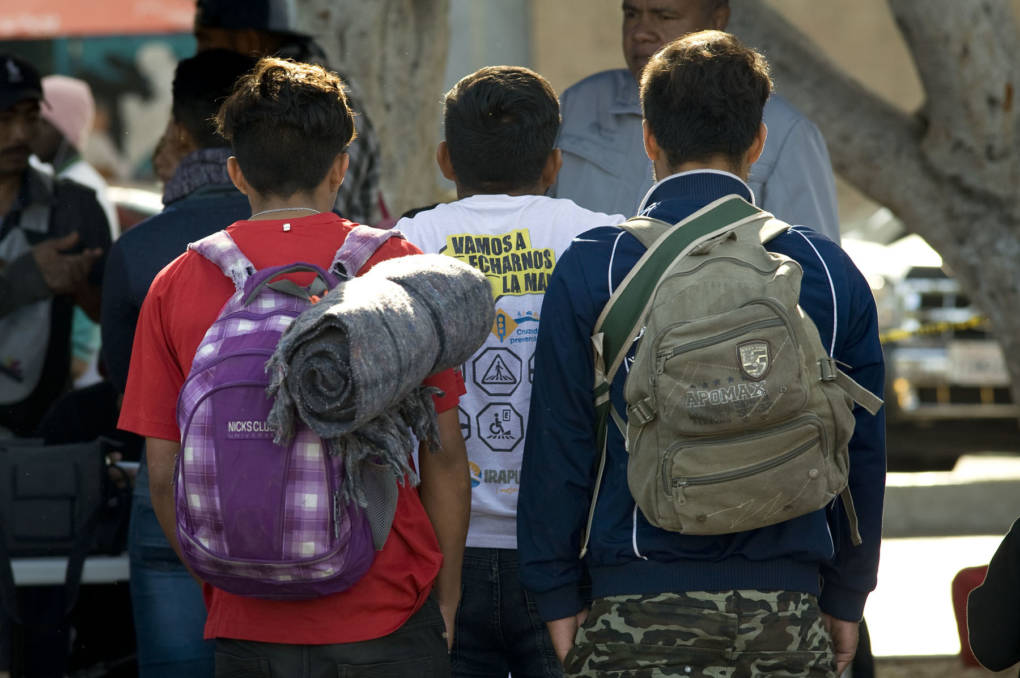
"caption": "Three young men stand in line to add their names to a waiting list for people seeking asylum on Nov. 21, 2018, in Tijuana, Mexico.",
"description": null,
"title": "RS34133_chaparral FINAL 02-qut",
"credit": "David Maung/KQED",
"status": "inherit",
"isLoading": false,
"fetchFailed": false
},
"news_11714868": {
"type": "attachments",
"id": "news_11714868",
"meta": {
"index": "attachments_1716263798",
"site": "news",
"id": "11714868",
"found": true
},
"parent": 11714867,
"imgSizes": {
"small": {
"file": "https://ww2.kqed.org/app/uploads/sites/10/2018/12/ap_18354628738040-ed0bff79a7eae876c518be585958f4266aa2f506-520x390.jpg",
"width": 520,
"mimeType": "image/jpeg",
"height": 390
},
"twentyfourteen-full-width": {
"file": "https://ww2.kqed.org/app/uploads/sites/10/2018/12/ap_18354628738040-ed0bff79a7eae876c518be585958f4266aa2f506-1038x576.jpg",
"width": 1038,
"mimeType": "image/jpeg",
"height": 576
},
"thumbnail": {
"file": "https://ww2.kqed.org/app/uploads/sites/10/2018/12/ap_18354628738040-ed0bff79a7eae876c518be585958f4266aa2f506-160x120.jpg",
"width": 160,
"mimeType": "image/jpeg",
"height": 120
},
"fd-sm": {
"file": "https://ww2.kqed.org/app/uploads/sites/10/2018/12/ap_18354628738040-ed0bff79a7eae876c518be585958f4266aa2f506-960x720.jpg",
"width": 960,
"mimeType": "image/jpeg",
"height": 720
},
"post-thumbnail": {
"file": "https://ww2.kqed.org/app/uploads/sites/10/2018/12/ap_18354628738040-ed0bff79a7eae876c518be585958f4266aa2f506-672x372.jpg",
"width": 672,
"mimeType": "image/jpeg",
"height": 372
},
"xsmall": {
"file": "https://ww2.kqed.org/app/uploads/sites/10/2018/12/ap_18354628738040-ed0bff79a7eae876c518be585958f4266aa2f506-375x281.jpg",
"width": 375,
"mimeType": "image/jpeg",
"height": 281
},
"kqedFullSize": {
"file": "https://ww2.kqed.org/app/uploads/sites/10/2018/12/ap_18354628738040-ed0bff79a7eae876c518be585958f4266aa2f506.jpg",
"width": 4881,
"height": 3660
},
"large": {
"file": "https://ww2.kqed.org/app/uploads/sites/10/2018/12/ap_18354628738040-ed0bff79a7eae876c518be585958f4266aa2f506-1020x765.jpg",
"width": 1020,
"mimeType": "image/jpeg",
"height": 765
},
"xlarge": {
"file": "https://ww2.kqed.org/app/uploads/sites/10/2018/12/ap_18354628738040-ed0bff79a7eae876c518be585958f4266aa2f506-1180x885.jpg",
"width": 1180,
"mimeType": "image/jpeg",
"height": 885
},
"complete_open_graph": {
"file": "https://ww2.kqed.org/app/uploads/sites/10/2018/12/ap_18354628738040-ed0bff79a7eae876c518be585958f4266aa2f506-1200x900.jpg",
"width": 1200,
"mimeType": "image/jpeg",
"height": 900
},
"guest-author-50": {
"file": "https://ww2.kqed.org/app/uploads/sites/10/2018/12/ap_18354628738040-ed0bff79a7eae876c518be585958f4266aa2f506-50x50.jpg",
"width": 50,
"mimeType": "image/jpeg",
"height": 50
},
"guest-author-96": {
"file": "https://ww2.kqed.org/app/uploads/sites/10/2018/12/ap_18354628738040-ed0bff79a7eae876c518be585958f4266aa2f506-96x96.jpg",
"width": 96,
"mimeType": "image/jpeg",
"height": 96
},
"medium": {
"file": "https://ww2.kqed.org/app/uploads/sites/10/2018/12/ap_18354628738040-ed0bff79a7eae876c518be585958f4266aa2f506-800x600.jpg",
"width": 800,
"mimeType": "image/jpeg",
"height": 600
},
"guest-author-64": {
"file": "https://ww2.kqed.org/app/uploads/sites/10/2018/12/ap_18354628738040-ed0bff79a7eae876c518be585958f4266aa2f506-64x64.jpg",
"width": 64,
"mimeType": "image/jpeg",
"height": 64
},
"guest-author-32": {
"file": "https://ww2.kqed.org/app/uploads/sites/10/2018/12/ap_18354628738040-ed0bff79a7eae876c518be585958f4266aa2f506-32x32.jpg",
"width": 32,
"mimeType": "image/jpeg",
"height": 32
},
"fd-lrg": {
"file": "https://ww2.kqed.org/app/uploads/sites/10/2018/12/ap_18354628738040-ed0bff79a7eae876c518be585958f4266aa2f506-1920x1440.jpg",
"width": 1920,
"mimeType": "image/jpeg",
"height": 1440
},
"fd-med": {
"file": "https://ww2.kqed.org/app/uploads/sites/10/2018/12/ap_18354628738040-ed0bff79a7eae876c518be585958f4266aa2f506-1180x885.jpg",
"width": 1180,
"mimeType": "image/jpeg",
"height": 885
},
"full-width": {
"file": "https://ww2.kqed.org/app/uploads/sites/10/2018/12/ap_18354628738040-ed0bff79a7eae876c518be585958f4266aa2f506-1920x1440.jpg",
"width": 1920,
"mimeType": "image/jpeg",
"height": 1440
},
"detail": {
"file": "https://ww2.kqed.org/app/uploads/sites/10/2018/12/ap_18354628738040-ed0bff79a7eae876c518be585958f4266aa2f506-150x150.jpg",
"width": 150,
"mimeType": "image/jpeg",
"height": 150
},
"guest-author-128": {
"file": "https://ww2.kqed.org/app/uploads/sites/10/2018/12/ap_18354628738040-ed0bff79a7eae876c518be585958f4266aa2f506-128x128.jpg",
"width": 128,
"mimeType": "image/jpeg",
"height": 128
},
"xxsmall": {
"file": "https://ww2.kqed.org/app/uploads/sites/10/2018/12/ap_18354628738040-ed0bff79a7eae876c518be585958f4266aa2f506-240x180.jpg",
"width": 240,
"mimeType": "image/jpeg",
"height": 180
}
},
"publishDate": 1545950402,
"modified": 1545958005,
"caption": "Homeland Security Secretary Kirstjen Nielsen announced a host of \"extraordinary protective measures\" designed to improve conditions for children and adults held in U.S. Customs and Border Protection custody",
"description": "Homeland Security Secretary Kirstjen Nielsen announced a host of \"extraordinary protective measures\" designed to improve conditions for children and adults held in U.S. Customs and Border Protection custody",
"title": "Homeland Security Secretary Kirstjen Nielsen announced a host of \"extraordinary protective measures\" designed to improve conditions for children and adults held in U.S. Customs and Border Protection custody.",
"credit": "Susan Walsh/AP",
"status": "inherit",
"isLoading": false,
"fetchFailed": false
},
"news_11714737": {
"type": "attachments",
"id": "news_11714737",
"meta": {
"index": "attachments_1716263798",
"site": "news",
"id": "11714737",
"found": true
},
"parent": 11714728,
"imgSizes": {
"twentyfourteen-full-width": {
"file": "https://ww2.kqed.org/app/uploads/sites/10/2018/12/felipe_122618_final-1038x576.jpg",
"width": 1038,
"mimeType": "image/jpeg",
"height": 576
},
"thumbnail": {
"file": "https://ww2.kqed.org/app/uploads/sites/10/2018/12/felipe_122618_final-160x110.jpg",
"width": 160,
"mimeType": "image/jpeg",
"height": 110
},
"post-thumbnail": {
"file": "https://ww2.kqed.org/app/uploads/sites/10/2018/12/felipe_122618_final-672x372.jpg",
"width": 672,
"mimeType": "image/jpeg",
"height": 372
},
"kqedFullSize": {
"file": "https://ww2.kqed.org/app/uploads/sites/10/2018/12/felipe_122618_final.jpg",
"width": 1920,
"height": 1324
},
"large": {
"file": "https://ww2.kqed.org/app/uploads/sites/10/2018/12/felipe_122618_final-1020x703.jpg",
"width": 1020,
"mimeType": "image/jpeg",
"height": 703
},
"complete_open_graph": {
"file": "https://ww2.kqed.org/app/uploads/sites/10/2018/12/felipe_122618_final-1200x828.jpg",
"width": 1200,
"mimeType": "image/jpeg",
"height": 828
},
"guest-author-50": {
"file": "https://ww2.kqed.org/app/uploads/sites/10/2018/12/felipe_122618_final-50x50.jpg",
"width": 50,
"mimeType": "image/jpeg",
"height": 50
},
"guest-author-96": {
"file": "https://ww2.kqed.org/app/uploads/sites/10/2018/12/felipe_122618_final-96x96.jpg",
"width": 96,
"mimeType": "image/jpeg",
"height": 96
},
"medium": {
"file": "https://ww2.kqed.org/app/uploads/sites/10/2018/12/felipe_122618_final-800x552.jpg",
"width": 800,
"mimeType": "image/jpeg",
"height": 552
},
"guest-author-64": {
"file": "https://ww2.kqed.org/app/uploads/sites/10/2018/12/felipe_122618_final-64x64.jpg",
"width": 64,
"mimeType": "image/jpeg",
"height": 64
},
"guest-author-32": {
"file": "https://ww2.kqed.org/app/uploads/sites/10/2018/12/felipe_122618_final-32x32.jpg",
"width": 32,
"mimeType": "image/jpeg",
"height": 32
},
"full-width": {
"file": "https://ww2.kqed.org/app/uploads/sites/10/2018/12/felipe_122618_final-1920x1324.jpg",
"width": 1920,
"mimeType": "image/jpeg",
"height": 1324
},
"detail": {
"file": "https://ww2.kqed.org/app/uploads/sites/10/2018/12/felipe_122618_final-150x150.jpg",
"width": 150,
"mimeType": "image/jpeg",
"height": 150
},
"guest-author-128": {
"file": "https://ww2.kqed.org/app/uploads/sites/10/2018/12/felipe_122618_final-128x128.jpg",
"width": 128,
"mimeType": "image/jpeg",
"height": 128
}
},
"publishDate": 1545868634,
"modified": 1545868654,
"caption": null,
"description": null,
"title": "felipe_122618_final",
"credit": null,
"status": "inherit",
"isLoading": false,
"fetchFailed": false
},
"news_11714667": {
"type": "attachments",
"id": "news_11714667",
"meta": {
"index": "attachments_1716263798",
"site": "news",
"id": "11714667",
"found": true
},
"parent": 11714666,
"imgSizes": {
"twentyfourteen-full-width": {
"file": "https://ww2.kqed.org/app/uploads/sites/10/2018/12/gettyimages-1074813798_slide-540fd76cc9a78d0f54abeba6bd4348fdc5d1a3e8-e1545848474748-1038x576.jpg",
"width": 1038,
"mimeType": "image/jpeg",
"height": 576
},
"thumbnail": {
"file": "https://ww2.kqed.org/app/uploads/sites/10/2018/12/gettyimages-1074813798_slide-540fd76cc9a78d0f54abeba6bd4348fdc5d1a3e8-e1545848474748-160x107.jpg",
"width": 160,
"mimeType": "image/jpeg",
"height": 107
},
"post-thumbnail": {
"file": "https://ww2.kqed.org/app/uploads/sites/10/2018/12/gettyimages-1074813798_slide-540fd76cc9a78d0f54abeba6bd4348fdc5d1a3e8-e1545848474748-672x372.jpg",
"width": 672,
"mimeType": "image/jpeg",
"height": 372
},
"kqedFullSize": {
"file": "https://ww2.kqed.org/app/uploads/sites/10/2018/12/gettyimages-1074813798_slide-540fd76cc9a78d0f54abeba6bd4348fdc5d1a3e8-e1545848474748.jpg",
"width": 1920,
"height": 1279
},
"large": {
"file": "https://ww2.kqed.org/app/uploads/sites/10/2018/12/gettyimages-1074813798_slide-540fd76cc9a78d0f54abeba6bd4348fdc5d1a3e8-e1545848474748-1020x679.jpg",
"width": 1020,
"mimeType": "image/jpeg",
"height": 679
},
"complete_open_graph": {
"file": "https://ww2.kqed.org/app/uploads/sites/10/2018/12/gettyimages-1074813798_slide-540fd76cc9a78d0f54abeba6bd4348fdc5d1a3e8-e1545848474748-1200x799.jpg",
"width": 1200,
"mimeType": "image/jpeg",
"height": 799
},
"guest-author-50": {
"file": "https://ww2.kqed.org/app/uploads/sites/10/2018/12/gettyimages-1074813798_slide-540fd76cc9a78d0f54abeba6bd4348fdc5d1a3e8-e1545848474748-50x50.jpg",
"width": 50,
"mimeType": "image/jpeg",
"height": 50
},
"guest-author-96": {
"file": "https://ww2.kqed.org/app/uploads/sites/10/2018/12/gettyimages-1074813798_slide-540fd76cc9a78d0f54abeba6bd4348fdc5d1a3e8-e1545848474748-96x96.jpg",
"width": 96,
"mimeType": "image/jpeg",
"height": 96
},
"medium": {
"file": "https://ww2.kqed.org/app/uploads/sites/10/2018/12/gettyimages-1074813798_slide-540fd76cc9a78d0f54abeba6bd4348fdc5d1a3e8-e1545848474748-800x533.jpg",
"width": 800,
"mimeType": "image/jpeg",
"height": 533
},
"guest-author-64": {
"file": "https://ww2.kqed.org/app/uploads/sites/10/2018/12/gettyimages-1074813798_slide-540fd76cc9a78d0f54abeba6bd4348fdc5d1a3e8-e1545848474748-64x64.jpg",
"width": 64,
"mimeType": "image/jpeg",
"height": 64
},
"guest-author-32": {
"file": "https://ww2.kqed.org/app/uploads/sites/10/2018/12/gettyimages-1074813798_slide-540fd76cc9a78d0f54abeba6bd4348fdc5d1a3e8-e1545848474748-32x32.jpg",
"width": 32,
"mimeType": "image/jpeg",
"height": 32
},
"full-width": {
"file": "https://ww2.kqed.org/app/uploads/sites/10/2018/12/gettyimages-1074813798_slide-540fd76cc9a78d0f54abeba6bd4348fdc5d1a3e8-e1545848474748-1920x1279.jpg",
"width": 1920,
"mimeType": "image/jpeg",
"height": 1279
},
"detail": {
"file": "https://ww2.kqed.org/app/uploads/sites/10/2018/12/gettyimages-1074813798_slide-540fd76cc9a78d0f54abeba6bd4348fdc5d1a3e8-e1545848474748-150x150.jpg",
"width": 150,
"mimeType": "image/jpeg",
"height": 150
},
"guest-author-128": {
"file": "https://ww2.kqed.org/app/uploads/sites/10/2018/12/gettyimages-1074813798_slide-540fd76cc9a78d0f54abeba6bd4348fdc5d1a3e8-e1545848474748-128x128.jpg",
"width": 128,
"mimeType": "image/jpeg",
"height": 128
}
},
"publishDate": 1545848376,
"modified": 1545868913,
"caption": "Gerald Champion Regional Medical Center in Alamogordo, New Mexico, where an 8-year-old boy from Guatemala died in government custody on Monday, U.S. Customs and Border Protection says.",
"description": null,
"title": "Gerald Champion Regional Medical Center in Alamogordo, New Mexico where an 8-year-old boy from Guatemala died in government custody on Monday U.S. Customs and Border Protection says.",
"credit": "Paul Ratje/AFP/Getty Images",
"status": "inherit",
"isLoading": false,
"fetchFailed": false
},
"news_11256927": {
"type": "attachments",
"id": "news_11256927",
"meta": {
"index": "attachments_1716263798",
"site": "news",
"id": "11256927",
"found": true
},
"parent": 11234439,
"imgSizes": {
"small": {
"file": "https://ww2.kqed.org/app/uploads/sites/10/2017/01/Farmworkers-520x338.jpg",
"width": 520,
"mimeType": "image/jpeg",
"height": 338
},
"twentyfourteen-full-width": {
"file": "https://ww2.kqed.org/app/uploads/sites/10/2017/01/Farmworkers-1038x576.jpg",
"width": 1038,
"mimeType": "image/jpeg",
"height": 576
},
"thumbnail": {
"file": "https://ww2.kqed.org/app/uploads/sites/10/2017/01/Farmworkers-160x104.jpg",
"width": 160,
"mimeType": "image/jpeg",
"height": 104
},
"fd-sm": {
"file": "https://ww2.kqed.org/app/uploads/sites/10/2017/01/Farmworkers-960x625.jpg",
"width": 960,
"mimeType": "image/jpeg",
"height": 625
},
"post-thumbnail": {
"file": "https://ww2.kqed.org/app/uploads/sites/10/2017/01/Farmworkers-672x372.jpg",
"width": 672,
"mimeType": "image/jpeg",
"height": 372
},
"xsmall": {
"file": "https://ww2.kqed.org/app/uploads/sites/10/2017/01/Farmworkers-375x244.jpg",
"width": 375,
"mimeType": "image/jpeg",
"height": 244
},
"kqedFullSize": {
"file": "https://ww2.kqed.org/app/uploads/sites/10/2017/01/Farmworkers.jpg",
"width": 1920,
"height": 1249
},
"large": {
"file": "https://ww2.kqed.org/app/uploads/sites/10/2017/01/Farmworkers-1020x664.jpg",
"width": 1020,
"mimeType": "image/jpeg",
"height": 664
},
"xlarge": {
"file": "https://ww2.kqed.org/app/uploads/sites/10/2017/01/Farmworkers-1180x768.jpg",
"width": 1180,
"mimeType": "image/jpeg",
"height": 768
},
"guest-author-50": {
"file": "https://ww2.kqed.org/app/uploads/sites/10/2017/01/Farmworkers-50x50.jpg",
"width": 50,
"mimeType": "image/jpeg",
"height": 50
},
"guest-author-96": {
"file": "https://ww2.kqed.org/app/uploads/sites/10/2017/01/Farmworkers-96x96.jpg",
"width": 96,
"mimeType": "image/jpeg",
"height": 96
},
"medium": {
"file": "https://ww2.kqed.org/app/uploads/sites/10/2017/01/Farmworkers-800x520.jpg",
"width": 800,
"mimeType": "image/jpeg",
"height": 520
},
"guest-author-64": {
"file": "https://ww2.kqed.org/app/uploads/sites/10/2017/01/Farmworkers-64x64.jpg",
"width": 64,
"mimeType": "image/jpeg",
"height": 64
},
"guest-author-32": {
"file": "https://ww2.kqed.org/app/uploads/sites/10/2017/01/Farmworkers-32x32.jpg",
"width": 32,
"mimeType": "image/jpeg",
"height": 32
},
"jmtc-small-thumb": {
"file": "https://ww2.kqed.org/app/uploads/sites/10/2017/01/Farmworkers-280x150.jpg",
"width": 280,
"mimeType": "image/jpeg",
"height": 150
},
"fd-lrg": {
"file": "https://ww2.kqed.org/app/uploads/sites/10/2017/01/Farmworkers-1920x1249.jpg",
"width": 1920,
"mimeType": "image/jpeg",
"height": 1249
},
"fd-med": {
"file": "https://ww2.kqed.org/app/uploads/sites/10/2017/01/Farmworkers-1180x768.jpg",
"width": 1180,
"mimeType": "image/jpeg",
"height": 768
},
"full-width": {
"file": "https://ww2.kqed.org/app/uploads/sites/10/2017/01/Farmworkers-1920x1249.jpg",
"width": 1920,
"mimeType": "image/jpeg",
"height": 1249
},
"detail": {
"file": "https://ww2.kqed.org/app/uploads/sites/10/2017/01/Farmworkers-150x150.jpg",
"width": 150,
"mimeType": "image/jpeg",
"height": 150
},
"guest-author-128": {
"file": "https://ww2.kqed.org/app/uploads/sites/10/2017/01/Farmworkers-128x128.jpg",
"width": 128,
"mimeType": "image/jpeg",
"height": 128
},
"xxsmall": {
"file": "https://ww2.kqed.org/app/uploads/sites/10/2017/01/Farmworkers-240x156.jpg",
"width": 240,
"mimeType": "image/jpeg",
"height": 156
}
},
"publishDate": 1483727654,
"modified": 1483741889,
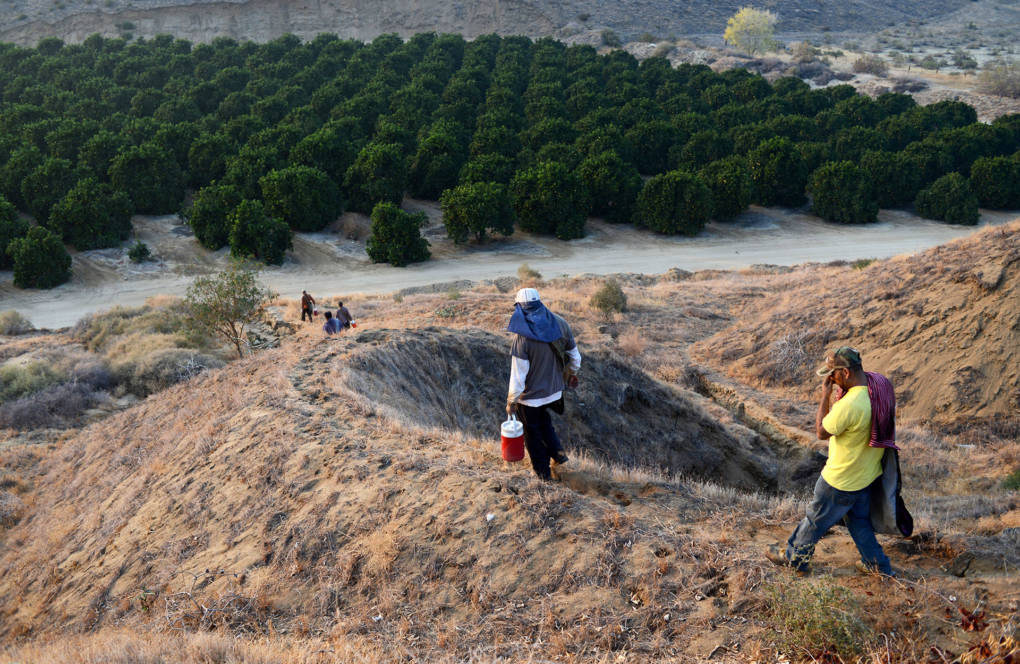
"caption": "Farmworkers head home after a day of picking at a large citrus farm in Edison, near Bakersfield.",
"description": "Farmworkers head home after day of picking at a large citrus farm in Edison, near Bakersfield.",
"title": "farmworkers",
"credit": "Sean Havey/KQED",
"status": "inherit",
"isLoading": false,
"fetchFailed": false
},
"news_11714550": {
"type": "attachments",
"id": "news_11714550",
"meta": {
"index": "attachments_1716263798",
"site": "news",
"id": "11714550",
"found": true
},
"parent": 11714548,
"imgSizes": {
"twentyfourteen-full-width": {
"file": "https://ww2.kqed.org/app/uploads/sites/10/2018/12/NR611_MARQUEE-1038x576.jpg",
"width": 1038,
"mimeType": "image/jpeg",
"height": 576
},
"thumbnail": {
"file": "https://ww2.kqed.org/app/uploads/sites/10/2018/12/NR611_MARQUEE-160x90.jpg",
"width": 160,
"mimeType": "image/jpeg",
"height": 90
},
"post-thumbnail": {
"file": "https://ww2.kqed.org/app/uploads/sites/10/2018/12/NR611_MARQUEE-672x372.jpg",
"width": 672,
"mimeType": "image/jpeg",
"height": 372
},
"kqedFullSize": {
"file": "https://ww2.kqed.org/app/uploads/sites/10/2018/12/NR611_MARQUEE.jpg",
"width": 1280,
"height": 720
},
"large": {
"file": "https://ww2.kqed.org/app/uploads/sites/10/2018/12/NR611_MARQUEE-1020x574.jpg",
"width": 1020,
"mimeType": "image/jpeg",
"height": 574
},
"complete_open_graph": {
"file": "https://ww2.kqed.org/app/uploads/sites/10/2018/12/NR611_MARQUEE-1200x675.jpg",
"width": 1200,
"mimeType": "image/jpeg",
"height": 675
},
"guest-author-50": {
"file": "https://ww2.kqed.org/app/uploads/sites/10/2018/12/NR611_MARQUEE-50x50.jpg",
"width": 50,
"mimeType": "image/jpeg",
"height": 50
},
"guest-author-96": {
"file": "https://ww2.kqed.org/app/uploads/sites/10/2018/12/NR611_MARQUEE-96x96.jpg",
"width": 96,
"mimeType": "image/jpeg",
"height": 96
},
"medium": {
"file": "https://ww2.kqed.org/app/uploads/sites/10/2018/12/NR611_MARQUEE-800x450.jpg",
"width": 800,
"mimeType": "image/jpeg",
"height": 450
},
"guest-author-64": {
"file": "https://ww2.kqed.org/app/uploads/sites/10/2018/12/NR611_MARQUEE-64x64.jpg",
"width": 64,
"mimeType": "image/jpeg",
"height": 64
},
"guest-author-32": {
"file": "https://ww2.kqed.org/app/uploads/sites/10/2018/12/NR611_MARQUEE-32x32.jpg",
"width": 32,
"mimeType": "image/jpeg",
"height": 32
},
"detail": {
"file": "https://ww2.kqed.org/app/uploads/sites/10/2018/12/NR611_MARQUEE-150x150.jpg",
"width": 150,
"mimeType": "image/jpeg",
"height": 150
},
"guest-author-128": {
"file": "https://ww2.kqed.org/app/uploads/sites/10/2018/12/NR611_MARQUEE-128x128.jpg",
"width": 128,
"mimeType": "image/jpeg",
"height": 128
}
},
"publishDate": 1545442627,
"modified": 1545442939,
"caption": "Outgoing Governor Jerry Brown sits for a TV interview with KQED television at the governor's mansion in Sacramento. (Tuesday, December 18, 2018)",
"description": null,
"title": "GovJerryBrown-ExitInterview",
"credit": null,
"status": "inherit",
"isLoading": false,
"fetchFailed": false
},
"news_11713016": {
"type": "attachments",
"id": "news_11713016",
"meta": {
"index": "attachments_1716263798",
"site": "news",
"id": "11713016",
"found": true
},
"parent": 11712941,
"imgSizes": {
"twentyfourteen-full-width": {
"file": "https://ww2.kqed.org/app/uploads/sites/10/2018/12/RS34481_Maria-qut-1038x576.jpg",
"width": 1038,
"mimeType": "image/jpeg",
"height": 576
},
"thumbnail": {
"file": "https://ww2.kqed.org/app/uploads/sites/10/2018/12/RS34481_Maria-qut-160x107.jpg",
"width": 160,
"mimeType": "image/jpeg",
"height": 107
},
"post-thumbnail": {
"file": "https://ww2.kqed.org/app/uploads/sites/10/2018/12/RS34481_Maria-qut-672x372.jpg",
"width": 672,
"mimeType": "image/jpeg",
"height": 372
},
"kqedFullSize": {
"file": "https://ww2.kqed.org/app/uploads/sites/10/2018/12/RS34481_Maria-qut.jpg",
"width": 1920,
"height": 1280
},
"large": {
"file": "https://ww2.kqed.org/app/uploads/sites/10/2018/12/RS34481_Maria-qut-1020x680.jpg",
"width": 1020,
"mimeType": "image/jpeg",
"height": 680
},
"complete_open_graph": {
"file": "https://ww2.kqed.org/app/uploads/sites/10/2018/12/RS34481_Maria-qut-1200x800.jpg",
"width": 1200,
"mimeType": "image/jpeg",
"height": 800
},
"guest-author-50": {
"file": "https://ww2.kqed.org/app/uploads/sites/10/2018/12/RS34481_Maria-qut-50x50.jpg",
"width": 50,
"mimeType": "image/jpeg",
"height": 50
},
"guest-author-96": {
"file": "https://ww2.kqed.org/app/uploads/sites/10/2018/12/RS34481_Maria-qut-96x96.jpg",
"width": 96,
"mimeType": "image/jpeg",
"height": 96
},
"medium": {
"file": "https://ww2.kqed.org/app/uploads/sites/10/2018/12/RS34481_Maria-qut-800x533.jpg",
"width": 800,
"mimeType": "image/jpeg",
"height": 533
},
"guest-author-64": {
"file": "https://ww2.kqed.org/app/uploads/sites/10/2018/12/RS34481_Maria-qut-64x64.jpg",
"width": 64,
"mimeType": "image/jpeg",
"height": 64
},
"guest-author-32": {
"file": "https://ww2.kqed.org/app/uploads/sites/10/2018/12/RS34481_Maria-qut-32x32.jpg",
"width": 32,
"mimeType": "image/jpeg",
"height": 32
},
"full-width": {
"file": "https://ww2.kqed.org/app/uploads/sites/10/2018/12/RS34481_Maria-qut-1920x1280.jpg",
"width": 1920,
"mimeType": "image/jpeg",
"height": 1280
},
"detail": {
"file": "https://ww2.kqed.org/app/uploads/sites/10/2018/12/RS34481_Maria-qut-150x150.jpg",
"width": 150,
"mimeType": "image/jpeg",
"height": 150
},
"guest-author-128": {
"file": "https://ww2.kqed.org/app/uploads/sites/10/2018/12/RS34481_Maria-qut-128x128.jpg",
"width": 128,
"mimeType": "image/jpeg",
"height": 128
}
},
"publishDate": 1545009125,
"modified": 1545009300,
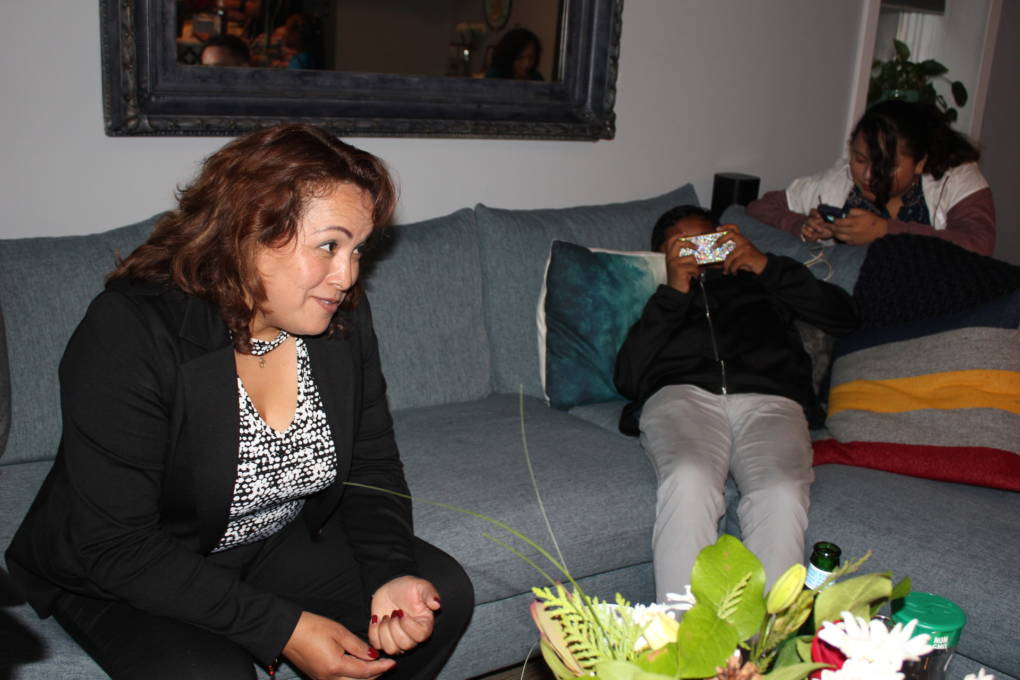
"caption": "Maria Mendoza-Sanchez (L) sits on a couch in her attorney's home with two of her four children after returning to the United States from Mexico following a 16-month deportation.",
"description": "Maria Mendoza-Sanchez (L) sits on a couch in her attorney's home with two of her four children after returning to the United States from Mexico following a 16-month deportation.",
"title": "RS34481_Maria-qut",
"credit": "Sara Hossaini/KQED",
"status": "inherit",
"isLoading": false,
"fetchFailed": false
}
},
"audioPlayerReducer": {
"postId": "stream_live",
"isPaused": true,
"isPlaying": false,
"pfsActive": false,
"pledgeModalIsOpen": true,
"playerDrawerIsOpen": false,
"liveAudioPlayStartedAt": 0,
"liveAudioPlayContext": ""
},
"authorsReducer": {
"byline_news_11728784": {
"type": "authors",
"id": "byline_news_11728784",
"meta": {
"override": true
},
"slug": "byline_news_11728784",
"name": "Matt Sedensky \u003cbr> Associated Press",
"isLoading": false
},
"byline_news_11725086": {
"type": "authors",
"id": "byline_news_11725086",
"meta": {
"override": true
},
"slug": "byline_news_11725086",
"name": "Richard Gonzales",
"isLoading": false
},
"byline_news_11720574": {
"type": "authors",
"id": "byline_news_11720574",
"meta": {
"override": true
},
"slug": "byline_news_11720574",
"name": "Lara Medina",
"isLoading": false
},
"byline_news_11715576": {
"type": "authors",
"id": "byline_news_11715576",
"meta": {
"override": true
},
"slug": "byline_news_11715576",
"name": "Amy Taxin and Deepti Hajela \u003cbr> Associated Press",
"isLoading": false
},
"byline_news_11714867": {
"type": "authors",
"id": "byline_news_11714867",
"meta": {
"override": true
},
"slug": "byline_news_11714867",
"name": "Vanessa Romo",
"isLoading": false
},
"byline_news_11714666": {
"type": "authors",
"id": "byline_news_11714666",
"meta": {
"override": true
},
"slug": "byline_news_11714666",
"name": "Francesca Paris",
"isLoading": false
},
"kqed": {
"type": "authors",
"id": "236",
"meta": {
"index": "authors_1716337520",
"id": "236",
"found": true
},
"name": "KQED News Staff",
"firstName": "KQED News Staff",
"lastName": null,
"slug": "kqed",
"email": "faq@kqed.org",
"display_author_email": false,
"staff_mastheads": [],
"title": null,
"bio": null,
"avatar": "https://secure.gravatar.com/avatar/ef0e801a68c4c54afa9180db14084167?s=600&d=blank&r=g",
"twitter": null,
"facebook": null,
"instagram": null,
"linkedin": null,
"sites": [
{
"site": "arts",
"roles": [
"contributor"
]
},
{
"site": "news",
"roles": [
"editor"
]
},
{
"site": "futureofyou",
"roles": [
"author"
]
}
],
"headData": {
"title": "KQED News Staff | KQED",
"description": null,
"ogImgSrc": "https://secure.gravatar.com/avatar/ef0e801a68c4c54afa9180db14084167?s=600&d=blank&r=g",
"twImgSrc": "https://secure.gravatar.com/avatar/ef0e801a68c4c54afa9180db14084167?s=600&d=blank&r=g"
},
"isLoading": false,
"link": "/author/kqed"
},
"tgoldberg": {
"type": "authors",
"id": "258",
"meta": {
"index": "authors_1716337520",
"id": "258",
"found": true
},
"name": "Ted Goldberg",
"firstName": "Ted",
"lastName": "Goldberg",
"slug": "tgoldberg",
"email": "tgoldberg@kqed.org",
"display_author_email": true,
"staff_mastheads": [
"news"
],
"title": "KQED Managing Editor, News and Newscasts",
"bio": "Ted Goldberg is Managing Editor of News and Newscasts at KQED. His main reporting beat is the Bay Area's oil refining industry.\r\n\r\nPrior to joining KQED in 2014, Ted worked at CBS News and WCBS AM in New York and Bay City News and KCBS Radio in San Francisco. He graduated from Oberlin College in Ohio in 1998.",
"avatar": "https://secure.gravatar.com/avatar/16d702c9ec5f696d78dbfb76b592cf0a?s=600&d=blank&r=g",
"twitter": "TedrickG",
"bluesky": null,
"facebook": null,
"instagram": null,
"linkedin": null,
"sites": [
{
"site": "news",
"roles": [
"editor"
]
},
{
"site": "science",
"roles": [
"editor"
]
}
],
"headData": {
"title": "Ted Goldberg | KQED",
"description": "KQED Managing Editor, News and Newscasts",
"ogImgSrc": "https://secure.gravatar.com/avatar/16d702c9ec5f696d78dbfb76b592cf0a?s=600&d=blank&r=g",
"twImgSrc": "https://secure.gravatar.com/avatar/16d702c9ec5f696d78dbfb76b592cf0a?s=600&d=blank&r=g"
},
"isLoading": false,
"link": "/author/tgoldberg"
},
"shossaini": {
"type": "authors",
"id": "3214",
"meta": {
"index": "authors_1716337520",
"id": "3214",
"found": true
},
"name": "Sara Hossaini",
"firstName": "Sara",
"lastName": "Hossaini",
"slug": "shossaini",
"email": "shossaini@kqed.org",
"display_author_email": true,
"staff_mastheads": [
"news"
],
"title": "KQED Reporter",
"bio": "Sara Hossaini came to general assignment reporting at KQED in 2013 after two winters reporting at Wyoming Public Radio. She holds a bachelor's degree in broadcast journalism from the University of Nebraska-Lincoln. Her radio romance began after a bitter breakup with documentary film (Ok, maybe it's still complicated). Her first simultaneous jobs in San Francisco were as Associate Producer on a PBS film series through the Center for Asian American Media and as a butler. She likes to trot, plot and make things with her hands.",
"avatar": "https://secure.gravatar.com/avatar/060e9f56b9554e17942e89f413242774?s=600&d=blank&r=g",
"twitter": "mshossaini",
"facebook": null,
"instagram": null,
"linkedin": null,
"sites": [
{
"site": "news",
"roles": [
"author"
]
},
{
"site": "stateofhealth",
"roles": [
"author"
]
}
],
"headData": {
"title": "Sara Hossaini | KQED",
"description": "KQED Reporter",
"ogImgSrc": "https://secure.gravatar.com/avatar/060e9f56b9554e17942e89f413242774?s=600&d=blank&r=g",
"twImgSrc": "https://secure.gravatar.com/avatar/060e9f56b9554e17942e89f413242774?s=600&d=blank&r=g"
},
"isLoading": false,
"link": "/author/shossaini"
},
"markfiore": {
"type": "authors",
"id": "3236",
"meta": {
"index": "authors_1716337520",
"id": "3236",
"found": true
},
"name": "Mark Fiore",
"firstName": "Mark",
"lastName": "Fiore",
"slug": "markfiore",
"email": "mark@markfiore.com",
"display_author_email": false,
"staff_mastheads": [
"news"
],
"title": "KQED News Cartoonist",
"bio": "\u003ca href=\"http://www.MarkFiore.com\">MarkFiore.com\u003c/a> | \u003ca href=\"https://twitter.com/markfiore\">Follow on Twitter\u003c/a> | \u003ca href=\"https://www.facebook.com/pages/Mark-Fiore-Animated-Political-Cartoons/94451707396?ref=bookmarks\">Facebook\u003c/a> | \u003ca href=\"mailto:mark@markfiore.com\">email\u003c/a>\r\n\r\nPulitzer Prize-winner, Mark Fiore, who the Wall Street Journal has called “the undisputed guru of the form,” creates animated political cartoons in San Francisco, where his work has been featured regularly on the San Francisco Chronicle’s web site, SFGate.com. His work has appeared on Newsweek.com, Slate.com, CBSNews.com, MotherJones.com, DailyKos.com and NPR’s web site. Fiore’s political animation has appeared on CNN, Frontline, Bill Moyers Journal, Salon.com and cable and broadcast outlets across the globe.\r\n\r\nBeginning his professional life by drawing traditional political cartoons for newspapers, Fiore’s work appeared in publications ranging from the Washington Post to the Los Angeles Times. In the late 1990s, he began to experiment with animating political cartoons and, after a short stint at the San Jose Mercury News as their staff cartoonist, Fiore devoted all his energies to animation.\r\nGrowing up in California, Fiore also spent a good portion of his life in the backwoods of Idaho. It was this combination that shaped him politically. Mark majored in political science at Colorado College, where, in a perfect send-off for a cartoonist, he received his diploma in 1991 as commencement speaker Dick Cheney smiled approvingly.\r\nMark Fiore was awarded the Pulitzer Prize for political cartooning in 2010, a Robert F. Kennedy Journalism Award in 2004 and has twice received an Online Journalism Award for commentary from the Online News Association (2002, 2008). Fiore has received two awards for his work in new media from the National Cartoonists Society (2001, 2002), and in 2006 received The James Madison Freedom of Information Award from The Society of Professional Journalists.",
"avatar": "https://secure.gravatar.com/avatar/fc4e2a612b15b67bad0c6f0e1db4ca9b?s=600&d=blank&r=g",
"twitter": "MarkFiore",
"facebook": null,
"instagram": "https://www.instagram.com/markfiore/?hl=en",
"linkedin": null,
"sites": [
{
"site": "arts",
"roles": [
"contributor"
]
},
{
"site": "news",
"roles": [
"editor"
]
},
{
"site": "futureofyou",
"roles": [
"editor"
]
},
{
"site": "science",
"roles": [
"editor"
]
}
],
"headData": {
"title": "Mark Fiore | KQED",
"description": "KQED News Cartoonist",
"ogImgSrc": "https://secure.gravatar.com/avatar/fc4e2a612b15b67bad0c6f0e1db4ca9b?s=600&d=blank&r=g",
"twImgSrc": "https://secure.gravatar.com/avatar/fc4e2a612b15b67bad0c6f0e1db4ca9b?s=600&d=blank&r=g"
},
"isLoading": false,
"link": "/author/markfiore"
},
"fjhabvala": {
"type": "authors",
"id": "8659",
"meta": {
"index": "authors_1716337520",
"id": "8659",
"found": true
},
"name": "Farida Jhabvala Romero",
"firstName": "Farida",
"lastName": "Jhabvala Romero",
"slug": "fjhabvala",
"email": "fjhabvala@kqed.org",
"display_author_email": true,
"staff_mastheads": [
"news"
],
"title": "KQED Contributor",
"bio": "\u003cspan style=\"font-weight: 400;\">Farida Jhabvala Romero is a Labor Correspondent for KQED. She previously covered immigration. Farida was \u003ca href=\"https://www.ccnma.org/2022-most-influential-latina-journalists\">named\u003c/a> one of the 10 Most Influential Latina Journalists in California in 2022 by the California Chicano News Media Association. Her work has won awards from the Society of Professional Journalists (Northern California), as well as a national and regional Edward M. Murrow Award for the collaborative reporting projects “Dangerous Air” and “Graying California.” \u003c/span>\u003cspan style=\"font-weight: 400;\">Before joining KQED, Farida worked as a producer at Radio Bilingüe, a national public radio network. Farida earned her master’s degree in journalism from Stanford University.\u003c/span>",
"avatar": "https://secure.gravatar.com/avatar/c3ab27c5554b67b478f80971e515aa02?s=600&d=blank&r=g",
"twitter": "FaridaJhabvala",
"facebook": null,
"instagram": null,
"linkedin": "https://www.linkedin.com/in/faridajhabvala/",
"sites": [
{
"site": "news",
"roles": [
"editor"
]
},
{
"site": "stateofhealth",
"roles": [
"author"
]
}
],
"headData": {
"title": "Farida Jhabvala Romero | KQED",
"description": "KQED Contributor",
"ogImgSrc": "https://secure.gravatar.com/avatar/c3ab27c5554b67b478f80971e515aa02?s=600&d=blank&r=g",
"twImgSrc": "https://secure.gravatar.com/avatar/c3ab27c5554b67b478f80971e515aa02?s=600&d=blank&r=g"
},
"isLoading": false,
"link": "/author/fjhabvala"
},
"ahall": {
"type": "authors",
"id": "11490",
"meta": {
"index": "authors_1716337520",
"id": "11490",
"found": true
},
"name": "Alex Hall",
"firstName": "Alex",
"lastName": "Hall",
"slug": "ahall",
"email": "ahall@kqed.org",
"display_author_email": false,
"staff_mastheads": [
"news"
],
"title": "KQED Enterprise & Accountability Reporter",
"bio": "Alex Hall is KQED's Enterprise and Accountability Reporter. She previously covered the Central Valley for five years from KQED's bureau in Fresno. Before joining KQED, Alex was an investigative reporting fellow at Wisconsin Public Radio and the Wisconsin Center for Investigative Journalism. She has also worked as a bilingual producer for NPR's investigative unit and freelance video producer for Reuters TV on the Latin America desk. She got her start in journalism in South America, where she worked as a radio producer and Spanish-English translator for CNN Chile. Her documentary and investigation into the series of deadly COVID-19 outbreaks at Foster Farms won a national Edward R. Murrow award and was named an Investigative Reporters & Editors award finalist. Alex's reporting for Reveal on the Wisconsin dairy industry's reliance on undocumented immigrant labor was made into a film, Los Lecheros, which won a regional Edward R. Murrow award for best news documentary.",
"avatar": "https://secure.gravatar.com/avatar/defcbeb88b0bf591ff9af41f22644051?s=600&d=blank&r=g",
"twitter": "@chalexhall",
"facebook": null,
"instagram": null,
"linkedin": null,
"sites": [
{
"site": "news",
"roles": [
"editor"
]
},
{
"site": "liveblog",
"roles": [
"author"
]
}
],
"headData": {
"title": "Alex Hall | KQED",
"description": "KQED Enterprise & Accountability Reporter",
"ogImgSrc": "https://secure.gravatar.com/avatar/defcbeb88b0bf591ff9af41f22644051?s=600&d=blank&r=g",
"twImgSrc": "https://secure.gravatar.com/avatar/defcbeb88b0bf591ff9af41f22644051?s=600&d=blank&r=g"
},
"isLoading": false,
"link": "/author/ahall"
},
"ktandy": {
"type": "authors",
"id": "11545",
"meta": {
"index": "authors_1716337520",
"id": "11545",
"found": true
},
"name": "Katie Tandy",
"firstName": "Katie",
"lastName": "Tandy",
"slug": "ktandy",
"email": "ktandy@kqed.org",
"display_author_email": false,
"staff_mastheads": [],
"title": "KQED Contributor",
"bio": "Katie Tandy is the co-founding editor of\u003ca href=\"http://www.theestablishment.co\"> The Establishment,\u003c/a> an online news+culture publication which champions the voices and stories of those who have been marginalized by mainstream media.\r\nShe is a former on-call interactive producer for KQED.",
"avatar": "https://secure.gravatar.com/avatar/1f877a62bab50d75c8bbef40e4ebe7f6?s=600&d=blank&r=g",
"twitter": null,
"facebook": null,
"instagram": null,
"linkedin": null,
"sites": [
{
"site": "news",
"roles": [
"subscriber"
]
}
],
"headData": {
"title": "Katie Tandy | KQED",
"description": "KQED Contributor",
"ogImgSrc": "https://secure.gravatar.com/avatar/1f877a62bab50d75c8bbef40e4ebe7f6?s=600&d=blank&r=g",
"twImgSrc": "https://secure.gravatar.com/avatar/1f877a62bab50d75c8bbef40e4ebe7f6?s=600&d=blank&r=g"
},
"isLoading": false,
"link": "/author/ktandy"
}
},
"pagesReducer": {
"news_tag_immigration": {
"type": "terms",
"id": "news_20202",
"meta": {
"index": "terms_1716263798",
"site": "news",
"id": "20202",
"score": 6.90445
},
"featImg": null,
"name": "immigration",
"description": null,
"taxonomy": "tag",
"headData": {
"twImgId": null,
"twTitle": null,
"ogTitle": null,
"ogImgId": null,
"twDescription": null,
"description": null,
"title": "immigration Archives | KQED News",
"ogDescription": null
},
"ttid": 20219,
"slug": "immigration",
"isLoading": false,
"title": "immigration",
"pageMeta": {
"site": "news",
"WpPageTemplate": "page-topic-editorial",
"currentPage": 78
},
"blocks": [
{
"blockName": "kqed/post-list",
"attrs": {
"layout": "cardArticle2",
"query": "posts/news?tag=immigration",
"seeMore": false,
"paginated": true,
"page": 78
}
},
{
"blockName": "kqed/ad"
}
]
}
},
"pfsSessionReducer": {},
"postsReducer": {
"stream_live": {
"type": "live",
"id": "stream_live",
"audioUrl": "https://streams.kqed.org/kqedradio",
"title": "Live Stream",
"excerpt": "Live Stream information currently unavailable.",
"link": "/radio",
"featImg": "",
"label": {
"name": "KQED Live",
"link": "/"
}
},
"stream_kqedNewscast": {
"type": "posts",
"id": "stream_kqedNewscast",
"audioUrl": "https://www.kqed.org/.stream/anon/radio/RDnews/newscast.mp3?_=1",
"title": "KQED Newscast",
"featImg": "",
"label": {
"name": "88.5 FM",
"link": "/"
}
},
"news_11728784": {
"type": "posts",
"id": "news_11728784",
"meta": {
"index": "posts_1716263798",
"site": "news",
"id": "11728784",
"score": null,
"sort": [
1551131799000
]
},
"guestAuthors": [],
"slug": "workers-h-1b-visas-in-doubt-as-trump-immigration-crackdown-widens",
"title": "Workers' H-1B Visas in Doubt as Trump Immigration Crackdown Widens",
"publishDate": 1551131799,
"format": "standard",
"headTitle": "Workers’ H-1B Visas in Doubt as Trump Immigration Crackdown Widens | KQED",
"labelTerm": {
"term": 72,
"site": "news"
},
"content": "\u003cp>Immigrants with specialized skills are being denied work visas or seeing applications get caught up in lengthy bureaucratic tangles under federal changes that some consider a contradiction to President Donald Trump’s promise of a continued pathway to the U.S. for the most talented foreigners.\u003c/p>\n\u003cp>Getting what’s known as an H-1B visa has never been a sure thing — the number issued annually is capped at 85,000 and applicants need to enter a lottery to even be considered. But some immigration attorneys, as well as those who hire such workers, say they’ve seen unprecedented disruptions in the approval process since Trump took office in 2017.\u003c/p>\n\u003caside class=\"alignright\">\n\u003ch3>\u003ca href=\"https://www.kqed.org/news/11652014/trump-administration-restricts-h-1b-worker-visas-coveted-by-high-tech\">Trump Administration Restricts H-1B Worker Visas Coveted By High Tech\u003c/a>\u003c/h3>\n\u003cfigure>\u003ca href=\"https://www.kqed.org/news/11652014/trump-administration-restricts-h-1b-worker-visas-coveted-by-high-tech\">\u003cimg decoding=\"async\" src=\"https://ww2.kqed.org/wp-content/uploads/sites/10/2018/02/uscis-1_custom-377f855cafc2d8e2550bcdb050dddc14d2df3573.jpg\" alt=\"\">\u003c/a>\u003c/figure>\n\u003c/aside>\n\u003cp>“You see all these arguments that we want the best and the brightest coming here,” said John Goslow, an immigration attorney in Ann Arbor, Michigan. “Yet we’re seeing a full-frontal assault on just all aspects of immigration.”\u003c/p>\n\u003cp>For American businesses, it has a bottom-line impact.\u003c/p>\n\u003cp>Link Wilson, an architect who co-founded a firm in Bloomington, Minnesota, said finding enough qualified workers within the U.S. has been a problem for years, in part due to a shortage of architects. He said employers who turn to international applicants do so as a last resort, putting up with legal fees and ever-expanding visa approval times because they have no other choice.\u003c/p>\n\u003cp>[ad fullwidth]\u003c/p>\n\u003cp>“We’re just at the point where there’s no one else to hire,” said Wilson, who estimates his firm turned away about $1 million in projects last year because it didn’t have enough staff to handle them.\u003c/p>\n\u003cp>Three months after taking office, Trump issued his “Buy American and Hire American” \u003ca href=\"https://www.whitehouse.gov/presidential-actions/presidential-executive-order-buy-american-hire-american/\">executive order\u003c/a> , directing Cabinet officials to suggest reforms to ensure that H-1B visas are awarded to the “most-skilled or highest-paid” applicants to help promote the hiring of Americans for jobs that might otherwise go to immigrants.\u003c/p>\n\u003cp>Subsequent memos have allowed for greater discretion in denying applications without first requesting additional information from an applicant, tossed the deference given to people seeking to renew their H-1Bs, and raised concern that the government would revoke work permits for the \u003ca href=\"https://www.kqed.org/news/11707255/what-silicon-valley-could-lose-if-trump-revokes-h-1b-spousal-work-visas\" target=\"_blank\" rel=\"noopener\">spouses of H-1B holders\u003c/a>. One order restricted companies’ ability to use H-1B workers off-site at a customer’s place of business, while another temporarily rescinded the option of paying for faster application processing.\u003c/p>\n\u003caside class=\"alignright\">\n\u003ch3>\u003ca href=\"https://www.kqed.org/news/11707158/indian-entrepreneurs-with-no-green-cards-pursue-silicon-valley-dreams-elsewhere\">Indian Entrepreneurs With No Green Cards Pursue Silicon Valley Dreams Elsewhere\u003c/a>\u003c/h3>\n\u003cfigure>\u003ca href=\"https://www.kqed.org/news/11707158/indian-entrepreneurs-with-no-green-cards-pursue-silicon-valley-dreams-elsewhere\">\u003cimg decoding=\"async\" src=\"https://ww2.kqed.org/wp-content/uploads/sites/10/2018/11/USA_FamilyPhoto-1020x681.jpeg\" alt=\"\">\u003c/a>\u003c/figure>\n\u003c/aside>\n\u003cp>Attorneys who handle these applications say one of the biggest shifts is an increase in “requests for evidence,” or RFEs, from U.S. Citizenship and Immigration Services. An RFE can delay a visa for months or longer as applicants and employers are forced to submit additional documentation over things such as the applicability of a college degree to a prospective job or whether the wage being offered is appropriate. If the responses are unsatisfactory, a visa may be denied.\u003c/p>\n\u003cp>“They’re just blocking the avenues so that employers will get frustrated and they won’t employ foreign nationals,” said Dakshini Sen, an immigration lawyer in Houston whose caseload is mostly H-1B applications. “We have to write and write and write and explain and explain and explain each and every point.”\u003c/p>\n\u003cp>\u003ca href=\"https://www.uscis.gov/sites/default/files/USCIS/Resources/Reports%20and%20Studies/Immigration%20Forms%20Data/BAHA/h-1B-quarterly-requests-for-evidence-2015-2019-Q1-top-30-employers.pdf\" target=\"_blank\" rel=\"noopener\">USCIS data\u003c/a> released on Friday shows an increase in the number of completed H-1B applications receiving an RFE, from about 21 percent in the 2016 fiscal year to 38 percent last fiscal year. The number continued to rise in the first quarter of this fiscal year, to 60 percent.\u003c/p>\n\u003cp>A growing number of applications with such requests were ultimately denied, while the approval rate among all applicants has fallen. Approvals also dipped in two other visa programs for foreign workers, including one for individuals with extraordinary abilities in areas such as science, sports and the arts.\u003c/p>\n\u003cp>Jessica Collins, a spokeswoman for USCIS, linked the changes to the president’s executive order, saying the goal was to reduce “frivolous” petitions and that “it is incumbent upon the petitioner, not the government” to prove eligibility.\u003c/p>\n\u003cp>Some employers note traditional three-year renewable terms of H-1Bs have also been changing; one \u003ca href=\"https://nfap.com/wp-content/uploads/2018/10/Doc-1-Complaint.pdf\" target=\"_blank\" rel=\"noopener\">lawsuit\u003c/a> by an organization representing information technology companies claims some visas were valid for only a few days or had expired before they were even received.\u003c/p>\n\u003caside class=\"alignright\">\n\u003ch3>\u003ca href=\"https://www.kqed.org/news/11712941/deported-oakland-nurse-reunites-with-children-in-the-bay-area-after-16-months\">Deported Oakland Nurse Reunites With Children in the Bay Area After 16 Months\u003c/a>\u003c/h3>\n\u003cfigure>\u003ca href=\"https://www.kqed.org/news/11712941/deported-oakland-nurse-reunites-with-children-in-the-bay-area-after-16-months\">\u003cimg decoding=\"async\" src=\"https://ww2.kqed.org/news/wp-content/uploads/sites/10/2018/12/RS34481_Maria-qut.jpg\" alt=\"\">\u003c/a>\u003c/figure>\n\u003c/aside>\n\u003cp>Meantime, a vague \u003ca href=\"https://www.reginfo.gov/public/do/eAgendaViewRule?RIN=1615-AC13&pubId=201810\">entry\u003c/a> published in the Federal Register last fall advised that the Department of Homeland Security would propose additional revisions to focus on attracting “the best and the brightest” and to “ensure employers pay appropriate wages” to H-1B visa holders, which has raised alarms that the administration will move to narrow the definition of who qualifies.\u003c/p>\n\u003cp>Caught in the crosshairs are workers like Leo Wang.\u003c/p>\n\u003cp>Wang, 32, spent six years after college in his native China learning all he could about data and analytics. He got into the University of Southern California, interned at a major venture capital firm and wasted no time after finishing his master’s before starting on another degree. He couch-surfed, passed up an enticing foreign job offer and amassed educational debt all in pursuit of the dream that ultimately came true: A six-figure Silicon Valley job.\u003c/p>\n\u003cp>As long as it took Wang to achieve his goal, it disappeared in record time.\u003c/p>\n\u003cp>Wang was working at Seagate Technology under an immigration provision known as Optional Practical Training, which gives those on student visas permission to work. But that expired last year, and because his H-1B application was in flux, he was forced to take a leave from Seagate and withdraw from the master’s program he was pursuing at Berkeley. He says he and his company dutifully responded to an RFE, compiling examples of his work at Seagate. But on Jan. 11, Wang got a final answer: He was denied an H-1B.\u003c/p>\n\u003cp>“All I wanted was to be able to see my American dream,” he said.\u003c/p>\n\u003cp>Sandra Feist, an immigration attorney in Minneapolis, said talented foreigners discouraged by the visa process are beginning to look at opportunities in other countries, and she questions what that means for America’s future, especially if top-tier researchers who could contribute to science and medicine are turned away.\u003c/p>\n\u003caside class=\"pullquote alignright\">‘At a time when the number of job vacancies are reaching historic highs due to labor shortages, now is not the time to restrict access to talent.’\u003ccite>a letter from CEOs for companies including Apple, Ford and Coca-Cola to Homeland Security Secretary Kirstjen Nielsen\u003c/cite>\u003c/aside>\n\u003cp>One of her clients, a computer systems analyst from India with a master’s degree from a U.S. college, filed his petition for an H-1B in April 2017 with 101 pages of documentation. He received an RFE, and a 176-page response was filed, with additional paperwork attempting to prove just how complicated the position was. He was denied. Feist filed a 282-page appeal, requesting that the file be reopened. Though the appeal was approved, there was a second RFE, which Feist said raises the same issues she already responded to.\u003c/p>\n\u003cp>With a U.S. work visa unlikely, that client is applying for permanent residency in Canada with his wife and U.S. citizen child.\u003c/p>\n\u003cp>CEOs for companies including Apple, Ford and Coca-Cola penned a \u003ca href=\"https://www.businessroundtable.org/letter-to-department-of-homeland-security-on-immigration-policies\">letter\u003c/a> to Homeland Security Secretary Kirstjen Nielsen in August, saying immigration policy changes were undermining economic growth. “At a time when the number of job vacancies are reaching historic highs due to labor shortages,” they said, “now is not the time to restrict access to talent.”\u003c/p>\n\u003cp>A provision for immigration based on skills, education and employer needs dates back to the Immigration and Nationality Act of 1952, and the visa now known as the H-1B has until recently enjoyed wide support among politicians on both the left and the right. A Pew Research Center \u003ca href=\"http://www.pewglobal.org/2019/01/22/majority-of-u-s-public-supports-high-skilled-immigration/\">survey\u003c/a> last year found broad approval for high-skilled immigrants among the public, as well, with support at 83 percent among Democrats polled and 73 percent of Republicans.\u003c/p>\n\u003caside class=\"alignright\">\n\u003ch3>\u003ca href=\"https://www.kqed.org/news/11648086/confusion-over-tps-work-permits-worries-employers-immigrants\">Employers, Immigrants Grapple With Uncertainty Over TPS Work Permits\u003c/a>\u003c/h3>\n\u003cfigure>\u003ca href=\"https://www.kqed.org/news/11648086/confusion-over-tps-work-permits-worries-employers-immigrants\">\u003cimg decoding=\"async\" src=\"https://ww2.kqed.org/wp-content/uploads/sites/10/2018/02/RS29269_IMG_1354-qut-1180x787.jpg\" alt=\"\">\u003c/a>\u003c/figure>\n\u003c/aside>\n\u003cp>Trump has vacillated on the issue. During a March 2016 presidential debate, then-candidate Trump was asked about his opposition to visas for skilled workers, to which he \u003ca href=\"https://www.washingtonpost.com/news/the-fix/wp/2016/03/03/the-fox-news-gop-debate-transcript-annotated/?utm_term=.34ce5b34c70d\" target=\"_blank\" rel=\"noopener\">said\u003c/a>, “I’m changing” and that he saw such policies as a way to keep top international students in the U.S. “We absolutely have to be able to keep the brain power in this country,” he said.\u003c/p>\n\u003cp>His campaign followed that with a \u003ca href=\"http://web.archive.org/web/20160416001802/https:/www.donaldjtrump.com/press-releases/donald-j.-trump-position-on-visas\" target=\"_blank\" rel=\"noopener\">statement\u003c/a> saying: “The H-1B program is neither high-skilled nor immigration: these are temporary foreign workers, imported from abroad, for the explicit purpose of substituting for American workers at lower pay.”\u003c/p>\n\u003cp>Last month, Trump again reverted to a more conciliatory note, \u003ca href=\"https://mobile.twitter.com/realDonaldTrump/status/1083705208834834433\" target=\"_blank\" rel=\"noopener\">tweeting\u003c/a> that H1-B holders “can rest assured that changes are soon coming which will bring both simplicity and certainty to your stay, including a potential path to citizenship.”\u003c/p>\n\u003cp>Back in China now, Wang isn’t sure what to make of Trump’s words. He’s talked to a friend from Seagate, now at a Swedish firm, about openings there, and a former boss in Singapore has some prospects for him as well.\u003c/p>\n\u003cp>[ad floatright]\u003c/p>\n\u003cp>“I still believe in the American dream,” he says. “It’s just that I personally have to pursue it somewhere else.”\u003c/p>\n\n",
"blocks": [],
"excerpt": "Immigrants with specialized skills are being denied work visas under federal changes some consider a contradiction to President Trump's promise of a continued pathway to the U.S. for the most talented foreigners.",
"status": "publish",
"parent": 0,
"modified": 1729028978,
"stats": {
"hasAudio": false,
"hasVideo": false,
"hasChartOrMap": false,
"iframeSrcs": [],
"hasGoogleForm": false,
"hasGallery": false,
"hasHearkenModule": false,
"hasPolis": false,
"paragraphCount": 32,
"wordCount": 1634
},
"headData": {
"title": "Workers' H-1B Visas in Doubt as Trump Immigration Crackdown Widens | KQED",
"description": "Immigrants with specialized skills are being denied work visas under federal changes some consider a contradiction to President Trump's promise of a continued pathway to the U.S. for the most talented foreigners.",
"ogTitle": "",
"ogDescription": "",
"ogImgId": "",
"twTitle": "",
"twDescription": "",
"twImgId": "",
"schema": {
"@context": "https://schema.org",
"@type": "NewsArticle",
"headline": "Workers' H-1B Visas in Doubt as Trump Immigration Crackdown Widens",
"datePublished": "2019-02-25T13:56:39-08:00",
"dateModified": "2024-10-15T14:49:38-07:00",
"image": "https://cdn.kqed.org/wp-content/uploads/2020/02/KQED-OG-Image@1x.png",
"isAccessibleForFree": "True",
"publisher": {
"@type": "NewsMediaOrganization",
"@id": "https://www.kqed.org/#organization",
"name": "KQED",
"logo": "https://cdn.kqed.org/wp-content/uploads/2020/02/KQED-OG-Image@1x.png",
"url": "https://www.kqed.org",
"sameAs": [
"https://www.facebook.com/KQED",
"https://twitter.com/KQED",
"https://www.instagram.com/kqed/",
"https://www.tiktok.com/@kqedofficial",
"https://www.linkedin.com/company/kqed",
"https://www.youtube.com/channel/UCeC0IOo7i1P_61zVUWbJ4nw"
]
}
}
},
"sticky": false,
"nprByline": "Matt Sedensky \u003cbr> Associated Press",
"path": "/news/11728784/workers-h-1b-visas-in-doubt-as-trump-immigration-crackdown-widens",
"audioTrackLength": null,
"parsedContent": [
{
"type": "contentString",
"content": "\u003cdiv class=\"post-body\">\u003cp>\u003cp>Immigrants with specialized skills are being denied work visas or seeing applications get caught up in lengthy bureaucratic tangles under federal changes that some consider a contradiction to President Donald Trump’s promise of a continued pathway to the U.S. for the most talented foreigners.\u003c/p>\n\u003cp>Getting what’s known as an H-1B visa has never been a sure thing — the number issued annually is capped at 85,000 and applicants need to enter a lottery to even be considered. But some immigration attorneys, as well as those who hire such workers, say they’ve seen unprecedented disruptions in the approval process since Trump took office in 2017.\u003c/p>\n\u003caside class=\"alignright\">\n\u003ch3>\u003ca href=\"https://www.kqed.org/news/11652014/trump-administration-restricts-h-1b-worker-visas-coveted-by-high-tech\">Trump Administration Restricts H-1B Worker Visas Coveted By High Tech\u003c/a>\u003c/h3>\n\u003cfigure>\u003ca href=\"https://www.kqed.org/news/11652014/trump-administration-restricts-h-1b-worker-visas-coveted-by-high-tech\">\u003cimg decoding=\"async\" src=\"https://ww2.kqed.org/wp-content/uploads/sites/10/2018/02/uscis-1_custom-377f855cafc2d8e2550bcdb050dddc14d2df3573.jpg\" alt=\"\">\u003c/a>\u003c/figure>\n\u003c/aside>\n\u003cp>“You see all these arguments that we want the best and the brightest coming here,” said John Goslow, an immigration attorney in Ann Arbor, Michigan. “Yet we’re seeing a full-frontal assault on just all aspects of immigration.”\u003c/p>\n\u003cp>For American businesses, it has a bottom-line impact.\u003c/p>\n\u003cp>Link Wilson, an architect who co-founded a firm in Bloomington, Minnesota, said finding enough qualified workers within the U.S. has been a problem for years, in part due to a shortage of architects. He said employers who turn to international applicants do so as a last resort, putting up with legal fees and ever-expanding visa approval times because they have no other choice.\u003c/p>\n\u003cp>\u003c/p>\u003c/div>",
"attributes": {
"named": {},
"numeric": []
}
},
{
"type": "component",
"content": "",
"name": "ad",
"attributes": {
"named": {
"label": "fullwidth"
},
"numeric": [
"fullwidth"
]
}
},
{
"type": "contentString",
"content": "\u003cdiv class=\"post-body\">\u003cp>\u003c/p>\n\u003cp>“We’re just at the point where there’s no one else to hire,” said Wilson, who estimates his firm turned away about $1 million in projects last year because it didn’t have enough staff to handle them.\u003c/p>\n\u003cp>Three months after taking office, Trump issued his “Buy American and Hire American” \u003ca href=\"https://www.whitehouse.gov/presidential-actions/presidential-executive-order-buy-american-hire-american/\">executive order\u003c/a> , directing Cabinet officials to suggest reforms to ensure that H-1B visas are awarded to the “most-skilled or highest-paid” applicants to help promote the hiring of Americans for jobs that might otherwise go to immigrants.\u003c/p>\n\u003cp>Subsequent memos have allowed for greater discretion in denying applications without first requesting additional information from an applicant, tossed the deference given to people seeking to renew their H-1Bs, and raised concern that the government would revoke work permits for the \u003ca href=\"https://www.kqed.org/news/11707255/what-silicon-valley-could-lose-if-trump-revokes-h-1b-spousal-work-visas\" target=\"_blank\" rel=\"noopener\">spouses of H-1B holders\u003c/a>. One order restricted companies’ ability to use H-1B workers off-site at a customer’s place of business, while another temporarily rescinded the option of paying for faster application processing.\u003c/p>\n\u003caside class=\"alignright\">\n\u003ch3>\u003ca href=\"https://www.kqed.org/news/11707158/indian-entrepreneurs-with-no-green-cards-pursue-silicon-valley-dreams-elsewhere\">Indian Entrepreneurs With No Green Cards Pursue Silicon Valley Dreams Elsewhere\u003c/a>\u003c/h3>\n\u003cfigure>\u003ca href=\"https://www.kqed.org/news/11707158/indian-entrepreneurs-with-no-green-cards-pursue-silicon-valley-dreams-elsewhere\">\u003cimg decoding=\"async\" src=\"https://ww2.kqed.org/wp-content/uploads/sites/10/2018/11/USA_FamilyPhoto-1020x681.jpeg\" alt=\"\">\u003c/a>\u003c/figure>\n\u003c/aside>\n\u003cp>Attorneys who handle these applications say one of the biggest shifts is an increase in “requests for evidence,” or RFEs, from U.S. Citizenship and Immigration Services. An RFE can delay a visa for months or longer as applicants and employers are forced to submit additional documentation over things such as the applicability of a college degree to a prospective job or whether the wage being offered is appropriate. If the responses are unsatisfactory, a visa may be denied.\u003c/p>\n\u003cp>“They’re just blocking the avenues so that employers will get frustrated and they won’t employ foreign nationals,” said Dakshini Sen, an immigration lawyer in Houston whose caseload is mostly H-1B applications. “We have to write and write and write and explain and explain and explain each and every point.”\u003c/p>\n\u003cp>\u003ca href=\"https://www.uscis.gov/sites/default/files/USCIS/Resources/Reports%20and%20Studies/Immigration%20Forms%20Data/BAHA/h-1B-quarterly-requests-for-evidence-2015-2019-Q1-top-30-employers.pdf\" target=\"_blank\" rel=\"noopener\">USCIS data\u003c/a> released on Friday shows an increase in the number of completed H-1B applications receiving an RFE, from about 21 percent in the 2016 fiscal year to 38 percent last fiscal year. The number continued to rise in the first quarter of this fiscal year, to 60 percent.\u003c/p>\n\u003cp>A growing number of applications with such requests were ultimately denied, while the approval rate among all applicants has fallen. Approvals also dipped in two other visa programs for foreign workers, including one for individuals with extraordinary abilities in areas such as science, sports and the arts.\u003c/p>\n\u003cp>Jessica Collins, a spokeswoman for USCIS, linked the changes to the president’s executive order, saying the goal was to reduce “frivolous” petitions and that “it is incumbent upon the petitioner, not the government” to prove eligibility.\u003c/p>\n\u003cp>Some employers note traditional three-year renewable terms of H-1Bs have also been changing; one \u003ca href=\"https://nfap.com/wp-content/uploads/2018/10/Doc-1-Complaint.pdf\" target=\"_blank\" rel=\"noopener\">lawsuit\u003c/a> by an organization representing information technology companies claims some visas were valid for only a few days or had expired before they were even received.\u003c/p>\n\u003caside class=\"alignright\">\n\u003ch3>\u003ca href=\"https://www.kqed.org/news/11712941/deported-oakland-nurse-reunites-with-children-in-the-bay-area-after-16-months\">Deported Oakland Nurse Reunites With Children in the Bay Area After 16 Months\u003c/a>\u003c/h3>\n\u003cfigure>\u003ca href=\"https://www.kqed.org/news/11712941/deported-oakland-nurse-reunites-with-children-in-the-bay-area-after-16-months\">\u003cimg decoding=\"async\" src=\"https://ww2.kqed.org/news/wp-content/uploads/sites/10/2018/12/RS34481_Maria-qut.jpg\" alt=\"\">\u003c/a>\u003c/figure>\n\u003c/aside>\n\u003cp>Meantime, a vague \u003ca href=\"https://www.reginfo.gov/public/do/eAgendaViewRule?RIN=1615-AC13&pubId=201810\">entry\u003c/a> published in the Federal Register last fall advised that the Department of Homeland Security would propose additional revisions to focus on attracting “the best and the brightest” and to “ensure employers pay appropriate wages” to H-1B visa holders, which has raised alarms that the administration will move to narrow the definition of who qualifies.\u003c/p>\n\u003cp>Caught in the crosshairs are workers like Leo Wang.\u003c/p>\n\u003cp>Wang, 32, spent six years after college in his native China learning all he could about data and analytics. He got into the University of Southern California, interned at a major venture capital firm and wasted no time after finishing his master’s before starting on another degree. He couch-surfed, passed up an enticing foreign job offer and amassed educational debt all in pursuit of the dream that ultimately came true: A six-figure Silicon Valley job.\u003c/p>\n\u003cp>As long as it took Wang to achieve his goal, it disappeared in record time.\u003c/p>\n\u003cp>Wang was working at Seagate Technology under an immigration provision known as Optional Practical Training, which gives those on student visas permission to work. But that expired last year, and because his H-1B application was in flux, he was forced to take a leave from Seagate and withdraw from the master’s program he was pursuing at Berkeley. He says he and his company dutifully responded to an RFE, compiling examples of his work at Seagate. But on Jan. 11, Wang got a final answer: He was denied an H-1B.\u003c/p>\n\u003cp>“All I wanted was to be able to see my American dream,” he said.\u003c/p>\n\u003cp>Sandra Feist, an immigration attorney in Minneapolis, said talented foreigners discouraged by the visa process are beginning to look at opportunities in other countries, and she questions what that means for America’s future, especially if top-tier researchers who could contribute to science and medicine are turned away.\u003c/p>\n\u003caside class=\"pullquote alignright\">‘At a time when the number of job vacancies are reaching historic highs due to labor shortages, now is not the time to restrict access to talent.’\u003ccite>a letter from CEOs for companies including Apple, Ford and Coca-Cola to Homeland Security Secretary Kirstjen Nielsen\u003c/cite>\u003c/aside>\n\u003cp>One of her clients, a computer systems analyst from India with a master’s degree from a U.S. college, filed his petition for an H-1B in April 2017 with 101 pages of documentation. He received an RFE, and a 176-page response was filed, with additional paperwork attempting to prove just how complicated the position was. He was denied. Feist filed a 282-page appeal, requesting that the file be reopened. Though the appeal was approved, there was a second RFE, which Feist said raises the same issues she already responded to.\u003c/p>\n\u003cp>With a U.S. work visa unlikely, that client is applying for permanent residency in Canada with his wife and U.S. citizen child.\u003c/p>\n\u003cp>CEOs for companies including Apple, Ford and Coca-Cola penned a \u003ca href=\"https://www.businessroundtable.org/letter-to-department-of-homeland-security-on-immigration-policies\">letter\u003c/a> to Homeland Security Secretary Kirstjen Nielsen in August, saying immigration policy changes were undermining economic growth. “At a time when the number of job vacancies are reaching historic highs due to labor shortages,” they said, “now is not the time to restrict access to talent.”\u003c/p>\n\u003cp>A provision for immigration based on skills, education and employer needs dates back to the Immigration and Nationality Act of 1952, and the visa now known as the H-1B has until recently enjoyed wide support among politicians on both the left and the right. A Pew Research Center \u003ca href=\"http://www.pewglobal.org/2019/01/22/majority-of-u-s-public-supports-high-skilled-immigration/\">survey\u003c/a> last year found broad approval for high-skilled immigrants among the public, as well, with support at 83 percent among Democrats polled and 73 percent of Republicans.\u003c/p>\n\u003caside class=\"alignright\">\n\u003ch3>\u003ca href=\"https://www.kqed.org/news/11648086/confusion-over-tps-work-permits-worries-employers-immigrants\">Employers, Immigrants Grapple With Uncertainty Over TPS Work Permits\u003c/a>\u003c/h3>\n\u003cfigure>\u003ca href=\"https://www.kqed.org/news/11648086/confusion-over-tps-work-permits-worries-employers-immigrants\">\u003cimg decoding=\"async\" src=\"https://ww2.kqed.org/wp-content/uploads/sites/10/2018/02/RS29269_IMG_1354-qut-1180x787.jpg\" alt=\"\">\u003c/a>\u003c/figure>\n\u003c/aside>\n\u003cp>Trump has vacillated on the issue. During a March 2016 presidential debate, then-candidate Trump was asked about his opposition to visas for skilled workers, to which he \u003ca href=\"https://www.washingtonpost.com/news/the-fix/wp/2016/03/03/the-fox-news-gop-debate-transcript-annotated/?utm_term=.34ce5b34c70d\" target=\"_blank\" rel=\"noopener\">said\u003c/a>, “I’m changing” and that he saw such policies as a way to keep top international students in the U.S. “We absolutely have to be able to keep the brain power in this country,” he said.\u003c/p>\n\u003cp>His campaign followed that with a \u003ca href=\"http://web.archive.org/web/20160416001802/https:/www.donaldjtrump.com/press-releases/donald-j.-trump-position-on-visas\" target=\"_blank\" rel=\"noopener\">statement\u003c/a> saying: “The H-1B program is neither high-skilled nor immigration: these are temporary foreign workers, imported from abroad, for the explicit purpose of substituting for American workers at lower pay.”\u003c/p>\n\u003cp>Last month, Trump again reverted to a more conciliatory note, \u003ca href=\"https://mobile.twitter.com/realDonaldTrump/status/1083705208834834433\" target=\"_blank\" rel=\"noopener\">tweeting\u003c/a> that H1-B holders “can rest assured that changes are soon coming which will bring both simplicity and certainty to your stay, including a potential path to citizenship.”\u003c/p>\n\u003cp>Back in China now, Wang isn’t sure what to make of Trump’s words. He’s talked to a friend from Seagate, now at a Swedish firm, about openings there, and a former boss in Singapore has some prospects for him as well.\u003c/p>\n\u003cp>\u003c/p>\u003c/div>",
"attributes": {
"named": {},
"numeric": []
}
},
{
"type": "component",
"content": "",
"name": "ad",
"attributes": {
"named": {
"label": "floatright"
},
"numeric": [
"floatright"
]
}
},
{
"type": "contentString",
"content": "\u003cdiv class=\"post-body\">\u003cp>\u003c/p>\n\u003cp>“I still believe in the American dream,” he says. “It’s just that I personally have to pursue it somewhere else.”\u003c/p>\n\n\u003c/div>\u003c/p>",
"attributes": {
"named": {},
"numeric": []
}
}
],
"link": "/news/11728784/workers-h-1b-visas-in-doubt-as-trump-immigration-crackdown-widens",
"authors": [
"byline_news_11728784"
],
"programs": [
"news_72"
],
"categories": [
"news_1169",
"news_8",
"news_33520",
"news_13",
"news_248"
],
"tags": [
"news_1323",
"news_20202",
"news_1631",
"news_22530"
],
"featImg": "news_11728789",
"label": "news_72"
},
"news_11725086": {
"type": "posts",
"id": "news_11725086",
"meta": {
"index": "posts_1716263798",
"site": "news",
"id": "11725086",
"score": null,
"sort": [
1549751818000
]
},
"guestAuthors": [],
"slug": "southwest-border-apprehensions-show-small-decline-in-january",
"title": "Southwest Border Apprehensions Show Small Decline in January",
"publishDate": 1549751818,
"format": "standard",
"headTitle": "Southwest Border Apprehensions Show Small Decline in January | KQED",
"labelTerm": {},
"content": "\u003cp>New \u003ca href=\"https://www.cbp.gov/newsroom/stats/sw-border-migration\" rel=\"noopener\" target=\"_blank\">government figures\u003c/a> released Friday show that the U.S. Border Patrol arrested or denied entry to 58,207 individuals in January 2019, a 4 percent decrease from 60,779 in December 2018. Yet it is still a 62 percent increase from a year ago when 35,905 people were arrested or denied entry.\u003c/p>\n\u003cp>The slight decline since last month is in keeping with \u003ca href=\"https://www.cbp.gov/newsroom/stats/sw-border-migration/fy-2018\" rel=\"noopener\" target=\"_blank\">seasonal patterns\u003c/a> when fewer migrants attempt to cross the border during winter months.\u003c/p>\n\u003cp>However, U.S. Customs and Border Protection, in a \u003ca href=\"https://www.cbp.gov/newsroom/national-media-release/january-border-apprehensions-remain-high\" rel=\"noopener\" target=\"_blank\">statement\u003c/a>, says it is still seeing a “high volume of families and unaccompanied children from Central America are attempting to cross the Southwest border.”\u003c/p>\n\u003cp>The agency added,\u003c/p>\n\u003cblockquote>\n\u003cp>“Large groups of 100 or more people, many of which are families from Central America, are increasingly crossing the border illegally in remote areas. As of January, U.S. Border Patrol (USBP) agents encountered 58 large groups so far this year compared to 13 during this same period in Fiscal Year (FY) 2018.”\u003c/p>\n\u003c/blockquote>\n\u003cp>For example, \u003ca href=\"https://www.cbp.gov/newsroom/local-media-release/group-325-central-americans-apprehended-near-lukeville\" rel=\"noopener\" target=\"_blank\">a group of 325 Central Americans\u003c/a> turned themselves in on Thursday near Lukeville, Ariz., said the CBP in a separate statement. “The group consisted of individuals and family units from Central America and included nearly 150 juveniles, 32 of whom were unaccompanied,” it said.\u003c/p>\n\u003cp>[ad fullwidth]\u003c/p>\n\u003cp>The statement said that the group included two juveniles who needed hospital treatment.\u003c/p>\n\u003cp>\u003c/p>\n\u003cp>CBP’s policy towards migrant children has come under scrutiny since the \u003ca href=\"https://www.npr.org/2018/12/26/680260461/after-death-of-second-migrant-child-cbp-will-examine-all-children-under-10-years\" rel=\"noopener\" target=\"_blank\">deaths of two minors\u003c/a> in U.S. custody in late 2018. \u003c/p>\n\u003cdiv class=\"fullattribution\">Copyright 2019 NPR. To see more, visit https://www.npr.org.\u003cimg decoding=\"async\" src=\"https://www.google-analytics.com/__utm.gif?utmac=UA-5828686-4&utmdt=Southwest+Border+Apprehensions+Show+Small+Decline+In+January&utme=8(APIKey)9(MDAxOTAwOTE4MDEyMTkxMDAzNjczZDljZA004)\">\u003c/div>\n\n",
"blocks": [],
"excerpt": "Government data reflect a slight dip in arrests even as authorities see more Central American families trying to enter the U.S.",
"status": "publish",
"parent": 0,
"modified": 1721118950,
"stats": {
"hasAudio": false,
"hasVideo": false,
"hasChartOrMap": false,
"iframeSrcs": [],
"hasGoogleForm": false,
"hasGallery": false,
"hasHearkenModule": false,
"hasPolis": false,
"paragraphCount": 10,
"wordCount": 268
},
"headData": {
"title": "Southwest Border Apprehensions Show Small Decline in January | KQED",
"description": "Government data reflect a slight dip in arrests even as authorities see more Central American families trying to enter the U.S.",
"ogTitle": "",
"ogDescription": "",
"ogImgId": "",
"twTitle": "",
"twDescription": "",
"twImgId": "",
"schema": {
"@context": "https://schema.org",
"@type": "NewsArticle",
"headline": "Southwest Border Apprehensions Show Small Decline in January",
"datePublished": "2019-02-09T14:36:58-08:00",
"dateModified": "2024-07-16T01:35:50-07:00",
"image": "https://cdn.kqed.org/wp-content/uploads/2020/02/KQED-OG-Image@1x.png",
"isAccessibleForFree": "True",
"publisher": {
"@type": "NewsMediaOrganization",
"@id": "https://www.kqed.org/#organization",
"name": "KQED",
"logo": "https://cdn.kqed.org/wp-content/uploads/2020/02/KQED-OG-Image@1x.png",
"url": "https://www.kqed.org",
"sameAs": [
"https://www.facebook.com/KQED",
"https://twitter.com/KQED",
"https://www.instagram.com/kqed/",
"https://www.tiktok.com/@kqedofficial",
"https://www.linkedin.com/company/kqed",
"https://www.youtube.com/channel/UCeC0IOo7i1P_61zVUWbJ4nw"
]
}
}
},
"source": "NPR",
"sourceUrl": "https://www.npr.org",
"sticky": false,
"nprByline": "Richard Gonzales",
"nprImageAgency": "AP",
"nprStoryId": "692871994",
"nprApiLink": "http://api.npr.org/query?id=692871994&apiKey=MDAxOTAwOTE4MDEyMTkxMDAzNjczZDljZA004",
"nprHtmlLink": "https://www.npr.org/2019/02/08/692871994/southwest-border-apprehensions-show-small-decline-in-january?ft=nprml&f=692871994",
"nprRetrievedStory": "1",
"nprPubDate": "Fri, 08 Feb 2019 19:28:00 -0500",
"nprStoryDate": "Fri, 08 Feb 2019 19:28:35 -0500",
"nprLastModifiedDate": "Fri, 08 Feb 2019 19:28:47 -0500",
"path": "/news/11725086/southwest-border-apprehensions-show-small-decline-in-january",
"audioTrackLength": null,
"parsedContent": [
{
"type": "contentString",
"content": "\u003cdiv class=\"post-body\">\u003cp>\u003cp>New \u003ca href=\"https://www.cbp.gov/newsroom/stats/sw-border-migration\" rel=\"noopener\" target=\"_blank\">government figures\u003c/a> released Friday show that the U.S. Border Patrol arrested or denied entry to 58,207 individuals in January 2019, a 4 percent decrease from 60,779 in December 2018. Yet it is still a 62 percent increase from a year ago when 35,905 people were arrested or denied entry.\u003c/p>\n\u003cp>The slight decline since last month is in keeping with \u003ca href=\"https://www.cbp.gov/newsroom/stats/sw-border-migration/fy-2018\" rel=\"noopener\" target=\"_blank\">seasonal patterns\u003c/a> when fewer migrants attempt to cross the border during winter months.\u003c/p>\n\u003cp>However, U.S. Customs and Border Protection, in a \u003ca href=\"https://www.cbp.gov/newsroom/national-media-release/january-border-apprehensions-remain-high\" rel=\"noopener\" target=\"_blank\">statement\u003c/a>, says it is still seeing a “high volume of families and unaccompanied children from Central America are attempting to cross the Southwest border.”\u003c/p>\n\u003cp>The agency added,\u003c/p>\n\u003cblockquote>\n\u003cp>“Large groups of 100 or more people, many of which are families from Central America, are increasingly crossing the border illegally in remote areas. As of January, U.S. Border Patrol (USBP) agents encountered 58 large groups so far this year compared to 13 during this same period in Fiscal Year (FY) 2018.”\u003c/p>\n\u003c/blockquote>\n\u003cp>For example, \u003ca href=\"https://www.cbp.gov/newsroom/local-media-release/group-325-central-americans-apprehended-near-lukeville\" rel=\"noopener\" target=\"_blank\">a group of 325 Central Americans\u003c/a> turned themselves in on Thursday near Lukeville, Ariz., said the CBP in a separate statement. “The group consisted of individuals and family units from Central America and included nearly 150 juveniles, 32 of whom were unaccompanied,” it said.\u003c/p>\n\u003cp>\u003c/p>\u003c/div>",
"attributes": {
"named": {},
"numeric": []
}
},
{
"type": "component",
"content": "",
"name": "ad",
"attributes": {
"named": {
"label": "fullwidth"
},
"numeric": [
"fullwidth"
]
}
},
{
"type": "contentString",
"content": "\u003cdiv class=\"post-body\">\u003cp>\u003c/p>\n\u003cp>The statement said that the group included two juveniles who needed hospital treatment.\u003c/p>\n\u003cp>\u003c/p>\n\u003cp>CBP’s policy towards migrant children has come under scrutiny since the \u003ca href=\"https://www.npr.org/2018/12/26/680260461/after-death-of-second-migrant-child-cbp-will-examine-all-children-under-10-years\" rel=\"noopener\" target=\"_blank\">deaths of two minors\u003c/a> in U.S. custody in late 2018. \u003c/p>\n\u003cdiv class=\"fullattribution\">Copyright 2019 NPR. To see more, visit https://www.npr.org.\u003cimg decoding=\"async\" src=\"https://www.google-analytics.com/__utm.gif?utmac=UA-5828686-4&utmdt=Southwest+Border+Apprehensions+Show+Small+Decline+In+January&utme=8(APIKey)9(MDAxOTAwOTE4MDEyMTkxMDAzNjczZDljZA004)\">\u003c/div>\n\n\u003c/div>\u003c/p>",
"attributes": {
"named": {},
"numeric": []
}
}
],
"link": "/news/11725086/southwest-border-apprehensions-show-small-decline-in-january",
"authors": [
"byline_news_11725086"
],
"categories": [
"news_1169",
"news_6188",
"news_8",
"news_13"
],
"tags": [
"news_20595",
"news_20202",
"news_23138"
],
"featImg": "news_11725087",
"label": "source_news_11725086"
},
"news_11724799": {
"type": "posts",
"id": "news_11724799",
"meta": {
"index": "posts_1716263798",
"site": "news",
"id": "11724799",
"score": null,
"sort": [
1549742064000
]
},
"guestAuthors": [],
"slug": "family-separations-flourish-in-homeland-security-grey-area-despite-ban",
"title": "Family Separations Continue in Homeland Security 'Gray Area' Despite Ban",
"publishDate": 1549742064,
"format": "standard",
"headTitle": "Family Separations Continue in Homeland Security ‘Gray Area’ Despite Ban | KQED",
"labelTerm": {
"term": 72,
"site": "news"
},
"content": "\u003cp>Hundreds of migrant children have been separated from their parents at the border even after a federal judge ordered the Trump administration to stop family separation last June.\u003c/p>\n\u003cp>On Thursday, a congressional oversight hearing — the first of its kind to examine the Trump administration in regards to immigration — looked into why these separations \u003ca href=\"https://www.kqed.org/news/11723069/u-s-official-defends-efforts-to-reunite-migrant-children-with-parents\" target=\"_blank\" rel=\"noopener\">are still happening\u003c/a>.\u003c/p>\n\u003cp>The hearing comes on the heels of \u003ca href=\"https://oig.hhs.gov/oei/reports/oei-BL-18-00511.pdf\" target=\"_blank\" rel=\"noopener\">a watchdog report\u003c/a> issued by the U.S. Department of Heath and Human Services, which found administration officials will likely never know the exact number of families separated. The report states that because the Department of Homeland Security continues to provide the Office of Refugee Resettlement with “limited information about the reasons for these separations,” this may impede the ORR’s ability to determine placements and continue to impact the accuracy of data surrounding separated children.\u003c/p>\n\u003caside class=\"alignright\">\n\u003ch3>\u003ca href=\"https://www.kqed.org/news/11722223/toddler-separated-from-family-at-border-is-returned-in-san-francisco\">Toddler Separated From Family at Border Reunited with Mom in San Francisco\u003c/a>\u003c/h3>\n\u003cfigure>\u003ca href=\"https://www.kqed.org/news/11722223/toddler-separated-from-family-at-border-is-returned-in-san-francisco\">\u003cimg decoding=\"async\" src=\"https://ww2.kqed.org/wp-content/uploads/sites/10/2019/01/Sindy_Ortiz_Flores_reunion_013019-1020x765.jpg\" alt=\"\">\u003c/a>\u003c/figure>\n\u003c/aside>\n\u003cp>Currently, the exact number of children separated from a parent or guardian by immigration authorities is unknown, but according to the Department of Health and Human Services in June, there were more than 2,700 children in its care. Thousands more children may have been separated during an influx that began in 2017 prior to the accounting required by the court however, the report continued.\u003c/p>\n\u003cp>There are at least 200 children that have been taken since the judge issued the ban and while there are a handful of cases marked by criminal history, the criteria the Department of Homeland Security is using to \u003ca href=\"https://www.kqed.org/news/11711704/after-eight-month-separation-an-salvadoran-asylum-seeker-reconnects-with-4-year-old-son\" target=\"_blank\" rel=\"noopener\">justify these separations\u003c/a> is unclear.\u003c/p>\n\u003cp>The continued family separations are functioning in a legal loophole which allows for exceptions when immigration officials believe a parent poses a danger to a child, a policy that previous administrations have sometimes also used to separate children from their families for their protection. But as the House oversight committee learned, federal law doesn’t define what makes a parent a threat.\u003c/p>\n\u003cp>“There is nothing in law which either precludes arbitrary separation or defines the terms for separations,” said Commander Jonathan White, who used to help run the agency responsible for immigrant children in government care and now works at the U.S. Public Health Service. “Neither is there anything in law that gives us the authority to say that child is not separated after all and refuse a placement.”\u003c/p>\n\u003cp>During his testimony, White urged members of the House Committee on Energy and Commerce to pass a law clarifying under what circumstances it’s acceptable to take a child away from a parent. Advocates who testified explained that in some of the recent separations, parents were deemed unfit due to immigration violations or “other reasons,” underscoring White’s concern about the policy’s gray area.\u003c/p>\n\u003caside class=\"alignright\">\n\u003ch3>\u003ca href=\"https://www.kqed.org/news/11721246/san-francisco-therapists-help-migrant-families-cope-with-trauma\">San Francisco Therapists Help Migrant Families Cope With Trauma\u003c/a>\u003c/h3>\n\u003cfigure>\u003ca href=\"https://www.kqed.org/news/11721246/san-francisco-therapists-help-migrant-families-cope-with-trauma\">\u003cimg decoding=\"async\" src=\"https://ww2.kqed.org/wp-content/uploads/sites/10/2019/01/RS34846_IMG_9423-qut-1020x652.jpg\" alt=\"\">\u003c/a>\u003c/figure>\n\u003c/aside>\n\u003cp>When asked if he would have advised the Department of Homeland Security to implement the zero-tolerance policy, White said, “Neither I nor any career person in ORR would ever have supported such a policy proposal. … Separating children from their parents poses a significant risk of traumatic psychological injury to the child.”\u003c/p>\n\u003cp>Alan Gomez, an immigration reporter for USA Today, told KQED the current separation policy “is a very gray area and it’s very hard to understand what’s happening.”\u003c/p>\n\u003cp>Despite the fact that Judge Sabraw — the federal judge who ordered the administration to reunite these families — insisted that a system be left in place to track these children and their guardians, there is no integrated database among Homeland Security, the Department of Health and Human Services and ICE to speak of, Gomez said.\u003c/p>\n\u003cp>[ad fullwidth]\u003c/p>\n\u003cp>“There needs to be an integrated system between all of those to track them and while they’ve made some progress on that there is still no unified database that they can point to,” Gomez said. “…We’ve heard a lot of the committee members really get enraged over that and that’s one part where I could see Congress you know both parties stepping in to say, ‘We need to legislate this. We need to order this process.'”\u003c/p>\n\u003cp>\u003cem>Reporting by Julie Small, Polly Stryker and Mina Kim\u003c/em>\u003c/p>\n\u003cp>\u003c/p>\n",
"blocks": [],
"excerpt": "At least 200 children have been separated from their family since a judge issued the family separation ban, but the criteria the Department of Homeland Security is using to justify these separations is unclear.",
"status": "publish",
"parent": 0,
"modified": 1738715992,
"stats": {
"hasAudio": false,
"hasVideo": false,
"hasChartOrMap": false,
"iframeSrcs": [],
"hasGoogleForm": false,
"hasGallery": false,
"hasHearkenModule": false,
"hasPolis": false,
"paragraphCount": 15,
"wordCount": 725
},
"headData": {
"title": "Family Separations Continue in Homeland Security 'Gray Area' Despite Ban | KQED",
"description": "At least 200 children have been separated from their family since a judge issued the family separation ban, but the criteria the Department of Homeland Security is using to justify these separations is unclear.",
"ogTitle": "",
"ogDescription": "",
"ogImgId": "",
"twTitle": "",
"twDescription": "",
"twImgId": "",
"schema": {
"@context": "https://schema.org",
"@type": "NewsArticle",
"headline": "Family Separations Continue in Homeland Security 'Gray Area' Despite Ban",
"datePublished": "2019-02-09T11:54:24-08:00",
"dateModified": "2025-02-04T16:39:52-08:00",
"image": "https://cdn.kqed.org/wp-content/uploads/2020/02/KQED-OG-Image@1x.png",
"isAccessibleForFree": "True",
"publisher": {
"@type": "NewsMediaOrganization",
"@id": "https://www.kqed.org/#organization",
"name": "KQED",
"logo": "https://cdn.kqed.org/wp-content/uploads/2020/02/KQED-OG-Image@1x.png",
"url": "https://www.kqed.org",
"sameAs": [
"https://www.facebook.com/KQED",
"https://twitter.com/KQED",
"https://www.instagram.com/kqed/",
"https://www.tiktok.com/@kqedofficial",
"https://www.linkedin.com/company/kqed",
"https://www.youtube.com/channel/UCeC0IOo7i1P_61zVUWbJ4nw"
]
}
}
},
"sticky": false,
"path": "/news/11724799/family-separations-flourish-in-homeland-security-grey-area-despite-ban",
"audioUrl": "https://files.slack.com/files-pri/T04PFH88Y-FG1SRAG9F/download/forum_2019-02-08ab.mp3",
"audioDuration": null,
"audioTrackLength": null,
"parsedContent": [
{
"type": "contentString",
"content": "\u003cdiv class=\"post-body\">\u003cp>\u003cp>Hundreds of migrant children have been separated from their parents at the border even after a federal judge ordered the Trump administration to stop family separation last June.\u003c/p>\n\u003cp>On Thursday, a congressional oversight hearing — the first of its kind to examine the Trump administration in regards to immigration — looked into why these separations \u003ca href=\"https://www.kqed.org/news/11723069/u-s-official-defends-efforts-to-reunite-migrant-children-with-parents\" target=\"_blank\" rel=\"noopener\">are still happening\u003c/a>.\u003c/p>\n\u003cp>The hearing comes on the heels of \u003ca href=\"https://oig.hhs.gov/oei/reports/oei-BL-18-00511.pdf\" target=\"_blank\" rel=\"noopener\">a watchdog report\u003c/a> issued by the U.S. Department of Heath and Human Services, which found administration officials will likely never know the exact number of families separated. The report states that because the Department of Homeland Security continues to provide the Office of Refugee Resettlement with “limited information about the reasons for these separations,” this may impede the ORR’s ability to determine placements and continue to impact the accuracy of data surrounding separated children.\u003c/p>\n\u003caside class=\"alignright\">\n\u003ch3>\u003ca href=\"https://www.kqed.org/news/11722223/toddler-separated-from-family-at-border-is-returned-in-san-francisco\">Toddler Separated From Family at Border Reunited with Mom in San Francisco\u003c/a>\u003c/h3>\n\u003cfigure>\u003ca href=\"https://www.kqed.org/news/11722223/toddler-separated-from-family-at-border-is-returned-in-san-francisco\">\u003cimg decoding=\"async\" src=\"https://ww2.kqed.org/wp-content/uploads/sites/10/2019/01/Sindy_Ortiz_Flores_reunion_013019-1020x765.jpg\" alt=\"\">\u003c/a>\u003c/figure>\n\u003c/aside>\n\u003cp>Currently, the exact number of children separated from a parent or guardian by immigration authorities is unknown, but according to the Department of Health and Human Services in June, there were more than 2,700 children in its care. Thousands more children may have been separated during an influx that began in 2017 prior to the accounting required by the court however, the report continued.\u003c/p>\n\u003cp>There are at least 200 children that have been taken since the judge issued the ban and while there are a handful of cases marked by criminal history, the criteria the Department of Homeland Security is using to \u003ca href=\"https://www.kqed.org/news/11711704/after-eight-month-separation-an-salvadoran-asylum-seeker-reconnects-with-4-year-old-son\" target=\"_blank\" rel=\"noopener\">justify these separations\u003c/a> is unclear.\u003c/p>\n\u003cp>The continued family separations are functioning in a legal loophole which allows for exceptions when immigration officials believe a parent poses a danger to a child, a policy that previous administrations have sometimes also used to separate children from their families for their protection. But as the House oversight committee learned, federal law doesn’t define what makes a parent a threat.\u003c/p>\n\u003cp>“There is nothing in law which either precludes arbitrary separation or defines the terms for separations,” said Commander Jonathan White, who used to help run the agency responsible for immigrant children in government care and now works at the U.S. Public Health Service. “Neither is there anything in law that gives us the authority to say that child is not separated after all and refuse a placement.”\u003c/p>\n\u003cp>During his testimony, White urged members of the House Committee on Energy and Commerce to pass a law clarifying under what circumstances it’s acceptable to take a child away from a parent. Advocates who testified explained that in some of the recent separations, parents were deemed unfit due to immigration violations or “other reasons,” underscoring White’s concern about the policy’s gray area.\u003c/p>\n\u003caside class=\"alignright\">\n\u003ch3>\u003ca href=\"https://www.kqed.org/news/11721246/san-francisco-therapists-help-migrant-families-cope-with-trauma\">San Francisco Therapists Help Migrant Families Cope With Trauma\u003c/a>\u003c/h3>\n\u003cfigure>\u003ca href=\"https://www.kqed.org/news/11721246/san-francisco-therapists-help-migrant-families-cope-with-trauma\">\u003cimg decoding=\"async\" src=\"https://ww2.kqed.org/wp-content/uploads/sites/10/2019/01/RS34846_IMG_9423-qut-1020x652.jpg\" alt=\"\">\u003c/a>\u003c/figure>\n\u003c/aside>\n\u003cp>When asked if he would have advised the Department of Homeland Security to implement the zero-tolerance policy, White said, “Neither I nor any career person in ORR would ever have supported such a policy proposal. … Separating children from their parents poses a significant risk of traumatic psychological injury to the child.”\u003c/p>\n\u003cp>Alan Gomez, an immigration reporter for USA Today, told KQED the current separation policy “is a very gray area and it’s very hard to understand what’s happening.”\u003c/p>\n\u003cp>Despite the fact that Judge Sabraw — the federal judge who ordered the administration to reunite these families — insisted that a system be left in place to track these children and their guardians, there is no integrated database among Homeland Security, the Department of Health and Human Services and ICE to speak of, Gomez said.\u003c/p>\n\u003cp>\u003c/p>\u003c/div>",
"attributes": {
"named": {},
"numeric": []
}
},
{
"type": "component",
"content": "",
"name": "ad",
"attributes": {
"named": {
"label": "fullwidth"
},
"numeric": [
"fullwidth"
]
}
},
{
"type": "contentString",
"content": "\u003cdiv class=\"post-body\">\u003cp>\u003c/p>\n\u003cp>“There needs to be an integrated system between all of those to track them and while they’ve made some progress on that there is still no unified database that they can point to,” Gomez said. “…We’ve heard a lot of the committee members really get enraged over that and that’s one part where I could see Congress you know both parties stepping in to say, ‘We need to legislate this. We need to order this process.'”\u003c/p>\n\u003cp>\u003cem>Reporting by Julie Small, Polly Stryker and Mina Kim\u003c/em>\u003c/p>\n\u003cp>\u003c/p>\n\u003c/div>\u003c/p>",
"attributes": {
"named": {},
"numeric": []
}
}
],
"link": "/news/11724799/family-separations-flourish-in-homeland-security-grey-area-despite-ban",
"authors": [
"11545"
],
"programs": [
"news_72"
],
"categories": [
"news_1169",
"news_6188",
"news_8",
"news_33520",
"news_13"
],
"tags": [
"news_3716",
"news_23456",
"news_21027",
"news_20202"
],
"featImg": "news_11724929",
"label": "news_72"
},
"news_11720574": {
"type": "posts",
"id": "news_11720574",
"meta": {
"index": "posts_1716263798",
"site": "news",
"id": "11720574",
"score": null,
"sort": [
1549225849000
]
},
"parent": 0,
"labelTerm": {
"site": "news",
"term": 72
},
"blocks": [],
"publishDate": 1549225849,
"format": "audio",
"disqusTitle": "Letter to My California Dreamer: A Revolutionary Dream, From Jalisco to Berkeley",
"title": "Letter to My California Dreamer: A Revolutionary Dream, From Jalisco to Berkeley",
"headTitle": "Letter to My CA Dreamer | The California Report | KQED News",
"content": "\u003cp>For our series, \u003ca href=\"https://www.kqed.org/news/tag/letters-to-my-california-dreamer\" target=\"_blank\" rel=\"noopener\">“Letter to My California Dreamer,\"\u003c/a> we’re asking Californians from all walks of life to write a short letter to one of the first people in their family who came to the Golden State. The letter should explain:\u003c/p>\n\u003cp>\u003cstrong>What was their California Dream? \u003c/strong>\u003c/p>\n\u003cp>\u003cstrong>What happened to it? \u003c/strong>\u003c/p>\n\u003cp>\u003cstrong>Is that California Dream still alive for you?\u003c/strong>\u003c/p>\n\u003cp>[vimeo 181337406 w=640 h=360]\u003c/p>\n\u003cp>Here's a letter from Lara Medina to her grandfather:\u003c/p>\n\u003cp style=\"font-family: courier\">Dear Grandfather Blas,\u003c/p>\n\u003cp style=\"font-family: courier\">In the midst of the \u003ca href=\"https://en.wikipedia.org/wiki/Porfirio_D%C3%ADaz\" target=\"_blank\" rel=\"noopener\">Porfirio Díaz\u003c/a> dictatorship that kept Mexican \u003cem>campesinos\u003c/em> in poverty, you left your small pueblo outside of Jalisco to find work. In the big city of Guadalajara, you were exposed to talk of unions and revolution. Working first as brick layer, then as a stonemason, you continued to be exploited. So in 1902, you decided to leave Mexico for the United States.\u003c/p>\n\u003cfigure id=\"attachment_11722433\" class=\"wp-caption alignnone\" style=\"max-width: 800px\">\u003cimg class=\"size-medium wp-image-11722433\" src=\"https://ww2.kqed.org/news/wp-content/uploads/sites/10/2019/01/RS34996_fort-bragg-qut-800x626.jpg\" alt=\"\" width=\"800\" height=\"626\" srcset=\"https://ww2.kqed.org/app/uploads/sites/10/2019/01/RS34996_fort-bragg-qut-800x626.jpg 800w, https://ww2.kqed.org/app/uploads/sites/10/2019/01/RS34996_fort-bragg-qut-160x125.jpg 160w, https://ww2.kqed.org/app/uploads/sites/10/2019/01/RS34996_fort-bragg-qut-1020x798.jpg 1020w, https://ww2.kqed.org/app/uploads/sites/10/2019/01/RS34996_fort-bragg-qut-1200x939.jpg 1200w, https://ww2.kqed.org/app/uploads/sites/10/2019/01/RS34996_fort-bragg-qut.jpg 1920w\" sizes=\"(max-width: 800px) 100vw, 800px\">\u003cfigcaption class=\"wp-caption-text\">Soon after migrating to California from Mexico, Blas Lara took a job in the logging industry at Fort Bragg in Mendocino County. \u003ccite>(Courtesy of Metropolitan Museum of Art)\u003c/cite>\u003c/figcaption>\u003c/figure>\n\u003cp style=\"font-family: courier\">You crossed the border at El Paso, Texas, then traveled by train to San Francisco. Eventually, you found steady work in the logging industry at Fort Bragg in Mendocino County. Your budding revolutionary consciousness found a place among the socialist-minded workers from Europe.\u003c/p>\n\u003cp style=\"font-family: courier\">Your brief return to Mexico in 1905, to care for your seriously ill sister, introduced you to the anarchist ideology of the \u003ca href=\"https://en.wikipedia.org/wiki/Mexican_Liberal_Party\" target=\"_blank\" rel=\"noopener\">Partido Liberal Mexicano\u003c/a> — a political group opposed to the dictatorship. Dignity for all workers compelled you to get involved.\u003c/p>\n\u003cp style=\"font-family: courier\">So when you returned to Fort Bragg, you attempted to organize your fellow workers to form a union. But your employer, The Union Lumber Company, ironically did not believe in unions. You were subsequently fired, then joined the Socialist Party.\u003c/p>\n\u003cp style=\"font-family: courier\">Upon the outbreak of the Mexican Revolution in 1910, you relocated to Los Angeles to join exiled members of the Partido Liberal Mexicano, including famed leaders \u003ca href=\"https://en.wikipedia.org/wiki/Ricardo_Flores_Mag%C3%B3n\" target=\"_blank\" rel=\"noopener\">Ricardo\u003c/a> and \u003ca href=\"https://en.wikipedia.org/wiki/Enrique_Flores_Mag%C3%B3n\" target=\"_blank\" rel=\"noopener\">Enrique Flores Magón.\u003c/a> You helped the cause by editing and writing for their binational newspaper called \u003cem>Regeneración\u003c/em>. The next 10 years spent in L.A. saw you become a public speaker, rallying workers of all ethnicities.\u003c/p>\n\u003cfigure id=\"attachment_11722435\" class=\"wp-caption aligncenter\" style=\"max-width: 1920px\">\u003cimg class=\"size-full wp-image-11722435\" src=\"https://ww2.kqed.org/news/wp-content/uploads/sites/10/2019/01/RS34998_Regeneracion-qut.jpg\" alt=\"\" width=\"1920\" height=\"2372\" srcset=\"https://ww2.kqed.org/app/uploads/sites/10/2019/01/RS34998_Regeneracion-qut.jpg 1920w, https://ww2.kqed.org/app/uploads/sites/10/2019/01/RS34998_Regeneracion-qut-160x198.jpg 160w, https://ww2.kqed.org/app/uploads/sites/10/2019/01/RS34998_Regeneracion-qut-800x988.jpg 800w, https://ww2.kqed.org/app/uploads/sites/10/2019/01/RS34998_Regeneracion-qut-1020x1260.jpg 1020w, https://ww2.kqed.org/app/uploads/sites/10/2019/01/RS34998_Regeneracion-qut-971x1200.jpg 971w\" sizes=\"(max-width: 1920px) 100vw, 1920px\">\u003cfigcaption class=\"wp-caption-text\">While living in Los Angeles, Blas Lara wrote and edited for Regeneracion, a political newspaper started by the Partido Liberal Mexicano. The paper rallied Mexicanos on both sides of the U.S. border in support of the Mexican Revolution and workers rights. \u003ccite>(Courtesy of Archivo Magón)\u003c/cite>\u003c/figcaption>\u003c/figure>\n\u003cp style=\"font-family: courier\">By 1920 the revolution ended, and the newspaper was no longer published, so you returned to Northern California. You settled in West Berkeley where you got married and raised four children.\u003c/p>\n\u003cp style=\"font-family: courier\">Growing up, I remember visiting you in your small wooden house on 5th Street. Once a month, my parents, sister and I would cross the Bay from Marin County in our blue Mercury.\u003c/p>\n\u003cp style=\"font-family: courier\">On these visits, you never spoke much. But you communicated your sentiments by the look in your eyes and the feel of your handshake. When you’d shake my hand, you’d say, “You will be a school teacher.” You were right. I am now a professor.\u003c/p>\n\u003cp style=\"font-family: courier\">But for most of my life, I was unaware of your time as a laborer and activist. Nor did I know that you spent most of your days and nights writing about your past. Then my father died in 2002, and I inherited your memoir from him. Ten years later, I finally read it and learned about your clandestine life.\u003c/p>\n\u003cfigure id=\"attachment_11722434\" class=\"wp-caption alignnone\" style=\"max-width: 800px\">\u003cimg class=\"size-medium wp-image-11722434\" src=\"https://ww2.kqed.org/news/wp-content/uploads/sites/10/2019/01/RS34997_Lara-at-grandfathers-home-qut-e1548957508111-800x1067.jpg\" alt=\"\" width=\"800\" height=\"1067\" srcset=\"https://ww2.kqed.org/app/uploads/sites/10/2019/01/RS34997_Lara-at-grandfathers-home-qut-e1548957508111-800x1067.jpg 800w, https://ww2.kqed.org/app/uploads/sites/10/2019/01/RS34997_Lara-at-grandfathers-home-qut-e1548957508111-160x213.jpg 160w, https://ww2.kqed.org/app/uploads/sites/10/2019/01/RS34997_Lara-at-grandfathers-home-qut-e1548957508111-1020x1360.jpg 1020w, https://ww2.kqed.org/app/uploads/sites/10/2019/01/RS34997_Lara-at-grandfathers-home-qut-e1548957508111-900x1200.jpg 900w, https://ww2.kqed.org/app/uploads/sites/10/2019/01/RS34997_Lara-at-grandfathers-home-qut-e1548957508111.jpg 1440w\" sizes=\"(max-width: 800px) 100vw, 800px\">\u003cfigcaption class=\"wp-caption-text\">Lara Medina stands in front of her grandfather's home in West Berkeley. The home remained in her family’s name till 2018. \u003ccite>(Courtesy of Lara Medina)\u003c/cite>\u003c/figcaption>\u003c/figure>\n\u003cp style=\"font-family: courier\">You were a self-taught writer and revolutionary, committed to the freedom of Mexican people on both sides of the border. Thank you, grandfather, for the sacrifices you made so that your family — now living in Los Angeles and the Bay Area — can live with dignity and carry on the struggle for justice in our own ways.\u003c/p>\n\u003cp style=\"font-family: courier\">Love,\u003c/p>\n\u003cp style=\"font-family: courier\">Lara\u003c/p>\n\u003cp>\u003cem>We’d love to see your letter to your family’s California Dreamer. Maybe it was a parent, a great-great grandparent or maybe even you were the first in your family to come to California with a dream. \u003ca href=\"http://bit.ly/californiadreamletter\" target=\"_blank\" rel=\"noopener\">Fill out the form here\u003c/a> and share your story with us!\u003c/em>\u003c/p>\n\u003cp>[ad fullwidth]\u003c/p>\n\u003cp>\u003c/p>\n",
"disqusIdentifier": "11720574 https://ww2.kqed.org/news/?p=11720574",
"disqusUrl": "https://ww2.kqed.org/news/2019/02/03/letter-to-my-california-dreamer-a-revolutionary-dream-from-jalisco-to-berkeley/",
"stats": {
"hasVideo": true,
"hasChartOrMap": false,
"hasAudio": false,
"hasPolis": false,
"wordCount": 741,
"hasGoogleForm": false,
"hasGallery": false,
"hasHearkenModule": false,
"iframeSrcs": [],
"paragraphCount": 9
},
"modified": 1563043197,
"excerpt": "Lara Medina's grandfather devoted his life to advocating for workers' rights and dignity for Mexicans on both sides of the border.",
"headData": {
"twImgId": "",
"twTitle": "",
"ogTitle": "",
"ogImgId": "",
"twDescription": "",
"description": "Lara Medina's grandfather devoted his life to advocating for workers' rights and dignity for Mexicans on both sides of the border.",
"title": "Letter to My California Dreamer: A Revolutionary Dream, From Jalisco to Berkeley | KQED",
"ogDescription": "",
"schema": {
"@context": "https://schema.org",
"@type": "NewsArticle",
"headline": "Letter to My California Dreamer: A Revolutionary Dream, From Jalisco to Berkeley",
"datePublished": "2019-02-03T12:30:49-08:00",
"dateModified": "2019-07-13T11:39:57-07:00",
"image": "https://cdn.kqed.org/wp-content/uploads/2020/02/KQED-OG-Image@1x.png",
"isAccessibleForFree": "True",
"publisher": {
"@type": "NewsMediaOrganization",
"@id": "https://www.kqed.org/#organization",
"name": "KQED",
"logo": "https://cdn.kqed.org/wp-content/uploads/2020/02/KQED-OG-Image@1x.png",
"url": "https://www.kqed.org",
"sameAs": [
"https://www.facebook.com/KQED",
"https://twitter.com/KQED",
"https://www.instagram.com/kqed/",
"https://www.tiktok.com/@kqedofficial",
"https://www.linkedin.com/company/kqed",
"https://www.youtube.com/channel/UCeC0IOo7i1P_61zVUWbJ4nw"
]
}
}
},
"guestAuthors": [],
"slug": "letter-to-my-california-dreamer-a-revolutionary-dream-from-jalisco-to-berkeley",
"status": "publish",
"audioUrl": "https://www.kqed.org/.stream/anon/radio/tcrmag/2019/02/MedinaDreamerLetter.mp3",
"nprByline": "Lara Medina",
"audioTrackLength": 252,
"path": "/news/11720574/letter-to-my-california-dreamer-a-revolutionary-dream-from-jalisco-to-berkeley",
"audioDuration": 267000,
"parsedContent": [
{
"type": "contentString",
"content": "\u003cdiv class=\"post-body\">\u003cp>\u003cp>For our series, \u003ca href=\"https://www.kqed.org/news/tag/letters-to-my-california-dreamer\" target=\"_blank\" rel=\"noopener\">“Letter to My California Dreamer,\"\u003c/a> we’re asking Californians from all walks of life to write a short letter to one of the first people in their family who came to the Golden State. The letter should explain:\u003c/p>\n\u003cp>\u003cstrong>What was their California Dream? \u003c/strong>\u003c/p>\n\u003cp>\u003cstrong>What happened to it? \u003c/strong>\u003c/p>\n\u003cp>\u003cstrong>Is that California Dream still alive for you?\u003c/strong>\u003c/p>\n\u003cp>\u003c/p>\u003c/div>",
"attributes": {
"named": {},
"numeric": []
}
},
{
"type": "component",
"content": "",
"name": "vimeo",
"attributes": {
"named": {
"w": "640",
"h": "360",
"label": "181337406"
},
"numeric": [
"181337406"
]
}
},
{
"type": "contentString",
"content": "\u003cdiv class=\"post-body\">\u003cp>\u003c/p>\n\u003cp>Here's a letter from Lara Medina to her grandfather:\u003c/p>\n\u003cp style=\"font-family: courier\">Dear Grandfather Blas,\u003c/p>\n\u003cp style=\"font-family: courier\">In the midst of the \u003ca href=\"https://en.wikipedia.org/wiki/Porfirio_D%C3%ADaz\" target=\"_blank\" rel=\"noopener\">Porfirio Díaz\u003c/a> dictatorship that kept Mexican \u003cem>campesinos\u003c/em> in poverty, you left your small pueblo outside of Jalisco to find work. In the big city of Guadalajara, you were exposed to talk of unions and revolution. Working first as brick layer, then as a stonemason, you continued to be exploited. So in 1902, you decided to leave Mexico for the United States.\u003c/p>\n\u003cfigure id=\"attachment_11722433\" class=\"wp-caption alignnone\" style=\"max-width: 800px\">\u003cimg class=\"size-medium wp-image-11722433\" src=\"https://ww2.kqed.org/news/wp-content/uploads/sites/10/2019/01/RS34996_fort-bragg-qut-800x626.jpg\" alt=\"\" width=\"800\" height=\"626\" srcset=\"https://ww2.kqed.org/app/uploads/sites/10/2019/01/RS34996_fort-bragg-qut-800x626.jpg 800w, https://ww2.kqed.org/app/uploads/sites/10/2019/01/RS34996_fort-bragg-qut-160x125.jpg 160w, https://ww2.kqed.org/app/uploads/sites/10/2019/01/RS34996_fort-bragg-qut-1020x798.jpg 1020w, https://ww2.kqed.org/app/uploads/sites/10/2019/01/RS34996_fort-bragg-qut-1200x939.jpg 1200w, https://ww2.kqed.org/app/uploads/sites/10/2019/01/RS34996_fort-bragg-qut.jpg 1920w\" sizes=\"(max-width: 800px) 100vw, 800px\">\u003cfigcaption class=\"wp-caption-text\">Soon after migrating to California from Mexico, Blas Lara took a job in the logging industry at Fort Bragg in Mendocino County. \u003ccite>(Courtesy of Metropolitan Museum of Art)\u003c/cite>\u003c/figcaption>\u003c/figure>\n\u003cp style=\"font-family: courier\">You crossed the border at El Paso, Texas, then traveled by train to San Francisco. Eventually, you found steady work in the logging industry at Fort Bragg in Mendocino County. Your budding revolutionary consciousness found a place among the socialist-minded workers from Europe.\u003c/p>\n\u003cp style=\"font-family: courier\">Your brief return to Mexico in 1905, to care for your seriously ill sister, introduced you to the anarchist ideology of the \u003ca href=\"https://en.wikipedia.org/wiki/Mexican_Liberal_Party\" target=\"_blank\" rel=\"noopener\">Partido Liberal Mexicano\u003c/a> — a political group opposed to the dictatorship. Dignity for all workers compelled you to get involved.\u003c/p>\n\u003cp style=\"font-family: courier\">So when you returned to Fort Bragg, you attempted to organize your fellow workers to form a union. But your employer, The Union Lumber Company, ironically did not believe in unions. You were subsequently fired, then joined the Socialist Party.\u003c/p>\n\u003cp style=\"font-family: courier\">Upon the outbreak of the Mexican Revolution in 1910, you relocated to Los Angeles to join exiled members of the Partido Liberal Mexicano, including famed leaders \u003ca href=\"https://en.wikipedia.org/wiki/Ricardo_Flores_Mag%C3%B3n\" target=\"_blank\" rel=\"noopener\">Ricardo\u003c/a> and \u003ca href=\"https://en.wikipedia.org/wiki/Enrique_Flores_Mag%C3%B3n\" target=\"_blank\" rel=\"noopener\">Enrique Flores Magón.\u003c/a> You helped the cause by editing and writing for their binational newspaper called \u003cem>Regeneración\u003c/em>. The next 10 years spent in L.A. saw you become a public speaker, rallying workers of all ethnicities.\u003c/p>\n\u003cfigure id=\"attachment_11722435\" class=\"wp-caption aligncenter\" style=\"max-width: 1920px\">\u003cimg class=\"size-full wp-image-11722435\" src=\"https://ww2.kqed.org/news/wp-content/uploads/sites/10/2019/01/RS34998_Regeneracion-qut.jpg\" alt=\"\" width=\"1920\" height=\"2372\" srcset=\"https://ww2.kqed.org/app/uploads/sites/10/2019/01/RS34998_Regeneracion-qut.jpg 1920w, https://ww2.kqed.org/app/uploads/sites/10/2019/01/RS34998_Regeneracion-qut-160x198.jpg 160w, https://ww2.kqed.org/app/uploads/sites/10/2019/01/RS34998_Regeneracion-qut-800x988.jpg 800w, https://ww2.kqed.org/app/uploads/sites/10/2019/01/RS34998_Regeneracion-qut-1020x1260.jpg 1020w, https://ww2.kqed.org/app/uploads/sites/10/2019/01/RS34998_Regeneracion-qut-971x1200.jpg 971w\" sizes=\"(max-width: 1920px) 100vw, 1920px\">\u003cfigcaption class=\"wp-caption-text\">While living in Los Angeles, Blas Lara wrote and edited for Regeneracion, a political newspaper started by the Partido Liberal Mexicano. The paper rallied Mexicanos on both sides of the U.S. border in support of the Mexican Revolution and workers rights. \u003ccite>(Courtesy of Archivo Magón)\u003c/cite>\u003c/figcaption>\u003c/figure>\n\u003cp style=\"font-family: courier\">By 1920 the revolution ended, and the newspaper was no longer published, so you returned to Northern California. You settled in West Berkeley where you got married and raised four children.\u003c/p>\n\u003cp style=\"font-family: courier\">Growing up, I remember visiting you in your small wooden house on 5th Street. Once a month, my parents, sister and I would cross the Bay from Marin County in our blue Mercury.\u003c/p>\n\u003cp style=\"font-family: courier\">On these visits, you never spoke much. But you communicated your sentiments by the look in your eyes and the feel of your handshake. When you’d shake my hand, you’d say, “You will be a school teacher.” You were right. I am now a professor.\u003c/p>\n\u003cp style=\"font-family: courier\">But for most of my life, I was unaware of your time as a laborer and activist. Nor did I know that you spent most of your days and nights writing about your past. Then my father died in 2002, and I inherited your memoir from him. Ten years later, I finally read it and learned about your clandestine life.\u003c/p>\n\u003cfigure id=\"attachment_11722434\" class=\"wp-caption alignnone\" style=\"max-width: 800px\">\u003cimg class=\"size-medium wp-image-11722434\" src=\"https://ww2.kqed.org/news/wp-content/uploads/sites/10/2019/01/RS34997_Lara-at-grandfathers-home-qut-e1548957508111-800x1067.jpg\" alt=\"\" width=\"800\" height=\"1067\" srcset=\"https://ww2.kqed.org/app/uploads/sites/10/2019/01/RS34997_Lara-at-grandfathers-home-qut-e1548957508111-800x1067.jpg 800w, https://ww2.kqed.org/app/uploads/sites/10/2019/01/RS34997_Lara-at-grandfathers-home-qut-e1548957508111-160x213.jpg 160w, https://ww2.kqed.org/app/uploads/sites/10/2019/01/RS34997_Lara-at-grandfathers-home-qut-e1548957508111-1020x1360.jpg 1020w, https://ww2.kqed.org/app/uploads/sites/10/2019/01/RS34997_Lara-at-grandfathers-home-qut-e1548957508111-900x1200.jpg 900w, https://ww2.kqed.org/app/uploads/sites/10/2019/01/RS34997_Lara-at-grandfathers-home-qut-e1548957508111.jpg 1440w\" sizes=\"(max-width: 800px) 100vw, 800px\">\u003cfigcaption class=\"wp-caption-text\">Lara Medina stands in front of her grandfather's home in West Berkeley. The home remained in her family’s name till 2018. \u003ccite>(Courtesy of Lara Medina)\u003c/cite>\u003c/figcaption>\u003c/figure>\n\u003cp style=\"font-family: courier\">You were a self-taught writer and revolutionary, committed to the freedom of Mexican people on both sides of the border. Thank you, grandfather, for the sacrifices you made so that your family — now living in Los Angeles and the Bay Area — can live with dignity and carry on the struggle for justice in our own ways.\u003c/p>\n\u003cp style=\"font-family: courier\">Love,\u003c/p>\n\u003cp style=\"font-family: courier\">Lara\u003c/p>\n\u003cp>\u003cem>We’d love to see your letter to your family’s California Dreamer. Maybe it was a parent, a great-great grandparent or maybe even you were the first in your family to come to California with a dream. \u003ca href=\"http://bit.ly/californiadreamletter\" target=\"_blank\" rel=\"noopener\">Fill out the form here\u003c/a> and share your story with us!\u003c/em>\u003c/p>\n\u003cp>\u003c/p>\u003c/div>",
"attributes": {
"named": {},
"numeric": []
}
},
{
"type": "component",
"content": "",
"name": "ad",
"attributes": {
"named": {
"label": "fullwidth"
},
"numeric": [
"fullwidth"
]
}
},
{
"type": "contentString",
"content": "\u003cdiv class=\"post-body\">\u003cp>\u003c/p>\n\u003cp>\u003c/p>\n\u003c/div>\u003c/p>",
"attributes": {
"named": {},
"numeric": []
}
}
],
"link": "/news/11720574/letter-to-my-california-dreamer-a-revolutionary-dream-from-jalisco-to-berkeley",
"authors": [
"byline_news_11720574"
],
"programs": [
"news_72"
],
"series": [
"news_24148"
],
"categories": [
"news_8"
],
"tags": [
"news_21077",
"news_20202",
"news_19904",
"news_23351",
"news_2403",
"news_16988",
"news_17041"
],
"featImg": "news_11723083",
"label": "news_72"
},
"news_11722223": {
"type": "posts",
"id": "news_11722223",
"meta": {
"index": "posts_1716263798",
"site": "news",
"id": "11722223",
"score": null,
"sort": [
1548900019000
]
},
"parent": 0,
"labelTerm": {
"site": "news",
"term": 72
},
"blocks": [],
"publishDate": 1548900019,
"format": "audio",
"disqusTitle": "Toddler Separated From Family at Border Reunited with Mom in San Francisco",
"title": "Toddler Separated From Family at Border Reunited with Mom in San Francisco",
"headTitle": "The California Report | KQED News",
"content": "\u003cp>Sindy Ortiz Flores, 23, waited anxiously at San Francisco International Airport's Terminal 1 on Tuesday night, her gaze fixed on the stream of arriving passengers. Then Ortiz let out a sigh -- she had spotted her 18-month-old daughter, Grethshell Juliet.\u003c/p>\n\u003cp>As a woman carrying Grethshell from the plane handed her to her mother, the little girl began to wail. Ortiz also burst into tears, clutching her baby tight for the first time in more than a month.\u003c/p>\n\u003cp>U.S. Border Patrol agents took Grethshell from her father, Kevin Ventura Corrales, on Dec. 28, after arresting him and the baby near Calexico. The government moved to prosecute Ventura for illegally re-entering the United States. Grethshell was turned over to the U.S. Department of Health and Human Services' Office of Refugee Resettlement, which placed her in a shelter in Texas.\u003c/p>\n\u003cp>The move comes seven months after President Donald Trump signed an \u003ca href=\"https://www.whitehouse.gov/presidential-actions/affording-congress-opportunity-address-family-separation/\">executive order\u003c/a> halting most family separations at the border, and a federal judge in San Diego \u003ca href=\"https://www.lawfareblog.com/document-federal-judge-orders-government-reunite-families\">ordered\u003c/a> the administration to end family separations, except in cases when the parent is unfit or a danger to the child.\u003c/p>\n\u003cp>Government records say Grethshell's family left Honduras on October 2018, fearing persecution if they returned.\u003c/p>\n\u003cp>Ortiz and her two older children got split up from her husband and Grethshell while in Mexico. Ortiz and the older kids made it to San Francisco, where relatives live. She said she is in the process of applying for asylum.\u003c/p>\n\u003caside class=\"alignright\">\n\u003ch3>\u003ca href=\"https://www.kqed.org/news/11714666/migrant-boy-8-dies-in-government-custody-in-new-mexico-hospital\">Migrant Boy, 8, Dies in Government Custody in New Mexico Hospital\u003c/a>\u003c/h3>\n\u003cfigure>\u003ca href=\"https://www.kqed.org/news/11714666/migrant-boy-8-dies-in-government-custody-in-new-mexico-hospital\">\u003cimg src=\"https://ww2.kqed.org/news/wp-content/uploads/sites/10/2018/12/gettyimages-1074813798_slide-540fd76cc9a78d0f54abeba6bd4348fdc5d1a3e8-1180x786.jpg\" alt=\"\">\u003c/a>\u003c/figure>\n\u003c/aside>\n\u003cp>Ortiz said their separation had been extremely difficult.\u003c/p>\n\u003cp>\"I felt desperate and helpless, not knowing what do do,\" said Ortiz, as she waited for her baby at San Francisco International Airport. \"I've been so nervous, wondering whether they were going to give her back to me or not.\"\u003c/p>\n\u003cp>Ortiz said she spent long weeks calling government agencies, first trying to locate Grethshell and then struggling to get her back.\u003c/p>\n\u003cp>Lisa Castellanos, who works with the immigrant advocacy group Mijente, said the government initially demanded Ortiz pay $4,000 and provide a credit card number — neither of which Ortiz has — to cover the cost of her toddler's travel. Castellanos said that after the case \u003ca href=\"https://www.newyorker.com/news/news-desk/an-asylum-seekers-quest-to-get-her-toddler-back\">attracted media attention\u003c/a>, officials agreed to deliver the toddler to her mother without charge.\u003c/p>\n\u003cp>Meanwhile, Ventura, Grethshell's father, who is also seeking asylum, remained in immigration detention in Arizona as of Monday.\u003c/p>\n\u003cp>U.S. Immigration and Customs Enforcement officials said Ventura was charged with illegal re-entry into the U.S., a felony with potential jail time if convicted, and had been previously removed from the country four times.\u003c/p>\n\u003caside class=\"alignleft\">\n\u003ch3>\u003ca href=\"https://www.kqed.org/news/11718987/thousands-more-migrant-children-may-have-been-separated-from-families\">Thousands More Migrant Children May Have Been Separated From Families\u003c/a>\u003c/h3>\n\u003cfigure>\u003ca href=\"https://www.kqed.org/news/11718987/thousands-more-migrant-children-may-have-been-separated-from-families\">\u003cimg src=\"https://ww2.kqed.org/news/wp-content/uploads/sites/10/2019/01/GettyImages-1026536026-e1547762507389.jpg\" alt=\"\">\u003c/a>\u003c/figure>\n\u003c/aside>\n\u003cp>Ventura also had a previous misdemeanor for which he served less than a year in jail, said Assistant Chief Patrol Agent David Kim of the Border Patrol's El Centro sector.\u003c/p>\n\u003cp>\"The father was separated from the child because he was being criminally prosecuted for felony 8 USC 1326 (illegal re-entry),\" said Kim in a statement. \"Once a person is charged with a felony and they get rolled into the criminal process, a child is not going to accompany them.\"\u003c/p>\n\u003cp>Kim and U.S. Customs and Border Protection officials did not further explain how Ventura was unfit or posed a danger to his child, the standard which would justify their separation under U.S. District Judge Dana Sabraw's order.\u003c/p>\n\u003cp>Eric Fish, an attorney with Federal Defenders of San Diego, who represented Ventura in federal court, said the charge of illegal re-entry has been dropped.\u003c/p>\n\u003cp>At the airport Tuesday night, Ortiz had a message for Trump: \"Stop hurting families,\" she said.\u003c/p>\n\u003cp>[ad fullwidth]\u003c/p>\n\u003cp>\u003c/p>\n",
"disqusIdentifier": "11722223 https://ww2.kqed.org/news/?p=11722223",
"disqusUrl": "https://ww2.kqed.org/news/2019/01/30/toddler-separated-from-family-at-border-is-returned-in-san-francisco/",
"stats": {
"hasVideo": false,
"hasChartOrMap": false,
"hasAudio": false,
"hasPolis": false,
"wordCount": 622,
"hasGoogleForm": false,
"hasGallery": false,
"hasHearkenModule": false,
"iframeSrcs": [],
"paragraphCount": 19
},
"modified": 1548901625,
"excerpt": "Months after a judge ordered an end to most migrant family separations, an 18-month-old girl spent a month in government custody in Texas.",
"headData": {
"twImgId": "",
"twTitle": "",
"ogTitle": "",
"ogImgId": "",
"twDescription": "",
"description": "Months after a judge ordered an end to most migrant family separations, an 18-month-old girl spent a month in government custody in Texas.",
"title": "Toddler Separated From Family at Border Reunited with Mom in San Francisco | KQED",
"ogDescription": "",
"schema": {
"@context": "https://schema.org",
"@type": "NewsArticle",
"headline": "Toddler Separated From Family at Border Reunited with Mom in San Francisco",
"datePublished": "2019-01-30T18:00:19-08:00",
"dateModified": "2019-01-30T18:27:05-08:00",
"image": "https://cdn.kqed.org/wp-content/uploads/2020/02/KQED-OG-Image@1x.png",
"isAccessibleForFree": "True",
"publisher": {
"@type": "NewsMediaOrganization",
"@id": "https://www.kqed.org/#organization",
"name": "KQED",
"logo": "https://cdn.kqed.org/wp-content/uploads/2020/02/KQED-OG-Image@1x.png",
"url": "https://www.kqed.org",
"sameAs": [
"https://www.facebook.com/KQED",
"https://twitter.com/KQED",
"https://www.instagram.com/kqed/",
"https://www.tiktok.com/@kqedofficial",
"https://www.linkedin.com/company/kqed",
"https://www.youtube.com/channel/UCeC0IOo7i1P_61zVUWbJ4nw"
]
}
}
},
"guestAuthors": [],
"slug": "toddler-separated-from-family-at-border-is-returned-in-san-francisco",
"status": "publish",
"audioUrl": "https://www.kqed.org/.stream/anon/radio/tcr/2019/01/TCRAMFaridaReunited.mp3",
"audioTrackLength": 101,
"path": "/news/11722223/toddler-separated-from-family-at-border-is-returned-in-san-francisco",
"audioDuration": 103000,
"parsedContent": [
{
"type": "contentString",
"content": "\u003cdiv class=\"post-body\">\u003cp>\u003cp>Sindy Ortiz Flores, 23, waited anxiously at San Francisco International Airport's Terminal 1 on Tuesday night, her gaze fixed on the stream of arriving passengers. Then Ortiz let out a sigh -- she had spotted her 18-month-old daughter, Grethshell Juliet.\u003c/p>\n\u003cp>As a woman carrying Grethshell from the plane handed her to her mother, the little girl began to wail. Ortiz also burst into tears, clutching her baby tight for the first time in more than a month.\u003c/p>\n\u003cp>U.S. Border Patrol agents took Grethshell from her father, Kevin Ventura Corrales, on Dec. 28, after arresting him and the baby near Calexico. The government moved to prosecute Ventura for illegally re-entering the United States. Grethshell was turned over to the U.S. Department of Health and Human Services' Office of Refugee Resettlement, which placed her in a shelter in Texas.\u003c/p>\n\u003cp>The move comes seven months after President Donald Trump signed an \u003ca href=\"https://www.whitehouse.gov/presidential-actions/affording-congress-opportunity-address-family-separation/\">executive order\u003c/a> halting most family separations at the border, and a federal judge in San Diego \u003ca href=\"https://www.lawfareblog.com/document-federal-judge-orders-government-reunite-families\">ordered\u003c/a> the administration to end family separations, except in cases when the parent is unfit or a danger to the child.\u003c/p>\n\u003cp>Government records say Grethshell's family left Honduras on October 2018, fearing persecution if they returned.\u003c/p>\n\u003cp>Ortiz and her two older children got split up from her husband and Grethshell while in Mexico. Ortiz and the older kids made it to San Francisco, where relatives live. She said she is in the process of applying for asylum.\u003c/p>\n\u003caside class=\"alignright\">\n\u003ch3>\u003ca href=\"https://www.kqed.org/news/11714666/migrant-boy-8-dies-in-government-custody-in-new-mexico-hospital\">Migrant Boy, 8, Dies in Government Custody in New Mexico Hospital\u003c/a>\u003c/h3>\n\u003cfigure>\u003ca href=\"https://www.kqed.org/news/11714666/migrant-boy-8-dies-in-government-custody-in-new-mexico-hospital\">\u003cimg src=\"https://ww2.kqed.org/news/wp-content/uploads/sites/10/2018/12/gettyimages-1074813798_slide-540fd76cc9a78d0f54abeba6bd4348fdc5d1a3e8-1180x786.jpg\" alt=\"\">\u003c/a>\u003c/figure>\n\u003c/aside>\n\u003cp>Ortiz said their separation had been extremely difficult.\u003c/p>\n\u003cp>\"I felt desperate and helpless, not knowing what do do,\" said Ortiz, as she waited for her baby at San Francisco International Airport. \"I've been so nervous, wondering whether they were going to give her back to me or not.\"\u003c/p>\n\u003cp>Ortiz said she spent long weeks calling government agencies, first trying to locate Grethshell and then struggling to get her back.\u003c/p>\n\u003cp>Lisa Castellanos, who works with the immigrant advocacy group Mijente, said the government initially demanded Ortiz pay $4,000 and provide a credit card number — neither of which Ortiz has — to cover the cost of her toddler's travel. Castellanos said that after the case \u003ca href=\"https://www.newyorker.com/news/news-desk/an-asylum-seekers-quest-to-get-her-toddler-back\">attracted media attention\u003c/a>, officials agreed to deliver the toddler to her mother without charge.\u003c/p>\n\u003cp>Meanwhile, Ventura, Grethshell's father, who is also seeking asylum, remained in immigration detention in Arizona as of Monday.\u003c/p>\n\u003cp>U.S. Immigration and Customs Enforcement officials said Ventura was charged with illegal re-entry into the U.S., a felony with potential jail time if convicted, and had been previously removed from the country four times.\u003c/p>\n\u003caside class=\"alignleft\">\n\u003ch3>\u003ca href=\"https://www.kqed.org/news/11718987/thousands-more-migrant-children-may-have-been-separated-from-families\">Thousands More Migrant Children May Have Been Separated From Families\u003c/a>\u003c/h3>\n\u003cfigure>\u003ca href=\"https://www.kqed.org/news/11718987/thousands-more-migrant-children-may-have-been-separated-from-families\">\u003cimg src=\"https://ww2.kqed.org/news/wp-content/uploads/sites/10/2019/01/GettyImages-1026536026-e1547762507389.jpg\" alt=\"\">\u003c/a>\u003c/figure>\n\u003c/aside>\n\u003cp>Ventura also had a previous misdemeanor for which he served less than a year in jail, said Assistant Chief Patrol Agent David Kim of the Border Patrol's El Centro sector.\u003c/p>\n\u003cp>\"The father was separated from the child because he was being criminally prosecuted for felony 8 USC 1326 (illegal re-entry),\" said Kim in a statement. \"Once a person is charged with a felony and they get rolled into the criminal process, a child is not going to accompany them.\"\u003c/p>\n\u003cp>Kim and U.S. Customs and Border Protection officials did not further explain how Ventura was unfit or posed a danger to his child, the standard which would justify their separation under U.S. District Judge Dana Sabraw's order.\u003c/p>\n\u003cp>Eric Fish, an attorney with Federal Defenders of San Diego, who represented Ventura in federal court, said the charge of illegal re-entry has been dropped.\u003c/p>\n\u003cp>At the airport Tuesday night, Ortiz had a message for Trump: \"Stop hurting families,\" she said.\u003c/p>\n\u003cp>\u003c/p>\u003c/div>",
"attributes": {
"named": {},
"numeric": []
}
},
{
"type": "component",
"content": "",
"name": "ad",
"attributes": {
"named": {
"label": "fullwidth"
},
"numeric": [
"fullwidth"
]
}
},
{
"type": "contentString",
"content": "\u003cdiv class=\"post-body\">\u003cp>\u003c/p>\n\u003cp>\u003c/p>\n\u003c/div>\u003c/p>",
"attributes": {
"named": {},
"numeric": []
}
}
],
"link": "/news/11722223/toddler-separated-from-family-at-border-is-returned-in-san-francisco",
"authors": [
"8659"
],
"programs": [
"news_72"
],
"categories": [
"news_1169",
"news_8"
],
"tags": [
"news_23087",
"news_23653",
"news_20458",
"news_23456",
"news_20202",
"news_17041"
],
"featImg": "news_11722356",
"label": "news_72"
},
"news_11715576": {
"type": "posts",
"id": "news_11715576",
"meta": {
"index": "posts_1716263798",
"site": "news",
"id": "11715576",
"score": null,
"sort": [
1546472355000
]
},
"guestAuthors": [],
"slug": "administration-denies-status-to-young-immigrants-due-to-age",
"title": "Administration Denies Status to Young Immigrants Due to Age",
"publishDate": 1546472355,
"format": "standard",
"headTitle": "Administration Denies Status to Young Immigrants Due to Age | KQED",
"labelTerm": {
"term": 72,
"site": "news"
},
"content": "\u003cp>Some immigrant youth looking to start over in the United States after fleeing abusive homes are seeing their applications for green cards rejected because the Trump administration says they’re too old.\u003c/p>\n\u003cp>A U.S. government program in place since 1990 has let young immigrants subject to abuse, abandonment or neglect by a parent seek a court-appointed guardian and a green card to stay in the country.\u003c/p>\n\u003cp>While applicants must file paperwork before age 21, the Trump administration has said some are too old to qualify once they turn 18, prompting a flurry of denial notices over the past year in New York, Texas and California, and additional questions of applicants in New Jersey.\u003c/p>\n\u003caside class=\"pullquote alignright\">‘This administration is literally going after some of the most vulnerable people trying to seek relief.’\u003ccite>Mary Tanagho Ross, an appellate staff attorney at Los Angeles-based Public Counsel’s immigrant rights project\u003c/cite>\u003c/aside>\n\u003cp>Immigrant advocates have filed lawsuits in New York and California and said hundreds of young people could be affected by the change.\u003c/p>\n\u003cp>“This administration is literally going after some of the most vulnerable people trying to seek relief,” said Mary Tanagho Ross, an appellate staff attorney at Los Angeles-based Public Counsel’s immigrant rights project.\u003c/p>\n\u003cp>[ad fullwidth]\u003c/p>\n\u003cp>The Trump administration has been pushing to harden the U.S. border and slash immigration with a \u003ca href=\"https://www.kqed.org/news/11712226/almost-15000-migrant-children-now-held-at-nearly-full-shelters\">series of steps targeting Central American children\u003c/a> who arrive on the border alone or with relatives.\u003c/p>\n\u003cp>Former Attorney General Jeff Sessions sought to make it tougher for young immigrants fleeing gangs or domestic violence to win asylum — though some guidance he issued on such cases was \u003ca href=\"https://www.kqed.org/news/11713574/judge-blocks-trump-policies-on-who-can-apply-for-asylum\">recently blocked by a federal judge\u003c/a>. And the U.S. government has been slower to release immigrant children caught on the border to family in the country.\u003c/p>\n\u003caside class=\"alignright\">\n\u003ch3>\u003ca href=\"https://www.kqed.org/news/11713863/migrant-kids-in-government-custody-could-be-released-to-families-more-quickly\">Migrant Kids in Government Custody Could Be Released to Families More Quickly\u003c/a>\u003c/h3>\n\u003cfigure>\u003ca href=\"https://www.kqed.org/news/11713863/migrant-kids-in-government-custody-could-be-released-to-families-more-quickly\">\u003cimg decoding=\"async\" src=\"https://ww2.kqed.org/news/wp-content/uploads/sites/10/2018/06/gettyimages-978851868_wide-681c4d234d5dd786cd95ba86f2f66243967a4d05-1180x663.jpg\" alt=\"\">\u003c/a>\u003c/figure>\n\u003c/aside>\n\u003cp>The program is the best chance for many of the thousands of young immigrants arriving on the border to be allowed to stay in the U.S. Under U.S. law, they can apply for green cards after a designated court in the U.S. state where they live assigns them a guardian and declares they are eligible to apply.\u003c/p>\n\u003cp>A now-22-year-old woman in Northern California, who requested anonymity out of fear the U.S. government will retaliate against her for speaking out, fled her Mexican immigrant parents’ home in high school after her father repeatedly beat her.\u003c/p>\n\u003cp>She was taken in by a teacher, who helped her get started in college and took care of her when she was diagnosed with cancer. When a judge formally named the teacher her legal guardian, it was a huge relief, she said. But she later learned the U.S. government wouldn’t accept the court’s order for her green card application. She dropped to the floor and sobbed, she said.\u003c/p>\n\u003cp>“I just couldn’t believe I was going to have to try to defend myself again,” she said. “I don’t refer to her by her name or that she’s my guardian — I just call her mom.”\u003c/p>\n\u003caside class=\"alignright\">\n\u003ch3>\u003ca href=\"https://www.kqed.org/news/11715117/s-f-therapist-offers-compassion-care-to-families-released-from-ice-detention\">S.F. Therapist Offers Compassion, Care to Families Released From ICE Detention\u003c/a>\u003c/h3>\n\u003cfigure>\u003ca href=\"https://www.kqed.org/news/11715117/s-f-therapist-offers-compassion-care-to-families-released-from-ice-detention\">\u003cimg decoding=\"async\" src=\"https://ww2.kqed.org/news/wp-content/uploads/sites/10/2018/12/RS34586_IMG_3726-qut.jpg\" alt=\"\">\u003c/a>\u003c/figure>\n\u003c/aside>\n\u003cp>More than 50,000 young immigrants have obtained green cards by qualifying for special immigrant juvenile status since 2010. The overwhelming majority of applications have been approved by U.S. Citizenship and Immigration Services, making the program a safer bet for many immigrant children seeking refuge in the United States than pleading a case for asylum before an immigration officer or judge.\u003c/p>\n\u003cp>Applications to the program have surged in recent years, rising more than threefold between the 2014 and 2017 fiscal years, federal data show. During that time, the number of denials also increased, with 2,000 applications rejected over the past two fiscal years — more than all of the previous seven years combined.\u003c/p>\n\u003cp>The change was most notable in the nine months ending in June 2018, when one in five applications that were decided were denied, the data show. About 7 percent of application decisions in the 2017 fiscal year and 4 percent of decisions in the 2016 fiscal year were denials.\u003c/p>\n\u003cp>The U.S. government started reviewing applications at a centralized location in late 2016 to improve efficiency. The following year, U.S. Citizenship and Immigration Services sought legal guidance from the agency’s Office of Chief Counsel for cases involving immigrant children who turned 18 before their paperwork had been completed and determined that a state court order is valid only if that court has the authority to reunite children with their parents, which many don’t, according to agency officials.\u003c/p>\n\u003caside class=\"alignright\">\n\u003ch3>\u003ca href=\"https://www.kqed.org/news/11698174/immigrants-using-public-benefits-could-be-denied-green-cards-under-new-proposal\">Immigrants Using Public Benefits Could Be Denied Green Cards Under New Proposal\u003c/a>\u003c/h3>\n\u003cfigure>\u003ca href=\"https://www.kqed.org/news/11698174/immigrants-using-public-benefits-could-be-denied-green-cards-under-new-proposal\">\u003cimg decoding=\"async\" src=\"https://ww2.kqed.org/news/wp-content/uploads/sites/10/2018/10/ImmigrantsLine.jpg\" alt=\"\">\u003c/a>\u003c/figure>\n\u003c/aside>\n\u003cp>As a result, 260 cases were denied, they said, adding that the agency may have previously approved some cases that it should not have.\u003cbr>\nUSCIS officials said they could not comment on pending litigation.\u003cbr>\nBeth Krause, supervising attorney of the Immigrant Youth Project at Legal Aid in New York, said the federal immigration agency doesn’t have the authority to question state law, which in New York expressly allows courts to issue guardianship orders to cover this age group.\u003c/p>\n\u003cp>“USCIS changed their policy and they changed their policy in a way that is arbitrary and capricious because it doesn’t comport with the federal statute” that says young people have until age 21, said Krause, who is representing young immigrants in the New York filing. “They’re getting it wrong.”\u003c/p>\n\u003cp>In California, a federal judge has blocked the U.S. government from denying the young immigrants’ cases for now. The state enacted a law several years ago expressly allowing probate courts to issue orders for immigrants who are between 18 and 21 so they can apply to participate in the federal program.\u003c/p>\n\u003cp>In response to the Trump administration’s changes, immigrant advocates said they are also changing how they try to help these young applicants. Often, attorneys are looking into alternative ways to get these youth on stable legal footing in the United States, for example, applying for asylum in addition to special immigrant juvenile status, said Priya Konings, deputy director of legal services at Kids in Need of Defense.\u003c/p>\n\u003cp>[ad floatright]\u003c/p>\n\u003cp>“It is just creating extra work for us — which is fine —but overburdening an already almost broken system,” Konings said. “It’s incredibly obvious that the administration is targeting immigrants at large, particularly unaccompanied minors, and they’re doing it on every front.”\u003cbr>\n___\u003cbr>\n\u003cem>Deepti Hajela reported from New York.\u003c/em>\u003c/p>\n\n",
"blocks": [],
"excerpt": "Immigrant advocates have filed lawsuits in New York and California, and say hundreds of young people could be affected by the change.",
"status": "publish",
"parent": 0,
"modified": 1721119307,
"stats": {
"hasAudio": false,
"hasVideo": false,
"hasChartOrMap": false,
"iframeSrcs": [],
"hasGoogleForm": false,
"hasGallery": false,
"hasHearkenModule": false,
"hasPolis": false,
"paragraphCount": 22,
"wordCount": 1127
},
"headData": {
"title": "Administration Denies Status to Young Immigrants Due to Age | KQED",
"description": "Immigrant advocates have filed lawsuits in New York and California, and say hundreds of young people could be affected by the change.",
"ogTitle": "",
"ogDescription": "",
"ogImgId": "",
"twTitle": "",
"twDescription": "",
"twImgId": "",
"schema": {
"@context": "https://schema.org",
"@type": "NewsArticle",
"headline": "Administration Denies Status to Young Immigrants Due to Age",
"datePublished": "2019-01-02T15:39:15-08:00",
"dateModified": "2024-07-16T01:41:47-07:00",
"image": "https://cdn.kqed.org/wp-content/uploads/2020/02/KQED-OG-Image@1x.png",
"isAccessibleForFree": "True",
"publisher": {
"@type": "NewsMediaOrganization",
"@id": "https://www.kqed.org/#organization",
"name": "KQED",
"logo": "https://cdn.kqed.org/wp-content/uploads/2020/02/KQED-OG-Image@1x.png",
"url": "https://www.kqed.org",
"sameAs": [
"https://www.facebook.com/KQED",
"https://twitter.com/KQED",
"https://www.instagram.com/kqed/",
"https://www.tiktok.com/@kqedofficial",
"https://www.linkedin.com/company/kqed",
"https://www.youtube.com/channel/UCeC0IOo7i1P_61zVUWbJ4nw"
]
}
}
},
"sticky": false,
"nprByline": "Amy Taxin and Deepti Hajela \u003cbr> Associated Press",
"path": "/news/11715576/administration-denies-status-to-young-immigrants-due-to-age",
"audioTrackLength": null,
"parsedContent": [
{
"type": "contentString",
"content": "\u003cdiv class=\"post-body\">\u003cp>\u003cp>Some immigrant youth looking to start over in the United States after fleeing abusive homes are seeing their applications for green cards rejected because the Trump administration says they’re too old.\u003c/p>\n\u003cp>A U.S. government program in place since 1990 has let young immigrants subject to abuse, abandonment or neglect by a parent seek a court-appointed guardian and a green card to stay in the country.\u003c/p>\n\u003cp>While applicants must file paperwork before age 21, the Trump administration has said some are too old to qualify once they turn 18, prompting a flurry of denial notices over the past year in New York, Texas and California, and additional questions of applicants in New Jersey.\u003c/p>\n\u003caside class=\"pullquote alignright\">‘This administration is literally going after some of the most vulnerable people trying to seek relief.’\u003ccite>Mary Tanagho Ross, an appellate staff attorney at Los Angeles-based Public Counsel’s immigrant rights project\u003c/cite>\u003c/aside>\n\u003cp>Immigrant advocates have filed lawsuits in New York and California and said hundreds of young people could be affected by the change.\u003c/p>\n\u003cp>“This administration is literally going after some of the most vulnerable people trying to seek relief,” said Mary Tanagho Ross, an appellate staff attorney at Los Angeles-based Public Counsel’s immigrant rights project.\u003c/p>\n\u003cp>\u003c/p>\u003c/div>",
"attributes": {
"named": {},
"numeric": []
}
},
{
"type": "component",
"content": "",
"name": "ad",
"attributes": {
"named": {
"label": "fullwidth"
},
"numeric": [
"fullwidth"
]
}
},
{
"type": "contentString",
"content": "\u003cdiv class=\"post-body\">\u003cp>\u003c/p>\n\u003cp>The Trump administration has been pushing to harden the U.S. border and slash immigration with a \u003ca href=\"https://www.kqed.org/news/11712226/almost-15000-migrant-children-now-held-at-nearly-full-shelters\">series of steps targeting Central American children\u003c/a> who arrive on the border alone or with relatives.\u003c/p>\n\u003cp>Former Attorney General Jeff Sessions sought to make it tougher for young immigrants fleeing gangs or domestic violence to win asylum — though some guidance he issued on such cases was \u003ca href=\"https://www.kqed.org/news/11713574/judge-blocks-trump-policies-on-who-can-apply-for-asylum\">recently blocked by a federal judge\u003c/a>. And the U.S. government has been slower to release immigrant children caught on the border to family in the country.\u003c/p>\n\u003caside class=\"alignright\">\n\u003ch3>\u003ca href=\"https://www.kqed.org/news/11713863/migrant-kids-in-government-custody-could-be-released-to-families-more-quickly\">Migrant Kids in Government Custody Could Be Released to Families More Quickly\u003c/a>\u003c/h3>\n\u003cfigure>\u003ca href=\"https://www.kqed.org/news/11713863/migrant-kids-in-government-custody-could-be-released-to-families-more-quickly\">\u003cimg decoding=\"async\" src=\"https://ww2.kqed.org/news/wp-content/uploads/sites/10/2018/06/gettyimages-978851868_wide-681c4d234d5dd786cd95ba86f2f66243967a4d05-1180x663.jpg\" alt=\"\">\u003c/a>\u003c/figure>\n\u003c/aside>\n\u003cp>The program is the best chance for many of the thousands of young immigrants arriving on the border to be allowed to stay in the U.S. Under U.S. law, they can apply for green cards after a designated court in the U.S. state where they live assigns them a guardian and declares they are eligible to apply.\u003c/p>\n\u003cp>A now-22-year-old woman in Northern California, who requested anonymity out of fear the U.S. government will retaliate against her for speaking out, fled her Mexican immigrant parents’ home in high school after her father repeatedly beat her.\u003c/p>\n\u003cp>She was taken in by a teacher, who helped her get started in college and took care of her when she was diagnosed with cancer. When a judge formally named the teacher her legal guardian, it was a huge relief, she said. But she later learned the U.S. government wouldn’t accept the court’s order for her green card application. She dropped to the floor and sobbed, she said.\u003c/p>\n\u003cp>“I just couldn’t believe I was going to have to try to defend myself again,” she said. “I don’t refer to her by her name or that she’s my guardian — I just call her mom.”\u003c/p>\n\u003caside class=\"alignright\">\n\u003ch3>\u003ca href=\"https://www.kqed.org/news/11715117/s-f-therapist-offers-compassion-care-to-families-released-from-ice-detention\">S.F. Therapist Offers Compassion, Care to Families Released From ICE Detention\u003c/a>\u003c/h3>\n\u003cfigure>\u003ca href=\"https://www.kqed.org/news/11715117/s-f-therapist-offers-compassion-care-to-families-released-from-ice-detention\">\u003cimg decoding=\"async\" src=\"https://ww2.kqed.org/news/wp-content/uploads/sites/10/2018/12/RS34586_IMG_3726-qut.jpg\" alt=\"\">\u003c/a>\u003c/figure>\n\u003c/aside>\n\u003cp>More than 50,000 young immigrants have obtained green cards by qualifying for special immigrant juvenile status since 2010. The overwhelming majority of applications have been approved by U.S. Citizenship and Immigration Services, making the program a safer bet for many immigrant children seeking refuge in the United States than pleading a case for asylum before an immigration officer or judge.\u003c/p>\n\u003cp>Applications to the program have surged in recent years, rising more than threefold between the 2014 and 2017 fiscal years, federal data show. During that time, the number of denials also increased, with 2,000 applications rejected over the past two fiscal years — more than all of the previous seven years combined.\u003c/p>\n\u003cp>The change was most notable in the nine months ending in June 2018, when one in five applications that were decided were denied, the data show. About 7 percent of application decisions in the 2017 fiscal year and 4 percent of decisions in the 2016 fiscal year were denials.\u003c/p>\n\u003cp>The U.S. government started reviewing applications at a centralized location in late 2016 to improve efficiency. The following year, U.S. Citizenship and Immigration Services sought legal guidance from the agency’s Office of Chief Counsel for cases involving immigrant children who turned 18 before their paperwork had been completed and determined that a state court order is valid only if that court has the authority to reunite children with their parents, which many don’t, according to agency officials.\u003c/p>\n\u003caside class=\"alignright\">\n\u003ch3>\u003ca href=\"https://www.kqed.org/news/11698174/immigrants-using-public-benefits-could-be-denied-green-cards-under-new-proposal\">Immigrants Using Public Benefits Could Be Denied Green Cards Under New Proposal\u003c/a>\u003c/h3>\n\u003cfigure>\u003ca href=\"https://www.kqed.org/news/11698174/immigrants-using-public-benefits-could-be-denied-green-cards-under-new-proposal\">\u003cimg decoding=\"async\" src=\"https://ww2.kqed.org/news/wp-content/uploads/sites/10/2018/10/ImmigrantsLine.jpg\" alt=\"\">\u003c/a>\u003c/figure>\n\u003c/aside>\n\u003cp>As a result, 260 cases were denied, they said, adding that the agency may have previously approved some cases that it should not have.\u003cbr>\nUSCIS officials said they could not comment on pending litigation.\u003cbr>\nBeth Krause, supervising attorney of the Immigrant Youth Project at Legal Aid in New York, said the federal immigration agency doesn’t have the authority to question state law, which in New York expressly allows courts to issue guardianship orders to cover this age group.\u003c/p>\n\u003cp>“USCIS changed their policy and they changed their policy in a way that is arbitrary and capricious because it doesn’t comport with the federal statute” that says young people have until age 21, said Krause, who is representing young immigrants in the New York filing. “They’re getting it wrong.”\u003c/p>\n\u003cp>In California, a federal judge has blocked the U.S. government from denying the young immigrants’ cases for now. The state enacted a law several years ago expressly allowing probate courts to issue orders for immigrants who are between 18 and 21 so they can apply to participate in the federal program.\u003c/p>\n\u003cp>In response to the Trump administration’s changes, immigrant advocates said they are also changing how they try to help these young applicants. Often, attorneys are looking into alternative ways to get these youth on stable legal footing in the United States, for example, applying for asylum in addition to special immigrant juvenile status, said Priya Konings, deputy director of legal services at Kids in Need of Defense.\u003c/p>\n\u003cp>\u003c/p>\u003c/div>",
"attributes": {
"named": {},
"numeric": []
}
},
{
"type": "component",
"content": "",
"name": "ad",
"attributes": {
"named": {
"label": "floatright"
},
"numeric": [
"floatright"
]
}
},
{
"type": "contentString",
"content": "\u003cdiv class=\"post-body\">\u003cp>\u003c/p>\n\u003cp>“It is just creating extra work for us — which is fine —but overburdening an already almost broken system,” Konings said. “It’s incredibly obvious that the administration is targeting immigrants at large, particularly unaccompanied minors, and they’re doing it on every front.”\u003cbr>\n___\u003cbr>\n\u003cem>Deepti Hajela reported from New York.\u003c/em>\u003c/p>\n\n\u003c/div>\u003c/p>",
"attributes": {
"named": {},
"numeric": []
}
}
],
"link": "/news/11715576/administration-denies-status-to-young-immigrants-due-to-age",
"authors": [
"byline_news_11715576"
],
"programs": [
"news_72"
],
"categories": [
"news_1169",
"news_6188",
"news_8",
"news_13"
],
"tags": [
"news_23653",
"news_20575",
"news_1323",
"news_20202",
"news_23138",
"news_21038"
],
"featImg": "news_11715607",
"label": "news_72"
},
"news_11714867": {
"type": "posts",
"id": "news_11714867",
"meta": {
"index": "posts_1716263798",
"site": "news",
"id": "11714867",
"score": null,
"sort": [
1545951720000
]
},
"guestAuthors": [],
"slug": "department-of-homeland-security-promises-changes-to-protect-migrant-children",
"title": "Department of Homeland Security Promises Changes to Protect Migrant Children",
"publishDate": 1545951720,
"format": "standard",
"headTitle": "Department of Homeland Security Promises Changes to Protect Migrant Children | KQED",
"labelTerm": {
"term": 72,
"site": "news"
},
"content": "\u003cp>In the wake of the death of a second migrant child in U.S. custody within the past two weeks, Homeland Security Secretary Kirstjen Nielsen announced on Wednesday the government is calling on several federal agencies to help U.S. Customs and Border Protection implement a host of new directives intended to improve how it cares for children and adults held in federal facilities.\u003c/p>\n\u003cp>“In response to the unprecedented surge of children into our custody, I have directed a series of extraordinary protective measures,” Nielsen said in a statement.\u003c/p>\n\u003cp>She explained the changes had been enacted as a result of the “heartbreaking” death of Guatemalan \u003ca href=\"https://www.npr.org/2018/12/25/680066848/8-year-old-migrant-boy-dies-in-government-custody-in-new-mexico-hospital\">Felipe Gomez Alonso\u003c/a>, 8, who \u003ca href=\"https://www.kqed.org/news/11714697/california-lawmakers-slam-border-patrol-over-latest-migrant-child-death\" target=\"_blank\" rel=\"noopener\">died after being diagnosed\u003c/a> with a cold and a high fever in New Mexico on Monday night.\u003c/p>\n\u003cp>\u003ca href=\"https://www.npr.org/2018/12/13/676622047/7-year-old-migrant-girl-dies-of-dehydration-and-shock-in-border-patrol-custody\">Jackelin Caal Maquin\u003c/a>, a 7-year-old girl also from Guatemala, died of dehydration and septic shock on Dec. 8, two days after she was taken into custody with her father.\u003c/p>\n\u003cp>“It is now clear that migrants, particularly children, are increasingly facing medical challenges and harboring illness caused by their long and dangerous journey,” Nielsen said.\u003c/p>\n\u003cp>[ad fullwidth]\u003c/p>\n\u003cp>The recent fatalities are the first such child deaths in more than a decade, according to Nielsen, who cited the remote locations of their crossings and lack of resources as the primary obstacles preventing first responders from dispatching assistance.\u003c/p>\n\u003cp>As of Tuesday, Border Patrol agents had started conducting secondary medical checks on all children in CBP custody, including unaccompanied minors and those part of family units traveling with other family members or legal guardians.\u003c/p>\n\u003cp>“Moving forward, all children will receive more thorough hands on assessment at the earliest possible time post-apprehension – whether or not the accompanying adult has asked for one,” Nielsen said.\u003c/p>\n\u003cp>The Homeland Security secretary said she had tapped the Department of Defense to boost medical staffs along the border as well as the U.S. Coast Guard Medical Corps to assess CBP’s medical programs and make recommendations for improvements.\u003c/p>\n\u003cp>Additionally, Nielsen said, “I have personally engaged with the Centers for Disease Control to request that their experts investigate the uptick in sick children crossing our borders and identify additional steps hospitals along the border should be undertaking to prepare for and to treat these children.”\u003c/p>\n\u003cp>An earlier statement by CBP Commissioner Kevin McAleenan noted the agency is considering requesting further aid from the Federal Emergency Management Agency and Health and Human Services “to assist U.S. Border Patrol supplemental medical capabilities.”\u003c/p>\n\u003cp>With regard to the partnership with the CDC, McAleenan said the two agencies would coordinate “on the numbers of children in custody as well” — a suggestion that drew sharp criticism from Rep. Lou Correa, a member of the Congressional Hispanic Caucus from California and chairman-elect of the House Homeland Security Oversight Subcommittee.\u003c/p>\n\u003cp>“The fact that they’re trying to get an accurate head count now is very concerning,” Correa told NPR. “You would think that someone comes into custody, and that is when the head count is done.”\u003c/p>\n\u003cp>“In this age of high-tech interconnectivity, why is it that we don’t have an accurate head count?” he asked. “It raises a whole number of red flags.”\u003c/p>\n\u003cp>Correa supported the announced move by CBP to begin a full review of its policies regarding “the care and custody of children under 10 at intake and beyond 24 hours in custody,” saying a broader mind shift in the way migrants are perceived by Border Patrol agents and politicians is long overdue.\u003c/p>\n\u003cp>“CBP and Border Patrol have not figured out that this a refugee and humanitarian crisis. They’re still stuck in a mentality of zero tolerance and deterrence, when in reality what you have are families fleeing violence who need doctors and social services” when they arrive in the U.S. seeking asylum, Correa said.\u003c/p>\n\u003cp>The congressman said promises of more medical personnel do not sufficiently address the systematic and management problems within CBP that allowed for the deaths of Jackelin and Felipe.\u003c/p>\n\u003cp>In the boy’s case, “he was transported to a local medical facility, then he was released and \u003cem>then\u003c/em> he died” Correa said. “That tells me we still have a lot of gaps in the system that we need to address.”\u003c/p>\n\u003cp>Andrew Meehan, CBP assistant commissioner for public affairs, told NPR there has been a “dramatic increase in the numbers of families and kids that are approaching the border.”\u003c/p>\n\u003cp>According to CBP, \u003ca href=\"https://www.cbp.gov/newsroom/stats/sw-border-migration/fy-2018\">48,287 family units\u003c/a> were apprehended during October and November, which is in contrast with \u003ca href=\"https://www.cbp.gov/newsroom/stats/sw-border-migration/fy-2018\">11,852 family units\u003c/a> that were apprehended during the same period in the previous fiscal year.\u003c/p>\n\u003cp>The number of unaccompanied minors is also on the rise; 10,265 children traveled alone in October and November of this fiscal year, whereas 7,127 were taken into custody over the same two months the previous year.\u003c/p>\n\u003cp>Meehan said the shift in demographics among arriving migrants has placed tremendous strain on existing intake systems and detention facilities built 20 to 30 years ago. “They are meant to handle single adults usually traveling for seasonal work” from Mexico, he said.\u003c/p>\n\u003cp>Secretary Nielsen placed the blame for the influx of young children on parents, suggesting that America has “an immigration system that rewards parents for sending their children across the border alone, a system that prevents parents who bring their children on a dangerous and illegal journey from facing consequences for their actions, an asylum process that is not able to quickly help those who qualify for asylum.”\u003c/p>\n\u003cp>Under current law, non-Mexican unaccompanied children cannot be released or removed from the U.S. They are turned over to Health and Human Services for placement, while family units are typically released into the interior while they await asylum proceedings.\u003c/p>\n\u003cp>Rep. Joaquin Castro, D-Texas, who is the incoming chair of the Congressional Hispanic Caucus, \u003ca href=\"https://www.npr.org/2018/12/26/680260468/texas-congressman-discusses-border-facilities-and-how-to-prevent-future-deaths\">told NPR’s \u003cem>All Things Considered\u003c/em>\u003c/a> he hopes CBP moves quickly on its latest plan to relieve overcrowding issues in Border Patrol stations and checkpoints in El Paso. Officials said they are “reviewing all options” to reduce the number of people in custody by partnering with local nongovernmental organizations to provide temporary housing.\u003c/p>\n\u003cp>“I hope that [CBP] will ask Congress for the medical resources and supplies and training and equipment and personnel that they need to properly treat the migrants who are arriving at the U.S. Mexico border,” Castro said.\u003c/p>\n\u003cp>“It should be noted that the lack of training and equipment and staff also presents a danger to the personnel from CBP who work there,” he added.\u003c/p>\n\u003cp>Castro said that it is “remarkable” that Congress has not received an official count of the number of children who have died in CBP custody over the last year and called on the agency to release the information immediately.\u003c/p>\n\u003cp>“Because the president has taken such a dehumanizing and criminalizing tone when it comes to asylum-seekers and migrants, I think it’s important to get an answer to that question,” he said. “And until we get an official count, I think with this administration anything’s possible.”\u003c/p>\n\u003cp>[ad floatright]\u003c/p>\n\u003cp>\u003cem>NPR’s Joel Rose contributed to this report. \u003c/em>\u003c/p>\n\u003cdiv class=\"fullattribution\">Copyright 2018 NPR. To see more, visit https://www.npr.org.\u003cimg decoding=\"async\" src=\"https://www.google-analytics.com/__utm.gif?utmac=UA-5828686-4&utmdt=Department+Of+Homeland+Security+Promises+Changes+To+Protect+Migrant+Children&utme=8(APIKey)9(MDAxOTAwOTE4MDEyMTkxMDAzNjczZDljZA004)\">\u003c/div>\n\n",
"blocks": [],
"excerpt": "Secretary Kirstjen Nielsen promises new \"extraordinary protective measures\" in the wake of the death of a second migrant child this month. They will require assistance from multiple federal agencies.",
"status": "publish",
"parent": 0,
"modified": 1721112634,
"stats": {
"hasAudio": false,
"hasVideo": false,
"hasChartOrMap": false,
"iframeSrcs": [],
"hasGoogleForm": false,
"hasGallery": false,
"hasHearkenModule": false,
"hasPolis": false,
"paragraphCount": 32,
"wordCount": 1254
},
"headData": {
"title": "Department of Homeland Security Promises Changes to Protect Migrant Children | KQED",
"description": "Secretary Kirstjen Nielsen promises new "extraordinary protective measures" in the wake of the death of a second migrant child this month. They will require assistance from multiple federal agencies.",
"ogTitle": "",
"ogDescription": "",
"ogImgId": "",
"twTitle": "",
"twDescription": "",
"twImgId": "",
"schema": {
"@context": "https://schema.org",
"@type": "NewsArticle",
"headline": "Department of Homeland Security Promises Changes to Protect Migrant Children",
"datePublished": "2018-12-27T15:02:00-08:00",
"dateModified": "2024-07-15T23:50:34-07:00",
"image": "https://cdn.kqed.org/wp-content/uploads/2020/02/KQED-OG-Image@1x.png",
"isAccessibleForFree": "True",
"publisher": {
"@type": "NewsMediaOrganization",
"@id": "https://www.kqed.org/#organization",
"name": "KQED",
"logo": "https://cdn.kqed.org/wp-content/uploads/2020/02/KQED-OG-Image@1x.png",
"url": "https://www.kqed.org",
"sameAs": [
"https://www.facebook.com/KQED",
"https://twitter.com/KQED",
"https://www.instagram.com/kqed/",
"https://www.tiktok.com/@kqedofficial",
"https://www.linkedin.com/company/kqed",
"https://www.youtube.com/channel/UCeC0IOo7i1P_61zVUWbJ4nw"
]
}
}
},
"sticky": false,
"nprImageCredit": "Susan Walsh",
"nprByline": "Vanessa Romo",
"nprImageAgency": "AP",
"nprStoryId": "680349857",
"nprApiLink": "http://api.npr.org/query?id=680349857&apiKey=MDAxOTAwOTE4MDEyMTkxMDAzNjczZDljZA004",
"nprHtmlLink": "https://www.npr.org/2018/12/26/680349857/department-of-homeland-security-promises-changes-to-protect-migrant-children?ft=nprml&f=680349857",
"nprRetrievedStory": "1",
"nprPubDate": "Thu, 27 Dec 2018 09:49:00 -0500",
"nprStoryDate": "Wed, 26 Dec 2018 22:59:00 -0500",
"nprLastModifiedDate": "Thu, 27 Dec 2018 09:49:16 -0500",
"path": "/news/11714867/department-of-homeland-security-promises-changes-to-protect-migrant-children",
"audioTrackLength": null,
"parsedContent": [
{
"type": "contentString",
"content": "\u003cdiv class=\"post-body\">\u003cp>\u003cp>In the wake of the death of a second migrant child in U.S. custody within the past two weeks, Homeland Security Secretary Kirstjen Nielsen announced on Wednesday the government is calling on several federal agencies to help U.S. Customs and Border Protection implement a host of new directives intended to improve how it cares for children and adults held in federal facilities.\u003c/p>\n\u003cp>“In response to the unprecedented surge of children into our custody, I have directed a series of extraordinary protective measures,” Nielsen said in a statement.\u003c/p>\n\u003cp>She explained the changes had been enacted as a result of the “heartbreaking” death of Guatemalan \u003ca href=\"https://www.npr.org/2018/12/25/680066848/8-year-old-migrant-boy-dies-in-government-custody-in-new-mexico-hospital\">Felipe Gomez Alonso\u003c/a>, 8, who \u003ca href=\"https://www.kqed.org/news/11714697/california-lawmakers-slam-border-patrol-over-latest-migrant-child-death\" target=\"_blank\" rel=\"noopener\">died after being diagnosed\u003c/a> with a cold and a high fever in New Mexico on Monday night.\u003c/p>\n\u003cp>\u003ca href=\"https://www.npr.org/2018/12/13/676622047/7-year-old-migrant-girl-dies-of-dehydration-and-shock-in-border-patrol-custody\">Jackelin Caal Maquin\u003c/a>, a 7-year-old girl also from Guatemala, died of dehydration and septic shock on Dec. 8, two days after she was taken into custody with her father.\u003c/p>\n\u003cp>“It is now clear that migrants, particularly children, are increasingly facing medical challenges and harboring illness caused by their long and dangerous journey,” Nielsen said.\u003c/p>\n\u003cp>\u003c/p>\u003c/div>",
"attributes": {
"named": {},
"numeric": []
}
},
{
"type": "component",
"content": "",
"name": "ad",
"attributes": {
"named": {
"label": "fullwidth"
},
"numeric": [
"fullwidth"
]
}
},
{
"type": "contentString",
"content": "\u003cdiv class=\"post-body\">\u003cp>\u003c/p>\n\u003cp>The recent fatalities are the first such child deaths in more than a decade, according to Nielsen, who cited the remote locations of their crossings and lack of resources as the primary obstacles preventing first responders from dispatching assistance.\u003c/p>\n\u003cp>As of Tuesday, Border Patrol agents had started conducting secondary medical checks on all children in CBP custody, including unaccompanied minors and those part of family units traveling with other family members or legal guardians.\u003c/p>\n\u003cp>“Moving forward, all children will receive more thorough hands on assessment at the earliest possible time post-apprehension – whether or not the accompanying adult has asked for one,” Nielsen said.\u003c/p>\n\u003cp>The Homeland Security secretary said she had tapped the Department of Defense to boost medical staffs along the border as well as the U.S. Coast Guard Medical Corps to assess CBP’s medical programs and make recommendations for improvements.\u003c/p>\n\u003cp>Additionally, Nielsen said, “I have personally engaged with the Centers for Disease Control to request that their experts investigate the uptick in sick children crossing our borders and identify additional steps hospitals along the border should be undertaking to prepare for and to treat these children.”\u003c/p>\n\u003cp>An earlier statement by CBP Commissioner Kevin McAleenan noted the agency is considering requesting further aid from the Federal Emergency Management Agency and Health and Human Services “to assist U.S. Border Patrol supplemental medical capabilities.”\u003c/p>\n\u003cp>With regard to the partnership with the CDC, McAleenan said the two agencies would coordinate “on the numbers of children in custody as well” — a suggestion that drew sharp criticism from Rep. Lou Correa, a member of the Congressional Hispanic Caucus from California and chairman-elect of the House Homeland Security Oversight Subcommittee.\u003c/p>\n\u003cp>“The fact that they’re trying to get an accurate head count now is very concerning,” Correa told NPR. “You would think that someone comes into custody, and that is when the head count is done.”\u003c/p>\n\u003cp>“In this age of high-tech interconnectivity, why is it that we don’t have an accurate head count?” he asked. “It raises a whole number of red flags.”\u003c/p>\n\u003cp>Correa supported the announced move by CBP to begin a full review of its policies regarding “the care and custody of children under 10 at intake and beyond 24 hours in custody,” saying a broader mind shift in the way migrants are perceived by Border Patrol agents and politicians is long overdue.\u003c/p>\n\u003cp>“CBP and Border Patrol have not figured out that this a refugee and humanitarian crisis. They’re still stuck in a mentality of zero tolerance and deterrence, when in reality what you have are families fleeing violence who need doctors and social services” when they arrive in the U.S. seeking asylum, Correa said.\u003c/p>\n\u003cp>The congressman said promises of more medical personnel do not sufficiently address the systematic and management problems within CBP that allowed for the deaths of Jackelin and Felipe.\u003c/p>\n\u003cp>In the boy’s case, “he was transported to a local medical facility, then he was released and \u003cem>then\u003c/em> he died” Correa said. “That tells me we still have a lot of gaps in the system that we need to address.”\u003c/p>\n\u003cp>Andrew Meehan, CBP assistant commissioner for public affairs, told NPR there has been a “dramatic increase in the numbers of families and kids that are approaching the border.”\u003c/p>\n\u003cp>According to CBP, \u003ca href=\"https://www.cbp.gov/newsroom/stats/sw-border-migration/fy-2018\">48,287 family units\u003c/a> were apprehended during October and November, which is in contrast with \u003ca href=\"https://www.cbp.gov/newsroom/stats/sw-border-migration/fy-2018\">11,852 family units\u003c/a> that were apprehended during the same period in the previous fiscal year.\u003c/p>\n\u003cp>The number of unaccompanied minors is also on the rise; 10,265 children traveled alone in October and November of this fiscal year, whereas 7,127 were taken into custody over the same two months the previous year.\u003c/p>\n\u003cp>Meehan said the shift in demographics among arriving migrants has placed tremendous strain on existing intake systems and detention facilities built 20 to 30 years ago. “They are meant to handle single adults usually traveling for seasonal work” from Mexico, he said.\u003c/p>\n\u003cp>Secretary Nielsen placed the blame for the influx of young children on parents, suggesting that America has “an immigration system that rewards parents for sending their children across the border alone, a system that prevents parents who bring their children on a dangerous and illegal journey from facing consequences for their actions, an asylum process that is not able to quickly help those who qualify for asylum.”\u003c/p>\n\u003cp>Under current law, non-Mexican unaccompanied children cannot be released or removed from the U.S. They are turned over to Health and Human Services for placement, while family units are typically released into the interior while they await asylum proceedings.\u003c/p>\n\u003cp>Rep. Joaquin Castro, D-Texas, who is the incoming chair of the Congressional Hispanic Caucus, \u003ca href=\"https://www.npr.org/2018/12/26/680260468/texas-congressman-discusses-border-facilities-and-how-to-prevent-future-deaths\">told NPR’s \u003cem>All Things Considered\u003c/em>\u003c/a> he hopes CBP moves quickly on its latest plan to relieve overcrowding issues in Border Patrol stations and checkpoints in El Paso. Officials said they are “reviewing all options” to reduce the number of people in custody by partnering with local nongovernmental organizations to provide temporary housing.\u003c/p>\n\u003cp>“I hope that [CBP] will ask Congress for the medical resources and supplies and training and equipment and personnel that they need to properly treat the migrants who are arriving at the U.S. Mexico border,” Castro said.\u003c/p>\n\u003cp>“It should be noted that the lack of training and equipment and staff also presents a danger to the personnel from CBP who work there,” he added.\u003c/p>\n\u003cp>Castro said that it is “remarkable” that Congress has not received an official count of the number of children who have died in CBP custody over the last year and called on the agency to release the information immediately.\u003c/p>\n\u003cp>“Because the president has taken such a dehumanizing and criminalizing tone when it comes to asylum-seekers and migrants, I think it’s important to get an answer to that question,” he said. “And until we get an official count, I think with this administration anything’s possible.”\u003c/p>\n\u003cp>\u003c/p>\u003c/div>",
"attributes": {
"named": {},
"numeric": []
}
},
{
"type": "component",
"content": "",
"name": "ad",
"attributes": {
"named": {
"label": "floatright"
},
"numeric": [
"floatright"
]
}
},
{
"type": "contentString",
"content": "\u003cdiv class=\"post-body\">\u003cp>\u003c/p>\n\u003cp>\u003cem>NPR’s Joel Rose contributed to this report. \u003c/em>\u003c/p>\n\u003cdiv class=\"fullattribution\">Copyright 2018 NPR. To see more, visit https://www.npr.org.\u003cimg decoding=\"async\" src=\"https://www.google-analytics.com/__utm.gif?utmac=UA-5828686-4&utmdt=Department+Of+Homeland+Security+Promises+Changes+To+Protect+Migrant+Children&utme=8(APIKey)9(MDAxOTAwOTE4MDEyMTkxMDAzNjczZDljZA004)\">\u003c/div>\n\n\u003c/div>\u003c/p>",
"attributes": {
"named": {},
"numeric": []
}
}
],
"link": "/news/11714867/department-of-homeland-security-promises-changes-to-protect-migrant-children",
"authors": [
"byline_news_11714867"
],
"programs": [
"news_72"
],
"categories": [
"news_1169",
"news_6188",
"news_8"
],
"tags": [
"news_20595",
"news_24736",
"news_23456",
"news_20202",
"news_23524",
"news_23792",
"news_19006"
],
"affiliates": [
"news_253"
],
"featImg": "news_11714868",
"label": "news_72"
},
"news_11714728": {
"type": "posts",
"id": "news_11714728",
"meta": {
"index": "posts_1716263798",
"site": "news",
"id": "11714728",
"score": null,
"sort": [
1545871499000
]
},
"parent": 0,
"labelTerm": {
"site": "news",
"term": 18515
},
"blocks": [],
"publishDate": 1545871499,
"format": "standard",
"disqusTitle": "A Tragic Christmas Eve",
"title": "A Tragic Christmas Eve",
"headTitle": "Mark Fiore: Drawn to the Bay | KQED News",
"content": "\u003cp>After two migrant children died in Border Patrol custody over the past month, the Department of Homeland Security ordered more medical checks for minors in custody.\u003c/p>\n\u003cp>An 8-year-old boy from Guatemala, who the Guatemalan Foreign Service identified as Felipe Gomez Alonso, \u003ca href=\"http://bit.ly/fiorefelipe\" target=\"_blank\" rel=\"noopener\">died on Christmas Eve\u003c/a> at a hospital in Alamogordo, New Mexico, while in U.S. Customs and Border Protection custody.\u003c/p>\n\u003cp>Felipe had been traveling to the United States with his father.\u003c/p>\n\u003cp>Earlier this month, a 7-year-old girl also died while in Border Patrol custody.\u003c/p>\n\u003cp>[ad fullwidth]\u003c/p>\u003cp>\u003c/p>\n",
"disqusIdentifier": "11714728 https://ww2.kqed.org/news/?p=11714728",
"disqusUrl": "https://ww2.kqed.org/news/2018/12/26/a-tragic-christmas-eve/",
"stats": {
"hasVideo": false,
"hasChartOrMap": false,
"hasAudio": false,
"hasPolis": false,
"wordCount": 94,
"hasGoogleForm": false,
"hasGallery": false,
"hasHearkenModule": false,
"iframeSrcs": [],
"paragraphCount": 6
},
"modified": 1545871499,
"excerpt": "After two migrant children died in Border Patrol custody over the past month, federal authorities ordered more medical checks for minors in custody.",
"headData": {
"twImgId": "",
"twTitle": "",
"ogTitle": "",
"ogImgId": "",
"twDescription": "",
"description": "After two migrant children died in Border Patrol custody over the past month, federal authorities ordered more medical checks for minors in custody.",
"title": "A Tragic Christmas Eve | KQED",
"ogDescription": "",
"schema": {
"@context": "https://schema.org",
"@type": "NewsArticle",
"headline": "A Tragic Christmas Eve",
"datePublished": "2018-12-26T16:44:59-08:00",
"dateModified": "2018-12-26T16:44:59-08:00",
"image": "https://cdn.kqed.org/wp-content/uploads/2020/02/KQED-OG-Image@1x.png",
"isAccessibleForFree": "True",
"publisher": {
"@type": "NewsMediaOrganization",
"@id": "https://www.kqed.org/#organization",
"name": "KQED",
"logo": "https://cdn.kqed.org/wp-content/uploads/2020/02/KQED-OG-Image@1x.png",
"url": "https://www.kqed.org",
"sameAs": [
"https://www.facebook.com/KQED",
"https://twitter.com/KQED",
"https://www.instagram.com/kqed/",
"https://www.tiktok.com/@kqedofficial",
"https://www.linkedin.com/company/kqed",
"https://www.youtube.com/channel/UCeC0IOo7i1P_61zVUWbJ4nw"
]
}
}
},
"guestAuthors": [],
"slug": "a-tragic-christmas-eve",
"status": "publish",
"path": "/news/11714728/a-tragic-christmas-eve",
"audioTrackLength": null,
"parsedContent": [
{
"type": "contentString",
"content": "\u003cdiv class=\"post-body\">\u003cp>\u003cp>After two migrant children died in Border Patrol custody over the past month, the Department of Homeland Security ordered more medical checks for minors in custody.\u003c/p>\n\u003cp>An 8-year-old boy from Guatemala, who the Guatemalan Foreign Service identified as Felipe Gomez Alonso, \u003ca href=\"http://bit.ly/fiorefelipe\" target=\"_blank\" rel=\"noopener\">died on Christmas Eve\u003c/a> at a hospital in Alamogordo, New Mexico, while in U.S. Customs and Border Protection custody.\u003c/p>\n\u003cp>Felipe had been traveling to the United States with his father.\u003c/p>\n\u003cp>Earlier this month, a 7-year-old girl also died while in Border Patrol custody.\u003c/p>\n\u003cp>\u003c/p>\u003c/div>",
"attributes": {
"named": {},
"numeric": []
}
},
{
"type": "component",
"content": "",
"name": "ad",
"attributes": {
"named": {
"label": "fullwidth"
},
"numeric": [
"fullwidth"
]
}
},
{
"type": "contentString",
"content": "\u003cdiv class=\"post-body\">\u003cp>\u003c/p>\u003cp>\u003c/p>\n\u003c/div>\u003c/p>",
"attributes": {
"named": {},
"numeric": []
}
}
],
"link": "/news/11714728/a-tragic-christmas-eve",
"authors": [
"3236"
],
"series": [
"news_18515"
],
"categories": [
"news_1169",
"news_6188",
"news_8",
"news_13"
],
"tags": [
"news_20595",
"news_24082",
"news_21691",
"news_20202",
"news_20949",
"news_23978",
"news_23796"
],
"featImg": "news_11714737",
"label": "news_18515"
},
"news_11714666": {
"type": "posts",
"id": "news_11714666",
"meta": {
"index": "posts_1716263798",
"site": "news",
"id": "11714666",
"score": null,
"sort": [
1545849137000
]
},
"parent": 0,
"labelTerm": {},
"blocks": [],
"publishDate": 1545849137,
"format": "standard",
"disqusTitle": "Migrant Boy, 8, Dies in Government Custody in New Mexico Hospital",
"title": "Migrant Boy, 8, Dies in Government Custody in New Mexico Hospital",
"headTitle": "The California Report | KQED News",
"content": "\u003cp>\u003cstrong>Updated at 9:15 a.m. ET Wednesday\u003c/strong>\u003c/p>\n\u003cp>An 8-year-old boy from Guatemala has died in government custody, U.S. Customs and Border Protection said.\u003c/p>\n\u003cp>The boy died just before midnight on Monday at a hospital in Alamogordo, New Mexico. He is the second child this month to die in CBP custody after being apprehended by the agency.\u003c/p>\n\u003cp>The Guatemalan Foreign Service has identified the boy as Felipe Gomez Alonso, NPR's Carrie Kahn reported.\u003c/p>\n\u003cp>Felipe was first sent to Gerald Champion Regional Medical Center with his father during the day on Monday, according to a CBP statement.\u003c/p>\n\u003cp>[ad fullwidth]\u003c/p>\n\u003cp>Hospital staff diagnosed Felipe with a common cold and fever, and released him midafternoon with prescriptions for antibiotics and ibuprofen.\u003c/p>\n\u003cp>Felipe was transferred back to the hospital later that evening, after he began vomiting, and he died hours later. In its initial statement, CBP said the boy died after midnight on Tuesday, but the agency later adjusted the time to late Monday.\u003c/p>\n\u003cp>CBP said it does not know the cause of Felipe's death.\u003c/p>\n\u003cp>\"This is a tragic loss,\" CBP Commissioner Kevin K. McAleenan said in a statement. \"On behalf of U.S. Customs and Border Protection, our deepest sympathies go out to the family.\"\u003c/p>\n\u003cp>Felipe and his father were apprehended several miles from the Paso del Norte Port of Entry in El Paso, Texas, on Dec. 18, according to the updated statement from the agency.\u003c/p>\n\u003cp>Two days later, they were transferred from the processing center at the Paso Del Norte Port to the El Paso Border Patrol Station. Late on Dec. 22, the boy and his father were moved a final time, to the station in Alamogordo. CBP said they were transferred \"to finalize processing.\"\u003c/p>\n\u003cp>\"These checkpoints are the small stations that travelers pass on highways as they move away from the border,\" \u003ca href=\"https://www.npr.org/2018/12/26/680129675/morning-news-brief\">said \u003c/a>NPR's Monica Ortiz Uribe. \"They're not the kind of facilities equipped for long-term stays.\"\u003c/p>\n\u003cp>A 7-year-old Guatemalan girl \u003ca href=\"https://www.npr.org/2018/12/13/676622047/7-year-old-migrant-girl-dies-of-dehydration-and-shock-in-border-patrol-custody\">died of dehydration and septic shock\u003c/a> while in government custody earlier this month. The girl, Jakelin Caal Maquin, had been apprehended in New Mexico after crossing the southern border into the U.S. illegally with her father.\u003c/p>\n\u003cp>Her death on Dec. 8 prompted \u003ca href=\"https://www.npr.org/2018/12/18/678035538/hispanic-caucus-calls-for-investigation-into-migrant-childs-death\">calls for investigation\u003c/a> from the Congressional Hispanic Caucus, which says \"disturbing systematic failures\" and a lack of medically trained agents prevented the government from adequately caring for its child.\u003c/p>\n\u003cp>Last week, a delegation from the caucus, including chair Rep. Joaquin Castro of Texas, visited the facility where the girl had been held.\u003c/p>\n\u003cp>The Democratic congressman told reporters that officials failed to intervene in several instances when they could have saved Jakelin's life.\u003c/p>\n\u003cp>Jakelin and her father were taken to the Antelope Wells Port of Entry after turning themselves in to CBP officers in early December. The girl began vomiting during a bus transfer to Lordsburg Border Patrol Station.\u003c/p>\n\u003cp>By the time she arrived at the station, she had stopped breathing and had to be resuscitated. She was flown by helicopter to a hospital in El Paso, Texas, where she died.\u003c/p>\n\u003cp>The congressional delegation criticized the medical facilities at the Lordsburg station and questioned CBP's decision to transfer the girl to a second facility. Members also criticized the administration for demanding funding for a border wall, rather than ensuring that detention centers had sufficient resources.\u003c/p>\n\u003cp>\u003c/p>\n\u003cp>Following the boy's death on Monday, the Border Patrol will conduct secondary medical checks on the children in CBP custody, the agency said; its Office of Professional Responsibility will also conduct an investigation.\u003c/p>\n\n",
"disqusIdentifier": "11714666 https://ww2.kqed.org/news/?p=11714666",
"disqusUrl": "https://ww2.kqed.org/news/2018/12/26/migrant-boy-8-dies-in-government-custody-in-new-mexico-hospital/",
"stats": {
"hasVideo": false,
"hasChartOrMap": false,
"hasAudio": false,
"hasPolis": false,
"wordCount": 594,
"hasGoogleForm": false,
"hasGallery": false,
"hasHearkenModule": false,
"iframeSrcs": [],
"paragraphCount": 22
},
"modified": 1545868986,
"excerpt": "The boy died late on Dec. 24 in Alamogordo, New Mexico. He is the second child to die in U.S. Customs and Border Protection custody this month.",
"headData": {
"twImgId": "",
"twTitle": "",
"ogTitle": "",
"ogImgId": "",
"twDescription": "",
"description": "The boy died late on Dec. 24 in Alamogordo, New Mexico. He is the second child to die in U.S. Customs and Border Protection custody this month.",
"title": "Migrant Boy, 8, Dies in Government Custody in New Mexico Hospital | KQED",
"ogDescription": "",
"schema": {
"@context": "https://schema.org",
"@type": "NewsArticle",
"headline": "Migrant Boy, 8, Dies in Government Custody in New Mexico Hospital",
"datePublished": "2018-12-26T10:32:17-08:00",
"dateModified": "2018-12-26T16:03:06-08:00",
"image": "https://cdn.kqed.org/wp-content/uploads/2020/02/KQED-OG-Image@1x.png",
"isAccessibleForFree": "True",
"publisher": {
"@type": "NewsMediaOrganization",
"@id": "https://www.kqed.org/#organization",
"name": "KQED",
"logo": "https://cdn.kqed.org/wp-content/uploads/2020/02/KQED-OG-Image@1x.png",
"url": "https://www.kqed.org",
"sameAs": [
"https://www.facebook.com/KQED",
"https://twitter.com/KQED",
"https://www.instagram.com/kqed/",
"https://www.tiktok.com/@kqedofficial",
"https://www.linkedin.com/company/kqed",
"https://www.youtube.com/channel/UCeC0IOo7i1P_61zVUWbJ4nw"
]
}
}
},
"guestAuthors": [],
"slug": "migrant-boy-8-dies-in-government-custody-in-new-mexico-hospital",
"status": "publish",
"sourceUrl": "https://www.npr.org",
"nprApiLink": "http://api.npr.org/query?id=680066848&apiKey=MDAxOTAwOTE4MDEyMTkxMDAzNjczZDljZA004",
"nprByline": "Francesca Paris",
"nprStoryDate": "Tue, 25 Dec 2018 14:14:00 -0500",
"nprLastModifiedDate": "Wed, 26 Dec 2018 10:52:15 -0500",
"nprHtmlLink": "https://www.npr.org/2018/12/25/680066848/8-year-old-migrant-boy-dies-in-government-custody-in-new-mexico-hospital?ft=nprml&f=680066848",
"nprImageAgency": "AFP/Getty Images",
"nprImageCredit": "Paul Ratje",
"source": "NPR",
"nprStoryId": "680066848",
"nprRetrievedStory": "1",
"nprPubDate": "Wed, 26 Dec 2018 10:52:00 -0500",
"path": "/news/11714666/migrant-boy-8-dies-in-government-custody-in-new-mexico-hospital",
"audioTrackLength": null,
"parsedContent": [
{
"type": "contentString",
"content": "\u003cdiv class=\"post-body\">\u003cp>\u003cp>\u003cstrong>Updated at 9:15 a.m. ET Wednesday\u003c/strong>\u003c/p>\n\u003cp>An 8-year-old boy from Guatemala has died in government custody, U.S. Customs and Border Protection said.\u003c/p>\n\u003cp>The boy died just before midnight on Monday at a hospital in Alamogordo, New Mexico. He is the second child this month to die in CBP custody after being apprehended by the agency.\u003c/p>\n\u003cp>The Guatemalan Foreign Service has identified the boy as Felipe Gomez Alonso, NPR's Carrie Kahn reported.\u003c/p>\n\u003cp>Felipe was first sent to Gerald Champion Regional Medical Center with his father during the day on Monday, according to a CBP statement.\u003c/p>\n\u003cp>\u003c/p>\u003c/div>",
"attributes": {
"named": {},
"numeric": []
}
},
{
"type": "component",
"content": "",
"name": "ad",
"attributes": {
"named": {
"label": "fullwidth"
},
"numeric": [
"fullwidth"
]
}
},
{
"type": "contentString",
"content": "\u003cdiv class=\"post-body\">\u003cp>\u003c/p>\n\u003cp>Hospital staff diagnosed Felipe with a common cold and fever, and released him midafternoon with prescriptions for antibiotics and ibuprofen.\u003c/p>\n\u003cp>Felipe was transferred back to the hospital later that evening, after he began vomiting, and he died hours later. In its initial statement, CBP said the boy died after midnight on Tuesday, but the agency later adjusted the time to late Monday.\u003c/p>\n\u003cp>CBP said it does not know the cause of Felipe's death.\u003c/p>\n\u003cp>\"This is a tragic loss,\" CBP Commissioner Kevin K. McAleenan said in a statement. \"On behalf of U.S. Customs and Border Protection, our deepest sympathies go out to the family.\"\u003c/p>\n\u003cp>Felipe and his father were apprehended several miles from the Paso del Norte Port of Entry in El Paso, Texas, on Dec. 18, according to the updated statement from the agency.\u003c/p>\n\u003cp>Two days later, they were transferred from the processing center at the Paso Del Norte Port to the El Paso Border Patrol Station. Late on Dec. 22, the boy and his father were moved a final time, to the station in Alamogordo. CBP said they were transferred \"to finalize processing.\"\u003c/p>\n\u003cp>\"These checkpoints are the small stations that travelers pass on highways as they move away from the border,\" \u003ca href=\"https://www.npr.org/2018/12/26/680129675/morning-news-brief\">said \u003c/a>NPR's Monica Ortiz Uribe. \"They're not the kind of facilities equipped for long-term stays.\"\u003c/p>\n\u003cp>A 7-year-old Guatemalan girl \u003ca href=\"https://www.npr.org/2018/12/13/676622047/7-year-old-migrant-girl-dies-of-dehydration-and-shock-in-border-patrol-custody\">died of dehydration and septic shock\u003c/a> while in government custody earlier this month. The girl, Jakelin Caal Maquin, had been apprehended in New Mexico after crossing the southern border into the U.S. illegally with her father.\u003c/p>\n\u003cp>Her death on Dec. 8 prompted \u003ca href=\"https://www.npr.org/2018/12/18/678035538/hispanic-caucus-calls-for-investigation-into-migrant-childs-death\">calls for investigation\u003c/a> from the Congressional Hispanic Caucus, which says \"disturbing systematic failures\" and a lack of medically trained agents prevented the government from adequately caring for its child.\u003c/p>\n\u003cp>Last week, a delegation from the caucus, including chair Rep. Joaquin Castro of Texas, visited the facility where the girl had been held.\u003c/p>\n\u003cp>The Democratic congressman told reporters that officials failed to intervene in several instances when they could have saved Jakelin's life.\u003c/p>\n\u003cp>Jakelin and her father were taken to the Antelope Wells Port of Entry after turning themselves in to CBP officers in early December. The girl began vomiting during a bus transfer to Lordsburg Border Patrol Station.\u003c/p>\n\u003cp>By the time she arrived at the station, she had stopped breathing and had to be resuscitated. She was flown by helicopter to a hospital in El Paso, Texas, where she died.\u003c/p>\n\u003cp>The congressional delegation criticized the medical facilities at the Lordsburg station and questioned CBP's decision to transfer the girl to a second facility. Members also criticized the administration for demanding funding for a border wall, rather than ensuring that detention centers had sufficient resources.\u003c/p>\n\u003cp>\u003c/p>\n\u003cp>Following the boy's death on Monday, the Border Patrol will conduct secondary medical checks on the children in CBP custody, the agency said; its Office of Professional Responsibility will also conduct an investigation.\u003c/p>\n\n\u003c/div>\u003c/p>",
"attributes": {
"named": {},
"numeric": []
}
}
],
"link": "/news/11714666/migrant-boy-8-dies-in-government-custody-in-new-mexico-hospital",
"authors": [
"byline_news_11714666"
],
"programs": [
"news_72"
],
"categories": [
"news_1169",
"news_8"
],
"tags": [
"news_21691",
"news_20202",
"news_23744"
],
"featImg": "news_11714667",
"label": "source_news_11714666"
},
"news_11714293": {
"type": "posts",
"id": "news_11714293",
"meta": {
"index": "posts_1716263798",
"site": "news",
"id": "11714293",
"score": null,
"sort": [
1545656401000
]
},
"guestAuthors": [],
"slug": "fines-in-cuties-pesticide-case-drastically-reduced",
"title": "Fines in 'Cuties' Pesticide Case Drastically Reduced",
"publishDate": 1545656401,
"format": "standard",
"headTitle": "Fines in ‘Cuties’ Pesticide Case Drastically Reduced | KQED",
"labelTerm": {},
"content": "\u003cp>Kern County agricultural officials have significantly reduced fines issued against two companies for a pesticide drift that sickened dozens of farmworkers south of Bakersfield in the spring of last year.\u003c/p>\n\u003cp>Several months after the May 5, 2017 incident near Maricopa, the agricultural commissioner’s office \u003ca href=\"https://www.kqed.org/news/11610597/produce-company-behind-popular-cuties-fined-over-pesticide-drift\" target=\"_blank\" rel=\"noopener\">fined\u003c/a> Sun Pacific, the produce company behind the popular Cuties brand of mandarins and clementines, and another firm, Grapeman Farms, more than $50,000 for violating pesticide rules.\u003c/p>\n\u003cp>Both companies, which have operations throughout the Central Valley and Southern California, appealed the penalties, leading to hearings before an administrative officer. The hearing officer, Donald Cripe, dismissed all of the fines against Grapeman Farms in June and reduced some of the penalties against Sun Pacific two months later.\u003c/p>\n\u003cp>The incident sickened 37 farmworkers who were harvesting cabbage. Five people received medical care. An investigation by the Kern Agricultural Commissioner’s office found that some experienced vomiting, nausea and fainting. Other symptoms included sweating, chills, shakiness, dizziness and swollen lips.\u003c/p>\n\u003cp>One of the workers, Vicenta Rivera, says her crew smelled a “really bad rotten gas smell” on the morning of the incident. “People started throwing up, falling down, collapsing,” Rivera told KQED. “You could see people yelling, running, vomiting on themselves.”\u003c/p>\n\u003cp>[ad fullwidth]\u003c/p>\n\u003cp>She said she’s still angry about what happened. “Farmworkers are treated worse than dogs,” said Rivera recently. “We’re like disposable robots.”\u003c/p>\n\u003cp>Lab tests on foliage samples from fields in the area found Vulcan, a pesticide with chlorpyrifos, and Cosavet DF, which contains sulfur. The pesticides had drifted a half-mile away, to where the cabbage harvesting employees were working.\u003c/p>\n\u003cp>Chlorpyrifos is a neurotoxic pesticide and causes damage to developing brains. In November, the California Department of Pesticide Regulation issued temporary guidelines, banning it from crop dusting, discontinuing its use on most crops and increasing perimeters around where it’s applied.\u003c/p>\n\u003caside class=\"alignright\">\n\u003ch3>Read more from KQED about the incidents\u003c/h3>\n\u003cp> \u003c/p>\n\u003cul>\n\u003cli>\u003ca href=\"https://www.kqed.org/news/11638687/after-pesticide-incidents-sicken-farmworkers-advocates-push-to-make-penalties-stronger\" target=\"_blank\" rel=\"noopener\">After Pesticide Incidents Sicken Farmworkers, Advocates Push to Make Penalties Stronger\u003c/a>\u003c/li>\n\u003c/ul>\n\u003cul>\n\u003cli>\u003ca href=\"https://www.kqed.org/news/11610597/produce-company-behind-popular-cuties-fined-over-pesticide-drift\" target=\"_blank\" rel=\"noopener\">Produce Company Behind Popular ‘Cuties’ Fined Over Pesticide Drift\u003c/a>\u003c/li>\n\u003c/ul>\n\u003cul>\n\u003cli>\u003ca href=\"https://www.kqed.org/news/11647031/state-assembly-rejects-bill-to-increase-pesticide-fines\" target=\"_blank\" rel=\"noopener\">State Assembly Rejects Bill to Increase Pesticide Fines\u003c/a>\u003c/li>\n\u003c/ul>\n\u003c/aside>\n\u003cp>After learning of the reduced penalties, the United Farm Workers Foundation issued a statement, denouncing the decision.\u003c/p>\n\u003cp>“It is disheartening that the hearing officer significantly reduced fines levied against Sun Pacific, one of the state’s largest citrus growers,” said Eriberto Fernandez, a research and policy coordinator at the UFW Foundation.\u003c/p>\n\u003cp>“By reducing the fine for multiple violations of the law… the hearing officer places the industry’s interests over protecting the lives and health of farmworkers,” Fernandez said.\u003c/p>\n\u003cp>The UFW and environmental groups are pushing the U.S. Environmental Protection Agency to ban Chlorpyrifos.\u003c/p>\n\u003cp>The Kern County agricultural commissioner initially fined Sun Pacific $30,250 for violating five pesticide laws. Investigators concluded that the company improperly sprayed the chemical by using a nozzle that did not meet the pesticide’s label guidelines, among other violations.\u003c/p>\n\u003cp>Sun Pacific representatives have not responded to several requests for comment but their arguments are laid out in appeals hearing documents, which were obtained by KQED. The company argued that the label information on Vulcan’s product about which nozzle setting to use was incorrect and that it was not possible for chlorpyrifos to have drifted a half-mile away, through almond orchards, to where the workers got sick.\u003c/p>\n\u003cp>While Cripe, the hearing officer, upheld most of the violations, he reduced one of them, that the company failed to apply the pesticide in a careful and effective manner, from five separate counts to one. That meant the fine amount was reduced to $18,250 which was paid in August, according to the commissioner’s office.\u003c/p>\n\u003cp>The agency also initially fined Grapeman $20,000 for violating two pesticide regulations. The commissioner’s office said the company applied Cosavet DF to several vineyards an hour before farmworkers complained of symptoms. The agency said Grapeman should not have sprayed pesticides amid the windy conditions at the time because the chemicals could drift to nearby fields.\u003c/p>\n\u003cp>Grapeman has not returned requests for comment, but like Sun Pacific, its arguments are laid out in the hearing officer’s decision. The company emphasized that it complied with Cosavet’s labels and that it began spraying chemicals after workers began getting sick, not before.\u003c/p>\n\u003cp>The hearing officer said Grapeman’s arguments were persuasive and it dismissed all of the penalties against the company.\u003c/p>\n\u003cp>The reduced fines represent another reason why California should do away with dangerous chemicals in its agricultural industry, according to farmworker advocates.\u003c/p>\n\u003cp>“We feel the right result, as opposed to just imposing monetary damages on farms, is to get rid of the pesticides that we know are causing these problems in the first place,” said Abre’ Connor, a staff attorney with the ACLU of Northern California, which has urged state regulators to ban the use of chlorpyrifos.\u003c/p>\n\u003cp>The Maricopa case was one of four pesticide exposure incidents in Central California that sickened a total of 150 agricultural workers in 2017. Farmworker advocates and other groups critical of the use of pesticides \u003ca href=\"https://www.kqed.org/news/11638687/after-pesticide-incidents-sicken-farmworkers-advocates-push-to-make-penalties-stronger\" target=\"_blank\" rel=\"noopener\">pointed to the four cases\u003c/a> in an effort to pass legislation that would have increased fines for violating California’s pesticide regulations.\u003c/p>\n\u003cp>\u003c/p>\n\u003cp>Amid \u003ca href=\"https://www.kqed.org/news/11652279/assembly-rejection-of-pesticide-bill-came-after-farm-industry-campaign-donations\" target=\"_blank\" rel=\"noopener\">opposition\u003c/a> from agricultural industry groups, that bill was \u003ca href=\"https://www.kqed.org/news/11647031/state-assembly-rejects-bill-to-increase-pesticide-fines\" target=\"_blank\" rel=\"noopener\">rejected\u003c/a> in the state Assembly earlier this year.\u003c/p>\n\n",
"blocks": [],
"excerpt": "'Farmworkers are treated worse than dogs,' said Vicenta Rivera, one of the employees sickened in the May 5, 2017 incident.",
"status": "publish",
"parent": 0,
"modified": 1721111442,
"stats": {
"hasAudio": false,
"hasVideo": false,
"hasChartOrMap": false,
"iframeSrcs": [],
"hasGoogleForm": false,
"hasGallery": false,
"hasHearkenModule": false,
"hasPolis": false,
"paragraphCount": 24,
"wordCount": 912
},
"headData": {
"title": "Fines in 'Cuties' Pesticide Case Drastically Reduced | KQED",
"description": "'Farmworkers are treated worse than dogs,' said Vicenta Rivera, one of the employees sickened in the May 5, 2017 incident.",
"ogTitle": "",
"ogDescription": "",
"ogImgId": "",
"twTitle": "",
"twDescription": "",
"twImgId": "",
"schema": {
"@context": "https://schema.org",
"@type": "NewsArticle",
"headline": "Fines in 'Cuties' Pesticide Case Drastically Reduced",
"datePublished": "2018-12-24T05:00:01-08:00",
"dateModified": "2024-07-15T23:30:42-07:00",
"image": "https://cdn.kqed.org/wp-content/uploads/2020/02/KQED-OG-Image@1x.png",
"isAccessibleForFree": "True",
"publisher": {
"@type": "NewsMediaOrganization",
"@id": "https://www.kqed.org/#organization",
"name": "KQED",
"logo": "https://cdn.kqed.org/wp-content/uploads/2020/02/KQED-OG-Image@1x.png",
"url": "https://www.kqed.org",
"sameAs": [
"https://www.facebook.com/KQED",
"https://twitter.com/KQED",
"https://www.instagram.com/kqed/",
"https://www.tiktok.com/@kqedofficial",
"https://www.linkedin.com/company/kqed",
"https://www.youtube.com/channel/UCeC0IOo7i1P_61zVUWbJ4nw"
]
}
}
},
"source": "Food",
"sourceUrl": "https://www.kqed.org/food",
"sticky": false,
"path": "/news/11714293/fines-in-cuties-pesticide-case-drastically-reduced",
"audioTrackLength": null,
"parsedContent": [
{
"type": "contentString",
"content": "\u003cdiv class=\"post-body\">\u003cp>\u003cp>Kern County agricultural officials have significantly reduced fines issued against two companies for a pesticide drift that sickened dozens of farmworkers south of Bakersfield in the spring of last year.\u003c/p>\n\u003cp>Several months after the May 5, 2017 incident near Maricopa, the agricultural commissioner’s office \u003ca href=\"https://www.kqed.org/news/11610597/produce-company-behind-popular-cuties-fined-over-pesticide-drift\" target=\"_blank\" rel=\"noopener\">fined\u003c/a> Sun Pacific, the produce company behind the popular Cuties brand of mandarins and clementines, and another firm, Grapeman Farms, more than $50,000 for violating pesticide rules.\u003c/p>\n\u003cp>Both companies, which have operations throughout the Central Valley and Southern California, appealed the penalties, leading to hearings before an administrative officer. The hearing officer, Donald Cripe, dismissed all of the fines against Grapeman Farms in June and reduced some of the penalties against Sun Pacific two months later.\u003c/p>\n\u003cp>The incident sickened 37 farmworkers who were harvesting cabbage. Five people received medical care. An investigation by the Kern Agricultural Commissioner’s office found that some experienced vomiting, nausea and fainting. Other symptoms included sweating, chills, shakiness, dizziness and swollen lips.\u003c/p>\n\u003cp>One of the workers, Vicenta Rivera, says her crew smelled a “really bad rotten gas smell” on the morning of the incident. “People started throwing up, falling down, collapsing,” Rivera told KQED. “You could see people yelling, running, vomiting on themselves.”\u003c/p>\n\u003cp>\u003c/p>\u003c/div>",
"attributes": {
"named": {},
"numeric": []
}
},
{
"type": "component",
"content": "",
"name": "ad",
"attributes": {
"named": {
"label": "fullwidth"
},
"numeric": [
"fullwidth"
]
}
},
{
"type": "contentString",
"content": "\u003cdiv class=\"post-body\">\u003cp>\u003c/p>\n\u003cp>She said she’s still angry about what happened. “Farmworkers are treated worse than dogs,” said Rivera recently. “We’re like disposable robots.”\u003c/p>\n\u003cp>Lab tests on foliage samples from fields in the area found Vulcan, a pesticide with chlorpyrifos, and Cosavet DF, which contains sulfur. The pesticides had drifted a half-mile away, to where the cabbage harvesting employees were working.\u003c/p>\n\u003cp>Chlorpyrifos is a neurotoxic pesticide and causes damage to developing brains. In November, the California Department of Pesticide Regulation issued temporary guidelines, banning it from crop dusting, discontinuing its use on most crops and increasing perimeters around where it’s applied.\u003c/p>\n\u003caside class=\"alignright\">\n\u003ch3>Read more from KQED about the incidents\u003c/h3>\n\u003cp> \u003c/p>\n\u003cul>\n\u003cli>\u003ca href=\"https://www.kqed.org/news/11638687/after-pesticide-incidents-sicken-farmworkers-advocates-push-to-make-penalties-stronger\" target=\"_blank\" rel=\"noopener\">After Pesticide Incidents Sicken Farmworkers, Advocates Push to Make Penalties Stronger\u003c/a>\u003c/li>\n\u003c/ul>\n\u003cul>\n\u003cli>\u003ca href=\"https://www.kqed.org/news/11610597/produce-company-behind-popular-cuties-fined-over-pesticide-drift\" target=\"_blank\" rel=\"noopener\">Produce Company Behind Popular ‘Cuties’ Fined Over Pesticide Drift\u003c/a>\u003c/li>\n\u003c/ul>\n\u003cul>\n\u003cli>\u003ca href=\"https://www.kqed.org/news/11647031/state-assembly-rejects-bill-to-increase-pesticide-fines\" target=\"_blank\" rel=\"noopener\">State Assembly Rejects Bill to Increase Pesticide Fines\u003c/a>\u003c/li>\n\u003c/ul>\n\u003c/aside>\n\u003cp>After learning of the reduced penalties, the United Farm Workers Foundation issued a statement, denouncing the decision.\u003c/p>\n\u003cp>“It is disheartening that the hearing officer significantly reduced fines levied against Sun Pacific, one of the state’s largest citrus growers,” said Eriberto Fernandez, a research and policy coordinator at the UFW Foundation.\u003c/p>\n\u003cp>“By reducing the fine for multiple violations of the law… the hearing officer places the industry’s interests over protecting the lives and health of farmworkers,” Fernandez said.\u003c/p>\n\u003cp>The UFW and environmental groups are pushing the U.S. Environmental Protection Agency to ban Chlorpyrifos.\u003c/p>\n\u003cp>The Kern County agricultural commissioner initially fined Sun Pacific $30,250 for violating five pesticide laws. Investigators concluded that the company improperly sprayed the chemical by using a nozzle that did not meet the pesticide’s label guidelines, among other violations.\u003c/p>\n\u003cp>Sun Pacific representatives have not responded to several requests for comment but their arguments are laid out in appeals hearing documents, which were obtained by KQED. The company argued that the label information on Vulcan’s product about which nozzle setting to use was incorrect and that it was not possible for chlorpyrifos to have drifted a half-mile away, through almond orchards, to where the workers got sick.\u003c/p>\n\u003cp>While Cripe, the hearing officer, upheld most of the violations, he reduced one of them, that the company failed to apply the pesticide in a careful and effective manner, from five separate counts to one. That meant the fine amount was reduced to $18,250 which was paid in August, according to the commissioner’s office.\u003c/p>\n\u003cp>The agency also initially fined Grapeman $20,000 for violating two pesticide regulations. The commissioner’s office said the company applied Cosavet DF to several vineyards an hour before farmworkers complained of symptoms. The agency said Grapeman should not have sprayed pesticides amid the windy conditions at the time because the chemicals could drift to nearby fields.\u003c/p>\n\u003cp>Grapeman has not returned requests for comment, but like Sun Pacific, its arguments are laid out in the hearing officer’s decision. The company emphasized that it complied with Cosavet’s labels and that it began spraying chemicals after workers began getting sick, not before.\u003c/p>\n\u003cp>The hearing officer said Grapeman’s arguments were persuasive and it dismissed all of the penalties against the company.\u003c/p>\n\u003cp>The reduced fines represent another reason why California should do away with dangerous chemicals in its agricultural industry, according to farmworker advocates.\u003c/p>\n\u003cp>“We feel the right result, as opposed to just imposing monetary damages on farms, is to get rid of the pesticides that we know are causing these problems in the first place,” said Abre’ Connor, a staff attorney with the ACLU of Northern California, which has urged state regulators to ban the use of chlorpyrifos.\u003c/p>\n\u003cp>The Maricopa case was one of four pesticide exposure incidents in Central California that sickened a total of 150 agricultural workers in 2017. Farmworker advocates and other groups critical of the use of pesticides \u003ca href=\"https://www.kqed.org/news/11638687/after-pesticide-incidents-sicken-farmworkers-advocates-push-to-make-penalties-stronger\" target=\"_blank\" rel=\"noopener\">pointed to the four cases\u003c/a> in an effort to pass legislation that would have increased fines for violating California’s pesticide regulations.\u003c/p>\n\u003cp>\u003c/p>\n\u003cp>Amid \u003ca href=\"https://www.kqed.org/news/11652279/assembly-rejection-of-pesticide-bill-came-after-farm-industry-campaign-donations\" target=\"_blank\" rel=\"noopener\">opposition\u003c/a> from agricultural industry groups, that bill was \u003ca href=\"https://www.kqed.org/news/11647031/state-assembly-rejects-bill-to-increase-pesticide-fines\" target=\"_blank\" rel=\"noopener\">rejected\u003c/a> in the state Assembly earlier this year.\u003c/p>\n\n\u003c/div>\u003c/p>",
"attributes": {
"named": {},
"numeric": []
}
}
],
"link": "/news/11714293/fines-in-cuties-pesticide-case-drastically-reduced",
"authors": [
"258",
"11490"
],
"programs": [
"news_72"
],
"categories": [
"news_19906",
"news_24114",
"news_457",
"news_6188",
"news_8",
"news_356"
],
"tags": [
"news_4092",
"news_20202",
"news_20320"
],
"featImg": "news_11256927",
"label": "source_news_11714293"
},
"news_11714548": {
"type": "posts",
"id": "news_11714548",
"meta": {
"index": "posts_1716263798",
"site": "news",
"id": "11714548",
"score": null,
"sort": [
1545444774000
]
},
"guestAuthors": [],
"slug": "watch-gov-jerry-brown-paula-poundstone-year-in-review",
"title": "WATCH: Gov. Jerry Brown, Paula Poundstone, Year in Review",
"publishDate": 1545444774,
"format": "video",
"headTitle": "WATCH: Gov. Jerry Brown, Paula Poundstone, Year in Review | KQED",
"labelTerm": {
"term": 7052,
"site": "news"
},
"content": "\u003cp>\u003ca href=\"https://www.kqed.org/news/program/kqed-newsroom/\">\u003cspan style=\"font-weight: 400\">KQED Newsroom\u003c/span>\u003c/a>\u003c/p>\n\u003cp>\u003cspan style=\"font-weight: 400\">Friday, Dec. 21, 2018\u003c/span>\u003c/p>\n\u003cp>\u003cspan style=\"font-weight: 400\">7 p.m. on Channel 9\u003c/span>\u003c/p>\n\u003cp> \u003c/p>\n\u003cp>\u003cb>Gov. Jerry Brown\u003c/b>\u003c/p>\n\u003cp>[ad fullwidth]\u003c/p>\n\u003cp>\u003cspan style=\"font-weight: 400\">Jerry Brown is wrapping up his third and final term as governor of California. He successfully reversed the state’s fiscal woes and leaves office with a projected budget surplus of $30 billion in state coffers. Brown oversaw a broad overhaul of the state’s criminal justice system and fought for policies to combat climate change while facing challenges from the Trump administration. KQED California Politics and Government Senior Editor Scott Shafer sits down with the outgoing governor to reflect on his legacy.\u003c/span>\u003c/p>\n\u003cp>\u003cspan style=\"font-weight: 400\">\u003cbr>\n\u003c/span>\u003cb>2018 in Review\u003c/b>\u003c/p>\n\u003cp>\u003cspan style=\"font-weight: 400\">We look back at some of the top stories of 2018. In politics, California played a key role in the midterm election’s “blue wave,” where Democrats won congressional seats long held by Republicans in the Central Valley and Southern California. Meanwhile, refugees became the focus of a bitter political debate as the Trump administration separated families at the border and civil rights advocates went to court. We also reflect on the tragic Butte County Camp Fire as displaced residents decide whether to rebuild or move on. And in the tech industry, it’s been a year filled with troubling revelations about how companies like Facebook, Google and Twitter handle user data.\u003c/span>\u003c/p>\n\u003cp> \u003c/p>\n\u003cp>\u003cspan style=\"font-weight: 400\">Guests: \u003c/span>\u003c/p>\n\u003cul>\n\u003cli style=\"font-weight: 400\">\u003cb>Lily Jamali,\u003c/b>\u003cspan style=\"font-weight: 400\"> KQED The California Report co-host\u003c/span>\u003c/li>\n\u003cli style=\"font-weight: 400\">\u003cb>Marisa Lagos, \u003c/b>\u003cspan style=\"font-weight: 400\">KQED California Politics and Government reporter\u003c/span>\u003c/li>\n\u003cli style=\"font-weight: 400\">\u003cb>Tonya Mosley\u003c/b>\u003cspan style=\"font-weight: 400\">, KQED Silicon Valley bureau chief\u003c/span>\u003c/li>\n\u003c/ul>\n\u003cp> \u003c/p>\n\u003cp>\u003cb>Comedian Paula Poundstone\u003c/b>\u003c/p>\n\u003cp>\u003c/p>\n\u003cp>\u003cspan style=\"font-weight: 400\">Comedian Paula Poundstone is a star panelist on the NPR quiz show, “Wait Wait, Don’t Tell Me!”, where she’s known for her off-the-cuff humor. She has had an HBO special and her own variety show, and is on her second podcast, called “Nobody Listens to Paula Poundstone.” She’s also the author of two books, including “The Totally Unscientific Study of the Search for Human Happiness.” Poundstone started her career and refined her stand-up act at tiny clubs and open mic nights in San Francisco in the 1980s. She returns to the Bay Area to talk with us ahead of her New Year’s Eve show at the Nourse Theater, now renamed the Sydney Goldstein Theater.\u003c/span>\u003c/p>\n\n",
"blocks": [],
"excerpt": null,
"status": "publish",
"parent": 0,
"modified": 1738179030,
"stats": {
"hasAudio": false,
"hasVideo": false,
"hasChartOrMap": false,
"iframeSrcs": [],
"hasGoogleForm": false,
"hasGallery": false,
"hasHearkenModule": false,
"hasPolis": false,
"paragraphCount": 12,
"wordCount": 382
},
"headData": {
"title": "WATCH: Gov. Jerry Brown, Paula Poundstone, Year in Review | KQED",
"description": "KQED Newsroom Friday, Dec. 21, 2018 7 p.m. on Channel 9 Gov. Jerry Brown Jerry Brown is wrapping up his third and final term as governor of California. He successfully reversed the state’s fiscal woes and leaves office with a projected budget surplus of $30 billion in state coffers. Brown oversaw a broad overhaul of the state’s criminal justice system and fought for policies to combat climate change while facing challenges from the Trump administration. KQED California Politics and Government Senior Editor Scott Shafer sits down with the outgoing governor to reflect on his legacy. 2018 in Review We",
"ogTitle": "",
"ogDescription": "",
"ogImgId": "",
"twTitle": "",
"twDescription": "",
"twImgId": "",
"schema": {
"@context": "https://schema.org",
"@type": "NewsArticle",
"headline": "WATCH: Gov. Jerry Brown, Paula Poundstone, Year in Review",
"datePublished": "2018-12-21T18:12:54-08:00",
"dateModified": "2025-01-29T11:30:30-08:00",
"image": "https://cdn.kqed.org/wp-content/uploads/2020/02/KQED-OG-Image@1x.png",
"isAccessibleForFree": "True",
"publisher": {
"@type": "NewsMediaOrganization",
"@id": "https://www.kqed.org/#organization",
"name": "KQED",
"logo": "https://cdn.kqed.org/wp-content/uploads/2020/02/KQED-OG-Image@1x.png",
"url": "https://www.kqed.org",
"sameAs": [
"https://www.facebook.com/KQED",
"https://twitter.com/KQED",
"https://www.instagram.com/kqed/",
"https://www.tiktok.com/@kqedofficial",
"https://www.linkedin.com/company/kqed",
"https://www.youtube.com/channel/UCeC0IOo7i1P_61zVUWbJ4nw"
]
}
}
},
"videoEmbed": "https://youtu.be/yW9pmO6FD-I",
"sticky": false,
"path": "/news/11714548/watch-gov-jerry-brown-paula-poundstone-year-in-review",
"audioTrackLength": null,
"parsedContent": [
{
"type": "contentString",
"content": "\u003cdiv class=\"post-body\">\u003cp>\u003cp>\u003ca href=\"https://www.kqed.org/news/program/kqed-newsroom/\">\u003cspan style=\"font-weight: 400\">KQED Newsroom\u003c/span>\u003c/a>\u003c/p>\n\u003cp>\u003cspan style=\"font-weight: 400\">Friday, Dec. 21, 2018\u003c/span>\u003c/p>\n\u003cp>\u003cspan style=\"font-weight: 400\">7 p.m. on Channel 9\u003c/span>\u003c/p>\n\u003cp> \u003c/p>\n\u003cp>\u003cb>Gov. Jerry Brown\u003c/b>\u003c/p>\n\u003cp>\u003c/p>\u003c/div>",
"attributes": {
"named": {},
"numeric": []
}
},
{
"type": "component",
"content": "",
"name": "ad",
"attributes": {
"named": {
"label": "fullwidth"
},
"numeric": [
"fullwidth"
]
}
},
{
"type": "contentString",
"content": "\u003cdiv class=\"post-body\">\u003cp>\u003c/p>\n\u003cp>\u003cspan style=\"font-weight: 400\">Jerry Brown is wrapping up his third and final term as governor of California. He successfully reversed the state’s fiscal woes and leaves office with a projected budget surplus of $30 billion in state coffers. Brown oversaw a broad overhaul of the state’s criminal justice system and fought for policies to combat climate change while facing challenges from the Trump administration. KQED California Politics and Government Senior Editor Scott Shafer sits down with the outgoing governor to reflect on his legacy.\u003c/span>\u003c/p>\n\u003cp>\u003cspan style=\"font-weight: 400\">\u003cbr>\n\u003c/span>\u003cb>2018 in Review\u003c/b>\u003c/p>\n\u003cp>\u003cspan style=\"font-weight: 400\">We look back at some of the top stories of 2018. In politics, California played a key role in the midterm election’s “blue wave,” where Democrats won congressional seats long held by Republicans in the Central Valley and Southern California. Meanwhile, refugees became the focus of a bitter political debate as the Trump administration separated families at the border and civil rights advocates went to court. We also reflect on the tragic Butte County Camp Fire as displaced residents decide whether to rebuild or move on. And in the tech industry, it’s been a year filled with troubling revelations about how companies like Facebook, Google and Twitter handle user data.\u003c/span>\u003c/p>\n\u003cp> \u003c/p>\n\u003cp>\u003cspan style=\"font-weight: 400\">Guests: \u003c/span>\u003c/p>\n\u003cul>\n\u003cli style=\"font-weight: 400\">\u003cb>Lily Jamali,\u003c/b>\u003cspan style=\"font-weight: 400\"> KQED The California Report co-host\u003c/span>\u003c/li>\n\u003cli style=\"font-weight: 400\">\u003cb>Marisa Lagos, \u003c/b>\u003cspan style=\"font-weight: 400\">KQED California Politics and Government reporter\u003c/span>\u003c/li>\n\u003cli style=\"font-weight: 400\">\u003cb>Tonya Mosley\u003c/b>\u003cspan style=\"font-weight: 400\">, KQED Silicon Valley bureau chief\u003c/span>\u003c/li>\n\u003c/ul>\n\u003cp> \u003c/p>\n\u003cp>\u003cb>Comedian Paula Poundstone\u003c/b>\u003c/p>\n\u003cp>\u003c/p>\n\u003cp>\u003cspan style=\"font-weight: 400\">Comedian Paula Poundstone is a star panelist on the NPR quiz show, “Wait Wait, Don’t Tell Me!”, where she’s known for her off-the-cuff humor. She has had an HBO special and her own variety show, and is on her second podcast, called “Nobody Listens to Paula Poundstone.” She’s also the author of two books, including “The Totally Unscientific Study of the Search for Human Happiness.” Poundstone started her career and refined her stand-up act at tiny clubs and open mic nights in San Francisco in the 1980s. She returns to the Bay Area to talk with us ahead of her New Year’s Eve show at the Nourse Theater, now renamed the Sydney Goldstein Theater.\u003c/span>\u003c/p>\n\n\u003c/div>\u003c/p>",
"attributes": {
"named": {},
"numeric": []
}
}
],
"link": "/news/11714548/watch-gov-jerry-brown-paula-poundstone-year-in-review",
"authors": [
"236"
],
"programs": [
"news_7052"
],
"categories": [
"news_223",
"news_1758",
"news_1169",
"news_13",
"news_248"
],
"tags": [
"news_1323",
"news_249",
"news_16",
"news_23033",
"news_20202",
"news_20297",
"news_19177",
"news_140",
"news_17968",
"news_1631",
"news_4463"
],
"featImg": "news_11714550",
"label": "news_7052"
},
"news_11712941": {
"type": "posts",
"id": "news_11712941",
"meta": {
"index": "posts_1716263798",
"site": "news",
"id": "11712941",
"score": null,
"sort": [
1545011996000
]
},
"guestAuthors": [],
"slug": "deported-oakland-nurse-reunites-with-children-in-the-bay-area-after-16-months",
"title": "Deported Oakland Nurse Reunites With Children in the Bay Area After 16 Months",
"publishDate": 1545011996,
"format": "image",
"headTitle": "Deported Oakland Nurse Reunites With Children in the Bay Area After 16 Months | KQED",
"labelTerm": {
"term": 72,
"site": "news"
},
"content": "\u003cp>Maria Mendoza-Sanchez is back home with her four children this weekend after being deported to Mexico a year and a half ago with her husband as part of the Trump administration’s crackdown on undocumented immigrants.\u003c/p>\n\u003cp>Her arrival on Saturday was the culmination of a story that garnered the support and attention of not only her employer, Highland Hospital, but politicians and members of the community, who fought for her return and raised money online to help her family.\u003c/p>\n\u003cp>“I’m so happy,” said Mendoza-Sanchez Sunday at a gathering at her attorney’s home. “I can breathe better. I might not be able to solve all the problems, but I know I’m not just going to see [my kids] through the phone.”\u003c/p>\n\u003cp>Mendoza-Sanchez entered the country in the 1990s on a tourist visa to visit her future husband Eusebio. She overstayed that visa and decided to stay in Oakland with Eusebio, who was also in the country illegally. They started trying to gain legal status in 2002, when both received work permits.\u003c/p>\n\u003cp>Maria became a vocational nurse in 2005, and a registered nurse in 2013, eventually working her way up to becoming a highly specialized cancer nurse at Highland Hospital.\u003c/p>\n\u003cp>[ad fullwidth]\u003c/p>\n\u003cp>In 2011, a judge ruled that Maria and Eusebio couldn’t prove their children would suffer enough hardship to justify giving them legal residency. But under Obama-era priorities that favored keeping families intact, they were granted stays of deportation and continued work permits.\u003c/p>\n\u003cp>But last spring, the two were told that they would be \u003ca href=\"https://www.kqed.org/news/11670565/deported-nurse-is-now-raising-her-oakland-kids-from-mexico\" target=\"_blank\" rel=\"noopener\">deported in 90 days\u003c/a> as part of the Trump administration’s crackdown on undocumented immigrants.\u003c/p>\n\u003cp>“This is really an example of why California’s vision of immigration reform is the just way, and why the Trump administration’s crackdown is just cruel and inhumane,” said Camiel Becker, Mendoza-Sanchez’s lawyer. “They say they’re going after all those Mexican rapists and criminals and ‘bad hombres,’ but they’re really deporting some of these badass mujeres like Maria, who are contributing members of society and actually give more than 95 percent of citizens out there, but are being deported because of this ‘no discretion, deport everybody’ policy.”\u003c/p>\n\u003caside class=\"alignright\">\n\u003ch3>\u003ca href=\"https://www.kqed.org/news/11670565/deported-nurse-is-now-raising-her-oakland-kids-from-mexico\">Read more about Maria Mendoza-Sanchez’s time separated from her family\u003c/a>\u003c/h3>\n\u003cp>\u003ca href=\"https://www.kqed.org/news/11670565/deported-nurse-is-now-raising-her-oakland-kids-from-mexico\">\u003cimg decoding=\"async\" src=\"https://ww2.kqed.org/news/wp-content/uploads/sites/10/2018/12/RS26261__MG_3197-qut-1180x787.jpg\">\u003cbr>\n\u003c/a>\u003c/p>\n\u003c/aside>\n\u003cp>When Maria and Eusebio were deported, their four children — ages 13 to 24 — stayed in the U.S. living together at the family’s home in Oakland. Maria parented from afar, talking to her kids regularly on the phone.\u003c/p>\n\u003cp>From Mexico, Maria applied for the visa lottery, and she was one of 65,000 people selected. Normally, having previously entered the country illegally would have barred her from receiving a visa, but her work as an oncology nurse earned her a waiver for high-skilled workers, and she was \u003ca href=\"https://www.kqed.org/news/11709652/deported-nurse-wins-approval-to-return-to-us\" target=\"_blank\" rel=\"noopener\">granted an H-1B visa\u003c/a>.\u003c/p>\n\u003cp>Mendoza-Sanchez says she can’t wait back to get back to work, and her workplace seems equally thrilled. Public Affairs Director Terry Lightfoot of Alameda Health Systems, which includes Highland Hospital, said her coworkers think of her as extended family and are excited to have Mendoza-Sanchez back on the job in the coming days.\u003c/p>\n\u003cp>“It affected her patients, it affected her coworkers because of the wonderful spirit she brought to the job,” Lightfoot said of Mendoza-Sanchez’s deportation. “So it was very difficult for the organization to witness her having to leave her children, and to experience what was happening to her.”\u003c/p>\n\u003cp>Mendoza-Sanchez can renew her new work visa for 6 years, after which point there may be ways to extend her legal presence for 10 years until she becomes eligible for a green card.\u003c/p>\n\u003cp>For now, she said she now plans to work on securing a visa for her husband, who is still in Mexico, and helping her daughters pursue their master’s degree.\u003c/p>\n\u003cp>\u003c/p>\n\u003cp>“It’s the best Christmas present anyone could ever ask for,” said Melin Sanchez, Maria and Eusebio’s second oldest daughter. “There’s nothing else that we would want.”\u003c/p>\n\n",
"blocks": [],
"excerpt": "After 16 months separated from her four children, Maria Mendoza-Sanchez is back home in Oakland.",
"status": "publish",
"parent": 0,
"modified": 1738715388,
"stats": {
"hasAudio": false,
"hasVideo": false,
"hasChartOrMap": false,
"iframeSrcs": [],
"hasGoogleForm": false,
"hasGallery": false,
"hasHearkenModule": false,
"hasPolis": false,
"paragraphCount": 18,
"wordCount": 713
},
"headData": {
"title": "Deported Oakland Nurse Reunites With Children in the Bay Area After 16 Months | KQED",
"description": "After 16 months separated from her four children, Maria Mendoza-Sanchez is back home in Oakland.",
"ogTitle": "",
"ogDescription": "",
"ogImgId": "",
"twTitle": "",
"twDescription": "",
"twImgId": "",
"schema": {
"@context": "https://schema.org",
"@type": "NewsArticle",
"headline": "Deported Oakland Nurse Reunites With Children in the Bay Area After 16 Months",
"datePublished": "2018-12-16T17:59:56-08:00",
"dateModified": "2025-02-04T16:29:48-08:00",
"image": "https://cdn.kqed.org/wp-content/uploads/2020/02/KQED-OG-Image@1x.png",
"isAccessibleForFree": "True",
"publisher": {
"@type": "NewsMediaOrganization",
"@id": "https://www.kqed.org/#organization",
"name": "KQED",
"logo": "https://cdn.kqed.org/wp-content/uploads/2020/02/KQED-OG-Image@1x.png",
"url": "https://www.kqed.org",
"sameAs": [
"https://www.facebook.com/KQED",
"https://twitter.com/KQED",
"https://www.instagram.com/kqed/",
"https://www.tiktok.com/@kqedofficial",
"https://www.linkedin.com/company/kqed",
"https://www.youtube.com/channel/UCeC0IOo7i1P_61zVUWbJ4nw"
]
}
}
},
"sticky": false,
"path": "/news/11712941/deported-oakland-nurse-reunites-with-children-in-the-bay-area-after-16-months",
"audioTrackLength": null,
"parsedContent": [
{
"type": "contentString",
"content": "\u003cdiv class=\"post-body\">\u003cp>\u003cp>Maria Mendoza-Sanchez is back home with her four children this weekend after being deported to Mexico a year and a half ago with her husband as part of the Trump administration’s crackdown on undocumented immigrants.\u003c/p>\n\u003cp>Her arrival on Saturday was the culmination of a story that garnered the support and attention of not only her employer, Highland Hospital, but politicians and members of the community, who fought for her return and raised money online to help her family.\u003c/p>\n\u003cp>“I’m so happy,” said Mendoza-Sanchez Sunday at a gathering at her attorney’s home. “I can breathe better. I might not be able to solve all the problems, but I know I’m not just going to see [my kids] through the phone.”\u003c/p>\n\u003cp>Mendoza-Sanchez entered the country in the 1990s on a tourist visa to visit her future husband Eusebio. She overstayed that visa and decided to stay in Oakland with Eusebio, who was also in the country illegally. They started trying to gain legal status in 2002, when both received work permits.\u003c/p>\n\u003cp>Maria became a vocational nurse in 2005, and a registered nurse in 2013, eventually working her way up to becoming a highly specialized cancer nurse at Highland Hospital.\u003c/p>\n\u003cp>\u003c/p>\u003c/div>",
"attributes": {
"named": {},
"numeric": []
}
},
{
"type": "component",
"content": "",
"name": "ad",
"attributes": {
"named": {
"label": "fullwidth"
},
"numeric": [
"fullwidth"
]
}
},
{
"type": "contentString",
"content": "\u003cdiv class=\"post-body\">\u003cp>\u003c/p>\n\u003cp>In 2011, a judge ruled that Maria and Eusebio couldn’t prove their children would suffer enough hardship to justify giving them legal residency. But under Obama-era priorities that favored keeping families intact, they were granted stays of deportation and continued work permits.\u003c/p>\n\u003cp>But last spring, the two were told that they would be \u003ca href=\"https://www.kqed.org/news/11670565/deported-nurse-is-now-raising-her-oakland-kids-from-mexico\" target=\"_blank\" rel=\"noopener\">deported in 90 days\u003c/a> as part of the Trump administration’s crackdown on undocumented immigrants.\u003c/p>\n\u003cp>“This is really an example of why California’s vision of immigration reform is the just way, and why the Trump administration’s crackdown is just cruel and inhumane,” said Camiel Becker, Mendoza-Sanchez’s lawyer. “They say they’re going after all those Mexican rapists and criminals and ‘bad hombres,’ but they’re really deporting some of these badass mujeres like Maria, who are contributing members of society and actually give more than 95 percent of citizens out there, but are being deported because of this ‘no discretion, deport everybody’ policy.”\u003c/p>\n\u003caside class=\"alignright\">\n\u003ch3>\u003ca href=\"https://www.kqed.org/news/11670565/deported-nurse-is-now-raising-her-oakland-kids-from-mexico\">Read more about Maria Mendoza-Sanchez’s time separated from her family\u003c/a>\u003c/h3>\n\u003cp>\u003ca href=\"https://www.kqed.org/news/11670565/deported-nurse-is-now-raising-her-oakland-kids-from-mexico\">\u003cimg decoding=\"async\" src=\"https://ww2.kqed.org/news/wp-content/uploads/sites/10/2018/12/RS26261__MG_3197-qut-1180x787.jpg\">\u003cbr>\n\u003c/a>\u003c/p>\n\u003c/aside>\n\u003cp>When Maria and Eusebio were deported, their four children — ages 13 to 24 — stayed in the U.S. living together at the family’s home in Oakland. Maria parented from afar, talking to her kids regularly on the phone.\u003c/p>\n\u003cp>From Mexico, Maria applied for the visa lottery, and she was one of 65,000 people selected. Normally, having previously entered the country illegally would have barred her from receiving a visa, but her work as an oncology nurse earned her a waiver for high-skilled workers, and she was \u003ca href=\"https://www.kqed.org/news/11709652/deported-nurse-wins-approval-to-return-to-us\" target=\"_blank\" rel=\"noopener\">granted an H-1B visa\u003c/a>.\u003c/p>\n\u003cp>Mendoza-Sanchez says she can’t wait back to get back to work, and her workplace seems equally thrilled. Public Affairs Director Terry Lightfoot of Alameda Health Systems, which includes Highland Hospital, said her coworkers think of her as extended family and are excited to have Mendoza-Sanchez back on the job in the coming days.\u003c/p>\n\u003cp>“It affected her patients, it affected her coworkers because of the wonderful spirit she brought to the job,” Lightfoot said of Mendoza-Sanchez’s deportation. “So it was very difficult for the organization to witness her having to leave her children, and to experience what was happening to her.”\u003c/p>\n\u003cp>Mendoza-Sanchez can renew her new work visa for 6 years, after which point there may be ways to extend her legal presence for 10 years until she becomes eligible for a green card.\u003c/p>\n\u003cp>For now, she said she now plans to work on securing a visa for her husband, who is still in Mexico, and helping her daughters pursue their master’s degree.\u003c/p>\n\u003cp>\u003c/p>\n\u003cp>“It’s the best Christmas present anyone could ever ask for,” said Melin Sanchez, Maria and Eusebio’s second oldest daughter. “There’s nothing else that we would want.”\u003c/p>\n\n\u003c/div>\u003c/p>",
"attributes": {
"named": {},
"numeric": []
}
}
],
"link": "/news/11712941/deported-oakland-nurse-reunites-with-children-in-the-bay-area-after-16-months",
"authors": [
"3214"
],
"programs": [
"news_72"
],
"categories": [
"news_1169",
"news_8",
"news_33520"
],
"tags": [
"news_20202"
],
"featImg": "news_11713016",
"label": "news_72"
}
},
"podcastsReducer": {
"isFetching": false,
"fetchFailed": false,
"hasFetched": false,
"podcasts": {}
},
"radioProgramsReducer": {
"isFetching": false,
"fetchFailed": false,
"hasFetched": false,
"radioPrograms": {}
},
"programsReducer": {
"all-things-considered": {
"id": "all-things-considered",
"title": "All Things Considered",
"info": "Every weekday, \u003cem>All Things Considered\u003c/em> hosts Robert Siegel, Audie Cornish, Ari Shapiro, and Kelly McEvers present the program's trademark mix of news, interviews, commentaries, reviews, and offbeat features. Michel Martin hosts on the weekends.",
"airtime": "MON-FRI 1pm-2pm, 4:30pm-6:30pm\u003cbr />SAT-SUN 5pm-6pm",
"imageSrc": "https://cdn.kqed.org/wp-content/uploads/2024/04/All-Things-Considered-Podcast-Tile-360x360-1.jpg",
"officialWebsiteLink": "https://www.npr.org/programs/all-things-considered/",
"meta": {
"site": "news",
"source": "npr"
},
"link": "/radio/program/all-things-considered"
},
"american-suburb-podcast": {
"id": "american-suburb-podcast",
"title": "American Suburb: The Podcast",
"tagline": "The flip side of gentrification, told through one town",
"info": "Gentrification is changing cities across America, forcing people from neighborhoods they have long called home. Call them the displaced. Now those priced out of the Bay Area are looking for a better life in an unlikely place. American Suburb follows this migration to one California town along the Delta, 45 miles from San Francisco. But is this once sleepy suburb ready for them?",
"imageSrc": "https://cdn.kqed.org/wp-content/uploads/2024/04/American-Suburb-Podcast-Tile-703x703-1.jpg",
"officialWebsiteLink": "/news/series/american-suburb-podcast",
"meta": {
"site": "news",
"source": "kqed",
"order": 19
},
"link": "/news/series/american-suburb-podcast/",
"subscribe": {
"npr": "https://rpb3r.app.goo.gl/RBrW",
"apple": "https://itunes.apple.com/WebObjects/MZStore.woa/wa/viewPodcast?mt=2&id=1287748328",
"tuneIn": "https://tunein.com/radio/American-Suburb-p1086805/",
"rss": "https://ww2.kqed.org/news/series/american-suburb-podcast/feed/podcast",
"google": "https://podcasts.google.com/feed/aHR0cHM6Ly9mZWVkcy5tZWdhcGhvbmUuZm0vS1FJTkMzMDExODgxNjA5"
}
},
"baycurious": {
"id": "baycurious",
"title": "Bay Curious",
"tagline": "Exploring the Bay Area, one question at a time",
"info": "KQED’s new podcast, Bay Curious, gets to the bottom of the mysteries — both profound and peculiar — that give the Bay Area its unique identity. And we’ll do it with your help! You ask the questions. You decide what Bay Curious investigates. And you join us on the journey to find the answers.",
"imageSrc": "https://cdn.kqed.org/wp-content/uploads/2024/04/Bay-Curious-Podcast-Tile-703x703-1.jpg",
"imageAlt": "KQED Bay Curious",
"officialWebsiteLink": "/news/series/baycurious",
"meta": {
"site": "news",
"source": "kqed",
"order": 3
},
"link": "/podcasts/baycurious",
"subscribe": {
"apple": "https://podcasts.apple.com/us/podcast/bay-curious/id1172473406",
"npr": "https://www.npr.org/podcasts/500557090/bay-curious",
"rss": "https://ww2.kqed.org/news/category/bay-curious-podcast/feed/podcast",
"amazon": "https://music.amazon.com/podcasts/9a90d476-aa04-455d-9a4c-0871ed6216d4/bay-curious",
"stitcher": "https://www.stitcher.com/podcast/kqed/bay-curious",
"spotify": "https://open.spotify.com/show/6O76IdmhixfijmhTZLIJ8k"
}
},
"bbc-world-service": {
"id": "bbc-world-service",
"title": "BBC World Service",
"info": "The day's top stories from BBC News compiled twice daily in the week, once at weekends.",
"airtime": "MON-FRI 9pm-10pm, TUE-FRI 1am-2am",
"imageSrc": "https://cdn.kqed.org/wp-content/uploads/2024/04/BBC-World-Service-Podcast-Tile-360x360-1.jpg",
"officialWebsiteLink": "https://www.bbc.co.uk/sounds/play/live:bbc_world_service",
"meta": {
"site": "news",
"source": "BBC World Service"
},
"link": "/radio/program/bbc-world-service",
"subscribe": {
"apple": "https://itunes.apple.com/us/podcast/global-news-podcast/id135067274?mt=2",
"tuneIn": "https://tunein.com/radio/BBC-World-Service-p455581/",
"rss": "https://podcasts.files.bbci.co.uk/p02nq0gn.rss"
}
},
"californiareport": {
"id": "californiareport",
"title": "The California Report",
"tagline": "California, day by day",
"info": "KQED’s statewide radio news program providing daily coverage of issues, trends and public policy decisions.",
"imageSrc": "https://cdn.kqed.org/wp-content/uploads/2024/04/The-California-Report-Podcast-Tile-703x703-1.jpg",
"imageAlt": "KQED The California Report",
"officialWebsiteLink": "/californiareport",
"meta": {
"site": "news",
"source": "kqed",
"order": 8
},
"link": "/californiareport",
"subscribe": {
"apple": "https://podcasts.apple.com/us/podcast/kqeds-the-california-report/id79681292",
"amazon": "https://music.amazon.com/podcasts/26099305-72af-4542-9dde-ac1807fe36d5/kqed-s-the-california-report",
"npr": "https://www.npr.org/podcasts/432285393/the-california-report",
"stitcher": "https://www.stitcher.com/podcast/kqedfm-kqeds-the-california-report-podcast-8838",
"rss": "https://ww2.kqed.org/news/tag/tcram/feed/podcast"
}
},
"californiareportmagazine": {
"id": "californiareportmagazine",
"title": "The California Report Magazine",
"tagline": "Your state, your stories",
"info": "Every week, The California Report Magazine takes you on a road trip for the ears: to visit the places and meet the people who make California unique. The in-depth storytelling podcast from the California Report.",
"airtime": "FRI 4:30pm-5pm, 6:30pm-7pm, 11pm-11:30pm",
"imageSrc": "https://cdn.kqed.org/wp-content/uploads/2024/04/The-California-Report-Magazine-Podcast-Tile-703x703-1.jpg",
"imageAlt": "KQED The California Report Magazine",
"officialWebsiteLink": "/californiareportmagazine",
"meta": {
"site": "news",
"source": "kqed",
"order": 10
},
"link": "/californiareportmagazine",
"subscribe": {
"apple": "https://podcasts.apple.com/us/podcast/the-california-report-magazine/id1314750545",
"google": "https://podcasts.google.com/feed/aHR0cHM6Ly9mZWVkcy5tZWdhcGhvbmUuZm0vS1FJTkM3NjkwNjk1OTAz",
"npr": "https://www.npr.org/podcasts/564733126/the-california-report-magazine",
"stitcher": "https://www.stitcher.com/podcast/kqed/the-california-report-magazine",
"rss": "https://ww2.kqed.org/news/tag/tcrmag/feed/podcast"
}
},
"city-arts": {
"id": "city-arts",
"title": "City Arts & Lectures",
"info": "A one-hour radio program to hear celebrated writers, artists and thinkers address contemporary ideas and values, often discussing the creative process. Please note: tapes or transcripts are not available",
"imageSrc": "https://ww2.kqed.org/radio/wp-content/uploads/sites/50/2018/05/cityartsandlecture-300x300.jpg",
"officialWebsiteLink": "https://www.cityarts.net/",
"airtime": "SUN 1pm-2pm, TUE 10pm, WED 1am",
"meta": {
"site": "news",
"source": "City Arts & Lectures"
},
"link": "https://www.cityarts.net",
"subscribe": {
"tuneIn": "https://tunein.com/radio/City-Arts-and-Lectures-p692/",
"rss": "https://www.cityarts.net/feed/"
}
},
"closealltabs": {
"id": "closealltabs",
"title": "Close All Tabs",
"tagline": "Your irreverent guide to the trends redefining our world",
"info": "Close All Tabs breaks down how digital culture shapes our world through thoughtful insights and irreverent humor.",
"imageSrc": "https://cdn.kqed.org/wp-content/uploads/2025/02/CAT_2_Tile-scaled.jpg",
"imageAlt": "KQED Close All Tabs",
"officialWebsiteLink": "/podcasts/closealltabs",
"meta": {
"site": "news",
"source": "kqed",
"order": 1
},
"link": "/podcasts/closealltabs",
"subscribe": {
"apple": "https://podcasts.apple.com/us/podcast/close-all-tabs/id214663465",
"rss": "https://feeds.megaphone.fm/KQINC6993880386",
"amazon": "https://music.amazon.com/podcasts/92d9d4ac-67a3-4eed-b10a-fb45d45b1ef2/close-all-tabs",
"spotify": "https://open.spotify.com/show/6LAJFHnGK1pYXYzv6SIol6?si=deb0cae19813417c"
}
},
"code-switch-life-kit": {
"id": "code-switch-life-kit",
"title": "Code Switch / Life Kit",
"info": "\u003cem>Code Switch\u003c/em>, which listeners will hear in the first part of the hour, has fearless and much-needed conversations about race. Hosted by journalists of color, the show tackles the subject of race head-on, exploring how it impacts every part of society — from politics and pop culture to history, sports and more.\u003cbr />\u003cbr />\u003cem>Life Kit\u003c/em>, which will be in the second part of the hour, guides you through spaces and feelings no one prepares you for — from finances to mental health, from workplace microaggressions to imposter syndrome, from relationships to parenting. The show features experts with real world experience and shares their knowledge. Because everyone needs a little help being human.\u003cbr />\u003cbr />\u003ca href=\"https://www.npr.org/podcasts/510312/codeswitch\">\u003cem>Code Switch\u003c/em> offical site and podcast\u003c/a>\u003cbr />\u003ca href=\"https://www.npr.org/lifekit\">\u003cem>Life Kit\u003c/em> offical site and podcast\u003c/a>\u003cbr />",
"airtime": "SUN 9pm-10pm",
"imageSrc": "https://cdn.kqed.org/wp-content/uploads/2024/04/Code-Switch-Life-Kit-Podcast-Tile-360x360-1.jpg",
"meta": {
"site": "radio",
"source": "npr"
},
"link": "/radio/program/code-switch-life-kit",
"subscribe": {
"apple": "https://podcasts.apple.com/podcast/1112190608?mt=2&at=11l79Y&ct=nprdirectory",
"google": "https://podcasts.google.com/feed/aHR0cHM6Ly93d3cubnByLm9yZy9yc3MvcG9kY2FzdC5waHA_aWQ9NTEwMzEy",
"spotify": "https://open.spotify.com/show/3bExJ9JQpkwNhoHvaIIuyV",
"rss": "https://feeds.npr.org/510312/podcast.xml"
}
},
"commonwealth-club": {
"id": "commonwealth-club",
"title": "Commonwealth Club of California Podcast",
"info": "The Commonwealth Club of California is the nation's oldest and largest public affairs forum. As a non-partisan forum, The Club brings to the public airwaves diverse viewpoints on important topics. The Club's weekly radio broadcast - the oldest in the U.S., dating back to 1924 - is carried across the nation on public radio stations and is now podcasting. Our website archive features audio of our recent programs, as well as selected speeches from our long and distinguished history. This podcast feed is usually updated twice a week and is always un-edited.",
"airtime": "THU 10pm, FRI 1am",
"imageSrc": "https://cdn.kqed.org/wp-content/uploads/2024/04/Commonwealth-Club-Podcast-Tile-360x360-1.jpg",
"officialWebsiteLink": "https://www.commonwealthclub.org/podcasts",
"meta": {
"site": "news",
"source": "Commonwealth Club of California"
},
"link": "/radio/program/commonwealth-club",
"subscribe": {
"apple": "https://itunes.apple.com/us/podcast/commonwealth-club-of-california-podcast/id976334034?mt=2",
"google": "https://podcasts.google.com/feed/aHR0cDovL3d3dy5jb21tb253ZWFsdGhjbHViLm9yZy9hdWRpby9wb2RjYXN0L3dlZWtseS54bWw",
"tuneIn": "https://tunein.com/radio/Commonwealth-Club-of-California-p1060/"
}
},
"forum": {
"id": "forum",
"title": "Forum",
"tagline": "The conversation starts here",
"info": "KQED’s live call-in program discussing local, state, national and international issues, as well as in-depth interviews.",
"airtime": "MON-FRI 9am-11am, 10pm-11pm",
"imageSrc": "https://cdn.kqed.org/wp-content/uploads/2024/04/Forum-Podcast-Tile-703x703-1.jpg",
"imageAlt": "KQED Forum with Mina Kim and Alexis Madrigal",
"officialWebsiteLink": "/forum",
"meta": {
"site": "news",
"source": "kqed",
"order": 9
},
"link": "/forum",
"subscribe": {
"apple": "https://podcasts.apple.com/us/podcast/kqeds-forum/id73329719",
"google": "https://podcasts.google.com/feed/aHR0cHM6Ly9mZWVkcy5tZWdhcGhvbmUuZm0vS1FJTkM5NTU3MzgxNjMz",
"npr": "https://www.npr.org/podcasts/432307980/forum",
"stitcher": "https://www.stitcher.com/podcast/kqedfm-kqeds-forum-podcast",
"rss": "https://feeds.megaphone.fm/KQINC9557381633"
}
},
"freakonomics-radio": {
"id": "freakonomics-radio",
"title": "Freakonomics Radio",
"info": "Freakonomics Radio is a one-hour award-winning podcast and public-radio project hosted by Stephen Dubner, with co-author Steve Levitt as a regular guest. It is produced in partnership with WNYC.",
"imageSrc": "https://ww2.kqed.org/news/wp-content/uploads/sites/10/2018/05/freakonomicsRadio.png",
"officialWebsiteLink": "http://freakonomics.com/",
"airtime": "SUN 1am-2am, SAT 3pm-4pm",
"meta": {
"site": "radio",
"source": "WNYC"
},
"link": "/radio/program/freakonomics-radio",
"subscribe": {
"npr": "https://rpb3r.app.goo.gl/4s8b",
"apple": "https://itunes.apple.com/us/podcast/freakonomics-radio/id354668519",
"tuneIn": "https://tunein.com/podcasts/WNYC-Podcasts/Freakonomics-Radio-p272293/",
"rss": "https://feeds.feedburner.com/freakonomicsradio"
}
},
"fresh-air": {
"id": "fresh-air",
"title": "Fresh Air",
"info": "Hosted by Terry Gross, \u003cem>Fresh Air from WHYY\u003c/em> is the Peabody Award-winning weekday magazine of contemporary arts and issues. One of public radio's most popular programs, Fresh Air features intimate conversations with today's biggest luminaries.",
"airtime": "MON-FRI 7pm-8pm",
"imageSrc": "https://cdn.kqed.org/wp-content/uploads/2024/04/Fresh-Air-Podcast-Tile-360x360-1.jpg",
"officialWebsiteLink": "https://www.npr.org/programs/fresh-air/",
"meta": {
"site": "radio",
"source": "npr"
},
"link": "/radio/program/fresh-air",
"subscribe": {
"npr": "https://rpb3r.app.goo.gl/4s8b",
"apple": "https://itunes.apple.com/WebObjects/MZStore.woa/wa/viewPodcast?s=143441&mt=2&id=214089682&at=11l79Y&ct=nprdirectory",
"tuneIn": "https://tunein.com/radio/Fresh-Air-p17/",
"rss": "https://feeds.npr.org/381444908/podcast.xml"
}
},
"here-and-now": {
"id": "here-and-now",
"title": "Here & Now",
"info": "A live production of NPR and WBUR Boston, in collaboration with stations across the country, Here & Now reflects the fluid world of news as it's happening in the middle of the day, with timely, in-depth news, interviews and conversation. Hosted by Robin Young, Jeremy Hobson and Tonya Mosley.",
"airtime": "MON-THU 11am-12pm",
"imageSrc": "https://cdn.kqed.org/wp-content/uploads/2024/04/Here-And-Now-Podcast-Tile-360x360-1.jpg",
"officialWebsiteLink": "http://www.wbur.org/hereandnow",
"meta": {
"site": "news",
"source": "npr"
},
"link": "/radio/program/here-and-now",
"subsdcribe": {
"apple": "https://itunes.apple.com/WebObjects/MZStore.woa/wa/viewPodcast?mt=2&id=426698661",
"tuneIn": "https://tunein.com/radio/Here--Now-p211/",
"rss": "https://feeds.npr.org/510051/podcast.xml"
}
},
"hidden-brain": {
"id": "hidden-brain",
"title": "Hidden Brain",
"info": "Shankar Vedantam uses science and storytelling to reveal the unconscious patterns that drive human behavior, shape our choices and direct our relationships.",
"imageSrc": "https://ww2.kqed.org/radio/wp-content/uploads/sites/50/2018/05/hiddenbrain.jpg",
"officialWebsiteLink": "https://www.npr.org/series/423302056/hidden-brain",
"airtime": "SUN 7pm-8pm",
"meta": {
"site": "news",
"source": "NPR"
},
"link": "/radio/program/hidden-brain",
"subscribe": {
"apple": "https://itunes.apple.com/us/podcast/hidden-brain/id1028908750?mt=2",
"tuneIn": "https://tunein.com/podcasts/Science-Podcasts/Hidden-Brain-p787503/",
"rss": "https://feeds.npr.org/510308/podcast.xml"
}
},
"how-i-built-this": {
"id": "how-i-built-this",
"title": "How I Built This with Guy Raz",
"info": "Guy Raz dives into the stories behind some of the world's best known companies. How I Built This weaves a narrative journey about innovators, entrepreneurs and idealists—and the movements they built.",
"imageSrc": "https://ww2.kqed.org/news/wp-content/uploads/sites/10/2018/05/howIBuiltThis.png",
"officialWebsiteLink": "https://www.npr.org/podcasts/510313/how-i-built-this",
"airtime": "SUN 7:30pm-8pm",
"meta": {
"site": "news",
"source": "npr"
},
"link": "/radio/program/how-i-built-this",
"subscribe": {
"npr": "https://rpb3r.app.goo.gl/3zxy",
"apple": "https://itunes.apple.com/us/podcast/how-i-built-this-with-guy-raz/id1150510297?mt=2",
"tuneIn": "https://tunein.com/podcasts/Arts--Culture-Podcasts/How-I-Built-This-p910896/",
"rss": "https://feeds.npr.org/510313/podcast.xml"
}
},
"hyphenacion": {
"id": "hyphenacion",
"title": "Hyphenación",
"tagline": "Where conversation and cultura meet",
"info": "What kind of no sabo word is Hyphenación? For us, it’s about living within a hyphenation. Like being a third-gen Mexican-American from the Texas border now living that Bay Area Chicano life. Like Xorje! Each week we bring together a couple of hyphenated Latinos to talk all about personal life choices: family, careers, relationships, belonging … everything is on the table. ",
"imageSrc": "https://cdn.kqed.org/wp-content/uploads/2025/03/Hyphenacion_FinalAssets_PodcastTile.png",
"imageAlt": "KQED Hyphenación",
"officialWebsiteLink": "/podcasts/hyphenacion",
"meta": {
"site": "news",
"source": "kqed",
"order": 15
},
"link": "/podcasts/hyphenacion",
"subscribe": {
"apple": "https://podcasts.apple.com/us/podcast/hyphenaci%C3%B3n/id1191591838",
"spotify": "https://open.spotify.com/show/2p3Fifq96nw9BPcmFdIq0o?si=39209f7b25774f38",
"youtube": "https://www.youtube.com/c/kqedarts",
"amazon": "https://music.amazon.com/podcasts/6c3dd23c-93fb-4aab-97ba-1725fa6315f1/hyphenaci%C3%B3n",
"rss": "https://feeds.megaphone.fm/KQINC2275451163"
}
},
"jerrybrown": {
"id": "jerrybrown",
"title": "The Political Mind of Jerry Brown",
"tagline": "Lessons from a lifetime in politics",
"info": "The Political Mind of Jerry Brown brings listeners the wisdom of the former Governor, Mayor, and presidential candidate. Scott Shafer interviewed Brown for more than 40 hours, covering the former governor's life and half-century in the political game – and Brown has some lessons he'd like to share. ",
"imageSrc": "https://cdn.kqed.org/wp-content/uploads/2024/04/The-Political-Mind-of-Jerry-Brown-Podcast-Tile-703x703-1.jpg",
"imageAlt": "KQED The Political Mind of Jerry Brown",
"officialWebsiteLink": "/podcasts/jerrybrown",
"meta": {
"site": "news",
"source": "kqed",
"order": 18
},
"link": "/podcasts/jerrybrown",
"subscribe": {
"npr": "https://www.npr.org/podcasts/790253322/the-political-mind-of-jerry-brown",
"apple": "https://itunes.apple.com/us/podcast/id1492194549",
"rss": "https://ww2.kqed.org/news/series/jerrybrown/feed/podcast/",
"tuneIn": "http://tun.in/pjGcK",
"stitcher": "https://www.stitcher.com/podcast/kqed/the-political-mind-of-jerry-brown",
"spotify": "https://open.spotify.com/show/54C1dmuyFyKMFttY6X2j6r?si=K8SgRCoISNK6ZbjpXrX5-w",
"amazon": "https://music.amazon.com/podcasts/44420f75-3b0e-4301-ab3b-16da6b09e543/the-political-mind-of-jerry-brown"
}
},
"latino-usa": {
"id": "latino-usa",
"title": "Latino USA",
"airtime": "MON 1am-2am, SUN 6pm-7pm",
"info": "Latino USA, the radio journal of news and culture, is the only national, English-language radio program produced from a Latino perspective.",
"imageSrc": "https://ww2.kqed.org/radio/wp-content/uploads/sites/50/2018/04/latinoUsa.jpg",
"officialWebsiteLink": "http://latinousa.org/",
"meta": {
"site": "news",
"source": "npr"
},
"link": "/radio/program/latino-usa",
"subscribe": {
"npr": "https://rpb3r.app.goo.gl/xtTd",
"apple": "https://itunes.apple.com/WebObjects/MZStore.woa/wa/viewPodcast?s=143441&mt=2&id=79681317&at=11l79Y&ct=nprdirectory",
"tuneIn": "https://tunein.com/radio/Latino-USA-p621/",
"rss": "https://feeds.npr.org/510016/podcast.xml"
}
},
"marketplace": {
"id": "marketplace",
"title": "Marketplace",
"info": "Our flagship program, helmed by Kai Ryssdal, examines what the day in money delivered, through stories, conversations, newsworthy numbers and more. Updated Monday through Friday at about 3:30 p.m. PT.",
"airtime": "MON-FRI 4pm-4:30pm, MON-WED 6:30pm-7pm",
"imageSrc": "https://cdn.kqed.org/wp-content/uploads/2024/04/Marketplace-Podcast-Tile-360x360-1.jpg",
"officialWebsiteLink": "https://www.marketplace.org/",
"meta": {
"site": "news",
"source": "American Public Media"
},
"link": "/radio/program/marketplace",
"subscribe": {
"apple": "https://itunes.apple.com/WebObjects/MZStore.woa/wa/viewPodcast?s=143441&mt=2&id=201853034&at=11l79Y&ct=nprdirectory",
"tuneIn": "https://tunein.com/radio/APM-Marketplace-p88/",
"rss": "https://feeds.publicradio.org/public_feeds/marketplace-pm/rss/rss"
}
},
"masters-of-scale": {
"id": "masters-of-scale",
"title": "Masters of Scale",
"info": "Masters of Scale is an original podcast in which LinkedIn co-founder and Greylock Partner Reid Hoffman sets out to describe and prove theories that explain how great entrepreneurs take their companies from zero to a gazillion in ingenious fashion.",
"airtime": "Every other Wednesday June 12 through October 16 at 8pm (repeats Thursdays at 2am)",
"imageSrc": "https://cdn.kqed.org/wp-content/uploads/2024/04/Masters-of-Scale-Podcast-Tile-360x360-1.jpg",
"officialWebsiteLink": "https://mastersofscale.com/",
"meta": {
"site": "radio",
"source": "WaitWhat"
},
"link": "/radio/program/masters-of-scale",
"subscribe": {
"apple": "http://mastersofscale.app.link/",
"rss": "https://rss.art19.com/masters-of-scale"
}
},
"mindshift": {
"id": "mindshift",
"title": "MindShift",
"tagline": "A podcast about the future of learning and how we raise our kids",
"info": "The MindShift podcast explores the innovations in education that are shaping how kids learn. Hosts Ki Sung and Katrina Schwartz introduce listeners to educators, researchers, parents and students who are developing effective ways to improve how kids learn. We cover topics like how fed-up administrators are developing surprising tactics to deal with classroom disruptions; how listening to podcasts are helping kids develop reading skills; the consequences of overparenting; and why interdisciplinary learning can engage students on all ends of the traditional achievement spectrum. This podcast is part of the MindShift education site, a division of KQED News. KQED is an NPR/PBS member station based in San Francisco. You can also visit the MindShift website for episodes and supplemental blog posts or tweet us \u003ca href=\"https://twitter.com/MindShiftKQED\">@MindShiftKQED\u003c/a> or visit us at \u003ca href=\"/mindshift\">MindShift.KQED.org\u003c/a>",
"imageSrc": "https://cdn.kqed.org/wp-content/uploads/2024/04/Mindshift-Podcast-Tile-703x703-1.jpg",
"imageAlt": "KQED MindShift: How We Will Learn",
"officialWebsiteLink": "/mindshift/",
"meta": {
"site": "news",
"source": "kqed",
"order": 12
},
"link": "/podcasts/mindshift",
"subscribe": {
"apple": "https://podcasts.apple.com/us/podcast/mindshift-podcast/id1078765985",
"google": "https://podcasts.google.com/feed/aHR0cHM6Ly9mZWVkcy5tZWdhcGhvbmUuZm0vS1FJTkM1NzY0NjAwNDI5",
"npr": "https://www.npr.org/podcasts/464615685/mind-shift-podcast",
"stitcher": "https://www.stitcher.com/podcast/kqed/stories-teachers-share",
"spotify": "https://open.spotify.com/show/0MxSpNYZKNprFLCl7eEtyx"
}
},
"morning-edition": {
"id": "morning-edition",
"title": "Morning Edition",
"info": "\u003cem>Morning Edition\u003c/em> takes listeners around the country and the world with multi-faceted stories and commentaries every weekday. Hosts Steve Inskeep, David Greene and Rachel Martin bring you the latest breaking news and features to prepare you for the day.",
"airtime": "MON-FRI 3am-9am",
"imageSrc": "https://cdn.kqed.org/wp-content/uploads/2024/04/Morning-Edition-Podcast-Tile-360x360-1.jpg",
"officialWebsiteLink": "https://www.npr.org/programs/morning-edition/",
"meta": {
"site": "news",
"source": "npr"
},
"link": "/radio/program/morning-edition"
},
"onourwatch": {
"id": "onourwatch",
"title": "On Our Watch",
"tagline": "Deeply-reported investigative journalism",
"info": "For decades, the process for how police police themselves has been inconsistent – if not opaque. In some states, like California, these proceedings were completely hidden. After a new police transparency law unsealed scores of internal affairs files, our reporters set out to examine these cases and the shadow world of police discipline. On Our Watch brings listeners into the rooms where officers are questioned and witnesses are interrogated to find out who this system is really protecting. Is it the officers, or the public they've sworn to serve?",
"imageSrc": "https://cdn.kqed.org/wp-content/uploads/2024/04/On-Our-Watch-Podcast-Tile-703x703-1.jpg",
"imageAlt": "On Our Watch from NPR and KQED",
"officialWebsiteLink": "/podcasts/onourwatch",
"meta": {
"site": "news",
"source": "kqed",
"order": 11
},
"link": "/podcasts/onourwatch",
"subscribe": {
"apple": "https://podcasts.apple.com/podcast/id1567098962",
"google": "https://podcasts.google.com/feed/aHR0cHM6Ly9mZWVkcy5ucHIub3JnLzUxMDM2MC9wb2RjYXN0LnhtbD9zYz1nb29nbGVwb2RjYXN0cw",
"npr": "https://rpb3r.app.goo.gl/onourwatch",
"spotify": "https://open.spotify.com/show/0OLWoyizopu6tY1XiuX70x",
"tuneIn": "https://tunein.com/radio/On-Our-Watch-p1436229/",
"stitcher": "https://www.stitcher.com/show/on-our-watch",
"rss": "https://feeds.npr.org/510360/podcast.xml"
}
},
"on-the-media": {
"id": "on-the-media",
"title": "On The Media",
"info": "Our weekly podcast explores how the media 'sausage' is made, casts an incisive eye on fluctuations in the marketplace of ideas, and examines threats to the freedom of information and expression in America and abroad. For one hour a week, the show tries to lift the veil from the process of \"making media,\" especially news media, because it's through that lens that we see the world and the world sees us",
"airtime": "SUN 2pm-3pm, MON 12am-1am",
"imageSrc": "https://ww2.kqed.org/radio/wp-content/uploads/sites/50/2018/04/onTheMedia.png",
"officialWebsiteLink": "https://www.wnycstudios.org/shows/otm",
"meta": {
"site": "news",
"source": "wnyc"
},
"link": "/radio/program/on-the-media",
"subscribe": {
"apple": "https://itunes.apple.com/us/podcast/on-the-media/id73330715?mt=2",
"tuneIn": "https://tunein.com/radio/On-the-Media-p69/",
"rss": "http://feeds.wnyc.org/onthemedia"
}
},
"pbs-newshour": {
"id": "pbs-newshour",
"title": "PBS NewsHour",
"info": "Analysis, background reports and updates from the PBS NewsHour putting today's news in context.",
"airtime": "MON-FRI 3pm-4pm",
"imageSrc": "https://cdn.kqed.org/wp-content/uploads/2024/04/PBS-News-Hour-Podcast-Tile-360x360-1.jpg",
"officialWebsiteLink": "https://www.pbs.org/newshour/",
"meta": {
"site": "news",
"source": "pbs"
},
"link": "/radio/program/pbs-newshour",
"subscribe": {
"apple": "https://itunes.apple.com/us/podcast/pbs-newshour-full-show/id394432287?mt=2",
"tuneIn": "https://tunein.com/radio/PBS-NewsHour---Full-Show-p425698/",
"rss": "https://www.pbs.org/newshour/feeds/rss/podcasts/show"
}
},
"perspectives": {
"id": "perspectives",
"title": "Perspectives",
"tagline": "KQED's series of daily listener commentaries since 1991",
"info": "KQED's series of daily listener commentaries since 1991.",
"imageSrc": "https://cdn.kqed.org/wp-content/uploads/2025/01/Perspectives_Tile_Final.jpg",
"imageAlt": "KQED Perspectives",
"officialWebsiteLink": "/perspectives/",
"meta": {
"site": "radio",
"source": "kqed",
"order": 14
},
"link": "/perspectives",
"subscribe": {
"apple": "https://podcasts.apple.com/us/podcast/id73801135",
"npr": "https://www.npr.org/podcasts/432309616/perspectives",
"rss": "https://ww2.kqed.org/perspectives/category/perspectives/feed/",
"google": "https://podcasts.google.com/feed/aHR0cHM6Ly93dzIua3FlZC5vcmcvcGVyc3BlY3RpdmVzL2NhdGVnb3J5L3BlcnNwZWN0aXZlcy9mZWVkLw"
}
},
"planet-money": {
"id": "planet-money",
"title": "Planet Money",
"info": "The economy explained. Imagine you could call up a friend and say, Meet me at the bar and tell me what's going on with the economy. Now imagine that's actually a fun evening.",
"airtime": "SUN 3pm-4pm",
"imageSrc": "https://ww2.kqed.org/radio/wp-content/uploads/sites/50/2018/04/planetmoney.jpg",
"officialWebsiteLink": "https://www.npr.org/sections/money/",
"meta": {
"site": "news",
"source": "npr"
},
"link": "/radio/program/planet-money",
"subscribe": {
"npr": "https://rpb3r.app.goo.gl/M4f5",
"apple": "https://itunes.apple.com/us/podcast/planet-money/id290783428?mt=2",
"tuneIn": "https://tunein.com/podcasts/Business--Economics-Podcasts/Planet-Money-p164680/",
"rss": "https://feeds.npr.org/510289/podcast.xml"
}
},
"politicalbreakdown": {
"id": "politicalbreakdown",
"title": "Political Breakdown",
"tagline": "Politics from a personal perspective",
"info": "Political Breakdown is a new series that explores the political intersection of California and the nation. Each week hosts Scott Shafer and Marisa Lagos are joined with a new special guest to unpack politics -- with personality — and offer an insider’s glimpse at how politics happens.",
"airtime": "THU 6:30pm-7pm",
"imageSrc": "https://cdn.kqed.org/wp-content/uploads/2024/04/Political-Breakdown-2024-Podcast-Tile-703x703-1.jpg",
"imageAlt": "KQED Political Breakdown",
"officialWebsiteLink": "/podcasts/politicalbreakdown",
"meta": {
"site": "radio",
"source": "kqed",
"order": 5
},
"link": "/podcasts/politicalbreakdown",
"subscribe": {
"apple": "https://podcasts.apple.com/us/podcast/political-breakdown/id1327641087",
"amazon": "https://music.amazon.com/podcasts/e0c2d153-ad36-4c8d-901d-f1da6a724824/political-breakdown",
"npr": "https://www.npr.org/podcasts/572155894/political-breakdown",
"stitcher": "https://www.stitcher.com/podcast/kqed/political-breakdown",
"spotify": "https://open.spotify.com/show/07RVyIjIdk2WDuVehvBMoN",
"rss": "https://ww2.kqed.org/news/tag/political-breakdown/feed/podcast"
}
},
"possible": {
"id": "possible",
"title": "Possible",
"info": "Possible is hosted by entrepreneur Reid Hoffman and writer Aria Finger. Together in Possible, Hoffman and Finger lead enlightening discussions about building a brighter collective future. The show features interviews with visionary guests like Trevor Noah, Sam Altman and Janette Sadik-Khan. Possible paints an optimistic portrait of the world we can create through science, policy, business, art and our shared humanity. It asks: What if everything goes right for once? How can we get there? Each episode also includes a short fiction story generated by advanced AI GPT-4, serving as a thought-provoking springboard to speculate how humanity could leverage technology for good.",
"airtime": "SUN 2pm",
"imageSrc": "https://cdn.kqed.org/wp-content/uploads/2024/04/Possible-Podcast-Tile-360x360-1.jpg",
"officialWebsiteLink": "https://www.possible.fm/",
"meta": {
"site": "news",
"source": "Possible"
},
"link": "/radio/program/possible",
"subscribe": {
"apple": "https://podcasts.apple.com/us/podcast/possible/id1677184070",
"spotify": "https://open.spotify.com/show/730YpdUSNlMyPQwNnyjp4k"
}
},
"pri-the-world": {
"id": "pri-the-world",
"title": "PRI's The World: Latest Edition",
"info": "Each weekday, host Marco Werman and his team of producers bring you the world's most interesting stories in an hour of radio that reminds us just how small our planet really is.",
"airtime": "MON-FRI 2pm-3pm",
"imageSrc": "https://cdn.kqed.org/wp-content/uploads/2024/04/The-World-Podcast-Tile-360x360-1.jpg",
"officialWebsiteLink": "https://www.pri.org/programs/the-world",
"meta": {
"site": "news",
"source": "PRI"
},
"link": "/radio/program/pri-the-world",
"subscribe": {
"apple": "https://itunes.apple.com/us/podcast/pris-the-world-latest-edition/id278196007?mt=2",
"tuneIn": "https://tunein.com/podcasts/News--Politics-Podcasts/PRIs-The-World-p24/",
"rss": "http://feeds.feedburner.com/pri/theworld"
}
},
"radiolab": {
"id": "radiolab",
"title": "Radiolab",
"info": "A two-time Peabody Award-winner, Radiolab is an investigation told through sounds and stories, and centered around one big idea. In the Radiolab world, information sounds like music and science and culture collide. Hosted by Jad Abumrad and Robert Krulwich, the show is designed for listeners who demand skepticism, but appreciate wonder. WNYC Studios is the producer of other leading podcasts including Freakonomics Radio, Death, Sex & Money, On the Media and many more.",
"airtime": "SUN 12am-1am, SAT 2pm-3pm",
"imageSrc": "https://ww2.kqed.org/radio/wp-content/uploads/sites/50/2018/04/radiolab1400.png",
"officialWebsiteLink": "https://www.wnycstudios.org/shows/radiolab/",
"meta": {
"site": "science",
"source": "WNYC"
},
"link": "/radio/program/radiolab",
"subscribe": {
"apple": "https://itunes.apple.com/us/podcast/radiolab/id152249110?mt=2",
"tuneIn": "https://tunein.com/radio/RadioLab-p68032/",
"rss": "https://feeds.wnyc.org/radiolab"
}
},
"reveal": {
"id": "reveal",
"title": "Reveal",
"info": "Created by The Center for Investigative Reporting and PRX, Reveal is public radios first one-hour weekly radio show and podcast dedicated to investigative reporting. Credible, fact based and without a partisan agenda, Reveal combines the power and artistry of driveway moment storytelling with data-rich reporting on critically important issues. The result is stories that inform and inspire, arming our listeners with information to right injustices, hold the powerful accountable and improve lives.Reveal is hosted by Al Letson and showcases the award-winning work of CIR and newsrooms large and small across the nation. In a radio and podcast market crowded with choices, Reveal focuses on important and often surprising stories that illuminate the world for our listeners.",
"airtime": "SAT 4pm-5pm",
"imageSrc": "https://ww2.kqed.org/radio/wp-content/uploads/sites/50/2018/04/reveal300px.png",
"officialWebsiteLink": "https://www.revealnews.org/episodes/",
"meta": {
"site": "news",
"source": "npr"
},
"link": "/radio/program/reveal",
"subscribe": {
"apple": "https://itunes.apple.com/us/podcast/reveal/id886009669",
"tuneIn": "https://tunein.com/radio/Reveal-p679597/",
"rss": "http://feeds.revealradio.org/revealpodcast"
}
},
"rightnowish": {
"id": "rightnowish",
"title": "Rightnowish",
"tagline": "Art is where you find it",
"info": "Rightnowish digs into life in the Bay Area right now… ish. Journalist Pendarvis Harshaw takes us to galleries painted on the sides of liquor stores in West Oakland. We'll dance in warehouses in the Bayview, make smoothies with kids in South Berkeley, and listen to classical music in a 1984 Cutlass Supreme in Richmond. Every week, Pen talks to movers and shakers about how the Bay Area shapes what they create, and how they shape the place we call home.",
"imageSrc": "https://cdn.kqed.org/wp-content/uploads/2024/04/Rightnowish-Podcast-Tile-500x500-1.jpg",
"imageAlt": "KQED Rightnowish with Pendarvis Harshaw",
"officialWebsiteLink": "/podcasts/rightnowish",
"meta": {
"site": "arts",
"source": "kqed",
"order": 16
},
"link": "/podcasts/rightnowish",
"subscribe": {
"npr": "https://www.npr.org/podcasts/721590300/rightnowish",
"rss": "https://ww2.kqed.org/arts/programs/rightnowish/feed/podcast",
"apple": "https://podcasts.apple.com/us/podcast/rightnowish/id1482187648",
"stitcher": "https://www.stitcher.com/podcast/kqed/rightnowish",
"google": "https://podcasts.google.com/feed/aHR0cHM6Ly9mZWVkcy5tZWdhcGhvbmUuZm0vS1FJTkMxMjU5MTY3NDc4",
"spotify": "https://open.spotify.com/show/7kEJuafTzTVan7B78ttz1I"
}
},
"science-friday": {
"id": "science-friday",
"title": "Science Friday",
"info": "Science Friday is a weekly science talk show, broadcast live over public radio stations nationwide. Each week, the show focuses on science topics that are in the news and tries to bring an educated, balanced discussion to bear on the scientific issues at hand. Panels of expert guests join host Ira Flatow, a veteran science journalist, to discuss science and to take questions from listeners during the call-in portion of the program.",
"airtime": "FRI 11am-1pm",
"imageSrc": "https://cdn.kqed.org/wp-content/uploads/2024/04/Science-Friday-Podcast-Tile-360x360-1.jpg",
"officialWebsiteLink": "https://www.wnycstudios.org/shows/science-friday",
"meta": {
"site": "news",
"source": "npr"
},
"link": "/radio/program/science-friday",
"subscribe": {
"apple": "https://itunes.apple.com/WebObjects/MZStore.woa/wa/viewPodcast?s=143441&mt=2&id=73329284&at=11l79Y&ct=nprdirectory",
"tuneIn": "https://tunein.com/radio/Science-Friday-p394/",
"rss": "http://feeds.wnyc.org/science-friday"
}
},
"snap-judgment": {
"id": "snap-judgment",
"title": "Snap Judgment",
"tagline": "Real stories with killer beats",
"info": "The Snap Judgment radio show and podcast mixes real stories with killer beats to produce cinematic, dramatic radio. Snap's musical brand of storytelling dares listeners to see the world through the eyes of another. This is storytelling... with a BEAT!! Snap first aired on public radio stations nationwide in July 2010. Today, Snap Judgment airs on over 450 public radio stations and is brought to the airwaves by KQED & PRX.",
"airtime": "SAT 1pm-2pm, 9pm-10pm",
"imageSrc": "https://cdn.kqed.org/wp-content/uploads/2024/05/Snap-Judgment-Podcast-Tile-703x703-1.jpg",
"imageAlt": "KQED Snap Judgment",
"officialWebsiteLink": "https://snapjudgment.org",
"meta": {
"site": "arts",
"source": "kqed",
"order": 4
},
"link": "https://snapjudgment.org",
"subscribe": {
"apple": "https://podcasts.apple.com/us/podcast/snap-judgment/id283657561",
"npr": "https://www.npr.org/podcasts/449018144/snap-judgment",
"stitcher": "https://www.pandora.com/podcast/snap-judgment/PC:241?source=stitcher-sunset",
"spotify": "https://open.spotify.com/show/3Cct7ZWmxHNAtLgBTqjC5v",
"rss": "https://snap.feed.snapjudgment.org/"
}
},
"soldout": {
"id": "soldout",
"title": "SOLD OUT: Rethinking Housing in America",
"tagline": "A new future for housing",
"info": "Sold Out: Rethinking Housing in America",
"imageSrc": "https://cdn.kqed.org/wp-content/uploads/2024/04/Sold-Out-Podcast-Tile-703x703-1.jpg",
"imageAlt": "KQED Sold Out: Rethinking Housing in America",
"officialWebsiteLink": "/podcasts/soldout",
"meta": {
"site": "news",
"source": "kqed",
"order": 13
},
"link": "/podcasts/soldout",
"subscribe": {
"npr": "https://www.npr.org/podcasts/911586047/s-o-l-d-o-u-t-a-new-future-for-housing",
"apple": "https://podcasts.apple.com/us/podcast/introducing-sold-out-rethinking-housing-in-america/id1531354937",
"rss": "https://feeds.megaphone.fm/soldout",
"spotify": "https://open.spotify.com/show/38dTBSk2ISFoPiyYNoKn1X",
"stitcher": "https://www.stitcher.com/podcast/kqed/sold-out-rethinking-housing-in-america",
"tunein": "https://tunein.com/radio/SOLD-OUT-Rethinking-Housing-in-America-p1365871/"
}
},
"spooked": {
"id": "spooked",
"title": "Spooked",
"tagline": "True-life supernatural stories",
"info": "",
"imageSrc": "https://cdn.kqed.org/wp-content/uploads/2024/10/Spooked-Podcast-Tile-703x703-1.jpg",
"imageAlt": "KQED Spooked",
"officialWebsiteLink": "https://spookedpodcast.org/",
"meta": {
"site": "news",
"source": "kqed",
"order": 7
},
"link": "https://spookedpodcast.org/",
"subscribe": {
"apple": "https://podcasts.apple.com/us/podcast/spooked/id1279361017",
"npr": "https://www.npr.org/podcasts/549547848/snap-judgment-presents-spooked",
"spotify": "https://open.spotify.com/show/76571Rfl3m7PLJQZKQIGCT",
"rss": "https://feeds.simplecast.com/TBotaapn"
}
},
"tech-nation": {
"id": "tech-nation",
"title": "Tech Nation Radio Podcast",
"info": "Tech Nation is a weekly public radio program, hosted by Dr. Moira Gunn. Founded in 1993, it has grown from a simple interview show to a multi-faceted production, featuring conversations with noted technology and science leaders, and a weekly science and technology-related commentary.",
"airtime": "FRI 10pm",
"imageSrc": "https://cdn.kqed.org/wp-content/uploads/2024/04/Tech-Nation-Radio-Podcast-Tile-360x360-1.jpg",
"officialWebsiteLink": "http://technation.podomatic.com/",
"meta": {
"site": "science",
"source": "Tech Nation Media"
},
"link": "/radio/program/tech-nation",
"subscribe": {
"rss": "https://technation.podomatic.com/rss2.xml"
}
},
"ted-radio-hour": {
"id": "ted-radio-hour",
"title": "TED Radio Hour",
"info": "The TED Radio Hour is a journey through fascinating ideas, astonishing inventions, fresh approaches to old problems, and new ways to think and create.",
"airtime": "SUN 3pm-4pm, SAT 10pm-11pm",
"imageSrc": "https://ww2.kqed.org/radio/wp-content/uploads/sites/50/2018/04/tedRadioHour.jpg",
"officialWebsiteLink": "https://www.npr.org/programs/ted-radio-hour/?showDate=2018-06-22",
"meta": {
"site": "news",
"source": "npr"
},
"link": "/radio/program/ted-radio-hour",
"subscribe": {
"npr": "https://rpb3r.app.goo.gl/8vsS",
"apple": "https://itunes.apple.com/WebObjects/MZStore.woa/wa/viewPodcast?s=143441&mt=2&id=523121474&at=11l79Y&ct=nprdirectory",
"tuneIn": "https://tunein.com/radio/TED-Radio-Hour-p418021/",
"rss": "https://feeds.npr.org/510298/podcast.xml"
}
},
"thebay": {
"id": "thebay",
"title": "The Bay",
"tagline": "Local news to keep you rooted",
"info": "Host Devin Katayama walks you through the biggest story of the day with reporters and newsmakers.",
"imageSrc": "https://cdn.kqed.org/wp-content/uploads/2024/04/The-Bay-Podcast-Tile-703x703-1.jpg",
"imageAlt": "KQED The Bay",
"officialWebsiteLink": "/podcasts/thebay",
"meta": {
"site": "radio",
"source": "kqed",
"order": 2
},
"link": "/podcasts/thebay",
"subscribe": {
"apple": "https://podcasts.apple.com/us/podcast/the-bay/id1350043452",
"amazon": "https://music.amazon.com/podcasts/d800ea4c-7a2c-42f2-b861-edaf78a5db0b/the-bay",
"npr": "https://www.npr.org/podcasts/586725995/the-bay",
"stitcher": "https://www.stitcher.com/podcast/kqed/the-bay",
"spotify": "https://open.spotify.com/show/4BIKBKIujizLHlIlBNaAqQ",
"rss": "https://feeds.megaphone.fm/KQINC8259786327"
}
},
"thelatest": {
"id": "thelatest",
"title": "The Latest",
"tagline": "Trusted local news in real time",
"info": "",
"imageSrc": "https://cdn.kqed.org/wp-content/uploads/2025/05/The-Latest-2025-Podcast-Tile-703x703-1.jpg",
"imageAlt": "KQED The Latest",
"officialWebsiteLink": "/thelatest",
"meta": {
"site": "news",
"source": "kqed",
"order": 6
},
"link": "/thelatest",
"subscribe": {
"apple": "https://podcasts.apple.com/us/podcast/the-latest-from-kqed/id1197721799",
"npr": "https://www.npr.org/podcasts/1257949365/the-latest-from-k-q-e-d",
"spotify": "https://open.spotify.com/show/5KIIXMgM9GTi5AepwOYvIZ?si=bd3053fec7244dba",
"rss": "https://feeds.megaphone.fm/KQINC9137121918"
}
},
"theleap": {
"id": "theleap",
"title": "The Leap",
"tagline": "What if you closed your eyes, and jumped?",
"info": "Stories about people making dramatic, risky changes, told by award-winning public radio reporter Judy Campbell.",
"imageSrc": "https://cdn.kqed.org/wp-content/uploads/2024/04/The-Leap-Podcast-Tile-703x703-1.jpg",
"imageAlt": "KQED The Leap",
"officialWebsiteLink": "/podcasts/theleap",
"meta": {
"site": "news",
"source": "kqed",
"order": 17
},
"link": "/podcasts/theleap",
"subscribe": {
"apple": "https://podcasts.apple.com/us/podcast/the-leap/id1046668171",
"npr": "https://www.npr.org/podcasts/447248267/the-leap",
"stitcher": "https://www.stitcher.com/podcast/kqed/the-leap",
"spotify": "https://open.spotify.com/show/3sSlVHHzU0ytLwuGs1SD1U",
"rss": "https://ww2.kqed.org/news/programs/the-leap/feed/podcast"
}
},
"the-moth-radio-hour": {
"id": "the-moth-radio-hour",
"title": "The Moth Radio Hour",
"info": "Since its launch in 1997, The Moth has presented thousands of true stories, told live and without notes, to standing-room-only crowds worldwide. Moth storytellers stand alone, under a spotlight, with only a microphone and a roomful of strangers. The storyteller and the audience embark on a high-wire act of shared experience which is both terrifying and exhilarating. Since 2008, The Moth podcast has featured many of our favorite stories told live on Moth stages around the country. For information on all of our programs and live events, visit themoth.org.",
"airtime": "SAT 8pm-9pm and SUN 11am-12pm",
"imageSrc": "https://ww2.kqed.org/radio/wp-content/uploads/sites/50/2018/04/theMoth.jpg",
"officialWebsiteLink": "https://themoth.org/",
"meta": {
"site": "arts",
"source": "prx"
},
"link": "/radio/program/the-moth-radio-hour",
"subscribe": {
"apple": "https://itunes.apple.com/us/podcast/the-moth-podcast/id275699983?mt=2",
"tuneIn": "https://tunein.com/radio/The-Moth-p273888/",
"rss": "http://feeds.themoth.org/themothpodcast"
}
},
"the-new-yorker-radio-hour": {
"id": "the-new-yorker-radio-hour",
"title": "The New Yorker Radio Hour",
"info": "The New Yorker Radio Hour is a weekly program presented by the magazine's editor, David Remnick, and produced by WNYC Studios and The New Yorker. Each episode features a diverse mix of interviews, profiles, storytelling, and an occasional burst of humor inspired by the magazine, and shaped by its writers, artists, and editors. This isn't a radio version of a magazine, but something all its own, reflecting the rich possibilities of audio storytelling and conversation. Theme music for the show was composed and performed by Merrill Garbus of tUnE-YArDs.",
"airtime": "SAT 10am-11am",
"imageSrc": "https://cdn.kqed.org/wp-content/uploads/2024/04/The-New-Yorker-Podcast-Tile-360x360-1.jpg",
"officialWebsiteLink": "https://www.wnycstudios.org/shows/tnyradiohour",
"meta": {
"site": "arts",
"source": "WNYC"
},
"link": "/radio/program/the-new-yorker-radio-hour",
"subscribe": {
"apple": "https://itunes.apple.com/us/podcast/id1050430296",
"tuneIn": "https://tunein.com/podcasts/WNYC-Podcasts/New-Yorker-Radio-Hour-p803804/",
"rss": "https://feeds.feedburner.com/newyorkerradiohour"
}
},
"the-sam-sanders-show": {
"id": "the-sam-sanders-show",
"title": "The Sam Sanders Show",
"info": "One of public radio's most dynamic voices, Sam Sanders helped launch The NPR Politics Podcast and hosted NPR's hit show It's Been A Minute. Now, the award-winning host returns with something brand new, The Sam Sanders Show. Every week, Sam Sanders and friends dig into the culture that shapes our lives: what's driving the biggest trends, how artists really think, and even the memes you can't stop scrolling past. Sam is beloved for his way of unpacking the world and bringing you up close to fresh currents and engaging conversations. The Sam Sanders Show is smart, funny and always a good time.",
"airtime": "FRI 12-1pm AND SAT 11am-12pm",
"imageSrc": "https://cdn.kqed.org/wp-content/uploads/2025/11/The-Sam-Sanders-Show-Podcast-Tile-400x400-1.jpg",
"officialWebsiteLink": "https://www.kcrw.com/shows/the-sam-sanders-show/latest",
"meta": {
"site": "arts",
"source": "KCRW"
},
"link": "https://www.kcrw.com/shows/the-sam-sanders-show/latest",
"subscribe": {
"rss": "https://feed.cdnstream1.com/zjb/feed/download/ac/28/59/ac28594c-e1d0-4231-8728-61865cdc80e8.xml"
}
},
"the-splendid-table": {
"id": "the-splendid-table",
"title": "The Splendid Table",
"info": "\u003cem>The Splendid Table\u003c/em> hosts our nation's conversations about cooking, sustainability and food culture.",
"imageSrc": "https://cdn.kqed.org/wp-content/uploads/2024/04/The-Splendid-Table-Podcast-Tile-360x360-1.jpg",
"officialWebsiteLink": "https://www.splendidtable.org/",
"airtime": "SUN 10-11 pm",
"meta": {
"site": "radio",
"source": "npr"
},
"link": "/radio/program/the-splendid-table"
},
"this-american-life": {
"id": "this-american-life",
"title": "This American Life",
"info": "This American Life is a weekly public radio show, heard by 2.2 million people on more than 500 stations. Another 2.5 million people download the weekly podcast. It is hosted by Ira Glass, produced in collaboration with Chicago Public Media, delivered to stations by PRX The Public Radio Exchange, and has won all of the major broadcasting awards.",
"airtime": "SAT 12pm-1pm, 7pm-8pm",
"imageSrc": "https://ww2.kqed.org/radio/wp-content/uploads/sites/50/2018/04/thisAmericanLife.png",
"officialWebsiteLink": "https://www.thisamericanlife.org/",
"meta": {
"site": "news",
"source": "wbez"
},
"link": "/radio/program/this-american-life",
"subscribe": {
"apple": "https://itunes.apple.com/WebObjects/MZStore.woa/wa/viewPodcast?s=143441&mt=2&id=201671138&at=11l79Y&ct=nprdirectory",
"rss": "https://www.thisamericanlife.org/podcast/rss.xml"
}
},
"tinydeskradio": {
"id": "tinydeskradio",
"title": "Tiny Desk Radio",
"info": "We're bringing the best of Tiny Desk to the airwaves, only on public radio.",
"airtime": "SUN 8pm and SAT 9pm",
"imageSrc": "https://cdn.kqed.org/wp-content/uploads/2025/04/300x300-For-Member-Station-Logo-Tiny-Desk-Radio-@2x.png",
"officialWebsiteLink": "https://www.npr.org/series/g-s1-52030/tiny-desk-radio",
"meta": {
"site": "news",
"source": "npr"
},
"link": "/radio/program/tinydeskradio",
"subscribe": {
"rss": "https://feeds.npr.org/g-s1-52030/rss.xml"
}
},
"wait-wait-dont-tell-me": {
"id": "wait-wait-dont-tell-me",
"title": "Wait Wait... Don't Tell Me!",
"info": "Peter Sagal and Bill Kurtis host the weekly NPR News quiz show alongside some of the best and brightest news and entertainment personalities.",
"airtime": "SUN 10am-11am, SAT 11am-12pm, SAT 6pm-7pm",
"imageSrc": "https://cdn.kqed.org/wp-content/uploads/2024/04/Wait-Wait-Podcast-Tile-300x300-1.jpg",
"officialWebsiteLink": "https://www.npr.org/programs/wait-wait-dont-tell-me/",
"meta": {
"site": "news",
"source": "npr"
},
"link": "/radio/program/wait-wait-dont-tell-me",
"subscribe": {
"npr": "https://rpb3r.app.goo.gl/Xogv",
"apple": "https://itunes.apple.com/WebObjects/MZStore.woa/wa/viewPodcast?s=143441&mt=2&id=121493804&at=11l79Y&ct=nprdirectory",
"tuneIn": "https://tunein.com/radio/Wait-Wait-Dont-Tell-Me-p46/",
"rss": "https://feeds.npr.org/344098539/podcast.xml"
}
},
"weekend-edition-saturday": {
"id": "weekend-edition-saturday",
"title": "Weekend Edition Saturday",
"info": "Weekend Edition Saturday wraps up the week's news and offers a mix of analysis and features on a wide range of topics, including arts, sports, entertainment, and human interest stories. The two-hour program is hosted by NPR's Peabody Award-winning Scott Simon.",
"airtime": "SAT 5am-10am",
"imageSrc": "https://cdn.kqed.org/wp-content/uploads/2024/04/Weekend-Edition-Podcast-Tile-360x360-1.jpg",
"officialWebsiteLink": "https://www.npr.org/programs/weekend-edition-saturday/",
"meta": {
"site": "news",
"source": "npr"
},
"link": "/radio/program/weekend-edition-saturday"
},
"weekend-edition-sunday": {
"id": "weekend-edition-sunday",
"title": "Weekend Edition Sunday",
"info": "Weekend Edition Sunday features interviews with newsmakers, artists, scientists, politicians, musicians, writers, theologians and historians. The program has covered news events from Nelson Mandela's 1990 release from a South African prison to the capture of Saddam Hussein.",
"airtime": "SUN 5am-10am",
"imageSrc": "https://cdn.kqed.org/wp-content/uploads/2024/04/Weekend-Edition-Podcast-Tile-360x360-1.jpg",
"officialWebsiteLink": "https://www.npr.org/programs/weekend-edition-sunday/",
"meta": {
"site": "news",
"source": "npr"
},
"link": "/radio/program/weekend-edition-sunday"
}
},
"racesReducer": {},
"racesGenElectionReducer": {},
"racesGenElection2026Reducer": {},
"radioSchedulesReducer": {},
"listsReducer": {
"posts/news?tag=immigration": {
"isFetching": false,
"latestQuery": {
"from": 924,
"size": 12
},
"vitalsOnly": false,
"totalRequested": 12,
"isLoading": false,
"isLoadingMore": true,
"total": {
"value": 1097,
"relation": "eq"
},
"items": [
"news_11728784",
"news_11725086",
"news_11724799",
"news_11720574",
"news_11722223",
"news_11715576",
"news_11714867",
"news_11714728",
"news_11714666",
"news_11714293",
"news_11714548",
"news_11712941"
],
"complete": true
}
},
"recallGuideReducer": {
"intros": {},
"policy": {},
"candidates": {}
},
"savedArticleReducer": {
"articles": [],
"status": {}
},
"newslettersReducer": {
"isFetching": false,
"fetchFailed": false,
"hasFetched": false,
"newsletters": {},
"isSubscribing": false,
"isUnsubscribing": false,
"subscribedNewsletters": {}
},
"termsReducer": {
"about": {
"name": "About",
"type": "terms",
"id": "about",
"slug": "about",
"link": "/about",
"taxonomy": "site"
},
"arts": {
"name": "Arts & Culture",
"grouping": [
"arts",
"pop",
"trulyca"
],
"description": "KQED Arts provides daily in-depth coverage of the Bay Area's music, art, film, performing arts, literature and arts news, as well as cultural commentary and criticism.",
"type": "terms",
"id": "arts",
"slug": "arts",
"link": "/arts",
"taxonomy": "site"
},
"artschool": {
"name": "Art School",
"parent": "arts",
"type": "terms",
"id": "artschool",
"slug": "artschool",
"link": "/artschool",
"taxonomy": "site"
},
"bayareabites": {
"name": "KQED food",
"grouping": [
"food",
"bayareabites",
"checkplease"
],
"parent": "food",
"type": "terms",
"id": "bayareabites",
"slug": "bayareabites",
"link": "/food",
"taxonomy": "site"
},
"bayareahiphop": {
"name": "Bay Area Hiphop",
"type": "terms",
"id": "bayareahiphop",
"slug": "bayareahiphop",
"link": "/bayareahiphop",
"taxonomy": "site"
},
"campaign21": {
"name": "Campaign 21",
"type": "terms",
"id": "campaign21",
"slug": "campaign21",
"link": "/campaign21",
"taxonomy": "site"
},
"careers": {
"name": "Careers",
"type": "terms",
"id": "careers",
"slug": "careers",
"link": "/careers",
"taxonomy": "site"
},
"checkplease": {
"name": "KQED food",
"grouping": [
"food",
"bayareabites",
"checkplease"
],
"parent": "food",
"type": "terms",
"id": "checkplease",
"slug": "checkplease",
"link": "/food",
"taxonomy": "site"
},
"education": {
"name": "Education",
"grouping": [
"education"
],
"type": "terms",
"id": "education",
"slug": "education",
"link": "/education",
"taxonomy": "site"
},
"elections": {
"name": "Elections",
"type": "terms",
"id": "elections",
"slug": "elections",
"link": "/elections",
"taxonomy": "site"
},
"events": {
"name": "Events",
"type": "terms",
"id": "events",
"slug": "events",
"link": "/events",
"taxonomy": "site"
},
"event": {
"name": "Event",
"alias": "events",
"type": "terms",
"id": "event",
"slug": "event",
"link": "/event",
"taxonomy": "site"
},
"filmschoolshorts": {
"name": "Film School Shorts",
"type": "terms",
"id": "filmschoolshorts",
"slug": "filmschoolshorts",
"link": "/filmschoolshorts",
"taxonomy": "site"
},
"food": {
"name": "KQED food",
"grouping": [
"food",
"bayareabites",
"checkplease"
],
"type": "terms",
"id": "food",
"slug": "food",
"link": "/food",
"taxonomy": "site"
},
"forum": {
"name": "Forum",
"relatedContentQuery": "posts/forum?",
"parent": "news",
"type": "terms",
"id": "forum",
"slug": "forum",
"link": "/forum",
"taxonomy": "site"
},
"futureofyou": {
"name": "Future of You",
"grouping": [
"science",
"futureofyou"
],
"parent": "science",
"type": "terms",
"id": "futureofyou",
"slug": "futureofyou",
"link": "/futureofyou",
"taxonomy": "site"
},
"jpepinheart": {
"name": "KQED food",
"relatedContentQuery": "posts/food,bayareabites,checkplease",
"parent": "food",
"type": "terms",
"id": "jpepinheart",
"slug": "jpepinheart",
"link": "/food",
"taxonomy": "site"
},
"liveblog": {
"name": "Live Blog",
"type": "terms",
"id": "liveblog",
"slug": "liveblog",
"link": "/liveblog",
"taxonomy": "site"
},
"livetv": {
"name": "Live TV",
"parent": "tv",
"type": "terms",
"id": "livetv",
"slug": "livetv",
"link": "/livetv",
"taxonomy": "site"
},
"lowdown": {
"name": "The Lowdown",
"relatedContentQuery": "posts/lowdown?",
"parent": "news",
"type": "terms",
"id": "lowdown",
"slug": "lowdown",
"link": "/lowdown",
"taxonomy": "site"
},
"mindshift": {
"name": "Mindshift",
"parent": "news",
"description": "MindShift explores the future of education by highlighting the innovative – and sometimes counterintuitive – ways educators and parents are helping all children succeed.",
"type": "terms",
"id": "mindshift",
"slug": "mindshift",
"link": "/mindshift",
"taxonomy": "site"
},
"news": {
"name": "News",
"grouping": [
"news",
"forum"
],
"type": "terms",
"id": "news",
"slug": "news",
"link": "/news",
"taxonomy": "site"
},
"newsletters": {
"name": "newsletters",
"type": "terms",
"id": "newsletters",
"slug": "newsletters",
"link": "/newsletters",
"taxonomy": "site"
},
"perspectives": {
"name": "Perspectives",
"parent": "radio",
"type": "terms",
"id": "perspectives",
"slug": "perspectives",
"link": "/perspectives",
"taxonomy": "site"
},
"podcasts": {
"name": "Podcasts",
"type": "terms",
"id": "podcasts",
"slug": "podcasts",
"link": "/podcasts",
"taxonomy": "site"
},
"pop": {
"name": "Pop",
"parent": "arts",
"type": "terms",
"id": "pop",
"slug": "pop",
"link": "/pop",
"taxonomy": "site"
},
"pressroom": {
"name": "Pressroom",
"type": "terms",
"id": "pressroom",
"slug": "pressroom",
"link": "/pressroom",
"taxonomy": "site"
},
"quest": {
"name": "Quest",
"parent": "science",
"type": "terms",
"id": "quest",
"slug": "quest",
"link": "/quest",
"taxonomy": "site"
},
"radio": {
"name": "Radio",
"grouping": [
"forum",
"perspectives"
],
"description": "Listen to KQED Public Radio – home of Forum and The California Report – on 88.5 FM in San Francisco, 89.3 FM in Sacramento, 88.3 FM in Santa Rosa and 88.1 FM in Martinez.",
"type": "terms",
"id": "radio",
"slug": "radio",
"link": "/radio",
"taxonomy": "site"
},
"root": {
"name": "KQED",
"image": "https://ww2.kqed.org/app/uploads/2020/02/KQED-OG-Image@1x.png",
"imageWidth": 1200,
"imageHeight": 630,
"headData": {
"title": "KQED | News, Radio, Podcasts, TV | Public Media for Northern California",
"description": "KQED provides public radio, television, and independent reporting on issues that matter to the Bay Area. We’re the NPR and PBS member station for Northern California."
},
"type": "terms",
"id": "root",
"slug": "root",
"link": "/root",
"taxonomy": "site"
},
"science": {
"name": "Science",
"grouping": [
"science",
"futureofyou"
],
"description": "KQED Science brings you award-winning science and environment coverage from the Bay Area and beyond.",
"type": "terms",
"id": "science",
"slug": "science",
"link": "/science",
"taxonomy": "site"
},
"stateofhealth": {
"name": "State of Health",
"parent": "science",
"type": "terms",
"id": "stateofhealth",
"slug": "stateofhealth",
"link": "/stateofhealth",
"taxonomy": "site"
},
"support": {
"name": "Support",
"type": "terms",
"id": "support",
"slug": "support",
"link": "/support",
"taxonomy": "site"
},
"thedolist": {
"name": "The Do List",
"parent": "arts",
"type": "terms",
"id": "thedolist",
"slug": "thedolist",
"link": "/thedolist",
"taxonomy": "site"
},
"trulyca": {
"name": "Truly CA",
"grouping": [
"arts",
"pop",
"trulyca"
],
"parent": "arts",
"type": "terms",
"id": "trulyca",
"slug": "trulyca",
"link": "/trulyca",
"taxonomy": "site"
},
"tv": {
"name": "TV",
"type": "terms",
"id": "tv",
"slug": "tv",
"link": "/tv",
"taxonomy": "site"
},
"voterguide": {
"name": "Voter Guide",
"parent": "elections",
"alias": "elections",
"type": "terms",
"id": "voterguide",
"slug": "voterguide",
"link": "/voterguide",
"taxonomy": "site"
},
"guiaelectoral": {
"name": "Guia Electoral",
"parent": "elections",
"alias": "elections",
"type": "terms",
"id": "guiaelectoral",
"slug": "guiaelectoral",
"link": "/guiaelectoral",
"taxonomy": "site"
},
"news_tag_immigration": {
"isLoading": true
},
"news_20202": {
"type": "terms",
"id": "news_20202",
"meta": {
"index": "terms_1716263798",
"site": "news",
"id": "20202",
"found": true
},
"relationships": {},
"featImg": null,
"name": "immigration",
"description": null,
"taxonomy": "tag",
"headData": {
"twImgId": null,
"twTitle": null,
"ogTitle": null,
"ogImgId": null,
"twDescription": null,
"description": null,
"title": "immigration Archives | KQED News",
"ogDescription": null
},
"ttid": 20219,
"slug": "immigration",
"isLoading": false,
"link": "/news/tag/immigration"
},
"source_news_11725086": {
"type": "terms",
"id": "source_news_11725086",
"meta": {
"override": true
},
"name": "NPR",
"link": "https://www.npr.org",
"isLoading": false
},
"source_news_11714666": {
"type": "terms",
"id": "source_news_11714666",
"meta": {
"override": true
},
"name": "NPR",
"link": "https://www.npr.org",
"isLoading": false
},
"source_news_11714293": {
"type": "terms",
"id": "source_news_11714293",
"meta": {
"override": true
},
"name": "Food",
"link": "https://www.kqed.org/food",
"isLoading": false
},
"news_72": {
"type": "terms",
"id": "news_72",
"meta": {
"index": "terms_1716263798",
"site": "news",
"id": "72",
"found": true
},
"relationships": {},
"featImg": "https://ww2.kqed.org/app/uploads/sites/10/2014/10/TCR-2-Logo-Web-Banners-03.png",
"name": "The California Report",
"description": null,
"taxonomy": "program",
"headData": {
"twImgId": null,
"twTitle": null,
"ogTitle": null,
"ogImgId": null,
"twDescription": null,
"description": null,
"title": "The California Report Archives | KQED News",
"ogDescription": null
},
"ttid": 6969,
"slug": "the-california-report",
"isLoading": false,
"link": "/news/program/the-california-report"
},
"news_1169": {
"type": "terms",
"id": "news_1169",
"meta": {
"index": "terms_1716263798",
"site": "news",
"id": "1169",
"found": true
},
"relationships": {},
"featImg": null,
"name": "Immigration",
"description": null,
"taxonomy": "category",
"headData": {
"twImgId": null,
"twTitle": null,
"ogTitle": null,
"ogImgId": null,
"twDescription": null,
"description": null,
"title": "Immigration Archives | KQED News",
"ogDescription": null
},
"ttid": 1180,
"slug": "immigration",
"isLoading": false,
"link": "/news/category/immigration"
},
"news_8": {
"type": "terms",
"id": "news_8",
"meta": {
"index": "terms_1716263798",
"site": "news",
"id": "8",
"found": true
},
"relationships": {},
"featImg": null,
"name": "News",
"description": null,
"taxonomy": "category",
"headData": {
"twImgId": null,
"twTitle": null,
"ogTitle": null,
"ogImgId": null,
"twDescription": null,
"description": null,
"title": "News Archives | KQED News",
"ogDescription": null
},
"ttid": 8,
"slug": "news",
"isLoading": false,
"link": "/news/category/news"
},
"news_33520": {
"type": "terms",
"id": "news_33520",
"meta": {
"index": "terms_1716263798",
"site": "news",
"id": "33520",
"found": true
},
"relationships": {},
"featImg": null,
"name": "Podcast",
"description": null,
"taxonomy": "category",
"headData": {
"twImgId": null,
"twTitle": null,
"ogTitle": null,
"ogImgId": null,
"twDescription": null,
"description": null,
"title": "Podcast Archives | KQED News",
"ogDescription": null
},
"ttid": 33537,
"slug": "podcast",
"isLoading": false,
"link": "/news/category/podcast"
},
"news_13": {
"type": "terms",
"id": "news_13",
"meta": {
"index": "terms_1716263798",
"site": "news",
"id": "13",
"found": true
},
"relationships": {},
"name": "Politics",
"slug": "politics",
"taxonomy": "category",
"description": null,
"featImg": null,
"headData": {
"title": "Politics | KQED News",
"description": null,
"ogTitle": null,
"ogDescription": null,
"ogImgId": null,
"twTitle": null,
"twDescription": null,
"twImgId": null
},
"ttid": 13,
"isLoading": false,
"link": "/news/category/politics"
},
"news_248": {
"type": "terms",
"id": "news_248",
"meta": {
"index": "terms_1716263798",
"site": "news",
"id": "248",
"found": true
},
"relationships": {},
"featImg": null,
"name": "Technology",
"description": null,
"taxonomy": "category",
"headData": {
"twImgId": null,
"twTitle": null,
"ogTitle": null,
"ogImgId": null,
"twDescription": null,
"description": null,
"title": "Technology Archives | KQED News",
"ogDescription": null
},
"ttid": 256,
"slug": "technology",
"isLoading": false,
"link": "/news/category/technology"
},
"news_1323": {
"type": "terms",
"id": "news_1323",
"meta": {
"index": "terms_1716263798",
"site": "news",
"id": "1323",
"found": true
},
"relationships": {},
"featImg": null,
"name": "Donald Trump",
"description": null,
"taxonomy": "tag",
"headData": {
"twImgId": null,
"twTitle": null,
"ogTitle": null,
"ogImgId": null,
"twDescription": null,
"description": null,
"title": "Donald Trump Archives | KQED News",
"ogDescription": null
},
"ttid": 1335,
"slug": "donald-trump",
"isLoading": false,
"link": "/news/tag/donald-trump"
},
"news_1631": {
"type": "terms",
"id": "news_1631",
"meta": {
"index": "terms_1716263798",
"site": "news",
"id": "1631",
"found": true
},
"relationships": {},
"name": "Technology",
"slug": "technology",
"taxonomy": "tag",
"description": null,
"featImg": null,
"headData": {
"title": "Technology | KQED News",
"description": null,
"ogTitle": null,
"ogDescription": null,
"ogImgId": null,
"twTitle": null,
"twDescription": null,
"twImgId": null
},
"ttid": 1643,
"isLoading": false,
"link": "/news/tag/technology"
},
"news_22530": {
"type": "terms",
"id": "news_22530",
"meta": {
"index": "terms_1716263798",
"site": "news",
"id": "22530",
"found": true
},
"relationships": {},
"featImg": null,
"name": "U.S.Citizenship and Immigration Services",
"description": null,
"taxonomy": "tag",
"headData": {
"twImgId": null,
"twTitle": null,
"ogTitle": null,
"ogImgId": null,
"twDescription": null,
"description": null,
"title": "U.S.Citizenship and Immigration Services Archives | KQED News",
"ogDescription": null
},
"ttid": 22547,
"slug": "u-s-citizenship-and-immigration-services",
"isLoading": false,
"link": "/news/tag/u-s-citizenship-and-immigration-services"
},
"news_6188": {
"type": "terms",
"id": "news_6188",
"meta": {
"index": "terms_1716263798",
"site": "news",
"id": "6188",
"found": true
},
"relationships": {},
"featImg": null,
"name": "Law and Justice",
"description": null,
"taxonomy": "category",
"headData": {
"twImgId": null,
"twTitle": null,
"ogTitle": null,
"ogImgId": null,
"twDescription": null,
"description": null,
"title": "Law and Justice Archives | KQED News",
"ogDescription": null
},
"ttid": 6212,
"slug": "law-and-justice",
"isLoading": false,
"link": "/news/category/law-and-justice"
},
"news_20595": {
"type": "terms",
"id": "news_20595",
"meta": {
"index": "terms_1716263798",
"site": "news",
"id": "20595",
"found": true
},
"relationships": {},
"featImg": null,
"name": "border patrol",
"description": null,
"taxonomy": "tag",
"headData": {
"twImgId": null,
"twTitle": null,
"ogTitle": null,
"ogImgId": null,
"twDescription": null,
"description": null,
"title": "border patrol Archives | KQED News",
"ogDescription": null
},
"ttid": 20612,
"slug": "border-patrol",
"isLoading": false,
"link": "/news/tag/border-patrol"
},
"news_23138": {
"type": "terms",
"id": "news_23138",
"meta": {
"index": "terms_1716263798",
"site": "news",
"id": "23138",
"found": true
},
"relationships": {},
"featImg": null,
"name": "migrant caravan",
"description": null,
"taxonomy": "tag",
"headData": {
"twImgId": null,
"twTitle": null,
"ogTitle": null,
"ogImgId": null,
"twDescription": null,
"description": null,
"title": "migrant caravan Archives | KQED News",
"ogDescription": null
},
"ttid": 23155,
"slug": "migrant-caravan",
"isLoading": false,
"link": "/news/tag/migrant-caravan"
},
"news_3716": {
"type": "terms",
"id": "news_3716",
"meta": {
"index": "terms_1716263798",
"site": "news",
"id": "3716",
"found": true
},
"relationships": {},
"featImg": null,
"name": "Department of Homeland Security",
"description": null,
"taxonomy": "tag",
"headData": {
"twImgId": null,
"twTitle": null,
"ogTitle": null,
"ogImgId": null,
"twDescription": null,
"description": null,
"title": "Department of Homeland Security Archives | KQED News",
"ogDescription": null
},
"ttid": 3734,
"slug": "department-of-homeland-security",
"isLoading": false,
"link": "/news/tag/department-of-homeland-security"
},
"news_23456": {
"type": "terms",
"id": "news_23456",
"meta": {
"index": "terms_1716263798",
"site": "news",
"id": "23456",
"found": true
},
"relationships": {},
"featImg": null,
"name": "family separation",
"description": null,
"taxonomy": "tag",
"headData": {
"twImgId": null,
"twTitle": null,
"ogTitle": null,
"ogImgId": null,
"twDescription": null,
"description": null,
"title": "family separation Archives | KQED News",
"ogDescription": null
},
"ttid": 23473,
"slug": "family-separation",
"isLoading": false,
"link": "/news/tag/family-separation"
},
"news_21027": {
"type": "terms",
"id": "news_21027",
"meta": {
"index": "terms_1716263798",
"site": "news",
"id": "21027",
"found": true
},
"relationships": {},
"featImg": null,
"name": "ICE",
"description": null,
"taxonomy": "tag",
"headData": {
"twImgId": null,
"twTitle": null,
"ogTitle": null,
"ogImgId": null,
"twDescription": null,
"description": null,
"title": "ICE Archives | KQED News",
"ogDescription": null
},
"ttid": 21044,
"slug": "ice",
"isLoading": false,
"link": "/news/tag/ice"
},
"news_24148": {
"type": "terms",
"id": "news_24148",
"meta": {
"index": "terms_1716263798",
"site": "news",
"id": "24148",
"found": true
},
"relationships": {},
"featImg": null,
"name": "Letter to My CA Dreamer",
"description": null,
"taxonomy": "series",
"headData": {
"twImgId": null,
"twTitle": null,
"ogTitle": null,
"ogImgId": null,
"twDescription": null,
"description": null,
"title": "Letter to My CA Dreamer Archives | KQED News",
"ogDescription": null
},
"ttid": 24165,
"slug": "letter-to-my-ca-dreamer",
"isLoading": false,
"link": "/news/series/letter-to-my-ca-dreamer"
},
"news_21077": {
"type": "terms",
"id": "news_21077",
"meta": {
"index": "terms_1716263798",
"site": "news",
"id": "21077",
"found": true
},
"relationships": {},
"featImg": null,
"name": "activism",
"description": null,
"taxonomy": "tag",
"headData": {
"twImgId": null,
"twTitle": null,
"ogTitle": null,
"ogImgId": null,
"twDescription": null,
"description": null,
"title": "activism Archives | KQED News",
"ogDescription": null
},
"ttid": 21094,
"slug": "activism",
"isLoading": false,
"link": "/news/tag/activism"
},
"news_19904": {
"type": "terms",
"id": "news_19904",
"meta": {
"index": "terms_1716263798",
"site": "news",
"id": "19904",
"found": true
},
"relationships": {},
"name": "Labor",
"slug": "labor",
"taxonomy": "tag",
"description": null,
"featImg": null,
"headData": {
"title": "Labor | KQED News",
"description": null,
"ogTitle": null,
"ogDescription": null,
"ogImgId": null,
"twTitle": null,
"twDescription": null,
"twImgId": null
},
"ttid": 19921,
"isLoading": false,
"link": "/news/tag/labor"
},
"news_23351": {
"type": "terms",
"id": "news_23351",
"meta": {
"index": "terms_1716263798",
"site": "news",
"id": "23351",
"found": true
},
"relationships": {},
"featImg": null,
"name": "Letters to My California Dreamer",
"description": null,
"taxonomy": "tag",
"headData": {
"twImgId": null,
"twTitle": null,
"ogTitle": null,
"ogImgId": null,
"twDescription": null,
"description": null,
"title": "Letters to My California Dreamer Archives | KQED News",
"ogDescription": null
},
"ttid": 23368,
"slug": "letters-to-my-california-dreamer",
"isLoading": false,
"link": "/news/tag/letters-to-my-california-dreamer"
},
"news_2403": {
"type": "terms",
"id": "news_2403",
"meta": {
"index": "terms_1716263798",
"site": "news",
"id": "2403",
"found": true
},
"relationships": {},
"featImg": null,
"name": "Mexico",
"description": null,
"taxonomy": "tag",
"headData": {
"twImgId": null,
"twTitle": null,
"ogTitle": null,
"ogImgId": null,
"twDescription": null,
"description": null,
"title": "Mexico Archives | KQED News",
"ogDescription": null
},
"ttid": 2418,
"slug": "mexico",
"isLoading": false,
"link": "/news/tag/mexico"
},
"news_16988": {
"type": "terms",
"id": "news_16988",
"meta": {
"index": "terms_1716263798",
"site": "news",
"id": "16988",
"found": true
},
"relationships": {},
"featImg": null,
"name": "social justice",
"description": null,
"taxonomy": "tag",
"headData": {
"twImgId": null,
"twTitle": null,
"ogTitle": null,
"ogImgId": null,
"twDescription": null,
"description": null,
"title": "social justice Archives | KQED News",
"ogDescription": null
},
"ttid": 17014,
"slug": "social-justice",
"isLoading": false,
"link": "/news/tag/social-justice"
},
"news_17041": {
"type": "terms",
"id": "news_17041",
"meta": {
"index": "terms_1716263798",
"site": "news",
"id": "17041",
"found": true
},
"relationships": {},
"featImg": null,
"name": "the-california-report-featured",
"description": null,
"taxonomy": "tag",
"headData": {
"twImgId": null,
"twTitle": null,
"ogTitle": null,
"ogImgId": null,
"twDescription": null,
"description": null,
"title": "the-california-report-featured Archives | KQED News",
"ogDescription": null
},
"ttid": 17067,
"slug": "the-california-report-featured",
"isLoading": false,
"link": "/news/tag/the-california-report-featured"
},
"news_23087": {
"type": "terms",
"id": "news_23087",
"meta": {
"index": "terms_1716263798",
"site": "news",
"id": "23087",
"found": true
},
"relationships": {},
"featImg": null,
"name": "Asylum",
"description": null,
"taxonomy": "tag",
"headData": {
"twImgId": null,
"twTitle": null,
"ogTitle": null,
"ogImgId": null,
"twDescription": null,
"description": null,
"title": "Asylum Archives | KQED News",
"ogDescription": null
},
"ttid": 23104,
"slug": "asylum",
"isLoading": false,
"link": "/news/tag/asylum"
},
"news_23653": {
"type": "terms",
"id": "news_23653",
"meta": {
"index": "terms_1716263798",
"site": "news",
"id": "23653",
"found": true
},
"relationships": {},
"featImg": null,
"name": "Asylum-seekers",
"description": null,
"taxonomy": "tag",
"headData": {
"twImgId": null,
"twTitle": null,
"ogTitle": null,
"ogImgId": null,
"twDescription": null,
"description": null,
"title": "Asylum-seekers Archives | KQED News",
"ogDescription": null
},
"ttid": 23670,
"slug": "asylum-seekers",
"isLoading": false,
"link": "/news/tag/asylum-seekers"
},
"news_20458": {
"type": "terms",
"id": "news_20458",
"meta": {
"index": "terms_1716263798",
"site": "news",
"id": "20458",
"found": true
},
"relationships": {},
"featImg": null,
"name": "border",
"description": null,
"taxonomy": "tag",
"headData": {
"twImgId": null,
"twTitle": null,
"ogTitle": null,
"ogImgId": null,
"twDescription": null,
"description": null,
"title": "border Archives | KQED News",
"ogDescription": null
},
"ttid": 20475,
"slug": "border",
"isLoading": false,
"link": "/news/tag/border"
},
"news_20575": {
"type": "terms",
"id": "news_20575",
"meta": {
"index": "terms_1716263798",
"site": "news",
"id": "20575",
"found": true
},
"relationships": {},
"featImg": null,
"name": "Central America",
"description": null,
"taxonomy": "tag",
"headData": {
"twImgId": null,
"twTitle": null,
"ogTitle": null,
"ogImgId": null,
"twDescription": null,
"description": null,
"title": "Central America Archives | KQED News",
"ogDescription": null
},
"ttid": 20592,
"slug": "central-america",
"isLoading": false,
"link": "/news/tag/central-america"
},
"news_21038": {
"type": "terms",
"id": "news_21038",
"meta": {
"index": "terms_1716263798",
"site": "news",
"id": "21038",
"found": true
},
"relationships": {},
"featImg": null,
"name": "U.S. Mexico border",
"description": null,
"taxonomy": "tag",
"headData": {
"twImgId": null,
"twTitle": null,
"ogTitle": null,
"ogImgId": null,
"twDescription": null,
"description": null,
"title": "U.S. Mexico border Archives | KQED News",
"ogDescription": null
},
"ttid": 21055,
"slug": "u-s-mexico-border",
"isLoading": false,
"link": "/news/tag/u-s-mexico-border"
},
"news_24736": {
"type": "terms",
"id": "news_24736",
"meta": {
"index": "terms_1716263798",
"site": "news",
"id": "24736",
"found": true
},
"relationships": {},
"featImg": null,
"name": "CBP",
"description": null,
"taxonomy": "tag",
"headData": {
"twImgId": null,
"twTitle": null,
"ogTitle": null,
"ogImgId": null,
"twDescription": null,
"description": null,
"title": "CBP Archives | KQED News",
"ogDescription": null
},
"ttid": 24753,
"slug": "cbp",
"isLoading": false,
"link": "/news/tag/cbp"
},
"news_23524": {
"type": "terms",
"id": "news_23524",
"meta": {
"index": "terms_1716263798",
"site": "news",
"id": "23524",
"found": true
},
"relationships": {},
"featImg": null,
"name": "migrant children",
"description": null,
"taxonomy": "tag",
"headData": {
"twImgId": null,
"twTitle": null,
"ogTitle": null,
"ogImgId": null,
"twDescription": null,
"description": null,
"title": "migrant children Archives | KQED News",
"ogDescription": null
},
"ttid": 23541,
"slug": "migrant-children",
"isLoading": false,
"link": "/news/tag/migrant-children"
},
"news_23792": {
"type": "terms",
"id": "news_23792",
"meta": {
"index": "terms_1716263798",
"site": "news",
"id": "23792",
"found": true
},
"relationships": {},
"featImg": null,
"name": "migrant families",
"description": null,
"taxonomy": "tag",
"headData": {
"twImgId": null,
"twTitle": null,
"ogTitle": null,
"ogImgId": null,
"twDescription": null,
"description": null,
"title": "migrant families Archives | KQED News",
"ogDescription": null
},
"ttid": 23809,
"slug": "migrant-families",
"isLoading": false,
"link": "/news/tag/migrant-families"
},
"news_19006": {
"type": "terms",
"id": "news_19006",
"meta": {
"index": "terms_1716263798",
"site": "news",
"id": "19006",
"found": true
},
"relationships": {},
"featImg": null,
"name": "refugees",
"description": null,
"taxonomy": "tag",
"headData": {
"twImgId": null,
"twTitle": null,
"ogTitle": null,
"ogImgId": null,
"twDescription": null,
"description": null,
"title": "refugees Archives | KQED News",
"ogDescription": null
},
"ttid": 19023,
"slug": "refugees",
"isLoading": false,
"link": "/news/tag/refugees"
},
"news_253": {
"type": "terms",
"id": "news_253",
"meta": {
"index": "terms_1716263798",
"site": "news",
"id": "253",
"found": true
},
"relationships": {},
"featImg": null,
"name": "NPR",
"description": null,
"taxonomy": "affiliate",
"headData": {
"twImgId": null,
"twTitle": null,
"ogTitle": null,
"ogImgId": null,
"twDescription": null,
"description": "KQED is the NPR station for the Bay Area, providing award-winning news, programming, and community engagement.",
"title": "NPR Archives - Get the Latest News and Reports from California | KQED",
"ogDescription": null
},
"ttid": 7083,
"slug": "npr",
"isLoading": false,
"link": "/news/affiliate/npr"
},
"news_18515": {
"type": "terms",
"id": "news_18515",
"meta": {
"index": "terms_1716263798",
"site": "news",
"id": "18515",
"found": true
},
"relationships": {},
"featImg": "https://ww2.kqed.org/app/uploads/sites/10/2015/09/DrawnBayHeader.jpg",
"name": "Mark Fiore: Drawn to the Bay",
"description": "\"Mark Fiore: Drawn to the Bay\" is a look at the Bay Area through the eyes of a longtime local cartoonist. Sometimes current, sometimes quirky, always interesting and engaging, you can find Drawn to the Bay here and on KQED’s Facebook, Twitter and Instagram feeds Monday through Friday. Mark Fiore is a Pulitzer Prize-winning political animator and cartoonist who hatched in California before the Intertubes were even invented.\r\n",
"taxonomy": "series",
"headData": {
"twImgId": null,
"twTitle": null,
"ogTitle": null,
"ogImgId": null,
"twDescription": null,
"description": "\"Mark Fiore: Drawn to the Bay\" is a look at the Bay Area through the eyes of a longtime local cartoonist. Sometimes current, sometimes quirky, always interesting and engaging, you can find Drawn to the Bay here and on KQED’s Facebook, Twitter and Instagram feeds Monday through Friday. Mark Fiore is a Pulitzer Prize-winning political animator and cartoonist who hatched in California before the Intertubes were even invented.",
"title": "Mark Fiore: Drawn to the Bay Archives | KQED News",
"ogDescription": null
},
"ttid": 18549,
"slug": "mark-fiore-drawn-to-the-bay",
"isLoading": false,
"link": "/news/series/mark-fiore-drawn-to-the-bay"
},
"news_24082": {
"type": "terms",
"id": "news_24082",
"meta": {
"index": "terms_1716263798",
"site": "news",
"id": "24082",
"found": true
},
"relationships": {},
"featImg": null,
"name": "child migrants",
"description": null,
"taxonomy": "tag",
"headData": {
"twImgId": null,
"twTitle": null,
"ogTitle": null,
"ogImgId": null,
"twDescription": null,
"description": null,
"title": "child migrants Archives | KQED News",
"ogDescription": null
},
"ttid": 24099,
"slug": "child-migrants",
"isLoading": false,
"link": "/news/tag/child-migrants"
},
"news_21691": {
"type": "terms",
"id": "news_21691",
"meta": {
"index": "terms_1716263798",
"site": "news",
"id": "21691",
"found": true
},
"relationships": {},
"featImg": null,
"name": "Guatemala",
"description": null,
"taxonomy": "tag",
"headData": {
"twImgId": null,
"twTitle": null,
"ogTitle": null,
"ogImgId": null,
"twDescription": null,
"description": null,
"title": "Guatemala Archives | KQED News",
"ogDescription": null
},
"ttid": 21708,
"slug": "guatemala",
"isLoading": false,
"link": "/news/tag/guatemala"
},
"news_20949": {
"type": "terms",
"id": "news_20949",
"meta": {
"index": "terms_1716263798",
"site": "news",
"id": "20949",
"found": true
},
"relationships": {},
"featImg": null,
"name": "mark-fiore-drawn-to-the-bay-featured",
"description": null,
"taxonomy": "tag",
"headData": {
"twImgId": null,
"twTitle": null,
"ogTitle": null,
"ogImgId": null,
"twDescription": null,
"description": null,
"title": "mark-fiore-drawn-to-the-bay-featured Archives | KQED News",
"ogDescription": null
},
"ttid": 20966,
"slug": "mark-fiore-drawn-to-the-bay-featured",
"isLoading": false,
"link": "/news/tag/mark-fiore-drawn-to-the-bay-featured"
},
"news_23978": {
"type": "terms",
"id": "news_23978",
"meta": {
"index": "terms_1716263798",
"site": "news",
"id": "23978",
"found": true
},
"relationships": {},
"featImg": null,
"name": "migrants",
"description": null,
"taxonomy": "tag",
"headData": {
"twImgId": null,
"twTitle": null,
"ogTitle": null,
"ogImgId": null,
"twDescription": null,
"description": null,
"title": "migrants Archives | KQED News",
"ogDescription": null
},
"ttid": 23995,
"slug": "migrants",
"isLoading": false,
"link": "/news/tag/migrants"
},
"news_23796": {
"type": "terms",
"id": "news_23796",
"meta": {
"index": "terms_1716263798",
"site": "news",
"id": "23796",
"found": true
},
"relationships": {},
"featImg": null,
"name": "U.S. Border Patrol",
"description": null,
"taxonomy": "tag",
"headData": {
"twImgId": null,
"twTitle": null,
"ogTitle": null,
"ogImgId": null,
"twDescription": null,
"description": null,
"title": "U.S. Border Patrol Archives | KQED News",
"ogDescription": null
},
"ttid": 23813,
"slug": "u-s-border-patrol",
"isLoading": false,
"link": "/news/tag/u-s-border-patrol"
},
"news_23744": {
"type": "terms",
"id": "news_23744",
"meta": {
"index": "terms_1716263798",
"site": "news",
"id": "23744",
"found": true
},
"relationships": {},
"featImg": null,
"name": "U.S. Customs and Border Enforcement",
"description": null,
"taxonomy": "tag",
"headData": {
"twImgId": null,
"twTitle": null,
"ogTitle": null,
"ogImgId": null,
"twDescription": null,
"description": null,
"title": "U.S. Customs and Border Enforcement Archives | KQED News",
"ogDescription": null
},
"ttid": 23761,
"slug": "u-s-customs-and-border-enforcement",
"isLoading": false,
"link": "/news/tag/u-s-customs-and-border-enforcement"
},
"news_19906": {
"type": "terms",
"id": "news_19906",
"meta": {
"index": "terms_1716263798",
"site": "news",
"id": "19906",
"found": true
},
"relationships": {},
"featImg": null,
"name": "Environment",
"description": null,
"taxonomy": "category",
"headData": {
"twImgId": null,
"twTitle": null,
"ogTitle": null,
"ogImgId": null,
"twDescription": null,
"description": null,
"title": "Environment Archives | KQED News",
"ogDescription": null
},
"ttid": 19923,
"slug": "environment",
"isLoading": false,
"link": "/news/category/environment"
},
"news_24114": {
"type": "terms",
"id": "news_24114",
"meta": {
"index": "terms_1716263798",
"site": "news",
"id": "24114",
"found": true
},
"relationships": {},
"featImg": null,
"name": "Food",
"description": null,
"taxonomy": "category",
"headData": {
"twImgId": null,
"twTitle": null,
"ogTitle": null,
"ogImgId": null,
"twDescription": null,
"description": null,
"title": "Food Archives | KQED News",
"ogDescription": null
},
"ttid": 24131,
"slug": "food",
"isLoading": false,
"link": "/news/category/food"
},
"news_457": {
"type": "terms",
"id": "news_457",
"meta": {
"index": "terms_1716263798",
"site": "news",
"id": "457",
"found": true
},
"relationships": {},
"featImg": null,
"name": "Health",
"description": null,
"taxonomy": "category",
"headData": {
"twImgId": null,
"twTitle": null,
"ogTitle": null,
"ogImgId": null,
"twDescription": null,
"description": null,
"title": "Health Archives | KQED News",
"ogDescription": null
},
"ttid": 16998,
"slug": "health",
"isLoading": false,
"link": "/news/category/health"
},
"news_356": {
"type": "terms",
"id": "news_356",
"meta": {
"index": "terms_1716263798",
"site": "news",
"id": "356",
"found": true
},
"relationships": {},
"featImg": null,
"name": "Science",
"description": null,
"taxonomy": "category",
"headData": {
"twImgId": null,
"twTitle": null,
"ogTitle": null,
"ogImgId": null,
"twDescription": null,
"description": null,
"title": "Science Archives | KQED News",
"ogDescription": null
},
"ttid": 364,
"slug": "science",
"isLoading": false,
"link": "/news/category/science"
},
"news_4092": {
"type": "terms",
"id": "news_4092",
"meta": {
"index": "terms_1716263798",
"site": "news",
"id": "4092",
"found": true
},
"relationships": {},
"featImg": null,
"name": "agriculture",
"description": null,
"taxonomy": "tag",
"headData": {
"twImgId": null,
"twTitle": null,
"ogTitle": null,
"ogImgId": null,
"twDescription": null,
"description": null,
"title": "agriculture Archives | KQED News",
"ogDescription": null
},
"ttid": 4111,
"slug": "agriculture-2",
"isLoading": false,
"link": "/news/tag/agriculture-2"
},
"news_20320": {
"type": "terms",
"id": "news_20320",
"meta": {
"index": "terms_1716263798",
"site": "news",
"id": "20320",
"found": true
},
"relationships": {},
"featImg": null,
"name": "kern county",
"description": null,
"taxonomy": "tag",
"headData": {
"twImgId": null,
"twTitle": null,
"ogTitle": null,
"ogImgId": null,
"twDescription": null,
"description": null,
"title": "kern county Archives | KQED News",
"ogDescription": null
},
"ttid": 20337,
"slug": "kern-county",
"isLoading": false,
"link": "/news/tag/kern-county"
},
"news_7052": {
"type": "terms",
"id": "news_7052",
"meta": {
"index": "terms_1716263798",
"site": "news",
"id": "7052",
"found": true
},
"relationships": {
"ogImgId": {
"data": {
"type": "attachments",
"id": "news_117396"
}
}
},
"featImg": "https://ww2.kqed.org/app/uploads/sites/10/2014/10/KQED-Newsroom-Logo-Web-Banners-051.png",
"name": "KQED Newsroom",
"description": null,
"taxonomy": "program",
"headData": {
"twImgId": null,
"twTitle": null,
"ogTitle": "KQED Newsroom",
"ogImgId": "news_117396",
"twDescription": null,
"description": "KQED Newsroom airs every Friday on KQED-9",
"title": "KQED Newsroom | KQED Arts",
"ogDescription": "KQED Newsroom is our weekly show highlighting the issues that matter most to the people of Northern California."
},
"ttid": 7078,
"slug": "kqed-newsroom",
"isLoading": false,
"link": "/news/program/kqed-newsroom"
},
"news_223": {
"type": "terms",
"id": "news_223",
"meta": {
"index": "terms_1716263798",
"site": "news",
"id": "223",
"found": true
},
"relationships": {},
"featImg": null,
"name": "Arts and Culture",
"description": null,
"taxonomy": "category",
"headData": {
"twImgId": null,
"twTitle": null,
"ogTitle": null,
"ogImgId": null,
"twDescription": null,
"description": null,
"title": "Arts and Culture Archives | KQED News",
"ogDescription": null
},
"ttid": 231,
"slug": "arts-and-culture",
"isLoading": false,
"link": "/news/category/arts-and-culture"
},
"news_1758": {
"type": "terms",
"id": "news_1758",
"meta": {
"index": "terms_1716263798",
"site": "news",
"id": "1758",
"found": true
},
"relationships": {},
"featImg": null,
"name": "Economy",
"description": null,
"taxonomy": "category",
"headData": {
"twImgId": null,
"twTitle": null,
"ogTitle": null,
"ogImgId": null,
"twDescription": null,
"description": "Full coverage of the economy",
"title": "Economy Archives | KQED News",
"ogDescription": null
},
"ttid": 2648,
"slug": "economy",
"isLoading": false,
"link": "/news/category/economy"
},
"news_249": {
"type": "terms",
"id": "news_249",
"meta": {
"index": "terms_1716263798",
"site": "news",
"id": "249",
"found": true
},
"relationships": {},
"featImg": null,
"name": "Facebook",
"description": null,
"taxonomy": "tag",
"headData": {
"twImgId": null,
"twTitle": null,
"ogTitle": null,
"ogImgId": null,
"twDescription": null,
"description": null,
"title": "Facebook Archives | KQED News",
"ogDescription": null
},
"ttid": 257,
"slug": "facebook",
"isLoading": false,
"link": "/news/tag/facebook"
},
"news_16": {
"type": "terms",
"id": "news_16",
"meta": {
"index": "terms_1716263798",
"site": "news",
"id": "16",
"found": true
},
"relationships": {},
"featImg": null,
"name": "Gavin Newsom",
"description": null,
"taxonomy": "tag",
"headData": {
"twImgId": null,
"twTitle": null,
"ogTitle": null,
"ogImgId": null,
"twDescription": null,
"description": null,
"title": "Gavin Newsom Archives | KQED News",
"ogDescription": null
},
"ttid": 16,
"slug": "gavin-newsom",
"isLoading": false,
"link": "/news/tag/gavin-newsom"
},
"news_23033": {
"type": "terms",
"id": "news_23033",
"meta": {
"index": "terms_1716263798",
"site": "news",
"id": "23033",
"found": true
},
"relationships": {},
"featImg": null,
"name": "Gov. Jerry Brown",
"description": null,
"taxonomy": "tag",
"headData": {
"twImgId": null,
"twTitle": null,
"ogTitle": null,
"ogImgId": null,
"twDescription": null,
"description": null,
"title": "Gov. Jerry Brown Archives | KQED News",
"ogDescription": null
},
"ttid": 23050,
"slug": "gov-jerry-brown",
"isLoading": false,
"link": "/news/tag/gov-jerry-brown"
},
"news_20297": {
"type": "terms",
"id": "news_20297",
"meta": {
"index": "terms_1716263798",
"site": "news",
"id": "20297",
"found": true
},
"relationships": {},
"featImg": "https://ww2.kqed.org/app/uploads/sites/10/2014/10/KQED-Newsroom-Logo-Web-Banners-051.png",
"name": "KQED Newsroom Full Episodes",
"description": null,
"taxonomy": "tag",
"headData": {
"twImgId": null,
"twTitle": null,
"ogTitle": null,
"ogImgId": null,
"twDescription": null,
"description": null,
"title": "KQED Newsroom Full Episodes Archives | KQED News",
"ogDescription": null
},
"ttid": 20314,
"slug": "kqed-newsroom-episode",
"isLoading": false,
"link": "/news/tag/kqed-newsroom-episode"
},
"news_19177": {
"type": "terms",
"id": "news_19177",
"meta": {
"index": "terms_1716263798",
"site": "news",
"id": "19177",
"found": true
},
"relationships": {},
"featImg": null,
"name": "kqed-newsroom-featured",
"description": null,
"taxonomy": "tag",
"headData": {
"twImgId": null,
"twTitle": null,
"ogTitle": null,
"ogImgId": null,
"twDescription": null,
"description": null,
"title": "kqed-newsroom-featured Archives | KQED News",
"ogDescription": null
},
"ttid": 19194,
"slug": "kqed-newsroom-featured",
"isLoading": false,
"link": "/news/tag/kqed-newsroom-featured"
},
"news_140": {
"type": "terms",
"id": "news_140",
"meta": {
"index": "terms_1716263798",
"site": "news",
"id": "140",
"found": true
},
"relationships": {},
"featImg": null,
"name": "PG&E",
"description": null,
"taxonomy": "tag",
"headData": {
"twImgId": null,
"twTitle": null,
"ogTitle": null,
"ogImgId": null,
"twDescription": null,
"description": null,
"title": "PG&E Archives | KQED News",
"ogDescription": null
},
"ttid": 144,
"slug": "pge",
"isLoading": false,
"link": "/news/tag/pge"
},
"news_17968": {
"type": "terms",
"id": "news_17968",
"meta": {
"index": "terms_1716263798",
"site": "news",
"id": "17968",
"found": true
},
"relationships": {},
"name": "Politics",
"slug": "politics",
"taxonomy": "tag",
"description": null,
"featImg": null,
"headData": {
"title": "Politics | KQED News",
"description": null,
"ogTitle": null,
"ogDescription": null,
"ogImgId": null,
"twTitle": null,
"twDescription": null,
"twImgId": null
},
"ttid": 18002,
"isLoading": false,
"link": "/news/tag/politics"
},
"news_4463": {
"type": "terms",
"id": "news_4463",
"meta": {
"index": "terms_1716263798",
"site": "news",
"id": "4463",
"found": true
},
"relationships": {},
"featImg": null,
"name": "wildfires",
"description": null,
"taxonomy": "tag",
"headData": {
"twImgId": null,
"twTitle": null,
"ogTitle": null,
"ogImgId": null,
"twDescription": null,
"description": null,
"title": "wildfires Archives | KQED News",
"ogDescription": null
},
"ttid": 4482,
"slug": "wildfires",
"isLoading": false,
"link": "/news/tag/wildfires"
}
},
"userPermissionsReducer": {
"wpLoggedIn": false
},
"eventsReducer": {},
"fssReducer": {},
"tvDailyScheduleReducer": {},
"tvWeeklyScheduleReducer": {},
"tvPrimetimeScheduleReducer": {},
"tvMonthlyScheduleReducer": {},
"userAccountReducer": {
"user": {
"email": null,
"emailStatus": "EMAIL_UNVALIDATED",
"loggedStatus": "LOGGED_OUT",
"loggingChecked": false,
"articles": [],
"firstName": null,
"lastName": null,
"phoneNumber": null,
"fetchingMembership": false,
"membershipError": false,
"memberships": [
{
"id": null,
"startDate": null,
"firstName": null,
"lastName": null,
"familyNumber": null,
"memberNumber": null,
"memberSince": null,
"expirationDate": null,
"pfsEligible": false,
"isSustaining": false,
"membershipLevel": "Prospect",
"membershipStatus": "Non Member",
"lastGiftDate": null,
"renewalDate": null,
"lastDonationAmount": null
}
]
},
"authModal": {
"isOpen": false,
"view": "LANDING_VIEW"
},
"error": null
},
"youthMediaReducer": {},
"checkPleaseReducer": {
"filterData": {
"region": {
"key": "Restaurant Region",
"filters": [
"Any Region"
]
},
"cuisine": {
"key": "Restaurant Cuisine",
"filters": [
"Any Cuisine"
]
}
},
"restaurantDataById": {},
"restaurantIdsSorted": [],
"error": null
},
"userAgentReducer": {
"userAgent": "Mozilla/5.0 AppleWebKit/537.36 (KHTML, like Gecko; compatible; ClaudeBot/1.0; +claudebot@anthropic.com)",
"isBot": true
}
}