window.__IS_SSR__=true
window.__INITIAL_STATE__={
"attachmentsReducer": {
"audio_0": {
"type": "attachments",
"id": "audio_0",
"imgSizes": {
"kqedFullSize": {
"file": "https://ww2.kqed.org/news/wp-content/themes/KQED-unified/img/audio_bgs/background0.jpg"
}
}
},
"audio_1": {
"type": "attachments",
"id": "audio_1",
"imgSizes": {
"kqedFullSize": {
"file": "https://ww2.kqed.org/news/wp-content/themes/KQED-unified/img/audio_bgs/background1.jpg"
}
}
},
"audio_2": {
"type": "attachments",
"id": "audio_2",
"imgSizes": {
"kqedFullSize": {
"file": "https://ww2.kqed.org/news/wp-content/themes/KQED-unified/img/audio_bgs/background2.jpg"
}
}
},
"audio_3": {
"type": "attachments",
"id": "audio_3",
"imgSizes": {
"kqedFullSize": {
"file": "https://ww2.kqed.org/news/wp-content/themes/KQED-unified/img/audio_bgs/background3.jpg"
}
}
},
"audio_4": {
"type": "attachments",
"id": "audio_4",
"imgSizes": {
"kqedFullSize": {
"file": "https://ww2.kqed.org/news/wp-content/themes/KQED-unified/img/audio_bgs/background4.jpg"
}
}
},
"placeholder": {
"type": "attachments",
"id": "placeholder",
"imgSizes": {
"thumbnail": {
"file": "https://cdn.kqed.org/wp-content/uploads/2024/12/KQED-Default-Image-816638274-2000x1333-1-160x107.jpg",
"width": 160,
"height": 107,
"mimeType": "image/jpeg"
},
"medium": {
"file": "https://cdn.kqed.org/wp-content/uploads/2024/12/KQED-Default-Image-816638274-2000x1333-1-800x533.jpg",
"width": 800,
"height": 533,
"mimeType": "image/jpeg"
},
"medium_large": {
"file": "https://cdn.kqed.org/wp-content/uploads/2024/12/KQED-Default-Image-816638274-2000x1333-1-768x512.jpg",
"width": 768,
"height": 512,
"mimeType": "image/jpeg"
},
"large": {
"file": "https://cdn.kqed.org/wp-content/uploads/2024/12/KQED-Default-Image-816638274-2000x1333-1-1020x680.jpg",
"width": 1020,
"height": 680,
"mimeType": "image/jpeg"
},
"1536x1536": {
"file": "https://cdn.kqed.org/wp-content/uploads/2024/12/KQED-Default-Image-816638274-2000x1333-1-1536x1024.jpg",
"width": 1536,
"height": 1024,
"mimeType": "image/jpeg"
},
"fd-lrg": {
"file": "https://cdn.kqed.org/wp-content/uploads/2024/12/KQED-Default-Image-816638274-2000x1333-1-1536x1024.jpg",
"width": 1536,
"height": 1024,
"mimeType": "image/jpeg"
},
"fd-med": {
"file": "https://cdn.kqed.org/wp-content/uploads/2024/12/KQED-Default-Image-816638274-2000x1333-1-1020x680.jpg",
"width": 1020,
"height": 680,
"mimeType": "image/jpeg"
},
"fd-sm": {
"file": "https://cdn.kqed.org/wp-content/uploads/2024/12/KQED-Default-Image-816638274-2000x1333-1-800x533.jpg",
"width": 800,
"height": 533,
"mimeType": "image/jpeg"
},
"post-thumbnail": {
"file": "https://cdn.kqed.org/wp-content/uploads/2024/12/KQED-Default-Image-816638274-2000x1333-1-672x372.jpg",
"width": 672,
"height": 372,
"mimeType": "image/jpeg"
},
"twentyfourteen-full-width": {
"file": "https://cdn.kqed.org/wp-content/uploads/2024/12/KQED-Default-Image-816638274-2000x1333-1-1038x576.jpg",
"width": 1038,
"height": 576,
"mimeType": "image/jpeg"
},
"xxsmall": {
"file": "https://cdn.kqed.org/wp-content/uploads/2024/12/KQED-Default-Image-816638274-2000x1333-1-160x107.jpg",
"width": 160,
"height": 107,
"mimeType": "image/jpeg"
},
"xsmall": {
"file": "https://cdn.kqed.org/wp-content/uploads/2024/12/KQED-Default-Image-816638274-2000x1333-1-672x372.jpg",
"width": 672,
"height": 372,
"mimeType": "image/jpeg"
},
"small": {
"file": "https://cdn.kqed.org/wp-content/uploads/2024/12/KQED-Default-Image-816638274-2000x1333-1-672x372.jpg",
"width": 672,
"height": 372,
"mimeType": "image/jpeg"
},
"xlarge": {
"file": "https://cdn.kqed.org/wp-content/uploads/2024/12/KQED-Default-Image-816638274-2000x1333-1-1020x680.jpg",
"width": 1020,
"height": 680,
"mimeType": "image/jpeg"
},
"full-width": {
"file": "https://cdn.kqed.org/wp-content/uploads/2024/12/KQED-Default-Image-816638274-2000x1333-1-1920x1280.jpg",
"width": 1920,
"height": 1280,
"mimeType": "image/jpeg"
},
"guest-author-32": {
"file": "https://cdn.kqed.org/wp-content/uploads/2025/01/KQED-Default-Image-816638274-1333x1333-1-160x160.jpg",
"width": 32,
"height": 32,
"mimeType": "image/jpeg"
},
"guest-author-50": {
"file": "https://cdn.kqed.org/wp-content/uploads/2025/01/KQED-Default-Image-816638274-1333x1333-1-160x160.jpg",
"width": 50,
"height": 50,
"mimeType": "image/jpeg"
},
"guest-author-64": {
"file": "https://cdn.kqed.org/wp-content/uploads/2025/01/KQED-Default-Image-816638274-1333x1333-1-160x160.jpg",
"width": 64,
"height": 64,
"mimeType": "image/jpeg"
},
"guest-author-96": {
"file": "https://cdn.kqed.org/wp-content/uploads/2025/01/KQED-Default-Image-816638274-1333x1333-1-160x160.jpg",
"width": 96,
"height": 96,
"mimeType": "image/jpeg"
},
"guest-author-128": {
"file": "https://cdn.kqed.org/wp-content/uploads/2025/01/KQED-Default-Image-816638274-1333x1333-1-160x160.jpg",
"width": 128,
"height": 128,
"mimeType": "image/jpeg"
},
"detail": {
"file": "https://cdn.kqed.org/wp-content/uploads/2025/01/KQED-Default-Image-816638274-1333x1333-1-160x160.jpg",
"width": 160,
"height": 160,
"mimeType": "image/jpeg"
},
"kqedFullSize": {
"file": "https://cdn.kqed.org/wp-content/uploads/2024/12/KQED-Default-Image-816638274-2000x1333-1.jpg",
"width": 2000,
"height": 1333
}
}
},
"news_11899767": {
"type": "attachments",
"id": "news_11899767",
"meta": {
"index": "attachments_1716263798",
"site": "news",
"id": "11899767",
"found": true
},
"title": "Immigration_08232021",
"publishDate": 1639851163,
"status": "inherit",
"parent": 11899667,
"modified": 1745519909,
"caption": "A couple holds hands in their yard on Aug. 23, 2021. Along with their three children, they fled Mexico and are seeking asylum in the U.S., but their case has dragged on for six years in immigration court. On Wednesday, the ACLU filed a motion in federal court to stop the Department of Justice from cutting off legal services for families separated at the U.S.-Mexico border during the first Trump administration.",
"credit": "Beth LaBerge/KQED",
"altTag": "Two people hold hands with late afternoon orange sunlight creating a shadow of the two people on the fence behind them.",
"description": "Herrera and Gonzalez hold hands in their yard on Aug. 23, 2021. Along with their three children, the couple fled Mexico and are seeking asylum in the U.S. But their case has dragged on for six years in immigration court. ",
"imgSizes": {
"medium": {
"file": "https://cdn.kqed.org/wp-content/uploads/sites/10/2021/12/026_SanJose_Immigration_08232021-800x533.jpg",
"width": 800,
"height": 533,
"mimeType": "image/jpeg"
},
"large": {
"file": "https://cdn.kqed.org/wp-content/uploads/sites/10/2021/12/026_SanJose_Immigration_08232021-1020x680.jpg",
"width": 1020,
"height": 680,
"mimeType": "image/jpeg"
},
"thumbnail": {
"file": "https://cdn.kqed.org/wp-content/uploads/sites/10/2021/12/026_SanJose_Immigration_08232021-160x107.jpg",
"width": 160,
"height": 107,
"mimeType": "image/jpeg"
},
"1536x1536": {
"file": "https://cdn.kqed.org/wp-content/uploads/sites/10/2021/12/026_SanJose_Immigration_08232021-1536x1024.jpg",
"width": 1536,
"height": 1024,
"mimeType": "image/jpeg"
},
"post-thumbnail": {
"file": "https://cdn.kqed.org/wp-content/uploads/sites/10/2021/12/026_SanJose_Immigration_08232021-672x372.jpg",
"width": 672,
"height": 372,
"mimeType": "image/jpeg"
},
"twentyfourteen-full-width": {
"file": "https://cdn.kqed.org/wp-content/uploads/sites/10/2021/12/026_SanJose_Immigration_08232021-1038x576.jpg",
"width": 1038,
"height": 576,
"mimeType": "image/jpeg"
},
"kqedFullSize": {
"file": "https://cdn.kqed.org/wp-content/uploads/sites/10/2021/12/026_SanJose_Immigration_08232021.jpg",
"width": 1920,
"height": 1280
}
},
"isLoading": false,
"fetchFailed": false
},
"news_12037387": {
"type": "attachments",
"id": "news_12037387",
"meta": {
"index": "attachments_1716263798",
"site": "news",
"id": "12037387",
"found": true
},
"title": "May Day Protests",
"publishDate": 1745447079,
"status": "inherit",
"parent": 12037376,
"modified": 1765486756,
"caption": "Protesters walk during a march in San Francisco on May 1, 2017. ",
"credit": "Jeff Chiu/AP Photo",
"altTag": null,
"description": "Protesters walk during a march in San Francisco on May 1, 2017. Immigrant groups and their allies have joined forces to carry out marches, rallies and protests in cities nationwide to mark May Day, saying there's renewed momentum to fight back against Trump administration policies. ",
"imgSizes": {
"medium": {
"file": "https://cdn.kqed.org/wp-content/uploads/sites/10/2025/04/SanctuaryCitySFTrumpAP-800x569.jpg",
"width": 800,
"height": 569,
"mimeType": "image/jpeg"
},
"large": {
"file": "https://cdn.kqed.org/wp-content/uploads/sites/10/2025/04/SanctuaryCitySFTrumpAP-1020x725.jpg",
"width": 1020,
"height": 725,
"mimeType": "image/jpeg"
},
"thumbnail": {
"file": "https://cdn.kqed.org/wp-content/uploads/sites/10/2025/04/SanctuaryCitySFTrumpAP-160x114.jpg",
"width": 160,
"height": 114,
"mimeType": "image/jpeg"
},
"1536x1536": {
"file": "https://cdn.kqed.org/wp-content/uploads/sites/10/2025/04/SanctuaryCitySFTrumpAP-1536x1092.jpg",
"width": 1536,
"height": 1092,
"mimeType": "image/jpeg"
},
"post-thumbnail": {
"file": "https://cdn.kqed.org/wp-content/uploads/sites/10/2025/04/SanctuaryCitySFTrumpAP-672x372.jpg",
"width": 672,
"height": 372,
"mimeType": "image/jpeg"
},
"twentyfourteen-full-width": {
"file": "https://cdn.kqed.org/wp-content/uploads/sites/10/2025/04/SanctuaryCitySFTrumpAP-1038x576.jpg",
"width": 1038,
"height": 576,
"mimeType": "image/jpeg"
},
"full-width": {
"file": "https://cdn.kqed.org/wp-content/uploads/sites/10/2025/04/SanctuaryCitySFTrumpAP-1920x1365.jpg",
"width": 1920,
"height": 1365,
"mimeType": "image/jpeg"
},
"kqedFullSize": {
"file": "https://cdn.kqed.org/wp-content/uploads/sites/10/2025/04/SanctuaryCitySFTrumpAP.jpg",
"width": 2000,
"height": 1422
}
},
"isLoading": false,
"fetchFailed": false
},
"news_12037248": {
"type": "attachments",
"id": "news_12037248",
"meta": {
"index": "attachments_1716263798",
"site": "news",
"id": "12037248",
"found": true
},
"title": "download-6808ee26cc542",
"publishDate": 1745416174,
"status": "inherit",
"parent": 12037247,
"modified": 1745416221,
"caption": "Pablo Alvarado, the co-executive director of the National Day Laborer Organizing Network (NDLON), is joined by Pomona-based day laborer Carlos during a press conference outside the Home Depot in Pomona on Tuesday, April 22, 2025. Immigrant rights groups say more than a dozen people were arrested by immigration officials outside of the hardware store around 8:30 a.m.",
"credit": "Anthony Victoria/KVCR",
"altTag": null,
"description": null,
"imgSizes": {
"medium": {
"file": "https://cdn.kqed.org/wp-content/uploads/sites/10/2025/04/download-6808ee26cc542-800x450.jpg",
"width": 800,
"height": 450,
"mimeType": "image/jpeg"
},
"large": {
"file": "https://cdn.kqed.org/wp-content/uploads/sites/10/2025/04/download-6808ee26cc542-1020x574.jpg",
"width": 1020,
"height": 574,
"mimeType": "image/jpeg"
},
"thumbnail": {
"file": "https://cdn.kqed.org/wp-content/uploads/sites/10/2025/04/download-6808ee26cc542-160x90.jpg",
"width": 160,
"height": 90,
"mimeType": "image/jpeg"
},
"1536x1536": {
"file": "https://cdn.kqed.org/wp-content/uploads/sites/10/2025/04/download-6808ee26cc542-1536x864.jpg",
"width": 1536,
"height": 864,
"mimeType": "image/jpeg"
},
"post-thumbnail": {
"file": "https://cdn.kqed.org/wp-content/uploads/sites/10/2025/04/download-6808ee26cc542-672x372.jpg",
"width": 672,
"height": 372,
"mimeType": "image/jpeg"
},
"twentyfourteen-full-width": {
"file": "https://cdn.kqed.org/wp-content/uploads/sites/10/2025/04/download-6808ee26cc542-1038x576.jpg",
"width": 1038,
"height": 576,
"mimeType": "image/jpeg"
},
"kqedFullSize": {
"file": "https://cdn.kqed.org/wp-content/uploads/sites/10/2025/04/download-6808ee26cc542.jpg",
"width": 1760,
"height": 990
}
},
"isLoading": false,
"fetchFailed": false
},
"news_12036953": {
"type": "attachments",
"id": "news_12036953",
"meta": {
"index": "attachments_1716263798",
"site": "news",
"id": "12036953",
"found": true
},
"title": "250421-PopeReax-05-BL_qed",
"publishDate": 1745264889,
"status": "inherit",
"parent": 12036912,
"modified": 1745264901,
"caption": "A parishioner kneels in front of a portrait of Pope Francis at the Cathedral of Saint Mary of the Assumption in San Francisco on April 21, 2025.",
"credit": "Beth LaBerge/KQED",
"altTag": null,
"description": null,
"imgSizes": {
"medium": {
"file": "https://cdn.kqed.org/wp-content/uploads/sites/10/2025/04/250421-PopeReax-05-BL_qed-800x533.jpg",
"width": 800,
"height": 533,
"mimeType": "image/jpeg"
},
"large": {
"file": "https://cdn.kqed.org/wp-content/uploads/sites/10/2025/04/250421-PopeReax-05-BL_qed-1020x680.jpg",
"width": 1020,
"height": 680,
"mimeType": "image/jpeg"
},
"thumbnail": {
"file": "https://cdn.kqed.org/wp-content/uploads/sites/10/2025/04/250421-PopeReax-05-BL_qed-160x107.jpg",
"width": 160,
"height": 107,
"mimeType": "image/jpeg"
},
"1536x1536": {
"file": "https://cdn.kqed.org/wp-content/uploads/sites/10/2025/04/250421-PopeReax-05-BL_qed-1536x1024.jpg",
"width": 1536,
"height": 1024,
"mimeType": "image/jpeg"
},
"post-thumbnail": {
"file": "https://cdn.kqed.org/wp-content/uploads/sites/10/2025/04/250421-PopeReax-05-BL_qed-672x372.jpg",
"width": 672,
"height": 372,
"mimeType": "image/jpeg"
},
"twentyfourteen-full-width": {
"file": "https://cdn.kqed.org/wp-content/uploads/sites/10/2025/04/250421-PopeReax-05-BL_qed-1038x576.jpg",
"width": 1038,
"height": 576,
"mimeType": "image/jpeg"
},
"full-width": {
"file": "https://cdn.kqed.org/wp-content/uploads/sites/10/2025/04/250421-PopeReax-05-BL_qed-1920x1280.jpg",
"width": 1920,
"height": 1280,
"mimeType": "image/jpeg"
},
"kqedFullSize": {
"file": "https://cdn.kqed.org/wp-content/uploads/sites/10/2025/04/250421-PopeReax-05-BL_qed.jpg",
"width": 1999,
"height": 1333
}
},
"isLoading": false,
"fetchFailed": false
},
"news_12036848": {
"type": "attachments",
"id": "news_12036848",
"meta": {
"index": "attachments_1716263798",
"site": "news",
"id": "12036848",
"found": true
},
"title": "npr.brightspotcdn-1 copy",
"publishDate": 1745091850,
"status": "inherit",
"parent": 12036845,
"modified": 1745091895,
"caption": "Truth and Reconciliation Commission Chairperson Park Sun Young (right) comforts adoptee Yooree Kim during a press conference in Seoul, South Korea, Wednesday, March 26, 2025.",
"credit": "Ahn Young-joon/AP Photo",
"altTag": null,
"description": null,
"imgSizes": {
"medium": {
"file": "https://cdn.kqed.org/wp-content/uploads/sites/10/2025/04/npr.brightspotcdn-1-copy-7-800x534.jpg",
"width": 800,
"height": 534,
"mimeType": "image/jpeg"
},
"large": {
"file": "https://cdn.kqed.org/wp-content/uploads/sites/10/2025/04/npr.brightspotcdn-1-copy-7-1020x680.jpg",
"width": 1020,
"height": 680,
"mimeType": "image/jpeg"
},
"thumbnail": {
"file": "https://cdn.kqed.org/wp-content/uploads/sites/10/2025/04/npr.brightspotcdn-1-copy-7-160x107.jpg",
"width": 160,
"height": 107,
"mimeType": "image/jpeg"
},
"1536x1536": {
"file": "https://cdn.kqed.org/wp-content/uploads/sites/10/2025/04/npr.brightspotcdn-1-copy-7-1536x1024.jpg",
"width": 1536,
"height": 1024,
"mimeType": "image/jpeg"
},
"post-thumbnail": {
"file": "https://cdn.kqed.org/wp-content/uploads/sites/10/2025/04/npr.brightspotcdn-1-copy-7-672x372.jpg",
"width": 672,
"height": 372,
"mimeType": "image/jpeg"
},
"twentyfourteen-full-width": {
"file": "https://cdn.kqed.org/wp-content/uploads/sites/10/2025/04/npr.brightspotcdn-1-copy-7-1038x576.jpg",
"width": 1038,
"height": 576,
"mimeType": "image/jpeg"
},
"kqedFullSize": {
"file": "https://cdn.kqed.org/wp-content/uploads/sites/10/2025/04/npr.brightspotcdn-1-copy-7.jpg",
"width": 1600,
"height": 1067
}
},
"isLoading": false,
"fetchFailed": false
},
"news_12036143": {
"type": "attachments",
"id": "news_12036143",
"meta": {
"index": "attachments_1716263798",
"site": "news",
"id": "12036143",
"found": true
},
"title": "Narcocorridos",
"publishDate": 1744763441,
"status": "inherit",
"parent": 12036107,
"modified": 1744825004,
"caption": "People dance to a band playing corridos at the Lido Club in South Gate, California. One of the most cherished traditions within Mexican regional music, corridos are narrative ballads that tell a story, sometimes about the crime, violence and misogyny that have plagued Mexico for decades.",
"credit": "Gregory Bojorquez/Getty Images",
"altTag": null,
"description": null,
"imgSizes": {
"medium": {
"file": "https://cdn.kqed.org/wp-content/uploads/sites/10/2025/04/GettyImages-1341918465_qed-800x532.jpg",
"width": 800,
"height": 532,
"mimeType": "image/jpeg"
},
"large": {
"file": "https://cdn.kqed.org/wp-content/uploads/sites/10/2025/04/GettyImages-1341918465_qed-1020x678.jpg",
"width": 1020,
"height": 678,
"mimeType": "image/jpeg"
},
"thumbnail": {
"file": "https://cdn.kqed.org/wp-content/uploads/sites/10/2025/04/GettyImages-1341918465_qed-160x106.jpg",
"width": 160,
"height": 106,
"mimeType": "image/jpeg"
},
"1536x1536": {
"file": "https://cdn.kqed.org/wp-content/uploads/sites/10/2025/04/GettyImages-1341918465_qed-1536x1021.jpg",
"width": 1536,
"height": 1021,
"mimeType": "image/jpeg"
},
"post-thumbnail": {
"file": "https://cdn.kqed.org/wp-content/uploads/sites/10/2025/04/GettyImages-1341918465_qed-672x372.jpg",
"width": 672,
"height": 372,
"mimeType": "image/jpeg"
},
"twentyfourteen-full-width": {
"file": "https://cdn.kqed.org/wp-content/uploads/sites/10/2025/04/GettyImages-1341918465_qed-1038x576.jpg",
"width": 1038,
"height": 576,
"mimeType": "image/jpeg"
},
"full-width": {
"file": "https://cdn.kqed.org/wp-content/uploads/sites/10/2025/04/GettyImages-1341918465_qed-1920x1276.jpg",
"width": 1920,
"height": 1276,
"mimeType": "image/jpeg"
},
"kqedFullSize": {
"file": "https://cdn.kqed.org/wp-content/uploads/sites/10/2025/04/GettyImages-1341918465_qed.jpg",
"width": 2000,
"height": 1329
}
},
"isLoading": false,
"fetchFailed": false
},
"news_12008658": {
"type": "attachments",
"id": "news_12008658",
"meta": {
"index": "attachments_1716263798",
"site": "news",
"id": "12008658",
"found": true
},
"title": "241008-UCB CAMPUS WALKOUT-MD-04-KQED",
"publishDate": 1728431175,
"status": "inherit",
"parent": 0,
"modified": 1744673386,
"caption": "A pro-Israel student at UC Berkeley, counter-protests a walkout and rally for Gaza and Lebanon at the University of California, Berkeley on Oct. 8, 2024.",
"credit": "Martin do Nascimento/KQED",
"altTag": null,
"description": null,
"imgSizes": {
"medium": {
"file": "https://cdn.kqed.org/wp-content/uploads/sites/10/2024/10/241008-UCB-CAMPUS-WALKOUT-MD-04-KQED-800x533.jpg",
"width": 800,
"height": 533,
"mimeType": "image/jpeg"
},
"large": {
"file": "https://cdn.kqed.org/wp-content/uploads/sites/10/2024/10/241008-UCB-CAMPUS-WALKOUT-MD-04-KQED-1020x680.jpg",
"width": 1020,
"height": 680,
"mimeType": "image/jpeg"
},
"thumbnail": {
"file": "https://cdn.kqed.org/wp-content/uploads/sites/10/2024/10/241008-UCB-CAMPUS-WALKOUT-MD-04-KQED-160x107.jpg",
"width": 160,
"height": 107,
"mimeType": "image/jpeg"
},
"1536x1536": {
"file": "https://cdn.kqed.org/wp-content/uploads/sites/10/2024/10/241008-UCB-CAMPUS-WALKOUT-MD-04-KQED-1536x1024.jpg",
"width": 1536,
"height": 1024,
"mimeType": "image/jpeg"
},
"post-thumbnail": {
"file": "https://cdn.kqed.org/wp-content/uploads/sites/10/2024/10/241008-UCB-CAMPUS-WALKOUT-MD-04-KQED-672x372.jpg",
"width": 672,
"height": 372,
"mimeType": "image/jpeg"
},
"twentyfourteen-full-width": {
"file": "https://cdn.kqed.org/wp-content/uploads/sites/10/2024/10/241008-UCB-CAMPUS-WALKOUT-MD-04-KQED-1038x576.jpg",
"width": 1038,
"height": 576,
"mimeType": "image/jpeg"
},
"full-width": {
"file": "https://cdn.kqed.org/wp-content/uploads/sites/10/2024/10/241008-UCB-CAMPUS-WALKOUT-MD-04-KQED-1920x1280.jpg",
"width": 1920,
"height": 1280,
"mimeType": "image/jpeg"
},
"kqedFullSize": {
"file": "https://cdn.kqed.org/wp-content/uploads/sites/10/2024/10/241008-UCB-CAMPUS-WALKOUT-MD-04-KQED.jpg",
"width": 2000,
"height": 1333
}
},
"isLoading": false,
"fetchFailed": false
},
"news_12035893": {
"type": "attachments",
"id": "news_12035893",
"meta": {
"index": "attachments_1716263798",
"site": "news",
"id": "12035893",
"found": true
},
"title": "dayinthelife",
"publishDate": 1744655626,
"status": "inherit",
"parent": 12035891,
"modified": 1744655661,
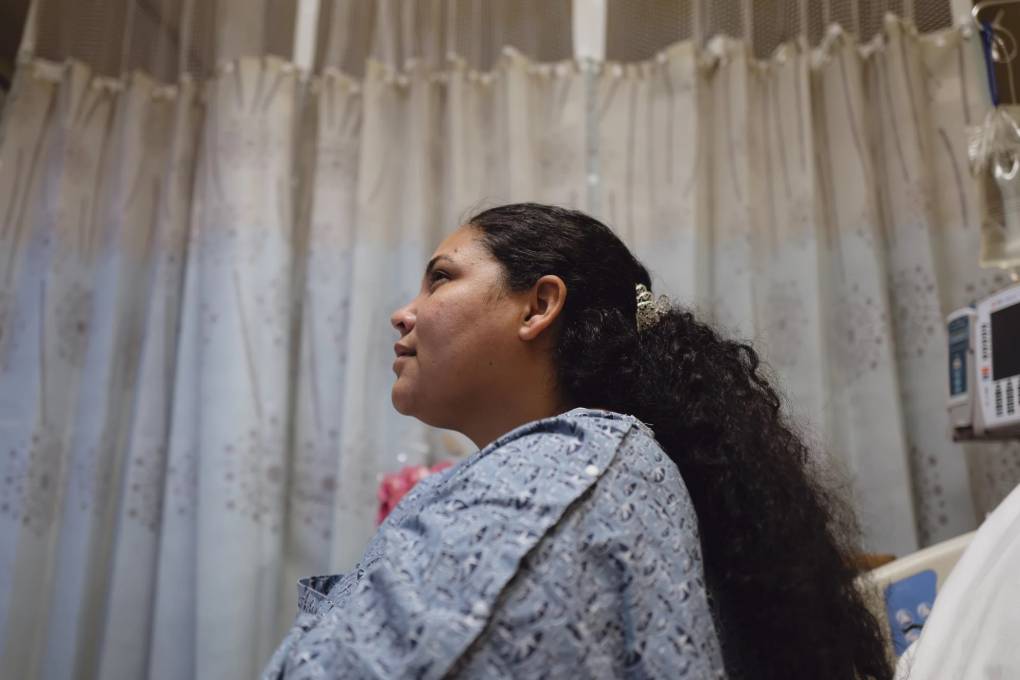
"caption": "One day before her court hearing, Yasmelin Valazquez is hospitalized at John F. Kennedy Memorial Hospital in Indio, Calif., on April 9, 2025.",
"credit": "Zaydee Sanchez for NPR",
"altTag": null,
"description": null,
"imgSizes": {
"medium": {
"file": "https://cdn.kqed.org/wp-content/uploads/sites/10/2025/04/dayinthelife-800x533.jpg",
"width": 800,
"height": 533,
"mimeType": "image/jpeg"
},
"large": {
"file": "https://cdn.kqed.org/wp-content/uploads/sites/10/2025/04/dayinthelife-1020x680.jpg",
"width": 1020,
"height": 680,
"mimeType": "image/jpeg"
},
"thumbnail": {
"file": "https://cdn.kqed.org/wp-content/uploads/sites/10/2025/04/dayinthelife-160x107.jpg",
"width": 160,
"height": 107,
"mimeType": "image/jpeg"
},
"1536x1536": {
"file": "https://cdn.kqed.org/wp-content/uploads/sites/10/2025/04/dayinthelife-1536x1024.jpg",
"width": 1536,
"height": 1024,
"mimeType": "image/jpeg"
},
"post-thumbnail": {
"file": "https://cdn.kqed.org/wp-content/uploads/sites/10/2025/04/dayinthelife-672x372.jpg",
"width": 672,
"height": 372,
"mimeType": "image/jpeg"
},
"twentyfourteen-full-width": {
"file": "https://cdn.kqed.org/wp-content/uploads/sites/10/2025/04/dayinthelife-1038x576.jpg",
"width": 1038,
"height": 576,
"mimeType": "image/jpeg"
},
"full-width": {
"file": "https://cdn.kqed.org/wp-content/uploads/sites/10/2025/04/dayinthelife-1920x1280.jpg",
"width": 1920,
"height": 1280,
"mimeType": "image/jpeg"
},
"kqedFullSize": {
"file": "https://cdn.kqed.org/wp-content/uploads/sites/10/2025/04/dayinthelife.jpg",
"width": 2000,
"height": 1333
}
},
"isLoading": false,
"fetchFailed": false
},
"news_12035717": {
"type": "attachments",
"id": "news_12035717",
"meta": {
"index": "attachments_1716263798",
"site": "news",
"id": "12035717",
"found": true
},
"title": "npr.brightspotcdn copy",
"publishDate": 1744402668,
"status": "inherit",
"parent": 12035716,
"modified": 1744402697,
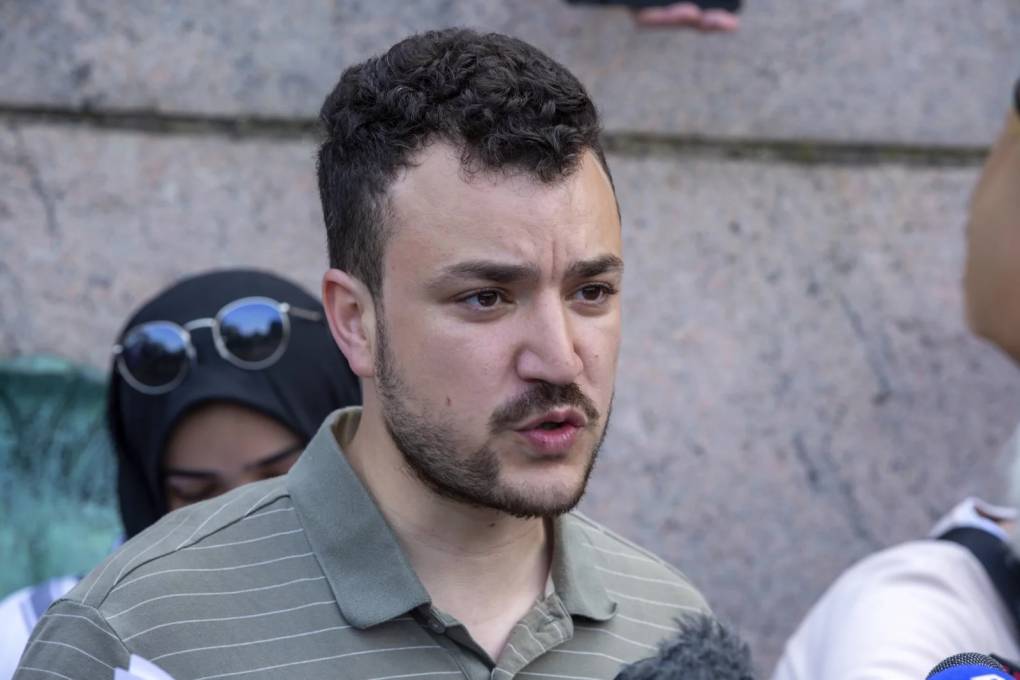
"caption": "Student negotiator Mahmoud Khalil is seen at a pro-Palestinian protest encampment on the Columbia University campus in New York, April 29, 2024. ",
"credit": "Ted Shaffrey/AP Photo",
"altTag": null,
"description": null,
"imgSizes": {
"medium": {
"file": "https://cdn.kqed.org/wp-content/uploads/sites/10/2025/04/npr.brightspotcdn-copy-15-800x534.jpg",
"width": 800,
"height": 534,
"mimeType": "image/jpeg"
},
"large": {
"file": "https://cdn.kqed.org/wp-content/uploads/sites/10/2025/04/npr.brightspotcdn-copy-15-1020x680.jpg",
"width": 1020,
"height": 680,
"mimeType": "image/jpeg"
},
"thumbnail": {
"file": "https://cdn.kqed.org/wp-content/uploads/sites/10/2025/04/npr.brightspotcdn-copy-15-160x107.jpg",
"width": 160,
"height": 107,
"mimeType": "image/jpeg"
},
"1536x1536": {
"file": "https://cdn.kqed.org/wp-content/uploads/sites/10/2025/04/npr.brightspotcdn-copy-15-1536x1024.jpg",
"width": 1536,
"height": 1024,
"mimeType": "image/jpeg"
},
"post-thumbnail": {
"file": "https://cdn.kqed.org/wp-content/uploads/sites/10/2025/04/npr.brightspotcdn-copy-15-672x372.jpg",
"width": 672,
"height": 372,
"mimeType": "image/jpeg"
},
"twentyfourteen-full-width": {
"file": "https://cdn.kqed.org/wp-content/uploads/sites/10/2025/04/npr.brightspotcdn-copy-15-1038x576.jpg",
"width": 1038,
"height": 576,
"mimeType": "image/jpeg"
},
"kqedFullSize": {
"file": "https://cdn.kqed.org/wp-content/uploads/sites/10/2025/04/npr.brightspotcdn-copy-15.jpg",
"width": 1600,
"height": 1067
}
},
"isLoading": false,
"fetchFailed": false
},
"news_12034753": {
"type": "attachments",
"id": "news_12034753",
"meta": {
"index": "attachments_1716263798",
"site": "news",
"id": "12034753",
"found": true
},
"title": "20250129_UCBerkeleyRally_GC-72_qed",
"publishDate": 1744048834,
"status": "inherit",
"parent": 12034742,
"modified": 1744048856,
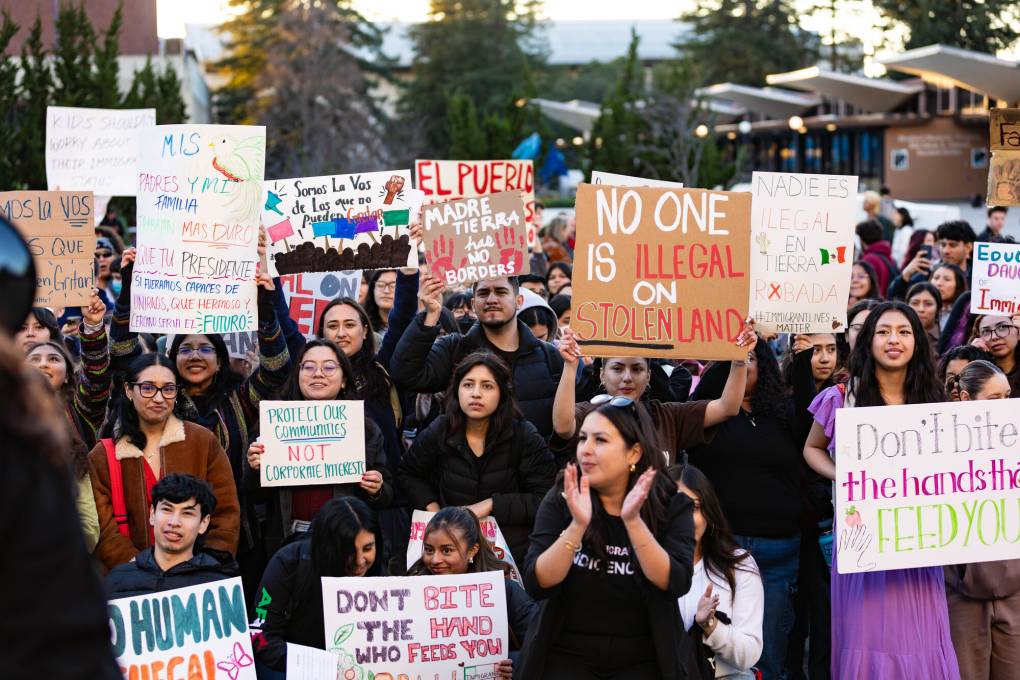
"caption": "Hundreds of students and supporters rally, in solidarity with their undocumented classmates as the Trump administration begins to carry out mass deportations, at Sproul Plaza at UC Berkeley on Jan. 29, 2025.",
"credit": "Gina Castro/KQED",
"altTag": null,
"description": null,
"imgSizes": {
"medium": {
"file": "https://cdn.kqed.org/wp-content/uploads/sites/10/2025/04/20250129_UCBerkeleyRally_GC-72_qed-800x533.jpg",
"width": 800,
"height": 533,
"mimeType": "image/jpeg"
},
"large": {
"file": "https://cdn.kqed.org/wp-content/uploads/sites/10/2025/04/20250129_UCBerkeleyRally_GC-72_qed-1020x680.jpg",
"width": 1020,
"height": 680,
"mimeType": "image/jpeg"
},
"thumbnail": {
"file": "https://cdn.kqed.org/wp-content/uploads/sites/10/2025/04/20250129_UCBerkeleyRally_GC-72_qed-160x107.jpg",
"width": 160,
"height": 107,
"mimeType": "image/jpeg"
},
"1536x1536": {
"file": "https://cdn.kqed.org/wp-content/uploads/sites/10/2025/04/20250129_UCBerkeleyRally_GC-72_qed-1536x1024.jpg",
"width": 1536,
"height": 1024,
"mimeType": "image/jpeg"
},
"post-thumbnail": {
"file": "https://cdn.kqed.org/wp-content/uploads/sites/10/2025/04/20250129_UCBerkeleyRally_GC-72_qed-672x372.jpg",
"width": 672,
"height": 372,
"mimeType": "image/jpeg"
},
"twentyfourteen-full-width": {
"file": "https://cdn.kqed.org/wp-content/uploads/sites/10/2025/04/20250129_UCBerkeleyRally_GC-72_qed-1038x576.jpg",
"width": 1038,
"height": 576,
"mimeType": "image/jpeg"
},
"full-width": {
"file": "https://cdn.kqed.org/wp-content/uploads/sites/10/2025/04/20250129_UCBerkeleyRally_GC-72_qed-1920x1280.jpg",
"width": 1920,
"height": 1280,
"mimeType": "image/jpeg"
},
"kqedFullSize": {
"file": "https://cdn.kqed.org/wp-content/uploads/sites/10/2025/04/20250129_UCBerkeleyRally_GC-72_qed.jpg",
"width": 2000,
"height": 1333
}
},
"isLoading": false,
"fetchFailed": false
},
"news_12035484": {
"type": "attachments",
"id": "news_12035484",
"meta": {
"index": "attachments_1716263798",
"site": "news",
"id": "12035484",
"found": true
},
"title": "npr.brightspotcdn copy",
"publishDate": 1744317258,
"status": "inherit",
"parent": 12035483,
"modified": 1744317279,
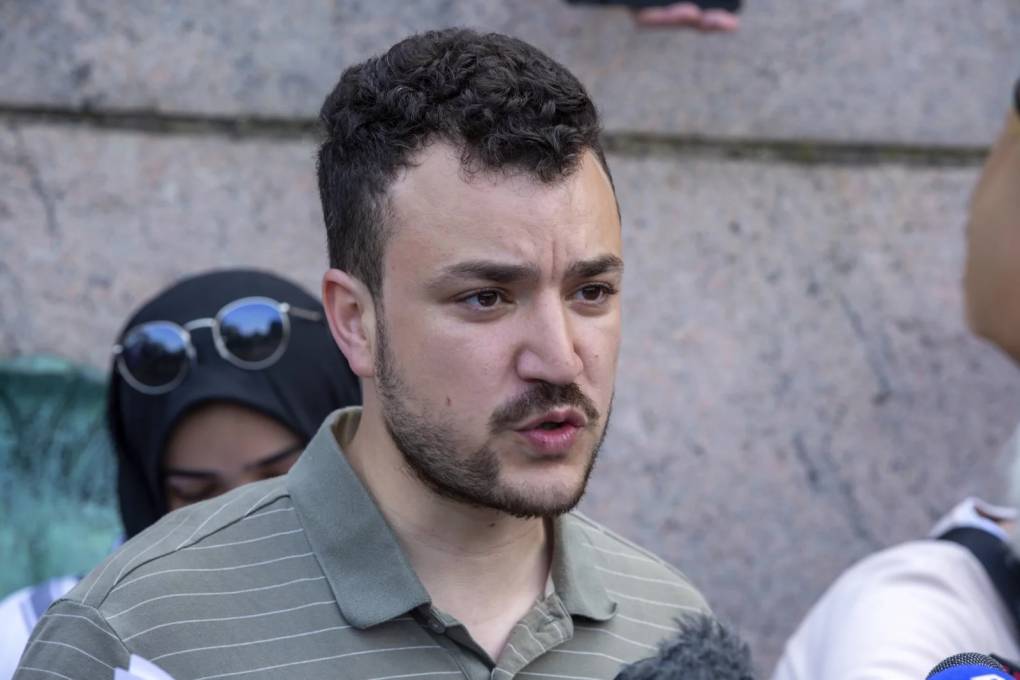
"caption": "Mahmoud Khalil is seen at a pro-Palestinian protest encampment on the Columbia University campus in New York on April 29, 2024.",
"credit": "Ted Shaffrey/AP",
"altTag": null,
"description": null,
"imgSizes": {
"medium": {
"file": "https://cdn.kqed.org/wp-content/uploads/sites/10/2025/04/npr.brightspotcdn-copy-11-800x534.jpg",
"width": 800,
"height": 534,
"mimeType": "image/jpeg"
},
"large": {
"file": "https://cdn.kqed.org/wp-content/uploads/sites/10/2025/04/npr.brightspotcdn-copy-11-1020x680.jpg",
"width": 1020,
"height": 680,
"mimeType": "image/jpeg"
},
"thumbnail": {
"file": "https://cdn.kqed.org/wp-content/uploads/sites/10/2025/04/npr.brightspotcdn-copy-11-160x107.jpg",
"width": 160,
"height": 107,
"mimeType": "image/jpeg"
},
"1536x1536": {
"file": "https://cdn.kqed.org/wp-content/uploads/sites/10/2025/04/npr.brightspotcdn-copy-11-1536x1024.jpg",
"width": 1536,
"height": 1024,
"mimeType": "image/jpeg"
},
"post-thumbnail": {
"file": "https://cdn.kqed.org/wp-content/uploads/sites/10/2025/04/npr.brightspotcdn-copy-11-672x372.jpg",
"width": 672,
"height": 372,
"mimeType": "image/jpeg"
},
"twentyfourteen-full-width": {
"file": "https://cdn.kqed.org/wp-content/uploads/sites/10/2025/04/npr.brightspotcdn-copy-11-1038x576.jpg",
"width": 1038,
"height": 576,
"mimeType": "image/jpeg"
},
"kqedFullSize": {
"file": "https://cdn.kqed.org/wp-content/uploads/sites/10/2025/04/npr.brightspotcdn-copy-11.jpg",
"width": 1600,
"height": 1067
}
},
"isLoading": false,
"fetchFailed": false
},
"news_12034706": {
"type": "attachments",
"id": "news_12034706",
"meta": {
"index": "attachments_1716263798",
"site": "news",
"id": "12034706",
"found": true
},
"title": "250319-UCBerkeleyProtest-14-BL_qed",
"publishDate": 1744042874,
"status": "inherit",
"parent": 12034703,
"modified": 1744042951,
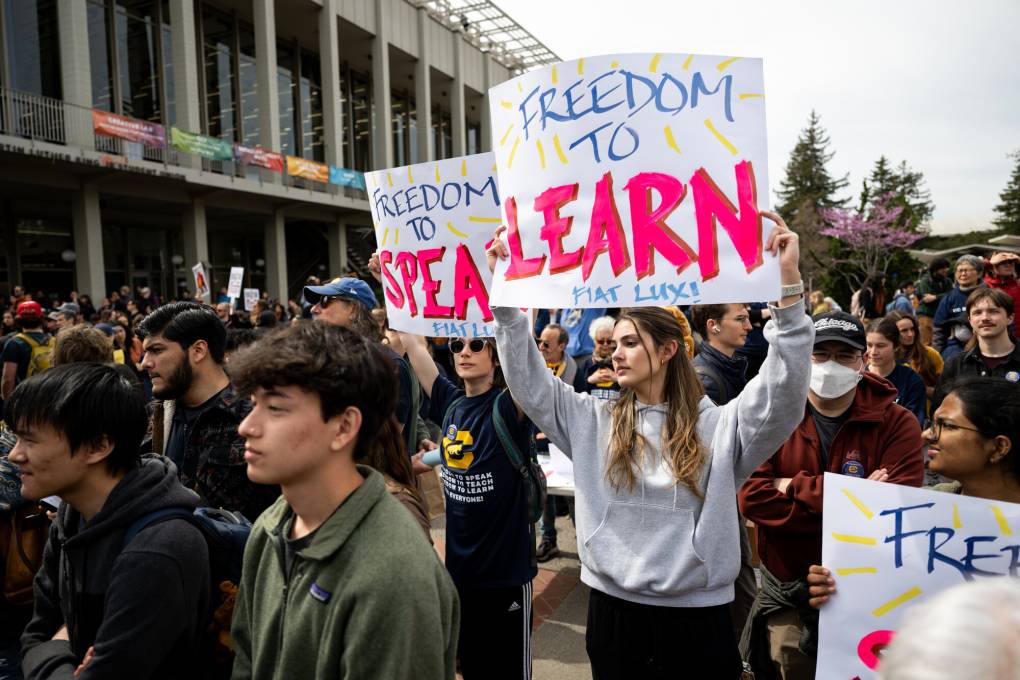
"caption": "Students attend a rally in Sproul Plaza at UC Berkeley on March 19, 2025, to protest the Trump administration's scrutiny of campus protests and curriculum nationwide. The demonstration comes amid broader concerns over federal funding cuts and actions perceived as threats to academic freedom.",
"credit": "Beth LaBerge/KQED",
"altTag": null,
"description": null,
"imgSizes": {
"medium": {
"file": "https://cdn.kqed.org/wp-content/uploads/sites/10/2025/04/250319-UCBerkeleyProtest-14-BL_qed-800x533.jpg",
"width": 800,
"height": 533,
"mimeType": "image/jpeg"
},
"large": {
"file": "https://cdn.kqed.org/wp-content/uploads/sites/10/2025/04/250319-UCBerkeleyProtest-14-BL_qed-1020x680.jpg",
"width": 1020,
"height": 680,
"mimeType": "image/jpeg"
},
"thumbnail": {
"file": "https://cdn.kqed.org/wp-content/uploads/sites/10/2025/04/250319-UCBerkeleyProtest-14-BL_qed-160x107.jpg",
"width": 160,
"height": 107,
"mimeType": "image/jpeg"
},
"1536x1536": {
"file": "https://cdn.kqed.org/wp-content/uploads/sites/10/2025/04/250319-UCBerkeleyProtest-14-BL_qed-1536x1024.jpg",
"width": 1536,
"height": 1024,
"mimeType": "image/jpeg"
},
"post-thumbnail": {
"file": "https://cdn.kqed.org/wp-content/uploads/sites/10/2025/04/250319-UCBerkeleyProtest-14-BL_qed-672x372.jpg",
"width": 672,
"height": 372,
"mimeType": "image/jpeg"
},
"twentyfourteen-full-width": {
"file": "https://cdn.kqed.org/wp-content/uploads/sites/10/2025/04/250319-UCBerkeleyProtest-14-BL_qed-1038x576.jpg",
"width": 1038,
"height": 576,
"mimeType": "image/jpeg"
},
"full-width": {
"file": "https://cdn.kqed.org/wp-content/uploads/sites/10/2025/04/250319-UCBerkeleyProtest-14-BL_qed-1920x1280.jpg",
"width": 1920,
"height": 1280,
"mimeType": "image/jpeg"
},
"kqedFullSize": {
"file": "https://cdn.kqed.org/wp-content/uploads/sites/10/2025/04/250319-UCBerkeleyProtest-14-BL_qed.jpg",
"width": 2000,
"height": 1333
}
},
"isLoading": false,
"fetchFailed": false
}
},
"audioPlayerReducer": {
"postId": "stream_live",
"isPaused": true,
"isPlaying": false,
"pfsActive": false,
"pledgeModalIsOpen": true,
"playerDrawerIsOpen": false,
"liveAudioPlayStartedAt": 0,
"liveAudioPlayContext": ""
},
"authorsReducer": {
"byline_news_12037508": {
"type": "authors",
"id": "byline_news_12037508",
"meta": {
"override": true
},
"slug": "byline_news_12037508",
"name": "Mark Betancourt, The California Newsroom",
"isLoading": false
},
"byline_news_12036845": {
"type": "authors",
"id": "byline_news_12036845",
"meta": {
"override": true
},
"slug": "byline_news_12036845",
"name": "\u003ca href=\"https://www.npr.org/people/1108419098/juliana-kim\">Juliana Kim\u003c/a>, NPR",
"isLoading": false
},
"byline_news_12035891": {
"type": "authors",
"id": "byline_news_12035891",
"meta": {
"override": true
},
"slug": "byline_news_12035891",
"name": "Sergio Martínez-Beltrán, NPR",
"isLoading": false
},
"byline_news_12035716": {
"type": "authors",
"id": "byline_news_12035716",
"meta": {
"override": true
},
"slug": "byline_news_12035716",
"name": "\u003ca href=\"https://www.npr.org/people/427718118/adrian-florido\">Adrian Florido\u003c/a>, NPR",
"isLoading": false
},
"byline_news_12035483": {
"type": "authors",
"id": "byline_news_12035483",
"meta": {
"override": true
},
"slug": "byline_news_12035483",
"name": "\u003ca href=\"https://www.npr.org/people/159989569/joel-rose\">Joel Rose\u003c/a> and \u003ca href=\"https://www.npr.org/people/427718118/adrian-florido\">Adrian Florido\u003c/a>, NPR",
"isLoading": false
},
"matthewgreen": {
"type": "authors",
"id": "1263",
"meta": {
"index": "authors_1716337520",
"id": "1263",
"found": true
},
"name": "Matthew Green",
"firstName": "Matthew",
"lastName": "Green",
"slug": "matthewgreen",
"email": "mgreen@kqed.org",
"display_author_email": false,
"staff_mastheads": [],
"title": "KQED Editor/Reporter",
"bio": "Matthew Green is a digital media producer for KQED News. He previously produced \u003ca href=\"http://www.kqed.org/lowdown\">The Lowdown\u003c/a>, KQED’s multimedia news education blog. Matthew's written for numerous Bay Area publications, including the Oakland Tribune and San Francisco Chronicle. He also taught journalism classes at Fremont High School in East Oakland.\r\n\r\nEmail: mgreen@kqed.org; Twitter: @MGreenKQED",
"avatar": "https://secure.gravatar.com/avatar/3bf498d1267ca02c8494f33d8cfc575e?s=600&d=blank&r=g",
"twitter": "MGreenKQED",
"facebook": null,
"instagram": null,
"linkedin": null,
"sites": [
{
"site": "news",
"roles": []
},
{
"site": "lowdown",
"roles": []
},
{
"site": "science",
"roles": []
},
{
"site": "education",
"roles": []
},
{
"site": "quest",
"roles": []
},
{
"site": "liveblog",
"roles": []
}
],
"headData": {
"title": "Matthew Green | KQED",
"description": "KQED Editor/Reporter",
"ogImgSrc": "https://secure.gravatar.com/avatar/3bf498d1267ca02c8494f33d8cfc575e?s=600&d=blank&r=g",
"twImgSrc": "https://secure.gravatar.com/avatar/3bf498d1267ca02c8494f33d8cfc575e?s=600&d=blank&r=g"
},
"isLoading": false,
"link": "/author/matthewgreen"
},
"mlagos": {
"type": "authors",
"id": "3239",
"meta": {
"index": "authors_1716337520",
"id": "3239",
"found": true
},
"name": "Marisa Lagos",
"firstName": "Marisa",
"lastName": "Lagos",
"slug": "mlagos",
"email": "mlagos@kqed.org",
"display_author_email": false,
"staff_mastheads": [
"news"
],
"title": "KQED Contributor",
"bio": "Marisa Lagos is a correspondent for KQED’s California Politics and Government Desk and co-hosts the award-winning show and podcast, Political Breakdown. At KQED, Lagos also conducts reporting, analysis and investigations into state, local and national politics for radio, TV, online and onstage. In 2022, she and co-host, Scott Shafer, moderated the only gubernatorial debate in California. In 2020, the \u003ci>Washington Post\u003c/i> named her one of the top political journalists in California; she was nominated for a Peabody and won several other awards for her work investigating the 2017 California wildfires. She has worked at the \u003ci>San Francisco Chronicle\u003c/i>, \u003ci>San Francisco Examiner\u003c/i> and \u003ci>Los Angeles Times\u003c/i>. A UC Santa Barbara graduate, she lives in San Francisco with her two sons and husband.",
"avatar": "https://secure.gravatar.com/avatar/a261a0d3696fc066871ef96b85b5e7d2?s=600&d=blank&r=g",
"twitter": "@mlagos",
"facebook": null,
"instagram": null,
"linkedin": null,
"sites": [
{
"site": "arts",
"roles": [
"author"
]
},
{
"site": "news",
"roles": [
"editor"
]
},
{
"site": "science",
"roles": [
"editor"
]
},
{
"site": "forum",
"roles": [
"author"
]
},
{
"site": "liveblog",
"roles": [
"author"
]
}
],
"headData": {
"title": "Marisa Lagos | KQED",
"description": "KQED Contributor",
"ogImgSrc": "https://secure.gravatar.com/avatar/a261a0d3696fc066871ef96b85b5e7d2?s=600&d=blank&r=g",
"twImgSrc": "https://secure.gravatar.com/avatar/a261a0d3696fc066871ef96b85b5e7d2?s=600&d=blank&r=g"
},
"isLoading": false,
"link": "/author/mlagos"
},
"slewis": {
"type": "authors",
"id": "8676",
"meta": {
"index": "authors_1716337520",
"id": "8676",
"found": true
},
"name": "Sukey Lewis",
"firstName": "Sukey",
"lastName": "Lewis",
"slug": "slewis",
"email": "slewis@kqed.org",
"display_author_email": true,
"staff_mastheads": [
"news"
],
"title": "KQED Contributor",
"bio": "Sukey Lewis is a criminal justice reporter and host of \u003cem>On Our Watch\u003c/em>, a new podcast from NPR and KQED about the shadow world of police discipline. In 2018, she co-founded the California Reporting Project, a coalition of newsrooms across the state focused on obtaining previously sealed internal affairs records from law enforcement. In addition to her reporting on police accountability, Sukey has investigated the bail bonds industry, California's wildfires and the high cost of prison phone calls. Sukey earned a master's degree in journalism from the University of California at Berkeley. Send news tips to slewis@kqed.org.",
"avatar": "https://secure.gravatar.com/avatar/03fd6b21024f99d8b0a1966654586de7?s=600&d=blank&r=g",
"twitter": "SukeyLewis",
"facebook": null,
"instagram": null,
"linkedin": null,
"sites": [
{
"site": "news",
"roles": [
"author",
"edit_others_posts"
]
}
],
"headData": {
"title": "Sukey Lewis | KQED",
"description": "KQED Contributor",
"ogImgSrc": "https://secure.gravatar.com/avatar/03fd6b21024f99d8b0a1966654586de7?s=600&d=blank&r=g",
"twImgSrc": "https://secure.gravatar.com/avatar/03fd6b21024f99d8b0a1966654586de7?s=600&d=blank&r=g"
},
"isLoading": false,
"link": "/author/slewis"
},
"nkhan": {
"type": "authors",
"id": "11867",
"meta": {
"index": "authors_1716337520",
"id": "11867",
"found": true
},
"name": "Nisa Khan",
"firstName": "Nisa",
"lastName": "Khan",
"slug": "nkhan",
"email": "nkhan@kqed.org",
"display_author_email": false,
"staff_mastheads": [],
"title": "KQED Contributor",
"bio": "Nisa Khan is a reporter for KQED's Audience News Desk. She was formerly a data reporter at Michigan Radio. She earned a Bachelor of Science in Information from the University of Michigan and a Master of Arts in Communication from Stanford University.",
"avatar": "https://secure.gravatar.com/avatar/a3bf1efcfbe7658d13a434cc54d0b2e3?s=600&d=blank&r=g",
"twitter": "mnisakhan",
"bluesky": null,
"facebook": null,
"instagram": null,
"linkedin": null,
"sites": [
{
"site": "arts",
"roles": [
"editor"
]
},
{
"site": "news",
"roles": [
"editor"
]
},
{
"site": "science",
"roles": [
"editor",
"author"
]
},
{
"site": "forum",
"roles": [
"editor"
]
},
{
"site": "liveblog",
"roles": [
"contributor"
]
}
],
"headData": {
"title": "Nisa Khan | KQED",
"description": "KQED Contributor",
"ogImgSrc": "https://secure.gravatar.com/avatar/a3bf1efcfbe7658d13a434cc54d0b2e3?s=600&d=blank&r=g",
"twImgSrc": "https://secure.gravatar.com/avatar/a3bf1efcfbe7658d13a434cc54d0b2e3?s=600&d=blank&r=g"
},
"isLoading": false,
"link": "/author/nkhan"
},
"rpalmer": {
"type": "authors",
"id": "11880",
"meta": {
"index": "authors_1716337520",
"id": "11880",
"found": true
},
"name": "Riley Palmer",
"firstName": "Riley",
"lastName": "Palmer",
"slug": "rpalmer",
"email": "rpalmer@KQED.org",
"display_author_email": true,
"staff_mastheads": [],
"title": "KQED Contributor",
"bio": "Riley Palmer is a North Bay Native who stayed close in order to report on the community she calls home. She is a Santa Rosa Junior College and UC Berkeley alum. Palmer started working at KQED as a radio newscast intern in January 2023. Since then she has reported on school safety, education, and mobile home tenancy rights along with other general assignments. She lives in Oakland, CA.",
"avatar": "https://secure.gravatar.com/avatar/28824e9d4a299de4200bd003607bee3a?s=600&d=blank&r=g",
"twitter": "ReporterRileyp",
"facebook": null,
"instagram": null,
"linkedin": null,
"sites": [
{
"site": "news",
"roles": []
}
],
"headData": {
"title": "Riley Palmer | KQED",
"description": "KQED Contributor",
"ogImgSrc": "https://secure.gravatar.com/avatar/28824e9d4a299de4200bd003607bee3a?s=600&d=blank&r=g",
"twImgSrc": "https://secure.gravatar.com/avatar/28824e9d4a299de4200bd003607bee3a?s=600&d=blank&r=g"
},
"isLoading": false,
"link": "/author/rpalmer"
},
"bsiavoshy": {
"type": "authors",
"id": "11890",
"meta": {
"index": "authors_1716337520",
"id": "11890",
"found": true
},
"name": "Bejan Siavoshy",
"firstName": "Bejan",
"lastName": "Siavoshy",
"slug": "bsiavoshy",
"email": "bsiavoshy@kqed.org",
"display_author_email": false,
"staff_mastheads": [],
"title": "KQED Contributor",
"bio": null,
"avatar": "https://secure.gravatar.com/avatar/ead3e7c509634b37a73b1f57677e49f9?s=600&d=blank&r=g",
"twitter": null,
"facebook": null,
"instagram": null,
"linkedin": null,
"sites": [
{
"site": "news",
"roles": [
"editor"
]
}
],
"headData": {
"title": "Bejan Siavoshy | KQED",
"description": "KQED Contributor",
"ogImgSrc": "https://secure.gravatar.com/avatar/ead3e7c509634b37a73b1f57677e49f9?s=600&d=blank&r=g",
"twImgSrc": "https://secure.gravatar.com/avatar/ead3e7c509634b37a73b1f57677e49f9?s=600&d=blank&r=g"
},
"isLoading": false,
"link": "/author/bsiavoshy"
},
"kdebenedetti": {
"type": "authors",
"id": "11913",
"meta": {
"index": "authors_1716337520",
"id": "11913",
"found": true
},
"name": "Katie DeBenedetti",
"firstName": "Katie",
"lastName": "DeBenedetti",
"slug": "kdebenedetti",
"email": "kdebenedetti@kqed.org",
"display_author_email": false,
"staff_mastheads": [
"news",
"science"
],
"title": "KQED Contributor",
"bio": "Katie DeBenedetti is a digital reporter covering daily news for the Express Desk. Prior to joining KQED as a culture reporting intern in January 2024, she covered education and city government for the Napa Valley Register.",
"avatar": "https://secure.gravatar.com/avatar/6e31073cb8f7e4214ab03f42771d0f45?s=600&d=blank&r=g",
"twitter": null,
"facebook": null,
"instagram": null,
"linkedin": null,
"sites": [
{
"site": "news",
"roles": [
"author"
]
},
{
"site": "science",
"roles": [
"author"
]
},
{
"site": "liveblog",
"roles": [
"author"
]
}
],
"headData": {
"title": "Katie DeBenedetti | KQED",
"description": "KQED Contributor",
"ogImgSrc": "https://secure.gravatar.com/avatar/6e31073cb8f7e4214ab03f42771d0f45?s=600&d=blank&r=g",
"twImgSrc": "https://secure.gravatar.com/avatar/6e31073cb8f7e4214ab03f42771d0f45?s=600&d=blank&r=g"
},
"isLoading": false,
"link": "/author/kdebenedetti"
}
},
"pagesReducer": {
"news_tag_immigration": {
"type": "terms",
"id": "news_20202",
"meta": {
"index": "terms_1716263798",
"site": "news",
"id": "20202",
"score": 6.9038835
},
"featImg": null,
"name": "immigration",
"description": null,
"taxonomy": "tag",
"headData": {
"twImgId": null,
"twTitle": null,
"ogTitle": null,
"ogImgId": null,
"twDescription": null,
"description": null,
"title": "immigration Archives | KQED News",
"ogDescription": null
},
"ttid": 20219,
"slug": "immigration",
"isLoading": false,
"title": "immigration",
"pageMeta": {
"site": "news",
"WpPageTemplate": "page-topic-editorial",
"currentPage": 31
},
"blocks": [
{
"blockName": "kqed/post-list",
"attrs": {
"layout": "cardArticle2",
"query": "posts/news?tag=immigration",
"seeMore": false,
"paginated": true,
"page": 31
}
},
{
"blockName": "kqed/ad"
}
]
}
},
"pfsSessionReducer": {},
"postsReducer": {
"stream_live": {
"type": "live",
"id": "stream_live",
"audioUrl": "https://streams.kqed.org/kqedradio",
"title": "Live Stream",
"excerpt": "Live Stream information currently unavailable.",
"link": "/radio",
"featImg": "",
"label": {
"name": "KQED Live",
"link": "/"
}
},
"stream_kqedNewscast": {
"type": "posts",
"id": "stream_kqedNewscast",
"audioUrl": "https://www.kqed.org/.stream/anon/radio/RDnews/newscast.mp3?_=1",
"title": "KQED Newscast",
"featImg": "",
"label": {
"name": "88.5 FM",
"link": "/"
}
},
"news_12037508": {
"type": "posts",
"id": "news_12037508",
"meta": {
"index": "posts_1716263798",
"site": "news",
"id": "12037508",
"score": null,
"sort": [
1745578814000
]
},
"guestAuthors": [],
"slug": "aclu-fights-trump-court-preserve-legal-aid-border-separated-families",
"title": "ACLU Fights Trump in Court to Preserve Legal Aid for Border-Separated Families",
"publishDate": 1745578814,
"format": "standard",
"headTitle": "ACLU Fights Trump in Court to Preserve Legal Aid for Border-Separated Families | KQED",
"labelTerm": {
"site": "news"
},
"content": "\u003cp>The American Civil Liberties Union has filed a motion in federal court to stop the Department of Justice from cutting off legal services for families who were \u003ca href=\"https://www.kqed.org/news/11785409/new-search-begins-for-deported-parents-of-separated-migrant-children\">forcibly separated\u003c/a> at the U.S.-Mexico border during the first Trump administration.\u003c/p>\n\u003cp>A \u003ca href=\"https://www.kqed.org/news/12026959/families-separated-at-the-border-are-protected-by-a-2023-settlement-will-trump-honor-it\">settlement agreement reached during the Biden Administration\u003c/a> requires the government to provide legal services to those families in order to help them navigate the complex U.S. immigration system. According to the ACLU’s motion, filed Wednesday in the U.S. District Court for the Southern District of California, the DOJ has declined to renew a contract for the services without specifying what will replace it.\u003c/p>\n\u003cp>Under the “Zero Tolerance” immigration policy of Trump’s first term, federal agencies detained families entering the country illegally, took children away from their parents, sent them to separate facilities and eventually released them to other family members or to foster care. Nearly 5,000 family members were separated. In many cases, the government did not take steps to reunite them and lost track of which children belonged to which parents.\u003c/p>\n\u003cp>[ad fullwidth]\u003c/p>\n\u003cp>In 2018, the \u003ca href=\"https://www.kqed.org/news/12026959/families-separated-at-the-border-are-protected-by-a-2023-settlement-will-trump-honor-it\">ACLU filed a class action lawsuit against the federal government\u003c/a> for \u003ca href=\"https://www.aclu.org/cases/ms-l-v-ice\">violating families’ right to due process\u003c/a> under the U.S. Constitution, and for separating them without cause. The Biden administration settled the lawsuit in December 2023 by agreeing to reunite families who were still separated and provide them with a pathway to asylum in the United States, including a temporary status called parole. Before approving the settlement, federal Judge Dana Sabraw of the U.S. District Court for the Southern District of California in San Diego said family separation “represents one of the most shameful chapters in the history of our country.”\u003c/p>\n\u003cp>Because the special conditions granted to these families created a complex web of applications to fill out and documents to produce, the agreement also required the government to ensure access to lawyers who could guide them. The ACLU said those services are now at risk.\u003c/p>\n\u003cfigure id=\"attachment_11738375\" class=\"wp-caption aligncenter\" style=\"max-width: 1920px\">\u003cimg loading=\"lazy\" decoding=\"async\" class=\"size-full wp-image-11738375\" src=\"https://cdn.kqed.org/wp-content/uploads/sites/10/2019/04/RS36430_GettyImages-978854834-qut.jpg\" alt=\"A young girl holds a sign during a demonstration outside of the San Francisco office of the Immigration and Customs Enforcement (ICE) on June 19, 2018 in San Francisco over the Trump administration family separation policy.\" width=\"1920\" height=\"1276\" srcset=\"https://cdn.kqed.org/wp-content/uploads/sites/10/2019/04/RS36430_GettyImages-978854834-qut.jpg 1920w, https://cdn.kqed.org/wp-content/uploads/sites/10/2019/04/RS36430_GettyImages-978854834-qut-160x106.jpg 160w, https://cdn.kqed.org/wp-content/uploads/sites/10/2019/04/RS36430_GettyImages-978854834-qut-800x532.jpg 800w, https://cdn.kqed.org/wp-content/uploads/sites/10/2019/04/RS36430_GettyImages-978854834-qut-1020x678.jpg 1020w, https://cdn.kqed.org/wp-content/uploads/sites/10/2019/04/RS36430_GettyImages-978854834-qut-1200x798.jpg 1200w\" sizes=\"auto, (max-width: 1920px) 100vw, 1920px\">\u003cfigcaption class=\"wp-caption-text\">A young girl holds a sign during a demonstration outside of the San Francisco office of the Immigration and Customs Enforcement (ICE) on June 19, 2018 in San Francisco over the Trump administration family separation policy. \u003ccite>(Justin Sullivan/Getty Images)\u003c/cite>\u003c/figcaption>\u003c/figure>\n\u003cp>“Babies were horrifically ripped from their parents’ arms under the first Trump administration’s family separation policy,” said ACLU attorney Lee Gelernt, lead counsel in the family separation lawsuit. “Depriving these families of vital services needed to remedy these tragic events is just the latest cruelty inflicted upon the families.”\u003c/p>\n\u003cp>The government claims it is only declining to renew the existing contract, according to \u003ca href=\"https://www.aclu.org/documents/motion\">the ACLU’s filing\u003c/a>, and does not intend to allow legal services to lapse.\u003c/p>\n\u003cp>However, with less than a week before the contract expires, the ACLU said the government has yet to explain how it will do that. “Absent the contract,” the filing reads, “the legal services subcontractors have no choice but to stop services altogether.”\u003c/p>\n\u003cp>The DOJ did not respond to requests for comment.[aside postID=news_12026959 hero='https://ww2.kqed.org/app/uploads/sites/10/2020/10/CBP-family-border-1020x680.jpg']The program, formally called Legal Access Services for Reunified Families, was created in May 2024 through a contract between the DOJ and Acacia Center for Justice, a nonprofit immigrant legal defense organization based in Washington, D.C. Acacia distributed the funding to nine organizations around the country that have been providing legal services directly to families impacted by Zero Tolerance. Services include workshops on how to navigate immigration court proceedings, assistance with immigration applications and referrals to pro bono attorneys.\u003c/p>\n\u003cp>However, Acacia notes that the funding level of the existing contract only covered 12% of the thousands who qualify for legal guidance under the settlement agreement.\u003c/p>\n\u003cp>Acacia expected the contract to be renewed at the end of this month, and subcontractors had been slating waitlisted families for support starting May 1, according to declarations filed with the ACLU motion.\u003c/p>\n\u003cp>“A lot of them have parole that are ending now in May and June. So they are really desperate to receive services, and they kept calling us and we would tell them we have you on the list,” said Marien Velez-Alcaide, a managing attorney for the family reunification program at \u003ca href=\"https://alotrolado.org/\">Al Otro Lado\u003c/a>, one of the organizations that has received funding through Acacia.\u003c/p>\n\u003cp>The nonprofit operates on both sides of the U.S.-Mexico border in San Diego, Los Angeles and Tijuana, and said it has served 140 people impacted by Zero Tolerance family separations, including 97 in California.\u003c/p>\n\u003cp>The DOJ informed Acacia of the non-renewal on April 11, less than a month before the contract was set to end.\u003c/p>\n\u003cfigure id=\"attachment_12037592\" class=\"wp-caption aligncenter\" style=\"max-width: 1545px\">\u003cimg loading=\"lazy\" decoding=\"async\" class=\"size-full wp-image-12037592\" src=\"https://cdn.kqed.org/wp-content/uploads/sites/10/2025/04/DOJ-Acacia-letter.pdf.png\" alt=\"\" width=\"1545\" height=\"2000\" srcset=\"https://cdn.kqed.org/wp-content/uploads/sites/10/2025/04/DOJ-Acacia-letter.pdf.png 1545w, https://cdn.kqed.org/wp-content/uploads/sites/10/2025/04/DOJ-Acacia-letter.pdf-800x1036.png 800w, https://cdn.kqed.org/wp-content/uploads/sites/10/2025/04/DOJ-Acacia-letter.pdf-1020x1320.png 1020w, https://cdn.kqed.org/wp-content/uploads/sites/10/2025/04/DOJ-Acacia-letter.pdf-160x207.png 160w, https://cdn.kqed.org/wp-content/uploads/sites/10/2025/04/DOJ-Acacia-letter.pdf-1187x1536.png 1187w\" sizes=\"auto, (max-width: 1545px) 100vw, 1545px\">\u003cfigcaption class=\"wp-caption-text\">A copy of a notice-of-termination letter sent by the U.S. Department of Justice to Acacia Center for Justice, a nonprofit immigrant legal defense organization that has been providing legal services to members of separated families in accordance with a 2023 settlement between the Biden Administration and the ACLU.\u003c/figcaption>\u003c/figure>\n\u003cp>While the settlement agreement does not require the government to provide full legal representation to family members who were separated under Zero Tolerance, advocates say the support is vital.\u003c/p>\n\u003cp>“[Family members who’ve been separated] don’t know what their rights are,” under the settlement, said Velez-Alcaide. “So it’s really fundamental for them to be able to receive assistance and know what they qualify for, what are the deadlines, how to fill out the applications.”\u003c/p>\n\u003cp>In a declaration filed with the ACLU motion, Velez-Alcaide wrote that she has heard from clients who are “terrified of the potential consequences for themselves and their families,” including being separated again if their immigration claims fail, or losing their jobs if they’re unable to obtain or renew work permits.\u003c/p>\n\u003cp>“This is family separation by another name,” said Zain Lakhani, director of migrant rights and justice at the Women’s Refugee Commission, at a virtual press conference convened by Acacia on Thursday.\u003c/p>\n\u003cp>The apparent threat to legal services for separated families comes as the Trump administration continues to dismantle other supports for people seeking asylum in the United States, including a program providing legal representation for unaccompanied children. Many children were designated unaccompanied after they were separated from their families and have been represented by attorneys under that program.\u003c/p>\n\u003cfigure id=\"attachment_12035874\" class=\"wp-caption aligncenter\" style=\"max-width: 2000px\">\u003cimg loading=\"lazy\" decoding=\"async\" class=\"size-full wp-image-12035874\" src=\"https://cdn.kqed.org/wp-content/uploads/sites/10/2025/04/gettyimages-2210243092-scaled-e1745537471811.jpeg\" alt=\"President Trump meets with President Nayib Bukele of El Salvador in the Oval Office on April 14, 2025.\" width=\"2000\" height=\"1333\">\u003cfigcaption class=\"wp-caption-text\">President Trump meets with President Nayib Bukele of El Salvador in the Oval Office on April 14, 2025. \u003ccite>(Win McNamee/Getty Images)\u003c/cite>\u003c/figcaption>\u003c/figure>\n\u003cp>Some legal services providers have begun laying off staff in the wake of federal funding cuts across the immigration field.\u003c/p>\n\u003cp>“The risks for class members are skyrocketing, and the elimination of services means the further erosion of due process,” said Sara Van Hofwegen, managing director of legal access programs at the Acacia Center for Justice, during Thursday’s event. “These families who’ve endured so much trauma at the hand of our government have been told that the United States is not keeping our promise to help them rebuild their lives or assist them with their cases.”\u003c/p>\n\u003cp>Velez-Alcaide said Al Otro Lado has ramped up fundraising efforts to avoid having to leave separated families in the lurch after May 1, especially because the ACLU’s court challenge may move slowly.\u003c/p>\n\u003cp>“We don’t know how long it’s going to take, and a lot of these families don’t have the time to wait,” she said. “In the meantime, they’re living in fear.”\u003c/p>\n\u003cp>\u003ca href=\"https://www.kqed.org/californianewsroom#:~:text=About%20the%20California%20Newsroom&text=The%20California%20Newsroom%3A&text=provides%20one%2Don%2Done%20mentorship,UC%20Berkeley%20Journalism%20Fellows%20program.\">\u003cem>The California Newsroom\u003c/em>\u003c/a>\u003cem> is a KQED-led collaboration of public media outlets throughout the state, with NPR as its national partner.\u003c/em>\u003c/p>\n\u003cp>[ad floatright]\u003c/p>\n",
"blocks": [],
"excerpt": "The DOJ told a legal services provider it would not renew its contract at the end of April. The decision could leave families separated at the U.S.-Mexico border during Trump 1.0 without the support they were promised under a federal settlement agreement.",
"status": "publish",
"parent": 0,
"modified": 1745602414,
"stats": {
"hasAudio": false,
"hasVideo": false,
"hasChartOrMap": false,
"iframeSrcs": [],
"hasGoogleForm": false,
"hasGallery": false,
"hasHearkenModule": false,
"hasPolis": false,
"paragraphCount": 26,
"wordCount": 1307
},
"headData": {
"title": "ACLU Fights Trump in Court to Preserve Legal Aid for Border-Separated Families | KQED",
"description": "The DOJ told a legal services provider it would not renew its contract at the end of April. The decision could leave families separated at the U.S.-Mexico border during Trump 1.0 without the support they were promised under a federal settlement agreement.",
"ogTitle": "",
"ogDescription": "",
"ogImgId": "",
"twTitle": "",
"twDescription": "",
"twImgId": "",
"schema": {
"@context": "https://schema.org",
"@type": "NewsArticle",
"headline": "ACLU Fights Trump in Court to Preserve Legal Aid for Border-Separated Families",
"datePublished": "2025-04-25T04:00:14-07:00",
"dateModified": "2025-04-25T10:33:34-07:00",
"image": "https://cdn.kqed.org/wp-content/uploads/2020/02/KQED-OG-Image@1x.png",
"isAccessibleForFree": "True",
"publisher": {
"@type": "NewsMediaOrganization",
"@id": "https://www.kqed.org/#organization",
"name": "KQED",
"logo": "https://cdn.kqed.org/wp-content/uploads/2020/02/KQED-OG-Image@1x.png",
"url": "https://www.kqed.org",
"sameAs": [
"https://www.facebook.com/KQED",
"https://twitter.com/KQED",
"https://www.instagram.com/kqed/",
"https://www.tiktok.com/@kqedofficial",
"https://www.linkedin.com/company/kqed",
"https://www.youtube.com/channel/UCeC0IOo7i1P_61zVUWbJ4nw"
]
}
}
},
"sticky": false,
"nprByline": "Mark Betancourt, The California Newsroom",
"nprStoryId": "kqed-12037508",
"templateType": "standard",
"featuredImageType": "standard",
"excludeFromSiteSearch": "Include",
"showOnAuthorArchivePages": "No",
"articleAge": "0",
"path": "/news/12037508/aclu-fights-trump-court-preserve-legal-aid-border-separated-families",
"audioTrackLength": null,
"parsedContent": [
{
"type": "contentString",
"content": "\u003cdiv class=\"post-body\">\u003cp>\u003cp>The American Civil Liberties Union has filed a motion in federal court to stop the Department of Justice from cutting off legal services for families who were \u003ca href=\"https://www.kqed.org/news/11785409/new-search-begins-for-deported-parents-of-separated-migrant-children\">forcibly separated\u003c/a> at the U.S.-Mexico border during the first Trump administration.\u003c/p>\n\u003cp>A \u003ca href=\"https://www.kqed.org/news/12026959/families-separated-at-the-border-are-protected-by-a-2023-settlement-will-trump-honor-it\">settlement agreement reached during the Biden Administration\u003c/a> requires the government to provide legal services to those families in order to help them navigate the complex U.S. immigration system. According to the ACLU’s motion, filed Wednesday in the U.S. District Court for the Southern District of California, the DOJ has declined to renew a contract for the services without specifying what will replace it.\u003c/p>\n\u003cp>Under the “Zero Tolerance” immigration policy of Trump’s first term, federal agencies detained families entering the country illegally, took children away from their parents, sent them to separate facilities and eventually released them to other family members or to foster care. Nearly 5,000 family members were separated. In many cases, the government did not take steps to reunite them and lost track of which children belonged to which parents.\u003c/p>\n\u003cp>\u003c/p>\u003c/div>",
"attributes": {
"named": {},
"numeric": []
}
},
{
"type": "component",
"content": "",
"name": "ad",
"attributes": {
"named": {
"label": "fullwidth"
},
"numeric": [
"fullwidth"
]
}
},
{
"type": "contentString",
"content": "\u003cdiv class=\"post-body\">\u003cp>\u003c/p>\n\u003cp>In 2018, the \u003ca href=\"https://www.kqed.org/news/12026959/families-separated-at-the-border-are-protected-by-a-2023-settlement-will-trump-honor-it\">ACLU filed a class action lawsuit against the federal government\u003c/a> for \u003ca href=\"https://www.aclu.org/cases/ms-l-v-ice\">violating families’ right to due process\u003c/a> under the U.S. Constitution, and for separating them without cause. The Biden administration settled the lawsuit in December 2023 by agreeing to reunite families who were still separated and provide them with a pathway to asylum in the United States, including a temporary status called parole. Before approving the settlement, federal Judge Dana Sabraw of the U.S. District Court for the Southern District of California in San Diego said family separation “represents one of the most shameful chapters in the history of our country.”\u003c/p>\n\u003cp>Because the special conditions granted to these families created a complex web of applications to fill out and documents to produce, the agreement also required the government to ensure access to lawyers who could guide them. The ACLU said those services are now at risk.\u003c/p>\n\u003cfigure id=\"attachment_11738375\" class=\"wp-caption aligncenter\" style=\"max-width: 1920px\">\u003cimg loading=\"lazy\" decoding=\"async\" class=\"size-full wp-image-11738375\" src=\"https://cdn.kqed.org/wp-content/uploads/sites/10/2019/04/RS36430_GettyImages-978854834-qut.jpg\" alt=\"A young girl holds a sign during a demonstration outside of the San Francisco office of the Immigration and Customs Enforcement (ICE) on June 19, 2018 in San Francisco over the Trump administration family separation policy.\" width=\"1920\" height=\"1276\" srcset=\"https://cdn.kqed.org/wp-content/uploads/sites/10/2019/04/RS36430_GettyImages-978854834-qut.jpg 1920w, https://cdn.kqed.org/wp-content/uploads/sites/10/2019/04/RS36430_GettyImages-978854834-qut-160x106.jpg 160w, https://cdn.kqed.org/wp-content/uploads/sites/10/2019/04/RS36430_GettyImages-978854834-qut-800x532.jpg 800w, https://cdn.kqed.org/wp-content/uploads/sites/10/2019/04/RS36430_GettyImages-978854834-qut-1020x678.jpg 1020w, https://cdn.kqed.org/wp-content/uploads/sites/10/2019/04/RS36430_GettyImages-978854834-qut-1200x798.jpg 1200w\" sizes=\"auto, (max-width: 1920px) 100vw, 1920px\">\u003cfigcaption class=\"wp-caption-text\">A young girl holds a sign during a demonstration outside of the San Francisco office of the Immigration and Customs Enforcement (ICE) on June 19, 2018 in San Francisco over the Trump administration family separation policy. \u003ccite>(Justin Sullivan/Getty Images)\u003c/cite>\u003c/figcaption>\u003c/figure>\n\u003cp>“Babies were horrifically ripped from their parents’ arms under the first Trump administration’s family separation policy,” said ACLU attorney Lee Gelernt, lead counsel in the family separation lawsuit. “Depriving these families of vital services needed to remedy these tragic events is just the latest cruelty inflicted upon the families.”\u003c/p>\n\u003cp>The government claims it is only declining to renew the existing contract, according to \u003ca href=\"https://www.aclu.org/documents/motion\">the ACLU’s filing\u003c/a>, and does not intend to allow legal services to lapse.\u003c/p>\n\u003cp>However, with less than a week before the contract expires, the ACLU said the government has yet to explain how it will do that. “Absent the contract,” the filing reads, “the legal services subcontractors have no choice but to stop services altogether.”\u003c/p>\n\u003cp>The DOJ did not respond to requests for comment.\u003c/p>\u003c/div>",
"attributes": {
"named": {},
"numeric": []
}
},
{
"type": "component",
"content": "",
"name": "aside",
"attributes": {
"named": {
"postid": "news_12026959",
"hero": "https://ww2.kqed.org/app/uploads/sites/10/2020/10/CBP-family-border-1020x680.jpg",
"label": ""
},
"numeric": []
}
},
{
"type": "contentString",
"content": "\u003cdiv class=\"post-body\">\u003cp>The program, formally called Legal Access Services for Reunified Families, was created in May 2024 through a contract between the DOJ and Acacia Center for Justice, a nonprofit immigrant legal defense organization based in Washington, D.C. Acacia distributed the funding to nine organizations around the country that have been providing legal services directly to families impacted by Zero Tolerance. Services include workshops on how to navigate immigration court proceedings, assistance with immigration applications and referrals to pro bono attorneys.\u003c/p>\n\u003cp>However, Acacia notes that the funding level of the existing contract only covered 12% of the thousands who qualify for legal guidance under the settlement agreement.\u003c/p>\n\u003cp>Acacia expected the contract to be renewed at the end of this month, and subcontractors had been slating waitlisted families for support starting May 1, according to declarations filed with the ACLU motion.\u003c/p>\n\u003cp>“A lot of them have parole that are ending now in May and June. So they are really desperate to receive services, and they kept calling us and we would tell them we have you on the list,” said Marien Velez-Alcaide, a managing attorney for the family reunification program at \u003ca href=\"https://alotrolado.org/\">Al Otro Lado\u003c/a>, one of the organizations that has received funding through Acacia.\u003c/p>\n\u003cp>The nonprofit operates on both sides of the U.S.-Mexico border in San Diego, Los Angeles and Tijuana, and said it has served 140 people impacted by Zero Tolerance family separations, including 97 in California.\u003c/p>\n\u003cp>The DOJ informed Acacia of the non-renewal on April 11, less than a month before the contract was set to end.\u003c/p>\n\u003cfigure id=\"attachment_12037592\" class=\"wp-caption aligncenter\" style=\"max-width: 1545px\">\u003cimg loading=\"lazy\" decoding=\"async\" class=\"size-full wp-image-12037592\" src=\"https://cdn.kqed.org/wp-content/uploads/sites/10/2025/04/DOJ-Acacia-letter.pdf.png\" alt=\"\" width=\"1545\" height=\"2000\" srcset=\"https://cdn.kqed.org/wp-content/uploads/sites/10/2025/04/DOJ-Acacia-letter.pdf.png 1545w, https://cdn.kqed.org/wp-content/uploads/sites/10/2025/04/DOJ-Acacia-letter.pdf-800x1036.png 800w, https://cdn.kqed.org/wp-content/uploads/sites/10/2025/04/DOJ-Acacia-letter.pdf-1020x1320.png 1020w, https://cdn.kqed.org/wp-content/uploads/sites/10/2025/04/DOJ-Acacia-letter.pdf-160x207.png 160w, https://cdn.kqed.org/wp-content/uploads/sites/10/2025/04/DOJ-Acacia-letter.pdf-1187x1536.png 1187w\" sizes=\"auto, (max-width: 1545px) 100vw, 1545px\">\u003cfigcaption class=\"wp-caption-text\">A copy of a notice-of-termination letter sent by the U.S. Department of Justice to Acacia Center for Justice, a nonprofit immigrant legal defense organization that has been providing legal services to members of separated families in accordance with a 2023 settlement between the Biden Administration and the ACLU.\u003c/figcaption>\u003c/figure>\n\u003cp>While the settlement agreement does not require the government to provide full legal representation to family members who were separated under Zero Tolerance, advocates say the support is vital.\u003c/p>\n\u003cp>“[Family members who’ve been separated] don’t know what their rights are,” under the settlement, said Velez-Alcaide. “So it’s really fundamental for them to be able to receive assistance and know what they qualify for, what are the deadlines, how to fill out the applications.”\u003c/p>\n\u003cp>In a declaration filed with the ACLU motion, Velez-Alcaide wrote that she has heard from clients who are “terrified of the potential consequences for themselves and their families,” including being separated again if their immigration claims fail, or losing their jobs if they’re unable to obtain or renew work permits.\u003c/p>\n\u003cp>“This is family separation by another name,” said Zain Lakhani, director of migrant rights and justice at the Women’s Refugee Commission, at a virtual press conference convened by Acacia on Thursday.\u003c/p>\n\u003cp>The apparent threat to legal services for separated families comes as the Trump administration continues to dismantle other supports for people seeking asylum in the United States, including a program providing legal representation for unaccompanied children. Many children were designated unaccompanied after they were separated from their families and have been represented by attorneys under that program.\u003c/p>\n\u003cfigure id=\"attachment_12035874\" class=\"wp-caption aligncenter\" style=\"max-width: 2000px\">\u003cimg loading=\"lazy\" decoding=\"async\" class=\"size-full wp-image-12035874\" src=\"https://cdn.kqed.org/wp-content/uploads/sites/10/2025/04/gettyimages-2210243092-scaled-e1745537471811.jpeg\" alt=\"President Trump meets with President Nayib Bukele of El Salvador in the Oval Office on April 14, 2025.\" width=\"2000\" height=\"1333\">\u003cfigcaption class=\"wp-caption-text\">President Trump meets with President Nayib Bukele of El Salvador in the Oval Office on April 14, 2025. \u003ccite>(Win McNamee/Getty Images)\u003c/cite>\u003c/figcaption>\u003c/figure>\n\u003cp>Some legal services providers have begun laying off staff in the wake of federal funding cuts across the immigration field.\u003c/p>\n\u003cp>“The risks for class members are skyrocketing, and the elimination of services means the further erosion of due process,” said Sara Van Hofwegen, managing director of legal access programs at the Acacia Center for Justice, during Thursday’s event. “These families who’ve endured so much trauma at the hand of our government have been told that the United States is not keeping our promise to help them rebuild their lives or assist them with their cases.”\u003c/p>\n\u003cp>Velez-Alcaide said Al Otro Lado has ramped up fundraising efforts to avoid having to leave separated families in the lurch after May 1, especially because the ACLU’s court challenge may move slowly.\u003c/p>\n\u003cp>“We don’t know how long it’s going to take, and a lot of these families don’t have the time to wait,” she said. “In the meantime, they’re living in fear.”\u003c/p>\n\u003cp>\u003ca href=\"https://www.kqed.org/californianewsroom#:~:text=About%20the%20California%20Newsroom&text=The%20California%20Newsroom%3A&text=provides%20one%2Don%2Done%20mentorship,UC%20Berkeley%20Journalism%20Fellows%20program.\">\u003cem>The California Newsroom\u003c/em>\u003c/a>\u003cem> is a KQED-led collaboration of public media outlets throughout the state, with NPR as its national partner.\u003c/em>\u003c/p>\n\u003cp>\u003c/p>\u003c/div>",
"attributes": {
"named": {},
"numeric": []
}
},
{
"type": "component",
"content": "",
"name": "ad",
"attributes": {
"named": {
"label": "floatright"
},
"numeric": [
"floatright"
]
}
},
{
"type": "contentString",
"content": "\u003cdiv class=\"post-body\">\u003cp>\u003c/p>\n\u003c/div>\u003c/p>",
"attributes": {
"named": {},
"numeric": []
}
}
],
"link": "/news/12037508/aclu-fights-trump-court-preserve-legal-aid-border-separated-families",
"authors": [
"byline_news_12037508"
],
"categories": [
"news_31795",
"news_8",
"news_13"
],
"tags": [
"news_23087",
"news_26233",
"news_23653",
"news_18538",
"news_1323",
"news_20466",
"news_27626",
"news_34377",
"news_20202",
"news_2403",
"news_17968",
"news_21038"
],
"featImg": "news_11899767",
"label": "news"
},
"news_12037376": {
"type": "posts",
"id": "news_12037376",
"meta": {
"index": "posts_1716263798",
"site": "news",
"id": "12037376",
"score": null,
"sort": [
1745516342000
]
},
"guestAuthors": [],
"slug": "sf-santa-clara-counties-ask-us-court-halt-trumps-sanctuary-city-funding-freeze",
"title": "US Court Bars Trump’s ‘Sanctuary’ City Funding Freeze",
"publishDate": 1745516342,
"format": "standard",
"headTitle": "US Court Bars Trump’s ‘Sanctuary’ City Funding Freeze | KQED",
"labelTerm": {
"site": "news"
},
"content": "\u003cp>\u003cem>Updated 10:38 a.m. Thursday\u003c/em>\u003c/p>\n\u003cp>A federal judge in San Francisco on Thursday blocked President Donald Trump’s executive actions to withhold federal funds from states, cities and counties with so-called \u003ca href=\"https://www.kqed.org/news/12027607/sfs-long-history-as-sanctuary-city-faces-renewed-challenges-under-trump\">sanctuary policies\u003c/a>.\u003c/p>\n\u003cp>U.S. District Judge William Orrick said a preliminary injunction against the administration was appropriate because the plans were unconstitutional — just as they were in 2017 when Trump ordered officials to withhold billions from San Francisco and California because of sanctuary policies.\u003c/p>\n\u003cp>“The Cities and Counties have also demonstrated a likelihood of irreparable harm. The threat to withhold funding causes them irreparable injury in the form of budgetary uncertainty, deprivation of constitutional rights and undermining trust between the Cities and Counties and the communities they serve,” Orrick wrote in the six-page ruling.\u003c/p>\n\u003cp>[ad fullwidth]\u003c/p>\n\u003cp>The president’s initial \u003ca href=\"https://www.federalregister.gov/documents/2025/01/29/2025-02006/protecting-the-american-people-against-invasion\">order\u003c/a> was issued on his first day in office and called for the Department of Homeland Security and attorneys general to ensure that sanctuary jurisdictions — those that restrict local law enforcement officials from cooperating with immigration enforcement — to lose federal funds.\u003c/p>\n\u003cp>It was followed by \u003ca href=\"https://www.whitehouse.gov/presidential-actions/2025/02/ending-taxpayer-subsidization-of-open-borders/\">another executive order \u003c/a>in February that broadened the directive to include all taxpayer funds to sanctuary jurisdictions, as well as a \u003ca href=\"https://www.justice.gov/ag/media/1388531/dl?inline\">memo\u003c/a> from Attorney General Pam Bondi directing the Department of Justice to stop sending money to cities, counties and states with those types of policies and investigate local officials that “impede” operations.\u003c/p>\n\u003cp>Orrick ordered that the defendants are restrained and enjoined “from directly or indirectly taking any action to withhold, freeze, or condition federal funds,” and the administration must provide written notice of his order to all federal departments and agencies by Monday.\u003c/p>\n\u003cfigure id=\"attachment_12024430\" class=\"wp-caption aligncenter\" style=\"max-width: 2000px\">\u003cimg loading=\"lazy\" decoding=\"async\" class=\"size-full wp-image-12024430\" src=\"https://cdn.kqed.org/wp-content/uploads/sites/10/2025/01/250128-SFImmigration-08-BL.jpg\" alt=\"\" width=\"2000\" height=\"1333\" srcset=\"https://cdn.kqed.org/wp-content/uploads/sites/10/2025/01/250128-SFImmigration-08-BL.jpg 2000w, https://cdn.kqed.org/wp-content/uploads/sites/10/2025/01/250128-SFImmigration-08-BL-800x533.jpg 800w, https://cdn.kqed.org/wp-content/uploads/sites/10/2025/01/250128-SFImmigration-08-BL-1020x680.jpg 1020w, https://cdn.kqed.org/wp-content/uploads/sites/10/2025/01/250128-SFImmigration-08-BL-160x107.jpg 160w, https://cdn.kqed.org/wp-content/uploads/sites/10/2025/01/250128-SFImmigration-08-BL-1536x1024.jpg 1536w, https://cdn.kqed.org/wp-content/uploads/sites/10/2025/01/250128-SFImmigration-08-BL-1920x1280.jpg 1920w\" sizes=\"auto, (max-width: 2000px) 100vw, 2000px\">\u003cfigcaption class=\"wp-caption-text\">A group of elected and public safety officials, labor leaders, and community members fill the steps in front of City Hall in San Francisco on Jan. 28, 2025, during a press conference to reaffirm San Francisco’s commitment to being a Sanctuary City. \u003ccite>(Beth LaBerge/KQED)\u003c/cite>\u003c/figcaption>\u003c/figure>\n\u003cp>In all, 16 cities and counties from around the U.S. have \u003ca href=\"https://www.kqed.org/news/12026179/san-francisco-leads-lawsuit-against-trumps-threats-to-punish-sanctuary-cities\">sued\u003c/a> in an action brought Feb. 7 and led by Santa Clara and San Francisco. The suit asks the court to block all of the Trump administration’s actions related to stripping funding from sanctuary jurisdictions.\u003c/p>\n\u003cp>In their lawsuit, San Francisco and Santa Clara counties argue that the government’s threats are unconstitutional, and note that \u003ca href=\"https://www.kqed.org/news/12031821/legal-showdown-over-sanctuary-laws-tests-federal-vs-state-power-again\">the issue has been litigated before\u003c/a>: In 2017, courts of appeals \u003ca href=\"https://www.npr.org/sections/thetwo-way/2017/11/21/565678707/enter-title\">sided\u003c/a> with the counties, as well as the city of Chicago, in two cases challenging a similar executive order issued during Trump’s first term in office. That case was also heard by Orrick, who presided over Wednesday’s hearing.\u003c/p>\n\u003cp>“Both this court and the Ninth Circuit found that the clear and specific directive to ensure that sanctuary jurisdictions are not eligible to receive federal grants was unconstitutional,” Deputy City Attorney Karun Tilak told the court Wednesday.[aside postID=news_12035610 hero='https://cdn.kqed.org/wp-content/uploads/sites/10/2025/04/20250129_UCBerkeleyRally_GC-72_qed-1020x680.jpg']In court — and a filing last month — lawyers for the Trump administration argued that an injunction would be premature because the federal government hasn’t actually withheld any money yet, meaning that the cities and counties can’t show they’ve been harmed by the executive order.\u003c/p>\n\u003cp>“Without knowing which programs are going to be impacted upon what conditions, under what basis. It’s difficult to evaluate the contours of how preliminary relief would be appropriate right now,” said Caroline McGuire, an attorney for the Department of Justice.\u003c/p>\n\u003cp>Tilak responded that the cities and counties suing cannot continue paying for programs that rely on federal reimbursements, and that even the threat of withholding funds is harming local governments by making it difficult for them to plan and budget.\u003c/p>\n\u003cp>“They are incurring costs every day, contingent on being able to get reimbursement. If that reimbursement were frozen or if those funds were taken away, that would harm their ability to carry out those programs, and for present purposes, creates an existential uncertainty about whether they should continue funding those programs,” Tilak said, noting that most jurisdictions must finalize their budgets for next fiscal year by the end of June.\u003c/p>\n\u003cp>McGuire said that in previous cases, during Trump’s first term, the plaintiffs only won injunctions when they identified specific money that was withheld, and could specify the harm that was caused.\u003c/p>\n\u003cfigure id=\"attachment_12023747\" class=\"wp-caption aligncenter\" style=\"max-width: 2000px\">\u003cimg loading=\"lazy\" decoding=\"async\" class=\"size-full wp-image-12023747\" src=\"https://cdn.kqed.org/wp-content/uploads/sites/10/2025/01/DonaldTrumpEOGetty.jpg\" alt=\"\" width=\"2000\" height=\"1302\" srcset=\"https://cdn.kqed.org/wp-content/uploads/sites/10/2025/01/DonaldTrumpEOGetty.jpg 2000w, https://cdn.kqed.org/wp-content/uploads/sites/10/2025/01/DonaldTrumpEOGetty-800x521.jpg 800w, https://cdn.kqed.org/wp-content/uploads/sites/10/2025/01/DonaldTrumpEOGetty-1020x664.jpg 1020w, https://cdn.kqed.org/wp-content/uploads/sites/10/2025/01/DonaldTrumpEOGetty-160x104.jpg 160w, https://cdn.kqed.org/wp-content/uploads/sites/10/2025/01/DonaldTrumpEOGetty-1536x1000.jpg 1536w, https://cdn.kqed.org/wp-content/uploads/sites/10/2025/01/DonaldTrumpEOGetty-1920x1250.jpg 1920w\" sizes=\"auto, (max-width: 2000px) 100vw, 2000px\">\u003cfigcaption class=\"wp-caption-text\">U.S. President Donald Trump signs an executive order in the Oval Office of the White House in Washington, D.C., on Jan. 20, 2025. \u003ccite>(Jim Watson/Pool/AFP via Getty Images)\u003c/cite>\u003c/figcaption>\u003c/figure>\n\u003cp>But Orrick agreed with the counties, telling the government lawyers that while the administration may not have withheld money yet, the orders issued this time are more sweeping in nature, because they threaten to cut off all federal funds to sanctuary jurisdictions — not just specific law enforcement grants.\u003c/p>\n\u003cp>“The distinction, though, that I think will be hard for you to get around is that the executive order speaks to all federal funds. It’s not speaking to a discrete grant. And so that becomes coercive, as the plaintiffs argue, to governments that rely on federal funding for health care and other things that are at risk,” Orrick said.\u003c/p>\n\u003cp>If an injunction is issued, the government argued, it should be limited to the jurisdictions that brought the case.\u003c/p>\n\u003cp>The counties say sanctuary policies make communities safer by ensuring that all residents, including those who lack legal status, are willing to cooperate with local police. And, they argue that the Trump administration’s deportation efforts — and attempts to coerce local jurisdictions to assist with those efforts — are hurting their communities.\u003c/p>\n\u003cp>“The aggressive federal overreach by the Trump Administration is creating fear and insecurity in communities across this country,” said Tony LoPresti, Santa Clara County counsel, in a statement. “We are asking the Court to intervene to protect the well-established constitutional right of local governments to use local resources for local priorities.\u003c/p>\n\u003cp>“We will not stand idly by while the Federal Administration attempts to bully counties and cities out of implementing policies that have worked for decades to advance community well-being and public safety.”\u003c/p>\n\u003cp>\u003cem>KQED’s \u003c/em>\u003ca href=\"https://www.kqed.org/author/emanoukian\">\u003cem>Elize Manoukian\u003c/em>\u003c/a>\u003cem> contributed to this story\u003c/em>.\u003c/p>\n\u003cp>[ad floatright]\u003c/p>\n",
"blocks": [],
"excerpt": "The suit, led by Santa Clara and San Francisco, has revived a legal battle from Trump’s first term over immigration, sanctuary status and funding. ",
"status": "publish",
"parent": 0,
"modified": 1745516362,
"stats": {
"hasAudio": false,
"hasVideo": false,
"hasChartOrMap": false,
"iframeSrcs": [],
"hasGoogleForm": false,
"hasGallery": false,
"hasHearkenModule": false,
"hasPolis": false,
"paragraphCount": 23,
"wordCount": 1071
},
"headData": {
"title": "US Court Bars Trump’s ‘Sanctuary’ City Funding Freeze | KQED",
"description": "The suit, led by Santa Clara and San Francisco, has revived a legal battle from Trump’s first term over immigration, sanctuary status and funding. ",
"ogTitle": "",
"ogDescription": "",
"ogImgId": "",
"twTitle": "",
"twDescription": "",
"twImgId": "",
"schema": {
"@context": "https://schema.org",
"@type": "NewsArticle",
"headline": "US Court Bars Trump’s ‘Sanctuary’ City Funding Freeze",
"datePublished": "2025-04-24T10:39:02-07:00",
"dateModified": "2025-04-24T10:39:22-07:00",
"image": "https://cdn.kqed.org/wp-content/uploads/2020/02/KQED-OG-Image@1x.png",
"isAccessibleForFree": "True",
"publisher": {
"@type": "NewsMediaOrganization",
"@id": "https://www.kqed.org/#organization",
"name": "KQED",
"logo": "https://cdn.kqed.org/wp-content/uploads/2020/02/KQED-OG-Image@1x.png",
"url": "https://www.kqed.org",
"sameAs": [
"https://www.facebook.com/KQED",
"https://twitter.com/KQED",
"https://www.instagram.com/kqed/",
"https://www.tiktok.com/@kqedofficial",
"https://www.linkedin.com/company/kqed",
"https://www.youtube.com/channel/UCeC0IOo7i1P_61zVUWbJ4nw"
]
}
}
},
"sticky": false,
"nprStoryId": "kqed-12037376",
"templateType": "standard",
"featuredImageType": "standard",
"excludeFromSiteSearch": "Include",
"articleAge": "0",
"path": "/news/12037376/sf-santa-clara-counties-ask-us-court-halt-trumps-sanctuary-city-funding-freeze",
"audioTrackLength": null,
"parsedContent": [
{
"type": "contentString",
"content": "\u003cdiv class=\"post-body\">\u003cp>\u003cp>\u003cem>Updated 10:38 a.m. Thursday\u003c/em>\u003c/p>\n\u003cp>A federal judge in San Francisco on Thursday blocked President Donald Trump’s executive actions to withhold federal funds from states, cities and counties with so-called \u003ca href=\"https://www.kqed.org/news/12027607/sfs-long-history-as-sanctuary-city-faces-renewed-challenges-under-trump\">sanctuary policies\u003c/a>.\u003c/p>\n\u003cp>U.S. District Judge William Orrick said a preliminary injunction against the administration was appropriate because the plans were unconstitutional — just as they were in 2017 when Trump ordered officials to withhold billions from San Francisco and California because of sanctuary policies.\u003c/p>\n\u003cp>“The Cities and Counties have also demonstrated a likelihood of irreparable harm. The threat to withhold funding causes them irreparable injury in the form of budgetary uncertainty, deprivation of constitutional rights and undermining trust between the Cities and Counties and the communities they serve,” Orrick wrote in the six-page ruling.\u003c/p>\n\u003cp>\u003c/p>\u003c/div>",
"attributes": {
"named": {},
"numeric": []
}
},
{
"type": "component",
"content": "",
"name": "ad",
"attributes": {
"named": {
"label": "fullwidth"
},
"numeric": [
"fullwidth"
]
}
},
{
"type": "contentString",
"content": "\u003cdiv class=\"post-body\">\u003cp>\u003c/p>\n\u003cp>The president’s initial \u003ca href=\"https://www.federalregister.gov/documents/2025/01/29/2025-02006/protecting-the-american-people-against-invasion\">order\u003c/a> was issued on his first day in office and called for the Department of Homeland Security and attorneys general to ensure that sanctuary jurisdictions — those that restrict local law enforcement officials from cooperating with immigration enforcement — to lose federal funds.\u003c/p>\n\u003cp>It was followed by \u003ca href=\"https://www.whitehouse.gov/presidential-actions/2025/02/ending-taxpayer-subsidization-of-open-borders/\">another executive order \u003c/a>in February that broadened the directive to include all taxpayer funds to sanctuary jurisdictions, as well as a \u003ca href=\"https://www.justice.gov/ag/media/1388531/dl?inline\">memo\u003c/a> from Attorney General Pam Bondi directing the Department of Justice to stop sending money to cities, counties and states with those types of policies and investigate local officials that “impede” operations.\u003c/p>\n\u003cp>Orrick ordered that the defendants are restrained and enjoined “from directly or indirectly taking any action to withhold, freeze, or condition federal funds,” and the administration must provide written notice of his order to all federal departments and agencies by Monday.\u003c/p>\n\u003cfigure id=\"attachment_12024430\" class=\"wp-caption aligncenter\" style=\"max-width: 2000px\">\u003cimg loading=\"lazy\" decoding=\"async\" class=\"size-full wp-image-12024430\" src=\"https://cdn.kqed.org/wp-content/uploads/sites/10/2025/01/250128-SFImmigration-08-BL.jpg\" alt=\"\" width=\"2000\" height=\"1333\" srcset=\"https://cdn.kqed.org/wp-content/uploads/sites/10/2025/01/250128-SFImmigration-08-BL.jpg 2000w, https://cdn.kqed.org/wp-content/uploads/sites/10/2025/01/250128-SFImmigration-08-BL-800x533.jpg 800w, https://cdn.kqed.org/wp-content/uploads/sites/10/2025/01/250128-SFImmigration-08-BL-1020x680.jpg 1020w, https://cdn.kqed.org/wp-content/uploads/sites/10/2025/01/250128-SFImmigration-08-BL-160x107.jpg 160w, https://cdn.kqed.org/wp-content/uploads/sites/10/2025/01/250128-SFImmigration-08-BL-1536x1024.jpg 1536w, https://cdn.kqed.org/wp-content/uploads/sites/10/2025/01/250128-SFImmigration-08-BL-1920x1280.jpg 1920w\" sizes=\"auto, (max-width: 2000px) 100vw, 2000px\">\u003cfigcaption class=\"wp-caption-text\">A group of elected and public safety officials, labor leaders, and community members fill the steps in front of City Hall in San Francisco on Jan. 28, 2025, during a press conference to reaffirm San Francisco’s commitment to being a Sanctuary City. \u003ccite>(Beth LaBerge/KQED)\u003c/cite>\u003c/figcaption>\u003c/figure>\n\u003cp>In all, 16 cities and counties from around the U.S. have \u003ca href=\"https://www.kqed.org/news/12026179/san-francisco-leads-lawsuit-against-trumps-threats-to-punish-sanctuary-cities\">sued\u003c/a> in an action brought Feb. 7 and led by Santa Clara and San Francisco. The suit asks the court to block all of the Trump administration’s actions related to stripping funding from sanctuary jurisdictions.\u003c/p>\n\u003cp>In their lawsuit, San Francisco and Santa Clara counties argue that the government’s threats are unconstitutional, and note that \u003ca href=\"https://www.kqed.org/news/12031821/legal-showdown-over-sanctuary-laws-tests-federal-vs-state-power-again\">the issue has been litigated before\u003c/a>: In 2017, courts of appeals \u003ca href=\"https://www.npr.org/sections/thetwo-way/2017/11/21/565678707/enter-title\">sided\u003c/a> with the counties, as well as the city of Chicago, in two cases challenging a similar executive order issued during Trump’s first term in office. That case was also heard by Orrick, who presided over Wednesday’s hearing.\u003c/p>\n\u003cp>“Both this court and the Ninth Circuit found that the clear and specific directive to ensure that sanctuary jurisdictions are not eligible to receive federal grants was unconstitutional,” Deputy City Attorney Karun Tilak told the court Wednesday.\u003c/p>\u003c/div>",
"attributes": {
"named": {},
"numeric": []
}
},
{
"type": "component",
"content": "",
"name": "aside",
"attributes": {
"named": {
"postid": "news_12035610",
"hero": "https://cdn.kqed.org/wp-content/uploads/sites/10/2025/04/20250129_UCBerkeleyRally_GC-72_qed-1020x680.jpg",
"label": ""
},
"numeric": []
}
},
{
"type": "contentString",
"content": "\u003cdiv class=\"post-body\">\u003cp>In court — and a filing last month — lawyers for the Trump administration argued that an injunction would be premature because the federal government hasn’t actually withheld any money yet, meaning that the cities and counties can’t show they’ve been harmed by the executive order.\u003c/p>\n\u003cp>“Without knowing which programs are going to be impacted upon what conditions, under what basis. It’s difficult to evaluate the contours of how preliminary relief would be appropriate right now,” said Caroline McGuire, an attorney for the Department of Justice.\u003c/p>\n\u003cp>Tilak responded that the cities and counties suing cannot continue paying for programs that rely on federal reimbursements, and that even the threat of withholding funds is harming local governments by making it difficult for them to plan and budget.\u003c/p>\n\u003cp>“They are incurring costs every day, contingent on being able to get reimbursement. If that reimbursement were frozen or if those funds were taken away, that would harm their ability to carry out those programs, and for present purposes, creates an existential uncertainty about whether they should continue funding those programs,” Tilak said, noting that most jurisdictions must finalize their budgets for next fiscal year by the end of June.\u003c/p>\n\u003cp>McGuire said that in previous cases, during Trump’s first term, the plaintiffs only won injunctions when they identified specific money that was withheld, and could specify the harm that was caused.\u003c/p>\n\u003cfigure id=\"attachment_12023747\" class=\"wp-caption aligncenter\" style=\"max-width: 2000px\">\u003cimg loading=\"lazy\" decoding=\"async\" class=\"size-full wp-image-12023747\" src=\"https://cdn.kqed.org/wp-content/uploads/sites/10/2025/01/DonaldTrumpEOGetty.jpg\" alt=\"\" width=\"2000\" height=\"1302\" srcset=\"https://cdn.kqed.org/wp-content/uploads/sites/10/2025/01/DonaldTrumpEOGetty.jpg 2000w, https://cdn.kqed.org/wp-content/uploads/sites/10/2025/01/DonaldTrumpEOGetty-800x521.jpg 800w, https://cdn.kqed.org/wp-content/uploads/sites/10/2025/01/DonaldTrumpEOGetty-1020x664.jpg 1020w, https://cdn.kqed.org/wp-content/uploads/sites/10/2025/01/DonaldTrumpEOGetty-160x104.jpg 160w, https://cdn.kqed.org/wp-content/uploads/sites/10/2025/01/DonaldTrumpEOGetty-1536x1000.jpg 1536w, https://cdn.kqed.org/wp-content/uploads/sites/10/2025/01/DonaldTrumpEOGetty-1920x1250.jpg 1920w\" sizes=\"auto, (max-width: 2000px) 100vw, 2000px\">\u003cfigcaption class=\"wp-caption-text\">U.S. President Donald Trump signs an executive order in the Oval Office of the White House in Washington, D.C., on Jan. 20, 2025. \u003ccite>(Jim Watson/Pool/AFP via Getty Images)\u003c/cite>\u003c/figcaption>\u003c/figure>\n\u003cp>But Orrick agreed with the counties, telling the government lawyers that while the administration may not have withheld money yet, the orders issued this time are more sweeping in nature, because they threaten to cut off all federal funds to sanctuary jurisdictions — not just specific law enforcement grants.\u003c/p>\n\u003cp>“The distinction, though, that I think will be hard for you to get around is that the executive order speaks to all federal funds. It’s not speaking to a discrete grant. And so that becomes coercive, as the plaintiffs argue, to governments that rely on federal funding for health care and other things that are at risk,” Orrick said.\u003c/p>\n\u003cp>If an injunction is issued, the government argued, it should be limited to the jurisdictions that brought the case.\u003c/p>\n\u003cp>The counties say sanctuary policies make communities safer by ensuring that all residents, including those who lack legal status, are willing to cooperate with local police. And, they argue that the Trump administration’s deportation efforts — and attempts to coerce local jurisdictions to assist with those efforts — are hurting their communities.\u003c/p>\n\u003cp>“The aggressive federal overreach by the Trump Administration is creating fear and insecurity in communities across this country,” said Tony LoPresti, Santa Clara County counsel, in a statement. “We are asking the Court to intervene to protect the well-established constitutional right of local governments to use local resources for local priorities.\u003c/p>\n\u003cp>“We will not stand idly by while the Federal Administration attempts to bully counties and cities out of implementing policies that have worked for decades to advance community well-being and public safety.”\u003c/p>\n\u003cp>\u003cem>KQED’s \u003c/em>\u003ca href=\"https://www.kqed.org/author/emanoukian\">\u003cem>Elize Manoukian\u003c/em>\u003c/a>\u003cem> contributed to this story\u003c/em>.\u003c/p>\n\u003cp>\u003c/p>\u003c/div>",
"attributes": {
"named": {},
"numeric": []
}
},
{
"type": "component",
"content": "",
"name": "ad",
"attributes": {
"named": {
"label": "floatright"
},
"numeric": [
"floatright"
]
}
},
{
"type": "contentString",
"content": "\u003cdiv class=\"post-body\">\u003cp>\u003c/p>\n\u003c/div>\u003c/p>",
"attributes": {
"named": {},
"numeric": []
}
}
],
"link": "/news/12037376/sf-santa-clara-counties-ask-us-court-halt-trumps-sanctuary-city-funding-freeze",
"authors": [
"3239"
],
"categories": [
"news_31795",
"news_8",
"news_13"
],
"tags": [
"news_1323",
"news_34377",
"news_20202",
"news_20199",
"news_17968",
"news_38",
"news_20445",
"news_18775",
"news_23272",
"news_18188"
],
"featImg": "news_12037387",
"label": "news"
},
"news_12037247": {
"type": "posts",
"id": "news_12037247",
"meta": {
"index": "posts_1716263798",
"site": "news",
"id": "12037247",
"score": null,
"sort": [
1745427817000
]
},
"guestAuthors": [],
"slug": "immigration-officials-arrest-more-than-a-dozen-people-in-pomona",
"title": "Immigration Officials Arrest More Than A Dozen People In Pomona",
"publishDate": 1745427817,
"format": "audio",
"headTitle": "Immigration Officials Arrest More Than A Dozen People In Pomona | KQED",
"labelTerm": {},
"content": "\u003cp>\u003cstrong>Here are the morning’s top stories on Wednesday, April 23, 2025…\u003c/strong>\u003c/p>\n\u003cul>\n\u003cli>A bill aimed at bringing healthcare services directly to farmworker communities will be considered at the state legislature Wednesday. \u003ca href=\"https://sd13.senate.ca.gov/news/press-release/march-11-2025/senator-becker-announces-obal-winner-introduces-legislation-to\">SB 338\u003c/a> is modeled after a pilot program led by the nonprofit \u003ca href=\"https://www.kqed.org/news/12021877/california-nonprofit-empowers-half-moon-bay-farmworkers-healing-resources\">Ayudando Latinos A Soñar, or ALAS,\u003c/a> in the Bay Area community of Half Moon Bay.\u003c/li>\n\u003cli>Immigrant rights groups say more than a\u003ca href=\"https://www.kvcrnews.org/local-news/2025-04-23/more-than-a-dozen-day-laborers-detained-by-immigration-officials-outside-of-pomona-home-depot\"> dozen people were arrested by immigration officials\u003c/a> on Tuesday at a hardware store in Pomona.\u003c/li>\n\u003cli>\u003ca href=\"https://www.kpbs.org/news/border-immigration/2025/04/18/immigration-lawyers-worried-legal-asylum-seekers-will-self-deport-after-trump-administration-email\">The Trump Administration eliminated deportation protections for asylum seekers\u003c/a> who entered the country through the CBP one mobile app. KPBS spoke to an immigration lawyer representing multiple migrants impacted by the decision.\u003c/li>\n\u003cli>Supporters of reparations for Black Californians are pursuing a new strategy to advance their priorities at the state capitol. These include two bills aimed at giving descendants of enslaved people preference for\u003ca href=\"https://www.kqed.org/news/12016282/california-bill-would-give-public-university-admission-priority-to-slaves-descendants\"> college admissions\u003c/a> and\u003ca href=\"https://www.courthousenews.com/california-assembly-committee-greenlights-reparations-housing-bill/\"> home-loan programs\u003c/a>.\u003c/li>\n\u003c/ul>\n\u003ch2>\u003ca href=\"http://The%20Department%20of%20Health%20Care%20Services%20would%20oversee%20the%20program,%20and\">California Legislature To Consider Farmworker Healthcare Bill\u003c/a>\u003c/h2>\n\u003cp>A bill aimed at bringing healthcare services directly to farmworker communities via a double-decker express bus will be considered at the state legislature Wednesday. \u003ca href=\"https://sd13.senate.ca.gov/news/press-release/march-11-2025/senator-becker-announces-obal-winner-introduces-legislation-to\">SB 338\u003c/a> is modeled after a pilot program led by the nonprofit\u003ca href=\"https://www.kqed.org/news/12021877/california-nonprofit-empowers-half-moon-bay-farmworkers-healing-resources\"> Ayudando Latinos A Soñar, or ALAS,\u003c/a> in the Bay Area community of Half Moon Bay.\u003c/p>\n\u003cp>The program launched during the pandemic, when access to healthcare and information was vital but often out of reach. ALAS provides mental health and telehealth services right to farmworkers’ front doors.\u003c/p>\n\u003cp>“The research shows that mental health care is needed. It shows that more services for farmworkers are needed. And we’re seeing that this model works,” Executive Director of ALAS Belinda Arriaga said.\u003c/p>\n\u003cp>The Department of Health Care Services would oversee the program, which would launch in the two rural counties that have most need for health care access based on their populations.\u003c/p>\n\u003ch2>\u003ca href=\"https://www.kvcrnews.org/local-news/2025-04-23/more-than-a-dozen-day-laborers-detained-by-immigration-officials-outside-of-pomona-home-depot\">Immigration Officials arrest group of people in Pomona \u003c/a>\u003c/h2>\n\u003cp>Immigrant rights groups say more than a dozen day laborers (\u003ci>jornaleros\u003c/i> in Spanish) were arrested by immigration officials on Tuesday morning at a Home Depot in Pomona.\u003c/p>\n\u003cp>[ad fullwidth]\u003c/p>\n\u003cp>Carlos, a day laborer who arrived on scene as the operation unfolded, fought back tears as he shared with the media what he witnessed. He only gave the media his first name out of concern for his safety.\u003c/p>\n\u003cp>“We’re human beings who are here looking for work to make ends meet for ourselves and our families,” said Carlos through an interpreter. “There’s people here that are trying to live an honorable life.”\u003c/p>\n\u003cp>Videos obtained by KVCR show border patrol vehicles and agents near the parking lot of the store. Immigration advocates with Pomona Economic Opportunity Center (PEOC), the Inland Coalition for Immigrant Justice and the National Day Laborer Organizing Network (NDLON) initially shared that Immigrations and Customs Enforcement (ICE) was involved in the operation. They also alleged that management at the Home Depot were aware of the situation.\u003c/p>\n\u003cp>A spokesperson for ICE said in a statement that they’re not able to respond to rumors or specifics of routine daily operations. Meanwhile, the Pomona Police Department said it doesn’t conduct immigration enforcement.\u003c/p>\n\u003ch2>\u003ca href=\"https://www.kpbs.org/news/border-immigration/2025/04/18/immigration-lawyers-worried-legal-asylum-seekers-will-self-deport-after-trump-administration-email\">Trump Administration Email Prompts Fear Of Self Deportation\u003c/a>\u003c/h2>\n\u003cp>President Donald Trump this month eliminated protections for asylum seekers who entered the country through a mobile app called CBP One established by the Biden administration.\u003c/p>\n\u003cp>Now, immigration lawyers are worried that people with asylum cases who have a legal right to stay in the country might self-deport because of \u003ca class=\"Link\" href=\"https://www.npr.org/2025/04/08/g-s1-58984/cbp-one-app-migrants-dhs-border\" target=\"_blank\" rel=\"noopener\" data-cms-ai=\"0\">an email sent by the Department of Homeland Security \u003c/a>(DHS) telling them, “It is time for you to leave the United States”. That email, titled Notice of Termination of Parole, was sent to thousands of people who entered the country in recent years through CBP One.\u003c/p>\n\u003cp>The app, \u003ca class=\"Link\" href=\"https://www.kpbs.org/news/border-immigration/2023/01/20/biden-administrations-new-app-asylum-seekers-mixed-reviews\" target=\"_blank\" rel=\"noopener\" data-cms-ai=\"0\">which debuted in early 2023\u003c/a>, was an effort by the Biden administration to streamline the asylum process for people fleeing dangerous situations in their home countries. Nearly 900,000 people entered the country through that program, according to data from the federal government.\u003c/p>\n\u003ch2>Advocates for Black Californians Use New Strategies For Reparations\u003c/h2>\n\u003cp>Supporters of reparations for Black Californians in the Legislature are pursuing bills that help advance their priorities. Los Angeles Assemblyman Isaac Bryan \u003ca href=\"https://legiscan.com/CA/text/AB7/id/3029617\">introduced a bill\u003c/a> at the end of last year that would allow colleges to prioritize admitting the descendants of enslaved people.\u003c/p>\n\u003cp>“This bill is not about affirmative action,” Bryan said. “Definitively it is about reparative justice.”\u003c/p>\n\u003cp>A state assembly committee approved the bill, AB-7,\u003ca href=\"https://legiscan.com/CA/text/AB57/id/3192721\"> as well as another \u003c/a>on Tuesday that aimed to give Black Californians preference for a home-loan program.\u003c/p>\n\u003cp>\u003c/p>\n\u003cp>The bills come after a \u003ca href=\"https://oag.ca.gov/ab3121/report\">2023 Task Force Report\u003c/a> detailed the decades of harms against Black Californians and ideas for recompense. Since then, State and federal affirmative action have made it difficult for lawmakers to enact many of the task force’s recommendations.\u003c/p>\n\n",
"blocks": [],
"excerpt": "The arrests occurred outside of a Home Depot. ",
"status": "publish",
"parent": 0,
"modified": 1745427817,
"stats": {
"hasAudio": false,
"hasVideo": false,
"hasChartOrMap": false,
"iframeSrcs": [],
"hasGoogleForm": false,
"hasGallery": false,
"hasHearkenModule": false,
"hasPolis": false,
"paragraphCount": 19,
"wordCount": 831
},
"headData": {
"title": "Immigration Officials Arrest More Than A Dozen People In Pomona | KQED",
"description": "The arrests occurred outside of a Home Depot. ",
"ogTitle": "",
"ogDescription": "",
"ogImgId": "",
"twTitle": "",
"twDescription": "",
"twImgId": "",
"schema": {
"@context": "https://schema.org",
"@type": "NewsArticle",
"headline": "Immigration Officials Arrest More Than A Dozen People In Pomona",
"datePublished": "2025-04-23T10:03:37-07:00",
"dateModified": "2025-04-23T10:03:37-07:00",
"image": "https://cdn.kqed.org/wp-content/uploads/2020/02/KQED-OG-Image@1x.png",
"isAccessibleForFree": "True",
"publisher": {
"@type": "NewsMediaOrganization",
"@id": "https://www.kqed.org/#organization",
"name": "KQED",
"logo": "https://cdn.kqed.org/wp-content/uploads/2020/02/KQED-OG-Image@1x.png",
"url": "https://www.kqed.org",
"sameAs": [
"https://www.facebook.com/KQED",
"https://twitter.com/KQED",
"https://www.instagram.com/kqed/",
"https://www.tiktok.com/@kqedofficial",
"https://www.linkedin.com/company/kqed",
"https://www.youtube.com/channel/UCeC0IOo7i1P_61zVUWbJ4nw"
]
}
}
},
"source": "The California Report",
"sourceUrl": "https://www.kqed.org/news/tag/tcrarchive/",
"audioUrl": "https://www.podtrac.com/pts/redirect.mp3/chrt.fm/track/G6C7C3/traffic.megaphone.fm/KQINC6539156142.mp3?updated=1745417018",
"sticky": false,
"nprStoryId": "kqed-12037247",
"templateType": "standard",
"featuredImageType": "standard",
"excludeFromSiteSearch": "Include",
"articleAge": "0",
"path": "/news/12037247/immigration-officials-arrest-more-than-a-dozen-people-in-pomona",
"audioTrackLength": null,
"parsedContent": [
{
"type": "contentString",
"content": "\u003cdiv class=\"post-body\">\u003cp>\u003cp>\u003cstrong>Here are the morning’s top stories on Wednesday, April 23, 2025…\u003c/strong>\u003c/p>\n\u003cul>\n\u003cli>A bill aimed at bringing healthcare services directly to farmworker communities will be considered at the state legislature Wednesday. \u003ca href=\"https://sd13.senate.ca.gov/news/press-release/march-11-2025/senator-becker-announces-obal-winner-introduces-legislation-to\">SB 338\u003c/a> is modeled after a pilot program led by the nonprofit \u003ca href=\"https://www.kqed.org/news/12021877/california-nonprofit-empowers-half-moon-bay-farmworkers-healing-resources\">Ayudando Latinos A Soñar, or ALAS,\u003c/a> in the Bay Area community of Half Moon Bay.\u003c/li>\n\u003cli>Immigrant rights groups say more than a\u003ca href=\"https://www.kvcrnews.org/local-news/2025-04-23/more-than-a-dozen-day-laborers-detained-by-immigration-officials-outside-of-pomona-home-depot\"> dozen people were arrested by immigration officials\u003c/a> on Tuesday at a hardware store in Pomona.\u003c/li>\n\u003cli>\u003ca href=\"https://www.kpbs.org/news/border-immigration/2025/04/18/immigration-lawyers-worried-legal-asylum-seekers-will-self-deport-after-trump-administration-email\">The Trump Administration eliminated deportation protections for asylum seekers\u003c/a> who entered the country through the CBP one mobile app. KPBS spoke to an immigration lawyer representing multiple migrants impacted by the decision.\u003c/li>\n\u003cli>Supporters of reparations for Black Californians are pursuing a new strategy to advance their priorities at the state capitol. These include two bills aimed at giving descendants of enslaved people preference for\u003ca href=\"https://www.kqed.org/news/12016282/california-bill-would-give-public-university-admission-priority-to-slaves-descendants\"> college admissions\u003c/a> and\u003ca href=\"https://www.courthousenews.com/california-assembly-committee-greenlights-reparations-housing-bill/\"> home-loan programs\u003c/a>.\u003c/li>\n\u003c/ul>\n\u003ch2>\u003ca href=\"http://The%20Department%20of%20Health%20Care%20Services%20would%20oversee%20the%20program,%20and\">California Legislature To Consider Farmworker Healthcare Bill\u003c/a>\u003c/h2>\n\u003cp>A bill aimed at bringing healthcare services directly to farmworker communities via a double-decker express bus will be considered at the state legislature Wednesday. \u003ca href=\"https://sd13.senate.ca.gov/news/press-release/march-11-2025/senator-becker-announces-obal-winner-introduces-legislation-to\">SB 338\u003c/a> is modeled after a pilot program led by the nonprofit\u003ca href=\"https://www.kqed.org/news/12021877/california-nonprofit-empowers-half-moon-bay-farmworkers-healing-resources\"> Ayudando Latinos A Soñar, or ALAS,\u003c/a> in the Bay Area community of Half Moon Bay.\u003c/p>\n\u003cp>The program launched during the pandemic, when access to healthcare and information was vital but often out of reach. ALAS provides mental health and telehealth services right to farmworkers’ front doors.\u003c/p>\n\u003cp>“The research shows that mental health care is needed. It shows that more services for farmworkers are needed. And we’re seeing that this model works,” Executive Director of ALAS Belinda Arriaga said.\u003c/p>\n\u003cp>The Department of Health Care Services would oversee the program, which would launch in the two rural counties that have most need for health care access based on their populations.\u003c/p>\n\u003ch2>\u003ca href=\"https://www.kvcrnews.org/local-news/2025-04-23/more-than-a-dozen-day-laborers-detained-by-immigration-officials-outside-of-pomona-home-depot\">Immigration Officials arrest group of people in Pomona \u003c/a>\u003c/h2>\n\u003cp>Immigrant rights groups say more than a dozen day laborers (\u003ci>jornaleros\u003c/i> in Spanish) were arrested by immigration officials on Tuesday morning at a Home Depot in Pomona.\u003c/p>\n\u003cp>\u003c/p>\u003c/div>",
"attributes": {
"named": {},
"numeric": []
}
},
{
"type": "component",
"content": "",
"name": "ad",
"attributes": {
"named": {
"label": "fullwidth"
},
"numeric": [
"fullwidth"
]
}
},
{
"type": "contentString",
"content": "\u003cdiv class=\"post-body\">\u003cp>\u003c/p>\n\u003cp>Carlos, a day laborer who arrived on scene as the operation unfolded, fought back tears as he shared with the media what he witnessed. He only gave the media his first name out of concern for his safety.\u003c/p>\n\u003cp>“We’re human beings who are here looking for work to make ends meet for ourselves and our families,” said Carlos through an interpreter. “There’s people here that are trying to live an honorable life.”\u003c/p>\n\u003cp>Videos obtained by KVCR show border patrol vehicles and agents near the parking lot of the store. Immigration advocates with Pomona Economic Opportunity Center (PEOC), the Inland Coalition for Immigrant Justice and the National Day Laborer Organizing Network (NDLON) initially shared that Immigrations and Customs Enforcement (ICE) was involved in the operation. They also alleged that management at the Home Depot were aware of the situation.\u003c/p>\n\u003cp>A spokesperson for ICE said in a statement that they’re not able to respond to rumors or specifics of routine daily operations. Meanwhile, the Pomona Police Department said it doesn’t conduct immigration enforcement.\u003c/p>\n\u003ch2>\u003ca href=\"https://www.kpbs.org/news/border-immigration/2025/04/18/immigration-lawyers-worried-legal-asylum-seekers-will-self-deport-after-trump-administration-email\">Trump Administration Email Prompts Fear Of Self Deportation\u003c/a>\u003c/h2>\n\u003cp>President Donald Trump this month eliminated protections for asylum seekers who entered the country through a mobile app called CBP One established by the Biden administration.\u003c/p>\n\u003cp>Now, immigration lawyers are worried that people with asylum cases who have a legal right to stay in the country might self-deport because of \u003ca class=\"Link\" href=\"https://www.npr.org/2025/04/08/g-s1-58984/cbp-one-app-migrants-dhs-border\" target=\"_blank\" rel=\"noopener\" data-cms-ai=\"0\">an email sent by the Department of Homeland Security \u003c/a>(DHS) telling them, “It is time for you to leave the United States”. That email, titled Notice of Termination of Parole, was sent to thousands of people who entered the country in recent years through CBP One.\u003c/p>\n\u003cp>The app, \u003ca class=\"Link\" href=\"https://www.kpbs.org/news/border-immigration/2023/01/20/biden-administrations-new-app-asylum-seekers-mixed-reviews\" target=\"_blank\" rel=\"noopener\" data-cms-ai=\"0\">which debuted in early 2023\u003c/a>, was an effort by the Biden administration to streamline the asylum process for people fleeing dangerous situations in their home countries. Nearly 900,000 people entered the country through that program, according to data from the federal government.\u003c/p>\n\u003ch2>Advocates for Black Californians Use New Strategies For Reparations\u003c/h2>\n\u003cp>Supporters of reparations for Black Californians in the Legislature are pursuing bills that help advance their priorities. Los Angeles Assemblyman Isaac Bryan \u003ca href=\"https://legiscan.com/CA/text/AB7/id/3029617\">introduced a bill\u003c/a> at the end of last year that would allow colleges to prioritize admitting the descendants of enslaved people.\u003c/p>\n\u003cp>“This bill is not about affirmative action,” Bryan said. “Definitively it is about reparative justice.”\u003c/p>\n\u003cp>A state assembly committee approved the bill, AB-7,\u003ca href=\"https://legiscan.com/CA/text/AB57/id/3192721\"> as well as another \u003c/a>on Tuesday that aimed to give Black Californians preference for a home-loan program.\u003c/p>\n\u003cp>\u003c/p>\n\u003cp>The bills come after a \u003ca href=\"https://oag.ca.gov/ab3121/report\">2023 Task Force Report\u003c/a> detailed the decades of harms against Black Californians and ideas for recompense. Since then, State and federal affirmative action have made it difficult for lawmakers to enact many of the task force’s recommendations.\u003c/p>\n\n\u003c/div>\u003c/p>",
"attributes": {
"named": {},
"numeric": []
}
}
],
"link": "/news/12037247/immigration-officials-arrest-more-than-a-dozen-people-in-pomona",
"authors": [
"11880"
],
"programs": [
"news_72"
],
"categories": [
"news_33520",
"news_34018"
],
"tags": [
"news_32487",
"news_18123",
"news_35383",
"news_20202",
"news_21998",
"news_21268"
],
"featImg": "news_12037248",
"label": "source_news_12037247"
},
"news_12036912": {
"type": "posts",
"id": "news_12036912",
"meta": {
"index": "posts_1716263798",
"site": "news",
"id": "12036912",
"score": null,
"sort": [
1745262868000
]
},
"guestAuthors": [],
"slug": "pope-francis-death-bay-area-priests-urge-catholics-carry-legacy-mercy",
"title": "After Pope Francis’ Death, Bay Area Priests Urge Catholics to Carry on Legacy of Mercy",
"publishDate": 1745262868,
"format": "standard",
"headTitle": "After Pope Francis’ Death, Bay Area Priests Urge Catholics to Carry on Legacy of Mercy | KQED",
"labelTerm": {
"site": "news"
},
"content": "\u003cp>\u003cem>Updated 3:41 p.m. Monday\u003c/em>\u003c/p>\n\u003cp>Bay Area priests are calling on the more than 1 million Catholics in the region, mourning \u003ca href=\"https://www.kqed.org/arts/13970248/pope-francis-new-autobiography-hope-review-conclave-random-house\">Pope Francis,\u003c/a> to carry on his legacy of mercy and compassion after his death early Monday.\u003c/p>\n\u003cp>Francis, a progressive voice for the \u003ca href=\"https://www.kqed.org/news/tag/catholic-church\">Roman Catholic Church\u003c/a> who spent his time in the Vatican advocating for migrants and the marginalized, died at 88 after a yearslong battle with his health. He was the first Latin American and first Jesuit priest to lead the church.\u003c/p>\n\u003cp>“He was unique among popes. One of a kind. He will be forever known as ‘the Pope of Mercy,’” Oakland Bishop Michael Barber said, recalling the pope’s declaration of a Holy Year of Mercy in 2016.\u003c/p>\n\u003cp>[ad fullwidth]\u003c/p>\n\u003cp>Francis called on Catholics to value compassion for the marginalized and to reach out to people who might have been forgotten or felt pushed out by the church’s teachings.\u003c/p>\n\u003cp>Barber pointed to Francis’ final public address on Easter Sunday, just hours before his death, during which he called for mercy for migrants amid a wave of anti-immigration policy and sentiment, including from the U.S.\u003c/p>\n\u003cp>“How much contempt is stirred up at times towards the vulnerable, the marginalized, and migrants,” Francis said. “On this day, I would like all of us to hope anew and to revive our trust in others, including those who are different than ourselves, or who come from distant lands, bringing unfamiliar customs, ways of life and ideas.”\u003c/p>\n\u003cfigure id=\"attachment_12036958\" class=\"wp-caption aligncenter\" style=\"max-width: 1999px\">\u003cimg loading=\"lazy\" decoding=\"async\" class=\"size-full wp-image-12036958\" src=\"https://cdn.kqed.org/wp-content/uploads/sites/10/2025/04/250421-PopeReax-09-BL_qed.jpg\" alt=\"\" width=\"1999\" height=\"1333\" srcset=\"https://cdn.kqed.org/wp-content/uploads/sites/10/2025/04/250421-PopeReax-09-BL_qed.jpg 1999w, https://cdn.kqed.org/wp-content/uploads/sites/10/2025/04/250421-PopeReax-09-BL_qed-800x533.jpg 800w, https://cdn.kqed.org/wp-content/uploads/sites/10/2025/04/250421-PopeReax-09-BL_qed-1020x680.jpg 1020w, https://cdn.kqed.org/wp-content/uploads/sites/10/2025/04/250421-PopeReax-09-BL_qed-160x107.jpg 160w, https://cdn.kqed.org/wp-content/uploads/sites/10/2025/04/250421-PopeReax-09-BL_qed-1536x1024.jpg 1536w, https://cdn.kqed.org/wp-content/uploads/sites/10/2025/04/250421-PopeReax-09-BL_qed-1920x1280.jpg 1920w\" sizes=\"auto, (max-width: 1999px) 100vw, 1999px\">\u003cfigcaption class=\"wp-caption-text\">An altar for Pope Francis at the Cathedral of Saint Mary of the Assumption in San Francisco on April 21, 2025. \u003ccite>(Beth LaBerge/KQED)\u003c/cite>\u003c/figcaption>\u003c/figure>\n\u003cp>In 2016, \u003ca href=\"https://www.npr.org/2016/02/18/467229313/pope-says-trump-is-not-christian\">during a visit to Mexico\u003c/a> near the U.S. border, Francis said, “A person who thinks only about building walls, wherever they may be, and not building bridges, is not Christian.” He said at the time that the comment was not directed specifically toward President Donald Trump, who was in the midst of his first campaign, a pillar of which was building a U.S.-Mexico border wall.\u003c/p>\n\u003cp>“[Francis’] messages for peace, for consideration of the marginalized, those on the peripheries, immigrants, those that have no home — that will all go down in history and be remembered, and that will be carried on,” Barber said.\u003c/p>\n\u003cp>Those messages were certainly on the minds of the few dozen Catholics like Doreen Landry who attended a midday Mass honoring the pope in Oakland on Monday.\u003c/p>\n\u003cp>“You felt drawn in by his compassion, his sensitivity to the poor and the migrants to this country,” Landry, a social worker, said on her way into the Cathedral of Christ the Light. “In fact, he spoke to JD Vance allegedly about the unlawful deportation of migrants, which I am strongly against.”[aside postID=news_12035610 hero='https://cdn.kqed.org/wp-content/uploads/sites/10/2025/04/20250129_UCBerkeleyRally_GC-72_qed-1020x680.jpg']Christina Fernandez, who said she grew in her relationship with her faith during Francis’ papacy, connected with, “in the political climate that we’re in, [his] speaking out against the oppression of people.”\u003c/p>\n\u003cp>“His humanity, his love for people,” she said through tears.\u003c/p>\n\u003cp>Francis was also an outspoken advocate for the environment. In his second papal letter, sent to bishops across the world in 2015, Francis called on Catholics to \u003ca href=\"https://www.kqed.org/science/60616/pope-francis-climate-change-a-principal-challenge-for-humanity\">take urgent action to slow climate change\u003c/a> and criticized the consumerism and economic development that have exacerbated it.\u003c/p>\n\u003cp>“Perhaps his most distinctive leadership will be his historic commitment to addressing the climate crisis,” Speaker Emerita Nancy Pelosi, a Catholic, said Monday in a statement reflecting on Francis’ leadership. “In his ground-breaking encyclical,\u003cem> Laudato Si\u003c/em>, Pope Francis writes with beauty and clarity, with moral force and fierce urgency to call on all of us to be good stewards of God’s Creation.”\u003c/p>\n\u003cp>Gov. Gavin Newsom also commended the pope’s \u003ca href=\"https://www.kqed.org/news/11984407/the-politics-and-policy-around-newsoms-vatican-climate-summit-trip\">commitment to fighting climate change\u003c/a> and his efforts to uplift the voices of the poor and vulnerable.\u003c/p>\n\u003cp>“His papacy was characterized by moral courage, a profound respect for all creation, and a deep conviction in the transformative power of love to heal and unite,” Newsom said in a statement.\u003c/p>\n\u003cp>San Francisco Archbishop Salvatore Cordileone, in a statement to his diocese on Monday, urged Catholics to “take inspiration from his words and example and put that inspiration into action.”\u003c/p>\n\u003cfigure id=\"attachment_12036946\" class=\"wp-caption aligncenter\" style=\"max-width: 2000px\">\u003cimg loading=\"lazy\" decoding=\"async\" class=\"size-full wp-image-12036946\" src=\"https://cdn.kqed.org/wp-content/uploads/sites/10/2025/04/PopeFrancisAP.jpg\" alt=\"\" width=\"2000\" height=\"1453\" srcset=\"https://cdn.kqed.org/wp-content/uploads/sites/10/2025/04/PopeFrancisAP.jpg 2000w, https://cdn.kqed.org/wp-content/uploads/sites/10/2025/04/PopeFrancisAP-800x581.jpg 800w, https://cdn.kqed.org/wp-content/uploads/sites/10/2025/04/PopeFrancisAP-1020x741.jpg 1020w, https://cdn.kqed.org/wp-content/uploads/sites/10/2025/04/PopeFrancisAP-160x116.jpg 160w, https://cdn.kqed.org/wp-content/uploads/sites/10/2025/04/PopeFrancisAP-1536x1116.jpg 1536w, https://cdn.kqed.org/wp-content/uploads/sites/10/2025/04/PopeFrancisAP-1920x1395.jpg 1920w\" sizes=\"auto, (max-width: 2000px) 100vw, 2000px\">\u003cfigcaption class=\"wp-caption-text\">Pope Francis speaks to journalists during the papal flight direct to Rio de Janeiro on July 22, 2013. \u003ccite>(Luca Zennaro/Pool Photo via AP)\u003c/cite>\u003c/figcaption>\u003c/figure>\n\u003cp>“That is the greatest tribute we could give to him,” Cordileone said.\u003c/p>\n\u003cp>Barber said Francis’ 2016 proclamation of a Holy Year of Mercy “inspired an outpouring of charitable works and led to the reconciliation of thousands of Catholics with the Lord.”\u003c/p>\n\u003cp>“He tried to reconcile those who were estranged from God and from the church, and there was a great resolve,” Barber told KQED. “A lot of people came back to the church, a lot went to confession. There was just a whole lot of positive influence from that.”\u003c/p>\n\u003cp>Barber recalled traveling to Rome a few years ago, where he hoped to attend Francis’ private morning Mass, as many bishops do when they are close to the Vatican. But he was told the service was full — Francis “was inviting all the janitors in the Vatican to come to the Mass,” Barber said.\u003c/p>\n\u003cp>“I thought, ‘Wow, that’s great, better than me [being there]. Who’s ever thought of the janitors?’” Barber said. “And he’s done the same for street sweepers and others that he saw at the periphery, that were overlooked. I think that’s one of his greatest tributes.”\u003c/p>\n\u003cp>\u003cem>KQED’s \u003c/em>\u003ca href=\"https://www.kqed.org/author/shossaini\">\u003cem>Sara Hossaini\u003c/em>\u003c/a>\u003cem> contributed to this report.\u003c/em>\u003c/p>\n\u003cp>\u003c/p>\n",
"blocks": [],
"excerpt": "Pope Francis, a progressive voice for the Roman Catholic Church who advocated for migrants and the marginalized, “was unique among popes,” Oakland Bishop Michael Barber said.",
"status": "publish",
"parent": 0,
"modified": 1745275490,
"stats": {
"hasAudio": false,
"hasVideo": false,
"hasChartOrMap": false,
"iframeSrcs": [],
"hasGoogleForm": false,
"hasGallery": false,
"hasHearkenModule": false,
"hasPolis": false,
"paragraphCount": 25,
"wordCount": 999
},
"headData": {
"title": "After Pope Francis’ Death, Bay Area Priests Urge Catholics to Carry on Legacy of Mercy | KQED",
"description": "Pope Francis, a progressive voice for the Roman Catholic Church who advocated for migrants and the marginalized, “was unique among popes,” Oakland Bishop Michael Barber said.",
"ogTitle": "",
"ogDescription": "",
"ogImgId": "",
"twTitle": "",
"twDescription": "",
"twImgId": "",
"schema": {
"@context": "https://schema.org",
"@type": "NewsArticle",
"headline": "After Pope Francis’ Death, Bay Area Priests Urge Catholics to Carry on Legacy of Mercy",
"datePublished": "2025-04-21T12:14:28-07:00",
"dateModified": "2025-04-21T15:44:50-07:00",
"image": "https://cdn.kqed.org/wp-content/uploads/2020/02/KQED-OG-Image@1x.png",
"isAccessibleForFree": "True",
"publisher": {
"@type": "NewsMediaOrganization",
"@id": "https://www.kqed.org/#organization",
"name": "KQED",
"logo": "https://cdn.kqed.org/wp-content/uploads/2020/02/KQED-OG-Image@1x.png",
"url": "https://www.kqed.org",
"sameAs": [
"https://www.facebook.com/KQED",
"https://twitter.com/KQED",
"https://www.instagram.com/kqed/",
"https://www.tiktok.com/@kqedofficial",
"https://www.linkedin.com/company/kqed",
"https://www.youtube.com/channel/UCeC0IOo7i1P_61zVUWbJ4nw"
]
}
}
},
"sticky": false,
"nprStoryId": "kqed-12036912",
"templateType": "standard",
"featuredImageType": "standard",
"excludeFromSiteSearch": "Include",
"articleAge": "0",
"path": "/news/12036912/pope-francis-death-bay-area-priests-urge-catholics-carry-legacy-mercy",
"audioTrackLength": null,
"parsedContent": [
{
"type": "contentString",
"content": "\u003cdiv class=\"post-body\">\u003cp>\u003cp>\u003cem>Updated 3:41 p.m. Monday\u003c/em>\u003c/p>\n\u003cp>Bay Area priests are calling on the more than 1 million Catholics in the region, mourning \u003ca href=\"https://www.kqed.org/arts/13970248/pope-francis-new-autobiography-hope-review-conclave-random-house\">Pope Francis,\u003c/a> to carry on his legacy of mercy and compassion after his death early Monday.\u003c/p>\n\u003cp>Francis, a progressive voice for the \u003ca href=\"https://www.kqed.org/news/tag/catholic-church\">Roman Catholic Church\u003c/a> who spent his time in the Vatican advocating for migrants and the marginalized, died at 88 after a yearslong battle with his health. He was the first Latin American and first Jesuit priest to lead the church.\u003c/p>\n\u003cp>“He was unique among popes. One of a kind. He will be forever known as ‘the Pope of Mercy,’” Oakland Bishop Michael Barber said, recalling the pope’s declaration of a Holy Year of Mercy in 2016.\u003c/p>\n\u003cp>\u003c/p>\u003c/div>",
"attributes": {
"named": {},
"numeric": []
}
},
{
"type": "component",
"content": "",
"name": "ad",
"attributes": {
"named": {
"label": "fullwidth"
},
"numeric": [
"fullwidth"
]
}
},
{
"type": "contentString",
"content": "\u003cdiv class=\"post-body\">\u003cp>\u003c/p>\n\u003cp>Francis called on Catholics to value compassion for the marginalized and to reach out to people who might have been forgotten or felt pushed out by the church’s teachings.\u003c/p>\n\u003cp>Barber pointed to Francis’ final public address on Easter Sunday, just hours before his death, during which he called for mercy for migrants amid a wave of anti-immigration policy and sentiment, including from the U.S.\u003c/p>\n\u003cp>“How much contempt is stirred up at times towards the vulnerable, the marginalized, and migrants,” Francis said. “On this day, I would like all of us to hope anew and to revive our trust in others, including those who are different than ourselves, or who come from distant lands, bringing unfamiliar customs, ways of life and ideas.”\u003c/p>\n\u003cfigure id=\"attachment_12036958\" class=\"wp-caption aligncenter\" style=\"max-width: 1999px\">\u003cimg loading=\"lazy\" decoding=\"async\" class=\"size-full wp-image-12036958\" src=\"https://cdn.kqed.org/wp-content/uploads/sites/10/2025/04/250421-PopeReax-09-BL_qed.jpg\" alt=\"\" width=\"1999\" height=\"1333\" srcset=\"https://cdn.kqed.org/wp-content/uploads/sites/10/2025/04/250421-PopeReax-09-BL_qed.jpg 1999w, https://cdn.kqed.org/wp-content/uploads/sites/10/2025/04/250421-PopeReax-09-BL_qed-800x533.jpg 800w, https://cdn.kqed.org/wp-content/uploads/sites/10/2025/04/250421-PopeReax-09-BL_qed-1020x680.jpg 1020w, https://cdn.kqed.org/wp-content/uploads/sites/10/2025/04/250421-PopeReax-09-BL_qed-160x107.jpg 160w, https://cdn.kqed.org/wp-content/uploads/sites/10/2025/04/250421-PopeReax-09-BL_qed-1536x1024.jpg 1536w, https://cdn.kqed.org/wp-content/uploads/sites/10/2025/04/250421-PopeReax-09-BL_qed-1920x1280.jpg 1920w\" sizes=\"auto, (max-width: 1999px) 100vw, 1999px\">\u003cfigcaption class=\"wp-caption-text\">An altar for Pope Francis at the Cathedral of Saint Mary of the Assumption in San Francisco on April 21, 2025. \u003ccite>(Beth LaBerge/KQED)\u003c/cite>\u003c/figcaption>\u003c/figure>\n\u003cp>In 2016, \u003ca href=\"https://www.npr.org/2016/02/18/467229313/pope-says-trump-is-not-christian\">during a visit to Mexico\u003c/a> near the U.S. border, Francis said, “A person who thinks only about building walls, wherever they may be, and not building bridges, is not Christian.” He said at the time that the comment was not directed specifically toward President Donald Trump, who was in the midst of his first campaign, a pillar of which was building a U.S.-Mexico border wall.\u003c/p>\n\u003cp>“[Francis’] messages for peace, for consideration of the marginalized, those on the peripheries, immigrants, those that have no home — that will all go down in history and be remembered, and that will be carried on,” Barber said.\u003c/p>\n\u003cp>Those messages were certainly on the minds of the few dozen Catholics like Doreen Landry who attended a midday Mass honoring the pope in Oakland on Monday.\u003c/p>\n\u003cp>“You felt drawn in by his compassion, his sensitivity to the poor and the migrants to this country,” Landry, a social worker, said on her way into the Cathedral of Christ the Light. “In fact, he spoke to JD Vance allegedly about the unlawful deportation of migrants, which I am strongly against.”\u003c/p>\u003c/div>",
"attributes": {
"named": {},
"numeric": []
}
},
{
"type": "component",
"content": "",
"name": "aside",
"attributes": {
"named": {
"postid": "news_12035610",
"hero": "https://cdn.kqed.org/wp-content/uploads/sites/10/2025/04/20250129_UCBerkeleyRally_GC-72_qed-1020x680.jpg",
"label": ""
},
"numeric": []
}
},
{
"type": "contentString",
"content": "\u003cdiv class=\"post-body\">\u003cp>Christina Fernandez, who said she grew in her relationship with her faith during Francis’ papacy, connected with, “in the political climate that we’re in, [his] speaking out against the oppression of people.”\u003c/p>\n\u003cp>“His humanity, his love for people,” she said through tears.\u003c/p>\n\u003cp>Francis was also an outspoken advocate for the environment. In his second papal letter, sent to bishops across the world in 2015, Francis called on Catholics to \u003ca href=\"https://www.kqed.org/science/60616/pope-francis-climate-change-a-principal-challenge-for-humanity\">take urgent action to slow climate change\u003c/a> and criticized the consumerism and economic development that have exacerbated it.\u003c/p>\n\u003cp>“Perhaps his most distinctive leadership will be his historic commitment to addressing the climate crisis,” Speaker Emerita Nancy Pelosi, a Catholic, said Monday in a statement reflecting on Francis’ leadership. “In his ground-breaking encyclical,\u003cem> Laudato Si\u003c/em>, Pope Francis writes with beauty and clarity, with moral force and fierce urgency to call on all of us to be good stewards of God’s Creation.”\u003c/p>\n\u003cp>Gov. Gavin Newsom also commended the pope’s \u003ca href=\"https://www.kqed.org/news/11984407/the-politics-and-policy-around-newsoms-vatican-climate-summit-trip\">commitment to fighting climate change\u003c/a> and his efforts to uplift the voices of the poor and vulnerable.\u003c/p>\n\u003cp>“His papacy was characterized by moral courage, a profound respect for all creation, and a deep conviction in the transformative power of love to heal and unite,” Newsom said in a statement.\u003c/p>\n\u003cp>San Francisco Archbishop Salvatore Cordileone, in a statement to his diocese on Monday, urged Catholics to “take inspiration from his words and example and put that inspiration into action.”\u003c/p>\n\u003cfigure id=\"attachment_12036946\" class=\"wp-caption aligncenter\" style=\"max-width: 2000px\">\u003cimg loading=\"lazy\" decoding=\"async\" class=\"size-full wp-image-12036946\" src=\"https://cdn.kqed.org/wp-content/uploads/sites/10/2025/04/PopeFrancisAP.jpg\" alt=\"\" width=\"2000\" height=\"1453\" srcset=\"https://cdn.kqed.org/wp-content/uploads/sites/10/2025/04/PopeFrancisAP.jpg 2000w, https://cdn.kqed.org/wp-content/uploads/sites/10/2025/04/PopeFrancisAP-800x581.jpg 800w, https://cdn.kqed.org/wp-content/uploads/sites/10/2025/04/PopeFrancisAP-1020x741.jpg 1020w, https://cdn.kqed.org/wp-content/uploads/sites/10/2025/04/PopeFrancisAP-160x116.jpg 160w, https://cdn.kqed.org/wp-content/uploads/sites/10/2025/04/PopeFrancisAP-1536x1116.jpg 1536w, https://cdn.kqed.org/wp-content/uploads/sites/10/2025/04/PopeFrancisAP-1920x1395.jpg 1920w\" sizes=\"auto, (max-width: 2000px) 100vw, 2000px\">\u003cfigcaption class=\"wp-caption-text\">Pope Francis speaks to journalists during the papal flight direct to Rio de Janeiro on July 22, 2013. \u003ccite>(Luca Zennaro/Pool Photo via AP)\u003c/cite>\u003c/figcaption>\u003c/figure>\n\u003cp>“That is the greatest tribute we could give to him,” Cordileone said.\u003c/p>\n\u003cp>Barber said Francis’ 2016 proclamation of a Holy Year of Mercy “inspired an outpouring of charitable works and led to the reconciliation of thousands of Catholics with the Lord.”\u003c/p>\n\u003cp>“He tried to reconcile those who were estranged from God and from the church, and there was a great resolve,” Barber told KQED. “A lot of people came back to the church, a lot went to confession. There was just a whole lot of positive influence from that.”\u003c/p>\n\u003cp>Barber recalled traveling to Rome a few years ago, where he hoped to attend Francis’ private morning Mass, as many bishops do when they are close to the Vatican. But he was told the service was full — Francis “was inviting all the janitors in the Vatican to come to the Mass,” Barber said.\u003c/p>\n\u003cp>“I thought, ‘Wow, that’s great, better than me [being there]. Who’s ever thought of the janitors?’” Barber said. “And he’s done the same for street sweepers and others that he saw at the periphery, that were overlooked. I think that’s one of his greatest tributes.”\u003c/p>\n\u003cp>\u003cem>KQED’s \u003c/em>\u003ca href=\"https://www.kqed.org/author/shossaini\">\u003cem>Sara Hossaini\u003c/em>\u003c/a>\u003cem> contributed to this report.\u003c/em>\u003c/p>\n\u003cp>\u003c/p>\n\u003c/div>\u003c/p>",
"attributes": {
"named": {},
"numeric": []
}
}
],
"link": "/news/12036912/pope-francis-death-bay-area-priests-urge-catholics-carry-legacy-mercy",
"authors": [
"11913"
],
"categories": [
"news_31795",
"news_1169",
"news_28250",
"news_8",
"news_13"
],
"tags": [
"news_1386",
"news_1177",
"news_1323",
"news_27626",
"news_20202",
"news_34054",
"news_17968",
"news_856"
],
"featImg": "news_12036953",
"label": "news"
},
"news_12036845": {
"type": "posts",
"id": "news_12036845",
"meta": {
"index": "posts_1716263798",
"site": "news",
"id": "12036845",
"score": null,
"sort": [
1745168425000
]
},
"guestAuthors": [],
"slug": "she-grew-up-believing-she-was-a-us-citizen-then-she-applied-for-a-passport",
"title": "She Grew Up Believing She Was a US Citizen. Then She Applied for a Passport",
"publishDate": 1745168425,
"format": "standard",
"headTitle": "She Grew Up Believing She Was a US Citizen. Then She Applied for a Passport | KQED",
"labelTerm": {
"term": 253,
"site": "news"
},
"content": "\u003cp>For the better part of A’s life, she never suspected anything was wrong.\u003c/p>\n\u003cp>She breezed through getting her driver’s license. She applied to college and filed her taxes year after year without any hiccups. That is, until she applied for her passport.\u003c/p>\n\u003cp>Suddenly, the document she always relied on — a delayed registration of birth, which is fairly common among adoptees — was no longer enough. She realized the papers that would prove she was a citizen were not just missing — they had never existed in the first place.\u003c/p>\n\u003cp>“I just sensed there was something wrong and it seemed frightening,” said A, who asked to be referred to by her last initial out of fear of deportation.\u003c/p>\n\u003cp>[ad fullwidth]\u003c/p>\n\u003cp>A later found out that her adoptive parents never completed her naturalization. It meant she was technically barred from accessing things that she took for granted all her life — like college financial aid. It also left A, who is now in her 40s, vulnerable to deportation to her native South Korea — a country she has never been to, where she doesn’t speak the language or know of any family.\u003c/p>\n\u003cp>Congress tried to address this issue by passing the Child Citizenship Act in 2000, which grants automatic citizenship to international adoptees. But the law only covered future adoptees and those under 18 at the time the law went into effect, or only those born after February 1983. It also did not apply to children who were brought to the U.S. on the wrong type of visa.\u003c/p>\n\u003cp>For the past 25 years, advocates have been pushing for Congress to remove the age cutoff and narrow the citizenship gap among adoptees. A bill was reintroduced several times, but it has yet to make it past the House.\u003c/p>\n\u003cp>Now, advocates say President Trump’s second term has ushered in a new era of fear for adoptees without citizenship. Trump has consistently vowed to carry out the \u003ca href=\"https://www.npr.org/2025/04/11/1244093031/how-trumps-immigration-policy-changes-who-gets-arrested-and-detained\">largest deportation program\u003c/a> that the country has ever seen. To do so, his administration is casting a far wider net on who to deport — making adoptees like A question if they will be next.\u003c/p>\n\u003cp>“I definitely didn’t think it was possible for any adoptee to be in my state of limbo. I know now that it’s not only possible but common,” A said.\u003c/p>\n\u003ch2>How adoptees fell through the cracks\u003c/h2>\n\u003cp>It’s difficult to determine how many adoptees lack citizenship in the U.S. Many are unaware of their circumstances until adulthood, when they attempt to apply for a passport, try to obtain a Real ID or, in the worst-case scenario, get convicted of a crime, which makes them a priority for removal.\u003c/p>\n\u003cfigure id=\"attachment_12036849\" class=\"wp-caption alignright\" style=\"max-width: 600px\">\u003cimg loading=\"lazy\" decoding=\"async\" class=\"size-full wp-image-12036849\" src=\"https://cdn.kqed.org/wp-content/uploads/sites/10/2025/04/npr.brightspotcdn-copy-17.jpg\" alt=\"\" width=\"600\" height=\"800\" srcset=\"https://cdn.kqed.org/wp-content/uploads/sites/10/2025/04/npr.brightspotcdn-copy-17.jpg 600w, https://cdn.kqed.org/wp-content/uploads/sites/10/2025/04/npr.brightspotcdn-copy-17-160x213.jpg 160w\" sizes=\"auto, (max-width: 600px) 100vw, 600px\">\u003cfigcaption class=\"wp-caption-text\">In her earliest memories, A sensed a difference between her and her white parents. Yet, she also remembers feeling special, chosen and cared for. \u003ccite>(Family photo)\u003c/cite>\u003c/figcaption>\u003c/figure>\n\u003cp>Arissa Oh, a history professor at Boston College who has written extensively about the origins of international adoptions, said a host of factors contributed to the phenomenon of noncitizen adoptees. In some cases, the adoptive parents were to blame.\u003c/p>\n\u003cp>“Either the adoptive parents did not know that naturalization was a separate process from immigration and adoption, or they couldn’t get around to it for whatever reason,” Oh said.\u003c/p>\n\u003cp>Sometimes, the adoptions were never fully legal in the first place. Last month, the government of South Korea, where A is from, admitted that its adoption agencies \u003ca href=\"https://www.npr.org/2025/03/27/nx-s1-5341421/south-korea-admits-agencies-mishandled-international-adoptions\">engaged in fraud or malpractice\u003c/a> to keep up with demand, including not properly vetting prospective parents.\u003c/p>\n\u003cp>The report, led by the country’s Truth and Reconciliation Commission, urged the Korean government to investigate citizenship issues among adoptees sent to the U.S. and take steps to support those without citizenship, the \u003ca href=\"https://apnews.com/article/south-korea-adoptions-responsibility-fraud-abuse-67970ea6e153e7cbb63d5b4bc29325f4\">Associated Press\u003c/a> reported.\u003c/p>\n\u003cp>According to Oh, all of the systemic factors that kept adoptees from being naturalized underscore a long-standing discrepancy between federal and state roles in international adoptions. While U.S. citizenship is governed at the federal level, adoptions themselves are generally regarded as domestic matters, much like marriage, which is why they are processed through state courts, Oh said.\u003c/p>\n\u003cp>“That’s where you see a failure, in terms of the protection of the children,” she said. “Because they could fall through the gap between federal law and state law.”\u003c/p>\n\u003ch2>‘I didn’t know who to ask for help’\u003c/h2>\n\u003cp>A was just 3 weeks old when she was brought to the West Coast from South Korea. Her adoptive parents had trouble conceiving, she was told. It never occurred to A to ask if she was indeed a U.S. citizen.\u003c/p>\n\u003cp>Then in her 20s, while working at a coffee shop, A opened a letter from the U.S. State Department asking for more proof of her citizenship. She had no idea who to turn to and couldn’t afford a lawyer.[aside postID=news_12024082 hero='https://cdn.kqed.org/wp-content/uploads/sites/10/2030/01/GettyImages-1314541146-1020x690.jpg']“I think I just felt really alone and scared,” A said. “I didn’t know who to ask for help.”\u003c/p>\n\u003cp>So, she tucked the letter away and returned to the mountain of dishes she needed to wash. Although part of her was worried, A figured it was some misunderstanding and could be easily resolved.\u003c/p>\n\u003cp>Later, when she asked her parents about her citizenship, they told her: “You were adopted by a U.S. citizen. So you’re a U.S. citizen,” she recalled.\u003c/p>\n\u003cp>Years later, in a Facebook group for adoptees, she confided to another member about her situation, who then urged her to contact attorney Gregory Luce as soon as possible.\u003c/p>\n\u003cp>An adoptee himself, Luce specializes in this area. After he and A connected in 2019, Luce spent the next two years going back and forth with various government agencies to determine if A was a citizen. The drawn-out wait was typical, he said. The truth was nothing short of gut-wrenching.\u003c/p>\n\u003cp>“Greg said officially: ‘You’re not a U.S. citizen,’ ” A said. “It was hard to hear, but a lot of it was that I was scared.”\u003c/p>\n\u003ch2>Some deported adoptees have faced homelessness and mental health crises\u003c/h2>\n\u003cp>Adoptees are supposed to be granted the same rights as if they were the biological children of their adoptive parents. Yet adoptees who lack citizenship live in limbo almost as if they newly arrived.\u003c/p>\n\u003cp>It makes them ineligible for most college financial aid, federal benefits and certain government jobs. Soon, they’ll also lose the ability to fly domestically when enforcement of \u003ca href=\"https://www.npr.org/2022/12/05/1140778386/real-id-enforcement-delayed-2025-immigration-privacy\">Real ID\u003c/a>, a driver’s license or ID card with stricter standards, kicks off in May.\u003c/p>\n\u003cp>Joy Alessi, a Korean adoptee who’s with the Adoptee Rights Campaign, did not gain citizenship until she was 52 years old. She worries about how the years she spent working as a noncitizen will impact her future retirement benefits.[aside postID=news_12033789 hero='https://cdn.kqed.org/wp-content/uploads/sites/10/2025/03/250324-WongKimArk-02-BL_qed-1020x680.jpg']“As children, we didn’t broker our own adoptions, nor did we bring ourselves across the border without the proper documentation. Nor did we fail to apply for our own citizenship,” she said. “So why are we holding children responsible for their parents’ mistakes?”\u003c/p>\n\u003cp>For decades, attorneys often advised Alessi to simply “lay low” rather than try to take steps to correct her immigration status. But leaving the issue unresolved puts adoptees at another kind of risk: a criminal conviction, no matter how minor, can expose them to the full weight of immigration enforcement.\u003c/p>\n\u003cp>NPR previously reported of \u003ca href=\"https://www.npr.org/2022/06/27/1107966562/waiting-in-no-mans-land\">an adoptee and father of five\u003c/a> who was convicted of marijuana possession in Texas. Because his adoption was filed improperly, he was sent to his birth country of Mexico after having served a few years in prison.\u003c/p>\n\u003cp>Amanda Cho, a spokesperson for Adoptees for Justice, said adoptees who are deported often receive little to no support to navigate life in an unfamiliar country, putting them at significant risk of unemployment, homelessness, and mental health crises.\u003c/p>\n\u003cp>“They’re kind of just left to struggle and survive on their own,” she said.\u003c/p>\n\u003cp>In one case, an adoptee named Phillip Clay killed himself \u003ca href=\"https://www.nbcnews.com/news/asian-america/deported-adoptee-s-death-heightens-calls-citizenship-bill-n767341\">after struggling to adjust\u003c/a> to life in South Korea.\u003c/p>\n\u003ch2>Thousands of adoptees could have relief with this bill\u003c/h2>\n\u003cp>The State Department said in a statement that it works to ensure intercountry adoptions are “safe, ethical, legal and transparent” but “[its] role in issues regarding adoptee citizenship is generally limited to adjudicating applications for a U.S. passport.”\u003c/p>\n\u003cp>Adoptee advocates argue the solution lies in eliminating the age cutoff from the 2000 law. Legislative efforts to do just that have historically received bipartisan support. But progress has been slow because the issue had been tied to immigration, an area that has been persistently difficult to reform, according Rep. Adam Smith, D-Wash., who has previously sponsored the bill.\u003c/p>\n\u003cp>“So it’s really paralyzed our ability to right a very simple and straightforward wrong,” he added.\u003c/p>\n\u003cp>But Cho said at its core, the bill is about preventing family separation.\u003c/p>\n\u003cp>“Adoptees were adopted into a family as children,” she said. “It’s not fair that a biological child can commit a crime, do their time and continue on with their life. But an adopted child is treated [differently].”\u003c/p>\n\u003cp>Beyond the federal level, states can also better support adoptees by allowing them greater access to their adoption records, according to Luce, who is also the founder of the Adoptee Rights Law Center.\u003c/p>\n\u003cp>These documents are often considered the most secretive of all court files given their sensitive nature. In many states, including California, Kentucky and Virginia, adult adoptees must secure \u003ca href=\"https://adopteerightslaw.com/united-states-obc/\">a court order or permission\u003c/a> from their adoptive parents in order to gain access to certain adoption papers. The fee to obtain these files can also be far higher than the cost to retrieve a non-adoptee birth certificate.\u003c/p>\n\u003cp>The issue impacts both those who were adopted domestically and internationally. In A’s case, Luce said he requested documents essential to her immigration case in state court three times over two years. Had it been easier to get those papers, A would have obtained her green card by now, according to Luce.\u003c/p>\n\u003cp>“It’s incredibly frustrating if not insane and ultimately dangerous for intercountry adopted people like A when they cannot get basic documents to prove they are lawfully in the United States,” he said.\u003c/p>\n\u003cp>“It is an issue of human rights and individual dignity that we’ve been fighting for more than 50 years,” he added.\u003c/p>\n\u003ch2>A tries to get a green card amid the new Trump administration\u003c/h2>\n\u003cp>In 2022, A married a U.S. citizen — opening up a new viable pathway toward citizenship. It’s promising, but A won’t be able to get a green card until she has obtained adoption papers.\u003c/p>\n\u003cp>A said her husband is “more nervous now than ever before because of the current administration.”\u003c/p>\n\u003cp>Soon, A won’t be able to fly within the country because she’s not eligible for \u003ca href=\"https://www.npr.org/2025/04/10/nx-s1-5355902/real-id-enforcement-may-7\">a Real ID\u003c/a>. It means missing work trips and her best friend’s birthday in New York, breaking a 12-year tradition. “It’s a really big loss,” A said.\u003c/p>\n\u003cp>It also comes at a time when she feels the most grateful for the life that she has built — securing her dream two-bedroom apartment nestled between parks and hiking paths, working a job she loves and having a close-knit group of friends, many of whom are fellow adoptees.\u003c/p>\n\u003cp>“I am so in tune with how lucky I am and somehow it feels like a way to measure how long and hard I worked and how many times I moved trying to find my place,” she said.\u003c/p>\n\u003cp>[ad floatright]\u003c/p>\n",
"blocks": [],
"excerpt": "She never suspected anything was wrong. Then she applied for her passport and realized the papers that would prove she was a citizen were not just missing — they had never existed in the first place.",
"status": "publish",
"parent": 0,
"modified": 1745092758,
"stats": {
"hasAudio": false,
"hasVideo": false,
"hasChartOrMap": false,
"iframeSrcs": [],
"hasGoogleForm": false,
"hasGallery": false,
"hasHearkenModule": false,
"hasPolis": false,
"paragraphCount": 48,
"wordCount": 2061
},
"headData": {
"title": "She Grew Up Believing She Was a US Citizen. Then She Applied for a Passport | KQED",
"description": "She never suspected anything was wrong. Then she applied for her passport and realized the papers that would prove she was a citizen were not just missing — they had never existed in the first place.",
"ogTitle": "",
"ogDescription": "",
"ogImgId": "",
"twTitle": "",
"twDescription": "",
"twImgId": "",
"schema": {
"@context": "https://schema.org",
"@type": "NewsArticle",
"headline": "She Grew Up Believing She Was a US Citizen. Then She Applied for a Passport",
"datePublished": "2025-04-20T10:00:25-07:00",
"dateModified": "2025-04-19T12:59:18-07:00",
"image": "https://cdn.kqed.org/wp-content/uploads/2020/02/KQED-OG-Image@1x.png",
"isAccessibleForFree": "True",
"publisher": {
"@type": "NewsMediaOrganization",
"@id": "https://www.kqed.org/#organization",
"name": "KQED",
"logo": "https://cdn.kqed.org/wp-content/uploads/2020/02/KQED-OG-Image@1x.png",
"url": "https://www.kqed.org",
"sameAs": [
"https://www.facebook.com/KQED",
"https://twitter.com/KQED",
"https://www.instagram.com/kqed/",
"https://www.tiktok.com/@kqedofficial",
"https://www.linkedin.com/company/kqed",
"https://www.youtube.com/channel/UCeC0IOo7i1P_61zVUWbJ4nw"
]
}
}
},
"sticky": false,
"nprByline": "\u003ca href=\"https://www.npr.org/people/1108419098/juliana-kim\">Juliana Kim\u003c/a>, NPR",
"templateType": "standard",
"featuredImageType": "standard",
"excludeFromSiteSearch": "Include",
"showOnAuthorArchivePages": "No",
"articleAge": "0",
"path": "/news/12036845/she-grew-up-believing-she-was-a-us-citizen-then-she-applied-for-a-passport",
"audioTrackLength": null,
"parsedContent": [
{
"type": "contentString",
"content": "\u003cdiv class=\"post-body\">\u003cp>\u003cp>For the better part of A’s life, she never suspected anything was wrong.\u003c/p>\n\u003cp>She breezed through getting her driver’s license. She applied to college and filed her taxes year after year without any hiccups. That is, until she applied for her passport.\u003c/p>\n\u003cp>Suddenly, the document she always relied on — a delayed registration of birth, which is fairly common among adoptees — was no longer enough. She realized the papers that would prove she was a citizen were not just missing — they had never existed in the first place.\u003c/p>\n\u003cp>“I just sensed there was something wrong and it seemed frightening,” said A, who asked to be referred to by her last initial out of fear of deportation.\u003c/p>\n\u003cp>\u003c/p>\u003c/div>",
"attributes": {
"named": {},
"numeric": []
}
},
{
"type": "component",
"content": "",
"name": "ad",
"attributes": {
"named": {
"label": "fullwidth"
},
"numeric": [
"fullwidth"
]
}
},
{
"type": "contentString",
"content": "\u003cdiv class=\"post-body\">\u003cp>\u003c/p>\n\u003cp>A later found out that her adoptive parents never completed her naturalization. It meant she was technically barred from accessing things that she took for granted all her life — like college financial aid. It also left A, who is now in her 40s, vulnerable to deportation to her native South Korea — a country she has never been to, where she doesn’t speak the language or know of any family.\u003c/p>\n\u003cp>Congress tried to address this issue by passing the Child Citizenship Act in 2000, which grants automatic citizenship to international adoptees. But the law only covered future adoptees and those under 18 at the time the law went into effect, or only those born after February 1983. It also did not apply to children who were brought to the U.S. on the wrong type of visa.\u003c/p>\n\u003cp>For the past 25 years, advocates have been pushing for Congress to remove the age cutoff and narrow the citizenship gap among adoptees. A bill was reintroduced several times, but it has yet to make it past the House.\u003c/p>\n\u003cp>Now, advocates say President Trump’s second term has ushered in a new era of fear for adoptees without citizenship. Trump has consistently vowed to carry out the \u003ca href=\"https://www.npr.org/2025/04/11/1244093031/how-trumps-immigration-policy-changes-who-gets-arrested-and-detained\">largest deportation program\u003c/a> that the country has ever seen. To do so, his administration is casting a far wider net on who to deport — making adoptees like A question if they will be next.\u003c/p>\n\u003cp>“I definitely didn’t think it was possible for any adoptee to be in my state of limbo. I know now that it’s not only possible but common,” A said.\u003c/p>\n\u003ch2>How adoptees fell through the cracks\u003c/h2>\n\u003cp>It’s difficult to determine how many adoptees lack citizenship in the U.S. Many are unaware of their circumstances until adulthood, when they attempt to apply for a passport, try to obtain a Real ID or, in the worst-case scenario, get convicted of a crime, which makes them a priority for removal.\u003c/p>\n\u003cfigure id=\"attachment_12036849\" class=\"wp-caption alignright\" style=\"max-width: 600px\">\u003cimg loading=\"lazy\" decoding=\"async\" class=\"size-full wp-image-12036849\" src=\"https://cdn.kqed.org/wp-content/uploads/sites/10/2025/04/npr.brightspotcdn-copy-17.jpg\" alt=\"\" width=\"600\" height=\"800\" srcset=\"https://cdn.kqed.org/wp-content/uploads/sites/10/2025/04/npr.brightspotcdn-copy-17.jpg 600w, https://cdn.kqed.org/wp-content/uploads/sites/10/2025/04/npr.brightspotcdn-copy-17-160x213.jpg 160w\" sizes=\"auto, (max-width: 600px) 100vw, 600px\">\u003cfigcaption class=\"wp-caption-text\">In her earliest memories, A sensed a difference between her and her white parents. Yet, she also remembers feeling special, chosen and cared for. \u003ccite>(Family photo)\u003c/cite>\u003c/figcaption>\u003c/figure>\n\u003cp>Arissa Oh, a history professor at Boston College who has written extensively about the origins of international adoptions, said a host of factors contributed to the phenomenon of noncitizen adoptees. In some cases, the adoptive parents were to blame.\u003c/p>\n\u003cp>“Either the adoptive parents did not know that naturalization was a separate process from immigration and adoption, or they couldn’t get around to it for whatever reason,” Oh said.\u003c/p>\n\u003cp>Sometimes, the adoptions were never fully legal in the first place. Last month, the government of South Korea, where A is from, admitted that its adoption agencies \u003ca href=\"https://www.npr.org/2025/03/27/nx-s1-5341421/south-korea-admits-agencies-mishandled-international-adoptions\">engaged in fraud or malpractice\u003c/a> to keep up with demand, including not properly vetting prospective parents.\u003c/p>\n\u003cp>The report, led by the country’s Truth and Reconciliation Commission, urged the Korean government to investigate citizenship issues among adoptees sent to the U.S. and take steps to support those without citizenship, the \u003ca href=\"https://apnews.com/article/south-korea-adoptions-responsibility-fraud-abuse-67970ea6e153e7cbb63d5b4bc29325f4\">Associated Press\u003c/a> reported.\u003c/p>\n\u003cp>According to Oh, all of the systemic factors that kept adoptees from being naturalized underscore a long-standing discrepancy between federal and state roles in international adoptions. While U.S. citizenship is governed at the federal level, adoptions themselves are generally regarded as domestic matters, much like marriage, which is why they are processed through state courts, Oh said.\u003c/p>\n\u003cp>“That’s where you see a failure, in terms of the protection of the children,” she said. “Because they could fall through the gap between federal law and state law.”\u003c/p>\n\u003ch2>‘I didn’t know who to ask for help’\u003c/h2>\n\u003cp>A was just 3 weeks old when she was brought to the West Coast from South Korea. Her adoptive parents had trouble conceiving, she was told. It never occurred to A to ask if she was indeed a U.S. citizen.\u003c/p>\n\u003cp>Then in her 20s, while working at a coffee shop, A opened a letter from the U.S. State Department asking for more proof of her citizenship. She had no idea who to turn to and couldn’t afford a lawyer.\u003c/p>\u003c/div>",
"attributes": {
"named": {},
"numeric": []
}
},
{
"type": "component",
"content": "",
"name": "aside",
"attributes": {
"named": {
"postid": "news_12024082",
"hero": "https://cdn.kqed.org/wp-content/uploads/sites/10/2030/01/GettyImages-1314541146-1020x690.jpg",
"label": ""
},
"numeric": []
}
},
{
"type": "contentString",
"content": "\u003cdiv class=\"post-body\">\u003cp>“I think I just felt really alone and scared,” A said. “I didn’t know who to ask for help.”\u003c/p>\n\u003cp>So, she tucked the letter away and returned to the mountain of dishes she needed to wash. Although part of her was worried, A figured it was some misunderstanding and could be easily resolved.\u003c/p>\n\u003cp>Later, when she asked her parents about her citizenship, they told her: “You were adopted by a U.S. citizen. So you’re a U.S. citizen,” she recalled.\u003c/p>\n\u003cp>Years later, in a Facebook group for adoptees, she confided to another member about her situation, who then urged her to contact attorney Gregory Luce as soon as possible.\u003c/p>\n\u003cp>An adoptee himself, Luce specializes in this area. After he and A connected in 2019, Luce spent the next two years going back and forth with various government agencies to determine if A was a citizen. The drawn-out wait was typical, he said. The truth was nothing short of gut-wrenching.\u003c/p>\n\u003cp>“Greg said officially: ‘You’re not a U.S. citizen,’ ” A said. “It was hard to hear, but a lot of it was that I was scared.”\u003c/p>\n\u003ch2>Some deported adoptees have faced homelessness and mental health crises\u003c/h2>\n\u003cp>Adoptees are supposed to be granted the same rights as if they were the biological children of their adoptive parents. Yet adoptees who lack citizenship live in limbo almost as if they newly arrived.\u003c/p>\n\u003cp>It makes them ineligible for most college financial aid, federal benefits and certain government jobs. Soon, they’ll also lose the ability to fly domestically when enforcement of \u003ca href=\"https://www.npr.org/2022/12/05/1140778386/real-id-enforcement-delayed-2025-immigration-privacy\">Real ID\u003c/a>, a driver’s license or ID card with stricter standards, kicks off in May.\u003c/p>\n\u003cp>Joy Alessi, a Korean adoptee who’s with the Adoptee Rights Campaign, did not gain citizenship until she was 52 years old. She worries about how the years she spent working as a noncitizen will impact her future retirement benefits.\u003c/p>\u003c/div>",
"attributes": {
"named": {},
"numeric": []
}
},
{
"type": "component",
"content": "",
"name": "aside",
"attributes": {
"named": {
"postid": "news_12033789",
"hero": "https://cdn.kqed.org/wp-content/uploads/sites/10/2025/03/250324-WongKimArk-02-BL_qed-1020x680.jpg",
"label": ""
},
"numeric": []
}
},
{
"type": "contentString",
"content": "\u003cdiv class=\"post-body\">\u003cp>“As children, we didn’t broker our own adoptions, nor did we bring ourselves across the border without the proper documentation. Nor did we fail to apply for our own citizenship,” she said. “So why are we holding children responsible for their parents’ mistakes?”\u003c/p>\n\u003cp>For decades, attorneys often advised Alessi to simply “lay low” rather than try to take steps to correct her immigration status. But leaving the issue unresolved puts adoptees at another kind of risk: a criminal conviction, no matter how minor, can expose them to the full weight of immigration enforcement.\u003c/p>\n\u003cp>NPR previously reported of \u003ca href=\"https://www.npr.org/2022/06/27/1107966562/waiting-in-no-mans-land\">an adoptee and father of five\u003c/a> who was convicted of marijuana possession in Texas. Because his adoption was filed improperly, he was sent to his birth country of Mexico after having served a few years in prison.\u003c/p>\n\u003cp>Amanda Cho, a spokesperson for Adoptees for Justice, said adoptees who are deported often receive little to no support to navigate life in an unfamiliar country, putting them at significant risk of unemployment, homelessness, and mental health crises.\u003c/p>\n\u003cp>“They’re kind of just left to struggle and survive on their own,” she said.\u003c/p>\n\u003cp>In one case, an adoptee named Phillip Clay killed himself \u003ca href=\"https://www.nbcnews.com/news/asian-america/deported-adoptee-s-death-heightens-calls-citizenship-bill-n767341\">after struggling to adjust\u003c/a> to life in South Korea.\u003c/p>\n\u003ch2>Thousands of adoptees could have relief with this bill\u003c/h2>\n\u003cp>The State Department said in a statement that it works to ensure intercountry adoptions are “safe, ethical, legal and transparent” but “[its] role in issues regarding adoptee citizenship is generally limited to adjudicating applications for a U.S. passport.”\u003c/p>\n\u003cp>Adoptee advocates argue the solution lies in eliminating the age cutoff from the 2000 law. Legislative efforts to do just that have historically received bipartisan support. But progress has been slow because the issue had been tied to immigration, an area that has been persistently difficult to reform, according Rep. Adam Smith, D-Wash., who has previously sponsored the bill.\u003c/p>\n\u003cp>“So it’s really paralyzed our ability to right a very simple and straightforward wrong,” he added.\u003c/p>\n\u003cp>But Cho said at its core, the bill is about preventing family separation.\u003c/p>\n\u003cp>“Adoptees were adopted into a family as children,” she said. “It’s not fair that a biological child can commit a crime, do their time and continue on with their life. But an adopted child is treated [differently].”\u003c/p>\n\u003cp>Beyond the federal level, states can also better support adoptees by allowing them greater access to their adoption records, according to Luce, who is also the founder of the Adoptee Rights Law Center.\u003c/p>\n\u003cp>These documents are often considered the most secretive of all court files given their sensitive nature. In many states, including California, Kentucky and Virginia, adult adoptees must secure \u003ca href=\"https://adopteerightslaw.com/united-states-obc/\">a court order or permission\u003c/a> from their adoptive parents in order to gain access to certain adoption papers. The fee to obtain these files can also be far higher than the cost to retrieve a non-adoptee birth certificate.\u003c/p>\n\u003cp>The issue impacts both those who were adopted domestically and internationally. In A’s case, Luce said he requested documents essential to her immigration case in state court three times over two years. Had it been easier to get those papers, A would have obtained her green card by now, according to Luce.\u003c/p>\n\u003cp>“It’s incredibly frustrating if not insane and ultimately dangerous for intercountry adopted people like A when they cannot get basic documents to prove they are lawfully in the United States,” he said.\u003c/p>\n\u003cp>“It is an issue of human rights and individual dignity that we’ve been fighting for more than 50 years,” he added.\u003c/p>\n\u003ch2>A tries to get a green card amid the new Trump administration\u003c/h2>\n\u003cp>In 2022, A married a U.S. citizen — opening up a new viable pathway toward citizenship. It’s promising, but A won’t be able to get a green card until she has obtained adoption papers.\u003c/p>\n\u003cp>A said her husband is “more nervous now than ever before because of the current administration.”\u003c/p>\n\u003cp>Soon, A won’t be able to fly within the country because she’s not eligible for \u003ca href=\"https://www.npr.org/2025/04/10/nx-s1-5355902/real-id-enforcement-may-7\">a Real ID\u003c/a>. It means missing work trips and her best friend’s birthday in New York, breaking a 12-year tradition. “It’s a really big loss,” A said.\u003c/p>\n\u003cp>It also comes at a time when she feels the most grateful for the life that she has built — securing her dream two-bedroom apartment nestled between parks and hiking paths, working a job she loves and having a close-knit group of friends, many of whom are fellow adoptees.\u003c/p>\n\u003cp>“I am so in tune with how lucky I am and somehow it feels like a way to measure how long and hard I worked and how many times I moved trying to find my place,” she said.\u003c/p>\n\u003cp>\u003c/p>\u003c/div>",
"attributes": {
"named": {},
"numeric": []
}
},
{
"type": "component",
"content": "",
"name": "ad",
"attributes": {
"named": {
"label": "floatright"
},
"numeric": [
"floatright"
]
}
},
{
"type": "contentString",
"content": "\u003cdiv class=\"post-body\">\u003cp>\u003c/p>\n\u003c/div>\u003c/p>",
"attributes": {
"named": {},
"numeric": []
}
}
],
"link": "/news/12036845/she-grew-up-believing-she-was-a-us-citizen-then-she-applied-for-a-passport",
"authors": [
"byline_news_12036845"
],
"categories": [
"news_8"
],
"tags": [
"news_21690",
"news_22883",
"news_20202",
"news_34550"
],
"affiliates": [
"news_253"
],
"featImg": "news_12036848",
"label": "news_253"
},
"news_12036107": {
"type": "posts",
"id": "news_12036107",
"meta": {
"index": "posts_1716263798",
"site": "news",
"id": "12036107",
"score": null,
"sort": [
1744819225000
]
},
"guestAuthors": [],
"slug": "mexican-bands-california-shows-in-jeopardy-after-u-s-revokes-visas-over-narco-imagery",
"title": "Mexican Band’s California Shows in Jeopardy After US Revokes Visas Over Narco Imagery",
"publishDate": 1744819225,
"format": "standard",
"headTitle": "Mexican Band’s California Shows in Jeopardy After US Revokes Visas Over Narco Imagery | KQED",
"labelTerm": {
"site": "news"
},
"content": "\u003cp>Los Alegres del Barranco will likely have to cancel its U.S. tour, including a performance in Morgan Hill, after the State Department revoked the popular Mexican band’s visas for “glorifying [a] drug kingpin.”\u003c/p>\n\u003cp>The band — known for \u003ca href=\"https://www.kqed.org/news/11904539/idolo-why-singer-chalino-sanchez-is-still-a-legend-30-years-after-his-unsolved-murder\">“narco ballads” or narcocorridos\u003c/a> — drew attention from both the U.S. and Mexican governments after projecting an image of a Sinaloa drug cartel leader onto a screen at a recent concert in Mexico.\u003c/p>\n\u003cp>The group, from the Mexican state of Sinaloa, was scheduled to perform at the rodeo grounds of Rancho Grande de Morgan Hill on April 27. The concert promoter has not officially confirmed the cancellation and did not respond to KQED’s request for comment.\u003c/p>\n\u003cp>“I’m a firm believer in freedom of expression, but that doesn’t mean that expression should be free of consequences,” U.S. Deputy Secretary of State Christopher Landau wrote in a \u003ca href=\"https://x.com/DeputySecState/status/1907273733573660813\">post on X\u003c/a>. “In the Trump Administration, we take seriously our responsibility over foreigners’ access to our country. The last thing we need is a welcome mat for people who extol criminals and terrorists.”\u003c/p>\n\u003cp>[ad fullwidth]\u003c/p>\n\u003cp>During its March 29 show in Guadalajara, the band projected the image of Nemesio “El Mencho” Oseguera Ramos of the Jalisco New Generation Cartel, one of the most feared transnational drug trafficking groups.\u003c/p>\n\u003cp>The concert took place just weeks after the \u003ca href=\"https://www.npr.org/2025/03/14/nx-s1-5328058/mexico-disappeared-jalisco-cartel\">remains of dozens of missing people\u003c/a> were found at a remote ranch in the state of Jalisco, an incident that was linked to the cartel.[aside postID=news_12034651 hero='https://cdn.kqed.org/wp-content/uploads/sites/10/2025/04/005_KQEDARTS_ALAMEDA_LADONA_07202021-KQED.jpg']\u003c/p>\n\u003cp>The CJNG is one of eight criminal groups the Trump administration \u003ca href=\"https://www.state.gov/designation-of-international-cartels/\">recently declared\u003c/a> “foreign terrorist organizations” as part of its bid to “ensure the total elimination” of these groups in the U.S.\u003c/p>\n\u003cp>“It was a lack of taste to say the least,” said Juan Carlos Ramirez Pimienta, a professor of border studies at San Diego State University, noting that Mexican leaders, including its president, were quick to publicly condemn the band.\u003c/p>\n\u003cp>In a \u003ca href=\"https://www.facebook.com/photo/?fbid=1193322902157094&set=a.579115136911210\">statement\u003c/a> and \u003ca href=\"https://www.instagram.com/stories/losalegresdelbarranco1/3602310590094574725/\">video\u003c/a> posted in Spanish on social media several days later, the group apologized, claiming “it was never our intention to create controversy, much less cause offense.” The band promised to “take stricter measures” in choosing their visual and narrative content during performances.\u003c/p>\n\u003cp>However, the group, which performs regional Mexican music, also emphasized that its corridos — or ballads — are firmly rooted in Mexican culture and folklore.\u003c/p>\n\u003cp>“We reaffirm that our music is inspired by telling popular stories within Mexican music,” the group wrote.\u003c/p>\n\u003cfigure id=\"attachment_12036153\" class=\"wp-caption aligncenter\" style=\"max-width: 1920px\">\u003cimg loading=\"lazy\" decoding=\"async\" class=\"size-full wp-image-12036153\" src=\"https://cdn.kqed.org/wp-content/uploads/sites/10/2025/04/231013_PesoPluma_EG-59.jpg\" alt=\"\" width=\"1920\" height=\"1280\" srcset=\"https://cdn.kqed.org/wp-content/uploads/sites/10/2025/04/231013_PesoPluma_EG-59.jpg 1920w, https://cdn.kqed.org/wp-content/uploads/sites/10/2025/04/231013_PesoPluma_EG-59-800x533.jpg 800w, https://cdn.kqed.org/wp-content/uploads/sites/10/2025/04/231013_PesoPluma_EG-59-1020x680.jpg 1020w, https://cdn.kqed.org/wp-content/uploads/sites/10/2025/04/231013_PesoPluma_EG-59-160x107.jpg 160w, https://cdn.kqed.org/wp-content/uploads/sites/10/2025/04/231013_PesoPluma_EG-59-1536x1024.jpg 1536w\" sizes=\"auto, (max-width: 1920px) 100vw, 1920px\">\u003cfigcaption class=\"wp-caption-text\">Peso Pluma performs at the SAP Center on Friday, Oct. 13, 2023. \u003ccite>(Estefany Gonzalez for KQED)\u003c/cite>\u003c/figcaption>\u003c/figure>\n\u003cp>The backlash against the band may have an impact on other Mexican performers in the U.S. Junior H, a Mexican singer known for his corridos tumbados — a blend of traditional music with trap and hip-hop elements — avoided performing explicit corridos during his highly anticipated Coachella set last weekend, a year after \u003ca href=\"https://www.kqed.org/arts/13936406/peso-pluma-photos-fans-san-jose\">Peso Pluma\u003c/a> delivered multiple narcocorridos at the same festival.\u003c/p>\n\u003cp>Ramirez Pimienta said he’s not surprised that the U.S. government revoked the band’s work and tourism visas after such a controversial incident. However, he said there also seems to be another, more concerning element at play, given the Trump administration’s broader efforts to crack down on immigration and distance itself from neighboring countries.\u003c/p>\n\u003cp>“I do perceive another element — a political, ideological attack on Mexican-ness, Mexican identity,” he said. “The Mexican population perceives itself as being under siege — under attack — and I think they do so correctly, especially in these times. So that’s part of that whole scenario.”[aside postID=news_11904539 hero='https://cdn.kqed.org/wp-content/uploads/sites/10/2022/02/Chalino-master.jpg']\u003c/p>\n\u003cp>Although corridos and the bands that perform them have become a major industry in Mexico and are often associated with stories about drug cartels, the genre has humble origins, presenting “counternarratives” from common people struggling to survive, said Ramirez Pimienta.\u003c/p>\n\u003cp>“At least at the beginning, before it was a huge industry, they were tales from the underdog in order to make sense of what is happening in their lives,” he said, noting the corridos about migrants mistreated by Texas Rangers in the early 1900s. “I like to emphasize that corridos as a musical genre do not have a set ideology. Intrinsically, they are not one thing.”\u003c/p>\n\u003cp>Los Alegres del Barranco’s \u003ca href=\"https://www.youtube.com/watch?v=0yz_RsgiiN4\">song celebrating El Mencho\u003c/a> is not the only narcocorrido in its repertoire. Another song, “\u003ca href=\"https://www.youtube.com/watch?v=sZ1cdzkHeP8\">El 701\u003c/a>,” tells the story of Joaquín “El Chapo” Guzmán, the former leader of the Sinaloa cartel, who rose from humble beginnings to reach Forbes’ list of the world’s richest people.\u003c/p>\n\u003cp>But Ramirez Pimienta notes that, unlike some other bands in the same genre that explicitly perform corridos — often of the narco variety — Los Alegres del Barranco has a broader repertoire.\u003c/p>\n\u003cp>“Some other performers, if they were prohibited from singing corridos, they would have no act,” he said. “These guys also write love songs and rhythmic songs. So they would be able to give a concert without necessarily having to sing corridos.”\u003c/p>\n\u003cp>\u003c/p>\n",
"blocks": [],
"excerpt": "Los Alegres del Barranco will likely have to cancel its California concerts after the State Department revoked the band’s visas for extolling “criminals and terrorists.”",
"status": "publish",
"parent": 0,
"modified": 1744825246,
"stats": {
"hasAudio": false,
"hasVideo": false,
"hasChartOrMap": false,
"iframeSrcs": [],
"hasGoogleForm": false,
"hasGallery": false,
"hasHearkenModule": false,
"hasPolis": false,
"paragraphCount": 21,
"wordCount": 920
},
"headData": {
"title": "Mexican Band’s California Shows in Jeopardy After US Revokes Visas Over Narco Imagery | KQED",
"description": "Los Alegres del Barranco will likely have to cancel its California concerts after the State Department revoked the band’s visas for extolling “criminals and terrorists.”",
"ogTitle": "",
"ogDescription": "",
"ogImgId": "",
"twTitle": "",
"twDescription": "",
"twImgId": "",
"schema": {
"@context": "https://schema.org",
"@type": "NewsArticle",
"headline": "Mexican Band’s California Shows in Jeopardy After US Revokes Visas Over Narco Imagery",
"datePublished": "2025-04-16T09:00:25-07:00",
"dateModified": "2025-04-16T10:40:46-07:00",
"image": "https://cdn.kqed.org/wp-content/uploads/2020/02/KQED-OG-Image@1x.png",
"isAccessibleForFree": "True",
"publisher": {
"@type": "NewsMediaOrganization",
"@id": "https://www.kqed.org/#organization",
"name": "KQED",
"logo": "https://cdn.kqed.org/wp-content/uploads/2020/02/KQED-OG-Image@1x.png",
"url": "https://www.kqed.org",
"sameAs": [
"https://www.facebook.com/KQED",
"https://twitter.com/KQED",
"https://www.instagram.com/kqed/",
"https://www.tiktok.com/@kqedofficial",
"https://www.linkedin.com/company/kqed",
"https://www.youtube.com/channel/UCeC0IOo7i1P_61zVUWbJ4nw"
]
}
}
},
"sticky": false,
"nprStoryId": "kqed-12036107",
"templateType": "standard",
"featuredImageType": "standard",
"excludeFromSiteSearch": "Include",
"articleAge": "0",
"path": "/news/12036107/mexican-bands-california-shows-in-jeopardy-after-u-s-revokes-visas-over-narco-imagery",
"audioTrackLength": null,
"parsedContent": [
{
"type": "contentString",
"content": "\u003cdiv class=\"post-body\">\u003cp>\u003cp>Los Alegres del Barranco will likely have to cancel its U.S. tour, including a performance in Morgan Hill, after the State Department revoked the popular Mexican band’s visas for “glorifying [a] drug kingpin.”\u003c/p>\n\u003cp>The band — known for \u003ca href=\"https://www.kqed.org/news/11904539/idolo-why-singer-chalino-sanchez-is-still-a-legend-30-years-after-his-unsolved-murder\">“narco ballads” or narcocorridos\u003c/a> — drew attention from both the U.S. and Mexican governments after projecting an image of a Sinaloa drug cartel leader onto a screen at a recent concert in Mexico.\u003c/p>\n\u003cp>The group, from the Mexican state of Sinaloa, was scheduled to perform at the rodeo grounds of Rancho Grande de Morgan Hill on April 27. The concert promoter has not officially confirmed the cancellation and did not respond to KQED’s request for comment.\u003c/p>\n\u003cp>“I’m a firm believer in freedom of expression, but that doesn’t mean that expression should be free of consequences,” U.S. Deputy Secretary of State Christopher Landau wrote in a \u003ca href=\"https://x.com/DeputySecState/status/1907273733573660813\">post on X\u003c/a>. “In the Trump Administration, we take seriously our responsibility over foreigners’ access to our country. The last thing we need is a welcome mat for people who extol criminals and terrorists.”\u003c/p>\n\u003cp>\u003c/p>\u003c/div>",
"attributes": {
"named": {},
"numeric": []
}
},
{
"type": "component",
"content": "",
"name": "ad",
"attributes": {
"named": {
"label": "fullwidth"
},
"numeric": [
"fullwidth"
]
}
},
{
"type": "contentString",
"content": "\u003cdiv class=\"post-body\">\u003cp>\u003c/p>\n\u003cp>During its March 29 show in Guadalajara, the band projected the image of Nemesio “El Mencho” Oseguera Ramos of the Jalisco New Generation Cartel, one of the most feared transnational drug trafficking groups.\u003c/p>\n\u003cp>The concert took place just weeks after the \u003ca href=\"https://www.npr.org/2025/03/14/nx-s1-5328058/mexico-disappeared-jalisco-cartel\">remains of dozens of missing people\u003c/a> were found at a remote ranch in the state of Jalisco, an incident that was linked to the cartel.\u003c/p>\u003c/div>",
"attributes": {
"named": {},
"numeric": []
}
},
{
"type": "component",
"content": "",
"name": "aside",
"attributes": {
"named": {
"postid": "news_12034651",
"hero": "https://cdn.kqed.org/wp-content/uploads/sites/10/2025/04/005_KQEDARTS_ALAMEDA_LADONA_07202021-KQED.jpg",
"label": ""
},
"numeric": []
}
},
{
"type": "contentString",
"content": "\u003cdiv class=\"post-body\">\u003cp>\u003c/p>\n\u003cp>The CJNG is one of eight criminal groups the Trump administration \u003ca href=\"https://www.state.gov/designation-of-international-cartels/\">recently declared\u003c/a> “foreign terrorist organizations” as part of its bid to “ensure the total elimination” of these groups in the U.S.\u003c/p>\n\u003cp>“It was a lack of taste to say the least,” said Juan Carlos Ramirez Pimienta, a professor of border studies at San Diego State University, noting that Mexican leaders, including its president, were quick to publicly condemn the band.\u003c/p>\n\u003cp>In a \u003ca href=\"https://www.facebook.com/photo/?fbid=1193322902157094&set=a.579115136911210\">statement\u003c/a> and \u003ca href=\"https://www.instagram.com/stories/losalegresdelbarranco1/3602310590094574725/\">video\u003c/a> posted in Spanish on social media several days later, the group apologized, claiming “it was never our intention to create controversy, much less cause offense.” The band promised to “take stricter measures” in choosing their visual and narrative content during performances.\u003c/p>\n\u003cp>However, the group, which performs regional Mexican music, also emphasized that its corridos — or ballads — are firmly rooted in Mexican culture and folklore.\u003c/p>\n\u003cp>“We reaffirm that our music is inspired by telling popular stories within Mexican music,” the group wrote.\u003c/p>\n\u003cfigure id=\"attachment_12036153\" class=\"wp-caption aligncenter\" style=\"max-width: 1920px\">\u003cimg loading=\"lazy\" decoding=\"async\" class=\"size-full wp-image-12036153\" src=\"https://cdn.kqed.org/wp-content/uploads/sites/10/2025/04/231013_PesoPluma_EG-59.jpg\" alt=\"\" width=\"1920\" height=\"1280\" srcset=\"https://cdn.kqed.org/wp-content/uploads/sites/10/2025/04/231013_PesoPluma_EG-59.jpg 1920w, https://cdn.kqed.org/wp-content/uploads/sites/10/2025/04/231013_PesoPluma_EG-59-800x533.jpg 800w, https://cdn.kqed.org/wp-content/uploads/sites/10/2025/04/231013_PesoPluma_EG-59-1020x680.jpg 1020w, https://cdn.kqed.org/wp-content/uploads/sites/10/2025/04/231013_PesoPluma_EG-59-160x107.jpg 160w, https://cdn.kqed.org/wp-content/uploads/sites/10/2025/04/231013_PesoPluma_EG-59-1536x1024.jpg 1536w\" sizes=\"auto, (max-width: 1920px) 100vw, 1920px\">\u003cfigcaption class=\"wp-caption-text\">Peso Pluma performs at the SAP Center on Friday, Oct. 13, 2023. \u003ccite>(Estefany Gonzalez for KQED)\u003c/cite>\u003c/figcaption>\u003c/figure>\n\u003cp>The backlash against the band may have an impact on other Mexican performers in the U.S. Junior H, a Mexican singer known for his corridos tumbados — a blend of traditional music with trap and hip-hop elements — avoided performing explicit corridos during his highly anticipated Coachella set last weekend, a year after \u003ca href=\"https://www.kqed.org/arts/13936406/peso-pluma-photos-fans-san-jose\">Peso Pluma\u003c/a> delivered multiple narcocorridos at the same festival.\u003c/p>\n\u003cp>Ramirez Pimienta said he’s not surprised that the U.S. government revoked the band’s work and tourism visas after such a controversial incident. However, he said there also seems to be another, more concerning element at play, given the Trump administration’s broader efforts to crack down on immigration and distance itself from neighboring countries.\u003c/p>\n\u003cp>“I do perceive another element — a political, ideological attack on Mexican-ness, Mexican identity,” he said. “The Mexican population perceives itself as being under siege — under attack — and I think they do so correctly, especially in these times. So that’s part of that whole scenario.”\u003c/p>\u003c/div>",
"attributes": {
"named": {},
"numeric": []
}
},
{
"type": "component",
"content": "",
"name": "aside",
"attributes": {
"named": {
"postid": "news_11904539",
"hero": "https://cdn.kqed.org/wp-content/uploads/sites/10/2022/02/Chalino-master.jpg",
"label": ""
},
"numeric": []
}
},
{
"type": "contentString",
"content": "\u003cdiv class=\"post-body\">\u003cp>\u003c/p>\n\u003cp>Although corridos and the bands that perform them have become a major industry in Mexico and are often associated with stories about drug cartels, the genre has humble origins, presenting “counternarratives” from common people struggling to survive, said Ramirez Pimienta.\u003c/p>\n\u003cp>“At least at the beginning, before it was a huge industry, they were tales from the underdog in order to make sense of what is happening in their lives,” he said, noting the corridos about migrants mistreated by Texas Rangers in the early 1900s. “I like to emphasize that corridos as a musical genre do not have a set ideology. Intrinsically, they are not one thing.”\u003c/p>\n\u003cp>Los Alegres del Barranco’s \u003ca href=\"https://www.youtube.com/watch?v=0yz_RsgiiN4\">song celebrating El Mencho\u003c/a> is not the only narcocorrido in its repertoire. Another song, “\u003ca href=\"https://www.youtube.com/watch?v=sZ1cdzkHeP8\">El 701\u003c/a>,” tells the story of Joaquín “El Chapo” Guzmán, the former leader of the Sinaloa cartel, who rose from humble beginnings to reach Forbes’ list of the world’s richest people.\u003c/p>\n\u003cp>But Ramirez Pimienta notes that, unlike some other bands in the same genre that explicitly perform corridos — often of the narco variety — Los Alegres del Barranco has a broader repertoire.\u003c/p>\n\u003cp>“Some other performers, if they were prohibited from singing corridos, they would have no act,” he said. “These guys also write love songs and rhythmic songs. So they would be able to give a concert without necessarily having to sing corridos.”\u003c/p>\n\u003cp>\u003c/p>\n\u003c/div>\u003c/p>",
"attributes": {
"named": {},
"numeric": []
}
}
],
"link": "/news/12036107/mexican-bands-california-shows-in-jeopardy-after-u-s-revokes-visas-over-narco-imagery",
"authors": [
"1263"
],
"categories": [
"news_31795",
"news_1169",
"news_34551",
"news_28250",
"news_8",
"news_13"
],
"tags": [
"news_32662",
"news_18538",
"news_34270",
"news_18123",
"news_1323",
"news_20466",
"news_34377",
"news_20202",
"news_18142",
"news_25409",
"news_23121",
"news_29283",
"news_1425",
"news_17968"
],
"featImg": "news_12036143",
"label": "news"
},
"news_12034707": {
"type": "posts",
"id": "news_12034707",
"meta": {
"index": "posts_1716263798",
"site": "news",
"id": "12034707",
"score": null,
"sort": [
1744673599000
]
},
"guestAuthors": [],
"slug": "federal-antisemitism-investigations-california-higher-education-explained",
"title": "Is Your California College Among 17 Under Federal Antisemitism Investigation?",
"publishDate": 1744673599,
"format": "standard",
"headTitle": "Is Your California College Among 17 Under Federal Antisemitism Investigation? | KQED",
"labelTerm": {
"site": "news"
},
"content": "\u003cp>Swastika graffiti in a campus bathroom, chants of “death to Jews,” Hamas Hello Kitty stickers and the physical assault of Jewish students. These are among the incidents detailed in discrimination complaints against \u003ca href=\"https://www.kqed.org/news/tag/california\">California\u003c/a> universities since the Hamas attacks on Oct. 7, 2023.\u003c/p>\n\u003cp>Now, at least 17 colleges in the state are in the crosshairs of multi-pronged federal investigations into antisemitism in higher education.\u003c/p>\n\u003cp>The U.S. Department of Justice is \u003ca href=\"https://www.kqed.org/news/12029887/trump-doj-investigate-university-california-over-antisemitism-allegations\">investigating\u003c/a> whether the University of California system has allowed antisemitism to create a hostile work environment for Jewish employees.\u003c/p>\n\u003cp>[ad fullwidth]\u003c/p>\n\u003cp>And the U.S. Department of Education’s Office of Civil Rights announced \u003ca href=\"https://www.ed.gov/about/news/press-release/us-department-of-educations-office-civil-rights-sends-letters-60-universities-under-investigation-antisemitic-discrimination-and-harassment\">investigations\u003c/a> into allegations that students of Jewish ancestry have been denied access to education at nearly a dozen schools in the state — including a handful of UCs, California State Universities at Sacramento and San Diego and private institutions such as the University of Southern California, Chapman University and Stanford University.\u003c/p>\n\u003cp>Across the country, President Donald Trump’s administration has gone even further by withholding federal funds from schools, including \u003ca href=\"https://www.ed.gov/about/news/press-release/doj-hhs-ed-and-gsa-announce-initial-cancelation-of-grants-and-contracts-columbia-university-worth-400-million\">Columbia\u003c/a>, \u003ca href=\"https://www.npr.org/2025/04/09/g-s1-59090/trump-officials-halt-1-billion-in-funding-for-cornell-790-million-for-northwestern\">Northwestern and Cornell\u003c/a>. Immigration agents have arrested international students like \u003ca href=\"https://apnews.com/article/tufts-student-detained-massachusetts-immigration-08d7f08e1daa899986b7131a1edab6d8\">Rumeysa Ozturk\u003c/a> and \u003ca href=\"https://apnews.com/article/columbia-university-mahmoud-khalil-ice-15014bcbb921f21a9f704d5acdcae7a8\">Mahmoud Khalil\u003c/a> for their actions in support of Palestine. The latest \u003ca href=\"https://www.uscis.gov/newsroom/news-releases/dhs-to-begin-screening-aliens-social-media-activity-for-antisemitism\">news\u003c/a> is that the U.S. Department of Homeland Security is now monitoring the social media feeds of immigrants for evidence of antisemitism and “terrorist sympathizers.”\u003c/p>\n\u003cp>\u003c!-- iframe plugin v.4.3 wordpress.org/plugins/iframe/ -->\u003cbr>\n\u003ciframe loading=\"lazy\" title=\"Federal Antisemitism Investigations in California Higher Ed\" aria-label=\"Map\" id=\"datawrapper-chart-P7BCl\" src=\"https://datawrapper.dwcdn.net/P7BCl/7/\" scrolling=\"no\" frameborder=\"0\" style=\"width: 0; min-width: 100% !important; border: none;\" height=\"794\" data-external=\"1\" width=\"100%\" class=\"iframe-class\">\u003c/iframe>\u003c/p>\n\u003cp>Some in civil rights law and academia warn that the extraordinary and even extralegal tactics and disregard for existing discrimination protections point to the administration’s true ambition: Not to create an inclusive campus climate for all, but to stir up fear and extract concessions from traditionally left-leaning centers of learning.\u003c/p>\n\u003cp>In the past month, \u003ca href=\"https://chancellor.ucla.edu/messages/initiative-to-combat-antisemitism\">UCLA\u003c/a> and \u003ca href=\"https://www.jpost.com/diaspora/antisemitism/article-848726\">UCSB\u003c/a> have announced new initiatives to address antisemitism, while some state \u003ca href=\"https://journaliststudio.google.com/pinpoint/document-view?collection=ac9da6d3c73d17a4&docid=fb2a1b12b6b3fe52_ac9da6d3c73d17a4&dapvm=1&highlight=e0218af7ac44146a&utm_source=highlight_deep_link\">lawmakers\u003c/a> and faculty groups have \u003ca href=\"https://www.kqed.org/news/12034221/trump-administration-subpoenas-uc-faculty-information-antisemitism-investigation\">called on\u003c/a> university leaders to stand up to the federal government in order to protect privacy and free speech rights. With billions of dollars in federal research funding on the line, there’s no easy path forward: Columbia, which largely capitulated to the administration’s demands, \u003ca href=\"https://communications.news.columbia.edu/news/statement-federal-funding\">still hasn’t seen\u003c/a> its funding restored.\u003c/p>\n\u003cp>“What we have from this new task force from the federal government is an unprecedented, unique, coalition of federal agencies and they’re operating absent law,” said Catherine Lhamon, assistant secretary for Civil Rights at the U.S. Department of Education under Biden and chair of the \u003ca href=\"https://en.wikipedia.org/wiki/United_States_Commission_on_Civil_Rights\">United States Commission on Civil Rights\u003c/a> between 2016 and 2021.\u003c/p>\n\u003cp>The federal actions announced since January have also largely ignored the fact that many of these universities were already under scrutiny — and in some cases, had strict compliance agreements with the federal government.\u003c/p>\n\u003cp>“It was theater for the current administration to list University of California schools as schools that are somehow newly under investigation [for antisemitism],” Lhamon said. “They’re already subject to federal monitoring.”\u003c/p>\n\u003ch2>Gutting the Office of Civil Rights\u003c/h2>\n\u003cp>After the Hamas attacks of Oct. 7, 2023, and Israel’s subsequent devastating war in Gaza, campuses across the country became freshly embroiled in widespread \u003ca href=\"https://www.kqed.org/news/11984636/violence-erupts-at-ucla-as-protests-over-israels-war-in-gaza-escalate-across-the-u-s\">protests\u003c/a>, labor \u003ca href=\"https://www.kqed.org/news/11987499/academic-workers-at-ucla-davis-are-next-to-strike-over-response-to-protests\">strikes\u003c/a> and \u003ca href=\"https://www.kqed.org/news/11984645/photos-campus-protests-grow-across-bay-area\">encampments\u003c/a>.\u003c/p>\n\u003cp>Lhamon said her office received “a huge influx of new cases” including antisemitic complaints like those listed above along with allegations that Palestinian and Muslim students had been doxxed, physically assaulted and greeted with signs reading “Hamas will kill and rape you all.”\u003c/p>\n\u003cfigure id=\"attachment_11993683\" class=\"wp-caption aligncenter\" style=\"max-width: 2000px\">\u003cimg loading=\"lazy\" decoding=\"async\" class=\"size-full wp-image-11993683\" src=\"https://cdn.kqed.org/wp-content/uploads/sites/10/2024/07/L1005168_qed.jpg\" alt=\"\" width=\"2000\" height=\"1333\" srcset=\"https://cdn.kqed.org/wp-content/uploads/sites/10/2024/07/L1005168_qed.jpg 2000w, https://cdn.kqed.org/wp-content/uploads/sites/10/2024/07/L1005168_qed-800x533.jpg 800w, https://cdn.kqed.org/wp-content/uploads/sites/10/2024/07/L1005168_qed-1020x680.jpg 1020w, https://cdn.kqed.org/wp-content/uploads/sites/10/2024/07/L1005168_qed-160x107.jpg 160w, https://cdn.kqed.org/wp-content/uploads/sites/10/2024/07/L1005168_qed-1536x1024.jpg 1536w, https://cdn.kqed.org/wp-content/uploads/sites/10/2024/07/L1005168_qed-1920x1280.jpg 1920w\" sizes=\"auto, (max-width: 2000px) 100vw, 2000px\">\u003cfigcaption class=\"wp-caption-text\">The UC Berkeley pro-Palestinian encampment outside of Sproul Hall in Berkeley, California, on May 11, 2024. \u003ccite>(Aryk Copley/KQED)\u003c/cite>\u003c/figcaption>\u003c/figure>\n\u003cp>In response, the OCR opened cases against more than a dozen higher education institutions in California, requesting voluminous responses including school policies, the names of witnesses and complainants and disciplinary actions taken by the schools. In those investigations, “what we saw, to my shock and horror, was that lots of schools in K–12 and in higher education had not understood their legal obligations under Title VI,” Lhamon said.\u003c/p>\n\u003cp>The OCR has jurisdiction under \u003ca href=\"https://www.justice.gov/crt/fcs/TitleVI\">Title VI\u003c/a> of the Civil Rights Act of 1964, which bars the use of federal funds for programs that discriminate on the basis of “race, color, or national origin.” But Lhamon said Title VI also requires there be a process for the university to come into compliance before federal funds can be withheld — unlike the Trump administration’s move to withhold $400 million from Columbia without a full investigation or any kind of compliance process.[aside postID=news_12034742 hero='https://cdn.kqed.org/wp-content/uploads/sites/10/2025/04/20250129_UCBerkeleyRally_GC-72_qed-1020x680.jpg']To that end, the UC reached a resolution \u003ca href=\"https://journaliststudio.google.com/pinpoint/document-view?collection=ac9da6d3c73d17a4&docid=12292ad5a6780a_ac9da6d3c73d17a4&page=1&dapvm=1&highlight=634e6ffe678dfce1&utm_source=highlight_deep_link\">agreement\u003c/a> with the Department of Education in December to address discrimination against students with “Jewish, Israeli, Palestinian, Arab, and Muslim ancestry” and close nine open Title VI cases. While a March 10, 2025, letter from the incoming head of the OCR called resolutions like this toothless, it includes extensive reporting requirements, campus police training, and individual redress for specific students, including reimbursement of tuition.\u003c/p>\n\u003cp>But now, Lhamon wonders who is actually monitoring the agreement. On March 11, half of the OCR employees in the country were terminated, and the Office of Civil Rights in San Francisco, which had spearheaded investigations in California schools, was closed.\u003c/p>\n\u003cp>“There’s not a single investigator in the state of California anymore in the Office of Civil Rights,” Lhamon said. “Not a single person who was involved in those cases is still involved in those cases.”\u003c/p>\n\u003cp>And many other cases investigating discrimination against students with disabilities, Black, Palestinian and Muslim students are also in limbo, court filings show. California is among the states \u003ca href=\"https://www.kqed.org/news/12031176/california-other-states-gear-up-fight-department-educations-dismantling\">suing\u003c/a> the department over the mass firings.\u003c/p>\n\u003cp>KQED reached out to OCR attorneys named in complaint documents posted on the DOE website, but none agreed to be interviewed. DOE officials did not respond to multiple requests for comment.\u003c/p>\n\u003cp>But Denise Katz-Prober of the Brandeis Center, a Jewish advocacy nonprofit based in Washington, D.C., which has filed numerous administrative complaints on behalf of students, said many resolution agreements haven’t gone far enough to address the “root causes” of antisemitism on campuses.\u003c/p>\n\u003cfigure id=\"attachment_12035691\" class=\"wp-caption aligncenter\" style=\"max-width: 2000px\">\u003cimg loading=\"lazy\" decoding=\"async\" class=\"size-full wp-image-12035691\" src=\"https://cdn.kqed.org/wp-content/uploads/sites/10/2025/04/ScrippsCollegeGetty.jpg\" alt=\"\" width=\"2000\" height=\"1409\" srcset=\"https://cdn.kqed.org/wp-content/uploads/sites/10/2025/04/ScrippsCollegeGetty.jpg 2000w, https://cdn.kqed.org/wp-content/uploads/sites/10/2025/04/ScrippsCollegeGetty-800x564.jpg 800w, https://cdn.kqed.org/wp-content/uploads/sites/10/2025/04/ScrippsCollegeGetty-1020x719.jpg 1020w, https://cdn.kqed.org/wp-content/uploads/sites/10/2025/04/ScrippsCollegeGetty-160x113.jpg 160w, https://cdn.kqed.org/wp-content/uploads/sites/10/2025/04/ScrippsCollegeGetty-1536x1082.jpg 1536w, https://cdn.kqed.org/wp-content/uploads/sites/10/2025/04/ScrippsCollegeGetty-1920x1353.jpg 1920w\" sizes=\"auto, (max-width: 2000px) 100vw, 2000px\">\u003cfigcaption class=\"wp-caption-text\">A building at Scripps College through a corridor of trees in Claremont, California, on Aug. 13, 2022. Scripps College is one of 17 California colleges and universities under federal investigation. \u003ccite>(Jim Brown/Getty Images)\u003c/cite>\u003c/figcaption>\u003c/figure>\n\u003cp>She said her group feels optimistic that the Trump administration is “ acting quite forcefully and vigorously to hold institutions, accountable.” So far, she doesn’t have concerns about the functioning of the OCR, which she said acted swiftly to open a new case after the center filed a complaint against Scripps College in February. Another case against Chapman, filed over a year ago, is still under investigation.\u003c/p>\n\u003cp>Santa Monica College, which has three pending complaints with the OCR, was among the 60 institutions that received letters from the Trump administration on March 10. A spokesperson said via email that the \u003ca href=\"https://admin.smc.edu/administration/campus-counsel/documents/OCR-3-10-2025.pdf\">letter\u003c/a> didn’t include any new information — or determination — about the three pending cases.\u003c/p>\n\u003cp>“If you actually care about kids, if you actually care about discrimination that’s occurring in school, you fully monitor the agreements that you have, and you look for the other places that need you,” Lhamon said.\u003c/p>\n\u003cp>So far, the Trump administration has made no mention of enforcing the parts of the agreement crafted to address discrimination complaints filed by Palestinian students.\u003c/p>\n\u003cfigure id=\"attachment_12035711\" class=\"wp-caption aligncenter\" style=\"max-width: 2000px\">\u003cimg loading=\"lazy\" decoding=\"async\" class=\"size-full wp-image-12035711\" src=\"https://cdn.kqed.org/wp-content/uploads/sites/10/2025/04/UCLAProtestGetty.jpg\" alt=\"\" width=\"2000\" height=\"1333\" srcset=\"https://cdn.kqed.org/wp-content/uploads/sites/10/2025/04/UCLAProtestGetty.jpg 2000w, https://cdn.kqed.org/wp-content/uploads/sites/10/2025/04/UCLAProtestGetty-800x533.jpg 800w, https://cdn.kqed.org/wp-content/uploads/sites/10/2025/04/UCLAProtestGetty-1020x680.jpg 1020w, https://cdn.kqed.org/wp-content/uploads/sites/10/2025/04/UCLAProtestGetty-160x107.jpg 160w, https://cdn.kqed.org/wp-content/uploads/sites/10/2025/04/UCLAProtestGetty-1536x1024.jpg 1536w, https://cdn.kqed.org/wp-content/uploads/sites/10/2025/04/UCLAProtestGetty-1920x1280.jpg 1920w\" sizes=\"auto, (max-width: 2000px) 100vw, 2000px\">\u003cfigcaption class=\"wp-caption-text\">Pro-Palestine protesters attempt to block a counter-protester with an Israeli flag at UCLA on Tuesday, March 11, 2025, in Los Angeles, California. Attendees rallied to protest ICE’s detainment of Mahmoud Khalil, a Palestinian activist who led protests at Columbia University last year. \u003ccite>(Juliana Yamada/Los Angeles Times via Getty Images)\u003c/cite>\u003c/figcaption>\u003c/figure>\n\u003cp>UCLA distinguished professor Sherene Razack chairs the Task Force on Anti-Palestinian, Anti-Arab and Anti-Muslim Racism, which has submitted three \u003ca href=\"https://uclaracismtaskforce.com/\">reports\u003c/a> to university leaders. Razack said the consequences of this bias to faculty and students can be severe.\u003c/p>\n\u003cp>“Medical residents who even mention anything to do with the genocide are getting seriously doxxed,” she said. The consequences of doxxing range from death threats to people “writing to you and saying, ‘You’ll never get a job,’” she added.\u003c/p>\n\u003cp>But Razack said the administration has largely \u003ca href=\"https://www.jadaliyya.com/Details/46594/Open-Letter-to-Chancellor-Julio-Frenk-From-the-Ucla-Task-Force-on-Anti-Palestinian,-Anti-Muslim-and-Anti-Arab-Racism\">ignored\u003c/a> her task force’s recommendation, instead adopting recommendations from the \u003ca href=\"https://newsroom.ucla.edu/ucla-announces-initiative-to-combat-antisemitism\">Antisemitism Task Force\u003c/a>, perhaps in “anticipatory compliance” to escape federal repercussions.\u003c/p>\n\u003cp>Distinguished Professor Stuart Gabriel of the UCLA Anderson School of Management — who has been tapped to lead the Initiative to Combat Antisemitism — did not respond to KQED’s emails requesting comment.\u003c/p>\n\u003ch2>‘False flag’\u003c/h2>\n\u003cp>The DOJ investigation brought under \u003ca href=\"https://www.eeoc.gov/statutes/title-vii-civil-rights-act-1964\">Title VII\u003c/a>, which prohibits workplace discrimination, has already begun contacting people, according to \u003ca href=\"https://www.politico.com/news/2025/04/10/trump-administration-begins-interviewing-uc-faculty-as-part-of-antisemitism-probe-00282965\">reporting\u003c/a> by \u003cem>Politico\u003c/em>. Faculty unions had urged the administration to fight \u003ca href=\"https://www.kqed.org/news/12034221/trump-administration-subpoenas-uc-faculty-information-antisemitism-investigation\">the subpoena of the names and contact information\u003c/a> of hundreds of UC employees who signed letters in the wake of the Oct. 7 attacks.\u003c/p>\n\u003cp>A letter to members from the University Council — American Federation of Teachers, the union that represents almost 7,000 UC teaching faculty and librarians, called on university leaders to protect “worker privacy and due process of law at every turn,” and encouraged workers and students to “resist participating in investigations that are clearly motivated by politics and the intent to silence debate, dissent, and disagreement.”\u003c/p>\n\u003cfigure id=\"attachment_12035694\" class=\"wp-caption aligncenter\" style=\"max-width: 2000px\">\u003cimg loading=\"lazy\" decoding=\"async\" class=\"size-full wp-image-12035694\" src=\"https://cdn.kqed.org/wp-content/uploads/sites/10/2025/04/231031-UCSFGazaPresser-25-BL_qed.jpg\" alt=\"\" width=\"2000\" height=\"1333\" srcset=\"https://cdn.kqed.org/wp-content/uploads/sites/10/2025/04/231031-UCSFGazaPresser-25-BL_qed.jpg 2000w, https://cdn.kqed.org/wp-content/uploads/sites/10/2025/04/231031-UCSFGazaPresser-25-BL_qed-800x533.jpg 800w, https://cdn.kqed.org/wp-content/uploads/sites/10/2025/04/231031-UCSFGazaPresser-25-BL_qed-1020x680.jpg 1020w, https://cdn.kqed.org/wp-content/uploads/sites/10/2025/04/231031-UCSFGazaPresser-25-BL_qed-160x107.jpg 160w, https://cdn.kqed.org/wp-content/uploads/sites/10/2025/04/231031-UCSFGazaPresser-25-BL_qed-1536x1024.jpg 1536w, https://cdn.kqed.org/wp-content/uploads/sites/10/2025/04/231031-UCSFGazaPresser-25-BL_qed-1920x1280.jpg 1920w\" sizes=\"auto, (max-width: 2000px) 100vw, 2000px\">\u003cfigcaption class=\"wp-caption-text\">Dr. Leigh Kimberg speaks during a press conference with UCSF medical professionals to call for a ceasefire in Gaza outside of the UCSF Helen Diller Medical Center at Parnassus Heights in San Francisco, California, on Oct. 31, 2023. \u003ccite>(Beth LaBerge/KQED)\u003c/cite>\u003c/figcaption>\u003c/figure>\n\u003cp>The UC Office of the President did not answer questions about the compliance agreement or the actions of the federal task force. In an email, a spokesperson said the institution “unequivocally condemns antisemitism in all forms” and ”is committed to responding to all inquiries in good faith as we continue to take important steps to foster a welcoming and safe environment for all.” A spokesperson for the DOJ declined to comment on the status of the workplace investigation.\u003c/p>\n\u003cp>But while some faculty members see a sharp divergence between the Biden administration’s approach to civil rights enforcement and the Trump administration’s, others, like Leigh Kimberg, a UCSF professor of medicine, feel this is merely a continuation of the ongoing suppression of legitimate protest and pro-Palestinian voices, which includes many Jewish voices.\u003c/p>\n\u003cp>“ I have spoken out saying that actually the liberation of the Jewish people and the Palestinian people are inextricable,” Kimberg said.[aside postID=news_12034703 hero='https://cdn.kqed.org/wp-content/uploads/sites/10/2025/04/250319-UCBerkeleyProtest-14-BL_qed-1020x680.jpg']As a result, she said she has been accused of antisemitism. After speaking about Palestine during a talk about trauma-informed care, she said she was banned from speaking in public courses.\u003c/p>\n\u003cp>Kimberg said students have shown incredible bravery even in the face of potential discipline, arrest and immigration enforcement actions. In the past month, dozens of students and faculty at California universities, including Stanford, UCLA and UCSB, have had their visas revoked by the State Department.\u003c/p>\n\u003cp>Katz-Prober said she’s not an immigration expert, but said the Brandeis Center appreciates the Trump administration taking antisemitism seriously and “that there are consequences.”\u003c/p>\n\u003cp>Poulomi Saha, a UC Berkeley associate professor of English who was faculty co-chair of an advisory committee on Muslim and Palestinian student life, sees these investigations as a “false flag mission” in an attempt by Trump to “control what happens on college campuses.”\u003c/p>\n\u003cp>“Today, it’s antisemitism. Tomorrow, it will be something else. This is an incursion into a project of free inquiry and free speech on college campuses,” they said.\u003c/p>\n\u003cp>Already, DOE has also \u003ca href=\"https://www.ed.gov/about/news/press-release/office-civil-rights-initiates-title-vi-investigations-institutions-of-higher-education-0\">set its sights\u003c/a> on diversity, equity and inclusion efforts at universities and K–12 schools. Cal-Poly Humboldt, California State University San Bernardino and UC Berkeley have received notice that the OCR is investigating “race-exclusionary” practices.\u003c/p>\n\u003cp>“The Department is working to reorient civil rights enforcement to ensure all students are protected from illegal discrimination,” wrote U.S. Secretary of Education Linda McMahon in a press release.\u003c/p>\n\u003cp>[ad floatright]\u003c/p>\n",
"blocks": [],
"excerpt": "At least 17 California colleges face federal probes into antisemitism, including a Department of Justice investigation of the UC system’s treatment of Jewish employees.",
"status": "publish",
"parent": 0,
"modified": 1744673638,
"stats": {
"hasAudio": false,
"hasVideo": false,
"hasChartOrMap": true,
"iframeSrcs": [
"https://datawrapper.dwcdn.net/P7BCl/7/"
],
"hasGoogleForm": false,
"hasGallery": false,
"hasHearkenModule": false,
"hasPolis": false,
"paragraphCount": 41,
"wordCount": 2085
},
"headData": {
"title": "Is Your California College Among 17 Under Federal Antisemitism Investigation? | KQED",
"description": "At least 17 California colleges face federal probes into antisemitism, including a Department of Justice investigation of the UC system’s treatment of Jewish employees.",
"ogTitle": "",
"ogDescription": "",
"ogImgId": "",
"twTitle": "",
"twDescription": "",
"twImgId": "",
"schema": {
"@context": "https://schema.org",
"@type": "NewsArticle",
"headline": "Is Your California College Among 17 Under Federal Antisemitism Investigation?",
"datePublished": "2025-04-14T16:33:19-07:00",
"dateModified": "2025-04-14T16:33:58-07:00",
"image": "https://cdn.kqed.org/wp-content/uploads/2020/02/KQED-OG-Image@1x.png",
"isAccessibleForFree": "True",
"publisher": {
"@type": "NewsMediaOrganization",
"@id": "https://www.kqed.org/#organization",
"name": "KQED",
"logo": "https://cdn.kqed.org/wp-content/uploads/2020/02/KQED-OG-Image@1x.png",
"url": "https://www.kqed.org",
"sameAs": [
"https://www.facebook.com/KQED",
"https://twitter.com/KQED",
"https://www.instagram.com/kqed/",
"https://www.tiktok.com/@kqedofficial",
"https://www.linkedin.com/company/kqed",
"https://www.youtube.com/channel/UCeC0IOo7i1P_61zVUWbJ4nw"
]
}
}
},
"sticky": false,
"nprStoryId": "kqed-12034707",
"templateType": "standard",
"featuredImageType": "standard",
"excludeFromSiteSearch": "Include",
"articleAge": "0",
"path": "/news/12034707/federal-antisemitism-investigations-california-higher-education-explained",
"audioTrackLength": null,
"parsedContent": [
{
"type": "contentString",
"content": "\u003cdiv class=\"post-body\">\u003cp>\u003cp>Swastika graffiti in a campus bathroom, chants of “death to Jews,” Hamas Hello Kitty stickers and the physical assault of Jewish students. These are among the incidents detailed in discrimination complaints against \u003ca href=\"https://www.kqed.org/news/tag/california\">California\u003c/a> universities since the Hamas attacks on Oct. 7, 2023.\u003c/p>\n\u003cp>Now, at least 17 colleges in the state are in the crosshairs of multi-pronged federal investigations into antisemitism in higher education.\u003c/p>\n\u003cp>The U.S. Department of Justice is \u003ca href=\"https://www.kqed.org/news/12029887/trump-doj-investigate-university-california-over-antisemitism-allegations\">investigating\u003c/a> whether the University of California system has allowed antisemitism to create a hostile work environment for Jewish employees.\u003c/p>\n\u003cp>\u003c/p>\u003c/div>",
"attributes": {
"named": {},
"numeric": []
}
},
{
"type": "component",
"content": "",
"name": "ad",
"attributes": {
"named": {
"label": "fullwidth"
},
"numeric": [
"fullwidth"
]
}
},
{
"type": "contentString",
"content": "\u003cdiv class=\"post-body\">\u003cp>\u003c/p>\n\u003cp>And the U.S. Department of Education’s Office of Civil Rights announced \u003ca href=\"https://www.ed.gov/about/news/press-release/us-department-of-educations-office-civil-rights-sends-letters-60-universities-under-investigation-antisemitic-discrimination-and-harassment\">investigations\u003c/a> into allegations that students of Jewish ancestry have been denied access to education at nearly a dozen schools in the state — including a handful of UCs, California State Universities at Sacramento and San Diego and private institutions such as the University of Southern California, Chapman University and Stanford University.\u003c/p>\n\u003cp>Across the country, President Donald Trump’s administration has gone even further by withholding federal funds from schools, including \u003ca href=\"https://www.ed.gov/about/news/press-release/doj-hhs-ed-and-gsa-announce-initial-cancelation-of-grants-and-contracts-columbia-university-worth-400-million\">Columbia\u003c/a>, \u003ca href=\"https://www.npr.org/2025/04/09/g-s1-59090/trump-officials-halt-1-billion-in-funding-for-cornell-790-million-for-northwestern\">Northwestern and Cornell\u003c/a>. Immigration agents have arrested international students like \u003ca href=\"https://apnews.com/article/tufts-student-detained-massachusetts-immigration-08d7f08e1daa899986b7131a1edab6d8\">Rumeysa Ozturk\u003c/a> and \u003ca href=\"https://apnews.com/article/columbia-university-mahmoud-khalil-ice-15014bcbb921f21a9f704d5acdcae7a8\">Mahmoud Khalil\u003c/a> for their actions in support of Palestine. The latest \u003ca href=\"https://www.uscis.gov/newsroom/news-releases/dhs-to-begin-screening-aliens-social-media-activity-for-antisemitism\">news\u003c/a> is that the U.S. Department of Homeland Security is now monitoring the social media feeds of immigrants for evidence of antisemitism and “terrorist sympathizers.”\u003c/p>\n\u003cp>\u003c!-- iframe plugin v.4.3 wordpress.org/plugins/iframe/ -->\u003cbr>\n\u003ciframe loading=\"lazy\" title=\"Federal Antisemitism Investigations in California Higher Ed\" aria-label=\"Map\" id=\"datawrapper-chart-P7BCl\" src=\"https://datawrapper.dwcdn.net/P7BCl/7/\" scrolling=\"no\" frameborder=\"0\" style=\"width: 0; min-width: 100% !important; border: none;\" height=\"794\" data-external=\"1\" width=\"100%\" class=\"iframe-class\">\u003c/iframe>\u003c/p>\n\u003cp>Some in civil rights law and academia warn that the extraordinary and even extralegal tactics and disregard for existing discrimination protections point to the administration’s true ambition: Not to create an inclusive campus climate for all, but to stir up fear and extract concessions from traditionally left-leaning centers of learning.\u003c/p>\n\u003cp>In the past month, \u003ca href=\"https://chancellor.ucla.edu/messages/initiative-to-combat-antisemitism\">UCLA\u003c/a> and \u003ca href=\"https://www.jpost.com/diaspora/antisemitism/article-848726\">UCSB\u003c/a> have announced new initiatives to address antisemitism, while some state \u003ca href=\"https://journaliststudio.google.com/pinpoint/document-view?collection=ac9da6d3c73d17a4&docid=fb2a1b12b6b3fe52_ac9da6d3c73d17a4&dapvm=1&highlight=e0218af7ac44146a&utm_source=highlight_deep_link\">lawmakers\u003c/a> and faculty groups have \u003ca href=\"https://www.kqed.org/news/12034221/trump-administration-subpoenas-uc-faculty-information-antisemitism-investigation\">called on\u003c/a> university leaders to stand up to the federal government in order to protect privacy and free speech rights. With billions of dollars in federal research funding on the line, there’s no easy path forward: Columbia, which largely capitulated to the administration’s demands, \u003ca href=\"https://communications.news.columbia.edu/news/statement-federal-funding\">still hasn’t seen\u003c/a> its funding restored.\u003c/p>\n\u003cp>“What we have from this new task force from the federal government is an unprecedented, unique, coalition of federal agencies and they’re operating absent law,” said Catherine Lhamon, assistant secretary for Civil Rights at the U.S. Department of Education under Biden and chair of the \u003ca href=\"https://en.wikipedia.org/wiki/United_States_Commission_on_Civil_Rights\">United States Commission on Civil Rights\u003c/a> between 2016 and 2021.\u003c/p>\n\u003cp>The federal actions announced since January have also largely ignored the fact that many of these universities were already under scrutiny — and in some cases, had strict compliance agreements with the federal government.\u003c/p>\n\u003cp>“It was theater for the current administration to list University of California schools as schools that are somehow newly under investigation [for antisemitism],” Lhamon said. “They’re already subject to federal monitoring.”\u003c/p>\n\u003ch2>Gutting the Office of Civil Rights\u003c/h2>\n\u003cp>After the Hamas attacks of Oct. 7, 2023, and Israel’s subsequent devastating war in Gaza, campuses across the country became freshly embroiled in widespread \u003ca href=\"https://www.kqed.org/news/11984636/violence-erupts-at-ucla-as-protests-over-israels-war-in-gaza-escalate-across-the-u-s\">protests\u003c/a>, labor \u003ca href=\"https://www.kqed.org/news/11987499/academic-workers-at-ucla-davis-are-next-to-strike-over-response-to-protests\">strikes\u003c/a> and \u003ca href=\"https://www.kqed.org/news/11984645/photos-campus-protests-grow-across-bay-area\">encampments\u003c/a>.\u003c/p>\n\u003cp>Lhamon said her office received “a huge influx of new cases” including antisemitic complaints like those listed above along with allegations that Palestinian and Muslim students had been doxxed, physically assaulted and greeted with signs reading “Hamas will kill and rape you all.”\u003c/p>\n\u003cfigure id=\"attachment_11993683\" class=\"wp-caption aligncenter\" style=\"max-width: 2000px\">\u003cimg loading=\"lazy\" decoding=\"async\" class=\"size-full wp-image-11993683\" src=\"https://cdn.kqed.org/wp-content/uploads/sites/10/2024/07/L1005168_qed.jpg\" alt=\"\" width=\"2000\" height=\"1333\" srcset=\"https://cdn.kqed.org/wp-content/uploads/sites/10/2024/07/L1005168_qed.jpg 2000w, https://cdn.kqed.org/wp-content/uploads/sites/10/2024/07/L1005168_qed-800x533.jpg 800w, https://cdn.kqed.org/wp-content/uploads/sites/10/2024/07/L1005168_qed-1020x680.jpg 1020w, https://cdn.kqed.org/wp-content/uploads/sites/10/2024/07/L1005168_qed-160x107.jpg 160w, https://cdn.kqed.org/wp-content/uploads/sites/10/2024/07/L1005168_qed-1536x1024.jpg 1536w, https://cdn.kqed.org/wp-content/uploads/sites/10/2024/07/L1005168_qed-1920x1280.jpg 1920w\" sizes=\"auto, (max-width: 2000px) 100vw, 2000px\">\u003cfigcaption class=\"wp-caption-text\">The UC Berkeley pro-Palestinian encampment outside of Sproul Hall in Berkeley, California, on May 11, 2024. \u003ccite>(Aryk Copley/KQED)\u003c/cite>\u003c/figcaption>\u003c/figure>\n\u003cp>In response, the OCR opened cases against more than a dozen higher education institutions in California, requesting voluminous responses including school policies, the names of witnesses and complainants and disciplinary actions taken by the schools. In those investigations, “what we saw, to my shock and horror, was that lots of schools in K–12 and in higher education had not understood their legal obligations under Title VI,” Lhamon said.\u003c/p>\n\u003cp>The OCR has jurisdiction under \u003ca href=\"https://www.justice.gov/crt/fcs/TitleVI\">Title VI\u003c/a> of the Civil Rights Act of 1964, which bars the use of federal funds for programs that discriminate on the basis of “race, color, or national origin.” But Lhamon said Title VI also requires there be a process for the university to come into compliance before federal funds can be withheld — unlike the Trump administration’s move to withhold $400 million from Columbia without a full investigation or any kind of compliance process.\u003c/p>\u003c/div>",
"attributes": {
"named": {},
"numeric": []
}
},
{
"type": "component",
"content": "",
"name": "aside",
"attributes": {
"named": {
"postid": "news_12034742",
"hero": "https://cdn.kqed.org/wp-content/uploads/sites/10/2025/04/20250129_UCBerkeleyRally_GC-72_qed-1020x680.jpg",
"label": ""
},
"numeric": []
}
},
{
"type": "contentString",
"content": "\u003cdiv class=\"post-body\">\u003cp>To that end, the UC reached a resolution \u003ca href=\"https://journaliststudio.google.com/pinpoint/document-view?collection=ac9da6d3c73d17a4&docid=12292ad5a6780a_ac9da6d3c73d17a4&page=1&dapvm=1&highlight=634e6ffe678dfce1&utm_source=highlight_deep_link\">agreement\u003c/a> with the Department of Education in December to address discrimination against students with “Jewish, Israeli, Palestinian, Arab, and Muslim ancestry” and close nine open Title VI cases. While a March 10, 2025, letter from the incoming head of the OCR called resolutions like this toothless, it includes extensive reporting requirements, campus police training, and individual redress for specific students, including reimbursement of tuition.\u003c/p>\n\u003cp>But now, Lhamon wonders who is actually monitoring the agreement. On March 11, half of the OCR employees in the country were terminated, and the Office of Civil Rights in San Francisco, which had spearheaded investigations in California schools, was closed.\u003c/p>\n\u003cp>“There’s not a single investigator in the state of California anymore in the Office of Civil Rights,” Lhamon said. “Not a single person who was involved in those cases is still involved in those cases.”\u003c/p>\n\u003cp>And many other cases investigating discrimination against students with disabilities, Black, Palestinian and Muslim students are also in limbo, court filings show. California is among the states \u003ca href=\"https://www.kqed.org/news/12031176/california-other-states-gear-up-fight-department-educations-dismantling\">suing\u003c/a> the department over the mass firings.\u003c/p>\n\u003cp>KQED reached out to OCR attorneys named in complaint documents posted on the DOE website, but none agreed to be interviewed. DOE officials did not respond to multiple requests for comment.\u003c/p>\n\u003cp>But Denise Katz-Prober of the Brandeis Center, a Jewish advocacy nonprofit based in Washington, D.C., which has filed numerous administrative complaints on behalf of students, said many resolution agreements haven’t gone far enough to address the “root causes” of antisemitism on campuses.\u003c/p>\n\u003cfigure id=\"attachment_12035691\" class=\"wp-caption aligncenter\" style=\"max-width: 2000px\">\u003cimg loading=\"lazy\" decoding=\"async\" class=\"size-full wp-image-12035691\" src=\"https://cdn.kqed.org/wp-content/uploads/sites/10/2025/04/ScrippsCollegeGetty.jpg\" alt=\"\" width=\"2000\" height=\"1409\" srcset=\"https://cdn.kqed.org/wp-content/uploads/sites/10/2025/04/ScrippsCollegeGetty.jpg 2000w, https://cdn.kqed.org/wp-content/uploads/sites/10/2025/04/ScrippsCollegeGetty-800x564.jpg 800w, https://cdn.kqed.org/wp-content/uploads/sites/10/2025/04/ScrippsCollegeGetty-1020x719.jpg 1020w, https://cdn.kqed.org/wp-content/uploads/sites/10/2025/04/ScrippsCollegeGetty-160x113.jpg 160w, https://cdn.kqed.org/wp-content/uploads/sites/10/2025/04/ScrippsCollegeGetty-1536x1082.jpg 1536w, https://cdn.kqed.org/wp-content/uploads/sites/10/2025/04/ScrippsCollegeGetty-1920x1353.jpg 1920w\" sizes=\"auto, (max-width: 2000px) 100vw, 2000px\">\u003cfigcaption class=\"wp-caption-text\">A building at Scripps College through a corridor of trees in Claremont, California, on Aug. 13, 2022. Scripps College is one of 17 California colleges and universities under federal investigation. \u003ccite>(Jim Brown/Getty Images)\u003c/cite>\u003c/figcaption>\u003c/figure>\n\u003cp>She said her group feels optimistic that the Trump administration is “ acting quite forcefully and vigorously to hold institutions, accountable.” So far, she doesn’t have concerns about the functioning of the OCR, which she said acted swiftly to open a new case after the center filed a complaint against Scripps College in February. Another case against Chapman, filed over a year ago, is still under investigation.\u003c/p>\n\u003cp>Santa Monica College, which has three pending complaints with the OCR, was among the 60 institutions that received letters from the Trump administration on March 10. A spokesperson said via email that the \u003ca href=\"https://admin.smc.edu/administration/campus-counsel/documents/OCR-3-10-2025.pdf\">letter\u003c/a> didn’t include any new information — or determination — about the three pending cases.\u003c/p>\n\u003cp>“If you actually care about kids, if you actually care about discrimination that’s occurring in school, you fully monitor the agreements that you have, and you look for the other places that need you,” Lhamon said.\u003c/p>\n\u003cp>So far, the Trump administration has made no mention of enforcing the parts of the agreement crafted to address discrimination complaints filed by Palestinian students.\u003c/p>\n\u003cfigure id=\"attachment_12035711\" class=\"wp-caption aligncenter\" style=\"max-width: 2000px\">\u003cimg loading=\"lazy\" decoding=\"async\" class=\"size-full wp-image-12035711\" src=\"https://cdn.kqed.org/wp-content/uploads/sites/10/2025/04/UCLAProtestGetty.jpg\" alt=\"\" width=\"2000\" height=\"1333\" srcset=\"https://cdn.kqed.org/wp-content/uploads/sites/10/2025/04/UCLAProtestGetty.jpg 2000w, https://cdn.kqed.org/wp-content/uploads/sites/10/2025/04/UCLAProtestGetty-800x533.jpg 800w, https://cdn.kqed.org/wp-content/uploads/sites/10/2025/04/UCLAProtestGetty-1020x680.jpg 1020w, https://cdn.kqed.org/wp-content/uploads/sites/10/2025/04/UCLAProtestGetty-160x107.jpg 160w, https://cdn.kqed.org/wp-content/uploads/sites/10/2025/04/UCLAProtestGetty-1536x1024.jpg 1536w, https://cdn.kqed.org/wp-content/uploads/sites/10/2025/04/UCLAProtestGetty-1920x1280.jpg 1920w\" sizes=\"auto, (max-width: 2000px) 100vw, 2000px\">\u003cfigcaption class=\"wp-caption-text\">Pro-Palestine protesters attempt to block a counter-protester with an Israeli flag at UCLA on Tuesday, March 11, 2025, in Los Angeles, California. Attendees rallied to protest ICE’s detainment of Mahmoud Khalil, a Palestinian activist who led protests at Columbia University last year. \u003ccite>(Juliana Yamada/Los Angeles Times via Getty Images)\u003c/cite>\u003c/figcaption>\u003c/figure>\n\u003cp>UCLA distinguished professor Sherene Razack chairs the Task Force on Anti-Palestinian, Anti-Arab and Anti-Muslim Racism, which has submitted three \u003ca href=\"https://uclaracismtaskforce.com/\">reports\u003c/a> to university leaders. Razack said the consequences of this bias to faculty and students can be severe.\u003c/p>\n\u003cp>“Medical residents who even mention anything to do with the genocide are getting seriously doxxed,” she said. The consequences of doxxing range from death threats to people “writing to you and saying, ‘You’ll never get a job,’” she added.\u003c/p>\n\u003cp>But Razack said the administration has largely \u003ca href=\"https://www.jadaliyya.com/Details/46594/Open-Letter-to-Chancellor-Julio-Frenk-From-the-Ucla-Task-Force-on-Anti-Palestinian,-Anti-Muslim-and-Anti-Arab-Racism\">ignored\u003c/a> her task force’s recommendation, instead adopting recommendations from the \u003ca href=\"https://newsroom.ucla.edu/ucla-announces-initiative-to-combat-antisemitism\">Antisemitism Task Force\u003c/a>, perhaps in “anticipatory compliance” to escape federal repercussions.\u003c/p>\n\u003cp>Distinguished Professor Stuart Gabriel of the UCLA Anderson School of Management — who has been tapped to lead the Initiative to Combat Antisemitism — did not respond to KQED’s emails requesting comment.\u003c/p>\n\u003ch2>‘False flag’\u003c/h2>\n\u003cp>The DOJ investigation brought under \u003ca href=\"https://www.eeoc.gov/statutes/title-vii-civil-rights-act-1964\">Title VII\u003c/a>, which prohibits workplace discrimination, has already begun contacting people, according to \u003ca href=\"https://www.politico.com/news/2025/04/10/trump-administration-begins-interviewing-uc-faculty-as-part-of-antisemitism-probe-00282965\">reporting\u003c/a> by \u003cem>Politico\u003c/em>. Faculty unions had urged the administration to fight \u003ca href=\"https://www.kqed.org/news/12034221/trump-administration-subpoenas-uc-faculty-information-antisemitism-investigation\">the subpoena of the names and contact information\u003c/a> of hundreds of UC employees who signed letters in the wake of the Oct. 7 attacks.\u003c/p>\n\u003cp>A letter to members from the University Council — American Federation of Teachers, the union that represents almost 7,000 UC teaching faculty and librarians, called on university leaders to protect “worker privacy and due process of law at every turn,” and encouraged workers and students to “resist participating in investigations that are clearly motivated by politics and the intent to silence debate, dissent, and disagreement.”\u003c/p>\n\u003cfigure id=\"attachment_12035694\" class=\"wp-caption aligncenter\" style=\"max-width: 2000px\">\u003cimg loading=\"lazy\" decoding=\"async\" class=\"size-full wp-image-12035694\" src=\"https://cdn.kqed.org/wp-content/uploads/sites/10/2025/04/231031-UCSFGazaPresser-25-BL_qed.jpg\" alt=\"\" width=\"2000\" height=\"1333\" srcset=\"https://cdn.kqed.org/wp-content/uploads/sites/10/2025/04/231031-UCSFGazaPresser-25-BL_qed.jpg 2000w, https://cdn.kqed.org/wp-content/uploads/sites/10/2025/04/231031-UCSFGazaPresser-25-BL_qed-800x533.jpg 800w, https://cdn.kqed.org/wp-content/uploads/sites/10/2025/04/231031-UCSFGazaPresser-25-BL_qed-1020x680.jpg 1020w, https://cdn.kqed.org/wp-content/uploads/sites/10/2025/04/231031-UCSFGazaPresser-25-BL_qed-160x107.jpg 160w, https://cdn.kqed.org/wp-content/uploads/sites/10/2025/04/231031-UCSFGazaPresser-25-BL_qed-1536x1024.jpg 1536w, https://cdn.kqed.org/wp-content/uploads/sites/10/2025/04/231031-UCSFGazaPresser-25-BL_qed-1920x1280.jpg 1920w\" sizes=\"auto, (max-width: 2000px) 100vw, 2000px\">\u003cfigcaption class=\"wp-caption-text\">Dr. Leigh Kimberg speaks during a press conference with UCSF medical professionals to call for a ceasefire in Gaza outside of the UCSF Helen Diller Medical Center at Parnassus Heights in San Francisco, California, on Oct. 31, 2023. \u003ccite>(Beth LaBerge/KQED)\u003c/cite>\u003c/figcaption>\u003c/figure>\n\u003cp>The UC Office of the President did not answer questions about the compliance agreement or the actions of the federal task force. In an email, a spokesperson said the institution “unequivocally condemns antisemitism in all forms” and ”is committed to responding to all inquiries in good faith as we continue to take important steps to foster a welcoming and safe environment for all.” A spokesperson for the DOJ declined to comment on the status of the workplace investigation.\u003c/p>\n\u003cp>But while some faculty members see a sharp divergence between the Biden administration’s approach to civil rights enforcement and the Trump administration’s, others, like Leigh Kimberg, a UCSF professor of medicine, feel this is merely a continuation of the ongoing suppression of legitimate protest and pro-Palestinian voices, which includes many Jewish voices.\u003c/p>\n\u003cp>“ I have spoken out saying that actually the liberation of the Jewish people and the Palestinian people are inextricable,” Kimberg said.\u003c/p>\u003c/div>",
"attributes": {
"named": {},
"numeric": []
}
},
{
"type": "component",
"content": "",
"name": "aside",
"attributes": {
"named": {
"postid": "news_12034703",
"hero": "https://cdn.kqed.org/wp-content/uploads/sites/10/2025/04/250319-UCBerkeleyProtest-14-BL_qed-1020x680.jpg",
"label": ""
},
"numeric": []
}
},
{
"type": "contentString",
"content": "\u003cdiv class=\"post-body\">\u003cp>As a result, she said she has been accused of antisemitism. After speaking about Palestine during a talk about trauma-informed care, she said she was banned from speaking in public courses.\u003c/p>\n\u003cp>Kimberg said students have shown incredible bravery even in the face of potential discipline, arrest and immigration enforcement actions. In the past month, dozens of students and faculty at California universities, including Stanford, UCLA and UCSB, have had their visas revoked by the State Department.\u003c/p>\n\u003cp>Katz-Prober said she’s not an immigration expert, but said the Brandeis Center appreciates the Trump administration taking antisemitism seriously and “that there are consequences.”\u003c/p>\n\u003cp>Poulomi Saha, a UC Berkeley associate professor of English who was faculty co-chair of an advisory committee on Muslim and Palestinian student life, sees these investigations as a “false flag mission” in an attempt by Trump to “control what happens on college campuses.”\u003c/p>\n\u003cp>“Today, it’s antisemitism. Tomorrow, it will be something else. This is an incursion into a project of free inquiry and free speech on college campuses,” they said.\u003c/p>\n\u003cp>Already, DOE has also \u003ca href=\"https://www.ed.gov/about/news/press-release/office-civil-rights-initiates-title-vi-investigations-institutions-of-higher-education-0\">set its sights\u003c/a> on diversity, equity and inclusion efforts at universities and K–12 schools. Cal-Poly Humboldt, California State University San Bernardino and UC Berkeley have received notice that the OCR is investigating “race-exclusionary” practices.\u003c/p>\n\u003cp>“The Department is working to reorient civil rights enforcement to ensure all students are protected from illegal discrimination,” wrote U.S. Secretary of Education Linda McMahon in a press release.\u003c/p>\n\u003cp>\u003c/p>\u003c/div>",
"attributes": {
"named": {},
"numeric": []
}
},
{
"type": "component",
"content": "",
"name": "ad",
"attributes": {
"named": {
"label": "floatright"
},
"numeric": [
"floatright"
]
}
},
{
"type": "contentString",
"content": "\u003cdiv class=\"post-body\">\u003cp>\u003c/p>\n\u003c/div>\u003c/p>",
"attributes": {
"named": {},
"numeric": []
}
}
],
"link": "/news/12034707/federal-antisemitism-investigations-california-higher-education-explained",
"authors": [
"8676"
],
"categories": [
"news_18540",
"news_8",
"news_13"
],
"tags": [
"news_24276",
"news_33638",
"news_221",
"news_4750",
"news_1323",
"news_20013",
"news_20466",
"news_34377",
"news_27924",
"news_20202",
"news_17968",
"news_38",
"news_1928",
"news_21567",
"news_20058",
"news_17597",
"news_697",
"news_2792",
"news_922",
"news_33765"
],
"featImg": "news_12008658",
"label": "news"
},
"news_12035891": {
"type": "posts",
"id": "news_12035891",
"meta": {
"index": "posts_1716263798",
"site": "news",
"id": "12035891",
"score": null,
"sort": [
1744656179000
]
},
"guestAuthors": [],
"slug": "a-day-in-the-life-of-one-migrant-seeking-to-stay-in-the-u-s",
"title": "A Day in the Life of One Migrant Seeking to Stay in the US",
"publishDate": 1744656179,
"format": "standard",
"headTitle": "A Day in the Life of One Migrant Seeking to Stay in the US | KQED",
"labelTerm": {
"term": 253,
"site": "news"
},
"content": "\u003cp>When the nurse told Yasmelin Velazquez she was going to be hospitalized for a couple of days, Velazquez’s anxiety spiked.\u003c/p>\n\u003cp>“I can’t stay!” she exclaimed. “I have \u003ca href=\"https://www.kqed.org/news/11975904/new-bay-area-immigration-court-opens-aims-to-tackle-deportation-backlog\">immigration court\u003c/a> tomorrow!”\u003c/p>\n\u003cp>The hospitalization comes at a bad time. Missing her first court hearing the next day would almost guarantee a deportation order for the 36-year-old Venezuelan \u003ca href=\"https://www.kqed.org/immigration\">immigrant\u003c/a> and her two young sons.\u003c/p>\n\u003cp>[ad fullwidth]\u003c/p>\n\u003cp>She’s especially on edge since receiving \u003ca href=\"https://www.npr.org/2025/04/08/g-s1-58984/cbp-one-app-migrants-dhs-border\" target=\"_blank\" rel=\"noopener\">\u003cu>an email\u003c/u>\u003c/a> from the U.S. Department of Homeland Security two days earlier notifying her that her temporary status in the country was terminated.\u003c/p>\n\u003cp>“It is time for you to leave the United States,” the email read. “Do not attempt to remain in the United States — the federal government will find you.”\u003c/p>\n\u003cp>Velazquez is among the growing number of migrants who received the DHS email. All of them came to the U.S. through legal pathways now terminated by President Trump, or were given temporary protection from deportation after surrendering to immigration authorities at the U.S.-Mexico border.\u003c/p>\n\u003cp>[aside postID=news_12034703 hero='https://cdn.kqed.org/wp-content/uploads/sites/10/2025/04/250319-UCBerkeleyProtest-14-BL_qed-1020x680.jpg']\u003c/p>\n\u003cp>They are now left in limbo: Should they stay and continue the legal process? Could they be detained or deported while waiting for their day in court?\u003c/p>\n\u003cp>NPR has followed Velazquez’s immigration journey from Ciudad Juárez, México, where she waited 8 months to enter the U.S. via the CBP One app, a Biden-era legal pathway for asylum seekers. She became one of 900,000 people who used the app, which was the only way to schedule an immigration hearing in the U.S. at the time.\u003c/p>\n\u003cp>But as her court date approached, Velazquez told NPR she was getting nervous. Migrants have been picked up by immigration authorities at court lately, and that could happen to her, too.\u003c/p>\n\u003cp>Then, her doctor called during Velazquez’s shift at Walmart. The doctor explained that she had some bad test results and might need to stay in the emergency room for a couple of days.\u003c/p>\n\u003cp>After pushing back, Velazquez was cleared to leave the hospital. She will make it to court the next day – but the doctor warns her condition could worsen.\u003c/p>\n\u003cfigure class=\"wp-block-image size-large\">\u003cimg decoding=\"async\" src=\"https://npr.brightspotcdn.com/dims3/default/strip/false/crop/6720x4480+0+0/resize/1200/quality/75/format/jpeg/?url=http%3A%2F%2Fnpr-brightspot.s3.amazonaws.com%2Fc1%2F1f%2Fcab713b94f82a20943cb5fce3b48%2Fyasmelin-valazquez-136.jpg\" alt=\"Outside John F. Kennedy Memorial Hospital in Indio, Calif., Yasmelin Valazquez waits for her partner to bring the car around on April 9, 2025.\">\u003cfigcaption>Outside John F. Kennedy Memorial Hospital in Indio, Calif., Yasmelin Valazquez waits for her partner to bring the car around on April 9, 2025. \u003ccite> (Zaydee Sanchez for NPR)\u003c/cite>\u003c/figcaption>\u003c/figure>\n\u003cfigure class=\"wp-block-image size-large\">\u003cimg decoding=\"async\" src=\"https://npr.brightspotcdn.com/dims3/default/strip/false/crop/6000x4000+0+0/resize/1200/quality/75/format/jpeg/?url=http%3A%2F%2Fnpr-brightspot.s3.amazonaws.com%2F39%2F58%2F9d61d3474b61b62b16c5c37da07d%2Fyasmelin-valazquez-146.jpg\" alt=\"After being away overnight, Yasmelin Valazquez is greeted with joy as her two sons jump on her in a reunion on April 9, 2025.\">\u003cfigcaption>After being away overnight, Yasmelin Valazquez is greeted with joy as her two sons jump on her in a reunion on April 9, 2025. \u003ccite> (Zaydee Sanchez for NPR)\u003c/cite>\u003c/figcaption>\u003c/figure>\n\u003cp>The sun had not risen when Velazquez, her partner, and her two little boys, 2-year-old Jeremías and 4-year-old Jordan, left their home in Indio, California, the next day.\u003c/p>\n\u003cp>“Father God, be our lawyer, be our judge,” they prayed. “Touch the heart of Judge Simmons.”\u003c/p>\n\u003cp>They are anxious — so they sing while they drive their used black SUV down the highway.\u003c/p>\n\u003cp>After more than two hours on the road, the family pulls up at the immigration court in an industrial park in a Southern California suburb.\u003c/p>\n\u003cp>A dozen or so other families make their way into the courtroom.\u003c/p>\n\u003cfigure class=\"wp-block-image size-large\">\u003cimg decoding=\"async\" src=\"https://npr.brightspotcdn.com/dims3/default/strip/false/crop/5418x3612+0+0/resize/1200/quality/75/format/jpeg/?url=http%3A%2F%2Fnpr-brightspot.s3.amazonaws.com%2F6b%2Ffa%2F856691424698ae292a70c87b09c9%2Fyasmelin-valazquez-166.jpg\" alt=\"Yasmelin Valazquez wakes up her two sons at 3:30 in the morning to have breakfast before they leave for immigration court. April 10, 2025.\">\u003cfigcaption>Yasmelin Valazquez wakes up her two sons at 3:30 in the morning to have breakfast before they leave for immigration court. April 10, 2025. \u003ccite> (Zaydee Sanchez for NPR)\u003c/cite>\u003c/figcaption>\u003c/figure>\n\u003cfigure class=\"wp-block-image size-large\">\u003cimg decoding=\"async\" src=\"https://npr.brightspotcdn.com/dims3/default/strip/false/crop/5657x3771+0+0/resize/1200/quality/75/format/jpeg/?url=http%3A%2F%2Fnpr-brightspot.s3.amazonaws.com%2F54%2Fda%2F52f06fc74f519f46c9c0f319465c%2Fyasmelin-valazquez-178.jpg\" alt=\"Yasmelin Valazquez's sons sit quietly as the family drives two hours to immigration court on April 10, 2025.\">\u003cfigcaption>Yasmelin Valazquez’s sons sit quietly as the family drives two hours to immigration court on April 10, 2025. \u003ccite> (Zaydee Sanchez for NPR)\u003c/cite>\u003c/figcaption>\u003c/figure>\n\u003cp>First hearings like this one are usually low-stakes. A judge validates the migrants’ identities, and they decide whether to file for a form of relief, such as asylum. Then a second hearing is scheduled.\u003c/p>\n\u003cp>But under Trump, anything can happen.\u003c/p>\n\u003cp>Inside the courtroom, Velazquez and the kids sit in the first row of wooden benches. They wait an hour for their turn– long enough that the two-year-old pees his pants.\u003c/p>\n\u003cp>Finally, the judge asks Velazquez whether she understands the reason she’s in court: that the government believes she doesn’t have a legal right to be in the U.S.\u003c/p>\n\u003cp>“Yes,” she replies quietly, adding that she’s planning to claim asylum later this summer.\u003c/p>\n\u003cp>The judge tells her to come back in August, this time with an attorney.\u003c/p>\n\u003cp>The whole interaction only took a few minutes.\u003c/p>\n\u003cp>Velazquez is free to go.\u003c/p>\n\u003cfigure class=\"wp-block-image size-large\">\u003cimg decoding=\"async\" src=\"https://npr.brightspotcdn.com/dims3/default/strip/false/crop/5170x3447+0+0/resize/1200/quality/75/format/jpeg/?url=http%3A%2F%2Fnpr-brightspot.s3.amazonaws.com%2F3b%2Fdf%2Ff88d55fc4af78dfd4c90f8c58046%2Fyasmelin-valazquez-181.jpg\" alt=\"With a little nervousness, Yasmelin Valazquez and her family arrive for thier immigration court hearing in Santa Ana, California on April 10, 2025.\">\u003cfigcaption>With a little nervousness, Yasmelin Valazquez and her family arrive for thier immigration court hearing in Santa Ana, California on April 10, 2025. \u003ccite> (Zaydee Sanchez for NPR)\u003c/cite>\u003c/figcaption>\u003c/figure>\n\u003cfigure class=\"wp-block-image size-large\">\u003cimg decoding=\"async\" src=\"https://npr.brightspotcdn.com/dims3/default/strip/false/crop/5123x3414+0+555/resize/1200/quality/75/format/jpeg/?url=http%3A%2F%2Fnpr-brightspot.s3.amazonaws.com%2F6a%2F48%2F97974ae948d4ac902739b7dbca9c%2Fyasmelin-valazquez-190.jpg\" alt=\"After immigration court, Yasmelin Valazquez secures her paperwork inside her folder where she keeps track of her documents. April 10, 2025. Zaydee Sanchez/NPR\">\u003cfigcaption>After immigration court, Yasmelin Valazquez secures her paperwork inside her folder where she keeps track of her documents. April 10, 2025. Zaydee Sanchez/NPR \u003ccite> (Zaydee Sanchez for NPR)\u003c/cite>\u003c/figcaption>\u003c/figure>\n\u003cp>“I feel victorious,” she tells NPR after the hearing, her relieved laughter ringing over the parking lot while her kids snack on juice and arepas.\u003c/p>\n\u003cp>But their day isn’t over yet.\u003c/p>\n\u003cp>Next is another hour-long drive to Velazquez’s regular in-person check-in with U.S. Immigration and Customs Enforcement, which she has to do every few months in addition to weekly calls and texts with the agent in charge of her parole.\u003c/p>\n\u003cp>This week, the check-in seems scarier. There have been reports of migrants being picked up by agents as they go into the ICE office. And now, there’s that email from DHS to worry about.\u003c/p>\n\u003cp>Velazquez enters the office and meets with the agent assigned to her case.\u003c/p>\n\u003cp>Eight minutes later, she comes out again, beaming a huge smile.\u003c/p>\n\u003cp>“Today, my future looks marvelous,” she says.\u003c/p>\n\u003cp>She was not detained today, but her optimism might be premature.\u003c/p>\n\u003cfigure class=\"wp-block-image size-large\">\u003cimg decoding=\"async\" src=\"https://npr.brightspotcdn.com/dims3/default/strip/false/crop/5900x3933+0+0/resize/1200/quality/75/format/jpeg/?url=http%3A%2F%2Fnpr-brightspot.s3.amazonaws.com%2F0b%2Fec%2F48b9a0214833b8fb1bedbdf6c1a6%2Fyasmelin-valazquez-195.jpg\" alt=\"After a long day, Yasmelin Valazquez and her family share a moment of joy at a parking lot in San Bernadino, California on April 10, 2025. Zaydee Sanchez/NPR\">\u003cfigcaption>After a long day, Yasmelin Valazquez and her family share a moment of joy at a parking lot in San Bernadino, California on April 10, 2025. Zaydee Sanchez/NPR \u003ccite> (Zaydee Sanchez for NPR)\u003c/cite>\u003c/figcaption>\u003c/figure>\n\u003cp>She has a long way to go in her quest for legal status, and the Trump administration is unpredictable and willing to push legal limits to fulfill its goal of deporting millions of people.\u003c/p>\n\u003cp>But Velazquez knows that when you are living day-to-day in the U.S., you take a win when you can.\u003c/p>\n\u003cp>“I feel like I’ll be able to obtain permanent residency, and who knows, maybe citizenship, too!” she says, laughing and smiling.\u003c/p>\n\u003cp>[ad floatright]\u003c/p>\n",
"blocks": [],
"excerpt": "Yasmelin Velazquez has waited 10 months for her immigration court date. But a last-minute hospitalization and confusion over Trump's changing immigration policies lead to more hurdles and anxiety.",
"status": "publish",
"parent": 0,
"modified": 1744663326,
"stats": {
"hasAudio": false,
"hasVideo": false,
"hasChartOrMap": false,
"iframeSrcs": [],
"hasGoogleForm": false,
"hasGallery": false,
"hasHearkenModule": false,
"hasPolis": false,
"paragraphCount": 38,
"wordCount": 1096
},
"headData": {
"title": "A Day in the Life of One Migrant Seeking to Stay in the US | KQED",
"description": "Yasmelin Velazquez has waited 10 months for her immigration court date. But a last-minute hospitalization and confusion over Trump's changing immigration policies lead to more hurdles and anxiety.",
"ogTitle": "",
"ogDescription": "",
"ogImgId": "",
"twTitle": "",
"twDescription": "",
"twImgId": "",
"schema": {
"@context": "https://schema.org",
"@type": "NewsArticle",
"headline": "A Day in the Life of One Migrant Seeking to Stay in the US",
"datePublished": "2025-04-14T11:42:59-07:00",
"dateModified": "2025-04-14T13:42:06-07:00",
"image": "https://cdn.kqed.org/wp-content/uploads/2020/02/KQED-OG-Image@1x.png",
"isAccessibleForFree": "True",
"publisher": {
"@type": "NewsMediaOrganization",
"@id": "https://www.kqed.org/#organization",
"name": "KQED",
"logo": "https://cdn.kqed.org/wp-content/uploads/2020/02/KQED-OG-Image@1x.png",
"url": "https://www.kqed.org",
"sameAs": [
"https://www.facebook.com/KQED",
"https://twitter.com/KQED",
"https://www.instagram.com/kqed/",
"https://www.tiktok.com/@kqedofficial",
"https://www.linkedin.com/company/kqed",
"https://www.youtube.com/channel/UCeC0IOo7i1P_61zVUWbJ4nw"
]
}
}
},
"sticky": false,
"nprByline": "Sergio Martínez-Beltrán, NPR",
"nprStoryId": "g-s1-60091",
"nprHtmlLink": "https://www.npr.org/2025/04/14/g-s1-60091/venezuelan-asylum-seeker-immigration-court",
"nprRetrievedStory": "1",
"nprPubDate": "2025-04-14T13:52:00.393-04:00",
"nprStoryDate": "2025-04-14T13:52:00.393-04:00",
"nprLastModifiedDate": "2025-04-14T13:52:00.393-04:00",
"nprAudio": "https://ondemand.npr.org/anon.npr-mp3/npr/wesat/2025/04/20250412_wesat_a_day_in_the_life_of_a_migrant_seeking_asylum_under_the_trump_administration.mp3?size=4687039&d=292888&e=g-s1-60091",
"templateType": "standard",
"featuredImageType": "standard",
"excludeFromSiteSearch": "Include",
"showOnAuthorArchivePages": "No",
"articleAge": "0",
"path": "/news/12035891/a-day-in-the-life-of-one-migrant-seeking-to-stay-in-the-u-s",
"audioUrl": "https://ondemand.npr.org/anon.npr-mp3/npr/wesat/2025/04/20250412_wesat_a_day_in_the_life_of_a_migrant_seeking_asylum_under_the_trump_administration.mp3?size=4687039&d=292888&e=g-s1-60091",
"audioTrackLength": null,
"parsedContent": [
{
"type": "contentString",
"content": "\u003cdiv class=\"post-body\">\u003cp>\u003cp>When the nurse told Yasmelin Velazquez she was going to be hospitalized for a couple of days, Velazquez’s anxiety spiked.\u003c/p>\n\u003cp>“I can’t stay!” she exclaimed. “I have \u003ca href=\"https://www.kqed.org/news/11975904/new-bay-area-immigration-court-opens-aims-to-tackle-deportation-backlog\">immigration court\u003c/a> tomorrow!”\u003c/p>\n\u003cp>The hospitalization comes at a bad time. Missing her first court hearing the next day would almost guarantee a deportation order for the 36-year-old Venezuelan \u003ca href=\"https://www.kqed.org/immigration\">immigrant\u003c/a> and her two young sons.\u003c/p>\n\u003cp>\u003c/p>\u003c/div>",
"attributes": {
"named": {},
"numeric": []
}
},
{
"type": "component",
"content": "",
"name": "ad",
"attributes": {
"named": {
"label": "fullwidth"
},
"numeric": [
"fullwidth"
]
}
},
{
"type": "contentString",
"content": "\u003cdiv class=\"post-body\">\u003cp>\u003c/p>\n\u003cp>She’s especially on edge since receiving \u003ca href=\"https://www.npr.org/2025/04/08/g-s1-58984/cbp-one-app-migrants-dhs-border\" target=\"_blank\" rel=\"noopener\">\u003cu>an email\u003c/u>\u003c/a> from the U.S. Department of Homeland Security two days earlier notifying her that her temporary status in the country was terminated.\u003c/p>\n\u003cp>“It is time for you to leave the United States,” the email read. “Do not attempt to remain in the United States — the federal government will find you.”\u003c/p>\n\u003cp>Velazquez is among the growing number of migrants who received the DHS email. All of them came to the U.S. through legal pathways now terminated by President Trump, or were given temporary protection from deportation after surrendering to immigration authorities at the U.S.-Mexico border.\u003c/p>\n\u003cp>\u003c/p>\u003c/div>",
"attributes": {
"named": {},
"numeric": []
}
},
{
"type": "component",
"content": "",
"name": "aside",
"attributes": {
"named": {
"postid": "news_12034703",
"hero": "https://cdn.kqed.org/wp-content/uploads/sites/10/2025/04/250319-UCBerkeleyProtest-14-BL_qed-1020x680.jpg",
"label": ""
},
"numeric": []
}
},
{
"type": "contentString",
"content": "\u003cdiv class=\"post-body\">\u003cp>\u003c/p>\n\u003cp>They are now left in limbo: Should they stay and continue the legal process? Could they be detained or deported while waiting for their day in court?\u003c/p>\n\u003cp>NPR has followed Velazquez’s immigration journey from Ciudad Juárez, México, where she waited 8 months to enter the U.S. via the CBP One app, a Biden-era legal pathway for asylum seekers. She became one of 900,000 people who used the app, which was the only way to schedule an immigration hearing in the U.S. at the time.\u003c/p>\n\u003cp>But as her court date approached, Velazquez told NPR she was getting nervous. Migrants have been picked up by immigration authorities at court lately, and that could happen to her, too.\u003c/p>\n\u003cp>Then, her doctor called during Velazquez’s shift at Walmart. The doctor explained that she had some bad test results and might need to stay in the emergency room for a couple of days.\u003c/p>\n\u003cp>After pushing back, Velazquez was cleared to leave the hospital. She will make it to court the next day – but the doctor warns her condition could worsen.\u003c/p>\n\u003cfigure class=\"wp-block-image size-large\">\u003cimg decoding=\"async\" src=\"https://npr.brightspotcdn.com/dims3/default/strip/false/crop/6720x4480+0+0/resize/1200/quality/75/format/jpeg/?url=http%3A%2F%2Fnpr-brightspot.s3.amazonaws.com%2Fc1%2F1f%2Fcab713b94f82a20943cb5fce3b48%2Fyasmelin-valazquez-136.jpg\" alt=\"Outside John F. Kennedy Memorial Hospital in Indio, Calif., Yasmelin Valazquez waits for her partner to bring the car around on April 9, 2025.\">\u003cfigcaption>Outside John F. Kennedy Memorial Hospital in Indio, Calif., Yasmelin Valazquez waits for her partner to bring the car around on April 9, 2025. \u003ccite> (Zaydee Sanchez for NPR)\u003c/cite>\u003c/figcaption>\u003c/figure>\n\u003cfigure class=\"wp-block-image size-large\">\u003cimg decoding=\"async\" src=\"https://npr.brightspotcdn.com/dims3/default/strip/false/crop/6000x4000+0+0/resize/1200/quality/75/format/jpeg/?url=http%3A%2F%2Fnpr-brightspot.s3.amazonaws.com%2F39%2F58%2F9d61d3474b61b62b16c5c37da07d%2Fyasmelin-valazquez-146.jpg\" alt=\"After being away overnight, Yasmelin Valazquez is greeted with joy as her two sons jump on her in a reunion on April 9, 2025.\">\u003cfigcaption>After being away overnight, Yasmelin Valazquez is greeted with joy as her two sons jump on her in a reunion on April 9, 2025. \u003ccite> (Zaydee Sanchez for NPR)\u003c/cite>\u003c/figcaption>\u003c/figure>\n\u003cp>The sun had not risen when Velazquez, her partner, and her two little boys, 2-year-old Jeremías and 4-year-old Jordan, left their home in Indio, California, the next day.\u003c/p>\n\u003cp>“Father God, be our lawyer, be our judge,” they prayed. “Touch the heart of Judge Simmons.”\u003c/p>\n\u003cp>They are anxious — so they sing while they drive their used black SUV down the highway.\u003c/p>\n\u003cp>After more than two hours on the road, the family pulls up at the immigration court in an industrial park in a Southern California suburb.\u003c/p>\n\u003cp>A dozen or so other families make their way into the courtroom.\u003c/p>\n\u003cfigure class=\"wp-block-image size-large\">\u003cimg decoding=\"async\" src=\"https://npr.brightspotcdn.com/dims3/default/strip/false/crop/5418x3612+0+0/resize/1200/quality/75/format/jpeg/?url=http%3A%2F%2Fnpr-brightspot.s3.amazonaws.com%2F6b%2Ffa%2F856691424698ae292a70c87b09c9%2Fyasmelin-valazquez-166.jpg\" alt=\"Yasmelin Valazquez wakes up her two sons at 3:30 in the morning to have breakfast before they leave for immigration court. April 10, 2025.\">\u003cfigcaption>Yasmelin Valazquez wakes up her two sons at 3:30 in the morning to have breakfast before they leave for immigration court. April 10, 2025. \u003ccite> (Zaydee Sanchez for NPR)\u003c/cite>\u003c/figcaption>\u003c/figure>\n\u003cfigure class=\"wp-block-image size-large\">\u003cimg decoding=\"async\" src=\"https://npr.brightspotcdn.com/dims3/default/strip/false/crop/5657x3771+0+0/resize/1200/quality/75/format/jpeg/?url=http%3A%2F%2Fnpr-brightspot.s3.amazonaws.com%2F54%2Fda%2F52f06fc74f519f46c9c0f319465c%2Fyasmelin-valazquez-178.jpg\" alt=\"Yasmelin Valazquez's sons sit quietly as the family drives two hours to immigration court on April 10, 2025.\">\u003cfigcaption>Yasmelin Valazquez’s sons sit quietly as the family drives two hours to immigration court on April 10, 2025. \u003ccite> (Zaydee Sanchez for NPR)\u003c/cite>\u003c/figcaption>\u003c/figure>\n\u003cp>First hearings like this one are usually low-stakes. A judge validates the migrants’ identities, and they decide whether to file for a form of relief, such as asylum. Then a second hearing is scheduled.\u003c/p>\n\u003cp>But under Trump, anything can happen.\u003c/p>\n\u003cp>Inside the courtroom, Velazquez and the kids sit in the first row of wooden benches. They wait an hour for their turn– long enough that the two-year-old pees his pants.\u003c/p>\n\u003cp>Finally, the judge asks Velazquez whether she understands the reason she’s in court: that the government believes she doesn’t have a legal right to be in the U.S.\u003c/p>\n\u003cp>“Yes,” she replies quietly, adding that she’s planning to claim asylum later this summer.\u003c/p>\n\u003cp>The judge tells her to come back in August, this time with an attorney.\u003c/p>\n\u003cp>The whole interaction only took a few minutes.\u003c/p>\n\u003cp>Velazquez is free to go.\u003c/p>\n\u003cfigure class=\"wp-block-image size-large\">\u003cimg decoding=\"async\" src=\"https://npr.brightspotcdn.com/dims3/default/strip/false/crop/5170x3447+0+0/resize/1200/quality/75/format/jpeg/?url=http%3A%2F%2Fnpr-brightspot.s3.amazonaws.com%2F3b%2Fdf%2Ff88d55fc4af78dfd4c90f8c58046%2Fyasmelin-valazquez-181.jpg\" alt=\"With a little nervousness, Yasmelin Valazquez and her family arrive for thier immigration court hearing in Santa Ana, California on April 10, 2025.\">\u003cfigcaption>With a little nervousness, Yasmelin Valazquez and her family arrive for thier immigration court hearing in Santa Ana, California on April 10, 2025. \u003ccite> (Zaydee Sanchez for NPR)\u003c/cite>\u003c/figcaption>\u003c/figure>\n\u003cfigure class=\"wp-block-image size-large\">\u003cimg decoding=\"async\" src=\"https://npr.brightspotcdn.com/dims3/default/strip/false/crop/5123x3414+0+555/resize/1200/quality/75/format/jpeg/?url=http%3A%2F%2Fnpr-brightspot.s3.amazonaws.com%2F6a%2F48%2F97974ae948d4ac902739b7dbca9c%2Fyasmelin-valazquez-190.jpg\" alt=\"After immigration court, Yasmelin Valazquez secures her paperwork inside her folder where she keeps track of her documents. April 10, 2025. Zaydee Sanchez/NPR\">\u003cfigcaption>After immigration court, Yasmelin Valazquez secures her paperwork inside her folder where she keeps track of her documents. April 10, 2025. Zaydee Sanchez/NPR \u003ccite> (Zaydee Sanchez for NPR)\u003c/cite>\u003c/figcaption>\u003c/figure>\n\u003cp>“I feel victorious,” she tells NPR after the hearing, her relieved laughter ringing over the parking lot while her kids snack on juice and arepas.\u003c/p>\n\u003cp>But their day isn’t over yet.\u003c/p>\n\u003cp>Next is another hour-long drive to Velazquez’s regular in-person check-in with U.S. Immigration and Customs Enforcement, which she has to do every few months in addition to weekly calls and texts with the agent in charge of her parole.\u003c/p>\n\u003cp>This week, the check-in seems scarier. There have been reports of migrants being picked up by agents as they go into the ICE office. And now, there’s that email from DHS to worry about.\u003c/p>\n\u003cp>Velazquez enters the office and meets with the agent assigned to her case.\u003c/p>\n\u003cp>Eight minutes later, she comes out again, beaming a huge smile.\u003c/p>\n\u003cp>“Today, my future looks marvelous,” she says.\u003c/p>\n\u003cp>She was not detained today, but her optimism might be premature.\u003c/p>\n\u003cfigure class=\"wp-block-image size-large\">\u003cimg decoding=\"async\" src=\"https://npr.brightspotcdn.com/dims3/default/strip/false/crop/5900x3933+0+0/resize/1200/quality/75/format/jpeg/?url=http%3A%2F%2Fnpr-brightspot.s3.amazonaws.com%2F0b%2Fec%2F48b9a0214833b8fb1bedbdf6c1a6%2Fyasmelin-valazquez-195.jpg\" alt=\"After a long day, Yasmelin Valazquez and her family share a moment of joy at a parking lot in San Bernadino, California on April 10, 2025. Zaydee Sanchez/NPR\">\u003cfigcaption>After a long day, Yasmelin Valazquez and her family share a moment of joy at a parking lot in San Bernadino, California on April 10, 2025. Zaydee Sanchez/NPR \u003ccite> (Zaydee Sanchez for NPR)\u003c/cite>\u003c/figcaption>\u003c/figure>\n\u003cp>She has a long way to go in her quest for legal status, and the Trump administration is unpredictable and willing to push legal limits to fulfill its goal of deporting millions of people.\u003c/p>\n\u003cp>But Velazquez knows that when you are living day-to-day in the U.S., you take a win when you can.\u003c/p>\n\u003cp>“I feel like I’ll be able to obtain permanent residency, and who knows, maybe citizenship, too!” she says, laughing and smiling.\u003c/p>\n\u003cp>\u003c/p>\u003c/div>",
"attributes": {
"named": {},
"numeric": []
}
},
{
"type": "component",
"content": "",
"name": "ad",
"attributes": {
"named": {
"label": "floatright"
},
"numeric": [
"floatright"
]
}
},
{
"type": "contentString",
"content": "\u003cdiv class=\"post-body\">\u003cp>\u003c/p>\n\u003c/div>\u003c/p>",
"attributes": {
"named": {},
"numeric": []
}
}
],
"link": "/news/12035891/a-day-in-the-life-of-one-migrant-seeking-to-stay-in-the-u-s",
"authors": [
"byline_news_12035891"
],
"categories": [
"news_8"
],
"tags": [
"news_23653",
"news_18538",
"news_20202",
"news_24303",
"news_2672"
],
"affiliates": [
"news_253"
],
"featImg": "news_12035893",
"label": "news_253"
},
"news_12035716": {
"type": "posts",
"id": "news_12035716",
"meta": {
"index": "posts_1716263798",
"site": "news",
"id": "12035716",
"score": null,
"sort": [
1744403152000
]
},
"guestAuthors": [],
"slug": "judge-rules-mahmoud-khalil-can-be-deported",
"title": "Judge Rules Mahmoud Khalil Can Be Deported",
"publishDate": 1744403152,
"format": "standard",
"headTitle": "Judge Rules Mahmoud Khalil Can Be Deported | KQED",
"labelTerm": {
"term": 253,
"site": "news"
},
"content": "\u003cp>A Louisiana immigration judge ruled Friday that activist Mahmoud Khalil can be deported.\u003c/p>\n\u003cp>Khalil, who as a Columbia University graduate student led pro-Palestinian protests there last year, was detained last month after Secretary of State Marco Rubio said he had determined that Khalil’s activism was antisemitic and that allowing him to remain in the country would undermine a U.S. foreign policy goal of combatting antisemitism around the world.\u003c/p>\n\u003cp>During a hearing at the remote Louisiana detention center where Khalil is being held, Judge Jamee Comans said she had no authority to question Rubio’s determination.\u003c/p>\n\u003cp>[ad fullwidth]\u003c/p>\n\u003cp>After the ruling, Khalil told the judge, “I would like to quote what you said last time that there’s nothing that’s more important to this court than due process rights and fundamental fairness. Clearly what we witnessed today, neither of these principles were present today or in this whole process.\u003c/p>\n\u003cp>“This is exactly why the Trump administration has sent me to this court, 1,000 miles away from my family,” he added. “I just hope that the urgency that you deemed fit for me are afforded to the hundreds of others who have been here without hearing for months.”\u003c/p>\n\u003cp>Khalil will not immediately be deported. His attorneys have said that if he were ordered deported, they would appeal the judge’s ruling. Comans gave Khalil until April 23 to request a stay of his deportation if his attorneys believe he qualifies for one. And the judge said if they don’t meet that deadline, she will order him deported either to Syria, where he was born, or to Algeria, where he is a citizen.\u003c/p>\n\u003cp>“If Mahmoud can be targeted in this way, simply for speaking out for Palestinians and exercising his constitutionally protected right to free speech, this can happen to anyone over any issue the Trump administration dislikes,” said Marc van Der Hout, one of Khalil’s attorneys.\u003c/p>\n\u003cfigure id=\"attachment_12035718\" class=\"wp-caption aligncenter\" style=\"max-width: 1600px\">\u003cimg loading=\"lazy\" decoding=\"async\" class=\"size-full wp-image-12035718\" src=\"https://cdn.kqed.org/wp-content/uploads/sites/10/2025/04/npr.brightspotcdn-1-copy-6.jpg\" alt=\"\" width=\"1600\" height=\"1067\" srcset=\"https://cdn.kqed.org/wp-content/uploads/sites/10/2025/04/npr.brightspotcdn-1-copy-6.jpg 1600w, https://cdn.kqed.org/wp-content/uploads/sites/10/2025/04/npr.brightspotcdn-1-copy-6-800x534.jpg 800w, https://cdn.kqed.org/wp-content/uploads/sites/10/2025/04/npr.brightspotcdn-1-copy-6-1020x680.jpg 1020w, https://cdn.kqed.org/wp-content/uploads/sites/10/2025/04/npr.brightspotcdn-1-copy-6-160x107.jpg 160w, https://cdn.kqed.org/wp-content/uploads/sites/10/2025/04/npr.brightspotcdn-1-copy-6-1536x1024.jpg 1536w\" sizes=\"auto, (max-width: 1600px) 100vw, 1600px\">\u003cfigcaption class=\"wp-caption-text\">An aerial view of the Central Louisiana ICE Processing Facility in Jena, La., Tuesday, April 8, 2025. \u003ccite>(Gerald Herbert/AP Photo)\u003c/cite>\u003c/figcaption>\u003c/figure>\n\u003cp>Khalil, who has a green card, is a lawful permanent resident. In ordering Khalil’s deportation, Rubio relied on a rarely used federal statute from the 1950s that played a major role in shaping American immigration during the Cold War. The McCarran-Walter Act, or the Immigration Nationality Act of 1952, gives the secretary of state authority to decide that a noncitizen’s presence in the United States threatens the country’s foreign policy goals.\u003c/p>\n\u003cp>Khalil, 30, was arrested March 8 at the university-owned apartment building in New York City where he lives with his wife, a U.S. citizen who is pregnant. He was transported to the Jena/LaSalle Detention Facility in Jena, La., where he has been held since.\u003c/p>\n\u003cp>While Friday’s hearing took place in immigration court, a separate case is playing out in federal court in New Jersey over whether Khalil should have been arrested and detained.\u003c/p>\n\u003cp>\u003c/p>\n",
"blocks": [],
"excerpt": "Khalil was detained last month after Secretary of State Marco Rubio said he had determined that Khalil's activism was antisemitic and that allowing him to remain in the country would undermine a US foreign policy goal of combatting antisemitism around the world.\r\n\r\n",
"status": "publish",
"parent": 0,
"modified": 1744403152,
"stats": {
"hasAudio": false,
"hasVideo": false,
"hasChartOrMap": false,
"iframeSrcs": [],
"hasGoogleForm": false,
"hasGallery": false,
"hasHearkenModule": false,
"hasPolis": false,
"paragraphCount": 12,
"wordCount": 512
},
"headData": {
"title": "Judge Rules Mahmoud Khalil Can Be Deported | KQED",
"description": "Khalil was detained last month after Secretary of State Marco Rubio said he had determined that Khalil's activism was antisemitic and that allowing him to remain in the country would undermine a US foreign policy goal of combatting antisemitism around the world.\r\n\r\n",
"ogTitle": "",
"ogDescription": "",
"ogImgId": "",
"twTitle": "",
"twDescription": "",
"twImgId": "",
"schema": {
"@context": "https://schema.org",
"@type": "NewsArticle",
"headline": "Judge Rules Mahmoud Khalil Can Be Deported",
"datePublished": "2025-04-11T13:25:52-07:00",
"dateModified": "2025-04-11T13:25:52-07:00",
"image": "https://cdn.kqed.org/wp-content/uploads/2020/02/KQED-OG-Image@1x.png",
"isAccessibleForFree": "True",
"publisher": {
"@type": "NewsMediaOrganization",
"@id": "https://www.kqed.org/#organization",
"name": "KQED",
"logo": "https://cdn.kqed.org/wp-content/uploads/2020/02/KQED-OG-Image@1x.png",
"url": "https://www.kqed.org",
"sameAs": [
"https://www.facebook.com/KQED",
"https://twitter.com/KQED",
"https://www.instagram.com/kqed/",
"https://www.tiktok.com/@kqedofficial",
"https://www.linkedin.com/company/kqed",
"https://www.youtube.com/channel/UCeC0IOo7i1P_61zVUWbJ4nw"
]
}
}
},
"sticky": false,
"nprByline": "\u003ca href=\"https://www.npr.org/people/427718118/adrian-florido\">Adrian Florido\u003c/a>, NPR",
"nprStoryId": "kqed-12035716",
"templateType": "standard",
"featuredImageType": "standard",
"excludeFromSiteSearch": "Include",
"showOnAuthorArchivePages": "No",
"articleAge": "0",
"path": "/news/12035716/judge-rules-mahmoud-khalil-can-be-deported",
"audioTrackLength": null,
"parsedContent": [
{
"type": "contentString",
"content": "\u003cdiv class=\"post-body\">\u003cp>\u003cp>A Louisiana immigration judge ruled Friday that activist Mahmoud Khalil can be deported.\u003c/p>\n\u003cp>Khalil, who as a Columbia University graduate student led pro-Palestinian protests there last year, was detained last month after Secretary of State Marco Rubio said he had determined that Khalil’s activism was antisemitic and that allowing him to remain in the country would undermine a U.S. foreign policy goal of combatting antisemitism around the world.\u003c/p>\n\u003cp>During a hearing at the remote Louisiana detention center where Khalil is being held, Judge Jamee Comans said she had no authority to question Rubio’s determination.\u003c/p>\n\u003cp>\u003c/p>\u003c/div>",
"attributes": {
"named": {},
"numeric": []
}
},
{
"type": "component",
"content": "",
"name": "ad",
"attributes": {
"named": {
"label": "fullwidth"
},
"numeric": [
"fullwidth"
]
}
},
{
"type": "contentString",
"content": "\u003cdiv class=\"post-body\">\u003cp>\u003c/p>\n\u003cp>After the ruling, Khalil told the judge, “I would like to quote what you said last time that there’s nothing that’s more important to this court than due process rights and fundamental fairness. Clearly what we witnessed today, neither of these principles were present today or in this whole process.\u003c/p>\n\u003cp>“This is exactly why the Trump administration has sent me to this court, 1,000 miles away from my family,” he added. “I just hope that the urgency that you deemed fit for me are afforded to the hundreds of others who have been here without hearing for months.”\u003c/p>\n\u003cp>Khalil will not immediately be deported. His attorneys have said that if he were ordered deported, they would appeal the judge’s ruling. Comans gave Khalil until April 23 to request a stay of his deportation if his attorneys believe he qualifies for one. And the judge said if they don’t meet that deadline, she will order him deported either to Syria, where he was born, or to Algeria, where he is a citizen.\u003c/p>\n\u003cp>“If Mahmoud can be targeted in this way, simply for speaking out for Palestinians and exercising his constitutionally protected right to free speech, this can happen to anyone over any issue the Trump administration dislikes,” said Marc van Der Hout, one of Khalil’s attorneys.\u003c/p>\n\u003cfigure id=\"attachment_12035718\" class=\"wp-caption aligncenter\" style=\"max-width: 1600px\">\u003cimg loading=\"lazy\" decoding=\"async\" class=\"size-full wp-image-12035718\" src=\"https://cdn.kqed.org/wp-content/uploads/sites/10/2025/04/npr.brightspotcdn-1-copy-6.jpg\" alt=\"\" width=\"1600\" height=\"1067\" srcset=\"https://cdn.kqed.org/wp-content/uploads/sites/10/2025/04/npr.brightspotcdn-1-copy-6.jpg 1600w, https://cdn.kqed.org/wp-content/uploads/sites/10/2025/04/npr.brightspotcdn-1-copy-6-800x534.jpg 800w, https://cdn.kqed.org/wp-content/uploads/sites/10/2025/04/npr.brightspotcdn-1-copy-6-1020x680.jpg 1020w, https://cdn.kqed.org/wp-content/uploads/sites/10/2025/04/npr.brightspotcdn-1-copy-6-160x107.jpg 160w, https://cdn.kqed.org/wp-content/uploads/sites/10/2025/04/npr.brightspotcdn-1-copy-6-1536x1024.jpg 1536w\" sizes=\"auto, (max-width: 1600px) 100vw, 1600px\">\u003cfigcaption class=\"wp-caption-text\">An aerial view of the Central Louisiana ICE Processing Facility in Jena, La., Tuesday, April 8, 2025. \u003ccite>(Gerald Herbert/AP Photo)\u003c/cite>\u003c/figcaption>\u003c/figure>\n\u003cp>Khalil, who has a green card, is a lawful permanent resident. In ordering Khalil’s deportation, Rubio relied on a rarely used federal statute from the 1950s that played a major role in shaping American immigration during the Cold War. The McCarran-Walter Act, or the Immigration Nationality Act of 1952, gives the secretary of state authority to decide that a noncitizen’s presence in the United States threatens the country’s foreign policy goals.\u003c/p>\n\u003cp>Khalil, 30, was arrested March 8 at the university-owned apartment building in New York City where he lives with his wife, a U.S. citizen who is pregnant. He was transported to the Jena/LaSalle Detention Facility in Jena, La., where he has been held since.\u003c/p>\n\u003cp>While Friday’s hearing took place in immigration court, a separate case is playing out in federal court in New Jersey over whether Khalil should have been arrested and detained.\u003c/p>\n\u003cp>\u003c/p>\n\u003c/div>\u003c/p>",
"attributes": {
"named": {},
"numeric": []
}
}
],
"link": "/news/12035716/judge-rules-mahmoud-khalil-can-be-deported",
"authors": [
"byline_news_12035716"
],
"categories": [
"news_18540",
"news_1169",
"news_8",
"news_13"
],
"tags": [
"news_1323",
"news_20202",
"news_33647",
"news_22646"
],
"affiliates": [
"news_253"
],
"featImg": "news_12035717",
"label": "news_253"
},
"news_12035610": {
"type": "posts",
"id": "news_12035610",
"meta": {
"index": "posts_1716263798",
"site": "news",
"id": "12035610",
"score": null,
"sort": [
1744393431000
]
},
"guestAuthors": [],
"slug": "as-trump-targets-schools-for-deportation-sweeps-undocumented-uc-berkeley-students-call-for-more-support",
"title": "As Trump Targets Schools for Deportation Sweeps, Undocumented UC Berkeley Students Call For More Support",
"publishDate": 1744393431,
"format": "audio",
"headTitle": "As Trump Targets Schools for Deportation Sweeps, Undocumented UC Berkeley Students Call For More Support | KQED",
"labelTerm": {},
"content": "\u003cp>\u003cstrong>Here are the top stories this morning for Friday, April 11th, 2025:\u003c/strong>\u003c/p>\n\u003cul>\n\u003cli>President Trump says he will not limit the scope of his deportation efforts, going so far as to say \u003ca href=\"https://apnews.com/article/trump-immigration-ice-raids-school-2d899678264f44fe1021847ee385fd15\">schools across the country will also be targeted\u003c/a> in sweeps and raids by Immigrations and Customs Enforcement agents. That looming threat has undocumented students attending UC Berkeley calling on the university to issue a strong statement of support for them.\u003c/li>\n\u003cli>Santa Clara County’s District Attorney is moving forward with pressing charges against a dozen students that took part in \u003ca href=\"https://www.kqed.org/news/11984203/pro-palestinian-protests-sweep-california-college-campuses-amid-israel-hamas-war\">last year’s on-campus pro-Palestinian protests,\u003c/a> where demonstrators occupied the office of the campus resident. The Santa Clara DA alleges that the students are responsible for thousands of dollars in damages, and are facing felony vandalism and trespassing related charges.\u003c/li>\n\u003cli>The Trump Administration’s trade war with China is heating up, and that may not bode well for California’s \u003ca href=\"https://www.theguardian.com/environment/2025/apr/11/trump-china-tariffs-california-farms\">agriculture businesses\u003c/a> in the Central Valley.\u003c/li>\n\u003c/ul>\n\u003cp>\u003cstrong>Undocumented UC Berkeley Students Want Same Support The School Showed in First Trump Term \u003c/strong>\u003c/p>\n\u003cp>When President Trump was expressing his aspirations to deport undocumented immigrants from the US en masse \u003ca href=\"https://www.kqed.org/news/11341338/how-trump-could-detain-more-immigrants-in-california\">during his first term\u003c/a>, UC Berkeley did not mince words about \u003ca href=\"https://news.berkeley.edu/2016/11/23/chancellors-message-support-for-undocumented-students/\">supporting its undocumented student\u003c/a>.\u003c/p>\n\u003cp>But the university has taken a \u003ca href=\"https://www.universityofcalifornia.edu/frequently-asked-questions-university-employees-about-possible-federal-immigration-enforcement\">less conspicuous approach\u003c/a> to voicing its concern for potential raids on its campus. This comes as the Trump Administration has threatened to pull funding from UC Berkeley and other California universities over any policies it deems promotes DEI, as well as claims that school officials allowed antisemitism to run rampant because of last year’s pro-Palestinian protests. The threats sparked \u003ca href=\"https://www.kqed.org/news/12032030/uc-berkeley-faculty-rally-to-defend-free-speech-and-protest-cuts\">faculty and student protests\u003c/a> against in February against the funding cuts.\u003c/p>\n\u003cp>Since the new administration aims to ramp up immigration sweeps and target spaces that were once deemed sanctuaries for the undocumented, those students at UC Berkeley are asking university officials to \u003ca href=\"https://www.kqed.org/news/12024593/uc-berkeley-students-march-for-undocumented-classmates-say-school-isnt-doing-enough\">match the same energy it had in 2017\u003c/a> and take a stronger stance against the Trump Administration’s deportation policies.\u003c/p>\n\u003cp>[ad fullwidth]\u003c/p>\n\u003cp>\u003cstrong>California’s Central Valley Could Become Collateral Damage in China-US Trade War Escalation\u003c/strong>\u003c/p>\n\u003cp>China has placed a \u003ca href=\"https://www.npr.org/2025/04/11/nx-s1-5361056/china-us-trade-war-tariffs-escalation\">125 percent tariff\u003c/a> on all US imports. It was a direct response to the Trump Administration calling for a 145 percent tariff to be placed on all Chinese imports.\u003c/p>\n\u003cp>\u003c/p>\n\u003cp>The tit-for-tat has already shaken up some of California’s biggest industries, like \u003ca href=\"https://www.kqed.org/news/12034730/trump-tariffs-shake-world-economy-rattling-silicon-valley\">Silicon Valley\u003c/a> and \u003ca href=\"https://www.reuters.com/business/media-telecom/beijing-bites-back-us-tariffs-by-curbing-hollywood-imports-2025-04-10/\">Hollywood\u003c/a>, but the state’s agriculture sector is in flux over the tariff battle. \u003ca href=\"https://ww2.kqed.org/news/wp-admin/post.php?post=12035610&action=edit&classic-editor\">Ag businesses in the Central Valley\u003c/a> are already lamenting how these tariffs will impact revenues.\u003c/p>\n\n",
"blocks": [],
"excerpt": null,
"status": "publish",
"parent": 0,
"modified": 1744393431,
"stats": {
"hasAudio": false,
"hasVideo": false,
"hasChartOrMap": false,
"iframeSrcs": [],
"hasGoogleForm": false,
"hasGallery": false,
"hasHearkenModule": false,
"hasPolis": false,
"paragraphCount": 10,
"wordCount": 440
},
"headData": {
"title": "As Trump Targets Schools for Deportation Sweeps, Undocumented UC Berkeley Students Call For More Support | KQED",
"description": "Here are the top stories this morning for Friday, April 11th, 2025: President Trump says he will not limit the scope of his deportation efforts, going so far as to say schools across the country will also be targeted in sweeps and raids by Immigrations and Customs Enforcement agents. That looming threat has undocumented students attending UC Berkeley calling on the university to issue a strong statement of support for them. Santa Clara County's District Attorney is moving forward with pressing charges against a dozen students that took part in last year's on-campus pro-Palestinian protests, where demonstrators occupied the office",
"ogTitle": "",
"ogDescription": "",
"ogImgId": "",
"twTitle": "",
"twDescription": "",
"twImgId": "",
"schema": {
"@context": "https://schema.org",
"@type": "NewsArticle",
"headline": "As Trump Targets Schools for Deportation Sweeps, Undocumented UC Berkeley Students Call For More Support",
"datePublished": "2025-04-11T10:43:51-07:00",
"dateModified": "2025-04-11T10:43:51-07:00",
"image": "https://cdn.kqed.org/wp-content/uploads/2020/02/KQED-OG-Image@1x.png",
"isAccessibleForFree": "True",
"publisher": {
"@type": "NewsMediaOrganization",
"@id": "https://www.kqed.org/#organization",
"name": "KQED",
"logo": "https://cdn.kqed.org/wp-content/uploads/2020/02/KQED-OG-Image@1x.png",
"url": "https://www.kqed.org",
"sameAs": [
"https://www.facebook.com/KQED",
"https://twitter.com/KQED",
"https://www.instagram.com/kqed/",
"https://www.tiktok.com/@kqedofficial",
"https://www.linkedin.com/company/kqed",
"https://www.youtube.com/channel/UCeC0IOo7i1P_61zVUWbJ4nw"
]
}
}
},
"source": "The California Report",
"sourceUrl": "https://www.kqed.org/news/tag/tcrarchive/",
"audioUrl": "https://www.podtrac.com/pts/redirect.mp3/chrt.fm/track/G6C7C3/traffic.megaphone.fm/KQINC7986858985.mp3?updated=1744393576",
"sticky": false,
"nprStoryId": "kqed-12035610",
"templateType": "standard",
"featuredImageType": "standard",
"excludeFromSiteSearch": "Include",
"episodeImage": "12034753",
"articleAge": "0",
"path": "/news/12035610/as-trump-targets-schools-for-deportation-sweeps-undocumented-uc-berkeley-students-call-for-more-support",
"audioTrackLength": null,
"parsedContent": [
{
"type": "contentString",
"content": "\u003cdiv class=\"post-body\">\u003cp>\u003cp>\u003cstrong>Here are the top stories this morning for Friday, April 11th, 2025:\u003c/strong>\u003c/p>\n\u003cul>\n\u003cli>President Trump says he will not limit the scope of his deportation efforts, going so far as to say \u003ca href=\"https://apnews.com/article/trump-immigration-ice-raids-school-2d899678264f44fe1021847ee385fd15\">schools across the country will also be targeted\u003c/a> in sweeps and raids by Immigrations and Customs Enforcement agents. That looming threat has undocumented students attending UC Berkeley calling on the university to issue a strong statement of support for them.\u003c/li>\n\u003cli>Santa Clara County’s District Attorney is moving forward with pressing charges against a dozen students that took part in \u003ca href=\"https://www.kqed.org/news/11984203/pro-palestinian-protests-sweep-california-college-campuses-amid-israel-hamas-war\">last year’s on-campus pro-Palestinian protests,\u003c/a> where demonstrators occupied the office of the campus resident. The Santa Clara DA alleges that the students are responsible for thousands of dollars in damages, and are facing felony vandalism and trespassing related charges.\u003c/li>\n\u003cli>The Trump Administration’s trade war with China is heating up, and that may not bode well for California’s \u003ca href=\"https://www.theguardian.com/environment/2025/apr/11/trump-china-tariffs-california-farms\">agriculture businesses\u003c/a> in the Central Valley.\u003c/li>\n\u003c/ul>\n\u003cp>\u003cstrong>Undocumented UC Berkeley Students Want Same Support The School Showed in First Trump Term \u003c/strong>\u003c/p>\n\u003cp>When President Trump was expressing his aspirations to deport undocumented immigrants from the US en masse \u003ca href=\"https://www.kqed.org/news/11341338/how-trump-could-detain-more-immigrants-in-california\">during his first term\u003c/a>, UC Berkeley did not mince words about \u003ca href=\"https://news.berkeley.edu/2016/11/23/chancellors-message-support-for-undocumented-students/\">supporting its undocumented student\u003c/a>.\u003c/p>\n\u003cp>But the university has taken a \u003ca href=\"https://www.universityofcalifornia.edu/frequently-asked-questions-university-employees-about-possible-federal-immigration-enforcement\">less conspicuous approach\u003c/a> to voicing its concern for potential raids on its campus. This comes as the Trump Administration has threatened to pull funding from UC Berkeley and other California universities over any policies it deems promotes DEI, as well as claims that school officials allowed antisemitism to run rampant because of last year’s pro-Palestinian protests. The threats sparked \u003ca href=\"https://www.kqed.org/news/12032030/uc-berkeley-faculty-rally-to-defend-free-speech-and-protest-cuts\">faculty and student protests\u003c/a> against in February against the funding cuts.\u003c/p>\n\u003cp>Since the new administration aims to ramp up immigration sweeps and target spaces that were once deemed sanctuaries for the undocumented, those students at UC Berkeley are asking university officials to \u003ca href=\"https://www.kqed.org/news/12024593/uc-berkeley-students-march-for-undocumented-classmates-say-school-isnt-doing-enough\">match the same energy it had in 2017\u003c/a> and take a stronger stance against the Trump Administration’s deportation policies.\u003c/p>\n\u003cp>\u003c/p>\u003c/div>",
"attributes": {
"named": {},
"numeric": []
}
},
{
"type": "component",
"content": "",
"name": "ad",
"attributes": {
"named": {
"label": "fullwidth"
},
"numeric": [
"fullwidth"
]
}
},
{
"type": "contentString",
"content": "\u003cdiv class=\"post-body\">\u003cp>\u003c/p>\n\u003cp>\u003cstrong>California’s Central Valley Could Become Collateral Damage in China-US Trade War Escalation\u003c/strong>\u003c/p>\n\u003cp>China has placed a \u003ca href=\"https://www.npr.org/2025/04/11/nx-s1-5361056/china-us-trade-war-tariffs-escalation\">125 percent tariff\u003c/a> on all US imports. It was a direct response to the Trump Administration calling for a 145 percent tariff to be placed on all Chinese imports.\u003c/p>\n\u003cp>\u003c/p>\n\u003cp>The tit-for-tat has already shaken up some of California’s biggest industries, like \u003ca href=\"https://www.kqed.org/news/12034730/trump-tariffs-shake-world-economy-rattling-silicon-valley\">Silicon Valley\u003c/a> and \u003ca href=\"https://www.reuters.com/business/media-telecom/beijing-bites-back-us-tariffs-by-curbing-hollywood-imports-2025-04-10/\">Hollywood\u003c/a>, but the state’s agriculture sector is in flux over the tariff battle. \u003ca href=\"https://ww2.kqed.org/news/wp-admin/post.php?post=12035610&action=edit&classic-editor\">Ag businesses in the Central Valley\u003c/a> are already lamenting how these tariffs will impact revenues.\u003c/p>\n\n\u003c/div>\u003c/p>",
"attributes": {
"named": {},
"numeric": []
}
}
],
"link": "/news/12035610/as-trump-targets-schools-for-deportation-sweeps-undocumented-uc-berkeley-students-call-for-more-support",
"authors": [
"11890"
],
"programs": [
"news_72"
],
"categories": [
"news_33520",
"news_34018"
],
"tags": [
"news_129",
"news_316",
"news_35287",
"news_35288",
"news_35289",
"news_35291",
"news_18123",
"news_1323",
"news_21027",
"news_20202",
"news_35292",
"news_35293",
"news_745",
"news_35108",
"news_3457",
"news_21998",
"news_21268",
"news_20851",
"news_20529",
"news_17597",
"news_35290",
"news_35286",
"news_25305",
"news_35285",
"news_33765",
"news_206"
],
"featImg": "news_12034753",
"label": "source_news_12035610"
},
"news_12035483": {
"type": "posts",
"id": "news_12035483",
"meta": {
"index": "posts_1716263798",
"site": "news",
"id": "12035483",
"score": null,
"sort": [
1744326056000
]
},
"guestAuthors": [],
"slug": "trump-administration-lays-out-its-evidence-for-deporting-activist-mahmoud-khalil",
"title": "Trump Administration Lays Out Its Evidence for Deporting Activist Mahmoud Khalil",
"publishDate": 1744326056,
"format": "standard",
"headTitle": "Trump Administration Lays Out Its Evidence for Deporting Activist Mahmoud Khalil | KQED",
"labelTerm": {
"term": 253,
"site": "news"
},
"content": "\u003cp>When pressed for evidence about why activist Mahmoud Khalil was arrested by immigration authorities last month, the Department of Homeland Security shared a two-page letter from Secretary of State Marco Rubio that accuses the Columbia University graduate student of participating in “antisemitic protests and disruptive activities.”\u003c/p>\n\u003cp>That letter is at the heart of the \u003ca href=\"https://s3.documentcloud.org/documents/25894225/dhs-documents-mahmoud-khalil.pdf\" target=\"_blank\" rel=\"noopener\">Trump administration’s case (PDF)\u003c/a> against Khalil, according to his attorneys.\u003c/p>\n\u003cp>The letter, which was undated, was released by Khalil’s legal team on Thursday, the day after the Trump administration submitted it in an immigration court filing. Rubio writes that Khalil’s continued presence in the U.S. would have “potentially serious adverse foreign consequences, and would compromise a compelling U.S. foreign policy interest.”\u003c/p>\n\u003cp>[ad fullwidth]\u003c/p>\n\u003cp>But Khalil’s lawyers say the government has provided no additional evidence to explain the basis for Rubio’s conclusion.\u003c/p>\n\u003cp>“Two pages. That’s it,” said Marc Van Der Hout, one of Khalil’s lawyers. “There is no there there at all.”\u003c/p>\n\u003cp>Lawyers for the Department of Homeland Security released their evidence against Khalil, who is a lawful permanent resident, after \u003ca href=\"https://www.npr.org/2025/04/08/nx-s1-5356477/mahmoud-khalil-immigration-judge-ruling-ice-louisiana\">an immigration judge in Louisiana ordered them to do so\u003c/a> at a hearing on Tuesday.\u003c/p>\n\u003cp>The Trump administration is trying to deport the 30-year-old, who played a prominent role in campus protests last year. Judge Jamee Comans said she will rule on Friday whether Khalil can be deported, or whether he must be freed. Whichever side loses is likely to appeal to the Board of Immigration Appeals.\u003c/p>\n\u003cp>Khalil’s case has become a crucial test for how far the Trump administration can go to deport noncitizen protesters. Khalil insists he was expressing support for Palestinians in Gaza, while administration officials accuse him of providing support to Hamas terrorism.\u003c/p>\n\u003cp>[aside postID=forum_2010101909250 hero='https://cdn.kqed.org/wp-content/uploads/sites/43/2025/03/GettyImages-2205115524-1-1020x574.jpg']\u003c/p>\n\u003cp>Khalil’s legal case is proceeding on multiple tracks. While an immigration judge considers the evidence against him, Khalid’s lawyers are also challenging his March 8 detention in federal court in New Jersey.\u003c/p>\n\u003cp>After ICE agents arrested Khalil on March 8 and shipped him to Louisiana, Rubio said he had revoked Khalil’s green card.\u003c/p>\n\u003cp>Rubio relied on a rarely used statute from the Immigration and Nationality Act of 1952 that authorizes the secretary of state to personally order the deportation of people whose presence in the U.S. the secretary believes “would have potentially serious adverse foreign policy consequences for the United States.”\u003c/p>\n\u003cp>But in 1990, after the Cold War ended, lawmakers modified the law to protect “beliefs, statements, or associations” that are “lawful within the United States,” and raised the standard for deportation to cases in which the foreigner’s presence in the U.S. would “compromise a compelling United States foreign policy interest.”\u003c/p>\n\u003cp>Khalil’s lawyers say that Rubio’s letter alone does not meet that high standard.\u003c/p>\n\u003cp>“His determination, quote unquote, has absolutely nothing to do with foreign policy,” Van Der Hout said during a Zoom meeting with reporters on Thursday. “What does he talk about? He talks about First Amendment activity in the United States, and the effect on people in the United States.”\u003c/p>\n\u003cp>Days after Khalil was arrested and detained, Homeland Security officials charged him with several additional civil violations. They allege he withheld information on his 2024 green card application, including his work history with a United Nations relief agency and his involvement with a pro-Palestinian activist group at Columbia University.\u003c/p>\n\u003cp>Khalil’s lawyers deny those charges. The government filed additional documents on Wednesday in support of those charges, Van Der Hout said, “but it is zero to do with the foreign policy charge. And there is zero support for the government’s allegations about any misrepresentation.”\u003c/p>\n\u003cp>Free speech advocates argue the administration is violating the U.S. Constitution by targeting immigrants for their activism and their political beliefs. Khalil and several other students and scholars who have been detained have challenged their arrests on constitutional grounds.\u003c/p>\n\u003cp>\u003c/p>\n",
"blocks": [],
"excerpt": "At the heart of the Trump administration's case against Khalil is a letter from Secretary of State Marco Rubio in which he writes that Khalil's continued presence in the US would have 'potentially serious adverse foreign consequences, and would compromise a compelling U.S. foreign policy interest.'",
"status": "publish",
"parent": 0,
"modified": 1744325017,
"stats": {
"hasAudio": false,
"hasVideo": false,
"hasChartOrMap": false,
"iframeSrcs": [],
"hasGoogleForm": false,
"hasGallery": false,
"hasHearkenModule": false,
"hasPolis": false,
"paragraphCount": 20,
"wordCount": 712
},
"headData": {
"title": "Trump Administration Lays Out Its Evidence for Deporting Activist Mahmoud Khalil | KQED",
"description": "At the heart of the Trump administration's case against Khalil is a letter from Secretary of State Marco Rubio in which he writes that Khalil's continued presence in the US would have 'potentially serious adverse foreign consequences, and would compromise a compelling U.S. foreign policy interest.'",
"ogTitle": "",
"ogDescription": "",
"ogImgId": "",
"twTitle": "",
"twDescription": "",
"twImgId": "",
"schema": {
"@context": "https://schema.org",
"@type": "NewsArticle",
"headline": "Trump Administration Lays Out Its Evidence for Deporting Activist Mahmoud Khalil",
"datePublished": "2025-04-10T16:00:56-07:00",
"dateModified": "2025-04-10T15:43:37-07:00",
"image": "https://cdn.kqed.org/wp-content/uploads/2020/02/KQED-OG-Image@1x.png",
"isAccessibleForFree": "True",
"publisher": {
"@type": "NewsMediaOrganization",
"@id": "https://www.kqed.org/#organization",
"name": "KQED",
"logo": "https://cdn.kqed.org/wp-content/uploads/2020/02/KQED-OG-Image@1x.png",
"url": "https://www.kqed.org",
"sameAs": [
"https://www.facebook.com/KQED",
"https://twitter.com/KQED",
"https://www.instagram.com/kqed/",
"https://www.tiktok.com/@kqedofficial",
"https://www.linkedin.com/company/kqed",
"https://www.youtube.com/channel/UCeC0IOo7i1P_61zVUWbJ4nw"
]
}
}
},
"sticky": false,
"nprByline": "\u003ca href=\"https://www.npr.org/people/159989569/joel-rose\">Joel Rose\u003c/a> and \u003ca href=\"https://www.npr.org/people/427718118/adrian-florido\">Adrian Florido\u003c/a>, NPR",
"templateType": "standard",
"featuredImageType": "standard",
"excludeFromSiteSearch": "Include",
"showOnAuthorArchivePages": "No",
"articleAge": "0",
"path": "/news/12035483/trump-administration-lays-out-its-evidence-for-deporting-activist-mahmoud-khalil",
"audioTrackLength": null,
"parsedContent": [
{
"type": "contentString",
"content": "\u003cdiv class=\"post-body\">\u003cp>\u003cp>When pressed for evidence about why activist Mahmoud Khalil was arrested by immigration authorities last month, the Department of Homeland Security shared a two-page letter from Secretary of State Marco Rubio that accuses the Columbia University graduate student of participating in “antisemitic protests and disruptive activities.”\u003c/p>\n\u003cp>That letter is at the heart of the \u003ca href=\"https://s3.documentcloud.org/documents/25894225/dhs-documents-mahmoud-khalil.pdf\" target=\"_blank\" rel=\"noopener\">Trump administration’s case (PDF)\u003c/a> against Khalil, according to his attorneys.\u003c/p>\n\u003cp>The letter, which was undated, was released by Khalil’s legal team on Thursday, the day after the Trump administration submitted it in an immigration court filing. Rubio writes that Khalil’s continued presence in the U.S. would have “potentially serious adverse foreign consequences, and would compromise a compelling U.S. foreign policy interest.”\u003c/p>\n\u003cp>\u003c/p>\u003c/div>",
"attributes": {
"named": {},
"numeric": []
}
},
{
"type": "component",
"content": "",
"name": "ad",
"attributes": {
"named": {
"label": "fullwidth"
},
"numeric": [
"fullwidth"
]
}
},
{
"type": "contentString",
"content": "\u003cdiv class=\"post-body\">\u003cp>\u003c/p>\n\u003cp>But Khalil’s lawyers say the government has provided no additional evidence to explain the basis for Rubio’s conclusion.\u003c/p>\n\u003cp>“Two pages. That’s it,” said Marc Van Der Hout, one of Khalil’s lawyers. “There is no there there at all.”\u003c/p>\n\u003cp>Lawyers for the Department of Homeland Security released their evidence against Khalil, who is a lawful permanent resident, after \u003ca href=\"https://www.npr.org/2025/04/08/nx-s1-5356477/mahmoud-khalil-immigration-judge-ruling-ice-louisiana\">an immigration judge in Louisiana ordered them to do so\u003c/a> at a hearing on Tuesday.\u003c/p>\n\u003cp>The Trump administration is trying to deport the 30-year-old, who played a prominent role in campus protests last year. Judge Jamee Comans said she will rule on Friday whether Khalil can be deported, or whether he must be freed. Whichever side loses is likely to appeal to the Board of Immigration Appeals.\u003c/p>\n\u003cp>Khalil’s case has become a crucial test for how far the Trump administration can go to deport noncitizen protesters. Khalil insists he was expressing support for Palestinians in Gaza, while administration officials accuse him of providing support to Hamas terrorism.\u003c/p>\n\u003cp>\u003c/p>\u003c/div>",
"attributes": {
"named": {},
"numeric": []
}
},
{
"type": "component",
"content": "",
"name": "aside",
"attributes": {
"named": {
"postid": "forum_2010101909250",
"hero": "https://cdn.kqed.org/wp-content/uploads/sites/43/2025/03/GettyImages-2205115524-1-1020x574.jpg",
"label": ""
},
"numeric": []
}
},
{
"type": "contentString",
"content": "\u003cdiv class=\"post-body\">\u003cp>\u003c/p>\n\u003cp>Khalil’s legal case is proceeding on multiple tracks. While an immigration judge considers the evidence against him, Khalid’s lawyers are also challenging his March 8 detention in federal court in New Jersey.\u003c/p>\n\u003cp>After ICE agents arrested Khalil on March 8 and shipped him to Louisiana, Rubio said he had revoked Khalil’s green card.\u003c/p>\n\u003cp>Rubio relied on a rarely used statute from the Immigration and Nationality Act of 1952 that authorizes the secretary of state to personally order the deportation of people whose presence in the U.S. the secretary believes “would have potentially serious adverse foreign policy consequences for the United States.”\u003c/p>\n\u003cp>But in 1990, after the Cold War ended, lawmakers modified the law to protect “beliefs, statements, or associations” that are “lawful within the United States,” and raised the standard for deportation to cases in which the foreigner’s presence in the U.S. would “compromise a compelling United States foreign policy interest.”\u003c/p>\n\u003cp>Khalil’s lawyers say that Rubio’s letter alone does not meet that high standard.\u003c/p>\n\u003cp>“His determination, quote unquote, has absolutely nothing to do with foreign policy,” Van Der Hout said during a Zoom meeting with reporters on Thursday. “What does he talk about? He talks about First Amendment activity in the United States, and the effect on people in the United States.”\u003c/p>\n\u003cp>Days after Khalil was arrested and detained, Homeland Security officials charged him with several additional civil violations. They allege he withheld information on his 2024 green card application, including his work history with a United Nations relief agency and his involvement with a pro-Palestinian activist group at Columbia University.\u003c/p>\n\u003cp>Khalil’s lawyers deny those charges. The government filed additional documents on Wednesday in support of those charges, Van Der Hout said, “but it is zero to do with the foreign policy charge. And there is zero support for the government’s allegations about any misrepresentation.”\u003c/p>\n\u003cp>Free speech advocates argue the administration is violating the U.S. Constitution by targeting immigrants for their activism and their political beliefs. Khalil and several other students and scholars who have been detained have challenged their arrests on constitutional grounds.\u003c/p>\n\u003cp>\u003c/p>\n\u003c/div>\u003c/p>",
"attributes": {
"named": {},
"numeric": []
}
}
],
"link": "/news/12035483/trump-administration-lays-out-its-evidence-for-deporting-activist-mahmoud-khalil",
"authors": [
"byline_news_12035483"
],
"categories": [
"news_1169",
"news_6188",
"news_8",
"news_13"
],
"tags": [
"news_1323",
"news_35247",
"news_20829",
"news_23687",
"news_20202",
"news_32906",
"news_22646",
"news_22226",
"news_20529",
"news_35248"
],
"affiliates": [
"news_253"
],
"featImg": "news_12035484",
"label": "news_253"
},
"news_12034703": {
"type": "posts",
"id": "news_12034703",
"meta": {
"index": "posts_1716263798",
"site": "news",
"id": "12034703",
"score": null,
"sort": [
1744311637000
]
},
"guestAuthors": [],
"slug": "what-should-international-students-on-visas-and-green-cards-know-right-now",
"title": "What Should International Students on Visas and Green Cards Know Right Now?",
"publishDate": 1744311637,
"format": "standard",
"headTitle": "What Should International Students on Visas and Green Cards Know Right Now? | KQED",
"labelTerm": {
"site": "news"
},
"content": "\u003cp>\u003cem>Updated, 3 p.m. Thursday\u003c/em>\u003c/p>\n\u003cp>Advocates and attorneys are scrambling to provide guidance for international students at universities across California after the Trump administration \u003ca href=\"https://www.kqed.org/news/12034742/california-students-visa-cancellations-sue-trump-administration\">revoked at least 96 student visas\u003c/a> last week, following several high-profile detentions of \u003ca href=\"https://www.cnn.com/2025/03/31/us/what-we-know-college-activists-immigration-hnk/index.html\">college students and staff\u003c/a> by immigration authorities.\u003c/p>\n\u003cp>International students are being advised to get familiar with their legal rights, consider canceling any travel outside of the United States and pause their social media activity.\u003c/p>\n\u003cp>\u003ca href=\"https://www.kqed.org/news/12034703/what-should-international-students-on-visas-and-green-cards-know-right-now\">The federal government’s revocation of visas for students\u003c/a> at schools including Stanford, UC Davis, UC Berkeley, UCLA, UC San Diego and UC Irvine caught universities and students off guard. Some students have \u003ca href=\"https://www.kqed.org/news/12034742/california-students-visa-cancellations-sue-trump-administration\">responded by suing the federal government\u003c/a>.\u003c/p>\n\u003cp>[ad fullwidth]\u003c/p>\n\u003cp>“These actions create an uncertain and challenging environment for our campus community,” UC Berkeley Chancellor Richard Lyons said \u003ca href=\"https://news.berkeley.edu/2025/04/07/a-message-about-recent-federal-visa-program-updates/\">in a statement on Monday\u003c/a>. “Your university supports, without reservation, the right and ability of immigrant and international students, staff, and faculty to participate fully in the campus experience.”\u003c/p>\n\u003cp>The Trump administration said last month that since January, officials had revoked \u003ca href=\"https://www.nytimes.com/2025/03/28/us/politics/rubio-immigration-students-ozturk-chung-khalil.html\">around 300 visas\u003c/a>, including those of students, because of their foreign policy views or criminal history. The administration has taken major steps \u003ca href=\"https://www.cnn.com/2025/03/29/us/rumeysa-ozturk-tufts-university-arrest-saturday/index.html\">targeting international students who had engaged in pro-Palestinian protests\u003c/a> and advocacy during the wave of demonstrations that has \u003ca href=\"https://www.kqed.org/news/12007970/1-year-later-the-impact-of-oct-7-siege-of-gaza-on-life-in-the-bay-area\">swept college campuses since October 2023\u003c/a>.\u003c/p>\n\u003cp>Several international students \u003ca href=\"https://www.cnn.com/2025/03/31/us/what-we-know-college-activists-immigration-hnk/index.html\">have been detained\u003c/a> recently, with \u003ca href=\"https://www.kqed.org/news/12031867/israels-renewed-assault-gaza-draws-hundreds-streets-san-francisco\">Mahmoud Khalil\u003c/a>’s detention being one of the most high-profile cases. Khalil, a green card holder and pro-Palestinian organizer at Columbia University, was arrested by federal authorities and moved to an immigration detention center in Louisiana.\u003c/p>\n\u003cp>In some cases, the federal government claimed that the international students were taking part in “activities that are counter to our national interest, to our foreign policy.”\u003c/p>\n\u003cp>“We gave you a visa to come and study and get a degree, not to become a social activist that tears up our university campuses,” Secretary of State Marco Rubio \u003ca href=\"https://www.cbsnews.com/news/student-protesters-visas-green-cards-trump-ice-detentions-free-speech/\">said at a news conference in Guyana\u003c/a>, CBS reported. “And if we’ve given you a visa, and then you decide to do that, we’re going to take it away.”\u003c/p>\n\u003ch2>\u003cstrong>A chilling effect\u003c/strong>\u003c/h2>\n\u003cp>As legal teams have moved \u003ca href=\"https://www.aclu.org/news/free-speech/a-letter-from-palestinian-activist-mahmoud-khalil\">to support students\u003c/a>, pro-Palestinian advocacy groups say that the administration was “chilling speech” and curbing protest against the United States’ support of Israel \u003ca href=\"https://www.jewishvoiceforpeace.org/resource/zionism/\">by conflating criticism of Israel with antisemitism\u003c/a>.\u003c/p>\n\u003cp>[aside postID=news_12024332 hero='https://cdn.kqed.org/wp-content/uploads/sites/10/2025/01/GettyImages-2192874110-1020x680.png']\u003c/p>\n\u003cp>“It’s becoming a very insecure and strange time for this republic,” said Ramsey Judah, a lawyer with the Council on American-Islamic Relations (CAIR) in Los Angeles, who said that the chilling effect on speech was not confined to students or green card and visa holders.\u003c/p>\n\u003cp>“We’re seeing it across the board because people now are scared to speak up, not just on Palestine,” he said.\u003c/p>\n\u003cp>In \u003ca href=\"https://jcrc.org/blog/jcrc-statement-on-detentions-of-campus-protesters/\">a statement\u003c/a>, the Jewish Community Relations Council in the Bay Area said that despite disagreeing with the rhetoric of the campus protests, the group believes that it’s “incumbent upon law enforcement agencies to provide these protesters with transparency around their alleged violations and proper notice before commencing deportation proceedings.”\u003c/p>\n\u003cp>So, if you’re an international student on a green card or a visa, what should you know about this moment?\u003c/p>\n\u003cp>KQED spoke to Judah and other experts with advocacy groups about the guidance they provide to students, staff and faculty — particularly to students who have been active during pro-Palestinian protests over the past year and a half. Please bear in mind that this is not legal advice and advocates emphasize that students should consult with an immigration attorney about their individual situation. \u003cstrong>\u003ca href=\"#A\">(Jump straight to: Where can international students find legal advice?)\u003c/a>\u003c/strong>\u003c/p>\n\u003ch2>\u003cstrong>Should international students be traveling right now? \u003c/strong>\u003c/h2>\n\u003cp>Many schools are advising students, faculty and staff on \u003ca href=\"https://www.usatoday.com/story/travel/news/2025/03/19/international-students-travel-trump/82527462007/\">visas or green cards\u003c/a> to reconsider international travel amid the looming uncertainty of an \u003ca href=\"https://www.usatoday.com/story/news/world/2025/03/31/trump-travel-ban-visa-restrictions-delayed/82744274007/\">anticipated travel ban\u003c/a> that could target visitors from countries like Venezuela, Haiti and Pakistan.\u003c/p>\n\u003cp>UC Berkeley’s International Office \u003ca href=\"https://internationaloffice.berkeley.edu/home\">issued an advisory\u003c/a> stating that it “does not currently recommend” that international students “engage [in] international travel for personal or professional reasons” and that “current U.S. immigration policy is unpredictable and subject to rapid change.”\u003c/p>\n\u003cp>While acknowledging that “there have been no specific updates with respect to travel,” \u003ca href=\"https://internationaloffice.berkeley.edu/immigration/immigration-policy-changes-faq\">UC Berkeley told international students\u003c/a> that it was “possible that international travel could include additional risks including delays in visa appointments and processing times, increased likelihood of visa denials, and heightened screening upon reentry to the U.S.”[aside postID=news_12026817 hero='https://cdn.kqed.org/wp-content/uploads/sites/10/2025/02/GettyImages-2197914000-1020x680.jpg']“We actually are telling everybody not to travel, especially if you are a student, because they’ve been denying people’s entry,” Judah said. He specifically referenced \u003ca href=\"https://www.theguardian.com/us-news/2025/mar/19/canadian-detained-us-immigration-jasmine-mooney\">the case of a Canadian woman\u003c/a> who was detained for two weeks after attempting to process a U.S. work visa at the San Diego border.\u003c/p>\n\u003cp>And while American citizens cannot be \u003ca href=\"https://www.aclunc.org/our-work/know-your-rights/know-your-rights-us-airports-and-ports-entry\">denied reentry\u003c/a> into the U.S., Judah said that even they may need to reconsider visiting a country that appeared on \u003ca href=\"https://www.nytimes.com/2025/03/14/us/politics/trump-travel-ban.html\">the draft travel ban list\u003c/a> since it could “open you up to interrogations when you get back.”\u003c/p>\n\u003cp>Judah said CAIR has been preparing visa and green card holders on what they can potentially expect when they reenter the country, including having their laptops and cellphones unlocked and searched.\u003c/p>\n\u003cp>At the border or an airport, an officer needs “some sort of reasonable suspicion to look through your phone,” said Judah, but “reasonable suspicion is completely subjective. It really comes down to who the officer is.”\u003c/p>\n\u003cp>UC Berkeley is \u003ca href=\"https://internationaloffice.berkeley.edu/immigration/immigration-policy-changes-faq\">asking international students\u003c/a> to consider “leaving personal laptops and phones behind” if they do travel outside of the country, and if traveling with them, to “set all apps and social media accounts to private.”\u003c/p>\n\u003cp>NPR has \u003ca href=\"https://www.kqed.org/news/12033720/what-green-card-and-visa-holders-should-know-before-traveling-abroad\">an article diving deeper\u003c/a> on what visa and green card holders should know before traveling abroad. According to NPR, some immigration attorneys have been \u003ca href=\"https://www.kqed.org/news/12033720/what-green-card-and-visa-holders-should-know-before-traveling-abroad\">warning some green card holders to avoid leaving the country if they have a criminal record\u003c/a>, no matter how minor.\u003c/p>\n\u003cp>San Francisco-based attorney Ghassan Shamieh said that as of Wednesday, he was not aware of any reports of domestic flights being impacted by this new climate, but warned that “things can change at a moment’s notice.”\u003c/p>\n\u003cp>Shamieh, who has been consulting with students affected by the recent visa revocations, said students should be “monitoring trustworthy news sources,” and that “staying in touch with a trusted immigration attorney is going to be key for any student regardless of where they want to travel, how they want to travel or what they want to do.”\u003c/p>\n\u003cfigure id=\"attachment_12035376\" class=\"wp-caption aligncenter\" style=\"max-width: 2000px\">\u003cimg loading=\"lazy\" decoding=\"async\" class=\"size-full wp-image-12035376\" src=\"https://cdn.kqed.org/wp-content/uploads/sites/10/2025/04/2845795_qed.jpg\" alt=\"\" width=\"2000\" height=\"969\" srcset=\"https://cdn.kqed.org/wp-content/uploads/sites/10/2025/04/2845795_qed.jpg 2000w, https://cdn.kqed.org/wp-content/uploads/sites/10/2025/04/2845795_qed-800x388.jpg 800w, https://cdn.kqed.org/wp-content/uploads/sites/10/2025/04/2845795_qed-1020x494.jpg 1020w, https://cdn.kqed.org/wp-content/uploads/sites/10/2025/04/2845795_qed-160x78.jpg 160w, https://cdn.kqed.org/wp-content/uploads/sites/10/2025/04/2845795_qed-1536x744.jpg 1536w, https://cdn.kqed.org/wp-content/uploads/sites/10/2025/04/2845795_qed-1920x930.jpg 1920w\" sizes=\"auto, (max-width: 2000px) 100vw, 2000px\">\u003cfigcaption class=\"wp-caption-text\">A U.S. Customs and Border Protection agent stands watch as a crowd of overseas visitors to the U.S. wait in line to pass through Customs on Jan. 5, 2004, at JFK airport in New York City. \u003ccite>(Stephen Chernin/Getty Images)\u003c/cite>\u003c/figcaption>\u003c/figure>\n\u003ch2>\u003cstrong>Do California colleges work with immigration authorities? \u003c/strong>\u003c/h2>\n\u003cp>The Trump administration has made broad moves to pressure universities to follow \u003ca href=\"https://apnews.com/article/harvard-investigation-antisemitism-trump-2ee1a2a9df6d09d155dac7a4e39b186c\">federal demands\u003c/a>, including \u003ca href=\"https://www.cnn.com/2025/04/09/us/cornell-northwestern-federal-funding-freeze/index.html\">changes to diversity, equity and inclusion programs\u003c/a>.\u003c/p>\n\u003cp>Earlier this year, the U.S. Department of Justice stated its intent to investigate the University of California over \u003ca href=\"https://www.kqed.org/news/12029887/trump-doj-investigate-university-california-over-antisemitism-allegations\">antisemitism allegations\u003c/a>. The UC said \u003ca href=\"https://www.kqed.org/news/12029887/trump-doj-investigate-university-california-over-antisemitism-allegations\">in an early March statement\u003c/a> that it “is unwavering in its commitment to combating antisemitism and protecting everyone’s civil rights.”\u003c/p>\n\u003cp>While \u003ca href=\"https://calmatters.org/justice/2025/02/california-deportations-hit-people-with-deep-roots/\">U.S. Immigration and Customs Enforcement can still operate in California\u003c/a>, state law \u003ca href=\"https://www.aclusocal.org/en/know-your-rights/california-values-act-sb-54\">bars the use of state or local resources\u003c/a> to assist in federal immigration enforcement — except when the person being sought has been “\u003ca href=\"https://www.ilrc.org/sites/default/files/resources/sb54_advisory-gr-20180208.pdf\">convicted of a serious or violent state prison felony\u003c/a>.”[aside postID=news_12025647 hero='https://cdn.kqed.org/wp-content/uploads/sites/10/2025/01/GettyImages-1243312873-1020x680.jpg']This law also means that public schools, including public colleges and universities, cannot assist immigration officers and provide information about a student.\u003c/p>\n\u003cp>California universities have been encouraged by state Attorney General Rob Bonta to \u003ca href=\"https://oag.ca.gov/sites/all/files/agweb/pdfs/immigration/higher-education-guidance.pdf\">develop policies\u003c/a> that make campus areas private from search without a warrant, although this does not bar ICE from entering campus. Most schools are also \u003ca href=\"https://oag.ca.gov/sites/all/files/agweb/pdfs/immigration/higher-education-guidance.pdf\">required to let students know\u003c/a> that \u003ca href=\"https://www.kqed.org/news/12026817/ice-schools-and-children-what-families-should-know\">immigration authorities are on campus\u003c/a>.\u003c/p>\n\u003cp>In \u003ca href=\"https://oag.ca.gov/news/press-releases/response-increased-threats-california-immigrant-communities-attorney-general\">December\u003c/a>, Bonta rolled out \u003ca href=\"https://oag.ca.gov/sites/all/files/agweb/pdfs/immigration/higher-education-guidance.pdf\">guidance for schools and colleges to adopt\u003c/a> “in responding to immigration issues” and encouraged California residents \u003ca href=\"https://oag.ca.gov/contact/consumer-complaint-against-business-or-company\">to report any suspicions\u003c/a> that a school or its staff are assisting ICE to his office.\u003c/p>\n\u003cp>Despite California law, \u003ca href=\"https://www.cbsnews.com/boston/news/tufts-student-rumeysa-ozturk-arrested-ice-massachusetts/\">international students are still fearful\u003c/a> that \u003ca href=\"https://uk.news.yahoo.com/trump-asks-supreme-court-let-192827441.html\">immigration agents are ignoring due process. \u003c/a>\u003c/p>\n\u003cp>While a \u003ca href=\"https://www.aljazeera.com/news/2025/3/28/what-evidence-does-the-us-government-need-to-deport-green-card-holders\">green card can be revoked after certain serious criminal convictions\u003c/a>, international student and permanent resident Mahmoud Khalil was first detained \u003ca href=\"https://www.npr.org/2025/03/19/1239428600/columbia-mahmoud-khalil-law-arrest-international-students\">without a criminal charge\u003c/a>. The Trump administration said its decision to revoke Khalil’s green card was based on a provision of \u003ca href=\"https://www.aila.org/library/policy-brief-explaining-the-foreign-policy-ground-of-removability\">the Immigration and Nationality Act\u003c/a> related to foreign policy — a justification the American Immigration Lawyers Association called “\u003ca href=\"https://www.aila.org/library/policy-brief-explaining-the-foreign-policy-ground-of-removability\">obscure and constitutionally suspect\u003c/a>.”\u003c/p>\n\u003cp>“[To] see it happen based on free speech with no charges, no crime, no anything — that’s kind of a shock to everybody who works in immigration and even people inside of the government, because this is something that’s really unheard of,” Judah said.\u003c/p>\n\u003ch2>\u003cstrong>What documentation is important for international students right now? \u003c/strong>\u003c/h2>\n\u003cp>Attorney Shamieh said international students should immediately get in touch with their college campus’ international students office and make sure that team is checking their immigration status in the \u003ca href=\"https://www.ice.gov/sevis\">Student and Exchange Visitor Information System\u003c/a> (SEVIS) records regularly. Shamieh said some records have been \u003ca href=\"https://www.kqed.org/news/12034742/california-students-visa-cancellations-sue-trump-administration\">terminated without warning\u003c/a>.\u003c/p>\n\u003cp>Shamieh also advised that international students should check with an attorney before making any updates to immigration documents, like a visa renewal.\u003c/p>\n\u003cp>“It’s really risky to travel right now. So if there are opportunities to renew documents while staying here in the United States, I definitely recommend doing that,” Shamieh said. “Always with the caveat of consulting with an immigration attorney, because they’ll best be able to analyze your specific situation and guide you accordingly.”\u003c/p>\n\u003cp>Elif Koc, a student disciplinary legal fellow with CAIR-LA, said now would be a good time for students to “get your documents in order.”\u003c/p>\n\u003cp>Koc said students can make copies of passports or visas and make sure trusted people in their life have them on hand.\u003c/p>\n\u003cp>“Because if, God forbid, something like [detention] does happen, I think it’s helpful for your attorneys and whoever is assisting to have all of that information organized and ready to go,” she said.\u003c/p>\n\u003cp>Koc recommended that some students also consider asking for \u003ca href=\"https://manifestlaw.com/blog/immigration-letter-of-support-for-a-family-member/\">an immigration letter of support\u003c/a> from a professor they are close to or from an organization they are a part of. In case of a situation like \u003ca href=\"https://michiganimmigrant.org/sites/default/files/Writing%20letters%20for%20immigration%20purposes.pdf\">a possible deportation\u003c/a>, the letter — often addressed to an immigration judge — can detail the student’s role in the country, what they are studying and provide more perspective about them.\u003c/p>\n\u003cp>When it comes to accessing support, students, staff and faculty should connect with legal organizations as a way of “arming yourself with knowledge and preparing yourself,” Koc said. “There are lots of people who are extremely concerned with protecting free speech rights and your rights as a student.” \u003cstrong>\u003ca href=\"#A\">Jump straight to where international students can find legal support.\u003c/a>\u003c/strong>\u003c/p>\n\u003cp>Shamieh also advised that students have \u003ca href=\"https://www.kqed.org/news/12024332/ice-raids-in-california-how-to-sort-fact-from-rumor-online\">the numbers of Rapid Response Networks\u003c/a> and trusted attorneys readily available for themselves and their friends and family in case they need help navigating encounters with ICE.\u003c/p>\n\u003ch2>\u003cstrong>What should international students know about using social media right now?\u003c/strong>\u003c/h2>\n\u003cp>This week, \u003ca href=\"https://www.uscis.gov/newsroom/news-releases/dhs-to-begin-screening-aliens-social-media-activity-for-antisemitism\">the Department of Homeland Security announced\u003c/a> that it would immediately begin screening immigrants’ social media for “antisemitic activity” as “grounds for denying immigration benefit requests.” In early March, \u003ca href=\"https://www.axios.com/2025/03/06/state-department-ai-revoke-foreign-student-visas-hamas\">Axios reported\u003c/a> that the State Department would launch an AI program to review the social media of student visa holders and cancel visas of those who the federal government deems as “pro-Hamas.”\u003c/p>\n\u003cp>Despite the Consitution’s protection of free speech under \u003ca href=\"https://constitution.congress.gov/constitution/amendment-1/\">the First Amendment\u003c/a>, Koc said students who have taken part in any pro-Palestinian protests should consider limiting their posts on social media and setting their accounts to private if it is currently public.\u003c/p>\n\u003cp>Koc suggests that students consider what in their social media history “would make you an appealing target for the current administration.”\u003c/p>\n\u003cp>“Just being really cautious about what you’re saying and how it could be construed or how it could be manipulated is a really good practice,” she advised.\u003c/p>\n\u003cp>UC Berkeley also \u003ca href=\"https://internationaloffice.berkeley.edu/immigration/immigration-policy-changes-faq\">advises international students\u003c/a> to remove any content from their social media “related to political protests or statements that could be considered as somehow promoting unlawful, antisemitic, or terrorist support.”\u003c/p>\n\u003ch2>\u003cstrong>What about students who continue to protest right now? \u003c/strong>\u003c/h2>\n\u003cp>For future protests, Koc said it was vital for students to be aware of their campus’ code of conduct and student disciplinary process — and how these might change under the new administration.\u003c/p>\n\u003cp>Schools have been the subject of the federal government’s attention, especially after Columbia responded to President Donald Trump’s threat to withhold \u003ca href=\"https://www.nytimes.com/2025/03/21/nyregion/columbia-response-trump-demands.html\">$400 million of federal funding\u003c/a> by agreeing to overhaul policies, including banning \u003ca href=\"https://www.theguardian.com/us-news/2025/mar/21/columbia-university-funding-trump-demands\">face masks on campus\u003c/a>. The White House is also attempting to access the information of \u003ca href=\"https://ca.cair.com/press-release/cair-sfba-condemns-trump-administrations-demand-for-uc-berkeley-faculty-info-as-attack-on-academic-freedom-free-speech/\">UC Berkeley faculty who signed open letters\u003c/a> related to Gaza in 2023 and 2024.\u003c/p>\n\u003cfigure id=\"attachment_12035377\" class=\"wp-caption aligncenter\" style=\"max-width: 1999px\">\u003cimg loading=\"lazy\" decoding=\"async\" class=\"size-full wp-image-12035377\" src=\"https://cdn.kqed.org/wp-content/uploads/sites/10/2025/04/250307-BERKELEY-SCIENCE-PROTEST-MD-08_qed.jpg\" alt=\"\" width=\"1999\" height=\"1333\" srcset=\"https://cdn.kqed.org/wp-content/uploads/sites/10/2025/04/250307-BERKELEY-SCIENCE-PROTEST-MD-08_qed.jpg 1999w, https://cdn.kqed.org/wp-content/uploads/sites/10/2025/04/250307-BERKELEY-SCIENCE-PROTEST-MD-08_qed-800x533.jpg 800w, https://cdn.kqed.org/wp-content/uploads/sites/10/2025/04/250307-BERKELEY-SCIENCE-PROTEST-MD-08_qed-1020x680.jpg 1020w, https://cdn.kqed.org/wp-content/uploads/sites/10/2025/04/250307-BERKELEY-SCIENCE-PROTEST-MD-08_qed-160x107.jpg 160w, https://cdn.kqed.org/wp-content/uploads/sites/10/2025/04/250307-BERKELEY-SCIENCE-PROTEST-MD-08_qed-1536x1024.jpg 1536w, https://cdn.kqed.org/wp-content/uploads/sites/10/2025/04/250307-BERKELEY-SCIENCE-PROTEST-MD-08_qed-1920x1280.jpg 1920w\" sizes=\"auto, (max-width: 1999px) 100vw, 1999px\">\u003cfigcaption class=\"wp-caption-text\">A march through the UC Berkeley campus in association with the national Stand Up for Science day of action in Berkeley on March 7, 2025. \u003ccite>(Martin do Nascimento/KQED)\u003c/cite>\u003c/figcaption>\u003c/figure>\n\u003cp>Koc recommended that students, staff and faculty familiarize themselves with their school’s “\u003ca href=\"https://firstamendment.mtsu.edu/article/time-place-and-manner-restrictions/\">time, place and manner” restrictions,\u003c/a> which govern protesting. The restrictions are “\u003ca href=\"https://www.calstate.edu/csu-system/transparency-accountability/Pages/tpm-faqs.aspx\">content-neutral\u003c/a>,” meaning that the policies apply across all protests or demonstrations, regardless of the speaker’s message.\u003c/p>\n\u003cp>“When it comes to campus protests, individual public campuses, they can restrict where and when and how you speak,” Koc explained. “When it comes to amplified noise, maybe they’ll say you can’t stand outside a classroom and protest.”\u003c/p>\n\u003cp>KQED has guides on \u003ca href=\"https://www.kqed.org/news/11871364/recording-the-police-what-to-know-and-how-to-stay-safe-doing-it\">how to safely document interactions with police\u003c/a> and what to know when \u003ca href=\"https://www.kqed.org/news/11821950/how-to-safely-attend-a-protest-in-the-bay-area\">attending a rally in the Bay Area\u003c/a>.\u003c/p>\n\u003cp>Koc said she sees aspects of the federal government’s tactics against international students as an attempt to quell protesting and that U.S. citizens should not feel they should stop protesting. Nonetheless, international students on visas and green cards should consider “being really careful at this point” with their “level of participation” in protests right now, she advised. Visa holders, for example, could be forced to leave the United States if they are temporarily suspended from school.\u003c/p>\n\u003cp>For the time being, international students who wish to keep engaging in civil disobedience should “perhaps consider taking more of a removed role, even if no one is doing anything wrong,” Koc said. “Even as they’re following all their campuses’ rules and protesting in a completely legitimate way.”\u003c/p>\n\u003ch2>\u003cstrong>\u003ca id=\"A\">\u003c/a>Where can you find support from immigration experts and advocates?\u003c/strong>\u003c/h2>\n\u003cp>Shamieh said international students who are engaged with political activism or have a criminal history — even a minor one — should preemptively reach out to an attorney “to devise a plan.”\u003c/p>\n\u003cp>You can check with your university’s international students’ office on what support or guidance they are providing. If you are part of a union, your lawyer may also be able to provide assistance.\u003c/p>\n\u003cp>Other resources for immigration advice and advocacy include:\u003c/p>\n\u003cul>\n\u003cli>\u003ca href=\"https://www.aclunc.org/home\">American Civil Liberties Union, Northern California\u003c/a>\u003c/li>\n\u003cli>\u003ca href=\"https://law.stanford.edu/immigrants-rights-clinic/community-resources/\">Stanford’s Immigrants’ Rights Clinic\u003c/a>\u003c/li>\n\u003cli>\u003ca href=\"https://www.nilc.org/\">National Immigration Law Center\u003c/a>\u003c/li>\n\u003cli>\u003ca href=\"https://www.immigrationadvocates.org/nonprofit/legaldirectory/search?state=CA\">National Immigration Legal Services Directory\u003c/a>\u003c/li>\n\u003cli>\u003ca href=\"https://ccrjustice.org/\">Center for Constitutional Rights\u003c/a>\u003c/li>\n\u003cli>\u003ca href=\"https://palestinelegal.org/\">Palestine Legal\u003c/a>\u003c/li>\n\u003cli>\u003ca href=\"https://mlfa.org/apply-for-help/\">Muslim Legal Fund of America\u003c/a>\u003c/li>\n\u003cli>\u003ca href=\"https://www.law.berkeley.edu/experiential/pro-bono-program/slps/current-slps-projects/palestine-advocacy-legal-assistance-project/\">Palestine Advocacy Legal Assistance Project\u003c/a> from UC Berkeley\u003c/li>\n\u003cli>\u003ca href=\"https://www.araborganizing.org/page/immigration/\">Arab Resources and Organizing Center\u003c/a>\u003c/li>\n\u003cli>\u003ca href=\"https://www.thefire.org/defending-your-rights/legal-support/fire-legal-network\">Foundation for Individual Rights and Expression\u003c/a>\u003c/li>\n\u003cli>\u003ca href=\"https://www.asianlawcaucus.org/\">Asian Law Caucus\u003c/a>\u003c/li>\n\u003c/ul>\n\u003cp>You can also use the asylumadvocacy.org’s \u003ca href=\"https://help.asylumadvocacy.org/private-attorneys/\">database to look up a private immigration attorney\u003c/a>.\u003c/p>\n\u003cp>[ad floatright]\u003c/p>\n",
"blocks": [],
"excerpt": "Advocates and attorneys are advising international students to get familiar with their legal rights, consider canceling any travel outside of the United States and pause their social media activity.",
"status": "publish",
"parent": 0,
"modified": 1744324494,
"stats": {
"hasAudio": false,
"hasVideo": false,
"hasChartOrMap": false,
"iframeSrcs": [],
"hasGoogleForm": false,
"hasGallery": false,
"hasHearkenModule": false,
"hasPolis": false,
"paragraphCount": 61,
"wordCount": 2773
},
"headData": {
"title": "What Should International Students on Visas and Green Cards Know Right Now? | KQED",
"description": "Advocates and attorneys are advising international students to get familiar with their legal rights, consider canceling any travel outside of the United States and pause their social media activity.",
"ogTitle": "",
"ogDescription": "",
"ogImgId": "",
"twTitle": "",
"twDescription": "",
"twImgId": "",
"schema": {
"@context": "https://schema.org",
"@type": "NewsArticle",
"headline": "What Should International Students on Visas and Green Cards Know Right Now?",
"datePublished": "2025-04-10T12:00:37-07:00",
"dateModified": "2025-04-10T15:34:54-07:00",
"image": "https://cdn.kqed.org/wp-content/uploads/2020/02/KQED-OG-Image@1x.png",
"isAccessibleForFree": "True",
"publisher": {
"@type": "NewsMediaOrganization",
"@id": "https://www.kqed.org/#organization",
"name": "KQED",
"logo": "https://cdn.kqed.org/wp-content/uploads/2020/02/KQED-OG-Image@1x.png",
"url": "https://www.kqed.org",
"sameAs": [
"https://www.facebook.com/KQED",
"https://twitter.com/KQED",
"https://www.instagram.com/kqed/",
"https://www.tiktok.com/@kqedofficial",
"https://www.linkedin.com/company/kqed",
"https://www.youtube.com/channel/UCeC0IOo7i1P_61zVUWbJ4nw"
]
}
}
},
"sticky": false,
"nprStoryId": "kqed-12034703",
"templateType": "standard",
"featuredImageType": "standard",
"excludeFromSiteSearch": "Include",
"articleAge": "0",
"path": "/news/12034703/what-should-international-students-on-visas-and-green-cards-know-right-now",
"audioTrackLength": null,
"parsedContent": [
{
"type": "contentString",
"content": "\u003cdiv class=\"post-body\">\u003cp>\u003cp>\u003cem>Updated, 3 p.m. Thursday\u003c/em>\u003c/p>\n\u003cp>Advocates and attorneys are scrambling to provide guidance for international students at universities across California after the Trump administration \u003ca href=\"https://www.kqed.org/news/12034742/california-students-visa-cancellations-sue-trump-administration\">revoked at least 96 student visas\u003c/a> last week, following several high-profile detentions of \u003ca href=\"https://www.cnn.com/2025/03/31/us/what-we-know-college-activists-immigration-hnk/index.html\">college students and staff\u003c/a> by immigration authorities.\u003c/p>\n\u003cp>International students are being advised to get familiar with their legal rights, consider canceling any travel outside of the United States and pause their social media activity.\u003c/p>\n\u003cp>\u003ca href=\"https://www.kqed.org/news/12034703/what-should-international-students-on-visas-and-green-cards-know-right-now\">The federal government’s revocation of visas for students\u003c/a> at schools including Stanford, UC Davis, UC Berkeley, UCLA, UC San Diego and UC Irvine caught universities and students off guard. Some students have \u003ca href=\"https://www.kqed.org/news/12034742/california-students-visa-cancellations-sue-trump-administration\">responded by suing the federal government\u003c/a>.\u003c/p>\n\u003cp>\u003c/p>\u003c/div>",
"attributes": {
"named": {},
"numeric": []
}
},
{
"type": "component",
"content": "",
"name": "ad",
"attributes": {
"named": {
"label": "fullwidth"
},
"numeric": [
"fullwidth"
]
}
},
{
"type": "contentString",
"content": "\u003cdiv class=\"post-body\">\u003cp>\u003c/p>\n\u003cp>“These actions create an uncertain and challenging environment for our campus community,” UC Berkeley Chancellor Richard Lyons said \u003ca href=\"https://news.berkeley.edu/2025/04/07/a-message-about-recent-federal-visa-program-updates/\">in a statement on Monday\u003c/a>. “Your university supports, without reservation, the right and ability of immigrant and international students, staff, and faculty to participate fully in the campus experience.”\u003c/p>\n\u003cp>The Trump administration said last month that since January, officials had revoked \u003ca href=\"https://www.nytimes.com/2025/03/28/us/politics/rubio-immigration-students-ozturk-chung-khalil.html\">around 300 visas\u003c/a>, including those of students, because of their foreign policy views or criminal history. The administration has taken major steps \u003ca href=\"https://www.cnn.com/2025/03/29/us/rumeysa-ozturk-tufts-university-arrest-saturday/index.html\">targeting international students who had engaged in pro-Palestinian protests\u003c/a> and advocacy during the wave of demonstrations that has \u003ca href=\"https://www.kqed.org/news/12007970/1-year-later-the-impact-of-oct-7-siege-of-gaza-on-life-in-the-bay-area\">swept college campuses since October 2023\u003c/a>.\u003c/p>\n\u003cp>Several international students \u003ca href=\"https://www.cnn.com/2025/03/31/us/what-we-know-college-activists-immigration-hnk/index.html\">have been detained\u003c/a> recently, with \u003ca href=\"https://www.kqed.org/news/12031867/israels-renewed-assault-gaza-draws-hundreds-streets-san-francisco\">Mahmoud Khalil\u003c/a>’s detention being one of the most high-profile cases. Khalil, a green card holder and pro-Palestinian organizer at Columbia University, was arrested by federal authorities and moved to an immigration detention center in Louisiana.\u003c/p>\n\u003cp>In some cases, the federal government claimed that the international students were taking part in “activities that are counter to our national interest, to our foreign policy.”\u003c/p>\n\u003cp>“We gave you a visa to come and study and get a degree, not to become a social activist that tears up our university campuses,” Secretary of State Marco Rubio \u003ca href=\"https://www.cbsnews.com/news/student-protesters-visas-green-cards-trump-ice-detentions-free-speech/\">said at a news conference in Guyana\u003c/a>, CBS reported. “And if we’ve given you a visa, and then you decide to do that, we’re going to take it away.”\u003c/p>\n\u003ch2>\u003cstrong>A chilling effect\u003c/strong>\u003c/h2>\n\u003cp>As legal teams have moved \u003ca href=\"https://www.aclu.org/news/free-speech/a-letter-from-palestinian-activist-mahmoud-khalil\">to support students\u003c/a>, pro-Palestinian advocacy groups say that the administration was “chilling speech” and curbing protest against the United States’ support of Israel \u003ca href=\"https://www.jewishvoiceforpeace.org/resource/zionism/\">by conflating criticism of Israel with antisemitism\u003c/a>.\u003c/p>\n\u003cp>\u003c/p>\u003c/div>",
"attributes": {
"named": {},
"numeric": []
}
},
{
"type": "component",
"content": "",
"name": "aside",
"attributes": {
"named": {
"postid": "news_12024332",
"hero": "https://cdn.kqed.org/wp-content/uploads/sites/10/2025/01/GettyImages-2192874110-1020x680.png",
"label": ""
},
"numeric": []
}
},
{
"type": "contentString",
"content": "\u003cdiv class=\"post-body\">\u003cp>\u003c/p>\n\u003cp>“It’s becoming a very insecure and strange time for this republic,” said Ramsey Judah, a lawyer with the Council on American-Islamic Relations (CAIR) in Los Angeles, who said that the chilling effect on speech was not confined to students or green card and visa holders.\u003c/p>\n\u003cp>“We’re seeing it across the board because people now are scared to speak up, not just on Palestine,” he said.\u003c/p>\n\u003cp>In \u003ca href=\"https://jcrc.org/blog/jcrc-statement-on-detentions-of-campus-protesters/\">a statement\u003c/a>, the Jewish Community Relations Council in the Bay Area said that despite disagreeing with the rhetoric of the campus protests, the group believes that it’s “incumbent upon law enforcement agencies to provide these protesters with transparency around their alleged violations and proper notice before commencing deportation proceedings.”\u003c/p>\n\u003cp>So, if you’re an international student on a green card or a visa, what should you know about this moment?\u003c/p>\n\u003cp>KQED spoke to Judah and other experts with advocacy groups about the guidance they provide to students, staff and faculty — particularly to students who have been active during pro-Palestinian protests over the past year and a half. Please bear in mind that this is not legal advice and advocates emphasize that students should consult with an immigration attorney about their individual situation. \u003cstrong>\u003ca href=\"#A\">(Jump straight to: Where can international students find legal advice?)\u003c/a>\u003c/strong>\u003c/p>\n\u003ch2>\u003cstrong>Should international students be traveling right now? \u003c/strong>\u003c/h2>\n\u003cp>Many schools are advising students, faculty and staff on \u003ca href=\"https://www.usatoday.com/story/travel/news/2025/03/19/international-students-travel-trump/82527462007/\">visas or green cards\u003c/a> to reconsider international travel amid the looming uncertainty of an \u003ca href=\"https://www.usatoday.com/story/news/world/2025/03/31/trump-travel-ban-visa-restrictions-delayed/82744274007/\">anticipated travel ban\u003c/a> that could target visitors from countries like Venezuela, Haiti and Pakistan.\u003c/p>\n\u003cp>UC Berkeley’s International Office \u003ca href=\"https://internationaloffice.berkeley.edu/home\">issued an advisory\u003c/a> stating that it “does not currently recommend” that international students “engage [in] international travel for personal or professional reasons” and that “current U.S. immigration policy is unpredictable and subject to rapid change.”\u003c/p>\n\u003cp>While acknowledging that “there have been no specific updates with respect to travel,” \u003ca href=\"https://internationaloffice.berkeley.edu/immigration/immigration-policy-changes-faq\">UC Berkeley told international students\u003c/a> that it was “possible that international travel could include additional risks including delays in visa appointments and processing times, increased likelihood of visa denials, and heightened screening upon reentry to the U.S.”\u003c/p>\u003c/div>",
"attributes": {
"named": {},
"numeric": []
}
},
{
"type": "component",
"content": "",
"name": "aside",
"attributes": {
"named": {
"postid": "news_12026817",
"hero": "https://cdn.kqed.org/wp-content/uploads/sites/10/2025/02/GettyImages-2197914000-1020x680.jpg",
"label": ""
},
"numeric": []
}
},
{
"type": "contentString",
"content": "\u003cdiv class=\"post-body\">\u003cp>“We actually are telling everybody not to travel, especially if you are a student, because they’ve been denying people’s entry,” Judah said. He specifically referenced \u003ca href=\"https://www.theguardian.com/us-news/2025/mar/19/canadian-detained-us-immigration-jasmine-mooney\">the case of a Canadian woman\u003c/a> who was detained for two weeks after attempting to process a U.S. work visa at the San Diego border.\u003c/p>\n\u003cp>And while American citizens cannot be \u003ca href=\"https://www.aclunc.org/our-work/know-your-rights/know-your-rights-us-airports-and-ports-entry\">denied reentry\u003c/a> into the U.S., Judah said that even they may need to reconsider visiting a country that appeared on \u003ca href=\"https://www.nytimes.com/2025/03/14/us/politics/trump-travel-ban.html\">the draft travel ban list\u003c/a> since it could “open you up to interrogations when you get back.”\u003c/p>\n\u003cp>Judah said CAIR has been preparing visa and green card holders on what they can potentially expect when they reenter the country, including having their laptops and cellphones unlocked and searched.\u003c/p>\n\u003cp>At the border or an airport, an officer needs “some sort of reasonable suspicion to look through your phone,” said Judah, but “reasonable suspicion is completely subjective. It really comes down to who the officer is.”\u003c/p>\n\u003cp>UC Berkeley is \u003ca href=\"https://internationaloffice.berkeley.edu/immigration/immigration-policy-changes-faq\">asking international students\u003c/a> to consider “leaving personal laptops and phones behind” if they do travel outside of the country, and if traveling with them, to “set all apps and social media accounts to private.”\u003c/p>\n\u003cp>NPR has \u003ca href=\"https://www.kqed.org/news/12033720/what-green-card-and-visa-holders-should-know-before-traveling-abroad\">an article diving deeper\u003c/a> on what visa and green card holders should know before traveling abroad. According to NPR, some immigration attorneys have been \u003ca href=\"https://www.kqed.org/news/12033720/what-green-card-and-visa-holders-should-know-before-traveling-abroad\">warning some green card holders to avoid leaving the country if they have a criminal record\u003c/a>, no matter how minor.\u003c/p>\n\u003cp>San Francisco-based attorney Ghassan Shamieh said that as of Wednesday, he was not aware of any reports of domestic flights being impacted by this new climate, but warned that “things can change at a moment’s notice.”\u003c/p>\n\u003cp>Shamieh, who has been consulting with students affected by the recent visa revocations, said students should be “monitoring trustworthy news sources,” and that “staying in touch with a trusted immigration attorney is going to be key for any student regardless of where they want to travel, how they want to travel or what they want to do.”\u003c/p>\n\u003cfigure id=\"attachment_12035376\" class=\"wp-caption aligncenter\" style=\"max-width: 2000px\">\u003cimg loading=\"lazy\" decoding=\"async\" class=\"size-full wp-image-12035376\" src=\"https://cdn.kqed.org/wp-content/uploads/sites/10/2025/04/2845795_qed.jpg\" alt=\"\" width=\"2000\" height=\"969\" srcset=\"https://cdn.kqed.org/wp-content/uploads/sites/10/2025/04/2845795_qed.jpg 2000w, https://cdn.kqed.org/wp-content/uploads/sites/10/2025/04/2845795_qed-800x388.jpg 800w, https://cdn.kqed.org/wp-content/uploads/sites/10/2025/04/2845795_qed-1020x494.jpg 1020w, https://cdn.kqed.org/wp-content/uploads/sites/10/2025/04/2845795_qed-160x78.jpg 160w, https://cdn.kqed.org/wp-content/uploads/sites/10/2025/04/2845795_qed-1536x744.jpg 1536w, https://cdn.kqed.org/wp-content/uploads/sites/10/2025/04/2845795_qed-1920x930.jpg 1920w\" sizes=\"auto, (max-width: 2000px) 100vw, 2000px\">\u003cfigcaption class=\"wp-caption-text\">A U.S. Customs and Border Protection agent stands watch as a crowd of overseas visitors to the U.S. wait in line to pass through Customs on Jan. 5, 2004, at JFK airport in New York City. \u003ccite>(Stephen Chernin/Getty Images)\u003c/cite>\u003c/figcaption>\u003c/figure>\n\u003ch2>\u003cstrong>Do California colleges work with immigration authorities? \u003c/strong>\u003c/h2>\n\u003cp>The Trump administration has made broad moves to pressure universities to follow \u003ca href=\"https://apnews.com/article/harvard-investigation-antisemitism-trump-2ee1a2a9df6d09d155dac7a4e39b186c\">federal demands\u003c/a>, including \u003ca href=\"https://www.cnn.com/2025/04/09/us/cornell-northwestern-federal-funding-freeze/index.html\">changes to diversity, equity and inclusion programs\u003c/a>.\u003c/p>\n\u003cp>Earlier this year, the U.S. Department of Justice stated its intent to investigate the University of California over \u003ca href=\"https://www.kqed.org/news/12029887/trump-doj-investigate-university-california-over-antisemitism-allegations\">antisemitism allegations\u003c/a>. The UC said \u003ca href=\"https://www.kqed.org/news/12029887/trump-doj-investigate-university-california-over-antisemitism-allegations\">in an early March statement\u003c/a> that it “is unwavering in its commitment to combating antisemitism and protecting everyone’s civil rights.”\u003c/p>\n\u003cp>While \u003ca href=\"https://calmatters.org/justice/2025/02/california-deportations-hit-people-with-deep-roots/\">U.S. Immigration and Customs Enforcement can still operate in California\u003c/a>, state law \u003ca href=\"https://www.aclusocal.org/en/know-your-rights/california-values-act-sb-54\">bars the use of state or local resources\u003c/a> to assist in federal immigration enforcement — except when the person being sought has been “\u003ca href=\"https://www.ilrc.org/sites/default/files/resources/sb54_advisory-gr-20180208.pdf\">convicted of a serious or violent state prison felony\u003c/a>.”\u003c/p>\u003c/div>",
"attributes": {
"named": {},
"numeric": []
}
},
{
"type": "component",
"content": "",
"name": "aside",
"attributes": {
"named": {
"postid": "news_12025647",
"hero": "https://cdn.kqed.org/wp-content/uploads/sites/10/2025/01/GettyImages-1243312873-1020x680.jpg",
"label": ""
},
"numeric": []
}
},
{
"type": "contentString",
"content": "\u003cdiv class=\"post-body\">\u003cp>This law also means that public schools, including public colleges and universities, cannot assist immigration officers and provide information about a student.\u003c/p>\n\u003cp>California universities have been encouraged by state Attorney General Rob Bonta to \u003ca href=\"https://oag.ca.gov/sites/all/files/agweb/pdfs/immigration/higher-education-guidance.pdf\">develop policies\u003c/a> that make campus areas private from search without a warrant, although this does not bar ICE from entering campus. Most schools are also \u003ca href=\"https://oag.ca.gov/sites/all/files/agweb/pdfs/immigration/higher-education-guidance.pdf\">required to let students know\u003c/a> that \u003ca href=\"https://www.kqed.org/news/12026817/ice-schools-and-children-what-families-should-know\">immigration authorities are on campus\u003c/a>.\u003c/p>\n\u003cp>In \u003ca href=\"https://oag.ca.gov/news/press-releases/response-increased-threats-california-immigrant-communities-attorney-general\">December\u003c/a>, Bonta rolled out \u003ca href=\"https://oag.ca.gov/sites/all/files/agweb/pdfs/immigration/higher-education-guidance.pdf\">guidance for schools and colleges to adopt\u003c/a> “in responding to immigration issues” and encouraged California residents \u003ca href=\"https://oag.ca.gov/contact/consumer-complaint-against-business-or-company\">to report any suspicions\u003c/a> that a school or its staff are assisting ICE to his office.\u003c/p>\n\u003cp>Despite California law, \u003ca href=\"https://www.cbsnews.com/boston/news/tufts-student-rumeysa-ozturk-arrested-ice-massachusetts/\">international students are still fearful\u003c/a> that \u003ca href=\"https://uk.news.yahoo.com/trump-asks-supreme-court-let-192827441.html\">immigration agents are ignoring due process. \u003c/a>\u003c/p>\n\u003cp>While a \u003ca href=\"https://www.aljazeera.com/news/2025/3/28/what-evidence-does-the-us-government-need-to-deport-green-card-holders\">green card can be revoked after certain serious criminal convictions\u003c/a>, international student and permanent resident Mahmoud Khalil was first detained \u003ca href=\"https://www.npr.org/2025/03/19/1239428600/columbia-mahmoud-khalil-law-arrest-international-students\">without a criminal charge\u003c/a>. The Trump administration said its decision to revoke Khalil’s green card was based on a provision of \u003ca href=\"https://www.aila.org/library/policy-brief-explaining-the-foreign-policy-ground-of-removability\">the Immigration and Nationality Act\u003c/a> related to foreign policy — a justification the American Immigration Lawyers Association called “\u003ca href=\"https://www.aila.org/library/policy-brief-explaining-the-foreign-policy-ground-of-removability\">obscure and constitutionally suspect\u003c/a>.”\u003c/p>\n\u003cp>“[To] see it happen based on free speech with no charges, no crime, no anything — that’s kind of a shock to everybody who works in immigration and even people inside of the government, because this is something that’s really unheard of,” Judah said.\u003c/p>\n\u003ch2>\u003cstrong>What documentation is important for international students right now? \u003c/strong>\u003c/h2>\n\u003cp>Attorney Shamieh said international students should immediately get in touch with their college campus’ international students office and make sure that team is checking their immigration status in the \u003ca href=\"https://www.ice.gov/sevis\">Student and Exchange Visitor Information System\u003c/a> (SEVIS) records regularly. Shamieh said some records have been \u003ca href=\"https://www.kqed.org/news/12034742/california-students-visa-cancellations-sue-trump-administration\">terminated without warning\u003c/a>.\u003c/p>\n\u003cp>Shamieh also advised that international students should check with an attorney before making any updates to immigration documents, like a visa renewal.\u003c/p>\n\u003cp>“It’s really risky to travel right now. So if there are opportunities to renew documents while staying here in the United States, I definitely recommend doing that,” Shamieh said. “Always with the caveat of consulting with an immigration attorney, because they’ll best be able to analyze your specific situation and guide you accordingly.”\u003c/p>\n\u003cp>Elif Koc, a student disciplinary legal fellow with CAIR-LA, said now would be a good time for students to “get your documents in order.”\u003c/p>\n\u003cp>Koc said students can make copies of passports or visas and make sure trusted people in their life have them on hand.\u003c/p>\n\u003cp>“Because if, God forbid, something like [detention] does happen, I think it’s helpful for your attorneys and whoever is assisting to have all of that information organized and ready to go,” she said.\u003c/p>\n\u003cp>Koc recommended that some students also consider asking for \u003ca href=\"https://manifestlaw.com/blog/immigration-letter-of-support-for-a-family-member/\">an immigration letter of support\u003c/a> from a professor they are close to or from an organization they are a part of. In case of a situation like \u003ca href=\"https://michiganimmigrant.org/sites/default/files/Writing%20letters%20for%20immigration%20purposes.pdf\">a possible deportation\u003c/a>, the letter — often addressed to an immigration judge — can detail the student’s role in the country, what they are studying and provide more perspective about them.\u003c/p>\n\u003cp>When it comes to accessing support, students, staff and faculty should connect with legal organizations as a way of “arming yourself with knowledge and preparing yourself,” Koc said. “There are lots of people who are extremely concerned with protecting free speech rights and your rights as a student.” \u003cstrong>\u003ca href=\"#A\">Jump straight to where international students can find legal support.\u003c/a>\u003c/strong>\u003c/p>\n\u003cp>Shamieh also advised that students have \u003ca href=\"https://www.kqed.org/news/12024332/ice-raids-in-california-how-to-sort-fact-from-rumor-online\">the numbers of Rapid Response Networks\u003c/a> and trusted attorneys readily available for themselves and their friends and family in case they need help navigating encounters with ICE.\u003c/p>\n\u003ch2>\u003cstrong>What should international students know about using social media right now?\u003c/strong>\u003c/h2>\n\u003cp>This week, \u003ca href=\"https://www.uscis.gov/newsroom/news-releases/dhs-to-begin-screening-aliens-social-media-activity-for-antisemitism\">the Department of Homeland Security announced\u003c/a> that it would immediately begin screening immigrants’ social media for “antisemitic activity” as “grounds for denying immigration benefit requests.” In early March, \u003ca href=\"https://www.axios.com/2025/03/06/state-department-ai-revoke-foreign-student-visas-hamas\">Axios reported\u003c/a> that the State Department would launch an AI program to review the social media of student visa holders and cancel visas of those who the federal government deems as “pro-Hamas.”\u003c/p>\n\u003cp>Despite the Consitution’s protection of free speech under \u003ca href=\"https://constitution.congress.gov/constitution/amendment-1/\">the First Amendment\u003c/a>, Koc said students who have taken part in any pro-Palestinian protests should consider limiting their posts on social media and setting their accounts to private if it is currently public.\u003c/p>\n\u003cp>Koc suggests that students consider what in their social media history “would make you an appealing target for the current administration.”\u003c/p>\n\u003cp>“Just being really cautious about what you’re saying and how it could be construed or how it could be manipulated is a really good practice,” she advised.\u003c/p>\n\u003cp>UC Berkeley also \u003ca href=\"https://internationaloffice.berkeley.edu/immigration/immigration-policy-changes-faq\">advises international students\u003c/a> to remove any content from their social media “related to political protests or statements that could be considered as somehow promoting unlawful, antisemitic, or terrorist support.”\u003c/p>\n\u003ch2>\u003cstrong>What about students who continue to protest right now? \u003c/strong>\u003c/h2>\n\u003cp>For future protests, Koc said it was vital for students to be aware of their campus’ code of conduct and student disciplinary process — and how these might change under the new administration.\u003c/p>\n\u003cp>Schools have been the subject of the federal government’s attention, especially after Columbia responded to President Donald Trump’s threat to withhold \u003ca href=\"https://www.nytimes.com/2025/03/21/nyregion/columbia-response-trump-demands.html\">$400 million of federal funding\u003c/a> by agreeing to overhaul policies, including banning \u003ca href=\"https://www.theguardian.com/us-news/2025/mar/21/columbia-university-funding-trump-demands\">face masks on campus\u003c/a>. The White House is also attempting to access the information of \u003ca href=\"https://ca.cair.com/press-release/cair-sfba-condemns-trump-administrations-demand-for-uc-berkeley-faculty-info-as-attack-on-academic-freedom-free-speech/\">UC Berkeley faculty who signed open letters\u003c/a> related to Gaza in 2023 and 2024.\u003c/p>\n\u003cfigure id=\"attachment_12035377\" class=\"wp-caption aligncenter\" style=\"max-width: 1999px\">\u003cimg loading=\"lazy\" decoding=\"async\" class=\"size-full wp-image-12035377\" src=\"https://cdn.kqed.org/wp-content/uploads/sites/10/2025/04/250307-BERKELEY-SCIENCE-PROTEST-MD-08_qed.jpg\" alt=\"\" width=\"1999\" height=\"1333\" srcset=\"https://cdn.kqed.org/wp-content/uploads/sites/10/2025/04/250307-BERKELEY-SCIENCE-PROTEST-MD-08_qed.jpg 1999w, https://cdn.kqed.org/wp-content/uploads/sites/10/2025/04/250307-BERKELEY-SCIENCE-PROTEST-MD-08_qed-800x533.jpg 800w, https://cdn.kqed.org/wp-content/uploads/sites/10/2025/04/250307-BERKELEY-SCIENCE-PROTEST-MD-08_qed-1020x680.jpg 1020w, https://cdn.kqed.org/wp-content/uploads/sites/10/2025/04/250307-BERKELEY-SCIENCE-PROTEST-MD-08_qed-160x107.jpg 160w, https://cdn.kqed.org/wp-content/uploads/sites/10/2025/04/250307-BERKELEY-SCIENCE-PROTEST-MD-08_qed-1536x1024.jpg 1536w, https://cdn.kqed.org/wp-content/uploads/sites/10/2025/04/250307-BERKELEY-SCIENCE-PROTEST-MD-08_qed-1920x1280.jpg 1920w\" sizes=\"auto, (max-width: 1999px) 100vw, 1999px\">\u003cfigcaption class=\"wp-caption-text\">A march through the UC Berkeley campus in association with the national Stand Up for Science day of action in Berkeley on March 7, 2025. \u003ccite>(Martin do Nascimento/KQED)\u003c/cite>\u003c/figcaption>\u003c/figure>\n\u003cp>Koc recommended that students, staff and faculty familiarize themselves with their school’s “\u003ca href=\"https://firstamendment.mtsu.edu/article/time-place-and-manner-restrictions/\">time, place and manner” restrictions,\u003c/a> which govern protesting. The restrictions are “\u003ca href=\"https://www.calstate.edu/csu-system/transparency-accountability/Pages/tpm-faqs.aspx\">content-neutral\u003c/a>,” meaning that the policies apply across all protests or demonstrations, regardless of the speaker’s message.\u003c/p>\n\u003cp>“When it comes to campus protests, individual public campuses, they can restrict where and when and how you speak,” Koc explained. “When it comes to amplified noise, maybe they’ll say you can’t stand outside a classroom and protest.”\u003c/p>\n\u003cp>KQED has guides on \u003ca href=\"https://www.kqed.org/news/11871364/recording-the-police-what-to-know-and-how-to-stay-safe-doing-it\">how to safely document interactions with police\u003c/a> and what to know when \u003ca href=\"https://www.kqed.org/news/11821950/how-to-safely-attend-a-protest-in-the-bay-area\">attending a rally in the Bay Area\u003c/a>.\u003c/p>\n\u003cp>Koc said she sees aspects of the federal government’s tactics against international students as an attempt to quell protesting and that U.S. citizens should not feel they should stop protesting. Nonetheless, international students on visas and green cards should consider “being really careful at this point” with their “level of participation” in protests right now, she advised. Visa holders, for example, could be forced to leave the United States if they are temporarily suspended from school.\u003c/p>\n\u003cp>For the time being, international students who wish to keep engaging in civil disobedience should “perhaps consider taking more of a removed role, even if no one is doing anything wrong,” Koc said. “Even as they’re following all their campuses’ rules and protesting in a completely legitimate way.”\u003c/p>\n\u003ch2>\u003cstrong>\u003ca id=\"A\">\u003c/a>Where can you find support from immigration experts and advocates?\u003c/strong>\u003c/h2>\n\u003cp>Shamieh said international students who are engaged with political activism or have a criminal history — even a minor one — should preemptively reach out to an attorney “to devise a plan.”\u003c/p>\n\u003cp>You can check with your university’s international students’ office on what support or guidance they are providing. If you are part of a union, your lawyer may also be able to provide assistance.\u003c/p>\n\u003cp>Other resources for immigration advice and advocacy include:\u003c/p>\n\u003cul>\n\u003cli>\u003ca href=\"https://www.aclunc.org/home\">American Civil Liberties Union, Northern California\u003c/a>\u003c/li>\n\u003cli>\u003ca href=\"https://law.stanford.edu/immigrants-rights-clinic/community-resources/\">Stanford’s Immigrants’ Rights Clinic\u003c/a>\u003c/li>\n\u003cli>\u003ca href=\"https://www.nilc.org/\">National Immigration Law Center\u003c/a>\u003c/li>\n\u003cli>\u003ca href=\"https://www.immigrationadvocates.org/nonprofit/legaldirectory/search?state=CA\">National Immigration Legal Services Directory\u003c/a>\u003c/li>\n\u003cli>\u003ca href=\"https://ccrjustice.org/\">Center for Constitutional Rights\u003c/a>\u003c/li>\n\u003cli>\u003ca href=\"https://palestinelegal.org/\">Palestine Legal\u003c/a>\u003c/li>\n\u003cli>\u003ca href=\"https://mlfa.org/apply-for-help/\">Muslim Legal Fund of America\u003c/a>\u003c/li>\n\u003cli>\u003ca href=\"https://www.law.berkeley.edu/experiential/pro-bono-program/slps/current-slps-projects/palestine-advocacy-legal-assistance-project/\">Palestine Advocacy Legal Assistance Project\u003c/a> from UC Berkeley\u003c/li>\n\u003cli>\u003ca href=\"https://www.araborganizing.org/page/immigration/\">Arab Resources and Organizing Center\u003c/a>\u003c/li>\n\u003cli>\u003ca href=\"https://www.thefire.org/defending-your-rights/legal-support/fire-legal-network\">Foundation for Individual Rights and Expression\u003c/a>\u003c/li>\n\u003cli>\u003ca href=\"https://www.asianlawcaucus.org/\">Asian Law Caucus\u003c/a>\u003c/li>\n\u003c/ul>\n\u003cp>You can also use the asylumadvocacy.org’s \u003ca href=\"https://help.asylumadvocacy.org/private-attorneys/\">database to look up a private immigration attorney\u003c/a>.\u003c/p>\n\u003cp>\u003c/p>\u003c/div>",
"attributes": {
"named": {},
"numeric": []
}
},
{
"type": "component",
"content": "",
"name": "ad",
"attributes": {
"named": {
"label": "floatright"
},
"numeric": [
"floatright"
]
}
},
{
"type": "contentString",
"content": "\u003cdiv class=\"post-body\">\u003cp>\u003c/p>\n\u003c/div>\u003c/p>",
"attributes": {
"named": {},
"numeric": []
}
}
],
"link": "/news/12034703/what-should-international-students-on-visas-and-green-cards-know-right-now",
"authors": [
"11867"
],
"categories": [
"news_31795",
"news_18540",
"news_1169",
"news_8",
"news_13"
],
"tags": [
"news_32707",
"news_18538",
"news_1323",
"news_34377",
"news_20829",
"news_27924",
"news_20202",
"news_17968"
],
"featImg": "news_12034706",
"label": "news"
}
},
"podcastsReducer": {
"isFetching": false,
"fetchFailed": false,
"hasFetched": false,
"podcasts": {}
},
"radioProgramsReducer": {
"isFetching": false,
"fetchFailed": false,
"hasFetched": false,
"radioPrograms": {}
},
"programsReducer": {
"all-things-considered": {
"id": "all-things-considered",
"title": "All Things Considered",
"info": "Every weekday, \u003cem>All Things Considered\u003c/em> hosts Robert Siegel, Audie Cornish, Ari Shapiro, and Kelly McEvers present the program's trademark mix of news, interviews, commentaries, reviews, and offbeat features. Michel Martin hosts on the weekends.",
"airtime": "MON-FRI 1pm-2pm, 4:30pm-6:30pm\u003cbr />SAT-SUN 5pm-6pm",
"imageSrc": "https://cdn.kqed.org/wp-content/uploads/2024/04/All-Things-Considered-Podcast-Tile-360x360-1.jpg",
"officialWebsiteLink": "https://www.npr.org/programs/all-things-considered/",
"meta": {
"site": "news",
"source": "npr"
},
"link": "/radio/program/all-things-considered"
},
"american-suburb-podcast": {
"id": "american-suburb-podcast",
"title": "American Suburb: The Podcast",
"tagline": "The flip side of gentrification, told through one town",
"info": "Gentrification is changing cities across America, forcing people from neighborhoods they have long called home. Call them the displaced. Now those priced out of the Bay Area are looking for a better life in an unlikely place. American Suburb follows this migration to one California town along the Delta, 45 miles from San Francisco. But is this once sleepy suburb ready for them?",
"imageSrc": "https://cdn.kqed.org/wp-content/uploads/2024/04/American-Suburb-Podcast-Tile-703x703-1.jpg",
"officialWebsiteLink": "/news/series/american-suburb-podcast",
"meta": {
"site": "news",
"source": "kqed",
"order": 19
},
"link": "/news/series/american-suburb-podcast/",
"subscribe": {
"npr": "https://rpb3r.app.goo.gl/RBrW",
"apple": "https://itunes.apple.com/WebObjects/MZStore.woa/wa/viewPodcast?mt=2&id=1287748328",
"tuneIn": "https://tunein.com/radio/American-Suburb-p1086805/",
"rss": "https://ww2.kqed.org/news/series/american-suburb-podcast/feed/podcast",
"google": "https://podcasts.google.com/feed/aHR0cHM6Ly9mZWVkcy5tZWdhcGhvbmUuZm0vS1FJTkMzMDExODgxNjA5"
}
},
"baycurious": {
"id": "baycurious",
"title": "Bay Curious",
"tagline": "Exploring the Bay Area, one question at a time",
"info": "KQED’s new podcast, Bay Curious, gets to the bottom of the mysteries — both profound and peculiar — that give the Bay Area its unique identity. And we’ll do it with your help! You ask the questions. You decide what Bay Curious investigates. And you join us on the journey to find the answers.",
"imageSrc": "https://cdn.kqed.org/wp-content/uploads/2024/04/Bay-Curious-Podcast-Tile-703x703-1.jpg",
"imageAlt": "KQED Bay Curious",
"officialWebsiteLink": "/news/series/baycurious",
"meta": {
"site": "news",
"source": "kqed",
"order": 3
},
"link": "/podcasts/baycurious",
"subscribe": {
"apple": "https://podcasts.apple.com/us/podcast/bay-curious/id1172473406",
"npr": "https://www.npr.org/podcasts/500557090/bay-curious",
"rss": "https://ww2.kqed.org/news/category/bay-curious-podcast/feed/podcast",
"amazon": "https://music.amazon.com/podcasts/9a90d476-aa04-455d-9a4c-0871ed6216d4/bay-curious",
"stitcher": "https://www.stitcher.com/podcast/kqed/bay-curious",
"spotify": "https://open.spotify.com/show/6O76IdmhixfijmhTZLIJ8k"
}
},
"bbc-world-service": {
"id": "bbc-world-service",
"title": "BBC World Service",
"info": "The day's top stories from BBC News compiled twice daily in the week, once at weekends.",
"airtime": "MON-FRI 9pm-10pm, TUE-FRI 1am-2am",
"imageSrc": "https://cdn.kqed.org/wp-content/uploads/2024/04/BBC-World-Service-Podcast-Tile-360x360-1.jpg",
"officialWebsiteLink": "https://www.bbc.co.uk/sounds/play/live:bbc_world_service",
"meta": {
"site": "news",
"source": "BBC World Service"
},
"link": "/radio/program/bbc-world-service",
"subscribe": {
"apple": "https://itunes.apple.com/us/podcast/global-news-podcast/id135067274?mt=2",
"tuneIn": "https://tunein.com/radio/BBC-World-Service-p455581/",
"rss": "https://podcasts.files.bbci.co.uk/p02nq0gn.rss"
}
},
"californiareport": {
"id": "californiareport",
"title": "The California Report",
"tagline": "California, day by day",
"info": "KQED’s statewide radio news program providing daily coverage of issues, trends and public policy decisions.",
"imageSrc": "https://cdn.kqed.org/wp-content/uploads/2024/04/The-California-Report-Podcast-Tile-703x703-1.jpg",
"imageAlt": "KQED The California Report",
"officialWebsiteLink": "/californiareport",
"meta": {
"site": "news",
"source": "kqed",
"order": 8
},
"link": "/californiareport",
"subscribe": {
"apple": "https://podcasts.apple.com/us/podcast/kqeds-the-california-report/id79681292",
"amazon": "https://music.amazon.com/podcasts/26099305-72af-4542-9dde-ac1807fe36d5/kqed-s-the-california-report",
"npr": "https://www.npr.org/podcasts/432285393/the-california-report",
"stitcher": "https://www.stitcher.com/podcast/kqedfm-kqeds-the-california-report-podcast-8838",
"rss": "https://ww2.kqed.org/news/tag/tcram/feed/podcast"
}
},
"californiareportmagazine": {
"id": "californiareportmagazine",
"title": "The California Report Magazine",
"tagline": "Your state, your stories",
"info": "Every week, The California Report Magazine takes you on a road trip for the ears: to visit the places and meet the people who make California unique. The in-depth storytelling podcast from the California Report.",
"airtime": "FRI 4:30pm-5pm, 6:30pm-7pm, 11pm-11:30pm",
"imageSrc": "https://cdn.kqed.org/wp-content/uploads/2024/04/The-California-Report-Magazine-Podcast-Tile-703x703-1.jpg",
"imageAlt": "KQED The California Report Magazine",
"officialWebsiteLink": "/californiareportmagazine",
"meta": {
"site": "news",
"source": "kqed",
"order": 10
},
"link": "/californiareportmagazine",
"subscribe": {
"apple": "https://podcasts.apple.com/us/podcast/the-california-report-magazine/id1314750545",
"google": "https://podcasts.google.com/feed/aHR0cHM6Ly9mZWVkcy5tZWdhcGhvbmUuZm0vS1FJTkM3NjkwNjk1OTAz",
"npr": "https://www.npr.org/podcasts/564733126/the-california-report-magazine",
"stitcher": "https://www.stitcher.com/podcast/kqed/the-california-report-magazine",
"rss": "https://ww2.kqed.org/news/tag/tcrmag/feed/podcast"
}
},
"city-arts": {
"id": "city-arts",
"title": "City Arts & Lectures",
"info": "A one-hour radio program to hear celebrated writers, artists and thinkers address contemporary ideas and values, often discussing the creative process. Please note: tapes or transcripts are not available",
"imageSrc": "https://ww2.kqed.org/radio/wp-content/uploads/sites/50/2018/05/cityartsandlecture-300x300.jpg",
"officialWebsiteLink": "https://www.cityarts.net/",
"airtime": "SUN 1pm-2pm, TUE 10pm, WED 1am",
"meta": {
"site": "news",
"source": "City Arts & Lectures"
},
"link": "https://www.cityarts.net",
"subscribe": {
"tuneIn": "https://tunein.com/radio/City-Arts-and-Lectures-p692/",
"rss": "https://www.cityarts.net/feed/"
}
},
"closealltabs": {
"id": "closealltabs",
"title": "Close All Tabs",
"tagline": "Your irreverent guide to the trends redefining our world",
"info": "Close All Tabs breaks down how digital culture shapes our world through thoughtful insights and irreverent humor.",
"imageSrc": "https://cdn.kqed.org/wp-content/uploads/2025/02/CAT_2_Tile-scaled.jpg",
"imageAlt": "KQED Close All Tabs",
"officialWebsiteLink": "/podcasts/closealltabs",
"meta": {
"site": "news",
"source": "kqed",
"order": 1
},
"link": "/podcasts/closealltabs",
"subscribe": {
"apple": "https://podcasts.apple.com/us/podcast/close-all-tabs/id214663465",
"rss": "https://feeds.megaphone.fm/KQINC6993880386",
"amazon": "https://music.amazon.com/podcasts/92d9d4ac-67a3-4eed-b10a-fb45d45b1ef2/close-all-tabs",
"spotify": "https://open.spotify.com/show/6LAJFHnGK1pYXYzv6SIol6?si=deb0cae19813417c"
}
},
"code-switch-life-kit": {
"id": "code-switch-life-kit",
"title": "Code Switch / Life Kit",
"info": "\u003cem>Code Switch\u003c/em>, which listeners will hear in the first part of the hour, has fearless and much-needed conversations about race. Hosted by journalists of color, the show tackles the subject of race head-on, exploring how it impacts every part of society — from politics and pop culture to history, sports and more.\u003cbr />\u003cbr />\u003cem>Life Kit\u003c/em>, which will be in the second part of the hour, guides you through spaces and feelings no one prepares you for — from finances to mental health, from workplace microaggressions to imposter syndrome, from relationships to parenting. The show features experts with real world experience and shares their knowledge. Because everyone needs a little help being human.\u003cbr />\u003cbr />\u003ca href=\"https://www.npr.org/podcasts/510312/codeswitch\">\u003cem>Code Switch\u003c/em> offical site and podcast\u003c/a>\u003cbr />\u003ca href=\"https://www.npr.org/lifekit\">\u003cem>Life Kit\u003c/em> offical site and podcast\u003c/a>\u003cbr />",
"airtime": "SUN 9pm-10pm",
"imageSrc": "https://cdn.kqed.org/wp-content/uploads/2024/04/Code-Switch-Life-Kit-Podcast-Tile-360x360-1.jpg",
"meta": {
"site": "radio",
"source": "npr"
},
"link": "/radio/program/code-switch-life-kit",
"subscribe": {
"apple": "https://podcasts.apple.com/podcast/1112190608?mt=2&at=11l79Y&ct=nprdirectory",
"google": "https://podcasts.google.com/feed/aHR0cHM6Ly93d3cubnByLm9yZy9yc3MvcG9kY2FzdC5waHA_aWQ9NTEwMzEy",
"spotify": "https://open.spotify.com/show/3bExJ9JQpkwNhoHvaIIuyV",
"rss": "https://feeds.npr.org/510312/podcast.xml"
}
},
"commonwealth-club": {
"id": "commonwealth-club",
"title": "Commonwealth Club of California Podcast",
"info": "The Commonwealth Club of California is the nation's oldest and largest public affairs forum. As a non-partisan forum, The Club brings to the public airwaves diverse viewpoints on important topics. The Club's weekly radio broadcast - the oldest in the U.S., dating back to 1924 - is carried across the nation on public radio stations and is now podcasting. Our website archive features audio of our recent programs, as well as selected speeches from our long and distinguished history. This podcast feed is usually updated twice a week and is always un-edited.",
"airtime": "THU 10pm, FRI 1am",
"imageSrc": "https://cdn.kqed.org/wp-content/uploads/2024/04/Commonwealth-Club-Podcast-Tile-360x360-1.jpg",
"officialWebsiteLink": "https://www.commonwealthclub.org/podcasts",
"meta": {
"site": "news",
"source": "Commonwealth Club of California"
},
"link": "/radio/program/commonwealth-club",
"subscribe": {
"apple": "https://itunes.apple.com/us/podcast/commonwealth-club-of-california-podcast/id976334034?mt=2",
"google": "https://podcasts.google.com/feed/aHR0cDovL3d3dy5jb21tb253ZWFsdGhjbHViLm9yZy9hdWRpby9wb2RjYXN0L3dlZWtseS54bWw",
"tuneIn": "https://tunein.com/radio/Commonwealth-Club-of-California-p1060/"
}
},
"forum": {
"id": "forum",
"title": "Forum",
"tagline": "The conversation starts here",
"info": "KQED’s live call-in program discussing local, state, national and international issues, as well as in-depth interviews.",
"airtime": "MON-FRI 9am-11am, 10pm-11pm",
"imageSrc": "https://cdn.kqed.org/wp-content/uploads/2024/04/Forum-Podcast-Tile-703x703-1.jpg",
"imageAlt": "KQED Forum with Mina Kim and Alexis Madrigal",
"officialWebsiteLink": "/forum",
"meta": {
"site": "news",
"source": "kqed",
"order": 9
},
"link": "/forum",
"subscribe": {
"apple": "https://podcasts.apple.com/us/podcast/kqeds-forum/id73329719",
"google": "https://podcasts.google.com/feed/aHR0cHM6Ly9mZWVkcy5tZWdhcGhvbmUuZm0vS1FJTkM5NTU3MzgxNjMz",
"npr": "https://www.npr.org/podcasts/432307980/forum",
"stitcher": "https://www.stitcher.com/podcast/kqedfm-kqeds-forum-podcast",
"rss": "https://feeds.megaphone.fm/KQINC9557381633"
}
},
"freakonomics-radio": {
"id": "freakonomics-radio",
"title": "Freakonomics Radio",
"info": "Freakonomics Radio is a one-hour award-winning podcast and public-radio project hosted by Stephen Dubner, with co-author Steve Levitt as a regular guest. It is produced in partnership with WNYC.",
"imageSrc": "https://ww2.kqed.org/news/wp-content/uploads/sites/10/2018/05/freakonomicsRadio.png",
"officialWebsiteLink": "http://freakonomics.com/",
"airtime": "SUN 1am-2am, SAT 3pm-4pm",
"meta": {
"site": "radio",
"source": "WNYC"
},
"link": "/radio/program/freakonomics-radio",
"subscribe": {
"npr": "https://rpb3r.app.goo.gl/4s8b",
"apple": "https://itunes.apple.com/us/podcast/freakonomics-radio/id354668519",
"tuneIn": "https://tunein.com/podcasts/WNYC-Podcasts/Freakonomics-Radio-p272293/",
"rss": "https://feeds.feedburner.com/freakonomicsradio"
}
},
"fresh-air": {
"id": "fresh-air",
"title": "Fresh Air",
"info": "Hosted by Terry Gross, \u003cem>Fresh Air from WHYY\u003c/em> is the Peabody Award-winning weekday magazine of contemporary arts and issues. One of public radio's most popular programs, Fresh Air features intimate conversations with today's biggest luminaries.",
"airtime": "MON-FRI 7pm-8pm",
"imageSrc": "https://cdn.kqed.org/wp-content/uploads/2024/04/Fresh-Air-Podcast-Tile-360x360-1.jpg",
"officialWebsiteLink": "https://www.npr.org/programs/fresh-air/",
"meta": {
"site": "radio",
"source": "npr"
},
"link": "/radio/program/fresh-air",
"subscribe": {
"npr": "https://rpb3r.app.goo.gl/4s8b",
"apple": "https://itunes.apple.com/WebObjects/MZStore.woa/wa/viewPodcast?s=143441&mt=2&id=214089682&at=11l79Y&ct=nprdirectory",
"tuneIn": "https://tunein.com/radio/Fresh-Air-p17/",
"rss": "https://feeds.npr.org/381444908/podcast.xml"
}
},
"here-and-now": {
"id": "here-and-now",
"title": "Here & Now",
"info": "A live production of NPR and WBUR Boston, in collaboration with stations across the country, Here & Now reflects the fluid world of news as it's happening in the middle of the day, with timely, in-depth news, interviews and conversation. Hosted by Robin Young, Jeremy Hobson and Tonya Mosley.",
"airtime": "MON-THU 11am-12pm",
"imageSrc": "https://cdn.kqed.org/wp-content/uploads/2024/04/Here-And-Now-Podcast-Tile-360x360-1.jpg",
"officialWebsiteLink": "http://www.wbur.org/hereandnow",
"meta": {
"site": "news",
"source": "npr"
},
"link": "/radio/program/here-and-now",
"subsdcribe": {
"apple": "https://itunes.apple.com/WebObjects/MZStore.woa/wa/viewPodcast?mt=2&id=426698661",
"tuneIn": "https://tunein.com/radio/Here--Now-p211/",
"rss": "https://feeds.npr.org/510051/podcast.xml"
}
},
"hidden-brain": {
"id": "hidden-brain",
"title": "Hidden Brain",
"info": "Shankar Vedantam uses science and storytelling to reveal the unconscious patterns that drive human behavior, shape our choices and direct our relationships.",
"imageSrc": "https://ww2.kqed.org/radio/wp-content/uploads/sites/50/2018/05/hiddenbrain.jpg",
"officialWebsiteLink": "https://www.npr.org/series/423302056/hidden-brain",
"airtime": "SUN 7pm-8pm",
"meta": {
"site": "news",
"source": "NPR"
},
"link": "/radio/program/hidden-brain",
"subscribe": {
"apple": "https://itunes.apple.com/us/podcast/hidden-brain/id1028908750?mt=2",
"tuneIn": "https://tunein.com/podcasts/Science-Podcasts/Hidden-Brain-p787503/",
"rss": "https://feeds.npr.org/510308/podcast.xml"
}
},
"how-i-built-this": {
"id": "how-i-built-this",
"title": "How I Built This with Guy Raz",
"info": "Guy Raz dives into the stories behind some of the world's best known companies. How I Built This weaves a narrative journey about innovators, entrepreneurs and idealists—and the movements they built.",
"imageSrc": "https://ww2.kqed.org/news/wp-content/uploads/sites/10/2018/05/howIBuiltThis.png",
"officialWebsiteLink": "https://www.npr.org/podcasts/510313/how-i-built-this",
"airtime": "SUN 7:30pm-8pm",
"meta": {
"site": "news",
"source": "npr"
},
"link": "/radio/program/how-i-built-this",
"subscribe": {
"npr": "https://rpb3r.app.goo.gl/3zxy",
"apple": "https://itunes.apple.com/us/podcast/how-i-built-this-with-guy-raz/id1150510297?mt=2",
"tuneIn": "https://tunein.com/podcasts/Arts--Culture-Podcasts/How-I-Built-This-p910896/",
"rss": "https://feeds.npr.org/510313/podcast.xml"
}
},
"hyphenacion": {
"id": "hyphenacion",
"title": "Hyphenación",
"tagline": "Where conversation and cultura meet",
"info": "What kind of no sabo word is Hyphenación? For us, it’s about living within a hyphenation. Like being a third-gen Mexican-American from the Texas border now living that Bay Area Chicano life. Like Xorje! Each week we bring together a couple of hyphenated Latinos to talk all about personal life choices: family, careers, relationships, belonging … everything is on the table. ",
"imageSrc": "https://cdn.kqed.org/wp-content/uploads/2025/03/Hyphenacion_FinalAssets_PodcastTile.png",
"imageAlt": "KQED Hyphenación",
"officialWebsiteLink": "/podcasts/hyphenacion",
"meta": {
"site": "news",
"source": "kqed",
"order": 15
},
"link": "/podcasts/hyphenacion",
"subscribe": {
"apple": "https://podcasts.apple.com/us/podcast/hyphenaci%C3%B3n/id1191591838",
"spotify": "https://open.spotify.com/show/2p3Fifq96nw9BPcmFdIq0o?si=39209f7b25774f38",
"youtube": "https://www.youtube.com/c/kqedarts",
"amazon": "https://music.amazon.com/podcasts/6c3dd23c-93fb-4aab-97ba-1725fa6315f1/hyphenaci%C3%B3n",
"rss": "https://feeds.megaphone.fm/KQINC2275451163"
}
},
"jerrybrown": {
"id": "jerrybrown",
"title": "The Political Mind of Jerry Brown",
"tagline": "Lessons from a lifetime in politics",
"info": "The Political Mind of Jerry Brown brings listeners the wisdom of the former Governor, Mayor, and presidential candidate. Scott Shafer interviewed Brown for more than 40 hours, covering the former governor's life and half-century in the political game – and Brown has some lessons he'd like to share. ",
"imageSrc": "https://cdn.kqed.org/wp-content/uploads/2024/04/The-Political-Mind-of-Jerry-Brown-Podcast-Tile-703x703-1.jpg",
"imageAlt": "KQED The Political Mind of Jerry Brown",
"officialWebsiteLink": "/podcasts/jerrybrown",
"meta": {
"site": "news",
"source": "kqed",
"order": 18
},
"link": "/podcasts/jerrybrown",
"subscribe": {
"npr": "https://www.npr.org/podcasts/790253322/the-political-mind-of-jerry-brown",
"apple": "https://itunes.apple.com/us/podcast/id1492194549",
"rss": "https://ww2.kqed.org/news/series/jerrybrown/feed/podcast/",
"tuneIn": "http://tun.in/pjGcK",
"stitcher": "https://www.stitcher.com/podcast/kqed/the-political-mind-of-jerry-brown",
"spotify": "https://open.spotify.com/show/54C1dmuyFyKMFttY6X2j6r?si=K8SgRCoISNK6ZbjpXrX5-w",
"amazon": "https://music.amazon.com/podcasts/44420f75-3b0e-4301-ab3b-16da6b09e543/the-political-mind-of-jerry-brown"
}
},
"latino-usa": {
"id": "latino-usa",
"title": "Latino USA",
"airtime": "MON 1am-2am, SUN 6pm-7pm",
"info": "Latino USA, the radio journal of news and culture, is the only national, English-language radio program produced from a Latino perspective.",
"imageSrc": "https://ww2.kqed.org/radio/wp-content/uploads/sites/50/2018/04/latinoUsa.jpg",
"officialWebsiteLink": "http://latinousa.org/",
"meta": {
"site": "news",
"source": "npr"
},
"link": "/radio/program/latino-usa",
"subscribe": {
"npr": "https://rpb3r.app.goo.gl/xtTd",
"apple": "https://itunes.apple.com/WebObjects/MZStore.woa/wa/viewPodcast?s=143441&mt=2&id=79681317&at=11l79Y&ct=nprdirectory",
"tuneIn": "https://tunein.com/radio/Latino-USA-p621/",
"rss": "https://feeds.npr.org/510016/podcast.xml"
}
},
"marketplace": {
"id": "marketplace",
"title": "Marketplace",
"info": "Our flagship program, helmed by Kai Ryssdal, examines what the day in money delivered, through stories, conversations, newsworthy numbers and more. Updated Monday through Friday at about 3:30 p.m. PT.",
"airtime": "MON-FRI 4pm-4:30pm, MON-WED 6:30pm-7pm",
"imageSrc": "https://cdn.kqed.org/wp-content/uploads/2024/04/Marketplace-Podcast-Tile-360x360-1.jpg",
"officialWebsiteLink": "https://www.marketplace.org/",
"meta": {
"site": "news",
"source": "American Public Media"
},
"link": "/radio/program/marketplace",
"subscribe": {
"apple": "https://itunes.apple.com/WebObjects/MZStore.woa/wa/viewPodcast?s=143441&mt=2&id=201853034&at=11l79Y&ct=nprdirectory",
"tuneIn": "https://tunein.com/radio/APM-Marketplace-p88/",
"rss": "https://feeds.publicradio.org/public_feeds/marketplace-pm/rss/rss"
}
},
"masters-of-scale": {
"id": "masters-of-scale",
"title": "Masters of Scale",
"info": "Masters of Scale is an original podcast in which LinkedIn co-founder and Greylock Partner Reid Hoffman sets out to describe and prove theories that explain how great entrepreneurs take their companies from zero to a gazillion in ingenious fashion.",
"airtime": "Every other Wednesday June 12 through October 16 at 8pm (repeats Thursdays at 2am)",
"imageSrc": "https://cdn.kqed.org/wp-content/uploads/2024/04/Masters-of-Scale-Podcast-Tile-360x360-1.jpg",
"officialWebsiteLink": "https://mastersofscale.com/",
"meta": {
"site": "radio",
"source": "WaitWhat"
},
"link": "/radio/program/masters-of-scale",
"subscribe": {
"apple": "http://mastersofscale.app.link/",
"rss": "https://rss.art19.com/masters-of-scale"
}
},
"mindshift": {
"id": "mindshift",
"title": "MindShift",
"tagline": "A podcast about the future of learning and how we raise our kids",
"info": "The MindShift podcast explores the innovations in education that are shaping how kids learn. Hosts Ki Sung and Katrina Schwartz introduce listeners to educators, researchers, parents and students who are developing effective ways to improve how kids learn. We cover topics like how fed-up administrators are developing surprising tactics to deal with classroom disruptions; how listening to podcasts are helping kids develop reading skills; the consequences of overparenting; and why interdisciplinary learning can engage students on all ends of the traditional achievement spectrum. This podcast is part of the MindShift education site, a division of KQED News. KQED is an NPR/PBS member station based in San Francisco. You can also visit the MindShift website for episodes and supplemental blog posts or tweet us \u003ca href=\"https://twitter.com/MindShiftKQED\">@MindShiftKQED\u003c/a> or visit us at \u003ca href=\"/mindshift\">MindShift.KQED.org\u003c/a>",
"imageSrc": "https://cdn.kqed.org/wp-content/uploads/2024/04/Mindshift-Podcast-Tile-703x703-1.jpg",
"imageAlt": "KQED MindShift: How We Will Learn",
"officialWebsiteLink": "/mindshift/",
"meta": {
"site": "news",
"source": "kqed",
"order": 12
},
"link": "/podcasts/mindshift",
"subscribe": {
"apple": "https://podcasts.apple.com/us/podcast/mindshift-podcast/id1078765985",
"google": "https://podcasts.google.com/feed/aHR0cHM6Ly9mZWVkcy5tZWdhcGhvbmUuZm0vS1FJTkM1NzY0NjAwNDI5",
"npr": "https://www.npr.org/podcasts/464615685/mind-shift-podcast",
"stitcher": "https://www.stitcher.com/podcast/kqed/stories-teachers-share",
"spotify": "https://open.spotify.com/show/0MxSpNYZKNprFLCl7eEtyx"
}
},
"morning-edition": {
"id": "morning-edition",
"title": "Morning Edition",
"info": "\u003cem>Morning Edition\u003c/em> takes listeners around the country and the world with multi-faceted stories and commentaries every weekday. Hosts Steve Inskeep, David Greene and Rachel Martin bring you the latest breaking news and features to prepare you for the day.",
"airtime": "MON-FRI 3am-9am",
"imageSrc": "https://cdn.kqed.org/wp-content/uploads/2024/04/Morning-Edition-Podcast-Tile-360x360-1.jpg",
"officialWebsiteLink": "https://www.npr.org/programs/morning-edition/",
"meta": {
"site": "news",
"source": "npr"
},
"link": "/radio/program/morning-edition"
},
"onourwatch": {
"id": "onourwatch",
"title": "On Our Watch",
"tagline": "Deeply-reported investigative journalism",
"info": "For decades, the process for how police police themselves has been inconsistent – if not opaque. In some states, like California, these proceedings were completely hidden. After a new police transparency law unsealed scores of internal affairs files, our reporters set out to examine these cases and the shadow world of police discipline. On Our Watch brings listeners into the rooms where officers are questioned and witnesses are interrogated to find out who this system is really protecting. Is it the officers, or the public they've sworn to serve?",
"imageSrc": "https://cdn.kqed.org/wp-content/uploads/2024/04/On-Our-Watch-Podcast-Tile-703x703-1.jpg",
"imageAlt": "On Our Watch from NPR and KQED",
"officialWebsiteLink": "/podcasts/onourwatch",
"meta": {
"site": "news",
"source": "kqed",
"order": 11
},
"link": "/podcasts/onourwatch",
"subscribe": {
"apple": "https://podcasts.apple.com/podcast/id1567098962",
"google": "https://podcasts.google.com/feed/aHR0cHM6Ly9mZWVkcy5ucHIub3JnLzUxMDM2MC9wb2RjYXN0LnhtbD9zYz1nb29nbGVwb2RjYXN0cw",
"npr": "https://rpb3r.app.goo.gl/onourwatch",
"spotify": "https://open.spotify.com/show/0OLWoyizopu6tY1XiuX70x",
"tuneIn": "https://tunein.com/radio/On-Our-Watch-p1436229/",
"stitcher": "https://www.stitcher.com/show/on-our-watch",
"rss": "https://feeds.npr.org/510360/podcast.xml"
}
},
"on-the-media": {
"id": "on-the-media",
"title": "On The Media",
"info": "Our weekly podcast explores how the media 'sausage' is made, casts an incisive eye on fluctuations in the marketplace of ideas, and examines threats to the freedom of information and expression in America and abroad. For one hour a week, the show tries to lift the veil from the process of \"making media,\" especially news media, because it's through that lens that we see the world and the world sees us",
"airtime": "SUN 2pm-3pm, MON 12am-1am",
"imageSrc": "https://ww2.kqed.org/radio/wp-content/uploads/sites/50/2018/04/onTheMedia.png",
"officialWebsiteLink": "https://www.wnycstudios.org/shows/otm",
"meta": {
"site": "news",
"source": "wnyc"
},
"link": "/radio/program/on-the-media",
"subscribe": {
"apple": "https://itunes.apple.com/us/podcast/on-the-media/id73330715?mt=2",
"tuneIn": "https://tunein.com/radio/On-the-Media-p69/",
"rss": "http://feeds.wnyc.org/onthemedia"
}
},
"pbs-newshour": {
"id": "pbs-newshour",
"title": "PBS NewsHour",
"info": "Analysis, background reports and updates from the PBS NewsHour putting today's news in context.",
"airtime": "MON-FRI 3pm-4pm",
"imageSrc": "https://cdn.kqed.org/wp-content/uploads/2024/04/PBS-News-Hour-Podcast-Tile-360x360-1.jpg",
"officialWebsiteLink": "https://www.pbs.org/newshour/",
"meta": {
"site": "news",
"source": "pbs"
},
"link": "/radio/program/pbs-newshour",
"subscribe": {
"apple": "https://itunes.apple.com/us/podcast/pbs-newshour-full-show/id394432287?mt=2",
"tuneIn": "https://tunein.com/radio/PBS-NewsHour---Full-Show-p425698/",
"rss": "https://www.pbs.org/newshour/feeds/rss/podcasts/show"
}
},
"perspectives": {
"id": "perspectives",
"title": "Perspectives",
"tagline": "KQED's series of daily listener commentaries since 1991",
"info": "KQED's series of daily listener commentaries since 1991.",
"imageSrc": "https://cdn.kqed.org/wp-content/uploads/2025/01/Perspectives_Tile_Final.jpg",
"imageAlt": "KQED Perspectives",
"officialWebsiteLink": "/perspectives/",
"meta": {
"site": "radio",
"source": "kqed",
"order": 14
},
"link": "/perspectives",
"subscribe": {
"apple": "https://podcasts.apple.com/us/podcast/id73801135",
"npr": "https://www.npr.org/podcasts/432309616/perspectives",
"rss": "https://ww2.kqed.org/perspectives/category/perspectives/feed/",
"google": "https://podcasts.google.com/feed/aHR0cHM6Ly93dzIua3FlZC5vcmcvcGVyc3BlY3RpdmVzL2NhdGVnb3J5L3BlcnNwZWN0aXZlcy9mZWVkLw"
}
},
"planet-money": {
"id": "planet-money",
"title": "Planet Money",
"info": "The economy explained. Imagine you could call up a friend and say, Meet me at the bar and tell me what's going on with the economy. Now imagine that's actually a fun evening.",
"airtime": "SUN 3pm-4pm",
"imageSrc": "https://ww2.kqed.org/radio/wp-content/uploads/sites/50/2018/04/planetmoney.jpg",
"officialWebsiteLink": "https://www.npr.org/sections/money/",
"meta": {
"site": "news",
"source": "npr"
},
"link": "/radio/program/planet-money",
"subscribe": {
"npr": "https://rpb3r.app.goo.gl/M4f5",
"apple": "https://itunes.apple.com/us/podcast/planet-money/id290783428?mt=2",
"tuneIn": "https://tunein.com/podcasts/Business--Economics-Podcasts/Planet-Money-p164680/",
"rss": "https://feeds.npr.org/510289/podcast.xml"
}
},
"politicalbreakdown": {
"id": "politicalbreakdown",
"title": "Political Breakdown",
"tagline": "Politics from a personal perspective",
"info": "Political Breakdown is a new series that explores the political intersection of California and the nation. Each week hosts Scott Shafer and Marisa Lagos are joined with a new special guest to unpack politics -- with personality — and offer an insider’s glimpse at how politics happens.",
"airtime": "THU 6:30pm-7pm",
"imageSrc": "https://cdn.kqed.org/wp-content/uploads/2024/04/Political-Breakdown-2024-Podcast-Tile-703x703-1.jpg",
"imageAlt": "KQED Political Breakdown",
"officialWebsiteLink": "/podcasts/politicalbreakdown",
"meta": {
"site": "radio",
"source": "kqed",
"order": 5
},
"link": "/podcasts/politicalbreakdown",
"subscribe": {
"apple": "https://podcasts.apple.com/us/podcast/political-breakdown/id1327641087",
"amazon": "https://music.amazon.com/podcasts/e0c2d153-ad36-4c8d-901d-f1da6a724824/political-breakdown",
"npr": "https://www.npr.org/podcasts/572155894/political-breakdown",
"stitcher": "https://www.stitcher.com/podcast/kqed/political-breakdown",
"spotify": "https://open.spotify.com/show/07RVyIjIdk2WDuVehvBMoN",
"rss": "https://ww2.kqed.org/news/tag/political-breakdown/feed/podcast"
}
},
"possible": {
"id": "possible",
"title": "Possible",
"info": "Possible is hosted by entrepreneur Reid Hoffman and writer Aria Finger. Together in Possible, Hoffman and Finger lead enlightening discussions about building a brighter collective future. The show features interviews with visionary guests like Trevor Noah, Sam Altman and Janette Sadik-Khan. Possible paints an optimistic portrait of the world we can create through science, policy, business, art and our shared humanity. It asks: What if everything goes right for once? How can we get there? Each episode also includes a short fiction story generated by advanced AI GPT-4, serving as a thought-provoking springboard to speculate how humanity could leverage technology for good.",
"airtime": "SUN 2pm",
"imageSrc": "https://cdn.kqed.org/wp-content/uploads/2024/04/Possible-Podcast-Tile-360x360-1.jpg",
"officialWebsiteLink": "https://www.possible.fm/",
"meta": {
"site": "news",
"source": "Possible"
},
"link": "/radio/program/possible",
"subscribe": {
"apple": "https://podcasts.apple.com/us/podcast/possible/id1677184070",
"spotify": "https://open.spotify.com/show/730YpdUSNlMyPQwNnyjp4k"
}
},
"pri-the-world": {
"id": "pri-the-world",
"title": "PRI's The World: Latest Edition",
"info": "Each weekday, host Marco Werman and his team of producers bring you the world's most interesting stories in an hour of radio that reminds us just how small our planet really is.",
"airtime": "MON-FRI 2pm-3pm",
"imageSrc": "https://cdn.kqed.org/wp-content/uploads/2024/04/The-World-Podcast-Tile-360x360-1.jpg",
"officialWebsiteLink": "https://www.pri.org/programs/the-world",
"meta": {
"site": "news",
"source": "PRI"
},
"link": "/radio/program/pri-the-world",
"subscribe": {
"apple": "https://itunes.apple.com/us/podcast/pris-the-world-latest-edition/id278196007?mt=2",
"tuneIn": "https://tunein.com/podcasts/News--Politics-Podcasts/PRIs-The-World-p24/",
"rss": "http://feeds.feedburner.com/pri/theworld"
}
},
"radiolab": {
"id": "radiolab",
"title": "Radiolab",
"info": "A two-time Peabody Award-winner, Radiolab is an investigation told through sounds and stories, and centered around one big idea. In the Radiolab world, information sounds like music and science and culture collide. Hosted by Jad Abumrad and Robert Krulwich, the show is designed for listeners who demand skepticism, but appreciate wonder. WNYC Studios is the producer of other leading podcasts including Freakonomics Radio, Death, Sex & Money, On the Media and many more.",
"airtime": "SUN 12am-1am, SAT 2pm-3pm",
"imageSrc": "https://ww2.kqed.org/radio/wp-content/uploads/sites/50/2018/04/radiolab1400.png",
"officialWebsiteLink": "https://www.wnycstudios.org/shows/radiolab/",
"meta": {
"site": "science",
"source": "WNYC"
},
"link": "/radio/program/radiolab",
"subscribe": {
"apple": "https://itunes.apple.com/us/podcast/radiolab/id152249110?mt=2",
"tuneIn": "https://tunein.com/radio/RadioLab-p68032/",
"rss": "https://feeds.wnyc.org/radiolab"
}
},
"reveal": {
"id": "reveal",
"title": "Reveal",
"info": "Created by The Center for Investigative Reporting and PRX, Reveal is public radios first one-hour weekly radio show and podcast dedicated to investigative reporting. Credible, fact based and without a partisan agenda, Reveal combines the power and artistry of driveway moment storytelling with data-rich reporting on critically important issues. The result is stories that inform and inspire, arming our listeners with information to right injustices, hold the powerful accountable and improve lives.Reveal is hosted by Al Letson and showcases the award-winning work of CIR and newsrooms large and small across the nation. In a radio and podcast market crowded with choices, Reveal focuses on important and often surprising stories that illuminate the world for our listeners.",
"airtime": "SAT 4pm-5pm",
"imageSrc": "https://ww2.kqed.org/radio/wp-content/uploads/sites/50/2018/04/reveal300px.png",
"officialWebsiteLink": "https://www.revealnews.org/episodes/",
"meta": {
"site": "news",
"source": "npr"
},
"link": "/radio/program/reveal",
"subscribe": {
"apple": "https://itunes.apple.com/us/podcast/reveal/id886009669",
"tuneIn": "https://tunein.com/radio/Reveal-p679597/",
"rss": "http://feeds.revealradio.org/revealpodcast"
}
},
"rightnowish": {
"id": "rightnowish",
"title": "Rightnowish",
"tagline": "Art is where you find it",
"info": "Rightnowish digs into life in the Bay Area right now… ish. Journalist Pendarvis Harshaw takes us to galleries painted on the sides of liquor stores in West Oakland. We'll dance in warehouses in the Bayview, make smoothies with kids in South Berkeley, and listen to classical music in a 1984 Cutlass Supreme in Richmond. Every week, Pen talks to movers and shakers about how the Bay Area shapes what they create, and how they shape the place we call home.",
"imageSrc": "https://cdn.kqed.org/wp-content/uploads/2024/04/Rightnowish-Podcast-Tile-500x500-1.jpg",
"imageAlt": "KQED Rightnowish with Pendarvis Harshaw",
"officialWebsiteLink": "/podcasts/rightnowish",
"meta": {
"site": "arts",
"source": "kqed",
"order": 16
},
"link": "/podcasts/rightnowish",
"subscribe": {
"npr": "https://www.npr.org/podcasts/721590300/rightnowish",
"rss": "https://ww2.kqed.org/arts/programs/rightnowish/feed/podcast",
"apple": "https://podcasts.apple.com/us/podcast/rightnowish/id1482187648",
"stitcher": "https://www.stitcher.com/podcast/kqed/rightnowish",
"google": "https://podcasts.google.com/feed/aHR0cHM6Ly9mZWVkcy5tZWdhcGhvbmUuZm0vS1FJTkMxMjU5MTY3NDc4",
"spotify": "https://open.spotify.com/show/7kEJuafTzTVan7B78ttz1I"
}
},
"science-friday": {
"id": "science-friday",
"title": "Science Friday",
"info": "Science Friday is a weekly science talk show, broadcast live over public radio stations nationwide. Each week, the show focuses on science topics that are in the news and tries to bring an educated, balanced discussion to bear on the scientific issues at hand. Panels of expert guests join host Ira Flatow, a veteran science journalist, to discuss science and to take questions from listeners during the call-in portion of the program.",
"airtime": "FRI 11am-1pm",
"imageSrc": "https://cdn.kqed.org/wp-content/uploads/2024/04/Science-Friday-Podcast-Tile-360x360-1.jpg",
"officialWebsiteLink": "https://www.wnycstudios.org/shows/science-friday",
"meta": {
"site": "news",
"source": "npr"
},
"link": "/radio/program/science-friday",
"subscribe": {
"apple": "https://itunes.apple.com/WebObjects/MZStore.woa/wa/viewPodcast?s=143441&mt=2&id=73329284&at=11l79Y&ct=nprdirectory",
"tuneIn": "https://tunein.com/radio/Science-Friday-p394/",
"rss": "http://feeds.wnyc.org/science-friday"
}
},
"snap-judgment": {
"id": "snap-judgment",
"title": "Snap Judgment",
"tagline": "Real stories with killer beats",
"info": "The Snap Judgment radio show and podcast mixes real stories with killer beats to produce cinematic, dramatic radio. Snap's musical brand of storytelling dares listeners to see the world through the eyes of another. This is storytelling... with a BEAT!! Snap first aired on public radio stations nationwide in July 2010. Today, Snap Judgment airs on over 450 public radio stations and is brought to the airwaves by KQED & PRX.",
"airtime": "SAT 1pm-2pm, 9pm-10pm",
"imageSrc": "https://cdn.kqed.org/wp-content/uploads/2024/05/Snap-Judgment-Podcast-Tile-703x703-1.jpg",
"imageAlt": "KQED Snap Judgment",
"officialWebsiteLink": "https://snapjudgment.org",
"meta": {
"site": "arts",
"source": "kqed",
"order": 4
},
"link": "https://snapjudgment.org",
"subscribe": {
"apple": "https://podcasts.apple.com/us/podcast/snap-judgment/id283657561",
"npr": "https://www.npr.org/podcasts/449018144/snap-judgment",
"stitcher": "https://www.pandora.com/podcast/snap-judgment/PC:241?source=stitcher-sunset",
"spotify": "https://open.spotify.com/show/3Cct7ZWmxHNAtLgBTqjC5v",
"rss": "https://snap.feed.snapjudgment.org/"
}
},
"soldout": {
"id": "soldout",
"title": "SOLD OUT: Rethinking Housing in America",
"tagline": "A new future for housing",
"info": "Sold Out: Rethinking Housing in America",
"imageSrc": "https://cdn.kqed.org/wp-content/uploads/2024/04/Sold-Out-Podcast-Tile-703x703-1.jpg",
"imageAlt": "KQED Sold Out: Rethinking Housing in America",
"officialWebsiteLink": "/podcasts/soldout",
"meta": {
"site": "news",
"source": "kqed",
"order": 13
},
"link": "/podcasts/soldout",
"subscribe": {
"npr": "https://www.npr.org/podcasts/911586047/s-o-l-d-o-u-t-a-new-future-for-housing",
"apple": "https://podcasts.apple.com/us/podcast/introducing-sold-out-rethinking-housing-in-america/id1531354937",
"rss": "https://feeds.megaphone.fm/soldout",
"spotify": "https://open.spotify.com/show/38dTBSk2ISFoPiyYNoKn1X",
"stitcher": "https://www.stitcher.com/podcast/kqed/sold-out-rethinking-housing-in-america",
"tunein": "https://tunein.com/radio/SOLD-OUT-Rethinking-Housing-in-America-p1365871/"
}
},
"spooked": {
"id": "spooked",
"title": "Spooked",
"tagline": "True-life supernatural stories",
"info": "",
"imageSrc": "https://cdn.kqed.org/wp-content/uploads/2024/10/Spooked-Podcast-Tile-703x703-1.jpg",
"imageAlt": "KQED Spooked",
"officialWebsiteLink": "https://spookedpodcast.org/",
"meta": {
"site": "news",
"source": "kqed",
"order": 7
},
"link": "https://spookedpodcast.org/",
"subscribe": {
"apple": "https://podcasts.apple.com/us/podcast/spooked/id1279361017",
"npr": "https://www.npr.org/podcasts/549547848/snap-judgment-presents-spooked",
"spotify": "https://open.spotify.com/show/76571Rfl3m7PLJQZKQIGCT",
"rss": "https://feeds.simplecast.com/TBotaapn"
}
},
"tech-nation": {
"id": "tech-nation",
"title": "Tech Nation Radio Podcast",
"info": "Tech Nation is a weekly public radio program, hosted by Dr. Moira Gunn. Founded in 1993, it has grown from a simple interview show to a multi-faceted production, featuring conversations with noted technology and science leaders, and a weekly science and technology-related commentary.",
"airtime": "FRI 10pm",
"imageSrc": "https://cdn.kqed.org/wp-content/uploads/2024/04/Tech-Nation-Radio-Podcast-Tile-360x360-1.jpg",
"officialWebsiteLink": "http://technation.podomatic.com/",
"meta": {
"site": "science",
"source": "Tech Nation Media"
},
"link": "/radio/program/tech-nation",
"subscribe": {
"rss": "https://technation.podomatic.com/rss2.xml"
}
},
"ted-radio-hour": {
"id": "ted-radio-hour",
"title": "TED Radio Hour",
"info": "The TED Radio Hour is a journey through fascinating ideas, astonishing inventions, fresh approaches to old problems, and new ways to think and create.",
"airtime": "SUN 3pm-4pm, SAT 10pm-11pm",
"imageSrc": "https://ww2.kqed.org/radio/wp-content/uploads/sites/50/2018/04/tedRadioHour.jpg",
"officialWebsiteLink": "https://www.npr.org/programs/ted-radio-hour/?showDate=2018-06-22",
"meta": {
"site": "news",
"source": "npr"
},
"link": "/radio/program/ted-radio-hour",
"subscribe": {
"npr": "https://rpb3r.app.goo.gl/8vsS",
"apple": "https://itunes.apple.com/WebObjects/MZStore.woa/wa/viewPodcast?s=143441&mt=2&id=523121474&at=11l79Y&ct=nprdirectory",
"tuneIn": "https://tunein.com/radio/TED-Radio-Hour-p418021/",
"rss": "https://feeds.npr.org/510298/podcast.xml"
}
},
"thebay": {
"id": "thebay",
"title": "The Bay",
"tagline": "Local news to keep you rooted",
"info": "Host Devin Katayama walks you through the biggest story of the day with reporters and newsmakers.",
"imageSrc": "https://cdn.kqed.org/wp-content/uploads/2024/04/The-Bay-Podcast-Tile-703x703-1.jpg",
"imageAlt": "KQED The Bay",
"officialWebsiteLink": "/podcasts/thebay",
"meta": {
"site": "radio",
"source": "kqed",
"order": 2
},
"link": "/podcasts/thebay",
"subscribe": {
"apple": "https://podcasts.apple.com/us/podcast/the-bay/id1350043452",
"amazon": "https://music.amazon.com/podcasts/d800ea4c-7a2c-42f2-b861-edaf78a5db0b/the-bay",
"npr": "https://www.npr.org/podcasts/586725995/the-bay",
"stitcher": "https://www.stitcher.com/podcast/kqed/the-bay",
"spotify": "https://open.spotify.com/show/4BIKBKIujizLHlIlBNaAqQ",
"rss": "https://feeds.megaphone.fm/KQINC8259786327"
}
},
"thelatest": {
"id": "thelatest",
"title": "The Latest",
"tagline": "Trusted local news in real time",
"info": "",
"imageSrc": "https://cdn.kqed.org/wp-content/uploads/2025/05/The-Latest-2025-Podcast-Tile-703x703-1.jpg",
"imageAlt": "KQED The Latest",
"officialWebsiteLink": "/thelatest",
"meta": {
"site": "news",
"source": "kqed",
"order": 6
},
"link": "/thelatest",
"subscribe": {
"apple": "https://podcasts.apple.com/us/podcast/the-latest-from-kqed/id1197721799",
"npr": "https://www.npr.org/podcasts/1257949365/the-latest-from-k-q-e-d",
"spotify": "https://open.spotify.com/show/5KIIXMgM9GTi5AepwOYvIZ?si=bd3053fec7244dba",
"rss": "https://feeds.megaphone.fm/KQINC9137121918"
}
},
"theleap": {
"id": "theleap",
"title": "The Leap",
"tagline": "What if you closed your eyes, and jumped?",
"info": "Stories about people making dramatic, risky changes, told by award-winning public radio reporter Judy Campbell.",
"imageSrc": "https://cdn.kqed.org/wp-content/uploads/2024/04/The-Leap-Podcast-Tile-703x703-1.jpg",
"imageAlt": "KQED The Leap",
"officialWebsiteLink": "/podcasts/theleap",
"meta": {
"site": "news",
"source": "kqed",
"order": 17
},
"link": "/podcasts/theleap",
"subscribe": {
"apple": "https://podcasts.apple.com/us/podcast/the-leap/id1046668171",
"npr": "https://www.npr.org/podcasts/447248267/the-leap",
"stitcher": "https://www.stitcher.com/podcast/kqed/the-leap",
"spotify": "https://open.spotify.com/show/3sSlVHHzU0ytLwuGs1SD1U",
"rss": "https://ww2.kqed.org/news/programs/the-leap/feed/podcast"
}
},
"the-moth-radio-hour": {
"id": "the-moth-radio-hour",
"title": "The Moth Radio Hour",
"info": "Since its launch in 1997, The Moth has presented thousands of true stories, told live and without notes, to standing-room-only crowds worldwide. Moth storytellers stand alone, under a spotlight, with only a microphone and a roomful of strangers. The storyteller and the audience embark on a high-wire act of shared experience which is both terrifying and exhilarating. Since 2008, The Moth podcast has featured many of our favorite stories told live on Moth stages around the country. For information on all of our programs and live events, visit themoth.org.",
"airtime": "SAT 8pm-9pm and SUN 11am-12pm",
"imageSrc": "https://ww2.kqed.org/radio/wp-content/uploads/sites/50/2018/04/theMoth.jpg",
"officialWebsiteLink": "https://themoth.org/",
"meta": {
"site": "arts",
"source": "prx"
},
"link": "/radio/program/the-moth-radio-hour",
"subscribe": {
"apple": "https://itunes.apple.com/us/podcast/the-moth-podcast/id275699983?mt=2",
"tuneIn": "https://tunein.com/radio/The-Moth-p273888/",
"rss": "http://feeds.themoth.org/themothpodcast"
}
},
"the-new-yorker-radio-hour": {
"id": "the-new-yorker-radio-hour",
"title": "The New Yorker Radio Hour",
"info": "The New Yorker Radio Hour is a weekly program presented by the magazine's editor, David Remnick, and produced by WNYC Studios and The New Yorker. Each episode features a diverse mix of interviews, profiles, storytelling, and an occasional burst of humor inspired by the magazine, and shaped by its writers, artists, and editors. This isn't a radio version of a magazine, but something all its own, reflecting the rich possibilities of audio storytelling and conversation. Theme music for the show was composed and performed by Merrill Garbus of tUnE-YArDs.",
"airtime": "SAT 10am-11am",
"imageSrc": "https://cdn.kqed.org/wp-content/uploads/2024/04/The-New-Yorker-Podcast-Tile-360x360-1.jpg",
"officialWebsiteLink": "https://www.wnycstudios.org/shows/tnyradiohour",
"meta": {
"site": "arts",
"source": "WNYC"
},
"link": "/radio/program/the-new-yorker-radio-hour",
"subscribe": {
"apple": "https://itunes.apple.com/us/podcast/id1050430296",
"tuneIn": "https://tunein.com/podcasts/WNYC-Podcasts/New-Yorker-Radio-Hour-p803804/",
"rss": "https://feeds.feedburner.com/newyorkerradiohour"
}
},
"the-sam-sanders-show": {
"id": "the-sam-sanders-show",
"title": "The Sam Sanders Show",
"info": "One of public radio's most dynamic voices, Sam Sanders helped launch The NPR Politics Podcast and hosted NPR's hit show It's Been A Minute. Now, the award-winning host returns with something brand new, The Sam Sanders Show. Every week, Sam Sanders and friends dig into the culture that shapes our lives: what's driving the biggest trends, how artists really think, and even the memes you can't stop scrolling past. Sam is beloved for his way of unpacking the world and bringing you up close to fresh currents and engaging conversations. The Sam Sanders Show is smart, funny and always a good time.",
"airtime": "FRI 12-1pm AND SAT 11am-12pm",
"imageSrc": "https://cdn.kqed.org/wp-content/uploads/2025/11/The-Sam-Sanders-Show-Podcast-Tile-400x400-1.jpg",
"officialWebsiteLink": "https://www.kcrw.com/shows/the-sam-sanders-show/latest",
"meta": {
"site": "arts",
"source": "KCRW"
},
"link": "https://www.kcrw.com/shows/the-sam-sanders-show/latest",
"subscribe": {
"rss": "https://feed.cdnstream1.com/zjb/feed/download/ac/28/59/ac28594c-e1d0-4231-8728-61865cdc80e8.xml"
}
},
"the-splendid-table": {
"id": "the-splendid-table",
"title": "The Splendid Table",
"info": "\u003cem>The Splendid Table\u003c/em> hosts our nation's conversations about cooking, sustainability and food culture.",
"imageSrc": "https://cdn.kqed.org/wp-content/uploads/2024/04/The-Splendid-Table-Podcast-Tile-360x360-1.jpg",
"officialWebsiteLink": "https://www.splendidtable.org/",
"airtime": "SUN 10-11 pm",
"meta": {
"site": "radio",
"source": "npr"
},
"link": "/radio/program/the-splendid-table"
},
"this-american-life": {
"id": "this-american-life",
"title": "This American Life",
"info": "This American Life is a weekly public radio show, heard by 2.2 million people on more than 500 stations. Another 2.5 million people download the weekly podcast. It is hosted by Ira Glass, produced in collaboration with Chicago Public Media, delivered to stations by PRX The Public Radio Exchange, and has won all of the major broadcasting awards.",
"airtime": "SAT 12pm-1pm, 7pm-8pm",
"imageSrc": "https://ww2.kqed.org/radio/wp-content/uploads/sites/50/2018/04/thisAmericanLife.png",
"officialWebsiteLink": "https://www.thisamericanlife.org/",
"meta": {
"site": "news",
"source": "wbez"
},
"link": "/radio/program/this-american-life",
"subscribe": {
"apple": "https://itunes.apple.com/WebObjects/MZStore.woa/wa/viewPodcast?s=143441&mt=2&id=201671138&at=11l79Y&ct=nprdirectory",
"rss": "https://www.thisamericanlife.org/podcast/rss.xml"
}
},
"tinydeskradio": {
"id": "tinydeskradio",
"title": "Tiny Desk Radio",
"info": "We're bringing the best of Tiny Desk to the airwaves, only on public radio.",
"airtime": "SUN 8pm and SAT 9pm",
"imageSrc": "https://cdn.kqed.org/wp-content/uploads/2025/04/300x300-For-Member-Station-Logo-Tiny-Desk-Radio-@2x.png",
"officialWebsiteLink": "https://www.npr.org/series/g-s1-52030/tiny-desk-radio",
"meta": {
"site": "news",
"source": "npr"
},
"link": "/radio/program/tinydeskradio",
"subscribe": {
"rss": "https://feeds.npr.org/g-s1-52030/rss.xml"
}
},
"wait-wait-dont-tell-me": {
"id": "wait-wait-dont-tell-me",
"title": "Wait Wait... Don't Tell Me!",
"info": "Peter Sagal and Bill Kurtis host the weekly NPR News quiz show alongside some of the best and brightest news and entertainment personalities.",
"airtime": "SUN 10am-11am, SAT 11am-12pm, SAT 6pm-7pm",
"imageSrc": "https://cdn.kqed.org/wp-content/uploads/2024/04/Wait-Wait-Podcast-Tile-300x300-1.jpg",
"officialWebsiteLink": "https://www.npr.org/programs/wait-wait-dont-tell-me/",
"meta": {
"site": "news",
"source": "npr"
},
"link": "/radio/program/wait-wait-dont-tell-me",
"subscribe": {
"npr": "https://rpb3r.app.goo.gl/Xogv",
"apple": "https://itunes.apple.com/WebObjects/MZStore.woa/wa/viewPodcast?s=143441&mt=2&id=121493804&at=11l79Y&ct=nprdirectory",
"tuneIn": "https://tunein.com/radio/Wait-Wait-Dont-Tell-Me-p46/",
"rss": "https://feeds.npr.org/344098539/podcast.xml"
}
},
"weekend-edition-saturday": {
"id": "weekend-edition-saturday",
"title": "Weekend Edition Saturday",
"info": "Weekend Edition Saturday wraps up the week's news and offers a mix of analysis and features on a wide range of topics, including arts, sports, entertainment, and human interest stories. The two-hour program is hosted by NPR's Peabody Award-winning Scott Simon.",
"airtime": "SAT 5am-10am",
"imageSrc": "https://cdn.kqed.org/wp-content/uploads/2024/04/Weekend-Edition-Podcast-Tile-360x360-1.jpg",
"officialWebsiteLink": "https://www.npr.org/programs/weekend-edition-saturday/",
"meta": {
"site": "news",
"source": "npr"
},
"link": "/radio/program/weekend-edition-saturday"
},
"weekend-edition-sunday": {
"id": "weekend-edition-sunday",
"title": "Weekend Edition Sunday",
"info": "Weekend Edition Sunday features interviews with newsmakers, artists, scientists, politicians, musicians, writers, theologians and historians. The program has covered news events from Nelson Mandela's 1990 release from a South African prison to the capture of Saddam Hussein.",
"airtime": "SUN 5am-10am",
"imageSrc": "https://cdn.kqed.org/wp-content/uploads/2024/04/Weekend-Edition-Podcast-Tile-360x360-1.jpg",
"officialWebsiteLink": "https://www.npr.org/programs/weekend-edition-sunday/",
"meta": {
"site": "news",
"source": "npr"
},
"link": "/radio/program/weekend-edition-sunday"
}
},
"racesReducer": {},
"racesGenElectionReducer": {},
"racesGenElection2026Reducer": {},
"radioSchedulesReducer": {},
"listsReducer": {
"posts/news?tag=immigration": {
"isFetching": false,
"latestQuery": {
"from": 360,
"size": 12
},
"vitalsOnly": false,
"totalRequested": 12,
"isLoading": false,
"isLoadingMore": true,
"total": {
"value": 1098,
"relation": "eq"
},
"items": [
"news_12037508",
"news_12037376",
"news_12037247",
"news_12036912",
"news_12036845",
"news_12036107",
"news_12034707",
"news_12035891",
"news_12035716",
"news_12035610",
"news_12035483",
"news_12034703"
],
"complete": true
}
},
"recallGuideReducer": {
"intros": {},
"policy": {},
"candidates": {}
},
"savedArticleReducer": {
"articles": [],
"status": {}
},
"newslettersReducer": {
"isFetching": false,
"fetchFailed": false,
"hasFetched": false,
"newsletters": {},
"isSubscribing": false,
"isUnsubscribing": false,
"subscribedNewsletters": {}
},
"termsReducer": {
"about": {
"name": "About",
"type": "terms",
"id": "about",
"slug": "about",
"link": "/about",
"taxonomy": "site"
},
"arts": {
"name": "Arts & Culture",
"grouping": [
"arts",
"pop",
"trulyca"
],
"description": "KQED Arts provides daily in-depth coverage of the Bay Area's music, art, film, performing arts, literature and arts news, as well as cultural commentary and criticism.",
"type": "terms",
"id": "arts",
"slug": "arts",
"link": "/arts",
"taxonomy": "site"
},
"artschool": {
"name": "Art School",
"parent": "arts",
"type": "terms",
"id": "artschool",
"slug": "artschool",
"link": "/artschool",
"taxonomy": "site"
},
"bayareabites": {
"name": "KQED food",
"grouping": [
"food",
"bayareabites",
"checkplease"
],
"parent": "food",
"type": "terms",
"id": "bayareabites",
"slug": "bayareabites",
"link": "/food",
"taxonomy": "site"
},
"bayareahiphop": {
"name": "Bay Area Hiphop",
"type": "terms",
"id": "bayareahiphop",
"slug": "bayareahiphop",
"link": "/bayareahiphop",
"taxonomy": "site"
},
"campaign21": {
"name": "Campaign 21",
"type": "terms",
"id": "campaign21",
"slug": "campaign21",
"link": "/campaign21",
"taxonomy": "site"
},
"careers": {
"name": "Careers",
"type": "terms",
"id": "careers",
"slug": "careers",
"link": "/careers",
"taxonomy": "site"
},
"checkplease": {
"name": "KQED food",
"grouping": [
"food",
"bayareabites",
"checkplease"
],
"parent": "food",
"type": "terms",
"id": "checkplease",
"slug": "checkplease",
"link": "/food",
"taxonomy": "site"
},
"education": {
"name": "Education",
"grouping": [
"education"
],
"type": "terms",
"id": "education",
"slug": "education",
"link": "/education",
"taxonomy": "site"
},
"elections": {
"name": "Elections",
"type": "terms",
"id": "elections",
"slug": "elections",
"link": "/elections",
"taxonomy": "site"
},
"events": {
"name": "Events",
"type": "terms",
"id": "events",
"slug": "events",
"link": "/events",
"taxonomy": "site"
},
"event": {
"name": "Event",
"alias": "events",
"type": "terms",
"id": "event",
"slug": "event",
"link": "/event",
"taxonomy": "site"
},
"filmschoolshorts": {
"name": "Film School Shorts",
"type": "terms",
"id": "filmschoolshorts",
"slug": "filmschoolshorts",
"link": "/filmschoolshorts",
"taxonomy": "site"
},
"food": {
"name": "KQED food",
"grouping": [
"food",
"bayareabites",
"checkplease"
],
"type": "terms",
"id": "food",
"slug": "food",
"link": "/food",
"taxonomy": "site"
},
"forum": {
"name": "Forum",
"relatedContentQuery": "posts/forum?",
"parent": "news",
"type": "terms",
"id": "forum",
"slug": "forum",
"link": "/forum",
"taxonomy": "site"
},
"futureofyou": {
"name": "Future of You",
"grouping": [
"science",
"futureofyou"
],
"parent": "science",
"type": "terms",
"id": "futureofyou",
"slug": "futureofyou",
"link": "/futureofyou",
"taxonomy": "site"
},
"jpepinheart": {
"name": "KQED food",
"relatedContentQuery": "posts/food,bayareabites,checkplease",
"parent": "food",
"type": "terms",
"id": "jpepinheart",
"slug": "jpepinheart",
"link": "/food",
"taxonomy": "site"
},
"liveblog": {
"name": "Live Blog",
"type": "terms",
"id": "liveblog",
"slug": "liveblog",
"link": "/liveblog",
"taxonomy": "site"
},
"livetv": {
"name": "Live TV",
"parent": "tv",
"type": "terms",
"id": "livetv",
"slug": "livetv",
"link": "/livetv",
"taxonomy": "site"
},
"lowdown": {
"name": "The Lowdown",
"relatedContentQuery": "posts/lowdown?",
"parent": "news",
"type": "terms",
"id": "lowdown",
"slug": "lowdown",
"link": "/lowdown",
"taxonomy": "site"
},
"mindshift": {
"name": "Mindshift",
"parent": "news",
"description": "MindShift explores the future of education by highlighting the innovative – and sometimes counterintuitive – ways educators and parents are helping all children succeed.",
"type": "terms",
"id": "mindshift",
"slug": "mindshift",
"link": "/mindshift",
"taxonomy": "site"
},
"news": {
"name": "News",
"grouping": [
"news",
"forum"
],
"type": "terms",
"id": "news",
"slug": "news",
"link": "/news",
"taxonomy": "site"
},
"newsletters": {
"name": "newsletters",
"type": "terms",
"id": "newsletters",
"slug": "newsletters",
"link": "/newsletters",
"taxonomy": "site"
},
"perspectives": {
"name": "Perspectives",
"parent": "radio",
"type": "terms",
"id": "perspectives",
"slug": "perspectives",
"link": "/perspectives",
"taxonomy": "site"
},
"podcasts": {
"name": "Podcasts",
"type": "terms",
"id": "podcasts",
"slug": "podcasts",
"link": "/podcasts",
"taxonomy": "site"
},
"pop": {
"name": "Pop",
"parent": "arts",
"type": "terms",
"id": "pop",
"slug": "pop",
"link": "/pop",
"taxonomy": "site"
},
"pressroom": {
"name": "Pressroom",
"type": "terms",
"id": "pressroom",
"slug": "pressroom",
"link": "/pressroom",
"taxonomy": "site"
},
"quest": {
"name": "Quest",
"parent": "science",
"type": "terms",
"id": "quest",
"slug": "quest",
"link": "/quest",
"taxonomy": "site"
},
"radio": {
"name": "Radio",
"grouping": [
"forum",
"perspectives"
],
"description": "Listen to KQED Public Radio – home of Forum and The California Report – on 88.5 FM in San Francisco, 89.3 FM in Sacramento, 88.3 FM in Santa Rosa and 88.1 FM in Martinez.",
"type": "terms",
"id": "radio",
"slug": "radio",
"link": "/radio",
"taxonomy": "site"
},
"root": {
"name": "KQED",
"image": "https://ww2.kqed.org/app/uploads/2020/02/KQED-OG-Image@1x.png",
"imageWidth": 1200,
"imageHeight": 630,
"headData": {
"title": "KQED | News, Radio, Podcasts, TV | Public Media for Northern California",
"description": "KQED provides public radio, television, and independent reporting on issues that matter to the Bay Area. We’re the NPR and PBS member station for Northern California."
},
"type": "terms",
"id": "root",
"slug": "root",
"link": "/root",
"taxonomy": "site"
},
"science": {
"name": "Science",
"grouping": [
"science",
"futureofyou"
],
"description": "KQED Science brings you award-winning science and environment coverage from the Bay Area and beyond.",
"type": "terms",
"id": "science",
"slug": "science",
"link": "/science",
"taxonomy": "site"
},
"stateofhealth": {
"name": "State of Health",
"parent": "science",
"type": "terms",
"id": "stateofhealth",
"slug": "stateofhealth",
"link": "/stateofhealth",
"taxonomy": "site"
},
"support": {
"name": "Support",
"type": "terms",
"id": "support",
"slug": "support",
"link": "/support",
"taxonomy": "site"
},
"thedolist": {
"name": "The Do List",
"parent": "arts",
"type": "terms",
"id": "thedolist",
"slug": "thedolist",
"link": "/thedolist",
"taxonomy": "site"
},
"trulyca": {
"name": "Truly CA",
"grouping": [
"arts",
"pop",
"trulyca"
],
"parent": "arts",
"type": "terms",
"id": "trulyca",
"slug": "trulyca",
"link": "/trulyca",
"taxonomy": "site"
},
"tv": {
"name": "TV",
"type": "terms",
"id": "tv",
"slug": "tv",
"link": "/tv",
"taxonomy": "site"
},
"voterguide": {
"name": "Voter Guide",
"parent": "elections",
"alias": "elections",
"type": "terms",
"id": "voterguide",
"slug": "voterguide",
"link": "/voterguide",
"taxonomy": "site"
},
"guiaelectoral": {
"name": "Guia Electoral",
"parent": "elections",
"alias": "elections",
"type": "terms",
"id": "guiaelectoral",
"slug": "guiaelectoral",
"link": "/guiaelectoral",
"taxonomy": "site"
},
"news_tag_immigration": {
"isLoading": true
},
"news_20202": {
"type": "terms",
"id": "news_20202",
"meta": {
"index": "terms_1716263798",
"site": "news",
"id": "20202",
"found": true
},
"relationships": {},
"featImg": null,
"name": "immigration",
"description": null,
"taxonomy": "tag",
"headData": {
"twImgId": null,
"twTitle": null,
"ogTitle": null,
"ogImgId": null,
"twDescription": null,
"description": null,
"title": "immigration Archives | KQED News",
"ogDescription": null
},
"ttid": 20219,
"slug": "immigration",
"isLoading": false,
"link": "/news/tag/immigration"
},
"source_news_12037247": {
"type": "terms",
"id": "source_news_12037247",
"meta": {
"override": true
},
"name": "The California Report",
"link": "https://www.kqed.org/news/tag/tcrarchive/",
"isLoading": false
},
"source_news_12035610": {
"type": "terms",
"id": "source_news_12035610",
"meta": {
"override": true
},
"name": "The California Report",
"link": "https://www.kqed.org/news/tag/tcrarchive/",
"isLoading": false
},
"news_31795": {
"type": "terms",
"id": "news_31795",
"meta": {
"index": "terms_1716263798",
"site": "news",
"id": "31795",
"found": true
},
"relationships": {},
"featImg": null,
"name": "California",
"description": null,
"taxonomy": "category",
"headData": {
"twImgId": null,
"twTitle": null,
"ogTitle": null,
"ogImgId": null,
"twDescription": null,
"description": null,
"title": "California Archives | KQED News",
"ogDescription": null
},
"ttid": 31812,
"slug": "california",
"isLoading": false,
"link": "/news/category/california"
},
"news_8": {
"type": "terms",
"id": "news_8",
"meta": {
"index": "terms_1716263798",
"site": "news",
"id": "8",
"found": true
},
"relationships": {},
"featImg": null,
"name": "News",
"description": null,
"taxonomy": "category",
"headData": {
"twImgId": null,
"twTitle": null,
"ogTitle": null,
"ogImgId": null,
"twDescription": null,
"description": null,
"title": "News Archives | KQED News",
"ogDescription": null
},
"ttid": 8,
"slug": "news",
"isLoading": false,
"link": "/news/category/news"
},
"news_13": {
"type": "terms",
"id": "news_13",
"meta": {
"index": "terms_1716263798",
"site": "news",
"id": "13",
"found": true
},
"relationships": {},
"name": "Politics",
"slug": "politics",
"taxonomy": "category",
"description": null,
"featImg": null,
"headData": {
"title": "Politics | KQED News",
"description": null,
"ogTitle": null,
"ogDescription": null,
"ogImgId": null,
"twTitle": null,
"twDescription": null,
"twImgId": null
},
"ttid": 13,
"isLoading": false,
"link": "/news/category/politics"
},
"news_23087": {
"type": "terms",
"id": "news_23087",
"meta": {
"index": "terms_1716263798",
"site": "news",
"id": "23087",
"found": true
},
"relationships": {},
"featImg": null,
"name": "Asylum",
"description": null,
"taxonomy": "tag",
"headData": {
"twImgId": null,
"twTitle": null,
"ogTitle": null,
"ogImgId": null,
"twDescription": null,
"description": null,
"title": "Asylum Archives | KQED News",
"ogDescription": null
},
"ttid": 23104,
"slug": "asylum",
"isLoading": false,
"link": "/news/tag/asylum"
},
"news_26233": {
"type": "terms",
"id": "news_26233",
"meta": {
"index": "terms_1716263798",
"site": "news",
"id": "26233",
"found": true
},
"relationships": {},
"featImg": null,
"name": "asylum seeker",
"description": null,
"taxonomy": "tag",
"headData": {
"twImgId": null,
"twTitle": null,
"ogTitle": null,
"ogImgId": null,
"twDescription": null,
"description": null,
"title": "asylum seeker Archives | KQED News",
"ogDescription": null
},
"ttid": 26250,
"slug": "asylum-seeker",
"isLoading": false,
"link": "/news/tag/asylum-seeker"
},
"news_23653": {
"type": "terms",
"id": "news_23653",
"meta": {
"index": "terms_1716263798",
"site": "news",
"id": "23653",
"found": true
},
"relationships": {},
"featImg": null,
"name": "Asylum-seekers",
"description": null,
"taxonomy": "tag",
"headData": {
"twImgId": null,
"twTitle": null,
"ogTitle": null,
"ogImgId": null,
"twDescription": null,
"description": null,
"title": "Asylum-seekers Archives | KQED News",
"ogDescription": null
},
"ttid": 23670,
"slug": "asylum-seekers",
"isLoading": false,
"link": "/news/tag/asylum-seekers"
},
"news_18538": {
"type": "terms",
"id": "news_18538",
"meta": {
"index": "terms_1716263798",
"site": "news",
"id": "18538",
"found": true
},
"relationships": {},
"featImg": null,
"name": "California",
"description": null,
"taxonomy": "tag",
"headData": {
"twImgId": null,
"twTitle": null,
"ogTitle": null,
"ogImgId": null,
"twDescription": null,
"description": null,
"title": "California Archives | KQED News",
"ogDescription": null
},
"ttid": 31,
"slug": "california",
"isLoading": false,
"link": "/news/tag/california"
},
"news_1323": {
"type": "terms",
"id": "news_1323",
"meta": {
"index": "terms_1716263798",
"site": "news",
"id": "1323",
"found": true
},
"relationships": {},
"featImg": null,
"name": "Donald Trump",
"description": null,
"taxonomy": "tag",
"headData": {
"twImgId": null,
"twTitle": null,
"ogTitle": null,
"ogImgId": null,
"twDescription": null,
"description": null,
"title": "Donald Trump Archives | KQED News",
"ogDescription": null
},
"ttid": 1335,
"slug": "donald-trump",
"isLoading": false,
"link": "/news/tag/donald-trump"
},
"news_20466": {
"type": "terms",
"id": "news_20466",
"meta": {
"index": "terms_1716263798",
"site": "news",
"id": "20466",
"found": true
},
"relationships": {},
"featImg": null,
"name": "Executive Order",
"description": null,
"taxonomy": "tag",
"headData": {
"twImgId": null,
"twTitle": null,
"ogTitle": null,
"ogImgId": null,
"twDescription": null,
"description": null,
"title": "Executive Order Archives | KQED News",
"ogDescription": null
},
"ttid": 20483,
"slug": "executive-order",
"isLoading": false,
"link": "/news/tag/executive-order"
},
"news_27626": {
"type": "terms",
"id": "news_27626",
"meta": {
"index": "terms_1716263798",
"site": "news",
"id": "27626",
"found": true
},
"relationships": {},
"featImg": null,
"name": "featured-news",
"description": null,
"taxonomy": "tag",
"headData": {
"twImgId": null,
"twTitle": null,
"ogTitle": null,
"ogImgId": null,
"twDescription": null,
"description": null,
"title": "featured-news Archives | KQED News",
"ogDescription": null
},
"ttid": 27643,
"slug": "featured-news",
"isLoading": false,
"link": "/news/tag/featured-news"
},
"news_34377": {
"type": "terms",
"id": "news_34377",
"meta": {
"index": "terms_1716263798",
"site": "news",
"id": "34377",
"found": true
},
"relationships": {},
"name": "featured-politics",
"slug": "featured-politics",
"taxonomy": "tag",
"description": null,
"featImg": null,
"headData": {
"title": "featured-politics Archives | KQED News",
"description": null,
"ogTitle": null,
"ogDescription": null,
"ogImgId": null,
"twTitle": null,
"twDescription": null,
"twImgId": null
},
"ttid": 34394,
"isLoading": false,
"link": "/news/tag/featured-politics"
},
"news_2403": {
"type": "terms",
"id": "news_2403",
"meta": {
"index": "terms_1716263798",
"site": "news",
"id": "2403",
"found": true
},
"relationships": {},
"featImg": null,
"name": "Mexico",
"description": null,
"taxonomy": "tag",
"headData": {
"twImgId": null,
"twTitle": null,
"ogTitle": null,
"ogImgId": null,
"twDescription": null,
"description": null,
"title": "Mexico Archives | KQED News",
"ogDescription": null
},
"ttid": 2418,
"slug": "mexico",
"isLoading": false,
"link": "/news/tag/mexico"
},
"news_17968": {
"type": "terms",
"id": "news_17968",
"meta": {
"index": "terms_1716263798",
"site": "news",
"id": "17968",
"found": true
},
"relationships": {},
"name": "Politics",
"slug": "politics",
"taxonomy": "tag",
"description": null,
"featImg": null,
"headData": {
"title": "Politics | KQED News",
"description": null,
"ogTitle": null,
"ogDescription": null,
"ogImgId": null,
"twTitle": null,
"twDescription": null,
"twImgId": null
},
"ttid": 18002,
"isLoading": false,
"link": "/news/tag/politics"
},
"news_21038": {
"type": "terms",
"id": "news_21038",
"meta": {
"index": "terms_1716263798",
"site": "news",
"id": "21038",
"found": true
},
"relationships": {},
"featImg": null,
"name": "U.S. Mexico border",
"description": null,
"taxonomy": "tag",
"headData": {
"twImgId": null,
"twTitle": null,
"ogTitle": null,
"ogImgId": null,
"twDescription": null,
"description": null,
"title": "U.S. Mexico border Archives | KQED News",
"ogDescription": null
},
"ttid": 21055,
"slug": "u-s-mexico-border",
"isLoading": false,
"link": "/news/tag/u-s-mexico-border"
},
"news_33738": {
"type": "terms",
"id": "news_33738",
"meta": {
"index": "terms_1716263798",
"site": "news",
"id": "33738",
"found": true
},
"relationships": {},
"featImg": null,
"name": "California",
"description": null,
"taxonomy": "interest",
"headData": {
"twImgId": null,
"twTitle": null,
"ogTitle": null,
"ogImgId": null,
"twDescription": null,
"description": null,
"title": "California Archives | KQED News",
"ogDescription": null
},
"ttid": 33755,
"slug": "california",
"isLoading": false,
"link": "/news/interest/california"
},
"news_33734": {
"type": "terms",
"id": "news_33734",
"meta": {
"index": "terms_1716263798",
"site": "news",
"id": "33734",
"found": true
},
"relationships": {},
"featImg": null,
"name": "Local Politics",
"description": null,
"taxonomy": "interest",
"headData": {
"twImgId": null,
"twTitle": null,
"ogTitle": null,
"ogImgId": null,
"twDescription": null,
"description": null,
"title": "Local Politics Archives | KQED News",
"ogDescription": null
},
"ttid": 33751,
"slug": "local-politics",
"isLoading": false,
"link": "/news/interest/local-politics"
},
"news_33733": {
"type": "terms",
"id": "news_33733",
"meta": {
"index": "terms_1716263798",
"site": "news",
"id": "33733",
"found": true
},
"relationships": {},
"featImg": null,
"name": "News",
"description": null,
"taxonomy": "interest",
"headData": {
"twImgId": null,
"twTitle": null,
"ogTitle": null,
"ogImgId": null,
"twDescription": null,
"description": null,
"title": "News Archives | KQED News",
"ogDescription": null
},
"ttid": 33750,
"slug": "news",
"isLoading": false,
"link": "/news/interest/news"
},
"news_20199": {
"type": "terms",
"id": "news_20199",
"meta": {
"index": "terms_1716263798",
"site": "news",
"id": "20199",
"found": true
},
"relationships": {},
"featImg": null,
"name": "lawsuit",
"description": null,
"taxonomy": "tag",
"headData": {
"twImgId": null,
"twTitle": null,
"ogTitle": null,
"ogImgId": null,
"twDescription": null,
"description": null,
"title": "lawsuit Archives | KQED News",
"ogDescription": null
},
"ttid": 20216,
"slug": "lawsuit",
"isLoading": false,
"link": "/news/tag/lawsuit"
},
"news_38": {
"type": "terms",
"id": "news_38",
"meta": {
"index": "terms_1716263798",
"site": "news",
"id": "38",
"found": true
},
"relationships": {},
"featImg": null,
"name": "San Francisco",
"description": null,
"taxonomy": "tag",
"headData": {
"twImgId": null,
"twTitle": null,
"ogTitle": null,
"ogImgId": null,
"twDescription": null,
"description": null,
"title": "San Francisco Archives | KQED News",
"ogDescription": null
},
"ttid": 58,
"slug": "san-francisco",
"isLoading": false,
"link": "/news/tag/san-francisco"
},
"news_20445": {
"type": "terms",
"id": "news_20445",
"meta": {
"index": "terms_1716263798",
"site": "news",
"id": "20445",
"found": true
},
"relationships": {},
"featImg": null,
"name": "Sanctuary Cities",
"description": null,
"taxonomy": "tag",
"headData": {
"twImgId": null,
"twTitle": null,
"ogTitle": null,
"ogImgId": null,
"twDescription": null,
"description": null,
"title": "Sanctuary Cities Archives | KQED News",
"ogDescription": null
},
"ttid": 20462,
"slug": "sanctuary-cities",
"isLoading": false,
"link": "/news/tag/sanctuary-cities"
},
"news_18775": {
"type": "terms",
"id": "news_18775",
"meta": {
"index": "terms_1716263798",
"site": "news",
"id": "18775",
"found": true
},
"relationships": {},
"featImg": null,
"name": "sanctuary city",
"description": null,
"taxonomy": "tag",
"headData": {
"twImgId": null,
"twTitle": null,
"ogTitle": null,
"ogImgId": null,
"twDescription": null,
"description": null,
"title": "sanctuary city Archives | KQED News",
"ogDescription": null
},
"ttid": 18792,
"slug": "sanctuary-city",
"isLoading": false,
"link": "/news/tag/sanctuary-city"
},
"news_23272": {
"type": "terms",
"id": "news_23272",
"meta": {
"index": "terms_1716263798",
"site": "news",
"id": "23272",
"found": true
},
"relationships": {},
"featImg": null,
"name": "Sanctuary State",
"description": null,
"taxonomy": "tag",
"headData": {
"twImgId": null,
"twTitle": null,
"ogTitle": null,
"ogImgId": null,
"twDescription": null,
"description": null,
"title": "Sanctuary State Archives | KQED News",
"ogDescription": null
},
"ttid": 23289,
"slug": "sanctuary-state",
"isLoading": false,
"link": "/news/tag/sanctuary-state"
},
"news_18188": {
"type": "terms",
"id": "news_18188",
"meta": {
"index": "terms_1716263798",
"site": "news",
"id": "18188",
"found": true
},
"relationships": {},
"featImg": null,
"name": "Santa Clara County",
"description": null,
"taxonomy": "tag",
"headData": {
"twImgId": null,
"twTitle": null,
"ogTitle": null,
"ogImgId": null,
"twDescription": null,
"description": null,
"title": "Santa Clara County Archives | KQED News",
"ogDescription": null
},
"ttid": 18222,
"slug": "santa-clara-county",
"isLoading": false,
"link": "/news/tag/santa-clara-county"
},
"news_72": {
"type": "terms",
"id": "news_72",
"meta": {
"index": "terms_1716263798",
"site": "news",
"id": "72",
"found": true
},
"relationships": {},
"featImg": "https://ww2.kqed.org/app/uploads/sites/10/2014/10/TCR-2-Logo-Web-Banners-03.png",
"name": "The California Report",
"description": null,
"taxonomy": "program",
"headData": {
"twImgId": null,
"twTitle": null,
"ogTitle": null,
"ogImgId": null,
"twDescription": null,
"description": null,
"title": "The California Report Archives | KQED News",
"ogDescription": null
},
"ttid": 6969,
"slug": "the-california-report",
"isLoading": false,
"link": "/news/program/the-california-report"
},
"news_33520": {
"type": "terms",
"id": "news_33520",
"meta": {
"index": "terms_1716263798",
"site": "news",
"id": "33520",
"found": true
},
"relationships": {},
"featImg": null,
"name": "Podcast",
"description": null,
"taxonomy": "category",
"headData": {
"twImgId": null,
"twTitle": null,
"ogTitle": null,
"ogImgId": null,
"twDescription": null,
"description": null,
"title": "Podcast Archives | KQED News",
"ogDescription": null
},
"ttid": 33537,
"slug": "podcast",
"isLoading": false,
"link": "/news/category/podcast"
},
"news_34018": {
"type": "terms",
"id": "news_34018",
"meta": {
"index": "terms_1716263798",
"site": "news",
"id": "34018",
"found": true
},
"relationships": {},
"featImg": null,
"name": "tcr",
"description": null,
"taxonomy": "category",
"headData": {
"twImgId": null,
"twTitle": null,
"ogTitle": null,
"ogImgId": null,
"twDescription": null,
"description": null,
"title": "tcr Archives | KQED News",
"ogDescription": null
},
"ttid": 34035,
"slug": "tcr",
"isLoading": false,
"link": "/news/category/tcr"
},
"news_32487": {
"type": "terms",
"id": "news_32487",
"meta": {
"index": "terms_1716263798",
"site": "news",
"id": "32487",
"found": true
},
"relationships": {},
"featImg": null,
"name": "Black reparations",
"description": null,
"taxonomy": "tag",
"headData": {
"twImgId": null,
"twTitle": null,
"ogTitle": null,
"ogImgId": null,
"twDescription": null,
"description": null,
"title": "Black reparations Archives | KQED News",
"ogDescription": null
},
"ttid": 32504,
"slug": "black-reparations",
"isLoading": false,
"link": "/news/tag/black-reparations"
},
"news_18123": {
"type": "terms",
"id": "news_18123",
"meta": {
"index": "terms_1716263798",
"site": "news",
"id": "18123",
"found": true
},
"relationships": {},
"featImg": null,
"name": "deportation",
"description": null,
"taxonomy": "tag",
"headData": {
"twImgId": null,
"twTitle": null,
"ogTitle": null,
"ogImgId": null,
"twDescription": null,
"description": null,
"title": "deportation Archives | KQED News",
"ogDescription": null
},
"ttid": 18157,
"slug": "deportation",
"isLoading": false,
"link": "/news/tag/deportation"
},
"news_35383": {
"type": "terms",
"id": "news_35383",
"meta": {
"index": "terms_1716263798",
"site": "news",
"id": "35383",
"found": true
},
"relationships": {},
"name": "farmworker healthcare",
"slug": "farmworker-healthcare",
"taxonomy": "tag",
"description": null,
"featImg": null,
"headData": {
"title": "farmworker healthcare | KQED News",
"description": null,
"ogTitle": null,
"ogDescription": null,
"ogImgId": null,
"twTitle": null,
"twDescription": null,
"twImgId": null
},
"ttid": 35400,
"isLoading": false,
"link": "/news/tag/farmworker-healthcare"
},
"news_21998": {
"type": "terms",
"id": "news_21998",
"meta": {
"index": "terms_1716263798",
"site": "news",
"id": "21998",
"found": true
},
"relationships": {},
"featImg": null,
"name": "TCRAM",
"description": null,
"taxonomy": "tag",
"headData": {
"twImgId": null,
"twTitle": null,
"ogTitle": null,
"ogImgId": null,
"twDescription": null,
"description": null,
"title": "TCRAM Archives | KQED News",
"ogDescription": null
},
"ttid": 22015,
"slug": "tcram",
"isLoading": false,
"link": "/news/tag/tcram"
},
"news_21268": {
"type": "terms",
"id": "news_21268",
"meta": {
"index": "terms_1716263798",
"site": "news",
"id": "21268",
"found": true
},
"relationships": {},
"featImg": null,
"name": "tcrarchive",
"description": null,
"taxonomy": "tag",
"headData": {
"twImgId": null,
"twTitle": null,
"ogTitle": null,
"ogImgId": null,
"twDescription": null,
"description": null,
"title": "tcrarchive Archives | KQED News",
"ogDescription": null
},
"ttid": 21285,
"slug": "tcrarchive",
"isLoading": false,
"link": "/news/tag/tcrarchive"
},
"news_1169": {
"type": "terms",
"id": "news_1169",
"meta": {
"index": "terms_1716263798",
"site": "news",
"id": "1169",
"found": true
},
"relationships": {},
"featImg": null,
"name": "Immigration",
"description": null,
"taxonomy": "category",
"headData": {
"twImgId": null,
"twTitle": null,
"ogTitle": null,
"ogImgId": null,
"twDescription": null,
"description": null,
"title": "Immigration Archives | KQED News",
"ogDescription": null
},
"ttid": 1180,
"slug": "immigration",
"isLoading": false,
"link": "/news/category/immigration"
},
"news_28250": {
"type": "terms",
"id": "news_28250",
"meta": {
"index": "terms_1716263798",
"site": "news",
"id": "28250",
"found": true
},
"relationships": {},
"featImg": null,
"name": "Local",
"description": null,
"taxonomy": "category",
"headData": {
"twImgId": null,
"twTitle": null,
"ogTitle": null,
"ogImgId": null,
"twDescription": null,
"description": null,
"title": "Local Archives | KQED News",
"ogDescription": null
},
"ttid": 28267,
"slug": "local",
"isLoading": false,
"link": "/news/category/local"
},
"news_1386": {
"type": "terms",
"id": "news_1386",
"meta": {
"index": "terms_1716263798",
"site": "news",
"id": "1386",
"found": true
},
"relationships": {},
"featImg": null,
"name": "Bay Area",
"description": null,
"taxonomy": "tag",
"headData": {
"twImgId": null,
"twTitle": null,
"ogTitle": null,
"ogImgId": null,
"twDescription": null,
"description": null,
"title": "Bay Area Archives | KQED News",
"ogDescription": null
},
"ttid": 1398,
"slug": "bay-area",
"isLoading": false,
"link": "/news/tag/bay-area"
},
"news_1177": {
"type": "terms",
"id": "news_1177",
"meta": {
"index": "terms_1716263798",
"site": "news",
"id": "1177",
"found": true
},
"relationships": {},
"featImg": null,
"name": "Catholic Church",
"description": null,
"taxonomy": "tag",
"headData": {
"twImgId": null,
"twTitle": null,
"ogTitle": null,
"ogImgId": null,
"twDescription": null,
"description": null,
"title": "Catholic Church Archives | KQED News",
"ogDescription": null
},
"ttid": 1188,
"slug": "catholic-church",
"isLoading": false,
"link": "/news/tag/catholic-church"
},
"news_34054": {
"type": "terms",
"id": "news_34054",
"meta": {
"index": "terms_1716263798",
"site": "news",
"id": "34054",
"found": true
},
"relationships": {},
"featImg": null,
"name": "oakland",
"description": null,
"taxonomy": "tag",
"headData": {
"twImgId": null,
"twTitle": null,
"ogTitle": null,
"ogImgId": null,
"twDescription": null,
"description": null,
"title": "oakland Archives | KQED News",
"ogDescription": null
},
"ttid": 34071,
"slug": "oakland",
"isLoading": false,
"link": "/news/tag/oakland"
},
"news_856": {
"type": "terms",
"id": "news_856",
"meta": {
"index": "terms_1716263798",
"site": "news",
"id": "856",
"found": true
},
"relationships": {},
"featImg": null,
"name": "Religion",
"description": null,
"taxonomy": "tag",
"headData": {
"twImgId": null,
"twTitle": null,
"ogTitle": null,
"ogImgId": null,
"twDescription": null,
"description": null,
"title": "Religion Archives | KQED News",
"ogDescription": null
},
"ttid": 866,
"slug": "religion",
"isLoading": false,
"link": "/news/tag/religion"
},
"news_33748": {
"type": "terms",
"id": "news_33748",
"meta": {
"index": "terms_1716263798",
"site": "news",
"id": "33748",
"found": true
},
"relationships": {},
"featImg": null,
"name": "Immigration",
"description": null,
"taxonomy": "interest",
"headData": {
"twImgId": null,
"twTitle": null,
"ogTitle": null,
"ogImgId": null,
"twDescription": null,
"description": null,
"title": "Immigration Archives | KQED News",
"ogDescription": null
},
"ttid": 33765,
"slug": "immigration",
"isLoading": false,
"link": "/news/interest/immigration"
},
"news_33730": {
"type": "terms",
"id": "news_33730",
"meta": {
"index": "terms_1716263798",
"site": "news",
"id": "33730",
"found": true
},
"relationships": {},
"featImg": null,
"name": "Oakland",
"description": null,
"taxonomy": "interest",
"headData": {
"twImgId": null,
"twTitle": null,
"ogTitle": null,
"ogImgId": null,
"twDescription": null,
"description": null,
"title": "Oakland Archives | KQED News",
"ogDescription": null
},
"ttid": 33747,
"slug": "oakland",
"isLoading": false,
"link": "/news/interest/oakland"
},
"news_21690": {
"type": "terms",
"id": "news_21690",
"meta": {
"index": "terms_1716263798",
"site": "news",
"id": "21690",
"found": true
},
"relationships": {},
"name": "adoption",
"slug": "adoption",
"taxonomy": "tag",
"description": null,
"featImg": null,
"headData": {
"title": "adoption | KQED News",
"description": null,
"ogTitle": null,
"ogDescription": null,
"ogImgId": null,
"twTitle": null,
"twDescription": null,
"twImgId": null,
"metaRobotsNoIndex": "noindex"
},
"ttid": 21707,
"isLoading": false,
"link": "/news/tag/adoption"
},
"news_22883": {
"type": "terms",
"id": "news_22883",
"meta": {
"index": "terms_1716263798",
"site": "news",
"id": "22883",
"found": true
},
"relationships": {},
"featImg": null,
"name": "citizenship",
"description": null,
"taxonomy": "tag",
"headData": {
"twImgId": null,
"twTitle": null,
"ogTitle": null,
"ogImgId": null,
"twDescription": null,
"description": null,
"title": "citizenship Archives | KQED News",
"ogDescription": null
},
"ttid": 22900,
"slug": "citizenship",
"isLoading": false,
"link": "/news/tag/citizenship"
},
"news_34550": {
"type": "terms",
"id": "news_34550",
"meta": {
"index": "terms_1716263798",
"site": "news",
"id": "34550",
"found": true
},
"relationships": {},
"name": "passport",
"slug": "passport",
"taxonomy": "tag",
"description": null,
"featImg": null,
"headData": {
"title": "passport | KQED News",
"description": null,
"ogTitle": null,
"ogDescription": null,
"ogImgId": null,
"twTitle": null,
"twDescription": null,
"twImgId": null
},
"ttid": 34567,
"isLoading": false,
"link": "/news/tag/passport"
},
"news_253": {
"type": "terms",
"id": "news_253",
"meta": {
"index": "terms_1716263798",
"site": "news",
"id": "253",
"found": true
},
"relationships": {},
"featImg": null,
"name": "NPR",
"description": null,
"taxonomy": "affiliate",
"headData": {
"twImgId": null,
"twTitle": null,
"ogTitle": null,
"ogImgId": null,
"twDescription": null,
"description": "KQED is the NPR station for the Bay Area, providing award-winning news, programming, and community engagement.",
"title": "NPR Archives - Get the Latest News and Reports from California | KQED",
"ogDescription": null
},
"ttid": 7083,
"slug": "npr",
"isLoading": false,
"link": "/news/affiliate/npr"
},
"news_34551": {
"type": "terms",
"id": "news_34551",
"meta": {
"index": "terms_1716263798",
"site": "news",
"id": "34551",
"found": true
},
"relationships": {},
"name": "Labor",
"slug": "labor",
"taxonomy": "category",
"description": "We examine worker safety, workplace regulation, employment trends and union organizing.",
"featImg": null,
"headData": {
"title": "Labor | KQED News",
"description": "We examine worker safety, workplace regulation, employment trends and union organizing.",
"ogTitle": null,
"ogDescription": null,
"ogImgId": null,
"twTitle": null,
"twDescription": null,
"twImgId": null
},
"ttid": 34568,
"isLoading": false,
"link": "/news/category/labor"
},
"news_32662": {
"type": "terms",
"id": "news_32662",
"meta": {
"index": "terms_1716263798",
"site": "news",
"id": "32662",
"found": true
},
"relationships": {},
"featImg": null,
"name": "arts and culture",
"description": null,
"taxonomy": "tag",
"headData": {
"twImgId": null,
"twTitle": null,
"ogTitle": null,
"ogImgId": null,
"twDescription": null,
"description": null,
"title": "arts and culture Archives | KQED News",
"ogDescription": null
},
"ttid": 32679,
"slug": "arts-and-culture",
"isLoading": false,
"link": "/news/tag/arts-and-culture"
},
"news_34270": {
"type": "terms",
"id": "news_34270",
"meta": {
"index": "terms_1716263798",
"site": "news",
"id": "34270",
"found": true
},
"relationships": {},
"name": "corridos",
"slug": "corridos",
"taxonomy": "tag",
"description": null,
"featImg": null,
"headData": {
"title": "corridos Archives | KQED News",
"description": null,
"ogTitle": null,
"ogDescription": null,
"ogImgId": null,
"twTitle": null,
"twDescription": null,
"twImgId": null
},
"ttid": 34287,
"isLoading": false,
"link": "/news/tag/corridos"
},
"news_18142": {
"type": "terms",
"id": "news_18142",
"meta": {
"index": "terms_1716263798",
"site": "news",
"id": "18142",
"found": true
},
"relationships": {},
"featImg": null,
"name": "Latinos",
"description": null,
"taxonomy": "tag",
"headData": {
"twImgId": null,
"twTitle": null,
"ogTitle": null,
"ogImgId": null,
"twDescription": null,
"description": null,
"title": "Latinos Archives | KQED News",
"ogDescription": null
},
"ttid": 18176,
"slug": "latinos",
"isLoading": false,
"link": "/news/tag/latinos"
},
"news_25409": {
"type": "terms",
"id": "news_25409",
"meta": {
"index": "terms_1716263798",
"site": "news",
"id": "25409",
"found": true
},
"relationships": {},
"featImg": null,
"name": "Latinx",
"description": null,
"taxonomy": "tag",
"headData": {
"twImgId": null,
"twTitle": null,
"ogTitle": null,
"ogImgId": null,
"twDescription": null,
"description": null,
"title": "Latinx Archives | KQED News",
"ogDescription": null
},
"ttid": 25426,
"slug": "latinx",
"isLoading": false,
"link": "/news/tag/latinx"
},
"news_23121": {
"type": "terms",
"id": "news_23121",
"meta": {
"index": "terms_1716263798",
"site": "news",
"id": "23121",
"found": true
},
"relationships": {},
"featImg": null,
"name": "Mexican Americans",
"description": null,
"taxonomy": "tag",
"headData": {
"twImgId": null,
"twTitle": null,
"ogTitle": null,
"ogImgId": null,
"twDescription": null,
"description": null,
"title": "Mexican Americans Archives | KQED News",
"ogDescription": null
},
"ttid": 23138,
"slug": "mexican-americans",
"isLoading": false,
"link": "/news/tag/mexican-americans"
},
"news_29283": {
"type": "terms",
"id": "news_29283",
"meta": {
"index": "terms_1716263798",
"site": "news",
"id": "29283",
"found": true
},
"relationships": {},
"featImg": null,
"name": "Mexican music",
"description": null,
"taxonomy": "tag",
"headData": {
"twImgId": null,
"twTitle": null,
"ogTitle": null,
"ogImgId": null,
"twDescription": null,
"description": null,
"title": "Mexican music Archives | KQED News",
"ogDescription": null
},
"ttid": 29300,
"slug": "mexican-music",
"isLoading": false,
"link": "/news/tag/mexican-music"
},
"news_1425": {
"type": "terms",
"id": "news_1425",
"meta": {
"index": "terms_1716263798",
"site": "news",
"id": "1425",
"found": true
},
"relationships": {},
"featImg": null,
"name": "music",
"description": null,
"taxonomy": "tag",
"headData": {
"twImgId": null,
"twTitle": null,
"ogTitle": null,
"ogImgId": null,
"twDescription": null,
"description": null,
"title": "music Archives | KQED News",
"ogDescription": null
},
"ttid": 1437,
"slug": "music",
"isLoading": false,
"link": "/news/tag/music"
},
"news_18540": {
"type": "terms",
"id": "news_18540",
"meta": {
"index": "terms_1716263798",
"site": "news",
"id": "18540",
"found": true
},
"relationships": {},
"featImg": null,
"name": "Education",
"description": null,
"taxonomy": "category",
"headData": {
"twImgId": null,
"twTitle": null,
"ogTitle": null,
"ogImgId": null,
"twDescription": null,
"description": null,
"title": "Education Archives | KQED News",
"ogDescription": null
},
"ttid": 2595,
"slug": "education",
"isLoading": false,
"link": "/news/category/education"
},
"news_24276": {
"type": "terms",
"id": "news_24276",
"meta": {
"index": "terms_1716263798",
"site": "news",
"id": "24276",
"found": true
},
"relationships": {},
"featImg": null,
"name": "Anti-Semitism",
"description": null,
"taxonomy": "tag",
"headData": {
"twImgId": null,
"twTitle": null,
"ogTitle": null,
"ogImgId": null,
"twDescription": null,
"description": null,
"title": "Anti-Semitism Archives | KQED News",
"ogDescription": null
},
"ttid": 24293,
"slug": "anti-semitism",
"isLoading": false,
"link": "/news/tag/anti-semitism"
},
"news_33638": {
"type": "terms",
"id": "news_33638",
"meta": {
"index": "terms_1716263798",
"site": "news",
"id": "33638",
"found": true
},
"relationships": {},
"featImg": null,
"name": "california colleges",
"description": null,
"taxonomy": "tag",
"headData": {
"twImgId": null,
"twTitle": null,
"ogTitle": null,
"ogImgId": null,
"twDescription": null,
"description": null,
"title": "california colleges Archives | KQED News",
"ogDescription": null
},
"ttid": 33655,
"slug": "california-colleges",
"isLoading": false,
"link": "/news/tag/california-colleges"
},
"news_221": {
"type": "terms",
"id": "news_221",
"meta": {
"index": "terms_1716263798",
"site": "news",
"id": "221",
"found": true
},
"relationships": {},
"featImg": null,
"name": "California State University",
"description": null,
"taxonomy": "tag",
"headData": {
"twImgId": null,
"twTitle": null,
"ogTitle": null,
"ogImgId": null,
"twDescription": null,
"description": null,
"title": "California State University Archives | KQED News",
"ogDescription": null
},
"ttid": 229,
"slug": "california-state-university",
"isLoading": false,
"link": "/news/tag/california-state-university"
},
"news_4750": {
"type": "terms",
"id": "news_4750",
"meta": {
"index": "terms_1716263798",
"site": "news",
"id": "4750",
"found": true
},
"relationships": {},
"featImg": null,
"name": "civil rights",
"description": null,
"taxonomy": "tag",
"headData": {
"twImgId": null,
"twTitle": null,
"ogTitle": null,
"ogImgId": null,
"twDescription": null,
"description": null,
"title": "civil rights Archives | KQED News",
"ogDescription": null
},
"ttid": 4769,
"slug": "civil-rights",
"isLoading": false,
"link": "/news/tag/civil-rights"
},
"news_20013": {
"type": "terms",
"id": "news_20013",
"meta": {
"index": "terms_1716263798",
"site": "news",
"id": "20013",
"found": true
},
"relationships": {},
"featImg": null,
"name": "education",
"description": null,
"taxonomy": "tag",
"headData": {
"twImgId": null,
"twTitle": null,
"ogTitle": null,
"ogImgId": null,
"twDescription": null,
"description": null,
"title": "education Archives | KQED News",
"ogDescription": null
},
"ttid": 20030,
"slug": "education",
"isLoading": false,
"link": "/news/tag/education"
},
"news_27924": {
"type": "terms",
"id": "news_27924",
"meta": {
"index": "terms_1716263798",
"site": "news",
"id": "27924",
"found": true
},
"relationships": {},
"featImg": null,
"name": "immigrant students",
"description": null,
"taxonomy": "tag",
"headData": {
"twImgId": null,
"twTitle": null,
"ogTitle": null,
"ogImgId": null,
"twDescription": null,
"description": null,
"title": "immigrant students Archives | KQED News",
"ogDescription": null
},
"ttid": 27941,
"slug": "immigrant-students",
"isLoading": false,
"link": "/news/tag/immigrant-students"
},
"news_1928": {
"type": "terms",
"id": "news_1928",
"meta": {
"index": "terms_1716263798",
"site": "news",
"id": "1928",
"found": true
},
"relationships": {},
"featImg": null,
"name": "Stanford University",
"description": null,
"taxonomy": "tag",
"headData": {
"twImgId": null,
"twTitle": null,
"ogTitle": null,
"ogImgId": null,
"twDescription": null,
"description": null,
"title": "Stanford University Archives | KQED News",
"ogDescription": null
},
"ttid": 1943,
"slug": "stanford-university",
"isLoading": false,
"link": "/news/tag/stanford-university"
},
"news_21567": {
"type": "terms",
"id": "news_21567",
"meta": {
"index": "terms_1716263798",
"site": "news",
"id": "21567",
"found": true
},
"relationships": {},
"featImg": null,
"name": "U.S. Department of Education",
"description": null,
"taxonomy": "tag",
"headData": {
"twImgId": null,
"twTitle": null,
"ogTitle": null,
"ogImgId": null,
"twDescription": null,
"description": null,
"title": "U.S. Department of Education Archives | KQED News",
"ogDescription": null
},
"ttid": 21584,
"slug": "u-s-department-of-education",
"isLoading": false,
"link": "/news/tag/u-s-department-of-education"
},
"news_20058": {
"type": "terms",
"id": "news_20058",
"meta": {
"index": "terms_1716263798",
"site": "news",
"id": "20058",
"found": true
},
"relationships": {},
"featImg": null,
"name": "U.S. Department of Justice",
"description": null,
"taxonomy": "tag",
"headData": {
"twImgId": null,
"twTitle": null,
"ogTitle": null,
"ogImgId": null,
"twDescription": null,
"description": null,
"title": "U.S. Department of Justice Archives | KQED News",
"ogDescription": null
},
"ttid": 20075,
"slug": "u-s-department-of-justice",
"isLoading": false,
"link": "/news/tag/u-s-department-of-justice"
},
"news_17597": {
"type": "terms",
"id": "news_17597",
"meta": {
"index": "terms_1716263798",
"site": "news",
"id": "17597",
"found": true
},
"relationships": {},
"featImg": null,
"name": "UC Berkeley",
"description": null,
"taxonomy": "tag",
"headData": {
"twImgId": null,
"twTitle": null,
"ogTitle": null,
"ogImgId": null,
"twDescription": null,
"description": null,
"title": "UC Berkeley Archives | KQED News",
"ogDescription": null
},
"ttid": 17631,
"slug": "uc-berkeley",
"isLoading": false,
"link": "/news/tag/uc-berkeley"
},
"news_697": {
"type": "terms",
"id": "news_697",
"meta": {
"index": "terms_1716263798",
"site": "news",
"id": "697",
"found": true
},
"relationships": {},
"featImg": null,
"name": "UC Davis",
"description": null,
"taxonomy": "tag",
"headData": {
"twImgId": null,
"twTitle": null,
"ogTitle": null,
"ogImgId": null,
"twDescription": null,
"description": null,
"title": "UC Davis Archives | KQED News",
"ogDescription": null
},
"ttid": 706,
"slug": "uc-davis",
"isLoading": false,
"link": "/news/tag/uc-davis"
},
"news_2792": {
"type": "terms",
"id": "news_2792",
"meta": {
"index": "terms_1716263798",
"site": "news",
"id": "2792",
"found": true
},
"relationships": {},
"featImg": null,
"name": "UCLA",
"description": null,
"taxonomy": "tag",
"headData": {
"twImgId": null,
"twTitle": null,
"ogTitle": null,
"ogImgId": null,
"twDescription": null,
"description": null,
"title": "UCLA Archives | KQED News",
"ogDescription": null
},
"ttid": 2810,
"slug": "ucla",
"isLoading": false,
"link": "/news/tag/ucla"
},
"news_922": {
"type": "terms",
"id": "news_922",
"meta": {
"index": "terms_1716263798",
"site": "news",
"id": "922",
"found": true
},
"relationships": {},
"featImg": null,
"name": "ucsf",
"description": null,
"taxonomy": "tag",
"headData": {
"twImgId": null,
"twTitle": null,
"ogTitle": null,
"ogImgId": null,
"twDescription": null,
"description": null,
"title": "ucsf Archives | KQED News",
"ogDescription": null
},
"ttid": 932,
"slug": "ucsf",
"isLoading": false,
"link": "/news/tag/ucsf"
},
"news_33765": {
"type": "terms",
"id": "news_33765",
"meta": {
"index": "terms_1716263798",
"site": "news",
"id": "33765",
"found": true
},
"relationships": {},
"featImg": null,
"name": "universities",
"description": null,
"taxonomy": "tag",
"headData": {
"twImgId": null,
"twTitle": null,
"ogTitle": null,
"ogImgId": null,
"twDescription": null,
"description": null,
"title": "universities Archives | KQED News",
"ogDescription": null
},
"ttid": 33782,
"slug": "universities",
"isLoading": false,
"link": "/news/tag/universities"
},
"news_33746": {
"type": "terms",
"id": "news_33746",
"meta": {
"index": "terms_1716263798",
"site": "news",
"id": "33746",
"found": true
},
"relationships": {},
"featImg": null,
"name": "Education",
"description": null,
"taxonomy": "interest",
"headData": {
"twImgId": null,
"twTitle": null,
"ogTitle": null,
"ogImgId": null,
"twDescription": null,
"description": null,
"title": "Education Archives | KQED News",
"ogDescription": null
},
"ttid": 33763,
"slug": "education",
"isLoading": false,
"link": "/news/interest/education"
},
"news_24303": {
"type": "terms",
"id": "news_24303",
"meta": {
"index": "terms_1716263798",
"site": "news",
"id": "24303",
"found": true
},
"relationships": {},
"featImg": null,
"name": "immigration policy",
"description": null,
"taxonomy": "tag",
"headData": {
"twImgId": null,
"twTitle": null,
"ogTitle": null,
"ogImgId": null,
"twDescription": null,
"description": null,
"title": "immigration policy Archives | KQED News",
"ogDescription": null
},
"ttid": 24320,
"slug": "immigration-policy",
"isLoading": false,
"link": "/news/tag/immigration-policy"
},
"news_2672": {
"type": "terms",
"id": "news_2672",
"meta": {
"index": "terms_1716263798",
"site": "news",
"id": "2672",
"found": true
},
"relationships": {},
"featImg": null,
"name": "Photography",
"description": "Witness the Bay Area through captivating images and compelling narratives. Explore the latest visually-driven storytelling by KQED and immerse yourself in the heart of our community.",
"taxonomy": "tag",
"headData": {
"twImgId": null,
"twTitle": null,
"ogTitle": null,
"ogImgId": null,
"twDescription": null,
"description": "Witness the Bay Area through captivating images and compelling narratives. Explore the latest visually-driven storytelling by KQED and immerse yourself in the heart of our community.",
"title": "Photography Archives | KQED News",
"ogDescription": null
},
"ttid": 2689,
"slug": "photography",
"isLoading": false,
"link": "/news/tag/photography"
},
"news_33647": {
"type": "terms",
"id": "news_33647",
"meta": {
"index": "terms_1716263798",
"site": "news",
"id": "33647",
"found": true
},
"relationships": {},
"featImg": null,
"name": "pro-palestinian protest",
"description": null,
"taxonomy": "tag",
"headData": {
"twImgId": null,
"twTitle": null,
"ogTitle": null,
"ogImgId": null,
"twDescription": null,
"description": null,
"title": "pro-palestinian protest Archives | KQED News",
"ogDescription": null
},
"ttid": 33664,
"slug": "pro-palestinian-protest",
"isLoading": false,
"link": "/news/tag/pro-palestinian-protest"
},
"news_22646": {
"type": "terms",
"id": "news_22646",
"meta": {
"index": "terms_1716263798",
"site": "news",
"id": "22646",
"found": true
},
"relationships": {},
"featImg": null,
"name": "student activism",
"description": null,
"taxonomy": "tag",
"headData": {
"twImgId": null,
"twTitle": null,
"ogTitle": null,
"ogImgId": null,
"twDescription": null,
"description": null,
"title": "student activism Archives | KQED News",
"ogDescription": null
},
"ttid": 22663,
"slug": "student-activism",
"isLoading": false,
"link": "/news/tag/student-activism"
},
"news_129": {
"type": "terms",
"id": "news_129",
"meta": {
"index": "terms_1716263798",
"site": "news",
"id": "129",
"found": true
},
"relationships": {},
"featImg": null,
"name": "Berkeley",
"description": null,
"taxonomy": "tag",
"headData": {
"twImgId": null,
"twTitle": null,
"ogTitle": null,
"ogImgId": null,
"twDescription": null,
"description": null,
"title": "Berkeley Archives | KQED News",
"ogDescription": null
},
"ttid": 133,
"slug": "berkeley",
"isLoading": false,
"link": "/news/tag/berkeley"
},
"news_316": {
"type": "terms",
"id": "news_316",
"meta": {
"index": "terms_1716263798",
"site": "news",
"id": "316",
"found": true
},
"relationships": {},
"featImg": null,
"name": "Cal",
"description": null,
"taxonomy": "tag",
"headData": {
"twImgId": null,
"twTitle": null,
"ogTitle": null,
"ogImgId": null,
"twDescription": null,
"description": null,
"title": "Cal Archives | KQED News",
"ogDescription": null
},
"ttid": 324,
"slug": "cal",
"isLoading": false,
"link": "/news/tag/cal"
},
"news_35287": {
"type": "terms",
"id": "news_35287",
"meta": {
"index": "terms_1716263798",
"site": "news",
"id": "35287",
"found": true
},
"relationships": {},
"name": "Cal Berkeley",
"slug": "cal-berkeley",
"taxonomy": "tag",
"description": null,
"featImg": null,
"headData": {
"title": "Cal Berkeley | KQED News",
"description": null,
"ogTitle": null,
"ogDescription": null,
"ogImgId": null,
"twTitle": null,
"twDescription": null,
"twImgId": null
},
"ttid": 35304,
"isLoading": false,
"link": "/news/tag/cal-berkeley"
},
"news_35288": {
"type": "terms",
"id": "news_35288",
"meta": {
"index": "terms_1716263798",
"site": "news",
"id": "35288",
"found": true
},
"relationships": {},
"name": "Cal students",
"slug": "cal-students",
"taxonomy": "tag",
"description": null,
"featImg": null,
"headData": {
"title": "Cal students | KQED News",
"description": null,
"ogTitle": null,
"ogDescription": null,
"ogImgId": null,
"twTitle": null,
"twDescription": null,
"twImgId": null
},
"ttid": 35305,
"isLoading": false,
"link": "/news/tag/cal-students"
},
"news_35289": {
"type": "terms",
"id": "news_35289",
"meta": {
"index": "terms_1716263798",
"site": "news",
"id": "35289",
"found": true
},
"relationships": {},
"name": "Cal undocumented students",
"slug": "cal-undocumented-students",
"taxonomy": "tag",
"description": null,
"featImg": null,
"headData": {
"title": "Cal undocumented students | KQED News",
"description": null,
"ogTitle": null,
"ogDescription": null,
"ogImgId": null,
"twTitle": null,
"twDescription": null,
"twImgId": null
},
"ttid": 35306,
"isLoading": false,
"link": "/news/tag/cal-undocumented-students"
},
"news_35291": {
"type": "terms",
"id": "news_35291",
"meta": {
"index": "terms_1716263798",
"site": "news",
"id": "35291",
"found": true
},
"relationships": {},
"name": "deport",
"slug": "deport",
"taxonomy": "tag",
"description": null,
"featImg": null,
"headData": {
"title": "deport | KQED News",
"description": null,
"ogTitle": null,
"ogDescription": null,
"ogImgId": null,
"twTitle": null,
"twDescription": null,
"twImgId": null
},
"ttid": 35308,
"isLoading": false,
"link": "/news/tag/deport"
},
"news_21027": {
"type": "terms",
"id": "news_21027",
"meta": {
"index": "terms_1716263798",
"site": "news",
"id": "21027",
"found": true
},
"relationships": {},
"featImg": null,
"name": "ICE",
"description": null,
"taxonomy": "tag",
"headData": {
"twImgId": null,
"twTitle": null,
"ogTitle": null,
"ogImgId": null,
"twDescription": null,
"description": null,
"title": "ICE Archives | KQED News",
"ogDescription": null
},
"ttid": 21044,
"slug": "ice",
"isLoading": false,
"link": "/news/tag/ice"
},
"news_35292": {
"type": "terms",
"id": "news_35292",
"meta": {
"index": "terms_1716263798",
"site": "news",
"id": "35292",
"found": true
},
"relationships": {},
"name": "immigration sweeps",
"slug": "immigration-sweeps",
"taxonomy": "tag",
"description": null,
"featImg": null,
"headData": {
"title": "immigration sweeps | KQED News",
"description": null,
"ogTitle": null,
"ogDescription": null,
"ogImgId": null,
"twTitle": null,
"twDescription": null,
"twImgId": null
},
"ttid": 35309,
"isLoading": false,
"link": "/news/tag/immigration-sweeps"
},
"news_35293": {
"type": "terms",
"id": "news_35293",
"meta": {
"index": "terms_1716263798",
"site": "news",
"id": "35293",
"found": true
},
"relationships": {},
"name": "immigrations raids",
"slug": "immigrations-raids",
"taxonomy": "tag",
"description": null,
"featImg": null,
"headData": {
"title": "immigrations raids | KQED News",
"description": null,
"ogTitle": null,
"ogDescription": null,
"ogImgId": null,
"twTitle": null,
"twDescription": null,
"twImgId": null
},
"ttid": 35310,
"isLoading": false,
"link": "/news/tag/immigrations-raids"
},
"news_745": {
"type": "terms",
"id": "news_745",
"meta": {
"index": "terms_1716263798",
"site": "news",
"id": "745",
"found": true
},
"relationships": {},
"featImg": null,
"name": "protests",
"description": null,
"taxonomy": "tag",
"headData": {
"twImgId": null,
"twTitle": null,
"ogTitle": null,
"ogImgId": null,
"twDescription": null,
"description": null,
"title": "protests Archives | KQED News",
"ogDescription": null
},
"ttid": 754,
"slug": "protests",
"isLoading": false,
"link": "/news/tag/protests"
},
"news_35108": {
"type": "terms",
"id": "news_35108",
"meta": {
"index": "terms_1716263798",
"site": "news",
"id": "35108",
"found": true
},
"relationships": {},
"name": "raids",
"slug": "raids",
"taxonomy": "tag",
"description": null,
"featImg": null,
"headData": {
"title": "raids | KQED News",
"description": null,
"ogTitle": null,
"ogDescription": null,
"ogImgId": null,
"twTitle": null,
"twDescription": null,
"twImgId": null
},
"ttid": 35125,
"isLoading": false,
"link": "/news/tag/raids"
},
"news_3457": {
"type": "terms",
"id": "news_3457",
"meta": {
"index": "terms_1716263798",
"site": "news",
"id": "3457",
"found": true
},
"relationships": {},
"name": "Students",
"slug": "students",
"taxonomy": "tag",
"description": null,
"featImg": null,
"headData": {
"title": "Students | KQED News",
"description": null,
"ogTitle": null,
"ogDescription": null,
"ogImgId": null,
"twTitle": null,
"twDescription": null,
"twImgId": null
},
"ttid": 3475,
"isLoading": false,
"link": "/news/tag/students"
},
"news_20851": {
"type": "terms",
"id": "news_20851",
"meta": {
"index": "terms_1716263798",
"site": "news",
"id": "20851",
"found": true
},
"relationships": {},
"featImg": null,
"name": "The California Report",
"description": null,
"taxonomy": "tag",
"headData": {
"twImgId": null,
"twTitle": null,
"ogTitle": null,
"ogImgId": null,
"twDescription": null,
"description": null,
"title": "The California Report Archives | KQED News",
"ogDescription": null
},
"ttid": 20868,
"slug": "the-california-report",
"isLoading": false,
"link": "/news/tag/the-california-report"
},
"news_20529": {
"type": "terms",
"id": "news_20529",
"meta": {
"index": "terms_1716263798",
"site": "news",
"id": "20529",
"found": true
},
"relationships": {},
"featImg": null,
"name": "U.S. Immigration and Customs Enforcement",
"description": null,
"taxonomy": "tag",
"headData": {
"twImgId": null,
"twTitle": null,
"ogTitle": null,
"ogImgId": null,
"twDescription": null,
"description": null,
"title": "U.S. Immigration and Customs Enforcement Archives | KQED News",
"ogDescription": null
},
"ttid": 20546,
"slug": "u-s-immigration-and-customs-enforcement",
"isLoading": false,
"link": "/news/tag/u-s-immigration-and-customs-enforcement"
},
"news_35290": {
"type": "terms",
"id": "news_35290",
"meta": {
"index": "terms_1716263798",
"site": "news",
"id": "35290",
"found": true
},
"relationships": {},
"name": "UC Berkeley undocumented students",
"slug": "uc-berkeley-undocumented-students",
"taxonomy": "tag",
"description": null,
"featImg": null,
"headData": {
"title": "UC Berkeley undocumented students | KQED News",
"description": null,
"ogTitle": null,
"ogDescription": null,
"ogImgId": null,
"twTitle": null,
"twDescription": null,
"twImgId": null
},
"ttid": 35307,
"isLoading": false,
"link": "/news/tag/uc-berkeley-undocumented-students"
},
"news_35286": {
"type": "terms",
"id": "news_35286",
"meta": {
"index": "terms_1716263798",
"site": "news",
"id": "35286",
"found": true
},
"relationships": {},
"name": "UCs",
"slug": "ucs",
"taxonomy": "tag",
"description": null,
"featImg": null,
"headData": {
"title": "UCs | KQED News",
"description": null,
"ogTitle": null,
"ogDescription": null,
"ogImgId": null,
"twTitle": null,
"twDescription": null,
"twImgId": null
},
"ttid": 35303,
"isLoading": false,
"link": "/news/tag/ucs"
},
"news_25305": {
"type": "terms",
"id": "news_25305",
"meta": {
"index": "terms_1716263798",
"site": "news",
"id": "25305",
"found": true
},
"relationships": {},
"featImg": null,
"name": "undocumented immigrant",
"description": null,
"taxonomy": "tag",
"headData": {
"twImgId": null,
"twTitle": null,
"ogTitle": null,
"ogImgId": null,
"twDescription": null,
"description": null,
"title": "undocumented immigrant Archives | KQED News",
"ogDescription": null
},
"ttid": 25322,
"slug": "undocumented-immigrant",
"isLoading": false,
"link": "/news/tag/undocumented-immigrant"
},
"news_35285": {
"type": "terms",
"id": "news_35285",
"meta": {
"index": "terms_1716263798",
"site": "news",
"id": "35285",
"found": true
},
"relationships": {},
"name": "undocumented students",
"slug": "undocumented-students",
"taxonomy": "tag",
"description": null,
"featImg": null,
"headData": {
"title": "undocumented students | KQED News",
"description": null,
"ogTitle": null,
"ogDescription": null,
"ogImgId": null,
"twTitle": null,
"twDescription": null,
"twImgId": null
},
"ttid": 35302,
"isLoading": false,
"link": "/news/tag/undocumented-students"
},
"news_206": {
"type": "terms",
"id": "news_206",
"meta": {
"index": "terms_1716263798",
"site": "news",
"id": "206",
"found": true
},
"relationships": {},
"featImg": null,
"name": "University of California",
"description": null,
"taxonomy": "tag",
"headData": {
"twImgId": null,
"twTitle": null,
"ogTitle": null,
"ogImgId": null,
"twDescription": null,
"description": null,
"title": "University of California Archives | KQED News",
"ogDescription": null
},
"ttid": 214,
"slug": "university-of-california",
"isLoading": false,
"link": "/news/tag/university-of-california"
},
"news_6188": {
"type": "terms",
"id": "news_6188",
"meta": {
"index": "terms_1716263798",
"site": "news",
"id": "6188",
"found": true
},
"relationships": {},
"featImg": null,
"name": "Law and Justice",
"description": null,
"taxonomy": "category",
"headData": {
"twImgId": null,
"twTitle": null,
"ogTitle": null,
"ogImgId": null,
"twDescription": null,
"description": null,
"title": "Law and Justice Archives | KQED News",
"ogDescription": null
},
"ttid": 6212,
"slug": "law-and-justice",
"isLoading": false,
"link": "/news/category/law-and-justice"
},
"news_35247": {
"type": "terms",
"id": "news_35247",
"meta": {
"index": "terms_1716263798",
"site": "news",
"id": "35247",
"found": true
},
"relationships": {},
"name": "foreign students",
"slug": "foreign-students",
"taxonomy": "tag",
"description": null,
"featImg": null,
"headData": {
"title": "foreign students | KQED News",
"description": null,
"ogTitle": null,
"ogDescription": null,
"ogImgId": null,
"twTitle": null,
"twDescription": null,
"twImgId": null
},
"ttid": 35264,
"isLoading": false,
"link": "/news/tag/foreign-students"
},
"news_20829": {
"type": "terms",
"id": "news_20829",
"meta": {
"index": "terms_1716263798",
"site": "news",
"id": "20829",
"found": true
},
"relationships": {},
"featImg": null,
"name": "green card",
"description": null,
"taxonomy": "tag",
"headData": {
"twImgId": null,
"twTitle": null,
"ogTitle": null,
"ogImgId": null,
"twDescription": null,
"description": null,
"title": "green card Archives | KQED News",
"ogDescription": null
},
"ttid": 20846,
"slug": "green-card",
"isLoading": false,
"link": "/news/tag/green-card"
},
"news_23687": {
"type": "terms",
"id": "news_23687",
"meta": {
"index": "terms_1716263798",
"site": "news",
"id": "23687",
"found": true
},
"relationships": {},
"featImg": null,
"name": "immigrant detention",
"description": null,
"taxonomy": "tag",
"headData": {
"twImgId": null,
"twTitle": null,
"ogTitle": null,
"ogImgId": null,
"twDescription": null,
"description": null,
"title": "immigrant detention Archives | KQED News",
"ogDescription": null
},
"ttid": 23704,
"slug": "immigrant-detention",
"isLoading": false,
"link": "/news/tag/immigrant-detention"
},
"news_32906": {
"type": "terms",
"id": "news_32906",
"meta": {
"index": "terms_1716263798",
"site": "news",
"id": "32906",
"found": true
},
"relationships": {},
"featImg": null,
"name": "mass arrests",
"description": null,
"taxonomy": "tag",
"headData": {
"twImgId": null,
"twTitle": null,
"ogTitle": null,
"ogImgId": null,
"twDescription": null,
"description": null,
"title": "mass arrests Archives | KQED News",
"ogDescription": null
},
"ttid": 32923,
"slug": "mass-arrests",
"isLoading": false,
"link": "/news/tag/mass-arrests"
},
"news_22226": {
"type": "terms",
"id": "news_22226",
"meta": {
"index": "terms_1716263798",
"site": "news",
"id": "22226",
"found": true
},
"relationships": {},
"featImg": null,
"name": "U.S. Department of Homeland Security",
"description": null,
"taxonomy": "tag",
"headData": {
"twImgId": null,
"twTitle": null,
"ogTitle": null,
"ogImgId": null,
"twDescription": null,
"description": null,
"title": "U.S. Department of Homeland Security Archives | KQED News",
"ogDescription": null
},
"ttid": 22243,
"slug": "u-s-department-of-homeland-security",
"isLoading": false,
"link": "/news/tag/u-s-department-of-homeland-security"
},
"news_35248": {
"type": "terms",
"id": "news_35248",
"meta": {
"index": "terms_1716263798",
"site": "news",
"id": "35248",
"found": true
},
"relationships": {},
"name": "visa",
"slug": "visa",
"taxonomy": "tag",
"description": null,
"featImg": null,
"headData": {
"title": "visa | KQED News",
"description": null,
"ogTitle": null,
"ogDescription": null,
"ogImgId": null,
"twTitle": null,
"twDescription": null,
"twImgId": null
},
"ttid": 35265,
"isLoading": false,
"link": "/news/tag/visa"
},
"news_32707": {
"type": "terms",
"id": "news_32707",
"meta": {
"index": "terms_1716263798",
"site": "news",
"id": "32707",
"found": true
},
"relationships": {},
"featImg": null,
"name": "audience-news",
"description": null,
"taxonomy": "tag",
"headData": {
"twImgId": null,
"twTitle": null,
"ogTitle": null,
"ogImgId": null,
"twDescription": null,
"description": null,
"title": "audience-news Archives | KQED News",
"ogDescription": null
},
"ttid": 32724,
"slug": "audience-news",
"isLoading": false,
"link": "/news/tag/audience-news"
}
},
"userPermissionsReducer": {
"wpLoggedIn": false
},
"eventsReducer": {},
"fssReducer": {},
"tvDailyScheduleReducer": {},
"tvWeeklyScheduleReducer": {},
"tvPrimetimeScheduleReducer": {},
"tvMonthlyScheduleReducer": {},
"userAccountReducer": {
"user": {
"email": null,
"emailStatus": "EMAIL_UNVALIDATED",
"loggedStatus": "LOGGED_OUT",
"loggingChecked": false,
"articles": [],
"firstName": null,
"lastName": null,
"phoneNumber": null,
"fetchingMembership": false,
"membershipError": false,
"memberships": [
{
"id": null,
"startDate": null,
"firstName": null,
"lastName": null,
"familyNumber": null,
"memberNumber": null,
"memberSince": null,
"expirationDate": null,
"pfsEligible": false,
"isSustaining": false,
"membershipLevel": "Prospect",
"membershipStatus": "Non Member",
"lastGiftDate": null,
"renewalDate": null,
"lastDonationAmount": null
}
]
},
"authModal": {
"isOpen": false,
"view": "LANDING_VIEW"
},
"error": null
},
"youthMediaReducer": {},
"checkPleaseReducer": {
"filterData": {
"region": {
"key": "Restaurant Region",
"filters": [
"Any Region"
]
},
"cuisine": {
"key": "Restaurant Cuisine",
"filters": [
"Any Cuisine"
]
}
},
"restaurantDataById": {},
"restaurantIdsSorted": [],
"error": null
},
"userAgentReducer": {
"userAgent": "Mozilla/5.0 AppleWebKit/537.36 (KHTML, like Gecko; compatible; ClaudeBot/1.0; +claudebot@anthropic.com)",
"isBot": true
}
}