window.__IS_SSR__=true
window.__INITIAL_STATE__={
"attachmentsReducer": {
"audio_0": {
"type": "attachments",
"id": "audio_0",
"imgSizes": {
"kqedFullSize": {
"file": "https://ww2.kqed.org/news/wp-content/themes/KQED-unified/img/audio_bgs/background0.jpg"
}
}
},
"audio_1": {
"type": "attachments",
"id": "audio_1",
"imgSizes": {
"kqedFullSize": {
"file": "https://ww2.kqed.org/news/wp-content/themes/KQED-unified/img/audio_bgs/background1.jpg"
}
}
},
"audio_2": {
"type": "attachments",
"id": "audio_2",
"imgSizes": {
"kqedFullSize": {
"file": "https://ww2.kqed.org/news/wp-content/themes/KQED-unified/img/audio_bgs/background2.jpg"
}
}
},
"audio_3": {
"type": "attachments",
"id": "audio_3",
"imgSizes": {
"kqedFullSize": {
"file": "https://ww2.kqed.org/news/wp-content/themes/KQED-unified/img/audio_bgs/background3.jpg"
}
}
},
"audio_4": {
"type": "attachments",
"id": "audio_4",
"imgSizes": {
"kqedFullSize": {
"file": "https://ww2.kqed.org/news/wp-content/themes/KQED-unified/img/audio_bgs/background4.jpg"
}
}
},
"placeholder": {
"type": "attachments",
"id": "placeholder",
"imgSizes": {
"thumbnail": {
"file": "https://cdn.kqed.org/wp-content/uploads/2024/12/KQED-Default-Image-816638274-2000x1333-1-160x107.jpg",
"width": 160,
"height": 107,
"mimeType": "image/jpeg"
},
"medium": {
"file": "https://cdn.kqed.org/wp-content/uploads/2024/12/KQED-Default-Image-816638274-2000x1333-1-800x533.jpg",
"width": 800,
"height": 533,
"mimeType": "image/jpeg"
},
"medium_large": {
"file": "https://cdn.kqed.org/wp-content/uploads/2024/12/KQED-Default-Image-816638274-2000x1333-1-768x512.jpg",
"width": 768,
"height": 512,
"mimeType": "image/jpeg"
},
"large": {
"file": "https://cdn.kqed.org/wp-content/uploads/2024/12/KQED-Default-Image-816638274-2000x1333-1-1020x680.jpg",
"width": 1020,
"height": 680,
"mimeType": "image/jpeg"
},
"1536x1536": {
"file": "https://cdn.kqed.org/wp-content/uploads/2024/12/KQED-Default-Image-816638274-2000x1333-1-1536x1024.jpg",
"width": 1536,
"height": 1024,
"mimeType": "image/jpeg"
},
"fd-lrg": {
"file": "https://cdn.kqed.org/wp-content/uploads/2024/12/KQED-Default-Image-816638274-2000x1333-1-1536x1024.jpg",
"width": 1536,
"height": 1024,
"mimeType": "image/jpeg"
},
"fd-med": {
"file": "https://cdn.kqed.org/wp-content/uploads/2024/12/KQED-Default-Image-816638274-2000x1333-1-1020x680.jpg",
"width": 1020,
"height": 680,
"mimeType": "image/jpeg"
},
"fd-sm": {
"file": "https://cdn.kqed.org/wp-content/uploads/2024/12/KQED-Default-Image-816638274-2000x1333-1-800x533.jpg",
"width": 800,
"height": 533,
"mimeType": "image/jpeg"
},
"post-thumbnail": {
"file": "https://cdn.kqed.org/wp-content/uploads/2024/12/KQED-Default-Image-816638274-2000x1333-1-672x372.jpg",
"width": 672,
"height": 372,
"mimeType": "image/jpeg"
},
"twentyfourteen-full-width": {
"file": "https://cdn.kqed.org/wp-content/uploads/2024/12/KQED-Default-Image-816638274-2000x1333-1-1038x576.jpg",
"width": 1038,
"height": 576,
"mimeType": "image/jpeg"
},
"xxsmall": {
"file": "https://cdn.kqed.org/wp-content/uploads/2024/12/KQED-Default-Image-816638274-2000x1333-1-160x107.jpg",
"width": 160,
"height": 107,
"mimeType": "image/jpeg"
},
"xsmall": {
"file": "https://cdn.kqed.org/wp-content/uploads/2024/12/KQED-Default-Image-816638274-2000x1333-1-672x372.jpg",
"width": 672,
"height": 372,
"mimeType": "image/jpeg"
},
"small": {
"file": "https://cdn.kqed.org/wp-content/uploads/2024/12/KQED-Default-Image-816638274-2000x1333-1-672x372.jpg",
"width": 672,
"height": 372,
"mimeType": "image/jpeg"
},
"xlarge": {
"file": "https://cdn.kqed.org/wp-content/uploads/2024/12/KQED-Default-Image-816638274-2000x1333-1-1020x680.jpg",
"width": 1020,
"height": 680,
"mimeType": "image/jpeg"
},
"full-width": {
"file": "https://cdn.kqed.org/wp-content/uploads/2024/12/KQED-Default-Image-816638274-2000x1333-1-1920x1280.jpg",
"width": 1920,
"height": 1280,
"mimeType": "image/jpeg"
},
"guest-author-32": {
"file": "https://cdn.kqed.org/wp-content/uploads/2025/01/KQED-Default-Image-816638274-1333x1333-1-160x160.jpg",
"width": 32,
"height": 32,
"mimeType": "image/jpeg"
},
"guest-author-50": {
"file": "https://cdn.kqed.org/wp-content/uploads/2025/01/KQED-Default-Image-816638274-1333x1333-1-160x160.jpg",
"width": 50,
"height": 50,
"mimeType": "image/jpeg"
},
"guest-author-64": {
"file": "https://cdn.kqed.org/wp-content/uploads/2025/01/KQED-Default-Image-816638274-1333x1333-1-160x160.jpg",
"width": 64,
"height": 64,
"mimeType": "image/jpeg"
},
"guest-author-96": {
"file": "https://cdn.kqed.org/wp-content/uploads/2025/01/KQED-Default-Image-816638274-1333x1333-1-160x160.jpg",
"width": 96,
"height": 96,
"mimeType": "image/jpeg"
},
"guest-author-128": {
"file": "https://cdn.kqed.org/wp-content/uploads/2025/01/KQED-Default-Image-816638274-1333x1333-1-160x160.jpg",
"width": 128,
"height": 128,
"mimeType": "image/jpeg"
},
"detail": {
"file": "https://cdn.kqed.org/wp-content/uploads/2025/01/KQED-Default-Image-816638274-1333x1333-1-160x160.jpg",
"width": 160,
"height": 160,
"mimeType": "image/jpeg"
},
"kqedFullSize": {
"file": "https://cdn.kqed.org/wp-content/uploads/2024/12/KQED-Default-Image-816638274-2000x1333-1.jpg",
"width": 2000,
"height": 1333
}
}
},
"news_11833058": {
"type": "attachments",
"id": "news_11833058",
"meta": {
"index": "attachments_1716263798",
"site": "news",
"id": "11833058",
"found": true
},
"parent": 11833056,
"imgSizes": {
"apple_news_ca_square_4_0": {
"file": "https://ww2.kqed.org/app/uploads/sites/10/2020/08/RS44334_IMG-20200810-WA0001_104405150868869-qut-470x470.jpg",
"width": 470,
"mimeType": "image/jpeg",
"height": 470
},
"thumbnail": {
"file": "https://ww2.kqed.org/app/uploads/sites/10/2020/08/RS44334_IMG-20200810-WA0001_104405150868869-qut-160x90.jpg",
"width": 160,
"mimeType": "image/jpeg",
"height": 90
},
"post-thumbnail": {
"file": "https://ww2.kqed.org/app/uploads/sites/10/2020/08/RS44334_IMG-20200810-WA0001_104405150868869-qut-672x372.jpg",
"width": 672,
"mimeType": "image/jpeg",
"height": 372
},
"kqedFullSize": {
"file": "https://ww2.kqed.org/app/uploads/sites/10/2020/08/RS44334_IMG-20200810-WA0001_104405150868869-qut.jpg",
"width": 840,
"height": 473
},
"apple_news_ca_landscape_4_7": {
"file": "https://ww2.kqed.org/app/uploads/sites/10/2020/08/RS44334_IMG-20200810-WA0001_104405150868869-qut-632x473.jpg",
"width": 632,
"mimeType": "image/jpeg",
"height": 473
},
"apple_news_ca_portrait_4_7": {
"file": "https://ww2.kqed.org/app/uploads/sites/10/2020/08/RS44334_IMG-20200810-WA0001_104405150868869-qut-414x473.jpg",
"width": 414,
"mimeType": "image/jpeg",
"height": 473
},
"apple_news_ca_portrait_5_5": {
"file": "https://ww2.kqed.org/app/uploads/sites/10/2020/08/RS44334_IMG-20200810-WA0001_104405150868869-qut-687x473.jpg",
"width": 687,
"mimeType": "image/jpeg",
"height": 473
},
"apple_news_ca_square_4_7": {
"file": "https://ww2.kqed.org/app/uploads/sites/10/2020/08/RS44334_IMG-20200810-WA0001_104405150868869-qut-550x473.jpg",
"width": 550,
"mimeType": "image/jpeg",
"height": 473
},
"apple_news_ca_landscape_4_0": {
"file": "https://ww2.kqed.org/app/uploads/sites/10/2020/08/RS44334_IMG-20200810-WA0001_104405150868869-qut-536x402.jpg",
"width": 536,
"mimeType": "image/jpeg",
"height": 402
},
"medium": {
"file": "https://ww2.kqed.org/app/uploads/sites/10/2020/08/RS44334_IMG-20200810-WA0001_104405150868869-qut-800x450.jpg",
"width": 800,
"mimeType": "image/jpeg",
"height": 450
},
"apple_news_ca_portrait_4_0": {
"file": "https://ww2.kqed.org/app/uploads/sites/10/2020/08/RS44334_IMG-20200810-WA0001_104405150868869-qut-354x472.jpg",
"width": 354,
"mimeType": "image/jpeg",
"height": 472
}
},
"publishDate": 1597191864,
"modified": 1597260247,
"caption": "Hunger strikers gathered in the courtyard at the Mesa Verde ICE Processing Center in Bakersfield on April 10, 2020.",
"description": "Hunger strikers gathered in the courtyard at the Mesa Verde ICE Processing Center in Bakersfield on April 10, 2020. (This image was captured by a drone.)",
"title": "RS44334_IMG-20200810-WA0001_104405150868869-qut",
"credit": "Courtesy of Kern Youth Abolitionists",
"status": "inherit",
"isLoading": false,
"fetchFailed": false
},
"news_11832494": {
"type": "attachments",
"id": "news_11832494",
"meta": {
"index": "attachments_1716263798",
"site": "news",
"id": "11832494",
"found": true
},
"parent": 11832472,
"imgSizes": {
"apple_news_ca_landscape_5_5": {
"file": "https://ww2.kqed.org/app/uploads/sites/10/2020/08/RS24378_GettyImages-492659108-qut-1044x783.jpg",
"width": 1044,
"mimeType": "image/jpeg",
"height": 783
},
"apple_news_ca_square_4_0": {
"file": "https://ww2.kqed.org/app/uploads/sites/10/2020/08/RS24378_GettyImages-492659108-qut-470x470.jpg",
"width": 470,
"mimeType": "image/jpeg",
"height": 470
},
"twentyfourteen-full-width": {
"file": "https://ww2.kqed.org/app/uploads/sites/10/2020/08/RS24378_GettyImages-492659108-qut-1038x576.jpg",
"width": 1038,
"mimeType": "image/jpeg",
"height": 576
},
"thumbnail": {
"file": "https://ww2.kqed.org/app/uploads/sites/10/2020/08/RS24378_GettyImages-492659108-qut-160x108.jpg",
"width": 160,
"mimeType": "image/jpeg",
"height": 108
},
"post-thumbnail": {
"file": "https://ww2.kqed.org/app/uploads/sites/10/2020/08/RS24378_GettyImages-492659108-qut-672x372.jpg",
"width": 672,
"mimeType": "image/jpeg",
"height": 372
},
"kqedFullSize": {
"file": "https://ww2.kqed.org/app/uploads/sites/10/2020/08/RS24378_GettyImages-492659108-qut.jpg",
"width": 1920,
"height": 1293
},
"apple_news_ca_landscape_4_7": {
"file": "https://ww2.kqed.org/app/uploads/sites/10/2020/08/RS24378_GettyImages-492659108-qut-632x474.jpg",
"width": 632,
"mimeType": "image/jpeg",
"height": 474
},
"large": {
"file": "https://ww2.kqed.org/app/uploads/sites/10/2020/08/RS24378_GettyImages-492659108-qut-1020x687.jpg",
"width": 1020,
"mimeType": "image/jpeg",
"height": 687
},
"apple_news_ca_landscape_4_0": {
"file": "https://ww2.kqed.org/app/uploads/sites/10/2020/08/RS24378_GettyImages-492659108-qut-536x402.jpg",
"width": 536,
"mimeType": "image/jpeg",
"height": 402
},
"apple_news_ca_portrait_12_9": {
"file": "https://ww2.kqed.org/app/uploads/sites/10/2020/08/RS24378_GettyImages-492659108-qut-1122x1293.jpg",
"width": 1122,
"mimeType": "image/jpeg",
"height": 1293
},
"medium": {
"file": "https://ww2.kqed.org/app/uploads/sites/10/2020/08/RS24378_GettyImages-492659108-qut-800x539.jpg",
"width": 800,
"mimeType": "image/jpeg",
"height": 539
},
"apple_news_ca_portrait_4_0": {
"file": "https://ww2.kqed.org/app/uploads/sites/10/2020/08/RS24378_GettyImages-492659108-qut-354x472.jpg",
"width": 354,
"mimeType": "image/jpeg",
"height": 472
},
"apple_news_ca_portrait_9_7": {
"file": "https://ww2.kqed.org/app/uploads/sites/10/2020/08/RS24378_GettyImages-492659108-qut-840x1120.jpg",
"width": 840,
"mimeType": "image/jpeg",
"height": 1120
},
"apple_news_ca_landscape_12_9": {
"file": "https://ww2.kqed.org/app/uploads/sites/10/2020/08/RS24378_GettyImages-492659108-qut-1832x1293.jpg",
"width": 1832,
"mimeType": "image/jpeg",
"height": 1293
},
"apple_news_ca_square_9_7": {
"file": "https://ww2.kqed.org/app/uploads/sites/10/2020/08/RS24378_GettyImages-492659108-qut-1104x1104.jpg",
"width": 1104,
"mimeType": "image/jpeg",
"height": 1104
},
"1536x1536": {
"file": "https://ww2.kqed.org/app/uploads/sites/10/2020/08/RS24378_GettyImages-492659108-qut-1536x1034.jpg",
"width": 1536,
"mimeType": "image/jpeg",
"height": 1034
},
"apple_news_ca_portrait_4_7": {
"file": "https://ww2.kqed.org/app/uploads/sites/10/2020/08/RS24378_GettyImages-492659108-qut-414x552.jpg",
"width": 414,
"mimeType": "image/jpeg",
"height": 552
},
"apple_news_ca_square_12_9": {
"file": "https://ww2.kqed.org/app/uploads/sites/10/2020/08/RS24378_GettyImages-492659108-qut-1472x1293.jpg",
"width": 1472,
"mimeType": "image/jpeg",
"height": 1293
},
"apple_news_ca_portrait_5_5": {
"file": "https://ww2.kqed.org/app/uploads/sites/10/2020/08/RS24378_GettyImages-492659108-qut-687x916.jpg",
"width": 687,
"mimeType": "image/jpeg",
"height": 916
},
"apple_news_ca_square_4_7": {
"file": "https://ww2.kqed.org/app/uploads/sites/10/2020/08/RS24378_GettyImages-492659108-qut-550x550.jpg",
"width": 550,
"mimeType": "image/jpeg",
"height": 550
},
"apple_news_ca_landscape_9_7": {
"file": "https://ww2.kqed.org/app/uploads/sites/10/2020/08/RS24378_GettyImages-492659108-qut-1376x1032.jpg",
"width": 1376,
"mimeType": "image/jpeg",
"height": 1032
},
"apple_news_ca_square_5_5": {
"file": "https://ww2.kqed.org/app/uploads/sites/10/2020/08/RS24378_GettyImages-492659108-qut-912x912.jpg",
"width": 912,
"mimeType": "image/jpeg",
"height": 912
}
},
"publishDate": 1596830219,
"modified": 1596832476,
"caption": "An immigrant walks in chains through a U.S. Immigration and Customs Enforcement (ICE), processing center In Camarillo, California after being detained on October 14, 2015.",
"description": "An immigrant walks in chains through a U.S. Immigration and Customs Enforcement (ICE), processing center In Camarillo, California after being detained on October 14, 2015.",
"title": "RS24378_GettyImages-492659108-qut",
"credit": "John Moore/Getty Images",
"status": "inherit",
"isLoading": false,
"fetchFailed": false
},
"news_11827643": {
"type": "attachments",
"id": "news_11827643",
"meta": {
"index": "attachments_1716263798",
"site": "news",
"id": "11827643",
"found": true
},
"parent": 11827617,
"imgSizes": {
"apple_news_ca_landscape_5_5": {
"file": "https://ww2.kqed.org/app/uploads/sites/10/2020/07/RS43865_GettyImages-589987296-qut-1044x783.jpg",
"width": 1044,
"mimeType": "image/jpeg",
"height": 783
},
"apple_news_ca_square_4_0": {
"file": "https://ww2.kqed.org/app/uploads/sites/10/2020/07/RS43865_GettyImages-589987296-qut-470x470.jpg",
"width": 470,
"mimeType": "image/jpeg",
"height": 470
},
"twentyfourteen-full-width": {
"file": "https://ww2.kqed.org/app/uploads/sites/10/2020/07/RS43865_GettyImages-589987296-qut-1038x576.jpg",
"width": 1038,
"mimeType": "image/jpeg",
"height": 576
},
"thumbnail": {
"file": "https://ww2.kqed.org/app/uploads/sites/10/2020/07/RS43865_GettyImages-589987296-qut-160x107.jpg",
"width": 160,
"mimeType": "image/jpeg",
"height": 107
},
"post-thumbnail": {
"file": "https://ww2.kqed.org/app/uploads/sites/10/2020/07/RS43865_GettyImages-589987296-qut-672x372.jpg",
"width": 672,
"mimeType": "image/jpeg",
"height": 372
},
"kqedFullSize": {
"file": "https://ww2.kqed.org/app/uploads/sites/10/2020/07/RS43865_GettyImages-589987296-qut.jpg",
"width": 1920,
"height": 1280
},
"apple_news_ca_landscape_4_7": {
"file": "https://ww2.kqed.org/app/uploads/sites/10/2020/07/RS43865_GettyImages-589987296-qut-632x474.jpg",
"width": 632,
"mimeType": "image/jpeg",
"height": 474
},
"large": {
"file": "https://ww2.kqed.org/app/uploads/sites/10/2020/07/RS43865_GettyImages-589987296-qut-1020x680.jpg",
"width": 1020,
"mimeType": "image/jpeg",
"height": 680
},
"apple_news_ca_landscape_4_0": {
"file": "https://ww2.kqed.org/app/uploads/sites/10/2020/07/RS43865_GettyImages-589987296-qut-536x402.jpg",
"width": 536,
"mimeType": "image/jpeg",
"height": 402
},
"apple_news_ca_portrait_12_9": {
"file": "https://ww2.kqed.org/app/uploads/sites/10/2020/07/RS43865_GettyImages-589987296-qut-1122x1280.jpg",
"width": 1122,
"mimeType": "image/jpeg",
"height": 1280
},
"medium": {
"file": "https://ww2.kqed.org/app/uploads/sites/10/2020/07/RS43865_GettyImages-589987296-qut-800x533.jpg",
"width": 800,
"mimeType": "image/jpeg",
"height": 533
},
"apple_news_ca_portrait_4_0": {
"file": "https://ww2.kqed.org/app/uploads/sites/10/2020/07/RS43865_GettyImages-589987296-qut-354x472.jpg",
"width": 354,
"mimeType": "image/jpeg",
"height": 472
},
"apple_news_ca_portrait_9_7": {
"file": "https://ww2.kqed.org/app/uploads/sites/10/2020/07/RS43865_GettyImages-589987296-qut-840x1120.jpg",
"width": 840,
"mimeType": "image/jpeg",
"height": 1120
},
"apple_news_ca_landscape_12_9": {
"file": "https://ww2.kqed.org/app/uploads/sites/10/2020/07/RS43865_GettyImages-589987296-qut-1832x1280.jpg",
"width": 1832,
"mimeType": "image/jpeg",
"height": 1280
},
"apple_news_ca_square_9_7": {
"file": "https://ww2.kqed.org/app/uploads/sites/10/2020/07/RS43865_GettyImages-589987296-qut-1104x1104.jpg",
"width": 1104,
"mimeType": "image/jpeg",
"height": 1104
},
"1536x1536": {
"file": "https://ww2.kqed.org/app/uploads/sites/10/2020/07/RS43865_GettyImages-589987296-qut-1536x1024.jpg",
"width": 1536,
"mimeType": "image/jpeg",
"height": 1024
},
"apple_news_ca_portrait_4_7": {
"file": "https://ww2.kqed.org/app/uploads/sites/10/2020/07/RS43865_GettyImages-589987296-qut-414x552.jpg",
"width": 414,
"mimeType": "image/jpeg",
"height": 552
},
"apple_news_ca_square_12_9": {
"file": "https://ww2.kqed.org/app/uploads/sites/10/2020/07/RS43865_GettyImages-589987296-qut-1472x1280.jpg",
"width": 1472,
"mimeType": "image/jpeg",
"height": 1280
},
"apple_news_ca_portrait_5_5": {
"file": "https://ww2.kqed.org/app/uploads/sites/10/2020/07/RS43865_GettyImages-589987296-qut-687x916.jpg",
"width": 687,
"mimeType": "image/jpeg",
"height": 916
},
"apple_news_ca_square_4_7": {
"file": "https://ww2.kqed.org/app/uploads/sites/10/2020/07/RS43865_GettyImages-589987296-qut-550x550.jpg",
"width": 550,
"mimeType": "image/jpeg",
"height": 550
},
"apple_news_ca_landscape_9_7": {
"file": "https://ww2.kqed.org/app/uploads/sites/10/2020/07/RS43865_GettyImages-589987296-qut-1376x1032.jpg",
"width": 1376,
"mimeType": "image/jpeg",
"height": 1032
},
"apple_news_ca_square_5_5": {
"file": "https://ww2.kqed.org/app/uploads/sites/10/2020/07/RS43865_GettyImages-589987296-qut-912x912.jpg",
"width": 912,
"mimeType": "image/jpeg",
"height": 912
}
},
"publishDate": 1594077713,
"modified": 1594083568,
"caption": "COVID-19 is raging through the California prison system, including San Quentin State Prison.",
"description": "COVID-19 is raging through the California prison system, including San Quentin State Prison.",
"title": "San Quentin State Prison's Death Row",
"credit": "Justin Sullivan/Getty Images",
"status": "inherit",
"isLoading": false,
"fetchFailed": false
},
"news_11823573": {
"type": "attachments",
"id": "news_11823573",
"meta": {
"index": "attachments_1716263798",
"site": "news",
"id": "11823573",
"found": true
},
"parent": 11823564,
"imgSizes": {
"apple_news_ca_square_4_0": {
"file": "https://ww2.kqed.org/app/uploads/sites/10/2020/06/RS43592_EricaBrooks-027-qut-470x470.jpg",
"width": 470,
"mimeType": "image/jpeg",
"height": 470
},
"twentyfourteen-full-width": {
"file": "https://ww2.kqed.org/app/uploads/sites/10/2020/06/RS43592_EricaBrooks-027-qut-1024x576.jpg",
"width": 1024,
"mimeType": "image/jpeg",
"height": 576
},
"thumbnail": {
"file": "https://ww2.kqed.org/app/uploads/sites/10/2020/06/RS43592_EricaBrooks-027-qut-160x107.jpg",
"width": 160,
"mimeType": "image/jpeg",
"height": 107
},
"post-thumbnail": {
"file": "https://ww2.kqed.org/app/uploads/sites/10/2020/06/RS43592_EricaBrooks-027-qut-672x372.jpg",
"width": 672,
"mimeType": "image/jpeg",
"height": 372
},
"kqedFullSize": {
"file": "https://ww2.kqed.org/app/uploads/sites/10/2020/06/RS43592_EricaBrooks-027-qut.jpg",
"width": 1024,
"height": 683
},
"apple_news_ca_landscape_4_7": {
"file": "https://ww2.kqed.org/app/uploads/sites/10/2020/06/RS43592_EricaBrooks-027-qut-632x474.jpg",
"width": 632,
"mimeType": "image/jpeg",
"height": 474
},
"large": {
"file": "https://ww2.kqed.org/app/uploads/sites/10/2020/06/RS43592_EricaBrooks-027-qut-1020x680.jpg",
"width": 1020,
"mimeType": "image/jpeg",
"height": 680
},
"apple_news_ca_landscape_4_0": {
"file": "https://ww2.kqed.org/app/uploads/sites/10/2020/06/RS43592_EricaBrooks-027-qut-536x402.jpg",
"width": 536,
"mimeType": "image/jpeg",
"height": 402
},
"medium": {
"file": "https://ww2.kqed.org/app/uploads/sites/10/2020/06/RS43592_EricaBrooks-027-qut-800x534.jpg",
"width": 800,
"mimeType": "image/jpeg",
"height": 534
},
"apple_news_ca_portrait_4_0": {
"file": "https://ww2.kqed.org/app/uploads/sites/10/2020/06/RS43592_EricaBrooks-027-qut-354x472.jpg",
"width": 354,
"mimeType": "image/jpeg",
"height": 472
},
"apple_news_ca_portrait_9_7": {
"file": "https://ww2.kqed.org/app/uploads/sites/10/2020/06/RS43592_EricaBrooks-027-qut-840x683.jpg",
"width": 840,
"mimeType": "image/jpeg",
"height": 683
},
"apple_news_ca_portrait_4_7": {
"file": "https://ww2.kqed.org/app/uploads/sites/10/2020/06/RS43592_EricaBrooks-027-qut-414x552.jpg",
"width": 414,
"mimeType": "image/jpeg",
"height": 552
},
"apple_news_ca_portrait_5_5": {
"file": "https://ww2.kqed.org/app/uploads/sites/10/2020/06/RS43592_EricaBrooks-027-qut-687x683.jpg",
"width": 687,
"mimeType": "image/jpeg",
"height": 683
},
"apple_news_ca_square_4_7": {
"file": "https://ww2.kqed.org/app/uploads/sites/10/2020/06/RS43592_EricaBrooks-027-qut-550x550.jpg",
"width": 550,
"mimeType": "image/jpeg",
"height": 550
},
"apple_news_ca_square_5_5": {
"file": "https://ww2.kqed.org/app/uploads/sites/10/2020/06/RS43592_EricaBrooks-027-qut-912x683.jpg",
"width": 912,
"mimeType": "image/jpeg",
"height": 683
}
},
"publishDate": 1591663411,
"modified": 1591663469,
"caption": "Erica Brooks poses for a family portrait with her husband and son at the beach in La Jolla in 2018.\n",
"description": "Erica Brooks poses for a family portrait with her husband and son at the beach in La Jolla in 2018.\n",
"title": "RS43592_EricaBrooks-027-qut",
"credit": "Courtesy of Erica Brooks",
"status": "inherit",
"isLoading": false,
"fetchFailed": false
},
"news_11816743": {
"type": "attachments",
"id": "news_11816743",
"meta": {
"index": "attachments_1716263798",
"site": "news",
"id": "11816743",
"found": true
},
"parent": 11816707,
"imgSizes": {
"apple_news_ca_square_4_0": {
"file": "https://ww2.kqed.org/app/uploads/sites/10/2020/05/GettyImages-1222258790-1-470x470.jpg",
"width": 470,
"mimeType": "image/jpeg",
"height": 470
},
"twentyfourteen-full-width": {
"file": "https://ww2.kqed.org/app/uploads/sites/10/2020/05/GettyImages-1222258790-1-1024x576.jpg",
"width": 1024,
"mimeType": "image/jpeg",
"height": 576
},
"thumbnail": {
"file": "https://ww2.kqed.org/app/uploads/sites/10/2020/05/GettyImages-1222258790-1-160x107.jpg",
"width": 160,
"mimeType": "image/jpeg",
"height": 107
},
"post-thumbnail": {
"file": "https://ww2.kqed.org/app/uploads/sites/10/2020/05/GettyImages-1222258790-1-672x372.jpg",
"width": 672,
"mimeType": "image/jpeg",
"height": 372
},
"kqedFullSize": {
"file": "https://ww2.kqed.org/app/uploads/sites/10/2020/05/GettyImages-1222258790-1.jpg",
"width": 1024,
"height": 683
},
"apple_news_ca_landscape_4_7": {
"file": "https://ww2.kqed.org/app/uploads/sites/10/2020/05/GettyImages-1222258790-1-632x474.jpg",
"width": 632,
"mimeType": "image/jpeg",
"height": 474
},
"large": {
"file": "https://ww2.kqed.org/app/uploads/sites/10/2020/05/GettyImages-1222258790-1-1020x680.jpg",
"width": 1020,
"mimeType": "image/jpeg",
"height": 680
},
"apple_news_ca_landscape_4_0": {
"file": "https://ww2.kqed.org/app/uploads/sites/10/2020/05/GettyImages-1222258790-1-536x402.jpg",
"width": 536,
"mimeType": "image/jpeg",
"height": 402
},
"medium": {
"file": "https://ww2.kqed.org/app/uploads/sites/10/2020/05/GettyImages-1222258790-1-800x534.jpg",
"width": 800,
"mimeType": "image/jpeg",
"height": 534
},
"apple_news_ca_portrait_4_0": {
"file": "https://ww2.kqed.org/app/uploads/sites/10/2020/05/GettyImages-1222258790-1-354x472.jpg",
"width": 354,
"mimeType": "image/jpeg",
"height": 472
},
"apple_news_ca_portrait_9_7": {
"file": "https://ww2.kqed.org/app/uploads/sites/10/2020/05/GettyImages-1222258790-1-840x683.jpg",
"width": 840,
"mimeType": "image/jpeg",
"height": 683
},
"apple_news_ca_portrait_4_7": {
"file": "https://ww2.kqed.org/app/uploads/sites/10/2020/05/GettyImages-1222258790-1-414x552.jpg",
"width": 414,
"mimeType": "image/jpeg",
"height": 552
},
"apple_news_ca_portrait_5_5": {
"file": "https://ww2.kqed.org/app/uploads/sites/10/2020/05/GettyImages-1222258790-1-687x683.jpg",
"width": 687,
"mimeType": "image/jpeg",
"height": 683
},
"apple_news_ca_square_4_7": {
"file": "https://ww2.kqed.org/app/uploads/sites/10/2020/05/GettyImages-1222258790-1-550x550.jpg",
"width": 550,
"mimeType": "image/jpeg",
"height": 550
},
"apple_news_ca_square_5_5": {
"file": "https://ww2.kqed.org/app/uploads/sites/10/2020/05/GettyImages-1222258790-1-912x683.jpg",
"width": 912,
"mimeType": "image/jpeg",
"height": 683
}
},
"publishDate": 1588821293,
"modified": 1588821683,
"caption": "Across the country, advocates and protesters have demanded ICE to release people from detention facilities to ensure that immigrants and detention center personnel receive prompt testing and treatment for coronavirus. ",
"description": null,
"title": "GettyImages-1222258790-1",
"credit": "Joe Raedle/Getty Images",
"status": "inherit",
"isLoading": false,
"fetchFailed": false
},
"news_11810080": {
"type": "attachments",
"id": "news_11810080",
"meta": {
"index": "attachments_1716263798",
"site": "news",
"id": "11810080",
"found": true
},
"parent": 11810060,
"imgSizes": {
"apple_news_ca_landscape_5_5": {
"file": "https://ww2.kqed.org/app/uploads/sites/10/2020/04/RS26107_jail-hallway-with-bars-01-11-17-qut-1044x783.jpg",
"width": 1044,
"mimeType": "image/jpeg",
"height": 783
},
"apple_news_ca_square_4_0": {
"file": "https://ww2.kqed.org/app/uploads/sites/10/2020/04/RS26107_jail-hallway-with-bars-01-11-17-qut-470x470.jpg",
"width": 470,
"mimeType": "image/jpeg",
"height": 470
},
"twentyfourteen-full-width": {
"file": "https://ww2.kqed.org/app/uploads/sites/10/2020/04/RS26107_jail-hallway-with-bars-01-11-17-qut-1038x576.jpg",
"width": 1038,
"mimeType": "image/jpeg",
"height": 576
},
"thumbnail": {
"file": "https://ww2.kqed.org/app/uploads/sites/10/2020/04/RS26107_jail-hallway-with-bars-01-11-17-qut-160x90.jpg",
"width": 160,
"mimeType": "image/jpeg",
"height": 90
},
"post-thumbnail": {
"file": "https://ww2.kqed.org/app/uploads/sites/10/2020/04/RS26107_jail-hallway-with-bars-01-11-17-qut-672x372.jpg",
"width": 672,
"mimeType": "image/jpeg",
"height": 372
},
"kqedFullSize": {
"file": "https://ww2.kqed.org/app/uploads/sites/10/2020/04/RS26107_jail-hallway-with-bars-01-11-17-qut.jpg",
"width": 1920,
"height": 1080
},
"apple_news_ca_landscape_4_7": {
"file": "https://ww2.kqed.org/app/uploads/sites/10/2020/04/RS26107_jail-hallway-with-bars-01-11-17-qut-632x474.jpg",
"width": 632,
"mimeType": "image/jpeg",
"height": 474
},
"large": {
"file": "https://ww2.kqed.org/app/uploads/sites/10/2020/04/RS26107_jail-hallway-with-bars-01-11-17-qut-1020x574.jpg",
"width": 1020,
"mimeType": "image/jpeg",
"height": 574
},
"apple_news_ca_landscape_4_0": {
"file": "https://ww2.kqed.org/app/uploads/sites/10/2020/04/RS26107_jail-hallway-with-bars-01-11-17-qut-536x402.jpg",
"width": 536,
"mimeType": "image/jpeg",
"height": 402
},
"apple_news_ca_portrait_12_9": {
"file": "https://ww2.kqed.org/app/uploads/sites/10/2020/04/RS26107_jail-hallway-with-bars-01-11-17-qut-1122x1080.jpg",
"width": 1122,
"mimeType": "image/jpeg",
"height": 1080
},
"medium": {
"file": "https://ww2.kqed.org/app/uploads/sites/10/2020/04/RS26107_jail-hallway-with-bars-01-11-17-qut-800x450.jpg",
"width": 800,
"mimeType": "image/jpeg",
"height": 450
},
"apple_news_ca_portrait_4_0": {
"file": "https://ww2.kqed.org/app/uploads/sites/10/2020/04/RS26107_jail-hallway-with-bars-01-11-17-qut-354x472.jpg",
"width": 354,
"mimeType": "image/jpeg",
"height": 472
},
"apple_news_ca_portrait_9_7": {
"file": "https://ww2.kqed.org/app/uploads/sites/10/2020/04/RS26107_jail-hallway-with-bars-01-11-17-qut-840x1080.jpg",
"width": 840,
"mimeType": "image/jpeg",
"height": 1080
},
"apple_news_ca_landscape_12_9": {
"file": "https://ww2.kqed.org/app/uploads/sites/10/2020/04/RS26107_jail-hallway-with-bars-01-11-17-qut-1832x1080.jpg",
"width": 1832,
"mimeType": "image/jpeg",
"height": 1080
},
"apple_news_ca_square_9_7": {
"file": "https://ww2.kqed.org/app/uploads/sites/10/2020/04/RS26107_jail-hallway-with-bars-01-11-17-qut-1104x1080.jpg",
"width": 1104,
"mimeType": "image/jpeg",
"height": 1080
},
"apple_news_ca_portrait_4_7": {
"file": "https://ww2.kqed.org/app/uploads/sites/10/2020/04/RS26107_jail-hallway-with-bars-01-11-17-qut-414x552.jpg",
"width": 414,
"mimeType": "image/jpeg",
"height": 552
},
"apple_news_ca_square_12_9": {
"file": "https://ww2.kqed.org/app/uploads/sites/10/2020/04/RS26107_jail-hallway-with-bars-01-11-17-qut-1472x1080.jpg",
"width": 1472,
"mimeType": "image/jpeg",
"height": 1080
},
"apple_news_ca_portrait_5_5": {
"file": "https://ww2.kqed.org/app/uploads/sites/10/2020/04/RS26107_jail-hallway-with-bars-01-11-17-qut-687x916.jpg",
"width": 687,
"mimeType": "image/jpeg",
"height": 916
},
"full-width": {
"file": "https://ww2.kqed.org/app/uploads/sites/10/2020/04/RS26107_jail-hallway-with-bars-01-11-17-qut-1920x1080.jpg",
"width": 1920,
"mimeType": "image/jpeg",
"height": 1080
},
"apple_news_ca_square_4_7": {
"file": "https://ww2.kqed.org/app/uploads/sites/10/2020/04/RS26107_jail-hallway-with-bars-01-11-17-qut-550x550.jpg",
"width": 550,
"mimeType": "image/jpeg",
"height": 550
},
"apple_news_ca_landscape_9_7": {
"file": "https://ww2.kqed.org/app/uploads/sites/10/2020/04/RS26107_jail-hallway-with-bars-01-11-17-qut-1376x1032.jpg",
"width": 1376,
"mimeType": "image/jpeg",
"height": 1032
},
"apple_news_ca_square_5_5": {
"file": "https://ww2.kqed.org/app/uploads/sites/10/2020/04/RS26107_jail-hallway-with-bars-01-11-17-qut-912x912.jpg",
"width": 912,
"mimeType": "image/jpeg",
"height": 912
}
},
"publishDate": 1585768338,
"modified": 1587587813,
"caption": "Inside the Yuba County Jail in Marysville, California, where an immigrant detainee with chronic health conditions is suing ICE to be released due to the coronavirus outbreak. ",
"description": "Inside the Yuba County Jail in Marysville, California, where an immigrant detainee with chronic health conditions is suing ICE to be released, due to the coronavirus outbreak. ",
"title": "RS26107_jail-hallway-with-bars-01-11-17-qut",
"credit": "Courtesy Rosen Bien Galvan & Grunfeld LLP",
"status": "inherit",
"isLoading": false,
"fetchFailed": false
},
"news_11812807": {
"type": "attachments",
"id": "news_11812807",
"meta": {
"index": "attachments_1716263798",
"site": "news",
"id": "11812807",
"found": true
},
"parent": 11812701,
"imgSizes": {
"apple_news_ca_landscape_5_5": {
"file": "https://ww2.kqed.org/app/uploads/sites/10/2020/04/otay-1044x720.png",
"width": 1044,
"mimeType": "image/png",
"height": 720
},
"apple_news_ca_square_4_0": {
"file": "https://ww2.kqed.org/app/uploads/sites/10/2020/04/otay-470x470.png",
"width": 470,
"mimeType": "image/png",
"height": 470
},
"twentyfourteen-full-width": {
"file": "https://ww2.kqed.org/app/uploads/sites/10/2020/04/otay-1038x576.png",
"width": 1038,
"mimeType": "image/png",
"height": 576
},
"thumbnail": {
"file": "https://ww2.kqed.org/app/uploads/sites/10/2020/04/otay-160x106.png",
"width": 160,
"mimeType": "image/png",
"height": 106
},
"post-thumbnail": {
"file": "https://ww2.kqed.org/app/uploads/sites/10/2020/04/otay-672x372.png",
"width": 672,
"mimeType": "image/png",
"height": 372
},
"kqedFullSize": {
"file": "https://ww2.kqed.org/app/uploads/sites/10/2020/04/otay.png",
"width": 1083,
"height": 720
},
"apple_news_ca_landscape_4_7": {
"file": "https://ww2.kqed.org/app/uploads/sites/10/2020/04/otay-632x474.png",
"width": 632,
"mimeType": "image/png",
"height": 474
},
"large": {
"file": "https://ww2.kqed.org/app/uploads/sites/10/2020/04/otay-1020x678.png",
"width": 1020,
"mimeType": "image/png",
"height": 678
},
"apple_news_ca_landscape_4_0": {
"file": "https://ww2.kqed.org/app/uploads/sites/10/2020/04/otay-536x402.png",
"width": 536,
"mimeType": "image/png",
"height": 402
},
"medium": {
"file": "https://ww2.kqed.org/app/uploads/sites/10/2020/04/otay-800x532.png",
"width": 800,
"mimeType": "image/png",
"height": 532
},
"apple_news_ca_portrait_4_0": {
"file": "https://ww2.kqed.org/app/uploads/sites/10/2020/04/otay-354x472.png",
"width": 354,
"mimeType": "image/png",
"height": 472
},
"apple_news_ca_portrait_9_7": {
"file": "https://ww2.kqed.org/app/uploads/sites/10/2020/04/otay-840x720.png",
"width": 840,
"mimeType": "image/png",
"height": 720
},
"apple_news_ca_portrait_4_7": {
"file": "https://ww2.kqed.org/app/uploads/sites/10/2020/04/otay-414x552.png",
"width": 414,
"mimeType": "image/png",
"height": 552
},
"apple_news_ca_portrait_5_5": {
"file": "https://ww2.kqed.org/app/uploads/sites/10/2020/04/otay-687x720.png",
"width": 687,
"mimeType": "image/png",
"height": 720
},
"apple_news_ca_square_4_7": {
"file": "https://ww2.kqed.org/app/uploads/sites/10/2020/04/otay-550x550.png",
"width": 550,
"mimeType": "image/png",
"height": 550
},
"apple_news_ca_square_5_5": {
"file": "https://ww2.kqed.org/app/uploads/sites/10/2020/04/otay-912x720.png",
"width": 912,
"mimeType": "image/png",
"height": 720
}
},
"publishDate": 1587102827,
"modified": 1587102935,
"caption": "Otay Mesa Detention Center, where 17 detainees and 14 staff members have tested positive for COVID-19, more than at any other immigration detention facility in the country.",
"description": null,
"title": "otay",
"credit": "Courtesy of CoreCivic",
"status": "inherit",
"isLoading": false,
"fetchFailed": false
},
"news_11729066": {
"type": "attachments",
"id": "news_11729066",
"meta": {
"index": "attachments_1716263798",
"site": "news",
"id": "11729066",
"found": true
},
"parent": 11728992,
"imgSizes": {
"twentyfourteen-full-width": {
"file": "https://ww2.kqed.org/app/uploads/sites/10/2019/02/GettyImages-450371283-1038x576.jpg",
"width": 1038,
"mimeType": "image/jpeg",
"height": 576
},
"thumbnail": {
"file": "https://ww2.kqed.org/app/uploads/sites/10/2019/02/GettyImages-450371283-160x107.jpg",
"width": 160,
"mimeType": "image/jpeg",
"height": 107
},
"post-thumbnail": {
"file": "https://ww2.kqed.org/app/uploads/sites/10/2019/02/GettyImages-450371283-672x372.jpg",
"width": 672,
"mimeType": "image/jpeg",
"height": 372
},
"kqedFullSize": {
"file": "https://ww2.kqed.org/app/uploads/sites/10/2019/02/GettyImages-450371283.jpg",
"width": 2048,
"height": 1365
},
"large": {
"file": "https://ww2.kqed.org/app/uploads/sites/10/2019/02/GettyImages-450371283-1020x680.jpg",
"width": 1020,
"mimeType": "image/jpeg",
"height": 680
},
"complete_open_graph": {
"file": "https://ww2.kqed.org/app/uploads/sites/10/2019/02/GettyImages-450371283-1200x800.jpg",
"width": 1200,
"mimeType": "image/jpeg",
"height": 800
},
"guest-author-50": {
"file": "https://ww2.kqed.org/app/uploads/sites/10/2019/02/GettyImages-450371283-50x50.jpg",
"width": 50,
"mimeType": "image/jpeg",
"height": 50
},
"guest-author-96": {
"file": "https://ww2.kqed.org/app/uploads/sites/10/2019/02/GettyImages-450371283-96x96.jpg",
"width": 96,
"mimeType": "image/jpeg",
"height": 96
},
"medium": {
"file": "https://ww2.kqed.org/app/uploads/sites/10/2019/02/GettyImages-450371283-800x533.jpg",
"width": 800,
"mimeType": "image/jpeg",
"height": 533
},
"guest-author-64": {
"file": "https://ww2.kqed.org/app/uploads/sites/10/2019/02/GettyImages-450371283-64x64.jpg",
"width": 64,
"mimeType": "image/jpeg",
"height": 64
},
"guest-author-32": {
"file": "https://ww2.kqed.org/app/uploads/sites/10/2019/02/GettyImages-450371283-32x32.jpg",
"width": 32,
"mimeType": "image/jpeg",
"height": 32
},
"full-width": {
"file": "https://ww2.kqed.org/app/uploads/sites/10/2019/02/GettyImages-450371283-1920x1280.jpg",
"width": 1920,
"mimeType": "image/jpeg",
"height": 1280
},
"detail": {
"file": "https://ww2.kqed.org/app/uploads/sites/10/2019/02/GettyImages-450371283-150x150.jpg",
"width": 150,
"mimeType": "image/jpeg",
"height": 150
},
"guest-author-128": {
"file": "https://ww2.kqed.org/app/uploads/sites/10/2019/02/GettyImages-450371283-128x128.jpg",
"width": 128,
"mimeType": "image/jpeg",
"height": 128
}
},
"publishDate": 1551211893,
"modified": 1551211976,
"caption": "Immigration detainees at the facility in Adelanto, California, which houses an average of 1,100 immigrants in custody pending a decision in their immigration cases or awaiting deportation. ",
"description": "Immigration detainees at the facility in Adelanto, California, which houses an average of 1,100 immigrants in custody pending a decision in their immigration cases or awaiting deportation. ",
"title": "ICE Holds Immigrants At Adelanto Detention Facility",
"credit": "John Moore/Getty Images",
"status": "inherit",
"isLoading": false,
"fetchFailed": false
},
"news_11806645": {
"type": "attachments",
"id": "news_11806645",
"meta": {
"index": "attachments_1716263798",
"site": "news",
"id": "11806645",
"found": true
},
"parent": 11806574,
"imgSizes": {
"apple_news_ca_landscape_5_5": {
"file": "https://ww2.kqed.org/app/uploads/sites/10/2020/03/RS42010_GettyImages-450371257-qut-1044x783.jpg",
"width": 1044,
"mimeType": "image/jpeg",
"height": 783
},
"apple_news_ca_square_4_0": {
"file": "https://ww2.kqed.org/app/uploads/sites/10/2020/03/RS42010_GettyImages-450371257-qut-470x470.jpg",
"width": 470,
"mimeType": "image/jpeg",
"height": 470
},
"twentyfourteen-full-width": {
"file": "https://ww2.kqed.org/app/uploads/sites/10/2020/03/RS42010_GettyImages-450371257-qut-1038x576.jpg",
"width": 1038,
"mimeType": "image/jpeg",
"height": 576
},
"thumbnail": {
"file": "https://ww2.kqed.org/app/uploads/sites/10/2020/03/RS42010_GettyImages-450371257-qut-160x107.jpg",
"width": 160,
"mimeType": "image/jpeg",
"height": 107
},
"post-thumbnail": {
"file": "https://ww2.kqed.org/app/uploads/sites/10/2020/03/RS42010_GettyImages-450371257-qut-672x372.jpg",
"width": 672,
"mimeType": "image/jpeg",
"height": 372
},
"kqedFullSize": {
"file": "https://ww2.kqed.org/app/uploads/sites/10/2020/03/RS42010_GettyImages-450371257-qut.jpg",
"width": 1920,
"height": 1280
},
"apple_news_ca_landscape_4_7": {
"file": "https://ww2.kqed.org/app/uploads/sites/10/2020/03/RS42010_GettyImages-450371257-qut-632x474.jpg",
"width": 632,
"mimeType": "image/jpeg",
"height": 474
},
"large": {
"file": "https://ww2.kqed.org/app/uploads/sites/10/2020/03/RS42010_GettyImages-450371257-qut-1020x680.jpg",
"width": 1020,
"mimeType": "image/jpeg",
"height": 680
},
"apple_news_ca_landscape_4_0": {
"file": "https://ww2.kqed.org/app/uploads/sites/10/2020/03/RS42010_GettyImages-450371257-qut-536x402.jpg",
"width": 536,
"mimeType": "image/jpeg",
"height": 402
},
"apple_news_ca_portrait_12_9": {
"file": "https://ww2.kqed.org/app/uploads/sites/10/2020/03/RS42010_GettyImages-450371257-qut-1122x1280.jpg",
"width": 1122,
"mimeType": "image/jpeg",
"height": 1280
},
"medium": {
"file": "https://ww2.kqed.org/app/uploads/sites/10/2020/03/RS42010_GettyImages-450371257-qut-800x533.jpg",
"width": 800,
"mimeType": "image/jpeg",
"height": 533
},
"apple_news_ca_portrait_4_0": {
"file": "https://ww2.kqed.org/app/uploads/sites/10/2020/03/RS42010_GettyImages-450371257-qut-354x472.jpg",
"width": 354,
"mimeType": "image/jpeg",
"height": 472
},
"apple_news_ca_portrait_9_7": {
"file": "https://ww2.kqed.org/app/uploads/sites/10/2020/03/RS42010_GettyImages-450371257-qut-840x1120.jpg",
"width": 840,
"mimeType": "image/jpeg",
"height": 1120
},
"apple_news_ca_landscape_12_9": {
"file": "https://ww2.kqed.org/app/uploads/sites/10/2020/03/RS42010_GettyImages-450371257-qut-1832x1280.jpg",
"width": 1832,
"mimeType": "image/jpeg",
"height": 1280
},
"apple_news_ca_square_9_7": {
"file": "https://ww2.kqed.org/app/uploads/sites/10/2020/03/RS42010_GettyImages-450371257-qut-1104x1104.jpg",
"width": 1104,
"mimeType": "image/jpeg",
"height": 1104
},
"apple_news_ca_portrait_4_7": {
"file": "https://ww2.kqed.org/app/uploads/sites/10/2020/03/RS42010_GettyImages-450371257-qut-414x552.jpg",
"width": 414,
"mimeType": "image/jpeg",
"height": 552
},
"apple_news_ca_square_12_9": {
"file": "https://ww2.kqed.org/app/uploads/sites/10/2020/03/RS42010_GettyImages-450371257-qut-1472x1280.jpg",
"width": 1472,
"mimeType": "image/jpeg",
"height": 1280
},
"apple_news_ca_portrait_5_5": {
"file": "https://ww2.kqed.org/app/uploads/sites/10/2020/03/RS42010_GettyImages-450371257-qut-687x916.jpg",
"width": 687,
"mimeType": "image/jpeg",
"height": 916
},
"full-width": {
"file": "https://ww2.kqed.org/app/uploads/sites/10/2020/03/RS42010_GettyImages-450371257-qut-1920x1280.jpg",
"width": 1920,
"mimeType": "image/jpeg",
"height": 1280
},
"apple_news_ca_square_4_7": {
"file": "https://ww2.kqed.org/app/uploads/sites/10/2020/03/RS42010_GettyImages-450371257-qut-550x550.jpg",
"width": 550,
"mimeType": "image/jpeg",
"height": 550
},
"apple_news_ca_landscape_9_7": {
"file": "https://ww2.kqed.org/app/uploads/sites/10/2020/03/RS42010_GettyImages-450371257-qut-1376x1032.jpg",
"width": 1376,
"mimeType": "image/jpeg",
"height": 1032
},
"apple_news_ca_square_5_5": {
"file": "https://ww2.kqed.org/app/uploads/sites/10/2020/03/RS42010_GettyImages-450371257-qut-912x912.jpg",
"width": 912,
"mimeType": "image/jpeg",
"height": 912
}
},
"publishDate": 1584127414,
"modified": 1584137611,
"caption": "Human Rights Watch and lawyers at the ACLU are urging ICE officials to beef up efforts for coronavirus prevention and care at California's largest detention center in Adelanto in San Bernardino County, as well as other detention centers.",
"description": null,
"title": "ICE Holds Immigrants At Adelanto Detention Facility",
"credit": "John Moore/Getty Images",
"status": "inherit",
"isLoading": false,
"fetchFailed": false
},
"science_1956727": {
"type": "attachments",
"id": "science_1956727",
"meta": {
"index": "attachments_1716263798",
"site": "science",
"id": "1956727",
"found": true
},
"parent": 1956546,
"imgSizes": {
"twentyfourteen-full-width": {
"file": "https://ww2.kqed.org/app/uploads/sites/35/2020/02/GettyImages-74126234-1038x576.jpg",
"width": 1038,
"mimeType": "image/jpeg",
"height": 576
},
"thumbnail": {
"file": "https://ww2.kqed.org/app/uploads/sites/35/2020/02/GettyImages-74126234-160x147.jpg",
"width": 160,
"mimeType": "image/jpeg",
"height": 147
},
"post-thumbnail": {
"file": "https://ww2.kqed.org/app/uploads/sites/35/2020/02/GettyImages-74126234-672x372.jpg",
"width": 672,
"mimeType": "image/jpeg",
"height": 372
},
"kqedFullSize": {
"file": "https://ww2.kqed.org/app/uploads/sites/35/2020/02/GettyImages-74126234-e1581129163697.jpg",
"width": 1920,
"height": 1770
},
"large": {
"file": "https://ww2.kqed.org/app/uploads/sites/35/2020/02/GettyImages-74126234-1020x940.jpg",
"width": 1020,
"mimeType": "image/jpeg",
"height": 940
},
"full-width": {
"file": "https://ww2.kqed.org/app/uploads/sites/35/2020/02/GettyImages-74126234-1920x1770.jpg",
"width": 1920,
"mimeType": "image/jpeg",
"height": 1770
},
"medium": {
"file": "https://ww2.kqed.org/app/uploads/sites/35/2020/02/GettyImages-74126234-800x737.jpg",
"width": 800,
"mimeType": "image/jpeg",
"height": 737
},
"medium_large": {
"file": "https://ww2.kqed.org/app/uploads/sites/35/2020/02/GettyImages-74126234-768x708.jpg",
"width": 768,
"mimeType": "image/jpeg",
"height": 708
}
},
"publishDate": 1581129121,
"modified": 1581129370,
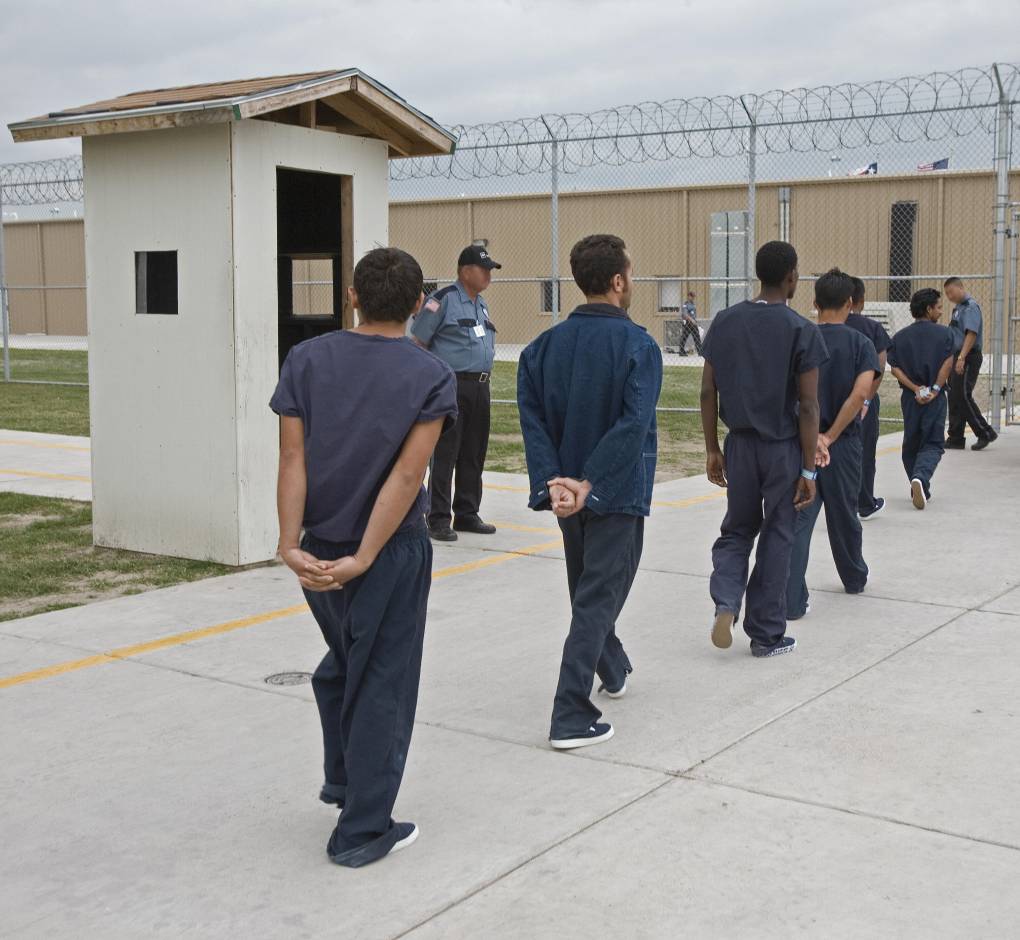
"caption": "Male detainees walk to a gate inside Homeland Security's Willacy Detention Center, a facility in Raymondville, Texas. ",
"description": null,
"title": "Male detainees walk to a gate inside Hom",
"credit": "PAUL J. RICHARDS/AFP via Getty Images",
"status": "inherit",
"isLoading": false,
"fetchFailed": false
},
"news_11792514": {
"type": "attachments",
"id": "news_11792514",
"meta": {
"index": "attachments_1716263798",
"site": "news",
"id": "11792514",
"found": true
},
"parent": 11792356,
"imgSizes": {
"apple_news_ca_landscape_5_5": {
"file": "https://ww2.kqed.org/app/uploads/sites/10/2019/12/Japanese-Peruvians-Class-of-47_image-qut-1044x783.jpg",
"width": 1044,
"mimeType": "image/jpeg",
"height": 783
},
"apple_news_ca_square_4_0": {
"file": "https://ww2.kqed.org/app/uploads/sites/10/2019/12/Japanese-Peruvians-Class-of-47_image-qut-470x470.jpg",
"width": 470,
"mimeType": "image/jpeg",
"height": 470
},
"twentyfourteen-full-width": {
"file": "https://ww2.kqed.org/app/uploads/sites/10/2019/12/Japanese-Peruvians-Class-of-47_image-qut-1038x576.jpg",
"width": 1038,
"mimeType": "image/jpeg",
"height": 576
},
"thumbnail": {
"file": "https://ww2.kqed.org/app/uploads/sites/10/2019/12/Japanese-Peruvians-Class-of-47_image-qut-160x118.jpg",
"width": 160,
"mimeType": "image/jpeg",
"height": 118
},
"post-thumbnail": {
"file": "https://ww2.kqed.org/app/uploads/sites/10/2019/12/Japanese-Peruvians-Class-of-47_image-qut-672x372.jpg",
"width": 672,
"mimeType": "image/jpeg",
"height": 372
},
"kqedFullSize": {
"file": "https://ww2.kqed.org/app/uploads/sites/10/2019/12/Japanese-Peruvians-Class-of-47_image-qut.jpg",
"width": 1920,
"height": 1415
},
"apple_news_ca_landscape_4_7": {
"file": "https://ww2.kqed.org/app/uploads/sites/10/2019/12/Japanese-Peruvians-Class-of-47_image-qut-632x474.jpg",
"width": 632,
"mimeType": "image/jpeg",
"height": 474
},
"large": {
"file": "https://ww2.kqed.org/app/uploads/sites/10/2019/12/Japanese-Peruvians-Class-of-47_image-qut-1020x752.jpg",
"width": 1020,
"mimeType": "image/jpeg",
"height": 752
},
"complete_open_graph": {
"file": "https://ww2.kqed.org/app/uploads/sites/10/2019/12/Japanese-Peruvians-Class-of-47_image-qut-1200x884.jpg",
"width": 1200,
"mimeType": "image/jpeg",
"height": 884
},
"apple_news_ca_landscape_4_0": {
"file": "https://ww2.kqed.org/app/uploads/sites/10/2019/12/Japanese-Peruvians-Class-of-47_image-qut-536x402.jpg",
"width": 536,
"mimeType": "image/jpeg",
"height": 402
},
"apple_news_ca_portrait_12_9": {
"file": "https://ww2.kqed.org/app/uploads/sites/10/2019/12/Japanese-Peruvians-Class-of-47_image-qut-1122x1415.jpg",
"width": 1122,
"mimeType": "image/jpeg",
"height": 1415
},
"medium": {
"file": "https://ww2.kqed.org/app/uploads/sites/10/2019/12/Japanese-Peruvians-Class-of-47_image-qut-800x590.jpg",
"width": 800,
"mimeType": "image/jpeg",
"height": 590
},
"apple_news_ca_portrait_4_0": {
"file": "https://ww2.kqed.org/app/uploads/sites/10/2019/12/Japanese-Peruvians-Class-of-47_image-qut-354x472.jpg",
"width": 354,
"mimeType": "image/jpeg",
"height": 472
},
"apple_news_ca_portrait_9_7": {
"file": "https://ww2.kqed.org/app/uploads/sites/10/2019/12/Japanese-Peruvians-Class-of-47_image-qut-840x1120.jpg",
"width": 840,
"mimeType": "image/jpeg",
"height": 1120
},
"apple_news_ca_landscape_12_9": {
"file": "https://ww2.kqed.org/app/uploads/sites/10/2019/12/Japanese-Peruvians-Class-of-47_image-qut-1832x1374.jpg",
"width": 1832,
"mimeType": "image/jpeg",
"height": 1374
},
"apple_news_ca_square_9_7": {
"file": "https://ww2.kqed.org/app/uploads/sites/10/2019/12/Japanese-Peruvians-Class-of-47_image-qut-1104x1104.jpg",
"width": 1104,
"mimeType": "image/jpeg",
"height": 1104
},
"apple_news_ca_portrait_4_7": {
"file": "https://ww2.kqed.org/app/uploads/sites/10/2019/12/Japanese-Peruvians-Class-of-47_image-qut-414x552.jpg",
"width": 414,
"mimeType": "image/jpeg",
"height": 552
},
"apple_news_ca_square_12_9": {
"file": "https://ww2.kqed.org/app/uploads/sites/10/2019/12/Japanese-Peruvians-Class-of-47_image-qut-1472x1415.jpg",
"width": 1472,
"mimeType": "image/jpeg",
"height": 1415
},
"apple_news_ca_portrait_5_5": {
"file": "https://ww2.kqed.org/app/uploads/sites/10/2019/12/Japanese-Peruvians-Class-of-47_image-qut-687x916.jpg",
"width": 687,
"mimeType": "image/jpeg",
"height": 916
},
"full-width": {
"file": "https://ww2.kqed.org/app/uploads/sites/10/2019/12/Japanese-Peruvians-Class-of-47_image-qut-1920x1415.jpg",
"width": 1920,
"mimeType": "image/jpeg",
"height": 1415
},
"apple_news_ca_square_4_7": {
"file": "https://ww2.kqed.org/app/uploads/sites/10/2019/12/Japanese-Peruvians-Class-of-47_image-qut-550x550.jpg",
"width": 550,
"mimeType": "image/jpeg",
"height": 550
},
"apple_news_ca_landscape_9_7": {
"file": "https://ww2.kqed.org/app/uploads/sites/10/2019/12/Japanese-Peruvians-Class-of-47_image-qut-1376x1032.jpg",
"width": 1376,
"mimeType": "image/jpeg",
"height": 1032
},
"apple_news_ca_square_5_5": {
"file": "https://ww2.kqed.org/app/uploads/sites/10/2019/12/Japanese-Peruvians-Class-of-47_image-qut-912x912.jpg",
"width": 912,
"mimeType": "image/jpeg",
"height": 912
}
},
"publishDate": 1576878582,
"modified": 1576884289,
"caption": "Japanese Peruvian children pose for a class photo at Crystal City Internment Camp, March 3, 1947. Libia Yamamoto is on the far right. Teacher George K. Uno is seated.",
"description": "Japanese Peruvian children pose for a class photo at Crystal City Internment Camp, March 3, 1947. Libia Yamamoto is on the far right. Teacher George K. Uno is seated.",
"title": "Japanese Latin American children detained at Crystal City in 1947",
"credit": "Courtesy of Kazumu Naganuma and Hiroshi Shimizu",
"status": "inherit",
"isLoading": false,
"fetchFailed": false
}
},
"audioPlayerReducer": {
"postId": "stream_live",
"isPaused": true,
"isPlaying": false,
"pfsActive": false,
"pledgeModalIsOpen": true,
"playerDrawerIsOpen": false,
"liveAudioPlayStartedAt": 0,
"liveAudioPlayContext": ""
},
"authorsReducer": {
"byline_news_11810060": {
"type": "authors",
"id": "byline_news_11810060",
"meta": {
"override": true
},
"slug": "byline_news_11810060",
"name": "Emily Kassie, \u003ca href=\"https://www.themarshallproject.org/2020/04/01/i-do-not-want-to-die-somewhere-like-this\">The Marshall Project\u003c/a>",
"isLoading": false
},
"tychehendricks": {
"type": "authors",
"id": "259",
"meta": {
"index": "authors_1716337520",
"id": "259",
"found": true
},
"name": "Tyche Hendricks",
"firstName": "Tyche",
"lastName": "Hendricks",
"slug": "tychehendricks",
"email": "thendricks@kqed.org",
"display_author_email": true,
"staff_mastheads": [
"news"
],
"title": "KQED Senior Editor, Immigration",
"bio": "\u003cspan style=\"font-weight: 400;\">Tyche Hendricks is KQED’s senior editor for immigration, leading coverage of the policy and politics that affect California’s immigrant communities. Her work for KQED’s radio and online audiences is also carried on NPR and other national outlets. She has been recognized with awards from the Radio and Television News Directors Association, the Society for Professional Journalists; the Education Writers Association; the Best of the West and the National Federation of Community Broadcasters. Before joining KQED in 2010, Tyche spent more than a dozen years as a newspaper reporter, notably at the \u003c/span>\u003ci>\u003cspan style=\"font-weight: 400;\">San Francisco Chronicle\u003c/span>\u003c/i>\u003cspan style=\"font-weight: 400;\">. At different times she has covered criminal justice, government and politics and urban planning. Tyche has taught in the MFA Creative Writing program at the University of San Francisco and at UC Berkeley’s Graduate School of Journalism, where she was co-director of a national immigration symposium for professional journalists. She is the author of \u003c/span>\u003ci>\u003cspan style=\"font-weight: 400;\">The Wind Doesn't Need a Passport: Stories from the U.S.-Mexico Borderlands\u003c/span>\u003c/i>\u003cspan style=\"font-weight: 400;\"> (University of California Press). \u003c/span>",
"avatar": "https://secure.gravatar.com/avatar/b8ee458e2731c2d43df86882ce17267e?s=600&d=blank&r=g",
"twitter": "tychehendricks",
"facebook": null,
"instagram": null,
"linkedin": null,
"sites": [
{
"site": "news",
"roles": [
"editor"
]
},
{
"site": "stateofhealth",
"roles": [
"editor"
]
}
],
"headData": {
"title": "Tyche Hendricks | KQED",
"description": "KQED Senior Editor, Immigration",
"ogImgSrc": "https://secure.gravatar.com/avatar/b8ee458e2731c2d43df86882ce17267e?s=600&d=blank&r=g",
"twImgSrc": "https://secure.gravatar.com/avatar/b8ee458e2731c2d43df86882ce17267e?s=600&d=blank&r=g"
},
"isLoading": false,
"link": "/author/tychehendricks"
},
"jsmall": {
"type": "authors",
"id": "6625",
"meta": {
"index": "authors_1716337520",
"id": "6625",
"found": true
},
"name": "Julie Small",
"firstName": "Julie",
"lastName": "Small",
"slug": "jsmall",
"email": "jsmall@kqed.org",
"display_author_email": true,
"staff_mastheads": [
"news"
],
"title": "KQED Contributor",
"bio": "Julie Small reports on criminal justice and immigration.\r\n\r\nShe was part of a team at KQED awarded a regional 2019 Edward R. Murrow award for continuing coverage of the Trump Administration's family separation policy.\r\n\r\nThe Society for Professional Journalists recognized Julie's 2018 \u003ca href=\"https://www.kqed.org/news/11636262/the-officer-tased-him-31-times-the-sheriff-called-his-death-an-accident\">reporting\u003c/a> on the San Joaquin County Sheriff's \u003ca href=\"https://www.kqed.org/news/11634689/autopsy-doctors-sheriff-overrode-death-findings-to-protect-law-enforcement\">interference\u003c/a> in death investigations with an Excellence in Journalism Award for Ongoing Coverage.\r\n\r\nJulie's\u003ca href=\"https://www.kqed.org/news/11039666/two-mentally-ill-inmates-died-one-month-in-santa-clara\"> reporting\u003c/a> with Lisa Pickoff-White on the treatment of mentally ill offenders in California jails earned a 2017 regional Edward R. Murrow Award for news reporting and an investigative reporting award from the SPJ of Northern California.\r\n\r\nBefore joining KQED, Julie covered government and politics in Sacramento for Southern California Public Radio (SCPR). Her 2010 \u003ca href=\"https://www.scpr.org/specials/prisonmedical/\">series\u003c/a> on lapses in California’s prison medical care also won a regional Edward R. Murrow Award for investigative reporting and a Golden Mic Award from the RTNDA of Southern California.\r\n\r\nJulie began her career in journalism in 2000 as the deputy foreign editor for public radio's \u003cem>Marketplace, \u003c/em>while earning her master's degree in journalism from USC’s Annenberg School of Communication.",
"avatar": "https://secure.gravatar.com/avatar/4baedf201468df97be97c2a9dd7585d0?s=600&d=blank&r=g",
"twitter": "@SmallRadio2",
"facebook": null,
"instagram": null,
"linkedin": null,
"sites": [
{
"site": "news",
"roles": [
"editor"
]
},
{
"site": "stateofhealth",
"roles": [
"author"
]
},
{
"site": "science",
"roles": [
"author"
]
}
],
"headData": {
"title": "Julie Small | KQED",
"description": "KQED Contributor",
"ogImgSrc": "https://secure.gravatar.com/avatar/4baedf201468df97be97c2a9dd7585d0?s=600&d=blank&r=g",
"twImgSrc": "https://secure.gravatar.com/avatar/4baedf201468df97be97c2a9dd7585d0?s=600&d=blank&r=g"
},
"isLoading": false,
"link": "/author/jsmall"
},
"fjhabvala": {
"type": "authors",
"id": "8659",
"meta": {
"index": "authors_1716337520",
"id": "8659",
"found": true
},
"name": "Farida Jhabvala Romero",
"firstName": "Farida",
"lastName": "Jhabvala Romero",
"slug": "fjhabvala",
"email": "fjhabvala@kqed.org",
"display_author_email": true,
"staff_mastheads": [
"news"
],
"title": "KQED Contributor",
"bio": "Farida Jhabvala Romero is a Labor Correspondent for KQED. She previously covered immigration. Farida was \u003ca href=\"https://www.ccnma.org/2022-most-influential-latina-journalists\">named\u003c/a> one of the 10 Most Influential Latina Journalists in California in 2022 by the California Chicano News Media Association. Her work has won awards from the Society of Professional Journalists (Northern California), as well as a national and regional Edward M. Murrow Award for the collaborative reporting projects “Dangerous Air” and “Graying California.” Before joining KQED, Farida worked as a producer at Radio Bilingüe, a national public radio network. Farida earned her master’s degree in journalism from Stanford University.",
"avatar": "https://secure.gravatar.com/avatar/f9f022d4e2609741874222a1e9d41f48fea74011aa7c615eef91d9a50c944ebe?s=600&d=blank&r=g",
"twitter": "FaridaJhabvala",
"bluesky": null,
"facebook": null,
"instagram": null,
"linkedin": "https://www.linkedin.com/in/faridajhabvala/",
"sites": [
{
"site": "news",
"roles": [
"editor"
]
},
{
"site": "stateofhealth",
"roles": [
"author"
]
},
{
"site": "liveblog",
"roles": [
"author"
]
}
],
"headData": {
"title": "Farida Jhabvala Romero | KQED",
"description": "KQED Contributor",
"ogImgSrc": "https://secure.gravatar.com/avatar/f9f022d4e2609741874222a1e9d41f48fea74011aa7c615eef91d9a50c944ebe?s=600&d=blank&r=g",
"twImgSrc": "https://secure.gravatar.com/avatar/f9f022d4e2609741874222a1e9d41f48fea74011aa7c615eef91d9a50c944ebe?s=600&d=blank&r=g"
},
"isLoading": false,
"link": "/author/fjhabvala"
},
"lesleymcclurg": {
"type": "authors",
"id": "11229",
"meta": {
"index": "authors_1716337520",
"id": "11229",
"found": true
},
"name": "Lesley McClurg",
"firstName": "Lesley",
"lastName": "McClurg",
"slug": "lesleymcclurg",
"email": "lmcclurg@KQED.org",
"display_author_email": false,
"staff_mastheads": [
"news",
"science"
],
"title": "KQED Health Correspondent",
"bio": "Lesley McClurg is a health correspondent and fill-in host whose work is regularly rebroadcast on NPR and PBS programs. She’s earned multiple regional Emmy awards, a national and a regional Edward R. Murrow award, and was named Best Beat Reporter by the Association of Health Care Journalists. The Society of Professional Journalists has recognized her work several times, and the Society of Environmental Journalists spotlighted her coverage of California’s historic drought.\r\n\r\nBefore joining KQED in 2016, Lesley covered food and sustainability for Capital Public Radio, environmental issues for Colorado Public Radio, and reported for KUOW and KCTS 9 in Seattle. Away from the newsroom, she loves skiing with her daughter, mountain biking with her partner, and playing with Ollie, the family’s goldendoodle. On deadline, she runs almost entirely on chocolate chips.\r\n\r\n ",
"avatar": "https://secure.gravatar.com/avatar/bab49e972ea10c774fe0f5e29dba1722b158f7c0d58a360923d1389d380b2978?s=600&d=blank&r=g",
"twitter": "lesleywmcclurg",
"bluesky": null,
"facebook": null,
"instagram": null,
"linkedin": null,
"sites": [
{
"site": "arts",
"roles": [
"author"
]
},
{
"site": "news",
"roles": [
"editor"
]
},
{
"site": "futureofyou",
"roles": [
"editor"
]
},
{
"site": "stateofhealth",
"roles": [
"author"
]
},
{
"site": "science",
"roles": [
"editor"
]
},
{
"site": "quest",
"roles": [
"subscriber"
]
},
{
"site": "forum",
"roles": [
"administrator"
]
},
{
"site": "liveblog",
"roles": [
"author"
]
}
],
"headData": {
"title": "Lesley McClurg | KQED",
"description": "KQED Health Correspondent",
"ogImgSrc": "https://secure.gravatar.com/avatar/bab49e972ea10c774fe0f5e29dba1722b158f7c0d58a360923d1389d380b2978?s=600&d=blank&r=g",
"twImgSrc": "https://secure.gravatar.com/avatar/bab49e972ea10c774fe0f5e29dba1722b158f7c0d58a360923d1389d380b2978?s=600&d=blank&r=g"
},
"isLoading": false,
"link": "/author/lesleymcclurg"
}
},
"pagesReducer": {
"news_tag_ice-detention": {
"type": "terms",
"id": "news_6884",
"meta": {
"index": "terms_1716263798",
"site": "news",
"id": "6884",
"score": 10.403414
},
"featImg": null,
"name": "ICE detention",
"description": null,
"taxonomy": "tag",
"headData": {
"twImgId": null,
"twTitle": null,
"ogTitle": null,
"ogImgId": null,
"twDescription": null,
"description": null,
"title": "ICE detention Archives | KQED News",
"ogDescription": null
},
"ttid": 6908,
"slug": "ice-detention",
"isLoading": false,
"title": "ICE detention",
"pageMeta": {
"site": "news",
"WpPageTemplate": "page-topic-editorial",
"currentPage": 3
},
"blocks": [
{
"blockName": "kqed/post-list",
"attrs": {
"layout": "cardArticle2",
"query": "posts/news?tag=ice-detention",
"seeMore": false,
"paginated": true,
"page": 3
}
},
{
"blockName": "kqed/ad"
}
]
}
},
"pfsSessionReducer": {},
"postsReducer": {
"stream_live": {
"type": "live",
"id": "stream_live",
"audioUrl": "https://streams.kqed.org/kqedradio",
"title": "Live Stream",
"excerpt": "Live Stream information currently unavailable.",
"link": "/radio",
"featImg": "",
"label": {
"name": "KQED Live",
"link": "/"
}
},
"stream_kqedNewscast": {
"type": "posts",
"id": "stream_kqedNewscast",
"audioUrl": "https://www.kqed.org/.stream/anon/radio/RDnews/newscast.mp3?_=1",
"title": "KQED Newscast",
"featImg": "",
"label": {
"name": "88.5 FM",
"link": "/"
}
},
"news_11833056": {
"type": "posts",
"id": "news_11833056",
"meta": {
"index": "posts_1716263798",
"site": "news",
"id": "11833056",
"score": null,
"sort": [
1597261072000
]
},
"guestAuthors": [],
"slug": "he-won-case-before-immigration-judge-but-hes-still-detained-and-now-has-covid-19",
"title": "ICE Kept Man in Detention After Judge Granted Him Relief – Then He Got COVID-19",
"publishDate": 1597261072,
"format": "audio",
"headTitle": "ICE Kept Man in Detention After Judge Granted Him Relief – Then He Got COVID-19 | KQED",
"labelTerm": {
"term": 72,
"site": "news"
},
"content": "\u003cp>More than a month after he was granted relief from deportation by an immigration judge, a 22-year-old Salvadoran man remains locked up at a privately run detention facility in Bakersfield, where he’s now diagnosed with COVID-19.\u003c/p>\n\u003cp>Christian Orellana, who was diagnosed with schizophrenia and other psychological disorders, proved he would likely suffer persecution or torture because of his mental illness if returned to El Salvador, said Orellana’s attorney, Ambar Tovar, with the United Farm Workers Foundation.\u003c/p>\n\u003cp>In a June 25 order, Judge Ila C. Deiss at the immigration court in San Francisco authorized a “withholding of removal” for Orellana, who grew up in Los Angeles, so that he can remain in the U.S.\u003c/p>\n\u003cp>But immigration authorities appealed Deiss’ ruling and kept Orellana detained at the Mesa Verde Immigration and Customs Enforcement Processing Center, where he contracted the coronavirus in July and reportedly became ill.\u003c/p>\n\u003cp>As of Tuesday, at least 10 detainees at the facility who were diagnosed with COVID-19 are being monitored, according to \u003ca href=\"https://www.ice.gov/coronavirus\" target=\"_blank\" rel=\"noopener noreferrer\">U.S. Immigration and Customs Enforcement\u003c/a> (ICE).\u003c/p>\n\u003cp>[ad fullwidth]\u003c/p>\n\u003cp>But lawyers for people held at Mesa Verde say four more men have tested positive, raising the tally of detainees who are infected to 14. ICE and the GEO Group, the company that owns and operates the detention center, did not confirm whether the outbreak had grown.\u003c/p>\n\u003cp>Last week, U.S. District Judge Vince Chhabria \u003ca href=\"https://www.kqed.org/news/11832472/people-are-terrified-sf-judge-orders-covid-19-testing-at-ice-facility\" target=\"_blank\" rel=\"noopener noreferrer\">ordered\u003c/a> ICE and GEO to administer weekly coronavirus tests to all detainees at the facility and to segregate those who are diagnosed. Chhabria also directed immigration officials to stop admitting new detainees to the Mesa Verde facility for now.\u003c/p>\n\u003ch3>‘I’m Afraid for My Life’\u003c/h3>\n\u003cp>Orellana, who has lived in the U.S. since age 2, has felt COVID-19 symptoms for which the Centers for Disease Control and Prevention recommends seeking immediate emergency medical care, including persistent chest pain and trouble breathing, said his attorney Tovar.\u003c/p>\n\u003cp>Tovar said ICE officials maintain Orellana is “OK” and getting treatment, including Tylenol and an inhaler. But over the weekend, Orellana collapsed on the floor of his dorm and has continued to complain of shortness of breath, she said.\u003c/p>\n\u003cp>“I asked him if he was OK and he just said, ‘I am having trouble breathing. I can’t breathe. I’m afraid for my life,’ ” said Tovar, who speaks regularly with Orellana by phone. “That desperation coming from him led me to call 911 to make sure that he was getting the help that he needs.”\u003c/p>\n\u003cp>But after paramedics arrived at Mesa Verde on Sunday afternoon, officials at the detention facility turned them away before they could check on Orellana and another detainee who felt very ill, she said.\u003c/p>\n\u003cp>A spokesman with the GEO Group said Orellana and the other resident have received consistent medical attention, including having their temperature and vital signs checked, and have exhibited “no signs of distress.”\u003c/p>\n\u003cp>“We find it appalling that legal professionals would exhibit such inappropriate use of emergency service personnel,” said the GEO spokesman. “We take the health and safety of those in our care with the utmost seriousness and will continue to work with the federal government and local health officials to ensure their health and safety.”\u003c/p>\n\u003cp>ICE declined to comment on Orellana’s condition due to pending litigation.\u003c/p>\n\u003ch3>Reluctance to Test\u003c/h3>\n\u003cp>In April, immigrants held at Mesa Verde and another detention facility north of Sacramento \u003ca href=\"https://www.kqed.org/news/11813475/sf-public-defender-sues-for-release-of-ice-detainees-to-reduce-crowding\" target=\"_blank\" rel=\"noopener noreferrer\">sued\u003c/a> to force ICE to release detainees on bond or parole to allow for social distancing and other preventive actions at the jail-like facilities during the pandemic.\u003c/p>\n\u003cp>Chhabria, who is ruling on that case, \u003ca href=\"https://www.kqed.org/news/11832472/people-are-terrified-sf-judge-orders-covid-19-testing-at-ice-facility\" target=\"_blank\" rel=\"noopener noreferrer\">scolded\u003c/a> ICE officials last week for avoiding widespread testing at the facility. Chhabria said emails between ICE and GEO in May — unearthed during litigation — showed immigration officials were afraid “positive test results would require them to implement safety measures they apparently felt were not worth the trouble.”\u003c/p>\n\u003cp>The agency reports that nearly 4,500 detainees nationwide have been confirmed with COVID-19, including more than 1,000 who are currently in isolation or under monitoring.\u003c/p>\n\u003cp>As part of its response to the pandemic, ICE has tested about 22,500 detainees and released more than 900 people from facilities, including Mesa Verde.\u003c/p>\n\u003cp>But on Monday, ICE officials denied a request to let Orellana out on humanitarian parole while his immigration case is pending, said Tovar.\u003c/p>\n\u003cp>She said the agency has refused to release Orellana because of his criminal record. He served four months in state prison for threatening to harm a passerby in Los Angeles, said Tovar, adding that the offense was due to his untreated mental illness.\u003c/p>\n\u003cp>[aside label=\"related coverage\" tag=\"ice-detention\"]\u003c/p>\n\u003cp>When Orellana was being released from state prison in October 2019, ICE detained him and began deportation proceedings, she said.\u003c/p>\n\u003cp>After the immigration judge ruled Orellana could remain in the U.S., the federal government appealed the decision, saying he hadn’t provided enough evidence he would be seriously harmed on account of his mental illness if deported to El Salvador.\u003c/p>\n\u003cp>Orellana could wait in detention another four to six months while the Board of Immigration Appeals decides his case, said Tovar, unless Judge Chhabria approves a petition to let him out so he can recover with his family.\u003c/p>\n\u003cp>“On top of having COVID, he suffers from suicidal ideations,” said Tovar. “It’s a concern that his COVID is making him so anxious and aggravating his mental health.”\u003c/p>\n\u003cp>Since March, several detainees at the detention center have gone on four hunger strikes to pressure GEO to improve conditions at the facility, which they say places them at risk of serious illness and even death from COVID-19.\u003c/p>\n\u003cp>Those who are sick have to wait days to see a doctor in unsanitary housing and receive insufficient medical care, said the detainees in a \u003ca href=\"https://www.centrolegal.org/wp-content/uploads/2020/08/MV-COVID-19-Outbreak-Statement.pdf\" target=\"_blank\" rel=\"noopener noreferrer\">statement\u003c/a> distributed last week by advocates.\u003c/p>\n\u003cp>\u003c/p>\n\u003cp>“Dozens of people in our dorms are showing symptoms of COVID-19, and are desperate for care,” they said. “We remain at the mercy of a for-profit corporation who cares only about its profits and not our safety or well-being.”\u003c/p>\n\n",
"blocks": [],
"excerpt": "Christian Orellana is seriously ill from COVID-19 and not getting adequate medical care at a detention center in Bakersfield, according to his lawyer.",
"status": "publish",
"parent": 0,
"modified": 1738715793,
"stats": {
"hasAudio": false,
"hasVideo": false,
"hasChartOrMap": false,
"iframeSrcs": [],
"hasGoogleForm": false,
"hasGallery": false,
"hasHearkenModule": false,
"hasPolis": false,
"paragraphCount": 30,
"wordCount": 1054
},
"headData": {
"title": "ICE Kept Man in Detention After Judge Granted Him Relief – Then He Got COVID-19 | KQED",
"description": "Christian Orellana is seriously ill from COVID-19 and not getting adequate medical care at a detention center in Bakersfield, according to his lawyer.",
"ogTitle": "",
"ogDescription": "",
"ogImgId": "",
"twTitle": "",
"twDescription": "",
"twImgId": "",
"schema": {
"@context": "https://schema.org",
"@type": "NewsArticle",
"headline": "ICE Kept Man in Detention After Judge Granted Him Relief – Then He Got COVID-19",
"datePublished": "2020-08-12T12:37:52-07:00",
"dateModified": "2025-02-04T16:36:33-08:00",
"image": "https://cdn.kqed.org/wp-content/uploads/2020/02/KQED-OG-Image@1x.png",
"isAccessibleForFree": "True",
"publisher": {
"@type": "NewsMediaOrganization",
"@id": "https://www.kqed.org/#organization",
"name": "KQED",
"logo": "https://cdn.kqed.org/wp-content/uploads/2020/02/KQED-OG-Image@1x.png",
"url": "https://www.kqed.org",
"sameAs": [
"https://www.facebook.com/KQED",
"https://twitter.com/KQED",
"https://www.instagram.com/kqed/",
"https://www.tiktok.com/@kqedofficial",
"https://www.linkedin.com/company/kqed",
"https://www.youtube.com/channel/UCeC0IOo7i1P_61zVUWbJ4nw"
]
}
}
},
"audioUrl": "https://traffic.omny.fm/d/clips/0af137ef-751e-4b19-a055-aaef00d2d578/ffca7e9f-6831-41c5-bcaf-aaef00f5a073/ca7a0569-7759-4cf6-aca7-ac15000d4c80/audio.mp3",
"sticky": false,
"path": "/news/11833056/he-won-case-before-immigration-judge-but-hes-still-detained-and-now-has-covid-19",
"audioTrackLength": null,
"parsedContent": [
{
"type": "contentString",
"content": "\u003cdiv class=\"post-body\">\u003cp>\u003cp>More than a month after he was granted relief from deportation by an immigration judge, a 22-year-old Salvadoran man remains locked up at a privately run detention facility in Bakersfield, where he’s now diagnosed with COVID-19.\u003c/p>\n\u003cp>Christian Orellana, who was diagnosed with schizophrenia and other psychological disorders, proved he would likely suffer persecution or torture because of his mental illness if returned to El Salvador, said Orellana’s attorney, Ambar Tovar, with the United Farm Workers Foundation.\u003c/p>\n\u003cp>In a June 25 order, Judge Ila C. Deiss at the immigration court in San Francisco authorized a “withholding of removal” for Orellana, who grew up in Los Angeles, so that he can remain in the U.S.\u003c/p>\n\u003cp>But immigration authorities appealed Deiss’ ruling and kept Orellana detained at the Mesa Verde Immigration and Customs Enforcement Processing Center, where he contracted the coronavirus in July and reportedly became ill.\u003c/p>\n\u003cp>As of Tuesday, at least 10 detainees at the facility who were diagnosed with COVID-19 are being monitored, according to \u003ca href=\"https://www.ice.gov/coronavirus\" target=\"_blank\" rel=\"noopener noreferrer\">U.S. Immigration and Customs Enforcement\u003c/a> (ICE).\u003c/p>\n\u003cp>\u003c/p>\u003c/div>",
"attributes": {
"named": {},
"numeric": []
}
},
{
"type": "component",
"content": "",
"name": "ad",
"attributes": {
"named": {
"label": "fullwidth"
},
"numeric": [
"fullwidth"
]
}
},
{
"type": "contentString",
"content": "\u003cdiv class=\"post-body\">\u003cp>\u003c/p>\n\u003cp>But lawyers for people held at Mesa Verde say four more men have tested positive, raising the tally of detainees who are infected to 14. ICE and the GEO Group, the company that owns and operates the detention center, did not confirm whether the outbreak had grown.\u003c/p>\n\u003cp>Last week, U.S. District Judge Vince Chhabria \u003ca href=\"https://www.kqed.org/news/11832472/people-are-terrified-sf-judge-orders-covid-19-testing-at-ice-facility\" target=\"_blank\" rel=\"noopener noreferrer\">ordered\u003c/a> ICE and GEO to administer weekly coronavirus tests to all detainees at the facility and to segregate those who are diagnosed. Chhabria also directed immigration officials to stop admitting new detainees to the Mesa Verde facility for now.\u003c/p>\n\u003ch3>‘I’m Afraid for My Life’\u003c/h3>\n\u003cp>Orellana, who has lived in the U.S. since age 2, has felt COVID-19 symptoms for which the Centers for Disease Control and Prevention recommends seeking immediate emergency medical care, including persistent chest pain and trouble breathing, said his attorney Tovar.\u003c/p>\n\u003cp>Tovar said ICE officials maintain Orellana is “OK” and getting treatment, including Tylenol and an inhaler. But over the weekend, Orellana collapsed on the floor of his dorm and has continued to complain of shortness of breath, she said.\u003c/p>\n\u003cp>“I asked him if he was OK and he just said, ‘I am having trouble breathing. I can’t breathe. I’m afraid for my life,’ ” said Tovar, who speaks regularly with Orellana by phone. “That desperation coming from him led me to call 911 to make sure that he was getting the help that he needs.”\u003c/p>\n\u003cp>But after paramedics arrived at Mesa Verde on Sunday afternoon, officials at the detention facility turned them away before they could check on Orellana and another detainee who felt very ill, she said.\u003c/p>\n\u003cp>A spokesman with the GEO Group said Orellana and the other resident have received consistent medical attention, including having their temperature and vital signs checked, and have exhibited “no signs of distress.”\u003c/p>\n\u003cp>“We find it appalling that legal professionals would exhibit such inappropriate use of emergency service personnel,” said the GEO spokesman. “We take the health and safety of those in our care with the utmost seriousness and will continue to work with the federal government and local health officials to ensure their health and safety.”\u003c/p>\n\u003cp>ICE declined to comment on Orellana’s condition due to pending litigation.\u003c/p>\n\u003ch3>Reluctance to Test\u003c/h3>\n\u003cp>In April, immigrants held at Mesa Verde and another detention facility north of Sacramento \u003ca href=\"https://www.kqed.org/news/11813475/sf-public-defender-sues-for-release-of-ice-detainees-to-reduce-crowding\" target=\"_blank\" rel=\"noopener noreferrer\">sued\u003c/a> to force ICE to release detainees on bond or parole to allow for social distancing and other preventive actions at the jail-like facilities during the pandemic.\u003c/p>\n\u003cp>Chhabria, who is ruling on that case, \u003ca href=\"https://www.kqed.org/news/11832472/people-are-terrified-sf-judge-orders-covid-19-testing-at-ice-facility\" target=\"_blank\" rel=\"noopener noreferrer\">scolded\u003c/a> ICE officials last week for avoiding widespread testing at the facility. Chhabria said emails between ICE and GEO in May — unearthed during litigation — showed immigration officials were afraid “positive test results would require them to implement safety measures they apparently felt were not worth the trouble.”\u003c/p>\n\u003cp>The agency reports that nearly 4,500 detainees nationwide have been confirmed with COVID-19, including more than 1,000 who are currently in isolation or under monitoring.\u003c/p>\n\u003cp>As part of its response to the pandemic, ICE has tested about 22,500 detainees and released more than 900 people from facilities, including Mesa Verde.\u003c/p>\n\u003cp>But on Monday, ICE officials denied a request to let Orellana out on humanitarian parole while his immigration case is pending, said Tovar.\u003c/p>\n\u003cp>She said the agency has refused to release Orellana because of his criminal record. He served four months in state prison for threatening to harm a passerby in Los Angeles, said Tovar, adding that the offense was due to his untreated mental illness.\u003c/p>\n\u003cp>\u003c/p>\u003c/div>",
"attributes": {
"named": {},
"numeric": []
}
},
{
"type": "component",
"content": "",
"name": "aside",
"attributes": {
"named": {
"label": "related coverage ",
"tag": "ice-detention"
},
"numeric": []
}
},
{
"type": "contentString",
"content": "\u003cdiv class=\"post-body\">\u003cp>\u003c/p>\n\u003cp>When Orellana was being released from state prison in October 2019, ICE detained him and began deportation proceedings, she said.\u003c/p>\n\u003cp>After the immigration judge ruled Orellana could remain in the U.S., the federal government appealed the decision, saying he hadn’t provided enough evidence he would be seriously harmed on account of his mental illness if deported to El Salvador.\u003c/p>\n\u003cp>Orellana could wait in detention another four to six months while the Board of Immigration Appeals decides his case, said Tovar, unless Judge Chhabria approves a petition to let him out so he can recover with his family.\u003c/p>\n\u003cp>“On top of having COVID, he suffers from suicidal ideations,” said Tovar. “It’s a concern that his COVID is making him so anxious and aggravating his mental health.”\u003c/p>\n\u003cp>Since March, several detainees at the detention center have gone on four hunger strikes to pressure GEO to improve conditions at the facility, which they say places them at risk of serious illness and even death from COVID-19.\u003c/p>\n\u003cp>Those who are sick have to wait days to see a doctor in unsanitary housing and receive insufficient medical care, said the detainees in a \u003ca href=\"https://www.centrolegal.org/wp-content/uploads/2020/08/MV-COVID-19-Outbreak-Statement.pdf\" target=\"_blank\" rel=\"noopener noreferrer\">statement\u003c/a> distributed last week by advocates.\u003c/p>\n\u003cp>\u003c/p>\n\u003cp>“Dozens of people in our dorms are showing symptoms of COVID-19, and are desperate for care,” they said. “We remain at the mercy of a for-profit corporation who cares only about its profits and not our safety or well-being.”\u003c/p>\n\n\u003c/div>\u003c/p>",
"attributes": {
"named": {},
"numeric": []
}
}
],
"link": "/news/11833056/he-won-case-before-immigration-judge-but-hes-still-detained-and-now-has-covid-19",
"authors": [
"8659"
],
"programs": [
"news_72"
],
"categories": [
"news_457",
"news_1169",
"news_6188",
"news_8",
"news_33520"
],
"tags": [
"news_18538",
"news_27350",
"news_27504",
"news_24253",
"news_21027",
"news_6884",
"news_20202",
"news_27797"
],
"featImg": "news_11833058",
"label": "news_72"
},
"news_11832472": {
"type": "posts",
"id": "news_11832472",
"meta": {
"index": "posts_1716263798",
"site": "news",
"id": "11832472",
"score": null,
"sort": [
1596831376000
]
},
"parent": 0,
"labelTerm": {
"site": "news",
"term": 72
},
"blocks": [],
"publishDate": 1596831376,
"format": "standard",
"disqusTitle": "'People Are Terrified': SF Judge Orders COVID-19 Testing at ICE Facility",
"title": "'People Are Terrified': SF Judge Orders COVID-19 Testing at ICE Facility",
"headTitle": "The California Report | KQED News",
"content": "\u003cp>A federal judge in San Francisco ordered immigration authorities Thursday to stop admitting new detainees at a privately run facility in Bakersfield with a growing COVID-19 outbreak, and to administer weekly coronavirus tests to all those held there.\u003c/p>\n\u003cp>District Judge Vince Chhabria said U.S. Immigration and Customs Enforcement and GEO Group Inc., which owns and operates the Mesa Verde detention center, had responded to the coronavirus health crisis “in such a cavalier fashion,” that they couldn’t be trusted to act on their own.\u003c/p>\n\u003cp>[pullquote size='medium' align='right' citation='District Judge Vince Chhabria']'This conduct by the defendants has put the detainees at serious risk of irreparable harm.'[/pullquote]\u003c/p>\n\u003cp>“This conduct by the defendants has put the detainees at serious risk of irreparable harm,” Chhabria wrote in his \u003ca href=\"https://lccrsf.org/wp-content/uploads/500.pdf\" target=\"_blank\" rel=\"noopener noreferrer\">order\u003c/a>. “The defendants have also jeopardized the safety of their own employees. And they have endangered the community at large.”\u003c/p>\n\u003cp>The judge intervened after immigrants held at Mesa Verde and another detention center north of Sacramento, \u003ca href=\"https://www.aclunc.org/our-work/legal-docket/zepeda-rivas-v-jennings-immigration-detention\" target=\"_blank\" rel=\"noopener noreferrer\">sued\u003c/a> in April to force ICE to release detainees on bond or parole to allow for social distancing at the jail-like facilities, and to implement other changes to protect people who remained in their custody.\u003c/p>\n\u003cp>\u003ca href=\"https://lccrsf.org/wp-content/uploads/Binder1.pdf\">Emails\u003c/a> between ICE and GEO — recently unearthed during litigation — showed immigration officials avoided widespread testing among detainees and staffers, Chhabria said, out of fear that “positive test results would require them to implement safety measures they apparently felt were not worth the trouble.”\u003c/p>\n\u003cp>ICE spokesman Jonathan Moore said the agency could not comment due to pending litigation, and referred KQED to more information in ICE’s coronavirus \u003ca href=\"https://www.ice.gov/coronavirus\" target=\"_blank\" rel=\"noopener noreferrer\">webpage\u003c/a>. A spokesperson for GEO responded similarly.\u003c/p>\n\u003cp>At least nine detainees at Mesa Verde have been diagnosed with COVID-19, including two who were transferred in recent weeks from California state prisons, according to attorneys representing immigrants held at the facility. [ad fullwidth]\u003c/p>\n\u003cp>During the pandemic, ICE has continued to bring people from state prisons and local jails with severe COVID-19 outbreaks into Mesa Verde and other facilities, said immigrant advocates and detainees. Most of those transferred were about to be released to the community after serving their sentences when ICE arrested them.\u003c/p>\n\u003cp>Judge Chhabria’s order halting new intakes at Mesa Verde comes as dozens of state lawmakers and elected officials \u003ca href=\"https://www.kqed.org/news/11827617/state-lawmakers-urge-newsom-to-stop-transferring-people-in-prison-to-ice-in-pandemic\" target=\"_blank\" rel=\"noopener noreferrer\">have called\u003c/a> on Gov. Gavin Newsom to stop transfers from state prisons into ICE custody during the pandemic.\u003c/p>\n\u003cp>Newsom has refused to do so, and his office did not returned a request for comment.\u003c/p>\n\u003cp>“I hope the governor takes note,” said Susan Beaty, an attorney at Centro Legal de la Raza, who has spoken with dozens of detainees at Mesa Verde in recent weeks. “I hope that he sees that there's a federal judge saying (stopping intakes) is a necessary measure to protect the health of people in Mesa Verde.”\u003c/p>\n\u003cp>Beaty said that as recently as last week, a man moved to the detention center from Avenal State Prison, which has more than 380 active \u003ca href=\"https://www.cdcr.ca.gov/covid19/population-status-tracking/\" target=\"_blank\" rel=\"noopener noreferrer\">COVID-19 cases\u003c/a>, was not quarantined or tested for the virus before he was placed in a dorm with several of other detainees.\u003c/p>\n\u003cp>Mesa Verde officials gave the recently arrived detainee a paper mask “with a hole right in front of where his mouth is,” she said, which would not protect him or others.\u003c/p>\n\u003cp>[aside tag=\"immigration,ICE\" label=\"more coverage\"]\u003c/p>\n\u003cp>For months, the coronavirus has spread rapidly at California state prisons and immigration detention facilities. As of Friday, more than 8,600 people in prisons had been diagnosed with COVID-19, with nearly a thousand detected in the last 14 days, according to the California Department of Corrections and Rehabilitation. In addition, nearly 2,000 prison employees had tested positive.\u003c/p>\n\u003cp>ICE \u003ca href=\"https://www.ice.gov/coronavirus\" target=\"_blank\" rel=\"noopener noreferrer\">reported\u003c/a> close to 4,200 detainees and 45 employees have been confirmed with COVID-19 at detention centers nationwide. Several more workers at privately run detention facilities may also have had the coronavirus, but the agency does not include them in their tally of employees with positive COVID-19 cases.\u003c/p>\n\u003cp>At Mesa Verde, 14 workers at the for-profit GEO Group have tested positive, said Emi MacLean, a plaintiff attorney with the San Francisco Public Defender’s Office in the case being considered by Chhabria, Zepeda Rivas v. Jennings. GEO did not return a request for confirmation.\u003c/p>\n\u003cp>MacLean said Chhabria’s most recent order was, while very important, a “stopgap measure” because social distancing remains impossible for detainees sleeping in dorms with dozens others.\u003c/p>\n\u003cp>“There are still people in the facility who are in a highly risky condition and who should be released,” MacLean said. “People are terrified. There are individuals who have called crying, saying, ‘I am afraid that the only way out of Mesa Verde is going to be in a body bag.’ ”\u003c/p>\n\u003cp>MacLean said the facility held nearly 300 people back in April, when detainees sued ICE and GEO Group. Since then, Chhabria has ordered the release of about 130 individuals, while ICE let out dozens more at high risk of severe illness.\u003c/p>\n\u003cp>[pullquote size='medium' align='right' citation='Mesa Verde detainees in a written statement']'It takes days to see a doctor, and even then, they often just give us Tylenol and send us back to our dorms. We had to fight hard to get tested for COVID-19, and most of us still do not know our status.'[/pullquote]\u003c/p>\n\u003cp>As part of its response to the pandemic, ICE has tested nearly 21,100 detainees and released more than 900 people nationwide after reviewing their immigration history, criminal record and other factors, according to the agency. \u003c/p>\n\u003cp>About 120 people remain at Mesa Verde. Just hours after Chhabria’s directive, detainees said two of those confirmed with COVID-19 had been hospitalized — including an elderly disabled man who was still in the ER and another man who they said was brought back to the facility and left gravely ill for hours in solitary confinement.\u003c/p>\n\u003cp>“Dozens of people in our dorms are showing symptoms of COVID-19, and are desperate for care,” said the detainees in a written \u003ca href=\"https://www.centrolegal.org/wp-content/uploads/2020/08/MV-COVID-19-Outbreak-Statement.pdf\" target=\"_blank\" rel=\"noopener noreferrer\">statement\u003c/a>. “It takes days to see a doctor, and even then, they often just give us Tylenol and send us back to our dorms. We had to fight hard to get tested for COVID-19, and most of us still do not know our status.”\u003c/p>\n\u003cp>In March, ICE \u003ca href=\"https://www.kqed.org/news/11806574/aclu-to-ice-release-immigrant-detainees-vulnerable-to-coronavirus\" target=\"_blank\" rel=\"noopener noreferrer\">told KQED\u003c/a> it was ready to handle potential COVID-19 outbreaks at immigration detention facilities, including by isolating those who showed symptoms or were confirmed with the virus.\u003c/p>\n\u003cp>But in an email from May 27, the ICE field office director in San Francisco, David Jennings, seemed to oppose a plan for widespread testing at Mesa Verde because it would cause logistical problems.\u003c/p>\n\u003cp>“We have some concerns about being a test place,” Jennings wrote to ICE official Russell Hott in Washington, D.C. “In short, we have no place to cohort anyone who refuses, is positive, etc.”\u003c/p>\n\u003cp>[ad floatright]\u003c/p>\n",
"disqusIdentifier": "11832472 https://ww2.kqed.org/news/?p=11832472",
"disqusUrl": "https://ww2.kqed.org/news/2020/08/07/people-are-terrified-sf-judge-orders-covid-19-testing-at-ice-facility/",
"stats": {
"hasVideo": false,
"hasChartOrMap": false,
"hasAudio": false,
"hasPolis": false,
"wordCount": 1196,
"hasGoogleForm": false,
"hasGallery": false,
"hasHearkenModule": false,
"iframeSrcs": [],
"paragraphCount": 29
},
"modified": 1596843319,
"excerpt": "U.S. District Judge Vince Chhabria ordered immigration authorities Thursday to stop new intakes at a privately-run detention center in Bakersfield, and to administer weekly coronavirus tests to all those held there.",
"headData": {
"twImgId": "",
"twTitle": "",
"ogTitle": "",
"ogImgId": "",
"twDescription": "",
"description": "U.S. District Judge Vince Chhabria ordered immigration authorities Thursday to stop new intakes at a privately-run detention center in Bakersfield, and to administer weekly coronavirus tests to all those held there.",
"title": "'People Are Terrified': SF Judge Orders COVID-19 Testing at ICE Facility | KQED",
"ogDescription": "",
"schema": {
"@context": "https://schema.org",
"@type": "NewsArticle",
"headline": "'People Are Terrified': SF Judge Orders COVID-19 Testing at ICE Facility",
"datePublished": "2020-08-07T13:16:16-07:00",
"dateModified": "2020-08-07T16:35:19-07:00",
"image": "https://cdn.kqed.org/wp-content/uploads/2020/02/KQED-OG-Image@1x.png",
"isAccessibleForFree": "True",
"publisher": {
"@type": "NewsMediaOrganization",
"@id": "https://www.kqed.org/#organization",
"name": "KQED",
"logo": "https://cdn.kqed.org/wp-content/uploads/2020/02/KQED-OG-Image@1x.png",
"url": "https://www.kqed.org",
"sameAs": [
"https://www.facebook.com/KQED",
"https://twitter.com/KQED",
"https://www.instagram.com/kqed/",
"https://www.tiktok.com/@kqedofficial",
"https://www.linkedin.com/company/kqed",
"https://www.youtube.com/channel/UCeC0IOo7i1P_61zVUWbJ4nw"
]
}
}
},
"guestAuthors": [],
"slug": "people-are-terrified-sf-judge-orders-covid-19-testing-at-ice-facility",
"status": "publish",
"path": "/news/11832472/people-are-terrified-sf-judge-orders-covid-19-testing-at-ice-facility",
"audioTrackLength": null,
"parsedContent": [
{
"type": "contentString",
"content": "\u003cdiv class=\"post-body\">\u003cp>\u003cp>A federal judge in San Francisco ordered immigration authorities Thursday to stop admitting new detainees at a privately run facility in Bakersfield with a growing COVID-19 outbreak, and to administer weekly coronavirus tests to all those held there.\u003c/p>\n\u003cp>District Judge Vince Chhabria said U.S. Immigration and Customs Enforcement and GEO Group Inc., which owns and operates the Mesa Verde detention center, had responded to the coronavirus health crisis “in such a cavalier fashion,” that they couldn’t be trusted to act on their own.\u003c/p>\n\u003cp>\u003c/p>\u003c/div>",
"attributes": {
"named": {},
"numeric": []
}
},
{
"type": "component",
"content": "'This conduct by the defendants has put the detainees at serious risk of irreparable harm.'",
"name": "pullquote",
"attributes": {
"named": {
"size": "medium",
"align": "right",
"citation": "District Judge Vince Chhabria",
"label": ""
},
"numeric": []
}
},
{
"type": "contentString",
"content": "\u003cdiv class=\"post-body\">\u003cp>\u003c/p>\n\u003cp>“This conduct by the defendants has put the detainees at serious risk of irreparable harm,” Chhabria wrote in his \u003ca href=\"https://lccrsf.org/wp-content/uploads/500.pdf\" target=\"_blank\" rel=\"noopener noreferrer\">order\u003c/a>. “The defendants have also jeopardized the safety of their own employees. And they have endangered the community at large.”\u003c/p>\n\u003cp>The judge intervened after immigrants held at Mesa Verde and another detention center north of Sacramento, \u003ca href=\"https://www.aclunc.org/our-work/legal-docket/zepeda-rivas-v-jennings-immigration-detention\" target=\"_blank\" rel=\"noopener noreferrer\">sued\u003c/a> in April to force ICE to release detainees on bond or parole to allow for social distancing at the jail-like facilities, and to implement other changes to protect people who remained in their custody.\u003c/p>\n\u003cp>\u003ca href=\"https://lccrsf.org/wp-content/uploads/Binder1.pdf\">Emails\u003c/a> between ICE and GEO — recently unearthed during litigation — showed immigration officials avoided widespread testing among detainees and staffers, Chhabria said, out of fear that “positive test results would require them to implement safety measures they apparently felt were not worth the trouble.”\u003c/p>\n\u003cp>ICE spokesman Jonathan Moore said the agency could not comment due to pending litigation, and referred KQED to more information in ICE’s coronavirus \u003ca href=\"https://www.ice.gov/coronavirus\" target=\"_blank\" rel=\"noopener noreferrer\">webpage\u003c/a>. A spokesperson for GEO responded similarly.\u003c/p>\n\u003cp>At least nine detainees at Mesa Verde have been diagnosed with COVID-19, including two who were transferred in recent weeks from California state prisons, according to attorneys representing immigrants held at the facility. \u003c/p>\u003c/div>",
"attributes": {
"named": {},
"numeric": []
}
},
{
"type": "component",
"content": "",
"name": "ad",
"attributes": {
"named": {
"label": "fullwidth"
},
"numeric": [
"fullwidth"
]
}
},
{
"type": "contentString",
"content": "\u003cdiv class=\"post-body\">\u003cp>\u003c/p>\n\u003cp>During the pandemic, ICE has continued to bring people from state prisons and local jails with severe COVID-19 outbreaks into Mesa Verde and other facilities, said immigrant advocates and detainees. Most of those transferred were about to be released to the community after serving their sentences when ICE arrested them.\u003c/p>\n\u003cp>Judge Chhabria’s order halting new intakes at Mesa Verde comes as dozens of state lawmakers and elected officials \u003ca href=\"https://www.kqed.org/news/11827617/state-lawmakers-urge-newsom-to-stop-transferring-people-in-prison-to-ice-in-pandemic\" target=\"_blank\" rel=\"noopener noreferrer\">have called\u003c/a> on Gov. Gavin Newsom to stop transfers from state prisons into ICE custody during the pandemic.\u003c/p>\n\u003cp>Newsom has refused to do so, and his office did not returned a request for comment.\u003c/p>\n\u003cp>“I hope the governor takes note,” said Susan Beaty, an attorney at Centro Legal de la Raza, who has spoken with dozens of detainees at Mesa Verde in recent weeks. “I hope that he sees that there's a federal judge saying (stopping intakes) is a necessary measure to protect the health of people in Mesa Verde.”\u003c/p>\n\u003cp>Beaty said that as recently as last week, a man moved to the detention center from Avenal State Prison, which has more than 380 active \u003ca href=\"https://www.cdcr.ca.gov/covid19/population-status-tracking/\" target=\"_blank\" rel=\"noopener noreferrer\">COVID-19 cases\u003c/a>, was not quarantined or tested for the virus before he was placed in a dorm with several of other detainees.\u003c/p>\n\u003cp>Mesa Verde officials gave the recently arrived detainee a paper mask “with a hole right in front of where his mouth is,” she said, which would not protect him or others.\u003c/p>\n\u003cp>\u003c/p>\u003c/div>",
"attributes": {
"named": {},
"numeric": []
}
},
{
"type": "component",
"content": "",
"name": "aside",
"attributes": {
"named": {
"tag": "immigration,ICE",
"label": "more coverage "
},
"numeric": []
}
},
{
"type": "contentString",
"content": "\u003cdiv class=\"post-body\">\u003cp>\u003c/p>\n\u003cp>For months, the coronavirus has spread rapidly at California state prisons and immigration detention facilities. As of Friday, more than 8,600 people in prisons had been diagnosed with COVID-19, with nearly a thousand detected in the last 14 days, according to the California Department of Corrections and Rehabilitation. In addition, nearly 2,000 prison employees had tested positive.\u003c/p>\n\u003cp>ICE \u003ca href=\"https://www.ice.gov/coronavirus\" target=\"_blank\" rel=\"noopener noreferrer\">reported\u003c/a> close to 4,200 detainees and 45 employees have been confirmed with COVID-19 at detention centers nationwide. Several more workers at privately run detention facilities may also have had the coronavirus, but the agency does not include them in their tally of employees with positive COVID-19 cases.\u003c/p>\n\u003cp>At Mesa Verde, 14 workers at the for-profit GEO Group have tested positive, said Emi MacLean, a plaintiff attorney with the San Francisco Public Defender’s Office in the case being considered by Chhabria, Zepeda Rivas v. Jennings. GEO did not return a request for confirmation.\u003c/p>\n\u003cp>MacLean said Chhabria’s most recent order was, while very important, a “stopgap measure” because social distancing remains impossible for detainees sleeping in dorms with dozens others.\u003c/p>\n\u003cp>“There are still people in the facility who are in a highly risky condition and who should be released,” MacLean said. “People are terrified. There are individuals who have called crying, saying, ‘I am afraid that the only way out of Mesa Verde is going to be in a body bag.’ ”\u003c/p>\n\u003cp>MacLean said the facility held nearly 300 people back in April, when detainees sued ICE and GEO Group. Since then, Chhabria has ordered the release of about 130 individuals, while ICE let out dozens more at high risk of severe illness.\u003c/p>\n\u003cp>\u003c/p>\u003c/div>",
"attributes": {
"named": {},
"numeric": []
}
},
{
"type": "component",
"content": "'It takes days to see a doctor, and even then, they often just give us Tylenol and send us back to our dorms. We had to fight hard to get tested for COVID-19, and most of us still do not know our status.'",
"name": "pullquote",
"attributes": {
"named": {
"size": "medium",
"align": "right",
"citation": "Mesa Verde detainees in a written statement",
"label": ""
},
"numeric": []
}
},
{
"type": "contentString",
"content": "\u003cdiv class=\"post-body\">\u003cp>\u003c/p>\n\u003cp>As part of its response to the pandemic, ICE has tested nearly 21,100 detainees and released more than 900 people nationwide after reviewing their immigration history, criminal record and other factors, according to the agency. \u003c/p>\n\u003cp>About 120 people remain at Mesa Verde. Just hours after Chhabria’s directive, detainees said two of those confirmed with COVID-19 had been hospitalized — including an elderly disabled man who was still in the ER and another man who they said was brought back to the facility and left gravely ill for hours in solitary confinement.\u003c/p>\n\u003cp>“Dozens of people in our dorms are showing symptoms of COVID-19, and are desperate for care,” said the detainees in a written \u003ca href=\"https://www.centrolegal.org/wp-content/uploads/2020/08/MV-COVID-19-Outbreak-Statement.pdf\" target=\"_blank\" rel=\"noopener noreferrer\">statement\u003c/a>. “It takes days to see a doctor, and even then, they often just give us Tylenol and send us back to our dorms. We had to fight hard to get tested for COVID-19, and most of us still do not know our status.”\u003c/p>\n\u003cp>In March, ICE \u003ca href=\"https://www.kqed.org/news/11806574/aclu-to-ice-release-immigrant-detainees-vulnerable-to-coronavirus\" target=\"_blank\" rel=\"noopener noreferrer\">told KQED\u003c/a> it was ready to handle potential COVID-19 outbreaks at immigration detention facilities, including by isolating those who showed symptoms or were confirmed with the virus.\u003c/p>\n\u003cp>But in an email from May 27, the ICE field office director in San Francisco, David Jennings, seemed to oppose a plan for widespread testing at Mesa Verde because it would cause logistical problems.\u003c/p>\n\u003cp>“We have some concerns about being a test place,” Jennings wrote to ICE official Russell Hott in Washington, D.C. “In short, we have no place to cohort anyone who refuses, is positive, etc.”\u003c/p>\n\u003cp>\u003c/p>\u003c/div>",
"attributes": {
"named": {},
"numeric": []
}
},
{
"type": "component",
"content": "",
"name": "ad",
"attributes": {
"named": {
"label": "floatright"
},
"numeric": [
"floatright"
]
}
},
{
"type": "contentString",
"content": "\u003cdiv class=\"post-body\">\u003cp>\u003c/p>\n\u003c/div>\u003c/p>",
"attributes": {
"named": {},
"numeric": []
}
}
],
"link": "/news/11832472/people-are-terrified-sf-judge-orders-covid-19-testing-at-ice-facility",
"authors": [
"8659"
],
"programs": [
"news_72"
],
"categories": [
"news_1169",
"news_6188",
"news_8"
],
"tags": [
"news_27350",
"news_27989",
"news_27504",
"news_21027",
"news_6884",
"news_23687",
"news_27797"
],
"featImg": "news_11832494",
"label": "news_72"
},
"news_11827617": {
"type": "posts",
"id": "news_11827617",
"meta": {
"index": "posts_1716263798",
"site": "news",
"id": "11827617",
"score": null,
"sort": [
1594082107000
]
},
"guestAuthors": [],
"slug": "state-lawmakers-urge-newsom-to-stop-transferring-people-in-prison-to-ice-in-pandemic",
"title": "State Lawmakers Urge Newsom to Stop Transferring People in Prison to ICE in Pandemic",
"publishDate": 1594082107,
"format": "standard",
"headTitle": "State Lawmakers Urge Newsom to Stop Transferring People in Prison to ICE in Pandemic | KQED",
"labelTerm": {
"term": 72,
"site": "news"
},
"content": "\u003cp>\u003cem>Updated Tuesday, July 7, 12:00 p.m.\u003c/em>\u003c/p>\n\u003cp>Dozens of state lawmakers called on Gov. Gavin Newsom Monday to stop California prison officials from transferring people to federal immigration detention during the coronavirus pandemic.\u003c/p>\n\u003cp>In a \u003ca href=\"https://drive.google.com/file/d/1O2z1Wc3GoEhkCGQuNkLKLoA-7fC35MgP/view\">letter\u003c/a> signed by 44 members of the state Senate and Assembly — as well as 18 local elected officials, including Mayor Libby Schaaf of Oakland and Mayor Michael Tubbs of Stockton — the political leaders said ending the transfers is urgently needed to help reduce the spread of COVID-19 between detention systems in California.\u003c/p>\n\u003cp>“When the health of Californians in custody is at risk, that puts the health of all Californians at risk,” said Assemblyman Rob Bonta, an Oakland Democrat leading the effort. “Once a Californian has paid their debt to society … they’ve earned their release from state prison or a jail, they should be released back to their community, back to their family, and not be funneled into Trump’s deportation machine … where they can be sent to circumstances where their health and life are put at risk.”\u003c/p>\n\u003cp>[ad fullwidth]\u003c/p>\n\u003cp>The request came as COVID-19 is raging through both the California prison system and U.S. Immigration and Customs Enforcement facilities. In California, as of Monday, a total of \u003ca href=\"https://www.cdcr.ca.gov/covid19/population-status-tracking/\">5,346 people in the state prison system\u003c/a> and 949 state prison staff have been diagnosed with the virus. In addition, \u003ca href=\"https://www.ice.gov/coronavirus\">2,742 people in ICE detention\u003c/a> have tested positive for COVID-19, along with 45 ICE employees — and scores of private prison workers — at detention centers nationally, including more than 200 people who have been sickened at ICE facilities in California.\u003c/p>\n\u003cp>Non-citizen immigrants, even those with longstanding, legal permanent residence, can be subject to deportation if they have a criminal record. Immigration officials commonly issue a “detainer,” requesting that prison officials notify them when an incarcerated immigrant is set to be released.\u003c/p>\n\u003cp>[aside tag=\"california-state-prison\" label=\"related coverage\"]\u003c/p>\n\u003cp>Last week Ralph Diaz, the head of the California Department of Corrections and Rehabilitation, said in a state Senate hearing that his agency does inform ICE of incarcerated immigrants’ release dates, and coordinates a transfer to ICE agents who take the person into custody. He said he had no plan to end the practice, which he said was the same way that CDCR responds to a hold placed by any other law enforcement agency.\u003c/p>\n\u003cp>But in their letter to Newsom, Bonta and the other lawmakers said California is under no legal obligation to assist the federal government with deportations, and the governor and CDCR can end the policy.\u003c/p>\n\u003cp>Newsom’s office did not respond to a request for comment by press time.\u003c/p>\n\u003cp>Immigrant advocates said Monday that transfers from CDCR are the primary way that people are being taken into ICE custody in California since the start of the pandemic. CDCR transferred 575 people to ICE between Jan. 1 to May 13, according to Angela Chan, policy director for the San Francisco-based Asian Law Caucus.\u003c/p>\n\u003cp>Chan said she is aware of only one instance this year in which a person was released from state prison and not picked up by ICE — that’s \u003ca href=\"https://www.kqed.org/news/11827388/cambodian-refugee-leaves-san-quentin-with-covid-19-but-avoids-ice-detention\">the case of Chanthon Bun\u003c/a>, a Cambodian refugee who was set free from San Quentin State Prison last week after earning early parole, having served 23 years of a 49-year sentence for an armed robbery he committed as a teenager.\u003c/p>\n\u003cp>On the day of his release, Bun went for a COVID-19 test and found out he had been infected inside the prison. If he had been transferred to ICE custody, he would have taken the virus with him.\u003c/p>\n\u003cp>Chan said Bun’s legal team at the Asian Law Caucus is still trying to learn why Bun was not transferred to ICE, even though the agency had a detainer to arrest him. ICE officials did not answer a request for an explanation.\u003c/p>\n\u003cp>[aside postID=about_15238 label='Take Our Survey']However in response to the call by California lawmakers for prisons to stop cooperating with the immigration agency, ICE spokeswoman Paige Hughes released this statement: “Policy makers who strive to make it more difficult to remove dangerous criminal aliens and aim to stop the cooperation of local officials and business partners, harm the very communities whose welfare they have sworn to protect.”\u003c/p>\n\u003cp>ICE maintains that the safest place to take immigrants into custody is inside a locked facility of another law enforcement agency.\u003c/p>\n\u003cp>Bonta disputed that notion.\u003c/p>\n\u003cp>“I think when they say ‘safe,’ they mean ‘easy,'” he said.\u003c/p>\n\u003cp>“It’s certainly not safer for the individual who’s being put at risk of [exposure to] COVID in detention centers. … They don’t need to be in a detention center to go through [civil deportation] proceedings. They can show up to court, they can file their paperwork, they can do all that from the safety of their community and their family.”\u003c/p>\n\u003cp>Bonta added that making transfers convenient for ICE is not the state’s responsibility.\u003c/p>\n\u003cp>“Our issue is to look out for the health, safety and welfare of Californians,” he said.\u003c/p>\n\u003cp>\u003c/p>\n",
"blocks": [],
"excerpt": "Legislators say the transfers risk spreading COVID-19 more widely, at a time when thousands of people in state prisons and ICE detention centers have become sick.",
"status": "publish",
"parent": 0,
"modified": 1738715799,
"stats": {
"hasAudio": false,
"hasVideo": false,
"hasChartOrMap": false,
"iframeSrcs": [],
"hasGoogleForm": false,
"hasGallery": false,
"hasHearkenModule": false,
"hasPolis": false,
"paragraphCount": 23,
"wordCount": 878
},
"headData": {
"title": "State Lawmakers Urge Newsom to Stop Transferring People in Prison to ICE in Pandemic | KQED",
"description": "Legislators say the transfers risk spreading COVID-19 more widely, at a time when thousands of people in state prisons and ICE detention centers have become sick.",
"ogTitle": "",
"ogDescription": "",
"ogImgId": "",
"twTitle": "",
"twDescription": "",
"twImgId": "",
"schema": {
"@context": "https://schema.org",
"@type": "NewsArticle",
"headline": "State Lawmakers Urge Newsom to Stop Transferring People in Prison to ICE in Pandemic",
"datePublished": "2020-07-06T17:35:07-07:00",
"dateModified": "2025-02-04T16:36:39-08:00",
"image": "https://cdn.kqed.org/wp-content/uploads/2020/02/KQED-OG-Image@1x.png",
"isAccessibleForFree": "True",
"publisher": {
"@type": "NewsMediaOrganization",
"@id": "https://www.kqed.org/#organization",
"name": "KQED",
"logo": "https://cdn.kqed.org/wp-content/uploads/2020/02/KQED-OG-Image@1x.png",
"url": "https://www.kqed.org",
"sameAs": [
"https://www.facebook.com/KQED",
"https://twitter.com/KQED",
"https://www.instagram.com/kqed/",
"https://www.tiktok.com/@kqedofficial",
"https://www.linkedin.com/company/kqed",
"https://www.youtube.com/channel/UCeC0IOo7i1P_61zVUWbJ4nw"
]
}
}
},
"audioUrl": "https://traffic.omny.fm/d/clips/0af137ef-751e-4b19-a055-aaef00d2d578/ffca7e9f-6831-41c5-bcaf-aaef00f5a073/400752e8-5d68-40d5-b969-abf10110de20/audio.mp3",
"sticky": false,
"path": "/news/11827617/state-lawmakers-urge-newsom-to-stop-transferring-people-in-prison-to-ice-in-pandemic",
"audioTrackLength": null,
"parsedContent": [
{
"type": "contentString",
"content": "\u003cdiv class=\"post-body\">\u003cp>\u003cp>\u003cem>Updated Tuesday, July 7, 12:00 p.m.\u003c/em>\u003c/p>\n\u003cp>Dozens of state lawmakers called on Gov. Gavin Newsom Monday to stop California prison officials from transferring people to federal immigration detention during the coronavirus pandemic.\u003c/p>\n\u003cp>In a \u003ca href=\"https://drive.google.com/file/d/1O2z1Wc3GoEhkCGQuNkLKLoA-7fC35MgP/view\">letter\u003c/a> signed by 44 members of the state Senate and Assembly — as well as 18 local elected officials, including Mayor Libby Schaaf of Oakland and Mayor Michael Tubbs of Stockton — the political leaders said ending the transfers is urgently needed to help reduce the spread of COVID-19 between detention systems in California.\u003c/p>\n\u003cp>“When the health of Californians in custody is at risk, that puts the health of all Californians at risk,” said Assemblyman Rob Bonta, an Oakland Democrat leading the effort. “Once a Californian has paid their debt to society … they’ve earned their release from state prison or a jail, they should be released back to their community, back to their family, and not be funneled into Trump’s deportation machine … where they can be sent to circumstances where their health and life are put at risk.”\u003c/p>\n\u003cp>\u003c/p>\u003c/div>",
"attributes": {
"named": {},
"numeric": []
}
},
{
"type": "component",
"content": "",
"name": "ad",
"attributes": {
"named": {
"label": "fullwidth"
},
"numeric": [
"fullwidth"
]
}
},
{
"type": "contentString",
"content": "\u003cdiv class=\"post-body\">\u003cp>\u003c/p>\n\u003cp>The request came as COVID-19 is raging through both the California prison system and U.S. Immigration and Customs Enforcement facilities. In California, as of Monday, a total of \u003ca href=\"https://www.cdcr.ca.gov/covid19/population-status-tracking/\">5,346 people in the state prison system\u003c/a> and 949 state prison staff have been diagnosed with the virus. In addition, \u003ca href=\"https://www.ice.gov/coronavirus\">2,742 people in ICE detention\u003c/a> have tested positive for COVID-19, along with 45 ICE employees — and scores of private prison workers — at detention centers nationally, including more than 200 people who have been sickened at ICE facilities in California.\u003c/p>\n\u003cp>Non-citizen immigrants, even those with longstanding, legal permanent residence, can be subject to deportation if they have a criminal record. Immigration officials commonly issue a “detainer,” requesting that prison officials notify them when an incarcerated immigrant is set to be released.\u003c/p>\n\u003cp>\u003c/p>\u003c/div>",
"attributes": {
"named": {},
"numeric": []
}
},
{
"type": "component",
"content": "",
"name": "aside",
"attributes": {
"named": {
"tag": "california-state-prison",
"label": "related coverage "
},
"numeric": []
}
},
{
"type": "contentString",
"content": "\u003cdiv class=\"post-body\">\u003cp>\u003c/p>\n\u003cp>Last week Ralph Diaz, the head of the California Department of Corrections and Rehabilitation, said in a state Senate hearing that his agency does inform ICE of incarcerated immigrants’ release dates, and coordinates a transfer to ICE agents who take the person into custody. He said he had no plan to end the practice, which he said was the same way that CDCR responds to a hold placed by any other law enforcement agency.\u003c/p>\n\u003cp>But in their letter to Newsom, Bonta and the other lawmakers said California is under no legal obligation to assist the federal government with deportations, and the governor and CDCR can end the policy.\u003c/p>\n\u003cp>Newsom’s office did not respond to a request for comment by press time.\u003c/p>\n\u003cp>Immigrant advocates said Monday that transfers from CDCR are the primary way that people are being taken into ICE custody in California since the start of the pandemic. CDCR transferred 575 people to ICE between Jan. 1 to May 13, according to Angela Chan, policy director for the San Francisco-based Asian Law Caucus.\u003c/p>\n\u003cp>Chan said she is aware of only one instance this year in which a person was released from state prison and not picked up by ICE — that’s \u003ca href=\"https://www.kqed.org/news/11827388/cambodian-refugee-leaves-san-quentin-with-covid-19-but-avoids-ice-detention\">the case of Chanthon Bun\u003c/a>, a Cambodian refugee who was set free from San Quentin State Prison last week after earning early parole, having served 23 years of a 49-year sentence for an armed robbery he committed as a teenager.\u003c/p>\n\u003cp>On the day of his release, Bun went for a COVID-19 test and found out he had been infected inside the prison. If he had been transferred to ICE custody, he would have taken the virus with him.\u003c/p>\n\u003cp>Chan said Bun’s legal team at the Asian Law Caucus is still trying to learn why Bun was not transferred to ICE, even though the agency had a detainer to arrest him. ICE officials did not answer a request for an explanation.\u003c/p>\n\u003cp>\u003c/p>\u003c/div>",
"attributes": {
"named": {},
"numeric": []
}
},
{
"type": "component",
"content": "",
"name": "aside",
"attributes": {
"named": {
"postid": "about_15238",
"label": "Take Our Survey "
},
"numeric": []
}
},
{
"type": "contentString",
"content": "\u003cdiv class=\"post-body\">\u003cp>However in response to the call by California lawmakers for prisons to stop cooperating with the immigration agency, ICE spokeswoman Paige Hughes released this statement: “Policy makers who strive to make it more difficult to remove dangerous criminal aliens and aim to stop the cooperation of local officials and business partners, harm the very communities whose welfare they have sworn to protect.”\u003c/p>\n\u003cp>ICE maintains that the safest place to take immigrants into custody is inside a locked facility of another law enforcement agency.\u003c/p>\n\u003cp>Bonta disputed that notion.\u003c/p>\n\u003cp>“I think when they say ‘safe,’ they mean ‘easy,'” he said.\u003c/p>\n\u003cp>“It’s certainly not safer for the individual who’s being put at risk of [exposure to] COVID in detention centers. … They don’t need to be in a detention center to go through [civil deportation] proceedings. They can show up to court, they can file their paperwork, they can do all that from the safety of their community and their family.”\u003c/p>\n\u003cp>Bonta added that making transfers convenient for ICE is not the state’s responsibility.\u003c/p>\n\u003cp>“Our issue is to look out for the health, safety and welfare of Californians,” he said.\u003c/p>\n\u003cp>\u003c/p>\n\u003c/div>\u003c/p>",
"attributes": {
"named": {},
"numeric": []
}
}
],
"link": "/news/11827617/state-lawmakers-urge-newsom-to-stop-transferring-people-in-prison-to-ice-in-pandemic",
"authors": [
"259"
],
"programs": [
"news_72"
],
"categories": [
"news_1169",
"news_6188",
"news_8",
"news_33520"
],
"tags": [
"news_616",
"news_3149",
"news_1629",
"news_27350",
"news_27504",
"news_16",
"news_21027",
"news_6884",
"news_20202",
"news_3674"
],
"featImg": "news_11827643",
"label": "news_72"
},
"news_11823564": {
"type": "posts",
"id": "news_11823564",
"meta": {
"index": "posts_1716263798",
"site": "news",
"id": "11823564",
"score": null,
"sort": [
1591707604000
]
},
"guestAuthors": [],
"slug": "as-covid-19-surges-through-prisons-guards-and-inmates-sue",
"title": "As COVID-19 Surges Through Prisons, Guards and Inmates Sue",
"publishDate": 1591707604,
"format": "audio",
"headTitle": "As COVID-19 Surges Through Prisons, Guards and Inmates Sue | KQED",
"labelTerm": {
"site": "news"
},
"content": "\u003cp>When she started working at the Otay Mesa Detention Center in San Diego two years ago, Erica Brooks was the master scheduler, so she got to know all the detention officers.\u003c/p>\n\u003cp>This March, Brooks said she was working as a detention officer when she started hearing that her co-workers were getting sick with the coronavirus. But for weeks, she said, there was no official word from her bosses at the facility, which holds immigrants awaiting deportation hearings and federal defendants awaiting trial.\u003c/p>\n\u003cp>Her employer, CoreCivic, one of the nation’s largest private prison companies, handed out a flyer from the Centers for Disease Control and Prevention (CDC) that encouraged handwashing, she said, but the company wasn’t taking obvious steps to protect inmates and staff.\u003c/p>\n\u003cp>“There’s things that you can do to prevent it,” Brooks said. “But those things weren’t being done.”\u003c/p>\n\u003cp>As late as the end of March, when the state was under shelter-in-place orders to limit the spread of the coronavirus, meals were still served in the “chow hall” with hundreds of people from different housing units congregating together, Brooks said. Radios, keys and handcuffs all passed between officers throughout the day, and they weren’t getting sanitized, she said, and staff members were not screened for symptoms when they arrived for their shifts. In addition, there was no social distancing at the daily staff briefings.\u003c/p>\n\u003cp>[ad fullwidth]\u003c/p>\n\u003cp>“There’d be sometimes 30 to 50 people in a small room, talking,” she said. “That wasn’t safe to me, sitting in that room with whomever, asymptomatic or someone sick.”\u003c/p>\n\u003cp>Brooks was anxious. By the end of March, she had stopped going to work.\u003c/p>\n\u003cp>That was before the number of infections at the detention center climbed to more than 250 — the \u003ca href=\"https://www.ice.gov/coronavirus#tab2\">largest outbreak\u003c/a> at a U.S. Immigration and Customs Enforcement (ICE) facility anywhere in the country. And on May 7, ICE officials confirmed that a 57-year-old man detained at Otay Mesa had \u003ca href=\"https://www.kqed.org/news/11816707/man-dies-of-covid-19-in-san-diego-ice-detention-center-lawyers-say\">died of COVID-19\u003c/a>.\u003c/p>\n\u003cp>On May 29, Brooks sued her employer CoreCivic. At least two other officers from Otay Mesa have done the same.\u003c/p>\n\u003cp>[pullquote size=\"medium\" align=\"right\" citation=\"Erica Brooks, former detention officer, Otay Mesa Detention Center\"]‘My coworker, she worked in receiving, she got sick with COVID. She went home. Her husband got sick with COVID. They both went to the ICU. And her husband did not make it.’[/pullquote]\u003c/p>\n\u003cp>Ryan Gustin, a spokesman for CoreCivic, said the company wouldn’t comment on pending litigation. But he said in a statement, “The Otay Mesa Detention Center has taken affirmative and proactive measures to combat the spread of coronavirus, and followed the most current guidance from medical and industry experts on best practices and recommendations for safe operations. Our practices have evolved and changed as the CDC guidance and recommendations have evolved over time.”\u003c/p>\n\u003cp>Gustin said that meals are now served in individual housing units, staff are now screened when arriving for work and detainees with COVID-19 are housed in “cohorts.” He also said protective masks have been provided to all staff and detainees.\u003c/p>\n\u003cp>That didn’t happen until after \u003ca href=\"https://www.kqed.org/news/11812701/senators-want-to-know-if-ice-detainees-were-pepper-sprayed-after-requesting-masks\">detainees protested on April 10\u003c/a>, demanding masks.\u003c/p>\n\u003cp>The lawsuits filed by Brooks and her co-workers come at a time of growing scrutiny of the pandemic’s severe impacts on essential front line workers, and also on incarcerated people — both groups disproportionately comprise people of color, including Erica Brooks, who is African American.\u003c/p>\n\u003ch3>Lethal Outbreaks in Prisons\u003c/h3>\n\u003cp>Massive — and lethal — outbreaks of the coronavirus have been surging through not only the Otay Mesa facility, but a number of state and federal prisons in California.\u003c/p>\n\u003cp>As of Monday, \u003ca href=\"https://www.cdcr.ca.gov/covid19/population-status-tracking/\">3,018 state prison inmates had tested positive\u003c/a> for COVID-19, along with 408 employees of the California Department of Corrections and Rehabilitation. The biggest outbreaks have been at Chuckawalla Valley State Prison, Avenal State Prison, the California Institution for Men and the California Institution for Women. And 12 inmates have died, all at the California Institution for Men in San Bernardino County, as well as one CDCR staff member.\u003c/p>\n\u003cp>[pullquote size=\"medium\" align=\"right\" citation=\"Lance Wilson, Terminal Island Federal Correctional Institution inmate“]‘People are sick all around me. They are giving us a death sentence. The likelihood of becoming infected is enormous.’[/pullquote]\u003c/p>\n\u003cp>A pair of \u003ca href=\"https://www.bop.gov/coronavirus/index.jsp\">federal prisons\u003c/a> at Lompoc, in Santa Barbara County, have confirmed cases in 42 staff members, as well as 1,069 inmates — four of whom have died, as of Monday. And the Terminal Island Federal Correctional Institution, in Los Angeles, had a total of 17 employees and 690 inmates with COVID-19 — including nine inmates who have died.\u003c/p>\n\u003cp>At a hearing last week before the U.S. Senate Judiciary Committee, public health expert Dr. Scott Allen \u003ca href=\"https://www.washingtonpost.com/opinions/2020/03/17/we-must-release-prisoners-lessen-spread-coronavirus/\">warned\u003c/a> that prisons and detention centers are “densely populated and poorly designed to prevent the inevitable rapid and widespread dissemination” of COVID-19.\u003c/p>\n\u003cp>“This virus does not care who you are or what uniform you wear,” Allen, a retired professor of medicine from UC Riverside who serves as a health expert for the Department of Homeland Security, said in written testimony to the judiciary committee. “It can easily move in and out of facilities undetected in the absence of aggressive testing-based surveillance and containment.”\u003c/p>\n\u003ch3>‘They Are Left to Die’\u003c/h3>\n\u003cp>One of the inmates sick with the virus at Terminal Island federal prison is Lance Wilson, 35, an African American man from Modesto with hypertension and asthma. Terminal Island houses more than 1,000 low-security inmates with chronic and complex medical conditions in a facility that was designed for 800.\u003c/p>\n\u003cp>In a series of letters Wilson wrote after the prison cut off email and telephone access in April, reportedly to prevent the spread of the virus, he told his brother Jacque Wilson that his bunk was only two feet away from his cellmate — and that the growing number of ill inmates were not being separated from healthy ones.\u003c/p>\n\u003cfigure id=\"attachment_11823572\" class=\"wp-caption alignnone\" style=\"max-width: 800px\">\u003cimg loading=\"lazy\" decoding=\"async\" class=\"size-medium wp-image-11823572\" src=\"https://ww2.kqed.org/app/uploads/sites/10/2020/06/RS43591_IMG_4529-qut-800x568.jpg\" alt=\"Lance Wilson with his daughter at her birthday party in 2014.\" width=\"800\" height=\"568\" srcset=\"https://cdn.kqed.org/wp-content/uploads/sites/10/2020/06/RS43591_IMG_4529-qut-800x568.jpg 800w, https://cdn.kqed.org/wp-content/uploads/sites/10/2020/06/RS43591_IMG_4529-qut-160x114.jpg 160w, https://cdn.kqed.org/wp-content/uploads/sites/10/2020/06/RS43591_IMG_4529-qut-1020x725.jpg 1020w, https://cdn.kqed.org/wp-content/uploads/sites/10/2020/06/RS43591_IMG_4529-qut.jpg 1026w\" sizes=\"auto, (max-width: 800px) 100vw, 800px\">\u003cfigcaption class=\"wp-caption-text\">Lance Wilson with his daughter at her birthday party in 2014. \u003ccite>(Courtesy of the Wilson family)\u003c/cite>\u003c/figcaption>\u003c/figure>\n\u003cp>On April 29, Lance wrote, “People are sick all around me. They are giving us a death sentence. The likelihood of becoming infected is enormous.” Three days later, he tested positive for COVID-19.\u003c/p>\n\u003cp>Jacque is an attorney in the San Francisco Public Defender’s office and said Lance is serving a sentence for playing a role in a prescription drug theft ring. His brother’s story reflects the experience of many incarcerated people during the pandemic.\u003c/p>\n\u003cp>Jacque said his brother has had chills, headaches and shortness of breath but has not been seen by a doctor and hasn’t had his temperature taken since May 8.\u003c/p>\n\u003cp>“My heart just bleeds for those individuals who are locked up,” said Jacque. “There’s no ifs, ands or buts about it: They are left to die.”\u003c/p>\n\u003cp>Jacque said he has helped his brother file a petition for compassionate release. On May 16, the ACLU filed a \u003ca href=\"https://www.aclusocal.org/sites/default/files/aclu_socal_wilson_20200516_complaint.pdf\">class-action lawsuit\u003c/a>, with Lance Wilson as a lead plaintiff, that calls on the Federal Bureau of Prisons to release inmates and ensure safe social distancing and sanitary measures at Terminal Island.\u003c/p>\n\u003cp>“The lawsuit seeks to have Lance released to home confinement,” said Jacque. “The Constitution requires that prison officials provide a safe environment for those people that are in custody. Where Lance is at now is not a safe environment. It’s not a safe environment for anyone.”\u003c/p>\n\u003cp>A spokesman for the Bureau of Prisons declined to comment because of the pending lawsuit.\u003c/p>\n\u003cp>The suit is one of numerous legal actions filed around California and across the country seeking to protect incarcerated people from the coronavirus. A number of lawsuits filed against ICE have led to the release of dozens of detainees, especially medically vulnerable people, at Otay Mesa and other facilities in California.\u003c/p>\n\u003cp>ICE has also been reducing the number of people it is holding in detention during the pandemic. The number of detainees has dropped to 25,000 nationally — less than half what it was a year ago when the Trump Administration held a record 52,000 immigrants in custody.\u003c/p>\n\u003cp>Though ICE has only tested 20% of the people in its custody for COVID-19, more than half of those tests have come back positive.\u003c/p>\n\u003cp>A group of detainees at ICE’s Mesa Verde Detention Center in Bakersfield, say the agency is not doing enough to protect them and last Thursday announced a hunger strike in protest.\u003c/p>\n\u003ch3>‘How Am I Supposed to Protect Myself?’\u003c/h3>\n\u003cp>As the number of cases at the Otay Mesa Detention Center grew this spring, detention officer Brooks said she scrambled to figure out how to protect herself, her husband and her 3-year-old son. When she came home from work, she would strip off her uniform in the garage and scrub down in the shower before saying hello to her little boy.\u003c/p>\n\u003cp>Brooks is just 30 years old, but because she’s overweight she fears she’s at a higher risk of complications from COVID-19. And, she said, she’s keenly aware that her family is African American. Statistically, African Americans are \u003ca href=\"https://www.apmresearchlab.org/covid/deaths-by-race\">more than twice as likely to die\u003c/a> from the coronavirus as people of other races. And Brooks didn’t want to become a statistic.\u003c/p>\n\u003cp>“My coworker, she worked in receiving, she got sick with COVID. She went home. Her husband got sick with COVID. They both went to the ICU. And her husband did not make it,” said Brooks. “I don’t want to be her.”\u003c/p>\n\u003cp>Brooks said she was never issued a mask by her employer, and she and other officers were told they shouldn’t wear them because masks would intimidate the detainees. But Brooks said detainees told her they feared guards could be bringing the virus into the facility and wanted them to wear masks.\u003c/p>\n\u003cp>When a nurse at the facility gave her a mask, Brooks said she started wearing it on the job. Then a supervisor approached her during an overnight shift, in the wee hours of the morning on March 28.\u003c/p>\n\u003cp>“Basically he said, I want to let you know that it’s a violation of a direct order to wear your mask,” said Brooks. “So we got into a conversation and I asked him, ‘Well, how am I supposed to protect myself?’ And when I told him that, he looked at me and he said, ‘Look at your I.D. card. It’s a number, not a name. Everybody’s disposable.’”\u003c/p>\n\u003cp>That was the last straw for Brooks. She took a month off from work before realizing she couldn’t go back. She said it has been tough financially — she’s getting unemployment benefits, but she had to cash out her retirement account to cover the bills. Still, she has no regrets.\u003c/p>\n\u003cp>[aside tag=\"otay-mesa\" label=\"related coverage\"]\u003c/p>\n\u003cp>As of Monday, 29 of her CoreCivic coworkers have been infected, along with 11 ICE staff members at Otay Mesa. In addition, 162 ICE detainees and 71 federal inmates there have tested positive for COVID-19.\u003c/p>\n\u003cp>In her lawsuit, Brooks and her attorneys write that CoreCivic failed to train detention officers “on how to handle infectious diseases, yet they are on the front lines of interacting with potentially infected persons.” They are asking the court to award punitive damages to push CoreCivic to better protect staff in the future.\u003c/p>\n\u003cp>“As an officer, I gave everything that I had to the detainees, who are human. You know, we’re all human,” she said. “When you give your all to something and you continuously try to put your best foot forward … and then you get told, ‘You’re number, not a name’ … I just was devastated.”\u003c/p>\n\u003cp>[ad floatright]\u003c/p>\n\u003cp>Brooks’s husband, an electrical engineer, has been going to work at job sites, but she thinks his company is taking the right safety precautions. For herself, she said she’s relieved to be done with a job where she felt helpless and unsafe. She said she’s spending a lot of time with her son now and looking for a different career path.\u003c/p>\n\n",
"blocks": [],
"excerpt": "A San Diego detention officer said the private prison company where she worked barred her from wearing a mask.",
"status": "publish",
"parent": 0,
"modified": 1738715810,
"stats": {
"hasAudio": false,
"hasVideo": false,
"hasChartOrMap": false,
"iframeSrcs": [],
"hasGoogleForm": false,
"hasGallery": false,
"hasHearkenModule": false,
"hasPolis": false,
"paragraphCount": 47,
"wordCount": 2121
},
"headData": {
"title": "As COVID-19 Surges Through Prisons, Guards and Inmates Sue | KQED",
"description": "A San Diego detention officer said the private prison company where she worked barred her from wearing a mask.",
"ogTitle": "",
"ogDescription": "",
"ogImgId": "",
"twTitle": "",
"twDescription": "",
"twImgId": "",
"schema": {
"@context": "https://schema.org",
"@type": "NewsArticle",
"headline": "As COVID-19 Surges Through Prisons, Guards and Inmates Sue",
"datePublished": "2020-06-09T06:00:04-07:00",
"dateModified": "2025-02-04T16:36:50-08:00",
"image": "https://cdn.kqed.org/wp-content/uploads/2020/02/KQED-OG-Image@1x.png",
"isAccessibleForFree": "True",
"publisher": {
"@type": "NewsMediaOrganization",
"@id": "https://www.kqed.org/#organization",
"name": "KQED",
"logo": "https://cdn.kqed.org/wp-content/uploads/2020/02/KQED-OG-Image@1x.png",
"url": "https://www.kqed.org",
"sameAs": [
"https://www.facebook.com/KQED",
"https://twitter.com/KQED",
"https://www.instagram.com/kqed/",
"https://www.tiktok.com/@kqedofficial",
"https://www.linkedin.com/company/kqed",
"https://www.youtube.com/channel/UCeC0IOo7i1P_61zVUWbJ4nw"
]
}
}
},
"audioUrl": "https://traffic.omny.fm/d/clips/0af137ef-751e-4b19-a055-aaef00d2d578/ffca7e9f-6831-41c5-bcaf-aaef00f5a073/9d6c4e57-92ce-43d6-93e8-abca0122828a/audio.mp3",
"sticky": false,
"path": "/news/11823564/as-covid-19-surges-through-prisons-guards-and-inmates-sue",
"audioTrackLength": null,
"parsedContent": [
{
"type": "contentString",
"content": "\u003cdiv class=\"post-body\">\u003cp>\u003cp>When she started working at the Otay Mesa Detention Center in San Diego two years ago, Erica Brooks was the master scheduler, so she got to know all the detention officers.\u003c/p>\n\u003cp>This March, Brooks said she was working as a detention officer when she started hearing that her co-workers were getting sick with the coronavirus. But for weeks, she said, there was no official word from her bosses at the facility, which holds immigrants awaiting deportation hearings and federal defendants awaiting trial.\u003c/p>\n\u003cp>Her employer, CoreCivic, one of the nation’s largest private prison companies, handed out a flyer from the Centers for Disease Control and Prevention (CDC) that encouraged handwashing, she said, but the company wasn’t taking obvious steps to protect inmates and staff.\u003c/p>\n\u003cp>“There’s things that you can do to prevent it,” Brooks said. “But those things weren’t being done.”\u003c/p>\n\u003cp>As late as the end of March, when the state was under shelter-in-place orders to limit the spread of the coronavirus, meals were still served in the “chow hall” with hundreds of people from different housing units congregating together, Brooks said. Radios, keys and handcuffs all passed between officers throughout the day, and they weren’t getting sanitized, she said, and staff members were not screened for symptoms when they arrived for their shifts. In addition, there was no social distancing at the daily staff briefings.\u003c/p>\n\u003cp>\u003c/p>\u003c/div>",
"attributes": {
"named": {},
"numeric": []
}
},
{
"type": "component",
"content": "",
"name": "ad",
"attributes": {
"named": {
"label": "fullwidth"
},
"numeric": [
"fullwidth"
]
}
},
{
"type": "contentString",
"content": "\u003cdiv class=\"post-body\">\u003cp>\u003c/p>\n\u003cp>“There’d be sometimes 30 to 50 people in a small room, talking,” she said. “That wasn’t safe to me, sitting in that room with whomever, asymptomatic or someone sick.”\u003c/p>\n\u003cp>Brooks was anxious. By the end of March, she had stopped going to work.\u003c/p>\n\u003cp>That was before the number of infections at the detention center climbed to more than 250 — the \u003ca href=\"https://www.ice.gov/coronavirus#tab2\">largest outbreak\u003c/a> at a U.S. Immigration and Customs Enforcement (ICE) facility anywhere in the country. And on May 7, ICE officials confirmed that a 57-year-old man detained at Otay Mesa had \u003ca href=\"https://www.kqed.org/news/11816707/man-dies-of-covid-19-in-san-diego-ice-detention-center-lawyers-say\">died of COVID-19\u003c/a>.\u003c/p>\n\u003cp>On May 29, Brooks sued her employer CoreCivic. At least two other officers from Otay Mesa have done the same.\u003c/p>\n\u003cp>\u003c/p>\u003c/div>",
"attributes": {
"named": {},
"numeric": []
}
},
{
"type": "component",
"content": "‘My coworker, she worked in receiving, she got sick with COVID. She went home. Her husband got sick with COVID. They both went to the ICU. And her husband did not make it.’",
"name": "pullquote",
"attributes": {
"named": {
"size": "medium",
"align": "right",
"citation": "Erica Brooks, former detention officer, Otay Mesa Detention Center",
"label": ""
},
"numeric": []
}
},
{
"type": "contentString",
"content": "\u003cdiv class=\"post-body\">\u003cp>\u003c/p>\n\u003cp>Ryan Gustin, a spokesman for CoreCivic, said the company wouldn’t comment on pending litigation. But he said in a statement, “The Otay Mesa Detention Center has taken affirmative and proactive measures to combat the spread of coronavirus, and followed the most current guidance from medical and industry experts on best practices and recommendations for safe operations. Our practices have evolved and changed as the CDC guidance and recommendations have evolved over time.”\u003c/p>\n\u003cp>Gustin said that meals are now served in individual housing units, staff are now screened when arriving for work and detainees with COVID-19 are housed in “cohorts.” He also said protective masks have been provided to all staff and detainees.\u003c/p>\n\u003cp>That didn’t happen until after \u003ca href=\"https://www.kqed.org/news/11812701/senators-want-to-know-if-ice-detainees-were-pepper-sprayed-after-requesting-masks\">detainees protested on April 10\u003c/a>, demanding masks.\u003c/p>\n\u003cp>The lawsuits filed by Brooks and her co-workers come at a time of growing scrutiny of the pandemic’s severe impacts on essential front line workers, and also on incarcerated people — both groups disproportionately comprise people of color, including Erica Brooks, who is African American.\u003c/p>\n\u003ch3>Lethal Outbreaks in Prisons\u003c/h3>\n\u003cp>Massive — and lethal — outbreaks of the coronavirus have been surging through not only the Otay Mesa facility, but a number of state and federal prisons in California.\u003c/p>\n\u003cp>As of Monday, \u003ca href=\"https://www.cdcr.ca.gov/covid19/population-status-tracking/\">3,018 state prison inmates had tested positive\u003c/a> for COVID-19, along with 408 employees of the California Department of Corrections and Rehabilitation. The biggest outbreaks have been at Chuckawalla Valley State Prison, Avenal State Prison, the California Institution for Men and the California Institution for Women. And 12 inmates have died, all at the California Institution for Men in San Bernardino County, as well as one CDCR staff member.\u003c/p>\n\u003cp>\u003c/p>\u003c/div>",
"attributes": {
"named": {},
"numeric": []
}
},
{
"type": "component",
"content": "‘People are sick all around me. They are giving us a death sentence. The likelihood of becoming infected is enormous.’",
"name": "pullquote",
"attributes": {
"named": {
"size": "medium",
"align": "right",
"label": "citation=\"Lance Wilson, Terminal Island Federal Correctional Institution inmate“"
},
"numeric": [
"citation=\"Lance",
"Wilson,",
"Terminal",
"Island",
"Federal",
"Correctional",
"Institution",
"inmate“"
]
}
},
{
"type": "contentString",
"content": "\u003cdiv class=\"post-body\">\u003cp>\u003c/p>\n\u003cp>A pair of \u003ca href=\"https://www.bop.gov/coronavirus/index.jsp\">federal prisons\u003c/a> at Lompoc, in Santa Barbara County, have confirmed cases in 42 staff members, as well as 1,069 inmates — four of whom have died, as of Monday. And the Terminal Island Federal Correctional Institution, in Los Angeles, had a total of 17 employees and 690 inmates with COVID-19 — including nine inmates who have died.\u003c/p>\n\u003cp>At a hearing last week before the U.S. Senate Judiciary Committee, public health expert Dr. Scott Allen \u003ca href=\"https://www.washingtonpost.com/opinions/2020/03/17/we-must-release-prisoners-lessen-spread-coronavirus/\">warned\u003c/a> that prisons and detention centers are “densely populated and poorly designed to prevent the inevitable rapid and widespread dissemination” of COVID-19.\u003c/p>\n\u003cp>“This virus does not care who you are or what uniform you wear,” Allen, a retired professor of medicine from UC Riverside who serves as a health expert for the Department of Homeland Security, said in written testimony to the judiciary committee. “It can easily move in and out of facilities undetected in the absence of aggressive testing-based surveillance and containment.”\u003c/p>\n\u003ch3>‘They Are Left to Die’\u003c/h3>\n\u003cp>One of the inmates sick with the virus at Terminal Island federal prison is Lance Wilson, 35, an African American man from Modesto with hypertension and asthma. Terminal Island houses more than 1,000 low-security inmates with chronic and complex medical conditions in a facility that was designed for 800.\u003c/p>\n\u003cp>In a series of letters Wilson wrote after the prison cut off email and telephone access in April, reportedly to prevent the spread of the virus, he told his brother Jacque Wilson that his bunk was only two feet away from his cellmate — and that the growing number of ill inmates were not being separated from healthy ones.\u003c/p>\n\u003cfigure id=\"attachment_11823572\" class=\"wp-caption alignnone\" style=\"max-width: 800px\">\u003cimg loading=\"lazy\" decoding=\"async\" class=\"size-medium wp-image-11823572\" src=\"https://ww2.kqed.org/app/uploads/sites/10/2020/06/RS43591_IMG_4529-qut-800x568.jpg\" alt=\"Lance Wilson with his daughter at her birthday party in 2014.\" width=\"800\" height=\"568\" srcset=\"https://cdn.kqed.org/wp-content/uploads/sites/10/2020/06/RS43591_IMG_4529-qut-800x568.jpg 800w, https://cdn.kqed.org/wp-content/uploads/sites/10/2020/06/RS43591_IMG_4529-qut-160x114.jpg 160w, https://cdn.kqed.org/wp-content/uploads/sites/10/2020/06/RS43591_IMG_4529-qut-1020x725.jpg 1020w, https://cdn.kqed.org/wp-content/uploads/sites/10/2020/06/RS43591_IMG_4529-qut.jpg 1026w\" sizes=\"auto, (max-width: 800px) 100vw, 800px\">\u003cfigcaption class=\"wp-caption-text\">Lance Wilson with his daughter at her birthday party in 2014. \u003ccite>(Courtesy of the Wilson family)\u003c/cite>\u003c/figcaption>\u003c/figure>\n\u003cp>On April 29, Lance wrote, “People are sick all around me. They are giving us a death sentence. The likelihood of becoming infected is enormous.” Three days later, he tested positive for COVID-19.\u003c/p>\n\u003cp>Jacque is an attorney in the San Francisco Public Defender’s office and said Lance is serving a sentence for playing a role in a prescription drug theft ring. His brother’s story reflects the experience of many incarcerated people during the pandemic.\u003c/p>\n\u003cp>Jacque said his brother has had chills, headaches and shortness of breath but has not been seen by a doctor and hasn’t had his temperature taken since May 8.\u003c/p>\n\u003cp>“My heart just bleeds for those individuals who are locked up,” said Jacque. “There’s no ifs, ands or buts about it: They are left to die.”\u003c/p>\n\u003cp>Jacque said he has helped his brother file a petition for compassionate release. On May 16, the ACLU filed a \u003ca href=\"https://www.aclusocal.org/sites/default/files/aclu_socal_wilson_20200516_complaint.pdf\">class-action lawsuit\u003c/a>, with Lance Wilson as a lead plaintiff, that calls on the Federal Bureau of Prisons to release inmates and ensure safe social distancing and sanitary measures at Terminal Island.\u003c/p>\n\u003cp>“The lawsuit seeks to have Lance released to home confinement,” said Jacque. “The Constitution requires that prison officials provide a safe environment for those people that are in custody. Where Lance is at now is not a safe environment. It’s not a safe environment for anyone.”\u003c/p>\n\u003cp>A spokesman for the Bureau of Prisons declined to comment because of the pending lawsuit.\u003c/p>\n\u003cp>The suit is one of numerous legal actions filed around California and across the country seeking to protect incarcerated people from the coronavirus. A number of lawsuits filed against ICE have led to the release of dozens of detainees, especially medically vulnerable people, at Otay Mesa and other facilities in California.\u003c/p>\n\u003cp>ICE has also been reducing the number of people it is holding in detention during the pandemic. The number of detainees has dropped to 25,000 nationally — less than half what it was a year ago when the Trump Administration held a record 52,000 immigrants in custody.\u003c/p>\n\u003cp>Though ICE has only tested 20% of the people in its custody for COVID-19, more than half of those tests have come back positive.\u003c/p>\n\u003cp>A group of detainees at ICE’s Mesa Verde Detention Center in Bakersfield, say the agency is not doing enough to protect them and last Thursday announced a hunger strike in protest.\u003c/p>\n\u003ch3>‘How Am I Supposed to Protect Myself?’\u003c/h3>\n\u003cp>As the number of cases at the Otay Mesa Detention Center grew this spring, detention officer Brooks said she scrambled to figure out how to protect herself, her husband and her 3-year-old son. When she came home from work, she would strip off her uniform in the garage and scrub down in the shower before saying hello to her little boy.\u003c/p>\n\u003cp>Brooks is just 30 years old, but because she’s overweight she fears she’s at a higher risk of complications from COVID-19. And, she said, she’s keenly aware that her family is African American. Statistically, African Americans are \u003ca href=\"https://www.apmresearchlab.org/covid/deaths-by-race\">more than twice as likely to die\u003c/a> from the coronavirus as people of other races. And Brooks didn’t want to become a statistic.\u003c/p>\n\u003cp>“My coworker, she worked in receiving, she got sick with COVID. She went home. Her husband got sick with COVID. They both went to the ICU. And her husband did not make it,” said Brooks. “I don’t want to be her.”\u003c/p>\n\u003cp>Brooks said she was never issued a mask by her employer, and she and other officers were told they shouldn’t wear them because masks would intimidate the detainees. But Brooks said detainees told her they feared guards could be bringing the virus into the facility and wanted them to wear masks.\u003c/p>\n\u003cp>When a nurse at the facility gave her a mask, Brooks said she started wearing it on the job. Then a supervisor approached her during an overnight shift, in the wee hours of the morning on March 28.\u003c/p>\n\u003cp>“Basically he said, I want to let you know that it’s a violation of a direct order to wear your mask,” said Brooks. “So we got into a conversation and I asked him, ‘Well, how am I supposed to protect myself?’ And when I told him that, he looked at me and he said, ‘Look at your I.D. card. It’s a number, not a name. Everybody’s disposable.’”\u003c/p>\n\u003cp>That was the last straw for Brooks. She took a month off from work before realizing she couldn’t go back. She said it has been tough financially — she’s getting unemployment benefits, but she had to cash out her retirement account to cover the bills. Still, she has no regrets.\u003c/p>\n\u003cp>\u003c/p>\u003c/div>",
"attributes": {
"named": {},
"numeric": []
}
},
{
"type": "component",
"content": "",
"name": "aside",
"attributes": {
"named": {
"tag": "otay-mesa",
"label": "related coverage "
},
"numeric": []
}
},
{
"type": "contentString",
"content": "\u003cdiv class=\"post-body\">\u003cp>\u003c/p>\n\u003cp>As of Monday, 29 of her CoreCivic coworkers have been infected, along with 11 ICE staff members at Otay Mesa. In addition, 162 ICE detainees and 71 federal inmates there have tested positive for COVID-19.\u003c/p>\n\u003cp>In her lawsuit, Brooks and her attorneys write that CoreCivic failed to train detention officers “on how to handle infectious diseases, yet they are on the front lines of interacting with potentially infected persons.” They are asking the court to award punitive damages to push CoreCivic to better protect staff in the future.\u003c/p>\n\u003cp>“As an officer, I gave everything that I had to the detainees, who are human. You know, we’re all human,” she said. “When you give your all to something and you continuously try to put your best foot forward … and then you get told, ‘You’re number, not a name’ … I just was devastated.”\u003c/p>\n\u003cp>\u003c/p>\u003c/div>",
"attributes": {
"named": {},
"numeric": []
}
},
{
"type": "component",
"content": "",
"name": "ad",
"attributes": {
"named": {
"label": "floatright"
},
"numeric": [
"floatright"
]
}
},
{
"type": "contentString",
"content": "\u003cdiv class=\"post-body\">\u003cp>\u003c/p>\n\u003cp>Brooks’s husband, an electrical engineer, has been going to work at job sites, but she thinks his company is taking the right safety precautions. For herself, she said she’s relieved to be done with a job where she felt helpless and unsafe. She said she’s spending a lot of time with her son now and looking for a different career path.\u003c/p>\n\n\u003c/div>\u003c/p>",
"attributes": {
"named": {},
"numeric": []
}
}
],
"link": "/news/11823564/as-covid-19-surges-through-prisons-guards-and-inmates-sue",
"authors": [
"259"
],
"categories": [
"news_457",
"news_1169",
"news_8"
],
"tags": [
"news_27350",
"news_27504",
"news_27626",
"news_21027",
"news_6884",
"news_20202",
"news_23797",
"news_20529"
],
"featImg": "news_11823573",
"label": "news"
},
"news_11816707": {
"type": "posts",
"id": "news_11816707",
"meta": {
"index": "posts_1716263798",
"site": "news",
"id": "11816707",
"score": null,
"sort": [
1588826240000
]
},
"guestAuthors": [],
"slug": "man-dies-of-covid-19-in-san-diego-ice-detention-center-lawyers-say",
"title": "First COVID-19 Death at an ICE Detention Center Hits in San Diego",
"publishDate": 1588826240,
"format": "standard",
"headTitle": "First COVID-19 Death at an ICE Detention Center Hits in San Diego | KQED",
"labelTerm": {
"site": "news"
},
"content": "\u003cp>\u003cem>Update: Thursday, May 7, 2020 at 5:15 pm\u003c/em>\u003c/p>\n\u003cp>Officials with U.S. Immigration and Customs Enforcement said Thursday that Carlos Escobar-Mejia died Wednesday at 2:15 a.m. at the Paradise Valley Hospital in National City, Calif. He was admitted to the hospital April 24 and tested positive for COVID-19 the same day, officials said.\u003c/p>\n\u003cp>They confirmed that his death was the first known coronavirus fatality of a person in ICE detention.\u003c/p>\n\u003cp>Escobar-Mejia, 57, had been in ICE custody since Jan. 10, the agency said in a statement, adding that a medical screening showed he suffered from hypertension and that he told officials he was diabetic. An immigration judge had denied his release on bond April 15, deeming him a flight risk, ICE said.\u003c/p>\n\u003cp>Escobar-Mejia, originally from El Salvador, first came to the United States in 1980, officials said.\u003c/p>\n\u003cp>[ad fullwidth]\u003c/p>\n\u003cp>In the statement, ICE reported that 181 immigrants held in detention at the Otay Mesa Detention Center have been diagnosed with COVID-19 since April 1, with 140 of them currently in ICE custody. As of Thursday, 753 detainees nationwide have been confirmed to have the virus, out of 1528 tested.\u003c/p>\n\u003cp>The Otay Mesa facility stopped accepting new detainees on April 2, according to the ICE statement, and the total number of people held there has been reduced — from 996 on Feb. 29, to 629 as of May 5.\u003c/p>\n\u003cp>\u003cem>Original story:\u003c/em>\u003c/p>\n\u003cp>A 57-year-old man held at an immigration detention facility in San Diego has died of COVID-19, immigrant advocates reported Wednesday. It is the first known coronavirus death among the roughly 30,000 people detained by U.S. Immigration and Customs Enforcement.\u003c/p>\n\u003cp>ICE officials would not confirm the death, saying the agency’s policy is to announce detainee deaths within 48 hours.\u003c/p>\n\u003cp>The man, identified as Carlos Ernesto Escobar Mejia \u003ca href=\"https://www.sandiegouniontribune.com/news/immigration/story/2020-05-06/first-ice-detainee-dies-from-covid-19-after-being-hospitalized-from-otay-mesa-detention-center\">by The San Diego Union-Tribune\u003c/a>, was originally from El Salvador and had been held at the Otay Mesa Detention Center for about four months. He had spent his last days in a hospital, where he died, according to Dulce Garcia, executive director of the advocacy group Border Angels.\u003c/p>\n\u003cp>“ICE set up a death trap and it was just a matter of time,” said Garcia, an attorney who represents immigrants detained at Otay Mesa. “We’ve known for weeks that they don’t have enough testing for everyone in there, and when you do test positive they put you into these cohorts with 100 other people. They should be releasing everyone.”\u003c/p>\n\u003cp>Another San Diego immigration lawyer said a distraught client of his at Otay Mesa called him to say that guards had come to her pod Wednesday morning and told detainees that a man housed in another pod had died of COVID-19.\u003c/p>\n\u003cp>“I can feel in her voice how scared she is,” attorney Ian Seruelo said of his client, a Mexican asylum-seeker who is trying to get released from custody. “There is this atmosphere inside where everyone is scared of what’s going to happen. They’re living on the edge. They don’t know if they could be the next one to be infected.”\u003c/p>\n\u003cp>The death comes one week after a federal judge in San Diego \u003ca href=\"https://www.aclusandiego.org/wp-content/uploads/2020/04/2020-04-30-38-ORD-Granting-TRO.pdf\">ordered\u003c/a> ICE to immediately consider dozens of medically vulnerable people, including those 60 or older, for release from detention at Otay Mesa. As of Monday, just two individuals had been released.[pullquote size=\"medium\" align=\"right\" citation=\"Ian Seruelo, immigration attorney\"]‘There is this atmosphere inside where everyone is scared of what’s going to happen. They’re living on the edge. They don’t know if they could be the next one to be infected.’[/pullquote]\u003c/p>\n\u003cp>In his emergency order, U.S. District Judge Dana Sabraw called the conditions at the Otay Mesa facility unconstitutional, because they put detainees “at substantial risk of serious illness or death.”\u003c/p>\n\u003cp>The order followed a \u003ca href=\"https://www.aclusandiego.org/wp-content/uploads/2020/04/2020-04-21-Class-Complaint-FINAL.pdf\">lawsuit\u003c/a> filed by the ACLU of San Diego, calling for ICE and private prison operator CoreCivic to dramatically reduce the number of detainees at Otay Mesa. ACLU staff attorney Monika Langarica said Escobar Mejia should have been released as medically vulnerable.\u003c/p>\n\u003cp>“Today one of those people has died because ICE refused to release him when he still had a chance to survive this deadly virus,” said Langarica in a statement Wednesday. “We continue to call on ICE and CoreCivic to act urgently and with humanity. This tragic news is even more evidence that failing to act will result in cruel and needless death.”\u003c/p>\n\u003cp>The case is one of numerous suits filed in federal courts around the country in recent weeks, urgently requesting ICE to protect detained immigrants by releasing them from custody and implementing stronger social distancing and hygiene measures for those who remain locked up.\u003c/p>\n\u003cp>Officials with ICE and CoreCivic did not respond to repeated requests for comment.\u003c/p>\n\u003cp>Attorney Seruelo said his client should also be released, based on her heightened risk for complications of COVID-19. He said she had been treated for diabetes for years in Mexico but lacked documentation of her condition. He also said she had been tested for diabetes two weeks ago by ICE medical staff but was still waiting for the test results to be released to her.\u003c/p>\n\u003cp>[aside postID=news_11812701,news_11813475,news_11809081 label='Related Coverage']There are currently 132 ICE detainees and 10 ICE staff at Otay Mesa who have tested positive for COVID-19, according to the agency. That’s more than triple the number of cases two weeks ago, and by far the largest outbreak at an ICE detention center. In addition, CoreCivic has reported at least nine of its employees with confirmed cases. And 54 federal prisoners held for the U.S. Marshals Service at the facility have also been diagnosed with the virus.\u003c/p>\n\u003cp>Nationally, \u003ca href=\"https://www.ice.gov/coronavirus\">ICE reports\u003c/a> that it has tested 1,460 detained people for COVID-19 and 705 of those tests — almost half — have come back positive.\u003c/p>\n\u003cp>Sen. Kamala Harris, who last month joined with a dozen other Democratic senators \u003ca href=\"https://www.harris.senate.gov/imo/media/doc/Harris%20Follow%20Up%20Letter%20re%20covid%20prep%20in%20DHS%20Facilities.pdf\">calling on ICE\u003c/a> to release vulnerable and low-risk detainees, decried Escobar Mejia’s death.\u003c/p>\n\u003cp>[ad floatright]\u003c/p>\n\u003cp>“Tragically, this death was likely preventable,” Harris told KQED. “For months, I have called on the Department of Homeland Security and the Bureau of Prisons to act quickly to prevent the spread of COVID-19 at facilities like Otay Mesa Detention Center. It is imperative that officials take every step available to prevent more illness and loss.”\u003c/p>\n\n",
"blocks": [],
"excerpt": "The man fell sick at the Otay Mesa Detention Center, which has the nation's largest coronavirus outbreak in ICE detention — with more than 150 cases among immigrants and staff.",
"status": "publish",
"parent": 0,
"modified": 1738715816,
"stats": {
"hasAudio": false,
"hasVideo": false,
"hasChartOrMap": false,
"iframeSrcs": [],
"hasGoogleForm": false,
"hasGallery": false,
"hasHearkenModule": false,
"hasPolis": false,
"paragraphCount": 27,
"wordCount": 1113
},
"headData": {
"title": "First COVID-19 Death at an ICE Detention Center Hits in San Diego | KQED",
"description": "The man fell sick at the Otay Mesa Detention Center, which has the nation's largest coronavirus outbreak in ICE detention — with more than 150 cases among immigrants and staff.",
"ogTitle": "",
"ogDescription": "",
"ogImgId": "",
"twTitle": "",
"twDescription": "",
"twImgId": "",
"schema": {
"@context": "https://schema.org",
"@type": "NewsArticle",
"headline": "First COVID-19 Death at an ICE Detention Center Hits in San Diego",
"datePublished": "2020-05-06T21:37:20-07:00",
"dateModified": "2025-02-04T16:36:56-08:00",
"image": "https://cdn.kqed.org/wp-content/uploads/2020/02/KQED-OG-Image@1x.png",
"isAccessibleForFree": "True",
"publisher": {
"@type": "NewsMediaOrganization",
"@id": "https://www.kqed.org/#organization",
"name": "KQED",
"logo": "https://cdn.kqed.org/wp-content/uploads/2020/02/KQED-OG-Image@1x.png",
"url": "https://www.kqed.org",
"sameAs": [
"https://www.facebook.com/KQED",
"https://twitter.com/KQED",
"https://www.instagram.com/kqed/",
"https://www.tiktok.com/@kqedofficial",
"https://www.linkedin.com/company/kqed",
"https://www.youtube.com/channel/UCeC0IOo7i1P_61zVUWbJ4nw"
]
}
}
},
"sticky": false,
"path": "/news/11816707/man-dies-of-covid-19-in-san-diego-ice-detention-center-lawyers-say",
"audioTrackLength": null,
"parsedContent": [
{
"type": "contentString",
"content": "\u003cdiv class=\"post-body\">\u003cp>\u003cp>\u003cem>Update: Thursday, May 7, 2020 at 5:15 pm\u003c/em>\u003c/p>\n\u003cp>Officials with U.S. Immigration and Customs Enforcement said Thursday that Carlos Escobar-Mejia died Wednesday at 2:15 a.m. at the Paradise Valley Hospital in National City, Calif. He was admitted to the hospital April 24 and tested positive for COVID-19 the same day, officials said.\u003c/p>\n\u003cp>They confirmed that his death was the first known coronavirus fatality of a person in ICE detention.\u003c/p>\n\u003cp>Escobar-Mejia, 57, had been in ICE custody since Jan. 10, the agency said in a statement, adding that a medical screening showed he suffered from hypertension and that he told officials he was diabetic. An immigration judge had denied his release on bond April 15, deeming him a flight risk, ICE said.\u003c/p>\n\u003cp>Escobar-Mejia, originally from El Salvador, first came to the United States in 1980, officials said.\u003c/p>\n\u003cp>\u003c/p>\u003c/div>",
"attributes": {
"named": {},
"numeric": []
}
},
{
"type": "component",
"content": "",
"name": "ad",
"attributes": {
"named": {
"label": "fullwidth"
},
"numeric": [
"fullwidth"
]
}
},
{
"type": "contentString",
"content": "\u003cdiv class=\"post-body\">\u003cp>\u003c/p>\n\u003cp>In the statement, ICE reported that 181 immigrants held in detention at the Otay Mesa Detention Center have been diagnosed with COVID-19 since April 1, with 140 of them currently in ICE custody. As of Thursday, 753 detainees nationwide have been confirmed to have the virus, out of 1528 tested.\u003c/p>\n\u003cp>The Otay Mesa facility stopped accepting new detainees on April 2, according to the ICE statement, and the total number of people held there has been reduced — from 996 on Feb. 29, to 629 as of May 5.\u003c/p>\n\u003cp>\u003cem>Original story:\u003c/em>\u003c/p>\n\u003cp>A 57-year-old man held at an immigration detention facility in San Diego has died of COVID-19, immigrant advocates reported Wednesday. It is the first known coronavirus death among the roughly 30,000 people detained by U.S. Immigration and Customs Enforcement.\u003c/p>\n\u003cp>ICE officials would not confirm the death, saying the agency’s policy is to announce detainee deaths within 48 hours.\u003c/p>\n\u003cp>The man, identified as Carlos Ernesto Escobar Mejia \u003ca href=\"https://www.sandiegouniontribune.com/news/immigration/story/2020-05-06/first-ice-detainee-dies-from-covid-19-after-being-hospitalized-from-otay-mesa-detention-center\">by The San Diego Union-Tribune\u003c/a>, was originally from El Salvador and had been held at the Otay Mesa Detention Center for about four months. He had spent his last days in a hospital, where he died, according to Dulce Garcia, executive director of the advocacy group Border Angels.\u003c/p>\n\u003cp>“ICE set up a death trap and it was just a matter of time,” said Garcia, an attorney who represents immigrants detained at Otay Mesa. “We’ve known for weeks that they don’t have enough testing for everyone in there, and when you do test positive they put you into these cohorts with 100 other people. They should be releasing everyone.”\u003c/p>\n\u003cp>Another San Diego immigration lawyer said a distraught client of his at Otay Mesa called him to say that guards had come to her pod Wednesday morning and told detainees that a man housed in another pod had died of COVID-19.\u003c/p>\n\u003cp>“I can feel in her voice how scared she is,” attorney Ian Seruelo said of his client, a Mexican asylum-seeker who is trying to get released from custody. “There is this atmosphere inside where everyone is scared of what’s going to happen. They’re living on the edge. They don’t know if they could be the next one to be infected.”\u003c/p>\n\u003cp>The death comes one week after a federal judge in San Diego \u003ca href=\"https://www.aclusandiego.org/wp-content/uploads/2020/04/2020-04-30-38-ORD-Granting-TRO.pdf\">ordered\u003c/a> ICE to immediately consider dozens of medically vulnerable people, including those 60 or older, for release from detention at Otay Mesa. As of Monday, just two individuals had been released.\u003c/p>\u003c/div>",
"attributes": {
"named": {},
"numeric": []
}
},
{
"type": "component",
"content": "‘There is this atmosphere inside where everyone is scared of what’s going to happen. They’re living on the edge. They don’t know if they could be the next one to be infected.’",
"name": "pullquote",
"attributes": {
"named": {
"size": "medium",
"align": "right",
"citation": "Ian Seruelo, immigration attorney",
"label": ""
},
"numeric": []
}
},
{
"type": "contentString",
"content": "\u003cdiv class=\"post-body\">\u003cp>\u003c/p>\n\u003cp>In his emergency order, U.S. District Judge Dana Sabraw called the conditions at the Otay Mesa facility unconstitutional, because they put detainees “at substantial risk of serious illness or death.”\u003c/p>\n\u003cp>The order followed a \u003ca href=\"https://www.aclusandiego.org/wp-content/uploads/2020/04/2020-04-21-Class-Complaint-FINAL.pdf\">lawsuit\u003c/a> filed by the ACLU of San Diego, calling for ICE and private prison operator CoreCivic to dramatically reduce the number of detainees at Otay Mesa. ACLU staff attorney Monika Langarica said Escobar Mejia should have been released as medically vulnerable.\u003c/p>\n\u003cp>“Today one of those people has died because ICE refused to release him when he still had a chance to survive this deadly virus,” said Langarica in a statement Wednesday. “We continue to call on ICE and CoreCivic to act urgently and with humanity. This tragic news is even more evidence that failing to act will result in cruel and needless death.”\u003c/p>\n\u003cp>The case is one of numerous suits filed in federal courts around the country in recent weeks, urgently requesting ICE to protect detained immigrants by releasing them from custody and implementing stronger social distancing and hygiene measures for those who remain locked up.\u003c/p>\n\u003cp>Officials with ICE and CoreCivic did not respond to repeated requests for comment.\u003c/p>\n\u003cp>Attorney Seruelo said his client should also be released, based on her heightened risk for complications of COVID-19. He said she had been treated for diabetes for years in Mexico but lacked documentation of her condition. He also said she had been tested for diabetes two weeks ago by ICE medical staff but was still waiting for the test results to be released to her.\u003c/p>\n\u003cp>\u003c/p>\u003c/div>",
"attributes": {
"named": {},
"numeric": []
}
},
{
"type": "component",
"content": "",
"name": "aside",
"attributes": {
"named": {
"postid": "news_11812701,news_11813475,news_11809081",
"label": "Related Coverage "
},
"numeric": []
}
},
{
"type": "contentString",
"content": "\u003cdiv class=\"post-body\">\u003cp>There are currently 132 ICE detainees and 10 ICE staff at Otay Mesa who have tested positive for COVID-19, according to the agency. That’s more than triple the number of cases two weeks ago, and by far the largest outbreak at an ICE detention center. In addition, CoreCivic has reported at least nine of its employees with confirmed cases. And 54 federal prisoners held for the U.S. Marshals Service at the facility have also been diagnosed with the virus.\u003c/p>\n\u003cp>Nationally, \u003ca href=\"https://www.ice.gov/coronavirus\">ICE reports\u003c/a> that it has tested 1,460 detained people for COVID-19 and 705 of those tests — almost half — have come back positive.\u003c/p>\n\u003cp>Sen. Kamala Harris, who last month joined with a dozen other Democratic senators \u003ca href=\"https://www.harris.senate.gov/imo/media/doc/Harris%20Follow%20Up%20Letter%20re%20covid%20prep%20in%20DHS%20Facilities.pdf\">calling on ICE\u003c/a> to release vulnerable and low-risk detainees, decried Escobar Mejia’s death.\u003c/p>\n\u003cp>\u003c/p>\u003c/div>",
"attributes": {
"named": {},
"numeric": []
}
},
{
"type": "component",
"content": "",
"name": "ad",
"attributes": {
"named": {
"label": "floatright"
},
"numeric": [
"floatright"
]
}
},
{
"type": "contentString",
"content": "\u003cdiv class=\"post-body\">\u003cp>\u003c/p>\n\u003cp>“Tragically, this death was likely preventable,” Harris told KQED. “For months, I have called on the Department of Homeland Security and the Bureau of Prisons to act quickly to prevent the spread of COVID-19 at facilities like Otay Mesa Detention Center. It is imperative that officials take every step available to prevent more illness and loss.”\u003c/p>\n\n\u003c/div>\u003c/p>",
"attributes": {
"named": {},
"numeric": []
}
}
],
"link": "/news/11816707/man-dies-of-covid-19-in-san-diego-ice-detention-center-lawyers-say",
"authors": [
"259"
],
"categories": [
"news_457",
"news_1169",
"news_8"
],
"tags": [
"news_350",
"news_27350",
"news_27504",
"news_23725",
"news_21027",
"news_6884",
"news_20202",
"news_23797"
],
"featImg": "news_11816743",
"label": "news"
},
"news_11813475": {
"type": "posts",
"id": "news_11813475",
"meta": {
"index": "posts_1716263798",
"site": "news",
"id": "11813475",
"score": null,
"sort": [
1587556829000
]
},
"parent": 0,
"labelTerm": {},
"blocks": [],
"publishDate": 1587556829,
"format": "standard",
"disqusTitle": "SF Public Defender Sues for Release of ICE Detainees to Reduce Crowding",
"title": "SF Public Defender Sues for Release of ICE Detainees to Reduce Crowding",
"headTitle": "The California Report | KQED News",
"content": "\u003cp>Immigrant advocates and San Francisco’s public defender announced a class-action lawsuit against U.S. Immigration and Customs Enforcement Tuesday, calling for a substantial reduction in the population at two immigration detention centers in California, which they say is the only way of protecting detainees from the coronavirus.\u003c/p>\n\u003cp>The \u003ca href=\"https://www.aclunc.org/sites/default/files/ICE_CLASS_ACTION_COMPLAINT_042020.pdf\">suit\u003c/a>, which was filed in federal district court in San Francisco Monday, is the first class action filed on behalf of more than 400 people detained by ICE at the Yuba County Jail and the Mesa Verde ICE Processing Facility, a private prison in Bakersfield, according to the plaintiffs.\u003c/p>\n\u003cp>None of the detained people in either facility have yet been diagnosed with COVID-19. But unless ICE can reduce the population enough to permit detainees to maintain social distancing of 6 feet or more, it’s just a matter of time advocates say.\u003c/p>\n\u003cp>“The detainees in these facilities live in crowded, shared spaces,” according to the complaint. “Many sleep and spend most waking hours within arm’s reach of one another in assigned bunk beds in cramped dormitories. They share dining areas, standing inches apart as they wait in line for food and then sitting shoulder to shoulder as they eat on chairs that are bolted to the floor.”\u003c/p>\n\u003cp>At a news conference Tuesday, Charles Joseph, a Sacramento resident who was released from Mesa Verde on April 13 under a judge’s orders, said he felt ICE treated the health of detainees with disregard.\u003c/p>\n\u003cp>[ad fullwidth]\u003c/p>\n\u003cp>“They continue to fill dorms to capacity with people who could be carriers. There are 100 bunks in one room,” said Joseph. “This pandemic has caused us not to be quiet anymore, because our detention for a civil matter may be a death sentence.”\u003c/p>\n\u003cp>Joseph said he had joined a sit-in and a hunger strike at Mesa Verde to protest conditions. The lawsuit also seeks to prevent ICE from retaliating against those who participate in such protests, and asked the court to set aside an ICE policy that prohibits “engaging in or inciting a group demonstration.”\u003c/p>\n\u003cp>ICE will not comment on pending litigation, the agency said in a statement released by spokesman Jonathan Moor.\u003c/p>\n\u003cp>The statement also said that the agency “is taking all necessary precautionary measures to ensure all ICE detainees are screened medically upon their arrival to our facilities. Comprehensive protocols are in place for the protection of staff and detainee patients, including the appropriate use of personal protective equipment (PPE), in accordance with CDC guidance ... . As an additional measure of defense, ICE detainees suspected of exposure or infection of certain diseases are medically ‘cohorted,’ in line with CDC guidelines and ICE detention standards.”\u003c/p>\n\u003cp>The agency added that starting April 17, people detained at Mesa Verde would receive surgical masks every Monday, Wednesday and Friday during the pandemic.\u003c/p>\n\u003cp>As of Tuesday evening, 253 ICE detainees \u003ca href=\"https://www.ice.gov/coronavirus\">had been diagnosed with COVID-19\u003c/a> across the country, along with 32 ICE agents working in detention centers.\u003c/p>\n\u003cp>[aside label=\"Related Stories\" tag=\"immigration\"]\u003c/p>\n\u003cp>An outbreak at the Otay Mesa Detention Center in San Diego has infected 29 detained immigrants and at least 16 staff members from both ICE and the company that operates the jail, CoreCivic. It is the only one of the four ICE facilities in California to report coronavirus cases.\u003c/p>\n\u003cp>Immigration lawyers representing detainees at the Yuba County Jail and Mesa Verde say they don’t believe ICE is testing people for coronavirus at either location. Moor, the ICE spokesman, said he did not know whether COVID-19 tests have been performed on anyone at the facilities.\u003c/p>\n\u003cp>Last week, U.S. Sens. Kamala Harris and Dianne Feinstein, along with Rep. Juan Vargas, D-San Diego, called on the Department of Homeland Security’s inspector general to investigate an incident at Otay Mesa in which some detainees say they were pepper-sprayed or threatened with pepper spray when they resisted guards’ requirement that they sign liability release forms in order to receive protective masks.\u003c/p>\n\u003cp>ICE has reduced the number of people in custody nationally, from more than 38,000 three weeks ago to a total of just over 32,000 as of April 11. There were 3,402 people in ICE’s four California detention facilities as of March 28, according to the most recent data available.\u003c/p>\n\u003cp>ICE officials said they have released almost 700 medically vulnerable immigrants, including pregnant women and people over 60. Many of these releases have been ordered by courts responding to a series of lawsuits filed in recent weeks by advocates around the country, including at least 10 in California.\u003c/p>\n\u003cp>The San Francisco lawsuit comes just one day after a federal judge in Los Angeles \u003ca href=\"https://creeclaw.org/wp-content/uploads/2020/04/2020-04-20-132-Order-Granting-Amicus-Brs.-Subclass-Cert.-PI.pdf\">ordered\u003c/a> ICE to promptly identify every person in its custody nationally who is at risk for coronavirus complications and to consider each one for release.\u003c/p>\n\u003cp>In the Los Angeles case, U.S. District Judge Jesus Bernal gave ICE 10 days to identify all detainees who are over 55 years old, pregnant or suffer from chronic health conditions. He wrote that ICE’s policies and delayed response were likely to subject them to a “substantial risk of serious harm” and amounted to “callous indifference” to their safety and well-being.\u003c/p>\n\u003cp>Bernal also pointed out that ICE has the option to release people — including medically vulnerable individuals — “on bond or conditional parole.”\u003c/p>\n\u003cp>In announcing the San Francisco lawsuit Tuesday, Bree Bernwanger, an attorney with the Lawyers' Committee for Civil Rights, said plaintiffs were asking the court to order ICE to release enough people to make the facilities safe for those who remain inside.\u003c/p>\n\u003cp>\u003c/p>\n\u003cp>\"The conditions of confinement in both facilities is unconstitutional and incredibly dangerous,\" Bernwanger said.\u003c/p>\n\n",
"disqusIdentifier": "11813475 https://ww2.kqed.org/news/?p=11813475",
"disqusUrl": "https://ww2.kqed.org/news/2020/04/22/sf-public-defender-sues-for-release-of-ice-detainees-to-reduce-crowding/",
"stats": {
"hasVideo": false,
"hasChartOrMap": false,
"hasAudio": false,
"hasPolis": false,
"wordCount": 973,
"hasGoogleForm": false,
"hasGallery": false,
"hasHearkenModule": false,
"iframeSrcs": [],
"paragraphCount": 24
},
"modified": 1587587820,
"excerpt": "Plaintiffs say conditions at two California ICE detention centers are \"unconstitutional and incredibly dangerous\" during the coronavirus pandemic.",
"headData": {
"twImgId": "",
"twTitle": "",
"ogTitle": "",
"ogImgId": "",
"twDescription": "",
"description": "Plaintiffs say conditions at two California ICE detention centers are "unconstitutional and incredibly dangerous" during the coronavirus pandemic.",
"title": "SF Public Defender Sues for Release of ICE Detainees to Reduce Crowding | KQED",
"ogDescription": "",
"schema": {
"@context": "https://schema.org",
"@type": "NewsArticle",
"headline": "SF Public Defender Sues for Release of ICE Detainees to Reduce Crowding",
"datePublished": "2020-04-22T05:00:29-07:00",
"dateModified": "2020-04-22T13:37:00-07:00",
"image": "https://cdn.kqed.org/wp-content/uploads/2020/02/KQED-OG-Image@1x.png",
"isAccessibleForFree": "True",
"publisher": {
"@type": "NewsMediaOrganization",
"@id": "https://www.kqed.org/#organization",
"name": "KQED",
"logo": "https://cdn.kqed.org/wp-content/uploads/2020/02/KQED-OG-Image@1x.png",
"url": "https://www.kqed.org",
"sameAs": [
"https://www.facebook.com/KQED",
"https://twitter.com/KQED",
"https://www.instagram.com/kqed/",
"https://www.tiktok.com/@kqedofficial",
"https://www.linkedin.com/company/kqed",
"https://www.youtube.com/channel/UCeC0IOo7i1P_61zVUWbJ4nw"
]
}
}
},
"guestAuthors": [],
"slug": "sf-public-defender-sues-for-release-of-ice-detainees-to-reduce-crowding",
"status": "publish",
"sourceUrl": "https://www.kqed.org/coronavirus",
"source": "Coronavirus",
"path": "/news/11813475/sf-public-defender-sues-for-release-of-ice-detainees-to-reduce-crowding",
"audioTrackLength": null,
"parsedContent": [
{
"type": "contentString",
"content": "\u003cdiv class=\"post-body\">\u003cp>\u003cp>Immigrant advocates and San Francisco’s public defender announced a class-action lawsuit against U.S. Immigration and Customs Enforcement Tuesday, calling for a substantial reduction in the population at two immigration detention centers in California, which they say is the only way of protecting detainees from the coronavirus.\u003c/p>\n\u003cp>The \u003ca href=\"https://www.aclunc.org/sites/default/files/ICE_CLASS_ACTION_COMPLAINT_042020.pdf\">suit\u003c/a>, which was filed in federal district court in San Francisco Monday, is the first class action filed on behalf of more than 400 people detained by ICE at the Yuba County Jail and the Mesa Verde ICE Processing Facility, a private prison in Bakersfield, according to the plaintiffs.\u003c/p>\n\u003cp>None of the detained people in either facility have yet been diagnosed with COVID-19. But unless ICE can reduce the population enough to permit detainees to maintain social distancing of 6 feet or more, it’s just a matter of time advocates say.\u003c/p>\n\u003cp>“The detainees in these facilities live in crowded, shared spaces,” according to the complaint. “Many sleep and spend most waking hours within arm’s reach of one another in assigned bunk beds in cramped dormitories. They share dining areas, standing inches apart as they wait in line for food and then sitting shoulder to shoulder as they eat on chairs that are bolted to the floor.”\u003c/p>\n\u003cp>At a news conference Tuesday, Charles Joseph, a Sacramento resident who was released from Mesa Verde on April 13 under a judge’s orders, said he felt ICE treated the health of detainees with disregard.\u003c/p>\n\u003cp>\u003c/p>\u003c/div>",
"attributes": {
"named": {},
"numeric": []
}
},
{
"type": "component",
"content": "",
"name": "ad",
"attributes": {
"named": {
"label": "fullwidth"
},
"numeric": [
"fullwidth"
]
}
},
{
"type": "contentString",
"content": "\u003cdiv class=\"post-body\">\u003cp>\u003c/p>\n\u003cp>“They continue to fill dorms to capacity with people who could be carriers. There are 100 bunks in one room,” said Joseph. “This pandemic has caused us not to be quiet anymore, because our detention for a civil matter may be a death sentence.”\u003c/p>\n\u003cp>Joseph said he had joined a sit-in and a hunger strike at Mesa Verde to protest conditions. The lawsuit also seeks to prevent ICE from retaliating against those who participate in such protests, and asked the court to set aside an ICE policy that prohibits “engaging in or inciting a group demonstration.”\u003c/p>\n\u003cp>ICE will not comment on pending litigation, the agency said in a statement released by spokesman Jonathan Moor.\u003c/p>\n\u003cp>The statement also said that the agency “is taking all necessary precautionary measures to ensure all ICE detainees are screened medically upon their arrival to our facilities. Comprehensive protocols are in place for the protection of staff and detainee patients, including the appropriate use of personal protective equipment (PPE), in accordance with CDC guidance ... . As an additional measure of defense, ICE detainees suspected of exposure or infection of certain diseases are medically ‘cohorted,’ in line with CDC guidelines and ICE detention standards.”\u003c/p>\n\u003cp>The agency added that starting April 17, people detained at Mesa Verde would receive surgical masks every Monday, Wednesday and Friday during the pandemic.\u003c/p>\n\u003cp>As of Tuesday evening, 253 ICE detainees \u003ca href=\"https://www.ice.gov/coronavirus\">had been diagnosed with COVID-19\u003c/a> across the country, along with 32 ICE agents working in detention centers.\u003c/p>\n\u003cp>\u003c/p>\u003c/div>",
"attributes": {
"named": {},
"numeric": []
}
},
{
"type": "component",
"content": "",
"name": "aside",
"attributes": {
"named": {
"label": "Related Stories ",
"tag": "immigration"
},
"numeric": []
}
},
{
"type": "contentString",
"content": "\u003cdiv class=\"post-body\">\u003cp>\u003c/p>\n\u003cp>An outbreak at the Otay Mesa Detention Center in San Diego has infected 29 detained immigrants and at least 16 staff members from both ICE and the company that operates the jail, CoreCivic. It is the only one of the four ICE facilities in California to report coronavirus cases.\u003c/p>\n\u003cp>Immigration lawyers representing detainees at the Yuba County Jail and Mesa Verde say they don’t believe ICE is testing people for coronavirus at either location. Moor, the ICE spokesman, said he did not know whether COVID-19 tests have been performed on anyone at the facilities.\u003c/p>\n\u003cp>Last week, U.S. Sens. Kamala Harris and Dianne Feinstein, along with Rep. Juan Vargas, D-San Diego, called on the Department of Homeland Security’s inspector general to investigate an incident at Otay Mesa in which some detainees say they were pepper-sprayed or threatened with pepper spray when they resisted guards’ requirement that they sign liability release forms in order to receive protective masks.\u003c/p>\n\u003cp>ICE has reduced the number of people in custody nationally, from more than 38,000 three weeks ago to a total of just over 32,000 as of April 11. There were 3,402 people in ICE’s four California detention facilities as of March 28, according to the most recent data available.\u003c/p>\n\u003cp>ICE officials said they have released almost 700 medically vulnerable immigrants, including pregnant women and people over 60. Many of these releases have been ordered by courts responding to a series of lawsuits filed in recent weeks by advocates around the country, including at least 10 in California.\u003c/p>\n\u003cp>The San Francisco lawsuit comes just one day after a federal judge in Los Angeles \u003ca href=\"https://creeclaw.org/wp-content/uploads/2020/04/2020-04-20-132-Order-Granting-Amicus-Brs.-Subclass-Cert.-PI.pdf\">ordered\u003c/a> ICE to promptly identify every person in its custody nationally who is at risk for coronavirus complications and to consider each one for release.\u003c/p>\n\u003cp>In the Los Angeles case, U.S. District Judge Jesus Bernal gave ICE 10 days to identify all detainees who are over 55 years old, pregnant or suffer from chronic health conditions. He wrote that ICE’s policies and delayed response were likely to subject them to a “substantial risk of serious harm” and amounted to “callous indifference” to their safety and well-being.\u003c/p>\n\u003cp>Bernal also pointed out that ICE has the option to release people — including medically vulnerable individuals — “on bond or conditional parole.”\u003c/p>\n\u003cp>In announcing the San Francisco lawsuit Tuesday, Bree Bernwanger, an attorney with the Lawyers' Committee for Civil Rights, said plaintiffs were asking the court to order ICE to release enough people to make the facilities safe for those who remain inside.\u003c/p>\n\u003cp>\u003c/p>\n\u003cp>\"The conditions of confinement in both facilities is unconstitutional and incredibly dangerous,\" Bernwanger said.\u003c/p>\n\n\u003c/div>\u003c/p>",
"attributes": {
"named": {},
"numeric": []
}
}
],
"link": "/news/11813475/sf-public-defender-sues-for-release-of-ice-detainees-to-reduce-crowding",
"authors": [
"259"
],
"programs": [
"news_72"
],
"categories": [
"news_1169",
"news_8"
],
"tags": [
"news_27350",
"news_27504",
"news_27240",
"news_6884",
"news_20202",
"news_27797",
"news_959",
"news_25025"
],
"featImg": "news_11810080",
"label": "source_news_11813475"
},
"news_11812701": {
"type": "posts",
"id": "news_11812701",
"meta": {
"index": "posts_1716263798",
"site": "news",
"id": "11812701",
"score": null,
"sort": [
1587132318000
]
},
"guestAuthors": [],
"slug": "senators-want-to-know-if-ice-detainees-were-pepper-sprayed-after-requesting-masks",
"title": "Senators Want to Know if ICE Detainees Were Pepper Sprayed After Requesting Masks",
"publishDate": 1587132318,
"format": "audio",
"headTitle": "Senators Want to Know if ICE Detainees Were Pepper Sprayed After Requesting Masks | KQED",
"labelTerm": {},
"content": "\u003cp>Both U.S. senators from California are calling for an investigation into reports that detained women at a federal immigration facility in San Diego were pepper sprayed and handcuffed by guards after demanding protective masks.\u003c/p>\n\u003cp>Democratic Sens. Dianne Feinstein and Kamala Harris sent a letter Wednesday asking the U.S. Department of Homeland Security inspector general to look into “alarming reports of conduct by staff” during a recent incident at the Otay Mesa Detention Center.\u003c/p>\n\u003cp>The allegation comes amid mounting calls by public officials and advocates to release people from federal immigration detention facilities during the coronavirus pandemic to stem further spread of the disease.\u003c/p>\n\u003cp>Seventeen detainees at the Otay Mesa facility have already tested positive for COVID-19, along with 14 staff members from both U.S. Immigration and Customs Enforcement and private prison operator CoreCivic — far more cases than at any other ICE facility.\u003c/p>\n\u003cp>[pullquote align=\"right\" size=\"medium\" citation=\"Letter from Sens. Dianne Feinstein and Kamala Harris and Rep. Juan Vargas\"]‘People are fearful during this time, particularly those in U.S. custody who are especially vulnerable to infection but face limited access to information about how to protect themselves, limited ability to observe protective measures like social distancing and limited language access services.’[/pullquote]\u003c/p>\n\u003cp>They are among 100 inmates and 25 employees at two dozen ICE facilities nationwide who have contracted the virus, ICE \u003ca href=\"https://www.ice.gov/coronavirus\">reported\u003c/a> Thursday. No other ICE detention center in California has so far reported cases, although immigration lawyers say that few detainees are being tested for the coronavirus.\u003c/p>\n\u003cp>In their \u003ca href=\"https://www.harris.senate.gov/news/press-releases/harris-demands-dhs-oig-investigate-treatment-of-detained-individuals-at-otay-mesa-detention-center\">letter\u003c/a> to DHS Inspector General Joseph V. Cuffari, Feinstein and Harris — along with Democratic Rep. Juan Vargas whose district includes Otay Mesa — requested an immediate investigation into the April 10 incident, which reportedly began when guards told detainees they would have to sign documents in English in order to receive masks to protect against COVID-19.\u003c/p>\n\u003cp>“People are fearful during this time, particularly those in U.S. custody who are especially vulnerable to infection but face limited access to information about how to protect themselves, limited ability to observe protective measures like social distancing and limited language access services,” the three lawmakers wrote.\u003c/p>\n\u003cp>“These allegations are all the more troubling in light of your office’s consistent findings during the course of over two years that ICE has failed to adequately protect the health and safety of individuals in its custody.”\u003c/p>\n\u003cp>San Diego immigrant advocates told KQED that the Otay Mesa incident allegedly began after some female detainees cut up T-shirts to use as improvised masks and were then told by guards that they would have to sign liability release forms if they wanted real masks.\u003c/p>\n\u003cp>The form was provided in English only, and when one person translated its meaning, the women refused to sign, according to attorney Ian Seruelo, who represents one of the women, a Mexican asylum-seeker who has been detained for more than six months. Seruelo said his client told him a commotion ensued.\u003c/p>\n\u003cp>“That’s when they called in the male, stronger guards and pepper sprayed them,” said Seruelo. “[My client] said she was able to cover her face. She was handcuffed and taken to isolation. She saw two others handcuffed as well.”\u003c/p>\n\u003cp>[ad fullwidth]\u003c/p>\n\u003cp>Audio of the incident was also captured in a phone call recorded on April 10 by a volunteer with Pueblos Sin Fronteras, an immigration rights group, who was speaking with a detainee as the situation escalated.\u003c/p>\n\u003cp>On the recording, which was posted on \u003ca href=\"https://www.facebook.com/PuebloSF/videos/647580456025723/\">Facebook\u003c/a>, one of the women in Spanish says, “Please help us get out! They’re spraying pepper spray into the cells.”\u003c/p>\n\u003cp>Shortly after, she says, “They’re taking people out of the cells in handcuffs,” and then begins to shriek.\u003c/p>\n\u003cp>CoreCivic, the private prison operator that runs Otay Mesa under contract with ICE, denied that staff used force, and said in a statement, “regarding the pepper spray claim, those allegations are patently false.”\u003c/p>\n\u003cp>“The temporary removal of three detainees from one of the pods was in direct response to their being disruptive during the issuance of the face masks,” wrote Amanda Gilchrist, CoreCivic’s public affairs director. “At no time was any force used to remove these individuals, and they were returned to the pod a short while later.”\u003c/p>\n\u003cp>Gilchrist added that no signed waiver will be required to receive a mask, and that all detainees have been issued face masks. In her statement, she also said that CoreCivic is working with ICE medical staff to screen employees, disinfect surfaces, encourage social distancing and hand-washing and quarantine sick detainees and people they’ve had contact with.\u003c/p>\n\u003cp>But the company’s quarantine approach has raised concerns for another immigrant advocate. Attorney Dulce Garcia, executive director of the group Border Angels, said she’s been trying to post a bond for an asylum-seeker who has been approved for release but said officials told her he had to stay in his quarantined unit for 14 days, even though he’s not sick and hasn’t been tested for COVID-19.\u003c/p>\n\u003cp>“No one can get out of the cohort,” said Garcia. “Today we received notice that they moved someone who tested positive and had a fever last week into the cohort. Every time they put a new person in, the clock starts again. How will they ever get out?”\u003c/p>\n\u003cp>Garcia said her client has family in the U.S. with a home where he would be able to isolate himself upon his release. For now, she said, he is stuck in a unit with about 100 men sleeping in eight-person bunk rooms, eating together and sharing bathrooms.\u003c/p>\n\u003cp>“He’s afraid he’s going to die there,” said Garcia. “He’s desperate. He doesn’t know how to distance himself and he’s afraid everyone is going to give it to him.”\u003c/p>\n\u003cp>CoreCivic confirmed that housing pods at Otay Mesa with positive cases are under quarantine, and said “high-medical-risk detainees” are being separated. Gilchrist, the company spokeswoman, referred KQED to ICE for further comment, but they agency did not respond by press time.\u003c/p>\n\u003cp>ICE has reduced the number of people in custody nationally, from more than 38,000 three weeks ago to a total of just over 32,000 as of Saturday. There were 3,402 people in ICE’s four California detention facilities as of March 28, the most recent data available.\u003c/p>\n\u003cp>“Due to the unprecedented nature of COVID-19, U.S. Immigration and Customs Enforcement is reviewing cases of individuals in detention who may be vulnerable to the virus. Utilizing CDC guidance along with the advice of medical professionals, ICE may place individuals in a number of alternatives to detention options,” ICE said in a statement released by spokeswoman Paige Hughes.\u003c/p>\n\u003cp>Officials said they’ve released almost 700 medically-vulnerable immigrants, including pregnant women and people over 60.\u003c/p>\n\u003cp>[aside label=related coverage\" tag=\"immigration\"]Many of these releases have been ordered by courts responding to a series of lawsuits filed in recent week by advocates around the country. Federal judges in California have ordered the release of at least 10 ICE detainees. Courts have made similar rulings in Pennsylvania, New York, New Jersey and Massachusetts, and other cases are pending.\u003c/p>\n\u003cp>Some elected officials — including Harris and state Attorney General Xavier Becerra — are \u003ca href=\"https://oag.ca.gov/system/files/attachments/press-docs/4.13.20%20-%20Letter%20to%20DHS%20Acting%20Secretary.pdf\">asking ICE\u003c/a> to go further and release detainees who pose no threat to public safety. And this week, Sen. Cory Booker, D-New Jersey, and Rep. Pramila Jayapal, D-Washington, \u003ca href=\"https://www.booker.senate.gov/imo/media/doc/MDM20356.pdf\">introduced a bill \u003c/a>to move most inmates out of ICE detention and suspend most immigration enforcement during the current pandemic and future public health emergencies.\u003c/p>\n\u003cp>People in ICE custody are not serving criminal sentences; they are being held in administrative detention while awaiting hearings in immigration court. The detained population has swelled under President Trump, reaching more than 52,000 last spring.\u003c/p>\n\u003cp>Meanwhile lawyers for immigrants at Otay Mesa and other detention centers, including the large Mesa Verde ICE Processing Facility in Bakersfield, say their clients have launched hunger strikes to push for release or at least better protection.\u003c/p>\n\u003cp>In a recording made Saturday and obtained by KQED, Pablo Ramirez, a detained man at Mesa Verde, said he and others had started a hunger strike the day before.\u003c/p>\n\u003cp>“There’s virus in here. We have a feeling it might get in here,” said Ramirez. “They’re not treating us with the medical care that we need. They don’t test us for anything. They say they screen, but they don’t even take our temperatures.”\u003c/p>\n\u003cp>Susan Beaty, a lawyer with Oakland’s Centro Legal de la Raza, who is in touch with detained immigrants at Mesa Verde, said detainees there gave up their hunger strike after guards threatened to deny them access to the commissary, where they buy soap.\u003c/p>\n\u003cp>Seruelo, the San Diego immigration attorney, said he knew about 20 men at Otay Mesa who had started a hunger strike in early April to protest conditions during the outbreak. But he said most discontinued it after being placed in solitary confinement.\u003c/p>\n\u003cp>Meanwhile, he continues to push for the release of his client, the woman he said was pepper sprayed. The woman does not have any record of violence, he said, stressing that practically everyone released with an electronic ankle monitor shows up for court. He said his third request for her release, sent two weeks ago, has so far gone unanswered.\u003c/p>\n\u003cp>“ICE should really move quickly. It’s a very dangerous strain of virus,” said Seruelo. “I don’t understand why they are taking so much risk when we are talking about human lives here.”\u003c/p>\n\u003cp>[ad floatright]\u003c/p>\n",
"blocks": [],
"excerpt": "The controversy comes amid a swelling COVID-19 outbreak at a San Diego ICE detention center and mounting calls to release detainees during the pandemic.",
"status": "publish",
"parent": 0,
"modified": 1738715822,
"stats": {
"hasAudio": false,
"hasVideo": false,
"hasChartOrMap": false,
"iframeSrcs": [],
"hasGoogleForm": false,
"hasGallery": false,
"hasHearkenModule": false,
"hasPolis": false,
"paragraphCount": 38,
"wordCount": 1674
},
"headData": {
"title": "Senators Want to Know if ICE Detainees Were Pepper Sprayed After Requesting Masks | KQED",
"description": "The controversy comes amid a swelling COVID-19 outbreak at a San Diego ICE detention center and mounting calls to release detainees during the pandemic.",
"ogTitle": "",
"ogDescription": "",
"ogImgId": "",
"twTitle": "",
"twDescription": "",
"twImgId": "",
"schema": {
"@context": "https://schema.org",
"@type": "NewsArticle",
"headline": "Senators Want to Know if ICE Detainees Were Pepper Sprayed After Requesting Masks",
"datePublished": "2020-04-17T07:05:18-07:00",
"dateModified": "2025-02-04T16:37:02-08:00",
"image": "https://cdn.kqed.org/wp-content/uploads/2020/02/KQED-OG-Image@1x.png",
"isAccessibleForFree": "True",
"publisher": {
"@type": "NewsMediaOrganization",
"@id": "https://www.kqed.org/#organization",
"name": "KQED",
"logo": "https://cdn.kqed.org/wp-content/uploads/2020/02/KQED-OG-Image@1x.png",
"url": "https://www.kqed.org",
"sameAs": [
"https://www.facebook.com/KQED",
"https://twitter.com/KQED",
"https://www.instagram.com/kqed/",
"https://www.tiktok.com/@kqedofficial",
"https://www.linkedin.com/company/kqed",
"https://www.youtube.com/channel/UCeC0IOo7i1P_61zVUWbJ4nw"
]
}
}
},
"source": "coronavirus",
"sourceUrl": "https://www.kqed.org/coronavirus",
"audioUrl": "https://traffic.omny.fm/d/clips/0af137ef-751e-4b19-a055-aaef00d2d578/ffca7e9f-6831-41c5-bcaf-aaef00f5a073/e13d1bae-37a3-420a-8d9a-ab9f0107ffa2/audio.mp3",
"sticky": false,
"path": "/news/11812701/senators-want-to-know-if-ice-detainees-were-pepper-sprayed-after-requesting-masks",
"audioTrackLength": null,
"parsedContent": [
{
"type": "contentString",
"content": "\u003cdiv class=\"post-body\">\u003cp>\u003cp>Both U.S. senators from California are calling for an investigation into reports that detained women at a federal immigration facility in San Diego were pepper sprayed and handcuffed by guards after demanding protective masks.\u003c/p>\n\u003cp>Democratic Sens. Dianne Feinstein and Kamala Harris sent a letter Wednesday asking the U.S. Department of Homeland Security inspector general to look into “alarming reports of conduct by staff” during a recent incident at the Otay Mesa Detention Center.\u003c/p>\n\u003cp>The allegation comes amid mounting calls by public officials and advocates to release people from federal immigration detention facilities during the coronavirus pandemic to stem further spread of the disease.\u003c/p>\n\u003cp>Seventeen detainees at the Otay Mesa facility have already tested positive for COVID-19, along with 14 staff members from both U.S. Immigration and Customs Enforcement and private prison operator CoreCivic — far more cases than at any other ICE facility.\u003c/p>\n\u003cp>\u003c/p>\u003c/div>",
"attributes": {
"named": {},
"numeric": []
}
},
{
"type": "component",
"content": "‘People are fearful during this time, particularly those in U.S. custody who are especially vulnerable to infection but face limited access to information about how to protect themselves, limited ability to observe protective measures like social distancing and limited language access services.’",
"name": "pullquote",
"attributes": {
"named": {
"align": "right",
"size": "medium",
"citation": "Letter from Sens. Dianne Feinstein and Kamala Harris and Rep. Juan Vargas",
"label": ""
},
"numeric": []
}
},
{
"type": "contentString",
"content": "\u003cdiv class=\"post-body\">\u003cp>\u003c/p>\n\u003cp>They are among 100 inmates and 25 employees at two dozen ICE facilities nationwide who have contracted the virus, ICE \u003ca href=\"https://www.ice.gov/coronavirus\">reported\u003c/a> Thursday. No other ICE detention center in California has so far reported cases, although immigration lawyers say that few detainees are being tested for the coronavirus.\u003c/p>\n\u003cp>In their \u003ca href=\"https://www.harris.senate.gov/news/press-releases/harris-demands-dhs-oig-investigate-treatment-of-detained-individuals-at-otay-mesa-detention-center\">letter\u003c/a> to DHS Inspector General Joseph V. Cuffari, Feinstein and Harris — along with Democratic Rep. Juan Vargas whose district includes Otay Mesa — requested an immediate investigation into the April 10 incident, which reportedly began when guards told detainees they would have to sign documents in English in order to receive masks to protect against COVID-19.\u003c/p>\n\u003cp>“People are fearful during this time, particularly those in U.S. custody who are especially vulnerable to infection but face limited access to information about how to protect themselves, limited ability to observe protective measures like social distancing and limited language access services,” the three lawmakers wrote.\u003c/p>\n\u003cp>“These allegations are all the more troubling in light of your office’s consistent findings during the course of over two years that ICE has failed to adequately protect the health and safety of individuals in its custody.”\u003c/p>\n\u003cp>San Diego immigrant advocates told KQED that the Otay Mesa incident allegedly began after some female detainees cut up T-shirts to use as improvised masks and were then told by guards that they would have to sign liability release forms if they wanted real masks.\u003c/p>\n\u003cp>The form was provided in English only, and when one person translated its meaning, the women refused to sign, according to attorney Ian Seruelo, who represents one of the women, a Mexican asylum-seeker who has been detained for more than six months. Seruelo said his client told him a commotion ensued.\u003c/p>\n\u003cp>“That’s when they called in the male, stronger guards and pepper sprayed them,” said Seruelo. “[My client] said she was able to cover her face. She was handcuffed and taken to isolation. She saw two others handcuffed as well.”\u003c/p>\n\u003cp>\u003c/p>\u003c/div>",
"attributes": {
"named": {},
"numeric": []
}
},
{
"type": "component",
"content": "",
"name": "ad",
"attributes": {
"named": {
"label": "fullwidth"
},
"numeric": [
"fullwidth"
]
}
},
{
"type": "contentString",
"content": "\u003cdiv class=\"post-body\">\u003cp>\u003c/p>\n\u003cp>Audio of the incident was also captured in a phone call recorded on April 10 by a volunteer with Pueblos Sin Fronteras, an immigration rights group, who was speaking with a detainee as the situation escalated.\u003c/p>\n\u003cp>On the recording, which was posted on \u003ca href=\"https://www.facebook.com/PuebloSF/videos/647580456025723/\">Facebook\u003c/a>, one of the women in Spanish says, “Please help us get out! They’re spraying pepper spray into the cells.”\u003c/p>\n\u003cp>Shortly after, she says, “They’re taking people out of the cells in handcuffs,” and then begins to shriek.\u003c/p>\n\u003cp>CoreCivic, the private prison operator that runs Otay Mesa under contract with ICE, denied that staff used force, and said in a statement, “regarding the pepper spray claim, those allegations are patently false.”\u003c/p>\n\u003cp>“The temporary removal of three detainees from one of the pods was in direct response to their being disruptive during the issuance of the face masks,” wrote Amanda Gilchrist, CoreCivic’s public affairs director. “At no time was any force used to remove these individuals, and they were returned to the pod a short while later.”\u003c/p>\n\u003cp>Gilchrist added that no signed waiver will be required to receive a mask, and that all detainees have been issued face masks. In her statement, she also said that CoreCivic is working with ICE medical staff to screen employees, disinfect surfaces, encourage social distancing and hand-washing and quarantine sick detainees and people they’ve had contact with.\u003c/p>\n\u003cp>But the company’s quarantine approach has raised concerns for another immigrant advocate. Attorney Dulce Garcia, executive director of the group Border Angels, said she’s been trying to post a bond for an asylum-seeker who has been approved for release but said officials told her he had to stay in his quarantined unit for 14 days, even though he’s not sick and hasn’t been tested for COVID-19.\u003c/p>\n\u003cp>“No one can get out of the cohort,” said Garcia. “Today we received notice that they moved someone who tested positive and had a fever last week into the cohort. Every time they put a new person in, the clock starts again. How will they ever get out?”\u003c/p>\n\u003cp>Garcia said her client has family in the U.S. with a home where he would be able to isolate himself upon his release. For now, she said, he is stuck in a unit with about 100 men sleeping in eight-person bunk rooms, eating together and sharing bathrooms.\u003c/p>\n\u003cp>“He’s afraid he’s going to die there,” said Garcia. “He’s desperate. He doesn’t know how to distance himself and he’s afraid everyone is going to give it to him.”\u003c/p>\n\u003cp>CoreCivic confirmed that housing pods at Otay Mesa with positive cases are under quarantine, and said “high-medical-risk detainees” are being separated. Gilchrist, the company spokeswoman, referred KQED to ICE for further comment, but they agency did not respond by press time.\u003c/p>\n\u003cp>ICE has reduced the number of people in custody nationally, from more than 38,000 three weeks ago to a total of just over 32,000 as of Saturday. There were 3,402 people in ICE’s four California detention facilities as of March 28, the most recent data available.\u003c/p>\n\u003cp>“Due to the unprecedented nature of COVID-19, U.S. Immigration and Customs Enforcement is reviewing cases of individuals in detention who may be vulnerable to the virus. Utilizing CDC guidance along with the advice of medical professionals, ICE may place individuals in a number of alternatives to detention options,” ICE said in a statement released by spokeswoman Paige Hughes.\u003c/p>\n\u003cp>Officials said they’ve released almost 700 medically-vulnerable immigrants, including pregnant women and people over 60.\u003c/p>\n\u003cp>\u003c/p>\u003c/div>",
"attributes": {
"named": {},
"numeric": []
}
},
{
"type": "component",
"content": "",
"name": "aside",
"attributes": {
"named": {
"label": "related coverage\"",
"tag": "immigration"
},
"numeric": [
"coverage\""
]
}
},
{
"type": "contentString",
"content": "\u003cdiv class=\"post-body\">\u003cp>Many of these releases have been ordered by courts responding to a series of lawsuits filed in recent week by advocates around the country. Federal judges in California have ordered the release of at least 10 ICE detainees. Courts have made similar rulings in Pennsylvania, New York, New Jersey and Massachusetts, and other cases are pending.\u003c/p>\n\u003cp>Some elected officials — including Harris and state Attorney General Xavier Becerra — are \u003ca href=\"https://oag.ca.gov/system/files/attachments/press-docs/4.13.20%20-%20Letter%20to%20DHS%20Acting%20Secretary.pdf\">asking ICE\u003c/a> to go further and release detainees who pose no threat to public safety. And this week, Sen. Cory Booker, D-New Jersey, and Rep. Pramila Jayapal, D-Washington, \u003ca href=\"https://www.booker.senate.gov/imo/media/doc/MDM20356.pdf\">introduced a bill \u003c/a>to move most inmates out of ICE detention and suspend most immigration enforcement during the current pandemic and future public health emergencies.\u003c/p>\n\u003cp>People in ICE custody are not serving criminal sentences; they are being held in administrative detention while awaiting hearings in immigration court. The detained population has swelled under President Trump, reaching more than 52,000 last spring.\u003c/p>\n\u003cp>Meanwhile lawyers for immigrants at Otay Mesa and other detention centers, including the large Mesa Verde ICE Processing Facility in Bakersfield, say their clients have launched hunger strikes to push for release or at least better protection.\u003c/p>\n\u003cp>In a recording made Saturday and obtained by KQED, Pablo Ramirez, a detained man at Mesa Verde, said he and others had started a hunger strike the day before.\u003c/p>\n\u003cp>“There’s virus in here. We have a feeling it might get in here,” said Ramirez. “They’re not treating us with the medical care that we need. They don’t test us for anything. They say they screen, but they don’t even take our temperatures.”\u003c/p>\n\u003cp>Susan Beaty, a lawyer with Oakland’s Centro Legal de la Raza, who is in touch with detained immigrants at Mesa Verde, said detainees there gave up their hunger strike after guards threatened to deny them access to the commissary, where they buy soap.\u003c/p>\n\u003cp>Seruelo, the San Diego immigration attorney, said he knew about 20 men at Otay Mesa who had started a hunger strike in early April to protest conditions during the outbreak. But he said most discontinued it after being placed in solitary confinement.\u003c/p>\n\u003cp>Meanwhile, he continues to push for the release of his client, the woman he said was pepper sprayed. The woman does not have any record of violence, he said, stressing that practically everyone released with an electronic ankle monitor shows up for court. He said his third request for her release, sent two weeks ago, has so far gone unanswered.\u003c/p>\n\u003cp>“ICE should really move quickly. It’s a very dangerous strain of virus,” said Seruelo. “I don’t understand why they are taking so much risk when we are talking about human lives here.”\u003c/p>\n\u003cp>\u003c/p>\u003c/div>",
"attributes": {
"named": {},
"numeric": []
}
},
{
"type": "component",
"content": "",
"name": "ad",
"attributes": {
"named": {
"label": "floatright"
},
"numeric": [
"floatright"
]
}
},
{
"type": "contentString",
"content": "\u003cdiv class=\"post-body\">\u003cp>\u003c/p>\n\u003c/div>\u003c/p>",
"attributes": {
"named": {},
"numeric": []
}
}
],
"link": "/news/11812701/senators-want-to-know-if-ice-detainees-were-pepper-sprayed-after-requesting-masks",
"authors": [
"259"
],
"categories": [
"news_1169",
"news_8"
],
"tags": [
"news_27350",
"news_27504",
"news_274",
"news_21027",
"news_6884",
"news_20202",
"news_61",
"news_27797",
"news_23797",
"news_20378"
],
"featImg": "news_11812807",
"label": "source_news_11812701"
},
"news_11810060": {
"type": "posts",
"id": "news_11810060",
"meta": {
"index": "posts_1716263798",
"site": "news",
"id": "11810060",
"score": null,
"sort": [
1585768932000
]
},
"parent": 0,
"labelTerm": {},
"blocks": [],
"publishDate": 1585768932,
"format": "audio",
"disqusTitle": "ICE Detainees, In Panic Over Coronavirus, Await Ruling on Release",
"title": "ICE Detainees, In Panic Over Coronavirus, Await Ruling on Release",
"headTitle": "The Marshall Project | KQED News",
"content": "\u003cp>\u003cem>Updated Wednesday, April 1, 4:00 p.m.\u003c/em>\u003c/p>\n\u003cp>As cases of COVID-19 begin to show up in prisons, jails and immigration detention centers across the country, the almost 40,000 people who are being held while awaiting immigration hearings are starting to panic. In California, lawyers have \u003ca href=\"https://www.themarshallproject.org/documents/6823406-Ortu%C3%B1o-et-al-v-ICE-habeas-corpus-petition\">filed suit in federal court\u003c/a> seeking the release of 13 immigrant detainees who have chronic medical conditions and would be at high risk if they contract the novel coronavirus.\u003c/p>\n\u003cfigure id=\"attachment_11810085\" class=\"wp-caption alignright\" style=\"max-width: 1920px\">\u003cimg class=\"size-full wp-image-11810085\" src=\"https://ww2.kqed.org/app/uploads/sites/10/2020/04/2000x-e1585769177827.jpeg\" alt=\"\" width=\"1920\" height=\"1418\">\u003cfigcaption class=\"wp-caption-text\">Salomón Medina-Calderón, 56, who is being held at the Yuba County Jail, is one of 13 detainees suing ICE for their release due to the risk of the coronavirus. \u003ccite>(Courtesy of Guadalupe Medina)\u003c/cite>\u003c/figcaption>\u003c/figure>\n\u003cp>Salomón Medina-Calderón is one of the immigrants named in the lawsuit filed against U.S. Immigration and Customs Enforcement (ICE) by the American Civil Liberties Union of Northern California and other legal advocacy groups. Born in Mexico, he’s raised six children over his three decades in the U.S. At 56 years old, Medina-Calderón is nearly blind and has diabetes.\u003c/p>\n\u003cp>“I do not want to die somewhere like this, in an ICE detention center,” he said in Spanish. “My wish is, for (my) last moments — days or years, I don't know, it depends — to be with my family, to have an end close to my family.”\u003c/p>\n\u003cp>He’s being held in the Yuba County Jail, one of two immigration detention facilities in California cited in the lawsuit. The jail is in Marysville, about 40 miles north of Sacramento. It’s a blocky, beige facility holding both county jail inmates and nearly 150 immigrant detainees on Wednesday, according to ICE. There are 50 men in Medina-Calderón’s unit, according to Sgt. Jeff Palmer at the Yuba County Jail.\u003c/p>\n\u003cp>[ad fullwidth]\u003c/p>\n\u003cp>“In here, it’s a ticking time bomb,” Medina-Calderón said.\u003c/p>\n\u003cp>He described poor conditions in the facility including bad ventilation and a lack of soap.\u003c/p>\n\u003cp>“They just said, ‘Here, we’re leaving you with soap so that you clean your hands more frequently,’ ” said Medina-Calderón. “But that was two days ago today, and it was just two little bars of soap for 50 people. They were gone in a matter of hours.” [aside tag=\"immigration\" label=\"related coverage\"]\u003c/p>\n\u003cp>ICE provided a statement saying that soap and paper towels are available in all facilities and that it is following CDC guidelines. At the jail, Palmer said, “We have bars of soap we hand out to them on request.” The sergeant said he could not confirm specific sanitary protection measures in relation to the COVID-19 virus.\u003c/p>\n\u003cp>Medina-Calderón has been in detention for more than a year while his daughter Guadalupe Medina petitions for his green card. Now Medina, who’s a U.S. citizen and a high school English teacher, is fighting for her father’s immediate release.\u003c/p>\n\u003cp>“Every day I wake up thinking about him. Was he able to wash his hands? Are there any other inmates in there that are starting to have symptoms? The fact that we cannot do anything for him, it creates a lot of stress,” she said. “Every time he calls I wonder, is this the last time I’ll actually be speaking to my dad?”\u003c/p>\n\u003cp>Hayden Rodarte, of the Lawyers' Committee for Civil Rights of the San Francisco Bay Area, is one of the lawyers suing on behalf of Medina-Calderón and the other detainees. Rodarte fears they’ve run out of time.\u003c/p>\n\u003cp>“I think our chief concern is that it’s already too late. As the scenario gets worse and worse around the country, individuals will die, and the risk is higher for these individuals,” he said.\u003c/p>\n\u003cp>The coronavirus has so far not been reported in ICE facilities in California, but people held in other parts of the country are just as frightened as Medina-Calderón. [pullquote size='medium' align='right' citation='David, a detainee being held in New Jersey']'I’m afraid I can potentially lose my life. I don’t feel I deserve to die here.'[/pullquote]\u003c/p>\n\u003cp>As of Tuesday night, ICE said \u003ca href=\"https://www.ice.gov/coronavirus\">four people in its custody had tested positive for COVID-19\u003c/a>, all in New Jersey. At one jail, in Essex County, at least two guards and one ICE detainee have the virus, the agency said.\u003c/p>\n\u003cp>“It’s almost impossible to have social distancing since the beds are separated by one foot and a half,” said David, a detainee being held in New Jersey.\u003c/p>\n\u003cp>David asked not to use his last name for fear of retribution from ICE. He said he came to the U.S. from Guatemala when he was 16. He said his parents are American citizens and so is his son, who is about to turn 2.\u003c/p>\n\u003cp>“I’m missing a lot of time being with my son. I’m a responsible father, it's very sad,” he said.\u003c/p>\n\u003cp>A federal district court judge has ordered sick or elderly detainees released from the Essex County Correctional Facility, where David is held, and other \u003ca href=\"https://www.cnn.com/2020/03/27/politics/ice-release-immigrants-in-detention-coronavirus/index.html\">detention centers in New Jersey\u003c/a>. Courts have issued similar orders in \u003ca href=\"https://www.inquirer.com/news/immigration-detention-coronavirus-pennsylvania-ice-pike-clinton-york-county-20200331.html\">Pennsylvania\u003c/a>, \u003ca href=\"https://www.cbsnews.com/news/coronavirus-ice-releases-immigrants-lawmakers-federal-courts/\">Massachusetts\u003c/a> and \u003ca href=\"http://www.publiccounsel.org/tools/assets/files/1329.pdf\">California\u003c/a>, freeing some detainees with medical conditions.\u003c/p>\n\u003cp>David said his biggest fear is of dying in detention: “I’m afraid I can potentially lose my life. I don’t feel I deserve to die here.”\u003c/p>\n\u003cp>\u003c/p>\n\u003cp>\u003cem>This story was reported by Emily Kassie of the Marshall Project, a nonprofit newsroom covering the U.S. criminal justice system, in collaboration with KQED.\u003c/em>\u003c/p>\n\n",
"disqusIdentifier": "11810060 https://ww2.kqed.org/news/?p=11810060",
"disqusUrl": "https://ww2.kqed.org/news/2020/04/01/ice-detainees-in-panic-over-coronavirus-await-ruling-on-release/",
"stats": {
"hasVideo": false,
"hasChartOrMap": false,
"hasAudio": false,
"hasPolis": false,
"wordCount": 978,
"hasGoogleForm": false,
"hasGallery": false,
"hasHearkenModule": false,
"iframeSrcs": [],
"paragraphCount": 23
},
"modified": 1585872812,
"excerpt": "“I do not want to die somewhere like this,” said a California man who's a plaintiff in a suit asking ICE to release medically vulnerable immigrants at high risk during COVID-19 pandemic.\r\n",
"headData": {
"twImgId": "",
"twTitle": "",
"ogTitle": "",
"ogImgId": "",
"twDescription": "",
"description": "“I do not want to die somewhere like this,” said a California man who's a plaintiff in a suit asking ICE to release medically vulnerable immigrants at high risk during COVID-19 pandemic.\r\n",
"title": "ICE Detainees, In Panic Over Coronavirus, Await Ruling on Release | KQED",
"ogDescription": "",
"schema": {
"@context": "https://schema.org",
"@type": "NewsArticle",
"headline": "ICE Detainees, In Panic Over Coronavirus, Await Ruling on Release",
"datePublished": "2020-04-01T12:22:12-07:00",
"dateModified": "2020-04-02T17:13:32-07:00",
"image": "https://cdn.kqed.org/wp-content/uploads/2020/02/KQED-OG-Image@1x.png",
"isAccessibleForFree": "True",
"publisher": {
"@type": "NewsMediaOrganization",
"@id": "https://www.kqed.org/#organization",
"name": "KQED",
"logo": "https://cdn.kqed.org/wp-content/uploads/2020/02/KQED-OG-Image@1x.png",
"url": "https://www.kqed.org",
"sameAs": [
"https://www.facebook.com/KQED",
"https://twitter.com/KQED",
"https://www.instagram.com/kqed/",
"https://www.tiktok.com/@kqedofficial",
"https://www.linkedin.com/company/kqed",
"https://www.youtube.com/channel/UCeC0IOo7i1P_61zVUWbJ4nw"
]
}
}
},
"guestAuthors": [],
"slug": "ice-detainees-in-panic-over-coronavirus-await-ruling-on-release",
"status": "publish",
"sourceUrl": "https://www.themarshallproject.org",
"audioUrl": "https://traffic.omny.fm/d/clips/0af137ef-751e-4b19-a055-aaef00d2d578/ffca7e9f-6831-41c5-bcaf-aaef00f5a073/50712e24-40f8-479a-8677-ab90010febe4/audio.mp3",
"nprByline": "Emily Kassie, \u003ca href=\"https://www.themarshallproject.org/2020/04/01/i-do-not-want-to-die-somewhere-like-this\">The Marshall Project\u003c/a>",
"source": "The Marshall Project ",
"path": "/news/11810060/ice-detainees-in-panic-over-coronavirus-await-ruling-on-release",
"audioTrackLength": null,
"parsedContent": [
{
"type": "contentString",
"content": "\u003cdiv class=\"post-body\">\u003cp>\u003cp>\u003cem>Updated Wednesday, April 1, 4:00 p.m.\u003c/em>\u003c/p>\n\u003cp>As cases of COVID-19 begin to show up in prisons, jails and immigration detention centers across the country, the almost 40,000 people who are being held while awaiting immigration hearings are starting to panic. In California, lawyers have \u003ca href=\"https://www.themarshallproject.org/documents/6823406-Ortu%C3%B1o-et-al-v-ICE-habeas-corpus-petition\">filed suit in federal court\u003c/a> seeking the release of 13 immigrant detainees who have chronic medical conditions and would be at high risk if they contract the novel coronavirus.\u003c/p>\n\u003cfigure id=\"attachment_11810085\" class=\"wp-caption alignright\" style=\"max-width: 1920px\">\u003cimg class=\"size-full wp-image-11810085\" src=\"https://ww2.kqed.org/app/uploads/sites/10/2020/04/2000x-e1585769177827.jpeg\" alt=\"\" width=\"1920\" height=\"1418\">\u003cfigcaption class=\"wp-caption-text\">Salomón Medina-Calderón, 56, who is being held at the Yuba County Jail, is one of 13 detainees suing ICE for their release due to the risk of the coronavirus. \u003ccite>(Courtesy of Guadalupe Medina)\u003c/cite>\u003c/figcaption>\u003c/figure>\n\u003cp>Salomón Medina-Calderón is one of the immigrants named in the lawsuit filed against U.S. Immigration and Customs Enforcement (ICE) by the American Civil Liberties Union of Northern California and other legal advocacy groups. Born in Mexico, he’s raised six children over his three decades in the U.S. At 56 years old, Medina-Calderón is nearly blind and has diabetes.\u003c/p>\n\u003cp>“I do not want to die somewhere like this, in an ICE detention center,” he said in Spanish. “My wish is, for (my) last moments — days or years, I don't know, it depends — to be with my family, to have an end close to my family.”\u003c/p>\n\u003cp>He’s being held in the Yuba County Jail, one of two immigration detention facilities in California cited in the lawsuit. The jail is in Marysville, about 40 miles north of Sacramento. It’s a blocky, beige facility holding both county jail inmates and nearly 150 immigrant detainees on Wednesday, according to ICE. There are 50 men in Medina-Calderón’s unit, according to Sgt. Jeff Palmer at the Yuba County Jail.\u003c/p>\n\u003cp>\u003c/p>\u003c/div>",
"attributes": {
"named": {},
"numeric": []
}
},
{
"type": "component",
"content": "",
"name": "ad",
"attributes": {
"named": {
"label": "fullwidth"
},
"numeric": [
"fullwidth"
]
}
},
{
"type": "contentString",
"content": "\u003cdiv class=\"post-body\">\u003cp>\u003c/p>\n\u003cp>“In here, it’s a ticking time bomb,” Medina-Calderón said.\u003c/p>\n\u003cp>He described poor conditions in the facility including bad ventilation and a lack of soap.\u003c/p>\n\u003cp>“They just said, ‘Here, we’re leaving you with soap so that you clean your hands more frequently,’ ” said Medina-Calderón. “But that was two days ago today, and it was just two little bars of soap for 50 people. They were gone in a matter of hours.” \u003c/p>\u003c/div>",
"attributes": {
"named": {},
"numeric": []
}
},
{
"type": "component",
"content": "",
"name": "aside",
"attributes": {
"named": {
"tag": "immigration",
"label": "related coverage "
},
"numeric": []
}
},
{
"type": "contentString",
"content": "\u003cdiv class=\"post-body\">\u003cp>\u003c/p>\n\u003cp>ICE provided a statement saying that soap and paper towels are available in all facilities and that it is following CDC guidelines. At the jail, Palmer said, “We have bars of soap we hand out to them on request.” The sergeant said he could not confirm specific sanitary protection measures in relation to the COVID-19 virus.\u003c/p>\n\u003cp>Medina-Calderón has been in detention for more than a year while his daughter Guadalupe Medina petitions for his green card. Now Medina, who’s a U.S. citizen and a high school English teacher, is fighting for her father’s immediate release.\u003c/p>\n\u003cp>“Every day I wake up thinking about him. Was he able to wash his hands? Are there any other inmates in there that are starting to have symptoms? The fact that we cannot do anything for him, it creates a lot of stress,” she said. “Every time he calls I wonder, is this the last time I’ll actually be speaking to my dad?”\u003c/p>\n\u003cp>Hayden Rodarte, of the Lawyers' Committee for Civil Rights of the San Francisco Bay Area, is one of the lawyers suing on behalf of Medina-Calderón and the other detainees. Rodarte fears they’ve run out of time.\u003c/p>\n\u003cp>“I think our chief concern is that it’s already too late. As the scenario gets worse and worse around the country, individuals will die, and the risk is higher for these individuals,” he said.\u003c/p>\n\u003cp>The coronavirus has so far not been reported in ICE facilities in California, but people held in other parts of the country are just as frightened as Medina-Calderón. \u003c/p>\u003c/div>",
"attributes": {
"named": {},
"numeric": []
}
},
{
"type": "component",
"content": "'I’m afraid I can potentially lose my life. I don’t feel I deserve to die here.'",
"name": "pullquote",
"attributes": {
"named": {
"size": "medium",
"align": "right",
"citation": "David, a detainee being held in New Jersey",
"label": ""
},
"numeric": []
}
},
{
"type": "contentString",
"content": "\u003cdiv class=\"post-body\">\u003cp>\u003c/p>\n\u003cp>As of Tuesday night, ICE said \u003ca href=\"https://www.ice.gov/coronavirus\">four people in its custody had tested positive for COVID-19\u003c/a>, all in New Jersey. At one jail, in Essex County, at least two guards and one ICE detainee have the virus, the agency said.\u003c/p>\n\u003cp>“It’s almost impossible to have social distancing since the beds are separated by one foot and a half,” said David, a detainee being held in New Jersey.\u003c/p>\n\u003cp>David asked not to use his last name for fear of retribution from ICE. He said he came to the U.S. from Guatemala when he was 16. He said his parents are American citizens and so is his son, who is about to turn 2.\u003c/p>\n\u003cp>“I’m missing a lot of time being with my son. I’m a responsible father, it's very sad,” he said.\u003c/p>\n\u003cp>A federal district court judge has ordered sick or elderly detainees released from the Essex County Correctional Facility, where David is held, and other \u003ca href=\"https://www.cnn.com/2020/03/27/politics/ice-release-immigrants-in-detention-coronavirus/index.html\">detention centers in New Jersey\u003c/a>. Courts have issued similar orders in \u003ca href=\"https://www.inquirer.com/news/immigration-detention-coronavirus-pennsylvania-ice-pike-clinton-york-county-20200331.html\">Pennsylvania\u003c/a>, \u003ca href=\"https://www.cbsnews.com/news/coronavirus-ice-releases-immigrants-lawmakers-federal-courts/\">Massachusetts\u003c/a> and \u003ca href=\"http://www.publiccounsel.org/tools/assets/files/1329.pdf\">California\u003c/a>, freeing some detainees with medical conditions.\u003c/p>\n\u003cp>David said his biggest fear is of dying in detention: “I’m afraid I can potentially lose my life. I don’t feel I deserve to die here.”\u003c/p>\n\u003cp>\u003c/p>\n\u003cp>\u003cem>This story was reported by Emily Kassie of the Marshall Project, a nonprofit newsroom covering the U.S. criminal justice system, in collaboration with KQED.\u003c/em>\u003c/p>\n\n\u003c/div>\u003c/p>",
"attributes": {
"named": {},
"numeric": []
}
}
],
"link": "/news/11810060/ice-detainees-in-panic-over-coronavirus-await-ruling-on-release",
"authors": [
"byline_news_11810060"
],
"categories": [
"news_1169",
"news_6188",
"news_8"
],
"tags": [
"news_27350",
"news_27504",
"news_21027",
"news_6884",
"news_20202",
"news_25025"
],
"affiliates": [
"news_27702"
],
"featImg": "news_11810080",
"label": "source_news_11810060"
},
"news_11809081": {
"type": "posts",
"id": "news_11809081",
"meta": {
"index": "posts_1716263798",
"site": "news",
"id": "11809081",
"score": null,
"sort": [
1585310411000
]
},
"parent": 0,
"labelTerm": {
"site": "news",
"term": 72
},
"blocks": [],
"publishDate": 1585310411,
"format": "standard",
"disqusTitle": "San Francisco DA Joins Calls to Release ICE Detainees During Pandemic",
"title": "San Francisco DA Joins Calls to Release ICE Detainees During Pandemic",
"headTitle": "The California Report | KQED News",
"content": "\u003cp>San Francisco District Attorney Chesa Boudin called on Gov. Gavin Newsom Thursday to use his executive authority to shut down federal immigration detention centers in California to protect public health during the coronavirus pandemic.\u003c/p>\n\u003cp>The call came amid a growing outcry by medical experts, immigrant advocates and a former director of U.S. Immigration and Customs Enforcement (ICE) over the potential danger of COVID-19 in ICE detention facilities. And it followed a lawsuit filed by 13 medically vulnerable detained immigrants in California, calling on ICE to release them.\u003c/p>\n\u003cp>Also Thursday, U.S. Sen. Dianne Feinstein released a \u003ca href=\"https://www.feinstein.senate.gov/public/_cache/files/0/9/0979f829-5357-4445-bb38-b98f47830583/280AF56FBFEB41A5FBAD5C414F21993E.2020.03.25-doj-immigration-courts.pdf\">letter\u003c/a> she sent to Attorney General William Barr, calling for the U.S. Department of Justice to suspend all immigration court hearings during the pandemic.\u003c/p>\n\u003cp>Boudin said San Francisco has safely reduced its jail population by 25 percent over the past three weeks. And he said releasing some of the 38,000 people currently detained by ICE nationwide should be easier because immigration custody is a form of civil, not criminal, detention.\u003c/p>\n\u003cp>“When someone dies in immigration detention, their blood will be on our hands,” he said.\u003c/p>\n\u003cp>[ad fullwidth]\u003c/p>\n\u003cp>Boudin said he believes Newsom could use an executive order to ban the use of private detention centers. Four ICE facilities in California are operated by private prison companies.\u003c/p>\n\u003cp>He also called on the governor to order state prisons to stop handing over inmates to ICE, adding that California prisons hold approximately 11,000 people who, under current policy, will be handed over to ICE after they have served their criminal sentences.\u003c/p>\n\u003cp>“That’s a huge pipeline of people whose lives are being jeopardized during the coronavirus pandemic,” said Boudin.\u003c/p>\n\u003cp>Newsom’s press secretary Vicky Waters would not comment on whether the governor would consider such steps, but she said in a statement: “The federal government has exclusive authority over immigration law, but as we continue to grapple with the COVID-19 outbreak, we want everyone in the state to know that their health and welfare is our top priority.”\u003c/p>\n\u003cp>[pullquote size='medium' align='left' citation=\"Chesa Boudin, San Francisco District Attorney\"]'That’s a huge pipeline of people whose lives are being jeopardized during the coronavirus pandemic.'[/pullquote]\u003c/p>\n\u003cp>Meanwhile, advocates in California and across the country voiced concern that an outbreak of COVID-19 inside any of the nation’s 138 ICE detention facilities could affect not just the immigrants and staff inside, but also the families and communities that ICE employees return to at the end of their shifts, and the hospitals where patients from ICE facilities would be taken for care.\u003c/p>\n\u003cp>As of Thursday evening, ICE \u003ca href=\"https://www.ice.gov/covid19\">reported\u003c/a> two confirmed cases of COVID-19 among people held in detention in Newark and Hackensack, New Jersey. Three employees at ICE detention facilities also had confirmed cases — in Elizabeth, New Jersey, Aurora, Colorado and Houston, Texas.\u003c/p>\n\u003cp>“Crowded detention facilities are ideal incubators for disease, threatening the health not just of the detained, but of surrounding communities,” said Sandro Galea, dean of the Boston University School of Public Health. “To safeguard public health, nonviolent detainees should be released and allowed to self-isolate.”\u003c/p>\n\u003cp>That proposal was echoed by John Sandweg, a former acting director of ICE who served under President Barack Obama.\u003c/p>\n\u003cp>“The design of these facilities requires inmates to remain in close contact with one another — the opposite of the social distancing now recommended for stopping the spread of the lethal coronavirus,” Sandweg wrote in a \u003ca href=\"https://www.theatlantic.com/ideas/archive/2020/03/release-ice-detainees/608536/\">column\u003c/a> in The Atlantic earlier this week.\u003c/p>\n\u003cp>[aside label=\"More Coverage\" tag=\"coronavirus\"]\u003c/p>\n\u003cp>“By releasing from custody the thousands of detainees who pose no threat to public safety and do not constitute an unmanageable flight risk, ICE can reduce the overcrowding of its detention centers, and thus make them safer,” he said.\u003c/p>\n\u003cp>Infectious diseases have surged through ICE detention centers in the past, including an outbreak of mumps last year that sickened more than 900 inmates and staff at 57 facilities, \u003ca href=\"https://www.businessinsider.com/mumps-sickens-hundreds-of-detained-migrants-in-19-states-2019-8\">according to the Associated Press\u003c/a>.\u003c/p>\n\u003cp>Detention Watch Network, an advocacy group for immigrants in ICE custody, called for the immediate release of all detained immigrants.\u003c/p>\n\u003cp>Fearing coronavirus infection, 13 detained immigrants in California \u003ca href=\"https://www.aclunc.org/sites/default/files/Demands_ICE_Release_Immigrants_2020.03.24.pdf\">filed suit\u003c/a> against ICE last week in federal district court in San Francisco. The detainees are held in Yuba County Jail, in Marysville, and the Mesa Verde ICE Processing Facility, a private prison in Bakersfield operated by the GEO Group.\u003c/p>\n\u003cp>The plaintiffs called on ICE to release them because of their advanced age and underlying medical conditions — which they believe puts them at risk of death if they contract COVID-19. They said they are being held in crowded and unsanitary conditions where they are denied the ability to protect themselves.\u003c/p>\n\u003cp>One plaintiff, Sofia Bahena Ortuno, a 64-year-old farmworker and grandmother who said she suffers from hypothyroidism and diabetes, was released the same day the lawsuit was filed, according to her lawyers.\u003c/p>\n\u003cp>The lawsuit was filed by the American Civil Liberties Union, along with the Lawyers Committee for Civil Rights, the San Francisco Public Defender’s Office and Lakin & Wille, LLP. In recent days the ACLU has also brought suit on behalf of ICE detainees in Washington state, Massachusetts, Maryland and Pennsylvania.\u003c/p>\n\u003cp>ICE officials would not comment on the lawsuit or speak on the record about the fear among detainees and their advocates of COVID-19 outbreaks in detention. An ICE spokesman directed KQED to the \u003ca href=\"https://www.ice.gov/covid19\">agency's coronavirus webpage\u003c/a>.\u003c/p>\n\u003cp>The website states that “ICE epidemiologists have been tracking the outbreak, regularly updating infection prevention and control protocols, and issuing guidance to ICE Health Service Corps (IHSC) staff for the screening and management of potential exposure among detainees.”\u003c/p>\n\u003cp>ICE has suspended visits by friends and family members and “is actively working with state and local health partners to determine if any detainee requires additional testing or monitoring to combat the spread of the virus,” the website said.\u003c/p>\n\u003cp>[pullquote size='medium' align='left' citation=\"Sen. Dianne Feinstein\"]'Critical matters, such as bond hearings for adult detainees and emergency hearings for children, should be handled telephonically. The benefit of reducing the risk to public health outweighs pressing forward with non-critical matters during this pandemic.'[/pullquote]\u003c/p>\n\u003cp>Also on Thursday, lawyers representing children in immigration custody asked a federal judge in Los Angeles for an order requiring the government to release every child to a guardian within seven days or explain why it didn’t to a court-appointed monitor. The lawyers also asked the judge to require that children and families be held in “non-congregate” settings or else provide detained children and parents the ability to keep six feet of distance from others and to freely wash their hands with soap and water.\u003c/p>\n\u003cp>Meanwhile, Feinstein called on the U.S. Department of Justice and its Executive Office of Immigration Review (EOIR), to temporarily close the nation’s immigration courts for hearings.\u003c/p>\n\u003cp>“Critical matters, such as bond hearings for adult detainees and emergency hearings for children, should be handled telephonically,” wrote Feinstein. “The benefit of reducing the risk to public health outweighs pressing forward with non-critical matters during this pandemic.”\u003c/p>\n\u003cp>Her letter follows a similar call by the nation’s immigration judges, the ICE lawyers union and the American Immigration Lawyers Association.\u003c/p>\n\u003cp>Last week, the agency announced that it was suspending hearings through April 10 for people who are not in ICE detention. And on Monday, EOIR announced that hearings through April 23 would be postponed for asylum seekers forced to wait in Mexico under the U.S. government’s Migrant Protection Protocols.\u003c/p>\n\u003cp>On Thursday evening, the agency issued a statement saying EOIR’s current operations are in line with most other federal courts.\u003c/p>\n\u003cp>“Recognizing that cases of detained individuals may implicate unique constitutional concerns and raise particular issues of public safety, personal liberty, and due process, few federal courts have closed completely,” the statement said. “EOIR is similarly continuing to receive filings and to hold hearings for detained aliens while monitoring and minimizing risks presented by COVID-19.”\u003c/p>\n\u003cp>The agency said even though immigration courts are open, they are not conducting work that involves the presence of the general public. And EOIR is encouraging the use of video and telephone appearances at hearings and electronic filing or U.S. mail delivery of documents.\u003c/p>\n\u003cp>[ad floatright]\u003c/p>\n\u003cp>On Thursday, 55 of the nation’s 69 immigration courts \u003ca href=\"https://www.justice.gov/eoir/eoir-operational-status-during-coronavirus-pandemic\">remained open\u003c/a> in this manner.\u003c/p>\n\n",
"disqusIdentifier": "11809081 https://ww2.kqed.org/news/?p=11809081",
"disqusUrl": "https://ww2.kqed.org/news/2020/03/27/san-francisco-da-joins-growing-call-to-release-ice-detainees-during-pandemic/",
"stats": {
"hasVideo": false,
"hasChartOrMap": false,
"hasAudio": false,
"hasPolis": false,
"wordCount": 1434,
"hasGoogleForm": false,
"hasGallery": false,
"hasHearkenModule": false,
"iframeSrcs": [],
"paragraphCount": 38
},
"modified": 1585343025,
"excerpt": "Medically vulnerable immigrants have sued ICE to be released, and Sen. Dianne Feinstein is calling on immigration courts to close during the coronavirus crisis.",
"headData": {
"twImgId": "",
"twTitle": "",
"ogTitle": "",
"ogImgId": "",
"twDescription": "",
"description": "Medically vulnerable immigrants have sued ICE to be released, and Sen. Dianne Feinstein is calling on immigration courts to close during the coronavirus crisis.",
"title": "San Francisco DA Joins Calls to Release ICE Detainees During Pandemic | KQED",
"ogDescription": "",
"schema": {
"@context": "https://schema.org",
"@type": "NewsArticle",
"headline": "San Francisco DA Joins Calls to Release ICE Detainees During Pandemic",
"datePublished": "2020-03-27T05:00:11-07:00",
"dateModified": "2020-03-27T14:03:45-07:00",
"image": "https://cdn.kqed.org/wp-content/uploads/2020/02/KQED-OG-Image@1x.png",
"isAccessibleForFree": "True",
"publisher": {
"@type": "NewsMediaOrganization",
"@id": "https://www.kqed.org/#organization",
"name": "KQED",
"logo": "https://cdn.kqed.org/wp-content/uploads/2020/02/KQED-OG-Image@1x.png",
"url": "https://www.kqed.org",
"sameAs": [
"https://www.facebook.com/KQED",
"https://twitter.com/KQED",
"https://www.instagram.com/kqed/",
"https://www.tiktok.com/@kqedofficial",
"https://www.linkedin.com/company/kqed",
"https://www.youtube.com/channel/UCeC0IOo7i1P_61zVUWbJ4nw"
]
}
}
},
"guestAuthors": [],
"slug": "san-francisco-da-joins-growing-call-to-release-ice-detainees-during-pandemic",
"status": "publish",
"path": "/news/11809081/san-francisco-da-joins-growing-call-to-release-ice-detainees-during-pandemic",
"audioTrackLength": null,
"parsedContent": [
{
"type": "contentString",
"content": "\u003cdiv class=\"post-body\">\u003cp>\u003cp>San Francisco District Attorney Chesa Boudin called on Gov. Gavin Newsom Thursday to use his executive authority to shut down federal immigration detention centers in California to protect public health during the coronavirus pandemic.\u003c/p>\n\u003cp>The call came amid a growing outcry by medical experts, immigrant advocates and a former director of U.S. Immigration and Customs Enforcement (ICE) over the potential danger of COVID-19 in ICE detention facilities. And it followed a lawsuit filed by 13 medically vulnerable detained immigrants in California, calling on ICE to release them.\u003c/p>\n\u003cp>Also Thursday, U.S. Sen. Dianne Feinstein released a \u003ca href=\"https://www.feinstein.senate.gov/public/_cache/files/0/9/0979f829-5357-4445-bb38-b98f47830583/280AF56FBFEB41A5FBAD5C414F21993E.2020.03.25-doj-immigration-courts.pdf\">letter\u003c/a> she sent to Attorney General William Barr, calling for the U.S. Department of Justice to suspend all immigration court hearings during the pandemic.\u003c/p>\n\u003cp>Boudin said San Francisco has safely reduced its jail population by 25 percent over the past three weeks. And he said releasing some of the 38,000 people currently detained by ICE nationwide should be easier because immigration custody is a form of civil, not criminal, detention.\u003c/p>\n\u003cp>“When someone dies in immigration detention, their blood will be on our hands,” he said.\u003c/p>\n\u003cp>\u003c/p>\u003c/div>",
"attributes": {
"named": {},
"numeric": []
}
},
{
"type": "component",
"content": "",
"name": "ad",
"attributes": {
"named": {
"label": "fullwidth"
},
"numeric": [
"fullwidth"
]
}
},
{
"type": "contentString",
"content": "\u003cdiv class=\"post-body\">\u003cp>\u003c/p>\n\u003cp>Boudin said he believes Newsom could use an executive order to ban the use of private detention centers. Four ICE facilities in California are operated by private prison companies.\u003c/p>\n\u003cp>He also called on the governor to order state prisons to stop handing over inmates to ICE, adding that California prisons hold approximately 11,000 people who, under current policy, will be handed over to ICE after they have served their criminal sentences.\u003c/p>\n\u003cp>“That’s a huge pipeline of people whose lives are being jeopardized during the coronavirus pandemic,” said Boudin.\u003c/p>\n\u003cp>Newsom’s press secretary Vicky Waters would not comment on whether the governor would consider such steps, but she said in a statement: “The federal government has exclusive authority over immigration law, but as we continue to grapple with the COVID-19 outbreak, we want everyone in the state to know that their health and welfare is our top priority.”\u003c/p>\n\u003cp>\u003c/p>\u003c/div>",
"attributes": {
"named": {},
"numeric": []
}
},
{
"type": "component",
"content": "'That’s a huge pipeline of people whose lives are being jeopardized during the coronavirus pandemic.'",
"name": "pullquote",
"attributes": {
"named": {
"size": "medium",
"align": "left",
"citation": "Chesa Boudin, San Francisco District Attorney",
"label": ""
},
"numeric": []
}
},
{
"type": "contentString",
"content": "\u003cdiv class=\"post-body\">\u003cp>\u003c/p>\n\u003cp>Meanwhile, advocates in California and across the country voiced concern that an outbreak of COVID-19 inside any of the nation’s 138 ICE detention facilities could affect not just the immigrants and staff inside, but also the families and communities that ICE employees return to at the end of their shifts, and the hospitals where patients from ICE facilities would be taken for care.\u003c/p>\n\u003cp>As of Thursday evening, ICE \u003ca href=\"https://www.ice.gov/covid19\">reported\u003c/a> two confirmed cases of COVID-19 among people held in detention in Newark and Hackensack, New Jersey. Three employees at ICE detention facilities also had confirmed cases — in Elizabeth, New Jersey, Aurora, Colorado and Houston, Texas.\u003c/p>\n\u003cp>“Crowded detention facilities are ideal incubators for disease, threatening the health not just of the detained, but of surrounding communities,” said Sandro Galea, dean of the Boston University School of Public Health. “To safeguard public health, nonviolent detainees should be released and allowed to self-isolate.”\u003c/p>\n\u003cp>That proposal was echoed by John Sandweg, a former acting director of ICE who served under President Barack Obama.\u003c/p>\n\u003cp>“The design of these facilities requires inmates to remain in close contact with one another — the opposite of the social distancing now recommended for stopping the spread of the lethal coronavirus,” Sandweg wrote in a \u003ca href=\"https://www.theatlantic.com/ideas/archive/2020/03/release-ice-detainees/608536/\">column\u003c/a> in The Atlantic earlier this week.\u003c/p>\n\u003cp>\u003c/p>\u003c/div>",
"attributes": {
"named": {},
"numeric": []
}
},
{
"type": "component",
"content": "",
"name": "aside",
"attributes": {
"named": {
"label": "More Coverage ",
"tag": "coronavirus"
},
"numeric": []
}
},
{
"type": "contentString",
"content": "\u003cdiv class=\"post-body\">\u003cp>\u003c/p>\n\u003cp>“By releasing from custody the thousands of detainees who pose no threat to public safety and do not constitute an unmanageable flight risk, ICE can reduce the overcrowding of its detention centers, and thus make them safer,” he said.\u003c/p>\n\u003cp>Infectious diseases have surged through ICE detention centers in the past, including an outbreak of mumps last year that sickened more than 900 inmates and staff at 57 facilities, \u003ca href=\"https://www.businessinsider.com/mumps-sickens-hundreds-of-detained-migrants-in-19-states-2019-8\">according to the Associated Press\u003c/a>.\u003c/p>\n\u003cp>Detention Watch Network, an advocacy group for immigrants in ICE custody, called for the immediate release of all detained immigrants.\u003c/p>\n\u003cp>Fearing coronavirus infection, 13 detained immigrants in California \u003ca href=\"https://www.aclunc.org/sites/default/files/Demands_ICE_Release_Immigrants_2020.03.24.pdf\">filed suit\u003c/a> against ICE last week in federal district court in San Francisco. The detainees are held in Yuba County Jail, in Marysville, and the Mesa Verde ICE Processing Facility, a private prison in Bakersfield operated by the GEO Group.\u003c/p>\n\u003cp>The plaintiffs called on ICE to release them because of their advanced age and underlying medical conditions — which they believe puts them at risk of death if they contract COVID-19. They said they are being held in crowded and unsanitary conditions where they are denied the ability to protect themselves.\u003c/p>\n\u003cp>One plaintiff, Sofia Bahena Ortuno, a 64-year-old farmworker and grandmother who said she suffers from hypothyroidism and diabetes, was released the same day the lawsuit was filed, according to her lawyers.\u003c/p>\n\u003cp>The lawsuit was filed by the American Civil Liberties Union, along with the Lawyers Committee for Civil Rights, the San Francisco Public Defender’s Office and Lakin & Wille, LLP. In recent days the ACLU has also brought suit on behalf of ICE detainees in Washington state, Massachusetts, Maryland and Pennsylvania.\u003c/p>\n\u003cp>ICE officials would not comment on the lawsuit or speak on the record about the fear among detainees and their advocates of COVID-19 outbreaks in detention. An ICE spokesman directed KQED to the \u003ca href=\"https://www.ice.gov/covid19\">agency's coronavirus webpage\u003c/a>.\u003c/p>\n\u003cp>The website states that “ICE epidemiologists have been tracking the outbreak, regularly updating infection prevention and control protocols, and issuing guidance to ICE Health Service Corps (IHSC) staff for the screening and management of potential exposure among detainees.”\u003c/p>\n\u003cp>ICE has suspended visits by friends and family members and “is actively working with state and local health partners to determine if any detainee requires additional testing or monitoring to combat the spread of the virus,” the website said.\u003c/p>\n\u003cp>\u003c/p>\u003c/div>",
"attributes": {
"named": {},
"numeric": []
}
},
{
"type": "component",
"content": "'Critical matters, such as bond hearings for adult detainees and emergency hearings for children, should be handled telephonically. The benefit of reducing the risk to public health outweighs pressing forward with non-critical matters during this pandemic.'",
"name": "pullquote",
"attributes": {
"named": {
"size": "medium",
"align": "left",
"citation": "Sen. Dianne Feinstein",
"label": ""
},
"numeric": []
}
},
{
"type": "contentString",
"content": "\u003cdiv class=\"post-body\">\u003cp>\u003c/p>\n\u003cp>Also on Thursday, lawyers representing children in immigration custody asked a federal judge in Los Angeles for an order requiring the government to release every child to a guardian within seven days or explain why it didn’t to a court-appointed monitor. The lawyers also asked the judge to require that children and families be held in “non-congregate” settings or else provide detained children and parents the ability to keep six feet of distance from others and to freely wash their hands with soap and water.\u003c/p>\n\u003cp>Meanwhile, Feinstein called on the U.S. Department of Justice and its Executive Office of Immigration Review (EOIR), to temporarily close the nation’s immigration courts for hearings.\u003c/p>\n\u003cp>“Critical matters, such as bond hearings for adult detainees and emergency hearings for children, should be handled telephonically,” wrote Feinstein. “The benefit of reducing the risk to public health outweighs pressing forward with non-critical matters during this pandemic.”\u003c/p>\n\u003cp>Her letter follows a similar call by the nation’s immigration judges, the ICE lawyers union and the American Immigration Lawyers Association.\u003c/p>\n\u003cp>Last week, the agency announced that it was suspending hearings through April 10 for people who are not in ICE detention. And on Monday, EOIR announced that hearings through April 23 would be postponed for asylum seekers forced to wait in Mexico under the U.S. government’s Migrant Protection Protocols.\u003c/p>\n\u003cp>On Thursday evening, the agency issued a statement saying EOIR’s current operations are in line with most other federal courts.\u003c/p>\n\u003cp>“Recognizing that cases of detained individuals may implicate unique constitutional concerns and raise particular issues of public safety, personal liberty, and due process, few federal courts have closed completely,” the statement said. “EOIR is similarly continuing to receive filings and to hold hearings for detained aliens while monitoring and minimizing risks presented by COVID-19.”\u003c/p>\n\u003cp>The agency said even though immigration courts are open, they are not conducting work that involves the presence of the general public. And EOIR is encouraging the use of video and telephone appearances at hearings and electronic filing or U.S. mail delivery of documents.\u003c/p>\n\u003cp>\u003c/p>\u003c/div>",
"attributes": {
"named": {},
"numeric": []
}
},
{
"type": "component",
"content": "",
"name": "ad",
"attributes": {
"named": {
"label": "floatright"
},
"numeric": [
"floatright"
]
}
},
{
"type": "contentString",
"content": "\u003cdiv class=\"post-body\">\u003cp>\u003c/p>\n\u003cp>On Thursday, 55 of the nation’s 69 immigration courts \u003ca href=\"https://www.justice.gov/eoir/eoir-operational-status-during-coronavirus-pandemic\">remained open\u003c/a> in this manner.\u003c/p>\n\n\u003c/div>\u003c/p>",
"attributes": {
"named": {},
"numeric": []
}
}
],
"link": "/news/11809081/san-francisco-da-joins-growing-call-to-release-ice-detainees-during-pandemic",
"authors": [
"259"
],
"programs": [
"news_72"
],
"categories": [
"news_457",
"news_1169",
"news_6188",
"news_8"
],
"tags": [
"news_350",
"news_24162",
"news_27350",
"news_27504",
"news_274",
"news_16",
"news_6884",
"news_20202",
"news_6883",
"news_24941"
],
"featImg": "news_11729066",
"label": "news_72"
},
"news_11806574": {
"type": "posts",
"id": "news_11806574",
"meta": {
"index": "posts_1716263798",
"site": "news",
"id": "11806574",
"score": null,
"sort": [
1584130421000
]
},
"parent": 0,
"labelTerm": {
"site": "news"
},
"blocks": [],
"publishDate": 1584130421,
"format": "audio",
"disqusTitle": "ACLU to ICE: 'Release Immigrant Detainees Vulnerable to Coronavirus'",
"title": "ACLU to ICE: 'Release Immigrant Detainees Vulnerable to Coronavirus'",
"headTitle": "KQED News",
"content": "\u003cp>The American Civil Liberties Union is calling on federal immigration authorities to release detainees on parole or bond from facilities in California who are vulnerable to becoming ill from COVID-19, such as those who are elderly or suffer from medical conditions.\u003c/p>\n\u003cp>The move, coupled with a slowdown in new arrests and lockups, would reduce the impact of a potentially deadly outbreak at crowded detention centers with a history of substandard medical care, said lawyers at the nonprofit.\u003c/p>\n\u003cp>“People have died at these detention centers,” said Eva Bitrán, a staff attorney at the ACLU of Southern California. “We hope that in a time of pandemic, ICE [U.S. Immigration and Customs Enforcement] takes precautions on the front end to make sure people are out of their custody and able to get medical care.”\u003c/p>\n\u003cp>In \u003ca href=\"https://www.aclusocal.org/en/press-releases/aclu-ice-must-develop-covid-19-plan-detention-centers\" rel=\"noopener noreferrer\">letters\u003c/a> Wednesday, Bitrán and Human Rights Watch also urged ICE officials to beef up efforts to prevent transmission and care for any detainees who fall ill at the state’s largest detention center in Adelanto in San Bernardino County, and another one in Bakersfield. Failing to do so “may cost lives,” said the missives.\u003c/p>\n\u003cp>[pullquote size=\"medium\" align=\"right\" citation=\"a U.S. Immigration and Customs Enforcement spokesperson\"]'ICE is actively working with state and local health partners to determine if any detainee requires additional testing or monitoring to combat the spread of the virus.'[/pullquote]\u003c/p>\n\u003cp>Other ACLU affiliates have sent similar letters to ICE authorities overseeing detention centers in other parts of California and in Washington state, which has endured the deadliest coronavirus outbreak in the country in the Seattle area.\u003c/p>\n\u003cp>This comes as health officials in San Francisco, Oakland and Santa Clara County \u003ca href=\"https://www.politico.com/states/california/story/2020/03/11/oakland-joins-sf-in-banning-mass-gatherings-such-as-sporting-events-concerts-1266481\">prohibited\u003c/a> gatherings of 1,000 people or more to try to halt the spread of the virus. The Adelanto ICE Processing Center has 1,940 beds at capacity.\u003c/p>\n\u003cp>The state has reported its fourth death from the respiratory illness, and the number of confirmed cases has ballooned to at least 198, \u003ca href=\"https://www.cdph.ca.gov/Programs/CID/DCDC/Pages/Immunization/nCoV2019.aspx\" target=\"_blank\" rel=\"noopener noreferrer\">according to\u003c/a> the California Department of Public Health.\u003c/p>\n\u003cp>Four noncitizens held at detention centers have been tested for COVID-19 and the results were negative, an ICE spokesperson said in a statement. They declined to say where those suspected cases were located.\u003c/p>\n\u003cp>“The health, welfare and safety of ICE detainees is one of the agency’s highest priorities,” said the spokesperson. “ICE is actively working with state and local health partners to determine if any detainee requires additional testing or monitoring to combat the spread of the virus.”\u003c/p>\n\u003cp>[ad fullwidth]\u003c/p>\n\u003cp>ICE has also implemented screening guidance for new detainees who are just arriving at detention centers, including isolating those who may show symptoms.\u003c/p>\n\u003cp>[pullquote size=\"medium\" align=\"right\" citation=\"Ambar Tovar, a directing attorney with the United Farmworkers Foundation\"]'There are no increased precautions that I saw are being taken. You would not be able to tell walking into that facility that the entire country is in a state of emergency.'[/pullquote]Earlier this week, operations at the Mesa Verde ICE Processing Facility in Bakersfield seemed like “business as usual,” said Ambar Tovar, a directing attorney with the United Farm Workers Foundation.\u003c/p>\n\u003cp>There was no additional screening of visitors, no visible signage about how to prevent the spread of the virus or protect oneself and no readily available hand sanitizer in meeting rooms, said Tovar, who frequently visits detained clients at the 400-bed facility.\u003c/p>\n\u003cp>“There are no increased precautions that I saw are being taken,” Tovar said. “You would not be able to tell walking into that facility that the entire country is in a state of emergency.”\u003c/p>\n\u003cp>She wondered how much information on the coronavirus has been communicated to detainees, whose top complaint is delayed or inadequate medical care, she said.\u003c/p>\n\u003cp>“If somebody were to exhibit any symptoms related to the coronavirus, how long will it take for those symptoms to be addressed?” Tovar said.\u003c/p>\n\u003cp>At the detention center in Adelanto, where federal inspectors have \u003ca href=\"https://www.kqed.org/news/11696870/scathing-report-on-california-immigration-jail-comes-amid-growing-calls-to-improve-conditions\" target=\"_blank\" rel=\"noopener noreferrer\">reported\u003c/a> substandard medical care, employees on Tuesday also did not appear to take additional precautions, said Lizbeth Abeln, immigrant detention coordinator with the Inland Coalition for Immigrant Justice.\u003c/p>\n\u003cp>“As of now, we don't see any sense of urgency from the staff or from ICE, which is kind of normal for the facility, given the history of medical neglect and the lack of process when it comes to diseases,” said Abeln, who visits detainees about once a week.\u003c/p>\n\u003cp>The Mesa Verde and Adelanto immigration detention centers are owned and operated by The Geo Group, Inc., one of the nation’s largest private prison companies.\u003c/p>\n\u003cp>A spokesperson for the Florida-based company said they are working closely with federal and state health officials, and have issued guidance to facilities, in line with the Centers for Disease Control and Prevention, to prevent the spread of the coronavirus.\u003c/p>\n\u003cp>[aside tag=\"coronavirus\" label=\"related coverage\"]“We will continue to monitor and evaluate in conjunction with our government partners and local health agencies to ensure the health and safety of all those in our care,” said a Geo Group spokesperson.\u003c/p>\n\u003cp>But on Friday afternoon, ICE announced it is now suspending social visitation at detention centers, including by volunteers from nonprofits who help monitor conditions inside the facilities.\u003c/p>\n\u003cp>ICE currently detains about \u003ca href=\"https://www.ice.gov/detention-management?_ga=2.121597704.1440191402.1566244254-1011480269.1566244254\" target=\"_blank\" rel=\"noopener noreferrer\">38,000\u003c/a> people on any given day. Twenty people have died in custody since April 2018, \u003ca href=\"https://www.ice.gov/death-detainee-report\" target=\"_blank\" rel=\"noopener noreferrer\">according to\u003c/a> ICE figures.\u003c/p>\n\u003cp>ICE plans to isolate detainees with mild symptoms on-site and transport anyone with more severe symptoms to “appropriate hospitals with expertise in high-risk care,” said the agency spokesperson.\u003c/p>\n\u003cp>During previous outbreaks of mumps, chicken pox and other infectious diseases at detention facilities in California, officials have put dozens of detainees on lockdowns that can last for weeks, and eliminate their ability to call attorneys or relatives, said the ACLU's Bitrán.\u003c/p>\n\u003cp>“We do want to make sure that any isolation measures that become medically necessary are, first of all, made with scientific input from physicians and people who know how to best contain the spread of the virus, as well as keeping in mind the very real constitutional rights that immigrants in detention have,” Bitrán said.\u003c/p>\n\u003cp>\u003cem>This story has been updated.\u003c/em>\u003c/p>\n\u003cp>[ad floatright]\u003c/p>\n",
"disqusIdentifier": "11806574 https://ww2.kqed.org/news/?p=11806574",
"disqusUrl": "https://ww2.kqed.org/news/2020/03/13/aclu-to-ice-release-immigrant-detainees-vulnerable-to-coronavirus/",
"stats": {
"hasVideo": false,
"hasChartOrMap": false,
"hasAudio": false,
"hasPolis": false,
"wordCount": 1066,
"hasGoogleForm": false,
"hasGallery": false,
"hasHearkenModule": false,
"iframeSrcs": [],
"paragraphCount": 29
},
"modified": 1584742065,
"excerpt": "Lawyers at the ACLU say federal immigration authorities should release detainees on parole or bond to reduce the impact of a potentially deadly outbreak at crowded detention centers in California.",
"headData": {
"twImgId": "",
"twTitle": "",
"ogTitle": "",
"ogImgId": "",
"twDescription": "",
"description": "Lawyers at the ACLU say federal immigration authorities should release detainees on parole or bond to reduce the impact of a potentially deadly outbreak at crowded detention centers in California.",
"title": "ACLU to ICE: 'Release Immigrant Detainees Vulnerable to Coronavirus' | KQED",
"ogDescription": "",
"schema": {
"@context": "https://schema.org",
"@type": "NewsArticle",
"headline": "ACLU to ICE: 'Release Immigrant Detainees Vulnerable to Coronavirus'",
"datePublished": "2020-03-13T13:13:41-07:00",
"dateModified": "2020-03-20T15:07:45-07:00",
"image": "https://cdn.kqed.org/wp-content/uploads/2020/02/KQED-OG-Image@1x.png",
"isAccessibleForFree": "True",
"publisher": {
"@type": "NewsMediaOrganization",
"@id": "https://www.kqed.org/#organization",
"name": "KQED",
"logo": "https://cdn.kqed.org/wp-content/uploads/2020/02/KQED-OG-Image@1x.png",
"url": "https://www.kqed.org",
"sameAs": [
"https://www.facebook.com/KQED",
"https://twitter.com/KQED",
"https://www.instagram.com/kqed/",
"https://www.tiktok.com/@kqedofficial",
"https://www.linkedin.com/company/kqed",
"https://www.youtube.com/channel/UCeC0IOo7i1P_61zVUWbJ4nw"
]
}
}
},
"guestAuthors": [],
"slug": "aclu-to-ice-release-immigrant-detainees-vulnerable-to-coronavirus",
"status": "publish",
"audioUrl": "https://traffic.omny.fm/d/clips/0af137ef-751e-4b19-a055-aaef00d2d578/ffca7e9f-6831-41c5-bcaf-aaef00f5a073/0d6140da-2bab-4797-a549-ab7d010b0cb8/audio.mp3",
"path": "/news/11806574/aclu-to-ice-release-immigrant-detainees-vulnerable-to-coronavirus",
"audioDuration": 90000,
"audioTrackLength": null,
"parsedContent": [
{
"type": "contentString",
"content": "\u003cdiv class=\"post-body\">\u003cp>\u003cp>The American Civil Liberties Union is calling on federal immigration authorities to release detainees on parole or bond from facilities in California who are vulnerable to becoming ill from COVID-19, such as those who are elderly or suffer from medical conditions.\u003c/p>\n\u003cp>The move, coupled with a slowdown in new arrests and lockups, would reduce the impact of a potentially deadly outbreak at crowded detention centers with a history of substandard medical care, said lawyers at the nonprofit.\u003c/p>\n\u003cp>“People have died at these detention centers,” said Eva Bitrán, a staff attorney at the ACLU of Southern California. “We hope that in a time of pandemic, ICE [U.S. Immigration and Customs Enforcement] takes precautions on the front end to make sure people are out of their custody and able to get medical care.”\u003c/p>\n\u003cp>In \u003ca href=\"https://www.aclusocal.org/en/press-releases/aclu-ice-must-develop-covid-19-plan-detention-centers\" rel=\"noopener noreferrer\">letters\u003c/a> Wednesday, Bitrán and Human Rights Watch also urged ICE officials to beef up efforts to prevent transmission and care for any detainees who fall ill at the state’s largest detention center in Adelanto in San Bernardino County, and another one in Bakersfield. Failing to do so “may cost lives,” said the missives.\u003c/p>\n\u003cp>\u003c/p>\u003c/div>",
"attributes": {
"named": {},
"numeric": []
}
},
{
"type": "component",
"content": "'ICE is actively working with state and local health partners to determine if any detainee requires additional testing or monitoring to combat the spread of the virus.'",
"name": "pullquote",
"attributes": {
"named": {
"size": "medium",
"align": "right",
"citation": "a U.S. Immigration and Customs Enforcement spokesperson",
"label": ""
},
"numeric": []
}
},
{
"type": "contentString",
"content": "\u003cdiv class=\"post-body\">\u003cp>\u003c/p>\n\u003cp>Other ACLU affiliates have sent similar letters to ICE authorities overseeing detention centers in other parts of California and in Washington state, which has endured the deadliest coronavirus outbreak in the country in the Seattle area.\u003c/p>\n\u003cp>This comes as health officials in San Francisco, Oakland and Santa Clara County \u003ca href=\"https://www.politico.com/states/california/story/2020/03/11/oakland-joins-sf-in-banning-mass-gatherings-such-as-sporting-events-concerts-1266481\">prohibited\u003c/a> gatherings of 1,000 people or more to try to halt the spread of the virus. The Adelanto ICE Processing Center has 1,940 beds at capacity.\u003c/p>\n\u003cp>The state has reported its fourth death from the respiratory illness, and the number of confirmed cases has ballooned to at least 198, \u003ca href=\"https://www.cdph.ca.gov/Programs/CID/DCDC/Pages/Immunization/nCoV2019.aspx\" target=\"_blank\" rel=\"noopener noreferrer\">according to\u003c/a> the California Department of Public Health.\u003c/p>\n\u003cp>Four noncitizens held at detention centers have been tested for COVID-19 and the results were negative, an ICE spokesperson said in a statement. They declined to say where those suspected cases were located.\u003c/p>\n\u003cp>“The health, welfare and safety of ICE detainees is one of the agency’s highest priorities,” said the spokesperson. “ICE is actively working with state and local health partners to determine if any detainee requires additional testing or monitoring to combat the spread of the virus.”\u003c/p>\n\u003cp>\u003c/p>\u003c/div>",
"attributes": {
"named": {},
"numeric": []
}
},
{
"type": "component",
"content": "",
"name": "ad",
"attributes": {
"named": {
"label": "fullwidth"
},
"numeric": [
"fullwidth"
]
}
},
{
"type": "contentString",
"content": "\u003cdiv class=\"post-body\">\u003cp>\u003c/p>\n\u003cp>ICE has also implemented screening guidance for new detainees who are just arriving at detention centers, including isolating those who may show symptoms.\u003c/p>\n\u003cp>\u003c/p>\u003c/div>",
"attributes": {
"named": {},
"numeric": []
}
},
{
"type": "component",
"content": "'There are no increased precautions that I saw are being taken. You would not be able to tell walking into that facility that the entire country is in a state of emergency.'",
"name": "pullquote",
"attributes": {
"named": {
"size": "medium",
"align": "right",
"citation": "Ambar Tovar, a directing attorney with the United Farmworkers Foundation",
"label": ""
},
"numeric": []
}
},
{
"type": "contentString",
"content": "\u003cdiv class=\"post-body\">\u003cp>Earlier this week, operations at the Mesa Verde ICE Processing Facility in Bakersfield seemed like “business as usual,” said Ambar Tovar, a directing attorney with the United Farm Workers Foundation.\u003c/p>\n\u003cp>There was no additional screening of visitors, no visible signage about how to prevent the spread of the virus or protect oneself and no readily available hand sanitizer in meeting rooms, said Tovar, who frequently visits detained clients at the 400-bed facility.\u003c/p>\n\u003cp>“There are no increased precautions that I saw are being taken,” Tovar said. “You would not be able to tell walking into that facility that the entire country is in a state of emergency.”\u003c/p>\n\u003cp>She wondered how much information on the coronavirus has been communicated to detainees, whose top complaint is delayed or inadequate medical care, she said.\u003c/p>\n\u003cp>“If somebody were to exhibit any symptoms related to the coronavirus, how long will it take for those symptoms to be addressed?” Tovar said.\u003c/p>\n\u003cp>At the detention center in Adelanto, where federal inspectors have \u003ca href=\"https://www.kqed.org/news/11696870/scathing-report-on-california-immigration-jail-comes-amid-growing-calls-to-improve-conditions\" target=\"_blank\" rel=\"noopener noreferrer\">reported\u003c/a> substandard medical care, employees on Tuesday also did not appear to take additional precautions, said Lizbeth Abeln, immigrant detention coordinator with the Inland Coalition for Immigrant Justice.\u003c/p>\n\u003cp>“As of now, we don't see any sense of urgency from the staff or from ICE, which is kind of normal for the facility, given the history of medical neglect and the lack of process when it comes to diseases,” said Abeln, who visits detainees about once a week.\u003c/p>\n\u003cp>The Mesa Verde and Adelanto immigration detention centers are owned and operated by The Geo Group, Inc., one of the nation’s largest private prison companies.\u003c/p>\n\u003cp>A spokesperson for the Florida-based company said they are working closely with federal and state health officials, and have issued guidance to facilities, in line with the Centers for Disease Control and Prevention, to prevent the spread of the coronavirus.\u003c/p>\n\u003cp>\u003c/p>\u003c/div>",
"attributes": {
"named": {},
"numeric": []
}
},
{
"type": "component",
"content": "",
"name": "aside",
"attributes": {
"named": {
"tag": "coronavirus",
"label": "related coverage "
},
"numeric": []
}
},
{
"type": "contentString",
"content": "\u003cdiv class=\"post-body\">\u003cp>“We will continue to monitor and evaluate in conjunction with our government partners and local health agencies to ensure the health and safety of all those in our care,” said a Geo Group spokesperson.\u003c/p>\n\u003cp>But on Friday afternoon, ICE announced it is now suspending social visitation at detention centers, including by volunteers from nonprofits who help monitor conditions inside the facilities.\u003c/p>\n\u003cp>ICE currently detains about \u003ca href=\"https://www.ice.gov/detention-management?_ga=2.121597704.1440191402.1566244254-1011480269.1566244254\" target=\"_blank\" rel=\"noopener noreferrer\">38,000\u003c/a> people on any given day. Twenty people have died in custody since April 2018, \u003ca href=\"https://www.ice.gov/death-detainee-report\" target=\"_blank\" rel=\"noopener noreferrer\">according to\u003c/a> ICE figures.\u003c/p>\n\u003cp>ICE plans to isolate detainees with mild symptoms on-site and transport anyone with more severe symptoms to “appropriate hospitals with expertise in high-risk care,” said the agency spokesperson.\u003c/p>\n\u003cp>During previous outbreaks of mumps, chicken pox and other infectious diseases at detention facilities in California, officials have put dozens of detainees on lockdowns that can last for weeks, and eliminate their ability to call attorneys or relatives, said the ACLU's Bitrán.\u003c/p>\n\u003cp>“We do want to make sure that any isolation measures that become medically necessary are, first of all, made with scientific input from physicians and people who know how to best contain the spread of the virus, as well as keeping in mind the very real constitutional rights that immigrants in detention have,” Bitrán said.\u003c/p>\n\u003cp>\u003cem>This story has been updated.\u003c/em>\u003c/p>\n\u003cp>\u003c/p>\u003c/div>",
"attributes": {
"named": {},
"numeric": []
}
},
{
"type": "component",
"content": "",
"name": "ad",
"attributes": {
"named": {
"label": "floatright"
},
"numeric": [
"floatright"
]
}
},
{
"type": "contentString",
"content": "\u003cdiv class=\"post-body\">\u003cp>\u003c/p>\n\u003c/div>\u003c/p>",
"attributes": {
"named": {},
"numeric": []
}
}
],
"link": "/news/11806574/aclu-to-ice-release-immigrant-detainees-vulnerable-to-coronavirus",
"authors": [
"8659"
],
"categories": [
"news_457",
"news_1169",
"news_6188",
"news_8",
"news_13"
],
"tags": [
"news_18538",
"news_27350",
"news_27504",
"news_6884",
"news_17968"
],
"featImg": "news_11806645",
"label": "news"
},
"science_1956546": {
"type": "posts",
"id": "science_1956546",
"meta": {
"index": "posts_1716263798",
"site": "science",
"id": "1956546",
"score": null,
"sort": [
1581356463000
]
},
"guestAuthors": [],
"slug": "government-plans-to-expand-dna-collection-from-migrant-detainees",
"title": "Government Plans to Expand DNA Collection From Migrant Detainees",
"publishDate": 1581356463,
"format": "standard",
"headTitle": "Government Plans to Expand DNA Collection From Migrant Detainees | KQED",
"labelTerm": {},
"content": "\u003cp>The Trump administration has launched a \u003ca href=\"https://www.federalregister.gov/documents/2019/10/22/2019-22877/dna-sample-collection-from-immigration-detainees\" target=\"_blank\" rel=\"noopener noreferrer\">pilot program\u003c/a> to collect DNA samples from migrants in two locations with plans to expand nationwide. The data is sent to the FBI and entered into a criminal database.\u003c/p>\n\u003cp>\u003cspan style=\"font-weight: 400\">A \u003ca href=\"https://www.dhs.gov/sites/default/files/publications/privacy-pia-dhs080-detaineedna-january2020.pdf\" target=\"_blank\" rel=\"noopener noreferrer\">memo\u003c/a> from the federal Department of Homeland Security says, “prompt DNA-sample collection could be essential to the detection and solution of crimes [aliens] may have committed or may commit in the United States.” \u003c/span>\u003c/p>\n\u003cp>\u003cspan style=\"font-weight: 400\">The Trump administration also argues collecting DNA will stop migrant adults from smuggling children across the border and falsely posing as their parents. \u003c/span>\u003c/p>\n\u003cp>Immigrant advocates counter that the program will not reduce criminal activity or help solve crimes because \u003ca href=\"https://www.npr.org/2018/05/02/607652253/studies-say-illegal-immigration-does-not-increase-violent-crime\">multiple studies\u003c/a> show that illegal immigration does not result in more lawlessness.\u003c/p>\n\u003cp>\u003cspan style=\"font-weight: 400\">The U.S. Border Patrol agents are learning how to collect DNA from a training video provided by the FBI. People who refuse to submit samples could face misdemeanor charges. \u003c/span>\u003c/p>\n\u003cp>\u003cstrong>Whose DNA is Collected? \u003c/strong>\u003c/p>\n\u003cp>\u003cspan style=\"font-weight: 400\">Federal agents are collecting cheek swabs from people as young as 14 who are in immigration custody at two U.S. locations: at the Canadian border in and around Detroit, and at the official port of entry in Eagle Pass, Texas.\u003c/span>\u003c/p>\n\u003cp>Legal permanent residents and those planning to enter the country legally will not be required to submit samples.\u003c/p>\n\u003cp>\u003cspan style=\"font-weight: 400\">The pilot program began on Jan. 6 and will continue for 90 days. The government plans to expand the program nationwide. \u003c/span>\u003cspan style=\"font-weight: 400\">At present, more than 40,000 people are in medium or long term detention. About a million people circulate through immigration custody each year. \u003c/span>\u003c/p>\n\u003cp>[pullquote]“It casts Latinos as would-be criminals. The racial profiling of this program is unconscionable.” Charleen Adams, geneticist[/pullquote]\u003c/p>\n\u003cp>\u003cspan style=\"font-weight: 400\">People land in detention for a variety of reasons: crossing the border illegally, seeking asylum, work site raids, or overstaying a visa. Most \u003c/span>\u003cspan style=\"font-weight: 400\">detainees have \u003ca href=\"https://trac.syr.edu/immigration/reports/583/\" target=\"_blank\" rel=\"noopener noreferrer\">no criminal record\u003c/a>. However, migrants’ DNA\u003c/span>\u003cspan style=\"font-weight: 400\"> samples are registered and held in perpetuity in the FBI criminal database, the Combined Index Data System (CODIS). Historically, that archive has housed genetic information from people who have been arrested, charged or convicted in relation to serious crimes.\u003c/span>\u003c/p>\n\u003cp>\u003cb>Privacy Concerns\u003c/b>\u003c/p>\n\u003cp>\u003cspan style=\"font-weight: 400\">Civil rights advocates worry the expanded genetic testing compromises the privacy of people in detention and their families. Some scientists fear the information could wrongfully target a vulnerable population and lead to false criminal convictions.\u003c/span>\u003c/p>\n\u003cp>\u003cspan style=\"font-weight: 400\">Vera Eidelman, a staff lawyer with the American Civil Liberties Union’s Speech, Privacy, and Technology Project, calls the program population surveillance. She said the government could use the genetic information to locate family members or even deny people health insurance because DNA is much more powerful than a fingerprint. \u003c/span>\u003c/p>\n\u003cp>“It does not simply identify me as Vera,” Eidelman said. “It also says Vera is related to x, y and z other people. By the way, she also has the BRCA gene or other propensities for medical conditions. It is not simply about identity.”\u003c/p>\n\u003cp>However, Hank Greely, a bioethicist at Stanford University, worries less than Eidelman about these potential uses. Although it is not explicitly clear what genetic information the government will catalog, experts assume it’s the 20 markers that make up the typical DNA profile in the FBI database. This is not a detailed analysis. It’s much less information than a 23andMe or Ancestry.com test.\u003c/p>\n\u003cp>“If you had a kid at the border and wanted to know whether its father was in the CODIS database,” Greely said in an email, “you would likely get hundreds of hits, whether or not the father actually was in the database. That’s not very helpful.”\u003c/p>\n\u003cp>Greely said the government’s efforts to collect DNA are a waste of money because, in his opinion, it’s unlikely the current administration will allow many of the detainees into the country so the likelihood they’ll commit crimes here is also limited.\u003c/p>\n\u003cp>“If there is no good reason to collect personal data, including DNA data, and it isn’t being done voluntarily, then it’s unethical: some risk for no gain is not ethical,” he said.\u003c/p>\n\u003cp>\u003cstrong>\u003cspan style=\"font-weight: 400\">This is not the first time DNA collection efforts have alarmed civil rights advocates. California and other states already collect samples from anyone \u003cem>arrested\u003c/em> for a felony offense. That has helped to solve crimes, but the practice is also \u003ca href=\"https://www.governing.com/topics/public-justice-safety/tns-california-dna-supreme-court.html\" target=\"_blank\" rel=\"noopener noreferrer\">controversial\u003c/a>. \u003c/span>\u003c/strong>\u003c/p>\n\u003cp>\u003cb>Possible Wrongful Convictions\u003c/b>\u003c/p>\n\u003cp>Some scientists fear the program could put the wrong people behind bars because DNA is not foolproof. Someone’s DNA could end up at a crime scene they’ve never visited.\u003c/p>\n\u003cp>\u003cspan style=\"font-weight: 400\">“We pick it [DNA] up and we do transfer it,” said Greg Hampikian, a forensic geneticist at Boise State University. “It’s in the hair we leave behind. It’s on our clothing, cups and utensils.”\u003c/span>\u003c/p>\n\u003cp>\u003cspan style=\"font-weight: 400\">DNA can pass between people at a public laundromat, on a toilet seat or even in a bag of donated clothes, and it can last for decades. \u003c/span>\u003c/p>\n\u003cp>\u003cspan style=\"font-weight: 400\">“DNA is really excellent at identifying people,” Hampikian said. “It is really poor at telling us how it got there.”\u003c/span>\u003c/p>\n\u003cp>The infamous Amanda Knox trial is an example of how DNA can snare innocent people. In 2007 in Perugia, Italy the 20-year-old American college student was accused of stabbing her UK housemate to death. Some of Knox’s DNA was found on the handle of a kitchen knife. A speck of the victim’s DNA was on the blade. Knox spent four years in prison before an appeals court released her, only to be found guilty again. Finally in 2015, after Italian DNA experts reviewed the case Knox was pronounced not guilty.\u003c/p>\n\u003cp>Most Americans find DNA evidence strongly persuasive. A 2015 \u003ca href=\"https://news.gallup.com/poll/1603/crime.aspx\" target=\"_blank\" rel=\"noopener noreferrer\">Gallup poll\u003c/a> showed that 85 percent of Americans consider DNA evidence to be very or completely convincing. Once a DNA sample is entered into a trial as evidence it is very difficult to convince a jury the accused is innocent.\u003c/p>\n\u003cp>\u003cb>Future Implications\u003c/b>\u003c/p>\n\u003cp>\u003cspan style=\"font-weight: 400\">Charleen Adams, a geneticist at City of Hope National Medical Center in Duarte, Calif., \u003c/span>worries the program sets people up to distrust researchers. She\u003cspan style=\"font-weight: 400\"> \u003c/span>noted that people who are forced to relinquish their genetic information at the border may later refuse to volunteer for studies that could directly benefit them, like research on breast cancer in Latinas.\u003c/p>\n\u003cp>\u003cspan style=\"font-weight: 400\">“I feel appalled that that this would slip through without discussion because it is dangerous,” Adams said. “It casts Latinos as would-be criminals. The racial profiling of this program is unconscionable.”\u003c/span>\u003c/p>\n\u003cp>Cybersecurity, she added, is never guaranteed. If the data were to be hacked, they could be used to deny a person employment. Adams also worries about sampling errors at the border, or lab mix-ups that could lead to false negatives or false positives.\u003c/p>\n\u003cp>[ad fullwidth]\u003c/p>\n\u003cp>[ad floatright]\u003c/p>\n",
"blocks": [],
"excerpt": "Expanded genetic-testing raises concerns about privacy and potential wrongful convictions.",
"status": "publish",
"parent": 0,
"modified": 1721155419,
"stats": {
"hasAudio": false,
"hasVideo": false,
"hasChartOrMap": false,
"iframeSrcs": [],
"hasGoogleForm": false,
"hasGallery": false,
"hasHearkenModule": false,
"hasPolis": false,
"paragraphCount": 33,
"wordCount": 1162
},
"headData": {
"title": "Government Plans to Expand DNA Collection From Migrant Detainees | KQED",
"description": "Expanded genetic-testing raises concerns about privacy and potential wrongful convictions.",
"ogTitle": "",
"ogDescription": "",
"ogImgId": "",
"twTitle": "",
"twDescription": "",
"twImgId": "",
"schema": {
"@context": "https://schema.org",
"@type": "Article",
"headline": "Government Plans to Expand DNA Collection From Migrant Detainees",
"datePublished": "2020-02-10T09:41:03-08:00",
"dateModified": "2024-07-16T11:43:39-07:00",
"image": "https://cdn.kqed.org/wp-content/uploads/2020/02/KQED-OG-Image@1x.png"
}
},
"source": "Genetic Testing",
"audioUrl": "https://www.kqed.org/.stream/anon/radio/RDnews/2020/02/McCLurgDNABorder.mp3",
"sticky": false,
"path": "/science/1956546/government-plans-to-expand-dna-collection-from-migrant-detainees",
"audioDuration": 247000,
"audioTrackLength": null,
"parsedContent": [
{
"type": "contentString",
"content": "\u003cdiv class=\"post-body\">\u003cp>\u003cp>The Trump administration has launched a \u003ca href=\"https://www.federalregister.gov/documents/2019/10/22/2019-22877/dna-sample-collection-from-immigration-detainees\" target=\"_blank\" rel=\"noopener noreferrer\">pilot program\u003c/a> to collect DNA samples from migrants in two locations with plans to expand nationwide. The data is sent to the FBI and entered into a criminal database.\u003c/p>\n\u003cp>\u003cspan style=\"font-weight: 400\">A \u003ca href=\"https://www.dhs.gov/sites/default/files/publications/privacy-pia-dhs080-detaineedna-january2020.pdf\" target=\"_blank\" rel=\"noopener noreferrer\">memo\u003c/a> from the federal Department of Homeland Security says, “prompt DNA-sample collection could be essential to the detection and solution of crimes [aliens] may have committed or may commit in the United States.” \u003c/span>\u003c/p>\n\u003cp>\u003cspan style=\"font-weight: 400\">The Trump administration also argues collecting DNA will stop migrant adults from smuggling children across the border and falsely posing as their parents. \u003c/span>\u003c/p>\n\u003cp>Immigrant advocates counter that the program will not reduce criminal activity or help solve crimes because \u003ca href=\"https://www.npr.org/2018/05/02/607652253/studies-say-illegal-immigration-does-not-increase-violent-crime\">multiple studies\u003c/a> show that illegal immigration does not result in more lawlessness.\u003c/p>\n\u003cp>\u003cspan style=\"font-weight: 400\">The U.S. Border Patrol agents are learning how to collect DNA from a training video provided by the FBI. People who refuse to submit samples could face misdemeanor charges. \u003c/span>\u003c/p>\n\u003cp>\u003cstrong>Whose DNA is Collected? \u003c/strong>\u003c/p>\n\u003cp>\u003cspan style=\"font-weight: 400\">Federal agents are collecting cheek swabs from people as young as 14 who are in immigration custody at two U.S. locations: at the Canadian border in and around Detroit, and at the official port of entry in Eagle Pass, Texas.\u003c/span>\u003c/p>\n\u003cp>Legal permanent residents and those planning to enter the country legally will not be required to submit samples.\u003c/p>\n\u003cp>\u003cspan style=\"font-weight: 400\">The pilot program began on Jan. 6 and will continue for 90 days. The government plans to expand the program nationwide. \u003c/span>\u003cspan style=\"font-weight: 400\">At present, more than 40,000 people are in medium or long term detention. About a million people circulate through immigration custody each year. \u003c/span>\u003c/p>\n\u003cp>\u003c/p>\u003c/div>",
"attributes": {
"named": {},
"numeric": []
}
},
{
"type": "component",
"content": "“It casts Latinos as would-be criminals. The racial profiling of this program is unconscionable.” Charleen Adams, geneticist",
"name": "pullquote",
"attributes": {
"named": {
"label": ""
},
"numeric": []
}
},
{
"type": "contentString",
"content": "\u003cdiv class=\"post-body\">\u003cp>\u003c/p>\n\u003cp>\u003cspan style=\"font-weight: 400\">People land in detention for a variety of reasons: crossing the border illegally, seeking asylum, work site raids, or overstaying a visa. Most \u003c/span>\u003cspan style=\"font-weight: 400\">detainees have \u003ca href=\"https://trac.syr.edu/immigration/reports/583/\" target=\"_blank\" rel=\"noopener noreferrer\">no criminal record\u003c/a>. However, migrants’ DNA\u003c/span>\u003cspan style=\"font-weight: 400\"> samples are registered and held in perpetuity in the FBI criminal database, the Combined Index Data System (CODIS). Historically, that archive has housed genetic information from people who have been arrested, charged or convicted in relation to serious crimes.\u003c/span>\u003c/p>\n\u003cp>\u003cb>Privacy Concerns\u003c/b>\u003c/p>\n\u003cp>\u003cspan style=\"font-weight: 400\">Civil rights advocates worry the expanded genetic testing compromises the privacy of people in detention and their families. Some scientists fear the information could wrongfully target a vulnerable population and lead to false criminal convictions.\u003c/span>\u003c/p>\n\u003cp>\u003cspan style=\"font-weight: 400\">Vera Eidelman, a staff lawyer with the American Civil Liberties Union’s Speech, Privacy, and Technology Project, calls the program population surveillance. She said the government could use the genetic information to locate family members or even deny people health insurance because DNA is much more powerful than a fingerprint. \u003c/span>\u003c/p>\n\u003cp>“It does not simply identify me as Vera,” Eidelman said. “It also says Vera is related to x, y and z other people. By the way, she also has the BRCA gene or other propensities for medical conditions. It is not simply about identity.”\u003c/p>\n\u003cp>However, Hank Greely, a bioethicist at Stanford University, worries less than Eidelman about these potential uses. Although it is not explicitly clear what genetic information the government will catalog, experts assume it’s the 20 markers that make up the typical DNA profile in the FBI database. This is not a detailed analysis. It’s much less information than a 23andMe or Ancestry.com test.\u003c/p>\n\u003cp>“If you had a kid at the border and wanted to know whether its father was in the CODIS database,” Greely said in an email, “you would likely get hundreds of hits, whether or not the father actually was in the database. That’s not very helpful.”\u003c/p>\n\u003cp>Greely said the government’s efforts to collect DNA are a waste of money because, in his opinion, it’s unlikely the current administration will allow many of the detainees into the country so the likelihood they’ll commit crimes here is also limited.\u003c/p>\n\u003cp>“If there is no good reason to collect personal data, including DNA data, and it isn’t being done voluntarily, then it’s unethical: some risk for no gain is not ethical,” he said.\u003c/p>\n\u003cp>\u003cstrong>\u003cspan style=\"font-weight: 400\">This is not the first time DNA collection efforts have alarmed civil rights advocates. California and other states already collect samples from anyone \u003cem>arrested\u003c/em> for a felony offense. That has helped to solve crimes, but the practice is also \u003ca href=\"https://www.governing.com/topics/public-justice-safety/tns-california-dna-supreme-court.html\" target=\"_blank\" rel=\"noopener noreferrer\">controversial\u003c/a>. \u003c/span>\u003c/strong>\u003c/p>\n\u003cp>\u003cb>Possible Wrongful Convictions\u003c/b>\u003c/p>\n\u003cp>Some scientists fear the program could put the wrong people behind bars because DNA is not foolproof. Someone’s DNA could end up at a crime scene they’ve never visited.\u003c/p>\n\u003cp>\u003cspan style=\"font-weight: 400\">“We pick it [DNA] up and we do transfer it,” said Greg Hampikian, a forensic geneticist at Boise State University. “It’s in the hair we leave behind. It’s on our clothing, cups and utensils.”\u003c/span>\u003c/p>\n\u003cp>\u003cspan style=\"font-weight: 400\">DNA can pass between people at a public laundromat, on a toilet seat or even in a bag of donated clothes, and it can last for decades. \u003c/span>\u003c/p>\n\u003cp>\u003cspan style=\"font-weight: 400\">“DNA is really excellent at identifying people,” Hampikian said. “It is really poor at telling us how it got there.”\u003c/span>\u003c/p>\n\u003cp>The infamous Amanda Knox trial is an example of how DNA can snare innocent people. In 2007 in Perugia, Italy the 20-year-old American college student was accused of stabbing her UK housemate to death. Some of Knox’s DNA was found on the handle of a kitchen knife. A speck of the victim’s DNA was on the blade. Knox spent four years in prison before an appeals court released her, only to be found guilty again. Finally in 2015, after Italian DNA experts reviewed the case Knox was pronounced not guilty.\u003c/p>\n\u003cp>Most Americans find DNA evidence strongly persuasive. A 2015 \u003ca href=\"https://news.gallup.com/poll/1603/crime.aspx\" target=\"_blank\" rel=\"noopener noreferrer\">Gallup poll\u003c/a> showed that 85 percent of Americans consider DNA evidence to be very or completely convincing. Once a DNA sample is entered into a trial as evidence it is very difficult to convince a jury the accused is innocent.\u003c/p>\n\u003cp>\u003cb>Future Implications\u003c/b>\u003c/p>\n\u003cp>\u003cspan style=\"font-weight: 400\">Charleen Adams, a geneticist at City of Hope National Medical Center in Duarte, Calif., \u003c/span>worries the program sets people up to distrust researchers. She\u003cspan style=\"font-weight: 400\"> \u003c/span>noted that people who are forced to relinquish their genetic information at the border may later refuse to volunteer for studies that could directly benefit them, like research on breast cancer in Latinas.\u003c/p>\n\u003cp>\u003cspan style=\"font-weight: 400\">“I feel appalled that that this would slip through without discussion because it is dangerous,” Adams said. “It casts Latinos as would-be criminals. The racial profiling of this program is unconscionable.”\u003c/span>\u003c/p>\n\u003cp>Cybersecurity, she added, is never guaranteed. If the data were to be hacked, they could be used to deny a person employment. Adams also worries about sampling errors at the border, or lab mix-ups that could lead to false negatives or false positives.\u003c/p>\n\u003cp>\u003c/p>\u003c/div>",
"attributes": {
"named": {},
"numeric": []
}
},
{
"type": "component",
"content": "",
"name": "ad",
"attributes": {
"named": {
"label": "fullwidth"
},
"numeric": [
"fullwidth"
]
}
},
{
"type": "contentString",
"content": "\u003cdiv class=\"post-body\">\u003cp>\u003c/p>\n\u003cp>\u003c/p>\u003c/div>",
"attributes": {
"named": {},
"numeric": []
}
},
{
"type": "component",
"content": "",
"name": "ad",
"attributes": {
"named": {
"label": "floatright"
},
"numeric": [
"floatright"
]
}
},
{
"type": "contentString",
"content": "\u003cdiv class=\"post-body\">\u003cp>\u003c/p>\n\u003c/div>\u003c/p>",
"attributes": {
"named": {},
"numeric": []
}
}
],
"link": "/science/1956546/government-plans-to-expand-dna-collection-from-migrant-detainees",
"authors": [
"11229"
],
"categories": [
"science_39",
"science_3890",
"science_40"
],
"tags": [
"science_305",
"science_3370",
"science_3514"
],
"featImg": "science_1956727",
"label": "source_science_1956546"
},
"news_11792356": {
"type": "posts",
"id": "news_11792356",
"meta": {
"index": "posts_1716263798",
"site": "news",
"id": "11792356",
"score": null,
"sort": [
1576888490000
]
},
"parent": 0,
"labelTerm": {
"site": "news"
},
"blocks": [],
"publishDate": 1576888490,
"format": "standard",
"disqusTitle": "Japanese Latin Americans Interned in WWII See Injustice for Migrants Today",
"title": "Japanese Latin Americans Interned in WWII See Injustice for Migrants Today",
"headTitle": "KQED News",
"content": "\u003cp>Libia Yamamoto has a feel for fashion — even as a young girl in a World War II detention camp.\u003c/p>\n\u003cp>On a recent trip back to the place where she was imprisoned for four years as a child, Yamamoto showed me a class photo. She was 10 years old at the time, and in the picture she's smiling at the camera, dark hair swept back in a ribbon, sporting a plaid tailored dress with a flared skirt.\u003c/p>\n\u003cp>Yamamoto is now 84. Her hair is white, but still carefully coiffed. On this cold November day she’s bundled up in a long wool coat as she waits to board a chartered bus. I'm joining her as she travels more than 100 miles from San Antonio to Crystal City, Texas, where she was interned.\u003c/p>\n\u003cp>Soon we’re rolling down the highway into rural South Texas, in a convoy of buses carrying 170 people who all share some connection to the Crystal City Internment Camp. They are making this pilgrimage to draw attention to a little-known injustice of WWII that seems more relevant than ever: They see a repeat of their own history in the large-scale detention of migrant families in recent years.\u003c/p>\n\u003cfigure id=\"attachment_11792556\" class=\"wp-caption alignnone\" style=\"max-width: 800px\">\u003cimg class=\"size-medium wp-image-11792556\" src=\"https://ww2.kqed.org/app/uploads/sites/10/2019/12/RS40590_IMG_1605-qut-800x600.jpg\" alt=\"Japanese Latin American Libia Yamamoto reunited with others who were interned in Crystal City, Texas, during WWII.\" width=\"800\" height=\"600\" srcset=\"https://ww2.kqed.org/app/uploads/sites/10/2019/12/RS40590_IMG_1605-qut-800x600.jpg 800w, https://ww2.kqed.org/app/uploads/sites/10/2019/12/RS40590_IMG_1605-qut-160x120.jpg 160w, https://ww2.kqed.org/app/uploads/sites/10/2019/12/RS40590_IMG_1605-qut-1020x765.jpg 1020w, https://ww2.kqed.org/app/uploads/sites/10/2019/12/RS40590_IMG_1605-qut-1200x900.jpg 1200w, https://ww2.kqed.org/app/uploads/sites/10/2019/12/RS40590_IMG_1605-qut.jpg 1920w, https://ww2.kqed.org/app/uploads/sites/10/2019/12/RS40590_IMG_1605-qut-1832x1374.jpg 1832w, https://ww2.kqed.org/app/uploads/sites/10/2019/12/RS40590_IMG_1605-qut-1376x1032.jpg 1376w, https://ww2.kqed.org/app/uploads/sites/10/2019/12/RS40590_IMG_1605-qut-1044x783.jpg 1044w, https://ww2.kqed.org/app/uploads/sites/10/2019/12/RS40590_IMG_1605-qut-632x474.jpg 632w, https://ww2.kqed.org/app/uploads/sites/10/2019/12/RS40590_IMG_1605-qut-536x402.jpg 536w\" sizes=\"(max-width: 800px) 100vw, 800px\">\u003cfigcaption class=\"wp-caption-text\">Japanese Latin American Libia Yamamoto reunited with others who were interned in Crystal City, Texas, during WWII. \u003ccite>(Julie Small/KQED)\u003c/cite>\u003c/figcaption>\u003c/figure>\n\u003cp>Yamamoto was born in Peru to parents who had immigrated from Japan in the early 1900s. The family owned several thriving businesses in the coastal city of Chiclayo and lived a comfortable life on a hacienda with servants and chauffeurs.\u003c/p>\n\u003cp>[ad fullwidth]\u003c/p>\n\u003cp>That life unraveled after the Japanese military bombed Pearl Harbor on Dec. 7, 1941.\u003c/p>\n\u003cp>A year after that attack, police in Peru arrested Yamamoto's father and took him to the local jail. Yamamoto and her mother arrived there the next morning just in time to see police load him onto a truck with other men and drive away.\u003c/p>\n\u003cp>Yamamoto said her mother, who had kept her composure until then, burst into tears.\u003c/p>\n\u003cp>Yamamoto cried too.\u003c/p>\n\u003cp>“In between sobs, I would ask my mother, 'Where's he going?'” Yamamoto recalled. “She said she didn't know. I said, 'When is he coming back?' She didn’t know anything.”\u003c/p>\n\u003cp>It turns out that the U.S. government had pressured Latin American governments to turn over legal residents and even citizens of Japanese, German or Italian ancestry, ostensibly to protect the southern hemisphere from invasion.\u003c/p>\n\u003cfigure id=\"attachment_11792554\" class=\"wp-caption alignnone\" style=\"max-width: 800px\">\u003cimg class=\"size-medium wp-image-11792554\" src=\"https://ww2.kqed.org/app/uploads/sites/10/2019/12/RS40547_6A-P04_cropped-800x600.jpg\" alt=\"Japanese Peruvian men in the Panama Canal Zone heading to detention in the U.S., April 2, 1942. Koshio Henry Shima (2nd from right) was a named plaintiff in a 1996 lawsuit against the U.S. government seeking redress.\" width=\"800\" height=\"600\" srcset=\"https://ww2.kqed.org/app/uploads/sites/10/2019/12/RS40547_6A-P04_cropped-800x600.jpg 800w, https://ww2.kqed.org/app/uploads/sites/10/2019/12/RS40547_6A-P04_cropped-160x120.jpg 160w, https://ww2.kqed.org/app/uploads/sites/10/2019/12/RS40547_6A-P04_cropped-1020x765.jpg 1020w, https://ww2.kqed.org/app/uploads/sites/10/2019/12/RS40547_6A-P04_cropped-1200x900.jpg 1200w, https://ww2.kqed.org/app/uploads/sites/10/2019/12/RS40547_6A-P04_cropped.jpg 1920w, https://ww2.kqed.org/app/uploads/sites/10/2019/12/RS40547_6A-P04_cropped-1832x1374.jpg 1832w, https://ww2.kqed.org/app/uploads/sites/10/2019/12/RS40547_6A-P04_cropped-1376x1032.jpg 1376w, https://ww2.kqed.org/app/uploads/sites/10/2019/12/RS40547_6A-P04_cropped-1044x783.jpg 1044w, https://ww2.kqed.org/app/uploads/sites/10/2019/12/RS40547_6A-P04_cropped-632x474.jpg 632w, https://ww2.kqed.org/app/uploads/sites/10/2019/12/RS40547_6A-P04_cropped-536x402.jpg 536w\" sizes=\"(max-width: 800px) 100vw, 800px\">\u003cfigcaption class=\"wp-caption-text\">Japanese Peruvian men in the Panama Canal Zone heading to detention in the U.S., April 2, 1942. Koshio Henry Shima (2nd from right) was a named plaintiff in a 1996 lawsuit against the U.S. government seeking redress. \u003ccite>(National Archives, Courtesy of Japanese Peruvian Oral History Project )\u003c/cite>\u003c/figcaption>\u003c/figure>\n\u003cp>Under the pretext of national security, U.S. officials transported supposedly dangerous “enemy aliens” to the United States. Ultimately more than 2,200 people of Japanese ancestry from 13 Latin American countries ended up detained in the United States during WWII. Of those, 1800 were from Peru.\u003c/p>\n\u003cp>I first learned about this history more than 20 years ago from a family friend in Los Angeles who told me, “The U.S. government kidnapped my family and threw us in a concentration camp.”\u003c/p>\n\u003cp>[aside tag=\"japanese-internment\" label=\"related coverage\"]\u003c/p>\n\u003cp>This was back before I was a journalist. I helped publicize the \u003ca href=\"https://jlacampaignforjustice.org/\" target=\"_blank\" rel=\"noopener noreferrer\">redress efforts\u003c/a> of some of the surviving Japanese Latin Americans who filed a lawsuit against the U.S. government in 1996.\u003c/p>\n\u003cp>For a month after her father was taken away, Yamamoto told me her family didn’t know where he was or even if he was alive. Then he managed to send a letter for her sister’s birthday.\u003c/p>\n\u003cp>“He had enclosed some pressed flowers,” Yamamoto remembered. “He said, ‘I'm sorry, I can't give you any birthday present, so this will have to do.’ ”\u003c/p>\n\u003cp>He wrote that he’d been put to work in a U.S. Army camp in Panama.\u003c/p>\n\u003cp>Months later, authorities told the family that if they wanted to see him again, they would have to agree to be shipped to the United States and reunite with him there.\u003c/p>\n\u003cp>So in July 1943, Yamamoto, her mother and two siblings joined other wives and children at the port of Callao to board a U.S. ship. She remembers walking up the gangplank, bringing all that they could carry.\u003c/p>\n\u003cp>“I was so afraid,” Yamamoto said. “We saw the soldiers lined up with guns, and we thought, ‘As soon as we go to high seas, they're going to kill us all!’ ”\u003c/p>\n\u003cp>As it turned out, the U.S. planned to use detainees like the Yamamoto's family for prisoner exchanges with Japan and other enemy nations. During the war, the U.S. exchanged 900 Japanese Latin Americans for U.S. citizens held by the Japanese, and then after the war, deported another 800 of them to Japan, a place many of them had never seen.\u003c/p>\n\u003cp>U.S. consuls in Latin America were under orders not to issue visas to families like Yamamoto's, and on the ship, U.S. soldiers confiscated the passports of any traveler who had one, according to historian C. Harvey Gardiner, who wrote a book about the prisoner exchange program.\u003c/p>\n\u003cp>When Yamamoto's family arrived in New Orleans, after a three week journey, she said immigration agents on the dock asked to see their travel documents. When she couldn't present a visa or passport, her mother was told the family had entered the U.S. “illegally,” and they were being sent to detention.\u003c/p>\n\u003cp>Yamamoto remembered seeing customs agents searching bags and even dumping people’s belongings into the water. But she was allowed to keep her prized possession: a doll her father had given her.\u003c/p>\n\u003cp>[pullquote size=\"medium\" align=\"right\" citation=\"Libia Yamamoto\"]\"In between sobs, I would ask my mother, 'Where's he going?’ She said she didn't know. I said, 'When is he coming back?' She didn’t know anything.\"[/pullquote] \u003c/p>\n\u003cp>Unlike the 120,000 American citizens and residents of Japanese ancestry in the U.S. who were detained in internment camps run by the War Relocation Authority, the Latin Americans were detained in facilities run by the Immigration and Naturalization Service. They were largely hidden from the public and the press.\u003c/p>\n\u003cp>An estimated 3,000 Latin Americans of Japanese, German and Italian ancestry passed through the Crystal City \u003ca href=\"https://encyclopedia.densho.org/Crystal_City_(detention_facility)/\" target=\"_blank\" rel=\"noopener noreferrer\">internment camp\u003c/a> for families. A 1945 \u003ca href=\"https://www.youtube.com/results?search_query=crystal+city+texas+internment+camp\" target=\"_blank\" rel=\"noopener noreferrer\">propaganda film\u003c/a> produced by the U.S. Department of Justice shows hundreds of cabins laid out across dirt roads and enclosed in high fences with watch towers for armed guards.\u003c/p>\n\u003cp>Yamamoto was seven when she arrived and would spend the next four years there.\u003c/p>\n\u003ch3>\u003cstrong>Immigrant Families Detained Today\u003c/strong>\u003c/h3>\n\u003cp>In January of this year, I traveled to the same part of Texas to report on a new wave of families in detention: thousands of mothers and children seeking refuge from violence in Central America who were taken into custody by Immigration and Customs Enforcement and placed in a privately-run prison, just 45 miles from Crystal City, in a town called Dilley.\u003c/p>\n\u003cp>Since the facility opened in 2015, the population has fluctuated from a few hundred people up to 2400.\u003c/p>\n\u003cfigure id=\"attachment_11792506\" class=\"wp-caption alignnone\" style=\"max-width: 800px\">\u003cimg class=\"size-medium wp-image-11792506\" src=\"https://ww2.kqed.org/app/uploads/sites/10/2019/12/Flood-Lights-at-ICE-family-detention-facility-Dilley-Tx-RS37048_IMG_8923-qut-800x600.jpg\" alt=\"Flood lights illuminate the Immigration and Customs Enforcement family detention facility in Dilley, Texas.\" width=\"800\" height=\"600\" srcset=\"https://ww2.kqed.org/app/uploads/sites/10/2019/12/Flood-Lights-at-ICE-family-detention-facility-Dilley-Tx-RS37048_IMG_8923-qut-800x600.jpg 800w, https://ww2.kqed.org/app/uploads/sites/10/2019/12/Flood-Lights-at-ICE-family-detention-facility-Dilley-Tx-RS37048_IMG_8923-qut-160x120.jpg 160w, https://ww2.kqed.org/app/uploads/sites/10/2019/12/Flood-Lights-at-ICE-family-detention-facility-Dilley-Tx-RS37048_IMG_8923-qut-1020x765.jpg 1020w, https://ww2.kqed.org/app/uploads/sites/10/2019/12/Flood-Lights-at-ICE-family-detention-facility-Dilley-Tx-RS37048_IMG_8923-qut-1200x900.jpg 1200w, https://ww2.kqed.org/app/uploads/sites/10/2019/12/Flood-Lights-at-ICE-family-detention-facility-Dilley-Tx-RS37048_IMG_8923-qut.jpg 1920w, https://ww2.kqed.org/app/uploads/sites/10/2019/12/Flood-Lights-at-ICE-family-detention-facility-Dilley-Tx-RS37048_IMG_8923-qut-1832x1374.jpg 1832w, https://ww2.kqed.org/app/uploads/sites/10/2019/12/Flood-Lights-at-ICE-family-detention-facility-Dilley-Tx-RS37048_IMG_8923-qut-1376x1032.jpg 1376w, https://ww2.kqed.org/app/uploads/sites/10/2019/12/Flood-Lights-at-ICE-family-detention-facility-Dilley-Tx-RS37048_IMG_8923-qut-1044x783.jpg 1044w, https://ww2.kqed.org/app/uploads/sites/10/2019/12/Flood-Lights-at-ICE-family-detention-facility-Dilley-Tx-RS37048_IMG_8923-qut-632x474.jpg 632w, https://ww2.kqed.org/app/uploads/sites/10/2019/12/Flood-Lights-at-ICE-family-detention-facility-Dilley-Tx-RS37048_IMG_8923-qut-536x402.jpg 536w\" sizes=\"(max-width: 800px) 100vw, 800px\">\u003cfigcaption class=\"wp-caption-text\">Flood lights illuminate the Immigration and Customs Enforcement family detention facility in Dilley, Texas. \u003ccite>(Julie Small/KQED)\u003c/cite>\u003c/figcaption>\u003c/figure>\n\u003cp>ICE denied my requests to visit the South Texas Family Residential Center, so I asked an immigrant advocate who had worked inside it to drive me to the highway entrance. From there at a distance you can see a large tented area, where immigrant rights advocate Katy Murdza believes people are processed in.\u003c/p>\n\u003cp>“You can just see the tops of the light posts,” Murdza observed. “There's flood lighting at night, so people say it's even hard to sleep because it's never truly night.”\u003c/p>\n\u003cp>Those flood lights are so bright you can see them from a mile away.\u003c/p>\n\u003cp>The Crystal City camp was also surrounded by barbed wire fences and flood lights.\u003c/p>\n\u003cp>Not anymore.\u003c/p>\n\u003cp>When our buses arrive, all that’s visible on the now barren field is a water tower and the cement base of a reservoir that the detainees converted into a swimming pool to escape the scorching Texas summers.\u003c/p>\n\u003cp>Two girls drowned in that pool — one of them was Yamamoto's good friend.\u003c/p>\n\u003cp>Yamamoto and the other pilgrims gather inside the base of the swimming pool for a ceremony to honor the girls and 15 other people who died at the camp.\u003c/p>\n\u003cp>Buddhist minister Ron Kobata of San Francisco asks participants to offer incense and white carnations at an altar for their predecessors, “who endured this experience, but not with just pity and resentment, but with determination, so that their offspring will not have to endure that same tragedy.”\u003c/p>\n\u003cp>Yamamoto and other pilgrims participate in the ritual.\u003c/p>\n\u003cfigure id=\"attachment_11792545\" class=\"wp-caption alignnone\" style=\"max-width: 800px\">\u003cimg class=\"size-medium wp-image-11792545\" src=\"https://ww2.kqed.org/app/uploads/sites/10/2019/12/RS40586_IMG_1689-qut-800x600.jpg\" alt=\"Japanese Latin American Eloy Moaki returns to the site where his family was interned during WWII in Crystal City, Texas.\" width=\"800\" height=\"600\" srcset=\"https://ww2.kqed.org/app/uploads/sites/10/2019/12/RS40586_IMG_1689-qut-800x600.jpg 800w, https://ww2.kqed.org/app/uploads/sites/10/2019/12/RS40586_IMG_1689-qut-160x120.jpg 160w, https://ww2.kqed.org/app/uploads/sites/10/2019/12/RS40586_IMG_1689-qut-1020x765.jpg 1020w, https://ww2.kqed.org/app/uploads/sites/10/2019/12/RS40586_IMG_1689-qut-1200x900.jpg 1200w, https://ww2.kqed.org/app/uploads/sites/10/2019/12/RS40586_IMG_1689-qut.jpg 1920w, https://ww2.kqed.org/app/uploads/sites/10/2019/12/RS40586_IMG_1689-qut-1832x1374.jpg 1832w, https://ww2.kqed.org/app/uploads/sites/10/2019/12/RS40586_IMG_1689-qut-1376x1032.jpg 1376w, https://ww2.kqed.org/app/uploads/sites/10/2019/12/RS40586_IMG_1689-qut-1044x783.jpg 1044w, https://ww2.kqed.org/app/uploads/sites/10/2019/12/RS40586_IMG_1689-qut-632x474.jpg 632w, https://ww2.kqed.org/app/uploads/sites/10/2019/12/RS40586_IMG_1689-qut-536x402.jpg 536w\" sizes=\"(max-width: 800px) 100vw, 800px\">\u003cfigcaption class=\"wp-caption-text\">Japanese Latin American Eloy Moaki returns to the site where his family was interned during WWII in Crystal City, Texas. \u003ccite>(Julie Small/KQED)\u003c/cite>\u003c/figcaption>\u003c/figure>\n\u003cp>Later, they say that a very similar tragedy is unfolding again — for migrant families coming to the U.S. to seek asylum.\u003c/p>\n\u003cp>The day after their visit to Crystal City, they participate in a rally in San Antonio with local immigrant advocates. Yamamoto is invited to speak.\u003c/p>\n\u003cp>“Lately when I hear the immigrants getting separated by children and parents, I feel so bad for them!” she tells the crowd of a couple hundred people. She says it brings back the painful memories of her own childhood separation.\u003c/p>\n\u003cp>“When my father was kidnapped in January of 1943 and we said goodbye to him, not knowing where he was being taken, and when we ever will see him again,” she says. “It was a very traumatic day for me.”\u003c/p>\n\u003cfigure id=\"attachment_11792555\" class=\"wp-caption alignnone\" style=\"max-width: 800px\">\u003cimg class=\"size-medium wp-image-11792555\" src=\"https://ww2.kqed.org/app/uploads/sites/10/2019/12/RS40582_IMG_1781-qut-800x600.jpg\" alt=\"Japanese Latin Americans rallied in San Antonio, Texas, to protest the Trump administration's family detention policies.\" width=\"800\" height=\"600\" srcset=\"https://ww2.kqed.org/app/uploads/sites/10/2019/12/RS40582_IMG_1781-qut-800x600.jpg 800w, https://ww2.kqed.org/app/uploads/sites/10/2019/12/RS40582_IMG_1781-qut-160x120.jpg 160w, https://ww2.kqed.org/app/uploads/sites/10/2019/12/RS40582_IMG_1781-qut-1020x765.jpg 1020w, https://ww2.kqed.org/app/uploads/sites/10/2019/12/RS40582_IMG_1781-qut-1200x900.jpg 1200w, https://ww2.kqed.org/app/uploads/sites/10/2019/12/RS40582_IMG_1781-qut.jpg 1920w, https://ww2.kqed.org/app/uploads/sites/10/2019/12/RS40582_IMG_1781-qut-1832x1374.jpg 1832w, https://ww2.kqed.org/app/uploads/sites/10/2019/12/RS40582_IMG_1781-qut-1376x1032.jpg 1376w, https://ww2.kqed.org/app/uploads/sites/10/2019/12/RS40582_IMG_1781-qut-1044x783.jpg 1044w, https://ww2.kqed.org/app/uploads/sites/10/2019/12/RS40582_IMG_1781-qut-632x474.jpg 632w, https://ww2.kqed.org/app/uploads/sites/10/2019/12/RS40582_IMG_1781-qut-536x402.jpg 536w\" sizes=\"(max-width: 800px) 100vw, 800px\">\u003cfigcaption class=\"wp-caption-text\">Japanese Latin Americans rallied in San Antonio, Texas, to protest the Trump administration's family detention policies. \u003ccite>(Julie Small/KQED)\u003c/cite>\u003c/figcaption>\u003c/figure>\n\u003cp>Murdza, the advocate who took me to the family detention center in Dilley earlier this year, also speaks at the rally. She works for an organization that provides legal help to families to get them released from detention to await their hearings in immigration court.\u003c/p>\n\u003cp>“Detention harms the physical health, mental health and legal rights of the families,” she tells the former internees.\u003c/p>\n\u003cp>“The government calls this facility the South Texas Family Residential Center,” Murdza says. “But those of us who know its effects on the mothers and children detained there know that it's a jail.”\u003c/p>\n\u003ch3>\u003cstrong>Starting Over in the United States\u003c/strong>\u003c/h3>\n\u003cp>After about eight months of separation, Yamamoto was finally reunited with her father in Crystal City.\u003c/p>\n\u003cp>Then the parents learned that the U.S. wanted to deport them to Japan — a place that Yamamoto and her siblings had never been. But the day they were set to sail, Yamamoto’s father became too ill to travel. His health had deteriorated in detention.\u003c/p>\n\u003cp>A full two years after the war ended, the family was still being held at Crystal City. Finally, an attorney with the ACLU of Northern California arranged for their release to an aunt in Berkeley who agreed to sponsor them. Yamamoto remembers taking the train to the now defunct Santa Fe station at Acton Street and University Avenue.\u003c/p>\n\u003cp>“A Japanese minister came to pick us up,” she recalled. “He drove up University and all the neon lights were shining. Wow! We were just amazed at all those beautiful lights.”\u003c/p>\n\u003cp>Yamamoto’s parents lost all their property in Peru, and Peruvian officials would not allow the family to return. She says her parents worked menial jobs in California for the rest of their lives.\u003c/p>\n\u003cp>For more than a decade after their release, the government continued to consider them \"illegal aliens” subject to deportation. Then in 1954, a change in U.S. immigration law allowed the family to become legal permanent residents.\u003c/p>\n\u003cp>Finally, in 1998, Japanese Latin Americans won a historic settlement of $5,000 for each surviving detainee or their family, and a letter of apology signed by President Bill Clinton.\u003c/p>\n\u003cp>While many survivors found the offer meager, they thought it was important that the U.S. government officially acknowledged that it had violated their rights.\u003c/p>\n\u003cp>“We recognize the wrongs of the past and offer our profound regret to those who endured such grave injustice,” the letter stated. “We understand that our nation’s actions were rooted in racial prejudice and wartime hysteria.”\u003c/p>\n\u003cp>Yamamoto says she’s praying that President Trump will soon realize that his policies on immigrant families are wrong and that children are paying the price.\u003c/p>\n\u003cp>[ad floatright]\u003c/p>\n\u003cp> \u003c/p>\n\n",
"disqusIdentifier": "11792356 https://ww2.kqed.org/news/?p=11792356",
"disqusUrl": "https://ww2.kqed.org/news/2019/12/20/japanese-latin-americans-interned-in-wwii-see-injustice-for-migrants-today/",
"stats": {
"hasVideo": false,
"hasChartOrMap": false,
"hasAudio": false,
"hasPolis": false,
"wordCount": 2155,
"hasGoogleForm": false,
"hasGallery": false,
"hasHearkenModule": false,
"iframeSrcs": [],
"paragraphCount": 60
},
"modified": 1576944247,
"excerpt": "A pilgrimage to a Texas wartime internment camp calls attention to the current ICE detention of asylum-seeking families today.",
"headData": {
"twImgId": "",
"twTitle": "",
"ogTitle": "",
"ogImgId": "",
"twDescription": "",
"description": "A pilgrimage to a Texas wartime internment camp calls attention to the current ICE detention of asylum-seeking families today.",
"title": "Japanese Latin Americans Interned in WWII See Injustice for Migrants Today | KQED",
"ogDescription": "",
"schema": {
"@context": "https://schema.org",
"@type": "NewsArticle",
"headline": "Japanese Latin Americans Interned in WWII See Injustice for Migrants Today",
"datePublished": "2019-12-20T16:34:50-08:00",
"dateModified": "2019-12-21T08:04:07-08:00",
"image": "https://cdn.kqed.org/wp-content/uploads/2020/02/KQED-OG-Image@1x.png",
"isAccessibleForFree": "True",
"publisher": {
"@type": "NewsMediaOrganization",
"@id": "https://www.kqed.org/#organization",
"name": "KQED",
"logo": "https://cdn.kqed.org/wp-content/uploads/2020/02/KQED-OG-Image@1x.png",
"url": "https://www.kqed.org",
"sameAs": [
"https://www.facebook.com/KQED",
"https://twitter.com/KQED",
"https://www.instagram.com/kqed/",
"https://www.tiktok.com/@kqedofficial",
"https://www.linkedin.com/company/kqed",
"https://www.youtube.com/channel/UCeC0IOo7i1P_61zVUWbJ4nw"
]
}
}
},
"guestAuthors": [],
"slug": "japanese-latin-americans-interned-in-wwii-see-injustice-for-migrants-today",
"status": "publish",
"audioTrackLength": 451,
"path": "/news/11792356/japanese-latin-americans-interned-in-wwii-see-injustice-for-migrants-today",
"audioUrl": "https://www.kqed.org/.stream/anon/radio/tcrmag/2019/12/SmallDetainees.mp3",
"audioDuration": 450000,
"parsedContent": [
{
"type": "contentString",
"content": "\u003cdiv class=\"post-body\">\u003cp>\u003cp>Libia Yamamoto has a feel for fashion — even as a young girl in a World War II detention camp.\u003c/p>\n\u003cp>On a recent trip back to the place where she was imprisoned for four years as a child, Yamamoto showed me a class photo. She was 10 years old at the time, and in the picture she's smiling at the camera, dark hair swept back in a ribbon, sporting a plaid tailored dress with a flared skirt.\u003c/p>\n\u003cp>Yamamoto is now 84. Her hair is white, but still carefully coiffed. On this cold November day she’s bundled up in a long wool coat as she waits to board a chartered bus. I'm joining her as she travels more than 100 miles from San Antonio to Crystal City, Texas, where she was interned.\u003c/p>\n\u003cp>Soon we’re rolling down the highway into rural South Texas, in a convoy of buses carrying 170 people who all share some connection to the Crystal City Internment Camp. They are making this pilgrimage to draw attention to a little-known injustice of WWII that seems more relevant than ever: They see a repeat of their own history in the large-scale detention of migrant families in recent years.\u003c/p>\n\u003cfigure id=\"attachment_11792556\" class=\"wp-caption alignnone\" style=\"max-width: 800px\">\u003cimg class=\"size-medium wp-image-11792556\" src=\"https://ww2.kqed.org/app/uploads/sites/10/2019/12/RS40590_IMG_1605-qut-800x600.jpg\" alt=\"Japanese Latin American Libia Yamamoto reunited with others who were interned in Crystal City, Texas, during WWII.\" width=\"800\" height=\"600\" srcset=\"https://ww2.kqed.org/app/uploads/sites/10/2019/12/RS40590_IMG_1605-qut-800x600.jpg 800w, https://ww2.kqed.org/app/uploads/sites/10/2019/12/RS40590_IMG_1605-qut-160x120.jpg 160w, https://ww2.kqed.org/app/uploads/sites/10/2019/12/RS40590_IMG_1605-qut-1020x765.jpg 1020w, https://ww2.kqed.org/app/uploads/sites/10/2019/12/RS40590_IMG_1605-qut-1200x900.jpg 1200w, https://ww2.kqed.org/app/uploads/sites/10/2019/12/RS40590_IMG_1605-qut.jpg 1920w, https://ww2.kqed.org/app/uploads/sites/10/2019/12/RS40590_IMG_1605-qut-1832x1374.jpg 1832w, https://ww2.kqed.org/app/uploads/sites/10/2019/12/RS40590_IMG_1605-qut-1376x1032.jpg 1376w, https://ww2.kqed.org/app/uploads/sites/10/2019/12/RS40590_IMG_1605-qut-1044x783.jpg 1044w, https://ww2.kqed.org/app/uploads/sites/10/2019/12/RS40590_IMG_1605-qut-632x474.jpg 632w, https://ww2.kqed.org/app/uploads/sites/10/2019/12/RS40590_IMG_1605-qut-536x402.jpg 536w\" sizes=\"(max-width: 800px) 100vw, 800px\">\u003cfigcaption class=\"wp-caption-text\">Japanese Latin American Libia Yamamoto reunited with others who were interned in Crystal City, Texas, during WWII. \u003ccite>(Julie Small/KQED)\u003c/cite>\u003c/figcaption>\u003c/figure>\n\u003cp>Yamamoto was born in Peru to parents who had immigrated from Japan in the early 1900s. The family owned several thriving businesses in the coastal city of Chiclayo and lived a comfortable life on a hacienda with servants and chauffeurs.\u003c/p>\n\u003cp>\u003c/p>\u003c/div>",
"attributes": {
"named": {},
"numeric": []
}
},
{
"type": "component",
"content": "",
"name": "ad",
"attributes": {
"named": {
"label": "fullwidth"
},
"numeric": [
"fullwidth"
]
}
},
{
"type": "contentString",
"content": "\u003cdiv class=\"post-body\">\u003cp>\u003c/p>\n\u003cp>That life unraveled after the Japanese military bombed Pearl Harbor on Dec. 7, 1941.\u003c/p>\n\u003cp>A year after that attack, police in Peru arrested Yamamoto's father and took him to the local jail. Yamamoto and her mother arrived there the next morning just in time to see police load him onto a truck with other men and drive away.\u003c/p>\n\u003cp>Yamamoto said her mother, who had kept her composure until then, burst into tears.\u003c/p>\n\u003cp>Yamamoto cried too.\u003c/p>\n\u003cp>“In between sobs, I would ask my mother, 'Where's he going?'” Yamamoto recalled. “She said she didn't know. I said, 'When is he coming back?' She didn’t know anything.”\u003c/p>\n\u003cp>It turns out that the U.S. government had pressured Latin American governments to turn over legal residents and even citizens of Japanese, German or Italian ancestry, ostensibly to protect the southern hemisphere from invasion.\u003c/p>\n\u003cfigure id=\"attachment_11792554\" class=\"wp-caption alignnone\" style=\"max-width: 800px\">\u003cimg class=\"size-medium wp-image-11792554\" src=\"https://ww2.kqed.org/app/uploads/sites/10/2019/12/RS40547_6A-P04_cropped-800x600.jpg\" alt=\"Japanese Peruvian men in the Panama Canal Zone heading to detention in the U.S., April 2, 1942. Koshio Henry Shima (2nd from right) was a named plaintiff in a 1996 lawsuit against the U.S. government seeking redress.\" width=\"800\" height=\"600\" srcset=\"https://ww2.kqed.org/app/uploads/sites/10/2019/12/RS40547_6A-P04_cropped-800x600.jpg 800w, https://ww2.kqed.org/app/uploads/sites/10/2019/12/RS40547_6A-P04_cropped-160x120.jpg 160w, https://ww2.kqed.org/app/uploads/sites/10/2019/12/RS40547_6A-P04_cropped-1020x765.jpg 1020w, https://ww2.kqed.org/app/uploads/sites/10/2019/12/RS40547_6A-P04_cropped-1200x900.jpg 1200w, https://ww2.kqed.org/app/uploads/sites/10/2019/12/RS40547_6A-P04_cropped.jpg 1920w, https://ww2.kqed.org/app/uploads/sites/10/2019/12/RS40547_6A-P04_cropped-1832x1374.jpg 1832w, https://ww2.kqed.org/app/uploads/sites/10/2019/12/RS40547_6A-P04_cropped-1376x1032.jpg 1376w, https://ww2.kqed.org/app/uploads/sites/10/2019/12/RS40547_6A-P04_cropped-1044x783.jpg 1044w, https://ww2.kqed.org/app/uploads/sites/10/2019/12/RS40547_6A-P04_cropped-632x474.jpg 632w, https://ww2.kqed.org/app/uploads/sites/10/2019/12/RS40547_6A-P04_cropped-536x402.jpg 536w\" sizes=\"(max-width: 800px) 100vw, 800px\">\u003cfigcaption class=\"wp-caption-text\">Japanese Peruvian men in the Panama Canal Zone heading to detention in the U.S., April 2, 1942. Koshio Henry Shima (2nd from right) was a named plaintiff in a 1996 lawsuit against the U.S. government seeking redress. \u003ccite>(National Archives, Courtesy of Japanese Peruvian Oral History Project )\u003c/cite>\u003c/figcaption>\u003c/figure>\n\u003cp>Under the pretext of national security, U.S. officials transported supposedly dangerous “enemy aliens” to the United States. Ultimately more than 2,200 people of Japanese ancestry from 13 Latin American countries ended up detained in the United States during WWII. Of those, 1800 were from Peru.\u003c/p>\n\u003cp>I first learned about this history more than 20 years ago from a family friend in Los Angeles who told me, “The U.S. government kidnapped my family and threw us in a concentration camp.”\u003c/p>\n\u003cp>\u003c/p>\u003c/div>",
"attributes": {
"named": {},
"numeric": []
}
},
{
"type": "component",
"content": "",
"name": "aside",
"attributes": {
"named": {
"tag": "japanese-internment",
"label": "related coverage "
},
"numeric": []
}
},
{
"type": "contentString",
"content": "\u003cdiv class=\"post-body\">\u003cp>\u003c/p>\n\u003cp>This was back before I was a journalist. I helped publicize the \u003ca href=\"https://jlacampaignforjustice.org/\" target=\"_blank\" rel=\"noopener noreferrer\">redress efforts\u003c/a> of some of the surviving Japanese Latin Americans who filed a lawsuit against the U.S. government in 1996.\u003c/p>\n\u003cp>For a month after her father was taken away, Yamamoto told me her family didn’t know where he was or even if he was alive. Then he managed to send a letter for her sister’s birthday.\u003c/p>\n\u003cp>“He had enclosed some pressed flowers,” Yamamoto remembered. “He said, ‘I'm sorry, I can't give you any birthday present, so this will have to do.’ ”\u003c/p>\n\u003cp>He wrote that he’d been put to work in a U.S. Army camp in Panama.\u003c/p>\n\u003cp>Months later, authorities told the family that if they wanted to see him again, they would have to agree to be shipped to the United States and reunite with him there.\u003c/p>\n\u003cp>So in July 1943, Yamamoto, her mother and two siblings joined other wives and children at the port of Callao to board a U.S. ship. She remembers walking up the gangplank, bringing all that they could carry.\u003c/p>\n\u003cp>“I was so afraid,” Yamamoto said. “We saw the soldiers lined up with guns, and we thought, ‘As soon as we go to high seas, they're going to kill us all!’ ”\u003c/p>\n\u003cp>As it turned out, the U.S. planned to use detainees like the Yamamoto's family for prisoner exchanges with Japan and other enemy nations. During the war, the U.S. exchanged 900 Japanese Latin Americans for U.S. citizens held by the Japanese, and then after the war, deported another 800 of them to Japan, a place many of them had never seen.\u003c/p>\n\u003cp>U.S. consuls in Latin America were under orders not to issue visas to families like Yamamoto's, and on the ship, U.S. soldiers confiscated the passports of any traveler who had one, according to historian C. Harvey Gardiner, who wrote a book about the prisoner exchange program.\u003c/p>\n\u003cp>When Yamamoto's family arrived in New Orleans, after a three week journey, she said immigration agents on the dock asked to see their travel documents. When she couldn't present a visa or passport, her mother was told the family had entered the U.S. “illegally,” and they were being sent to detention.\u003c/p>\n\u003cp>Yamamoto remembered seeing customs agents searching bags and even dumping people’s belongings into the water. But she was allowed to keep her prized possession: a doll her father had given her.\u003c/p>\n\u003cp>\u003c/p>\u003c/div>",
"attributes": {
"named": {},
"numeric": []
}
},
{
"type": "component",
"content": "\"In between sobs, I would ask my mother, 'Where's he going?’ She said she didn't know. I said, 'When is he coming back?' She didn’t know anything.\"",
"name": "pullquote",
"attributes": {
"named": {
"size": "medium",
"align": "right",
"citation": "Libia Yamamoto",
"label": ""
},
"numeric": []
}
},
{
"type": "contentString",
"content": "\u003cdiv class=\"post-body\">\u003cp> \u003c/p>\n\u003cp>Unlike the 120,000 American citizens and residents of Japanese ancestry in the U.S. who were detained in internment camps run by the War Relocation Authority, the Latin Americans were detained in facilities run by the Immigration and Naturalization Service. They were largely hidden from the public and the press.\u003c/p>\n\u003cp>An estimated 3,000 Latin Americans of Japanese, German and Italian ancestry passed through the Crystal City \u003ca href=\"https://encyclopedia.densho.org/Crystal_City_(detention_facility)/\" target=\"_blank\" rel=\"noopener noreferrer\">internment camp\u003c/a> for families. A 1945 \u003ca href=\"https://www.youtube.com/results?search_query=crystal+city+texas+internment+camp\" target=\"_blank\" rel=\"noopener noreferrer\">propaganda film\u003c/a> produced by the U.S. Department of Justice shows hundreds of cabins laid out across dirt roads and enclosed in high fences with watch towers for armed guards.\u003c/p>\n\u003cp>Yamamoto was seven when she arrived and would spend the next four years there.\u003c/p>\n\u003ch3>\u003cstrong>Immigrant Families Detained Today\u003c/strong>\u003c/h3>\n\u003cp>In January of this year, I traveled to the same part of Texas to report on a new wave of families in detention: thousands of mothers and children seeking refuge from violence in Central America who were taken into custody by Immigration and Customs Enforcement and placed in a privately-run prison, just 45 miles from Crystal City, in a town called Dilley.\u003c/p>\n\u003cp>Since the facility opened in 2015, the population has fluctuated from a few hundred people up to 2400.\u003c/p>\n\u003cfigure id=\"attachment_11792506\" class=\"wp-caption alignnone\" style=\"max-width: 800px\">\u003cimg class=\"size-medium wp-image-11792506\" src=\"https://ww2.kqed.org/app/uploads/sites/10/2019/12/Flood-Lights-at-ICE-family-detention-facility-Dilley-Tx-RS37048_IMG_8923-qut-800x600.jpg\" alt=\"Flood lights illuminate the Immigration and Customs Enforcement family detention facility in Dilley, Texas.\" width=\"800\" height=\"600\" srcset=\"https://ww2.kqed.org/app/uploads/sites/10/2019/12/Flood-Lights-at-ICE-family-detention-facility-Dilley-Tx-RS37048_IMG_8923-qut-800x600.jpg 800w, https://ww2.kqed.org/app/uploads/sites/10/2019/12/Flood-Lights-at-ICE-family-detention-facility-Dilley-Tx-RS37048_IMG_8923-qut-160x120.jpg 160w, https://ww2.kqed.org/app/uploads/sites/10/2019/12/Flood-Lights-at-ICE-family-detention-facility-Dilley-Tx-RS37048_IMG_8923-qut-1020x765.jpg 1020w, https://ww2.kqed.org/app/uploads/sites/10/2019/12/Flood-Lights-at-ICE-family-detention-facility-Dilley-Tx-RS37048_IMG_8923-qut-1200x900.jpg 1200w, https://ww2.kqed.org/app/uploads/sites/10/2019/12/Flood-Lights-at-ICE-family-detention-facility-Dilley-Tx-RS37048_IMG_8923-qut.jpg 1920w, https://ww2.kqed.org/app/uploads/sites/10/2019/12/Flood-Lights-at-ICE-family-detention-facility-Dilley-Tx-RS37048_IMG_8923-qut-1832x1374.jpg 1832w, https://ww2.kqed.org/app/uploads/sites/10/2019/12/Flood-Lights-at-ICE-family-detention-facility-Dilley-Tx-RS37048_IMG_8923-qut-1376x1032.jpg 1376w, https://ww2.kqed.org/app/uploads/sites/10/2019/12/Flood-Lights-at-ICE-family-detention-facility-Dilley-Tx-RS37048_IMG_8923-qut-1044x783.jpg 1044w, https://ww2.kqed.org/app/uploads/sites/10/2019/12/Flood-Lights-at-ICE-family-detention-facility-Dilley-Tx-RS37048_IMG_8923-qut-632x474.jpg 632w, https://ww2.kqed.org/app/uploads/sites/10/2019/12/Flood-Lights-at-ICE-family-detention-facility-Dilley-Tx-RS37048_IMG_8923-qut-536x402.jpg 536w\" sizes=\"(max-width: 800px) 100vw, 800px\">\u003cfigcaption class=\"wp-caption-text\">Flood lights illuminate the Immigration and Customs Enforcement family detention facility in Dilley, Texas. \u003ccite>(Julie Small/KQED)\u003c/cite>\u003c/figcaption>\u003c/figure>\n\u003cp>ICE denied my requests to visit the South Texas Family Residential Center, so I asked an immigrant advocate who had worked inside it to drive me to the highway entrance. From there at a distance you can see a large tented area, where immigrant rights advocate Katy Murdza believes people are processed in.\u003c/p>\n\u003cp>“You can just see the tops of the light posts,” Murdza observed. “There's flood lighting at night, so people say it's even hard to sleep because it's never truly night.”\u003c/p>\n\u003cp>Those flood lights are so bright you can see them from a mile away.\u003c/p>\n\u003cp>The Crystal City camp was also surrounded by barbed wire fences and flood lights.\u003c/p>\n\u003cp>Not anymore.\u003c/p>\n\u003cp>When our buses arrive, all that’s visible on the now barren field is a water tower and the cement base of a reservoir that the detainees converted into a swimming pool to escape the scorching Texas summers.\u003c/p>\n\u003cp>Two girls drowned in that pool — one of them was Yamamoto's good friend.\u003c/p>\n\u003cp>Yamamoto and the other pilgrims gather inside the base of the swimming pool for a ceremony to honor the girls and 15 other people who died at the camp.\u003c/p>\n\u003cp>Buddhist minister Ron Kobata of San Francisco asks participants to offer incense and white carnations at an altar for their predecessors, “who endured this experience, but not with just pity and resentment, but with determination, so that their offspring will not have to endure that same tragedy.”\u003c/p>\n\u003cp>Yamamoto and other pilgrims participate in the ritual.\u003c/p>\n\u003cfigure id=\"attachment_11792545\" class=\"wp-caption alignnone\" style=\"max-width: 800px\">\u003cimg class=\"size-medium wp-image-11792545\" src=\"https://ww2.kqed.org/app/uploads/sites/10/2019/12/RS40586_IMG_1689-qut-800x600.jpg\" alt=\"Japanese Latin American Eloy Moaki returns to the site where his family was interned during WWII in Crystal City, Texas.\" width=\"800\" height=\"600\" srcset=\"https://ww2.kqed.org/app/uploads/sites/10/2019/12/RS40586_IMG_1689-qut-800x600.jpg 800w, https://ww2.kqed.org/app/uploads/sites/10/2019/12/RS40586_IMG_1689-qut-160x120.jpg 160w, https://ww2.kqed.org/app/uploads/sites/10/2019/12/RS40586_IMG_1689-qut-1020x765.jpg 1020w, https://ww2.kqed.org/app/uploads/sites/10/2019/12/RS40586_IMG_1689-qut-1200x900.jpg 1200w, https://ww2.kqed.org/app/uploads/sites/10/2019/12/RS40586_IMG_1689-qut.jpg 1920w, https://ww2.kqed.org/app/uploads/sites/10/2019/12/RS40586_IMG_1689-qut-1832x1374.jpg 1832w, https://ww2.kqed.org/app/uploads/sites/10/2019/12/RS40586_IMG_1689-qut-1376x1032.jpg 1376w, https://ww2.kqed.org/app/uploads/sites/10/2019/12/RS40586_IMG_1689-qut-1044x783.jpg 1044w, https://ww2.kqed.org/app/uploads/sites/10/2019/12/RS40586_IMG_1689-qut-632x474.jpg 632w, https://ww2.kqed.org/app/uploads/sites/10/2019/12/RS40586_IMG_1689-qut-536x402.jpg 536w\" sizes=\"(max-width: 800px) 100vw, 800px\">\u003cfigcaption class=\"wp-caption-text\">Japanese Latin American Eloy Moaki returns to the site where his family was interned during WWII in Crystal City, Texas. \u003ccite>(Julie Small/KQED)\u003c/cite>\u003c/figcaption>\u003c/figure>\n\u003cp>Later, they say that a very similar tragedy is unfolding again — for migrant families coming to the U.S. to seek asylum.\u003c/p>\n\u003cp>The day after their visit to Crystal City, they participate in a rally in San Antonio with local immigrant advocates. Yamamoto is invited to speak.\u003c/p>\n\u003cp>“Lately when I hear the immigrants getting separated by children and parents, I feel so bad for them!” she tells the crowd of a couple hundred people. She says it brings back the painful memories of her own childhood separation.\u003c/p>\n\u003cp>“When my father was kidnapped in January of 1943 and we said goodbye to him, not knowing where he was being taken, and when we ever will see him again,” she says. “It was a very traumatic day for me.”\u003c/p>\n\u003cfigure id=\"attachment_11792555\" class=\"wp-caption alignnone\" style=\"max-width: 800px\">\u003cimg class=\"size-medium wp-image-11792555\" src=\"https://ww2.kqed.org/app/uploads/sites/10/2019/12/RS40582_IMG_1781-qut-800x600.jpg\" alt=\"Japanese Latin Americans rallied in San Antonio, Texas, to protest the Trump administration's family detention policies.\" width=\"800\" height=\"600\" srcset=\"https://ww2.kqed.org/app/uploads/sites/10/2019/12/RS40582_IMG_1781-qut-800x600.jpg 800w, https://ww2.kqed.org/app/uploads/sites/10/2019/12/RS40582_IMG_1781-qut-160x120.jpg 160w, https://ww2.kqed.org/app/uploads/sites/10/2019/12/RS40582_IMG_1781-qut-1020x765.jpg 1020w, https://ww2.kqed.org/app/uploads/sites/10/2019/12/RS40582_IMG_1781-qut-1200x900.jpg 1200w, https://ww2.kqed.org/app/uploads/sites/10/2019/12/RS40582_IMG_1781-qut.jpg 1920w, https://ww2.kqed.org/app/uploads/sites/10/2019/12/RS40582_IMG_1781-qut-1832x1374.jpg 1832w, https://ww2.kqed.org/app/uploads/sites/10/2019/12/RS40582_IMG_1781-qut-1376x1032.jpg 1376w, https://ww2.kqed.org/app/uploads/sites/10/2019/12/RS40582_IMG_1781-qut-1044x783.jpg 1044w, https://ww2.kqed.org/app/uploads/sites/10/2019/12/RS40582_IMG_1781-qut-632x474.jpg 632w, https://ww2.kqed.org/app/uploads/sites/10/2019/12/RS40582_IMG_1781-qut-536x402.jpg 536w\" sizes=\"(max-width: 800px) 100vw, 800px\">\u003cfigcaption class=\"wp-caption-text\">Japanese Latin Americans rallied in San Antonio, Texas, to protest the Trump administration's family detention policies. \u003ccite>(Julie Small/KQED)\u003c/cite>\u003c/figcaption>\u003c/figure>\n\u003cp>Murdza, the advocate who took me to the family detention center in Dilley earlier this year, also speaks at the rally. She works for an organization that provides legal help to families to get them released from detention to await their hearings in immigration court.\u003c/p>\n\u003cp>“Detention harms the physical health, mental health and legal rights of the families,” she tells the former internees.\u003c/p>\n\u003cp>“The government calls this facility the South Texas Family Residential Center,” Murdza says. “But those of us who know its effects on the mothers and children detained there know that it's a jail.”\u003c/p>\n\u003ch3>\u003cstrong>Starting Over in the United States\u003c/strong>\u003c/h3>\n\u003cp>After about eight months of separation, Yamamoto was finally reunited with her father in Crystal City.\u003c/p>\n\u003cp>Then the parents learned that the U.S. wanted to deport them to Japan — a place that Yamamoto and her siblings had never been. But the day they were set to sail, Yamamoto’s father became too ill to travel. His health had deteriorated in detention.\u003c/p>\n\u003cp>A full two years after the war ended, the family was still being held at Crystal City. Finally, an attorney with the ACLU of Northern California arranged for their release to an aunt in Berkeley who agreed to sponsor them. Yamamoto remembers taking the train to the now defunct Santa Fe station at Acton Street and University Avenue.\u003c/p>\n\u003cp>“A Japanese minister came to pick us up,” she recalled. “He drove up University and all the neon lights were shining. Wow! We were just amazed at all those beautiful lights.”\u003c/p>\n\u003cp>Yamamoto’s parents lost all their property in Peru, and Peruvian officials would not allow the family to return. She says her parents worked menial jobs in California for the rest of their lives.\u003c/p>\n\u003cp>For more than a decade after their release, the government continued to consider them \"illegal aliens” subject to deportation. Then in 1954, a change in U.S. immigration law allowed the family to become legal permanent residents.\u003c/p>\n\u003cp>Finally, in 1998, Japanese Latin Americans won a historic settlement of $5,000 for each surviving detainee or their family, and a letter of apology signed by President Bill Clinton.\u003c/p>\n\u003cp>While many survivors found the offer meager, they thought it was important that the U.S. government officially acknowledged that it had violated their rights.\u003c/p>\n\u003cp>“We recognize the wrongs of the past and offer our profound regret to those who endured such grave injustice,” the letter stated. “We understand that our nation’s actions were rooted in racial prejudice and wartime hysteria.”\u003c/p>\n\u003cp>Yamamoto says she’s praying that President Trump will soon realize that his policies on immigrant families are wrong and that children are paying the price.\u003c/p>\n\u003cp>\u003c/p>\u003c/div>",
"attributes": {
"named": {},
"numeric": []
}
},
{
"type": "component",
"content": "",
"name": "ad",
"attributes": {
"named": {
"label": "floatright"
},
"numeric": [
"floatright"
]
}
},
{
"type": "contentString",
"content": "\u003cdiv class=\"post-body\">\u003cp>\u003c/p>\n\u003cp> \u003c/p>\n\n\u003c/div>\u003c/p>",
"attributes": {
"named": {},
"numeric": []
}
}
],
"link": "/news/11792356/japanese-latin-americans-interned-in-wwii-see-injustice-for-migrants-today",
"authors": [
"6625"
],
"categories": [
"news_1169",
"news_6188",
"news_8"
],
"tags": [
"news_23573",
"news_6884",
"news_20202",
"news_2267",
"news_23120"
],
"featImg": "news_11792514",
"label": "news"
}
},
"podcastsReducer": {
"isFetching": false,
"fetchFailed": false,
"hasFetched": false,
"podcasts": {}
},
"radioProgramsReducer": {
"isFetching": false,
"fetchFailed": false,
"hasFetched": false,
"radioPrograms": {}
},
"radioSearchSegmentsReducer": {},
"programsReducer": {
"all-things-considered": {
"id": "all-things-considered",
"title": "All Things Considered",
"info": "Every weekday, \u003cem>All Things Considered\u003c/em> hosts Robert Siegel, Audie Cornish, Ari Shapiro, and Kelly McEvers present the program's trademark mix of news, interviews, commentaries, reviews, and offbeat features. Michel Martin hosts on the weekends.",
"airtime": "MON-FRI 1pm-2pm, 4:30pm-6:30pm\u003cbr />SAT-SUN 5pm-6pm",
"imageSrc": "https://cdn.kqed.org/wp-content/uploads/2024/04/All-Things-Considered-Podcast-Tile-360x360-1.jpg",
"officialWebsiteLink": "https://www.npr.org/programs/all-things-considered/",
"meta": {
"site": "news",
"source": "npr"
},
"link": "/radio/program/all-things-considered"
},
"american-suburb-podcast": {
"id": "american-suburb-podcast",
"title": "American Suburb: The Podcast",
"tagline": "The flip side of gentrification, told through one town",
"info": "Gentrification is changing cities across America, forcing people from neighborhoods they have long called home. Call them the displaced. Now those priced out of the Bay Area are looking for a better life in an unlikely place. American Suburb follows this migration to one California town along the Delta, 45 miles from San Francisco. But is this once sleepy suburb ready for them?",
"imageSrc": "https://cdn.kqed.org/wp-content/uploads/2024/04/American-Suburb-Podcast-Tile-703x703-1.jpg",
"officialWebsiteLink": "/news/series/american-suburb-podcast",
"meta": {
"site": "news",
"source": "kqed",
"order": 19
},
"link": "/news/series/american-suburb-podcast/",
"subscribe": {
"npr": "https://rpb3r.app.goo.gl/RBrW",
"apple": "https://itunes.apple.com/WebObjects/MZStore.woa/wa/viewPodcast?mt=2&id=1287748328",
"tuneIn": "https://tunein.com/radio/American-Suburb-p1086805/",
"rss": "https://ww2.kqed.org/news/series/american-suburb-podcast/feed/podcast",
"google": "https://podcasts.google.com/feed/aHR0cHM6Ly9mZWVkcy5tZWdhcGhvbmUuZm0vS1FJTkMzMDExODgxNjA5"
}
},
"baycurious": {
"id": "baycurious",
"title": "Bay Curious",
"tagline": "Exploring the Bay Area, one question at a time",
"info": "KQED’s new podcast, Bay Curious, gets to the bottom of the mysteries — both profound and peculiar — that give the Bay Area its unique identity. And we’ll do it with your help! You ask the questions. You decide what Bay Curious investigates. And you join us on the journey to find the answers.",
"imageSrc": "https://cdn.kqed.org/wp-content/uploads/2024/04/Bay-Curious-Podcast-Tile-703x703-1.jpg",
"imageAlt": "KQED Bay Curious",
"officialWebsiteLink": "/news/series/baycurious",
"meta": {
"site": "news",
"source": "kqed",
"order": 3
},
"link": "/podcasts/baycurious",
"subscribe": {
"apple": "https://podcasts.apple.com/us/podcast/bay-curious/id1172473406",
"npr": "https://www.npr.org/podcasts/500557090/bay-curious",
"rss": "https://ww2.kqed.org/news/category/bay-curious-podcast/feed/podcast",
"amazon": "https://music.amazon.com/podcasts/9a90d476-aa04-455d-9a4c-0871ed6216d4/bay-curious",
"stitcher": "https://www.stitcher.com/podcast/kqed/bay-curious",
"spotify": "https://open.spotify.com/show/6O76IdmhixfijmhTZLIJ8k"
}
},
"bbc-world-service": {
"id": "bbc-world-service",
"title": "BBC World Service",
"info": "The day's top stories from BBC News compiled twice daily in the week, once at weekends.",
"airtime": "MON-FRI 9pm-10pm, TUE-FRI 1am-2am",
"imageSrc": "https://cdn.kqed.org/wp-content/uploads/2024/04/BBC-World-Service-Podcast-Tile-360x360-1.jpg",
"officialWebsiteLink": "https://www.bbc.co.uk/sounds/play/live:bbc_world_service",
"meta": {
"site": "news",
"source": "BBC World Service"
},
"link": "/radio/program/bbc-world-service",
"subscribe": {
"apple": "https://itunes.apple.com/us/podcast/global-news-podcast/id135067274?mt=2",
"tuneIn": "https://tunein.com/radio/BBC-World-Service-p455581/",
"rss": "https://podcasts.files.bbci.co.uk/p02nq0gn.rss"
}
},
"californiareport": {
"id": "californiareport",
"title": "The California Report",
"tagline": "California, day by day",
"info": "KQED’s statewide radio news program providing daily coverage of issues, trends and public policy decisions.",
"imageSrc": "https://cdn.kqed.org/wp-content/uploads/2024/04/The-California-Report-Podcast-Tile-703x703-1.jpg",
"imageAlt": "KQED The California Report",
"officialWebsiteLink": "/californiareport",
"meta": {
"site": "news",
"source": "kqed",
"order": 8
},
"link": "/californiareport",
"subscribe": {
"apple": "https://podcasts.apple.com/us/podcast/kqeds-the-california-report/id79681292",
"amazon": "https://music.amazon.com/podcasts/26099305-72af-4542-9dde-ac1807fe36d5/kqed-s-the-california-report",
"npr": "https://www.npr.org/podcasts/432285393/the-california-report",
"stitcher": "https://www.stitcher.com/podcast/kqedfm-kqeds-the-california-report-podcast-8838",
"rss": "https://ww2.kqed.org/news/tag/tcram/feed/podcast"
}
},
"californiareportmagazine": {
"id": "californiareportmagazine",
"title": "The California Report Magazine",
"tagline": "Your state, your stories",
"info": "Every week, The California Report Magazine takes you on a road trip for the ears: to visit the places and meet the people who make California unique. The in-depth storytelling podcast from the California Report.",
"airtime": "FRI 4:30pm-5pm, 6:30pm-7pm, 11pm-11:30pm",
"imageSrc": "https://cdn.kqed.org/wp-content/uploads/2024/04/The-California-Report-Magazine-Podcast-Tile-703x703-1.jpg",
"imageAlt": "KQED The California Report Magazine",
"officialWebsiteLink": "/californiareportmagazine",
"meta": {
"site": "news",
"source": "kqed",
"order": 10
},
"link": "/californiareportmagazine",
"subscribe": {
"apple": "https://podcasts.apple.com/us/podcast/the-california-report-magazine/id1314750545",
"google": "https://podcasts.google.com/feed/aHR0cHM6Ly9mZWVkcy5tZWdhcGhvbmUuZm0vS1FJTkM3NjkwNjk1OTAz",
"npr": "https://www.npr.org/podcasts/564733126/the-california-report-magazine",
"stitcher": "https://www.stitcher.com/podcast/kqed/the-california-report-magazine",
"rss": "https://ww2.kqed.org/news/tag/tcrmag/feed/podcast"
}
},
"city-arts": {
"id": "city-arts",
"title": "City Arts & Lectures",
"info": "A one-hour radio program to hear celebrated writers, artists and thinkers address contemporary ideas and values, often discussing the creative process. Please note: tapes or transcripts are not available",
"imageSrc": "https://ww2.kqed.org/radio/wp-content/uploads/sites/50/2018/05/cityartsandlecture-300x300.jpg",
"officialWebsiteLink": "https://www.cityarts.net/",
"airtime": "SUN 1pm-2pm, TUE 10pm, WED 1am",
"meta": {
"site": "news",
"source": "City Arts & Lectures"
},
"link": "https://www.cityarts.net",
"subscribe": {
"tuneIn": "https://tunein.com/radio/City-Arts-and-Lectures-p692/",
"rss": "https://www.cityarts.net/feed/"
}
},
"closealltabs": {
"id": "closealltabs",
"title": "Close All Tabs",
"tagline": "Your irreverent guide to the trends redefining our world",
"info": "Close All Tabs breaks down how digital culture shapes our world through thoughtful insights and irreverent humor.",
"imageSrc": "https://cdn.kqed.org/wp-content/uploads/2025/02/CAT_2_Tile-scaled.jpg",
"imageAlt": "KQED Close All Tabs",
"officialWebsiteLink": "/podcasts/closealltabs",
"meta": {
"site": "news",
"source": "kqed",
"order": 1
},
"link": "/podcasts/closealltabs",
"subscribe": {
"apple": "https://podcasts.apple.com/us/podcast/close-all-tabs/id214663465",
"rss": "https://feeds.megaphone.fm/KQINC6993880386",
"amazon": "https://music.amazon.com/podcasts/92d9d4ac-67a3-4eed-b10a-fb45d45b1ef2/close-all-tabs",
"spotify": "https://open.spotify.com/show/6LAJFHnGK1pYXYzv6SIol6?si=deb0cae19813417c"
}
},
"code-switch-life-kit": {
"id": "code-switch-life-kit",
"title": "Code Switch / Life Kit",
"info": "\u003cem>Code Switch\u003c/em>, which listeners will hear in the first part of the hour, has fearless and much-needed conversations about race. Hosted by journalists of color, the show tackles the subject of race head-on, exploring how it impacts every part of society — from politics and pop culture to history, sports and more.\u003cbr />\u003cbr />\u003cem>Life Kit\u003c/em>, which will be in the second part of the hour, guides you through spaces and feelings no one prepares you for — from finances to mental health, from workplace microaggressions to imposter syndrome, from relationships to parenting. The show features experts with real world experience and shares their knowledge. Because everyone needs a little help being human.\u003cbr />\u003cbr />\u003ca href=\"https://www.npr.org/podcasts/510312/codeswitch\">\u003cem>Code Switch\u003c/em> offical site and podcast\u003c/a>\u003cbr />\u003ca href=\"https://www.npr.org/lifekit\">\u003cem>Life Kit\u003c/em> offical site and podcast\u003c/a>\u003cbr />",
"airtime": "SUN 9pm-10pm",
"imageSrc": "https://cdn.kqed.org/wp-content/uploads/2024/04/Code-Switch-Life-Kit-Podcast-Tile-360x360-1.jpg",
"meta": {
"site": "radio",
"source": "npr"
},
"link": "/radio/program/code-switch-life-kit",
"subscribe": {
"apple": "https://podcasts.apple.com/podcast/1112190608?mt=2&at=11l79Y&ct=nprdirectory",
"google": "https://podcasts.google.com/feed/aHR0cHM6Ly93d3cubnByLm9yZy9yc3MvcG9kY2FzdC5waHA_aWQ9NTEwMzEy",
"spotify": "https://open.spotify.com/show/3bExJ9JQpkwNhoHvaIIuyV",
"rss": "https://feeds.npr.org/510312/podcast.xml"
}
},
"commonwealth-club": {
"id": "commonwealth-club",
"title": "Commonwealth Club of California Podcast",
"info": "The Commonwealth Club of California is the nation's oldest and largest public affairs forum. As a non-partisan forum, The Club brings to the public airwaves diverse viewpoints on important topics. The Club's weekly radio broadcast - the oldest in the U.S., dating back to 1924 - is carried across the nation on public radio stations and is now podcasting. Our website archive features audio of our recent programs, as well as selected speeches from our long and distinguished history. This podcast feed is usually updated twice a week and is always un-edited.",
"airtime": "THU 10pm, FRI 1am",
"imageSrc": "https://cdn.kqed.org/wp-content/uploads/2024/04/Commonwealth-Club-Podcast-Tile-360x360-1.jpg",
"officialWebsiteLink": "https://www.commonwealthclub.org/podcasts",
"meta": {
"site": "news",
"source": "Commonwealth Club of California"
},
"link": "/radio/program/commonwealth-club",
"subscribe": {
"apple": "https://itunes.apple.com/us/podcast/commonwealth-club-of-california-podcast/id976334034?mt=2",
"google": "https://podcasts.google.com/feed/aHR0cDovL3d3dy5jb21tb253ZWFsdGhjbHViLm9yZy9hdWRpby9wb2RjYXN0L3dlZWtseS54bWw",
"tuneIn": "https://tunein.com/radio/Commonwealth-Club-of-California-p1060/"
}
},
"forum": {
"id": "forum",
"title": "Forum",
"tagline": "The conversation starts here",
"info": "KQED’s live call-in program discussing local, state, national and international issues, as well as in-depth interviews.",
"airtime": "MON-FRI 9am-11am, 10pm-11pm",
"imageSrc": "https://cdn.kqed.org/wp-content/uploads/2024/04/Forum-Podcast-Tile-703x703-1.jpg",
"imageAlt": "KQED Forum with Mina Kim and Alexis Madrigal",
"officialWebsiteLink": "/forum",
"meta": {
"site": "news",
"source": "kqed",
"order": 9
},
"link": "/forum",
"subscribe": {
"apple": "https://podcasts.apple.com/us/podcast/kqeds-forum/id73329719",
"google": "https://podcasts.google.com/feed/aHR0cHM6Ly9mZWVkcy5tZWdhcGhvbmUuZm0vS1FJTkM5NTU3MzgxNjMz",
"npr": "https://www.npr.org/podcasts/432307980/forum",
"stitcher": "https://www.stitcher.com/podcast/kqedfm-kqeds-forum-podcast",
"rss": "https://feeds.megaphone.fm/KQINC9557381633"
}
},
"freakonomics-radio": {
"id": "freakonomics-radio",
"title": "Freakonomics Radio",
"info": "Freakonomics Radio is a one-hour award-winning podcast and public-radio project hosted by Stephen Dubner, with co-author Steve Levitt as a regular guest. It is produced in partnership with WNYC.",
"imageSrc": "https://ww2.kqed.org/news/wp-content/uploads/sites/10/2018/05/freakonomicsRadio.png",
"officialWebsiteLink": "http://freakonomics.com/",
"airtime": "SUN 1am-2am, SAT 3pm-4pm",
"meta": {
"site": "radio",
"source": "WNYC"
},
"link": "/radio/program/freakonomics-radio",
"subscribe": {
"npr": "https://rpb3r.app.goo.gl/4s8b",
"apple": "https://itunes.apple.com/us/podcast/freakonomics-radio/id354668519",
"tuneIn": "https://tunein.com/podcasts/WNYC-Podcasts/Freakonomics-Radio-p272293/",
"rss": "https://feeds.feedburner.com/freakonomicsradio"
}
},
"fresh-air": {
"id": "fresh-air",
"title": "Fresh Air",
"info": "Hosted by Terry Gross, \u003cem>Fresh Air from WHYY\u003c/em> is the Peabody Award-winning weekday magazine of contemporary arts and issues. One of public radio's most popular programs, Fresh Air features intimate conversations with today's biggest luminaries.",
"airtime": "MON-FRI 7pm-8pm",
"imageSrc": "https://cdn.kqed.org/wp-content/uploads/2024/04/Fresh-Air-Podcast-Tile-360x360-1.jpg",
"officialWebsiteLink": "https://www.npr.org/programs/fresh-air/",
"meta": {
"site": "radio",
"source": "npr"
},
"link": "/radio/program/fresh-air",
"subscribe": {
"npr": "https://rpb3r.app.goo.gl/4s8b",
"apple": "https://itunes.apple.com/WebObjects/MZStore.woa/wa/viewPodcast?s=143441&mt=2&id=214089682&at=11l79Y&ct=nprdirectory",
"tuneIn": "https://tunein.com/radio/Fresh-Air-p17/",
"rss": "https://feeds.npr.org/381444908/podcast.xml"
}
},
"here-and-now": {
"id": "here-and-now",
"title": "Here & Now",
"info": "A live production of NPR and WBUR Boston, in collaboration with stations across the country, Here & Now reflects the fluid world of news as it's happening in the middle of the day, with timely, in-depth news, interviews and conversation. Hosted by Robin Young, Jeremy Hobson and Tonya Mosley.",
"airtime": "MON-THU 11am-12pm",
"imageSrc": "https://cdn.kqed.org/wp-content/uploads/2024/04/Here-And-Now-Podcast-Tile-360x360-1.jpg",
"officialWebsiteLink": "http://www.wbur.org/hereandnow",
"meta": {
"site": "news",
"source": "npr"
},
"link": "/radio/program/here-and-now",
"subsdcribe": {
"apple": "https://itunes.apple.com/WebObjects/MZStore.woa/wa/viewPodcast?mt=2&id=426698661",
"tuneIn": "https://tunein.com/radio/Here--Now-p211/",
"rss": "https://feeds.npr.org/510051/podcast.xml"
}
},
"hidden-brain": {
"id": "hidden-brain",
"title": "Hidden Brain",
"info": "Shankar Vedantam uses science and storytelling to reveal the unconscious patterns that drive human behavior, shape our choices and direct our relationships.",
"imageSrc": "https://ww2.kqed.org/radio/wp-content/uploads/sites/50/2018/05/hiddenbrain.jpg",
"officialWebsiteLink": "https://www.npr.org/series/423302056/hidden-brain",
"airtime": "SUN 7pm-8pm",
"meta": {
"site": "news",
"source": "NPR"
},
"link": "/radio/program/hidden-brain",
"subscribe": {
"apple": "https://itunes.apple.com/us/podcast/hidden-brain/id1028908750?mt=2",
"tuneIn": "https://tunein.com/podcasts/Science-Podcasts/Hidden-Brain-p787503/",
"rss": "https://feeds.npr.org/510308/podcast.xml"
}
},
"how-i-built-this": {
"id": "how-i-built-this",
"title": "How I Built This with Guy Raz",
"info": "Guy Raz dives into the stories behind some of the world's best known companies. How I Built This weaves a narrative journey about innovators, entrepreneurs and idealists—and the movements they built.",
"imageSrc": "https://ww2.kqed.org/news/wp-content/uploads/sites/10/2018/05/howIBuiltThis.png",
"officialWebsiteLink": "https://www.npr.org/podcasts/510313/how-i-built-this",
"airtime": "SUN 7:30pm-8pm",
"meta": {
"site": "news",
"source": "npr"
},
"link": "/radio/program/how-i-built-this",
"subscribe": {
"npr": "https://rpb3r.app.goo.gl/3zxy",
"apple": "https://itunes.apple.com/us/podcast/how-i-built-this-with-guy-raz/id1150510297?mt=2",
"tuneIn": "https://tunein.com/podcasts/Arts--Culture-Podcasts/How-I-Built-This-p910896/",
"rss": "https://feeds.npr.org/510313/podcast.xml"
}
},
"hyphenacion": {
"id": "hyphenacion",
"title": "Hyphenación",
"tagline": "Where conversation and cultura meet",
"info": "What kind of no sabo word is Hyphenación? For us, it’s about living within a hyphenation. Like being a third-gen Mexican-American from the Texas border now living that Bay Area Chicano life. Like Xorje! Each week we bring together a couple of hyphenated Latinos to talk all about personal life choices: family, careers, relationships, belonging … everything is on the table. ",
"imageSrc": "https://cdn.kqed.org/wp-content/uploads/2025/03/Hyphenacion_FinalAssets_PodcastTile.png",
"imageAlt": "KQED Hyphenación",
"officialWebsiteLink": "/podcasts/hyphenacion",
"meta": {
"site": "news",
"source": "kqed",
"order": 15
},
"link": "/podcasts/hyphenacion",
"subscribe": {
"apple": "https://podcasts.apple.com/us/podcast/hyphenaci%C3%B3n/id1191591838",
"spotify": "https://open.spotify.com/show/2p3Fifq96nw9BPcmFdIq0o?si=39209f7b25774f38",
"youtube": "https://www.youtube.com/c/kqedarts",
"amazon": "https://music.amazon.com/podcasts/6c3dd23c-93fb-4aab-97ba-1725fa6315f1/hyphenaci%C3%B3n",
"rss": "https://feeds.megaphone.fm/KQINC2275451163"
}
},
"jerrybrown": {
"id": "jerrybrown",
"title": "The Political Mind of Jerry Brown",
"tagline": "Lessons from a lifetime in politics",
"info": "The Political Mind of Jerry Brown brings listeners the wisdom of the former Governor, Mayor, and presidential candidate. Scott Shafer interviewed Brown for more than 40 hours, covering the former governor's life and half-century in the political game – and Brown has some lessons he'd like to share. ",
"imageSrc": "https://cdn.kqed.org/wp-content/uploads/2024/04/The-Political-Mind-of-Jerry-Brown-Podcast-Tile-703x703-1.jpg",
"imageAlt": "KQED The Political Mind of Jerry Brown",
"officialWebsiteLink": "/podcasts/jerrybrown",
"meta": {
"site": "news",
"source": "kqed",
"order": 18
},
"link": "/podcasts/jerrybrown",
"subscribe": {
"npr": "https://www.npr.org/podcasts/790253322/the-political-mind-of-jerry-brown",
"apple": "https://itunes.apple.com/us/podcast/id1492194549",
"rss": "https://ww2.kqed.org/news/series/jerrybrown/feed/podcast/",
"tuneIn": "http://tun.in/pjGcK",
"stitcher": "https://www.stitcher.com/podcast/kqed/the-political-mind-of-jerry-brown",
"spotify": "https://open.spotify.com/show/54C1dmuyFyKMFttY6X2j6r?si=K8SgRCoISNK6ZbjpXrX5-w",
"amazon": "https://music.amazon.com/podcasts/44420f75-3b0e-4301-ab3b-16da6b09e543/the-political-mind-of-jerry-brown"
}
},
"latino-usa": {
"id": "latino-usa",
"title": "Latino USA",
"airtime": "MON 1am-2am, SUN 6pm-7pm",
"info": "Latino USA, the radio journal of news and culture, is the only national, English-language radio program produced from a Latino perspective.",
"imageSrc": "https://ww2.kqed.org/radio/wp-content/uploads/sites/50/2018/04/latinoUsa.jpg",
"officialWebsiteLink": "http://latinousa.org/",
"meta": {
"site": "news",
"source": "npr"
},
"link": "/radio/program/latino-usa",
"subscribe": {
"npr": "https://rpb3r.app.goo.gl/xtTd",
"apple": "https://itunes.apple.com/WebObjects/MZStore.woa/wa/viewPodcast?s=143441&mt=2&id=79681317&at=11l79Y&ct=nprdirectory",
"tuneIn": "https://tunein.com/radio/Latino-USA-p621/",
"rss": "https://feeds.npr.org/510016/podcast.xml"
}
},
"marketplace": {
"id": "marketplace",
"title": "Marketplace",
"info": "Our flagship program, helmed by Kai Ryssdal, examines what the day in money delivered, through stories, conversations, newsworthy numbers and more. Updated Monday through Friday at about 3:30 p.m. PT.",
"airtime": "MON-FRI 4pm-4:30pm, MON-WED 6:30pm-7pm",
"imageSrc": "https://cdn.kqed.org/wp-content/uploads/2024/04/Marketplace-Podcast-Tile-360x360-1.jpg",
"officialWebsiteLink": "https://www.marketplace.org/",
"meta": {
"site": "news",
"source": "American Public Media"
},
"link": "/radio/program/marketplace",
"subscribe": {
"apple": "https://itunes.apple.com/WebObjects/MZStore.woa/wa/viewPodcast?s=143441&mt=2&id=201853034&at=11l79Y&ct=nprdirectory",
"tuneIn": "https://tunein.com/radio/APM-Marketplace-p88/",
"rss": "https://feeds.publicradio.org/public_feeds/marketplace-pm/rss/rss"
}
},
"masters-of-scale": {
"id": "masters-of-scale",
"title": "Masters of Scale",
"info": "Masters of Scale is an original podcast in which LinkedIn co-founder and Greylock Partner Reid Hoffman sets out to describe and prove theories that explain how great entrepreneurs take their companies from zero to a gazillion in ingenious fashion.",
"airtime": "Every other Wednesday June 12 through October 16 at 8pm (repeats Thursdays at 2am)",
"imageSrc": "https://cdn.kqed.org/wp-content/uploads/2024/04/Masters-of-Scale-Podcast-Tile-360x360-1.jpg",
"officialWebsiteLink": "https://mastersofscale.com/",
"meta": {
"site": "radio",
"source": "WaitWhat"
},
"link": "/radio/program/masters-of-scale",
"subscribe": {
"apple": "http://mastersofscale.app.link/",
"rss": "https://rss.art19.com/masters-of-scale"
}
},
"mindshift": {
"id": "mindshift",
"title": "MindShift",
"tagline": "A podcast about the future of learning and how we raise our kids",
"info": "The MindShift podcast explores the innovations in education that are shaping how kids learn. Hosts Ki Sung and Katrina Schwartz introduce listeners to educators, researchers, parents and students who are developing effective ways to improve how kids learn. We cover topics like how fed-up administrators are developing surprising tactics to deal with classroom disruptions; how listening to podcasts are helping kids develop reading skills; the consequences of overparenting; and why interdisciplinary learning can engage students on all ends of the traditional achievement spectrum. This podcast is part of the MindShift education site, a division of KQED News. KQED is an NPR/PBS member station based in San Francisco. You can also visit the MindShift website for episodes and supplemental blog posts or tweet us \u003ca href=\"https://twitter.com/MindShiftKQED\">@MindShiftKQED\u003c/a> or visit us at \u003ca href=\"/mindshift\">MindShift.KQED.org\u003c/a>",
"imageSrc": "https://cdn.kqed.org/wp-content/uploads/2024/04/Mindshift-Podcast-Tile-703x703-1.jpg",
"imageAlt": "KQED MindShift: How We Will Learn",
"officialWebsiteLink": "/mindshift/",
"meta": {
"site": "news",
"source": "kqed",
"order": 12
},
"link": "/podcasts/mindshift",
"subscribe": {
"apple": "https://podcasts.apple.com/us/podcast/mindshift-podcast/id1078765985",
"google": "https://podcasts.google.com/feed/aHR0cHM6Ly9mZWVkcy5tZWdhcGhvbmUuZm0vS1FJTkM1NzY0NjAwNDI5",
"npr": "https://www.npr.org/podcasts/464615685/mind-shift-podcast",
"stitcher": "https://www.stitcher.com/podcast/kqed/stories-teachers-share",
"spotify": "https://open.spotify.com/show/0MxSpNYZKNprFLCl7eEtyx"
}
},
"morning-edition": {
"id": "morning-edition",
"title": "Morning Edition",
"info": "\u003cem>Morning Edition\u003c/em> takes listeners around the country and the world with multi-faceted stories and commentaries every weekday. Hosts Steve Inskeep, David Greene and Rachel Martin bring you the latest breaking news and features to prepare you for the day.",
"airtime": "MON-FRI 3am-9am",
"imageSrc": "https://cdn.kqed.org/wp-content/uploads/2024/04/Morning-Edition-Podcast-Tile-360x360-1.jpg",
"officialWebsiteLink": "https://www.npr.org/programs/morning-edition/",
"meta": {
"site": "news",
"source": "npr"
},
"link": "/radio/program/morning-edition"
},
"onourwatch": {
"id": "onourwatch",
"title": "On Our Watch",
"tagline": "Deeply-reported investigative journalism",
"info": "For decades, the process for how police police themselves has been inconsistent – if not opaque. In some states, like California, these proceedings were completely hidden. After a new police transparency law unsealed scores of internal affairs files, our reporters set out to examine these cases and the shadow world of police discipline. On Our Watch brings listeners into the rooms where officers are questioned and witnesses are interrogated to find out who this system is really protecting. Is it the officers, or the public they've sworn to serve?",
"imageSrc": "https://cdn.kqed.org/wp-content/uploads/2024/04/On-Our-Watch-Podcast-Tile-703x703-1.jpg",
"imageAlt": "On Our Watch from NPR and KQED",
"officialWebsiteLink": "/podcasts/onourwatch",
"meta": {
"site": "news",
"source": "kqed",
"order": 11
},
"link": "/podcasts/onourwatch",
"subscribe": {
"apple": "https://podcasts.apple.com/podcast/id1567098962",
"google": "https://podcasts.google.com/feed/aHR0cHM6Ly9mZWVkcy5ucHIub3JnLzUxMDM2MC9wb2RjYXN0LnhtbD9zYz1nb29nbGVwb2RjYXN0cw",
"npr": "https://rpb3r.app.goo.gl/onourwatch",
"spotify": "https://open.spotify.com/show/0OLWoyizopu6tY1XiuX70x",
"tuneIn": "https://tunein.com/radio/On-Our-Watch-p1436229/",
"stitcher": "https://www.stitcher.com/show/on-our-watch",
"rss": "https://feeds.npr.org/510360/podcast.xml"
}
},
"on-the-media": {
"id": "on-the-media",
"title": "On The Media",
"info": "Our weekly podcast explores how the media 'sausage' is made, casts an incisive eye on fluctuations in the marketplace of ideas, and examines threats to the freedom of information and expression in America and abroad. For one hour a week, the show tries to lift the veil from the process of \"making media,\" especially news media, because it's through that lens that we see the world and the world sees us",
"airtime": "SUN 2pm-3pm, MON 12am-1am",
"imageSrc": "https://ww2.kqed.org/radio/wp-content/uploads/sites/50/2018/04/onTheMedia.png",
"officialWebsiteLink": "https://www.wnycstudios.org/shows/otm",
"meta": {
"site": "news",
"source": "wnyc"
},
"link": "/radio/program/on-the-media",
"subscribe": {
"apple": "https://itunes.apple.com/us/podcast/on-the-media/id73330715?mt=2",
"tuneIn": "https://tunein.com/radio/On-the-Media-p69/",
"rss": "http://feeds.wnyc.org/onthemedia"
}
},
"pbs-newshour": {
"id": "pbs-newshour",
"title": "PBS NewsHour",
"info": "Analysis, background reports and updates from the PBS NewsHour putting today's news in context.",
"airtime": "MON-FRI 3pm-4pm",
"imageSrc": "https://cdn.kqed.org/wp-content/uploads/2024/04/PBS-News-Hour-Podcast-Tile-360x360-1.jpg",
"officialWebsiteLink": "https://www.pbs.org/newshour/",
"meta": {
"site": "news",
"source": "pbs"
},
"link": "/radio/program/pbs-newshour",
"subscribe": {
"apple": "https://itunes.apple.com/us/podcast/pbs-newshour-full-show/id394432287?mt=2",
"tuneIn": "https://tunein.com/radio/PBS-NewsHour---Full-Show-p425698/",
"rss": "https://www.pbs.org/newshour/feeds/rss/podcasts/show"
}
},
"perspectives": {
"id": "perspectives",
"title": "Perspectives",
"tagline": "KQED's series of daily listener commentaries since 1991",
"info": "KQED's series of daily listener commentaries since 1991.",
"imageSrc": "https://cdn.kqed.org/wp-content/uploads/2025/01/Perspectives_Tile_Final.jpg",
"imageAlt": "KQED Perspectives",
"officialWebsiteLink": "/perspectives/",
"meta": {
"site": "radio",
"source": "kqed",
"order": 14
},
"link": "/perspectives",
"subscribe": {
"apple": "https://podcasts.apple.com/us/podcast/id73801135",
"npr": "https://www.npr.org/podcasts/432309616/perspectives",
"rss": "https://ww2.kqed.org/perspectives/category/perspectives/feed/",
"google": "https://podcasts.google.com/feed/aHR0cHM6Ly93dzIua3FlZC5vcmcvcGVyc3BlY3RpdmVzL2NhdGVnb3J5L3BlcnNwZWN0aXZlcy9mZWVkLw"
}
},
"planet-money": {
"id": "planet-money",
"title": "Planet Money",
"info": "The economy explained. Imagine you could call up a friend and say, Meet me at the bar and tell me what's going on with the economy. Now imagine that's actually a fun evening.",
"airtime": "SUN 3pm-4pm",
"imageSrc": "https://ww2.kqed.org/radio/wp-content/uploads/sites/50/2018/04/planetmoney.jpg",
"officialWebsiteLink": "https://www.npr.org/sections/money/",
"meta": {
"site": "news",
"source": "npr"
},
"link": "/radio/program/planet-money",
"subscribe": {
"npr": "https://rpb3r.app.goo.gl/M4f5",
"apple": "https://itunes.apple.com/us/podcast/planet-money/id290783428?mt=2",
"tuneIn": "https://tunein.com/podcasts/Business--Economics-Podcasts/Planet-Money-p164680/",
"rss": "https://feeds.npr.org/510289/podcast.xml"
}
},
"politicalbreakdown": {
"id": "politicalbreakdown",
"title": "Political Breakdown",
"tagline": "Politics from a personal perspective",
"info": "Political Breakdown is a new series that explores the political intersection of California and the nation. Each week hosts Scott Shafer and Marisa Lagos are joined with a new special guest to unpack politics -- with personality — and offer an insider’s glimpse at how politics happens.",
"airtime": "THU 6:30pm-7pm",
"imageSrc": "https://cdn.kqed.org/wp-content/uploads/2024/04/Political-Breakdown-2024-Podcast-Tile-703x703-1.jpg",
"imageAlt": "KQED Political Breakdown",
"officialWebsiteLink": "/podcasts/politicalbreakdown",
"meta": {
"site": "radio",
"source": "kqed",
"order": 5
},
"link": "/podcasts/politicalbreakdown",
"subscribe": {
"apple": "https://podcasts.apple.com/us/podcast/political-breakdown/id1327641087",
"amazon": "https://music.amazon.com/podcasts/e0c2d153-ad36-4c8d-901d-f1da6a724824/political-breakdown",
"npr": "https://www.npr.org/podcasts/572155894/political-breakdown",
"stitcher": "https://www.stitcher.com/podcast/kqed/political-breakdown",
"spotify": "https://open.spotify.com/show/07RVyIjIdk2WDuVehvBMoN",
"rss": "https://ww2.kqed.org/news/tag/political-breakdown/feed/podcast"
}
},
"possible": {
"id": "possible",
"title": "Possible",
"info": "Possible is hosted by entrepreneur Reid Hoffman and writer Aria Finger. Together in Possible, Hoffman and Finger lead enlightening discussions about building a brighter collective future. The show features interviews with visionary guests like Trevor Noah, Sam Altman and Janette Sadik-Khan. Possible paints an optimistic portrait of the world we can create through science, policy, business, art and our shared humanity. It asks: What if everything goes right for once? How can we get there? Each episode also includes a short fiction story generated by advanced AI GPT-4, serving as a thought-provoking springboard to speculate how humanity could leverage technology for good.",
"airtime": "SUN 2pm",
"imageSrc": "https://cdn.kqed.org/wp-content/uploads/2024/04/Possible-Podcast-Tile-360x360-1.jpg",
"officialWebsiteLink": "https://www.possible.fm/",
"meta": {
"site": "news",
"source": "Possible"
},
"link": "/radio/program/possible",
"subscribe": {
"apple": "https://podcasts.apple.com/us/podcast/possible/id1677184070",
"spotify": "https://open.spotify.com/show/730YpdUSNlMyPQwNnyjp4k"
}
},
"pri-the-world": {
"id": "pri-the-world",
"title": "PRI's The World: Latest Edition",
"info": "Each weekday, host Marco Werman and his team of producers bring you the world's most interesting stories in an hour of radio that reminds us just how small our planet really is.",
"airtime": "MON-FRI 2pm-3pm",
"imageSrc": "https://cdn.kqed.org/wp-content/uploads/2024/04/The-World-Podcast-Tile-360x360-1.jpg",
"officialWebsiteLink": "https://www.pri.org/programs/the-world",
"meta": {
"site": "news",
"source": "PRI"
},
"link": "/radio/program/pri-the-world",
"subscribe": {
"apple": "https://itunes.apple.com/us/podcast/pris-the-world-latest-edition/id278196007?mt=2",
"tuneIn": "https://tunein.com/podcasts/News--Politics-Podcasts/PRIs-The-World-p24/",
"rss": "http://feeds.feedburner.com/pri/theworld"
}
},
"radiolab": {
"id": "radiolab",
"title": "Radiolab",
"info": "A two-time Peabody Award-winner, Radiolab is an investigation told through sounds and stories, and centered around one big idea. In the Radiolab world, information sounds like music and science and culture collide. Hosted by Jad Abumrad and Robert Krulwich, the show is designed for listeners who demand skepticism, but appreciate wonder. WNYC Studios is the producer of other leading podcasts including Freakonomics Radio, Death, Sex & Money, On the Media and many more.",
"airtime": "SUN 12am-1am, SAT 2pm-3pm",
"imageSrc": "https://ww2.kqed.org/radio/wp-content/uploads/sites/50/2018/04/radiolab1400.png",
"officialWebsiteLink": "https://www.wnycstudios.org/shows/radiolab/",
"meta": {
"site": "science",
"source": "WNYC"
},
"link": "/radio/program/radiolab",
"subscribe": {
"apple": "https://itunes.apple.com/us/podcast/radiolab/id152249110?mt=2",
"tuneIn": "https://tunein.com/radio/RadioLab-p68032/",
"rss": "https://feeds.wnyc.org/radiolab"
}
},
"reveal": {
"id": "reveal",
"title": "Reveal",
"info": "Created by The Center for Investigative Reporting and PRX, Reveal is public radios first one-hour weekly radio show and podcast dedicated to investigative reporting. Credible, fact based and without a partisan agenda, Reveal combines the power and artistry of driveway moment storytelling with data-rich reporting on critically important issues. The result is stories that inform and inspire, arming our listeners with information to right injustices, hold the powerful accountable and improve lives.Reveal is hosted by Al Letson and showcases the award-winning work of CIR and newsrooms large and small across the nation. In a radio and podcast market crowded with choices, Reveal focuses on important and often surprising stories that illuminate the world for our listeners.",
"airtime": "SAT 4pm-5pm",
"imageSrc": "https://ww2.kqed.org/radio/wp-content/uploads/sites/50/2018/04/reveal300px.png",
"officialWebsiteLink": "https://www.revealnews.org/episodes/",
"meta": {
"site": "news",
"source": "npr"
},
"link": "/radio/program/reveal",
"subscribe": {
"apple": "https://itunes.apple.com/us/podcast/reveal/id886009669",
"tuneIn": "https://tunein.com/radio/Reveal-p679597/",
"rss": "http://feeds.revealradio.org/revealpodcast"
}
},
"rightnowish": {
"id": "rightnowish",
"title": "Rightnowish",
"tagline": "Art is where you find it",
"info": "Rightnowish digs into life in the Bay Area right now… ish. Journalist Pendarvis Harshaw takes us to galleries painted on the sides of liquor stores in West Oakland. We'll dance in warehouses in the Bayview, make smoothies with kids in South Berkeley, and listen to classical music in a 1984 Cutlass Supreme in Richmond. Every week, Pen talks to movers and shakers about how the Bay Area shapes what they create, and how they shape the place we call home.",
"imageSrc": "https://cdn.kqed.org/wp-content/uploads/2024/04/Rightnowish-Podcast-Tile-500x500-1.jpg",
"imageAlt": "KQED Rightnowish with Pendarvis Harshaw",
"officialWebsiteLink": "/podcasts/rightnowish",
"meta": {
"site": "arts",
"source": "kqed",
"order": 16
},
"link": "/podcasts/rightnowish",
"subscribe": {
"npr": "https://www.npr.org/podcasts/721590300/rightnowish",
"rss": "https://ww2.kqed.org/arts/programs/rightnowish/feed/podcast",
"apple": "https://podcasts.apple.com/us/podcast/rightnowish/id1482187648",
"stitcher": "https://www.stitcher.com/podcast/kqed/rightnowish",
"google": "https://podcasts.google.com/feed/aHR0cHM6Ly9mZWVkcy5tZWdhcGhvbmUuZm0vS1FJTkMxMjU5MTY3NDc4",
"spotify": "https://open.spotify.com/show/7kEJuafTzTVan7B78ttz1I"
}
},
"science-friday": {
"id": "science-friday",
"title": "Science Friday",
"info": "Science Friday is a weekly science talk show, broadcast live over public radio stations nationwide. Each week, the show focuses on science topics that are in the news and tries to bring an educated, balanced discussion to bear on the scientific issues at hand. Panels of expert guests join host Ira Flatow, a veteran science journalist, to discuss science and to take questions from listeners during the call-in portion of the program.",
"airtime": "FRI 11am-1pm",
"imageSrc": "https://cdn.kqed.org/wp-content/uploads/2024/04/Science-Friday-Podcast-Tile-360x360-1.jpg",
"officialWebsiteLink": "https://www.wnycstudios.org/shows/science-friday",
"meta": {
"site": "news",
"source": "npr"
},
"link": "/radio/program/science-friday",
"subscribe": {
"apple": "https://itunes.apple.com/WebObjects/MZStore.woa/wa/viewPodcast?s=143441&mt=2&id=73329284&at=11l79Y&ct=nprdirectory",
"tuneIn": "https://tunein.com/radio/Science-Friday-p394/",
"rss": "http://feeds.wnyc.org/science-friday"
}
},
"snap-judgment": {
"id": "snap-judgment",
"title": "Snap Judgment",
"tagline": "Real stories with killer beats",
"info": "The Snap Judgment radio show and podcast mixes real stories with killer beats to produce cinematic, dramatic radio. Snap's musical brand of storytelling dares listeners to see the world through the eyes of another. This is storytelling... with a BEAT!! Snap first aired on public radio stations nationwide in July 2010. Today, Snap Judgment airs on over 450 public radio stations and is brought to the airwaves by KQED & PRX.",
"airtime": "SAT 1pm-2pm, 9pm-10pm",
"imageSrc": "https://cdn.kqed.org/wp-content/uploads/2024/05/Snap-Judgment-Podcast-Tile-703x703-1.jpg",
"imageAlt": "KQED Snap Judgment",
"officialWebsiteLink": "https://snapjudgment.org",
"meta": {
"site": "arts",
"source": "kqed",
"order": 4
},
"link": "https://snapjudgment.org",
"subscribe": {
"apple": "https://podcasts.apple.com/us/podcast/snap-judgment/id283657561",
"npr": "https://www.npr.org/podcasts/449018144/snap-judgment",
"stitcher": "https://www.pandora.com/podcast/snap-judgment/PC:241?source=stitcher-sunset",
"spotify": "https://open.spotify.com/show/3Cct7ZWmxHNAtLgBTqjC5v",
"rss": "https://snap.feed.snapjudgment.org/"
}
},
"soldout": {
"id": "soldout",
"title": "SOLD OUT: Rethinking Housing in America",
"tagline": "A new future for housing",
"info": "Sold Out: Rethinking Housing in America",
"imageSrc": "https://cdn.kqed.org/wp-content/uploads/2024/04/Sold-Out-Podcast-Tile-703x703-1.jpg",
"imageAlt": "KQED Sold Out: Rethinking Housing in America",
"officialWebsiteLink": "/podcasts/soldout",
"meta": {
"site": "news",
"source": "kqed",
"order": 13
},
"link": "/podcasts/soldout",
"subscribe": {
"npr": "https://www.npr.org/podcasts/911586047/s-o-l-d-o-u-t-a-new-future-for-housing",
"apple": "https://podcasts.apple.com/us/podcast/introducing-sold-out-rethinking-housing-in-america/id1531354937",
"rss": "https://feeds.megaphone.fm/soldout",
"spotify": "https://open.spotify.com/show/38dTBSk2ISFoPiyYNoKn1X",
"stitcher": "https://www.stitcher.com/podcast/kqed/sold-out-rethinking-housing-in-america",
"tunein": "https://tunein.com/radio/SOLD-OUT-Rethinking-Housing-in-America-p1365871/"
}
},
"spooked": {
"id": "spooked",
"title": "Spooked",
"tagline": "True-life supernatural stories",
"info": "",
"imageSrc": "https://cdn.kqed.org/wp-content/uploads/2024/10/Spooked-Podcast-Tile-703x703-1.jpg",
"imageAlt": "KQED Spooked",
"officialWebsiteLink": "https://spookedpodcast.org/",
"meta": {
"site": "news",
"source": "kqed",
"order": 7
},
"link": "https://spookedpodcast.org/",
"subscribe": {
"apple": "https://podcasts.apple.com/us/podcast/spooked/id1279361017",
"npr": "https://www.npr.org/podcasts/549547848/snap-judgment-presents-spooked",
"spotify": "https://open.spotify.com/show/76571Rfl3m7PLJQZKQIGCT",
"rss": "https://feeds.simplecast.com/TBotaapn"
}
},
"tech-nation": {
"id": "tech-nation",
"title": "Tech Nation Radio Podcast",
"info": "Tech Nation is a weekly public radio program, hosted by Dr. Moira Gunn. Founded in 1993, it has grown from a simple interview show to a multi-faceted production, featuring conversations with noted technology and science leaders, and a weekly science and technology-related commentary.",
"airtime": "FRI 10pm",
"imageSrc": "https://cdn.kqed.org/wp-content/uploads/2024/04/Tech-Nation-Radio-Podcast-Tile-360x360-1.jpg",
"officialWebsiteLink": "http://technation.podomatic.com/",
"meta": {
"site": "science",
"source": "Tech Nation Media"
},
"link": "/radio/program/tech-nation",
"subscribe": {
"rss": "https://technation.podomatic.com/rss2.xml"
}
},
"ted-radio-hour": {
"id": "ted-radio-hour",
"title": "TED Radio Hour",
"info": "The TED Radio Hour is a journey through fascinating ideas, astonishing inventions, fresh approaches to old problems, and new ways to think and create.",
"airtime": "SUN 3pm-4pm, SAT 10pm-11pm",
"imageSrc": "https://ww2.kqed.org/radio/wp-content/uploads/sites/50/2018/04/tedRadioHour.jpg",
"officialWebsiteLink": "https://www.npr.org/programs/ted-radio-hour/?showDate=2018-06-22",
"meta": {
"site": "news",
"source": "npr"
},
"link": "/radio/program/ted-radio-hour",
"subscribe": {
"npr": "https://rpb3r.app.goo.gl/8vsS",
"apple": "https://itunes.apple.com/WebObjects/MZStore.woa/wa/viewPodcast?s=143441&mt=2&id=523121474&at=11l79Y&ct=nprdirectory",
"tuneIn": "https://tunein.com/radio/TED-Radio-Hour-p418021/",
"rss": "https://feeds.npr.org/510298/podcast.xml"
}
},
"thebay": {
"id": "thebay",
"title": "The Bay",
"tagline": "Local news to keep you rooted",
"info": "Host Devin Katayama walks you through the biggest story of the day with reporters and newsmakers.",
"imageSrc": "https://cdn.kqed.org/wp-content/uploads/2024/04/The-Bay-Podcast-Tile-703x703-1.jpg",
"imageAlt": "KQED The Bay",
"officialWebsiteLink": "/podcasts/thebay",
"meta": {
"site": "radio",
"source": "kqed",
"order": 2
},
"link": "/podcasts/thebay",
"subscribe": {
"apple": "https://podcasts.apple.com/us/podcast/the-bay/id1350043452",
"amazon": "https://music.amazon.com/podcasts/d800ea4c-7a2c-42f2-b861-edaf78a5db0b/the-bay",
"npr": "https://www.npr.org/podcasts/586725995/the-bay",
"stitcher": "https://www.stitcher.com/podcast/kqed/the-bay",
"spotify": "https://open.spotify.com/show/4BIKBKIujizLHlIlBNaAqQ",
"rss": "https://feeds.megaphone.fm/KQINC8259786327"
}
},
"thelatest": {
"id": "thelatest",
"title": "The Latest",
"tagline": "Trusted local news in real time",
"info": "",
"imageSrc": "https://cdn.kqed.org/wp-content/uploads/2025/05/The-Latest-2025-Podcast-Tile-703x703-1.jpg",
"imageAlt": "KQED The Latest",
"officialWebsiteLink": "/thelatest",
"meta": {
"site": "news",
"source": "kqed",
"order": 6
},
"link": "/thelatest",
"subscribe": {
"apple": "https://podcasts.apple.com/us/podcast/the-latest-from-kqed/id1197721799",
"npr": "https://www.npr.org/podcasts/1257949365/the-latest-from-k-q-e-d",
"spotify": "https://open.spotify.com/show/5KIIXMgM9GTi5AepwOYvIZ?si=bd3053fec7244dba",
"rss": "https://feeds.megaphone.fm/KQINC9137121918"
}
},
"theleap": {
"id": "theleap",
"title": "The Leap",
"tagline": "What if you closed your eyes, and jumped?",
"info": "Stories about people making dramatic, risky changes, told by award-winning public radio reporter Judy Campbell.",
"imageSrc": "https://cdn.kqed.org/wp-content/uploads/2024/04/The-Leap-Podcast-Tile-703x703-1.jpg",
"imageAlt": "KQED The Leap",
"officialWebsiteLink": "/podcasts/theleap",
"meta": {
"site": "news",
"source": "kqed",
"order": 17
},
"link": "/podcasts/theleap",
"subscribe": {
"apple": "https://podcasts.apple.com/us/podcast/the-leap/id1046668171",
"npr": "https://www.npr.org/podcasts/447248267/the-leap",
"stitcher": "https://www.stitcher.com/podcast/kqed/the-leap",
"spotify": "https://open.spotify.com/show/3sSlVHHzU0ytLwuGs1SD1U",
"rss": "https://ww2.kqed.org/news/programs/the-leap/feed/podcast"
}
},
"the-moth-radio-hour": {
"id": "the-moth-radio-hour",
"title": "The Moth Radio Hour",
"info": "Since its launch in 1997, The Moth has presented thousands of true stories, told live and without notes, to standing-room-only crowds worldwide. Moth storytellers stand alone, under a spotlight, with only a microphone and a roomful of strangers. The storyteller and the audience embark on a high-wire act of shared experience which is both terrifying and exhilarating. Since 2008, The Moth podcast has featured many of our favorite stories told live on Moth stages around the country. For information on all of our programs and live events, visit themoth.org.",
"airtime": "SAT 8pm-9pm and SUN 11am-12pm",
"imageSrc": "https://ww2.kqed.org/radio/wp-content/uploads/sites/50/2018/04/theMoth.jpg",
"officialWebsiteLink": "https://themoth.org/",
"meta": {
"site": "arts",
"source": "prx"
},
"link": "/radio/program/the-moth-radio-hour",
"subscribe": {
"apple": "https://itunes.apple.com/us/podcast/the-moth-podcast/id275699983?mt=2",
"tuneIn": "https://tunein.com/radio/The-Moth-p273888/",
"rss": "http://feeds.themoth.org/themothpodcast"
}
},
"the-new-yorker-radio-hour": {
"id": "the-new-yorker-radio-hour",
"title": "The New Yorker Radio Hour",
"info": "The New Yorker Radio Hour is a weekly program presented by the magazine's editor, David Remnick, and produced by WNYC Studios and The New Yorker. Each episode features a diverse mix of interviews, profiles, storytelling, and an occasional burst of humor inspired by the magazine, and shaped by its writers, artists, and editors. This isn't a radio version of a magazine, but something all its own, reflecting the rich possibilities of audio storytelling and conversation. Theme music for the show was composed and performed by Merrill Garbus of tUnE-YArDs.",
"airtime": "SAT 10am-11am",
"imageSrc": "https://cdn.kqed.org/wp-content/uploads/2024/04/The-New-Yorker-Podcast-Tile-360x360-1.jpg",
"officialWebsiteLink": "https://www.wnycstudios.org/shows/tnyradiohour",
"meta": {
"site": "arts",
"source": "WNYC"
},
"link": "/radio/program/the-new-yorker-radio-hour",
"subscribe": {
"apple": "https://itunes.apple.com/us/podcast/id1050430296",
"tuneIn": "https://tunein.com/podcasts/WNYC-Podcasts/New-Yorker-Radio-Hour-p803804/",
"rss": "https://feeds.feedburner.com/newyorkerradiohour"
}
},
"the-sam-sanders-show": {
"id": "the-sam-sanders-show",
"title": "The Sam Sanders Show",
"info": "One of public radio's most dynamic voices, Sam Sanders helped launch The NPR Politics Podcast and hosted NPR's hit show It's Been A Minute. Now, the award-winning host returns with something brand new, The Sam Sanders Show. Every week, Sam Sanders and friends dig into the culture that shapes our lives: what's driving the biggest trends, how artists really think, and even the memes you can't stop scrolling past. Sam is beloved for his way of unpacking the world and bringing you up close to fresh currents and engaging conversations. The Sam Sanders Show is smart, funny and always a good time.",
"airtime": "FRI 12-1pm AND SAT 11am-12pm",
"imageSrc": "https://cdn.kqed.org/wp-content/uploads/2025/11/The-Sam-Sanders-Show-Podcast-Tile-400x400-1.jpg",
"officialWebsiteLink": "https://www.kcrw.com/shows/the-sam-sanders-show/latest",
"meta": {
"site": "arts",
"source": "KCRW"
},
"link": "https://www.kcrw.com/shows/the-sam-sanders-show/latest",
"subscribe": {
"rss": "https://feed.cdnstream1.com/zjb/feed/download/ac/28/59/ac28594c-e1d0-4231-8728-61865cdc80e8.xml"
}
},
"the-splendid-table": {
"id": "the-splendid-table",
"title": "The Splendid Table",
"info": "\u003cem>The Splendid Table\u003c/em> hosts our nation's conversations about cooking, sustainability and food culture.",
"imageSrc": "https://cdn.kqed.org/wp-content/uploads/2024/04/The-Splendid-Table-Podcast-Tile-360x360-1.jpg",
"officialWebsiteLink": "https://www.splendidtable.org/",
"airtime": "SUN 10-11 pm",
"meta": {
"site": "radio",
"source": "npr"
},
"link": "/radio/program/the-splendid-table"
},
"this-american-life": {
"id": "this-american-life",
"title": "This American Life",
"info": "This American Life is a weekly public radio show, heard by 2.2 million people on more than 500 stations. Another 2.5 million people download the weekly podcast. It is hosted by Ira Glass, produced in collaboration with Chicago Public Media, delivered to stations by PRX The Public Radio Exchange, and has won all of the major broadcasting awards.",
"airtime": "SAT 12pm-1pm, 7pm-8pm",
"imageSrc": "https://ww2.kqed.org/radio/wp-content/uploads/sites/50/2018/04/thisAmericanLife.png",
"officialWebsiteLink": "https://www.thisamericanlife.org/",
"meta": {
"site": "news",
"source": "wbez"
},
"link": "/radio/program/this-american-life",
"subscribe": {
"apple": "https://itunes.apple.com/WebObjects/MZStore.woa/wa/viewPodcast?s=143441&mt=2&id=201671138&at=11l79Y&ct=nprdirectory",
"rss": "https://www.thisamericanlife.org/podcast/rss.xml"
}
},
"tinydeskradio": {
"id": "tinydeskradio",
"title": "Tiny Desk Radio",
"info": "We're bringing the best of Tiny Desk to the airwaves, only on public radio.",
"airtime": "SUN 8pm and SAT 9pm",
"imageSrc": "https://cdn.kqed.org/wp-content/uploads/2025/04/300x300-For-Member-Station-Logo-Tiny-Desk-Radio-@2x.png",
"officialWebsiteLink": "https://www.npr.org/series/g-s1-52030/tiny-desk-radio",
"meta": {
"site": "news",
"source": "npr"
},
"link": "/radio/program/tinydeskradio",
"subscribe": {
"rss": "https://feeds.npr.org/g-s1-52030/rss.xml"
}
},
"wait-wait-dont-tell-me": {
"id": "wait-wait-dont-tell-me",
"title": "Wait Wait... Don't Tell Me!",
"info": "Peter Sagal and Bill Kurtis host the weekly NPR News quiz show alongside some of the best and brightest news and entertainment personalities.",
"airtime": "SUN 10am-11am, SAT 11am-12pm, SAT 6pm-7pm",
"imageSrc": "https://cdn.kqed.org/wp-content/uploads/2024/04/Wait-Wait-Podcast-Tile-300x300-1.jpg",
"officialWebsiteLink": "https://www.npr.org/programs/wait-wait-dont-tell-me/",
"meta": {
"site": "news",
"source": "npr"
},
"link": "/radio/program/wait-wait-dont-tell-me",
"subscribe": {
"npr": "https://rpb3r.app.goo.gl/Xogv",
"apple": "https://itunes.apple.com/WebObjects/MZStore.woa/wa/viewPodcast?s=143441&mt=2&id=121493804&at=11l79Y&ct=nprdirectory",
"tuneIn": "https://tunein.com/radio/Wait-Wait-Dont-Tell-Me-p46/",
"rss": "https://feeds.npr.org/344098539/podcast.xml"
}
},
"weekend-edition-saturday": {
"id": "weekend-edition-saturday",
"title": "Weekend Edition Saturday",
"info": "Weekend Edition Saturday wraps up the week's news and offers a mix of analysis and features on a wide range of topics, including arts, sports, entertainment, and human interest stories. The two-hour program is hosted by NPR's Peabody Award-winning Scott Simon.",
"airtime": "SAT 5am-10am",
"imageSrc": "https://cdn.kqed.org/wp-content/uploads/2024/04/Weekend-Edition-Podcast-Tile-360x360-1.jpg",
"officialWebsiteLink": "https://www.npr.org/programs/weekend-edition-saturday/",
"meta": {
"site": "news",
"source": "npr"
},
"link": "/radio/program/weekend-edition-saturday"
},
"weekend-edition-sunday": {
"id": "weekend-edition-sunday",
"title": "Weekend Edition Sunday",
"info": "Weekend Edition Sunday features interviews with newsmakers, artists, scientists, politicians, musicians, writers, theologians and historians. The program has covered news events from Nelson Mandela's 1990 release from a South African prison to the capture of Saddam Hussein.",
"airtime": "SUN 5am-10am",
"imageSrc": "https://cdn.kqed.org/wp-content/uploads/2024/04/Weekend-Edition-Podcast-Tile-360x360-1.jpg",
"officialWebsiteLink": "https://www.npr.org/programs/weekend-edition-sunday/",
"meta": {
"site": "news",
"source": "npr"
},
"link": "/radio/program/weekend-edition-sunday"
}
},
"racesReducer": {},
"racesGenElectionReducer": {},
"racesGenElection2026Reducer": {},
"radioSchedulesReducer": {},
"listsReducer": {
"posts/news?tag=ice-detention": {
"isFetching": false,
"latestQuery": {
"from": 24,
"size": 12
},
"vitalsOnly": false,
"totalRequested": 12,
"isLoading": false,
"isLoadingMore": true,
"total": {
"value": 50,
"relation": "eq"
},
"items": [
"news_11833056",
"news_11832472",
"news_11827617",
"news_11823564",
"news_11816707",
"news_11813475",
"news_11812701",
"news_11810060",
"news_11809081",
"news_11806574",
"science_1956546",
"news_11792356"
],
"complete": true
}
},
"recallGuideReducer": {
"intros": {},
"policy": {},
"candidates": {}
},
"savedArticleReducer": {
"articles": [],
"status": {}
},
"newslettersReducer": {
"isFetching": false,
"fetchFailed": false,
"hasFetched": false,
"newsletters": {},
"isSubscribing": false,
"isUnsubscribing": false,
"subscribedNewsletters": {}
},
"termsReducer": {
"about": {
"name": "About",
"type": "terms",
"id": "about",
"slug": "about",
"link": "/about",
"taxonomy": "site"
},
"arts": {
"name": "Arts & Culture",
"grouping": [
"arts",
"pop",
"trulyca"
],
"description": "KQED Arts provides daily in-depth coverage of the Bay Area's music, art, film, performing arts, literature and arts news, as well as cultural commentary and criticism.",
"type": "terms",
"id": "arts",
"slug": "arts",
"link": "/arts",
"taxonomy": "site"
},
"artschool": {
"name": "Art School",
"parent": "arts",
"type": "terms",
"id": "artschool",
"slug": "artschool",
"link": "/artschool",
"taxonomy": "site"
},
"bayareabites": {
"name": "KQED food",
"grouping": [
"food",
"bayareabites",
"checkplease"
],
"parent": "food",
"type": "terms",
"id": "bayareabites",
"slug": "bayareabites",
"link": "/food",
"taxonomy": "site"
},
"bayareahiphop": {
"name": "Bay Area Hiphop",
"type": "terms",
"id": "bayareahiphop",
"slug": "bayareahiphop",
"link": "/bayareahiphop",
"taxonomy": "site"
},
"campaign21": {
"name": "Campaign 21",
"type": "terms",
"id": "campaign21",
"slug": "campaign21",
"link": "/campaign21",
"taxonomy": "site"
},
"careers": {
"name": "Careers",
"type": "terms",
"id": "careers",
"slug": "careers",
"link": "/careers",
"taxonomy": "site"
},
"checkplease": {
"name": "KQED food",
"grouping": [
"food",
"bayareabites",
"checkplease"
],
"parent": "food",
"type": "terms",
"id": "checkplease",
"slug": "checkplease",
"link": "/food",
"taxonomy": "site"
},
"education": {
"name": "Education",
"grouping": [
"education"
],
"type": "terms",
"id": "education",
"slug": "education",
"link": "/education",
"taxonomy": "site"
},
"elections": {
"name": "Elections",
"type": "terms",
"id": "elections",
"slug": "elections",
"link": "/elections",
"taxonomy": "site"
},
"events": {
"name": "Events",
"type": "terms",
"id": "events",
"slug": "events",
"link": "/events",
"taxonomy": "site"
},
"event": {
"name": "Event",
"alias": "events",
"type": "terms",
"id": "event",
"slug": "event",
"link": "/event",
"taxonomy": "site"
},
"filmschoolshorts": {
"name": "Film School Shorts",
"type": "terms",
"id": "filmschoolshorts",
"slug": "filmschoolshorts",
"link": "/filmschoolshorts",
"taxonomy": "site"
},
"food": {
"name": "KQED food",
"grouping": [
"food",
"bayareabites",
"checkplease"
],
"type": "terms",
"id": "food",
"slug": "food",
"link": "/food",
"taxonomy": "site"
},
"forum": {
"name": "Forum",
"relatedContentQuery": "posts/forum?",
"parent": "news",
"type": "terms",
"id": "forum",
"slug": "forum",
"link": "/forum",
"taxonomy": "site"
},
"futureofyou": {
"name": "Future of You",
"grouping": [
"science",
"futureofyou"
],
"parent": "science",
"type": "terms",
"id": "futureofyou",
"slug": "futureofyou",
"link": "/futureofyou",
"taxonomy": "site"
},
"jpepinheart": {
"name": "KQED food",
"relatedContentQuery": "posts/food,bayareabites,checkplease",
"parent": "food",
"type": "terms",
"id": "jpepinheart",
"slug": "jpepinheart",
"link": "/food",
"taxonomy": "site"
},
"liveblog": {
"name": "Live Blog",
"type": "terms",
"id": "liveblog",
"slug": "liveblog",
"link": "/liveblog",
"taxonomy": "site"
},
"livetv": {
"name": "Live TV",
"parent": "tv",
"type": "terms",
"id": "livetv",
"slug": "livetv",
"link": "/livetv",
"taxonomy": "site"
},
"lowdown": {
"name": "The Lowdown",
"relatedContentQuery": "posts/lowdown?",
"parent": "news",
"type": "terms",
"id": "lowdown",
"slug": "lowdown",
"link": "/lowdown",
"taxonomy": "site"
},
"mindshift": {
"name": "Mindshift",
"parent": "news",
"description": "MindShift explores the future of education by highlighting the innovative – and sometimes counterintuitive – ways educators and parents are helping all children succeed.",
"type": "terms",
"id": "mindshift",
"slug": "mindshift",
"link": "/mindshift",
"taxonomy": "site"
},
"news": {
"name": "News",
"grouping": [
"news",
"forum"
],
"type": "terms",
"id": "news",
"slug": "news",
"link": "/news",
"taxonomy": "site"
},
"newsletters": {
"name": "newsletters",
"type": "terms",
"id": "newsletters",
"slug": "newsletters",
"link": "/newsletters",
"taxonomy": "site"
},
"perspectives": {
"name": "Perspectives",
"parent": "radio",
"type": "terms",
"id": "perspectives",
"slug": "perspectives",
"link": "/perspectives",
"taxonomy": "site"
},
"podcasts": {
"name": "Podcasts",
"type": "terms",
"id": "podcasts",
"slug": "podcasts",
"link": "/podcasts",
"taxonomy": "site"
},
"pop": {
"name": "Pop",
"parent": "arts",
"type": "terms",
"id": "pop",
"slug": "pop",
"link": "/pop",
"taxonomy": "site"
},
"pressroom": {
"name": "Pressroom",
"type": "terms",
"id": "pressroom",
"slug": "pressroom",
"link": "/pressroom",
"taxonomy": "site"
},
"quest": {
"name": "Quest",
"parent": "science",
"type": "terms",
"id": "quest",
"slug": "quest",
"link": "/quest",
"taxonomy": "site"
},
"radio": {
"name": "Radio",
"grouping": [
"forum",
"perspectives"
],
"description": "Listen to KQED Public Radio – home of Forum and The California Report – on 88.5 FM in San Francisco, 89.3 FM in Sacramento, 88.3 FM in Santa Rosa and 88.1 FM in Martinez.",
"type": "terms",
"id": "radio",
"slug": "radio",
"link": "/radio",
"taxonomy": "site"
},
"root": {
"name": "KQED",
"image": "https://ww2.kqed.org/app/uploads/2020/02/KQED-OG-Image@1x.png",
"imageWidth": 1200,
"imageHeight": 630,
"headData": {
"title": "KQED | News, Radio, Podcasts, TV | Public Media for Northern California",
"description": "KQED provides public radio, television, and independent reporting on issues that matter to the Bay Area. We’re the NPR and PBS member station for Northern California."
},
"type": "terms",
"id": "root",
"slug": "root",
"link": "/root",
"taxonomy": "site"
},
"science": {
"name": "Science",
"grouping": [
"science",
"futureofyou"
],
"description": "KQED Science brings you award-winning science and environment coverage from the Bay Area and beyond.",
"type": "terms",
"id": "science",
"slug": "science",
"link": "/science",
"taxonomy": "site"
},
"stateofhealth": {
"name": "State of Health",
"parent": "science",
"type": "terms",
"id": "stateofhealth",
"slug": "stateofhealth",
"link": "/stateofhealth",
"taxonomy": "site"
},
"support": {
"name": "Support",
"type": "terms",
"id": "support",
"slug": "support",
"link": "/support",
"taxonomy": "site"
},
"thedolist": {
"name": "The Do List",
"parent": "arts",
"type": "terms",
"id": "thedolist",
"slug": "thedolist",
"link": "/thedolist",
"taxonomy": "site"
},
"trulyca": {
"name": "Truly CA",
"grouping": [
"arts",
"pop",
"trulyca"
],
"parent": "arts",
"type": "terms",
"id": "trulyca",
"slug": "trulyca",
"link": "/trulyca",
"taxonomy": "site"
},
"tv": {
"name": "TV",
"type": "terms",
"id": "tv",
"slug": "tv",
"link": "/tv",
"taxonomy": "site"
},
"voterguide": {
"name": "Voter Guide",
"parent": "elections",
"alias": "elections",
"type": "terms",
"id": "voterguide",
"slug": "voterguide",
"link": "/voterguide",
"taxonomy": "site"
},
"guiaelectoral": {
"name": "Guia Electoral",
"parent": "elections",
"alias": "elections",
"type": "terms",
"id": "guiaelectoral",
"slug": "guiaelectoral",
"link": "/guiaelectoral",
"taxonomy": "site"
},
"news_tag_ice-detention": {
"isLoading": true
},
"news_6884": {
"type": "terms",
"id": "news_6884",
"meta": {
"index": "terms_1716263798",
"site": "news",
"id": "6884",
"found": true
},
"relationships": {},
"featImg": null,
"name": "ICE detention",
"description": null,
"taxonomy": "tag",
"headData": {
"twImgId": null,
"twTitle": null,
"ogTitle": null,
"ogImgId": null,
"twDescription": null,
"description": null,
"title": "ICE detention Archives | KQED News",
"ogDescription": null
},
"ttid": 6908,
"slug": "ice-detention",
"isLoading": false,
"link": "/news/tag/ice-detention"
},
"source_news_11813475": {
"type": "terms",
"id": "source_news_11813475",
"meta": {
"override": true
},
"name": "Coronavirus",
"link": "https://www.kqed.org/coronavirus",
"isLoading": false
},
"source_news_11812701": {
"type": "terms",
"id": "source_news_11812701",
"meta": {
"override": true
},
"name": "coronavirus",
"link": "https://www.kqed.org/coronavirus",
"isLoading": false
},
"source_news_11810060": {
"type": "terms",
"id": "source_news_11810060",
"meta": {
"override": true
},
"name": "The Marshall Project ",
"link": "https://www.themarshallproject.org",
"isLoading": false
},
"source_science_1956546": {
"type": "terms",
"id": "source_science_1956546",
"meta": {
"override": true
},
"name": "Genetic Testing",
"isLoading": false
},
"news_72": {
"type": "terms",
"id": "news_72",
"meta": {
"index": "terms_1716263798",
"site": "news",
"id": "72",
"found": true
},
"relationships": {},
"featImg": "https://ww2.kqed.org/app/uploads/sites/10/2014/10/TCR-2-Logo-Web-Banners-03.png",
"name": "The California Report",
"description": null,
"taxonomy": "program",
"headData": {
"twImgId": null,
"twTitle": null,
"ogTitle": null,
"ogImgId": null,
"twDescription": null,
"description": null,
"title": "The California Report Archives | KQED News",
"ogDescription": null
},
"ttid": 6969,
"slug": "the-california-report",
"isLoading": false,
"link": "/news/program/the-california-report"
},
"news_457": {
"type": "terms",
"id": "news_457",
"meta": {
"index": "terms_1716263798",
"site": "news",
"id": "457",
"found": true
},
"relationships": {},
"featImg": null,
"name": "Health",
"description": null,
"taxonomy": "category",
"headData": {
"twImgId": null,
"twTitle": null,
"ogTitle": null,
"ogImgId": null,
"twDescription": null,
"description": null,
"title": "Health Archives | KQED News",
"ogDescription": null
},
"ttid": 16998,
"slug": "health",
"isLoading": false,
"link": "/news/category/health"
},
"news_1169": {
"type": "terms",
"id": "news_1169",
"meta": {
"index": "terms_1716263798",
"site": "news",
"id": "1169",
"found": true
},
"relationships": {},
"featImg": null,
"name": "Immigration",
"description": null,
"taxonomy": "category",
"headData": {
"twImgId": null,
"twTitle": null,
"ogTitle": null,
"ogImgId": null,
"twDescription": null,
"description": null,
"title": "Immigration Archives | KQED News",
"ogDescription": null
},
"ttid": 1180,
"slug": "immigration",
"isLoading": false,
"link": "/news/category/immigration"
},
"news_6188": {
"type": "terms",
"id": "news_6188",
"meta": {
"index": "terms_1716263798",
"site": "news",
"id": "6188",
"found": true
},
"relationships": {},
"featImg": null,
"name": "Law and Justice",
"description": null,
"taxonomy": "category",
"headData": {
"twImgId": null,
"twTitle": null,
"ogTitle": null,
"ogImgId": null,
"twDescription": null,
"description": null,
"title": "Law and Justice Archives | KQED News",
"ogDescription": null
},
"ttid": 6212,
"slug": "law-and-justice",
"isLoading": false,
"link": "/news/category/law-and-justice"
},
"news_8": {
"type": "terms",
"id": "news_8",
"meta": {
"index": "terms_1716263798",
"site": "news",
"id": "8",
"found": true
},
"relationships": {},
"featImg": null,
"name": "News",
"description": null,
"taxonomy": "category",
"headData": {
"twImgId": null,
"twTitle": null,
"ogTitle": null,
"ogImgId": null,
"twDescription": null,
"description": null,
"title": "News Archives | KQED News",
"ogDescription": null
},
"ttid": 8,
"slug": "news",
"isLoading": false,
"link": "/news/category/news"
},
"news_33520": {
"type": "terms",
"id": "news_33520",
"meta": {
"index": "terms_1716263798",
"site": "news",
"id": "33520",
"found": true
},
"relationships": {},
"featImg": null,
"name": "Podcast",
"description": null,
"taxonomy": "category",
"headData": {
"twImgId": null,
"twTitle": null,
"ogTitle": null,
"ogImgId": null,
"twDescription": null,
"description": null,
"title": "Podcast Archives | KQED News",
"ogDescription": null
},
"ttid": 33537,
"slug": "podcast",
"isLoading": false,
"link": "/news/category/podcast"
},
"news_18538": {
"type": "terms",
"id": "news_18538",
"meta": {
"index": "terms_1716263798",
"site": "news",
"id": "18538",
"found": true
},
"relationships": {},
"featImg": null,
"name": "California",
"description": null,
"taxonomy": "tag",
"headData": {
"twImgId": null,
"twTitle": null,
"ogTitle": null,
"ogImgId": null,
"twDescription": null,
"description": null,
"title": "California Archives | KQED News",
"ogDescription": null
},
"ttid": 31,
"slug": "california",
"isLoading": false,
"link": "/news/tag/california"
},
"news_27350": {
"type": "terms",
"id": "news_27350",
"meta": {
"index": "terms_1716263798",
"site": "news",
"id": "27350",
"found": true
},
"relationships": {},
"featImg": null,
"name": "coronavirus",
"description": null,
"taxonomy": "tag",
"headData": {
"twImgId": null,
"twTitle": null,
"ogTitle": null,
"ogImgId": null,
"twDescription": null,
"description": null,
"title": "coronavirus Archives | KQED News",
"ogDescription": null
},
"ttid": 27367,
"slug": "coronavirus",
"isLoading": false,
"link": "/news/tag/coronavirus"
},
"news_27504": {
"type": "terms",
"id": "news_27504",
"meta": {
"index": "terms_1716263798",
"site": "news",
"id": "27504",
"found": true
},
"relationships": {},
"featImg": null,
"name": "covid-19",
"description": null,
"taxonomy": "tag",
"headData": {
"twImgId": null,
"twTitle": null,
"ogTitle": null,
"ogImgId": null,
"twDescription": null,
"description": null,
"title": "covid-19 Archives | KQED News",
"ogDescription": null
},
"ttid": 27521,
"slug": "covid-19",
"isLoading": false,
"link": "/news/tag/covid-19"
},
"news_24253": {
"type": "terms",
"id": "news_24253",
"meta": {
"index": "terms_1716263798",
"site": "news",
"id": "24253",
"found": true
},
"relationships": {},
"featImg": null,
"name": "detention",
"description": null,
"taxonomy": "tag",
"headData": {
"twImgId": null,
"twTitle": null,
"ogTitle": null,
"ogImgId": null,
"twDescription": null,
"description": null,
"title": "detention Archives | KQED News",
"ogDescription": null
},
"ttid": 24270,
"slug": "detention",
"isLoading": false,
"link": "/news/tag/detention"
},
"news_21027": {
"type": "terms",
"id": "news_21027",
"meta": {
"index": "terms_1716263798",
"site": "news",
"id": "21027",
"found": true
},
"relationships": {},
"featImg": null,
"name": "ICE",
"description": null,
"taxonomy": "tag",
"headData": {
"twImgId": null,
"twTitle": null,
"ogTitle": null,
"ogImgId": null,
"twDescription": null,
"description": null,
"title": "ICE Archives | KQED News",
"ogDescription": null
},
"ttid": 21044,
"slug": "ice",
"isLoading": false,
"link": "/news/tag/ice"
},
"news_20202": {
"type": "terms",
"id": "news_20202",
"meta": {
"index": "terms_1716263798",
"site": "news",
"id": "20202",
"found": true
},
"relationships": {},
"featImg": null,
"name": "immigration",
"description": null,
"taxonomy": "tag",
"headData": {
"twImgId": null,
"twTitle": null,
"ogTitle": null,
"ogImgId": null,
"twDescription": null,
"description": null,
"title": "immigration Archives | KQED News",
"ogDescription": null
},
"ttid": 20219,
"slug": "immigration",
"isLoading": false,
"link": "/news/tag/immigration"
},
"news_27797": {
"type": "terms",
"id": "news_27797",
"meta": {
"index": "terms_1716263798",
"site": "news",
"id": "27797",
"found": true
},
"relationships": {},
"featImg": null,
"name": "Mesa Verde",
"description": null,
"taxonomy": "tag",
"headData": {
"twImgId": null,
"twTitle": null,
"ogTitle": null,
"ogImgId": null,
"twDescription": null,
"description": null,
"title": "Mesa Verde Archives | KQED News",
"ogDescription": null
},
"ttid": 27814,
"slug": "mesa-verde",
"isLoading": false,
"link": "/news/tag/mesa-verde"
},
"news_27989": {
"type": "terms",
"id": "news_27989",
"meta": {
"index": "terms_1716263798",
"site": "news",
"id": "27989",
"found": true
},
"relationships": {},
"featImg": null,
"name": "covid",
"description": null,
"taxonomy": "tag",
"headData": {
"twImgId": null,
"twTitle": null,
"ogTitle": null,
"ogImgId": null,
"twDescription": null,
"description": null,
"title": "covid Archives | KQED News",
"ogDescription": null
},
"ttid": 28006,
"slug": "covid",
"isLoading": false,
"link": "/news/tag/covid"
},
"news_23687": {
"type": "terms",
"id": "news_23687",
"meta": {
"index": "terms_1716263798",
"site": "news",
"id": "23687",
"found": true
},
"relationships": {},
"featImg": null,
"name": "immigrant detention",
"description": null,
"taxonomy": "tag",
"headData": {
"twImgId": null,
"twTitle": null,
"ogTitle": null,
"ogImgId": null,
"twDescription": null,
"description": null,
"title": "immigrant detention Archives | KQED News",
"ogDescription": null
},
"ttid": 23704,
"slug": "immigrant-detention",
"isLoading": false,
"link": "/news/tag/immigrant-detention"
},
"news_616": {
"type": "terms",
"id": "news_616",
"meta": {
"index": "terms_1716263798",
"site": "news",
"id": "616",
"found": true
},
"relationships": {},
"featImg": null,
"name": "California prisons",
"description": null,
"taxonomy": "tag",
"headData": {
"twImgId": null,
"twTitle": null,
"ogTitle": null,
"ogImgId": null,
"twDescription": null,
"description": null,
"title": "California prisons Archives | KQED News",
"ogDescription": null
},
"ttid": 625,
"slug": "california-prisons",
"isLoading": false,
"link": "/news/tag/california-prisons"
},
"news_3149": {
"type": "terms",
"id": "news_3149",
"meta": {
"index": "terms_1716263798",
"site": "news",
"id": "3149",
"found": true
},
"relationships": {},
"featImg": null,
"name": "California State Prison",
"description": null,
"taxonomy": "tag",
"headData": {
"twImgId": null,
"twTitle": null,
"ogTitle": null,
"ogImgId": null,
"twDescription": null,
"description": null,
"title": "California State Prison Archives | KQED News",
"ogDescription": null
},
"ttid": 3167,
"slug": "california-state-prison",
"isLoading": false,
"link": "/news/tag/california-state-prison"
},
"news_1629": {
"type": "terms",
"id": "news_1629",
"meta": {
"index": "terms_1716263798",
"site": "news",
"id": "1629",
"found": true
},
"relationships": {},
"featImg": null,
"name": "CDCR",
"description": null,
"taxonomy": "tag",
"headData": {
"twImgId": null,
"twTitle": null,
"ogTitle": null,
"ogImgId": null,
"twDescription": null,
"description": null,
"title": "CDCR Archives | KQED News",
"ogDescription": null
},
"ttid": 1641,
"slug": "cdcr",
"isLoading": false,
"link": "/news/tag/cdcr"
},
"news_16": {
"type": "terms",
"id": "news_16",
"meta": {
"index": "terms_1716263798",
"site": "news",
"id": "16",
"found": true
},
"relationships": {},
"featImg": null,
"name": "Gavin Newsom",
"description": null,
"taxonomy": "tag",
"headData": {
"twImgId": null,
"twTitle": null,
"ogTitle": null,
"ogImgId": null,
"twDescription": null,
"description": null,
"title": "Gavin Newsom Archives | KQED News",
"ogDescription": null
},
"ttid": 16,
"slug": "gavin-newsom",
"isLoading": false,
"link": "/news/tag/gavin-newsom"
},
"news_3674": {
"type": "terms",
"id": "news_3674",
"meta": {
"index": "terms_1716263798",
"site": "news",
"id": "3674",
"found": true
},
"relationships": {},
"featImg": null,
"name": "Rob Bonta",
"description": null,
"taxonomy": "tag",
"headData": {
"twImgId": null,
"twTitle": null,
"ogTitle": null,
"ogImgId": null,
"twDescription": null,
"description": null,
"title": "Rob Bonta Archives | KQED News",
"ogDescription": null
},
"ttid": 3692,
"slug": "rob-bonta",
"isLoading": false,
"link": "/news/tag/rob-bonta"
},
"news_27626": {
"type": "terms",
"id": "news_27626",
"meta": {
"index": "terms_1716263798",
"site": "news",
"id": "27626",
"found": true
},
"relationships": {},
"featImg": null,
"name": "featured-news",
"description": null,
"taxonomy": "tag",
"headData": {
"twImgId": null,
"twTitle": null,
"ogTitle": null,
"ogImgId": null,
"twDescription": null,
"description": null,
"title": "featured-news Archives | KQED News",
"ogDescription": null
},
"ttid": 27643,
"slug": "featured-news",
"isLoading": false,
"link": "/news/tag/featured-news"
},
"news_23797": {
"type": "terms",
"id": "news_23797",
"meta": {
"index": "terms_1716263798",
"site": "news",
"id": "23797",
"found": true
},
"relationships": {},
"featImg": null,
"name": "Otay Mesa",
"description": null,
"taxonomy": "tag",
"headData": {
"twImgId": null,
"twTitle": null,
"ogTitle": null,
"ogImgId": null,
"twDescription": null,
"description": null,
"title": "Otay Mesa Archives | KQED News",
"ogDescription": null
},
"ttid": 23814,
"slug": "otay-mesa",
"isLoading": false,
"link": "/news/tag/otay-mesa"
},
"news_20529": {
"type": "terms",
"id": "news_20529",
"meta": {
"index": "terms_1716263798",
"site": "news",
"id": "20529",
"found": true
},
"relationships": {},
"featImg": null,
"name": "U.S. Immigration and Customs Enforcement",
"description": null,
"taxonomy": "tag",
"headData": {
"twImgId": null,
"twTitle": null,
"ogTitle": null,
"ogImgId": null,
"twDescription": null,
"description": null,
"title": "U.S. Immigration and Customs Enforcement Archives | KQED News",
"ogDescription": null
},
"ttid": 20546,
"slug": "u-s-immigration-and-customs-enforcement",
"isLoading": false,
"link": "/news/tag/u-s-immigration-and-customs-enforcement"
},
"news_350": {
"type": "terms",
"id": "news_350",
"meta": {
"index": "terms_1716263798",
"site": "news",
"id": "350",
"found": true
},
"relationships": {},
"featImg": null,
"name": "ACLU",
"description": null,
"taxonomy": "tag",
"headData": {
"twImgId": null,
"twTitle": null,
"ogTitle": null,
"ogImgId": null,
"twDescription": null,
"description": null,
"title": "ACLU Archives | KQED News",
"ogDescription": null
},
"ttid": 358,
"slug": "aclu",
"isLoading": false,
"link": "/news/tag/aclu"
},
"news_23725": {
"type": "terms",
"id": "news_23725",
"meta": {
"index": "terms_1716263798",
"site": "news",
"id": "23725",
"found": true
},
"relationships": {},
"featImg": null,
"name": "Dana Sabraw",
"description": null,
"taxonomy": "tag",
"headData": {
"twImgId": null,
"twTitle": null,
"ogTitle": null,
"ogImgId": null,
"twDescription": null,
"description": null,
"title": "Dana Sabraw Archives | KQED News",
"ogDescription": null
},
"ttid": 23742,
"slug": "dana-sabraw",
"isLoading": false,
"link": "/news/tag/dana-sabraw"
},
"news_27240": {
"type": "terms",
"id": "news_27240",
"meta": {
"index": "terms_1716263798",
"site": "news",
"id": "27240",
"found": true
},
"relationships": {},
"featImg": null,
"name": "detention centers",
"description": null,
"taxonomy": "tag",
"headData": {
"twImgId": null,
"twTitle": null,
"ogTitle": null,
"ogImgId": null,
"twDescription": null,
"description": null,
"title": "detention centers Archives | KQED News",
"ogDescription": null
},
"ttid": 27257,
"slug": "detention-centers",
"isLoading": false,
"link": "/news/tag/detention-centers"
},
"news_959": {
"type": "terms",
"id": "news_959",
"meta": {
"index": "terms_1716263798",
"site": "news",
"id": "959",
"found": true
},
"relationships": {},
"featImg": null,
"name": "San Francisco Public Defender",
"description": null,
"taxonomy": "tag",
"headData": {
"twImgId": null,
"twTitle": null,
"ogTitle": null,
"ogImgId": null,
"twDescription": null,
"description": null,
"title": "San Francisco Public Defender Archives | KQED News",
"ogDescription": null
},
"ttid": 969,
"slug": "san-francisco-public-defender",
"isLoading": false,
"link": "/news/tag/san-francisco-public-defender"
},
"news_25025": {
"type": "terms",
"id": "news_25025",
"meta": {
"index": "terms_1716263798",
"site": "news",
"id": "25025",
"found": true
},
"relationships": {},
"featImg": null,
"name": "Yuba County Jail",
"description": null,
"taxonomy": "tag",
"headData": {
"twImgId": null,
"twTitle": null,
"ogTitle": null,
"ogImgId": null,
"twDescription": null,
"description": null,
"title": "Yuba County Jail Archives | KQED News",
"ogDescription": null
},
"ttid": 25042,
"slug": "yuba-county-jail",
"isLoading": false,
"link": "/news/tag/yuba-county-jail"
},
"news_274": {
"type": "terms",
"id": "news_274",
"meta": {
"index": "terms_1716263798",
"site": "news",
"id": "274",
"found": true
},
"relationships": {},
"featImg": null,
"name": "Dianne Feinstein",
"description": null,
"taxonomy": "tag",
"headData": {
"twImgId": null,
"twTitle": null,
"ogTitle": null,
"ogImgId": null,
"twDescription": null,
"description": null,
"title": "Dianne Feinstein Archives | KQED News",
"ogDescription": null
},
"ttid": 282,
"slug": "dianne-feinstein",
"isLoading": false,
"link": "/news/tag/dianne-feinstein"
},
"news_61": {
"type": "terms",
"id": "news_61",
"meta": {
"index": "terms_1716263798",
"site": "news",
"id": "61",
"found": true
},
"relationships": {},
"name": "Kamala Harris",
"slug": "kamala-harris",
"taxonomy": "tag",
"description": "Browse all our stories on Vice President Kamala Harris, including archive coverage of her accomplishments — and controversies — during her time in Bay Area and California politics before 2020.\r\n\r\nThe Oakland-born, Berkeley-raised Harris was San Francisco district attorney from 2004–10, California attorney general from 2011–17 and United States senator for California from 2017–21. In 2020, she became the first woman, the first Black woman and the first South Asian woman to be elected to vice president.",
"featImg": null,
"headData": {
"title": "Kamala Harris Archives | KQED News",
"description": "Browse all our stories on Vice President Kamala Harris, including archive coverage of her accomplishments — and controversies — during her time in Bay Area and California politics before 2020. The Oakland-born, Berkeley-raised Harris was San Francisco district attorney from 2004–10, California attorney general from 2011–17 and United States senator for California from 2017–21. In 2020, she became the first woman, the first Black woman and the first South Asian woman to be elected to vice president.",
"ogTitle": null,
"ogDescription": null,
"ogImgId": null,
"twTitle": null,
"twDescription": null,
"twImgId": null
},
"ttid": 62,
"isLoading": false,
"link": "/news/tag/kamala-harris"
},
"news_20378": {
"type": "terms",
"id": "news_20378",
"meta": {
"index": "terms_1716263798",
"site": "news",
"id": "20378",
"found": true
},
"relationships": {},
"featImg": null,
"name": "Xavier Becerra",
"description": null,
"taxonomy": "tag",
"headData": {
"twImgId": null,
"twTitle": null,
"ogTitle": null,
"ogImgId": null,
"twDescription": null,
"description": null,
"title": "Xavier Becerra Archives | KQED News",
"ogDescription": null
},
"ttid": 20395,
"slug": "xavier-becerra",
"isLoading": false,
"link": "/news/tag/xavier-becerra"
},
"news_27702": {
"type": "terms",
"id": "news_27702",
"meta": {
"index": "terms_1716263798",
"site": "news",
"id": "27702",
"found": true
},
"relationships": {},
"featImg": null,
"name": "The Marshall Project",
"description": null,
"taxonomy": "affiliate",
"headData": {
"twImgId": null,
"twTitle": null,
"ogTitle": null,
"ogImgId": null,
"twDescription": null,
"description": null,
"title": "The Marshall Project Archives | KQED Arts",
"ogDescription": null
},
"ttid": 27719,
"slug": "the-marshall-project",
"isLoading": false,
"link": "/news/affiliate/the-marshall-project"
},
"news_24162": {
"type": "terms",
"id": "news_24162",
"meta": {
"index": "terms_1716263798",
"site": "news",
"id": "24162",
"found": true
},
"relationships": {},
"featImg": null,
"name": "Chesa Boudin",
"description": null,
"taxonomy": "tag",
"headData": {
"twImgId": null,
"twTitle": null,
"ogTitle": null,
"ogImgId": null,
"twDescription": null,
"description": null,
"title": "Chesa Boudin Archives | KQED News",
"ogDescription": null
},
"ttid": 24179,
"slug": "chesa-boudin",
"isLoading": false,
"link": "/news/tag/chesa-boudin"
},
"news_6883": {
"type": "terms",
"id": "news_6883",
"meta": {
"index": "terms_1716263798",
"site": "news",
"id": "6883",
"found": true
},
"relationships": {},
"featImg": null,
"name": "immigration courts",
"description": null,
"taxonomy": "tag",
"headData": {
"twImgId": null,
"twTitle": null,
"ogTitle": null,
"ogImgId": null,
"twDescription": null,
"description": null,
"title": "immigration courts Archives | KQED News",
"ogDescription": null
},
"ttid": 6907,
"slug": "immigration-courts",
"isLoading": false,
"link": "/news/tag/immigration-courts"
},
"news_24941": {
"type": "terms",
"id": "news_24941",
"meta": {
"index": "terms_1716263798",
"site": "news",
"id": "24941",
"found": true
},
"relationships": {},
"featImg": null,
"name": "Migrant Protection Protocols",
"description": null,
"taxonomy": "tag",
"headData": {
"twImgId": null,
"twTitle": null,
"ogTitle": null,
"ogImgId": null,
"twDescription": null,
"description": null,
"title": "Migrant Protection Protocols Archives | KQED News",
"ogDescription": null
},
"ttid": 24958,
"slug": "migrant-protection-protocols",
"isLoading": false,
"link": "/news/tag/migrant-protection-protocols"
},
"news_13": {
"type": "terms",
"id": "news_13",
"meta": {
"index": "terms_1716263798",
"site": "news",
"id": "13",
"found": true
},
"relationships": {},
"name": "Politics",
"slug": "politics",
"taxonomy": "category",
"description": null,
"featImg": null,
"headData": {
"title": "Politics | KQED News",
"description": null,
"ogTitle": null,
"ogDescription": null,
"ogImgId": null,
"twTitle": null,
"twDescription": null,
"twImgId": null
},
"ttid": 13,
"isLoading": false,
"link": "/news/category/politics"
},
"news_17968": {
"type": "terms",
"id": "news_17968",
"meta": {
"index": "terms_1716263798",
"site": "news",
"id": "17968",
"found": true
},
"relationships": {},
"name": "Politics",
"slug": "politics",
"taxonomy": "tag",
"description": null,
"featImg": null,
"headData": {
"title": "Politics | KQED News",
"description": null,
"ogTitle": null,
"ogDescription": null,
"ogImgId": null,
"twTitle": null,
"twDescription": null,
"twImgId": null
},
"ttid": 18002,
"isLoading": false,
"link": "/news/tag/politics"
},
"science_39": {
"type": "terms",
"id": "science_39",
"meta": {
"index": "terms_1716263798",
"site": "science",
"id": "39",
"found": true
},
"relationships": {},
"featImg": null,
"name": "Health",
"description": null,
"taxonomy": "category",
"headData": {
"twImgId": null,
"twTitle": null,
"ogTitle": null,
"ogImgId": null,
"twDescription": null,
"description": null,
"title": "Health Archives | KQED Science",
"ogDescription": null
},
"ttid": 41,
"slug": "health",
"isLoading": false,
"link": "/science/category/health"
},
"science_3890": {
"type": "terms",
"id": "science_3890",
"meta": {
"index": "terms_1716263798",
"site": "science",
"id": "3890",
"found": true
},
"relationships": {},
"featImg": null,
"name": "Medical Science",
"description": null,
"taxonomy": "category",
"headData": {
"twImgId": null,
"twTitle": null,
"ogTitle": null,
"ogImgId": null,
"twDescription": null,
"description": null,
"title": "Medical Science Archives | KQED Science",
"ogDescription": null
},
"ttid": 3890,
"slug": "medical-science",
"isLoading": false,
"link": "/science/category/medical-science"
},
"science_40": {
"type": "terms",
"id": "science_40",
"meta": {
"index": "terms_1716263798",
"site": "science",
"id": "40",
"found": true
},
"relationships": {},
"featImg": null,
"name": "News",
"description": null,
"taxonomy": "category",
"headData": {
"twImgId": null,
"twTitle": null,
"ogTitle": null,
"ogImgId": null,
"twDescription": null,
"description": null,
"title": "News Archives | KQED Science",
"ogDescription": null
},
"ttid": 42,
"slug": "news",
"isLoading": false,
"link": "/science/category/news"
},
"science_305": {
"type": "terms",
"id": "science_305",
"meta": {
"index": "terms_1716263798",
"site": "science",
"id": "305",
"found": true
},
"relationships": {},
"featImg": null,
"name": "DNA",
"description": null,
"taxonomy": "tag",
"headData": {
"twImgId": null,
"twTitle": null,
"ogTitle": null,
"ogImgId": null,
"twDescription": null,
"description": null,
"title": "DNA Archives | KQED Science",
"ogDescription": null
},
"ttid": 310,
"slug": "dna",
"isLoading": false,
"link": "/science/tag/dna"
},
"science_3370": {
"type": "terms",
"id": "science_3370",
"meta": {
"index": "terms_1716263798",
"site": "science",
"id": "3370",
"found": true
},
"relationships": {},
"featImg": null,
"name": "featured",
"description": null,
"taxonomy": "tag",
"headData": {
"twImgId": null,
"twTitle": null,
"ogTitle": null,
"ogImgId": null,
"twDescription": null,
"description": null,
"title": "featured Archives | KQED Science",
"ogDescription": null
},
"ttid": 3370,
"slug": "featured",
"isLoading": false,
"link": "/science/tag/featured"
},
"science_3514": {
"type": "terms",
"id": "science_3514",
"meta": {
"index": "terms_1716263798",
"site": "science",
"id": "3514",
"found": true
},
"relationships": {},
"featImg": null,
"name": "Trump Administration",
"description": null,
"taxonomy": "tag",
"headData": {
"twImgId": null,
"twTitle": null,
"ogTitle": null,
"ogImgId": null,
"twDescription": null,
"description": null,
"title": "Trump Administration Archives | KQED Science",
"ogDescription": null
},
"ttid": 3514,
"slug": "trump-administration",
"isLoading": false,
"link": "/science/tag/trump-administration"
},
"news_23573": {
"type": "terms",
"id": "news_23573",
"meta": {
"index": "terms_1716263798",
"site": "news",
"id": "23573",
"found": true
},
"relationships": {},
"featImg": null,
"name": "family detention",
"description": null,
"taxonomy": "tag",
"headData": {
"twImgId": null,
"twTitle": null,
"ogTitle": null,
"ogImgId": null,
"twDescription": null,
"description": null,
"title": "family detention Archives | KQED News",
"ogDescription": null
},
"ttid": 23590,
"slug": "family-detention",
"isLoading": false,
"link": "/news/tag/family-detention"
},
"news_2267": {
"type": "terms",
"id": "news_2267",
"meta": {
"index": "terms_1716263798",
"site": "news",
"id": "2267",
"found": true
},
"relationships": {},
"featImg": null,
"name": "Japanese internment",
"description": null,
"taxonomy": "tag",
"headData": {
"twImgId": null,
"twTitle": null,
"ogTitle": null,
"ogImgId": null,
"twDescription": null,
"description": null,
"title": "Japanese internment Archives | KQED News",
"ogDescription": null
},
"ttid": 2282,
"slug": "japanese-internment",
"isLoading": false,
"link": "/news/tag/japanese-internment"
},
"news_23120": {
"type": "terms",
"id": "news_23120",
"meta": {
"index": "terms_1716263798",
"site": "news",
"id": "23120",
"found": true
},
"relationships": {},
"featImg": null,
"name": "WWII",
"description": null,
"taxonomy": "tag",
"headData": {
"twImgId": null,
"twTitle": null,
"ogTitle": null,
"ogImgId": null,
"twDescription": null,
"description": null,
"title": "WWII Archives | KQED News",
"ogDescription": null
},
"ttid": 23137,
"slug": "wwii",
"isLoading": false,
"link": "/news/tag/wwii"
}
},
"userPermissionsReducer": {
"wpLoggedIn": false
},
"eventsReducer": {},
"fssReducer": {},
"tvDailyScheduleReducer": {},
"tvWeeklyScheduleReducer": {},
"tvPrimetimeScheduleReducer": {},
"tvMonthlyScheduleReducer": {},
"userAccountReducer": {
"user": {
"email": null,
"emailStatus": "EMAIL_UNVALIDATED",
"loggedStatus": "LOGGED_OUT",
"loggingChecked": false,
"articles": [],
"firstName": null,
"lastName": null,
"phoneNumber": null,
"fetchingMembership": false,
"membershipError": false,
"memberships": [
{
"id": null,
"startDate": null,
"firstName": null,
"lastName": null,
"familyNumber": null,
"memberNumber": null,
"memberSince": null,
"expirationDate": null,
"pfsEligible": false,
"isSustaining": false,
"membershipLevel": "Prospect",
"membershipStatus": "Non Member",
"lastGiftDate": null,
"renewalDate": null,
"lastDonationAmount": null
}
]
},
"authModal": {
"isOpen": false,
"view": "LANDING_VIEW"
},
"error": null
},
"youthMediaReducer": {},
"checkPleaseReducer": {
"filterData": {
"region": {
"key": "Restaurant Region",
"filters": [
"Any Region"
]
},
"cuisine": {
"key": "Restaurant Cuisine",
"filters": [
"Any Cuisine"
]
}
},
"restaurantDataById": {},
"restaurantIdsSorted": [],
"error": null
},
"userAgentReducer": {
"userAgent": "Mozilla/5.0 AppleWebKit/537.36 (KHTML, like Gecko; compatible; ClaudeBot/1.0; +claudebot@anthropic.com)",
"isBot": true
},
"requestOutcomesReducer": {
"notFound": []
}
}