window.__IS_SSR__=true
window.__INITIAL_STATE__={
"attachmentsReducer": {
"audio_0": {
"type": "attachments",
"id": "audio_0",
"imgSizes": {
"kqedFullSize": {
"file": "https://ww2.kqed.org/news/wp-content/themes/KQED-unified/img/audio_bgs/background0.jpg"
}
}
},
"audio_1": {
"type": "attachments",
"id": "audio_1",
"imgSizes": {
"kqedFullSize": {
"file": "https://ww2.kqed.org/news/wp-content/themes/KQED-unified/img/audio_bgs/background1.jpg"
}
}
},
"audio_2": {
"type": "attachments",
"id": "audio_2",
"imgSizes": {
"kqedFullSize": {
"file": "https://ww2.kqed.org/news/wp-content/themes/KQED-unified/img/audio_bgs/background2.jpg"
}
}
},
"audio_3": {
"type": "attachments",
"id": "audio_3",
"imgSizes": {
"kqedFullSize": {
"file": "https://ww2.kqed.org/news/wp-content/themes/KQED-unified/img/audio_bgs/background3.jpg"
}
}
},
"audio_4": {
"type": "attachments",
"id": "audio_4",
"imgSizes": {
"kqedFullSize": {
"file": "https://ww2.kqed.org/news/wp-content/themes/KQED-unified/img/audio_bgs/background4.jpg"
}
}
},
"placeholder": {
"type": "attachments",
"id": "placeholder",
"imgSizes": {
"thumbnail": {
"file": "https://cdn.kqed.org/wp-content/uploads/2024/12/KQED-Default-Image-816638274-2000x1333-1-160x107.jpg",
"width": 160,
"height": 107,
"mimeType": "image/jpeg"
},
"medium": {
"file": "https://cdn.kqed.org/wp-content/uploads/2024/12/KQED-Default-Image-816638274-2000x1333-1-800x533.jpg",
"width": 800,
"height": 533,
"mimeType": "image/jpeg"
},
"medium_large": {
"file": "https://cdn.kqed.org/wp-content/uploads/2024/12/KQED-Default-Image-816638274-2000x1333-1-768x512.jpg",
"width": 768,
"height": 512,
"mimeType": "image/jpeg"
},
"large": {
"file": "https://cdn.kqed.org/wp-content/uploads/2024/12/KQED-Default-Image-816638274-2000x1333-1-1020x680.jpg",
"width": 1020,
"height": 680,
"mimeType": "image/jpeg"
},
"1536x1536": {
"file": "https://cdn.kqed.org/wp-content/uploads/2024/12/KQED-Default-Image-816638274-2000x1333-1-1536x1024.jpg",
"width": 1536,
"height": 1024,
"mimeType": "image/jpeg"
},
"fd-lrg": {
"file": "https://cdn.kqed.org/wp-content/uploads/2024/12/KQED-Default-Image-816638274-2000x1333-1-1536x1024.jpg",
"width": 1536,
"height": 1024,
"mimeType": "image/jpeg"
},
"fd-med": {
"file": "https://cdn.kqed.org/wp-content/uploads/2024/12/KQED-Default-Image-816638274-2000x1333-1-1020x680.jpg",
"width": 1020,
"height": 680,
"mimeType": "image/jpeg"
},
"fd-sm": {
"file": "https://cdn.kqed.org/wp-content/uploads/2024/12/KQED-Default-Image-816638274-2000x1333-1-800x533.jpg",
"width": 800,
"height": 533,
"mimeType": "image/jpeg"
},
"post-thumbnail": {
"file": "https://cdn.kqed.org/wp-content/uploads/2024/12/KQED-Default-Image-816638274-2000x1333-1-672x372.jpg",
"width": 672,
"height": 372,
"mimeType": "image/jpeg"
},
"twentyfourteen-full-width": {
"file": "https://cdn.kqed.org/wp-content/uploads/2024/12/KQED-Default-Image-816638274-2000x1333-1-1038x576.jpg",
"width": 1038,
"height": 576,
"mimeType": "image/jpeg"
},
"xxsmall": {
"file": "https://cdn.kqed.org/wp-content/uploads/2024/12/KQED-Default-Image-816638274-2000x1333-1-160x107.jpg",
"width": 160,
"height": 107,
"mimeType": "image/jpeg"
},
"xsmall": {
"file": "https://cdn.kqed.org/wp-content/uploads/2024/12/KQED-Default-Image-816638274-2000x1333-1-672x372.jpg",
"width": 672,
"height": 372,
"mimeType": "image/jpeg"
},
"small": {
"file": "https://cdn.kqed.org/wp-content/uploads/2024/12/KQED-Default-Image-816638274-2000x1333-1-672x372.jpg",
"width": 672,
"height": 372,
"mimeType": "image/jpeg"
},
"xlarge": {
"file": "https://cdn.kqed.org/wp-content/uploads/2024/12/KQED-Default-Image-816638274-2000x1333-1-1020x680.jpg",
"width": 1020,
"height": 680,
"mimeType": "image/jpeg"
},
"full-width": {
"file": "https://cdn.kqed.org/wp-content/uploads/2024/12/KQED-Default-Image-816638274-2000x1333-1-1920x1280.jpg",
"width": 1920,
"height": 1280,
"mimeType": "image/jpeg"
},
"guest-author-32": {
"file": "https://cdn.kqed.org/wp-content/uploads/2025/01/KQED-Default-Image-816638274-1333x1333-1-160x160.jpg",
"width": 32,
"height": 32,
"mimeType": "image/jpeg"
},
"guest-author-50": {
"file": "https://cdn.kqed.org/wp-content/uploads/2025/01/KQED-Default-Image-816638274-1333x1333-1-160x160.jpg",
"width": 50,
"height": 50,
"mimeType": "image/jpeg"
},
"guest-author-64": {
"file": "https://cdn.kqed.org/wp-content/uploads/2025/01/KQED-Default-Image-816638274-1333x1333-1-160x160.jpg",
"width": 64,
"height": 64,
"mimeType": "image/jpeg"
},
"guest-author-96": {
"file": "https://cdn.kqed.org/wp-content/uploads/2025/01/KQED-Default-Image-816638274-1333x1333-1-160x160.jpg",
"width": 96,
"height": 96,
"mimeType": "image/jpeg"
},
"guest-author-128": {
"file": "https://cdn.kqed.org/wp-content/uploads/2025/01/KQED-Default-Image-816638274-1333x1333-1-160x160.jpg",
"width": 128,
"height": 128,
"mimeType": "image/jpeg"
},
"detail": {
"file": "https://cdn.kqed.org/wp-content/uploads/2025/01/KQED-Default-Image-816638274-1333x1333-1-160x160.jpg",
"width": 160,
"height": 160,
"mimeType": "image/jpeg"
},
"kqedFullSize": {
"file": "https://cdn.kqed.org/wp-content/uploads/2024/12/KQED-Default-Image-816638274-2000x1333-1.jpg",
"width": 2000,
"height": 1333
}
}
},
"news_11722836": {
"type": "attachments",
"id": "news_11722836",
"meta": {
"index": "attachments_1716263798",
"site": "news",
"id": "11722836",
"found": true
},
"parent": 11722782,
"imgSizes": {
"twentyfourteen-full-width": {
"file": "https://ww2.kqed.org/app/uploads/sites/10/2019/02/Newsom-1038x576.jpg",
"width": 1038,
"mimeType": "image/jpeg",
"height": 576
},
"thumbnail": {
"file": "https://ww2.kqed.org/app/uploads/sites/10/2019/02/Newsom-160x105.jpg",
"width": 160,
"mimeType": "image/jpeg",
"height": 105
},
"post-thumbnail": {
"file": "https://ww2.kqed.org/app/uploads/sites/10/2019/02/Newsom-672x372.jpg",
"width": 672,
"mimeType": "image/jpeg",
"height": 372
},
"kqedFullSize": {
"file": "https://ww2.kqed.org/app/uploads/sites/10/2019/02/Newsom.jpg",
"width": 1920,
"height": 1259
},
"large": {
"file": "https://ww2.kqed.org/app/uploads/sites/10/2019/02/Newsom-1020x669.jpg",
"width": 1020,
"mimeType": "image/jpeg",
"height": 669
},
"complete_open_graph": {
"file": "https://ww2.kqed.org/app/uploads/sites/10/2019/02/Newsom-1200x787.jpg",
"width": 1200,
"mimeType": "image/jpeg",
"height": 787
},
"guest-author-50": {
"file": "https://ww2.kqed.org/app/uploads/sites/10/2019/02/Newsom-50x50.jpg",
"width": 50,
"mimeType": "image/jpeg",
"height": 50
},
"guest-author-96": {
"file": "https://ww2.kqed.org/app/uploads/sites/10/2019/02/Newsom-96x96.jpg",
"width": 96,
"mimeType": "image/jpeg",
"height": 96
},
"medium": {
"file": "https://ww2.kqed.org/app/uploads/sites/10/2019/02/Newsom-800x525.jpg",
"width": 800,
"mimeType": "image/jpeg",
"height": 525
},
"guest-author-64": {
"file": "https://ww2.kqed.org/app/uploads/sites/10/2019/02/Newsom-64x64.jpg",
"width": 64,
"mimeType": "image/jpeg",
"height": 64
},
"guest-author-32": {
"file": "https://ww2.kqed.org/app/uploads/sites/10/2019/02/Newsom-32x32.jpg",
"width": 32,
"mimeType": "image/jpeg",
"height": 32
},
"full-width": {
"file": "https://ww2.kqed.org/app/uploads/sites/10/2019/02/Newsom-1920x1259.jpg",
"width": 1920,
"mimeType": "image/jpeg",
"height": 1259
},
"detail": {
"file": "https://ww2.kqed.org/app/uploads/sites/10/2019/02/Newsom-150x150.jpg",
"width": 150,
"mimeType": "image/jpeg",
"height": 150
},
"guest-author-128": {
"file": "https://ww2.kqed.org/app/uploads/sites/10/2019/02/Newsom-128x128.jpg",
"width": 128,
"mimeType": "image/jpeg",
"height": 128
}
},
"publishDate": 1549066304,
"modified": 1557359500,
"caption": "Gov. Gavin Newsom's updated budget reflects his embrace of measures to make life more affordable for families.",
"description": "Gov. Gavin Newsom",
"title": "Newsom",
"credit": "Justin Sullivan/Getty Images",
"status": "inherit",
"isLoading": false,
"fetchFailed": false
},
"news_11745634": {
"type": "attachments",
"id": "news_11745634",
"meta": {
"index": "attachments_1716263798",
"site": "news",
"id": "11745634",
"found": true
},
"parent": 11745618,
"imgSizes": {
"apple_news_ca_landscape_5_5": {
"file": "https://ww2.kqed.org/app/uploads/sites/10/2019/05/RS35648_GettyImages-1058497122-qut-1044x783.jpg",
"width": 1044,
"mimeType": "image/jpeg",
"height": 783
},
"apple_news_ca_square_4_0": {
"file": "https://ww2.kqed.org/app/uploads/sites/10/2019/05/RS35648_GettyImages-1058497122-qut-470x470.jpg",
"width": 470,
"mimeType": "image/jpeg",
"height": 470
},
"twentyfourteen-full-width": {
"file": "https://ww2.kqed.org/app/uploads/sites/10/2019/05/RS35648_GettyImages-1058497122-qut-1038x576.jpg",
"width": 1038,
"mimeType": "image/jpeg",
"height": 576
},
"thumbnail": {
"file": "https://ww2.kqed.org/app/uploads/sites/10/2019/05/RS35648_GettyImages-1058497122-qut-160x97.jpg",
"width": 160,
"mimeType": "image/jpeg",
"height": 97
},
"post-thumbnail": {
"file": "https://ww2.kqed.org/app/uploads/sites/10/2019/05/RS35648_GettyImages-1058497122-qut-672x372.jpg",
"width": 672,
"mimeType": "image/jpeg",
"height": 372
},
"kqedFullSize": {
"file": "https://ww2.kqed.org/app/uploads/sites/10/2019/05/RS35648_GettyImages-1058497122-qut.jpg",
"width": 1920,
"height": 1159
},
"apple_news_ca_landscape_4_7": {
"file": "https://ww2.kqed.org/app/uploads/sites/10/2019/05/RS35648_GettyImages-1058497122-qut-632x474.jpg",
"width": 632,
"mimeType": "image/jpeg",
"height": 474
},
"large": {
"file": "https://ww2.kqed.org/app/uploads/sites/10/2019/05/RS35648_GettyImages-1058497122-qut-1020x616.jpg",
"width": 1020,
"mimeType": "image/jpeg",
"height": 616
},
"complete_open_graph": {
"file": "https://ww2.kqed.org/app/uploads/sites/10/2019/05/RS35648_GettyImages-1058497122-qut-1200x724.jpg",
"width": 1200,
"mimeType": "image/jpeg",
"height": 724
},
"apple_news_ca_landscape_4_0": {
"file": "https://ww2.kqed.org/app/uploads/sites/10/2019/05/RS35648_GettyImages-1058497122-qut-536x402.jpg",
"width": 536,
"mimeType": "image/jpeg",
"height": 402
},
"apple_news_ca_portrait_12_9": {
"file": "https://ww2.kqed.org/app/uploads/sites/10/2019/05/RS35648_GettyImages-1058497122-qut-1122x1159.jpg",
"width": 1122,
"mimeType": "image/jpeg",
"height": 1159
},
"medium": {
"file": "https://ww2.kqed.org/app/uploads/sites/10/2019/05/RS35648_GettyImages-1058497122-qut-800x483.jpg",
"width": 800,
"mimeType": "image/jpeg",
"height": 483
},
"apple_news_ca_portrait_4_0": {
"file": "https://ww2.kqed.org/app/uploads/sites/10/2019/05/RS35648_GettyImages-1058497122-qut-354x472.jpg",
"width": 354,
"mimeType": "image/jpeg",
"height": 472
},
"apple_news_ca_portrait_9_7": {
"file": "https://ww2.kqed.org/app/uploads/sites/10/2019/05/RS35648_GettyImages-1058497122-qut-840x1120.jpg",
"width": 840,
"mimeType": "image/jpeg",
"height": 1120
},
"apple_news_ca_landscape_12_9": {
"file": "https://ww2.kqed.org/app/uploads/sites/10/2019/05/RS35648_GettyImages-1058497122-qut-1832x1159.jpg",
"width": 1832,
"mimeType": "image/jpeg",
"height": 1159
},
"apple_news_ca_square_9_7": {
"file": "https://ww2.kqed.org/app/uploads/sites/10/2019/05/RS35648_GettyImages-1058497122-qut-1104x1104.jpg",
"width": 1104,
"mimeType": "image/jpeg",
"height": 1104
},
"apple_news_ca_portrait_4_7": {
"file": "https://ww2.kqed.org/app/uploads/sites/10/2019/05/RS35648_GettyImages-1058497122-qut-414x552.jpg",
"width": 414,
"mimeType": "image/jpeg",
"height": 552
},
"apple_news_ca_square_12_9": {
"file": "https://ww2.kqed.org/app/uploads/sites/10/2019/05/RS35648_GettyImages-1058497122-qut-1472x1159.jpg",
"width": 1472,
"mimeType": "image/jpeg",
"height": 1159
},
"apple_news_ca_portrait_5_5": {
"file": "https://ww2.kqed.org/app/uploads/sites/10/2019/05/RS35648_GettyImages-1058497122-qut-687x916.jpg",
"width": 687,
"mimeType": "image/jpeg",
"height": 916
},
"full-width": {
"file": "https://ww2.kqed.org/app/uploads/sites/10/2019/05/RS35648_GettyImages-1058497122-qut-1920x1159.jpg",
"width": 1920,
"mimeType": "image/jpeg",
"height": 1159
},
"apple_news_ca_square_4_7": {
"file": "https://ww2.kqed.org/app/uploads/sites/10/2019/05/RS35648_GettyImages-1058497122-qut-550x550.jpg",
"width": 550,
"mimeType": "image/jpeg",
"height": 550
},
"apple_news_ca_landscape_9_7": {
"file": "https://ww2.kqed.org/app/uploads/sites/10/2019/05/RS35648_GettyImages-1058497122-qut-1376x1032.jpg",
"width": 1376,
"mimeType": "image/jpeg",
"height": 1032
},
"apple_news_ca_square_5_5": {
"file": "https://ww2.kqed.org/app/uploads/sites/10/2019/05/RS35648_GettyImages-1058497122-qut-912x912.jpg",
"width": 912,
"mimeType": "image/jpeg",
"height": 912
}
},
"publishDate": 1557256350,
"modified": 1557267184,
"caption": "California Gov. Gavin Newsom and his wife, Jennifer Siebel Newsom. ",
"description": null,
"title": "US-POLITICS-VOTE-ELECTIONS",
"credit": "Frederic J. Brown/AFP/Getty Images",
"status": "inherit",
"isLoading": false,
"fetchFailed": false
},
"news_11620349": {
"type": "attachments",
"id": "news_11620349",
"meta": {
"index": "attachments_1716263798",
"site": "news",
"id": "11620349",
"found": true
},
"parent": 11620336,
"imgSizes": {
"small": {
"file": "https://ww2.kqed.org/app/uploads/sites/10/2017/10/GettyImages-856494168-520x351.jpg",
"width": 520,
"mimeType": "image/jpeg",
"height": 351
},
"twentyfourteen-full-width": {
"file": "https://ww2.kqed.org/app/uploads/sites/10/2017/10/GettyImages-856494168-1038x576.jpg",
"width": 1038,
"mimeType": "image/jpeg",
"height": 576
},
"thumbnail": {
"file": "https://ww2.kqed.org/app/uploads/sites/10/2017/10/GettyImages-856494168-160x108.jpg",
"width": 160,
"mimeType": "image/jpeg",
"height": 108
},
"fd-sm": {
"file": "https://ww2.kqed.org/app/uploads/sites/10/2017/10/GettyImages-856494168-960x648.jpg",
"width": 960,
"mimeType": "image/jpeg",
"height": 648
},
"post-thumbnail": {
"file": "https://ww2.kqed.org/app/uploads/sites/10/2017/10/GettyImages-856494168-672x372.jpg",
"width": 672,
"mimeType": "image/jpeg",
"height": 372
},
"xsmall": {
"file": "https://ww2.kqed.org/app/uploads/sites/10/2017/10/GettyImages-856494168-375x253.jpg",
"width": 375,
"mimeType": "image/jpeg",
"height": 253
},
"kqedFullSize": {
"file": "https://ww2.kqed.org/app/uploads/sites/10/2017/10/GettyImages-856494168-e1506964583567.jpg",
"width": 1920,
"height": 1296
},
"large": {
"file": "https://ww2.kqed.org/app/uploads/sites/10/2017/10/GettyImages-856494168-1020x689.jpg",
"width": 1020,
"mimeType": "image/jpeg",
"height": 689
},
"xlarge": {
"file": "https://ww2.kqed.org/app/uploads/sites/10/2017/10/GettyImages-856494168-1180x797.jpg",
"width": 1180,
"mimeType": "image/jpeg",
"height": 797
},
"guest-author-50": {
"file": "https://ww2.kqed.org/app/uploads/sites/10/2017/10/GettyImages-856494168-50x50.jpg",
"width": 50,
"mimeType": "image/jpeg",
"height": 50
},
"guest-author-96": {
"file": "https://ww2.kqed.org/app/uploads/sites/10/2017/10/GettyImages-856494168-96x96.jpg",
"width": 96,
"mimeType": "image/jpeg",
"height": 96
},
"medium": {
"file": "https://ww2.kqed.org/app/uploads/sites/10/2017/10/GettyImages-856494168-800x540.jpg",
"width": 800,
"mimeType": "image/jpeg",
"height": 540
},
"guest-author-64": {
"file": "https://ww2.kqed.org/app/uploads/sites/10/2017/10/GettyImages-856494168-64x64.jpg",
"width": 64,
"mimeType": "image/jpeg",
"height": 64
},
"guest-author-32": {
"file": "https://ww2.kqed.org/app/uploads/sites/10/2017/10/GettyImages-856494168-32x32.jpg",
"width": 32,
"mimeType": "image/jpeg",
"height": 32
},
"fd-lrg": {
"file": "https://ww2.kqed.org/app/uploads/sites/10/2017/10/GettyImages-856494168-1920x1296.jpg",
"width": 1920,
"mimeType": "image/jpeg",
"height": 1296
},
"fd-med": {
"file": "https://ww2.kqed.org/app/uploads/sites/10/2017/10/GettyImages-856494168-1180x797.jpg",
"width": 1180,
"mimeType": "image/jpeg",
"height": 797
},
"full-width": {
"file": "https://ww2.kqed.org/app/uploads/sites/10/2017/10/GettyImages-856494168-1920x1296.jpg",
"width": 1920,
"mimeType": "image/jpeg",
"height": 1296
},
"detail": {
"file": "https://ww2.kqed.org/app/uploads/sites/10/2017/10/GettyImages-856494168-150x150.jpg",
"width": 150,
"mimeType": "image/jpeg",
"height": 150
},
"guest-author-128": {
"file": "https://ww2.kqed.org/app/uploads/sites/10/2017/10/GettyImages-856494168-128x128.jpg",
"width": 128,
"mimeType": "image/jpeg",
"height": 128
},
"xxsmall": {
"file": "https://ww2.kqed.org/app/uploads/sites/10/2017/10/GettyImages-856494168-240x162.jpg",
"width": 240,
"mimeType": "image/jpeg",
"height": 162
}
},
"publishDate": 1506964400,
"modified": 1556748745,
"caption": "Las Vegas police take cover around a vehicle amid bystanders who fled concert where a gunman killed 58 people on Oct. 1, 2017.",
"description": null,
"title": "Las Vegas Shooting",
"credit": "David Becker/Getty Images",
"status": "inherit",
"isLoading": false,
"fetchFailed": false
},
"news_11741577": {
"type": "attachments",
"id": "news_11741577",
"meta": {
"index": "attachments_1716263798",
"site": "news",
"id": "11741577",
"found": true
},
"parent": 11741477,
"imgSizes": {
"twentyfourteen-full-width": {
"file": "https://ww2.kqed.org/app/uploads/sites/10/2019/04/NR625_MARQUEE-3b-1038x576.jpg",
"width": 1038,
"mimeType": "image/jpeg",
"height": 576
},
"thumbnail": {
"file": "https://ww2.kqed.org/app/uploads/sites/10/2019/04/NR625_MARQUEE-3b-160x90.jpg",
"width": 160,
"mimeType": "image/jpeg",
"height": 90
},
"post-thumbnail": {
"file": "https://ww2.kqed.org/app/uploads/sites/10/2019/04/NR625_MARQUEE-3b-672x372.jpg",
"width": 672,
"mimeType": "image/jpeg",
"height": 372
},
"kqedFullSize": {
"file": "https://ww2.kqed.org/app/uploads/sites/10/2019/04/NR625_MARQUEE-3b.jpg",
"width": 1280,
"height": 720
},
"large": {
"file": "https://ww2.kqed.org/app/uploads/sites/10/2019/04/NR625_MARQUEE-3b-1020x574.jpg",
"width": 1020,
"mimeType": "image/jpeg",
"height": 574
},
"complete_open_graph": {
"file": "https://ww2.kqed.org/app/uploads/sites/10/2019/04/NR625_MARQUEE-3b-1200x675.jpg",
"width": 1200,
"mimeType": "image/jpeg",
"height": 675
},
"medium": {
"file": "https://ww2.kqed.org/app/uploads/sites/10/2019/04/NR625_MARQUEE-3b-800x450.jpg",
"width": 800,
"mimeType": "image/jpeg",
"height": 450
}
},
"publishDate": 1555710460,
"modified": 1555710460,
"caption": null,
"description": null,
"title": "NR625_MARQUEE 3b",
"credit": null,
"status": "inherit",
"isLoading": false,
"fetchFailed": false
},
"news_11732643": {
"type": "attachments",
"id": "news_11732643",
"meta": {
"index": "attachments_1716263798",
"site": "news",
"id": "11732643",
"found": true
},
"parent": 11732605,
"imgSizes": {
"twentyfourteen-full-width": {
"file": "https://ww2.kqed.org/app/uploads/sites/10/2019/03/Gavin-Newsom-Death-Penalty-1038x576.jpg",
"width": 1038,
"mimeType": "image/jpeg",
"height": 576
},
"thumbnail": {
"file": "https://ww2.kqed.org/app/uploads/sites/10/2019/03/Gavin-Newsom-Death-Penalty-160x109.jpg",
"width": 160,
"mimeType": "image/jpeg",
"height": 109
},
"post-thumbnail": {
"file": "https://ww2.kqed.org/app/uploads/sites/10/2019/03/Gavin-Newsom-Death-Penalty-672x372.jpg",
"width": 672,
"mimeType": "image/jpeg",
"height": 372
},
"kqedFullSize": {
"file": "https://ww2.kqed.org/app/uploads/sites/10/2019/03/Gavin-Newsom-Death-Penalty.jpg",
"width": 1920,
"height": 1311
},
"large": {
"file": "https://ww2.kqed.org/app/uploads/sites/10/2019/03/Gavin-Newsom-Death-Penalty-1020x696.jpg",
"width": 1020,
"mimeType": "image/jpeg",
"height": 696
},
"complete_open_graph": {
"file": "https://ww2.kqed.org/app/uploads/sites/10/2019/03/Gavin-Newsom-Death-Penalty-1200x819.jpg",
"width": 1200,
"mimeType": "image/jpeg",
"height": 819
},
"guest-author-50": {
"file": "https://ww2.kqed.org/app/uploads/sites/10/2019/03/Gavin-Newsom-Death-Penalty-50x50.jpg",
"width": 50,
"mimeType": "image/jpeg",
"height": 50
},
"guest-author-96": {
"file": "https://ww2.kqed.org/app/uploads/sites/10/2019/03/Gavin-Newsom-Death-Penalty-96x96.jpg",
"width": 96,
"mimeType": "image/jpeg",
"height": 96
},
"medium": {
"file": "https://ww2.kqed.org/app/uploads/sites/10/2019/03/Gavin-Newsom-Death-Penalty-800x546.jpg",
"width": 800,
"mimeType": "image/jpeg",
"height": 546
},
"guest-author-64": {
"file": "https://ww2.kqed.org/app/uploads/sites/10/2019/03/Gavin-Newsom-Death-Penalty-64x64.jpg",
"width": 64,
"mimeType": "image/jpeg",
"height": 64
},
"guest-author-32": {
"file": "https://ww2.kqed.org/app/uploads/sites/10/2019/03/Gavin-Newsom-Death-Penalty-32x32.jpg",
"width": 32,
"mimeType": "image/jpeg",
"height": 32
},
"full-width": {
"file": "https://ww2.kqed.org/app/uploads/sites/10/2019/03/Gavin-Newsom-Death-Penalty-1920x1311.jpg",
"width": 1920,
"mimeType": "image/jpeg",
"height": 1311
},
"guest-author-128": {
"file": "https://ww2.kqed.org/app/uploads/sites/10/2019/03/Gavin-Newsom-Death-Penalty-128x128.jpg",
"width": 128,
"mimeType": "image/jpeg",
"height": 128
}
},
"publishDate": 1552502895,
"modified": 1555615721,
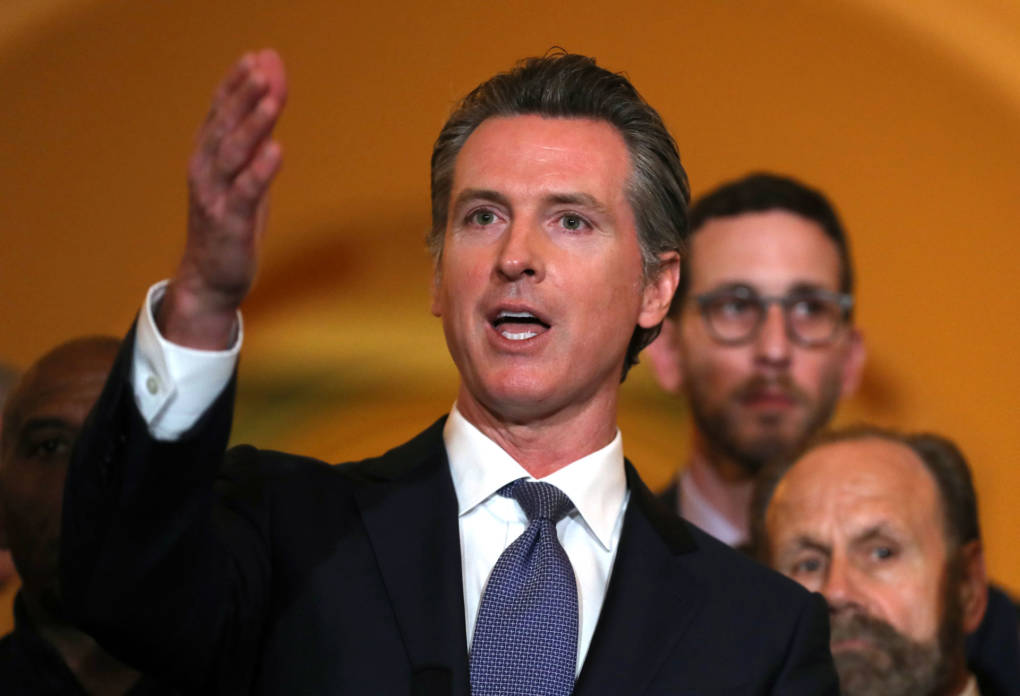
"caption": "Gov. Gavin Newsom speaks during a news conference at the California State Capitol on March 13, 2019 in Sacramento.",
"description": "Gov. Gavin Newsom speaks during a news conference at the California State Capitol on March 13, 2019 in Sacramento.",
"title": "Gavin-Newsom-Death-Penalty",
"credit": "Justin Sullivan/Getty Images",
"status": "inherit",
"isLoading": false,
"fetchFailed": false
},
"news_11740832": {
"type": "attachments",
"id": "news_11740832",
"meta": {
"index": "attachments_1716263798",
"site": "news",
"id": "11740832",
"found": true
},
"parent": 11740828,
"imgSizes": {
"apple_news_ca_landscape_5_5": {
"file": "https://ww2.kqed.org/app/uploads/sites/10/2019/04/04172019_010719inaugurationnewsomoath-qut-1044x783.jpg",
"width": 1044,
"mimeType": "image/jpeg",
"height": 783
},
"apple_news_ca_square_4_0": {
"file": "https://ww2.kqed.org/app/uploads/sites/10/2019/04/04172019_010719inaugurationnewsomoath-qut-470x470.jpg",
"width": 470,
"mimeType": "image/jpeg",
"height": 470
},
"twentyfourteen-full-width": {
"file": "https://ww2.kqed.org/app/uploads/sites/10/2019/04/04172019_010719inaugurationnewsomoath-qut-1038x576.jpg",
"width": 1038,
"mimeType": "image/jpeg",
"height": 576
},
"thumbnail": {
"file": "https://ww2.kqed.org/app/uploads/sites/10/2019/04/04172019_010719inaugurationnewsomoath-qut-160x107.jpg",
"width": 160,
"mimeType": "image/jpeg",
"height": 107
},
"post-thumbnail": {
"file": "https://ww2.kqed.org/app/uploads/sites/10/2019/04/04172019_010719inaugurationnewsomoath-qut-672x372.jpg",
"width": 672,
"mimeType": "image/jpeg",
"height": 372
},
"kqedFullSize": {
"file": "https://ww2.kqed.org/app/uploads/sites/10/2019/04/04172019_010719inaugurationnewsomoath-qut.jpg",
"width": 1920,
"height": 1280
},
"apple_news_ca_landscape_4_7": {
"file": "https://ww2.kqed.org/app/uploads/sites/10/2019/04/04172019_010719inaugurationnewsomoath-qut-632x474.jpg",
"width": 632,
"mimeType": "image/jpeg",
"height": 474
},
"large": {
"file": "https://ww2.kqed.org/app/uploads/sites/10/2019/04/04172019_010719inaugurationnewsomoath-qut-1020x680.jpg",
"width": 1020,
"mimeType": "image/jpeg",
"height": 680
},
"complete_open_graph": {
"file": "https://ww2.kqed.org/app/uploads/sites/10/2019/04/04172019_010719inaugurationnewsomoath-qut-1200x800.jpg",
"width": 1200,
"mimeType": "image/jpeg",
"height": 800
},
"apple_news_ca_landscape_4_0": {
"file": "https://ww2.kqed.org/app/uploads/sites/10/2019/04/04172019_010719inaugurationnewsomoath-qut-536x402.jpg",
"width": 536,
"mimeType": "image/jpeg",
"height": 402
},
"apple_news_ca_portrait_12_9": {
"file": "https://ww2.kqed.org/app/uploads/sites/10/2019/04/04172019_010719inaugurationnewsomoath-qut-1122x1280.jpg",
"width": 1122,
"mimeType": "image/jpeg",
"height": 1280
},
"medium": {
"file": "https://ww2.kqed.org/app/uploads/sites/10/2019/04/04172019_010719inaugurationnewsomoath-qut-800x533.jpg",
"width": 800,
"mimeType": "image/jpeg",
"height": 533
},
"apple_news_ca_portrait_4_0": {
"file": "https://ww2.kqed.org/app/uploads/sites/10/2019/04/04172019_010719inaugurationnewsomoath-qut-354x472.jpg",
"width": 354,
"mimeType": "image/jpeg",
"height": 472
},
"apple_news_ca_portrait_9_7": {
"file": "https://ww2.kqed.org/app/uploads/sites/10/2019/04/04172019_010719inaugurationnewsomoath-qut-840x1120.jpg",
"width": 840,
"mimeType": "image/jpeg",
"height": 1120
},
"apple_news_ca_landscape_12_9": {
"file": "https://ww2.kqed.org/app/uploads/sites/10/2019/04/04172019_010719inaugurationnewsomoath-qut-1832x1280.jpg",
"width": 1832,
"mimeType": "image/jpeg",
"height": 1280
},
"apple_news_ca_square_9_7": {
"file": "https://ww2.kqed.org/app/uploads/sites/10/2019/04/04172019_010719inaugurationnewsomoath-qut-1104x1104.jpg",
"width": 1104,
"mimeType": "image/jpeg",
"height": 1104
},
"apple_news_ca_portrait_4_7": {
"file": "https://ww2.kqed.org/app/uploads/sites/10/2019/04/04172019_010719inaugurationnewsomoath-qut-414x552.jpg",
"width": 414,
"mimeType": "image/jpeg",
"height": 552
},
"apple_news_ca_square_12_9": {
"file": "https://ww2.kqed.org/app/uploads/sites/10/2019/04/04172019_010719inaugurationnewsomoath-qut-1472x1280.jpg",
"width": 1472,
"mimeType": "image/jpeg",
"height": 1280
},
"apple_news_ca_portrait_5_5": {
"file": "https://ww2.kqed.org/app/uploads/sites/10/2019/04/04172019_010719inaugurationnewsomoath-qut-687x916.jpg",
"width": 687,
"mimeType": "image/jpeg",
"height": 916
},
"full-width": {
"file": "https://ww2.kqed.org/app/uploads/sites/10/2019/04/04172019_010719inaugurationnewsomoath-qut-1920x1280.jpg",
"width": 1920,
"mimeType": "image/jpeg",
"height": 1280
},
"apple_news_ca_square_4_7": {
"file": "https://ww2.kqed.org/app/uploads/sites/10/2019/04/04172019_010719inaugurationnewsomoath-qut-550x550.jpg",
"width": 550,
"mimeType": "image/jpeg",
"height": 550
},
"apple_news_ca_landscape_9_7": {
"file": "https://ww2.kqed.org/app/uploads/sites/10/2019/04/04172019_010719inaugurationnewsomoath-qut-1376x1032.jpg",
"width": 1376,
"mimeType": "image/jpeg",
"height": 1032
},
"apple_news_ca_square_5_5": {
"file": "https://ww2.kqed.org/app/uploads/sites/10/2019/04/04172019_010719inaugurationnewsomoath-qut-912x912.jpg",
"width": 912,
"mimeType": "image/jpeg",
"height": 912
}
},
"publishDate": 1555527677,
"modified": 1555527714,
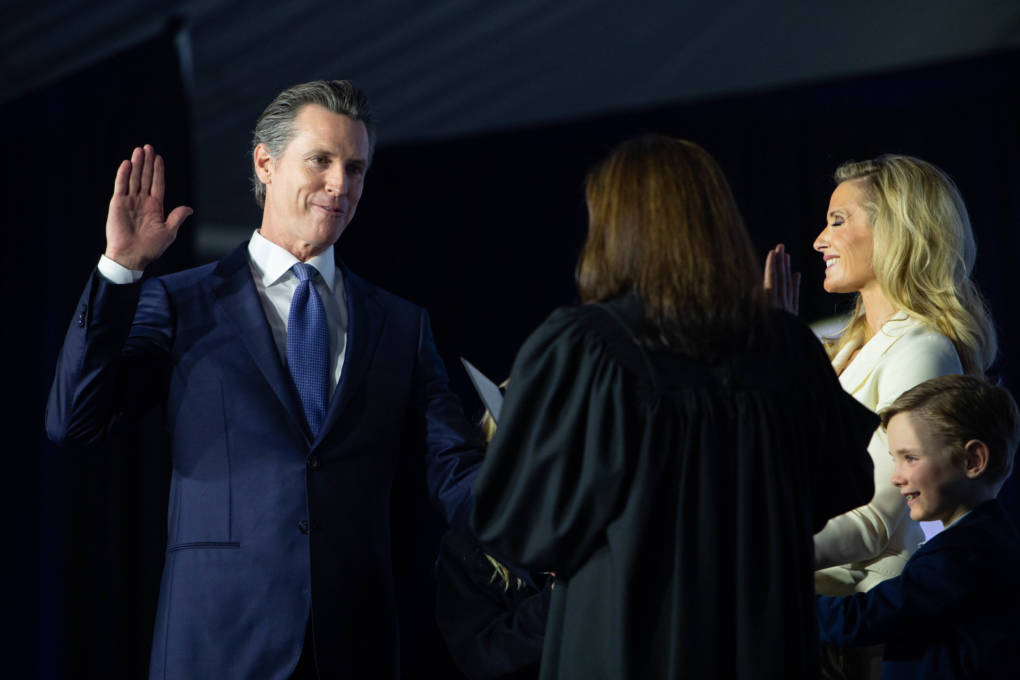
"caption": "Gavin Newsom takes the oath of office on Jan. 7, 2019, to become California's next governor as First Partner Jen Siebel Newsom and their four children stand beside him.",
"description": "Gavin Newsom takes the oath of office on Jan. 7, 2019, to become California's next governor as First Partner Jen Siebel Newsom and their four children stand beside him.",
"title": "04172019_010719inaugurationnewsomoath-qut",
"credit": "Andrew Nixon/Capital Public Radio",
"status": "inherit",
"isLoading": false,
"fetchFailed": false
},
"news_11739799": {
"type": "attachments",
"id": "news_11739799",
"meta": {
"index": "attachments_1716263798",
"site": "news",
"id": "11739799",
"found": true
},
"parent": 0,
"imgSizes": {
"post-thumbnail": {
"file": "https://ww2.kqed.org/app/uploads/sites/10/2019/04/RS28406_GettyImages-888389390-qut-672x372.jpg",
"width": 672,
"mimeType": "image/jpeg",
"height": 372
},
"kqedFullSize": {
"file": "https://ww2.kqed.org/app/uploads/sites/10/2019/04/RS28406_GettyImages-888389390-qut.jpg",
"width": 1920,
"height": 1280
},
"guest-author-50": {
"file": "https://ww2.kqed.org/app/uploads/sites/10/2019/04/RS28406_GettyImages-888389390-qut-50x50.jpg",
"width": 50,
"mimeType": "image/jpeg",
"height": 50
},
"guest-author-96": {
"file": "https://ww2.kqed.org/app/uploads/sites/10/2019/04/RS28406_GettyImages-888389390-qut-96x96.jpg",
"width": 96,
"mimeType": "image/jpeg",
"height": 96
},
"apple_news_ca_portrait_12_9": {
"file": "https://ww2.kqed.org/app/uploads/sites/10/2019/04/RS28406_GettyImages-888389390-qut-1122x1280.jpg",
"width": 1122,
"mimeType": "image/jpeg",
"height": 1280
},
"medium": {
"file": "https://ww2.kqed.org/app/uploads/sites/10/2019/04/RS28406_GettyImages-888389390-qut-800x533.jpg",
"width": 800,
"mimeType": "image/jpeg",
"height": 533
},
"guest-author-32": {
"file": "https://ww2.kqed.org/app/uploads/sites/10/2019/04/RS28406_GettyImages-888389390-qut-32x32.jpg",
"width": 32,
"mimeType": "image/jpeg",
"height": 32
},
"apple_news_ca_portrait_9_7": {
"file": "https://ww2.kqed.org/app/uploads/sites/10/2019/04/RS28406_GettyImages-888389390-qut-840x1120.jpg",
"width": 840,
"mimeType": "image/jpeg",
"height": 1120
},
"apple_news_ca_square_9_7": {
"file": "https://ww2.kqed.org/app/uploads/sites/10/2019/04/RS28406_GettyImages-888389390-qut-1104x1104.jpg",
"width": 1104,
"mimeType": "image/jpeg",
"height": 1104
},
"apple_news_ca_portrait_4_7": {
"file": "https://ww2.kqed.org/app/uploads/sites/10/2019/04/RS28406_GettyImages-888389390-qut-414x552.jpg",
"width": 414,
"mimeType": "image/jpeg",
"height": 552
},
"apple_news_ca_square_12_9": {
"file": "https://ww2.kqed.org/app/uploads/sites/10/2019/04/RS28406_GettyImages-888389390-qut-1472x1280.jpg",
"width": 1472,
"mimeType": "image/jpeg",
"height": 1280
},
"apple_news_ca_portrait_5_5": {
"file": "https://ww2.kqed.org/app/uploads/sites/10/2019/04/RS28406_GettyImages-888389390-qut-687x916.jpg",
"width": 687,
"mimeType": "image/jpeg",
"height": 916
},
"apple_news_ca_square_4_7": {
"file": "https://ww2.kqed.org/app/uploads/sites/10/2019/04/RS28406_GettyImages-888389390-qut-550x550.jpg",
"width": 550,
"mimeType": "image/jpeg",
"height": 550
},
"apple_news_ca_square_5_5": {
"file": "https://ww2.kqed.org/app/uploads/sites/10/2019/04/RS28406_GettyImages-888389390-qut-912x912.jpg",
"width": 912,
"mimeType": "image/jpeg",
"height": 912
},
"apple_news_ca_landscape_5_5": {
"file": "https://ww2.kqed.org/app/uploads/sites/10/2019/04/RS28406_GettyImages-888389390-qut-1044x783.jpg",
"width": 1044,
"mimeType": "image/jpeg",
"height": 783
},
"apple_news_ca_square_4_0": {
"file": "https://ww2.kqed.org/app/uploads/sites/10/2019/04/RS28406_GettyImages-888389390-qut-470x470.jpg",
"width": 470,
"mimeType": "image/jpeg",
"height": 470
},
"twentyfourteen-full-width": {
"file": "https://ww2.kqed.org/app/uploads/sites/10/2019/04/RS28406_GettyImages-888389390-qut-1038x576.jpg",
"width": 1038,
"mimeType": "image/jpeg",
"height": 576
},
"thumbnail": {
"file": "https://ww2.kqed.org/app/uploads/sites/10/2019/04/RS28406_GettyImages-888389390-qut-160x107.jpg",
"width": 160,
"mimeType": "image/jpeg",
"height": 107
},
"apple_news_ca_landscape_4_7": {
"file": "https://ww2.kqed.org/app/uploads/sites/10/2019/04/RS28406_GettyImages-888389390-qut-632x474.jpg",
"width": 632,
"mimeType": "image/jpeg",
"height": 474
},
"large": {
"file": "https://ww2.kqed.org/app/uploads/sites/10/2019/04/RS28406_GettyImages-888389390-qut-1020x680.jpg",
"width": 1020,
"mimeType": "image/jpeg",
"height": 680
},
"complete_open_graph": {
"file": "https://ww2.kqed.org/app/uploads/sites/10/2019/04/RS28406_GettyImages-888389390-qut-1200x800.jpg",
"width": 1200,
"mimeType": "image/jpeg",
"height": 800
},
"apple_news_ca_landscape_4_0": {
"file": "https://ww2.kqed.org/app/uploads/sites/10/2019/04/RS28406_GettyImages-888389390-qut-536x402.jpg",
"width": 536,
"mimeType": "image/jpeg",
"height": 402
},
"guest-author-64": {
"file": "https://ww2.kqed.org/app/uploads/sites/10/2019/04/RS28406_GettyImages-888389390-qut-64x64.jpg",
"width": 64,
"mimeType": "image/jpeg",
"height": 64
},
"apple_news_ca_portrait_4_0": {
"file": "https://ww2.kqed.org/app/uploads/sites/10/2019/04/RS28406_GettyImages-888389390-qut-354x472.jpg",
"width": 354,
"mimeType": "image/jpeg",
"height": 472
},
"apple_news_ca_landscape_12_9": {
"file": "https://ww2.kqed.org/app/uploads/sites/10/2019/04/RS28406_GettyImages-888389390-qut-1832x1280.jpg",
"width": 1832,
"mimeType": "image/jpeg",
"height": 1280
},
"full-width": {
"file": "https://ww2.kqed.org/app/uploads/sites/10/2019/04/RS28406_GettyImages-888389390-qut-1920x1280.jpg",
"width": 1920,
"mimeType": "image/jpeg",
"height": 1280
},
"guest-author-128": {
"file": "https://ww2.kqed.org/app/uploads/sites/10/2019/04/RS28406_GettyImages-888389390-qut-128x128.jpg",
"width": 128,
"mimeType": "image/jpeg",
"height": 128
},
"apple_news_ca_landscape_9_7": {
"file": "https://ww2.kqed.org/app/uploads/sites/10/2019/04/RS28406_GettyImages-888389390-qut-1376x1032.jpg",
"width": 1376,
"mimeType": "image/jpeg",
"height": 1032
}
},
"publishDate": 1555094450,
"modified": 1571924312,
"caption": null,
"description": "About 11 million Californians now live in areas at high risk for wildfires.",
"title": "Southern California Wildfires Forces Thousands to Evacuate",
"credit": "David McNew/Getty Images",
"status": "inherit",
"isLoading": false,
"fetchFailed": false
},
"news_11739137": {
"type": "attachments",
"id": "news_11739137",
"meta": {
"index": "attachments_1716263798",
"site": "news",
"id": "11739137",
"found": true
},
"parent": 11738215,
"imgSizes": {
"apple_news_ca_landscape_5_5": {
"file": "https://ww2.kqed.org/app/uploads/sites/10/2019/04/RS36473_Blake-Family-1044x783.jpeg",
"width": 1044,
"mimeType": "image/jpeg",
"height": 783
},
"apple_news_ca_square_4_0": {
"file": "https://ww2.kqed.org/app/uploads/sites/10/2019/04/RS36473_Blake-Family-470x470.jpeg",
"width": 470,
"mimeType": "image/jpeg",
"height": 470
},
"twentyfourteen-full-width": {
"file": "https://ww2.kqed.org/app/uploads/sites/10/2019/04/RS36473_Blake-Family-1038x576.jpeg",
"width": 1038,
"mimeType": "image/jpeg",
"height": 576
},
"thumbnail": {
"file": "https://ww2.kqed.org/app/uploads/sites/10/2019/04/RS36473_Blake-Family-160x127.jpeg",
"width": 160,
"mimeType": "image/jpeg",
"height": 127
},
"post-thumbnail": {
"file": "https://ww2.kqed.org/app/uploads/sites/10/2019/04/RS36473_Blake-Family-672x372.jpeg",
"width": 672,
"mimeType": "image/jpeg",
"height": 372
},
"kqedFullSize": {
"file": "https://ww2.kqed.org/app/uploads/sites/10/2019/04/RS36473_Blake-Family.jpeg",
"width": 1242,
"height": 989
},
"apple_news_ca_landscape_4_7": {
"file": "https://ww2.kqed.org/app/uploads/sites/10/2019/04/RS36473_Blake-Family-632x474.jpeg",
"width": 632,
"mimeType": "image/jpeg",
"height": 474
},
"large": {
"file": "https://ww2.kqed.org/app/uploads/sites/10/2019/04/RS36473_Blake-Family-1020x812.jpeg",
"width": 1020,
"mimeType": "image/jpeg",
"height": 812
},
"complete_open_graph": {
"file": "https://ww2.kqed.org/app/uploads/sites/10/2019/04/RS36473_Blake-Family-1200x956.jpeg",
"width": 1200,
"mimeType": "image/jpeg",
"height": 956
},
"guest-author-50": {
"file": "https://ww2.kqed.org/app/uploads/sites/10/2019/04/RS36473_Blake-Family-50x50.jpeg",
"width": 50,
"mimeType": "image/jpeg",
"height": 50
},
"guest-author-96": {
"file": "https://ww2.kqed.org/app/uploads/sites/10/2019/04/RS36473_Blake-Family-96x96.jpeg",
"width": 96,
"mimeType": "image/jpeg",
"height": 96
},
"apple_news_ca_landscape_4_0": {
"file": "https://ww2.kqed.org/app/uploads/sites/10/2019/04/RS36473_Blake-Family-536x402.jpeg",
"width": 536,
"mimeType": "image/jpeg",
"height": 402
},
"apple_news_ca_portrait_12_9": {
"file": "https://ww2.kqed.org/app/uploads/sites/10/2019/04/RS36473_Blake-Family-1122x989.jpeg",
"width": 1122,
"mimeType": "image/jpeg",
"height": 989
},
"medium": {
"file": "https://ww2.kqed.org/app/uploads/sites/10/2019/04/RS36473_Blake-Family-800x637.jpeg",
"width": 800,
"mimeType": "image/jpeg",
"height": 637
},
"guest-author-64": {
"file": "https://ww2.kqed.org/app/uploads/sites/10/2019/04/RS36473_Blake-Family-64x64.jpeg",
"width": 64,
"mimeType": "image/jpeg",
"height": 64
},
"guest-author-32": {
"file": "https://ww2.kqed.org/app/uploads/sites/10/2019/04/RS36473_Blake-Family-32x32.jpeg",
"width": 32,
"mimeType": "image/jpeg",
"height": 32
},
"apple_news_ca_portrait_4_0": {
"file": "https://ww2.kqed.org/app/uploads/sites/10/2019/04/RS36473_Blake-Family-354x472.jpeg",
"width": 354,
"mimeType": "image/jpeg",
"height": 472
},
"apple_news_ca_portrait_9_7": {
"file": "https://ww2.kqed.org/app/uploads/sites/10/2019/04/RS36473_Blake-Family-840x989.jpeg",
"width": 840,
"mimeType": "image/jpeg",
"height": 989
},
"apple_news_ca_square_9_7": {
"file": "https://ww2.kqed.org/app/uploads/sites/10/2019/04/RS36473_Blake-Family-1104x989.jpeg",
"width": 1104,
"mimeType": "image/jpeg",
"height": 989
},
"apple_news_ca_portrait_4_7": {
"file": "https://ww2.kqed.org/app/uploads/sites/10/2019/04/RS36473_Blake-Family-414x552.jpeg",
"width": 414,
"mimeType": "image/jpeg",
"height": 552
},
"apple_news_ca_portrait_5_5": {
"file": "https://ww2.kqed.org/app/uploads/sites/10/2019/04/RS36473_Blake-Family-687x916.jpeg",
"width": 687,
"mimeType": "image/jpeg",
"height": 916
},
"apple_news_ca_square_4_7": {
"file": "https://ww2.kqed.org/app/uploads/sites/10/2019/04/RS36473_Blake-Family-550x550.jpeg",
"width": 550,
"mimeType": "image/jpeg",
"height": 550
},
"guest-author-128": {
"file": "https://ww2.kqed.org/app/uploads/sites/10/2019/04/RS36473_Blake-Family-128x128.jpeg",
"width": 128,
"mimeType": "image/jpeg",
"height": 128
},
"apple_news_ca_square_5_5": {
"file": "https://ww2.kqed.org/app/uploads/sites/10/2019/04/RS36473_Blake-Family-912x912.jpeg",
"width": 912,
"mimeType": "image/jpeg",
"height": 912
}
},
"publishDate": 1554923732,
"modified": 1554923774,
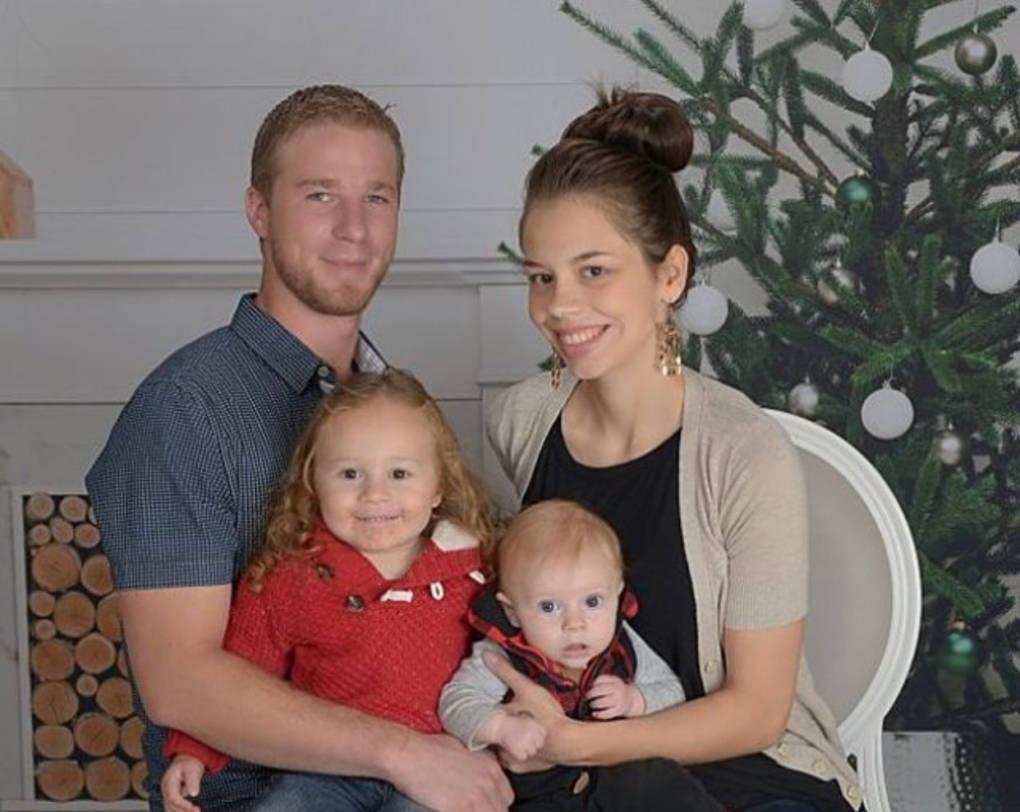
"caption": "Blake Richardson with his sons Elias Andrew Richardson, Aiden Pax Richardson and his wife Desiree D’Ambrosio. Richardson took paid family leave after the births of his sons. But he couldn't afford to take the full six weeks he was entitled to.",
"description": "Blake Richardson with his sons Elias Andrew Richardson, Aiden Pax Richardson and his wife Desiree D’Ambrosio. Richardson took paid family leave after the births of his sons. But he couldn't afford to take the full six weeks he was entitled to.",
"title": "RS36473_Blake Family",
"credit": "Courtesy Blake Richardson",
"status": "inherit",
"isLoading": false,
"fetchFailed": false
},
"news_11734557": {
"type": "attachments",
"id": "news_11734557",
"meta": {
"index": "attachments_1716263798",
"site": "news",
"id": "11734557",
"found": true
},
"parent": 11734407,
"imgSizes": {
"post-thumbnail": {
"file": "https://ww2.kqed.org/app/uploads/sites/10/2019/03/PGE-Transmission-Line-Camp-Fire-1-672x372.jpg",
"width": 672,
"mimeType": "image/jpeg",
"height": 372
},
"kqedFullSize": {
"file": "https://ww2.kqed.org/app/uploads/sites/10/2019/03/PGE-Transmission-Line-Camp-Fire-1.jpg",
"width": 1920,
"height": 1278
},
"guest-author-50": {
"file": "https://ww2.kqed.org/app/uploads/sites/10/2019/03/PGE-Transmission-Line-Camp-Fire-1-50x50.jpg",
"width": 50,
"mimeType": "image/jpeg",
"height": 50
},
"guest-author-96": {
"file": "https://ww2.kqed.org/app/uploads/sites/10/2019/03/PGE-Transmission-Line-Camp-Fire-1-96x96.jpg",
"width": 96,
"mimeType": "image/jpeg",
"height": 96
},
"apple_news_ca_portrait_12_9": {
"file": "https://ww2.kqed.org/app/uploads/sites/10/2019/03/PGE-Transmission-Line-Camp-Fire-1-1122x1278.jpg",
"width": 1122,
"mimeType": "image/jpeg",
"height": 1278
},
"medium": {
"file": "https://ww2.kqed.org/app/uploads/sites/10/2019/03/PGE-Transmission-Line-Camp-Fire-1-800x533.jpg",
"width": 800,
"mimeType": "image/jpeg",
"height": 533
},
"guest-author-32": {
"file": "https://ww2.kqed.org/app/uploads/sites/10/2019/03/PGE-Transmission-Line-Camp-Fire-1-32x32.jpg",
"width": 32,
"mimeType": "image/jpeg",
"height": 32
},
"apple_news_ca_portrait_9_7": {
"file": "https://ww2.kqed.org/app/uploads/sites/10/2019/03/PGE-Transmission-Line-Camp-Fire-1-840x1120.jpg",
"width": 840,
"mimeType": "image/jpeg",
"height": 1120
},
"apple_news_ca_square_9_7": {
"file": "https://ww2.kqed.org/app/uploads/sites/10/2019/03/PGE-Transmission-Line-Camp-Fire-1-1104x1104.jpg",
"width": 1104,
"mimeType": "image/jpeg",
"height": 1104
},
"apple_news_ca_portrait_4_7": {
"file": "https://ww2.kqed.org/app/uploads/sites/10/2019/03/PGE-Transmission-Line-Camp-Fire-1-414x552.jpg",
"width": 414,
"mimeType": "image/jpeg",
"height": 552
},
"apple_news_ca_square_12_9": {
"file": "https://ww2.kqed.org/app/uploads/sites/10/2019/03/PGE-Transmission-Line-Camp-Fire-1-1472x1278.jpg",
"width": 1472,
"mimeType": "image/jpeg",
"height": 1278
},
"apple_news_ca_portrait_5_5": {
"file": "https://ww2.kqed.org/app/uploads/sites/10/2019/03/PGE-Transmission-Line-Camp-Fire-1-687x916.jpg",
"width": 687,
"mimeType": "image/jpeg",
"height": 916
},
"apple_news_ca_square_4_7": {
"file": "https://ww2.kqed.org/app/uploads/sites/10/2019/03/PGE-Transmission-Line-Camp-Fire-1-550x550.jpg",
"width": 550,
"mimeType": "image/jpeg",
"height": 550
},
"apple_news_ca_square_5_5": {
"file": "https://ww2.kqed.org/app/uploads/sites/10/2019/03/PGE-Transmission-Line-Camp-Fire-1-912x912.jpg",
"width": 912,
"mimeType": "image/jpeg",
"height": 912
},
"apple_news_ca_landscape_5_5": {
"file": "https://ww2.kqed.org/app/uploads/sites/10/2019/03/PGE-Transmission-Line-Camp-Fire-1-1044x783.jpg",
"width": 1044,
"mimeType": "image/jpeg",
"height": 783
},
"apple_news_ca_square_4_0": {
"file": "https://ww2.kqed.org/app/uploads/sites/10/2019/03/PGE-Transmission-Line-Camp-Fire-1-470x470.jpg",
"width": 470,
"mimeType": "image/jpeg",
"height": 470
},
"twentyfourteen-full-width": {
"file": "https://ww2.kqed.org/app/uploads/sites/10/2019/03/PGE-Transmission-Line-Camp-Fire-1-1038x576.jpg",
"width": 1038,
"mimeType": "image/jpeg",
"height": 576
},
"thumbnail": {
"file": "https://ww2.kqed.org/app/uploads/sites/10/2019/03/PGE-Transmission-Line-Camp-Fire-1-160x107.jpg",
"width": 160,
"mimeType": "image/jpeg",
"height": 107
},
"apple_news_ca_landscape_4_7": {
"file": "https://ww2.kqed.org/app/uploads/sites/10/2019/03/PGE-Transmission-Line-Camp-Fire-1-632x474.jpg",
"width": 632,
"mimeType": "image/jpeg",
"height": 474
},
"large": {
"file": "https://ww2.kqed.org/app/uploads/sites/10/2019/03/PGE-Transmission-Line-Camp-Fire-1-1020x679.jpg",
"width": 1020,
"mimeType": "image/jpeg",
"height": 679
},
"complete_open_graph": {
"file": "https://ww2.kqed.org/app/uploads/sites/10/2019/03/PGE-Transmission-Line-Camp-Fire-1-1200x799.jpg",
"width": 1200,
"mimeType": "image/jpeg",
"height": 799
},
"apple_news_ca_landscape_4_0": {
"file": "https://ww2.kqed.org/app/uploads/sites/10/2019/03/PGE-Transmission-Line-Camp-Fire-1-536x402.jpg",
"width": 536,
"mimeType": "image/jpeg",
"height": 402
},
"guest-author-64": {
"file": "https://ww2.kqed.org/app/uploads/sites/10/2019/03/PGE-Transmission-Line-Camp-Fire-1-64x64.jpg",
"width": 64,
"mimeType": "image/jpeg",
"height": 64
},
"apple_news_ca_portrait_4_0": {
"file": "https://ww2.kqed.org/app/uploads/sites/10/2019/03/PGE-Transmission-Line-Camp-Fire-1-354x472.jpg",
"width": 354,
"mimeType": "image/jpeg",
"height": 472
},
"apple_news_ca_landscape_12_9": {
"file": "https://ww2.kqed.org/app/uploads/sites/10/2019/03/PGE-Transmission-Line-Camp-Fire-1-1832x1278.jpg",
"width": 1832,
"mimeType": "image/jpeg",
"height": 1278
},
"full-width": {
"file": "https://ww2.kqed.org/app/uploads/sites/10/2019/03/PGE-Transmission-Line-Camp-Fire-1-1920x1278.jpg",
"width": 1920,
"mimeType": "image/jpeg",
"height": 1278
},
"guest-author-128": {
"file": "https://ww2.kqed.org/app/uploads/sites/10/2019/03/PGE-Transmission-Line-Camp-Fire-1-128x128.jpg",
"width": 128,
"mimeType": "image/jpeg",
"height": 128
},
"apple_news_ca_landscape_9_7": {
"file": "https://ww2.kqed.org/app/uploads/sites/10/2019/03/PGE-Transmission-Line-Camp-Fire-1-1376x1032.jpg",
"width": 1376,
"mimeType": "image/jpeg",
"height": 1032
}
},
"publishDate": 1553213166,
"modified": 1553213313,
"caption": "PG&E transmission line towers on the Caribou-Palermo line are seen adjacent to the Feather River in Butte County, close to the spot where officials say the Camp Fire began. In February, PG&E said it's \"probable\" that its equipment caused the blaze, the deadliest and most destructive in modern California history.",
"description": "PG&E transmission line towers on the Caribou-Palermo line are seen adjacent to the Feather River in Butte County, close to the spot where officials say the Camp Fire began. In February, PG&E said it's \"probable\" that its equipment caused the blaze, the deadliest and most destructive in modern California history.",
"title": "US-FIRE-CALIFORNIA-CAMP FIRE",
"credit": "Josh Edelson/AFP-Getty Images",
"status": "inherit",
"isLoading": false,
"fetchFailed": false
},
"news_11738982": {
"type": "attachments",
"id": "news_11738982",
"meta": {
"index": "attachments_1716263798",
"site": "news",
"id": "11738982",
"found": true
},
"parent": 11738770,
"imgSizes": {
"post-thumbnail": {
"file": "https://ww2.kqed.org/app/uploads/sites/10/2019/04/RS34825_GettyImages-1059345288-qut-672x372.jpg",
"width": 672,
"mimeType": "image/jpeg",
"height": 372
},
"kqedFullSize": {
"file": "https://ww2.kqed.org/app/uploads/sites/10/2019/04/RS34825_GettyImages-1059345288-qut.jpg",
"width": 1920,
"height": 1281
},
"guest-author-50": {
"file": "https://ww2.kqed.org/app/uploads/sites/10/2019/04/RS34825_GettyImages-1059345288-qut-50x50.jpg",
"width": 50,
"mimeType": "image/jpeg",
"height": 50
},
"guest-author-96": {
"file": "https://ww2.kqed.org/app/uploads/sites/10/2019/04/RS34825_GettyImages-1059345288-qut-96x96.jpg",
"width": 96,
"mimeType": "image/jpeg",
"height": 96
},
"apple_news_ca_portrait_12_9": {
"file": "https://ww2.kqed.org/app/uploads/sites/10/2019/04/RS34825_GettyImages-1059345288-qut-1122x1281.jpg",
"width": 1122,
"mimeType": "image/jpeg",
"height": 1281
},
"medium": {
"file": "https://ww2.kqed.org/app/uploads/sites/10/2019/04/RS34825_GettyImages-1059345288-qut-800x534.jpg",
"width": 800,
"mimeType": "image/jpeg",
"height": 534
},
"guest-author-32": {
"file": "https://ww2.kqed.org/app/uploads/sites/10/2019/04/RS34825_GettyImages-1059345288-qut-32x32.jpg",
"width": 32,
"mimeType": "image/jpeg",
"height": 32
},
"apple_news_ca_portrait_9_7": {
"file": "https://ww2.kqed.org/app/uploads/sites/10/2019/04/RS34825_GettyImages-1059345288-qut-840x1120.jpg",
"width": 840,
"mimeType": "image/jpeg",
"height": 1120
},
"apple_news_ca_square_9_7": {
"file": "https://ww2.kqed.org/app/uploads/sites/10/2019/04/RS34825_GettyImages-1059345288-qut-1104x1104.jpg",
"width": 1104,
"mimeType": "image/jpeg",
"height": 1104
},
"apple_news_ca_portrait_4_7": {
"file": "https://ww2.kqed.org/app/uploads/sites/10/2019/04/RS34825_GettyImages-1059345288-qut-414x552.jpg",
"width": 414,
"mimeType": "image/jpeg",
"height": 552
},
"apple_news_ca_square_12_9": {
"file": "https://ww2.kqed.org/app/uploads/sites/10/2019/04/RS34825_GettyImages-1059345288-qut-1472x1281.jpg",
"width": 1472,
"mimeType": "image/jpeg",
"height": 1281
},
"apple_news_ca_portrait_5_5": {
"file": "https://ww2.kqed.org/app/uploads/sites/10/2019/04/RS34825_GettyImages-1059345288-qut-687x916.jpg",
"width": 687,
"mimeType": "image/jpeg",
"height": 916
},
"apple_news_ca_square_4_7": {
"file": "https://ww2.kqed.org/app/uploads/sites/10/2019/04/RS34825_GettyImages-1059345288-qut-550x550.jpg",
"width": 550,
"mimeType": "image/jpeg",
"height": 550
},
"apple_news_ca_square_5_5": {
"file": "https://ww2.kqed.org/app/uploads/sites/10/2019/04/RS34825_GettyImages-1059345288-qut-912x912.jpg",
"width": 912,
"mimeType": "image/jpeg",
"height": 912
},
"apple_news_ca_landscape_5_5": {
"file": "https://ww2.kqed.org/app/uploads/sites/10/2019/04/RS34825_GettyImages-1059345288-qut-1044x783.jpg",
"width": 1044,
"mimeType": "image/jpeg",
"height": 783
},
"apple_news_ca_square_4_0": {
"file": "https://ww2.kqed.org/app/uploads/sites/10/2019/04/RS34825_GettyImages-1059345288-qut-470x470.jpg",
"width": 470,
"mimeType": "image/jpeg",
"height": 470
},
"twentyfourteen-full-width": {
"file": "https://ww2.kqed.org/app/uploads/sites/10/2019/04/RS34825_GettyImages-1059345288-qut-1038x576.jpg",
"width": 1038,
"mimeType": "image/jpeg",
"height": 576
},
"thumbnail": {
"file": "https://ww2.kqed.org/app/uploads/sites/10/2019/04/RS34825_GettyImages-1059345288-qut-160x107.jpg",
"width": 160,
"mimeType": "image/jpeg",
"height": 107
},
"apple_news_ca_landscape_4_7": {
"file": "https://ww2.kqed.org/app/uploads/sites/10/2019/04/RS34825_GettyImages-1059345288-qut-632x474.jpg",
"width": 632,
"mimeType": "image/jpeg",
"height": 474
},
"large": {
"file": "https://ww2.kqed.org/app/uploads/sites/10/2019/04/RS34825_GettyImages-1059345288-qut-1020x681.jpg",
"width": 1020,
"mimeType": "image/jpeg",
"height": 681
},
"complete_open_graph": {
"file": "https://ww2.kqed.org/app/uploads/sites/10/2019/04/RS34825_GettyImages-1059345288-qut-1200x801.jpg",
"width": 1200,
"mimeType": "image/jpeg",
"height": 801
},
"apple_news_ca_landscape_4_0": {
"file": "https://ww2.kqed.org/app/uploads/sites/10/2019/04/RS34825_GettyImages-1059345288-qut-536x402.jpg",
"width": 536,
"mimeType": "image/jpeg",
"height": 402
},
"guest-author-64": {
"file": "https://ww2.kqed.org/app/uploads/sites/10/2019/04/RS34825_GettyImages-1059345288-qut-64x64.jpg",
"width": 64,
"mimeType": "image/jpeg",
"height": 64
},
"apple_news_ca_portrait_4_0": {
"file": "https://ww2.kqed.org/app/uploads/sites/10/2019/04/RS34825_GettyImages-1059345288-qut-354x472.jpg",
"width": 354,
"mimeType": "image/jpeg",
"height": 472
},
"apple_news_ca_landscape_12_9": {
"file": "https://ww2.kqed.org/app/uploads/sites/10/2019/04/RS34825_GettyImages-1059345288-qut-1832x1281.jpg",
"width": 1832,
"mimeType": "image/jpeg",
"height": 1281
},
"full-width": {
"file": "https://ww2.kqed.org/app/uploads/sites/10/2019/04/RS34825_GettyImages-1059345288-qut-1920x1281.jpg",
"width": 1920,
"mimeType": "image/jpeg",
"height": 1281
},
"guest-author-128": {
"file": "https://ww2.kqed.org/app/uploads/sites/10/2019/04/RS34825_GettyImages-1059345288-qut-128x128.jpg",
"width": 128,
"mimeType": "image/jpeg",
"height": 128
},
"apple_news_ca_landscape_9_7": {
"file": "https://ww2.kqed.org/app/uploads/sites/10/2019/04/RS34825_GettyImages-1059345288-qut-1376x1032.jpg",
"width": 1376,
"mimeType": "image/jpeg",
"height": 1032
}
},
"publishDate": 1554850550,
"modified": 1554852555,
"caption": "A hospital worker embraces her co-worker as they evacuate patients from the Feather River Hospital during the Camp Fire on Nov. 8, 2018, in Paradise, California. ",
"description": "A hospital worker embraces her co-worker as they evacuate patients from the Feather River Hospital during the Camp Fire on November 8, 2018 in Paradise, California. ",
"title": "Rapidly-Spreading Wildfire In California's Butte County Prompts Evacuations",
"credit": "Justin Sullivan/Getty Images",
"status": "inherit",
"isLoading": false,
"fetchFailed": false
},
"news_11738839": {
"type": "attachments",
"id": "news_11738839",
"meta": {
"index": "attachments_1716263798",
"site": "news",
"id": "11738839",
"found": true
},
"parent": 11738831,
"imgSizes": {
"post-thumbnail": {
"file": "https://ww2.kqed.org/app/uploads/sites/10/2019/04/Gavin-Newsom-El-Salvador-672x372.jpg",
"width": 672,
"mimeType": "image/jpeg",
"height": 372
},
"kqedFullSize": {
"file": "https://ww2.kqed.org/app/uploads/sites/10/2019/04/Gavin-Newsom-El-Salvador.jpg",
"width": 1920,
"height": 1341
},
"guest-author-50": {
"file": "https://ww2.kqed.org/app/uploads/sites/10/2019/04/Gavin-Newsom-El-Salvador-50x50.jpg",
"width": 50,
"mimeType": "image/jpeg",
"height": 50
},
"guest-author-96": {
"file": "https://ww2.kqed.org/app/uploads/sites/10/2019/04/Gavin-Newsom-El-Salvador-96x96.jpg",
"width": 96,
"mimeType": "image/jpeg",
"height": 96
},
"apple_news_ca_portrait_12_9": {
"file": "https://ww2.kqed.org/app/uploads/sites/10/2019/04/Gavin-Newsom-El-Salvador-1122x1341.jpg",
"width": 1122,
"mimeType": "image/jpeg",
"height": 1341
},
"medium": {
"file": "https://ww2.kqed.org/app/uploads/sites/10/2019/04/Gavin-Newsom-El-Salvador-800x559.jpg",
"width": 800,
"mimeType": "image/jpeg",
"height": 559
},
"guest-author-32": {
"file": "https://ww2.kqed.org/app/uploads/sites/10/2019/04/Gavin-Newsom-El-Salvador-32x32.jpg",
"width": 32,
"mimeType": "image/jpeg",
"height": 32
},
"apple_news_ca_portrait_9_7": {
"file": "https://ww2.kqed.org/app/uploads/sites/10/2019/04/Gavin-Newsom-El-Salvador-840x1120.jpg",
"width": 840,
"mimeType": "image/jpeg",
"height": 1120
},
"apple_news_ca_square_9_7": {
"file": "https://ww2.kqed.org/app/uploads/sites/10/2019/04/Gavin-Newsom-El-Salvador-1104x1104.jpg",
"width": 1104,
"mimeType": "image/jpeg",
"height": 1104
},
"apple_news_ca_portrait_4_7": {
"file": "https://ww2.kqed.org/app/uploads/sites/10/2019/04/Gavin-Newsom-El-Salvador-414x552.jpg",
"width": 414,
"mimeType": "image/jpeg",
"height": 552
},
"apple_news_ca_square_12_9": {
"file": "https://ww2.kqed.org/app/uploads/sites/10/2019/04/Gavin-Newsom-El-Salvador-1472x1341.jpg",
"width": 1472,
"mimeType": "image/jpeg",
"height": 1341
},
"apple_news_ca_portrait_5_5": {
"file": "https://ww2.kqed.org/app/uploads/sites/10/2019/04/Gavin-Newsom-El-Salvador-687x916.jpg",
"width": 687,
"mimeType": "image/jpeg",
"height": 916
},
"apple_news_ca_square_4_7": {
"file": "https://ww2.kqed.org/app/uploads/sites/10/2019/04/Gavin-Newsom-El-Salvador-550x550.jpg",
"width": 550,
"mimeType": "image/jpeg",
"height": 550
},
"apple_news_ca_square_5_5": {
"file": "https://ww2.kqed.org/app/uploads/sites/10/2019/04/Gavin-Newsom-El-Salvador-912x912.jpg",
"width": 912,
"mimeType": "image/jpeg",
"height": 912
},
"apple_news_ca_landscape_5_5": {
"file": "https://ww2.kqed.org/app/uploads/sites/10/2019/04/Gavin-Newsom-El-Salvador-1044x783.jpg",
"width": 1044,
"mimeType": "image/jpeg",
"height": 783
},
"apple_news_ca_square_4_0": {
"file": "https://ww2.kqed.org/app/uploads/sites/10/2019/04/Gavin-Newsom-El-Salvador-470x470.jpg",
"width": 470,
"mimeType": "image/jpeg",
"height": 470
},
"twentyfourteen-full-width": {
"file": "https://ww2.kqed.org/app/uploads/sites/10/2019/04/Gavin-Newsom-El-Salvador-1038x576.jpg",
"width": 1038,
"mimeType": "image/jpeg",
"height": 576
},
"thumbnail": {
"file": "https://ww2.kqed.org/app/uploads/sites/10/2019/04/Gavin-Newsom-El-Salvador-160x112.jpg",
"width": 160,
"mimeType": "image/jpeg",
"height": 112
},
"apple_news_ca_landscape_4_7": {
"file": "https://ww2.kqed.org/app/uploads/sites/10/2019/04/Gavin-Newsom-El-Salvador-632x474.jpg",
"width": 632,
"mimeType": "image/jpeg",
"height": 474
},
"large": {
"file": "https://ww2.kqed.org/app/uploads/sites/10/2019/04/Gavin-Newsom-El-Salvador-1020x712.jpg",
"width": 1020,
"mimeType": "image/jpeg",
"height": 712
},
"complete_open_graph": {
"file": "https://ww2.kqed.org/app/uploads/sites/10/2019/04/Gavin-Newsom-El-Salvador-1200x838.jpg",
"width": 1200,
"mimeType": "image/jpeg",
"height": 838
},
"apple_news_ca_landscape_4_0": {
"file": "https://ww2.kqed.org/app/uploads/sites/10/2019/04/Gavin-Newsom-El-Salvador-536x402.jpg",
"width": 536,
"mimeType": "image/jpeg",
"height": 402
},
"guest-author-64": {
"file": "https://ww2.kqed.org/app/uploads/sites/10/2019/04/Gavin-Newsom-El-Salvador-64x64.jpg",
"width": 64,
"mimeType": "image/jpeg",
"height": 64
},
"apple_news_ca_portrait_4_0": {
"file": "https://ww2.kqed.org/app/uploads/sites/10/2019/04/Gavin-Newsom-El-Salvador-354x472.jpg",
"width": 354,
"mimeType": "image/jpeg",
"height": 472
},
"apple_news_ca_landscape_12_9": {
"file": "https://ww2.kqed.org/app/uploads/sites/10/2019/04/Gavin-Newsom-El-Salvador-1832x1341.jpg",
"width": 1832,
"mimeType": "image/jpeg",
"height": 1341
},
"full-width": {
"file": "https://ww2.kqed.org/app/uploads/sites/10/2019/04/Gavin-Newsom-El-Salvador-1920x1341.jpg",
"width": 1920,
"mimeType": "image/jpeg",
"height": 1341
},
"guest-author-128": {
"file": "https://ww2.kqed.org/app/uploads/sites/10/2019/04/Gavin-Newsom-El-Salvador-128x128.jpg",
"width": 128,
"mimeType": "image/jpeg",
"height": 128
},
"apple_news_ca_landscape_9_7": {
"file": "https://ww2.kqed.org/app/uploads/sites/10/2019/04/Gavin-Newsom-El-Salvador-1376x1032.jpg",
"width": 1376,
"mimeType": "image/jpeg",
"height": 1032
}
},
"publishDate": 1554835776,
"modified": 1554835855,
"caption": "California Gov. Gavin Newsom and his wife, Jennifer Siebel Newsom (R), listen to a recital of violins by young Salvadorans who belong to a music academy in Panchimalco, El Salvador, on Monday, April 8, 2019.",
"description": "California Gov. Gavin Newsom and his wife, Jennifer Siebel Newsom (R), listen to a recital of violins by young Salvadorans who belong to a music academy in Panchimalco, El Salvador, on Monday, April 8, 2019.",
"title": "Gavin-Newsom-El-Salvador",
"credit": "Salvador Melendez/AP/Pool",
"status": "inherit",
"isLoading": false,
"fetchFailed": false
},
"news_11738539": {
"type": "attachments",
"id": "news_11738539",
"meta": {
"index": "attachments_1716263798",
"site": "news",
"id": "11738539",
"found": true
},
"parent": 11738534,
"imgSizes": {
"post-thumbnail": {
"file": "https://ww2.kqed.org/app/uploads/sites/10/2019/04/NEWSOM-TRUMP-EL-SALVADOR-Photo-672x372.jpg",
"width": 672,
"mimeType": "image/jpeg",
"height": 372
},
"kqedFullSize": {
"file": "https://ww2.kqed.org/app/uploads/sites/10/2019/04/NEWSOM-TRUMP-EL-SALVADOR-Photo-e1554752003261.jpg",
"width": 1920,
"height": 1266
},
"guest-author-50": {
"file": "https://ww2.kqed.org/app/uploads/sites/10/2019/04/NEWSOM-TRUMP-EL-SALVADOR-Photo-50x50.jpg",
"width": 50,
"mimeType": "image/jpeg",
"height": 50
},
"guest-author-96": {
"file": "https://ww2.kqed.org/app/uploads/sites/10/2019/04/NEWSOM-TRUMP-EL-SALVADOR-Photo-96x96.jpg",
"width": 96,
"mimeType": "image/jpeg",
"height": 96
},
"apple_news_ca_portrait_12_9": {
"file": "https://ww2.kqed.org/app/uploads/sites/10/2019/04/NEWSOM-TRUMP-EL-SALVADOR-Photo-1122x1496.jpg",
"width": 1122,
"mimeType": "image/jpeg",
"height": 1496
},
"medium": {
"file": "https://ww2.kqed.org/app/uploads/sites/10/2019/04/NEWSOM-TRUMP-EL-SALVADOR-Photo-800x527.jpg",
"width": 800,
"mimeType": "image/jpeg",
"height": 527
},
"guest-author-32": {
"file": "https://ww2.kqed.org/app/uploads/sites/10/2019/04/NEWSOM-TRUMP-EL-SALVADOR-Photo-32x32.jpg",
"width": 32,
"mimeType": "image/jpeg",
"height": 32
},
"apple_news_ca_portrait_9_7": {
"file": "https://ww2.kqed.org/app/uploads/sites/10/2019/04/NEWSOM-TRUMP-EL-SALVADOR-Photo-840x1120.jpg",
"width": 840,
"mimeType": "image/jpeg",
"height": 1120
},
"apple_news_ca_square_9_7": {
"file": "https://ww2.kqed.org/app/uploads/sites/10/2019/04/NEWSOM-TRUMP-EL-SALVADOR-Photo-1104x1104.jpg",
"width": 1104,
"mimeType": "image/jpeg",
"height": 1104
},
"apple_news_ca_portrait_4_7": {
"file": "https://ww2.kqed.org/app/uploads/sites/10/2019/04/NEWSOM-TRUMP-EL-SALVADOR-Photo-414x552.jpg",
"width": 414,
"mimeType": "image/jpeg",
"height": 552
},
"apple_news_ca_square_12_9": {
"file": "https://ww2.kqed.org/app/uploads/sites/10/2019/04/NEWSOM-TRUMP-EL-SALVADOR-Photo-1472x1472.jpg",
"width": 1472,
"mimeType": "image/jpeg",
"height": 1472
},
"apple_news_ca_portrait_5_5": {
"file": "https://ww2.kqed.org/app/uploads/sites/10/2019/04/NEWSOM-TRUMP-EL-SALVADOR-Photo-687x916.jpg",
"width": 687,
"mimeType": "image/jpeg",
"height": 916
},
"apple_news_ca_square_4_7": {
"file": "https://ww2.kqed.org/app/uploads/sites/10/2019/04/NEWSOM-TRUMP-EL-SALVADOR-Photo-550x550.jpg",
"width": 550,
"mimeType": "image/jpeg",
"height": 550
},
"apple_news_ca_square_5_5": {
"file": "https://ww2.kqed.org/app/uploads/sites/10/2019/04/NEWSOM-TRUMP-EL-SALVADOR-Photo-912x912.jpg",
"width": 912,
"mimeType": "image/jpeg",
"height": 912
},
"apple_news_ca_landscape_5_5": {
"file": "https://ww2.kqed.org/app/uploads/sites/10/2019/04/NEWSOM-TRUMP-EL-SALVADOR-Photo-1044x783.jpg",
"width": 1044,
"mimeType": "image/jpeg",
"height": 783
},
"apple_news_ca_square_4_0": {
"file": "https://ww2.kqed.org/app/uploads/sites/10/2019/04/NEWSOM-TRUMP-EL-SALVADOR-Photo-470x470.jpg",
"width": 470,
"mimeType": "image/jpeg",
"height": 470
},
"twentyfourteen-full-width": {
"file": "https://ww2.kqed.org/app/uploads/sites/10/2019/04/NEWSOM-TRUMP-EL-SALVADOR-Photo-1038x576.jpg",
"width": 1038,
"mimeType": "image/jpeg",
"height": 576
},
"thumbnail": {
"file": "https://ww2.kqed.org/app/uploads/sites/10/2019/04/NEWSOM-TRUMP-EL-SALVADOR-Photo-160x105.jpg",
"width": 160,
"mimeType": "image/jpeg",
"height": 105
},
"apple_news_ca_landscape_4_7": {
"file": "https://ww2.kqed.org/app/uploads/sites/10/2019/04/NEWSOM-TRUMP-EL-SALVADOR-Photo-632x474.jpg",
"width": 632,
"mimeType": "image/jpeg",
"height": 474
},
"large": {
"file": "https://ww2.kqed.org/app/uploads/sites/10/2019/04/NEWSOM-TRUMP-EL-SALVADOR-Photo-1020x672.jpg",
"width": 1020,
"mimeType": "image/jpeg",
"height": 672
},
"complete_open_graph": {
"file": "https://ww2.kqed.org/app/uploads/sites/10/2019/04/NEWSOM-TRUMP-EL-SALVADOR-Photo-1200x791.jpg",
"width": 1200,
"mimeType": "image/jpeg",
"height": 791
},
"apple_news_ca_landscape_4_0": {
"file": "https://ww2.kqed.org/app/uploads/sites/10/2019/04/NEWSOM-TRUMP-EL-SALVADOR-Photo-536x402.jpg",
"width": 536,
"mimeType": "image/jpeg",
"height": 402
},
"guest-author-64": {
"file": "https://ww2.kqed.org/app/uploads/sites/10/2019/04/NEWSOM-TRUMP-EL-SALVADOR-Photo-64x64.jpg",
"width": 64,
"mimeType": "image/jpeg",
"height": 64
},
"apple_news_ca_portrait_4_0": {
"file": "https://ww2.kqed.org/app/uploads/sites/10/2019/04/NEWSOM-TRUMP-EL-SALVADOR-Photo-354x472.jpg",
"width": 354,
"mimeType": "image/jpeg",
"height": 472
},
"apple_news_ca_landscape_12_9": {
"file": "https://ww2.kqed.org/app/uploads/sites/10/2019/04/NEWSOM-TRUMP-EL-SALVADOR-Photo-1832x1374.jpg",
"width": 1832,
"mimeType": "image/jpeg",
"height": 1374
},
"full-width": {
"file": "https://ww2.kqed.org/app/uploads/sites/10/2019/04/NEWSOM-TRUMP-EL-SALVADOR-Photo-1920x1265.jpg",
"width": 1920,
"mimeType": "image/jpeg",
"height": 1265
},
"guest-author-128": {
"file": "https://ww2.kqed.org/app/uploads/sites/10/2019/04/NEWSOM-TRUMP-EL-SALVADOR-Photo-128x128.jpg",
"width": 128,
"mimeType": "image/jpeg",
"height": 128
},
"apple_news_ca_landscape_9_7": {
"file": "https://ww2.kqed.org/app/uploads/sites/10/2019/04/NEWSOM-TRUMP-EL-SALVADOR-Photo-1376x1032.jpg",
"width": 1376,
"mimeType": "image/jpeg",
"height": 1032
}
},
"publishDate": 1554751705,
"modified": 1554751997,
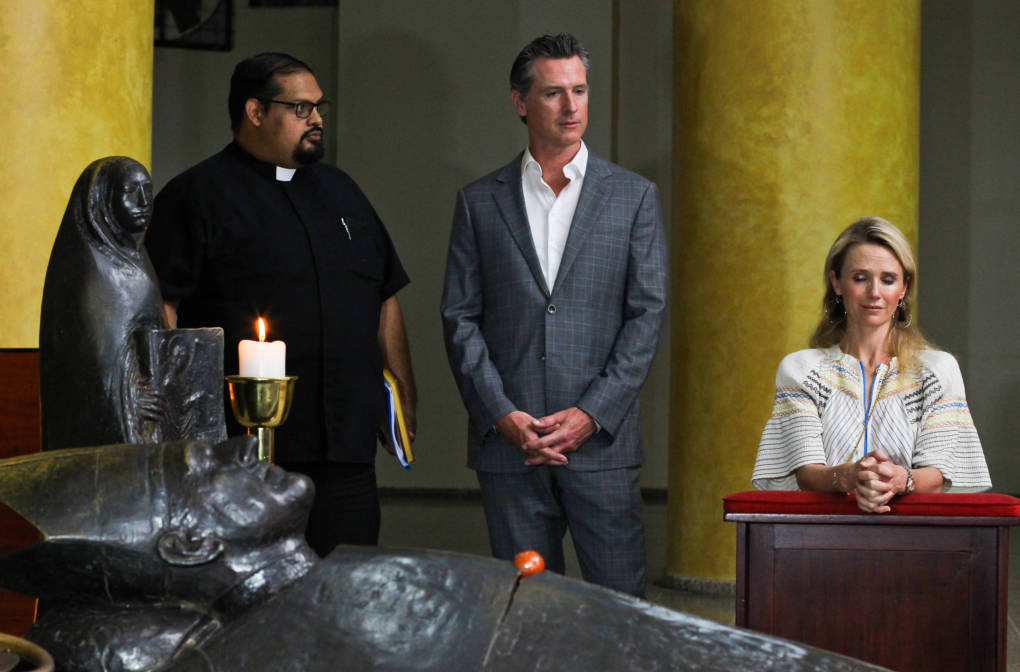
"caption": "California Gov. Gavin Newsom with his wife, Jennifer Siebel Newsom, and Father Francisco Villalobos, visited the tomb of Archbishop Oscar Romero at Metropolitan Cathedral in San Salvador, El Salvador, on Sunday, April 7, 2019.",
"description": null,
"title": "California Governor El Salvador",
"credit": "Salvador Melendez/Associated Press",
"status": "inherit",
"isLoading": false,
"fetchFailed": false
}
},
"audioPlayerReducer": {
"postId": "stream_live",
"isPaused": true,
"isPlaying": false,
"pfsActive": false,
"pledgeModalIsOpen": true,
"playerDrawerIsOpen": false,
"liveAudioPlayStartedAt": 0,
"liveAudioPlayContext": ""
},
"authorsReducer": {
"byline_news_11740828": {
"type": "authors",
"id": "byline_news_11740828",
"meta": {
"override": true
},
"slug": "byline_news_11740828",
"name": "\u003cstrong>\u003ca href=\"https://twitter.com/adlerben\">Ben Adler\u003c/a>\u003c/strong>",
"isLoading": false
},
"byline_news_11738831": {
"type": "authors",
"id": "byline_news_11738831",
"meta": {
"override": true
},
"slug": "byline_news_11738831",
"name": "\u003cstrong>\u003ca href=\"https://calmatters.org/articles/author/elizabeth-aguilera/\">Elizabeth Aguilera\u003c/a>\u003c/strong>\u003cbr>CALmatters",
"isLoading": false
},
"byline_news_11738534": {
"type": "authors",
"id": "byline_news_11738534",
"meta": {
"override": true
},
"slug": "byline_news_11738534",
"name": "\u003ca href=\"https://calmatters.org/articles/author/elizabeth-aguilera/\">Elizabeth Aguilera\u003c/a>",
"isLoading": false
},
"lisapickoffwhite-2": {
"type": "authors",
"id": "199",
"meta": {
"index": "authors_1716337520",
"id": "199",
"found": true
},
"name": "Lisa Pickoff-White",
"firstName": "Lisa",
"lastName": "Pickoff-White",
"slug": "lisapickoffwhite-2",
"email": "lpickoffwhite@kqed.org",
"display_author_email": false,
"staff_mastheads": [
"news"
],
"title": "Data Journalist, Senior Producer",
"bio": "Lisa Pickoff-White is KQED's data reporter. Lisa specializes in simplifying complex topics and bringing them to life through compelling visuals, including photography and data visualizations. She previously has worked at the Center for Investigative Reporting and other national outlets. Her work has been honored with awards from the Online News Association, Investigative Reporters and Editors, the Society of Professional Journalists and SXSW Interactive. \u003cstrong> \u003c/strong>",
"avatar": "https://secure.gravatar.com/avatar/5513c5f3967df792aa65bee2501e84d6?s=600&d=blank&r=g",
"twitter": "pickoffwhite",
"facebook": null,
"instagram": null,
"linkedin": null,
"sites": [
{
"site": "",
"roles": [
"editor"
]
},
{
"site": "arts",
"roles": []
},
{
"site": "news",
"roles": [
"administrator"
]
},
{
"site": "about",
"roles": [
"editor"
]
},
{
"site": "stateofhealth",
"roles": [
"administrator"
]
},
{
"site": "science",
"roles": [
"editor"
]
},
{
"site": "quest",
"roles": [
"editor"
]
},
{
"site": "forum",
"roles": [
"editor"
]
}
],
"headData": {
"title": "Lisa Pickoff-White | KQED",
"description": "Data Journalist, Senior Producer",
"ogImgSrc": "https://secure.gravatar.com/avatar/5513c5f3967df792aa65bee2501e84d6?s=600&d=blank&r=g",
"twImgSrc": "https://secure.gravatar.com/avatar/5513c5f3967df792aa65bee2501e84d6?s=600&d=blank&r=g"
},
"isLoading": false,
"link": "/author/lisapickoffwhite-2"
},
"kqed": {
"type": "authors",
"id": "236",
"meta": {
"index": "authors_1716337520",
"id": "236",
"found": true
},
"name": "KQED News Staff",
"firstName": "KQED News Staff",
"lastName": null,
"slug": "kqed",
"email": "faq@kqed.org",
"display_author_email": false,
"staff_mastheads": [],
"title": null,
"bio": null,
"avatar": "https://secure.gravatar.com/avatar/ef0e801a68c4c54afa9180db14084167?s=600&d=blank&r=g",
"twitter": null,
"facebook": null,
"instagram": null,
"linkedin": null,
"sites": [
{
"site": "arts",
"roles": [
"contributor"
]
},
{
"site": "news",
"roles": [
"editor"
]
},
{
"site": "futureofyou",
"roles": [
"author"
]
}
],
"headData": {
"title": "KQED News Staff | KQED",
"description": null,
"ogImgSrc": "https://secure.gravatar.com/avatar/ef0e801a68c4c54afa9180db14084167?s=600&d=blank&r=g",
"twImgSrc": "https://secure.gravatar.com/avatar/ef0e801a68c4c54afa9180db14084167?s=600&d=blank&r=g"
},
"isLoading": false,
"link": "/author/kqed"
},
"scottshafer": {
"type": "authors",
"id": "255",
"meta": {
"index": "authors_1716337520",
"id": "255",
"found": true
},
"name": "Scott Shafer",
"firstName": "Scott",
"lastName": "Shafer",
"slug": "scottshafer",
"email": "sshafer@kqed.org",
"display_author_email": false,
"staff_mastheads": [
"news"
],
"title": "KQED Contributor",
"bio": "Scott Shafer is a senior editor with the KQED Politics and Government desk. He is co-host of Political Breakdown, the award-winning radio show and podcast with a personal take on the world of politics. Scott came to KQED in 1998 to host the statewide\u003cem> California Report\u003c/em>. Prior to that he had extended stints in politics and government\u003cem>.\u003c/em> He uses that inside experience at KQED in his, reporting, hosting and analysis for the politics desk. Scott collaborated \u003cem>Political Breakdown a\u003c/em>nd on \u003cem>The Political Mind of Jerry Brown, \u003c/em>an eight-part series about the life and extraordinary political career of the former governor. For fun, he plays water polo with the San Francisco Tsunami.",
"avatar": "https://secure.gravatar.com/avatar/a62ebae45b79d7aed1a39a0e3bf68104?s=600&d=blank&r=g",
"twitter": "scottshafer",
"bluesky": null,
"facebook": null,
"instagram": null,
"linkedin": null,
"sites": [
{
"site": "news",
"roles": [
"editor"
]
},
{
"site": "stateofhealth",
"roles": [
"author"
]
},
{
"site": "science",
"roles": [
"author"
]
},
{
"site": "forum",
"roles": [
"subscriber"
]
},
{
"site": "liveblog",
"roles": [
"author"
]
}
],
"headData": {
"title": "Scott Shafer | KQED",
"description": "KQED Contributor",
"ogImgSrc": "https://secure.gravatar.com/avatar/a62ebae45b79d7aed1a39a0e3bf68104?s=600&d=blank&r=g",
"twImgSrc": "https://secure.gravatar.com/avatar/a62ebae45b79d7aed1a39a0e3bf68104?s=600&d=blank&r=g"
},
"isLoading": false,
"link": "/author/scottshafer"
},
"tgoldberg": {
"type": "authors",
"id": "258",
"meta": {
"index": "authors_1716337520",
"id": "258",
"found": true
},
"name": "Ted Goldberg",
"firstName": "Ted",
"lastName": "Goldberg",
"slug": "tgoldberg",
"email": "tgoldberg@kqed.org",
"display_author_email": true,
"staff_mastheads": [
"news"
],
"title": "KQED Managing Editor, News and Newscasts",
"bio": "Ted Goldberg is Managing Editor of News and Newscasts at KQED. His main reporting beat is the Bay Area's oil refining industry.\r\n\r\nPrior to joining KQED in 2014, Ted worked at CBS News and WCBS AM in New York and Bay City News and KCBS Radio in San Francisco. He graduated from Oberlin College in Ohio in 1998.",
"avatar": "https://secure.gravatar.com/avatar/30ce2e4fe89135e104f89be2394d16225b9d36c121b5b3cb7651ce642978b96f?s=600&d=blank&r=g",
"twitter": "TedrickG",
"bluesky": null,
"facebook": null,
"instagram": null,
"linkedin": null,
"sites": [
{
"site": "news",
"roles": [
"editor"
]
},
{
"site": "science",
"roles": [
"editor"
]
}
],
"headData": {
"title": "Ted Goldberg | KQED",
"description": "KQED Managing Editor, News and Newscasts",
"ogImgSrc": "https://secure.gravatar.com/avatar/30ce2e4fe89135e104f89be2394d16225b9d36c121b5b3cb7651ce642978b96f?s=600&d=blank&r=g",
"twImgSrc": "https://secure.gravatar.com/avatar/30ce2e4fe89135e104f89be2394d16225b9d36c121b5b3cb7651ce642978b96f?s=600&d=blank&r=g"
},
"isLoading": false,
"link": "/author/tgoldberg"
},
"mlagos": {
"type": "authors",
"id": "3239",
"meta": {
"index": "authors_1716337520",
"id": "3239",
"found": true
},
"name": "Marisa Lagos",
"firstName": "Marisa",
"lastName": "Lagos",
"slug": "mlagos",
"email": "mlagos@kqed.org",
"display_author_email": false,
"staff_mastheads": [
"news"
],
"title": "KQED Contributor",
"bio": "Marisa Lagos is a correspondent for KQED’s California Politics and Government Desk and co-hosts the award-winning show and podcast, Political Breakdown. At KQED, Lagos also conducts reporting, analysis and investigations into state, local and national politics for radio, TV, online and onstage. In 2022, she and co-host, Scott Shafer, moderated the only gubernatorial debate in California. In 2020, the \u003ci>Washington Post\u003c/i> named her one of the top political journalists in California; she was nominated for a Peabody and won several other awards for her work investigating the 2017 California wildfires. She has worked at the \u003ci>San Francisco Chronicle\u003c/i>, \u003ci>San Francisco Examiner\u003c/i> and \u003ci>Los Angeles Times\u003c/i>. A UC Santa Barbara graduate, she lives in San Francisco with her two sons and husband.",
"avatar": "https://secure.gravatar.com/avatar/a261a0d3696fc066871ef96b85b5e7d2?s=600&d=blank&r=g",
"twitter": "@mlagos",
"facebook": null,
"instagram": null,
"linkedin": null,
"sites": [
{
"site": "arts",
"roles": [
"author"
]
},
{
"site": "news",
"roles": [
"editor"
]
},
{
"site": "science",
"roles": [
"editor"
]
},
{
"site": "forum",
"roles": [
"author"
]
},
{
"site": "liveblog",
"roles": [
"author"
]
}
],
"headData": {
"title": "Marisa Lagos | KQED",
"description": "KQED Contributor",
"ogImgSrc": "https://secure.gravatar.com/avatar/a261a0d3696fc066871ef96b85b5e7d2?s=600&d=blank&r=g",
"twImgSrc": "https://secure.gravatar.com/avatar/a261a0d3696fc066871ef96b85b5e7d2?s=600&d=blank&r=g"
},
"isLoading": false,
"link": "/author/mlagos"
},
"lklivans": {
"type": "authors",
"id": "8648",
"meta": {
"index": "authors_1716337520",
"id": "8648",
"found": true
},
"name": "Laura Klivans",
"firstName": "Laura",
"lastName": "Klivans",
"slug": "lklivans",
"email": "lklivans@kqed.org",
"display_author_email": true,
"staff_mastheads": [
"news",
"science"
],
"title": "Reporter",
"bio": "Laura Klivans is an award-winning science reporter for KQED News, where she covers climate change with an eye on both groundbreaking progress and gaps in action. She is the former host of KQED's blockbuster video series about tiny, amazing animals, \u003cem>Deep Look\u003c/em>. Her work reaches national audiences through NPR, \u003cem>Here & Now, \u003c/em>PRI, and other major outlets. \r\n\r\nLaura’s won five Northern California Area Emmy Awards for Deep Look and First Place in the Greater Bay Area Journalism Awards for a podcast exploring how one Oakland neighborhood teamed up to reduce planet-heating pollution.\r\n\r\nBeyond her reporting, she hosts and moderates events. In the past, she taught audio storytelling at the UC Berkeley Graduate School of Journalism, led international education programs, worked with immigrants and refugees along the Thai-Burmese border, taught high schoolers sex ed, and was an actress. \r\n\r\nShe's a former UC Berkeley Human Rights Fellow, USC Center for Health Journalism's California Fellow and Coro Fellow in Public Affairs. Laura has a master’s in journalism from UC Berkeley, a master’s in education from Harvard, and an undergraduate degree from Northwestern University.\r\n\r\nShe loves trying to riddle the meaning out of vanity license plates.",
"avatar": "https://secure.gravatar.com/avatar/2d2ecd1550a494cc10ad4a503406965585902124739e775a9b3817eebf1d88be?s=600&d=blank&r=g",
"twitter": "lauraklivans",
"bluesky": null,
"facebook": null,
"instagram": null,
"linkedin": null,
"sites": [
{
"site": "news",
"roles": [
"editor"
]
},
{
"site": "stateofhealth",
"roles": [
"contributor",
"editor"
]
},
{
"site": "science",
"roles": [
"editor"
]
},
{
"site": "forum",
"roles": [
"editor"
]
}
],
"headData": {
"title": "Laura Klivans | KQED",
"description": "Reporter",
"ogImgSrc": "https://secure.gravatar.com/avatar/2d2ecd1550a494cc10ad4a503406965585902124739e775a9b3817eebf1d88be?s=600&d=blank&r=g",
"twImgSrc": "https://secure.gravatar.com/avatar/2d2ecd1550a494cc10ad4a503406965585902124739e775a9b3817eebf1d88be?s=600&d=blank&r=g"
},
"isLoading": false,
"link": "/author/lklivans"
},
"korr": {
"type": "authors",
"id": "11200",
"meta": {
"index": "authors_1716337520",
"id": "11200",
"found": true
},
"name": "Katie Orr",
"firstName": "Katie",
"lastName": "Orr",
"slug": "korr",
"email": "korr@kqed.org",
"display_author_email": false,
"staff_mastheads": [],
"title": "KQED Contributor",
"bio": "Katie Orr was a Sacramento-based reporter for KQED's Politics and Government Desk, covering the state Capitol and a variety of issues including women in politics, voting and elections and legislation. Prior to joining KQED in 2016, Katie was state government reporter for Capital Public Radio in Sacramento. She's also worked for KPBS in San Diego, where she covered City Hall.\r\n\r\nKatie received her masters degree in political science from San Diego State University and holds a Bachelors degree in broadcast journalism from Arizona State University.\r\n\r\nIn 2015 Katie won a national Clarion Award for a series of stories she did on women in California politics. She's been honored by the Society for Professional Journalists and, in 2013, was named by \u003cem>The Washington Post\u003c/em> as one of the country's top state Capitol reporters. She's also reported for the award-winning documentary series \u003cem>The View from Here \u003c/em>and was part of the team that won national PRNDI and Gabriel Awards in 2015. She lives in Sacramento with her husband. Twitter: @1KatieOrr",
"avatar": "https://secure.gravatar.com/avatar/41a40b25845adc78f50808670860449e?s=600&d=blank&r=g",
"twitter": "1katieorr",
"facebook": null,
"instagram": null,
"linkedin": null,
"sites": [
{
"site": "news",
"roles": [
"subscriber"
]
},
{
"site": "stateofhealth",
"roles": [
"author"
]
},
{
"site": "forum",
"roles": [
"author"
]
}
],
"headData": {
"title": "Katie Orr | KQED",
"description": "KQED Contributor",
"ogImgSrc": "https://secure.gravatar.com/avatar/41a40b25845adc78f50808670860449e?s=600&d=blank&r=g",
"twImgSrc": "https://secure.gravatar.com/avatar/41a40b25845adc78f50808670860449e?s=600&d=blank&r=g"
},
"isLoading": false,
"link": "/author/korr"
}
},
"pagesReducer": {
"news_tag_gavin-newsom": {
"type": "terms",
"id": "news_16",
"meta": {
"index": "terms_1716263798",
"site": "news",
"id": "16",
"score": 8.936892
},
"featImg": null,
"name": "Gavin Newsom",
"description": null,
"taxonomy": "tag",
"headData": {
"twImgId": null,
"twTitle": null,
"ogTitle": null,
"ogImgId": null,
"twDescription": null,
"description": null,
"title": "Gavin Newsom Archives | KQED News",
"ogDescription": null
},
"ttid": 16,
"slug": "gavin-newsom",
"isLoading": false,
"title": "Gavin Newsom",
"pageMeta": {
"site": "news",
"WpPageTemplate": "page-topic-editorial",
"currentPage": 86
},
"blocks": [
{
"blockName": "kqed/post-list",
"attrs": {
"layout": "cardArticle2",
"query": "posts/news?tag=gavin-newsom",
"seeMore": false,
"paginated": true,
"page": 86
}
},
{
"blockName": "kqed/ad"
}
]
}
},
"pfsSessionReducer": {},
"postsReducer": {
"stream_live": {
"type": "live",
"id": "stream_live",
"audioUrl": "https://streams.kqed.org/kqedradio",
"title": "Live Stream",
"excerpt": "Live Stream information currently unavailable.",
"link": "/radio",
"featImg": "",
"label": {
"name": "KQED Live",
"link": "/"
}
},
"stream_kqedNewscast": {
"type": "posts",
"id": "stream_kqedNewscast",
"audioUrl": "https://www.kqed.org/.stream/anon/radio/RDnews/newscast.mp3?_=1",
"title": "KQED Newscast",
"featImg": "",
"label": {
"name": "88.5 FM",
"link": "/"
}
},
"news_11745872": {
"type": "posts",
"id": "news_11745872",
"meta": {
"index": "posts_1716263798",
"site": "news",
"id": "11745872",
"score": null,
"sort": [
1557430064000
]
},
"parent": 0,
"labelTerm": {
"site": "news",
"term": 72
},
"blocks": [],
"publishDate": 1557430064,
"format": "standard",
"disqusTitle": "Gov. Gavin Newsom Balances Saving, Spending in Budget Aimed at Tackling Inequality",
"title": "Gov. Gavin Newsom Balances Saving, Spending in Budget Aimed at Tackling Inequality",
"headTitle": "The California Report | KQED News",
"content": "\u003cp>California Gov. Gavin Newsom unveiled his updated state budget proposal Thursday, a record $213.5 billion total spending plan that includes about $4 billion in additional revenue above his original January budget.\u003c/p>\n\u003cp>The governor's budget reflects his expansive vision of both investing in programs aimed at closing the state's inequality gap while trying to hew to the fiscally cautious path of his predecessor by paying down debt and building up the state's rainy day fund.\u003c/p>\n\u003cp>It allocates $15 billion to build reserves and help pay down the state's unfunded liabilities, an increase of $1.4 billion from January.\u003c/p>\n\u003cp>“The California Dream must be built on a strong fiscal foundation,” Newsom said. “This budget fortifies California’s fiscal position while making long-sighted investments to increase affordability for California families.\"\u003c/p>\n\u003cp>The so-called May revise is the constitutionally required revision of his \u003ca href=\"https://www.kqed.org/news/11717355/gavin-newsom-looks-to-spend-and-save-in-first-budget-proposal\" target=\"_blank\" rel=\"noopener noreferrer\">January budget proposal that reflects tax revenue paid to the state by April 15 for the 2019-2020 year that begins July 1\u003c/a>. Lawmakers now have until June 15 to debate, amend and pass a budget.\u003c/p>\n\u003cp>[ad fullwidth]\u003c/p>\n\u003cp>State Senate President Pro Tem Toni Atkins, D-San Diego, praised Newsom's priorities and pledged that lawmakers will \"deliver a final budget that will make a real difference for Californians, while maintaining the safeguards we need to protect the state’s economic health.”\u003c/p>\n\u003cp>But Republican lawmakers — who represent a small minority in the Democratically-controlled Legislature — criticized the governor for proposing any new taxes while the state has a surplus.\u003c/p>\n\u003cp>State Sen. Patricia Bates, R-Laguna Niguel, singled out the governor's proposed tax on water bills to help pay to clean up polluted drinking water in disadvantaged communities. The tax would cost most Californians about 95 cents a month; large agricultural customers would pay $10 a month.\u003c/p>\n\u003cp>“The governor’s desire for new taxes despite an estimated $21.5 billion budget surplus is unfortunate, unhelpful and unnecessary,\" Bates said. But she praised his plans to help low-income families, build the state’s rainy day fund and modernize schools.\u003c/p>\n\u003cp>On K-12 funding, the governor noted that 45% of this budget is going into education, above the level required by Proposition 98, a 1980s ballot measure that mandates a baseline on school spending.\u003c/p>\n\u003cp>\u003c!-- iframe plugin v.4.3 wordpress.org/plugins/iframe/ -->\u003cbr>\n\u003ciframe src=\"https://e.infogram.com/8302e5fa-deff-40df-9146-39bbfe326c26?src=embed\" title=\"State budget\" width=\"800\" height=\"650\" scrolling=\"no\" frameborder=\"0\" style=\"border:none;\" allowfullscreen=\"allowfullscreen\" class=\"iframe-class\">\u003c/iframe>\u003c/p>\n\u003cp>\"Prop. 98 is often a ceiling, but this budget is $4.4 billion above the Prop. 98 requirement,\" Newsom said, noting that the plan includes a reserve fund for education specifically.\u003c/p>\n\u003cp>After hearing from mayors and other local officials, Newsom is also proposing an additional $150 million for local governments to combat homelessness, raising the total to $650 million. That's part of a \u003cem>total\u003c/em> of $1 billion in spending to fight homelessness.\u003c/p>\n\u003cp>The governor called homelessness \"a stain on the state of California,\" adding that residents are \"outraged and disgusted by it\" and wondering what Sacramento is going about it.\u003c/p>\n\u003cp>He also acknowledged that his original goal for new housing construction is meeting resistance, adding that \"we can't step back from our resolve and commitment\" to building more housing. Despite pushback from both Republicans and Democrats in the Legislature, Newsom is not backing away from a plan to tie road funding for local governments to their willingness to meet state housing goals.\u003c/p>\n\u003cp>Newsom's ambitious spending plan is the result of a booming California economy.\u003c/p>\n\u003cp>But the governor, channeling his predecessor, Gov. Jerry Brown, also warned of a coming recession.\u003c/p>\n\u003cp>\u003ca href=\"https://ww2.kqed.org/news/wp-content/uploads/sites/10/2019/05/deficits.jpg\">\u003cimg class=\"alignnone size-full wp-image-11746158\" src=\"https://ww2.kqed.org/news/wp-content/uploads/sites/10/2019/05/deficits.jpg\" alt=\"\" width=\"2048\" height=\"1223\" srcset=\"https://ww2.kqed.org/app/uploads/sites/10/2019/05/deficits.jpg 2048w, https://ww2.kqed.org/app/uploads/sites/10/2019/05/deficits-160x96.jpg 160w, https://ww2.kqed.org/app/uploads/sites/10/2019/05/deficits-800x478.jpg 800w, https://ww2.kqed.org/app/uploads/sites/10/2019/05/deficits-1020x609.jpg 1020w, https://ww2.kqed.org/app/uploads/sites/10/2019/05/deficits-1200x716.jpg 1200w, https://ww2.kqed.org/app/uploads/sites/10/2019/05/deficits-1920x1146.jpg 1920w\" sizes=\"(max-width: 2048px) 100vw, 2048px\">\u003c/a>\u003c/p>\n\u003cp>Newsom projected any downturn would be \"more modest than (the one in) 2007 but a little more intense than the 2001 recession,\" with a downward impact of $70 billion on state revenues over three years. He said he hopes to see another year of growth so the state can grow its reserves even more, saying that another big infusion of cash into the state's savings accounts would leave California in a much better place to weather a future recession.\u003c/p>\n\u003cp>In the meantime, one of Newsom's top priorities is making California more affordable for everyone, particularly working families. On Tuesday, ahead of the review, he announced plans to end the sales taxes on diapers and feminine hygiene products — a long-held goal of the Legislative Women's Caucus — and add two weeks to California's paid family leave policy.\u003c/p>\n\u003cp>The sales tax exemptions would sunset after two years, but Newsom said he hopes the state will be able to keep the exemptions in place long term.\u003c/p>\n\u003cp>In 2016, Gov. Brown vetoed legislation to eliminate taxes on diapers and tampons, saying in his veto message that \"tax breaks are the same as new spending\" and should be handled in the regular budget process, as Newsom is now proposing.\u003c/p>\n\u003cp>But the new governor's embrace of this tax cut and other ideas to help struggling families further highlights not just his differing priorities, but the fact that unlike Brown, Newsom has children — including two who still use diapers.\u003c/p>\n\u003cp>Assemblywoman Lorena Gonzalez, D-San Diego, who has long championed tax relief on diapers, said the move was overdue.\u003c/p>\n\u003cp>\"This tax relief will go a long way in helping those young families who we know are at their most economically vulnerable,\" she said. \"In California, more than 50 percent of the children born are on Medi-Cal. We know that young parents struggle. We know that diapers are a necessity not only for the health of the child, they're also required in order to drop your child off at child care. If you want a job, you have to have diapers.\"\u003c/p>\n\u003cp>The changes Newsom is proposing, he noted, will help both low- and middle-income families. But he's also suggesting investments in programs aimed at the working poor, such as two extra weeks of paid parental leave.\u003c/p>\n\u003cp>\u003cem>Read the 2019-20 May Budget Revision below.\u003c/em>\u003c/p>\n\u003cp>\u003c/p>\n\u003cp>[documentcloud url=\"https://www.documentcloud.org/documents/5995257-California-May-Budget-Revision-2019-2020\" notes=\"true\" text=\"true\" search=\"true\" sidebar=\"true\" pdf=\"true\" responsive=\"true\" page=\"1\"]\u003c/p>\n\n",
"disqusIdentifier": "11745872 https://ww2.kqed.org/news/?p=11745872",
"disqusUrl": "https://ww2.kqed.org/news/2019/05/09/gov-gavin-newsom-balances-saving-spending-in-budget-aimed-at-tackling-inequality/",
"stats": {
"hasVideo": false,
"hasChartOrMap": true,
"hasAudio": false,
"hasPolis": false,
"wordCount": 1009,
"hasGoogleForm": false,
"hasGallery": false,
"hasHearkenModule": false,
"iframeSrcs": [
"https://e.infogram.com/8302e5fa-deff-40df-9146-39bbfe326c26"
],
"paragraphCount": 30
},
"modified": 1618876330,
"excerpt": "The governor's budget reflects Newsom's expansive vision of both investing in programs aimed at closing the state's inequality gap while trying to hew to the fiscally cautious path of his predecessor by paying down debt and building up the state's rainy day fund.",
"headData": {
"twImgId": "",
"twTitle": "",
"ogTitle": "",
"ogImgId": "",
"twDescription": "",
"description": "The governor's budget reflects Newsom's expansive vision of both investing in programs aimed at closing the state's inequality gap while trying to hew to the fiscally cautious path of his predecessor by paying down debt and building up the state's rainy day fund.",
"title": "Gov. Gavin Newsom Balances Saving, Spending in Budget Aimed at Tackling Inequality | KQED",
"ogDescription": "",
"schema": {
"@context": "https://schema.org",
"@type": "NewsArticle",
"headline": "Gov. Gavin Newsom Balances Saving, Spending in Budget Aimed at Tackling Inequality",
"datePublished": "2019-05-09T12:27:44-07:00",
"dateModified": "2021-04-19T16:52:10-07:00",
"image": "https://cdn.kqed.org/wp-content/uploads/2020/02/KQED-OG-Image@1x.png",
"isAccessibleForFree": "True",
"publisher": {
"@type": "NewsMediaOrganization",
"@id": "https://www.kqed.org/#organization",
"name": "KQED",
"logo": "https://cdn.kqed.org/wp-content/uploads/2020/02/KQED-OG-Image@1x.png",
"url": "https://www.kqed.org",
"sameAs": [
"https://www.facebook.com/KQED",
"https://twitter.com/KQED",
"https://www.instagram.com/kqed/",
"https://www.tiktok.com/@kqedofficial",
"https://www.linkedin.com/company/kqed",
"https://www.youtube.com/channel/UCeC0IOo7i1P_61zVUWbJ4nw"
]
}
}
},
"guestAuthors": [],
"slug": "gov-gavin-newsom-balances-saving-spending-in-budget-aimed-at-tackling-inequality",
"status": "publish",
"templateType": "standard",
"featuredImageType": "standard",
"path": "/news/11745872/gov-gavin-newsom-balances-saving-spending-in-budget-aimed-at-tackling-inequality",
"audioTrackLength": null,
"parsedContent": [
{
"type": "contentString",
"content": "\u003cdiv class=\"post-body\">\u003cp>\u003cp>California Gov. Gavin Newsom unveiled his updated state budget proposal Thursday, a record $213.5 billion total spending plan that includes about $4 billion in additional revenue above his original January budget.\u003c/p>\n\u003cp>The governor's budget reflects his expansive vision of both investing in programs aimed at closing the state's inequality gap while trying to hew to the fiscally cautious path of his predecessor by paying down debt and building up the state's rainy day fund.\u003c/p>\n\u003cp>It allocates $15 billion to build reserves and help pay down the state's unfunded liabilities, an increase of $1.4 billion from January.\u003c/p>\n\u003cp>“The California Dream must be built on a strong fiscal foundation,” Newsom said. “This budget fortifies California’s fiscal position while making long-sighted investments to increase affordability for California families.\"\u003c/p>\n\u003cp>The so-called May revise is the constitutionally required revision of his \u003ca href=\"https://www.kqed.org/news/11717355/gavin-newsom-looks-to-spend-and-save-in-first-budget-proposal\" target=\"_blank\" rel=\"noopener noreferrer\">January budget proposal that reflects tax revenue paid to the state by April 15 for the 2019-2020 year that begins July 1\u003c/a>. Lawmakers now have until June 15 to debate, amend and pass a budget.\u003c/p>\n\u003cp>\u003c/p>\u003c/div>",
"attributes": {
"named": {},
"numeric": []
}
},
{
"type": "component",
"content": "",
"name": "ad",
"attributes": {
"named": {
"label": "fullwidth"
},
"numeric": [
"fullwidth"
]
}
},
{
"type": "contentString",
"content": "\u003cdiv class=\"post-body\">\u003cp>\u003c/p>\n\u003cp>State Senate President Pro Tem Toni Atkins, D-San Diego, praised Newsom's priorities and pledged that lawmakers will \"deliver a final budget that will make a real difference for Californians, while maintaining the safeguards we need to protect the state’s economic health.”\u003c/p>\n\u003cp>But Republican lawmakers — who represent a small minority in the Democratically-controlled Legislature — criticized the governor for proposing any new taxes while the state has a surplus.\u003c/p>\n\u003cp>State Sen. Patricia Bates, R-Laguna Niguel, singled out the governor's proposed tax on water bills to help pay to clean up polluted drinking water in disadvantaged communities. The tax would cost most Californians about 95 cents a month; large agricultural customers would pay $10 a month.\u003c/p>\n\u003cp>“The governor’s desire for new taxes despite an estimated $21.5 billion budget surplus is unfortunate, unhelpful and unnecessary,\" Bates said. But she praised his plans to help low-income families, build the state’s rainy day fund and modernize schools.\u003c/p>\n\u003cp>On K-12 funding, the governor noted that 45% of this budget is going into education, above the level required by Proposition 98, a 1980s ballot measure that mandates a baseline on school spending.\u003c/p>\n\u003cp>\u003c!-- iframe plugin v.4.3 wordpress.org/plugins/iframe/ -->\u003cbr>\n\u003ciframe src=\"https://e.infogram.com/8302e5fa-deff-40df-9146-39bbfe326c26?src=embed\" title=\"State budget\" width=\"800\" height=\"650\" scrolling=\"no\" frameborder=\"0\" style=\"border:none;\" allowfullscreen=\"allowfullscreen\" class=\"iframe-class\">\u003c/iframe>\u003c/p>\n\u003cp>\"Prop. 98 is often a ceiling, but this budget is $4.4 billion above the Prop. 98 requirement,\" Newsom said, noting that the plan includes a reserve fund for education specifically.\u003c/p>\n\u003cp>After hearing from mayors and other local officials, Newsom is also proposing an additional $150 million for local governments to combat homelessness, raising the total to $650 million. That's part of a \u003cem>total\u003c/em> of $1 billion in spending to fight homelessness.\u003c/p>\n\u003cp>The governor called homelessness \"a stain on the state of California,\" adding that residents are \"outraged and disgusted by it\" and wondering what Sacramento is going about it.\u003c/p>\n\u003cp>He also acknowledged that his original goal for new housing construction is meeting resistance, adding that \"we can't step back from our resolve and commitment\" to building more housing. Despite pushback from both Republicans and Democrats in the Legislature, Newsom is not backing away from a plan to tie road funding for local governments to their willingness to meet state housing goals.\u003c/p>\n\u003cp>Newsom's ambitious spending plan is the result of a booming California economy.\u003c/p>\n\u003cp>But the governor, channeling his predecessor, Gov. Jerry Brown, also warned of a coming recession.\u003c/p>\n\u003cp>\u003ca href=\"https://ww2.kqed.org/news/wp-content/uploads/sites/10/2019/05/deficits.jpg\">\u003cimg class=\"alignnone size-full wp-image-11746158\" src=\"https://ww2.kqed.org/news/wp-content/uploads/sites/10/2019/05/deficits.jpg\" alt=\"\" width=\"2048\" height=\"1223\" srcset=\"https://ww2.kqed.org/app/uploads/sites/10/2019/05/deficits.jpg 2048w, https://ww2.kqed.org/app/uploads/sites/10/2019/05/deficits-160x96.jpg 160w, https://ww2.kqed.org/app/uploads/sites/10/2019/05/deficits-800x478.jpg 800w, https://ww2.kqed.org/app/uploads/sites/10/2019/05/deficits-1020x609.jpg 1020w, https://ww2.kqed.org/app/uploads/sites/10/2019/05/deficits-1200x716.jpg 1200w, https://ww2.kqed.org/app/uploads/sites/10/2019/05/deficits-1920x1146.jpg 1920w\" sizes=\"(max-width: 2048px) 100vw, 2048px\">\u003c/a>\u003c/p>\n\u003cp>Newsom projected any downturn would be \"more modest than (the one in) 2007 but a little more intense than the 2001 recession,\" with a downward impact of $70 billion on state revenues over three years. He said he hopes to see another year of growth so the state can grow its reserves even more, saying that another big infusion of cash into the state's savings accounts would leave California in a much better place to weather a future recession.\u003c/p>\n\u003cp>In the meantime, one of Newsom's top priorities is making California more affordable for everyone, particularly working families. On Tuesday, ahead of the review, he announced plans to end the sales taxes on diapers and feminine hygiene products — a long-held goal of the Legislative Women's Caucus — and add two weeks to California's paid family leave policy.\u003c/p>\n\u003cp>The sales tax exemptions would sunset after two years, but Newsom said he hopes the state will be able to keep the exemptions in place long term.\u003c/p>\n\u003cp>In 2016, Gov. Brown vetoed legislation to eliminate taxes on diapers and tampons, saying in his veto message that \"tax breaks are the same as new spending\" and should be handled in the regular budget process, as Newsom is now proposing.\u003c/p>\n\u003cp>But the new governor's embrace of this tax cut and other ideas to help struggling families further highlights not just his differing priorities, but the fact that unlike Brown, Newsom has children — including two who still use diapers.\u003c/p>\n\u003cp>Assemblywoman Lorena Gonzalez, D-San Diego, who has long championed tax relief on diapers, said the move was overdue.\u003c/p>\n\u003cp>\"This tax relief will go a long way in helping those young families who we know are at their most economically vulnerable,\" she said. \"In California, more than 50 percent of the children born are on Medi-Cal. We know that young parents struggle. We know that diapers are a necessity not only for the health of the child, they're also required in order to drop your child off at child care. If you want a job, you have to have diapers.\"\u003c/p>\n\u003cp>The changes Newsom is proposing, he noted, will help both low- and middle-income families. But he's also suggesting investments in programs aimed at the working poor, such as two extra weeks of paid parental leave.\u003c/p>\n\u003cp>\u003cem>Read the 2019-20 May Budget Revision below.\u003c/em>\u003c/p>\n\u003cp>\u003c/p>\n\u003cp>\u003c/p>\u003c/div>",
"attributes": {
"named": {},
"numeric": []
}
},
{
"type": "component",
"content": "",
"name": "documentcloud",
"attributes": {
"named": {
"url": "https://www.documentcloud.org/documents/5995257-California-May-Budget-Revision-2019-2020",
"notes": "true",
"text": "true",
"search": "true",
"sidebar": "true",
"pdf": "true",
"responsive": "true",
"page": "1",
"label": ""
},
"numeric": []
}
},
{
"type": "contentString",
"content": "\u003cdiv class=\"post-body\">\u003cp>\u003c/p>\n\n\u003c/div>\u003c/p>",
"attributes": {
"named": {},
"numeric": []
}
}
],
"link": "/news/11745872/gov-gavin-newsom-balances-saving-spending-in-budget-aimed-at-tackling-inequality",
"authors": [
"255",
"3239"
],
"programs": [
"news_72"
],
"categories": [
"news_1758",
"news_8",
"news_13"
],
"tags": [
"news_1759",
"news_19542",
"news_16",
"news_1852",
"news_17041"
],
"featImg": "news_11722836",
"label": "news_72"
},
"news_11745618": {
"type": "posts",
"id": "news_11745618",
"meta": {
"index": "posts_1716263798",
"site": "news",
"id": "11745618",
"score": null,
"sort": [
1557270177000
]
},
"parent": 0,
"labelTerm": {
"site": "news",
"term": 72
},
"blocks": [],
"publishDate": 1557270177,
"format": "standard",
"disqusTitle": "Newsom Proposes Scrapping State Taxes on Tampons, Diapers",
"title": "Newsom Proposes Scrapping State Taxes on Tampons, Diapers",
"headTitle": "The California Report | KQED News",
"content": "\u003cp>Women in the state Legislature have been trying for years to eliminate California's sales taxes on diapers, tampons and other hygiene products, but were thwarted by former Gov. Jerry Brown, who twice vetoed such proposals, citing budgetary concerns.\u003c/p>\n\u003cp>[aside label=\"related\" tag=\"tampon-tax\"]\u003c/p>\n\u003cp>But there's a new captain at the helm — and he's throwing his full weight behind the idea.\u003c/p>\n\u003cp>At a meeting with the Legislative Women's Caucus, Gov. Gavin Newsom on Tuesday announced plans to include the parent-friendly sales tax exemptions in his budget proposal for the coming fiscal year. The move would cost the state upward of $56 million a year in lost tax revenue, according to previous estimates.\u003c/p>\n\u003cp>But the governor's office argued that giving working families financial breathing room, particularly on items they have little choice but to purchase, is worth it. Newsom has four young kids of his own, and often mentions the influence of personal experience in his policymaking decisions.\u003c/p>\n\u003cp>[ad fullwidth]\u003c/p>\n\u003cp>\"As anyone who takes care of kids can tell you — these costs add up,\" Newsom said in a written statement in advance of his announcement. \"From diapers to childcare, raising kids is expensive wherever you live. But when you factor in the cost of living here in California, it is close to impossible.\"\u003c/p>\n\u003cp>Unlike most food and medicine, tampons and diapers are \u003ca href=\"https://www.kqed.org/news/11737907/beyond-the-tampon-tax-how-far-will-california-go-to-end-menstrual-inequity\" target=\"_blank\" rel=\"noopener\">not exempt\u003c/a> from California sales tax because they are technically considered luxuries, not necessities.\u003c/p>\n\u003cp>To date, 10 other states, including New York, Florida, Connecticut and, most recently, Nevada, have banned sales taxes on period products. Across the globe, Canada, India and Australia have long since eliminated the tax, and a battle is currently underway to end it in the United Kingdom.\u003c/p>\n\u003cp>Newsom's office said the tax exemptions were part of his \"parents agenda\" aimed at making things easier for families in the Golden State. Other proposals he unveiled Tuesday include increasing a tax credit for low-income families, expanding the number of families that qualify for it and increasing funding for \u003ca href=\"https://www.cdss.ca.gov/CalWORKS\" target=\"_blank\" rel=\"noopener\">CalWORKS\u003c/a>, which provides child care assistance for parents participating in California's welfare-to-work program.\u003c/p>\n\u003cp>\u003c/p>\n\u003cp>The new proposals will be included in Newsom's updated 2019-20 budget proposal that he plans to unveil Thursday. They are in addition to a series of family-friendly policies Newsom already unveiled in his first budget proposal in January, such as increasing paid family leave by two weeks and expanding state-subsidized child care facilities.\u003c/p>\n\n",
"disqusIdentifier": "11745618 https://ww2.kqed.org/news/?p=11745618",
"disqusUrl": "https://ww2.kqed.org/news/2019/05/07/newsom-proposes-scrapping-taxes-on-tampons-diapers/",
"stats": {
"hasVideo": false,
"hasChartOrMap": false,
"hasAudio": false,
"hasPolis": false,
"wordCount": 416,
"hasGoogleForm": false,
"hasGallery": false,
"hasHearkenModule": false,
"iframeSrcs": [],
"paragraphCount": 12
},
"modified": 1557322214,
"excerpt": "The governor is taking a page from female lawmakers and including an exemption on sales taxes for diapers and feminine products in his revised budget proposal. ",
"headData": {
"twImgId": "",
"twTitle": "",
"ogTitle": "",
"ogImgId": "",
"twDescription": "",
"description": "The governor is taking a page from female lawmakers and including an exemption on sales taxes for diapers and feminine products in his revised budget proposal. ",
"title": "Newsom Proposes Scrapping State Taxes on Tampons, Diapers | KQED",
"ogDescription": "",
"schema": {
"@context": "https://schema.org",
"@type": "NewsArticle",
"headline": "Newsom Proposes Scrapping State Taxes on Tampons, Diapers",
"datePublished": "2019-05-07T16:02:57-07:00",
"dateModified": "2019-05-08T06:30:14-07:00",
"image": "https://cdn.kqed.org/wp-content/uploads/2020/02/KQED-OG-Image@1x.png",
"isAccessibleForFree": "True",
"publisher": {
"@type": "NewsMediaOrganization",
"@id": "https://www.kqed.org/#organization",
"name": "KQED",
"logo": "https://cdn.kqed.org/wp-content/uploads/2020/02/KQED-OG-Image@1x.png",
"url": "https://www.kqed.org",
"sameAs": [
"https://www.facebook.com/KQED",
"https://twitter.com/KQED",
"https://www.instagram.com/kqed/",
"https://www.tiktok.com/@kqedofficial",
"https://www.linkedin.com/company/kqed",
"https://www.youtube.com/channel/UCeC0IOo7i1P_61zVUWbJ4nw"
]
}
}
},
"guestAuthors": [],
"slug": "newsom-proposes-scrapping-taxes-on-tampons-diapers",
"status": "publish",
"path": "/news/11745618/newsom-proposes-scrapping-taxes-on-tampons-diapers",
"audioTrackLength": null,
"parsedContent": [
{
"type": "contentString",
"content": "\u003cdiv class=\"post-body\">\u003cp>\u003cp>Women in the state Legislature have been trying for years to eliminate California's sales taxes on diapers, tampons and other hygiene products, but were thwarted by former Gov. Jerry Brown, who twice vetoed such proposals, citing budgetary concerns.\u003c/p>\n\u003cp>\u003c/p>\u003c/div>",
"attributes": {
"named": {},
"numeric": []
}
},
{
"type": "component",
"content": "",
"name": "aside",
"attributes": {
"named": {
"label": "related ",
"tag": "tampon-tax"
},
"numeric": []
}
},
{
"type": "contentString",
"content": "\u003cdiv class=\"post-body\">\u003cp>\u003c/p>\n\u003cp>But there's a new captain at the helm — and he's throwing his full weight behind the idea.\u003c/p>\n\u003cp>At a meeting with the Legislative Women's Caucus, Gov. Gavin Newsom on Tuesday announced plans to include the parent-friendly sales tax exemptions in his budget proposal for the coming fiscal year. The move would cost the state upward of $56 million a year in lost tax revenue, according to previous estimates.\u003c/p>\n\u003cp>But the governor's office argued that giving working families financial breathing room, particularly on items they have little choice but to purchase, is worth it. Newsom has four young kids of his own, and often mentions the influence of personal experience in his policymaking decisions.\u003c/p>\n\u003cp>\u003c/p>\u003c/div>",
"attributes": {
"named": {},
"numeric": []
}
},
{
"type": "component",
"content": "",
"name": "ad",
"attributes": {
"named": {
"label": "fullwidth"
},
"numeric": [
"fullwidth"
]
}
},
{
"type": "contentString",
"content": "\u003cdiv class=\"post-body\">\u003cp>\u003c/p>\n\u003cp>\"As anyone who takes care of kids can tell you — these costs add up,\" Newsom said in a written statement in advance of his announcement. \"From diapers to childcare, raising kids is expensive wherever you live. But when you factor in the cost of living here in California, it is close to impossible.\"\u003c/p>\n\u003cp>Unlike most food and medicine, tampons and diapers are \u003ca href=\"https://www.kqed.org/news/11737907/beyond-the-tampon-tax-how-far-will-california-go-to-end-menstrual-inequity\" target=\"_blank\" rel=\"noopener\">not exempt\u003c/a> from California sales tax because they are technically considered luxuries, not necessities.\u003c/p>\n\u003cp>To date, 10 other states, including New York, Florida, Connecticut and, most recently, Nevada, have banned sales taxes on period products. Across the globe, Canada, India and Australia have long since eliminated the tax, and a battle is currently underway to end it in the United Kingdom.\u003c/p>\n\u003cp>Newsom's office said the tax exemptions were part of his \"parents agenda\" aimed at making things easier for families in the Golden State. Other proposals he unveiled Tuesday include increasing a tax credit for low-income families, expanding the number of families that qualify for it and increasing funding for \u003ca href=\"https://www.cdss.ca.gov/CalWORKS\" target=\"_blank\" rel=\"noopener\">CalWORKS\u003c/a>, which provides child care assistance for parents participating in California's welfare-to-work program.\u003c/p>\n\u003cp>\u003c/p>\n\u003cp>The new proposals will be included in Newsom's updated 2019-20 budget proposal that he plans to unveil Thursday. They are in addition to a series of family-friendly policies Newsom already unveiled in his first budget proposal in January, such as increasing paid family leave by two weeks and expanding state-subsidized child care facilities.\u003c/p>\n\n\u003c/div>\u003c/p>",
"attributes": {
"named": {},
"numeric": []
}
}
],
"link": "/news/11745618/newsom-proposes-scrapping-taxes-on-tampons-diapers",
"authors": [
"3239"
],
"programs": [
"news_72"
],
"categories": [
"news_1758",
"news_457",
"news_8",
"news_13"
],
"tags": [
"news_22178",
"news_16",
"news_423"
],
"featImg": "news_11745634",
"label": "news_72"
},
"news_11744149": {
"type": "posts",
"id": "news_11744149",
"meta": {
"index": "posts_1716263798",
"site": "news",
"id": "11744149",
"score": null,
"sort": [
1556746633000
]
},
"parent": 0,
"labelTerm": {
"site": "news",
"term": 72
},
"blocks": [],
"publishDate": 1556746633,
"format": "standard",
"disqusTitle": "California Firefighter Who Saved Lives in Las Vegas Shooting to Be Honored",
"title": "California Firefighter Who Saved Lives in Las Vegas Shooting to Be Honored",
"headTitle": "The California Report | KQED News",
"content": "\u003cp>Cal Fire apparatus engineer Chris Wetzel saved people's lives during the deadliest mass shooting in U.S. history, and California is about to present him with the state's highest honor for his heroic work the night of the massacre.\u003c/p>\n\u003cp>Wetzel is among 13 state employees who will receive the Governor's State Employee Medal of Valor for acts of heroism during a ceremony at the California Highway Patrol Academy on Thursday afternoon.\u003c/p>\n\u003cp>\"I've always felt that I just did what everybody else would have done,\" Wetzel, of Beaumont in Riverside County, said Wednesday morning as he packed his bags to travel to Sacramento.\u003c/p>\n\u003cp>\"To be recognized like this, it's a really big deal,\" he said.\u003c/p>\n\u003cp>[aside postID=news_11695222 label='Chris Wetzel on the Las Vegas Massacre']\u003c/p>\n\u003cp>The 39-year-old was celebrating his birthday with his wife and friends at the Route 91 Harvest Festival in Las Vegas on Oct. 1, 2017, when a gunman perched in a nearby high-rise hotel sprayed the concert site with semi-automatic rifle fire, killing 58 people and wounding hundreds.\u003c/p>\n\u003cp>After the bullets started raining down on concertgoers from the shooter's room at the Mandalay Bay Resort and Casino, Wetzel \u003ca href=\"https://www.kqed.org/news/11621235/off-duty-firefighter-saved-lives-lost-friend-during-las-vegas-massacre\">covered an injured man\u003c/a> to protect him from getting hit again and tended to another man who had blood pouring from his leg.\u003c/p>\n\u003cp>One of those who perished that night was Wetzel's friend, 35-year-old Hannah Ahlers, who left behind a husband and three kids.\u003c/p>\n\u003cp>\"With this award, I think about her. I hope that she's proud of me, watching over me,\" Wetzel said.\u003c/p>\n\u003cp>Ahlers' husband, Brian, will be among those attending Thursday's ceremony. So will Wetzel's relatives and Zack Mesker, one of the wounded men he helped the night of the shooting.\u003c/p>\n\u003cp>[ad fullwidth]\u003c/p>\n\u003cp>Days after the massacre, Wetzel \u003ca href=\"https://www.kqed.org/news/11695222/cal-fire-firefighter-who-lost-friend-saved-lives-thinks-about-vegas-shooting-every-day\" target=\"_blank\" rel=\"noopener\">told KQED\u003c/a> he believed the country would get through the tragedy of the Vegas shooting, and that it might bring the nation together.\u003c/p>\n\u003cp>With so many shootings since that night, including recent ones at a \u003ca href=\"https://www.kqed.org/news/11743594/fbi-got-tips-about-threat-minutes-before-synagogue-shooting\" target=\"_blank\" rel=\"noopener\">synagogue in Poway\u003c/a> and at \u003ca href=\"https://www.npr.org/2019/04/30/718852278/2-dead-and-4-injured-in-shooting-at-university-of-north-carolina-charlotte-campu\" target=\"_blank\" rel=\"noopener\">the University of North Carolina at Charlotte\u003c/a>, he says he's not so sure of that now.\u003c/p>\n\u003cp>\"I remember saying that,\" Wetzel, a gun owner, said. \"At one point I did think we could come together because of this, but I think we have a lot of work to do. We have a lot of things to address in this country.\"\u003c/p>\n\u003cp>State officials say Gov. Gavin Newsom's chief of staff, Ann O'Leary, will hand out the medals to Wetzel and the other employees being honored Thursday afternoon, including another Cal Fire employee as well as CHP and Caltrans workers.\u003c/p>\n\u003cp>Since the shooting, Wetzel, who works out of Cal Fire's San Luis Obispo unit, has been promoted and he's undergone therapy.\u003c/p>\n\u003cp>\"It has helped. If anybody ever feels like they can't reach out, therapy is a really great thing. It's helped me out a long way,\" Wetzel said.\u003c/p>\n\u003cp>He says he plans to return to Las Vegas this summer.\u003c/p>\n\u003cp>\"I can't let what happened on Oct. 1 prevent me from living my life and enjoying the things that I used to enjoy before Oct. 1,\" Wetzel said.\u003c/p>\n\u003cp>\u003c/p>\n",
"disqusIdentifier": "11744149 https://ww2.kqed.org/news/?p=11744149",
"disqusUrl": "https://ww2.kqed.org/news/2019/05/01/california-firefighter-who-saved-lives-in-las-vegas-shooting-to-be-honored/",
"stats": {
"hasVideo": false,
"hasChartOrMap": false,
"hasAudio": false,
"hasPolis": false,
"wordCount": 541,
"hasGoogleForm": false,
"hasGallery": false,
"hasHearkenModule": false,
"iframeSrcs": [],
"paragraphCount": 20
},
"modified": 1556823162,
"excerpt": "A man who Cal Fire firefighter Chris Wetzel helped save on the night of the Las Vegas massacre will be on hand when Wetzel receives the Governor's State Employee Medal of Valor.",
"headData": {
"twImgId": "",
"twTitle": "",
"ogTitle": "",
"ogImgId": "",
"twDescription": "",
"description": "A man who Cal Fire firefighter Chris Wetzel helped save on the night of the Las Vegas massacre will be on hand when Wetzel receives the Governor's State Employee Medal of Valor.",
"title": "California Firefighter Who Saved Lives in Las Vegas Shooting to Be Honored | KQED",
"ogDescription": "",
"schema": {
"@context": "https://schema.org",
"@type": "NewsArticle",
"headline": "California Firefighter Who Saved Lives in Las Vegas Shooting to Be Honored",
"datePublished": "2019-05-01T14:37:13-07:00",
"dateModified": "2019-05-02T11:52:42-07:00",
"image": "https://cdn.kqed.org/wp-content/uploads/2020/02/KQED-OG-Image@1x.png",
"isAccessibleForFree": "True",
"publisher": {
"@type": "NewsMediaOrganization",
"@id": "https://www.kqed.org/#organization",
"name": "KQED",
"logo": "https://cdn.kqed.org/wp-content/uploads/2020/02/KQED-OG-Image@1x.png",
"url": "https://www.kqed.org",
"sameAs": [
"https://www.facebook.com/KQED",
"https://twitter.com/KQED",
"https://www.instagram.com/kqed/",
"https://www.tiktok.com/@kqedofficial",
"https://www.linkedin.com/company/kqed",
"https://www.youtube.com/channel/UCeC0IOo7i1P_61zVUWbJ4nw"
]
}
}
},
"guestAuthors": [],
"slug": "california-firefighter-who-saved-lives-in-las-vegas-shooting-to-be-honored",
"status": "publish",
"path": "/news/11744149/california-firefighter-who-saved-lives-in-las-vegas-shooting-to-be-honored",
"audioTrackLength": null,
"parsedContent": [
{
"type": "contentString",
"content": "\u003cdiv class=\"post-body\">\u003cp>\u003cp>Cal Fire apparatus engineer Chris Wetzel saved people's lives during the deadliest mass shooting in U.S. history, and California is about to present him with the state's highest honor for his heroic work the night of the massacre.\u003c/p>\n\u003cp>Wetzel is among 13 state employees who will receive the Governor's State Employee Medal of Valor for acts of heroism during a ceremony at the California Highway Patrol Academy on Thursday afternoon.\u003c/p>\n\u003cp>\"I've always felt that I just did what everybody else would have done,\" Wetzel, of Beaumont in Riverside County, said Wednesday morning as he packed his bags to travel to Sacramento.\u003c/p>\n\u003cp>\"To be recognized like this, it's a really big deal,\" he said.\u003c/p>\n\u003cp>\u003c/p>\u003c/div>",
"attributes": {
"named": {},
"numeric": []
}
},
{
"type": "component",
"content": "",
"name": "aside",
"attributes": {
"named": {
"postid": "news_11695222",
"label": "Chris Wetzel on the Las Vegas Massacre "
},
"numeric": []
}
},
{
"type": "contentString",
"content": "\u003cdiv class=\"post-body\">\u003cp>\u003c/p>\n\u003cp>The 39-year-old was celebrating his birthday with his wife and friends at the Route 91 Harvest Festival in Las Vegas on Oct. 1, 2017, when a gunman perched in a nearby high-rise hotel sprayed the concert site with semi-automatic rifle fire, killing 58 people and wounding hundreds.\u003c/p>\n\u003cp>After the bullets started raining down on concertgoers from the shooter's room at the Mandalay Bay Resort and Casino, Wetzel \u003ca href=\"https://www.kqed.org/news/11621235/off-duty-firefighter-saved-lives-lost-friend-during-las-vegas-massacre\">covered an injured man\u003c/a> to protect him from getting hit again and tended to another man who had blood pouring from his leg.\u003c/p>\n\u003cp>One of those who perished that night was Wetzel's friend, 35-year-old Hannah Ahlers, who left behind a husband and three kids.\u003c/p>\n\u003cp>\"With this award, I think about her. I hope that she's proud of me, watching over me,\" Wetzel said.\u003c/p>\n\u003cp>Ahlers' husband, Brian, will be among those attending Thursday's ceremony. So will Wetzel's relatives and Zack Mesker, one of the wounded men he helped the night of the shooting.\u003c/p>\n\u003cp>\u003c/p>\u003c/div>",
"attributes": {
"named": {},
"numeric": []
}
},
{
"type": "component",
"content": "",
"name": "ad",
"attributes": {
"named": {
"label": "fullwidth"
},
"numeric": [
"fullwidth"
]
}
},
{
"type": "contentString",
"content": "\u003cdiv class=\"post-body\">\u003cp>\u003c/p>\n\u003cp>Days after the massacre, Wetzel \u003ca href=\"https://www.kqed.org/news/11695222/cal-fire-firefighter-who-lost-friend-saved-lives-thinks-about-vegas-shooting-every-day\" target=\"_blank\" rel=\"noopener\">told KQED\u003c/a> he believed the country would get through the tragedy of the Vegas shooting, and that it might bring the nation together.\u003c/p>\n\u003cp>With so many shootings since that night, including recent ones at a \u003ca href=\"https://www.kqed.org/news/11743594/fbi-got-tips-about-threat-minutes-before-synagogue-shooting\" target=\"_blank\" rel=\"noopener\">synagogue in Poway\u003c/a> and at \u003ca href=\"https://www.npr.org/2019/04/30/718852278/2-dead-and-4-injured-in-shooting-at-university-of-north-carolina-charlotte-campu\" target=\"_blank\" rel=\"noopener\">the University of North Carolina at Charlotte\u003c/a>, he says he's not so sure of that now.\u003c/p>\n\u003cp>\"I remember saying that,\" Wetzel, a gun owner, said. \"At one point I did think we could come together because of this, but I think we have a lot of work to do. We have a lot of things to address in this country.\"\u003c/p>\n\u003cp>State officials say Gov. Gavin Newsom's chief of staff, Ann O'Leary, will hand out the medals to Wetzel and the other employees being honored Thursday afternoon, including another Cal Fire employee as well as CHP and Caltrans workers.\u003c/p>\n\u003cp>Since the shooting, Wetzel, who works out of Cal Fire's San Luis Obispo unit, has been promoted and he's undergone therapy.\u003c/p>\n\u003cp>\"It has helped. If anybody ever feels like they can't reach out, therapy is a really great thing. It's helped me out a long way,\" Wetzel said.\u003c/p>\n\u003cp>He says he plans to return to Las Vegas this summer.\u003c/p>\n\u003cp>\"I can't let what happened on Oct. 1 prevent me from living my life and enjoying the things that I used to enjoy before Oct. 1,\" Wetzel said.\u003c/p>\n\u003cp>\u003c/p>\n\u003c/div>\u003c/p>",
"attributes": {
"named": {},
"numeric": []
}
}
],
"link": "/news/11744149/california-firefighter-who-saved-lives-in-las-vegas-shooting-to-be-honored",
"authors": [
"258"
],
"programs": [
"news_72"
],
"categories": [
"news_6188",
"news_8"
],
"tags": [
"news_6383",
"news_16",
"news_21720",
"news_18939"
],
"featImg": "news_11620349",
"label": "news_72"
},
"news_11741477": {
"type": "posts",
"id": "news_11741477",
"meta": {
"index": "posts_1716263798",
"site": "news",
"id": "11741477",
"score": null,
"sort": [
1555721139000
]
},
"guestAuthors": [],
"slug": "mueller-report-fallout-governor-newsoms-first-100-days-biased",
"title": "Mueller Report Fallout, Governor Newsom’s First 100 Days, “Biased”",
"publishDate": 1555721139,
"format": "video",
"headTitle": "Mueller Report Fallout, Governor Newsom’s First 100 Days, “Biased” | KQED",
"labelTerm": {
"term": 7052,
"site": "news"
},
"content": "\u003cp>\u003cb>Mueller Report Fallout\u003cbr>\n\u003c/b>\u003cspan style=\"font-weight: 400\">On Thursday, Attorney General William Barr released publicly a redacted version of special counsel Robert Mueller’s report investigating Russian interference in the 2016 presidential election. At a news conference conducted before its release, Barr defended President Trump’s actions and why he determined the president didn’t obstruct justice. In the report, however, Mueller detailed 10 episodes of potential obstruction of justice by Trump to undermine and interfere with the investigation, but declined to charge him because of legal constraints around indicting a sitting president. While Mueller and his team also found that the president and his campaign did not conspire with Russia to influence the outcome of the 2016 election, they documented numerous contacts and links between Trump campaign advisers and Russian operatives. House Democrats have now issued a subpoena to compel the Justice Department to release to Congress the full report and its underlying evidence by May 1. \u003c/span>\u003c/p>\n\u003cp>\u003cb>Guest: \u003c/b>\u003cspan style=\"font-weight: 400\">U.S. Rep. Jackie Speier, D-San Mateo\u003c/span>\u003c/p>\n\u003cp>\u003cb>Gov. Gavin Newsom’s First 100 Days\u003cbr>\n\u003c/b>\u003cspan style=\"font-weight: 400\">Wednesday marked Gavin Newsom’s first 100 days in office. So far, he has issued a moratorium on the death penalty, has unveiled bold proposals around education and health care, and has directed the state’s attorney general, Xavier Becerra, to sue the Trump administration on its decision to declare a national emergency on the border.\u003c/span>\u003c/p>\n\u003cp>\u003cb>Guests:\u003c/b>\u003c/p>\n\u003cul>\n\u003cli style=\"font-weight: 400\">\u003cspan style=\"font-weight: 400\">Tal Kopan, Washington, D.C., correspondent, San Francisco Chronicle\u003c/span>\u003c/li>\n\u003cli style=\"font-weight: 400\">\u003cspan style=\"font-weight: 400\">Lanhee Chen, fellow, Hoover Institution \u003c/span>\u003c/li>\n\u003cli style=\"font-weight: 400\">\u003cspan style=\"font-weight: 400\">David Levine, professor, UC Hastings College of the Law\u003c/span>\u003c/li>\n\u003c/ul>\n\u003cp>\u003cb>“Biased”\u003cbr>\n\u003c/b>\u003cspan style=\"font-weight: 400\">Jennifer Eberhardt is a social psychologist at Stanford University and a 2014 recipient of the MacArthur “genius” grant. Her work has advanced our understanding of race and inequality by revealing the ways that implicit — or unconscious — bias can have profound effects in society, from the classroom to the courtroom. In her new book, “Biased,” she says we all can get better at spotting situations that trigger stereotypes, while sharing her own personal experiences with them and her work with law enforcement to fight them. \u003c/span>\u003c/p>\n\u003cp>[ad fullwidth]\u003c/p>\n\u003cp>\u003c/p>\n\u003cp>\u003cb>Guest: \u003c/b>\u003cspan style=\"font-weight: 400\">Jennifer Eberhardt, psychology professor, Stanford University\u003c/span>\u003c/p>\n\n",
"blocks": [],
"excerpt": "The House Judiciary Committee passed a resolution to authorize subpoenas for special counsel Robert Mueller's full report on his investigation into Russian interference in the 2016 election.",
"status": "publish",
"parent": 0,
"modified": 1722644690,
"stats": {
"hasAudio": false,
"hasVideo": false,
"hasChartOrMap": false,
"iframeSrcs": [],
"hasGoogleForm": false,
"hasGallery": false,
"hasHearkenModule": false,
"hasPolis": false,
"paragraphCount": 8,
"wordCount": 360
},
"headData": {
"title": "Mueller Report Fallout, Governor Newsom’s First 100 Days, “Biased” | KQED",
"description": "The House Judiciary Committee passed a resolution to authorize subpoenas for special counsel Robert Mueller's full report on his investigation into Russian interference in the 2016 election.",
"ogTitle": "",
"ogDescription": "",
"ogImgId": "",
"twTitle": "",
"twDescription": "",
"twImgId": "",
"schema": {
"@context": "https://schema.org",
"@type": "NewsArticle",
"headline": "Mueller Report Fallout, Governor Newsom’s First 100 Days, “Biased”",
"datePublished": "2019-04-19T17:45:39-07:00",
"dateModified": "2024-08-02T17:24:50-07:00",
"image": "https://cdn.kqed.org/wp-content/uploads/2020/02/KQED-OG-Image@1x.png",
"isAccessibleForFree": "True",
"publisher": {
"@type": "NewsMediaOrganization",
"@id": "https://www.kqed.org/#organization",
"name": "KQED",
"logo": "https://cdn.kqed.org/wp-content/uploads/2020/02/KQED-OG-Image@1x.png",
"url": "https://www.kqed.org",
"sameAs": [
"https://www.facebook.com/KQED",
"https://twitter.com/KQED",
"https://www.instagram.com/kqed/",
"https://www.tiktok.com/@kqedofficial",
"https://www.linkedin.com/company/kqed",
"https://www.youtube.com/channel/UCeC0IOo7i1P_61zVUWbJ4nw"
]
}
}
},
"videoEmbed": "https://youtu.be/Tslwr9zqG2w",
"sticky": false,
"path": "/news/11741477/mueller-report-fallout-governor-newsoms-first-100-days-biased",
"audioTrackLength": null,
"parsedContent": [
{
"type": "contentString",
"content": "\u003cdiv class=\"post-body\">\u003cp>\u003cp>\u003cb>Mueller Report Fallout\u003cbr>\n\u003c/b>\u003cspan style=\"font-weight: 400\">On Thursday, Attorney General William Barr released publicly a redacted version of special counsel Robert Mueller’s report investigating Russian interference in the 2016 presidential election. At a news conference conducted before its release, Barr defended President Trump’s actions and why he determined the president didn’t obstruct justice. In the report, however, Mueller detailed 10 episodes of potential obstruction of justice by Trump to undermine and interfere with the investigation, but declined to charge him because of legal constraints around indicting a sitting president. While Mueller and his team also found that the president and his campaign did not conspire with Russia to influence the outcome of the 2016 election, they documented numerous contacts and links between Trump campaign advisers and Russian operatives. House Democrats have now issued a subpoena to compel the Justice Department to release to Congress the full report and its underlying evidence by May 1. \u003c/span>\u003c/p>\n\u003cp>\u003cb>Guest: \u003c/b>\u003cspan style=\"font-weight: 400\">U.S. Rep. Jackie Speier, D-San Mateo\u003c/span>\u003c/p>\n\u003cp>\u003cb>Gov. Gavin Newsom’s First 100 Days\u003cbr>\n\u003c/b>\u003cspan style=\"font-weight: 400\">Wednesday marked Gavin Newsom’s first 100 days in office. So far, he has issued a moratorium on the death penalty, has unveiled bold proposals around education and health care, and has directed the state’s attorney general, Xavier Becerra, to sue the Trump administration on its decision to declare a national emergency on the border.\u003c/span>\u003c/p>\n\u003cp>\u003cb>Guests:\u003c/b>\u003c/p>\n\u003cul>\n\u003cli style=\"font-weight: 400\">\u003cspan style=\"font-weight: 400\">Tal Kopan, Washington, D.C., correspondent, San Francisco Chronicle\u003c/span>\u003c/li>\n\u003cli style=\"font-weight: 400\">\u003cspan style=\"font-weight: 400\">Lanhee Chen, fellow, Hoover Institution \u003c/span>\u003c/li>\n\u003cli style=\"font-weight: 400\">\u003cspan style=\"font-weight: 400\">David Levine, professor, UC Hastings College of the Law\u003c/span>\u003c/li>\n\u003c/ul>\n\u003cp>\u003cb>“Biased”\u003cbr>\n\u003c/b>\u003cspan style=\"font-weight: 400\">Jennifer Eberhardt is a social psychologist at Stanford University and a 2014 recipient of the MacArthur “genius” grant. Her work has advanced our understanding of race and inequality by revealing the ways that implicit — or unconscious — bias can have profound effects in society, from the classroom to the courtroom. In her new book, “Biased,” she says we all can get better at spotting situations that trigger stereotypes, while sharing her own personal experiences with them and her work with law enforcement to fight them. \u003c/span>\u003c/p>\n\u003cp>\u003c/p>\u003c/div>",
"attributes": {
"named": {},
"numeric": []
}
},
{
"type": "component",
"content": "",
"name": "ad",
"attributes": {
"named": {
"label": "fullwidth"
},
"numeric": [
"fullwidth"
]
}
},
{
"type": "contentString",
"content": "\u003cdiv class=\"post-body\">\u003cp>\u003c/p>\n\u003cp>\u003c/p>\n\u003cp>\u003cb>Guest: \u003c/b>\u003cspan style=\"font-weight: 400\">Jennifer Eberhardt, psychology professor, Stanford University\u003c/span>\u003c/p>\n\n\u003c/div>\u003c/p>",
"attributes": {
"named": {},
"numeric": []
}
}
],
"link": "/news/11741477/mueller-report-fallout-governor-newsoms-first-100-days-biased",
"authors": [
"236"
],
"programs": [
"news_7052"
],
"categories": [
"news_6188",
"news_8",
"news_13"
],
"tags": [
"news_16",
"news_20297",
"news_19177",
"news_21899",
"news_25297",
"news_17968",
"news_25049"
],
"featImg": "news_11741577",
"label": "news_7052"
},
"news_11740765": {
"type": "posts",
"id": "news_11740765",
"meta": {
"index": "posts_1716263798",
"site": "news",
"id": "11740765",
"score": null,
"sort": [
1555615916000
]
},
"guestAuthors": [],
"slug": "los-angeles-county-joins-gov-newsoms-bid-to-negotiate-lower-prescription-drug-prices",
"title": "Los Angeles County Joins Gov. Newsom's Bid to Negotiate Lower Prescription Drug Prices",
"publishDate": 1555615916,
"format": "standard",
"headTitle": "Los Angeles County Joins Gov. Newsom’s Bid to Negotiate Lower Prescription Drug Prices | KQED",
"labelTerm": {
"site": "news"
},
"content": "\u003cp>The country’s most populous county will join Gov. Gavin Newsom’s plan to negotiate for lower prices from drugmakers, the governor and Los Angeles County leaders say.\u003c/p>\n\u003cp>[aside tag='prescription-drugs' label='Coverage of prescription drug pricing']\u003c/p>\n\u003cp>Newsom’s plan, which came in the form of an \u003ca href=\"https://www.gov.ca.gov/wp-content/uploads/2019/01/EO-N-01-19-Attested-01.07.19.pdf\">executive order \u003c/a>signed moments after being sworn in as governor in January, would consolidate the state’s prescription drug negotiating power by directing state agencies, like Medi-Cal, CalPERS and the California Department of Corrections and Rehabilitation, to bargain together. The proposal takes effect in 2021.\u003c/p>\n\u003cp>“I got sworn in a hundred days ago, and the first thing I did was sign an executive order and that’s led us to this moment,” Newsom said Wednesday at Rancho Los Amigos National Rehabilitation Center in Downey, a city in southeast Los Angeles County.\u003c/p>\n\u003cp>In the executive order, Newsom invited local governments to join the effort, too. Los Angeles was the first to do so.\u003c/p>\n\u003cp>[ad fullwidth]\u003c/p>\n\u003cp>“Honestly, I thought it would take years to convince other folks to join our effort,” Newsom said.\u003c/p>\n\u003cp>The city and county of San Francisco have not reached a decision about joining Newsom’s plan, but are supportive of efforts to lower prescription drug costs and are studying the proposal, a city spokeswoman said.\u003c/p>\n\u003cp>The state spent about \u003ca href=\"https://lao.ca.gov/Publications/Report/3997\">$8 billion\u003c/a> on prescription drugs through Medi-Cal in the last year, according to the Legislative Analyst’s Office. Los Angeles County spends $250 million a year on pharmaceuticals, said Dr. Christina Ghaly, director of the Los Angeles County Department of Health Services.\u003c/p>\n\u003cp>\u003c/p>\n\u003cp>Newsom and Los Angeles County officials said they hope their efforts to consolidate negotiating power would reduce the rising costs of prescription drugs.\u003c/p>\n\n",
"blocks": [],
"excerpt": "Newsom’s plan consolidates the state’s prescription drug negotiating power by directing state agencies and local governments, who want to join the effort, to bargain together. It takes effect in 2021.",
"status": "publish",
"parent": 0,
"modified": 1722644695,
"stats": {
"hasAudio": false,
"hasVideo": false,
"hasChartOrMap": false,
"iframeSrcs": [],
"hasGoogleForm": false,
"hasGallery": false,
"hasHearkenModule": false,
"hasPolis": false,
"paragraphCount": 11,
"wordCount": 298
},
"headData": {
"title": "Los Angeles County Joins Gov. Newsom's Bid to Negotiate Lower Prescription Drug Prices | KQED",
"description": "Newsom’s plan consolidates the state’s prescription drug negotiating power by directing state agencies and local governments, who want to join the effort, to bargain together. It takes effect in 2021.",
"ogTitle": "",
"ogDescription": "",
"ogImgId": "",
"twTitle": "",
"twDescription": "",
"twImgId": "",
"schema": {
"@context": "https://schema.org",
"@type": "NewsArticle",
"headline": "Los Angeles County Joins Gov. Newsom's Bid to Negotiate Lower Prescription Drug Prices",
"datePublished": "2019-04-18T12:31:56-07:00",
"dateModified": "2024-08-02T17:24:55-07:00",
"image": "https://cdn.kqed.org/wp-content/uploads/2020/02/KQED-OG-Image@1x.png",
"isAccessibleForFree": "True",
"publisher": {
"@type": "NewsMediaOrganization",
"@id": "https://www.kqed.org/#organization",
"name": "KQED",
"logo": "https://cdn.kqed.org/wp-content/uploads/2020/02/KQED-OG-Image@1x.png",
"url": "https://www.kqed.org",
"sameAs": [
"https://www.facebook.com/KQED",
"https://twitter.com/KQED",
"https://www.instagram.com/kqed/",
"https://www.tiktok.com/@kqedofficial",
"https://www.linkedin.com/company/kqed",
"https://www.youtube.com/channel/UCeC0IOo7i1P_61zVUWbJ4nw"
]
}
}
},
"sticky": false,
"path": "/news/11740765/los-angeles-county-joins-gov-newsoms-bid-to-negotiate-lower-prescription-drug-prices",
"audioTrackLength": null,
"parsedContent": [
{
"type": "contentString",
"content": "\u003cdiv class=\"post-body\">\u003cp>\u003cp>The country’s most populous county will join Gov. Gavin Newsom’s plan to negotiate for lower prices from drugmakers, the governor and Los Angeles County leaders say.\u003c/p>\n\u003cp>\u003c/p>\u003c/div>",
"attributes": {
"named": {},
"numeric": []
}
},
{
"type": "component",
"content": "",
"name": "aside",
"attributes": {
"named": {
"tag": "prescription-drugs",
"label": "Coverage of prescription drug pricing "
},
"numeric": []
}
},
{
"type": "contentString",
"content": "\u003cdiv class=\"post-body\">\u003cp>\u003c/p>\n\u003cp>Newsom’s plan, which came in the form of an \u003ca href=\"https://www.gov.ca.gov/wp-content/uploads/2019/01/EO-N-01-19-Attested-01.07.19.pdf\">executive order \u003c/a>signed moments after being sworn in as governor in January, would consolidate the state’s prescription drug negotiating power by directing state agencies, like Medi-Cal, CalPERS and the California Department of Corrections and Rehabilitation, to bargain together. The proposal takes effect in 2021.\u003c/p>\n\u003cp>“I got sworn in a hundred days ago, and the first thing I did was sign an executive order and that’s led us to this moment,” Newsom said Wednesday at Rancho Los Amigos National Rehabilitation Center in Downey, a city in southeast Los Angeles County.\u003c/p>\n\u003cp>In the executive order, Newsom invited local governments to join the effort, too. Los Angeles was the first to do so.\u003c/p>\n\u003cp>\u003c/p>\u003c/div>",
"attributes": {
"named": {},
"numeric": []
}
},
{
"type": "component",
"content": "",
"name": "ad",
"attributes": {
"named": {
"label": "fullwidth"
},
"numeric": [
"fullwidth"
]
}
},
{
"type": "contentString",
"content": "\u003cdiv class=\"post-body\">\u003cp>\u003c/p>\n\u003cp>“Honestly, I thought it would take years to convince other folks to join our effort,” Newsom said.\u003c/p>\n\u003cp>The city and county of San Francisco have not reached a decision about joining Newsom’s plan, but are supportive of efforts to lower prescription drug costs and are studying the proposal, a city spokeswoman said.\u003c/p>\n\u003cp>The state spent about \u003ca href=\"https://lao.ca.gov/Publications/Report/3997\">$8 billion\u003c/a> on prescription drugs through Medi-Cal in the last year, according to the Legislative Analyst’s Office. Los Angeles County spends $250 million a year on pharmaceuticals, said Dr. Christina Ghaly, director of the Los Angeles County Department of Health Services.\u003c/p>\n\u003cp>\u003c/p>\n\u003cp>Newsom and Los Angeles County officials said they hope their efforts to consolidate negotiating power would reduce the rising costs of prescription drugs.\u003c/p>\n\n\u003c/div>\u003c/p>",
"attributes": {
"named": {},
"numeric": []
}
}
],
"link": "/news/11740765/los-angeles-county-joins-gov-newsoms-bid-to-negotiate-lower-prescription-drug-prices",
"authors": [
"8648"
],
"categories": [
"news_457",
"news_8",
"news_13"
],
"tags": [
"news_16",
"news_2605",
"news_18153"
],
"featImg": "news_11732643",
"label": "news"
},
"news_11740828": {
"type": "posts",
"id": "news_11740828",
"meta": {
"index": "posts_1716263798",
"site": "news",
"id": "11740828",
"score": null,
"sort": [
1555528403000
]
},
"guestAuthors": [],
"slug": "gavin-newsoms-first-100-days-as-california-governor-some-splashy-moves-not-all-so-bold",
"title": "Gavin Newsom’s First 100 Days as California Governor: Some Splashy Moves, Not All So Bold",
"publishDate": 1555528403,
"format": "standard",
"headTitle": "Gavin Newsom’s First 100 Days as California Governor: Some Splashy Moves, Not All So Bold | KQED",
"labelTerm": {},
"content": "\u003cp>During his first 100 days as California’s 40th governor, Gavin Newsom has grabbed a lot of headlines — and caught flak from critics who point out that substance of his announcements hasn’t matched the sizzle in every case.\u003c/p>\n\u003cp>Newsom canceled California’s high-speed rail project. Except, he didn’t. A closer look in the days that followed revealed that Newsom didn’t really change too much.\u003c/p>\n\u003cp>He pulled the California National Guard off the Mexico border. Well, almost. He left about a third of the troops at the border to fight drug smuggling.\u003c/p>\n\u003cp>He cut the Delta Tunnels water project in half, from two to one, which former Gov. Jerry Brown’s administration was already floating.\u003c/p>\n\u003cp>And he placed a moratorium on the death penalty, even though California hasn’t executed anyone since 2006.\u003c/p>\n\u003cp>[ad fullwidth]\u003c/p>\n\u003cp>In an interview this week with Capital Public Radio, Newsom said he’s sparking “overdue healthy conversations that add a little bit more nuance and specificity.”\u003c/p>\n\u003cp>[youtube https://www.youtube.com/watch?v=7Yxzd-kh1Rg]\u003c/p>\n\u003cp>The governor said it would’ve been easier to dodge some of those controversial issues. Instead, he argued, he’s trying to be bolder and more transparent.\u003c/p>\n\u003cp>“If there’s any point I’m trying to make, [it’s] that we’re not unwilling to lean in to some of these vexing issues,” he said.\u003c/p>\n\u003cp>Former colleagues at San Francisco City Hall said that’s exactly what Newsom did when he was mayor.\u003c/p>\n\u003cp>“It’s similar in the splashy part,” said Tom Ammiano, a former San Francisco supervisor and state assemblyman.\u003c/p>\n\u003cp>Ammiano said Newsom was splashy both when he delivered on his promises, as when he issued same-sex marriage licenses, and when he didn’t follow through, as — in Ammiano’s opinion — with his efforts to address homelessness.\u003c/p>\n\u003cp>[pullquote size='small' align='right' citation='former San Francisco Supervisor Angela Alioto']‘Listen, Gavin is a flashy guy. … But the question is, as an elected official of the people, does he live up to what he says? And I believe he always has.’[/pullquote]\u003c/p>\n\u003cp>So now that Newsom is governor, “is there going to be follow-up?” Ammiano asked. “Will he be able to withstand the pressures to change, modify or lighten up? Which he did a lot as mayor — [he] would promise one thing and then in the end not be supportive of it.”\u003c/p>\n\u003cp>Newsom’s allies from his time as mayor acknowledge his “big splash” style. But they argued that even if his initial actions are incremental, he often gets there in the end.\u003c/p>\n\u003cp>And after all, they noted, the governor only hit his \u003ca href=\"http://www.capradio.org/articles/2019/04/16/timeline-gavin-newsoms-first-100-days-as-governor-of-california/\" rel=\"noopener\" target=\"_blank\">100-day mark\u003c/a> on Tuesday.\u003c/p>\n\u003cp>“Listen, Gavin is a flashy guy,” said former Supervisor Angela Alioto, who endorsed him in the 2003 mayoral runoff after losing to him in the primary.\u003c/p>\n\u003cp>“I mean, it’s hard to get around that. He’s not dull. He’ll never be dull,” Alioto said. “But the question is, as an elected official of the people, does he live up to what he says? And I believe he always has.”\u003c/p>\n\u003cp>[aside tag='gavin-newsom' label='Coverage of the Newsom administration']\u003c/p>\n\u003cp>Newsom — who is also known to dive deep into policy and spent two hours unveiling his first budget proposal in January — is hardly the first Californian to govern by splash.\u003c/p>\n\u003cp>Former Gov. Arnold Schwarzenegger leveraged his Hollywood stardom to great effect, although he left office with low approval ratings after alienating liberal Democrats and conservative Republicans alike.\u003c/p>\n\u003cp>“I see that passion and zeal for being the leader of the pack, and certainly that’s similar to Gov. Schwarzenegger,” said Schwarzenegger’s first press secretary, Margita Thompson, who noted Newsom and her old boss both sought to play on the world stage. “But — and this is something I just feel in my gut — from a stylistic perspective, [Newsom] just seems more cautious.”\u003c/p>\n\u003cp>Maybe, Thompson said, that’s because the U.S. Constitution prevented Schwarzenegger from running for president.\u003c/p>\n\u003cp>In any case, Newsom’s supporters said, his tenure is less likely to be judged by big splashes than by whether voters believe he followed through on his promises.\u003c/p>\n\u003cp>\u003cem>This story is part of our California Dream collaboration. You can listen to Ben’s interview this week with Gov. Newsom about wildfire liability, immigration and much more \u003ca href=\"http://www.capradio.org/articles/2019/04/15/interview-gavin-newsom-reflects-on-first-100-days-as-california-governor-sanctuary-policy-wildfire-liability-and-taxes\" rel=\"noopener\" target=\"_blank\">here\u003c/a>.\u003c/em>\u003c/p>\n\u003cp>\u003c/p>\n\u003cp>\u003cem>\u003ca href=\"https://www.kqed.org/news/series/californiadream/\" target=\"_blank\" rel=\"noopener\">The California Dream series\u003c/a> is a statewide media collaboration of CALmatters, KPBS, KPCC, KQED and Capital Public Radio with support from the Corporation for Public Broadcasting, the James Irvine Foundation and the College Futures Foundation.\u003c/em>\u003cbr>\n\u003cimg loading=\"lazy\" decoding=\"async\" class=\"aligncenter size-full wp-image-11660142\" src=\"https://ww2.kqed.org/news/wp-content/uploads/sites/10/2018/04/CADreamBanner.jpg\" alt=\"\" width=\"1867\" height=\"512\" srcset=\"https://cdn.kqed.org/wp-content/uploads/sites/10/2018/04/CADreamBanner.jpg 1867w, https://cdn.kqed.org/wp-content/uploads/sites/10/2018/04/CADreamBanner-160x44.jpg 160w, https://cdn.kqed.org/wp-content/uploads/sites/10/2018/04/CADreamBanner-800x219.jpg 800w, https://cdn.kqed.org/wp-content/uploads/sites/10/2018/04/CADreamBanner-1020x280.jpg 1020w, https://cdn.kqed.org/wp-content/uploads/sites/10/2018/04/CADreamBanner-1180x324.jpg 1180w, https://cdn.kqed.org/wp-content/uploads/sites/10/2018/04/CADreamBanner-960x263.jpg 960w, https://cdn.kqed.org/wp-content/uploads/sites/10/2018/04/CADreamBanner-240x66.jpg 240w, https://cdn.kqed.org/wp-content/uploads/sites/10/2018/04/CADreamBanner-375x103.jpg 375w, https://cdn.kqed.org/wp-content/uploads/sites/10/2018/04/CADreamBanner-520x143.jpg 520w\" sizes=\"(max-width: 1867px) 100vw, 1867px\">\u003c/p>\n\n",
"blocks": [],
"excerpt": "It’s been a high-profile first 100 days for California’s 40th governor. But in some cases, the substance of Gavin Newsom’s actions has yet to match the sizzle.",
"status": "publish",
"parent": 0,
"modified": 1721152686,
"stats": {
"hasAudio": false,
"hasVideo": true,
"hasChartOrMap": false,
"iframeSrcs": [],
"hasGoogleForm": false,
"hasGallery": false,
"hasHearkenModule": false,
"hasPolis": false,
"paragraphCount": 28,
"wordCount": 814
},
"headData": {
"title": "Gavin Newsom’s First 100 Days as California Governor: Some Splashy Moves, Not All So Bold | KQED",
"description": "It’s been a high-profile first 100 days for California’s 40th governor. But in some cases, the substance of Gavin Newsom’s actions has yet to match the sizzle.",
"ogTitle": "",
"ogDescription": "",
"ogImgId": "",
"twTitle": "",
"twDescription": "",
"twImgId": "",
"schema": {
"@context": "https://schema.org",
"@type": "NewsArticle",
"headline": "Gavin Newsom’s First 100 Days as California Governor: Some Splashy Moves, Not All So Bold",
"datePublished": "2019-04-17T12:13:23-07:00",
"dateModified": "2024-07-16T10:58:06-07:00",
"image": "https://cdn.kqed.org/wp-content/uploads/2020/02/KQED-OG-Image@1x.png",
"isAccessibleForFree": "True",
"publisher": {
"@type": "NewsMediaOrganization",
"@id": "https://www.kqed.org/#organization",
"name": "KQED",
"logo": "https://cdn.kqed.org/wp-content/uploads/2020/02/KQED-OG-Image@1x.png",
"url": "https://www.kqed.org",
"sameAs": [
"https://www.facebook.com/KQED",
"https://twitter.com/KQED",
"https://www.instagram.com/kqed/",
"https://www.tiktok.com/@kqedofficial",
"https://www.linkedin.com/company/kqed",
"https://www.youtube.com/channel/UCeC0IOo7i1P_61zVUWbJ4nw"
]
}
}
},
"source": "Capital Public Radio",
"sourceUrl": "http://www.capradio.org",
"sticky": false,
"nprByline": "\u003cstrong>\u003ca href=\"https://twitter.com/adlerben\">Ben Adler\u003c/a>\u003c/strong>",
"path": "/news/11740828/gavin-newsoms-first-100-days-as-california-governor-some-splashy-moves-not-all-so-bold",
"audioTrackLength": null,
"parsedContent": [
{
"type": "contentString",
"content": "\u003cdiv class=\"post-body\">\u003cp>\u003cp>During his first 100 days as California’s 40th governor, Gavin Newsom has grabbed a lot of headlines — and caught flak from critics who point out that substance of his announcements hasn’t matched the sizzle in every case.\u003c/p>\n\u003cp>Newsom canceled California’s high-speed rail project. Except, he didn’t. A closer look in the days that followed revealed that Newsom didn’t really change too much.\u003c/p>\n\u003cp>He pulled the California National Guard off the Mexico border. Well, almost. He left about a third of the troops at the border to fight drug smuggling.\u003c/p>\n\u003cp>He cut the Delta Tunnels water project in half, from two to one, which former Gov. Jerry Brown’s administration was already floating.\u003c/p>\n\u003cp>And he placed a moratorium on the death penalty, even though California hasn’t executed anyone since 2006.\u003c/p>\n\u003cp>\u003c/p>\u003c/div>",
"attributes": {
"named": {},
"numeric": []
}
},
{
"type": "component",
"content": "",
"name": "ad",
"attributes": {
"named": {
"label": "fullwidth"
},
"numeric": [
"fullwidth"
]
}
},
{
"type": "contentString",
"content": "\u003cdiv class=\"post-body\">\u003cp>\u003c/p>\n\u003cp>In an interview this week with Capital Public Radio, Newsom said he’s sparking “overdue healthy conversations that add a little bit more nuance and specificity.”\u003c/p>\n\u003cp>\u003c/p>\u003cp>\u003cspan class='utils-parseShortcode-shortcodes-__youtubeShortcode__embedYoutube'>\n \u003cspan class='utils-parseShortcode-shortcodes-__youtubeShortcode__embedYoutubeInside'>\n \u003ciframe\n loading='lazy'\n class='utils-parseShortcode-shortcodes-__youtubeShortcode__youtubePlayer'\n type='text/html'\n src='//www.youtube.com/embed/7Yxzd-kh1Rg'\n title='//www.youtube.com/embed/7Yxzd-kh1Rg'\n allowfullscreen='true'\n style='border:0;'>\u003c/iframe>\n \u003c/span>\n \u003c/span>\u003c/p>\u003cp>\u003c/p>\n\u003cp>The governor said it would’ve been easier to dodge some of those controversial issues. Instead, he argued, he’s trying to be bolder and more transparent.\u003c/p>\n\u003cp>“If there’s any point I’m trying to make, [it’s] that we’re not unwilling to lean in to some of these vexing issues,” he said.\u003c/p>\n\u003cp>Former colleagues at San Francisco City Hall said that’s exactly what Newsom did when he was mayor.\u003c/p>\n\u003cp>“It’s similar in the splashy part,” said Tom Ammiano, a former San Francisco supervisor and state assemblyman.\u003c/p>\n\u003cp>Ammiano said Newsom was splashy both when he delivered on his promises, as when he issued same-sex marriage licenses, and when he didn’t follow through, as — in Ammiano’s opinion — with his efforts to address homelessness.\u003c/p>\n\u003cp>\u003c/p>\u003c/div>",
"attributes": {
"named": {},
"numeric": []
}
},
{
"type": "component",
"content": "‘Listen, Gavin is a flashy guy. … But the question is, as an elected official of the people, does he live up to what he says? And I believe he always has.’",
"name": "pullquote",
"attributes": {
"named": {
"size": "small",
"align": "right",
"citation": "former San Francisco Supervisor Angela Alioto",
"label": ""
},
"numeric": []
}
},
{
"type": "contentString",
"content": "\u003cdiv class=\"post-body\">\u003cp>\u003c/p>\n\u003cp>So now that Newsom is governor, “is there going to be follow-up?” Ammiano asked. “Will he be able to withstand the pressures to change, modify or lighten up? Which he did a lot as mayor — [he] would promise one thing and then in the end not be supportive of it.”\u003c/p>\n\u003cp>Newsom’s allies from his time as mayor acknowledge his “big splash” style. But they argued that even if his initial actions are incremental, he often gets there in the end.\u003c/p>\n\u003cp>And after all, they noted, the governor only hit his \u003ca href=\"http://www.capradio.org/articles/2019/04/16/timeline-gavin-newsoms-first-100-days-as-governor-of-california/\" rel=\"noopener\" target=\"_blank\">100-day mark\u003c/a> on Tuesday.\u003c/p>\n\u003cp>“Listen, Gavin is a flashy guy,” said former Supervisor Angela Alioto, who endorsed him in the 2003 mayoral runoff after losing to him in the primary.\u003c/p>\n\u003cp>“I mean, it’s hard to get around that. He’s not dull. He’ll never be dull,” Alioto said. “But the question is, as an elected official of the people, does he live up to what he says? And I believe he always has.”\u003c/p>\n\u003cp>\u003c/p>\u003c/div>",
"attributes": {
"named": {},
"numeric": []
}
},
{
"type": "component",
"content": "",
"name": "aside",
"attributes": {
"named": {
"tag": "gavin-newsom",
"label": "Coverage of the Newsom administration "
},
"numeric": []
}
},
{
"type": "contentString",
"content": "\u003cdiv class=\"post-body\">\u003cp>\u003c/p>\n\u003cp>Newsom — who is also known to dive deep into policy and spent two hours unveiling his first budget proposal in January — is hardly the first Californian to govern by splash.\u003c/p>\n\u003cp>Former Gov. Arnold Schwarzenegger leveraged his Hollywood stardom to great effect, although he left office with low approval ratings after alienating liberal Democrats and conservative Republicans alike.\u003c/p>\n\u003cp>“I see that passion and zeal for being the leader of the pack, and certainly that’s similar to Gov. Schwarzenegger,” said Schwarzenegger’s first press secretary, Margita Thompson, who noted Newsom and her old boss both sought to play on the world stage. “But — and this is something I just feel in my gut — from a stylistic perspective, [Newsom] just seems more cautious.”\u003c/p>\n\u003cp>Maybe, Thompson said, that’s because the U.S. Constitution prevented Schwarzenegger from running for president.\u003c/p>\n\u003cp>In any case, Newsom’s supporters said, his tenure is less likely to be judged by big splashes than by whether voters believe he followed through on his promises.\u003c/p>\n\u003cp>\u003cem>This story is part of our California Dream collaboration. You can listen to Ben’s interview this week with Gov. Newsom about wildfire liability, immigration and much more \u003ca href=\"http://www.capradio.org/articles/2019/04/15/interview-gavin-newsom-reflects-on-first-100-days-as-california-governor-sanctuary-policy-wildfire-liability-and-taxes\" rel=\"noopener\" target=\"_blank\">here\u003c/a>.\u003c/em>\u003c/p>\n\u003cp>\u003c/p>\n\u003cp>\u003cem>\u003ca href=\"https://www.kqed.org/news/series/californiadream/\" target=\"_blank\" rel=\"noopener\">The California Dream series\u003c/a> is a statewide media collaboration of CALmatters, KPBS, KPCC, KQED and Capital Public Radio with support from the Corporation for Public Broadcasting, the James Irvine Foundation and the College Futures Foundation.\u003c/em>\u003cbr>\n\u003cimg loading=\"lazy\" decoding=\"async\" class=\"aligncenter size-full wp-image-11660142\" src=\"https://ww2.kqed.org/news/wp-content/uploads/sites/10/2018/04/CADreamBanner.jpg\" alt=\"\" width=\"1867\" height=\"512\" srcset=\"https://cdn.kqed.org/wp-content/uploads/sites/10/2018/04/CADreamBanner.jpg 1867w, https://cdn.kqed.org/wp-content/uploads/sites/10/2018/04/CADreamBanner-160x44.jpg 160w, https://cdn.kqed.org/wp-content/uploads/sites/10/2018/04/CADreamBanner-800x219.jpg 800w, https://cdn.kqed.org/wp-content/uploads/sites/10/2018/04/CADreamBanner-1020x280.jpg 1020w, https://cdn.kqed.org/wp-content/uploads/sites/10/2018/04/CADreamBanner-1180x324.jpg 1180w, https://cdn.kqed.org/wp-content/uploads/sites/10/2018/04/CADreamBanner-960x263.jpg 960w, https://cdn.kqed.org/wp-content/uploads/sites/10/2018/04/CADreamBanner-240x66.jpg 240w, https://cdn.kqed.org/wp-content/uploads/sites/10/2018/04/CADreamBanner-375x103.jpg 375w, https://cdn.kqed.org/wp-content/uploads/sites/10/2018/04/CADreamBanner-520x143.jpg 520w\" sizes=\"(max-width: 1867px) 100vw, 1867px\">\u003c/p>\n\n\u003c/div>\u003c/p>",
"attributes": {
"named": {},
"numeric": []
}
}
],
"link": "/news/11740828/gavin-newsoms-first-100-days-as-california-governor-some-splashy-moves-not-all-so-bold",
"authors": [
"byline_news_11740828"
],
"programs": [
"news_72"
],
"categories": [
"news_8",
"news_13"
],
"tags": [
"news_65",
"news_16"
],
"featImg": "news_11740832",
"label": "source_news_11740828"
},
"news_11739802": {
"type": "posts",
"id": "news_11739802",
"meta": {
"index": "posts_1716263798",
"site": "news",
"id": "11739802",
"score": null,
"sort": [
1555096242000
]
},
"parent": 0,
"labelTerm": {
"site": "news",
"term": 72
},
"blocks": [],
"publishDate": 1555096242,
"format": "standard",
"disqusTitle": "Money for Victims, Uncertainty for PG&E: 'Everything's on the Table' in Newsom's New Wildfire Plan",
"title": "Money for Victims, Uncertainty for PG&E: 'Everything's on the Table' in Newsom's New Wildfire Plan",
"headTitle": "The California Report | KQED News",
"content": "\u003cp>California should consider a wide range of policies and law changes to tackle the state’s wildfire crisis — including controversial revisions to state liability laws and potentially breaking up PG&E — Gov. Gavin Newsom said Friday.\u003c/p>\n\u003cp>The ideas come in a \u003ca href=\"https://www.documentcloud.org/documents/5836795-Newsom-s-Wildfire-and-Climate-Change-Report.html\" target=\"_blank\" rel=\"noopener\">58-page report\u003c/a> — the work of a \"strike team\" the governor created 60 days ago — that Newsom unveiled Friday. The report sets out a \"roadmap to confront the challenges of catastrophic wildfires,\" including both longer- and shorter-term goals, but identifies one central question as the most “vexing” and immediate: Who should pay for the damage wildfires have caused and are likely to continue to cause?\u003c/p>\n\u003cp>Newsom's team lays out three potential answers to that question, and urges lawmakers and other state leaders to begin debating them immediately and pass legislation on it within 90 days. [pullquote size='medium' align='right' citation='Gov. Gavin Newsom']'I expect PG&E is going to get serious and no longer misdirect, manipulate and mislead the people of California.'[/pullquote]\u003c/p>\n\u003cp>The report has harsh words for PG&E, the state’s largest utility, that is blamed for some of the most destructive wildfires in recent years and filed for bankruptcy protection in January. The governor’s office declares that no options are off the table, including breaking up PG&E into smaller utilities or making it a government agency.\u003c/p>\n\u003cp>\"We have to hold PG&E accountable,\" Newsom declared. \"I just want folks to know we are watching, and I expect the investors that are involved in PG&E to participate in the solutions. And I expect PG&E is going to get serious and no longer misdirect, manipulate and mislead the people of California.\"\u003c/p>\n\u003cp>The report dedicates an entire section to the utility, saying its decision to voluntarily file for bankruptcy protections \"punctuates more than two decades of mismanagement, misconduct and failed efforts to improve its safety culture.\"\u003c/p>\n\u003cp>The report notes that equipment owned by utilities in California has sparked more than 2,000 fires in the past four years, and states that they \"must be part of the solution to this problem.\" It calls for all utilities to make investments and equipment updates to reduce fire risk — but also argues that the state’s \"current system for allocating costs associated with catastrophic wildfires — often caused by utility infrastructure, but exacerbated by drought, climate change, land-use policies and a lack of forest management — is untenable both for utility customers and for our economy.\"\u003c/p>\n\u003cp>\u003cstrong>Climate change's impact on wildfires in California\u003c/strong>\u003cbr>\n\u003ca href=\"https://ww2.kqed.org/news/wp-content/uploads/sites/10/2019/04/Screen-Shot-2019-04-12-at-11.31.04-AM.png\">\u003cimg class=\"aligncenter wp-image-11739798 size-full\" src=\"https://ww2.kqed.org/news/wp-content/uploads/sites/10/2019/04/Screen-Shot-2019-04-12-at-11.31.04-AM.png\" alt=\"\" width=\"642\" height=\"361\" srcset=\"https://ww2.kqed.org/app/uploads/sites/10/2019/04/Screen-Shot-2019-04-12-at-11.31.04-AM.png 642w, https://ww2.kqed.org/app/uploads/sites/10/2019/04/Screen-Shot-2019-04-12-at-11.31.04-AM-160x90.png 160w\" sizes=\"(max-width: 642px) 100vw, 642px\">\u003c/a>\u003c/p>\n\u003ch2>Ending 'Inverse Condemnation'\u003c/h2>\n\u003cp>But it’s the question of who will reimburse fire victims that Newsom said needs to be tackled immediately.\u003c/p>\n\u003cp>The most controversial idea in the report is a change to a state liability law, known as \"inverse condemnation,\" which holds California utilities responsible for wildfire damage caused by their equipment, whether they or not they acted negligently. The report calls the law bad for everyone and suggests changing it so that utilities cannot be forced to pay for fires if they have properly maintained their equipment.\u003c/p>\n\u003cp>The report said the law makes the utilities less financially stable, because investors are skittish; it threatens victims' ability to get reimbursed for damages; it \"undermines\" the state’s ability to fight climate change; and creates uncertainty for utility employees and contractors.\u003c/p>\n\u003cp>This strict reading of liability, coupled with the uncertain and lengthy process for recovering funds at the California Public Utilities Commission, led to PG&E’s stock plummeting after the 2017 North Bay fires and 2018 Camp Fire, the report argues, because investors assumed PG&E would be liable for billions of dollars in damages whether it was responsible for starting the fires or not.\u003c/p>\n\u003cp>[aside label=\"Related Stories\" postID=science_1940016,science_1940012,news_11721763]\u003c/p>\n\u003cp>This option, which lawmakers rejected last year and many critics see as a utility bailout, would be vehemently opposed by wildfire victims and insurance companies, and would be difficult to get through the Legislature.\u003c/p>\n\u003cp>Newsom acknowledged that a reform to inverse condemnation is not only controversial, but difficult to change on a practical level, because it’s enshrined in the state's constitution.\u003c/p>\n\u003cp>\"One thing [to] understand about strict liability, you can't just easily reform it,” he said. “You need to change the constitution, or you can petition the California Supreme Court” to consider reinterpreting the law.\u003c/p>\n\u003cp>That process would take months or more, Newsom said, but he argued that the conversation still needs to happen.\u003c/p>\n\u003cfigure id=\"attachment_11739831\" class=\"wp-caption aligncenter\" style=\"max-width: 800px\">\u003ca href=\"https://ww2.kqed.org/news/wp-content/uploads/sites/10/2019/04/RS33848_couple_GettyImages-1060720780-qut.jpg\">\u003cimg class=\"wp-image-11739831 size-medium\" src=\"https://ww2.kqed.org/news/wp-content/uploads/sites/10/2019/04/RS33848_couple_GettyImages-1060720780-qut-800x514.jpg\" alt=\"Chris and Nancy Brown embrace while looking over the remains of their burned residence after the Camp fire tore through the region in Paradise, California on November 12, 2018.\" width=\"800\" height=\"514\" srcset=\"https://ww2.kqed.org/app/uploads/sites/10/2019/04/RS33848_couple_GettyImages-1060720780-qut-800x514.jpg 800w, https://ww2.kqed.org/app/uploads/sites/10/2019/04/RS33848_couple_GettyImages-1060720780-qut-160x103.jpg 160w, https://ww2.kqed.org/app/uploads/sites/10/2019/04/RS33848_couple_GettyImages-1060720780-qut-1020x655.jpg 1020w, https://ww2.kqed.org/app/uploads/sites/10/2019/04/RS33848_couple_GettyImages-1060720780-qut-1200x771.jpg 1200w, https://ww2.kqed.org/app/uploads/sites/10/2019/04/RS33848_couple_GettyImages-1060720780-qut.jpg 1920w\" sizes=\"(max-width: 800px) 100vw, 800px\">\u003c/a>\u003cfigcaption class=\"wp-caption-text\">Chris and Nancy Brown embrace while looking over the remains of their burned residence after the Camp Fire tore through the region in Paradise, California, on Nov. 12, 2018. \u003ccite>(Josh Edelson/AFP/Getty Images)\u003c/cite>\u003c/figcaption>\u003c/figure>\n\u003ch2>Creating New Funds to Pay Wildfire Victims\u003c/h2>\n\u003cp>The report also lays out two other options for paying wildfire victim claims.\u003c/p>\n\u003cp>One is a \"liquidity-only\" fund that would be aimed at stabilizing the credit ratings of the major utilities. The money for that fund would come from a charge on ratepayers and could be dispersed to wildfire victims if a utility starts a fire. Shareholders could also potentially be on the hook. Who pays for replenishing the fund would depend on whether state regulators determine that the utility acted responsibly or not: If they did not, shareholders would pay back the money, and if they did, ratepayers would be charged.\u003c/p>\n\u003cp>\u003cstrong>Wildfire damages\u003c/strong>\u003cbr>\n\u003ca href=\"https://ww2.kqed.org/news/wp-content/uploads/sites/10/2019/04/Screen-Shot-2019-04-12-at-11.42.45-AM.png\">\u003cimg class=\"aligncenter size-full wp-image-11739800\" src=\"https://ww2.kqed.org/news/wp-content/uploads/sites/10/2019/04/Screen-Shot-2019-04-12-at-11.42.45-AM.png\" alt=\"\" width=\"665\" height=\"336\" srcset=\"https://ww2.kqed.org/app/uploads/sites/10/2019/04/Screen-Shot-2019-04-12-at-11.42.45-AM.png 665w, https://ww2.kqed.org/app/uploads/sites/10/2019/04/Screen-Shot-2019-04-12-at-11.42.45-AM-160x81.png 160w\" sizes=\"(max-width: 665px) 100vw, 665px\">\u003c/a>\u003c/p>\n\u003cp>The third concept is one that has been percolating in the Capitol for months: A wildfire insurance fund \"that would create a buffer to absorb a significant portion of the wildfire liability costs that might otherwise be passed on to ratepayers under existing law and regulation while providing time for mitigation efforts to be advanced.\"\u003c/p>\n\u003cp>This idea would require buy-in from utility shareholders, who historically have not paid for insurance policies. It would also require insurance companies to agree to cap the amount of money they would try to get reimbursed for. Under this proposal, state regulators could still fine utilities that act negligently, and those fines would go into the fund. The fund would be used only to pay claims of utility-caused \"catastrophic\" wildfires — a term that would need to be defined — and would not include claims for smaller blazes, which would still be handled through normal utility insurance policies.\u003c/p>\n\u003ch2>Changes at the CPUC?\u003c/h2>\n\u003cp>The report also makes several recommendations on how to streamline \"time-consuming\" regulatory proceedings. The California Public Utilities Commission (CPUC) regulates utilities in California, along with a broad array of industries, including many aspects of daily life, from texting to Uber. CPUC employees and advocates have long complained that the regulator doesn’t have enough staff to handle its vast workload.\u003c/p>\n\u003cp>The CPUC traditionally has been responsible for ensuring fair and reasonable rates. To do that, most proceedings before the commission go through lengthy legal proceedings overseen by a judge. That includes the newly created wildfire mitigation plans and general rate cases.\u003c/p>\n\u003cp>The report argues that the “CPUC must be reformed,” and makes several recommendations, including:\u003c/p>\n\u003cul>\n\u003cli style=\"list-style-type: none;\">\n\u003cul>\n\u003cli>Expand the regulator’s budget so that the agency can hire more staff, contract with consulting firms and work with universities.\u003c/li>\n\u003cli>Streamline operations by allowing commissioners to shorten proceedings, creating less onerous procedures and increasing the safety division’s enforcement authority.\u003c/li>\n\u003cli>Examine and implement best practices in other high-risk regulatory agencies, such as nuclear power.\u003c/li>\n\u003c/ul>\n\u003c/li>\n\u003c/ul>\n\u003ch2>Cautiously Optimistic Reactions\u003c/h2>\n\u003cp>While Newsom didn’t endorse any of the proposals in the report, Wall Street reacted positively. PG&E stock shot up nearly $3, or about 20 percent, over the course of the governor’s news conference, and a vice president at one of the main bond rating agencies — which has been sounding the alarm on the need for reforms — said the report is a step in the right direction.\u003c/p>\n\u003cp>“The strike force report represents concrete progress toward options for managing wildfire risk – a credit positive,\" said Toby Shea, vice president at Moody’s Investors Service. \"None of the proposed concepts will alone mitigate the risk for California’s utilities, but combined, the strategies start to exhibit more promise. The credit impact won’t become clear until legislative details addressing liquidity and cost recovery are finalized.”\u003c/p>\n\u003cp>Lawmakers also praised Newsom for taking on the complicated and difficult debate. Senate President Pro Tem Toni Atkins, D-San Diego, called the report \"thorough, substantive and well-researched,\" and pledged that lawmakers will act, with an eye on protecting ratepayers, fire victims and ensuring reliable electric service.\u003c/p>\n\u003cp>\"This report confirms our fear that ratepayers are on the hook for large rate increases if we do nothing,\" she said. \"The Senate will be diving into the details of the report over the coming weeks and we will ensure an open and transparent process in developing solutions.\"\u003c/p>\n\u003cp>And Assemblyman Chris Holden, D-Pasadena, who chairs the Assembly Utility Committee, called on everyone involved to come to the table.\u003c/p>\n\u003cp>\"All stakeholders will have to sideline their agendas and step up as Californians to fix this problem, and I’m ready to roll up my sleeves and do the hard work necessary,\" he said. \"At the end of the day, we need stability in our utilities to keep the lights on.\"\u003c/p>\n\u003cp>[documentcloud url=\"https://www.documentcloud.org/documents/5836795-Newsom-s-Wildfire-and-Climate-Change-Report.html\" responsive=true sidebar=false text=false]\u003c/p>\n\u003cp>[ad fullwidth]\u003c/p>\n\u003cp>[ad floatright]\u003c/p>\n",
"disqusIdentifier": "11739802 https://ww2.kqed.org/news/?p=11739802",
"disqusUrl": "https://ww2.kqed.org/news/2019/04/12/money-for-victims-uncertainty-for-pge-everythings-on-the-table-in-newsoms-new-wildfire-plan/",
"stats": {
"hasVideo": false,
"hasChartOrMap": false,
"hasAudio": false,
"hasPolis": false,
"wordCount": 1598,
"hasGoogleForm": false,
"hasGallery": false,
"hasHearkenModule": false,
"iframeSrcs": [],
"paragraphCount": 34
},
"modified": 1555108730,
"excerpt": "The governor's new report includes controversial revisions to state liability laws and potentially breaking up PG&E.",
"headData": {
"twImgId": "",
"twTitle": "",
"ogTitle": "",
"ogImgId": "",
"twDescription": "",
"description": "The governor's new report includes controversial revisions to state liability laws and potentially breaking up PG&E.",
"title": "Money for Victims, Uncertainty for PG&E: 'Everything's on the Table' in Newsom's New Wildfire Plan | KQED",
"ogDescription": "",
"schema": {
"@context": "https://schema.org",
"@type": "NewsArticle",
"headline": "Money for Victims, Uncertainty for PG&E: 'Everything's on the Table' in Newsom's New Wildfire Plan",
"datePublished": "2019-04-12T12:10:42-07:00",
"dateModified": "2019-04-12T15:38:50-07:00",
"image": "https://cdn.kqed.org/wp-content/uploads/2020/02/KQED-OG-Image@1x.png",
"isAccessibleForFree": "True",
"publisher": {
"@type": "NewsMediaOrganization",
"@id": "https://www.kqed.org/#organization",
"name": "KQED",
"logo": "https://cdn.kqed.org/wp-content/uploads/2020/02/KQED-OG-Image@1x.png",
"url": "https://www.kqed.org",
"sameAs": [
"https://www.facebook.com/KQED",
"https://twitter.com/KQED",
"https://www.instagram.com/kqed/",
"https://www.tiktok.com/@kqedofficial",
"https://www.linkedin.com/company/kqed",
"https://www.youtube.com/channel/UCeC0IOo7i1P_61zVUWbJ4nw"
]
}
}
},
"guestAuthors": [],
"slug": "money-for-victims-uncertainty-for-pge-everythings-on-the-table-in-newsoms-new-wildfire-plan",
"status": "publish",
"path": "/news/11739802/money-for-victims-uncertainty-for-pge-everythings-on-the-table-in-newsoms-new-wildfire-plan",
"audioTrackLength": null,
"parsedContent": [
{
"type": "contentString",
"content": "\u003cdiv class=\"post-body\">\u003cp>\u003cp>California should consider a wide range of policies and law changes to tackle the state’s wildfire crisis — including controversial revisions to state liability laws and potentially breaking up PG&E — Gov. Gavin Newsom said Friday.\u003c/p>\n\u003cp>The ideas come in a \u003ca href=\"https://www.documentcloud.org/documents/5836795-Newsom-s-Wildfire-and-Climate-Change-Report.html\" target=\"_blank\" rel=\"noopener\">58-page report\u003c/a> — the work of a \"strike team\" the governor created 60 days ago — that Newsom unveiled Friday. The report sets out a \"roadmap to confront the challenges of catastrophic wildfires,\" including both longer- and shorter-term goals, but identifies one central question as the most “vexing” and immediate: Who should pay for the damage wildfires have caused and are likely to continue to cause?\u003c/p>\n\u003cp>Newsom's team lays out three potential answers to that question, and urges lawmakers and other state leaders to begin debating them immediately and pass legislation on it within 90 days. \u003c/p>\u003c/div>",
"attributes": {
"named": {},
"numeric": []
}
},
{
"type": "component",
"content": "'I expect PG&E is going to get serious and no longer misdirect, manipulate and mislead the people of California.'",
"name": "pullquote",
"attributes": {
"named": {
"size": "medium",
"align": "right",
"citation": "Gov. Gavin Newsom",
"label": ""
},
"numeric": []
}
},
{
"type": "contentString",
"content": "\u003cdiv class=\"post-body\">\u003cp>\u003c/p>\n\u003cp>The report has harsh words for PG&E, the state’s largest utility, that is blamed for some of the most destructive wildfires in recent years and filed for bankruptcy protection in January. The governor’s office declares that no options are off the table, including breaking up PG&E into smaller utilities or making it a government agency.\u003c/p>\n\u003cp>\"We have to hold PG&E accountable,\" Newsom declared. \"I just want folks to know we are watching, and I expect the investors that are involved in PG&E to participate in the solutions. And I expect PG&E is going to get serious and no longer misdirect, manipulate and mislead the people of California.\"\u003c/p>\n\u003cp>The report dedicates an entire section to the utility, saying its decision to voluntarily file for bankruptcy protections \"punctuates more than two decades of mismanagement, misconduct and failed efforts to improve its safety culture.\"\u003c/p>\n\u003cp>The report notes that equipment owned by utilities in California has sparked more than 2,000 fires in the past four years, and states that they \"must be part of the solution to this problem.\" It calls for all utilities to make investments and equipment updates to reduce fire risk — but also argues that the state’s \"current system for allocating costs associated with catastrophic wildfires — often caused by utility infrastructure, but exacerbated by drought, climate change, land-use policies and a lack of forest management — is untenable both for utility customers and for our economy.\"\u003c/p>\n\u003cp>\u003cstrong>Climate change's impact on wildfires in California\u003c/strong>\u003cbr>\n\u003ca href=\"https://ww2.kqed.org/news/wp-content/uploads/sites/10/2019/04/Screen-Shot-2019-04-12-at-11.31.04-AM.png\">\u003cimg class=\"aligncenter wp-image-11739798 size-full\" src=\"https://ww2.kqed.org/news/wp-content/uploads/sites/10/2019/04/Screen-Shot-2019-04-12-at-11.31.04-AM.png\" alt=\"\" width=\"642\" height=\"361\" srcset=\"https://ww2.kqed.org/app/uploads/sites/10/2019/04/Screen-Shot-2019-04-12-at-11.31.04-AM.png 642w, https://ww2.kqed.org/app/uploads/sites/10/2019/04/Screen-Shot-2019-04-12-at-11.31.04-AM-160x90.png 160w\" sizes=\"(max-width: 642px) 100vw, 642px\">\u003c/a>\u003c/p>\n\u003ch2>Ending 'Inverse Condemnation'\u003c/h2>\n\u003cp>But it’s the question of who will reimburse fire victims that Newsom said needs to be tackled immediately.\u003c/p>\n\u003cp>The most controversial idea in the report is a change to a state liability law, known as \"inverse condemnation,\" which holds California utilities responsible for wildfire damage caused by their equipment, whether they or not they acted negligently. The report calls the law bad for everyone and suggests changing it so that utilities cannot be forced to pay for fires if they have properly maintained their equipment.\u003c/p>\n\u003cp>The report said the law makes the utilities less financially stable, because investors are skittish; it threatens victims' ability to get reimbursed for damages; it \"undermines\" the state’s ability to fight climate change; and creates uncertainty for utility employees and contractors.\u003c/p>\n\u003cp>This strict reading of liability, coupled with the uncertain and lengthy process for recovering funds at the California Public Utilities Commission, led to PG&E’s stock plummeting after the 2017 North Bay fires and 2018 Camp Fire, the report argues, because investors assumed PG&E would be liable for billions of dollars in damages whether it was responsible for starting the fires or not.\u003c/p>\n\u003cp>\u003c/p>\u003c/div>",
"attributes": {
"named": {},
"numeric": []
}
},
{
"type": "component",
"content": "",
"name": "aside",
"attributes": {
"named": {
"label": "Related Stories ",
"postid": "science_1940016,science_1940012,news_11721763"
},
"numeric": []
}
},
{
"type": "contentString",
"content": "\u003cdiv class=\"post-body\">\u003cp>\u003c/p>\n\u003cp>This option, which lawmakers rejected last year and many critics see as a utility bailout, would be vehemently opposed by wildfire victims and insurance companies, and would be difficult to get through the Legislature.\u003c/p>\n\u003cp>Newsom acknowledged that a reform to inverse condemnation is not only controversial, but difficult to change on a practical level, because it’s enshrined in the state's constitution.\u003c/p>\n\u003cp>\"One thing [to] understand about strict liability, you can't just easily reform it,” he said. “You need to change the constitution, or you can petition the California Supreme Court” to consider reinterpreting the law.\u003c/p>\n\u003cp>That process would take months or more, Newsom said, but he argued that the conversation still needs to happen.\u003c/p>\n\u003cfigure id=\"attachment_11739831\" class=\"wp-caption aligncenter\" style=\"max-width: 800px\">\u003ca href=\"https://ww2.kqed.org/news/wp-content/uploads/sites/10/2019/04/RS33848_couple_GettyImages-1060720780-qut.jpg\">\u003cimg class=\"wp-image-11739831 size-medium\" src=\"https://ww2.kqed.org/news/wp-content/uploads/sites/10/2019/04/RS33848_couple_GettyImages-1060720780-qut-800x514.jpg\" alt=\"Chris and Nancy Brown embrace while looking over the remains of their burned residence after the Camp fire tore through the region in Paradise, California on November 12, 2018.\" width=\"800\" height=\"514\" srcset=\"https://ww2.kqed.org/app/uploads/sites/10/2019/04/RS33848_couple_GettyImages-1060720780-qut-800x514.jpg 800w, https://ww2.kqed.org/app/uploads/sites/10/2019/04/RS33848_couple_GettyImages-1060720780-qut-160x103.jpg 160w, https://ww2.kqed.org/app/uploads/sites/10/2019/04/RS33848_couple_GettyImages-1060720780-qut-1020x655.jpg 1020w, https://ww2.kqed.org/app/uploads/sites/10/2019/04/RS33848_couple_GettyImages-1060720780-qut-1200x771.jpg 1200w, https://ww2.kqed.org/app/uploads/sites/10/2019/04/RS33848_couple_GettyImages-1060720780-qut.jpg 1920w\" sizes=\"(max-width: 800px) 100vw, 800px\">\u003c/a>\u003cfigcaption class=\"wp-caption-text\">Chris and Nancy Brown embrace while looking over the remains of their burned residence after the Camp Fire tore through the region in Paradise, California, on Nov. 12, 2018. \u003ccite>(Josh Edelson/AFP/Getty Images)\u003c/cite>\u003c/figcaption>\u003c/figure>\n\u003ch2>Creating New Funds to Pay Wildfire Victims\u003c/h2>\n\u003cp>The report also lays out two other options for paying wildfire victim claims.\u003c/p>\n\u003cp>One is a \"liquidity-only\" fund that would be aimed at stabilizing the credit ratings of the major utilities. The money for that fund would come from a charge on ratepayers and could be dispersed to wildfire victims if a utility starts a fire. Shareholders could also potentially be on the hook. Who pays for replenishing the fund would depend on whether state regulators determine that the utility acted responsibly or not: If they did not, shareholders would pay back the money, and if they did, ratepayers would be charged.\u003c/p>\n\u003cp>\u003cstrong>Wildfire damages\u003c/strong>\u003cbr>\n\u003ca href=\"https://ww2.kqed.org/news/wp-content/uploads/sites/10/2019/04/Screen-Shot-2019-04-12-at-11.42.45-AM.png\">\u003cimg class=\"aligncenter size-full wp-image-11739800\" src=\"https://ww2.kqed.org/news/wp-content/uploads/sites/10/2019/04/Screen-Shot-2019-04-12-at-11.42.45-AM.png\" alt=\"\" width=\"665\" height=\"336\" srcset=\"https://ww2.kqed.org/app/uploads/sites/10/2019/04/Screen-Shot-2019-04-12-at-11.42.45-AM.png 665w, https://ww2.kqed.org/app/uploads/sites/10/2019/04/Screen-Shot-2019-04-12-at-11.42.45-AM-160x81.png 160w\" sizes=\"(max-width: 665px) 100vw, 665px\">\u003c/a>\u003c/p>\n\u003cp>The third concept is one that has been percolating in the Capitol for months: A wildfire insurance fund \"that would create a buffer to absorb a significant portion of the wildfire liability costs that might otherwise be passed on to ratepayers under existing law and regulation while providing time for mitigation efforts to be advanced.\"\u003c/p>\n\u003cp>This idea would require buy-in from utility shareholders, who historically have not paid for insurance policies. It would also require insurance companies to agree to cap the amount of money they would try to get reimbursed for. Under this proposal, state regulators could still fine utilities that act negligently, and those fines would go into the fund. The fund would be used only to pay claims of utility-caused \"catastrophic\" wildfires — a term that would need to be defined — and would not include claims for smaller blazes, which would still be handled through normal utility insurance policies.\u003c/p>\n\u003ch2>Changes at the CPUC?\u003c/h2>\n\u003cp>The report also makes several recommendations on how to streamline \"time-consuming\" regulatory proceedings. The California Public Utilities Commission (CPUC) regulates utilities in California, along with a broad array of industries, including many aspects of daily life, from texting to Uber. CPUC employees and advocates have long complained that the regulator doesn’t have enough staff to handle its vast workload.\u003c/p>\n\u003cp>The CPUC traditionally has been responsible for ensuring fair and reasonable rates. To do that, most proceedings before the commission go through lengthy legal proceedings overseen by a judge. That includes the newly created wildfire mitigation plans and general rate cases.\u003c/p>\n\u003cp>The report argues that the “CPUC must be reformed,” and makes several recommendations, including:\u003c/p>\n\u003cul>\n\u003cli style=\"list-style-type: none;\">\n\u003cul>\n\u003cli>Expand the regulator’s budget so that the agency can hire more staff, contract with consulting firms and work with universities.\u003c/li>\n\u003cli>Streamline operations by allowing commissioners to shorten proceedings, creating less onerous procedures and increasing the safety division’s enforcement authority.\u003c/li>\n\u003cli>Examine and implement best practices in other high-risk regulatory agencies, such as nuclear power.\u003c/li>\n\u003c/ul>\n\u003c/li>\n\u003c/ul>\n\u003ch2>Cautiously Optimistic Reactions\u003c/h2>\n\u003cp>While Newsom didn’t endorse any of the proposals in the report, Wall Street reacted positively. PG&E stock shot up nearly $3, or about 20 percent, over the course of the governor’s news conference, and a vice president at one of the main bond rating agencies — which has been sounding the alarm on the need for reforms — said the report is a step in the right direction.\u003c/p>\n\u003cp>“The strike force report represents concrete progress toward options for managing wildfire risk – a credit positive,\" said Toby Shea, vice president at Moody’s Investors Service. \"None of the proposed concepts will alone mitigate the risk for California’s utilities, but combined, the strategies start to exhibit more promise. The credit impact won’t become clear until legislative details addressing liquidity and cost recovery are finalized.”\u003c/p>\n\u003cp>Lawmakers also praised Newsom for taking on the complicated and difficult debate. Senate President Pro Tem Toni Atkins, D-San Diego, called the report \"thorough, substantive and well-researched,\" and pledged that lawmakers will act, with an eye on protecting ratepayers, fire victims and ensuring reliable electric service.\u003c/p>\n\u003cp>\"This report confirms our fear that ratepayers are on the hook for large rate increases if we do nothing,\" she said. \"The Senate will be diving into the details of the report over the coming weeks and we will ensure an open and transparent process in developing solutions.\"\u003c/p>\n\u003cp>And Assemblyman Chris Holden, D-Pasadena, who chairs the Assembly Utility Committee, called on everyone involved to come to the table.\u003c/p>\n\u003cp>\"All stakeholders will have to sideline their agendas and step up as Californians to fix this problem, and I’m ready to roll up my sleeves and do the hard work necessary,\" he said. \"At the end of the day, we need stability in our utilities to keep the lights on.\"\u003c/p>\n\u003cp>\u003c/p>\u003c/div>",
"attributes": {
"named": {},
"numeric": []
}
},
{
"type": "component",
"content": "",
"name": "documentcloud",
"attributes": {
"named": {
"url": "https://www.documentcloud.org/documents/5836795-Newsom-s-Wildfire-and-Climate-Change-Report.html",
"responsive": "true",
"sidebar": "false",
"text": "false",
"label": ""
},
"numeric": []
}
},
{
"type": "contentString",
"content": "\u003cdiv class=\"post-body\">\u003cp>\u003c/p>\n\u003cp>\u003c/p>\u003c/div>",
"attributes": {
"named": {},
"numeric": []
}
},
{
"type": "component",
"content": "",
"name": "ad",
"attributes": {
"named": {
"label": "fullwidth"
},
"numeric": [
"fullwidth"
]
}
},
{
"type": "contentString",
"content": "\u003cdiv class=\"post-body\">\u003cp>\u003c/p>\n\u003cp>\u003c/p>\u003c/div>",
"attributes": {
"named": {},
"numeric": []
}
},
{
"type": "component",
"content": "",
"name": "ad",
"attributes": {
"named": {
"label": "floatright"
},
"numeric": [
"floatright"
]
}
},
{
"type": "contentString",
"content": "\u003cdiv class=\"post-body\">\u003cp>\u003c/p>\n\u003c/div>\u003c/p>",
"attributes": {
"named": {},
"numeric": []
}
}
],
"link": "/news/11739802/money-for-victims-uncertainty-for-pge-everythings-on-the-table-in-newsoms-new-wildfire-plan",
"authors": [
"3239",
"199"
],
"programs": [
"news_72"
],
"categories": [
"news_8",
"news_356"
],
"tags": [
"news_19542",
"news_16",
"news_140",
"news_24802",
"news_17041",
"news_4463"
],
"featImg": "news_11739799",
"label": "news_72"
},
"news_11738215": {
"type": "posts",
"id": "news_11738215",
"meta": {
"index": "posts_1716263798",
"site": "news",
"id": "11738215",
"score": null,
"sort": [
1554969613000
]
},
"guestAuthors": [],
"slug": "participation-in-californias-paid-family-leave-program-is-grown-but-whos-benefiting",
"title": "Participation in California's Paid Family Leave Program is Growing, But Who's Benefiting?",
"publishDate": 1554969613,
"format": "standard",
"headTitle": "Participation in California’s Paid Family Leave Program is Growing, But Who’s Benefiting? | KQED",
"labelTerm": {},
"content": "\u003cp>Unlike workers in a lot of other states, many Californians have access to a state-run paid family leave program. Participation in the program is growing. But some lawmakers and others are concerned about who’s benefiting the most from paid leave — and who can’t afford to.\u003c/p>\n\u003cp>Santa Rosa union pipe-fitter apprentice Blake Richardson was able to take a bit of paid leave after both of his sons were born. But it didn’t work out quite the way he planned.\u003c/p>\n\u003cp>“With the first one, I remember applying for it, and I think we didn’t really see a payment from it until about two and a half, three weeks in,” he said.\u003c/p>\n\u003cp>When the payment arrived, Richardson soon realized it was too small to support his family and he quickly returned to work. His problem was common. In California paid leave is funded through a one percent tax on wages. It covers between 60 and 70 percent of salary. UC Berkeley Education and Public Policy Professor Bruce Fuller said that means people who make more, benefit more.\u003c/p>\n\u003cp>“It’s primarily upper middle class dads that are showing the steepest gain and interest in the program,” he said.\u003c/p>\n\u003cp>[ad fullwidth]\u003c/p>\n\u003cp>Fuller recently co-wrote \u003ca href=\"https://gse.berkeley.edu/sites/default/files/paid_family_leave_in_california_-_march_2019_-_land_fuller.pdf\">a report on the state’s paid leave program\u003c/a>. The way the tax is structured, wages are only taxed up to about $118,000 a year. That means high wage earners end up effectively paying a lower tax rate while getting a bigger payout.\u003c/p>\n\u003cp>Governor Gavin Newsom’s Chief of Staff Ann O’Leary has researched paid leave programs and says they need to be more fair to people who don’t make as much.\u003c/p>\n\u003cp>“We literally have made no progress for low wage workers in terms of paid family leave and paid parental leave,” she said. “Too many women have been left out and low wage men as well.”\u003c/p>\n\u003cp>Newsom’s administration has proposed \u003ca href=\"http://www.ebudget.ca.gov/2019-20/pdf/BudgetSummary/EarlyChildhood.pdf\">eventually expanding paid leave\u003c/a> to six months per new baby. It will also evaluate whether recent increases in how much workers receive on leave have helped low-income families use the program.\u003c/p>\n\u003cp>In that same vein, Assemblywoman Lorena Gonzalez (D-San Diego) is authoring a bill, \u003ca href=\"http://leginfo.legislature.ca.gov/faces/billNavClient.xhtml?bill_id=201920200AB196\">AB 196\u003c/a>, that would provide full wage replacement for eligible workers.\u003c/p>\n\u003cp>“We pass all these laws on accommodations for breastfeeding and child care,” she said. “But we know the best thing for a child and that mother is to stay home with the baby.”\u003c/p>\n\u003cp>The cost of Gonzalez’s bill is not yet know. Increases in the wage replacement could be paid for in a variety of ways, including lowering the reserve requirement for the \u003ca href=\"https://www.edd.ca.gov/about_edd/Quick_Statistics.htm\">Disability Insurance Fund\u003c/a> which currently contains \u003ca href=\"https://www.edd.ca.gov/about_edd/pdf/qsdi-Fund_Balance.pdf\">more than $3 billion\u003c/a>.\u003c/p>\n\u003cp>\u003c/p>\n\u003cp>Another measure from Sen. Hannah-Beth Jackson (D-Santa Barbara), \u003ca href=\"http://leginfo.legislature.ca.gov/faces/billNavClient.xhtml?bill_id=201920200SB135\">SB 135\u003c/a>, would expand the number of companies required to allow unpaid, job-protected leave.\u003c/p>\n\n",
"blocks": [],
"excerpt": "New research finds the program isn't working for many of those who need it the most.",
"status": "publish",
"parent": 0,
"modified": 1723498487,
"stats": {
"hasAudio": false,
"hasVideo": false,
"hasChartOrMap": false,
"iframeSrcs": [],
"hasGoogleForm": false,
"hasGallery": false,
"hasHearkenModule": false,
"hasPolis": false,
"paragraphCount": 15,
"wordCount": 504
},
"headData": {
"title": "Participation in California's Paid Family Leave Program is Growing, But Who's Benefiting? | KQED",
"description": "New research finds the program isn't working for many of those who need it the most.",
"ogTitle": "",
"ogDescription": "",
"ogImgId": "",
"twTitle": "",
"twDescription": "",
"twImgId": "",
"schema": {
"@context": "https://schema.org",
"@type": "NewsArticle",
"headline": "Participation in California's Paid Family Leave Program is Growing, But Who's Benefiting?",
"datePublished": "2019-04-11T01:00:13-07:00",
"dateModified": "2024-08-12T14:34:47-07:00",
"image": "https://cdn.kqed.org/wp-content/uploads/2020/02/KQED-OG-Image@1x.png",
"isAccessibleForFree": "True",
"publisher": {
"@type": "NewsMediaOrganization",
"@id": "https://www.kqed.org/#organization",
"name": "KQED",
"logo": "https://cdn.kqed.org/wp-content/uploads/2020/02/KQED-OG-Image@1x.png",
"url": "https://www.kqed.org",
"sameAs": [
"https://www.facebook.com/KQED",
"https://twitter.com/KQED",
"https://www.instagram.com/kqed/",
"https://www.tiktok.com/@kqedofficial",
"https://www.linkedin.com/company/kqed",
"https://www.youtube.com/channel/UCeC0IOo7i1P_61zVUWbJ4nw"
]
}
}
},
"source": "Food",
"sourceUrl": "https://www.kqed.org/food",
"sticky": false,
"path": "/news/11738215/participation-in-californias-paid-family-leave-program-is-grown-but-whos-benefiting",
"audioTrackLength": null,
"parsedContent": [
{
"type": "contentString",
"content": "\u003cdiv class=\"post-body\">\u003cp>\u003cp>Unlike workers in a lot of other states, many Californians have access to a state-run paid family leave program. Participation in the program is growing. But some lawmakers and others are concerned about who’s benefiting the most from paid leave — and who can’t afford to.\u003c/p>\n\u003cp>Santa Rosa union pipe-fitter apprentice Blake Richardson was able to take a bit of paid leave after both of his sons were born. But it didn’t work out quite the way he planned.\u003c/p>\n\u003cp>“With the first one, I remember applying for it, and I think we didn’t really see a payment from it until about two and a half, three weeks in,” he said.\u003c/p>\n\u003cp>When the payment arrived, Richardson soon realized it was too small to support his family and he quickly returned to work. His problem was common. In California paid leave is funded through a one percent tax on wages. It covers between 60 and 70 percent of salary. UC Berkeley Education and Public Policy Professor Bruce Fuller said that means people who make more, benefit more.\u003c/p>\n\u003cp>“It’s primarily upper middle class dads that are showing the steepest gain and interest in the program,” he said.\u003c/p>\n\u003cp>\u003c/p>\u003c/div>",
"attributes": {
"named": {},
"numeric": []
}
},
{
"type": "component",
"content": "",
"name": "ad",
"attributes": {
"named": {
"label": "fullwidth"
},
"numeric": [
"fullwidth"
]
}
},
{
"type": "contentString",
"content": "\u003cdiv class=\"post-body\">\u003cp>\u003c/p>\n\u003cp>Fuller recently co-wrote \u003ca href=\"https://gse.berkeley.edu/sites/default/files/paid_family_leave_in_california_-_march_2019_-_land_fuller.pdf\">a report on the state’s paid leave program\u003c/a>. The way the tax is structured, wages are only taxed up to about $118,000 a year. That means high wage earners end up effectively paying a lower tax rate while getting a bigger payout.\u003c/p>\n\u003cp>Governor Gavin Newsom’s Chief of Staff Ann O’Leary has researched paid leave programs and says they need to be more fair to people who don’t make as much.\u003c/p>\n\u003cp>“We literally have made no progress for low wage workers in terms of paid family leave and paid parental leave,” she said. “Too many women have been left out and low wage men as well.”\u003c/p>\n\u003cp>Newsom’s administration has proposed \u003ca href=\"http://www.ebudget.ca.gov/2019-20/pdf/BudgetSummary/EarlyChildhood.pdf\">eventually expanding paid leave\u003c/a> to six months per new baby. It will also evaluate whether recent increases in how much workers receive on leave have helped low-income families use the program.\u003c/p>\n\u003cp>In that same vein, Assemblywoman Lorena Gonzalez (D-San Diego) is authoring a bill, \u003ca href=\"http://leginfo.legislature.ca.gov/faces/billNavClient.xhtml?bill_id=201920200AB196\">AB 196\u003c/a>, that would provide full wage replacement for eligible workers.\u003c/p>\n\u003cp>“We pass all these laws on accommodations for breastfeeding and child care,” she said. “But we know the best thing for a child and that mother is to stay home with the baby.”\u003c/p>\n\u003cp>The cost of Gonzalez’s bill is not yet know. Increases in the wage replacement could be paid for in a variety of ways, including lowering the reserve requirement for the \u003ca href=\"https://www.edd.ca.gov/about_edd/Quick_Statistics.htm\">Disability Insurance Fund\u003c/a> which currently contains \u003ca href=\"https://www.edd.ca.gov/about_edd/pdf/qsdi-Fund_Balance.pdf\">more than $3 billion\u003c/a>.\u003c/p>\n\u003cp>\u003c/p>\n\u003cp>Another measure from Sen. Hannah-Beth Jackson (D-Santa Barbara), \u003ca href=\"http://leginfo.legislature.ca.gov/faces/billNavClient.xhtml?bill_id=201920200SB135\">SB 135\u003c/a>, would expand the number of companies required to allow unpaid, job-protected leave.\u003c/p>\n\n\u003c/div>\u003c/p>",
"attributes": {
"named": {},
"numeric": []
}
}
],
"link": "/news/11738215/participation-in-californias-paid-family-leave-program-is-grown-but-whos-benefiting",
"authors": [
"11200"
],
"programs": [
"news_72"
],
"series": [
"news_25328"
],
"categories": [
"news_8",
"news_13"
],
"tags": [
"news_2043",
"news_20013",
"news_16",
"news_25405",
"news_25327"
],
"featImg": "news_11739137",
"label": "source_news_11738215"
},
"news_11739166": {
"type": "posts",
"id": "news_11739166",
"meta": {
"index": "posts_1716263798",
"site": "news",
"id": "11739166",
"score": null,
"sort": [
1554939013000
]
},
"guestAuthors": [],
"slug": "utility-expert-electricity-rates-will-skyrocket-if-california-doesnt-curb-wildfires",
"title": "Utility Expert: Electricity Rates Will Skyrocket If California Doesn't Curb Wildfires",
"publishDate": 1554939013,
"format": "image",
"headTitle": "Utility Expert: Electricity Rates Will Skyrocket If California Doesn’t Curb Wildfires | KQED",
"labelTerm": {
"term": 72,
"site": "news"
},
"content": "\u003cp>PG&E customers would see their rates double nearly overnight if devastating utility-caused wildfires continue to sweep through California as they have the past two years, a UC Berkeley utility expert warned Wednesday.\u003c/p>\n\u003cp>But it’s not just PG&E customers who could face skyrocketing rates. In a two-page memo prepared for Gov. Gavin Newsom’s office, Steven Weissman — a former administrative law judge at the California Public Utilities Commission — said that without “fundamental changes to law or industry structure,” and assuming that wildfires continue at recent levels, the average electricity customer statewide would experience a 50 percent rate hike in the first year alone.\u003c/p>\n\u003cp>[pullquote size=\"small\" align=”right” citation=\"Steven Weissman, UC Berkeley\"]‘As the utility borrows more and more money, it puts itself in a position where it’s going to be perceived as being too risky to invest in. And so it’s not a sustainable process.’[/pullquote]\u003c/p>\n\u003cp>That’s not the only potential consequence, he wrote. If electricity rates skyrocket, he said, California’s ambitious goals to reduce greenhouse gas emissions would be threatened, as would the adoption of electric vehicles; businesses would suffer; and electric service would become less reliable even as rates climbed.\u003c/p>\n\u003cp>In an interview, Weissman said while \u003ca href=\"https://www.kqed.org/news/11734407/who-should-pay-for-wildfire-liability-so-utilities-dont-go-bankrupt\">much of the focus\u003c/a> in Sacramento this year is around stabilizing the three major investor-owned utilities — PG&E, San Diego Gas and Electric and Southern California Edison — the state also needs to plan for the longer term by tackling the underlying problem of preventing and mitigating fires.\u003c/p>\n\u003cp>PG&E \u003ca href=\"https://www.kqed.org/news/tag/pge\" target=\"_blank\" rel=\"noopener\">filed for bankruptcy protection\u003c/a> in January, and the other two utilities saw their bond ratings downgraded in recent months, leading to fears that they could be just one fire away from bankruptcy as well.\u003c/p>\n\u003cp>[ad fullwidth]\u003c/p>\n\u003cp>“We don’t know for certain that there will be fires as catastrophic as the 2018 fires and 2017 fires every year, but we certainly are seeing a pattern developing that ought to be raising a tremendous amount of concern,” Weissman said.\u003c/p>\n\u003cp>“And to me, the answer really lies in more aggressively and comprehensively working to reduce the intensity of the wildfires that are inevitable — and that’s going to, I think, require a top-down managed approach by the state in coordination with local governments.”\u003c/p>\n\u003cp>[documentcloud url=\"https://www.documentcloud.org/documents/5816568-Weissman-Wildfires-Memo.html\" responsive=true]\u003c/p>\n\u003cp>Last year, state lawmakers approved a bill that will let utilities issue bonds to pay for the cost of the 2017 fires — and pass those costs along to ratepayers. But Weissman wrote that mechanism is not sustainable if fires continue, since debt is paid off over time and since utilities historically rely on debt to invest in infrastructure.\u003c/p>\n\u003cp>“As the utility borrows more and more money, it puts itself in a position where it’s going to be perceived as being too risky to invest in. And so it’s not a sustainable process,” he said. “So that means if the utility is going to be recovering costs at all, it’s going to have to do it directly, year in and year out, rather than hoping to spread out the cost over 10 or 20 years per fire.”\u003c/p>\n\u003cp>[aside postID=news_11734407,news_11738956,news_11736188,news_11732765 label='Utilities and Wildfires']\u003c/p>\n\u003cp>There would be other unintended consequences of a drastic increase in utility rates, Weissman added.\u003c/p>\n\u003cp>Californians are used to extremely reliable electricity — but if rates rose because of ongoing, massive fire costs, utilities would be under pressure to cut other costs, he said.\u003c/p>\n\u003cp>“And I think it’s quite likely that over time, that will lead to reductions in some of the other things that help keep service reliable for people,” he said.\u003c/p>\n\u003cp>“The number of service technicians available, the ability to respond as quickly and as wonderfully as utilities currently do when there is a major catastrophe or a major outage. Maybe even the timing of the replacement of key equipment. But certainly it will be very tempting to reduce the amount of money that’s just spent on overall maintenance, and all those things over time will erode the reliability of service.”\u003c/p>\n\u003cp>Weissman, a lecturer at UC Berkeley’s Goldman School of Public Policy and former adviser to two CPUC commissioners, said he based his findings on a study of CPUC rate cases, revenue reports from the utilities and historical patterns “in order to understand what the implications would be for increases of the scope and magnitude that seemed to be inevitable if we continue with this pattern.”\u003c/p>\n\u003cp>Weissman’s report, which was requested by the governor’s office, illustrates \u003ca href=\"https://www.kqed.org/news/11718683/pge-bankruptcy-filing-poses-big-questions-challenges-for-gov-newsom\">the huge challenges ahead for Gov. Newsom and lawmakers\u003c/a>.\u003c/p>\n\u003cp>Newsom — who took office just weeks before PG&E’s bankruptcy filing — is expected to unveil \u003ca href=\"https://www.kqed.org/news/11738770/sneak-peek-newsom-looks-to-balance-fire-victims-wall-street\">a more comprehensive report\u003c/a> on Friday outlining possible ways forward.\u003c/p>\n\u003cp>\u003c/p>\n",
"blocks": [],
"excerpt": "UC Berkeley expert predicts doubling of rates for PG&E customers and a 50 percent increase statewide if state doesn't curb future wildfires.",
"status": "publish",
"parent": 0,
"modified": 1722634388,
"stats": {
"hasAudio": false,
"hasVideo": false,
"hasChartOrMap": false,
"iframeSrcs": [],
"hasGoogleForm": false,
"hasGallery": false,
"hasHearkenModule": false,
"hasPolis": false,
"paragraphCount": 21,
"wordCount": 856
},
"headData": {
"title": "Utility Expert: Electricity Rates Will Skyrocket If California Doesn't Curb Wildfires | KQED",
"description": "UC Berkeley expert predicts doubling of rates for PG&E customers and a 50 percent increase statewide if state doesn't curb future wildfires.",
"ogTitle": "",
"ogDescription": "",
"ogImgId": "",
"twTitle": "",
"twDescription": "",
"twImgId": "",
"schema": {
"@context": "https://schema.org",
"@type": "NewsArticle",
"headline": "Utility Expert: Electricity Rates Will Skyrocket If California Doesn't Curb Wildfires",
"datePublished": "2019-04-10T16:30:13-07:00",
"dateModified": "2024-08-02T14:33:08-07:00",
"image": "https://cdn.kqed.org/wp-content/uploads/2020/02/KQED-OG-Image@1x.png",
"isAccessibleForFree": "True",
"publisher": {
"@type": "NewsMediaOrganization",
"@id": "https://www.kqed.org/#organization",
"name": "KQED",
"logo": "https://cdn.kqed.org/wp-content/uploads/2020/02/KQED-OG-Image@1x.png",
"url": "https://www.kqed.org",
"sameAs": [
"https://www.facebook.com/KQED",
"https://twitter.com/KQED",
"https://www.instagram.com/kqed/",
"https://www.tiktok.com/@kqedofficial",
"https://www.linkedin.com/company/kqed",
"https://www.youtube.com/channel/UCeC0IOo7i1P_61zVUWbJ4nw"
]
}
}
},
"audioUrl": "https://www.kqed.org/.stream/anon/radio/tcr/2019/04/UtilityRatesLagostcram190411.mp3",
"sticky": false,
"audioTrackLength": 88,
"path": "/news/11739166/utility-expert-electricity-rates-will-skyrocket-if-california-doesnt-curb-wildfires",
"audioDuration": 88000,
"parsedContent": [
{
"type": "contentString",
"content": "\u003cdiv class=\"post-body\">\u003cp>\u003cp>PG&E customers would see their rates double nearly overnight if devastating utility-caused wildfires continue to sweep through California as they have the past two years, a UC Berkeley utility expert warned Wednesday.\u003c/p>\n\u003cp>But it’s not just PG&E customers who could face skyrocketing rates. In a two-page memo prepared for Gov. Gavin Newsom’s office, Steven Weissman — a former administrative law judge at the California Public Utilities Commission — said that without “fundamental changes to law or industry structure,” and assuming that wildfires continue at recent levels, the average electricity customer statewide would experience a 50 percent rate hike in the first year alone.\u003c/p>\n\u003cp>\u003c/p>\u003c/div>",
"attributes": {
"named": {},
"numeric": []
}
},
{
"type": "component",
"content": "‘As the utility borrows more and more money, it puts itself in a position where it’s going to be perceived as being too risky to invest in. And so it’s not a sustainable process.’",
"name": "pullquote",
"attributes": {
"named": {
"size": "small",
"align": "”right”",
"citation": "Steven Weissman, UC Berkeley",
"label": ""
},
"numeric": []
}
},
{
"type": "contentString",
"content": "\u003cdiv class=\"post-body\">\u003cp>\u003c/p>\n\u003cp>That’s not the only potential consequence, he wrote. If electricity rates skyrocket, he said, California’s ambitious goals to reduce greenhouse gas emissions would be threatened, as would the adoption of electric vehicles; businesses would suffer; and electric service would become less reliable even as rates climbed.\u003c/p>\n\u003cp>In an interview, Weissman said while \u003ca href=\"https://www.kqed.org/news/11734407/who-should-pay-for-wildfire-liability-so-utilities-dont-go-bankrupt\">much of the focus\u003c/a> in Sacramento this year is around stabilizing the three major investor-owned utilities — PG&E, San Diego Gas and Electric and Southern California Edison — the state also needs to plan for the longer term by tackling the underlying problem of preventing and mitigating fires.\u003c/p>\n\u003cp>PG&E \u003ca href=\"https://www.kqed.org/news/tag/pge\" target=\"_blank\" rel=\"noopener\">filed for bankruptcy protection\u003c/a> in January, and the other two utilities saw their bond ratings downgraded in recent months, leading to fears that they could be just one fire away from bankruptcy as well.\u003c/p>\n\u003cp>\u003c/p>\u003c/div>",
"attributes": {
"named": {},
"numeric": []
}
},
{
"type": "component",
"content": "",
"name": "ad",
"attributes": {
"named": {
"label": "fullwidth"
},
"numeric": [
"fullwidth"
]
}
},
{
"type": "contentString",
"content": "\u003cdiv class=\"post-body\">\u003cp>\u003c/p>\n\u003cp>“We don’t know for certain that there will be fires as catastrophic as the 2018 fires and 2017 fires every year, but we certainly are seeing a pattern developing that ought to be raising a tremendous amount of concern,” Weissman said.\u003c/p>\n\u003cp>“And to me, the answer really lies in more aggressively and comprehensively working to reduce the intensity of the wildfires that are inevitable — and that’s going to, I think, require a top-down managed approach by the state in coordination with local governments.”\u003c/p>\n\u003cp>\u003c/p>\u003c/div>",
"attributes": {
"named": {},
"numeric": []
}
},
{
"type": "component",
"content": "",
"name": "documentcloud",
"attributes": {
"named": {
"url": "https://www.documentcloud.org/documents/5816568-Weissman-Wildfires-Memo.html",
"responsive": "true",
"label": ""
},
"numeric": []
}
},
{
"type": "contentString",
"content": "\u003cdiv class=\"post-body\">\u003cp>\u003c/p>\n\u003cp>Last year, state lawmakers approved a bill that will let utilities issue bonds to pay for the cost of the 2017 fires — and pass those costs along to ratepayers. But Weissman wrote that mechanism is not sustainable if fires continue, since debt is paid off over time and since utilities historically rely on debt to invest in infrastructure.\u003c/p>\n\u003cp>“As the utility borrows more and more money, it puts itself in a position where it’s going to be perceived as being too risky to invest in. And so it’s not a sustainable process,” he said. “So that means if the utility is going to be recovering costs at all, it’s going to have to do it directly, year in and year out, rather than hoping to spread out the cost over 10 or 20 years per fire.”\u003c/p>\n\u003cp>\u003c/p>\u003c/div>",
"attributes": {
"named": {},
"numeric": []
}
},
{
"type": "component",
"content": "",
"name": "aside",
"attributes": {
"named": {
"postid": "news_11734407,news_11738956,news_11736188,news_11732765",
"label": "Utilities and Wildfires "
},
"numeric": []
}
},
{
"type": "contentString",
"content": "\u003cdiv class=\"post-body\">\u003cp>\u003c/p>\n\u003cp>There would be other unintended consequences of a drastic increase in utility rates, Weissman added.\u003c/p>\n\u003cp>Californians are used to extremely reliable electricity — but if rates rose because of ongoing, massive fire costs, utilities would be under pressure to cut other costs, he said.\u003c/p>\n\u003cp>“And I think it’s quite likely that over time, that will lead to reductions in some of the other things that help keep service reliable for people,” he said.\u003c/p>\n\u003cp>“The number of service technicians available, the ability to respond as quickly and as wonderfully as utilities currently do when there is a major catastrophe or a major outage. Maybe even the timing of the replacement of key equipment. But certainly it will be very tempting to reduce the amount of money that’s just spent on overall maintenance, and all those things over time will erode the reliability of service.”\u003c/p>\n\u003cp>Weissman, a lecturer at UC Berkeley’s Goldman School of Public Policy and former adviser to two CPUC commissioners, said he based his findings on a study of CPUC rate cases, revenue reports from the utilities and historical patterns “in order to understand what the implications would be for increases of the scope and magnitude that seemed to be inevitable if we continue with this pattern.”\u003c/p>\n\u003cp>Weissman’s report, which was requested by the governor’s office, illustrates \u003ca href=\"https://www.kqed.org/news/11718683/pge-bankruptcy-filing-poses-big-questions-challenges-for-gov-newsom\">the huge challenges ahead for Gov. Newsom and lawmakers\u003c/a>.\u003c/p>\n\u003cp>Newsom — who took office just weeks before PG&E’s bankruptcy filing — is expected to unveil \u003ca href=\"https://www.kqed.org/news/11738770/sneak-peek-newsom-looks-to-balance-fire-victims-wall-street\">a more comprehensive report\u003c/a> on Friday outlining possible ways forward.\u003c/p>\n\u003cp>\u003c/p>\n\u003c/div>\u003c/p>",
"attributes": {
"named": {},
"numeric": []
}
}
],
"link": "/news/11739166/utility-expert-electricity-rates-will-skyrocket-if-california-doesnt-curb-wildfires",
"authors": [
"3239"
],
"programs": [
"news_72"
],
"categories": [
"news_1758",
"news_19906",
"news_8",
"news_13",
"news_356"
],
"tags": [
"news_2704",
"news_1066",
"news_24483",
"news_19542",
"news_16",
"news_140",
"news_24802",
"news_17041",
"news_23900",
"news_4463"
],
"featImg": "news_11734557",
"label": "news_72"
},
"news_11738770": {
"type": "posts",
"id": "news_11738770",
"meta": {
"index": "posts_1716263798",
"site": "news",
"id": "11738770",
"score": null,
"sort": [
1554852812000
]
},
"parent": 0,
"labelTerm": {
"site": "news",
"term": 72
},
"blocks": [],
"publishDate": 1554852812,
"format": "audio",
"disqusTitle": "Sneak Peek: Newsom Looks to Balance Fire Victims, Wall Street",
"title": "Sneak Peek: Newsom Looks to Balance Fire Victims, Wall Street",
"headTitle": "The California Report | KQED News",
"content": "\u003cp>Gov. Gavin Newsom, who entered office in January amid a mounting wildfire crisis, will outline a series of possible ways forward for California\u003ca href=\"https://www.kqed.org/news/11734407/who-should-pay-for-wildfire-liability-so-utilities-dont-go-bankrupt\"> including a proposal to create a re-insurance fund run by the state\u003c/a>, according to people familiar with the discussions.\u003c/p>\n\u003cp>The insurance fund is aimed at making future fire victims financially whole, while also protecting publicly traded utilities from insolvency. The concept has been percolating around the Capitol for weeks.\u003c/p>\n\u003cp>The proposal will be one of several included in a report, set to be issued Friday, outlining what Newsom's administration believes are the key areas that need to be tackled to protect California from the devastating wildfires it has witnessed in recent years — and make sure that PG&E is the only major California utility that ends up in bankruptcy proceedings this year.\u003c/p>\n\u003cp>\u003ca href=\"https://www.kqed.org/news/11721861/pge-files-for-chapter-11-bankruptcy-protection\">PG&E filed for Chapter 11 bankruptcy protections in January\u003c/a>, citing $30 billion in potential liabilities from two years of devastating wildfires.\u003c/p>\n\u003cp>Newsom's report will also at least broach two other controversial topics: Reforming the California Public Utilities Commission, and revisiting state liability laws that can leave utilities on the hook for damages even when they are not negligent.\u003c/p>\n\u003ch2>A Balancing Act\u003c/h2>\n\u003cp>The governor is not expected to make a definitive legislative proposal, however, on any of the ideas included in the report.\u003c/p>\n\u003cp>[ad fullwidth]\u003c/p>\n\u003cp>\"I think all those things will be on the table,\" said Napa state Sen. Bill Dodd, whose district was devastated by the 2017 North Bay fires and who has been intimately involved in wildfire discussions in the state Capitol over the past year.\u003c/p>\n\u003cp>But Dodd said there are many details still to be worked out — including who would pay into an insurance fund, and how to make sure PG&E shareholders don't walk away unscathed.\u003cbr>\n[pullquote size=\"medium\" align=”right” citation=\"State Sen. Bill Dodd\"]'Why should [PG&E] be afforded any more protections when they already took the path of least resistance by filing for bankruptcy?'[/pullquote]\u003cbr>\nDodd's position underscores the tough position Newsom finds himself in as he tries to weigh the political reality in the state Capitol with demands from Wall Street.\u003c/p>\n\u003cp>Dodd said any proposals viewed as offering help or financial protection for the utilities, like an insurance fund, should be tied to concrete concessions from PG&E to ensure that the company improves its safety practices, and include requirements that shareholders -- not just ratepayers — have skin in the game.\u003c/p>\n\u003cp>\"Why should they be afforded any more protections when they already took the path of least resistance by filing for bankruptcy?\" Dodd said. \"If ratepayers have any role in the company's financial future, in terms of financial backstops, we need to see they are serious about safety and following the rules and the law.\"\u003c/p>\n\u003ch2>Wall Street Lobbies Sacramento\u003c/h2>\n\u003cp>The governor's office, according to those familiar with the discussions, knows that its key audience for any proposal is the state Legislature, not Wall Street.\u003c/p>\n\u003cp>But Newsom's office is crafting its ideas with an eye toward protecting ratepayers from bearing the brunt of multibillion-dollar wildfires while also trying to calm investors' nerves. The two major bond rating agencies\u003ca href=\"https://www.politico.com/states/california/whiteboard/2019/02/19/s-p-californias-other-utilities-face-bankruptcy-risks-without-legislative-action-9016721\"> recently warned\u003c/a> that the state's two other investor-owned utilities — San Diego Gas & Electric and Southern California Edison — could be just one large fire away from bankruptcy, and last month \u003ca href=\"https://www.moodys.com/research/Moodys-downgrades-Edison-International-to-Baa3-and-Southern-California-Edison--PR_396014\">downgraded both companies' bond ratings\u003c/a>, making it more expensive for them to borrow money.[aside label=\"What's next for PG&E?\" tag=\"pge-bankruptcy\"]\u003c/p>\n\u003cp>As those warnings rattled Wall Street in recent months, investors and their lobbyists have poured into Sacramento to argue for legislative action. The conversations seem to have calmed some nerves: PG&E's stock has soared from less than $7 a share since just before the company filed for Chapter 11 bankruptcy protection to about \u003ca href=\"https://www.google.com/search?q=pcg&oq=pcg&aqs\" target=\"_blank\" rel=\"noopener\">$19 a share\u003c/a> today.\u003c/p>\n\u003cp>Former state Assemblyman Mike Gatto, who has been following the debate closely, said that stock price indicates investors are feeling confident that whatever comes out of Sacramento won't be too punitive to PG&E.\u003c/p>\n\u003cp>\"The stated goals of many lawmakers and the governor is stabilizing the utility markets,\" he said. \"So I think Wall Street is assuming that it is impossible to stabilize the utility markets and make sure that no other utility enters bankruptcy ... and at the same time punish PG&E.\"\u003c/p>\n\u003cp>But it's also not politically feasible to stick taxpayers or ratepayers with the entire bill, he said, noting that all those competing priorities will make it difficult for the governor to find consensus among lawmakers.\u003c/p>\n\u003cp>\"I think they're really walking a tightrope,\" Gatto said. \"I think they clearly need to take steps to make the power markets more stable and make sure that we don't have a whole bunch of bankrupt cities at the same time.\"\u003c/p>\n\u003ch2>Report Also Tackles CPUC, Liability\u003c/h2>\n\u003cp>The report will additionally raise the issue of streamlining the California Public Utilities Commission, according to those involved in discussions, so that the regulatory agency can deal more quickly with issues of safety and liability — perhaps by taking away some of the CPUC's sprawling workload. The CPUC currently oversees a broad portfolio of industries — electric, natural gas, telecommunications, water, railroad, rail transit and passenger transportation — and has been criticized as slow to respond.\u003c/p>\n\u003cp>Gatto \u003ca href=\"https://www.kqed.org/news/10853545/lawmakers-propose-stripping-power-from-cpuc\">proposed legislation\u003c/a> three years ago to eliminate the CPUC and redistribute its broad portfolio to other agencies, and said he has heard that the governor is looking at that proposal as a possible roadmap for changes at the CPUC.\u003c/p>\n\u003cp>\u003c/p>\n\u003cp>And, perhaps most controversially, the report is not expected to foreclose on the concept of changing a much debated state liability law, known as inverse condemnation. A change to that law would be aimed at inuring utilities from paying for fires if they did not act negligently, but there are no indications that the governor's office plans to immediately pursue any change, which would set up a divisive and bitter fight in the state Capitol.\u003c/p>\n\n",
"disqusIdentifier": "11738770 https://ww2.kqed.org/news/?p=11738770",
"disqusUrl": "https://ww2.kqed.org/news/2019/04/09/sneak-peek-newsom-looks-to-balance-fire-victims-wall-street/",
"stats": {
"hasVideo": false,
"hasChartOrMap": false,
"hasAudio": false,
"hasPolis": false,
"wordCount": 1023,
"hasGoogleForm": false,
"hasGallery": false,
"hasHearkenModule": false,
"iframeSrcs": [],
"paragraphCount": 22
},
"modified": 1554925910,
"excerpt": "The governor is expected to release a report later this week outlining what his administration believes are key areas that need to be tackled to protect California from the devastating wildfires it has witnessed in recent years.",
"headData": {
"twImgId": "",
"twTitle": "",
"ogTitle": "",
"ogImgId": "",
"twDescription": "",
"description": "The governor is expected to release a report later this week outlining what his administration believes are key areas that need to be tackled to protect California from the devastating wildfires it has witnessed in recent years.",
"title": "Sneak Peek: Newsom Looks to Balance Fire Victims, Wall Street | KQED",
"ogDescription": "",
"schema": {
"@context": "https://schema.org",
"@type": "NewsArticle",
"headline": "Sneak Peek: Newsom Looks to Balance Fire Victims, Wall Street",
"datePublished": "2019-04-09T16:33:32-07:00",
"dateModified": "2019-04-10T12:51:50-07:00",
"image": "https://cdn.kqed.org/wp-content/uploads/2020/02/KQED-OG-Image@1x.png",
"isAccessibleForFree": "True",
"publisher": {
"@type": "NewsMediaOrganization",
"@id": "https://www.kqed.org/#organization",
"name": "KQED",
"logo": "https://cdn.kqed.org/wp-content/uploads/2020/02/KQED-OG-Image@1x.png",
"url": "https://www.kqed.org",
"sameAs": [
"https://www.facebook.com/KQED",
"https://twitter.com/KQED",
"https://www.instagram.com/kqed/",
"https://www.tiktok.com/@kqedofficial",
"https://www.linkedin.com/company/kqed",
"https://www.youtube.com/channel/UCeC0IOo7i1P_61zVUWbJ4nw"
]
}
}
},
"guestAuthors": [],
"slug": "sneak-peek-newsom-looks-to-balance-fire-victims-wall-street",
"status": "publish",
"audioUrl": "https://www.kqed.org/.stream/anon/radio/RDnews/2019/04/LagosNewsomWIldfirePlan.mp3",
"path": "/news/11738770/sneak-peek-newsom-looks-to-balance-fire-victims-wall-street",
"audioTrackLength": null,
"parsedContent": [
{
"type": "contentString",
"content": "\u003cdiv class=\"post-body\">\u003cp>\u003cp>Gov. Gavin Newsom, who entered office in January amid a mounting wildfire crisis, will outline a series of possible ways forward for California\u003ca href=\"https://www.kqed.org/news/11734407/who-should-pay-for-wildfire-liability-so-utilities-dont-go-bankrupt\"> including a proposal to create a re-insurance fund run by the state\u003c/a>, according to people familiar with the discussions.\u003c/p>\n\u003cp>The insurance fund is aimed at making future fire victims financially whole, while also protecting publicly traded utilities from insolvency. The concept has been percolating around the Capitol for weeks.\u003c/p>\n\u003cp>The proposal will be one of several included in a report, set to be issued Friday, outlining what Newsom's administration believes are the key areas that need to be tackled to protect California from the devastating wildfires it has witnessed in recent years — and make sure that PG&E is the only major California utility that ends up in bankruptcy proceedings this year.\u003c/p>\n\u003cp>\u003ca href=\"https://www.kqed.org/news/11721861/pge-files-for-chapter-11-bankruptcy-protection\">PG&E filed for Chapter 11 bankruptcy protections in January\u003c/a>, citing $30 billion in potential liabilities from two years of devastating wildfires.\u003c/p>\n\u003cp>Newsom's report will also at least broach two other controversial topics: Reforming the California Public Utilities Commission, and revisiting state liability laws that can leave utilities on the hook for damages even when they are not negligent.\u003c/p>\n\u003ch2>A Balancing Act\u003c/h2>\n\u003cp>The governor is not expected to make a definitive legislative proposal, however, on any of the ideas included in the report.\u003c/p>\n\u003cp>\u003c/p>\u003c/div>",
"attributes": {
"named": {},
"numeric": []
}
},
{
"type": "component",
"content": "",
"name": "ad",
"attributes": {
"named": {
"label": "fullwidth"
},
"numeric": [
"fullwidth"
]
}
},
{
"type": "contentString",
"content": "\u003cdiv class=\"post-body\">\u003cp>\u003c/p>\n\u003cp>\"I think all those things will be on the table,\" said Napa state Sen. Bill Dodd, whose district was devastated by the 2017 North Bay fires and who has been intimately involved in wildfire discussions in the state Capitol over the past year.\u003c/p>\n\u003cp>But Dodd said there are many details still to be worked out — including who would pay into an insurance fund, and how to make sure PG&E shareholders don't walk away unscathed.\u003cbr>\n\u003c/p>\u003c/div>",
"attributes": {
"named": {},
"numeric": []
}
},
{
"type": "component",
"content": "'Why should [PG&E] be afforded any more protections when they already took the path of least resistance by filing for bankruptcy?'",
"name": "pullquote",
"attributes": {
"named": {
"size": "medium",
"align": "”right”",
"citation": "State Sen. Bill Dodd",
"label": ""
},
"numeric": []
}
},
{
"type": "contentString",
"content": "\u003cdiv class=\"post-body\">\u003cp>\u003cbr>\nDodd's position underscores the tough position Newsom finds himself in as he tries to weigh the political reality in the state Capitol with demands from Wall Street.\u003c/p>\n\u003cp>Dodd said any proposals viewed as offering help or financial protection for the utilities, like an insurance fund, should be tied to concrete concessions from PG&E to ensure that the company improves its safety practices, and include requirements that shareholders -- not just ratepayers — have skin in the game.\u003c/p>\n\u003cp>\"Why should they be afforded any more protections when they already took the path of least resistance by filing for bankruptcy?\" Dodd said. \"If ratepayers have any role in the company's financial future, in terms of financial backstops, we need to see they are serious about safety and following the rules and the law.\"\u003c/p>\n\u003ch2>Wall Street Lobbies Sacramento\u003c/h2>\n\u003cp>The governor's office, according to those familiar with the discussions, knows that its key audience for any proposal is the state Legislature, not Wall Street.\u003c/p>\n\u003cp>But Newsom's office is crafting its ideas with an eye toward protecting ratepayers from bearing the brunt of multibillion-dollar wildfires while also trying to calm investors' nerves. The two major bond rating agencies\u003ca href=\"https://www.politico.com/states/california/whiteboard/2019/02/19/s-p-californias-other-utilities-face-bankruptcy-risks-without-legislative-action-9016721\"> recently warned\u003c/a> that the state's two other investor-owned utilities — San Diego Gas & Electric and Southern California Edison — could be just one large fire away from bankruptcy, and last month \u003ca href=\"https://www.moodys.com/research/Moodys-downgrades-Edison-International-to-Baa3-and-Southern-California-Edison--PR_396014\">downgraded both companies' bond ratings\u003c/a>, making it more expensive for them to borrow money.\u003c/p>\u003c/div>",
"attributes": {
"named": {},
"numeric": []
}
},
{
"type": "component",
"content": "",
"name": "aside",
"attributes": {
"named": {
"label": "What's next for PG&E? ",
"tag": "pge-bankruptcy"
},
"numeric": []
}
},
{
"type": "contentString",
"content": "\u003cdiv class=\"post-body\">\u003cp>\u003c/p>\n\u003cp>As those warnings rattled Wall Street in recent months, investors and their lobbyists have poured into Sacramento to argue for legislative action. The conversations seem to have calmed some nerves: PG&E's stock has soared from less than $7 a share since just before the company filed for Chapter 11 bankruptcy protection to about \u003ca href=\"https://www.google.com/search?q=pcg&oq=pcg&aqs\" target=\"_blank\" rel=\"noopener\">$19 a share\u003c/a> today.\u003c/p>\n\u003cp>Former state Assemblyman Mike Gatto, who has been following the debate closely, said that stock price indicates investors are feeling confident that whatever comes out of Sacramento won't be too punitive to PG&E.\u003c/p>\n\u003cp>\"The stated goals of many lawmakers and the governor is stabilizing the utility markets,\" he said. \"So I think Wall Street is assuming that it is impossible to stabilize the utility markets and make sure that no other utility enters bankruptcy ... and at the same time punish PG&E.\"\u003c/p>\n\u003cp>But it's also not politically feasible to stick taxpayers or ratepayers with the entire bill, he said, noting that all those competing priorities will make it difficult for the governor to find consensus among lawmakers.\u003c/p>\n\u003cp>\"I think they're really walking a tightrope,\" Gatto said. \"I think they clearly need to take steps to make the power markets more stable and make sure that we don't have a whole bunch of bankrupt cities at the same time.\"\u003c/p>\n\u003ch2>Report Also Tackles CPUC, Liability\u003c/h2>\n\u003cp>The report will additionally raise the issue of streamlining the California Public Utilities Commission, according to those involved in discussions, so that the regulatory agency can deal more quickly with issues of safety and liability — perhaps by taking away some of the CPUC's sprawling workload. The CPUC currently oversees a broad portfolio of industries — electric, natural gas, telecommunications, water, railroad, rail transit and passenger transportation — and has been criticized as slow to respond.\u003c/p>\n\u003cp>Gatto \u003ca href=\"https://www.kqed.org/news/10853545/lawmakers-propose-stripping-power-from-cpuc\">proposed legislation\u003c/a> three years ago to eliminate the CPUC and redistribute its broad portfolio to other agencies, and said he has heard that the governor is looking at that proposal as a possible roadmap for changes at the CPUC.\u003c/p>\n\u003cp>\u003c/p>\n\u003cp>And, perhaps most controversially, the report is not expected to foreclose on the concept of changing a much debated state liability law, known as inverse condemnation. A change to that law would be aimed at inuring utilities from paying for fires if they did not act negligently, but there are no indications that the governor's office plans to immediately pursue any change, which would set up a divisive and bitter fight in the state Capitol.\u003c/p>\n\n\u003c/div>\u003c/p>",
"attributes": {
"named": {},
"numeric": []
}
}
],
"link": "/news/11738770/sneak-peek-newsom-looks-to-balance-fire-victims-wall-street",
"authors": [
"3239"
],
"programs": [
"news_72"
],
"categories": [
"news_1758",
"news_8",
"news_13"
],
"tags": [
"news_19542",
"news_16",
"news_140",
"news_24802",
"news_17041"
],
"featImg": "news_11738982",
"label": "news_72"
},
"news_11738831": {
"type": "posts",
"id": "news_11738831",
"meta": {
"index": "posts_1716263798",
"site": "news",
"id": "11738831",
"score": null,
"sort": [
1554849939000
]
},
"parent": 0,
"labelTerm": {},
"blocks": [],
"publishDate": 1554849939,
"format": "standard",
"disqusTitle": "Gov. Newsom Says California Deserves Bigger Say in U.S. Immigration Policy",
"title": "Gov. Newsom Says California Deserves Bigger Say in U.S. Immigration Policy",
"headTitle": "The California Report | KQED News",
"content": "\u003cp>SAN SALVADOR — California Gov. Gavin Newsom says he intends to help steer U.S. immigration policy just as former Gov. Jerry Brown influenced climate change policy — because California’s size, robust economy, diversity and political clout allow the state to “punch above our weight.”\u003c/p>\n\u003cp>“The one area that California should do more is on immigration policy,” he said Tuesday, the second of his three days on an official visit to El Salvador. Newsom added that in the last decade, the state ceded that role to governors from more conservative border states. “That’s why I’m down here. That’s what I want to bring back in terms of the leadership that we want to advance for our state.”\u003c/p>\n\u003cp>The stated purpose of his trip: to learn more about the root causes driving Central Americans to migrate by the thousands in the last year and how California could help here or at home. It also raises his political profile as a counterpoint to President Donald Trump.\u003c/p>\n\u003cp>[pullquote size=\"medium\" align=”right” citation=\"Gov. Gavin Newsom\"]'We have a unique responsibility and an opportunity to advance a different conversation.'[/pullquote]\u003c/p>\n\u003cp>Newsom said he’s relying on the powerful California congressional delegation — which includes Democratic House Speaker Nancy Pelosi of San Francisco and GOP House Minority Leader Kevin McCarthy of Bakersfield — and local leaders to work from the bottom up to compel changes in the Trump administration’s hostile approach to Central American immigration.\u003c/p>\n\u003cp>“We have a unique responsibility and an opportunity to advance a different conversation,” he said after a session with humanitarian, LBGT and women’s rights advocates in the small town of Panchimalco, about an hour outside of San Salvador.\u003c/p>\n\u003cp>Since arriving on Sunday, Newsom has met with El Salvador’s President Salvador Sánchez Cerén; U.S. ambassador Jean Manes, a career diplomat stationed at the embassy since the Obama administration; Salvadoran mayors and community members.\u003c/p>\n\u003cp>While Newsom focuses on “managing up” to impact federal immigration policy in the remaining years of the Trump administration, humanitarian advocates on the ground in El Salvador say they hope he will have a positive impact on economic opportunities and human rights.\u003c/p>\n\u003cp>“He can influence the El Salvador government, the El Salvador legislators, to get them interested in how to reform workplace regulations, how to ratify codes that protect the rights of women,” said Montserrat Arevalo Alvarado. She’s executive director of Mujeres Transformando, an organization pushing for better working conditions for the 70,000 women who work in clothing factories, and make clothes mostly exported to the U.S.\u003c/p>\n\u003cp>“He can send letters, bring delegations and spotlight what is happening here,” she said. “I believe he can because our leaders go to the United States, too, and it’s important they listen to him.”\u003c/p>\n\u003cp>[ad fullwidth]\u003c/p>\n\u003cp>Traveling with only his wife Jennifer Siebel Newsom, Assemblywoman Wendy Carrillo, some staff and reporters — as well as a security contingent from the California Highway Patrol — the governor has received a warm welcome here.\u003c/p>\n\u003cp>People in the mountain town of Panchimalco were waiting for him when he arrived Tuesday afternoon. Salvadoran children adorned in colorful costumes danced, and boys in white played traditional instruments — part of a cultural arts program intended to help the children avoid gangs and possibly create a path to future jobs through traditional artisanry.\u003c/p>\n\u003ch3>Salvadorans Share Their Stories\u003c/h3>\n\u003cp>Earlier in the day the Newsoms toured a deportee processing center, where Salvadorans who have been returned to the country are fingerprinted, interviewed and offered assistance if they need it. Several returned migrants shared their stories with the governor, telling him they left El Salvador because they lacked jobs and feared for their safety. Two were detained in Mexico and deported. A third made it to Houston, but returned after six months for a family reason.\u003c/p>\n\u003cp>David Escobar Fuentes fled El Salvador because gangs were extorting his ranching family, while Bryon Melgar Menjivar wanted to escape pressure to join a gang that started when he was 15. Sandra Monroy headed north for a good job.\u003c/p>\n\u003cp>Fuentes and Monroy, his aunt, left for the U.S. in a caravan last October.\u003c/p>\n\u003cp>\"We were so excited because we were going to go to the United States — the wish all Salvadorans have,\" Monroy said.\u003c/p>\n\u003cp>[aside label=\"Central American Immigration\" tag=\"central-america\"]\u003c/p>\n\u003cp>But they never made it. Authorities in Mexico stopped them, held them for three days and then bused them back to El Salvador. They did not share details about why they were stopped.\u003c/p>\n\u003cp>Menjivar successfully made it to an aunt's home in Houston several years ago but returned home voluntarily when his mother needed help. He had crossed the border illegally with help from a human smuggler and hopes to return because of the violence at home.\u003c/p>\n\u003cp>Violence by gangs has made El Salvador one of the most dangerous countries in the world, with 50 homicides for every 100,000 people. By contrast, the U.S. rate is about five per 100,000.\u003c/p>\n\u003cp>\"I never leave my house because it's so insecure outside,\" said Menjivar, who is 18.\u003c/p>\n\u003cp>The three met with Newsom privately after sharing their stories with reporters. The International Organization for Migration chose them to meet with the governor.\u003c/p>\n\u003cp>Fuentes, 26, said his family used to own a farm with cattle and goats but was forced to sell many of them off as gangs demanded much of their profits.\u003c/p>\n\u003cp>\"Here, the struggle is day by day, you have to survive one day for the other,\" he said of El Salvador.\u003c/p>\n\u003cp>Monroy said some people in the caravans may be affiliated with gangs but most are trying to escape violence.\u003c/p>\n\u003cp>The Newsoms and Carillo also met privately with President Cerén and the U.S. Ambassador Manes. Afterward the governor said little about the meetings, but did report that both expressed concern about having just met with Trump administration officials to discuss U.S. humanitarian aid — more than $450 million — only to have President Trump \u003ca href=\"https://www.apnews.com/0d61a99f032c49f89828c6c140ad2ab3\">move to cut off\u003c/a> the aid.\u003c/p>\n\u003cp>“The U.S. aid we are providing is making a real difference in people’s lives, not just from a security perspective but from an economic perspective,” he said he learned. “The absurdity of the U.S. would pull back from something that is working and would create a problem they want to fix.”\u003c/p>\n\u003cp>He said his wife asked President Cerén about the situation for women in El Salvador, and particularly women in prison. The issue is important to Salvadoran American leaders in Los Angeles, who say many women in El Salvador face incredible violence and abuse, which often propels their migration.\u003c/p>\n\u003cp>“Their American dream, as part of America, is to stay in their home and in their community,” said Angelica Salas, executive director of the Coalition for Human Rights Los Angeles. “Nobody comes because they want to.”\u003c/p>\n\u003cp>Newsom didn’t disclose the president’s response.\u003c/p>\n\u003cp>\u003cem>This story includes reporting by Kathleen Ronayne of The Associated Press.\u003c/em>\u003c/p>\n\u003cp>\u003cem>\u003ca href=\"http://calmatters.org/\">CALmatters.org\u003c/a> is a nonprofit, nonpartisan media venture explaining California policies and politics.\u003c/em>\u003c/p>\n\u003cp>[ad floatright]\u003c/p>\n",
"disqusIdentifier": "11738831 https://ww2.kqed.org/news/?p=11738831",
"disqusUrl": "https://ww2.kqed.org/news/2019/04/09/gov-newsom-says-california-deserves-bigger-say-in-u-s-immigration-policy/",
"stats": {
"hasVideo": false,
"hasChartOrMap": false,
"hasAudio": false,
"hasPolis": false,
"wordCount": 1232,
"hasGoogleForm": false,
"hasGallery": false,
"hasHearkenModule": false,
"iframeSrcs": [],
"paragraphCount": 34
},
"modified": 1554849939,
"excerpt": "On his official visit to El Salvador, Gavin Newsom said he intends to help steer U.S. immigration policy because California’s size, robust economy, diversity and political clout allow the state to “punch above our weight.”",
"headData": {
"twImgId": "",
"twTitle": "",
"ogTitle": "",
"ogImgId": "",
"twDescription": "",
"description": "On his official visit to El Salvador, Gavin Newsom said he intends to help steer U.S. immigration policy because California’s size, robust economy, diversity and political clout allow the state to “punch above our weight.”",
"title": "Gov. Newsom Says California Deserves Bigger Say in U.S. Immigration Policy | KQED",
"ogDescription": "",
"schema": {
"@context": "https://schema.org",
"@type": "NewsArticle",
"headline": "Gov. Newsom Says California Deserves Bigger Say in U.S. Immigration Policy",
"datePublished": "2019-04-09T15:45:39-07:00",
"dateModified": "2019-04-09T15:45:39-07:00",
"image": "https://cdn.kqed.org/wp-content/uploads/2020/02/KQED-OG-Image@1x.png",
"isAccessibleForFree": "True",
"publisher": {
"@type": "NewsMediaOrganization",
"@id": "https://www.kqed.org/#organization",
"name": "KQED",
"logo": "https://cdn.kqed.org/wp-content/uploads/2020/02/KQED-OG-Image@1x.png",
"url": "https://www.kqed.org",
"sameAs": [
"https://www.facebook.com/KQED",
"https://twitter.com/KQED",
"https://www.instagram.com/kqed/",
"https://www.tiktok.com/@kqedofficial",
"https://www.linkedin.com/company/kqed",
"https://www.youtube.com/channel/UCeC0IOo7i1P_61zVUWbJ4nw"
]
}
}
},
"guestAuthors": [],
"slug": "gov-newsom-says-california-deserves-bigger-say-in-u-s-immigration-policy",
"status": "publish",
"sourceUrl": "https://calmatters.org/",
"nprByline": "\u003cstrong>\u003ca href=\"https://calmatters.org/articles/author/elizabeth-aguilera/\">Elizabeth Aguilera\u003c/a>\u003c/strong>\u003cbr>CALmatters",
"source": "CALmatters",
"path": "/news/11738831/gov-newsom-says-california-deserves-bigger-say-in-u-s-immigration-policy",
"audioTrackLength": null,
"parsedContent": [
{
"type": "contentString",
"content": "\u003cdiv class=\"post-body\">\u003cp>\u003cp>SAN SALVADOR — California Gov. Gavin Newsom says he intends to help steer U.S. immigration policy just as former Gov. Jerry Brown influenced climate change policy — because California’s size, robust economy, diversity and political clout allow the state to “punch above our weight.”\u003c/p>\n\u003cp>“The one area that California should do more is on immigration policy,” he said Tuesday, the second of his three days on an official visit to El Salvador. Newsom added that in the last decade, the state ceded that role to governors from more conservative border states. “That’s why I’m down here. That’s what I want to bring back in terms of the leadership that we want to advance for our state.”\u003c/p>\n\u003cp>The stated purpose of his trip: to learn more about the root causes driving Central Americans to migrate by the thousands in the last year and how California could help here or at home. It also raises his political profile as a counterpoint to President Donald Trump.\u003c/p>\n\u003cp>\u003c/p>\u003c/div>",
"attributes": {
"named": {},
"numeric": []
}
},
{
"type": "component",
"content": "'We have a unique responsibility and an opportunity to advance a different conversation.'",
"name": "pullquote",
"attributes": {
"named": {
"size": "medium",
"align": "”right”",
"citation": "Gov. Gavin Newsom",
"label": ""
},
"numeric": []
}
},
{
"type": "contentString",
"content": "\u003cdiv class=\"post-body\">\u003cp>\u003c/p>\n\u003cp>Newsom said he’s relying on the powerful California congressional delegation — which includes Democratic House Speaker Nancy Pelosi of San Francisco and GOP House Minority Leader Kevin McCarthy of Bakersfield — and local leaders to work from the bottom up to compel changes in the Trump administration’s hostile approach to Central American immigration.\u003c/p>\n\u003cp>“We have a unique responsibility and an opportunity to advance a different conversation,” he said after a session with humanitarian, LBGT and women’s rights advocates in the small town of Panchimalco, about an hour outside of San Salvador.\u003c/p>\n\u003cp>Since arriving on Sunday, Newsom has met with El Salvador’s President Salvador Sánchez Cerén; U.S. ambassador Jean Manes, a career diplomat stationed at the embassy since the Obama administration; Salvadoran mayors and community members.\u003c/p>\n\u003cp>While Newsom focuses on “managing up” to impact federal immigration policy in the remaining years of the Trump administration, humanitarian advocates on the ground in El Salvador say they hope he will have a positive impact on economic opportunities and human rights.\u003c/p>\n\u003cp>“He can influence the El Salvador government, the El Salvador legislators, to get them interested in how to reform workplace regulations, how to ratify codes that protect the rights of women,” said Montserrat Arevalo Alvarado. She’s executive director of Mujeres Transformando, an organization pushing for better working conditions for the 70,000 women who work in clothing factories, and make clothes mostly exported to the U.S.\u003c/p>\n\u003cp>“He can send letters, bring delegations and spotlight what is happening here,” she said. “I believe he can because our leaders go to the United States, too, and it’s important they listen to him.”\u003c/p>\n\u003cp>\u003c/p>\u003c/div>",
"attributes": {
"named": {},
"numeric": []
}
},
{
"type": "component",
"content": "",
"name": "ad",
"attributes": {
"named": {
"label": "fullwidth"
},
"numeric": [
"fullwidth"
]
}
},
{
"type": "contentString",
"content": "\u003cdiv class=\"post-body\">\u003cp>\u003c/p>\n\u003cp>Traveling with only his wife Jennifer Siebel Newsom, Assemblywoman Wendy Carrillo, some staff and reporters — as well as a security contingent from the California Highway Patrol — the governor has received a warm welcome here.\u003c/p>\n\u003cp>People in the mountain town of Panchimalco were waiting for him when he arrived Tuesday afternoon. Salvadoran children adorned in colorful costumes danced, and boys in white played traditional instruments — part of a cultural arts program intended to help the children avoid gangs and possibly create a path to future jobs through traditional artisanry.\u003c/p>\n\u003ch3>Salvadorans Share Their Stories\u003c/h3>\n\u003cp>Earlier in the day the Newsoms toured a deportee processing center, where Salvadorans who have been returned to the country are fingerprinted, interviewed and offered assistance if they need it. Several returned migrants shared their stories with the governor, telling him they left El Salvador because they lacked jobs and feared for their safety. Two were detained in Mexico and deported. A third made it to Houston, but returned after six months for a family reason.\u003c/p>\n\u003cp>David Escobar Fuentes fled El Salvador because gangs were extorting his ranching family, while Bryon Melgar Menjivar wanted to escape pressure to join a gang that started when he was 15. Sandra Monroy headed north for a good job.\u003c/p>\n\u003cp>Fuentes and Monroy, his aunt, left for the U.S. in a caravan last October.\u003c/p>\n\u003cp>\"We were so excited because we were going to go to the United States — the wish all Salvadorans have,\" Monroy said.\u003c/p>\n\u003cp>\u003c/p>\u003c/div>",
"attributes": {
"named": {},
"numeric": []
}
},
{
"type": "component",
"content": "",
"name": "aside",
"attributes": {
"named": {
"label": "Central American Immigration ",
"tag": "central-america"
},
"numeric": []
}
},
{
"type": "contentString",
"content": "\u003cdiv class=\"post-body\">\u003cp>\u003c/p>\n\u003cp>But they never made it. Authorities in Mexico stopped them, held them for three days and then bused them back to El Salvador. They did not share details about why they were stopped.\u003c/p>\n\u003cp>Menjivar successfully made it to an aunt's home in Houston several years ago but returned home voluntarily when his mother needed help. He had crossed the border illegally with help from a human smuggler and hopes to return because of the violence at home.\u003c/p>\n\u003cp>Violence by gangs has made El Salvador one of the most dangerous countries in the world, with 50 homicides for every 100,000 people. By contrast, the U.S. rate is about five per 100,000.\u003c/p>\n\u003cp>\"I never leave my house because it's so insecure outside,\" said Menjivar, who is 18.\u003c/p>\n\u003cp>The three met with Newsom privately after sharing their stories with reporters. The International Organization for Migration chose them to meet with the governor.\u003c/p>\n\u003cp>Fuentes, 26, said his family used to own a farm with cattle and goats but was forced to sell many of them off as gangs demanded much of their profits.\u003c/p>\n\u003cp>\"Here, the struggle is day by day, you have to survive one day for the other,\" he said of El Salvador.\u003c/p>\n\u003cp>Monroy said some people in the caravans may be affiliated with gangs but most are trying to escape violence.\u003c/p>\n\u003cp>The Newsoms and Carillo also met privately with President Cerén and the U.S. Ambassador Manes. Afterward the governor said little about the meetings, but did report that both expressed concern about having just met with Trump administration officials to discuss U.S. humanitarian aid — more than $450 million — only to have President Trump \u003ca href=\"https://www.apnews.com/0d61a99f032c49f89828c6c140ad2ab3\">move to cut off\u003c/a> the aid.\u003c/p>\n\u003cp>“The U.S. aid we are providing is making a real difference in people’s lives, not just from a security perspective but from an economic perspective,” he said he learned. “The absurdity of the U.S. would pull back from something that is working and would create a problem they want to fix.”\u003c/p>\n\u003cp>He said his wife asked President Cerén about the situation for women in El Salvador, and particularly women in prison. The issue is important to Salvadoran American leaders in Los Angeles, who say many women in El Salvador face incredible violence and abuse, which often propels their migration.\u003c/p>\n\u003cp>“Their American dream, as part of America, is to stay in their home and in their community,” said Angelica Salas, executive director of the Coalition for Human Rights Los Angeles. “Nobody comes because they want to.”\u003c/p>\n\u003cp>Newsom didn’t disclose the president’s response.\u003c/p>\n\u003cp>\u003cem>This story includes reporting by Kathleen Ronayne of The Associated Press.\u003c/em>\u003c/p>\n\u003cp>\u003cem>\u003ca href=\"http://calmatters.org/\">CALmatters.org\u003c/a> is a nonprofit, nonpartisan media venture explaining California policies and politics.\u003c/em>\u003c/p>\n\u003cp>\u003c/p>\u003c/div>",
"attributes": {
"named": {},
"numeric": []
}
},
{
"type": "component",
"content": "",
"name": "ad",
"attributes": {
"named": {
"label": "floatright"
},
"numeric": [
"floatright"
]
}
},
{
"type": "contentString",
"content": "\u003cdiv class=\"post-body\">\u003cp>\u003c/p>\n\u003c/div>\u003c/p>",
"attributes": {
"named": {},
"numeric": []
}
}
],
"link": "/news/11738831/gov-newsom-says-california-deserves-bigger-say-in-u-s-immigration-policy",
"authors": [
"byline_news_11738831"
],
"programs": [
"news_72"
],
"categories": [
"news_1169",
"news_6188",
"news_8",
"news_13"
],
"tags": [
"news_20446",
"news_20575",
"news_24082",
"news_1323",
"news_22334",
"news_16",
"news_23138",
"news_244"
],
"affiliates": [
"news_18481"
],
"featImg": "news_11738839",
"label": "source_news_11738831"
},
"news_11738534": {
"type": "posts",
"id": "news_11738534",
"meta": {
"index": "posts_1716263798",
"site": "news",
"id": "11738534",
"score": null,
"sort": [
1554752270000
]
},
"guestAuthors": [],
"slug": "the-rhetoric-is-so-toxic-newsom-lands-in-el-salvador-as-trump-moves-to-end-aid-there",
"title": "'The Rhetoric is So Toxic': Newsom Tours El Salvador as Trump Moves to End Aid There",
"publishDate": 1554752270,
"format": "standard",
"headTitle": "‘The Rhetoric is So Toxic’: Newsom Tours El Salvador as Trump Moves to End Aid There | KQED",
"labelTerm": {},
"content": "\u003cp>SAN SALVADOR — Gov. Gavin Newsom touched down in El Salvador on Sunday to begin a three-day trip designed to contrast his own approach to immigration with that of his political foe, President Donald Trump.\u003c/p>\n\u003cp>[aside label=\"More immigration reporting\" tag=\"immigration\"]\u003c/p>\n\u003cp>The differences are not subtle.\u003c/p>\n\u003cp>Trump had just visited California’s southern border to announce, “Our country is full. … We can’t take you anymore, I’m sorry, can’t happen. So turn around, that’s the way it is.”\u003c/p>\n\u003cp>His State Department last week moved to cut off all foreign aid, \u003ca href=\"https://www.nytimes.com/2019/04/02/world/americas/trump-funding-central-america.html\" target=\"_blank\" rel=\"noopener\">more than $450 million\u003c/a>, to El Salvador, Guatemala and Honduras as punishment for what he described as their failure to halt the exodus of people there heading to the United States. And on Monday, the president announced the resignation of his Homeland Security secretary, Kirstjen Nielsen, a move \u003ca href=\"https://www.nytimes.com/2019/04/07/opinion/kirstjen-nielsen-border-security-trump.html\" target=\"_blank\" rel=\"noopener\">widely interpreted\u003c/a> as a sign of a further immigration crackdown.\u003c/p>\n\u003cp>[ad fullwidth]\u003c/p>\n\u003cp>“The rhetoric is so toxic coming out of the White House and it impacts people here in a very real way,” Newsom said, after landing in San Salvador. “I think having a counternarrative, which is one of respect of the human condition and talks about the morality and ethics of calling people invaders.”\u003c/p>\n\u003cp>His trip, he added, “sends a message.”\u003c/p>\n\u003cp>His first international trip as governor, Newsom is visiting \u003ca href=\"https://calmatters.org/articles/blog/gov-newsom-el-salvador-trip-firsts-expectations/\" target=\"_blank\" rel=\"noopener\">El Salvador\u003c/a> to explore the roots of migration that are driving thousands of people to the U.S.-Mexico border from the Northern Triangle region of Central America. He plans to meet with the Salvadoran president and the president-elect, as well as the U.S. ambassador and humanitarian and gang intervention advocates.\u003c/p>\n\u003cp>The smallest and most densely populated country in Central America, El Salvador, is afflicted with a high poverty rate and has long been one of the most violent countries in the world, with the gangs MS-13 and Barrio 18 exerting a alarming degree of control.\u003c/p>\n\u003cp>On Sunday, Newsom’s motorcade sped through the streets of El Salvador’s capital city towards the Metropolitan Cathedral, where he visited the tomb of Saint Oscar Romero, an archbishop known for his work fighting poverty and violence who was assassinated in the 1980 and is considered a civil rights hero. The governor lit a candle alongside his wife, Jennifer Siebel Newsom, and Assemblywoman \u003ca href=\"https://calmatters.org/articles/blog/wendy-carillo-california-legislator-salvadoran-trip/\" target=\"_blank\" rel=\"noopener\">Wendy Carrillo\u003c/a> of Los Angeles, herself a Salvadoran immigrant.\u003c/p>\n\u003cp>San Salvador Mayor Ernesto Muyshondt joined the church tour as an opportunity to share his concern about losing U.S. aid money — a resource he credits for helping decrease the level of violence in the country and for funding diversion programs for kids.\u003c/p>\n\u003cp>“We are grateful for the governor’s positions in defense of our people,” he said. “It’s important for us, for him to see the efforts we are trying, to make our city and country more secure and to make it so our people can find more opportunities here.”\u003c/p>\n\u003cp>Newsom would not say if California would help fund programs in El Salvador, but stressed that partnership, trade and private investment are ways to help boost economic opportunities.\u003c/p>\n\u003cp>“We have human resources that can help with stabilizing this part of the world that we share so many individuals in common with,” Newsom said.\u003c/p>\n\u003cp>Critics back home have said the governor should first focus on fixing the problems in California, including dirty water, flooding, fire damage and other challenges.\u003c/p>\n\u003cp>And President Trump, during his border visit, emphasized the danger resulting when “rough, tough people” with criminal records seek asylum.\u003c/p>\n\u003cp>“Gov. Newsom, honestly, is living in a different world,” the \u003ca href=\"https://www.washingtonpost.com/video/politics/on-aslyum-trump-says-gov-newsom-is-living-in-a-different-world/2019/04/05/fcbb39fb-4f07-4118-bd2c-bf7a01b2c07e_video.html?noredirect=on&utm_term=.c69303e4d859\" target=\"_blank\" rel=\"noopener\">president continued\u003c/a>. “That’s a very dangerous world he’s living in. And if he keeps living there? Lots of problems for the people of California. They don’t want that. They want to be secure. They want to be safe.”\u003c/p>\n\u003cp>Fielding questions from reporters, Newsom defended his trip, saying it is his “responsibility” to understand what is happening because California is home to the largest community of Salvadorans outside of El Salvador.\u003c/p>\n\u003cp>“You want to end the ‘crisis’ on the border?” he said. “Stabilize these countries, create economic opportunity and you end the crisis. You don’t have to spend money militarizing your border, you don’t have to build a border wall. You spend a tenth of the money on stabilizing the community as opposed to this. That’s why I say it’s just manufactured, pure political theater.”\u003c/p>\n\u003cp>Donald Kerwin, executive director of the Center for Migration Studies in New York, said it’s appropriate for the governor to visit El Salvador given California’s demographics and progressive leanings.\u003c/p>\n\u003cp>“California has taken a different approach to all of its residents — which includes Salvadorans, who have come from there and have family there — than the federal government has,” Kerwin said. “You have to address root causes which are the conditions which are driving this, and you also have to create some opportunities for really desperate people to migrate legally.”\u003c/p>\n\u003cp>Rosa Hernandez and her granddaughter were unshed out of the cathedral when it was cleared for Newsom’s visit, but lingered near the entrance.\u003c/p>\n\u003cp>Hernandez, 54, said she doesn’t have enough money to try to go to the United States but knows many people who have left because they can’t find work and are fleeing the violent conditions here. All six of her children are grown now, but she still worries about them.\u003c/p>\n\u003cp>“When they go out, you don’t know if they are going to come back, if they are going to live or die, but I have to trust in God,” she said. “The only thing that anyone can do to help, is to help improve security here, because nobody does anything about it.”\u003c/p>\n\u003cp>\u003c/p>\n\u003cp>\u003ca href=\"http://calmatters.org/\">\u003cem>CALmatters.org\u003c/em>\u003c/a>\u003cem> is a nonprofit, nonpartisan media venture explaining California policies and politics.\u003c/em>\u003c/p>\n\n",
"blocks": [],
"excerpt": "The trip is designed to underscore how sharply the California governor's approach to immigration contrasts with that of President Trump. ",
"status": "publish",
"parent": 0,
"modified": 1723498493,
"stats": {
"hasAudio": false,
"hasVideo": false,
"hasChartOrMap": false,
"iframeSrcs": [],
"hasGoogleForm": false,
"hasGallery": false,
"hasHearkenModule": false,
"hasPolis": false,
"paragraphCount": 27,
"wordCount": 1033
},
"headData": {
"title": "'The Rhetoric is So Toxic': Newsom Tours El Salvador as Trump Moves to End Aid There | KQED",
"description": "The trip is designed to underscore how sharply the California governor's approach to immigration contrasts with that of President Trump. ",
"ogTitle": "",
"ogDescription": "",
"ogImgId": "",
"twTitle": "",
"twDescription": "",
"twImgId": "",
"schema": {
"@context": "https://schema.org",
"@type": "NewsArticle",
"headline": "'The Rhetoric is So Toxic': Newsom Tours El Salvador as Trump Moves to End Aid There",
"datePublished": "2019-04-08T12:37:50-07:00",
"dateModified": "2024-08-12T14:34:53-07:00",
"image": "https://cdn.kqed.org/wp-content/uploads/2020/02/KQED-OG-Image@1x.png",
"isAccessibleForFree": "True",
"publisher": {
"@type": "NewsMediaOrganization",
"@id": "https://www.kqed.org/#organization",
"name": "KQED",
"logo": "https://cdn.kqed.org/wp-content/uploads/2020/02/KQED-OG-Image@1x.png",
"url": "https://www.kqed.org",
"sameAs": [
"https://www.facebook.com/KQED",
"https://twitter.com/KQED",
"https://www.instagram.com/kqed/",
"https://www.tiktok.com/@kqedofficial",
"https://www.linkedin.com/company/kqed",
"https://www.youtube.com/channel/UCeC0IOo7i1P_61zVUWbJ4nw"
]
}
}
},
"source": "CALmatters",
"sourceUrl": "https://calmatters.org/",
"sticky": false,
"nprByline": "\u003ca href=\"https://calmatters.org/articles/author/elizabeth-aguilera/\">Elizabeth Aguilera\u003c/a>",
"path": "/news/11738534/the-rhetoric-is-so-toxic-newsom-lands-in-el-salvador-as-trump-moves-to-end-aid-there",
"audioTrackLength": null,
"parsedContent": [
{
"type": "contentString",
"content": "\u003cdiv class=\"post-body\">\u003cp>\u003cp>SAN SALVADOR — Gov. Gavin Newsom touched down in El Salvador on Sunday to begin a three-day trip designed to contrast his own approach to immigration with that of his political foe, President Donald Trump.\u003c/p>\n\u003cp>\u003c/p>\u003c/div>",
"attributes": {
"named": {},
"numeric": []
}
},
{
"type": "component",
"content": "",
"name": "aside",
"attributes": {
"named": {
"label": "More immigration reporting ",
"tag": "immigration"
},
"numeric": []
}
},
{
"type": "contentString",
"content": "\u003cdiv class=\"post-body\">\u003cp>\u003c/p>\n\u003cp>The differences are not subtle.\u003c/p>\n\u003cp>Trump had just visited California’s southern border to announce, “Our country is full. … We can’t take you anymore, I’m sorry, can’t happen. So turn around, that’s the way it is.”\u003c/p>\n\u003cp>His State Department last week moved to cut off all foreign aid, \u003ca href=\"https://www.nytimes.com/2019/04/02/world/americas/trump-funding-central-america.html\" target=\"_blank\" rel=\"noopener\">more than $450 million\u003c/a>, to El Salvador, Guatemala and Honduras as punishment for what he described as their failure to halt the exodus of people there heading to the United States. And on Monday, the president announced the resignation of his Homeland Security secretary, Kirstjen Nielsen, a move \u003ca href=\"https://www.nytimes.com/2019/04/07/opinion/kirstjen-nielsen-border-security-trump.html\" target=\"_blank\" rel=\"noopener\">widely interpreted\u003c/a> as a sign of a further immigration crackdown.\u003c/p>\n\u003cp>\u003c/p>\u003c/div>",
"attributes": {
"named": {},
"numeric": []
}
},
{
"type": "component",
"content": "",
"name": "ad",
"attributes": {
"named": {
"label": "fullwidth"
},
"numeric": [
"fullwidth"
]
}
},
{
"type": "contentString",
"content": "\u003cdiv class=\"post-body\">\u003cp>\u003c/p>\n\u003cp>“The rhetoric is so toxic coming out of the White House and it impacts people here in a very real way,” Newsom said, after landing in San Salvador. “I think having a counternarrative, which is one of respect of the human condition and talks about the morality and ethics of calling people invaders.”\u003c/p>\n\u003cp>His trip, he added, “sends a message.”\u003c/p>\n\u003cp>His first international trip as governor, Newsom is visiting \u003ca href=\"https://calmatters.org/articles/blog/gov-newsom-el-salvador-trip-firsts-expectations/\" target=\"_blank\" rel=\"noopener\">El Salvador\u003c/a> to explore the roots of migration that are driving thousands of people to the U.S.-Mexico border from the Northern Triangle region of Central America. He plans to meet with the Salvadoran president and the president-elect, as well as the U.S. ambassador and humanitarian and gang intervention advocates.\u003c/p>\n\u003cp>The smallest and most densely populated country in Central America, El Salvador, is afflicted with a high poverty rate and has long been one of the most violent countries in the world, with the gangs MS-13 and Barrio 18 exerting a alarming degree of control.\u003c/p>\n\u003cp>On Sunday, Newsom’s motorcade sped through the streets of El Salvador’s capital city towards the Metropolitan Cathedral, where he visited the tomb of Saint Oscar Romero, an archbishop known for his work fighting poverty and violence who was assassinated in the 1980 and is considered a civil rights hero. The governor lit a candle alongside his wife, Jennifer Siebel Newsom, and Assemblywoman \u003ca href=\"https://calmatters.org/articles/blog/wendy-carillo-california-legislator-salvadoran-trip/\" target=\"_blank\" rel=\"noopener\">Wendy Carrillo\u003c/a> of Los Angeles, herself a Salvadoran immigrant.\u003c/p>\n\u003cp>San Salvador Mayor Ernesto Muyshondt joined the church tour as an opportunity to share his concern about losing U.S. aid money — a resource he credits for helping decrease the level of violence in the country and for funding diversion programs for kids.\u003c/p>\n\u003cp>“We are grateful for the governor’s positions in defense of our people,” he said. “It’s important for us, for him to see the efforts we are trying, to make our city and country more secure and to make it so our people can find more opportunities here.”\u003c/p>\n\u003cp>Newsom would not say if California would help fund programs in El Salvador, but stressed that partnership, trade and private investment are ways to help boost economic opportunities.\u003c/p>\n\u003cp>“We have human resources that can help with stabilizing this part of the world that we share so many individuals in common with,” Newsom said.\u003c/p>\n\u003cp>Critics back home have said the governor should first focus on fixing the problems in California, including dirty water, flooding, fire damage and other challenges.\u003c/p>\n\u003cp>And President Trump, during his border visit, emphasized the danger resulting when “rough, tough people” with criminal records seek asylum.\u003c/p>\n\u003cp>“Gov. Newsom, honestly, is living in a different world,” the \u003ca href=\"https://www.washingtonpost.com/video/politics/on-aslyum-trump-says-gov-newsom-is-living-in-a-different-world/2019/04/05/fcbb39fb-4f07-4118-bd2c-bf7a01b2c07e_video.html?noredirect=on&utm_term=.c69303e4d859\" target=\"_blank\" rel=\"noopener\">president continued\u003c/a>. “That’s a very dangerous world he’s living in. And if he keeps living there? Lots of problems for the people of California. They don’t want that. They want to be secure. They want to be safe.”\u003c/p>\n\u003cp>Fielding questions from reporters, Newsom defended his trip, saying it is his “responsibility” to understand what is happening because California is home to the largest community of Salvadorans outside of El Salvador.\u003c/p>\n\u003cp>“You want to end the ‘crisis’ on the border?” he said. “Stabilize these countries, create economic opportunity and you end the crisis. You don’t have to spend money militarizing your border, you don’t have to build a border wall. You spend a tenth of the money on stabilizing the community as opposed to this. That’s why I say it’s just manufactured, pure political theater.”\u003c/p>\n\u003cp>Donald Kerwin, executive director of the Center for Migration Studies in New York, said it’s appropriate for the governor to visit El Salvador given California’s demographics and progressive leanings.\u003c/p>\n\u003cp>“California has taken a different approach to all of its residents — which includes Salvadorans, who have come from there and have family there — than the federal government has,” Kerwin said. “You have to address root causes which are the conditions which are driving this, and you also have to create some opportunities for really desperate people to migrate legally.”\u003c/p>\n\u003cp>Rosa Hernandez and her granddaughter were unshed out of the cathedral when it was cleared for Newsom’s visit, but lingered near the entrance.\u003c/p>\n\u003cp>Hernandez, 54, said she doesn’t have enough money to try to go to the United States but knows many people who have left because they can’t find work and are fleeing the violent conditions here. All six of her children are grown now, but she still worries about them.\u003c/p>\n\u003cp>“When they go out, you don’t know if they are going to come back, if they are going to live or die, but I have to trust in God,” she said. “The only thing that anyone can do to help, is to help improve security here, because nobody does anything about it.”\u003c/p>\n\u003cp>\u003c/p>\n\u003cp>\u003ca href=\"http://calmatters.org/\">\u003cem>CALmatters.org\u003c/em>\u003c/a>\u003cem> is a nonprofit, nonpartisan media venture explaining California policies and politics.\u003c/em>\u003c/p>\n\n\u003c/div>\u003c/p>",
"attributes": {
"named": {},
"numeric": []
}
}
],
"link": "/news/11738534/the-rhetoric-is-so-toxic-newsom-lands-in-el-salvador-as-trump-moves-to-end-aid-there",
"authors": [
"byline_news_11738534"
],
"programs": [
"news_72"
],
"categories": [
"news_1169",
"news_8",
"news_13"
],
"tags": [
"news_23653",
"news_1323",
"news_22334",
"news_16",
"news_17041",
"news_21038"
],
"featImg": "news_11738539",
"label": "source_news_11738534"
}
},
"podcastsReducer": {
"isFetching": false,
"fetchFailed": false,
"hasFetched": false,
"podcasts": {}
},
"radioProgramsReducer": {
"isFetching": false,
"fetchFailed": false,
"hasFetched": false,
"radioPrograms": {}
},
"radioSearchSegmentsReducer": {},
"programsReducer": {
"all-things-considered": {
"id": "all-things-considered",
"title": "All Things Considered",
"info": "Every weekday, \u003cem>All Things Considered\u003c/em> hosts Robert Siegel, Audie Cornish, Ari Shapiro, and Kelly McEvers present the program's trademark mix of news, interviews, commentaries, reviews, and offbeat features. Michel Martin hosts on the weekends.",
"airtime": "MON-FRI 1pm-2pm, 4:30pm-6:30pm\u003cbr />SAT-SUN 5pm-6pm",
"imageSrc": "https://cdn.kqed.org/wp-content/uploads/2024/04/All-Things-Considered-Podcast-Tile-360x360-1.jpg",
"officialWebsiteLink": "https://www.npr.org/programs/all-things-considered/",
"meta": {
"site": "news",
"source": "npr"
},
"link": "/radio/program/all-things-considered"
},
"american-suburb-podcast": {
"id": "american-suburb-podcast",
"title": "American Suburb: The Podcast",
"tagline": "The flip side of gentrification, told through one town",
"info": "Gentrification is changing cities across America, forcing people from neighborhoods they have long called home. Call them the displaced. Now those priced out of the Bay Area are looking for a better life in an unlikely place. American Suburb follows this migration to one California town along the Delta, 45 miles from San Francisco. But is this once sleepy suburb ready for them?",
"imageSrc": "https://cdn.kqed.org/wp-content/uploads/2024/04/American-Suburb-Podcast-Tile-703x703-1.jpg",
"officialWebsiteLink": "/news/series/american-suburb-podcast",
"meta": {
"site": "news",
"source": "kqed",
"order": 19
},
"link": "/news/series/american-suburb-podcast/",
"subscribe": {
"npr": "https://rpb3r.app.goo.gl/RBrW",
"apple": "https://itunes.apple.com/WebObjects/MZStore.woa/wa/viewPodcast?mt=2&id=1287748328",
"tuneIn": "https://tunein.com/radio/American-Suburb-p1086805/",
"rss": "https://ww2.kqed.org/news/series/american-suburb-podcast/feed/podcast",
"google": "https://podcasts.google.com/feed/aHR0cHM6Ly9mZWVkcy5tZWdhcGhvbmUuZm0vS1FJTkMzMDExODgxNjA5"
}
},
"baycurious": {
"id": "baycurious",
"title": "Bay Curious",
"tagline": "Exploring the Bay Area, one question at a time",
"info": "KQED’s new podcast, Bay Curious, gets to the bottom of the mysteries — both profound and peculiar — that give the Bay Area its unique identity. And we’ll do it with your help! You ask the questions. You decide what Bay Curious investigates. And you join us on the journey to find the answers.",
"imageSrc": "https://cdn.kqed.org/wp-content/uploads/2024/04/Bay-Curious-Podcast-Tile-703x703-1.jpg",
"imageAlt": "KQED Bay Curious",
"officialWebsiteLink": "/news/series/baycurious",
"meta": {
"site": "news",
"source": "kqed",
"order": 3
},
"link": "/podcasts/baycurious",
"subscribe": {
"apple": "https://podcasts.apple.com/us/podcast/bay-curious/id1172473406",
"npr": "https://www.npr.org/podcasts/500557090/bay-curious",
"rss": "https://ww2.kqed.org/news/category/bay-curious-podcast/feed/podcast",
"amazon": "https://music.amazon.com/podcasts/9a90d476-aa04-455d-9a4c-0871ed6216d4/bay-curious",
"stitcher": "https://www.stitcher.com/podcast/kqed/bay-curious",
"spotify": "https://open.spotify.com/show/6O76IdmhixfijmhTZLIJ8k"
}
},
"bbc-world-service": {
"id": "bbc-world-service",
"title": "BBC World Service",
"info": "The day's top stories from BBC News compiled twice daily in the week, once at weekends.",
"airtime": "MON-FRI 9pm-10pm, TUE-FRI 1am-2am",
"imageSrc": "https://cdn.kqed.org/wp-content/uploads/2024/04/BBC-World-Service-Podcast-Tile-360x360-1.jpg",
"officialWebsiteLink": "https://www.bbc.co.uk/sounds/play/live:bbc_world_service",
"meta": {
"site": "news",
"source": "BBC World Service"
},
"link": "/radio/program/bbc-world-service",
"subscribe": {
"apple": "https://itunes.apple.com/us/podcast/global-news-podcast/id135067274?mt=2",
"tuneIn": "https://tunein.com/radio/BBC-World-Service-p455581/",
"rss": "https://podcasts.files.bbci.co.uk/p02nq0gn.rss"
}
},
"californiareport": {
"id": "californiareport",
"title": "The California Report",
"tagline": "California, day by day",
"info": "KQED’s statewide radio news program providing daily coverage of issues, trends and public policy decisions.",
"imageSrc": "https://cdn.kqed.org/wp-content/uploads/2024/04/The-California-Report-Podcast-Tile-703x703-1.jpg",
"imageAlt": "KQED The California Report",
"officialWebsiteLink": "/californiareport",
"meta": {
"site": "news",
"source": "kqed",
"order": 8
},
"link": "/californiareport",
"subscribe": {
"apple": "https://podcasts.apple.com/us/podcast/kqeds-the-california-report/id79681292",
"amazon": "https://music.amazon.com/podcasts/26099305-72af-4542-9dde-ac1807fe36d5/kqed-s-the-california-report",
"npr": "https://www.npr.org/podcasts/432285393/the-california-report",
"stitcher": "https://www.stitcher.com/podcast/kqedfm-kqeds-the-california-report-podcast-8838",
"rss": "https://ww2.kqed.org/news/tag/tcram/feed/podcast"
}
},
"californiareportmagazine": {
"id": "californiareportmagazine",
"title": "The California Report Magazine",
"tagline": "Your state, your stories",
"info": "Every week, The California Report Magazine takes you on a road trip for the ears: to visit the places and meet the people who make California unique. The in-depth storytelling podcast from the California Report.",
"airtime": "FRI 4:30pm-5pm, 6:30pm-7pm, 11pm-11:30pm",
"imageSrc": "https://cdn.kqed.org/wp-content/uploads/2024/04/The-California-Report-Magazine-Podcast-Tile-703x703-1.jpg",
"imageAlt": "KQED The California Report Magazine",
"officialWebsiteLink": "/californiareportmagazine",
"meta": {
"site": "news",
"source": "kqed",
"order": 10
},
"link": "/californiareportmagazine",
"subscribe": {
"apple": "https://podcasts.apple.com/us/podcast/the-california-report-magazine/id1314750545",
"google": "https://podcasts.google.com/feed/aHR0cHM6Ly9mZWVkcy5tZWdhcGhvbmUuZm0vS1FJTkM3NjkwNjk1OTAz",
"npr": "https://www.npr.org/podcasts/564733126/the-california-report-magazine",
"stitcher": "https://www.stitcher.com/podcast/kqed/the-california-report-magazine",
"rss": "https://ww2.kqed.org/news/tag/tcrmag/feed/podcast"
}
},
"city-arts": {
"id": "city-arts",
"title": "City Arts & Lectures",
"info": "A one-hour radio program to hear celebrated writers, artists and thinkers address contemporary ideas and values, often discussing the creative process. Please note: tapes or transcripts are not available",
"imageSrc": "https://ww2.kqed.org/radio/wp-content/uploads/sites/50/2018/05/cityartsandlecture-300x300.jpg",
"officialWebsiteLink": "https://www.cityarts.net/",
"airtime": "SUN 1pm-2pm, TUE 10pm, WED 1am",
"meta": {
"site": "news",
"source": "City Arts & Lectures"
},
"link": "https://www.cityarts.net",
"subscribe": {
"tuneIn": "https://tunein.com/radio/City-Arts-and-Lectures-p692/",
"rss": "https://www.cityarts.net/feed/"
}
},
"closealltabs": {
"id": "closealltabs",
"title": "Close All Tabs",
"tagline": "Your irreverent guide to the trends redefining our world",
"info": "Close All Tabs breaks down how digital culture shapes our world through thoughtful insights and irreverent humor.",
"imageSrc": "https://cdn.kqed.org/wp-content/uploads/2025/02/CAT_2_Tile-scaled.jpg",
"imageAlt": "KQED Close All Tabs",
"officialWebsiteLink": "/podcasts/closealltabs",
"meta": {
"site": "news",
"source": "kqed",
"order": 1
},
"link": "/podcasts/closealltabs",
"subscribe": {
"apple": "https://podcasts.apple.com/us/podcast/close-all-tabs/id214663465",
"rss": "https://feeds.megaphone.fm/KQINC6993880386",
"amazon": "https://music.amazon.com/podcasts/92d9d4ac-67a3-4eed-b10a-fb45d45b1ef2/close-all-tabs",
"spotify": "https://open.spotify.com/show/6LAJFHnGK1pYXYzv6SIol6?si=deb0cae19813417c"
}
},
"code-switch-life-kit": {
"id": "code-switch-life-kit",
"title": "Code Switch / Life Kit",
"info": "\u003cem>Code Switch\u003c/em>, which listeners will hear in the first part of the hour, has fearless and much-needed conversations about race. Hosted by journalists of color, the show tackles the subject of race head-on, exploring how it impacts every part of society — from politics and pop culture to history, sports and more.\u003cbr />\u003cbr />\u003cem>Life Kit\u003c/em>, which will be in the second part of the hour, guides you through spaces and feelings no one prepares you for — from finances to mental health, from workplace microaggressions to imposter syndrome, from relationships to parenting. The show features experts with real world experience and shares their knowledge. Because everyone needs a little help being human.\u003cbr />\u003cbr />\u003ca href=\"https://www.npr.org/podcasts/510312/codeswitch\">\u003cem>Code Switch\u003c/em> offical site and podcast\u003c/a>\u003cbr />\u003ca href=\"https://www.npr.org/lifekit\">\u003cem>Life Kit\u003c/em> offical site and podcast\u003c/a>\u003cbr />",
"airtime": "SUN 9pm-10pm",
"imageSrc": "https://cdn.kqed.org/wp-content/uploads/2024/04/Code-Switch-Life-Kit-Podcast-Tile-360x360-1.jpg",
"meta": {
"site": "radio",
"source": "npr"
},
"link": "/radio/program/code-switch-life-kit",
"subscribe": {
"apple": "https://podcasts.apple.com/podcast/1112190608?mt=2&at=11l79Y&ct=nprdirectory",
"google": "https://podcasts.google.com/feed/aHR0cHM6Ly93d3cubnByLm9yZy9yc3MvcG9kY2FzdC5waHA_aWQ9NTEwMzEy",
"spotify": "https://open.spotify.com/show/3bExJ9JQpkwNhoHvaIIuyV",
"rss": "https://feeds.npr.org/510312/podcast.xml"
}
},
"commonwealth-club": {
"id": "commonwealth-club",
"title": "Commonwealth Club of California Podcast",
"info": "The Commonwealth Club of California is the nation's oldest and largest public affairs forum. As a non-partisan forum, The Club brings to the public airwaves diverse viewpoints on important topics. The Club's weekly radio broadcast - the oldest in the U.S., dating back to 1924 - is carried across the nation on public radio stations and is now podcasting. Our website archive features audio of our recent programs, as well as selected speeches from our long and distinguished history. This podcast feed is usually updated twice a week and is always un-edited.",
"airtime": "THU 10pm, FRI 1am",
"imageSrc": "https://cdn.kqed.org/wp-content/uploads/2024/04/Commonwealth-Club-Podcast-Tile-360x360-1.jpg",
"officialWebsiteLink": "https://www.commonwealthclub.org/podcasts",
"meta": {
"site": "news",
"source": "Commonwealth Club of California"
},
"link": "/radio/program/commonwealth-club",
"subscribe": {
"apple": "https://itunes.apple.com/us/podcast/commonwealth-club-of-california-podcast/id976334034?mt=2",
"google": "https://podcasts.google.com/feed/aHR0cDovL3d3dy5jb21tb253ZWFsdGhjbHViLm9yZy9hdWRpby9wb2RjYXN0L3dlZWtseS54bWw",
"tuneIn": "https://tunein.com/radio/Commonwealth-Club-of-California-p1060/"
}
},
"forum": {
"id": "forum",
"title": "Forum",
"tagline": "The conversation starts here",
"info": "KQED’s live call-in program discussing local, state, national and international issues, as well as in-depth interviews.",
"airtime": "MON-FRI 9am-11am, 10pm-11pm",
"imageSrc": "https://cdn.kqed.org/wp-content/uploads/2024/04/Forum-Podcast-Tile-703x703-1.jpg",
"imageAlt": "KQED Forum with Mina Kim and Alexis Madrigal",
"officialWebsiteLink": "/forum",
"meta": {
"site": "news",
"source": "kqed",
"order": 9
},
"link": "/forum",
"subscribe": {
"apple": "https://podcasts.apple.com/us/podcast/kqeds-forum/id73329719",
"google": "https://podcasts.google.com/feed/aHR0cHM6Ly9mZWVkcy5tZWdhcGhvbmUuZm0vS1FJTkM5NTU3MzgxNjMz",
"npr": "https://www.npr.org/podcasts/432307980/forum",
"stitcher": "https://www.stitcher.com/podcast/kqedfm-kqeds-forum-podcast",
"rss": "https://feeds.megaphone.fm/KQINC9557381633"
}
},
"freakonomics-radio": {
"id": "freakonomics-radio",
"title": "Freakonomics Radio",
"info": "Freakonomics Radio is a one-hour award-winning podcast and public-radio project hosted by Stephen Dubner, with co-author Steve Levitt as a regular guest. It is produced in partnership with WNYC.",
"imageSrc": "https://ww2.kqed.org/news/wp-content/uploads/sites/10/2018/05/freakonomicsRadio.png",
"officialWebsiteLink": "http://freakonomics.com/",
"airtime": "SUN 1am-2am, SAT 3pm-4pm",
"meta": {
"site": "radio",
"source": "WNYC"
},
"link": "/radio/program/freakonomics-radio",
"subscribe": {
"npr": "https://rpb3r.app.goo.gl/4s8b",
"apple": "https://itunes.apple.com/us/podcast/freakonomics-radio/id354668519",
"tuneIn": "https://tunein.com/podcasts/WNYC-Podcasts/Freakonomics-Radio-p272293/",
"rss": "https://feeds.feedburner.com/freakonomicsradio"
}
},
"fresh-air": {
"id": "fresh-air",
"title": "Fresh Air",
"info": "Hosted by Terry Gross, \u003cem>Fresh Air from WHYY\u003c/em> is the Peabody Award-winning weekday magazine of contemporary arts and issues. One of public radio's most popular programs, Fresh Air features intimate conversations with today's biggest luminaries.",
"airtime": "MON-FRI 7pm-8pm",
"imageSrc": "https://cdn.kqed.org/wp-content/uploads/2024/04/Fresh-Air-Podcast-Tile-360x360-1.jpg",
"officialWebsiteLink": "https://www.npr.org/programs/fresh-air/",
"meta": {
"site": "radio",
"source": "npr"
},
"link": "/radio/program/fresh-air",
"subscribe": {
"npr": "https://rpb3r.app.goo.gl/4s8b",
"apple": "https://itunes.apple.com/WebObjects/MZStore.woa/wa/viewPodcast?s=143441&mt=2&id=214089682&at=11l79Y&ct=nprdirectory",
"tuneIn": "https://tunein.com/radio/Fresh-Air-p17/",
"rss": "https://feeds.npr.org/381444908/podcast.xml"
}
},
"here-and-now": {
"id": "here-and-now",
"title": "Here & Now",
"info": "A live production of NPR and WBUR Boston, in collaboration with stations across the country, Here & Now reflects the fluid world of news as it's happening in the middle of the day, with timely, in-depth news, interviews and conversation. Hosted by Robin Young, Jeremy Hobson and Tonya Mosley.",
"airtime": "MON-THU 11am-12pm",
"imageSrc": "https://cdn.kqed.org/wp-content/uploads/2024/04/Here-And-Now-Podcast-Tile-360x360-1.jpg",
"officialWebsiteLink": "http://www.wbur.org/hereandnow",
"meta": {
"site": "news",
"source": "npr"
},
"link": "/radio/program/here-and-now",
"subsdcribe": {
"apple": "https://itunes.apple.com/WebObjects/MZStore.woa/wa/viewPodcast?mt=2&id=426698661",
"tuneIn": "https://tunein.com/radio/Here--Now-p211/",
"rss": "https://feeds.npr.org/510051/podcast.xml"
}
},
"hidden-brain": {
"id": "hidden-brain",
"title": "Hidden Brain",
"info": "Shankar Vedantam uses science and storytelling to reveal the unconscious patterns that drive human behavior, shape our choices and direct our relationships.",
"imageSrc": "https://ww2.kqed.org/radio/wp-content/uploads/sites/50/2018/05/hiddenbrain.jpg",
"officialWebsiteLink": "https://www.npr.org/series/423302056/hidden-brain",
"airtime": "SUN 7pm-8pm",
"meta": {
"site": "news",
"source": "NPR"
},
"link": "/radio/program/hidden-brain",
"subscribe": {
"apple": "https://itunes.apple.com/us/podcast/hidden-brain/id1028908750?mt=2",
"tuneIn": "https://tunein.com/podcasts/Science-Podcasts/Hidden-Brain-p787503/",
"rss": "https://feeds.npr.org/510308/podcast.xml"
}
},
"how-i-built-this": {
"id": "how-i-built-this",
"title": "How I Built This with Guy Raz",
"info": "Guy Raz dives into the stories behind some of the world's best known companies. How I Built This weaves a narrative journey about innovators, entrepreneurs and idealists—and the movements they built.",
"imageSrc": "https://ww2.kqed.org/news/wp-content/uploads/sites/10/2018/05/howIBuiltThis.png",
"officialWebsiteLink": "https://www.npr.org/podcasts/510313/how-i-built-this",
"airtime": "SUN 7:30pm-8pm",
"meta": {
"site": "news",
"source": "npr"
},
"link": "/radio/program/how-i-built-this",
"subscribe": {
"npr": "https://rpb3r.app.goo.gl/3zxy",
"apple": "https://itunes.apple.com/us/podcast/how-i-built-this-with-guy-raz/id1150510297?mt=2",
"tuneIn": "https://tunein.com/podcasts/Arts--Culture-Podcasts/How-I-Built-This-p910896/",
"rss": "https://feeds.npr.org/510313/podcast.xml"
}
},
"hyphenacion": {
"id": "hyphenacion",
"title": "Hyphenación",
"tagline": "Where conversation and cultura meet",
"info": "What kind of no sabo word is Hyphenación? For us, it’s about living within a hyphenation. Like being a third-gen Mexican-American from the Texas border now living that Bay Area Chicano life. Like Xorje! Each week we bring together a couple of hyphenated Latinos to talk all about personal life choices: family, careers, relationships, belonging … everything is on the table. ",
"imageSrc": "https://cdn.kqed.org/wp-content/uploads/2025/03/Hyphenacion_FinalAssets_PodcastTile.png",
"imageAlt": "KQED Hyphenación",
"officialWebsiteLink": "/podcasts/hyphenacion",
"meta": {
"site": "news",
"source": "kqed",
"order": 15
},
"link": "/podcasts/hyphenacion",
"subscribe": {
"apple": "https://podcasts.apple.com/us/podcast/hyphenaci%C3%B3n/id1191591838",
"spotify": "https://open.spotify.com/show/2p3Fifq96nw9BPcmFdIq0o?si=39209f7b25774f38",
"youtube": "https://www.youtube.com/c/kqedarts",
"amazon": "https://music.amazon.com/podcasts/6c3dd23c-93fb-4aab-97ba-1725fa6315f1/hyphenaci%C3%B3n",
"rss": "https://feeds.megaphone.fm/KQINC2275451163"
}
},
"jerrybrown": {
"id": "jerrybrown",
"title": "The Political Mind of Jerry Brown",
"tagline": "Lessons from a lifetime in politics",
"info": "The Political Mind of Jerry Brown brings listeners the wisdom of the former Governor, Mayor, and presidential candidate. Scott Shafer interviewed Brown for more than 40 hours, covering the former governor's life and half-century in the political game – and Brown has some lessons he'd like to share. ",
"imageSrc": "https://cdn.kqed.org/wp-content/uploads/2024/04/The-Political-Mind-of-Jerry-Brown-Podcast-Tile-703x703-1.jpg",
"imageAlt": "KQED The Political Mind of Jerry Brown",
"officialWebsiteLink": "/podcasts/jerrybrown",
"meta": {
"site": "news",
"source": "kqed",
"order": 18
},
"link": "/podcasts/jerrybrown",
"subscribe": {
"npr": "https://www.npr.org/podcasts/790253322/the-political-mind-of-jerry-brown",
"apple": "https://itunes.apple.com/us/podcast/id1492194549",
"rss": "https://ww2.kqed.org/news/series/jerrybrown/feed/podcast/",
"tuneIn": "http://tun.in/pjGcK",
"stitcher": "https://www.stitcher.com/podcast/kqed/the-political-mind-of-jerry-brown",
"spotify": "https://open.spotify.com/show/54C1dmuyFyKMFttY6X2j6r?si=K8SgRCoISNK6ZbjpXrX5-w",
"amazon": "https://music.amazon.com/podcasts/44420f75-3b0e-4301-ab3b-16da6b09e543/the-political-mind-of-jerry-brown"
}
},
"latino-usa": {
"id": "latino-usa",
"title": "Latino USA",
"airtime": "MON 1am-2am, SUN 6pm-7pm",
"info": "Latino USA, the radio journal of news and culture, is the only national, English-language radio program produced from a Latino perspective.",
"imageSrc": "https://ww2.kqed.org/radio/wp-content/uploads/sites/50/2018/04/latinoUsa.jpg",
"officialWebsiteLink": "http://latinousa.org/",
"meta": {
"site": "news",
"source": "npr"
},
"link": "/radio/program/latino-usa",
"subscribe": {
"npr": "https://rpb3r.app.goo.gl/xtTd",
"apple": "https://itunes.apple.com/WebObjects/MZStore.woa/wa/viewPodcast?s=143441&mt=2&id=79681317&at=11l79Y&ct=nprdirectory",
"tuneIn": "https://tunein.com/radio/Latino-USA-p621/",
"rss": "https://feeds.npr.org/510016/podcast.xml"
}
},
"marketplace": {
"id": "marketplace",
"title": "Marketplace",
"info": "Our flagship program, helmed by Kai Ryssdal, examines what the day in money delivered, through stories, conversations, newsworthy numbers and more. Updated Monday through Friday at about 3:30 p.m. PT.",
"airtime": "MON-FRI 4pm-4:30pm, MON-WED 6:30pm-7pm",
"imageSrc": "https://cdn.kqed.org/wp-content/uploads/2024/04/Marketplace-Podcast-Tile-360x360-1.jpg",
"officialWebsiteLink": "https://www.marketplace.org/",
"meta": {
"site": "news",
"source": "American Public Media"
},
"link": "/radio/program/marketplace",
"subscribe": {
"apple": "https://itunes.apple.com/WebObjects/MZStore.woa/wa/viewPodcast?s=143441&mt=2&id=201853034&at=11l79Y&ct=nprdirectory",
"tuneIn": "https://tunein.com/radio/APM-Marketplace-p88/",
"rss": "https://feeds.publicradio.org/public_feeds/marketplace-pm/rss/rss"
}
},
"masters-of-scale": {
"id": "masters-of-scale",
"title": "Masters of Scale",
"info": "Masters of Scale is an original podcast in which LinkedIn co-founder and Greylock Partner Reid Hoffman sets out to describe and prove theories that explain how great entrepreneurs take their companies from zero to a gazillion in ingenious fashion.",
"airtime": "Every other Wednesday June 12 through October 16 at 8pm (repeats Thursdays at 2am)",
"imageSrc": "https://cdn.kqed.org/wp-content/uploads/2024/04/Masters-of-Scale-Podcast-Tile-360x360-1.jpg",
"officialWebsiteLink": "https://mastersofscale.com/",
"meta": {
"site": "radio",
"source": "WaitWhat"
},
"link": "/radio/program/masters-of-scale",
"subscribe": {
"apple": "http://mastersofscale.app.link/",
"rss": "https://rss.art19.com/masters-of-scale"
}
},
"mindshift": {
"id": "mindshift",
"title": "MindShift",
"tagline": "A podcast about the future of learning and how we raise our kids",
"info": "The MindShift podcast explores the innovations in education that are shaping how kids learn. Hosts Ki Sung and Katrina Schwartz introduce listeners to educators, researchers, parents and students who are developing effective ways to improve how kids learn. We cover topics like how fed-up administrators are developing surprising tactics to deal with classroom disruptions; how listening to podcasts are helping kids develop reading skills; the consequences of overparenting; and why interdisciplinary learning can engage students on all ends of the traditional achievement spectrum. This podcast is part of the MindShift education site, a division of KQED News. KQED is an NPR/PBS member station based in San Francisco. You can also visit the MindShift website for episodes and supplemental blog posts or tweet us \u003ca href=\"https://twitter.com/MindShiftKQED\">@MindShiftKQED\u003c/a> or visit us at \u003ca href=\"/mindshift\">MindShift.KQED.org\u003c/a>",
"imageSrc": "https://cdn.kqed.org/wp-content/uploads/2024/04/Mindshift-Podcast-Tile-703x703-1.jpg",
"imageAlt": "KQED MindShift: How We Will Learn",
"officialWebsiteLink": "/mindshift/",
"meta": {
"site": "news",
"source": "kqed",
"order": 12
},
"link": "/podcasts/mindshift",
"subscribe": {
"apple": "https://podcasts.apple.com/us/podcast/mindshift-podcast/id1078765985",
"google": "https://podcasts.google.com/feed/aHR0cHM6Ly9mZWVkcy5tZWdhcGhvbmUuZm0vS1FJTkM1NzY0NjAwNDI5",
"npr": "https://www.npr.org/podcasts/464615685/mind-shift-podcast",
"stitcher": "https://www.stitcher.com/podcast/kqed/stories-teachers-share",
"spotify": "https://open.spotify.com/show/0MxSpNYZKNprFLCl7eEtyx"
}
},
"morning-edition": {
"id": "morning-edition",
"title": "Morning Edition",
"info": "\u003cem>Morning Edition\u003c/em> takes listeners around the country and the world with multi-faceted stories and commentaries every weekday. Hosts Steve Inskeep, David Greene and Rachel Martin bring you the latest breaking news and features to prepare you for the day.",
"airtime": "MON-FRI 3am-9am",
"imageSrc": "https://cdn.kqed.org/wp-content/uploads/2024/04/Morning-Edition-Podcast-Tile-360x360-1.jpg",
"officialWebsiteLink": "https://www.npr.org/programs/morning-edition/",
"meta": {
"site": "news",
"source": "npr"
},
"link": "/radio/program/morning-edition"
},
"onourwatch": {
"id": "onourwatch",
"title": "On Our Watch",
"tagline": "Deeply-reported investigative journalism",
"info": "For decades, the process for how police police themselves has been inconsistent – if not opaque. In some states, like California, these proceedings were completely hidden. After a new police transparency law unsealed scores of internal affairs files, our reporters set out to examine these cases and the shadow world of police discipline. On Our Watch brings listeners into the rooms where officers are questioned and witnesses are interrogated to find out who this system is really protecting. Is it the officers, or the public they've sworn to serve?",
"imageSrc": "https://cdn.kqed.org/wp-content/uploads/2024/04/On-Our-Watch-Podcast-Tile-703x703-1.jpg",
"imageAlt": "On Our Watch from NPR and KQED",
"officialWebsiteLink": "/podcasts/onourwatch",
"meta": {
"site": "news",
"source": "kqed",
"order": 11
},
"link": "/podcasts/onourwatch",
"subscribe": {
"apple": "https://podcasts.apple.com/podcast/id1567098962",
"google": "https://podcasts.google.com/feed/aHR0cHM6Ly9mZWVkcy5ucHIub3JnLzUxMDM2MC9wb2RjYXN0LnhtbD9zYz1nb29nbGVwb2RjYXN0cw",
"npr": "https://rpb3r.app.goo.gl/onourwatch",
"spotify": "https://open.spotify.com/show/0OLWoyizopu6tY1XiuX70x",
"tuneIn": "https://tunein.com/radio/On-Our-Watch-p1436229/",
"stitcher": "https://www.stitcher.com/show/on-our-watch",
"rss": "https://feeds.npr.org/510360/podcast.xml"
}
},
"on-the-media": {
"id": "on-the-media",
"title": "On The Media",
"info": "Our weekly podcast explores how the media 'sausage' is made, casts an incisive eye on fluctuations in the marketplace of ideas, and examines threats to the freedom of information and expression in America and abroad. For one hour a week, the show tries to lift the veil from the process of \"making media,\" especially news media, because it's through that lens that we see the world and the world sees us",
"airtime": "SUN 2pm-3pm, MON 12am-1am",
"imageSrc": "https://ww2.kqed.org/radio/wp-content/uploads/sites/50/2018/04/onTheMedia.png",
"officialWebsiteLink": "https://www.wnycstudios.org/shows/otm",
"meta": {
"site": "news",
"source": "wnyc"
},
"link": "/radio/program/on-the-media",
"subscribe": {
"apple": "https://itunes.apple.com/us/podcast/on-the-media/id73330715?mt=2",
"tuneIn": "https://tunein.com/radio/On-the-Media-p69/",
"rss": "http://feeds.wnyc.org/onthemedia"
}
},
"pbs-newshour": {
"id": "pbs-newshour",
"title": "PBS NewsHour",
"info": "Analysis, background reports and updates from the PBS NewsHour putting today's news in context.",
"airtime": "MON-FRI 3pm-4pm",
"imageSrc": "https://cdn.kqed.org/wp-content/uploads/2024/04/PBS-News-Hour-Podcast-Tile-360x360-1.jpg",
"officialWebsiteLink": "https://www.pbs.org/newshour/",
"meta": {
"site": "news",
"source": "pbs"
},
"link": "/radio/program/pbs-newshour",
"subscribe": {
"apple": "https://itunes.apple.com/us/podcast/pbs-newshour-full-show/id394432287?mt=2",
"tuneIn": "https://tunein.com/radio/PBS-NewsHour---Full-Show-p425698/",
"rss": "https://www.pbs.org/newshour/feeds/rss/podcasts/show"
}
},
"perspectives": {
"id": "perspectives",
"title": "Perspectives",
"tagline": "KQED's series of daily listener commentaries since 1991",
"info": "KQED's series of daily listener commentaries since 1991.",
"imageSrc": "https://cdn.kqed.org/wp-content/uploads/2025/01/Perspectives_Tile_Final.jpg",
"imageAlt": "KQED Perspectives",
"officialWebsiteLink": "/perspectives/",
"meta": {
"site": "radio",
"source": "kqed",
"order": 14
},
"link": "/perspectives",
"subscribe": {
"apple": "https://podcasts.apple.com/us/podcast/id73801135",
"npr": "https://www.npr.org/podcasts/432309616/perspectives",
"rss": "https://ww2.kqed.org/perspectives/category/perspectives/feed/",
"google": "https://podcasts.google.com/feed/aHR0cHM6Ly93dzIua3FlZC5vcmcvcGVyc3BlY3RpdmVzL2NhdGVnb3J5L3BlcnNwZWN0aXZlcy9mZWVkLw"
}
},
"planet-money": {
"id": "planet-money",
"title": "Planet Money",
"info": "The economy explained. Imagine you could call up a friend and say, Meet me at the bar and tell me what's going on with the economy. Now imagine that's actually a fun evening.",
"airtime": "SUN 3pm-4pm",
"imageSrc": "https://ww2.kqed.org/radio/wp-content/uploads/sites/50/2018/04/planetmoney.jpg",
"officialWebsiteLink": "https://www.npr.org/sections/money/",
"meta": {
"site": "news",
"source": "npr"
},
"link": "/radio/program/planet-money",
"subscribe": {
"npr": "https://rpb3r.app.goo.gl/M4f5",
"apple": "https://itunes.apple.com/us/podcast/planet-money/id290783428?mt=2",
"tuneIn": "https://tunein.com/podcasts/Business--Economics-Podcasts/Planet-Money-p164680/",
"rss": "https://feeds.npr.org/510289/podcast.xml"
}
},
"politicalbreakdown": {
"id": "politicalbreakdown",
"title": "Political Breakdown",
"tagline": "Politics from a personal perspective",
"info": "Political Breakdown is a new series that explores the political intersection of California and the nation. Each week hosts Scott Shafer and Marisa Lagos are joined with a new special guest to unpack politics -- with personality — and offer an insider’s glimpse at how politics happens.",
"airtime": "THU 6:30pm-7pm",
"imageSrc": "https://cdn.kqed.org/wp-content/uploads/2024/04/Political-Breakdown-2024-Podcast-Tile-703x703-1.jpg",
"imageAlt": "KQED Political Breakdown",
"officialWebsiteLink": "/podcasts/politicalbreakdown",
"meta": {
"site": "radio",
"source": "kqed",
"order": 5
},
"link": "/podcasts/politicalbreakdown",
"subscribe": {
"apple": "https://podcasts.apple.com/us/podcast/political-breakdown/id1327641087",
"amazon": "https://music.amazon.com/podcasts/e0c2d153-ad36-4c8d-901d-f1da6a724824/political-breakdown",
"npr": "https://www.npr.org/podcasts/572155894/political-breakdown",
"stitcher": "https://www.stitcher.com/podcast/kqed/political-breakdown",
"spotify": "https://open.spotify.com/show/07RVyIjIdk2WDuVehvBMoN",
"rss": "https://ww2.kqed.org/news/tag/political-breakdown/feed/podcast"
}
},
"possible": {
"id": "possible",
"title": "Possible",
"info": "Possible is hosted by entrepreneur Reid Hoffman and writer Aria Finger. Together in Possible, Hoffman and Finger lead enlightening discussions about building a brighter collective future. The show features interviews with visionary guests like Trevor Noah, Sam Altman and Janette Sadik-Khan. Possible paints an optimistic portrait of the world we can create through science, policy, business, art and our shared humanity. It asks: What if everything goes right for once? How can we get there? Each episode also includes a short fiction story generated by advanced AI GPT-4, serving as a thought-provoking springboard to speculate how humanity could leverage technology for good.",
"airtime": "SUN 2pm",
"imageSrc": "https://cdn.kqed.org/wp-content/uploads/2024/04/Possible-Podcast-Tile-360x360-1.jpg",
"officialWebsiteLink": "https://www.possible.fm/",
"meta": {
"site": "news",
"source": "Possible"
},
"link": "/radio/program/possible",
"subscribe": {
"apple": "https://podcasts.apple.com/us/podcast/possible/id1677184070",
"spotify": "https://open.spotify.com/show/730YpdUSNlMyPQwNnyjp4k"
}
},
"pri-the-world": {
"id": "pri-the-world",
"title": "PRI's The World: Latest Edition",
"info": "Each weekday, host Marco Werman and his team of producers bring you the world's most interesting stories in an hour of radio that reminds us just how small our planet really is.",
"airtime": "MON-FRI 2pm-3pm",
"imageSrc": "https://cdn.kqed.org/wp-content/uploads/2024/04/The-World-Podcast-Tile-360x360-1.jpg",
"officialWebsiteLink": "https://www.pri.org/programs/the-world",
"meta": {
"site": "news",
"source": "PRI"
},
"link": "/radio/program/pri-the-world",
"subscribe": {
"apple": "https://itunes.apple.com/us/podcast/pris-the-world-latest-edition/id278196007?mt=2",
"tuneIn": "https://tunein.com/podcasts/News--Politics-Podcasts/PRIs-The-World-p24/",
"rss": "http://feeds.feedburner.com/pri/theworld"
}
},
"radiolab": {
"id": "radiolab",
"title": "Radiolab",
"info": "A two-time Peabody Award-winner, Radiolab is an investigation told through sounds and stories, and centered around one big idea. In the Radiolab world, information sounds like music and science and culture collide. Hosted by Jad Abumrad and Robert Krulwich, the show is designed for listeners who demand skepticism, but appreciate wonder. WNYC Studios is the producer of other leading podcasts including Freakonomics Radio, Death, Sex & Money, On the Media and many more.",
"airtime": "SUN 12am-1am, SAT 2pm-3pm",
"imageSrc": "https://ww2.kqed.org/radio/wp-content/uploads/sites/50/2018/04/radiolab1400.png",
"officialWebsiteLink": "https://www.wnycstudios.org/shows/radiolab/",
"meta": {
"site": "science",
"source": "WNYC"
},
"link": "/radio/program/radiolab",
"subscribe": {
"apple": "https://itunes.apple.com/us/podcast/radiolab/id152249110?mt=2",
"tuneIn": "https://tunein.com/radio/RadioLab-p68032/",
"rss": "https://feeds.wnyc.org/radiolab"
}
},
"reveal": {
"id": "reveal",
"title": "Reveal",
"info": "Created by The Center for Investigative Reporting and PRX, Reveal is public radios first one-hour weekly radio show and podcast dedicated to investigative reporting. Credible, fact based and without a partisan agenda, Reveal combines the power and artistry of driveway moment storytelling with data-rich reporting on critically important issues. The result is stories that inform and inspire, arming our listeners with information to right injustices, hold the powerful accountable and improve lives.Reveal is hosted by Al Letson and showcases the award-winning work of CIR and newsrooms large and small across the nation. In a radio and podcast market crowded with choices, Reveal focuses on important and often surprising stories that illuminate the world for our listeners.",
"airtime": "SAT 4pm-5pm",
"imageSrc": "https://ww2.kqed.org/radio/wp-content/uploads/sites/50/2018/04/reveal300px.png",
"officialWebsiteLink": "https://www.revealnews.org/episodes/",
"meta": {
"site": "news",
"source": "npr"
},
"link": "/radio/program/reveal",
"subscribe": {
"apple": "https://itunes.apple.com/us/podcast/reveal/id886009669",
"tuneIn": "https://tunein.com/radio/Reveal-p679597/",
"rss": "http://feeds.revealradio.org/revealpodcast"
}
},
"rightnowish": {
"id": "rightnowish",
"title": "Rightnowish",
"tagline": "Art is where you find it",
"info": "Rightnowish digs into life in the Bay Area right now… ish. Journalist Pendarvis Harshaw takes us to galleries painted on the sides of liquor stores in West Oakland. We'll dance in warehouses in the Bayview, make smoothies with kids in South Berkeley, and listen to classical music in a 1984 Cutlass Supreme in Richmond. Every week, Pen talks to movers and shakers about how the Bay Area shapes what they create, and how they shape the place we call home.",
"imageSrc": "https://cdn.kqed.org/wp-content/uploads/2024/04/Rightnowish-Podcast-Tile-500x500-1.jpg",
"imageAlt": "KQED Rightnowish with Pendarvis Harshaw",
"officialWebsiteLink": "/podcasts/rightnowish",
"meta": {
"site": "arts",
"source": "kqed",
"order": 16
},
"link": "/podcasts/rightnowish",
"subscribe": {
"npr": "https://www.npr.org/podcasts/721590300/rightnowish",
"rss": "https://ww2.kqed.org/arts/programs/rightnowish/feed/podcast",
"apple": "https://podcasts.apple.com/us/podcast/rightnowish/id1482187648",
"stitcher": "https://www.stitcher.com/podcast/kqed/rightnowish",
"google": "https://podcasts.google.com/feed/aHR0cHM6Ly9mZWVkcy5tZWdhcGhvbmUuZm0vS1FJTkMxMjU5MTY3NDc4",
"spotify": "https://open.spotify.com/show/7kEJuafTzTVan7B78ttz1I"
}
},
"science-friday": {
"id": "science-friday",
"title": "Science Friday",
"info": "Science Friday is a weekly science talk show, broadcast live over public radio stations nationwide. Each week, the show focuses on science topics that are in the news and tries to bring an educated, balanced discussion to bear on the scientific issues at hand. Panels of expert guests join host Ira Flatow, a veteran science journalist, to discuss science and to take questions from listeners during the call-in portion of the program.",
"airtime": "FRI 11am-1pm",
"imageSrc": "https://cdn.kqed.org/wp-content/uploads/2024/04/Science-Friday-Podcast-Tile-360x360-1.jpg",
"officialWebsiteLink": "https://www.wnycstudios.org/shows/science-friday",
"meta": {
"site": "news",
"source": "npr"
},
"link": "/radio/program/science-friday",
"subscribe": {
"apple": "https://itunes.apple.com/WebObjects/MZStore.woa/wa/viewPodcast?s=143441&mt=2&id=73329284&at=11l79Y&ct=nprdirectory",
"tuneIn": "https://tunein.com/radio/Science-Friday-p394/",
"rss": "http://feeds.wnyc.org/science-friday"
}
},
"snap-judgment": {
"id": "snap-judgment",
"title": "Snap Judgment",
"tagline": "Real stories with killer beats",
"info": "The Snap Judgment radio show and podcast mixes real stories with killer beats to produce cinematic, dramatic radio. Snap's musical brand of storytelling dares listeners to see the world through the eyes of another. This is storytelling... with a BEAT!! Snap first aired on public radio stations nationwide in July 2010. Today, Snap Judgment airs on over 450 public radio stations and is brought to the airwaves by KQED & PRX.",
"airtime": "SAT 1pm-2pm, 9pm-10pm",
"imageSrc": "https://cdn.kqed.org/wp-content/uploads/2024/05/Snap-Judgment-Podcast-Tile-703x703-1.jpg",
"imageAlt": "KQED Snap Judgment",
"officialWebsiteLink": "https://snapjudgment.org",
"meta": {
"site": "arts",
"source": "kqed",
"order": 4
},
"link": "https://snapjudgment.org",
"subscribe": {
"apple": "https://podcasts.apple.com/us/podcast/snap-judgment/id283657561",
"npr": "https://www.npr.org/podcasts/449018144/snap-judgment",
"stitcher": "https://www.pandora.com/podcast/snap-judgment/PC:241?source=stitcher-sunset",
"spotify": "https://open.spotify.com/show/3Cct7ZWmxHNAtLgBTqjC5v",
"rss": "https://snap.feed.snapjudgment.org/"
}
},
"soldout": {
"id": "soldout",
"title": "SOLD OUT: Rethinking Housing in America",
"tagline": "A new future for housing",
"info": "Sold Out: Rethinking Housing in America",
"imageSrc": "https://cdn.kqed.org/wp-content/uploads/2024/04/Sold-Out-Podcast-Tile-703x703-1.jpg",
"imageAlt": "KQED Sold Out: Rethinking Housing in America",
"officialWebsiteLink": "/podcasts/soldout",
"meta": {
"site": "news",
"source": "kqed",
"order": 13
},
"link": "/podcasts/soldout",
"subscribe": {
"npr": "https://www.npr.org/podcasts/911586047/s-o-l-d-o-u-t-a-new-future-for-housing",
"apple": "https://podcasts.apple.com/us/podcast/introducing-sold-out-rethinking-housing-in-america/id1531354937",
"rss": "https://feeds.megaphone.fm/soldout",
"spotify": "https://open.spotify.com/show/38dTBSk2ISFoPiyYNoKn1X",
"stitcher": "https://www.stitcher.com/podcast/kqed/sold-out-rethinking-housing-in-america",
"tunein": "https://tunein.com/radio/SOLD-OUT-Rethinking-Housing-in-America-p1365871/"
}
},
"spooked": {
"id": "spooked",
"title": "Spooked",
"tagline": "True-life supernatural stories",
"info": "",
"imageSrc": "https://cdn.kqed.org/wp-content/uploads/2024/10/Spooked-Podcast-Tile-703x703-1.jpg",
"imageAlt": "KQED Spooked",
"officialWebsiteLink": "https://spookedpodcast.org/",
"meta": {
"site": "news",
"source": "kqed",
"order": 7
},
"link": "https://spookedpodcast.org/",
"subscribe": {
"apple": "https://podcasts.apple.com/us/podcast/spooked/id1279361017",
"npr": "https://www.npr.org/podcasts/549547848/snap-judgment-presents-spooked",
"spotify": "https://open.spotify.com/show/76571Rfl3m7PLJQZKQIGCT",
"rss": "https://feeds.simplecast.com/TBotaapn"
}
},
"tech-nation": {
"id": "tech-nation",
"title": "Tech Nation Radio Podcast",
"info": "Tech Nation is a weekly public radio program, hosted by Dr. Moira Gunn. Founded in 1993, it has grown from a simple interview show to a multi-faceted production, featuring conversations with noted technology and science leaders, and a weekly science and technology-related commentary.",
"airtime": "FRI 10pm",
"imageSrc": "https://cdn.kqed.org/wp-content/uploads/2024/04/Tech-Nation-Radio-Podcast-Tile-360x360-1.jpg",
"officialWebsiteLink": "http://technation.podomatic.com/",
"meta": {
"site": "science",
"source": "Tech Nation Media"
},
"link": "/radio/program/tech-nation",
"subscribe": {
"rss": "https://technation.podomatic.com/rss2.xml"
}
},
"ted-radio-hour": {
"id": "ted-radio-hour",
"title": "TED Radio Hour",
"info": "The TED Radio Hour is a journey through fascinating ideas, astonishing inventions, fresh approaches to old problems, and new ways to think and create.",
"airtime": "SUN 3pm-4pm, SAT 10pm-11pm",
"imageSrc": "https://ww2.kqed.org/radio/wp-content/uploads/sites/50/2018/04/tedRadioHour.jpg",
"officialWebsiteLink": "https://www.npr.org/programs/ted-radio-hour/?showDate=2018-06-22",
"meta": {
"site": "news",
"source": "npr"
},
"link": "/radio/program/ted-radio-hour",
"subscribe": {
"npr": "https://rpb3r.app.goo.gl/8vsS",
"apple": "https://itunes.apple.com/WebObjects/MZStore.woa/wa/viewPodcast?s=143441&mt=2&id=523121474&at=11l79Y&ct=nprdirectory",
"tuneIn": "https://tunein.com/radio/TED-Radio-Hour-p418021/",
"rss": "https://feeds.npr.org/510298/podcast.xml"
}
},
"thebay": {
"id": "thebay",
"title": "The Bay",
"tagline": "Local news to keep you rooted",
"info": "Host Devin Katayama walks you through the biggest story of the day with reporters and newsmakers.",
"imageSrc": "https://cdn.kqed.org/wp-content/uploads/2024/04/The-Bay-Podcast-Tile-703x703-1.jpg",
"imageAlt": "KQED The Bay",
"officialWebsiteLink": "/podcasts/thebay",
"meta": {
"site": "radio",
"source": "kqed",
"order": 2
},
"link": "/podcasts/thebay",
"subscribe": {
"apple": "https://podcasts.apple.com/us/podcast/the-bay/id1350043452",
"amazon": "https://music.amazon.com/podcasts/d800ea4c-7a2c-42f2-b861-edaf78a5db0b/the-bay",
"npr": "https://www.npr.org/podcasts/586725995/the-bay",
"stitcher": "https://www.stitcher.com/podcast/kqed/the-bay",
"spotify": "https://open.spotify.com/show/4BIKBKIujizLHlIlBNaAqQ",
"rss": "https://feeds.megaphone.fm/KQINC8259786327"
}
},
"thelatest": {
"id": "thelatest",
"title": "The Latest",
"tagline": "Trusted local news in real time",
"info": "",
"imageSrc": "https://cdn.kqed.org/wp-content/uploads/2025/05/The-Latest-2025-Podcast-Tile-703x703-1.jpg",
"imageAlt": "KQED The Latest",
"officialWebsiteLink": "/thelatest",
"meta": {
"site": "news",
"source": "kqed",
"order": 6
},
"link": "/thelatest",
"subscribe": {
"apple": "https://podcasts.apple.com/us/podcast/the-latest-from-kqed/id1197721799",
"npr": "https://www.npr.org/podcasts/1257949365/the-latest-from-k-q-e-d",
"spotify": "https://open.spotify.com/show/5KIIXMgM9GTi5AepwOYvIZ?si=bd3053fec7244dba",
"rss": "https://feeds.megaphone.fm/KQINC9137121918"
}
},
"theleap": {
"id": "theleap",
"title": "The Leap",
"tagline": "What if you closed your eyes, and jumped?",
"info": "Stories about people making dramatic, risky changes, told by award-winning public radio reporter Judy Campbell.",
"imageSrc": "https://cdn.kqed.org/wp-content/uploads/2024/04/The-Leap-Podcast-Tile-703x703-1.jpg",
"imageAlt": "KQED The Leap",
"officialWebsiteLink": "/podcasts/theleap",
"meta": {
"site": "news",
"source": "kqed",
"order": 17
},
"link": "/podcasts/theleap",
"subscribe": {
"apple": "https://podcasts.apple.com/us/podcast/the-leap/id1046668171",
"npr": "https://www.npr.org/podcasts/447248267/the-leap",
"stitcher": "https://www.stitcher.com/podcast/kqed/the-leap",
"spotify": "https://open.spotify.com/show/3sSlVHHzU0ytLwuGs1SD1U",
"rss": "https://ww2.kqed.org/news/programs/the-leap/feed/podcast"
}
},
"the-moth-radio-hour": {
"id": "the-moth-radio-hour",
"title": "The Moth Radio Hour",
"info": "Since its launch in 1997, The Moth has presented thousands of true stories, told live and without notes, to standing-room-only crowds worldwide. Moth storytellers stand alone, under a spotlight, with only a microphone and a roomful of strangers. The storyteller and the audience embark on a high-wire act of shared experience which is both terrifying and exhilarating. Since 2008, The Moth podcast has featured many of our favorite stories told live on Moth stages around the country. For information on all of our programs and live events, visit themoth.org.",
"airtime": "SAT 8pm-9pm and SUN 11am-12pm",
"imageSrc": "https://ww2.kqed.org/radio/wp-content/uploads/sites/50/2018/04/theMoth.jpg",
"officialWebsiteLink": "https://themoth.org/",
"meta": {
"site": "arts",
"source": "prx"
},
"link": "/radio/program/the-moth-radio-hour",
"subscribe": {
"apple": "https://itunes.apple.com/us/podcast/the-moth-podcast/id275699983?mt=2",
"tuneIn": "https://tunein.com/radio/The-Moth-p273888/",
"rss": "http://feeds.themoth.org/themothpodcast"
}
},
"the-new-yorker-radio-hour": {
"id": "the-new-yorker-radio-hour",
"title": "The New Yorker Radio Hour",
"info": "The New Yorker Radio Hour is a weekly program presented by the magazine's editor, David Remnick, and produced by WNYC Studios and The New Yorker. Each episode features a diverse mix of interviews, profiles, storytelling, and an occasional burst of humor inspired by the magazine, and shaped by its writers, artists, and editors. This isn't a radio version of a magazine, but something all its own, reflecting the rich possibilities of audio storytelling and conversation. Theme music for the show was composed and performed by Merrill Garbus of tUnE-YArDs.",
"airtime": "SAT 10am-11am",
"imageSrc": "https://cdn.kqed.org/wp-content/uploads/2024/04/The-New-Yorker-Podcast-Tile-360x360-1.jpg",
"officialWebsiteLink": "https://www.wnycstudios.org/shows/tnyradiohour",
"meta": {
"site": "arts",
"source": "WNYC"
},
"link": "/radio/program/the-new-yorker-radio-hour",
"subscribe": {
"apple": "https://itunes.apple.com/us/podcast/id1050430296",
"tuneIn": "https://tunein.com/podcasts/WNYC-Podcasts/New-Yorker-Radio-Hour-p803804/",
"rss": "https://feeds.feedburner.com/newyorkerradiohour"
}
},
"the-sam-sanders-show": {
"id": "the-sam-sanders-show",
"title": "The Sam Sanders Show",
"info": "One of public radio's most dynamic voices, Sam Sanders helped launch The NPR Politics Podcast and hosted NPR's hit show It's Been A Minute. Now, the award-winning host returns with something brand new, The Sam Sanders Show. Every week, Sam Sanders and friends dig into the culture that shapes our lives: what's driving the biggest trends, how artists really think, and even the memes you can't stop scrolling past. Sam is beloved for his way of unpacking the world and bringing you up close to fresh currents and engaging conversations. The Sam Sanders Show is smart, funny and always a good time.",
"airtime": "FRI 12-1pm AND SAT 11am-12pm",
"imageSrc": "https://cdn.kqed.org/wp-content/uploads/2025/11/The-Sam-Sanders-Show-Podcast-Tile-400x400-1.jpg",
"officialWebsiteLink": "https://www.kcrw.com/shows/the-sam-sanders-show/latest",
"meta": {
"site": "arts",
"source": "KCRW"
},
"link": "https://www.kcrw.com/shows/the-sam-sanders-show/latest",
"subscribe": {
"rss": "https://feed.cdnstream1.com/zjb/feed/download/ac/28/59/ac28594c-e1d0-4231-8728-61865cdc80e8.xml"
}
},
"the-splendid-table": {
"id": "the-splendid-table",
"title": "The Splendid Table",
"info": "\u003cem>The Splendid Table\u003c/em> hosts our nation's conversations about cooking, sustainability and food culture.",
"imageSrc": "https://cdn.kqed.org/wp-content/uploads/2024/04/The-Splendid-Table-Podcast-Tile-360x360-1.jpg",
"officialWebsiteLink": "https://www.splendidtable.org/",
"airtime": "SUN 10-11 pm",
"meta": {
"site": "radio",
"source": "npr"
},
"link": "/radio/program/the-splendid-table"
},
"this-american-life": {
"id": "this-american-life",
"title": "This American Life",
"info": "This American Life is a weekly public radio show, heard by 2.2 million people on more than 500 stations. Another 2.5 million people download the weekly podcast. It is hosted by Ira Glass, produced in collaboration with Chicago Public Media, delivered to stations by PRX The Public Radio Exchange, and has won all of the major broadcasting awards.",
"airtime": "SAT 12pm-1pm, 7pm-8pm",
"imageSrc": "https://ww2.kqed.org/radio/wp-content/uploads/sites/50/2018/04/thisAmericanLife.png",
"officialWebsiteLink": "https://www.thisamericanlife.org/",
"meta": {
"site": "news",
"source": "wbez"
},
"link": "/radio/program/this-american-life",
"subscribe": {
"apple": "https://itunes.apple.com/WebObjects/MZStore.woa/wa/viewPodcast?s=143441&mt=2&id=201671138&at=11l79Y&ct=nprdirectory",
"rss": "https://www.thisamericanlife.org/podcast/rss.xml"
}
},
"tinydeskradio": {
"id": "tinydeskradio",
"title": "Tiny Desk Radio",
"info": "We're bringing the best of Tiny Desk to the airwaves, only on public radio.",
"airtime": "SUN 8pm and SAT 9pm",
"imageSrc": "https://cdn.kqed.org/wp-content/uploads/2025/04/300x300-For-Member-Station-Logo-Tiny-Desk-Radio-@2x.png",
"officialWebsiteLink": "https://www.npr.org/series/g-s1-52030/tiny-desk-radio",
"meta": {
"site": "news",
"source": "npr"
},
"link": "/radio/program/tinydeskradio",
"subscribe": {
"rss": "https://feeds.npr.org/g-s1-52030/rss.xml"
}
},
"wait-wait-dont-tell-me": {
"id": "wait-wait-dont-tell-me",
"title": "Wait Wait... Don't Tell Me!",
"info": "Peter Sagal and Bill Kurtis host the weekly NPR News quiz show alongside some of the best and brightest news and entertainment personalities.",
"airtime": "SUN 10am-11am, SAT 11am-12pm, SAT 6pm-7pm",
"imageSrc": "https://cdn.kqed.org/wp-content/uploads/2024/04/Wait-Wait-Podcast-Tile-300x300-1.jpg",
"officialWebsiteLink": "https://www.npr.org/programs/wait-wait-dont-tell-me/",
"meta": {
"site": "news",
"source": "npr"
},
"link": "/radio/program/wait-wait-dont-tell-me",
"subscribe": {
"npr": "https://rpb3r.app.goo.gl/Xogv",
"apple": "https://itunes.apple.com/WebObjects/MZStore.woa/wa/viewPodcast?s=143441&mt=2&id=121493804&at=11l79Y&ct=nprdirectory",
"tuneIn": "https://tunein.com/radio/Wait-Wait-Dont-Tell-Me-p46/",
"rss": "https://feeds.npr.org/344098539/podcast.xml"
}
},
"weekend-edition-saturday": {
"id": "weekend-edition-saturday",
"title": "Weekend Edition Saturday",
"info": "Weekend Edition Saturday wraps up the week's news and offers a mix of analysis and features on a wide range of topics, including arts, sports, entertainment, and human interest stories. The two-hour program is hosted by NPR's Peabody Award-winning Scott Simon.",
"airtime": "SAT 5am-10am",
"imageSrc": "https://cdn.kqed.org/wp-content/uploads/2024/04/Weekend-Edition-Podcast-Tile-360x360-1.jpg",
"officialWebsiteLink": "https://www.npr.org/programs/weekend-edition-saturday/",
"meta": {
"site": "news",
"source": "npr"
},
"link": "/radio/program/weekend-edition-saturday"
},
"weekend-edition-sunday": {
"id": "weekend-edition-sunday",
"title": "Weekend Edition Sunday",
"info": "Weekend Edition Sunday features interviews with newsmakers, artists, scientists, politicians, musicians, writers, theologians and historians. The program has covered news events from Nelson Mandela's 1990 release from a South African prison to the capture of Saddam Hussein.",
"airtime": "SUN 5am-10am",
"imageSrc": "https://cdn.kqed.org/wp-content/uploads/2024/04/Weekend-Edition-Podcast-Tile-360x360-1.jpg",
"officialWebsiteLink": "https://www.npr.org/programs/weekend-edition-sunday/",
"meta": {
"site": "news",
"source": "npr"
},
"link": "/radio/program/weekend-edition-sunday"
}
},
"racesReducer": {},
"racesGenElectionReducer": {},
"racesGenElection2026Reducer": {},
"radioSchedulesReducer": {},
"listsReducer": {
"posts/news?tag=gavin-newsom": {
"isFetching": false,
"latestQuery": {
"from": 1020,
"size": 12
},
"vitalsOnly": false,
"totalRequested": 12,
"isLoading": false,
"isLoadingMore": true,
"total": {
"value": 1221,
"relation": "eq"
},
"items": [
"news_11745872",
"news_11745618",
"news_11744149",
"news_11741477",
"news_11740765",
"news_11740828",
"news_11739802",
"news_11738215",
"news_11739166",
"news_11738770",
"news_11738831",
"news_11738534"
],
"complete": true
}
},
"recallGuideReducer": {
"intros": {},
"policy": {},
"candidates": {}
},
"savedArticleReducer": {
"articles": [],
"status": {}
},
"newslettersReducer": {
"isFetching": false,
"fetchFailed": false,
"hasFetched": false,
"newsletters": {},
"isSubscribing": false,
"isUnsubscribing": false,
"subscribedNewsletters": {}
},
"termsReducer": {
"about": {
"name": "About",
"type": "terms",
"id": "about",
"slug": "about",
"link": "/about",
"taxonomy": "site"
},
"arts": {
"name": "Arts & Culture",
"grouping": [
"arts",
"pop",
"trulyca"
],
"description": "KQED Arts provides daily in-depth coverage of the Bay Area's music, art, film, performing arts, literature and arts news, as well as cultural commentary and criticism.",
"type": "terms",
"id": "arts",
"slug": "arts",
"link": "/arts",
"taxonomy": "site"
},
"artschool": {
"name": "Art School",
"parent": "arts",
"type": "terms",
"id": "artschool",
"slug": "artschool",
"link": "/artschool",
"taxonomy": "site"
},
"bayareabites": {
"name": "KQED food",
"grouping": [
"food",
"bayareabites",
"checkplease"
],
"parent": "food",
"type": "terms",
"id": "bayareabites",
"slug": "bayareabites",
"link": "/food",
"taxonomy": "site"
},
"bayareahiphop": {
"name": "Bay Area Hiphop",
"type": "terms",
"id": "bayareahiphop",
"slug": "bayareahiphop",
"link": "/bayareahiphop",
"taxonomy": "site"
},
"campaign21": {
"name": "Campaign 21",
"type": "terms",
"id": "campaign21",
"slug": "campaign21",
"link": "/campaign21",
"taxonomy": "site"
},
"careers": {
"name": "Careers",
"type": "terms",
"id": "careers",
"slug": "careers",
"link": "/careers",
"taxonomy": "site"
},
"checkplease": {
"name": "KQED food",
"grouping": [
"food",
"bayareabites",
"checkplease"
],
"parent": "food",
"type": "terms",
"id": "checkplease",
"slug": "checkplease",
"link": "/food",
"taxonomy": "site"
},
"education": {
"name": "Education",
"grouping": [
"education"
],
"type": "terms",
"id": "education",
"slug": "education",
"link": "/education",
"taxonomy": "site"
},
"elections": {
"name": "Elections",
"type": "terms",
"id": "elections",
"slug": "elections",
"link": "/elections",
"taxonomy": "site"
},
"events": {
"name": "Events",
"type": "terms",
"id": "events",
"slug": "events",
"link": "/events",
"taxonomy": "site"
},
"event": {
"name": "Event",
"alias": "events",
"type": "terms",
"id": "event",
"slug": "event",
"link": "/event",
"taxonomy": "site"
},
"filmschoolshorts": {
"name": "Film School Shorts",
"type": "terms",
"id": "filmschoolshorts",
"slug": "filmschoolshorts",
"link": "/filmschoolshorts",
"taxonomy": "site"
},
"food": {
"name": "KQED food",
"grouping": [
"food",
"bayareabites",
"checkplease"
],
"type": "terms",
"id": "food",
"slug": "food",
"link": "/food",
"taxonomy": "site"
},
"forum": {
"name": "Forum",
"relatedContentQuery": "posts/forum?",
"parent": "news",
"type": "terms",
"id": "forum",
"slug": "forum",
"link": "/forum",
"taxonomy": "site"
},
"futureofyou": {
"name": "Future of You",
"grouping": [
"science",
"futureofyou"
],
"parent": "science",
"type": "terms",
"id": "futureofyou",
"slug": "futureofyou",
"link": "/futureofyou",
"taxonomy": "site"
},
"jpepinheart": {
"name": "KQED food",
"relatedContentQuery": "posts/food,bayareabites,checkplease",
"parent": "food",
"type": "terms",
"id": "jpepinheart",
"slug": "jpepinheart",
"link": "/food",
"taxonomy": "site"
},
"liveblog": {
"name": "Live Blog",
"type": "terms",
"id": "liveblog",
"slug": "liveblog",
"link": "/liveblog",
"taxonomy": "site"
},
"livetv": {
"name": "Live TV",
"parent": "tv",
"type": "terms",
"id": "livetv",
"slug": "livetv",
"link": "/livetv",
"taxonomy": "site"
},
"lowdown": {
"name": "The Lowdown",
"relatedContentQuery": "posts/lowdown?",
"parent": "news",
"type": "terms",
"id": "lowdown",
"slug": "lowdown",
"link": "/lowdown",
"taxonomy": "site"
},
"mindshift": {
"name": "Mindshift",
"parent": "news",
"description": "MindShift explores the future of education by highlighting the innovative – and sometimes counterintuitive – ways educators and parents are helping all children succeed.",
"type": "terms",
"id": "mindshift",
"slug": "mindshift",
"link": "/mindshift",
"taxonomy": "site"
},
"news": {
"name": "News",
"grouping": [
"news",
"forum"
],
"type": "terms",
"id": "news",
"slug": "news",
"link": "/news",
"taxonomy": "site"
},
"newsletters": {
"name": "newsletters",
"type": "terms",
"id": "newsletters",
"slug": "newsletters",
"link": "/newsletters",
"taxonomy": "site"
},
"perspectives": {
"name": "Perspectives",
"parent": "radio",
"type": "terms",
"id": "perspectives",
"slug": "perspectives",
"link": "/perspectives",
"taxonomy": "site"
},
"podcasts": {
"name": "Podcasts",
"type": "terms",
"id": "podcasts",
"slug": "podcasts",
"link": "/podcasts",
"taxonomy": "site"
},
"pop": {
"name": "Pop",
"parent": "arts",
"type": "terms",
"id": "pop",
"slug": "pop",
"link": "/pop",
"taxonomy": "site"
},
"pressroom": {
"name": "Pressroom",
"type": "terms",
"id": "pressroom",
"slug": "pressroom",
"link": "/pressroom",
"taxonomy": "site"
},
"quest": {
"name": "Quest",
"parent": "science",
"type": "terms",
"id": "quest",
"slug": "quest",
"link": "/quest",
"taxonomy": "site"
},
"radio": {
"name": "Radio",
"grouping": [
"forum",
"perspectives"
],
"description": "Listen to KQED Public Radio – home of Forum and The California Report – on 88.5 FM in San Francisco, 89.3 FM in Sacramento, 88.3 FM in Santa Rosa and 88.1 FM in Martinez.",
"type": "terms",
"id": "radio",
"slug": "radio",
"link": "/radio",
"taxonomy": "site"
},
"root": {
"name": "KQED",
"image": "https://ww2.kqed.org/app/uploads/2020/02/KQED-OG-Image@1x.png",
"imageWidth": 1200,
"imageHeight": 630,
"headData": {
"title": "KQED | News, Radio, Podcasts, TV | Public Media for Northern California",
"description": "KQED provides public radio, television, and independent reporting on issues that matter to the Bay Area. We’re the NPR and PBS member station for Northern California."
},
"type": "terms",
"id": "root",
"slug": "root",
"link": "/root",
"taxonomy": "site"
},
"science": {
"name": "Science",
"grouping": [
"science",
"futureofyou"
],
"description": "KQED Science brings you award-winning science and environment coverage from the Bay Area and beyond.",
"type": "terms",
"id": "science",
"slug": "science",
"link": "/science",
"taxonomy": "site"
},
"stateofhealth": {
"name": "State of Health",
"parent": "science",
"type": "terms",
"id": "stateofhealth",
"slug": "stateofhealth",
"link": "/stateofhealth",
"taxonomy": "site"
},
"support": {
"name": "Support",
"type": "terms",
"id": "support",
"slug": "support",
"link": "/support",
"taxonomy": "site"
},
"thedolist": {
"name": "The Do List",
"parent": "arts",
"type": "terms",
"id": "thedolist",
"slug": "thedolist",
"link": "/thedolist",
"taxonomy": "site"
},
"trulyca": {
"name": "Truly CA",
"grouping": [
"arts",
"pop",
"trulyca"
],
"parent": "arts",
"type": "terms",
"id": "trulyca",
"slug": "trulyca",
"link": "/trulyca",
"taxonomy": "site"
},
"tv": {
"name": "TV",
"type": "terms",
"id": "tv",
"slug": "tv",
"link": "/tv",
"taxonomy": "site"
},
"voterguide": {
"name": "Voter Guide",
"parent": "elections",
"alias": "elections",
"type": "terms",
"id": "voterguide",
"slug": "voterguide",
"link": "/voterguide",
"taxonomy": "site"
},
"guiaelectoral": {
"name": "Guia Electoral",
"parent": "elections",
"alias": "elections",
"type": "terms",
"id": "guiaelectoral",
"slug": "guiaelectoral",
"link": "/guiaelectoral",
"taxonomy": "site"
},
"news_tag_gavin-newsom": {
"isLoading": true
},
"news_16": {
"type": "terms",
"id": "news_16",
"meta": {
"index": "terms_1716263798",
"site": "news",
"id": "16",
"found": true
},
"relationships": {},
"featImg": null,
"name": "Gavin Newsom",
"description": null,
"taxonomy": "tag",
"headData": {
"twImgId": null,
"twTitle": null,
"ogTitle": null,
"ogImgId": null,
"twDescription": null,
"description": null,
"title": "Gavin Newsom Archives | KQED News",
"ogDescription": null
},
"ttid": 16,
"slug": "gavin-newsom",
"isLoading": false,
"link": "/news/tag/gavin-newsom"
},
"source_news_11740828": {
"type": "terms",
"id": "source_news_11740828",
"meta": {
"override": true
},
"name": "Capital Public Radio",
"link": "http://www.capradio.org",
"isLoading": false
},
"source_news_11738215": {
"type": "terms",
"id": "source_news_11738215",
"meta": {
"override": true
},
"name": "Food",
"link": "https://www.kqed.org/food",
"isLoading": false
},
"source_news_11738831": {
"type": "terms",
"id": "source_news_11738831",
"meta": {
"override": true
},
"name": "CALmatters",
"link": "https://calmatters.org/",
"isLoading": false
},
"source_news_11738534": {
"type": "terms",
"id": "source_news_11738534",
"meta": {
"override": true
},
"name": "CALmatters",
"link": "https://calmatters.org/",
"isLoading": false
},
"news_72": {
"type": "terms",
"id": "news_72",
"meta": {
"index": "terms_1716263798",
"site": "news",
"id": "72",
"found": true
},
"relationships": {},
"featImg": "https://ww2.kqed.org/app/uploads/sites/10/2014/10/TCR-2-Logo-Web-Banners-03.png",
"name": "The California Report",
"description": null,
"taxonomy": "program",
"headData": {
"twImgId": null,
"twTitle": null,
"ogTitle": null,
"ogImgId": null,
"twDescription": null,
"description": null,
"title": "The California Report Archives | KQED News",
"ogDescription": null
},
"ttid": 6969,
"slug": "the-california-report",
"isLoading": false,
"link": "/news/program/the-california-report"
},
"news_1758": {
"type": "terms",
"id": "news_1758",
"meta": {
"index": "terms_1716263798",
"site": "news",
"id": "1758",
"found": true
},
"relationships": {},
"featImg": null,
"name": "Economy",
"description": null,
"taxonomy": "category",
"headData": {
"twImgId": null,
"twTitle": null,
"ogTitle": null,
"ogImgId": null,
"twDescription": null,
"description": "Full coverage of the economy",
"title": "Economy Archives | KQED News",
"ogDescription": null
},
"ttid": 2648,
"slug": "economy",
"isLoading": false,
"link": "/news/category/economy"
},
"news_8": {
"type": "terms",
"id": "news_8",
"meta": {
"index": "terms_1716263798",
"site": "news",
"id": "8",
"found": true
},
"relationships": {},
"featImg": null,
"name": "News",
"description": null,
"taxonomy": "category",
"headData": {
"twImgId": null,
"twTitle": null,
"ogTitle": null,
"ogImgId": null,
"twDescription": null,
"description": null,
"title": "News Archives | KQED News",
"ogDescription": null
},
"ttid": 8,
"slug": "news",
"isLoading": false,
"link": "/news/category/news"
},
"news_13": {
"type": "terms",
"id": "news_13",
"meta": {
"index": "terms_1716263798",
"site": "news",
"id": "13",
"found": true
},
"relationships": {},
"name": "Politics",
"slug": "politics",
"taxonomy": "category",
"description": null,
"featImg": null,
"headData": {
"title": "Politics | KQED News",
"description": null,
"ogTitle": null,
"ogDescription": null,
"ogImgId": null,
"twTitle": null,
"twDescription": null,
"twImgId": null
},
"ttid": 13,
"isLoading": false,
"link": "/news/category/politics"
},
"news_1759": {
"type": "terms",
"id": "news_1759",
"meta": {
"index": "terms_1716263798",
"site": "news",
"id": "1759",
"found": true
},
"relationships": {},
"featImg": null,
"name": "budget",
"description": null,
"taxonomy": "tag",
"headData": {
"twImgId": null,
"twTitle": null,
"ogTitle": null,
"ogImgId": null,
"twDescription": null,
"description": null,
"title": "budget Archives | KQED News",
"ogDescription": null
},
"ttid": 1772,
"slug": "budget",
"isLoading": false,
"link": "/news/tag/budget"
},
"news_19542": {
"type": "terms",
"id": "news_19542",
"meta": {
"index": "terms_1716263798",
"site": "news",
"id": "19542",
"found": true
},
"relationships": {},
"featImg": null,
"name": "featured",
"description": null,
"taxonomy": "tag",
"headData": {
"twImgId": null,
"twTitle": null,
"ogTitle": null,
"ogImgId": null,
"twDescription": null,
"description": null,
"title": "featured Archives | KQED News",
"ogDescription": null
},
"ttid": 19559,
"slug": "featured",
"isLoading": false,
"link": "/news/tag/featured"
},
"news_1852": {
"type": "terms",
"id": "news_1852",
"meta": {
"index": "terms_1716263798",
"site": "news",
"id": "1852",
"found": true
},
"relationships": {},
"featImg": null,
"name": "legislature",
"description": null,
"taxonomy": "tag",
"headData": {
"twImgId": null,
"twTitle": null,
"ogTitle": null,
"ogImgId": null,
"twDescription": null,
"description": null,
"title": "legislature Archives | KQED News",
"ogDescription": null
},
"ttid": 1867,
"slug": "legislature",
"isLoading": false,
"link": "/news/tag/legislature"
},
"news_17041": {
"type": "terms",
"id": "news_17041",
"meta": {
"index": "terms_1716263798",
"site": "news",
"id": "17041",
"found": true
},
"relationships": {},
"featImg": null,
"name": "the-california-report-featured",
"description": null,
"taxonomy": "tag",
"headData": {
"twImgId": null,
"twTitle": null,
"ogTitle": null,
"ogImgId": null,
"twDescription": null,
"description": null,
"title": "the-california-report-featured Archives | KQED News",
"ogDescription": null
},
"ttid": 17067,
"slug": "the-california-report-featured",
"isLoading": false,
"link": "/news/tag/the-california-report-featured"
},
"news_457": {
"type": "terms",
"id": "news_457",
"meta": {
"index": "terms_1716263798",
"site": "news",
"id": "457",
"found": true
},
"relationships": {},
"featImg": null,
"name": "Health",
"description": null,
"taxonomy": "category",
"headData": {
"twImgId": null,
"twTitle": null,
"ogTitle": null,
"ogImgId": null,
"twDescription": null,
"description": null,
"title": "Health Archives | KQED News",
"ogDescription": null
},
"ttid": 16998,
"slug": "health",
"isLoading": false,
"link": "/news/category/health"
},
"news_22178": {
"type": "terms",
"id": "news_22178",
"meta": {
"index": "terms_1716263798",
"site": "news",
"id": "22178",
"found": true
},
"relationships": {},
"featImg": null,
"name": "California State Budget",
"description": null,
"taxonomy": "tag",
"headData": {
"twImgId": null,
"twTitle": null,
"ogTitle": null,
"ogImgId": null,
"twDescription": null,
"description": null,
"title": "California State Budget Archives | KQED News",
"ogDescription": null
},
"ttid": 22195,
"slug": "california-state-budget",
"isLoading": false,
"link": "/news/tag/california-state-budget"
},
"news_423": {
"type": "terms",
"id": "news_423",
"meta": {
"index": "terms_1716263798",
"site": "news",
"id": "423",
"found": true
},
"relationships": {},
"featImg": null,
"name": "taxes",
"description": null,
"taxonomy": "tag",
"headData": {
"twImgId": null,
"twTitle": null,
"ogTitle": null,
"ogImgId": null,
"twDescription": null,
"description": null,
"title": "taxes Archives | KQED News",
"ogDescription": null
},
"ttid": 432,
"slug": "taxes",
"isLoading": false,
"link": "/news/tag/taxes"
},
"news_6188": {
"type": "terms",
"id": "news_6188",
"meta": {
"index": "terms_1716263798",
"site": "news",
"id": "6188",
"found": true
},
"relationships": {},
"featImg": null,
"name": "Law and Justice",
"description": null,
"taxonomy": "category",
"headData": {
"twImgId": null,
"twTitle": null,
"ogTitle": null,
"ogImgId": null,
"twDescription": null,
"description": null,
"title": "Law and Justice Archives | KQED News",
"ogDescription": null
},
"ttid": 6212,
"slug": "law-and-justice",
"isLoading": false,
"link": "/news/category/law-and-justice"
},
"news_6383": {
"type": "terms",
"id": "news_6383",
"meta": {
"index": "terms_1716263798",
"site": "news",
"id": "6383",
"found": true
},
"relationships": {},
"featImg": null,
"name": "Cal Fire",
"description": null,
"taxonomy": "tag",
"headData": {
"twImgId": null,
"twTitle": null,
"ogTitle": null,
"ogImgId": null,
"twDescription": null,
"description": null,
"title": "Cal Fire Archives | KQED News",
"ogDescription": null
},
"ttid": 6407,
"slug": "cal-fire",
"isLoading": false,
"link": "/news/tag/cal-fire"
},
"news_21720": {
"type": "terms",
"id": "news_21720",
"meta": {
"index": "terms_1716263798",
"site": "news",
"id": "21720",
"found": true
},
"relationships": {},
"featImg": null,
"name": "Las Vegas shooting",
"description": null,
"taxonomy": "tag",
"headData": {
"twImgId": null,
"twTitle": null,
"ogTitle": null,
"ogImgId": null,
"twDescription": null,
"description": null,
"title": "Las Vegas shooting Archives | KQED News",
"ogDescription": null
},
"ttid": 21737,
"slug": "las-vegas-shooting",
"isLoading": false,
"link": "/news/tag/las-vegas-shooting"
},
"news_18939": {
"type": "terms",
"id": "news_18939",
"meta": {
"index": "terms_1716263798",
"site": "news",
"id": "18939",
"found": true
},
"relationships": {},
"featImg": null,
"name": "mass shootings",
"description": null,
"taxonomy": "tag",
"headData": {
"twImgId": null,
"twTitle": null,
"ogTitle": null,
"ogImgId": null,
"twDescription": null,
"description": null,
"title": "mass shootings Archives | KQED News",
"ogDescription": null
},
"ttid": 18956,
"slug": "mass-shootings",
"isLoading": false,
"link": "/news/tag/mass-shootings"
},
"news_7052": {
"type": "terms",
"id": "news_7052",
"meta": {
"index": "terms_1716263798",
"site": "news",
"id": "7052",
"found": true
},
"relationships": {
"ogImgId": {
"data": {
"type": "attachments",
"id": "news_117396"
}
}
},
"featImg": "https://ww2.kqed.org/app/uploads/sites/10/2014/10/KQED-Newsroom-Logo-Web-Banners-051.png",
"name": "KQED Newsroom",
"description": null,
"taxonomy": "program",
"headData": {
"twImgId": null,
"twTitle": null,
"ogTitle": "KQED Newsroom",
"ogImgId": "news_117396",
"twDescription": null,
"description": "KQED Newsroom airs every Friday on KQED-9",
"title": "KQED Newsroom | KQED Arts",
"ogDescription": "KQED Newsroom is our weekly show highlighting the issues that matter most to the people of Northern California."
},
"ttid": 7078,
"slug": "kqed-newsroom",
"isLoading": false,
"link": "/news/program/kqed-newsroom"
},
"news_20297": {
"type": "terms",
"id": "news_20297",
"meta": {
"index": "terms_1716263798",
"site": "news",
"id": "20297",
"found": true
},
"relationships": {},
"featImg": "https://ww2.kqed.org/app/uploads/sites/10/2014/10/KQED-Newsroom-Logo-Web-Banners-051.png",
"name": "KQED Newsroom Full Episodes",
"description": null,
"taxonomy": "tag",
"headData": {
"twImgId": null,
"twTitle": null,
"ogTitle": null,
"ogImgId": null,
"twDescription": null,
"description": null,
"title": "KQED Newsroom Full Episodes Archives | KQED News",
"ogDescription": null
},
"ttid": 20314,
"slug": "kqed-newsroom-episode",
"isLoading": false,
"link": "/news/tag/kqed-newsroom-episode"
},
"news_19177": {
"type": "terms",
"id": "news_19177",
"meta": {
"index": "terms_1716263798",
"site": "news",
"id": "19177",
"found": true
},
"relationships": {},
"featImg": null,
"name": "kqed-newsroom-featured",
"description": null,
"taxonomy": "tag",
"headData": {
"twImgId": null,
"twTitle": null,
"ogTitle": null,
"ogImgId": null,
"twDescription": null,
"description": null,
"title": "kqed-newsroom-featured Archives | KQED News",
"ogDescription": null
},
"ttid": 19194,
"slug": "kqed-newsroom-featured",
"isLoading": false,
"link": "/news/tag/kqed-newsroom-featured"
},
"news_21899": {
"type": "terms",
"id": "news_21899",
"meta": {
"index": "terms_1716263798",
"site": "news",
"id": "21899",
"found": true
},
"relationships": {},
"featImg": null,
"name": "Lanhee Chen",
"description": null,
"taxonomy": "tag",
"headData": {
"twImgId": null,
"twTitle": null,
"ogTitle": null,
"ogImgId": null,
"twDescription": null,
"description": null,
"title": "Lanhee Chen Archives | KQED News",
"ogDescription": null
},
"ttid": 21916,
"slug": "lanhee-chen",
"isLoading": false,
"link": "/news/tag/lanhee-chen"
},
"news_25297": {
"type": "terms",
"id": "news_25297",
"meta": {
"index": "terms_1716263798",
"site": "news",
"id": "25297",
"found": true
},
"relationships": {},
"featImg": null,
"name": "mueller report",
"description": null,
"taxonomy": "tag",
"headData": {
"twImgId": null,
"twTitle": null,
"ogTitle": null,
"ogImgId": null,
"twDescription": null,
"description": null,
"title": "mueller report Archives | KQED News",
"ogDescription": null
},
"ttid": 25314,
"slug": "mueller-report",
"isLoading": false,
"link": "/news/tag/mueller-report"
},
"news_17968": {
"type": "terms",
"id": "news_17968",
"meta": {
"index": "terms_1716263798",
"site": "news",
"id": "17968",
"found": true
},
"relationships": {},
"name": "Politics",
"slug": "politics",
"taxonomy": "tag",
"description": null,
"featImg": null,
"headData": {
"title": "Politics | KQED News",
"description": null,
"ogTitle": null,
"ogDescription": null,
"ogImgId": null,
"twTitle": null,
"twDescription": null,
"twImgId": null
},
"ttid": 18002,
"isLoading": false,
"link": "/news/tag/politics"
},
"news_25049": {
"type": "terms",
"id": "news_25049",
"meta": {
"index": "terms_1716263798",
"site": "news",
"id": "25049",
"found": true
},
"relationships": {},
"featImg": null,
"name": "tal kopan",
"description": null,
"taxonomy": "tag",
"headData": {
"twImgId": null,
"twTitle": null,
"ogTitle": null,
"ogImgId": null,
"twDescription": null,
"description": null,
"title": "tal kopan Archives | KQED News",
"ogDescription": null
},
"ttid": 25066,
"slug": "tal-kopan",
"isLoading": false,
"link": "/news/tag/tal-kopan"
},
"news_2605": {
"type": "terms",
"id": "news_2605",
"meta": {
"index": "terms_1716263798",
"site": "news",
"id": "2605",
"found": true
},
"relationships": {},
"featImg": null,
"name": "Medi-Cal",
"description": null,
"taxonomy": "tag",
"headData": {
"twImgId": null,
"twTitle": null,
"ogTitle": null,
"ogImgId": null,
"twDescription": null,
"description": null,
"title": "Medi-Cal Archives | KQED News",
"ogDescription": null
},
"ttid": 2621,
"slug": "medi-cal",
"isLoading": false,
"link": "/news/tag/medi-cal"
},
"news_18153": {
"type": "terms",
"id": "news_18153",
"meta": {
"index": "terms_1716263798",
"site": "news",
"id": "18153",
"found": true
},
"relationships": {},
"featImg": null,
"name": "Prescription Drugs",
"description": null,
"taxonomy": "tag",
"headData": {
"twImgId": null,
"twTitle": null,
"ogTitle": null,
"ogImgId": null,
"twDescription": null,
"description": null,
"title": "Prescription Drugs Archives | KQED News",
"ogDescription": null
},
"ttid": 18187,
"slug": "prescription-drugs",
"isLoading": false,
"link": "/news/tag/prescription-drugs"
},
"news_65": {
"type": "terms",
"id": "news_65",
"meta": {
"index": "terms_1716263798",
"site": "news",
"id": "65",
"found": true
},
"relationships": {},
"featImg": null,
"name": "Arnold Schwarzenegger",
"description": null,
"taxonomy": "tag",
"headData": {
"twImgId": null,
"twTitle": null,
"ogTitle": null,
"ogImgId": null,
"twDescription": null,
"description": null,
"title": "Arnold Schwarzenegger Archives | KQED News",
"ogDescription": null
},
"ttid": 66,
"slug": "arnold-schwarzenegger",
"isLoading": false,
"link": "/news/tag/arnold-schwarzenegger"
},
"news_356": {
"type": "terms",
"id": "news_356",
"meta": {
"index": "terms_1716263798",
"site": "news",
"id": "356",
"found": true
},
"relationships": {},
"featImg": null,
"name": "Science",
"description": null,
"taxonomy": "category",
"headData": {
"twImgId": null,
"twTitle": null,
"ogTitle": null,
"ogImgId": null,
"twDescription": null,
"description": null,
"title": "Science Archives | KQED News",
"ogDescription": null
},
"ttid": 364,
"slug": "science",
"isLoading": false,
"link": "/news/category/science"
},
"news_140": {
"type": "terms",
"id": "news_140",
"meta": {
"index": "terms_1716263798",
"site": "news",
"id": "140",
"found": true
},
"relationships": {},
"featImg": null,
"name": "PG&E",
"description": null,
"taxonomy": "tag",
"headData": {
"twImgId": null,
"twTitle": null,
"ogTitle": null,
"ogImgId": null,
"twDescription": null,
"description": null,
"title": "PG&E Archives | KQED News",
"ogDescription": null
},
"ttid": 144,
"slug": "pge",
"isLoading": false,
"link": "/news/tag/pge"
},
"news_24802": {
"type": "terms",
"id": "news_24802",
"meta": {
"index": "terms_1716263798",
"site": "news",
"id": "24802",
"found": true
},
"relationships": {},
"featImg": null,
"name": "PG&E bankruptcy",
"description": null,
"taxonomy": "tag",
"headData": {
"twImgId": null,
"twTitle": null,
"ogTitle": null,
"ogImgId": null,
"twDescription": null,
"description": null,
"title": "PG&E bankruptcy Archives | KQED News",
"ogDescription": null
},
"ttid": 24819,
"slug": "pge-bankruptcy",
"isLoading": false,
"link": "/news/tag/pge-bankruptcy"
},
"news_4463": {
"type": "terms",
"id": "news_4463",
"meta": {
"index": "terms_1716263798",
"site": "news",
"id": "4463",
"found": true
},
"relationships": {},
"featImg": null,
"name": "wildfires",
"description": null,
"taxonomy": "tag",
"headData": {
"twImgId": null,
"twTitle": null,
"ogTitle": null,
"ogImgId": null,
"twDescription": null,
"description": null,
"title": "wildfires Archives | KQED News",
"ogDescription": null
},
"ttid": 4482,
"slug": "wildfires",
"isLoading": false,
"link": "/news/tag/wildfires"
},
"news_25328": {
"type": "terms",
"id": "news_25328",
"meta": {
"index": "terms_1716263798",
"site": "news",
"id": "25328",
"found": true
},
"relationships": {},
"featImg": null,
"name": "Starting Blocks",
"description": "<img src=\"https://ww2.kqed.org/news/wp-content/uploads/sites/10/2019/03/startingblocks_v1-800x450.jpg\" alt=\"\" width=\"800\" height=\"450\" class=\"alignnone size-medium wp-image-11736117\" />",
"taxonomy": "series",
"headData": {
"twImgId": null,
"twTitle": null,
"ogTitle": null,
"ogImgId": null,
"twDescription": null,
"description": "<img src=\"https://ww2.kqed.org/news/wp-content/uploads/sites/10/2019/03/startingblocks_v1-800x450.jpg\" alt=\"\" width=\"800\" height=\"450\" class=\"alignnone size-medium wp-image-11736117\" />",
"title": "Starting Blocks Archives | KQED News",
"ogDescription": null
},
"ttid": 25345,
"slug": "starting-blocks",
"isLoading": false,
"link": "/news/series/starting-blocks"
},
"news_2043": {
"type": "terms",
"id": "news_2043",
"meta": {
"index": "terms_1716263798",
"site": "news",
"id": "2043",
"found": true
},
"relationships": {},
"featImg": null,
"name": "children",
"description": null,
"taxonomy": "tag",
"headData": {
"twImgId": null,
"twTitle": null,
"ogTitle": null,
"ogImgId": null,
"twDescription": null,
"description": null,
"title": "children Archives | KQED News",
"ogDescription": null
},
"ttid": 2058,
"slug": "children",
"isLoading": false,
"link": "/news/tag/children"
},
"news_20013": {
"type": "terms",
"id": "news_20013",
"meta": {
"index": "terms_1716263798",
"site": "news",
"id": "20013",
"found": true
},
"relationships": {},
"featImg": null,
"name": "education",
"description": null,
"taxonomy": "tag",
"headData": {
"twImgId": null,
"twTitle": null,
"ogTitle": null,
"ogImgId": null,
"twDescription": null,
"description": null,
"title": "education Archives | KQED News",
"ogDescription": null
},
"ttid": 20030,
"slug": "education",
"isLoading": false,
"link": "/news/tag/education"
},
"news_25405": {
"type": "terms",
"id": "news_25405",
"meta": {
"index": "terms_1716263798",
"site": "news",
"id": "25405",
"found": true
},
"relationships": {},
"featImg": null,
"name": "Paid Family Leave",
"description": null,
"taxonomy": "tag",
"headData": {
"twImgId": null,
"twTitle": null,
"ogTitle": null,
"ogImgId": null,
"twDescription": null,
"description": null,
"title": "Paid Family Leave Archives | KQED News",
"ogDescription": null
},
"ttid": 25422,
"slug": "paid-family-leave",
"isLoading": false,
"link": "/news/tag/paid-family-leave"
},
"news_25327": {
"type": "terms",
"id": "news_25327",
"meta": {
"index": "terms_1716263798",
"site": "news",
"id": "25327",
"found": true
},
"relationships": {},
"featImg": null,
"name": "Starting Blocks",
"description": "\u003cimg class=\"alignnone size-medium wp-image-11736117\" src=\"https://ww2.kqed.org/news/wp-content/uploads/sites/10/2019/03/startingblocks_v1-800x450.jpg\" alt=\"\" width=\"800\" height=\"450\" />\r\n\r\nCalifornia likes to think of itself as “the nation’s coming attractions” or “the place where tomorrow is invented.” No question California does generate ideas, policies and technology that quickly spread across the country. But at the same time, for all California’s wealth, intellectual capital, energy and overall promise the state often fails at providing for the basic needs of its children.",
"taxonomy": "tag",
"headData": {
"twImgId": null,
"twTitle": null,
"ogTitle": null,
"ogImgId": null,
"twDescription": null,
"description": "California likes to think of itself as “the nation’s coming attractions” or “the place where tomorrow is invented.” No question California does generate ideas, policies and technology that quickly spread across the country. But at the same time, for all California’s wealth, intellectual capital, energy and overall promise the state often fails at providing for the basic needs of its children.",
"title": "Starting Blocks Archives | KQED News",
"ogDescription": null
},
"ttid": 25344,
"slug": "starting-blocks",
"isLoading": false,
"link": "/news/tag/starting-blocks"
},
"news_19906": {
"type": "terms",
"id": "news_19906",
"meta": {
"index": "terms_1716263798",
"site": "news",
"id": "19906",
"found": true
},
"relationships": {},
"featImg": null,
"name": "Environment",
"description": null,
"taxonomy": "category",
"headData": {
"twImgId": null,
"twTitle": null,
"ogTitle": null,
"ogImgId": null,
"twDescription": null,
"description": null,
"title": "Environment Archives | KQED News",
"ogDescription": null
},
"ttid": 19923,
"slug": "environment",
"isLoading": false,
"link": "/news/category/environment"
},
"news_2704": {
"type": "terms",
"id": "news_2704",
"meta": {
"index": "terms_1716263798",
"site": "news",
"id": "2704",
"found": true
},
"relationships": {},
"featImg": null,
"name": "California Legislature",
"description": null,
"taxonomy": "tag",
"headData": {
"twImgId": null,
"twTitle": null,
"ogTitle": null,
"ogImgId": null,
"twDescription": null,
"description": null,
"title": "California Legislature Archives | KQED News",
"ogDescription": null
},
"ttid": 2722,
"slug": "california-legislature",
"isLoading": false,
"link": "/news/tag/california-legislature"
},
"news_1066": {
"type": "terms",
"id": "news_1066",
"meta": {
"index": "terms_1716263798",
"site": "news",
"id": "1066",
"found": true
},
"relationships": {},
"featImg": null,
"name": "California Public Utilities Commission",
"description": null,
"taxonomy": "tag",
"headData": {
"twImgId": null,
"twTitle": null,
"ogTitle": null,
"ogImgId": null,
"twDescription": null,
"description": null,
"title": "California Public Utilities Commission Archives | KQED News",
"ogDescription": null
},
"ttid": 1077,
"slug": "california-public-utilities-commission",
"isLoading": false,
"link": "/news/tag/california-public-utilities-commission"
},
"news_24483": {
"type": "terms",
"id": "news_24483",
"meta": {
"index": "terms_1716263798",
"site": "news",
"id": "24483",
"found": true
},
"relationships": {},
"featImg": null,
"name": "Camp Fire",
"description": null,
"taxonomy": "tag",
"headData": {
"twImgId": null,
"twTitle": null,
"ogTitle": null,
"ogImgId": null,
"twDescription": null,
"description": null,
"title": "Camp Fire Archives | KQED News",
"ogDescription": null
},
"ttid": 24500,
"slug": "camp-fire",
"isLoading": false,
"link": "/news/tag/camp-fire"
},
"news_23900": {
"type": "terms",
"id": "news_23900",
"meta": {
"index": "terms_1716263798",
"site": "news",
"id": "23900",
"found": true
},
"relationships": {},
"featImg": null,
"name": "utilities",
"description": null,
"taxonomy": "tag",
"headData": {
"twImgId": null,
"twTitle": null,
"ogTitle": null,
"ogImgId": null,
"twDescription": null,
"description": null,
"title": "utilities Archives | KQED News",
"ogDescription": null
},
"ttid": 23917,
"slug": "utilities",
"isLoading": false,
"link": "/news/tag/utilities"
},
"news_1169": {
"type": "terms",
"id": "news_1169",
"meta": {
"index": "terms_1716263798",
"site": "news",
"id": "1169",
"found": true
},
"relationships": {},
"featImg": null,
"name": "Immigration",
"description": null,
"taxonomy": "category",
"headData": {
"twImgId": null,
"twTitle": null,
"ogTitle": null,
"ogImgId": null,
"twDescription": null,
"description": null,
"title": "Immigration Archives | KQED News",
"ogDescription": null
},
"ttid": 1180,
"slug": "immigration",
"isLoading": false,
"link": "/news/category/immigration"
},
"news_20446": {
"type": "terms",
"id": "news_20446",
"meta": {
"index": "terms_1716263798",
"site": "news",
"id": "20446",
"found": true
},
"relationships": {},
"featImg": null,
"name": "Border Wall",
"description": null,
"taxonomy": "tag",
"headData": {
"twImgId": null,
"twTitle": null,
"ogTitle": null,
"ogImgId": null,
"twDescription": null,
"description": null,
"title": "Border Wall Archives | KQED News",
"ogDescription": null
},
"ttid": 20463,
"slug": "border-wall",
"isLoading": false,
"link": "/news/tag/border-wall"
},
"news_20575": {
"type": "terms",
"id": "news_20575",
"meta": {
"index": "terms_1716263798",
"site": "news",
"id": "20575",
"found": true
},
"relationships": {},
"featImg": null,
"name": "Central America",
"description": null,
"taxonomy": "tag",
"headData": {
"twImgId": null,
"twTitle": null,
"ogTitle": null,
"ogImgId": null,
"twDescription": null,
"description": null,
"title": "Central America Archives | KQED News",
"ogDescription": null
},
"ttid": 20592,
"slug": "central-america",
"isLoading": false,
"link": "/news/tag/central-america"
},
"news_24082": {
"type": "terms",
"id": "news_24082",
"meta": {
"index": "terms_1716263798",
"site": "news",
"id": "24082",
"found": true
},
"relationships": {},
"featImg": null,
"name": "child migrants",
"description": null,
"taxonomy": "tag",
"headData": {
"twImgId": null,
"twTitle": null,
"ogTitle": null,
"ogImgId": null,
"twDescription": null,
"description": null,
"title": "child migrants Archives | KQED News",
"ogDescription": null
},
"ttid": 24099,
"slug": "child-migrants",
"isLoading": false,
"link": "/news/tag/child-migrants"
},
"news_1323": {
"type": "terms",
"id": "news_1323",
"meta": {
"index": "terms_1716263798",
"site": "news",
"id": "1323",
"found": true
},
"relationships": {},
"featImg": null,
"name": "Donald Trump",
"description": null,
"taxonomy": "tag",
"headData": {
"twImgId": null,
"twTitle": null,
"ogTitle": null,
"ogImgId": null,
"twDescription": null,
"description": null,
"title": "Donald Trump Archives | KQED News",
"ogDescription": null
},
"ttid": 1335,
"slug": "donald-trump",
"isLoading": false,
"link": "/news/tag/donald-trump"
},
"news_22334": {
"type": "terms",
"id": "news_22334",
"meta": {
"index": "terms_1716263798",
"site": "news",
"id": "22334",
"found": true
},
"relationships": {},
"featImg": null,
"name": "El Salvador",
"description": null,
"taxonomy": "tag",
"headData": {
"twImgId": null,
"twTitle": null,
"ogTitle": null,
"ogImgId": null,
"twDescription": null,
"description": null,
"title": "El Salvador Archives | KQED News",
"ogDescription": null
},
"ttid": 22351,
"slug": "el-salvador",
"isLoading": false,
"link": "/news/tag/el-salvador"
},
"news_23138": {
"type": "terms",
"id": "news_23138",
"meta": {
"index": "terms_1716263798",
"site": "news",
"id": "23138",
"found": true
},
"relationships": {},
"featImg": null,
"name": "migrant caravan",
"description": null,
"taxonomy": "tag",
"headData": {
"twImgId": null,
"twTitle": null,
"ogTitle": null,
"ogImgId": null,
"twDescription": null,
"description": null,
"title": "migrant caravan Archives | KQED News",
"ogDescription": null
},
"ttid": 23155,
"slug": "migrant-caravan",
"isLoading": false,
"link": "/news/tag/migrant-caravan"
},
"news_244": {
"type": "terms",
"id": "news_244",
"meta": {
"index": "terms_1716263798",
"site": "news",
"id": "244",
"found": true
},
"relationships": {},
"featImg": null,
"name": "undocumented immigrants",
"description": null,
"taxonomy": "tag",
"headData": {
"twImgId": null,
"twTitle": null,
"ogTitle": null,
"ogImgId": null,
"twDescription": null,
"description": null,
"title": "undocumented immigrants Archives | KQED News",
"ogDescription": null
},
"ttid": 252,
"slug": "undocumented-immigrants",
"isLoading": false,
"link": "/news/tag/undocumented-immigrants"
},
"news_18481": {
"type": "terms",
"id": "news_18481",
"meta": {
"index": "terms_1716263798",
"site": "news",
"id": "18481",
"found": true
},
"relationships": {},
"featImg": null,
"name": "CALmatters",
"description": null,
"taxonomy": "affiliate",
"headData": {
"twImgId": null,
"twTitle": null,
"ogTitle": null,
"ogImgId": null,
"twDescription": null,
"description": null,
"title": "CALmatters Archives | KQED Arts",
"ogDescription": null
},
"ttid": 18515,
"slug": "calmatters",
"isLoading": false,
"link": "/news/affiliate/calmatters"
},
"news_23653": {
"type": "terms",
"id": "news_23653",
"meta": {
"index": "terms_1716263798",
"site": "news",
"id": "23653",
"found": true
},
"relationships": {},
"featImg": null,
"name": "Asylum-seekers",
"description": null,
"taxonomy": "tag",
"headData": {
"twImgId": null,
"twTitle": null,
"ogTitle": null,
"ogImgId": null,
"twDescription": null,
"description": null,
"title": "Asylum-seekers Archives | KQED News",
"ogDescription": null
},
"ttid": 23670,
"slug": "asylum-seekers",
"isLoading": false,
"link": "/news/tag/asylum-seekers"
},
"news_21038": {
"type": "terms",
"id": "news_21038",
"meta": {
"index": "terms_1716263798",
"site": "news",
"id": "21038",
"found": true
},
"relationships": {},
"featImg": null,
"name": "U.S. Mexico border",
"description": null,
"taxonomy": "tag",
"headData": {
"twImgId": null,
"twTitle": null,
"ogTitle": null,
"ogImgId": null,
"twDescription": null,
"description": null,
"title": "U.S. Mexico border Archives | KQED News",
"ogDescription": null
},
"ttid": 21055,
"slug": "u-s-mexico-border",
"isLoading": false,
"link": "/news/tag/u-s-mexico-border"
}
},
"userPermissionsReducer": {
"wpLoggedIn": false
},
"eventsReducer": {},
"fssReducer": {},
"tvDailyScheduleReducer": {},
"tvWeeklyScheduleReducer": {},
"tvPrimetimeScheduleReducer": {},
"tvMonthlyScheduleReducer": {},
"userAccountReducer": {
"user": {
"email": null,
"emailStatus": "EMAIL_UNVALIDATED",
"loggedStatus": "LOGGED_OUT",
"loggingChecked": false,
"articles": [],
"firstName": null,
"lastName": null,
"phoneNumber": null,
"fetchingMembership": false,
"membershipError": false,
"memberships": [
{
"id": null,
"startDate": null,
"firstName": null,
"lastName": null,
"familyNumber": null,
"memberNumber": null,
"memberSince": null,
"expirationDate": null,
"pfsEligible": false,
"isSustaining": false,
"membershipLevel": "Prospect",
"membershipStatus": "Non Member",
"lastGiftDate": null,
"renewalDate": null,
"lastDonationAmount": null
}
]
},
"authModal": {
"isOpen": false,
"view": "LANDING_VIEW"
},
"error": null
},
"youthMediaReducer": {},
"checkPleaseReducer": {
"filterData": {
"region": {
"key": "Restaurant Region",
"filters": [
"Any Region"
]
},
"cuisine": {
"key": "Restaurant Cuisine",
"filters": [
"Any Cuisine"
]
}
},
"restaurantDataById": {},
"restaurantIdsSorted": [],
"error": null
},
"userAgentReducer": {
"userAgent": "Mozilla/5.0 AppleWebKit/537.36 (KHTML, like Gecko; compatible; ClaudeBot/1.0; +claudebot@anthropic.com)",
"isBot": true
},
"requestOutcomesReducer": {
"notFound": []
}
}