As California's Tribes Sue Their Gambling Rivals, Cities Could Be Dealt the Losing Hand
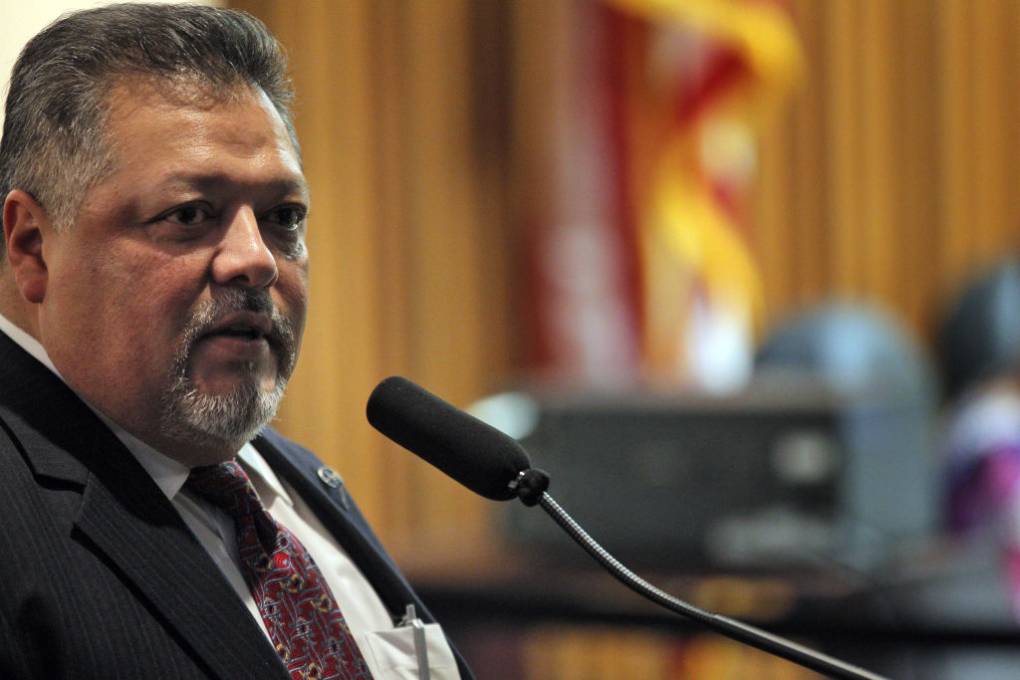
A Tiny Tribe Is Getting Pushback for Betting Big on a $600 Million Casino in Sonoma County
New Polls Show Gambling Measures Props. 26 and 27 'Foundering' With Voters
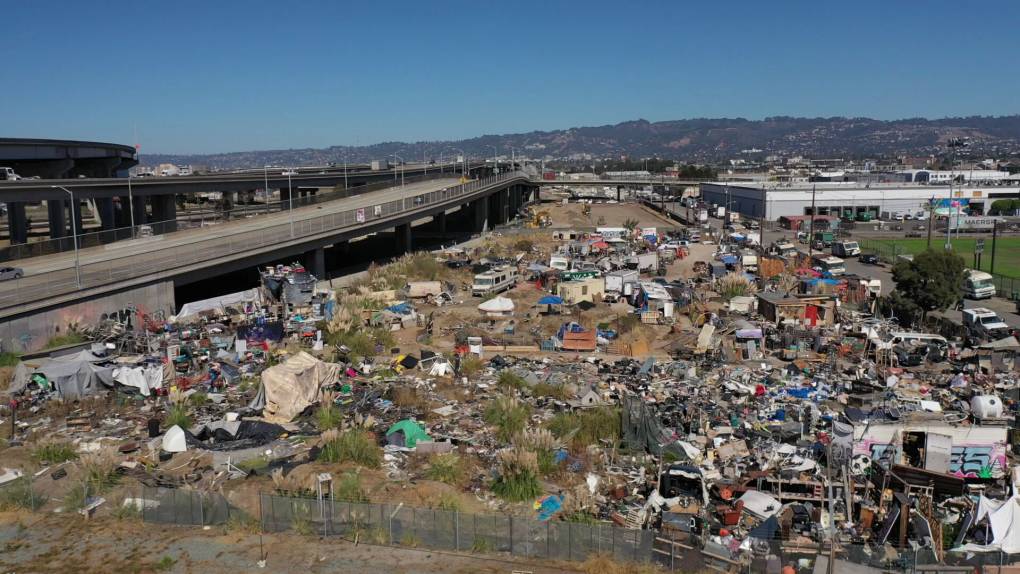
Wood Street Encampment | 2022 Midterm Preview
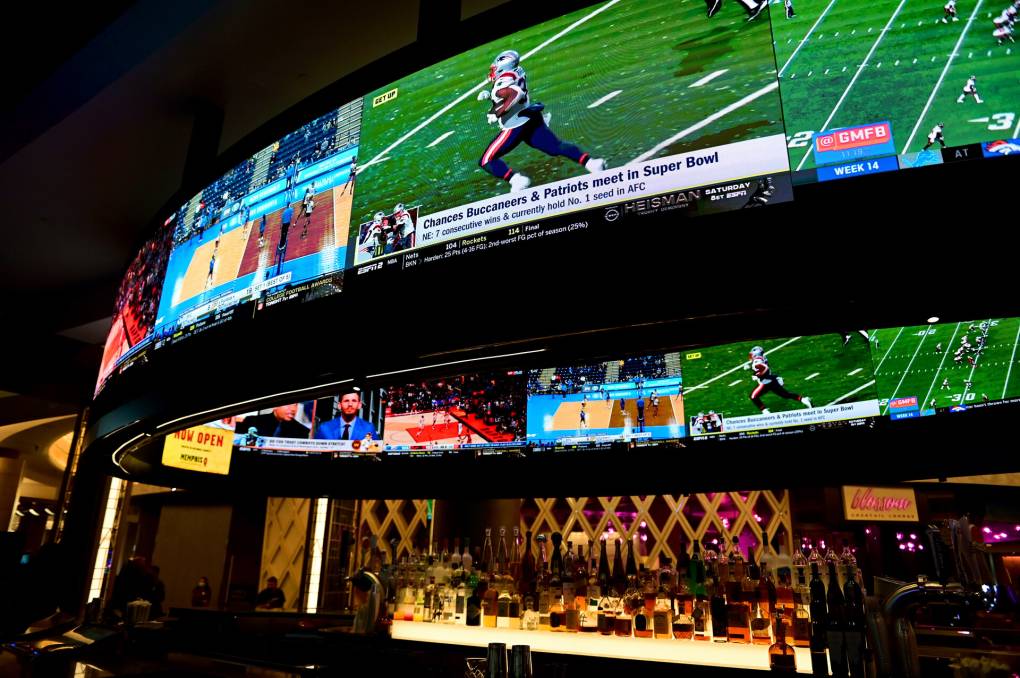
Transcript: Props. 26 and 27 Offer Different Ways California Could Allow Sports Betting
Competing State Sports-Betting Measures Headed to November Ballot, With Record-Shattering Campaign Spending Likely
Is Sports Gambling in California's Future?
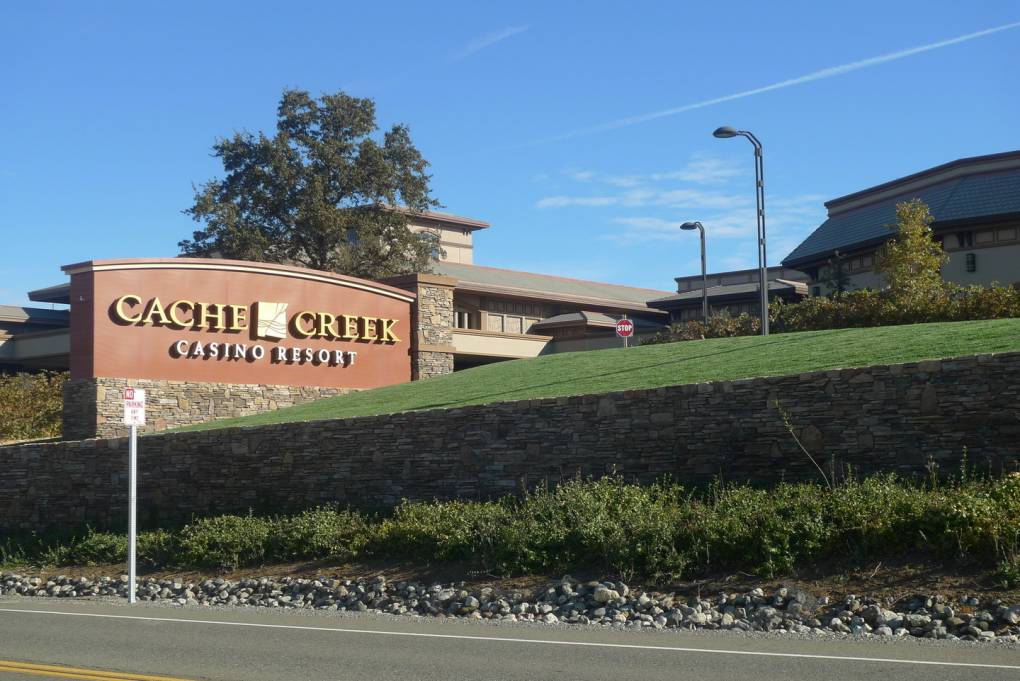
What Happens in California's Casinos Might Not Stay in California's Casinos
Supporters of Sports Gambling Legalization Halt Effort for 2020 Ballot Measure
Sponsored
Player sponsored by
window.__IS_SSR__=true
window.__INITIAL_STATE__={
"attachmentsReducer": {
"audio_0": {
"type": "attachments",
"id": "audio_0",
"imgSizes": {
"kqedFullSize": {
"file": "https://ww2.kqed.org/news/wp-content/themes/KQED-unified/img/audio_bgs/background0.jpg"
}
}
},
"audio_1": {
"type": "attachments",
"id": "audio_1",
"imgSizes": {
"kqedFullSize": {
"file": "https://ww2.kqed.org/news/wp-content/themes/KQED-unified/img/audio_bgs/background1.jpg"
}
}
},
"audio_2": {
"type": "attachments",
"id": "audio_2",
"imgSizes": {
"kqedFullSize": {
"file": "https://ww2.kqed.org/news/wp-content/themes/KQED-unified/img/audio_bgs/background2.jpg"
}
}
},
"audio_3": {
"type": "attachments",
"id": "audio_3",
"imgSizes": {
"kqedFullSize": {
"file": "https://ww2.kqed.org/news/wp-content/themes/KQED-unified/img/audio_bgs/background3.jpg"
}
}
},
"audio_4": {
"type": "attachments",
"id": "audio_4",
"imgSizes": {
"kqedFullSize": {
"file": "https://ww2.kqed.org/news/wp-content/themes/KQED-unified/img/audio_bgs/background4.jpg"
}
}
},
"placeholder": {
"type": "attachments",
"id": "placeholder",
"imgSizes": {
"thumbnail": {
"file": "https://cdn.kqed.org/wp-content/uploads/2024/12/KQED-Default-Image-816638274-2000x1333-1-160x107.jpg",
"width": 160,
"height": 107,
"mimeType": "image/jpeg"
},
"medium": {
"file": "https://cdn.kqed.org/wp-content/uploads/2024/12/KQED-Default-Image-816638274-2000x1333-1-800x533.jpg",
"width": 800,
"height": 533,
"mimeType": "image/jpeg"
},
"medium_large": {
"file": "https://cdn.kqed.org/wp-content/uploads/2024/12/KQED-Default-Image-816638274-2000x1333-1-768x512.jpg",
"width": 768,
"height": 512,
"mimeType": "image/jpeg"
},
"large": {
"file": "https://cdn.kqed.org/wp-content/uploads/2024/12/KQED-Default-Image-816638274-2000x1333-1-1020x680.jpg",
"width": 1020,
"height": 680,
"mimeType": "image/jpeg"
},
"1536x1536": {
"file": "https://cdn.kqed.org/wp-content/uploads/2024/12/KQED-Default-Image-816638274-2000x1333-1-1536x1024.jpg",
"width": 1536,
"height": 1024,
"mimeType": "image/jpeg"
},
"fd-lrg": {
"file": "https://cdn.kqed.org/wp-content/uploads/2024/12/KQED-Default-Image-816638274-2000x1333-1-1536x1024.jpg",
"width": 1536,
"height": 1024,
"mimeType": "image/jpeg"
},
"fd-med": {
"file": "https://cdn.kqed.org/wp-content/uploads/2024/12/KQED-Default-Image-816638274-2000x1333-1-1020x680.jpg",
"width": 1020,
"height": 680,
"mimeType": "image/jpeg"
},
"fd-sm": {
"file": "https://cdn.kqed.org/wp-content/uploads/2024/12/KQED-Default-Image-816638274-2000x1333-1-800x533.jpg",
"width": 800,
"height": 533,
"mimeType": "image/jpeg"
},
"post-thumbnail": {
"file": "https://cdn.kqed.org/wp-content/uploads/2024/12/KQED-Default-Image-816638274-2000x1333-1-672x372.jpg",
"width": 672,
"height": 372,
"mimeType": "image/jpeg"
},
"twentyfourteen-full-width": {
"file": "https://cdn.kqed.org/wp-content/uploads/2024/12/KQED-Default-Image-816638274-2000x1333-1-1038x576.jpg",
"width": 1038,
"height": 576,
"mimeType": "image/jpeg"
},
"xxsmall": {
"file": "https://cdn.kqed.org/wp-content/uploads/2024/12/KQED-Default-Image-816638274-2000x1333-1-160x107.jpg",
"width": 160,
"height": 107,
"mimeType": "image/jpeg"
},
"xsmall": {
"file": "https://cdn.kqed.org/wp-content/uploads/2024/12/KQED-Default-Image-816638274-2000x1333-1-672x372.jpg",
"width": 672,
"height": 372,
"mimeType": "image/jpeg"
},
"small": {
"file": "https://cdn.kqed.org/wp-content/uploads/2024/12/KQED-Default-Image-816638274-2000x1333-1-672x372.jpg",
"width": 672,
"height": 372,
"mimeType": "image/jpeg"
},
"xlarge": {
"file": "https://cdn.kqed.org/wp-content/uploads/2024/12/KQED-Default-Image-816638274-2000x1333-1-1020x680.jpg",
"width": 1020,
"height": 680,
"mimeType": "image/jpeg"
},
"full-width": {
"file": "https://cdn.kqed.org/wp-content/uploads/2024/12/KQED-Default-Image-816638274-2000x1333-1-1920x1280.jpg",
"width": 1920,
"height": 1280,
"mimeType": "image/jpeg"
},
"guest-author-32": {
"file": "https://cdn.kqed.org/wp-content/uploads/2025/01/KQED-Default-Image-816638274-1333x1333-1-160x160.jpg",
"width": 32,
"height": 32,
"mimeType": "image/jpeg"
},
"guest-author-50": {
"file": "https://cdn.kqed.org/wp-content/uploads/2025/01/KQED-Default-Image-816638274-1333x1333-1-160x160.jpg",
"width": 50,
"height": 50,
"mimeType": "image/jpeg"
},
"guest-author-64": {
"file": "https://cdn.kqed.org/wp-content/uploads/2025/01/KQED-Default-Image-816638274-1333x1333-1-160x160.jpg",
"width": 64,
"height": 64,
"mimeType": "image/jpeg"
},
"guest-author-96": {
"file": "https://cdn.kqed.org/wp-content/uploads/2025/01/KQED-Default-Image-816638274-1333x1333-1-160x160.jpg",
"width": 96,
"height": 96,
"mimeType": "image/jpeg"
},
"guest-author-128": {
"file": "https://cdn.kqed.org/wp-content/uploads/2025/01/KQED-Default-Image-816638274-1333x1333-1-160x160.jpg",
"width": 128,
"height": 128,
"mimeType": "image/jpeg"
},
"detail": {
"file": "https://cdn.kqed.org/wp-content/uploads/2025/01/KQED-Default-Image-816638274-1333x1333-1-160x160.jpg",
"width": 160,
"height": 160,
"mimeType": "image/jpeg"
},
"kqedFullSize": {
"file": "https://cdn.kqed.org/wp-content/uploads/2024/12/KQED-Default-Image-816638274-2000x1333-1.jpg",
"width": 2000,
"height": 1333
}
}
},
"news_12020257": {
"type": "attachments",
"id": "news_12020257",
"meta": {
"index": "attachments_1716263798",
"site": "news",
"id": "12020257",
"found": true
},
"title": "031423_SoCal-Cardrooms_TS_CM_01",
"publishDate": 1735930371,
"status": "inherit",
"parent": 12020255,
"modified": 1735930399,
"caption": "On Thursday, California’s casino-owning tribes sued their rival card rooms including Commerce Casino, pictured here. The tribes allege card rooms are illegally offering card games including black jack and pai gow poker.",
"credit": "CalMatters",
"altTag": null,
"description": null,
"imgSizes": {
"medium": {
"file": "https://cdn.kqed.org/wp-content/uploads/sites/10/2025/01/031423_SoCal-Cardrooms_TS_CM_01-800x533.jpg",
"width": 800,
"height": 533,
"mimeType": "image/jpeg"
},
"large": {
"file": "https://cdn.kqed.org/wp-content/uploads/sites/10/2025/01/031423_SoCal-Cardrooms_TS_CM_01-1020x680.jpg",
"width": 1020,
"height": 680,
"mimeType": "image/jpeg"
},
"thumbnail": {
"file": "https://cdn.kqed.org/wp-content/uploads/sites/10/2025/01/031423_SoCal-Cardrooms_TS_CM_01-160x107.jpg",
"width": 160,
"height": 107,
"mimeType": "image/jpeg"
},
"1536x1536": {
"file": "https://cdn.kqed.org/wp-content/uploads/sites/10/2025/01/031423_SoCal-Cardrooms_TS_CM_01-1536x1024.jpg",
"width": 1536,
"height": 1024,
"mimeType": "image/jpeg"
},
"post-thumbnail": {
"file": "https://cdn.kqed.org/wp-content/uploads/sites/10/2025/01/031423_SoCal-Cardrooms_TS_CM_01-672x372.jpg",
"width": 672,
"height": 372,
"mimeType": "image/jpeg"
},
"twentyfourteen-full-width": {
"file": "https://cdn.kqed.org/wp-content/uploads/sites/10/2025/01/031423_SoCal-Cardrooms_TS_CM_01-1038x576.jpg",
"width": 1038,
"height": 576,
"mimeType": "image/jpeg"
},
"full-width": {
"file": "https://cdn.kqed.org/wp-content/uploads/sites/10/2025/01/031423_SoCal-Cardrooms_TS_CM_01-1920x1280.jpg",
"width": 1920,
"height": 1280,
"mimeType": "image/jpeg"
},
"kqedFullSize": {
"file": "https://cdn.kqed.org/wp-content/uploads/sites/10/2025/01/031423_SoCal-Cardrooms_TS_CM_01.jpg",
"width": 2000,
"height": 1333
}
},
"fetchFailed": false,
"isLoading": false
},
"news_12007037": {
"type": "attachments",
"id": "news_12007037",
"meta": {
"index": "attachments_1716263798",
"site": "news",
"id": "12007037",
"found": true
},
"title": "Dino Beltran, a member of the Koi Nation Tribal Council, presents his redevelopment proposal as he address the Vallejo City Council during the meeting on Thursday, November 13, 2014, in Vallejo, Calif. The Vallejo City Council heard several proposals for",
"publishDate": 1727633112,
"status": "inherit",
"parent": 12007034,
"modified": 1727633282,
"caption": "Dino Beltran, current vice chairman of the Koi Nation Tribal Council, is seen during a city council meeting on Nov. 13, 2014, in Vallejo. ",
"credit": "Carlos Avila Gonzalez/The San Francisco Chronicle via Getty Images",
"altTag": null,
"description": null,
"imgSizes": {
"medium": {
"file": "https://cdn.kqed.org/wp-content/uploads/sites/10/2024/09/GettyImages-1408891173-800x534.jpg",
"width": 800,
"height": 534,
"mimeType": "image/jpeg"
},
"large": {
"file": "https://cdn.kqed.org/wp-content/uploads/sites/10/2024/09/GettyImages-1408891173-1020x680.jpg",
"width": 1020,
"height": 680,
"mimeType": "image/jpeg"
},
"thumbnail": {
"file": "https://cdn.kqed.org/wp-content/uploads/sites/10/2024/09/GettyImages-1408891173-160x107.jpg",
"width": 160,
"height": 107,
"mimeType": "image/jpeg"
},
"post-thumbnail": {
"file": "https://cdn.kqed.org/wp-content/uploads/sites/10/2024/09/GettyImages-1408891173-672x372.jpg",
"width": 672,
"height": 372,
"mimeType": "image/jpeg"
},
"twentyfourteen-full-width": {
"file": "https://cdn.kqed.org/wp-content/uploads/sites/10/2024/09/GettyImages-1408891173-1024x576.jpg",
"width": 1024,
"height": 576,
"mimeType": "image/jpeg"
},
"kqedFullSize": {
"file": "https://cdn.kqed.org/wp-content/uploads/sites/10/2024/09/GettyImages-1408891173.jpg",
"width": 1024,
"height": 683
}
},
"fetchFailed": false,
"isLoading": false
},
"news_11927639": {
"type": "attachments",
"id": "news_11927639",
"meta": {
"index": "attachments_1716263798",
"site": "news",
"id": "11927639",
"found": true
},
"parent": 11927598,
"imgSizes": {
"twentyfourteen-full-width": {
"file": "https://ww2.kqed.org/app/uploads/sites/10/2022/10/GettyImages-1348665813-1-1038x576.jpg",
"width": 1038,
"mimeType": "image/jpeg",
"height": 576
},
"thumbnail": {
"file": "https://ww2.kqed.org/app/uploads/sites/10/2022/10/GettyImages-1348665813-1-160x112.jpg",
"width": 160,
"mimeType": "image/jpeg",
"height": 112
},
"post-thumbnail": {
"file": "https://ww2.kqed.org/app/uploads/sites/10/2022/10/GettyImages-1348665813-1-672x372.jpg",
"width": 672,
"mimeType": "image/jpeg",
"height": 372
},
"kqedFullSize": {
"file": "https://ww2.kqed.org/app/uploads/sites/10/2022/10/GettyImages-1348665813-1.jpg",
"width": 1920,
"height": 1340
},
"large": {
"file": "https://ww2.kqed.org/app/uploads/sites/10/2022/10/GettyImages-1348665813-1-1020x712.jpg",
"width": 1020,
"mimeType": "image/jpeg",
"height": 712
},
"1536x1536": {
"file": "https://ww2.kqed.org/app/uploads/sites/10/2022/10/GettyImages-1348665813-1-1536x1072.jpg",
"width": 1536,
"mimeType": "image/jpeg",
"height": 1072
},
"medium": {
"file": "https://ww2.kqed.org/app/uploads/sites/10/2022/10/GettyImages-1348665813-1-800x558.jpg",
"width": 800,
"mimeType": "image/jpeg",
"height": 558
}
},
"publishDate": 1664849075,
"modified": 1664913139,
"caption": "The entrance to the Wanaaha Casino, owned and operated by the Bishop Paiute Tribe, is seen on Oct. 9, 2021, in Bishop. ",
"description": null,
"title": "GettyImages-1348665813 (1)",
"credit": "George Rose/Getty Images",
"status": "inherit",
"altTag": "The sign of a casino shows an arrowhead with a graphically stylized sunset and mountains inlaid in it, above text reading \"WANAAHA CASINO.\"",
"fetchFailed": false,
"isLoading": false
},
"news_11927355": {
"type": "attachments",
"id": "news_11927355",
"meta": {
"index": "attachments_1716263798",
"site": "news",
"id": "11927355",
"found": true
},
"parent": 11927352,
"imgSizes": {
"twentyfourteen-full-width": {
"file": "https://ww2.kqed.org/app/uploads/sites/10/2022/09/Sequence_DJI_0362_frame_9417-1038x576.jpeg",
"width": 1038,
"mimeType": "image/jpeg",
"height": 576
},
"thumbnail": {
"file": "https://ww2.kqed.org/app/uploads/sites/10/2022/09/Sequence_DJI_0362_frame_9417-160x90.jpeg",
"width": 160,
"mimeType": "image/jpeg",
"height": 90
},
"post-thumbnail": {
"file": "https://ww2.kqed.org/app/uploads/sites/10/2022/09/Sequence_DJI_0362_frame_9417-672x372.jpeg",
"width": 672,
"mimeType": "image/jpeg",
"height": 372
},
"kqedFullSize": {
"file": "https://ww2.kqed.org/app/uploads/sites/10/2022/09/Sequence_DJI_0362_frame_9417.jpeg",
"width": 1920,
"height": 1080
},
"large": {
"file": "https://ww2.kqed.org/app/uploads/sites/10/2022/09/Sequence_DJI_0362_frame_9417-1020x574.jpeg",
"width": 1020,
"mimeType": "image/jpeg",
"height": 574
},
"1536x1536": {
"file": "https://ww2.kqed.org/app/uploads/sites/10/2022/09/Sequence_DJI_0362_frame_9417-1536x864.jpeg",
"width": 1536,
"mimeType": "image/jpeg",
"height": 864
},
"medium": {
"file": "https://ww2.kqed.org/app/uploads/sites/10/2022/09/Sequence_DJI_0362_frame_9417-800x450.jpeg",
"width": 800,
"mimeType": "image/jpeg",
"height": 450
}
},
"publishDate": 1664572087,
"modified": 1664572087,
"caption": null,
"description": null,
"title": "Sequence_DJI_0362_frame_9417",
"credit": null,
"status": "inherit",
"altTag": null,
"fetchFailed": false,
"isLoading": false
},
"news_11926869": {
"type": "attachments",
"id": "news_11926869",
"meta": {
"index": "attachments_1716263798",
"site": "news",
"id": "11926869",
"found": true
},
"parent": 11926839,
"imgSizes": {
"twentyfourteen-full-width": {
"file": "https://ww2.kqed.org/app/uploads/sites/10/2022/09/Prop26-27_GettyImages-1358137983-qut-1038x576.jpg",
"width": 1038,
"mimeType": "image/jpeg",
"height": 576
},
"thumbnail": {
"file": "https://ww2.kqed.org/app/uploads/sites/10/2022/09/Prop26-27_GettyImages-1358137983-qut-160x106.jpg",
"width": 160,
"mimeType": "image/jpeg",
"height": 106
},
"post-thumbnail": {
"file": "https://ww2.kqed.org/app/uploads/sites/10/2022/09/Prop26-27_GettyImages-1358137983-qut-672x372.jpg",
"width": 672,
"mimeType": "image/jpeg",
"height": 372
},
"kqedFullSize": {
"file": "https://ww2.kqed.org/app/uploads/sites/10/2022/09/Prop26-27_GettyImages-1358137983-qut.jpg",
"width": 1920,
"height": 1277
},
"large": {
"file": "https://ww2.kqed.org/app/uploads/sites/10/2022/09/Prop26-27_GettyImages-1358137983-qut-1020x678.jpg",
"width": 1020,
"mimeType": "image/jpeg",
"height": 678
},
"1536x1536": {
"file": "https://ww2.kqed.org/app/uploads/sites/10/2022/09/Prop26-27_GettyImages-1358137983-qut-1536x1022.jpg",
"width": 1536,
"mimeType": "image/jpeg",
"height": 1022
},
"medium": {
"file": "https://ww2.kqed.org/app/uploads/sites/10/2022/09/Prop26-27_GettyImages-1358137983-qut-800x532.jpg",
"width": 800,
"mimeType": "image/jpeg",
"height": 532
}
},
"publishDate": 1664312541,
"modified": 1664312661,
"caption": "Whether or not California should allow sports betting and how are big money questions on the ballot this fall. ",
"description": null,
"title": "MGM National Harbor, Governor Larry Hogan And Joe Theismann Launch Sports Betting In Maryland With BETMGM",
"credit": "Shannon Finney/Getty Images for MGM National Harbor",
"status": "inherit",
"altTag": "Huge circular TV screen mounted above a bar shows multiple football games at once.",
"fetchFailed": false,
"isLoading": false
},
"news_11918639": {
"type": "attachments",
"id": "news_11918639",
"meta": {
"index": "attachments_1716263798",
"site": "news",
"id": "11918639",
"found": true
},
"parent": 11918631,
"imgSizes": {
"twentyfourteen-full-width": {
"file": "https://ww2.kqed.org/app/uploads/sites/10/2022/07/RS13055_P1040307-qut-1038x576.jpg",
"width": 1038,
"mimeType": "image/jpeg",
"height": 576
},
"thumbnail": {
"file": "https://ww2.kqed.org/app/uploads/sites/10/2022/07/RS13055_P1040307-qut-160x107.jpg",
"width": 160,
"mimeType": "image/jpeg",
"height": 107
},
"post-thumbnail": {
"file": "https://ww2.kqed.org/app/uploads/sites/10/2022/07/RS13055_P1040307-qut-672x372.jpg",
"width": 672,
"mimeType": "image/jpeg",
"height": 372
},
"kqedFullSize": {
"file": "https://ww2.kqed.org/app/uploads/sites/10/2022/07/RS13055_P1040307-qut.jpg",
"width": 1440,
"height": 961
},
"large": {
"file": "https://ww2.kqed.org/app/uploads/sites/10/2022/07/RS13055_P1040307-qut-1020x681.jpg",
"width": 1020,
"mimeType": "image/jpeg",
"height": 681
},
"medium": {
"file": "https://ww2.kqed.org/app/uploads/sites/10/2022/07/RS13055_P1040307-qut-800x534.jpg",
"width": 800,
"mimeType": "image/jpeg",
"height": 534
}
},
"publishDate": 1656692322,
"modified": 1656719513,
"caption": "Cache Creek Casino Resort in Brooks. The casino is owned and operated by the Yocha Dehe Wintun Nation, a member of the coalition supporting Proposition 26.",
"description": null,
"title": "RS13055_P1040307-qut",
"credit": "Lisa Morehouse/KQED",
"status": "inherit",
"altTag": null,
"fetchFailed": false,
"isLoading": false
},
"news_11899649": {
"type": "attachments",
"id": "news_11899649",
"meta": {
"index": "attachments_1716263798",
"site": "news",
"id": "11899649",
"found": true
},
"parent": 11899623,
"imgSizes": {
"twentyfourteen-full-width": {
"file": "https://ww2.kqed.org/app/uploads/sites/10/2021/12/RS52948_GettyImages-1358137983-qut-1038x576.jpg",
"width": 1038,
"mimeType": "image/jpeg",
"height": 576
},
"thumbnail": {
"file": "https://ww2.kqed.org/app/uploads/sites/10/2021/12/RS52948_GettyImages-1358137983-qut-160x106.jpg",
"width": 160,
"mimeType": "image/jpeg",
"height": 106
},
"post-thumbnail": {
"file": "https://ww2.kqed.org/app/uploads/sites/10/2021/12/RS52948_GettyImages-1358137983-qut-672x372.jpg",
"width": 672,
"mimeType": "image/jpeg",
"height": 372
},
"kqedFullSize": {
"file": "https://ww2.kqed.org/app/uploads/sites/10/2021/12/RS52948_GettyImages-1358137983-qut.jpg",
"width": 1920,
"height": 1277
},
"large": {
"file": "https://ww2.kqed.org/app/uploads/sites/10/2021/12/RS52948_GettyImages-1358137983-qut-1020x678.jpg",
"width": 1020,
"mimeType": "image/jpeg",
"height": 678
},
"1536x1536": {
"file": "https://ww2.kqed.org/app/uploads/sites/10/2021/12/RS52948_GettyImages-1358137983-qut-1536x1022.jpg",
"width": 1536,
"mimeType": "image/jpeg",
"height": 1022
},
"medium": {
"file": "https://ww2.kqed.org/app/uploads/sites/10/2021/12/RS52948_GettyImages-1358137983-qut-800x532.jpg",
"width": 800,
"mimeType": "image/jpeg",
"height": 532
}
},
"publishDate": 1639780764,
"modified": 1639780962,
"caption": "A sports betting lounge in Oxon Hill, Maryland, one of the states to legalize sports gambling following a 2018 Supreme Court ruling. ",
"description": null,
"title": "MGM National Harbor, Governor Larry Hogan And Joe Theismann Launch Sports Betting In Maryland With BETMGM",
"credit": "Shannon Finney/Getty Images",
"status": "inherit",
"altTag": "Large, curved-screen TVs display various sporting events above a dimly lit bar",
"fetchFailed": false,
"isLoading": false
},
"news_11853784": {
"type": "attachments",
"id": "news_11853784",
"meta": {
"index": "attachments_1716263798",
"site": "news",
"id": "11853784",
"found": true
},
"parent": 11853779,
"imgSizes": {
"apple_news_ca_landscape_5_5": {
"file": "https://ww2.kqed.org/app/uploads/sites/10/2021/01/odds_010521_final-1044x783.png",
"width": 1044,
"mimeType": "image/png",
"height": 783
},
"apple_news_ca_square_4_0": {
"file": "https://ww2.kqed.org/app/uploads/sites/10/2021/01/odds_010521_final-470x470.png",
"width": 470,
"mimeType": "image/png",
"height": 470
},
"twentyfourteen-full-width": {
"file": "https://ww2.kqed.org/app/uploads/sites/10/2021/01/odds_010521_final-1038x576.png",
"width": 1038,
"mimeType": "image/png",
"height": 576
},
"thumbnail": {
"file": "https://ww2.kqed.org/app/uploads/sites/10/2021/01/odds_010521_final-160x113.png",
"width": 160,
"mimeType": "image/png",
"height": 113
},
"post-thumbnail": {
"file": "https://ww2.kqed.org/app/uploads/sites/10/2021/01/odds_010521_final-672x372.png",
"width": 672,
"mimeType": "image/png",
"height": 372
},
"kqedFullSize": {
"file": "https://ww2.kqed.org/app/uploads/sites/10/2021/01/odds_010521_final.png",
"width": 1920,
"height": 1356
},
"apple_news_ca_landscape_4_7": {
"file": "https://ww2.kqed.org/app/uploads/sites/10/2021/01/odds_010521_final-632x474.png",
"width": 632,
"mimeType": "image/png",
"height": 474
},
"large": {
"file": "https://ww2.kqed.org/app/uploads/sites/10/2021/01/odds_010521_final-1020x720.png",
"width": 1020,
"mimeType": "image/png",
"height": 720
},
"apple_news_ca_landscape_4_0": {
"file": "https://ww2.kqed.org/app/uploads/sites/10/2021/01/odds_010521_final-536x402.png",
"width": 536,
"mimeType": "image/png",
"height": 402
},
"apple_news_ca_portrait_12_9": {
"file": "https://ww2.kqed.org/app/uploads/sites/10/2021/01/odds_010521_final-1122x1356.png",
"width": 1122,
"mimeType": "image/png",
"height": 1356
},
"medium": {
"file": "https://ww2.kqed.org/app/uploads/sites/10/2021/01/odds_010521_final-800x565.png",
"width": 800,
"mimeType": "image/png",
"height": 565
},
"apple_news_ca_portrait_4_0": {
"file": "https://ww2.kqed.org/app/uploads/sites/10/2021/01/odds_010521_final-354x472.png",
"width": 354,
"mimeType": "image/png",
"height": 472
},
"apple_news_ca_portrait_9_7": {
"file": "https://ww2.kqed.org/app/uploads/sites/10/2021/01/odds_010521_final-840x1120.png",
"width": 840,
"mimeType": "image/png",
"height": 1120
},
"apple_news_ca_landscape_12_9": {
"file": "https://ww2.kqed.org/app/uploads/sites/10/2021/01/odds_010521_final-1832x1356.png",
"width": 1832,
"mimeType": "image/png",
"height": 1356
},
"apple_news_ca_square_9_7": {
"file": "https://ww2.kqed.org/app/uploads/sites/10/2021/01/odds_010521_final-1104x1104.png",
"width": 1104,
"mimeType": "image/png",
"height": 1104
},
"1536x1536": {
"file": "https://ww2.kqed.org/app/uploads/sites/10/2021/01/odds_010521_final-1536x1085.png",
"width": 1536,
"mimeType": "image/png",
"height": 1085
},
"apple_news_ca_portrait_4_7": {
"file": "https://ww2.kqed.org/app/uploads/sites/10/2021/01/odds_010521_final-414x552.png",
"width": 414,
"mimeType": "image/png",
"height": 552
},
"apple_news_ca_square_12_9": {
"file": "https://ww2.kqed.org/app/uploads/sites/10/2021/01/odds_010521_final-1472x1356.png",
"width": 1472,
"mimeType": "image/png",
"height": 1356
},
"apple_news_ca_portrait_5_5": {
"file": "https://ww2.kqed.org/app/uploads/sites/10/2021/01/odds_010521_final-687x916.png",
"width": 687,
"mimeType": "image/png",
"height": 916
},
"apple_news_ca_square_4_7": {
"file": "https://ww2.kqed.org/app/uploads/sites/10/2021/01/odds_010521_final-550x550.png",
"width": 550,
"mimeType": "image/png",
"height": 550
},
"apple_news_ca_landscape_9_7": {
"file": "https://ww2.kqed.org/app/uploads/sites/10/2021/01/odds_010521_final-1376x1032.png",
"width": 1376,
"mimeType": "image/png",
"height": 1032
},
"apple_news_ca_square_5_5": {
"file": "https://ww2.kqed.org/app/uploads/sites/10/2021/01/odds_010521_final-912x912.png",
"width": 912,
"mimeType": "image/png",
"height": 912
}
},
"publishDate": 1609888416,
"modified": 1609888480,
"caption": null,
"description": null,
"title": "odds_010521_final",
"credit": null,
"status": "inherit",
"altTag": "Mark Fiore cartoon about casinos open during the COVID-19 pandemic featuring playing cards with coronavirus snuck into deck.",
"fetchFailed": false,
"isLoading": false
},
"news_11825686": {
"type": "attachments",
"id": "news_11825686",
"meta": {
"index": "attachments_1716263798",
"site": "news",
"id": "11825686",
"found": true
},
"parent": 11825635,
"imgSizes": {
"apple_news_ca_landscape_5_5": {
"file": "https://ww2.kqed.org/app/uploads/sites/10/2020/06/RS25450_20170515_StateCapitol_Sen_BIllDodd_credit_BertJohnson-1-qut-1044x783.jpg",
"width": 1044,
"mimeType": "image/jpeg",
"height": 783
},
"apple_news_ca_square_4_0": {
"file": "https://ww2.kqed.org/app/uploads/sites/10/2020/06/RS25450_20170515_StateCapitol_Sen_BIllDodd_credit_BertJohnson-1-qut-470x470.jpg",
"width": 470,
"mimeType": "image/jpeg",
"height": 470
},
"twentyfourteen-full-width": {
"file": "https://ww2.kqed.org/app/uploads/sites/10/2020/06/RS25450_20170515_StateCapitol_Sen_BIllDodd_credit_BertJohnson-1-qut-1038x576.jpg",
"width": 1038,
"mimeType": "image/jpeg",
"height": 576
},
"thumbnail": {
"file": "https://ww2.kqed.org/app/uploads/sites/10/2020/06/RS25450_20170515_StateCapitol_Sen_BIllDodd_credit_BertJohnson-1-qut-160x107.jpg",
"width": 160,
"mimeType": "image/jpeg",
"height": 107
},
"post-thumbnail": {
"file": "https://ww2.kqed.org/app/uploads/sites/10/2020/06/RS25450_20170515_StateCapitol_Sen_BIllDodd_credit_BertJohnson-1-qut-672x372.jpg",
"width": 672,
"mimeType": "image/jpeg",
"height": 372
},
"kqedFullSize": {
"file": "https://ww2.kqed.org/app/uploads/sites/10/2020/06/RS25450_20170515_StateCapitol_Sen_BIllDodd_credit_BertJohnson-1-qut.jpg",
"width": 1920,
"height": 1280
},
"apple_news_ca_landscape_4_7": {
"file": "https://ww2.kqed.org/app/uploads/sites/10/2020/06/RS25450_20170515_StateCapitol_Sen_BIllDodd_credit_BertJohnson-1-qut-632x474.jpg",
"width": 632,
"mimeType": "image/jpeg",
"height": 474
},
"large": {
"file": "https://ww2.kqed.org/app/uploads/sites/10/2020/06/RS25450_20170515_StateCapitol_Sen_BIllDodd_credit_BertJohnson-1-qut-1020x680.jpg",
"width": 1020,
"mimeType": "image/jpeg",
"height": 680
},
"apple_news_ca_landscape_4_0": {
"file": "https://ww2.kqed.org/app/uploads/sites/10/2020/06/RS25450_20170515_StateCapitol_Sen_BIllDodd_credit_BertJohnson-1-qut-536x402.jpg",
"width": 536,
"mimeType": "image/jpeg",
"height": 402
},
"apple_news_ca_portrait_12_9": {
"file": "https://ww2.kqed.org/app/uploads/sites/10/2020/06/RS25450_20170515_StateCapitol_Sen_BIllDodd_credit_BertJohnson-1-qut-1122x1280.jpg",
"width": 1122,
"mimeType": "image/jpeg",
"height": 1280
},
"medium": {
"file": "https://ww2.kqed.org/app/uploads/sites/10/2020/06/RS25450_20170515_StateCapitol_Sen_BIllDodd_credit_BertJohnson-1-qut-800x533.jpg",
"width": 800,
"mimeType": "image/jpeg",
"height": 533
},
"apple_news_ca_portrait_4_0": {
"file": "https://ww2.kqed.org/app/uploads/sites/10/2020/06/RS25450_20170515_StateCapitol_Sen_BIllDodd_credit_BertJohnson-1-qut-354x472.jpg",
"width": 354,
"mimeType": "image/jpeg",
"height": 472
},
"apple_news_ca_portrait_9_7": {
"file": "https://ww2.kqed.org/app/uploads/sites/10/2020/06/RS25450_20170515_StateCapitol_Sen_BIllDodd_credit_BertJohnson-1-qut-840x1120.jpg",
"width": 840,
"mimeType": "image/jpeg",
"height": 1120
},
"apple_news_ca_landscape_12_9": {
"file": "https://ww2.kqed.org/app/uploads/sites/10/2020/06/RS25450_20170515_StateCapitol_Sen_BIllDodd_credit_BertJohnson-1-qut-1832x1280.jpg",
"width": 1832,
"mimeType": "image/jpeg",
"height": 1280
},
"apple_news_ca_square_9_7": {
"file": "https://ww2.kqed.org/app/uploads/sites/10/2020/06/RS25450_20170515_StateCapitol_Sen_BIllDodd_credit_BertJohnson-1-qut-1104x1104.jpg",
"width": 1104,
"mimeType": "image/jpeg",
"height": 1104
},
"apple_news_ca_portrait_4_7": {
"file": "https://ww2.kqed.org/app/uploads/sites/10/2020/06/RS25450_20170515_StateCapitol_Sen_BIllDodd_credit_BertJohnson-1-qut-414x552.jpg",
"width": 414,
"mimeType": "image/jpeg",
"height": 552
},
"apple_news_ca_square_12_9": {
"file": "https://ww2.kqed.org/app/uploads/sites/10/2020/06/RS25450_20170515_StateCapitol_Sen_BIllDodd_credit_BertJohnson-1-qut-1472x1280.jpg",
"width": 1472,
"mimeType": "image/jpeg",
"height": 1280
},
"apple_news_ca_portrait_5_5": {
"file": "https://ww2.kqed.org/app/uploads/sites/10/2020/06/RS25450_20170515_StateCapitol_Sen_BIllDodd_credit_BertJohnson-1-qut-687x916.jpg",
"width": 687,
"mimeType": "image/jpeg",
"height": 916
},
"full-width": {
"file": "https://ww2.kqed.org/app/uploads/sites/10/2020/06/RS25450_20170515_StateCapitol_Sen_BIllDodd_credit_BertJohnson-1-qut-1920x1280.jpg",
"width": 1920,
"mimeType": "image/jpeg",
"height": 1280
},
"apple_news_ca_square_4_7": {
"file": "https://ww2.kqed.org/app/uploads/sites/10/2020/06/RS25450_20170515_StateCapitol_Sen_BIllDodd_credit_BertJohnson-1-qut-550x550.jpg",
"width": 550,
"mimeType": "image/jpeg",
"height": 550
},
"apple_news_ca_landscape_9_7": {
"file": "https://ww2.kqed.org/app/uploads/sites/10/2020/06/RS25450_20170515_StateCapitol_Sen_BIllDodd_credit_BertJohnson-1-qut-1376x1032.jpg",
"width": 1376,
"mimeType": "image/jpeg",
"height": 1032
},
"apple_news_ca_square_5_5": {
"file": "https://ww2.kqed.org/app/uploads/sites/10/2020/06/RS25450_20170515_StateCapitol_Sen_BIllDodd_credit_BertJohnson-1-qut-912x912.jpg",
"width": 912,
"mimeType": "image/jpeg",
"height": 912
}
},
"publishDate": 1592867608,
"modified": 1592867703,
"caption": "Sen. Bill Dodd (D-Napa), pictured in 2017, authored the proposal to legalize sports gambling on the November 2020 ballot.",
"description": null,
"title": "RS25450_20170515_StateCapitol_Sen_BIllDodd_credit_BertJohnson-1-qut",
"credit": "Bert Johnson/KQED",
"status": "inherit",
"fetchFailed": false,
"isLoading": false
}
},
"audioPlayerReducer": {
"postId": "stream_live",
"isPaused": true,
"isPlaying": false,
"pfsActive": false,
"pledgeModalIsOpen": true,
"playerDrawerIsOpen": false
},
"authorsReducer": {
"byline_news_12020255": {
"type": "authors",
"id": "byline_news_12020255",
"meta": {
"override": true
},
"slug": "byline_news_12020255",
"name": "\u003ca href=\"https://calmatters.org/author/ryan-sabalow/\">Ryan Sabalow\u003c/a>, CalMatters",
"isLoading": false
},
"byline_news_12007034": {
"type": "authors",
"id": "byline_news_12007034",
"meta": {
"override": true
},
"slug": "byline_news_12007034",
"name": "Olga R. Rodriguez, Associated Press",
"isLoading": false
},
"gmarzorati": {
"type": "authors",
"id": "227",
"meta": {
"index": "authors_1716337520",
"id": "227",
"found": true
},
"name": "Guy Marzorati",
"firstName": "Guy",
"lastName": "Marzorati",
"slug": "gmarzorati",
"email": "gmarzorati@KQED.org",
"display_author_email": true,
"staff_mastheads": [
"news"
],
"title": "Correspondent",
"bio": "Guy Marzorati is a correspondent on KQED's California Politics and Government Desk, based in San Jose. A graduate of Santa Clara University, Guy joined KQED in 2013. He reports on state and local politics and produces KQED's digital voter guide.",
"avatar": "https://secure.gravatar.com/avatar/e7038b8dbfd55b104369b76b1cd0b9de?s=600&d=blank&r=g",
"twitter": "guymarzorati",
"facebook": null,
"instagram": null,
"linkedin": null,
"sites": [
{
"site": "",
"roles": [
"editor"
]
},
{
"site": "news",
"roles": [
"editor"
]
},
{
"site": "science",
"roles": [
"editor"
]
},
{
"site": "forum",
"roles": [
"editor"
]
},
{
"site": "elections",
"roles": [
"editor"
]
},
{
"site": "liveblog",
"roles": [
"editor"
]
}
],
"headData": {
"title": "Guy Marzorati | KQED",
"description": "Correspondent",
"ogImgSrc": "https://secure.gravatar.com/avatar/e7038b8dbfd55b104369b76b1cd0b9de?s=600&d=blank&r=g",
"twImgSrc": "https://secure.gravatar.com/avatar/e7038b8dbfd55b104369b76b1cd0b9de?s=600&d=blank&r=g"
},
"isLoading": false,
"link": "/author/gmarzorati"
},
"katrinaschwartz": {
"type": "authors",
"id": "234",
"meta": {
"index": "authors_1716337520",
"id": "234",
"found": true
},
"name": "Katrina Schwartz",
"firstName": "Katrina",
"lastName": "Schwartz",
"slug": "katrinaschwartz",
"email": "kschwartz@kqed.org",
"display_author_email": false,
"staff_mastheads": [
"news"
],
"title": "Producer",
"bio": "Katrina Schwartz is a journalist based in San Francisco. She's worked at KPCC public radio in LA and has reported on air and online for KQED since 2010. She covered how teaching and learning is changing for MindShift between 2012 and 2020. She is the co-host of the MindShift podcast and now produces KQED's Bay Curious podcast.",
"avatar": "https://secure.gravatar.com/avatar/a6a567574dafefa959593925eead665c?s=600&d=blank&r=g",
"twitter": "kschwart",
"facebook": null,
"instagram": null,
"linkedin": null,
"sites": [
{
"site": "news",
"roles": [
"editor"
]
},
{
"site": "mindshift",
"roles": [
"administrator"
]
},
{
"site": "stateofhealth",
"roles": [
"author"
]
},
{
"site": "science",
"roles": [
"editor"
]
}
],
"headData": {
"title": "Katrina Schwartz | KQED",
"description": "Producer",
"ogImgSrc": "https://secure.gravatar.com/avatar/a6a567574dafefa959593925eead665c?s=600&d=blank&r=g",
"twImgSrc": "https://secure.gravatar.com/avatar/a6a567574dafefa959593925eead665c?s=600&d=blank&r=g"
},
"isLoading": false,
"link": "/author/katrinaschwartz"
},
"kqed": {
"type": "authors",
"id": "236",
"meta": {
"index": "authors_1716337520",
"id": "236",
"found": true
},
"name": "KQED News Staff",
"firstName": "KQED News Staff",
"lastName": null,
"slug": "kqed",
"email": "faq@kqed.org",
"display_author_email": false,
"staff_mastheads": [],
"title": null,
"bio": null,
"avatar": "https://secure.gravatar.com/avatar/ef0e801a68c4c54afa9180db14084167?s=600&d=blank&r=g",
"twitter": null,
"facebook": null,
"instagram": null,
"linkedin": null,
"sites": [
{
"site": "arts",
"roles": [
"contributor"
]
},
{
"site": "news",
"roles": [
"editor"
]
},
{
"site": "futureofyou",
"roles": [
"author"
]
}
],
"headData": {
"title": "KQED News Staff | KQED",
"description": null,
"ogImgSrc": "https://secure.gravatar.com/avatar/ef0e801a68c4c54afa9180db14084167?s=600&d=blank&r=g",
"twImgSrc": "https://secure.gravatar.com/avatar/ef0e801a68c4c54afa9180db14084167?s=600&d=blank&r=g"
},
"isLoading": false,
"link": "/author/kqed"
},
"markfiore": {
"type": "authors",
"id": "3236",
"meta": {
"index": "authors_1716337520",
"id": "3236",
"found": true
},
"name": "Mark Fiore",
"firstName": "Mark",
"lastName": "Fiore",
"slug": "markfiore",
"email": "mark@markfiore.com",
"display_author_email": false,
"staff_mastheads": [
"news"
],
"title": "KQED News Cartoonist",
"bio": "\u003ca href=\"http://www.MarkFiore.com\">MarkFiore.com\u003c/a> | \u003ca href=\"https://twitter.com/markfiore\">Follow on Twitter\u003c/a> | \u003ca href=\"https://www.facebook.com/pages/Mark-Fiore-Animated-Political-Cartoons/94451707396?ref=bookmarks\">Facebook\u003c/a> | \u003ca href=\"mailto:mark@markfiore.com\">email\u003c/a>\r\n\r\nPulitzer Prize-winner, Mark Fiore, who the Wall Street Journal has called “the undisputed guru of the form,” creates animated political cartoons in San Francisco, where his work has been featured regularly on the San Francisco Chronicle’s web site, SFGate.com. His work has appeared on Newsweek.com, Slate.com, CBSNews.com, MotherJones.com, DailyKos.com and NPR’s web site. Fiore’s political animation has appeared on CNN, Frontline, Bill Moyers Journal, Salon.com and cable and broadcast outlets across the globe.\r\n\r\nBeginning his professional life by drawing traditional political cartoons for newspapers, Fiore’s work appeared in publications ranging from the Washington Post to the Los Angeles Times. In the late 1990s, he began to experiment with animating political cartoons and, after a short stint at the San Jose Mercury News as their staff cartoonist, Fiore devoted all his energies to animation.\r\nGrowing up in California, Fiore also spent a good portion of his life in the backwoods of Idaho. It was this combination that shaped him politically. Mark majored in political science at Colorado College, where, in a perfect send-off for a cartoonist, he received his diploma in 1991 as commencement speaker Dick Cheney smiled approvingly.\r\nMark Fiore was awarded the Pulitzer Prize for political cartooning in 2010, a Robert F. Kennedy Journalism Award in 2004 and has twice received an Online Journalism Award for commentary from the Online News Association (2002, 2008). Fiore has received two awards for his work in new media from the National Cartoonists Society (2001, 2002), and in 2006 received The James Madison Freedom of Information Award from The Society of Professional Journalists.",
"avatar": "https://secure.gravatar.com/avatar/fc4e2a612b15b67bad0c6f0e1db4ca9b?s=600&d=blank&r=g",
"twitter": "MarkFiore",
"facebook": null,
"instagram": "https://www.instagram.com/markfiore/?hl=en",
"linkedin": null,
"sites": [
{
"site": "arts",
"roles": [
"contributor"
]
},
{
"site": "news",
"roles": [
"editor"
]
},
{
"site": "futureofyou",
"roles": [
"editor"
]
},
{
"site": "science",
"roles": [
"editor"
]
}
],
"headData": {
"title": "Mark Fiore | KQED",
"description": "KQED News Cartoonist",
"ogImgSrc": "https://secure.gravatar.com/avatar/fc4e2a612b15b67bad0c6f0e1db4ca9b?s=600&d=blank&r=g",
"twImgSrc": "https://secure.gravatar.com/avatar/fc4e2a612b15b67bad0c6f0e1db4ca9b?s=600&d=blank&r=g"
},
"isLoading": false,
"link": "/author/markfiore"
},
"sgonzalez": {
"type": "authors",
"id": "11621",
"meta": {
"index": "authors_1716337520",
"id": "11621",
"found": true
},
"name": "Saul Gonzalez",
"firstName": "Saul",
"lastName": "Gonzalez",
"slug": "sgonzalez",
"email": "sgonzalez@KQED.org",
"display_author_email": false,
"staff_mastheads": [
"news"
],
"title": "Host, The California Report",
"bio": "A Golden State native, Saul has been the Los Angeles co-host of \u003cem>The California Report\u003c/em>since 2019, covering such issues as homelessness and housing policy, the state's response to climate change and the ravages of the Covid pandemic. Whenever possible, tries to be outside of the studio, connecting these big issues to the daily lives of Californians experiencing them in very personal ways.\r\n\r\nBefore joining KQED, Saul worked for the PBS \u003cem>NewsHour, Religion & Ethics Newsweekly, \u003c/em>and public radio affiliate KCRW in Santa Monica, where he also hosted the podcast series \"There Goes the Neighborhood\" about gentrification. For his work, Saul has been honored with several Emmys and is a two-time winner of the L.A. Press Club's Radio Journalist of the Year Award.\r\n\r\nWhen not working, Saul spends his time trying to hone his amateur photography skills and spending as much time as possible in bookstores and coffee houses.",
"avatar": "https://secure.gravatar.com/avatar/06e10f8ad252ef896cc4dc6bbee5f901?s=600&d=blank&r=g",
"twitter": null,
"facebook": null,
"instagram": null,
"linkedin": null,
"sites": [
{
"site": "news",
"roles": [
"author"
]
}
],
"headData": {
"title": "Saul Gonzalez | KQED",
"description": "Host, The California Report",
"ogImgSrc": "https://secure.gravatar.com/avatar/06e10f8ad252ef896cc4dc6bbee5f901?s=600&d=blank&r=g",
"twImgSrc": "https://secure.gravatar.com/avatar/06e10f8ad252ef896cc4dc6bbee5f901?s=600&d=blank&r=g"
},
"isLoading": false,
"link": "/author/sgonzalez"
},
"jrodriguez": {
"type": "authors",
"id": "11690",
"meta": {
"index": "authors_1716337520",
"id": "11690",
"found": true
},
"name": "Joe Fitzgerald Rodriguez",
"firstName": "Joe",
"lastName": "Fitzgerald Rodriguez",
"slug": "jrodriguez",
"email": "jrodriguez@kqed.org",
"display_author_email": true,
"staff_mastheads": [
"news"
],
"title": "Reporter and Producer",
"bio": "Joe Fitzgerald Rodriguez is a reporter and digital producer for KQED covering politics. Joe most recently wrote for the \u003cem>San Francisco Examiner\u003c/em> as a political columnist covering The City. He was raised in San Francisco and has spent his reporting career in his beloved, foggy, city by the bay. Joe was 12-years-old when he conducted his first interview in journalism, grilling former San Francisco Mayor Willie Brown for the Marina Middle School newspaper, \u003cem>The Penguin Press, \u003c/em>and he continues to report on the San Francisco Bay Area to this day.",
"avatar": "https://secure.gravatar.com/avatar/2247beb0564c1e9c62228d5649d2edac?s=600&d=blank&r=g",
"twitter": "FitztheReporter",
"facebook": null,
"instagram": "https://www.instagram.com/fitzthereporter/",
"linkedin": null,
"sites": [
{
"site": "",
"roles": [
"editor"
]
},
{
"site": "arts",
"roles": [
"editor"
]
},
{
"site": "news",
"roles": [
"editor"
]
},
{
"site": "science",
"roles": [
"editor"
]
},
{
"site": "elections",
"roles": [
"editor"
]
},
{
"site": "liveblog",
"roles": [
"editor"
]
}
],
"headData": {
"title": "Joe Fitzgerald Rodriguez | KQED",
"description": "Reporter and Producer",
"ogImgSrc": "https://secure.gravatar.com/avatar/2247beb0564c1e9c62228d5649d2edac?s=600&d=blank&r=g",
"twImgSrc": "https://secure.gravatar.com/avatar/2247beb0564c1e9c62228d5649d2edac?s=600&d=blank&r=g"
},
"isLoading": false,
"link": "/author/jrodriguez"
}
},
"breakingNewsReducer": {},
"pagesReducer": {},
"postsReducer": {
"stream_live": {
"type": "live",
"id": "stream_live",
"audioUrl": "https://streams.kqed.org/kqedradio",
"title": "Live Stream",
"excerpt": "Live Stream information currently unavailable.",
"link": "/radio",
"featImg": "",
"label": {
"name": "KQED Live",
"link": "/"
}
},
"stream_kqedNewscast": {
"type": "posts",
"id": "stream_kqedNewscast",
"audioUrl": "https://www.kqed.org/.stream/anon/radio/RDnews/newscast.mp3?_=1",
"title": "KQED Newscast",
"featImg": "",
"label": {
"name": "88.5 FM",
"link": "/"
}
},
"news_12020255": {
"type": "posts",
"id": "news_12020255",
"meta": {
"index": "posts_1716263798",
"site": "news",
"id": "12020255",
"score": null,
"sort": [
1735938011000
]
},
"guestAuthors": [],
"slug": "as-californias-tribes-sue-their-gambling-rivals-cities-could-be-dealt-the-losing-hand",
"title": "As California's Tribes Sue Their Gambling Rivals, Cities Could Be Dealt the Losing Hand",
"publishDate": 1735938011,
"format": "standard",
"headTitle": "As California’s Tribes Sue Their Gambling Rivals, Cities Could Be Dealt the Losing Hand | KQED",
"labelTerm": {},
"content": "\u003cp>On their first opportunity since a new law took effect Jan. 1, seven casino-owning Native American tribes filed suit in Sacramento County Thursday against dozens of California card rooms, opening a new front in one of last year’s most expensive political battles.\u003c/p>\n\u003cp>Now, millions of dollars of tax revenues that pay for city services such as police and road repairs could be in jeopardy.\u003c/p>\n\u003cp>The tribes’ suit alleges that the gambling halls scattered across California are illegally offering card games such as blackjack and pai gow poker that cut into the tribes’ gambling revenues.\u003c/p>\n\u003cp>“Defendants brazenly profit from illegal gambling,” the tribes said in the opening line of their lawsuit.\u003c/p>\n\u003cp>In a statement, a card room industry representative said the card rooms are “in full compliance with the law.”\u003c/p>\n\u003cp>[ad fullwidth]\u003c/p>\n\u003cp>“This attempt by tribal casinos to shut down lawful competition by tax-paying California businesses will fail,” the statement said.\u003c/p>\n\u003cp>The suit would not have been possible if Gov. Gavin Newsom hadn’t \u003ca href=\"https://calmatters.org/digital-democracy/2024/09/california-casinos-gambling-cities-newsom/\">signed Senate Bill 549 in September\u003c/a>. Tribes say California voters years ago gave them the exclusive rights to host the disputed table games, which they use to benefit historically disenfranchised tribal communities.\u003c/p>\n\u003cp>However, because the tribes are sovereign governments, they lacked legal standing to sue the state’s 80 or so privately owned gambling halls.\u003c/p>\n\u003cp>The bill gave tribes a three-month window to sue card rooms starting Jan. 1. They filed the lawsuit on the first day California courts opened for business in the new year.\u003c/p>\n\u003cp>Under the bill, tribes cannot receive any money or attorneys’ fees from the lawsuit. Instead, judges will only decide whether card rooms can continue to offer the disputed games.\u003c/p>\n\u003cp>The stakes are high since some cities receive nearly half of their budgets from taxes on card rooms, meaning a tribal victory in court could jeopardize money for police, firefighters and other local services.\u003c/p>\n\u003cp>For example, nearly two-thirds of the budget for the small city of Hawaiian Gardens and almost half for the city of Commerce, both in Los Angeles County, come from local card rooms.\u003c/p>\n\u003cp>San Jose City Councilmember Sergio Jimenez told lawmakers in July that the city receives $30 million each year from card rooms, enough to fund 150 police officers or 133 firefighters. Jimenez said that money’s in jeopardy if the tribes end up prevailing in court.\u003c/p>\n\u003cp>The card room industry claims the games are legal and that the attorney general’s office has approved each of them over the years.\u003c/p>\n\u003cp>[aside tag='tribes' label='More Tribal News']\u003c/p>\n\u003cp>The suit comes after tribes persuaded lawmakers last year to pass \u003ca href=\"https://digitaldemocracy.calmatters.org/bills/ca_202320240sb549?slug=CA_202320240SB549&_gl=1*1jz7mmg*_gcl_au*Nzk3MzE2MDMuMTczMTAyMjU2Mg..*_ga*Mjk2NjI4MjAxLjE3MzEwMjI1NjI.*_ga_5TKXNLE5NK*MTczNTkyOTQ4My4zNS4xLjE3MzU5MzEzMzQuNTcuMC4w*_ga_DX0K9PCWYH*MTczNTkyOTQ4My4zNS4xLjE3MzU5MzA2NDkuMC4wLjA.*_ga_GNY4L81DZE*MTczNTkyOTQ4My4zNS4xLjE3MzU5MzA2NDkuMC4wLjA.\">SB 549\u003c/a> in what was one of the most costly political fights of the two-year legislative session that concluded last summer.\u003c/p>\n\u003cp>A bipartisan coalition of lawmakers, many of them with large tribal casinos in their districts, pushed for the gambling measure, while a smaller group of lawmakers with card rooms in their districts opposed it.\u003c/p>\n\u003cp>It followed a failed 2022 sports betting initiative that the tribes spent millions of dollars to sponsor and that included a similar provision that would have let the tribes sue.\u003c/p>\n\u003cp>The opposing gambling interests donated at least $4.3 million to the 120 members of the Legislature since January 2023, according to the \u003ca href=\"https://digitaldemocracy.calmatters.org/?_gl=1*1jz7mmg*_gcl_au*Nzk3MzE2MDMuMTczMTAyMjU2Mg..*_ga*Mjk2NjI4MjAxLjE3MzEwMjI1NjI.*_ga_5TKXNLE5NK*MTczNTkyOTQ4My4zNS4xLjE3MzU5MzEzMzQuNTcuMC4w*_ga_DX0K9PCWYH*MTczNTkyOTQ4My4zNS4xLjE3MzU5MzA2NDkuMC4wLjA.*_ga_GNY4L81DZE*MTczNTkyOTQ4My4zNS4xLjE3MzU5MzA2NDkuMC4wLjA.\">Digital Democracy database\u003c/a>.\u003c/p>\n\u003cp>Facing what they saw as an existential threat, card rooms responded to SB 549’s introduction with a massive lobbying blitz. In 2023, \u003ca href=\"https://calmatters.org/politics/2024/02/california-lobbying-state-government/\">Hawaiian Gardens Casino\u003c/a> alone spent $9.1 million on lobbying, the second-highest amount reported to state regulators. Only the international oil giant, Chevron Corp., spent more.\u003c/p>\n\u003cp>Then, despite losing the battle over SB 549, the card room industry \u003ca href=\"https://calmatters.org/politics/elections/2024/12/california-election-gambling-card-rooms/\">spent more than $3 million\u003c/a> in the lead-up to the November election in retaliation against four lawmakers who played key roles in the bill’s passage.\u003c/p>\n\u003cp>Three of the candidates targeted by the card rooms ended up losing, including the bill’s author, Democratic Sen. \u003ca href=\"https://digitaldemocracy.calmatters.org/people/100941?_gl=1*13zha4a*_gcl_au*Nzk3MzE2MDMuMTczMTAyMjU2Mg..*_ga*Mjk2NjI4MjAxLjE3MzEwMjI1NjI.*_ga_5TKXNLE5NK*MTczNTkyOTQ4My4zNS4xLjE3MzU5MzEzMzQuNTcuMC4w*_ga_DX0K9PCWYH*MTczNTkyOTQ4My4zNS4xLjE3MzU5MzA2NDkuMC4wLjA.*_ga_GNY4L81DZE*MTczNTkyOTQ4My4zNS4xLjE3MzU5MzA2NDkuMC4wLjA.\">Josh Newman\u003c/a> of Fullerton.\u003c/p>\n\u003cp>\u003c/p>\n",
"blocks": [],
"excerpt": "After winning a costly legislative battle last year, California’s casino-owning tribes have sued their rivals in the gambling business. Cities could lose money if the tribes prevail in court.",
"status": "publish",
"parent": 0,
"modified": 1735939580,
"stats": {
"hasAudio": false,
"hasVideo": false,
"hasChartOrMap": false,
"iframeSrcs": [],
"hasGoogleForm": false,
"hasGallery": false,
"hasHearkenModule": false,
"hasPolis": false,
"paragraphCount": 24,
"wordCount": 677
},
"headData": {
"title": "As California's Tribes Sue Their Gambling Rivals, Cities Could Be Dealt the Losing Hand | KQED",
"description": "After winning a costly legislative battle last year, California’s casino-owning tribes have sued their rivals in the gambling business. Cities could lose money if the tribes prevail in court.",
"ogTitle": "",
"ogDescription": "",
"ogImgId": "",
"twTitle": "",
"twDescription": "",
"twImgId": "",
"schema": {
"@context": "https://schema.org",
"@type": "NewsArticle",
"headline": "As California's Tribes Sue Their Gambling Rivals, Cities Could Be Dealt the Losing Hand",
"datePublished": "2025-01-03T13:00:11-08:00",
"dateModified": "2025-01-03T13:26:20-08:00",
"image": "https://cdn.kqed.org/wp-content/uploads/2020/02/KQED-OG-Image@1x.png",
"isAccessibleForFree": "True",
"publisher": {
"@type": "NewsMediaOrganization",
"@id": "https://www.kqed.org/#organization",
"name": "KQED",
"logo": "https://cdn.kqed.org/wp-content/uploads/2020/02/KQED-OG-Image@1x.png",
"url": "https://www.kqed.org",
"sameAs": [
"https://www.facebook.com/KQED",
"https://twitter.com/KQED",
"https://www.instagram.com/kqed/",
"https://www.tiktok.com/@kqedofficial",
"https://www.linkedin.com/company/kqed",
"https://www.youtube.com/channel/UCeC0IOo7i1P_61zVUWbJ4nw"
]
}
}
},
"source": "CalMatters",
"sourceUrl": "https://calmatters.org/",
"sticky": false,
"nprByline": "\u003ca href=\"https://calmatters.org/author/ryan-sabalow/\">Ryan Sabalow\u003c/a>, CalMatters",
"nprStoryId": "kqed-12020255",
"excludeFromSiteSearch": "Include",
"showOnAuthorArchivePages": "No",
"articleAge": "0",
"path": "/news/12020255/as-californias-tribes-sue-their-gambling-rivals-cities-could-be-dealt-the-losing-hand",
"audioTrackLength": null,
"parsedContent": [
{
"type": "contentString",
"content": "\u003cdiv class=\"post-body\">\u003cp>\u003cp>On their first opportunity since a new law took effect Jan. 1, seven casino-owning Native American tribes filed suit in Sacramento County Thursday against dozens of California card rooms, opening a new front in one of last year’s most expensive political battles.\u003c/p>\n\u003cp>Now, millions of dollars of tax revenues that pay for city services such as police and road repairs could be in jeopardy.\u003c/p>\n\u003cp>The tribes’ suit alleges that the gambling halls scattered across California are illegally offering card games such as blackjack and pai gow poker that cut into the tribes’ gambling revenues.\u003c/p>\n\u003cp>“Defendants brazenly profit from illegal gambling,” the tribes said in the opening line of their lawsuit.\u003c/p>\n\u003cp>In a statement, a card room industry representative said the card rooms are “in full compliance with the law.”\u003c/p>\n\u003cp>\u003c/p>\u003c/div>",
"attributes": {
"named": {},
"numeric": []
}
},
{
"type": "component",
"content": "",
"name": "ad",
"attributes": {
"named": {
"label": "fullwidth"
},
"numeric": [
"fullwidth"
]
}
},
{
"type": "contentString",
"content": "\u003cdiv class=\"post-body\">\u003cp>\u003c/p>\n\u003cp>“This attempt by tribal casinos to shut down lawful competition by tax-paying California businesses will fail,” the statement said.\u003c/p>\n\u003cp>The suit would not have been possible if Gov. Gavin Newsom hadn’t \u003ca href=\"https://calmatters.org/digital-democracy/2024/09/california-casinos-gambling-cities-newsom/\">signed Senate Bill 549 in September\u003c/a>. Tribes say California voters years ago gave them the exclusive rights to host the disputed table games, which they use to benefit historically disenfranchised tribal communities.\u003c/p>\n\u003cp>However, because the tribes are sovereign governments, they lacked legal standing to sue the state’s 80 or so privately owned gambling halls.\u003c/p>\n\u003cp>The bill gave tribes a three-month window to sue card rooms starting Jan. 1. They filed the lawsuit on the first day California courts opened for business in the new year.\u003c/p>\n\u003cp>Under the bill, tribes cannot receive any money or attorneys’ fees from the lawsuit. Instead, judges will only decide whether card rooms can continue to offer the disputed games.\u003c/p>\n\u003cp>The stakes are high since some cities receive nearly half of their budgets from taxes on card rooms, meaning a tribal victory in court could jeopardize money for police, firefighters and other local services.\u003c/p>\n\u003cp>For example, nearly two-thirds of the budget for the small city of Hawaiian Gardens and almost half for the city of Commerce, both in Los Angeles County, come from local card rooms.\u003c/p>\n\u003cp>San Jose City Councilmember Sergio Jimenez told lawmakers in July that the city receives $30 million each year from card rooms, enough to fund 150 police officers or 133 firefighters. Jimenez said that money’s in jeopardy if the tribes end up prevailing in court.\u003c/p>\n\u003cp>The card room industry claims the games are legal and that the attorney general’s office has approved each of them over the years.\u003c/p>\n\u003cp>\u003c/p>\u003c/div>",
"attributes": {
"named": {},
"numeric": []
}
},
{
"type": "component",
"content": "",
"name": "aside",
"attributes": {
"named": {
"tag": "tribes",
"label": "More Tribal News "
},
"numeric": []
}
},
{
"type": "contentString",
"content": "\u003cdiv class=\"post-body\">\u003cp>\u003c/p>\n\u003cp>The suit comes after tribes persuaded lawmakers last year to pass \u003ca href=\"https://digitaldemocracy.calmatters.org/bills/ca_202320240sb549?slug=CA_202320240SB549&_gl=1*1jz7mmg*_gcl_au*Nzk3MzE2MDMuMTczMTAyMjU2Mg..*_ga*Mjk2NjI4MjAxLjE3MzEwMjI1NjI.*_ga_5TKXNLE5NK*MTczNTkyOTQ4My4zNS4xLjE3MzU5MzEzMzQuNTcuMC4w*_ga_DX0K9PCWYH*MTczNTkyOTQ4My4zNS4xLjE3MzU5MzA2NDkuMC4wLjA.*_ga_GNY4L81DZE*MTczNTkyOTQ4My4zNS4xLjE3MzU5MzA2NDkuMC4wLjA.\">SB 549\u003c/a> in what was one of the most costly political fights of the two-year legislative session that concluded last summer.\u003c/p>\n\u003cp>A bipartisan coalition of lawmakers, many of them with large tribal casinos in their districts, pushed for the gambling measure, while a smaller group of lawmakers with card rooms in their districts opposed it.\u003c/p>\n\u003cp>It followed a failed 2022 sports betting initiative that the tribes spent millions of dollars to sponsor and that included a similar provision that would have let the tribes sue.\u003c/p>\n\u003cp>The opposing gambling interests donated at least $4.3 million to the 120 members of the Legislature since January 2023, according to the \u003ca href=\"https://digitaldemocracy.calmatters.org/?_gl=1*1jz7mmg*_gcl_au*Nzk3MzE2MDMuMTczMTAyMjU2Mg..*_ga*Mjk2NjI4MjAxLjE3MzEwMjI1NjI.*_ga_5TKXNLE5NK*MTczNTkyOTQ4My4zNS4xLjE3MzU5MzEzMzQuNTcuMC4w*_ga_DX0K9PCWYH*MTczNTkyOTQ4My4zNS4xLjE3MzU5MzA2NDkuMC4wLjA.*_ga_GNY4L81DZE*MTczNTkyOTQ4My4zNS4xLjE3MzU5MzA2NDkuMC4wLjA.\">Digital Democracy database\u003c/a>.\u003c/p>\n\u003cp>Facing what they saw as an existential threat, card rooms responded to SB 549’s introduction with a massive lobbying blitz. In 2023, \u003ca href=\"https://calmatters.org/politics/2024/02/california-lobbying-state-government/\">Hawaiian Gardens Casino\u003c/a> alone spent $9.1 million on lobbying, the second-highest amount reported to state regulators. Only the international oil giant, Chevron Corp., spent more.\u003c/p>\n\u003cp>Then, despite losing the battle over SB 549, the card room industry \u003ca href=\"https://calmatters.org/politics/elections/2024/12/california-election-gambling-card-rooms/\">spent more than $3 million\u003c/a> in the lead-up to the November election in retaliation against four lawmakers who played key roles in the bill’s passage.\u003c/p>\n\u003cp>Three of the candidates targeted by the card rooms ended up losing, including the bill’s author, Democratic Sen. \u003ca href=\"https://digitaldemocracy.calmatters.org/people/100941?_gl=1*13zha4a*_gcl_au*Nzk3MzE2MDMuMTczMTAyMjU2Mg..*_ga*Mjk2NjI4MjAxLjE3MzEwMjI1NjI.*_ga_5TKXNLE5NK*MTczNTkyOTQ4My4zNS4xLjE3MzU5MzEzMzQuNTcuMC4w*_ga_DX0K9PCWYH*MTczNTkyOTQ4My4zNS4xLjE3MzU5MzA2NDkuMC4wLjA.*_ga_GNY4L81DZE*MTczNTkyOTQ4My4zNS4xLjE3MzU5MzA2NDkuMC4wLjA.\">Josh Newman\u003c/a> of Fullerton.\u003c/p>\n\u003cp>\u003c/p>\n\u003c/div>\u003c/p>",
"attributes": {
"named": {},
"numeric": []
}
}
],
"link": "/news/12020255/as-californias-tribes-sue-their-gambling-rivals-cities-could-be-dealt-the-losing-hand",
"authors": [
"byline_news_12020255"
],
"categories": [
"news_1758",
"news_6188",
"news_8",
"news_13"
],
"tags": [
"news_31791",
"news_424",
"news_18745",
"news_17968",
"news_18541",
"news_31753"
],
"affiliates": [
"news_18481"
],
"featImg": "news_12020257",
"label": "source_news_12020255"
},
"news_12007034": {
"type": "posts",
"id": "news_12007034",
"meta": {
"index": "posts_1716263798",
"site": "news",
"id": "12007034",
"score": null,
"sort": [
1727643617000
]
},
"guestAuthors": [],
"slug": "a-tiny-tribe-is-getting-pushback-for-betting-big-on-a-600-million-casino-in-sonoma-county",
"title": "A Tiny Tribe Is Getting Pushback for Betting Big on a $600 Million Casino in Sonoma County",
"publishDate": 1727643617,
"format": "standard",
"headTitle": "A Tiny Tribe Is Getting Pushback for Betting Big on a $600 Million Casino in Sonoma County | KQED",
"labelTerm": {
"site": "news"
},
"content": "\u003cdiv class=\"meta-details ng-star-inserted\">\n\u003cp>For decades a small, landless tribe in Northern California has been on a mission to get land, open a casino and tap into the gaming market enjoyed by so many other tribes that earn millions of dollars annually.\u003c/p>\n\u003cp>The Koi Nation’s chances of owning a Las Vegas-style casino seemed impossible until a federal court ruling in 2019 cleared the way for the tiny tribe to find a financial partner to buy land and place it into a trust to make it eligible for a casino.\u003c/p>\n\u003cp>Now the tribe of 96 members has teamed up with the Chickasaw Nation of Oklahoma, which owns the biggest casino in the world, and is waiting for U.S. Department of Interior Secretary Deb Haaland to decide whether the 68-acre parcel the tribe bought for $12.3 million in Sonoma County in 2021 is put into trust.\u003c/p>\n\u003cp>[ad fullwidth]\u003c/p>\n\u003cp>Placing the land into trust would allow the Koi to move closer to building a $600 million casino and resort on prime real estate in the heart of Northern California’s wine country.\u003c/p>\n\u003cp>The decision comes as the U.S. government tries to atone for its history of \u003ca href=\"https://apnews.com/article/indigenous-oklahoma-alabama-tribal-nations-muscogee-creek-poarch-casino-02ed12bfc17353e39430e9250f3bbd7b\">dispossessing Indigenous people of their land\u003c/a>, in part through a federal legal process that goes beyond reinstating ancestral lands and allows a tribe to put land under trust if it can prove “a significant historical connection to the land.”\u003c/p>\n\u003cp>The Koi Nation, a Southeastern Pomo tribe whose ancestors lived in Northern California for thousands of years, faces mounting opposition from other tribes and even California Gov. Gavin Newsom over its plans for the Shiloh Resort and Casino, which would include a 2,500-slot machine casino and 400-room hotel with spa and pool.\u003c/p>\n\u003cp>If approved, the casino would be built near Windsor, about 65 miles north of San Francisco, near two other Native American casinos a few miles away: Graton Resort and Casino in Rohnert Park and River Rock Casino in Geyserville.\u003c/p>\n\u003cfigure id=\"attachment_12007038\" class=\"wp-caption alignright\" style=\"max-width: 1024px\">\u003cimg loading=\"lazy\" decoding=\"async\" class=\"size-full wp-image-12007038\" src=\"https://cdn.kqed.org/wp-content/uploads/sites/10/2024/09/GettyImages-637889198.jpg\" alt=\"\" width=\"1024\" height=\"683\" srcset=\"https://cdn.kqed.org/wp-content/uploads/sites/10/2024/09/GettyImages-637889198.jpg 1024w, https://cdn.kqed.org/wp-content/uploads/sites/10/2024/09/GettyImages-637889198-800x534.jpg 800w, https://cdn.kqed.org/wp-content/uploads/sites/10/2024/09/GettyImages-637889198-1020x680.jpg 1020w, https://cdn.kqed.org/wp-content/uploads/sites/10/2024/09/GettyImages-637889198-160x107.jpg 160w\" sizes=\"(max-width: 1024px) 100vw, 1024px\">\u003cfigcaption class=\"wp-caption-text\">The Graton Casino & Resort as viewed on Dec. 4, 2016, in Rohnert Park, Sonoma County. \u003ccite>(George Rose/Getty Images)\u003c/cite>\u003c/figcaption>\u003c/figure>\n\u003cp>The money generated would allow tribal members a better life in one of the country’s most expensive regions, including educational opportunities for young tribe members, said Dino Beltran, vice chairman of the Koi Nation’s Tribal Council.\u003c/p>\n\u003cp>“It has taken us years to be on the same playing field as every other tribe in the United States and now the same tribes that have established themselves are against us. It’s a very sad thing,” Beltran said.\u003c/p>\n\u003cp>Among the most vocal critics of the Koi Nation’s project is Greg Sarris, chairman of Graton Rancheria, a federation of Coast Miwok and Southern Pomo people with more than 1,500 members. The tribe’s casino is the biggest in the Bay Area and is undergoing a $1 billion expansion.\u003c/p>\n\u003cp>Sarris, who last year was appointed by Newsom to the University of California Board of Regents, said the Koi Nation are Southeastern Pomo people whose ancestral home is in Lake County, about 50 miles northeast of the project site.\u003c/p>\n\u003cp>The tribe, Sarris said, is not linguistically, culturally or historically connected to Sonoma County and he accused the tribe of cherry-picking land that already draws tourists.\u003c/p>\n\u003cp>“They are claiming that part of their deep historical connection is they had a family member in the early 20th century who lived in Sonoma County,” Sarris scoffed.\u003c/p>\n\u003cfigure id=\"attachment_12007041\" class=\"wp-caption alignright\" style=\"max-width: 651px\">\u003cimg loading=\"lazy\" decoding=\"async\" class=\"size-full wp-image-12007041\" src=\"https://cdn.kqed.org/wp-content/uploads/sites/10/2024/09/GettyImages-450831369-e1727633517626.jpg\" alt=\"\" width=\"651\" height=\"411\" srcset=\"https://cdn.kqed.org/wp-content/uploads/sites/10/2024/09/GettyImages-450831369-e1727633517626.jpg 651w, https://cdn.kqed.org/wp-content/uploads/sites/10/2024/09/GettyImages-450831369-e1727633517626-160x101.jpg 160w\" sizes=\"(max-width: 651px) 100vw, 651px\">\u003cfigcaption class=\"wp-caption-text\">Greg Sarris, chairman of the Federated Indians of Graton Rancheria, at the opening of the new Graton Casino & Resort on Nov. 5, 2013, in Rohnert Park. \u003ccite>(George Rose/Getty Images)\u003c/cite>\u003c/figcaption>\u003c/figure>\n\u003cp>The Indian Gaming Regulation Act, enacted by Congress in 1988, sets rules for how and where Native American tribes can operate casinos, and generally limits them to ancestral lands that have been returned to the tribe.\u003c/p>\n\u003cp>But the law also makes a “restored lands” exception for federally recognized tribes that do not have a reservation — or rancheria, as they are called in California — to build a casino outside their ancestral land if the tribe can show historical and modern connections to the area where the gambling facility will be located. The land also has to be near where a significant number of tribal members reside.\u003c/p>\n\u003cp>“Generally speaking, tribes cannot game on any land that is taken into trust after 1988 but there are important exceptions to that general prohibition that are meant to be fair to tribes that did not have land in 1988,” said Kathryn Rand, an expert on tribal gaming law at the University of Nevada, Las Vegas’s International Center for Gaming Regulation.\u003c/p>\n\u003cp>Before white colonizers arrived in California, Koi Nation’s ancestors lived on an island in Lake County and traded with other tribes in Northern California, according to the tribe’s website.\u003c/p>\n\u003cp>In 1916, the U.S. government approved land in Lake County for Koi Nation’s rancheria about 28 miles north of the proposed casino site. The land was eventually declared uninhabitable by the Bureau of Indian Affairs because of its rocky terrain and many Koi families moved south to neighboring Sonoma County, mainly to Sebastopol and Santa Rosa, where the tribe is now headquartered.\u003c/p>\n\u003cp>Four decades later, the federal government took that land and sold it for an airport, leaving the tribe landless. After a lengthy court battle, a federal judge in 2019 ruled the Koi Nation had the right to pursue buying land for a casino.\u003c/p>\n\u003cp>Michael Anderson, a Koi Nation attorney, said a historic trail used by the tribe from the Clear Lake basin to Bodega Bay, on Sonoma County’s Pacific Coast, runs through a portion of the property, which supports the legal requirement of having a “significant historical connection to the land.”\u003c/p>\n\u003cp>Anderson said their legal case is strong. But, “the politics is a whole different thing,” he added.\u003c/p>\n\u003cp>Sarris, whose casino gives millions to small, non-gaming tribes and has become a major donor to California politicians, said the Koi Nation has previously tried to get land under trust to open a casino in Solano and Alameda counties and accused the tribe of “reservation shopping.”\u003c/p>\n\u003cp>Anderson said the term was offensive and Sarris is simply trying to protect his lucrative casino from competition.\u003c/p>\n\u003cp>“This is about market protection, that’s the heart of it,” Anderson said.\u003c/p>\n\u003cp>Newsom and local politicians also oppose the project along with the Dry Creek Band of Pomo Indians, which operates River Rock Casino.\u003c/p>\n\u003cp>Newsom’s office sent a letter last month to Department of the Interior Assistant Secretary of Indian Affairs Bryan Newland urging him not to move forward with the Shiloh casino project and another proposed casino in the Bay Area, saying the governor is concerned the department is not considering other sites for the casinos and approving them would “stretch the limits of the ‘restored lands’ exception.”[aside label=\"Related Stories\" postID=\"news_12003399,news_11956856,education_535779\"]The department is weighing three other land trust applications under the “restored lands” exception, including one by the Scotts Valley Tribe that wants to build a casino in Solano County. In Oregon, the Coquille Indian Tribe wants to open a casino in Medford, about 170 miles south of its tribal headquarters and closer to the California border.\u003c/p>\n\u003cp>Casino-owning tribes are pushing back on both. The Guidiville Rancheria tribe in Northern California has applied but has not yet identified land for their project, according to the Bureau of Indian Affairs.\u003c/p>\n\u003cp>Haaland will consider several factors in making her decision, including opposition to the casinos, said Steve Light, an expert on tribal gaming policy at the UNLV International Center for Gaming Regulation.\u003c/p>\n\u003cp>But the secretary also will take into account whether the casino will help with “tribal self-determination, tribal self-governance, and tribal economic development, job creation and resources for the tribe,” he said.\u003c/p>\n\u003cp>Of the 574 federally recognized tribes, 110 are in California. According to the American Gaming Association, there are 87 tribal casinos in the state, making California the largest tribal gaming market in the country.\u003c/p>\n\u003cp>“With 40 million people in California, this is presumably still an untapped market, but one that is increasingly competitive,” Light said.\u003c/p>\n\u003c/div>\n\u003cdiv class=\"meta-details metadata text-story\">\u003c/div>\n\u003cp>[ad floatright]\u003c/p>\n",
"blocks": [],
"excerpt": "The Koi Nation teamed up with the Chickasaw Nation of Oklahoma to move a step closer to building a $600 million casino in the heart of California’s wine country, but other tribes oppose the move.",
"status": "publish",
"parent": 0,
"modified": 1728943764,
"stats": {
"hasAudio": false,
"hasVideo": false,
"hasChartOrMap": false,
"iframeSrcs": [],
"hasGoogleForm": false,
"hasGallery": false,
"hasHearkenModule": false,
"hasPolis": false,
"paragraphCount": 33,
"wordCount": 1402
},
"headData": {
"title": "A Tiny Tribe Is Getting Pushback for Betting Big on a $600 Million Casino in Sonoma County | KQED",
"description": "The Koi Nation teamed up with the Chickasaw Nation of Oklahoma to move a step closer to building a $600 million casino in the heart of California’s wine country, but other tribes oppose the move.",
"ogTitle": "",
"ogDescription": "",
"ogImgId": "",
"twTitle": "",
"twDescription": "",
"twImgId": "",
"schema": {
"@context": "https://schema.org",
"@type": "NewsArticle",
"headline": "A Tiny Tribe Is Getting Pushback for Betting Big on a $600 Million Casino in Sonoma County",
"datePublished": "2024-09-29T14:00:17-07:00",
"dateModified": "2024-10-14T15:09:24-07:00",
"image": "https://cdn.kqed.org/wp-content/uploads/2020/02/KQED-OG-Image@1x.png",
"isAccessibleForFree": "True",
"publisher": {
"@type": "NewsMediaOrganization",
"@id": "https://www.kqed.org/#organization",
"name": "KQED",
"logo": "https://cdn.kqed.org/wp-content/uploads/2020/02/KQED-OG-Image@1x.png",
"url": "https://www.kqed.org",
"sameAs": [
"https://www.facebook.com/KQED",
"https://twitter.com/KQED",
"https://www.instagram.com/kqed/",
"https://www.tiktok.com/@kqedofficial",
"https://www.linkedin.com/company/kqed",
"https://www.youtube.com/channel/UCeC0IOo7i1P_61zVUWbJ4nw"
]
}
}
},
"sticky": false,
"nprByline": "Olga R. Rodriguez, Associated Press",
"excludeFromSiteSearch": "Include",
"showOnAuthorArchivePages": "No",
"articleAge": "0",
"path": "/news/12007034/a-tiny-tribe-is-getting-pushback-for-betting-big-on-a-600-million-casino-in-sonoma-county",
"audioTrackLength": null,
"parsedContent": [
{
"type": "contentString",
"content": "\u003cdiv class=\"post-body\">\u003cp>\u003cdiv class=\"meta-details ng-star-inserted\">\n\u003cp>For decades a small, landless tribe in Northern California has been on a mission to get land, open a casino and tap into the gaming market enjoyed by so many other tribes that earn millions of dollars annually.\u003c/p>\n\u003cp>The Koi Nation’s chances of owning a Las Vegas-style casino seemed impossible until a federal court ruling in 2019 cleared the way for the tiny tribe to find a financial partner to buy land and place it into a trust to make it eligible for a casino.\u003c/p>\n\u003cp>Now the tribe of 96 members has teamed up with the Chickasaw Nation of Oklahoma, which owns the biggest casino in the world, and is waiting for U.S. Department of Interior Secretary Deb Haaland to decide whether the 68-acre parcel the tribe bought for $12.3 million in Sonoma County in 2021 is put into trust.\u003c/p>\n\u003cp>\u003c/p>\u003c/div>",
"attributes": {
"named": {},
"numeric": []
}
},
{
"type": "component",
"content": "",
"name": "ad",
"attributes": {
"named": {
"label": "fullwidth"
},
"numeric": [
"fullwidth"
]
}
},
{
"type": "contentString",
"content": "\u003cdiv class=\"post-body\">\u003cp>\u003c/p>\n\u003cp>Placing the land into trust would allow the Koi to move closer to building a $600 million casino and resort on prime real estate in the heart of Northern California’s wine country.\u003c/p>\n\u003cp>The decision comes as the U.S. government tries to atone for its history of \u003ca href=\"https://apnews.com/article/indigenous-oklahoma-alabama-tribal-nations-muscogee-creek-poarch-casino-02ed12bfc17353e39430e9250f3bbd7b\">dispossessing Indigenous people of their land\u003c/a>, in part through a federal legal process that goes beyond reinstating ancestral lands and allows a tribe to put land under trust if it can prove “a significant historical connection to the land.”\u003c/p>\n\u003cp>The Koi Nation, a Southeastern Pomo tribe whose ancestors lived in Northern California for thousands of years, faces mounting opposition from other tribes and even California Gov. Gavin Newsom over its plans for the Shiloh Resort and Casino, which would include a 2,500-slot machine casino and 400-room hotel with spa and pool.\u003c/p>\n\u003cp>If approved, the casino would be built near Windsor, about 65 miles north of San Francisco, near two other Native American casinos a few miles away: Graton Resort and Casino in Rohnert Park and River Rock Casino in Geyserville.\u003c/p>\n\u003cfigure id=\"attachment_12007038\" class=\"wp-caption alignright\" style=\"max-width: 1024px\">\u003cimg loading=\"lazy\" decoding=\"async\" class=\"size-full wp-image-12007038\" src=\"https://cdn.kqed.org/wp-content/uploads/sites/10/2024/09/GettyImages-637889198.jpg\" alt=\"\" width=\"1024\" height=\"683\" srcset=\"https://cdn.kqed.org/wp-content/uploads/sites/10/2024/09/GettyImages-637889198.jpg 1024w, https://cdn.kqed.org/wp-content/uploads/sites/10/2024/09/GettyImages-637889198-800x534.jpg 800w, https://cdn.kqed.org/wp-content/uploads/sites/10/2024/09/GettyImages-637889198-1020x680.jpg 1020w, https://cdn.kqed.org/wp-content/uploads/sites/10/2024/09/GettyImages-637889198-160x107.jpg 160w\" sizes=\"(max-width: 1024px) 100vw, 1024px\">\u003cfigcaption class=\"wp-caption-text\">The Graton Casino & Resort as viewed on Dec. 4, 2016, in Rohnert Park, Sonoma County. \u003ccite>(George Rose/Getty Images)\u003c/cite>\u003c/figcaption>\u003c/figure>\n\u003cp>The money generated would allow tribal members a better life in one of the country’s most expensive regions, including educational opportunities for young tribe members, said Dino Beltran, vice chairman of the Koi Nation’s Tribal Council.\u003c/p>\n\u003cp>“It has taken us years to be on the same playing field as every other tribe in the United States and now the same tribes that have established themselves are against us. It’s a very sad thing,” Beltran said.\u003c/p>\n\u003cp>Among the most vocal critics of the Koi Nation’s project is Greg Sarris, chairman of Graton Rancheria, a federation of Coast Miwok and Southern Pomo people with more than 1,500 members. The tribe’s casino is the biggest in the Bay Area and is undergoing a $1 billion expansion.\u003c/p>\n\u003cp>Sarris, who last year was appointed by Newsom to the University of California Board of Regents, said the Koi Nation are Southeastern Pomo people whose ancestral home is in Lake County, about 50 miles northeast of the project site.\u003c/p>\n\u003cp>The tribe, Sarris said, is not linguistically, culturally or historically connected to Sonoma County and he accused the tribe of cherry-picking land that already draws tourists.\u003c/p>\n\u003cp>“They are claiming that part of their deep historical connection is they had a family member in the early 20th century who lived in Sonoma County,” Sarris scoffed.\u003c/p>\n\u003cfigure id=\"attachment_12007041\" class=\"wp-caption alignright\" style=\"max-width: 651px\">\u003cimg loading=\"lazy\" decoding=\"async\" class=\"size-full wp-image-12007041\" src=\"https://cdn.kqed.org/wp-content/uploads/sites/10/2024/09/GettyImages-450831369-e1727633517626.jpg\" alt=\"\" width=\"651\" height=\"411\" srcset=\"https://cdn.kqed.org/wp-content/uploads/sites/10/2024/09/GettyImages-450831369-e1727633517626.jpg 651w, https://cdn.kqed.org/wp-content/uploads/sites/10/2024/09/GettyImages-450831369-e1727633517626-160x101.jpg 160w\" sizes=\"(max-width: 651px) 100vw, 651px\">\u003cfigcaption class=\"wp-caption-text\">Greg Sarris, chairman of the Federated Indians of Graton Rancheria, at the opening of the new Graton Casino & Resort on Nov. 5, 2013, in Rohnert Park. \u003ccite>(George Rose/Getty Images)\u003c/cite>\u003c/figcaption>\u003c/figure>\n\u003cp>The Indian Gaming Regulation Act, enacted by Congress in 1988, sets rules for how and where Native American tribes can operate casinos, and generally limits them to ancestral lands that have been returned to the tribe.\u003c/p>\n\u003cp>But the law also makes a “restored lands” exception for federally recognized tribes that do not have a reservation — or rancheria, as they are called in California — to build a casino outside their ancestral land if the tribe can show historical and modern connections to the area where the gambling facility will be located. The land also has to be near where a significant number of tribal members reside.\u003c/p>\n\u003cp>“Generally speaking, tribes cannot game on any land that is taken into trust after 1988 but there are important exceptions to that general prohibition that are meant to be fair to tribes that did not have land in 1988,” said Kathryn Rand, an expert on tribal gaming law at the University of Nevada, Las Vegas’s International Center for Gaming Regulation.\u003c/p>\n\u003cp>Before white colonizers arrived in California, Koi Nation’s ancestors lived on an island in Lake County and traded with other tribes in Northern California, according to the tribe’s website.\u003c/p>\n\u003cp>In 1916, the U.S. government approved land in Lake County for Koi Nation’s rancheria about 28 miles north of the proposed casino site. The land was eventually declared uninhabitable by the Bureau of Indian Affairs because of its rocky terrain and many Koi families moved south to neighboring Sonoma County, mainly to Sebastopol and Santa Rosa, where the tribe is now headquartered.\u003c/p>\n\u003cp>Four decades later, the federal government took that land and sold it for an airport, leaving the tribe landless. After a lengthy court battle, a federal judge in 2019 ruled the Koi Nation had the right to pursue buying land for a casino.\u003c/p>\n\u003cp>Michael Anderson, a Koi Nation attorney, said a historic trail used by the tribe from the Clear Lake basin to Bodega Bay, on Sonoma County’s Pacific Coast, runs through a portion of the property, which supports the legal requirement of having a “significant historical connection to the land.”\u003c/p>\n\u003cp>Anderson said their legal case is strong. But, “the politics is a whole different thing,” he added.\u003c/p>\n\u003cp>Sarris, whose casino gives millions to small, non-gaming tribes and has become a major donor to California politicians, said the Koi Nation has previously tried to get land under trust to open a casino in Solano and Alameda counties and accused the tribe of “reservation shopping.”\u003c/p>\n\u003cp>Anderson said the term was offensive and Sarris is simply trying to protect his lucrative casino from competition.\u003c/p>\n\u003cp>“This is about market protection, that’s the heart of it,” Anderson said.\u003c/p>\n\u003cp>Newsom and local politicians also oppose the project along with the Dry Creek Band of Pomo Indians, which operates River Rock Casino.\u003c/p>\n\u003cp>Newsom’s office sent a letter last month to Department of the Interior Assistant Secretary of Indian Affairs Bryan Newland urging him not to move forward with the Shiloh casino project and another proposed casino in the Bay Area, saying the governor is concerned the department is not considering other sites for the casinos and approving them would “stretch the limits of the ‘restored lands’ exception.”\u003c/p>\u003c/div>",
"attributes": {
"named": {},
"numeric": []
}
},
{
"type": "component",
"content": "",
"name": "aside",
"attributes": {
"named": {
"label": "Related Stories ",
"postid": "news_12003399,news_11956856,education_535779"
},
"numeric": []
}
},
{
"type": "contentString",
"content": "\u003cdiv class=\"post-body\">\u003cp>The department is weighing three other land trust applications under the “restored lands” exception, including one by the Scotts Valley Tribe that wants to build a casino in Solano County. In Oregon, the Coquille Indian Tribe wants to open a casino in Medford, about 170 miles south of its tribal headquarters and closer to the California border.\u003c/p>\n\u003cp>Casino-owning tribes are pushing back on both. The Guidiville Rancheria tribe in Northern California has applied but has not yet identified land for their project, according to the Bureau of Indian Affairs.\u003c/p>\n\u003cp>Haaland will consider several factors in making her decision, including opposition to the casinos, said Steve Light, an expert on tribal gaming policy at the UNLV International Center for Gaming Regulation.\u003c/p>\n\u003cp>But the secretary also will take into account whether the casino will help with “tribal self-determination, tribal self-governance, and tribal economic development, job creation and resources for the tribe,” he said.\u003c/p>\n\u003cp>Of the 574 federally recognized tribes, 110 are in California. According to the American Gaming Association, there are 87 tribal casinos in the state, making California the largest tribal gaming market in the country.\u003c/p>\n\u003cp>“With 40 million people in California, this is presumably still an untapped market, but one that is increasingly competitive,” Light said.\u003c/p>\n\u003c/div>\n\u003cdiv class=\"meta-details metadata text-story\">\u003c/div>\n\u003cp>\u003c/p>\u003c/div>",
"attributes": {
"named": {},
"numeric": []
}
},
{
"type": "component",
"content": "",
"name": "ad",
"attributes": {
"named": {
"label": "floatright"
},
"numeric": [
"floatright"
]
}
},
{
"type": "contentString",
"content": "\u003cdiv class=\"post-body\">\u003cp>\u003c/p>\n\u003c/div>\u003c/p>",
"attributes": {
"named": {},
"numeric": []
}
}
],
"link": "/news/12007034/a-tiny-tribe-is-getting-pushback-for-betting-big-on-a-600-million-casino-in-sonoma-county",
"authors": [
"byline_news_12007034"
],
"categories": [
"news_8"
],
"tags": [
"news_18745",
"news_34319",
"news_27966"
],
"featImg": "news_12007037",
"label": "news"
},
"news_11927598": {
"type": "posts",
"id": "news_11927598",
"meta": {
"index": "posts_1716263798",
"site": "news",
"id": "11927598",
"score": null,
"sort": [
1664888402000
]
},
"guestAuthors": [],
"slug": "new-polls-show-gambling-measures-prop-26-and-27-foundering-with-voters",
"title": "New Polls Show Gambling Measures Props. 26 and 27 'Foundering' With Voters",
"publishDate": 1664888402,
"format": "standard",
"headTitle": "New Polls Show Gambling Measures Props. 26 and 27 ‘Foundering’ With Voters | KQED",
"labelTerm": {
"site": "news"
},
"content": "\u003cp>Despite the record $340 million spent on two gambling-related state ballot measures this campaign season,\u003ca href=\"https://www.kqed.org/news/11926864/props-26-and-27-what-should-sports-betting-look-like\"> both Propositions 26 and 27\u003c/a> are tanking in the polls just six weeks from the end of the election.\u003c/p>\n\u003cp>That’s according to a \u003ca href=\"https://igs.berkeley.edu/research/berkeley-igs-poll\">Berkeley Institute of Governmental Studies survey\u003c/a> released Tuesday, which reached out to 8,725 registered voters in English and Spanish between September 22 and 27.\u003c/p>\n\u003cp>\u003ca href=\"https://www.kqed.org/voterguide/proposition-26-sports-betting-tribal-casinos\">Proposition 26\u003c/a> is backed by 27 tribes and tribal organizations and would legalize sports betting at tribal casinos, as well as allow roulette and dice games there.\u003c/p>\n\u003cp>\u003ca href=\"https://www.kqed.org/voterguide/proposition-27-sports-betting-online\">Proposition 27\u003c/a>, which is backed by gambling websites like FanDuel and DraftKings, would legalize online betting in California.\u003c/p>\n\u003cp>Supporters of Proposition 26 have raised $112 million to trumpet it online and on TV, \u003ca href=\"https://calmatters.org/california-voter-guide-2022/propositions/prop-27-sports-betting-online/\">while supporters of Proposition 27 have poured in $228 million\u003c/a>. In fact, so much has been spent on Prop. 27 that it’s\u003ca href=\"https://www.kqed.org/news/11926864/props-26-and-27-what-should-sports-betting-look-like\"> the most expensive ballot measure in state history\u003c/a>.\u003c/p>\n\u003cp>[ad fullwidth]\u003c/p>\n\u003cp>But even with supporters putting all their chips in on two gambling ballot measures, voters are betting “no” in overwhelming numbers.\u003c/p>\n\u003cp>Prop. 26 is trailing, with 31% of likely voters saying they’ll vote yes, to 42% saying no. Prop. 27 is behind 27% to 53%.\u003c/p>\n\u003cp>In both cases, more than one-fifth of the electorate remains undecided.\u003c/p>\n\u003cp>“These results suggest that the sports wagering initiatives are foundering in the face of the opposition advertising campaigns,” said Berkeley IGS co-director Eric Schickler, in a statement. “The lack of support among key demographic groups makes passage of each an uphill climb, at best.”\u003c/p>\n\u003cp>The poor outlook for Prop. 27 is a continuing trend: Another poll conducted just a few weeks before from the Public Policy Institute of California found similarly damning numbers for it — so much so, that its proponents pulled advertising from television, \u003ca href=\"https://abc7news.com/prop-27-california-sports-betting-proposition-tv-ads-yes-on/12248218/\">citing a need to refocus on “direct communication with voters.”\u003c/a>\u003c/p>\n\u003cp>At least two weeks later, the Berkeley IGS polling numbers are nearly identical to the PPIC numbers from a few weeks before — though the newer poll does note that voters who have seen TV ads for both measures overwhelmingly say they’ll vote no, versus a more divided position from voters who haven’t seen the ads.\u003c/p>\n\u003cp>Opposition to the two measures is also consistent across the political spectrum: Republicans, Democrats and independents alike don’t favor either gambling proposition. Women oppose Prop. 26 two-to-one, while men are more divided, and younger voters tend to support it far more than older voters.\u003c/p>\n\u003cp>The new Berkeley IGS poll also found tough news for Proposition 30, the Lyft-backed effort to raise taxes on California millionaires to fund a “Clean Cars and Clean Air Trust Fund”; it would pay for electric vehicle rebates, statewide car-charging infrastructure, wildfire mitigation and firefighter training.\u003c/p>\n\u003cp>It’s lagging behind a full majority, with just 49% of respondents saying they’d vote for Prop. 30, and 37% against it.\u003c/p>\n\u003cp>Supporters of the measure \u003ca href=\"https://calmatters.org/california-voter-guide-2022/propositions/prop-30-income-tax-electric-cars/\">have raised more than $46 million to pass it\u003c/a>, while the opposition has raised more than $13 million, according to the latest state records. But the timing of the survey is notable — pollsters spoke to voters about a week after \u003ca href=\"https://www.kcrw.com/news/shows/press-play-with-madeleine-brand/climate-russia-taxes-abigail-disney-acfc/prop-30\">Gov. Gavin Newsom came out against Prop. 30 in a television ad\u003c/a>, calling it a “cynical scheme to grab a huge taxpayer subsidy.”\u003c/p>\n\u003cp>Prop. 30 targets those making more than $2 million annually, and it has the backing of the California Democratic party, as well as major Democrats across the state.\u003c/p>\n\u003cp>As for Newsom himself as a candidate? Well, in addition to the referendum to uphold a ban on the sale of flavored tobacco (which is polling at 57% “yes”), he’s one of the few statewide winners in the Berkeley IGS poll.\u003c/p>\n\u003cp>Newsom is enjoying a sizable lead in his gubernatorial race against state Sen. Brian Dahle, his Republican opponent, with 53% of voters supporting Newsom versus 32% for Dahle. That’s virtually unchanged from a similar poll conducted by Berkeley IGS in August, showing Dahle gaining virtually no ground — not a surprise in a state with an overwhelming Democratic majority.\u003c/p>\n\u003cp>Perhaps an even more pernicious problem for Dahle, besides a Democratic majority state, is simple name recognition. About 52% of likely voters were “unfamiliar” with him, according to the poll.\u003c/p>\n\u003cp>KQED can help you get more familiar with both candidates for governor at their first — and so far \u003cem>only \u003c/em>— confirmed meeting.\u003c/p>\n\u003cp>\u003c/p>\n\u003cp>\u003ca href=\"https://www.kqed.org/news/11926844/gubernatorial-candidates-newsom-and-dahle-agree-to-debate-at-kqed\">The gubernatorial debate\u003c/a> will be broadcast live on October 23 at 1 p.m. on KQED Public Radio 88.5 FM, \u003ca href=\"https://www.kqed.org/news/11926844/gubernatorial-candidates-newsom-and-dahle-agree-to-debate-at-kqed\">as well as streamed on KQED social channels and kqed.org\u003c/a>. \u003cspan style=\"font-weight: 400\">It will be televised on KQED Public Television 9 at 6 p.m. \u003c/span>\u003c/p>\n\n",
"blocks": [],
"excerpt": "Propositions to legalize sports betting at tribal casinos and to legalize online betting in California both are facing overwhelming opposition from voters.",
"status": "publish",
"parent": 0,
"modified": 1721158997,
"stats": {
"hasAudio": false,
"hasVideo": false,
"hasChartOrMap": false,
"iframeSrcs": [],
"hasGoogleForm": false,
"hasGallery": false,
"hasHearkenModule": false,
"hasPolis": false,
"paragraphCount": 23,
"wordCount": 812
},
"headData": {
"title": "New Polls Show Gambling Measures Props. 26 and 27 'Foundering' With Voters | KQED",
"description": "Propositions to legalize sports betting at tribal casinos and to legalize online betting in California both are facing overwhelming opposition from voters.",
"ogTitle": "",
"ogDescription": "",
"ogImgId": "",
"twTitle": "",
"twDescription": "",
"twImgId": "",
"schema": {
"@context": "https://schema.org",
"@type": "NewsArticle",
"headline": "New Polls Show Gambling Measures Props. 26 and 27 'Foundering' With Voters",
"datePublished": "2022-10-04T06:00:02-07:00",
"dateModified": "2024-07-16T12:43:17-07:00",
"image": "https://cdn.kqed.org/wp-content/uploads/2020/02/KQED-OG-Image@1x.png",
"isAccessibleForFree": "True",
"publisher": {
"@type": "NewsMediaOrganization",
"@id": "https://www.kqed.org/#organization",
"name": "KQED",
"logo": "https://cdn.kqed.org/wp-content/uploads/2020/02/KQED-OG-Image@1x.png",
"url": "https://www.kqed.org",
"sameAs": [
"https://www.facebook.com/KQED",
"https://twitter.com/KQED",
"https://www.instagram.com/kqed/",
"https://www.tiktok.com/@kqedofficial",
"https://www.linkedin.com/company/kqed",
"https://www.youtube.com/channel/UCeC0IOo7i1P_61zVUWbJ4nw"
]
}
}
},
"sticky": false,
"excludeFromSiteSearch": "Include",
"path": "/news/11927598/new-polls-show-gambling-measures-prop-26-and-27-foundering-with-voters",
"audioTrackLength": null,
"parsedContent": [
{
"type": "contentString",
"content": "\u003cdiv class=\"post-body\">\u003cp>\u003cp>Despite the record $340 million spent on two gambling-related state ballot measures this campaign season,\u003ca href=\"https://www.kqed.org/news/11926864/props-26-and-27-what-should-sports-betting-look-like\"> both Propositions 26 and 27\u003c/a> are tanking in the polls just six weeks from the end of the election.\u003c/p>\n\u003cp>That’s according to a \u003ca href=\"https://igs.berkeley.edu/research/berkeley-igs-poll\">Berkeley Institute of Governmental Studies survey\u003c/a> released Tuesday, which reached out to 8,725 registered voters in English and Spanish between September 22 and 27.\u003c/p>\n\u003cp>\u003ca href=\"https://www.kqed.org/voterguide/proposition-26-sports-betting-tribal-casinos\">Proposition 26\u003c/a> is backed by 27 tribes and tribal organizations and would legalize sports betting at tribal casinos, as well as allow roulette and dice games there.\u003c/p>\n\u003cp>\u003ca href=\"https://www.kqed.org/voterguide/proposition-27-sports-betting-online\">Proposition 27\u003c/a>, which is backed by gambling websites like FanDuel and DraftKings, would legalize online betting in California.\u003c/p>\n\u003cp>Supporters of Proposition 26 have raised $112 million to trumpet it online and on TV, \u003ca href=\"https://calmatters.org/california-voter-guide-2022/propositions/prop-27-sports-betting-online/\">while supporters of Proposition 27 have poured in $228 million\u003c/a>. In fact, so much has been spent on Prop. 27 that it’s\u003ca href=\"https://www.kqed.org/news/11926864/props-26-and-27-what-should-sports-betting-look-like\"> the most expensive ballot measure in state history\u003c/a>.\u003c/p>\n\u003cp>\u003c/p>\u003c/div>",
"attributes": {
"named": {},
"numeric": []
}
},
{
"type": "component",
"content": "",
"name": "ad",
"attributes": {
"named": {
"label": "fullwidth"
},
"numeric": [
"fullwidth"
]
}
},
{
"type": "contentString",
"content": "\u003cdiv class=\"post-body\">\u003cp>\u003c/p>\n\u003cp>But even with supporters putting all their chips in on two gambling ballot measures, voters are betting “no” in overwhelming numbers.\u003c/p>\n\u003cp>Prop. 26 is trailing, with 31% of likely voters saying they’ll vote yes, to 42% saying no. Prop. 27 is behind 27% to 53%.\u003c/p>\n\u003cp>In both cases, more than one-fifth of the electorate remains undecided.\u003c/p>\n\u003cp>“These results suggest that the sports wagering initiatives are foundering in the face of the opposition advertising campaigns,” said Berkeley IGS co-director Eric Schickler, in a statement. “The lack of support among key demographic groups makes passage of each an uphill climb, at best.”\u003c/p>\n\u003cp>The poor outlook for Prop. 27 is a continuing trend: Another poll conducted just a few weeks before from the Public Policy Institute of California found similarly damning numbers for it — so much so, that its proponents pulled advertising from television, \u003ca href=\"https://abc7news.com/prop-27-california-sports-betting-proposition-tv-ads-yes-on/12248218/\">citing a need to refocus on “direct communication with voters.”\u003c/a>\u003c/p>\n\u003cp>At least two weeks later, the Berkeley IGS polling numbers are nearly identical to the PPIC numbers from a few weeks before — though the newer poll does note that voters who have seen TV ads for both measures overwhelmingly say they’ll vote no, versus a more divided position from voters who haven’t seen the ads.\u003c/p>\n\u003cp>Opposition to the two measures is also consistent across the political spectrum: Republicans, Democrats and independents alike don’t favor either gambling proposition. Women oppose Prop. 26 two-to-one, while men are more divided, and younger voters tend to support it far more than older voters.\u003c/p>\n\u003cp>The new Berkeley IGS poll also found tough news for Proposition 30, the Lyft-backed effort to raise taxes on California millionaires to fund a “Clean Cars and Clean Air Trust Fund”; it would pay for electric vehicle rebates, statewide car-charging infrastructure, wildfire mitigation and firefighter training.\u003c/p>\n\u003cp>It’s lagging behind a full majority, with just 49% of respondents saying they’d vote for Prop. 30, and 37% against it.\u003c/p>\n\u003cp>Supporters of the measure \u003ca href=\"https://calmatters.org/california-voter-guide-2022/propositions/prop-30-income-tax-electric-cars/\">have raised more than $46 million to pass it\u003c/a>, while the opposition has raised more than $13 million, according to the latest state records. But the timing of the survey is notable — pollsters spoke to voters about a week after \u003ca href=\"https://www.kcrw.com/news/shows/press-play-with-madeleine-brand/climate-russia-taxes-abigail-disney-acfc/prop-30\">Gov. Gavin Newsom came out against Prop. 30 in a television ad\u003c/a>, calling it a “cynical scheme to grab a huge taxpayer subsidy.”\u003c/p>\n\u003cp>Prop. 30 targets those making more than $2 million annually, and it has the backing of the California Democratic party, as well as major Democrats across the state.\u003c/p>\n\u003cp>As for Newsom himself as a candidate? Well, in addition to the referendum to uphold a ban on the sale of flavored tobacco (which is polling at 57% “yes”), he’s one of the few statewide winners in the Berkeley IGS poll.\u003c/p>\n\u003cp>Newsom is enjoying a sizable lead in his gubernatorial race against state Sen. Brian Dahle, his Republican opponent, with 53% of voters supporting Newsom versus 32% for Dahle. That’s virtually unchanged from a similar poll conducted by Berkeley IGS in August, showing Dahle gaining virtually no ground — not a surprise in a state with an overwhelming Democratic majority.\u003c/p>\n\u003cp>Perhaps an even more pernicious problem for Dahle, besides a Democratic majority state, is simple name recognition. About 52% of likely voters were “unfamiliar” with him, according to the poll.\u003c/p>\n\u003cp>KQED can help you get more familiar with both candidates for governor at their first — and so far \u003cem>only \u003c/em>— confirmed meeting.\u003c/p>\n\u003cp>\u003c/p>\n\u003cp>\u003ca href=\"https://www.kqed.org/news/11926844/gubernatorial-candidates-newsom-and-dahle-agree-to-debate-at-kqed\">The gubernatorial debate\u003c/a> will be broadcast live on October 23 at 1 p.m. on KQED Public Radio 88.5 FM, \u003ca href=\"https://www.kqed.org/news/11926844/gubernatorial-candidates-newsom-and-dahle-agree-to-debate-at-kqed\">as well as streamed on KQED social channels and kqed.org\u003c/a>. \u003cspan style=\"font-weight: 400\">It will be televised on KQED Public Television 9 at 6 p.m. \u003c/span>\u003c/p>\n\n\u003c/div>\u003c/p>",
"attributes": {
"named": {},
"numeric": []
}
}
],
"link": "/news/11927598/new-polls-show-gambling-measures-prop-26-and-27-foundering-with-voters",
"authors": [
"11690"
],
"categories": [
"news_8",
"news_13"
],
"tags": [
"news_31755",
"news_31642",
"news_23394",
"news_18745",
"news_16",
"news_17968",
"news_31753"
],
"featImg": "news_11927639",
"label": "news"
},
"news_11927352": {
"type": "posts",
"id": "news_11927352",
"meta": {
"index": "posts_1716263798",
"site": "news",
"id": "11927352",
"score": null,
"sort": [
1664575516000
]
},
"guestAuthors": [],
"slug": "wood-street-encampment-2022-midterm-preview",
"title": "Wood Street Encampment | 2022 Midterm Preview",
"publishDate": 1664575516,
"format": "video",
"headTitle": "Wood Street Encampment | 2022 Midterm Preview | KQED",
"labelTerm": {
"term": 7052,
"site": "news"
},
"content": "\u003cp>\u003cb>Oakland’s Wood Street Encampment\u003c/b>\u003c/p>\n\u003cp>\u003cspan style=\"font-weight: 400\">According to The San Francisco Chronicle, the largest tent city in Northern California is the Wood Street encampment in Oakland, stretching more than 25 city blocks. Caltrans is in the process of \u003c/span>\u003ca href=\"https://www.kqed.org/news/11925169/residents-activists-decry-evictions-at-oaklands-largest-homeless-encampment\">\u003cspan style=\"font-weight: 400\">clearing the site\u003c/span>\u003c/a>\u003cspan style=\"font-weight: 400\">, which was home to an estimated 200 residents when evictions began this summer.\u003c/span>\u003c/p>\n\u003cp> \u003c/p>\n\u003cp>\u003cspan style=\"font-weight: 400\">Out of all the states in the nation, California has the highest concentration of people who don’t have a home. The latest count, from two years ago, indicated that 161,000 people in the state were unhoused. The problem is — in part — a serious lack of housing across the state. We talk with \u003c/span>\u003cb>Oakland City Councilmember Carroll Fife (District 3)\u003c/b>\u003cspan style=\"font-weight: 400\">.\u003c/span>\u003c/p>\n\u003cp> \u003c/p>\n\u003cp>[ad fullwidth]\u003c/p>\n\u003cp>\u003cb>Midterm Election 2022 Preview\u003c/b>\u003c/p>\n\u003cp>\u003cspan style=\"font-weight: 400\">New legislation lives and dies this week by a stroke of Gov. Gavin Newsom’s pen. Which bills will he sign into law, and which are getting tossed aside? We talk with KQED’s politics and government team about the important races and ballot measures in the coming midterm election. \u003c/span>\u003c/p>\n\u003cp> \u003c/p>\n\u003cp>\u003cspan style=\"font-weight: 400\">Guests:\u003c/span>\u003c/p>\n\u003cul>\n\u003cli style=\"font-weight: 400\">\u003cspan style=\"font-weight: 400\">Scott Shafer, KQED politics and government senior editor\u003c/span>\u003c/li>\n\u003cli style=\"font-weight: 400\">\u003cspan style=\"font-weight: 400\">Marisa Lagos, KQED politics and government correspondent\u003c/span>\u003c/li>\n\u003cli style=\"font-weight: 400\">\u003cspan style=\"font-weight: 400\">Guy Marzorati, KQED politics and government reporter\u003c/span>\u003c/li>\n\u003c/ul>\n\u003cp> \u003c/p>\n\u003cp>\u003cb>Something Beautiful: Chabot Space and Science Center\u003c/b>\u003c/p>\n\u003cp>\u003c/p>\n\u003cp>\u003cspan style=\"font-weight: 400\">For over a century, Californians have peered into the universe from the telescopes of the Chabot Space and Science Center. After three years, Chabot has reopened its doors to field trips, welcoming the next generation of astronomers, astronauts and dreamers.\u003c/span>\u003c/p>\n\n",
"blocks": [],
"excerpt": null,
"status": "publish",
"parent": 0,
"modified": 1740520229,
"stats": {
"hasAudio": false,
"hasVideo": false,
"hasChartOrMap": false,
"iframeSrcs": [],
"hasGoogleForm": false,
"hasGallery": false,
"hasHearkenModule": false,
"hasPolis": false,
"paragraphCount": 10,
"wordCount": 251
},
"headData": {
"title": "Wood Street Encampment | 2022 Midterm Preview | KQED",
"description": "Oakland's Wood Street Encampment According to The San Francisco Chronicle, the largest tent city in Northern California is the Wood Street encampment in Oakland, stretching more than 25 city blocks. Caltrans is in the process of clearing the site, which was home to an estimated 200 residents when evictions began this summer. Out of all the states in the nation, California has the highest concentration of people who don't have a home. The latest count, from two years ago, indicated that 161,000 people in the state were unhoused. The problem is — in part — a serious lack of",
"ogTitle": "",
"ogDescription": "",
"ogImgId": "",
"twTitle": "",
"twDescription": "",
"twImgId": "",
"schema": {
"@context": "https://schema.org",
"@type": "NewsArticle",
"headline": "Wood Street Encampment | 2022 Midterm Preview",
"datePublished": "2022-09-30T15:05:16-07:00",
"dateModified": "2025-02-25T13:50:29-08:00",
"image": "https://cdn.kqed.org/wp-content/uploads/2020/02/KQED-OG-Image@1x.png",
"isAccessibleForFree": "True",
"publisher": {
"@type": "NewsMediaOrganization",
"@id": "https://www.kqed.org/#organization",
"name": "KQED",
"logo": "https://cdn.kqed.org/wp-content/uploads/2020/02/KQED-OG-Image@1x.png",
"url": "https://www.kqed.org",
"sameAs": [
"https://www.facebook.com/KQED",
"https://twitter.com/KQED",
"https://www.instagram.com/kqed/",
"https://www.tiktok.com/@kqedofficial",
"https://www.linkedin.com/company/kqed",
"https://www.youtube.com/channel/UCeC0IOo7i1P_61zVUWbJ4nw"
]
}
}
},
"videoEmbed": "https://youtu.be/m8tCgPG_8E8",
"sticky": false,
"excludeFromSiteSearch": "Include",
"path": "/news/11927352/wood-street-encampment-2022-midterm-preview",
"audioTrackLength": null,
"parsedContent": [
{
"type": "contentString",
"content": "\u003cdiv class=\"post-body\">\u003cp>\u003cp>\u003cb>Oakland’s Wood Street Encampment\u003c/b>\u003c/p>\n\u003cp>\u003cspan style=\"font-weight: 400\">According to The San Francisco Chronicle, the largest tent city in Northern California is the Wood Street encampment in Oakland, stretching more than 25 city blocks. Caltrans is in the process of \u003c/span>\u003ca href=\"https://www.kqed.org/news/11925169/residents-activists-decry-evictions-at-oaklands-largest-homeless-encampment\">\u003cspan style=\"font-weight: 400\">clearing the site\u003c/span>\u003c/a>\u003cspan style=\"font-weight: 400\">, which was home to an estimated 200 residents when evictions began this summer.\u003c/span>\u003c/p>\n\u003cp> \u003c/p>\n\u003cp>\u003cspan style=\"font-weight: 400\">Out of all the states in the nation, California has the highest concentration of people who don’t have a home. The latest count, from two years ago, indicated that 161,000 people in the state were unhoused. The problem is — in part — a serious lack of housing across the state. We talk with \u003c/span>\u003cb>Oakland City Councilmember Carroll Fife (District 3)\u003c/b>\u003cspan style=\"font-weight: 400\">.\u003c/span>\u003c/p>\n\u003cp> \u003c/p>\n\u003cp>\u003c/p>\u003c/div>",
"attributes": {
"named": {},
"numeric": []
}
},
{
"type": "component",
"content": "",
"name": "ad",
"attributes": {
"named": {
"label": "fullwidth"
},
"numeric": [
"fullwidth"
]
}
},
{
"type": "contentString",
"content": "\u003cdiv class=\"post-body\">\u003cp>\u003c/p>\n\u003cp>\u003cb>Midterm Election 2022 Preview\u003c/b>\u003c/p>\n\u003cp>\u003cspan style=\"font-weight: 400\">New legislation lives and dies this week by a stroke of Gov. Gavin Newsom’s pen. Which bills will he sign into law, and which are getting tossed aside? We talk with KQED’s politics and government team about the important races and ballot measures in the coming midterm election. \u003c/span>\u003c/p>\n\u003cp> \u003c/p>\n\u003cp>\u003cspan style=\"font-weight: 400\">Guests:\u003c/span>\u003c/p>\n\u003cul>\n\u003cli style=\"font-weight: 400\">\u003cspan style=\"font-weight: 400\">Scott Shafer, KQED politics and government senior editor\u003c/span>\u003c/li>\n\u003cli style=\"font-weight: 400\">\u003cspan style=\"font-weight: 400\">Marisa Lagos, KQED politics and government correspondent\u003c/span>\u003c/li>\n\u003cli style=\"font-weight: 400\">\u003cspan style=\"font-weight: 400\">Guy Marzorati, KQED politics and government reporter\u003c/span>\u003c/li>\n\u003c/ul>\n\u003cp> \u003c/p>\n\u003cp>\u003cb>Something Beautiful: Chabot Space and Science Center\u003c/b>\u003c/p>\n\u003cp>\u003c/p>\n\u003cp>\u003cspan style=\"font-weight: 400\">For over a century, Californians have peered into the universe from the telescopes of the Chabot Space and Science Center. After three years, Chabot has reopened its doors to field trips, welcoming the next generation of astronomers, astronauts and dreamers.\u003c/span>\u003c/p>\n\n\u003c/div>\u003c/p>",
"attributes": {
"named": {},
"numeric": []
}
}
],
"link": "/news/11927352/wood-street-encampment-2022-midterm-preview",
"authors": [
"236"
],
"programs": [
"news_7052"
],
"categories": [
"news_1758",
"news_18540",
"news_6266",
"news_6188",
"news_8",
"news_13"
],
"tags": [
"news_24805",
"news_23728",
"news_20013",
"news_30879",
"news_18745",
"news_16",
"news_23289",
"news_21214",
"news_4020",
"news_21358",
"news_20562",
"news_24474",
"news_27233",
"news_17968",
"news_163",
"news_30403",
"news_31342"
],
"featImg": "news_11927355",
"label": "news_7052"
},
"news_11926839": {
"type": "posts",
"id": "news_11926839",
"meta": {
"index": "posts_1716263798",
"site": "news",
"id": "11926839",
"score": null,
"sort": [
1664532119000
]
},
"guestAuthors": [],
"slug": "propositions-26-and-27-offer-different-ways-california-could-allow-sports-betting-transcript",
"title": "Transcript: Props. 26 and 27 Offer Different Ways California Could Allow Sports Betting",
"publishDate": 1664532119,
"format": "standard",
"headTitle": "Transcript: Props. 26 and 27 Offer Different Ways California Could Allow Sports Betting | KQED",
"labelTerm": {},
"content": "\u003cp>\u003cem>This is a transcript of the Prop Fest episode explaining Propositions 26 and 27 on the 2022 California ballot. Check out \u003ca href=\"https://www.kqed.org/voterguide/\">KQED’s Voter Guide\u003c/a> for more information on local and state races.\u003c/em>\u003c/p>\n\u003cp>\u003cstrong>Olivia Allen-Price\u003c/strong> [00:00:01] I’m Olivia Allen-Price. You’re listening to Prop Fest, a collaborative series from Bay Curious and The Bay. Today, we’re talking Propositions 26 and 27, which affect sports betting at tribal casinos and online. They’re among the most expensive ballot measures in California history. Even more has been spent on Prop 27 than that uber expensive Uber prop from back in 2020. Big money shows up in California elections when there is big money on the line. Here’s how 26 and 27 will read in part on your ballot.\u003c/p>\n\u003cp>[baycuriouspodcastinfo]\u003c/p>\n\u003cp>\u003cstrong>Voice reading ballot\u003c/strong> [00:00:38] Prop 26 allows federally recognized Native American tribes to operate roulette, dice games and sports wagering on tribal lands.\u003c/p>\n\u003cp>\u003cstrong>Different voice reading ballot\u003c/strong> [00:00:46] Proposition 27 proposes a constitutional amendment and statute to authorize a gaming tribe to operate online sports betting for individuals 21 years of age or older in the state, but outside of Indian lands.\u003c/p>\n\u003cp>[ad fullwidth]\u003c/p>\n\u003cp>\u003cstrong>Olivia Allen-Price\u003c/strong> [00:00:59] It’s a two for one Prop Fest episode all about changing the state’s gambling laws. We’ll begin just ahead on Prop Fest. I’m Olivia Allen-Price.\u003c/p>\n\u003cp>\u003cstrong>Olivia Allen-Price\u003c/strong> [00:01:12] So Propositions 26 and 27 will affect the way sports betting and some other forms of gambling are handled in the state of California. Here to help us make sense of it all is KQED political reporter Guy Marzorati. Hey, Guy.\u003c/p>\n\u003cp>\u003cstrong>Guy Marzorati\u003c/strong> [00:01:25] Hey, Olivia.\u003c/p>\n\u003cp>\u003cstrong>Olivia Allen-Price\u003c/strong> [00:01:26] So kick us off with where things are with gambling in California today. What’s allowed and what’s not.\u003c/p>\n\u003cp>\u003cstrong>Guy Marzorati\u003c/strong> [00:01:31] So right now, sports betting is illegal in California. That doesn’t mean it doesn’t happen. There’s a huge black market of sports gambling. But right now, you can’t use an app legally to bet on sports. You can’t go to a casino and place a bet on a game. You can do other things at tribal casinos in California, like playing a slot machine or playing blackjack.\u003c/p>\n\u003cp>\u003cstrong>Olivia Allen-Price\u003c/strong> [00:01:52] Now, you mentioned tribal casinos, and I think to give this conversation a good foundation, we should learn why tribes and gambling are linked in California. So, could you walk us through that history a little bit?\u003c/p>\n\u003cp>\u003cstrong>Guy Marzorati\u003c/strong> [00:02:04] Tribal governments, through the long kind of genocidal history of federal policy, state policy, in a lot of cases were pushed to parts of the state where there weren’t tons of economic opportunities like large scale agricultural, for example. And so starting in the eighties, a lot of tribal governments started pushing for more gaming opportunities, and they were aided by two big events. One was the Supreme Court ruling in 1987 that said California cannot block tribes from offering gaming. And a law that was passed the next year in Congress that kind of set the ground rules nationally. So that set up this decade of the nineties where California tribes were supposed to come to compact agreements with the state government. Those kind of set the rules of the road for gaming, how much revenue get shared with the state, how much get shared with tribes that don’t run casinos because state tax rules don’t apply to these tribes, they’re sovereign. But during the nineties, the tribes, former Governor Pete Wilson, they couldn’t agree on compacts. So, tribes basically continued to offer games kind of at the legal margins. And then ultimately the breakthrough came when tribes went to the voters passing perhaps in 1998 and 2000 to basically secure their position as the state’s top gaming operator. For reference, today there are around 110 federally recognized tribes in California. Sixty-four of them operate casinos.\u003c/p>\n\u003cp>\u003cstrong>Olivia Allen-Price\u003c/strong> [00:03:25] We’re talking about these props together because on the surface, they seem to essentially cover two different ways that people can bet on sports. One of them in a casino and the other online. But let’s talk about what’s distinct in each one. Let’s start with Prop 26. What would that do?\u003c/p>\n\u003cp>\u003cstrong>Guy Marzorati\u003c/strong> [00:03:41] So Prop 26 really does three key things. The first is legalize sports betting in California, but only in tribal casinos and the four horse horseracing tracks around the state. The second thing is allowing roulette and craps at tribal casinos. These are games that if you went to Las Vegas, you’d be able to play there. But you can’t right now in California. Tribes have wanted to do that for a long time. They would get those games legalized if Prop 26 passes. And then the third thing is probably the most complex. It would let an individual file a lawsuit to enforce gambling laws in California instead of leaving that just to the attorney general.\u003c/p>\n\u003cp>\u003cstrong>Olivia Allen-Price\u003c/strong> [00:04:16] We’re going to dig in a lot more on that in just a minute. But first, let’s get to know the broad strokes of Prop 27 and how is it different from Prop 26.\u003c/p>\n\u003cp>\u003cstrong>Guy Marzorati\u003c/strong> [00:04:24] So the main difference between Prop 27 and Prop 26 is Prop 27 would legalize online sports betting. So, you wouldn’t have to go to any physical location to, say, place a bet on the Warriors beating the Lakers. You could do that on your phone. You could do that on your computer, on an app and place a bet that way.\u003c/p>\n\u003cp>\u003cstrong>Olivia Allen-Price\u003c/strong> [00:04:41] So when I first read these props, I figured it would kind of break down into two groups like people who want sports betting would vote, you know. Yes, on both because they want sports betting, however they can get it. And people who don’t want sports betting would vote another way. And for some voters, it might be that simple. But this one gets a lot more complicated when you take a closer look at where the money goes. That’s kind of the crux of these two props, Guy. Can you walk us through that?\u003c/p>\n\u003cp>\u003cstrong>Guy Marzorati\u003c/strong> [00:05:06] Yeah. So, it kind of breaks down beyond what you say, what you might see it at first glance, which is how do you want to legalize sports gambling? Do you want to legalize sports gambling? And it gets into a lot of the issues at play between the groups backing these initiatives. So, I’ll start out with Proposition 26. Who would really benefit from this are California’s Native American Indian tribes. They put Proposition 26 on the ballot, and they argue that by getting revenue from sports betting, by getting revenue from craps roulette, this would continue to provide an economic uplift to tribes. Jacob Mejia is vice president of public affairs for the Pechanga Tribe in Southern California. He kind of gave an overview of the benefits currently brought to tribes in the state by virtue of having those casinos.\u003c/p>\n\u003cp>[baycuriousbug]\u003c/p>\n\u003cp>\u003cstrong>Jacob Mejia\u003c/strong> [00:05:47] 150,000 jobs are created by tribal gaming, tens of billions of dollars in overall economic activity, hundreds of millions of dollars in terms of taxes that are generated, not to mention revenue sharing or sharing agreements between tribes and local governments.\u003c/p>\n\u003cp>\u003cstrong>Guy Marzorati\u003c/strong> [00:06:01] So if Proposition 26 were to pass, it would require each tribe to go and renegotiate their compact with the state to incorporate sports betting. The state has these agreements with around 75 tribal governments that lay out the rules for gaming as it currently exists in California. Those would have to be amended to figure out, you know, how much money is going to be shared with the state, with local governments, kind of lay out the rules of the road for sports gambling at tribal casinos.\u003c/p>\n\u003cp>\u003cstrong>Olivia Allen-Price\u003c/strong> [00:06:27] Got it. So, for Prop 26, the lion’s share of money goes to California’s tribes. Who benefits financially from Proposition 27?\u003c/p>\n\u003cp>\u003cstrong>Guy Marzorati\u003c/strong> [00:06:36] So Proposition 27 was put on the ballot by gambling companies that operate nationally. You might have heard of them FanDuel, DraftKings, MGM, they’re putting this measure forward to legalize this online marketplace in California, and that could bring in billions and billions of dollars for these companies. This is a huge economic opportunity for them, but it’s also an economic opportunity for some tribes because under Proposition 27, every gambling company that launches an app in California needs to partner with the tribe here. So, you could see some tribes really, really benefiting if Proposition 27 passes.\u003c/p>\n\u003cp>\u003cstrong>Olivia Allen-Price\u003c/strong> [00:07:10] We’re hearing a lot of ads that mention homelessness with Prop 27. What’s the connection there?\u003c/p>\n\u003cp>\u003cstrong>Guy Marzorati\u003c/strong> [00:07:15] If Proposition 27 passes, these betting platforms would be taxed. Ten percent of their gambling revenue would go to the state, with most of that earmarked for a problem that Californians care a lot about, which is homelessness. That 10% tax is kind of in line with a lot of the other states that have already legalized sports betting, like Arizona and Colorado, though we have seen states like Nevada have gone lower with their tax rate. And New York set their tax at a whopping 51% of gross spending revenue. So, under Proposition 27, the tax would be at 10%. Eighty-five percent of that tax money would go to local governments to fund housing, homeless services, mental health services. And then 15% of the money would go to tribes that are not participating in this brand new online gambling market. And it’s the homelessness funding in Prop 27 that’s really drawn the support of mayors like Libby Schaaf in Oakland, Darrell Steinberg in Sacramento. They’ve gotten behind the Yes on 27 campaign, along with some homeless advocates, though it’s worth noting other homeless service providers have kind of stayed away from this. They’ve said they don’t want to wade into this debate about sports betting and take a yes or no position on Prop 27. But when we’re comparing these two props, Prop 26, Prop 27, the key thing with 27 is that it would bring in a lot more money because online betting is just a lot more popular than folks driving to a casino, placing a bet there. The Legislative Analyst’s Office says Prop 27 would bring in hundreds of millions of dollars for the state a year. And as Prop 27 spokesman Nathan Klick says finally create a dedicated stream of funding to tackle homelessness.\u003c/p>\n\u003cp>\u003cstrong>Nathan Click\u003c/strong> [00:08:47] Right now, the state is using one time money for that. This the homelessness advocates who are supporting our measure will attest, will help create permanent solutions to homelessness, help build more housing, help finance more housing, help create mental health services that help get folks off the streets and into housing.\u003c/p>\n\u003cp>\u003cstrong>Olivia Allen-Price\u003c/strong> [00:09:11] That was a lot. So here’s a quick recap. Prop 26 is backed by California tribal governments. The money made from expanded gambling would benefit tribes that operate casinos. They pay into a fund that gives money to non-gaming tribes as well. Some money will go to the state and local governments, but the details of that will get worked out in compact agreements that haven’t been made yet. Prop 27 is backed by national gambling companies. They pay a 10% tax on everything they make. 85% of that tax is earmarked for homeless services, and 15% will go into a bucket of money that is shared among California’s tribes that don’t participate in sports betting. Does that make sense? I really hope so. Okay. Back to the conversation, Guy. The campaign ads that I’m seeing kind of makes it seem like it’s smaller tribes being pitted against larger tribes in this debate.\u003c/p>\n\u003cp>\u003cstrong>Guy Marzorati\u003c/strong> [00:10:08] Yeah. So that’s something that you could easily get confused about seeing all of these ads on TV messaging around these two props. The vast majority of California tribes who have weighed in are on the side of Prop 26, and the props do different things as far as promising tribes money. Obviously, Prop 26 would focus sports gambling in tribal casinos. So through that, those casinos would get money for tribes and also more money would go through to this trust fund. That money gets allocated for tribes that don’t have big gaming operations. There are a few tribes that are backing Prop 27, most notably the Middletown Rancheria Pomo Indians of California. Their tribal chairman is actually appeared in a lot of the ads for Prop 27. But if 27 were to pass, every company that comes into California to participate in the sports betting market would have to partner with a tribe. So, you might see, you know, three, four or five different tribes participate out of the roughly 75 right now that have gambling operations in compacts with the state. Everyone else would have to draw out of that pool of money set aside for tribes that don’t have a sports betting app.\u003c/p>\n\u003cp>\u003cstrong>Olivia Allen-Price\u003c/strong> [00:11:12] There’s also one smaller but important group that has a stake in this — local cardrooms. That’s places like Artichoke Joe’s in San Bruno or Casino M8trix in San Jose. These are businesses where you can play games like poker. There are 84 of these cardrooms around the state. And they’re worried about Proposition 26. Guy, can you explain why?\u003c/p>\n\u003cp>[emailsignup newslettername=\"baycurious\" align=\"right\"]\u003c/p>\n\u003cp>\u003cstrong>Guy Marzorati\u003c/strong> [00:11:34] So this is where things get a little complicated. The opposition of cardrooms to Prop 26 is based on a provision in the measure that would let individuals bring civil lawsuits to enforce state gaming law. So, the backdrop to this is a longstanding disagreement between tribes and cardrooms over a state rule that says only tribal casinos can offer games in which the house serves as the bank, meaning it has a stake against the players like blackjack. Tribes say cardrooms use different tactics to get around this and offer blackjack. They filed lawsuits, but in some cases, the tribes have lacked standing to actually bring the suit. So, if Prop 26 passes, any individual could hypothetically take these cardrooms to court. Where this gets beyond just a struggle between different gambling operators is that some cities in California really rely heavily on tax revenue from cardrooms. The most well-known example is in Hawaiian Gardens in L.A. County, that small city gets like 70% of its tax revenue from the local cardroom. But we see that even in San Jose, it gets $15 million a year from local cardroom revenue. So that’s why those cities and then some of the municipal employee unions in the cities have come out against Prop 26. They’re afraid of the long-term economic impact if cardrooms start getting sued left and right.\u003c/p>\n\u003cp>\u003cstrong>Olivia Allen-Price\u003c/strong> [00:12:50] We’re not the first state in the country to be considering sports betting. All of our neighboring states have allowed it sort of writ large. Where are the rest of the states at on it?\u003c/p>\n\u003cp>\u003cstrong>Guy Marzorati\u003c/strong> [00:13:00] Yeah, there’s been an explosion of states doing this. Ever since 2018, the Supreme Court ended the federal ban on sports betting. We’ve seen 33 states now offer some form of legalized sports gambling, and we’ve seen that in many cases take the form of online mobile betting. And honestly, as a sports fan, you can’t watch a game these days without seeing either an ad for these gambling companies, even like features, segments within sports shows often integrate gambling and sports betting. So, it’s really just in a matter of a few years, totally reshaped in some ways the industry.\u003c/p>\n\u003cp>\u003cstrong>Olivia Allen-Price\u003c/strong> [00:13:36] And I think that’s the perfect segue way to talk about the money flying around on both of these props, because there’s a lot of money at stake here. We’re having this conversation in mid-September. And so even though a ton of spending has already happened, we know more is coming down the pike. Who is spending to help these props pass?\u003c/p>\n\u003cp>\u003cstrong>Guy Marzorati\u003c/strong> [00:13:54] On the Proposition 26 side, we have the tribal governments who are really bankrolling the campaign. So far, over 120 million has been contributed in support of Prop 26. 43 million raised against it. Really, the bigger money at this point is coming with Proposition 27. There you have these gambling companies pitching in roughly $170 million so far in support. And many of the same tribal governments that are pushing Prop 26, they’re opposing Prop 27. They’ve shelled out over $90 million so far against that measure. So just by itself, Prop 27 is the most expensive ballot measure campaign in California history and in American history. And if you put both of these campaigns together, we’re talking over $420 million raised. It’s like nothing the state has ever seen before.\u003c/p>\n\u003cp>\u003cstrong>Olivia Allen-Price\u003c/strong> [00:14:41] Now, one question I know you’ve gotten and I had myself had is, you know, are voters going to vote typically, yes for both of these or no for both of these, will people be split? How are we expecting this to shake out with two props that in some ways overlap?\u003c/p>\n\u003cp>\u003cstrong>Guy Marzorati\u003c/strong> [00:14:56] Yeah, that’s a great question and something I’m really curious to see how it plays out. Do people take different approaches on the two, reject them altogether? And then there’s the legal question of what happens if voters approve both of these propositions. In all likelihood, that would end up in the courts. And figuring out which initiative can actually take place, can they both go into effect? It may end up which one gets more votes takes precedent. That all could be sorted out in the weeks after Election Day.\u003c/p>\n\u003cp>\u003cstrong>Olivia Allen-Price\u003c/strong> [00:15:23] Wow. Well, this one is gnarly, guy. Thank you for taking the time to chat with me today.\u003c/p>\n\u003cp>\u003cstrong>Guy Marzorati\u003c/strong> [00:15:29] My pleasure.\u003c/p>\n\u003cp>\u003cstrong>Olivia Allen-Price\u003c/strong> [00:15:34] All right, let me see if I can put a cap on this one. A vote yes on Prop 26 says you think that sports betting, roulette and dice games should be legal at American Indian gaming casinos in California; sports betting should be allowed at racetracks; and individuals should be able to bring lawsuits against gaming operators if they’re breaking state law. Money made from this expanded gambling would mostly go to tribal governments.\u003c/p>\n\u003cp>A vote yes on Prop 27 means you support legalizing online and mobile sports betting for people 21 and older. Money made from the passage of this prop would largely go to gambling companies and the tribes they partner with. The tax money they pay would be earmarked for homelessness services and tribes that don’t have an online app.\u003c/p>\n\u003cp>A vote no on both props means you think things should stay the way they are now. And if you mix it up a vote yes on one and no on the other. You’d like to see sports betting allowed in some ways, but not all the ways. Or maybe you want to see funding go to one group and not the other. I really hope we helped all that make sense. It has been a doozy.\u003c/p>\n\u003cp>If you’re a new listener, just tuning in for our Prop Fest series, be sure to subscribe to the Bay Curious podcast. Every Thursday, we drop episodes that explore listener questions about the San Francisco Bay Area. It’s a lot of fun and we always learn so much. So, if you’re digging Prop Fest, I think you’ll enjoy our other work too.\u003c/p>\n\u003cp>Prop Fest is produced by Katrina Schwartz, Christopher Beale, Brendan Willard, Amanda Font, Darren Tu and me Olivia Allen-Price in partnership with the team behind The Bay – Alan Montecillo, Ericka Cruz Guevarra and Maria Equinca. You can find audio and transcripts for the series at \u003ca href=\"https://www.kqed.org/propfest\">Baycurious.org/PropFest\u003c/a>. Our show is made in San Francisco at member supported KQED. Set your alarms because we’ll be back on Monday with an episode on Prop 28, the education funding Prop. I’ll see you then.\u003c/p>\n\u003cp>[ad floatright]\u003c/p>\n\u003cp>[baycuriousquestion]\u003c/p>\n\n",
"blocks": [],
"excerpt": "Prop Fest 2022 breaks down all the statewide propositions on your ballot. Propositions 26 and 27 will affect the way sports betting, and some other forms of gambling, are handled in the state of California.",
"status": "publish",
"parent": 0,
"modified": 1728428696,
"stats": {
"hasAudio": false,
"hasVideo": false,
"hasChartOrMap": false,
"iframeSrcs": [],
"hasGoogleForm": false,
"hasGallery": false,
"hasHearkenModule": true,
"hasPolis": false,
"paragraphCount": 47,
"wordCount": 3620
},
"headData": {
"title": "Transcript: Props. 26 and 27 Offer Different Ways California Could Allow Sports Betting | KQED",
"description": "Prop Fest 2022 breaks down all the statewide propositions on your ballot. Propositions 26 and 27 will affect the way sports betting, and some other forms of gambling, are handled in the state of California.",
"ogTitle": "",
"ogDescription": "",
"ogImgId": "",
"twTitle": "",
"twDescription": "",
"twImgId": "",
"schema": {
"@context": "https://schema.org",
"@type": "NewsArticle",
"headline": "Transcript: Props. 26 and 27 Offer Different Ways California Could Allow Sports Betting",
"datePublished": "2022-09-30T03:01:59-07:00",
"dateModified": "2024-10-08T16:04:56-07:00",
"image": "https://cdn.kqed.org/wp-content/uploads/2020/02/KQED-OG-Image@1x.png",
"isAccessibleForFree": "True",
"publisher": {
"@type": "NewsMediaOrganization",
"@id": "https://www.kqed.org/#organization",
"name": "KQED",
"logo": "https://cdn.kqed.org/wp-content/uploads/2020/02/KQED-OG-Image@1x.png",
"url": "https://www.kqed.org",
"sameAs": [
"https://www.facebook.com/KQED",
"https://twitter.com/KQED",
"https://www.instagram.com/kqed/",
"https://www.tiktok.com/@kqedofficial",
"https://www.linkedin.com/company/kqed",
"https://www.youtube.com/channel/UCeC0IOo7i1P_61zVUWbJ4nw"
]
}
}
},
"source": "Bay Curious",
"sourceUrl": "https://www.kqed.org/podcasts/baycurious",
"audioUrl": "https://www.podtrac.com/pts/redirect.mp3/traffic.megaphone.fm/KQINC5997562027.mp3?updated=1664316762",
"sticky": false,
"excludeFromSiteSearch": "Include",
"path": "/news/11926839/propositions-26-and-27-offer-different-ways-california-could-allow-sports-betting-transcript",
"audioTrackLength": null,
"parsedContent": [
{
"type": "contentString",
"content": "\u003cdiv class=\"post-body\">\u003cp>\u003cp>\u003cem>This is a transcript of the Prop Fest episode explaining Propositions 26 and 27 on the 2022 California ballot. Check out \u003ca href=\"https://www.kqed.org/voterguide/\">KQED’s Voter Guide\u003c/a> for more information on local and state races.\u003c/em>\u003c/p>\n\u003cp>\u003cstrong>Olivia Allen-Price\u003c/strong> [00:00:01] I’m Olivia Allen-Price. You’re listening to Prop Fest, a collaborative series from Bay Curious and The Bay. Today, we’re talking Propositions 26 and 27, which affect sports betting at tribal casinos and online. They’re among the most expensive ballot measures in California history. Even more has been spent on Prop 27 than that uber expensive Uber prop from back in 2020. Big money shows up in California elections when there is big money on the line. Here’s how 26 and 27 will read in part on your ballot.\u003c/p>\n\u003cp>\u003c/p>\u003cp>\u003caside class=\"alignleft utils-parseShortcode-shortcodes-__bayCuriousPodcastShortcode__bayCurious\">\u003cimg src=https://cdn.kqed.org/wp-content/uploads/2023/02/bayCuriousLogo.png alt=\"Bay Curious Podcast\" loading=\"lazy\" />\n \u003ca href=\"/news/series/baycurious\">Bay Curious\u003c/a> is a podcast that answers your questions about the Bay Area.\n Subscribe on \u003ca href=\"https://itunes.apple.com/us/podcast/bay-curious/id1172473406\" target=\"_blank\" rel=\"noopener noreferrer\">Apple Podcasts\u003c/a>,\n \u003ca href=\"http://www.npr.org/podcasts/500557090/bay-curious\" target=\"_blank\" rel=\"noopener noreferrer\">NPR One\u003c/a> or your favorite podcast platform.\u003c/aside>\u003c/p>\u003cp>\u003c/p>\n\u003cp>\u003cstrong>Voice reading ballot\u003c/strong> [00:00:38] Prop 26 allows federally recognized Native American tribes to operate roulette, dice games and sports wagering on tribal lands.\u003c/p>\n\u003cp>\u003cstrong>Different voice reading ballot\u003c/strong> [00:00:46] Proposition 27 proposes a constitutional amendment and statute to authorize a gaming tribe to operate online sports betting for individuals 21 years of age or older in the state, but outside of Indian lands.\u003c/p>\n\u003cp>\u003c/p>\u003c/div>",
"attributes": {
"named": {},
"numeric": []
}
},
{
"type": "component",
"content": "",
"name": "ad",
"attributes": {
"named": {
"label": "fullwidth"
},
"numeric": [
"fullwidth"
]
}
},
{
"type": "contentString",
"content": "\u003cdiv class=\"post-body\">\u003cp>\u003c/p>\n\u003cp>\u003cstrong>Olivia Allen-Price\u003c/strong> [00:00:59] It’s a two for one Prop Fest episode all about changing the state’s gambling laws. We’ll begin just ahead on Prop Fest. I’m Olivia Allen-Price.\u003c/p>\n\u003cp>\u003cstrong>Olivia Allen-Price\u003c/strong> [00:01:12] So Propositions 26 and 27 will affect the way sports betting and some other forms of gambling are handled in the state of California. Here to help us make sense of it all is KQED political reporter Guy Marzorati. Hey, Guy.\u003c/p>\n\u003cp>\u003cstrong>Guy Marzorati\u003c/strong> [00:01:25] Hey, Olivia.\u003c/p>\n\u003cp>\u003cstrong>Olivia Allen-Price\u003c/strong> [00:01:26] So kick us off with where things are with gambling in California today. What’s allowed and what’s not.\u003c/p>\n\u003cp>\u003cstrong>Guy Marzorati\u003c/strong> [00:01:31] So right now, sports betting is illegal in California. That doesn’t mean it doesn’t happen. There’s a huge black market of sports gambling. But right now, you can’t use an app legally to bet on sports. You can’t go to a casino and place a bet on a game. You can do other things at tribal casinos in California, like playing a slot machine or playing blackjack.\u003c/p>\n\u003cp>\u003cstrong>Olivia Allen-Price\u003c/strong> [00:01:52] Now, you mentioned tribal casinos, and I think to give this conversation a good foundation, we should learn why tribes and gambling are linked in California. So, could you walk us through that history a little bit?\u003c/p>\n\u003cp>\u003cstrong>Guy Marzorati\u003c/strong> [00:02:04] Tribal governments, through the long kind of genocidal history of federal policy, state policy, in a lot of cases were pushed to parts of the state where there weren’t tons of economic opportunities like large scale agricultural, for example. And so starting in the eighties, a lot of tribal governments started pushing for more gaming opportunities, and they were aided by two big events. One was the Supreme Court ruling in 1987 that said California cannot block tribes from offering gaming. And a law that was passed the next year in Congress that kind of set the ground rules nationally. So that set up this decade of the nineties where California tribes were supposed to come to compact agreements with the state government. Those kind of set the rules of the road for gaming, how much revenue get shared with the state, how much get shared with tribes that don’t run casinos because state tax rules don’t apply to these tribes, they’re sovereign. But during the nineties, the tribes, former Governor Pete Wilson, they couldn’t agree on compacts. So, tribes basically continued to offer games kind of at the legal margins. And then ultimately the breakthrough came when tribes went to the voters passing perhaps in 1998 and 2000 to basically secure their position as the state’s top gaming operator. For reference, today there are around 110 federally recognized tribes in California. Sixty-four of them operate casinos.\u003c/p>\n\u003cp>\u003cstrong>Olivia Allen-Price\u003c/strong> [00:03:25] We’re talking about these props together because on the surface, they seem to essentially cover two different ways that people can bet on sports. One of them in a casino and the other online. But let’s talk about what’s distinct in each one. Let’s start with Prop 26. What would that do?\u003c/p>\n\u003cp>\u003cstrong>Guy Marzorati\u003c/strong> [00:03:41] So Prop 26 really does three key things. The first is legalize sports betting in California, but only in tribal casinos and the four horse horseracing tracks around the state. The second thing is allowing roulette and craps at tribal casinos. These are games that if you went to Las Vegas, you’d be able to play there. But you can’t right now in California. Tribes have wanted to do that for a long time. They would get those games legalized if Prop 26 passes. And then the third thing is probably the most complex. It would let an individual file a lawsuit to enforce gambling laws in California instead of leaving that just to the attorney general.\u003c/p>\n\u003cp>\u003cstrong>Olivia Allen-Price\u003c/strong> [00:04:16] We’re going to dig in a lot more on that in just a minute. But first, let’s get to know the broad strokes of Prop 27 and how is it different from Prop 26.\u003c/p>\n\u003cp>\u003cstrong>Guy Marzorati\u003c/strong> [00:04:24] So the main difference between Prop 27 and Prop 26 is Prop 27 would legalize online sports betting. So, you wouldn’t have to go to any physical location to, say, place a bet on the Warriors beating the Lakers. You could do that on your phone. You could do that on your computer, on an app and place a bet that way.\u003c/p>\n\u003cp>\u003cstrong>Olivia Allen-Price\u003c/strong> [00:04:41] So when I first read these props, I figured it would kind of break down into two groups like people who want sports betting would vote, you know. Yes, on both because they want sports betting, however they can get it. And people who don’t want sports betting would vote another way. And for some voters, it might be that simple. But this one gets a lot more complicated when you take a closer look at where the money goes. That’s kind of the crux of these two props, Guy. Can you walk us through that?\u003c/p>\n\u003cp>\u003cstrong>Guy Marzorati\u003c/strong> [00:05:06] Yeah. So, it kind of breaks down beyond what you say, what you might see it at first glance, which is how do you want to legalize sports gambling? Do you want to legalize sports gambling? And it gets into a lot of the issues at play between the groups backing these initiatives. So, I’ll start out with Proposition 26. Who would really benefit from this are California’s Native American Indian tribes. They put Proposition 26 on the ballot, and they argue that by getting revenue from sports betting, by getting revenue from craps roulette, this would continue to provide an economic uplift to tribes. Jacob Mejia is vice president of public affairs for the Pechanga Tribe in Southern California. He kind of gave an overview of the benefits currently brought to tribes in the state by virtue of having those casinos.\u003c/p>\n\u003cp>\u003c/p>\u003cp>\u003caside class=\"alignleft utils-parseShortcode-shortcodes-__bayCuriousPodcastShortcode__bayCurious\">\u003cimg src=https://cdn.kqed.org/wp-content/uploads/2023/02/bayCuriousLogo.png alt=\"Bay Curious Podcast\" loading=\"lazy\" />\n What do you wonder about the Bay Area, its culture or people that you want KQED to investigate?\n \u003ca href=\"/news/series/baycurious\">Ask Bay Curious.\u003c/a>\u003c/aside>\u003c/p>\u003cp>\u003c/p>\n\u003cp>\u003cstrong>Jacob Mejia\u003c/strong> [00:05:47] 150,000 jobs are created by tribal gaming, tens of billions of dollars in overall economic activity, hundreds of millions of dollars in terms of taxes that are generated, not to mention revenue sharing or sharing agreements between tribes and local governments.\u003c/p>\n\u003cp>\u003cstrong>Guy Marzorati\u003c/strong> [00:06:01] So if Proposition 26 were to pass, it would require each tribe to go and renegotiate their compact with the state to incorporate sports betting. The state has these agreements with around 75 tribal governments that lay out the rules for gaming as it currently exists in California. Those would have to be amended to figure out, you know, how much money is going to be shared with the state, with local governments, kind of lay out the rules of the road for sports gambling at tribal casinos.\u003c/p>\n\u003cp>\u003cstrong>Olivia Allen-Price\u003c/strong> [00:06:27] Got it. So, for Prop 26, the lion’s share of money goes to California’s tribes. Who benefits financially from Proposition 27?\u003c/p>\n\u003cp>\u003cstrong>Guy Marzorati\u003c/strong> [00:06:36] So Proposition 27 was put on the ballot by gambling companies that operate nationally. You might have heard of them FanDuel, DraftKings, MGM, they’re putting this measure forward to legalize this online marketplace in California, and that could bring in billions and billions of dollars for these companies. This is a huge economic opportunity for them, but it’s also an economic opportunity for some tribes because under Proposition 27, every gambling company that launches an app in California needs to partner with the tribe here. So, you could see some tribes really, really benefiting if Proposition 27 passes.\u003c/p>\n\u003cp>\u003cstrong>Olivia Allen-Price\u003c/strong> [00:07:10] We’re hearing a lot of ads that mention homelessness with Prop 27. What’s the connection there?\u003c/p>\n\u003cp>\u003cstrong>Guy Marzorati\u003c/strong> [00:07:15] If Proposition 27 passes, these betting platforms would be taxed. Ten percent of their gambling revenue would go to the state, with most of that earmarked for a problem that Californians care a lot about, which is homelessness. That 10% tax is kind of in line with a lot of the other states that have already legalized sports betting, like Arizona and Colorado, though we have seen states like Nevada have gone lower with their tax rate. And New York set their tax at a whopping 51% of gross spending revenue. So, under Proposition 27, the tax would be at 10%. Eighty-five percent of that tax money would go to local governments to fund housing, homeless services, mental health services. And then 15% of the money would go to tribes that are not participating in this brand new online gambling market. And it’s the homelessness funding in Prop 27 that’s really drawn the support of mayors like Libby Schaaf in Oakland, Darrell Steinberg in Sacramento. They’ve gotten behind the Yes on 27 campaign, along with some homeless advocates, though it’s worth noting other homeless service providers have kind of stayed away from this. They’ve said they don’t want to wade into this debate about sports betting and take a yes or no position on Prop 27. But when we’re comparing these two props, Prop 26, Prop 27, the key thing with 27 is that it would bring in a lot more money because online betting is just a lot more popular than folks driving to a casino, placing a bet there. The Legislative Analyst’s Office says Prop 27 would bring in hundreds of millions of dollars for the state a year. And as Prop 27 spokesman Nathan Klick says finally create a dedicated stream of funding to tackle homelessness.\u003c/p>\n\u003cp>\u003cstrong>Nathan Click\u003c/strong> [00:08:47] Right now, the state is using one time money for that. This the homelessness advocates who are supporting our measure will attest, will help create permanent solutions to homelessness, help build more housing, help finance more housing, help create mental health services that help get folks off the streets and into housing.\u003c/p>\n\u003cp>\u003cstrong>Olivia Allen-Price\u003c/strong> [00:09:11] That was a lot. So here’s a quick recap. Prop 26 is backed by California tribal governments. The money made from expanded gambling would benefit tribes that operate casinos. They pay into a fund that gives money to non-gaming tribes as well. Some money will go to the state and local governments, but the details of that will get worked out in compact agreements that haven’t been made yet. Prop 27 is backed by national gambling companies. They pay a 10% tax on everything they make. 85% of that tax is earmarked for homeless services, and 15% will go into a bucket of money that is shared among California’s tribes that don’t participate in sports betting. Does that make sense? I really hope so. Okay. Back to the conversation, Guy. The campaign ads that I’m seeing kind of makes it seem like it’s smaller tribes being pitted against larger tribes in this debate.\u003c/p>\n\u003cp>\u003cstrong>Guy Marzorati\u003c/strong> [00:10:08] Yeah. So that’s something that you could easily get confused about seeing all of these ads on TV messaging around these two props. The vast majority of California tribes who have weighed in are on the side of Prop 26, and the props do different things as far as promising tribes money. Obviously, Prop 26 would focus sports gambling in tribal casinos. So through that, those casinos would get money for tribes and also more money would go through to this trust fund. That money gets allocated for tribes that don’t have big gaming operations. There are a few tribes that are backing Prop 27, most notably the Middletown Rancheria Pomo Indians of California. Their tribal chairman is actually appeared in a lot of the ads for Prop 27. But if 27 were to pass, every company that comes into California to participate in the sports betting market would have to partner with a tribe. So, you might see, you know, three, four or five different tribes participate out of the roughly 75 right now that have gambling operations in compacts with the state. Everyone else would have to draw out of that pool of money set aside for tribes that don’t have a sports betting app.\u003c/p>\n\u003cp>\u003cstrong>Olivia Allen-Price\u003c/strong> [00:11:12] There’s also one smaller but important group that has a stake in this — local cardrooms. That’s places like Artichoke Joe’s in San Bruno or Casino M8trix in San Jose. These are businesses where you can play games like poker. There are 84 of these cardrooms around the state. And they’re worried about Proposition 26. Guy, can you explain why?\u003c/p>\n\u003cp>\u003c/p>\u003c/div>",
"attributes": {
"named": {},
"numeric": []
}
},
{
"type": "component",
"content": "",
"name": "emailsignup",
"attributes": {
"named": {
"newslettername": "baycurious",
"align": "right",
"label": ""
},
"numeric": []
}
},
{
"type": "contentString",
"content": "\u003cdiv class=\"post-body\">\u003cp>\u003c/p>\n\u003cp>\u003cstrong>Guy Marzorati\u003c/strong> [00:11:34] So this is where things get a little complicated. The opposition of cardrooms to Prop 26 is based on a provision in the measure that would let individuals bring civil lawsuits to enforce state gaming law. So, the backdrop to this is a longstanding disagreement between tribes and cardrooms over a state rule that says only tribal casinos can offer games in which the house serves as the bank, meaning it has a stake against the players like blackjack. Tribes say cardrooms use different tactics to get around this and offer blackjack. They filed lawsuits, but in some cases, the tribes have lacked standing to actually bring the suit. So, if Prop 26 passes, any individual could hypothetically take these cardrooms to court. Where this gets beyond just a struggle between different gambling operators is that some cities in California really rely heavily on tax revenue from cardrooms. The most well-known example is in Hawaiian Gardens in L.A. County, that small city gets like 70% of its tax revenue from the local cardroom. But we see that even in San Jose, it gets $15 million a year from local cardroom revenue. So that’s why those cities and then some of the municipal employee unions in the cities have come out against Prop 26. They’re afraid of the long-term economic impact if cardrooms start getting sued left and right.\u003c/p>\n\u003cp>\u003cstrong>Olivia Allen-Price\u003c/strong> [00:12:50] We’re not the first state in the country to be considering sports betting. All of our neighboring states have allowed it sort of writ large. Where are the rest of the states at on it?\u003c/p>\n\u003cp>\u003cstrong>Guy Marzorati\u003c/strong> [00:13:00] Yeah, there’s been an explosion of states doing this. Ever since 2018, the Supreme Court ended the federal ban on sports betting. We’ve seen 33 states now offer some form of legalized sports gambling, and we’ve seen that in many cases take the form of online mobile betting. And honestly, as a sports fan, you can’t watch a game these days without seeing either an ad for these gambling companies, even like features, segments within sports shows often integrate gambling and sports betting. So, it’s really just in a matter of a few years, totally reshaped in some ways the industry.\u003c/p>\n\u003cp>\u003cstrong>Olivia Allen-Price\u003c/strong> [00:13:36] And I think that’s the perfect segue way to talk about the money flying around on both of these props, because there’s a lot of money at stake here. We’re having this conversation in mid-September. And so even though a ton of spending has already happened, we know more is coming down the pike. Who is spending to help these props pass?\u003c/p>\n\u003cp>\u003cstrong>Guy Marzorati\u003c/strong> [00:13:54] On the Proposition 26 side, we have the tribal governments who are really bankrolling the campaign. So far, over 120 million has been contributed in support of Prop 26. 43 million raised against it. Really, the bigger money at this point is coming with Proposition 27. There you have these gambling companies pitching in roughly $170 million so far in support. And many of the same tribal governments that are pushing Prop 26, they’re opposing Prop 27. They’ve shelled out over $90 million so far against that measure. So just by itself, Prop 27 is the most expensive ballot measure campaign in California history and in American history. And if you put both of these campaigns together, we’re talking over $420 million raised. It’s like nothing the state has ever seen before.\u003c/p>\n\u003cp>\u003cstrong>Olivia Allen-Price\u003c/strong> [00:14:41] Now, one question I know you’ve gotten and I had myself had is, you know, are voters going to vote typically, yes for both of these or no for both of these, will people be split? How are we expecting this to shake out with two props that in some ways overlap?\u003c/p>\n\u003cp>\u003cstrong>Guy Marzorati\u003c/strong> [00:14:56] Yeah, that’s a great question and something I’m really curious to see how it plays out. Do people take different approaches on the two, reject them altogether? And then there’s the legal question of what happens if voters approve both of these propositions. In all likelihood, that would end up in the courts. And figuring out which initiative can actually take place, can they both go into effect? It may end up which one gets more votes takes precedent. That all could be sorted out in the weeks after Election Day.\u003c/p>\n\u003cp>\u003cstrong>Olivia Allen-Price\u003c/strong> [00:15:23] Wow. Well, this one is gnarly, guy. Thank you for taking the time to chat with me today.\u003c/p>\n\u003cp>\u003cstrong>Guy Marzorati\u003c/strong> [00:15:29] My pleasure.\u003c/p>\n\u003cp>\u003cstrong>Olivia Allen-Price\u003c/strong> [00:15:34] All right, let me see if I can put a cap on this one. A vote yes on Prop 26 says you think that sports betting, roulette and dice games should be legal at American Indian gaming casinos in California; sports betting should be allowed at racetracks; and individuals should be able to bring lawsuits against gaming operators if they’re breaking state law. Money made from this expanded gambling would mostly go to tribal governments.\u003c/p>\n\u003cp>A vote yes on Prop 27 means you support legalizing online and mobile sports betting for people 21 and older. Money made from the passage of this prop would largely go to gambling companies and the tribes they partner with. The tax money they pay would be earmarked for homelessness services and tribes that don’t have an online app.\u003c/p>\n\u003cp>A vote no on both props means you think things should stay the way they are now. And if you mix it up a vote yes on one and no on the other. You’d like to see sports betting allowed in some ways, but not all the ways. Or maybe you want to see funding go to one group and not the other. I really hope we helped all that make sense. It has been a doozy.\u003c/p>\n\u003cp>If you’re a new listener, just tuning in for our Prop Fest series, be sure to subscribe to the Bay Curious podcast. Every Thursday, we drop episodes that explore listener questions about the San Francisco Bay Area. It’s a lot of fun and we always learn so much. So, if you’re digging Prop Fest, I think you’ll enjoy our other work too.\u003c/p>\n\u003cp>Prop Fest is produced by Katrina Schwartz, Christopher Beale, Brendan Willard, Amanda Font, Darren Tu and me Olivia Allen-Price in partnership with the team behind The Bay – Alan Montecillo, Ericka Cruz Guevarra and Maria Equinca. You can find audio and transcripts for the series at \u003ca href=\"https://www.kqed.org/propfest\">Baycurious.org/PropFest\u003c/a>. Our show is made in San Francisco at member supported KQED. Set your alarms because we’ll be back on Monday with an episode on Prop 28, the education funding Prop. I’ll see you then.\u003c/p>\n\u003cp>\u003c/p>\u003c/div>",
"attributes": {
"named": {},
"numeric": []
}
},
{
"type": "component",
"content": "",
"name": "ad",
"attributes": {
"named": {
"label": "floatright"
},
"numeric": [
"floatright"
]
}
},
{
"type": "contentString",
"content": "\u003cdiv class=\"post-body\">\u003cp>\u003c/p>\n\u003cp>\u003c/p>\u003c/div>",
"attributes": {
"named": {},
"numeric": []
}
},
{
"type": "component",
"content": "",
"name": "baycuriousquestion",
"attributes": {
"named": {
"label": ""
},
"numeric": []
}
},
{
"type": "contentString",
"content": "\u003cdiv class=\"post-body\">\u003cp>\u003c/p>\n\n\u003c/div>\u003c/p>",
"attributes": {
"named": {},
"numeric": []
}
}
],
"link": "/news/11926839/propositions-26-and-27-offer-different-ways-california-could-allow-sports-betting-transcript",
"authors": [
"234",
"227"
],
"programs": [
"news_28779",
"news_34552",
"news_33523"
],
"series": [
"news_17986"
],
"categories": [
"news_8",
"news_33520"
],
"tags": [
"news_28606",
"news_18745",
"news_17968",
"news_30403"
],
"featImg": "news_11926869",
"label": "source_news_11926839"
},
"news_11918631": {
"type": "posts",
"id": "news_11918631",
"meta": {
"index": "posts_1716263798",
"site": "news",
"id": "11918631",
"score": null,
"sort": [
1656716677000
]
},
"guestAuthors": [],
"slug": "competing-state-sports-betting-measures-headed-to-november-ballot-with-record-shattering-campaign-spending-likely",
"title": "Competing State Sports-Betting Measures Headed to November Ballot, With Record-Shattering Campaign Spending Likely",
"publishDate": 1656716677,
"format": "standard",
"headTitle": "Competing State Sports-Betting Measures Headed to November Ballot, With Record-Shattering Campaign Spending Likely | KQED",
"labelTerm": {
"site": "news"
},
"content": "\u003cp>California voters will weigh in on seven statewide ballot measures this fall, a list finalized by the Secretary of State’s office late Thursday.\u003c/p>\n\u003cp>But on the airwaves, one campaign is already well underway: a fight between two competing proposals to \u003ca href=\"https://www.kqed.org/news/11899623/is-sports-gambling-in-californias-future\" target=\"_blank\" rel=\"noopener noreferrer\">legalize and tax sports betting\u003c/a>. With billions of dollars up for grabs, California campaign-watchers expect that spending from Native American tribal governments on one side and sports gambling companies on the other could shatter ballot-measure records.\u003c/p>\n\u003cp>And experts say that while voters could technically approve both measures, it’s unlikely both can simultaneously become law because of their contradictory language — creating the potential for a post-election legal battle.\u003c/p>\n\u003cp>“There’s a lot at stake, which is why the advertising campaigns are going to be dominating the airwaves over the next couple of months,” said Daniel Wallach, co-founding director of the Sports Wagering and Integrity Certificate program at the University of New Hampshire School of Law.\u003c/p>\n\u003cp>In 2018, the U.S. Supreme Court opened the door for states to legitimize sports gambling when it \u003ca href=\"https://www.npr.org/2018/05/15/611213995/high-court-strikes-down-law-that-made-sports-gambling-illegal\" target=\"_blank\" rel=\"noopener noreferrer\">struck down a longstanding federal ban\u003c/a>. Legalizing the betting market in California, Wallach said, could net up to $5 billion annually for gaming operators.\u003c/p>\n\u003cp>[ad fullwidth]\u003c/p>\n\u003cp>“California is poised to basically be the gold standard and the holy grail of U.S. sports-betting markets,” he added.\u003c/p>\n\u003cp>[aside label=\"related coverage\" tag=\"gambling\"]Two years ago, state legislators tried, but failed, to \u003ca href=\"https://www.kqed.org/news/11825635/supporters-of-sports-gambling-legalization-halt-effort-for-2020-ballot-measure\" target=\"_blank\" rel=\"noopener noreferrer\">forge a compromise\u003c/a> to legalize sports gambling, with one lawmaker \u003ca href=\"https://www.kqed.org/news/11821371/should-california-legalize-and-tax-sports-betting-voters-could-decide\">likening the process to\u003c/a> “trying to solve Middle East peace.”\u003c/p>\n\u003cp>Now, voters are left to arbitrate.\u003c/p>\n\u003cp>Proposition 26, backed by dozens of California tribes, would allow sports betting, but only in person at casinos on tribal lands, along with a handful of horse-racing tracks — not online. It would also fulfill a pair of longstanding tribal goals by allowing tribes to sue cardrooms and other venues over specific games they are offering, instead of waiting for state investigators to take action, while also sanctioning dice games and roulette at tribal casinos (which currently are not allowed).\u003c/p>\n\u003cp>Tax revenue on profits would mostly flow into the state’s general fund.\u003c/p>\n\u003cp>Under the second measure — Proposition 27 — online gaming operators like DraftKings, FanDuel and BetMGM, who are seeking to legalize online and mobile wagers in California — would have to partner with an Indian tribe, with 85% of tax revenue earmarked for statewide housing and homeless services.\u003c/p>\n\u003cp>Chris Grove, partner emeritus at Eilers and Krejcik Gaming, an Irvine-based research and consulting firm, described the ballot fight as “fairly close to existential territory for the primary parties involved.”\u003c/p>\n\u003cp>Digital gambling operators need access to California’s market to continue to show growth for investors, said Grove. And for tribal governments, the addition of craps and roulette is of similar importance.\u003c/p>\n\u003cp>The Proposition 26 campaign has raised the stakes by hitting the airwaves early to sell its message. In campaign filings through March, the tribal coalition reported spending $14.7 million on TV airtime and production costs — the vast majority on ads that attack the mobile gaming measure for attempting to “break the promise” between the state and tribes.\u003c/p>\n\u003cp>“We’re laying the foundation, if you will, for voters,” said Kathy Fairbanks, a spokesperson for the Coalition for Safe, Responsible Gaming. “We think that [Proposition 26] is the more responsible approach to sports betting in California because it is highly regulated. You can ensure that people who come to bet are 21 or over. You can physically check their ID, look at the person face-to-face.”\u003c/p>\n\u003cp>With large campaign war chests on both sides of the sports-betting debate, some political consultants think spending could surpass the current high-water mark: the $224 million spent by the campaigns supporting and opposing Proposition 22, the 2020 initiative that exempted companies such as Uber, Lyft and Instacart from state labor law.\u003c/p>\n\u003cp>“I just think we’re going to see record, record numbers of how much money is spent specifically on these ballot measures,” said Marva Diaz, a political strategist and editor of the California Target Book. “What I don’t think people are understanding is that the [TV ad] purchasing time is already started, so the time for October, September, August, they’re already being bought up.”\u003c/p>\n\u003cp>“So is it normal? Not necessarily, but it’s smart,” Diaz said of the early spending. “If you’re a ballot measure committee that has a very complicated issue, you’re going to use every single moment to try to educate the voters.”\u003c/p>\n\u003cp>The Proposition 27 campaign, meanwhile, has amassed more than $100 million from commercial operators around the country.\u003c/p>\n\u003cp>“We’ve got a long campaign to go,” said campaign spokesperson Nathan Click, noting that TV and digital ads will be rolling out in the coming weeks.\u003c/p>\n\u003cp>In states that have legalized sports gaming, mobile betting has proven far more popular — and lucrative — than in-person wagering. As a result, Proposition 27 is likely to bring far more tax revenue into state coffers than would Proposition 26.\u003c/p>\n\u003cp>Analyses done by the California Legislative Analyst’s Office found that while state revenue from Prop. 26 “could reach the \u003ca href=\"https://lao.ca.gov/BallotAnalysis/Initiative/2019-029\" target=\"_blank\" rel=\"noopener noreferrer\">tens of millions of dollars annually\u003c/a>,” the tax windfall from Prop. 27 “\u003ca href=\"https://lao.ca.gov/BallotAnalysis/Initiative/2021-017\" target=\"_blank\" rel=\"noopener noreferrer\"> could reach the mid-hundreds of millions of dollars\u003c/a> annually.”\u003c/p>\n\u003cp>“Our initiative is the only one that will raise hundreds of millions of dollars each year that will go directly to help solving one of our state’s most desperate challenges,” said Click. “And that’s homelessness and mental health support.”\u003c/p>\n\u003cp>The spending blitz by the two sides might not stop on Election Day, either. Wallach, who has testified about sports betting in the state Legislature, said a legal showdown could ensue if both measures pass in November.\u003c/p>\n\u003cp>“The existence of a conflict … on the face of the ballot initiatives will lead to litigation after Election Day,” he said.\u003c/p>\n\u003cp>\u003c/p>\n\u003cp>In the next four months, Wallach said, campaigns need to convey to voters that the measures “are, in fact, mutually exclusive — it’s one or the other.”\u003c/p>\n\n",
"blocks": [],
"excerpt": "Proposition 26 would legalize in-person sports betting at casinos on tribal lands, while Proposition 27 would legalize mobile wagering across the state.",
"status": "publish",
"parent": 0,
"modified": 1721135088,
"stats": {
"hasAudio": false,
"hasVideo": false,
"hasChartOrMap": false,
"iframeSrcs": [],
"hasGoogleForm": false,
"hasGallery": false,
"hasHearkenModule": false,
"hasPolis": false,
"paragraphCount": 28,
"wordCount": 1070
},
"headData": {
"title": "Competing State Sports-Betting Measures Headed to November Ballot, With Record-Shattering Campaign Spending Likely | KQED",
"description": "Proposition 26 would legalize in-person sports betting at casinos on tribal lands, while Proposition 27 would legalize mobile wagering across the state.",
"ogTitle": "",
"ogDescription": "",
"ogImgId": "",
"twTitle": "",
"twDescription": "",
"twImgId": "",
"schema": {
"@context": "https://schema.org",
"@type": "NewsArticle",
"headline": "Competing State Sports-Betting Measures Headed to November Ballot, With Record-Shattering Campaign Spending Likely",
"datePublished": "2022-07-01T16:04:37-07:00",
"dateModified": "2024-07-16T06:04:48-07:00",
"image": "https://cdn.kqed.org/wp-content/uploads/2020/02/KQED-OG-Image@1x.png",
"isAccessibleForFree": "True",
"publisher": {
"@type": "NewsMediaOrganization",
"@id": "https://www.kqed.org/#organization",
"name": "KQED",
"logo": "https://cdn.kqed.org/wp-content/uploads/2020/02/KQED-OG-Image@1x.png",
"url": "https://www.kqed.org",
"sameAs": [
"https://www.facebook.com/KQED",
"https://twitter.com/KQED",
"https://www.instagram.com/kqed/",
"https://www.tiktok.com/@kqedofficial",
"https://www.linkedin.com/company/kqed",
"https://www.youtube.com/channel/UCeC0IOo7i1P_61zVUWbJ4nw"
]
}
}
},
"sticky": false,
"excludeFromSiteSearch": "Include",
"path": "/news/11918631/competing-state-sports-betting-measures-headed-to-november-ballot-with-record-shattering-campaign-spending-likely",
"audioTrackLength": null,
"parsedContent": [
{
"type": "contentString",
"content": "\u003cdiv class=\"post-body\">\u003cp>\u003cp>California voters will weigh in on seven statewide ballot measures this fall, a list finalized by the Secretary of State’s office late Thursday.\u003c/p>\n\u003cp>But on the airwaves, one campaign is already well underway: a fight between two competing proposals to \u003ca href=\"https://www.kqed.org/news/11899623/is-sports-gambling-in-californias-future\" target=\"_blank\" rel=\"noopener noreferrer\">legalize and tax sports betting\u003c/a>. With billions of dollars up for grabs, California campaign-watchers expect that spending from Native American tribal governments on one side and sports gambling companies on the other could shatter ballot-measure records.\u003c/p>\n\u003cp>And experts say that while voters could technically approve both measures, it’s unlikely both can simultaneously become law because of their contradictory language — creating the potential for a post-election legal battle.\u003c/p>\n\u003cp>“There’s a lot at stake, which is why the advertising campaigns are going to be dominating the airwaves over the next couple of months,” said Daniel Wallach, co-founding director of the Sports Wagering and Integrity Certificate program at the University of New Hampshire School of Law.\u003c/p>\n\u003cp>In 2018, the U.S. Supreme Court opened the door for states to legitimize sports gambling when it \u003ca href=\"https://www.npr.org/2018/05/15/611213995/high-court-strikes-down-law-that-made-sports-gambling-illegal\" target=\"_blank\" rel=\"noopener noreferrer\">struck down a longstanding federal ban\u003c/a>. Legalizing the betting market in California, Wallach said, could net up to $5 billion annually for gaming operators.\u003c/p>\n\u003cp>\u003c/p>\u003c/div>",
"attributes": {
"named": {},
"numeric": []
}
},
{
"type": "component",
"content": "",
"name": "ad",
"attributes": {
"named": {
"label": "fullwidth"
},
"numeric": [
"fullwidth"
]
}
},
{
"type": "contentString",
"content": "\u003cdiv class=\"post-body\">\u003cp>\u003c/p>\n\u003cp>“California is poised to basically be the gold standard and the holy grail of U.S. sports-betting markets,” he added.\u003c/p>\n\u003cp>\u003c/p>\u003c/div>",
"attributes": {
"named": {},
"numeric": []
}
},
{
"type": "component",
"content": "",
"name": "aside",
"attributes": {
"named": {
"label": "related coverage ",
"tag": "gambling"
},
"numeric": []
}
},
{
"type": "contentString",
"content": "\u003cdiv class=\"post-body\">\u003cp>Two years ago, state legislators tried, but failed, to \u003ca href=\"https://www.kqed.org/news/11825635/supporters-of-sports-gambling-legalization-halt-effort-for-2020-ballot-measure\" target=\"_blank\" rel=\"noopener noreferrer\">forge a compromise\u003c/a> to legalize sports gambling, with one lawmaker \u003ca href=\"https://www.kqed.org/news/11821371/should-california-legalize-and-tax-sports-betting-voters-could-decide\">likening the process to\u003c/a> “trying to solve Middle East peace.”\u003c/p>\n\u003cp>Now, voters are left to arbitrate.\u003c/p>\n\u003cp>Proposition 26, backed by dozens of California tribes, would allow sports betting, but only in person at casinos on tribal lands, along with a handful of horse-racing tracks — not online. It would also fulfill a pair of longstanding tribal goals by allowing tribes to sue cardrooms and other venues over specific games they are offering, instead of waiting for state investigators to take action, while also sanctioning dice games and roulette at tribal casinos (which currently are not allowed).\u003c/p>\n\u003cp>Tax revenue on profits would mostly flow into the state’s general fund.\u003c/p>\n\u003cp>Under the second measure — Proposition 27 — online gaming operators like DraftKings, FanDuel and BetMGM, who are seeking to legalize online and mobile wagers in California — would have to partner with an Indian tribe, with 85% of tax revenue earmarked for statewide housing and homeless services.\u003c/p>\n\u003cp>Chris Grove, partner emeritus at Eilers and Krejcik Gaming, an Irvine-based research and consulting firm, described the ballot fight as “fairly close to existential territory for the primary parties involved.”\u003c/p>\n\u003cp>Digital gambling operators need access to California’s market to continue to show growth for investors, said Grove. And for tribal governments, the addition of craps and roulette is of similar importance.\u003c/p>\n\u003cp>The Proposition 26 campaign has raised the stakes by hitting the airwaves early to sell its message. In campaign filings through March, the tribal coalition reported spending $14.7 million on TV airtime and production costs — the vast majority on ads that attack the mobile gaming measure for attempting to “break the promise” between the state and tribes.\u003c/p>\n\u003cp>“We’re laying the foundation, if you will, for voters,” said Kathy Fairbanks, a spokesperson for the Coalition for Safe, Responsible Gaming. “We think that [Proposition 26] is the more responsible approach to sports betting in California because it is highly regulated. You can ensure that people who come to bet are 21 or over. You can physically check their ID, look at the person face-to-face.”\u003c/p>\n\u003cp>With large campaign war chests on both sides of the sports-betting debate, some political consultants think spending could surpass the current high-water mark: the $224 million spent by the campaigns supporting and opposing Proposition 22, the 2020 initiative that exempted companies such as Uber, Lyft and Instacart from state labor law.\u003c/p>\n\u003cp>“I just think we’re going to see record, record numbers of how much money is spent specifically on these ballot measures,” said Marva Diaz, a political strategist and editor of the California Target Book. “What I don’t think people are understanding is that the [TV ad] purchasing time is already started, so the time for October, September, August, they’re already being bought up.”\u003c/p>\n\u003cp>“So is it normal? Not necessarily, but it’s smart,” Diaz said of the early spending. “If you’re a ballot measure committee that has a very complicated issue, you’re going to use every single moment to try to educate the voters.”\u003c/p>\n\u003cp>The Proposition 27 campaign, meanwhile, has amassed more than $100 million from commercial operators around the country.\u003c/p>\n\u003cp>“We’ve got a long campaign to go,” said campaign spokesperson Nathan Click, noting that TV and digital ads will be rolling out in the coming weeks.\u003c/p>\n\u003cp>In states that have legalized sports gaming, mobile betting has proven far more popular — and lucrative — than in-person wagering. As a result, Proposition 27 is likely to bring far more tax revenue into state coffers than would Proposition 26.\u003c/p>\n\u003cp>Analyses done by the California Legislative Analyst’s Office found that while state revenue from Prop. 26 “could reach the \u003ca href=\"https://lao.ca.gov/BallotAnalysis/Initiative/2019-029\" target=\"_blank\" rel=\"noopener noreferrer\">tens of millions of dollars annually\u003c/a>,” the tax windfall from Prop. 27 “\u003ca href=\"https://lao.ca.gov/BallotAnalysis/Initiative/2021-017\" target=\"_blank\" rel=\"noopener noreferrer\"> could reach the mid-hundreds of millions of dollars\u003c/a> annually.”\u003c/p>\n\u003cp>“Our initiative is the only one that will raise hundreds of millions of dollars each year that will go directly to help solving one of our state’s most desperate challenges,” said Click. “And that’s homelessness and mental health support.”\u003c/p>\n\u003cp>The spending blitz by the two sides might not stop on Election Day, either. Wallach, who has testified about sports betting in the state Legislature, said a legal showdown could ensue if both measures pass in November.\u003c/p>\n\u003cp>“The existence of a conflict … on the face of the ballot initiatives will lead to litigation after Election Day,” he said.\u003c/p>\n\u003cp>\u003c/p>\n\u003cp>In the next four months, Wallach said, campaigns need to convey to voters that the measures “are, in fact, mutually exclusive — it’s one or the other.”\u003c/p>\n\n\u003c/div>\u003c/p>",
"attributes": {
"named": {},
"numeric": []
}
}
],
"link": "/news/11918631/competing-state-sports-betting-measures-headed-to-november-ballot-with-record-shattering-campaign-spending-likely",
"authors": [
"227"
],
"categories": [
"news_8"
],
"tags": [
"news_30879",
"news_18745",
"news_17968",
"news_164",
"news_31284"
],
"featImg": "news_11918639",
"label": "news"
},
"news_11899623": {
"type": "posts",
"id": "news_11899623",
"meta": {
"index": "posts_1716263798",
"site": "news",
"id": "11899623",
"score": null,
"sort": [
1639836084000
]
},
"guestAuthors": [],
"slug": "is-sports-gambling-in-californias-future",
"title": "Is Sports Gambling in California's Future?",
"publishDate": 1639836084,
"format": "audio",
"headTitle": "Is Sports Gambling in California’s Future? | KQED",
"labelTerm": {
"term": 72,
"site": "news"
},
"content": "\u003cp>California isn’t Las Vegas, Reno or Atlantic City, but there are still plenty of places and ways to legally make a bet here: tribal casinos, card clubs, racetracks and, of course, the more than three-decades-old California State Lottery.\u003c/p>\n\u003cp>But with the exception of horse racing, it’s still illegal to bet on sports and athletic competitions in the state.\u003c/p>\n\u003cp>That could soon change because of a \u003ca href=\"https://www.nytimes.com/2018/05/14/us/politics/supreme-court-sports-betting-new-jersey.html\">U.S. Supreme Court ruling in 2018\u003c/a> in a case brought by New Jersey that struck down a federal ban on sports betting. The ruling left it up to the states to decide whether or not they wanted to legalize sports wagering.\u003c/p>\n\u003cp>Since the decision, the floodgates have opened, with more than 30 states legalizing some form of sports betting, most recently New York.\u003c/p>\n\u003cp>And in states where it’s legal, gambling companies have launched glitzy advertising campaigns to reach potential gamblers, campaigns that feature such celebrities as Ben Affleck, Shaquille O’Neal and Jamie Foxx as brand ambassadors.\u003c/p>\n\u003cp>[ad fullwidth]\u003c/p>\n\u003cp>Now, the gambling industry has its attention squarely focused on California. It’s trying to use the state’s ballot initiative process to make sports betting, on both professional and college competitions, legal here next year.\u003c/p>\n\u003cp>But there are rival factions in the industry, each backing its own legalization proposal. They include tribal casinos and racetracks, card clubs, and such popular fantasy sports sites as FanDuel and DraftKings. The last two say they’re ready to spend $100 million on a general campaign to make sports wagering a reality in the Golden State.\u003c/p>\n\u003cp>One proposal, which has already qualified for the ballot, would require in-person wagering at reservation casinos and racetracks. Other initiatives, like one bankrolled by the sports wagering sites, would legalize mobile betting, letting people place their wagers using their smartphones. In states that have legalized sports gambling, mobile betting has \u003ca href=\"https://www.bloomberg.com/graphics/2021-opinion-online-sports-betting-future-of-american-gambling/\">rapidly overtaken on-site wagering\u003c/a>.\u003c/p>\n\u003cp>Industry watchers say they don’t know which proposal will finally prevail, but they have little doubt that it won’t be long until legal sports gambling is a reality in California.\u003c/p>\n\u003cp>“Oh, sure. It’s not only coming, it’s going to be coming pretty soon,” says I. Nelson Rose, a professor emeritus at Whittier College and an expert on gambling law and public policy.\u003c/p>\n\u003cp>Rose says California is just too lucrative of a market for the sports gambling industry to ignore.\u003c/p>\n\u003cp>“The estimate for California is that it could be $20 billion or $30 billion in wagers a year,” says Rose.\u003c/p>\n\u003cp>To cultivate public and political support for sports betting, all of the gambling interests behind different proposals are promising a tax revenue windfall for California, with the money used to fund social programs.\u003c/p>\n\u003cp>Recently, the mayors of Oakland, Sacramento, Fresno and Long Beach joined together to support one sports betting initiative that promises to use tax revenue to help the state’s unhoused population. An analysis from the nonpartisan Legislative Analyst’s Office \u003ca href=\"https://lao.ca.gov/BallotAnalysis/Initiative/2021-017\">estimated the measure could add “the mid-hundreds of millions of dollars” to state coffers each year\u003c/a>.\u003c/p>\n\u003cfigure id=\"attachment_11899631\" class=\"wp-caption aligncenter\" style=\"max-width: 1920px\">\u003cimg loading=\"lazy\" decoding=\"async\" class=\"size-full wp-image-11899631\" src=\"https://ww2.kqed.org/app/uploads/sites/10/2021/12/RobertGarcia.jpg\" alt=\"\" width=\"1920\" height=\"1440\" srcset=\"https://cdn.kqed.org/wp-content/uploads/sites/10/2021/12/RobertGarcia.jpg 1920w, https://cdn.kqed.org/wp-content/uploads/sites/10/2021/12/RobertGarcia-800x600.jpg 800w, https://cdn.kqed.org/wp-content/uploads/sites/10/2021/12/RobertGarcia-1020x765.jpg 1020w, https://cdn.kqed.org/wp-content/uploads/sites/10/2021/12/RobertGarcia-160x120.jpg 160w, https://cdn.kqed.org/wp-content/uploads/sites/10/2021/12/RobertGarcia-1536x1152.jpg 1536w\" sizes=\"(max-width: 1920px) 100vw, 1920px\">\u003cfigcaption class=\"wp-caption-text\">Long Beach Mayor Robert Garcia recently joined the mayors of Oakland, Sacramento and Fresno to support a sports betting initiative that dedicates tax revenue to aid California’s unhoused population. \u003ccite>(Saul Gonzalez/KQED)\u003c/cite>\u003c/figcaption>\u003c/figure>\n\u003cp>“For us, it’s all about homelessness dollars,” says Long Beach Mayor Robert Garcia.\u003c/p>\n\u003cp>“When we heard that this initiative was looking at putting dollars into homelessness, and that cities would get substantial revenue, I think a lot of the mayors were very interested in this,” says Garcia.\u003c/p>\n\u003cp>But some gambling industry analysts, like Rose, advocate caution.\u003c/p>\n\u003cp>They say legalized sports betting could also create problems, like fueling gambling addiction. That’s especially a worry if easy-to-use mobile wagering becomes legal in the state.\u003c/p>\n\u003cp>“Personally, I think that gambling has a lot of risk factors for a lot of people,” says Rose. “And I would like to see it more difficult to make a wager as opposed to it getting easier and easier. I think there was a lot less problems for society when you had to drive across the desert to Las Vegas.”\u003c/p>\n\u003cp>\u003c/p>\n\u003cp>With no irony, the gambling industry says revenue from California sports betting operations could also be used to fund gambling addiction programs in the state.\u003c/p>\n\n",
"blocks": [],
"excerpt": "To gain support for allowing sports betting in the state, the gambling interests behind competing proposals are promising a tax revenue windfall, with the money used to fund social programs.",
"status": "publish",
"parent": 0,
"modified": 1721156663,
"stats": {
"hasAudio": false,
"hasVideo": false,
"hasChartOrMap": false,
"iframeSrcs": [],
"hasGoogleForm": false,
"hasGallery": false,
"hasHearkenModule": false,
"hasPolis": false,
"paragraphCount": 22,
"wordCount": 746
},
"headData": {
"title": "Is Sports Gambling in California's Future? | KQED",
"description": "To gain support for allowing sports betting in the state, the gambling interests behind competing proposals are promising a tax revenue windfall, with the money used to fund social programs.",
"ogTitle": "",
"ogDescription": "",
"ogImgId": "",
"twTitle": "",
"twDescription": "",
"twImgId": "",
"schema": {
"@context": "https://schema.org",
"@type": "NewsArticle",
"headline": "Is Sports Gambling in California's Future?",
"datePublished": "2021-12-18T06:01:24-08:00",
"dateModified": "2024-07-16T12:04:23-07:00",
"image": "https://cdn.kqed.org/wp-content/uploads/2020/02/KQED-OG-Image@1x.png",
"isAccessibleForFree": "True",
"publisher": {
"@type": "NewsMediaOrganization",
"@id": "https://www.kqed.org/#organization",
"name": "KQED",
"logo": "https://cdn.kqed.org/wp-content/uploads/2020/02/KQED-OG-Image@1x.png",
"url": "https://www.kqed.org",
"sameAs": [
"https://www.facebook.com/KQED",
"https://twitter.com/KQED",
"https://www.instagram.com/kqed/",
"https://www.tiktok.com/@kqedofficial",
"https://www.linkedin.com/company/kqed",
"https://www.youtube.com/channel/UCeC0IOo7i1P_61zVUWbJ4nw"
]
}
}
},
"audioUrl": "https://traffic.omny.fm/d/clips/0af137ef-751e-4b19-a055-aaef00d2d578/ffca7e9f-6831-41c5-bcaf-aaef00f5a073/f519a5fe-f37c-4204-96fd-adfe0110b812/audio.mp3",
"sticky": false,
"excludeFromSiteSearch": "Include",
"path": "/news/11899623/is-sports-gambling-in-californias-future",
"audioDuration": 280000,
"audioTrackLength": null,
"parsedContent": [
{
"type": "contentString",
"content": "\u003cdiv class=\"post-body\">\u003cp>\u003cp>California isn’t Las Vegas, Reno or Atlantic City, but there are still plenty of places and ways to legally make a bet here: tribal casinos, card clubs, racetracks and, of course, the more than three-decades-old California State Lottery.\u003c/p>\n\u003cp>But with the exception of horse racing, it’s still illegal to bet on sports and athletic competitions in the state.\u003c/p>\n\u003cp>That could soon change because of a \u003ca href=\"https://www.nytimes.com/2018/05/14/us/politics/supreme-court-sports-betting-new-jersey.html\">U.S. Supreme Court ruling in 2018\u003c/a> in a case brought by New Jersey that struck down a federal ban on sports betting. The ruling left it up to the states to decide whether or not they wanted to legalize sports wagering.\u003c/p>\n\u003cp>Since the decision, the floodgates have opened, with more than 30 states legalizing some form of sports betting, most recently New York.\u003c/p>\n\u003cp>And in states where it’s legal, gambling companies have launched glitzy advertising campaigns to reach potential gamblers, campaigns that feature such celebrities as Ben Affleck, Shaquille O’Neal and Jamie Foxx as brand ambassadors.\u003c/p>\n\u003cp>\u003c/p>\u003c/div>",
"attributes": {
"named": {},
"numeric": []
}
},
{
"type": "component",
"content": "",
"name": "ad",
"attributes": {
"named": {
"label": "fullwidth"
},
"numeric": [
"fullwidth"
]
}
},
{
"type": "contentString",
"content": "\u003cdiv class=\"post-body\">\u003cp>\u003c/p>\n\u003cp>Now, the gambling industry has its attention squarely focused on California. It’s trying to use the state’s ballot initiative process to make sports betting, on both professional and college competitions, legal here next year.\u003c/p>\n\u003cp>But there are rival factions in the industry, each backing its own legalization proposal. They include tribal casinos and racetracks, card clubs, and such popular fantasy sports sites as FanDuel and DraftKings. The last two say they’re ready to spend $100 million on a general campaign to make sports wagering a reality in the Golden State.\u003c/p>\n\u003cp>One proposal, which has already qualified for the ballot, would require in-person wagering at reservation casinos and racetracks. Other initiatives, like one bankrolled by the sports wagering sites, would legalize mobile betting, letting people place their wagers using their smartphones. In states that have legalized sports gambling, mobile betting has \u003ca href=\"https://www.bloomberg.com/graphics/2021-opinion-online-sports-betting-future-of-american-gambling/\">rapidly overtaken on-site wagering\u003c/a>.\u003c/p>\n\u003cp>Industry watchers say they don’t know which proposal will finally prevail, but they have little doubt that it won’t be long until legal sports gambling is a reality in California.\u003c/p>\n\u003cp>“Oh, sure. It’s not only coming, it’s going to be coming pretty soon,” says I. Nelson Rose, a professor emeritus at Whittier College and an expert on gambling law and public policy.\u003c/p>\n\u003cp>Rose says California is just too lucrative of a market for the sports gambling industry to ignore.\u003c/p>\n\u003cp>“The estimate for California is that it could be $20 billion or $30 billion in wagers a year,” says Rose.\u003c/p>\n\u003cp>To cultivate public and political support for sports betting, all of the gambling interests behind different proposals are promising a tax revenue windfall for California, with the money used to fund social programs.\u003c/p>\n\u003cp>Recently, the mayors of Oakland, Sacramento, Fresno and Long Beach joined together to support one sports betting initiative that promises to use tax revenue to help the state’s unhoused population. An analysis from the nonpartisan Legislative Analyst’s Office \u003ca href=\"https://lao.ca.gov/BallotAnalysis/Initiative/2021-017\">estimated the measure could add “the mid-hundreds of millions of dollars” to state coffers each year\u003c/a>.\u003c/p>\n\u003cfigure id=\"attachment_11899631\" class=\"wp-caption aligncenter\" style=\"max-width: 1920px\">\u003cimg loading=\"lazy\" decoding=\"async\" class=\"size-full wp-image-11899631\" src=\"https://ww2.kqed.org/app/uploads/sites/10/2021/12/RobertGarcia.jpg\" alt=\"\" width=\"1920\" height=\"1440\" srcset=\"https://cdn.kqed.org/wp-content/uploads/sites/10/2021/12/RobertGarcia.jpg 1920w, https://cdn.kqed.org/wp-content/uploads/sites/10/2021/12/RobertGarcia-800x600.jpg 800w, https://cdn.kqed.org/wp-content/uploads/sites/10/2021/12/RobertGarcia-1020x765.jpg 1020w, https://cdn.kqed.org/wp-content/uploads/sites/10/2021/12/RobertGarcia-160x120.jpg 160w, https://cdn.kqed.org/wp-content/uploads/sites/10/2021/12/RobertGarcia-1536x1152.jpg 1536w\" sizes=\"(max-width: 1920px) 100vw, 1920px\">\u003cfigcaption class=\"wp-caption-text\">Long Beach Mayor Robert Garcia recently joined the mayors of Oakland, Sacramento and Fresno to support a sports betting initiative that dedicates tax revenue to aid California’s unhoused population. \u003ccite>(Saul Gonzalez/KQED)\u003c/cite>\u003c/figcaption>\u003c/figure>\n\u003cp>“For us, it’s all about homelessness dollars,” says Long Beach Mayor Robert Garcia.\u003c/p>\n\u003cp>“When we heard that this initiative was looking at putting dollars into homelessness, and that cities would get substantial revenue, I think a lot of the mayors were very interested in this,” says Garcia.\u003c/p>\n\u003cp>But some gambling industry analysts, like Rose, advocate caution.\u003c/p>\n\u003cp>They say legalized sports betting could also create problems, like fueling gambling addiction. That’s especially a worry if easy-to-use mobile wagering becomes legal in the state.\u003c/p>\n\u003cp>“Personally, I think that gambling has a lot of risk factors for a lot of people,” says Rose. “And I would like to see it more difficult to make a wager as opposed to it getting easier and easier. I think there was a lot less problems for society when you had to drive across the desert to Las Vegas.”\u003c/p>\n\u003cp>\u003c/p>\n\u003cp>With no irony, the gambling industry says revenue from California sports betting operations could also be used to fund gambling addiction programs in the state.\u003c/p>\n\n\u003c/div>\u003c/p>",
"attributes": {
"named": {},
"numeric": []
}
}
],
"link": "/news/11899623/is-sports-gambling-in-californias-future",
"authors": [
"11621"
],
"programs": [
"news_72"
],
"categories": [
"news_1758",
"news_8",
"news_13",
"news_10"
],
"tags": [
"news_18538",
"news_18745",
"news_17968",
"news_30403"
],
"featImg": "news_11899649",
"label": "news_72"
},
"news_11853779": {
"type": "posts",
"id": "news_11853779",
"meta": {
"index": "posts_1716263798",
"site": "news",
"id": "11853779",
"score": null,
"sort": [
1609889387000
]
},
"guestAuthors": [],
"slug": "what-happens-in-californias-casinos-might-not-stay-in-californias-casinos",
"title": "What Happens in California's Casinos Might Not Stay in California's Casinos",
"publishDate": 1609889387,
"format": "standard",
"headTitle": "What Happens in California’s Casinos Might Not Stay in California’s Casinos | KQED",
"labelTerm": {
"term": 18515,
"site": "news"
},
"content": "\u003cp>With regional stay-at-home orders in effect across the state and COVID-19 cases surging, many \u003ca href=\"http://bit.ly/fiorecovidcasinos\">California casinos are still open\u003c/a>, and in some cases, “slammed.”\u003c/p>\n\u003cp>Tribal resorts and casinos aren’t required to follow the restrictions put in place by the state or counties because they are on federally protected sovereign land.\u003c/p>\n\u003cp>I’m all for tribal sovereignty, but putting people close together indoors while they gamble for hours on end might not be a great idea right now … for the tribe or for the rest of the state.\u003c/p>\n\u003cp>[ad fullwidth]\u003c/p>\n\u003cp>\u003c/p>\n",
"blocks": [],
"excerpt": "With regional stay-at-home orders in effect across the state and COVID-19 cases surging, many California casinos are still open, and in some cases, 'slammed.'",
"status": "publish",
"parent": 0,
"modified": 1721156668,
"stats": {
"hasAudio": false,
"hasVideo": false,
"hasChartOrMap": false,
"iframeSrcs": [],
"hasGoogleForm": false,
"hasGallery": false,
"hasHearkenModule": false,
"hasPolis": false,
"paragraphCount": 5,
"wordCount": 98
},
"headData": {
"title": "What Happens in California's Casinos Might Not Stay in California's Casinos | KQED",
"description": "With regional stay-at-home orders in effect across the state and COVID-19 cases surging, many California casinos are still open, and in some cases, 'slammed.'",
"ogTitle": "",
"ogDescription": "",
"ogImgId": "",
"twTitle": "",
"twDescription": "",
"twImgId": "",
"schema": {
"@context": "https://schema.org",
"@type": "NewsArticle",
"headline": "What Happens in California's Casinos Might Not Stay in California's Casinos",
"datePublished": "2021-01-05T15:29:47-08:00",
"dateModified": "2024-07-16T12:04:28-07:00",
"image": "https://cdn.kqed.org/wp-content/uploads/2020/02/KQED-OG-Image@1x.png",
"isAccessibleForFree": "True",
"publisher": {
"@type": "NewsMediaOrganization",
"@id": "https://www.kqed.org/#organization",
"name": "KQED",
"logo": "https://cdn.kqed.org/wp-content/uploads/2020/02/KQED-OG-Image@1x.png",
"url": "https://www.kqed.org",
"sameAs": [
"https://www.facebook.com/KQED",
"https://twitter.com/KQED",
"https://www.instagram.com/kqed/",
"https://www.tiktok.com/@kqedofficial",
"https://www.linkedin.com/company/kqed",
"https://www.youtube.com/channel/UCeC0IOo7i1P_61zVUWbJ4nw"
]
}
}
},
"sticky": false,
"path": "/news/11853779/what-happens-in-californias-casinos-might-not-stay-in-californias-casinos",
"audioTrackLength": null,
"parsedContent": [
{
"type": "contentString",
"content": "\u003cdiv class=\"post-body\">\u003cp>\u003cp>With regional stay-at-home orders in effect across the state and COVID-19 cases surging, many \u003ca href=\"http://bit.ly/fiorecovidcasinos\">California casinos are still open\u003c/a>, and in some cases, “slammed.”\u003c/p>\n\u003cp>Tribal resorts and casinos aren’t required to follow the restrictions put in place by the state or counties because they are on federally protected sovereign land.\u003c/p>\n\u003cp>I’m all for tribal sovereignty, but putting people close together indoors while they gamble for hours on end might not be a great idea right now … for the tribe or for the rest of the state.\u003c/p>\n\u003cp>\u003c/p>\u003c/div>",
"attributes": {
"named": {},
"numeric": []
}
},
{
"type": "component",
"content": "",
"name": "ad",
"attributes": {
"named": {
"label": "fullwidth"
},
"numeric": [
"fullwidth"
]
}
},
{
"type": "contentString",
"content": "\u003cdiv class=\"post-body\">\u003cp>\u003c/p>\n\u003cp>\u003c/p>\n\u003c/div>\u003c/p>",
"attributes": {
"named": {},
"numeric": []
}
}
],
"link": "/news/11853779/what-happens-in-californias-casinos-might-not-stay-in-californias-casinos",
"authors": [
"3236"
],
"series": [
"news_18515"
],
"categories": [
"news_1758",
"news_457"
],
"tags": [
"news_27350",
"news_27504",
"news_18745",
"news_20949",
"news_27660"
],
"featImg": "news_11853784",
"label": "news_18515"
},
"news_11825635": {
"type": "posts",
"id": "news_11825635",
"meta": {
"index": "posts_1716263798",
"site": "news",
"id": "11825635",
"score": null,
"sort": [
1592875656000
]
},
"parent": 0,
"labelTerm": {
"site": "news"
},
"blocks": [],
"publishDate": 1592875656,
"format": "standard",
"disqusTitle": "Supporters of Sports Gambling Legalization Halt Effort for 2020 Ballot Measure",
"title": "Supporters of Sports Gambling Legalization Halt Effort for 2020 Ballot Measure",
"headTitle": "KQED News",
"content": "\u003cp>A push to legalize sports wagering in California through a November 2020 ballot measure has been abandoned, supporters announced on Monday.\u003c/p>\n\u003cp>The sports gambling proposal, or Senate Constitutional Amendment 6 (SCA 6), could have added California to the growing list of states that permit gambling on sporting events. But provisions in the measure that tackled thorny issues around state gaming laws drew fierce opposition from many of the state's Indian tribes, which own and operate lucrative casinos throughout the state.\u003c/p>\n\u003cp>\"We were running out of time,\" said Sen. Bill Dodd (D-Napa), the bill's author, in an interview. \"The reality is there’s a lot of players involved when you talk about gambling in the state of California. We just couldn’t get all the interests aligned and the votes that we needed in both houses in a timely manner.\"\u003c/p>\n\u003cp>Dodd and Assemblyman Adam Gray (D-Merced) worked on the sports wagering proposal for more than a year, after a 2018 U.S. Supreme Court decision opened the door for states to legalize and regulate sports gaming.\u003c/p>\n\u003cp>The framework they \u003ca href=\"https://www.kqed.org/news/11821371/should-california-legalize-and-tax-sports-betting-voters-could-decide\" target=\"_blank\" rel=\"noopener noreferrer\">introduced last month\u003c/a> would have accomplished that through a November ballot measure. SCA 6 would have created a 10% tax on wagers placed in-person at tribal casinos and horse race tracks, and a 15% tax on bets placed online — where the vast majority of betting action takes place across the country.\u003c/p>\n\u003cp>[ad fullwidth]\u003c/p>\n\u003cp>Supporters believed the state's bleak budget picture could \u003ca href=\"https://www.kqed.org/news/11823522/will-california-voters-support-new-taxes-to-avoid-painful-budget-cuts\" target=\"_blank\" rel=\"noopener noreferrer\">win broad backing\u003c/a> for the taxes on sports betting, which some estimates projected could raise up to $700 million a year for the state's general fund.\u003c/p>\n\u003cp>But getting the idea through the legislature (where the bill required two-thirds support) was complicated by provisions that tried to resolve California's existing gaming structure — and the contentious relationship between tribal governments and competing cardrooms.\u003c/p>\n\u003cp>[pullquote size=\"medium\" align=\"right\" citation=\"James Siva, chairman of the California Nations Indian Gaming Association, in a statement\"]'As written, and as amended, SCA-6 would repeal constitutional rights Californians granted as a measure of recompense, however inadequate, for the State’s mistreatment of Native people.'[/pullquote]\u003c/p>\n\u003cp>SCA 6 would have allowed cardrooms to continue offering controversial games, such as a version of blackjack played with a rotating dealer. California Indian tribes have said that the game, known as 21st Century Blackjack, impinges on their exclusive right over casino games.\u003c/p>\n\u003cp>In return, Dodd and Gray's proposal would have allowed tribes to introduce craps and roulette at their casinos.\u003c/p>\n\u003cp>Those provisions were not enough to win over many of the state's politically powerful tribal governments, which viewed the cardroom provisions as a direct attack on their sovereign rights.\u003c/p>\n\u003cp>\"While we appreciate that the state was trying to find additional revenues during this time, this bill was simply bad policy,\" said James Siva, chairman of the California Nations Indian Gaming Association, in a statement. \"It unjustly rewards the commercial, for-profit gaming industry for their practice of conducting Nevada-style games in flagrant violation of California law. This bill would have also threatened brick-and-mortar establishments by legalizing online gaming, which would reward out-of-state commercial business entities and raise regulatory challenges.”\u003c/p>\n\u003cp>In a Thursday letter to Dodd and Gray, dozens of tribal leaders said the proposal was another \"broken promise\" to California Indian tribes, a year after Gov. Gavin Newsom issued a \u003ca href=\"https://www.gov.ca.gov/2019/06/18/governor-newsom-issues-apology-to-native-americans-for-states-historical-wrongdoings-establishes-truth-and-healing-council/\" target=\"_blank\" rel=\"noopener noreferrer\">formal apology\u003c/a> for the state's history of violence against Native Americans.\u003c/p>\n\u003cp>\"As written, and as amended, SCA-6 would repeal constitutional rights Californians granted as a measure of recompense, however inadequate, for the State’s mistreatment of Native people,\" the tribal leaders wrote.\u003c/p>\n\u003cp>There are 63 tribal casinos in California generating some $8 billion in net revenue each year.\u003c/p>\n\u003cp>Dodd said the complexity of their proposal, along with the fast-approaching June 25th deadline to place measures on the November ballot, made it difficult to reach a compromise — some senators were hesitant to back a controversial bill that may not have made it through the Assembly by Thursday.\u003c/p>\n\u003cp>\"If we’d come out without the card room thing in there, yes, it would have been easier. Two, had we come out earlier ... I think it would have been easier,\" Dodd said. \"I think the COVID-19 situation really ended up being the third factor that made this very, very difficult. It’s pretty hard to [negotiate] on phone calls, even on Zoom calls. With face-to-face meetings, in a different environment without COVID-19, I really think this could have been different.”\u003c/p>\n\u003cp>[aside tag=\"gambling\" label=\"related coverage\"]\u003c/p>\n\u003cp>While SCA 6 is shelved for the year, Dodd said negotiations will continue around a future sports gaming initiative.\u003c/p>\n\u003cp>A group of tribes are pursuing their own sports gambling measure, which could appear before voters in 2022. The COVID-19 lockdown halted signature gathering for the proposal this spring, and dashed hopes that the measure could qualify for the November ballot.\u003c/p>\n\u003cp>Unlike SCA 6, that ballot proposal would only authorize in-person wagering on sporting events, and it includes a provision that would make it easier to bring civil lawsuits against cardrooms over their gaming offerings.\u003c/p>\n\u003cp>Many cardrooms viewed SCA 6 as a needed protection against attacks from tribal governments. And cities that rely on tax revenue from cardrooms, such as Commerce, Hawaiian Gardens and Inglewood in Los Angeles County, and the town of Colma in the Bay Area, lined up behind the bill.\u003c/p>\n\u003cp>\u003c/p>\n\u003cp>\"The failure to pass this legislation is the loss of the opportunity for the state to generate billions in revenues that are desperately needed for housing, homeless, health care and emergency services,\" said Kyle Kirkland, president of the California Gaming Association, which represents dozens of cardrooms in the state.\u003c/p>\n\n",
"disqusIdentifier": "11825635 https://ww2.kqed.org/news/?p=11825635",
"disqusUrl": "https://ww2.kqed.org/news/2020/06/22/supporters-of-sports-gambling-legalization-halt-effort-for-2020-ballot-measure/",
"stats": {
"hasVideo": false,
"hasChartOrMap": false,
"hasAudio": false,
"hasPolis": false,
"wordCount": 969,
"hasGoogleForm": false,
"hasGallery": false,
"hasHearkenModule": false,
"iframeSrcs": [],
"paragraphCount": 25
},
"modified": 1592875656,
"excerpt": "Opposition from tribal governments and a looming deadline forced supporters to drop Senate Constitutional Amendment 6. ",
"headData": {
"twImgId": "",
"twTitle": "",
"ogTitle": "",
"ogImgId": "",
"twDescription": "",
"description": "Opposition from tribal governments and a looming deadline forced supporters to drop Senate Constitutional Amendment 6. ",
"title": "Supporters of Sports Gambling Legalization Halt Effort for 2020 Ballot Measure | KQED",
"ogDescription": "",
"schema": {
"@context": "https://schema.org",
"@type": "NewsArticle",
"headline": "Supporters of Sports Gambling Legalization Halt Effort for 2020 Ballot Measure",
"datePublished": "2020-06-22T18:27:36-07:00",
"dateModified": "2020-06-22T18:27:36-07:00",
"image": "https://cdn.kqed.org/wp-content/uploads/2020/02/KQED-OG-Image@1x.png",
"isAccessibleForFree": "True",
"publisher": {
"@type": "NewsMediaOrganization",
"@id": "https://www.kqed.org/#organization",
"name": "KQED",
"logo": "https://cdn.kqed.org/wp-content/uploads/2020/02/KQED-OG-Image@1x.png",
"url": "https://www.kqed.org",
"sameAs": [
"https://www.facebook.com/KQED",
"https://twitter.com/KQED",
"https://www.instagram.com/kqed/",
"https://www.tiktok.com/@kqedofficial",
"https://www.linkedin.com/company/kqed",
"https://www.youtube.com/channel/UCeC0IOo7i1P_61zVUWbJ4nw"
]
}
}
},
"guestAuthors": [],
"slug": "supporters-of-sports-gambling-legalization-halt-effort-for-2020-ballot-measure",
"status": "publish",
"path": "/news/11825635/supporters-of-sports-gambling-legalization-halt-effort-for-2020-ballot-measure",
"audioTrackLength": null,
"parsedContent": [
{
"type": "contentString",
"content": "\u003cdiv class=\"post-body\">\u003cp>\u003cp>A push to legalize sports wagering in California through a November 2020 ballot measure has been abandoned, supporters announced on Monday.\u003c/p>\n\u003cp>The sports gambling proposal, or Senate Constitutional Amendment 6 (SCA 6), could have added California to the growing list of states that permit gambling on sporting events. But provisions in the measure that tackled thorny issues around state gaming laws drew fierce opposition from many of the state's Indian tribes, which own and operate lucrative casinos throughout the state.\u003c/p>\n\u003cp>\"We were running out of time,\" said Sen. Bill Dodd (D-Napa), the bill's author, in an interview. \"The reality is there’s a lot of players involved when you talk about gambling in the state of California. We just couldn’t get all the interests aligned and the votes that we needed in both houses in a timely manner.\"\u003c/p>\n\u003cp>Dodd and Assemblyman Adam Gray (D-Merced) worked on the sports wagering proposal for more than a year, after a 2018 U.S. Supreme Court decision opened the door for states to legalize and regulate sports gaming.\u003c/p>\n\u003cp>The framework they \u003ca href=\"https://www.kqed.org/news/11821371/should-california-legalize-and-tax-sports-betting-voters-could-decide\" target=\"_blank\" rel=\"noopener noreferrer\">introduced last month\u003c/a> would have accomplished that through a November ballot measure. SCA 6 would have created a 10% tax on wagers placed in-person at tribal casinos and horse race tracks, and a 15% tax on bets placed online — where the vast majority of betting action takes place across the country.\u003c/p>\n\u003cp>\u003c/p>\u003c/div>",
"attributes": {
"named": {},
"numeric": []
}
},
{
"type": "component",
"content": "",
"name": "ad",
"attributes": {
"named": {
"label": "fullwidth"
},
"numeric": [
"fullwidth"
]
}
},
{
"type": "contentString",
"content": "\u003cdiv class=\"post-body\">\u003cp>\u003c/p>\n\u003cp>Supporters believed the state's bleak budget picture could \u003ca href=\"https://www.kqed.org/news/11823522/will-california-voters-support-new-taxes-to-avoid-painful-budget-cuts\" target=\"_blank\" rel=\"noopener noreferrer\">win broad backing\u003c/a> for the taxes on sports betting, which some estimates projected could raise up to $700 million a year for the state's general fund.\u003c/p>\n\u003cp>But getting the idea through the legislature (where the bill required two-thirds support) was complicated by provisions that tried to resolve California's existing gaming structure — and the contentious relationship between tribal governments and competing cardrooms.\u003c/p>\n\u003cp>\u003c/p>\u003c/div>",
"attributes": {
"named": {},
"numeric": []
}
},
{
"type": "component",
"content": "'As written, and as amended, SCA-6 would repeal constitutional rights Californians granted as a measure of recompense, however inadequate, for the State’s mistreatment of Native people.'",
"name": "pullquote",
"attributes": {
"named": {
"size": "medium",
"align": "right",
"citation": "James Siva, chairman of the California Nations Indian Gaming Association, in a statement",
"label": ""
},
"numeric": []
}
},
{
"type": "contentString",
"content": "\u003cdiv class=\"post-body\">\u003cp>\u003c/p>\n\u003cp>SCA 6 would have allowed cardrooms to continue offering controversial games, such as a version of blackjack played with a rotating dealer. California Indian tribes have said that the game, known as 21st Century Blackjack, impinges on their exclusive right over casino games.\u003c/p>\n\u003cp>In return, Dodd and Gray's proposal would have allowed tribes to introduce craps and roulette at their casinos.\u003c/p>\n\u003cp>Those provisions were not enough to win over many of the state's politically powerful tribal governments, which viewed the cardroom provisions as a direct attack on their sovereign rights.\u003c/p>\n\u003cp>\"While we appreciate that the state was trying to find additional revenues during this time, this bill was simply bad policy,\" said James Siva, chairman of the California Nations Indian Gaming Association, in a statement. \"It unjustly rewards the commercial, for-profit gaming industry for their practice of conducting Nevada-style games in flagrant violation of California law. This bill would have also threatened brick-and-mortar establishments by legalizing online gaming, which would reward out-of-state commercial business entities and raise regulatory challenges.”\u003c/p>\n\u003cp>In a Thursday letter to Dodd and Gray, dozens of tribal leaders said the proposal was another \"broken promise\" to California Indian tribes, a year after Gov. Gavin Newsom issued a \u003ca href=\"https://www.gov.ca.gov/2019/06/18/governor-newsom-issues-apology-to-native-americans-for-states-historical-wrongdoings-establishes-truth-and-healing-council/\" target=\"_blank\" rel=\"noopener noreferrer\">formal apology\u003c/a> for the state's history of violence against Native Americans.\u003c/p>\n\u003cp>\"As written, and as amended, SCA-6 would repeal constitutional rights Californians granted as a measure of recompense, however inadequate, for the State’s mistreatment of Native people,\" the tribal leaders wrote.\u003c/p>\n\u003cp>There are 63 tribal casinos in California generating some $8 billion in net revenue each year.\u003c/p>\n\u003cp>Dodd said the complexity of their proposal, along with the fast-approaching June 25th deadline to place measures on the November ballot, made it difficult to reach a compromise — some senators were hesitant to back a controversial bill that may not have made it through the Assembly by Thursday.\u003c/p>\n\u003cp>\"If we’d come out without the card room thing in there, yes, it would have been easier. Two, had we come out earlier ... I think it would have been easier,\" Dodd said. \"I think the COVID-19 situation really ended up being the third factor that made this very, very difficult. It’s pretty hard to [negotiate] on phone calls, even on Zoom calls. With face-to-face meetings, in a different environment without COVID-19, I really think this could have been different.”\u003c/p>\n\u003cp>\u003c/p>\u003c/div>",
"attributes": {
"named": {},
"numeric": []
}
},
{
"type": "component",
"content": "",
"name": "aside",
"attributes": {
"named": {
"tag": "gambling",
"label": "related coverage "
},
"numeric": []
}
},
{
"type": "contentString",
"content": "\u003cdiv class=\"post-body\">\u003cp>\u003c/p>\n\u003cp>While SCA 6 is shelved for the year, Dodd said negotiations will continue around a future sports gaming initiative.\u003c/p>\n\u003cp>A group of tribes are pursuing their own sports gambling measure, which could appear before voters in 2022. The COVID-19 lockdown halted signature gathering for the proposal this spring, and dashed hopes that the measure could qualify for the November ballot.\u003c/p>\n\u003cp>Unlike SCA 6, that ballot proposal would only authorize in-person wagering on sporting events, and it includes a provision that would make it easier to bring civil lawsuits against cardrooms over their gaming offerings.\u003c/p>\n\u003cp>Many cardrooms viewed SCA 6 as a needed protection against attacks from tribal governments. And cities that rely on tax revenue from cardrooms, such as Commerce, Hawaiian Gardens and Inglewood in Los Angeles County, and the town of Colma in the Bay Area, lined up behind the bill.\u003c/p>\n\u003cp>\u003c/p>\n\u003cp>\"The failure to pass this legislation is the loss of the opportunity for the state to generate billions in revenues that are desperately needed for housing, homeless, health care and emergency services,\" said Kyle Kirkland, president of the California Gaming Association, which represents dozens of cardrooms in the state.\u003c/p>\n\n\u003c/div>\u003c/p>",
"attributes": {
"named": {},
"numeric": []
}
}
],
"link": "/news/11825635/supporters-of-sports-gambling-legalization-halt-effort-for-2020-ballot-measure",
"authors": [
"227"
],
"categories": [
"news_8",
"news_13"
],
"tags": [
"news_27370",
"news_18745",
"news_17968",
"news_111"
],
"featImg": "news_11825686",
"label": "news"
}
},
"programsReducer": {
"all-things-considered": {
"id": "all-things-considered",
"title": "All Things Considered",
"info": "Every weekday, \u003cem>All Things Considered\u003c/em> hosts Robert Siegel, Audie Cornish, Ari Shapiro, and Kelly McEvers present the program's trademark mix of news, interviews, commentaries, reviews, and offbeat features. Michel Martin hosts on the weekends.",
"airtime": "MON-FRI 1pm-2pm, 4:30pm-6:30pm\u003cbr />SAT-SUN 5pm-6pm",
"imageSrc": "https://cdn.kqed.org/wp-content/uploads/2024/04/All-Things-Considered-Podcast-Tile-360x360-1.jpg",
"officialWebsiteLink": "https://www.npr.org/programs/all-things-considered/",
"meta": {
"site": "news",
"source": "npr"
},
"link": "/radio/program/all-things-considered"
},
"american-suburb-podcast": {
"id": "american-suburb-podcast",
"title": "American Suburb: The Podcast",
"tagline": "The flip side of gentrification, told through one town",
"info": "Gentrification is changing cities across America, forcing people from neighborhoods they have long called home. Call them the displaced. Now those priced out of the Bay Area are looking for a better life in an unlikely place. American Suburb follows this migration to one California town along the Delta, 45 miles from San Francisco. But is this once sleepy suburb ready for them?",
"imageSrc": "https://cdn.kqed.org/wp-content/uploads/2024/04/American-Suburb-Podcast-Tile-703x703-1.jpg",
"officialWebsiteLink": "/news/series/american-suburb-podcast",
"meta": {
"site": "news",
"source": "kqed",
"order": 19
},
"link": "/news/series/american-suburb-podcast/",
"subscribe": {
"npr": "https://rpb3r.app.goo.gl/RBrW",
"apple": "https://itunes.apple.com/WebObjects/MZStore.woa/wa/viewPodcast?mt=2&id=1287748328",
"tuneIn": "https://tunein.com/radio/American-Suburb-p1086805/",
"rss": "https://ww2.kqed.org/news/series/american-suburb-podcast/feed/podcast",
"google": "https://podcasts.google.com/feed/aHR0cHM6Ly9mZWVkcy5tZWdhcGhvbmUuZm0vS1FJTkMzMDExODgxNjA5"
}
},
"baycurious": {
"id": "baycurious",
"title": "Bay Curious",
"tagline": "Exploring the Bay Area, one question at a time",
"info": "KQED’s new podcast, Bay Curious, gets to the bottom of the mysteries — both profound and peculiar — that give the Bay Area its unique identity. And we’ll do it with your help! You ask the questions. You decide what Bay Curious investigates. And you join us on the journey to find the answers.",
"imageSrc": "https://cdn.kqed.org/wp-content/uploads/2024/04/Bay-Curious-Podcast-Tile-703x703-1.jpg",
"imageAlt": "\"KQED Bay Curious",
"officialWebsiteLink": "/news/series/baycurious",
"meta": {
"site": "news",
"source": "kqed",
"order": 3
},
"link": "/podcasts/baycurious",
"subscribe": {
"apple": "https://podcasts.apple.com/us/podcast/bay-curious/id1172473406",
"npr": "https://www.npr.org/podcasts/500557090/bay-curious",
"rss": "https://ww2.kqed.org/news/category/bay-curious-podcast/feed/podcast",
"google": "https://podcasts.google.com/feed/aHR0cHM6Ly93dzIua3FlZC5vcmcvbmV3cy9jYXRlZ29yeS9iYXktY3VyaW91cy1wb2RjYXN0L2ZlZWQvcG9kY2FzdA",
"stitcher": "https://www.stitcher.com/podcast/kqed/bay-curious",
"spotify": "https://open.spotify.com/show/6O76IdmhixfijmhTZLIJ8k"
}
},
"bbc-world-service": {
"id": "bbc-world-service",
"title": "BBC World Service",
"info": "The day's top stories from BBC News compiled twice daily in the week, once at weekends.",
"airtime": "MON-FRI 9pm-10pm, TUE-FRI 1am-2am",
"imageSrc": "https://cdn.kqed.org/wp-content/uploads/2024/04/BBC-World-Service-Podcast-Tile-360x360-1.jpg",
"officialWebsiteLink": "https://www.bbc.co.uk/sounds/play/live:bbc_world_service",
"meta": {
"site": "news",
"source": "BBC World Service"
},
"link": "/radio/program/bbc-world-service",
"subscribe": {
"apple": "https://itunes.apple.com/us/podcast/global-news-podcast/id135067274?mt=2",
"tuneIn": "https://tunein.com/radio/BBC-World-Service-p455581/",
"rss": "https://podcasts.files.bbci.co.uk/p02nq0gn.rss"
}
},
"californiareport": {
"id": "californiareport",
"title": "The California Report",
"tagline": "California, day by day",
"info": "KQED’s statewide radio news program providing daily coverage of issues, trends and public policy decisions.",
"imageSrc": "https://cdn.kqed.org/wp-content/uploads/2024/04/The-California-Report-Podcast-Tile-703x703-1.jpg",
"imageAlt": "KQED The California Report",
"officialWebsiteLink": "/californiareport",
"meta": {
"site": "news",
"source": "kqed",
"order": 8
},
"link": "/californiareport",
"subscribe": {
"apple": "https://podcasts.apple.com/us/podcast/kqeds-the-california-report/id79681292",
"google": "https://podcasts.google.com/feed/aHR0cHM6Ly9mZWVkcy5tZWdhcGhvbmUuZm0vS1FJTkM1MDAyODE4NTgz",
"npr": "https://www.npr.org/podcasts/432285393/the-california-report",
"stitcher": "https://www.stitcher.com/podcast/kqedfm-kqeds-the-california-report-podcast-8838",
"rss": "https://ww2.kqed.org/news/tag/tcram/feed/podcast"
}
},
"californiareportmagazine": {
"id": "californiareportmagazine",
"title": "The California Report Magazine",
"tagline": "Your state, your stories",
"info": "Every week, The California Report Magazine takes you on a road trip for the ears: to visit the places and meet the people who make California unique. The in-depth storytelling podcast from the California Report.",
"airtime": "FRI 4:30pm-5pm, 6:30pm-7pm, 11pm-11:30pm",
"imageSrc": "https://cdn.kqed.org/wp-content/uploads/2024/04/The-California-Report-Magazine-Podcast-Tile-703x703-1.jpg",
"imageAlt": "KQED The California Report Magazine",
"officialWebsiteLink": "/californiareportmagazine",
"meta": {
"site": "news",
"source": "kqed",
"order": 10
},
"link": "/californiareportmagazine",
"subscribe": {
"apple": "https://podcasts.apple.com/us/podcast/the-california-report-magazine/id1314750545",
"google": "https://podcasts.google.com/feed/aHR0cHM6Ly9mZWVkcy5tZWdhcGhvbmUuZm0vS1FJTkM3NjkwNjk1OTAz",
"npr": "https://www.npr.org/podcasts/564733126/the-california-report-magazine",
"stitcher": "https://www.stitcher.com/podcast/kqed/the-california-report-magazine",
"rss": "https://ww2.kqed.org/news/tag/tcrmag/feed/podcast"
}
},
"city-arts": {
"id": "city-arts",
"title": "City Arts & Lectures",
"info": "A one-hour radio program to hear celebrated writers, artists and thinkers address contemporary ideas and values, often discussing the creative process. Please note: tapes or transcripts are not available",
"imageSrc": "https://ww2.kqed.org/radio/wp-content/uploads/sites/50/2018/05/cityartsandlecture-300x300.jpg",
"officialWebsiteLink": "https://www.cityarts.net/",
"airtime": "SUN 1pm-2pm, TUE 10pm, WED 1am",
"meta": {
"site": "news",
"source": "City Arts & Lectures"
},
"link": "https://www.cityarts.net",
"subscribe": {
"tuneIn": "https://tunein.com/radio/City-Arts-and-Lectures-p692/",
"rss": "https://www.cityarts.net/feed/"
}
},
"closealltabs": {
"id": "closealltabs",
"title": "Close All Tabs",
"tagline": "Your irreverent guide to the trends redefining our world",
"info": "Close All Tabs breaks down how digital culture shapes our world through thoughtful insights and irreverent humor.",
"imageSrc": "https://cdn.kqed.org/wp-content/uploads/2025/02/CAT_2_Tile-scaled.jpg",
"imageAlt": "\"KQED Close All Tabs",
"officialWebsiteLink": "/podcasts/closealltabs",
"meta": {
"site": "news",
"source": "kqed",
"order": 1
},
"link": "/podcasts/closealltabs",
"subscribe": {
"apple": "https://podcasts.apple.com/us/podcast/close-all-tabs/id214663465",
"rss": "https://feeds.megaphone.fm/KQINC6993880386",
"amazon": "https://music.amazon.com/podcasts/92d9d4ac-67a3-4eed-b10a-fb45d45b1ef2/close-all-tabs",
"spotify": "https://open.spotify.com/show/6LAJFHnGK1pYXYzv6SIol6?si=deb0cae19813417c"
}
},
"code-switch-life-kit": {
"id": "code-switch-life-kit",
"title": "Code Switch / Life Kit",
"info": "\u003cem>Code Switch\u003c/em>, which listeners will hear in the first part of the hour, has fearless and much-needed conversations about race. Hosted by journalists of color, the show tackles the subject of race head-on, exploring how it impacts every part of society — from politics and pop culture to history, sports and more.\u003cbr />\u003cbr />\u003cem>Life Kit\u003c/em>, which will be in the second part of the hour, guides you through spaces and feelings no one prepares you for — from finances to mental health, from workplace microaggressions to imposter syndrome, from relationships to parenting. The show features experts with real world experience and shares their knowledge. Because everyone needs a little help being human.\u003cbr />\u003cbr />\u003ca href=\"https://www.npr.org/podcasts/510312/codeswitch\">\u003cem>Code Switch\u003c/em> offical site and podcast\u003c/a>\u003cbr />\u003ca href=\"https://www.npr.org/lifekit\">\u003cem>Life Kit\u003c/em> offical site and podcast\u003c/a>\u003cbr />",
"airtime": "SUN 9pm-10pm",
"imageSrc": "https://cdn.kqed.org/wp-content/uploads/2024/04/Code-Switch-Life-Kit-Podcast-Tile-360x360-1.jpg",
"meta": {
"site": "radio",
"source": "npr"
},
"link": "/radio/program/code-switch-life-kit",
"subscribe": {
"apple": "https://podcasts.apple.com/podcast/1112190608?mt=2&at=11l79Y&ct=nprdirectory",
"google": "https://podcasts.google.com/feed/aHR0cHM6Ly93d3cubnByLm9yZy9yc3MvcG9kY2FzdC5waHA_aWQ9NTEwMzEy",
"spotify": "https://open.spotify.com/show/3bExJ9JQpkwNhoHvaIIuyV",
"rss": "https://feeds.npr.org/510312/podcast.xml"
}
},
"commonwealth-club": {
"id": "commonwealth-club",
"title": "Commonwealth Club of California Podcast",
"info": "The Commonwealth Club of California is the nation's oldest and largest public affairs forum. As a non-partisan forum, The Club brings to the public airwaves diverse viewpoints on important topics. The Club's weekly radio broadcast - the oldest in the U.S., dating back to 1924 - is carried across the nation on public radio stations and is now podcasting. Our website archive features audio of our recent programs, as well as selected speeches from our long and distinguished history. This podcast feed is usually updated twice a week and is always un-edited.",
"airtime": "THU 10pm, FRI 1am",
"imageSrc": "https://cdn.kqed.org/wp-content/uploads/2024/04/Commonwealth-Club-Podcast-Tile-360x360-1.jpg",
"officialWebsiteLink": "https://www.commonwealthclub.org/podcasts",
"meta": {
"site": "news",
"source": "Commonwealth Club of California"
},
"link": "/radio/program/commonwealth-club",
"subscribe": {
"apple": "https://itunes.apple.com/us/podcast/commonwealth-club-of-california-podcast/id976334034?mt=2",
"google": "https://podcasts.google.com/feed/aHR0cDovL3d3dy5jb21tb253ZWFsdGhjbHViLm9yZy9hdWRpby9wb2RjYXN0L3dlZWtseS54bWw",
"tuneIn": "https://tunein.com/radio/Commonwealth-Club-of-California-p1060/"
}
},
"forum": {
"id": "forum",
"title": "Forum",
"tagline": "The conversation starts here",
"info": "KQED’s live call-in program discussing local, state, national and international issues, as well as in-depth interviews.",
"airtime": "MON-FRI 9am-11am, 10pm-11pm",
"imageSrc": "https://cdn.kqed.org/wp-content/uploads/2024/04/Forum-Podcast-Tile-703x703-1.jpg",
"imageAlt": "KQED Forum with Mina Kim and Alexis Madrigal",
"officialWebsiteLink": "/forum",
"meta": {
"site": "news",
"source": "kqed",
"order": 9
},
"link": "/forum",
"subscribe": {
"apple": "https://podcasts.apple.com/us/podcast/kqeds-forum/id73329719",
"google": "https://podcasts.google.com/feed/aHR0cHM6Ly9mZWVkcy5tZWdhcGhvbmUuZm0vS1FJTkM5NTU3MzgxNjMz",
"npr": "https://www.npr.org/podcasts/432307980/forum",
"stitcher": "https://www.stitcher.com/podcast/kqedfm-kqeds-forum-podcast",
"rss": "https://feeds.megaphone.fm/KQINC9557381633"
}
},
"freakonomics-radio": {
"id": "freakonomics-radio",
"title": "Freakonomics Radio",
"info": "Freakonomics Radio is a one-hour award-winning podcast and public-radio project hosted by Stephen Dubner, with co-author Steve Levitt as a regular guest. It is produced in partnership with WNYC.",
"imageSrc": "https://ww2.kqed.org/news/wp-content/uploads/sites/10/2018/05/freakonomicsRadio.png",
"officialWebsiteLink": "http://freakonomics.com/",
"airtime": "SUN 1am-2am, SAT 3pm-4pm",
"meta": {
"site": "radio",
"source": "WNYC"
},
"link": "/radio/program/freakonomics-radio",
"subscribe": {
"npr": "https://rpb3r.app.goo.gl/4s8b",
"apple": "https://itunes.apple.com/us/podcast/freakonomics-radio/id354668519",
"tuneIn": "https://tunein.com/podcasts/WNYC-Podcasts/Freakonomics-Radio-p272293/",
"rss": "https://feeds.feedburner.com/freakonomicsradio"
}
},
"fresh-air": {
"id": "fresh-air",
"title": "Fresh Air",
"info": "Hosted by Terry Gross, \u003cem>Fresh Air from WHYY\u003c/em> is the Peabody Award-winning weekday magazine of contemporary arts and issues. One of public radio's most popular programs, Fresh Air features intimate conversations with today's biggest luminaries.",
"airtime": "MON-FRI 7pm-8pm",
"imageSrc": "https://cdn.kqed.org/wp-content/uploads/2024/04/Fresh-Air-Podcast-Tile-360x360-1.jpg",
"officialWebsiteLink": "https://www.npr.org/programs/fresh-air/",
"meta": {
"site": "radio",
"source": "npr"
},
"link": "/radio/program/fresh-air",
"subscribe": {
"npr": "https://rpb3r.app.goo.gl/4s8b",
"apple": "https://itunes.apple.com/WebObjects/MZStore.woa/wa/viewPodcast?s=143441&mt=2&id=214089682&at=11l79Y&ct=nprdirectory",
"tuneIn": "https://tunein.com/radio/Fresh-Air-p17/",
"rss": "https://feeds.npr.org/381444908/podcast.xml"
}
},
"here-and-now": {
"id": "here-and-now",
"title": "Here & Now",
"info": "A live production of NPR and WBUR Boston, in collaboration with stations across the country, Here & Now reflects the fluid world of news as it's happening in the middle of the day, with timely, in-depth news, interviews and conversation. Hosted by Robin Young, Jeremy Hobson and Tonya Mosley.",
"airtime": "MON-THU 11am-12pm",
"imageSrc": "https://cdn.kqed.org/wp-content/uploads/2024/04/Here-And-Now-Podcast-Tile-360x360-1.jpg",
"officialWebsiteLink": "http://www.wbur.org/hereandnow",
"meta": {
"site": "news",
"source": "npr"
},
"link": "/radio/program/here-and-now",
"subsdcribe": {
"apple": "https://itunes.apple.com/WebObjects/MZStore.woa/wa/viewPodcast?mt=2&id=426698661",
"tuneIn": "https://tunein.com/radio/Here--Now-p211/",
"rss": "https://feeds.npr.org/510051/podcast.xml"
}
},
"hidden-brain": {
"id": "hidden-brain",
"title": "Hidden Brain",
"info": "Shankar Vedantam uses science and storytelling to reveal the unconscious patterns that drive human behavior, shape our choices and direct our relationships.",
"imageSrc": "https://ww2.kqed.org/radio/wp-content/uploads/sites/50/2018/05/hiddenbrain.jpg",
"officialWebsiteLink": "https://www.npr.org/series/423302056/hidden-brain",
"airtime": "SUN 7pm-8pm",
"meta": {
"site": "news",
"source": "NPR"
},
"link": "/radio/program/hidden-brain",
"subscribe": {
"apple": "https://itunes.apple.com/us/podcast/hidden-brain/id1028908750?mt=2",
"tuneIn": "https://tunein.com/podcasts/Science-Podcasts/Hidden-Brain-p787503/",
"rss": "https://feeds.npr.org/510308/podcast.xml"
}
},
"how-i-built-this": {
"id": "how-i-built-this",
"title": "How I Built This with Guy Raz",
"info": "Guy Raz dives into the stories behind some of the world's best known companies. How I Built This weaves a narrative journey about innovators, entrepreneurs and idealists—and the movements they built.",
"imageSrc": "https://ww2.kqed.org/news/wp-content/uploads/sites/10/2018/05/howIBuiltThis.png",
"officialWebsiteLink": "https://www.npr.org/podcasts/510313/how-i-built-this",
"airtime": "SUN 7:30pm-8pm",
"meta": {
"site": "news",
"source": "npr"
},
"link": "/radio/program/how-i-built-this",
"subscribe": {
"npr": "https://rpb3r.app.goo.gl/3zxy",
"apple": "https://itunes.apple.com/us/podcast/how-i-built-this-with-guy-raz/id1150510297?mt=2",
"tuneIn": "https://tunein.com/podcasts/Arts--Culture-Podcasts/How-I-Built-This-p910896/",
"rss": "https://feeds.npr.org/510313/podcast.xml"
}
},
"hyphenacion": {
"id": "hyphenacion",
"title": "Hyphenación",
"tagline": "Where conversation and cultura meet",
"info": "What kind of no sabo word is Hyphenación? For us, it’s about living within a hyphenation. Like being a third-gen Mexican-American from the Texas border now living that Bay Area Chicano life. Like Xorje! Each week we bring together a couple of hyphenated Latinos to talk all about personal life choices: family, careers, relationships, belonging … everything is on the table. ",
"imageSrc": "https://cdn.kqed.org/wp-content/uploads/2025/03/Hyphenacion_FinalAssets_PodcastTile.png",
"imageAlt": "KQED Hyphenación",
"officialWebsiteLink": "/podcasts/hyphenacion",
"meta": {
"site": "news",
"source": "kqed",
"order": 15
},
"link": "/podcasts/hyphenacion",
"subscribe": {
"apple": "https://podcasts.apple.com/us/podcast/hyphenaci%C3%B3n/id1191591838",
"spotify": "https://open.spotify.com/show/2p3Fifq96nw9BPcmFdIq0o?si=39209f7b25774f38",
"youtube": "https://www.youtube.com/c/kqedarts",
"amazon": "https://music.amazon.com/podcasts/6c3dd23c-93fb-4aab-97ba-1725fa6315f1/hyphenaci%C3%B3n",
"rss": "https://feeds.megaphone.fm/KQINC2275451163"
}
},
"jerrybrown": {
"id": "jerrybrown",
"title": "The Political Mind of Jerry Brown",
"tagline": "Lessons from a lifetime in politics",
"info": "The Political Mind of Jerry Brown brings listeners the wisdom of the former Governor, Mayor, and presidential candidate. Scott Shafer interviewed Brown for more than 40 hours, covering the former governor's life and half-century in the political game – and Brown has some lessons he'd like to share. ",
"imageSrc": "https://cdn.kqed.org/wp-content/uploads/2024/04/The-Political-Mind-of-Jerry-Brown-Podcast-Tile-703x703-1.jpg",
"imageAlt": "KQED The Political Mind of Jerry Brown",
"officialWebsiteLink": "/podcasts/jerrybrown",
"meta": {
"site": "news",
"source": "kqed",
"order": 18
},
"link": "/podcasts/jerrybrown",
"subscribe": {
"npr": "https://www.npr.org/podcasts/790253322/the-political-mind-of-jerry-brown",
"apple": "https://itunes.apple.com/us/podcast/id1492194549",
"rss": "https://ww2.kqed.org/news/series/jerrybrown/feed/podcast/",
"tuneIn": "http://tun.in/pjGcK",
"stitcher": "https://www.stitcher.com/podcast/kqed/the-political-mind-of-jerry-brown",
"spotify": "https://open.spotify.com/show/54C1dmuyFyKMFttY6X2j6r?si=K8SgRCoISNK6ZbjpXrX5-w",
"google": "https://podcasts.google.com/feed/aHR0cHM6Ly93dzIua3FlZC5vcmcvbmV3cy9zZXJpZXMvamVycnlicm93bi9mZWVkL3BvZGNhc3Qv"
}
},
"latino-usa": {
"id": "latino-usa",
"title": "Latino USA",
"airtime": "MON 1am-2am, SUN 6pm-7pm",
"info": "Latino USA, the radio journal of news and culture, is the only national, English-language radio program produced from a Latino perspective.",
"imageSrc": "https://ww2.kqed.org/radio/wp-content/uploads/sites/50/2018/04/latinoUsa.jpg",
"officialWebsiteLink": "http://latinousa.org/",
"meta": {
"site": "news",
"source": "npr"
},
"link": "/radio/program/latino-usa",
"subscribe": {
"npr": "https://rpb3r.app.goo.gl/xtTd",
"apple": "https://itunes.apple.com/WebObjects/MZStore.woa/wa/viewPodcast?s=143441&mt=2&id=79681317&at=11l79Y&ct=nprdirectory",
"tuneIn": "https://tunein.com/radio/Latino-USA-p621/",
"rss": "https://feeds.npr.org/510016/podcast.xml"
}
},
"marketplace": {
"id": "marketplace",
"title": "Marketplace",
"info": "Our flagship program, helmed by Kai Ryssdal, examines what the day in money delivered, through stories, conversations, newsworthy numbers and more. Updated Monday through Friday at about 3:30 p.m. PT.",
"airtime": "MON-FRI 4pm-4:30pm, MON-WED 6:30pm-7pm",
"imageSrc": "https://cdn.kqed.org/wp-content/uploads/2024/04/Marketplace-Podcast-Tile-360x360-1.jpg",
"officialWebsiteLink": "https://www.marketplace.org/",
"meta": {
"site": "news",
"source": "American Public Media"
},
"link": "/radio/program/marketplace",
"subscribe": {
"apple": "https://itunes.apple.com/WebObjects/MZStore.woa/wa/viewPodcast?s=143441&mt=2&id=201853034&at=11l79Y&ct=nprdirectory",
"tuneIn": "https://tunein.com/radio/APM-Marketplace-p88/",
"rss": "https://feeds.publicradio.org/public_feeds/marketplace-pm/rss/rss"
}
},
"masters-of-scale": {
"id": "masters-of-scale",
"title": "Masters of Scale",
"info": "Masters of Scale is an original podcast in which LinkedIn co-founder and Greylock Partner Reid Hoffman sets out to describe and prove theories that explain how great entrepreneurs take their companies from zero to a gazillion in ingenious fashion.",
"airtime": "Every other Wednesday June 12 through October 16 at 8pm (repeats Thursdays at 2am)",
"imageSrc": "https://cdn.kqed.org/wp-content/uploads/2024/04/Masters-of-Scale-Podcast-Tile-360x360-1.jpg",
"officialWebsiteLink": "https://mastersofscale.com/",
"meta": {
"site": "radio",
"source": "WaitWhat"
},
"link": "/radio/program/masters-of-scale",
"subscribe": {
"apple": "http://mastersofscale.app.link/",
"rss": "https://rss.art19.com/masters-of-scale"
}
},
"mindshift": {
"id": "mindshift",
"title": "MindShift",
"tagline": "A podcast about the future of learning and how we raise our kids",
"info": "The MindShift podcast explores the innovations in education that are shaping how kids learn. Hosts Ki Sung and Katrina Schwartz introduce listeners to educators, researchers, parents and students who are developing effective ways to improve how kids learn. We cover topics like how fed-up administrators are developing surprising tactics to deal with classroom disruptions; how listening to podcasts are helping kids develop reading skills; the consequences of overparenting; and why interdisciplinary learning can engage students on all ends of the traditional achievement spectrum. This podcast is part of the MindShift education site, a division of KQED News. KQED is an NPR/PBS member station based in San Francisco. You can also visit the MindShift website for episodes and supplemental blog posts or tweet us \u003ca href=\"https://twitter.com/MindShiftKQED\">@MindShiftKQED\u003c/a> or visit us at \u003ca href=\"/mindshift\">MindShift.KQED.org\u003c/a>",
"imageSrc": "https://cdn.kqed.org/wp-content/uploads/2024/04/Mindshift-Podcast-Tile-703x703-1.jpg",
"imageAlt": "KQED MindShift: How We Will Learn",
"officialWebsiteLink": "/mindshift/",
"meta": {
"site": "news",
"source": "kqed",
"order": 12
},
"link": "/podcasts/mindshift",
"subscribe": {
"apple": "https://podcasts.apple.com/us/podcast/mindshift-podcast/id1078765985",
"google": "https://podcasts.google.com/feed/aHR0cHM6Ly9mZWVkcy5tZWdhcGhvbmUuZm0vS1FJTkM1NzY0NjAwNDI5",
"npr": "https://www.npr.org/podcasts/464615685/mind-shift-podcast",
"stitcher": "https://www.stitcher.com/podcast/kqed/stories-teachers-share",
"spotify": "https://open.spotify.com/show/0MxSpNYZKNprFLCl7eEtyx"
}
},
"morning-edition": {
"id": "morning-edition",
"title": "Morning Edition",
"info": "\u003cem>Morning Edition\u003c/em> takes listeners around the country and the world with multi-faceted stories and commentaries every weekday. Hosts Steve Inskeep, David Greene and Rachel Martin bring you the latest breaking news and features to prepare you for the day.",
"airtime": "MON-FRI 3am-9am",
"imageSrc": "https://cdn.kqed.org/wp-content/uploads/2024/04/Morning-Edition-Podcast-Tile-360x360-1.jpg",
"officialWebsiteLink": "https://www.npr.org/programs/morning-edition/",
"meta": {
"site": "news",
"source": "npr"
},
"link": "/radio/program/morning-edition"
},
"onourwatch": {
"id": "onourwatch",
"title": "On Our Watch",
"tagline": "Deeply-reported investigative journalism",
"info": "For decades, the process for how police police themselves has been inconsistent – if not opaque. In some states, like California, these proceedings were completely hidden. After a new police transparency law unsealed scores of internal affairs files, our reporters set out to examine these cases and the shadow world of police discipline. On Our Watch brings listeners into the rooms where officers are questioned and witnesses are interrogated to find out who this system is really protecting. Is it the officers, or the public they've sworn to serve?",
"imageSrc": "https://cdn.kqed.org/wp-content/uploads/2024/04/On-Our-Watch-Podcast-Tile-703x703-1.jpg",
"imageAlt": "On Our Watch from NPR and KQED",
"officialWebsiteLink": "/podcasts/onourwatch",
"meta": {
"site": "news",
"source": "kqed",
"order": 11
},
"link": "/podcasts/onourwatch",
"subscribe": {
"apple": "https://podcasts.apple.com/podcast/id1567098962",
"google": "https://podcasts.google.com/feed/aHR0cHM6Ly9mZWVkcy5ucHIub3JnLzUxMDM2MC9wb2RjYXN0LnhtbD9zYz1nb29nbGVwb2RjYXN0cw",
"npr": "https://rpb3r.app.goo.gl/onourwatch",
"spotify": "https://open.spotify.com/show/0OLWoyizopu6tY1XiuX70x",
"tuneIn": "https://tunein.com/radio/On-Our-Watch-p1436229/",
"stitcher": "https://www.stitcher.com/show/on-our-watch",
"rss": "https://feeds.npr.org/510360/podcast.xml"
}
},
"on-the-media": {
"id": "on-the-media",
"title": "On The Media",
"info": "Our weekly podcast explores how the media 'sausage' is made, casts an incisive eye on fluctuations in the marketplace of ideas, and examines threats to the freedom of information and expression in America and abroad. For one hour a week, the show tries to lift the veil from the process of \"making media,\" especially news media, because it's through that lens that we see the world and the world sees us",
"airtime": "SUN 2pm-3pm, MON 12am-1am",
"imageSrc": "https://ww2.kqed.org/radio/wp-content/uploads/sites/50/2018/04/onTheMedia.png",
"officialWebsiteLink": "https://www.wnycstudios.org/shows/otm",
"meta": {
"site": "news",
"source": "wnyc"
},
"link": "/radio/program/on-the-media",
"subscribe": {
"apple": "https://itunes.apple.com/us/podcast/on-the-media/id73330715?mt=2",
"tuneIn": "https://tunein.com/radio/On-the-Media-p69/",
"rss": "http://feeds.wnyc.org/onthemedia"
}
},
"pbs-newshour": {
"id": "pbs-newshour",
"title": "PBS NewsHour",
"info": "Analysis, background reports and updates from the PBS NewsHour putting today's news in context.",
"airtime": "MON-FRI 3pm-4pm",
"imageSrc": "https://cdn.kqed.org/wp-content/uploads/2024/04/PBS-News-Hour-Podcast-Tile-360x360-1.jpg",
"officialWebsiteLink": "https://www.pbs.org/newshour/",
"meta": {
"site": "news",
"source": "pbs"
},
"link": "/radio/program/pbs-newshour",
"subscribe": {
"apple": "https://itunes.apple.com/us/podcast/pbs-newshour-full-show/id394432287?mt=2",
"tuneIn": "https://tunein.com/radio/PBS-NewsHour---Full-Show-p425698/",
"rss": "https://www.pbs.org/newshour/feeds/rss/podcasts/show"
}
},
"perspectives": {
"id": "perspectives",
"title": "Perspectives",
"tagline": "KQED's series of daily listener commentaries since 1991",
"info": "KQED's series of daily listener commentaries since 1991.",
"imageSrc": "https://cdn.kqed.org/wp-content/uploads/2025/01/Perspectives_Tile_Final.jpg",
"officialWebsiteLink": "/perspectives/",
"meta": {
"site": "radio",
"source": "kqed",
"order": 14
},
"link": "/perspectives",
"subscribe": {
"apple": "https://podcasts.apple.com/us/podcast/id73801135",
"npr": "https://www.npr.org/podcasts/432309616/perspectives",
"rss": "https://ww2.kqed.org/perspectives/category/perspectives/feed/",
"google": "https://podcasts.google.com/feed/aHR0cHM6Ly93dzIua3FlZC5vcmcvcGVyc3BlY3RpdmVzL2NhdGVnb3J5L3BlcnNwZWN0aXZlcy9mZWVkLw"
}
},
"planet-money": {
"id": "planet-money",
"title": "Planet Money",
"info": "The economy explained. Imagine you could call up a friend and say, Meet me at the bar and tell me what's going on with the economy. Now imagine that's actually a fun evening.",
"airtime": "SUN 3pm-4pm",
"imageSrc": "https://ww2.kqed.org/radio/wp-content/uploads/sites/50/2018/04/planetmoney.jpg",
"officialWebsiteLink": "https://www.npr.org/sections/money/",
"meta": {
"site": "news",
"source": "npr"
},
"link": "/radio/program/planet-money",
"subscribe": {
"npr": "https://rpb3r.app.goo.gl/M4f5",
"apple": "https://itunes.apple.com/us/podcast/planet-money/id290783428?mt=2",
"tuneIn": "https://tunein.com/podcasts/Business--Economics-Podcasts/Planet-Money-p164680/",
"rss": "https://feeds.npr.org/510289/podcast.xml"
}
},
"politicalbreakdown": {
"id": "politicalbreakdown",
"title": "Political Breakdown",
"tagline": "Politics from a personal perspective",
"info": "Political Breakdown is a new series that explores the political intersection of California and the nation. Each week hosts Scott Shafer and Marisa Lagos are joined with a new special guest to unpack politics -- with personality — and offer an insider’s glimpse at how politics happens.",
"airtime": "THU 6:30pm-7pm",
"imageSrc": "https://cdn.kqed.org/wp-content/uploads/2024/04/Political-Breakdown-2024-Podcast-Tile-703x703-1.jpg",
"imageAlt": "KQED Political Breakdown",
"officialWebsiteLink": "/podcasts/politicalbreakdown",
"meta": {
"site": "radio",
"source": "kqed",
"order": 5
},
"link": "/podcasts/politicalbreakdown",
"subscribe": {
"apple": "https://podcasts.apple.com/us/podcast/political-breakdown/id1327641087",
"google": "https://podcasts.google.com/feed/aHR0cHM6Ly9mZWVkcy5tZWdhcGhvbmUuZm0vS1FJTkM5Nzk2MzI2MTEx",
"npr": "https://www.npr.org/podcasts/572155894/political-breakdown",
"stitcher": "https://www.stitcher.com/podcast/kqed/political-breakdown",
"spotify": "https://open.spotify.com/show/07RVyIjIdk2WDuVehvBMoN",
"rss": "https://ww2.kqed.org/news/tag/political-breakdown/feed/podcast"
}
},
"possible": {
"id": "possible",
"title": "Possible",
"info": "Possible is hosted by entrepreneur Reid Hoffman and writer Aria Finger. Together in Possible, Hoffman and Finger lead enlightening discussions about building a brighter collective future. The show features interviews with visionary guests like Trevor Noah, Sam Altman and Janette Sadik-Khan. Possible paints an optimistic portrait of the world we can create through science, policy, business, art and our shared humanity. It asks: What if everything goes right for once? How can we get there? Each episode also includes a short fiction story generated by advanced AI GPT-4, serving as a thought-provoking springboard to speculate how humanity could leverage technology for good.",
"airtime": "SUN 2pm",
"imageSrc": "https://cdn.kqed.org/wp-content/uploads/2024/04/Possible-Podcast-Tile-360x360-1.jpg",
"officialWebsiteLink": "https://www.possible.fm/",
"meta": {
"site": "news",
"source": "Possible"
},
"link": "/radio/program/possible",
"subscribe": {
"apple": "https://podcasts.apple.com/us/podcast/possible/id1677184070",
"spotify": "https://open.spotify.com/show/730YpdUSNlMyPQwNnyjp4k"
}
},
"pri-the-world": {
"id": "pri-the-world",
"title": "PRI's The World: Latest Edition",
"info": "Each weekday, host Marco Werman and his team of producers bring you the world's most interesting stories in an hour of radio that reminds us just how small our planet really is.",
"airtime": "MON-FRI 2pm-3pm",
"imageSrc": "https://cdn.kqed.org/wp-content/uploads/2024/04/The-World-Podcast-Tile-360x360-1.jpg",
"officialWebsiteLink": "https://www.pri.org/programs/the-world",
"meta": {
"site": "news",
"source": "PRI"
},
"link": "/radio/program/pri-the-world",
"subscribe": {
"apple": "https://itunes.apple.com/us/podcast/pris-the-world-latest-edition/id278196007?mt=2",
"tuneIn": "https://tunein.com/podcasts/News--Politics-Podcasts/PRIs-The-World-p24/",
"rss": "http://feeds.feedburner.com/pri/theworld"
}
},
"radiolab": {
"id": "radiolab",
"title": "Radiolab",
"info": "A two-time Peabody Award-winner, Radiolab is an investigation told through sounds and stories, and centered around one big idea. In the Radiolab world, information sounds like music and science and culture collide. Hosted by Jad Abumrad and Robert Krulwich, the show is designed for listeners who demand skepticism, but appreciate wonder. WNYC Studios is the producer of other leading podcasts including Freakonomics Radio, Death, Sex & Money, On the Media and many more.",
"airtime": "SUN 12am-1am, SAT 2pm-3pm",
"imageSrc": "https://ww2.kqed.org/radio/wp-content/uploads/sites/50/2018/04/radiolab1400.png",
"officialWebsiteLink": "https://www.wnycstudios.org/shows/radiolab/",
"meta": {
"site": "science",
"source": "WNYC"
},
"link": "/radio/program/radiolab",
"subscribe": {
"apple": "https://itunes.apple.com/us/podcast/radiolab/id152249110?mt=2",
"tuneIn": "https://tunein.com/radio/RadioLab-p68032/",
"rss": "https://feeds.wnyc.org/radiolab"
}
},
"reveal": {
"id": "reveal",
"title": "Reveal",
"info": "Created by The Center for Investigative Reporting and PRX, Reveal is public radios first one-hour weekly radio show and podcast dedicated to investigative reporting. Credible, fact based and without a partisan agenda, Reveal combines the power and artistry of driveway moment storytelling with data-rich reporting on critically important issues. The result is stories that inform and inspire, arming our listeners with information to right injustices, hold the powerful accountable and improve lives.Reveal is hosted by Al Letson and showcases the award-winning work of CIR and newsrooms large and small across the nation. In a radio and podcast market crowded with choices, Reveal focuses on important and often surprising stories that illuminate the world for our listeners.",
"airtime": "SAT 4pm-5pm",
"imageSrc": "https://ww2.kqed.org/radio/wp-content/uploads/sites/50/2018/04/reveal300px.png",
"officialWebsiteLink": "https://www.revealnews.org/episodes/",
"meta": {
"site": "news",
"source": "npr"
},
"link": "/radio/program/reveal",
"subscribe": {
"apple": "https://itunes.apple.com/us/podcast/reveal/id886009669",
"tuneIn": "https://tunein.com/radio/Reveal-p679597/",
"rss": "http://feeds.revealradio.org/revealpodcast"
}
},
"rightnowish": {
"id": "rightnowish",
"title": "Rightnowish",
"tagline": "Art is where you find it",
"info": "Rightnowish digs into life in the Bay Area right now… ish. Journalist Pendarvis Harshaw takes us to galleries painted on the sides of liquor stores in West Oakland. We'll dance in warehouses in the Bayview, make smoothies with kids in South Berkeley, and listen to classical music in a 1984 Cutlass Supreme in Richmond. Every week, Pen talks to movers and shakers about how the Bay Area shapes what they create, and how they shape the place we call home.",
"imageSrc": "https://cdn.kqed.org/wp-content/uploads/2024/04/Rightnowish-Podcast-Tile-500x500-1.jpg",
"imageAlt": "KQED Rightnowish with Pendarvis Harshaw",
"officialWebsiteLink": "/podcasts/rightnowish",
"meta": {
"site": "arts",
"source": "kqed",
"order": 16
},
"link": "/podcasts/rightnowish",
"subscribe": {
"npr": "https://www.npr.org/podcasts/721590300/rightnowish",
"rss": "https://ww2.kqed.org/arts/programs/rightnowish/feed/podcast",
"apple": "https://podcasts.apple.com/us/podcast/rightnowish/id1482187648",
"stitcher": "https://www.stitcher.com/podcast/kqed/rightnowish",
"google": "https://podcasts.google.com/feed/aHR0cHM6Ly9mZWVkcy5tZWdhcGhvbmUuZm0vS1FJTkMxMjU5MTY3NDc4",
"spotify": "https://open.spotify.com/show/7kEJuafTzTVan7B78ttz1I"
}
},
"science-friday": {
"id": "science-friday",
"title": "Science Friday",
"info": "Science Friday is a weekly science talk show, broadcast live over public radio stations nationwide. Each week, the show focuses on science topics that are in the news and tries to bring an educated, balanced discussion to bear on the scientific issues at hand. Panels of expert guests join host Ira Flatow, a veteran science journalist, to discuss science and to take questions from listeners during the call-in portion of the program.",
"airtime": "FRI 11am-1pm",
"imageSrc": "https://cdn.kqed.org/wp-content/uploads/2024/04/Science-Friday-Podcast-Tile-360x360-1.jpg",
"officialWebsiteLink": "https://www.wnycstudios.org/shows/science-friday",
"meta": {
"site": "news",
"source": "npr"
},
"link": "/radio/program/science-friday",
"subscribe": {
"apple": "https://itunes.apple.com/WebObjects/MZStore.woa/wa/viewPodcast?s=143441&mt=2&id=73329284&at=11l79Y&ct=nprdirectory",
"tuneIn": "https://tunein.com/radio/Science-Friday-p394/",
"rss": "http://feeds.wnyc.org/science-friday"
}
},
"snap-judgment": {
"id": "snap-judgment",
"title": "Snap Judgment",
"tagline": "Real stories with killer beats",
"info": "The Snap Judgment radio show and podcast mixes real stories with killer beats to produce cinematic, dramatic radio. Snap's musical brand of storytelling dares listeners to see the world through the eyes of another. This is storytelling... with a BEAT!! Snap first aired on public radio stations nationwide in July 2010. Today, Snap Judgment airs on over 450 public radio stations and is brought to the airwaves by KQED & PRX.",
"airtime": "SAT 1pm-2pm, 9pm-10pm",
"imageSrc": "https://cdn.kqed.org/wp-content/uploads/2024/05/Snap-Judgment-Podcast-Tile-703x703-1.jpg",
"officialWebsiteLink": "https://snapjudgment.org",
"meta": {
"site": "arts",
"source": "kqed",
"order": 4
},
"link": "https://snapjudgment.org",
"subscribe": {
"apple": "https://podcasts.apple.com/us/podcast/snap-judgment/id283657561",
"npr": "https://www.npr.org/podcasts/449018144/snap-judgment",
"stitcher": "https://www.pandora.com/podcast/snap-judgment/PC:241?source=stitcher-sunset",
"spotify": "https://open.spotify.com/show/3Cct7ZWmxHNAtLgBTqjC5v",
"rss": "https://snap.feed.snapjudgment.org/"
}
},
"soldout": {
"id": "soldout",
"title": "SOLD OUT: Rethinking Housing in America",
"tagline": "A new future for housing",
"info": "Sold Out: Rethinking Housing in America",
"imageSrc": "https://cdn.kqed.org/wp-content/uploads/2024/04/Sold-Out-Podcast-Tile-703x703-1.jpg",
"imageAlt": "KQED Sold Out: Rethinking Housing in America",
"officialWebsiteLink": "/podcasts/soldout",
"meta": {
"site": "news",
"source": "kqed",
"order": 13
},
"link": "/podcasts/soldout",
"subscribe": {
"npr": "https://www.npr.org/podcasts/911586047/s-o-l-d-o-u-t-a-new-future-for-housing",
"apple": "https://podcasts.apple.com/us/podcast/introducing-sold-out-rethinking-housing-in-america/id1531354937",
"rss": "https://feeds.megaphone.fm/soldout",
"spotify": "https://open.spotify.com/show/38dTBSk2ISFoPiyYNoKn1X",
"stitcher": "https://www.stitcher.com/podcast/kqed/sold-out-rethinking-housing-in-america",
"tunein": "https://tunein.com/radio/SOLD-OUT-Rethinking-Housing-in-America-p1365871/",
"google": "https://podcasts.google.com/feed/aHR0cHM6Ly9mZWVkcy5tZWdhcGhvbmUuZm0vc29sZG91dA"
}
},
"spooked": {
"id": "spooked",
"title": "Spooked",
"tagline": "True-life supernatural stories",
"info": "",
"imageSrc": "https://cdn.kqed.org/wp-content/uploads/2024/10/Spooked-Podcast-Tile-703x703-1.jpg",
"imageAlt": "",
"officialWebsiteLink": "https://spookedpodcast.org/",
"meta": {
"site": "news",
"source": "kqed",
"order": 7
},
"link": "https://spookedpodcast.org/",
"subscribe": {
"apple": "https://podcasts.apple.com/us/podcast/spooked/id1279361017",
"npr": "https://www.npr.org/podcasts/549547848/snap-judgment-presents-spooked",
"spotify": "https://open.spotify.com/show/76571Rfl3m7PLJQZKQIGCT",
"rss": "https://feeds.simplecast.com/TBotaapn"
}
},
"tech-nation": {
"id": "tech-nation",
"title": "Tech Nation Radio Podcast",
"info": "Tech Nation is a weekly public radio program, hosted by Dr. Moira Gunn. Founded in 1993, it has grown from a simple interview show to a multi-faceted production, featuring conversations with noted technology and science leaders, and a weekly science and technology-related commentary.",
"airtime": "FRI 10pm",
"imageSrc": "https://cdn.kqed.org/wp-content/uploads/2024/04/Tech-Nation-Radio-Podcast-Tile-360x360-1.jpg",
"officialWebsiteLink": "http://technation.podomatic.com/",
"meta": {
"site": "science",
"source": "Tech Nation Media"
},
"link": "/radio/program/tech-nation",
"subscribe": {
"rss": "https://technation.podomatic.com/rss2.xml"
}
},
"ted-radio-hour": {
"id": "ted-radio-hour",
"title": "TED Radio Hour",
"info": "The TED Radio Hour is a journey through fascinating ideas, astonishing inventions, fresh approaches to old problems, and new ways to think and create.",
"airtime": "SUN 3pm-4pm, SAT 10pm-11pm",
"imageSrc": "https://ww2.kqed.org/radio/wp-content/uploads/sites/50/2018/04/tedRadioHour.jpg",
"officialWebsiteLink": "https://www.npr.org/programs/ted-radio-hour/?showDate=2018-06-22",
"meta": {
"site": "news",
"source": "npr"
},
"link": "/radio/program/ted-radio-hour",
"subscribe": {
"npr": "https://rpb3r.app.goo.gl/8vsS",
"apple": "https://itunes.apple.com/WebObjects/MZStore.woa/wa/viewPodcast?s=143441&mt=2&id=523121474&at=11l79Y&ct=nprdirectory",
"tuneIn": "https://tunein.com/radio/TED-Radio-Hour-p418021/",
"rss": "https://feeds.npr.org/510298/podcast.xml"
}
},
"thebay": {
"id": "thebay",
"title": "The Bay",
"tagline": "Local news to keep you rooted",
"info": "Host Devin Katayama walks you through the biggest story of the day with reporters and newsmakers.",
"imageSrc": "https://cdn.kqed.org/wp-content/uploads/2024/04/The-Bay-Podcast-Tile-703x703-1.jpg",
"imageAlt": "KQED The Bay",
"officialWebsiteLink": "/podcasts/thebay",
"meta": {
"site": "radio",
"source": "kqed",
"order": 2
},
"link": "/podcasts/thebay",
"subscribe": {
"apple": "https://podcasts.apple.com/us/podcast/the-bay/id1350043452",
"google": "https://podcasts.google.com/feed/aHR0cHM6Ly9mZWVkcy5tZWdhcGhvbmUuZm0vS1FJTkM4MjU5Nzg2MzI3",
"npr": "https://www.npr.org/podcasts/586725995/the-bay",
"stitcher": "https://www.stitcher.com/podcast/kqed/the-bay",
"spotify": "https://open.spotify.com/show/4BIKBKIujizLHlIlBNaAqQ",
"rss": "https://feeds.megaphone.fm/KQINC8259786327"
}
},
"thelatest": {
"id": "thelatest",
"title": "The Latest",
"tagline": "Trusted local news in real time",
"info": "",
"imageSrc": "https://cdn.kqed.org/wp-content/uploads/2025/05/The-Latest-2025-Podcast-Tile-703x703-1.jpg",
"imageAlt": "KQED The Latest",
"officialWebsiteLink": "/thelatest",
"meta": {
"site": "news",
"source": "kqed",
"order": 6
},
"link": "/thelatest",
"subscribe": {
"apple": "https://podcasts.apple.com/us/podcast/the-latest-from-kqed/id1197721799",
"npr": "https://www.npr.org/podcasts/1257949365/the-latest-from-k-q-e-d",
"spotify": "https://open.spotify.com/show/5KIIXMgM9GTi5AepwOYvIZ?si=bd3053fec7244dba",
"rss": "https://feeds.megaphone.fm/KQINC9137121918"
}
},
"theleap": {
"id": "theleap",
"title": "The Leap",
"tagline": "What if you closed your eyes, and jumped?",
"info": "Stories about people making dramatic, risky changes, told by award-winning public radio reporter Judy Campbell.",
"imageSrc": "https://cdn.kqed.org/wp-content/uploads/2024/04/The-Leap-Podcast-Tile-703x703-1.jpg",
"imageAlt": "KQED The Leap",
"officialWebsiteLink": "/podcasts/theleap",
"meta": {
"site": "news",
"source": "kqed",
"order": 17
},
"link": "/podcasts/theleap",
"subscribe": {
"apple": "https://podcasts.apple.com/us/podcast/the-leap/id1046668171",
"google": "https://podcasts.google.com/feed/aHR0cHM6Ly9mZWVkcy5tZWdhcGhvbmUuZm0vS1FJTkM0NTcwODQ2MjY2",
"npr": "https://www.npr.org/podcasts/447248267/the-leap",
"stitcher": "https://www.stitcher.com/podcast/kqed/the-leap",
"spotify": "https://open.spotify.com/show/3sSlVHHzU0ytLwuGs1SD1U",
"rss": "https://ww2.kqed.org/news/programs/the-leap/feed/podcast"
}
},
"the-moth-radio-hour": {
"id": "the-moth-radio-hour",
"title": "The Moth Radio Hour",
"info": "Since its launch in 1997, The Moth has presented thousands of true stories, told live and without notes, to standing-room-only crowds worldwide. Moth storytellers stand alone, under a spotlight, with only a microphone and a roomful of strangers. The storyteller and the audience embark on a high-wire act of shared experience which is both terrifying and exhilarating. Since 2008, The Moth podcast has featured many of our favorite stories told live on Moth stages around the country. For information on all of our programs and live events, visit themoth.org.",
"airtime": "SAT 8pm-9pm and SUN 11am-12pm",
"imageSrc": "https://ww2.kqed.org/radio/wp-content/uploads/sites/50/2018/04/theMoth.jpg",
"officialWebsiteLink": "https://themoth.org/",
"meta": {
"site": "arts",
"source": "prx"
},
"link": "/radio/program/the-moth-radio-hour",
"subscribe": {
"apple": "https://itunes.apple.com/us/podcast/the-moth-podcast/id275699983?mt=2",
"tuneIn": "https://tunein.com/radio/The-Moth-p273888/",
"rss": "http://feeds.themoth.org/themothpodcast"
}
},
"the-new-yorker-radio-hour": {
"id": "the-new-yorker-radio-hour",
"title": "The New Yorker Radio Hour",
"info": "The New Yorker Radio Hour is a weekly program presented by the magazine's editor, David Remnick, and produced by WNYC Studios and The New Yorker. Each episode features a diverse mix of interviews, profiles, storytelling, and an occasional burst of humor inspired by the magazine, and shaped by its writers, artists, and editors. This isn't a radio version of a magazine, but something all its own, reflecting the rich possibilities of audio storytelling and conversation. Theme music for the show was composed and performed by Merrill Garbus of tUnE-YArDs.",
"airtime": "SAT 10am-11am",
"imageSrc": "https://cdn.kqed.org/wp-content/uploads/2024/04/The-New-Yorker-Podcast-Tile-360x360-1.jpg",
"officialWebsiteLink": "https://www.wnycstudios.org/shows/tnyradiohour",
"meta": {
"site": "arts",
"source": "WNYC"
},
"link": "/radio/program/the-new-yorker-radio-hour",
"subscribe": {
"apple": "https://itunes.apple.com/us/podcast/id1050430296",
"tuneIn": "https://tunein.com/podcasts/WNYC-Podcasts/New-Yorker-Radio-Hour-p803804/",
"rss": "https://feeds.feedburner.com/newyorkerradiohour"
}
},
"the-sam-sanders-show": {
"id": "the-sam-sanders-show",
"title": "The Sam Sanders Show",
"info": "One of public radio's most dynamic voices, Sam Sanders helped launch The NPR Politics Podcast and hosted NPR's hit show It's Been A Minute. Now, the award-winning host returns with something brand new, The Sam Sanders Show. Every week, Sam Sanders and friends dig into the culture that shapes our lives: what's driving the biggest trends, how artists really think, and even the memes you can't stop scrolling past. Sam is beloved for his way of unpacking the world and bringing you up close to fresh currents and engaging conversations. The Sam Sanders Show is smart, funny and always a good time.",
"airtime": "FRI 12-1pm AND SAT 11am-12pm",
"imageSrc": "https://cdn.kqed.org/wp-content/uploads/2025/11/The-Sam-Sanders-Show-Podcast-Tile-400x400-1.jpg",
"officialWebsiteLink": "https://www.kcrw.com/shows/the-sam-sanders-show/latest",
"meta": {
"site": "arts",
"source": "KCRW"
},
"link": "https://www.kcrw.com/shows/the-sam-sanders-show/latest",
"subscribe": {
"rss": "https://feed.cdnstream1.com/zjb/feed/download/ac/28/59/ac28594c-e1d0-4231-8728-61865cdc80e8.xml"
}
},
"the-splendid-table": {
"id": "the-splendid-table",
"title": "The Splendid Table",
"info": "\u003cem>The Splendid Table\u003c/em> hosts our nation's conversations about cooking, sustainability and food culture.",
"imageSrc": "https://cdn.kqed.org/wp-content/uploads/2024/04/The-Splendid-Table-Podcast-Tile-360x360-1.jpg",
"officialWebsiteLink": "https://www.splendidtable.org/",
"airtime": "SUN 10-11 pm",
"meta": {
"site": "radio",
"source": "npr"
},
"link": "/radio/program/the-splendid-table"
},
"this-american-life": {
"id": "this-american-life",
"title": "This American Life",
"info": "This American Life is a weekly public radio show, heard by 2.2 million people on more than 500 stations. Another 2.5 million people download the weekly podcast. It is hosted by Ira Glass, produced in collaboration with Chicago Public Media, delivered to stations by PRX The Public Radio Exchange, and has won all of the major broadcasting awards.",
"airtime": "SAT 12pm-1pm, 7pm-8pm",
"imageSrc": "https://ww2.kqed.org/radio/wp-content/uploads/sites/50/2018/04/thisAmericanLife.png",
"officialWebsiteLink": "https://www.thisamericanlife.org/",
"meta": {
"site": "news",
"source": "wbez"
},
"link": "/radio/program/this-american-life",
"subscribe": {
"apple": "https://itunes.apple.com/WebObjects/MZStore.woa/wa/viewPodcast?s=143441&mt=2&id=201671138&at=11l79Y&ct=nprdirectory",
"rss": "https://www.thisamericanlife.org/podcast/rss.xml"
}
},
"tinydeskradio": {
"id": "tinydeskradio",
"title": "Tiny Desk Radio",
"info": "We're bringing the best of Tiny Desk to the airwaves, only on public radio.",
"airtime": "SUN 8pm and SAT 9pm",
"imageSrc": "https://cdn.kqed.org/wp-content/uploads/2025/04/300x300-For-Member-Station-Logo-Tiny-Desk-Radio-@2x.png",
"officialWebsiteLink": "https://www.npr.org/series/g-s1-52030/tiny-desk-radio",
"meta": {
"site": "news",
"source": "npr"
},
"link": "/radio/program/tinydeskradio",
"subscribe": {
"rss": "https://feeds.npr.org/g-s1-52030/rss.xml"
}
},
"wait-wait-dont-tell-me": {
"id": "wait-wait-dont-tell-me",
"title": "Wait Wait... Don't Tell Me!",
"info": "Peter Sagal and Bill Kurtis host the weekly NPR News quiz show alongside some of the best and brightest news and entertainment personalities.",
"airtime": "SUN 10am-11am, SAT 11am-12pm, SAT 6pm-7pm",
"imageSrc": "https://cdn.kqed.org/wp-content/uploads/2024/04/Wait-Wait-Podcast-Tile-300x300-1.jpg",
"officialWebsiteLink": "https://www.npr.org/programs/wait-wait-dont-tell-me/",
"meta": {
"site": "news",
"source": "npr"
},
"link": "/radio/program/wait-wait-dont-tell-me",
"subscribe": {
"npr": "https://rpb3r.app.goo.gl/Xogv",
"apple": "https://itunes.apple.com/WebObjects/MZStore.woa/wa/viewPodcast?s=143441&mt=2&id=121493804&at=11l79Y&ct=nprdirectory",
"tuneIn": "https://tunein.com/radio/Wait-Wait-Dont-Tell-Me-p46/",
"rss": "https://feeds.npr.org/344098539/podcast.xml"
}
},
"weekend-edition-saturday": {
"id": "weekend-edition-saturday",
"title": "Weekend Edition Saturday",
"info": "Weekend Edition Saturday wraps up the week's news and offers a mix of analysis and features on a wide range of topics, including arts, sports, entertainment, and human interest stories. The two-hour program is hosted by NPR's Peabody Award-winning Scott Simon.",
"airtime": "SAT 5am-10am",
"imageSrc": "https://cdn.kqed.org/wp-content/uploads/2024/04/Weekend-Edition-Podcast-Tile-360x360-1.jpg",
"officialWebsiteLink": "https://www.npr.org/programs/weekend-edition-saturday/",
"meta": {
"site": "news",
"source": "npr"
},
"link": "/radio/program/weekend-edition-saturday"
},
"weekend-edition-sunday": {
"id": "weekend-edition-sunday",
"title": "Weekend Edition Sunday",
"info": "Weekend Edition Sunday features interviews with newsmakers, artists, scientists, politicians, musicians, writers, theologians and historians. The program has covered news events from Nelson Mandela's 1990 release from a South African prison to the capture of Saddam Hussein.",
"airtime": "SUN 5am-10am",
"imageSrc": "https://cdn.kqed.org/wp-content/uploads/2024/04/Weekend-Edition-Podcast-Tile-360x360-1.jpg",
"officialWebsiteLink": "https://www.npr.org/programs/weekend-edition-sunday/",
"meta": {
"site": "news",
"source": "npr"
},
"link": "/radio/program/weekend-edition-sunday"
}
},
"racesReducer": {},
"racesGenElectionReducer": {},
"radioSchedulesReducer": {},
"listsReducer": {
"posts/news?tag=gambling": {
"isFetching": false,
"latestQuery": {
"from": 0,
"postsToRender": 9
},
"tag": null,
"vitalsOnly": true,
"totalRequested": 9,
"isLoading": false,
"isLoadingMore": true,
"total": {
"value": 12,
"relation": "eq"
},
"items": [
"news_12020255",
"news_12007034",
"news_11927598",
"news_11927352",
"news_11926839",
"news_11918631",
"news_11899623",
"news_11853779",
"news_11825635"
]
}
},
"recallGuideReducer": {
"intros": {},
"policy": {},
"candidates": {}
},
"savedArticleReducer": {
"articles": [],
"status": {}
},
"pfsSessionReducer": {},
"subscriptionsReducer": {},
"termsReducer": {
"about": {
"name": "About",
"type": "terms",
"id": "about",
"slug": "about",
"link": "/about",
"taxonomy": "site"
},
"arts": {
"name": "Arts & Culture",
"grouping": [
"arts",
"pop",
"trulyca"
],
"description": "KQED Arts provides daily in-depth coverage of the Bay Area's music, art, film, performing arts, literature and arts news, as well as cultural commentary and criticism.",
"type": "terms",
"id": "arts",
"slug": "arts",
"link": "/arts",
"taxonomy": "site"
},
"artschool": {
"name": "Art School",
"parent": "arts",
"type": "terms",
"id": "artschool",
"slug": "artschool",
"link": "/artschool",
"taxonomy": "site"
},
"bayareabites": {
"name": "KQED food",
"grouping": [
"food",
"bayareabites",
"checkplease"
],
"parent": "food",
"type": "terms",
"id": "bayareabites",
"slug": "bayareabites",
"link": "/food",
"taxonomy": "site"
},
"bayareahiphop": {
"name": "Bay Area Hiphop",
"type": "terms",
"id": "bayareahiphop",
"slug": "bayareahiphop",
"link": "/bayareahiphop",
"taxonomy": "site"
},
"campaign21": {
"name": "Campaign 21",
"type": "terms",
"id": "campaign21",
"slug": "campaign21",
"link": "/campaign21",
"taxonomy": "site"
},
"checkplease": {
"name": "KQED food",
"grouping": [
"food",
"bayareabites",
"checkplease"
],
"parent": "food",
"type": "terms",
"id": "checkplease",
"slug": "checkplease",
"link": "/food",
"taxonomy": "site"
},
"education": {
"name": "Education",
"grouping": [
"education"
],
"type": "terms",
"id": "education",
"slug": "education",
"link": "/education",
"taxonomy": "site"
},
"elections": {
"name": "Elections",
"type": "terms",
"id": "elections",
"slug": "elections",
"link": "/elections",
"taxonomy": "site"
},
"events": {
"name": "Events",
"type": "terms",
"id": "events",
"slug": "events",
"link": "/events",
"taxonomy": "site"
},
"event": {
"name": "Event",
"alias": "events",
"type": "terms",
"id": "event",
"slug": "event",
"link": "/event",
"taxonomy": "site"
},
"filmschoolshorts": {
"name": "Film School Shorts",
"type": "terms",
"id": "filmschoolshorts",
"slug": "filmschoolshorts",
"link": "/filmschoolshorts",
"taxonomy": "site"
},
"food": {
"name": "KQED food",
"grouping": [
"food",
"bayareabites",
"checkplease"
],
"type": "terms",
"id": "food",
"slug": "food",
"link": "/food",
"taxonomy": "site"
},
"forum": {
"name": "Forum",
"relatedContentQuery": "posts/forum?",
"parent": "news",
"type": "terms",
"id": "forum",
"slug": "forum",
"link": "/forum",
"taxonomy": "site"
},
"futureofyou": {
"name": "Future of You",
"grouping": [
"science",
"futureofyou"
],
"parent": "science",
"type": "terms",
"id": "futureofyou",
"slug": "futureofyou",
"link": "/futureofyou",
"taxonomy": "site"
},
"jpepinheart": {
"name": "KQED food",
"relatedContentQuery": "posts/food,bayareabites,checkplease",
"parent": "food",
"type": "terms",
"id": "jpepinheart",
"slug": "jpepinheart",
"link": "/food",
"taxonomy": "site"
},
"liveblog": {
"name": "Live Blog",
"type": "terms",
"id": "liveblog",
"slug": "liveblog",
"link": "/liveblog",
"taxonomy": "site"
},
"livetv": {
"name": "Live TV",
"parent": "tv",
"type": "terms",
"id": "livetv",
"slug": "livetv",
"link": "/livetv",
"taxonomy": "site"
},
"lowdown": {
"name": "The Lowdown",
"relatedContentQuery": "posts/lowdown?",
"parent": "news",
"type": "terms",
"id": "lowdown",
"slug": "lowdown",
"link": "/lowdown",
"taxonomy": "site"
},
"mindshift": {
"name": "Mindshift",
"parent": "news",
"description": "MindShift explores the future of education by highlighting the innovative – and sometimes counterintuitive – ways educators and parents are helping all children succeed.",
"type": "terms",
"id": "mindshift",
"slug": "mindshift",
"link": "/mindshift",
"taxonomy": "site"
},
"news": {
"name": "News",
"grouping": [
"news",
"forum"
],
"type": "terms",
"id": "news",
"slug": "news",
"link": "/news",
"taxonomy": "site"
},
"perspectives": {
"name": "Perspectives",
"parent": "radio",
"type": "terms",
"id": "perspectives",
"slug": "perspectives",
"link": "/perspectives",
"taxonomy": "site"
},
"podcasts": {
"name": "Podcasts",
"type": "terms",
"id": "podcasts",
"slug": "podcasts",
"link": "/podcasts",
"taxonomy": "site"
},
"pop": {
"name": "Pop",
"parent": "arts",
"type": "terms",
"id": "pop",
"slug": "pop",
"link": "/pop",
"taxonomy": "site"
},
"pressroom": {
"name": "Pressroom",
"type": "terms",
"id": "pressroom",
"slug": "pressroom",
"link": "/pressroom",
"taxonomy": "site"
},
"quest": {
"name": "Quest",
"parent": "science",
"type": "terms",
"id": "quest",
"slug": "quest",
"link": "/quest",
"taxonomy": "site"
},
"radio": {
"name": "Radio",
"grouping": [
"forum",
"perspectives"
],
"description": "Listen to KQED Public Radio – home of Forum and The California Report – on 88.5 FM in San Francisco, 89.3 FM in Sacramento, 88.3 FM in Santa Rosa and 88.1 FM in Martinez.",
"type": "terms",
"id": "radio",
"slug": "radio",
"link": "/radio",
"taxonomy": "site"
},
"root": {
"name": "KQED",
"image": "https://ww2.kqed.org/app/uploads/2020/02/KQED-OG-Image@1x.png",
"imageWidth": 1200,
"imageHeight": 630,
"headData": {
"title": "KQED | News, Radio, Podcasts, TV | Public Media for Northern California",
"description": "KQED provides public radio, television, and independent reporting on issues that matter to the Bay Area. We’re the NPR and PBS member station for Northern California."
},
"type": "terms",
"id": "root",
"slug": "root",
"link": "/root",
"taxonomy": "site"
},
"science": {
"name": "Science",
"grouping": [
"science",
"futureofyou"
],
"description": "KQED Science brings you award-winning science and environment coverage from the Bay Area and beyond.",
"type": "terms",
"id": "science",
"slug": "science",
"link": "/science",
"taxonomy": "site"
},
"stateofhealth": {
"name": "State of Health",
"parent": "science",
"type": "terms",
"id": "stateofhealth",
"slug": "stateofhealth",
"link": "/stateofhealth",
"taxonomy": "site"
},
"support": {
"name": "Support",
"type": "terms",
"id": "support",
"slug": "support",
"link": "/support",
"taxonomy": "site"
},
"thedolist": {
"name": "The Do List",
"parent": "arts",
"type": "terms",
"id": "thedolist",
"slug": "thedolist",
"link": "/thedolist",
"taxonomy": "site"
},
"trulyca": {
"name": "Truly CA",
"grouping": [
"arts",
"pop",
"trulyca"
],
"parent": "arts",
"type": "terms",
"id": "trulyca",
"slug": "trulyca",
"link": "/trulyca",
"taxonomy": "site"
},
"tv": {
"name": "TV",
"type": "terms",
"id": "tv",
"slug": "tv",
"link": "/tv",
"taxonomy": "site"
},
"voterguide": {
"name": "Voter Guide",
"parent": "elections",
"alias": "elections",
"type": "terms",
"id": "voterguide",
"slug": "voterguide",
"link": "/voterguide",
"taxonomy": "site"
},
"guiaelectoral": {
"name": "Guia Electoral",
"parent": "elections",
"alias": "elections",
"type": "terms",
"id": "guiaelectoral",
"slug": "guiaelectoral",
"link": "/guiaelectoral",
"taxonomy": "site"
},
"news_18745": {
"type": "terms",
"id": "news_18745",
"meta": {
"index": "terms_1716263798",
"site": "news",
"id": "18745",
"found": true
},
"relationships": {},
"featImg": null,
"name": "gambling",
"description": null,
"taxonomy": "tag",
"headData": {
"twImgId": null,
"twTitle": null,
"ogTitle": null,
"ogImgId": null,
"twDescription": null,
"description": null,
"title": "gambling Archives | KQED News",
"ogDescription": null,
"imageData": {
"ogImageSize": {
"file": "https://cdn.kqed.org/wp-content/uploads/2020/02/KQED-OG-Image@1x.png",
"width": 1200,
"height": 630
},
"twImageSize": {
"file": "https://cdn.kqed.org/wp-content/uploads/2020/02/KQED-OG-Image@1x.png"
},
"twitterCard": "summary_large_image"
}
},
"ttid": 18762,
"slug": "gambling",
"isLoading": false,
"link": "/news/tag/gambling"
},
"source_news_12020255": {
"type": "terms",
"id": "source_news_12020255",
"meta": {
"override": true
},
"name": "CalMatters",
"link": "https://calmatters.org/",
"isLoading": false
},
"source_news_11926839": {
"type": "terms",
"id": "source_news_11926839",
"meta": {
"override": true
},
"name": "Bay Curious",
"link": "https://www.kqed.org/podcasts/baycurious",
"isLoading": false
},
"news_1758": {
"type": "terms",
"id": "news_1758",
"meta": {
"index": "terms_1716263798",
"site": "news",
"id": "1758",
"found": true
},
"relationships": {},
"featImg": null,
"name": "Economy",
"description": null,
"taxonomy": "category",
"headData": {
"twImgId": null,
"twTitle": null,
"ogTitle": null,
"ogImgId": null,
"twDescription": null,
"description": "Full coverage of the economy",
"title": "Economy Archives | KQED News",
"ogDescription": null
},
"ttid": 2648,
"slug": "economy",
"isLoading": false,
"link": "/news/category/economy"
},
"news_6188": {
"type": "terms",
"id": "news_6188",
"meta": {
"index": "terms_1716263798",
"site": "news",
"id": "6188",
"found": true
},
"relationships": {},
"featImg": null,
"name": "Law and Justice",
"description": null,
"taxonomy": "category",
"headData": {
"twImgId": null,
"twTitle": null,
"ogTitle": null,
"ogImgId": null,
"twDescription": null,
"description": null,
"title": "Law and Justice Archives | KQED News",
"ogDescription": null
},
"ttid": 6212,
"slug": "law-and-justice",
"isLoading": false,
"link": "/news/category/law-and-justice"
},
"news_8": {
"type": "terms",
"id": "news_8",
"meta": {
"index": "terms_1716263798",
"site": "news",
"id": "8",
"found": true
},
"relationships": {},
"featImg": null,
"name": "News",
"description": null,
"taxonomy": "category",
"headData": {
"twImgId": null,
"twTitle": null,
"ogTitle": null,
"ogImgId": null,
"twDescription": null,
"description": null,
"title": "News Archives | KQED News",
"ogDescription": null
},
"ttid": 8,
"slug": "news",
"isLoading": false,
"link": "/news/category/news"
},
"news_13": {
"type": "terms",
"id": "news_13",
"meta": {
"index": "terms_1716263798",
"site": "news",
"id": "13",
"found": true
},
"relationships": {},
"name": "Politics",
"slug": "politics",
"taxonomy": "category",
"description": null,
"featImg": null,
"headData": {
"title": "Politics | KQED News",
"description": null,
"ogTitle": null,
"ogDescription": null,
"ogImgId": null,
"twTitle": null,
"twDescription": null,
"twImgId": null
},
"ttid": 13,
"isLoading": false,
"link": "/news/category/politics"
},
"news_31791": {
"type": "terms",
"id": "news_31791",
"meta": {
"index": "terms_1716263798",
"site": "news",
"id": "31791",
"found": true
},
"relationships": {},
"featImg": null,
"name": "California tribes",
"description": null,
"taxonomy": "tag",
"headData": {
"twImgId": null,
"twTitle": null,
"ogTitle": null,
"ogImgId": null,
"twDescription": null,
"description": null,
"title": "California tribes Archives | KQED News",
"ogDescription": null
},
"ttid": 31808,
"slug": "california-tribes",
"isLoading": false,
"link": "/news/tag/california-tribes"
},
"news_424": {
"type": "terms",
"id": "news_424",
"meta": {
"index": "terms_1716263798",
"site": "news",
"id": "424",
"found": true
},
"relationships": {},
"featImg": null,
"name": "Chevron",
"description": null,
"taxonomy": "tag",
"headData": {
"twImgId": null,
"twTitle": null,
"ogTitle": null,
"ogImgId": null,
"twDescription": null,
"description": null,
"title": "Chevron Archives | KQED News",
"ogDescription": null
},
"ttid": 433,
"slug": "chevron",
"isLoading": false,
"link": "/news/tag/chevron"
},
"news_17968": {
"type": "terms",
"id": "news_17968",
"meta": {
"index": "terms_1716263798",
"site": "news",
"id": "17968",
"found": true
},
"relationships": {},
"name": "Politics",
"slug": "politics",
"taxonomy": "tag",
"description": null,
"featImg": null,
"headData": {
"title": "Politics | KQED News",
"description": null,
"ogTitle": null,
"ogDescription": null,
"ogImgId": null,
"twTitle": null,
"twDescription": null,
"twImgId": null
},
"ttid": 18002,
"isLoading": false,
"link": "/news/tag/politics"
},
"news_18541": {
"type": "terms",
"id": "news_18541",
"meta": {
"index": "terms_1716263798",
"site": "news",
"id": "18541",
"found": true
},
"relationships": {},
"featImg": null,
"name": "San Jose",
"description": null,
"taxonomy": "tag",
"headData": {
"twImgId": null,
"twTitle": null,
"ogTitle": null,
"ogImgId": null,
"twDescription": null,
"description": null,
"title": "San Jose Archives | KQED News",
"ogDescription": null
},
"ttid": 91,
"slug": "san-jose",
"isLoading": false,
"link": "/news/tag/san-jose"
},
"news_31753": {
"type": "terms",
"id": "news_31753",
"meta": {
"index": "terms_1716263798",
"site": "news",
"id": "31753",
"found": true
},
"relationships": {},
"featImg": null,
"name": "tribes",
"description": null,
"taxonomy": "tag",
"headData": {
"twImgId": null,
"twTitle": null,
"ogTitle": null,
"ogImgId": null,
"twDescription": null,
"description": null,
"title": "tribes Archives | KQED News",
"ogDescription": null
},
"ttid": 31770,
"slug": "tribes",
"isLoading": false,
"link": "/news/tag/tribes"
},
"news_18481": {
"type": "terms",
"id": "news_18481",
"meta": {
"index": "terms_1716263798",
"site": "news",
"id": "18481",
"found": true
},
"relationships": {},
"featImg": null,
"name": "CALmatters",
"description": null,
"taxonomy": "affiliate",
"headData": {
"twImgId": null,
"twTitle": null,
"ogTitle": null,
"ogImgId": null,
"twDescription": null,
"description": null,
"title": "CALmatters Archives | KQED Arts",
"ogDescription": null
},
"ttid": 18515,
"slug": "calmatters",
"isLoading": false,
"link": "/news/affiliate/calmatters"
},
"news_33738": {
"type": "terms",
"id": "news_33738",
"meta": {
"index": "terms_1716263798",
"site": "news",
"id": "33738",
"found": true
},
"relationships": {},
"featImg": null,
"name": "California",
"description": null,
"taxonomy": "interest",
"headData": {
"twImgId": null,
"twTitle": null,
"ogTitle": null,
"ogImgId": null,
"twDescription": null,
"description": null,
"title": "California Archives | KQED News",
"ogDescription": null
},
"ttid": 33755,
"slug": "california",
"isLoading": false,
"link": "/news/interest/california"
},
"news_33749": {
"type": "terms",
"id": "news_33749",
"meta": {
"index": "terms_1716263798",
"site": "news",
"id": "33749",
"found": true
},
"relationships": {},
"featImg": null,
"name": "Entertainment",
"description": null,
"taxonomy": "interest",
"headData": {
"twImgId": null,
"twTitle": null,
"ogTitle": null,
"ogImgId": null,
"twDescription": null,
"description": null,
"title": "Entertainment Archives | KQED News",
"ogDescription": null
},
"ttid": 33766,
"slug": "entertainment",
"isLoading": false,
"link": "/news/interest/entertainment"
},
"news_33733": {
"type": "terms",
"id": "news_33733",
"meta": {
"index": "terms_1716263798",
"site": "news",
"id": "33733",
"found": true
},
"relationships": {},
"featImg": null,
"name": "News",
"description": null,
"taxonomy": "interest",
"headData": {
"twImgId": null,
"twTitle": null,
"ogTitle": null,
"ogImgId": null,
"twDescription": null,
"description": null,
"title": "News Archives | KQED News",
"ogDescription": null
},
"ttid": 33750,
"slug": "news",
"isLoading": false,
"link": "/news/interest/news"
},
"news_34319": {
"type": "terms",
"id": "news_34319",
"meta": {
"index": "terms_1716263798",
"site": "news",
"id": "34319",
"found": true
},
"relationships": {},
"name": "Indian American",
"slug": "indian-american",
"taxonomy": "tag",
"description": null,
"featImg": null,
"headData": {
"title": "Indian American | KQED News",
"description": null,
"ogTitle": null,
"ogDescription": null,
"ogImgId": null,
"twTitle": null,
"twDescription": null,
"twImgId": null,
"metaRobotsNoIndex": "noindex"
},
"ttid": 34336,
"isLoading": false,
"link": "/news/tag/indian-american"
},
"news_27966": {
"type": "terms",
"id": "news_27966",
"meta": {
"index": "terms_1716263798",
"site": "news",
"id": "27966",
"found": true
},
"relationships": {},
"featImg": null,
"name": "indigenous",
"description": null,
"taxonomy": "tag",
"headData": {
"twImgId": null,
"twTitle": null,
"ogTitle": null,
"ogImgId": null,
"twDescription": null,
"description": null,
"title": "indigenous Archives | KQED News",
"ogDescription": null
},
"ttid": 27983,
"slug": "indigenous",
"isLoading": false,
"link": "/news/tag/indigenous"
},
"news_33743": {
"type": "terms",
"id": "news_33743",
"meta": {
"index": "terms_1716263798",
"site": "news",
"id": "33743",
"found": true
},
"relationships": {},
"featImg": null,
"name": "North Bay",
"description": null,
"taxonomy": "interest",
"headData": {
"twImgId": null,
"twTitle": null,
"ogTitle": null,
"ogImgId": null,
"twDescription": null,
"description": null,
"title": "North Bay Archives | KQED News",
"ogDescription": null
},
"ttid": 33760,
"slug": "north-bay",
"isLoading": false,
"link": "/news/interest/north-bay"
},
"news_31755": {
"type": "terms",
"id": "news_31755",
"meta": {
"index": "terms_1716263798",
"site": "news",
"id": "31755",
"found": true
},
"relationships": {},
"name": "Berkeley IGS",
"slug": "berkeley-igs",
"taxonomy": "tag",
"description": null,
"featImg": null,
"headData": {
"title": "Berkeley IGS | KQED News",
"description": null,
"ogTitle": null,
"ogDescription": null,
"ogImgId": null,
"twTitle": null,
"twDescription": null,
"twImgId": null,
"metaRobotsNoIndex": "noindex"
},
"ttid": 31772,
"isLoading": false,
"link": "/news/tag/berkeley-igs"
},
"news_31642": {
"type": "terms",
"id": "news_31642",
"meta": {
"index": "terms_1716263798",
"site": "news",
"id": "31642",
"found": true
},
"relationships": {},
"featImg": null,
"name": "brian dahle",
"description": null,
"taxonomy": "tag",
"headData": {
"twImgId": null,
"twTitle": null,
"ogTitle": null,
"ogImgId": null,
"twDescription": null,
"description": null,
"title": "brian dahle Archives | KQED News",
"ogDescription": null
},
"ttid": 31659,
"slug": "brian-dahle",
"isLoading": false,
"link": "/news/tag/brian-dahle"
},
"news_23394": {
"type": "terms",
"id": "news_23394",
"meta": {
"index": "terms_1716263798",
"site": "news",
"id": "23394",
"found": true
},
"relationships": {},
"featImg": null,
"name": "elections",
"description": null,
"taxonomy": "tag",
"headData": {
"twImgId": null,
"twTitle": null,
"ogTitle": null,
"ogImgId": null,
"twDescription": null,
"description": null,
"title": "elections Archives | KQED News",
"ogDescription": null
},
"ttid": 23411,
"slug": "elections",
"isLoading": false,
"link": "/news/tag/elections"
},
"news_16": {
"type": "terms",
"id": "news_16",
"meta": {
"index": "terms_1716263798",
"site": "news",
"id": "16",
"found": true
},
"relationships": {},
"featImg": null,
"name": "Gavin Newsom",
"description": null,
"taxonomy": "tag",
"headData": {
"twImgId": null,
"twTitle": null,
"ogTitle": null,
"ogImgId": null,
"twDescription": null,
"description": null,
"title": "Gavin Newsom Archives | KQED News",
"ogDescription": null
},
"ttid": 16,
"slug": "gavin-newsom",
"isLoading": false,
"link": "/news/tag/gavin-newsom"
},
"news_7052": {
"type": "terms",
"id": "news_7052",
"meta": {
"index": "terms_1716263798",
"site": "news",
"id": "7052",
"found": true
},
"relationships": {
"ogImgId": {
"data": {
"type": "attachments",
"id": "news_117396"
}
}
},
"featImg": "https://ww2.kqed.org/app/uploads/sites/10/2014/10/KQED-Newsroom-Logo-Web-Banners-051.png",
"name": "KQED Newsroom",
"description": null,
"taxonomy": "program",
"headData": {
"twImgId": null,
"twTitle": null,
"ogTitle": "KQED Newsroom",
"ogImgId": "news_117396",
"twDescription": null,
"description": "KQED Newsroom airs every Friday on KQED-9",
"title": "KQED Newsroom | KQED Arts",
"ogDescription": "KQED Newsroom is our weekly show highlighting the issues that matter most to the people of Northern California."
},
"ttid": 7078,
"slug": "kqed-newsroom",
"isLoading": false,
"link": "/news/program/kqed-newsroom"
},
"news_18540": {
"type": "terms",
"id": "news_18540",
"meta": {
"index": "terms_1716263798",
"site": "news",
"id": "18540",
"found": true
},
"relationships": {},
"featImg": null,
"name": "Education",
"description": null,
"taxonomy": "category",
"headData": {
"twImgId": null,
"twTitle": null,
"ogTitle": null,
"ogImgId": null,
"twDescription": null,
"description": null,
"title": "Education Archives | KQED News",
"ogDescription": null
},
"ttid": 2595,
"slug": "education",
"isLoading": false,
"link": "/news/category/education"
},
"news_6266": {
"type": "terms",
"id": "news_6266",
"meta": {
"index": "terms_1716263798",
"site": "news",
"id": "6266",
"found": true
},
"relationships": {},
"featImg": null,
"name": "Housing",
"description": null,
"taxonomy": "category",
"headData": {
"twImgId": null,
"twTitle": null,
"ogTitle": null,
"ogImgId": null,
"twDescription": null,
"description": null,
"title": "Housing Archives | KQED News",
"ogDescription": null
},
"ttid": 6290,
"slug": "housing",
"isLoading": false,
"link": "/news/category/housing"
},
"news_24805": {
"type": "terms",
"id": "news_24805",
"meta": {
"index": "terms_1716263798",
"site": "news",
"id": "24805",
"found": true
},
"relationships": {},
"featImg": null,
"name": "affordable housing crisis",
"description": null,
"taxonomy": "tag",
"headData": {
"twImgId": null,
"twTitle": null,
"ogTitle": null,
"ogImgId": null,
"twDescription": null,
"description": null,
"title": "affordable housing crisis Archives | KQED News",
"ogDescription": null
},
"ttid": 24822,
"slug": "affordable-housing-crisis",
"isLoading": false,
"link": "/news/tag/affordable-housing-crisis"
},
"news_23728": {
"type": "terms",
"id": "news_23728",
"meta": {
"index": "terms_1716263798",
"site": "news",
"id": "23728",
"found": true
},
"relationships": {},
"featImg": null,
"name": "Congressional races",
"description": null,
"taxonomy": "tag",
"headData": {
"twImgId": null,
"twTitle": null,
"ogTitle": null,
"ogImgId": null,
"twDescription": null,
"description": null,
"title": "Congressional races Archives | KQED News",
"ogDescription": null
},
"ttid": 23745,
"slug": "congressional-races",
"isLoading": false,
"link": "/news/tag/congressional-races"
},
"news_20013": {
"type": "terms",
"id": "news_20013",
"meta": {
"index": "terms_1716263798",
"site": "news",
"id": "20013",
"found": true
},
"relationships": {},
"featImg": null,
"name": "education",
"description": null,
"taxonomy": "tag",
"headData": {
"twImgId": null,
"twTitle": null,
"ogTitle": null,
"ogImgId": null,
"twDescription": null,
"description": null,
"title": "education Archives | KQED News",
"ogDescription": null
},
"ttid": 20030,
"slug": "education",
"isLoading": false,
"link": "/news/tag/education"
},
"news_30879": {
"type": "terms",
"id": "news_30879",
"meta": {
"index": "terms_1716263798",
"site": "news",
"id": "30879",
"found": true
},
"relationships": {},
"name": "Election 2022",
"slug": "election-2022",
"taxonomy": "tag",
"description": null,
"featImg": null,
"headData": {
"title": "Election 2022 | KQED News",
"description": null,
"ogTitle": null,
"ogDescription": null,
"ogImgId": null,
"twTitle": null,
"twDescription": null,
"twImgId": null
},
"ttid": 30896,
"isLoading": false,
"link": "/news/tag/election-2022"
},
"news_23289": {
"type": "terms",
"id": "news_23289",
"meta": {
"index": "terms_1716263798",
"site": "news",
"id": "23289",
"found": true
},
"relationships": {},
"featImg": null,
"name": "Guy Marzorati",
"description": null,
"taxonomy": "tag",
"headData": {
"twImgId": null,
"twTitle": null,
"ogTitle": null,
"ogImgId": null,
"twDescription": null,
"description": null,
"title": "Guy Marzorati Archives | KQED News",
"ogDescription": null
},
"ttid": 23306,
"slug": "guy-marzorati",
"isLoading": false,
"link": "/news/tag/guy-marzorati"
},
"news_21214": {
"type": "terms",
"id": "news_21214",
"meta": {
"index": "terms_1716263798",
"site": "news",
"id": "21214",
"found": true
},
"relationships": {},
"featImg": null,
"name": "homeless encampments",
"description": null,
"taxonomy": "tag",
"headData": {
"twImgId": null,
"twTitle": null,
"ogTitle": null,
"ogImgId": null,
"twDescription": null,
"description": null,
"title": "homeless encampments Archives | KQED News",
"ogDescription": null
},
"ttid": 21231,
"slug": "homeless-encampments",
"isLoading": false,
"link": "/news/tag/homeless-encampments"
},
"news_4020": {
"type": "terms",
"id": "news_4020",
"meta": {
"index": "terms_1716263798",
"site": "news",
"id": "4020",
"found": true
},
"relationships": {},
"name": "Homelessness",
"slug": "homelessness",
"taxonomy": "tag",
"description": null,
"featImg": null,
"headData": {
"title": "Homelessness | KQED News",
"description": null,
"ogTitle": null,
"ogDescription": null,
"ogImgId": null,
"twTitle": null,
"twDescription": null,
"twImgId": null,
"metaRobotsNoIndex": "index"
},
"ttid": 4039,
"isLoading": false,
"link": "/news/tag/homelessness"
},
"news_21358": {
"type": "terms",
"id": "news_21358",
"meta": {
"index": "terms_1716263798",
"site": "news",
"id": "21358",
"found": true
},
"relationships": {},
"featImg": null,
"name": "housing crisis",
"description": null,
"taxonomy": "tag",
"headData": {
"twImgId": null,
"twTitle": null,
"ogTitle": null,
"ogImgId": null,
"twDescription": null,
"description": null,
"title": "housing crisis Archives | KQED News",
"ogDescription": null
},
"ttid": 21375,
"slug": "housing-crisis",
"isLoading": false,
"link": "/news/tag/housing-crisis"
},
"news_20562": {
"type": "terms",
"id": "news_20562",
"meta": {
"index": "terms_1716263798",
"site": "news",
"id": "20562",
"found": true
},
"relationships": {},
"featImg": null,
"name": "Marisa Lagos",
"description": null,
"taxonomy": "tag",
"headData": {
"twImgId": null,
"twTitle": null,
"ogTitle": null,
"ogImgId": null,
"twDescription": null,
"description": null,
"title": "Marisa Lagos Archives | KQED News",
"ogDescription": null
},
"ttid": 20579,
"slug": "marisa-lagos",
"isLoading": false,
"link": "/news/tag/marisa-lagos"
},
"news_24474": {
"type": "terms",
"id": "news_24474",
"meta": {
"index": "terms_1716263798",
"site": "news",
"id": "24474",
"found": true
},
"relationships": {},
"featImg": null,
"name": "midterm election",
"description": null,
"taxonomy": "tag",
"headData": {
"twImgId": null,
"twTitle": null,
"ogTitle": null,
"ogImgId": null,
"twDescription": null,
"description": null,
"title": "midterm election Archives | KQED News",
"ogDescription": null
},
"ttid": 24491,
"slug": "midterm-election",
"isLoading": false,
"link": "/news/tag/midterm-election"
},
"news_27233": {
"type": "terms",
"id": "news_27233",
"meta": {
"index": "terms_1716263798",
"site": "news",
"id": "27233",
"found": true
},
"relationships": {},
"featImg": null,
"name": "moms 4 housing",
"description": null,
"taxonomy": "tag",
"headData": {
"twImgId": null,
"twTitle": null,
"ogTitle": null,
"ogImgId": null,
"twDescription": null,
"description": null,
"title": "moms 4 housing Archives | KQED News",
"ogDescription": null
},
"ttid": 27250,
"slug": "moms-4-housing",
"isLoading": false,
"link": "/news/tag/moms-4-housing"
},
"news_163": {
"type": "terms",
"id": "news_163",
"meta": {
"index": "terms_1716263798",
"site": "news",
"id": "163",
"found": true
},
"relationships": {},
"featImg": null,
"name": "Scott Shafer",
"description": null,
"taxonomy": "tag",
"headData": {
"twImgId": null,
"twTitle": null,
"ogTitle": null,
"ogImgId": null,
"twDescription": null,
"description": null,
"title": "Scott Shafer Archives | KQED News",
"ogDescription": null
},
"ttid": 170,
"slug": "scott-shafer",
"isLoading": false,
"link": "/news/tag/scott-shafer"
},
"news_30403": {
"type": "terms",
"id": "news_30403",
"meta": {
"index": "terms_1716263798",
"site": "news",
"id": "30403",
"found": true
},
"relationships": {},
"featImg": null,
"name": "sports betting",
"description": null,
"taxonomy": "tag",
"headData": {
"twImgId": null,
"twTitle": null,
"ogTitle": null,
"ogImgId": null,
"twDescription": null,
"description": null,
"title": "sports betting Archives | KQED News",
"ogDescription": null
},
"ttid": 30420,
"slug": "sports-betting",
"isLoading": false,
"link": "/news/tag/sports-betting"
},
"news_31342": {
"type": "terms",
"id": "news_31342",
"meta": {
"index": "terms_1716263798",
"site": "news",
"id": "31342",
"found": true
},
"relationships": {},
"featImg": null,
"name": "wood street",
"description": null,
"taxonomy": "tag",
"headData": {
"twImgId": null,
"twTitle": null,
"ogTitle": null,
"ogImgId": null,
"twDescription": null,
"description": null,
"title": "wood street Archives | KQED News",
"ogDescription": null
},
"ttid": 31359,
"slug": "wood-street",
"isLoading": false,
"link": "/news/tag/wood-street"
},
"news_28779": {
"type": "terms",
"id": "news_28779",
"meta": {
"index": "terms_1716263798",
"site": "news",
"id": "28779",
"found": true
},
"relationships": {},
"featImg": null,
"name": "The Bay",
"description": null,
"taxonomy": "program",
"headData": {
"twImgId": null,
"twTitle": null,
"ogTitle": null,
"ogImgId": null,
"twDescription": null,
"description": "The Bay is a daily news and culture program from KQED that covers the latest headlines, trends, and stories that matter to the Bay Area.",
"title": "The Bay Area Archives | KQED",
"ogDescription": null
},
"ttid": 28796,
"slug": "the-bay",
"isLoading": false,
"link": "/news/program/the-bay"
},
"news_34552": {
"type": "terms",
"id": "news_34552",
"meta": {
"index": "terms_1716263798",
"site": "news",
"id": "34552",
"found": true
},
"relationships": {},
"name": "baycurious",
"slug": "baycurious",
"taxonomy": "program",
"description": null,
"featImg": null,
"headData": {
"title": "baycurious | KQED News",
"description": null,
"ogTitle": null,
"ogDescription": null,
"ogImgId": null,
"twTitle": null,
"twDescription": null,
"twImgId": null
},
"ttid": 34569,
"isLoading": false,
"link": "/news/program/baycurious"
},
"news_33523": {
"type": "terms",
"id": "news_33523",
"meta": {
"index": "terms_1716263798",
"site": "news",
"id": "33523",
"found": true
},
"relationships": {},
"featImg": null,
"name": "Bay Curious",
"description": null,
"taxonomy": "program",
"headData": {
"twImgId": null,
"twTitle": null,
"ogTitle": null,
"ogImgId": null,
"twDescription": null,
"description": null,
"title": "Bay Curious Archives | KQED News",
"ogDescription": null
},
"ttid": 33540,
"slug": "bay-curious",
"isLoading": false,
"link": "/news/program/bay-curious"
},
"news_17986": {
"type": "terms",
"id": "news_17986",
"meta": {
"index": "terms_1716263798",
"site": "news",
"id": "17986",
"found": true
},
"relationships": {},
"featImg": "https://ww2.kqed.org/app/uploads/sites/10/2016/11/BayCuriousLogoFinal01-e1493662037229.png",
"name": "Bay Curious",
"description": "\u003ch2>A podcast exploring the Bay Area one question at a time\u003c/h2>\r\n\r\n\u003caside>\r\n\u003cdiv style=\"width: 100%; padding-right: 20px;\">\r\n\r\nKQED’s \u003cstrong>Bay Curious\u003c/strong> gets to the bottom of the mysteries — both profound and peculiar — that give the Bay Area its unique identity. And we’ll do it with your help! You ask the questions. You decide what Bay Curious investigates. And you join us on the journey to find the answers.\r\n\u003cbr />\r\n\u003cspan class=\"alignleft\">\u003ca href=\"https://itunes.apple.com/us/podcast/id1172473406\">\u003cimg width=\"75px\" src=\"https://ww2.kqed.org/news/wp-content/uploads/sites/10/2016/11/DownloadOniTunes_100x100.png\">\u003c/a> \u003ca href=\"https://goo.gl/app/playmusic?ibi=com.google.PlayMusic&isi=691797987&ius=googleplaymusic&link=https://play.google.com/music/m/Ipi2mc5aqfen4nr2daayiziiyuy?t%3DBay_Curious\">\u003cimg width=\"75px\" src=\"https://ww2.kqed.org/news/wp-content/uploads/sites/10/2016/11/Google_Play_100x100.png\">\u003c/a>\u003c/span>\u003c/div>\r\n\u003c/aside> \r\n\u003ch2>What's your question?\u003c/h2>\r\n\u003cdiv id=\"huxq6\" class=\"curiosity-module\" data-pym-src=\"//modules.wearehearken.com/kqed/curiosity_modules/133\">\u003c/div>\r\n\u003cscript src=\"//assets.wearehearken.com/production/thirdparty/p.m.js\">\u003c/script>\r\n\u003ch2>Bay Curious monthly newsletter\u003c/h2>\r\nWe're launching it soon! \u003ca href=\"https://docs.google.com/forms/d/e/1FAIpQLSdEtzbyNbSQkRHCCAkKhoGiAl3Bd0zWxhk0ZseJ1KH_o_ZDjQ/viewform\" target=\"_blank\">Sign up\u003c/a> so you don't miss it when it drops.\r\n",
"taxonomy": "series",
"headData": {
"twImgId": null,
"twTitle": null,
"ogTitle": null,
"ogImgId": null,
"twDescription": null,
"description": "A podcast exploring the Bay Area one question at a time KQED’s Bay Curious gets to the bottom of the mysteries — both profound and peculiar — that give the Bay Area its unique identity. And we’ll do it with your help! You ask the questions. You decide what Bay Curious investigates. And you join us on the journey to find the answers. What's your question? Bay Curious monthly newsletter We're launching it soon! Sign up so you don't miss it when it drops.",
"title": "Bay Curious Archives | KQED News",
"ogDescription": null
},
"ttid": 18020,
"slug": "baycurious",
"isLoading": false,
"link": "/news/series/baycurious"
},
"news_33520": {
"type": "terms",
"id": "news_33520",
"meta": {
"index": "terms_1716263798",
"site": "news",
"id": "33520",
"found": true
},
"relationships": {},
"featImg": null,
"name": "Podcast",
"description": null,
"taxonomy": "category",
"headData": {
"twImgId": null,
"twTitle": null,
"ogTitle": null,
"ogImgId": null,
"twDescription": null,
"description": null,
"title": "Podcast Archives | KQED News",
"ogDescription": null
},
"ttid": 33537,
"slug": "podcast",
"isLoading": false,
"link": "/news/category/podcast"
},
"news_28606": {
"type": "terms",
"id": "news_28606",
"meta": {
"index": "terms_1716263798",
"site": "news",
"id": "28606",
"found": true
},
"relationships": {},
"featImg": null,
"name": "Bay Curious Prop Fest",
"description": null,
"taxonomy": "tag",
"headData": {
"twImgId": null,
"twTitle": null,
"ogTitle": null,
"ogImgId": null,
"twDescription": null,
"description": null,
"title": "Bay Curious Prop Fest Archives | KQED News",
"ogDescription": null
},
"ttid": 28623,
"slug": "bay-curious-prop-fest",
"isLoading": false,
"link": "/news/tag/bay-curious-prop-fest"
},
"news_164": {
"type": "terms",
"id": "news_164",
"meta": {
"index": "terms_1716263798",
"site": "news",
"id": "164",
"found": true
},
"relationships": {},
"featImg": null,
"name": "Proposition 26",
"description": null,
"taxonomy": "tag",
"headData": {
"twImgId": null,
"twTitle": null,
"ogTitle": null,
"ogImgId": null,
"twDescription": null,
"description": null,
"title": "Proposition 26 Archives | KQED News",
"ogDescription": null
},
"ttid": 171,
"slug": "proposition-26",
"isLoading": false,
"link": "/news/tag/proposition-26"
},
"news_31284": {
"type": "terms",
"id": "news_31284",
"meta": {
"index": "terms_1716263798",
"site": "news",
"id": "31284",
"found": true
},
"relationships": {},
"name": "Proposition 27",
"slug": "proposition-27",
"taxonomy": "tag",
"description": null,
"featImg": null,
"headData": {
"title": "Proposition 27 | KQED News",
"description": null,
"ogTitle": null,
"ogDescription": null,
"ogImgId": null,
"twTitle": null,
"twDescription": null,
"twImgId": null,
"metaRobotsNoIndex": "noindex"
},
"ttid": 31301,
"isLoading": false,
"link": "/news/tag/proposition-27"
},
"news_72": {
"type": "terms",
"id": "news_72",
"meta": {
"index": "terms_1716263798",
"site": "news",
"id": "72",
"found": true
},
"relationships": {},
"featImg": "https://ww2.kqed.org/app/uploads/sites/10/2014/10/TCR-2-Logo-Web-Banners-03.png",
"name": "The California Report",
"description": null,
"taxonomy": "program",
"headData": {
"twImgId": null,
"twTitle": null,
"ogTitle": null,
"ogImgId": null,
"twDescription": null,
"description": null,
"title": "The California Report Archives | KQED News",
"ogDescription": null
},
"ttid": 6969,
"slug": "the-california-report",
"isLoading": false,
"link": "/news/program/the-california-report"
},
"news_10": {
"type": "terms",
"id": "news_10",
"meta": {
"index": "terms_1716263798",
"site": "news",
"id": "10",
"found": true
},
"relationships": {},
"featImg": null,
"name": "Sports",
"description": null,
"taxonomy": "category",
"headData": {
"twImgId": null,
"twTitle": null,
"ogTitle": null,
"ogImgId": null,
"twDescription": null,
"description": null,
"title": "Sports Archives | KQED News",
"ogDescription": null
},
"ttid": 10,
"slug": "sports",
"isLoading": false,
"link": "/news/category/sports"
},
"news_18538": {
"type": "terms",
"id": "news_18538",
"meta": {
"index": "terms_1716263798",
"site": "news",
"id": "18538",
"found": true
},
"relationships": {},
"featImg": null,
"name": "California",
"description": null,
"taxonomy": "tag",
"headData": {
"twImgId": null,
"twTitle": null,
"ogTitle": null,
"ogImgId": null,
"twDescription": null,
"description": null,
"title": "California Archives | KQED News",
"ogDescription": null
},
"ttid": 31,
"slug": "california",
"isLoading": false,
"link": "/news/tag/california"
},
"news_18515": {
"type": "terms",
"id": "news_18515",
"meta": {
"index": "terms_1716263798",
"site": "news",
"id": "18515",
"found": true
},
"relationships": {},
"featImg": "https://ww2.kqed.org/app/uploads/sites/10/2015/09/DrawnBayHeader.jpg",
"name": "Mark Fiore: Drawn to the Bay",
"description": "\"Mark Fiore: Drawn to the Bay\" is a look at the Bay Area through the eyes of a longtime local cartoonist. Sometimes current, sometimes quirky, always interesting and engaging, you can find Drawn to the Bay here and on KQED’s Facebook, Twitter and Instagram feeds Monday through Friday. Mark Fiore is a Pulitzer Prize-winning political animator and cartoonist who hatched in California before the Intertubes were even invented.\r\n",
"taxonomy": "series",
"headData": {
"twImgId": null,
"twTitle": null,
"ogTitle": null,
"ogImgId": null,
"twDescription": null,
"description": "\"Mark Fiore: Drawn to the Bay\" is a look at the Bay Area through the eyes of a longtime local cartoonist. Sometimes current, sometimes quirky, always interesting and engaging, you can find Drawn to the Bay here and on KQED’s Facebook, Twitter and Instagram feeds Monday through Friday. Mark Fiore is a Pulitzer Prize-winning political animator and cartoonist who hatched in California before the Intertubes were even invented.",
"title": "Mark Fiore: Drawn to the Bay Archives | KQED News",
"ogDescription": null
},
"ttid": 18549,
"slug": "mark-fiore-drawn-to-the-bay",
"isLoading": false,
"link": "/news/series/mark-fiore-drawn-to-the-bay"
},
"news_457": {
"type": "terms",
"id": "news_457",
"meta": {
"index": "terms_1716263798",
"site": "news",
"id": "457",
"found": true
},
"relationships": {},
"featImg": null,
"name": "Health",
"description": null,
"taxonomy": "category",
"headData": {
"twImgId": null,
"twTitle": null,
"ogTitle": null,
"ogImgId": null,
"twDescription": null,
"description": null,
"title": "Health Archives | KQED News",
"ogDescription": null
},
"ttid": 16998,
"slug": "health",
"isLoading": false,
"link": "/news/category/health"
},
"news_27350": {
"type": "terms",
"id": "news_27350",
"meta": {
"index": "terms_1716263798",
"site": "news",
"id": "27350",
"found": true
},
"relationships": {},
"featImg": null,
"name": "coronavirus",
"description": null,
"taxonomy": "tag",
"headData": {
"twImgId": null,
"twTitle": null,
"ogTitle": null,
"ogImgId": null,
"twDescription": null,
"description": null,
"title": "coronavirus Archives | KQED News",
"ogDescription": null
},
"ttid": 27367,
"slug": "coronavirus",
"isLoading": false,
"link": "/news/tag/coronavirus"
},
"news_27504": {
"type": "terms",
"id": "news_27504",
"meta": {
"index": "terms_1716263798",
"site": "news",
"id": "27504",
"found": true
},
"relationships": {},
"featImg": null,
"name": "covid-19",
"description": null,
"taxonomy": "tag",
"headData": {
"twImgId": null,
"twTitle": null,
"ogTitle": null,
"ogImgId": null,
"twDescription": null,
"description": null,
"title": "covid-19 Archives | KQED News",
"ogDescription": null
},
"ttid": 27521,
"slug": "covid-19",
"isLoading": false,
"link": "/news/tag/covid-19"
},
"news_20949": {
"type": "terms",
"id": "news_20949",
"meta": {
"index": "terms_1716263798",
"site": "news",
"id": "20949",
"found": true
},
"relationships": {},
"featImg": null,
"name": "mark-fiore-drawn-to-the-bay-featured",
"description": null,
"taxonomy": "tag",
"headData": {
"twImgId": null,
"twTitle": null,
"ogTitle": null,
"ogImgId": null,
"twDescription": null,
"description": null,
"title": "mark-fiore-drawn-to-the-bay-featured Archives | KQED News",
"ogDescription": null
},
"ttid": 20966,
"slug": "mark-fiore-drawn-to-the-bay-featured",
"isLoading": false,
"link": "/news/tag/mark-fiore-drawn-to-the-bay-featured"
},
"news_27660": {
"type": "terms",
"id": "news_27660",
"meta": {
"index": "terms_1716263798",
"site": "news",
"id": "27660",
"found": true
},
"relationships": {},
"featImg": null,
"name": "pandemic",
"description": null,
"taxonomy": "tag",
"headData": {
"twImgId": null,
"twTitle": null,
"ogTitle": null,
"ogImgId": null,
"twDescription": null,
"description": null,
"title": "pandemic Archives | KQED News",
"ogDescription": null
},
"ttid": 27677,
"slug": "pandemic",
"isLoading": false,
"link": "/news/tag/pandemic"
},
"news_27370": {
"type": "terms",
"id": "news_27370",
"meta": {
"index": "terms_1716263798",
"site": "news",
"id": "27370",
"found": true
},
"relationships": {},
"name": "Election2020",
"slug": "election2020",
"taxonomy": "tag",
"description": null,
"featImg": null,
"headData": {
"title": "Election2020 | KQED News",
"description": null,
"ogTitle": null,
"ogDescription": null,
"ogImgId": null,
"twTitle": null,
"twDescription": null,
"twImgId": null
},
"ttid": 27387,
"isLoading": false,
"link": "/news/tag/election2020"
}
},
"userAgentReducer": {
"userAgent": "Mozilla/5.0 AppleWebKit/537.36 (KHTML, like Gecko; compatible; ClaudeBot/1.0; +claudebot@anthropic.com)",
"isBot": true
},
"userPermissionsReducer": {
"wpLoggedIn": false
},
"localStorageReducer": {},
"browserHistoryReducer": [],
"eventsReducer": {},
"fssReducer": {},
"tvDailyScheduleReducer": {},
"tvWeeklyScheduleReducer": {},
"tvPrimetimeScheduleReducer": {},
"tvMonthlyScheduleReducer": {},
"userAccountReducer": {
"user": {
"email": null,
"emailStatus": "EMAIL_UNVALIDATED",
"loggedStatus": "LOGGED_OUT",
"loggingChecked": false,
"articles": [],
"firstName": null,
"lastName": null,
"phoneNumber": null,
"fetchingMembership": false,
"membershipError": false,
"memberships": [
{
"id": null,
"startDate": null,
"firstName": null,
"lastName": null,
"familyNumber": null,
"memberNumber": null,
"memberSince": null,
"expirationDate": null,
"pfsEligible": false,
"isSustaining": false,
"membershipLevel": "Prospect",
"membershipStatus": "Non Member",
"lastGiftDate": null,
"renewalDate": null,
"lastDonationAmount": null
}
]
},
"authModal": {
"isOpen": false,
"view": "LANDING_VIEW"
},
"error": null
},
"youthMediaReducer": {},
"checkPleaseReducer": {
"filterData": {},
"restaurantData": []
},
"location": {
"pathname": "/news/tag/gambling",
"previousPathname": "/"
}
}