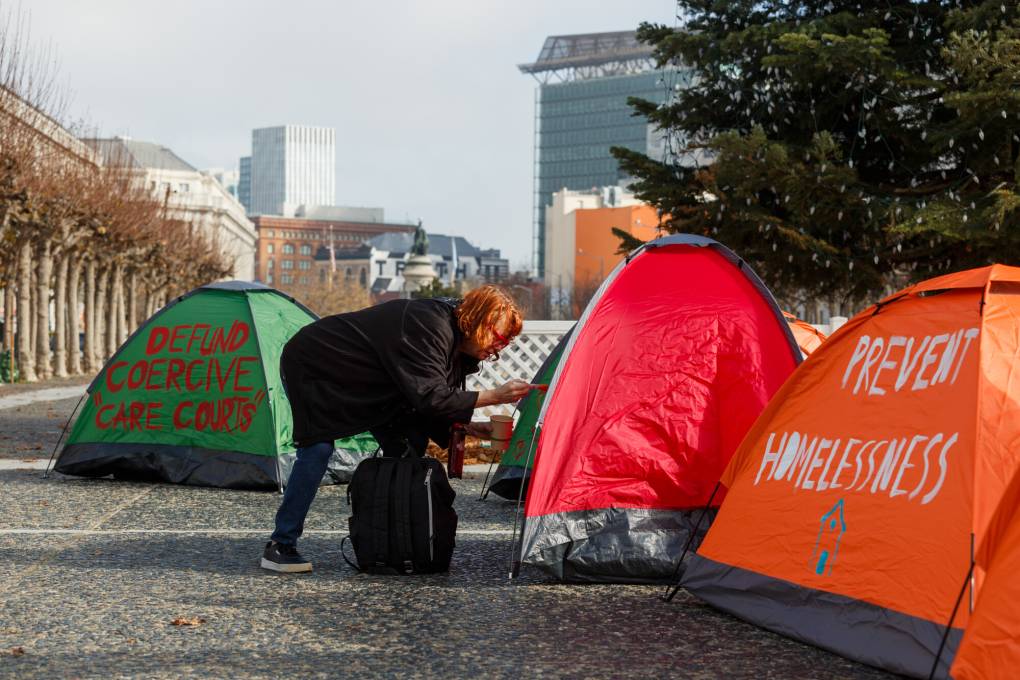
Lurie’s Nonprofit Is Giving San Francisco $11 Million to Prevent Family Homelessness
Oakland First Fridays Festival Put on Hold Due to Financial Woes
Tonga Aid Ships Will Depart the Bay Area Soon. Here's How to Donate
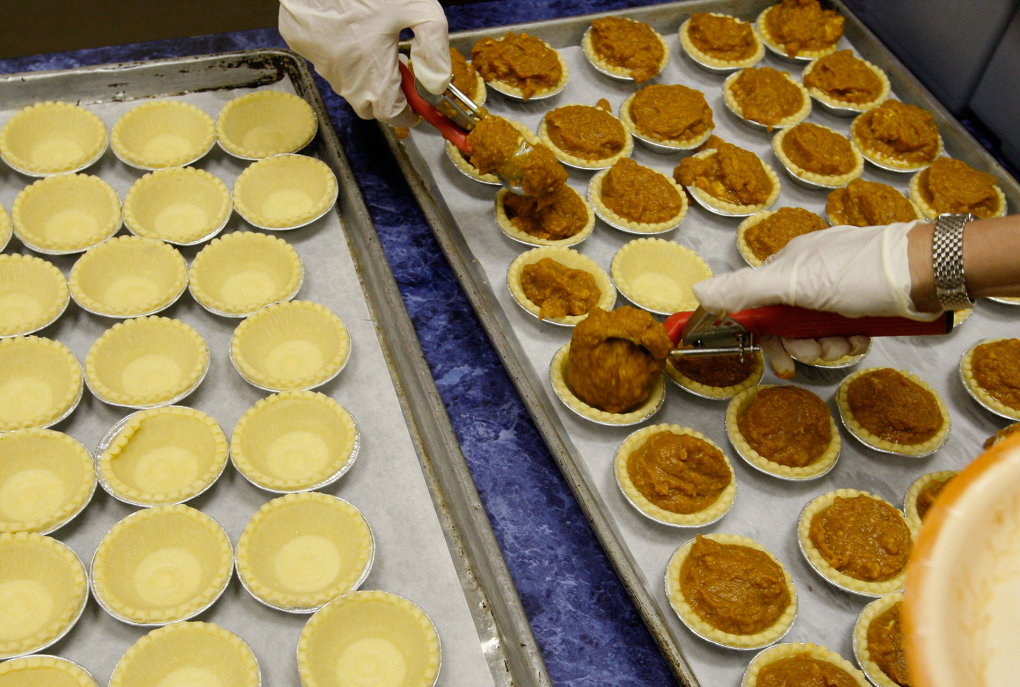
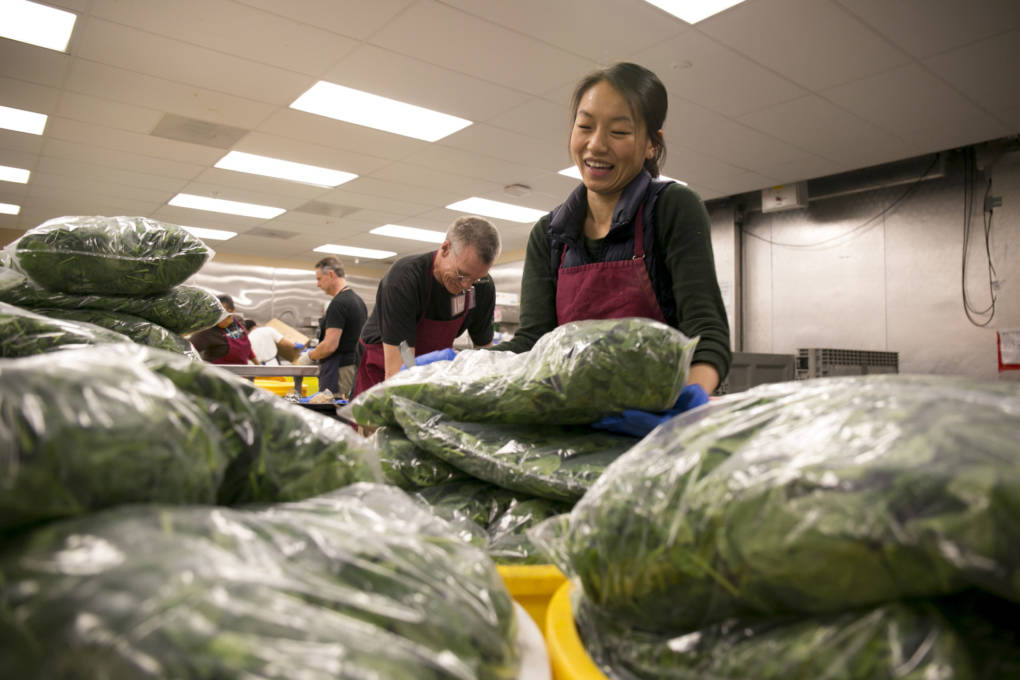
Can I Volunteer at a Food Bank During COVID-19?
Not Everyone Can Escape the Smoke Outside. Here's Where to Get Help — and How to Help
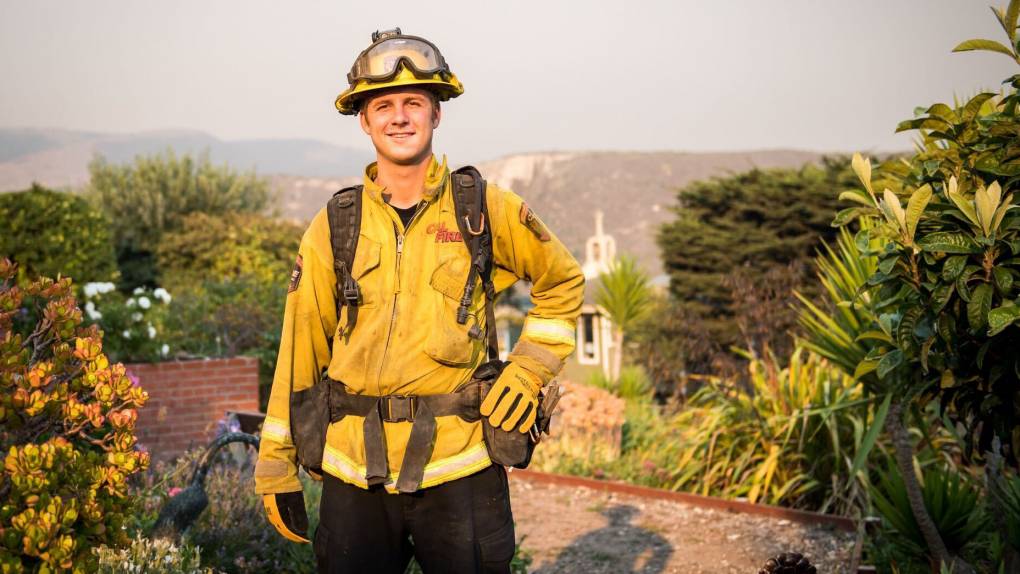
Here's How to Help Wildfire Survivors Right Now – and Where to Donate
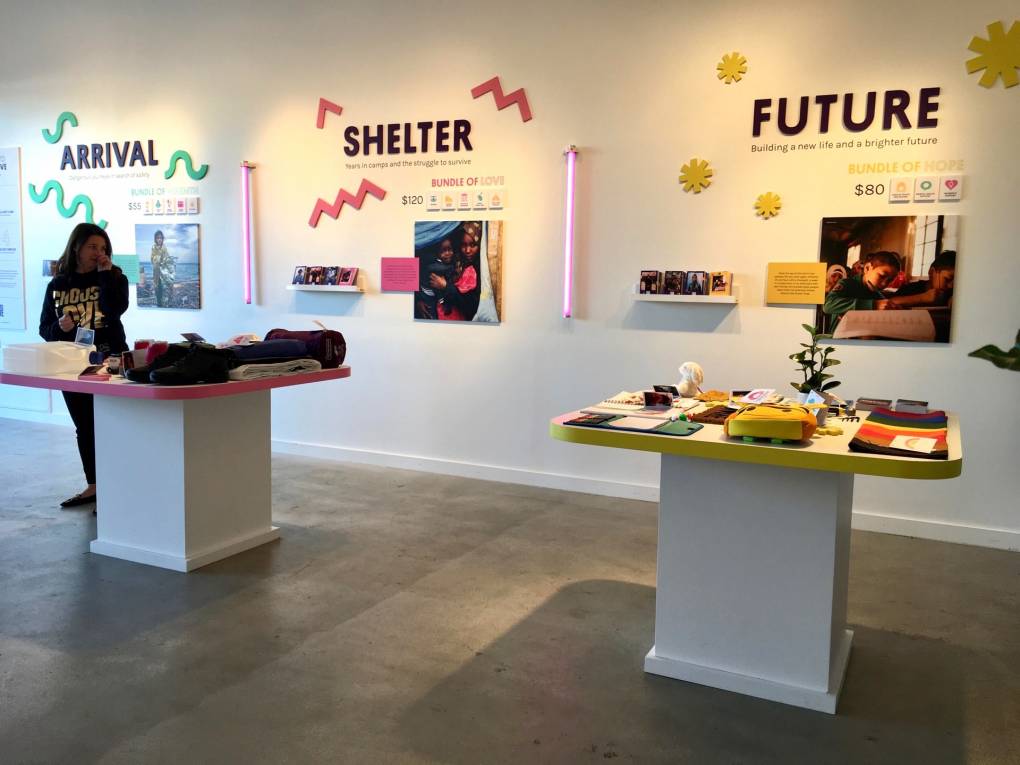
L.A. Pop-Up Turns Holiday Shopping Into Donations for Refugees
Bay Area Food Banks Under Pressure to Hit Holiday Targets
A Guide to Bay Area Food Banks: Donating & Volunteering
Sponsored
Player sponsored by
window.__IS_SSR__=true
window.__INITIAL_STATE__={
"attachmentsReducer": {
"audio_0": {
"type": "attachments",
"id": "audio_0",
"imgSizes": {
"kqedFullSize": {
"file": "https://ww2.kqed.org/news/wp-content/themes/KQED-unified/img/audio_bgs/background0.jpg"
}
}
},
"audio_1": {
"type": "attachments",
"id": "audio_1",
"imgSizes": {
"kqedFullSize": {
"file": "https://ww2.kqed.org/news/wp-content/themes/KQED-unified/img/audio_bgs/background1.jpg"
}
}
},
"audio_2": {
"type": "attachments",
"id": "audio_2",
"imgSizes": {
"kqedFullSize": {
"file": "https://ww2.kqed.org/news/wp-content/themes/KQED-unified/img/audio_bgs/background2.jpg"
}
}
},
"audio_3": {
"type": "attachments",
"id": "audio_3",
"imgSizes": {
"kqedFullSize": {
"file": "https://ww2.kqed.org/news/wp-content/themes/KQED-unified/img/audio_bgs/background3.jpg"
}
}
},
"audio_4": {
"type": "attachments",
"id": "audio_4",
"imgSizes": {
"kqedFullSize": {
"file": "https://ww2.kqed.org/news/wp-content/themes/KQED-unified/img/audio_bgs/background4.jpg"
}
}
},
"placeholder": {
"type": "attachments",
"id": "placeholder",
"imgSizes": {
"thumbnail": {
"file": "https://cdn.kqed.org/wp-content/uploads/2024/12/KQED-Default-Image-816638274-2000x1333-1-160x107.jpg",
"width": 160,
"height": 107,
"mimeType": "image/jpeg"
},
"medium": {
"file": "https://cdn.kqed.org/wp-content/uploads/2024/12/KQED-Default-Image-816638274-2000x1333-1-800x533.jpg",
"width": 800,
"height": 533,
"mimeType": "image/jpeg"
},
"medium_large": {
"file": "https://cdn.kqed.org/wp-content/uploads/2024/12/KQED-Default-Image-816638274-2000x1333-1-768x512.jpg",
"width": 768,
"height": 512,
"mimeType": "image/jpeg"
},
"large": {
"file": "https://cdn.kqed.org/wp-content/uploads/2024/12/KQED-Default-Image-816638274-2000x1333-1-1020x680.jpg",
"width": 1020,
"height": 680,
"mimeType": "image/jpeg"
},
"1536x1536": {
"file": "https://cdn.kqed.org/wp-content/uploads/2024/12/KQED-Default-Image-816638274-2000x1333-1-1536x1024.jpg",
"width": 1536,
"height": 1024,
"mimeType": "image/jpeg"
},
"fd-lrg": {
"file": "https://cdn.kqed.org/wp-content/uploads/2024/12/KQED-Default-Image-816638274-2000x1333-1-1536x1024.jpg",
"width": 1536,
"height": 1024,
"mimeType": "image/jpeg"
},
"fd-med": {
"file": "https://cdn.kqed.org/wp-content/uploads/2024/12/KQED-Default-Image-816638274-2000x1333-1-1020x680.jpg",
"width": 1020,
"height": 680,
"mimeType": "image/jpeg"
},
"fd-sm": {
"file": "https://cdn.kqed.org/wp-content/uploads/2024/12/KQED-Default-Image-816638274-2000x1333-1-800x533.jpg",
"width": 800,
"height": 533,
"mimeType": "image/jpeg"
},
"post-thumbnail": {
"file": "https://cdn.kqed.org/wp-content/uploads/2024/12/KQED-Default-Image-816638274-2000x1333-1-672x372.jpg",
"width": 672,
"height": 372,
"mimeType": "image/jpeg"
},
"twentyfourteen-full-width": {
"file": "https://cdn.kqed.org/wp-content/uploads/2024/12/KQED-Default-Image-816638274-2000x1333-1-1038x576.jpg",
"width": 1038,
"height": 576,
"mimeType": "image/jpeg"
},
"xxsmall": {
"file": "https://cdn.kqed.org/wp-content/uploads/2024/12/KQED-Default-Image-816638274-2000x1333-1-160x107.jpg",
"width": 160,
"height": 107,
"mimeType": "image/jpeg"
},
"xsmall": {
"file": "https://cdn.kqed.org/wp-content/uploads/2024/12/KQED-Default-Image-816638274-2000x1333-1-672x372.jpg",
"width": 672,
"height": 372,
"mimeType": "image/jpeg"
},
"small": {
"file": "https://cdn.kqed.org/wp-content/uploads/2024/12/KQED-Default-Image-816638274-2000x1333-1-672x372.jpg",
"width": 672,
"height": 372,
"mimeType": "image/jpeg"
},
"xlarge": {
"file": "https://cdn.kqed.org/wp-content/uploads/2024/12/KQED-Default-Image-816638274-2000x1333-1-1020x680.jpg",
"width": 1020,
"height": 680,
"mimeType": "image/jpeg"
},
"full-width": {
"file": "https://cdn.kqed.org/wp-content/uploads/2024/12/KQED-Default-Image-816638274-2000x1333-1-1920x1280.jpg",
"width": 1920,
"height": 1280,
"mimeType": "image/jpeg"
},
"guest-author-32": {
"file": "https://cdn.kqed.org/wp-content/uploads/2025/01/KQED-Default-Image-816638274-1333x1333-1-160x160.jpg",
"width": 32,
"height": 32,
"mimeType": "image/jpeg"
},
"guest-author-50": {
"file": "https://cdn.kqed.org/wp-content/uploads/2025/01/KQED-Default-Image-816638274-1333x1333-1-160x160.jpg",
"width": 50,
"height": 50,
"mimeType": "image/jpeg"
},
"guest-author-64": {
"file": "https://cdn.kqed.org/wp-content/uploads/2025/01/KQED-Default-Image-816638274-1333x1333-1-160x160.jpg",
"width": 64,
"height": 64,
"mimeType": "image/jpeg"
},
"guest-author-96": {
"file": "https://cdn.kqed.org/wp-content/uploads/2025/01/KQED-Default-Image-816638274-1333x1333-1-160x160.jpg",
"width": 96,
"height": 96,
"mimeType": "image/jpeg"
},
"guest-author-128": {
"file": "https://cdn.kqed.org/wp-content/uploads/2025/01/KQED-Default-Image-816638274-1333x1333-1-160x160.jpg",
"width": 128,
"height": 128,
"mimeType": "image/jpeg"
},
"detail": {
"file": "https://cdn.kqed.org/wp-content/uploads/2025/01/KQED-Default-Image-816638274-1333x1333-1-160x160.jpg",
"width": 160,
"height": 160,
"mimeType": "image/jpeg"
},
"kqedFullSize": {
"file": "https://cdn.kqed.org/wp-content/uploads/2024/12/KQED-Default-Image-816638274-2000x1333-1.jpg",
"width": 2000,
"height": 1333
}
}
},
"news_12029622": {
"type": "attachments",
"id": "news_12029622",
"meta": {
"index": "attachments_1716263798",
"site": "news",
"id": "12029622",
"found": true
},
"title": "20241217-UnhousedDemonstrations-JY-355_qed",
"publishDate": 1741116824,
"status": "inherit",
"parent": 12029619,
"modified": 1741123481,
"caption": "A person paints on a tent during a demonstration against the rise in encampment sweeps in front of City Hall in San Francisco on Tuesday, Dec. 17, 2024. Tipping Point Community, which Mayor Daniel Lurie founded before entering City Hall, will support a pilot program aimed at stemming a surge in family homelessness.",
"credit": "Juliana Yamada/KQED",
"altTag": null,
"description": null,
"imgSizes": {
"medium": {
"file": "https://cdn.kqed.org/wp-content/uploads/sites/10/2025/03/20241217-UnhousedDemonstrations-JY-355_qed-800x533.jpg",
"width": 800,
"height": 533,
"mimeType": "image/jpeg"
},
"large": {
"file": "https://cdn.kqed.org/wp-content/uploads/sites/10/2025/03/20241217-UnhousedDemonstrations-JY-355_qed-1020x680.jpg",
"width": 1020,
"height": 680,
"mimeType": "image/jpeg"
},
"thumbnail": {
"file": "https://cdn.kqed.org/wp-content/uploads/sites/10/2025/03/20241217-UnhousedDemonstrations-JY-355_qed-160x107.jpg",
"width": 160,
"height": 107,
"mimeType": "image/jpeg"
},
"1536x1536": {
"file": "https://cdn.kqed.org/wp-content/uploads/sites/10/2025/03/20241217-UnhousedDemonstrations-JY-355_qed-1536x1024.jpg",
"width": 1536,
"height": 1024,
"mimeType": "image/jpeg"
},
"post-thumbnail": {
"file": "https://cdn.kqed.org/wp-content/uploads/sites/10/2025/03/20241217-UnhousedDemonstrations-JY-355_qed-672x372.jpg",
"width": 672,
"height": 372,
"mimeType": "image/jpeg"
},
"twentyfourteen-full-width": {
"file": "https://cdn.kqed.org/wp-content/uploads/sites/10/2025/03/20241217-UnhousedDemonstrations-JY-355_qed-1038x576.jpg",
"width": 1038,
"height": 576,
"mimeType": "image/jpeg"
},
"full-width": {
"file": "https://cdn.kqed.org/wp-content/uploads/sites/10/2025/03/20241217-UnhousedDemonstrations-JY-355_qed-1920x1280.jpg",
"width": 1920,
"height": 1280,
"mimeType": "image/jpeg"
},
"kqedFullSize": {
"file": "https://cdn.kqed.org/wp-content/uploads/sites/10/2025/03/20241217-UnhousedDemonstrations-JY-355_qed.jpg",
"width": 2000,
"height": 1333
}
},
"fetchFailed": false,
"isLoading": false
},
"news_11965639": {
"type": "attachments",
"id": "news_11965639",
"meta": {
"index": "attachments_1716263798",
"site": "news",
"id": "11965639",
"found": true
},
"parent": 11965637,
"imgSizes": {
"twentyfourteen-full-width": {
"file": "https://ww2.kqed.org/app/uploads/sites/10/2023/10/201906-oakff-ScottHaney030-1038x576.jpg",
"width": 1038,
"mimeType": "image/jpeg",
"height": 576
},
"thumbnail": {
"file": "https://ww2.kqed.org/app/uploads/sites/10/2023/10/201906-oakff-ScottHaney030-160x106.jpg",
"width": 160,
"mimeType": "image/jpeg",
"height": 106
},
"post-thumbnail": {
"file": "https://ww2.kqed.org/app/uploads/sites/10/2023/10/201906-oakff-ScottHaney030-672x372.jpg",
"width": 672,
"mimeType": "image/jpeg",
"height": 372
},
"kqedFullSize": {
"file": "https://ww2.kqed.org/app/uploads/sites/10/2023/10/201906-oakff-ScottHaney030.jpg",
"width": 1200,
"height": 795
},
"large": {
"file": "https://ww2.kqed.org/app/uploads/sites/10/2023/10/201906-oakff-ScottHaney030-1020x676.jpg",
"width": 1020,
"mimeType": "image/jpeg",
"height": 676
},
"medium": {
"file": "https://ww2.kqed.org/app/uploads/sites/10/2023/10/201906-oakff-ScottHaney030-800x530.jpg",
"width": 800,
"mimeType": "image/jpeg",
"height": 530
}
},
"publishDate": 1698265326,
"modified": 1698267068,
"caption": "Festival attendees shop at a booth at First Friday in June 2019. Festival organizers are unsure when the event will be able to return because of a lack of city funds.",
"description": null,
"title": "201906-oakff-ScottHaney030",
"credit": "Scott Haney",
"status": "inherit",
"altTag": "Women look at clothing in a festival booth filled with African fabrics.",
"fetchFailed": false,
"isLoading": false
},
"news_11902044": {
"type": "attachments",
"id": "news_11902044",
"meta": {
"index": "attachments_1716263798",
"site": "news",
"id": "11902044",
"found": true
},
"parent": 11901995,
"imgSizes": {
"twentyfourteen-full-width": {
"file": "https://ww2.kqed.org/app/uploads/sites/10/2022/01/RS53166_GettyImages-1346601969-qut-1038x576.jpg",
"width": 1038,
"mimeType": "image/jpeg",
"height": 576
},
"thumbnail": {
"file": "https://ww2.kqed.org/app/uploads/sites/10/2022/01/RS53166_GettyImages-1346601969-qut-160x105.jpg",
"width": 160,
"mimeType": "image/jpeg",
"height": 105
},
"post-thumbnail": {
"file": "https://ww2.kqed.org/app/uploads/sites/10/2022/01/RS53166_GettyImages-1346601969-qut-672x372.jpg",
"width": 672,
"mimeType": "image/jpeg",
"height": 372
},
"kqedFullSize": {
"file": "https://ww2.kqed.org/app/uploads/sites/10/2022/01/RS53166_GettyImages-1346601969-qut.jpg",
"width": 1920,
"height": 1264
},
"large": {
"file": "https://ww2.kqed.org/app/uploads/sites/10/2022/01/RS53166_GettyImages-1346601969-qut-1020x672.jpg",
"width": 1020,
"mimeType": "image/jpeg",
"height": 672
},
"1536x1536": {
"file": "https://ww2.kqed.org/app/uploads/sites/10/2022/01/RS53166_GettyImages-1346601969-qut-1536x1011.jpg",
"width": 1536,
"mimeType": "image/jpeg",
"height": 1011
},
"medium": {
"file": "https://ww2.kqed.org/app/uploads/sites/10/2022/01/RS53166_GettyImages-1346601969-qut-800x527.jpg",
"width": 800,
"mimeType": "image/jpeg",
"height": 527
}
},
"publishDate": 1642629975,
"modified": 1642636172,
"caption": "A family-owned shipping company that operates out of the Port of Oakland is preparing to send two shipments of relief supplies to Tonga following last weekend's devastating tsunami following an undersea volcanic eruption.",
"description": null,
"title": "Global Supply Chain Disruptions Continue As Pandemic Induced Issues Drag On",
"credit": "Justin Sullivan/Getty Images",
"status": "inherit",
"altTag": "Large container ship docked under cranes at Port of Oakland, stacked high with containers",
"fetchFailed": false,
"isLoading": false
},
"news_11851504": {
"type": "attachments",
"id": "news_11851504",
"meta": {
"index": "attachments_1716263798",
"site": "news",
"id": "11851504",
"found": true
},
"parent": 11851193,
"imgSizes": {
"apple_news_ca_landscape_5_5": {
"file": "https://ww2.kqed.org/app/uploads/sites/10/2020/12/pumpkin-pie-1044x783.png",
"width": 1044,
"mimeType": "image/png",
"height": 783
},
"apple_news_ca_square_4_0": {
"file": "https://ww2.kqed.org/app/uploads/sites/10/2020/12/pumpkin-pie-470x470.png",
"width": 470,
"mimeType": "image/png",
"height": 470
},
"twentyfourteen-full-width": {
"file": "https://ww2.kqed.org/app/uploads/sites/10/2020/12/pumpkin-pie-1038x576.png",
"width": 1038,
"mimeType": "image/png",
"height": 576
},
"thumbnail": {
"file": "https://ww2.kqed.org/app/uploads/sites/10/2020/12/pumpkin-pie-160x108.png",
"width": 160,
"mimeType": "image/png",
"height": 108
},
"post-thumbnail": {
"file": "https://ww2.kqed.org/app/uploads/sites/10/2020/12/pumpkin-pie-672x372.png",
"width": 672,
"mimeType": "image/png",
"height": 372
},
"kqedFullSize": {
"file": "https://ww2.kqed.org/app/uploads/sites/10/2020/12/pumpkin-pie.png",
"width": 1900,
"height": 1280
},
"apple_news_ca_landscape_4_7": {
"file": "https://ww2.kqed.org/app/uploads/sites/10/2020/12/pumpkin-pie-632x474.png",
"width": 632,
"mimeType": "image/png",
"height": 474
},
"large": {
"file": "https://ww2.kqed.org/app/uploads/sites/10/2020/12/pumpkin-pie-1020x687.png",
"width": 1020,
"mimeType": "image/png",
"height": 687
},
"apple_news_ca_landscape_4_0": {
"file": "https://ww2.kqed.org/app/uploads/sites/10/2020/12/pumpkin-pie-536x402.png",
"width": 536,
"mimeType": "image/png",
"height": 402
},
"apple_news_ca_portrait_12_9": {
"file": "https://ww2.kqed.org/app/uploads/sites/10/2020/12/pumpkin-pie-1122x1280.png",
"width": 1122,
"mimeType": "image/png",
"height": 1280
},
"medium": {
"file": "https://ww2.kqed.org/app/uploads/sites/10/2020/12/pumpkin-pie-800x539.png",
"width": 800,
"mimeType": "image/png",
"height": 539
},
"apple_news_ca_portrait_4_0": {
"file": "https://ww2.kqed.org/app/uploads/sites/10/2020/12/pumpkin-pie-354x472.png",
"width": 354,
"mimeType": "image/png",
"height": 472
},
"apple_news_ca_portrait_9_7": {
"file": "https://ww2.kqed.org/app/uploads/sites/10/2020/12/pumpkin-pie-840x1120.png",
"width": 840,
"mimeType": "image/png",
"height": 1120
},
"apple_news_ca_landscape_12_9": {
"file": "https://ww2.kqed.org/app/uploads/sites/10/2020/12/pumpkin-pie-1832x1280.png",
"width": 1832,
"mimeType": "image/png",
"height": 1280
},
"apple_news_ca_square_9_7": {
"file": "https://ww2.kqed.org/app/uploads/sites/10/2020/12/pumpkin-pie-1104x1104.png",
"width": 1104,
"mimeType": "image/png",
"height": 1104
},
"1536x1536": {
"file": "https://ww2.kqed.org/app/uploads/sites/10/2020/12/pumpkin-pie-1536x1035.png",
"width": 1536,
"mimeType": "image/png",
"height": 1035
},
"apple_news_ca_portrait_4_7": {
"file": "https://ww2.kqed.org/app/uploads/sites/10/2020/12/pumpkin-pie-414x552.png",
"width": 414,
"mimeType": "image/png",
"height": 552
},
"apple_news_ca_square_12_9": {
"file": "https://ww2.kqed.org/app/uploads/sites/10/2020/12/pumpkin-pie-1472x1280.png",
"width": 1472,
"mimeType": "image/png",
"height": 1280
},
"apple_news_ca_portrait_5_5": {
"file": "https://ww2.kqed.org/app/uploads/sites/10/2020/12/pumpkin-pie-687x916.png",
"width": 687,
"mimeType": "image/png",
"height": 916
},
"apple_news_ca_square_4_7": {
"file": "https://ww2.kqed.org/app/uploads/sites/10/2020/12/pumpkin-pie-550x550.png",
"width": 550,
"mimeType": "image/png",
"height": 550
},
"apple_news_ca_landscape_9_7": {
"file": "https://ww2.kqed.org/app/uploads/sites/10/2020/12/pumpkin-pie-1376x1032.png",
"width": 1376,
"mimeType": "image/png",
"height": 1032
},
"apple_news_ca_square_5_5": {
"file": "https://ww2.kqed.org/app/uploads/sites/10/2020/12/pumpkin-pie-912x912.png",
"width": 912,
"mimeType": "image/png",
"height": 912
}
},
"publishDate": 1608158951,
"modified": 1608165126,
"caption": "Gloved hands prepare pumpkin pies at St. Anthony's Dining Room in San Francisco",
"description": null,
"title": "food-bank-volunteer",
"credit": "Justin Sullivan/Getty Images",
"status": "inherit",
"altTag": "Gloved hands prepare miniature pumpkin pies laid out on a sheet",
"fetchFailed": false,
"isLoading": false
},
"news_11837458": {
"type": "attachments",
"id": "news_11837458",
"meta": {
"index": "attachments_1716263798",
"site": "news",
"id": "11837458",
"found": true
},
"parent": 11837317,
"imgSizes": {
"apple_news_ca_landscape_5_5": {
"file": "https://ww2.kqed.org/app/uploads/sites/10/2020/09/RS44789_003_KQED_SanFrancisco_OrangeSky_09092020-qut-1044x783.jpg",
"width": 1044,
"mimeType": "image/jpeg",
"height": 783
},
"apple_news_ca_square_4_0": {
"file": "https://ww2.kqed.org/app/uploads/sites/10/2020/09/RS44789_003_KQED_SanFrancisco_OrangeSky_09092020-qut-470x470.jpg",
"width": 470,
"mimeType": "image/jpeg",
"height": 470
},
"twentyfourteen-full-width": {
"file": "https://ww2.kqed.org/app/uploads/sites/10/2020/09/RS44789_003_KQED_SanFrancisco_OrangeSky_09092020-qut-1038x576.jpg",
"width": 1038,
"mimeType": "image/jpeg",
"height": 576
},
"thumbnail": {
"file": "https://ww2.kqed.org/app/uploads/sites/10/2020/09/RS44789_003_KQED_SanFrancisco_OrangeSky_09092020-qut-160x107.jpg",
"width": 160,
"mimeType": "image/jpeg",
"height": 107
},
"post-thumbnail": {
"file": "https://ww2.kqed.org/app/uploads/sites/10/2020/09/RS44789_003_KQED_SanFrancisco_OrangeSky_09092020-qut-672x372.jpg",
"width": 672,
"mimeType": "image/jpeg",
"height": 372
},
"kqedFullSize": {
"file": "https://ww2.kqed.org/app/uploads/sites/10/2020/09/RS44789_003_KQED_SanFrancisco_OrangeSky_09092020-qut.jpg",
"width": 1920,
"height": 1280
},
"apple_news_ca_landscape_4_7": {
"file": "https://ww2.kqed.org/app/uploads/sites/10/2020/09/RS44789_003_KQED_SanFrancisco_OrangeSky_09092020-qut-632x474.jpg",
"width": 632,
"mimeType": "image/jpeg",
"height": 474
},
"large": {
"file": "https://ww2.kqed.org/app/uploads/sites/10/2020/09/RS44789_003_KQED_SanFrancisco_OrangeSky_09092020-qut-1020x680.jpg",
"width": 1020,
"mimeType": "image/jpeg",
"height": 680
},
"apple_news_ca_landscape_4_0": {
"file": "https://ww2.kqed.org/app/uploads/sites/10/2020/09/RS44789_003_KQED_SanFrancisco_OrangeSky_09092020-qut-536x402.jpg",
"width": 536,
"mimeType": "image/jpeg",
"height": 402
},
"apple_news_ca_portrait_12_9": {
"file": "https://ww2.kqed.org/app/uploads/sites/10/2020/09/RS44789_003_KQED_SanFrancisco_OrangeSky_09092020-qut-1122x1280.jpg",
"width": 1122,
"mimeType": "image/jpeg",
"height": 1280
},
"medium": {
"file": "https://ww2.kqed.org/app/uploads/sites/10/2020/09/RS44789_003_KQED_SanFrancisco_OrangeSky_09092020-qut-800x533.jpg",
"width": 800,
"mimeType": "image/jpeg",
"height": 533
},
"apple_news_ca_portrait_4_0": {
"file": "https://ww2.kqed.org/app/uploads/sites/10/2020/09/RS44789_003_KQED_SanFrancisco_OrangeSky_09092020-qut-354x472.jpg",
"width": 354,
"mimeType": "image/jpeg",
"height": 472
},
"apple_news_ca_portrait_9_7": {
"file": "https://ww2.kqed.org/app/uploads/sites/10/2020/09/RS44789_003_KQED_SanFrancisco_OrangeSky_09092020-qut-840x1120.jpg",
"width": 840,
"mimeType": "image/jpeg",
"height": 1120
},
"apple_news_ca_landscape_12_9": {
"file": "https://ww2.kqed.org/app/uploads/sites/10/2020/09/RS44789_003_KQED_SanFrancisco_OrangeSky_09092020-qut-1832x1280.jpg",
"width": 1832,
"mimeType": "image/jpeg",
"height": 1280
},
"apple_news_ca_square_9_7": {
"file": "https://ww2.kqed.org/app/uploads/sites/10/2020/09/RS44789_003_KQED_SanFrancisco_OrangeSky_09092020-qut-1104x1104.jpg",
"width": 1104,
"mimeType": "image/jpeg",
"height": 1104
},
"1536x1536": {
"file": "https://ww2.kqed.org/app/uploads/sites/10/2020/09/RS44789_003_KQED_SanFrancisco_OrangeSky_09092020-qut-1536x1024.jpg",
"width": 1536,
"mimeType": "image/jpeg",
"height": 1024
},
"apple_news_ca_portrait_4_7": {
"file": "https://ww2.kqed.org/app/uploads/sites/10/2020/09/RS44789_003_KQED_SanFrancisco_OrangeSky_09092020-qut-414x552.jpg",
"width": 414,
"mimeType": "image/jpeg",
"height": 552
},
"apple_news_ca_square_12_9": {
"file": "https://ww2.kqed.org/app/uploads/sites/10/2020/09/RS44789_003_KQED_SanFrancisco_OrangeSky_09092020-qut-1472x1280.jpg",
"width": 1472,
"mimeType": "image/jpeg",
"height": 1280
},
"apple_news_ca_portrait_5_5": {
"file": "https://ww2.kqed.org/app/uploads/sites/10/2020/09/RS44789_003_KQED_SanFrancisco_OrangeSky_09092020-qut-687x916.jpg",
"width": 687,
"mimeType": "image/jpeg",
"height": 916
},
"apple_news_ca_square_4_7": {
"file": "https://ww2.kqed.org/app/uploads/sites/10/2020/09/RS44789_003_KQED_SanFrancisco_OrangeSky_09092020-qut-550x550.jpg",
"width": 550,
"mimeType": "image/jpeg",
"height": 550
},
"apple_news_ca_landscape_9_7": {
"file": "https://ww2.kqed.org/app/uploads/sites/10/2020/09/RS44789_003_KQED_SanFrancisco_OrangeSky_09092020-qut-1376x1032.jpg",
"width": 1376,
"mimeType": "image/jpeg",
"height": 1032
},
"apple_news_ca_square_5_5": {
"file": "https://ww2.kqed.org/app/uploads/sites/10/2020/09/RS44789_003_KQED_SanFrancisco_OrangeSky_09092020-qut-912x912.jpg",
"width": 912,
"mimeType": "image/jpeg",
"height": 912
}
},
"publishDate": 1599785523,
"modified": 1599849656,
"caption": "A view of the San Francisco skyline from Dolores Park in San Francisco on Sept. 9, 2020.",
"description": "A view of the San Francisco skyline from Dolores Park in San Francisco on Sep. 9, 2020.",
"title": "RS44789_003_KQED_SanFrancisco_OrangeSky_09092020-qut",
"credit": "Beth LaBerge/KQED",
"status": "inherit",
"fetchFailed": false,
"isLoading": false
},
"news_11834778": {
"type": "attachments",
"id": "news_11834778",
"meta": {
"index": "attachments_1716263798",
"site": "news",
"id": "11834778",
"found": true
},
"parent": 11834683,
"imgSizes": {
"apple_news_ca_landscape_5_5": {
"file": "https://ww2.kqed.org/app/uploads/sites/10/2020/08/cutefirefighter_1920-1044x783.jpg",
"width": 1044,
"mimeType": "image/jpeg",
"height": 783
},
"apple_news_ca_square_4_0": {
"file": "https://ww2.kqed.org/app/uploads/sites/10/2020/08/cutefirefighter_1920-470x470.jpg",
"width": 470,
"mimeType": "image/jpeg",
"height": 470
},
"twentyfourteen-full-width": {
"file": "https://ww2.kqed.org/app/uploads/sites/10/2020/08/cutefirefighter_1920-1038x576.jpg",
"width": 1038,
"mimeType": "image/jpeg",
"height": 576
},
"thumbnail": {
"file": "https://ww2.kqed.org/app/uploads/sites/10/2020/08/cutefirefighter_1920-160x90.jpg",
"width": 160,
"mimeType": "image/jpeg",
"height": 90
},
"post-thumbnail": {
"file": "https://ww2.kqed.org/app/uploads/sites/10/2020/08/cutefirefighter_1920-672x372.jpg",
"width": 672,
"mimeType": "image/jpeg",
"height": 372
},
"kqedFullSize": {
"file": "https://ww2.kqed.org/app/uploads/sites/10/2020/08/cutefirefighter_1920.jpg",
"width": 1856,
"height": 1044
},
"apple_news_ca_landscape_4_7": {
"file": "https://ww2.kqed.org/app/uploads/sites/10/2020/08/cutefirefighter_1920-632x474.jpg",
"width": 632,
"mimeType": "image/jpeg",
"height": 474
},
"large": {
"file": "https://ww2.kqed.org/app/uploads/sites/10/2020/08/cutefirefighter_1920-1020x574.jpg",
"width": 1020,
"mimeType": "image/jpeg",
"height": 574
},
"apple_news_ca_landscape_4_0": {
"file": "https://ww2.kqed.org/app/uploads/sites/10/2020/08/cutefirefighter_1920-536x402.jpg",
"width": 536,
"mimeType": "image/jpeg",
"height": 402
},
"apple_news_ca_portrait_12_9": {
"file": "https://ww2.kqed.org/app/uploads/sites/10/2020/08/cutefirefighter_1920-1122x1044.jpg",
"width": 1122,
"mimeType": "image/jpeg",
"height": 1044
},
"medium": {
"file": "https://ww2.kqed.org/app/uploads/sites/10/2020/08/cutefirefighter_1920-800x450.jpg",
"width": 800,
"mimeType": "image/jpeg",
"height": 450
},
"apple_news_ca_portrait_4_0": {
"file": "https://ww2.kqed.org/app/uploads/sites/10/2020/08/cutefirefighter_1920-354x472.jpg",
"width": 354,
"mimeType": "image/jpeg",
"height": 472
},
"apple_news_ca_portrait_9_7": {
"file": "https://ww2.kqed.org/app/uploads/sites/10/2020/08/cutefirefighter_1920-840x1044.jpg",
"width": 840,
"mimeType": "image/jpeg",
"height": 1044
},
"apple_news_ca_landscape_12_9": {
"file": "https://ww2.kqed.org/app/uploads/sites/10/2020/08/cutefirefighter_1920-1832x1044.jpg",
"width": 1832,
"mimeType": "image/jpeg",
"height": 1044
},
"apple_news_ca_square_9_7": {
"file": "https://ww2.kqed.org/app/uploads/sites/10/2020/08/cutefirefighter_1920-1104x1044.jpg",
"width": 1104,
"mimeType": "image/jpeg",
"height": 1044
},
"1536x1536": {
"file": "https://ww2.kqed.org/app/uploads/sites/10/2020/08/cutefirefighter_1920-1536x864.jpg",
"width": 1536,
"mimeType": "image/jpeg",
"height": 864
},
"apple_news_ca_portrait_4_7": {
"file": "https://ww2.kqed.org/app/uploads/sites/10/2020/08/cutefirefighter_1920-414x552.jpg",
"width": 414,
"mimeType": "image/jpeg",
"height": 552
},
"apple_news_ca_square_12_9": {
"file": "https://ww2.kqed.org/app/uploads/sites/10/2020/08/cutefirefighter_1920-1472x1044.jpg",
"width": 1472,
"mimeType": "image/jpeg",
"height": 1044
},
"apple_news_ca_portrait_5_5": {
"file": "https://ww2.kqed.org/app/uploads/sites/10/2020/08/cutefirefighter_1920-687x916.jpg",
"width": 687,
"mimeType": "image/jpeg",
"height": 916
},
"apple_news_ca_square_4_7": {
"file": "https://ww2.kqed.org/app/uploads/sites/10/2020/08/cutefirefighter_1920-550x550.jpg",
"width": 550,
"mimeType": "image/jpeg",
"height": 550
},
"apple_news_ca_landscape_9_7": {
"file": "https://ww2.kqed.org/app/uploads/sites/10/2020/08/cutefirefighter_1920-1376x1032.jpg",
"width": 1376,
"mimeType": "image/jpeg",
"height": 1032
},
"apple_news_ca_square_5_5": {
"file": "https://ww2.kqed.org/app/uploads/sites/10/2020/08/cutefirefighter_1920-912x912.jpg",
"width": 912,
"mimeType": "image/jpeg",
"height": 912
}
},
"publishDate": 1598221035,
"modified": 1598370608,
"caption": "Dalton Smith with the CalFire Nevada-Yuba-Placer unit in Davenport on Aug. 20, 2020. ",
"description": "Dalton Smith with the CalFire Nevada-Yuba-Placer unit in Davenport on Aug. 20, 2020. ",
"title": "cutefirefighter_1920",
"credit": "Beth LaBerge/KQED",
"status": "inherit",
"fetchFailed": false,
"isLoading": false
},
"news_11791967": {
"type": "attachments",
"id": "news_11791967",
"meta": {
"index": "attachments_1716263798",
"site": "news",
"id": "11791967",
"found": true
},
"parent": 11791689,
"imgSizes": {
"apple_news_ca_landscape_5_5": {
"file": "https://ww2.kqed.org/app/uploads/sites/10/2019/12/RS40498_IMG_4244-qut-1044x783.jpg",
"width": 1044,
"mimeType": "image/jpeg",
"height": 783
},
"apple_news_ca_square_4_0": {
"file": "https://ww2.kqed.org/app/uploads/sites/10/2019/12/RS40498_IMG_4244-qut-470x470.jpg",
"width": 470,
"mimeType": "image/jpeg",
"height": 470
},
"twentyfourteen-full-width": {
"file": "https://ww2.kqed.org/app/uploads/sites/10/2019/12/RS40498_IMG_4244-qut-1038x576.jpg",
"width": 1038,
"mimeType": "image/jpeg",
"height": 576
},
"thumbnail": {
"file": "https://ww2.kqed.org/app/uploads/sites/10/2019/12/RS40498_IMG_4244-qut-160x120.jpg",
"width": 160,
"mimeType": "image/jpeg",
"height": 120
},
"post-thumbnail": {
"file": "https://ww2.kqed.org/app/uploads/sites/10/2019/12/RS40498_IMG_4244-qut-672x372.jpg",
"width": 672,
"mimeType": "image/jpeg",
"height": 372
},
"kqedFullSize": {
"file": "https://ww2.kqed.org/app/uploads/sites/10/2019/12/RS40498_IMG_4244-qut.jpg",
"width": 1920,
"height": 1440
},
"apple_news_ca_landscape_4_7": {
"file": "https://ww2.kqed.org/app/uploads/sites/10/2019/12/RS40498_IMG_4244-qut-632x474.jpg",
"width": 632,
"mimeType": "image/jpeg",
"height": 474
},
"large": {
"file": "https://ww2.kqed.org/app/uploads/sites/10/2019/12/RS40498_IMG_4244-qut-1020x765.jpg",
"width": 1020,
"mimeType": "image/jpeg",
"height": 765
},
"complete_open_graph": {
"file": "https://ww2.kqed.org/app/uploads/sites/10/2019/12/RS40498_IMG_4244-qut-1200x900.jpg",
"width": 1200,
"mimeType": "image/jpeg",
"height": 900
},
"apple_news_ca_landscape_4_0": {
"file": "https://ww2.kqed.org/app/uploads/sites/10/2019/12/RS40498_IMG_4244-qut-536x402.jpg",
"width": 536,
"mimeType": "image/jpeg",
"height": 402
},
"apple_news_ca_portrait_12_9": {
"file": "https://ww2.kqed.org/app/uploads/sites/10/2019/12/RS40498_IMG_4244-qut-1122x1440.jpg",
"width": 1122,
"mimeType": "image/jpeg",
"height": 1440
},
"medium": {
"file": "https://ww2.kqed.org/app/uploads/sites/10/2019/12/RS40498_IMG_4244-qut-800x600.jpg",
"width": 800,
"mimeType": "image/jpeg",
"height": 600
},
"apple_news_ca_portrait_4_0": {
"file": "https://ww2.kqed.org/app/uploads/sites/10/2019/12/RS40498_IMG_4244-qut-354x472.jpg",
"width": 354,
"mimeType": "image/jpeg",
"height": 472
},
"apple_news_ca_portrait_9_7": {
"file": "https://ww2.kqed.org/app/uploads/sites/10/2019/12/RS40498_IMG_4244-qut-840x1120.jpg",
"width": 840,
"mimeType": "image/jpeg",
"height": 1120
},
"apple_news_ca_landscape_12_9": {
"file": "https://ww2.kqed.org/app/uploads/sites/10/2019/12/RS40498_IMG_4244-qut-1832x1374.jpg",
"width": 1832,
"mimeType": "image/jpeg",
"height": 1374
},
"apple_news_ca_square_9_7": {
"file": "https://ww2.kqed.org/app/uploads/sites/10/2019/12/RS40498_IMG_4244-qut-1104x1104.jpg",
"width": 1104,
"mimeType": "image/jpeg",
"height": 1104
},
"apple_news_ca_portrait_4_7": {
"file": "https://ww2.kqed.org/app/uploads/sites/10/2019/12/RS40498_IMG_4244-qut-414x552.jpg",
"width": 414,
"mimeType": "image/jpeg",
"height": 552
},
"apple_news_ca_square_12_9": {
"file": "https://ww2.kqed.org/app/uploads/sites/10/2019/12/RS40498_IMG_4244-qut-1472x1440.jpg",
"width": 1472,
"mimeType": "image/jpeg",
"height": 1440
},
"apple_news_ca_portrait_5_5": {
"file": "https://ww2.kqed.org/app/uploads/sites/10/2019/12/RS40498_IMG_4244-qut-687x916.jpg",
"width": 687,
"mimeType": "image/jpeg",
"height": 916
},
"full-width": {
"file": "https://ww2.kqed.org/app/uploads/sites/10/2019/12/RS40498_IMG_4244-qut-1920x1440.jpg",
"width": 1920,
"mimeType": "image/jpeg",
"height": 1440
},
"apple_news_ca_square_4_7": {
"file": "https://ww2.kqed.org/app/uploads/sites/10/2019/12/RS40498_IMG_4244-qut-550x550.jpg",
"width": 550,
"mimeType": "image/jpeg",
"height": 550
},
"apple_news_ca_landscape_9_7": {
"file": "https://ww2.kqed.org/app/uploads/sites/10/2019/12/RS40498_IMG_4244-qut-1376x1032.jpg",
"width": 1376,
"mimeType": "image/jpeg",
"height": 1032
},
"apple_news_ca_square_5_5": {
"file": "https://ww2.kqed.org/app/uploads/sites/10/2019/12/RS40498_IMG_4244-qut-912x912.jpg",
"width": 912,
"mimeType": "image/jpeg",
"height": 912
}
},
"publishDate": 1576698157,
"modified": 1576699415,
"caption": "The Choose Love pop-up offers different spaces to select gifts for refugees.",
"description": null,
"title": "RS40498_IMG_4244-qut",
"credit": "Molly Peterson/KQED",
"status": "inherit",
"fetchFailed": false,
"isLoading": false
},
"news_11707710": {
"type": "attachments",
"id": "news_11707710",
"meta": {
"index": "attachments_1716263798",
"site": "news",
"id": "11707710",
"found": true
},
"parent": 11707330,
"imgSizes": {
"twentyfourteen-full-width": {
"file": "https://ww2.kqed.org/app/uploads/sites/10/2018/11/RS34031_112018_AW_AlamedaCountyFood-Bank_10-qut-1038x576.jpg",
"width": 1038,
"mimeType": "image/jpeg",
"height": 576
},
"thumbnail": {
"file": "https://ww2.kqed.org/app/uploads/sites/10/2018/11/RS34031_112018_AW_AlamedaCountyFood-Bank_10-qut-160x107.jpg",
"width": 160,
"mimeType": "image/jpeg",
"height": 107
},
"post-thumbnail": {
"file": "https://ww2.kqed.org/app/uploads/sites/10/2018/11/RS34031_112018_AW_AlamedaCountyFood-Bank_10-qut-672x372.jpg",
"width": 672,
"mimeType": "image/jpeg",
"height": 372
},
"kqedFullSize": {
"file": "https://ww2.kqed.org/app/uploads/sites/10/2018/11/RS34031_112018_AW_AlamedaCountyFood-Bank_10-qut.jpg",
"width": 1920,
"height": 1280
},
"large": {
"file": "https://ww2.kqed.org/app/uploads/sites/10/2018/11/RS34031_112018_AW_AlamedaCountyFood-Bank_10-qut-1020x680.jpg",
"width": 1020,
"mimeType": "image/jpeg",
"height": 680
},
"complete_open_graph": {
"file": "https://ww2.kqed.org/app/uploads/sites/10/2018/11/RS34031_112018_AW_AlamedaCountyFood-Bank_10-qut-1200x800.jpg",
"width": 1200,
"mimeType": "image/jpeg",
"height": 800
},
"guest-author-50": {
"file": "https://ww2.kqed.org/app/uploads/sites/10/2018/11/RS34031_112018_AW_AlamedaCountyFood-Bank_10-qut-50x50.jpg",
"width": 50,
"mimeType": "image/jpeg",
"height": 50
},
"guest-author-96": {
"file": "https://ww2.kqed.org/app/uploads/sites/10/2018/11/RS34031_112018_AW_AlamedaCountyFood-Bank_10-qut-96x96.jpg",
"width": 96,
"mimeType": "image/jpeg",
"height": 96
},
"medium": {
"file": "https://ww2.kqed.org/app/uploads/sites/10/2018/11/RS34031_112018_AW_AlamedaCountyFood-Bank_10-qut-800x533.jpg",
"width": 800,
"mimeType": "image/jpeg",
"height": 533
},
"guest-author-64": {
"file": "https://ww2.kqed.org/app/uploads/sites/10/2018/11/RS34031_112018_AW_AlamedaCountyFood-Bank_10-qut-64x64.jpg",
"width": 64,
"mimeType": "image/jpeg",
"height": 64
},
"guest-author-32": {
"file": "https://ww2.kqed.org/app/uploads/sites/10/2018/11/RS34031_112018_AW_AlamedaCountyFood-Bank_10-qut-32x32.jpg",
"width": 32,
"mimeType": "image/jpeg",
"height": 32
},
"full-width": {
"file": "https://ww2.kqed.org/app/uploads/sites/10/2018/11/RS34031_112018_AW_AlamedaCountyFood-Bank_10-qut-1920x1280.jpg",
"width": 1920,
"mimeType": "image/jpeg",
"height": 1280
},
"detail": {
"file": "https://ww2.kqed.org/app/uploads/sites/10/2018/11/RS34031_112018_AW_AlamedaCountyFood-Bank_10-qut-150x150.jpg",
"width": 150,
"mimeType": "image/jpeg",
"height": 150
},
"guest-author-128": {
"file": "https://ww2.kqed.org/app/uploads/sites/10/2018/11/RS34031_112018_AW_AlamedaCountyFood-Bank_10-qut-128x128.jpg",
"width": 128,
"mimeType": "image/jpeg",
"height": 128
}
},
"publishDate": 1542760768,
"modified": 1574808169,
"caption": "Bins full of cereal and other pantry staples at the Alameda County Community Food Bank.",
"description": "Bins full of cereal and other pantry staples at the Alameda County Food Bank.",
"title": "RS34031_112018_AW_AlamedaCountyFood Bank_10-qut",
"credit": "Anne Wernikoff/KQED",
"status": "inherit",
"fetchFailed": false,
"isLoading": false
},
"news_11707667": {
"type": "attachments",
"id": "news_11707667",
"meta": {
"index": "attachments_1716263798",
"site": "news",
"id": "11707667",
"found": true
},
"parent": 11707330,
"imgSizes": {
"twentyfourteen-full-width": {
"file": "https://ww2.kqed.org/app/uploads/sites/10/2018/11/RS33996_111918_AW_SoupKitchen_10-qut-1038x576.jpg",
"width": 1038,
"mimeType": "image/jpeg",
"height": 576
},
"thumbnail": {
"file": "https://ww2.kqed.org/app/uploads/sites/10/2018/11/RS33996_111918_AW_SoupKitchen_10-qut-160x107.jpg",
"width": 160,
"mimeType": "image/jpeg",
"height": 107
},
"post-thumbnail": {
"file": "https://ww2.kqed.org/app/uploads/sites/10/2018/11/RS33996_111918_AW_SoupKitchen_10-qut-672x372.jpg",
"width": 672,
"mimeType": "image/jpeg",
"height": 372
},
"kqedFullSize": {
"file": "https://ww2.kqed.org/app/uploads/sites/10/2018/11/RS33996_111918_AW_SoupKitchen_10-qut.jpg",
"width": 1920,
"height": 1280
},
"large": {
"file": "https://ww2.kqed.org/app/uploads/sites/10/2018/11/RS33996_111918_AW_SoupKitchen_10-qut-1020x680.jpg",
"width": 1020,
"mimeType": "image/jpeg",
"height": 680
},
"complete_open_graph": {
"file": "https://ww2.kqed.org/app/uploads/sites/10/2018/11/RS33996_111918_AW_SoupKitchen_10-qut-1200x800.jpg",
"width": 1200,
"mimeType": "image/jpeg",
"height": 800
},
"guest-author-50": {
"file": "https://ww2.kqed.org/app/uploads/sites/10/2018/11/RS33996_111918_AW_SoupKitchen_10-qut-50x50.jpg",
"width": 50,
"mimeType": "image/jpeg",
"height": 50
},
"guest-author-96": {
"file": "https://ww2.kqed.org/app/uploads/sites/10/2018/11/RS33996_111918_AW_SoupKitchen_10-qut-96x96.jpg",
"width": 96,
"mimeType": "image/jpeg",
"height": 96
},
"medium": {
"file": "https://ww2.kqed.org/app/uploads/sites/10/2018/11/RS33996_111918_AW_SoupKitchen_10-qut-800x533.jpg",
"width": 800,
"mimeType": "image/jpeg",
"height": 533
},
"guest-author-64": {
"file": "https://ww2.kqed.org/app/uploads/sites/10/2018/11/RS33996_111918_AW_SoupKitchen_10-qut-64x64.jpg",
"width": 64,
"mimeType": "image/jpeg",
"height": 64
},
"guest-author-32": {
"file": "https://ww2.kqed.org/app/uploads/sites/10/2018/11/RS33996_111918_AW_SoupKitchen_10-qut-32x32.jpg",
"width": 32,
"mimeType": "image/jpeg",
"height": 32
},
"full-width": {
"file": "https://ww2.kqed.org/app/uploads/sites/10/2018/11/RS33996_111918_AW_SoupKitchen_10-qut-1920x1280.jpg",
"width": 1920,
"mimeType": "image/jpeg",
"height": 1280
},
"detail": {
"file": "https://ww2.kqed.org/app/uploads/sites/10/2018/11/RS33996_111918_AW_SoupKitchen_10-qut-150x150.jpg",
"width": 150,
"mimeType": "image/jpeg",
"height": 150
},
"guest-author-128": {
"file": "https://ww2.kqed.org/app/uploads/sites/10/2018/11/RS33996_111918_AW_SoupKitchen_10-qut-128x128.jpg",
"width": 128,
"mimeType": "image/jpeg",
"height": 128
}
},
"publishDate": 1542755606,
"modified": 1542755834,
"caption": "First-time volunteer Kathy Lam piles bags of baby spinach in the prep area of St. Anthony's Dining Room on Nov. 19.",
"description": "First-time volunteer Kathy Lam piles bags of baby spinach in the prep area of St. Anthony's Dining Room on Nov. 19.",
"title": "RS33996_111918_AW_SoupKitchen_10-qut",
"credit": "Anne Wernikoff/KQED",
"status": "inherit",
"fetchFailed": false,
"isLoading": false
}
},
"audioPlayerReducer": {
"postId": "stream_live",
"isPaused": true,
"isPlaying": false,
"pfsActive": false,
"pledgeModalIsOpen": true,
"playerDrawerIsOpen": false
},
"authorsReducer": {
"kdomara": {
"type": "authors",
"id": "1459",
"meta": {
"index": "authors_1716337520",
"id": "1459",
"found": true
},
"name": "Kelly O'Mara",
"firstName": "Kelly",
"lastName": "O'Mara",
"slug": "kdomara",
"email": "komara@kqed.org",
"display_author_email": false,
"staff_mastheads": [
"news"
],
"title": "KQED Contributor",
"bio": "Kelly O'Mara is a writer and reporter in the San Francisco Bay Area. She writes about food, health, sports, travel, business and California news. Her work has appeared on KQED, online for Outside Magazine, epsnW, VICE and in Competitor Magazine, among others. Follow Kelly on Twitter \u003ca href=\"https://twitter.com/kellydomara\">@kellydomara\u003c/a>.",
"avatar": "https://secure.gravatar.com/avatar/768fec7412028b72f13bdd0f5f9d8186?s=600&d=blank&r=g",
"twitter": null,
"facebook": null,
"instagram": null,
"linkedin": null,
"sites": [
{
"site": "arts",
"roles": []
},
{
"site": "news",
"roles": []
},
{
"site": "bayareabites",
"roles": []
},
{
"site": "stateofhealth",
"roles": []
},
{
"site": "science",
"roles": []
},
{
"site": "checkplease",
"roles": [
"editor"
]
},
{
"site": "food",
"roles": []
},
{
"site": "forum",
"roles": [
"editor"
]
},
{
"site": "liveblog",
"roles": [
"editor"
]
}
],
"headData": {
"title": "Kelly O'Mara | KQED",
"description": "KQED Contributor",
"ogImgSrc": "https://secure.gravatar.com/avatar/768fec7412028b72f13bdd0f5f9d8186?s=600&d=blank&r=g",
"twImgSrc": "https://secure.gravatar.com/avatar/768fec7412028b72f13bdd0f5f9d8186?s=600&d=blank&r=g"
},
"isLoading": false,
"link": "/author/kdomara"
},
"carlysevern": {
"type": "authors",
"id": "3243",
"meta": {
"index": "authors_1716337520",
"id": "3243",
"found": true
},
"name": "Carly Severn",
"firstName": "Carly",
"lastName": "Severn",
"slug": "carlysevern",
"email": "csevern@kqed.org",
"display_author_email": false,
"staff_mastheads": [
"news"
],
"title": "Senior Editor, Audience News ",
"bio": "Carly is KQED's Senior Editor of Audience News on the Digital News team, and has reported for the California Report Magazine, Bay Curious and KQED Arts. She's formerly the host of \u003ca href=\"http://ww2.kqed.org/pop/category/the-cooler/\" rel=\"noopener noreferrer\">The Cooler\u003c/a> podcast.",
"avatar": "https://secure.gravatar.com/avatar/2d8d6765f186e64c798cf7f0c8088a41?s=600&d=blank&r=g",
"twitter": "teacupinthebay",
"facebook": null,
"instagram": null,
"linkedin": null,
"sites": [
{
"site": "",
"roles": [
"editor"
]
},
{
"site": "arts",
"roles": [
"editor"
]
},
{
"site": "news",
"roles": [
"administrator"
]
},
{
"site": "pop",
"roles": [
"editor"
]
},
{
"site": "futureofyou",
"roles": [
"editor"
]
},
{
"site": "about",
"roles": [
"administrator"
]
},
{
"site": "mindshift",
"roles": [
"editor"
]
},
{
"site": "bayareabites",
"roles": [
"editor"
]
},
{
"site": "stateofhealth",
"roles": [
"editor"
]
},
{
"site": "science",
"roles": [
"editor"
]
},
{
"site": "food",
"roles": [
"contributor"
]
},
{
"site": "forum",
"roles": [
"editor"
]
},
{
"site": "perspectives",
"roles": [
"administrator"
]
},
{
"site": "liveblog",
"roles": [
"editor"
]
}
],
"headData": {
"title": "Carly Severn | KQED",
"description": "Senior Editor, Audience News ",
"ogImgSrc": "https://secure.gravatar.com/avatar/2d8d6765f186e64c798cf7f0c8088a41?s=600&d=blank&r=g",
"twImgSrc": "https://secure.gravatar.com/avatar/2d8d6765f186e64c798cf7f0c8088a41?s=600&d=blank&r=g"
},
"isLoading": false,
"link": "/author/carlysevern"
},
"mpeterson": {
"type": "authors",
"id": "11223",
"meta": {
"index": "authors_1716337520",
"id": "11223",
"found": true
},
"name": "Molly Peterson",
"firstName": "Molly",
"lastName": "Peterson",
"slug": "mpeterson",
"email": "mpeterson@kqed.org",
"display_author_email": false,
"staff_mastheads": [],
"title": null,
"bio": "Molly Peterson reports for KQED science and news on climate change, catastrophe and risk. Previously she was environment correspondent at Southern California Public Radio. Her work has also appeared at The New York Times, The Guardian, on NPR, at High Country News, on Code Switch, and other national outlets. She has been honored with awards from Public Radio News Directors Incorporated, Investigative Reporters and Editors, the Society for Professional Journalists, the Los Angeles Press Club, and RTNDA Edward R. Murrow awards, among others.",
"avatar": "https://secure.gravatar.com/avatar/7908e2807131f776cc8165c649530b05?s=600&d=blank&r=g",
"twitter": "Mollydacious",
"facebook": null,
"instagram": "https://www.instagram.com/radiomolly/",
"linkedin": null,
"sites": [
{
"site": "news",
"roles": [
"subscriber"
]
},
{
"site": "futureofyou",
"roles": [
"editor"
]
},
{
"site": "science",
"roles": [
"editor"
]
}
],
"headData": {
"title": "Molly Peterson | KQED",
"description": null,
"ogImgSrc": "https://secure.gravatar.com/avatar/7908e2807131f776cc8165c649530b05?s=600&d=blank&r=g",
"twImgSrc": "https://secure.gravatar.com/avatar/7908e2807131f776cc8165c649530b05?s=600&d=blank&r=g"
},
"isLoading": false,
"link": "/author/mpeterson"
},
"agarces": {
"type": "authors",
"id": "11367",
"meta": {
"index": "authors_1716337520",
"id": "11367",
"found": true
},
"name": "Audrey Garces",
"firstName": "Audrey",
"lastName": "Garces",
"slug": "agarces",
"email": "agarces@kqed.org",
"display_author_email": false,
"staff_mastheads": [
"news"
],
"title": "Digital Producer",
"bio": "Audrey is a former digital producer at KQED News. Previously, she was a KQED Raul Ramirez Diversity Fund intern where she developed stories that focused on highlighting diverse voices in journalism. Prior to her work at KQED, she worked as a news intern at the San Francisco Examiner. Audrey graduated from San Francisco State University with a B.A. in journalism and a minor in political science.",
"avatar": "https://secure.gravatar.com/avatar/5211bc2e6a809b9956da169e35ce63d5?s=600&d=blank&r=g",
"twitter": "audgar",
"facebook": null,
"instagram": null,
"linkedin": null,
"sites": [
{
"site": "arts",
"roles": []
},
{
"site": "news",
"roles": [
"subscriber"
]
},
{
"site": "science",
"roles": [
"editor"
]
},
{
"site": "forum",
"roles": [
"editor"
]
},
{
"site": "perspectives",
"roles": [
"administrator"
]
}
],
"headData": {
"title": "Audrey Garces | KQED",
"description": "Digital Producer",
"ogImgSrc": "https://secure.gravatar.com/avatar/5211bc2e6a809b9956da169e35ce63d5?s=600&d=blank&r=g",
"twImgSrc": "https://secure.gravatar.com/avatar/5211bc2e6a809b9956da169e35ce63d5?s=600&d=blank&r=g"
},
"isLoading": false,
"link": "/author/agarces"
},
"awernikoff": {
"type": "authors",
"id": "11525",
"meta": {
"index": "authors_1716337520",
"id": "11525",
"found": true
},
"name": "Anne Wernikoff",
"firstName": "Anne",
"lastName": "Wernikoff",
"slug": "awernikoff",
"email": "awernikoff@KQED.org",
"display_author_email": false,
"staff_mastheads": [],
"title": null,
"bio": null,
"avatar": "https://secure.gravatar.com/avatar/efefbb87d9a8d8dd9974145d8d9f321f?s=600&d=blank&r=g",
"twitter": null,
"facebook": null,
"instagram": null,
"linkedin": null,
"sites": [
{
"site": "news",
"roles": [
"author",
"edit_others_posts"
]
}
],
"headData": {
"title": "Anne Wernikoff | KQED",
"description": null,
"ogImgSrc": "https://secure.gravatar.com/avatar/efefbb87d9a8d8dd9974145d8d9f321f?s=600&d=blank&r=g",
"twImgSrc": "https://secure.gravatar.com/avatar/efefbb87d9a8d8dd9974145d8d9f321f?s=600&d=blank&r=g"
},
"isLoading": false,
"link": "/author/awernikoff"
},
"hmckenney": {
"type": "authors",
"id": "11560",
"meta": {
"index": "authors_1716337520",
"id": "11560",
"found": true
},
"name": "Hope McKenney",
"firstName": "Hope",
"lastName": "McKenney",
"slug": "hmckenney",
"email": "hmckenney@kqed.org",
"display_author_email": false,
"staff_mastheads": [],
"title": null,
"bio": null,
"avatar": "https://secure.gravatar.com/avatar/e1ad0a80c4d64be4937a42a5d59d53df?s=600&d=blank&r=g",
"twitter": null,
"facebook": null,
"instagram": null,
"linkedin": null,
"sites": [
{
"site": "news",
"roles": [
"author"
]
}
],
"headData": {
"title": "Hope McKenney | KQED",
"description": null,
"ogImgSrc": "https://secure.gravatar.com/avatar/e1ad0a80c4d64be4937a42a5d59d53df?s=600&d=blank&r=g",
"twImgSrc": "https://secure.gravatar.com/avatar/e1ad0a80c4d64be4937a42a5d59d53df?s=600&d=blank&r=g"
},
"isLoading": false,
"link": "/author/hmckenney"
},
"lsarah": {
"type": "authors",
"id": "11626",
"meta": {
"index": "authors_1716337520",
"id": "11626",
"found": true
},
"name": "Lakshmi Sarah",
"firstName": "Lakshmi",
"lastName": "Sarah",
"slug": "lsarah",
"email": "lsarah@kqed.org",
"display_author_email": false,
"staff_mastheads": [],
"title": "Digital Producer",
"bio": "Lakshmi Sarah is an educator, author and journalist with a focus on innovative storytelling. She has worked with newspapers, radio and magazines from Ahmedabad, India to Los Angeles, California. She has written and produced for Die Zeit, Global Voices, AJ+, KQED, Fusion Media Group and the New York Times.",
"avatar": "https://secure.gravatar.com/avatar/652dcaecd8b28826fc17a8b2d6bb4e93?s=600&d=blank&r=g",
"twitter": "lakitalki",
"facebook": null,
"instagram": "https://www.instagram.com/laki.talki/",
"linkedin": "https://www.linkedin.com/in/lakisarah/",
"sites": [
{
"site": "arts",
"roles": []
},
{
"site": "news",
"roles": []
},
{
"site": "bayareabites",
"roles": []
},
{
"site": "science",
"roles": []
}
],
"headData": {
"title": "Lakshmi Sarah | KQED",
"description": "Digital Producer",
"ogImgSrc": "https://secure.gravatar.com/avatar/652dcaecd8b28826fc17a8b2d6bb4e93?s=600&d=blank&r=g",
"twImgSrc": "https://secure.gravatar.com/avatar/652dcaecd8b28826fc17a8b2d6bb4e93?s=600&d=blank&r=g"
},
"isLoading": false,
"link": "/author/lsarah"
},
"swhitney": {
"type": "authors",
"id": "11784",
"meta": {
"index": "authors_1716337520",
"id": "11784",
"found": true
},
"name": "Spencer Whitney",
"firstName": "Spencer",
"lastName": "Whitney",
"slug": "swhitney",
"email": "swhitney@kqed.org",
"display_author_email": false,
"staff_mastheads": [],
"title": "KQED Digital Editor",
"bio": "Spencer Whitney is currently a Digital Editor for KQED News. Prior to joining KQED News, Spencer worked as the Multimedia Editor at the Oakland Post and an Assistant Editor in the Editorial department at the San Francisco Chronicle. He attended Howard University as an undergraduate and interned with SiriusXM. He also attended UC Berkeley's Graduate School of Journalism and had the opportunity to write for the hyperlocal news sites Richmond Confidential and Oakland North.",
"avatar": "https://secure.gravatar.com/avatar/aedfae46322917626352337ecd4f0981?s=600&d=blank&r=g",
"twitter": null,
"facebook": null,
"instagram": null,
"linkedin": null,
"sites": [
{
"site": "arts",
"roles": [
"editor"
]
},
{
"site": "news",
"roles": [
"editor"
]
},
{
"site": "science",
"roles": [
"editor"
]
},
{
"site": "perspectives",
"roles": [
"editor"
]
}
],
"headData": {
"title": "Spencer Whitney | KQED",
"description": "KQED Digital Editor",
"ogImgSrc": "https://secure.gravatar.com/avatar/aedfae46322917626352337ecd4f0981?s=600&d=blank&r=g",
"twImgSrc": "https://secure.gravatar.com/avatar/aedfae46322917626352337ecd4f0981?s=600&d=blank&r=g"
},
"isLoading": false,
"link": "/author/swhitney"
},
"sjohnson": {
"type": "authors",
"id": "11840",
"meta": {
"index": "authors_1716337520",
"id": "11840",
"found": true
},
"name": "Sydney Johnson",
"firstName": "Sydney",
"lastName": "Johnson",
"slug": "sjohnson",
"email": "sjohnson@kqed.org",
"display_author_email": false,
"staff_mastheads": [
"news"
],
"title": "KQED Reporter",
"bio": "Sydney Johnson is a general assignment reporter at KQED. She previously reported on public health and city government at the San Francisco Examiner, and before that, she covered statewide education policy for EdSource. Her reporting has won multiple local, state and national awards. Sydney is a graduate of the University of California, Berkeley and lives in San Francisco.",
"avatar": "https://secure.gravatar.com/avatar/97855f2719b72ad6190b7c535fe642c8?s=600&d=blank&r=g",
"twitter": "sydneyfjohnson",
"facebook": null,
"instagram": null,
"linkedin": null,
"sites": [
{
"site": "news",
"roles": [
"editor"
]
}
],
"headData": {
"title": "Sydney Johnson | KQED",
"description": "KQED Reporter",
"ogImgSrc": "https://secure.gravatar.com/avatar/97855f2719b72ad6190b7c535fe642c8?s=600&d=blank&r=g",
"twImgSrc": "https://secure.gravatar.com/avatar/97855f2719b72ad6190b7c535fe642c8?s=600&d=blank&r=g"
},
"isLoading": false,
"link": "/author/sjohnson"
}
},
"breakingNewsReducer": {},
"pagesReducer": {},
"postsReducer": {
"stream_live": {
"type": "live",
"id": "stream_live",
"audioUrl": "https://streams.kqed.org/kqedradio",
"title": "Live Stream",
"excerpt": "Live Stream information currently unavailable.",
"link": "/radio",
"featImg": "",
"label": {
"name": "KQED Live",
"link": "/"
}
},
"stream_kqedNewscast": {
"type": "posts",
"id": "stream_kqedNewscast",
"audioUrl": "https://www.kqed.org/.stream/anon/radio/RDnews/newscast.mp3?_=1",
"title": "KQED Newscast",
"featImg": "",
"label": {
"name": "88.5 FM",
"link": "/"
}
},
"news_12029619": {
"type": "posts",
"id": "news_12029619",
"meta": {
"index": "posts_1716263798",
"site": "news",
"id": "12029619",
"score": null,
"sort": [
1741122924000
]
},
"guestAuthors": [],
"slug": "luries-nonprofit-giving-san-francisco-11-million-prevent-family-homelessness",
"title": "Lurie’s Nonprofit Is Giving San Francisco $11 Million to Prevent Family Homelessness",
"publishDate": 1741122924,
"format": "standard",
"headTitle": "Lurie’s Nonprofit Is Giving San Francisco $11 Million to Prevent Family Homelessness | KQED",
"labelTerm": {
"site": "news"
},
"content": "\u003cp>The nonprofit that San Francisco \u003ca href=\"https://www.kqed.org/news/tag/daniel-lurie\">Mayor Daniel Lurie\u003c/a> founded before entering City Hall is now investing millions of dollars to help the city combat homelessness, a key issue on which the mayor has vowed to make progress.\u003c/p>\n\u003cp>Tipping Point Community on Tuesday announced it will donate $11 million to support a pilot program aimed at preventing family homelessness, which surged by 94% in San Francisco last year, according to the \u003ca href=\"https://www.sf.gov/reports--september-2024--2024-point-time-count\">latest point-in-time count\u003c/a> of the city’s homeless population.\u003c/p>\n\u003cp>“This investment assists families in crisis today while we develop and scale a model to support families in need for decades to come,” Lurie said in a statement. “Creating lasting change in San Francisco requires all hands on deck, and I’m proud to launch this critical public-private partnership with Tipping Point.”\u003c/p>\n\u003cp>[ad fullwidth]\u003c/p>\n\u003cp>The 18-month pilot program will run through June 2026 and will fund direct assistance to approximately 1,500 households to support back rent and other living expenses for families at risk of losing their housing. The money will also be used to create a database of the city’s homelessness prevention efforts in an attempt to streamline the city’s network of services, which can be a complicated maze for families seeking support.\u003c/p>\n\u003cp>“Perhaps there’s a family member with undiagnosed mental health issues, and that is one of the issues that is putting the family’s housing at risk. These dollars can help pay for health services for the family so that they can stay housed,” Tipping Point CEO Sam Cobbs said. “Just about anything that a family needs to stay housed and to improve, increase their income, these dollars will be used to do that.”\u003c/p>\n\u003cfigure id=\"attachment_12029663\" class=\"wp-caption aligncenter\" style=\"max-width: 2000px\">\u003cimg loading=\"lazy\" decoding=\"async\" class=\"size-full wp-image-12029663\" src=\"https://cdn.kqed.org/wp-content/uploads/sites/10/2025/03/240610-HomelessFamilies-23-BL_qed.jpg\" alt=\"\" width=\"2000\" height=\"1333\" srcset=\"https://cdn.kqed.org/wp-content/uploads/sites/10/2025/03/240610-HomelessFamilies-23-BL_qed.jpg 2000w, https://cdn.kqed.org/wp-content/uploads/sites/10/2025/03/240610-HomelessFamilies-23-BL_qed-800x533.jpg 800w, https://cdn.kqed.org/wp-content/uploads/sites/10/2025/03/240610-HomelessFamilies-23-BL_qed-1020x680.jpg 1020w, https://cdn.kqed.org/wp-content/uploads/sites/10/2025/03/240610-HomelessFamilies-23-BL_qed-160x107.jpg 160w, https://cdn.kqed.org/wp-content/uploads/sites/10/2025/03/240610-HomelessFamilies-23-BL_qed-1536x1024.jpg 1536w, https://cdn.kqed.org/wp-content/uploads/sites/10/2025/03/240610-HomelessFamilies-23-BL_qed-1920x1280.jpg 1920w\" sizes=\"auto, (max-width: 2000px) 100vw, 2000px\">\u003cfigcaption class=\"wp-caption-text\">Shelter beds are set up in an auditorium at Buena Vista Horace Mann Community School on June 10, 2024, which operates as one of San Francisco’s largest homeless shelters. The nonprofit Dolores Street Community Services runs the shelter after hours and during the summer when school is not in session for San Francisco Unified School District students and their families. \u003ccite>(Beth LaBerge/KQED)\u003c/cite>\u003c/figcaption>\u003c/figure>\n\u003cp>Lurie \u003ca href=\"https://www.kqed.org/news/11999069/what-can-the-sf-mayor-actually-do-about-homelessness\">vowed on the campaign trail\u003c/a> to build 1,500 shelter beds and more affordable housing to significantly reduce homelessness, something many of his predecessors also attempted and struggled to achieve.\u003c/p>\n\u003cp>One of his first attempts to steer the homelessness response was a law expanding his powers as mayor to more quickly hire and contract services related to homelessness as well as the drug crisis. The Board of Supervisors \u003ca href=\"https://www.kqed.org/news/12025495/luries-fentanyl-response-clears-san-francisco-board-of-supervisors\">passed it last month\u003c/a>.\u003c/p>\n\u003cp>That ordinance also makes it easier for the city to solicit and receive private donations — known as behested payments — for such efforts. However, the mayor did not request the Tipping Point funding, according to Cobbs, who said it is not directly tied to his legislative efforts to cut red tape.\u003c/p>\n\u003cp>[aside postID=news_12029248 hero='https://ww2.kqed.org/app/uploads/sites/10/2023/09/230911-MattieScottFreedomWest-019-BL-KQED-1020x680.jpg']\u003c/p>\n\u003cp>“The donation is going directly to the nonprofits working on these issues; none of the dollars are going directly to the city,” Cobbs said, noting that all five of the nonprofits that will receive funds have contracts with the city. “Family homelessness is the fastest growing part of the homeless population in San Francisco, and this is really meant to prevent that from happening.”\u003c/p>\n\u003cp>Still, the donation has raised eyebrows by some government ethics watchdogs.\u003c/p>\n\u003cp>Sean McMorris, the transparency, ethics and accountability program manager at California Common Cause, said there’s “potentially a slippery slope” around conflict of interest laws if donors close to Lurie see Tipping Point Community as a conduit for footing the city’s bills for contracts and services.\u003c/p>\n\u003cp>“Lurie founded this organization and has recused himself; however, you can’t discount the fact that they are giving millions of dollars now after learning that Lurie wanted private enterprises to come in and help solve the homelessness problem,” McMorris said. “I hope the program is successful, but it does raise some new concerns for me.”\u003c/p>\n\u003cp>Funding from Tipping Point will go toward five nonprofits working on homelessness prevention and services: Compass Family Services, APA Family Support Services, Booker T. Community Service Center, Mission Neighborhood Centers and Mission Economic Development Agency.\u003c/p>\n\u003cfigure id=\"attachment_12029666\" class=\"wp-caption aligncenter\" style=\"max-width: 2000px\">\u003cimg loading=\"lazy\" decoding=\"async\" class=\"size-full wp-image-12029666\" src=\"https://cdn.kqed.org/wp-content/uploads/sites/10/2025/03/CompassFamilyServices.jpg\" alt=\"\" width=\"2000\" height=\"1428\" srcset=\"https://cdn.kqed.org/wp-content/uploads/sites/10/2025/03/CompassFamilyServices.jpg 2000w, https://cdn.kqed.org/wp-content/uploads/sites/10/2025/03/CompassFamilyServices-800x571.jpg 800w, https://cdn.kqed.org/wp-content/uploads/sites/10/2025/03/CompassFamilyServices-1020x728.jpg 1020w, https://cdn.kqed.org/wp-content/uploads/sites/10/2025/03/CompassFamilyServices-160x114.jpg 160w, https://cdn.kqed.org/wp-content/uploads/sites/10/2025/03/CompassFamilyServices-1536x1097.jpg 1536w, https://cdn.kqed.org/wp-content/uploads/sites/10/2025/03/CompassFamilyServices-1920x1371.jpg 1920w\" sizes=\"auto, (max-width: 2000px) 100vw, 2000px\">\u003cfigcaption class=\"wp-caption-text\">Staff at Compass Family Services pose for a portrait outside of the organization in San Francisco on Sept. 18, 2022. \u003ccite>(Beth LaBerge/KQED)\u003c/cite>\u003c/figcaption>\u003c/figure>\n\u003cp>Tipping Point Community will evaluate the results of the program after it concludes.\u003c/p>\n\u003cp>“For at-risk families in San Francisco, successfully preventing homelessness requires more than just financial support,” Compass Family Services CEO Erica Kisch said in a statement. “It requires childcare, stable employment, and ongoing wraparound support.”\u003c/p>\n\u003cp>The $11 million donation is part of a broader $100 million fundraising initiative to address San Francisco homelessness that the Tipping Point Community started in 2017 when Lurie was still CEO. The organization donated $50 million to a program with similar goals in 2018.\u003c/p>\n\u003cp>Tipping Point is still shy of meeting its $100 million goal, according to Cobbs. Meanwhile, the rate of family homelessness has increased in San Francisco in recent years, especially after the pandemic hit when many families were already struggling to afford the city’s high cost of living and lost employment.\u003c/p>\n\u003cp>\u003c/p>\n",
"blocks": [],
"excerpt": "Tipping Point Community, which Mayor Daniel Lurie founded before entering City Hall, will support a pilot program aimed at stemming a surge in family homelessness.",
"status": "publish",
"parent": 0,
"modified": 1741132126,
"stats": {
"hasAudio": false,
"hasVideo": false,
"hasChartOrMap": false,
"iframeSrcs": [],
"hasGoogleForm": false,
"hasGallery": false,
"hasHearkenModule": false,
"hasPolis": false,
"paragraphCount": 20,
"wordCount": 906
},
"headData": {
"title": "Lurie’s Nonprofit Is Giving San Francisco $11 Million to Prevent Family Homelessness | KQED",
"description": "Tipping Point Community, which Mayor Daniel Lurie founded before entering City Hall, will support a pilot program aimed at stemming a surge in family homelessness.",
"ogTitle": "",
"ogDescription": "",
"ogImgId": "",
"twTitle": "",
"twDescription": "",
"twImgId": "",
"schema": {
"@context": "https://schema.org",
"@type": "NewsArticle",
"headline": "Lurie’s Nonprofit Is Giving San Francisco $11 Million to Prevent Family Homelessness",
"datePublished": "2025-03-04T13:15:24-08:00",
"dateModified": "2025-03-04T15:48:46-08:00",
"image": "https://cdn.kqed.org/wp-content/uploads/2020/02/KQED-OG-Image@1x.png",
"isAccessibleForFree": "True",
"publisher": {
"@type": "NewsMediaOrganization",
"@id": "https://www.kqed.org/#organization",
"name": "KQED",
"logo": "https://cdn.kqed.org/wp-content/uploads/2020/02/KQED-OG-Image@1x.png",
"url": "https://www.kqed.org",
"sameAs": [
"https://www.facebook.com/KQED",
"https://twitter.com/KQED",
"https://www.instagram.com/kqed/",
"https://www.tiktok.com/@kqedofficial",
"https://www.linkedin.com/company/kqed",
"https://www.youtube.com/channel/UCeC0IOo7i1P_61zVUWbJ4nw"
]
}
}
},
"sticky": false,
"nprStoryId": "kqed-12029619",
"templateType": "standard",
"featuredImageType": "standard",
"excludeFromSiteSearch": "Include",
"articleAge": "0",
"path": "/news/12029619/luries-nonprofit-giving-san-francisco-11-million-prevent-family-homelessness",
"audioTrackLength": null,
"parsedContent": [
{
"type": "contentString",
"content": "\u003cdiv class=\"post-body\">\u003cp>\u003cp>The nonprofit that San Francisco \u003ca href=\"https://www.kqed.org/news/tag/daniel-lurie\">Mayor Daniel Lurie\u003c/a> founded before entering City Hall is now investing millions of dollars to help the city combat homelessness, a key issue on which the mayor has vowed to make progress.\u003c/p>\n\u003cp>Tipping Point Community on Tuesday announced it will donate $11 million to support a pilot program aimed at preventing family homelessness, which surged by 94% in San Francisco last year, according to the \u003ca href=\"https://www.sf.gov/reports--september-2024--2024-point-time-count\">latest point-in-time count\u003c/a> of the city’s homeless population.\u003c/p>\n\u003cp>“This investment assists families in crisis today while we develop and scale a model to support families in need for decades to come,” Lurie said in a statement. “Creating lasting change in San Francisco requires all hands on deck, and I’m proud to launch this critical public-private partnership with Tipping Point.”\u003c/p>\n\u003cp>\u003c/p>\u003c/div>",
"attributes": {
"named": {},
"numeric": []
}
},
{
"type": "component",
"content": "",
"name": "ad",
"attributes": {
"named": {
"label": "fullwidth"
},
"numeric": [
"fullwidth"
]
}
},
{
"type": "contentString",
"content": "\u003cdiv class=\"post-body\">\u003cp>\u003c/p>\n\u003cp>The 18-month pilot program will run through June 2026 and will fund direct assistance to approximately 1,500 households to support back rent and other living expenses for families at risk of losing their housing. The money will also be used to create a database of the city’s homelessness prevention efforts in an attempt to streamline the city’s network of services, which can be a complicated maze for families seeking support.\u003c/p>\n\u003cp>“Perhaps there’s a family member with undiagnosed mental health issues, and that is one of the issues that is putting the family’s housing at risk. These dollars can help pay for health services for the family so that they can stay housed,” Tipping Point CEO Sam Cobbs said. “Just about anything that a family needs to stay housed and to improve, increase their income, these dollars will be used to do that.”\u003c/p>\n\u003cfigure id=\"attachment_12029663\" class=\"wp-caption aligncenter\" style=\"max-width: 2000px\">\u003cimg loading=\"lazy\" decoding=\"async\" class=\"size-full wp-image-12029663\" src=\"https://cdn.kqed.org/wp-content/uploads/sites/10/2025/03/240610-HomelessFamilies-23-BL_qed.jpg\" alt=\"\" width=\"2000\" height=\"1333\" srcset=\"https://cdn.kqed.org/wp-content/uploads/sites/10/2025/03/240610-HomelessFamilies-23-BL_qed.jpg 2000w, https://cdn.kqed.org/wp-content/uploads/sites/10/2025/03/240610-HomelessFamilies-23-BL_qed-800x533.jpg 800w, https://cdn.kqed.org/wp-content/uploads/sites/10/2025/03/240610-HomelessFamilies-23-BL_qed-1020x680.jpg 1020w, https://cdn.kqed.org/wp-content/uploads/sites/10/2025/03/240610-HomelessFamilies-23-BL_qed-160x107.jpg 160w, https://cdn.kqed.org/wp-content/uploads/sites/10/2025/03/240610-HomelessFamilies-23-BL_qed-1536x1024.jpg 1536w, https://cdn.kqed.org/wp-content/uploads/sites/10/2025/03/240610-HomelessFamilies-23-BL_qed-1920x1280.jpg 1920w\" sizes=\"auto, (max-width: 2000px) 100vw, 2000px\">\u003cfigcaption class=\"wp-caption-text\">Shelter beds are set up in an auditorium at Buena Vista Horace Mann Community School on June 10, 2024, which operates as one of San Francisco’s largest homeless shelters. The nonprofit Dolores Street Community Services runs the shelter after hours and during the summer when school is not in session for San Francisco Unified School District students and their families. \u003ccite>(Beth LaBerge/KQED)\u003c/cite>\u003c/figcaption>\u003c/figure>\n\u003cp>Lurie \u003ca href=\"https://www.kqed.org/news/11999069/what-can-the-sf-mayor-actually-do-about-homelessness\">vowed on the campaign trail\u003c/a> to build 1,500 shelter beds and more affordable housing to significantly reduce homelessness, something many of his predecessors also attempted and struggled to achieve.\u003c/p>\n\u003cp>One of his first attempts to steer the homelessness response was a law expanding his powers as mayor to more quickly hire and contract services related to homelessness as well as the drug crisis. The Board of Supervisors \u003ca href=\"https://www.kqed.org/news/12025495/luries-fentanyl-response-clears-san-francisco-board-of-supervisors\">passed it last month\u003c/a>.\u003c/p>\n\u003cp>That ordinance also makes it easier for the city to solicit and receive private donations — known as behested payments — for such efforts. However, the mayor did not request the Tipping Point funding, according to Cobbs, who said it is not directly tied to his legislative efforts to cut red tape.\u003c/p>\n\u003cp>\u003c/p>\u003c/div>",
"attributes": {
"named": {},
"numeric": []
}
},
{
"type": "component",
"content": "",
"name": "aside",
"attributes": {
"named": {
"postid": "news_12029248",
"hero": "https://ww2.kqed.org/app/uploads/sites/10/2023/09/230911-MattieScottFreedomWest-019-BL-KQED-1020x680.jpg",
"label": ""
},
"numeric": []
}
},
{
"type": "contentString",
"content": "\u003cdiv class=\"post-body\">\u003cp>\u003c/p>\n\u003cp>“The donation is going directly to the nonprofits working on these issues; none of the dollars are going directly to the city,” Cobbs said, noting that all five of the nonprofits that will receive funds have contracts with the city. “Family homelessness is the fastest growing part of the homeless population in San Francisco, and this is really meant to prevent that from happening.”\u003c/p>\n\u003cp>Still, the donation has raised eyebrows by some government ethics watchdogs.\u003c/p>\n\u003cp>Sean McMorris, the transparency, ethics and accountability program manager at California Common Cause, said there’s “potentially a slippery slope” around conflict of interest laws if donors close to Lurie see Tipping Point Community as a conduit for footing the city’s bills for contracts and services.\u003c/p>\n\u003cp>“Lurie founded this organization and has recused himself; however, you can’t discount the fact that they are giving millions of dollars now after learning that Lurie wanted private enterprises to come in and help solve the homelessness problem,” McMorris said. “I hope the program is successful, but it does raise some new concerns for me.”\u003c/p>\n\u003cp>Funding from Tipping Point will go toward five nonprofits working on homelessness prevention and services: Compass Family Services, APA Family Support Services, Booker T. Community Service Center, Mission Neighborhood Centers and Mission Economic Development Agency.\u003c/p>\n\u003cfigure id=\"attachment_12029666\" class=\"wp-caption aligncenter\" style=\"max-width: 2000px\">\u003cimg loading=\"lazy\" decoding=\"async\" class=\"size-full wp-image-12029666\" src=\"https://cdn.kqed.org/wp-content/uploads/sites/10/2025/03/CompassFamilyServices.jpg\" alt=\"\" width=\"2000\" height=\"1428\" srcset=\"https://cdn.kqed.org/wp-content/uploads/sites/10/2025/03/CompassFamilyServices.jpg 2000w, https://cdn.kqed.org/wp-content/uploads/sites/10/2025/03/CompassFamilyServices-800x571.jpg 800w, https://cdn.kqed.org/wp-content/uploads/sites/10/2025/03/CompassFamilyServices-1020x728.jpg 1020w, https://cdn.kqed.org/wp-content/uploads/sites/10/2025/03/CompassFamilyServices-160x114.jpg 160w, https://cdn.kqed.org/wp-content/uploads/sites/10/2025/03/CompassFamilyServices-1536x1097.jpg 1536w, https://cdn.kqed.org/wp-content/uploads/sites/10/2025/03/CompassFamilyServices-1920x1371.jpg 1920w\" sizes=\"auto, (max-width: 2000px) 100vw, 2000px\">\u003cfigcaption class=\"wp-caption-text\">Staff at Compass Family Services pose for a portrait outside of the organization in San Francisco on Sept. 18, 2022. \u003ccite>(Beth LaBerge/KQED)\u003c/cite>\u003c/figcaption>\u003c/figure>\n\u003cp>Tipping Point Community will evaluate the results of the program after it concludes.\u003c/p>\n\u003cp>“For at-risk families in San Francisco, successfully preventing homelessness requires more than just financial support,” Compass Family Services CEO Erica Kisch said in a statement. “It requires childcare, stable employment, and ongoing wraparound support.”\u003c/p>\n\u003cp>The $11 million donation is part of a broader $100 million fundraising initiative to address San Francisco homelessness that the Tipping Point Community started in 2017 when Lurie was still CEO. The organization donated $50 million to a program with similar goals in 2018.\u003c/p>\n\u003cp>Tipping Point is still shy of meeting its $100 million goal, according to Cobbs. Meanwhile, the rate of family homelessness has increased in San Francisco in recent years, especially after the pandemic hit when many families were already struggling to afford the city’s high cost of living and lost employment.\u003c/p>\n\u003cp>\u003c/p>\n\u003c/div>\u003c/p>",
"attributes": {
"named": {},
"numeric": []
}
}
],
"link": "/news/12029619/luries-nonprofit-giving-san-francisco-11-million-prevent-family-homelessness",
"authors": [
"11840"
],
"categories": [
"news_6266",
"news_8",
"news_13"
],
"tags": [
"news_3921",
"news_34055",
"news_21777",
"news_27626",
"news_34377",
"news_4020",
"news_1775",
"news_34320",
"news_17968",
"news_38"
],
"featImg": "news_12029622",
"label": "news"
},
"news_11965637": {
"type": "posts",
"id": "news_11965637",
"meta": {
"index": "posts_1716263798",
"site": "news",
"id": "11965637",
"score": null,
"sort": [
1698267603000
]
},
"parent": 0,
"labelTerm": {
"site": "news"
},
"blocks": [],
"publishDate": 1698267603,
"format": "standard",
"title": "Oakland First Fridays Festival Put on Hold Due to Financial Woes",
"headTitle": "Oakland First Fridays Festival Put on Hold Due to Financial Woes | KQED",
"content": "\u003cp>Due to financial constraints, \u003ca href=\"https://www.oaklandfirstfridays.org/\">Oakland First Fridays\u003c/a> monthly arts and cultural festival will go on a three-month hiatus from January to March 2024, event organizers announced on social media on Tuesday.\u003c/p>\n\u003cp>The free monthly festival brings together musicians, DJs, local vendors, restaurants, artists and often thousands of community members on Telegraph Avenue between 22nd and 27th streets.\u003c/p>\n\u003cp>But, as costs have grown unsustainable, organizers say they have to suspend the event in early 2024 to raise money and renegotiate with vendors.\u003c/p>\n\u003cp>[pullquote size=\"medium\" align=\"right\" citation=\"Venessa McGhee, accounts manager, First Fridays\"]‘It’s no secret that crime is on the rise, not just in Oakland but everywhere. To have us safe [at an event] that’s fun and positive, in a world that is chaotic right now, is priceless.’[/pullquote]“Oakland First Fridays has been a beloved community event for years, showcasing the vibrant art, culture and diversity of our city. It has been a crucial platform for artists and creators, offering a space for expression and connection within the community,” organizers wrote on Instagram. “This decision was not made lightly, and we deeply regret the disruption this will cause to our community.”\u003c/p>\n\u003cp>The event costs roughly $45,000 each month to put on, but revenue coming in from current sponsors and festival nights only covers about half of that, according to Venessa McGhee, accounts manager for First Fridays.\u003c/p>\n\u003cp>[ad fullwidth]\u003c/p>\n\u003cp>“The cost of the event since we came back from COVID just continues to rise,” McGhee said. “If we don’t take some time to work strictly on funding and securing that, we will just deplete our funds.”\u003c/p>\n\u003cp>She said bathroom services, street closures and barricades, and other rising costs due to inflation have all been difficult for the organization to keep up with after the pandemic.\u003c/p>\n\u003cp>During the three-month break, McGhee said she and other organizers will be recruiting new donors, analyzing its budget and regrouping with vendors — many of whom opened brick-and-mortar shops after starting as a pop-up at the event.\u003c/p>\n\u003cp>Their goal is to raise at least $20,000 per month to make the event more sustainable moving forward.\u003c/p>\n\u003cp>“We want to be here for a long time,” McGhee said. “It’s no secret that crime is on the rise, not just in Oakland but everywhere. To have us safe [at an event] that’s fun and positive, in a world that is chaotic right now, is priceless.”\u003c/p>\n\u003cp>Oakland First Fridays started in 2006 as an art party and has since evolved into one of the town’s most beloved community events. It’s expanded dramatically over the years, from the “The 23rd Street Fair,” formerly organized by the Rock Paper Scissors collective, and later with the backing of the Community Council and the Art Murmur gallery collective.\u003c/p>\n\u003cp>Since 2013, the nonprofit Koreatown/Northgate Oakland Community Benefit District has run First Fridays.\u003c/p>\n\u003cp>First Fridays organizers now seek donations and new revenue streams to get the event back on track in Spring 2024.\u003c/p>\n\u003cp>“We are committed to returning stronger than ever, and we ask for your patience, understanding, and continued support during this difficult period,” organizers wrote in their statement on Tuesday. “Together, we can work towards preserving and revitalizing this vital cultural celebration for our city.”\u003c/p>\n\u003cp>This isn’t the first time Oakland First Fridays has struggled to stay afloat. In 2021, the event was in jeopardy when it couldn’t afford the \u003ca href=\"https://www.kqed.org/arts/13899431/oaklands-first-fridays-community-festival-is-in-jeopardy-due-to-police-fees\">Oakland Police Department’s security fees\u003c/a>.\u003c/p>\n\u003cp>“This event was started by the community, and it’s going to take the community to rally around to stay,” McGhee said.\u003c/p>\n\u003cp>\u003c/p>\n\u003cp>\u003cem>KQED’s Natalia Navarro contributed to this story.\u003c/em>\u003c/p>\n\n",
"stats": {
"hasVideo": false,
"hasChartOrMap": false,
"hasAudio": false,
"hasPolis": false,
"wordCount": 645,
"hasGoogleForm": false,
"hasGallery": false,
"hasHearkenModule": false,
"iframeSrcs": [],
"paragraphCount": 19
},
"modified": 1698274942,
"excerpt": "Oakland First Fridays organizers are seeking donations to bring the event back in 2024.",
"headData": {
"twImgId": "",
"twTitle": "",
"ogTitle": "",
"ogImgId": "",
"twDescription": "",
"description": "Oakland First Fridays organizers are seeking donations to bring the event back in 2024.",
"title": "Oakland First Fridays Festival Put on Hold Due to Financial Woes | KQED",
"ogDescription": "",
"schema": {
"@context": "https://schema.org",
"@type": "NewsArticle",
"headline": "Oakland First Fridays Festival Put on Hold Due to Financial Woes",
"datePublished": "2023-10-25T14:00:03-07:00",
"dateModified": "2023-10-25T16:02:22-07:00",
"image": "https://cdn.kqed.org/wp-content/uploads/2020/02/KQED-OG-Image@1x.png",
"isAccessibleForFree": "True",
"publisher": {
"@type": "NewsMediaOrganization",
"@id": "https://www.kqed.org/#organization",
"name": "KQED",
"logo": "https://cdn.kqed.org/wp-content/uploads/2020/02/KQED-OG-Image@1x.png",
"url": "https://www.kqed.org",
"sameAs": [
"https://www.facebook.com/KQED",
"https://twitter.com/KQED",
"https://www.instagram.com/kqed/",
"https://www.tiktok.com/@kqedofficial",
"https://www.linkedin.com/company/kqed",
"https://www.youtube.com/channel/UCeC0IOo7i1P_61zVUWbJ4nw"
]
}
}
},
"guestAuthors": [],
"slug": "oakland-first-fridays-art-and-community-festival-to-hit-pause-citing-financial-constraints",
"status": "publish",
"excludeFromSiteSearch": "Include",
"articleAge": "0",
"path": "/news/11965637/oakland-first-fridays-art-and-community-festival-to-hit-pause-citing-financial-constraints",
"audioTrackLength": null,
"parsedContent": [
{
"type": "contentString",
"content": "\u003cdiv class=\"post-body\">\u003cp>\u003cp>Due to financial constraints, \u003ca href=\"https://www.oaklandfirstfridays.org/\">Oakland First Fridays\u003c/a> monthly arts and cultural festival will go on a three-month hiatus from January to March 2024, event organizers announced on social media on Tuesday.\u003c/p>\n\u003cp>The free monthly festival brings together musicians, DJs, local vendors, restaurants, artists and often thousands of community members on Telegraph Avenue between 22nd and 27th streets.\u003c/p>\n\u003cp>But, as costs have grown unsustainable, organizers say they have to suspend the event in early 2024 to raise money and renegotiate with vendors.\u003c/p>\n\u003cp>\u003c/p>\u003c/div>",
"attributes": {
"named": {},
"numeric": []
}
},
{
"type": "component",
"content": "‘It’s no secret that crime is on the rise, not just in Oakland but everywhere. To have us safe [at an event] that’s fun and positive, in a world that is chaotic right now, is priceless.’",
"name": "pullquote",
"attributes": {
"named": {
"size": "medium",
"align": "right",
"citation": "Venessa McGhee, accounts manager, First Fridays",
"label": ""
},
"numeric": []
}
},
{
"type": "contentString",
"content": "\u003cdiv class=\"post-body\">\u003cp>“Oakland First Fridays has been a beloved community event for years, showcasing the vibrant art, culture and diversity of our city. It has been a crucial platform for artists and creators, offering a space for expression and connection within the community,” organizers wrote on Instagram. “This decision was not made lightly, and we deeply regret the disruption this will cause to our community.”\u003c/p>\n\u003cp>The event costs roughly $45,000 each month to put on, but revenue coming in from current sponsors and festival nights only covers about half of that, according to Venessa McGhee, accounts manager for First Fridays.\u003c/p>\n\u003cp>\u003c/p>\u003c/div>",
"attributes": {
"named": {},
"numeric": []
}
},
{
"type": "component",
"content": "",
"name": "ad",
"attributes": {
"named": {
"label": "fullwidth"
},
"numeric": [
"fullwidth"
]
}
},
{
"type": "contentString",
"content": "\u003cdiv class=\"post-body\">\u003cp>\u003c/p>\n\u003cp>“The cost of the event since we came back from COVID just continues to rise,” McGhee said. “If we don’t take some time to work strictly on funding and securing that, we will just deplete our funds.”\u003c/p>\n\u003cp>She said bathroom services, street closures and barricades, and other rising costs due to inflation have all been difficult for the organization to keep up with after the pandemic.\u003c/p>\n\u003cp>During the three-month break, McGhee said she and other organizers will be recruiting new donors, analyzing its budget and regrouping with vendors — many of whom opened brick-and-mortar shops after starting as a pop-up at the event.\u003c/p>\n\u003cp>Their goal is to raise at least $20,000 per month to make the event more sustainable moving forward.\u003c/p>\n\u003cp>“We want to be here for a long time,” McGhee said. “It’s no secret that crime is on the rise, not just in Oakland but everywhere. To have us safe [at an event] that’s fun and positive, in a world that is chaotic right now, is priceless.”\u003c/p>\n\u003cp>Oakland First Fridays started in 2006 as an art party and has since evolved into one of the town’s most beloved community events. It’s expanded dramatically over the years, from the “The 23rd Street Fair,” formerly organized by the Rock Paper Scissors collective, and later with the backing of the Community Council and the Art Murmur gallery collective.\u003c/p>\n\u003cp>Since 2013, the nonprofit Koreatown/Northgate Oakland Community Benefit District has run First Fridays.\u003c/p>\n\u003cp>First Fridays organizers now seek donations and new revenue streams to get the event back on track in Spring 2024.\u003c/p>\n\u003cp>“We are committed to returning stronger than ever, and we ask for your patience, understanding, and continued support during this difficult period,” organizers wrote in their statement on Tuesday. “Together, we can work towards preserving and revitalizing this vital cultural celebration for our city.”\u003c/p>\n\u003cp>This isn’t the first time Oakland First Fridays has struggled to stay afloat. In 2021, the event was in jeopardy when it couldn’t afford the \u003ca href=\"https://www.kqed.org/arts/13899431/oaklands-first-fridays-community-festival-is-in-jeopardy-due-to-police-fees\">Oakland Police Department’s security fees\u003c/a>.\u003c/p>\n\u003cp>“This event was started by the community, and it’s going to take the community to rally around to stay,” McGhee said.\u003c/p>\n\u003cp>\u003c/p>\n\u003cp>\u003cem>KQED’s Natalia Navarro contributed to this story.\u003c/em>\u003c/p>\n\n\u003c/div>\u003c/p>",
"attributes": {
"named": {},
"numeric": []
}
}
],
"link": "/news/11965637/oakland-first-fridays-art-and-community-festival-to-hit-pause-citing-financial-constraints",
"authors": [
"11840"
],
"categories": [
"news_8"
],
"tags": [
"news_33403",
"news_21777",
"news_27626",
"news_33402",
"news_33401"
],
"featImg": "news_11965639",
"label": "news"
},
"news_11901995": {
"type": "posts",
"id": "news_11901995",
"meta": {
"index": "posts_1716263798",
"site": "news",
"id": "11901995",
"score": null,
"sort": [
1642631401000
]
},
"guestAuthors": [],
"slug": "tonga-aid-ships-will-depart-the-bay-area-soon-heres-how-to-donate",
"title": "Tonga Aid Ships Will Depart the Bay Area Soon. Here's How to Donate",
"publishDate": 1642631401,
"format": "standard",
"headTitle": "Tonga Aid Ships Will Depart the Bay Area Soon. Here’s How to Donate | KQED",
"labelTerm": {
"site": "news"
},
"content": "\u003cp>After at least three of Tonga’s smaller islands \u003ca href=\"https://apnews.com/article/coronavirus-pandemic-health-tonga-red-cross-and-red-crescent-tsunamis-b89c5c17eaa82888374d78e450cffe9f\">suffered significant damage\u003c/a> from tsunami waves caused by the undersea eruption of the Hunga Tonga-Hunga Ha’apai volcano over the weekend, members of the Bay Area’s Tongan community are mobilizing to send aid.\u003c/p>\n\u003cp>A family-owned shipping company based out of the Port of Oakland that regularly ships to Tonga is organizing a relief effort and preparing to send the first of two container ships with supplies.\u003c/p>\n\u003cp>Sesilia Langi Pahulu, operations manager for SF Enterprises, said that nearly all the company’s workers have family on Tonga and that many are still struggling to get in contact with relatives after the eruption and tsunami largely cut Tonga’s internet connection.\u003c/p>\n\u003cp>“We talked to our staff until the power and the phone lines went out Friday night,” said Pahulu. “They were all trying to get to higher ground.”\u003c/p>\n\u003cp>SF Enterprises sends shipping containers to Tonga throughout the year, and estimates that the cargo ships will take between four and five weeks to arrive from the Bay Area.\u003c/p>\n\u003cp>The first of two ships carrying relief supplies for Tonga is scheduled to sail from Oakland on Friday. A second ship is scheduled to leave on Feb. 5. The deadline to drop off supplies for the second ship is by 4 p.m. on Feb. 2.\u003c/p>\n\u003cp>\u003cstrong>What is needed:\u003c/strong>\u003c/p>\n\u003cul>\n\u003cli>Drinking water\u003c/li>\n\u003cli>Nonperishable foods that are easy to prepare\u003c/li>\n\u003cli>Medical supplies including KN95 masks and first aid kits\u003c/li>\n\u003cli>Paper towels\u003c/li>\n\u003c/ul>\n\u003cp>\u003cstrong>Where to drop off donations:\u003c/strong>\u003cbr>\n2525 Mandela Parkway, Suite 1\u003cbr>\nOakland, CA 94607 (\u003ca href=\"https://goo.gl/maps/DTiZpy7M2585EyWB9\">map\u003c/a>)\u003c/p>\n\u003cp>Drop-off donations are accepted 8 a.m.-12 p.m. and 1 p.m.-4 p.m.\u003c/p>\n\u003cp>[pullquote size=\"medium\" align=\"right\" citation=\"Sesilia Langi Pahulu, operations manager for SF Enterprises\"]‘It’s not going to be something that’s going to be fixed in a month. This is going to be ongoing for a year or two, I would imagine.’[/pullquote]\u003c/p>\n\u003cp>According to the U.S. Census, around 61,000 Tongans live in the United States. Tonga itself has a population of about 105,000. Pahulu noted there’s a considerably large Tongan community in the Bay Area, particularly in San Mateo County.\u003c/p>\n\u003cp>A \u003ca href=\"https://www.gofundme.com/f/tonga-tsunami-relief-by-pita-taufatofua\">GoFundMe account\u003c/a> also has been set up by \u003ca href=\"https://www.cnn.com/2022/01/19/sport/pita-taufatofua-fundraiser-tonga-volcanic-eruption-spt-intl/index.html\">Pita Taufatofua, the Tongan Olympic flag bearer\u003c/a>, to assist those most in need and help with repairs to infrastructure. The fund has already raised more than $490,000 AUD, or Australian dollars (equal to $353,403 U.S. dollars), toward a goal of $1,000,000 AUD.\u003c/p>\n\u003cp>[ad fullwidth]\u003c/p>\n\u003cp>On Tuesday, the Tongan government confirmed three deaths, of two local residents and one British woman. The death toll is expected to rise as more reports come from around the island.\u003c/p>\n\u003cp>Other countries are mobilizing to assist in relief efforts for Tonga, including New Zealand and Australia. New Zealand has already sent two ships carrying 66,000 gallons of water and a desalination plant with the capacity to produce over 18,000 gallons per day. The ships also will bring a survey and diving team to help assess the damage to shipping channels. Australia is preparing to send aid by air and ship.\u003c/p>\n\u003cp>[aside postID=\"news_11901877\" label=\"Related Post\"]According to the \u003ca href=\"https://www.facebook.com/tongageologicalservice\">Tonga Geological Services\u003c/a>, plumes of smoke, ash and gas from the explosion on Saturday evening rose more than 12 miles above sea level and reached about 150 miles across.\u003c/p>\n\u003cp>Satellite imagery and reconnaissance aircraft showed the volcano coated the main island with a 0.78-inch layer of ash, preventing planes from landing on the runway at Fua’amotu International Airport. Volunteers sweeping the ash to clear a path for aircraft hope to have it ready by Thursday. Officials say one of the major problems facing Tonga’s main island of Tongatapu is the ash contaminating the rainwater residents rely on to drink.\u003c/p>\n\u003cp>Pahulu said donations of water and medical supplies will be shipped to the National Emergency Management Office (NEMO) in Tonga. She stressed that the recovery process will take a long time.\u003c/p>\n\u003cp>“It’s not going to be something that’s going to be fixed in a month,” Pahulu said. “This is going to be ongoing for a year or two, I would imagine.”\u003c/p>\n\u003cp>“The other concern we have as a logistics company is, ‘What is the condition of the port in Tonga?'” Pahulu added, saying she hopes that by the time the first ship reaches the islands in four or five weeks, the infrastructure will be in place to distribute aid to those in need.\u003c/p>\n\u003cp>\u003cem>This story includes reporting by KQED’s Alice Woelfle and The Associated Press. The embedded radio interview was produced by KQED’s Brian Watt.\u003c/em>\u003c/p>\n\u003cp>\u003c/p>\n",
"blocks": [],
"excerpt": "Members of the Bay Area's Tongan community are mobilizing to send aid following last weekend's devastating tsunami caused by an undersea volcanic eruption.",
"status": "publish",
"parent": 0,
"modified": 1721158356,
"stats": {
"hasAudio": false,
"hasVideo": false,
"hasChartOrMap": false,
"iframeSrcs": [],
"hasGoogleForm": false,
"hasGallery": false,
"hasHearkenModule": false,
"hasPolis": false,
"paragraphCount": 22,
"wordCount": 806
},
"headData": {
"title": "Tonga Aid Ships Will Depart the Bay Area Soon. Here's How to Donate | KQED",
"description": "Members of the Bay Area's Tongan community are mobilizing to send aid following last weekend's devastating tsunami caused by an undersea volcanic eruption.",
"ogTitle": "",
"ogDescription": "",
"ogImgId": "",
"twTitle": "",
"twDescription": "",
"twImgId": "",
"schema": {
"@context": "https://schema.org",
"@type": "NewsArticle",
"headline": "Tonga Aid Ships Will Depart the Bay Area Soon. Here's How to Donate",
"datePublished": "2022-01-19T14:30:01-08:00",
"dateModified": "2024-07-16T12:32:36-07:00",
"image": "https://cdn.kqed.org/wp-content/uploads/2020/02/KQED-OG-Image@1x.png",
"isAccessibleForFree": "True",
"publisher": {
"@type": "NewsMediaOrganization",
"@id": "https://www.kqed.org/#organization",
"name": "KQED",
"logo": "https://cdn.kqed.org/wp-content/uploads/2020/02/KQED-OG-Image@1x.png",
"url": "https://www.kqed.org",
"sameAs": [
"https://www.facebook.com/KQED",
"https://twitter.com/KQED",
"https://www.instagram.com/kqed/",
"https://www.tiktok.com/@kqedofficial",
"https://www.linkedin.com/company/kqed",
"https://www.youtube.com/channel/UCeC0IOo7i1P_61zVUWbJ4nw"
]
}
}
},
"audioUrl": "https://traffic.omny.fm/d/clips/0af137ef-751e-4b19-a055-aaef00d2d578/ffca7e9f-6831-4[…]f-aaef00f5a073/6a5ce666-c831-454e-b536-ae22014513a2/audio.mp3",
"sticky": false,
"excludeFromSiteSearch": "Include",
"path": "/news/11901995/tonga-aid-ships-will-depart-the-bay-area-soon-heres-how-to-donate",
"audioTrackLength": null,
"parsedContent": [
{
"type": "contentString",
"content": "\u003cdiv class=\"post-body\">\u003cp>\u003cp>After at least three of Tonga’s smaller islands \u003ca href=\"https://apnews.com/article/coronavirus-pandemic-health-tonga-red-cross-and-red-crescent-tsunamis-b89c5c17eaa82888374d78e450cffe9f\">suffered significant damage\u003c/a> from tsunami waves caused by the undersea eruption of the Hunga Tonga-Hunga Ha’apai volcano over the weekend, members of the Bay Area’s Tongan community are mobilizing to send aid.\u003c/p>\n\u003cp>A family-owned shipping company based out of the Port of Oakland that regularly ships to Tonga is organizing a relief effort and preparing to send the first of two container ships with supplies.\u003c/p>\n\u003cp>Sesilia Langi Pahulu, operations manager for SF Enterprises, said that nearly all the company’s workers have family on Tonga and that many are still struggling to get in contact with relatives after the eruption and tsunami largely cut Tonga’s internet connection.\u003c/p>\n\u003cp>“We talked to our staff until the power and the phone lines went out Friday night,” said Pahulu. “They were all trying to get to higher ground.”\u003c/p>\n\u003cp>SF Enterprises sends shipping containers to Tonga throughout the year, and estimates that the cargo ships will take between four and five weeks to arrive from the Bay Area.\u003c/p>\n\u003cp>The first of two ships carrying relief supplies for Tonga is scheduled to sail from Oakland on Friday. A second ship is scheduled to leave on Feb. 5. The deadline to drop off supplies for the second ship is by 4 p.m. on Feb. 2.\u003c/p>\n\u003cp>\u003cstrong>What is needed:\u003c/strong>\u003c/p>\n\u003cul>\n\u003cli>Drinking water\u003c/li>\n\u003cli>Nonperishable foods that are easy to prepare\u003c/li>\n\u003cli>Medical supplies including KN95 masks and first aid kits\u003c/li>\n\u003cli>Paper towels\u003c/li>\n\u003c/ul>\n\u003cp>\u003cstrong>Where to drop off donations:\u003c/strong>\u003cbr>\n2525 Mandela Parkway, Suite 1\u003cbr>\nOakland, CA 94607 (\u003ca href=\"https://goo.gl/maps/DTiZpy7M2585EyWB9\">map\u003c/a>)\u003c/p>\n\u003cp>Drop-off donations are accepted 8 a.m.-12 p.m. and 1 p.m.-4 p.m.\u003c/p>\n\u003cp>\u003c/p>\u003c/div>",
"attributes": {
"named": {},
"numeric": []
}
},
{
"type": "component",
"content": "‘It’s not going to be something that’s going to be fixed in a month. This is going to be ongoing for a year or two, I would imagine.’",
"name": "pullquote",
"attributes": {
"named": {
"size": "medium",
"align": "right",
"citation": "Sesilia Langi Pahulu, operations manager for SF Enterprises",
"label": ""
},
"numeric": []
}
},
{
"type": "contentString",
"content": "\u003cdiv class=\"post-body\">\u003cp>\u003c/p>\n\u003cp>According to the U.S. Census, around 61,000 Tongans live in the United States. Tonga itself has a population of about 105,000. Pahulu noted there’s a considerably large Tongan community in the Bay Area, particularly in San Mateo County.\u003c/p>\n\u003cp>A \u003ca href=\"https://www.gofundme.com/f/tonga-tsunami-relief-by-pita-taufatofua\">GoFundMe account\u003c/a> also has been set up by \u003ca href=\"https://www.cnn.com/2022/01/19/sport/pita-taufatofua-fundraiser-tonga-volcanic-eruption-spt-intl/index.html\">Pita Taufatofua, the Tongan Olympic flag bearer\u003c/a>, to assist those most in need and help with repairs to infrastructure. The fund has already raised more than $490,000 AUD, or Australian dollars (equal to $353,403 U.S. dollars), toward a goal of $1,000,000 AUD.\u003c/p>\n\u003cp>\u003c/p>\u003c/div>",
"attributes": {
"named": {},
"numeric": []
}
},
{
"type": "component",
"content": "",
"name": "ad",
"attributes": {
"named": {
"label": "fullwidth"
},
"numeric": [
"fullwidth"
]
}
},
{
"type": "contentString",
"content": "\u003cdiv class=\"post-body\">\u003cp>\u003c/p>\n\u003cp>On Tuesday, the Tongan government confirmed three deaths, of two local residents and one British woman. The death toll is expected to rise as more reports come from around the island.\u003c/p>\n\u003cp>Other countries are mobilizing to assist in relief efforts for Tonga, including New Zealand and Australia. New Zealand has already sent two ships carrying 66,000 gallons of water and a desalination plant with the capacity to produce over 18,000 gallons per day. The ships also will bring a survey and diving team to help assess the damage to shipping channels. Australia is preparing to send aid by air and ship.\u003c/p>\n\u003cp>\u003c/p>\u003c/div>",
"attributes": {
"named": {},
"numeric": []
}
},
{
"type": "component",
"content": "",
"name": "aside",
"attributes": {
"named": {
"postid": "news_11901877",
"label": "Related Post "
},
"numeric": []
}
},
{
"type": "contentString",
"content": "\u003cdiv class=\"post-body\">\u003cp>According to the \u003ca href=\"https://www.facebook.com/tongageologicalservice\">Tonga Geological Services\u003c/a>, plumes of smoke, ash and gas from the explosion on Saturday evening rose more than 12 miles above sea level and reached about 150 miles across.\u003c/p>\n\u003cp>Satellite imagery and reconnaissance aircraft showed the volcano coated the main island with a 0.78-inch layer of ash, preventing planes from landing on the runway at Fua’amotu International Airport. Volunteers sweeping the ash to clear a path for aircraft hope to have it ready by Thursday. Officials say one of the major problems facing Tonga’s main island of Tongatapu is the ash contaminating the rainwater residents rely on to drink.\u003c/p>\n\u003cp>Pahulu said donations of water and medical supplies will be shipped to the National Emergency Management Office (NEMO) in Tonga. She stressed that the recovery process will take a long time.\u003c/p>\n\u003cp>“It’s not going to be something that’s going to be fixed in a month,” Pahulu said. “This is going to be ongoing for a year or two, I would imagine.”\u003c/p>\n\u003cp>“The other concern we have as a logistics company is, ‘What is the condition of the port in Tonga?'” Pahulu added, saying she hopes that by the time the first ship reaches the islands in four or five weeks, the infrastructure will be in place to distribute aid to those in need.\u003c/p>\n\u003cp>\u003cem>This story includes reporting by KQED’s Alice Woelfle and The Associated Press. The embedded radio interview was produced by KQED’s Brian Watt.\u003c/em>\u003c/p>\n\u003cp>\u003c/p>\n\u003c/div>\u003c/p>",
"attributes": {
"named": {},
"numeric": []
}
}
],
"link": "/news/11901995/tonga-aid-ships-will-depart-the-bay-area-soon-heres-how-to-donate",
"authors": [
"11784"
],
"categories": [
"news_19906",
"news_8"
],
"tags": [
"news_21777",
"news_20023",
"news_30517",
"news_1013"
],
"featImg": "news_11902044",
"label": "news"
},
"news_11851193": {
"type": "posts",
"id": "news_11851193",
"meta": {
"index": "posts_1716263798",
"site": "news",
"id": "11851193",
"score": null,
"sort": [
1608159191000
]
},
"guestAuthors": [],
"slug": "can-i-volunteer-at-a-food-bank-during-covid-19",
"title": "Can I Volunteer at a Food Bank During COVID-19?",
"publishDate": 1608159191,
"format": "image",
"headTitle": "Can I Volunteer at a Food Bank During COVID-19? | KQED",
"labelTerm": {
"site": "news"
},
"content": "\u003cul>\n\u003cli>\u003cstrong>Skip straight to: \u003ca href=\"#list\">Find volunteer opportunities near me at a food bank or dining hall\u003c/a>\u003c/strong>\u003c/li>\n\u003c/ul>\n\u003cp>Volunteer opportunities are one way that many folks aim to give back and help their community during the holiday season. If you’re one of them, you might be wondering: How does the COVID-19 pandemic change being a food bank volunteer this year?\u003c/p>\n\u003cp>[pullquote size='medium' align='right' citation=\"Mike Altfest, director of community engagement at the Alameda County Community Food Bank\"]‘The pandemic has brought levels of food insecurity — and the work that food banks are doing — to unprecedented levels before the holidays even hit’[/pullquote]\u003c/p>\n\u003cp>One thing’s for sure: \u003ca href=\"https://www.kqed.org/news/11847203/food-banks-in-the-bay-area-how-to-find-and-support-your-local-facility\">Demand for the support that food banks and dining halls offer has soared\u003c/a>. The holidays are consistently a busy period for food banks and dining halls anyway, often caused by the strain on people’s finances that winter bills for gas and heating bring — combined with school being out and kids not receiving meals there. But during the COVID-19 pandemic the need for these services has skyrocketed.\u003c/p>\n\u003cp>“The pandemic has brought levels of food insecurity — and the work that food banks are doing — to unprecedented levels before the holidays even hit,” says Mike Altfest, director of community engagement at the Alameda County Community Food Bank.\u003c/p>\n\u003cp>So whether or not you’ve supported your local food bank or dining hall with volunteer hours in previous years, how might things be different if you want to offer your time this holiday season? Read on for our tips — and\u003cstrong> \u003ca href=\"#list\">click here for a list of local organizations to support\u003c/a>\u003c/strong>.\u003c/p>\n\u003ch3>You Might Not Be Able to Volunteer in Person …\u003c/h3>\n\u003cp>If you associate in-person volunteering during the holidays with taking a shift serving meals in a dining hall, be prepared for those types of opportunities to be slim — or unavailable altogether.\u003c/p>\n\u003cp>As a dining hall, GLIDE has traditionally relied heavily on volunteers to come help serve its meals in person, says their Deputy Director of Programs Lillian Mark. But during the pandemic, she says, the organization’s ability to take on volunteers has been a true “ebb and flow”\u003c/p>\n\u003cp>GLIDE welcomed new volunteers for Thanksgiving, but isn’t doing so during the December holidays because of the \u003ca href=\"https://www.kqed.org/coronavirusliveupdates/news/11851396/entire-bay-area-region-now-subject-to-strict-stay-at-home-order\">new regional stay-at-home order\u003c/a> — and your local organization might be experiencing the same changing circumstances. The best way of finding out is by visiting their website or giving them a call directly. \u003cstrong>\u003ca href=\"#list\">Find our list of local food banks and dining halls here\u003c/a>\u003c/strong>.\u003c/p>\n\u003cp>And if you’re wondering if volunteering at a food bank is still permitted under the Bay Area’s \u003ca href=\"https://www.kqed.org/coronavirusliveupdates/news/11851396/entire-bay-area-region-now-subject-to-strict-stay-at-home-order\">regional stay-at-home order\u003c/a>, the answer is yes: these organizations are considered essential, “as are volunteers who support us,” says Alameda County Community Food Bank’s Altfest.\u003c/p>\n\u003ch3>… and if You Do, It’ll Look Different\u003c/h3>\n\u003cp>For one thing, there’ll probably be far fewer volunteers on-site at the organization. Alameda County Community Food Bank is welcoming “far fewer people” as volunteers this holiday season, Altfest says, to allow for COVID-19 social distancing and to enable all necessary health screenings for the facility. \u003cspan style=\"font-weight: 400;\">[aside postID=\"news_11847203\"]\u003c/span>\u003c/p>\n\u003cp>The tasks volunteers are asked to perform in person might also be very different from the ones you’d expect or are used to. For example, Alameda County Community Food Bank is not accepting food donations right now to be able to prioritize the physical space for emergency food bags — so instead of sorting through food donations, its volunteers are being asked to assemble those bags instead.\u003c/p>\n\u003cp>It goes without saying that if you volunteer in person, you should be prepared to be asked to take extra precautions to reduce this risks of contracting — or spreading — COVID-19, and to follow rules on wearing face coverings and gloves and maintaining social distance.\u003c/p>\n\u003ch3>Be Prepared to Take Your Volunteering Remote\u003c/h3>\n\u003cp>Just because you can’t work in a dining hall or warehouse this holiday season doesn’t mean you can’t get hands-on in different ways, and stay distanced.\u003c/p>\n\u003cp>GLIDE, for example, is seeking people to gather a group of friends or family for a virtual Care Item Drive, to collect new items for care packages. These items might include soaps and sanitizers for a Street Outreach Care Package, toys and diapers for a Shelter-In-Place Family Care Package or notebooks and pencils for a Distance Learning Care Package.\u003c/p>\n\u003cp>In addition to offering shifts at their warehouses in San Rafael and San Francisco packing senior boxes and building grocery bags, the San Francisco-Marin Food Bank’s remote \u003ca href=\"https://www.sfmfoodbank.org/volunteer/\">volunteer roles\u003c/a> include staffing pop-up pantries in the community, offering bilingual support (Spanish and Cantonese are their most urgent needs right now) and delivering fresh groceries by car.\u003c/p>\n\u003cfigure id=\"attachment_11707712\" class=\"wp-caption aligncenter\" style=\"max-width: 1920px\">\u003ca href=\"https://ww2.kqed.org/news/wp-content/uploads/sites/10/2018/11/RS33989_111918_AW_SoupKitchen_03-qut.jpg\">\u003cimg loading=\"lazy\" decoding=\"async\" class=\"size-full wp-image-11707712\" src=\"https://ww2.kqed.org/news/wp-content/uploads/sites/10/2018/11/RS33989_111918_AW_SoupKitchen_03-qut.jpg\" alt=\"\" width=\"1920\" height=\"1280\" srcset=\"https://cdn.kqed.org/wp-content/uploads/sites/10/2018/11/RS33989_111918_AW_SoupKitchen_03-qut.jpg 1920w, https://cdn.kqed.org/wp-content/uploads/sites/10/2018/11/RS33989_111918_AW_SoupKitchen_03-qut-160x107.jpg 160w, https://cdn.kqed.org/wp-content/uploads/sites/10/2018/11/RS33989_111918_AW_SoupKitchen_03-qut-800x533.jpg 800w, https://cdn.kqed.org/wp-content/uploads/sites/10/2018/11/RS33989_111918_AW_SoupKitchen_03-qut-1020x680.jpg 1020w, https://cdn.kqed.org/wp-content/uploads/sites/10/2018/11/RS33989_111918_AW_SoupKitchen_03-qut-1200x800.jpg 1200w\" sizes=\"auto, (max-width: 1920px) 100vw, 1920px\">\u003c/a>\u003cfigcaption class=\"wp-caption-text\">Volunteers pass trays down the cafeteria line at St. Anthony’s, pre-COVID-19. \u003ccite>(Anne Wernikoff/KQED)\u003c/cite>\u003c/figcaption>\u003c/figure>\n\u003ch3>Consider Donating Instead\u003c/h3>\n\u003cp>The pandemic has changed the way many food banks solicit and accept food donations, due to the risks of spreading COVID-19, which makes financial donations more necessary than ever.\u003c/p>\n\u003cp>Donating money rather than food gives places like food banks far more flexibility, as they’re able to negotiate special deals for the food they buy. Basically, these organizations know how to make your cash go a long way when it comes to buying food — and almost certainly further than you’d be able to if you buy it yourself.\u003c/p>\n\u003cp>You might also be able to designate your dollars for a specific purpose. St. Anthony Foundation, for example, has taken its annual Holiday Curbside donation drive online — meaning you can \u003ca href=\"https://www.stanthonysf.org/virtual-curbside/\">make a donation via their website\u003c/a> and use those dollars to “shop” for food and clothing for those who use St. Anthony’s services. You can also, of course, \u003ca href=\"https://www.stanthonysf.org/donate/\">donate straight-up cash\u003c/a>.\u003c/p>\n\u003cp>Your money will also help organizations like GLIDE continue to keep the people who use their services safe from COVID-19, Mark said, as well as support an organization’s staff. Put simply, endlessly adapting to a pandemic is an expensive task for a nonprofit: from purchasing new packaging and flatware to be able to serve meals to-go rather than in a dining hall, to acquiring rain wear for staff to be able to serve clients outside.\u003c/p>\n\u003cp>That said, some organizations \u003cem>are\u003c/em> still accepting drop-off food donations, like the San Francisco-Marin Food Bank. Consult their list of \u003ca href=\"https://www.sfmfoodbank.org/fundraise-faq/\">most-needed foods\u003c/a> first (think tuna, peanut butter and chili.)\u003c/p>\n\u003ch3>Be Flexible and Patient\u003c/h3>\n\u003cp>Mark advises that getting in touch with the organization of your choice to let them know you’re even \u003cem>available\u003c/em> to volunteer is a great way to get on their radar, especially at a time when some places — including GLIDE — are relying on a core of regular, known volunteers rather than a cycle of new ones during the pandemic. A dining hall or food bank might not be able to take advantage of your holiday availability straight away, but will be glad to do so in the coming weeks.\u003c/p>\n\u003cp>Mark also stresses the gratitude organizations like GLIDE feel toward people who wish they could volunteer, but don’t feel safe or able to do so in person during the pandemic. So if your heart is telling you to volunteer but your head knows that your personal circumstances or health don’t make that possible, these places will look forwarding to welcoming you in 2021. Speaking of which …\u003c/p>\n\u003cp>[ad fullwidth]\u003c/p>\n\u003ch2>Sustain Your Support Into 2021\u003c/h2>\n\u003cp>One thing both Mark and Altfest urge you to remember: Even if you’re not able to volunteer during the holidays, these organizations’ need for your time and support will only increase in the coming year.\u003c/p>\n\u003cp>“There’s going to be a very, very long and steep climb out of this for our community in general, but particularly the communities that have been hit hardest,” Altfest said.\u003c/p>\n\u003cp>So if you find you’re unable to secure a volunteering shift over the holidays, sustain that energy and momentum and make a commitment to support your community in the new year and beyond.\u003c/p>\n\u003cfigure id=\"attachment_11707668\" class=\"wp-caption alignnone\" style=\"max-width: 800px\">\u003cimg loading=\"lazy\" decoding=\"async\" class=\"size-medium wp-image-11707668\" src=\"https://ww2.kqed.org/news/wp-content/uploads/sites/10/2018/11/RS33999_111918_AW_SoupKitchen_13-qut-800x513.jpg\" alt=\"\" width=\"800\" height=\"513\" srcset=\"https://cdn.kqed.org/wp-content/uploads/sites/10/2018/11/RS33999_111918_AW_SoupKitchen_13-qut-800x513.jpg 800w, https://cdn.kqed.org/wp-content/uploads/sites/10/2018/11/RS33999_111918_AW_SoupKitchen_13-qut-160x103.jpg 160w, https://cdn.kqed.org/wp-content/uploads/sites/10/2018/11/RS33999_111918_AW_SoupKitchen_13-qut-1020x655.jpg 1020w, https://cdn.kqed.org/wp-content/uploads/sites/10/2018/11/RS33999_111918_AW_SoupKitchen_13-qut-1200x770.jpg 1200w, https://cdn.kqed.org/wp-content/uploads/sites/10/2018/11/RS33999_111918_AW_SoupKitchen_13-qut.jpg 1920w\" sizes=\"auto, (max-width: 800px) 100vw, 800px\">\u003cfigcaption class=\"wp-caption-text\">A food pantry with staples such as tuna, bread and canned beans available to guests at St. Anthony’s. The pantry began in 2008, but is a comparatively small program in terms of the dining room, which serves hundreds every day. \u003ccite>(Anne Wernikoff/KQED)\u003c/cite>\u003c/figcaption>\u003c/figure>\n\u003ch3>\u003ca id=\"list\">\u003c/a>Find a Food Bank or Dining Hall Near You\u003c/h3>\n\u003cp>\u003cem>San Francisco:\u003c/em>\u003c/p>\n\u003cul>\n\u003cli>\u003ca href=\"https://www.sfmfoodbank.org/\" target=\"_blank\" rel=\"noopener noreferrer\">San Francisco-Marin Food Bank\u003c/a>\u003c/li>\n\u003cli>\u003ca href=\"https://www.stanthonysf.org/\" target=\"_blank\" rel=\"noopener noreferrer\">St. Anthony Foundation\u003c/a>\u003c/li>\n\u003cli>\u003ca href=\"http://www.glide.org/\" target=\"_blank\" rel=\"noopener noreferrer\">GLIDE\u003c/a>\u003c/li>\n\u003c/ul>\n\u003cp>\u003cem>East Bay:\u003c/em>\u003c/p>\n\u003cul>\n\u003cli>\u003ca href=\"http://www.accfb.org/\" target=\"_blank\" rel=\"noopener noreferrer\">Alameda County Community Food Bank\u003c/a>\u003c/li>\n\u003cli>\u003ca href=\"http://www.foodbankccs.org/\" target=\"_blank\" rel=\"noopener noreferrer\">Food Bank of Contra Costa and Solano\u003c/a>\u003c/li>\n\u003cli>\u003ca href=\"http://www.loavesfishescc.org/\" target=\"_blank\" rel=\"noopener noreferrer\">Loaves and Fishes of Contra Costa\u003c/a>\u003c/li>\n\u003c/ul>\n\u003cp>\u003cem>North Bay:\u003c/em>\u003c/p>\n\u003cul>\n\u003cli>\u003ca href=\"http://www.vinnies.org/\" target=\"_blank\" rel=\"noopener noreferrer\">St. Vincent de Paul Society of Marin County\u003c/a>\u003c/li>\n\u003cli>\u003ca href=\"https://www.sfmfoodbank.org/\" target=\"_blank\" rel=\"noopener noreferrer\">San Francisco-Marin Food Bank\u003c/a>\u003c/li>\n\u003cli>\u003ca href=\"http://canv.org/\" target=\"_blank\" rel=\"noopener noreferrer\">Community Action of Napa County Food Bank\u003c/a>\u003c/li>\n\u003cli>\u003ca href=\"http://www.refb.org/\" target=\"_blank\" rel=\"noopener noreferrer\">Redwood Empire Food Bank\u003c/a>\u003c/li>\n\u003c/ul>\n\u003cp>\u003cem>South Bay:\u003c/em>\u003c/p>\n\u003cul>\n\u003cli>\u003ca href=\"https://www.shfb.org/\" target=\"_blank\" rel=\"noopener noreferrer\">Second Harvest of Silicon Valley\u003c/a>\u003c/li>\n\u003cli>\u003ca href=\"http://www.marthas-kitchen.org/\" target=\"_blank\" rel=\"noopener noreferrer\">Martha’s Kitchen\u003c/a>\u003c/li>\n\u003c/ul>\n\u003cp>Other smaller food banks and community fridges may be operating in your area.\u003c/p>\n\u003cp>[ad floatright]\u003c/p>\n",
"blocks": [],
"excerpt": "Looking for volunteer opportunities at food banks or dining halls near you this holiday season, but unsure how the pandemic affects things? We have answers.",
"status": "publish",
"parent": 0,
"modified": 1740181327,
"stats": {
"hasAudio": false,
"hasVideo": false,
"hasChartOrMap": false,
"iframeSrcs": [],
"hasGoogleForm": false,
"hasGallery": false,
"hasHearkenModule": false,
"hasPolis": false,
"paragraphCount": 32,
"wordCount": 1551
},
"headData": {
"title": "Can I Volunteer at a Food Bank During COVID-19? | KQED",
"description": "Looking for volunteer opportunities at food banks or dining halls near you this holiday season, but unsure how the pandemic affects things? We have answers.",
"ogTitle": "",
"ogDescription": "",
"ogImgId": "",
"twTitle": "",
"twDescription": "",
"twImgId": "",
"socialDescription": "Looking for volunteer opportunities at food banks or dining halls near you this holiday season, but unsure how the pandemic affects things? We have answers.",
"schema": {
"@context": "https://schema.org",
"@type": "NewsArticle",
"headline": "Can I Volunteer at a Food Bank During COVID-19?",
"datePublished": "2020-12-16T14:53:11-08:00",
"dateModified": "2025-02-21T15:42:07-08:00",
"image": "https://cdn.kqed.org/wp-content/uploads/2020/02/KQED-OG-Image@1x.png",
"isAccessibleForFree": "True",
"publisher": {
"@type": "NewsMediaOrganization",
"@id": "https://www.kqed.org/#organization",
"name": "KQED",
"logo": "https://cdn.kqed.org/wp-content/uploads/2020/02/KQED-OG-Image@1x.png",
"url": "https://www.kqed.org",
"sameAs": [
"https://www.facebook.com/KQED",
"https://twitter.com/KQED",
"https://www.instagram.com/kqed/",
"https://www.tiktok.com/@kqedofficial",
"https://www.linkedin.com/company/kqed",
"https://www.youtube.com/channel/UCeC0IOo7i1P_61zVUWbJ4nw"
]
}
}
},
"sticky": false,
"path": "/news/11851193/can-i-volunteer-at-a-food-bank-during-covid-19",
"audioTrackLength": null,
"parsedContent": [
{
"type": "contentString",
"content": "\u003cdiv class=\"post-body\">\u003cp>\u003cul>\n\u003cli>\u003cstrong>Skip straight to: \u003ca href=\"#list\">Find volunteer opportunities near me at a food bank or dining hall\u003c/a>\u003c/strong>\u003c/li>\n\u003c/ul>\n\u003cp>Volunteer opportunities are one way that many folks aim to give back and help their community during the holiday season. If you’re one of them, you might be wondering: How does the COVID-19 pandemic change being a food bank volunteer this year?\u003c/p>\n\u003cp>\u003c/p>\u003c/div>",
"attributes": {
"named": {},
"numeric": []
}
},
{
"type": "component",
"content": "‘The pandemic has brought levels of food insecurity — and the work that food banks are doing — to unprecedented levels before the holidays even hit’",
"name": "pullquote",
"attributes": {
"named": {
"size": "medium",
"align": "right",
"citation": "Mike Altfest, director of community engagement at the Alameda County Community Food Bank",
"label": ""
},
"numeric": []
}
},
{
"type": "contentString",
"content": "\u003cdiv class=\"post-body\">\u003cp>\u003c/p>\n\u003cp>One thing’s for sure: \u003ca href=\"https://www.kqed.org/news/11847203/food-banks-in-the-bay-area-how-to-find-and-support-your-local-facility\">Demand for the support that food banks and dining halls offer has soared\u003c/a>. The holidays are consistently a busy period for food banks and dining halls anyway, often caused by the strain on people’s finances that winter bills for gas and heating bring — combined with school being out and kids not receiving meals there. But during the COVID-19 pandemic the need for these services has skyrocketed.\u003c/p>\n\u003cp>“The pandemic has brought levels of food insecurity — and the work that food banks are doing — to unprecedented levels before the holidays even hit,” says Mike Altfest, director of community engagement at the Alameda County Community Food Bank.\u003c/p>\n\u003cp>So whether or not you’ve supported your local food bank or dining hall with volunteer hours in previous years, how might things be different if you want to offer your time this holiday season? Read on for our tips — and\u003cstrong> \u003ca href=\"#list\">click here for a list of local organizations to support\u003c/a>\u003c/strong>.\u003c/p>\n\u003ch3>You Might Not Be Able to Volunteer in Person …\u003c/h3>\n\u003cp>If you associate in-person volunteering during the holidays with taking a shift serving meals in a dining hall, be prepared for those types of opportunities to be slim — or unavailable altogether.\u003c/p>\n\u003cp>As a dining hall, GLIDE has traditionally relied heavily on volunteers to come help serve its meals in person, says their Deputy Director of Programs Lillian Mark. But during the pandemic, she says, the organization’s ability to take on volunteers has been a true “ebb and flow”\u003c/p>\n\u003cp>GLIDE welcomed new volunteers for Thanksgiving, but isn’t doing so during the December holidays because of the \u003ca href=\"https://www.kqed.org/coronavirusliveupdates/news/11851396/entire-bay-area-region-now-subject-to-strict-stay-at-home-order\">new regional stay-at-home order\u003c/a> — and your local organization might be experiencing the same changing circumstances. The best way of finding out is by visiting their website or giving them a call directly. \u003cstrong>\u003ca href=\"#list\">Find our list of local food banks and dining halls here\u003c/a>\u003c/strong>.\u003c/p>\n\u003cp>And if you’re wondering if volunteering at a food bank is still permitted under the Bay Area’s \u003ca href=\"https://www.kqed.org/coronavirusliveupdates/news/11851396/entire-bay-area-region-now-subject-to-strict-stay-at-home-order\">regional stay-at-home order\u003c/a>, the answer is yes: these organizations are considered essential, “as are volunteers who support us,” says Alameda County Community Food Bank’s Altfest.\u003c/p>\n\u003ch3>… and if You Do, It’ll Look Different\u003c/h3>\n\u003cp>For one thing, there’ll probably be far fewer volunteers on-site at the organization. Alameda County Community Food Bank is welcoming “far fewer people” as volunteers this holiday season, Altfest says, to allow for COVID-19 social distancing and to enable all necessary health screenings for the facility. \u003cspan style=\"font-weight: 400;\">\u003c/p>\u003c/div>",
"attributes": {
"named": {},
"numeric": []
}
},
{
"type": "component",
"content": "",
"name": "aside",
"attributes": {
"named": {
"postid": "news_11847203",
"label": ""
},
"numeric": []
}
},
{
"type": "contentString",
"content": "\u003cdiv class=\"post-body\">\u003cp>\u003c/span>\u003c/p>\n\u003cp>The tasks volunteers are asked to perform in person might also be very different from the ones you’d expect or are used to. For example, Alameda County Community Food Bank is not accepting food donations right now to be able to prioritize the physical space for emergency food bags — so instead of sorting through food donations, its volunteers are being asked to assemble those bags instead.\u003c/p>\n\u003cp>It goes without saying that if you volunteer in person, you should be prepared to be asked to take extra precautions to reduce this risks of contracting — or spreading — COVID-19, and to follow rules on wearing face coverings and gloves and maintaining social distance.\u003c/p>\n\u003ch3>Be Prepared to Take Your Volunteering Remote\u003c/h3>\n\u003cp>Just because you can’t work in a dining hall or warehouse this holiday season doesn’t mean you can’t get hands-on in different ways, and stay distanced.\u003c/p>\n\u003cp>GLIDE, for example, is seeking people to gather a group of friends or family for a virtual Care Item Drive, to collect new items for care packages. These items might include soaps and sanitizers for a Street Outreach Care Package, toys and diapers for a Shelter-In-Place Family Care Package or notebooks and pencils for a Distance Learning Care Package.\u003c/p>\n\u003cp>In addition to offering shifts at their warehouses in San Rafael and San Francisco packing senior boxes and building grocery bags, the San Francisco-Marin Food Bank’s remote \u003ca href=\"https://www.sfmfoodbank.org/volunteer/\">volunteer roles\u003c/a> include staffing pop-up pantries in the community, offering bilingual support (Spanish and Cantonese are their most urgent needs right now) and delivering fresh groceries by car.\u003c/p>\n\u003cfigure id=\"attachment_11707712\" class=\"wp-caption aligncenter\" style=\"max-width: 1920px\">\u003ca href=\"https://ww2.kqed.org/news/wp-content/uploads/sites/10/2018/11/RS33989_111918_AW_SoupKitchen_03-qut.jpg\">\u003cimg loading=\"lazy\" decoding=\"async\" class=\"size-full wp-image-11707712\" src=\"https://ww2.kqed.org/news/wp-content/uploads/sites/10/2018/11/RS33989_111918_AW_SoupKitchen_03-qut.jpg\" alt=\"\" width=\"1920\" height=\"1280\" srcset=\"https://cdn.kqed.org/wp-content/uploads/sites/10/2018/11/RS33989_111918_AW_SoupKitchen_03-qut.jpg 1920w, https://cdn.kqed.org/wp-content/uploads/sites/10/2018/11/RS33989_111918_AW_SoupKitchen_03-qut-160x107.jpg 160w, https://cdn.kqed.org/wp-content/uploads/sites/10/2018/11/RS33989_111918_AW_SoupKitchen_03-qut-800x533.jpg 800w, https://cdn.kqed.org/wp-content/uploads/sites/10/2018/11/RS33989_111918_AW_SoupKitchen_03-qut-1020x680.jpg 1020w, https://cdn.kqed.org/wp-content/uploads/sites/10/2018/11/RS33989_111918_AW_SoupKitchen_03-qut-1200x800.jpg 1200w\" sizes=\"auto, (max-width: 1920px) 100vw, 1920px\">\u003c/a>\u003cfigcaption class=\"wp-caption-text\">Volunteers pass trays down the cafeteria line at St. Anthony’s, pre-COVID-19. \u003ccite>(Anne Wernikoff/KQED)\u003c/cite>\u003c/figcaption>\u003c/figure>\n\u003ch3>Consider Donating Instead\u003c/h3>\n\u003cp>The pandemic has changed the way many food banks solicit and accept food donations, due to the risks of spreading COVID-19, which makes financial donations more necessary than ever.\u003c/p>\n\u003cp>Donating money rather than food gives places like food banks far more flexibility, as they’re able to negotiate special deals for the food they buy. Basically, these organizations know how to make your cash go a long way when it comes to buying food — and almost certainly further than you’d be able to if you buy it yourself.\u003c/p>\n\u003cp>You might also be able to designate your dollars for a specific purpose. St. Anthony Foundation, for example, has taken its annual Holiday Curbside donation drive online — meaning you can \u003ca href=\"https://www.stanthonysf.org/virtual-curbside/\">make a donation via their website\u003c/a> and use those dollars to “shop” for food and clothing for those who use St. Anthony’s services. You can also, of course, \u003ca href=\"https://www.stanthonysf.org/donate/\">donate straight-up cash\u003c/a>.\u003c/p>\n\u003cp>Your money will also help organizations like GLIDE continue to keep the people who use their services safe from COVID-19, Mark said, as well as support an organization’s staff. Put simply, endlessly adapting to a pandemic is an expensive task for a nonprofit: from purchasing new packaging and flatware to be able to serve meals to-go rather than in a dining hall, to acquiring rain wear for staff to be able to serve clients outside.\u003c/p>\n\u003cp>That said, some organizations \u003cem>are\u003c/em> still accepting drop-off food donations, like the San Francisco-Marin Food Bank. Consult their list of \u003ca href=\"https://www.sfmfoodbank.org/fundraise-faq/\">most-needed foods\u003c/a> first (think tuna, peanut butter and chili.)\u003c/p>\n\u003ch3>Be Flexible and Patient\u003c/h3>\n\u003cp>Mark advises that getting in touch with the organization of your choice to let them know you’re even \u003cem>available\u003c/em> to volunteer is a great way to get on their radar, especially at a time when some places — including GLIDE — are relying on a core of regular, known volunteers rather than a cycle of new ones during the pandemic. A dining hall or food bank might not be able to take advantage of your holiday availability straight away, but will be glad to do so in the coming weeks.\u003c/p>\n\u003cp>Mark also stresses the gratitude organizations like GLIDE feel toward people who wish they could volunteer, but don’t feel safe or able to do so in person during the pandemic. So if your heart is telling you to volunteer but your head knows that your personal circumstances or health don’t make that possible, these places will look forwarding to welcoming you in 2021. Speaking of which …\u003c/p>\n\u003cp>\u003c/p>\u003c/div>",
"attributes": {
"named": {},
"numeric": []
}
},
{
"type": "component",
"content": "",
"name": "ad",
"attributes": {
"named": {
"label": "fullwidth"
},
"numeric": [
"fullwidth"
]
}
},
{
"type": "contentString",
"content": "\u003cdiv class=\"post-body\">\u003cp>\u003c/p>\n\u003ch2>Sustain Your Support Into 2021\u003c/h2>\n\u003cp>One thing both Mark and Altfest urge you to remember: Even if you’re not able to volunteer during the holidays, these organizations’ need for your time and support will only increase in the coming year.\u003c/p>\n\u003cp>“There’s going to be a very, very long and steep climb out of this for our community in general, but particularly the communities that have been hit hardest,” Altfest said.\u003c/p>\n\u003cp>So if you find you’re unable to secure a volunteering shift over the holidays, sustain that energy and momentum and make a commitment to support your community in the new year and beyond.\u003c/p>\n\u003cfigure id=\"attachment_11707668\" class=\"wp-caption alignnone\" style=\"max-width: 800px\">\u003cimg loading=\"lazy\" decoding=\"async\" class=\"size-medium wp-image-11707668\" src=\"https://ww2.kqed.org/news/wp-content/uploads/sites/10/2018/11/RS33999_111918_AW_SoupKitchen_13-qut-800x513.jpg\" alt=\"\" width=\"800\" height=\"513\" srcset=\"https://cdn.kqed.org/wp-content/uploads/sites/10/2018/11/RS33999_111918_AW_SoupKitchen_13-qut-800x513.jpg 800w, https://cdn.kqed.org/wp-content/uploads/sites/10/2018/11/RS33999_111918_AW_SoupKitchen_13-qut-160x103.jpg 160w, https://cdn.kqed.org/wp-content/uploads/sites/10/2018/11/RS33999_111918_AW_SoupKitchen_13-qut-1020x655.jpg 1020w, https://cdn.kqed.org/wp-content/uploads/sites/10/2018/11/RS33999_111918_AW_SoupKitchen_13-qut-1200x770.jpg 1200w, https://cdn.kqed.org/wp-content/uploads/sites/10/2018/11/RS33999_111918_AW_SoupKitchen_13-qut.jpg 1920w\" sizes=\"auto, (max-width: 800px) 100vw, 800px\">\u003cfigcaption class=\"wp-caption-text\">A food pantry with staples such as tuna, bread and canned beans available to guests at St. Anthony’s. The pantry began in 2008, but is a comparatively small program in terms of the dining room, which serves hundreds every day. \u003ccite>(Anne Wernikoff/KQED)\u003c/cite>\u003c/figcaption>\u003c/figure>\n\u003ch3>\u003ca id=\"list\">\u003c/a>Find a Food Bank or Dining Hall Near You\u003c/h3>\n\u003cp>\u003cem>San Francisco:\u003c/em>\u003c/p>\n\u003cul>\n\u003cli>\u003ca href=\"https://www.sfmfoodbank.org/\" target=\"_blank\" rel=\"noopener noreferrer\">San Francisco-Marin Food Bank\u003c/a>\u003c/li>\n\u003cli>\u003ca href=\"https://www.stanthonysf.org/\" target=\"_blank\" rel=\"noopener noreferrer\">St. Anthony Foundation\u003c/a>\u003c/li>\n\u003cli>\u003ca href=\"http://www.glide.org/\" target=\"_blank\" rel=\"noopener noreferrer\">GLIDE\u003c/a>\u003c/li>\n\u003c/ul>\n\u003cp>\u003cem>East Bay:\u003c/em>\u003c/p>\n\u003cul>\n\u003cli>\u003ca href=\"http://www.accfb.org/\" target=\"_blank\" rel=\"noopener noreferrer\">Alameda County Community Food Bank\u003c/a>\u003c/li>\n\u003cli>\u003ca href=\"http://www.foodbankccs.org/\" target=\"_blank\" rel=\"noopener noreferrer\">Food Bank of Contra Costa and Solano\u003c/a>\u003c/li>\n\u003cli>\u003ca href=\"http://www.loavesfishescc.org/\" target=\"_blank\" rel=\"noopener noreferrer\">Loaves and Fishes of Contra Costa\u003c/a>\u003c/li>\n\u003c/ul>\n\u003cp>\u003cem>North Bay:\u003c/em>\u003c/p>\n\u003cul>\n\u003cli>\u003ca href=\"http://www.vinnies.org/\" target=\"_blank\" rel=\"noopener noreferrer\">St. Vincent de Paul Society of Marin County\u003c/a>\u003c/li>\n\u003cli>\u003ca href=\"https://www.sfmfoodbank.org/\" target=\"_blank\" rel=\"noopener noreferrer\">San Francisco-Marin Food Bank\u003c/a>\u003c/li>\n\u003cli>\u003ca href=\"http://canv.org/\" target=\"_blank\" rel=\"noopener noreferrer\">Community Action of Napa County Food Bank\u003c/a>\u003c/li>\n\u003cli>\u003ca href=\"http://www.refb.org/\" target=\"_blank\" rel=\"noopener noreferrer\">Redwood Empire Food Bank\u003c/a>\u003c/li>\n\u003c/ul>\n\u003cp>\u003cem>South Bay:\u003c/em>\u003c/p>\n\u003cul>\n\u003cli>\u003ca href=\"https://www.shfb.org/\" target=\"_blank\" rel=\"noopener noreferrer\">Second Harvest of Silicon Valley\u003c/a>\u003c/li>\n\u003cli>\u003ca href=\"http://www.marthas-kitchen.org/\" target=\"_blank\" rel=\"noopener noreferrer\">Martha’s Kitchen\u003c/a>\u003c/li>\n\u003c/ul>\n\u003cp>Other smaller food banks and community fridges may be operating in your area.\u003c/p>\n\u003cp>\u003c/p>\u003c/div>",
"attributes": {
"named": {},
"numeric": []
}
},
{
"type": "component",
"content": "",
"name": "ad",
"attributes": {
"named": {
"label": "floatright"
},
"numeric": [
"floatright"
]
}
},
{
"type": "contentString",
"content": "\u003cdiv class=\"post-body\">\u003cp>\u003c/p>\n\u003c/div>\u003c/p>",
"attributes": {
"named": {},
"numeric": []
}
}
],
"link": "/news/11851193/can-i-volunteer-at-a-food-bank-during-covid-19",
"authors": [
"3243"
],
"categories": [
"news_8"
],
"tags": [
"news_18909",
"news_27350",
"news_29029",
"news_27504",
"news_21777",
"news_19542",
"news_20337",
"news_20138",
"news_26702",
"news_293",
"news_21221"
],
"featImg": "news_11851504",
"label": "news"
},
"news_11837317": {
"type": "posts",
"id": "news_11837317",
"meta": {
"index": "posts_1716263798",
"site": "news",
"id": "11837317",
"score": null,
"sort": [
1599790893000
]
},
"guestAuthors": [],
"slug": "not-everyone-can-escape-the-smoke-inside-heres-how-to-support-them",
"title": "Not Everyone Can Escape the Smoke Outside. Here's Where to Get Help — and How to Help",
"publishDate": 1599790893,
"format": "standard",
"headTitle": "Not Everyone Can Escape the Smoke Outside. Here’s Where to Get Help — and How to Help | KQED",
"labelTerm": {
"site": "news"
},
"content": "\u003cp>\u003cem>Updated Aug. 30, 2021.\u003c/em>\u003c/p>\n\u003cp>\u003ca href=\"https://www.kqed.org/news/11837992/no-todos-pueden-escapar-del-humo-afuera-aqui-tiene-algunas-ideas-de-como-puede-ayudar\">\u003cem>Leer en español\u003c/em>\u003c/a>\u003c/p>\n\u003cp>Many Bay Area residents have taken refuge inside their homes as the state faces wildfires, heat and poor air quality. But these overlapping crises are not as easy to shelter from for communities that have already been disproportionately affected by the coronavirus pandemic for over a year.\u003c/p>\n\u003cp>Some indoor spaces that typically provide clean, cool air for those who need it during fire season or heat waves, such as libraries, malls or community centers, may still be limited due to the pandemic. And for those who are unhoused or whose jobs require them to continue working outside, the hazardous air quality and heat are inescapable.\u003cspan style=\"font-weight: 400\">[aside postID=\"news_11834305\"]\u003c/span>\u003c/p>\n\u003cp>If this is you, help is available — and if you want to help these communities, opportunities are plentiful. Take it from Quinn Jasmine Redwoods, a transgender disabled \u003ca href=\"https://www.pluralpride.com/playbook\" target=\"_blank\" rel=\"noopener noreferrer\">plural\u003c/a> activist, who says they were unsure how to help until they founded \u003ca href=\"https://maskoakland.org/\">Mask Oakland\u003c/a>, a volunteer network that distributes masks to those who need it.\u003c/p>\n\u003cp>[ad fullwidth]\u003c/p>\n\u003cp>In 2017, Redwoods saw Bay Area people living outside without masks, unprotected from the smoky air caused by wildfires. On their way to buy a mask for their friend, they thought, “Why doesn’t everyone have masks?” From there, they bought $300 worth of masks at a hardware store to distribute.\u003c/p>\n\u003cp>Now, in 2021, it’s Mask Oakland’s fifth fire season. Over the years, the group has helped distribute more than 240,000 masks, and provides face coverings geared toward stopping the spread of COVID in addition to masks to prevent \u003ca href=\"https://www.kqed.org/news/11616299/is-all-that-wildfire-smoke-damaging-my-lungs\">respiratory damage from wildfire smoke\u003c/a>.\u003c/p>\n\u003cp>“Once you start peeling back the veil, the amount of need will shock a lot of folks,” Redwoods said. This year, they are asking: “Can we get people’s imaginations to stretch past their own town or their particular AQI [air quality index] environment?”\u003c/p>\n\u003cp>\u003ca href=\"https://www.kqed.org/news/11886590/despite-containment-gains-caldor-fire-continues-march-toward-tahoe-basin\">The devastating Caldor fire\u003c/a> is now presenting Mask Oakland with a new challenge: to extend the organization’s reach beyond the Bay Area and get masks to people who need them in the Sierra.\u003c/p>\n\u003cp>“We’re trying something new,” Redwoods said, of Mask Oakland’s current initiatives working with groups on the ground close to evacuation areas, such as \u003ca href=\"https://twitter.com/blmedc/status/1432101285981945863\" target=\"_blank\" rel=\"noopener noreferrer\">Black Lives Matter El Dorado County\u003c/a>. In partnership with several Sierra mutual aid groups like Rural Resistance Placerville, they’ve now formed \u003ca href=\"https://twitter.com/HelpSierraLungs\">the coalition Help Sierra Breathe \u003c/a>to donate masks in the community surrounding Lake Tahoe.\u003cspan style=\"font-weight: 400\">[aside postID=\"news_11884731\"]\u003c/span>\u003c/p>\n\u003cp>\u003ca href=\"https://twitter.com/CALFIREAEU/status/1431642917760757768\">The air quality in areas around the Caldor fire\u003c/a> has shifted back and forth from unhealthy to hazardous over the course of the last few weeks. “People are disoriented, exhausted and scared,” Redwoods said. “We have the ability to buy more masks. But we don’t have the funds right now. \u003ca href=\"https://maskoakland.org/give/\">We need donations\u003c/a>.”\u003c/p>\n\u003cp>Thus far, they’ve distributed 2,400 masks to Reno and 1,200 to Placerville in just the past weeks since the \u003ca href=\"https://www.kqed.org/news/11886590/despite-containment-gains-caldor-fire-continues-march-toward-tahoe-basin\" target=\"_blank\" rel=\"noopener noreferrer\">Caldor fire\u003c/a> began.\u003c/p>\n\u003cp>“Someone came up to the table in Placerville yesterday and said, ‘This is like finding a gold nugget,’” Redwoods said. “The need is extreme.”\u003c/p>\n\u003cp>https://www.instagram.com/p/CTLmz5RHldb/\u003c/p>\n\u003cp>While 2020’s wildfires posed an especially urgent need to get masks into the community, Redwoods said the work is just as crucial this year.\u003c/p>\n\u003cp>“We encourage our volunteers to step forward, experience the energy and healing that can come from being actively engaged, but also recognize that we have to be in a rhythm of taking time and care and recovery,” Redwoods said. “Abundance comes from collective power, and that’s the solution to so many of these issues.”\u003c/p>\n\u003cp>If you are unhoused or work outdoors, here are some ways to attempt to stay safe:\u003c/p>\n\u003ch3>How to protect yourself from wildfire smoke if you can’t stay inside\u003c/h3>\n\u003cp>The Centers for Disease Control and Prevention say the best way to reduce your risk of being affected by wildfire smoke is to seek shelter if possible. But if you must be outside, try to limit your physical activity and wear a mask if it’s possible and safe to do so.\u003c/p>\n\u003cp>Remember: Although cloth masks can help prevent the spread of COVID-19, they won’t protect against the harmful particles in smoke that can be dangerous for your health. An N95 mask is the best way to protect yourself against wildfire smoke. In the Bay Area, connect with \u003ca href=\"https://maskoakland.org/\">Mask Oakland\u003c/a>; in the Sierra, connect with \u003ca href=\"https://twitter.com/blmedc/status/1432101285981945863\">Black Lives Matter El Dorado County\u003c/a> or \u003ca href=\"https://twitter.com/HelpSierraLungs\">Help Sierra Breathe\u003c/a>.\u003c/p>\n\u003cp>\u003ca href=\"https://www.kqed.org/science/1926793/protecting-your-health-from-toxic-wildfire-smoke\">More information on protecting yourself from toxic wildfire smoke.\u003c/a>\u003c/p>\n\u003ch3>For help — or to help — contact an organization or mutual aid network\u003c/h3>\n\u003cp>Here’s a list of Bay Area organizations doing on-the-ground work where you can get help or donate your time, money or supplies:\u003c/p>\n\u003cul>\n\u003cli>\u003ca href=\"https://californiafarmworkers.org/\" target=\"_blank\" rel=\"noopener noreferrer\">California Farmworker Foundation\u003c/a> created a rent relief fund for farmworkers and collects data from communities to determine which services they need.\u003c/li>\n\u003cli>\u003ca href=\"https://www.commonhumanitycollective.org/\" target=\"_blank\" rel=\"noopener noreferrer\">Common Humanity Collective\u003c/a> is a mutual aid group of UC Berkeley scientists, activists, community leaders and “conscious neighbors.”\u003c/li>\n\u003cli>\u003ca href=\"http://www.crc4sd.org/\" target=\"_blank\" rel=\"noopener noreferrer\">Community Ready Corps \u003c/a>provides a variety of community supports from food drives to neighborhood safety services in Oakland.\u003c/li>\n\u003cli>\u003ca href=\"https://www.corazonhealdsburg.org\" target=\"_blank\" rel=\"noopener noreferrer\">Corazón Healdsburg\u003c/a> provides disaster relief to vulnerable families in northern Sonoma County.\u003c/li>\n\u003cli>\u003ca href=\"https://www.instagram.com/directactionforfarmworkers/\" target=\"_blank\" rel=\"noopener noreferrer\">Direct Action for Farmworkers\u003c/a> is a volunteer-run collective that provides aid for undocumented and mixed-status farmworkers.\u003c/li>\n\u003cli>The \u003ca href=\"https://www.facebook.com/disabilityjusticecultureclub/\" target=\"_blank\" rel=\"noopener noreferrer\">Disability Justice Culture Club\u003c/a> manages a mutual aid network serving the Bay Area’s East Bay.\u003c/li>\n\u003cli>The \u003ca href=\"https://www.eastoaklandcollective.com/\" target=\"_blank\" rel=\"noopener noreferrer\">East Oakland Collective\u003c/a> provides food and supplies for unhoused communities and other populations who need them.\u003c/li>\n\u003cli>The \u003ca href=\"https://www.homelessyouthalliance.org/mission/#\" target=\"_blank\" rel=\"noopener noreferrer\">Homeless Youth Alliance \u003c/a>does outreach for young unhoused people in San Francisco.\u003c/li>\n\u003cli>\u003ca href=\"https://maskoakland.org/\" target=\"_blank\" rel=\"noopener noreferrer\">Mask Oakland\u003c/a> began as a grassroots initiative in 2017 to give masks to disabled and unhoused people and others who need them.\u003c/li>\n\u003cli>\u003ca href=\"https://linktr.ee/PBO\" target=\"_blank\" rel=\"noopener noreferrer\">People’s Breakfast Oakland\u003c/a> is providing hygiene packs and other resources for Black people experiencing homelessness in Oakland.\u003c/li>\n\u003cli>\u003ca href=\"https://www.podersf.org\" target=\"_blank\" rel=\"noopener noreferrer\">PODER\u003c/a> organizes with Latino immigrant families and youth to provide mutual aid for those who need it.\u003c/li>\n\u003cli>\u003ca href=\"https://twitter.com/traceyecorder/status/1303098538952253440\" target=\"_blank\" rel=\"noopener noreferrer\">PureAirOak\u003c/a> is collecting funds to buy air purifiers for Oakland residents.\u003c/li>\n\u003cli>The \u003ca href=\"https://thevillageinoakland.org/\" target=\"_blank\" rel=\"noopener noreferrer\">Village in Oakland\u003c/a> provides supplies and support for local encampments.\u003c/li>\n\u003c/ul>\n\u003cp>Here are some additional ways you can support Bay Area communities:\u003c/p>\n\u003ch3>Serve the community where you live\u003c/h3>\n\u003cp>If you want to help people right now, your own community is a good place to start.\u003c/p>\n\u003cp>Check in on your neighbors and ask if they’re in need of any assistance or supplies. You might consider doing this virtually — for example, on social media or a platform like Nextdoor. You could also call them or visit in person.\u003cspan style=\"font-weight: 400\">[aside postID=\"news_11884658\"]\u003c/span>\u003c/p>\n\u003cp>For those in your community who are unhoused, Jennifer Friedenbach, executive director of the \u003ca href=\"https://www.cohsf.org/\">Coalition on Homelessness\u003c/a>, recommends giving people donations directly by asking what they need, or passing out premade packs with essential items like masks, hand sanitizer, food and water.\u003c/p>\n\u003cp>“It’s just the basic things that people need to survive, they don’t have access to during a pandemic, and it’s exasperated by the fires and the heat,” Friedenbach said. “And so it’s a bad situation for folks out there.”\u003c/p>\n\u003ch3>Call your lawmakers\u003c/h3>\n\u003cp>If you want your elected officials to do more for the needs of those in your community, you can contact your mayor, county supervisors or city department heads directly to make your voice heard, said Friedenbach.\u003c/p>\n\u003cp>One top concern for many advocates is the need for more shelter and permanent housing in the Bay Area.\u003c/p>\n\u003cp>[aside postID=science_1926793,science_1968863,science_1968093 label=\"additional resources\"]\u003c/p>\n\u003cp>“We have, in the middle of this pandemic, thousands of people who are outdoors without access to water, bathrooms, showers,” Friedenbach said. “These are really bad conditions that wouldn’t be acceptable in any war-torn refugee situation, let alone here in a rich city like San Francisco.”\u003c/p>\n\u003cp>The state’s housing crisis also affects those who are housed but have been financially hit by the pandemic, including those who have to stay home to care for family members or who aren’t working because of health concerns or unsafe working conditions.\u003c/p>\n\u003cp>\u003ca href=\"https://www.usa.gov/elected-officials\">Find contact information for your local elected officials.\u003c/a>\u003c/p>\n\u003cp>\u003cem>See a \u003ca href=\"https://projects.sfchronicle.com/sf-homeless/how-to-help/\" target=\"_blank\" rel=\"noopener noreferrer\">list of organizations serving unhoused people around the Bay Area\u003c/a> compiled by The San Francisco Chronicle.\u003c/em>\u003c/p>\n\u003cp>[ad floatright]\u003c/p>\n\u003cp>\u003cem>KQED’s Lakshmi Sarah contributed to this report.\u003c/em>\u003c/p>\n\n",
"blocks": [],
"excerpt": "You can volunteer in your own neighborhood, donate to organizations doing on-the-ground work, or call local lawmakers.",
"status": "publish",
"parent": 0,
"modified": 1721112151,
"stats": {
"hasAudio": false,
"hasVideo": false,
"hasChartOrMap": false,
"iframeSrcs": [],
"hasGoogleForm": false,
"hasGallery": false,
"hasHearkenModule": false,
"hasPolis": false,
"paragraphCount": 35,
"wordCount": 1431
},
"headData": {
"title": "Not Everyone Can Escape the Smoke Outside. Here's Where to Get Help — and How to Help | KQED",
"description": "You can volunteer in your own neighborhood, donate to organizations doing on-the-ground work, or call local lawmakers.",
"ogTitle": "",
"ogDescription": "",
"ogImgId": "",
"twTitle": "",
"twDescription": "",
"twImgId": "",
"schema": {
"@context": "https://schema.org",
"@type": "NewsArticle",
"headline": "Not Everyone Can Escape the Smoke Outside. Here's Where to Get Help — and How to Help",
"datePublished": "2020-09-10T19:21:33-07:00",
"dateModified": "2024-07-15T23:42:31-07:00",
"image": "https://cdn.kqed.org/wp-content/uploads/2020/02/KQED-OG-Image@1x.png",
"isAccessibleForFree": "True",
"publisher": {
"@type": "NewsMediaOrganization",
"@id": "https://www.kqed.org/#organization",
"name": "KQED",
"logo": "https://cdn.kqed.org/wp-content/uploads/2020/02/KQED-OG-Image@1x.png",
"url": "https://www.kqed.org",
"sameAs": [
"https://www.facebook.com/KQED",
"https://twitter.com/KQED",
"https://www.instagram.com/kqed/",
"https://www.tiktok.com/@kqedofficial",
"https://www.linkedin.com/company/kqed",
"https://www.youtube.com/channel/UCeC0IOo7i1P_61zVUWbJ4nw"
]
}
}
},
"sticky": false,
"excludeFromSiteSearch": "Include",
"path": "/news/11837317/not-everyone-can-escape-the-smoke-inside-heres-how-to-support-them",
"audioTrackLength": null,
"parsedContent": [
{
"type": "contentString",
"content": "\u003cdiv class=\"post-body\">\u003cp>\u003cp>\u003cem>Updated Aug. 30, 2021.\u003c/em>\u003c/p>\n\u003cp>\u003ca href=\"https://www.kqed.org/news/11837992/no-todos-pueden-escapar-del-humo-afuera-aqui-tiene-algunas-ideas-de-como-puede-ayudar\">\u003cem>Leer en español\u003c/em>\u003c/a>\u003c/p>\n\u003cp>Many Bay Area residents have taken refuge inside their homes as the state faces wildfires, heat and poor air quality. But these overlapping crises are not as easy to shelter from for communities that have already been disproportionately affected by the coronavirus pandemic for over a year.\u003c/p>\n\u003cp>Some indoor spaces that typically provide clean, cool air for those who need it during fire season or heat waves, such as libraries, malls or community centers, may still be limited due to the pandemic. And for those who are unhoused or whose jobs require them to continue working outside, the hazardous air quality and heat are inescapable.\u003cspan style=\"font-weight: 400\">\u003c/p>\u003c/div>",
"attributes": {
"named": {},
"numeric": []
}
},
{
"type": "component",
"content": "",
"name": "aside",
"attributes": {
"named": {
"postid": "news_11834305",
"label": ""
},
"numeric": []
}
},
{
"type": "contentString",
"content": "\u003cdiv class=\"post-body\">\u003cp>\u003c/span>\u003c/p>\n\u003cp>If this is you, help is available — and if you want to help these communities, opportunities are plentiful. Take it from Quinn Jasmine Redwoods, a transgender disabled \u003ca href=\"https://www.pluralpride.com/playbook\" target=\"_blank\" rel=\"noopener noreferrer\">plural\u003c/a> activist, who says they were unsure how to help until they founded \u003ca href=\"https://maskoakland.org/\">Mask Oakland\u003c/a>, a volunteer network that distributes masks to those who need it.\u003c/p>\n\u003cp>\u003c/p>\u003c/div>",
"attributes": {
"named": {},
"numeric": []
}
},
{
"type": "component",
"content": "",
"name": "ad",
"attributes": {
"named": {
"label": "fullwidth"
},
"numeric": [
"fullwidth"
]
}
},
{
"type": "contentString",
"content": "\u003cdiv class=\"post-body\">\u003cp>\u003c/p>\n\u003cp>In 2017, Redwoods saw Bay Area people living outside without masks, unprotected from the smoky air caused by wildfires. On their way to buy a mask for their friend, they thought, “Why doesn’t everyone have masks?” From there, they bought $300 worth of masks at a hardware store to distribute.\u003c/p>\n\u003cp>Now, in 2021, it’s Mask Oakland’s fifth fire season. Over the years, the group has helped distribute more than 240,000 masks, and provides face coverings geared toward stopping the spread of COVID in addition to masks to prevent \u003ca href=\"https://www.kqed.org/news/11616299/is-all-that-wildfire-smoke-damaging-my-lungs\">respiratory damage from wildfire smoke\u003c/a>.\u003c/p>\n\u003cp>“Once you start peeling back the veil, the amount of need will shock a lot of folks,” Redwoods said. This year, they are asking: “Can we get people’s imaginations to stretch past their own town or their particular AQI [air quality index] environment?”\u003c/p>\n\u003cp>\u003ca href=\"https://www.kqed.org/news/11886590/despite-containment-gains-caldor-fire-continues-march-toward-tahoe-basin\">The devastating Caldor fire\u003c/a> is now presenting Mask Oakland with a new challenge: to extend the organization’s reach beyond the Bay Area and get masks to people who need them in the Sierra.\u003c/p>\n\u003cp>“We’re trying something new,” Redwoods said, of Mask Oakland’s current initiatives working with groups on the ground close to evacuation areas, such as \u003ca href=\"https://twitter.com/blmedc/status/1432101285981945863\" target=\"_blank\" rel=\"noopener noreferrer\">Black Lives Matter El Dorado County\u003c/a>. In partnership with several Sierra mutual aid groups like Rural Resistance Placerville, they’ve now formed \u003ca href=\"https://twitter.com/HelpSierraLungs\">the coalition Help Sierra Breathe \u003c/a>to donate masks in the community surrounding Lake Tahoe.\u003cspan style=\"font-weight: 400\">\u003c/p>\u003c/div>",
"attributes": {
"named": {},
"numeric": []
}
},
{
"type": "component",
"content": "",
"name": "aside",
"attributes": {
"named": {
"postid": "news_11884731",
"label": ""
},
"numeric": []
}
},
{
"type": "contentString",
"content": "\u003cdiv class=\"post-body\">\u003cp>\u003c/span>\u003c/p>\n\u003cp>\u003ca href=\"https://twitter.com/CALFIREAEU/status/1431642917760757768\">The air quality in areas around the Caldor fire\u003c/a> has shifted back and forth from unhealthy to hazardous over the course of the last few weeks. “People are disoriented, exhausted and scared,” Redwoods said. “We have the ability to buy more masks. But we don’t have the funds right now. \u003ca href=\"https://maskoakland.org/give/\">We need donations\u003c/a>.”\u003c/p>\n\u003cp>Thus far, they’ve distributed 2,400 masks to Reno and 1,200 to Placerville in just the past weeks since the \u003ca href=\"https://www.kqed.org/news/11886590/despite-containment-gains-caldor-fire-continues-march-toward-tahoe-basin\" target=\"_blank\" rel=\"noopener noreferrer\">Caldor fire\u003c/a> began.\u003c/p>\n\u003cp>“Someone came up to the table in Placerville yesterday and said, ‘This is like finding a gold nugget,’” Redwoods said. “The need is extreme.”\u003c/p>\u003c/p>\u003c/div>",
"attributes": {
"named": {},
"numeric": []
}
},
{
"type": "component",
"content": "",
"name": "instagramLink",
"attributes": {
"named": {
"instagramUrl": "https://www.instagram.com/p/CTLmz5RHldb/"
},
"numeric": []
}
},
{
"type": "contentString",
"content": "\u003cdiv class=\"post-body\">\u003cp>\u003cp>While 2020’s wildfires posed an especially urgent need to get masks into the community, Redwoods said the work is just as crucial this year.\u003c/p>\n\u003cp>“We encourage our volunteers to step forward, experience the energy and healing that can come from being actively engaged, but also recognize that we have to be in a rhythm of taking time and care and recovery,” Redwoods said. “Abundance comes from collective power, and that’s the solution to so many of these issues.”\u003c/p>\n\u003cp>If you are unhoused or work outdoors, here are some ways to attempt to stay safe:\u003c/p>\n\u003ch3>How to protect yourself from wildfire smoke if you can’t stay inside\u003c/h3>\n\u003cp>The Centers for Disease Control and Prevention say the best way to reduce your risk of being affected by wildfire smoke is to seek shelter if possible. But if you must be outside, try to limit your physical activity and wear a mask if it’s possible and safe to do so.\u003c/p>\n\u003cp>Remember: Although cloth masks can help prevent the spread of COVID-19, they won’t protect against the harmful particles in smoke that can be dangerous for your health. An N95 mask is the best way to protect yourself against wildfire smoke. In the Bay Area, connect with \u003ca href=\"https://maskoakland.org/\">Mask Oakland\u003c/a>; in the Sierra, connect with \u003ca href=\"https://twitter.com/blmedc/status/1432101285981945863\">Black Lives Matter El Dorado County\u003c/a> or \u003ca href=\"https://twitter.com/HelpSierraLungs\">Help Sierra Breathe\u003c/a>.\u003c/p>\n\u003cp>\u003ca href=\"https://www.kqed.org/science/1926793/protecting-your-health-from-toxic-wildfire-smoke\">More information on protecting yourself from toxic wildfire smoke.\u003c/a>\u003c/p>\n\u003ch3>For help — or to help — contact an organization or mutual aid network\u003c/h3>\n\u003cp>Here’s a list of Bay Area organizations doing on-the-ground work where you can get help or donate your time, money or supplies:\u003c/p>\n\u003cul>\n\u003cli>\u003ca href=\"https://californiafarmworkers.org/\" target=\"_blank\" rel=\"noopener noreferrer\">California Farmworker Foundation\u003c/a> created a rent relief fund for farmworkers and collects data from communities to determine which services they need.\u003c/li>\n\u003cli>\u003ca href=\"https://www.commonhumanitycollective.org/\" target=\"_blank\" rel=\"noopener noreferrer\">Common Humanity Collective\u003c/a> is a mutual aid group of UC Berkeley scientists, activists, community leaders and “conscious neighbors.”\u003c/li>\n\u003cli>\u003ca href=\"http://www.crc4sd.org/\" target=\"_blank\" rel=\"noopener noreferrer\">Community Ready Corps \u003c/a>provides a variety of community supports from food drives to neighborhood safety services in Oakland.\u003c/li>\n\u003cli>\u003ca href=\"https://www.corazonhealdsburg.org\" target=\"_blank\" rel=\"noopener noreferrer\">Corazón Healdsburg\u003c/a> provides disaster relief to vulnerable families in northern Sonoma County.\u003c/li>\n\u003cli>\u003ca href=\"https://www.instagram.com/directactionforfarmworkers/\" target=\"_blank\" rel=\"noopener noreferrer\">Direct Action for Farmworkers\u003c/a> is a volunteer-run collective that provides aid for undocumented and mixed-status farmworkers.\u003c/li>\n\u003cli>The \u003ca href=\"https://www.facebook.com/disabilityjusticecultureclub/\" target=\"_blank\" rel=\"noopener noreferrer\">Disability Justice Culture Club\u003c/a> manages a mutual aid network serving the Bay Area’s East Bay.\u003c/li>\n\u003cli>The \u003ca href=\"https://www.eastoaklandcollective.com/\" target=\"_blank\" rel=\"noopener noreferrer\">East Oakland Collective\u003c/a> provides food and supplies for unhoused communities and other populations who need them.\u003c/li>\n\u003cli>The \u003ca href=\"https://www.homelessyouthalliance.org/mission/#\" target=\"_blank\" rel=\"noopener noreferrer\">Homeless Youth Alliance \u003c/a>does outreach for young unhoused people in San Francisco.\u003c/li>\n\u003cli>\u003ca href=\"https://maskoakland.org/\" target=\"_blank\" rel=\"noopener noreferrer\">Mask Oakland\u003c/a> began as a grassroots initiative in 2017 to give masks to disabled and unhoused people and others who need them.\u003c/li>\n\u003cli>\u003ca href=\"https://linktr.ee/PBO\" target=\"_blank\" rel=\"noopener noreferrer\">People’s Breakfast Oakland\u003c/a> is providing hygiene packs and other resources for Black people experiencing homelessness in Oakland.\u003c/li>\n\u003cli>\u003ca href=\"https://www.podersf.org\" target=\"_blank\" rel=\"noopener noreferrer\">PODER\u003c/a> organizes with Latino immigrant families and youth to provide mutual aid for those who need it.\u003c/li>\n\u003cli>\u003ca href=\"https://twitter.com/traceyecorder/status/1303098538952253440\" target=\"_blank\" rel=\"noopener noreferrer\">PureAirOak\u003c/a> is collecting funds to buy air purifiers for Oakland residents.\u003c/li>\n\u003cli>The \u003ca href=\"https://thevillageinoakland.org/\" target=\"_blank\" rel=\"noopener noreferrer\">Village in Oakland\u003c/a> provides supplies and support for local encampments.\u003c/li>\n\u003c/ul>\n\u003cp>Here are some additional ways you can support Bay Area communities:\u003c/p>\n\u003ch3>Serve the community where you live\u003c/h3>\n\u003cp>If you want to help people right now, your own community is a good place to start.\u003c/p>\n\u003cp>Check in on your neighbors and ask if they’re in need of any assistance or supplies. You might consider doing this virtually — for example, on social media or a platform like Nextdoor. You could also call them or visit in person.\u003cspan style=\"font-weight: 400\">\u003c/p>\u003c/div>",
"attributes": {
"named": {},
"numeric": []
}
},
{
"type": "component",
"content": "",
"name": "aside",
"attributes": {
"named": {
"postid": "news_11884658",
"label": ""
},
"numeric": []
}
},
{
"type": "contentString",
"content": "\u003cdiv class=\"post-body\">\u003cp>\u003c/span>\u003c/p>\n\u003cp>For those in your community who are unhoused, Jennifer Friedenbach, executive director of the \u003ca href=\"https://www.cohsf.org/\">Coalition on Homelessness\u003c/a>, recommends giving people donations directly by asking what they need, or passing out premade packs with essential items like masks, hand sanitizer, food and water.\u003c/p>\n\u003cp>“It’s just the basic things that people need to survive, they don’t have access to during a pandemic, and it’s exasperated by the fires and the heat,” Friedenbach said. “And so it’s a bad situation for folks out there.”\u003c/p>\n\u003ch3>Call your lawmakers\u003c/h3>\n\u003cp>If you want your elected officials to do more for the needs of those in your community, you can contact your mayor, county supervisors or city department heads directly to make your voice heard, said Friedenbach.\u003c/p>\n\u003cp>One top concern for many advocates is the need for more shelter and permanent housing in the Bay Area.\u003c/p>\n\u003cp>\u003c/p>\u003c/div>",
"attributes": {
"named": {},
"numeric": []
}
},
{
"type": "component",
"content": "",
"name": "aside",
"attributes": {
"named": {
"postid": "science_1926793,science_1968863,science_1968093",
"label": "additional resources "
},
"numeric": []
}
},
{
"type": "contentString",
"content": "\u003cdiv class=\"post-body\">\u003cp>\u003c/p>\n\u003cp>“We have, in the middle of this pandemic, thousands of people who are outdoors without access to water, bathrooms, showers,” Friedenbach said. “These are really bad conditions that wouldn’t be acceptable in any war-torn refugee situation, let alone here in a rich city like San Francisco.”\u003c/p>\n\u003cp>The state’s housing crisis also affects those who are housed but have been financially hit by the pandemic, including those who have to stay home to care for family members or who aren’t working because of health concerns or unsafe working conditions.\u003c/p>\n\u003cp>\u003ca href=\"https://www.usa.gov/elected-officials\">Find contact information for your local elected officials.\u003c/a>\u003c/p>\n\u003cp>\u003cem>See a \u003ca href=\"https://projects.sfchronicle.com/sf-homeless/how-to-help/\" target=\"_blank\" rel=\"noopener noreferrer\">list of organizations serving unhoused people around the Bay Area\u003c/a> compiled by The San Francisco Chronicle.\u003c/em>\u003c/p>\n\u003cp>\u003c/p>\u003c/div>",
"attributes": {
"named": {},
"numeric": []
}
},
{
"type": "component",
"content": "",
"name": "ad",
"attributes": {
"named": {
"label": "floatright"
},
"numeric": [
"floatright"
]
}
},
{
"type": "contentString",
"content": "\u003cdiv class=\"post-body\">\u003cp>\u003c/p>\n\u003cp>\u003cem>KQED’s Lakshmi Sarah contributed to this report.\u003c/em>\u003c/p>\n\n\u003c/div>\u003c/p>",
"attributes": {
"named": {},
"numeric": []
}
}
],
"link": "/news/11837317/not-everyone-can-escape-the-smoke-inside-heres-how-to-support-them",
"authors": [
"11367"
],
"categories": [
"news_19906",
"news_457",
"news_8"
],
"tags": [
"news_29842",
"news_27350",
"news_27504",
"news_21777",
"news_20023",
"news_28508",
"news_27808",
"news_4747",
"news_4463"
],
"featImg": "news_11837458",
"label": "news"
},
"news_11834683": {
"type": "posts",
"id": "news_11834683",
"meta": {
"index": "posts_1716263798",
"site": "news",
"id": "11834683",
"score": null,
"sort": [
1598360435000
]
},
"parent": 0,
"labelTerm": {},
"blocks": [],
"publishDate": 1598360435,
"format": "standard",
"disqusTitle": "Here's How to Help Wildfire Survivors Right Now – and Where to Donate",
"title": "Here's How to Help Wildfire Survivors Right Now – and Where to Donate",
"headTitle": "KQED News",
"content": "\u003cp>Are you wondering how to help those impacted by Bay Area wildfires? Here's a list of vetted organizations that are accepting donations of money, supplies and time. Please check county guidance for specific suggestions regarding donations.\u003c/p>\n\u003cfigure id=\"attachment_11834768\" class=\"wp-caption alignnone\" style=\"max-width: 800px\">\u003cimg class=\"size-medium wp-image-11834768\" src=\"https://ww2.kqed.org/app/uploads/sites/10/2020/08/9.Treehouse_Cafe-1920-800x450.jpg\" alt=\"\" width=\"800\" height=\"450\" srcset=\"https://ww2.kqed.org/app/uploads/sites/10/2020/08/9.Treehouse_Cafe-1920-800x450.jpg 800w, https://ww2.kqed.org/app/uploads/sites/10/2020/08/9.Treehouse_Cafe-1920-1020x574.jpg 1020w, https://ww2.kqed.org/app/uploads/sites/10/2020/08/9.Treehouse_Cafe-1920-160x90.jpg 160w, https://ww2.kqed.org/app/uploads/sites/10/2020/08/9.Treehouse_Cafe-1920.jpg 1415w\" sizes=\"(max-width: 800px) 100vw, 800px\">\u003cfigcaption class=\"wp-caption-text\">Noel Allen and Frankie Brenchley-Allen, owners of The Treehouse Cafe in Boulder Creek on Thursday Aug. 20, 2020. They been feeding Boulder Creek Fire Department since the cafe closed on August 18. \u003ccite>(Beth LaBerge/KQED)\u003c/cite>\u003c/figcaption>\u003c/figure>\n\u003ch3>General Relief Funds\u003c/h3>\n\u003cp>\u003ca href=\"https://www.globalgiving.org/projects/california-wildfire-relief-fund/\" target=\"_blank\" rel=\"noopener noreferrer\">GlobalGiving Wildfire Relief\u003c/a>:\u003cbr>\nThis fund is beginning by assisting first responders and meeting immediate needs for survivors of food, fuel, clean water, medicine and shelter. It then plans to transition to support recovery efforts run by local organizations in the region. \"We monitor the impact on affected communities and work with partners on the ground to allocate funds to where they're needed most,\" according to GlobalGiving.\u003c/p>\n\u003cp>\u003ca href=\"https://latinocf.org/campaigns/\" target=\"_blank\" rel=\"noopener noreferrer\">Latino Community Foundation:\u003c/a>\u003cbr>\nThe Latino Community Foundation is relaunching its NorCal Wildfire Relief Fund. \"Our hearts are hurting with our neighbors in Northern California,\" their website states. The fund aims to support frontline community partners, workers and families most affected in the 2020 wildfires. They note that Latinos make up 71% of the workforce at vineyards and other agricultural businesses.\u003c/p>\n\u003cp>https://twitter.com/LatinoCommFdn/status/1296536446140968960\u003c/p>\n\u003ch3>Location-Based Relief Funding\u003c/h3>\n\u003cp>\u003cstrong>The South Coast:\u003c/strong>\u003cbr>\n\u003ca href=\"https://mypuente.org/\" target=\"_blank\" rel=\"noopener noreferrer\">Puente\u003c/a>, located in Pescadero along the South Coast, has served the community for more than 10 years. [aside postID=\"news_11832075\" label=\"More on Puente's Work\"]Staff members serving Pescadero, La Honda, Loma Mar and San Gregorio have combined efforts with the Red Cross, the Human Service Agency of San Mateo County and the Sheriff’s Department to set up an evacuation center at Pescadero High School. According to their website, over 60 families have been provided with hotel rooms — but needs are expected to increase as fires and evacuations continue.\u003c/p>\n\u003cp>[ad fullwidth]\u003c/p>\n\u003cp>\u003ca href=\"https://www.cfscc.org/updates/fire-response-fund\" target=\"_blank\" rel=\"noopener noreferrer\">Santa Cruz Community Fund:\u003c/a>\u003cbr>\nThe Santa Cruz Community Fund works with nonprofit partners and are responding to needs from the fires as they evolve.\u003c/p>\n\u003cp>\u003ca href=\"https://www.cfmco.org/cfmco_fund_list/monterey-county-fire-relief-fund/\" target=\"_blank\" rel=\"noopener noreferrer\">Monterey County Fire Relief Fund\u003c/a>:\u003cstrong>\u003cbr>\n\u003c/strong>The Community Foundation for Monterey County created the Monterey County Fire Relief Fund to assist communities affected by current and future wildfires. Donations to the fund will support both immediate needs in addition to recovery efforts.\u003c/p>\n\u003cp>\u003ca href=\"https://www.napavalleycf.org/our-response-to-the-2020-napa-county-wildfires/\" target=\"_blank\" rel=\"noopener noreferrer\">2020 Napa County Wildfire Fund:\u003c/a>\u003cbr>\nIn response to the LNU Lightning Complex fires, the Napa Valley Community Foundation established a special fund to provide relief and recovery services to those affected in Napa Valley. According to their website, the foundation has committed an initial $100,000 to the fund.\u003c/p>\n\u003cp>\u003ca href=\"https://sonomafamilymeal.networkforgood.com/projects/107408-sfm-2020-wildfire-response\" target=\"_blank\" rel=\"noopener noreferrer\">Sonoma Family Meal\u003c/a>:\u003cbr>\nFounded by Heather Irwin during the Tubbs Fire, Sonoma Family Meal serves evacuees of the 2020 wildfires in Sonoma County and the greater Bay Area. “Embedded at the Sonoma County Fairgrounds, our restaurant network creates safe, individually-packaged, chef-made meals for those who've lost or been forced out of homes,” the organization states on their website. They have served over 150,000 meals since the start of the pandemic.\u003c/p>\n\u003cfigure id=\"attachment_11834702\" class=\"wp-caption alignnone\" style=\"max-width: 800px\">\u003cimg class=\"size-medium wp-image-11834702\" src=\"https://ww2.kqed.org/app/uploads/sites/10/2020/08/RS44485_007_KQED_Vacaville_LNULightningComplexFire_08192020-qut-800x533.jpg\" alt=\"\" width=\"800\" height=\"533\" srcset=\"https://ww2.kqed.org/app/uploads/sites/10/2020/08/RS44485_007_KQED_Vacaville_LNULightningComplexFire_08192020-qut-800x533.jpg 800w, https://ww2.kqed.org/app/uploads/sites/10/2020/08/RS44485_007_KQED_Vacaville_LNULightningComplexFire_08192020-qut-1020x680.jpg 1020w, https://ww2.kqed.org/app/uploads/sites/10/2020/08/RS44485_007_KQED_Vacaville_LNULightningComplexFire_08192020-qut-160x107.jpg 160w, https://ww2.kqed.org/app/uploads/sites/10/2020/08/RS44485_007_KQED_Vacaville_LNULightningComplexFire_08192020-qut-1536x1024.jpg 1536w, https://ww2.kqed.org/app/uploads/sites/10/2020/08/RS44485_007_KQED_Vacaville_LNULightningComplexFire_08192020-qut.jpg 1920w\" sizes=\"(max-width: 800px) 100vw, 800px\">\u003cfigcaption class=\"wp-caption-text\">Vehicles burned by the LNU Lightning Complex sit off Pleasants Valley Road near Vacaville on Aug. 19, 2020. \u003ccite>(Beth LaBerge/KQED)\u003c/cite>\u003c/figcaption>\u003c/figure>\n\u003ch3>How to Help Firefighters\u003c/h3>\n\u003cp>While many have expressed support and appreciation for firefighters and first responders, donations should be directed to \u003ca href=\"https://www.redcross.org/donate/donation.html/\" target=\"_blank\" rel=\"noopener noreferrer\">the Red Cross\u003c/a> or \u003ca href=\"https://calfire.foundation/\" target=\"_blank\" rel=\"noopener noreferrer\">Cal Fire Foundation\u003c/a>.\u003c/p>\n\u003cp>https://twitter.com/SJFD/status/1296592069352239104\u003c/p>\n\u003ch3>\u003cstrong>Supply Donations\u003c/strong>\u003c/h3>\n\u003cp>\u003cstrong>Santa Cruz County:\u003c/strong>\u003cbr>\nAs of Saturday Aug. 22, the County of Santa Cruz reported an \u003ca href=\"http://www.santacruzcounty.us/fireresources.aspx\" target=\"_blank\" rel=\"noopener noreferrer\">urgent need of donations\u003c/a>. Taking COVID-19 into consideration, the county is requesting all donations be new. Donations may be brought to the \u003ca href=\"https://www.google.com/maps/place/Santa+Cruz+County+Warehouse/@36.9933973,-122.0172447,17z/data=!4m12!1m6!3m5!1s0x808e40406c14eda3:0xfd57e0e7068caac9!2sSanta+Cruz+County+Warehouse!8m2!3d36.9933973!4d-122.0172447!3m4!1s0x808e40406c14eda3:0xfd57e0e7068caac9!8m2!3d36.9933973!4d-122.0172447\" target=\"_blank\" rel=\"noopener noreferrer\">Santa Cruz County Warehouse at 1082 Emeline Ave. in Santa Cruz\u003c/a>.\u003c/p>\n\u003cp>https://twitter.com/sccounty/status/1297569086495367169\u003c/p>\n\u003ch3>Mutual Aid\u003c/h3>\n\u003cul>\n\u003cli>\u003ca href=\"https://m.facebook.com/groups/793098234765526\" target=\"_blank\" rel=\"noopener noreferrer\">Santa Cruz Mutual Aid Facebook Group \u003c/a>\u003c/li>\n\u003cli>\u003ca href=\"https://www.instagram.com/p/CEVJ9QJB-O9/?igshid=1b7mp8n6r5jam\" target=\"_blank\" rel=\"noopener noreferrer\">La Santa Torta\u003c/a>\u003c/li>\n\u003c/ul>\n\u003ch3>Volunteer\u003c/h3>\n\u003cul>\n\u003cli>\u003ca href=\"https://scvolunteercenter.org/vc_blog/fire-safety-and-how-you-can-help/\" target=\"_blank\" rel=\"noreferrer noopener\">Volunteer at a fire shelter\u003c/a> in Watsonville, Santa Cruz or Soquel.\u003c/li>\n\u003cli>\u003ca href=\"https://scvolunteercenter.org/vc_blog/fire-safety-and-how-you-can-help/\" target=\"_blank\" rel=\"noopener noreferrer\">Learn about opportunities through the Volunteer Center.\u003c/a>\u003c/li>\n\u003cli>Help pack and distribute food with \u003ca href=\"https://www.thefoodbank.org/volunteer/\" target=\"_blank\" rel=\"noreferrer noopener\">Second Harvest\u003c/a>.\u003c/li>\n\u003c/ul>\n\u003cp>[hearken id=“6255” src=“https://modules.wearehearken.com/kqed/embed/6255.js”]\u003c/p>\n\u003cp>\u003c/p>\n\u003cp>\u003cem>We'll continue updating this post with relevant information — please send us a tweet if you have additional suggestions.\u003c/em>\u003c/p>\n\n",
"disqusIdentifier": "11834683 https://ww2.kqed.org/news/?p=11834683",
"disqusUrl": "https://ww2.kqed.org/news/2020/08/25/heres-how-to-help-wildfire-survivors-right-now-and-where-to-donate/",
"stats": {
"hasVideo": false,
"hasChartOrMap": false,
"hasAudio": false,
"hasPolis": false,
"wordCount": 690,
"hasGoogleForm": false,
"hasGallery": false,
"hasHearkenModule": true,
"iframeSrcs": [],
"paragraphCount": 14
},
"modified": 1598737646,
"excerpt": "You can be a helper by donating your money, time and supplies to those who've been affected by wildfires in the Bay Area. ",
"headData": {
"twImgId": "",
"twTitle": "",
"ogTitle": "",
"ogImgId": "",
"twDescription": "",
"description": "You can be a helper by donating your money, time and supplies to those who've been affected by wildfires in the Bay Area. ",
"title": "Here's How to Help Wildfire Survivors Right Now – and Where to Donate | KQED",
"ogDescription": "",
"schema": {
"@context": "https://schema.org",
"@type": "NewsArticle",
"headline": "Here's How to Help Wildfire Survivors Right Now – and Where to Donate",
"datePublished": "2020-08-25T06:00:35-07:00",
"dateModified": "2020-08-29T14:47:26-07:00",
"image": "https://cdn.kqed.org/wp-content/uploads/2020/02/KQED-OG-Image@1x.png",
"isAccessibleForFree": "True",
"publisher": {
"@type": "NewsMediaOrganization",
"@id": "https://www.kqed.org/#organization",
"name": "KQED",
"logo": "https://cdn.kqed.org/wp-content/uploads/2020/02/KQED-OG-Image@1x.png",
"url": "https://www.kqed.org",
"sameAs": [
"https://www.facebook.com/KQED",
"https://twitter.com/KQED",
"https://www.instagram.com/kqed/",
"https://www.tiktok.com/@kqedofficial",
"https://www.linkedin.com/company/kqed",
"https://www.youtube.com/channel/UCeC0IOo7i1P_61zVUWbJ4nw"
]
}
}
},
"guestAuthors": [],
"slug": "heres-how-to-help-wildfire-survivors-right-now-and-where-to-donate",
"status": "publish",
"sourceUrl": "kqed.org",
"source": "News",
"path": "/news/11834683/heres-how-to-help-wildfire-survivors-right-now-and-where-to-donate",
"audioTrackLength": null,
"parsedContent": [
{
"type": "contentString",
"content": "\u003cdiv class=\"post-body\">\u003cp>\u003cp>Are you wondering how to help those impacted by Bay Area wildfires? Here's a list of vetted organizations that are accepting donations of money, supplies and time. Please check county guidance for specific suggestions regarding donations.\u003c/p>\n\u003cfigure id=\"attachment_11834768\" class=\"wp-caption alignnone\" style=\"max-width: 800px\">\u003cimg class=\"size-medium wp-image-11834768\" src=\"https://ww2.kqed.org/app/uploads/sites/10/2020/08/9.Treehouse_Cafe-1920-800x450.jpg\" alt=\"\" width=\"800\" height=\"450\" srcset=\"https://ww2.kqed.org/app/uploads/sites/10/2020/08/9.Treehouse_Cafe-1920-800x450.jpg 800w, https://ww2.kqed.org/app/uploads/sites/10/2020/08/9.Treehouse_Cafe-1920-1020x574.jpg 1020w, https://ww2.kqed.org/app/uploads/sites/10/2020/08/9.Treehouse_Cafe-1920-160x90.jpg 160w, https://ww2.kqed.org/app/uploads/sites/10/2020/08/9.Treehouse_Cafe-1920.jpg 1415w\" sizes=\"(max-width: 800px) 100vw, 800px\">\u003cfigcaption class=\"wp-caption-text\">Noel Allen and Frankie Brenchley-Allen, owners of The Treehouse Cafe in Boulder Creek on Thursday Aug. 20, 2020. They been feeding Boulder Creek Fire Department since the cafe closed on August 18. \u003ccite>(Beth LaBerge/KQED)\u003c/cite>\u003c/figcaption>\u003c/figure>\n\u003ch3>General Relief Funds\u003c/h3>\n\u003cp>\u003ca href=\"https://www.globalgiving.org/projects/california-wildfire-relief-fund/\" target=\"_blank\" rel=\"noopener noreferrer\">GlobalGiving Wildfire Relief\u003c/a>:\u003cbr>\nThis fund is beginning by assisting first responders and meeting immediate needs for survivors of food, fuel, clean water, medicine and shelter. It then plans to transition to support recovery efforts run by local organizations in the region. \"We monitor the impact on affected communities and work with partners on the ground to allocate funds to where they're needed most,\" according to GlobalGiving.\u003c/p>\n\u003cp>\u003ca href=\"https://latinocf.org/campaigns/\" target=\"_blank\" rel=\"noopener noreferrer\">Latino Community Foundation:\u003c/a>\u003cbr>\nThe Latino Community Foundation is relaunching its NorCal Wildfire Relief Fund. \"Our hearts are hurting with our neighbors in Northern California,\" their website states. The fund aims to support frontline community partners, workers and families most affected in the 2020 wildfires. They note that Latinos make up 71% of the workforce at vineyards and other agricultural businesses.\u003c/p>\u003c/p>\u003c/div>",
"attributes": {
"named": {},
"numeric": []
}
},
{
"type": "component",
"content": "",
"name": "singleTwitterStatus",
"attributes": {
"named": {
"id": "1296536446140968960"
},
"numeric": []
}
},
{
"type": "contentString",
"content": "\u003cdiv class=\"post-body\">\u003cp>\n\u003ch3>Location-Based Relief Funding\u003c/h3>\n\u003cp>\u003cstrong>The South Coast:\u003c/strong>\u003cbr>\n\u003ca href=\"https://mypuente.org/\" target=\"_blank\" rel=\"noopener noreferrer\">Puente\u003c/a>, located in Pescadero along the South Coast, has served the community for more than 10 years. \u003c/p>\u003c/div>",
"attributes": {
"named": {},
"numeric": []
}
},
{
"type": "component",
"content": "",
"name": "aside",
"attributes": {
"named": {
"postid": "news_11832075",
"label": "More on Puente's Work "
},
"numeric": []
}
},
{
"type": "contentString",
"content": "\u003cdiv class=\"post-body\">\u003cp>Staff members serving Pescadero, La Honda, Loma Mar and San Gregorio have combined efforts with the Red Cross, the Human Service Agency of San Mateo County and the Sheriff’s Department to set up an evacuation center at Pescadero High School. According to their website, over 60 families have been provided with hotel rooms — but needs are expected to increase as fires and evacuations continue.\u003c/p>\n\u003cp>\u003c/p>\u003c/div>",
"attributes": {
"named": {},
"numeric": []
}
},
{
"type": "component",
"content": "",
"name": "ad",
"attributes": {
"named": {
"label": "fullwidth"
},
"numeric": [
"fullwidth"
]
}
},
{
"type": "contentString",
"content": "\u003cdiv class=\"post-body\">\u003cp>\u003c/p>\n\u003cp>\u003ca href=\"https://www.cfscc.org/updates/fire-response-fund\" target=\"_blank\" rel=\"noopener noreferrer\">Santa Cruz Community Fund:\u003c/a>\u003cbr>\nThe Santa Cruz Community Fund works with nonprofit partners and are responding to needs from the fires as they evolve.\u003c/p>\n\u003cp>\u003ca href=\"https://www.cfmco.org/cfmco_fund_list/monterey-county-fire-relief-fund/\" target=\"_blank\" rel=\"noopener noreferrer\">Monterey County Fire Relief Fund\u003c/a>:\u003cstrong>\u003cbr>\n\u003c/strong>The Community Foundation for Monterey County created the Monterey County Fire Relief Fund to assist communities affected by current and future wildfires. Donations to the fund will support both immediate needs in addition to recovery efforts.\u003c/p>\n\u003cp>\u003ca href=\"https://www.napavalleycf.org/our-response-to-the-2020-napa-county-wildfires/\" target=\"_blank\" rel=\"noopener noreferrer\">2020 Napa County Wildfire Fund:\u003c/a>\u003cbr>\nIn response to the LNU Lightning Complex fires, the Napa Valley Community Foundation established a special fund to provide relief and recovery services to those affected in Napa Valley. According to their website, the foundation has committed an initial $100,000 to the fund.\u003c/p>\n\u003cp>\u003ca href=\"https://sonomafamilymeal.networkforgood.com/projects/107408-sfm-2020-wildfire-response\" target=\"_blank\" rel=\"noopener noreferrer\">Sonoma Family Meal\u003c/a>:\u003cbr>\nFounded by Heather Irwin during the Tubbs Fire, Sonoma Family Meal serves evacuees of the 2020 wildfires in Sonoma County and the greater Bay Area. “Embedded at the Sonoma County Fairgrounds, our restaurant network creates safe, individually-packaged, chef-made meals for those who've lost or been forced out of homes,” the organization states on their website. They have served over 150,000 meals since the start of the pandemic.\u003c/p>\n\u003cfigure id=\"attachment_11834702\" class=\"wp-caption alignnone\" style=\"max-width: 800px\">\u003cimg class=\"size-medium wp-image-11834702\" src=\"https://ww2.kqed.org/app/uploads/sites/10/2020/08/RS44485_007_KQED_Vacaville_LNULightningComplexFire_08192020-qut-800x533.jpg\" alt=\"\" width=\"800\" height=\"533\" srcset=\"https://ww2.kqed.org/app/uploads/sites/10/2020/08/RS44485_007_KQED_Vacaville_LNULightningComplexFire_08192020-qut-800x533.jpg 800w, https://ww2.kqed.org/app/uploads/sites/10/2020/08/RS44485_007_KQED_Vacaville_LNULightningComplexFire_08192020-qut-1020x680.jpg 1020w, https://ww2.kqed.org/app/uploads/sites/10/2020/08/RS44485_007_KQED_Vacaville_LNULightningComplexFire_08192020-qut-160x107.jpg 160w, https://ww2.kqed.org/app/uploads/sites/10/2020/08/RS44485_007_KQED_Vacaville_LNULightningComplexFire_08192020-qut-1536x1024.jpg 1536w, https://ww2.kqed.org/app/uploads/sites/10/2020/08/RS44485_007_KQED_Vacaville_LNULightningComplexFire_08192020-qut.jpg 1920w\" sizes=\"(max-width: 800px) 100vw, 800px\">\u003cfigcaption class=\"wp-caption-text\">Vehicles burned by the LNU Lightning Complex sit off Pleasants Valley Road near Vacaville on Aug. 19, 2020. \u003ccite>(Beth LaBerge/KQED)\u003c/cite>\u003c/figcaption>\u003c/figure>\n\u003ch3>How to Help Firefighters\u003c/h3>\n\u003cp>While many have expressed support and appreciation for firefighters and first responders, donations should be directed to \u003ca href=\"https://www.redcross.org/donate/donation.html/\" target=\"_blank\" rel=\"noopener noreferrer\">the Red Cross\u003c/a> or \u003ca href=\"https://calfire.foundation/\" target=\"_blank\" rel=\"noopener noreferrer\">Cal Fire Foundation\u003c/a>.\u003c/p>\u003c/p>\u003c/div>",
"attributes": {
"named": {},
"numeric": []
}
},
{
"type": "component",
"content": "",
"name": "singleTwitterStatus",
"attributes": {
"named": {
"id": "1296592069352239104"
},
"numeric": []
}
},
{
"type": "contentString",
"content": "\u003cdiv class=\"post-body\">\u003cp>\n\u003ch3>\u003cstrong>Supply Donations\u003c/strong>\u003c/h3>\n\u003cp>\u003cstrong>Santa Cruz County:\u003c/strong>\u003cbr>\nAs of Saturday Aug. 22, the County of Santa Cruz reported an \u003ca href=\"http://www.santacruzcounty.us/fireresources.aspx\" target=\"_blank\" rel=\"noopener noreferrer\">urgent need of donations\u003c/a>. Taking COVID-19 into consideration, the county is requesting all donations be new. Donations may be brought to the \u003ca href=\"https://www.google.com/maps/place/Santa+Cruz+County+Warehouse/@36.9933973,-122.0172447,17z/data=!4m12!1m6!3m5!1s0x808e40406c14eda3:0xfd57e0e7068caac9!2sSanta+Cruz+County+Warehouse!8m2!3d36.9933973!4d-122.0172447!3m4!1s0x808e40406c14eda3:0xfd57e0e7068caac9!8m2!3d36.9933973!4d-122.0172447\" target=\"_blank\" rel=\"noopener noreferrer\">Santa Cruz County Warehouse at 1082 Emeline Ave. in Santa Cruz\u003c/a>.\u003c/p>\u003c/p>\u003c/div>",
"attributes": {
"named": {},
"numeric": []
}
},
{
"type": "component",
"content": "",
"name": "singleTwitterStatus",
"attributes": {
"named": {
"id": "1297569086495367169"
},
"numeric": []
}
},
{
"type": "contentString",
"content": "\u003cdiv class=\"post-body\">\u003cp>\n\u003ch3>Mutual Aid\u003c/h3>\n\u003cul>\n\u003cli>\u003ca href=\"https://m.facebook.com/groups/793098234765526\" target=\"_blank\" rel=\"noopener noreferrer\">Santa Cruz Mutual Aid Facebook Group \u003c/a>\u003c/li>\n\u003cli>\u003ca href=\"https://www.instagram.com/p/CEVJ9QJB-O9/?igshid=1b7mp8n6r5jam\" target=\"_blank\" rel=\"noopener noreferrer\">La Santa Torta\u003c/a>\u003c/li>\n\u003c/ul>\n\u003ch3>Volunteer\u003c/h3>\n\u003cul>\n\u003cli>\u003ca href=\"https://scvolunteercenter.org/vc_blog/fire-safety-and-how-you-can-help/\" target=\"_blank\" rel=\"noreferrer noopener\">Volunteer at a fire shelter\u003c/a> in Watsonville, Santa Cruz or Soquel.\u003c/li>\n\u003cli>\u003ca href=\"https://scvolunteercenter.org/vc_blog/fire-safety-and-how-you-can-help/\" target=\"_blank\" rel=\"noopener noreferrer\">Learn about opportunities through the Volunteer Center.\u003c/a>\u003c/li>\n\u003cli>Help pack and distribute food with \u003ca href=\"https://www.thefoodbank.org/volunteer/\" target=\"_blank\" rel=\"noreferrer noopener\">Second Harvest\u003c/a>.\u003c/li>\n\u003c/ul>\n\u003cp>\u003c/p>\u003c/div>",
"attributes": {
"named": {},
"numeric": []
}
},
{
"type": "component",
"content": "",
"name": "hearken",
"attributes": {
"named": {
"id": "“6255”",
"src": "“https://modules.wearehearken.com/kqed/embed/6255.js”",
"label": ""
},
"numeric": []
}
},
{
"type": "contentString",
"content": "\u003cdiv class=\"post-body\">\u003cp>\u003c/p>\n\u003cp>\u003c/p>\n\u003cp>\u003cem>We'll continue updating this post with relevant information — please send us a tweet if you have additional suggestions.\u003c/em>\u003c/p>\n\n\u003c/div>\u003c/p>",
"attributes": {
"named": {},
"numeric": []
}
}
],
"link": "/news/11834683/heres-how-to-help-wildfire-survivors-right-now-and-where-to-donate",
"authors": [
"11626"
],
"categories": [
"news_19906",
"news_8"
],
"tags": [
"news_28442",
"news_21777",
"news_28441",
"news_28439",
"news_4463"
],
"featImg": "news_11834778",
"label": "source_news_11834683"
},
"news_11791689": {
"type": "posts",
"id": "news_11791689",
"meta": {
"index": "posts_1716263798",
"site": "news",
"id": "11791689",
"score": null,
"sort": [
1576852914000
]
},
"parent": 0,
"labelTerm": {
"site": "news",
"term": 72
},
"blocks": [],
"publishDate": 1576852914,
"format": "standard",
"disqusTitle": "L.A. Pop-Up Turns Holiday Shopping Into Donations for Refugees",
"title": "L.A. Pop-Up Turns Holiday Shopping Into Donations for Refugees",
"headTitle": "The California Report | KQED News",
"content": "\u003cp>Just around the corner from Melrose Place in Los Angeles, a British charity \u003ca href=\"https://us.choose.love/pages/visit-stores\">has opened a pop-up shop\u003c/a> to offer a philanthropic twist on holiday shopping in the heart of a ritzy shopping district.\u003c/p>\n\u003cp>Inside the Choose Love store, shoppers can \u003ca href=\"https://us.choose.love/\">buy goods\u003c/a> — like diapers, tents and winter coats — on behalf of refugees elsewhere.\u003c/p>\n\u003cp>In essence, the items spread across three tables inside the pop-up are samples of what the nonprofit behind the store, \u003ca href=\"https://helprefugees.org/choose-love/\" target=\"_blank\" rel=\"noopener noreferrer\">Help Refugees\u003c/a>, then delivers to aid groups in Europe, the Middle East and along the U.S.-Mexico border. For shoppers, donations go farther here because of low overhead and distribution arrangements with aid groups. Prices in the shop start at $5. To buy absolutely everything in the store as a donation — 27 items valuable to refugees — it'd cost $865.\u003c/p>\n\u003cp>Help Refugees first opened a small holiday shop in London two years ago and in New York last year. This is its first year in California. The group says they’ve had 45,000 customers across the stores and distributed 1.6 million goods as a result of the holiday sales.\u003c/p>\n\u003cp>“Our motto is, 'Shop your heart out, and feel the love,'” says co-founder Josie Naughton. “People are being so generous. I feel like there’s a lot of love in Los Angeles.”\u003c/p>\n\u003cp>[ad fullwidth]\u003c/p>\n\u003cp>On a damp Sunday afternoon in L.A., a red-haired girl in rain boots and glasses runs into the glass-fronted store. Five-year-old Maxine Smith points out a plush animal to her mother, Learka Bosnak.\u003c/p>\n\u003cp>“A bunny!” she exclaims.\u003c/p>\n\u003cfigure id=\"attachment_11791968\" class=\"wp-caption alignright\" style=\"max-width: 640px\">\u003ca href=\"https://ww2.kqed.org/news/2019/12/20/l-a-pop-up-turns-holiday-shopping-into-donations-for-refugees/rs40493_img_2872-qut/\" rel=\"attachment wp-att-11791968\">\u003cimg class=\"size-large wp-image-11791968\" src=\"https://ww2.kqed.org/app/uploads/sites/10/2019/12/RS40493_IMG_2872-qut-1020x1360.jpg\" alt=\"\" width=\"640\" height=\"853\" srcset=\"https://ww2.kqed.org/app/uploads/sites/10/2019/12/RS40493_IMG_2872-qut-1020x1360.jpg 1020w, https://ww2.kqed.org/app/uploads/sites/10/2019/12/RS40493_IMG_2872-qut-160x213.jpg 160w, https://ww2.kqed.org/app/uploads/sites/10/2019/12/RS40493_IMG_2872-qut-800x1067.jpg 800w, https://ww2.kqed.org/app/uploads/sites/10/2019/12/RS40493_IMG_2872-qut-900x1200.jpg 900w, https://ww2.kqed.org/app/uploads/sites/10/2019/12/RS40493_IMG_2872-qut-1122x1496.jpg 1122w, https://ww2.kqed.org/app/uploads/sites/10/2019/12/RS40493_IMG_2872-qut-840x1120.jpg 840w, https://ww2.kqed.org/app/uploads/sites/10/2019/12/RS40493_IMG_2872-qut-687x916.jpg 687w, https://ww2.kqed.org/app/uploads/sites/10/2019/12/RS40493_IMG_2872-qut-414x552.jpg 414w, https://ww2.kqed.org/app/uploads/sites/10/2019/12/RS40493_IMG_2872-qut-354x472.jpg 354w, https://ww2.kqed.org/app/uploads/sites/10/2019/12/RS40493_IMG_2872-qut.jpg 1440w\" sizes=\"(max-width: 640px) 100vw, 640px\">\u003c/a>\u003cfigcaption class=\"wp-caption-text\">Five-year-old Maxine Smith came into the Choose Love wanting a present for herself and eventually chose one for a refugee. \u003ccite>(Molly Peterson/KQED)\u003c/cite>\u003c/figcaption>\u003c/figure>\n\u003cp>But it's not a toy and Maxine won't get to take the stuffed animal home. In this store, \"buying\" that bunny means paying for legal services to help reunite refugee families. Those services are symbolized by the bunny.\u003c/p>\n\u003cp>Bosnak asks Maxine if she knows what a refugee is. “A person that runs away because there’s a giant war there,” she says, with a slight guess in her voice.\u003c/p>\n\u003cp>Then Maxine sees a phone. “That’s cool,” she says. “I want to do that.”\u003c/p>\n\u003cp>Shop volunteer Alice Sloman tells Bosnak and her daughter that the phone is a good choice to give to refugees, but one donors infrequently opt for. Sloman says people tend to think of a cell phone as a luxury, when it’s actually a lifeline. A few years ago, an Afghan boy who almost died after crossing from the French port of Calais into England in a poorly ventilated truck \u003ca href=\"https://www.bbc.com/news/uk-35998273\">texted\u003c/a> Help Refugees with the words “no oxygen;” the cell phone saved his life.\u003c/p>\n\u003cp>“Lots of people do die from suffocation because they’re so desperate to get to the U.K. or any other safe county,” says Sloman. “Without having that mobile phone it’s likely that story could have had a really tragic ending.”\u003c/p>\n\u003cp>Refugees are increasingly being pushed from home by climate-driven disasters, \u003ca href=\"https://belonging.berkeley.edu/climaterefugees/executivesummary\">according to a report\u003c/a> from UC Berkeley’s Othering & Belonging Institute. Under those circumstances, they mostly lack legal protections. \u003ca href=\"https://www.npr.org/2019/06/09/730915564/crackdown-on-border-angels\">Other tensions,\u003c/a> like those between law enforcement and groups that deliver water to migrants along the U.S. Mexican border, have also risen in the last year.\u003c/p>\n\u003cp>“We're starting to recognize through things like climate change that it does not discriminate based on which side of the border you're on,” says James Turner, a co-founder of the creative collective, Glimpse, which helped conceive the holiday stores. “Whether it's refugees, whether it's homeless people in this country or whether it's people suffering economic inequality, everyone deserves a certain amount of dignity.”\u003c/p>\n\u003cp>This pop-up, he says, is an opportunity to turn our consumerist impulses into something that benefits others.\u003c/p>\n\u003cp>\"We need to get off this course that says we need to keep shopping for stuff every year, regardless of whether or not we have enough,\" he says.\u003c/p>\n\u003cp>A December opening party at the L.A. store drew celebrities, including actor Chris O’Dowd (whose wife, Dawn O’Porter, co-founded Help Refugees) and late-night host James Corden.\u003c/p>\n\u003cp>Comedian and TV host Matt Iseman says the shop reminds him of the Bill Murray movie 'Scrooged.' “[Murray] said, 'If you do some good, its going to feel so good you’re going to want that feeling everyday,'” he says. “We all should live by Bill Murray’s wise words.”\u003c/p>\n\u003cp>Help Refugees doesn’t promise an easy fix for the decades-long crisis. Instead the group is hoping to make humanitarian aid something more people can do more often and easier, by pricing goods from $5 and making it a part of holiday gift giving.\u003c/p>\n\u003cp>“I can tell this is an organization that is serious,” says shopper Shawnta Valdes, who bought the “bundle of warmth” package: firewood, blankets, hot food and warm clothes like gloves and a hat. She says a picture of a young girl wrapped in a foil blanket moved her to do it.\u003c/p>\n\u003cp>\u003c/p>\n\u003cp>“$55 felt do-able and felt equal to what I might spend on myself for pleasure,” says Valdes. “I like to think I would at least treat someone else as nice as I might treat myself.”\u003c/p>\n\n",
"disqusIdentifier": "11791689 https://ww2.kqed.org/news/?p=11791689",
"disqusUrl": "https://ww2.kqed.org/news/2019/12/20/l-a-pop-up-turns-holiday-shopping-into-donations-for-refugees/",
"stats": {
"hasVideo": false,
"hasChartOrMap": false,
"hasAudio": false,
"hasPolis": false,
"wordCount": 941,
"hasGoogleForm": false,
"hasGallery": false,
"hasHearkenModule": false,
"iframeSrcs": [],
"paragraphCount": 23
},
"modified": 1576866313,
"excerpt": "The shop offers a philanthropic twist on holiday shopping in a neighborhood best known for ritzy fashion and trendy cosmetics.",
"headData": {
"twImgId": "",
"twTitle": "",
"ogTitle": "",
"ogImgId": "",
"twDescription": "",
"description": "The shop offers a philanthropic twist on holiday shopping in a neighborhood best known for ritzy fashion and trendy cosmetics.",
"title": "L.A. Pop-Up Turns Holiday Shopping Into Donations for Refugees | KQED",
"ogDescription": "",
"schema": {
"@context": "https://schema.org",
"@type": "NewsArticle",
"headline": "L.A. Pop-Up Turns Holiday Shopping Into Donations for Refugees",
"datePublished": "2019-12-20T06:41:54-08:00",
"dateModified": "2019-12-20T10:25:13-08:00",
"image": "https://cdn.kqed.org/wp-content/uploads/2020/02/KQED-OG-Image@1x.png",
"isAccessibleForFree": "True",
"publisher": {
"@type": "NewsMediaOrganization",
"@id": "https://www.kqed.org/#organization",
"name": "KQED",
"logo": "https://cdn.kqed.org/wp-content/uploads/2020/02/KQED-OG-Image@1x.png",
"url": "https://www.kqed.org",
"sameAs": [
"https://www.facebook.com/KQED",
"https://twitter.com/KQED",
"https://www.instagram.com/kqed/",
"https://www.tiktok.com/@kqedofficial",
"https://www.linkedin.com/company/kqed",
"https://www.youtube.com/channel/UCeC0IOo7i1P_61zVUWbJ4nw"
]
}
}
},
"guestAuthors": [],
"slug": "l-a-pop-up-turns-holiday-shopping-into-donations-for-refugees",
"status": "publish",
"audioTrackLength": 139,
"path": "/news/11791689/l-a-pop-up-turns-holiday-shopping-into-donations-for-refugees",
"audioUrl": "https://www.kqed.org/.stream/anon/radio/tcr/2019/12/PetersonBritishcharity.mp3",
"audioDuration": 139000,
"parsedContent": [
{
"type": "contentString",
"content": "\u003cdiv class=\"post-body\">\u003cp>\u003cp>Just around the corner from Melrose Place in Los Angeles, a British charity \u003ca href=\"https://us.choose.love/pages/visit-stores\">has opened a pop-up shop\u003c/a> to offer a philanthropic twist on holiday shopping in the heart of a ritzy shopping district.\u003c/p>\n\u003cp>Inside the Choose Love store, shoppers can \u003ca href=\"https://us.choose.love/\">buy goods\u003c/a> — like diapers, tents and winter coats — on behalf of refugees elsewhere.\u003c/p>\n\u003cp>In essence, the items spread across three tables inside the pop-up are samples of what the nonprofit behind the store, \u003ca href=\"https://helprefugees.org/choose-love/\" target=\"_blank\" rel=\"noopener noreferrer\">Help Refugees\u003c/a>, then delivers to aid groups in Europe, the Middle East and along the U.S.-Mexico border. For shoppers, donations go farther here because of low overhead and distribution arrangements with aid groups. Prices in the shop start at $5. To buy absolutely everything in the store as a donation — 27 items valuable to refugees — it'd cost $865.\u003c/p>\n\u003cp>Help Refugees first opened a small holiday shop in London two years ago and in New York last year. This is its first year in California. The group says they’ve had 45,000 customers across the stores and distributed 1.6 million goods as a result of the holiday sales.\u003c/p>\n\u003cp>“Our motto is, 'Shop your heart out, and feel the love,'” says co-founder Josie Naughton. “People are being so generous. I feel like there’s a lot of love in Los Angeles.”\u003c/p>\n\u003cp>\u003c/p>\u003c/div>",
"attributes": {
"named": {},
"numeric": []
}
},
{
"type": "component",
"content": "",
"name": "ad",
"attributes": {
"named": {
"label": "fullwidth"
},
"numeric": [
"fullwidth"
]
}
},
{
"type": "contentString",
"content": "\u003cdiv class=\"post-body\">\u003cp>\u003c/p>\n\u003cp>On a damp Sunday afternoon in L.A., a red-haired girl in rain boots and glasses runs into the glass-fronted store. Five-year-old Maxine Smith points out a plush animal to her mother, Learka Bosnak.\u003c/p>\n\u003cp>“A bunny!” she exclaims.\u003c/p>\n\u003cfigure id=\"attachment_11791968\" class=\"wp-caption alignright\" style=\"max-width: 640px\">\u003ca href=\"https://ww2.kqed.org/news/2019/12/20/l-a-pop-up-turns-holiday-shopping-into-donations-for-refugees/rs40493_img_2872-qut/\" rel=\"attachment wp-att-11791968\">\u003cimg class=\"size-large wp-image-11791968\" src=\"https://ww2.kqed.org/app/uploads/sites/10/2019/12/RS40493_IMG_2872-qut-1020x1360.jpg\" alt=\"\" width=\"640\" height=\"853\" srcset=\"https://ww2.kqed.org/app/uploads/sites/10/2019/12/RS40493_IMG_2872-qut-1020x1360.jpg 1020w, https://ww2.kqed.org/app/uploads/sites/10/2019/12/RS40493_IMG_2872-qut-160x213.jpg 160w, https://ww2.kqed.org/app/uploads/sites/10/2019/12/RS40493_IMG_2872-qut-800x1067.jpg 800w, https://ww2.kqed.org/app/uploads/sites/10/2019/12/RS40493_IMG_2872-qut-900x1200.jpg 900w, https://ww2.kqed.org/app/uploads/sites/10/2019/12/RS40493_IMG_2872-qut-1122x1496.jpg 1122w, https://ww2.kqed.org/app/uploads/sites/10/2019/12/RS40493_IMG_2872-qut-840x1120.jpg 840w, https://ww2.kqed.org/app/uploads/sites/10/2019/12/RS40493_IMG_2872-qut-687x916.jpg 687w, https://ww2.kqed.org/app/uploads/sites/10/2019/12/RS40493_IMG_2872-qut-414x552.jpg 414w, https://ww2.kqed.org/app/uploads/sites/10/2019/12/RS40493_IMG_2872-qut-354x472.jpg 354w, https://ww2.kqed.org/app/uploads/sites/10/2019/12/RS40493_IMG_2872-qut.jpg 1440w\" sizes=\"(max-width: 640px) 100vw, 640px\">\u003c/a>\u003cfigcaption class=\"wp-caption-text\">Five-year-old Maxine Smith came into the Choose Love wanting a present for herself and eventually chose one for a refugee. \u003ccite>(Molly Peterson/KQED)\u003c/cite>\u003c/figcaption>\u003c/figure>\n\u003cp>But it's not a toy and Maxine won't get to take the stuffed animal home. In this store, \"buying\" that bunny means paying for legal services to help reunite refugee families. Those services are symbolized by the bunny.\u003c/p>\n\u003cp>Bosnak asks Maxine if she knows what a refugee is. “A person that runs away because there’s a giant war there,” she says, with a slight guess in her voice.\u003c/p>\n\u003cp>Then Maxine sees a phone. “That’s cool,” she says. “I want to do that.”\u003c/p>\n\u003cp>Shop volunteer Alice Sloman tells Bosnak and her daughter that the phone is a good choice to give to refugees, but one donors infrequently opt for. Sloman says people tend to think of a cell phone as a luxury, when it’s actually a lifeline. A few years ago, an Afghan boy who almost died after crossing from the French port of Calais into England in a poorly ventilated truck \u003ca href=\"https://www.bbc.com/news/uk-35998273\">texted\u003c/a> Help Refugees with the words “no oxygen;” the cell phone saved his life.\u003c/p>\n\u003cp>“Lots of people do die from suffocation because they’re so desperate to get to the U.K. or any other safe county,” says Sloman. “Without having that mobile phone it’s likely that story could have had a really tragic ending.”\u003c/p>\n\u003cp>Refugees are increasingly being pushed from home by climate-driven disasters, \u003ca href=\"https://belonging.berkeley.edu/climaterefugees/executivesummary\">according to a report\u003c/a> from UC Berkeley’s Othering & Belonging Institute. Under those circumstances, they mostly lack legal protections. \u003ca href=\"https://www.npr.org/2019/06/09/730915564/crackdown-on-border-angels\">Other tensions,\u003c/a> like those between law enforcement and groups that deliver water to migrants along the U.S. Mexican border, have also risen in the last year.\u003c/p>\n\u003cp>“We're starting to recognize through things like climate change that it does not discriminate based on which side of the border you're on,” says James Turner, a co-founder of the creative collective, Glimpse, which helped conceive the holiday stores. “Whether it's refugees, whether it's homeless people in this country or whether it's people suffering economic inequality, everyone deserves a certain amount of dignity.”\u003c/p>\n\u003cp>This pop-up, he says, is an opportunity to turn our consumerist impulses into something that benefits others.\u003c/p>\n\u003cp>\"We need to get off this course that says we need to keep shopping for stuff every year, regardless of whether or not we have enough,\" he says.\u003c/p>\n\u003cp>A December opening party at the L.A. store drew celebrities, including actor Chris O’Dowd (whose wife, Dawn O’Porter, co-founded Help Refugees) and late-night host James Corden.\u003c/p>\n\u003cp>Comedian and TV host Matt Iseman says the shop reminds him of the Bill Murray movie 'Scrooged.' “[Murray] said, 'If you do some good, its going to feel so good you’re going to want that feeling everyday,'” he says. “We all should live by Bill Murray’s wise words.”\u003c/p>\n\u003cp>Help Refugees doesn’t promise an easy fix for the decades-long crisis. Instead the group is hoping to make humanitarian aid something more people can do more often and easier, by pricing goods from $5 and making it a part of holiday gift giving.\u003c/p>\n\u003cp>“I can tell this is an organization that is serious,” says shopper Shawnta Valdes, who bought the “bundle of warmth” package: firewood, blankets, hot food and warm clothes like gloves and a hat. She says a picture of a young girl wrapped in a foil blanket moved her to do it.\u003c/p>\n\u003cp>\u003c/p>\n\u003cp>“$55 felt do-able and felt equal to what I might spend on myself for pleasure,” says Valdes. “I like to think I would at least treat someone else as nice as I might treat myself.”\u003c/p>\n\n\u003c/div>\u003c/p>",
"attributes": {
"named": {},
"numeric": []
}
}
],
"link": "/news/11791689/l-a-pop-up-turns-holiday-shopping-into-donations-for-refugees",
"authors": [
"11223"
],
"programs": [
"news_72"
],
"categories": [
"news_1169",
"news_8"
],
"tags": [
"news_21777",
"news_4",
"news_19006",
"news_26775"
],
"featImg": "news_11791967",
"label": "news_72"
},
"news_11788551": {
"type": "posts",
"id": "news_11788551",
"meta": {
"index": "posts_1716263798",
"site": "news",
"id": "11788551",
"score": null,
"sort": [
1574809114000
]
},
"guestAuthors": [],
"slug": "bay-area-food-banks-under-pressure-to-hit-holiday-targets",
"title": "Bay Area Food Banks Under Pressure to Hit Holiday Targets",
"publishDate": 1574809114,
"format": "standard",
"headTitle": "Bay Area Food Banks Under Pressure to Hit Holiday Targets | KQED",
"labelTerm": {},
"content": "\u003cp>Thinking about volunteering or donating over the holidays?\u003c/p>\n\u003cp>Get in line.\u003c/p>\n\u003cp>Most Bay Area nonprofit food banks and service providers see a massive influx of giving in November and December. But relying on such a short time window for the brunt of their contributions makes a lot of food banks nervous.\u003c/p>\n\u003cp>[aside postID='bayareabites_103790' label='Where to Volunteer or Donate']The San Francisco-Marin Food Bank, for instance, says it needs to raise 37% of its annual budget between now and the end of December, and as of right now some of the fundraising channels it relies on for that are lagging, said spokeswoman Pamela Wellner.\u003c/p>\n\u003cp>At Second Harvest of Silicon Valley, the holiday giving campaign typically covers about half of the annual operating budget — but that can be particularly stressful and “nerve-wracking,” said spokeswoman Diane Baker Hayward. Even though most contributions come at the end of the year, the food bank is dependent on year-round resources to accommodate its clientele, she noted.\u003c/p>\n\u003cp>Right now, she said, donations are about $100,000 behind where they were at this point last year.\u003c/p>\n\u003cp>For the Alameda County Community Food Bank, these next few weeks “are as critical as I’ve experienced in my time here,” said Michael Altfest, its community engagement director. The food bank needs to raise $4.9 million by the end of the year, and entered November $230,000 already short of its goal for the previous quarter, he said.\u003c/p>\n\u003cp>But, Altfest added, the pace is starting to pick up and the last few weeks have been encouraging.\u003c/p>\n\u003cp>“We all have our noses to the grindstone making sure we emerge from the holidays with the resources we need,” he said.\u003c/p>\n\u003cp>Bay Area food banks have been squeezed in recent years by a combination of factors: Local donors are more often choosing to give to fire relief funds after the spate of fires across Northern California, and food banks are experiencing increased demand, as housing prices and homelessness continue to rise.\u003c/p>\n\u003cp>Last quarter, Second Harvest served 10,000 people more than the same quarter in the previous year, with food distribution up by 17%, Hayward said. And during the recent power shutoffs, scores of people whose food spoiled without refrigeration \u003ca href=\"https://www.kqed.org/news/11788115/we-need-the-food-that-we-lost-low-income-families-still-reeling-from-blackouts\" target=\"_blank\" rel=\"noopener noreferrer\">were forced to turn\u003c/a> to food banks for assistance. The San Francisco-Marin Food Bank said they distributed about 10,000 pounds of non-perishable food to evacuees and community resource centers during the four days around the Kincade Fire. The food bank also plans to work with PG&E to supply its community resource centers during future power shutoffs.\u003c/p>\n\u003cp>The other possible challenge, said Altfest, is the new federal tax law that went into effect last year and changed deduction rates for charitable contributions.\u003c/p>\n\u003cp>“While we knew at the time it passed that the change in standard deductions would have an effect, this last tax year was the first year people saw how it affected their taxes,” he said, which may be affecting how much they’re donating. \u003c/p>\n\u003cp>[aside postID='bayareabites_110356' label='Where to Get Meals or Assistance']If you’re looking to give, money goes farther than food donations, according to officials, because of arrangements most have with suppliers that allow them to purchase food at low cost. According to Second Harvest, $10 can help provide 20 meals.\u003c/p>\n\u003cp>Most food banks, though, can accommodate bulk food donations from restaurants or large quantities of certain types of leftovers from holiday parties.\u003c/p>\n\u003cp>Additionally, don’t forget that volunteers are still very much needed after the holidays. In fact, volunteer slots at many well-known nonprofits fill up in advance of Thanksgiving, but then find themselves short-staffed come February.\u003c/p>\n\u003cp>Here’s \u003ca href=\"https://www.kqed.org/bayareabites/103790/your-bay-area-guide-to-holiday-volunteering-and-donations\" target=\"_blank\" rel=\"noopener noreferrer\">a complete list of places to donate or volunteer\u003c/a>.\u003c/p>\n\u003cp>If you’re looking for assistance with food or other types of aid, call 1-800-984-FOOD. And \u003ca href=\"https://www.kqed.org/bayareabites/110356/where-homeless-people-can-get-free-meals-in-the-bay-area\" target=\"_blank\" rel=\"noopener noreferrer\">see our list\u003c/a> of places that offer free meals in the Bay Area.\u003c/p>\n\u003cp>\u003cem>Polly Stryker contributed reporting to this story.\u003c/em>\u003c/p>\n\u003cp>[ad fullwidth]\u003c/p>\n\u003ch3>San Francisco\u003c/h3>\n\u003cp>\u003cstrong>\u003ca href=\"http://www.sfmfoodbank.org/\" target=\"_blank\" rel=\"noopener noreferrer\">SF-Marin Food Bank\u003c/a>\u003c/strong>\u003cbr>\n\u003cstrong>Facebook:\u003c/strong> \u003ca href=\"https://www.facebook.com/sfmfoodbank?ref=nf\" target=\"_blank\" rel=\"noopener noreferrer\">SF-Marin Food Bank\u003c/a>\u003cbr>\n\u003cstrong>Twitter:\u003c/strong> \u003ca href=\"https://twitter.com/SFMFoodBank\" target=\"_blank\" rel=\"noopener noreferrer\">@SFMFoodBank\u003c/a>\u003c/p>\n\u003cp>Marin and San Francisco’s food banks merged a number of years ago to become the SF-Marin Food Bank, which now serves roughly 107,000 meals daily. The donations it collects in November and December make up close to half of its yearly operating budget. The food bank also typically collects thousands of pounds of non-perishable food at this time of year.\u003c/p>\n\u003cp>\u003cstrong>\u003ca href=\"https://www.stanthonysf.org/\" target=\"_blank\" rel=\"noopener noreferrer\">St. Anthony Foundation\u003c/a>\u003c/strong>\u003cbr>\n\u003cstrong>Facebook:\u003c/strong> \u003ca href=\"https://www.facebook.com/stanthonysf/\" target=\"_blank\" rel=\"noopener noreferrer\">St. Anthony Foundation\u003c/a>\u003cbr>\n\u003cstrong>Twitter:\u003c/strong> \u003ca href=\"https://twitter.com/stanthonysf\" target=\"_blank\" rel=\"noopener noreferrer\">@stanthonysf\u003c/a>\u003c/p>\n\u003cp>The St. Anthony dining room serves 3,000 meals every day of the year. It also offers a number of support services, including medical assistance and a food pantry for homeless and low-income families.\u003c/p>\n\u003cp>\u003ca href=\"http://www.glide.org/\" target=\"_blank\" rel=\"noopener noreferrer\">\u003cstrong>Glide Memorial Church\u003c/strong>\u003c/a>\u003cbr>\n\u003cstrong>Facebook:\u003c/strong> \u003ca href=\"https://www.facebook.com/pages/Glide-Memorial-Church/112256452119873\" target=\"_blank\" rel=\"noopener noreferrer\">Glide Memorial Church\u003c/a>\u003cbr>\n\u003cstrong>Twitter:\u003c/strong> \u003ca href=\"https://twitter.com/glidesf\" target=\"_blank\" rel=\"noopener noreferrer\">@glidesf\u003c/a>\u003c/p>\n\u003cp>Glide’s mission is to welcome everyone into their community and help those in need, whomever they may be. That happens through a \u003ca href=\"https://www.glide.org/volunteer/\">number of programs\u003c/a>, including a daily meal serves that serves breakfast, lunch and dinner (as well as special holiday meals).\u003c/p>\n\u003ch3>East Bay\u003c/h3>\n\u003cp>\u003cstrong>\u003ca href=\"http://www.accfb.org/\" target=\"_blank\" rel=\"noopener noreferrer\">Alameda County Community Food Bank\u003c/a>\u003c/strong>\u003cbr>\n\u003cstrong>Facebook:\u003c/strong> \u003ca href=\"https://www.facebook.com/alcofoodbank\" target=\"_blank\" rel=\"noopener noreferrer\">Alameda County Community Food Bank\u003c/a>\u003cbr>\n\u003cstrong>Twitter:\u003c/strong> \u003ca href=\"https://twitter.com/ACCFB\" target=\"_blank\" rel=\"noopener noreferrer\">@ACCFB\u003c/a>\u003c/p>\n\u003cp>The food bank provides food to over 240 agencies around the East Bay through its distribution network. It also operates an emergency food hotline, as well as outreach and educational programs.\u003c/p>\n\u003cp>\u003cstrong>\u003ca href=\"http://www.foodbankccs.org/\" target=\"_blank\" rel=\"noopener noreferrer\">Food Bank of Contra Costa and Solano\u003c/a>\u003c/strong>\u003cbr>\n\u003cstrong>Facebook:\u003c/strong> \u003ca href=\"https://www.facebook.com/foodbankccs/\" target=\"_blank\" rel=\"noopener noreferrer\">Food Bank of Contra Costa and Solano\u003c/a>\u003cbr>\n\u003cstrong>Twitter:\u003c/strong> \u003ca href=\"https://twitter.com/foodbankccs\" target=\"_blank\" rel=\"noopener noreferrer\">@foodbankccs\u003c/a>\u003c/p>\n\u003cp>The food bank delivers food both directly to people in need and to partner nonprofit agencies that help with distribution.\u003c/p>\n\u003ch3>North Bay\u003c/h3>\n\u003cp>\u003cstrong>\u003ca href=\"http://www.vinnies.org/\" target=\"_blank\" rel=\"noopener noreferrer\">St. Vincent de Paul Society of Marin County\u003c/a>\u003c/strong>\u003cbr>\n\u003cstrong>Facebook:\u003c/strong> \u003ca href=\"https://www.facebook.com/vinniesmarin/\" target=\"_blank\" rel=\"noopener noreferrer\">St. Vincent de Paul Society of Marin County\u003c/a>\u003cbr>\n\u003cstrong>Twitter:\u003c/strong> \u003ca href=\"https://twitter.com/vinniesmarin\" target=\"_blank\" rel=\"noopener noreferrer\">@vinniesmarin\u003c/a>\u003c/p>\n\u003cp>St. Vincent’s Marin chapter is an independently run provider, exclusively serving Marin County. The chapter provides a number of resources and services for those in need, including a dining room that serves daily free meals and low-income housing assistance.\u003c/p>\n\u003cp>\u003cstrong>\u003ca href=\"http://www.refb.org/\" target=\"_blank\" rel=\"noopener noreferrer\">Redwood Empire Food Bank\u003c/a>\u003c/strong>\u003cbr>\n\u003cstrong>Facebook:\u003c/strong> \u003ca href=\"https://www.facebook.com/Redwood-Empire-Food-Bank-115482921809001/\" target=\"_blank\" rel=\"noopener noreferrer\">Redwood Empire Food Bank\u003c/a>\u003cbr>\n\u003cstrong>Twitter:\u003c/strong> \u003ca href=\"https://twitter.com/refb\" target=\"_blank\" rel=\"noopener noreferrer\">@refb\u003c/a>\u003c/p>\n\u003cp>The Redwood Empire Food Bank distributes nearly 15 million pounds of food annually to Sonoma County residents through its pantry, emergency food program and grocery box service for seniors and kids.\u003c/p>\n\u003ch3>South Bay\u003c/h3>\n\u003cp>\u003cstrong>\u003ca href=\"https://www.shfb.org/\" target=\"_blank\" rel=\"noopener noreferrer\">Second Harvest of Santa Clara and San Mateo\u003c/a>\u003c/strong>\u003cbr>\n\u003cstrong>Facebook:\u003c/strong> \u003ca href=\"https://www.facebook.com/2ndharvest\" target=\"_blank\" rel=\"noopener noreferrer\">Second Harvest Food Bank\u003c/a>\u003cbr>\n\u003cstrong>Twitter:\u003c/strong> \u003ca href=\"https://twitter.com/2ndharvest\" target=\"_blank\" rel=\"noopener noreferrer\">@2ndharvest\u003c/a>\u003c/p>\n\u003cp>Since 1974, Second Harvest has been distributing food to low-income residents of San Mateo and Santa Clara Counties. It now hands out 1 million pounds of food every week, half of it fresh produce.\u003c/p>\n\u003cp>[ad floatright]\u003c/p>\n",
"blocks": [],
"excerpt": "For some local food banks, donations at this time of can make up as much as half of the annual budget. Here's where to donate or volunteer.",
"status": "publish",
"parent": 0,
"modified": 1740181336,
"stats": {
"hasAudio": false,
"hasVideo": false,
"hasChartOrMap": false,
"iframeSrcs": [],
"hasGoogleForm": false,
"hasGallery": false,
"hasHearkenModule": false,
"hasPolis": false,
"paragraphCount": 37,
"wordCount": 1113
},
"headData": {
"title": "Bay Area Food Banks Under Pressure to Hit Holiday Targets | KQED",
"description": "For some local food banks, donations at this time of can make up as much as half of the annual budget. Here's where to donate or volunteer.",
"ogTitle": "",
"ogDescription": "",
"ogImgId": "",
"twTitle": "",
"twDescription": "",
"twImgId": "",
"schema": {
"@context": "https://schema.org",
"@type": "NewsArticle",
"headline": "Bay Area Food Banks Under Pressure to Hit Holiday Targets",
"datePublished": "2019-11-26T14:58:34-08:00",
"dateModified": "2025-02-21T15:42:16-08:00",
"image": "https://cdn.kqed.org/wp-content/uploads/2020/02/KQED-OG-Image@1x.png",
"isAccessibleForFree": "True",
"publisher": {
"@type": "NewsMediaOrganization",
"@id": "https://www.kqed.org/#organization",
"name": "KQED",
"logo": "https://cdn.kqed.org/wp-content/uploads/2020/02/KQED-OG-Image@1x.png",
"url": "https://www.kqed.org",
"sameAs": [
"https://www.facebook.com/KQED",
"https://twitter.com/KQED",
"https://www.instagram.com/kqed/",
"https://www.tiktok.com/@kqedofficial",
"https://www.linkedin.com/company/kqed",
"https://www.youtube.com/channel/UCeC0IOo7i1P_61zVUWbJ4nw"
]
}
}
},
"sticky": false,
"path": "/news/11788551/bay-area-food-banks-under-pressure-to-hit-holiday-targets",
"audioTrackLength": null,
"parsedContent": [
{
"type": "contentString",
"content": "\u003cdiv class=\"post-body\">\u003cp>\u003cp>Thinking about volunteering or donating over the holidays?\u003c/p>\n\u003cp>Get in line.\u003c/p>\n\u003cp>Most Bay Area nonprofit food banks and service providers see a massive influx of giving in November and December. But relying on such a short time window for the brunt of their contributions makes a lot of food banks nervous.\u003c/p>\n\u003cp>\u003c/p>\u003c/div>",
"attributes": {
"named": {},
"numeric": []
}
},
{
"type": "component",
"content": "",
"name": "aside",
"attributes": {
"named": {
"postid": "bayareabites_103790",
"label": "Where to Volunteer or Donate "
},
"numeric": []
}
},
{
"type": "contentString",
"content": "\u003cdiv class=\"post-body\">\u003cp>The San Francisco-Marin Food Bank, for instance, says it needs to raise 37% of its annual budget between now and the end of December, and as of right now some of the fundraising channels it relies on for that are lagging, said spokeswoman Pamela Wellner.\u003c/p>\n\u003cp>At Second Harvest of Silicon Valley, the holiday giving campaign typically covers about half of the annual operating budget — but that can be particularly stressful and “nerve-wracking,” said spokeswoman Diane Baker Hayward. Even though most contributions come at the end of the year, the food bank is dependent on year-round resources to accommodate its clientele, she noted.\u003c/p>\n\u003cp>Right now, she said, donations are about $100,000 behind where they were at this point last year.\u003c/p>\n\u003cp>For the Alameda County Community Food Bank, these next few weeks “are as critical as I’ve experienced in my time here,” said Michael Altfest, its community engagement director. The food bank needs to raise $4.9 million by the end of the year, and entered November $230,000 already short of its goal for the previous quarter, he said.\u003c/p>\n\u003cp>But, Altfest added, the pace is starting to pick up and the last few weeks have been encouraging.\u003c/p>\n\u003cp>“We all have our noses to the grindstone making sure we emerge from the holidays with the resources we need,” he said.\u003c/p>\n\u003cp>Bay Area food banks have been squeezed in recent years by a combination of factors: Local donors are more often choosing to give to fire relief funds after the spate of fires across Northern California, and food banks are experiencing increased demand, as housing prices and homelessness continue to rise.\u003c/p>\n\u003cp>Last quarter, Second Harvest served 10,000 people more than the same quarter in the previous year, with food distribution up by 17%, Hayward said. And during the recent power shutoffs, scores of people whose food spoiled without refrigeration \u003ca href=\"https://www.kqed.org/news/11788115/we-need-the-food-that-we-lost-low-income-families-still-reeling-from-blackouts\" target=\"_blank\" rel=\"noopener noreferrer\">were forced to turn\u003c/a> to food banks for assistance. The San Francisco-Marin Food Bank said they distributed about 10,000 pounds of non-perishable food to evacuees and community resource centers during the four days around the Kincade Fire. The food bank also plans to work with PG&E to supply its community resource centers during future power shutoffs.\u003c/p>\n\u003cp>The other possible challenge, said Altfest, is the new federal tax law that went into effect last year and changed deduction rates for charitable contributions.\u003c/p>\n\u003cp>“While we knew at the time it passed that the change in standard deductions would have an effect, this last tax year was the first year people saw how it affected their taxes,” he said, which may be affecting how much they’re donating. \u003c/p>\n\u003cp>\u003c/p>\u003c/div>",
"attributes": {
"named": {},
"numeric": []
}
},
{
"type": "component",
"content": "",
"name": "aside",
"attributes": {
"named": {
"postid": "bayareabites_110356",
"label": "Where to Get Meals or Assistance "
},
"numeric": []
}
},
{
"type": "contentString",
"content": "\u003cdiv class=\"post-body\">\u003cp>If you’re looking to give, money goes farther than food donations, according to officials, because of arrangements most have with suppliers that allow them to purchase food at low cost. According to Second Harvest, $10 can help provide 20 meals.\u003c/p>\n\u003cp>Most food banks, though, can accommodate bulk food donations from restaurants or large quantities of certain types of leftovers from holiday parties.\u003c/p>\n\u003cp>Additionally, don’t forget that volunteers are still very much needed after the holidays. In fact, volunteer slots at many well-known nonprofits fill up in advance of Thanksgiving, but then find themselves short-staffed come February.\u003c/p>\n\u003cp>Here’s \u003ca href=\"https://www.kqed.org/bayareabites/103790/your-bay-area-guide-to-holiday-volunteering-and-donations\" target=\"_blank\" rel=\"noopener noreferrer\">a complete list of places to donate or volunteer\u003c/a>.\u003c/p>\n\u003cp>If you’re looking for assistance with food or other types of aid, call 1-800-984-FOOD. And \u003ca href=\"https://www.kqed.org/bayareabites/110356/where-homeless-people-can-get-free-meals-in-the-bay-area\" target=\"_blank\" rel=\"noopener noreferrer\">see our list\u003c/a> of places that offer free meals in the Bay Area.\u003c/p>\n\u003cp>\u003cem>Polly Stryker contributed reporting to this story.\u003c/em>\u003c/p>\n\u003cp>\u003c/p>\u003c/div>",
"attributes": {
"named": {},
"numeric": []
}
},
{
"type": "component",
"content": "",
"name": "ad",
"attributes": {
"named": {
"label": "fullwidth"
},
"numeric": [
"fullwidth"
]
}
},
{
"type": "contentString",
"content": "\u003cdiv class=\"post-body\">\u003cp>\u003c/p>\n\u003ch3>San Francisco\u003c/h3>\n\u003cp>\u003cstrong>\u003ca href=\"http://www.sfmfoodbank.org/\" target=\"_blank\" rel=\"noopener noreferrer\">SF-Marin Food Bank\u003c/a>\u003c/strong>\u003cbr>\n\u003cstrong>Facebook:\u003c/strong> \u003ca href=\"https://www.facebook.com/sfmfoodbank?ref=nf\" target=\"_blank\" rel=\"noopener noreferrer\">SF-Marin Food Bank\u003c/a>\u003cbr>\n\u003cstrong>Twitter:\u003c/strong> \u003ca href=\"https://twitter.com/SFMFoodBank\" target=\"_blank\" rel=\"noopener noreferrer\">@SFMFoodBank\u003c/a>\u003c/p>\n\u003cp>Marin and San Francisco’s food banks merged a number of years ago to become the SF-Marin Food Bank, which now serves roughly 107,000 meals daily. The donations it collects in November and December make up close to half of its yearly operating budget. The food bank also typically collects thousands of pounds of non-perishable food at this time of year.\u003c/p>\n\u003cp>\u003cstrong>\u003ca href=\"https://www.stanthonysf.org/\" target=\"_blank\" rel=\"noopener noreferrer\">St. Anthony Foundation\u003c/a>\u003c/strong>\u003cbr>\n\u003cstrong>Facebook:\u003c/strong> \u003ca href=\"https://www.facebook.com/stanthonysf/\" target=\"_blank\" rel=\"noopener noreferrer\">St. Anthony Foundation\u003c/a>\u003cbr>\n\u003cstrong>Twitter:\u003c/strong> \u003ca href=\"https://twitter.com/stanthonysf\" target=\"_blank\" rel=\"noopener noreferrer\">@stanthonysf\u003c/a>\u003c/p>\n\u003cp>The St. Anthony dining room serves 3,000 meals every day of the year. It also offers a number of support services, including medical assistance and a food pantry for homeless and low-income families.\u003c/p>\n\u003cp>\u003ca href=\"http://www.glide.org/\" target=\"_blank\" rel=\"noopener noreferrer\">\u003cstrong>Glide Memorial Church\u003c/strong>\u003c/a>\u003cbr>\n\u003cstrong>Facebook:\u003c/strong> \u003ca href=\"https://www.facebook.com/pages/Glide-Memorial-Church/112256452119873\" target=\"_blank\" rel=\"noopener noreferrer\">Glide Memorial Church\u003c/a>\u003cbr>\n\u003cstrong>Twitter:\u003c/strong> \u003ca href=\"https://twitter.com/glidesf\" target=\"_blank\" rel=\"noopener noreferrer\">@glidesf\u003c/a>\u003c/p>\n\u003cp>Glide’s mission is to welcome everyone into their community and help those in need, whomever they may be. That happens through a \u003ca href=\"https://www.glide.org/volunteer/\">number of programs\u003c/a>, including a daily meal serves that serves breakfast, lunch and dinner (as well as special holiday meals).\u003c/p>\n\u003ch3>East Bay\u003c/h3>\n\u003cp>\u003cstrong>\u003ca href=\"http://www.accfb.org/\" target=\"_blank\" rel=\"noopener noreferrer\">Alameda County Community Food Bank\u003c/a>\u003c/strong>\u003cbr>\n\u003cstrong>Facebook:\u003c/strong> \u003ca href=\"https://www.facebook.com/alcofoodbank\" target=\"_blank\" rel=\"noopener noreferrer\">Alameda County Community Food Bank\u003c/a>\u003cbr>\n\u003cstrong>Twitter:\u003c/strong> \u003ca href=\"https://twitter.com/ACCFB\" target=\"_blank\" rel=\"noopener noreferrer\">@ACCFB\u003c/a>\u003c/p>\n\u003cp>The food bank provides food to over 240 agencies around the East Bay through its distribution network. It also operates an emergency food hotline, as well as outreach and educational programs.\u003c/p>\n\u003cp>\u003cstrong>\u003ca href=\"http://www.foodbankccs.org/\" target=\"_blank\" rel=\"noopener noreferrer\">Food Bank of Contra Costa and Solano\u003c/a>\u003c/strong>\u003cbr>\n\u003cstrong>Facebook:\u003c/strong> \u003ca href=\"https://www.facebook.com/foodbankccs/\" target=\"_blank\" rel=\"noopener noreferrer\">Food Bank of Contra Costa and Solano\u003c/a>\u003cbr>\n\u003cstrong>Twitter:\u003c/strong> \u003ca href=\"https://twitter.com/foodbankccs\" target=\"_blank\" rel=\"noopener noreferrer\">@foodbankccs\u003c/a>\u003c/p>\n\u003cp>The food bank delivers food both directly to people in need and to partner nonprofit agencies that help with distribution.\u003c/p>\n\u003ch3>North Bay\u003c/h3>\n\u003cp>\u003cstrong>\u003ca href=\"http://www.vinnies.org/\" target=\"_blank\" rel=\"noopener noreferrer\">St. Vincent de Paul Society of Marin County\u003c/a>\u003c/strong>\u003cbr>\n\u003cstrong>Facebook:\u003c/strong> \u003ca href=\"https://www.facebook.com/vinniesmarin/\" target=\"_blank\" rel=\"noopener noreferrer\">St. Vincent de Paul Society of Marin County\u003c/a>\u003cbr>\n\u003cstrong>Twitter:\u003c/strong> \u003ca href=\"https://twitter.com/vinniesmarin\" target=\"_blank\" rel=\"noopener noreferrer\">@vinniesmarin\u003c/a>\u003c/p>\n\u003cp>St. Vincent’s Marin chapter is an independently run provider, exclusively serving Marin County. The chapter provides a number of resources and services for those in need, including a dining room that serves daily free meals and low-income housing assistance.\u003c/p>\n\u003cp>\u003cstrong>\u003ca href=\"http://www.refb.org/\" target=\"_blank\" rel=\"noopener noreferrer\">Redwood Empire Food Bank\u003c/a>\u003c/strong>\u003cbr>\n\u003cstrong>Facebook:\u003c/strong> \u003ca href=\"https://www.facebook.com/Redwood-Empire-Food-Bank-115482921809001/\" target=\"_blank\" rel=\"noopener noreferrer\">Redwood Empire Food Bank\u003c/a>\u003cbr>\n\u003cstrong>Twitter:\u003c/strong> \u003ca href=\"https://twitter.com/refb\" target=\"_blank\" rel=\"noopener noreferrer\">@refb\u003c/a>\u003c/p>\n\u003cp>The Redwood Empire Food Bank distributes nearly 15 million pounds of food annually to Sonoma County residents through its pantry, emergency food program and grocery box service for seniors and kids.\u003c/p>\n\u003ch3>South Bay\u003c/h3>\n\u003cp>\u003cstrong>\u003ca href=\"https://www.shfb.org/\" target=\"_blank\" rel=\"noopener noreferrer\">Second Harvest of Santa Clara and San Mateo\u003c/a>\u003c/strong>\u003cbr>\n\u003cstrong>Facebook:\u003c/strong> \u003ca href=\"https://www.facebook.com/2ndharvest\" target=\"_blank\" rel=\"noopener noreferrer\">Second Harvest Food Bank\u003c/a>\u003cbr>\n\u003cstrong>Twitter:\u003c/strong> \u003ca href=\"https://twitter.com/2ndharvest\" target=\"_blank\" rel=\"noopener noreferrer\">@2ndharvest\u003c/a>\u003c/p>\n\u003cp>Since 1974, Second Harvest has been distributing food to low-income residents of San Mateo and Santa Clara Counties. It now hands out 1 million pounds of food every week, half of it fresh produce.\u003c/p>\n\u003cp>\u003c/p>\u003c/div>",
"attributes": {
"named": {},
"numeric": []
}
},
{
"type": "component",
"content": "",
"name": "ad",
"attributes": {
"named": {
"label": "floatright"
},
"numeric": [
"floatright"
]
}
},
{
"type": "contentString",
"content": "\u003cdiv class=\"post-body\">\u003cp>\u003c/p>\n\u003c/div>\u003c/p>",
"attributes": {
"named": {},
"numeric": []
}
}
],
"link": "/news/11788551/bay-area-food-banks-under-pressure-to-hit-holiday-targets",
"authors": [
"1459"
],
"categories": [
"news_1758",
"news_24114",
"news_8"
],
"tags": [
"news_21777",
"news_20337",
"news_21221"
],
"featImg": "news_11707710",
"label": "news"
},
"news_11707330": {
"type": "posts",
"id": "news_11707330",
"meta": {
"index": "posts_1716263798",
"site": "news",
"id": "11707330",
"score": null,
"sort": [
1542762579000
]
},
"guestAuthors": [],
"slug": "a-guide-to-bay-area-food-banks-donating-volunteering",
"title": "A Guide to Bay Area Food Banks: Donating & Volunteering",
"publishDate": 1542762579,
"format": "standard",
"headTitle": "A Guide to Bay Area Food Banks: Donating & Volunteering | KQED",
"labelTerm": {},
"content": "\u003cp>\u003cstrong>Looking for information on volunteering at a food bank near you during the COVID-19 pandemic? \u003c/strong>\u003cstrong>We have up-to-date information \u003ca href=\"https://www.kqed.org/news/11851193/can-i-volunteer-at-a-food-bank-during-covid-19\">here\u003c/a>.\u003c/strong>\u003c/p>\n\u003cp>\u003cem>Original story published Nov. 20, 2018:\u003c/em>\u003c/p>\n\u003cp>Bay Area food banks are bracing for their busiest time of year and, as has been the case in previous years, they’re in need of funds.\u003c/p>\n\u003cp>Paul Ash, executive director of the San Francisco-Marin Food Bank, said the organization is spending $1 million this month in preparation for the holidays. At St. Anthony’s dining room in San Francisco, chef Pepe Sanchez says they’re serving 100 guests every 10 minutes.\u003c/p>\n\u003cp>“Folks that are coming to our pantries and are using our services have a lot of challenges,” said Ash. “And we’re hoping that having a good holiday meal, being with the people they care about, gives them a chance to reflect and gain strength and move forward and make their lives better.”\u003c/p>\n\u003cp>[ad fullwidth]\u003c/p>\n\u003cp>The issue this time of year is twofold: School’s out and there are more demands on limited funds.\u003c/p>\n\u003caside class=\"alignright\">\n\u003cul>\n\u003cli>\u003ca href=\"https://www.kqed.org/bayareabites/110356/where-homeless-people-can-get-free-meals-in-the-bay-area\" target=\"_blank\" rel=\"noopener noreferrer\">Where Homeless People Can Get Free Meals in the Bay Area\u003c/a>\u003c/li>\n\u003c/ul>\n\u003c/aside>\n\u003cp>“We do see a spike in our call volume [on the emergency food help line],” said Mike Altfest, director of community engagement at the Alameda County Community Food Bank. That’s because families have to make up the two meals their kids would have gotten in school. And bills also start to add up in the winter holiday months—heat, gas, rent. “Healthy food becomes the one thing that gets sacrificed,” he said.\u003c/p>\n\u003cp>The Alameda County Community Food Bank is an emergency response organization, so it has enough food on hand for about 2.5 million meals. But, like most nonprofits and food banks, it relies heavily on donations this time of year for a large portion of the annual budget. And that might be tougher this year, just because of so many deserving causes competing with each other. Ash, with the San Francisco-Marin Food Bank, said they’re preparing for a dip in donations as people instead \u003ca href=\"https://www.kqed.org/news/11705542/how-to-help-camp-fire-victims\" target=\"_blank\" rel=\"noopener noreferrer\">give to victims of the Camp Fire in Butte County \u003c/a>— something they also saw last year after the deadly North Bay wildfires.\u003c/p>\n\u003cp>Volunteers are also particularly needed in the new year, from January to March, in order to process all the donations that come in over the holidays.\u003c/p>\n\u003cp>If you’re looking to donate, money makes the biggest impact, said Altfest, because food banks can buy more efficiently and directly, making the dollars go further. If you’re donating food, they’re specifically in need of: high-quality proteins, such as peanut butter or canned meats; low-sodium and low-sugar canned fruits and vegetables; and “culturally appropriate foods,” he said, to serve the diverse local community.\u003c/p>\n\u003cp>Here are some organizations that will be feeding the hungry over the holidays, and could use volunteers or donations. However, a number of popular volunteer spots fill well in advance of Thanksgiving.\u003c/p>\n\u003cfigure id=\"attachment_11707668\" class=\"wp-caption alignnone\" style=\"max-width: 800px\">\u003cimg loading=\"lazy\" decoding=\"async\" class=\"size-medium wp-image-11707668\" src=\"https://ww2.kqed.org/news/wp-content/uploads/sites/10/2018/11/RS33999_111918_AW_SoupKitchen_13-qut-800x513.jpg\" alt=\"\" width=\"800\" height=\"513\" srcset=\"https://cdn.kqed.org/wp-content/uploads/sites/10/2018/11/RS33999_111918_AW_SoupKitchen_13-qut-800x513.jpg 800w, https://cdn.kqed.org/wp-content/uploads/sites/10/2018/11/RS33999_111918_AW_SoupKitchen_13-qut-160x103.jpg 160w, https://cdn.kqed.org/wp-content/uploads/sites/10/2018/11/RS33999_111918_AW_SoupKitchen_13-qut-1020x655.jpg 1020w, https://cdn.kqed.org/wp-content/uploads/sites/10/2018/11/RS33999_111918_AW_SoupKitchen_13-qut-1200x770.jpg 1200w, https://cdn.kqed.org/wp-content/uploads/sites/10/2018/11/RS33999_111918_AW_SoupKitchen_13-qut.jpg 1920w\" sizes=\"auto, (max-width: 800px) 100vw, 800px\">\u003cfigcaption class=\"wp-caption-text\">A food pantry with staples such as tuna, bread and canned beans available to guests at St. Anthony’s. The pantry began in 2008, but is a comparatively small program in terms of the dining room which serves hundreds every day. \u003ccite>(Anne Wernikoff/KQED)\u003c/cite>\u003c/figcaption>\u003c/figure>\n\u003ch3>To make a donation or volunteer:\u003c/h3>\n\u003cp>\u003cstrong>SF-Marin Food Bank\u003c/strong>\u003cbr>\n\u003ca href=\"http://www.sfmfoodbank.org/\" target=\"_blank\" rel=\"noopener noreferrer\">The Marin and San Francisco Food Banks\u003c/a> merged in 2011 to become the SF-Marin Food Bank, which distributes enough food for more than 100,000 meals every day. During this time of year, the organization collects nearly half of its annual operating budget through donations and gathers thousands of pounds of non-perishable food.\u003c/p>\n\u003cp>Donate:\u003cbr>\nYou can drop off food donations at any of \u003ca href=\"https://www.sfmfoodbank.org/wp-content/uploads/2018/03/2018-food-drop-off-list-by-neighborhd.pdf\" target=\"_blank\" rel=\"noopener noreferrer\">the locations listed\u003c/a> in San Francisco or Marin. You can also \u003ca href=\"https://www.sfmfoodbank.org/fundraise-faq/\" target=\"_blank\" rel=\"noopener noreferrer\">host your own food drive\u003c/a>.\u003c/p>\n\u003cp>Volunteer:\u003cbr>\n\u003ca href=\"http://www.sfmfoodbank.org/volunteer-opportunities\" target=\"_blank\" rel=\"noopener noreferrer\">Sign up to volunteer on their website \u003c/a>either in Marin or San Francisco.\u003c/p>\n\u003cp>\u003cstrong>St. Anthony Foundation\u003c/strong>\u003cbr>\n\u003ca href=\"https://www.stanthonysf.org/\" target=\"_blank\" rel=\"noopener noreferrer\">St. Anthony’s\u003c/a> Dining Room serves 2,400 meals every day of the year. It also provides a number of programs, including medical assistance and a free clothing program.\u003c/p>\n\u003cp>Donate:\u003cbr>\n\u003ca href=\"https://www.stanthonysf.org/donatefood/\" target=\"_blank\" rel=\"noopener noreferrer\">Food can be dropped off during weekdays\u003c/a>. There are also \u003ca href=\"https://www.stanthonysf.org/donatenow/\" target=\"_blank\" rel=\"noopener noreferrer\">ongoing donations\u003c/a> needed.\u003c/p>\n\u003cp>Volunteer:\u003cbr>\n\u003ca href=\"https://www.stanthonysf.org/volunteer/individual/\" target=\"_blank\" rel=\"noopener noreferrer\">Volunteer positions\u003c/a> are available in the dining room and free clothing clinic, with a heavy demand around the holidays. They’re also in need of highly skilled volunteers in the technology lab and medical clinic.\u003c/p>\n\u003cp>\u003cstrong>Glide Memorial Church\u003c/strong>\u003cbr>\n\u003ca href=\"http://www.glide.org/\" target=\"_blank\" rel=\"noopener noreferrer\">Glide’s\u003c/a> mission is to welcome everyone into their community and help those in need. That happens through a number of programs, one of the biggest of which is a daily meal program that serves up breakfast, lunch and dinner (as well as special holiday meals).\u003c/p>\n\u003cp>Donate:\u003cstrong>\u003cbr>\n\u003c/strong>\u003ca href=\"https://www.glide.org/donate/\" target=\"_blank\" rel=\"noopener noreferrer\">Donate on their website\u003c/a>.\u003c/p>\n\u003cp>Volunteer:\u003cstrong>\u003cbr>\n\u003c/strong>\u003ca href=\"https://www.glide.org/volunteerhub/\" target=\"_blank\" rel=\"noopener noreferrer\">Serve meals or help prep the daily free meal program\u003c/a>, though spots often fill up around the holiday season. More \u003ca href=\"https://www.glide.org/volunteer/\" target=\"_blank\" rel=\"noopener noreferrer\">volunteers\u003c/a> are also needed long-term.\u003c/p>\n\u003cp>\u003cstrong>Curry Without Worry\u003c/strong>\u003cbr>\n\u003ca href=\"http://currywithoutworry.org/\" target=\"_blank\" rel=\"noopener noreferrer\">Curry Without Worry\u003c/a> started in 2006 to serve hot meals to hungry people. Today, it serves tasty vegan meals every Tuesday in both San Francisco and Kathmandu.\u003c/p>\n\u003cp>Donate:\u003cbr>\n\u003ca href=\"https://www.networkforgood.org/donation/MakeDonation.aspx?ORGID2=450552584&vlrStratCode=pHRyUw3zBf6I72DHS0%2fMdIohXlTVybyquz6gJV1eKyC9oA8HXtZb4tjo5p7m1eb4\" target=\"_blank\" rel=\"noopener noreferrer\">Donations can be made online\u003c/a>.\u003c/p>\n\u003cp>Volunteer:\u003cbr>\nWeekly shifts are available to help prepare meals, serve them and clean up. \u003ca href=\"http://currywithoutworry.org/volunteer-for-cwow/#.WEHismQrIb0\" target=\"_blank\" rel=\"noopener noreferrer\">Sign up online\u003c/a>.\u003c/p>\n\u003cp>\u003cstrong>Food Runners\u003c/strong>\u003cbr>\nThere’s often tons of leftover food after the holidays. Fortunately, it doesn’t need to go to waste. \u003ca href=\"http://www.foodrunners.org/\" target=\"_blank\" rel=\"noopener noreferrer\">Food Runners\u003c/a> picks up excess food from businesses and delivers it to local food banks and charity programs.\u003c/p>\n\u003cp>Donate:\u003cbr>\nIf you’re a business, you can donate excess food with \u003ca href=\"http://www.foodrunners.org/donate-food/\" target=\"_blank\" rel=\"noopener noreferrer\">their online form or app\u003c/a>. \u003ca href=\"http://www.foodrunners.org/donate-money/\" target=\"_blank\" rel=\"noopener noreferrer\">Monetary donations\u003c/a> are also accepted.\u003c/p>\n\u003cp>Volunteer:\u003cbr>\nTo pick up and deliver all that food requires volunteers. \u003ca href=\"http://www.foodrunners.org/donate-time/\" target=\"_blank\" rel=\"noopener noreferrer\">Become a regular or an on-call runner\u003c/a>.\u003c/p>\n\u003cfigure id=\"attachment_11707710\" class=\"wp-caption aligncenter\" style=\"max-width: 1920px\">\u003ca href=\"https://ww2.kqed.org/news/wp-content/uploads/sites/10/2018/11/RS34031_112018_AW_AlamedaCountyFood-Bank_10-qut.jpg\">\u003cimg loading=\"lazy\" decoding=\"async\" class=\"wp-image-11707710 size-full\" src=\"https://ww2.kqed.org/news/wp-content/uploads/sites/10/2018/11/RS34031_112018_AW_AlamedaCountyFood-Bank_10-qut.jpg\" alt=\"\" width=\"1920\" height=\"1280\" srcset=\"https://cdn.kqed.org/wp-content/uploads/sites/10/2018/11/RS34031_112018_AW_AlamedaCountyFood-Bank_10-qut.jpg 1920w, https://cdn.kqed.org/wp-content/uploads/sites/10/2018/11/RS34031_112018_AW_AlamedaCountyFood-Bank_10-qut-160x107.jpg 160w, https://cdn.kqed.org/wp-content/uploads/sites/10/2018/11/RS34031_112018_AW_AlamedaCountyFood-Bank_10-qut-800x533.jpg 800w, https://cdn.kqed.org/wp-content/uploads/sites/10/2018/11/RS34031_112018_AW_AlamedaCountyFood-Bank_10-qut-1020x680.jpg 1020w, https://cdn.kqed.org/wp-content/uploads/sites/10/2018/11/RS34031_112018_AW_AlamedaCountyFood-Bank_10-qut-1200x800.jpg 1200w\" sizes=\"auto, (max-width: 1920px) 100vw, 1920px\">\u003c/a>\u003cfigcaption class=\"wp-caption-text\">Bins full of cereal and other pantry staples at the Alameda County Community Food Bank. \u003ccite>(Anne Wernikoff/KQED)\u003c/cite>\u003c/figcaption>\u003c/figure>\n\u003ch3>East Bay\u003c/h3>\n\u003cp>\u003cstrong>Alameda County Community Food Bank\u003c/strong>\u003cbr>\nThe \u003ca href=\"http://www.accfb.org/\" target=\"_blank\" rel=\"noopener noreferrer\">Alameda County food bank\u003c/a> provides food for over 200 agencies around the East Bay through its distribution network. It also operates an emergency food hotline, CalFresh Outreach, and educational programs.\u003c/p>\n\u003cp>Donate:\u003cbr>\n\u003ca href=\"https://www.accfb.org/give/donatefood/\" target=\"_blank\" rel=\"noopener noreferrer\">Check their website\u003c/a> to find food drive locations or food donation options. You can also run \u003ca href=\"https://www.vfd-accfb.org/\" target=\"_blank\" rel=\"noopener noreferrer\">a virtual food drive\u003c/a> or \u003ca href=\"https://donate.accfb.org/\" target=\"_blank\" rel=\"noopener noreferrer\">donate money\u003c/a>.\u003c/p>\n\u003cp>Volunteer:\u003cbr>\n\u003ca href=\"http://www.accfb.org/volunteering/\" target=\"_blank\" rel=\"noopener noreferrer\">Check on their website for volunteer opportunities in the food warehouse or with the food emergency hotline\u003c/a>.\u003c/p>\n\u003cp>\u003cstrong>Food Bank of Contra Costa and Solano\u003c/strong>\u003cbr>\nThe \u003ca href=\"http://www.foodbankccs.org/\" target=\"_blank\" rel=\"noopener noreferrer\">food bank\u003c/a> delivers food both directly to people in need and to partner nonprofit agencies, which help distribute the donations.\u003c/p>\n\u003cp>Donate:\u003cbr>\n\u003ca href=\"https://www.foodbankccs.org/give-help/donate-food.html\" target=\"_blank\" rel=\"noopener noreferrer\">Food donations can be accepted at both the Concord and Fairfield warehouses\u003c/a>, which are particularly looking for fresh fruits and vegetables. Or use their \u003ca href=\"http://www.foodbankccs.org/give-help/donate-food/ongoingdrives.html\" target=\"_blank\" rel=\"noopener noreferrer\">interactive map to find a local community food drive\u003c/a>. You can also \u003ca href=\"https://donatenow.networkforgood.org/foodbankccs\" target=\"_blank\" rel=\"noopener noreferrer\">donate online\u003c/a> or start a \u003ca href=\"http://www.foodbankccs.org/give-help/donate/buy-a-bag.html\" target=\"_blank\" rel=\"noopener noreferrer\">Buy a Bag fundraiser\u003c/a>.\u003c/p>\n\u003cp>Volunteer:\u003cbr>\n\u003ca href=\"http://volunteer.foodbankccs.org/\" target=\"_blank\" rel=\"noopener noreferrer\">Visit their website to find volunteer opportunities\u003c/a> based on needs and location.\u003c/p>\n\u003cp>\u003cstrong>Loaves and Fishes of Contra Costa County\u003c/strong>\u003cbr>\n\u003ca href=\"http://www.loavesfishescc.org/\" target=\"_blank\" rel=\"noopener noreferrer\">Loaves and Fishes\u003c/a> provides meals to the hungry of Contra Costa County. They have five dining rooms that operate daily for lunch during the week and a food pantry for evenings and weekends.\u003c/p>\n\u003cp>Donate:\u003cbr>\n\u003ca href=\"http://www.loavesfishescc.org/donate_list.html\" target=\"_blank\" rel=\"noopener noreferrer\">Check online for needed donations\u003c/a>.\u003c/p>\n\u003cp>Volunteer:\u003cbr>\nVolunteers are needed to serve food, prepare it, pick it up and oversee projects. \u003ca href=\"http://www.loavesfishescc.org/vol_landing.html\" target=\"_blank\" rel=\"noopener noreferrer\">Check their website for information on how to volunteer\u003c/a> Monday through Friday.\u003c/p>\n\u003cfigure id=\"attachment_11707711\" class=\"wp-caption aligncenter\" style=\"max-width: 1920px\">\u003ca href=\"https://ww2.kqed.org/news/wp-content/uploads/sites/10/2018/11/RS34023_112018_AW_AlamedaCountyFood-Bank_02-qut.jpg\">\u003cimg loading=\"lazy\" decoding=\"async\" class=\"size-full wp-image-11707711\" src=\"https://ww2.kqed.org/news/wp-content/uploads/sites/10/2018/11/RS34023_112018_AW_AlamedaCountyFood-Bank_02-qut.jpg\" alt=\"\" width=\"1920\" height=\"1280\" srcset=\"https://cdn.kqed.org/wp-content/uploads/sites/10/2018/11/RS34023_112018_AW_AlamedaCountyFood-Bank_02-qut.jpg 1920w, https://cdn.kqed.org/wp-content/uploads/sites/10/2018/11/RS34023_112018_AW_AlamedaCountyFood-Bank_02-qut-160x107.jpg 160w, https://cdn.kqed.org/wp-content/uploads/sites/10/2018/11/RS34023_112018_AW_AlamedaCountyFood-Bank_02-qut-800x533.jpg 800w, https://cdn.kqed.org/wp-content/uploads/sites/10/2018/11/RS34023_112018_AW_AlamedaCountyFood-Bank_02-qut-1020x680.jpg 1020w, https://cdn.kqed.org/wp-content/uploads/sites/10/2018/11/RS34023_112018_AW_AlamedaCountyFood-Bank_02-qut-1200x800.jpg 1200w\" sizes=\"auto, (max-width: 1920px) 100vw, 1920px\">\u003c/a>\u003cfigcaption class=\"wp-caption-text\">Volunteer Kristen Setterholm organizes donation barrels at the Alameda County Community Food Bank. \u003ccite>(Anne Wernikoff/KQED)\u003c/cite>\u003c/figcaption>\u003c/figure>\n\u003ch3>North Bay\u003c/h3>\n\u003cp>\u003cstrong>St. Vincent de Paul Society of Marin County\u003c/strong>\u003cbr>\nAlthough \u003ca href=\"http://www.vinnies.org/\" target=\"_blank\" rel=\"noopener noreferrer\">St. Vincent’s\u003c/a> is an international Catholic charity organization, the Marin chapter is independent; all donations to Marin stay in Marin. The chapter provides a number of programs, such as a free dining room that serves daily meals and housing assistance.\u003c/p>\n\u003cp>Donate:\u003cbr>\nYou can \u003ca href=\"https://app.etapestry.com/hosted/StVincentdePaulSocietyof/OnlineDonation.html\" target=\"_blank\" rel=\"noopener noreferrer\">donate online\u003c/a> or drop off donations at the San Rafael kitchen. Check their \u003ca href=\"https://www.vinnies.org/give-help/ways-to-give/#food\" target=\"_blank\" rel=\"noopener noreferrer\">food and donation wish list\u003c/a> to see what’s needed. You can also \u003ca href=\"https://www.vinnies.org/give-help/sponsor-a-person/\" target=\"_blank\" rel=\"noopener noreferrer\">sponsor a person in need\u003c/a>.\u003c/p>\n\u003cp>Volunteer:\u003cbr>\nPeople are needed every day to prepare food, serve food, organize the pantry, and clean up after meals. \u003ca href=\"https://www.vinnies.org/give-help/volunteer/\" target=\"_blank\" rel=\"noopener noreferrer\">Check online to see what volunteer positions are needed and to sign up for a shift\u003c/a>.\u003c/p>\n\u003cp>\u003cstrong>Community Action of Napa Valley\u003c/strong>\u003cbr>\nAmong its many programs, \u003ca href=\"http://canv.org/\" target=\"_blank\" rel=\"noopener noreferrer\">Community Action of Napa Valley\u003c/a> operates \u003ca href=\"http://canv.org/food-nutrition/food-bank/\" target=\"_blank\" rel=\"noopener noreferrer\">a food bank\u003c/a> for the region. It provides seven pantry locations, as well as running distribution programs to seniors and low-income Napa residents.\u003c/p>\n\u003cp>Donate:\u003cbr>\n\u003ca href=\"https://app.etapestry.com/onlineforms/CommunityActionofNapaValle/donate.html\" target=\"_blank\" rel=\"noopener noreferrer\">Donate online\u003c/a> via their website.\u003c/p>\n\u003cp>Volunteer:\u003cbr>\n\u003ca href=\"http://canv.org/food-nutrition/food-bank/\" target=\"_blank\" rel=\"noopener noreferrer\">Contact the food bank director\u003c/a> to volunteer to pick up food, help sort or work in the pantry. You can also contact the other programs directly to volunteer for those programs.\u003c/p>\n\u003cp>\u003cstrong>Redwood Empire Food Bank\u003c/strong>\u003cbr>\n\u003ca href=\"http://www.refb.org/\" target=\"_blank\" rel=\"noopener noreferrer\">The Redwood Empire Food Bank\u003c/a> distributes nearly 15 million pounds of food to Sonoma County residents annually through its pantry, emergency food program, grocery boxes to seniors and meals for kids.\u003c/p>\n\u003cp>Donate:\u003cbr>\nDrop off food at the food bank on weekdays or \u003ca href=\"https://refb.org/takeaction/drop-off-locations/\" target=\"_blank\" rel=\"noopener noreferrer\">check online for other drop-off locations\u003c/a>. You can also \u003ca href=\"https://refb.org/ways-to-give/make-donation/\" target=\"_blank\" rel=\"noopener noreferrer\">donate online\u003c/a>.\u003c/p>\n\u003cp>Volunteer:\u003cbr>\n\u003ca href=\"https://refb.org/volunteer-now/\" target=\"_blank\" rel=\"noopener noreferrer\">Sign up online for volunteer shifts and upcoming events\u003c/a>.\u003c/p>\n\u003cfigure id=\"attachment_11707712\" class=\"wp-caption aligncenter\" style=\"max-width: 1920px\">\u003ca href=\"https://ww2.kqed.org/news/wp-content/uploads/sites/10/2018/11/RS33989_111918_AW_SoupKitchen_03-qut.jpg\">\u003cimg loading=\"lazy\" decoding=\"async\" class=\"size-full wp-image-11707712\" src=\"https://ww2.kqed.org/news/wp-content/uploads/sites/10/2018/11/RS33989_111918_AW_SoupKitchen_03-qut.jpg\" alt=\"\" width=\"1920\" height=\"1280\" srcset=\"https://cdn.kqed.org/wp-content/uploads/sites/10/2018/11/RS33989_111918_AW_SoupKitchen_03-qut.jpg 1920w, https://cdn.kqed.org/wp-content/uploads/sites/10/2018/11/RS33989_111918_AW_SoupKitchen_03-qut-160x107.jpg 160w, https://cdn.kqed.org/wp-content/uploads/sites/10/2018/11/RS33989_111918_AW_SoupKitchen_03-qut-800x533.jpg 800w, https://cdn.kqed.org/wp-content/uploads/sites/10/2018/11/RS33989_111918_AW_SoupKitchen_03-qut-1020x680.jpg 1020w, https://cdn.kqed.org/wp-content/uploads/sites/10/2018/11/RS33989_111918_AW_SoupKitchen_03-qut-1200x800.jpg 1200w\" sizes=\"auto, (max-width: 1920px) 100vw, 1920px\">\u003c/a>\u003cfigcaption class=\"wp-caption-text\">Volunteers pass trays down the cafeteria line at St. Anthony’s. \u003ccite>(Anne Wernikoff/KQED)\u003c/cite>\u003c/figcaption>\u003c/figure>\n\u003ch3>South Bay\u003c/h3>\n\u003cp>\u003cstrong>Second Harvest of Santa Clara and San Mateo\u003c/strong>\u003cbr>\nSince 1974, \u003ca href=\"https://www.shfb.org/\" target=\"_blank\" rel=\"noopener noreferrer\">Second Harvest\u003c/a> has been distributing food to low-income residents of San Mateo and Santa Clara counties. It now hands out 1 million pounds of food every week, half of which is fresh produce.\u003c/p>\n\u003cp>Donate:\u003cbr>\n\u003ca href=\"https://www.shfb.org/give-help/donate-food/\" target=\"_blank\" rel=\"noopener noreferrer\">Donate food\u003c/a> at the warehouse or distribution center or \u003ca href=\"https://www.shfb.org/give-help/other-ways-to-help/fundraisers-and-food-drives/\" target=\"_blank\" rel=\"noopener noreferrer\">host a food drive\u003c/a>. You can also \u003ca href=\"https://www.shfb.org/give-help/\" target=\"_blank\" rel=\"noopener noreferrer\">donate online\u003c/a>.\u003c/p>\n\u003cp>Volunteer:\u003cbr>\nCheck \u003ca href=\"https://www.shfb.org/give-help/volunteer/\" target=\"_blank\" rel=\"noopener noreferrer\">the calendar online to volunteer for a food sorting or distribution shift\u003c/a>.\u003c/p>\n\u003cp>\u003cstrong>Martha’s Kitchen\u003c/strong>\u003cbr>\nStarted as a little soup kitchen in 1981, San Jose’s \u003ca href=\"http://www.marthas-kitchen.org/\" target=\"_blank\" rel=\"noopener noreferrer\">Martha’s Kitchen\u003c/a> now serves dinner on Tuesdays and Wednesdays and breakfast on Thursdays. They also prepare meals for other nonprofit organizations and distribute food.\u003c/p>\n\u003cp>Donate:\u003cbr>\n\u003ca href=\"https://www.givedirect.org/donate/index.php?cid=12235\" target=\"_blank\" rel=\"noopener noreferrer\">Donate online\u003c/a>.\u003c/p>\n\u003cp>[ad floatright]\u003c/p>\n\u003cp>Volunteer:\u003cbr>\n\u003ca href=\"http://www.marthas-kitchen.org/volunteer.html\" target=\"_blank\" rel=\"noopener noreferrer\">Volunteers are needed in the kitchen program\u003c/a>.\u003c/p>\n\n",
"blocks": [],
"excerpt": "Food banks around the Bay Area rely on donations and volunteers at this time of year to meet the increased demand.",
"status": "publish",
"parent": 0,
"modified": 1740181344,
"stats": {
"hasAudio": false,
"hasVideo": false,
"hasChartOrMap": false,
"iframeSrcs": [],
"hasGoogleForm": false,
"hasGallery": false,
"hasHearkenModule": false,
"hasPolis": false,
"paragraphCount": 52,
"wordCount": 1670
},
"headData": {
"title": "A Guide to Bay Area Food Banks: Donating & Volunteering | KQED",
"description": "Food banks around the Bay Area rely on donations and volunteers at this time of year to meet the increased demand.",
"ogTitle": "",
"ogDescription": "",
"ogImgId": "",
"twTitle": "",
"twDescription": "",
"twImgId": "",
"schema": {
"@context": "https://schema.org",
"@type": "NewsArticle",
"headline": "A Guide to Bay Area Food Banks: Donating & Volunteering",
"datePublished": "2018-11-20T17:09:39-08:00",
"dateModified": "2025-02-21T15:42:24-08:00",
"image": "https://cdn.kqed.org/wp-content/uploads/2020/02/KQED-OG-Image@1x.png",
"isAccessibleForFree": "True",
"publisher": {
"@type": "NewsMediaOrganization",
"@id": "https://www.kqed.org/#organization",
"name": "KQED",
"logo": "https://cdn.kqed.org/wp-content/uploads/2020/02/KQED-OG-Image@1x.png",
"url": "https://www.kqed.org",
"sameAs": [
"https://www.facebook.com/KQED",
"https://twitter.com/KQED",
"https://www.instagram.com/kqed/",
"https://www.tiktok.com/@kqedofficial",
"https://www.linkedin.com/company/kqed",
"https://www.youtube.com/channel/UCeC0IOo7i1P_61zVUWbJ4nw"
]
}
}
},
"source": "KQED Guides",
"sourceUrl": "https://www.kqed.org/news/tag/kqed-guides/",
"sticky": false,
"path": "/news/11707330/a-guide-to-bay-area-food-banks-donating-volunteering",
"audioTrackLength": null,
"parsedContent": [
{
"type": "contentString",
"content": "\u003cdiv class=\"post-body\">\u003cp>\u003cp>\u003cstrong>Looking for information on volunteering at a food bank near you during the COVID-19 pandemic? \u003c/strong>\u003cstrong>We have up-to-date information \u003ca href=\"https://www.kqed.org/news/11851193/can-i-volunteer-at-a-food-bank-during-covid-19\">here\u003c/a>.\u003c/strong>\u003c/p>\n\u003cp>\u003cem>Original story published Nov. 20, 2018:\u003c/em>\u003c/p>\n\u003cp>Bay Area food banks are bracing for their busiest time of year and, as has been the case in previous years, they’re in need of funds.\u003c/p>\n\u003cp>Paul Ash, executive director of the San Francisco-Marin Food Bank, said the organization is spending $1 million this month in preparation for the holidays. At St. Anthony’s dining room in San Francisco, chef Pepe Sanchez says they’re serving 100 guests every 10 minutes.\u003c/p>\n\u003cp>“Folks that are coming to our pantries and are using our services have a lot of challenges,” said Ash. “And we’re hoping that having a good holiday meal, being with the people they care about, gives them a chance to reflect and gain strength and move forward and make their lives better.”\u003c/p>\n\u003cp>\u003c/p>\u003c/div>",
"attributes": {
"named": {},
"numeric": []
}
},
{
"type": "component",
"content": "",
"name": "ad",
"attributes": {
"named": {
"label": "fullwidth"
},
"numeric": [
"fullwidth"
]
}
},
{
"type": "contentString",
"content": "\u003cdiv class=\"post-body\">\u003cp>\u003c/p>\n\u003cp>The issue this time of year is twofold: School’s out and there are more demands on limited funds.\u003c/p>\n\u003caside class=\"alignright\">\n\u003cul>\n\u003cli>\u003ca href=\"https://www.kqed.org/bayareabites/110356/where-homeless-people-can-get-free-meals-in-the-bay-area\" target=\"_blank\" rel=\"noopener noreferrer\">Where Homeless People Can Get Free Meals in the Bay Area\u003c/a>\u003c/li>\n\u003c/ul>\n\u003c/aside>\n\u003cp>“We do see a spike in our call volume [on the emergency food help line],” said Mike Altfest, director of community engagement at the Alameda County Community Food Bank. That’s because families have to make up the two meals their kids would have gotten in school. And bills also start to add up in the winter holiday months—heat, gas, rent. “Healthy food becomes the one thing that gets sacrificed,” he said.\u003c/p>\n\u003cp>The Alameda County Community Food Bank is an emergency response organization, so it has enough food on hand for about 2.5 million meals. But, like most nonprofits and food banks, it relies heavily on donations this time of year for a large portion of the annual budget. And that might be tougher this year, just because of so many deserving causes competing with each other. Ash, with the San Francisco-Marin Food Bank, said they’re preparing for a dip in donations as people instead \u003ca href=\"https://www.kqed.org/news/11705542/how-to-help-camp-fire-victims\" target=\"_blank\" rel=\"noopener noreferrer\">give to victims of the Camp Fire in Butte County \u003c/a>— something they also saw last year after the deadly North Bay wildfires.\u003c/p>\n\u003cp>Volunteers are also particularly needed in the new year, from January to March, in order to process all the donations that come in over the holidays.\u003c/p>\n\u003cp>If you’re looking to donate, money makes the biggest impact, said Altfest, because food banks can buy more efficiently and directly, making the dollars go further. If you’re donating food, they’re specifically in need of: high-quality proteins, such as peanut butter or canned meats; low-sodium and low-sugar canned fruits and vegetables; and “culturally appropriate foods,” he said, to serve the diverse local community.\u003c/p>\n\u003cp>Here are some organizations that will be feeding the hungry over the holidays, and could use volunteers or donations. However, a number of popular volunteer spots fill well in advance of Thanksgiving.\u003c/p>\n\u003cfigure id=\"attachment_11707668\" class=\"wp-caption alignnone\" style=\"max-width: 800px\">\u003cimg loading=\"lazy\" decoding=\"async\" class=\"size-medium wp-image-11707668\" src=\"https://ww2.kqed.org/news/wp-content/uploads/sites/10/2018/11/RS33999_111918_AW_SoupKitchen_13-qut-800x513.jpg\" alt=\"\" width=\"800\" height=\"513\" srcset=\"https://cdn.kqed.org/wp-content/uploads/sites/10/2018/11/RS33999_111918_AW_SoupKitchen_13-qut-800x513.jpg 800w, https://cdn.kqed.org/wp-content/uploads/sites/10/2018/11/RS33999_111918_AW_SoupKitchen_13-qut-160x103.jpg 160w, https://cdn.kqed.org/wp-content/uploads/sites/10/2018/11/RS33999_111918_AW_SoupKitchen_13-qut-1020x655.jpg 1020w, https://cdn.kqed.org/wp-content/uploads/sites/10/2018/11/RS33999_111918_AW_SoupKitchen_13-qut-1200x770.jpg 1200w, https://cdn.kqed.org/wp-content/uploads/sites/10/2018/11/RS33999_111918_AW_SoupKitchen_13-qut.jpg 1920w\" sizes=\"auto, (max-width: 800px) 100vw, 800px\">\u003cfigcaption class=\"wp-caption-text\">A food pantry with staples such as tuna, bread and canned beans available to guests at St. Anthony’s. The pantry began in 2008, but is a comparatively small program in terms of the dining room which serves hundreds every day. \u003ccite>(Anne Wernikoff/KQED)\u003c/cite>\u003c/figcaption>\u003c/figure>\n\u003ch3>To make a donation or volunteer:\u003c/h3>\n\u003cp>\u003cstrong>SF-Marin Food Bank\u003c/strong>\u003cbr>\n\u003ca href=\"http://www.sfmfoodbank.org/\" target=\"_blank\" rel=\"noopener noreferrer\">The Marin and San Francisco Food Banks\u003c/a> merged in 2011 to become the SF-Marin Food Bank, which distributes enough food for more than 100,000 meals every day. During this time of year, the organization collects nearly half of its annual operating budget through donations and gathers thousands of pounds of non-perishable food.\u003c/p>\n\u003cp>Donate:\u003cbr>\nYou can drop off food donations at any of \u003ca href=\"https://www.sfmfoodbank.org/wp-content/uploads/2018/03/2018-food-drop-off-list-by-neighborhd.pdf\" target=\"_blank\" rel=\"noopener noreferrer\">the locations listed\u003c/a> in San Francisco or Marin. You can also \u003ca href=\"https://www.sfmfoodbank.org/fundraise-faq/\" target=\"_blank\" rel=\"noopener noreferrer\">host your own food drive\u003c/a>.\u003c/p>\n\u003cp>Volunteer:\u003cbr>\n\u003ca href=\"http://www.sfmfoodbank.org/volunteer-opportunities\" target=\"_blank\" rel=\"noopener noreferrer\">Sign up to volunteer on their website \u003c/a>either in Marin or San Francisco.\u003c/p>\n\u003cp>\u003cstrong>St. Anthony Foundation\u003c/strong>\u003cbr>\n\u003ca href=\"https://www.stanthonysf.org/\" target=\"_blank\" rel=\"noopener noreferrer\">St. Anthony’s\u003c/a> Dining Room serves 2,400 meals every day of the year. It also provides a number of programs, including medical assistance and a free clothing program.\u003c/p>\n\u003cp>Donate:\u003cbr>\n\u003ca href=\"https://www.stanthonysf.org/donatefood/\" target=\"_blank\" rel=\"noopener noreferrer\">Food can be dropped off during weekdays\u003c/a>. There are also \u003ca href=\"https://www.stanthonysf.org/donatenow/\" target=\"_blank\" rel=\"noopener noreferrer\">ongoing donations\u003c/a> needed.\u003c/p>\n\u003cp>Volunteer:\u003cbr>\n\u003ca href=\"https://www.stanthonysf.org/volunteer/individual/\" target=\"_blank\" rel=\"noopener noreferrer\">Volunteer positions\u003c/a> are available in the dining room and free clothing clinic, with a heavy demand around the holidays. They’re also in need of highly skilled volunteers in the technology lab and medical clinic.\u003c/p>\n\u003cp>\u003cstrong>Glide Memorial Church\u003c/strong>\u003cbr>\n\u003ca href=\"http://www.glide.org/\" target=\"_blank\" rel=\"noopener noreferrer\">Glide’s\u003c/a> mission is to welcome everyone into their community and help those in need. That happens through a number of programs, one of the biggest of which is a daily meal program that serves up breakfast, lunch and dinner (as well as special holiday meals).\u003c/p>\n\u003cp>Donate:\u003cstrong>\u003cbr>\n\u003c/strong>\u003ca href=\"https://www.glide.org/donate/\" target=\"_blank\" rel=\"noopener noreferrer\">Donate on their website\u003c/a>.\u003c/p>\n\u003cp>Volunteer:\u003cstrong>\u003cbr>\n\u003c/strong>\u003ca href=\"https://www.glide.org/volunteerhub/\" target=\"_blank\" rel=\"noopener noreferrer\">Serve meals or help prep the daily free meal program\u003c/a>, though spots often fill up around the holiday season. More \u003ca href=\"https://www.glide.org/volunteer/\" target=\"_blank\" rel=\"noopener noreferrer\">volunteers\u003c/a> are also needed long-term.\u003c/p>\n\u003cp>\u003cstrong>Curry Without Worry\u003c/strong>\u003cbr>\n\u003ca href=\"http://currywithoutworry.org/\" target=\"_blank\" rel=\"noopener noreferrer\">Curry Without Worry\u003c/a> started in 2006 to serve hot meals to hungry people. Today, it serves tasty vegan meals every Tuesday in both San Francisco and Kathmandu.\u003c/p>\n\u003cp>Donate:\u003cbr>\n\u003ca href=\"https://www.networkforgood.org/donation/MakeDonation.aspx?ORGID2=450552584&vlrStratCode=pHRyUw3zBf6I72DHS0%2fMdIohXlTVybyquz6gJV1eKyC9oA8HXtZb4tjo5p7m1eb4\" target=\"_blank\" rel=\"noopener noreferrer\">Donations can be made online\u003c/a>.\u003c/p>\n\u003cp>Volunteer:\u003cbr>\nWeekly shifts are available to help prepare meals, serve them and clean up. \u003ca href=\"http://currywithoutworry.org/volunteer-for-cwow/#.WEHismQrIb0\" target=\"_blank\" rel=\"noopener noreferrer\">Sign up online\u003c/a>.\u003c/p>\n\u003cp>\u003cstrong>Food Runners\u003c/strong>\u003cbr>\nThere’s often tons of leftover food after the holidays. Fortunately, it doesn’t need to go to waste. \u003ca href=\"http://www.foodrunners.org/\" target=\"_blank\" rel=\"noopener noreferrer\">Food Runners\u003c/a> picks up excess food from businesses and delivers it to local food banks and charity programs.\u003c/p>\n\u003cp>Donate:\u003cbr>\nIf you’re a business, you can donate excess food with \u003ca href=\"http://www.foodrunners.org/donate-food/\" target=\"_blank\" rel=\"noopener noreferrer\">their online form or app\u003c/a>. \u003ca href=\"http://www.foodrunners.org/donate-money/\" target=\"_blank\" rel=\"noopener noreferrer\">Monetary donations\u003c/a> are also accepted.\u003c/p>\n\u003cp>Volunteer:\u003cbr>\nTo pick up and deliver all that food requires volunteers. \u003ca href=\"http://www.foodrunners.org/donate-time/\" target=\"_blank\" rel=\"noopener noreferrer\">Become a regular or an on-call runner\u003c/a>.\u003c/p>\n\u003cfigure id=\"attachment_11707710\" class=\"wp-caption aligncenter\" style=\"max-width: 1920px\">\u003ca href=\"https://ww2.kqed.org/news/wp-content/uploads/sites/10/2018/11/RS34031_112018_AW_AlamedaCountyFood-Bank_10-qut.jpg\">\u003cimg loading=\"lazy\" decoding=\"async\" class=\"wp-image-11707710 size-full\" src=\"https://ww2.kqed.org/news/wp-content/uploads/sites/10/2018/11/RS34031_112018_AW_AlamedaCountyFood-Bank_10-qut.jpg\" alt=\"\" width=\"1920\" height=\"1280\" srcset=\"https://cdn.kqed.org/wp-content/uploads/sites/10/2018/11/RS34031_112018_AW_AlamedaCountyFood-Bank_10-qut.jpg 1920w, https://cdn.kqed.org/wp-content/uploads/sites/10/2018/11/RS34031_112018_AW_AlamedaCountyFood-Bank_10-qut-160x107.jpg 160w, https://cdn.kqed.org/wp-content/uploads/sites/10/2018/11/RS34031_112018_AW_AlamedaCountyFood-Bank_10-qut-800x533.jpg 800w, https://cdn.kqed.org/wp-content/uploads/sites/10/2018/11/RS34031_112018_AW_AlamedaCountyFood-Bank_10-qut-1020x680.jpg 1020w, https://cdn.kqed.org/wp-content/uploads/sites/10/2018/11/RS34031_112018_AW_AlamedaCountyFood-Bank_10-qut-1200x800.jpg 1200w\" sizes=\"auto, (max-width: 1920px) 100vw, 1920px\">\u003c/a>\u003cfigcaption class=\"wp-caption-text\">Bins full of cereal and other pantry staples at the Alameda County Community Food Bank. \u003ccite>(Anne Wernikoff/KQED)\u003c/cite>\u003c/figcaption>\u003c/figure>\n\u003ch3>East Bay\u003c/h3>\n\u003cp>\u003cstrong>Alameda County Community Food Bank\u003c/strong>\u003cbr>\nThe \u003ca href=\"http://www.accfb.org/\" target=\"_blank\" rel=\"noopener noreferrer\">Alameda County food bank\u003c/a> provides food for over 200 agencies around the East Bay through its distribution network. It also operates an emergency food hotline, CalFresh Outreach, and educational programs.\u003c/p>\n\u003cp>Donate:\u003cbr>\n\u003ca href=\"https://www.accfb.org/give/donatefood/\" target=\"_blank\" rel=\"noopener noreferrer\">Check their website\u003c/a> to find food drive locations or food donation options. You can also run \u003ca href=\"https://www.vfd-accfb.org/\" target=\"_blank\" rel=\"noopener noreferrer\">a virtual food drive\u003c/a> or \u003ca href=\"https://donate.accfb.org/\" target=\"_blank\" rel=\"noopener noreferrer\">donate money\u003c/a>.\u003c/p>\n\u003cp>Volunteer:\u003cbr>\n\u003ca href=\"http://www.accfb.org/volunteering/\" target=\"_blank\" rel=\"noopener noreferrer\">Check on their website for volunteer opportunities in the food warehouse or with the food emergency hotline\u003c/a>.\u003c/p>\n\u003cp>\u003cstrong>Food Bank of Contra Costa and Solano\u003c/strong>\u003cbr>\nThe \u003ca href=\"http://www.foodbankccs.org/\" target=\"_blank\" rel=\"noopener noreferrer\">food bank\u003c/a> delivers food both directly to people in need and to partner nonprofit agencies, which help distribute the donations.\u003c/p>\n\u003cp>Donate:\u003cbr>\n\u003ca href=\"https://www.foodbankccs.org/give-help/donate-food.html\" target=\"_blank\" rel=\"noopener noreferrer\">Food donations can be accepted at both the Concord and Fairfield warehouses\u003c/a>, which are particularly looking for fresh fruits and vegetables. Or use their \u003ca href=\"http://www.foodbankccs.org/give-help/donate-food/ongoingdrives.html\" target=\"_blank\" rel=\"noopener noreferrer\">interactive map to find a local community food drive\u003c/a>. You can also \u003ca href=\"https://donatenow.networkforgood.org/foodbankccs\" target=\"_blank\" rel=\"noopener noreferrer\">donate online\u003c/a> or start a \u003ca href=\"http://www.foodbankccs.org/give-help/donate/buy-a-bag.html\" target=\"_blank\" rel=\"noopener noreferrer\">Buy a Bag fundraiser\u003c/a>.\u003c/p>\n\u003cp>Volunteer:\u003cbr>\n\u003ca href=\"http://volunteer.foodbankccs.org/\" target=\"_blank\" rel=\"noopener noreferrer\">Visit their website to find volunteer opportunities\u003c/a> based on needs and location.\u003c/p>\n\u003cp>\u003cstrong>Loaves and Fishes of Contra Costa County\u003c/strong>\u003cbr>\n\u003ca href=\"http://www.loavesfishescc.org/\" target=\"_blank\" rel=\"noopener noreferrer\">Loaves and Fishes\u003c/a> provides meals to the hungry of Contra Costa County. They have five dining rooms that operate daily for lunch during the week and a food pantry for evenings and weekends.\u003c/p>\n\u003cp>Donate:\u003cbr>\n\u003ca href=\"http://www.loavesfishescc.org/donate_list.html\" target=\"_blank\" rel=\"noopener noreferrer\">Check online for needed donations\u003c/a>.\u003c/p>\n\u003cp>Volunteer:\u003cbr>\nVolunteers are needed to serve food, prepare it, pick it up and oversee projects. \u003ca href=\"http://www.loavesfishescc.org/vol_landing.html\" target=\"_blank\" rel=\"noopener noreferrer\">Check their website for information on how to volunteer\u003c/a> Monday through Friday.\u003c/p>\n\u003cfigure id=\"attachment_11707711\" class=\"wp-caption aligncenter\" style=\"max-width: 1920px\">\u003ca href=\"https://ww2.kqed.org/news/wp-content/uploads/sites/10/2018/11/RS34023_112018_AW_AlamedaCountyFood-Bank_02-qut.jpg\">\u003cimg loading=\"lazy\" decoding=\"async\" class=\"size-full wp-image-11707711\" src=\"https://ww2.kqed.org/news/wp-content/uploads/sites/10/2018/11/RS34023_112018_AW_AlamedaCountyFood-Bank_02-qut.jpg\" alt=\"\" width=\"1920\" height=\"1280\" srcset=\"https://cdn.kqed.org/wp-content/uploads/sites/10/2018/11/RS34023_112018_AW_AlamedaCountyFood-Bank_02-qut.jpg 1920w, https://cdn.kqed.org/wp-content/uploads/sites/10/2018/11/RS34023_112018_AW_AlamedaCountyFood-Bank_02-qut-160x107.jpg 160w, https://cdn.kqed.org/wp-content/uploads/sites/10/2018/11/RS34023_112018_AW_AlamedaCountyFood-Bank_02-qut-800x533.jpg 800w, https://cdn.kqed.org/wp-content/uploads/sites/10/2018/11/RS34023_112018_AW_AlamedaCountyFood-Bank_02-qut-1020x680.jpg 1020w, https://cdn.kqed.org/wp-content/uploads/sites/10/2018/11/RS34023_112018_AW_AlamedaCountyFood-Bank_02-qut-1200x800.jpg 1200w\" sizes=\"auto, (max-width: 1920px) 100vw, 1920px\">\u003c/a>\u003cfigcaption class=\"wp-caption-text\">Volunteer Kristen Setterholm organizes donation barrels at the Alameda County Community Food Bank. \u003ccite>(Anne Wernikoff/KQED)\u003c/cite>\u003c/figcaption>\u003c/figure>\n\u003ch3>North Bay\u003c/h3>\n\u003cp>\u003cstrong>St. Vincent de Paul Society of Marin County\u003c/strong>\u003cbr>\nAlthough \u003ca href=\"http://www.vinnies.org/\" target=\"_blank\" rel=\"noopener noreferrer\">St. Vincent’s\u003c/a> is an international Catholic charity organization, the Marin chapter is independent; all donations to Marin stay in Marin. The chapter provides a number of programs, such as a free dining room that serves daily meals and housing assistance.\u003c/p>\n\u003cp>Donate:\u003cbr>\nYou can \u003ca href=\"https://app.etapestry.com/hosted/StVincentdePaulSocietyof/OnlineDonation.html\" target=\"_blank\" rel=\"noopener noreferrer\">donate online\u003c/a> or drop off donations at the San Rafael kitchen. Check their \u003ca href=\"https://www.vinnies.org/give-help/ways-to-give/#food\" target=\"_blank\" rel=\"noopener noreferrer\">food and donation wish list\u003c/a> to see what’s needed. You can also \u003ca href=\"https://www.vinnies.org/give-help/sponsor-a-person/\" target=\"_blank\" rel=\"noopener noreferrer\">sponsor a person in need\u003c/a>.\u003c/p>\n\u003cp>Volunteer:\u003cbr>\nPeople are needed every day to prepare food, serve food, organize the pantry, and clean up after meals. \u003ca href=\"https://www.vinnies.org/give-help/volunteer/\" target=\"_blank\" rel=\"noopener noreferrer\">Check online to see what volunteer positions are needed and to sign up for a shift\u003c/a>.\u003c/p>\n\u003cp>\u003cstrong>Community Action of Napa Valley\u003c/strong>\u003cbr>\nAmong its many programs, \u003ca href=\"http://canv.org/\" target=\"_blank\" rel=\"noopener noreferrer\">Community Action of Napa Valley\u003c/a> operates \u003ca href=\"http://canv.org/food-nutrition/food-bank/\" target=\"_blank\" rel=\"noopener noreferrer\">a food bank\u003c/a> for the region. It provides seven pantry locations, as well as running distribution programs to seniors and low-income Napa residents.\u003c/p>\n\u003cp>Donate:\u003cbr>\n\u003ca href=\"https://app.etapestry.com/onlineforms/CommunityActionofNapaValle/donate.html\" target=\"_blank\" rel=\"noopener noreferrer\">Donate online\u003c/a> via their website.\u003c/p>\n\u003cp>Volunteer:\u003cbr>\n\u003ca href=\"http://canv.org/food-nutrition/food-bank/\" target=\"_blank\" rel=\"noopener noreferrer\">Contact the food bank director\u003c/a> to volunteer to pick up food, help sort or work in the pantry. You can also contact the other programs directly to volunteer for those programs.\u003c/p>\n\u003cp>\u003cstrong>Redwood Empire Food Bank\u003c/strong>\u003cbr>\n\u003ca href=\"http://www.refb.org/\" target=\"_blank\" rel=\"noopener noreferrer\">The Redwood Empire Food Bank\u003c/a> distributes nearly 15 million pounds of food to Sonoma County residents annually through its pantry, emergency food program, grocery boxes to seniors and meals for kids.\u003c/p>\n\u003cp>Donate:\u003cbr>\nDrop off food at the food bank on weekdays or \u003ca href=\"https://refb.org/takeaction/drop-off-locations/\" target=\"_blank\" rel=\"noopener noreferrer\">check online for other drop-off locations\u003c/a>. You can also \u003ca href=\"https://refb.org/ways-to-give/make-donation/\" target=\"_blank\" rel=\"noopener noreferrer\">donate online\u003c/a>.\u003c/p>\n\u003cp>Volunteer:\u003cbr>\n\u003ca href=\"https://refb.org/volunteer-now/\" target=\"_blank\" rel=\"noopener noreferrer\">Sign up online for volunteer shifts and upcoming events\u003c/a>.\u003c/p>\n\u003cfigure id=\"attachment_11707712\" class=\"wp-caption aligncenter\" style=\"max-width: 1920px\">\u003ca href=\"https://ww2.kqed.org/news/wp-content/uploads/sites/10/2018/11/RS33989_111918_AW_SoupKitchen_03-qut.jpg\">\u003cimg loading=\"lazy\" decoding=\"async\" class=\"size-full wp-image-11707712\" src=\"https://ww2.kqed.org/news/wp-content/uploads/sites/10/2018/11/RS33989_111918_AW_SoupKitchen_03-qut.jpg\" alt=\"\" width=\"1920\" height=\"1280\" srcset=\"https://cdn.kqed.org/wp-content/uploads/sites/10/2018/11/RS33989_111918_AW_SoupKitchen_03-qut.jpg 1920w, https://cdn.kqed.org/wp-content/uploads/sites/10/2018/11/RS33989_111918_AW_SoupKitchen_03-qut-160x107.jpg 160w, https://cdn.kqed.org/wp-content/uploads/sites/10/2018/11/RS33989_111918_AW_SoupKitchen_03-qut-800x533.jpg 800w, https://cdn.kqed.org/wp-content/uploads/sites/10/2018/11/RS33989_111918_AW_SoupKitchen_03-qut-1020x680.jpg 1020w, https://cdn.kqed.org/wp-content/uploads/sites/10/2018/11/RS33989_111918_AW_SoupKitchen_03-qut-1200x800.jpg 1200w\" sizes=\"auto, (max-width: 1920px) 100vw, 1920px\">\u003c/a>\u003cfigcaption class=\"wp-caption-text\">Volunteers pass trays down the cafeteria line at St. Anthony’s. \u003ccite>(Anne Wernikoff/KQED)\u003c/cite>\u003c/figcaption>\u003c/figure>\n\u003ch3>South Bay\u003c/h3>\n\u003cp>\u003cstrong>Second Harvest of Santa Clara and San Mateo\u003c/strong>\u003cbr>\nSince 1974, \u003ca href=\"https://www.shfb.org/\" target=\"_blank\" rel=\"noopener noreferrer\">Second Harvest\u003c/a> has been distributing food to low-income residents of San Mateo and Santa Clara counties. It now hands out 1 million pounds of food every week, half of which is fresh produce.\u003c/p>\n\u003cp>Donate:\u003cbr>\n\u003ca href=\"https://www.shfb.org/give-help/donate-food/\" target=\"_blank\" rel=\"noopener noreferrer\">Donate food\u003c/a> at the warehouse or distribution center or \u003ca href=\"https://www.shfb.org/give-help/other-ways-to-help/fundraisers-and-food-drives/\" target=\"_blank\" rel=\"noopener noreferrer\">host a food drive\u003c/a>. You can also \u003ca href=\"https://www.shfb.org/give-help/\" target=\"_blank\" rel=\"noopener noreferrer\">donate online\u003c/a>.\u003c/p>\n\u003cp>Volunteer:\u003cbr>\nCheck \u003ca href=\"https://www.shfb.org/give-help/volunteer/\" target=\"_blank\" rel=\"noopener noreferrer\">the calendar online to volunteer for a food sorting or distribution shift\u003c/a>.\u003c/p>\n\u003cp>\u003cstrong>Martha’s Kitchen\u003c/strong>\u003cbr>\nStarted as a little soup kitchen in 1981, San Jose’s \u003ca href=\"http://www.marthas-kitchen.org/\" target=\"_blank\" rel=\"noopener noreferrer\">Martha’s Kitchen\u003c/a> now serves dinner on Tuesdays and Wednesdays and breakfast on Thursdays. They also prepare meals for other nonprofit organizations and distribute food.\u003c/p>\n\u003cp>Donate:\u003cbr>\n\u003ca href=\"https://www.givedirect.org/donate/index.php?cid=12235\" target=\"_blank\" rel=\"noopener noreferrer\">Donate online\u003c/a>.\u003c/p>\n\u003cp>\u003c/p>\u003c/div>",
"attributes": {
"named": {},
"numeric": []
}
},
{
"type": "component",
"content": "",
"name": "ad",
"attributes": {
"named": {
"label": "floatright"
},
"numeric": [
"floatright"
]
}
},
{
"type": "contentString",
"content": "\u003cdiv class=\"post-body\">\u003cp>\u003c/p>\n\u003cp>Volunteer:\u003cbr>\n\u003ca href=\"http://www.marthas-kitchen.org/volunteer.html\" target=\"_blank\" rel=\"noopener noreferrer\">Volunteers are needed in the kitchen program\u003c/a>.\u003c/p>\n\n\u003c/div>\u003c/p>",
"attributes": {
"named": {},
"numeric": []
}
}
],
"link": "/news/11707330/a-guide-to-bay-area-food-banks-donating-volunteering",
"authors": [
"11560",
"1459",
"11525"
],
"programs": [
"news_72"
],
"categories": [
"news_24114",
"news_457",
"news_8",
"news_33520"
],
"tags": [
"news_21777",
"news_19542",
"news_20337",
"news_20138",
"news_26702",
"news_293",
"news_21221"
],
"featImg": "news_11707667",
"label": "source_news_11707330"
}
},
"programsReducer": {
"all-things-considered": {
"id": "all-things-considered",
"title": "All Things Considered",
"info": "Every weekday, \u003cem>All Things Considered\u003c/em> hosts Robert Siegel, Audie Cornish, Ari Shapiro, and Kelly McEvers present the program's trademark mix of news, interviews, commentaries, reviews, and offbeat features. Michel Martin hosts on the weekends.",
"airtime": "MON-FRI 1pm-2pm, 4:30pm-6:30pm\u003cbr />SAT-SUN 5pm-6pm",
"imageSrc": "https://cdn.kqed.org/wp-content/uploads/2024/04/All-Things-Considered-Podcast-Tile-360x360-1.jpg",
"officialWebsiteLink": "https://www.npr.org/programs/all-things-considered/",
"meta": {
"site": "news",
"source": "npr"
},
"link": "/radio/program/all-things-considered"
},
"american-suburb-podcast": {
"id": "american-suburb-podcast",
"title": "American Suburb: The Podcast",
"tagline": "The flip side of gentrification, told through one town",
"info": "Gentrification is changing cities across America, forcing people from neighborhoods they have long called home. Call them the displaced. Now those priced out of the Bay Area are looking for a better life in an unlikely place. American Suburb follows this migration to one California town along the Delta, 45 miles from San Francisco. But is this once sleepy suburb ready for them?",
"imageSrc": "https://cdn.kqed.org/wp-content/uploads/2024/04/American-Suburb-Podcast-Tile-703x703-1.jpg",
"officialWebsiteLink": "/news/series/american-suburb-podcast",
"meta": {
"site": "news",
"source": "kqed",
"order": 19
},
"link": "/news/series/american-suburb-podcast/",
"subscribe": {
"npr": "https://rpb3r.app.goo.gl/RBrW",
"apple": "https://itunes.apple.com/WebObjects/MZStore.woa/wa/viewPodcast?mt=2&id=1287748328",
"tuneIn": "https://tunein.com/radio/American-Suburb-p1086805/",
"rss": "https://ww2.kqed.org/news/series/american-suburb-podcast/feed/podcast",
"google": "https://podcasts.google.com/feed/aHR0cHM6Ly9mZWVkcy5tZWdhcGhvbmUuZm0vS1FJTkMzMDExODgxNjA5"
}
},
"baycurious": {
"id": "baycurious",
"title": "Bay Curious",
"tagline": "Exploring the Bay Area, one question at a time",
"info": "KQED’s new podcast, Bay Curious, gets to the bottom of the mysteries — both profound and peculiar — that give the Bay Area its unique identity. And we’ll do it with your help! You ask the questions. You decide what Bay Curious investigates. And you join us on the journey to find the answers.",
"imageSrc": "https://cdn.kqed.org/wp-content/uploads/2024/04/Bay-Curious-Podcast-Tile-703x703-1.jpg",
"imageAlt": "\"KQED Bay Curious",
"officialWebsiteLink": "/news/series/baycurious",
"meta": {
"site": "news",
"source": "kqed",
"order": 3
},
"link": "/podcasts/baycurious",
"subscribe": {
"apple": "https://podcasts.apple.com/us/podcast/bay-curious/id1172473406",
"npr": "https://www.npr.org/podcasts/500557090/bay-curious",
"rss": "https://ww2.kqed.org/news/category/bay-curious-podcast/feed/podcast",
"google": "https://podcasts.google.com/feed/aHR0cHM6Ly93dzIua3FlZC5vcmcvbmV3cy9jYXRlZ29yeS9iYXktY3VyaW91cy1wb2RjYXN0L2ZlZWQvcG9kY2FzdA",
"stitcher": "https://www.stitcher.com/podcast/kqed/bay-curious",
"spotify": "https://open.spotify.com/show/6O76IdmhixfijmhTZLIJ8k"
}
},
"bbc-world-service": {
"id": "bbc-world-service",
"title": "BBC World Service",
"info": "The day's top stories from BBC News compiled twice daily in the week, once at weekends.",
"airtime": "MON-FRI 9pm-10pm, TUE-FRI 1am-2am",
"imageSrc": "https://cdn.kqed.org/wp-content/uploads/2024/04/BBC-World-Service-Podcast-Tile-360x360-1.jpg",
"officialWebsiteLink": "https://www.bbc.co.uk/sounds/play/live:bbc_world_service",
"meta": {
"site": "news",
"source": "BBC World Service"
},
"link": "/radio/program/bbc-world-service",
"subscribe": {
"apple": "https://itunes.apple.com/us/podcast/global-news-podcast/id135067274?mt=2",
"tuneIn": "https://tunein.com/radio/BBC-World-Service-p455581/",
"rss": "https://podcasts.files.bbci.co.uk/p02nq0gn.rss"
}
},
"californiareport": {
"id": "californiareport",
"title": "The California Report",
"tagline": "California, day by day",
"info": "KQED’s statewide radio news program providing daily coverage of issues, trends and public policy decisions.",
"imageSrc": "https://cdn.kqed.org/wp-content/uploads/2024/04/The-California-Report-Podcast-Tile-703x703-1.jpg",
"imageAlt": "KQED The California Report",
"officialWebsiteLink": "/californiareport",
"meta": {
"site": "news",
"source": "kqed",
"order": 8
},
"link": "/californiareport",
"subscribe": {
"apple": "https://podcasts.apple.com/us/podcast/kqeds-the-california-report/id79681292",
"google": "https://podcasts.google.com/feed/aHR0cHM6Ly9mZWVkcy5tZWdhcGhvbmUuZm0vS1FJTkM1MDAyODE4NTgz",
"npr": "https://www.npr.org/podcasts/432285393/the-california-report",
"stitcher": "https://www.stitcher.com/podcast/kqedfm-kqeds-the-california-report-podcast-8838",
"rss": "https://ww2.kqed.org/news/tag/tcram/feed/podcast"
}
},
"californiareportmagazine": {
"id": "californiareportmagazine",
"title": "The California Report Magazine",
"tagline": "Your state, your stories",
"info": "Every week, The California Report Magazine takes you on a road trip for the ears: to visit the places and meet the people who make California unique. The in-depth storytelling podcast from the California Report.",
"airtime": "FRI 4:30pm-5pm, 6:30pm-7pm, 11pm-11:30pm",
"imageSrc": "https://cdn.kqed.org/wp-content/uploads/2024/04/The-California-Report-Magazine-Podcast-Tile-703x703-1.jpg",
"imageAlt": "KQED The California Report Magazine",
"officialWebsiteLink": "/californiareportmagazine",
"meta": {
"site": "news",
"source": "kqed",
"order": 10
},
"link": "/californiareportmagazine",
"subscribe": {
"apple": "https://podcasts.apple.com/us/podcast/the-california-report-magazine/id1314750545",
"google": "https://podcasts.google.com/feed/aHR0cHM6Ly9mZWVkcy5tZWdhcGhvbmUuZm0vS1FJTkM3NjkwNjk1OTAz",
"npr": "https://www.npr.org/podcasts/564733126/the-california-report-magazine",
"stitcher": "https://www.stitcher.com/podcast/kqed/the-california-report-magazine",
"rss": "https://ww2.kqed.org/news/tag/tcrmag/feed/podcast"
}
},
"city-arts": {
"id": "city-arts",
"title": "City Arts & Lectures",
"info": "A one-hour radio program to hear celebrated writers, artists and thinkers address contemporary ideas and values, often discussing the creative process. Please note: tapes or transcripts are not available",
"imageSrc": "https://ww2.kqed.org/radio/wp-content/uploads/sites/50/2018/05/cityartsandlecture-300x300.jpg",
"officialWebsiteLink": "https://www.cityarts.net/",
"airtime": "SUN 1pm-2pm, TUE 10pm, WED 1am",
"meta": {
"site": "news",
"source": "City Arts & Lectures"
},
"link": "https://www.cityarts.net",
"subscribe": {
"tuneIn": "https://tunein.com/radio/City-Arts-and-Lectures-p692/",
"rss": "https://www.cityarts.net/feed/"
}
},
"closealltabs": {
"id": "closealltabs",
"title": "Close All Tabs",
"tagline": "Your irreverent guide to the trends redefining our world",
"info": "Close All Tabs breaks down how digital culture shapes our world through thoughtful insights and irreverent humor.",
"imageSrc": "https://cdn.kqed.org/wp-content/uploads/2025/02/CAT_2_Tile-scaled.jpg",
"imageAlt": "\"KQED Close All Tabs",
"officialWebsiteLink": "/podcasts/closealltabs",
"meta": {
"site": "news",
"source": "kqed",
"order": 1
},
"link": "/podcasts/closealltabs",
"subscribe": {
"apple": "https://podcasts.apple.com/us/podcast/close-all-tabs/id214663465",
"rss": "https://feeds.megaphone.fm/KQINC6993880386",
"amazon": "https://music.amazon.com/podcasts/92d9d4ac-67a3-4eed-b10a-fb45d45b1ef2/close-all-tabs",
"spotify": "https://open.spotify.com/show/6LAJFHnGK1pYXYzv6SIol6?si=deb0cae19813417c"
}
},
"code-switch-life-kit": {
"id": "code-switch-life-kit",
"title": "Code Switch / Life Kit",
"info": "\u003cem>Code Switch\u003c/em>, which listeners will hear in the first part of the hour, has fearless and much-needed conversations about race. Hosted by journalists of color, the show tackles the subject of race head-on, exploring how it impacts every part of society — from politics and pop culture to history, sports and more.\u003cbr />\u003cbr />\u003cem>Life Kit\u003c/em>, which will be in the second part of the hour, guides you through spaces and feelings no one prepares you for — from finances to mental health, from workplace microaggressions to imposter syndrome, from relationships to parenting. The show features experts with real world experience and shares their knowledge. Because everyone needs a little help being human.\u003cbr />\u003cbr />\u003ca href=\"https://www.npr.org/podcasts/510312/codeswitch\">\u003cem>Code Switch\u003c/em> offical site and podcast\u003c/a>\u003cbr />\u003ca href=\"https://www.npr.org/lifekit\">\u003cem>Life Kit\u003c/em> offical site and podcast\u003c/a>\u003cbr />",
"airtime": "SUN 9pm-10pm",
"imageSrc": "https://cdn.kqed.org/wp-content/uploads/2024/04/Code-Switch-Life-Kit-Podcast-Tile-360x360-1.jpg",
"meta": {
"site": "radio",
"source": "npr"
},
"link": "/radio/program/code-switch-life-kit",
"subscribe": {
"apple": "https://podcasts.apple.com/podcast/1112190608?mt=2&at=11l79Y&ct=nprdirectory",
"google": "https://podcasts.google.com/feed/aHR0cHM6Ly93d3cubnByLm9yZy9yc3MvcG9kY2FzdC5waHA_aWQ9NTEwMzEy",
"spotify": "https://open.spotify.com/show/3bExJ9JQpkwNhoHvaIIuyV",
"rss": "https://feeds.npr.org/510312/podcast.xml"
}
},
"commonwealth-club": {
"id": "commonwealth-club",
"title": "Commonwealth Club of California Podcast",
"info": "The Commonwealth Club of California is the nation's oldest and largest public affairs forum. As a non-partisan forum, The Club brings to the public airwaves diverse viewpoints on important topics. The Club's weekly radio broadcast - the oldest in the U.S., dating back to 1924 - is carried across the nation on public radio stations and is now podcasting. Our website archive features audio of our recent programs, as well as selected speeches from our long and distinguished history. This podcast feed is usually updated twice a week and is always un-edited.",
"airtime": "THU 10pm, FRI 1am",
"imageSrc": "https://cdn.kqed.org/wp-content/uploads/2024/04/Commonwealth-Club-Podcast-Tile-360x360-1.jpg",
"officialWebsiteLink": "https://www.commonwealthclub.org/podcasts",
"meta": {
"site": "news",
"source": "Commonwealth Club of California"
},
"link": "/radio/program/commonwealth-club",
"subscribe": {
"apple": "https://itunes.apple.com/us/podcast/commonwealth-club-of-california-podcast/id976334034?mt=2",
"google": "https://podcasts.google.com/feed/aHR0cDovL3d3dy5jb21tb253ZWFsdGhjbHViLm9yZy9hdWRpby9wb2RjYXN0L3dlZWtseS54bWw",
"tuneIn": "https://tunein.com/radio/Commonwealth-Club-of-California-p1060/"
}
},
"forum": {
"id": "forum",
"title": "Forum",
"tagline": "The conversation starts here",
"info": "KQED’s live call-in program discussing local, state, national and international issues, as well as in-depth interviews.",
"airtime": "MON-FRI 9am-11am, 10pm-11pm",
"imageSrc": "https://cdn.kqed.org/wp-content/uploads/2024/04/Forum-Podcast-Tile-703x703-1.jpg",
"imageAlt": "KQED Forum with Mina Kim and Alexis Madrigal",
"officialWebsiteLink": "/forum",
"meta": {
"site": "news",
"source": "kqed",
"order": 9
},
"link": "/forum",
"subscribe": {
"apple": "https://podcasts.apple.com/us/podcast/kqeds-forum/id73329719",
"google": "https://podcasts.google.com/feed/aHR0cHM6Ly9mZWVkcy5tZWdhcGhvbmUuZm0vS1FJTkM5NTU3MzgxNjMz",
"npr": "https://www.npr.org/podcasts/432307980/forum",
"stitcher": "https://www.stitcher.com/podcast/kqedfm-kqeds-forum-podcast",
"rss": "https://feeds.megaphone.fm/KQINC9557381633"
}
},
"freakonomics-radio": {
"id": "freakonomics-radio",
"title": "Freakonomics Radio",
"info": "Freakonomics Radio is a one-hour award-winning podcast and public-radio project hosted by Stephen Dubner, with co-author Steve Levitt as a regular guest. It is produced in partnership with WNYC.",
"imageSrc": "https://ww2.kqed.org/news/wp-content/uploads/sites/10/2018/05/freakonomicsRadio.png",
"officialWebsiteLink": "http://freakonomics.com/",
"airtime": "SUN 1am-2am, SAT 3pm-4pm",
"meta": {
"site": "radio",
"source": "WNYC"
},
"link": "/radio/program/freakonomics-radio",
"subscribe": {
"npr": "https://rpb3r.app.goo.gl/4s8b",
"apple": "https://itunes.apple.com/us/podcast/freakonomics-radio/id354668519",
"tuneIn": "https://tunein.com/podcasts/WNYC-Podcasts/Freakonomics-Radio-p272293/",
"rss": "https://feeds.feedburner.com/freakonomicsradio"
}
},
"fresh-air": {
"id": "fresh-air",
"title": "Fresh Air",
"info": "Hosted by Terry Gross, \u003cem>Fresh Air from WHYY\u003c/em> is the Peabody Award-winning weekday magazine of contemporary arts and issues. One of public radio's most popular programs, Fresh Air features intimate conversations with today's biggest luminaries.",
"airtime": "MON-FRI 7pm-8pm",
"imageSrc": "https://cdn.kqed.org/wp-content/uploads/2024/04/Fresh-Air-Podcast-Tile-360x360-1.jpg",
"officialWebsiteLink": "https://www.npr.org/programs/fresh-air/",
"meta": {
"site": "radio",
"source": "npr"
},
"link": "/radio/program/fresh-air",
"subscribe": {
"npr": "https://rpb3r.app.goo.gl/4s8b",
"apple": "https://itunes.apple.com/WebObjects/MZStore.woa/wa/viewPodcast?s=143441&mt=2&id=214089682&at=11l79Y&ct=nprdirectory",
"tuneIn": "https://tunein.com/radio/Fresh-Air-p17/",
"rss": "https://feeds.npr.org/381444908/podcast.xml"
}
},
"here-and-now": {
"id": "here-and-now",
"title": "Here & Now",
"info": "A live production of NPR and WBUR Boston, in collaboration with stations across the country, Here & Now reflects the fluid world of news as it's happening in the middle of the day, with timely, in-depth news, interviews and conversation. Hosted by Robin Young, Jeremy Hobson and Tonya Mosley.",
"airtime": "MON-THU 11am-12pm",
"imageSrc": "https://cdn.kqed.org/wp-content/uploads/2024/04/Here-And-Now-Podcast-Tile-360x360-1.jpg",
"officialWebsiteLink": "http://www.wbur.org/hereandnow",
"meta": {
"site": "news",
"source": "npr"
},
"link": "/radio/program/here-and-now",
"subsdcribe": {
"apple": "https://itunes.apple.com/WebObjects/MZStore.woa/wa/viewPodcast?mt=2&id=426698661",
"tuneIn": "https://tunein.com/radio/Here--Now-p211/",
"rss": "https://feeds.npr.org/510051/podcast.xml"
}
},
"hidden-brain": {
"id": "hidden-brain",
"title": "Hidden Brain",
"info": "Shankar Vedantam uses science and storytelling to reveal the unconscious patterns that drive human behavior, shape our choices and direct our relationships.",
"imageSrc": "https://ww2.kqed.org/radio/wp-content/uploads/sites/50/2018/05/hiddenbrain.jpg",
"officialWebsiteLink": "https://www.npr.org/series/423302056/hidden-brain",
"airtime": "SUN 7pm-8pm",
"meta": {
"site": "news",
"source": "NPR"
},
"link": "/radio/program/hidden-brain",
"subscribe": {
"apple": "https://itunes.apple.com/us/podcast/hidden-brain/id1028908750?mt=2",
"tuneIn": "https://tunein.com/podcasts/Science-Podcasts/Hidden-Brain-p787503/",
"rss": "https://feeds.npr.org/510308/podcast.xml"
}
},
"how-i-built-this": {
"id": "how-i-built-this",
"title": "How I Built This with Guy Raz",
"info": "Guy Raz dives into the stories behind some of the world's best known companies. How I Built This weaves a narrative journey about innovators, entrepreneurs and idealists—and the movements they built.",
"imageSrc": "https://ww2.kqed.org/news/wp-content/uploads/sites/10/2018/05/howIBuiltThis.png",
"officialWebsiteLink": "https://www.npr.org/podcasts/510313/how-i-built-this",
"airtime": "SUN 7:30pm-8pm",
"meta": {
"site": "news",
"source": "npr"
},
"link": "/radio/program/how-i-built-this",
"subscribe": {
"npr": "https://rpb3r.app.goo.gl/3zxy",
"apple": "https://itunes.apple.com/us/podcast/how-i-built-this-with-guy-raz/id1150510297?mt=2",
"tuneIn": "https://tunein.com/podcasts/Arts--Culture-Podcasts/How-I-Built-This-p910896/",
"rss": "https://feeds.npr.org/510313/podcast.xml"
}
},
"hyphenacion": {
"id": "hyphenacion",
"title": "Hyphenación",
"tagline": "Where conversation and cultura meet",
"info": "What kind of no sabo word is Hyphenación? For us, it’s about living within a hyphenation. Like being a third-gen Mexican-American from the Texas border now living that Bay Area Chicano life. Like Xorje! Each week we bring together a couple of hyphenated Latinos to talk all about personal life choices: family, careers, relationships, belonging … everything is on the table. ",
"imageSrc": "https://cdn.kqed.org/wp-content/uploads/2025/03/Hyphenacion_FinalAssets_PodcastTile.png",
"imageAlt": "KQED Hyphenación",
"officialWebsiteLink": "/podcasts/hyphenacion",
"meta": {
"site": "news",
"source": "kqed",
"order": 15
},
"link": "/podcasts/hyphenacion",
"subscribe": {
"apple": "https://podcasts.apple.com/us/podcast/hyphenaci%C3%B3n/id1191591838",
"spotify": "https://open.spotify.com/show/2p3Fifq96nw9BPcmFdIq0o?si=39209f7b25774f38",
"youtube": "https://www.youtube.com/c/kqedarts",
"amazon": "https://music.amazon.com/podcasts/6c3dd23c-93fb-4aab-97ba-1725fa6315f1/hyphenaci%C3%B3n",
"rss": "https://feeds.megaphone.fm/KQINC2275451163"
}
},
"jerrybrown": {
"id": "jerrybrown",
"title": "The Political Mind of Jerry Brown",
"tagline": "Lessons from a lifetime in politics",
"info": "The Political Mind of Jerry Brown brings listeners the wisdom of the former Governor, Mayor, and presidential candidate. Scott Shafer interviewed Brown for more than 40 hours, covering the former governor's life and half-century in the political game – and Brown has some lessons he'd like to share. ",
"imageSrc": "https://cdn.kqed.org/wp-content/uploads/2024/04/The-Political-Mind-of-Jerry-Brown-Podcast-Tile-703x703-1.jpg",
"imageAlt": "KQED The Political Mind of Jerry Brown",
"officialWebsiteLink": "/podcasts/jerrybrown",
"meta": {
"site": "news",
"source": "kqed",
"order": 18
},
"link": "/podcasts/jerrybrown",
"subscribe": {
"npr": "https://www.npr.org/podcasts/790253322/the-political-mind-of-jerry-brown",
"apple": "https://itunes.apple.com/us/podcast/id1492194549",
"rss": "https://ww2.kqed.org/news/series/jerrybrown/feed/podcast/",
"tuneIn": "http://tun.in/pjGcK",
"stitcher": "https://www.stitcher.com/podcast/kqed/the-political-mind-of-jerry-brown",
"spotify": "https://open.spotify.com/show/54C1dmuyFyKMFttY6X2j6r?si=K8SgRCoISNK6ZbjpXrX5-w",
"google": "https://podcasts.google.com/feed/aHR0cHM6Ly93dzIua3FlZC5vcmcvbmV3cy9zZXJpZXMvamVycnlicm93bi9mZWVkL3BvZGNhc3Qv"
}
},
"latino-usa": {
"id": "latino-usa",
"title": "Latino USA",
"airtime": "MON 1am-2am, SUN 6pm-7pm",
"info": "Latino USA, the radio journal of news and culture, is the only national, English-language radio program produced from a Latino perspective.",
"imageSrc": "https://ww2.kqed.org/radio/wp-content/uploads/sites/50/2018/04/latinoUsa.jpg",
"officialWebsiteLink": "http://latinousa.org/",
"meta": {
"site": "news",
"source": "npr"
},
"link": "/radio/program/latino-usa",
"subscribe": {
"npr": "https://rpb3r.app.goo.gl/xtTd",
"apple": "https://itunes.apple.com/WebObjects/MZStore.woa/wa/viewPodcast?s=143441&mt=2&id=79681317&at=11l79Y&ct=nprdirectory",
"tuneIn": "https://tunein.com/radio/Latino-USA-p621/",
"rss": "https://feeds.npr.org/510016/podcast.xml"
}
},
"marketplace": {
"id": "marketplace",
"title": "Marketplace",
"info": "Our flagship program, helmed by Kai Ryssdal, examines what the day in money delivered, through stories, conversations, newsworthy numbers and more. Updated Monday through Friday at about 3:30 p.m. PT.",
"airtime": "MON-FRI 4pm-4:30pm, MON-WED 6:30pm-7pm",
"imageSrc": "https://cdn.kqed.org/wp-content/uploads/2024/04/Marketplace-Podcast-Tile-360x360-1.jpg",
"officialWebsiteLink": "https://www.marketplace.org/",
"meta": {
"site": "news",
"source": "American Public Media"
},
"link": "/radio/program/marketplace",
"subscribe": {
"apple": "https://itunes.apple.com/WebObjects/MZStore.woa/wa/viewPodcast?s=143441&mt=2&id=201853034&at=11l79Y&ct=nprdirectory",
"tuneIn": "https://tunein.com/radio/APM-Marketplace-p88/",
"rss": "https://feeds.publicradio.org/public_feeds/marketplace-pm/rss/rss"
}
},
"masters-of-scale": {
"id": "masters-of-scale",
"title": "Masters of Scale",
"info": "Masters of Scale is an original podcast in which LinkedIn co-founder and Greylock Partner Reid Hoffman sets out to describe and prove theories that explain how great entrepreneurs take their companies from zero to a gazillion in ingenious fashion.",
"airtime": "Every other Wednesday June 12 through October 16 at 8pm (repeats Thursdays at 2am)",
"imageSrc": "https://cdn.kqed.org/wp-content/uploads/2024/04/Masters-of-Scale-Podcast-Tile-360x360-1.jpg",
"officialWebsiteLink": "https://mastersofscale.com/",
"meta": {
"site": "radio",
"source": "WaitWhat"
},
"link": "/radio/program/masters-of-scale",
"subscribe": {
"apple": "http://mastersofscale.app.link/",
"rss": "https://rss.art19.com/masters-of-scale"
}
},
"mindshift": {
"id": "mindshift",
"title": "MindShift",
"tagline": "A podcast about the future of learning and how we raise our kids",
"info": "The MindShift podcast explores the innovations in education that are shaping how kids learn. Hosts Ki Sung and Katrina Schwartz introduce listeners to educators, researchers, parents and students who are developing effective ways to improve how kids learn. We cover topics like how fed-up administrators are developing surprising tactics to deal with classroom disruptions; how listening to podcasts are helping kids develop reading skills; the consequences of overparenting; and why interdisciplinary learning can engage students on all ends of the traditional achievement spectrum. This podcast is part of the MindShift education site, a division of KQED News. KQED is an NPR/PBS member station based in San Francisco. You can also visit the MindShift website for episodes and supplemental blog posts or tweet us \u003ca href=\"https://twitter.com/MindShiftKQED\">@MindShiftKQED\u003c/a> or visit us at \u003ca href=\"/mindshift\">MindShift.KQED.org\u003c/a>",
"imageSrc": "https://cdn.kqed.org/wp-content/uploads/2024/04/Mindshift-Podcast-Tile-703x703-1.jpg",
"imageAlt": "KQED MindShift: How We Will Learn",
"officialWebsiteLink": "/mindshift/",
"meta": {
"site": "news",
"source": "kqed",
"order": 12
},
"link": "/podcasts/mindshift",
"subscribe": {
"apple": "https://podcasts.apple.com/us/podcast/mindshift-podcast/id1078765985",
"google": "https://podcasts.google.com/feed/aHR0cHM6Ly9mZWVkcy5tZWdhcGhvbmUuZm0vS1FJTkM1NzY0NjAwNDI5",
"npr": "https://www.npr.org/podcasts/464615685/mind-shift-podcast",
"stitcher": "https://www.stitcher.com/podcast/kqed/stories-teachers-share",
"spotify": "https://open.spotify.com/show/0MxSpNYZKNprFLCl7eEtyx"
}
},
"morning-edition": {
"id": "morning-edition",
"title": "Morning Edition",
"info": "\u003cem>Morning Edition\u003c/em> takes listeners around the country and the world with multi-faceted stories and commentaries every weekday. Hosts Steve Inskeep, David Greene and Rachel Martin bring you the latest breaking news and features to prepare you for the day.",
"airtime": "MON-FRI 3am-9am",
"imageSrc": "https://cdn.kqed.org/wp-content/uploads/2024/04/Morning-Edition-Podcast-Tile-360x360-1.jpg",
"officialWebsiteLink": "https://www.npr.org/programs/morning-edition/",
"meta": {
"site": "news",
"source": "npr"
},
"link": "/radio/program/morning-edition"
},
"onourwatch": {
"id": "onourwatch",
"title": "On Our Watch",
"tagline": "Deeply-reported investigative journalism",
"info": "For decades, the process for how police police themselves has been inconsistent – if not opaque. In some states, like California, these proceedings were completely hidden. After a new police transparency law unsealed scores of internal affairs files, our reporters set out to examine these cases and the shadow world of police discipline. On Our Watch brings listeners into the rooms where officers are questioned and witnesses are interrogated to find out who this system is really protecting. Is it the officers, or the public they've sworn to serve?",
"imageSrc": "https://cdn.kqed.org/wp-content/uploads/2024/04/On-Our-Watch-Podcast-Tile-703x703-1.jpg",
"imageAlt": "On Our Watch from NPR and KQED",
"officialWebsiteLink": "/podcasts/onourwatch",
"meta": {
"site": "news",
"source": "kqed",
"order": 11
},
"link": "/podcasts/onourwatch",
"subscribe": {
"apple": "https://podcasts.apple.com/podcast/id1567098962",
"google": "https://podcasts.google.com/feed/aHR0cHM6Ly9mZWVkcy5ucHIub3JnLzUxMDM2MC9wb2RjYXN0LnhtbD9zYz1nb29nbGVwb2RjYXN0cw",
"npr": "https://rpb3r.app.goo.gl/onourwatch",
"spotify": "https://open.spotify.com/show/0OLWoyizopu6tY1XiuX70x",
"tuneIn": "https://tunein.com/radio/On-Our-Watch-p1436229/",
"stitcher": "https://www.stitcher.com/show/on-our-watch",
"rss": "https://feeds.npr.org/510360/podcast.xml"
}
},
"on-the-media": {
"id": "on-the-media",
"title": "On The Media",
"info": "Our weekly podcast explores how the media 'sausage' is made, casts an incisive eye on fluctuations in the marketplace of ideas, and examines threats to the freedom of information and expression in America and abroad. For one hour a week, the show tries to lift the veil from the process of \"making media,\" especially news media, because it's through that lens that we see the world and the world sees us",
"airtime": "SUN 2pm-3pm, MON 12am-1am",
"imageSrc": "https://ww2.kqed.org/radio/wp-content/uploads/sites/50/2018/04/onTheMedia.png",
"officialWebsiteLink": "https://www.wnycstudios.org/shows/otm",
"meta": {
"site": "news",
"source": "wnyc"
},
"link": "/radio/program/on-the-media",
"subscribe": {
"apple": "https://itunes.apple.com/us/podcast/on-the-media/id73330715?mt=2",
"tuneIn": "https://tunein.com/radio/On-the-Media-p69/",
"rss": "http://feeds.wnyc.org/onthemedia"
}
},
"pbs-newshour": {
"id": "pbs-newshour",
"title": "PBS NewsHour",
"info": "Analysis, background reports and updates from the PBS NewsHour putting today's news in context.",
"airtime": "MON-FRI 3pm-4pm",
"imageSrc": "https://cdn.kqed.org/wp-content/uploads/2024/04/PBS-News-Hour-Podcast-Tile-360x360-1.jpg",
"officialWebsiteLink": "https://www.pbs.org/newshour/",
"meta": {
"site": "news",
"source": "pbs"
},
"link": "/radio/program/pbs-newshour",
"subscribe": {
"apple": "https://itunes.apple.com/us/podcast/pbs-newshour-full-show/id394432287?mt=2",
"tuneIn": "https://tunein.com/radio/PBS-NewsHour---Full-Show-p425698/",
"rss": "https://www.pbs.org/newshour/feeds/rss/podcasts/show"
}
},
"perspectives": {
"id": "perspectives",
"title": "Perspectives",
"tagline": "KQED's series of daily listener commentaries since 1991",
"info": "KQED's series of daily listener commentaries since 1991.",
"imageSrc": "https://cdn.kqed.org/wp-content/uploads/2025/01/Perspectives_Tile_Final.jpg",
"officialWebsiteLink": "/perspectives/",
"meta": {
"site": "radio",
"source": "kqed",
"order": 14
},
"link": "/perspectives",
"subscribe": {
"apple": "https://podcasts.apple.com/us/podcast/id73801135",
"npr": "https://www.npr.org/podcasts/432309616/perspectives",
"rss": "https://ww2.kqed.org/perspectives/category/perspectives/feed/",
"google": "https://podcasts.google.com/feed/aHR0cHM6Ly93dzIua3FlZC5vcmcvcGVyc3BlY3RpdmVzL2NhdGVnb3J5L3BlcnNwZWN0aXZlcy9mZWVkLw"
}
},
"planet-money": {
"id": "planet-money",
"title": "Planet Money",
"info": "The economy explained. Imagine you could call up a friend and say, Meet me at the bar and tell me what's going on with the economy. Now imagine that's actually a fun evening.",
"airtime": "SUN 3pm-4pm",
"imageSrc": "https://ww2.kqed.org/radio/wp-content/uploads/sites/50/2018/04/planetmoney.jpg",
"officialWebsiteLink": "https://www.npr.org/sections/money/",
"meta": {
"site": "news",
"source": "npr"
},
"link": "/radio/program/planet-money",
"subscribe": {
"npr": "https://rpb3r.app.goo.gl/M4f5",
"apple": "https://itunes.apple.com/us/podcast/planet-money/id290783428?mt=2",
"tuneIn": "https://tunein.com/podcasts/Business--Economics-Podcasts/Planet-Money-p164680/",
"rss": "https://feeds.npr.org/510289/podcast.xml"
}
},
"politicalbreakdown": {
"id": "politicalbreakdown",
"title": "Political Breakdown",
"tagline": "Politics from a personal perspective",
"info": "Political Breakdown is a new series that explores the political intersection of California and the nation. Each week hosts Scott Shafer and Marisa Lagos are joined with a new special guest to unpack politics -- with personality — and offer an insider’s glimpse at how politics happens.",
"airtime": "THU 6:30pm-7pm",
"imageSrc": "https://cdn.kqed.org/wp-content/uploads/2024/04/Political-Breakdown-2024-Podcast-Tile-703x703-1.jpg",
"imageAlt": "KQED Political Breakdown",
"officialWebsiteLink": "/podcasts/politicalbreakdown",
"meta": {
"site": "radio",
"source": "kqed",
"order": 5
},
"link": "/podcasts/politicalbreakdown",
"subscribe": {
"apple": "https://podcasts.apple.com/us/podcast/political-breakdown/id1327641087",
"google": "https://podcasts.google.com/feed/aHR0cHM6Ly9mZWVkcy5tZWdhcGhvbmUuZm0vS1FJTkM5Nzk2MzI2MTEx",
"npr": "https://www.npr.org/podcasts/572155894/political-breakdown",
"stitcher": "https://www.stitcher.com/podcast/kqed/political-breakdown",
"spotify": "https://open.spotify.com/show/07RVyIjIdk2WDuVehvBMoN",
"rss": "https://ww2.kqed.org/news/tag/political-breakdown/feed/podcast"
}
},
"possible": {
"id": "possible",
"title": "Possible",
"info": "Possible is hosted by entrepreneur Reid Hoffman and writer Aria Finger. Together in Possible, Hoffman and Finger lead enlightening discussions about building a brighter collective future. The show features interviews with visionary guests like Trevor Noah, Sam Altman and Janette Sadik-Khan. Possible paints an optimistic portrait of the world we can create through science, policy, business, art and our shared humanity. It asks: What if everything goes right for once? How can we get there? Each episode also includes a short fiction story generated by advanced AI GPT-4, serving as a thought-provoking springboard to speculate how humanity could leverage technology for good.",
"airtime": "SUN 2pm",
"imageSrc": "https://cdn.kqed.org/wp-content/uploads/2024/04/Possible-Podcast-Tile-360x360-1.jpg",
"officialWebsiteLink": "https://www.possible.fm/",
"meta": {
"site": "news",
"source": "Possible"
},
"link": "/radio/program/possible",
"subscribe": {
"apple": "https://podcasts.apple.com/us/podcast/possible/id1677184070",
"spotify": "https://open.spotify.com/show/730YpdUSNlMyPQwNnyjp4k"
}
},
"pri-the-world": {
"id": "pri-the-world",
"title": "PRI's The World: Latest Edition",
"info": "Each weekday, host Marco Werman and his team of producers bring you the world's most interesting stories in an hour of radio that reminds us just how small our planet really is.",
"airtime": "MON-FRI 2pm-3pm",
"imageSrc": "https://cdn.kqed.org/wp-content/uploads/2024/04/The-World-Podcast-Tile-360x360-1.jpg",
"officialWebsiteLink": "https://www.pri.org/programs/the-world",
"meta": {
"site": "news",
"source": "PRI"
},
"link": "/radio/program/pri-the-world",
"subscribe": {
"apple": "https://itunes.apple.com/us/podcast/pris-the-world-latest-edition/id278196007?mt=2",
"tuneIn": "https://tunein.com/podcasts/News--Politics-Podcasts/PRIs-The-World-p24/",
"rss": "http://feeds.feedburner.com/pri/theworld"
}
},
"radiolab": {
"id": "radiolab",
"title": "Radiolab",
"info": "A two-time Peabody Award-winner, Radiolab is an investigation told through sounds and stories, and centered around one big idea. In the Radiolab world, information sounds like music and science and culture collide. Hosted by Jad Abumrad and Robert Krulwich, the show is designed for listeners who demand skepticism, but appreciate wonder. WNYC Studios is the producer of other leading podcasts including Freakonomics Radio, Death, Sex & Money, On the Media and many more.",
"airtime": "SUN 12am-1am, SAT 2pm-3pm",
"imageSrc": "https://ww2.kqed.org/radio/wp-content/uploads/sites/50/2018/04/radiolab1400.png",
"officialWebsiteLink": "https://www.wnycstudios.org/shows/radiolab/",
"meta": {
"site": "science",
"source": "WNYC"
},
"link": "/radio/program/radiolab",
"subscribe": {
"apple": "https://itunes.apple.com/us/podcast/radiolab/id152249110?mt=2",
"tuneIn": "https://tunein.com/radio/RadioLab-p68032/",
"rss": "https://feeds.wnyc.org/radiolab"
}
},
"reveal": {
"id": "reveal",
"title": "Reveal",
"info": "Created by The Center for Investigative Reporting and PRX, Reveal is public radios first one-hour weekly radio show and podcast dedicated to investigative reporting. Credible, fact based and without a partisan agenda, Reveal combines the power and artistry of driveway moment storytelling with data-rich reporting on critically important issues. The result is stories that inform and inspire, arming our listeners with information to right injustices, hold the powerful accountable and improve lives.Reveal is hosted by Al Letson and showcases the award-winning work of CIR and newsrooms large and small across the nation. In a radio and podcast market crowded with choices, Reveal focuses on important and often surprising stories that illuminate the world for our listeners.",
"airtime": "SAT 4pm-5pm",
"imageSrc": "https://ww2.kqed.org/radio/wp-content/uploads/sites/50/2018/04/reveal300px.png",
"officialWebsiteLink": "https://www.revealnews.org/episodes/",
"meta": {
"site": "news",
"source": "npr"
},
"link": "/radio/program/reveal",
"subscribe": {
"apple": "https://itunes.apple.com/us/podcast/reveal/id886009669",
"tuneIn": "https://tunein.com/radio/Reveal-p679597/",
"rss": "http://feeds.revealradio.org/revealpodcast"
}
},
"rightnowish": {
"id": "rightnowish",
"title": "Rightnowish",
"tagline": "Art is where you find it",
"info": "Rightnowish digs into life in the Bay Area right now… ish. Journalist Pendarvis Harshaw takes us to galleries painted on the sides of liquor stores in West Oakland. We'll dance in warehouses in the Bayview, make smoothies with kids in South Berkeley, and listen to classical music in a 1984 Cutlass Supreme in Richmond. Every week, Pen talks to movers and shakers about how the Bay Area shapes what they create, and how they shape the place we call home.",
"imageSrc": "https://cdn.kqed.org/wp-content/uploads/2024/04/Rightnowish-Podcast-Tile-500x500-1.jpg",
"imageAlt": "KQED Rightnowish with Pendarvis Harshaw",
"officialWebsiteLink": "/podcasts/rightnowish",
"meta": {
"site": "arts",
"source": "kqed",
"order": 16
},
"link": "/podcasts/rightnowish",
"subscribe": {
"npr": "https://www.npr.org/podcasts/721590300/rightnowish",
"rss": "https://ww2.kqed.org/arts/programs/rightnowish/feed/podcast",
"apple": "https://podcasts.apple.com/us/podcast/rightnowish/id1482187648",
"stitcher": "https://www.stitcher.com/podcast/kqed/rightnowish",
"google": "https://podcasts.google.com/feed/aHR0cHM6Ly9mZWVkcy5tZWdhcGhvbmUuZm0vS1FJTkMxMjU5MTY3NDc4",
"spotify": "https://open.spotify.com/show/7kEJuafTzTVan7B78ttz1I"
}
},
"science-friday": {
"id": "science-friday",
"title": "Science Friday",
"info": "Science Friday is a weekly science talk show, broadcast live over public radio stations nationwide. Each week, the show focuses on science topics that are in the news and tries to bring an educated, balanced discussion to bear on the scientific issues at hand. Panels of expert guests join host Ira Flatow, a veteran science journalist, to discuss science and to take questions from listeners during the call-in portion of the program.",
"airtime": "FRI 11am-1pm",
"imageSrc": "https://cdn.kqed.org/wp-content/uploads/2024/04/Science-Friday-Podcast-Tile-360x360-1.jpg",
"officialWebsiteLink": "https://www.wnycstudios.org/shows/science-friday",
"meta": {
"site": "news",
"source": "npr"
},
"link": "/radio/program/science-friday",
"subscribe": {
"apple": "https://itunes.apple.com/WebObjects/MZStore.woa/wa/viewPodcast?s=143441&mt=2&id=73329284&at=11l79Y&ct=nprdirectory",
"tuneIn": "https://tunein.com/radio/Science-Friday-p394/",
"rss": "http://feeds.wnyc.org/science-friday"
}
},
"snap-judgment": {
"id": "snap-judgment",
"title": "Snap Judgment",
"tagline": "Real stories with killer beats",
"info": "The Snap Judgment radio show and podcast mixes real stories with killer beats to produce cinematic, dramatic radio. Snap's musical brand of storytelling dares listeners to see the world through the eyes of another. This is storytelling... with a BEAT!! Snap first aired on public radio stations nationwide in July 2010. Today, Snap Judgment airs on over 450 public radio stations and is brought to the airwaves by KQED & PRX.",
"airtime": "SAT 1pm-2pm, 9pm-10pm",
"imageSrc": "https://cdn.kqed.org/wp-content/uploads/2024/05/Snap-Judgment-Podcast-Tile-703x703-1.jpg",
"officialWebsiteLink": "https://snapjudgment.org",
"meta": {
"site": "arts",
"source": "kqed",
"order": 4
},
"link": "https://snapjudgment.org",
"subscribe": {
"apple": "https://podcasts.apple.com/us/podcast/snap-judgment/id283657561",
"npr": "https://www.npr.org/podcasts/449018144/snap-judgment",
"stitcher": "https://www.pandora.com/podcast/snap-judgment/PC:241?source=stitcher-sunset",
"spotify": "https://open.spotify.com/show/3Cct7ZWmxHNAtLgBTqjC5v",
"rss": "https://snap.feed.snapjudgment.org/"
}
},
"soldout": {
"id": "soldout",
"title": "SOLD OUT: Rethinking Housing in America",
"tagline": "A new future for housing",
"info": "Sold Out: Rethinking Housing in America",
"imageSrc": "https://cdn.kqed.org/wp-content/uploads/2024/04/Sold-Out-Podcast-Tile-703x703-1.jpg",
"imageAlt": "KQED Sold Out: Rethinking Housing in America",
"officialWebsiteLink": "/podcasts/soldout",
"meta": {
"site": "news",
"source": "kqed",
"order": 13
},
"link": "/podcasts/soldout",
"subscribe": {
"npr": "https://www.npr.org/podcasts/911586047/s-o-l-d-o-u-t-a-new-future-for-housing",
"apple": "https://podcasts.apple.com/us/podcast/introducing-sold-out-rethinking-housing-in-america/id1531354937",
"rss": "https://feeds.megaphone.fm/soldout",
"spotify": "https://open.spotify.com/show/38dTBSk2ISFoPiyYNoKn1X",
"stitcher": "https://www.stitcher.com/podcast/kqed/sold-out-rethinking-housing-in-america",
"tunein": "https://tunein.com/radio/SOLD-OUT-Rethinking-Housing-in-America-p1365871/",
"google": "https://podcasts.google.com/feed/aHR0cHM6Ly9mZWVkcy5tZWdhcGhvbmUuZm0vc29sZG91dA"
}
},
"spooked": {
"id": "spooked",
"title": "Spooked",
"tagline": "True-life supernatural stories",
"info": "",
"imageSrc": "https://cdn.kqed.org/wp-content/uploads/2024/10/Spooked-Podcast-Tile-703x703-1.jpg",
"imageAlt": "",
"officialWebsiteLink": "https://spookedpodcast.org/",
"meta": {
"site": "news",
"source": "kqed",
"order": 7
},
"link": "https://spookedpodcast.org/",
"subscribe": {
"apple": "https://podcasts.apple.com/us/podcast/spooked/id1279361017",
"npr": "https://www.npr.org/podcasts/549547848/snap-judgment-presents-spooked",
"spotify": "https://open.spotify.com/show/76571Rfl3m7PLJQZKQIGCT",
"rss": "https://feeds.simplecast.com/TBotaapn"
}
},
"tech-nation": {
"id": "tech-nation",
"title": "Tech Nation Radio Podcast",
"info": "Tech Nation is a weekly public radio program, hosted by Dr. Moira Gunn. Founded in 1993, it has grown from a simple interview show to a multi-faceted production, featuring conversations with noted technology and science leaders, and a weekly science and technology-related commentary.",
"airtime": "FRI 10pm",
"imageSrc": "https://cdn.kqed.org/wp-content/uploads/2024/04/Tech-Nation-Radio-Podcast-Tile-360x360-1.jpg",
"officialWebsiteLink": "http://technation.podomatic.com/",
"meta": {
"site": "science",
"source": "Tech Nation Media"
},
"link": "/radio/program/tech-nation",
"subscribe": {
"rss": "https://technation.podomatic.com/rss2.xml"
}
},
"ted-radio-hour": {
"id": "ted-radio-hour",
"title": "TED Radio Hour",
"info": "The TED Radio Hour is a journey through fascinating ideas, astonishing inventions, fresh approaches to old problems, and new ways to think and create.",
"airtime": "SUN 3pm-4pm, SAT 10pm-11pm",
"imageSrc": "https://ww2.kqed.org/radio/wp-content/uploads/sites/50/2018/04/tedRadioHour.jpg",
"officialWebsiteLink": "https://www.npr.org/programs/ted-radio-hour/?showDate=2018-06-22",
"meta": {
"site": "news",
"source": "npr"
},
"link": "/radio/program/ted-radio-hour",
"subscribe": {
"npr": "https://rpb3r.app.goo.gl/8vsS",
"apple": "https://itunes.apple.com/WebObjects/MZStore.woa/wa/viewPodcast?s=143441&mt=2&id=523121474&at=11l79Y&ct=nprdirectory",
"tuneIn": "https://tunein.com/radio/TED-Radio-Hour-p418021/",
"rss": "https://feeds.npr.org/510298/podcast.xml"
}
},
"thebay": {
"id": "thebay",
"title": "The Bay",
"tagline": "Local news to keep you rooted",
"info": "Host Devin Katayama walks you through the biggest story of the day with reporters and newsmakers.",
"imageSrc": "https://cdn.kqed.org/wp-content/uploads/2024/04/The-Bay-Podcast-Tile-703x703-1.jpg",
"imageAlt": "KQED The Bay",
"officialWebsiteLink": "/podcasts/thebay",
"meta": {
"site": "radio",
"source": "kqed",
"order": 2
},
"link": "/podcasts/thebay",
"subscribe": {
"apple": "https://podcasts.apple.com/us/podcast/the-bay/id1350043452",
"google": "https://podcasts.google.com/feed/aHR0cHM6Ly9mZWVkcy5tZWdhcGhvbmUuZm0vS1FJTkM4MjU5Nzg2MzI3",
"npr": "https://www.npr.org/podcasts/586725995/the-bay",
"stitcher": "https://www.stitcher.com/podcast/kqed/the-bay",
"spotify": "https://open.spotify.com/show/4BIKBKIujizLHlIlBNaAqQ",
"rss": "https://feeds.megaphone.fm/KQINC8259786327"
}
},
"thelatest": {
"id": "thelatest",
"title": "The Latest",
"tagline": "Trusted local news in real time",
"info": "",
"imageSrc": "https://cdn.kqed.org/wp-content/uploads/2025/05/The-Latest-2025-Podcast-Tile-703x703-1.jpg",
"imageAlt": "KQED The Latest",
"officialWebsiteLink": "/thelatest",
"meta": {
"site": "news",
"source": "kqed",
"order": 6
},
"link": "/thelatest",
"subscribe": {
"apple": "https://podcasts.apple.com/us/podcast/the-latest-from-kqed/id1197721799",
"npr": "https://www.npr.org/podcasts/1257949365/the-latest-from-k-q-e-d",
"spotify": "https://open.spotify.com/show/5KIIXMgM9GTi5AepwOYvIZ?si=bd3053fec7244dba",
"rss": "https://feeds.megaphone.fm/KQINC9137121918"
}
},
"theleap": {
"id": "theleap",
"title": "The Leap",
"tagline": "What if you closed your eyes, and jumped?",
"info": "Stories about people making dramatic, risky changes, told by award-winning public radio reporter Judy Campbell.",
"imageSrc": "https://cdn.kqed.org/wp-content/uploads/2024/04/The-Leap-Podcast-Tile-703x703-1.jpg",
"imageAlt": "KQED The Leap",
"officialWebsiteLink": "/podcasts/theleap",
"meta": {
"site": "news",
"source": "kqed",
"order": 17
},
"link": "/podcasts/theleap",
"subscribe": {
"apple": "https://podcasts.apple.com/us/podcast/the-leap/id1046668171",
"google": "https://podcasts.google.com/feed/aHR0cHM6Ly9mZWVkcy5tZWdhcGhvbmUuZm0vS1FJTkM0NTcwODQ2MjY2",
"npr": "https://www.npr.org/podcasts/447248267/the-leap",
"stitcher": "https://www.stitcher.com/podcast/kqed/the-leap",
"spotify": "https://open.spotify.com/show/3sSlVHHzU0ytLwuGs1SD1U",
"rss": "https://ww2.kqed.org/news/programs/the-leap/feed/podcast"
}
},
"the-moth-radio-hour": {
"id": "the-moth-radio-hour",
"title": "The Moth Radio Hour",
"info": "Since its launch in 1997, The Moth has presented thousands of true stories, told live and without notes, to standing-room-only crowds worldwide. Moth storytellers stand alone, under a spotlight, with only a microphone and a roomful of strangers. The storyteller and the audience embark on a high-wire act of shared experience which is both terrifying and exhilarating. Since 2008, The Moth podcast has featured many of our favorite stories told live on Moth stages around the country. For information on all of our programs and live events, visit themoth.org.",
"airtime": "SAT 8pm-9pm and SUN 11am-12pm",
"imageSrc": "https://ww2.kqed.org/radio/wp-content/uploads/sites/50/2018/04/theMoth.jpg",
"officialWebsiteLink": "https://themoth.org/",
"meta": {
"site": "arts",
"source": "prx"
},
"link": "/radio/program/the-moth-radio-hour",
"subscribe": {
"apple": "https://itunes.apple.com/us/podcast/the-moth-podcast/id275699983?mt=2",
"tuneIn": "https://tunein.com/radio/The-Moth-p273888/",
"rss": "http://feeds.themoth.org/themothpodcast"
}
},
"the-new-yorker-radio-hour": {
"id": "the-new-yorker-radio-hour",
"title": "The New Yorker Radio Hour",
"info": "The New Yorker Radio Hour is a weekly program presented by the magazine's editor, David Remnick, and produced by WNYC Studios and The New Yorker. Each episode features a diverse mix of interviews, profiles, storytelling, and an occasional burst of humor inspired by the magazine, and shaped by its writers, artists, and editors. This isn't a radio version of a magazine, but something all its own, reflecting the rich possibilities of audio storytelling and conversation. Theme music for the show was composed and performed by Merrill Garbus of tUnE-YArDs.",
"airtime": "SAT 10am-11am",
"imageSrc": "https://cdn.kqed.org/wp-content/uploads/2024/04/The-New-Yorker-Podcast-Tile-360x360-1.jpg",
"officialWebsiteLink": "https://www.wnycstudios.org/shows/tnyradiohour",
"meta": {
"site": "arts",
"source": "WNYC"
},
"link": "/radio/program/the-new-yorker-radio-hour",
"subscribe": {
"apple": "https://itunes.apple.com/us/podcast/id1050430296",
"tuneIn": "https://tunein.com/podcasts/WNYC-Podcasts/New-Yorker-Radio-Hour-p803804/",
"rss": "https://feeds.feedburner.com/newyorkerradiohour"
}
},
"the-sam-sanders-show": {
"id": "the-sam-sanders-show",
"title": "The Sam Sanders Show",
"info": "One of public radio's most dynamic voices, Sam Sanders helped launch The NPR Politics Podcast and hosted NPR's hit show It's Been A Minute. Now, the award-winning host returns with something brand new, The Sam Sanders Show. Every week, Sam Sanders and friends dig into the culture that shapes our lives: what's driving the biggest trends, how artists really think, and even the memes you can't stop scrolling past. Sam is beloved for his way of unpacking the world and bringing you up close to fresh currents and engaging conversations. The Sam Sanders Show is smart, funny and always a good time.",
"airtime": "FRI 12-1pm AND SAT 11am-12pm",
"imageSrc": "https://cdn.kqed.org/wp-content/uploads/2025/11/The-Sam-Sanders-Show-Podcast-Tile-400x400-1.jpg",
"officialWebsiteLink": "https://www.kcrw.com/shows/the-sam-sanders-show/latest",
"meta": {
"site": "arts",
"source": "KCRW"
},
"link": "https://www.kcrw.com/shows/the-sam-sanders-show/latest",
"subscribe": {
"rss": "https://feed.cdnstream1.com/zjb/feed/download/ac/28/59/ac28594c-e1d0-4231-8728-61865cdc80e8.xml"
}
},
"the-splendid-table": {
"id": "the-splendid-table",
"title": "The Splendid Table",
"info": "\u003cem>The Splendid Table\u003c/em> hosts our nation's conversations about cooking, sustainability and food culture.",
"imageSrc": "https://cdn.kqed.org/wp-content/uploads/2024/04/The-Splendid-Table-Podcast-Tile-360x360-1.jpg",
"officialWebsiteLink": "https://www.splendidtable.org/",
"airtime": "SUN 10-11 pm",
"meta": {
"site": "radio",
"source": "npr"
},
"link": "/radio/program/the-splendid-table"
},
"this-american-life": {
"id": "this-american-life",
"title": "This American Life",
"info": "This American Life is a weekly public radio show, heard by 2.2 million people on more than 500 stations. Another 2.5 million people download the weekly podcast. It is hosted by Ira Glass, produced in collaboration with Chicago Public Media, delivered to stations by PRX The Public Radio Exchange, and has won all of the major broadcasting awards.",
"airtime": "SAT 12pm-1pm, 7pm-8pm",
"imageSrc": "https://ww2.kqed.org/radio/wp-content/uploads/sites/50/2018/04/thisAmericanLife.png",
"officialWebsiteLink": "https://www.thisamericanlife.org/",
"meta": {
"site": "news",
"source": "wbez"
},
"link": "/radio/program/this-american-life",
"subscribe": {
"apple": "https://itunes.apple.com/WebObjects/MZStore.woa/wa/viewPodcast?s=143441&mt=2&id=201671138&at=11l79Y&ct=nprdirectory",
"rss": "https://www.thisamericanlife.org/podcast/rss.xml"
}
},
"tinydeskradio": {
"id": "tinydeskradio",
"title": "Tiny Desk Radio",
"info": "We're bringing the best of Tiny Desk to the airwaves, only on public radio.",
"airtime": "SUN 8pm and SAT 9pm",
"imageSrc": "https://cdn.kqed.org/wp-content/uploads/2025/04/300x300-For-Member-Station-Logo-Tiny-Desk-Radio-@2x.png",
"officialWebsiteLink": "https://www.npr.org/series/g-s1-52030/tiny-desk-radio",
"meta": {
"site": "news",
"source": "npr"
},
"link": "/radio/program/tinydeskradio",
"subscribe": {
"rss": "https://feeds.npr.org/g-s1-52030/rss.xml"
}
},
"wait-wait-dont-tell-me": {
"id": "wait-wait-dont-tell-me",
"title": "Wait Wait... Don't Tell Me!",
"info": "Peter Sagal and Bill Kurtis host the weekly NPR News quiz show alongside some of the best and brightest news and entertainment personalities.",
"airtime": "SUN 10am-11am, SAT 11am-12pm, SAT 6pm-7pm",
"imageSrc": "https://cdn.kqed.org/wp-content/uploads/2024/04/Wait-Wait-Podcast-Tile-300x300-1.jpg",
"officialWebsiteLink": "https://www.npr.org/programs/wait-wait-dont-tell-me/",
"meta": {
"site": "news",
"source": "npr"
},
"link": "/radio/program/wait-wait-dont-tell-me",
"subscribe": {
"npr": "https://rpb3r.app.goo.gl/Xogv",
"apple": "https://itunes.apple.com/WebObjects/MZStore.woa/wa/viewPodcast?s=143441&mt=2&id=121493804&at=11l79Y&ct=nprdirectory",
"tuneIn": "https://tunein.com/radio/Wait-Wait-Dont-Tell-Me-p46/",
"rss": "https://feeds.npr.org/344098539/podcast.xml"
}
},
"weekend-edition-saturday": {
"id": "weekend-edition-saturday",
"title": "Weekend Edition Saturday",
"info": "Weekend Edition Saturday wraps up the week's news and offers a mix of analysis and features on a wide range of topics, including arts, sports, entertainment, and human interest stories. The two-hour program is hosted by NPR's Peabody Award-winning Scott Simon.",
"airtime": "SAT 5am-10am",
"imageSrc": "https://cdn.kqed.org/wp-content/uploads/2024/04/Weekend-Edition-Podcast-Tile-360x360-1.jpg",
"officialWebsiteLink": "https://www.npr.org/programs/weekend-edition-saturday/",
"meta": {
"site": "news",
"source": "npr"
},
"link": "/radio/program/weekend-edition-saturday"
},
"weekend-edition-sunday": {
"id": "weekend-edition-sunday",
"title": "Weekend Edition Sunday",
"info": "Weekend Edition Sunday features interviews with newsmakers, artists, scientists, politicians, musicians, writers, theologians and historians. The program has covered news events from Nelson Mandela's 1990 release from a South African prison to the capture of Saddam Hussein.",
"airtime": "SUN 5am-10am",
"imageSrc": "https://cdn.kqed.org/wp-content/uploads/2024/04/Weekend-Edition-Podcast-Tile-360x360-1.jpg",
"officialWebsiteLink": "https://www.npr.org/programs/weekend-edition-sunday/",
"meta": {
"site": "news",
"source": "npr"
},
"link": "/radio/program/weekend-edition-sunday"
}
},
"racesReducer": {},
"racesGenElectionReducer": {},
"radioSchedulesReducer": {},
"listsReducer": {
"posts/news?tag=donations": {
"isFetching": false,
"latestQuery": {
"from": 0,
"postsToRender": 9
},
"tag": null,
"vitalsOnly": true,
"totalRequested": 9,
"isLoading": false,
"isLoadingMore": true,
"total": {
"value": 12,
"relation": "eq"
},
"items": [
"news_12029619",
"news_11965637",
"news_11901995",
"news_11851193",
"news_11837317",
"news_11834683",
"news_11791689",
"news_11788551",
"news_11707330"
]
}
},
"recallGuideReducer": {
"intros": {},
"policy": {},
"candidates": {}
},
"savedArticleReducer": {
"articles": [],
"status": {}
},
"pfsSessionReducer": {},
"subscriptionsReducer": {},
"termsReducer": {
"about": {
"name": "About",
"type": "terms",
"id": "about",
"slug": "about",
"link": "/about",
"taxonomy": "site"
},
"arts": {
"name": "Arts & Culture",
"grouping": [
"arts",
"pop",
"trulyca"
],
"description": "KQED Arts provides daily in-depth coverage of the Bay Area's music, art, film, performing arts, literature and arts news, as well as cultural commentary and criticism.",
"type": "terms",
"id": "arts",
"slug": "arts",
"link": "/arts",
"taxonomy": "site"
},
"artschool": {
"name": "Art School",
"parent": "arts",
"type": "terms",
"id": "artschool",
"slug": "artschool",
"link": "/artschool",
"taxonomy": "site"
},
"bayareabites": {
"name": "KQED food",
"grouping": [
"food",
"bayareabites",
"checkplease"
],
"parent": "food",
"type": "terms",
"id": "bayareabites",
"slug": "bayareabites",
"link": "/food",
"taxonomy": "site"
},
"bayareahiphop": {
"name": "Bay Area Hiphop",
"type": "terms",
"id": "bayareahiphop",
"slug": "bayareahiphop",
"link": "/bayareahiphop",
"taxonomy": "site"
},
"campaign21": {
"name": "Campaign 21",
"type": "terms",
"id": "campaign21",
"slug": "campaign21",
"link": "/campaign21",
"taxonomy": "site"
},
"checkplease": {
"name": "KQED food",
"grouping": [
"food",
"bayareabites",
"checkplease"
],
"parent": "food",
"type": "terms",
"id": "checkplease",
"slug": "checkplease",
"link": "/food",
"taxonomy": "site"
},
"education": {
"name": "Education",
"grouping": [
"education"
],
"type": "terms",
"id": "education",
"slug": "education",
"link": "/education",
"taxonomy": "site"
},
"elections": {
"name": "Elections",
"type": "terms",
"id": "elections",
"slug": "elections",
"link": "/elections",
"taxonomy": "site"
},
"events": {
"name": "Events",
"type": "terms",
"id": "events",
"slug": "events",
"link": "/events",
"taxonomy": "site"
},
"event": {
"name": "Event",
"alias": "events",
"type": "terms",
"id": "event",
"slug": "event",
"link": "/event",
"taxonomy": "site"
},
"filmschoolshorts": {
"name": "Film School Shorts",
"type": "terms",
"id": "filmschoolshorts",
"slug": "filmschoolshorts",
"link": "/filmschoolshorts",
"taxonomy": "site"
},
"food": {
"name": "KQED food",
"grouping": [
"food",
"bayareabites",
"checkplease"
],
"type": "terms",
"id": "food",
"slug": "food",
"link": "/food",
"taxonomy": "site"
},
"forum": {
"name": "Forum",
"relatedContentQuery": "posts/forum?",
"parent": "news",
"type": "terms",
"id": "forum",
"slug": "forum",
"link": "/forum",
"taxonomy": "site"
},
"futureofyou": {
"name": "Future of You",
"grouping": [
"science",
"futureofyou"
],
"parent": "science",
"type": "terms",
"id": "futureofyou",
"slug": "futureofyou",
"link": "/futureofyou",
"taxonomy": "site"
},
"jpepinheart": {
"name": "KQED food",
"relatedContentQuery": "posts/food,bayareabites,checkplease",
"parent": "food",
"type": "terms",
"id": "jpepinheart",
"slug": "jpepinheart",
"link": "/food",
"taxonomy": "site"
},
"liveblog": {
"name": "Live Blog",
"type": "terms",
"id": "liveblog",
"slug": "liveblog",
"link": "/liveblog",
"taxonomy": "site"
},
"livetv": {
"name": "Live TV",
"parent": "tv",
"type": "terms",
"id": "livetv",
"slug": "livetv",
"link": "/livetv",
"taxonomy": "site"
},
"lowdown": {
"name": "The Lowdown",
"relatedContentQuery": "posts/lowdown?",
"parent": "news",
"type": "terms",
"id": "lowdown",
"slug": "lowdown",
"link": "/lowdown",
"taxonomy": "site"
},
"mindshift": {
"name": "Mindshift",
"parent": "news",
"description": "MindShift explores the future of education by highlighting the innovative – and sometimes counterintuitive – ways educators and parents are helping all children succeed.",
"type": "terms",
"id": "mindshift",
"slug": "mindshift",
"link": "/mindshift",
"taxonomy": "site"
},
"news": {
"name": "News",
"grouping": [
"news",
"forum"
],
"type": "terms",
"id": "news",
"slug": "news",
"link": "/news",
"taxonomy": "site"
},
"perspectives": {
"name": "Perspectives",
"parent": "radio",
"type": "terms",
"id": "perspectives",
"slug": "perspectives",
"link": "/perspectives",
"taxonomy": "site"
},
"podcasts": {
"name": "Podcasts",
"type": "terms",
"id": "podcasts",
"slug": "podcasts",
"link": "/podcasts",
"taxonomy": "site"
},
"pop": {
"name": "Pop",
"parent": "arts",
"type": "terms",
"id": "pop",
"slug": "pop",
"link": "/pop",
"taxonomy": "site"
},
"pressroom": {
"name": "Pressroom",
"type": "terms",
"id": "pressroom",
"slug": "pressroom",
"link": "/pressroom",
"taxonomy": "site"
},
"quest": {
"name": "Quest",
"parent": "science",
"type": "terms",
"id": "quest",
"slug": "quest",
"link": "/quest",
"taxonomy": "site"
},
"radio": {
"name": "Radio",
"grouping": [
"forum",
"perspectives"
],
"description": "Listen to KQED Public Radio – home of Forum and The California Report – on 88.5 FM in San Francisco, 89.3 FM in Sacramento, 88.3 FM in Santa Rosa and 88.1 FM in Martinez.",
"type": "terms",
"id": "radio",
"slug": "radio",
"link": "/radio",
"taxonomy": "site"
},
"root": {
"name": "KQED",
"image": "https://ww2.kqed.org/app/uploads/2020/02/KQED-OG-Image@1x.png",
"imageWidth": 1200,
"imageHeight": 630,
"headData": {
"title": "KQED | News, Radio, Podcasts, TV | Public Media for Northern California",
"description": "KQED provides public radio, television, and independent reporting on issues that matter to the Bay Area. We’re the NPR and PBS member station for Northern California."
},
"type": "terms",
"id": "root",
"slug": "root",
"link": "/root",
"taxonomy": "site"
},
"science": {
"name": "Science",
"grouping": [
"science",
"futureofyou"
],
"description": "KQED Science brings you award-winning science and environment coverage from the Bay Area and beyond.",
"type": "terms",
"id": "science",
"slug": "science",
"link": "/science",
"taxonomy": "site"
},
"stateofhealth": {
"name": "State of Health",
"parent": "science",
"type": "terms",
"id": "stateofhealth",
"slug": "stateofhealth",
"link": "/stateofhealth",
"taxonomy": "site"
},
"support": {
"name": "Support",
"type": "terms",
"id": "support",
"slug": "support",
"link": "/support",
"taxonomy": "site"
},
"thedolist": {
"name": "The Do List",
"parent": "arts",
"type": "terms",
"id": "thedolist",
"slug": "thedolist",
"link": "/thedolist",
"taxonomy": "site"
},
"trulyca": {
"name": "Truly CA",
"grouping": [
"arts",
"pop",
"trulyca"
],
"parent": "arts",
"type": "terms",
"id": "trulyca",
"slug": "trulyca",
"link": "/trulyca",
"taxonomy": "site"
},
"tv": {
"name": "TV",
"type": "terms",
"id": "tv",
"slug": "tv",
"link": "/tv",
"taxonomy": "site"
},
"voterguide": {
"name": "Voter Guide",
"parent": "elections",
"alias": "elections",
"type": "terms",
"id": "voterguide",
"slug": "voterguide",
"link": "/voterguide",
"taxonomy": "site"
},
"guiaelectoral": {
"name": "Guia Electoral",
"parent": "elections",
"alias": "elections",
"type": "terms",
"id": "guiaelectoral",
"slug": "guiaelectoral",
"link": "/guiaelectoral",
"taxonomy": "site"
},
"news_21777": {
"type": "terms",
"id": "news_21777",
"meta": {
"index": "terms_1716263798",
"site": "news",
"id": "21777",
"found": true
},
"relationships": {},
"featImg": null,
"name": "donations",
"description": null,
"taxonomy": "tag",
"headData": {
"twImgId": null,
"twTitle": null,
"ogTitle": null,
"ogImgId": null,
"twDescription": null,
"description": null,
"title": "donations Archives | KQED News",
"ogDescription": null,
"imageData": {
"ogImageSize": {
"file": "https://cdn.kqed.org/wp-content/uploads/2020/02/KQED-OG-Image@1x.png",
"width": 1200,
"height": 630
},
"twImageSize": {
"file": "https://cdn.kqed.org/wp-content/uploads/2020/02/KQED-OG-Image@1x.png"
},
"twitterCard": "summary_large_image"
}
},
"ttid": 21794,
"slug": "donations",
"isLoading": false,
"link": "/news/tag/donations"
},
"source_news_11834683": {
"type": "terms",
"id": "source_news_11834683",
"meta": {
"override": true
},
"name": "News",
"link": "kqed.org",
"isLoading": false
},
"source_news_11707330": {
"type": "terms",
"id": "source_news_11707330",
"meta": {
"override": true
},
"name": "KQED Guides",
"link": "https://www.kqed.org/news/tag/kqed-guides/",
"isLoading": false
},
"news_6266": {
"type": "terms",
"id": "news_6266",
"meta": {
"index": "terms_1716263798",
"site": "news",
"id": "6266",
"found": true
},
"relationships": {},
"featImg": null,
"name": "Housing",
"description": null,
"taxonomy": "category",
"headData": {
"twImgId": null,
"twTitle": null,
"ogTitle": null,
"ogImgId": null,
"twDescription": null,
"description": null,
"title": "Housing Archives | KQED News",
"ogDescription": null
},
"ttid": 6290,
"slug": "housing",
"isLoading": false,
"link": "/news/category/housing"
},
"news_8": {
"type": "terms",
"id": "news_8",
"meta": {
"index": "terms_1716263798",
"site": "news",
"id": "8",
"found": true
},
"relationships": {},
"featImg": null,
"name": "News",
"description": null,
"taxonomy": "category",
"headData": {
"twImgId": null,
"twTitle": null,
"ogTitle": null,
"ogImgId": null,
"twDescription": null,
"description": null,
"title": "News Archives | KQED News",
"ogDescription": null
},
"ttid": 8,
"slug": "news",
"isLoading": false,
"link": "/news/category/news"
},
"news_13": {
"type": "terms",
"id": "news_13",
"meta": {
"index": "terms_1716263798",
"site": "news",
"id": "13",
"found": true
},
"relationships": {},
"name": "Politics",
"slug": "politics",
"taxonomy": "category",
"description": null,
"featImg": null,
"headData": {
"title": "Politics | KQED News",
"description": null,
"ogTitle": null,
"ogDescription": null,
"ogImgId": null,
"twTitle": null,
"twDescription": null,
"twImgId": null
},
"ttid": 13,
"isLoading": false,
"link": "/news/category/politics"
},
"news_3921": {
"type": "terms",
"id": "news_3921",
"meta": {
"index": "terms_1716263798",
"site": "news",
"id": "3921",
"found": true
},
"relationships": {},
"featImg": null,
"name": "affordable housing",
"description": null,
"taxonomy": "tag",
"headData": {
"twImgId": null,
"twTitle": null,
"ogTitle": null,
"ogImgId": null,
"twDescription": null,
"description": null,
"title": "affordable housing Archives | KQED News",
"ogDescription": null
},
"ttid": 3940,
"slug": "affordable-housing",
"isLoading": false,
"link": "/news/tag/affordable-housing"
},
"news_34055": {
"type": "terms",
"id": "news_34055",
"meta": {
"index": "terms_1716263798",
"site": "news",
"id": "34055",
"found": true
},
"relationships": {},
"name": "Daniel Lurie",
"slug": "daniel-lurie",
"taxonomy": "tag",
"description": null,
"featImg": null,
"headData": {
"title": "Daniel Lurie | KQED News",
"description": null,
"ogTitle": null,
"ogDescription": null,
"ogImgId": null,
"twTitle": null,
"twDescription": null,
"twImgId": null
},
"ttid": 34072,
"isLoading": false,
"link": "/news/tag/daniel-lurie"
},
"news_27626": {
"type": "terms",
"id": "news_27626",
"meta": {
"index": "terms_1716263798",
"site": "news",
"id": "27626",
"found": true
},
"relationships": {},
"featImg": null,
"name": "featured-news",
"description": null,
"taxonomy": "tag",
"headData": {
"twImgId": null,
"twTitle": null,
"ogTitle": null,
"ogImgId": null,
"twDescription": null,
"description": null,
"title": "featured-news Archives | KQED News",
"ogDescription": null
},
"ttid": 27643,
"slug": "featured-news",
"isLoading": false,
"link": "/news/tag/featured-news"
},
"news_34377": {
"type": "terms",
"id": "news_34377",
"meta": {
"index": "terms_1716263798",
"site": "news",
"id": "34377",
"found": true
},
"relationships": {},
"name": "featured-politics",
"slug": "featured-politics",
"taxonomy": "tag",
"description": null,
"featImg": null,
"headData": {
"title": "featured-politics Archives | KQED News",
"description": null,
"ogTitle": null,
"ogDescription": null,
"ogImgId": null,
"twTitle": null,
"twDescription": null,
"twImgId": null
},
"ttid": 34394,
"isLoading": false,
"link": "/news/tag/featured-politics"
},
"news_4020": {
"type": "terms",
"id": "news_4020",
"meta": {
"index": "terms_1716263798",
"site": "news",
"id": "4020",
"found": true
},
"relationships": {},
"name": "Homelessness",
"slug": "homelessness",
"taxonomy": "tag",
"description": null,
"featImg": null,
"headData": {
"title": "Homelessness | KQED News",
"description": null,
"ogTitle": null,
"ogDescription": null,
"ogImgId": null,
"twTitle": null,
"twDescription": null,
"twImgId": null,
"metaRobotsNoIndex": "index"
},
"ttid": 4039,
"isLoading": false,
"link": "/news/tag/homelessness"
},
"news_1775": {
"type": "terms",
"id": "news_1775",
"meta": {
"index": "terms_1716263798",
"site": "news",
"id": "1775",
"found": true
},
"relationships": {},
"featImg": null,
"name": "housing",
"description": null,
"taxonomy": "tag",
"headData": {
"twImgId": null,
"twTitle": null,
"ogTitle": null,
"ogImgId": null,
"twDescription": null,
"description": null,
"title": "housing Archives | KQED News",
"ogDescription": null
},
"ttid": 1790,
"slug": "housing",
"isLoading": false,
"link": "/news/tag/housing"
},
"news_34320": {
"type": "terms",
"id": "news_34320",
"meta": {
"index": "terms_1716263798",
"site": "news",
"id": "34320",
"found": true
},
"relationships": {},
"name": "political donations",
"slug": "political-donations",
"taxonomy": "tag",
"description": null,
"featImg": null,
"headData": {
"title": "political donations Archives | KQED News",
"description": null,
"ogTitle": null,
"ogDescription": null,
"ogImgId": null,
"twTitle": null,
"twDescription": null,
"twImgId": null
},
"ttid": 34337,
"isLoading": false,
"link": "/news/tag/political-donations"
},
"news_17968": {
"type": "terms",
"id": "news_17968",
"meta": {
"index": "terms_1716263798",
"site": "news",
"id": "17968",
"found": true
},
"relationships": {},
"name": "Politics",
"slug": "politics",
"taxonomy": "tag",
"description": null,
"featImg": null,
"headData": {
"title": "Politics | KQED News",
"description": null,
"ogTitle": null,
"ogDescription": null,
"ogImgId": null,
"twTitle": null,
"twDescription": null,
"twImgId": null
},
"ttid": 18002,
"isLoading": false,
"link": "/news/tag/politics"
},
"news_38": {
"type": "terms",
"id": "news_38",
"meta": {
"index": "terms_1716263798",
"site": "news",
"id": "38",
"found": true
},
"relationships": {},
"featImg": null,
"name": "San Francisco",
"description": null,
"taxonomy": "tag",
"headData": {
"twImgId": null,
"twTitle": null,
"ogTitle": null,
"ogImgId": null,
"twDescription": null,
"description": null,
"title": "San Francisco Archives | KQED News",
"ogDescription": null
},
"ttid": 58,
"slug": "san-francisco",
"isLoading": false,
"link": "/news/tag/san-francisco"
},
"news_33739": {
"type": "terms",
"id": "news_33739",
"meta": {
"index": "terms_1716263798",
"site": "news",
"id": "33739",
"found": true
},
"relationships": {},
"featImg": null,
"name": "Housing",
"description": null,
"taxonomy": "interest",
"headData": {
"twImgId": null,
"twTitle": null,
"ogTitle": null,
"ogImgId": null,
"twDescription": null,
"description": null,
"title": "Housing Archives | KQED News",
"ogDescription": null
},
"ttid": 33756,
"slug": "housing",
"isLoading": false,
"link": "/news/interest/housing"
},
"news_33733": {
"type": "terms",
"id": "news_33733",
"meta": {
"index": "terms_1716263798",
"site": "news",
"id": "33733",
"found": true
},
"relationships": {},
"featImg": null,
"name": "News",
"description": null,
"taxonomy": "interest",
"headData": {
"twImgId": null,
"twTitle": null,
"ogTitle": null,
"ogImgId": null,
"twDescription": null,
"description": null,
"title": "News Archives | KQED News",
"ogDescription": null
},
"ttid": 33750,
"slug": "news",
"isLoading": false,
"link": "/news/interest/news"
},
"news_33729": {
"type": "terms",
"id": "news_33729",
"meta": {
"index": "terms_1716263798",
"site": "news",
"id": "33729",
"found": true
},
"relationships": {},
"featImg": null,
"name": "San Francisco",
"description": null,
"taxonomy": "interest",
"headData": {
"twImgId": null,
"twTitle": null,
"ogTitle": null,
"ogImgId": null,
"twDescription": null,
"description": null,
"title": "San Francisco Archives | KQED News",
"ogDescription": null
},
"ttid": 33746,
"slug": "san-francisco",
"isLoading": false,
"link": "/news/interest/san-francisco"
},
"news_19906": {
"type": "terms",
"id": "news_19906",
"meta": {
"index": "terms_1716263798",
"site": "news",
"id": "19906",
"found": true
},
"relationships": {},
"featImg": null,
"name": "Environment",
"description": null,
"taxonomy": "category",
"headData": {
"twImgId": null,
"twTitle": null,
"ogTitle": null,
"ogImgId": null,
"twDescription": null,
"description": null,
"title": "Environment Archives | KQED News",
"ogDescription": null
},
"ttid": 19923,
"slug": "environment",
"isLoading": false,
"link": "/news/category/environment"
},
"news_20023": {
"type": "terms",
"id": "news_20023",
"meta": {
"index": "terms_1716263798",
"site": "news",
"id": "20023",
"found": true
},
"relationships": {},
"featImg": null,
"name": "environment",
"description": null,
"taxonomy": "tag",
"headData": {
"twImgId": null,
"twTitle": null,
"ogTitle": null,
"ogImgId": null,
"twDescription": null,
"description": null,
"title": "environment Archives | KQED News",
"ogDescription": null
},
"ttid": 20040,
"slug": "environment",
"isLoading": false,
"link": "/news/tag/environment"
},
"news_30517": {
"type": "terms",
"id": "news_30517",
"meta": {
"index": "terms_1716263798",
"site": "news",
"id": "30517",
"found": true
},
"relationships": {},
"name": "Tonga",
"slug": "tonga",
"taxonomy": "tag",
"description": null,
"featImg": null,
"headData": {
"title": "Tonga | KQED News",
"description": null,
"ogTitle": null,
"ogDescription": null,
"ogImgId": null,
"twTitle": null,
"twDescription": null,
"twImgId": null,
"metaRobotsNoIndex": "noindex"
},
"ttid": 30534,
"isLoading": false,
"link": "/news/tag/tonga"
},
"news_1013": {
"type": "terms",
"id": "news_1013",
"meta": {
"index": "terms_1716263798",
"site": "news",
"id": "1013",
"found": true
},
"relationships": {},
"featImg": null,
"name": "tsunami",
"description": null,
"taxonomy": "tag",
"headData": {
"twImgId": null,
"twTitle": null,
"ogTitle": null,
"ogImgId": null,
"twDescription": null,
"description": null,
"title": "tsunami Archives | KQED News",
"ogDescription": null
},
"ttid": 1023,
"slug": "tsunami",
"isLoading": false,
"link": "/news/tag/tsunami"
},
"news_18909": {
"type": "terms",
"id": "news_18909",
"meta": {
"index": "terms_1716263798",
"site": "news",
"id": "18909",
"found": true
},
"relationships": {},
"featImg": null,
"name": "Christmas",
"description": null,
"taxonomy": "tag",
"headData": {
"twImgId": null,
"twTitle": null,
"ogTitle": null,
"ogImgId": null,
"twDescription": null,
"description": null,
"title": "Christmas Archives | KQED News",
"ogDescription": null
},
"ttid": 18926,
"slug": "christmas",
"isLoading": false,
"link": "/news/tag/christmas"
},
"news_27350": {
"type": "terms",
"id": "news_27350",
"meta": {
"index": "terms_1716263798",
"site": "news",
"id": "27350",
"found": true
},
"relationships": {},
"featImg": null,
"name": "coronavirus",
"description": null,
"taxonomy": "tag",
"headData": {
"twImgId": null,
"twTitle": null,
"ogTitle": null,
"ogImgId": null,
"twDescription": null,
"description": null,
"title": "coronavirus Archives | KQED News",
"ogDescription": null
},
"ttid": 27367,
"slug": "coronavirus",
"isLoading": false,
"link": "/news/tag/coronavirus"
},
"news_29029": {
"type": "terms",
"id": "news_29029",
"meta": {
"index": "terms_1716263798",
"site": "news",
"id": "29029",
"found": true
},
"relationships": {},
"featImg": null,
"name": "Coronavirus Resources and Explainers",
"description": null,
"taxonomy": "tag",
"headData": {
"twImgId": null,
"twTitle": null,
"ogTitle": null,
"ogImgId": null,
"twDescription": null,
"description": null,
"title": "Coronavirus Resources and Explainers Archives | KQED News",
"ogDescription": null
},
"ttid": 29046,
"slug": "coronavirus-resources-and-explainers",
"isLoading": false,
"link": "/news/tag/coronavirus-resources-and-explainers"
},
"news_27504": {
"type": "terms",
"id": "news_27504",
"meta": {
"index": "terms_1716263798",
"site": "news",
"id": "27504",
"found": true
},
"relationships": {},
"featImg": null,
"name": "covid-19",
"description": null,
"taxonomy": "tag",
"headData": {
"twImgId": null,
"twTitle": null,
"ogTitle": null,
"ogImgId": null,
"twDescription": null,
"description": null,
"title": "covid-19 Archives | KQED News",
"ogDescription": null
},
"ttid": 27521,
"slug": "covid-19",
"isLoading": false,
"link": "/news/tag/covid-19"
},
"news_19542": {
"type": "terms",
"id": "news_19542",
"meta": {
"index": "terms_1716263798",
"site": "news",
"id": "19542",
"found": true
},
"relationships": {},
"featImg": null,
"name": "featured",
"description": null,
"taxonomy": "tag",
"headData": {
"twImgId": null,
"twTitle": null,
"ogTitle": null,
"ogImgId": null,
"twDescription": null,
"description": null,
"title": "featured Archives | KQED News",
"ogDescription": null
},
"ttid": 19559,
"slug": "featured",
"isLoading": false,
"link": "/news/tag/featured"
},
"news_20337": {
"type": "terms",
"id": "news_20337",
"meta": {
"index": "terms_1716263798",
"site": "news",
"id": "20337",
"found": true
},
"relationships": {},
"featImg": null,
"name": "food banks",
"description": null,
"taxonomy": "tag",
"headData": {
"twImgId": null,
"twTitle": null,
"ogTitle": null,
"ogImgId": null,
"twDescription": null,
"description": null,
"title": "food banks Archives | KQED News",
"ogDescription": null
},
"ttid": 20354,
"slug": "food-banks",
"isLoading": false,
"link": "/news/tag/food-banks"
},
"news_20138": {
"type": "terms",
"id": "news_20138",
"meta": {
"index": "terms_1716263798",
"site": "news",
"id": "20138",
"found": true
},
"relationships": {},
"featImg": null,
"name": "holidays",
"description": null,
"taxonomy": "tag",
"headData": {
"twImgId": null,
"twTitle": null,
"ogTitle": null,
"ogImgId": null,
"twDescription": null,
"description": null,
"title": "holidays Archives | KQED News",
"ogDescription": null
},
"ttid": 20155,
"slug": "holidays",
"isLoading": false,
"link": "/news/tag/holidays"
},
"news_26702": {
"type": "terms",
"id": "news_26702",
"meta": {
"index": "terms_1716263798",
"site": "news",
"id": "26702",
"found": true
},
"relationships": {},
"featImg": null,
"name": "KQED guides",
"description": null,
"taxonomy": "tag",
"headData": {
"twImgId": null,
"twTitle": null,
"ogTitle": null,
"ogImgId": null,
"twDescription": null,
"description": null,
"title": "KQED guides Archives | KQED News",
"ogDescription": null
},
"ttid": 26719,
"slug": "kqed-guides",
"isLoading": false,
"link": "/news/tag/kqed-guides"
},
"news_293": {
"type": "terms",
"id": "news_293",
"meta": {
"index": "terms_1716263798",
"site": "news",
"id": "293",
"found": true
},
"relationships": {},
"featImg": null,
"name": "Thanksgiving",
"description": null,
"taxonomy": "tag",
"headData": {
"twImgId": null,
"twTitle": null,
"ogTitle": null,
"ogImgId": null,
"twDescription": null,
"description": null,
"title": "Thanksgiving Archives | KQED News",
"ogDescription": null
},
"ttid": 301,
"slug": "thanksgiving",
"isLoading": false,
"link": "/news/tag/thanksgiving"
},
"news_21221": {
"type": "terms",
"id": "news_21221",
"meta": {
"index": "terms_1716263798",
"site": "news",
"id": "21221",
"found": true
},
"relationships": {},
"featImg": null,
"name": "volunteers",
"description": null,
"taxonomy": "tag",
"headData": {
"twImgId": null,
"twTitle": null,
"ogTitle": null,
"ogImgId": null,
"twDescription": null,
"description": null,
"title": "volunteers Archives | KQED News",
"ogDescription": null
},
"ttid": 21238,
"slug": "volunteers",
"isLoading": false,
"link": "/news/tag/volunteers"
},
"news_457": {
"type": "terms",
"id": "news_457",
"meta": {
"index": "terms_1716263798",
"site": "news",
"id": "457",
"found": true
},
"relationships": {},
"featImg": null,
"name": "Health",
"description": null,
"taxonomy": "category",
"headData": {
"twImgId": null,
"twTitle": null,
"ogTitle": null,
"ogImgId": null,
"twDescription": null,
"description": null,
"title": "Health Archives | KQED News",
"ogDescription": null
},
"ttid": 16998,
"slug": "health",
"isLoading": false,
"link": "/news/category/health"
},
"news_29842": {
"type": "terms",
"id": "news_29842",
"meta": {
"index": "terms_1716263798",
"site": "news",
"id": "29842",
"found": true
},
"relationships": {},
"featImg": null,
"name": "caldor fire",
"description": null,
"taxonomy": "tag",
"headData": {
"twImgId": null,
"twTitle": null,
"ogTitle": null,
"ogImgId": null,
"twDescription": null,
"description": null,
"title": "caldor fire Archives | KQED News",
"ogDescription": null
},
"ttid": 29859,
"slug": "caldor-fire",
"isLoading": false,
"link": "/news/tag/caldor-fire"
},
"news_28508": {
"type": "terms",
"id": "news_28508",
"meta": {
"index": "terms_1716263798",
"site": "news",
"id": "28508",
"found": true
},
"relationships": {},
"featImg": null,
"name": "mutual aid",
"description": null,
"taxonomy": "tag",
"headData": {
"twImgId": null,
"twTitle": null,
"ogTitle": null,
"ogImgId": null,
"twDescription": null,
"description": null,
"title": "mutual aid Archives | KQED News",
"ogDescription": null
},
"ttid": 28525,
"slug": "mutual-aid",
"isLoading": false,
"link": "/news/tag/mutual-aid"
},
"news_27808": {
"type": "terms",
"id": "news_27808",
"meta": {
"index": "terms_1716263798",
"site": "news",
"id": "27808",
"found": true
},
"relationships": {},
"featImg": null,
"name": "resource",
"description": null,
"taxonomy": "tag",
"headData": {
"twImgId": null,
"twTitle": null,
"ogTitle": null,
"ogImgId": null,
"twDescription": null,
"description": null,
"title": "resource Archives | KQED News",
"ogDescription": null
},
"ttid": 27825,
"slug": "resource",
"isLoading": false,
"link": "/news/tag/resource"
},
"news_4747": {
"type": "terms",
"id": "news_4747",
"meta": {
"index": "terms_1716263798",
"site": "news",
"id": "4747",
"found": true
},
"relationships": {},
"featImg": null,
"name": "Sierra Nevada",
"description": null,
"taxonomy": "tag",
"headData": {
"twImgId": null,
"twTitle": null,
"ogTitle": null,
"ogImgId": null,
"twDescription": null,
"description": null,
"title": "Sierra Nevada Archives | KQED News",
"ogDescription": null
},
"ttid": 4766,
"slug": "sierra-nevada",
"isLoading": false,
"link": "/news/tag/sierra-nevada"
},
"news_4463": {
"type": "terms",
"id": "news_4463",
"meta": {
"index": "terms_1716263798",
"site": "news",
"id": "4463",
"found": true
},
"relationships": {},
"featImg": null,
"name": "wildfires",
"description": null,
"taxonomy": "tag",
"headData": {
"twImgId": null,
"twTitle": null,
"ogTitle": null,
"ogImgId": null,
"twDescription": null,
"description": null,
"title": "wildfires Archives | KQED News",
"ogDescription": null
},
"ttid": 4482,
"slug": "wildfires",
"isLoading": false,
"link": "/news/tag/wildfires"
},
"news_28442": {
"type": "terms",
"id": "news_28442",
"meta": {
"index": "terms_1716263798",
"site": "news",
"id": "28442",
"found": true
},
"relationships": {},
"featImg": null,
"name": "CZULightningcomplex",
"description": null,
"taxonomy": "tag",
"headData": {
"twImgId": null,
"twTitle": null,
"ogTitle": null,
"ogImgId": null,
"twDescription": null,
"description": null,
"title": "CZULightningcomplex Archives | KQED News",
"ogDescription": null
},
"ttid": 28459,
"slug": "czulightningcomplex",
"isLoading": false,
"link": "/news/tag/czulightningcomplex"
},
"news_28441": {
"type": "terms",
"id": "news_28441",
"meta": {
"index": "terms_1716263798",
"site": "news",
"id": "28441",
"found": true
},
"relationships": {},
"featImg": null,
"name": "LNULightningcomplex",
"description": null,
"taxonomy": "tag",
"headData": {
"twImgId": null,
"twTitle": null,
"ogTitle": null,
"ogImgId": null,
"twDescription": null,
"description": null,
"title": "LNULightningcomplex Archives | KQED News",
"ogDescription": null
},
"ttid": 28458,
"slug": "lnulightningcomplex",
"isLoading": false,
"link": "/news/tag/lnulightningcomplex"
},
"news_72": {
"type": "terms",
"id": "news_72",
"meta": {
"index": "terms_1716263798",
"site": "news",
"id": "72",
"found": true
},
"relationships": {},
"featImg": "https://ww2.kqed.org/app/uploads/sites/10/2014/10/TCR-2-Logo-Web-Banners-03.png",
"name": "The California Report",
"description": null,
"taxonomy": "program",
"headData": {
"twImgId": null,
"twTitle": null,
"ogTitle": null,
"ogImgId": null,
"twDescription": null,
"description": null,
"title": "The California Report Archives | KQED News",
"ogDescription": null
},
"ttid": 6969,
"slug": "the-california-report",
"isLoading": false,
"link": "/news/program/the-california-report"
},
"news_1169": {
"type": "terms",
"id": "news_1169",
"meta": {
"index": "terms_1716263798",
"site": "news",
"id": "1169",
"found": true
},
"relationships": {},
"featImg": null,
"name": "Immigration",
"description": null,
"taxonomy": "category",
"headData": {
"twImgId": null,
"twTitle": null,
"ogTitle": null,
"ogImgId": null,
"twDescription": null,
"description": null,
"title": "Immigration Archives | KQED News",
"ogDescription": null
},
"ttid": 1180,
"slug": "immigration",
"isLoading": false,
"link": "/news/category/immigration"
},
"news_4": {
"type": "terms",
"id": "news_4",
"meta": {
"index": "terms_1716263798",
"site": "news",
"id": "4",
"found": true
},
"relationships": {},
"featImg": null,
"name": "los angeles",
"description": null,
"taxonomy": "tag",
"headData": {
"twImgId": null,
"twTitle": null,
"ogTitle": null,
"ogImgId": null,
"twDescription": null,
"description": null,
"title": "los angeles Archives | KQED News",
"ogDescription": null
},
"ttid": 4,
"slug": "los-angeles",
"isLoading": false,
"link": "/news/tag/los-angeles"
},
"news_19006": {
"type": "terms",
"id": "news_19006",
"meta": {
"index": "terms_1716263798",
"site": "news",
"id": "19006",
"found": true
},
"relationships": {},
"featImg": null,
"name": "refugees",
"description": null,
"taxonomy": "tag",
"headData": {
"twImgId": null,
"twTitle": null,
"ogTitle": null,
"ogImgId": null,
"twDescription": null,
"description": null,
"title": "refugees Archives | KQED News",
"ogDescription": null
},
"ttid": 19023,
"slug": "refugees",
"isLoading": false,
"link": "/news/tag/refugees"
},
"news_26775": {
"type": "terms",
"id": "news_26775",
"meta": {
"index": "terms_1716263798",
"site": "news",
"id": "26775",
"found": true
},
"relationships": {},
"featImg": null,
"name": "SEG_TS",
"description": null,
"taxonomy": "tag",
"headData": {
"twImgId": null,
"twTitle": null,
"ogTitle": null,
"ogImgId": null,
"twDescription": null,
"description": null,
"title": "SEG_TS Archives | KQED News",
"ogDescription": null
},
"ttid": 26792,
"slug": "seg_ts",
"isLoading": false,
"link": "/news/tag/seg_ts"
},
"news_1758": {
"type": "terms",
"id": "news_1758",
"meta": {
"index": "terms_1716263798",
"site": "news",
"id": "1758",
"found": true
},
"relationships": {},
"featImg": null,
"name": "Economy",
"description": null,
"taxonomy": "category",
"headData": {
"twImgId": null,
"twTitle": null,
"ogTitle": null,
"ogImgId": null,
"twDescription": null,
"description": "Full coverage of the economy",
"title": "Economy Archives | KQED News",
"ogDescription": null
},
"ttid": 2648,
"slug": "economy",
"isLoading": false,
"link": "/news/category/economy"
},
"news_24114": {
"type": "terms",
"id": "news_24114",
"meta": {
"index": "terms_1716263798",
"site": "news",
"id": "24114",
"found": true
},
"relationships": {},
"featImg": null,
"name": "Food",
"description": null,
"taxonomy": "category",
"headData": {
"twImgId": null,
"twTitle": null,
"ogTitle": null,
"ogImgId": null,
"twDescription": null,
"description": null,
"title": "Food Archives | KQED News",
"ogDescription": null
},
"ttid": 24131,
"slug": "food",
"isLoading": false,
"link": "/news/category/food"
},
"news_33520": {
"type": "terms",
"id": "news_33520",
"meta": {
"index": "terms_1716263798",
"site": "news",
"id": "33520",
"found": true
},
"relationships": {},
"featImg": null,
"name": "Podcast",
"description": null,
"taxonomy": "category",
"headData": {
"twImgId": null,
"twTitle": null,
"ogTitle": null,
"ogImgId": null,
"twDescription": null,
"description": null,
"title": "Podcast Archives | KQED News",
"ogDescription": null
},
"ttid": 33537,
"slug": "podcast",
"isLoading": false,
"link": "/news/category/podcast"
}
},
"userAgentReducer": {
"userAgent": "Mozilla/5.0 AppleWebKit/537.36 (KHTML, like Gecko; compatible; ClaudeBot/1.0; +claudebot@anthropic.com)",
"isBot": true
},
"userPermissionsReducer": {
"wpLoggedIn": false
},
"localStorageReducer": {},
"browserHistoryReducer": [],
"eventsReducer": {},
"fssReducer": {},
"tvDailyScheduleReducer": {},
"tvWeeklyScheduleReducer": {},
"tvPrimetimeScheduleReducer": {},
"tvMonthlyScheduleReducer": {},
"userAccountReducer": {
"user": {
"email": null,
"emailStatus": "EMAIL_UNVALIDATED",
"loggedStatus": "LOGGED_OUT",
"loggingChecked": false,
"articles": [],
"firstName": null,
"lastName": null,
"phoneNumber": null,
"fetchingMembership": false,
"membershipError": false,
"memberships": [
{
"id": null,
"startDate": null,
"firstName": null,
"lastName": null,
"familyNumber": null,
"memberNumber": null,
"memberSince": null,
"expirationDate": null,
"pfsEligible": false,
"isSustaining": false,
"membershipLevel": "Prospect",
"membershipStatus": "Non Member",
"lastGiftDate": null,
"renewalDate": null,
"lastDonationAmount": null
}
]
},
"authModal": {
"isOpen": false,
"view": "LANDING_VIEW"
},
"error": null
},
"youthMediaReducer": {},
"checkPleaseReducer": {
"filterData": {},
"restaurantData": []
},
"location": {
"pathname": "/news/tag/donations",
"previousPathname": "/"
}
}