window.__IS_SSR__=true
window.__INITIAL_STATE__={
"attachmentsReducer": {
"audio_0": {
"type": "attachments",
"id": "audio_0",
"imgSizes": {
"kqedFullSize": {
"file": "https://ww2.kqed.org/news/wp-content/themes/KQED-unified/img/audio_bgs/background0.jpg"
}
}
},
"audio_1": {
"type": "attachments",
"id": "audio_1",
"imgSizes": {
"kqedFullSize": {
"file": "https://ww2.kqed.org/news/wp-content/themes/KQED-unified/img/audio_bgs/background1.jpg"
}
}
},
"audio_2": {
"type": "attachments",
"id": "audio_2",
"imgSizes": {
"kqedFullSize": {
"file": "https://ww2.kqed.org/news/wp-content/themes/KQED-unified/img/audio_bgs/background2.jpg"
}
}
},
"audio_3": {
"type": "attachments",
"id": "audio_3",
"imgSizes": {
"kqedFullSize": {
"file": "https://ww2.kqed.org/news/wp-content/themes/KQED-unified/img/audio_bgs/background3.jpg"
}
}
},
"audio_4": {
"type": "attachments",
"id": "audio_4",
"imgSizes": {
"kqedFullSize": {
"file": "https://ww2.kqed.org/news/wp-content/themes/KQED-unified/img/audio_bgs/background4.jpg"
}
}
},
"placeholder": {
"type": "attachments",
"id": "placeholder",
"imgSizes": {
"thumbnail": {
"file": "https://cdn.kqed.org/wp-content/uploads/2024/12/KQED-Default-Image-816638274-2000x1333-1-160x107.jpg",
"width": 160,
"height": 107,
"mimeType": "image/jpeg"
},
"medium": {
"file": "https://cdn.kqed.org/wp-content/uploads/2024/12/KQED-Default-Image-816638274-2000x1333-1-800x533.jpg",
"width": 800,
"height": 533,
"mimeType": "image/jpeg"
},
"medium_large": {
"file": "https://cdn.kqed.org/wp-content/uploads/2024/12/KQED-Default-Image-816638274-2000x1333-1-768x512.jpg",
"width": 768,
"height": 512,
"mimeType": "image/jpeg"
},
"large": {
"file": "https://cdn.kqed.org/wp-content/uploads/2024/12/KQED-Default-Image-816638274-2000x1333-1-1020x680.jpg",
"width": 1020,
"height": 680,
"mimeType": "image/jpeg"
},
"1536x1536": {
"file": "https://cdn.kqed.org/wp-content/uploads/2024/12/KQED-Default-Image-816638274-2000x1333-1-1536x1024.jpg",
"width": 1536,
"height": 1024,
"mimeType": "image/jpeg"
},
"fd-lrg": {
"file": "https://cdn.kqed.org/wp-content/uploads/2024/12/KQED-Default-Image-816638274-2000x1333-1-1536x1024.jpg",
"width": 1536,
"height": 1024,
"mimeType": "image/jpeg"
},
"fd-med": {
"file": "https://cdn.kqed.org/wp-content/uploads/2024/12/KQED-Default-Image-816638274-2000x1333-1-1020x680.jpg",
"width": 1020,
"height": 680,
"mimeType": "image/jpeg"
},
"fd-sm": {
"file": "https://cdn.kqed.org/wp-content/uploads/2024/12/KQED-Default-Image-816638274-2000x1333-1-800x533.jpg",
"width": 800,
"height": 533,
"mimeType": "image/jpeg"
},
"post-thumbnail": {
"file": "https://cdn.kqed.org/wp-content/uploads/2024/12/KQED-Default-Image-816638274-2000x1333-1-672x372.jpg",
"width": 672,
"height": 372,
"mimeType": "image/jpeg"
},
"twentyfourteen-full-width": {
"file": "https://cdn.kqed.org/wp-content/uploads/2024/12/KQED-Default-Image-816638274-2000x1333-1-1038x576.jpg",
"width": 1038,
"height": 576,
"mimeType": "image/jpeg"
},
"xxsmall": {
"file": "https://cdn.kqed.org/wp-content/uploads/2024/12/KQED-Default-Image-816638274-2000x1333-1-160x107.jpg",
"width": 160,
"height": 107,
"mimeType": "image/jpeg"
},
"xsmall": {
"file": "https://cdn.kqed.org/wp-content/uploads/2024/12/KQED-Default-Image-816638274-2000x1333-1-672x372.jpg",
"width": 672,
"height": 372,
"mimeType": "image/jpeg"
},
"small": {
"file": "https://cdn.kqed.org/wp-content/uploads/2024/12/KQED-Default-Image-816638274-2000x1333-1-672x372.jpg",
"width": 672,
"height": 372,
"mimeType": "image/jpeg"
},
"xlarge": {
"file": "https://cdn.kqed.org/wp-content/uploads/2024/12/KQED-Default-Image-816638274-2000x1333-1-1020x680.jpg",
"width": 1020,
"height": 680,
"mimeType": "image/jpeg"
},
"full-width": {
"file": "https://cdn.kqed.org/wp-content/uploads/2024/12/KQED-Default-Image-816638274-2000x1333-1-1920x1280.jpg",
"width": 1920,
"height": 1280,
"mimeType": "image/jpeg"
},
"guest-author-32": {
"file": "https://cdn.kqed.org/wp-content/uploads/2025/01/KQED-Default-Image-816638274-1333x1333-1-160x160.jpg",
"width": 32,
"height": 32,
"mimeType": "image/jpeg"
},
"guest-author-50": {
"file": "https://cdn.kqed.org/wp-content/uploads/2025/01/KQED-Default-Image-816638274-1333x1333-1-160x160.jpg",
"width": 50,
"height": 50,
"mimeType": "image/jpeg"
},
"guest-author-64": {
"file": "https://cdn.kqed.org/wp-content/uploads/2025/01/KQED-Default-Image-816638274-1333x1333-1-160x160.jpg",
"width": 64,
"height": 64,
"mimeType": "image/jpeg"
},
"guest-author-96": {
"file": "https://cdn.kqed.org/wp-content/uploads/2025/01/KQED-Default-Image-816638274-1333x1333-1-160x160.jpg",
"width": 96,
"height": 96,
"mimeType": "image/jpeg"
},
"guest-author-128": {
"file": "https://cdn.kqed.org/wp-content/uploads/2025/01/KQED-Default-Image-816638274-1333x1333-1-160x160.jpg",
"width": 128,
"height": 128,
"mimeType": "image/jpeg"
},
"detail": {
"file": "https://cdn.kqed.org/wp-content/uploads/2025/01/KQED-Default-Image-816638274-1333x1333-1-160x160.jpg",
"width": 160,
"height": 160,
"mimeType": "image/jpeg"
},
"kqedFullSize": {
"file": "https://cdn.kqed.org/wp-content/uploads/2024/12/KQED-Default-Image-816638274-2000x1333-1.jpg",
"width": 2000,
"height": 1333
}
}
},
"news_12042266": {
"type": "attachments",
"id": "news_12042266",
"meta": {
"index": "attachments_1716263798",
"site": "news",
"id": "12042266",
"found": true
},
"title": "250530-ASTRALOGIK-13-BL-KQED",
"publishDate": 1748643689,
"status": "inherit",
"parent": 0,
"modified": 1748643764,
"caption": "The Bay Area-based duo explore what it means to be Filipinx in the diaspora and how music can bring people together. ",
"credit": "Beth LaBerge/KQED",
"altTag": null,
"description": null,
"imgSizes": {
"medium": {
"file": "https://cdn.kqed.org/wp-content/uploads/sites/10/2025/05/250530-ASTRALOGIK-13-BL-KQED-800x533.jpg",
"width": 800,
"height": 533,
"mimeType": "image/jpeg"
},
"large": {
"file": "https://cdn.kqed.org/wp-content/uploads/sites/10/2025/05/250530-ASTRALOGIK-13-BL-KQED-1020x680.jpg",
"width": 1020,
"height": 680,
"mimeType": "image/jpeg"
},
"thumbnail": {
"file": "https://cdn.kqed.org/wp-content/uploads/sites/10/2025/05/250530-ASTRALOGIK-13-BL-KQED-160x107.jpg",
"width": 160,
"height": 107,
"mimeType": "image/jpeg"
},
"1536x1536": {
"file": "https://cdn.kqed.org/wp-content/uploads/sites/10/2025/05/250530-ASTRALOGIK-13-BL-KQED-1536x1024.jpg",
"width": 1536,
"height": 1024,
"mimeType": "image/jpeg"
},
"post-thumbnail": {
"file": "https://cdn.kqed.org/wp-content/uploads/sites/10/2025/05/250530-ASTRALOGIK-13-BL-KQED-672x372.jpg",
"width": 672,
"height": 372,
"mimeType": "image/jpeg"
},
"twentyfourteen-full-width": {
"file": "https://cdn.kqed.org/wp-content/uploads/sites/10/2025/05/250530-ASTRALOGIK-13-BL-KQED-1038x576.jpg",
"width": 1038,
"height": 576,
"mimeType": "image/jpeg"
},
"full-width": {
"file": "https://cdn.kqed.org/wp-content/uploads/sites/10/2025/05/250530-ASTRALOGIK-13-BL-KQED-1920x1280.jpg",
"width": 1920,
"height": 1280,
"mimeType": "image/jpeg"
},
"kqedFullSize": {
"file": "https://cdn.kqed.org/wp-content/uploads/sites/10/2025/05/250530-ASTRALOGIK-13-BL-KQED.jpg",
"width": 2000,
"height": 1333
}
},
"isLoading": false,
"fetchFailed": false
},
"news_12042200": {
"type": "attachments",
"id": "news_12042200",
"meta": {
"index": "attachments_1716263798",
"site": "news",
"id": "12042200",
"found": true
},
"title": "008_KQED_630Sansome_02052020_1470_qed",
"publishDate": 1748630169,
"status": "inherit",
"parent": 12042197,
"modified": 1784932362,
"caption": "The U.S. Immigration & Customs Enforcement building at 630 Sansome St., in San Francisco, California, on Feb. 5, 2020.",
"credit": "Beth LaBerge/KQED",
"altTag": null,
"description": null,
"imgSizes": {
"medium": {
"file": "https://cdn.kqed.org/wp-content/uploads/sites/10/2025/05/008_KQED_630Sansome_02052020_1470_qed-800x533.jpg",
"width": 800,
"height": 533,
"mimeType": "image/jpeg"
},
"large": {
"file": "https://cdn.kqed.org/wp-content/uploads/sites/10/2025/05/008_KQED_630Sansome_02052020_1470_qed-1020x680.jpg",
"width": 1020,
"height": 680,
"mimeType": "image/jpeg"
},
"thumbnail": {
"file": "https://cdn.kqed.org/wp-content/uploads/sites/10/2025/05/008_KQED_630Sansome_02052020_1470_qed-160x107.jpg",
"width": 160,
"height": 107,
"mimeType": "image/jpeg"
},
"1536x1536": {
"file": "https://cdn.kqed.org/wp-content/uploads/sites/10/2025/05/008_KQED_630Sansome_02052020_1470_qed-1536x1024.jpg",
"width": 1536,
"height": 1024,
"mimeType": "image/jpeg"
},
"post-thumbnail": {
"file": "https://cdn.kqed.org/wp-content/uploads/sites/10/2025/05/008_KQED_630Sansome_02052020_1470_qed-672x372.jpg",
"width": 672,
"height": 372,
"mimeType": "image/jpeg"
},
"twentyfourteen-full-width": {
"file": "https://cdn.kqed.org/wp-content/uploads/sites/10/2025/05/008_KQED_630Sansome_02052020_1470_qed-1038x576.jpg",
"width": 1038,
"height": 576,
"mimeType": "image/jpeg"
},
"full-width": {
"file": "https://cdn.kqed.org/wp-content/uploads/sites/10/2025/05/008_KQED_630Sansome_02052020_1470_qed-1920x1280.jpg",
"width": 1920,
"height": 1280,
"mimeType": "image/jpeg"
},
"kqedFullSize": {
"file": "https://cdn.kqed.org/wp-content/uploads/sites/10/2025/05/008_KQED_630Sansome_02052020_1470_qed.jpg",
"width": 1999,
"height": 1333
}
},
"isLoading": false,
"fetchFailed": false
},
"news_12001397": {
"type": "attachments",
"id": "news_12001397",
"meta": {
"index": "attachments_1716263798",
"site": "news",
"id": "12001397",
"found": true
},
"title": "A California Highway Patrol sign in Dublin on April 8, 2024.",
"publishDate": 1724350114,
"status": "inherit",
"parent": 12001384,
"modified": 1724350152,
"caption": "A California Highway Patrol sign in Dublin on April 8, 2024.",
"credit": "Beth LaBerge/KQED",
"altTag": null,
"description": null,
"imgSizes": {
"medium": {
"file": "https://cdn.kqed.org/wp-content/uploads/sites/10/2024/08/240408-FCIDublin-026-BL_qed-800x533.jpg",
"width": 800,
"height": 533,
"mimeType": "image/jpeg"
},
"large": {
"file": "https://cdn.kqed.org/wp-content/uploads/sites/10/2024/08/240408-FCIDublin-026-BL_qed-1020x680.jpg",
"width": 1020,
"height": 680,
"mimeType": "image/jpeg"
},
"thumbnail": {
"file": "https://cdn.kqed.org/wp-content/uploads/sites/10/2024/08/240408-FCIDublin-026-BL_qed-160x107.jpg",
"width": 160,
"height": 107,
"mimeType": "image/jpeg"
},
"1536x1536": {
"file": "https://cdn.kqed.org/wp-content/uploads/sites/10/2024/08/240408-FCIDublin-026-BL_qed-1536x1024.jpg",
"width": 1536,
"height": 1024,
"mimeType": "image/jpeg"
},
"post-thumbnail": {
"file": "https://cdn.kqed.org/wp-content/uploads/sites/10/2024/08/240408-FCIDublin-026-BL_qed-672x372.jpg",
"width": 672,
"height": 372,
"mimeType": "image/jpeg"
},
"twentyfourteen-full-width": {
"file": "https://cdn.kqed.org/wp-content/uploads/sites/10/2024/08/240408-FCIDublin-026-BL_qed-1038x576.jpg",
"width": 1038,
"height": 576,
"mimeType": "image/jpeg"
},
"full-width": {
"file": "https://cdn.kqed.org/wp-content/uploads/sites/10/2024/08/240408-FCIDublin-026-BL_qed-1920x1280.jpg",
"width": 1920,
"height": 1280,
"mimeType": "image/jpeg"
},
"kqedFullSize": {
"file": "https://cdn.kqed.org/wp-content/uploads/sites/10/2024/08/240408-FCIDublin-026-BL_qed.jpg",
"width": 2000,
"height": 1333
}
},
"isLoading": false,
"fetchFailed": false
},
"news_12042202": {
"type": "attachments",
"id": "news_12042202",
"meta": {
"index": "attachments_1716263798",
"site": "news",
"id": "12042202",
"found": true
},
"title": "Measles virus, illustration",
"publishDate": 1748630661,
"status": "inherit",
"parent": 12042174,
"modified": 1748630706,
"caption": "Measles virus particle, illustration. This virus, from the Morbillivirus group of viruses, consists of an RNA (ribonucleic acid) core surrounded by an envelope studded with surface proteins haemagglutinin-neuraminidase and fusion protein, which are used to attach to and penetrate a host cell. Measles is a highly infectious itchy rash with a fever. It mainly affects children, but one attack usually gives life-long immunity.",
"credit": "Kateryna Kon/Science Photo Library",
"altTag": null,
"description": null,
"imgSizes": {
"medium": {
"file": "https://cdn.kqed.org/wp-content/uploads/sites/10/2025/05/measels-800x450.jpg",
"width": 800,
"height": 450,
"mimeType": "image/jpeg"
},
"large": {
"file": "https://cdn.kqed.org/wp-content/uploads/sites/10/2025/05/measels-1020x574.jpg",
"width": 1020,
"height": 574,
"mimeType": "image/jpeg"
},
"thumbnail": {
"file": "https://cdn.kqed.org/wp-content/uploads/sites/10/2025/05/measels-160x90.jpg",
"width": 160,
"height": 90,
"mimeType": "image/jpeg"
},
"1536x1536": {
"file": "https://cdn.kqed.org/wp-content/uploads/sites/10/2025/05/measels-1536x864.jpg",
"width": 1536,
"height": 864,
"mimeType": "image/jpeg"
},
"post-thumbnail": {
"file": "https://cdn.kqed.org/wp-content/uploads/sites/10/2025/05/measels-672x372.jpg",
"width": 672,
"height": 372,
"mimeType": "image/jpeg"
},
"twentyfourteen-full-width": {
"file": "https://cdn.kqed.org/wp-content/uploads/sites/10/2025/05/measels-1038x576.jpg",
"width": 1038,
"height": 576,
"mimeType": "image/jpeg"
},
"full-width": {
"file": "https://cdn.kqed.org/wp-content/uploads/sites/10/2025/05/measels-1920x1080.jpg",
"width": 1920,
"height": 1080,
"mimeType": "image/jpeg"
},
"kqedFullSize": {
"file": "https://cdn.kqed.org/wp-content/uploads/sites/10/2025/05/measels.jpg",
"width": 2000,
"height": 1125
}
},
"isLoading": false,
"fetchFailed": false
},
"news_12039978": {
"type": "attachments",
"id": "news_12039978",
"meta": {
"index": "attachments_1716263798",
"site": "news",
"id": "12039978",
"found": true
},
"title": "250429-GREATMALLMILPITAS-06-BL-KQED",
"publishDate": 1747179070,
"status": "inherit",
"parent": 0,
"modified": 1747179533,
"caption": "An entryway to the Great Mall in Milpitas on April 29, 2025. The mall now occupies the site of the former Ford Motor Company’s San Jose Assembly Plant, which closed in 1983.",
"credit": "Beth LaBerge/KQED",
"altTag": null,
"description": null,
"imgSizes": {
"medium": {
"file": "https://cdn.kqed.org/wp-content/uploads/sites/10/2025/05/250429-GREATMALLMILPITAS-06-BL-KQED-800x533.jpg",
"width": 800,
"height": 533,
"mimeType": "image/jpeg"
},
"large": {
"file": "https://cdn.kqed.org/wp-content/uploads/sites/10/2025/05/250429-GREATMALLMILPITAS-06-BL-KQED-1020x680.jpg",
"width": 1020,
"height": 680,
"mimeType": "image/jpeg"
},
"thumbnail": {
"file": "https://cdn.kqed.org/wp-content/uploads/sites/10/2025/05/250429-GREATMALLMILPITAS-06-BL-KQED-160x107.jpg",
"width": 160,
"height": 107,
"mimeType": "image/jpeg"
},
"1536x1536": {
"file": "https://cdn.kqed.org/wp-content/uploads/sites/10/2025/05/250429-GREATMALLMILPITAS-06-BL-KQED-1536x1024.jpg",
"width": 1536,
"height": 1024,
"mimeType": "image/jpeg"
},
"post-thumbnail": {
"file": "https://cdn.kqed.org/wp-content/uploads/sites/10/2025/05/250429-GREATMALLMILPITAS-06-BL-KQED-672x372.jpg",
"width": 672,
"height": 372,
"mimeType": "image/jpeg"
},
"twentyfourteen-full-width": {
"file": "https://cdn.kqed.org/wp-content/uploads/sites/10/2025/05/250429-GREATMALLMILPITAS-06-BL-KQED-1038x576.jpg",
"width": 1038,
"height": 576,
"mimeType": "image/jpeg"
},
"full-width": {
"file": "https://cdn.kqed.org/wp-content/uploads/sites/10/2025/05/250429-GREATMALLMILPITAS-06-BL-KQED-1920x1280.jpg",
"width": 1920,
"height": 1280,
"mimeType": "image/jpeg"
},
"kqedFullSize": {
"file": "https://cdn.kqed.org/wp-content/uploads/sites/10/2025/05/250429-GREATMALLMILPITAS-06-BL-KQED.jpg",
"width": 2000,
"height": 1333
}
},
"isLoading": false,
"fetchFailed": false
},
"news_12042131": {
"type": "attachments",
"id": "news_12042131",
"meta": {
"index": "attachments_1716263798",
"site": "news",
"id": "12042131",
"found": true
},
"title": "The Job Corps Center in San Jose on May 29, 2025.",
"publishDate": 1748624058,
"status": "inherit",
"parent": 0,
"modified": 1748624148,
"caption": "The Job Corps Center in San Jose on May 29, 2025.",
"credit": "Beth LaBerge/KQED",
"altTag": null,
"description": null,
"imgSizes": {
"medium": {
"file": "https://cdn.kqed.org/wp-content/uploads/sites/10/2025/05/250529-JOBCORPSCENTER-07-BL-KQED-800x533.jpg",
"width": 800,
"height": 533,
"mimeType": "image/jpeg"
},
"large": {
"file": "https://cdn.kqed.org/wp-content/uploads/sites/10/2025/05/250529-JOBCORPSCENTER-07-BL-KQED-1020x680.jpg",
"width": 1020,
"height": 680,
"mimeType": "image/jpeg"
},
"thumbnail": {
"file": "https://cdn.kqed.org/wp-content/uploads/sites/10/2025/05/250529-JOBCORPSCENTER-07-BL-KQED-160x107.jpg",
"width": 160,
"height": 107,
"mimeType": "image/jpeg"
},
"1536x1536": {
"file": "https://cdn.kqed.org/wp-content/uploads/sites/10/2025/05/250529-JOBCORPSCENTER-07-BL-KQED-1536x1024.jpg",
"width": 1536,
"height": 1024,
"mimeType": "image/jpeg"
},
"post-thumbnail": {
"file": "https://cdn.kqed.org/wp-content/uploads/sites/10/2025/05/250529-JOBCORPSCENTER-07-BL-KQED-672x372.jpg",
"width": 672,
"height": 372,
"mimeType": "image/jpeg"
},
"twentyfourteen-full-width": {
"file": "https://cdn.kqed.org/wp-content/uploads/sites/10/2025/05/250529-JOBCORPSCENTER-07-BL-KQED-1038x576.jpg",
"width": 1038,
"height": 576,
"mimeType": "image/jpeg"
},
"full-width": {
"file": "https://cdn.kqed.org/wp-content/uploads/sites/10/2025/05/250529-JOBCORPSCENTER-07-BL-KQED-1920x1280.jpg",
"width": 1920,
"height": 1280,
"mimeType": "image/jpeg"
},
"kqedFullSize": {
"file": "https://cdn.kqed.org/wp-content/uploads/sites/10/2025/05/250529-JOBCORPSCENTER-07-BL-KQED.jpg",
"width": 2000,
"height": 1333
}
},
"isLoading": false,
"fetchFailed": false
},
"news_12015403": {
"type": "attachments",
"id": "news_12015403",
"meta": {
"index": "attachments_1716263798",
"site": "news",
"id": "12015403",
"found": true
},
"title": "U.S. Capitol",
"publishDate": 1732229773,
"status": "inherit",
"parent": 12015395,
"modified": 1776125035,
"caption": "The U.S. Capitol, including the House of Representatives, left, are seen on Nov. 14, 2024, in Washington. ",
"credit": "AP Photo/Mariam Zuhaib",
"altTag": null,
"description": null,
"imgSizes": {
"medium": {
"file": "https://cdn.kqed.org/wp-content/uploads/sites/10/2024/11/AP24319624163000-800x533.jpg",
"width": 800,
"height": 533,
"mimeType": "image/jpeg"
},
"large": {
"file": "https://cdn.kqed.org/wp-content/uploads/sites/10/2024/11/AP24319624163000-1020x680.jpg",
"width": 1020,
"height": 680,
"mimeType": "image/jpeg"
},
"thumbnail": {
"file": "https://cdn.kqed.org/wp-content/uploads/sites/10/2024/11/AP24319624163000-160x107.jpg",
"width": 160,
"height": 107,
"mimeType": "image/jpeg"
},
"1536x1536": {
"file": "https://cdn.kqed.org/wp-content/uploads/sites/10/2024/11/AP24319624163000-1536x1024.jpg",
"width": 1536,
"height": 1024,
"mimeType": "image/jpeg"
},
"2048x2048": {
"file": "https://cdn.kqed.org/wp-content/uploads/sites/10/2024/11/AP24319624163000-2048x1365.jpg",
"width": 2048,
"height": 1365,
"mimeType": "image/jpeg"
},
"post-thumbnail": {
"file": "https://cdn.kqed.org/wp-content/uploads/sites/10/2024/11/AP24319624163000-672x372.jpg",
"width": 672,
"height": 372,
"mimeType": "image/jpeg"
},
"twentyfourteen-full-width": {
"file": "https://cdn.kqed.org/wp-content/uploads/sites/10/2024/11/AP24319624163000-1038x576.jpg",
"width": 1038,
"height": 576,
"mimeType": "image/jpeg"
},
"full-width": {
"file": "https://cdn.kqed.org/wp-content/uploads/sites/10/2024/11/AP24319624163000-1920x1280.jpg",
"width": 1920,
"height": 1280,
"mimeType": "image/jpeg"
},
"kqedFullSize": {
"file": "https://cdn.kqed.org/wp-content/uploads/sites/10/2024/11/AP24319624163000-scaled-e1738263690738.jpg",
"width": 2000,
"height": 1333
}
},
"isLoading": false,
"fetchFailed": false
},
"news_11996462": {
"type": "attachments",
"id": "news_11996462",
"meta": {
"index": "attachments_1716263798",
"site": "news",
"id": "11996462",
"found": true
},
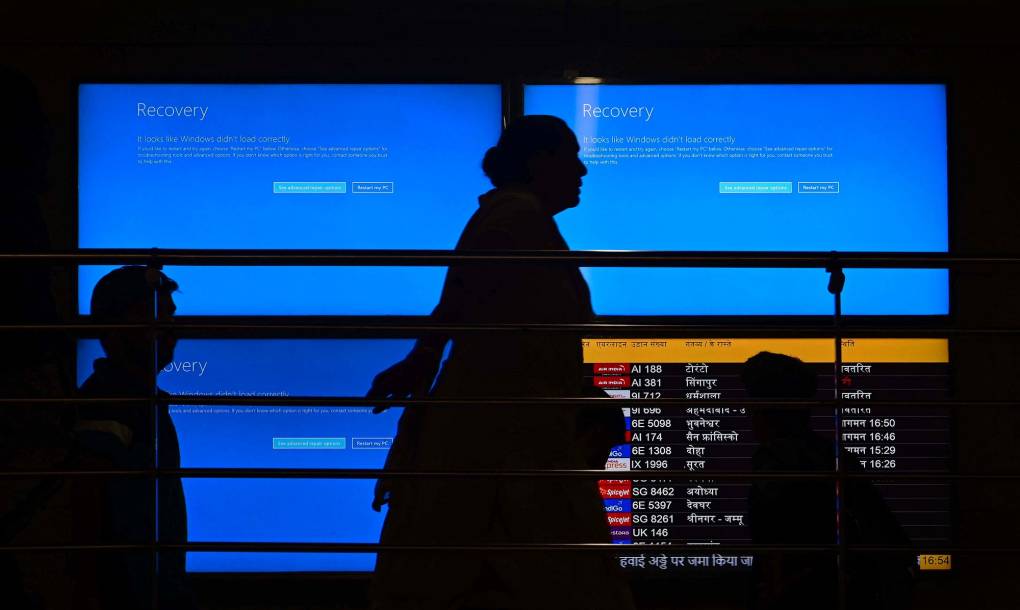
"title": "Crowdstrike Microsoft Tech Glitch Halts Operations At Delhi Airports",
"publishDate": 1721421034,
"status": "inherit",
"parent": 11996430,
"modified": 1748550922,
"caption": "Passengers are seen waiting after a major disruption in Microsoft Corp.'s cloud services caused widespread flight cancellations and delays at T3 IGI Airport on July 19, 2024, in New Delhi, India.",
"credit": "Vipin Kumar/Hindustan Times via Getty Images",
"altTag": null,
"description": null,
"imgSizes": {
"medium": {
"file": "https://cdn.kqed.org/wp-content/uploads/sites/10/2024/07/Cybersecurity-800x479.jpg",
"width": 800,
"height": 479,
"mimeType": "image/jpeg"
},
"large": {
"file": "https://cdn.kqed.org/wp-content/uploads/sites/10/2024/07/Cybersecurity-1020x610.jpg",
"width": 1020,
"height": 610,
"mimeType": "image/jpeg"
},
"thumbnail": {
"file": "https://cdn.kqed.org/wp-content/uploads/sites/10/2024/07/Cybersecurity-160x96.jpg",
"width": 160,
"height": 96,
"mimeType": "image/jpeg"
},
"1536x1536": {
"file": "https://cdn.kqed.org/wp-content/uploads/sites/10/2024/07/Cybersecurity-1536x919.jpg",
"width": 1536,
"height": 919,
"mimeType": "image/jpeg"
},
"post-thumbnail": {
"file": "https://cdn.kqed.org/wp-content/uploads/sites/10/2024/07/Cybersecurity-672x372.jpg",
"width": 672,
"height": 372,
"mimeType": "image/jpeg"
},
"twentyfourteen-full-width": {
"file": "https://cdn.kqed.org/wp-content/uploads/sites/10/2024/07/Cybersecurity-1038x576.jpg",
"width": 1038,
"height": 576,
"mimeType": "image/jpeg"
},
"full-width": {
"file": "https://cdn.kqed.org/wp-content/uploads/sites/10/2024/07/Cybersecurity-1920x1149.jpg",
"width": 1920,
"height": 1149,
"mimeType": "image/jpeg"
},
"kqedFullSize": {
"file": "https://cdn.kqed.org/wp-content/uploads/sites/10/2024/07/Cybersecurity.jpg",
"width": 2000,
"height": 1197
}
},
"isLoading": false,
"fetchFailed": false
},
"news_12041943": {
"type": "attachments",
"id": "news_12041943",
"meta": {
"index": "attachments_1716263798",
"site": "news",
"id": "12041943",
"found": true
},
"title": "250528-SJSMOKESHOPS-JG-5-KQED",
"publishDate": 1748538909,
"status": "inherit",
"parent": 0,
"modified": 1748539459,
"caption": "Houdini’s Smoke Shop in downtown San José is seen on May 28, 2025. City Councilmember Peter Ortiz is pushing for a temporary ban on all new smoke shop businesses in the city over health equity concerns.",
"credit": "Joseph Geha/KQED",
"altTag": null,
"description": null,
"imgSizes": {
"medium": {
"file": "https://cdn.kqed.org/wp-content/uploads/sites/10/2025/05/250528-SJSMOKESHOPS-JG-5-KQED-800x533.jpg",
"width": 800,
"height": 533,
"mimeType": "image/jpeg"
},
"large": {
"file": "https://cdn.kqed.org/wp-content/uploads/sites/10/2025/05/250528-SJSMOKESHOPS-JG-5-KQED-1020x680.jpg",
"width": 1020,
"height": 680,
"mimeType": "image/jpeg"
},
"thumbnail": {
"file": "https://cdn.kqed.org/wp-content/uploads/sites/10/2025/05/250528-SJSMOKESHOPS-JG-5-KQED-160x107.jpg",
"width": 160,
"height": 107,
"mimeType": "image/jpeg"
},
"1536x1536": {
"file": "https://cdn.kqed.org/wp-content/uploads/sites/10/2025/05/250528-SJSMOKESHOPS-JG-5-KQED-1536x1024.jpg",
"width": 1536,
"height": 1024,
"mimeType": "image/jpeg"
},
"post-thumbnail": {
"file": "https://cdn.kqed.org/wp-content/uploads/sites/10/2025/05/250528-SJSMOKESHOPS-JG-5-KQED-672x372.jpg",
"width": 672,
"height": 372,
"mimeType": "image/jpeg"
},
"twentyfourteen-full-width": {
"file": "https://cdn.kqed.org/wp-content/uploads/sites/10/2025/05/250528-SJSMOKESHOPS-JG-5-KQED-1038x576.jpg",
"width": 1038,
"height": 576,
"mimeType": "image/jpeg"
},
"full-width": {
"file": "https://cdn.kqed.org/wp-content/uploads/sites/10/2025/05/250528-SJSMOKESHOPS-JG-5-KQED-1920x1280.jpg",
"width": 1920,
"height": 1280,
"mimeType": "image/jpeg"
},
"kqedFullSize": {
"file": "https://cdn.kqed.org/wp-content/uploads/sites/10/2025/05/250528-SJSMOKESHOPS-JG-5-KQED.jpg",
"width": 2000,
"height": 1333
}
},
"isLoading": false,
"fetchFailed": false
},
"news_12002795": {
"type": "attachments",
"id": "news_12002795",
"meta": {
"index": "attachments_1716263798",
"site": "news",
"id": "12002795",
"found": true
},
"title": "240408-FCIDublin-009-BL_qed",
"publishDate": 1725383562,
"status": "inherit",
"parent": 12002790,
"modified": 1748470018,
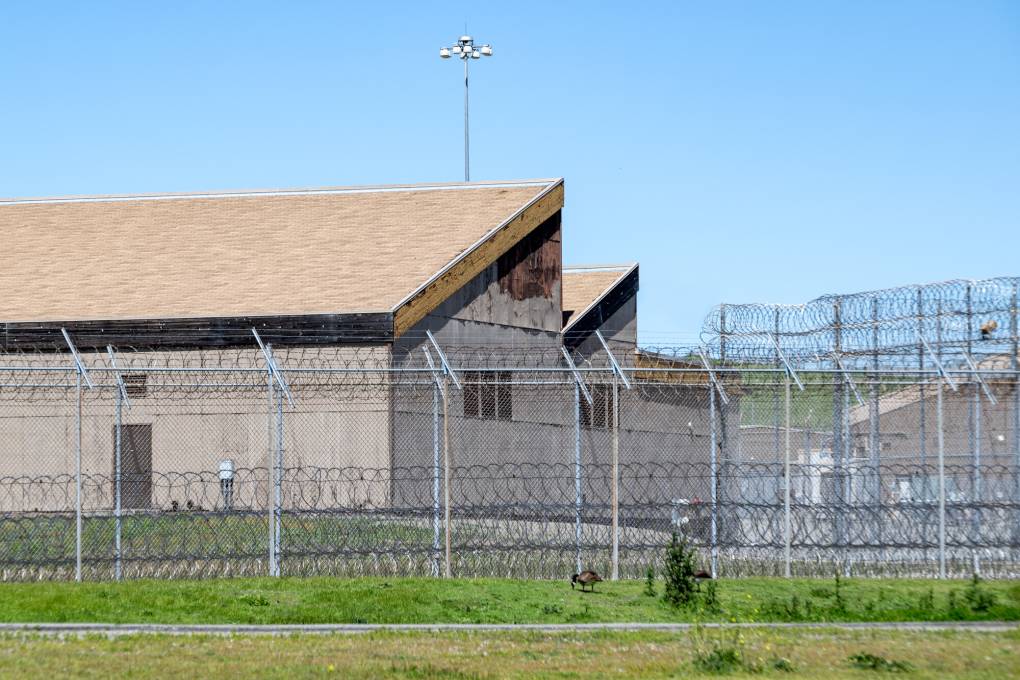
"caption": "The Federal Correctional Institution, Dublin, a prison for women, in Dublin, on April 8, 2024.",
"credit": "Beth LaBerge/KQED",
"altTag": null,
"description": null,
"imgSizes": {
"medium": {
"file": "https://cdn.kqed.org/wp-content/uploads/sites/10/2024/09/240408-FCIDublin-009-BL_qed-800x533.jpg",
"width": 800,
"height": 533,
"mimeType": "image/jpeg"
},
"large": {
"file": "https://cdn.kqed.org/wp-content/uploads/sites/10/2024/09/240408-FCIDublin-009-BL_qed-1020x680.jpg",
"width": 1020,
"height": 680,
"mimeType": "image/jpeg"
},
"thumbnail": {
"file": "https://cdn.kqed.org/wp-content/uploads/sites/10/2024/09/240408-FCIDublin-009-BL_qed-160x107.jpg",
"width": 160,
"height": 107,
"mimeType": "image/jpeg"
},
"1536x1536": {
"file": "https://cdn.kqed.org/wp-content/uploads/sites/10/2024/09/240408-FCIDublin-009-BL_qed-1536x1024.jpg",
"width": 1536,
"height": 1024,
"mimeType": "image/jpeg"
},
"post-thumbnail": {
"file": "https://cdn.kqed.org/wp-content/uploads/sites/10/2024/09/240408-FCIDublin-009-BL_qed-672x372.jpg",
"width": 672,
"height": 372,
"mimeType": "image/jpeg"
},
"twentyfourteen-full-width": {
"file": "https://cdn.kqed.org/wp-content/uploads/sites/10/2024/09/240408-FCIDublin-009-BL_qed-1038x576.jpg",
"width": 1038,
"height": 576,
"mimeType": "image/jpeg"
},
"full-width": {
"file": "https://cdn.kqed.org/wp-content/uploads/sites/10/2024/09/240408-FCIDublin-009-BL_qed-1920x1280.jpg",
"width": 1920,
"height": 1280,
"mimeType": "image/jpeg"
},
"kqedFullSize": {
"file": "https://cdn.kqed.org/wp-content/uploads/sites/10/2024/09/240408-FCIDublin-009-BL_qed.jpg",
"width": 2000,
"height": 1333
}
},
"isLoading": false,
"fetchFailed": false
},
"news_11979156": {
"type": "attachments",
"id": "news_11979156",
"meta": {
"index": "attachments_1716263798",
"site": "news",
"id": "11979156",
"found": true
},
"title": "240212-ImmigrationCourt-31-BL_qut",
"publishDate": 1710283094,
"status": "inherit",
"parent": 11979131,
"modified": 1748456121,
"caption": "Immigration rights supporters stand outside the new Concord Immigration Court in Concord during a press conference on Feb. 12, 2024.",
"credit": "Beth LaBerge/KQED",
"altTag": null,
"description": null,
"imgSizes": {
"medium": {
"file": "https://cdn.kqed.org/wp-content/uploads/sites/10/2024/03/240212-ImmigrationCourt-31-BL_qut-800x533.jpg",
"width": 800,
"height": 533,
"mimeType": "image/jpeg"
},
"large": {
"file": "https://cdn.kqed.org/wp-content/uploads/sites/10/2024/03/240212-ImmigrationCourt-31-BL_qut-1020x680.jpg",
"width": 1020,
"height": 680,
"mimeType": "image/jpeg"
},
"thumbnail": {
"file": "https://cdn.kqed.org/wp-content/uploads/sites/10/2024/03/240212-ImmigrationCourt-31-BL_qut-160x107.jpg",
"width": 160,
"height": 107,
"mimeType": "image/jpeg"
},
"1536x1536": {
"file": "https://cdn.kqed.org/wp-content/uploads/sites/10/2024/03/240212-ImmigrationCourt-31-BL_qut-1536x1024.jpg",
"width": 1536,
"height": 1024,
"mimeType": "image/jpeg"
},
"post-thumbnail": {
"file": "https://cdn.kqed.org/wp-content/uploads/sites/10/2024/03/240212-ImmigrationCourt-31-BL_qut-672x372.jpg",
"width": 672,
"height": 372,
"mimeType": "image/jpeg"
},
"twentyfourteen-full-width": {
"file": "https://cdn.kqed.org/wp-content/uploads/sites/10/2024/03/240212-ImmigrationCourt-31-BL_qut-1038x576.jpg",
"width": 1038,
"height": 576,
"mimeType": "image/jpeg"
},
"kqedFullSize": {
"file": "https://cdn.kqed.org/wp-content/uploads/sites/10/2024/03/240212-ImmigrationCourt-31-BL_qut.jpg",
"width": 1920,
"height": 1280
}
},
"isLoading": false,
"fetchFailed": false
},
"news_12041725": {
"type": "attachments",
"id": "news_12041725",
"meta": {
"index": "attachments_1716263798",
"site": "news",
"id": "12041725",
"found": true
},
"title": "IMG_8132",
"publishDate": 1748387782,
"status": "inherit",
"parent": 0,
"modified": 1748388292,
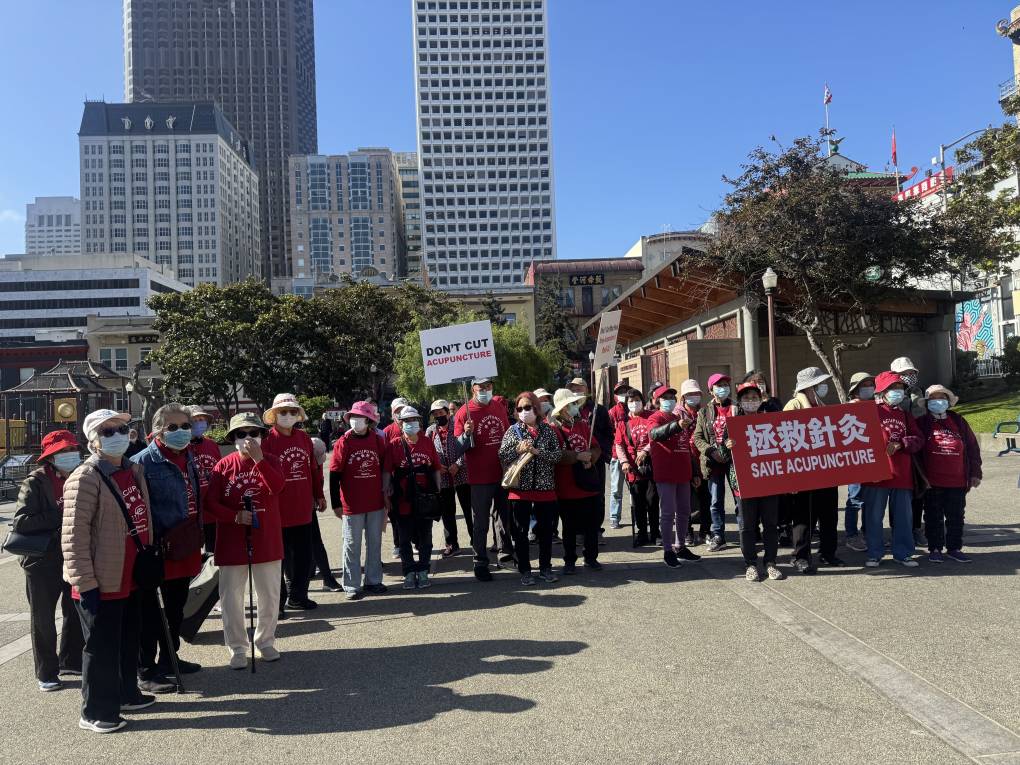
"caption": "Health care providers and patients who receive acupuncture treatment spoke against the state budget cut on Medi-Cal’s acupuncture benefit on May 27, 2025, in San Francisco's Chinatown.",
"credit": "Gilare Zada/KQED",
"altTag": null,
"description": null,
"imgSizes": {
"medium": {
"file": "https://cdn.kqed.org/wp-content/uploads/sites/10/2025/05/IMG_8132-800x600.jpg",
"width": 800,
"height": 600,
"mimeType": "image/jpeg"
},
"large": {
"file": "https://cdn.kqed.org/wp-content/uploads/sites/10/2025/05/IMG_8132-1020x765.jpg",
"width": 1020,
"height": 765,
"mimeType": "image/jpeg"
},
"thumbnail": {
"file": "https://cdn.kqed.org/wp-content/uploads/sites/10/2025/05/IMG_8132-160x120.jpg",
"width": 160,
"height": 120,
"mimeType": "image/jpeg"
},
"1536x1536": {
"file": "https://cdn.kqed.org/wp-content/uploads/sites/10/2025/05/IMG_8132-1536x1152.jpg",
"width": 1536,
"height": 1152,
"mimeType": "image/jpeg"
},
"2048x2048": {
"file": "https://cdn.kqed.org/wp-content/uploads/sites/10/2025/05/IMG_8132-2048x1536.jpg",
"width": 2048,
"height": 1536,
"mimeType": "image/jpeg"
},
"post-thumbnail": {
"file": "https://cdn.kqed.org/wp-content/uploads/sites/10/2025/05/IMG_8132-672x372.jpg",
"width": 672,
"height": 372,
"mimeType": "image/jpeg"
},
"twentyfourteen-full-width": {
"file": "https://cdn.kqed.org/wp-content/uploads/sites/10/2025/05/IMG_8132-1038x576.jpg",
"width": 1038,
"height": 576,
"mimeType": "image/jpeg"
},
"full-width": {
"file": "https://cdn.kqed.org/wp-content/uploads/sites/10/2025/05/IMG_8132-1920x1440.jpg",
"width": 1920,
"height": 1440,
"mimeType": "image/jpeg"
},
"kqedFullSize": {
"file": "https://cdn.kqed.org/wp-content/uploads/sites/10/2025/05/IMG_8132-scaled.jpg",
"width": 2560,
"height": 1920
}
},
"isLoading": false,
"fetchFailed": false
}
},
"audioPlayerReducer": {
"postId": "stream_live",
"isPaused": true,
"isPlaying": false,
"pfsActive": false,
"pledgeModalIsOpen": true,
"playerDrawerIsOpen": false,
"liveAudioPlayStartedAt": 0,
"liveAudioPlayContext": ""
},
"authorsReducer": {
"byline_news_12041727": {
"type": "authors",
"id": "byline_news_12041727",
"meta": {
"override": true
},
"slug": "byline_news_12041727",
"name": "I-Yun Chan",
"isLoading": false
},
"kqed": {
"type": "authors",
"id": "236",
"meta": {
"index": "authors_1716337520",
"id": "236",
"found": true
},
"name": "KQED News Staff",
"firstName": "KQED News Staff",
"lastName": null,
"slug": "kqed",
"email": "faq@kqed.org",
"display_author_email": false,
"staff_mastheads": [],
"title": null,
"bio": null,
"avatar": "https://secure.gravatar.com/avatar/ef0e801a68c4c54afa9180db14084167?s=600&d=blank&r=g",
"twitter": null,
"facebook": null,
"instagram": null,
"linkedin": null,
"sites": [
{
"site": "arts",
"roles": [
"contributor"
]
},
{
"site": "news",
"roles": [
"editor"
]
},
{
"site": "futureofyou",
"roles": [
"author"
]
}
],
"headData": {
"title": "KQED News Staff | KQED",
"description": null,
"ogImgSrc": "https://secure.gravatar.com/avatar/ef0e801a68c4c54afa9180db14084167?s=600&d=blank&r=g",
"twImgSrc": "https://secure.gravatar.com/avatar/ef0e801a68c4c54afa9180db14084167?s=600&d=blank&r=g"
},
"isLoading": false,
"link": "/author/kqed"
},
"rachael-myrow": {
"type": "authors",
"id": "251",
"meta": {
"index": "authors_1716337520",
"id": "251",
"found": true
},
"name": "Rachael Myrow",
"firstName": "Rachael",
"lastName": "Myrow",
"slug": "rachael-myrow",
"email": "rmyrow@kqed.org",
"display_author_email": true,
"staff_mastheads": [
"news"
],
"title": "Senior Editor of KQED's Silicon Valley News Desk",
"bio": "• I write and edit stories about how Silicon Valley power and policies shape everyday life in California. I’m also passionate about making Bay Area history and culture more accessible to a broad public. • I’ve been a journalist for most of my life, starting in high school with The Franklin Press in Los Angeles, where I grew up. While earning my first degree in English at UC Berkeley, I got my start in public radio at KALX-FM. After completing a second degree in journalism at Cal, I landed my first professional job at Marketplace, then moved on to KPCC (now LAist), and then KQED, where I hosted The California Report for more than seven years. • My reporting has appeared on NPR, The World, WBUR’s \u003ci>Here & Now\u003c/i>, and the BBC. I also guest host for KQED’s \u003ci>Forum\u003c/i>, as well as the Commonwealth Club in San Francisco. • I speak periodically on media, democracy and technology issues, and do voiceover work for documentaries and educational video projects. • Outside of the studio, you'll find me hiking Bay Area trails and whipping up Insta-ready meals in my kitchen. • I do not accept gifts, money, or favors from anyone connected to my reporting, I don't pay people for information, and I do not support or donate to political causes. • I strive to treat the people I report on with fairness, honesty, and respect. I also recognize there are often multiple sides to a story and work to verify information through multiple sources and documentation. If I get something wrong, I correct it.",
"avatar": "https://secure.gravatar.com/avatar/87bf8cb5874e045cdff430523a6d48b1?s=600&d=blank&r=g",
"twitter": "rachaelmyrow",
"facebook": null,
"instagram": null,
"linkedin": "https://www.linkedin.com/in/rachaelmyrow/",
"sites": [
{
"site": "arts",
"roles": [
"administrator"
]
},
{
"site": "news",
"roles": [
"edit_others_posts",
"editor"
]
},
{
"site": "futureofyou",
"roles": [
"editor"
]
},
{
"site": "bayareabites",
"roles": [
"editor"
]
},
{
"site": "stateofhealth",
"roles": [
"editor"
]
},
{
"site": "science",
"roles": [
"editor"
]
},
{
"site": "food",
"roles": [
"editor"
]
},
{
"site": "forum",
"roles": [
"editor"
]
},
{
"site": "liveblog",
"roles": [
"author"
]
}
],
"headData": {
"title": "Rachael Myrow | KQED",
"description": "Senior Editor of KQED's Silicon Valley News Desk",
"ogImgSrc": "https://secure.gravatar.com/avatar/87bf8cb5874e045cdff430523a6d48b1?s=600&d=blank&r=g",
"twImgSrc": "https://secure.gravatar.com/avatar/87bf8cb5874e045cdff430523a6d48b1?s=600&d=blank&r=g"
},
"isLoading": false,
"link": "/author/rachael-myrow"
},
"matthewgreen": {
"type": "authors",
"id": "1263",
"meta": {
"index": "authors_1716337520",
"id": "1263",
"found": true
},
"name": "Matthew Green",
"firstName": "Matthew",
"lastName": "Green",
"slug": "matthewgreen",
"email": "mgreen@kqed.org",
"display_author_email": false,
"staff_mastheads": [],
"title": "KQED Editor/Reporter",
"bio": "Matthew Green is a digital media producer for KQED News. He previously produced \u003ca href=\"http://www.kqed.org/lowdown\">The Lowdown\u003c/a>, KQED’s multimedia news education blog. Matthew's written for numerous Bay Area publications, including the Oakland Tribune and San Francisco Chronicle. He also taught journalism classes at Fremont High School in East Oakland.\r\n\r\nEmail: mgreen@kqed.org; Twitter: @MGreenKQED",
"avatar": "https://secure.gravatar.com/avatar/3bf498d1267ca02c8494f33d8cfc575e?s=600&d=blank&r=g",
"twitter": "MGreenKQED",
"facebook": null,
"instagram": null,
"linkedin": null,
"sites": [
{
"site": "news",
"roles": []
},
{
"site": "lowdown",
"roles": []
},
{
"site": "science",
"roles": []
},
{
"site": "education",
"roles": []
},
{
"site": "quest",
"roles": []
},
{
"site": "liveblog",
"roles": []
}
],
"headData": {
"title": "Matthew Green | KQED",
"description": "KQED Editor/Reporter",
"ogImgSrc": "https://secure.gravatar.com/avatar/3bf498d1267ca02c8494f33d8cfc575e?s=600&d=blank&r=g",
"twImgSrc": "https://secure.gravatar.com/avatar/3bf498d1267ca02c8494f33d8cfc575e?s=600&d=blank&r=g"
},
"isLoading": false,
"link": "/author/matthewgreen"
},
"ecruzguevarra": {
"type": "authors",
"id": "8654",
"meta": {
"index": "authors_1716337520",
"id": "8654",
"found": true
},
"name": "Ericka Cruz Guevarra",
"firstName": "Ericka",
"lastName": "Cruz Guevarra",
"slug": "ecruzguevarra",
"email": "ecruzguevarra@kqed.org",
"display_author_email": true,
"staff_mastheads": [
"news"
],
"title": "Producer, The Bay Podcast",
"bio": "Ericka Cruz Guevarra is host of \u003ca href=\"https://www.kqed.org/podcasts/thebay\">\u003cem>The Bay\u003c/em>\u003c/a> podcast at KQED. Before host, she was the show’s producer. Her work in that capacity includes a three-part reported series on policing in Vallejo, which won a 2020 excellence in journalism award from the Society of Professional Journalists. Ericka has worked as a breaking news reporter at Oregon Public Broadcasting, helped produce the Code Switch podcast, and was KQED’s inaugural Raul Ramirez Diversity Fund intern. She’s also an alumna of NPR’s Next Generation Radio program. Send her an email if you have strong feelings about whether Fairfield and Suisun City are the Bay. Ericka is represented by SAG-AFTRA.",
"avatar": "https://secure.gravatar.com/avatar/25e5ab8d3d53fad2dcc7bb2b5c506b1a?s=600&d=blank&r=g",
"twitter": "NotoriousECG",
"facebook": null,
"instagram": null,
"linkedin": null,
"sites": [
{
"site": "arts",
"roles": [
"subscriber"
]
},
{
"site": "news",
"roles": [
"editor",
"manage_categories"
]
},
{
"site": "futureofyou",
"roles": [
"subscriber"
]
},
{
"site": "stateofhealth",
"roles": [
"subscriber"
]
},
{
"site": "science",
"roles": [
"editor"
]
},
{
"site": "forum",
"roles": [
"subscriber"
]
}
],
"headData": {
"title": "Ericka Cruz Guevarra | KQED",
"description": "Producer, The Bay Podcast",
"ogImgSrc": "https://secure.gravatar.com/avatar/25e5ab8d3d53fad2dcc7bb2b5c506b1a?s=600&d=blank&r=g",
"twImgSrc": "https://secure.gravatar.com/avatar/25e5ab8d3d53fad2dcc7bb2b5c506b1a?s=600&d=blank&r=g"
},
"isLoading": false,
"link": "/author/ecruzguevarra"
},
"amontecillo": {
"type": "authors",
"id": "11649",
"meta": {
"index": "authors_1716337520",
"id": "11649",
"found": true
},
"name": "Alan Montecillo",
"firstName": "Alan",
"lastName": "Montecillo",
"slug": "amontecillo",
"email": "amontecillo@kqed.org",
"display_author_email": false,
"staff_mastheads": [
"news"
],
"title": "KQED Contributor",
"bio": "Alan Montecillo is the senior editor of \u003cem>\u003ca href=\"http://kqed.org/thebay\">The Bay\u003c/a>, \u003c/em> KQED's local news podcast. Before moving to the Bay Area, he worked as a senior talk show producer for WILL in Champaign-Urbana, Illinois and at Oregon Public Broadcasting in Portland, Oregon. He has won journalism awards from the Society of Professional Journalists Northern California, the Public Media Journalists Association, The Signal Awards, and has also received a regional Edward R. Murrow award. Alan is a Filipino American from Hong Kong and a graduate of Reed College.",
"avatar": "https://secure.gravatar.com/avatar/d5e4e7a76481969ccba76f4e2b5ccabc?s=600&d=blank&r=g",
"twitter": "alanmontecillo",
"facebook": null,
"instagram": null,
"linkedin": null,
"sites": [
{
"site": "",
"roles": [
"editor"
]
},
{
"site": "news",
"roles": [
"editor",
"manage_categories"
]
}
],
"headData": {
"title": "Alan Montecillo | KQED",
"description": "KQED Contributor",
"ogImgSrc": "https://secure.gravatar.com/avatar/d5e4e7a76481969ccba76f4e2b5ccabc?s=600&d=blank&r=g",
"twImgSrc": "https://secure.gravatar.com/avatar/d5e4e7a76481969ccba76f4e2b5ccabc?s=600&d=blank&r=g"
},
"isLoading": false,
"link": "/author/amontecillo"
},
"jessicakariisa": {
"type": "authors",
"id": "11831",
"meta": {
"index": "authors_1716337520",
"id": "11831",
"found": true
},
"name": "Jessica Kariisa",
"firstName": "Jessica",
"lastName": "Kariisa",
"slug": "jessicakariisa",
"email": "jkariisa@kqed.org",
"display_author_email": false,
"staff_mastheads": [],
"title": "Producer, The Bay",
"bio": "Jessica Kariisa is the producer of The Bay. She first joined KQED as an intern for The California Report Magazine, after which she became an on-call producer. She reported a Bay Curious episode on the use of rap lyrics in criminal trials which won a Society of Professional Journalists award in 2023 for Excellence in Features Journalism and the 2023 Signal Award for Best Conversation Starter. She’s worked on podcasts for Snap Judgment and American Public Media. Before embarking on her audio career, she was a music journalist.\r\n\r\nJessica Kariisa is represented by SAG-AFTRA.",
"avatar": "https://secure.gravatar.com/avatar/522e97b28ac0b3d411621c0fde8f3419c7b71ea2c5c262c57c4bb600963f328c?s=600&d=blank&r=g",
"twitter": null,
"bluesky": null,
"facebook": null,
"instagram": null,
"linkedin": null,
"sites": [
{
"site": "arts",
"roles": [
"author"
]
},
{
"site": "news",
"roles": [
"editor",
"manage_categories"
]
}
],
"headData": {
"title": "Jessica Kariisa | KQED",
"description": "Producer, The Bay",
"ogImgSrc": "https://secure.gravatar.com/avatar/522e97b28ac0b3d411621c0fde8f3419c7b71ea2c5c262c57c4bb600963f328c?s=600&d=blank&r=g",
"twImgSrc": "https://secure.gravatar.com/avatar/522e97b28ac0b3d411621c0fde8f3419c7b71ea2c5c262c57c4bb600963f328c?s=600&d=blank&r=g"
},
"isLoading": false,
"link": "/author/jessicakariisa"
},
"jgeha": {
"type": "authors",
"id": "11906",
"meta": {
"index": "authors_1716337520",
"id": "11906",
"found": true
},
"name": "Joseph Geha",
"firstName": "Joseph",
"lastName": "Geha",
"slug": "jgeha",
"email": "jgeha@kqed.org",
"display_author_email": false,
"staff_mastheads": [
"news",
"science"
],
"title": "KQED Contributor",
"bio": null,
"avatar": "https://secure.gravatar.com/avatar/ea84d2b6dd93d6369d453edf19dd583f117cd1759d2d9c9c92f9de77017354fe?s=600&d=blank&r=g",
"twitter": null,
"bluesky": null,
"facebook": null,
"instagram": null,
"linkedin": null,
"sites": [
{
"site": "news",
"roles": [
"editor"
]
},
{
"site": "liveblog",
"roles": [
"author"
]
}
],
"headData": {
"title": "Joseph Geha | KQED",
"description": "KQED Contributor",
"ogImgSrc": "https://secure.gravatar.com/avatar/ea84d2b6dd93d6369d453edf19dd583f117cd1759d2d9c9c92f9de77017354fe?s=600&d=blank&r=g",
"twImgSrc": "https://secure.gravatar.com/avatar/ea84d2b6dd93d6369d453edf19dd583f117cd1759d2d9c9c92f9de77017354fe?s=600&d=blank&r=g"
},
"isLoading": false,
"link": "/author/jgeha"
},
"kdebenedetti": {
"type": "authors",
"id": "11913",
"meta": {
"index": "authors_1716337520",
"id": "11913",
"found": true
},
"name": "Katie DeBenedetti",
"firstName": "Katie",
"lastName": "DeBenedetti",
"slug": "kdebenedetti",
"email": "kdebenedetti@kqed.org",
"display_author_email": false,
"staff_mastheads": [
"news",
"science"
],
"title": "KQED Contributor",
"bio": "Katie DeBenedetti is a digital reporter covering daily news for the Express Desk. Prior to joining KQED as a culture reporting intern in January 2024, she covered education and city government for the Napa Valley Register.",
"avatar": "https://secure.gravatar.com/avatar/6e31073cb8f7e4214ab03f42771d0f45?s=600&d=blank&r=g",
"twitter": null,
"facebook": null,
"instagram": null,
"linkedin": null,
"sites": [
{
"site": "news",
"roles": [
"author"
]
},
{
"site": "science",
"roles": [
"author"
]
},
{
"site": "liveblog",
"roles": [
"author"
]
}
],
"headData": {
"title": "Katie DeBenedetti | KQED",
"description": "KQED Contributor",
"ogImgSrc": "https://secure.gravatar.com/avatar/6e31073cb8f7e4214ab03f42771d0f45?s=600&d=blank&r=g",
"twImgSrc": "https://secure.gravatar.com/avatar/6e31073cb8f7e4214ab03f42771d0f45?s=600&d=blank&r=g"
},
"isLoading": false,
"link": "/author/kdebenedetti"
},
"rcooke": {
"type": "authors",
"id": "11921",
"meta": {
"index": "authors_1716337520",
"id": "11921",
"found": true
},
"name": "Riley Cooke",
"firstName": "Riley",
"lastName": "Cooke",
"slug": "rcooke",
"email": "rcooke@kqed.org",
"display_author_email": true,
"staff_mastheads": [
"news"
],
"title": "KQED Contributor",
"bio": "Riley is a senior at UC Berkeley, where she studies political science and journalism. Her work has appeared in SFGate, NBC Bay Area, Local News Matters and more. She enjoys reporting on politics, housing and homelessness — and using as many em dashes as her editors will allow.",
"avatar": "https://secure.gravatar.com/avatar/792f98c126cc5e270a8a96f77f7224ea?s=600&d=blank&r=g",
"twitter": "rrileycooke",
"facebook": null,
"instagram": null,
"linkedin": null,
"sites": [
{
"site": "arts",
"roles": [
"author"
]
},
{
"site": "news",
"roles": [
"author"
]
}
],
"headData": {
"title": "Riley Cooke | KQED",
"description": "KQED Contributor",
"ogImgSrc": "https://secure.gravatar.com/avatar/792f98c126cc5e270a8a96f77f7224ea?s=600&d=blank&r=g",
"twImgSrc": "https://secure.gravatar.com/avatar/792f98c126cc5e270a8a96f77f7224ea?s=600&d=blank&r=g"
},
"isLoading": false,
"link": "/author/rcooke"
},
"gzada": {
"type": "authors",
"id": "11929",
"meta": {
"index": "authors_1716337520",
"id": "11929",
"found": true
},
"name": "Gilare Zada",
"firstName": "Gilare",
"lastName": "Zada",
"slug": "gzada",
"email": "gzada@kqed.org",
"display_author_email": true,
"staff_mastheads": [
"news"
],
"title": null,
"bio": "Gilare Zada is a Kurdish-American from San Diego, CA. Storytelling, fitness, and binge reading are some of her passions outside of news reporting. Her work has appeared in Mission Local, the Peninsula Press, the San Francisco Press Club, and more. She also writes as a class correspondent for the Stanford Magazine - go Card!",
"avatar": "https://secure.gravatar.com/avatar/33a75f2b947669a488a805edec3fbf3838c1cedaedda710e983770633b4d6a75?s=600&d=blank&r=g",
"twitter": null,
"bluesky": null,
"facebook": null,
"instagram": null,
"linkedin": null,
"sites": [
{
"site": "arts",
"roles": [
"editor"
]
},
{
"site": "news",
"roles": [
"editor",
"contributor"
]
},
{
"site": "science",
"roles": [
"editor"
]
}
],
"headData": {
"title": "Gilare Zada | KQED",
"description": null,
"ogImgSrc": "https://secure.gravatar.com/avatar/33a75f2b947669a488a805edec3fbf3838c1cedaedda710e983770633b4d6a75?s=600&d=blank&r=g",
"twImgSrc": "https://secure.gravatar.com/avatar/33a75f2b947669a488a805edec3fbf3838c1cedaedda710e983770633b4d6a75?s=600&d=blank&r=g"
},
"isLoading": false,
"link": "/author/gzada"
},
"skennedy": {
"type": "authors",
"id": "11935",
"meta": {
"index": "authors_1716337520",
"id": "11935",
"found": true
},
"name": "Samantha Kennedy",
"firstName": "Samantha",
"lastName": "Kennedy",
"slug": "skennedy",
"email": "SKennedy@kqed.org",
"display_author_email": false,
"staff_mastheads": [],
"title": "KQED Contributor",
"bio": null,
"avatar": "https://secure.gravatar.com/avatar/adc7b14bf1e801793202a156ecc864d4ad505b0fd63162a2f3da0e5ba57222d0?s=600&d=blank&r=g",
"twitter": null,
"bluesky": null,
"facebook": null,
"instagram": null,
"linkedin": null,
"sites": [
{
"site": "arts",
"roles": [
"author"
]
},
{
"site": "news",
"roles": [
"editor"
]
},
{
"site": "science",
"roles": [
"editor"
]
}
],
"headData": {
"title": "Samantha Kennedy | KQED",
"description": "KQED Contributor",
"ogImgSrc": "https://secure.gravatar.com/avatar/adc7b14bf1e801793202a156ecc864d4ad505b0fd63162a2f3da0e5ba57222d0?s=600&d=blank&r=g",
"twImgSrc": "https://secure.gravatar.com/avatar/adc7b14bf1e801793202a156ecc864d4ad505b0fd63162a2f3da0e5ba57222d0?s=600&d=blank&r=g"
},
"isLoading": false,
"link": "/author/skennedy"
},
"mvelasquez": {
"type": "authors",
"id": "11939",
"meta": {
"index": "authors_1716337520",
"id": "11939",
"found": true
},
"name": "Mel Velasquez",
"firstName": "Mel",
"lastName": "Velasquez",
"slug": "mvelasquez",
"email": "mvelasquez@kqed.org",
"display_author_email": false,
"staff_mastheads": [],
"title": "KQED Contributor",
"bio": null,
"avatar": "https://secure.gravatar.com/avatar/409094312d56fab09fef4251e949ffa6?s=600&d=blank&r=g",
"twitter": null,
"facebook": null,
"instagram": null,
"linkedin": "www.linkedin.com/in/melanievelasquezz",
"sites": [
{
"site": "news",
"roles": [
"editor"
]
}
],
"headData": {
"title": "Mel Velasquez | KQED",
"description": "KQED Contributor",
"ogImgSrc": "https://secure.gravatar.com/avatar/409094312d56fab09fef4251e949ffa6?s=600&d=blank&r=g",
"twImgSrc": "https://secure.gravatar.com/avatar/409094312d56fab09fef4251e949ffa6?s=600&d=blank&r=g"
},
"isLoading": false,
"link": "/author/mvelasquez"
}
},
"pagesReducer": {
"news_tag_california": {
"type": "terms",
"id": "news_18538",
"meta": {
"index": "terms_1716263798",
"site": "news",
"id": "18538",
"score": 6.8457103
},
"featImg": null,
"name": "California",
"description": null,
"taxonomy": "tag",
"headData": {
"twImgId": null,
"twTitle": null,
"ogTitle": null,
"ogImgId": null,
"twDescription": null,
"description": null,
"title": "California Archives | KQED News",
"ogDescription": null
},
"ttid": 31,
"slug": "california",
"isLoading": false,
"title": "California",
"pageMeta": {
"site": "news",
"WpPageTemplate": "page-topic-editorial",
"currentPage": 83
},
"blocks": [
{
"blockName": "kqed/post-list",
"attrs": {
"layout": "cardArticle2",
"query": "posts/news?tag=california",
"seeMore": false,
"paginated": true,
"page": 83
}
},
{
"blockName": "kqed/ad"
}
]
}
},
"pfsSessionReducer": {},
"postsReducer": {
"stream_live": {
"type": "live",
"id": "stream_live",
"audioUrl": "https://streams.kqed.org/kqedradio",
"title": "Live Stream",
"excerpt": "Live Stream information currently unavailable.",
"link": "/radio",
"featImg": "",
"label": {
"name": "KQED Live",
"link": "/"
}
},
"stream_kqedNewscast": {
"type": "posts",
"id": "stream_kqedNewscast",
"audioUrl": "https://www.kqed.org/.stream/anon/radio/RDnews/newscast.mp3?_=1",
"title": "KQED Newscast",
"featImg": "",
"label": {
"name": "88.5 FM",
"link": "/"
}
},
"news_12041727": {
"type": "posts",
"id": "news_12041727",
"meta": {
"index": "posts_1716263798",
"site": "news",
"id": "12041727",
"score": null,
"sort": [
1748700008000
]
},
"guestAuthors": [],
"slug": "in-song-and-self-how-queer-pinay-duo-astralogik-finds-belonging-through-music",
"title": "In Song and Self: How Queer Pinay Duo AstraLogik Finds Belonging Through Music",
"publishDate": 1748700008,
"format": "standard",
"headTitle": "In Song and Self: How Queer Pinay Duo AstraLogik Finds Belonging Through Music | KQED",
"labelTerm": {
"term": 26731,
"site": "news"
},
"content": "\u003cp>On a warm evening in a backyard tucked into a \u003ca href=\"https://www.kqed.org/arts/tag/oakland\">North Oakland neighborhood\u003c/a>, people sipped drinks, sat on outdoor cushions and blankets, their heads turned toward a small stage strung with lights. At the center were two women, one singing, the other strumming a guitar.\u003c/p>\n\u003cp>“We wrote this song 13 years ago,” said Charito Soriano, before launching into the opening chords of “Be,” the first song she ever wrote with her musical partner, Chen Conlu. “It still applies today. Our music is like a self-help book for me. I hope it self-helps you, too.”\u003c/p>\n\u003cp>As \u003ca href=\"https://astralogik.com/\">AstraLogik, Soriano and Conlu\u003c/a> have been performing together for more than a decade. Their music blends R&B, soul and spoken word with themes of healing, self-acceptance, and identity.\u003c/p>\n\u003cp>[ad fullwidth]\u003c/p>\n\u003cp>They met nearly 15 years ago through a mutual friend who insisted they had to connect. The first time they played together — Soriano singing, Conlu on guitar — something clicked. Soriano later wrote “Be” during a jam session with Conlu, scribbling lyrics on a napkin as Conlu played the guitar.\u003c/p>\n\u003cp>“I’ve never done that before,” Soriano said. “I’ve never been so inspired by hearing someone play that I was just like, ‘Oh, I want to write all this stuff down. I’m going to sing on top of it.’”\u003c/p>\n\u003cfigure id=\"attachment_12042270\" class=\"wp-caption aligncenter\" style=\"max-width: 2000px\">\u003cimg loading=\"lazy\" decoding=\"async\" class=\"size-full wp-image-12042270\" src=\"https://cdn.kqed.org/wp-content/uploads/sites/10/2025/05/250530-ASTRALOGIK-21-BL-KQED.jpg\" alt=\"\" width=\"2000\" height=\"1333\" srcset=\"https://cdn.kqed.org/wp-content/uploads/sites/10/2025/05/250530-ASTRALOGIK-21-BL-KQED.jpg 2000w, https://cdn.kqed.org/wp-content/uploads/sites/10/2025/05/250530-ASTRALOGIK-21-BL-KQED-800x533.jpg 800w, https://cdn.kqed.org/wp-content/uploads/sites/10/2025/05/250530-ASTRALOGIK-21-BL-KQED-1020x680.jpg 1020w, https://cdn.kqed.org/wp-content/uploads/sites/10/2025/05/250530-ASTRALOGIK-21-BL-KQED-160x107.jpg 160w, https://cdn.kqed.org/wp-content/uploads/sites/10/2025/05/250530-ASTRALOGIK-21-BL-KQED-1536x1024.jpg 1536w, https://cdn.kqed.org/wp-content/uploads/sites/10/2025/05/250530-ASTRALOGIK-21-BL-KQED-1920x1280.jpg 1920w\" sizes=\"auto, (max-width: 2000px) 100vw, 2000px\">\u003cfigcaption class=\"wp-caption-text\">Charito Soriano holds family photos at home in Hayward on May 30, 2025. \u003ccite>(Beth LaBerge/KQED)\u003c/cite>\u003c/figcaption>\u003c/figure>\n\u003cp>That chemistry sparked not only a musical partnership but a personal one. The two eventually became romantic partners and creative collaborators. Through music, they found a way to understand themselves more deeply, as individuals and as a couple.\u003c/p>\n\u003cp>Soriano said she often felt the weight of her family’s expectations growing up in an immigrant household, where success often meant chasing a version of the American dream tied to social status and constant productivity. But through her relationship with Conlu, she began to question that pace and the pressure to always do more.\u003c/p>\n\u003cp>“I was always chasing something, trying to be the good daughter, thinking about what I had to do next,” Soriano said. “But Chen was one of the few people that showed me that it’s okay to slow down, to sit still and not think about tomorrow.”[aside postID=news_12040449 hero='https://cdn.kqed.org/wp-content/uploads/sites/10/2025/05/250513-REENA-ESMAIL-1-KQED-1020x680.jpg']Their name, \u003ca href=\"https://astralogik.com/\">AstraLogik\u003c/a>, reflects the roles they play in each other’s lives. Conlu is the “Astra” — the dreamer. Soriano is the “Logik” — the planner. Through their music and partnership, they’ve learned to slow down, listen inward and be present.\u003c/p>\n\u003cp>As children of Filipino immigrants who grew up outside the Philippines, both have wrestled with what it means to be Filipino in diaspora.\u003c/p>\n\u003cp>Conlu, raised in Guam, said she often felt out of place among her Chamorro peers.\u003c/p>\n\u003cp>“I honestly didn’t identify as a Filipino in school,” Conlu said. “I was trying to understand, how come this family speaks different languages from my family? When I was younger, I was always questioning my whereabouts and who I belonged to.”\u003c/p>\n\u003cp>Her relationship with Filipino culture deepened after moving to the United States after high school. She learned Filipino martial arts and was exposed to home-cooked Filipino food through her cousins in Seattle.\u003c/p>\n\u003cp>Soriano, meanwhile, grew up in the Bay Area but still felt disconnected from her heritage as a kid.\u003c/p>\n\u003cfigure id=\"attachment_12042269\" class=\"wp-caption aligncenter\" style=\"max-width: 2000px\">\u003cimg loading=\"lazy\" decoding=\"async\" class=\"size-full wp-image-12042269\" src=\"https://cdn.kqed.org/wp-content/uploads/sites/10/2025/05/250530-ASTRALOGIK-18-BL-KQED.jpg\" alt=\"\" width=\"2000\" height=\"1333\" srcset=\"https://cdn.kqed.org/wp-content/uploads/sites/10/2025/05/250530-ASTRALOGIK-18-BL-KQED.jpg 2000w, https://cdn.kqed.org/wp-content/uploads/sites/10/2025/05/250530-ASTRALOGIK-18-BL-KQED-800x533.jpg 800w, https://cdn.kqed.org/wp-content/uploads/sites/10/2025/05/250530-ASTRALOGIK-18-BL-KQED-1020x680.jpg 1020w, https://cdn.kqed.org/wp-content/uploads/sites/10/2025/05/250530-ASTRALOGIK-18-BL-KQED-160x107.jpg 160w, https://cdn.kqed.org/wp-content/uploads/sites/10/2025/05/250530-ASTRALOGIK-18-BL-KQED-1536x1024.jpg 1536w, https://cdn.kqed.org/wp-content/uploads/sites/10/2025/05/250530-ASTRALOGIK-18-BL-KQED-1920x1280.jpg 1920w\" sizes=\"auto, (max-width: 2000px) 100vw, 2000px\">\u003cfigcaption class=\"wp-caption-text\">Chen Conlu holds a photo of family members at home in Hayward on May 30, 2025. \u003ccite>(Beth LaBerge/KQED)\u003c/cite>\u003c/figcaption>\u003c/figure>\n\u003cp>“I lived in the ‘suburbias’ of California,” she said. “I almost didn’t feel Filipino for a long time. Most of my young life, when I was a child and an adolescent, I was trying to be what I saw on TV, which was pretty white people.”\u003c/p>\n\u003cp>Her experience is far from unique. Anthony Ocampo, a sociologist and author who studies the Filipino American experience, said many Filipinos raised outside ethnic enclaves often grow up ashamed of their heritage.\u003c/p>\n\u003cp>“I’m seeing more and more Filipinos trying to assert their American-ness or their sense of belonging,” Ocampo said. “Part of that is actually othering and marginalizing people in their own community.”\u003c/p>\n\u003cp>Ocampo tied that internalized shame and obsession with whiteness to nearly four centuries of Western colonization in the Philippines — first by Spain, from 1565 to 1898, and then by the United States until 1946. And that colonial legacy still affects many Filipino Americans today.\u003c/p>\n\u003cfigure id=\"attachment_12042264\" class=\"wp-caption aligncenter\" style=\"max-width: 2000px\">\u003cimg loading=\"lazy\" decoding=\"async\" class=\"wp-image-12042264 size-full\" src=\"https://cdn.kqed.org/wp-content/uploads/sites/10/2025/05/250530-ASTRALOGIK-07-BL-KQED.jpg\" alt=\"\" width=\"2000\" height=\"1333\" srcset=\"https://cdn.kqed.org/wp-content/uploads/sites/10/2025/05/250530-ASTRALOGIK-07-BL-KQED.jpg 2000w, https://cdn.kqed.org/wp-content/uploads/sites/10/2025/05/250530-ASTRALOGIK-07-BL-KQED-800x533.jpg 800w, https://cdn.kqed.org/wp-content/uploads/sites/10/2025/05/250530-ASTRALOGIK-07-BL-KQED-1020x680.jpg 1020w, https://cdn.kqed.org/wp-content/uploads/sites/10/2025/05/250530-ASTRALOGIK-07-BL-KQED-160x107.jpg 160w, https://cdn.kqed.org/wp-content/uploads/sites/10/2025/05/250530-ASTRALOGIK-07-BL-KQED-1536x1024.jpg 1536w, https://cdn.kqed.org/wp-content/uploads/sites/10/2025/05/250530-ASTRALOGIK-07-BL-KQED-1920x1280.jpg 1920w\" sizes=\"auto, (max-width: 2000px) 100vw, 2000px\">\u003cfigcaption class=\"wp-caption-text\">Charito Soriano (left) and Chen Conlu practice for an upcoming show for their band AstraLogik at their home in Hayward on May 30, 2025. \u003ccite>(Beth LaBerge/KQED)\u003c/cite>\u003c/figcaption>\u003c/figure>\n\u003cp>But he also sees a growing number of Filipino artists using their work to reverse that trend and embrace their heritage with pride.\u003c/p>\n\u003cp>And that’s exactly what AstraLogik is doing.\u003c/p>\n\u003cp>“I think the awareness of how colonialism has taken hold of our culture, our internal programming since birth,” Conlu said. “I think it’s acknowledging that, being brave to step out of that matrix.”\u003c/p>\n\u003cp>AstraLogik’s music has become a vessel for that reclamation. Through lyrics and community performances, they create spaces that affirm their intersecting identities — queer, Filipina and children of immigrants.\u003c/p>\n\u003cp>Coming out queer wasn’t easy. Soriano struggled with the fear of losing family support and being judged by her community.[aside postID=news_12037162 hero='https://cdn.kqed.org/wp-content/uploads/sites/10/2025/04/250407-EL-COMPA-NEGRO-01-KQED-1020x680.jpg']But performing and making music with Conlu allowed her to show up authentically.\u003c/p>\n\u003cp>“Having music to continuously be together and show ourselves, and to see how the response was that we are embraced,” Soriano said. “It’s the only reason that we’re still getting gigs today. People accept us how we are.”\u003c/p>\n\u003cp>Through music, they’ve found a way not just to express, but to build a community. Their songs have become affirmations of identity, resilience, and love. And in a time of rising anti-LGBTQ+ legislation across the country, \u003ca href=\"https://www.aclu.org/legislative-attacks-on-lgbtq-rights-2025\">including bills targeting gender-affirming care and inclusive curricula\u003c/a>, creating a space for joy and connection feels more urgent than ever.\u003c/p>\n\u003cp>AstraLogik performs mostly at community-based shows across the Bay Area, like the backyard concert in Oakland. Conlu said intimate spaces like these are where true connections happen.\u003c/p>\n\u003cp>“During these crazy times, I just hope we can still gather in community,” she said. “And still find joy in the sadness that we’re all going through.”\u003c/p>\n\u003cp>\u003cem>I-Yun Chan is a recent graduate of UC Berkeley Graduate School of Journalism and an audio producer covering mental health, human rights and the LGBTQ+ community.\u003c/em>\u003c/p>\n\u003cp>[ad floatright]\u003c/p>\n",
"blocks": [],
"excerpt": "The Bay Area duo explores what it means to be Filipinx in the diaspora and how music can bring people together. ",
"status": "publish",
"parent": 0,
"modified": 1748706734,
"stats": {
"hasAudio": false,
"hasVideo": false,
"hasChartOrMap": false,
"iframeSrcs": [],
"hasGoogleForm": false,
"hasGallery": false,
"hasHearkenModule": false,
"hasPolis": false,
"paragraphCount": 29,
"wordCount": 1179
},
"headData": {
"title": "In Song and Self: How Queer Pinay Duo AstraLogik Finds Belonging Through Music | KQED",
"description": "The Bay Area duo explores what it means to be Filipinx in the diaspora and how music can bring people together. ",
"ogTitle": "",
"ogDescription": "",
"ogImgId": "",
"twTitle": "",
"twDescription": "",
"twImgId": "",
"schema": {
"@context": "https://schema.org",
"@type": "NewsArticle",
"headline": "In Song and Self: How Queer Pinay Duo AstraLogik Finds Belonging Through Music",
"datePublished": "2025-05-31T07:00:08-07:00",
"dateModified": "2025-05-31T08:52:14-07:00",
"image": "https://cdn.kqed.org/wp-content/uploads/2020/02/KQED-OG-Image@1x.png",
"isAccessibleForFree": "True",
"publisher": {
"@type": "NewsMediaOrganization",
"@id": "https://www.kqed.org/#organization",
"name": "KQED",
"logo": "https://cdn.kqed.org/wp-content/uploads/2020/02/KQED-OG-Image@1x.png",
"url": "https://www.kqed.org",
"sameAs": [
"https://www.facebook.com/KQED",
"https://twitter.com/KQED",
"https://www.instagram.com/kqed/",
"https://www.tiktok.com/@kqedofficial",
"https://www.linkedin.com/company/kqed",
"https://www.youtube.com/channel/UCeC0IOo7i1P_61zVUWbJ4nw"
]
}
}
},
"audioUrl": "https://traffic.omny.fm/d/clips/0af137ef-751e-4b19-a055-aaef00d2d578/ffca7e9f-6831-41c5-bcaf-aaef00f5a073/71cb30a2-2f07-491a-83e0-b2ea016351a1/audio.mp3",
"sticky": false,
"WpOldSlug": "the-eaton-fire-hit-caltech-scientists-close-to-home-now-theyre-studying-the-toxic-aftermath-2",
"nprByline": "I-Yun Chan",
"nprStoryId": "kqed-12041727",
"templateType": "standard",
"featuredImageType": "standard",
"excludeFromSiteSearch": "Include",
"showOnAuthorArchivePages": "No",
"articleAge": "0",
"path": "/news/12041727/in-song-and-self-how-queer-pinay-duo-astralogik-finds-belonging-through-music",
"audioTrackLength": null,
"parsedContent": [
{
"type": "contentString",
"content": "\u003cdiv class=\"post-body\">\u003cp>\u003cp>On a warm evening in a backyard tucked into a \u003ca href=\"https://www.kqed.org/arts/tag/oakland\">North Oakland neighborhood\u003c/a>, people sipped drinks, sat on outdoor cushions and blankets, their heads turned toward a small stage strung with lights. At the center were two women, one singing, the other strumming a guitar.\u003c/p>\n\u003cp>“We wrote this song 13 years ago,” said Charito Soriano, before launching into the opening chords of “Be,” the first song she ever wrote with her musical partner, Chen Conlu. “It still applies today. Our music is like a self-help book for me. I hope it self-helps you, too.”\u003c/p>\n\u003cp>As \u003ca href=\"https://astralogik.com/\">AstraLogik, Soriano and Conlu\u003c/a> have been performing together for more than a decade. Their music blends R&B, soul and spoken word with themes of healing, self-acceptance, and identity.\u003c/p>\n\u003cp>\u003c/p>\u003c/div>",
"attributes": {
"named": {},
"numeric": []
}
},
{
"type": "component",
"content": "",
"name": "ad",
"attributes": {
"named": {
"label": "fullwidth"
},
"numeric": [
"fullwidth"
]
}
},
{
"type": "contentString",
"content": "\u003cdiv class=\"post-body\">\u003cp>\u003c/p>\n\u003cp>They met nearly 15 years ago through a mutual friend who insisted they had to connect. The first time they played together — Soriano singing, Conlu on guitar — something clicked. Soriano later wrote “Be” during a jam session with Conlu, scribbling lyrics on a napkin as Conlu played the guitar.\u003c/p>\n\u003cp>“I’ve never done that before,” Soriano said. “I’ve never been so inspired by hearing someone play that I was just like, ‘Oh, I want to write all this stuff down. I’m going to sing on top of it.’”\u003c/p>\n\u003cfigure id=\"attachment_12042270\" class=\"wp-caption aligncenter\" style=\"max-width: 2000px\">\u003cimg loading=\"lazy\" decoding=\"async\" class=\"size-full wp-image-12042270\" src=\"https://cdn.kqed.org/wp-content/uploads/sites/10/2025/05/250530-ASTRALOGIK-21-BL-KQED.jpg\" alt=\"\" width=\"2000\" height=\"1333\" srcset=\"https://cdn.kqed.org/wp-content/uploads/sites/10/2025/05/250530-ASTRALOGIK-21-BL-KQED.jpg 2000w, https://cdn.kqed.org/wp-content/uploads/sites/10/2025/05/250530-ASTRALOGIK-21-BL-KQED-800x533.jpg 800w, https://cdn.kqed.org/wp-content/uploads/sites/10/2025/05/250530-ASTRALOGIK-21-BL-KQED-1020x680.jpg 1020w, https://cdn.kqed.org/wp-content/uploads/sites/10/2025/05/250530-ASTRALOGIK-21-BL-KQED-160x107.jpg 160w, https://cdn.kqed.org/wp-content/uploads/sites/10/2025/05/250530-ASTRALOGIK-21-BL-KQED-1536x1024.jpg 1536w, https://cdn.kqed.org/wp-content/uploads/sites/10/2025/05/250530-ASTRALOGIK-21-BL-KQED-1920x1280.jpg 1920w\" sizes=\"auto, (max-width: 2000px) 100vw, 2000px\">\u003cfigcaption class=\"wp-caption-text\">Charito Soriano holds family photos at home in Hayward on May 30, 2025. \u003ccite>(Beth LaBerge/KQED)\u003c/cite>\u003c/figcaption>\u003c/figure>\n\u003cp>That chemistry sparked not only a musical partnership but a personal one. The two eventually became romantic partners and creative collaborators. Through music, they found a way to understand themselves more deeply, as individuals and as a couple.\u003c/p>\n\u003cp>Soriano said she often felt the weight of her family’s expectations growing up in an immigrant household, where success often meant chasing a version of the American dream tied to social status and constant productivity. But through her relationship with Conlu, she began to question that pace and the pressure to always do more.\u003c/p>\n\u003cp>“I was always chasing something, trying to be the good daughter, thinking about what I had to do next,” Soriano said. “But Chen was one of the few people that showed me that it’s okay to slow down, to sit still and not think about tomorrow.”\u003c/p>\u003c/div>",
"attributes": {
"named": {},
"numeric": []
}
},
{
"type": "component",
"content": "",
"name": "aside",
"attributes": {
"named": {
"postid": "news_12040449",
"hero": "https://cdn.kqed.org/wp-content/uploads/sites/10/2025/05/250513-REENA-ESMAIL-1-KQED-1020x680.jpg",
"label": ""
},
"numeric": []
}
},
{
"type": "contentString",
"content": "\u003cdiv class=\"post-body\">\u003cp>Their name, \u003ca href=\"https://astralogik.com/\">AstraLogik\u003c/a>, reflects the roles they play in each other’s lives. Conlu is the “Astra” — the dreamer. Soriano is the “Logik” — the planner. Through their music and partnership, they’ve learned to slow down, listen inward and be present.\u003c/p>\n\u003cp>As children of Filipino immigrants who grew up outside the Philippines, both have wrestled with what it means to be Filipino in diaspora.\u003c/p>\n\u003cp>Conlu, raised in Guam, said she often felt out of place among her Chamorro peers.\u003c/p>\n\u003cp>“I honestly didn’t identify as a Filipino in school,” Conlu said. “I was trying to understand, how come this family speaks different languages from my family? When I was younger, I was always questioning my whereabouts and who I belonged to.”\u003c/p>\n\u003cp>Her relationship with Filipino culture deepened after moving to the United States after high school. She learned Filipino martial arts and was exposed to home-cooked Filipino food through her cousins in Seattle.\u003c/p>\n\u003cp>Soriano, meanwhile, grew up in the Bay Area but still felt disconnected from her heritage as a kid.\u003c/p>\n\u003cfigure id=\"attachment_12042269\" class=\"wp-caption aligncenter\" style=\"max-width: 2000px\">\u003cimg loading=\"lazy\" decoding=\"async\" class=\"size-full wp-image-12042269\" src=\"https://cdn.kqed.org/wp-content/uploads/sites/10/2025/05/250530-ASTRALOGIK-18-BL-KQED.jpg\" alt=\"\" width=\"2000\" height=\"1333\" srcset=\"https://cdn.kqed.org/wp-content/uploads/sites/10/2025/05/250530-ASTRALOGIK-18-BL-KQED.jpg 2000w, https://cdn.kqed.org/wp-content/uploads/sites/10/2025/05/250530-ASTRALOGIK-18-BL-KQED-800x533.jpg 800w, https://cdn.kqed.org/wp-content/uploads/sites/10/2025/05/250530-ASTRALOGIK-18-BL-KQED-1020x680.jpg 1020w, https://cdn.kqed.org/wp-content/uploads/sites/10/2025/05/250530-ASTRALOGIK-18-BL-KQED-160x107.jpg 160w, https://cdn.kqed.org/wp-content/uploads/sites/10/2025/05/250530-ASTRALOGIK-18-BL-KQED-1536x1024.jpg 1536w, https://cdn.kqed.org/wp-content/uploads/sites/10/2025/05/250530-ASTRALOGIK-18-BL-KQED-1920x1280.jpg 1920w\" sizes=\"auto, (max-width: 2000px) 100vw, 2000px\">\u003cfigcaption class=\"wp-caption-text\">Chen Conlu holds a photo of family members at home in Hayward on May 30, 2025. \u003ccite>(Beth LaBerge/KQED)\u003c/cite>\u003c/figcaption>\u003c/figure>\n\u003cp>“I lived in the ‘suburbias’ of California,” she said. “I almost didn’t feel Filipino for a long time. Most of my young life, when I was a child and an adolescent, I was trying to be what I saw on TV, which was pretty white people.”\u003c/p>\n\u003cp>Her experience is far from unique. Anthony Ocampo, a sociologist and author who studies the Filipino American experience, said many Filipinos raised outside ethnic enclaves often grow up ashamed of their heritage.\u003c/p>\n\u003cp>“I’m seeing more and more Filipinos trying to assert their American-ness or their sense of belonging,” Ocampo said. “Part of that is actually othering and marginalizing people in their own community.”\u003c/p>\n\u003cp>Ocampo tied that internalized shame and obsession with whiteness to nearly four centuries of Western colonization in the Philippines — first by Spain, from 1565 to 1898, and then by the United States until 1946. And that colonial legacy still affects many Filipino Americans today.\u003c/p>\n\u003cfigure id=\"attachment_12042264\" class=\"wp-caption aligncenter\" style=\"max-width: 2000px\">\u003cimg loading=\"lazy\" decoding=\"async\" class=\"wp-image-12042264 size-full\" src=\"https://cdn.kqed.org/wp-content/uploads/sites/10/2025/05/250530-ASTRALOGIK-07-BL-KQED.jpg\" alt=\"\" width=\"2000\" height=\"1333\" srcset=\"https://cdn.kqed.org/wp-content/uploads/sites/10/2025/05/250530-ASTRALOGIK-07-BL-KQED.jpg 2000w, https://cdn.kqed.org/wp-content/uploads/sites/10/2025/05/250530-ASTRALOGIK-07-BL-KQED-800x533.jpg 800w, https://cdn.kqed.org/wp-content/uploads/sites/10/2025/05/250530-ASTRALOGIK-07-BL-KQED-1020x680.jpg 1020w, https://cdn.kqed.org/wp-content/uploads/sites/10/2025/05/250530-ASTRALOGIK-07-BL-KQED-160x107.jpg 160w, https://cdn.kqed.org/wp-content/uploads/sites/10/2025/05/250530-ASTRALOGIK-07-BL-KQED-1536x1024.jpg 1536w, https://cdn.kqed.org/wp-content/uploads/sites/10/2025/05/250530-ASTRALOGIK-07-BL-KQED-1920x1280.jpg 1920w\" sizes=\"auto, (max-width: 2000px) 100vw, 2000px\">\u003cfigcaption class=\"wp-caption-text\">Charito Soriano (left) and Chen Conlu practice for an upcoming show for their band AstraLogik at their home in Hayward on May 30, 2025. \u003ccite>(Beth LaBerge/KQED)\u003c/cite>\u003c/figcaption>\u003c/figure>\n\u003cp>But he also sees a growing number of Filipino artists using their work to reverse that trend and embrace their heritage with pride.\u003c/p>\n\u003cp>And that’s exactly what AstraLogik is doing.\u003c/p>\n\u003cp>“I think the awareness of how colonialism has taken hold of our culture, our internal programming since birth,” Conlu said. “I think it’s acknowledging that, being brave to step out of that matrix.”\u003c/p>\n\u003cp>AstraLogik’s music has become a vessel for that reclamation. Through lyrics and community performances, they create spaces that affirm their intersecting identities — queer, Filipina and children of immigrants.\u003c/p>\n\u003cp>Coming out queer wasn’t easy. Soriano struggled with the fear of losing family support and being judged by her community.\u003c/p>\u003c/div>",
"attributes": {
"named": {},
"numeric": []
}
},
{
"type": "component",
"content": "",
"name": "aside",
"attributes": {
"named": {
"postid": "news_12037162",
"hero": "https://cdn.kqed.org/wp-content/uploads/sites/10/2025/04/250407-EL-COMPA-NEGRO-01-KQED-1020x680.jpg",
"label": ""
},
"numeric": []
}
},
{
"type": "contentString",
"content": "\u003cdiv class=\"post-body\">\u003cp>But performing and making music with Conlu allowed her to show up authentically.\u003c/p>\n\u003cp>“Having music to continuously be together and show ourselves, and to see how the response was that we are embraced,” Soriano said. “It’s the only reason that we’re still getting gigs today. People accept us how we are.”\u003c/p>\n\u003cp>Through music, they’ve found a way not just to express, but to build a community. Their songs have become affirmations of identity, resilience, and love. And in a time of rising anti-LGBTQ+ legislation across the country, \u003ca href=\"https://www.aclu.org/legislative-attacks-on-lgbtq-rights-2025\">including bills targeting gender-affirming care and inclusive curricula\u003c/a>, creating a space for joy and connection feels more urgent than ever.\u003c/p>\n\u003cp>AstraLogik performs mostly at community-based shows across the Bay Area, like the backyard concert in Oakland. Conlu said intimate spaces like these are where true connections happen.\u003c/p>\n\u003cp>“During these crazy times, I just hope we can still gather in community,” she said. “And still find joy in the sadness that we’re all going through.”\u003c/p>\n\u003cp>\u003cem>I-Yun Chan is a recent graduate of UC Berkeley Graduate School of Journalism and an audio producer covering mental health, human rights and the LGBTQ+ community.\u003c/em>\u003c/p>\n\u003cp>\u003c/p>\u003c/div>",
"attributes": {
"named": {},
"numeric": []
}
},
{
"type": "component",
"content": "",
"name": "ad",
"attributes": {
"named": {
"label": "floatright"
},
"numeric": [
"floatright"
]
}
},
{
"type": "contentString",
"content": "\u003cdiv class=\"post-body\">\u003cp>\u003c/p>\n\u003c/div>\u003c/p>",
"attributes": {
"named": {},
"numeric": []
}
}
],
"link": "/news/12041727/in-song-and-self-how-queer-pinay-duo-astralogik-finds-belonging-through-music",
"authors": [
"byline_news_12041727"
],
"programs": [
"news_72",
"news_26731"
],
"categories": [
"news_223",
"news_31795",
"news_8",
"news_34018"
],
"tags": [
"news_1386",
"news_18538",
"news_5056",
"news_28094",
"news_20003",
"news_1425",
"news_17996",
"news_34054",
"news_20851",
"news_30162"
],
"featImg": "news_12042266",
"label": "news_26731"
},
"news_12042197": {
"type": "posts",
"id": "news_12042197",
"meta": {
"index": "posts_1716263798",
"site": "news",
"id": "12042197",
"score": null,
"sort": [
1748646649000
]
},
"guestAuthors": [],
"slug": "an-sf-journalist-took-photos-of-ice-officers-then-he-was-asked-to-blur-their-faces",
"title": "An SF Journalist Took Photos of ICE Officers. Then He Was Asked to Blur Their Faces",
"publishDate": 1748646649,
"format": "standard",
"headTitle": "An SF Journalist Took Photos of ICE Officers. Then He Was Asked to Blur Their Faces | KQED",
"labelTerm": {
"site": "news"
},
"content": "\u003cp>When Immigration and Customs Enforcement officers \u003ca href=\"https://www.kqed.org/news/12041810/ice-arrests-at-bay-area-immigration-courts-are-meant-to-stoke-fear-advocates-say\">arrested four people outside the immigration court\u003c/a> in downtown San Francisco this week, reporter Tomoki Chien was there to take cellphone photos and videos of the officers, some of whom wore sunglasses and masks that concealed their faces.\u003c/p>\n\u003cp>Chien, whose \u003ca href=\"https://sfstandard.com/2025/05/27/undercover-ice-agents-make-arrests-san-francisco-court/\">story for the \u003cem>San Francisco Standard\u003c/em>\u003c/a> published with those images, said he was surprised when he received a request from ICE to blur the officers’ faces after the fact.\u003c/p>\n\u003cp>“The interaction was not confrontational,” he said. “There was no confrontation or sense of hostility between us during that exchange.”\u003c/p>\n\u003cp>[ad fullwidth]\u003c/p>\n\u003cp>After the story was published, ICE spokesperson Richard Beam reached out to ask about blurring the faces.\u003c/p>\n\u003cp>“I fully respect the media’s right to take and use photos taken in a public space and would normally not make such a request,” Beam wrote in the email to Chien. “However, out of a concern for the safety of our personnel I wanted to simply ask.”\u003c/p>\n\u003cp>The \u003cem>Standard’s\u003c/em> managing editor, Jeff Bercovici, said he quickly realized that ICE would need a much stronger case for him and his colleagues to grant the request to alter the images — and that doing so would set a dangerous precedent.\u003c/p>\n\u003cfigure id=\"attachment_12024430\" class=\"wp-caption aligncenter\" style=\"max-width: 2000px\">\u003cimg loading=\"lazy\" decoding=\"async\" class=\"size-full wp-image-12024430\" src=\"https://cdn.kqed.org/wp-content/uploads/sites/10/2025/01/250128-SFImmigration-08-BL.jpg\" alt=\"\" width=\"2000\" height=\"1333\" srcset=\"https://cdn.kqed.org/wp-content/uploads/sites/10/2025/01/250128-SFImmigration-08-BL.jpg 2000w, https://cdn.kqed.org/wp-content/uploads/sites/10/2025/01/250128-SFImmigration-08-BL-800x533.jpg 800w, https://cdn.kqed.org/wp-content/uploads/sites/10/2025/01/250128-SFImmigration-08-BL-1020x680.jpg 1020w, https://cdn.kqed.org/wp-content/uploads/sites/10/2025/01/250128-SFImmigration-08-BL-160x107.jpg 160w, https://cdn.kqed.org/wp-content/uploads/sites/10/2025/01/250128-SFImmigration-08-BL-1536x1024.jpg 1536w, https://cdn.kqed.org/wp-content/uploads/sites/10/2025/01/250128-SFImmigration-08-BL-1920x1280.jpg 1920w\" sizes=\"auto, (max-width: 2000px) 100vw, 2000px\">\u003cfigcaption class=\"wp-caption-text\">A group of elected and public safety officials, labor leaders, and community members fills the steps in front of City Hall in San Francisco on Jan. 28, 2025, during a press conference to reaffirm San Francisco’s commitment to being a Sanctuary City. \u003ccite>(Beth LaBerge/KQED)\u003c/cite>\u003c/figcaption>\u003c/figure>\n\u003cp>“That’s the kind of thing that anybody who works in law enforcement, anybody who works in government, any powerful person in the tech industry could say,” Bercovici said. “If we were to consider every time someone makes a plea like that, we would basically not run pictures of people with power or people who are involved with controversial government policy.”\u003c/p>\n\u003cp>To his knowledge, ICE is the only law enforcement agency that has made such a request of the \u003cem>Standard\u003c/em>. It’s unclear how often ICE makes these requests to media outlets, but Beam told KQED that the agency “routinely” does so.\u003c/p>\n\u003cp>David Loy, the legal director of the First Amendment Coalition, said that while government officials can always ask, there is no law barring media outlets from publishing photos or other identifying information of officers conducting operations in public — such as on the street in front of immigration court.\u003c/p>\n\u003cp>“If it’s just a polite request, the government has the right to ask,” Loy said. “What the government should never do is make it the least bit coercive or threatening, in substance if not in form.”[aside postID=news_12041810 hero='https://cdn.kqed.org/wp-content/uploads/sites/10/2024/03/240212-ImmigrationCourt-31-BL_qut-1020x680.jpg']According to emails between ICE and the \u003cem>Standard \u003c/em>reviewed by KQED, there was no evidence of coercion or threats.\u003c/p>\n\u003cp>The same cannot be said for the \u003ca href=\"https://www.kqed.org/news/12025977/fcc-investigates-sf-radio-station-for-ice-reporting-sparking-press-freedom-fears\">Federal Communications Commission’s announcement that it would investigate KCBS\u003c/a> after the San Francisco radio station published details about an ICE operation in February — something Loy described as having a chilling effect on coverage of immigration enforcement.\u003c/p>\n\u003cp>“They claim they’re ‘investigating’ to leave this threat dangling over the station’s head, and that’s very pernicious,” Loy said. “It’s a direct attack on freedom of speech.”\u003c/p>\n\u003cp>Uniformed law enforcement officers in California are required to wear some form of identification, such as a badge or name plate. But that does not extend to federal agents, and ICE officers frequently conduct operations in plainclothes without any identification. During the arrests covered by Chien in the \u003cem>Standard\u003c/em>, all the officers were in plainclothes and only one wore an ICE badge.\u003c/p>\n\u003cp>Journalistic ethics codes also generally oppose any alterations to photos or videos. But as the \u003cem>Standard \u003c/em>reported in its \u003ca href=\"https://sfstandard.com/2025/05/29/ice-arrests-blur-photos-agents-san-francisco-court/\">follow-up story\u003c/a>, other outlets such as \u003ca href=\"https://www.nbcbayarea.com/news/local/2-detained-in-ice-action-at-san-francisco-courthouse/3878292/\">NBC Bay Area\u003c/a> and \u003ca href=\"https://www.ktvu.com/news/immigrant-advocates-california-decry-trump-tactics-detain-asylum-seekers\">KTVU \u003c/a>intermittently blurred the faces of ICE agents in television segments this week.\u003c/p>\n\u003cp>“We as journalists should not slide into a new norm of helping these agencies create a zone of unaccountability around their actions,” Bercovici said.\u003c/p>\n\u003cp>Bercovici also said that ICE, as a public agency, should make its case publicly if it plans to regularly ask news outlets to keep officers anonymous.\u003c/p>\n\u003cp>“If we can be convinced that there is a very specific threat, then we will consider that and might make a different decision,” Bercovici said. “But we think this is the right one for now.”\u003c/p>\n\u003cp>\u003c/p>\n",
"blocks": [],
"excerpt": "After a San Francisco Standard story about ICE arrests was published, a spokesperson for the agency asked to alter the images “out of a concern for the safety of our personnel.”",
"status": "publish",
"parent": 0,
"modified": 1748651450,
"stats": {
"hasAudio": false,
"hasVideo": false,
"hasChartOrMap": false,
"iframeSrcs": [],
"hasGoogleForm": false,
"hasGallery": false,
"hasHearkenModule": false,
"hasPolis": false,
"paragraphCount": 19,
"wordCount": 786
},
"headData": {
"title": "An SF Journalist Took Photos of ICE Officers. Then He Was Asked to Blur Their Faces | KQED",
"description": "After a San Francisco Standard story about ICE arrests was published, a spokesperson for the agency asked to alter the images “out of a concern for the safety of our personnel.”",
"ogTitle": "",
"ogDescription": "",
"ogImgId": "",
"twTitle": "",
"twDescription": "",
"twImgId": "",
"schema": {
"@context": "https://schema.org",
"@type": "NewsArticle",
"headline": "An SF Journalist Took Photos of ICE Officers. Then He Was Asked to Blur Their Faces",
"datePublished": "2025-05-30T16:10:49-07:00",
"dateModified": "2025-05-30T17:30:50-07:00",
"image": "https://cdn.kqed.org/wp-content/uploads/2020/02/KQED-OG-Image@1x.png",
"isAccessibleForFree": "True",
"publisher": {
"@type": "NewsMediaOrganization",
"@id": "https://www.kqed.org/#organization",
"name": "KQED",
"logo": "https://cdn.kqed.org/wp-content/uploads/2020/02/KQED-OG-Image@1x.png",
"url": "https://www.kqed.org",
"sameAs": [
"https://www.facebook.com/KQED",
"https://twitter.com/KQED",
"https://www.instagram.com/kqed/",
"https://www.tiktok.com/@kqedofficial",
"https://www.linkedin.com/company/kqed",
"https://www.youtube.com/channel/UCeC0IOo7i1P_61zVUWbJ4nw"
]
}
}
},
"sticky": false,
"nprStoryId": "kqed-12042197",
"templateType": "standard",
"featuredImageType": "standard",
"excludeFromSiteSearch": "Include",
"articleAge": "0",
"path": "/news/12042197/an-sf-journalist-took-photos-of-ice-officers-then-he-was-asked-to-blur-their-faces",
"audioTrackLength": null,
"parsedContent": [
{
"type": "contentString",
"content": "\u003cdiv class=\"post-body\">\u003cp>\u003cp>When Immigration and Customs Enforcement officers \u003ca href=\"https://www.kqed.org/news/12041810/ice-arrests-at-bay-area-immigration-courts-are-meant-to-stoke-fear-advocates-say\">arrested four people outside the immigration court\u003c/a> in downtown San Francisco this week, reporter Tomoki Chien was there to take cellphone photos and videos of the officers, some of whom wore sunglasses and masks that concealed their faces.\u003c/p>\n\u003cp>Chien, whose \u003ca href=\"https://sfstandard.com/2025/05/27/undercover-ice-agents-make-arrests-san-francisco-court/\">story for the \u003cem>San Francisco Standard\u003c/em>\u003c/a> published with those images, said he was surprised when he received a request from ICE to blur the officers’ faces after the fact.\u003c/p>\n\u003cp>“The interaction was not confrontational,” he said. “There was no confrontation or sense of hostility between us during that exchange.”\u003c/p>\n\u003cp>\u003c/p>\u003c/div>",
"attributes": {
"named": {},
"numeric": []
}
},
{
"type": "component",
"content": "",
"name": "ad",
"attributes": {
"named": {
"label": "fullwidth"
},
"numeric": [
"fullwidth"
]
}
},
{
"type": "contentString",
"content": "\u003cdiv class=\"post-body\">\u003cp>\u003c/p>\n\u003cp>After the story was published, ICE spokesperson Richard Beam reached out to ask about blurring the faces.\u003c/p>\n\u003cp>“I fully respect the media’s right to take and use photos taken in a public space and would normally not make such a request,” Beam wrote in the email to Chien. “However, out of a concern for the safety of our personnel I wanted to simply ask.”\u003c/p>\n\u003cp>The \u003cem>Standard’s\u003c/em> managing editor, Jeff Bercovici, said he quickly realized that ICE would need a much stronger case for him and his colleagues to grant the request to alter the images — and that doing so would set a dangerous precedent.\u003c/p>\n\u003cfigure id=\"attachment_12024430\" class=\"wp-caption aligncenter\" style=\"max-width: 2000px\">\u003cimg loading=\"lazy\" decoding=\"async\" class=\"size-full wp-image-12024430\" src=\"https://cdn.kqed.org/wp-content/uploads/sites/10/2025/01/250128-SFImmigration-08-BL.jpg\" alt=\"\" width=\"2000\" height=\"1333\" srcset=\"https://cdn.kqed.org/wp-content/uploads/sites/10/2025/01/250128-SFImmigration-08-BL.jpg 2000w, https://cdn.kqed.org/wp-content/uploads/sites/10/2025/01/250128-SFImmigration-08-BL-800x533.jpg 800w, https://cdn.kqed.org/wp-content/uploads/sites/10/2025/01/250128-SFImmigration-08-BL-1020x680.jpg 1020w, https://cdn.kqed.org/wp-content/uploads/sites/10/2025/01/250128-SFImmigration-08-BL-160x107.jpg 160w, https://cdn.kqed.org/wp-content/uploads/sites/10/2025/01/250128-SFImmigration-08-BL-1536x1024.jpg 1536w, https://cdn.kqed.org/wp-content/uploads/sites/10/2025/01/250128-SFImmigration-08-BL-1920x1280.jpg 1920w\" sizes=\"auto, (max-width: 2000px) 100vw, 2000px\">\u003cfigcaption class=\"wp-caption-text\">A group of elected and public safety officials, labor leaders, and community members fills the steps in front of City Hall in San Francisco on Jan. 28, 2025, during a press conference to reaffirm San Francisco’s commitment to being a Sanctuary City. \u003ccite>(Beth LaBerge/KQED)\u003c/cite>\u003c/figcaption>\u003c/figure>\n\u003cp>“That’s the kind of thing that anybody who works in law enforcement, anybody who works in government, any powerful person in the tech industry could say,” Bercovici said. “If we were to consider every time someone makes a plea like that, we would basically not run pictures of people with power or people who are involved with controversial government policy.”\u003c/p>\n\u003cp>To his knowledge, ICE is the only law enforcement agency that has made such a request of the \u003cem>Standard\u003c/em>. It’s unclear how often ICE makes these requests to media outlets, but Beam told KQED that the agency “routinely” does so.\u003c/p>\n\u003cp>David Loy, the legal director of the First Amendment Coalition, said that while government officials can always ask, there is no law barring media outlets from publishing photos or other identifying information of officers conducting operations in public — such as on the street in front of immigration court.\u003c/p>\n\u003cp>“If it’s just a polite request, the government has the right to ask,” Loy said. “What the government should never do is make it the least bit coercive or threatening, in substance if not in form.”\u003c/p>\u003c/div>",
"attributes": {
"named": {},
"numeric": []
}
},
{
"type": "component",
"content": "",
"name": "aside",
"attributes": {
"named": {
"postid": "news_12041810",
"hero": "https://cdn.kqed.org/wp-content/uploads/sites/10/2024/03/240212-ImmigrationCourt-31-BL_qut-1020x680.jpg",
"label": ""
},
"numeric": []
}
},
{
"type": "contentString",
"content": "\u003cdiv class=\"post-body\">\u003cp>According to emails between ICE and the \u003cem>Standard \u003c/em>reviewed by KQED, there was no evidence of coercion or threats.\u003c/p>\n\u003cp>The same cannot be said for the \u003ca href=\"https://www.kqed.org/news/12025977/fcc-investigates-sf-radio-station-for-ice-reporting-sparking-press-freedom-fears\">Federal Communications Commission’s announcement that it would investigate KCBS\u003c/a> after the San Francisco radio station published details about an ICE operation in February — something Loy described as having a chilling effect on coverage of immigration enforcement.\u003c/p>\n\u003cp>“They claim they’re ‘investigating’ to leave this threat dangling over the station’s head, and that’s very pernicious,” Loy said. “It’s a direct attack on freedom of speech.”\u003c/p>\n\u003cp>Uniformed law enforcement officers in California are required to wear some form of identification, such as a badge or name plate. But that does not extend to federal agents, and ICE officers frequently conduct operations in plainclothes without any identification. During the arrests covered by Chien in the \u003cem>Standard\u003c/em>, all the officers were in plainclothes and only one wore an ICE badge.\u003c/p>\n\u003cp>Journalistic ethics codes also generally oppose any alterations to photos or videos. But as the \u003cem>Standard \u003c/em>reported in its \u003ca href=\"https://sfstandard.com/2025/05/29/ice-arrests-blur-photos-agents-san-francisco-court/\">follow-up story\u003c/a>, other outlets such as \u003ca href=\"https://www.nbcbayarea.com/news/local/2-detained-in-ice-action-at-san-francisco-courthouse/3878292/\">NBC Bay Area\u003c/a> and \u003ca href=\"https://www.ktvu.com/news/immigrant-advocates-california-decry-trump-tactics-detain-asylum-seekers\">KTVU \u003c/a>intermittently blurred the faces of ICE agents in television segments this week.\u003c/p>\n\u003cp>“We as journalists should not slide into a new norm of helping these agencies create a zone of unaccountability around their actions,” Bercovici said.\u003c/p>\n\u003cp>Bercovici also said that ICE, as a public agency, should make its case publicly if it plans to regularly ask news outlets to keep officers anonymous.\u003c/p>\n\u003cp>“If we can be convinced that there is a very specific threat, then we will consider that and might make a different decision,” Bercovici said. “But we think this is the right one for now.”\u003c/p>\n\u003cp>\u003c/p>\n\u003c/div>\u003c/p>",
"attributes": {
"named": {},
"numeric": []
}
}
],
"link": "/news/12042197/an-sf-journalist-took-photos-of-ice-officers-then-he-was-asked-to-blur-their-faces",
"authors": [
"11921"
],
"categories": [
"news_31795",
"news_1169",
"news_28250",
"news_8",
"news_13"
],
"tags": [
"news_1386",
"news_18538",
"news_1323",
"news_20466",
"news_20579",
"news_20202",
"news_17968",
"news_38",
"news_20529",
"news_244"
],
"featImg": "news_12042200",
"label": "news"
},
"news_12042178": {
"type": "posts",
"id": "news_12042178",
"meta": {
"index": "posts_1716263798",
"site": "news",
"id": "12042178",
"score": null,
"sort": [
1748644300000
]
},
"guestAuthors": [],
"slug": "oakland-chp-pursuit-crash-kills-a-beloved-teacher-renewing-debate-over-police-chases",
"title": "Oakland CHP Pursuit Crash Kills a Beloved Teacher, Renewing Debate Over Police Chases",
"publishDate": 1748644300,
"format": "standard",
"headTitle": "Oakland CHP Pursuit Crash Kills a Beloved Teacher, Renewing Debate Over Police Chases | KQED",
"labelTerm": {
"site": "news"
},
"content": "\u003cp>\u003cspan style=\"font-weight: 400\">The death of a high school teacher who was struck in Oakland this week by the driver of a vehicle fleeing California Highway Patrol officers has intensified an already heated \u003c/span>\u003ca href=\"https://www.kqed.org/news/12001829/oakland-residents-divided-over-gov-newsoms-involvement-in-local-crime-solutions\">\u003cspan style=\"font-weight: 400\">debate over police pursuit policies\u003c/span>\u003c/a>\u003cspan style=\"font-weight: 400\"> in the city.\u003c/span>\u003cspan style=\"font-weight: 400\">\u003cbr>\n\u003c/span>\u003cspan style=\"font-weight: 400\">\u003cbr>\n\u003c/span>\u003ca href=\"https://oaklandside.org/2025/05/29/oakland-chp-chase-beloved-castlemont-teacher-marvin-boomer/\">\u003cspan style=\"font-weight: 400\">Marvin Boomer\u003c/span>\u003c/a>\u003cspan style=\"font-weight: 400\">, a veteran Castlemont High School math teacher who also worked as an academic coach, was pronounced dead at the scene on Wednesday after the vehicle slammed into him and another pedestrian around 7:45 p.m. at the intersection of East 21st Street and 12th Avenue. \u003c/span>\u003c/p>\n\u003cp>\u003cspan style=\"font-weight: 400\">The second victim, a woman in her 40s who has not been identified, was rushed to the hospital and is stable, according to Oakland police, who were not involved in the pursuit.\u003c/span>\u003c/p>\n\u003cp>[ad fullwidth]\u003c/p>\n\u003cp>\u003cspan style=\"font-weight: 400\">CHP and the Oakland Police Department said they have each launched separate investigations. The driver, 18-year-old Eric Scott Hernandez-Garcia of Oakland, was arrested and booked into Santa Rita Jail on multiple felony charges, CHP said.\u003c/span>\u003c/p>\n\u003cp>\u003cspan style=\"font-weight: 400\">The pursuit started when CHP officers tried to stop Hernandez-Garcia as he drove a vehicle that was “wanted in association with a felony evading incident,” the agency said. CHP officers pursued Hernandez-Garcia on the ground for just over 30 seconds before pulling back as he drove west from 102nd Avenue, with aircraft monitoring him overhead. \u003c/span>\u003c/p>\n\u003cp>\u003cspan style=\"font-weight: 400\">Seconds after CHP reinitiated its ground pursuit at a second location, the driver hit a minivan near Park Boulevard, causing minor injuries to its passengers, before continuing east to where the fatal crash occurred, CHP said.\u003c/span>\u003c/p>\n\u003cp>\u003cspan style=\"font-weight: 400\">“While CHP terminated pursuit within mere seconds and CHP fixed-wing aircraft continued to monitor overhead, Hernandez-Garcia’s reckless and dangerous driving caused him to crash twice, within seconds of each other,” the agency said in a statement. \u003c/span>\u003c/p>\n\u003cp>[aside postID=news_12040592 hero='https://cdn.kqed.org/wp-content/uploads/sites/10/2025/01/20250105_OakFireClose_DMB_00044-1020x680.jpg']\u003c/p>\n\u003cp>\u003cspan style=\"font-weight: 400\">But Cat Brooks, the co-founder and executive director of the Anti-Police Terror Project, directed much of the blame toward the officers who started the chase.\u003c/span>\u003c/p>\n\u003cp>\u003cspan style=\"font-weight: 400\">“No one was in danger until CHP decided to engage in a high-speed chase over a vehicle. What a waste of life,” said Brooks, whose group is holding a vigil on Friday evening at the site of the crash and demanding that CHP end what it called “reckless” chases. \u003c/span>\u003c/p>\n\u003cp>\u003cspan style=\"font-weight: 400\">“Police high-speed chases kill more people every year than tornadoes, hurricanes, floods, and lightning combined,” she said. “They do not prevent crime. They do not solve crime.”\u003c/span>\u003c/p>\n\u003cp>\u003cspan style=\"font-weight: 400\">The crash happened just hours before the final day of the school year, leaving the Castlemont community in a state of shock and mourning as it prepared for Friday’s graduation ceremonies. \u003c/span>\u003c/p>\n\u003cp>\u003cspan style=\"font-weight: 400\">“Everyone was devastated, not just because someone had died, but because it was Boomer,” said George Arterberry, a fellow Castlemont teacher who started working at the school the same year as Boomer.\u003c/span>\u003c/p>\n\u003cp>\u003cspan style=\"font-weight: 400\">Arterberry said he and Boomer both graduated from historically Black universities in the South and came to Oakland with a deep sense of mission and purpose around empowering the next generation of Black and brown students. \u003c/span>\u003c/p>\n\u003cp>\u003cspan style=\"font-weight: 400\">“He was the genuine article. Authentic, likable, charismatic, relatable,” Arterberry said. “And so instantly, when you would meet him — whether you were one of the kids, teachers, adults — you liked him. You couldn’t help it. There just didn’t seem to be an agenda with him. He wasn’t trying to prove something.”\u003c/span>\u003c/p>\n\u003cp>\u003cspan style=\"font-weight: 400\">After teaching math for four years at Castlemont, Boomer headed its career education department. While working at the school, he also completed a doctorate in philosophy from North Carolina State University, with a focus on educational research and policy analysis.\u003c/span>\u003c/p>\n\u003cp>\u003cspan style=\"font-weight: 400\">In a statement, the \u003c/span>\u003ca href=\"https://www.kqed.org/news/tag/oakland-unified-school-district\">\u003cspan style=\"font-weight: 400\">Oakland Unified School District\u003c/span>\u003c/a>\u003cspan style=\"font-weight: 400\"> said Boomer was a “beloved and vital member of the Castlemont family,” where he served for eight years. \u003c/span>\u003c/p>\n\u003cp>\u003cspan style=\"font-weight: 400\">“His warmth, wisdom, and joyful spirit left a lasting impact on students and fellow educators,” the district said. “We extend our deepest condolences to everyone impacted by this loss. Dr. Boomer was more than a teacher — he was a mentor, a friend, and a source of strength and inspiration in the halls of Castlemont.” \u003c/span>\u003c/p>\n\u003cp>\u003cspan style=\"font-weight: 400\">The deadly crash comes a week after the Oakland Police Commission suggested it was leaning toward \u003c/span>\u003ca href=\"https://oaklandside.org/2025/05/23/oakland-police-pursuit-policy-proposed-revisions/\">\u003cspan style=\"font-weight: 400\">revising OPD’s pursuit policy\u003c/span>\u003c/a>\u003cspan style=\"font-weight: 400\">, which many residents argue is too restrictive and allows suspects to easily escape authorities. \u003c/span>\u003c/p>\n\u003cp>\u003cspan style=\"font-weight: 400\">Those rules, issued under former Police Chief LeRonne Armstrong in late 2022, following a spike in police pursuits and deadly crashes, require officers who don’t have additional command approval to end a chase if any vehicles involved exceed 50 mph on city streets.\u003c/span>\u003c/p>\n\u003cp>\u003ca href=\"https://drive.google.com/file/d/1p1PM8a3qLj2zhKqO2y02wRQ3Wbpm4WPr/view\">\u003cspan style=\"font-weight: 400\">A new proposal\u003c/span>\u003c/a>\u003cspan style=\"font-weight: 400\">, submitted to the commission last week by current Chief Floyd Mitchell, would rescind the pre-authorization requirement, a rule that he argued “deviates from national best practice.” Mitchell noted that police pursuits in Oakland have plummeted since the 2022 rule was put in place — from 130 that year to 68 in 2024 — even as \u003c/span>\u003ca href=\"https://cityofoakland2.app.box.com/s/sjiq7usfy27gy9dfe51hp8arz5l1ixad/file/1743494392012\">\u003cspan style=\"font-weight: 400\">violent crime in the city increased\u003c/span>\u003c/a>\u003cspan style=\"font-weight: 400\">. \u003c/span>\u003c/p>\n\u003cp>\u003cspan style=\"font-weight: 400\">However, CHP officers are not bound by the city’s pursuit rules. Gov. Gavin Newsom, who \u003c/span>\u003ca href=\"https://www.kqed.org/news/11993611/newsom-to-quadruple-chp-deployment-in-oakland-ramping-up-states-policing-role\">\u003cspan style=\"font-weight: 400\">deployed the CHP\u003c/span>\u003c/a>\u003cspan style=\"font-weight: 400\"> to Oakland last year to patrol high-crime areas and target vehicle theft, sideshows and organized retail crime, has been openly critical of Oakland’s chase rules. Last year, he even threatened to \u003c/span>\u003ca href=\"https://oaklandside.org/2024/07/26/governor-newsom-oakland-police-chase-policy/\">\u003cspan style=\"font-weight: 400\">withdraw CHP support\u003c/span>\u003c/a>\u003cspan style=\"font-weight: 400\"> unless the restrictions were loosened.\u003c/span>\u003c/p>\n\u003cp>\u003cspan style=\"font-weight: 400\">The governor’s office declined to comment on this week’s pursuit crash, instead referring KQED to CHP. \u003c/span>\u003c/p>\n\u003cp>\u003cspan style=\"font-weight: 400\">Brooks, of APTP, criticized the Oakland police chief for seeking to loosen restrictions on chases in the city, suggesting he was bowing to outside pressure. Even with the existing restrictions, she argued, the department has repeatedly violated its own policies. \u003c/span>\u003c/p>\n\u003cp>\u003cspan style=\"font-weight: 400\">“This is another knee-jerk policy reaction. It’s not going to do anything to make us safe, but it’s going to actually make us much less safe,” she said. “We have the tangible data that shows what happens when OPD gets to go fast and play cops and robbers in our neighborhoods: People die.”\u003c/span>\u003c/p>\n\u003cp>\u003ci>\u003cspan style=\"font-weight: 400\">KQED’s \u003c/span>\u003c/i>\u003ca href=\"https://www.kqed.org/author/emanoukian\">\u003ci>\u003cspan style=\"font-weight: 400\">Elize Manoukian\u003c/span>\u003c/i>\u003c/a>\u003ci>\u003cspan style=\"font-weight: 400\"> contributed to this report.\u003c/span>\u003c/i>\u003c/p>\n\u003cp>\u003c/p>\n",
"blocks": [],
"excerpt": "Marvin Boomer, a veteran Castlemont High School teacher, was killed this week when the driver of a vehicle fleeing California Highway Patrol officers slammed into him and another pedestrian.",
"status": "publish",
"parent": 0,
"modified": 1748649165,
"stats": {
"hasAudio": false,
"hasVideo": false,
"hasChartOrMap": false,
"iframeSrcs": [],
"hasGoogleForm": false,
"hasGallery": false,
"hasHearkenModule": false,
"hasPolis": false,
"paragraphCount": 27,
"wordCount": 1073
},
"headData": {
"title": "Oakland CHP Pursuit Crash Kills a Beloved Teacher, Renewing Debate Over Police Chases | KQED",
"description": "Marvin Boomer, a veteran Castlemont High School teacher, was killed this week when the driver of a vehicle fleeing California Highway Patrol officers slammed into him and another pedestrian.",
"ogTitle": "",
"ogDescription": "",
"ogImgId": "",
"twTitle": "",
"twDescription": "",
"twImgId": "",
"schema": {
"@context": "https://schema.org",
"@type": "NewsArticle",
"headline": "Oakland CHP Pursuit Crash Kills a Beloved Teacher, Renewing Debate Over Police Chases",
"datePublished": "2025-05-30T15:31:40-07:00",
"dateModified": "2025-05-30T16:52:45-07:00",
"image": "https://cdn.kqed.org/wp-content/uploads/2020/02/KQED-OG-Image@1x.png",
"isAccessibleForFree": "True",
"publisher": {
"@type": "NewsMediaOrganization",
"@id": "https://www.kqed.org/#organization",
"name": "KQED",
"logo": "https://cdn.kqed.org/wp-content/uploads/2020/02/KQED-OG-Image@1x.png",
"url": "https://www.kqed.org",
"sameAs": [
"https://www.facebook.com/KQED",
"https://twitter.com/KQED",
"https://www.instagram.com/kqed/",
"https://www.tiktok.com/@kqedofficial",
"https://www.linkedin.com/company/kqed",
"https://www.youtube.com/channel/UCeC0IOo7i1P_61zVUWbJ4nw"
]
}
}
},
"sticky": false,
"nprStoryId": "kqed-12042178",
"templateType": "standard",
"featuredImageType": "standard",
"excludeFromSiteSearch": "Include",
"articleAge": "0",
"path": "/news/12042178/oakland-chp-pursuit-crash-kills-a-beloved-teacher-renewing-debate-over-police-chases",
"audioTrackLength": null,
"parsedContent": [
{
"type": "contentString",
"content": "\u003cdiv class=\"post-body\">\u003cp>\u003cp>\u003cspan style=\"font-weight: 400\">The death of a high school teacher who was struck in Oakland this week by the driver of a vehicle fleeing California Highway Patrol officers has intensified an already heated \u003c/span>\u003ca href=\"https://www.kqed.org/news/12001829/oakland-residents-divided-over-gov-newsoms-involvement-in-local-crime-solutions\">\u003cspan style=\"font-weight: 400\">debate over police pursuit policies\u003c/span>\u003c/a>\u003cspan style=\"font-weight: 400\"> in the city.\u003c/span>\u003cspan style=\"font-weight: 400\">\u003cbr>\n\u003c/span>\u003cspan style=\"font-weight: 400\">\u003cbr>\n\u003c/span>\u003ca href=\"https://oaklandside.org/2025/05/29/oakland-chp-chase-beloved-castlemont-teacher-marvin-boomer/\">\u003cspan style=\"font-weight: 400\">Marvin Boomer\u003c/span>\u003c/a>\u003cspan style=\"font-weight: 400\">, a veteran Castlemont High School math teacher who also worked as an academic coach, was pronounced dead at the scene on Wednesday after the vehicle slammed into him and another pedestrian around 7:45 p.m. at the intersection of East 21st Street and 12th Avenue. \u003c/span>\u003c/p>\n\u003cp>\u003cspan style=\"font-weight: 400\">The second victim, a woman in her 40s who has not been identified, was rushed to the hospital and is stable, according to Oakland police, who were not involved in the pursuit.\u003c/span>\u003c/p>\n\u003cp>\u003c/p>\u003c/div>",
"attributes": {
"named": {},
"numeric": []
}
},
{
"type": "component",
"content": "",
"name": "ad",
"attributes": {
"named": {
"label": "fullwidth"
},
"numeric": [
"fullwidth"
]
}
},
{
"type": "contentString",
"content": "\u003cdiv class=\"post-body\">\u003cp>\u003c/p>\n\u003cp>\u003cspan style=\"font-weight: 400\">CHP and the Oakland Police Department said they have each launched separate investigations. The driver, 18-year-old Eric Scott Hernandez-Garcia of Oakland, was arrested and booked into Santa Rita Jail on multiple felony charges, CHP said.\u003c/span>\u003c/p>\n\u003cp>\u003cspan style=\"font-weight: 400\">The pursuit started when CHP officers tried to stop Hernandez-Garcia as he drove a vehicle that was “wanted in association with a felony evading incident,” the agency said. CHP officers pursued Hernandez-Garcia on the ground for just over 30 seconds before pulling back as he drove west from 102nd Avenue, with aircraft monitoring him overhead. \u003c/span>\u003c/p>\n\u003cp>\u003cspan style=\"font-weight: 400\">Seconds after CHP reinitiated its ground pursuit at a second location, the driver hit a minivan near Park Boulevard, causing minor injuries to its passengers, before continuing east to where the fatal crash occurred, CHP said.\u003c/span>\u003c/p>\n\u003cp>\u003cspan style=\"font-weight: 400\">“While CHP terminated pursuit within mere seconds and CHP fixed-wing aircraft continued to monitor overhead, Hernandez-Garcia’s reckless and dangerous driving caused him to crash twice, within seconds of each other,” the agency said in a statement. \u003c/span>\u003c/p>\n\u003cp>\u003c/p>\u003c/div>",
"attributes": {
"named": {},
"numeric": []
}
},
{
"type": "component",
"content": "",
"name": "aside",
"attributes": {
"named": {
"postid": "news_12040592",
"hero": "https://cdn.kqed.org/wp-content/uploads/sites/10/2025/01/20250105_OakFireClose_DMB_00044-1020x680.jpg",
"label": ""
},
"numeric": []
}
},
{
"type": "contentString",
"content": "\u003cdiv class=\"post-body\">\u003cp>\u003c/p>\n\u003cp>\u003cspan style=\"font-weight: 400\">But Cat Brooks, the co-founder and executive director of the Anti-Police Terror Project, directed much of the blame toward the officers who started the chase.\u003c/span>\u003c/p>\n\u003cp>\u003cspan style=\"font-weight: 400\">“No one was in danger until CHP decided to engage in a high-speed chase over a vehicle. What a waste of life,” said Brooks, whose group is holding a vigil on Friday evening at the site of the crash and demanding that CHP end what it called “reckless” chases. \u003c/span>\u003c/p>\n\u003cp>\u003cspan style=\"font-weight: 400\">“Police high-speed chases kill more people every year than tornadoes, hurricanes, floods, and lightning combined,” she said. “They do not prevent crime. They do not solve crime.”\u003c/span>\u003c/p>\n\u003cp>\u003cspan style=\"font-weight: 400\">The crash happened just hours before the final day of the school year, leaving the Castlemont community in a state of shock and mourning as it prepared for Friday’s graduation ceremonies. \u003c/span>\u003c/p>\n\u003cp>\u003cspan style=\"font-weight: 400\">“Everyone was devastated, not just because someone had died, but because it was Boomer,” said George Arterberry, a fellow Castlemont teacher who started working at the school the same year as Boomer.\u003c/span>\u003c/p>\n\u003cp>\u003cspan style=\"font-weight: 400\">Arterberry said he and Boomer both graduated from historically Black universities in the South and came to Oakland with a deep sense of mission and purpose around empowering the next generation of Black and brown students. \u003c/span>\u003c/p>\n\u003cp>\u003cspan style=\"font-weight: 400\">“He was the genuine article. Authentic, likable, charismatic, relatable,” Arterberry said. “And so instantly, when you would meet him — whether you were one of the kids, teachers, adults — you liked him. You couldn’t help it. There just didn’t seem to be an agenda with him. He wasn’t trying to prove something.”\u003c/span>\u003c/p>\n\u003cp>\u003cspan style=\"font-weight: 400\">After teaching math for four years at Castlemont, Boomer headed its career education department. While working at the school, he also completed a doctorate in philosophy from North Carolina State University, with a focus on educational research and policy analysis.\u003c/span>\u003c/p>\n\u003cp>\u003cspan style=\"font-weight: 400\">In a statement, the \u003c/span>\u003ca href=\"https://www.kqed.org/news/tag/oakland-unified-school-district\">\u003cspan style=\"font-weight: 400\">Oakland Unified School District\u003c/span>\u003c/a>\u003cspan style=\"font-weight: 400\"> said Boomer was a “beloved and vital member of the Castlemont family,” where he served for eight years. \u003c/span>\u003c/p>\n\u003cp>\u003cspan style=\"font-weight: 400\">“His warmth, wisdom, and joyful spirit left a lasting impact on students and fellow educators,” the district said. “We extend our deepest condolences to everyone impacted by this loss. Dr. Boomer was more than a teacher — he was a mentor, a friend, and a source of strength and inspiration in the halls of Castlemont.” \u003c/span>\u003c/p>\n\u003cp>\u003cspan style=\"font-weight: 400\">The deadly crash comes a week after the Oakland Police Commission suggested it was leaning toward \u003c/span>\u003ca href=\"https://oaklandside.org/2025/05/23/oakland-police-pursuit-policy-proposed-revisions/\">\u003cspan style=\"font-weight: 400\">revising OPD’s pursuit policy\u003c/span>\u003c/a>\u003cspan style=\"font-weight: 400\">, which many residents argue is too restrictive and allows suspects to easily escape authorities. \u003c/span>\u003c/p>\n\u003cp>\u003cspan style=\"font-weight: 400\">Those rules, issued under former Police Chief LeRonne Armstrong in late 2022, following a spike in police pursuits and deadly crashes, require officers who don’t have additional command approval to end a chase if any vehicles involved exceed 50 mph on city streets.\u003c/span>\u003c/p>\n\u003cp>\u003ca href=\"https://drive.google.com/file/d/1p1PM8a3qLj2zhKqO2y02wRQ3Wbpm4WPr/view\">\u003cspan style=\"font-weight: 400\">A new proposal\u003c/span>\u003c/a>\u003cspan style=\"font-weight: 400\">, submitted to the commission last week by current Chief Floyd Mitchell, would rescind the pre-authorization requirement, a rule that he argued “deviates from national best practice.” Mitchell noted that police pursuits in Oakland have plummeted since the 2022 rule was put in place — from 130 that year to 68 in 2024 — even as \u003c/span>\u003ca href=\"https://cityofoakland2.app.box.com/s/sjiq7usfy27gy9dfe51hp8arz5l1ixad/file/1743494392012\">\u003cspan style=\"font-weight: 400\">violent crime in the city increased\u003c/span>\u003c/a>\u003cspan style=\"font-weight: 400\">. \u003c/span>\u003c/p>\n\u003cp>\u003cspan style=\"font-weight: 400\">However, CHP officers are not bound by the city’s pursuit rules. Gov. Gavin Newsom, who \u003c/span>\u003ca href=\"https://www.kqed.org/news/11993611/newsom-to-quadruple-chp-deployment-in-oakland-ramping-up-states-policing-role\">\u003cspan style=\"font-weight: 400\">deployed the CHP\u003c/span>\u003c/a>\u003cspan style=\"font-weight: 400\"> to Oakland last year to patrol high-crime areas and target vehicle theft, sideshows and organized retail crime, has been openly critical of Oakland’s chase rules. Last year, he even threatened to \u003c/span>\u003ca href=\"https://oaklandside.org/2024/07/26/governor-newsom-oakland-police-chase-policy/\">\u003cspan style=\"font-weight: 400\">withdraw CHP support\u003c/span>\u003c/a>\u003cspan style=\"font-weight: 400\"> unless the restrictions were loosened.\u003c/span>\u003c/p>\n\u003cp>\u003cspan style=\"font-weight: 400\">The governor’s office declined to comment on this week’s pursuit crash, instead referring KQED to CHP. \u003c/span>\u003c/p>\n\u003cp>\u003cspan style=\"font-weight: 400\">Brooks, of APTP, criticized the Oakland police chief for seeking to loosen restrictions on chases in the city, suggesting he was bowing to outside pressure. Even with the existing restrictions, she argued, the department has repeatedly violated its own policies. \u003c/span>\u003c/p>\n\u003cp>\u003cspan style=\"font-weight: 400\">“This is another knee-jerk policy reaction. It’s not going to do anything to make us safe, but it’s going to actually make us much less safe,” she said. “We have the tangible data that shows what happens when OPD gets to go fast and play cops and robbers in our neighborhoods: People die.”\u003c/span>\u003c/p>\n\u003cp>\u003ci>\u003cspan style=\"font-weight: 400\">KQED’s \u003c/span>\u003c/i>\u003ca href=\"https://www.kqed.org/author/emanoukian\">\u003ci>\u003cspan style=\"font-weight: 400\">Elize Manoukian\u003c/span>\u003c/i>\u003c/a>\u003ci>\u003cspan style=\"font-weight: 400\"> contributed to this report.\u003c/span>\u003c/i>\u003c/p>\n\u003cp>\u003c/p>\n\u003c/div>\u003c/p>",
"attributes": {
"named": {},
"numeric": []
}
}
],
"link": "/news/12042178/oakland-chp-pursuit-crash-kills-a-beloved-teacher-renewing-debate-over-police-chases",
"authors": [
"1263"
],
"categories": [
"news_31795",
"news_28250",
"news_8"
],
"tags": [
"news_1386",
"news_18538",
"news_21546",
"news_4100",
"news_17725",
"news_22434",
"news_34054",
"news_5535",
"news_5557",
"news_22456"
],
"featImg": "news_12001397",
"label": "news"
},
"news_12042174": {
"type": "posts",
"id": "news_12042174",
"meta": {
"index": "posts_1716263798",
"site": "news",
"id": "12042174",
"score": null,
"sort": [
1748636148000
]
},
"guestAuthors": [],
"slug": "bay-area-measles-case-spurs-warnings-of-possible-exposures-at-3-locations",
"title": "Bay Area Measles Case Spurs Warnings of Possible Exposures at 3 Locations",
"publishDate": 1748636148,
"format": "standard",
"headTitle": "Bay Area Measles Case Spurs Warnings of Possible Exposures at 3 Locations | KQED",
"labelTerm": {
"site": "news"
},
"content": "\u003cp>A confirmed measles case in the Bay Area this month has health officials in Alameda and Santa Clara counties calling on the public \u003ca href=\"https://www.kqed.org/science/1996377/do-i-need-measles-booster-mmr-vaccine-outbreak-cases\">to remain vigilant\u003c/a>, saying it could make all the difference in stopping potential exposures.\u003c/p>\n\u003cp>The person tested positive for measles after returning from traveling internationally. The trip included passing through a U.S. airport “where the person might have been exposed to measles,” officials said.\u003c/p>\n\u003cp>People who are \u003ca href=\"https://www.kqed.org/science/1996377/do-i-need-measles-booster-mmr-vaccine-outbreak-cases\">unvaccinated or unsure of their vaccination status\u003c/a> and went to one of the same locations as that person — in San José, Milpitas and Newark — are most at risk of developing the disease, officials said.\u003c/p>\n\u003cp>[ad fullwidth]\u003c/p>\n\u003cp>“We have a very highly vaccinated population, which is why we expect to contain the spread of this disease if everyone pays attention to their own vaccination status, stays up to date with their vaccinations and seeks the care we recommend today,” Dr. Sarah Rudman, the acting public health officer and director at Santa Clara County’s Department of Public Health, said during an announcement on Friday.\u003c/p>\n\u003cp>The person who tested positive for measles went to the following locations in Alameda and Santa Clara counties:\u003c/p>\n\u003cul>\n\u003cli>On May 21, between 7:15 p.m. and 9 p.m.: 1710 Oakland Rd., San José, CA 95131\u003c/li>\n\u003cli>On May 23, between 11:45 a.m. and 2 p.m.: 35040 Newark Blvd., Newark, CA 94560\u003c/li>\n\u003cli>On May 25, between 4:45 p.m. and 8 p.m.: 1306 Great Mall Pkwy., Milpitas, CA 95035\u003c/li>\n\u003c/ul>\n\u003cp>The businesses have posted notices to alert customers of the potential exposure, but Rudman and Dr. Kavita Trivedi, director of clinical guidance at the Alameda County Department of Public Health, said there is no risk in going to those locations now.\u003c/p>\n\u003cp>“We have no reason to believe there are other measles cases at these locations,” Rudman said. “And no reason to believe that going to these locations is of any greater risk than an average day in our very well vaccinated communities.”[aside postID=science_1996377 hero='https://cdn.kqed.org/wp-content/uploads/sites/35/2015/05/41314-thumb.jpg']Between 2020 to 2023, Santa Clara County kindergarteners had some of the highest vaccination rates in the state, according to the California Department of Public Health.\u003c/p>\n\u003cp>The case is the first Santa Clara County has had since a resident tested positive for measles in 2019, Rudman said. Other nonresidents who have tested positive have also traveled through the county.\u003c/p>\n\u003cp>Trivedi said Alameda County last had a confirmed measles case \u003ca href=\"https://www.kqed.org/news/11980260/alameda-county-measles-exposure-sons-of-liberty-san-leandro\">last year\u003c/a>.\u003c/p>\n\u003cp>Across California, 11 measles cases have been confirmed in seven counties this year, in addition to the one in Alameda and Santa Clara. San Mateo is the only other Bay Area county \u003ca href=\"https://www.kqed.org/news/12033049/san-mateo-county-measles-case-highlights-risk-for-unvaccinated-expert-says\">with a case\u003c/a>.\u003c/p>\n\u003cp>The most common symptoms of measles are fever, cough, rash, runny nose and red eyes. Symptoms can take between one to three weeks to appear after being exposed.\u003c/p>\n\u003cp>People who have an illness or take medications that weaken their immune system, those who are pregnant and infants are most at risk. Anyone in those groups who shows symptoms after a potential exposure should contact their health provider.\u003c/p>\n\u003cp>If planning on going to visit a health provider, officials said it’s important to call ahead to ensure the facility can protect against potential exposures.\u003c/p>\n\u003cp>\u003c/p>\n",
"blocks": [],
"excerpt": "Health officials in Alameda and Santa Clara counties are calling on the public to remain vigilant after a person with measles visited locations in San José, Milpitas and Newark.",
"status": "publish",
"parent": 0,
"modified": 1748640483,
"stats": {
"hasAudio": false,
"hasVideo": false,
"hasChartOrMap": false,
"iframeSrcs": [],
"hasGoogleForm": false,
"hasGallery": false,
"hasHearkenModule": false,
"hasPolis": false,
"paragraphCount": 15,
"wordCount": 561
},
"headData": {
"title": "Bay Area Measles Case Spurs Warnings of Possible Exposures at 3 Locations | KQED",
"description": "Health officials in Alameda and Santa Clara counties are calling on the public to remain vigilant after a person with measles visited locations in San José, Milpitas and Newark.",
"ogTitle": "",
"ogDescription": "",
"ogImgId": "",
"twTitle": "",
"twDescription": "",
"twImgId": "",
"schema": {
"@context": "https://schema.org",
"@type": "NewsArticle",
"headline": "Bay Area Measles Case Spurs Warnings of Possible Exposures at 3 Locations",
"datePublished": "2025-05-30T13:15:48-07:00",
"dateModified": "2025-05-30T14:28:03-07:00",
"image": "https://cdn.kqed.org/wp-content/uploads/2020/02/KQED-OG-Image@1x.png",
"isAccessibleForFree": "True",
"publisher": {
"@type": "NewsMediaOrganization",
"@id": "https://www.kqed.org/#organization",
"name": "KQED",
"logo": "https://cdn.kqed.org/wp-content/uploads/2020/02/KQED-OG-Image@1x.png",
"url": "https://www.kqed.org",
"sameAs": [
"https://www.facebook.com/KQED",
"https://twitter.com/KQED",
"https://www.instagram.com/kqed/",
"https://www.tiktok.com/@kqedofficial",
"https://www.linkedin.com/company/kqed",
"https://www.youtube.com/channel/UCeC0IOo7i1P_61zVUWbJ4nw"
]
}
}
},
"sticky": false,
"nprStoryId": "kqed-12042174",
"templateType": "standard",
"featuredImageType": "standard",
"excludeFromSiteSearch": "Include",
"articleAge": "0",
"path": "/news/12042174/bay-area-measles-case-spurs-warnings-of-possible-exposures-at-3-locations",
"audioTrackLength": null,
"parsedContent": [
{
"type": "contentString",
"content": "\u003cdiv class=\"post-body\">\u003cp>\u003cp>A confirmed measles case in the Bay Area this month has health officials in Alameda and Santa Clara counties calling on the public \u003ca href=\"https://www.kqed.org/science/1996377/do-i-need-measles-booster-mmr-vaccine-outbreak-cases\">to remain vigilant\u003c/a>, saying it could make all the difference in stopping potential exposures.\u003c/p>\n\u003cp>The person tested positive for measles after returning from traveling internationally. The trip included passing through a U.S. airport “where the person might have been exposed to measles,” officials said.\u003c/p>\n\u003cp>People who are \u003ca href=\"https://www.kqed.org/science/1996377/do-i-need-measles-booster-mmr-vaccine-outbreak-cases\">unvaccinated or unsure of their vaccination status\u003c/a> and went to one of the same locations as that person — in San José, Milpitas and Newark — are most at risk of developing the disease, officials said.\u003c/p>\n\u003cp>\u003c/p>\u003c/div>",
"attributes": {
"named": {},
"numeric": []
}
},
{
"type": "component",
"content": "",
"name": "ad",
"attributes": {
"named": {
"label": "fullwidth"
},
"numeric": [
"fullwidth"
]
}
},
{
"type": "contentString",
"content": "\u003cdiv class=\"post-body\">\u003cp>\u003c/p>\n\u003cp>“We have a very highly vaccinated population, which is why we expect to contain the spread of this disease if everyone pays attention to their own vaccination status, stays up to date with their vaccinations and seeks the care we recommend today,” Dr. Sarah Rudman, the acting public health officer and director at Santa Clara County’s Department of Public Health, said during an announcement on Friday.\u003c/p>\n\u003cp>The person who tested positive for measles went to the following locations in Alameda and Santa Clara counties:\u003c/p>\n\u003cul>\n\u003cli>On May 21, between 7:15 p.m. and 9 p.m.: 1710 Oakland Rd., San José, CA 95131\u003c/li>\n\u003cli>On May 23, between 11:45 a.m. and 2 p.m.: 35040 Newark Blvd., Newark, CA 94560\u003c/li>\n\u003cli>On May 25, between 4:45 p.m. and 8 p.m.: 1306 Great Mall Pkwy., Milpitas, CA 95035\u003c/li>\n\u003c/ul>\n\u003cp>The businesses have posted notices to alert customers of the potential exposure, but Rudman and Dr. Kavita Trivedi, director of clinical guidance at the Alameda County Department of Public Health, said there is no risk in going to those locations now.\u003c/p>\n\u003cp>“We have no reason to believe there are other measles cases at these locations,” Rudman said. “And no reason to believe that going to these locations is of any greater risk than an average day in our very well vaccinated communities.”\u003c/p>\u003c/div>",
"attributes": {
"named": {},
"numeric": []
}
},
{
"type": "component",
"content": "",
"name": "aside",
"attributes": {
"named": {
"postid": "science_1996377",
"hero": "https://cdn.kqed.org/wp-content/uploads/sites/35/2015/05/41314-thumb.jpg",
"label": ""
},
"numeric": []
}
},
{
"type": "contentString",
"content": "\u003cdiv class=\"post-body\">\u003cp>Between 2020 to 2023, Santa Clara County kindergarteners had some of the highest vaccination rates in the state, according to the California Department of Public Health.\u003c/p>\n\u003cp>The case is the first Santa Clara County has had since a resident tested positive for measles in 2019, Rudman said. Other nonresidents who have tested positive have also traveled through the county.\u003c/p>\n\u003cp>Trivedi said Alameda County last had a confirmed measles case \u003ca href=\"https://www.kqed.org/news/11980260/alameda-county-measles-exposure-sons-of-liberty-san-leandro\">last year\u003c/a>.\u003c/p>\n\u003cp>Across California, 11 measles cases have been confirmed in seven counties this year, in addition to the one in Alameda and Santa Clara. San Mateo is the only other Bay Area county \u003ca href=\"https://www.kqed.org/news/12033049/san-mateo-county-measles-case-highlights-risk-for-unvaccinated-expert-says\">with a case\u003c/a>.\u003c/p>\n\u003cp>The most common symptoms of measles are fever, cough, rash, runny nose and red eyes. Symptoms can take between one to three weeks to appear after being exposed.\u003c/p>\n\u003cp>People who have an illness or take medications that weaken their immune system, those who are pregnant and infants are most at risk. Anyone in those groups who shows symptoms after a potential exposure should contact their health provider.\u003c/p>\n\u003cp>If planning on going to visit a health provider, officials said it’s important to call ahead to ensure the facility can protect against potential exposures.\u003c/p>\n\u003cp>\u003c/p>\n\u003c/div>\u003c/p>",
"attributes": {
"named": {},
"numeric": []
}
}
],
"link": "/news/12042174/bay-area-measles-case-spurs-warnings-of-possible-exposures-at-3-locations",
"authors": [
"11935"
],
"categories": [
"news_31795",
"news_457",
"news_8"
],
"tags": [
"news_260",
"news_1386",
"news_18538",
"news_18543",
"news_17604",
"news_19960",
"news_18188"
],
"featImg": "news_12042202",
"label": "news"
},
"news_12041777": {
"type": "posts",
"id": "news_12041777",
"meta": {
"index": "posts_1716263798",
"site": "news",
"id": "12041777",
"score": null,
"sort": [
1748628035000
]
},
"guestAuthors": [],
"slug": "how-a-ford-plant-changed-milpitas-astralogiks-music-for-healing",
"title": "How a Ford Plant Changed Milpitas; AstraLogik's Music For Healing",
"publishDate": 1748628035,
"format": "standard",
"headTitle": "How a Ford Plant Changed Milpitas; AstraLogik’s Music For Healing | KQED",
"labelTerm": {},
"content": "\u003cp>\u003cem>\u003ca href=\"http://itunes.apple.com/us/podcast/the-california-report-magazine/id1314750545?mt=2\" target=\"_blank\" rel=\"noopener noreferrer\">Listen to this and more in-depth storytelling by subscribing to The California Report Magazine podcast.\u003c/a>\u003c/em>\u003c/p>\n\u003ch2>\u003ca href=\"https://www.kqed.org/news/12040058/how-a-ford-factory-in-milpitas-changed-the-face-of-a-town\">\u003cb>A Ford Factory Changed Milpitas, Then It Bacame a Mall \u003c/b>\u003c/a>\u003c/h2>\n\u003cp>\u003cspan style=\"font-weight: 400\">The Great Mall of Milpitas, in Santa Clara County, wasn’t always a mall; it used to be a massive Ford auto factory. The San Jose Assembly Plant opened in 1955, after relocating from Ford’s outdated Richmond location. The new factory put Milpitas on the map, transforming a sleepy agricultural town into a thriving city. The factory’s opening also sparked historic social change: the construction of one of the first planned racially integrated neighborhoods in the U.S.. \u003c/span>\u003cspan style=\"font-weight: 400\">Gabriela Glueck brings us this story from KQED’s Bay Curious podcast. \u003c/span>\u003c/p>\n\u003ch2>\u003ca href=\"https://www.kqed.org/news/12041727/in-song-and-self-how-queer-pinay-duo-astralogik-finds-belonging-through-music\">\u003cb>In Song and Self: How Queer Pinay Duo AstraLogik Finds Belonging Through Music\u003c/b>\u003c/a>\u003c/h2>\n\u003cp>\u003cspan style=\"font-weight: 400\">Charito Soriano and Chen Conlu were solo artists before they came together as AstraLogik. The queer Filipina duo creates music about healing and acceptance, something they found as they created a relationship that went beyond performing together. Reporter I-Yun Chan tells us how they found community and belonging through music, and each other.\u003c/span>\u003c/p>\n\u003cp> \u003c/p>\n\u003cp>[ad fullwidth]\u003c/p>\u003cp>\u003c/p>\n",
"blocks": [],
"excerpt": null,
"status": "publish",
"parent": 0,
"modified": 1748882110,
"stats": {
"hasAudio": false,
"hasVideo": false,
"hasChartOrMap": false,
"iframeSrcs": [],
"hasGoogleForm": false,
"hasGallery": false,
"hasHearkenModule": false,
"hasPolis": false,
"paragraphCount": 5,
"wordCount": 195
},
"headData": {
"title": "How a Ford Plant Changed Milpitas; AstraLogik's Music For Healing | KQED",
"description": "Listen to this and more in-depth storytelling by subscribing to The California Report Magazine podcast. A Ford Factory Changed Milpitas, Then It Bacame a Mall The Great Mall of Milpitas, in Santa Clara County, wasn't always a mall; it used to be a massive Ford auto factory. The San Jose Assembly Plant opened in 1955, after relocating from Ford's outdated Richmond location. The new factory put Milpitas on the map, transforming a sleepy agricultural town into a thriving city. The factory’s opening also sparked historic social change: the construction of one of the first planned racially integrated neighborhoods in the",
"ogTitle": "",
"ogDescription": "",
"ogImgId": "",
"twTitle": "",
"twDescription": "",
"twImgId": "",
"schema": {
"@context": "https://schema.org",
"@type": "NewsArticle",
"headline": "How a Ford Plant Changed Milpitas; AstraLogik's Music For Healing",
"datePublished": "2025-05-30T11:00:35-07:00",
"dateModified": "2025-06-02T09:35:10-07:00",
"image": "https://cdn.kqed.org/wp-content/uploads/2020/02/KQED-OG-Image@1x.png",
"isAccessibleForFree": "True",
"publisher": {
"@type": "NewsMediaOrganization",
"@id": "https://www.kqed.org/#organization",
"name": "KQED",
"logo": "https://cdn.kqed.org/wp-content/uploads/2020/02/KQED-OG-Image@1x.png",
"url": "https://www.kqed.org",
"sameAs": [
"https://www.facebook.com/KQED",
"https://twitter.com/KQED",
"https://www.instagram.com/kqed/",
"https://www.tiktok.com/@kqedofficial",
"https://www.linkedin.com/company/kqed",
"https://www.youtube.com/channel/UCeC0IOo7i1P_61zVUWbJ4nw"
]
}
}
},
"source": "The California Report Magazine",
"sourceUrl": "https://www.kqed.org/news/tag/tcrmag/ ",
"audioUrl": "https://www.podtrac.com/pts/redirect.mp3/chrt.fm/track/G6C7C3/traffic.megaphone.fm/KQINC2971900820.mp3?updated=1747870927",
"sticky": false,
"templateType": "standard",
"featuredImageType": "standard",
"excludeFromSiteSearch": "Include",
"articleAge": "0",
"path": "/news/12041777/how-a-ford-plant-changed-milpitas-astralogiks-music-for-healing",
"audioTrackLength": null,
"parsedContent": [
{
"type": "contentString",
"content": "\u003cdiv class=\"post-body\">\u003cp>\u003cp>\u003cem>\u003ca href=\"http://itunes.apple.com/us/podcast/the-california-report-magazine/id1314750545?mt=2\" target=\"_blank\" rel=\"noopener noreferrer\">Listen to this and more in-depth storytelling by subscribing to The California Report Magazine podcast.\u003c/a>\u003c/em>\u003c/p>\n\u003ch2>\u003ca href=\"https://www.kqed.org/news/12040058/how-a-ford-factory-in-milpitas-changed-the-face-of-a-town\">\u003cb>A Ford Factory Changed Milpitas, Then It Bacame a Mall \u003c/b>\u003c/a>\u003c/h2>\n\u003cp>\u003cspan style=\"font-weight: 400\">The Great Mall of Milpitas, in Santa Clara County, wasn’t always a mall; it used to be a massive Ford auto factory. The San Jose Assembly Plant opened in 1955, after relocating from Ford’s outdated Richmond location. The new factory put Milpitas on the map, transforming a sleepy agricultural town into a thriving city. The factory’s opening also sparked historic social change: the construction of one of the first planned racially integrated neighborhoods in the U.S.. \u003c/span>\u003cspan style=\"font-weight: 400\">Gabriela Glueck brings us this story from KQED’s Bay Curious podcast. \u003c/span>\u003c/p>\n\u003ch2>\u003ca href=\"https://www.kqed.org/news/12041727/in-song-and-self-how-queer-pinay-duo-astralogik-finds-belonging-through-music\">\u003cb>In Song and Self: How Queer Pinay Duo AstraLogik Finds Belonging Through Music\u003c/b>\u003c/a>\u003c/h2>\n\u003cp>\u003cspan style=\"font-weight: 400\">Charito Soriano and Chen Conlu were solo artists before they came together as AstraLogik. The queer Filipina duo creates music about healing and acceptance, something they found as they created a relationship that went beyond performing together. Reporter I-Yun Chan tells us how they found community and belonging through music, and each other.\u003c/span>\u003c/p>\n\u003cp> \u003c/p>\n\u003cp>\u003c/p>\u003c/div>",
"attributes": {
"named": {},
"numeric": []
}
},
{
"type": "component",
"content": "",
"name": "ad",
"attributes": {
"named": {
"label": "fullwidth"
},
"numeric": [
"fullwidth"
]
}
},
{
"type": "contentString",
"content": "\u003cdiv class=\"post-body\">\u003cp>\u003c/p>\u003cp>\u003c/p>\n\u003c/div>\u003c/p>",
"attributes": {
"named": {},
"numeric": []
}
}
],
"link": "/news/12041777/how-a-ford-plant-changed-milpitas-astralogiks-music-for-healing",
"authors": [
"236"
],
"programs": [
"news_72",
"news_26731"
],
"categories": [
"news_31795",
"news_33520"
],
"tags": [
"news_18538",
"news_27563",
"news_22060",
"news_34878"
],
"featImg": "news_12039978",
"label": "source_news_12041777"
},
"news_12042125": {
"type": "posts",
"id": "news_12042125",
"meta": {
"index": "posts_1716263798",
"site": "news",
"id": "12042125",
"score": null,
"sort": [
1748626269000
]
},
"guestAuthors": [],
"slug": "trump-pauses-job-corps-leaving-san-jose-trade-students-in-turmoil",
"title": "Trump Pauses Job Corps, Leaving San José Trade Students in Turmoil",
"publishDate": 1748626269,
"format": "standard",
"headTitle": "Trump Pauses Job Corps, Leaving San José Trade Students in Turmoil | KQED",
"labelTerm": {
"site": "news"
},
"content": "\u003cp>\u003cem>Updated 12:42 p.m. Friday\u003c/em>\u003c/p>\n\u003cp>Last Thursday, the director of \u003ca href=\"https://www.kqed.org/news/tag/san-jose\">San José’\u003c/a>s Job Corps center, Davina Wong, gathered students at the federally funded trade school for an emergency town hall.\u003c/p>\n\u003cp>The site, Wong said, was at serious risk of being shut down by the Trump administration, leaving \u003ca href=\"https://www.careersystems.com/centers/san-jose/#:~:text=Covering%2010%20acres%20near%20Silicon,%2C%20workshops%2C%20and%20recreation%20facilities.\">about 350 students\u003c/a> who study and live there without anywhere to go, according to Brandon Marroquin, who studies mechatronics there. An additional 110 students commute to the center’s technical training programs.\u003c/p>\n\u003cp>The announcement came after months of uncertainty following DOGE-led federal workforce and program cuts. A week later, the Department of Labor announced in a blanket release on May 29 that it would pause operations at 99 out of 131 Job Corps centers, including San José’s, on June 30.\u003c/p>\n\u003cp>[ad fullwidth]\u003c/p>\n\u003cp>“A startling number of serious incident reports and our in-depth fiscal analysis reveal the program is no longer achieving the intended outcomes that students deserve,” DOL Secretary Lori Chavez-DeRemer said in a statement.\u003c/p>\n\u003cp>Marroquin said he was told by staffers at the San José center that they want all students who board at the center to leave by June 6, and for any student who has a home to which they can return to leave “today or in a few days.”\u003c/p>\n\u003cp>“A lot of people on campus don’t have anywhere to go, or they escaped from abusive homes. I am in that category,” Marroquin, 23, told KQED. “If they shut down Job Corps, a good chunk of these students are going to be homeless, are going to go back to their abusive homes. This is going to affect a lot of communities.”\u003c/p>\n\u003cp>He enrolled in a mechatronics program at Silicon Valley Career Technical Education through San José’s Job Corps, which is operated by Career Systems Development Corporation, last summer. Marroquin grew up in Fresno County, where he had been attending community college, but left to escape an abusive home environment.\u003c/p>\n\u003cfigure id=\"attachment_12042130\" class=\"wp-caption aligncenter\" style=\"max-width: 2000px\">\u003cimg loading=\"lazy\" decoding=\"async\" class=\"size-full wp-image-12042130\" src=\"https://cdn.kqed.org/wp-content/uploads/sites/10/2025/05/250529-JOBCORPSCENTER-02-BL-KQED.jpg\" alt=\"\" width=\"2000\" height=\"1333\" srcset=\"https://cdn.kqed.org/wp-content/uploads/sites/10/2025/05/250529-JOBCORPSCENTER-02-BL-KQED.jpg 2000w, https://cdn.kqed.org/wp-content/uploads/sites/10/2025/05/250529-JOBCORPSCENTER-02-BL-KQED-800x533.jpg 800w, https://cdn.kqed.org/wp-content/uploads/sites/10/2025/05/250529-JOBCORPSCENTER-02-BL-KQED-1020x680.jpg 1020w, https://cdn.kqed.org/wp-content/uploads/sites/10/2025/05/250529-JOBCORPSCENTER-02-BL-KQED-160x107.jpg 160w, https://cdn.kqed.org/wp-content/uploads/sites/10/2025/05/250529-JOBCORPSCENTER-02-BL-KQED-1536x1024.jpg 1536w, https://cdn.kqed.org/wp-content/uploads/sites/10/2025/05/250529-JOBCORPSCENTER-02-BL-KQED-1920x1280.jpg 1920w\" sizes=\"auto, (max-width: 2000px) 100vw, 2000px\">\u003cfigcaption class=\"wp-caption-text\">The Job Corps Center in San José on May 29, 2025. \u003ccite>(Beth LaBerge/KQED)\u003c/cite>\u003c/figcaption>\u003c/figure>\n\u003cp>He told KQED that Job Corps was his opportunity to turn over a “new leaf.”\u003c/p>\n\u003cp>“It’s my second chance, my second lease on life,” he said.\u003c/p>\n\u003cp>Job Corps became the central program of President Lyndon B. Johnson’s “War on Poverty” in 1964, offering education and housing to youth who were unemployed through the Department of Labor.\u003c/p>\n\u003cp>Centers offer free enrollment, furnished dormitories, three meals a day and basic medical care for low-income 16- to 24-year-olds who take part in one of its more than 10 technical training programs.\u003c/p>\n\u003cp>It also provides access to recreational activities, books and supplies and bimonthly living allowances, according to its website.[aside postID=news_12041847 hero='https://cdn.kqed.org/wp-content/uploads/sites/10/2025/05/250528-SJSMOKESHOPS-JG-5-KQED-1020x680.jpg']Marroquin plans to complete his basic trade training in an engineering specialty next week. After that, he had hoped to pursue an advanced training program through Job Corps, which provides housing and access to college-level courses in specific fields, including in his engineering field at its New Hampshire site in Manchester.\u003c/p>\n\u003cp>Now, he’s worried he might not even have a place to stay come June.\u003c/p>\n\u003cp>“It’s really unfortunate how I can’t even do my education correctly. I can’t even work [up] the career ladder,” Marroquin said. “I can’t even focus on my future because I’m worried about if I’m not going to have a place to even live or to eat.”\u003c/p>\n\u003cp>San José’s Job Corps personnel were not available for comment in time for this story’s publication.\u003c/p>\n\u003cp>The Job Corps operated with a $140 million deficit in 2024, and that shortfall is expected to balloon to $213 million in 2025, according to the department. It is the most expensive of the Department of Labor’s programs, costing about $1.7 billion in 2024.\u003c/p>\n\u003cp>A 2008 study from Mathematica showed that the program had beneficial impacts on disadvantaged youth and reduced their involvement in criminal activity or need for public assistance programs. But it also showed a lack of long-term earnings impacts for participants.\u003c/p>\n\u003cp>Recent data from the DOL found that participants earn $16,695 per year on average when they leave Job Corps programs.\u003c/p>\n\u003cfigure id=\"attachment_12023747\" class=\"wp-caption aligncenter\" style=\"max-width: 2000px\">\u003cimg loading=\"lazy\" decoding=\"async\" class=\"size-full wp-image-12023747\" src=\"https://cdn.kqed.org/wp-content/uploads/sites/10/2025/01/DonaldTrumpEOGetty.jpg\" alt=\"\" width=\"2000\" height=\"1302\" srcset=\"https://cdn.kqed.org/wp-content/uploads/sites/10/2025/01/DonaldTrumpEOGetty.jpg 2000w, https://cdn.kqed.org/wp-content/uploads/sites/10/2025/01/DonaldTrumpEOGetty-800x521.jpg 800w, https://cdn.kqed.org/wp-content/uploads/sites/10/2025/01/DonaldTrumpEOGetty-1020x664.jpg 1020w, https://cdn.kqed.org/wp-content/uploads/sites/10/2025/01/DonaldTrumpEOGetty-160x104.jpg 160w, https://cdn.kqed.org/wp-content/uploads/sites/10/2025/01/DonaldTrumpEOGetty-1536x1000.jpg 1536w, https://cdn.kqed.org/wp-content/uploads/sites/10/2025/01/DonaldTrumpEOGetty-1920x1250.jpg 1920w\" sizes=\"auto, (max-width: 2000px) 100vw, 2000px\">\u003cfigcaption class=\"wp-caption-text\">U.S. President Donald Trump signs an executive order in the Oval Office of the White House in Washington, D.C., on Jan. 20, 2025. \u003ccite>(Jim Watson/Pool/AFP via Getty Images)\u003c/cite>\u003c/figcaption>\u003c/figure>\n\u003cp>It also shows that in 2023, serious incident reports were written for more than 1,700 acts of violence, about 2,700 instances of drug use and more than 1,160 breaches of security across Job Corps’ roughly 100 sites.\u003c/p>\n\u003cp>“The department’s decision aligns with President [Trump]’s FY 2026 budget proposal and reflects the Administration’s commitment to ensure federal workforce investments deliver meaningful results for both students and taxpayers,” the DOL statement said.\u003c/p>\n\u003cp>Despite apparent issues, Marroquin said his experience over the past 10 months has been positive — barring some issues with declining services, staff and resources since the Trump administration took office in January, during which he enacted a temporary funding freeze and offered a voluntary buy-out to federal employees.[aside postID=news_12041294 hero='https://cdn.kqed.org/wp-content/uploads/sites/10/2025/03/GettyImages-1246387515-1020x680.jpg']“I had a safe place of shelter,” he told KQED. “I’ve learned so much here, not only for my trade but also social skills and going to counselors, going to staff members … Basically, the structure and order has taught me a lot.”\u003c/p>\n\u003cp>He said he’s worried about other students who began their studies early in 2025, before a pause on background checks halted new enrollments around March.\u003c/p>\n\u003cp>“Now, they’re in the middle of doing their trade,” he said. “I feel bad for them now because we don’t know what’s going to happen.”\u003c/p>\n\u003cp>The DOL said it plans to work with state and workforce partners “to assist current students in advancing their training and connecting them with education and employment opportunities.”\u003c/p>\n\u003cp>But Marroquin isn’t counting on the federal government’s help.\u003c/p>\n\u003cp>“If Job Corps shuts down, I will be homeless,” he said.\u003c/p>\n\u003cp>Marroquin added that he’s been asking around campus for places to stay, but is also considering taking out loans to afford to go back to a community college, and holding out some hope that he’ll get to enroll in Job Corps’ advanced program.\u003c/p>\n\u003cp>“I’m at this weird place where not only am I going forward with New Hampshire — if it’s going to go on or not — and I’m also applying for homeless shelters,” he told KQED.\u003c/p>\n\u003cp>[ad floatright]\u003c/p>\n",
"blocks": [],
"excerpt": "The Department of Labor is suspending operations of nearly 100 Job Corps centers, including one in San José. The program provides technical training for disadvantaged youth.",
"status": "publish",
"parent": 0,
"modified": 1748975171,
"stats": {
"hasAudio": false,
"hasVideo": false,
"hasChartOrMap": false,
"iframeSrcs": [],
"hasGoogleForm": false,
"hasGallery": false,
"hasHearkenModule": false,
"hasPolis": false,
"paragraphCount": 31,
"wordCount": 1203
},
"headData": {
"title": "Trump Pauses Job Corps, Leaving San José Trade Students in Turmoil | KQED",
"description": "The Department of Labor is suspending operations of nearly 100 Job Corps centers, including one in San José. The program provides technical training for disadvantaged youth.",
"ogTitle": "",
"ogDescription": "",
"ogImgId": "",
"twTitle": "",
"twDescription": "",
"twImgId": "",
"schema": {
"@context": "https://schema.org",
"@type": "NewsArticle",
"headline": "Trump Pauses Job Corps, Leaving San José Trade Students in Turmoil",
"datePublished": "2025-05-30T10:31:09-07:00",
"dateModified": "2025-06-03T11:26:11-07:00",
"image": "https://cdn.kqed.org/wp-content/uploads/2020/02/KQED-OG-Image@1x.png",
"isAccessibleForFree": "True",
"publisher": {
"@type": "NewsMediaOrganization",
"@id": "https://www.kqed.org/#organization",
"name": "KQED",
"logo": "https://cdn.kqed.org/wp-content/uploads/2020/02/KQED-OG-Image@1x.png",
"url": "https://www.kqed.org",
"sameAs": [
"https://www.facebook.com/KQED",
"https://twitter.com/KQED",
"https://www.instagram.com/kqed/",
"https://www.tiktok.com/@kqedofficial",
"https://www.linkedin.com/company/kqed",
"https://www.youtube.com/channel/UCeC0IOo7i1P_61zVUWbJ4nw"
]
}
}
},
"audioUrl": "https://traffic.omny.fm/d/clips/0af137ef-751e-4b19-a055-aaef00d2d578/ffca7e9f-6831-41c5-bcaf-aaef00f5a073/3e156068-a3bc-4ed7-af45-b2f1010417fc/audio.mp3",
"sticky": false,
"nprStoryId": "kqed-12042125",
"templateType": "standard",
"featuredImageType": "standard",
"excludeFromSiteSearch": "Include",
"articleAge": "0",
"path": "/news/12042125/trump-pauses-job-corps-leaving-san-jose-trade-students-in-turmoil",
"audioTrackLength": null,
"parsedContent": [
{
"type": "contentString",
"content": "\u003cdiv class=\"post-body\">\u003cp>\u003cp>\u003cem>Updated 12:42 p.m. Friday\u003c/em>\u003c/p>\n\u003cp>Last Thursday, the director of \u003ca href=\"https://www.kqed.org/news/tag/san-jose\">San José’\u003c/a>s Job Corps center, Davina Wong, gathered students at the federally funded trade school for an emergency town hall.\u003c/p>\n\u003cp>The site, Wong said, was at serious risk of being shut down by the Trump administration, leaving \u003ca href=\"https://www.careersystems.com/centers/san-jose/#:~:text=Covering%2010%20acres%20near%20Silicon,%2C%20workshops%2C%20and%20recreation%20facilities.\">about 350 students\u003c/a> who study and live there without anywhere to go, according to Brandon Marroquin, who studies mechatronics there. An additional 110 students commute to the center’s technical training programs.\u003c/p>\n\u003cp>The announcement came after months of uncertainty following DOGE-led federal workforce and program cuts. A week later, the Department of Labor announced in a blanket release on May 29 that it would pause operations at 99 out of 131 Job Corps centers, including San José’s, on June 30.\u003c/p>\n\u003cp>\u003c/p>\u003c/div>",
"attributes": {
"named": {},
"numeric": []
}
},
{
"type": "component",
"content": "",
"name": "ad",
"attributes": {
"named": {
"label": "fullwidth"
},
"numeric": [
"fullwidth"
]
}
},
{
"type": "contentString",
"content": "\u003cdiv class=\"post-body\">\u003cp>\u003c/p>\n\u003cp>“A startling number of serious incident reports and our in-depth fiscal analysis reveal the program is no longer achieving the intended outcomes that students deserve,” DOL Secretary Lori Chavez-DeRemer said in a statement.\u003c/p>\n\u003cp>Marroquin said he was told by staffers at the San José center that they want all students who board at the center to leave by June 6, and for any student who has a home to which they can return to leave “today or in a few days.”\u003c/p>\n\u003cp>“A lot of people on campus don’t have anywhere to go, or they escaped from abusive homes. I am in that category,” Marroquin, 23, told KQED. “If they shut down Job Corps, a good chunk of these students are going to be homeless, are going to go back to their abusive homes. This is going to affect a lot of communities.”\u003c/p>\n\u003cp>He enrolled in a mechatronics program at Silicon Valley Career Technical Education through San José’s Job Corps, which is operated by Career Systems Development Corporation, last summer. Marroquin grew up in Fresno County, where he had been attending community college, but left to escape an abusive home environment.\u003c/p>\n\u003cfigure id=\"attachment_12042130\" class=\"wp-caption aligncenter\" style=\"max-width: 2000px\">\u003cimg loading=\"lazy\" decoding=\"async\" class=\"size-full wp-image-12042130\" src=\"https://cdn.kqed.org/wp-content/uploads/sites/10/2025/05/250529-JOBCORPSCENTER-02-BL-KQED.jpg\" alt=\"\" width=\"2000\" height=\"1333\" srcset=\"https://cdn.kqed.org/wp-content/uploads/sites/10/2025/05/250529-JOBCORPSCENTER-02-BL-KQED.jpg 2000w, https://cdn.kqed.org/wp-content/uploads/sites/10/2025/05/250529-JOBCORPSCENTER-02-BL-KQED-800x533.jpg 800w, https://cdn.kqed.org/wp-content/uploads/sites/10/2025/05/250529-JOBCORPSCENTER-02-BL-KQED-1020x680.jpg 1020w, https://cdn.kqed.org/wp-content/uploads/sites/10/2025/05/250529-JOBCORPSCENTER-02-BL-KQED-160x107.jpg 160w, https://cdn.kqed.org/wp-content/uploads/sites/10/2025/05/250529-JOBCORPSCENTER-02-BL-KQED-1536x1024.jpg 1536w, https://cdn.kqed.org/wp-content/uploads/sites/10/2025/05/250529-JOBCORPSCENTER-02-BL-KQED-1920x1280.jpg 1920w\" sizes=\"auto, (max-width: 2000px) 100vw, 2000px\">\u003cfigcaption class=\"wp-caption-text\">The Job Corps Center in San José on May 29, 2025. \u003ccite>(Beth LaBerge/KQED)\u003c/cite>\u003c/figcaption>\u003c/figure>\n\u003cp>He told KQED that Job Corps was his opportunity to turn over a “new leaf.”\u003c/p>\n\u003cp>“It’s my second chance, my second lease on life,” he said.\u003c/p>\n\u003cp>Job Corps became the central program of President Lyndon B. Johnson’s “War on Poverty” in 1964, offering education and housing to youth who were unemployed through the Department of Labor.\u003c/p>\n\u003cp>Centers offer free enrollment, furnished dormitories, three meals a day and basic medical care for low-income 16- to 24-year-olds who take part in one of its more than 10 technical training programs.\u003c/p>\n\u003cp>It also provides access to recreational activities, books and supplies and bimonthly living allowances, according to its website.\u003c/p>\u003c/div>",
"attributes": {
"named": {},
"numeric": []
}
},
{
"type": "component",
"content": "",
"name": "aside",
"attributes": {
"named": {
"postid": "news_12041847",
"hero": "https://cdn.kqed.org/wp-content/uploads/sites/10/2025/05/250528-SJSMOKESHOPS-JG-5-KQED-1020x680.jpg",
"label": ""
},
"numeric": []
}
},
{
"type": "contentString",
"content": "\u003cdiv class=\"post-body\">\u003cp>Marroquin plans to complete his basic trade training in an engineering specialty next week. After that, he had hoped to pursue an advanced training program through Job Corps, which provides housing and access to college-level courses in specific fields, including in his engineering field at its New Hampshire site in Manchester.\u003c/p>\n\u003cp>Now, he’s worried he might not even have a place to stay come June.\u003c/p>\n\u003cp>“It’s really unfortunate how I can’t even do my education correctly. I can’t even work [up] the career ladder,” Marroquin said. “I can’t even focus on my future because I’m worried about if I’m not going to have a place to even live or to eat.”\u003c/p>\n\u003cp>San José’s Job Corps personnel were not available for comment in time for this story’s publication.\u003c/p>\n\u003cp>The Job Corps operated with a $140 million deficit in 2024, and that shortfall is expected to balloon to $213 million in 2025, according to the department. It is the most expensive of the Department of Labor’s programs, costing about $1.7 billion in 2024.\u003c/p>\n\u003cp>A 2008 study from Mathematica showed that the program had beneficial impacts on disadvantaged youth and reduced their involvement in criminal activity or need for public assistance programs. But it also showed a lack of long-term earnings impacts for participants.\u003c/p>\n\u003cp>Recent data from the DOL found that participants earn $16,695 per year on average when they leave Job Corps programs.\u003c/p>\n\u003cfigure id=\"attachment_12023747\" class=\"wp-caption aligncenter\" style=\"max-width: 2000px\">\u003cimg loading=\"lazy\" decoding=\"async\" class=\"size-full wp-image-12023747\" src=\"https://cdn.kqed.org/wp-content/uploads/sites/10/2025/01/DonaldTrumpEOGetty.jpg\" alt=\"\" width=\"2000\" height=\"1302\" srcset=\"https://cdn.kqed.org/wp-content/uploads/sites/10/2025/01/DonaldTrumpEOGetty.jpg 2000w, https://cdn.kqed.org/wp-content/uploads/sites/10/2025/01/DonaldTrumpEOGetty-800x521.jpg 800w, https://cdn.kqed.org/wp-content/uploads/sites/10/2025/01/DonaldTrumpEOGetty-1020x664.jpg 1020w, https://cdn.kqed.org/wp-content/uploads/sites/10/2025/01/DonaldTrumpEOGetty-160x104.jpg 160w, https://cdn.kqed.org/wp-content/uploads/sites/10/2025/01/DonaldTrumpEOGetty-1536x1000.jpg 1536w, https://cdn.kqed.org/wp-content/uploads/sites/10/2025/01/DonaldTrumpEOGetty-1920x1250.jpg 1920w\" sizes=\"auto, (max-width: 2000px) 100vw, 2000px\">\u003cfigcaption class=\"wp-caption-text\">U.S. President Donald Trump signs an executive order in the Oval Office of the White House in Washington, D.C., on Jan. 20, 2025. \u003ccite>(Jim Watson/Pool/AFP via Getty Images)\u003c/cite>\u003c/figcaption>\u003c/figure>\n\u003cp>It also shows that in 2023, serious incident reports were written for more than 1,700 acts of violence, about 2,700 instances of drug use and more than 1,160 breaches of security across Job Corps’ roughly 100 sites.\u003c/p>\n\u003cp>“The department’s decision aligns with President [Trump]’s FY 2026 budget proposal and reflects the Administration’s commitment to ensure federal workforce investments deliver meaningful results for both students and taxpayers,” the DOL statement said.\u003c/p>\n\u003cp>Despite apparent issues, Marroquin said his experience over the past 10 months has been positive — barring some issues with declining services, staff and resources since the Trump administration took office in January, during which he enacted a temporary funding freeze and offered a voluntary buy-out to federal employees.\u003c/p>\u003c/div>",
"attributes": {
"named": {},
"numeric": []
}
},
{
"type": "component",
"content": "",
"name": "aside",
"attributes": {
"named": {
"postid": "news_12041294",
"hero": "https://cdn.kqed.org/wp-content/uploads/sites/10/2025/03/GettyImages-1246387515-1020x680.jpg",
"label": ""
},
"numeric": []
}
},
{
"type": "contentString",
"content": "\u003cdiv class=\"post-body\">\u003cp>“I had a safe place of shelter,” he told KQED. “I’ve learned so much here, not only for my trade but also social skills and going to counselors, going to staff members … Basically, the structure and order has taught me a lot.”\u003c/p>\n\u003cp>He said he’s worried about other students who began their studies early in 2025, before a pause on background checks halted new enrollments around March.\u003c/p>\n\u003cp>“Now, they’re in the middle of doing their trade,” he said. “I feel bad for them now because we don’t know what’s going to happen.”\u003c/p>\n\u003cp>The DOL said it plans to work with state and workforce partners “to assist current students in advancing their training and connecting them with education and employment opportunities.”\u003c/p>\n\u003cp>But Marroquin isn’t counting on the federal government’s help.\u003c/p>\n\u003cp>“If Job Corps shuts down, I will be homeless,” he said.\u003c/p>\n\u003cp>Marroquin added that he’s been asking around campus for places to stay, but is also considering taking out loans to afford to go back to a community college, and holding out some hope that he’ll get to enroll in Job Corps’ advanced program.\u003c/p>\n\u003cp>“I’m at this weird place where not only am I going forward with New Hampshire — if it’s going to go on or not — and I’m also applying for homeless shelters,” he told KQED.\u003c/p>\n\u003cp>\u003c/p>\u003c/div>",
"attributes": {
"named": {},
"numeric": []
}
},
{
"type": "component",
"content": "",
"name": "ad",
"attributes": {
"named": {
"label": "floatright"
},
"numeric": [
"floatright"
]
}
},
{
"type": "contentString",
"content": "\u003cdiv class=\"post-body\">\u003cp>\u003c/p>\n\u003c/div>\u003c/p>",
"attributes": {
"named": {},
"numeric": []
}
}
],
"link": "/news/12042125/trump-pauses-job-corps-leaving-san-jose-trade-students-in-turmoil",
"authors": [
"11913"
],
"categories": [
"news_31795",
"news_34551",
"news_8"
],
"tags": [
"news_18538",
"news_1323",
"news_35063",
"news_1760",
"news_19904",
"news_17968",
"news_18541",
"news_31850",
"news_98"
],
"featImg": "news_12042131",
"label": "news"
},
"news_12041993": {
"type": "posts",
"id": "news_12041993",
"meta": {
"index": "posts_1716263798",
"site": "news",
"id": "12041993",
"score": null,
"sort": [
1748599238000
]
},
"guestAuthors": [],
"slug": "are-californias-ai-rules-in-jeopardy-plus-new-data-on-oaklands-non-police-response-and-the-bay-areas-ruby-ibarra-wins-nprs-tiny-desk-contest",
"title": "Are California’s AI Rules in Jeopardy? Plus, New Data on Oakland’s Non-Police Response, and the Bay Area’s Ruby Ibarra Wins NPR’s Tiny Desk Contest",
"publishDate": 1748599238,
"format": "audio",
"headTitle": "Are California’s AI Rules in Jeopardy? Plus, New Data on Oakland’s Non-Police Response, and the Bay Area’s Ruby Ibarra Wins NPR’s Tiny Desk Contest | KQED",
"labelTerm": {},
"content": "\u003cp>On this month’s edition of The Bay’s news roundup, we talk about a proposed 10-year ban on state AI regulations that the House of Representatives passed as part of President Trump’s budget bill. Plus, Oakland’s MACRO program – a non-emergency alternative to police – releases new data, and the Bay Area’s very own Ruby Ibarra wins NPR’s Tiny Desk Contest.\u003c/p>\n\u003cp>\u003cstrong>Links:\u003c/strong>\u003c/p>\n\u003cul>\n\u003cli class=\"entry-title \">\u003ca href=\"https://calmatters.org/economy/technology/2025/05/state-ai-regulation-ban/\">Californians would lose AI protections under bill advancing in Congress\u003c/a>\u003c/li>\n\u003cli>\u003ca href=\"https://www.ktvu.com/news/oaklands-macro-touts-improvements-despite-criticism-needs-4m-year-survive\">Oakland’s MACRO touts improvements despite criticism; needs $4M a year to survive\u003c/a>\u003c/li>\n\u003cli>\u003ca href=\"https://www.npr.org/2025/05/29/g-s1-69049/ruby-ibarra-tiny-desk-concert\">Ruby Ibarra: NPR Tiny Desk Concert\u003c/a>\u003c/li>\n\u003c/ul>\n\u003cp>\u003c!-- iframe plugin v.4.3 wordpress.org/plugins/iframe/ -->\u003cbr>\n\u003ciframe loading=\"lazy\" frameborder=\"0\" height=\"200\" scrolling=\"no\" src=\"https://playlist.megaphone.fm?e=KQINC5175160153&light=true\" width=\"100%\" class=\"iframe-class\">\u003c/iframe>\u003c/p>\n\u003cp>\u003cem>This is a computer-generated transcript. While our team has reviewed it, there may be errors.\u003c/em>\u003c/p>\n\u003cp>\u003cb>Ericka Cruz Guevarra: \u003c/b>\u003cem>[00:00:54] \u003c/em>I’m Ericka Cruz Guevara and welcome to The Bay, local news to keep you rooted. And welcome to the Bay’s May news roundup where I sit down with the rest of the Bay team to talk about some of the other Bay Area stories that we’ve been following this month. I’m joined by our producer, Jessica Carissa. Hey Jessica.\u003c/p>\n\u003cp>[ad fullwidth]\u003c/p>\n\u003cp>\u003cb>Jessica Kariisa: \u003c/b>\u003cem>[00:01:12] \u003c/em>Hey.\u003c/p>\n\u003cp>\u003cb>Ericka Cruz Guevarra: \u003c/b>\u003cem>[00:01:14] \u003c/em>And senior editor, Alan Montesilio. What’s up, Alan?\u003c/p>\n\u003cp>\u003cb>Alan Montecillo: \u003c/b>\u003cem>[00:01:17] \u003c/em>Hello.\u003c/p>\n\u003cp>\u003cb>Ericka Cruz Guevarra: \u003c/b>\u003cem>[00:01:18] \u003c/em>And also our intern, Mel Velasquez.\u003c/p>\n\u003cp>\u003cb>Mel Velasquez: \u003c/b>\u003cem>[00:01:21] \u003c/em>\u003c/p>\n\u003cp>\u003cb>Ericka Cruz Guevarra: \u003c/b>\u003cem>[00:01:22] \u003c/em>Well, first I wanna take a quick look back at some of the stories that we did cover on this show this month. This May we marked 50 years since the fall of Saigon and talked about how that moment in history really shaped Santa Clara County and San Jose as we know it today. We discussed the Trump administration’s cancelation of federal arts funds and what that is going to mean for the local art scene here in the Bay Area. And we talked about the Golden State Valkyries who began their first season here in the Bay area and also they recently had their first win. And Mel, I wanna turn to you for a second because you actually went out to a pre-season game party in the Mission to get a sense of the vibes, the excitement around the Valkyrys for our show. And you also went to the home opener. How was that?\u003c/p>\n\u003cp>\u003cb>Mel Velasquez: \u003c/b>\u003cem>[00:02:22] \u003c/em>It was really fun, it was really packed. I went to Standard Deviant, which is in the mission, and it was hosted by Ricky’s, which will be the new women’s sports bar that’s coming to the Castro soon. There were a lot of people who were excited for the Valkyries, and it just a pre-season game. Um, but then when I went to the home opener, it was completely sold out. I mean, the energy was insane. They had pyrotechnics inside the Chase Center. It was a sea of purple. People were screaming and then they had like the segment where they were showing like the first Valkyries fan that entered the Chase Center at their first game. There was just like a lot of celebration, yeah it was just a really good time.\u003c/p>\n\u003cp>\u003cb>Ericka Cruz Guevarra: \u003c/b>\u003cem>[00:03:17] \u003c/em>And if you listen to the show, you probably know that our senior editor, Alan Montecilio, is a basketball head. Alan, how have you been feeling about the Valkyries starting their season here in the Bay? I mean, you already have a Valkry’s sweater.\u003c/p>\n\u003cp>\u003cb>Alan Montecillo: \u003c/b>\u003cem>[00:03:35] \u003c/em>Oh yeah, I have a Valkyries hoodie. Got a lot of compliments on it. Thank you for asking. As Mel was saying, they really leaned into the first theme. The t-shirts around the stands had the words first of a lifetime on them. And actually we have two wins as of this taping. The Valkyrys are two and two. You know, expectations for a lot of wins are not super high, but it’s more about getting excited for the team, getting to know the players. So yeah, it’s cool to just walk around and see people wearing the gear and watching Chase Center. Get really loud. I mean the Warriors season is over too so you know for the next four to five months the Valkyries will be the only pro basketball team in the Bay Area playing at Chase Center.\u003c/p>\n\u003cp>\u003cb>Ericka Cruz Guevarra: \u003c/b>\u003cem>[00:04:16] \u003c/em>That’s true, I didn’t even think about that. And yeah, I really have been seeing more and more gear out there. Last weekend we went and visited Jessica in San Jose, where she lives, and I feel like I was even seeing Valkyrie’s gear out in the wild over there. Are you excited about the Valkyrys, Jessica? Are you planning to watch?\u003c/p>\n\u003cp>\u003cb>Jessica Kariisa: \u003c/b>\u003cem>[00:04:41] \u003c/em>Oh yeah, definitely. I think, you know, I’m just really excited for women’s sports period in the Bay Area. I think being down in San Jose, I’m pretty close to where Bay FC plays. And so that’s also a top of my list as a summer activity. And when we covered the Valkyries, I was looking up a lot of sports content. And so now my YouTube algorithm is just purely basketball. So that’s, also dragged me into the NBA playoffs too. I’m generally just really excited about sports this summer.\u003c/p>\n\u003cp>\u003cb>Alan Montecillo: \u003c/b>\u003cem>[00:05:13] \u003c/em>Yes, join us. The algorithm is roping you in.\u003c/p>\n\u003cp>\u003cb>Ericka Cruz Guevarra: \u003c/b>\u003cem>[00:05:20] \u003c/em>Well, Mel, thank you so much for joining us for this first part of our news roundup.\u003c/p>\n\u003cp>\u003cb>Mel Velasquez: \u003c/b>\u003cem>[00:05:27] \u003c/em>It’s always a pleasure, Ericka. And when we come back, we’ll dig into some of the other stories that we’ve been following this month. Stay with us.\u003c/p>\n\u003cp>\u003cb>Ericka Cruz Guevarra: \u003c/b>\u003cem>[00:06:44] \u003c/em>And welcome back to the Bays Monthly News Roundup where we talk about some of the other stories that we’ve been following this month and Alan will dive right in with your story. What have you been following?\u003c/p>\n\u003cp>\u003cb>Alan Montecillo: \u003c/b>\u003cem>[00:06:55] \u003c/em>Well, obviously, at the federal level, one of the biggest pieces of news is President Trump’s so-called big, beautiful bill, a.k.a. The big budget reconciliation bill that is making its way through Congress recently past the House. There are many different aspects to it that are getting attention, including potential cuts to the safety net, things like Medicaid, Medicare, potential tax breaks for the rich. But one. Element of this bill that has also gotten attention here in California has to do with artificial intelligence. Most of the reporting I read to prep for this segment, uh, comes from Kari Johnson from CalMatters. So the bill that passed the house recently that’s being considered in the Senate includes a moratorium, essentially a ban on state regulations of AI for 10 years, you know, that has obviously caused considerable alarm here in California. Which is not only home to many, many AI companies, including OpenAI, but also home to many state-level regulations of\u003c/p>\n\u003cp>\u003cb>Jessica Kariisa: \u003c/b>\u003cem>[00:07:55] \u003c/em>Wow, I mean, living in Silicon Valley and being a journalist, I can definitely understand the concerns, you know, articles have been used to train AI, and that’s been a big issue. But I guess what’s the argument behind this ban?\u003c/p>\n\u003cp>\u003cb>Alan Montecillo: \u003c/b>\u003cem>[00:08:12] \u003c/em>One argument that House Republicans have made is that we essentially have a patchwork of regulations right now when it comes to AI.\u003c/p>\n\u003cp>\u003cb>Rep. Jay Obernolte: \u003c/b>\u003cem>[00:08:19] \u003c/em>What we absolutely cannot have is a situation where the rules on the governance of AI change every time the winds of political fortune shift one way or another.\u003c/p>\n\u003cp>\u003cb>Alan Montecillo: \u003c/b>\u003cem>[00:08:29] \u003c/em>Representative Jay Obernolte, who is a Republican and represents parts of LA, Kern County, San Bernardino counties, at a committee hearing earlier this month, basically argued that this patchwork of regulations that we have across states, so it’s different in each state, is bad for U.S. Competitiveness. It’s bad for entrepreneurs who will sort of have to navigate different sets of rules across states.\u003c/p>\n\u003cp>\u003cb>Rep. Jay Obernolte: \u003c/b>\u003cem>[00:08:54] \u003c/em>Innovators and investors that are making billion-dollar decisions on R&D and procurement, and they need regulatory certainty to do that, and the only way that that happens is if we provide that leadership.\u003c/p>\n\u003cp>\u003cb>Alan Montecillo: \u003c/b>\u003cem>[00:09:04] \u003c/em>Some Republicans have argued that this moratorium would pave the way for a more comprehensive federal approach to AI. But I think big picture, President Trump and his administration have signaled an interest in deregulation more broadly, whether it’s AI, whether its the environment, whether it’s financial institutions. So there’s sort of different arguments in that vein, but those are some of the reasons why there’s this 10-year ban on regulations of AI in this bill.\u003c/p>\n\u003cp>\u003cb>Ericka Cruz Guevarra: \u003c/b>\u003cem>[00:09:35] \u003c/em>So I mean, how would this even work exactly, Alan? I mean aren’t we talking about laws that have already been passed by the California State Legislature and signed into law? And then isn’t California also currently considering a bunch of AI regulations now? I mean what would this ban do exactly? How would it work?\u003c/p>\n\u003cp>\u003cb>Alan Montecillo: \u003c/b>\u003cem>[00:10:01] \u003c/em>Well, I mean, it would make it unlawful to enforce many of our laws regarding AI here in California, and it would potentially preempt the nearly 30 bills that are currently being considered in the California state legislature. Now last year, the legislature passed around 20 laws related to AI. Some advocates wanted the state to get going even stronger on regulations, but there For many that did pass, including things like… Um, requiring political campaigns to disclose when AI is being used in advertising measures that protect children, you know, requiring companies to provide free AI detection tools to the public. This 10 year ban would render many of these measures unlawful to enforce.\u003c/p>\n\u003cp>\u003cb>Jessica Kariisa: \u003c/b>\u003cem>[00:10:43] \u003c/em>What have the reactions been?\u003c/p>\n\u003cp>\u003cb>Alan Montecillo: \u003c/b>\u003cem>[00:10:45] \u003c/em>You know, some Democrats in Congress have expressed concern, although they don’t really have any power to stop it since they’re in the minority.\u003c/p>\n\u003cp>\u003cb>Rep Kevin Mullen: \u003c/b>\u003cem>[00:10:51] \u003c/em>The idea that we have to pick between innovation and safeguards just doesn’t hold up.\u003c/p>\n\u003cp>\u003cb>Alan Montecillo: \u003c/b>\u003cem>[00:10:55] \u003c/em>Representative Kevin Mullen, who represents the peninsula, sat in an energy committee hearing that he thinks this sort of blanket deregulation, as he called it, isn’t the right approach.\u003c/p>\n\u003cp>\u003cb>Rep Kevin Mullen: \u003c/b>\u003cem>[00:11:05] \u003c/em>The real threat to U.S. Leadership in AI isn’t regulation, it’s inaction. If we allow AI systems operate without guardrails, we risk eroding public trust. So when we talk about AI regulation and American leadership, the real question isn’t whether to regulate. It’s where and how.\u003c/p>\n\u003cp>\u003cb>Alan Montecillo: \u003c/b>\u003cem>[00:11:23] \u003c/em>The California Privacy Protection Agency sent a letter to Congress saying that this moratorium could, quote, rob millions of Americans of rights they already enjoy. So certainly from, you know, many Democrats here in California and privacy advocates, This is pretty alarming.\u003c/p>\n\u003cp>\u003cb>Ericka Cruz Guevarra: \u003c/b>\u003cem>[00:11:39] \u003c/em>I mean, will this ban on AI regulations actually happen or not? Like how likely is it that this will in fact move forward?\u003c/p>\n\u003cp>\u003cb>Alan Montecillo: \u003c/b>\u003cem>[00:11:52] \u003c/em>It’s unclear, and it’s a little wheezy, but the reason it’s unclear is because the so-called big, beautiful bill of President Trump’s is what’s called a budget reconciliation bill, which is to say that this sweeping bill needs to include measures that are related to fiscal matters in order for it to pass, and in order to only need 51 senators for it pass. One privacy advocate who spoke to Kari Johnson from CalMatters… Pointed out that a 10 year moratorium on AI regulations, is that a fiscal matter? I mean, probably not. But these advocates are still concerned because it sort of puts a marker down for how House Republicans are thinking about this issue. And maybe even if it doesn’t make it into this giant budget bill, it may get attached to a different bill related to AI later down the line.\u003c/p>\n\u003cp>\u003cb>Ericka Cruz Guevarra: \u003c/b>\u003cem>[00:12:38] \u003c/em>Well, definitely something to watch in the coming months. Alan, thank you so much. And next we have my story that I’ve been following this month, which is an update on an alternative to police that was established in Oakland after the murder of George Floyd in 2020. If you all remember, Oakland really became the epicenter nationally of efforts to find an alternative to policing. They really went ahead with a program really try to do that and now there’s new data on how that alternative has been working in the last few years. Oakland’s civilian response team also known as the mobile assistance community responders of Oakland you probably know it more or hear it more so referred to as MACRO has responded to more than 6 000 incidents last year according to a report released to the city council this week. And it was able to divert hundreds of calls away from law enforcement and emergency services according to this data, which the folks behind MACRO really see as a success.\u003c/p>\n\u003cp>\u003cb>Jessica Kariisa: \u003c/b>\u003cem>[00:14:02] \u003c/em>You mentioned that they responded to over 6,000 incidents, and those were instances that people avoided calling the police. So what kinds of non-emergency incidents were they responding to?\u003c/p>\n\u003cp>\u003cb>Ericka Cruz Guevarra: \u003c/b>\u003cem>[00:14:15] \u003c/em>Yeah, so MACRO was really looking at the kind of situations that have too often led to violence only after police show up. You know, a mental health crisis that escalates, a man sleeping in a car, for example, and they really stress that their focus is these non-violent incidents. Anything that involves violence is really, in their minds, a police matter.\u003c/p>\n\u003cp>\u003cb>Alan Montecillo: \u003c/b>\u003cem>[00:14:42] \u003c/em>So what else can you tell us about this data? And I’m curious, are there any areas of improvements, places where macro could do better?\u003c/p>\n\u003cp>\u003cb>Ericka Cruz Guevarra: \u003c/b>\u003cem>[00:14:50] \u003c/em>Yeah, so the data shows that most of the incidents that they responded to occurred downtown and on city streets. So really, this shows that they’re dealing mostly with the city’s unhoused population. And the most common incident was actually a wellness check that made up 54% of the calls that they received. That was followed by sleeping checks and also behavioral concerns. Most notably, Macro says that its dispatched responses diverted 34% of calls away from law enforcement and away from emergency services. Almost 100% of these incidents were resolved on site without requiring police or EMS intervention. Elliot Jones, who’s the program manager for Macro, delivered some of this data to Oakland City Council earlier this week in. He shared this example of the kind of stuff that they’re responding to.\u003c/p>\n\u003cp>\u003cb>Elliot Jones: \u003c/b>\u003cem>[00:15:52] \u003c/em>Couple days ago, we get a call about an elderly individual on a porch on the North Oakland Berkeley border. We get there, this man had wandered out of his home. He was having memory issues, but MACRO was able to respond and make the connection. And while it doesn’t always show up on the stat sheet, and the news report didn’t include us, it did say, update, he’s been found.\u003c/p>\n\u003cp>\u003cb>Ericka Cruz Guevarra: \u003c/b>\u003cem>[00:16:13] \u003c/em>That said, there was criticism at the city council meeting around macro. Some say that the team is just too limited in the things that it could actually do to help the problems going on in Oakland. Some say that too few 911 calls are being even routed to macro. Others said that, you know, this money could be used for the Oakland fire department, which has had to close fire stations around the city. And others say that not enough people know that macro is even a service that’s available to people in the community. There’s also this question around independent auditing of macro. These numbers that were shared at the city council meeting were mostly just numbers that macro itself was keeping track of. And Jones agrees with critics that there should be some sort of independent oversight. And monitoring of how exactly Macro is doing to help him make the case that this is a program actually worth keeping around if it could get the resources it needs to do what I think many Oaklanders have really demanded after the death of George Floyd.\u003c/p>\n\u003cp>\u003cb>Jessica Kariisa: \u003c/b>\u003cem>[00:17:33] \u003c/em>So, I mean, what happens next? I mean I know Oakland’s in the middle of a major budget crisis. So, you know, is macro gonna be able to stick around? Do we know anything?\u003c/p>\n\u003cp>\u003cb>Ericka Cruz Guevarra: \u003c/b>\u003cem>[00:17:45] \u003c/em>Yeah, I think Elliot Jones, Macros program manager, is very aware of Oakland’s budget issues. He told KTVU that a state grant of $10 million that they’ve been using to really run this program ends next year, at the end of 2026, and that it’s gonna take about $4 million annually to keep this program running. And Joan says that he is working with the city and also really looking for grants to make sure that this kind of program can stay afloat in Oakland. All right, and that is it for the story I’ve been following this month. Jessica Kariisa, we will end it off with you and a fun story\u003c/p>\n\u003cp>\u003cb>Jessica Kariisa: \u003c/b>\u003cem>[00:18:40] \u003c/em>Yeah, this is more maybe an announcement than story per se, but the Bay Area’s very own Ruby Ibarra won NPR’s 2025 Tiny Desk Contest.\u003c/p>\n\u003cp>\u003cb>Ruby Ibarra (rapping): \u003c/b>\u003cem>[00:18:52] \u003c/em>Hello America, break your backs for dollars they don’t carry ya Seven thousand miles away from home with language barriers Land of opportunity, tell me is it good to ya But six feet deep on stolen land is where they bury ya November 1991\u003c/p>\n\u003cp>\u003cb>Jessica Kariisa: \u003c/b>\u003cem>[00:19:04] \u003c/em>She was chosen as the winner from over 7,000 submissions of independent artists from across the country. It’s a really huge deal. It’s really huge platform. Most people have heard of Tiny Desk. She’s joining the ranks of lots of great artists, including Fantastic Negrito, who also was based in the Bay Area, and Tank and the Bangas, and so many other great artists.\u003c/p>\n\u003cp>\u003cb>Ruby Ibarra (rapping): \u003c/b>\u003cem>[00:19:29] \u003c/em>They always feed in a slice Made to believe I don’t exist unless I wear a disguise Cause I’ve been constantly lying Too broken to die till I cry Till I no longer recognize the person that was inside Until we fail like the sun\u003c/p>\n\u003cp>\u003cb>Alan Montecillo: \u003c/b>\u003cem>[00:19:40] \u003c/em>This is super exciting for the Bay Area. Ruby Ibarra is someone who, you know, I’ve been aware of for a while because she’s Filipina. ECG as well. But Jessica, can you tell us a bit more about her background in the Bay area and the kind of music she performs?\u003c/p>\n\u003cp>\u003cb>Jessica Kariisa: \u003c/b>\u003cem>[00:19:56] \u003c/em>For sure, yeah. So Ruby, she was born in the Philippines. She immigrated to the U.S. As a young child. She grew up in San Lorenzo, shout out to the East Bay. And, you know, she’s been making music for a while. I mean, her debut mixtape came out in 2012. Her immigrant experience has been a huge part of her music, dating back to her debut album, Circa 91. You know, her raps in multiple languages. She raps English and also multiple Filipino languages, including Tagalog and her native Waray. You know, she’s someone I heard about when I first moved to the Bay Area and was looking into the music scene. She’s really just been a staple in the Bay area as an independent artist for so long. So this really feels like a victory lap and a culmination of all her really hard work.\u003c/p>\n\u003cp>\u003cb>Ericka Cruz Guevarra: \u003c/b>\u003cem>[00:20:43] \u003c/em>One thing I really love about Ruby Ibara, I feel like she’s one of those artists who shares in her success. Like she lifts up others as she’s also coming up. I got a chance to interview her at a Filipino arts event that we did at KQED in 2023. And one of the things that she did during her performance was like, have a young up and coming Filipino American artists perform with her. And I feel like. She also really highlights other people in the community in the winning song that she performed. Can you talk a little bit more about the tiny desk that she preformed and that actually ended up winning?\u003c/p>\n\u003cp>\u003cb>Jessica Kariisa: \u003c/b>\u003cem>[00:21:25] \u003c/em>Yeah, so the song is called Bakunawa.\u003c/p>\n\u003cp>\u003cb>Ruby Ibarra (rapping): \u003c/b>\u003cem>[00:21:28] \u003c/em>I need a Samaria combined into one I’ve been blue like the ocean, we all grew When we moved one of you like our red Till I’m white, that’s the bluest Blue like the moon, like the eyes in the brew\u003c/p>\n\u003cp>\u003cb>Jessica Kariisa: \u003c/b>\u003cem>[00:21:38] \u003c/em>and it’s a reference to a dragon-like serpent in Philippine mythology who swallows the moon and is believed to cause eclipses, earthquakes, and you know other weather-related events. Basically like a disruptive force that typically people want to banish but she told KQED that she wanted to flip the story and embody the Bakunawa.\u003c/p>\n\u003cp>\u003cb>Singing: \u003c/b>\u003cem>[00:22:00] \u003c/em>Hoi hoi hoiii\u003cem> \u003c/em>\u003c/p>\n\u003cp>\u003cb>Jessica Kariisa: \u003c/b>\u003cem>[00:22:08] \u003c/em>and that she interpreted the story as a metaphor for resistance and a battle cry against erasure. And the performance video is really cool. She had an all-Filipina band. She was pregnant with her first child while she made the song and while she recorded the video. And so she’s talked about how her daughter and being pregnant has also played a big part in it. And also the song is just great. It’s really funky. There’s a spoken word portion. There’s the rap portion. Like I said before, it’s in multiple languages. And it’s just a really, really beautiful, powerful video.\u003c/p>\n\u003cp>\u003cb>Singing: \u003c/b>\u003cem>[00:22:45] \u003c/em>If I don’t know me, what is my past? If I dont know me what is…\u003c/p>\n\u003cp>\u003cb>Alan Montecillo: \u003c/b>\u003cem>[00:22:58] \u003c/em>So winning Tiny Desk. Huge deal. So what happens now that she’s won the contest?\u003c/p>\n\u003cp>\u003cb>Jessica Kariisa: \u003c/b>\u003cem>[00:23:03] \u003c/em>She submitted her video, she won, and the next step was to record an actual Tiny Desk at the Tiny Desks in D.C. And that just dropped on YouTube, so you can go watch that. And that performance is expanded. It’s three songs, so, you get to listen to a bit more of her catalog. And she’s also going to headline a 10-city Tiny Desktour this summer. You can buy tickets to that already at tinydeskcontest.npr.org. There’ll be a stop in the Bay Area and Petaluma. And yeah, I mean, like you were saying, it’s a huge, huge platform. So, you know, she’s already collected new fans. She’ll keep collecting more new fans and it’s really gonna be just a huge leveling up of her career.\u003c/p>\n\u003cp>\u003cb>Ruby Ibarra (rapping): \u003c/b>\u003cem>[00:23:47] \u003c/em>The sun touched my skin in hopes that I’d win Hands etched with sorrows deeper than the ocean’s depths History rooted in my people’s death This breath been enveloped, consumed, swallowed whole On nights where one moon seems fleeting so Even seven moons don’t illuminate like my soul My rage spoon-feeder, moon eater, truth keeper Naabay kahadlukan wala diri Bisaya ni ang dilahait kaayotan awa ni Gigaun ang bulan revolution in me Naan na ang bakunawa Rebirth the new moon\u003c/p>\n\u003cp>\u003cb>Ericka Cruz Guevarra: \u003c/b>\u003cem>[00:24:26] \u003c/em>It’s so exciting to see Ruby Ibarra up there on that tiny desk and representing the Bay Area and Bay Area Pin Eyes. Thanks for sharing this one, Jessica.\u003c/p>\n\u003cp>\u003cb>Jessica Kariisa: \u003c/b>\u003cem>[00:24:37] \u003c/em>Yeah, absolutely.\u003c/p>\n\u003cp>\u003cb>Ericka Cruz Guevarra: \u003c/b>\u003cem>[00:24:45] \u003c/em>Well, that’s it for the Bays monthly news roundup. Jessica Kariisa, producer, and Alan Montecillo, thank you both so much for joining me.\u003c/p>\n\u003cp>[ad floatright]\u003c/p>\n\u003cp>\u003cem>\u003ci>Some members of the KQED podcast team are represented by The Screen Actors Guild, American Federation of Television and Radio Artists. San Francisco Northern California Local.\u003c/i>\u003c/em>\u003c/p>\n\n",
"blocks": [],
"excerpt": "On this month’s edition of The Bay’s news roundup, we talk about a proposed 10-year ban on state AI regulations that the House of Representatives passed as part of President Trump’s budget bill. Plus, Oakland’s MACRO program – a non-emergency alternative to police – releases new data, and the Bay Area’s very own Ruby Ibarra wins NPR’s Tiny Desk Contest.",
"status": "publish",
"parent": 0,
"modified": 1748883892,
"stats": {
"hasAudio": true,
"hasVideo": false,
"hasChartOrMap": false,
"iframeSrcs": [],
"hasGoogleForm": false,
"hasGallery": false,
"hasHearkenModule": false,
"hasPolis": false,
"paragraphCount": 68,
"wordCount": 4269
},
"headData": {
"title": "Are California’s AI Rules in Jeopardy? Plus, New Data on Oakland’s Non-Police Response, and the Bay Area’s Ruby Ibarra Wins NPR’s Tiny Desk Contest | KQED",
"description": "On this month’s edition of The Bay’s news roundup, we talk about a proposed 10-year ban on state AI regulations that the House of Representatives passed as part of President Trump’s budget bill. Plus, Oakland’s MACRO program – a non-emergency alternative to police – releases new data, and the Bay Area’s very own Ruby Ibarra wins NPR’s Tiny Desk Contest.",
"ogTitle": "",
"ogDescription": "",
"ogImgId": "",
"twTitle": "",
"twDescription": "",
"twImgId": "",
"schema": {
"@context": "https://schema.org",
"@type": "NewsArticle",
"headline": "Are California’s AI Rules in Jeopardy? Plus, New Data on Oakland’s Non-Police Response, and the Bay Area’s Ruby Ibarra Wins NPR’s Tiny Desk Contest",
"datePublished": "2025-05-30T03:00:38-07:00",
"dateModified": "2025-06-02T10:04:52-07:00",
"image": "https://cdn.kqed.org/wp-content/uploads/2020/02/KQED-OG-Image@1x.png",
"isAccessibleForFree": "True",
"publisher": {
"@type": "NewsMediaOrganization",
"@id": "https://www.kqed.org/#organization",
"name": "KQED",
"logo": "https://cdn.kqed.org/wp-content/uploads/2020/02/KQED-OG-Image@1x.png",
"url": "https://www.kqed.org",
"sameAs": [
"https://www.facebook.com/KQED",
"https://twitter.com/KQED",
"https://www.instagram.com/kqed/",
"https://www.tiktok.com/@kqedofficial",
"https://www.linkedin.com/company/kqed",
"https://www.youtube.com/channel/UCeC0IOo7i1P_61zVUWbJ4nw"
]
}
}
},
"source": "The Bay",
"sourceUrl": "https://www.kqed.org/podcasts/thebay",
"audioUrl": "https://www.podtrac.com/pts/redirect.mp3/chrt.fm/track/G6C7C3/traffic.megaphone.fm/KQINC5175160153.mp3?updated=1748545892",
"sticky": false,
"nprStoryId": "kqed-12041993",
"templateType": "standard",
"featuredImageType": "standard",
"excludeFromSiteSearch": "Include",
"articleAge": "0",
"path": "/news/12041993/are-californias-ai-rules-in-jeopardy-plus-new-data-on-oaklands-non-police-response-and-the-bay-areas-ruby-ibarra-wins-nprs-tiny-desk-contest",
"audioTrackLength": null,
"parsedContent": [
{
"type": "contentString",
"content": "\u003cdiv class=\"post-body\">\u003cp>\u003cp>On this month’s edition of The Bay’s news roundup, we talk about a proposed 10-year ban on state AI regulations that the House of Representatives passed as part of President Trump’s budget bill. Plus, Oakland’s MACRO program – a non-emergency alternative to police – releases new data, and the Bay Area’s very own Ruby Ibarra wins NPR’s Tiny Desk Contest.\u003c/p>\n\u003cp>\u003cstrong>Links:\u003c/strong>\u003c/p>\n\u003cul>\n\u003cli class=\"entry-title \">\u003ca href=\"https://calmatters.org/economy/technology/2025/05/state-ai-regulation-ban/\">Californians would lose AI protections under bill advancing in Congress\u003c/a>\u003c/li>\n\u003cli>\u003ca href=\"https://www.ktvu.com/news/oaklands-macro-touts-improvements-despite-criticism-needs-4m-year-survive\">Oakland’s MACRO touts improvements despite criticism; needs $4M a year to survive\u003c/a>\u003c/li>\n\u003cli>\u003ca href=\"https://www.npr.org/2025/05/29/g-s1-69049/ruby-ibarra-tiny-desk-concert\">Ruby Ibarra: NPR Tiny Desk Concert\u003c/a>\u003c/li>\n\u003c/ul>\n\u003cp>\u003c!-- iframe plugin v.4.3 wordpress.org/plugins/iframe/ -->\u003cbr>\n\u003ciframe loading=\"lazy\" frameborder=\"0\" height=\"200\" scrolling=\"no\" src=\"https://playlist.megaphone.fm?e=KQINC5175160153&light=true\" width=\"100%\" class=\"iframe-class\">\u003c/iframe>\u003c/p>\n\u003cp>\u003cem>This is a computer-generated transcript. While our team has reviewed it, there may be errors.\u003c/em>\u003c/p>\n\u003cp>\u003cb>Ericka Cruz Guevarra: \u003c/b>\u003cem>[00:00:54] \u003c/em>I’m Ericka Cruz Guevara and welcome to The Bay, local news to keep you rooted. And welcome to the Bay’s May news roundup where I sit down with the rest of the Bay team to talk about some of the other Bay Area stories that we’ve been following this month. I’m joined by our producer, Jessica Carissa. Hey Jessica.\u003c/p>\n\u003cp>\u003c/p>\u003c/div>",
"attributes": {
"named": {},
"numeric": []
}
},
{
"type": "component",
"content": "",
"name": "ad",
"attributes": {
"named": {
"label": "fullwidth"
},
"numeric": [
"fullwidth"
]
}
},
{
"type": "contentString",
"content": "\u003cdiv class=\"post-body\">\u003cp>\u003c/p>\n\u003cp>\u003cb>Jessica Kariisa: \u003c/b>\u003cem>[00:01:12] \u003c/em>Hey.\u003c/p>\n\u003cp>\u003cb>Ericka Cruz Guevarra: \u003c/b>\u003cem>[00:01:14] \u003c/em>And senior editor, Alan Montesilio. What’s up, Alan?\u003c/p>\n\u003cp>\u003cb>Alan Montecillo: \u003c/b>\u003cem>[00:01:17] \u003c/em>Hello.\u003c/p>\n\u003cp>\u003cb>Ericka Cruz Guevarra: \u003c/b>\u003cem>[00:01:18] \u003c/em>And also our intern, Mel Velasquez.\u003c/p>\n\u003cp>\u003cb>Mel Velasquez: \u003c/b>\u003cem>[00:01:21] \u003c/em>\u003c/p>\n\u003cp>\u003cb>Ericka Cruz Guevarra: \u003c/b>\u003cem>[00:01:22] \u003c/em>Well, first I wanna take a quick look back at some of the stories that we did cover on this show this month. This May we marked 50 years since the fall of Saigon and talked about how that moment in history really shaped Santa Clara County and San Jose as we know it today. We discussed the Trump administration’s cancelation of federal arts funds and what that is going to mean for the local art scene here in the Bay Area. And we talked about the Golden State Valkyries who began their first season here in the Bay area and also they recently had their first win. And Mel, I wanna turn to you for a second because you actually went out to a pre-season game party in the Mission to get a sense of the vibes, the excitement around the Valkyrys for our show. And you also went to the home opener. How was that?\u003c/p>\n\u003cp>\u003cb>Mel Velasquez: \u003c/b>\u003cem>[00:02:22] \u003c/em>It was really fun, it was really packed. I went to Standard Deviant, which is in the mission, and it was hosted by Ricky’s, which will be the new women’s sports bar that’s coming to the Castro soon. There were a lot of people who were excited for the Valkyries, and it just a pre-season game. Um, but then when I went to the home opener, it was completely sold out. I mean, the energy was insane. They had pyrotechnics inside the Chase Center. It was a sea of purple. People were screaming and then they had like the segment where they were showing like the first Valkyries fan that entered the Chase Center at their first game. There was just like a lot of celebration, yeah it was just a really good time.\u003c/p>\n\u003cp>\u003cb>Ericka Cruz Guevarra: \u003c/b>\u003cem>[00:03:17] \u003c/em>And if you listen to the show, you probably know that our senior editor, Alan Montecilio, is a basketball head. Alan, how have you been feeling about the Valkyries starting their season here in the Bay? I mean, you already have a Valkry’s sweater.\u003c/p>\n\u003cp>\u003cb>Alan Montecillo: \u003c/b>\u003cem>[00:03:35] \u003c/em>Oh yeah, I have a Valkyries hoodie. Got a lot of compliments on it. Thank you for asking. As Mel was saying, they really leaned into the first theme. The t-shirts around the stands had the words first of a lifetime on them. And actually we have two wins as of this taping. The Valkyrys are two and two. You know, expectations for a lot of wins are not super high, but it’s more about getting excited for the team, getting to know the players. So yeah, it’s cool to just walk around and see people wearing the gear and watching Chase Center. Get really loud. I mean the Warriors season is over too so you know for the next four to five months the Valkyries will be the only pro basketball team in the Bay Area playing at Chase Center.\u003c/p>\n\u003cp>\u003cb>Ericka Cruz Guevarra: \u003c/b>\u003cem>[00:04:16] \u003c/em>That’s true, I didn’t even think about that. And yeah, I really have been seeing more and more gear out there. Last weekend we went and visited Jessica in San Jose, where she lives, and I feel like I was even seeing Valkyrie’s gear out in the wild over there. Are you excited about the Valkyrys, Jessica? Are you planning to watch?\u003c/p>\n\u003cp>\u003cb>Jessica Kariisa: \u003c/b>\u003cem>[00:04:41] \u003c/em>Oh yeah, definitely. I think, you know, I’m just really excited for women’s sports period in the Bay Area. I think being down in San Jose, I’m pretty close to where Bay FC plays. And so that’s also a top of my list as a summer activity. And when we covered the Valkyries, I was looking up a lot of sports content. And so now my YouTube algorithm is just purely basketball. So that’s, also dragged me into the NBA playoffs too. I’m generally just really excited about sports this summer.\u003c/p>\n\u003cp>\u003cb>Alan Montecillo: \u003c/b>\u003cem>[00:05:13] \u003c/em>Yes, join us. The algorithm is roping you in.\u003c/p>\n\u003cp>\u003cb>Ericka Cruz Guevarra: \u003c/b>\u003cem>[00:05:20] \u003c/em>Well, Mel, thank you so much for joining us for this first part of our news roundup.\u003c/p>\n\u003cp>\u003cb>Mel Velasquez: \u003c/b>\u003cem>[00:05:27] \u003c/em>It’s always a pleasure, Ericka. And when we come back, we’ll dig into some of the other stories that we’ve been following this month. Stay with us.\u003c/p>\n\u003cp>\u003cb>Ericka Cruz Guevarra: \u003c/b>\u003cem>[00:06:44] \u003c/em>And welcome back to the Bays Monthly News Roundup where we talk about some of the other stories that we’ve been following this month and Alan will dive right in with your story. What have you been following?\u003c/p>\n\u003cp>\u003cb>Alan Montecillo: \u003c/b>\u003cem>[00:06:55] \u003c/em>Well, obviously, at the federal level, one of the biggest pieces of news is President Trump’s so-called big, beautiful bill, a.k.a. The big budget reconciliation bill that is making its way through Congress recently past the House. There are many different aspects to it that are getting attention, including potential cuts to the safety net, things like Medicaid, Medicare, potential tax breaks for the rich. But one. Element of this bill that has also gotten attention here in California has to do with artificial intelligence. Most of the reporting I read to prep for this segment, uh, comes from Kari Johnson from CalMatters. So the bill that passed the house recently that’s being considered in the Senate includes a moratorium, essentially a ban on state regulations of AI for 10 years, you know, that has obviously caused considerable alarm here in California. Which is not only home to many, many AI companies, including OpenAI, but also home to many state-level regulations of\u003c/p>\n\u003cp>\u003cb>Jessica Kariisa: \u003c/b>\u003cem>[00:07:55] \u003c/em>Wow, I mean, living in Silicon Valley and being a journalist, I can definitely understand the concerns, you know, articles have been used to train AI, and that’s been a big issue. But I guess what’s the argument behind this ban?\u003c/p>\n\u003cp>\u003cb>Alan Montecillo: \u003c/b>\u003cem>[00:08:12] \u003c/em>One argument that House Republicans have made is that we essentially have a patchwork of regulations right now when it comes to AI.\u003c/p>\n\u003cp>\u003cb>Rep. Jay Obernolte: \u003c/b>\u003cem>[00:08:19] \u003c/em>What we absolutely cannot have is a situation where the rules on the governance of AI change every time the winds of political fortune shift one way or another.\u003c/p>\n\u003cp>\u003cb>Alan Montecillo: \u003c/b>\u003cem>[00:08:29] \u003c/em>Representative Jay Obernolte, who is a Republican and represents parts of LA, Kern County, San Bernardino counties, at a committee hearing earlier this month, basically argued that this patchwork of regulations that we have across states, so it’s different in each state, is bad for U.S. Competitiveness. It’s bad for entrepreneurs who will sort of have to navigate different sets of rules across states.\u003c/p>\n\u003cp>\u003cb>Rep. Jay Obernolte: \u003c/b>\u003cem>[00:08:54] \u003c/em>Innovators and investors that are making billion-dollar decisions on R&D and procurement, and they need regulatory certainty to do that, and the only way that that happens is if we provide that leadership.\u003c/p>\n\u003cp>\u003cb>Alan Montecillo: \u003c/b>\u003cem>[00:09:04] \u003c/em>Some Republicans have argued that this moratorium would pave the way for a more comprehensive federal approach to AI. But I think big picture, President Trump and his administration have signaled an interest in deregulation more broadly, whether it’s AI, whether its the environment, whether it’s financial institutions. So there’s sort of different arguments in that vein, but those are some of the reasons why there’s this 10-year ban on regulations of AI in this bill.\u003c/p>\n\u003cp>\u003cb>Ericka Cruz Guevarra: \u003c/b>\u003cem>[00:09:35] \u003c/em>So I mean, how would this even work exactly, Alan? I mean aren’t we talking about laws that have already been passed by the California State Legislature and signed into law? And then isn’t California also currently considering a bunch of AI regulations now? I mean what would this ban do exactly? How would it work?\u003c/p>\n\u003cp>\u003cb>Alan Montecillo: \u003c/b>\u003cem>[00:10:01] \u003c/em>Well, I mean, it would make it unlawful to enforce many of our laws regarding AI here in California, and it would potentially preempt the nearly 30 bills that are currently being considered in the California state legislature. Now last year, the legislature passed around 20 laws related to AI. Some advocates wanted the state to get going even stronger on regulations, but there For many that did pass, including things like… Um, requiring political campaigns to disclose when AI is being used in advertising measures that protect children, you know, requiring companies to provide free AI detection tools to the public. This 10 year ban would render many of these measures unlawful to enforce.\u003c/p>\n\u003cp>\u003cb>Jessica Kariisa: \u003c/b>\u003cem>[00:10:43] \u003c/em>What have the reactions been?\u003c/p>\n\u003cp>\u003cb>Alan Montecillo: \u003c/b>\u003cem>[00:10:45] \u003c/em>You know, some Democrats in Congress have expressed concern, although they don’t really have any power to stop it since they’re in the minority.\u003c/p>\n\u003cp>\u003cb>Rep Kevin Mullen: \u003c/b>\u003cem>[00:10:51] \u003c/em>The idea that we have to pick between innovation and safeguards just doesn’t hold up.\u003c/p>\n\u003cp>\u003cb>Alan Montecillo: \u003c/b>\u003cem>[00:10:55] \u003c/em>Representative Kevin Mullen, who represents the peninsula, sat in an energy committee hearing that he thinks this sort of blanket deregulation, as he called it, isn’t the right approach.\u003c/p>\n\u003cp>\u003cb>Rep Kevin Mullen: \u003c/b>\u003cem>[00:11:05] \u003c/em>The real threat to U.S. Leadership in AI isn’t regulation, it’s inaction. If we allow AI systems operate without guardrails, we risk eroding public trust. So when we talk about AI regulation and American leadership, the real question isn’t whether to regulate. It’s where and how.\u003c/p>\n\u003cp>\u003cb>Alan Montecillo: \u003c/b>\u003cem>[00:11:23] \u003c/em>The California Privacy Protection Agency sent a letter to Congress saying that this moratorium could, quote, rob millions of Americans of rights they already enjoy. So certainly from, you know, many Democrats here in California and privacy advocates, This is pretty alarming.\u003c/p>\n\u003cp>\u003cb>Ericka Cruz Guevarra: \u003c/b>\u003cem>[00:11:39] \u003c/em>I mean, will this ban on AI regulations actually happen or not? Like how likely is it that this will in fact move forward?\u003c/p>\n\u003cp>\u003cb>Alan Montecillo: \u003c/b>\u003cem>[00:11:52] \u003c/em>It’s unclear, and it’s a little wheezy, but the reason it’s unclear is because the so-called big, beautiful bill of President Trump’s is what’s called a budget reconciliation bill, which is to say that this sweeping bill needs to include measures that are related to fiscal matters in order for it to pass, and in order to only need 51 senators for it pass. One privacy advocate who spoke to Kari Johnson from CalMatters… Pointed out that a 10 year moratorium on AI regulations, is that a fiscal matter? I mean, probably not. But these advocates are still concerned because it sort of puts a marker down for how House Republicans are thinking about this issue. And maybe even if it doesn’t make it into this giant budget bill, it may get attached to a different bill related to AI later down the line.\u003c/p>\n\u003cp>\u003cb>Ericka Cruz Guevarra: \u003c/b>\u003cem>[00:12:38] \u003c/em>Well, definitely something to watch in the coming months. Alan, thank you so much. And next we have my story that I’ve been following this month, which is an update on an alternative to police that was established in Oakland after the murder of George Floyd in 2020. If you all remember, Oakland really became the epicenter nationally of efforts to find an alternative to policing. They really went ahead with a program really try to do that and now there’s new data on how that alternative has been working in the last few years. Oakland’s civilian response team also known as the mobile assistance community responders of Oakland you probably know it more or hear it more so referred to as MACRO has responded to more than 6 000 incidents last year according to a report released to the city council this week. And it was able to divert hundreds of calls away from law enforcement and emergency services according to this data, which the folks behind MACRO really see as a success.\u003c/p>\n\u003cp>\u003cb>Jessica Kariisa: \u003c/b>\u003cem>[00:14:02] \u003c/em>You mentioned that they responded to over 6,000 incidents, and those were instances that people avoided calling the police. So what kinds of non-emergency incidents were they responding to?\u003c/p>\n\u003cp>\u003cb>Ericka Cruz Guevarra: \u003c/b>\u003cem>[00:14:15] \u003c/em>Yeah, so MACRO was really looking at the kind of situations that have too often led to violence only after police show up. You know, a mental health crisis that escalates, a man sleeping in a car, for example, and they really stress that their focus is these non-violent incidents. Anything that involves violence is really, in their minds, a police matter.\u003c/p>\n\u003cp>\u003cb>Alan Montecillo: \u003c/b>\u003cem>[00:14:42] \u003c/em>So what else can you tell us about this data? And I’m curious, are there any areas of improvements, places where macro could do better?\u003c/p>\n\u003cp>\u003cb>Ericka Cruz Guevarra: \u003c/b>\u003cem>[00:14:50] \u003c/em>Yeah, so the data shows that most of the incidents that they responded to occurred downtown and on city streets. So really, this shows that they’re dealing mostly with the city’s unhoused population. And the most common incident was actually a wellness check that made up 54% of the calls that they received. That was followed by sleeping checks and also behavioral concerns. Most notably, Macro says that its dispatched responses diverted 34% of calls away from law enforcement and away from emergency services. Almost 100% of these incidents were resolved on site without requiring police or EMS intervention. Elliot Jones, who’s the program manager for Macro, delivered some of this data to Oakland City Council earlier this week in. He shared this example of the kind of stuff that they’re responding to.\u003c/p>\n\u003cp>\u003cb>Elliot Jones: \u003c/b>\u003cem>[00:15:52] \u003c/em>Couple days ago, we get a call about an elderly individual on a porch on the North Oakland Berkeley border. We get there, this man had wandered out of his home. He was having memory issues, but MACRO was able to respond and make the connection. And while it doesn’t always show up on the stat sheet, and the news report didn’t include us, it did say, update, he’s been found.\u003c/p>\n\u003cp>\u003cb>Ericka Cruz Guevarra: \u003c/b>\u003cem>[00:16:13] \u003c/em>That said, there was criticism at the city council meeting around macro. Some say that the team is just too limited in the things that it could actually do to help the problems going on in Oakland. Some say that too few 911 calls are being even routed to macro. Others said that, you know, this money could be used for the Oakland fire department, which has had to close fire stations around the city. And others say that not enough people know that macro is even a service that’s available to people in the community. There’s also this question around independent auditing of macro. These numbers that were shared at the city council meeting were mostly just numbers that macro itself was keeping track of. And Jones agrees with critics that there should be some sort of independent oversight. And monitoring of how exactly Macro is doing to help him make the case that this is a program actually worth keeping around if it could get the resources it needs to do what I think many Oaklanders have really demanded after the death of George Floyd.\u003c/p>\n\u003cp>\u003cb>Jessica Kariisa: \u003c/b>\u003cem>[00:17:33] \u003c/em>So, I mean, what happens next? I mean I know Oakland’s in the middle of a major budget crisis. So, you know, is macro gonna be able to stick around? Do we know anything?\u003c/p>\n\u003cp>\u003cb>Ericka Cruz Guevarra: \u003c/b>\u003cem>[00:17:45] \u003c/em>Yeah, I think Elliot Jones, Macros program manager, is very aware of Oakland’s budget issues. He told KTVU that a state grant of $10 million that they’ve been using to really run this program ends next year, at the end of 2026, and that it’s gonna take about $4 million annually to keep this program running. And Joan says that he is working with the city and also really looking for grants to make sure that this kind of program can stay afloat in Oakland. All right, and that is it for the story I’ve been following this month. Jessica Kariisa, we will end it off with you and a fun story\u003c/p>\n\u003cp>\u003cb>Jessica Kariisa: \u003c/b>\u003cem>[00:18:40] \u003c/em>Yeah, this is more maybe an announcement than story per se, but the Bay Area’s very own Ruby Ibarra won NPR’s 2025 Tiny Desk Contest.\u003c/p>\n\u003cp>\u003cb>Ruby Ibarra (rapping): \u003c/b>\u003cem>[00:18:52] \u003c/em>Hello America, break your backs for dollars they don’t carry ya Seven thousand miles away from home with language barriers Land of opportunity, tell me is it good to ya But six feet deep on stolen land is where they bury ya November 1991\u003c/p>\n\u003cp>\u003cb>Jessica Kariisa: \u003c/b>\u003cem>[00:19:04] \u003c/em>She was chosen as the winner from over 7,000 submissions of independent artists from across the country. It’s a really huge deal. It’s really huge platform. Most people have heard of Tiny Desk. She’s joining the ranks of lots of great artists, including Fantastic Negrito, who also was based in the Bay Area, and Tank and the Bangas, and so many other great artists.\u003c/p>\n\u003cp>\u003cb>Ruby Ibarra (rapping): \u003c/b>\u003cem>[00:19:29] \u003c/em>They always feed in a slice Made to believe I don’t exist unless I wear a disguise Cause I’ve been constantly lying Too broken to die till I cry Till I no longer recognize the person that was inside Until we fail like the sun\u003c/p>\n\u003cp>\u003cb>Alan Montecillo: \u003c/b>\u003cem>[00:19:40] \u003c/em>This is super exciting for the Bay Area. Ruby Ibarra is someone who, you know, I’ve been aware of for a while because she’s Filipina. ECG as well. But Jessica, can you tell us a bit more about her background in the Bay area and the kind of music she performs?\u003c/p>\n\u003cp>\u003cb>Jessica Kariisa: \u003c/b>\u003cem>[00:19:56] \u003c/em>For sure, yeah. So Ruby, she was born in the Philippines. She immigrated to the U.S. As a young child. She grew up in San Lorenzo, shout out to the East Bay. And, you know, she’s been making music for a while. I mean, her debut mixtape came out in 2012. Her immigrant experience has been a huge part of her music, dating back to her debut album, Circa 91. You know, her raps in multiple languages. She raps English and also multiple Filipino languages, including Tagalog and her native Waray. You know, she’s someone I heard about when I first moved to the Bay Area and was looking into the music scene. She’s really just been a staple in the Bay area as an independent artist for so long. So this really feels like a victory lap and a culmination of all her really hard work.\u003c/p>\n\u003cp>\u003cb>Ericka Cruz Guevarra: \u003c/b>\u003cem>[00:20:43] \u003c/em>One thing I really love about Ruby Ibara, I feel like she’s one of those artists who shares in her success. Like she lifts up others as she’s also coming up. I got a chance to interview her at a Filipino arts event that we did at KQED in 2023. And one of the things that she did during her performance was like, have a young up and coming Filipino American artists perform with her. And I feel like. She also really highlights other people in the community in the winning song that she performed. Can you talk a little bit more about the tiny desk that she preformed and that actually ended up winning?\u003c/p>\n\u003cp>\u003cb>Jessica Kariisa: \u003c/b>\u003cem>[00:21:25] \u003c/em>Yeah, so the song is called Bakunawa.\u003c/p>\n\u003cp>\u003cb>Ruby Ibarra (rapping): \u003c/b>\u003cem>[00:21:28] \u003c/em>I need a Samaria combined into one I’ve been blue like the ocean, we all grew When we moved one of you like our red Till I’m white, that’s the bluest Blue like the moon, like the eyes in the brew\u003c/p>\n\u003cp>\u003cb>Jessica Kariisa: \u003c/b>\u003cem>[00:21:38] \u003c/em>and it’s a reference to a dragon-like serpent in Philippine mythology who swallows the moon and is believed to cause eclipses, earthquakes, and you know other weather-related events. Basically like a disruptive force that typically people want to banish but she told KQED that she wanted to flip the story and embody the Bakunawa.\u003c/p>\n\u003cp>\u003cb>Singing: \u003c/b>\u003cem>[00:22:00] \u003c/em>Hoi hoi hoiii\u003cem> \u003c/em>\u003c/p>\n\u003cp>\u003cb>Jessica Kariisa: \u003c/b>\u003cem>[00:22:08] \u003c/em>and that she interpreted the story as a metaphor for resistance and a battle cry against erasure. And the performance video is really cool. She had an all-Filipina band. She was pregnant with her first child while she made the song and while she recorded the video. And so she’s talked about how her daughter and being pregnant has also played a big part in it. And also the song is just great. It’s really funky. There’s a spoken word portion. There’s the rap portion. Like I said before, it’s in multiple languages. And it’s just a really, really beautiful, powerful video.\u003c/p>\n\u003cp>\u003cb>Singing: \u003c/b>\u003cem>[00:22:45] \u003c/em>If I don’t know me, what is my past? If I dont know me what is…\u003c/p>\n\u003cp>\u003cb>Alan Montecillo: \u003c/b>\u003cem>[00:22:58] \u003c/em>So winning Tiny Desk. Huge deal. So what happens now that she’s won the contest?\u003c/p>\n\u003cp>\u003cb>Jessica Kariisa: \u003c/b>\u003cem>[00:23:03] \u003c/em>She submitted her video, she won, and the next step was to record an actual Tiny Desk at the Tiny Desks in D.C. And that just dropped on YouTube, so you can go watch that. And that performance is expanded. It’s three songs, so, you get to listen to a bit more of her catalog. And she’s also going to headline a 10-city Tiny Desktour this summer. You can buy tickets to that already at tinydeskcontest.npr.org. There’ll be a stop in the Bay Area and Petaluma. And yeah, I mean, like you were saying, it’s a huge, huge platform. So, you know, she’s already collected new fans. She’ll keep collecting more new fans and it’s really gonna be just a huge leveling up of her career.\u003c/p>\n\u003cp>\u003cb>Ruby Ibarra (rapping): \u003c/b>\u003cem>[00:23:47] \u003c/em>The sun touched my skin in hopes that I’d win Hands etched with sorrows deeper than the ocean’s depths History rooted in my people’s death This breath been enveloped, consumed, swallowed whole On nights where one moon seems fleeting so Even seven moons don’t illuminate like my soul My rage spoon-feeder, moon eater, truth keeper Naabay kahadlukan wala diri Bisaya ni ang dilahait kaayotan awa ni Gigaun ang bulan revolution in me Naan na ang bakunawa Rebirth the new moon\u003c/p>\n\u003cp>\u003cb>Ericka Cruz Guevarra: \u003c/b>\u003cem>[00:24:26] \u003c/em>It’s so exciting to see Ruby Ibarra up there on that tiny desk and representing the Bay Area and Bay Area Pin Eyes. Thanks for sharing this one, Jessica.\u003c/p>\n\u003cp>\u003cb>Jessica Kariisa: \u003c/b>\u003cem>[00:24:37] \u003c/em>Yeah, absolutely.\u003c/p>\n\u003cp>\u003cb>Ericka Cruz Guevarra: \u003c/b>\u003cem>[00:24:45] \u003c/em>Well, that’s it for the Bays monthly news roundup. Jessica Kariisa, producer, and Alan Montecillo, thank you both so much for joining me.\u003c/p>\n\u003cp>\u003c/p>\u003c/div>",
"attributes": {
"named": {},
"numeric": []
}
},
{
"type": "component",
"content": "",
"name": "ad",
"attributes": {
"named": {
"label": "floatright"
},
"numeric": [
"floatright"
]
}
},
{
"type": "contentString",
"content": "\u003cdiv class=\"post-body\">\u003cp>\u003c/p>\n\u003cp>\u003cem>\u003ci>Some members of the KQED podcast team are represented by The Screen Actors Guild, American Federation of Television and Radio Artists. San Francisco Northern California Local.\u003c/i>\u003c/em>\u003c/p>\n\n\u003c/div>\u003c/p>",
"attributes": {
"named": {},
"numeric": []
}
}
],
"link": "/news/12041993/are-californias-ai-rules-in-jeopardy-plus-new-data-on-oaklands-non-police-response-and-the-bay-areas-ruby-ibarra-wins-nprs-tiny-desk-contest",
"authors": [
"8654",
"11831",
"11649",
"11939"
],
"categories": [
"news_8"
],
"tags": [
"news_25184",
"news_34755",
"news_18538",
"news_20149",
"news_1323",
"news_5056",
"news_33812",
"news_1425",
"news_18542",
"news_34054",
"news_116",
"news_1631",
"news_22598"
],
"featImg": "news_12015403",
"label": "source_news_12041993"
},
"news_12041830": {
"type": "posts",
"id": "news_12041830",
"meta": {
"index": "posts_1716263798",
"site": "news",
"id": "12041830",
"score": null,
"sort": [
1748548812000
]
},
"guestAuthors": [],
"slug": "cybersecurity-experts-urge-dc-lawmakers-to-take-stronger-action-against-threats",
"title": "Cybersecurity Experts Urge DC Lawmakers to Take Stronger Action Against Threats",
"publishDate": 1748548812,
"format": "standard",
"headTitle": "Cybersecurity Experts Urge DC Lawmakers to Take Stronger Action Against Threats | KQED",
"labelTerm": {
"site": "news"
},
"content": "\u003cp>Tensions between Washington, D.C. and Silicon Valley’s cybersecurity lions have been running high this year, in large part because of \u003ca href=\"https://cyberscoop.com/doge-dismantles-cisa-cybersecurity-trump-elon-musk-eric-swallwell-op-ed/\">controversial staffing cuts\u003c/a> at the nation’s top cyber agency, the Cybersecurity and Infrastructure Security Agency (CISA). Cyber leaders have also decried what they call President Donald Trump’s “\u003ca href=\"https://www.csoonline.com/article/3973542/cybersecurity-leaders-decry-political-persecution-of-chris-krebs-in-a-letter-to-the-president.html\">political persecution\u003c/a>” of former CISA Director \u003ca href=\"https://video.kqed.org/video/shakeup-1605661366/\">Christopher Krebs\u003c/a>.\u003c/p>\n\u003cp>But at Stanford’s Hoover Institution on Wednesday, a surprisingly collegial \u003ca href=\"https://www.c-span.org/program/house-committee/house-homeland-security-field-hearing-on-us-cybersecurity-challenges/660500\">House Homeland Security Field Hearing on U.S. Cybersecurity Challenges\u003c/a> featured broad agreement on a host of urgent issues.\u003c/p>\n\u003cp>Lawmakers and experts alike expressed fear of the growing sophistication of cyber attacks like\u003ca href=\"https://www.cybersecuritydive.com/news/salt-typhoon-telecom-hacks-one-of-the-most-consequential-campaigns-against/746870/\"> Salt Typhoon\u003c/a> and \u003ca href=\"https://cyberscoop.com/volt-typhoon-critical-infrastructure-report/\">Volt Typhoon\u003c/a> on public and private organizations. Committee Chair Mark Green, a Republican of Tennessee, said it was no accident this field hearing was held in Silicon Valley.\u003c/p>\n\u003cp>[ad fullwidth]\u003c/p>\n\u003cp>“I have prioritized cybersecurity for myself in this Congress and for the Committee on Homeland Security, and I hope the industry partners that are here and across the country will join us in this mission to improve our cyber resilience against nation states, as well as criminal actors, strengthen our offensive posture, and develop new capabilities that incorporate security from the start,” Green said.\u003c/p>\n\u003cp>The hearing featured testimony from a panel of expert witnesses — all of them veterans of the federal government or military who are now working at the highest levels in Silicon Valley. They urged lawmakers to adopt a more collaborative approach to cybersecurity, emphasizing the importance of real-time information sharing between the government and the private sector, as well as a stronger national strategy to counter state-sponsored threats, particularly from China.\u003c/p>\n\u003cfigure id=\"attachment_12023603\" class=\"wp-caption aligncenter\" style=\"max-width: 2000px\">\u003ca href=\"https://cdn.kqed.org/wp-content/uploads/sites/10/2025/01/StanfordUniversity.jpg\">\u003cimg loading=\"lazy\" decoding=\"async\" class=\"size-full wp-image-12023603\" src=\"https://cdn.kqed.org/wp-content/uploads/sites/10/2025/01/StanfordUniversity.jpg\" alt=\"\" width=\"2000\" height=\"1499\" srcset=\"https://cdn.kqed.org/wp-content/uploads/sites/10/2025/01/StanfordUniversity.jpg 2000w, https://cdn.kqed.org/wp-content/uploads/sites/10/2025/01/StanfordUniversity-800x600.jpg 800w, https://cdn.kqed.org/wp-content/uploads/sites/10/2025/01/StanfordUniversity-1020x764.jpg 1020w, https://cdn.kqed.org/wp-content/uploads/sites/10/2025/01/StanfordUniversity-160x120.jpg 160w, https://cdn.kqed.org/wp-content/uploads/sites/10/2025/01/StanfordUniversity-1536x1151.jpg 1536w, https://cdn.kqed.org/wp-content/uploads/sites/10/2025/01/StanfordUniversity-1920x1439.jpg 1920w\" sizes=\"auto, (max-width: 2000px) 100vw, 2000px\">\u003c/a>\u003cfigcaption class=\"wp-caption-text\">Hoover Tower on the Stanford University campus on April 9, 2019. \u003ccite>(Rachael Myrow/KQED)\u003c/cite>\u003c/figcaption>\u003c/figure>\n\u003cp>“Our cyber adversaries — China, Russia, Iran, North Korea and others — are more active and aggressive than ever,” said Wendi Whitmore, chief security intelligence officer at Palo Alto Networks. “Every single day, Palo Alto Networks blocks up to 31 billion cyber attacks. Up to 9 million of those daily attacks represent novel methods never previously seen,” she said.\u003c/p>\n\u003cp>\u003ca href=\"https://techcrunch.com/2025/05/28/data-broker-giant-lexisnexis-says-breach-exposed-personal-information-of-over-364000-people/\">Data breaches\u003c/a> and ransomware attacks have become commonplace at hospitals, schools, utilities and\u003ca href=\"https://www.kqed.org/futureofyou/436414/the-crippling-ransomware-attack-on-kqed-the-inside-story\"> even KQED\u003c/a>. So have headlines about software systems \u003ca href=\"https://www.fbi.gov/news/stories/chinese-government-poses-broad-and-unrelenting-threat-to-u-s-critical-infrastructure-fbi-director-says\">infested with malicious code implanted by foreign state actors\u003c/a>.\u003c/p>\n\u003cp>\u003ca href=\"https://www.mckinsey.com/featured-insights/mckinsey-explainers/what-is-cybersecurity\">Global losses\u003c/a> to cyberattacks could exceed $10.5 trillion this year alone, according to the multinational consulting firm McKinsey.\u003c/p>\n\u003cp>[aside postID=news_12037518 hero='https://cdn.kqed.org/wp-content/uploads/sites/10/2025/04/GettyImages-2159615518-1020x680.jpg']\u003c/p>\n\u003cp>Whitmore argued that the era of isolated, disjointed or manual solutions should be over. But that doesn’t reflect the reality at many organizations and companies, where understaffing and limited budgets lead to poor cybersecurity hygiene.\u003c/p>\n\u003cp>“Most software attacks exploit preventable vulnerabilities in software products or insecure default configurations. This could be as simple as a default password that sits unchanged,” lamented Jack Cable, CEO and co-founder of San Francisco-based Corridor, which makes AI-powered development platforms.\u003c/p>\n\u003cp>Another point of agreement: the federal government could take advantage of its massive purchasing power to force Silicon Valley software contractors to increase the quality and security of their code, so that it’s “secure by design,” in cybersecurity lingo.\u003c/p>\n\u003cp>“The government has an obligation to set clearer security standards that are more consistent across the government,” said Jeanette Manfra, global director for security and compliance at Google Cloud, who served as a cybersecurity official during the Obama and first Trump administrations.\u003c/p>\n\u003cp>The expert witnesses touched only lightly on hopes for federal regulation or the recent \u003ca href=\"https://www.nextgov.com/people/2024/11/cisa-director-jen-easterly-depart-inauguration-day/401036/\">exodus\u003c/a> of technical talent from CISA. They seemed clear they were speaking to a friendly audience on the House Committee on Homeland Security, who already understand what needs to be done from a cybersecurity perspective in Washington D.C., as well as the political obstacles that lie in their way.\u003c/p>\n\u003cp>Industry watchers said the\u003ca href=\"https://cyberscoop.com/cisa-workforce-cuts-house-leaders-legislation/\"> ball is now in the court\u003c/a> of the committee’s Republican lawmakers to lobby the Trump administration to prioritize cybersecurity and turn the industry’s best practices into policy or even law.\u003c/p>\n\u003cp>\u003c/p>\n",
"blocks": [],
"excerpt": "At Stanford’s Hoover Institution, the House Committee on Homeland Security heard from experts who argue escalating threats highlight the need to modernize cyberdefenses.\r\n\r\n",
"status": "publish",
"parent": 0,
"modified": 1748551604,
"stats": {
"hasAudio": false,
"hasVideo": false,
"hasChartOrMap": false,
"iframeSrcs": [],
"hasGoogleForm": false,
"hasGallery": false,
"hasHearkenModule": false,
"hasPolis": false,
"paragraphCount": 17,
"wordCount": 698
},
"headData": {
"title": "Cybersecurity Experts Urge DC Lawmakers to Take Stronger Action Against Threats | KQED",
"description": "At Stanford’s Hoover Institution, the House Committee on Homeland Security heard from experts who argue escalating threats highlight the need to modernize cyberdefenses.\r\n\r\n",
"ogTitle": "",
"ogDescription": "",
"ogImgId": "",
"twTitle": "",
"twDescription": "",
"twImgId": "",
"schema": {
"@context": "https://schema.org",
"@type": "NewsArticle",
"headline": "Cybersecurity Experts Urge DC Lawmakers to Take Stronger Action Against Threats",
"datePublished": "2025-05-29T13:00:12-07:00",
"dateModified": "2025-05-29T13:46:44-07:00",
"image": "https://cdn.kqed.org/wp-content/uploads/2020/02/KQED-OG-Image@1x.png",
"isAccessibleForFree": "True",
"publisher": {
"@type": "NewsMediaOrganization",
"@id": "https://www.kqed.org/#organization",
"name": "KQED",
"logo": "https://cdn.kqed.org/wp-content/uploads/2020/02/KQED-OG-Image@1x.png",
"url": "https://www.kqed.org",
"sameAs": [
"https://www.facebook.com/KQED",
"https://twitter.com/KQED",
"https://www.instagram.com/kqed/",
"https://www.tiktok.com/@kqedofficial",
"https://www.linkedin.com/company/kqed",
"https://www.youtube.com/channel/UCeC0IOo7i1P_61zVUWbJ4nw"
]
}
}
},
"audioUrl": "https://traffic.omny.fm/d/clips/0af137ef-751e-4b19-a055-aaef00d2d578/ffca7e9f-6831-4[…]f-aaef00f5a073/eae91b6a-d601-48eb-8090-b2ec0101ae8c/audio.mp3",
"sticky": false,
"nprStoryId": "kqed-12041830",
"templateType": "standard",
"featuredImageType": "standard",
"excludeFromSiteSearch": "Include",
"articleAge": "0",
"path": "/news/12041830/cybersecurity-experts-urge-dc-lawmakers-to-take-stronger-action-against-threats",
"audioTrackLength": null,
"parsedContent": [
{
"type": "contentString",
"content": "\u003cdiv class=\"post-body\">\u003cp>\u003cp>Tensions between Washington, D.C. and Silicon Valley’s cybersecurity lions have been running high this year, in large part because of \u003ca href=\"https://cyberscoop.com/doge-dismantles-cisa-cybersecurity-trump-elon-musk-eric-swallwell-op-ed/\">controversial staffing cuts\u003c/a> at the nation’s top cyber agency, the Cybersecurity and Infrastructure Security Agency (CISA). Cyber leaders have also decried what they call President Donald Trump’s “\u003ca href=\"https://www.csoonline.com/article/3973542/cybersecurity-leaders-decry-political-persecution-of-chris-krebs-in-a-letter-to-the-president.html\">political persecution\u003c/a>” of former CISA Director \u003ca href=\"https://video.kqed.org/video/shakeup-1605661366/\">Christopher Krebs\u003c/a>.\u003c/p>\n\u003cp>But at Stanford’s Hoover Institution on Wednesday, a surprisingly collegial \u003ca href=\"https://www.c-span.org/program/house-committee/house-homeland-security-field-hearing-on-us-cybersecurity-challenges/660500\">House Homeland Security Field Hearing on U.S. Cybersecurity Challenges\u003c/a> featured broad agreement on a host of urgent issues.\u003c/p>\n\u003cp>Lawmakers and experts alike expressed fear of the growing sophistication of cyber attacks like\u003ca href=\"https://www.cybersecuritydive.com/news/salt-typhoon-telecom-hacks-one-of-the-most-consequential-campaigns-against/746870/\"> Salt Typhoon\u003c/a> and \u003ca href=\"https://cyberscoop.com/volt-typhoon-critical-infrastructure-report/\">Volt Typhoon\u003c/a> on public and private organizations. Committee Chair Mark Green, a Republican of Tennessee, said it was no accident this field hearing was held in Silicon Valley.\u003c/p>\n\u003cp>\u003c/p>\u003c/div>",
"attributes": {
"named": {},
"numeric": []
}
},
{
"type": "component",
"content": "",
"name": "ad",
"attributes": {
"named": {
"label": "fullwidth"
},
"numeric": [
"fullwidth"
]
}
},
{
"type": "contentString",
"content": "\u003cdiv class=\"post-body\">\u003cp>\u003c/p>\n\u003cp>“I have prioritized cybersecurity for myself in this Congress and for the Committee on Homeland Security, and I hope the industry partners that are here and across the country will join us in this mission to improve our cyber resilience against nation states, as well as criminal actors, strengthen our offensive posture, and develop new capabilities that incorporate security from the start,” Green said.\u003c/p>\n\u003cp>The hearing featured testimony from a panel of expert witnesses — all of them veterans of the federal government or military who are now working at the highest levels in Silicon Valley. They urged lawmakers to adopt a more collaborative approach to cybersecurity, emphasizing the importance of real-time information sharing between the government and the private sector, as well as a stronger national strategy to counter state-sponsored threats, particularly from China.\u003c/p>\n\u003cfigure id=\"attachment_12023603\" class=\"wp-caption aligncenter\" style=\"max-width: 2000px\">\u003ca href=\"https://cdn.kqed.org/wp-content/uploads/sites/10/2025/01/StanfordUniversity.jpg\">\u003cimg loading=\"lazy\" decoding=\"async\" class=\"size-full wp-image-12023603\" src=\"https://cdn.kqed.org/wp-content/uploads/sites/10/2025/01/StanfordUniversity.jpg\" alt=\"\" width=\"2000\" height=\"1499\" srcset=\"https://cdn.kqed.org/wp-content/uploads/sites/10/2025/01/StanfordUniversity.jpg 2000w, https://cdn.kqed.org/wp-content/uploads/sites/10/2025/01/StanfordUniversity-800x600.jpg 800w, https://cdn.kqed.org/wp-content/uploads/sites/10/2025/01/StanfordUniversity-1020x764.jpg 1020w, https://cdn.kqed.org/wp-content/uploads/sites/10/2025/01/StanfordUniversity-160x120.jpg 160w, https://cdn.kqed.org/wp-content/uploads/sites/10/2025/01/StanfordUniversity-1536x1151.jpg 1536w, https://cdn.kqed.org/wp-content/uploads/sites/10/2025/01/StanfordUniversity-1920x1439.jpg 1920w\" sizes=\"auto, (max-width: 2000px) 100vw, 2000px\">\u003c/a>\u003cfigcaption class=\"wp-caption-text\">Hoover Tower on the Stanford University campus on April 9, 2019. \u003ccite>(Rachael Myrow/KQED)\u003c/cite>\u003c/figcaption>\u003c/figure>\n\u003cp>“Our cyber adversaries — China, Russia, Iran, North Korea and others — are more active and aggressive than ever,” said Wendi Whitmore, chief security intelligence officer at Palo Alto Networks. “Every single day, Palo Alto Networks blocks up to 31 billion cyber attacks. Up to 9 million of those daily attacks represent novel methods never previously seen,” she said.\u003c/p>\n\u003cp>\u003ca href=\"https://techcrunch.com/2025/05/28/data-broker-giant-lexisnexis-says-breach-exposed-personal-information-of-over-364000-people/\">Data breaches\u003c/a> and ransomware attacks have become commonplace at hospitals, schools, utilities and\u003ca href=\"https://www.kqed.org/futureofyou/436414/the-crippling-ransomware-attack-on-kqed-the-inside-story\"> even KQED\u003c/a>. So have headlines about software systems \u003ca href=\"https://www.fbi.gov/news/stories/chinese-government-poses-broad-and-unrelenting-threat-to-u-s-critical-infrastructure-fbi-director-says\">infested with malicious code implanted by foreign state actors\u003c/a>.\u003c/p>\n\u003cp>\u003ca href=\"https://www.mckinsey.com/featured-insights/mckinsey-explainers/what-is-cybersecurity\">Global losses\u003c/a> to cyberattacks could exceed $10.5 trillion this year alone, according to the multinational consulting firm McKinsey.\u003c/p>\n\u003cp>\u003c/p>\u003c/div>",
"attributes": {
"named": {},
"numeric": []
}
},
{
"type": "component",
"content": "",
"name": "aside",
"attributes": {
"named": {
"postid": "news_12037518",
"hero": "https://cdn.kqed.org/wp-content/uploads/sites/10/2025/04/GettyImages-2159615518-1020x680.jpg",
"label": ""
},
"numeric": []
}
},
{
"type": "contentString",
"content": "\u003cdiv class=\"post-body\">\u003cp>\u003c/p>\n\u003cp>Whitmore argued that the era of isolated, disjointed or manual solutions should be over. But that doesn’t reflect the reality at many organizations and companies, where understaffing and limited budgets lead to poor cybersecurity hygiene.\u003c/p>\n\u003cp>“Most software attacks exploit preventable vulnerabilities in software products or insecure default configurations. This could be as simple as a default password that sits unchanged,” lamented Jack Cable, CEO and co-founder of San Francisco-based Corridor, which makes AI-powered development platforms.\u003c/p>\n\u003cp>Another point of agreement: the federal government could take advantage of its massive purchasing power to force Silicon Valley software contractors to increase the quality and security of their code, so that it’s “secure by design,” in cybersecurity lingo.\u003c/p>\n\u003cp>“The government has an obligation to set clearer security standards that are more consistent across the government,” said Jeanette Manfra, global director for security and compliance at Google Cloud, who served as a cybersecurity official during the Obama and first Trump administrations.\u003c/p>\n\u003cp>The expert witnesses touched only lightly on hopes for federal regulation or the recent \u003ca href=\"https://www.nextgov.com/people/2024/11/cisa-director-jen-easterly-depart-inauguration-day/401036/\">exodus\u003c/a> of technical talent from CISA. They seemed clear they were speaking to a friendly audience on the House Committee on Homeland Security, who already understand what needs to be done from a cybersecurity perspective in Washington D.C., as well as the political obstacles that lie in their way.\u003c/p>\n\u003cp>Industry watchers said the\u003ca href=\"https://cyberscoop.com/cisa-workforce-cuts-house-leaders-legislation/\"> ball is now in the court\u003c/a> of the committee’s Republican lawmakers to lobby the Trump administration to prioritize cybersecurity and turn the industry’s best practices into policy or even law.\u003c/p>\n\u003cp>\u003c/p>\n\u003c/div>\u003c/p>",
"attributes": {
"named": {},
"numeric": []
}
}
],
"link": "/news/12041830/cybersecurity-experts-urge-dc-lawmakers-to-take-stronger-action-against-threats",
"authors": [
"251"
],
"categories": [
"news_31795",
"news_8",
"news_248"
],
"tags": [
"news_18538",
"news_17619",
"news_34586",
"news_178",
"news_1928",
"news_1631"
],
"featImg": "news_11996462",
"label": "news"
},
"news_12041847": {
"type": "posts",
"id": "news_12041847",
"meta": {
"index": "posts_1716263798",
"site": "news",
"id": "12041847",
"score": null,
"sort": [
1748523646000
]
},
"guestAuthors": [],
"slug": "san-jose-could-temporarily-ban-smoke-shops-citing-health-inequities",
"title": "San José Could Temporarily Ban Smoke Shops, Citing Health Inequities",
"publishDate": 1748523646,
"format": "standard",
"headTitle": "San José Could Temporarily Ban Smoke Shops, Citing Health Inequities | KQED",
"labelTerm": {
"site": "news"
},
"content": "\u003cp>San José is taking an initial step toward temporarily banning all new smoke shops, as city leaders hope to redistribute the concentration of such businesses across the city.\u003c/p>\n\u003cp>District 5 Councilmember Peter Ortiz proposed a temporary moratorium on smoke shops to the City Council’s rules committee on Wednesday. Ortiz championed the idea in response to a new county report showing that predominantly Latino areas of the city are heavily saturated with the businesses.\u003c/p>\n\u003cp>“People have been waiting long enough for health justice, and so we’re taking action now,” Ortiz said Wednesday outside City Hall.\u003c/p>\n\u003cp>[ad fullwidth]\u003c/p>\n\u003cp>While Latinos make up about one in every four residents across Santa Clara County, in the southern portions of the county and in East San José, Latinos account for nearly half of the population.\u003c/p>\n\u003cp>Santa Clara County’s recently released 2025 \u003ca href=\"https://files.santaclaracounty.gov/exjcpb1751/2025-05/lhareport-5-05-2025.pdf?VersionId=x29kOMOkTjA3JoztYS5K8tbKUKkgFQrs\">Latino Health Assessment\u003c/a> — the first comprehensive county analysis of Latino living conditions and outcomes in more than a decade — found that tobacco retailers are more than twice as common in East San José, with nearly seven retailers per square mile, compared to three in the county overall.\u003c/p>\n\u003cfigure id=\"attachment_12041917\" class=\"wp-caption aligncenter\" style=\"max-width: 2000px\">\u003cimg loading=\"lazy\" decoding=\"async\" class=\"size-full wp-image-12041917\" src=\"https://cdn.kqed.org/wp-content/uploads/sites/10/2025/05/SmokeShopsJG4.jpg\" alt=\"\" width=\"2000\" height=\"1333\" srcset=\"https://cdn.kqed.org/wp-content/uploads/sites/10/2025/05/SmokeShopsJG4.jpg 2000w, https://cdn.kqed.org/wp-content/uploads/sites/10/2025/05/SmokeShopsJG4-800x533.jpg 800w, https://cdn.kqed.org/wp-content/uploads/sites/10/2025/05/SmokeShopsJG4-1020x680.jpg 1020w, https://cdn.kqed.org/wp-content/uploads/sites/10/2025/05/SmokeShopsJG4-160x107.jpg 160w, https://cdn.kqed.org/wp-content/uploads/sites/10/2025/05/SmokeShopsJG4-1536x1024.jpg 1536w, https://cdn.kqed.org/wp-content/uploads/sites/10/2025/05/SmokeShopsJG4-1920x1280.jpg 1920w\" sizes=\"auto, (max-width: 2000px) 100vw, 2000px\">\u003cfigcaption class=\"wp-caption-text\">San José District 5 City Councilmember Peter Ortiz, right, listens as Santa Clara County Supervisor Sylvia Arenas speaks during a press conference in support of a temporary ban on new smoke shops in San José outside City Hall on May 28, 2025. \u003ccite>(Joseph Geha/KQED)\u003c/cite>\u003c/figcaption>\u003c/figure>\n\u003cp>“Studies have shown that tobacco and alcohol retailers cluster in low-income neighborhoods and neighborhoods that predominantly house residents of color,” the assessment report said. “Living near a large number of alcohol and tobacco retailers increases the risk of drinking and smoking and makes it harder to quit these behaviors.”\u003c/p>\n\u003cp>The assessment also said that neighborhoods with a higher density of alcohol and tobacco retailers have higher rates of assault, injuries and collisions between cars and pedestrians.\u003c/p>\n\u003cp>“These businesses are making it easier for children to access tobacco and vaping products before they even understand the risk,” Pastor Danny Sanchez said Wednesday during a press conference outside City Hall. “In East San José, it’s not uncommon to find two or three smoke shops within a few blocks of a school, but if you go to Los Gatos or Almaden Valley, it is not the same pattern.”\u003c/p>\n\u003cp>[aside postID=news_11983224 hero='https://cdn.kqed.org/wp-content/uploads/sites/10/2024/04/GettyImages-1486127435-1020x680.jpg']Ortiz, who represents a portion of East San José, told KQED he is “pro-business,” and expects any such moratorium wouldn’t need to be in place for more than a year, while the city works to formulate new regulations and programs around how and where tobacco or smoke shops are allowed to open.\u003c/p>\n\u003cp>“There’s not a lack of smoke shops on the East Side or throughout the city of San José,” Ortiz said. “You’re advertising and selling products that will result in health problems to our community, and you’re making money off that. And so we need to have leaders that are willing to stand up to greed and advocate for the health outcomes of our community.”\u003c/p>\n\u003cp>The rules committee asked city staff Wednesday to create an estimate of how much work it would take to craft such a moratorium and other policies to control smoke shops, which the committee will consider on June 11. At that meeting, the committee could also make more specific policy recommendations regarding the moratorium to be reviewed later by the full city council.\u003c/p>\n\u003cfigure id=\"attachment_12041913\" class=\"wp-caption aligncenter\" style=\"max-width: 2000px\">\u003cimg loading=\"lazy\" decoding=\"async\" class=\"size-full wp-image-12041913\" src=\"https://cdn.kqed.org/wp-content/uploads/sites/10/2025/05/SmokeShopsJG1.jpg\" alt=\"\" width=\"2000\" height=\"1333\" srcset=\"https://cdn.kqed.org/wp-content/uploads/sites/10/2025/05/SmokeShopsJG1.jpg 2000w, https://cdn.kqed.org/wp-content/uploads/sites/10/2025/05/SmokeShopsJG1-800x533.jpg 800w, https://cdn.kqed.org/wp-content/uploads/sites/10/2025/05/SmokeShopsJG1-1020x680.jpg 1020w, https://cdn.kqed.org/wp-content/uploads/sites/10/2025/05/SmokeShopsJG1-160x107.jpg 160w, https://cdn.kqed.org/wp-content/uploads/sites/10/2025/05/SmokeShopsJG1-1536x1024.jpg 1536w, https://cdn.kqed.org/wp-content/uploads/sites/10/2025/05/SmokeShopsJG1-1920x1280.jpg 1920w\" sizes=\"auto, (max-width: 2000px) 100vw, 2000px\">\u003cfigcaption class=\"wp-caption-text\">Darcie Green, executive director of health nonprofit Latinas Contra Cancer, speaks in support of a temporary ban on new smoke shops in San José outside City Hall on May 28, 2025. \u003ccite>(Joseph Geha/KQED)\u003c/cite>\u003c/figcaption>\u003c/figure>\n\u003cp>Darcie Green, executive director of health nonprofit Latinas Contra Cancer, was on the steering committee for the county’s report, which she said affirmed much of what Latinos in East San José already knew anecdotally about health, education and opportunities for communities of color and immigrants.\u003c/p>\n\u003cp>She said the call for the moratorium isn’t just about opposing smoke shops, but advocating in favor of healthier environments for everyone.\u003c/p>\n\u003cp>“This moratorium gives us the breathing room to reimagine East San José, not as a place saturated with harm, but as a model of health, justice and care,” she said Wednesday at City Hall.\u003c/p>\n\u003cp>“We deserve to regularly assess the health and quality of life of places where we live, work and play, and to reclaim the right to design our surroundings based on what we know, what we value, and what we envision for our own future,” Green added.\u003c/p>\n\u003cp>The city already has regulations in place for where cannabis dispensaries can operate and how many of them are allowed in a given area — rules which the council softened in 2023. San José also requires retailers to obtain a retail license from the city to sell tobacco products and bans the sale of flavored tobacco and vapes.\u003c/p>\n\u003cfigure id=\"attachment_12041935\" class=\"wp-caption aligncenter\" style=\"max-width: 1999px\">\u003cimg loading=\"lazy\" decoding=\"async\" class=\"size-full wp-image-12041935\" src=\"https://cdn.kqed.org/wp-content/uploads/sites/10/2025/05/250528-SJSMOKESHOPS-JG-3_qed.jpg\" alt=\"\" width=\"1999\" height=\"1333\" srcset=\"https://cdn.kqed.org/wp-content/uploads/sites/10/2025/05/250528-SJSMOKESHOPS-JG-3_qed.jpg 1999w, https://cdn.kqed.org/wp-content/uploads/sites/10/2025/05/250528-SJSMOKESHOPS-JG-3_qed-800x533.jpg 800w, https://cdn.kqed.org/wp-content/uploads/sites/10/2025/05/250528-SJSMOKESHOPS-JG-3_qed-1020x680.jpg 1020w, https://cdn.kqed.org/wp-content/uploads/sites/10/2025/05/250528-SJSMOKESHOPS-JG-3_qed-160x107.jpg 160w, https://cdn.kqed.org/wp-content/uploads/sites/10/2025/05/250528-SJSMOKESHOPS-JG-3_qed-1536x1024.jpg 1536w, https://cdn.kqed.org/wp-content/uploads/sites/10/2025/05/250528-SJSMOKESHOPS-JG-3_qed-1920x1280.jpg 1920w\" sizes=\"auto, (max-width: 1999px) 100vw, 1999px\">\u003cfigcaption class=\"wp-caption-text\">Grizzlys Smoke Shop in the Sunol-Midtown neighborhood of San José on May 28, 2025. San José officials are considering a temporary ban on all new smoke shop businesses in the city after a county report showed they are oversaturated in predominantly Latino areas.\u003c/figcaption>\u003c/figure>\n\u003cp>But some businesses, Ortiz contended, set up as “smoke shops” that don’t sell tobacco, and therefore don’t need a license.\u003c/p>\n\u003cp>“And they’re not necessarily selling tobacco, but they’re selling paraphernalia. And then they’re sending cannabis and mushrooms under the table,” Ortiz said, adding that these loopholes circumvent city efforts to reduce clustering of such shops and to combat illegal sales of drugs.\u003c/p>\n\u003cp>“So we need to make sure that there is an analysis by city staff and then a response through policy,” Ortiz said.\u003c/p>\n\u003cp>The Latino Health Assessment also shows that the community is disproportionately hindered by violence, access to healthcare, social determinants of health such as lower incomes, housing stability and faces increased mental health challenges and systematic barriers, disproportionately hinders the community when compared to the general population.\u003c/p>\n\u003cp>\u003c/p>\n",
"blocks": [],
"excerpt": "San José leaders are advocating for a temporary halt on new smoke shops across the city, following a recent report showing these businesses are overrepresented in predominantly Latino areas of the city. ",
"status": "publish",
"parent": 0,
"modified": 1748539947,
"stats": {
"hasAudio": false,
"hasVideo": false,
"hasChartOrMap": false,
"iframeSrcs": [],
"hasGoogleForm": false,
"hasGallery": false,
"hasHearkenModule": false,
"hasPolis": false,
"paragraphCount": 22,
"wordCount": 1057
},
"headData": {
"title": "San José Could Temporarily Ban Smoke Shops, Citing Health Inequities | KQED",
"description": "San José leaders are advocating for a temporary halt on new smoke shops across the city, following a recent report showing these businesses are overrepresented in predominantly Latino areas of the city. ",
"ogTitle": "",
"ogDescription": "",
"ogImgId": "",
"twTitle": "",
"twDescription": "",
"twImgId": "",
"schema": {
"@context": "https://schema.org",
"@type": "NewsArticle",
"headline": "San José Could Temporarily Ban Smoke Shops, Citing Health Inequities",
"datePublished": "2025-05-29T06:00:46-07:00",
"dateModified": "2025-05-29T10:32:27-07:00",
"image": "https://cdn.kqed.org/wp-content/uploads/2020/02/KQED-OG-Image@1x.png",
"isAccessibleForFree": "True",
"publisher": {
"@type": "NewsMediaOrganization",
"@id": "https://www.kqed.org/#organization",
"name": "KQED",
"logo": "https://cdn.kqed.org/wp-content/uploads/2020/02/KQED-OG-Image@1x.png",
"url": "https://www.kqed.org",
"sameAs": [
"https://www.facebook.com/KQED",
"https://twitter.com/KQED",
"https://www.instagram.com/kqed/",
"https://www.tiktok.com/@kqedofficial",
"https://www.linkedin.com/company/kqed",
"https://www.youtube.com/channel/UCeC0IOo7i1P_61zVUWbJ4nw"
]
}
}
},
"sticky": false,
"nprStoryId": "kqed-12041847",
"templateType": "standard",
"featuredImageType": "standard",
"excludeFromSiteSearch": "Include",
"articleAge": "0",
"path": "/news/12041847/san-jose-could-temporarily-ban-smoke-shops-citing-health-inequities",
"audioTrackLength": null,
"parsedContent": [
{
"type": "contentString",
"content": "\u003cdiv class=\"post-body\">\u003cp>\u003cp>San José is taking an initial step toward temporarily banning all new smoke shops, as city leaders hope to redistribute the concentration of such businesses across the city.\u003c/p>\n\u003cp>District 5 Councilmember Peter Ortiz proposed a temporary moratorium on smoke shops to the City Council’s rules committee on Wednesday. Ortiz championed the idea in response to a new county report showing that predominantly Latino areas of the city are heavily saturated with the businesses.\u003c/p>\n\u003cp>“People have been waiting long enough for health justice, and so we’re taking action now,” Ortiz said Wednesday outside City Hall.\u003c/p>\n\u003cp>\u003c/p>\u003c/div>",
"attributes": {
"named": {},
"numeric": []
}
},
{
"type": "component",
"content": "",
"name": "ad",
"attributes": {
"named": {
"label": "fullwidth"
},
"numeric": [
"fullwidth"
]
}
},
{
"type": "contentString",
"content": "\u003cdiv class=\"post-body\">\u003cp>\u003c/p>\n\u003cp>While Latinos make up about one in every four residents across Santa Clara County, in the southern portions of the county and in East San José, Latinos account for nearly half of the population.\u003c/p>\n\u003cp>Santa Clara County’s recently released 2025 \u003ca href=\"https://files.santaclaracounty.gov/exjcpb1751/2025-05/lhareport-5-05-2025.pdf?VersionId=x29kOMOkTjA3JoztYS5K8tbKUKkgFQrs\">Latino Health Assessment\u003c/a> — the first comprehensive county analysis of Latino living conditions and outcomes in more than a decade — found that tobacco retailers are more than twice as common in East San José, with nearly seven retailers per square mile, compared to three in the county overall.\u003c/p>\n\u003cfigure id=\"attachment_12041917\" class=\"wp-caption aligncenter\" style=\"max-width: 2000px\">\u003cimg loading=\"lazy\" decoding=\"async\" class=\"size-full wp-image-12041917\" src=\"https://cdn.kqed.org/wp-content/uploads/sites/10/2025/05/SmokeShopsJG4.jpg\" alt=\"\" width=\"2000\" height=\"1333\" srcset=\"https://cdn.kqed.org/wp-content/uploads/sites/10/2025/05/SmokeShopsJG4.jpg 2000w, https://cdn.kqed.org/wp-content/uploads/sites/10/2025/05/SmokeShopsJG4-800x533.jpg 800w, https://cdn.kqed.org/wp-content/uploads/sites/10/2025/05/SmokeShopsJG4-1020x680.jpg 1020w, https://cdn.kqed.org/wp-content/uploads/sites/10/2025/05/SmokeShopsJG4-160x107.jpg 160w, https://cdn.kqed.org/wp-content/uploads/sites/10/2025/05/SmokeShopsJG4-1536x1024.jpg 1536w, https://cdn.kqed.org/wp-content/uploads/sites/10/2025/05/SmokeShopsJG4-1920x1280.jpg 1920w\" sizes=\"auto, (max-width: 2000px) 100vw, 2000px\">\u003cfigcaption class=\"wp-caption-text\">San José District 5 City Councilmember Peter Ortiz, right, listens as Santa Clara County Supervisor Sylvia Arenas speaks during a press conference in support of a temporary ban on new smoke shops in San José outside City Hall on May 28, 2025. \u003ccite>(Joseph Geha/KQED)\u003c/cite>\u003c/figcaption>\u003c/figure>\n\u003cp>“Studies have shown that tobacco and alcohol retailers cluster in low-income neighborhoods and neighborhoods that predominantly house residents of color,” the assessment report said. “Living near a large number of alcohol and tobacco retailers increases the risk of drinking and smoking and makes it harder to quit these behaviors.”\u003c/p>\n\u003cp>The assessment also said that neighborhoods with a higher density of alcohol and tobacco retailers have higher rates of assault, injuries and collisions between cars and pedestrians.\u003c/p>\n\u003cp>“These businesses are making it easier for children to access tobacco and vaping products before they even understand the risk,” Pastor Danny Sanchez said Wednesday during a press conference outside City Hall. “In East San José, it’s not uncommon to find two or three smoke shops within a few blocks of a school, but if you go to Los Gatos or Almaden Valley, it is not the same pattern.”\u003c/p>\n\u003cp>\u003c/p>\u003c/div>",
"attributes": {
"named": {},
"numeric": []
}
},
{
"type": "component",
"content": "",
"name": "aside",
"attributes": {
"named": {
"postid": "news_11983224",
"hero": "https://cdn.kqed.org/wp-content/uploads/sites/10/2024/04/GettyImages-1486127435-1020x680.jpg",
"label": ""
},
"numeric": []
}
},
{
"type": "contentString",
"content": "\u003cdiv class=\"post-body\">\u003cp>Ortiz, who represents a portion of East San José, told KQED he is “pro-business,” and expects any such moratorium wouldn’t need to be in place for more than a year, while the city works to formulate new regulations and programs around how and where tobacco or smoke shops are allowed to open.\u003c/p>\n\u003cp>“There’s not a lack of smoke shops on the East Side or throughout the city of San José,” Ortiz said. “You’re advertising and selling products that will result in health problems to our community, and you’re making money off that. And so we need to have leaders that are willing to stand up to greed and advocate for the health outcomes of our community.”\u003c/p>\n\u003cp>The rules committee asked city staff Wednesday to create an estimate of how much work it would take to craft such a moratorium and other policies to control smoke shops, which the committee will consider on June 11. At that meeting, the committee could also make more specific policy recommendations regarding the moratorium to be reviewed later by the full city council.\u003c/p>\n\u003cfigure id=\"attachment_12041913\" class=\"wp-caption aligncenter\" style=\"max-width: 2000px\">\u003cimg loading=\"lazy\" decoding=\"async\" class=\"size-full wp-image-12041913\" src=\"https://cdn.kqed.org/wp-content/uploads/sites/10/2025/05/SmokeShopsJG1.jpg\" alt=\"\" width=\"2000\" height=\"1333\" srcset=\"https://cdn.kqed.org/wp-content/uploads/sites/10/2025/05/SmokeShopsJG1.jpg 2000w, https://cdn.kqed.org/wp-content/uploads/sites/10/2025/05/SmokeShopsJG1-800x533.jpg 800w, https://cdn.kqed.org/wp-content/uploads/sites/10/2025/05/SmokeShopsJG1-1020x680.jpg 1020w, https://cdn.kqed.org/wp-content/uploads/sites/10/2025/05/SmokeShopsJG1-160x107.jpg 160w, https://cdn.kqed.org/wp-content/uploads/sites/10/2025/05/SmokeShopsJG1-1536x1024.jpg 1536w, https://cdn.kqed.org/wp-content/uploads/sites/10/2025/05/SmokeShopsJG1-1920x1280.jpg 1920w\" sizes=\"auto, (max-width: 2000px) 100vw, 2000px\">\u003cfigcaption class=\"wp-caption-text\">Darcie Green, executive director of health nonprofit Latinas Contra Cancer, speaks in support of a temporary ban on new smoke shops in San José outside City Hall on May 28, 2025. \u003ccite>(Joseph Geha/KQED)\u003c/cite>\u003c/figcaption>\u003c/figure>\n\u003cp>Darcie Green, executive director of health nonprofit Latinas Contra Cancer, was on the steering committee for the county’s report, which she said affirmed much of what Latinos in East San José already knew anecdotally about health, education and opportunities for communities of color and immigrants.\u003c/p>\n\u003cp>She said the call for the moratorium isn’t just about opposing smoke shops, but advocating in favor of healthier environments for everyone.\u003c/p>\n\u003cp>“This moratorium gives us the breathing room to reimagine East San José, not as a place saturated with harm, but as a model of health, justice and care,” she said Wednesday at City Hall.\u003c/p>\n\u003cp>“We deserve to regularly assess the health and quality of life of places where we live, work and play, and to reclaim the right to design our surroundings based on what we know, what we value, and what we envision for our own future,” Green added.\u003c/p>\n\u003cp>The city already has regulations in place for where cannabis dispensaries can operate and how many of them are allowed in a given area — rules which the council softened in 2023. San José also requires retailers to obtain a retail license from the city to sell tobacco products and bans the sale of flavored tobacco and vapes.\u003c/p>\n\u003cfigure id=\"attachment_12041935\" class=\"wp-caption aligncenter\" style=\"max-width: 1999px\">\u003cimg loading=\"lazy\" decoding=\"async\" class=\"size-full wp-image-12041935\" src=\"https://cdn.kqed.org/wp-content/uploads/sites/10/2025/05/250528-SJSMOKESHOPS-JG-3_qed.jpg\" alt=\"\" width=\"1999\" height=\"1333\" srcset=\"https://cdn.kqed.org/wp-content/uploads/sites/10/2025/05/250528-SJSMOKESHOPS-JG-3_qed.jpg 1999w, https://cdn.kqed.org/wp-content/uploads/sites/10/2025/05/250528-SJSMOKESHOPS-JG-3_qed-800x533.jpg 800w, https://cdn.kqed.org/wp-content/uploads/sites/10/2025/05/250528-SJSMOKESHOPS-JG-3_qed-1020x680.jpg 1020w, https://cdn.kqed.org/wp-content/uploads/sites/10/2025/05/250528-SJSMOKESHOPS-JG-3_qed-160x107.jpg 160w, https://cdn.kqed.org/wp-content/uploads/sites/10/2025/05/250528-SJSMOKESHOPS-JG-3_qed-1536x1024.jpg 1536w, https://cdn.kqed.org/wp-content/uploads/sites/10/2025/05/250528-SJSMOKESHOPS-JG-3_qed-1920x1280.jpg 1920w\" sizes=\"auto, (max-width: 1999px) 100vw, 1999px\">\u003cfigcaption class=\"wp-caption-text\">Grizzlys Smoke Shop in the Sunol-Midtown neighborhood of San José on May 28, 2025. San José officials are considering a temporary ban on all new smoke shop businesses in the city after a county report showed they are oversaturated in predominantly Latino areas.\u003c/figcaption>\u003c/figure>\n\u003cp>But some businesses, Ortiz contended, set up as “smoke shops” that don’t sell tobacco, and therefore don’t need a license.\u003c/p>\n\u003cp>“And they’re not necessarily selling tobacco, but they’re selling paraphernalia. And then they’re sending cannabis and mushrooms under the table,” Ortiz said, adding that these loopholes circumvent city efforts to reduce clustering of such shops and to combat illegal sales of drugs.\u003c/p>\n\u003cp>“So we need to make sure that there is an analysis by city staff and then a response through policy,” Ortiz said.\u003c/p>\n\u003cp>The Latino Health Assessment also shows that the community is disproportionately hindered by violence, access to healthcare, social determinants of health such as lower incomes, housing stability and faces increased mental health challenges and systematic barriers, disproportionately hinders the community when compared to the general population.\u003c/p>\n\u003cp>\u003c/p>\n\u003c/div>\u003c/p>",
"attributes": {
"named": {},
"numeric": []
}
}
],
"link": "/news/12041847/san-jose-could-temporarily-ban-smoke-shops-citing-health-inequities",
"authors": [
"11906"
],
"categories": [
"news_31795",
"news_457",
"news_8"
],
"tags": [
"news_18538",
"news_27626",
"news_23477",
"news_31420",
"news_18142",
"news_17968",
"news_19960",
"news_18541",
"news_21285",
"news_2629",
"news_22857"
],
"featImg": "news_12041943",
"label": "news"
},
"news_12041857": {
"type": "posts",
"id": "news_12041857",
"meta": {
"index": "posts_1716263798",
"site": "news",
"id": "12041857",
"score": null,
"sort": [
1748468218000
]
},
"guestAuthors": [],
"slug": "after-mistrial-in-fci-dublin-abuse-case-new-charges-leave-out-one-of-the-accusers",
"title": "After Mistrial in FCI Dublin Abuse Case, New Charges Leave Out One of the Accusers",
"publishDate": 1748468218,
"format": "standard",
"headTitle": "After Mistrial in FCI Dublin Abuse Case, New Charges Leave Out One of the Accusers | KQED",
"labelTerm": {
"site": "news"
},
"content": "\u003cp>After the \u003ca href=\"https://www.kqed.org/news/12031367/for-years-abuse-plagued-an-east-bay-prison-dubbed-the-rape-club-one-trial-remains\">sexual abuse trial\u003c/a> of a former FCI Dublin guard \u003ca href=\"https://www.kqed.org/news/12035958/mistrial-declared-fci-dublin-sex-abuse-case-jury-deadlocks-all-charges\">ended in a mistrial\u003c/a> last month, federal prosecutors are dropping one of the five accusers and her related charge from the case ahead of a new trial in the fall.\u003c/p>\n\u003cp>In a superseding indictment filed in federal court last week, the U.S. Attorney’s Office for the Northern District of California charged \u003ca href=\"https://www.kqed.org/news/12031584/east-bay-prison-sex-abuse-trial-opens-account-guards-ultimate-control\">Darrell Wayne Smith\u003c/a> with 14 counts of sexual misconduct and related crimes, excluding \u003ca href=\"https://www.kqed.org/news/12032044/in-court-women-detail-abuse-east-bay-federal-prison-officer\">one count from the earlier indictment\u003c/a> that saw the jury unable to come to a verdict on any of the charges.\u003c/p>\n\u003cp>Three indictments have now been filed in the case. The dropped charge was \u003ca href=\"https://www.kqed.org/news/11997595/former-east-bay-prison-officer-charged-with-more-sex-crimes-against-women-in-his-custody\">added in the second charging document\u003c/a>, which incorporated additional accusations from the woman and another accuser.\u003c/p>\n\u003cp>[ad fullwidth]\u003c/p>\n\u003cp>It was one of seven for abusive sexual contact and stemmed from accusations by a woman who alleged that Smith locked her in her cell and forced her to show him her breasts. Although her first name was used in court, KQED does not identify survivors of sexual assault.\u003c/p>\n\u003cp>The woman played a key role for prosecutors in corroborating the story of another victim, who said Smith had isolated her and forced himself on her multiple times, but the defense also used her to drum up speculation about the validity of all of the accusations against Smith.\u003c/p>\n\u003cfigure id=\"attachment_12031941\" class=\"wp-caption aligncenter\" style=\"max-width: 2000px\">\u003ca href=\"https://cdn.kqed.org/wp-content/uploads/sites/10/2025/03/250318-FCI-DUBLIN-VB-3-KQED-1.jpg\">\u003cimg loading=\"lazy\" decoding=\"async\" class=\"size-full wp-image-12031941\" src=\"https://cdn.kqed.org/wp-content/uploads/sites/10/2025/03/250318-FCI-DUBLIN-VB-3-KQED-1.jpg\" alt=\"\" width=\"2000\" height=\"1404\" srcset=\"https://cdn.kqed.org/wp-content/uploads/sites/10/2025/03/250318-FCI-DUBLIN-VB-3-KQED-1.jpg 2000w, https://cdn.kqed.org/wp-content/uploads/sites/10/2025/03/250318-FCI-DUBLIN-VB-3-KQED-1-800x562.jpg 800w, https://cdn.kqed.org/wp-content/uploads/sites/10/2025/03/250318-FCI-DUBLIN-VB-3-KQED-1-1020x716.jpg 1020w, https://cdn.kqed.org/wp-content/uploads/sites/10/2025/03/250318-FCI-DUBLIN-VB-3-KQED-1-160x112.jpg 160w, https://cdn.kqed.org/wp-content/uploads/sites/10/2025/03/250318-FCI-DUBLIN-VB-3-KQED-1-1536x1078.jpg 1536w, https://cdn.kqed.org/wp-content/uploads/sites/10/2025/03/250318-FCI-DUBLIN-VB-3-KQED-1-1920x1348.jpg 1920w\" sizes=\"auto, (max-width: 2000px) 100vw, 2000px\">\u003c/a>\u003cfigcaption class=\"wp-caption-text\">A courtroom sketch shows former FCI Dublin correctional officer Darrell Wayne Smith, right, listening as a witness testifies in federal court in Oakland on March 18, 2025. \u003ccite>(Vicki Behringer for KQED)\u003c/cite>\u003c/figcaption>\u003c/figure>\n\u003cp>In their closing argument, Smith’s defense attorneys acknowledged that sexual abuse was an issue at FCI Dublin, which was shuttered last year following a sprawling FBI investigation that led to seven former officials’ convictions, but they said he was the victim of a scam. Attorneys said that the five women tried to use fabricated stories of abuse by Smith to earn early release and other benefits, like legal immigration status and settlement payouts.\u003c/p>\n\u003cp>“[The woman] was a driving force in this group of inmates,” defense attorney Naomi Chung said during her closing argument at trial. “[Two of the other victims] both consulted with [her] before reporting.”\u003c/p>\n\u003cp>[aside postID=news_12035958 hero='https://cdn.kqed.org/wp-content/uploads/sites/10/2025/03/250318-FCI-DUBLIN-VB-2B-KQED-1020x668.jpg']\u003c/p>\n\u003cp>The defense accused the women of coordinating their stories through a shared civil attorney, Jae Oh. Oh represented all three in a related civil class-action suit that was settled with over 100 women in December, awarding them a total of $116 million for abuse they experienced at Dublin.\u003c/p>\n\u003cp>“[The woman’s] own story changed after hiring Ms. Oh,” Chung continued. “She added a new role for herself as a lookout for [another].”\u003c/p>\n\u003cp>Whether the defense’s accusations affected prosecutors’ decision to drop one of the charges is unknown. Assistant U.S. Attorney Andrew Jay Paulson, who prosecuted the case, told KQED he could not comment. The U.S. Attorney’s Office confirmed that the count had been removed but declined to comment further.\u003c/p>\n\u003cp>A new trial for Smith, who now lives in Florida, is set for Sept. 15. If he is convicted, he faces up to a life sentence.\u003c/p>\n\u003cp>\u003c/p>\n",
"blocks": [],
"excerpt": "Federal prosecutors will no longer pursue the charge linked to one of the women who accused former East Bay prison official Darrell Wayne Smith of sexual abuse.",
"status": "publish",
"parent": 0,
"modified": 1748470813,
"stats": {
"hasAudio": false,
"hasVideo": false,
"hasChartOrMap": false,
"iframeSrcs": [],
"hasGoogleForm": false,
"hasGallery": false,
"hasHearkenModule": false,
"hasPolis": false,
"paragraphCount": 14,
"wordCount": 552
},
"headData": {
"title": "After Mistrial in FCI Dublin Abuse Case, New Charges Leave Out One of the Accusers | KQED",
"description": "Federal prosecutors will no longer pursue the charge linked to one of the women who accused former East Bay prison official Darrell Wayne Smith of sexual abuse.",
"ogTitle": "",
"ogDescription": "",
"ogImgId": "",
"twTitle": "",
"twDescription": "",
"twImgId": "",
"schema": {
"@context": "https://schema.org",
"@type": "NewsArticle",
"headline": "After Mistrial in FCI Dublin Abuse Case, New Charges Leave Out One of the Accusers",
"datePublished": "2025-05-28T14:36:58-07:00",
"dateModified": "2025-05-28T15:20:13-07:00",
"image": "https://cdn.kqed.org/wp-content/uploads/2020/02/KQED-OG-Image@1x.png",
"isAccessibleForFree": "True",
"publisher": {
"@type": "NewsMediaOrganization",
"@id": "https://www.kqed.org/#organization",
"name": "KQED",
"logo": "https://cdn.kqed.org/wp-content/uploads/2020/02/KQED-OG-Image@1x.png",
"url": "https://www.kqed.org",
"sameAs": [
"https://www.facebook.com/KQED",
"https://twitter.com/KQED",
"https://www.instagram.com/kqed/",
"https://www.tiktok.com/@kqedofficial",
"https://www.linkedin.com/company/kqed",
"https://www.youtube.com/channel/UCeC0IOo7i1P_61zVUWbJ4nw"
]
}
}
},
"sticky": false,
"nprStoryId": "kqed-12041857",
"templateType": "standard",
"featuredImageType": "standard",
"excludeFromSiteSearch": "Include",
"articleAge": "0",
"path": "/news/12041857/after-mistrial-in-fci-dublin-abuse-case-new-charges-leave-out-one-of-the-accusers",
"audioTrackLength": null,
"parsedContent": [
{
"type": "contentString",
"content": "\u003cdiv class=\"post-body\">\u003cp>\u003cp>After the \u003ca href=\"https://www.kqed.org/news/12031367/for-years-abuse-plagued-an-east-bay-prison-dubbed-the-rape-club-one-trial-remains\">sexual abuse trial\u003c/a> of a former FCI Dublin guard \u003ca href=\"https://www.kqed.org/news/12035958/mistrial-declared-fci-dublin-sex-abuse-case-jury-deadlocks-all-charges\">ended in a mistrial\u003c/a> last month, federal prosecutors are dropping one of the five accusers and her related charge from the case ahead of a new trial in the fall.\u003c/p>\n\u003cp>In a superseding indictment filed in federal court last week, the U.S. Attorney’s Office for the Northern District of California charged \u003ca href=\"https://www.kqed.org/news/12031584/east-bay-prison-sex-abuse-trial-opens-account-guards-ultimate-control\">Darrell Wayne Smith\u003c/a> with 14 counts of sexual misconduct and related crimes, excluding \u003ca href=\"https://www.kqed.org/news/12032044/in-court-women-detail-abuse-east-bay-federal-prison-officer\">one count from the earlier indictment\u003c/a> that saw the jury unable to come to a verdict on any of the charges.\u003c/p>\n\u003cp>Three indictments have now been filed in the case. The dropped charge was \u003ca href=\"https://www.kqed.org/news/11997595/former-east-bay-prison-officer-charged-with-more-sex-crimes-against-women-in-his-custody\">added in the second charging document\u003c/a>, which incorporated additional accusations from the woman and another accuser.\u003c/p>\n\u003cp>\u003c/p>\u003c/div>",
"attributes": {
"named": {},
"numeric": []
}
},
{
"type": "component",
"content": "",
"name": "ad",
"attributes": {
"named": {
"label": "fullwidth"
},
"numeric": [
"fullwidth"
]
}
},
{
"type": "contentString",
"content": "\u003cdiv class=\"post-body\">\u003cp>\u003c/p>\n\u003cp>It was one of seven for abusive sexual contact and stemmed from accusations by a woman who alleged that Smith locked her in her cell and forced her to show him her breasts. Although her first name was used in court, KQED does not identify survivors of sexual assault.\u003c/p>\n\u003cp>The woman played a key role for prosecutors in corroborating the story of another victim, who said Smith had isolated her and forced himself on her multiple times, but the defense also used her to drum up speculation about the validity of all of the accusations against Smith.\u003c/p>\n\u003cfigure id=\"attachment_12031941\" class=\"wp-caption aligncenter\" style=\"max-width: 2000px\">\u003ca href=\"https://cdn.kqed.org/wp-content/uploads/sites/10/2025/03/250318-FCI-DUBLIN-VB-3-KQED-1.jpg\">\u003cimg loading=\"lazy\" decoding=\"async\" class=\"size-full wp-image-12031941\" src=\"https://cdn.kqed.org/wp-content/uploads/sites/10/2025/03/250318-FCI-DUBLIN-VB-3-KQED-1.jpg\" alt=\"\" width=\"2000\" height=\"1404\" srcset=\"https://cdn.kqed.org/wp-content/uploads/sites/10/2025/03/250318-FCI-DUBLIN-VB-3-KQED-1.jpg 2000w, https://cdn.kqed.org/wp-content/uploads/sites/10/2025/03/250318-FCI-DUBLIN-VB-3-KQED-1-800x562.jpg 800w, https://cdn.kqed.org/wp-content/uploads/sites/10/2025/03/250318-FCI-DUBLIN-VB-3-KQED-1-1020x716.jpg 1020w, https://cdn.kqed.org/wp-content/uploads/sites/10/2025/03/250318-FCI-DUBLIN-VB-3-KQED-1-160x112.jpg 160w, https://cdn.kqed.org/wp-content/uploads/sites/10/2025/03/250318-FCI-DUBLIN-VB-3-KQED-1-1536x1078.jpg 1536w, https://cdn.kqed.org/wp-content/uploads/sites/10/2025/03/250318-FCI-DUBLIN-VB-3-KQED-1-1920x1348.jpg 1920w\" sizes=\"auto, (max-width: 2000px) 100vw, 2000px\">\u003c/a>\u003cfigcaption class=\"wp-caption-text\">A courtroom sketch shows former FCI Dublin correctional officer Darrell Wayne Smith, right, listening as a witness testifies in federal court in Oakland on March 18, 2025. \u003ccite>(Vicki Behringer for KQED)\u003c/cite>\u003c/figcaption>\u003c/figure>\n\u003cp>In their closing argument, Smith’s defense attorneys acknowledged that sexual abuse was an issue at FCI Dublin, which was shuttered last year following a sprawling FBI investigation that led to seven former officials’ convictions, but they said he was the victim of a scam. Attorneys said that the five women tried to use fabricated stories of abuse by Smith to earn early release and other benefits, like legal immigration status and settlement payouts.\u003c/p>\n\u003cp>“[The woman] was a driving force in this group of inmates,” defense attorney Naomi Chung said during her closing argument at trial. “[Two of the other victims] both consulted with [her] before reporting.”\u003c/p>\n\u003cp>\u003c/p>\u003c/div>",
"attributes": {
"named": {},
"numeric": []
}
},
{
"type": "component",
"content": "",
"name": "aside",
"attributes": {
"named": {
"postid": "news_12035958",
"hero": "https://cdn.kqed.org/wp-content/uploads/sites/10/2025/03/250318-FCI-DUBLIN-VB-2B-KQED-1020x668.jpg",
"label": ""
},
"numeric": []
}
},
{
"type": "contentString",
"content": "\u003cdiv class=\"post-body\">\u003cp>\u003c/p>\n\u003cp>The defense accused the women of coordinating their stories through a shared civil attorney, Jae Oh. Oh represented all three in a related civil class-action suit that was settled with over 100 women in December, awarding them a total of $116 million for abuse they experienced at Dublin.\u003c/p>\n\u003cp>“[The woman’s] own story changed after hiring Ms. Oh,” Chung continued. “She added a new role for herself as a lookout for [another].”\u003c/p>\n\u003cp>Whether the defense’s accusations affected prosecutors’ decision to drop one of the charges is unknown. Assistant U.S. Attorney Andrew Jay Paulson, who prosecuted the case, told KQED he could not comment. The U.S. Attorney’s Office confirmed that the count had been removed but declined to comment further.\u003c/p>\n\u003cp>A new trial for Smith, who now lives in Florida, is set for Sept. 15. If he is convicted, he faces up to a life sentence.\u003c/p>\n\u003cp>\u003c/p>\n\u003c/div>\u003c/p>",
"attributes": {
"named": {},
"numeric": []
}
}
],
"link": "/news/12041857/after-mistrial-in-fci-dublin-abuse-case-new-charges-leave-out-one-of-the-accusers",
"authors": [
"11913"
],
"categories": [
"news_31795",
"news_34167",
"news_8"
],
"tags": [
"news_1386",
"news_18538",
"news_3215",
"news_17725",
"news_33723",
"news_33888",
"news_17996",
"news_1471",
"news_2700"
],
"featImg": "news_12002795",
"label": "news"
},
"news_12041810": {
"type": "posts",
"id": "news_12041810",
"meta": {
"index": "posts_1716263798",
"site": "news",
"id": "12041810",
"score": null,
"sort": [
1748461608000
]
},
"guestAuthors": [],
"slug": "ice-arrests-at-bay-area-immigration-courts-are-meant-to-stoke-fear-advocates-say",
"title": "ICE Arrests at Bay Area Immigration Courts Are Meant to Stoke Fear, Advocates Say",
"publishDate": 1748461608,
"format": "standard",
"headTitle": "ICE Arrests at Bay Area Immigration Courts Are Meant to Stoke Fear, Advocates Say | KQED",
"labelTerm": {
"site": "news"
},
"content": "\u003cp>\u003cem>Updated 12:45 p.m. Wednesday\u003c/em>\u003c/p>\n\u003cp>Immigration advocates gathered across Northern California on Wednesday morning to condemn what they called the unprecedented and unconstitutional \u003ca href=\"https://www.kqed.org/news/12041473/unprecedented-ice-officers-operating-inside-bay-area-immigration-courts-lawyers-say\">arrests of asylum seekers in courthouses\u003c/a>.\u003c/p>\n\u003cp>According to Lisa Knox, the co-executive director of the California Collaborative for Immigrant Justice, at least 10 people have been arrested in San Francisco, Sacramento and Concord this week. Some of the immigrants were taken into custody despite having open asylum cases, a tactic that ICE officials have not previously used in the Bay Area, Knox said.\u003c/p>\n\u003cp>“The Constitution guarantees due process,” she told KQED. “When you’re facing something as life-changing as deportation, you have a right to a process, you have the right to fight that.”\u003c/p>\n\u003cp>[ad fullwidth]\u003c/p>\n\u003cp>Four of the arrests, which took place Tuesday in the halls of San Francisco’s immigration court on Montgomery Street, came after attorneys for the Department of Homeland Security asked judges to reject the individuals’ requests for asylum.\u003c/p>\n\u003cp>Last week, a man was arrested in Concord’s immigration courthouse after his case was thrown out by a judge, but Knox said that on Tuesday, some of those arrested still had active cases after judges rejected the attorneys’ motions to dismiss them.\u003c/p>\n\u003cp>Immigration advocates speaking to a crowd of at least 100 people gathered outside the downtown San Francisco immigration court facility Wednesday said the arrests and deportations are designed to stoke fear and undermine immigrants’ rights.\u003c/p>\n\u003cfigure id=\"attachment_12041832\" class=\"wp-caption aligncenter\" style=\"max-width: 2000px\">\u003cimg loading=\"lazy\" decoding=\"async\" class=\"size-full wp-image-12041832\" src=\"https://cdn.kqed.org/wp-content/uploads/sites/10/2025/05/Immigration1.jpg\" alt=\"\" width=\"2000\" height=\"1500\" srcset=\"https://cdn.kqed.org/wp-content/uploads/sites/10/2025/05/Immigration1.jpg 2000w, https://cdn.kqed.org/wp-content/uploads/sites/10/2025/05/Immigration1-800x600.jpg 800w, https://cdn.kqed.org/wp-content/uploads/sites/10/2025/05/Immigration1-1020x765.jpg 1020w, https://cdn.kqed.org/wp-content/uploads/sites/10/2025/05/Immigration1-160x120.jpg 160w, https://cdn.kqed.org/wp-content/uploads/sites/10/2025/05/Immigration1-1536x1152.jpg 1536w, https://cdn.kqed.org/wp-content/uploads/sites/10/2025/05/Immigration1-1920x1440.jpg 1920w\" sizes=\"auto, (max-width: 2000px) 100vw, 2000px\">\u003cfigcaption class=\"wp-caption-text\">Immigrant rights advocates call on local and federal officials to end detentions by Immigration and Customs Enforcement on May 28, 2025, in downtown San Francisco. \u003ccite>(Riley Cooke/KQED)\u003c/cite>\u003c/figcaption>\u003c/figure>\n\u003cp>“The rights of immigrant children, of our immigrant communities here in San Francisco and Sacramento and Concord, are constantly shifting. They’re trying to keep us on our back foot,” said Fernando Antunez, a social worker with the nonprofit Legal Services for Children.\u003c/p>\n\u003cp>\u003ca href=\"https://www.kqed.org/news/12025647/what-to-do-if-you-encounter-ice\">Immigration enforcement officials\u003c/a> were seen at San Francisco’s downtown immigration court every day last week, and on at least one day at similar facilities in Concord and Sacramento.\u003c/p>\n\u003cp>Similar ICE presence and enforcement actions have been reported at immigration courts across the country, including in Phoenix and New York.\u003c/p>\n\u003cp>But on Wednesday, with the crowd gathered outside, ICE officials were not in the San Francisco court building, said Sanika Mahajan, the director of community engagement and organizing at Mission Action.\u003c/p>\n\u003cp>“There are dozens of us here in the streets, there are dozens more upstairs accompanying our immigrants to their court appointments, and ICE is nowhere to be found,” she told the crowd at the press conference. “That is what happens when we show our people power.”\u003c/p>\n\u003cp>The ICE enforcement efforts are part of a DHS campaign to increase deportations under President Trump, who has pledged to deport at least 1 million undocumented immigrants during the first year of his term.\u003c/p>\n\u003cp>DHS said in a statement that it is “implementing the rule of law,” which allows for the expedited deportation of immigrants who arrived in the U.S. illegally less than two years ago.[aside postID=news_12025647 hero='https://cdn.kqed.org/wp-content/uploads/sites/10/2025/01/GettyImages-1243312873-1020x680.jpg']Historically, the expedited deportation policy has been used mostly to deport people who have just crossed the border or are found within 100 miles of it. However, the Trump administration plans to expand the use of the policy to any person who cannot prove that they have been in the country for more than two years.\u003c/p>\n\u003cp>“Biden ignored this legal fact and chose to release millions of illegal aliens, including violent criminals, into the country with a notice to appear before an immigration judge,” DHS said in its statement. “ICE is now following the law and placing these illegal aliens in expedited removal, as they always should have been.”\u003c/p>\n\u003cp>“This is part of a coordinated campaign by the Trump administration to undermine due process, to not give people their day in court,” Knox said, adding that government officials are also posting flyers on the walls of courthouses that encourage immigrants to “self-deport” and mislead them about their rights in an asylum case.\u003c/p>\n\u003cp>The actions are especially alarming because they are sowing panic and could prevent some immigrants from appearing for a hearing in their case, Knox said. If an asylum seeker misses a hearing, they automatically lose and can be ordered to be deported in absentia.\u003c/p>\n\u003cp>“People are really panicked,” Knox said. “The one place that folks thought they had to go was safe to go, now ICE is arresting people.”\u003c/p>\n\u003cp>\u003cem>KQED’s \u003c/em>\u003ca href=\"https://www.kqed.org/author/rcooke\">\u003cem>Riley Cooke\u003c/em>\u003c/a>\u003cem> contributed to this report.\u003c/em>\u003c/p>\n\u003cp>\u003c/p>\n",
"blocks": [],
"excerpt": "Immigration advocates gathered across Northern California to condemn what they called the unprecedented and unconstitutional arrests of asylum seekers in courthouses.",
"status": "publish",
"parent": 0,
"modified": 1748461580,
"stats": {
"hasAudio": false,
"hasVideo": false,
"hasChartOrMap": false,
"iframeSrcs": [],
"hasGoogleForm": false,
"hasGallery": false,
"hasHearkenModule": false,
"hasPolis": false,
"paragraphCount": 21,
"wordCount": 795
},
"headData": {
"title": "ICE Arrests at Bay Area Immigration Courts Are Meant to Stoke Fear, Advocates Say | KQED",
"description": "Immigration advocates gathered across Northern California to condemn what they called the unprecedented and unconstitutional arrests of asylum seekers in courthouses.",
"ogTitle": "",
"ogDescription": "",
"ogImgId": "",
"twTitle": "",
"twDescription": "",
"twImgId": "",
"schema": {
"@context": "https://schema.org",
"@type": "NewsArticle",
"headline": "ICE Arrests at Bay Area Immigration Courts Are Meant to Stoke Fear, Advocates Say",
"datePublished": "2025-05-28T12:46:48-07:00",
"dateModified": "2025-05-28T12:46:20-07:00",
"image": "https://cdn.kqed.org/wp-content/uploads/2020/02/KQED-OG-Image@1x.png",
"isAccessibleForFree": "True",
"publisher": {
"@type": "NewsMediaOrganization",
"@id": "https://www.kqed.org/#organization",
"name": "KQED",
"logo": "https://cdn.kqed.org/wp-content/uploads/2020/02/KQED-OG-Image@1x.png",
"url": "https://www.kqed.org",
"sameAs": [
"https://www.facebook.com/KQED",
"https://twitter.com/KQED",
"https://www.instagram.com/kqed/",
"https://www.tiktok.com/@kqedofficial",
"https://www.linkedin.com/company/kqed",
"https://www.youtube.com/channel/UCeC0IOo7i1P_61zVUWbJ4nw"
]
}
}
},
"sticky": false,
"nprStoryId": "kqed-12041810",
"templateType": "standard",
"featuredImageType": "standard",
"excludeFromSiteSearch": "Include",
"articleAge": "0",
"path": "/news/12041810/ice-arrests-at-bay-area-immigration-courts-are-meant-to-stoke-fear-advocates-say",
"audioTrackLength": null,
"parsedContent": [
{
"type": "contentString",
"content": "\u003cdiv class=\"post-body\">\u003cp>\u003cp>\u003cem>Updated 12:45 p.m. Wednesday\u003c/em>\u003c/p>\n\u003cp>Immigration advocates gathered across Northern California on Wednesday morning to condemn what they called the unprecedented and unconstitutional \u003ca href=\"https://www.kqed.org/news/12041473/unprecedented-ice-officers-operating-inside-bay-area-immigration-courts-lawyers-say\">arrests of asylum seekers in courthouses\u003c/a>.\u003c/p>\n\u003cp>According to Lisa Knox, the co-executive director of the California Collaborative for Immigrant Justice, at least 10 people have been arrested in San Francisco, Sacramento and Concord this week. Some of the immigrants were taken into custody despite having open asylum cases, a tactic that ICE officials have not previously used in the Bay Area, Knox said.\u003c/p>\n\u003cp>“The Constitution guarantees due process,” she told KQED. “When you’re facing something as life-changing as deportation, you have a right to a process, you have the right to fight that.”\u003c/p>\n\u003cp>\u003c/p>\u003c/div>",
"attributes": {
"named": {},
"numeric": []
}
},
{
"type": "component",
"content": "",
"name": "ad",
"attributes": {
"named": {
"label": "fullwidth"
},
"numeric": [
"fullwidth"
]
}
},
{
"type": "contentString",
"content": "\u003cdiv class=\"post-body\">\u003cp>\u003c/p>\n\u003cp>Four of the arrests, which took place Tuesday in the halls of San Francisco’s immigration court on Montgomery Street, came after attorneys for the Department of Homeland Security asked judges to reject the individuals’ requests for asylum.\u003c/p>\n\u003cp>Last week, a man was arrested in Concord’s immigration courthouse after his case was thrown out by a judge, but Knox said that on Tuesday, some of those arrested still had active cases after judges rejected the attorneys’ motions to dismiss them.\u003c/p>\n\u003cp>Immigration advocates speaking to a crowd of at least 100 people gathered outside the downtown San Francisco immigration court facility Wednesday said the arrests and deportations are designed to stoke fear and undermine immigrants’ rights.\u003c/p>\n\u003cfigure id=\"attachment_12041832\" class=\"wp-caption aligncenter\" style=\"max-width: 2000px\">\u003cimg loading=\"lazy\" decoding=\"async\" class=\"size-full wp-image-12041832\" src=\"https://cdn.kqed.org/wp-content/uploads/sites/10/2025/05/Immigration1.jpg\" alt=\"\" width=\"2000\" height=\"1500\" srcset=\"https://cdn.kqed.org/wp-content/uploads/sites/10/2025/05/Immigration1.jpg 2000w, https://cdn.kqed.org/wp-content/uploads/sites/10/2025/05/Immigration1-800x600.jpg 800w, https://cdn.kqed.org/wp-content/uploads/sites/10/2025/05/Immigration1-1020x765.jpg 1020w, https://cdn.kqed.org/wp-content/uploads/sites/10/2025/05/Immigration1-160x120.jpg 160w, https://cdn.kqed.org/wp-content/uploads/sites/10/2025/05/Immigration1-1536x1152.jpg 1536w, https://cdn.kqed.org/wp-content/uploads/sites/10/2025/05/Immigration1-1920x1440.jpg 1920w\" sizes=\"auto, (max-width: 2000px) 100vw, 2000px\">\u003cfigcaption class=\"wp-caption-text\">Immigrant rights advocates call on local and federal officials to end detentions by Immigration and Customs Enforcement on May 28, 2025, in downtown San Francisco. \u003ccite>(Riley Cooke/KQED)\u003c/cite>\u003c/figcaption>\u003c/figure>\n\u003cp>“The rights of immigrant children, of our immigrant communities here in San Francisco and Sacramento and Concord, are constantly shifting. They’re trying to keep us on our back foot,” said Fernando Antunez, a social worker with the nonprofit Legal Services for Children.\u003c/p>\n\u003cp>\u003ca href=\"https://www.kqed.org/news/12025647/what-to-do-if-you-encounter-ice\">Immigration enforcement officials\u003c/a> were seen at San Francisco’s downtown immigration court every day last week, and on at least one day at similar facilities in Concord and Sacramento.\u003c/p>\n\u003cp>Similar ICE presence and enforcement actions have been reported at immigration courts across the country, including in Phoenix and New York.\u003c/p>\n\u003cp>But on Wednesday, with the crowd gathered outside, ICE officials were not in the San Francisco court building, said Sanika Mahajan, the director of community engagement and organizing at Mission Action.\u003c/p>\n\u003cp>“There are dozens of us here in the streets, there are dozens more upstairs accompanying our immigrants to their court appointments, and ICE is nowhere to be found,” she told the crowd at the press conference. “That is what happens when we show our people power.”\u003c/p>\n\u003cp>The ICE enforcement efforts are part of a DHS campaign to increase deportations under President Trump, who has pledged to deport at least 1 million undocumented immigrants during the first year of his term.\u003c/p>\n\u003cp>DHS said in a statement that it is “implementing the rule of law,” which allows for the expedited deportation of immigrants who arrived in the U.S. illegally less than two years ago.\u003c/p>\u003c/div>",
"attributes": {
"named": {},
"numeric": []
}
},
{
"type": "component",
"content": "",
"name": "aside",
"attributes": {
"named": {
"postid": "news_12025647",
"hero": "https://cdn.kqed.org/wp-content/uploads/sites/10/2025/01/GettyImages-1243312873-1020x680.jpg",
"label": ""
},
"numeric": []
}
},
{
"type": "contentString",
"content": "\u003cdiv class=\"post-body\">\u003cp>Historically, the expedited deportation policy has been used mostly to deport people who have just crossed the border or are found within 100 miles of it. However, the Trump administration plans to expand the use of the policy to any person who cannot prove that they have been in the country for more than two years.\u003c/p>\n\u003cp>“Biden ignored this legal fact and chose to release millions of illegal aliens, including violent criminals, into the country with a notice to appear before an immigration judge,” DHS said in its statement. “ICE is now following the law and placing these illegal aliens in expedited removal, as they always should have been.”\u003c/p>\n\u003cp>“This is part of a coordinated campaign by the Trump administration to undermine due process, to not give people their day in court,” Knox said, adding that government officials are also posting flyers on the walls of courthouses that encourage immigrants to “self-deport” and mislead them about their rights in an asylum case.\u003c/p>\n\u003cp>The actions are especially alarming because they are sowing panic and could prevent some immigrants from appearing for a hearing in their case, Knox said. If an asylum seeker misses a hearing, they automatically lose and can be ordered to be deported in absentia.\u003c/p>\n\u003cp>“People are really panicked,” Knox said. “The one place that folks thought they had to go was safe to go, now ICE is arresting people.”\u003c/p>\n\u003cp>\u003cem>KQED’s \u003c/em>\u003ca href=\"https://www.kqed.org/author/rcooke\">\u003cem>Riley Cooke\u003c/em>\u003c/a>\u003cem> contributed to this report.\u003c/em>\u003c/p>\n\u003cp>\u003c/p>\n\u003c/div>\u003c/p>",
"attributes": {
"named": {},
"numeric": []
}
}
],
"link": "/news/12041810/ice-arrests-at-bay-area-immigration-courts-are-meant-to-stoke-fear-advocates-say",
"authors": [
"11913"
],
"categories": [
"news_31795",
"news_1169",
"news_8",
"news_13"
],
"tags": [
"news_18538",
"news_27626",
"news_34377",
"news_20579",
"news_20202",
"news_6883",
"news_5930",
"news_17968",
"news_38",
"news_20529",
"news_244"
],
"featImg": "news_11979156",
"label": "news"
},
"news_12041709": {
"type": "posts",
"id": "news_12041709",
"meta": {
"index": "posts_1716263798",
"site": "news",
"id": "12041709",
"score": null,
"sort": [
1748442610000
]
},
"guestAuthors": [],
"slug": "newsom-cuts-acupuncture-from-medi-cal-alarming-patients-and-providers",
"title": "Newsom Proposes to Cut Acupuncture From Medi-Cal, Alarming Patients and Providers",
"publishDate": 1748442610,
"format": "standard",
"headTitle": "Newsom Proposes to Cut Acupuncture From Medi-Cal, Alarming Patients and Providers | KQED",
"labelTerm": {
"site": "news"
},
"content": "\u003cp>In the face of a $12 billion state deficit, Gov. Gavin Newsom’s revised budget plan has sparked a wave of \u003ca href=\"https://www.kqed.org/news/12041584/health-advocates-say-newsoms-medi-cal-budget-could-cripple-womens-reproductive-care\">backlash\u003c/a> among acupuncture advocates across the state.\u003c/p>\n\u003cp>A coalition of San Francisco health care providers and patients gathered in Chinatown on Tuesday to slam Newsom’s exclusion of acupuncture from state-subsidized Medi-Cal services from the proposal, released earlier this month.\u003c/p>\n\u003cp>Michael Bozier, a San Francisco resident, said acupuncture is the only treatment that has relieved his debilitating and chronic pain from a car accident 40 years ago.\u003c/p>\n\u003cp>“As we look to vote to fund or defund acupuncture, remember … there is a face and a name to suffering,” Bozier said. “Help when the opportunity calls — save the acupuncture.”\u003c/p>\n\u003cp>[ad fullwidth]\u003c/p>\n\u003cp>Eliminating the benefit would result in an estimated saving of $5.4 million from the state’s general fund this year, and “$13.1 million ongoing,” according to the state’s revised Department of Health Care Services budget.\u003c/p>\n\u003cp>In a statement, Newsom’s staff attributed the cuts to tough choices the Trump administration has forced upon the state.\u003c/p>\n\u003cp>“Because of the $16 billion Trump Slump and higher-than-expected health care utilization, the state must take difficult but necessary steps to ensure fiscal stability and preserve the long-term viability of Medi-Cal for all Californians,” a spokesperson said by email.\u003c/p>\n\u003cfigure id=\"attachment_12041726\" class=\"wp-caption aligncenter\" style=\"max-width: 2560px\">\u003cimg loading=\"lazy\" decoding=\"async\" class=\"wp-image-12041726 size-full\" src=\"https://cdn.kqed.org/wp-content/uploads/sites/10/2025/05/IMG_8129-scaled.jpg\" alt=\"\" width=\"2560\" height=\"1920\" srcset=\"https://cdn.kqed.org/wp-content/uploads/sites/10/2025/05/IMG_8129-scaled.jpg 2560w, https://cdn.kqed.org/wp-content/uploads/sites/10/2025/05/IMG_8129-800x600.jpg 800w, https://cdn.kqed.org/wp-content/uploads/sites/10/2025/05/IMG_8129-1020x765.jpg 1020w, https://cdn.kqed.org/wp-content/uploads/sites/10/2025/05/IMG_8129-160x120.jpg 160w, https://cdn.kqed.org/wp-content/uploads/sites/10/2025/05/IMG_8129-1536x1152.jpg 1536w, https://cdn.kqed.org/wp-content/uploads/sites/10/2025/05/IMG_8129-2048x1536.jpg 2048w, https://cdn.kqed.org/wp-content/uploads/sites/10/2025/05/IMG_8129-1920x1440.jpg 1920w\" sizes=\"auto, (max-width: 2560px) 100vw, 2560px\">\u003cfigcaption class=\"wp-caption-text\">Acupuncture advocates and health care providers rally in San Francisco’s Chinatown on Tuesday to protest Gov. Gavin Newsom’s revised budget plan, which excludes acupuncture from Medi-Cal coverage amid a $12 billion state deficit. \u003ccite>(Gilare Zada/KQED)\u003c/cite>\u003c/figcaption>\u003c/figure>\n\u003cp>Last year, Newsom also attempted to slash the traditional Chinese treatment from Medi-Cal, the state’s health insurance for low-income residents.\u003c/p>\n\u003cp>But the AAPI legislative caucus, state Sen. Scott Wiener and other legislative leadership were able to restore acupuncture in the budget, said Kenneth Wilkerson, a spokesperson for North East Medical Services, a nonprofit community health center.\u003c/p>\n\u003cp>“Here we are again,” Wilkerson told KQED in an email, “trying to restore this critical benefit again this year.”\u003c/p>\n\u003cp>Of the 20,000 patient visits to NEMS since 2017, 90% “were funded by Medi-Cal,” state Assemblymember Matt Haney said at the protest.\u003c/p>\n\u003cp>If the cuts go through, those who won’t be able to afford it out of pocket “will be forced into much more expensive, sometimes addictive medications, and higher cost, riskier treatments,” Haney added.[aside postID=news_12041305 hero='https://cdn.kqed.org/wp-content/uploads/sites/10/2025/03/GettyImages-2201320740-1020x680.jpg']At the press conference, retired acupuncturist Han Shulin carried a book of scrolls, bound by leather ties and filled with loose-leaf parchment that frayed at the corners.\u003c/p>\n\u003cp>The book bears ancient Chinese instructions for acupuncture treatment, Shulin said at the event, referring to the book as “a kind of acupuncture bible.”\u003c/p>\n\u003cp>\u003cstrong>“\u003c/strong>Our job is to inherit, to achieve acupunctures, to let acupunctions travel the world, to let them travel the whole family,” Shulin said, the book’s yellowed pages wrestling with light gusts of wind.\u003c/p>\n\u003cp>In a major \u003ca href=\"https://pubmed.ncbi.nlm.nih.gov/39384145/\">study —\u003c/a> in which Veterans Affairs Healthcare of Connecticut and Yale University researchers followed nearly 2 million veterans suffering from musculoskeletal disorders from 2005 to 2017 — researchers found that for over 270,000 veterans who used acupuncture services, opioid prescriptions “dropped significantly after these approaches were integrated.”\u003c/p>\n\u003cp>After these results, the VA widely adopted acupuncture as part of its holistic health model, “because it works and it reduces long-term costs,” Lin Yang, vice-president of the California Acupuncture Coalition, said at the event.\u003c/p>\n\u003cp>Speaking at the event, District 3 Supervisor Danny Sauter recalled that a year earlier, his campaign trail led him to Chinatown’s Portsmouth Square, where the budget cut protest was located. He had asked a senior citizen what was most important to her, expecting her response to involve housing affordability or public safety.\u003c/p>\n\u003cp>But he said he was surprised when she responded: ‘Zom Gao,’ or acupuncture, in Mandarin.\u003c/p>\n\u003cp>“She grabbed my hand and showed [me] where she gets acupuncture,” Sauter said. “She said, ‘Zom-Gao.’ She said acupuncture is the most important thing to her.”\u003c/p>\n\u003cp>\u003c/p>\n",
"blocks": [],
"excerpt": "Patients and providers gathered in San Francisco’s Chinatown to speak out against the state’s cuts to acupuncture coverage.",
"status": "publish",
"parent": 0,
"modified": 1748448436,
"stats": {
"hasAudio": false,
"hasVideo": false,
"hasChartOrMap": false,
"iframeSrcs": [],
"hasGoogleForm": false,
"hasGallery": false,
"hasHearkenModule": false,
"hasPolis": false,
"paragraphCount": 21,
"wordCount": 731
},
"headData": {
"title": "Newsom Proposes to Cut Acupuncture From Medi-Cal, Alarming Patients and Providers | KQED",
"description": "Patients and providers gathered in San Francisco’s Chinatown to speak out against the state’s cuts to acupuncture coverage.",
"ogTitle": "",
"ogDescription": "",
"ogImgId": "",
"twTitle": "",
"twDescription": "",
"twImgId": "",
"schema": {
"@context": "https://schema.org",
"@type": "NewsArticle",
"headline": "Newsom Proposes to Cut Acupuncture From Medi-Cal, Alarming Patients and Providers",
"datePublished": "2025-05-28T07:30:10-07:00",
"dateModified": "2025-05-28T09:07:16-07:00",
"image": "https://cdn.kqed.org/wp-content/uploads/2020/02/KQED-OG-Image@1x.png",
"isAccessibleForFree": "True",
"publisher": {
"@type": "NewsMediaOrganization",
"@id": "https://www.kqed.org/#organization",
"name": "KQED",
"logo": "https://cdn.kqed.org/wp-content/uploads/2020/02/KQED-OG-Image@1x.png",
"url": "https://www.kqed.org",
"sameAs": [
"https://www.facebook.com/KQED",
"https://twitter.com/KQED",
"https://www.instagram.com/kqed/",
"https://www.tiktok.com/@kqedofficial",
"https://www.linkedin.com/company/kqed",
"https://www.youtube.com/channel/UCeC0IOo7i1P_61zVUWbJ4nw"
]
}
}
},
"sticky": false,
"nprStoryId": "kqed-12041709",
"templateType": "standard",
"featuredImageType": "standard",
"excludeFromSiteSearch": "Include",
"articleAge": "0",
"path": "/news/12041709/newsom-cuts-acupuncture-from-medi-cal-alarming-patients-and-providers",
"audioTrackLength": null,
"parsedContent": [
{
"type": "contentString",
"content": "\u003cdiv class=\"post-body\">\u003cp>\u003cp>In the face of a $12 billion state deficit, Gov. Gavin Newsom’s revised budget plan has sparked a wave of \u003ca href=\"https://www.kqed.org/news/12041584/health-advocates-say-newsoms-medi-cal-budget-could-cripple-womens-reproductive-care\">backlash\u003c/a> among acupuncture advocates across the state.\u003c/p>\n\u003cp>A coalition of San Francisco health care providers and patients gathered in Chinatown on Tuesday to slam Newsom’s exclusion of acupuncture from state-subsidized Medi-Cal services from the proposal, released earlier this month.\u003c/p>\n\u003cp>Michael Bozier, a San Francisco resident, said acupuncture is the only treatment that has relieved his debilitating and chronic pain from a car accident 40 years ago.\u003c/p>\n\u003cp>“As we look to vote to fund or defund acupuncture, remember … there is a face and a name to suffering,” Bozier said. “Help when the opportunity calls — save the acupuncture.”\u003c/p>\n\u003cp>\u003c/p>\u003c/div>",
"attributes": {
"named": {},
"numeric": []
}
},
{
"type": "component",
"content": "",
"name": "ad",
"attributes": {
"named": {
"label": "fullwidth"
},
"numeric": [
"fullwidth"
]
}
},
{
"type": "contentString",
"content": "\u003cdiv class=\"post-body\">\u003cp>\u003c/p>\n\u003cp>Eliminating the benefit would result in an estimated saving of $5.4 million from the state’s general fund this year, and “$13.1 million ongoing,” according to the state’s revised Department of Health Care Services budget.\u003c/p>\n\u003cp>In a statement, Newsom’s staff attributed the cuts to tough choices the Trump administration has forced upon the state.\u003c/p>\n\u003cp>“Because of the $16 billion Trump Slump and higher-than-expected health care utilization, the state must take difficult but necessary steps to ensure fiscal stability and preserve the long-term viability of Medi-Cal for all Californians,” a spokesperson said by email.\u003c/p>\n\u003cfigure id=\"attachment_12041726\" class=\"wp-caption aligncenter\" style=\"max-width: 2560px\">\u003cimg loading=\"lazy\" decoding=\"async\" class=\"wp-image-12041726 size-full\" src=\"https://cdn.kqed.org/wp-content/uploads/sites/10/2025/05/IMG_8129-scaled.jpg\" alt=\"\" width=\"2560\" height=\"1920\" srcset=\"https://cdn.kqed.org/wp-content/uploads/sites/10/2025/05/IMG_8129-scaled.jpg 2560w, https://cdn.kqed.org/wp-content/uploads/sites/10/2025/05/IMG_8129-800x600.jpg 800w, https://cdn.kqed.org/wp-content/uploads/sites/10/2025/05/IMG_8129-1020x765.jpg 1020w, https://cdn.kqed.org/wp-content/uploads/sites/10/2025/05/IMG_8129-160x120.jpg 160w, https://cdn.kqed.org/wp-content/uploads/sites/10/2025/05/IMG_8129-1536x1152.jpg 1536w, https://cdn.kqed.org/wp-content/uploads/sites/10/2025/05/IMG_8129-2048x1536.jpg 2048w, https://cdn.kqed.org/wp-content/uploads/sites/10/2025/05/IMG_8129-1920x1440.jpg 1920w\" sizes=\"auto, (max-width: 2560px) 100vw, 2560px\">\u003cfigcaption class=\"wp-caption-text\">Acupuncture advocates and health care providers rally in San Francisco’s Chinatown on Tuesday to protest Gov. Gavin Newsom’s revised budget plan, which excludes acupuncture from Medi-Cal coverage amid a $12 billion state deficit. \u003ccite>(Gilare Zada/KQED)\u003c/cite>\u003c/figcaption>\u003c/figure>\n\u003cp>Last year, Newsom also attempted to slash the traditional Chinese treatment from Medi-Cal, the state’s health insurance for low-income residents.\u003c/p>\n\u003cp>But the AAPI legislative caucus, state Sen. Scott Wiener and other legislative leadership were able to restore acupuncture in the budget, said Kenneth Wilkerson, a spokesperson for North East Medical Services, a nonprofit community health center.\u003c/p>\n\u003cp>“Here we are again,” Wilkerson told KQED in an email, “trying to restore this critical benefit again this year.”\u003c/p>\n\u003cp>Of the 20,000 patient visits to NEMS since 2017, 90% “were funded by Medi-Cal,” state Assemblymember Matt Haney said at the protest.\u003c/p>\n\u003cp>If the cuts go through, those who won’t be able to afford it out of pocket “will be forced into much more expensive, sometimes addictive medications, and higher cost, riskier treatments,” Haney added.\u003c/p>\u003c/div>",
"attributes": {
"named": {},
"numeric": []
}
},
{
"type": "component",
"content": "",
"name": "aside",
"attributes": {
"named": {
"postid": "news_12041305",
"hero": "https://cdn.kqed.org/wp-content/uploads/sites/10/2025/03/GettyImages-2201320740-1020x680.jpg",
"label": ""
},
"numeric": []
}
},
{
"type": "contentString",
"content": "\u003cdiv class=\"post-body\">\u003cp>At the press conference, retired acupuncturist Han Shulin carried a book of scrolls, bound by leather ties and filled with loose-leaf parchment that frayed at the corners.\u003c/p>\n\u003cp>The book bears ancient Chinese instructions for acupuncture treatment, Shulin said at the event, referring to the book as “a kind of acupuncture bible.”\u003c/p>\n\u003cp>\u003cstrong>“\u003c/strong>Our job is to inherit, to achieve acupunctures, to let acupunctions travel the world, to let them travel the whole family,” Shulin said, the book’s yellowed pages wrestling with light gusts of wind.\u003c/p>\n\u003cp>In a major \u003ca href=\"https://pubmed.ncbi.nlm.nih.gov/39384145/\">study —\u003c/a> in which Veterans Affairs Healthcare of Connecticut and Yale University researchers followed nearly 2 million veterans suffering from musculoskeletal disorders from 2005 to 2017 — researchers found that for over 270,000 veterans who used acupuncture services, opioid prescriptions “dropped significantly after these approaches were integrated.”\u003c/p>\n\u003cp>After these results, the VA widely adopted acupuncture as part of its holistic health model, “because it works and it reduces long-term costs,” Lin Yang, vice-president of the California Acupuncture Coalition, said at the event.\u003c/p>\n\u003cp>Speaking at the event, District 3 Supervisor Danny Sauter recalled that a year earlier, his campaign trail led him to Chinatown’s Portsmouth Square, where the budget cut protest was located. He had asked a senior citizen what was most important to her, expecting her response to involve housing affordability or public safety.\u003c/p>\n\u003cp>But he said he was surprised when she responded: ‘Zom Gao,’ or acupuncture, in Mandarin.\u003c/p>\n\u003cp>“She grabbed my hand and showed [me] where she gets acupuncture,” Sauter said. “She said, ‘Zom-Gao.’ She said acupuncture is the most important thing to her.”\u003c/p>\n\u003cp>\u003c/p>\n\u003c/div>\u003c/p>",
"attributes": {
"named": {},
"numeric": []
}
}
],
"link": "/news/12041709/newsom-cuts-acupuncture-from-medi-cal-alarming-patients-and-providers",
"authors": [
"11929"
],
"categories": [
"news_31795",
"news_457",
"news_8"
],
"tags": [
"news_18538",
"news_16",
"news_18543",
"news_35118",
"news_2605",
"news_20666",
"news_19960"
],
"featImg": "news_12041725",
"label": "news"
}
},
"podcastsReducer": {
"isFetching": false,
"fetchFailed": false,
"hasFetched": false,
"podcasts": {}
},
"radioProgramsReducer": {
"isFetching": false,
"fetchFailed": false,
"hasFetched": false,
"radioPrograms": {}
},
"programsReducer": {
"all-things-considered": {
"id": "all-things-considered",
"title": "All Things Considered",
"info": "Every weekday, \u003cem>All Things Considered\u003c/em> hosts Robert Siegel, Audie Cornish, Ari Shapiro, and Kelly McEvers present the program's trademark mix of news, interviews, commentaries, reviews, and offbeat features. Michel Martin hosts on the weekends.",
"airtime": "MON-FRI 1pm-2pm, 4:30pm-6:30pm\u003cbr />SAT-SUN 5pm-6pm",
"imageSrc": "https://cdn.kqed.org/wp-content/uploads/2024/04/All-Things-Considered-Podcast-Tile-360x360-1.jpg",
"officialWebsiteLink": "https://www.npr.org/programs/all-things-considered/",
"meta": {
"site": "news",
"source": "npr"
},
"link": "/radio/program/all-things-considered"
},
"american-suburb-podcast": {
"id": "american-suburb-podcast",
"title": "American Suburb: The Podcast",
"tagline": "The flip side of gentrification, told through one town",
"info": "Gentrification is changing cities across America, forcing people from neighborhoods they have long called home. Call them the displaced. Now those priced out of the Bay Area are looking for a better life in an unlikely place. American Suburb follows this migration to one California town along the Delta, 45 miles from San Francisco. But is this once sleepy suburb ready for them?",
"imageSrc": "https://cdn.kqed.org/wp-content/uploads/2024/04/American-Suburb-Podcast-Tile-703x703-1.jpg",
"officialWebsiteLink": "/news/series/american-suburb-podcast",
"meta": {
"site": "news",
"source": "kqed",
"order": 19
},
"link": "/news/series/american-suburb-podcast/",
"subscribe": {
"npr": "https://rpb3r.app.goo.gl/RBrW",
"apple": "https://itunes.apple.com/WebObjects/MZStore.woa/wa/viewPodcast?mt=2&id=1287748328",
"tuneIn": "https://tunein.com/radio/American-Suburb-p1086805/",
"rss": "https://ww2.kqed.org/news/series/american-suburb-podcast/feed/podcast",
"google": "https://podcasts.google.com/feed/aHR0cHM6Ly9mZWVkcy5tZWdhcGhvbmUuZm0vS1FJTkMzMDExODgxNjA5"
}
},
"baycurious": {
"id": "baycurious",
"title": "Bay Curious",
"tagline": "Exploring the Bay Area, one question at a time",
"info": "KQED’s new podcast, Bay Curious, gets to the bottom of the mysteries — both profound and peculiar — that give the Bay Area its unique identity. And we’ll do it with your help! You ask the questions. You decide what Bay Curious investigates. And you join us on the journey to find the answers.",
"imageSrc": "https://cdn.kqed.org/wp-content/uploads/2024/04/Bay-Curious-Podcast-Tile-703x703-1.jpg",
"imageAlt": "KQED Bay Curious",
"officialWebsiteLink": "/news/series/baycurious",
"meta": {
"site": "news",
"source": "kqed",
"order": 3
},
"link": "/podcasts/baycurious",
"subscribe": {
"apple": "https://podcasts.apple.com/us/podcast/bay-curious/id1172473406",
"npr": "https://www.npr.org/podcasts/500557090/bay-curious",
"rss": "https://ww2.kqed.org/news/category/bay-curious-podcast/feed/podcast",
"amazon": "https://music.amazon.com/podcasts/9a90d476-aa04-455d-9a4c-0871ed6216d4/bay-curious",
"stitcher": "https://www.stitcher.com/podcast/kqed/bay-curious",
"spotify": "https://open.spotify.com/show/6O76IdmhixfijmhTZLIJ8k"
}
},
"bbc-world-service": {
"id": "bbc-world-service",
"title": "BBC World Service",
"info": "The day's top stories from BBC News compiled twice daily in the week, once at weekends.",
"airtime": "MON-FRI 9pm-10pm, TUE-FRI 1am-2am",
"imageSrc": "https://cdn.kqed.org/wp-content/uploads/2024/04/BBC-World-Service-Podcast-Tile-360x360-1.jpg",
"officialWebsiteLink": "https://www.bbc.co.uk/sounds/play/live:bbc_world_service",
"meta": {
"site": "news",
"source": "BBC World Service"
},
"link": "/radio/program/bbc-world-service",
"subscribe": {
"apple": "https://itunes.apple.com/us/podcast/global-news-podcast/id135067274?mt=2",
"tuneIn": "https://tunein.com/radio/BBC-World-Service-p455581/",
"rss": "https://podcasts.files.bbci.co.uk/p02nq0gn.rss"
}
},
"californiareport": {
"id": "californiareport",
"title": "The California Report",
"tagline": "California, day by day",
"info": "KQED’s statewide radio news program providing daily coverage of issues, trends and public policy decisions.",
"imageSrc": "https://cdn.kqed.org/wp-content/uploads/2024/04/The-California-Report-Podcast-Tile-703x703-1.jpg",
"imageAlt": "KQED The California Report",
"officialWebsiteLink": "/californiareport",
"meta": {
"site": "news",
"source": "kqed",
"order": 8
},
"link": "/californiareport",
"subscribe": {
"apple": "https://podcasts.apple.com/us/podcast/kqeds-the-california-report/id79681292",
"amazon": "https://music.amazon.com/podcasts/26099305-72af-4542-9dde-ac1807fe36d5/kqed-s-the-california-report",
"npr": "https://www.npr.org/podcasts/432285393/the-california-report",
"stitcher": "https://www.stitcher.com/podcast/kqedfm-kqeds-the-california-report-podcast-8838",
"rss": "https://ww2.kqed.org/news/tag/tcram/feed/podcast"
}
},
"californiareportmagazine": {
"id": "californiareportmagazine",
"title": "The California Report Magazine",
"tagline": "Your state, your stories",
"info": "Every week, The California Report Magazine takes you on a road trip for the ears: to visit the places and meet the people who make California unique. The in-depth storytelling podcast from the California Report.",
"airtime": "FRI 4:30pm-5pm, 6:30pm-7pm, 11pm-11:30pm",
"imageSrc": "https://cdn.kqed.org/wp-content/uploads/2024/04/The-California-Report-Magazine-Podcast-Tile-703x703-1.jpg",
"imageAlt": "KQED The California Report Magazine",
"officialWebsiteLink": "/californiareportmagazine",
"meta": {
"site": "news",
"source": "kqed",
"order": 10
},
"link": "/californiareportmagazine",
"subscribe": {
"apple": "https://podcasts.apple.com/us/podcast/the-california-report-magazine/id1314750545",
"google": "https://podcasts.google.com/feed/aHR0cHM6Ly9mZWVkcy5tZWdhcGhvbmUuZm0vS1FJTkM3NjkwNjk1OTAz",
"npr": "https://www.npr.org/podcasts/564733126/the-california-report-magazine",
"stitcher": "https://www.stitcher.com/podcast/kqed/the-california-report-magazine",
"rss": "https://ww2.kqed.org/news/tag/tcrmag/feed/podcast"
}
},
"city-arts": {
"id": "city-arts",
"title": "City Arts & Lectures",
"info": "A one-hour radio program to hear celebrated writers, artists and thinkers address contemporary ideas and values, often discussing the creative process. Please note: tapes or transcripts are not available",
"imageSrc": "https://ww2.kqed.org/radio/wp-content/uploads/sites/50/2018/05/cityartsandlecture-300x300.jpg",
"officialWebsiteLink": "https://www.cityarts.net/",
"airtime": "SUN 1pm-2pm, TUE 10pm, WED 1am",
"meta": {
"site": "news",
"source": "City Arts & Lectures"
},
"link": "https://www.cityarts.net",
"subscribe": {
"tuneIn": "https://tunein.com/radio/City-Arts-and-Lectures-p692/",
"rss": "https://www.cityarts.net/feed/"
}
},
"closealltabs": {
"id": "closealltabs",
"title": "Close All Tabs",
"tagline": "Your irreverent guide to the trends redefining our world",
"info": "Close All Tabs breaks down how digital culture shapes our world through thoughtful insights and irreverent humor.",
"imageSrc": "https://cdn.kqed.org/wp-content/uploads/2025/02/CAT_2_Tile-scaled.jpg",
"imageAlt": "KQED Close All Tabs",
"officialWebsiteLink": "/podcasts/closealltabs",
"meta": {
"site": "news",
"source": "kqed",
"order": 1
},
"link": "/podcasts/closealltabs",
"subscribe": {
"apple": "https://podcasts.apple.com/us/podcast/close-all-tabs/id214663465",
"rss": "https://feeds.megaphone.fm/KQINC6993880386",
"amazon": "https://music.amazon.com/podcasts/92d9d4ac-67a3-4eed-b10a-fb45d45b1ef2/close-all-tabs",
"spotify": "https://open.spotify.com/show/6LAJFHnGK1pYXYzv6SIol6?si=deb0cae19813417c"
}
},
"code-switch-life-kit": {
"id": "code-switch-life-kit",
"title": "Code Switch / Life Kit",
"info": "\u003cem>Code Switch\u003c/em>, which listeners will hear in the first part of the hour, has fearless and much-needed conversations about race. Hosted by journalists of color, the show tackles the subject of race head-on, exploring how it impacts every part of society — from politics and pop culture to history, sports and more.\u003cbr />\u003cbr />\u003cem>Life Kit\u003c/em>, which will be in the second part of the hour, guides you through spaces and feelings no one prepares you for — from finances to mental health, from workplace microaggressions to imposter syndrome, from relationships to parenting. The show features experts with real world experience and shares their knowledge. Because everyone needs a little help being human.\u003cbr />\u003cbr />\u003ca href=\"https://www.npr.org/podcasts/510312/codeswitch\">\u003cem>Code Switch\u003c/em> offical site and podcast\u003c/a>\u003cbr />\u003ca href=\"https://www.npr.org/lifekit\">\u003cem>Life Kit\u003c/em> offical site and podcast\u003c/a>\u003cbr />",
"airtime": "SUN 9pm-10pm",
"imageSrc": "https://cdn.kqed.org/wp-content/uploads/2024/04/Code-Switch-Life-Kit-Podcast-Tile-360x360-1.jpg",
"meta": {
"site": "radio",
"source": "npr"
},
"link": "/radio/program/code-switch-life-kit",
"subscribe": {
"apple": "https://podcasts.apple.com/podcast/1112190608?mt=2&at=11l79Y&ct=nprdirectory",
"google": "https://podcasts.google.com/feed/aHR0cHM6Ly93d3cubnByLm9yZy9yc3MvcG9kY2FzdC5waHA_aWQ9NTEwMzEy",
"spotify": "https://open.spotify.com/show/3bExJ9JQpkwNhoHvaIIuyV",
"rss": "https://feeds.npr.org/510312/podcast.xml"
}
},
"commonwealth-club": {
"id": "commonwealth-club",
"title": "Commonwealth Club of California Podcast",
"info": "The Commonwealth Club of California is the nation's oldest and largest public affairs forum. As a non-partisan forum, The Club brings to the public airwaves diverse viewpoints on important topics. The Club's weekly radio broadcast - the oldest in the U.S., dating back to 1924 - is carried across the nation on public radio stations and is now podcasting. Our website archive features audio of our recent programs, as well as selected speeches from our long and distinguished history. This podcast feed is usually updated twice a week and is always un-edited.",
"airtime": "THU 10pm, FRI 1am",
"imageSrc": "https://cdn.kqed.org/wp-content/uploads/2024/04/Commonwealth-Club-Podcast-Tile-360x360-1.jpg",
"officialWebsiteLink": "https://www.commonwealthclub.org/podcasts",
"meta": {
"site": "news",
"source": "Commonwealth Club of California"
},
"link": "/radio/program/commonwealth-club",
"subscribe": {
"apple": "https://itunes.apple.com/us/podcast/commonwealth-club-of-california-podcast/id976334034?mt=2",
"google": "https://podcasts.google.com/feed/aHR0cDovL3d3dy5jb21tb253ZWFsdGhjbHViLm9yZy9hdWRpby9wb2RjYXN0L3dlZWtseS54bWw",
"tuneIn": "https://tunein.com/radio/Commonwealth-Club-of-California-p1060/"
}
},
"forum": {
"id": "forum",
"title": "Forum",
"tagline": "The conversation starts here",
"info": "KQED’s live call-in program discussing local, state, national and international issues, as well as in-depth interviews.",
"airtime": "MON-FRI 9am-11am, 10pm-11pm",
"imageSrc": "https://cdn.kqed.org/wp-content/uploads/2024/04/Forum-Podcast-Tile-703x703-1.jpg",
"imageAlt": "KQED Forum with Mina Kim and Alexis Madrigal",
"officialWebsiteLink": "/forum",
"meta": {
"site": "news",
"source": "kqed",
"order": 9
},
"link": "/forum",
"subscribe": {
"apple": "https://podcasts.apple.com/us/podcast/kqeds-forum/id73329719",
"google": "https://podcasts.google.com/feed/aHR0cHM6Ly9mZWVkcy5tZWdhcGhvbmUuZm0vS1FJTkM5NTU3MzgxNjMz",
"npr": "https://www.npr.org/podcasts/432307980/forum",
"stitcher": "https://www.stitcher.com/podcast/kqedfm-kqeds-forum-podcast",
"rss": "https://feeds.megaphone.fm/KQINC9557381633"
}
},
"freakonomics-radio": {
"id": "freakonomics-radio",
"title": "Freakonomics Radio",
"info": "Freakonomics Radio is a one-hour award-winning podcast and public-radio project hosted by Stephen Dubner, with co-author Steve Levitt as a regular guest. It is produced in partnership with WNYC.",
"imageSrc": "https://ww2.kqed.org/news/wp-content/uploads/sites/10/2018/05/freakonomicsRadio.png",
"officialWebsiteLink": "http://freakonomics.com/",
"airtime": "SUN 1am-2am, SAT 3pm-4pm",
"meta": {
"site": "radio",
"source": "WNYC"
},
"link": "/radio/program/freakonomics-radio",
"subscribe": {
"npr": "https://rpb3r.app.goo.gl/4s8b",
"apple": "https://itunes.apple.com/us/podcast/freakonomics-radio/id354668519",
"tuneIn": "https://tunein.com/podcasts/WNYC-Podcasts/Freakonomics-Radio-p272293/",
"rss": "https://feeds.feedburner.com/freakonomicsradio"
}
},
"fresh-air": {
"id": "fresh-air",
"title": "Fresh Air",
"info": "Hosted by Terry Gross, \u003cem>Fresh Air from WHYY\u003c/em> is the Peabody Award-winning weekday magazine of contemporary arts and issues. One of public radio's most popular programs, Fresh Air features intimate conversations with today's biggest luminaries.",
"airtime": "MON-FRI 7pm-8pm",
"imageSrc": "https://cdn.kqed.org/wp-content/uploads/2024/04/Fresh-Air-Podcast-Tile-360x360-1.jpg",
"officialWebsiteLink": "https://www.npr.org/programs/fresh-air/",
"meta": {
"site": "radio",
"source": "npr"
},
"link": "/radio/program/fresh-air",
"subscribe": {
"npr": "https://rpb3r.app.goo.gl/4s8b",
"apple": "https://itunes.apple.com/WebObjects/MZStore.woa/wa/viewPodcast?s=143441&mt=2&id=214089682&at=11l79Y&ct=nprdirectory",
"tuneIn": "https://tunein.com/radio/Fresh-Air-p17/",
"rss": "https://feeds.npr.org/381444908/podcast.xml"
}
},
"here-and-now": {
"id": "here-and-now",
"title": "Here & Now",
"info": "A live production of NPR and WBUR Boston, in collaboration with stations across the country, Here & Now reflects the fluid world of news as it's happening in the middle of the day, with timely, in-depth news, interviews and conversation. Hosted by Robin Young, Jeremy Hobson and Tonya Mosley.",
"airtime": "MON-THU 11am-12pm",
"imageSrc": "https://cdn.kqed.org/wp-content/uploads/2024/04/Here-And-Now-Podcast-Tile-360x360-1.jpg",
"officialWebsiteLink": "http://www.wbur.org/hereandnow",
"meta": {
"site": "news",
"source": "npr"
},
"link": "/radio/program/here-and-now",
"subsdcribe": {
"apple": "https://itunes.apple.com/WebObjects/MZStore.woa/wa/viewPodcast?mt=2&id=426698661",
"tuneIn": "https://tunein.com/radio/Here--Now-p211/",
"rss": "https://feeds.npr.org/510051/podcast.xml"
}
},
"hidden-brain": {
"id": "hidden-brain",
"title": "Hidden Brain",
"info": "Shankar Vedantam uses science and storytelling to reveal the unconscious patterns that drive human behavior, shape our choices and direct our relationships.",
"imageSrc": "https://ww2.kqed.org/radio/wp-content/uploads/sites/50/2018/05/hiddenbrain.jpg",
"officialWebsiteLink": "https://www.npr.org/series/423302056/hidden-brain",
"airtime": "SUN 7pm-8pm",
"meta": {
"site": "news",
"source": "NPR"
},
"link": "/radio/program/hidden-brain",
"subscribe": {
"apple": "https://itunes.apple.com/us/podcast/hidden-brain/id1028908750?mt=2",
"tuneIn": "https://tunein.com/podcasts/Science-Podcasts/Hidden-Brain-p787503/",
"rss": "https://feeds.npr.org/510308/podcast.xml"
}
},
"how-i-built-this": {
"id": "how-i-built-this",
"title": "How I Built This with Guy Raz",
"info": "Guy Raz dives into the stories behind some of the world's best known companies. How I Built This weaves a narrative journey about innovators, entrepreneurs and idealists—and the movements they built.",
"imageSrc": "https://ww2.kqed.org/news/wp-content/uploads/sites/10/2018/05/howIBuiltThis.png",
"officialWebsiteLink": "https://www.npr.org/podcasts/510313/how-i-built-this",
"airtime": "SUN 7:30pm-8pm",
"meta": {
"site": "news",
"source": "npr"
},
"link": "/radio/program/how-i-built-this",
"subscribe": {
"npr": "https://rpb3r.app.goo.gl/3zxy",
"apple": "https://itunes.apple.com/us/podcast/how-i-built-this-with-guy-raz/id1150510297?mt=2",
"tuneIn": "https://tunein.com/podcasts/Arts--Culture-Podcasts/How-I-Built-This-p910896/",
"rss": "https://feeds.npr.org/510313/podcast.xml"
}
},
"hyphenacion": {
"id": "hyphenacion",
"title": "Hyphenación",
"tagline": "Where conversation and cultura meet",
"info": "What kind of no sabo word is Hyphenación? For us, it’s about living within a hyphenation. Like being a third-gen Mexican-American from the Texas border now living that Bay Area Chicano life. Like Xorje! Each week we bring together a couple of hyphenated Latinos to talk all about personal life choices: family, careers, relationships, belonging … everything is on the table. ",
"imageSrc": "https://cdn.kqed.org/wp-content/uploads/2025/03/Hyphenacion_FinalAssets_PodcastTile.png",
"imageAlt": "KQED Hyphenación",
"officialWebsiteLink": "/podcasts/hyphenacion",
"meta": {
"site": "news",
"source": "kqed",
"order": 15
},
"link": "/podcasts/hyphenacion",
"subscribe": {
"apple": "https://podcasts.apple.com/us/podcast/hyphenaci%C3%B3n/id1191591838",
"spotify": "https://open.spotify.com/show/2p3Fifq96nw9BPcmFdIq0o?si=39209f7b25774f38",
"youtube": "https://www.youtube.com/c/kqedarts",
"amazon": "https://music.amazon.com/podcasts/6c3dd23c-93fb-4aab-97ba-1725fa6315f1/hyphenaci%C3%B3n",
"rss": "https://feeds.megaphone.fm/KQINC2275451163"
}
},
"jerrybrown": {
"id": "jerrybrown",
"title": "The Political Mind of Jerry Brown",
"tagline": "Lessons from a lifetime in politics",
"info": "The Political Mind of Jerry Brown brings listeners the wisdom of the former Governor, Mayor, and presidential candidate. Scott Shafer interviewed Brown for more than 40 hours, covering the former governor's life and half-century in the political game – and Brown has some lessons he'd like to share. ",
"imageSrc": "https://cdn.kqed.org/wp-content/uploads/2024/04/The-Political-Mind-of-Jerry-Brown-Podcast-Tile-703x703-1.jpg",
"imageAlt": "KQED The Political Mind of Jerry Brown",
"officialWebsiteLink": "/podcasts/jerrybrown",
"meta": {
"site": "news",
"source": "kqed",
"order": 18
},
"link": "/podcasts/jerrybrown",
"subscribe": {
"npr": "https://www.npr.org/podcasts/790253322/the-political-mind-of-jerry-brown",
"apple": "https://itunes.apple.com/us/podcast/id1492194549",
"rss": "https://ww2.kqed.org/news/series/jerrybrown/feed/podcast/",
"tuneIn": "http://tun.in/pjGcK",
"stitcher": "https://www.stitcher.com/podcast/kqed/the-political-mind-of-jerry-brown",
"spotify": "https://open.spotify.com/show/54C1dmuyFyKMFttY6X2j6r?si=K8SgRCoISNK6ZbjpXrX5-w",
"amazon": "https://music.amazon.com/podcasts/44420f75-3b0e-4301-ab3b-16da6b09e543/the-political-mind-of-jerry-brown"
}
},
"latino-usa": {
"id": "latino-usa",
"title": "Latino USA",
"airtime": "MON 1am-2am, SUN 6pm-7pm",
"info": "Latino USA, the radio journal of news and culture, is the only national, English-language radio program produced from a Latino perspective.",
"imageSrc": "https://ww2.kqed.org/radio/wp-content/uploads/sites/50/2018/04/latinoUsa.jpg",
"officialWebsiteLink": "http://latinousa.org/",
"meta": {
"site": "news",
"source": "npr"
},
"link": "/radio/program/latino-usa",
"subscribe": {
"npr": "https://rpb3r.app.goo.gl/xtTd",
"apple": "https://itunes.apple.com/WebObjects/MZStore.woa/wa/viewPodcast?s=143441&mt=2&id=79681317&at=11l79Y&ct=nprdirectory",
"tuneIn": "https://tunein.com/radio/Latino-USA-p621/",
"rss": "https://feeds.npr.org/510016/podcast.xml"
}
},
"marketplace": {
"id": "marketplace",
"title": "Marketplace",
"info": "Our flagship program, helmed by Kai Ryssdal, examines what the day in money delivered, through stories, conversations, newsworthy numbers and more. Updated Monday through Friday at about 3:30 p.m. PT.",
"airtime": "MON-FRI 4pm-4:30pm, MON-WED 6:30pm-7pm",
"imageSrc": "https://cdn.kqed.org/wp-content/uploads/2024/04/Marketplace-Podcast-Tile-360x360-1.jpg",
"officialWebsiteLink": "https://www.marketplace.org/",
"meta": {
"site": "news",
"source": "American Public Media"
},
"link": "/radio/program/marketplace",
"subscribe": {
"apple": "https://itunes.apple.com/WebObjects/MZStore.woa/wa/viewPodcast?s=143441&mt=2&id=201853034&at=11l79Y&ct=nprdirectory",
"tuneIn": "https://tunein.com/radio/APM-Marketplace-p88/",
"rss": "https://feeds.publicradio.org/public_feeds/marketplace-pm/rss/rss"
}
},
"masters-of-scale": {
"id": "masters-of-scale",
"title": "Masters of Scale",
"info": "Masters of Scale is an original podcast in which LinkedIn co-founder and Greylock Partner Reid Hoffman sets out to describe and prove theories that explain how great entrepreneurs take their companies from zero to a gazillion in ingenious fashion.",
"airtime": "Every other Wednesday June 12 through October 16 at 8pm (repeats Thursdays at 2am)",
"imageSrc": "https://cdn.kqed.org/wp-content/uploads/2024/04/Masters-of-Scale-Podcast-Tile-360x360-1.jpg",
"officialWebsiteLink": "https://mastersofscale.com/",
"meta": {
"site": "radio",
"source": "WaitWhat"
},
"link": "/radio/program/masters-of-scale",
"subscribe": {
"apple": "http://mastersofscale.app.link/",
"rss": "https://rss.art19.com/masters-of-scale"
}
},
"mindshift": {
"id": "mindshift",
"title": "MindShift",
"tagline": "A podcast about the future of learning and how we raise our kids",
"info": "The MindShift podcast explores the innovations in education that are shaping how kids learn. Hosts Ki Sung and Katrina Schwartz introduce listeners to educators, researchers, parents and students who are developing effective ways to improve how kids learn. We cover topics like how fed-up administrators are developing surprising tactics to deal with classroom disruptions; how listening to podcasts are helping kids develop reading skills; the consequences of overparenting; and why interdisciplinary learning can engage students on all ends of the traditional achievement spectrum. This podcast is part of the MindShift education site, a division of KQED News. KQED is an NPR/PBS member station based in San Francisco. You can also visit the MindShift website for episodes and supplemental blog posts or tweet us \u003ca href=\"https://twitter.com/MindShiftKQED\">@MindShiftKQED\u003c/a> or visit us at \u003ca href=\"/mindshift\">MindShift.KQED.org\u003c/a>",
"imageSrc": "https://cdn.kqed.org/wp-content/uploads/2024/04/Mindshift-Podcast-Tile-703x703-1.jpg",
"imageAlt": "KQED MindShift: How We Will Learn",
"officialWebsiteLink": "/mindshift/",
"meta": {
"site": "news",
"source": "kqed",
"order": 12
},
"link": "/podcasts/mindshift",
"subscribe": {
"apple": "https://podcasts.apple.com/us/podcast/mindshift-podcast/id1078765985",
"google": "https://podcasts.google.com/feed/aHR0cHM6Ly9mZWVkcy5tZWdhcGhvbmUuZm0vS1FJTkM1NzY0NjAwNDI5",
"npr": "https://www.npr.org/podcasts/464615685/mind-shift-podcast",
"stitcher": "https://www.stitcher.com/podcast/kqed/stories-teachers-share",
"spotify": "https://open.spotify.com/show/0MxSpNYZKNprFLCl7eEtyx"
}
},
"morning-edition": {
"id": "morning-edition",
"title": "Morning Edition",
"info": "\u003cem>Morning Edition\u003c/em> takes listeners around the country and the world with multi-faceted stories and commentaries every weekday. Hosts Steve Inskeep, David Greene and Rachel Martin bring you the latest breaking news and features to prepare you for the day.",
"airtime": "MON-FRI 3am-9am",
"imageSrc": "https://cdn.kqed.org/wp-content/uploads/2024/04/Morning-Edition-Podcast-Tile-360x360-1.jpg",
"officialWebsiteLink": "https://www.npr.org/programs/morning-edition/",
"meta": {
"site": "news",
"source": "npr"
},
"link": "/radio/program/morning-edition"
},
"onourwatch": {
"id": "onourwatch",
"title": "On Our Watch",
"tagline": "Deeply-reported investigative journalism",
"info": "For decades, the process for how police police themselves has been inconsistent – if not opaque. In some states, like California, these proceedings were completely hidden. After a new police transparency law unsealed scores of internal affairs files, our reporters set out to examine these cases and the shadow world of police discipline. On Our Watch brings listeners into the rooms where officers are questioned and witnesses are interrogated to find out who this system is really protecting. Is it the officers, or the public they've sworn to serve?",
"imageSrc": "https://cdn.kqed.org/wp-content/uploads/2024/04/On-Our-Watch-Podcast-Tile-703x703-1.jpg",
"imageAlt": "On Our Watch from NPR and KQED",
"officialWebsiteLink": "/podcasts/onourwatch",
"meta": {
"site": "news",
"source": "kqed",
"order": 11
},
"link": "/podcasts/onourwatch",
"subscribe": {
"apple": "https://podcasts.apple.com/podcast/id1567098962",
"google": "https://podcasts.google.com/feed/aHR0cHM6Ly9mZWVkcy5ucHIub3JnLzUxMDM2MC9wb2RjYXN0LnhtbD9zYz1nb29nbGVwb2RjYXN0cw",
"npr": "https://rpb3r.app.goo.gl/onourwatch",
"spotify": "https://open.spotify.com/show/0OLWoyizopu6tY1XiuX70x",
"tuneIn": "https://tunein.com/radio/On-Our-Watch-p1436229/",
"stitcher": "https://www.stitcher.com/show/on-our-watch",
"rss": "https://feeds.npr.org/510360/podcast.xml"
}
},
"on-the-media": {
"id": "on-the-media",
"title": "On The Media",
"info": "Our weekly podcast explores how the media 'sausage' is made, casts an incisive eye on fluctuations in the marketplace of ideas, and examines threats to the freedom of information and expression in America and abroad. For one hour a week, the show tries to lift the veil from the process of \"making media,\" especially news media, because it's through that lens that we see the world and the world sees us",
"airtime": "SUN 2pm-3pm, MON 12am-1am",
"imageSrc": "https://ww2.kqed.org/radio/wp-content/uploads/sites/50/2018/04/onTheMedia.png",
"officialWebsiteLink": "https://www.wnycstudios.org/shows/otm",
"meta": {
"site": "news",
"source": "wnyc"
},
"link": "/radio/program/on-the-media",
"subscribe": {
"apple": "https://itunes.apple.com/us/podcast/on-the-media/id73330715?mt=2",
"tuneIn": "https://tunein.com/radio/On-the-Media-p69/",
"rss": "http://feeds.wnyc.org/onthemedia"
}
},
"pbs-newshour": {
"id": "pbs-newshour",
"title": "PBS NewsHour",
"info": "Analysis, background reports and updates from the PBS NewsHour putting today's news in context.",
"airtime": "MON-FRI 3pm-4pm",
"imageSrc": "https://cdn.kqed.org/wp-content/uploads/2024/04/PBS-News-Hour-Podcast-Tile-360x360-1.jpg",
"officialWebsiteLink": "https://www.pbs.org/newshour/",
"meta": {
"site": "news",
"source": "pbs"
},
"link": "/radio/program/pbs-newshour",
"subscribe": {
"apple": "https://itunes.apple.com/us/podcast/pbs-newshour-full-show/id394432287?mt=2",
"tuneIn": "https://tunein.com/radio/PBS-NewsHour---Full-Show-p425698/",
"rss": "https://www.pbs.org/newshour/feeds/rss/podcasts/show"
}
},
"perspectives": {
"id": "perspectives",
"title": "Perspectives",
"tagline": "KQED's series of daily listener commentaries since 1991",
"info": "KQED's series of daily listener commentaries since 1991.",
"imageSrc": "https://cdn.kqed.org/wp-content/uploads/2025/01/Perspectives_Tile_Final.jpg",
"imageAlt": "KQED Perspectives",
"officialWebsiteLink": "/perspectives/",
"meta": {
"site": "radio",
"source": "kqed",
"order": 14
},
"link": "/perspectives",
"subscribe": {
"apple": "https://podcasts.apple.com/us/podcast/id73801135",
"npr": "https://www.npr.org/podcasts/432309616/perspectives",
"rss": "https://ww2.kqed.org/perspectives/category/perspectives/feed/",
"google": "https://podcasts.google.com/feed/aHR0cHM6Ly93dzIua3FlZC5vcmcvcGVyc3BlY3RpdmVzL2NhdGVnb3J5L3BlcnNwZWN0aXZlcy9mZWVkLw"
}
},
"planet-money": {
"id": "planet-money",
"title": "Planet Money",
"info": "The economy explained. Imagine you could call up a friend and say, Meet me at the bar and tell me what's going on with the economy. Now imagine that's actually a fun evening.",
"airtime": "SUN 3pm-4pm",
"imageSrc": "https://ww2.kqed.org/radio/wp-content/uploads/sites/50/2018/04/planetmoney.jpg",
"officialWebsiteLink": "https://www.npr.org/sections/money/",
"meta": {
"site": "news",
"source": "npr"
},
"link": "/radio/program/planet-money",
"subscribe": {
"npr": "https://rpb3r.app.goo.gl/M4f5",
"apple": "https://itunes.apple.com/us/podcast/planet-money/id290783428?mt=2",
"tuneIn": "https://tunein.com/podcasts/Business--Economics-Podcasts/Planet-Money-p164680/",
"rss": "https://feeds.npr.org/510289/podcast.xml"
}
},
"politicalbreakdown": {
"id": "politicalbreakdown",
"title": "Political Breakdown",
"tagline": "Politics from a personal perspective",
"info": "Political Breakdown is a new series that explores the political intersection of California and the nation. Each week hosts Scott Shafer and Marisa Lagos are joined with a new special guest to unpack politics -- with personality — and offer an insider’s glimpse at how politics happens.",
"airtime": "THU 6:30pm-7pm",
"imageSrc": "https://cdn.kqed.org/wp-content/uploads/2024/04/Political-Breakdown-2024-Podcast-Tile-703x703-1.jpg",
"imageAlt": "KQED Political Breakdown",
"officialWebsiteLink": "/podcasts/politicalbreakdown",
"meta": {
"site": "radio",
"source": "kqed",
"order": 5
},
"link": "/podcasts/politicalbreakdown",
"subscribe": {
"apple": "https://podcasts.apple.com/us/podcast/political-breakdown/id1327641087",
"amazon": "https://music.amazon.com/podcasts/e0c2d153-ad36-4c8d-901d-f1da6a724824/political-breakdown",
"npr": "https://www.npr.org/podcasts/572155894/political-breakdown",
"stitcher": "https://www.stitcher.com/podcast/kqed/political-breakdown",
"spotify": "https://open.spotify.com/show/07RVyIjIdk2WDuVehvBMoN",
"rss": "https://ww2.kqed.org/news/tag/political-breakdown/feed/podcast"
}
},
"possible": {
"id": "possible",
"title": "Possible",
"info": "Possible is hosted by entrepreneur Reid Hoffman and writer Aria Finger. Together in Possible, Hoffman and Finger lead enlightening discussions about building a brighter collective future. The show features interviews with visionary guests like Trevor Noah, Sam Altman and Janette Sadik-Khan. Possible paints an optimistic portrait of the world we can create through science, policy, business, art and our shared humanity. It asks: What if everything goes right for once? How can we get there? Each episode also includes a short fiction story generated by advanced AI GPT-4, serving as a thought-provoking springboard to speculate how humanity could leverage technology for good.",
"airtime": "SUN 2pm",
"imageSrc": "https://cdn.kqed.org/wp-content/uploads/2024/04/Possible-Podcast-Tile-360x360-1.jpg",
"officialWebsiteLink": "https://www.possible.fm/",
"meta": {
"site": "news",
"source": "Possible"
},
"link": "/radio/program/possible",
"subscribe": {
"apple": "https://podcasts.apple.com/us/podcast/possible/id1677184070",
"spotify": "https://open.spotify.com/show/730YpdUSNlMyPQwNnyjp4k"
}
},
"pri-the-world": {
"id": "pri-the-world",
"title": "PRI's The World: Latest Edition",
"info": "Each weekday, host Marco Werman and his team of producers bring you the world's most interesting stories in an hour of radio that reminds us just how small our planet really is.",
"airtime": "MON-FRI 2pm-3pm",
"imageSrc": "https://cdn.kqed.org/wp-content/uploads/2024/04/The-World-Podcast-Tile-360x360-1.jpg",
"officialWebsiteLink": "https://www.pri.org/programs/the-world",
"meta": {
"site": "news",
"source": "PRI"
},
"link": "/radio/program/pri-the-world",
"subscribe": {
"apple": "https://itunes.apple.com/us/podcast/pris-the-world-latest-edition/id278196007?mt=2",
"tuneIn": "https://tunein.com/podcasts/News--Politics-Podcasts/PRIs-The-World-p24/",
"rss": "http://feeds.feedburner.com/pri/theworld"
}
},
"radiolab": {
"id": "radiolab",
"title": "Radiolab",
"info": "A two-time Peabody Award-winner, Radiolab is an investigation told through sounds and stories, and centered around one big idea. In the Radiolab world, information sounds like music and science and culture collide. Hosted by Jad Abumrad and Robert Krulwich, the show is designed for listeners who demand skepticism, but appreciate wonder. WNYC Studios is the producer of other leading podcasts including Freakonomics Radio, Death, Sex & Money, On the Media and many more.",
"airtime": "SUN 12am-1am, SAT 2pm-3pm",
"imageSrc": "https://ww2.kqed.org/radio/wp-content/uploads/sites/50/2018/04/radiolab1400.png",
"officialWebsiteLink": "https://www.wnycstudios.org/shows/radiolab/",
"meta": {
"site": "science",
"source": "WNYC"
},
"link": "/radio/program/radiolab",
"subscribe": {
"apple": "https://itunes.apple.com/us/podcast/radiolab/id152249110?mt=2",
"tuneIn": "https://tunein.com/radio/RadioLab-p68032/",
"rss": "https://feeds.wnyc.org/radiolab"
}
},
"reveal": {
"id": "reveal",
"title": "Reveal",
"info": "Created by The Center for Investigative Reporting and PRX, Reveal is public radios first one-hour weekly radio show and podcast dedicated to investigative reporting. Credible, fact based and without a partisan agenda, Reveal combines the power and artistry of driveway moment storytelling with data-rich reporting on critically important issues. The result is stories that inform and inspire, arming our listeners with information to right injustices, hold the powerful accountable and improve lives.Reveal is hosted by Al Letson and showcases the award-winning work of CIR and newsrooms large and small across the nation. In a radio and podcast market crowded with choices, Reveal focuses on important and often surprising stories that illuminate the world for our listeners.",
"airtime": "SAT 4pm-5pm",
"imageSrc": "https://ww2.kqed.org/radio/wp-content/uploads/sites/50/2018/04/reveal300px.png",
"officialWebsiteLink": "https://www.revealnews.org/episodes/",
"meta": {
"site": "news",
"source": "npr"
},
"link": "/radio/program/reveal",
"subscribe": {
"apple": "https://itunes.apple.com/us/podcast/reveal/id886009669",
"tuneIn": "https://tunein.com/radio/Reveal-p679597/",
"rss": "http://feeds.revealradio.org/revealpodcast"
}
},
"rightnowish": {
"id": "rightnowish",
"title": "Rightnowish",
"tagline": "Art is where you find it",
"info": "Rightnowish digs into life in the Bay Area right now… ish. Journalist Pendarvis Harshaw takes us to galleries painted on the sides of liquor stores in West Oakland. We'll dance in warehouses in the Bayview, make smoothies with kids in South Berkeley, and listen to classical music in a 1984 Cutlass Supreme in Richmond. Every week, Pen talks to movers and shakers about how the Bay Area shapes what they create, and how they shape the place we call home.",
"imageSrc": "https://cdn.kqed.org/wp-content/uploads/2024/04/Rightnowish-Podcast-Tile-500x500-1.jpg",
"imageAlt": "KQED Rightnowish with Pendarvis Harshaw",
"officialWebsiteLink": "/podcasts/rightnowish",
"meta": {
"site": "arts",
"source": "kqed",
"order": 16
},
"link": "/podcasts/rightnowish",
"subscribe": {
"npr": "https://www.npr.org/podcasts/721590300/rightnowish",
"rss": "https://ww2.kqed.org/arts/programs/rightnowish/feed/podcast",
"apple": "https://podcasts.apple.com/us/podcast/rightnowish/id1482187648",
"stitcher": "https://www.stitcher.com/podcast/kqed/rightnowish",
"google": "https://podcasts.google.com/feed/aHR0cHM6Ly9mZWVkcy5tZWdhcGhvbmUuZm0vS1FJTkMxMjU5MTY3NDc4",
"spotify": "https://open.spotify.com/show/7kEJuafTzTVan7B78ttz1I"
}
},
"science-friday": {
"id": "science-friday",
"title": "Science Friday",
"info": "Science Friday is a weekly science talk show, broadcast live over public radio stations nationwide. Each week, the show focuses on science topics that are in the news and tries to bring an educated, balanced discussion to bear on the scientific issues at hand. Panels of expert guests join host Ira Flatow, a veteran science journalist, to discuss science and to take questions from listeners during the call-in portion of the program.",
"airtime": "FRI 11am-1pm",
"imageSrc": "https://cdn.kqed.org/wp-content/uploads/2024/04/Science-Friday-Podcast-Tile-360x360-1.jpg",
"officialWebsiteLink": "https://www.wnycstudios.org/shows/science-friday",
"meta": {
"site": "news",
"source": "npr"
},
"link": "/radio/program/science-friday",
"subscribe": {
"apple": "https://itunes.apple.com/WebObjects/MZStore.woa/wa/viewPodcast?s=143441&mt=2&id=73329284&at=11l79Y&ct=nprdirectory",
"tuneIn": "https://tunein.com/radio/Science-Friday-p394/",
"rss": "http://feeds.wnyc.org/science-friday"
}
},
"snap-judgment": {
"id": "snap-judgment",
"title": "Snap Judgment",
"tagline": "Real stories with killer beats",
"info": "The Snap Judgment radio show and podcast mixes real stories with killer beats to produce cinematic, dramatic radio. Snap's musical brand of storytelling dares listeners to see the world through the eyes of another. This is storytelling... with a BEAT!! Snap first aired on public radio stations nationwide in July 2010. Today, Snap Judgment airs on over 450 public radio stations and is brought to the airwaves by KQED & PRX.",
"airtime": "SAT 1pm-2pm, 9pm-10pm",
"imageSrc": "https://cdn.kqed.org/wp-content/uploads/2024/05/Snap-Judgment-Podcast-Tile-703x703-1.jpg",
"imageAlt": "KQED Snap Judgment",
"officialWebsiteLink": "https://snapjudgment.org",
"meta": {
"site": "arts",
"source": "kqed",
"order": 4
},
"link": "https://snapjudgment.org",
"subscribe": {
"apple": "https://podcasts.apple.com/us/podcast/snap-judgment/id283657561",
"npr": "https://www.npr.org/podcasts/449018144/snap-judgment",
"stitcher": "https://www.pandora.com/podcast/snap-judgment/PC:241?source=stitcher-sunset",
"spotify": "https://open.spotify.com/show/3Cct7ZWmxHNAtLgBTqjC5v",
"rss": "https://snap.feed.snapjudgment.org/"
}
},
"soldout": {
"id": "soldout",
"title": "SOLD OUT: Rethinking Housing in America",
"tagline": "A new future for housing",
"info": "Sold Out: Rethinking Housing in America",
"imageSrc": "https://cdn.kqed.org/wp-content/uploads/2024/04/Sold-Out-Podcast-Tile-703x703-1.jpg",
"imageAlt": "KQED Sold Out: Rethinking Housing in America",
"officialWebsiteLink": "/podcasts/soldout",
"meta": {
"site": "news",
"source": "kqed",
"order": 13
},
"link": "/podcasts/soldout",
"subscribe": {
"npr": "https://www.npr.org/podcasts/911586047/s-o-l-d-o-u-t-a-new-future-for-housing",
"apple": "https://podcasts.apple.com/us/podcast/introducing-sold-out-rethinking-housing-in-america/id1531354937",
"rss": "https://feeds.megaphone.fm/soldout",
"spotify": "https://open.spotify.com/show/38dTBSk2ISFoPiyYNoKn1X",
"stitcher": "https://www.stitcher.com/podcast/kqed/sold-out-rethinking-housing-in-america",
"tunein": "https://tunein.com/radio/SOLD-OUT-Rethinking-Housing-in-America-p1365871/"
}
},
"spooked": {
"id": "spooked",
"title": "Spooked",
"tagline": "True-life supernatural stories",
"info": "",
"imageSrc": "https://cdn.kqed.org/wp-content/uploads/2024/10/Spooked-Podcast-Tile-703x703-1.jpg",
"imageAlt": "KQED Spooked",
"officialWebsiteLink": "https://spookedpodcast.org/",
"meta": {
"site": "news",
"source": "kqed",
"order": 7
},
"link": "https://spookedpodcast.org/",
"subscribe": {
"apple": "https://podcasts.apple.com/us/podcast/spooked/id1279361017",
"npr": "https://www.npr.org/podcasts/549547848/snap-judgment-presents-spooked",
"spotify": "https://open.spotify.com/show/76571Rfl3m7PLJQZKQIGCT",
"rss": "https://feeds.simplecast.com/TBotaapn"
}
},
"tech-nation": {
"id": "tech-nation",
"title": "Tech Nation Radio Podcast",
"info": "Tech Nation is a weekly public radio program, hosted by Dr. Moira Gunn. Founded in 1993, it has grown from a simple interview show to a multi-faceted production, featuring conversations with noted technology and science leaders, and a weekly science and technology-related commentary.",
"airtime": "FRI 10pm",
"imageSrc": "https://cdn.kqed.org/wp-content/uploads/2024/04/Tech-Nation-Radio-Podcast-Tile-360x360-1.jpg",
"officialWebsiteLink": "http://technation.podomatic.com/",
"meta": {
"site": "science",
"source": "Tech Nation Media"
},
"link": "/radio/program/tech-nation",
"subscribe": {
"rss": "https://technation.podomatic.com/rss2.xml"
}
},
"ted-radio-hour": {
"id": "ted-radio-hour",
"title": "TED Radio Hour",
"info": "The TED Radio Hour is a journey through fascinating ideas, astonishing inventions, fresh approaches to old problems, and new ways to think and create.",
"airtime": "SUN 3pm-4pm, SAT 10pm-11pm",
"imageSrc": "https://ww2.kqed.org/radio/wp-content/uploads/sites/50/2018/04/tedRadioHour.jpg",
"officialWebsiteLink": "https://www.npr.org/programs/ted-radio-hour/?showDate=2018-06-22",
"meta": {
"site": "news",
"source": "npr"
},
"link": "/radio/program/ted-radio-hour",
"subscribe": {
"npr": "https://rpb3r.app.goo.gl/8vsS",
"apple": "https://itunes.apple.com/WebObjects/MZStore.woa/wa/viewPodcast?s=143441&mt=2&id=523121474&at=11l79Y&ct=nprdirectory",
"tuneIn": "https://tunein.com/radio/TED-Radio-Hour-p418021/",
"rss": "https://feeds.npr.org/510298/podcast.xml"
}
},
"thebay": {
"id": "thebay",
"title": "The Bay",
"tagline": "Local news to keep you rooted",
"info": "Host Devin Katayama walks you through the biggest story of the day with reporters and newsmakers.",
"imageSrc": "https://cdn.kqed.org/wp-content/uploads/2024/04/The-Bay-Podcast-Tile-703x703-1.jpg",
"imageAlt": "KQED The Bay",
"officialWebsiteLink": "/podcasts/thebay",
"meta": {
"site": "radio",
"source": "kqed",
"order": 2
},
"link": "/podcasts/thebay",
"subscribe": {
"apple": "https://podcasts.apple.com/us/podcast/the-bay/id1350043452",
"amazon": "https://music.amazon.com/podcasts/d800ea4c-7a2c-42f2-b861-edaf78a5db0b/the-bay",
"npr": "https://www.npr.org/podcasts/586725995/the-bay",
"stitcher": "https://www.stitcher.com/podcast/kqed/the-bay",
"spotify": "https://open.spotify.com/show/4BIKBKIujizLHlIlBNaAqQ",
"rss": "https://feeds.megaphone.fm/KQINC8259786327"
}
},
"thelatest": {
"id": "thelatest",
"title": "The Latest",
"tagline": "Trusted local news in real time",
"info": "",
"imageSrc": "https://cdn.kqed.org/wp-content/uploads/2025/05/The-Latest-2025-Podcast-Tile-703x703-1.jpg",
"imageAlt": "KQED The Latest",
"officialWebsiteLink": "/thelatest",
"meta": {
"site": "news",
"source": "kqed",
"order": 6
},
"link": "/thelatest",
"subscribe": {
"apple": "https://podcasts.apple.com/us/podcast/the-latest-from-kqed/id1197721799",
"npr": "https://www.npr.org/podcasts/1257949365/the-latest-from-k-q-e-d",
"spotify": "https://open.spotify.com/show/5KIIXMgM9GTi5AepwOYvIZ?si=bd3053fec7244dba",
"rss": "https://feeds.megaphone.fm/KQINC9137121918"
}
},
"theleap": {
"id": "theleap",
"title": "The Leap",
"tagline": "What if you closed your eyes, and jumped?",
"info": "Stories about people making dramatic, risky changes, told by award-winning public radio reporter Judy Campbell.",
"imageSrc": "https://cdn.kqed.org/wp-content/uploads/2024/04/The-Leap-Podcast-Tile-703x703-1.jpg",
"imageAlt": "KQED The Leap",
"officialWebsiteLink": "/podcasts/theleap",
"meta": {
"site": "news",
"source": "kqed",
"order": 17
},
"link": "/podcasts/theleap",
"subscribe": {
"apple": "https://podcasts.apple.com/us/podcast/the-leap/id1046668171",
"npr": "https://www.npr.org/podcasts/447248267/the-leap",
"stitcher": "https://www.stitcher.com/podcast/kqed/the-leap",
"spotify": "https://open.spotify.com/show/3sSlVHHzU0ytLwuGs1SD1U",
"rss": "https://ww2.kqed.org/news/programs/the-leap/feed/podcast"
}
},
"the-moth-radio-hour": {
"id": "the-moth-radio-hour",
"title": "The Moth Radio Hour",
"info": "Since its launch in 1997, The Moth has presented thousands of true stories, told live and without notes, to standing-room-only crowds worldwide. Moth storytellers stand alone, under a spotlight, with only a microphone and a roomful of strangers. The storyteller and the audience embark on a high-wire act of shared experience which is both terrifying and exhilarating. Since 2008, The Moth podcast has featured many of our favorite stories told live on Moth stages around the country. For information on all of our programs and live events, visit themoth.org.",
"airtime": "SAT 8pm-9pm and SUN 11am-12pm",
"imageSrc": "https://ww2.kqed.org/radio/wp-content/uploads/sites/50/2018/04/theMoth.jpg",
"officialWebsiteLink": "https://themoth.org/",
"meta": {
"site": "arts",
"source": "prx"
},
"link": "/radio/program/the-moth-radio-hour",
"subscribe": {
"apple": "https://itunes.apple.com/us/podcast/the-moth-podcast/id275699983?mt=2",
"tuneIn": "https://tunein.com/radio/The-Moth-p273888/",
"rss": "http://feeds.themoth.org/themothpodcast"
}
},
"the-new-yorker-radio-hour": {
"id": "the-new-yorker-radio-hour",
"title": "The New Yorker Radio Hour",
"info": "The New Yorker Radio Hour is a weekly program presented by the magazine's editor, David Remnick, and produced by WNYC Studios and The New Yorker. Each episode features a diverse mix of interviews, profiles, storytelling, and an occasional burst of humor inspired by the magazine, and shaped by its writers, artists, and editors. This isn't a radio version of a magazine, but something all its own, reflecting the rich possibilities of audio storytelling and conversation. Theme music for the show was composed and performed by Merrill Garbus of tUnE-YArDs.",
"airtime": "SAT 10am-11am",
"imageSrc": "https://cdn.kqed.org/wp-content/uploads/2024/04/The-New-Yorker-Podcast-Tile-360x360-1.jpg",
"officialWebsiteLink": "https://www.wnycstudios.org/shows/tnyradiohour",
"meta": {
"site": "arts",
"source": "WNYC"
},
"link": "/radio/program/the-new-yorker-radio-hour",
"subscribe": {
"apple": "https://itunes.apple.com/us/podcast/id1050430296",
"tuneIn": "https://tunein.com/podcasts/WNYC-Podcasts/New-Yorker-Radio-Hour-p803804/",
"rss": "https://feeds.feedburner.com/newyorkerradiohour"
}
},
"the-sam-sanders-show": {
"id": "the-sam-sanders-show",
"title": "The Sam Sanders Show",
"info": "One of public radio's most dynamic voices, Sam Sanders helped launch The NPR Politics Podcast and hosted NPR's hit show It's Been A Minute. Now, the award-winning host returns with something brand new, The Sam Sanders Show. Every week, Sam Sanders and friends dig into the culture that shapes our lives: what's driving the biggest trends, how artists really think, and even the memes you can't stop scrolling past. Sam is beloved for his way of unpacking the world and bringing you up close to fresh currents and engaging conversations. The Sam Sanders Show is smart, funny and always a good time.",
"airtime": "FRI 12-1pm AND SAT 11am-12pm",
"imageSrc": "https://cdn.kqed.org/wp-content/uploads/2025/11/The-Sam-Sanders-Show-Podcast-Tile-400x400-1.jpg",
"officialWebsiteLink": "https://www.kcrw.com/shows/the-sam-sanders-show/latest",
"meta": {
"site": "arts",
"source": "KCRW"
},
"link": "https://www.kcrw.com/shows/the-sam-sanders-show/latest",
"subscribe": {
"rss": "https://feed.cdnstream1.com/zjb/feed/download/ac/28/59/ac28594c-e1d0-4231-8728-61865cdc80e8.xml"
}
},
"the-splendid-table": {
"id": "the-splendid-table",
"title": "The Splendid Table",
"info": "\u003cem>The Splendid Table\u003c/em> hosts our nation's conversations about cooking, sustainability and food culture.",
"imageSrc": "https://cdn.kqed.org/wp-content/uploads/2024/04/The-Splendid-Table-Podcast-Tile-360x360-1.jpg",
"officialWebsiteLink": "https://www.splendidtable.org/",
"airtime": "SUN 10-11 pm",
"meta": {
"site": "radio",
"source": "npr"
},
"link": "/radio/program/the-splendid-table"
},
"this-american-life": {
"id": "this-american-life",
"title": "This American Life",
"info": "This American Life is a weekly public radio show, heard by 2.2 million people on more than 500 stations. Another 2.5 million people download the weekly podcast. It is hosted by Ira Glass, produced in collaboration with Chicago Public Media, delivered to stations by PRX The Public Radio Exchange, and has won all of the major broadcasting awards.",
"airtime": "SAT 12pm-1pm, 7pm-8pm",
"imageSrc": "https://ww2.kqed.org/radio/wp-content/uploads/sites/50/2018/04/thisAmericanLife.png",
"officialWebsiteLink": "https://www.thisamericanlife.org/",
"meta": {
"site": "news",
"source": "wbez"
},
"link": "/radio/program/this-american-life",
"subscribe": {
"apple": "https://itunes.apple.com/WebObjects/MZStore.woa/wa/viewPodcast?s=143441&mt=2&id=201671138&at=11l79Y&ct=nprdirectory",
"rss": "https://www.thisamericanlife.org/podcast/rss.xml"
}
},
"tinydeskradio": {
"id": "tinydeskradio",
"title": "Tiny Desk Radio",
"info": "We're bringing the best of Tiny Desk to the airwaves, only on public radio.",
"airtime": "SUN 8pm and SAT 9pm",
"imageSrc": "https://cdn.kqed.org/wp-content/uploads/2025/04/300x300-For-Member-Station-Logo-Tiny-Desk-Radio-@2x.png",
"officialWebsiteLink": "https://www.npr.org/series/g-s1-52030/tiny-desk-radio",
"meta": {
"site": "news",
"source": "npr"
},
"link": "/radio/program/tinydeskradio",
"subscribe": {
"rss": "https://feeds.npr.org/g-s1-52030/rss.xml"
}
},
"wait-wait-dont-tell-me": {
"id": "wait-wait-dont-tell-me",
"title": "Wait Wait... Don't Tell Me!",
"info": "Peter Sagal and Bill Kurtis host the weekly NPR News quiz show alongside some of the best and brightest news and entertainment personalities.",
"airtime": "SUN 10am-11am, SAT 11am-12pm, SAT 6pm-7pm",
"imageSrc": "https://cdn.kqed.org/wp-content/uploads/2024/04/Wait-Wait-Podcast-Tile-300x300-1.jpg",
"officialWebsiteLink": "https://www.npr.org/programs/wait-wait-dont-tell-me/",
"meta": {
"site": "news",
"source": "npr"
},
"link": "/radio/program/wait-wait-dont-tell-me",
"subscribe": {
"npr": "https://rpb3r.app.goo.gl/Xogv",
"apple": "https://itunes.apple.com/WebObjects/MZStore.woa/wa/viewPodcast?s=143441&mt=2&id=121493804&at=11l79Y&ct=nprdirectory",
"tuneIn": "https://tunein.com/radio/Wait-Wait-Dont-Tell-Me-p46/",
"rss": "https://feeds.npr.org/344098539/podcast.xml"
}
},
"weekend-edition-saturday": {
"id": "weekend-edition-saturday",
"title": "Weekend Edition Saturday",
"info": "Weekend Edition Saturday wraps up the week's news and offers a mix of analysis and features on a wide range of topics, including arts, sports, entertainment, and human interest stories. The two-hour program is hosted by NPR's Peabody Award-winning Scott Simon.",
"airtime": "SAT 5am-10am",
"imageSrc": "https://cdn.kqed.org/wp-content/uploads/2024/04/Weekend-Edition-Podcast-Tile-360x360-1.jpg",
"officialWebsiteLink": "https://www.npr.org/programs/weekend-edition-saturday/",
"meta": {
"site": "news",
"source": "npr"
},
"link": "/radio/program/weekend-edition-saturday"
},
"weekend-edition-sunday": {
"id": "weekend-edition-sunday",
"title": "Weekend Edition Sunday",
"info": "Weekend Edition Sunday features interviews with newsmakers, artists, scientists, politicians, musicians, writers, theologians and historians. The program has covered news events from Nelson Mandela's 1990 release from a South African prison to the capture of Saddam Hussein.",
"airtime": "SUN 5am-10am",
"imageSrc": "https://cdn.kqed.org/wp-content/uploads/2024/04/Weekend-Edition-Podcast-Tile-360x360-1.jpg",
"officialWebsiteLink": "https://www.npr.org/programs/weekend-edition-sunday/",
"meta": {
"site": "news",
"source": "npr"
},
"link": "/radio/program/weekend-edition-sunday"
}
},
"racesReducer": {},
"racesGenElectionReducer": {},
"racesGenElection2026Reducer": {},
"radioSchedulesReducer": {},
"listsReducer": {
"posts/news?tag=california": {
"isFetching": false,
"latestQuery": {
"from": 984,
"size": 12
},
"vitalsOnly": false,
"totalRequested": 12,
"isLoading": false,
"isLoadingMore": true,
"total": {
"value": 2773,
"relation": "eq"
},
"items": [
"news_12041727",
"news_12042197",
"news_12042178",
"news_12042174",
"news_12041777",
"news_12042125",
"news_12041993",
"news_12041830",
"news_12041847",
"news_12041857",
"news_12041810",
"news_12041709"
],
"complete": true
}
},
"recallGuideReducer": {
"intros": {},
"policy": {},
"candidates": {}
},
"savedArticleReducer": {
"articles": [],
"status": {}
},
"newslettersReducer": {
"isFetching": false,
"fetchFailed": false,
"hasFetched": false,
"newsletters": {},
"isSubscribing": false,
"isUnsubscribing": false,
"subscribedNewsletters": {}
},
"termsReducer": {
"about": {
"name": "About",
"type": "terms",
"id": "about",
"slug": "about",
"link": "/about",
"taxonomy": "site"
},
"arts": {
"name": "Arts & Culture",
"grouping": [
"arts",
"pop",
"trulyca"
],
"description": "KQED Arts provides daily in-depth coverage of the Bay Area's music, art, film, performing arts, literature and arts news, as well as cultural commentary and criticism.",
"type": "terms",
"id": "arts",
"slug": "arts",
"link": "/arts",
"taxonomy": "site"
},
"artschool": {
"name": "Art School",
"parent": "arts",
"type": "terms",
"id": "artschool",
"slug": "artschool",
"link": "/artschool",
"taxonomy": "site"
},
"bayareabites": {
"name": "KQED food",
"grouping": [
"food",
"bayareabites",
"checkplease"
],
"parent": "food",
"type": "terms",
"id": "bayareabites",
"slug": "bayareabites",
"link": "/food",
"taxonomy": "site"
},
"bayareahiphop": {
"name": "Bay Area Hiphop",
"type": "terms",
"id": "bayareahiphop",
"slug": "bayareahiphop",
"link": "/bayareahiphop",
"taxonomy": "site"
},
"campaign21": {
"name": "Campaign 21",
"type": "terms",
"id": "campaign21",
"slug": "campaign21",
"link": "/campaign21",
"taxonomy": "site"
},
"careers": {
"name": "Careers",
"type": "terms",
"id": "careers",
"slug": "careers",
"link": "/careers",
"taxonomy": "site"
},
"checkplease": {
"name": "KQED food",
"grouping": [
"food",
"bayareabites",
"checkplease"
],
"parent": "food",
"type": "terms",
"id": "checkplease",
"slug": "checkplease",
"link": "/food",
"taxonomy": "site"
},
"education": {
"name": "Education",
"grouping": [
"education"
],
"type": "terms",
"id": "education",
"slug": "education",
"link": "/education",
"taxonomy": "site"
},
"elections": {
"name": "Elections",
"type": "terms",
"id": "elections",
"slug": "elections",
"link": "/elections",
"taxonomy": "site"
},
"events": {
"name": "Events",
"type": "terms",
"id": "events",
"slug": "events",
"link": "/events",
"taxonomy": "site"
},
"event": {
"name": "Event",
"alias": "events",
"type": "terms",
"id": "event",
"slug": "event",
"link": "/event",
"taxonomy": "site"
},
"filmschoolshorts": {
"name": "Film School Shorts",
"type": "terms",
"id": "filmschoolshorts",
"slug": "filmschoolshorts",
"link": "/filmschoolshorts",
"taxonomy": "site"
},
"food": {
"name": "KQED food",
"grouping": [
"food",
"bayareabites",
"checkplease"
],
"type": "terms",
"id": "food",
"slug": "food",
"link": "/food",
"taxonomy": "site"
},
"forum": {
"name": "Forum",
"relatedContentQuery": "posts/forum?",
"parent": "news",
"type": "terms",
"id": "forum",
"slug": "forum",
"link": "/forum",
"taxonomy": "site"
},
"futureofyou": {
"name": "Future of You",
"grouping": [
"science",
"futureofyou"
],
"parent": "science",
"type": "terms",
"id": "futureofyou",
"slug": "futureofyou",
"link": "/futureofyou",
"taxonomy": "site"
},
"jpepinheart": {
"name": "KQED food",
"relatedContentQuery": "posts/food,bayareabites,checkplease",
"parent": "food",
"type": "terms",
"id": "jpepinheart",
"slug": "jpepinheart",
"link": "/food",
"taxonomy": "site"
},
"liveblog": {
"name": "Live Blog",
"type": "terms",
"id": "liveblog",
"slug": "liveblog",
"link": "/liveblog",
"taxonomy": "site"
},
"livetv": {
"name": "Live TV",
"parent": "tv",
"type": "terms",
"id": "livetv",
"slug": "livetv",
"link": "/livetv",
"taxonomy": "site"
},
"lowdown": {
"name": "The Lowdown",
"relatedContentQuery": "posts/lowdown?",
"parent": "news",
"type": "terms",
"id": "lowdown",
"slug": "lowdown",
"link": "/lowdown",
"taxonomy": "site"
},
"mindshift": {
"name": "Mindshift",
"parent": "news",
"description": "MindShift explores the future of education by highlighting the innovative – and sometimes counterintuitive – ways educators and parents are helping all children succeed.",
"type": "terms",
"id": "mindshift",
"slug": "mindshift",
"link": "/mindshift",
"taxonomy": "site"
},
"news": {
"name": "News",
"grouping": [
"news",
"forum"
],
"type": "terms",
"id": "news",
"slug": "news",
"link": "/news",
"taxonomy": "site"
},
"newsletters": {
"name": "newsletters",
"type": "terms",
"id": "newsletters",
"slug": "newsletters",
"link": "/newsletters",
"taxonomy": "site"
},
"perspectives": {
"name": "Perspectives",
"parent": "radio",
"type": "terms",
"id": "perspectives",
"slug": "perspectives",
"link": "/perspectives",
"taxonomy": "site"
},
"podcasts": {
"name": "Podcasts",
"type": "terms",
"id": "podcasts",
"slug": "podcasts",
"link": "/podcasts",
"taxonomy": "site"
},
"pop": {
"name": "Pop",
"parent": "arts",
"type": "terms",
"id": "pop",
"slug": "pop",
"link": "/pop",
"taxonomy": "site"
},
"pressroom": {
"name": "Pressroom",
"type": "terms",
"id": "pressroom",
"slug": "pressroom",
"link": "/pressroom",
"taxonomy": "site"
},
"quest": {
"name": "Quest",
"parent": "science",
"type": "terms",
"id": "quest",
"slug": "quest",
"link": "/quest",
"taxonomy": "site"
},
"radio": {
"name": "Radio",
"grouping": [
"forum",
"perspectives"
],
"description": "Listen to KQED Public Radio – home of Forum and The California Report – on 88.5 FM in San Francisco, 89.3 FM in Sacramento, 88.3 FM in Santa Rosa and 88.1 FM in Martinez.",
"type": "terms",
"id": "radio",
"slug": "radio",
"link": "/radio",
"taxonomy": "site"
},
"root": {
"name": "KQED",
"image": "https://ww2.kqed.org/app/uploads/2020/02/KQED-OG-Image@1x.png",
"imageWidth": 1200,
"imageHeight": 630,
"headData": {
"title": "KQED | News, Radio, Podcasts, TV | Public Media for Northern California",
"description": "KQED provides public radio, television, and independent reporting on issues that matter to the Bay Area. We’re the NPR and PBS member station for Northern California."
},
"type": "terms",
"id": "root",
"slug": "root",
"link": "/root",
"taxonomy": "site"
},
"science": {
"name": "Science",
"grouping": [
"science",
"futureofyou"
],
"description": "KQED Science brings you award-winning science and environment coverage from the Bay Area and beyond.",
"type": "terms",
"id": "science",
"slug": "science",
"link": "/science",
"taxonomy": "site"
},
"stateofhealth": {
"name": "State of Health",
"parent": "science",
"type": "terms",
"id": "stateofhealth",
"slug": "stateofhealth",
"link": "/stateofhealth",
"taxonomy": "site"
},
"support": {
"name": "Support",
"type": "terms",
"id": "support",
"slug": "support",
"link": "/support",
"taxonomy": "site"
},
"thedolist": {
"name": "The Do List",
"parent": "arts",
"type": "terms",
"id": "thedolist",
"slug": "thedolist",
"link": "/thedolist",
"taxonomy": "site"
},
"trulyca": {
"name": "Truly CA",
"grouping": [
"arts",
"pop",
"trulyca"
],
"parent": "arts",
"type": "terms",
"id": "trulyca",
"slug": "trulyca",
"link": "/trulyca",
"taxonomy": "site"
},
"tv": {
"name": "TV",
"type": "terms",
"id": "tv",
"slug": "tv",
"link": "/tv",
"taxonomy": "site"
},
"voterguide": {
"name": "Voter Guide",
"parent": "elections",
"alias": "elections",
"type": "terms",
"id": "voterguide",
"slug": "voterguide",
"link": "/voterguide",
"taxonomy": "site"
},
"guiaelectoral": {
"name": "Guia Electoral",
"parent": "elections",
"alias": "elections",
"type": "terms",
"id": "guiaelectoral",
"slug": "guiaelectoral",
"link": "/guiaelectoral",
"taxonomy": "site"
},
"news_tag_california": {
"isLoading": true
},
"news_18538": {
"type": "terms",
"id": "news_18538",
"meta": {
"index": "terms_1716263798",
"site": "news",
"id": "18538",
"found": true
},
"relationships": {},
"featImg": null,
"name": "California",
"description": null,
"taxonomy": "tag",
"headData": {
"twImgId": null,
"twTitle": null,
"ogTitle": null,
"ogImgId": null,
"twDescription": null,
"description": null,
"title": "California Archives | KQED News",
"ogDescription": null
},
"ttid": 31,
"slug": "california",
"isLoading": false,
"link": "/news/tag/california"
},
"source_news_12041777": {
"type": "terms",
"id": "source_news_12041777",
"meta": {
"override": true
},
"name": "The California Report Magazine",
"link": "https://www.kqed.org/news/tag/tcrmag/ ",
"isLoading": false
},
"source_news_12041993": {
"type": "terms",
"id": "source_news_12041993",
"meta": {
"override": true
},
"name": "The Bay",
"link": "https://www.kqed.org/podcasts/thebay",
"isLoading": false
},
"news_72": {
"type": "terms",
"id": "news_72",
"meta": {
"index": "terms_1716263798",
"site": "news",
"id": "72",
"found": true
},
"relationships": {},
"featImg": "https://ww2.kqed.org/app/uploads/sites/10/2014/10/TCR-2-Logo-Web-Banners-03.png",
"name": "The California Report",
"description": null,
"taxonomy": "program",
"headData": {
"twImgId": null,
"twTitle": null,
"ogTitle": null,
"ogImgId": null,
"twDescription": null,
"description": null,
"title": "The California Report Archives | KQED News",
"ogDescription": null
},
"ttid": 6969,
"slug": "the-california-report",
"isLoading": false,
"link": "/news/program/the-california-report"
},
"news_26731": {
"type": "terms",
"id": "news_26731",
"meta": {
"index": "terms_1716263798",
"site": "news",
"id": "26731",
"found": true
},
"relationships": {},
"featImg": null,
"name": "The California Report Magazine",
"description": null,
"taxonomy": "program",
"headData": {
"twImgId": null,
"twTitle": null,
"ogTitle": null,
"ogImgId": null,
"twDescription": null,
"description": null,
"title": "The California Report Magazine Archives | KQED News",
"ogDescription": null
},
"ttid": 26748,
"slug": "the-california-report-magazine",
"isLoading": false,
"link": "/news/program/the-california-report-magazine"
},
"news_223": {
"type": "terms",
"id": "news_223",
"meta": {
"index": "terms_1716263798",
"site": "news",
"id": "223",
"found": true
},
"relationships": {},
"featImg": null,
"name": "Arts and Culture",
"description": null,
"taxonomy": "category",
"headData": {
"twImgId": null,
"twTitle": null,
"ogTitle": null,
"ogImgId": null,
"twDescription": null,
"description": null,
"title": "Arts and Culture Archives | KQED News",
"ogDescription": null
},
"ttid": 231,
"slug": "arts-and-culture",
"isLoading": false,
"link": "/news/category/arts-and-culture"
},
"news_31795": {
"type": "terms",
"id": "news_31795",
"meta": {
"index": "terms_1716263798",
"site": "news",
"id": "31795",
"found": true
},
"relationships": {},
"featImg": null,
"name": "California",
"description": null,
"taxonomy": "category",
"headData": {
"twImgId": null,
"twTitle": null,
"ogTitle": null,
"ogImgId": null,
"twDescription": null,
"description": null,
"title": "California Archives | KQED News",
"ogDescription": null
},
"ttid": 31812,
"slug": "california",
"isLoading": false,
"link": "/news/category/california"
},
"news_8": {
"type": "terms",
"id": "news_8",
"meta": {
"index": "terms_1716263798",
"site": "news",
"id": "8",
"found": true
},
"relationships": {},
"featImg": null,
"name": "News",
"description": null,
"taxonomy": "category",
"headData": {
"twImgId": null,
"twTitle": null,
"ogTitle": null,
"ogImgId": null,
"twDescription": null,
"description": null,
"title": "News Archives | KQED News",
"ogDescription": null
},
"ttid": 8,
"slug": "news",
"isLoading": false,
"link": "/news/category/news"
},
"news_34018": {
"type": "terms",
"id": "news_34018",
"meta": {
"index": "terms_1716263798",
"site": "news",
"id": "34018",
"found": true
},
"relationships": {},
"featImg": null,
"name": "tcr",
"description": null,
"taxonomy": "category",
"headData": {
"twImgId": null,
"twTitle": null,
"ogTitle": null,
"ogImgId": null,
"twDescription": null,
"description": null,
"title": "tcr Archives | KQED News",
"ogDescription": null
},
"ttid": 34035,
"slug": "tcr",
"isLoading": false,
"link": "/news/category/tcr"
},
"news_1386": {
"type": "terms",
"id": "news_1386",
"meta": {
"index": "terms_1716263798",
"site": "news",
"id": "1386",
"found": true
},
"relationships": {},
"featImg": null,
"name": "Bay Area",
"description": null,
"taxonomy": "tag",
"headData": {
"twImgId": null,
"twTitle": null,
"ogTitle": null,
"ogImgId": null,
"twDescription": null,
"description": null,
"title": "Bay Area Archives | KQED News",
"ogDescription": null
},
"ttid": 1398,
"slug": "bay-area",
"isLoading": false,
"link": "/news/tag/bay-area"
},
"news_5056": {
"type": "terms",
"id": "news_5056",
"meta": {
"index": "terms_1716263798",
"site": "news",
"id": "5056",
"found": true
},
"relationships": {},
"featImg": null,
"name": "Filipino Americans",
"description": null,
"taxonomy": "tag",
"headData": {
"twImgId": null,
"twTitle": null,
"ogTitle": null,
"ogImgId": null,
"twDescription": null,
"description": null,
"title": "Filipino Americans Archives | KQED News",
"ogDescription": null
},
"ttid": 5077,
"slug": "filipino-americans",
"isLoading": false,
"link": "/news/tag/filipino-americans"
},
"news_28094": {
"type": "terms",
"id": "news_28094",
"meta": {
"index": "terms_1716263798",
"site": "news",
"id": "28094",
"found": true
},
"relationships": {},
"featImg": null,
"name": "identity",
"description": null,
"taxonomy": "tag",
"headData": {
"twImgId": null,
"twTitle": null,
"ogTitle": null,
"ogImgId": null,
"twDescription": null,
"description": null,
"title": "identity Archives | KQED News",
"ogDescription": null
},
"ttid": 28111,
"slug": "identity",
"isLoading": false,
"link": "/news/tag/identity"
},
"news_20003": {
"type": "terms",
"id": "news_20003",
"meta": {
"index": "terms_1716263798",
"site": "news",
"id": "20003",
"found": true
},
"relationships": {},
"featImg": null,
"name": "LGBTQ community",
"description": null,
"taxonomy": "tag",
"headData": {
"twImgId": null,
"twTitle": null,
"ogTitle": null,
"ogImgId": null,
"twDescription": null,
"description": null,
"title": "LGBTQ community Archives | KQED News",
"ogDescription": null
},
"ttid": 20020,
"slug": "lgbtq-community",
"isLoading": false,
"link": "/news/tag/lgbtq-community"
},
"news_1425": {
"type": "terms",
"id": "news_1425",
"meta": {
"index": "terms_1716263798",
"site": "news",
"id": "1425",
"found": true
},
"relationships": {},
"featImg": null,
"name": "music",
"description": null,
"taxonomy": "tag",
"headData": {
"twImgId": null,
"twTitle": null,
"ogTitle": null,
"ogImgId": null,
"twDescription": null,
"description": null,
"title": "music Archives | KQED News",
"ogDescription": null
},
"ttid": 1437,
"slug": "music",
"isLoading": false,
"link": "/news/tag/music"
},
"news_17996": {
"type": "terms",
"id": "news_17996",
"meta": {
"index": "terms_1716263798",
"site": "news",
"id": "17996",
"found": true
},
"relationships": {},
"featImg": null,
"name": "News",
"description": null,
"taxonomy": "tag",
"headData": {
"twImgId": null,
"twTitle": null,
"ogTitle": null,
"ogImgId": null,
"twDescription": null,
"description": null,
"title": "News Archives | KQED News",
"ogDescription": null
},
"ttid": 18030,
"slug": "news",
"isLoading": false,
"link": "/news/tag/news"
},
"news_34054": {
"type": "terms",
"id": "news_34054",
"meta": {
"index": "terms_1716263798",
"site": "news",
"id": "34054",
"found": true
},
"relationships": {},
"featImg": null,
"name": "oakland",
"description": null,
"taxonomy": "tag",
"headData": {
"twImgId": null,
"twTitle": null,
"ogTitle": null,
"ogImgId": null,
"twDescription": null,
"description": null,
"title": "oakland Archives | KQED News",
"ogDescription": null
},
"ttid": 34071,
"slug": "oakland",
"isLoading": false,
"link": "/news/tag/oakland"
},
"news_20851": {
"type": "terms",
"id": "news_20851",
"meta": {
"index": "terms_1716263798",
"site": "news",
"id": "20851",
"found": true
},
"relationships": {},
"featImg": null,
"name": "The California Report",
"description": null,
"taxonomy": "tag",
"headData": {
"twImgId": null,
"twTitle": null,
"ogTitle": null,
"ogImgId": null,
"twDescription": null,
"description": null,
"title": "The California Report Archives | KQED News",
"ogDescription": null
},
"ttid": 20868,
"slug": "the-california-report",
"isLoading": false,
"link": "/news/tag/the-california-report"
},
"news_30162": {
"type": "terms",
"id": "news_30162",
"meta": {
"index": "terms_1716263798",
"site": "news",
"id": "30162",
"found": true
},
"relationships": {},
"featImg": null,
"name": "The California Report Magazine",
"description": null,
"taxonomy": "tag",
"headData": {
"twImgId": null,
"twTitle": null,
"ogTitle": null,
"ogImgId": null,
"twDescription": null,
"description": null,
"title": "The California Report Magazine Archives | KQED News",
"ogDescription": null
},
"ttid": 30179,
"slug": "the-california-report-magazine",
"isLoading": false,
"link": "/news/tag/the-california-report-magazine"
},
"news_33736": {
"type": "terms",
"id": "news_33736",
"meta": {
"index": "terms_1716263798",
"site": "news",
"id": "33736",
"found": true
},
"relationships": {},
"featImg": null,
"name": "Arts and Culture",
"description": null,
"taxonomy": "interest",
"headData": {
"twImgId": null,
"twTitle": null,
"ogTitle": null,
"ogImgId": null,
"twDescription": null,
"description": null,
"title": "Arts and Culture Archives | KQED News",
"ogDescription": null
},
"ttid": 33753,
"slug": "arts-and-culture",
"isLoading": false,
"link": "/news/interest/arts-and-culture"
},
"news_33738": {
"type": "terms",
"id": "news_33738",
"meta": {
"index": "terms_1716263798",
"site": "news",
"id": "33738",
"found": true
},
"relationships": {},
"featImg": null,
"name": "California",
"description": null,
"taxonomy": "interest",
"headData": {
"twImgId": null,
"twTitle": null,
"ogTitle": null,
"ogImgId": null,
"twDescription": null,
"description": null,
"title": "California Archives | KQED News",
"ogDescription": null
},
"ttid": 33755,
"slug": "california",
"isLoading": false,
"link": "/news/interest/california"
},
"news_33733": {
"type": "terms",
"id": "news_33733",
"meta": {
"index": "terms_1716263798",
"site": "news",
"id": "33733",
"found": true
},
"relationships": {},
"featImg": null,
"name": "News",
"description": null,
"taxonomy": "interest",
"headData": {
"twImgId": null,
"twTitle": null,
"ogTitle": null,
"ogImgId": null,
"twDescription": null,
"description": null,
"title": "News Archives | KQED News",
"ogDescription": null
},
"ttid": 33750,
"slug": "news",
"isLoading": false,
"link": "/news/interest/news"
},
"news_1169": {
"type": "terms",
"id": "news_1169",
"meta": {
"index": "terms_1716263798",
"site": "news",
"id": "1169",
"found": true
},
"relationships": {},
"featImg": null,
"name": "Immigration",
"description": null,
"taxonomy": "category",
"headData": {
"twImgId": null,
"twTitle": null,
"ogTitle": null,
"ogImgId": null,
"twDescription": null,
"description": null,
"title": "Immigration Archives | KQED News",
"ogDescription": null
},
"ttid": 1180,
"slug": "immigration",
"isLoading": false,
"link": "/news/category/immigration"
},
"news_28250": {
"type": "terms",
"id": "news_28250",
"meta": {
"index": "terms_1716263798",
"site": "news",
"id": "28250",
"found": true
},
"relationships": {},
"featImg": null,
"name": "Local",
"description": null,
"taxonomy": "category",
"headData": {
"twImgId": null,
"twTitle": null,
"ogTitle": null,
"ogImgId": null,
"twDescription": null,
"description": null,
"title": "Local Archives | KQED News",
"ogDescription": null
},
"ttid": 28267,
"slug": "local",
"isLoading": false,
"link": "/news/category/local"
},
"news_13": {
"type": "terms",
"id": "news_13",
"meta": {
"index": "terms_1716263798",
"site": "news",
"id": "13",
"found": true
},
"relationships": {},
"name": "Politics",
"slug": "politics",
"taxonomy": "category",
"description": null,
"featImg": null,
"headData": {
"title": "Politics | KQED News",
"description": null,
"ogTitle": null,
"ogDescription": null,
"ogImgId": null,
"twTitle": null,
"twDescription": null,
"twImgId": null
},
"ttid": 13,
"isLoading": false,
"link": "/news/category/politics"
},
"news_1323": {
"type": "terms",
"id": "news_1323",
"meta": {
"index": "terms_1716263798",
"site": "news",
"id": "1323",
"found": true
},
"relationships": {},
"featImg": null,
"name": "Donald Trump",
"description": null,
"taxonomy": "tag",
"headData": {
"twImgId": null,
"twTitle": null,
"ogTitle": null,
"ogImgId": null,
"twDescription": null,
"description": null,
"title": "Donald Trump Archives | KQED News",
"ogDescription": null
},
"ttid": 1335,
"slug": "donald-trump",
"isLoading": false,
"link": "/news/tag/donald-trump"
},
"news_20466": {
"type": "terms",
"id": "news_20466",
"meta": {
"index": "terms_1716263798",
"site": "news",
"id": "20466",
"found": true
},
"relationships": {},
"featImg": null,
"name": "Executive Order",
"description": null,
"taxonomy": "tag",
"headData": {
"twImgId": null,
"twTitle": null,
"ogTitle": null,
"ogImgId": null,
"twDescription": null,
"description": null,
"title": "Executive Order Archives | KQED News",
"ogDescription": null
},
"ttid": 20483,
"slug": "executive-order",
"isLoading": false,
"link": "/news/tag/executive-order"
},
"news_20579": {
"type": "terms",
"id": "news_20579",
"meta": {
"index": "terms_1716263798",
"site": "news",
"id": "20579",
"found": true
},
"relationships": {},
"featImg": null,
"name": "immigrant rights",
"description": null,
"taxonomy": "tag",
"headData": {
"twImgId": null,
"twTitle": null,
"ogTitle": null,
"ogImgId": null,
"twDescription": null,
"description": null,
"title": "immigrant rights Archives | KQED News",
"ogDescription": null
},
"ttid": 20596,
"slug": "immigrant-rights",
"isLoading": false,
"link": "/news/tag/immigrant-rights"
},
"news_20202": {
"type": "terms",
"id": "news_20202",
"meta": {
"index": "terms_1716263798",
"site": "news",
"id": "20202",
"found": true
},
"relationships": {},
"featImg": null,
"name": "immigration",
"description": null,
"taxonomy": "tag",
"headData": {
"twImgId": null,
"twTitle": null,
"ogTitle": null,
"ogImgId": null,
"twDescription": null,
"description": null,
"title": "immigration Archives | KQED News",
"ogDescription": null
},
"ttid": 20219,
"slug": "immigration",
"isLoading": false,
"link": "/news/tag/immigration"
},
"news_17968": {
"type": "terms",
"id": "news_17968",
"meta": {
"index": "terms_1716263798",
"site": "news",
"id": "17968",
"found": true
},
"relationships": {},
"name": "Politics",
"slug": "politics",
"taxonomy": "tag",
"description": null,
"featImg": null,
"headData": {
"title": "Politics | KQED News",
"description": null,
"ogTitle": null,
"ogDescription": null,
"ogImgId": null,
"twTitle": null,
"twDescription": null,
"twImgId": null
},
"ttid": 18002,
"isLoading": false,
"link": "/news/tag/politics"
},
"news_38": {
"type": "terms",
"id": "news_38",
"meta": {
"index": "terms_1716263798",
"site": "news",
"id": "38",
"found": true
},
"relationships": {},
"featImg": null,
"name": "San Francisco",
"description": null,
"taxonomy": "tag",
"headData": {
"twImgId": null,
"twTitle": null,
"ogTitle": null,
"ogImgId": null,
"twDescription": null,
"description": null,
"title": "San Francisco Archives | KQED News",
"ogDescription": null
},
"ttid": 58,
"slug": "san-francisco",
"isLoading": false,
"link": "/news/tag/san-francisco"
},
"news_20529": {
"type": "terms",
"id": "news_20529",
"meta": {
"index": "terms_1716263798",
"site": "news",
"id": "20529",
"found": true
},
"relationships": {},
"featImg": null,
"name": "U.S. Immigration and Customs Enforcement",
"description": null,
"taxonomy": "tag",
"headData": {
"twImgId": null,
"twTitle": null,
"ogTitle": null,
"ogImgId": null,
"twDescription": null,
"description": null,
"title": "U.S. Immigration and Customs Enforcement Archives | KQED News",
"ogDescription": null
},
"ttid": 20546,
"slug": "u-s-immigration-and-customs-enforcement",
"isLoading": false,
"link": "/news/tag/u-s-immigration-and-customs-enforcement"
},
"news_244": {
"type": "terms",
"id": "news_244",
"meta": {
"index": "terms_1716263798",
"site": "news",
"id": "244",
"found": true
},
"relationships": {},
"featImg": null,
"name": "undocumented immigrants",
"description": null,
"taxonomy": "tag",
"headData": {
"twImgId": null,
"twTitle": null,
"ogTitle": null,
"ogImgId": null,
"twDescription": null,
"description": null,
"title": "undocumented immigrants Archives | KQED News",
"ogDescription": null
},
"ttid": 252,
"slug": "undocumented-immigrants",
"isLoading": false,
"link": "/news/tag/undocumented-immigrants"
},
"news_33748": {
"type": "terms",
"id": "news_33748",
"meta": {
"index": "terms_1716263798",
"site": "news",
"id": "33748",
"found": true
},
"relationships": {},
"featImg": null,
"name": "Immigration",
"description": null,
"taxonomy": "interest",
"headData": {
"twImgId": null,
"twTitle": null,
"ogTitle": null,
"ogImgId": null,
"twDescription": null,
"description": null,
"title": "Immigration Archives | KQED News",
"ogDescription": null
},
"ttid": 33765,
"slug": "immigration",
"isLoading": false,
"link": "/news/interest/immigration"
},
"news_33729": {
"type": "terms",
"id": "news_33729",
"meta": {
"index": "terms_1716263798",
"site": "news",
"id": "33729",
"found": true
},
"relationships": {},
"featImg": null,
"name": "San Francisco",
"description": null,
"taxonomy": "interest",
"headData": {
"twImgId": null,
"twTitle": null,
"ogTitle": null,
"ogImgId": null,
"twDescription": null,
"description": null,
"title": "San Francisco Archives | KQED News",
"ogDescription": null
},
"ttid": 33746,
"slug": "san-francisco",
"isLoading": false,
"link": "/news/interest/san-francisco"
},
"news_21546": {
"type": "terms",
"id": "news_21546",
"meta": {
"index": "terms_1716263798",
"site": "news",
"id": "21546",
"found": true
},
"relationships": {},
"featImg": null,
"name": "California Highway Patrol",
"description": null,
"taxonomy": "tag",
"headData": {
"twImgId": null,
"twTitle": null,
"ogTitle": null,
"ogImgId": null,
"twDescription": null,
"description": null,
"title": "California Highway Patrol Archives | KQED News",
"ogDescription": null
},
"ttid": 21563,
"slug": "california-highway-patrol",
"isLoading": false,
"link": "/news/tag/california-highway-patrol"
},
"news_4100": {
"type": "terms",
"id": "news_4100",
"meta": {
"index": "terms_1716263798",
"site": "news",
"id": "4100",
"found": true
},
"relationships": {},
"featImg": null,
"name": "CHP",
"description": null,
"taxonomy": "tag",
"headData": {
"twImgId": null,
"twTitle": null,
"ogTitle": null,
"ogImgId": null,
"twDescription": null,
"description": null,
"title": "CHP Archives | KQED News",
"ogDescription": null
},
"ttid": 4119,
"slug": "chp",
"isLoading": false,
"link": "/news/tag/chp"
},
"news_17725": {
"type": "terms",
"id": "news_17725",
"meta": {
"index": "terms_1716263798",
"site": "news",
"id": "17725",
"found": true
},
"relationships": {},
"featImg": null,
"name": "criminal justice",
"description": null,
"taxonomy": "tag",
"headData": {
"twImgId": null,
"twTitle": null,
"ogTitle": null,
"ogImgId": null,
"twDescription": null,
"description": null,
"title": "criminal justice Archives | KQED News",
"ogDescription": null
},
"ttid": 17759,
"slug": "criminal-justice",
"isLoading": false,
"link": "/news/tag/criminal-justice"
},
"news_22434": {
"type": "terms",
"id": "news_22434",
"meta": {
"index": "terms_1716263798",
"site": "news",
"id": "22434",
"found": true
},
"relationships": {},
"featImg": null,
"name": "death",
"description": null,
"taxonomy": "tag",
"headData": {
"twImgId": null,
"twTitle": null,
"ogTitle": null,
"ogImgId": null,
"twDescription": null,
"description": null,
"title": "death Archives | KQED News",
"ogDescription": null
},
"ttid": 22451,
"slug": "death",
"isLoading": false,
"link": "/news/tag/death"
},
"news_5535": {
"type": "terms",
"id": "news_5535",
"meta": {
"index": "terms_1716263798",
"site": "news",
"id": "5535",
"found": true
},
"relationships": {},
"featImg": null,
"name": "pedestrian safety",
"description": null,
"taxonomy": "tag",
"headData": {
"twImgId": null,
"twTitle": null,
"ogTitle": null,
"ogImgId": null,
"twDescription": null,
"description": null,
"title": "pedestrian safety Archives | KQED News",
"ogDescription": null
},
"ttid": 5558,
"slug": "pedestrian-safety",
"isLoading": false,
"link": "/news/tag/pedestrian-safety"
},
"news_5557": {
"type": "terms",
"id": "news_5557",
"meta": {
"index": "terms_1716263798",
"site": "news",
"id": "5557",
"found": true
},
"relationships": {},
"featImg": null,
"name": "police pursuit",
"description": null,
"taxonomy": "tag",
"headData": {
"twImgId": null,
"twTitle": null,
"ogTitle": null,
"ogImgId": null,
"twDescription": null,
"description": null,
"title": "police pursuit Archives | KQED News",
"ogDescription": null
},
"ttid": 5580,
"slug": "police-pursuit",
"isLoading": false,
"link": "/news/tag/police-pursuit"
},
"news_22456": {
"type": "terms",
"id": "news_22456",
"meta": {
"index": "terms_1716263798",
"site": "news",
"id": "22456",
"found": true
},
"relationships": {},
"featImg": null,
"name": "public safety",
"description": null,
"taxonomy": "tag",
"headData": {
"twImgId": null,
"twTitle": null,
"ogTitle": null,
"ogImgId": null,
"twDescription": null,
"description": null,
"title": "public safety Archives | KQED News",
"ogDescription": null
},
"ttid": 22473,
"slug": "public-safety",
"isLoading": false,
"link": "/news/tag/public-safety"
},
"news_33730": {
"type": "terms",
"id": "news_33730",
"meta": {
"index": "terms_1716263798",
"site": "news",
"id": "33730",
"found": true
},
"relationships": {},
"featImg": null,
"name": "Oakland",
"description": null,
"taxonomy": "interest",
"headData": {
"twImgId": null,
"twTitle": null,
"ogTitle": null,
"ogImgId": null,
"twDescription": null,
"description": null,
"title": "Oakland Archives | KQED News",
"ogDescription": null
},
"ttid": 33747,
"slug": "oakland",
"isLoading": false,
"link": "/news/interest/oakland"
},
"news_457": {
"type": "terms",
"id": "news_457",
"meta": {
"index": "terms_1716263798",
"site": "news",
"id": "457",
"found": true
},
"relationships": {},
"featImg": null,
"name": "Health",
"description": null,
"taxonomy": "category",
"headData": {
"twImgId": null,
"twTitle": null,
"ogTitle": null,
"ogImgId": null,
"twDescription": null,
"description": null,
"title": "Health Archives | KQED News",
"ogDescription": null
},
"ttid": 16998,
"slug": "health",
"isLoading": false,
"link": "/news/category/health"
},
"news_260": {
"type": "terms",
"id": "news_260",
"meta": {
"index": "terms_1716263798",
"site": "news",
"id": "260",
"found": true
},
"relationships": {},
"featImg": null,
"name": "Alameda County",
"description": null,
"taxonomy": "tag",
"headData": {
"twImgId": null,
"twTitle": null,
"ogTitle": null,
"ogImgId": null,
"twDescription": null,
"description": null,
"title": "Alameda County Archives | KQED News",
"ogDescription": null
},
"ttid": 268,
"slug": "alameda-county",
"isLoading": false,
"link": "/news/tag/alameda-county"
},
"news_18543": {
"type": "terms",
"id": "news_18543",
"meta": {
"index": "terms_1716263798",
"site": "news",
"id": "18543",
"found": true
},
"relationships": {},
"featImg": null,
"name": "Health",
"description": null,
"taxonomy": "tag",
"headData": {
"twImgId": null,
"twTitle": null,
"ogTitle": null,
"ogImgId": null,
"twDescription": null,
"description": null,
"title": "Health Archives | KQED News",
"ogDescription": null
},
"ttid": 466,
"slug": "health",
"isLoading": false,
"link": "/news/tag/health"
},
"news_17604": {
"type": "terms",
"id": "news_17604",
"meta": {
"index": "terms_1716263798",
"site": "news",
"id": "17604",
"found": true
},
"relationships": {},
"featImg": null,
"name": "measles",
"description": null,
"taxonomy": "tag",
"headData": {
"twImgId": null,
"twTitle": null,
"ogTitle": null,
"ogImgId": null,
"twDescription": null,
"description": null,
"title": "measles Archives | KQED News",
"ogDescription": null
},
"ttid": 17638,
"slug": "measles",
"isLoading": false,
"link": "/news/tag/measles"
},
"news_19960": {
"type": "terms",
"id": "news_19960",
"meta": {
"index": "terms_1716263798",
"site": "news",
"id": "19960",
"found": true
},
"relationships": {},
"featImg": null,
"name": "public health",
"description": null,
"taxonomy": "tag",
"headData": {
"twImgId": null,
"twTitle": null,
"ogTitle": null,
"ogImgId": null,
"twDescription": null,
"description": null,
"title": "public health Archives | KQED News",
"ogDescription": null
},
"ttid": 19977,
"slug": "public-health",
"isLoading": false,
"link": "/news/tag/public-health"
},
"news_18188": {
"type": "terms",
"id": "news_18188",
"meta": {
"index": "terms_1716263798",
"site": "news",
"id": "18188",
"found": true
},
"relationships": {},
"featImg": null,
"name": "Santa Clara County",
"description": null,
"taxonomy": "tag",
"headData": {
"twImgId": null,
"twTitle": null,
"ogTitle": null,
"ogImgId": null,
"twDescription": null,
"description": null,
"title": "Santa Clara County Archives | KQED News",
"ogDescription": null
},
"ttid": 18222,
"slug": "santa-clara-county",
"isLoading": false,
"link": "/news/tag/santa-clara-county"
},
"news_33747": {
"type": "terms",
"id": "news_33747",
"meta": {
"index": "terms_1716263798",
"site": "news",
"id": "33747",
"found": true
},
"relationships": {},
"featImg": null,
"name": "Health",
"description": null,
"taxonomy": "interest",
"headData": {
"twImgId": null,
"twTitle": null,
"ogTitle": null,
"ogImgId": null,
"twDescription": null,
"description": null,
"title": "Health Archives | KQED News",
"ogDescription": null
},
"ttid": 33764,
"slug": "health",
"isLoading": false,
"link": "/news/interest/health"
},
"news_33520": {
"type": "terms",
"id": "news_33520",
"meta": {
"index": "terms_1716263798",
"site": "news",
"id": "33520",
"found": true
},
"relationships": {},
"featImg": null,
"name": "Podcast",
"description": null,
"taxonomy": "category",
"headData": {
"twImgId": null,
"twTitle": null,
"ogTitle": null,
"ogImgId": null,
"twDescription": null,
"description": null,
"title": "Podcast Archives | KQED News",
"ogDescription": null
},
"ttid": 33537,
"slug": "podcast",
"isLoading": false,
"link": "/news/category/podcast"
},
"news_27563": {
"type": "terms",
"id": "news_27563",
"meta": {
"index": "terms_1716263798",
"site": "news",
"id": "27563",
"found": true
},
"relationships": {},
"featImg": null,
"name": "Catalina Island",
"description": null,
"taxonomy": "tag",
"headData": {
"twImgId": null,
"twTitle": null,
"ogTitle": null,
"ogImgId": null,
"twDescription": null,
"description": null,
"title": "Catalina Island Archives | KQED News",
"ogDescription": null
},
"ttid": 27580,
"slug": "catalina-island",
"isLoading": false,
"link": "/news/tag/catalina-island"
},
"news_22060": {
"type": "terms",
"id": "news_22060",
"meta": {
"index": "terms_1716263798",
"site": "news",
"id": "22060",
"found": true
},
"relationships": {},
"featImg": null,
"name": "church",
"description": null,
"taxonomy": "tag",
"headData": {
"twImgId": null,
"twTitle": null,
"ogTitle": null,
"ogImgId": null,
"twDescription": null,
"description": null,
"title": "church Archives | KQED News",
"ogDescription": null
},
"ttid": 22077,
"slug": "church",
"isLoading": false,
"link": "/news/tag/church"
},
"news_34878": {
"type": "terms",
"id": "news_34878",
"meta": {
"index": "terms_1716263798",
"site": "news",
"id": "34878",
"found": true
},
"relationships": {},
"name": "Eaton Fire",
"slug": "eaton-fire",
"taxonomy": "tag",
"description": null,
"featImg": null,
"headData": {
"title": "Eaton Fire | KQED News",
"description": null,
"ogTitle": null,
"ogDescription": null,
"ogImgId": null,
"twTitle": null,
"twDescription": null,
"twImgId": null
},
"ttid": 34895,
"isLoading": false,
"link": "/news/tag/eaton-fire"
},
"news_34551": {
"type": "terms",
"id": "news_34551",
"meta": {
"index": "terms_1716263798",
"site": "news",
"id": "34551",
"found": true
},
"relationships": {},
"name": "Labor",
"slug": "labor",
"taxonomy": "category",
"description": "We examine worker safety, workplace regulation, employment trends and union organizing.",
"featImg": null,
"headData": {
"title": "Labor | KQED News",
"description": "We examine worker safety, workplace regulation, employment trends and union organizing.",
"ogTitle": null,
"ogDescription": null,
"ogImgId": null,
"twTitle": null,
"twDescription": null,
"twImgId": null
},
"ttid": 34568,
"isLoading": false,
"link": "/news/category/labor"
},
"news_35063": {
"type": "terms",
"id": "news_35063",
"meta": {
"index": "terms_1716263798",
"site": "news",
"id": "35063",
"found": true
},
"relationships": {},
"name": "federal funding",
"slug": "federal-funding",
"taxonomy": "tag",
"description": null,
"featImg": null,
"headData": {
"title": "federal funding | KQED News",
"description": null,
"ogTitle": null,
"ogDescription": null,
"ogImgId": null,
"twTitle": null,
"twDescription": null,
"twImgId": null
},
"ttid": 35080,
"isLoading": false,
"link": "/news/tag/federal-funding"
},
"news_1760": {
"type": "terms",
"id": "news_1760",
"meta": {
"index": "terms_1716263798",
"site": "news",
"id": "1760",
"found": true
},
"relationships": {},
"featImg": null,
"name": "Jobs",
"description": null,
"taxonomy": "tag",
"headData": {
"twImgId": null,
"twTitle": null,
"ogTitle": null,
"ogImgId": null,
"twDescription": null,
"description": null,
"title": "Jobs Archives | KQED News",
"ogDescription": null
},
"ttid": 1773,
"slug": "jobs",
"isLoading": false,
"link": "/news/tag/jobs"
},
"news_19904": {
"type": "terms",
"id": "news_19904",
"meta": {
"index": "terms_1716263798",
"site": "news",
"id": "19904",
"found": true
},
"relationships": {},
"name": "Labor",
"slug": "labor",
"taxonomy": "tag",
"description": null,
"featImg": null,
"headData": {
"title": "Labor | KQED News",
"description": null,
"ogTitle": null,
"ogDescription": null,
"ogImgId": null,
"twTitle": null,
"twDescription": null,
"twImgId": null
},
"ttid": 19921,
"isLoading": false,
"link": "/news/tag/labor"
},
"news_18541": {
"type": "terms",
"id": "news_18541",
"meta": {
"index": "terms_1716263798",
"site": "news",
"id": "18541",
"found": true
},
"relationships": {},
"featImg": null,
"name": "San Jose",
"description": null,
"taxonomy": "tag",
"headData": {
"twImgId": null,
"twTitle": null,
"ogTitle": null,
"ogImgId": null,
"twDescription": null,
"description": null,
"title": "San Jose Archives | KQED News",
"ogDescription": null
},
"ttid": 91,
"slug": "san-jose",
"isLoading": false,
"link": "/news/tag/san-jose"
},
"news_31850": {
"type": "terms",
"id": "news_31850",
"meta": {
"index": "terms_1716263798",
"site": "news",
"id": "31850",
"found": true
},
"relationships": {},
"featImg": null,
"name": "U.S. Department of Labor",
"description": null,
"taxonomy": "tag",
"headData": {
"twImgId": null,
"twTitle": null,
"ogTitle": null,
"ogImgId": null,
"twDescription": null,
"description": null,
"title": "U.S. Department of Labor Archives | KQED News",
"ogDescription": null
},
"ttid": 31867,
"slug": "u-s-department-of-labor",
"isLoading": false,
"link": "/news/tag/u-s-department-of-labor"
},
"news_98": {
"type": "terms",
"id": "news_98",
"meta": {
"index": "terms_1716263798",
"site": "news",
"id": "98",
"found": true
},
"relationships": {},
"featImg": null,
"name": "Youth",
"description": null,
"taxonomy": "tag",
"headData": {
"twImgId": null,
"twTitle": null,
"ogTitle": null,
"ogImgId": null,
"twDescription": null,
"description": null,
"title": "Youth Archives | KQED News",
"ogDescription": null
},
"ttid": 101,
"slug": "youth",
"isLoading": false,
"link": "/news/tag/youth"
},
"news_33731": {
"type": "terms",
"id": "news_33731",
"meta": {
"index": "terms_1716263798",
"site": "news",
"id": "33731",
"found": true
},
"relationships": {},
"featImg": null,
"name": "South Bay",
"description": null,
"taxonomy": "interest",
"headData": {
"twImgId": null,
"twTitle": null,
"ogTitle": null,
"ogImgId": null,
"twDescription": null,
"description": null,
"title": "South Bay Archives | KQED News",
"ogDescription": null
},
"ttid": 33748,
"slug": "south-bay",
"isLoading": false,
"link": "/news/interest/south-bay"
},
"news_25184": {
"type": "terms",
"id": "news_25184",
"meta": {
"index": "terms_1716263798",
"site": "news",
"id": "25184",
"found": true
},
"relationships": {},
"featImg": null,
"name": "AI",
"description": null,
"taxonomy": "tag",
"headData": {
"twImgId": null,
"twTitle": null,
"ogTitle": null,
"ogImgId": null,
"twDescription": null,
"description": null,
"title": "AI Archives | KQED News",
"ogDescription": null
},
"ttid": 25201,
"slug": "ai",
"isLoading": false,
"link": "/news/tag/ai"
},
"news_34755": {
"type": "terms",
"id": "news_34755",
"meta": {
"index": "terms_1716263798",
"site": "news",
"id": "34755",
"found": true
},
"relationships": {},
"name": "artificial intelligence",
"slug": "artificial-intelligence",
"taxonomy": "tag",
"description": null,
"featImg": null,
"headData": {
"title": "artificial intelligence | KQED News",
"description": null,
"ogTitle": null,
"ogDescription": null,
"ogImgId": null,
"twTitle": null,
"twDescription": null,
"twImgId": null
},
"ttid": 34772,
"isLoading": false,
"link": "/news/tag/artificial-intelligence"
},
"news_20149": {
"type": "terms",
"id": "news_20149",
"meta": {
"index": "terms_1716263798",
"site": "news",
"id": "20149",
"found": true
},
"relationships": {},
"featImg": null,
"name": "Congress",
"description": null,
"taxonomy": "tag",
"headData": {
"twImgId": null,
"twTitle": null,
"ogTitle": null,
"ogImgId": null,
"twDescription": null,
"description": null,
"title": "Congress Archives | KQED News",
"ogDescription": null
},
"ttid": 20166,
"slug": "congress",
"isLoading": false,
"link": "/news/tag/congress"
},
"news_33812": {
"type": "terms",
"id": "news_33812",
"meta": {
"index": "terms_1716263798",
"site": "news",
"id": "33812",
"found": true
},
"relationships": {},
"featImg": null,
"name": "Interests",
"description": null,
"taxonomy": "tag",
"headData": {
"twImgId": null,
"twTitle": null,
"ogTitle": null,
"ogImgId": null,
"twDescription": null,
"description": null,
"title": "Interests Archives | KQED News",
"ogDescription": null
},
"ttid": 33829,
"slug": "interests",
"isLoading": false,
"link": "/news/tag/interests"
},
"news_18542": {
"type": "terms",
"id": "news_18542",
"meta": {
"index": "terms_1716263798",
"site": "news",
"id": "18542",
"found": true
},
"relationships": {},
"featImg": null,
"name": "NPR",
"description": null,
"taxonomy": "tag",
"headData": {
"twImgId": null,
"twTitle": null,
"ogTitle": null,
"ogImgId": null,
"twDescription": null,
"description": null,
"title": "NPR Archives | KQED News",
"ogDescription": null
},
"ttid": 261,
"slug": "npr",
"isLoading": false,
"link": "/news/tag/npr"
},
"news_116": {
"type": "terms",
"id": "news_116",
"meta": {
"index": "terms_1716263798",
"site": "news",
"id": "116",
"found": true
},
"relationships": {},
"featImg": null,
"name": "police",
"description": null,
"taxonomy": "tag",
"headData": {
"twImgId": null,
"twTitle": null,
"ogTitle": null,
"ogImgId": null,
"twDescription": null,
"description": null,
"title": "police Archives | KQED News",
"ogDescription": null
},
"ttid": 120,
"slug": "police",
"isLoading": false,
"link": "/news/tag/police"
},
"news_1631": {
"type": "terms",
"id": "news_1631",
"meta": {
"index": "terms_1716263798",
"site": "news",
"id": "1631",
"found": true
},
"relationships": {},
"name": "Technology",
"slug": "technology",
"taxonomy": "tag",
"description": null,
"featImg": null,
"headData": {
"title": "Technology | KQED News",
"description": null,
"ogTitle": null,
"ogDescription": null,
"ogImgId": null,
"twTitle": null,
"twDescription": null,
"twImgId": null
},
"ttid": 1643,
"isLoading": false,
"link": "/news/tag/technology"
},
"news_22598": {
"type": "terms",
"id": "news_22598",
"meta": {
"index": "terms_1716263798",
"site": "news",
"id": "22598",
"found": true
},
"relationships": {},
"featImg": null,
"name": "The Bay",
"description": "\u003cimg class=\"alignnone size-medium wp-image-11638190\" src=\"https://ww2.kqed.org/news/wp-content/uploads/sites/10/2018/02/TheBay_1200x6301.png\" alt=\"\" />\r\n\u003cbr/>\r\n\r\nEvery good story starts local. So that’s where we start. \u003ci>The Bay\u003c/i> is storytelling for daily news. KQED host Devin Katayama talks with reporters to help us make sense of what’s happening in the Bay Area. One story. One conversation. One idea.\r\n\r\n\u003cstrong>Subscribe to The Bay:\u003c/strong>\r\n\r\n\u003ca href=\"https://itunes.apple.com/us/podcast/the-bay/id1350043452?mt=2\">\u003cimg src=\"https://ww2.kqed.org/news/wp-content/uploads/sites/10/2018/01/Listen_on_Apple_Podcasts_sRGB_US-e1515635079510.png\" />\u003c/a>",
"taxonomy": "tag",
"headData": {
"twImgId": null,
"twTitle": null,
"ogTitle": null,
"ogImgId": null,
"twDescription": null,
"description": "Every good story starts local. So that’s where we start. The Bay is storytelling for daily news. KQED host Devin Katayama talks with reporters to help us make sense of what’s happening in the Bay Area. One story. One conversation. One idea. Subscribe to The Bay:",
"title": "The Bay Archives | KQED News",
"ogDescription": null
},
"ttid": 22615,
"slug": "the-bay",
"isLoading": false,
"link": "/news/tag/the-bay"
},
"news_248": {
"type": "terms",
"id": "news_248",
"meta": {
"index": "terms_1716263798",
"site": "news",
"id": "248",
"found": true
},
"relationships": {},
"featImg": null,
"name": "Technology",
"description": null,
"taxonomy": "category",
"headData": {
"twImgId": null,
"twTitle": null,
"ogTitle": null,
"ogImgId": null,
"twDescription": null,
"description": null,
"title": "Technology Archives | KQED News",
"ogDescription": null
},
"ttid": 256,
"slug": "technology",
"isLoading": false,
"link": "/news/category/technology"
},
"news_17619": {
"type": "terms",
"id": "news_17619",
"meta": {
"index": "terms_1716263798",
"site": "news",
"id": "17619",
"found": true
},
"relationships": {},
"featImg": null,
"name": "cybersecurity",
"description": null,
"taxonomy": "tag",
"headData": {
"twImgId": null,
"twTitle": null,
"ogTitle": null,
"ogImgId": null,
"twDescription": null,
"description": null,
"title": "cybersecurity Archives | KQED News",
"ogDescription": null
},
"ttid": 17653,
"slug": "cybersecurity",
"isLoading": false,
"link": "/news/tag/cybersecurity"
},
"news_34586": {
"type": "terms",
"id": "news_34586",
"meta": {
"index": "terms_1716263798",
"site": "news",
"id": "34586",
"found": true
},
"relationships": {},
"name": "Silicon Valley",
"slug": "silicon-valley",
"taxonomy": "tag",
"description": null,
"featImg": null,
"headData": {
"title": "Silicon Valley | KQED News",
"description": null,
"ogTitle": null,
"ogDescription": null,
"ogImgId": null,
"twTitle": null,
"twDescription": null,
"twImgId": null
},
"ttid": 34603,
"isLoading": false,
"link": "/news/tag/silicon-valley"
},
"news_178": {
"type": "terms",
"id": "news_178",
"meta": {
"index": "terms_1716263798",
"site": "news",
"id": "178",
"found": true
},
"relationships": {},
"featImg": null,
"name": "Stanford",
"description": null,
"taxonomy": "tag",
"headData": {
"twImgId": null,
"twTitle": null,
"ogTitle": null,
"ogImgId": null,
"twDescription": null,
"description": null,
"title": "Stanford Archives | KQED News",
"ogDescription": null
},
"ttid": 185,
"slug": "stanford",
"isLoading": false,
"link": "/news/tag/stanford"
},
"news_1928": {
"type": "terms",
"id": "news_1928",
"meta": {
"index": "terms_1716263798",
"site": "news",
"id": "1928",
"found": true
},
"relationships": {},
"featImg": null,
"name": "Stanford University",
"description": null,
"taxonomy": "tag",
"headData": {
"twImgId": null,
"twTitle": null,
"ogTitle": null,
"ogImgId": null,
"twDescription": null,
"description": null,
"title": "Stanford University Archives | KQED News",
"ogDescription": null
},
"ttid": 1943,
"slug": "stanford-university",
"isLoading": false,
"link": "/news/tag/stanford-university"
},
"news_33732": {
"type": "terms",
"id": "news_33732",
"meta": {
"index": "terms_1716263798",
"site": "news",
"id": "33732",
"found": true
},
"relationships": {},
"featImg": null,
"name": "Technology",
"description": null,
"taxonomy": "interest",
"headData": {
"twImgId": null,
"twTitle": null,
"ogTitle": null,
"ogImgId": null,
"twDescription": null,
"description": null,
"title": "Technology Archives | KQED News",
"ogDescription": null
},
"ttid": 33749,
"slug": "technology",
"isLoading": false,
"link": "/news/interest/technology"
},
"news_27626": {
"type": "terms",
"id": "news_27626",
"meta": {
"index": "terms_1716263798",
"site": "news",
"id": "27626",
"found": true
},
"relationships": {},
"featImg": null,
"name": "featured-news",
"description": null,
"taxonomy": "tag",
"headData": {
"twImgId": null,
"twTitle": null,
"ogTitle": null,
"ogImgId": null,
"twDescription": null,
"description": null,
"title": "featured-news Archives | KQED News",
"ogDescription": null
},
"ttid": 27643,
"slug": "featured-news",
"isLoading": false,
"link": "/news/tag/featured-news"
},
"news_23477": {
"type": "terms",
"id": "news_23477",
"meta": {
"index": "terms_1716263798",
"site": "news",
"id": "23477",
"found": true
},
"relationships": {},
"featImg": null,
"name": "flavored tobacco",
"description": null,
"taxonomy": "tag",
"headData": {
"twImgId": null,
"twTitle": null,
"ogTitle": null,
"ogImgId": null,
"twDescription": null,
"description": null,
"title": "flavored tobacco Archives | KQED News",
"ogDescription": null
},
"ttid": 23494,
"slug": "flavored-tobacco",
"isLoading": false,
"link": "/news/tag/flavored-tobacco"
},
"news_31420": {
"type": "terms",
"id": "news_31420",
"meta": {
"index": "terms_1716263798",
"site": "news",
"id": "31420",
"found": true
},
"relationships": {},
"featImg": null,
"name": "latino community",
"description": null,
"taxonomy": "tag",
"headData": {
"twImgId": null,
"twTitle": null,
"ogTitle": null,
"ogImgId": null,
"twDescription": null,
"description": null,
"title": "latino community Archives | KQED News",
"ogDescription": null
},
"ttid": 31437,
"slug": "latino-community",
"isLoading": false,
"link": "/news/tag/latino-community"
},
"news_18142": {
"type": "terms",
"id": "news_18142",
"meta": {
"index": "terms_1716263798",
"site": "news",
"id": "18142",
"found": true
},
"relationships": {},
"featImg": null,
"name": "Latinos",
"description": null,
"taxonomy": "tag",
"headData": {
"twImgId": null,
"twTitle": null,
"ogTitle": null,
"ogImgId": null,
"twDescription": null,
"description": null,
"title": "Latinos Archives | KQED News",
"ogDescription": null
},
"ttid": 18176,
"slug": "latinos",
"isLoading": false,
"link": "/news/tag/latinos"
},
"news_21285": {
"type": "terms",
"id": "news_21285",
"meta": {
"index": "terms_1716263798",
"site": "news",
"id": "21285",
"found": true
},
"relationships": {},
"featImg": null,
"name": "South Bay",
"description": null,
"taxonomy": "tag",
"headData": {
"twImgId": null,
"twTitle": null,
"ogTitle": null,
"ogImgId": null,
"twDescription": null,
"description": null,
"title": "South Bay Archives | KQED News",
"ogDescription": null
},
"ttid": 21302,
"slug": "south-bay",
"isLoading": false,
"link": "/news/tag/south-bay"
},
"news_2629": {
"type": "terms",
"id": "news_2629",
"meta": {
"index": "terms_1716263798",
"site": "news",
"id": "2629",
"found": true
},
"relationships": {},
"featImg": null,
"name": "tobacco",
"description": null,
"taxonomy": "tag",
"headData": {
"twImgId": null,
"twTitle": null,
"ogTitle": null,
"ogImgId": null,
"twDescription": null,
"description": null,
"title": "tobacco Archives | KQED News",
"ogDescription": null
},
"ttid": 2645,
"slug": "tobacco",
"isLoading": false,
"link": "/news/tag/tobacco"
},
"news_22857": {
"type": "terms",
"id": "news_22857",
"meta": {
"index": "terms_1716263798",
"site": "news",
"id": "22857",
"found": true
},
"relationships": {},
"featImg": null,
"name": "vaping",
"description": null,
"taxonomy": "tag",
"headData": {
"twImgId": null,
"twTitle": null,
"ogTitle": null,
"ogImgId": null,
"twDescription": null,
"description": null,
"title": "vaping Archives | KQED News",
"ogDescription": null
},
"ttid": 22874,
"slug": "vaping",
"isLoading": false,
"link": "/news/tag/vaping"
},
"news_34167": {
"type": "terms",
"id": "news_34167",
"meta": {
"index": "terms_1716263798",
"site": "news",
"id": "34167",
"found": true
},
"relationships": {},
"name": "Criminal Justice",
"slug": "criminal-justice",
"taxonomy": "category",
"description": null,
"featImg": null,
"headData": {
"title": "Criminal Justice Archives | KQED News",
"description": null,
"ogTitle": null,
"ogDescription": null,
"ogImgId": null,
"twTitle": null,
"twDescription": null,
"twImgId": null
},
"ttid": 34184,
"isLoading": false,
"link": "/news/category/criminal-justice"
},
"news_3215": {
"type": "terms",
"id": "news_3215",
"meta": {
"index": "terms_1716263798",
"site": "news",
"id": "3215",
"found": true
},
"relationships": {},
"featImg": null,
"name": "California Department of Corrections",
"description": null,
"taxonomy": "tag",
"headData": {
"twImgId": null,
"twTitle": null,
"ogTitle": null,
"ogImgId": null,
"twDescription": null,
"description": null,
"title": "California Department of Corrections Archives | KQED News",
"ogDescription": null
},
"ttid": 3233,
"slug": "california-department-of-corrections",
"isLoading": false,
"link": "/news/tag/california-department-of-corrections"
},
"news_33723": {
"type": "terms",
"id": "news_33723",
"meta": {
"index": "terms_1716263798",
"site": "news",
"id": "33723",
"found": true
},
"relationships": {},
"featImg": null,
"name": "fci dublin",
"description": null,
"taxonomy": "tag",
"headData": {
"twImgId": null,
"twTitle": null,
"ogTitle": null,
"ogImgId": null,
"twDescription": null,
"description": null,
"title": "fci dublin Archives | KQED News",
"ogDescription": null
},
"ttid": 33740,
"slug": "fci-dublin",
"isLoading": false,
"link": "/news/tag/fci-dublin"
},
"news_33888": {
"type": "terms",
"id": "news_33888",
"meta": {
"index": "terms_1716263798",
"site": "news",
"id": "33888",
"found": true
},
"relationships": {},
"featImg": null,
"name": "Federal Correctional Institution in Dublin",
"description": null,
"taxonomy": "tag",
"headData": {
"twImgId": null,
"twTitle": null,
"ogTitle": null,
"ogImgId": null,
"twDescription": null,
"description": null,
"title": "Federal Correctional Institution in Dublin Archives | KQED News",
"ogDescription": null
},
"ttid": 33905,
"slug": "federal-correctional-institution-in-dublin",
"isLoading": false,
"link": "/news/tag/federal-correctional-institution-in-dublin"
},
"news_1471": {
"type": "terms",
"id": "news_1471",
"meta": {
"index": "terms_1716263798",
"site": "news",
"id": "1471",
"found": true
},
"relationships": {},
"featImg": null,
"name": "prisons",
"description": null,
"taxonomy": "tag",
"headData": {
"twImgId": null,
"twTitle": null,
"ogTitle": null,
"ogImgId": null,
"twDescription": null,
"description": null,
"title": "prisons Archives | KQED News",
"ogDescription": null
},
"ttid": 1483,
"slug": "prisons",
"isLoading": false,
"link": "/news/tag/prisons"
},
"news_2700": {
"type": "terms",
"id": "news_2700",
"meta": {
"index": "terms_1716263798",
"site": "news",
"id": "2700",
"found": true
},
"relationships": {},
"featImg": null,
"name": "sexual abuse",
"description": null,
"taxonomy": "tag",
"headData": {
"twImgId": null,
"twTitle": null,
"ogTitle": null,
"ogImgId": null,
"twDescription": null,
"description": null,
"title": "sexual abuse Archives | KQED News",
"ogDescription": null
},
"ttid": 2718,
"slug": "sexual-abuse",
"isLoading": false,
"link": "/news/tag/sexual-abuse"
},
"news_33745": {
"type": "terms",
"id": "news_33745",
"meta": {
"index": "terms_1716263798",
"site": "news",
"id": "33745",
"found": true
},
"relationships": {},
"featImg": null,
"name": "Criminal Justice",
"description": null,
"taxonomy": "interest",
"headData": {
"twImgId": null,
"twTitle": null,
"ogTitle": null,
"ogImgId": null,
"twDescription": null,
"description": null,
"title": "Criminal Justice Archives | KQED News",
"ogDescription": null
},
"ttid": 33762,
"slug": "criminal-justice",
"isLoading": false,
"link": "/news/interest/criminal-justice"
},
"news_34377": {
"type": "terms",
"id": "news_34377",
"meta": {
"index": "terms_1716263798",
"site": "news",
"id": "34377",
"found": true
},
"relationships": {},
"name": "featured-politics",
"slug": "featured-politics",
"taxonomy": "tag",
"description": null,
"featImg": null,
"headData": {
"title": "featured-politics Archives | KQED News",
"description": null,
"ogTitle": null,
"ogDescription": null,
"ogImgId": null,
"twTitle": null,
"twDescription": null,
"twImgId": null
},
"ttid": 34394,
"isLoading": false,
"link": "/news/tag/featured-politics"
},
"news_6883": {
"type": "terms",
"id": "news_6883",
"meta": {
"index": "terms_1716263798",
"site": "news",
"id": "6883",
"found": true
},
"relationships": {},
"featImg": null,
"name": "immigration courts",
"description": null,
"taxonomy": "tag",
"headData": {
"twImgId": null,
"twTitle": null,
"ogTitle": null,
"ogImgId": null,
"twDescription": null,
"description": null,
"title": "immigration courts Archives | KQED News",
"ogDescription": null
},
"ttid": 6907,
"slug": "immigration-courts",
"isLoading": false,
"link": "/news/tag/immigration-courts"
},
"news_5930": {
"type": "terms",
"id": "news_5930",
"meta": {
"index": "terms_1716263798",
"site": "news",
"id": "5930",
"found": true
},
"relationships": {},
"featImg": null,
"name": "Northern California",
"description": null,
"taxonomy": "tag",
"headData": {
"twImgId": null,
"twTitle": null,
"ogTitle": null,
"ogImgId": null,
"twDescription": null,
"description": null,
"title": "Northern California Archives | KQED News",
"ogDescription": null
},
"ttid": 5954,
"slug": "northern-california",
"isLoading": false,
"link": "/news/tag/northern-california"
},
"news_16": {
"type": "terms",
"id": "news_16",
"meta": {
"index": "terms_1716263798",
"site": "news",
"id": "16",
"found": true
},
"relationships": {},
"featImg": null,
"name": "Gavin Newsom",
"description": null,
"taxonomy": "tag",
"headData": {
"twImgId": null,
"twTitle": null,
"ogTitle": null,
"ogImgId": null,
"twDescription": null,
"description": null,
"title": "Gavin Newsom Archives | KQED News",
"ogDescription": null
},
"ttid": 16,
"slug": "gavin-newsom",
"isLoading": false,
"link": "/news/tag/gavin-newsom"
},
"news_35118": {
"type": "terms",
"id": "news_35118",
"meta": {
"index": "terms_1716263798",
"site": "news",
"id": "35118",
"found": true
},
"relationships": {},
"name": "health care",
"slug": "health-care",
"taxonomy": "tag",
"description": null,
"featImg": null,
"headData": {
"title": "health care | KQED News",
"description": null,
"ogTitle": null,
"ogDescription": null,
"ogImgId": null,
"twTitle": null,
"twDescription": null,
"twImgId": null
},
"ttid": 35135,
"isLoading": false,
"link": "/news/tag/health-care"
},
"news_2605": {
"type": "terms",
"id": "news_2605",
"meta": {
"index": "terms_1716263798",
"site": "news",
"id": "2605",
"found": true
},
"relationships": {},
"featImg": null,
"name": "Medi-Cal",
"description": null,
"taxonomy": "tag",
"headData": {
"twImgId": null,
"twTitle": null,
"ogTitle": null,
"ogImgId": null,
"twDescription": null,
"description": null,
"title": "Medi-Cal Archives | KQED News",
"ogDescription": null
},
"ttid": 2621,
"slug": "medi-cal",
"isLoading": false,
"link": "/news/tag/medi-cal"
},
"news_20666": {
"type": "terms",
"id": "news_20666",
"meta": {
"index": "terms_1716263798",
"site": "news",
"id": "20666",
"found": true
},
"relationships": {},
"featImg": null,
"name": "Medicaid",
"description": null,
"taxonomy": "tag",
"headData": {
"twImgId": null,
"twTitle": null,
"ogTitle": null,
"ogImgId": null,
"twDescription": null,
"description": null,
"title": "Medicaid Archives | KQED News",
"ogDescription": null
},
"ttid": 20683,
"slug": "medicaid",
"isLoading": false,
"link": "/news/tag/medicaid"
}
},
"userPermissionsReducer": {
"wpLoggedIn": false
},
"eventsReducer": {},
"fssReducer": {},
"tvDailyScheduleReducer": {},
"tvWeeklyScheduleReducer": {},
"tvPrimetimeScheduleReducer": {},
"tvMonthlyScheduleReducer": {},
"userAccountReducer": {
"user": {
"email": null,
"emailStatus": "EMAIL_UNVALIDATED",
"loggedStatus": "LOGGED_OUT",
"loggingChecked": false,
"articles": [],
"firstName": null,
"lastName": null,
"phoneNumber": null,
"fetchingMembership": false,
"membershipError": false,
"memberships": [
{
"id": null,
"startDate": null,
"firstName": null,
"lastName": null,
"familyNumber": null,
"memberNumber": null,
"memberSince": null,
"expirationDate": null,
"pfsEligible": false,
"isSustaining": false,
"membershipLevel": "Prospect",
"membershipStatus": "Non Member",
"lastGiftDate": null,
"renewalDate": null,
"lastDonationAmount": null
}
]
},
"authModal": {
"isOpen": false,
"view": "LANDING_VIEW"
},
"error": null
},
"youthMediaReducer": {},
"checkPleaseReducer": {
"filterData": {
"region": {
"key": "Restaurant Region",
"filters": [
"Any Region"
]
},
"cuisine": {
"key": "Restaurant Cuisine",
"filters": [
"Any Cuisine"
]
}
},
"restaurantDataById": {},
"restaurantIdsSorted": [],
"error": null
},
"userAgentReducer": {
"userAgent": "Mozilla/5.0 AppleWebKit/537.36 (KHTML, like Gecko; compatible; ClaudeBot/1.0; +claudebot@anthropic.com)",
"isBot": true
}
}