window.__IS_SSR__=true
window.__INITIAL_STATE__={
"attachmentsReducer": {
"audio_0": {
"type": "attachments",
"id": "audio_0",
"imgSizes": {
"kqedFullSize": {
"file": "https://ww2.kqed.org/news/wp-content/themes/KQED-unified/img/audio_bgs/background0.jpg"
}
}
},
"audio_1": {
"type": "attachments",
"id": "audio_1",
"imgSizes": {
"kqedFullSize": {
"file": "https://ww2.kqed.org/news/wp-content/themes/KQED-unified/img/audio_bgs/background1.jpg"
}
}
},
"audio_2": {
"type": "attachments",
"id": "audio_2",
"imgSizes": {
"kqedFullSize": {
"file": "https://ww2.kqed.org/news/wp-content/themes/KQED-unified/img/audio_bgs/background2.jpg"
}
}
},
"audio_3": {
"type": "attachments",
"id": "audio_3",
"imgSizes": {
"kqedFullSize": {
"file": "https://ww2.kqed.org/news/wp-content/themes/KQED-unified/img/audio_bgs/background3.jpg"
}
}
},
"audio_4": {
"type": "attachments",
"id": "audio_4",
"imgSizes": {
"kqedFullSize": {
"file": "https://ww2.kqed.org/news/wp-content/themes/KQED-unified/img/audio_bgs/background4.jpg"
}
}
},
"placeholder": {
"type": "attachments",
"id": "placeholder",
"imgSizes": {
"thumbnail": {
"file": "https://cdn.kqed.org/wp-content/uploads/2024/12/KQED-Default-Image-816638274-2000x1333-1-160x107.jpg",
"width": 160,
"height": 107,
"mimeType": "image/jpeg"
},
"medium": {
"file": "https://cdn.kqed.org/wp-content/uploads/2024/12/KQED-Default-Image-816638274-2000x1333-1-800x533.jpg",
"width": 800,
"height": 533,
"mimeType": "image/jpeg"
},
"medium_large": {
"file": "https://cdn.kqed.org/wp-content/uploads/2024/12/KQED-Default-Image-816638274-2000x1333-1-768x512.jpg",
"width": 768,
"height": 512,
"mimeType": "image/jpeg"
},
"large": {
"file": "https://cdn.kqed.org/wp-content/uploads/2024/12/KQED-Default-Image-816638274-2000x1333-1-1020x680.jpg",
"width": 1020,
"height": 680,
"mimeType": "image/jpeg"
},
"1536x1536": {
"file": "https://cdn.kqed.org/wp-content/uploads/2024/12/KQED-Default-Image-816638274-2000x1333-1-1536x1024.jpg",
"width": 1536,
"height": 1024,
"mimeType": "image/jpeg"
},
"fd-lrg": {
"file": "https://cdn.kqed.org/wp-content/uploads/2024/12/KQED-Default-Image-816638274-2000x1333-1-1536x1024.jpg",
"width": 1536,
"height": 1024,
"mimeType": "image/jpeg"
},
"fd-med": {
"file": "https://cdn.kqed.org/wp-content/uploads/2024/12/KQED-Default-Image-816638274-2000x1333-1-1020x680.jpg",
"width": 1020,
"height": 680,
"mimeType": "image/jpeg"
},
"fd-sm": {
"file": "https://cdn.kqed.org/wp-content/uploads/2024/12/KQED-Default-Image-816638274-2000x1333-1-800x533.jpg",
"width": 800,
"height": 533,
"mimeType": "image/jpeg"
},
"post-thumbnail": {
"file": "https://cdn.kqed.org/wp-content/uploads/2024/12/KQED-Default-Image-816638274-2000x1333-1-672x372.jpg",
"width": 672,
"height": 372,
"mimeType": "image/jpeg"
},
"twentyfourteen-full-width": {
"file": "https://cdn.kqed.org/wp-content/uploads/2024/12/KQED-Default-Image-816638274-2000x1333-1-1038x576.jpg",
"width": 1038,
"height": 576,
"mimeType": "image/jpeg"
},
"xxsmall": {
"file": "https://cdn.kqed.org/wp-content/uploads/2024/12/KQED-Default-Image-816638274-2000x1333-1-160x107.jpg",
"width": 160,
"height": 107,
"mimeType": "image/jpeg"
},
"xsmall": {
"file": "https://cdn.kqed.org/wp-content/uploads/2024/12/KQED-Default-Image-816638274-2000x1333-1-672x372.jpg",
"width": 672,
"height": 372,
"mimeType": "image/jpeg"
},
"small": {
"file": "https://cdn.kqed.org/wp-content/uploads/2024/12/KQED-Default-Image-816638274-2000x1333-1-672x372.jpg",
"width": 672,
"height": 372,
"mimeType": "image/jpeg"
},
"xlarge": {
"file": "https://cdn.kqed.org/wp-content/uploads/2024/12/KQED-Default-Image-816638274-2000x1333-1-1020x680.jpg",
"width": 1020,
"height": 680,
"mimeType": "image/jpeg"
},
"full-width": {
"file": "https://cdn.kqed.org/wp-content/uploads/2024/12/KQED-Default-Image-816638274-2000x1333-1-1920x1280.jpg",
"width": 1920,
"height": 1280,
"mimeType": "image/jpeg"
},
"guest-author-32": {
"file": "https://cdn.kqed.org/wp-content/uploads/2025/01/KQED-Default-Image-816638274-1333x1333-1-160x160.jpg",
"width": 32,
"height": 32,
"mimeType": "image/jpeg"
},
"guest-author-50": {
"file": "https://cdn.kqed.org/wp-content/uploads/2025/01/KQED-Default-Image-816638274-1333x1333-1-160x160.jpg",
"width": 50,
"height": 50,
"mimeType": "image/jpeg"
},
"guest-author-64": {
"file": "https://cdn.kqed.org/wp-content/uploads/2025/01/KQED-Default-Image-816638274-1333x1333-1-160x160.jpg",
"width": 64,
"height": 64,
"mimeType": "image/jpeg"
},
"guest-author-96": {
"file": "https://cdn.kqed.org/wp-content/uploads/2025/01/KQED-Default-Image-816638274-1333x1333-1-160x160.jpg",
"width": 96,
"height": 96,
"mimeType": "image/jpeg"
},
"guest-author-128": {
"file": "https://cdn.kqed.org/wp-content/uploads/2025/01/KQED-Default-Image-816638274-1333x1333-1-160x160.jpg",
"width": 128,
"height": 128,
"mimeType": "image/jpeg"
},
"detail": {
"file": "https://cdn.kqed.org/wp-content/uploads/2025/01/KQED-Default-Image-816638274-1333x1333-1-160x160.jpg",
"width": 160,
"height": 160,
"mimeType": "image/jpeg"
},
"kqedFullSize": {
"file": "https://cdn.kqed.org/wp-content/uploads/2024/12/KQED-Default-Image-816638274-2000x1333-1.jpg",
"width": 2000,
"height": 1333
}
}
},
"news_12042994": {
"type": "attachments",
"id": "news_12042994",
"meta": {
"index": "attachments_1716263798",
"site": "news",
"id": "12042994",
"found": true
},
"title": "250605-TREASUREISLANDJOBCORPS-29-BL-KQED",
"publishDate": 1749164285,
"status": "inherit",
"parent": 0,
"modified": 1749164354,
"caption": "Isborn Ackerson (center left), in cement construction training, and Ray Moore, carpentry, lead a chant during a with students, staff, and supporters at a protest outside the Treasure Island Job Corps Center in San Francisco on June 5, 2025, protesting the facility’s upcoming closure, which they say could leave at-risk youth homeless.",
"credit": "Beth LaBerge/KQED",
"altTag": null,
"description": null,
"imgSizes": {
"thumbnail": {
"file": "https://cdn.kqed.org/wp-content/uploads/sites/10/2025/06/250605-TREASUREISLANDJOBCORPS-29-BL-KQED-160x107.jpg",
"width": 160,
"height": 107,
"mimeType": "image/jpeg"
},
"1536x1536": {
"file": "https://cdn.kqed.org/wp-content/uploads/sites/10/2025/06/250605-TREASUREISLANDJOBCORPS-29-BL-KQED-1536x1024.jpg",
"width": 1536,
"height": 1024,
"mimeType": "image/jpeg"
},
"post-thumbnail": {
"file": "https://cdn.kqed.org/wp-content/uploads/sites/10/2025/06/250605-TREASUREISLANDJOBCORPS-29-BL-KQED-672x372.jpg",
"width": 672,
"height": 372,
"mimeType": "image/jpeg"
},
"twentyfourteen-full-width": {
"file": "https://cdn.kqed.org/wp-content/uploads/sites/10/2025/06/250605-TREASUREISLANDJOBCORPS-29-BL-KQED-1038x576.jpg",
"width": 1038,
"height": 576,
"mimeType": "image/jpeg"
},
"kqedFullSize": {
"file": "https://cdn.kqed.org/wp-content/uploads/sites/10/2025/06/250605-TREASUREISLANDJOBCORPS-29-BL-KQED.jpg",
"width": 2000,
"height": 1333
}
},
"isLoading": false,
"fetchFailed": false
},
"news_12042200": {
"type": "attachments",
"id": "news_12042200",
"meta": {
"index": "attachments_1716263798",
"site": "news",
"id": "12042200",
"found": true
},
"title": "008_KQED_630Sansome_02052020_1470_qed",
"publishDate": 1748630169,
"status": "inherit",
"parent": 12042197,
"modified": 1784932362,
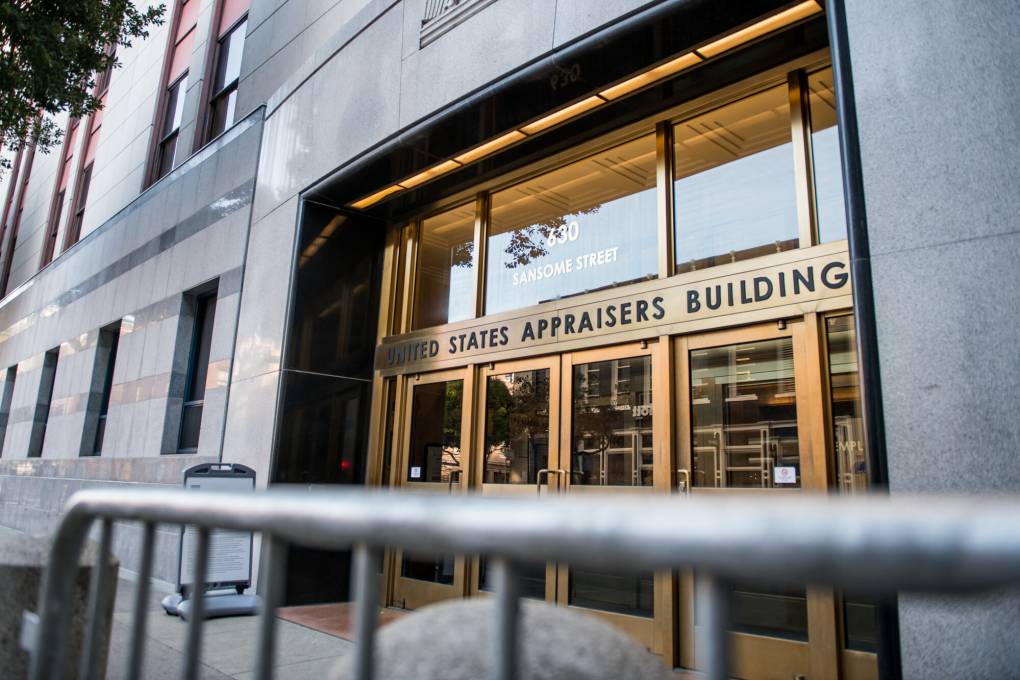
"caption": "The U.S. Immigration & Customs Enforcement building at 630 Sansome St., in San Francisco, California, on Feb. 5, 2020.",
"credit": "Beth LaBerge/KQED",
"altTag": null,
"description": null,
"imgSizes": {
"medium": {
"file": "https://cdn.kqed.org/wp-content/uploads/sites/10/2025/05/008_KQED_630Sansome_02052020_1470_qed-800x533.jpg",
"width": 800,
"height": 533,
"mimeType": "image/jpeg"
},
"large": {
"file": "https://cdn.kqed.org/wp-content/uploads/sites/10/2025/05/008_KQED_630Sansome_02052020_1470_qed-1020x680.jpg",
"width": 1020,
"height": 680,
"mimeType": "image/jpeg"
},
"thumbnail": {
"file": "https://cdn.kqed.org/wp-content/uploads/sites/10/2025/05/008_KQED_630Sansome_02052020_1470_qed-160x107.jpg",
"width": 160,
"height": 107,
"mimeType": "image/jpeg"
},
"1536x1536": {
"file": "https://cdn.kqed.org/wp-content/uploads/sites/10/2025/05/008_KQED_630Sansome_02052020_1470_qed-1536x1024.jpg",
"width": 1536,
"height": 1024,
"mimeType": "image/jpeg"
},
"post-thumbnail": {
"file": "https://cdn.kqed.org/wp-content/uploads/sites/10/2025/05/008_KQED_630Sansome_02052020_1470_qed-672x372.jpg",
"width": 672,
"height": 372,
"mimeType": "image/jpeg"
},
"twentyfourteen-full-width": {
"file": "https://cdn.kqed.org/wp-content/uploads/sites/10/2025/05/008_KQED_630Sansome_02052020_1470_qed-1038x576.jpg",
"width": 1038,
"height": 576,
"mimeType": "image/jpeg"
},
"full-width": {
"file": "https://cdn.kqed.org/wp-content/uploads/sites/10/2025/05/008_KQED_630Sansome_02052020_1470_qed-1920x1280.jpg",
"width": 1920,
"height": 1280,
"mimeType": "image/jpeg"
},
"kqedFullSize": {
"file": "https://cdn.kqed.org/wp-content/uploads/sites/10/2025/05/008_KQED_630Sansome_02052020_1470_qed.jpg",
"width": 1999,
"height": 1333
}
},
"isLoading": false,
"fetchFailed": false
},
"news_73755": {
"type": "attachments",
"id": "news_73755",
"meta": {
"index": "attachments_1716263798",
"site": "news",
"id": "73755",
"found": true
},
"title": "BurnedOut4",
"publishDate": 1345568113,
"status": "inherit",
"parent": 73746,
"modified": 1749071404,
"caption": "The U.S. Chemical Safety Board released this photo of the aftermath of the Chevron refinery fire in Richmond.",
"credit": "Courtesy of Fototaker.net",
"altTag": "The U.S. Chemical Safety Board released this photo of the aftermath of the Chevron refinery fire in Richmond. Photo by Fototaker.net.",
"description": null,
"imgSizes": {
"kqedFullSize": {
"file": "https://cdn.kqed.org/wp-content/uploads/sites/10/2012/08/BurnedOut4-e1749071369737.jpeg",
"width": 2000,
"height": 1500
}
},
"isLoading": false,
"fetchFailed": false
},
"news_12042486": {
"type": "attachments",
"id": "news_12042486",
"meta": {
"index": "attachments_1716263798",
"site": "news",
"id": "12042486",
"found": true
},
"title": "curling1-KQED",
"publishDate": 1748968929,
"status": "inherit",
"parent": 0,
"modified": 1748985731,
"caption": "A participant throws a stone during a curling match at Silicon Valley Curling Club. ",
"credit": "Courtesy of Sharilyn Johnson ",
"altTag": null,
"description": null,
"imgSizes": {
"medium": {
"file": "https://cdn.kqed.org/wp-content/uploads/sites/10/2025/06/curling1-KQED-800x533.jpg",
"width": 800,
"height": 533,
"mimeType": "image/jpeg"
},
"large": {
"file": "https://cdn.kqed.org/wp-content/uploads/sites/10/2025/06/curling1-KQED-1020x680.jpg",
"width": 1020,
"height": 680,
"mimeType": "image/jpeg"
},
"thumbnail": {
"file": "https://cdn.kqed.org/wp-content/uploads/sites/10/2025/06/curling1-KQED-160x107.jpg",
"width": 160,
"height": 107,
"mimeType": "image/jpeg"
},
"1536x1536": {
"file": "https://cdn.kqed.org/wp-content/uploads/sites/10/2025/06/curling1-KQED-1536x1024.jpg",
"width": 1536,
"height": 1024,
"mimeType": "image/jpeg"
},
"post-thumbnail": {
"file": "https://cdn.kqed.org/wp-content/uploads/sites/10/2025/06/curling1-KQED-672x372.jpg",
"width": 672,
"height": 372,
"mimeType": "image/jpeg"
},
"twentyfourteen-full-width": {
"file": "https://cdn.kqed.org/wp-content/uploads/sites/10/2025/06/curling1-KQED-1038x576.jpg",
"width": 1038,
"height": 576,
"mimeType": "image/jpeg"
},
"kqedFullSize": {
"file": "https://cdn.kqed.org/wp-content/uploads/sites/10/2025/06/curling1-KQED.jpg",
"width": 1800,
"height": 1200
}
},
"isLoading": false,
"fetchFailed": false
},
"news_12042765": {
"type": "attachments",
"id": "news_12042765",
"meta": {
"index": "attachments_1716263798",
"site": "news",
"id": "12042765",
"found": true
},
"title": "Stern Grove Festival",
"publishDate": 1749071874,
"status": "inherit",
"parent": 12042763,
"modified": 1749083196,
"caption": "Yvette Marie Stevens, known as Chaka Khan, performs for thousands during the final day of the Stern Grove Festival in San Francisco on Sunday, Aug. 25, 2024. ",
"credit": "Photo by Brontë Wittpenn/San Francisco Chronicle via Getty Images",
"altTag": null,
"description": null,
"imgSizes": {
"medium": {
"file": "https://cdn.kqed.org/wp-content/uploads/sites/10/2025/06/GettyImages-2167750287-800x533.jpg",
"width": 800,
"height": 533,
"mimeType": "image/jpeg"
},
"large": {
"file": "https://cdn.kqed.org/wp-content/uploads/sites/10/2025/06/GettyImages-2167750287-1020x680.jpg",
"width": 1020,
"height": 680,
"mimeType": "image/jpeg"
},
"thumbnail": {
"file": "https://cdn.kqed.org/wp-content/uploads/sites/10/2025/06/GettyImages-2167750287-160x107.jpg",
"width": 160,
"height": 107,
"mimeType": "image/jpeg"
},
"1536x1536": {
"file": "https://cdn.kqed.org/wp-content/uploads/sites/10/2025/06/GettyImages-2167750287-1536x1024.jpg",
"width": 1536,
"height": 1024,
"mimeType": "image/jpeg"
},
"2048x2048": {
"file": "https://cdn.kqed.org/wp-content/uploads/sites/10/2025/06/GettyImages-2167750287-2048x1365.jpg",
"width": 2048,
"height": 1365,
"mimeType": "image/jpeg"
},
"post-thumbnail": {
"file": "https://cdn.kqed.org/wp-content/uploads/sites/10/2025/06/GettyImages-2167750287-672x372.jpg",
"width": 672,
"height": 372,
"mimeType": "image/jpeg"
},
"twentyfourteen-full-width": {
"file": "https://cdn.kqed.org/wp-content/uploads/sites/10/2025/06/GettyImages-2167750287-1038x576.jpg",
"width": 1038,
"height": 576,
"mimeType": "image/jpeg"
},
"full-width": {
"file": "https://cdn.kqed.org/wp-content/uploads/sites/10/2025/06/GettyImages-2167750287-1920x1280.jpg",
"width": 1920,
"height": 1280,
"mimeType": "image/jpeg"
},
"kqedFullSize": {
"file": "https://cdn.kqed.org/wp-content/uploads/sites/10/2025/06/GettyImages-2167750287-scaled.jpg",
"width": 2560,
"height": 1707
}
},
"isLoading": false,
"fetchFailed": false
},
"news_11913625": {
"type": "attachments",
"id": "news_11913625",
"meta": {
"index": "attachments_1716263798",
"site": "news",
"id": "11913625",
"found": true
},
"parent": 11913317,
"imgSizes": {
"twentyfourteen-full-width": {
"file": "https://ww2.kqed.org/app/uploads/sites/10/2022/05/IMG_7164-1038x576.jpeg",
"width": 1038,
"mimeType": "image/jpeg",
"height": 576
},
"thumbnail": {
"file": "https://ww2.kqed.org/app/uploads/sites/10/2022/05/IMG_7164-160x120.jpeg",
"width": 160,
"mimeType": "image/jpeg",
"height": 120
},
"post-thumbnail": {
"file": "https://ww2.kqed.org/app/uploads/sites/10/2022/05/IMG_7164-672x372.jpeg",
"width": 672,
"mimeType": "image/jpeg",
"height": 372
},
"kqedFullSize": {
"file": "https://ww2.kqed.org/app/uploads/sites/10/2022/05/IMG_7164-scaled-e1652127989772.jpeg",
"width": 1920,
"height": 1440
},
"2048x2048": {
"file": "https://ww2.kqed.org/app/uploads/sites/10/2022/05/IMG_7164-2048x1536.jpeg",
"width": 2048,
"mimeType": "image/jpeg",
"height": 1536
},
"large": {
"file": "https://ww2.kqed.org/app/uploads/sites/10/2022/05/IMG_7164-1020x765.jpeg",
"width": 1020,
"mimeType": "image/jpeg",
"height": 765
},
"1536x1536": {
"file": "https://ww2.kqed.org/app/uploads/sites/10/2022/05/IMG_7164-1536x1152.jpeg",
"width": 1536,
"mimeType": "image/jpeg",
"height": 1152
},
"full-width": {
"file": "https://ww2.kqed.org/app/uploads/sites/10/2022/05/IMG_7164-1920x1440.jpeg",
"width": 1920,
"mimeType": "image/jpeg",
"height": 1440
},
"medium": {
"file": "https://ww2.kqed.org/app/uploads/sites/10/2022/05/IMG_7164-800x600.jpeg",
"width": 800,
"mimeType": "image/jpeg",
"height": 600
}
},
"publishDate": 1652127841,
"modified": 1652133540,
"caption": "A worker on the partially constructed Cedar Viaduct in Fresno in March. The 3,700-foot-long structure, with four massive arches, is part of California's high-speed rail project.",
"description": null,
"title": "IMG_7164",
"credit": "Saul Gonzalez/KQED",
"status": "inherit",
"altTag": "A construction worker walks down a steep bridge arch.",
"isLoading": false,
"fetchFailed": false
},
"news_11973075": {
"type": "attachments",
"id": "news_11973075",
"meta": {
"index": "attachments_1716263798",
"site": "news",
"id": "11973075",
"found": true
},
"title": "044_KQED_HMBMassShootingVigil_01272023-qut",
"publishDate": 1705688004,
"status": "inherit",
"parent": 11973071,
"modified": 1749065195,
"caption": "A sign at a memorial for victims of a mass shooting in Half Moon Bay says, \"We Stand With You\" after a vigil in their honor at Mac Dutra Park in Half Moon Bay on Jan. 27, 2023.",
"credit": "Beth LaBerge/KQED",
"altTag": "A candlelit vigil for the victims of the Half Moon Bay mass shooting.",
"description": null,
"imgSizes": {
"medium": {
"file": "https://cdn.kqed.org/wp-content/uploads/sites/10/2024/01/044_KQED_HMBMassShootingVigil_01272023-qut-800x533.jpg",
"width": 800,
"height": 533,
"mimeType": "image/jpeg"
},
"large": {
"file": "https://cdn.kqed.org/wp-content/uploads/sites/10/2024/01/044_KQED_HMBMassShootingVigil_01272023-qut-1020x680.jpg",
"width": 1020,
"height": 680,
"mimeType": "image/jpeg"
},
"thumbnail": {
"file": "https://cdn.kqed.org/wp-content/uploads/sites/10/2024/01/044_KQED_HMBMassShootingVigil_01272023-qut-160x107.jpg",
"width": 160,
"height": 107,
"mimeType": "image/jpeg"
},
"1536x1536": {
"file": "https://cdn.kqed.org/wp-content/uploads/sites/10/2024/01/044_KQED_HMBMassShootingVigil_01272023-qut-1536x1024.jpg",
"width": 1536,
"height": 1024,
"mimeType": "image/jpeg"
},
"post-thumbnail": {
"file": "https://cdn.kqed.org/wp-content/uploads/sites/10/2024/01/044_KQED_HMBMassShootingVigil_01272023-qut-672x372.jpg",
"width": 672,
"height": 372,
"mimeType": "image/jpeg"
},
"twentyfourteen-full-width": {
"file": "https://cdn.kqed.org/wp-content/uploads/sites/10/2024/01/044_KQED_HMBMassShootingVigil_01272023-qut-1038x576.jpg",
"width": 1038,
"height": 576,
"mimeType": "image/jpeg"
},
"kqedFullSize": {
"file": "https://cdn.kqed.org/wp-content/uploads/sites/10/2024/01/044_KQED_HMBMassShootingVigil_01272023-qut.jpg",
"width": 1920,
"height": 1280
}
},
"isLoading": false,
"fetchFailed": false
},
"news_12042674": {
"type": "attachments",
"id": "news_12042674",
"meta": {
"index": "attachments_1716263798",
"site": "news",
"id": "12042674",
"found": true
},
"title": "008_KQED_Housing_Oakland_02212020_3485_qed",
"publishDate": 1749053781,
"status": "inherit",
"parent": 12042670,
"modified": 1749053816,
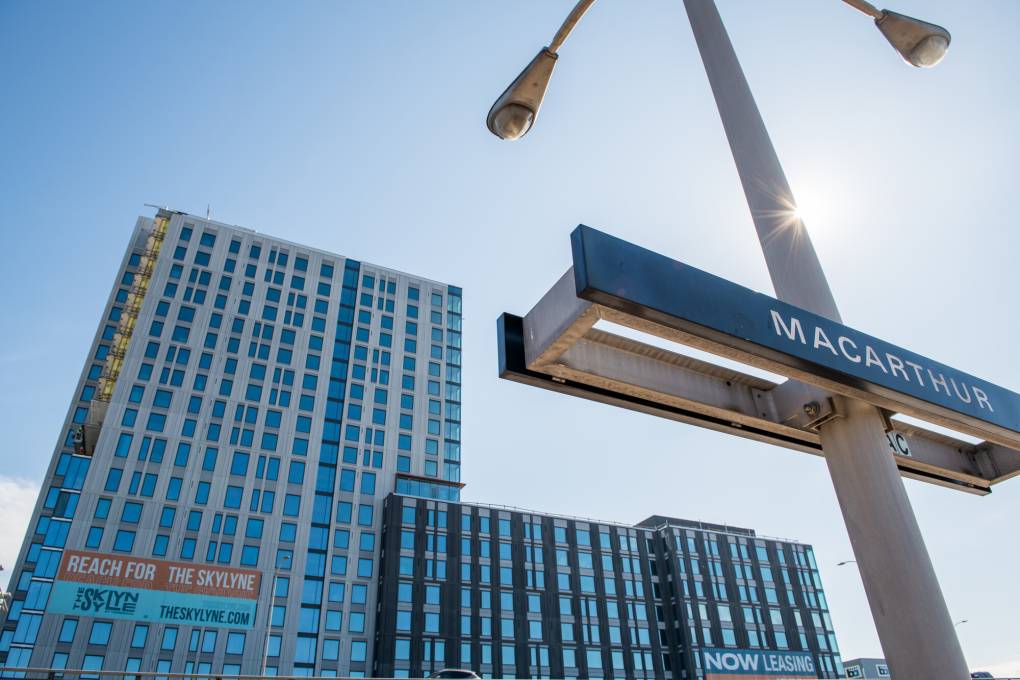
"caption": "Apartment buildings under construction near Macarthur BART station in Oakland, on Feb. 21, 2020.",
"credit": "Beth LaBerge/KQED",
"altTag": null,
"description": null,
"imgSizes": {
"medium": {
"file": "https://cdn.kqed.org/wp-content/uploads/sites/10/2025/06/008_KQED_Housing_Oakland_02212020_3485_qed-800x533.jpg",
"width": 800,
"height": 533,
"mimeType": "image/jpeg"
},
"large": {
"file": "https://cdn.kqed.org/wp-content/uploads/sites/10/2025/06/008_KQED_Housing_Oakland_02212020_3485_qed-1020x680.jpg",
"width": 1020,
"height": 680,
"mimeType": "image/jpeg"
},
"thumbnail": {
"file": "https://cdn.kqed.org/wp-content/uploads/sites/10/2025/06/008_KQED_Housing_Oakland_02212020_3485_qed-160x107.jpg",
"width": 160,
"height": 107,
"mimeType": "image/jpeg"
},
"1536x1536": {
"file": "https://cdn.kqed.org/wp-content/uploads/sites/10/2025/06/008_KQED_Housing_Oakland_02212020_3485_qed-1536x1024.jpg",
"width": 1536,
"height": 1024,
"mimeType": "image/jpeg"
},
"post-thumbnail": {
"file": "https://cdn.kqed.org/wp-content/uploads/sites/10/2025/06/008_KQED_Housing_Oakland_02212020_3485_qed-672x372.jpg",
"width": 672,
"height": 372,
"mimeType": "image/jpeg"
},
"twentyfourteen-full-width": {
"file": "https://cdn.kqed.org/wp-content/uploads/sites/10/2025/06/008_KQED_Housing_Oakland_02212020_3485_qed-1038x576.jpg",
"width": 1038,
"height": 576,
"mimeType": "image/jpeg"
},
"full-width": {
"file": "https://cdn.kqed.org/wp-content/uploads/sites/10/2025/06/008_KQED_Housing_Oakland_02212020_3485_qed-1920x1280.jpg",
"width": 1920,
"height": 1280,
"mimeType": "image/jpeg"
},
"kqedFullSize": {
"file": "https://cdn.kqed.org/wp-content/uploads/sites/10/2025/06/008_KQED_Housing_Oakland_02212020_3485_qed.jpg",
"width": 2000,
"height": 1333
}
},
"isLoading": false,
"fetchFailed": false
},
"news_12042519": {
"type": "attachments",
"id": "news_12042519",
"meta": {
"index": "attachments_1716263798",
"site": "news",
"id": "12042519",
"found": true
},
"title": "20250501_MayDayRally_GC-11_qed",
"publishDate": 1748973260,
"status": "inherit",
"parent": 12042492,
"modified": 1748973272,
"caption": "Hundreds march during a May Day rally, calling for immigrant rights, on International Workers’ Day, in Santa Rosa on May 1, 2025.",
"credit": "Gina Castro/KQED",
"altTag": null,
"description": null,
"imgSizes": {
"medium": {
"file": "https://cdn.kqed.org/wp-content/uploads/sites/10/2025/06/20250501_MayDayRally_GC-11_qed-800x533.jpg",
"width": 800,
"height": 533,
"mimeType": "image/jpeg"
},
"large": {
"file": "https://cdn.kqed.org/wp-content/uploads/sites/10/2025/06/20250501_MayDayRally_GC-11_qed-1020x680.jpg",
"width": 1020,
"height": 680,
"mimeType": "image/jpeg"
},
"thumbnail": {
"file": "https://cdn.kqed.org/wp-content/uploads/sites/10/2025/06/20250501_MayDayRally_GC-11_qed-160x107.jpg",
"width": 160,
"height": 107,
"mimeType": "image/jpeg"
},
"1536x1536": {
"file": "https://cdn.kqed.org/wp-content/uploads/sites/10/2025/06/20250501_MayDayRally_GC-11_qed-1536x1024.jpg",
"width": 1536,
"height": 1024,
"mimeType": "image/jpeg"
},
"post-thumbnail": {
"file": "https://cdn.kqed.org/wp-content/uploads/sites/10/2025/06/20250501_MayDayRally_GC-11_qed-672x372.jpg",
"width": 672,
"height": 372,
"mimeType": "image/jpeg"
},
"twentyfourteen-full-width": {
"file": "https://cdn.kqed.org/wp-content/uploads/sites/10/2025/06/20250501_MayDayRally_GC-11_qed-1038x576.jpg",
"width": 1038,
"height": 576,
"mimeType": "image/jpeg"
},
"full-width": {
"file": "https://cdn.kqed.org/wp-content/uploads/sites/10/2025/06/20250501_MayDayRally_GC-11_qed-1920x1280.jpg",
"width": 1920,
"height": 1280,
"mimeType": "image/jpeg"
},
"kqedFullSize": {
"file": "https://cdn.kqed.org/wp-content/uploads/sites/10/2025/06/20250501_MayDayRally_GC-11_qed.jpg",
"width": 2000,
"height": 1333
}
},
"isLoading": false,
"fetchFailed": false
},
"news_12042386": {
"type": "attachments",
"id": "news_12042386",
"meta": {
"index": "attachments_1716263798",
"site": "news",
"id": "12042386",
"found": true
},
"title": "Satellite Imagery Of Wildfires In Flin Flon In Manitoba",
"publishDate": 1748883477,
"status": "inherit",
"parent": 12042383,
"modified": 1748900269,
"caption": "A satellite view of Flin Flon, Manitoba, Canada, on May 28, 2025, reveals a raging wildfire forcing evacuation orders as flames threaten the city. The fire, originating in Creighton, Saskatchewan, has spread rapidly, prompting urgent evacuations and firefighting efforts. Smoke blankets the area, creating hazardous conditions as crews battle to contain the blaze. ",
"credit": "Gallo Images/Orbital Horizon/Copernicus Sentinel Data 2025",
"altTag": null,
"description": null,
"imgSizes": {
"medium": {
"file": "https://cdn.kqed.org/wp-content/uploads/sites/10/2025/06/CanadaWildfireGetty-800x533.jpg",
"width": 800,
"height": 533,
"mimeType": "image/jpeg"
},
"large": {
"file": "https://cdn.kqed.org/wp-content/uploads/sites/10/2025/06/CanadaWildfireGetty-1020x680.jpg",
"width": 1020,
"height": 680,
"mimeType": "image/jpeg"
},
"thumbnail": {
"file": "https://cdn.kqed.org/wp-content/uploads/sites/10/2025/06/CanadaWildfireGetty-160x107.jpg",
"width": 160,
"height": 107,
"mimeType": "image/jpeg"
},
"1536x1536": {
"file": "https://cdn.kqed.org/wp-content/uploads/sites/10/2025/06/CanadaWildfireGetty-1536x1024.jpg",
"width": 1536,
"height": 1024,
"mimeType": "image/jpeg"
},
"post-thumbnail": {
"file": "https://cdn.kqed.org/wp-content/uploads/sites/10/2025/06/CanadaWildfireGetty-672x372.jpg",
"width": 672,
"height": 372,
"mimeType": "image/jpeg"
},
"twentyfourteen-full-width": {
"file": "https://cdn.kqed.org/wp-content/uploads/sites/10/2025/06/CanadaWildfireGetty-1038x576.jpg",
"width": 1038,
"height": 576,
"mimeType": "image/jpeg"
},
"full-width": {
"file": "https://cdn.kqed.org/wp-content/uploads/sites/10/2025/06/CanadaWildfireGetty-1920x1280.jpg",
"width": 1920,
"height": 1280,
"mimeType": "image/jpeg"
},
"kqedFullSize": {
"file": "https://cdn.kqed.org/wp-content/uploads/sites/10/2025/06/CanadaWildfireGetty.jpg",
"width": 2000,
"height": 1333
}
},
"isLoading": false,
"fetchFailed": false
},
"news_12041236": {
"type": "attachments",
"id": "news_12041236",
"meta": {
"index": "attachments_1716263798",
"site": "news",
"id": "12041236",
"found": true
},
"title": "250522-IMMIGRATION COURT FOLO-MD-04-KQED",
"publishDate": 1747932150,
"status": "inherit",
"parent": 0,
"modified": 1748461717,
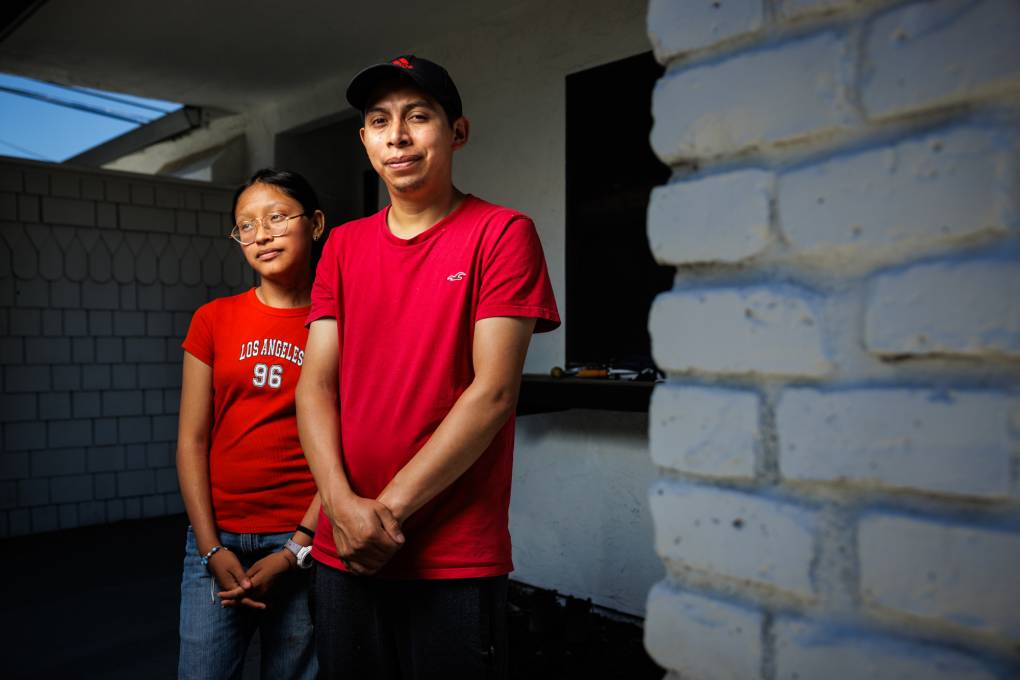
"caption": "Andres Mendoza Pablo and his daughter Catalina stand outside of the house where they live in Stockton on May 22, 2025.",
"credit": "Martin do Nascimento/KQED",
"altTag": null,
"description": null,
"imgSizes": {
"medium": {
"file": "https://cdn.kqed.org/wp-content/uploads/sites/10/2025/05/250522-IMMIGRATION-COURT-FOLO-MD-04-KQED-800x534.jpg",
"width": 800,
"height": 534,
"mimeType": "image/jpeg"
},
"large": {
"file": "https://cdn.kqed.org/wp-content/uploads/sites/10/2025/05/250522-IMMIGRATION-COURT-FOLO-MD-04-KQED-1020x680.jpg",
"width": 1020,
"height": 680,
"mimeType": "image/jpeg"
},
"thumbnail": {
"file": "https://cdn.kqed.org/wp-content/uploads/sites/10/2025/05/250522-IMMIGRATION-COURT-FOLO-MD-04-KQED-160x107.jpg",
"width": 160,
"height": 107,
"mimeType": "image/jpeg"
},
"1536x1536": {
"file": "https://cdn.kqed.org/wp-content/uploads/sites/10/2025/05/250522-IMMIGRATION-COURT-FOLO-MD-04-KQED-1536x1025.jpg",
"width": 1536,
"height": 1025,
"mimeType": "image/jpeg"
},
"post-thumbnail": {
"file": "https://cdn.kqed.org/wp-content/uploads/sites/10/2025/05/250522-IMMIGRATION-COURT-FOLO-MD-04-KQED-672x372.jpg",
"width": 672,
"height": 372,
"mimeType": "image/jpeg"
},
"twentyfourteen-full-width": {
"file": "https://cdn.kqed.org/wp-content/uploads/sites/10/2025/05/250522-IMMIGRATION-COURT-FOLO-MD-04-KQED-1038x576.jpg",
"width": 1038,
"height": 576,
"mimeType": "image/jpeg"
},
"full-width": {
"file": "https://cdn.kqed.org/wp-content/uploads/sites/10/2025/05/250522-IMMIGRATION-COURT-FOLO-MD-04-KQED-1920x1281.jpg",
"width": 1920,
"height": 1281,
"mimeType": "image/jpeg"
},
"kqedFullSize": {
"file": "https://cdn.kqed.org/wp-content/uploads/sites/10/2025/05/250522-IMMIGRATION-COURT-FOLO-MD-04-KQED.jpg?ver=1747933065",
"width": 2000,
"height": 1334
}
},
"isLoading": false,
"fetchFailed": false
}
},
"audioPlayerReducer": {
"postId": "stream_live",
"isPaused": true,
"isPlaying": false,
"pfsActive": false,
"pledgeModalIsOpen": true,
"playerDrawerIsOpen": false,
"liveAudioPlayStartedAt": 0,
"liveAudioPlayContext": ""
},
"authorsReducer": {
"ninathorsen": {
"type": "authors",
"id": "246",
"meta": {
"index": "authors_1716337520",
"id": "246",
"found": true
},
"name": "Nina Thorsen",
"firstName": "Nina",
"lastName": "Thorsen",
"slug": "ninathorsen",
"email": "nthorsen@kqed.org",
"display_author_email": false,
"staff_mastheads": [
"news"
],
"title": "Producer, Radio",
"bio": "\u003cspan style=\"color: #000000;\">Nina Thorsen is a KQED radio producer, and frequently reports on sports and culture. \u003c/span>\u003cspan style=\"color: #000000;\">She co-created and produced KQED's \u003cem>Pacific Time, \u003c/em> a weekly radio program on Asian and Asian American issues that aired from 2000 to 2007. Before coming to KQED, Thorsen was the deputy foreign editor for \u003cem>Marketplace, \u003c/em>and in her home state of Minnesota, worked for \u003cem>A Prairie Home Companion\u003c/em> and for Public Radio International. \u003c/span>",
"avatar": "https://secure.gravatar.com/avatar/e13dc7282cec33c15d973ebb56d57ead?s=600&d=blank&r=g",
"twitter": "NinaKQED",
"facebook": null,
"instagram": null,
"linkedin": null,
"sites": [
{
"site": "news",
"roles": [
"editor"
]
},
{
"site": "podcasts",
"roles": [
"editor"
]
}
],
"headData": {
"title": "Nina Thorsen | KQED",
"description": "Producer, Radio",
"ogImgSrc": "https://secure.gravatar.com/avatar/e13dc7282cec33c15d973ebb56d57ead?s=600&d=blank&r=g",
"twImgSrc": "https://secure.gravatar.com/avatar/e13dc7282cec33c15d973ebb56d57ead?s=600&d=blank&r=g"
},
"isLoading": false,
"link": "/author/ninathorsen"
},
"matthewgreen": {
"type": "authors",
"id": "1263",
"meta": {
"index": "authors_1716337520",
"id": "1263",
"found": true
},
"name": "Matthew Green",
"firstName": "Matthew",
"lastName": "Green",
"slug": "matthewgreen",
"email": "mgreen@kqed.org",
"display_author_email": false,
"staff_mastheads": [],
"title": "KQED Editor/Reporter",
"bio": "Matthew Green is a digital media producer for KQED News. He previously produced \u003ca href=\"http://www.kqed.org/lowdown\">The Lowdown\u003c/a>, KQED’s multimedia news education blog. Matthew's written for numerous Bay Area publications, including the Oakland Tribune and San Francisco Chronicle. He also taught journalism classes at Fremont High School in East Oakland.\r\n\r\nEmail: mgreen@kqed.org; Twitter: @MGreenKQED",
"avatar": "https://secure.gravatar.com/avatar/3bf498d1267ca02c8494f33d8cfc575e?s=600&d=blank&r=g",
"twitter": "MGreenKQED",
"facebook": null,
"instagram": null,
"linkedin": null,
"sites": [
{
"site": "news",
"roles": []
},
{
"site": "lowdown",
"roles": []
},
{
"site": "science",
"roles": []
},
{
"site": "education",
"roles": []
},
{
"site": "quest",
"roles": []
},
{
"site": "liveblog",
"roles": []
}
],
"headData": {
"title": "Matthew Green | KQED",
"description": "KQED Editor/Reporter",
"ogImgSrc": "https://secure.gravatar.com/avatar/3bf498d1267ca02c8494f33d8cfc575e?s=600&d=blank&r=g",
"twImgSrc": "https://secure.gravatar.com/avatar/3bf498d1267ca02c8494f33d8cfc575e?s=600&d=blank&r=g"
},
"isLoading": false,
"link": "/author/matthewgreen"
},
"ebaldassari": {
"type": "authors",
"id": "11652",
"meta": {
"index": "authors_1716337520",
"id": "11652",
"found": true
},
"name": "Erin Baldassari",
"firstName": "Erin",
"lastName": "Baldassari",
"slug": "ebaldassari",
"email": "ebaldassari@KQED.org",
"display_author_email": true,
"staff_mastheads": [
"news"
],
"title": "Staff Writer",
"bio": "Erin Baldassari covers housing for KQED. She's a former print journalist and most recently worked as the transportation reporter for the \u003cem>Mercury News\u003c/em> and \u003cem>East Bay Times. \u003c/em>There, she focused on how the Bay Area’s housing shortage has changed the way people move around the region. She also served on the \u003cem>East Bay Times\u003c/em>’ 2017 Pulitzer Prize-winning team for coverage of the Ghost Ship Fire in Oakland. Prior to that, Erin worked as a breaking news and general assignment reporter for a variety of outlets in the Bay Area and the greater Boston area. A Tufts University alumna, Erin grew up in the foothills of the Sierra Nevada mountains and in Sonoma County. She is a life-long KQED listener.",
"avatar": "https://secure.gravatar.com/avatar/660ce35d088ca54ad606d7e941abc652?s=600&d=mm&r=g",
"twitter": "e_baldi",
"facebook": null,
"instagram": null,
"linkedin": null,
"sites": [
{
"site": "news",
"roles": [
"edit_others_posts",
"editor"
]
},
{
"site": "science",
"roles": [
"editor"
]
},
{
"site": "liveblog",
"roles": [
"editor"
]
}
],
"headData": {
"title": "Erin Baldassari | KQED",
"description": "Staff Writer",
"ogImgSrc": "https://secure.gravatar.com/avatar/660ce35d088ca54ad606d7e941abc652?s=600&d=mm&r=g",
"twImgSrc": "https://secure.gravatar.com/avatar/660ce35d088ca54ad606d7e941abc652?s=600&d=mm&r=g"
},
"isLoading": false,
"link": "/author/ebaldassari"
},
"ccabreralomeli": {
"type": "authors",
"id": "11708",
"meta": {
"index": "authors_1716337520",
"id": "11708",
"found": true
},
"name": "Carlos Cabrera-Lomelí",
"firstName": "Carlos",
"lastName": "Cabrera-Lomelí",
"slug": "ccabreralomeli",
"email": "ccabreralomeli@KQED.org",
"display_author_email": true,
"staff_mastheads": [
"news"
],
"title": "Community Reporter",
"bio": "Carlos Cabrera-Lomelí is a community reporter with KQED's digital engagement team. He also reports and co-produces for KQED's bilingual news hub KQED en Español. He grew up in San Francisco's Mission District and has previously worked with Univision, 48 Hills and REFORMA in Mexico City.",
"avatar": "https://secure.gravatar.com/avatar/c309be9665e484f887b818c89e273ecc673004f426f36b24d00a4d813a2e0518?s=600&d=blank&r=g",
"twitter": "@LomeliCabrera",
"bluesky": null,
"facebook": null,
"instagram": null,
"linkedin": null,
"sites": [
{
"site": "arts",
"roles": [
"editor"
]
},
{
"site": "news",
"roles": [
"editor"
]
},
{
"site": "about",
"roles": [
"editor"
]
},
{
"site": "science",
"roles": [
"editor"
]
},
{
"site": "perspectives",
"roles": [
"editor"
]
},
{
"site": "elections",
"roles": [
"editor"
]
},
{
"site": "liveblog",
"roles": [
"contributor"
]
}
],
"headData": {
"title": "Carlos Cabrera-Lomelí | KQED",
"description": "Community Reporter",
"ogImgSrc": "https://secure.gravatar.com/avatar/c309be9665e484f887b818c89e273ecc673004f426f36b24d00a4d813a2e0518?s=600&d=blank&r=g",
"twImgSrc": "https://secure.gravatar.com/avatar/c309be9665e484f887b818c89e273ecc673004f426f36b24d00a4d813a2e0518?s=600&d=blank&r=g"
},
"isLoading": false,
"link": "/author/ccabreralomeli"
},
"jlara": {
"type": "authors",
"id": "11761",
"meta": {
"index": "authors_1716337520",
"id": "11761",
"found": true
},
"name": "Juan Carlos Lara",
"firstName": "Juan Carlos",
"lastName": "Lara",
"slug": "jlara",
"email": "jlara@kqed.org",
"display_author_email": false,
"staff_mastheads": [],
"title": "KQED Contributor",
"bio": null,
"avatar": "https://secure.gravatar.com/avatar/19e2052b9b05657c5ff2af2121846e9c?s=600&d=blank&r=g",
"twitter": null,
"facebook": null,
"instagram": null,
"linkedin": null,
"sites": [
{
"site": "arts",
"roles": [
"editor"
]
},
{
"site": "news",
"roles": [
"editor"
]
},
{
"site": "forum",
"roles": [
"editor"
]
},
{
"site": "liveblog",
"roles": [
"contributor"
]
}
],
"headData": {
"title": "Juan Carlos Lara | KQED",
"description": "KQED Contributor",
"ogImgSrc": "https://secure.gravatar.com/avatar/19e2052b9b05657c5ff2af2121846e9c?s=600&d=blank&r=g",
"twImgSrc": "https://secure.gravatar.com/avatar/19e2052b9b05657c5ff2af2121846e9c?s=600&d=blank&r=g"
},
"isLoading": false,
"link": "/author/jlara"
},
"nkhan": {
"type": "authors",
"id": "11867",
"meta": {
"index": "authors_1716337520",
"id": "11867",
"found": true
},
"name": "Nisa Khan",
"firstName": "Nisa",
"lastName": "Khan",
"slug": "nkhan",
"email": "nkhan@kqed.org",
"display_author_email": false,
"staff_mastheads": [],
"title": "KQED Contributor",
"bio": "Nisa Khan is a reporter for KQED's Audience News Desk. She was formerly a data reporter at Michigan Radio. She earned a Bachelor of Science in Information from the University of Michigan and a Master of Arts in Communication from Stanford University.",
"avatar": "https://secure.gravatar.com/avatar/a3bf1efcfbe7658d13a434cc54d0b2e3?s=600&d=blank&r=g",
"twitter": "mnisakhan",
"bluesky": null,
"facebook": null,
"instagram": null,
"linkedin": null,
"sites": [
{
"site": "arts",
"roles": [
"editor"
]
},
{
"site": "news",
"roles": [
"editor"
]
},
{
"site": "science",
"roles": [
"editor",
"author"
]
},
{
"site": "forum",
"roles": [
"editor"
]
},
{
"site": "liveblog",
"roles": [
"contributor"
]
}
],
"headData": {
"title": "Nisa Khan | KQED",
"description": "KQED Contributor",
"ogImgSrc": "https://secure.gravatar.com/avatar/a3bf1efcfbe7658d13a434cc54d0b2e3?s=600&d=blank&r=g",
"twImgSrc": "https://secure.gravatar.com/avatar/a3bf1efcfbe7658d13a434cc54d0b2e3?s=600&d=blank&r=g"
},
"isLoading": false,
"link": "/author/nkhan"
},
"kdebenedetti": {
"type": "authors",
"id": "11913",
"meta": {
"index": "authors_1716337520",
"id": "11913",
"found": true
},
"name": "Katie DeBenedetti",
"firstName": "Katie",
"lastName": "DeBenedetti",
"slug": "kdebenedetti",
"email": "kdebenedetti@kqed.org",
"display_author_email": false,
"staff_mastheads": [
"news",
"science"
],
"title": "KQED Contributor",
"bio": "Katie DeBenedetti is a digital reporter covering daily news for the Express Desk. Prior to joining KQED as a culture reporting intern in January 2024, she covered education and city government for the Napa Valley Register.",
"avatar": "https://secure.gravatar.com/avatar/6e31073cb8f7e4214ab03f42771d0f45?s=600&d=blank&r=g",
"twitter": null,
"facebook": null,
"instagram": null,
"linkedin": null,
"sites": [
{
"site": "news",
"roles": [
"author"
]
},
{
"site": "science",
"roles": [
"author"
]
},
{
"site": "liveblog",
"roles": [
"author"
]
}
],
"headData": {
"title": "Katie DeBenedetti | KQED",
"description": "KQED Contributor",
"ogImgSrc": "https://secure.gravatar.com/avatar/6e31073cb8f7e4214ab03f42771d0f45?s=600&d=blank&r=g",
"twImgSrc": "https://secure.gravatar.com/avatar/6e31073cb8f7e4214ab03f42771d0f45?s=600&d=blank&r=g"
},
"isLoading": false,
"link": "/author/kdebenedetti"
},
"emanoukian": {
"type": "authors",
"id": "11925",
"meta": {
"index": "authors_1716337520",
"id": "11925",
"found": true
},
"name": "Elize Manoukian",
"firstName": "Elize",
"lastName": "Manoukian",
"slug": "emanoukian",
"email": "emanoukian@KQED.org",
"display_author_email": false,
"staff_mastheads": [
"news"
],
"title": "Digital Producer",
"bio": null,
"avatar": "https://secure.gravatar.com/avatar/4525f1a8e46ccb30933b32653d9772064cfefe3fa655eb45b3b3a80341f6bdad?s=600&d=blank&r=g",
"twitter": null,
"bluesky": null,
"facebook": null,
"instagram": null,
"linkedin": null,
"sites": [
{
"site": "arts",
"roles": [
"editor"
]
},
{
"site": "news",
"roles": [
"editor"
]
},
{
"site": "science",
"roles": [
"editor"
]
}
],
"headData": {
"title": "Elize Manoukian | KQED",
"description": "Digital Producer",
"ogImgSrc": "https://secure.gravatar.com/avatar/4525f1a8e46ccb30933b32653d9772064cfefe3fa655eb45b3b3a80341f6bdad?s=600&d=blank&r=g",
"twImgSrc": "https://secure.gravatar.com/avatar/4525f1a8e46ccb30933b32653d9772064cfefe3fa655eb45b3b3a80341f6bdad?s=600&d=blank&r=g"
},
"isLoading": false,
"link": "/author/emanoukian"
},
"sarahwright": {
"type": "authors",
"id": "11956",
"meta": {
"index": "authors_1716337520",
"id": "11956",
"found": true
},
"name": "Sarah Wright",
"firstName": "Sarah",
"lastName": "Wright",
"slug": "sarahwright",
"email": "swright@kqed.org",
"display_author_email": true,
"staff_mastheads": [],
"title": "Outdoors Engagement Reporter",
"bio": "Sarah Wright is KQED's Outdoors Engagement Reporter. Originally from Lake Tahoe, she completed a thru-hike of the Pacific Crest Trail in 2019 and was a U.S. Fulbright Program grantee to Argentina in 2023. Her journalism has appeared in The Guardian, The San Francisco Standard, The Palo Alto Weekly and the Half Moon Bay Review.",
"avatar": "https://secure.gravatar.com/avatar/c161a3d6441865cba25e6db4fa561099ad665799e9432e34da2b84d7e371524c?s=600&d=blank&r=g",
"twitter": null,
"bluesky": null,
"facebook": null,
"instagram": null,
"linkedin": null,
"sites": [
{
"site": "arts",
"roles": [
"editor"
]
},
{
"site": "news",
"roles": [
"editor"
]
},
{
"site": "science",
"roles": [
"contributor",
"author"
]
},
{
"site": "forum",
"roles": [
"editor"
]
}
],
"headData": {
"title": "Sarah Wright | KQED",
"description": "Outdoors Engagement Reporter",
"ogImgSrc": "https://secure.gravatar.com/avatar/c161a3d6441865cba25e6db4fa561099ad665799e9432e34da2b84d7e371524c?s=600&d=blank&r=g",
"twImgSrc": "https://secure.gravatar.com/avatar/c161a3d6441865cba25e6db4fa561099ad665799e9432e34da2b84d7e371524c?s=600&d=blank&r=g"
},
"isLoading": false,
"link": "/author/sarahwright"
}
},
"pagesReducer": {
"news_tag_california": {
"type": "terms",
"id": "news_18538",
"meta": {
"index": "terms_1716263798",
"site": "news",
"id": "18538",
"score": 6.845124
},
"featImg": null,
"name": "California",
"description": null,
"taxonomy": "tag",
"headData": {
"twImgId": null,
"twTitle": null,
"ogTitle": null,
"ogImgId": null,
"twDescription": null,
"description": null,
"title": "California Archives | KQED News",
"ogDescription": null
},
"ttid": 31,
"slug": "california",
"isLoading": false,
"title": "California",
"pageMeta": {
"site": "news",
"WpPageTemplate": "page-topic-editorial",
"currentPage": 82
},
"blocks": [
{
"blockName": "kqed/post-list",
"attrs": {
"layout": "cardArticle2",
"query": "posts/news?tag=california",
"seeMore": false,
"paginated": true,
"page": 82
}
},
{
"blockName": "kqed/ad"
}
]
}
},
"pfsSessionReducer": {},
"postsReducer": {
"stream_live": {
"type": "live",
"id": "stream_live",
"audioUrl": "https://streams.kqed.org/kqedradio",
"title": "Live Stream",
"excerpt": "Live Stream information currently unavailable.",
"link": "/radio",
"featImg": "",
"label": {
"name": "KQED Live",
"link": "/"
}
},
"stream_kqedNewscast": {
"type": "posts",
"id": "stream_kqedNewscast",
"audioUrl": "https://www.kqed.org/.stream/anon/radio/RDnews/newscast.mp3?_=1",
"title": "KQED Newscast",
"featImg": "",
"label": {
"name": "88.5 FM",
"link": "/"
}
},
"news_12042895": {
"type": "posts",
"id": "news_12042895",
"meta": {
"index": "posts_1716263798",
"site": "news",
"id": "12042895",
"score": null,
"sort": [
1749207632000
]
},
"guestAuthors": [],
"slug": "san-francisco-job-corps-students-face-uncertain-future",
"title": "San Francisco Job Corps Students Face Uncertain Future",
"publishDate": 1749207632,
"format": "standard",
"headTitle": "San Francisco Job Corps Students Face Uncertain Future | KQED",
"labelTerm": {
"site": "news"
},
"content": "\u003cp>Driving over the Bay Bridge into \u003ca href=\"https://www.kqed.org/news/tag/san-francisco\">San Francisco\u003c/a>, the vast, mostly barren compound that’s home to the Treasure Island Job Corps Center doesn’t look like much.\u003c/p>\n\u003cp>But students gaining certifications in culinary arts, construction, hospitality and other blue-collar careers at the trade school say it has been a lifeline for more than 20 years.\u003c/p>\n\u003cp>Since 1999, thousands of low-income youth and young adults have gotten high school diplomas and trade certifications while living and working at the federally funded site. Now, more than 350 who were enrolled as of last week are at risk of losing that lifeline in the coming weeks, as the Department of Labor plans to pause operations at Job Corps centers across the country.\u003c/p>\n\u003cp>[ad fullwidth]\u003c/p>\n\u003cp>“Many of us have nowhere to go,” said Eddie Lopez, 19, one of dozens of students, staff members and community advocates who gathered Thursday to protest the termination.\u003c/p>\n\u003cp>Lopez came to the center four months ago, after couch surfing in the East Bay and trying to find a job to support himself.\u003c/p>\n\u003cfigure id=\"attachment_12042991\" class=\"wp-caption aligncenter\" style=\"max-width: 2000px\">\u003cimg loading=\"lazy\" decoding=\"async\" class=\"size-full wp-image-12042991\" src=\"https://cdn.kqed.org/wp-content/uploads/sites/10/2025/06/250605-TREASUREISLANDJOBCORPS-14-BL-KQED.jpg\" alt=\"\" width=\"2000\" height=\"1333\" srcset=\"https://cdn.kqed.org/wp-content/uploads/sites/10/2025/06/250605-TREASUREISLANDJOBCORPS-14-BL-KQED.jpg 2000w, https://cdn.kqed.org/wp-content/uploads/sites/10/2025/06/250605-TREASUREISLANDJOBCORPS-14-BL-KQED-160x107.jpg 160w, https://cdn.kqed.org/wp-content/uploads/sites/10/2025/06/250605-TREASUREISLANDJOBCORPS-14-BL-KQED-1536x1024.jpg 1536w\" sizes=\"auto, (max-width: 2000px) 100vw, 2000px\">\u003cfigcaption class=\"wp-caption-text\">Students, staff and supporters rally outside the Treasure Island Job Corps Center in San Francisco on June 5, 2025, protesting the facility’s upcoming closure, which they say could leave at-risk youth homeless. \u003ccite>(Beth LaBerge/KQED)\u003c/cite>\u003c/figcaption>\u003c/figure>\n\u003cp>“We came here with nothing — no job, no home, no support system — and now they expect us to find something in a couple of days. It’s just really heartbreaking and horrifying and inhumane,” he said.\u003c/p>\n\u003cp>Lopez and other students at Treasure Island found out last week that they would need to leave the island after the Department of Labor announced it would indefinitely pause operations at the end of June at the vast majority of its 131 trade schools that offer free schooling, housing and healthcare to low-income 16 to 24 year olds.\u003c/p>\n\u003cp>Department of Labor Secretary Lori Chavez-DeRemer said in a statement that the department had reviewed the program and determined that it was “no longer achieving the intended outcomes that students deserve,” based on a review of serious incident reports at Job Corps sites and the financial impact of the program, which operated with a $140 million deficit in 2024.[aside postID=news_12042125 hero='https://cdn.kqed.org/wp-content/uploads/sites/10/2025/05/250529-JOBCORPSCENTER-07-BL-KQED-1020x680.jpg']About 250 of the 375 students who resided on Treasure Island prior to the DOL’s announcement have already left, and more are preparing to leave by the end of the week, according to Lacy Barnes, a representative for the Union of Teachers and Classified Professionals, which represents the center’s employees.\u003c/p>\n\u003cp>A \u003ca href=\"https://www.kqed.org/news/12042125/trump-pauses-job-corps-leaving-san-jose-trade-students-in-turmoil\">similar exodus\u003c/a> has happened at the San José Job Corps site, where another 350 students found out last Thursday that their program would be shut down, and some were told to pack their bags within days.\u003c/p>\n\u003cp>Other students, including Lopez, plan to stay on campus until they’re forced to leave.\u003c/p>\n\u003cp>On Wednesday, a federal judge granted a temporary restraining order to a trade group representing Job Corps center operators suing the Department of Labor over its abrupt announcement, ordering the department not to pause work or terminate agreements with contractors until a further ruling. The order lasts through June 17, when a hearing is scheduled in the case.\u003c/p>\n\u003cp>Even if U.S. District Judge Andrew Carter grants the contractors an injunction that would extend until the case could be decided in court, Barnes worries that the chaos over the last week cannot be rectified.\u003c/p>\n\u003cfigure id=\"attachment_12042992\" class=\"wp-caption aligncenter\" style=\"max-width: 2000px\">\u003cimg loading=\"lazy\" decoding=\"async\" class=\"size-full wp-image-12042992\" src=\"https://cdn.kqed.org/wp-content/uploads/sites/10/2025/06/250605-TREASUREISLANDJOBCORPS-21-BL-KQED.jpg\" alt=\"\" width=\"2000\" height=\"1333\" srcset=\"https://cdn.kqed.org/wp-content/uploads/sites/10/2025/06/250605-TREASUREISLANDJOBCORPS-21-BL-KQED.jpg 2000w, https://cdn.kqed.org/wp-content/uploads/sites/10/2025/06/250605-TREASUREISLANDJOBCORPS-21-BL-KQED-160x107.jpg 160w, https://cdn.kqed.org/wp-content/uploads/sites/10/2025/06/250605-TREASUREISLANDJOBCORPS-21-BL-KQED-1536x1024.jpg 1536w\" sizes=\"auto, (max-width: 2000px) 100vw, 2000px\">\u003cfigcaption class=\"wp-caption-text\">Frank Lara, executive vice president of United Educators of San Francisco, speaks during a rally outside the Treasure Island Job Corps Center in San Francisco on June 5, 2025, protesting the facility’s upcoming closure, which they say could leave at-risk youth homeless. \u003ccite>(Beth LaBerge/KQED)\u003c/cite>\u003c/figcaption>\u003c/figure>\n\u003cp>“The damage that’s incurred — we can’t recoup that,” she said.\u003c/p>\n\u003cp>Many of the students who come to job corps centers escaped difficult home situations or were previously unhoused, and are at heightened risk if they are forced to return to those circumstances.\u003c/p>\n\u003cp>Isaiah Moncrease, who recently completed the culinary program at Treasure Island, said without it, he isn’t sure he would see a future where he has a legal job.\u003c/p>\n\u003cp>“I got into gang life, I sold drugs, and I almost ended up in jail multiple times,” he said. “This program not only saved my life, but saved the lives of countless other students.”\u003c/p>\n\u003cp>Before coming to Job Corps, Moncrease said he and his siblings had been moved around nine states and more than 50 counties by his mother, who was struggling with drug addiction.\u003c/p>\n\u003cp>“She went wherever the drugs were, and we went with her,” he told KQED.\u003c/p>\n\u003cfigure id=\"attachment_12042990\" class=\"wp-caption aligncenter\" style=\"max-width: 2000px\">\u003cimg loading=\"lazy\" decoding=\"async\" class=\"size-full wp-image-12042990\" src=\"https://cdn.kqed.org/wp-content/uploads/sites/10/2025/06/250605-TREASUREISLANDJOBCORPS-12-BL-KQED.jpg\" alt=\"\" width=\"2000\" height=\"1333\" srcset=\"https://cdn.kqed.org/wp-content/uploads/sites/10/2025/06/250605-TREASUREISLANDJOBCORPS-12-BL-KQED.jpg 2000w, https://cdn.kqed.org/wp-content/uploads/sites/10/2025/06/250605-TREASUREISLANDJOBCORPS-12-BL-KQED-160x107.jpg 160w, https://cdn.kqed.org/wp-content/uploads/sites/10/2025/06/250605-TREASUREISLANDJOBCORPS-12-BL-KQED-1536x1024.jpg 1536w\" sizes=\"auto, (max-width: 2000px) 100vw, 2000px\">\u003cfigcaption class=\"wp-caption-text\">Colleen Jeffers, president of the Council of Classified Employees (CFT), listens to speakers during a rally outside the Treasure Island Job Corps Center in San Francisco on June 5, 2025, protesting the facility’s upcoming closure, which they say could leave at-risk youth homeless. \u003ccite>(Beth LaBerge/KQED)\u003c/cite>\u003c/figcaption>\u003c/figure>\n\u003cp>Eventually, he landed in Antioch with his father, where he said he was abused. Job Corps gave him an escape.\u003c/p>\n\u003cp>“In the last eight months, I have completed my culinary trade, I have got my managers and my food handler certificates, and I’ve been taught how to stand strong and proud and be who I am,” he said.\u003c/p>\n\u003cp>The center also provided a second chance for the Pierson-Jurik family.\u003c/p>\n\u003cp>Annette Pierson and Kathryn Jurik gave their daughter Eren a choice last year: go to Job Corps, or find a place to live on her own, without their help.\u003c/p>\n\u003cp>“We were having family difficulties, and we were trying to help our daughter launch,” Jurik said. “Things were getting really rough, and we gave her the choice.”\u003c/p>\n\u003cp>While Eren’s been at the center, they’ve been able to repair their family relationship. Eren was able to finish her trade program last week, and on Friday, she’s moving back to her parents’ house in Santa Rosa, with new guardrails in place to ensure they can live together healthily.\u003c/p>\n\u003cp>“I have a sign that says, ‘Job Corps saved my family,’ because we were deteriorating,” Jurik said. “Now we can be together, and spend time and talk. … we can sit around and have adult conversations and she can bring her friends home.”\u003c/p>\n\u003cp>She and others hope the program can continue: “It’s priceless. Whatever it costs is priceless for one kid,” she told KQED.\u003c/p>\n\u003cp>[ad floatright]\u003c/p>\n",
"blocks": [],
"excerpt": "The Department of Labor announced it would indefinitely pause operations at most of its Job Corps sites nationwide.",
"status": "publish",
"parent": 0,
"modified": 1749170618,
"stats": {
"hasAudio": false,
"hasVideo": false,
"hasChartOrMap": false,
"iframeSrcs": [],
"hasGoogleForm": false,
"hasGallery": false,
"hasHearkenModule": false,
"hasPolis": false,
"paragraphCount": 28,
"wordCount": 1131
},
"headData": {
"title": "San Francisco Job Corps Students Face Uncertain Future | KQED",
"description": "The Department of Labor announced it would indefinitely pause operations at most of its Job Corps sites nationwide.",
"ogTitle": "",
"ogDescription": "",
"ogImgId": "",
"twTitle": "",
"twDescription": "",
"twImgId": "",
"schema": {
"@context": "https://schema.org",
"@type": "NewsArticle",
"headline": "San Francisco Job Corps Students Face Uncertain Future",
"datePublished": "2025-06-06T04:00:32-07:00",
"dateModified": "2025-06-05T17:43:38-07:00",
"image": "https://cdn.kqed.org/wp-content/uploads/2020/02/KQED-OG-Image@1x.png",
"isAccessibleForFree": "True",
"publisher": {
"@type": "NewsMediaOrganization",
"@id": "https://www.kqed.org/#organization",
"name": "KQED",
"logo": "https://cdn.kqed.org/wp-content/uploads/2020/02/KQED-OG-Image@1x.png",
"url": "https://www.kqed.org",
"sameAs": [
"https://www.facebook.com/KQED",
"https://twitter.com/KQED",
"https://www.instagram.com/kqed/",
"https://www.tiktok.com/@kqedofficial",
"https://www.linkedin.com/company/kqed",
"https://www.youtube.com/channel/UCeC0IOo7i1P_61zVUWbJ4nw"
]
}
}
},
"sticky": false,
"templateType": "standard",
"featuredImageType": "standard",
"excludeFromSiteSearch": "Include",
"articleAge": "0",
"path": "/news/12042895/san-francisco-job-corps-students-face-uncertain-future",
"audioTrackLength": null,
"parsedContent": [
{
"type": "contentString",
"content": "\u003cdiv class=\"post-body\">\u003cp>\u003cp>Driving over the Bay Bridge into \u003ca href=\"https://www.kqed.org/news/tag/san-francisco\">San Francisco\u003c/a>, the vast, mostly barren compound that’s home to the Treasure Island Job Corps Center doesn’t look like much.\u003c/p>\n\u003cp>But students gaining certifications in culinary arts, construction, hospitality and other blue-collar careers at the trade school say it has been a lifeline for more than 20 years.\u003c/p>\n\u003cp>Since 1999, thousands of low-income youth and young adults have gotten high school diplomas and trade certifications while living and working at the federally funded site. Now, more than 350 who were enrolled as of last week are at risk of losing that lifeline in the coming weeks, as the Department of Labor plans to pause operations at Job Corps centers across the country.\u003c/p>\n\u003cp>\u003c/p>\u003c/div>",
"attributes": {
"named": {},
"numeric": []
}
},
{
"type": "component",
"content": "",
"name": "ad",
"attributes": {
"named": {
"label": "fullwidth"
},
"numeric": [
"fullwidth"
]
}
},
{
"type": "contentString",
"content": "\u003cdiv class=\"post-body\">\u003cp>\u003c/p>\n\u003cp>“Many of us have nowhere to go,” said Eddie Lopez, 19, one of dozens of students, staff members and community advocates who gathered Thursday to protest the termination.\u003c/p>\n\u003cp>Lopez came to the center four months ago, after couch surfing in the East Bay and trying to find a job to support himself.\u003c/p>\n\u003cfigure id=\"attachment_12042991\" class=\"wp-caption aligncenter\" style=\"max-width: 2000px\">\u003cimg loading=\"lazy\" decoding=\"async\" class=\"size-full wp-image-12042991\" src=\"https://cdn.kqed.org/wp-content/uploads/sites/10/2025/06/250605-TREASUREISLANDJOBCORPS-14-BL-KQED.jpg\" alt=\"\" width=\"2000\" height=\"1333\" srcset=\"https://cdn.kqed.org/wp-content/uploads/sites/10/2025/06/250605-TREASUREISLANDJOBCORPS-14-BL-KQED.jpg 2000w, https://cdn.kqed.org/wp-content/uploads/sites/10/2025/06/250605-TREASUREISLANDJOBCORPS-14-BL-KQED-160x107.jpg 160w, https://cdn.kqed.org/wp-content/uploads/sites/10/2025/06/250605-TREASUREISLANDJOBCORPS-14-BL-KQED-1536x1024.jpg 1536w\" sizes=\"auto, (max-width: 2000px) 100vw, 2000px\">\u003cfigcaption class=\"wp-caption-text\">Students, staff and supporters rally outside the Treasure Island Job Corps Center in San Francisco on June 5, 2025, protesting the facility’s upcoming closure, which they say could leave at-risk youth homeless. \u003ccite>(Beth LaBerge/KQED)\u003c/cite>\u003c/figcaption>\u003c/figure>\n\u003cp>“We came here with nothing — no job, no home, no support system — and now they expect us to find something in a couple of days. It’s just really heartbreaking and horrifying and inhumane,” he said.\u003c/p>\n\u003cp>Lopez and other students at Treasure Island found out last week that they would need to leave the island after the Department of Labor announced it would indefinitely pause operations at the end of June at the vast majority of its 131 trade schools that offer free schooling, housing and healthcare to low-income 16 to 24 year olds.\u003c/p>\n\u003cp>Department of Labor Secretary Lori Chavez-DeRemer said in a statement that the department had reviewed the program and determined that it was “no longer achieving the intended outcomes that students deserve,” based on a review of serious incident reports at Job Corps sites and the financial impact of the program, which operated with a $140 million deficit in 2024.\u003c/p>\u003c/div>",
"attributes": {
"named": {},
"numeric": []
}
},
{
"type": "component",
"content": "",
"name": "aside",
"attributes": {
"named": {
"postid": "news_12042125",
"hero": "https://cdn.kqed.org/wp-content/uploads/sites/10/2025/05/250529-JOBCORPSCENTER-07-BL-KQED-1020x680.jpg",
"label": ""
},
"numeric": []
}
},
{
"type": "contentString",
"content": "\u003cdiv class=\"post-body\">\u003cp>About 250 of the 375 students who resided on Treasure Island prior to the DOL’s announcement have already left, and more are preparing to leave by the end of the week, according to Lacy Barnes, a representative for the Union of Teachers and Classified Professionals, which represents the center’s employees.\u003c/p>\n\u003cp>A \u003ca href=\"https://www.kqed.org/news/12042125/trump-pauses-job-corps-leaving-san-jose-trade-students-in-turmoil\">similar exodus\u003c/a> has happened at the San José Job Corps site, where another 350 students found out last Thursday that their program would be shut down, and some were told to pack their bags within days.\u003c/p>\n\u003cp>Other students, including Lopez, plan to stay on campus until they’re forced to leave.\u003c/p>\n\u003cp>On Wednesday, a federal judge granted a temporary restraining order to a trade group representing Job Corps center operators suing the Department of Labor over its abrupt announcement, ordering the department not to pause work or terminate agreements with contractors until a further ruling. The order lasts through June 17, when a hearing is scheduled in the case.\u003c/p>\n\u003cp>Even if U.S. District Judge Andrew Carter grants the contractors an injunction that would extend until the case could be decided in court, Barnes worries that the chaos over the last week cannot be rectified.\u003c/p>\n\u003cfigure id=\"attachment_12042992\" class=\"wp-caption aligncenter\" style=\"max-width: 2000px\">\u003cimg loading=\"lazy\" decoding=\"async\" class=\"size-full wp-image-12042992\" src=\"https://cdn.kqed.org/wp-content/uploads/sites/10/2025/06/250605-TREASUREISLANDJOBCORPS-21-BL-KQED.jpg\" alt=\"\" width=\"2000\" height=\"1333\" srcset=\"https://cdn.kqed.org/wp-content/uploads/sites/10/2025/06/250605-TREASUREISLANDJOBCORPS-21-BL-KQED.jpg 2000w, https://cdn.kqed.org/wp-content/uploads/sites/10/2025/06/250605-TREASUREISLANDJOBCORPS-21-BL-KQED-160x107.jpg 160w, https://cdn.kqed.org/wp-content/uploads/sites/10/2025/06/250605-TREASUREISLANDJOBCORPS-21-BL-KQED-1536x1024.jpg 1536w\" sizes=\"auto, (max-width: 2000px) 100vw, 2000px\">\u003cfigcaption class=\"wp-caption-text\">Frank Lara, executive vice president of United Educators of San Francisco, speaks during a rally outside the Treasure Island Job Corps Center in San Francisco on June 5, 2025, protesting the facility’s upcoming closure, which they say could leave at-risk youth homeless. \u003ccite>(Beth LaBerge/KQED)\u003c/cite>\u003c/figcaption>\u003c/figure>\n\u003cp>“The damage that’s incurred — we can’t recoup that,” she said.\u003c/p>\n\u003cp>Many of the students who come to job corps centers escaped difficult home situations or were previously unhoused, and are at heightened risk if they are forced to return to those circumstances.\u003c/p>\n\u003cp>Isaiah Moncrease, who recently completed the culinary program at Treasure Island, said without it, he isn’t sure he would see a future where he has a legal job.\u003c/p>\n\u003cp>“I got into gang life, I sold drugs, and I almost ended up in jail multiple times,” he said. “This program not only saved my life, but saved the lives of countless other students.”\u003c/p>\n\u003cp>Before coming to Job Corps, Moncrease said he and his siblings had been moved around nine states and more than 50 counties by his mother, who was struggling with drug addiction.\u003c/p>\n\u003cp>“She went wherever the drugs were, and we went with her,” he told KQED.\u003c/p>\n\u003cfigure id=\"attachment_12042990\" class=\"wp-caption aligncenter\" style=\"max-width: 2000px\">\u003cimg loading=\"lazy\" decoding=\"async\" class=\"size-full wp-image-12042990\" src=\"https://cdn.kqed.org/wp-content/uploads/sites/10/2025/06/250605-TREASUREISLANDJOBCORPS-12-BL-KQED.jpg\" alt=\"\" width=\"2000\" height=\"1333\" srcset=\"https://cdn.kqed.org/wp-content/uploads/sites/10/2025/06/250605-TREASUREISLANDJOBCORPS-12-BL-KQED.jpg 2000w, https://cdn.kqed.org/wp-content/uploads/sites/10/2025/06/250605-TREASUREISLANDJOBCORPS-12-BL-KQED-160x107.jpg 160w, https://cdn.kqed.org/wp-content/uploads/sites/10/2025/06/250605-TREASUREISLANDJOBCORPS-12-BL-KQED-1536x1024.jpg 1536w\" sizes=\"auto, (max-width: 2000px) 100vw, 2000px\">\u003cfigcaption class=\"wp-caption-text\">Colleen Jeffers, president of the Council of Classified Employees (CFT), listens to speakers during a rally outside the Treasure Island Job Corps Center in San Francisco on June 5, 2025, protesting the facility’s upcoming closure, which they say could leave at-risk youth homeless. \u003ccite>(Beth LaBerge/KQED)\u003c/cite>\u003c/figcaption>\u003c/figure>\n\u003cp>Eventually, he landed in Antioch with his father, where he said he was abused. Job Corps gave him an escape.\u003c/p>\n\u003cp>“In the last eight months, I have completed my culinary trade, I have got my managers and my food handler certificates, and I’ve been taught how to stand strong and proud and be who I am,” he said.\u003c/p>\n\u003cp>The center also provided a second chance for the Pierson-Jurik family.\u003c/p>\n\u003cp>Annette Pierson and Kathryn Jurik gave their daughter Eren a choice last year: go to Job Corps, or find a place to live on her own, without their help.\u003c/p>\n\u003cp>“We were having family difficulties, and we were trying to help our daughter launch,” Jurik said. “Things were getting really rough, and we gave her the choice.”\u003c/p>\n\u003cp>While Eren’s been at the center, they’ve been able to repair their family relationship. Eren was able to finish her trade program last week, and on Friday, she’s moving back to her parents’ house in Santa Rosa, with new guardrails in place to ensure they can live together healthily.\u003c/p>\n\u003cp>“I have a sign that says, ‘Job Corps saved my family,’ because we were deteriorating,” Jurik said. “Now we can be together, and spend time and talk. … we can sit around and have adult conversations and she can bring her friends home.”\u003c/p>\n\u003cp>She and others hope the program can continue: “It’s priceless. Whatever it costs is priceless for one kid,” she told KQED.\u003c/p>\n\u003cp>\u003c/p>\u003c/div>",
"attributes": {
"named": {},
"numeric": []
}
},
{
"type": "component",
"content": "",
"name": "ad",
"attributes": {
"named": {
"label": "floatright"
},
"numeric": [
"floatright"
]
}
},
{
"type": "contentString",
"content": "\u003cdiv class=\"post-body\">\u003cp>\u003c/p>\n\u003c/div>\u003c/p>",
"attributes": {
"named": {},
"numeric": []
}
}
],
"link": "/news/12042895/san-francisco-job-corps-students-face-uncertain-future",
"authors": [
"11913"
],
"categories": [
"news_34551",
"news_8",
"news_13"
],
"tags": [
"news_1386",
"news_18538",
"news_1323",
"news_27626",
"news_35063",
"news_1775",
"news_1760",
"news_19904",
"news_17968",
"news_38",
"news_18541",
"news_21285",
"news_1279",
"news_98"
],
"featImg": "news_12042994",
"label": "news"
},
"news_12042887": {
"type": "posts",
"id": "news_12042887",
"meta": {
"index": "posts_1716263798",
"site": "news",
"id": "12042887",
"score": null,
"sort": [
1749153006000
]
},
"guestAuthors": [],
"slug": "ice-arrests-15-people-in-san-francisco-including-a-child",
"title": "ICE Arrests 15 People in San Francisco, Including Children, Pelosi Says",
"publishDate": 1749153006,
"format": "standard",
"headTitle": "ICE Arrests 15 People in San Francisco, Including Children, Pelosi Says | KQED",
"labelTerm": {
"site": "news"
},
"content": "\u003cp>\u003cem>Updated 5:06 p.m. Thursday\u003c/em>\u003c/p>\n\u003cp>More than a dozen people, including a 3-year-old child, were arrested at the Immigration and Customs Enforcement office in \u003ca href=\"https://www.kqed.org/news/tag/san-francisco\">San Francisco\u003c/a> on Wednesday, according to advocates and local political leaders.\u003c/p>\n\u003cp>At least 15 people were taken into custody after appearing for ICE check-in appointments, according to the \u003ca href=\"https://sfilen.org/resources/sf-rapid-response-network/\">SF Rapid Response Network\u003c/a>, a coalition of legal and immigration groups.\u003c/p>\n\u003cp>An ICE spokesperson did not confirm the number of people detained, but said those arrested “had executable final orders of removal by an immigration judge and had not complied with that order.”\u003c/p>\n\u003cp>[ad fullwidth]\u003c/p>\n\u003cp>Priya Patel, a supervising attorney with the California Collaborative for Immigrant Justice, said multiple families were detained, including three sets of mothers and children. All of these families were held overnight at 630 Sansome, ICE’s offices in San Francisco, Patel said.\u003c/p>\n\u003cp>By Thursday afternoon, one of those families was routed to ICE’s South Texas Family Residential Center in Dilley, Texas, Patel said. That facility was shuttered under the Biden administration due to operational costs, but has been reopened by Trump for the practice of detaining families.\u003c/p>\n\u003cp>ICE check-ins can occur for various reasons, but generally are ordered by the Department of Homeland Security to ensure immigrants are following the legal process.[aside postID=news_12042492 hero='https://cdn.kqed.org/wp-content/uploads/sites/10/2025/06/20250501_MayDayRally_GC-11_qed-1020x680.jpg']The arrests come after ICE officers ramped up \u003ca href=\"https://www.kqed.org/news/12041473/unprecedented-ice-officers-operating-inside-bay-area-immigration-courts-lawyers-say\">enforcement actions at immigration courts\u003c/a> around the Bay Area and across the country in recent weeks. ICE reportedly made more arrests on June 4 than any other day in the \u003ca href=\"https://www.nbcnews.com/politics/national-security/ice-arrests-record-number-immigrants-single-day-rcna210817\">agency’s history\u003c/a>, NBC reported.\u003c/p>\n\u003cp>Arrests made during routine check-in appointments represent an escalation of ICE’s tactics, said Sanika Mahajan, an organizer with the community organization Mission Action.\u003c/p>\n\u003cp>“These operations, along with misleading messaging, are an attempt to intimidate our communities, undermine due process, prevent them from attending their mandated hearings and check-ins and carry out racist schemes for mass deportation,” Mahajan said.\u003c/p>\n\u003cp>One of the people detained Wednesday was described by her sister at a press conference Thursday as a 25-year-old woman who was previously assigned an ankle monitor by ICE as an alternative to detention. The woman and her two children slept on the floor of the ICE offices, where they were hungry and cold, the sister said.\u003c/p>\n\u003cp>Democratic Rep. Nancy Pelosi lambasted ICE’s arrests as “stupid,” in a statement Thursday.\u003c/p>\n\u003cp>“The traumatic impact these detainments will have on these families — including a 3-year-old child — who are being detained for obeying the law is outrageous and unforgivable,” Pelosi said. “This menacing conduct will instill fear in immigrants who have scheduled future check-ins with ICE officials and their trepidation may deter them from pursuing lawful pathways.”\u003c/p>\n\u003cp>Legal aid groups are encouraging immigrants to speak to attorneys, and to continue to attend court dates and ICE check-ins, ideally with a U.S. citizen advocate accompanying them.\u003c/p>\n\u003cp>\u003cem>KQED’s \u003c/em>\u003ca href=\"https://www.kqed.org/author/jlara\">\u003cem>Juan Carlos Lara\u003c/em>\u003c/a>\u003cem> contributed to this report.\u003c/em>\u003c/p>\n\u003cp>\u003c/p>\n",
"blocks": [],
"excerpt": "Speaker Emerita Nancy Pelosi called the detainments by immigration enforcement “outrageous and unforgivable.”",
"status": "publish",
"parent": 0,
"modified": 1749226423,
"stats": {
"hasAudio": false,
"hasVideo": false,
"hasChartOrMap": false,
"iframeSrcs": [],
"hasGoogleForm": false,
"hasGallery": false,
"hasHearkenModule": false,
"hasPolis": false,
"paragraphCount": 16,
"wordCount": 525
},
"headData": {
"title": "ICE Arrests 15 People in San Francisco, Including Children, Pelosi Says | KQED",
"description": "Speaker Emerita Nancy Pelosi called the detainments by immigration enforcement “outrageous and unforgivable.”",
"ogTitle": "",
"ogDescription": "",
"ogImgId": "",
"twTitle": "",
"twDescription": "",
"twImgId": "",
"schema": {
"@context": "https://schema.org",
"@type": "NewsArticle",
"headline": "ICE Arrests 15 People in San Francisco, Including Children, Pelosi Says",
"datePublished": "2025-06-05T12:50:06-07:00",
"dateModified": "2025-06-06T09:13:43-07:00",
"image": "https://cdn.kqed.org/wp-content/uploads/2020/02/KQED-OG-Image@1x.png",
"isAccessibleForFree": "True",
"publisher": {
"@type": "NewsMediaOrganization",
"@id": "https://www.kqed.org/#organization",
"name": "KQED",
"logo": "https://cdn.kqed.org/wp-content/uploads/2020/02/KQED-OG-Image@1x.png",
"url": "https://www.kqed.org",
"sameAs": [
"https://www.facebook.com/KQED",
"https://twitter.com/KQED",
"https://www.instagram.com/kqed/",
"https://www.tiktok.com/@kqedofficial",
"https://www.linkedin.com/company/kqed",
"https://www.youtube.com/channel/UCeC0IOo7i1P_61zVUWbJ4nw"
]
}
}
},
"sticky": false,
"nprStoryId": "kqed-12042887",
"templateType": "standard",
"featuredImageType": "standard",
"excludeFromSiteSearch": "Include",
"articleAge": "0",
"path": "/news/12042887/ice-arrests-15-people-in-san-francisco-including-a-child",
"audioTrackLength": null,
"parsedContent": [
{
"type": "contentString",
"content": "\u003cdiv class=\"post-body\">\u003cp>\u003cp>\u003cem>Updated 5:06 p.m. Thursday\u003c/em>\u003c/p>\n\u003cp>More than a dozen people, including a 3-year-old child, were arrested at the Immigration and Customs Enforcement office in \u003ca href=\"https://www.kqed.org/news/tag/san-francisco\">San Francisco\u003c/a> on Wednesday, according to advocates and local political leaders.\u003c/p>\n\u003cp>At least 15 people were taken into custody after appearing for ICE check-in appointments, according to the \u003ca href=\"https://sfilen.org/resources/sf-rapid-response-network/\">SF Rapid Response Network\u003c/a>, a coalition of legal and immigration groups.\u003c/p>\n\u003cp>An ICE spokesperson did not confirm the number of people detained, but said those arrested “had executable final orders of removal by an immigration judge and had not complied with that order.”\u003c/p>\n\u003cp>\u003c/p>\u003c/div>",
"attributes": {
"named": {},
"numeric": []
}
},
{
"type": "component",
"content": "",
"name": "ad",
"attributes": {
"named": {
"label": "fullwidth"
},
"numeric": [
"fullwidth"
]
}
},
{
"type": "contentString",
"content": "\u003cdiv class=\"post-body\">\u003cp>\u003c/p>\n\u003cp>Priya Patel, a supervising attorney with the California Collaborative for Immigrant Justice, said multiple families were detained, including three sets of mothers and children. All of these families were held overnight at 630 Sansome, ICE’s offices in San Francisco, Patel said.\u003c/p>\n\u003cp>By Thursday afternoon, one of those families was routed to ICE’s South Texas Family Residential Center in Dilley, Texas, Patel said. That facility was shuttered under the Biden administration due to operational costs, but has been reopened by Trump for the practice of detaining families.\u003c/p>\n\u003cp>ICE check-ins can occur for various reasons, but generally are ordered by the Department of Homeland Security to ensure immigrants are following the legal process.\u003c/p>\u003c/div>",
"attributes": {
"named": {},
"numeric": []
}
},
{
"type": "component",
"content": "",
"name": "aside",
"attributes": {
"named": {
"postid": "news_12042492",
"hero": "https://cdn.kqed.org/wp-content/uploads/sites/10/2025/06/20250501_MayDayRally_GC-11_qed-1020x680.jpg",
"label": ""
},
"numeric": []
}
},
{
"type": "contentString",
"content": "\u003cdiv class=\"post-body\">\u003cp>The arrests come after ICE officers ramped up \u003ca href=\"https://www.kqed.org/news/12041473/unprecedented-ice-officers-operating-inside-bay-area-immigration-courts-lawyers-say\">enforcement actions at immigration courts\u003c/a> around the Bay Area and across the country in recent weeks. ICE reportedly made more arrests on June 4 than any other day in the \u003ca href=\"https://www.nbcnews.com/politics/national-security/ice-arrests-record-number-immigrants-single-day-rcna210817\">agency’s history\u003c/a>, NBC reported.\u003c/p>\n\u003cp>Arrests made during routine check-in appointments represent an escalation of ICE’s tactics, said Sanika Mahajan, an organizer with the community organization Mission Action.\u003c/p>\n\u003cp>“These operations, along with misleading messaging, are an attempt to intimidate our communities, undermine due process, prevent them from attending their mandated hearings and check-ins and carry out racist schemes for mass deportation,” Mahajan said.\u003c/p>\n\u003cp>One of the people detained Wednesday was described by her sister at a press conference Thursday as a 25-year-old woman who was previously assigned an ankle monitor by ICE as an alternative to detention. The woman and her two children slept on the floor of the ICE offices, where they were hungry and cold, the sister said.\u003c/p>\n\u003cp>Democratic Rep. Nancy Pelosi lambasted ICE’s arrests as “stupid,” in a statement Thursday.\u003c/p>\n\u003cp>“The traumatic impact these detainments will have on these families — including a 3-year-old child — who are being detained for obeying the law is outrageous and unforgivable,” Pelosi said. “This menacing conduct will instill fear in immigrants who have scheduled future check-ins with ICE officials and their trepidation may deter them from pursuing lawful pathways.”\u003c/p>\n\u003cp>Legal aid groups are encouraging immigrants to speak to attorneys, and to continue to attend court dates and ICE check-ins, ideally with a U.S. citizen advocate accompanying them.\u003c/p>\n\u003cp>\u003cem>KQED’s \u003c/em>\u003ca href=\"https://www.kqed.org/author/jlara\">\u003cem>Juan Carlos Lara\u003c/em>\u003c/a>\u003cem> contributed to this report.\u003c/em>\u003c/p>\n\u003cp>\u003c/p>\n\u003c/div>\u003c/p>",
"attributes": {
"named": {},
"numeric": []
}
}
],
"link": "/news/12042887/ice-arrests-15-people-in-san-francisco-including-a-child",
"authors": [
"11925",
"11913"
],
"categories": [
"news_1169",
"news_8",
"news_13"
],
"tags": [
"news_1386",
"news_18538",
"news_4750",
"news_1323",
"news_34377",
"news_20202",
"news_35293",
"news_32906",
"news_17968",
"news_20529",
"news_244"
],
"featImg": "news_12042200",
"label": "news"
},
"news_12042758": {
"type": "posts",
"id": "news_12042758",
"meta": {
"index": "posts_1716263798",
"site": "news",
"id": "12042758",
"score": null,
"sort": [
1749143270000
]
},
"guestAuthors": [],
"slug": "bay-area-lawmaker-takes-on-trump-over-federal-chemical-safety-agency-again",
"title": "Bay Area Lawmaker Takes on Trump Over Federal Chemical Safety Agency, Again",
"publishDate": 1749143270,
"format": "standard",
"headTitle": "Bay Area Lawmaker Takes on Trump Over Federal Chemical Safety Agency, Again | KQED",
"labelTerm": {
"site": "news"
},
"content": "\u003cp>One of the Bay Area’s leading proponents of oil refinery oversight is pushing back against the Trump administration’s\u003ca href=\"https://www.kqed.org/news/12014622/trump-tried-cut-agency-investigates-oil-gas-accidents-will-he-do-it-again\"> latest effort to scrap the federal agency\u003c/a> that investigates chemical disasters, including fires and explosions.\u003c/p>\n\u003cp>\u003ca href=\"https://www.kqed.org/news/tag/mark-desaulnier\">Democratic Rep. Mark DeSaulnier\u003c/a>, whose Contra Costa County district includes three major refineries, said the U.S. Chemical Safety and Hazard Investigation Board — known as CSB — serves a critical role in protecting the public health and safety of communities that live and work near refineries and chemical plants.\u003c/p>\n\u003cp>The independent oversight board “has people who are dedicated to understanding these very complex facilities, and go in and provide the best information to make sure that they’re safe,” DeSaulnier told KQED. “This is a small but mighty agency that we have helped create in the Bay Area.”\u003c/p>\n\u003cp>[ad fullwidth]\u003c/p>\n\u003cp>But under easily overlooked language in the partial budget proposal the Trump administration \u003ca href=\"https://www.washingtonpost.com/business/2025/05/30/trump-administration-budget-proposal/\">released Friday\u003c/a>, the agency would be shuttered by October 2026, as “part of the Administration’s plans to move the Nation towards fiscal responsibility and to redefine the proper role of the Federal Government.”\u003c/p>\n\u003cp>The administration, which has staunchly advocated for unfettered oil and gas production, has consistently sought to reduce or outright eliminate oversight of fossil fuel and chemical industries, arguing they can adequately police themselves.\u003c/p>\n\u003cp>DeSaulnier, a former member of California’s Air Resources Board, said that notion flies in the face of basic human nature.\u003c/p>\n\u003cfigure id=\"attachment_12014671\" class=\"wp-caption aligncenter\" style=\"max-width: 2000px\">\u003cimg loading=\"lazy\" decoding=\"async\" class=\"size-full wp-image-12014671\" src=\"https://cdn.kqed.org/wp-content/uploads/sites/10/2024/11/MarkDeSaulnierGetty.jpg\" alt=\"\" width=\"2000\" height=\"1333\" srcset=\"https://cdn.kqed.org/wp-content/uploads/sites/10/2024/11/MarkDeSaulnierGetty.jpg 2000w, https://cdn.kqed.org/wp-content/uploads/sites/10/2024/11/MarkDeSaulnierGetty-800x533.jpg 800w, https://cdn.kqed.org/wp-content/uploads/sites/10/2024/11/MarkDeSaulnierGetty-1020x680.jpg 1020w, https://cdn.kqed.org/wp-content/uploads/sites/10/2024/11/MarkDeSaulnierGetty-160x107.jpg 160w, https://cdn.kqed.org/wp-content/uploads/sites/10/2024/11/MarkDeSaulnierGetty-1536x1024.jpg 1536w, https://cdn.kqed.org/wp-content/uploads/sites/10/2024/11/MarkDeSaulnierGetty-1920x1280.jpg 1920w\" sizes=\"auto, (max-width: 2000px) 100vw, 2000px\">\u003cfigcaption class=\"wp-caption-text\">Rep. Mark DeSaulnier, D-CA, speaks during a House Rules Committee hearing on the impeachment against President Donald Trump on Dec. 17, 2019, in Washington, D.C. \u003ccite>(Patrick Semansky-Pool/Getty Images)\u003c/cite>\u003c/figcaption>\u003c/figure>\n\u003cp>“If you have a vested interest in [something], there’s a conflict of interest when it comes to the greater good,” he said. “We’ve had instances in the Bay Area where refineries were self-regulating, and we had explosions and people died, and the economy and the price of gasoline changed.\u003c/p>\n\u003cp>Desaulnier noted that the board was targeted for elimination during the first Trump administration as well, but was saved after lawmakers on both sides of the aisle supported an amendment he authored to preserve its funding.\u003c/p>\n\u003cp>“I went to Republican colleagues and to the industry, and we actually not only saved it, but we put more money back into it,” he said. “So I’m hopeful that will happen again.”[aside postID=news_12014622 hero='https://cdn.kqed.org/wp-content/uploads/sites/10/2024/11/TrumpOilGasRegulationsAP-1020x680.jpg']But in contrast with his first term, Trump is now attempting to establish greater control over independent agencies, a move the Supreme Court appears to at least partially accept. Last month, a divided Court \u003ca href=\"https://www.washingtonpost.com/politics/2025/05/22/supreme-court-commissioners-independent-officials/\">declined to\u003c/a> immediately reinstate two independent regulators who were fired by the administration, arguing that doing so may be within the president’s authority.\u003c/p>\n\u003cp>DeSaulnier said he’s confident the agency can once again be rescued from Trump’s hatchet, and expects some of his Republican colleagues to again stand up for it. But he also acknowledged that it’s “a very, very strange time here in D.C. with this administration.”\u003c/p>\n\u003cp>“They are doing damage to lots of institutions,” he said. “Everybody can always be looked at for greater efficiencies, and Republicans and Democrats should do this together, and I endeavor to do that. But just eliminating organizations without analyzing them is a horrible, horrible practice. And unfortunately, that’s the atmosphere right now.”\u003c/p>\n\u003cp>Established by Congress in 1990, the board has no regulatory authority, and last year operated on only a modest budget of just over \u003ca href=\"https://www.csb.gov/assets/1/6/final_-_fy25_csb_congressional_budget_justification.pdf\">$14 million\u003c/a>.\u003c/p>\n\u003cfigure id=\"attachment_11988027\" class=\"wp-caption aligncenter\" style=\"max-width: 1920px\">\u003cimg loading=\"lazy\" decoding=\"async\" class=\"size-full wp-image-11988027\" src=\"https://cdn.kqed.org/wp-content/uploads/sites/10/2024/05/231228-MARATHON-REFINERY-MD-04_qut.jpg\" alt=\"\" width=\"1920\" height=\"1280\" srcset=\"https://cdn.kqed.org/wp-content/uploads/sites/10/2024/05/231228-MARATHON-REFINERY-MD-04_qut.jpg 1920w, https://cdn.kqed.org/wp-content/uploads/sites/10/2024/05/231228-MARATHON-REFINERY-MD-04_qut-800x533.jpg 800w, https://cdn.kqed.org/wp-content/uploads/sites/10/2024/05/231228-MARATHON-REFINERY-MD-04_qut-1020x680.jpg 1020w, https://cdn.kqed.org/wp-content/uploads/sites/10/2024/05/231228-MARATHON-REFINERY-MD-04_qut-160x107.jpg 160w, https://cdn.kqed.org/wp-content/uploads/sites/10/2024/05/231228-MARATHON-REFINERY-MD-04_qut-1536x1024.jpg 1536w\" sizes=\"auto, (max-width: 1920px) 100vw, 1920px\">\u003cfigcaption class=\"wp-caption-text\">Marathon Petroleum Corporation’s refinery in Martinez. \u003ccite>(Martin do Nascimento/KQED)\u003c/cite>\u003c/figcaption>\u003c/figure>\n\u003cp>But it has nonetheless played a key role in investigating the root causes of some of the nation’s most catastrophic chemical accidents, including \u003ca href=\"https://www.nytimes.com/2020/04/19/climate/deepwater-horizon-anniversary.html\">the Deepwater Horizon\u003c/a> offshore drilling explosion in 2010 and the \u003ca href=\"https://www.csb.gov/bio-lab-inc-conyers-fire-and-chemical-release-/\">Bio-Lab explosion\u003c/a> in Georgia last year that forced thousands of residents to shelter in place for weeks.\u003c/p>\n\u003cp>In the Bay Area, the CSB investigated the explosion and fire at\u003ca href=\"https://www.kqed.org/news/11665999/chevron-richmond-move-to-settle-lawsuit-over-2012-refinery-fire-that-sickened-thousands\"> Chevron’s Richmond refinery in 2012\u003c/a> that sent 15,000 people to hospitals, most of them with respiratory problems. More recently, it investigated safety violations that resulted in a fire that \u003ca href=\"https://www.kqed.org/news/11988025/marathons-martinez-refinery-hit-with-state-fines-over-fire-that-burned-worker\">injured a worker last year at Marathon Petroleum’s\u003c/a> Martinez Renewable Fuels refinery.\u003c/p>\n\u003cp>The board’s safety recommendations have also prompted new federal environmental and workforce safety regulations that have prevented countless disasters, DeSaulnier said.\u003c/p>\n\u003cp>“A lot of the actual operators [of the facilities] understand that there’s value to having these people come in and make sure that they are not missing anything,” he said. “So just eliminating [the agency] will be detrimental to everyone, including the people who are in the industry.”\u003c/p>\n\u003cp>\u003cem>KQED’s \u003c/em>\u003ca href=\"https://www.kqed.org/author/bkrans\">\u003cem>Brian Krans\u003c/em>\u003c/a>\u003cem> contributed to this report.\u003c/em>\u003c/p>\n\u003cp>\u003c/p>\n",
"blocks": [],
"excerpt": "The Chemical Safety Board, which investigates the causes of major chemical and refinery accidents, is slated to be unlimited under the Trump administration's budget plan.",
"status": "publish",
"parent": 0,
"modified": 1749145534,
"stats": {
"hasAudio": false,
"hasVideo": false,
"hasChartOrMap": false,
"iframeSrcs": [],
"hasGoogleForm": false,
"hasGallery": false,
"hasHearkenModule": false,
"hasPolis": false,
"paragraphCount": 19,
"wordCount": 834
},
"headData": {
"title": "Bay Area Lawmaker Takes on Trump Over Federal Chemical Safety Agency, Again | KQED",
"description": "The Chemical Safety Board, which investigates the causes of major chemical and refinery accidents, is slated to be unlimited under the Trump administration's budget plan.",
"ogTitle": "",
"ogDescription": "",
"ogImgId": "",
"twTitle": "",
"twDescription": "",
"twImgId": "",
"schema": {
"@context": "https://schema.org",
"@type": "NewsArticle",
"headline": "Bay Area Lawmaker Takes on Trump Over Federal Chemical Safety Agency, Again",
"datePublished": "2025-06-05T10:07:50-07:00",
"dateModified": "2025-06-05T10:45:34-07:00",
"image": "https://cdn.kqed.org/wp-content/uploads/2020/02/KQED-OG-Image@1x.png",
"isAccessibleForFree": "True",
"publisher": {
"@type": "NewsMediaOrganization",
"@id": "https://www.kqed.org/#organization",
"name": "KQED",
"logo": "https://cdn.kqed.org/wp-content/uploads/2020/02/KQED-OG-Image@1x.png",
"url": "https://www.kqed.org",
"sameAs": [
"https://www.facebook.com/KQED",
"https://twitter.com/KQED",
"https://www.instagram.com/kqed/",
"https://www.tiktok.com/@kqedofficial",
"https://www.linkedin.com/company/kqed",
"https://www.youtube.com/channel/UCeC0IOo7i1P_61zVUWbJ4nw"
]
}
}
},
"sticky": false,
"nprStoryId": "kqed-12042758",
"templateType": "standard",
"featuredImageType": "standard",
"excludeFromSiteSearch": "Include",
"articleAge": "0",
"path": "/news/12042758/bay-area-lawmaker-takes-on-trump-over-federal-chemical-safety-agency-again",
"audioTrackLength": null,
"parsedContent": [
{
"type": "contentString",
"content": "\u003cdiv class=\"post-body\">\u003cp>\u003cp>One of the Bay Area’s leading proponents of oil refinery oversight is pushing back against the Trump administration’s\u003ca href=\"https://www.kqed.org/news/12014622/trump-tried-cut-agency-investigates-oil-gas-accidents-will-he-do-it-again\"> latest effort to scrap the federal agency\u003c/a> that investigates chemical disasters, including fires and explosions.\u003c/p>\n\u003cp>\u003ca href=\"https://www.kqed.org/news/tag/mark-desaulnier\">Democratic Rep. Mark DeSaulnier\u003c/a>, whose Contra Costa County district includes three major refineries, said the U.S. Chemical Safety and Hazard Investigation Board — known as CSB — serves a critical role in protecting the public health and safety of communities that live and work near refineries and chemical plants.\u003c/p>\n\u003cp>The independent oversight board “has people who are dedicated to understanding these very complex facilities, and go in and provide the best information to make sure that they’re safe,” DeSaulnier told KQED. “This is a small but mighty agency that we have helped create in the Bay Area.”\u003c/p>\n\u003cp>\u003c/p>\u003c/div>",
"attributes": {
"named": {},
"numeric": []
}
},
{
"type": "component",
"content": "",
"name": "ad",
"attributes": {
"named": {
"label": "fullwidth"
},
"numeric": [
"fullwidth"
]
}
},
{
"type": "contentString",
"content": "\u003cdiv class=\"post-body\">\u003cp>\u003c/p>\n\u003cp>But under easily overlooked language in the partial budget proposal the Trump administration \u003ca href=\"https://www.washingtonpost.com/business/2025/05/30/trump-administration-budget-proposal/\">released Friday\u003c/a>, the agency would be shuttered by October 2026, as “part of the Administration’s plans to move the Nation towards fiscal responsibility and to redefine the proper role of the Federal Government.”\u003c/p>\n\u003cp>The administration, which has staunchly advocated for unfettered oil and gas production, has consistently sought to reduce or outright eliminate oversight of fossil fuel and chemical industries, arguing they can adequately police themselves.\u003c/p>\n\u003cp>DeSaulnier, a former member of California’s Air Resources Board, said that notion flies in the face of basic human nature.\u003c/p>\n\u003cfigure id=\"attachment_12014671\" class=\"wp-caption aligncenter\" style=\"max-width: 2000px\">\u003cimg loading=\"lazy\" decoding=\"async\" class=\"size-full wp-image-12014671\" src=\"https://cdn.kqed.org/wp-content/uploads/sites/10/2024/11/MarkDeSaulnierGetty.jpg\" alt=\"\" width=\"2000\" height=\"1333\" srcset=\"https://cdn.kqed.org/wp-content/uploads/sites/10/2024/11/MarkDeSaulnierGetty.jpg 2000w, https://cdn.kqed.org/wp-content/uploads/sites/10/2024/11/MarkDeSaulnierGetty-800x533.jpg 800w, https://cdn.kqed.org/wp-content/uploads/sites/10/2024/11/MarkDeSaulnierGetty-1020x680.jpg 1020w, https://cdn.kqed.org/wp-content/uploads/sites/10/2024/11/MarkDeSaulnierGetty-160x107.jpg 160w, https://cdn.kqed.org/wp-content/uploads/sites/10/2024/11/MarkDeSaulnierGetty-1536x1024.jpg 1536w, https://cdn.kqed.org/wp-content/uploads/sites/10/2024/11/MarkDeSaulnierGetty-1920x1280.jpg 1920w\" sizes=\"auto, (max-width: 2000px) 100vw, 2000px\">\u003cfigcaption class=\"wp-caption-text\">Rep. Mark DeSaulnier, D-CA, speaks during a House Rules Committee hearing on the impeachment against President Donald Trump on Dec. 17, 2019, in Washington, D.C. \u003ccite>(Patrick Semansky-Pool/Getty Images)\u003c/cite>\u003c/figcaption>\u003c/figure>\n\u003cp>“If you have a vested interest in [something], there’s a conflict of interest when it comes to the greater good,” he said. “We’ve had instances in the Bay Area where refineries were self-regulating, and we had explosions and people died, and the economy and the price of gasoline changed.\u003c/p>\n\u003cp>Desaulnier noted that the board was targeted for elimination during the first Trump administration as well, but was saved after lawmakers on both sides of the aisle supported an amendment he authored to preserve its funding.\u003c/p>\n\u003cp>“I went to Republican colleagues and to the industry, and we actually not only saved it, but we put more money back into it,” he said. “So I’m hopeful that will happen again.”\u003c/p>\u003c/div>",
"attributes": {
"named": {},
"numeric": []
}
},
{
"type": "component",
"content": "",
"name": "aside",
"attributes": {
"named": {
"postid": "news_12014622",
"hero": "https://cdn.kqed.org/wp-content/uploads/sites/10/2024/11/TrumpOilGasRegulationsAP-1020x680.jpg",
"label": ""
},
"numeric": []
}
},
{
"type": "contentString",
"content": "\u003cdiv class=\"post-body\">\u003cp>But in contrast with his first term, Trump is now attempting to establish greater control over independent agencies, a move the Supreme Court appears to at least partially accept. Last month, a divided Court \u003ca href=\"https://www.washingtonpost.com/politics/2025/05/22/supreme-court-commissioners-independent-officials/\">declined to\u003c/a> immediately reinstate two independent regulators who were fired by the administration, arguing that doing so may be within the president’s authority.\u003c/p>\n\u003cp>DeSaulnier said he’s confident the agency can once again be rescued from Trump’s hatchet, and expects some of his Republican colleagues to again stand up for it. But he also acknowledged that it’s “a very, very strange time here in D.C. with this administration.”\u003c/p>\n\u003cp>“They are doing damage to lots of institutions,” he said. “Everybody can always be looked at for greater efficiencies, and Republicans and Democrats should do this together, and I endeavor to do that. But just eliminating organizations without analyzing them is a horrible, horrible practice. And unfortunately, that’s the atmosphere right now.”\u003c/p>\n\u003cp>Established by Congress in 1990, the board has no regulatory authority, and last year operated on only a modest budget of just over \u003ca href=\"https://www.csb.gov/assets/1/6/final_-_fy25_csb_congressional_budget_justification.pdf\">$14 million\u003c/a>.\u003c/p>\n\u003cfigure id=\"attachment_11988027\" class=\"wp-caption aligncenter\" style=\"max-width: 1920px\">\u003cimg loading=\"lazy\" decoding=\"async\" class=\"size-full wp-image-11988027\" src=\"https://cdn.kqed.org/wp-content/uploads/sites/10/2024/05/231228-MARATHON-REFINERY-MD-04_qut.jpg\" alt=\"\" width=\"1920\" height=\"1280\" srcset=\"https://cdn.kqed.org/wp-content/uploads/sites/10/2024/05/231228-MARATHON-REFINERY-MD-04_qut.jpg 1920w, https://cdn.kqed.org/wp-content/uploads/sites/10/2024/05/231228-MARATHON-REFINERY-MD-04_qut-800x533.jpg 800w, https://cdn.kqed.org/wp-content/uploads/sites/10/2024/05/231228-MARATHON-REFINERY-MD-04_qut-1020x680.jpg 1020w, https://cdn.kqed.org/wp-content/uploads/sites/10/2024/05/231228-MARATHON-REFINERY-MD-04_qut-160x107.jpg 160w, https://cdn.kqed.org/wp-content/uploads/sites/10/2024/05/231228-MARATHON-REFINERY-MD-04_qut-1536x1024.jpg 1536w\" sizes=\"auto, (max-width: 1920px) 100vw, 1920px\">\u003cfigcaption class=\"wp-caption-text\">Marathon Petroleum Corporation’s refinery in Martinez. \u003ccite>(Martin do Nascimento/KQED)\u003c/cite>\u003c/figcaption>\u003c/figure>\n\u003cp>But it has nonetheless played a key role in investigating the root causes of some of the nation’s most catastrophic chemical accidents, including \u003ca href=\"https://www.nytimes.com/2020/04/19/climate/deepwater-horizon-anniversary.html\">the Deepwater Horizon\u003c/a> offshore drilling explosion in 2010 and the \u003ca href=\"https://www.csb.gov/bio-lab-inc-conyers-fire-and-chemical-release-/\">Bio-Lab explosion\u003c/a> in Georgia last year that forced thousands of residents to shelter in place for weeks.\u003c/p>\n\u003cp>In the Bay Area, the CSB investigated the explosion and fire at\u003ca href=\"https://www.kqed.org/news/11665999/chevron-richmond-move-to-settle-lawsuit-over-2012-refinery-fire-that-sickened-thousands\"> Chevron’s Richmond refinery in 2012\u003c/a> that sent 15,000 people to hospitals, most of them with respiratory problems. More recently, it investigated safety violations that resulted in a fire that \u003ca href=\"https://www.kqed.org/news/11988025/marathons-martinez-refinery-hit-with-state-fines-over-fire-that-burned-worker\">injured a worker last year at Marathon Petroleum’s\u003c/a> Martinez Renewable Fuels refinery.\u003c/p>\n\u003cp>The board’s safety recommendations have also prompted new federal environmental and workforce safety regulations that have prevented countless disasters, DeSaulnier said.\u003c/p>\n\u003cp>“A lot of the actual operators [of the facilities] understand that there’s value to having these people come in and make sure that they are not missing anything,” he said. “So just eliminating [the agency] will be detrimental to everyone, including the people who are in the industry.”\u003c/p>\n\u003cp>\u003cem>KQED’s \u003c/em>\u003ca href=\"https://www.kqed.org/author/bkrans\">\u003cem>Brian Krans\u003c/em>\u003c/a>\u003cem> contributed to this report.\u003c/em>\u003c/p>\n\u003cp>\u003c/p>\n\u003c/div>\u003c/p>",
"attributes": {
"named": {},
"numeric": []
}
}
],
"link": "/news/12042758/bay-area-lawmaker-takes-on-trump-over-federal-chemical-safety-agency-again",
"authors": [
"1263",
"246"
],
"categories": [
"news_28250",
"news_8",
"news_13"
],
"tags": [
"news_1386",
"news_20389",
"news_18538",
"news_1323",
"news_18543",
"news_21729",
"news_17968",
"news_19960",
"news_22456"
],
"featImg": "news_73755",
"label": "news"
},
"news_12042550": {
"type": "posts",
"id": "news_12042550",
"meta": {
"index": "posts_1716263798",
"site": "news",
"id": "12042550",
"score": null,
"sort": [
1749132039000
]
},
"guestAuthors": [],
"slug": "fun-and-affordable-sports-and-activities-to-try-in-the-bay-area",
"title": "Fun and Affordable Sports and Activities To Try in the Bay Area",
"publishDate": 1749132039,
"format": "standard",
"headTitle": "Fun and Affordable Sports and Activities To Try in the Bay Area | KQED",
"labelTerm": {
"site": "news"
},
"content": "\u003cp>Taking up a new sport or hobby can be tough on the wallet, especially popular ones here in the Bay Area, like \u003ca href=\"https://www.kqed.org/news/12035335/bay-area-bike-shops-raging-trade-war-brings-uncertain-future\">cycling\u003c/a> or skiing.\u003c/p>\n\u003cp>But not every outdoor activity has to \u003ca href=\"https://www.kqed.org/forum/2010101909839/have-you-been-priced-out-of-a-hobby#:~:text=You've%20probably%20noticed%20that,personal%20fulfillment%20and%20community%20building.\">break the bank\u003c/a> or require \u003ca href=\"https://www.kqed.org/news/11985235/sf-born-rock-climber-beth-rodden-shares-triumphs-traumas-in-new-memoir\">hundreds of hours of training \u003c/a>before you feel confident in your skills.\u003c/p>\n\u003cp>If your main goal is to get moving — and \u003ca href=\"https://www.kqed.org/news/11952701/finding-community-in-the-oakland-pickleball-scene\">maybe even to find an active community along the way\u003c/a> — this list of sports taught right here in the Bay Area might be for you.\u003c/p>\n\u003cp>[ad fullwidth]\u003c/p>\n\u003cp>Plus, read on for a few keys to success (or at the very least fun and safety) from the teachers themselves and extra information about cost so you know exactly what you’re getting yourself into.\u003c/p>\n\u003cp>\u003cstrong>Jump straight to:\u003c/strong>\u003c/p>\n\u003cul>\n\u003cli>\u003cstrong>\u003ca href=\"#Archery\">Archery\u003c/a>\u003c/strong>\u003c/li>\n\u003cli>\u003cstrong>\u003ca href=\"#Indoorrockclimbing\">Indoor rock climbing\u003c/a>\u003c/strong>\u003c/li>\n\u003cli>\u003cstrong>\u003ca href=\"#Australianfootball\">Australian football\u003c/a>\u003c/strong>\u003c/li>\n\u003cli>\u003cstrong>\u003ca href=\"#Curling\">Curling\u003c/a>\u003c/strong>\u003c/li>\n\u003cli>\u003cstrong>\u003ca href=\"#Openwaterswimming\">Open water swimming\u003c/a>\u003c/strong>\u003c/li>\n\u003cli>\u003cstrong>\u003ca href=\"#Swingdancing\">Swing dancing\u003c/a>\u003c/strong>\u003c/li>\n\u003c/ul>\n\u003cfigure id=\"attachment_12042489\" class=\"wp-caption aligncenter\" style=\"max-width: 2000px\">\u003ca href=\"https://cdn.kqed.org/wp-content/uploads/sites/10/2025/06/SWIMMING1-KQED.jpg\">\u003cimg loading=\"lazy\" decoding=\"async\" class=\"size-full wp-image-12042489\" src=\"https://cdn.kqed.org/wp-content/uploads/sites/10/2025/06/SWIMMING1-KQED.jpg\" alt=\"\" width=\"2000\" height=\"2000\" srcset=\"https://cdn.kqed.org/wp-content/uploads/sites/10/2025/06/SWIMMING1-KQED.jpg 2000w, https://cdn.kqed.org/wp-content/uploads/sites/10/2025/06/SWIMMING1-KQED-800x800.jpg 800w, https://cdn.kqed.org/wp-content/uploads/sites/10/2025/06/SWIMMING1-KQED-1020x1020.jpg 1020w, https://cdn.kqed.org/wp-content/uploads/sites/10/2025/06/SWIMMING1-KQED-160x160.jpg 160w, https://cdn.kqed.org/wp-content/uploads/sites/10/2025/06/SWIMMING1-KQED-1536x1536.jpg 1536w, https://cdn.kqed.org/wp-content/uploads/sites/10/2025/06/SWIMMING1-KQED-1920x1920.jpg 1920w\" sizes=\"auto, (max-width: 2000px) 100vw, 2000px\">\u003c/a>\u003cfigcaption class=\"wp-caption-text\">Open water swimmers travel under the Golden Gate Bridge in the San Francisco Bay on Nov. 2, 2022. \u003ccite>(Courtesy of the Pacific Open Water Swim Co.)\u003c/cite>\u003c/figcaption>\u003c/figure>\n\u003ch2>Bay Area outdoor \u003ca id=\"Archery\">\u003c/a>archery range\u003c/h2>\n\u003cp>Shooting a bow and arrow might be something you’ve only ever seen on TV or in the movies, but “this isn’t the Olympics,” Bowhunters Unlimited President Debbie Golzen said. “Anyone can do it.”\u003c/p>\n\u003cp>\u003ca href=\"https://www.bhuarchers.org/\">Bowhunters Unlimited\u003c/a>, an all-volunteer group that operates out of \u003ca href=\"https://parks.santaclaracounty.gov/locations/stevens-creek-county-park\">Stevens Creek County Park\u003c/a> in Saratoga, offers beginner lessons, team-building activities, a practice range and a field range with around 30 targets along a 3-mile course to get in a full day of target practice.\u003c/p>\n\u003cp>During a lesson, participants learn the \u003ca href=\"https://www.youtube.com/watch?v=u2-mqV2EV1c\">basics about archery equipment\u003c/a>, safety and shooting form from the training area, where the targets are set close to the shooter and have backstops so you don’t have to chase down your arrows too far, Golzen said. Plus, the lesson area is separated from the regular range so newcomers can take as much time as they need to set up, shoot and retrieve arrows.\u003c/p>\n\u003cp>“By the end of your lesson, you will feel confident to continue the sport at your leisure,” Golzen said. “Archery is so simple. If you can play catch with someone with a ball without making them chase that ball all over the place every time you throw it to them, you can shoot an arrow 10 yards.”\u003c/p>\n\u003cp>[aside postID=news_12040892 hero='https://cdn.kqed.org/wp-content/uploads/sites/10/2025/05/best-hikes-bay-area-memorial-day-1020x679.png']\u003c/p>\n\u003cp>Archery is an age-inclusive sport, too, Golzen said, with some of their oldest members in their 80s. The group attends tournaments that are open to anyone of any skill level, where participants, organized by age, gender and category of shooter, shoot at 3D foam targets that are shaped like animals.\u003c/p>\n\u003cp>“If you make it through all those targets and try, that’s success,” she said.\u003c/p>\n\u003cp>\u003cstrong>Set up for success: \u003c/strong>Golzen recommends wearing close-toed shoes with some ankle support to the park, and to bring some water. To make shooting easier, wear close-fitted sleeves. All the coaches and the range itself are certified to keep everyone safe. As for gear, they have light bows and arrows available for those taking lessons.\u003c/p>\n\u003cp>If you decide to continue pursuing the sport, Golzen recommends \u003ca href=\"https://www.archeryonly.com/\">Archery Only in Newark\u003c/a>, \u003ca href=\"https://predatorsarchery.com/?srsltid=AfmBOopFClLD6F0fYmpsVkrdwArqp-3W2wi1TsMnX5yOf44UUpMR677Z\">Predator’s Archery in Gilroy\u003c/a> or \u003ca href=\"https://www.pacificaarchery.com/\">Pacifica Archery in Daly City\u003c/a> to get fitted for and purchase a bow and arrows that are right for you.\u003c/p>\n\u003cp>“You can’t shoot someone else’s gear,” Golzen said.\u003c/p>\n\u003cp>\u003cstrong>Cost: \u003c/strong>There is no fee to use the range, but a $40 yearly membership helps support keeping it open for all. A lesson, \u003ca href=\"https://docs.google.com/forms/d/e/1FAIpQLSdAjeoJ8wkVh2zJidoF5rommyraCKjewY_X6EKNqo31rI1ysQ/viewform\">booked through a form\u003c/a> on their website, costs between $20 and $45, depending on how long you’d like and how many people are in your group.\u003c/p>\n\u003cfigure id=\"attachment_12042488\" class=\"wp-caption aligncenter\" style=\"max-width: 1875px\">\u003ca href=\"https://cdn.kqed.org/wp-content/uploads/sites/10/2025/06/ARCHERY1-KQED.jpg\">\u003cimg loading=\"lazy\" decoding=\"async\" class=\"size-full wp-image-12042488\" src=\"https://cdn.kqed.org/wp-content/uploads/sites/10/2025/06/ARCHERY1-KQED.jpg\" alt=\"\" width=\"1875\" height=\"1406\" srcset=\"https://cdn.kqed.org/wp-content/uploads/sites/10/2025/06/ARCHERY1-KQED.jpg 1875w, https://cdn.kqed.org/wp-content/uploads/sites/10/2025/06/ARCHERY1-KQED-800x600.jpg 800w, https://cdn.kqed.org/wp-content/uploads/sites/10/2025/06/ARCHERY1-KQED-1020x765.jpg 1020w, https://cdn.kqed.org/wp-content/uploads/sites/10/2025/06/ARCHERY1-KQED-160x120.jpg 160w, https://cdn.kqed.org/wp-content/uploads/sites/10/2025/06/ARCHERY1-KQED-1536x1152.jpg 1536w\" sizes=\"auto, (max-width: 1875px) 100vw, 1875px\">\u003c/a>\u003cfigcaption class=\"wp-caption-text\">A quiver holds colorful arrows at Bowhunters Unlimited at Stevens Creek Archery Range in Saratoga, Calif., on Oct. 4, 2022. \u003ccite>(Courtesy of Debbie Golzen)\u003c/cite>\u003c/figcaption>\u003c/figure>\n\u003ch2>Free indoor \u003ca id=\"Indoorrockclimbing\">\u003c/a>rock climbing\u003c/h2>\n\u003cp>Ever considered joining a rock climbing gym, but it all just feels a little too intimidating?\u003c/p>\n\u003cp>Maybe you tried the sport once or twice as a kid at a birthday party or tagged along with a friend, but never took the leap yourself.\u003c/p>\n\u003cp>To get you started, \u003ca href=\"https://movementgyms.com/\">Movement Gyms’\u003c/a> San Francisco, Belmont, Santa Clara, Sunnyvale and Mountain View \u003ca href=\"https://www.instagram.com/p/DJ7tZu6S5T0/\">locations offer periodic free-for-all days\u003c/a> for anyone interested in trying out the sport of indoor rock climbing. The days, which Bay Area district director Joey Luna said the gym hopes to offer a few times per year, include free gear rentals and lessons, and are tailored specifically toward beginners.\u003c/p>\n\u003cp>To help with that, on free days, the gyms are full of extra staff milling around to help participants get started, give pointers on form and answer any questions, he said.\u003c/p>\n\u003cp>If you’re not able to make a free day in the future, \u003ca href=\"https://movementgyms.com/first-class-free/?utm_source=google&utm_medium=cpc&utm_campaign=Search+SanFrancisco&utm_content=153473390569&utm_term=movement%20gym&gad_source=1&gad_campaignid=20318686462&gbraid=0AAAAAoU9BBuQHJLN-4KZvbYNTd31aYI0Q&gclid=CjwKCAjwi-DBBhA5EiwAXOHsGRYldoGYY-wl0P8fRXNV87AhRALCAvIF38nRx2325o-BuGoLezV6uBoCg94QAvD_BwE\">Luna suggested coming out for one of their free introductory courses\u003c/a>, which are offered at each of their Bay Area locations.[aside postID=news_12040961 hero='https://cdn.kqed.org/wp-content/uploads/sites/10/2025/05/GettyImages-1312721999-1020x680.jpg'] You can sign up for intro bouldering, intro rope climbing or any of their other fitness or yoga classes.\u003c/p>\n\u003cp>The sport of indoor rock climbing \u003ca href=\"https://www.kqed.org/arts/13969423/sports-dad-rock-climbing-bouldering-parenting\">can be extremely rewarding\u003c/a>, Luna said, especially as you begin to be able to complete routes and execute moves that previously felt impossible.\u003c/p>\n\u003cp>“It stokes the fire,” he said. “I was hooked after one climb.”\u003c/p>\n\u003cp>The routes at the gym, Luna said, are set for a wide range of skill levels and heights, so everyone can find a way up the wall that’s comfortable for them.\u003c/p>\n\u003cp>\u003cstrong>Set up for success: \u003c/strong>Luna suggested wearing clothing that’s easy to bend and stretch in for your first time on the wall. If you want to set yourself up for future sessions, consider choosing the intro to rope climbing course to learn how to belay for your friends and get your certification on your next visit, he said.\u003c/p>\n\u003cp>\u003cstrong>Cost: \u003c/strong>The occasional open days are completely free, including rental gear, as is your first intro class at the gym. You can also sign up for \u003ca href=\"https://movementgyms.com/trial-membership/?utm_source=google&utm_medium=cpc&utm_campaign=Search+National&utm_content=153473390569&utm_term=movement%20gym&gad_source=1&gad_campaignid=20318686462&gbraid=0AAAAAoU9BBuQHJLN-4KZvbYNTd31aYI0Q&gclid=CjwKCAjwi-DBBhA5EiwAXOHsGRWxc2fxNO_civn1K4O4B2hQdzNJSuq-sxY6sDHI1Uj4QWL9njUb-BoCyjQQAvD_BwE\">two weeks of access to the gym \u003c/a>and rentals for $40 if you’re not ready to commit to a full membership.\u003c/p>\n\u003ch2>Learn how to play \u003ca id=\"Australianfootball\">\u003c/a>Australian football in Oakland and San Francisco\u003c/h2>\n\u003cp>If team sports are more your speed, consider joining the \u003ca href=\"https://www.ggafl.com/\">Golden Gate Australian Football League.\u003c/a> The sport is much like other field sports, but “a bit more fast and free-flowing,” league President Loren Dawes said.\u003c/p>\n\u003cp>“I think the best thing about \u003ca href=\"https://www.youtube.com/watch?v=u_SqfNNfhmM\">Aussie rules\u003c/a> is that it’s like a real hybrid of a bunch of other sports,” Dawes said. “So it’s really easy if you’re athletic in any other sport like soccer, basketball, volleyball, ultimate frisbee or rugby. There’s elements in those games that are really going to translate well to Aussie rules.”\u003c/p>\n\u003cp>Dawes said the group is always looking for new players, and anyone is welcome to come to any of the three training sessions they host per week across the Bay Area — \u003ca href=\"https://www.ggafl.com/schedule.html\">on Tuesday nights in Oakland, Wednesdays in San Francisco and Thursdays in the South Bay.\u003c/a>\u003c/p>\n\u003cp>Then, if you like the sport, you can come out for their metro league, where they split off participants into teams and compete in games.[aside postID=news_12040242 hero='https://cdn.kqed.org/wp-content/uploads/sites/10/2025/05/HENRY-COE-6-KQED-1020x765.jpg']The league also forms more competitive \u003ca href=\"https://www.ggafl.com/womens-league.html\">women’s\u003c/a> and \u003ca href=\"https://www.ggafl.com/mens-league.html\">men’s\u003c/a> teams to compete against other cities across the United States and Canada.\u003c/p>\n\u003cp>“Although it is a sport that originated in Australia and it’s not super well known here in the United States, once you discover it, you realize it’s a pretty cool sport to play and also spectate,” Dawes said.\u003c/p>\n\u003cp>\u003cstrong>Set up for success: \u003c/strong>If you decide to come out to a training, there’s no need to let anyone know — just show up. They will provide the footballs, and you can train in running shoes or cleats. Dawes said it may be smart to bring a mouthguard, because the sport does include a fair amount of contact.\u003c/p>\n\u003cp>But “it’s more incidental,” kind of like basketball, she said. Plus, they can modify the training or your participation depending on your comfort level.\u003c/p>\n\u003cp>If you’re more comfortable knowing someone else on the field, bring a friend or reach out via \u003ca href=\"https://www.ggafl.com/contact-us.html\">GGAFL’s interest form\u003c/a> to get in touch with a member. And there’s no real commitment required, either.\u003c/p>\n\u003cp>“We wanted to be as accessible as possible,” Dawes said. “People can drop in. If they want to stay for 10 minutes and leave, they can.”\u003c/p>\n\u003cp>\u003cstrong>Cost: \u003c/strong>There’s no cost to come out to training. If you decide to join the league more permanently, there are yearly dues that cost $80 to $100 per year for your first year.\u003c/p>\n\u003cfigure id=\"attachment_12042565\" class=\"wp-caption aligncenter\" style=\"max-width: 2000px\">\u003ca href=\"https://cdn.kqed.org/wp-content/uploads/sites/10/2025/06/GettyImages-657595064-scaled-e1748986206492.jpg\">\u003cimg loading=\"lazy\" decoding=\"async\" class=\"size-full wp-image-12042565\" src=\"https://cdn.kqed.org/wp-content/uploads/sites/10/2025/06/GettyImages-657595064-scaled-e1748986206492.jpg\" alt=\"\" width=\"2000\" height=\"1298\">\u003c/a>\u003cfigcaption class=\"wp-caption-text\">Scotland players sweep ahead of the stone during their play-off against Sweden at the Women’s Curling World Championships in Beijing on March 25, 2017. \u003ccite>(Photo by GREG BAKER / AFP via Getty Images)\u003c/cite>\u003c/figcaption>\u003c/figure>\n\u003ch2>Curling\u003ca id=\"Curling\">\u003c/a> in Silicon Valley\u003c/h2>\n\u003cp>Did you know you can get out on the ice and \u003ca href=\"https://www.youtube.com/watch?v=WXHh_wadqPw\">learn the sport of curling\u003c/a> any time of year right here in the Bay Area?\u003c/p>\n\u003cp>The \u003ca href=\"https://siliconvalleycurling.com/\">Silicon Valley Curling Club\u003c/a> is \u003ca href=\"https://bayareacurling.com/\">one of a few\u003c/a> \u003ca href=\"https://winecountrycurlingclub.com/\">local clubs\u003c/a> that offer \u003ca href=\"https://siliconvalleycurling.com/ltc/\">introductory courses\u003c/a> to the sport of curling at its San Jose and Fremont locations.\u003c/p>\n\u003cp>Curling instructor Jeremy Malerich said the two-hour session starts with some basic skills, like how to slide with the stones, how to sweep and how to communicate with your teammates.\u003c/p>\n\u003cp>“By the end of it, we want people to be able to play a game,” Malerich said. “And everybody plays their first game by the end of those two hours.”\u003c/p>\n\u003cp>From there, many curlers can jump straight into \u003ca href=\"https://siliconvalleycurling.com/svccleagues/\">playing in the local leagues,\u003c/a> which are seasonal and held once weekly on weekday nights in San Jose and weekends in Fremont. But if you \u003ca href=\"https://siliconvalleycurling.com/curl/\">want more time to get comfortable\u003c/a> before jumping into a league, the club also offers a second-level class, where the focus is more on balance and strategy.[aside postID=news_12041142 hero='https://cdn.kqed.org/wp-content/uploads/sites/10/2019/03/super-bloom_golden-poppy_wildflowers_person_california-qut-1020x680.jpg']Plus, SVCC periodically hosts “fun nights” where things are more fluid and anyone can come play — their members range from ages 13 to in their 70s and are of all abilities.\u003c/p>\n\u003cp>“It’s a game that you can play for the rest of your life,” he said, noting that curling can also be easily adapted to be \u003ca href=\"https://www.youtube.com/watch?v=iA27m26nuk8\">played from a wheelchair. \u003c/a>\u003c/p>\n\u003cp>Malerich said inevitably, their intro sessions get \u003ca href=\"https://www.kqed.org/news/127024/wannabe-curlers-hurry-hard-to-bay-area-curling-club-clinics\">more popular around the Winter Olympics\u003c/a>, when the sport is being broadcast prominently on national TV. That’s also when they get the most beginners. But a dedicated curler can get good very quickly, he said, and nobody — even first-timers — ever looks too out of place on the ice. Plus, their social events are open to all, too.\u003c/p>\n\u003cp>“It’s very traditional to go to the bar together with your opposition after you play,” Malerich said. “Not everybody drinks, but we do like to still hang out together for a bit.”\u003c/p>\n\u003cp>\u003cstrong>Set up for success: \u003c/strong>Make sure you bring layers, because the rink can get cold, Malerich said. Otherwise, you just need athletic clothes and sneakers to get started — the club provides the rest of the equipment.\u003c/p>\n\u003cp>Malerich said the club always makes sure to match new curlers with more experienced ones for their first season or two to help them develop and learn. During the rush of new players around the Olympics, almost all teams will be a blend of newer and more experienced players, he said.\u003c/p>\n\u003cp>\u003cstrong>Cost: \u003c/strong>Each intro course costs $40 for the two-hour session. After that, you can choose to \u003ca href=\"https://siliconvalleycurling.com/membership/\">become a member\u003c/a> for an additional fee of $75 per year or \u003ca href=\"https://siliconvalleycurling.com/event/tuesday-summer-2025-san-jose-league-registration-open/\">join a league\u003c/a> for about $40 per game.\u003c/p>\n\u003cfigure id=\"attachment_10467054\" class=\"wp-caption aligncenter\" style=\"max-width: 2000px\">\u003ca href=\"https://cdn.kqed.org/wp-content/uploads/sites/10/2015/03/club-logo-e1748986414993.jpg\">\u003cimg loading=\"lazy\" decoding=\"async\" class=\"size-full wp-image-10467054\" src=\"https://cdn.kqed.org/wp-content/uploads/sites/10/2015/03/club-logo-e1748986414993.jpg\" alt=\"\" width=\"2000\" height=\"1111\">\u003c/a>\u003cfigcaption class=\"wp-caption-text\">Members of the Dolphin Club have been swimming and rowing in the cold waters of the San Francisco Bay for over a century. \u003ccite>(Anya Schultz/KQED)\u003c/cite>\u003c/figcaption>\u003c/figure>\n\u003ch2>Open water \u003ca id=\"Openwaterswimming\">\u003c/a>swimming in the San Francisco Bay\u003c/h2>\n\u003cp>Looking to get your feet wet in a slightly more extreme sport this summer? Try open water swimming in the Bay, and consider joining one of several local groups that host formal and informal swims every single week.\u003c/p>\n\u003cp>In Aquatic Park are the \u003ca href=\"https://dolphinclub.org/\">Dolphin Club\u003c/a> and the \u003ca href=\"https://serc.com/swimming\">South End Rowing Club\u003c/a>, where swimmers can be found every morning braving the cold water for an energizing workout. Local triathlon clubs like the \u003ca href=\"https://sftriclub.org/swim\">San Francisco Triathlon Club\u003c/a> and the \u003ca href=\"https://ggtc.org/swim\">Golden Gate Triathlon Club\u003c/a> also run supervised open water swims each week. Plus, a handful of other informal swims can usually be found at public beaches in Sausalito, Crissy Field and in the East Bay.\u003c/p>\n\u003cp>Sylvia Lacock, co-founder of \u003ca href=\"https://www.pacificswim.co/\">Pacific Open Water Swim Co.\u003c/a>, which runs guided swims in the Bay and in Lake Tahoe, said a sheltered area like Aquatic Park or Crane Cove are great places to get started if you’re new to the sport.\u003ca href=\"https://pacificswimco.substack.com/p/open-water-swimming-safety-guide\">[aside postID=news_11979339 hero='https://cdn.kqed.org/wp-content/uploads/sites/10/2024/03/GettyImages-1853812919_qut-1536x1024.jpg']Just make sure you take into account the wind\u003c/a>, currents and others who may be in your path, like \u003ca href=\"https://www.pacificswim.co/sea-lions-and-seal-risk-in-san-francisco-bay/\">marine life,\u003c/a> boaters or paddlers.\u003c/p>\n\u003cp>Lacock’s group also hosts the triathlon clubs’ new swimmer orientation, where they go over conditions, practice breathing in cold water and work on navigation — all skills important to get the hang of before your first open water swim.\u003c/p>\n\u003cp>“It’s highly addictive,” Lacock said. “Some people who come out, they get in the water, and they’re like, ‘I want to do this every day.’”\u003c/p>\n\u003cp>\u003cstrong>Set up for success: \u003c/strong>It’s really important that you’re a confident pool swimmer before attempting open water swimming, Lacock said. Wearing goggles and a bright swim cap is recommended, as is a \u003ca href=\"https://shop.sportsbasement.com/products/safety-buoy?srsltid=AfmBOooCP59PozkO7TMJ8ouyaxQkKjEF3fJRQ0VvZSJvGOAdZeXKhmFJ\">tow float\u003c/a> that attaches to your waist and floats behind you, to keep you visible to boats and others in the water.\u003c/p>\n\u003cp>“It’s your responsibility as a swimmer to also make sure that you are checking on their location and making yourself seen,” Lacock said.\u003c/p>\n\u003cp>\u003ca href=\"https://pacificswimco.substack.com/p/whats-the-water-temp-a-swimmers-guide?open=false#%C2%A7do-you-need-a-wetsuit\">Many people also choose to wear wetsuits\u003c/a>, but if you go that route, make sure you get one that’s for swimming, Lacock said — or \u003ca href=\"https://shop.sportsbasement.com/pages/wetsuit-rental-rates?srsltid=AfmBOoo3SjqJgyq1wD6cWyI1neJmxbQ1LubJzn6jX5PSZwDDzSKBTENu\">rent one from Sports Basement\u003c/a> or other nearby retailers.\u003c/p>\n\u003cp>Lacock said it’s better to start with shorter times in the water, like 10 or 20 minutes for your first few swims to \u003ca href=\"https://www.pacificswim.co/sf-water-temps-for-swimming/\">get used to the cold \u003c/a>and the roughness of the water. If you can’t go with one of the groups, consider bringing a buddy so you can check in on one another.\u003c/p>\n\u003cp>“You might feel really good right up until the point you don’t,” Lacock said. “And at that point, it may be too late.”\u003c/p>\n\u003cp>\u003cstrong>Cost: \u003c/strong>While swimming in the Bay is totally free, you might consider becoming a member of one of the local triathlon clubs for around $150 per year. The Dolphin Club and South End Rowing Club also each offer day use passes for $12 on alternating days, giving you access to their facilities for showers and lockers. To get professional instruction on open water swimming, \u003ca href=\"https://www.pacificswim.co/open-water-swim-clinics/\">Pacific Open Water Swim’s clinic is pricier\u003c/a>, at $150. If you decide the sport is for you, the group offers personalized events and courses to help you get from casual swimming to completing more difficult routes like swims to Alcatraz or to Angel Island and back.\u003c/p>\n\u003ch2>Swing \u003ca id=\"Swingdancing\">\u003c/a>dancing in Golden Gate Park\u003c/h2>\n\u003cp>\u003ca href=\"https://lindyinthepark.com/\">Lindy in the Park,\u003c/a> the free dance session and lesson held each Sunday in San Francisco’s Golden Gate Park, is a completely free and open-to-all event to get your swing on.\u003c/p>\n\u003cp>It doesn’t matter if you’ve been dancing for years or never at all — from 11 a.m. to 2 p.m. every Sunday, a DJ, dance instructor and dozens of participants will be out on \u003ca href=\"https://lindyinthepark.com/faq/directions/\">JFK Drive between Eighth and 10th avenues\u003c/a> swinging to the beat. \u003ca href=\"https://lindyinthepark.com/about/free-lesson/\">The dance lesson\u003c/a>, held at noon each Sunday, is just a half hour and will work you up from basic footwork to learning the dance so you can feel confident jumping onto the dance floor. You don’t even have to bring a partner, co-founder and organizer, Kenneth Watanabe said.\u003c/p>\n\u003cfigure id=\"attachment_12042491\" class=\"wp-caption aligncenter\" style=\"max-width: 978px\">\u003ca href=\"https://cdn.kqed.org/wp-content/uploads/sites/10/2025/06/LINDY1-KQED.jpg\">\u003cimg loading=\"lazy\" decoding=\"async\" class=\"size-full wp-image-12042491\" src=\"https://cdn.kqed.org/wp-content/uploads/sites/10/2025/06/LINDY1-KQED.jpg\" alt=\"\" width=\"978\" height=\"550\" srcset=\"https://cdn.kqed.org/wp-content/uploads/sites/10/2025/06/LINDY1-KQED.jpg 978w, https://cdn.kqed.org/wp-content/uploads/sites/10/2025/06/LINDY1-KQED-800x450.jpg 800w, https://cdn.kqed.org/wp-content/uploads/sites/10/2025/06/LINDY1-KQED-160x90.jpg 160w\" sizes=\"auto, (max-width: 978px) 100vw, 978px\">\u003c/a>\u003cfigcaption class=\"wp-caption-text\">Dancers practice the Lindy Hop in Golden Gate Park in San Francisco as part of “Lindy in the Park,” a free swing dance lesson offered every Sunday. \u003ccite>(Sentio Photo)\u003c/cite>\u003c/figcaption>\u003c/figure>\n\u003cp>“You can just show up by yourself and learn a few steps,” Watanabe said. “It’s a good way to try it out and see if you like it.”\u003c/p>\n\u003cp>Watanabe and co-founder Chad Kubo \u003ca href=\"https://lindyinthepark.com/about/\">created the group in 1996\u003c/a>, when swing was making a renaissance and the dancing scene in the Bay Area was growing quickly, he said. After someone suggested trying to organize an outside event, Watanabe sent out an email to the around 20 people he knew in the local Lindy Hop community at the time, “and then people just showed up.”\u003c/p>\n\u003cp>“One of my friends brought a boombox and we all met at the bandshell and played CDs,” Watanabe said. “We thought it would be fun just to dance outside.”\u003c/p>\n\u003cp>Since then, the group has grown from a monthly to a weekly event to make it easier to attend — on its busiest days, more than 100 people will be out dancing. Watanabe said, apart from occasional disruptions like Bay to Breakers, assume the dancing is on.\u003c/p>\n\u003cp>\u003cstrong>Set up for success: \u003c/strong>All you need to get started is comfortable shoes, Watanabe said. Depending on the weather that day, bring layers, as the park can get cold and foggy. And don’t worry about tripping over your own feet: “It’s a really friendly crowd,” Watanabe said.\u003c/p>\n\u003cp>\u003ca href=\"https://www.youtube.com/watch?v=JkonZbTj2wE\">“It’s just a happy dance,”\u003c/a> he said. “You’re jumping around, you’re kicking, you’re moving. It is a way to express yourself, it’s a great way to meet people — and the music’s fun.”\u003c/p>\n\u003cp>\u003cstrong>Cost: \u003c/strong>Access to the park and the dance event is completely free.\u003c/p>\n\u003cp>https://docs.google.com/forms/d/e/1FAIpQLSeCeDp_MY_h4G6VWj_-VPl-BJlQ3Uya2H0vxRZZd_47BpXwVA/viewform?embedded=true\u003c/p>\n\u003cp>[ad floatright]\u003c/p>\n",
"blocks": [],
"excerpt": "Check out fun things to do in the Bay Area! From archery to rock climbing to swing dancing, get active this weekend with these free or affordable activities.",
"status": "publish",
"parent": 0,
"modified": 1749065713,
"stats": {
"hasAudio": false,
"hasVideo": false,
"hasChartOrMap": false,
"iframeSrcs": [],
"hasGoogleForm": true,
"hasGallery": false,
"hasHearkenModule": false,
"hasPolis": false,
"paragraphCount": 69,
"wordCount": 3206
},
"headData": {
"title": "Fun and Affordable Sports and Activities To Try in the Bay Area | KQED",
"description": "Check out fun things to do in the Bay Area! From archery to rock climbing to swing dancing, get active this weekend with these free or affordable activities.",
"ogTitle": "",
"ogDescription": "",
"ogImgId": "",
"twTitle": "",
"twDescription": "",
"twImgId": "",
"schema": {
"@context": "https://schema.org",
"@type": "NewsArticle",
"headline": "Fun and Affordable Sports and Activities To Try in the Bay Area",
"datePublished": "2025-06-05T07:00:39-07:00",
"dateModified": "2025-06-04T12:35:13-07:00",
"image": "https://cdn.kqed.org/wp-content/uploads/2020/02/KQED-OG-Image@1x.png",
"isAccessibleForFree": "True",
"publisher": {
"@type": "NewsMediaOrganization",
"@id": "https://www.kqed.org/#organization",
"name": "KQED",
"logo": "https://cdn.kqed.org/wp-content/uploads/2020/02/KQED-OG-Image@1x.png",
"url": "https://www.kqed.org",
"sameAs": [
"https://www.facebook.com/KQED",
"https://twitter.com/KQED",
"https://www.instagram.com/kqed/",
"https://www.tiktok.com/@kqedofficial",
"https://www.linkedin.com/company/kqed",
"https://www.youtube.com/channel/UCeC0IOo7i1P_61zVUWbJ4nw"
]
}
}
},
"sticky": false,
"templateType": "standard",
"featuredImageType": "standard",
"excludeFromSiteSearch": "Include",
"articleAge": "0",
"path": "/news/12042550/fun-and-affordable-sports-and-activities-to-try-in-the-bay-area",
"audioTrackLength": null,
"parsedContent": [
{
"type": "contentString",
"content": "\u003cdiv class=\"post-body\">\u003cp>\u003cp>Taking up a new sport or hobby can be tough on the wallet, especially popular ones here in the Bay Area, like \u003ca href=\"https://www.kqed.org/news/12035335/bay-area-bike-shops-raging-trade-war-brings-uncertain-future\">cycling\u003c/a> or skiing.\u003c/p>\n\u003cp>But not every outdoor activity has to \u003ca href=\"https://www.kqed.org/forum/2010101909839/have-you-been-priced-out-of-a-hobby#:~:text=You've%20probably%20noticed%20that,personal%20fulfillment%20and%20community%20building.\">break the bank\u003c/a> or require \u003ca href=\"https://www.kqed.org/news/11985235/sf-born-rock-climber-beth-rodden-shares-triumphs-traumas-in-new-memoir\">hundreds of hours of training \u003c/a>before you feel confident in your skills.\u003c/p>\n\u003cp>If your main goal is to get moving — and \u003ca href=\"https://www.kqed.org/news/11952701/finding-community-in-the-oakland-pickleball-scene\">maybe even to find an active community along the way\u003c/a> — this list of sports taught right here in the Bay Area might be for you.\u003c/p>\n\u003cp>\u003c/p>\u003c/div>",
"attributes": {
"named": {},
"numeric": []
}
},
{
"type": "component",
"content": "",
"name": "ad",
"attributes": {
"named": {
"label": "fullwidth"
},
"numeric": [
"fullwidth"
]
}
},
{
"type": "contentString",
"content": "\u003cdiv class=\"post-body\">\u003cp>\u003c/p>\n\u003cp>Plus, read on for a few keys to success (or at the very least fun and safety) from the teachers themselves and extra information about cost so you know exactly what you’re getting yourself into.\u003c/p>\n\u003cp>\u003cstrong>Jump straight to:\u003c/strong>\u003c/p>\n\u003cul>\n\u003cli>\u003cstrong>\u003ca href=\"#Archery\">Archery\u003c/a>\u003c/strong>\u003c/li>\n\u003cli>\u003cstrong>\u003ca href=\"#Indoorrockclimbing\">Indoor rock climbing\u003c/a>\u003c/strong>\u003c/li>\n\u003cli>\u003cstrong>\u003ca href=\"#Australianfootball\">Australian football\u003c/a>\u003c/strong>\u003c/li>\n\u003cli>\u003cstrong>\u003ca href=\"#Curling\">Curling\u003c/a>\u003c/strong>\u003c/li>\n\u003cli>\u003cstrong>\u003ca href=\"#Openwaterswimming\">Open water swimming\u003c/a>\u003c/strong>\u003c/li>\n\u003cli>\u003cstrong>\u003ca href=\"#Swingdancing\">Swing dancing\u003c/a>\u003c/strong>\u003c/li>\n\u003c/ul>\n\u003cfigure id=\"attachment_12042489\" class=\"wp-caption aligncenter\" style=\"max-width: 2000px\">\u003ca href=\"https://cdn.kqed.org/wp-content/uploads/sites/10/2025/06/SWIMMING1-KQED.jpg\">\u003cimg loading=\"lazy\" decoding=\"async\" class=\"size-full wp-image-12042489\" src=\"https://cdn.kqed.org/wp-content/uploads/sites/10/2025/06/SWIMMING1-KQED.jpg\" alt=\"\" width=\"2000\" height=\"2000\" srcset=\"https://cdn.kqed.org/wp-content/uploads/sites/10/2025/06/SWIMMING1-KQED.jpg 2000w, https://cdn.kqed.org/wp-content/uploads/sites/10/2025/06/SWIMMING1-KQED-800x800.jpg 800w, https://cdn.kqed.org/wp-content/uploads/sites/10/2025/06/SWIMMING1-KQED-1020x1020.jpg 1020w, https://cdn.kqed.org/wp-content/uploads/sites/10/2025/06/SWIMMING1-KQED-160x160.jpg 160w, https://cdn.kqed.org/wp-content/uploads/sites/10/2025/06/SWIMMING1-KQED-1536x1536.jpg 1536w, https://cdn.kqed.org/wp-content/uploads/sites/10/2025/06/SWIMMING1-KQED-1920x1920.jpg 1920w\" sizes=\"auto, (max-width: 2000px) 100vw, 2000px\">\u003c/a>\u003cfigcaption class=\"wp-caption-text\">Open water swimmers travel under the Golden Gate Bridge in the San Francisco Bay on Nov. 2, 2022. \u003ccite>(Courtesy of the Pacific Open Water Swim Co.)\u003c/cite>\u003c/figcaption>\u003c/figure>\n\u003ch2>Bay Area outdoor \u003ca id=\"Archery\">\u003c/a>archery range\u003c/h2>\n\u003cp>Shooting a bow and arrow might be something you’ve only ever seen on TV or in the movies, but “this isn’t the Olympics,” Bowhunters Unlimited President Debbie Golzen said. “Anyone can do it.”\u003c/p>\n\u003cp>\u003ca href=\"https://www.bhuarchers.org/\">Bowhunters Unlimited\u003c/a>, an all-volunteer group that operates out of \u003ca href=\"https://parks.santaclaracounty.gov/locations/stevens-creek-county-park\">Stevens Creek County Park\u003c/a> in Saratoga, offers beginner lessons, team-building activities, a practice range and a field range with around 30 targets along a 3-mile course to get in a full day of target practice.\u003c/p>\n\u003cp>During a lesson, participants learn the \u003ca href=\"https://www.youtube.com/watch?v=u2-mqV2EV1c\">basics about archery equipment\u003c/a>, safety and shooting form from the training area, where the targets are set close to the shooter and have backstops so you don’t have to chase down your arrows too far, Golzen said. Plus, the lesson area is separated from the regular range so newcomers can take as much time as they need to set up, shoot and retrieve arrows.\u003c/p>\n\u003cp>“By the end of your lesson, you will feel confident to continue the sport at your leisure,” Golzen said. “Archery is so simple. If you can play catch with someone with a ball without making them chase that ball all over the place every time you throw it to them, you can shoot an arrow 10 yards.”\u003c/p>\n\u003cp>\u003c/p>\u003c/div>",
"attributes": {
"named": {},
"numeric": []
}
},
{
"type": "component",
"content": "",
"name": "aside",
"attributes": {
"named": {
"postid": "news_12040892",
"hero": "https://cdn.kqed.org/wp-content/uploads/sites/10/2025/05/best-hikes-bay-area-memorial-day-1020x679.png",
"label": ""
},
"numeric": []
}
},
{
"type": "contentString",
"content": "\u003cdiv class=\"post-body\">\u003cp>\u003c/p>\n\u003cp>Archery is an age-inclusive sport, too, Golzen said, with some of their oldest members in their 80s. The group attends tournaments that are open to anyone of any skill level, where participants, organized by age, gender and category of shooter, shoot at 3D foam targets that are shaped like animals.\u003c/p>\n\u003cp>“If you make it through all those targets and try, that’s success,” she said.\u003c/p>\n\u003cp>\u003cstrong>Set up for success: \u003c/strong>Golzen recommends wearing close-toed shoes with some ankle support to the park, and to bring some water. To make shooting easier, wear close-fitted sleeves. All the coaches and the range itself are certified to keep everyone safe. As for gear, they have light bows and arrows available for those taking lessons.\u003c/p>\n\u003cp>If you decide to continue pursuing the sport, Golzen recommends \u003ca href=\"https://www.archeryonly.com/\">Archery Only in Newark\u003c/a>, \u003ca href=\"https://predatorsarchery.com/?srsltid=AfmBOopFClLD6F0fYmpsVkrdwArqp-3W2wi1TsMnX5yOf44UUpMR677Z\">Predator’s Archery in Gilroy\u003c/a> or \u003ca href=\"https://www.pacificaarchery.com/\">Pacifica Archery in Daly City\u003c/a> to get fitted for and purchase a bow and arrows that are right for you.\u003c/p>\n\u003cp>“You can’t shoot someone else’s gear,” Golzen said.\u003c/p>\n\u003cp>\u003cstrong>Cost: \u003c/strong>There is no fee to use the range, but a $40 yearly membership helps support keeping it open for all. A lesson, \u003ca href=\"https://docs.google.com/forms/d/e/1FAIpQLSdAjeoJ8wkVh2zJidoF5rommyraCKjewY_X6EKNqo31rI1ysQ/viewform\">booked through a form\u003c/a> on their website, costs between $20 and $45, depending on how long you’d like and how many people are in your group.\u003c/p>\n\u003cfigure id=\"attachment_12042488\" class=\"wp-caption aligncenter\" style=\"max-width: 1875px\">\u003ca href=\"https://cdn.kqed.org/wp-content/uploads/sites/10/2025/06/ARCHERY1-KQED.jpg\">\u003cimg loading=\"lazy\" decoding=\"async\" class=\"size-full wp-image-12042488\" src=\"https://cdn.kqed.org/wp-content/uploads/sites/10/2025/06/ARCHERY1-KQED.jpg\" alt=\"\" width=\"1875\" height=\"1406\" srcset=\"https://cdn.kqed.org/wp-content/uploads/sites/10/2025/06/ARCHERY1-KQED.jpg 1875w, https://cdn.kqed.org/wp-content/uploads/sites/10/2025/06/ARCHERY1-KQED-800x600.jpg 800w, https://cdn.kqed.org/wp-content/uploads/sites/10/2025/06/ARCHERY1-KQED-1020x765.jpg 1020w, https://cdn.kqed.org/wp-content/uploads/sites/10/2025/06/ARCHERY1-KQED-160x120.jpg 160w, https://cdn.kqed.org/wp-content/uploads/sites/10/2025/06/ARCHERY1-KQED-1536x1152.jpg 1536w\" sizes=\"auto, (max-width: 1875px) 100vw, 1875px\">\u003c/a>\u003cfigcaption class=\"wp-caption-text\">A quiver holds colorful arrows at Bowhunters Unlimited at Stevens Creek Archery Range in Saratoga, Calif., on Oct. 4, 2022. \u003ccite>(Courtesy of Debbie Golzen)\u003c/cite>\u003c/figcaption>\u003c/figure>\n\u003ch2>Free indoor \u003ca id=\"Indoorrockclimbing\">\u003c/a>rock climbing\u003c/h2>\n\u003cp>Ever considered joining a rock climbing gym, but it all just feels a little too intimidating?\u003c/p>\n\u003cp>Maybe you tried the sport once or twice as a kid at a birthday party or tagged along with a friend, but never took the leap yourself.\u003c/p>\n\u003cp>To get you started, \u003ca href=\"https://movementgyms.com/\">Movement Gyms’\u003c/a> San Francisco, Belmont, Santa Clara, Sunnyvale and Mountain View \u003ca href=\"https://www.instagram.com/p/DJ7tZu6S5T0/\">locations offer periodic free-for-all days\u003c/a> for anyone interested in trying out the sport of indoor rock climbing. The days, which Bay Area district director Joey Luna said the gym hopes to offer a few times per year, include free gear rentals and lessons, and are tailored specifically toward beginners.\u003c/p>\n\u003cp>To help with that, on free days, the gyms are full of extra staff milling around to help participants get started, give pointers on form and answer any questions, he said.\u003c/p>\n\u003cp>If you’re not able to make a free day in the future, \u003ca href=\"https://movementgyms.com/first-class-free/?utm_source=google&utm_medium=cpc&utm_campaign=Search+SanFrancisco&utm_content=153473390569&utm_term=movement%20gym&gad_source=1&gad_campaignid=20318686462&gbraid=0AAAAAoU9BBuQHJLN-4KZvbYNTd31aYI0Q&gclid=CjwKCAjwi-DBBhA5EiwAXOHsGRYldoGYY-wl0P8fRXNV87AhRALCAvIF38nRx2325o-BuGoLezV6uBoCg94QAvD_BwE\">Luna suggested coming out for one of their free introductory courses\u003c/a>, which are offered at each of their Bay Area locations.\u003c/p>\u003c/div>",
"attributes": {
"named": {},
"numeric": []
}
},
{
"type": "component",
"content": "",
"name": "aside",
"attributes": {
"named": {
"postid": "news_12040961",
"hero": "https://cdn.kqed.org/wp-content/uploads/sites/10/2025/05/GettyImages-1312721999-1020x680.jpg",
"label": ""
},
"numeric": []
}
},
{
"type": "contentString",
"content": "\u003cdiv class=\"post-body\">\u003cp> You can sign up for intro bouldering, intro rope climbing or any of their other fitness or yoga classes.\u003c/p>\n\u003cp>The sport of indoor rock climbing \u003ca href=\"https://www.kqed.org/arts/13969423/sports-dad-rock-climbing-bouldering-parenting\">can be extremely rewarding\u003c/a>, Luna said, especially as you begin to be able to complete routes and execute moves that previously felt impossible.\u003c/p>\n\u003cp>“It stokes the fire,” he said. “I was hooked after one climb.”\u003c/p>\n\u003cp>The routes at the gym, Luna said, are set for a wide range of skill levels and heights, so everyone can find a way up the wall that’s comfortable for them.\u003c/p>\n\u003cp>\u003cstrong>Set up for success: \u003c/strong>Luna suggested wearing clothing that’s easy to bend and stretch in for your first time on the wall. If you want to set yourself up for future sessions, consider choosing the intro to rope climbing course to learn how to belay for your friends and get your certification on your next visit, he said.\u003c/p>\n\u003cp>\u003cstrong>Cost: \u003c/strong>The occasional open days are completely free, including rental gear, as is your first intro class at the gym. You can also sign up for \u003ca href=\"https://movementgyms.com/trial-membership/?utm_source=google&utm_medium=cpc&utm_campaign=Search+National&utm_content=153473390569&utm_term=movement%20gym&gad_source=1&gad_campaignid=20318686462&gbraid=0AAAAAoU9BBuQHJLN-4KZvbYNTd31aYI0Q&gclid=CjwKCAjwi-DBBhA5EiwAXOHsGRWxc2fxNO_civn1K4O4B2hQdzNJSuq-sxY6sDHI1Uj4QWL9njUb-BoCyjQQAvD_BwE\">two weeks of access to the gym \u003c/a>and rentals for $40 if you’re not ready to commit to a full membership.\u003c/p>\n\u003ch2>Learn how to play \u003ca id=\"Australianfootball\">\u003c/a>Australian football in Oakland and San Francisco\u003c/h2>\n\u003cp>If team sports are more your speed, consider joining the \u003ca href=\"https://www.ggafl.com/\">Golden Gate Australian Football League.\u003c/a> The sport is much like other field sports, but “a bit more fast and free-flowing,” league President Loren Dawes said.\u003c/p>\n\u003cp>“I think the best thing about \u003ca href=\"https://www.youtube.com/watch?v=u_SqfNNfhmM\">Aussie rules\u003c/a> is that it’s like a real hybrid of a bunch of other sports,” Dawes said. “So it’s really easy if you’re athletic in any other sport like soccer, basketball, volleyball, ultimate frisbee or rugby. There’s elements in those games that are really going to translate well to Aussie rules.”\u003c/p>\n\u003cp>Dawes said the group is always looking for new players, and anyone is welcome to come to any of the three training sessions they host per week across the Bay Area — \u003ca href=\"https://www.ggafl.com/schedule.html\">on Tuesday nights in Oakland, Wednesdays in San Francisco and Thursdays in the South Bay.\u003c/a>\u003c/p>\n\u003cp>Then, if you like the sport, you can come out for their metro league, where they split off participants into teams and compete in games.\u003c/p>\u003c/div>",
"attributes": {
"named": {},
"numeric": []
}
},
{
"type": "component",
"content": "",
"name": "aside",
"attributes": {
"named": {
"postid": "news_12040242",
"hero": "https://cdn.kqed.org/wp-content/uploads/sites/10/2025/05/HENRY-COE-6-KQED-1020x765.jpg",
"label": ""
},
"numeric": []
}
},
{
"type": "contentString",
"content": "\u003cdiv class=\"post-body\">\u003cp>The league also forms more competitive \u003ca href=\"https://www.ggafl.com/womens-league.html\">women’s\u003c/a> and \u003ca href=\"https://www.ggafl.com/mens-league.html\">men’s\u003c/a> teams to compete against other cities across the United States and Canada.\u003c/p>\n\u003cp>“Although it is a sport that originated in Australia and it’s not super well known here in the United States, once you discover it, you realize it’s a pretty cool sport to play and also spectate,” Dawes said.\u003c/p>\n\u003cp>\u003cstrong>Set up for success: \u003c/strong>If you decide to come out to a training, there’s no need to let anyone know — just show up. They will provide the footballs, and you can train in running shoes or cleats. Dawes said it may be smart to bring a mouthguard, because the sport does include a fair amount of contact.\u003c/p>\n\u003cp>But “it’s more incidental,” kind of like basketball, she said. Plus, they can modify the training or your participation depending on your comfort level.\u003c/p>\n\u003cp>If you’re more comfortable knowing someone else on the field, bring a friend or reach out via \u003ca href=\"https://www.ggafl.com/contact-us.html\">GGAFL’s interest form\u003c/a> to get in touch with a member. And there’s no real commitment required, either.\u003c/p>\n\u003cp>“We wanted to be as accessible as possible,” Dawes said. “People can drop in. If they want to stay for 10 minutes and leave, they can.”\u003c/p>\n\u003cp>\u003cstrong>Cost: \u003c/strong>There’s no cost to come out to training. If you decide to join the league more permanently, there are yearly dues that cost $80 to $100 per year for your first year.\u003c/p>\n\u003cfigure id=\"attachment_12042565\" class=\"wp-caption aligncenter\" style=\"max-width: 2000px\">\u003ca href=\"https://cdn.kqed.org/wp-content/uploads/sites/10/2025/06/GettyImages-657595064-scaled-e1748986206492.jpg\">\u003cimg loading=\"lazy\" decoding=\"async\" class=\"size-full wp-image-12042565\" src=\"https://cdn.kqed.org/wp-content/uploads/sites/10/2025/06/GettyImages-657595064-scaled-e1748986206492.jpg\" alt=\"\" width=\"2000\" height=\"1298\">\u003c/a>\u003cfigcaption class=\"wp-caption-text\">Scotland players sweep ahead of the stone during their play-off against Sweden at the Women’s Curling World Championships in Beijing on March 25, 2017. \u003ccite>(Photo by GREG BAKER / AFP via Getty Images)\u003c/cite>\u003c/figcaption>\u003c/figure>\n\u003ch2>Curling\u003ca id=\"Curling\">\u003c/a> in Silicon Valley\u003c/h2>\n\u003cp>Did you know you can get out on the ice and \u003ca href=\"https://www.youtube.com/watch?v=WXHh_wadqPw\">learn the sport of curling\u003c/a> any time of year right here in the Bay Area?\u003c/p>\n\u003cp>The \u003ca href=\"https://siliconvalleycurling.com/\">Silicon Valley Curling Club\u003c/a> is \u003ca href=\"https://bayareacurling.com/\">one of a few\u003c/a> \u003ca href=\"https://winecountrycurlingclub.com/\">local clubs\u003c/a> that offer \u003ca href=\"https://siliconvalleycurling.com/ltc/\">introductory courses\u003c/a> to the sport of curling at its San Jose and Fremont locations.\u003c/p>\n\u003cp>Curling instructor Jeremy Malerich said the two-hour session starts with some basic skills, like how to slide with the stones, how to sweep and how to communicate with your teammates.\u003c/p>\n\u003cp>“By the end of it, we want people to be able to play a game,” Malerich said. “And everybody plays their first game by the end of those two hours.”\u003c/p>\n\u003cp>From there, many curlers can jump straight into \u003ca href=\"https://siliconvalleycurling.com/svccleagues/\">playing in the local leagues,\u003c/a> which are seasonal and held once weekly on weekday nights in San Jose and weekends in Fremont. But if you \u003ca href=\"https://siliconvalleycurling.com/curl/\">want more time to get comfortable\u003c/a> before jumping into a league, the club also offers a second-level class, where the focus is more on balance and strategy.\u003c/p>\u003c/div>",
"attributes": {
"named": {},
"numeric": []
}
},
{
"type": "component",
"content": "",
"name": "aside",
"attributes": {
"named": {
"postid": "news_12041142",
"hero": "https://cdn.kqed.org/wp-content/uploads/sites/10/2019/03/super-bloom_golden-poppy_wildflowers_person_california-qut-1020x680.jpg",
"label": ""
},
"numeric": []
}
},
{
"type": "contentString",
"content": "\u003cdiv class=\"post-body\">\u003cp>Plus, SVCC periodically hosts “fun nights” where things are more fluid and anyone can come play — their members range from ages 13 to in their 70s and are of all abilities.\u003c/p>\n\u003cp>“It’s a game that you can play for the rest of your life,” he said, noting that curling can also be easily adapted to be \u003ca href=\"https://www.youtube.com/watch?v=iA27m26nuk8\">played from a wheelchair. \u003c/a>\u003c/p>\n\u003cp>Malerich said inevitably, their intro sessions get \u003ca href=\"https://www.kqed.org/news/127024/wannabe-curlers-hurry-hard-to-bay-area-curling-club-clinics\">more popular around the Winter Olympics\u003c/a>, when the sport is being broadcast prominently on national TV. That’s also when they get the most beginners. But a dedicated curler can get good very quickly, he said, and nobody — even first-timers — ever looks too out of place on the ice. Plus, their social events are open to all, too.\u003c/p>\n\u003cp>“It’s very traditional to go to the bar together with your opposition after you play,” Malerich said. “Not everybody drinks, but we do like to still hang out together for a bit.”\u003c/p>\n\u003cp>\u003cstrong>Set up for success: \u003c/strong>Make sure you bring layers, because the rink can get cold, Malerich said. Otherwise, you just need athletic clothes and sneakers to get started — the club provides the rest of the equipment.\u003c/p>\n\u003cp>Malerich said the club always makes sure to match new curlers with more experienced ones for their first season or two to help them develop and learn. During the rush of new players around the Olympics, almost all teams will be a blend of newer and more experienced players, he said.\u003c/p>\n\u003cp>\u003cstrong>Cost: \u003c/strong>Each intro course costs $40 for the two-hour session. After that, you can choose to \u003ca href=\"https://siliconvalleycurling.com/membership/\">become a member\u003c/a> for an additional fee of $75 per year or \u003ca href=\"https://siliconvalleycurling.com/event/tuesday-summer-2025-san-jose-league-registration-open/\">join a league\u003c/a> for about $40 per game.\u003c/p>\n\u003cfigure id=\"attachment_10467054\" class=\"wp-caption aligncenter\" style=\"max-width: 2000px\">\u003ca href=\"https://cdn.kqed.org/wp-content/uploads/sites/10/2015/03/club-logo-e1748986414993.jpg\">\u003cimg loading=\"lazy\" decoding=\"async\" class=\"size-full wp-image-10467054\" src=\"https://cdn.kqed.org/wp-content/uploads/sites/10/2015/03/club-logo-e1748986414993.jpg\" alt=\"\" width=\"2000\" height=\"1111\">\u003c/a>\u003cfigcaption class=\"wp-caption-text\">Members of the Dolphin Club have been swimming and rowing in the cold waters of the San Francisco Bay for over a century. \u003ccite>(Anya Schultz/KQED)\u003c/cite>\u003c/figcaption>\u003c/figure>\n\u003ch2>Open water \u003ca id=\"Openwaterswimming\">\u003c/a>swimming in the San Francisco Bay\u003c/h2>\n\u003cp>Looking to get your feet wet in a slightly more extreme sport this summer? Try open water swimming in the Bay, and consider joining one of several local groups that host formal and informal swims every single week.\u003c/p>\n\u003cp>In Aquatic Park are the \u003ca href=\"https://dolphinclub.org/\">Dolphin Club\u003c/a> and the \u003ca href=\"https://serc.com/swimming\">South End Rowing Club\u003c/a>, where swimmers can be found every morning braving the cold water for an energizing workout. Local triathlon clubs like the \u003ca href=\"https://sftriclub.org/swim\">San Francisco Triathlon Club\u003c/a> and the \u003ca href=\"https://ggtc.org/swim\">Golden Gate Triathlon Club\u003c/a> also run supervised open water swims each week. Plus, a handful of other informal swims can usually be found at public beaches in Sausalito, Crissy Field and in the East Bay.\u003c/p>\n\u003cp>Sylvia Lacock, co-founder of \u003ca href=\"https://www.pacificswim.co/\">Pacific Open Water Swim Co.\u003c/a>, which runs guided swims in the Bay and in Lake Tahoe, said a sheltered area like Aquatic Park or Crane Cove are great places to get started if you’re new to the sport.\u003ca href=\"https://pacificswimco.substack.com/p/open-water-swimming-safety-guide\">\u003c/p>\u003c/div>",
"attributes": {
"named": {},
"numeric": []
}
},
{
"type": "component",
"content": "",
"name": "aside",
"attributes": {
"named": {
"postid": "news_11979339",
"hero": "https://cdn.kqed.org/wp-content/uploads/sites/10/2024/03/GettyImages-1853812919_qut-1536x1024.jpg",
"label": ""
},
"numeric": []
}
},
{
"type": "contentString",
"content": "\u003cdiv class=\"post-body\">\u003cp>Just make sure you take into account the wind\u003c/a>, currents and others who may be in your path, like \u003ca href=\"https://www.pacificswim.co/sea-lions-and-seal-risk-in-san-francisco-bay/\">marine life,\u003c/a> boaters or paddlers.\u003c/p>\n\u003cp>Lacock’s group also hosts the triathlon clubs’ new swimmer orientation, where they go over conditions, practice breathing in cold water and work on navigation — all skills important to get the hang of before your first open water swim.\u003c/p>\n\u003cp>“It’s highly addictive,” Lacock said. “Some people who come out, they get in the water, and they’re like, ‘I want to do this every day.’”\u003c/p>\n\u003cp>\u003cstrong>Set up for success: \u003c/strong>It’s really important that you’re a confident pool swimmer before attempting open water swimming, Lacock said. Wearing goggles and a bright swim cap is recommended, as is a \u003ca href=\"https://shop.sportsbasement.com/products/safety-buoy?srsltid=AfmBOooCP59PozkO7TMJ8ouyaxQkKjEF3fJRQ0VvZSJvGOAdZeXKhmFJ\">tow float\u003c/a> that attaches to your waist and floats behind you, to keep you visible to boats and others in the water.\u003c/p>\n\u003cp>“It’s your responsibility as a swimmer to also make sure that you are checking on their location and making yourself seen,” Lacock said.\u003c/p>\n\u003cp>\u003ca href=\"https://pacificswimco.substack.com/p/whats-the-water-temp-a-swimmers-guide?open=false#%C2%A7do-you-need-a-wetsuit\">Many people also choose to wear wetsuits\u003c/a>, but if you go that route, make sure you get one that’s for swimming, Lacock said — or \u003ca href=\"https://shop.sportsbasement.com/pages/wetsuit-rental-rates?srsltid=AfmBOoo3SjqJgyq1wD6cWyI1neJmxbQ1LubJzn6jX5PSZwDDzSKBTENu\">rent one from Sports Basement\u003c/a> or other nearby retailers.\u003c/p>\n\u003cp>Lacock said it’s better to start with shorter times in the water, like 10 or 20 minutes for your first few swims to \u003ca href=\"https://www.pacificswim.co/sf-water-temps-for-swimming/\">get used to the cold \u003c/a>and the roughness of the water. If you can’t go with one of the groups, consider bringing a buddy so you can check in on one another.\u003c/p>\n\u003cp>“You might feel really good right up until the point you don’t,” Lacock said. “And at that point, it may be too late.”\u003c/p>\n\u003cp>\u003cstrong>Cost: \u003c/strong>While swimming in the Bay is totally free, you might consider becoming a member of one of the local triathlon clubs for around $150 per year. The Dolphin Club and South End Rowing Club also each offer day use passes for $12 on alternating days, giving you access to their facilities for showers and lockers. To get professional instruction on open water swimming, \u003ca href=\"https://www.pacificswim.co/open-water-swim-clinics/\">Pacific Open Water Swim’s clinic is pricier\u003c/a>, at $150. If you decide the sport is for you, the group offers personalized events and courses to help you get from casual swimming to completing more difficult routes like swims to Alcatraz or to Angel Island and back.\u003c/p>\n\u003ch2>Swing \u003ca id=\"Swingdancing\">\u003c/a>dancing in Golden Gate Park\u003c/h2>\n\u003cp>\u003ca href=\"https://lindyinthepark.com/\">Lindy in the Park,\u003c/a> the free dance session and lesson held each Sunday in San Francisco’s Golden Gate Park, is a completely free and open-to-all event to get your swing on.\u003c/p>\n\u003cp>It doesn’t matter if you’ve been dancing for years or never at all — from 11 a.m. to 2 p.m. every Sunday, a DJ, dance instructor and dozens of participants will be out on \u003ca href=\"https://lindyinthepark.com/faq/directions/\">JFK Drive between Eighth and 10th avenues\u003c/a> swinging to the beat. \u003ca href=\"https://lindyinthepark.com/about/free-lesson/\">The dance lesson\u003c/a>, held at noon each Sunday, is just a half hour and will work you up from basic footwork to learning the dance so you can feel confident jumping onto the dance floor. You don’t even have to bring a partner, co-founder and organizer, Kenneth Watanabe said.\u003c/p>\n\u003cfigure id=\"attachment_12042491\" class=\"wp-caption aligncenter\" style=\"max-width: 978px\">\u003ca href=\"https://cdn.kqed.org/wp-content/uploads/sites/10/2025/06/LINDY1-KQED.jpg\">\u003cimg loading=\"lazy\" decoding=\"async\" class=\"size-full wp-image-12042491\" src=\"https://cdn.kqed.org/wp-content/uploads/sites/10/2025/06/LINDY1-KQED.jpg\" alt=\"\" width=\"978\" height=\"550\" srcset=\"https://cdn.kqed.org/wp-content/uploads/sites/10/2025/06/LINDY1-KQED.jpg 978w, https://cdn.kqed.org/wp-content/uploads/sites/10/2025/06/LINDY1-KQED-800x450.jpg 800w, https://cdn.kqed.org/wp-content/uploads/sites/10/2025/06/LINDY1-KQED-160x90.jpg 160w\" sizes=\"auto, (max-width: 978px) 100vw, 978px\">\u003c/a>\u003cfigcaption class=\"wp-caption-text\">Dancers practice the Lindy Hop in Golden Gate Park in San Francisco as part of “Lindy in the Park,” a free swing dance lesson offered every Sunday. \u003ccite>(Sentio Photo)\u003c/cite>\u003c/figcaption>\u003c/figure>\n\u003cp>“You can just show up by yourself and learn a few steps,” Watanabe said. “It’s a good way to try it out and see if you like it.”\u003c/p>\n\u003cp>Watanabe and co-founder Chad Kubo \u003ca href=\"https://lindyinthepark.com/about/\">created the group in 1996\u003c/a>, when swing was making a renaissance and the dancing scene in the Bay Area was growing quickly, he said. After someone suggested trying to organize an outside event, Watanabe sent out an email to the around 20 people he knew in the local Lindy Hop community at the time, “and then people just showed up.”\u003c/p>\n\u003cp>“One of my friends brought a boombox and we all met at the bandshell and played CDs,” Watanabe said. “We thought it would be fun just to dance outside.”\u003c/p>\n\u003cp>Since then, the group has grown from a monthly to a weekly event to make it easier to attend — on its busiest days, more than 100 people will be out dancing. Watanabe said, apart from occasional disruptions like Bay to Breakers, assume the dancing is on.\u003c/p>\n\u003cp>\u003cstrong>Set up for success: \u003c/strong>All you need to get started is comfortable shoes, Watanabe said. Depending on the weather that day, bring layers, as the park can get cold and foggy. And don’t worry about tripping over your own feet: “It’s a really friendly crowd,” Watanabe said.\u003c/p>\n\u003cp>\u003ca href=\"https://www.youtube.com/watch?v=JkonZbTj2wE\">“It’s just a happy dance,”\u003c/a> he said. “You’re jumping around, you’re kicking, you’re moving. It is a way to express yourself, it’s a great way to meet people — and the music’s fun.”\u003c/p>\n\u003cp>\u003cstrong>Cost: \u003c/strong>Access to the park and the dance event is completely free.\u003c/p>\u003c/p>\u003cp>\u003cdiv class='utils-parseShortcode-shortcodes-__shortcodes__shortcodeWrapper'>\n \u003ciframe\n src='https://docs.google.com/forms/d/e/1FAIpQLSeCeDp_MY_h4G6VWj_-VPl-BJlQ3Uya2H0vxRZZd_47BpXwVA/viewform?embedded=true?embedded=true'\n title='https://docs.google.com/forms/d/e/1FAIpQLSeCeDp_MY_h4G6VWj_-VPl-BJlQ3Uya2H0vxRZZd_47BpXwVA/viewform?embedded=true'\n width='760' height='500'\n frameborder='0'\n marginheight='0' marginwidth='0'>\u003c/iframe>\u003c/div>\u003c/p>\u003cp>\u003cp>\u003c/p>\u003c/div>",
"attributes": {
"named": {},
"numeric": []
}
},
{
"type": "component",
"content": "",
"name": "ad",
"attributes": {
"named": {
"label": "floatright"
},
"numeric": [
"floatright"
]
}
},
{
"type": "contentString",
"content": "\u003cdiv class=\"post-body\">\u003cp>\u003c/p>\n\u003c/div>\u003c/p>",
"attributes": {
"named": {},
"numeric": []
}
}
],
"link": "/news/12042550/fun-and-affordable-sports-and-activities-to-try-in-the-bay-area",
"authors": [
"11956"
],
"categories": [
"news_34168",
"news_8",
"news_10"
],
"tags": [
"news_35283",
"news_32707",
"news_1386",
"news_33130",
"news_18538",
"news_22960",
"news_27626",
"news_2231",
"news_18543"
],
"featImg": "news_12042486",
"label": "news"
},
"news_12042763": {
"type": "posts",
"id": "news_12042763",
"meta": {
"index": "posts_1716263798",
"site": "news",
"id": "12042763",
"score": null,
"sort": [
1749121248000
]
},
"guestAuthors": [],
"slug": "stern-grove-festival-2025-from-tickets-to-schedules-to-transit",
"title": "Stern Grove Festival 2025: What to Know About New Lottery System, Schedules and Transit",
"publishDate": 1749121248,
"format": "standard",
"headTitle": "Stern Grove Festival 2025: What to Know About New Lottery System, Schedules and Transit | KQED",
"labelTerm": {
"site": "news"
},
"content": "\u003cp>It’s summer, and that means Stern Grove — San Francisco’s long-running free concert series — is coming back with \u003ca href=\"https://www.kqed.org/arts/13974214/stern-grove-2025-lineup-free-concerts-diana-ross-san-francisco\">the legendary Diana Ross as the headliner\u003c/a>.\u003c/p>\n\u003cp>But this year, the festival is doing things differently. While entrance is still free, Stern Grove is operating on \u003ca href=\"https://www.sterngrove.org/lottery-howto\">a lottery system\u003c/a> when distributing tickets this year. Festival goers will have to sign up through an online system six weeks before a certain show.\u003c/p>\n\u003cp>“I’m not a fan,” admits KQED’s own mid-level giving manager — and Stern Grove expert — Rachel Gelbmann. She said she missed out on securing tickets for some of her first-pick shows.\u003c/p>\n\u003cp>[ad fullwidth]\u003c/p>\n\u003cp>“With the new system, you have a week to enter a lottery system and you either will or won’t get awarded tickets,” she said, but added that despite these changes, she’s still making an effort to see her favorites, which include Ross, the California Honey Drops and Damien and Stephen Marley.\u003c/p>\n\u003cp>Since Gelbmann is a Stern Grove regular and concert enthusiast, we naturally turned to her for any tips on how to navigate this year’s festival. With the \u003ca href=\"https://www.nytimes.com/2025/03/05/business/gen-z-concert-tickets-taylor-swift-beyonce.html\">price of concert tickets nowadays\u003c/a>, any event promising free music is almost guaranteed to attract a huge crowd, and Gelbmann tells us how to secure tickets, enter the venue and other key tips.\u003c/p>\n\u003cfigure id=\"attachment_12042767\" class=\"wp-caption aligncenter\" style=\"max-width: 2000px\">\u003ca href=\"https://cdn.kqed.org/wp-content/uploads/sites/10/2025/06/GettyImages-1628523574-scaled-e1749072539649.jpg\">\u003cimg loading=\"lazy\" decoding=\"async\" class=\"size-full wp-image-12042767\" src=\"https://cdn.kqed.org/wp-content/uploads/sites/10/2025/06/GettyImages-1628523574-scaled-e1749072539649.jpg\" alt=\"\" width=\"2000\" height=\"1334\">\u003c/a>\u003cfigcaption class=\"wp-caption-text\">The Flaming Lips perform at the Stern Grove festival on Aug. 20, 2023, in San Francisco, California. \u003ccite>(Photo by Miikka Skaffari/Getty Images)\u003c/cite>\u003c/figcaption>\u003c/figure>\n\u003ch2>First things first: What is the new Stern Grove ticketing system?\u003c/h2>\n\u003cp>There will be \u003ca href=\"https://www.sterngrove.org/lineup\">eleven concerts for Stern Grove\u003c/a>: the first one — featuring The California Honeydrops — is scheduled for June 15 and there will be concerts every following weekend leading up to the two-day weekend picnic on Aug. 16 and 17. You can check out the lineup on \u003ca href=\"https://www.kqed.org/arts/13974214/stern-grove-2025-lineup-free-concerts-diana-ross-san-francisco\">KQED Arts\u003c/a> or \u003ca href=\"https://www.sterngrove.org/lineup\">Stern Grove’s website\u003c/a>.\u003c/p>\n\u003cp>Six weeks \u003cem>before\u003c/em> each concert date, the online ticket lottery opens up, which can be found \u003ca href=\"https://www.sterngrove.org/lineup\">under each artist’s name\u003c/a> or on the artist’s individual page on the festival’s website. The lottery will ask for your name, zip code, demographic information and how many tickets you want. You can request up to four tickets.\u003c/p>\n\u003cp>Children two years or younger do not need tickets. (Stern Grove also has \u003ca href=\"https://www.sterngrove.org/experiencekidzone\">weekly programming for children\u003c/a>, from 12:30 p.m. to 3 p.m., that includes face painting, a petting zoo and games.)\u003c/p>\n\u003cp>Once the lottery for a concert opens up, you will have a week to enter your name. So if you are trying to watch \u003ca href=\"https://www.sterngrove.org/phantogram\">Phantogram on July 13\u003c/a>, the sign-up for the lottery is from June 1 to June 8.\u003c/p>\n\u003cp>“We understand the nostalgia for the “just show up” days of the past, but evolving safety standards and insurance requirements make it impossible to return to that model,” \u003ca href=\"https://www.sterngrove.org/ticket-info\">Stern Grove’s website reads\u003c/a>.\u003c/p>\n\u003cp>After a week, Stern Grove will send out an email (from \u003ca href=\"mailto:orders@sterngrove.org\">orders@sterngrove.org\u003c/a>) to those who have won the lottery. You will have 72 hours to confirm with the festival and secure your tickets. (The website highlights that the message with your tickets comes with a claim button — which works only once!)\u003c/p>\n\u003cp>The tickets will be emailed to you.\u003c/p>\n\u003ch2>What if you don’t get tickets?\u003c/h2>\n\u003cp>If you are unable to get tickets through the lottery, there are some other ways to catch the show.\u003c/p>\n\u003cp>The day before each show, Stern Grove will \u003ca href=\"https://www.sterngrove.org/community-box-offices\">distribute a thousand tickets on a first-come, first-served basis\u003c/a>. They will hand out two tickets per person.\u003c/p>\n\u003cp>The locations where to pick up these tickets vary, and you can check them out at \u003ca href=\"https://www.sterngrove.org/community-box-offices\">Stern Grove’s map\u003c/a>.[aside postID=arts_13974214 hero='https://cdn.kqed.org/wp-content/uploads/sites/2/2025/04/GettyImages-2159811667-1020x728.jpg']For example, if you want to see Phantogram, you would have to wait for tickets at China Basin Park on July 12 at 12 p.m.\u003c/p>\n\u003cp>Stern Grove also provides \u003ca href=\"https://secure.qgiv.com/for/fy25tablesales/event/934138/embed/79176/\">a (very pricey) option of reserving tables\u003c/a> for \u003ca href=\"https://secure.qgiv.com/for/fy25tablesales/event/934159/embed/79178/\">large groups of ten to forty people\u003c/a>. For example, for Orville Peck on July 27, a table for ten with expedited entrance and parking spots \u003ca href=\"https://secure.qgiv.com/for/fy25tablesales/event/934159/embed/79178/\">costs around $2,000\u003c/a>.\u003c/p>\n\u003cp>DoTheBay also has \u003ca href=\"https://dothebay.com/\">a ticket giveaway\u003c/a> for each concert in the festival. You can enter using a \u003ca href=\"https://dothebay.com/events/2025/6/15/stern-grove-festival-2025-golden-ticket-giveaway-tickets\">form\u003c/a> on Do The Bay’s website.\u003c/p>\n\u003cp>People can also \u003ca href=\"https://www.sterngrove.org/volunteer\">consider volunteering for Stern Grove\u003c/a> to be able to get a spot at a show. Volunteering can include cleaning up and breaking down the setup after the concert. With only a couple of weeks left before the start of the festival, Gelbmann has noticed spots going quickly and advised people to try signing up sooner rather than later.\u003c/p>\n\u003cp>Volunteers can get \u003ca href=\"https://www.sterngrove.org/volunteer\">two free tickets to a show of their choosing\u003c/a> \u003cem>after\u003c/em> they complete their shift.\u003c/p>\n\u003cp>Volunteers sign up through \u003ca href=\"https://volunteer.bloomerang.co/web-admin/app/#/join-party?k=68b5x7vgyhxdfi\">a website called Bloomerang\u003c/a>. You can choose a day you are available, and \u003ca href=\"https://volunteer.bloomerang.co/web-admin/app/#/join-party?k=ynahnr5166kodb\">one of the four shifts\u003c/a>: Setup Crew (8 a.m. to 12 p.m.), Welcome Crew (10 a.m. to 2 p.m.), Festival Flow Crew (12 p.m. to 4 p.m.) and Breakdown Crew (2 p.m. to 6 p.m.).\u003c/p>\n\u003cp>According to Gelbmann, “the best shift is the early morning one, where you’re done by noon. Because then you can have first dibs on the best place to sit in the park.”\u003c/p>\n\u003cp>“You would also get your volunteering out of the way so you could enjoy your lunch and then enjoy the music,” she added. “You can also volunteer for leader shifts, but you might be kind of working during the music acts.”\u003c/p>\n\u003cfigure id=\"attachment_12042768\" class=\"wp-caption aligncenter\" style=\"max-width: 2000px\">\u003ca href=\"https://cdn.kqed.org/wp-content/uploads/sites/10/2025/06/GettyImages-827121516-scaled-e1749072873169.jpg\">\u003cimg loading=\"lazy\" decoding=\"async\" class=\"size-full wp-image-12042768\" src=\"https://cdn.kqed.org/wp-content/uploads/sites/10/2025/06/GettyImages-827121516-scaled-e1749072873169.jpg\" alt=\"\" width=\"2000\" height=\"1334\">\u003c/a>\u003cfigcaption class=\"wp-caption-text\">Sarah Barthel of Phantogram performs on Day 3 of the Osheaga Music and Art Festival at Parc Jean-Drapeau on Aug. 6, 2017, in Montreal, Canada. Phantogram is playing Stern Grove on July 13, 2025. \u003ccite>(Photo by Mark Horton/WireImage)\u003c/cite>\u003c/figcaption>\u003c/figure>\n\u003ch2>When and where does the show start?\u003c/h2>\n\u003cp>Stern Grove shows \u003ca href=\"https://www.sterngrove.org/getting-here\">take place\u003c/a> at 19th Avenue and Sloat Boulevard in San Francisco. The concert is down a hill, and you \u003cem>do\u003c/em> have to climb down a hill to get to the concert, and then up that same hill when heading out. (\u003cstrong>\u003ca href=\"#JumpaheadtowhataccessibilityoptionsareavailableatSternGrove\">Jump ahead to what accessibility options are available at Stern Grove.\u003c/a>\u003c/strong>)\u003c/p>\n\u003cp>The two general admission entrances are 23rd and Wawona and 19th and Sloat.\u003c/p>\n\u003cp>The usual schedule is: lines open at 10 a.m., gates open at 12 p.m., DJ spinning at 1 p.m., and the show starts at 2 p.m. The \u003ca href=\"https://www.sterngrove.org/getting-here\">concert usually ends\u003c/a> at 4:30 or 5 p.m.\u003c/p>\n\u003cp>“Although it’s a free show, you have to be strategic about it,” Gelbmann said. “It’s a whole day thing.”\u003c/p>\n\u003cp>If you want a good spot, Gelbmann suggested getting in line around 9 or 9:30 a.m.[aside postID=arts_13975778 hero='https://cdn.kqed.org/wp-content/uploads/sites/2/2024/08/240811_OutsideLands__EG_040-1536x1024.jpg'](Stern Grove officials say that overnight camping is not allowed.)\u003c/p>\n\u003cp>“We typically pack like breakfast burritos and our comfy seats for the show and just park ourselves on the sidewalk, and hang out with our burritos and something to read,” she said.\u003c/p>\n\u003cp>Gelbmann said when the gates open, sometimes there is a “mad rush” to get the best spots since \u003ca href=\"https://www.sterngrove.org/seating-areas\">it is first-come, first-served\u003c/a>.\u003c/p>\n\u003cp>“Others can be a little territorial and not so nice,” she said. “I would just recommend being prepared for that.”\u003c/p>\n\u003cp>The seating areas include:\u003c/p>\n\u003cul>\n\u003cli>Concert Meadow\u003c/li>\n\u003cli>Hillside\u003c/li>\n\u003cli>West Meadow (includes a screen to watch the concert)\u003c/li>\n\u003cli>ADA, senior and wheelchair seating\u003c/li>\n\u003c/ul>\n\u003cp>But no worries, because in her experience, “90% of the people that do go to Stern Grove come with a good attitude and are friendly to people.”\u003c/p>\n\u003cfigure id=\"attachment_12042771\" class=\"wp-caption aligncenter\" style=\"max-width: 1000px\">\u003ca href=\"https://cdn.kqed.org/wp-content/uploads/sites/10/2025/06/2025SternGroveFestivalVenueMap_PublicForWeb.jpg\">\u003cimg loading=\"lazy\" decoding=\"async\" class=\"size-full wp-image-12042771\" src=\"https://cdn.kqed.org/wp-content/uploads/sites/10/2025/06/2025SternGroveFestivalVenueMap_PublicForWeb.jpg\" alt=\"\" width=\"1000\" height=\"652\" srcset=\"https://cdn.kqed.org/wp-content/uploads/sites/10/2025/06/2025SternGroveFestivalVenueMap_PublicForWeb.jpg 1000w, https://cdn.kqed.org/wp-content/uploads/sites/10/2025/06/2025SternGroveFestivalVenueMap_PublicForWeb-800x522.jpg 800w, https://cdn.kqed.org/wp-content/uploads/sites/10/2025/06/2025SternGroveFestivalVenueMap_PublicForWeb-160x104.jpg 160w\" sizes=\"auto, (max-width: 1000px) 100vw, 1000px\">\u003c/a>\u003cfigcaption class=\"wp-caption-text\">A map of the 2025 Stern Grove Festival. \u003ccite>(Courtesy of Stern Grove Festival.)\u003c/cite>\u003c/figcaption>\u003c/figure>\n\u003ch2>How do I get to Stern Grove?\u003c/h2>\n\u003cp>Stern Grove organizers \u003ca href=\"https://www.sterngrove.org/getting-here\">highly recommend that visitors take public transportation\u003c/a> or rideshares to the festival, since there is no public parking available.\u003c/p>\n\u003cp>People who bought picnic tables do get parking spaces, and information will be emailed to them. More about accessible parking below.\u003c/p>\n\u003cp>“Street parking in the surrounding neighborhood is extremely limited,” the website reads. “Illegally parked cars — including those blocking driveways — may be ticketed and towed.”\u003c/p>\n\u003ch2>Public transportation\u003c/h2>\n\u003cp>Visitors can use \u003ca href=\"http://511.org\">511.org\u003c/a> to plan out their route.\u003c/p>\n\u003cp>For the \u003ca href=\"https://www.sterngrove.org/getting-here\">Muni Metro\u003c/a>: “Take lines M Ocean View or the K Ingleside and exit at the St. Francis Circle stop. Walk west one block to the park entrance at 19th Avenue and Sloat Boulevard.”\u003c/p>\n\u003cp>For \u003ca href=\"https://www.sterngrove.org/getting-here\">Muni bus service\u003c/a>: “Lines 23-Monterey and 28-19th Avenue stop right at 19th Avenue and Sloat Boulevard.”\u003c/p>\n\u003cp>For \u003ca href=\"https://www.sterngrove.org/getting-here\">BART\u003c/a>: Take a train to Civic Center and transfer to Muni Metro M Ocean View or the K Ingleside. You can also take \u003ca href=\"https://www.sterngrove.org/getting-here\">BART\u003c/a> to Glen Park Station and transfer to MUNI bus 23-Monterey and \u003ca href=\"https://www.sterngrove.org/getting-here\">BART\u003c/a> to Daly City and transfer to MUNI bus 28-19th Avenue.\u003c/p>\n\u003ch2>Bikes\u003c/h2>\n\u003cp>While bikes are not allowed in the venue, bikes can be stored with the valet located at 21st and Wowona. This storage space is open from noon to one hour after the concert ends.\u003c/p>\n\u003ch2>\u003ca id=\"JumpaheadtowhataccessibilityoptionsareavailableatSternGrove\">\u003c/a>Accessibility\u003c/h2>\n\u003cp>When selecting a ticket, you can mention if you need accessibility services during your concert. This does not guarantee accessibility seating, as it is \u003ca href=\"https://www.sterngrove.org/accessibility-ada\">first-come, first-served\u003c/a>.[aside postID=arts_13970908 hero='https://cdn.kqed.org/wp-content/uploads/sites/2/2021/08/Stage_COVER-1020x765.jpg']But it’s still worth letting organizers know that you need accessible seating when signing up, because Stern Grove may reach out \u003ca href=\"https://www.sterngrove.org/accessibility-ada\">four weeks before the concert\u003c/a> to communicate possible arrangements.\u003c/p>\n\u003cp>\u003ca href=\"https://www.sterngrove.org/getting-here\">Accessible parking\u003c/a> is also first-come, first-served along the North side of Sloat Blvd between 19th Ave and 22nd Ave.”\u003c/p>\n\u003cp>There is also a shuttle that does a round trip from the 19th and Sloat Entrance and the Concert Meadow. Hours for the shuttle are 11:00 a.m. to 5:30 p.m.\u003c/p>\n\u003cp>Gelbmann used the bus system last year, when she was pregnant, and mentioned that it can be slow.\u003c/p>\n\u003cp>“It’s one small bus and it does shifts,” she explained. “If you’re in that first load of people, you’ll get in pretty early, but you have to be pretty patient.”\u003c/p>\n\u003ch2>What can I bring? What can I not bring?\u003c/h2>\n\u003cp>\u003ca href=\"https://www.sterngrove.org/what-can-i-bring\">You can bring\u003c/a>:\u003c/p>\n\u003cul>\n\u003cli>Blankets under 5 x 7 ft\u003c/li>\n\u003cli>Low-profile lawn chairs\u003c/li>\n\u003cli>Picnics and coolers\u003c/li>\n\u003cli>Your own food and drinks\u003c/li>\n\u003cli>Alcohol\u003c/li>\n\u003cli>Strollers are allowed, if they can be folded down and not block pathways\u003c/li>\n\u003c/ul>\n\u003cp>You cannot bring:\u003c/p>\n\u003cul>\n\u003cli>Tarps\u003c/li>\n\u003cli>Large blankets\u003c/li>\n\u003cli>Pets. \u003ca href=\"https://archive.ada.gov/regs2010/service_animal_qa.pdf\">Service or support animals\u003c/a> \u003cem>are \u003c/em>allowed\u003c/li>\n\u003cli>Sharp knives with a blade longer than 4 inches.\u003c/li>\n\u003cli>High-backed, standard folding chairs\u003c/li>\n\u003cli>Large or tall tables\u003c/li>\n\u003cli>Tents\u003c/li>\n\u003cli>Umbrellas\u003c/li>\n\u003cli>Shade structures\u003c/li>\n\u003cli>Barbecues/grills or any item with open flame.\u003c/li>\n\u003cli>Video or audio recording equipment, like drones or professional still camera equipment with a detachable lens longer than two inches or tripods.\u003c/li>\n\u003cli>Skateboards, scooters, hoverboards or any personal motorized vehicles\u003c/li>\n\u003cli>Firearms or weapons of any kind\u003c/li>\n\u003cli>Fireworks and explosives or any item with open flame\u003c/li>\n\u003cli>Illegal substances (including narcotics) or drug paraphernalia\u003c/li>\n\u003cli>Amplified sound, bullhorns or speakers\u003c/li>\n\u003cli>Cigarettes/smoking\u003c/li>\n\u003c/ul>\n\u003cfigure id=\"attachment_12042816\" class=\"wp-caption aligncenter\" style=\"max-width: 2000px\">\u003ca href=\"https://cdn.kqed.org/wp-content/uploads/sites/10/2025/06/GettyImages-1628529491-scaled-e1749080290450.jpg\">\u003cimg loading=\"lazy\" decoding=\"async\" class=\"size-full wp-image-12042816\" src=\"https://cdn.kqed.org/wp-content/uploads/sites/10/2025/06/GettyImages-1628529491-scaled-e1749080290450.jpg\" alt=\"\" width=\"2000\" height=\"1334\">\u003c/a>\u003cfigcaption class=\"wp-caption-text\">Festival attendees grab a bite at the Stern Grove festival on Aug. 20, 2023. \u003ccite>(Photo by Miikka Skaffari/Getty Images)\u003c/cite>\u003c/figcaption>\u003c/figure>\n\u003ch2>Food\u003c/h2>\n\u003cp>There are food trucks, drinks and alcohol available at the venue. But you are also able to bring \u003ca href=\"https://www.sterngrove.org/experiencefooddrink\">your own picnic supplies\u003c/a>.\u003c/p>\n\u003cp>“We have breakfast and lunch there. And by the time we leave, it’s usually almost dinnertime,” Gelbmann said.\u003c/p>\n\u003ch2>Weather\u003c/h2>\n\u003cp>It’s summertime in San Francisco. So remember — layer up. That means jackets and extra shirts, as well as sunscreen and hats.\u003c/p>\n\u003cp>“It could be freezing, or it could be hot and sweaty and sunny,” Gelbmann said. “It could be all those things in one day.”\u003c/p>\n\u003cp>[ad floatright]\u003c/p>\n",
"blocks": [],
"excerpt": "Here’s what you need to know about accessing this year’s beloved, free San Francisco festival.",
"status": "publish",
"parent": 0,
"modified": 1749085883,
"stats": {
"hasAudio": false,
"hasVideo": false,
"hasChartOrMap": false,
"iframeSrcs": [],
"hasGoogleForm": false,
"hasGallery": false,
"hasHearkenModule": false,
"hasPolis": false,
"paragraphCount": 53,
"wordCount": 2037
},
"headData": {
"title": "Stern Grove Festival 2025: What to Know About New Lottery System, Schedules and Transit | KQED",
"description": "Here’s what you need to know about accessing this year’s beloved, free San Francisco festival.",
"ogTitle": "",
"ogDescription": "",
"ogImgId": "",
"twTitle": "",
"twDescription": "",
"twImgId": "",
"schema": {
"@context": "https://schema.org",
"@type": "NewsArticle",
"headline": "Stern Grove Festival 2025: What to Know About New Lottery System, Schedules and Transit",
"datePublished": "2025-06-05T04:00:48-07:00",
"dateModified": "2025-06-04T18:11:23-07:00",
"image": "https://cdn.kqed.org/wp-content/uploads/2020/02/KQED-OG-Image@1x.png",
"isAccessibleForFree": "True",
"publisher": {
"@type": "NewsMediaOrganization",
"@id": "https://www.kqed.org/#organization",
"name": "KQED",
"logo": "https://cdn.kqed.org/wp-content/uploads/2020/02/KQED-OG-Image@1x.png",
"url": "https://www.kqed.org",
"sameAs": [
"https://www.facebook.com/KQED",
"https://twitter.com/KQED",
"https://www.instagram.com/kqed/",
"https://www.tiktok.com/@kqedofficial",
"https://www.linkedin.com/company/kqed",
"https://www.youtube.com/channel/UCeC0IOo7i1P_61zVUWbJ4nw"
]
}
}
},
"sticky": false,
"templateType": "standard",
"featuredImageType": "standard",
"excludeFromSiteSearch": "Include",
"articleAge": "0",
"path": "/news/12042763/stern-grove-festival-2025-from-tickets-to-schedules-to-transit",
"audioTrackLength": null,
"parsedContent": [
{
"type": "contentString",
"content": "\u003cdiv class=\"post-body\">\u003cp>\u003cp>It’s summer, and that means Stern Grove — San Francisco’s long-running free concert series — is coming back with \u003ca href=\"https://www.kqed.org/arts/13974214/stern-grove-2025-lineup-free-concerts-diana-ross-san-francisco\">the legendary Diana Ross as the headliner\u003c/a>.\u003c/p>\n\u003cp>But this year, the festival is doing things differently. While entrance is still free, Stern Grove is operating on \u003ca href=\"https://www.sterngrove.org/lottery-howto\">a lottery system\u003c/a> when distributing tickets this year. Festival goers will have to sign up through an online system six weeks before a certain show.\u003c/p>\n\u003cp>“I’m not a fan,” admits KQED’s own mid-level giving manager — and Stern Grove expert — Rachel Gelbmann. She said she missed out on securing tickets for some of her first-pick shows.\u003c/p>\n\u003cp>\u003c/p>\u003c/div>",
"attributes": {
"named": {},
"numeric": []
}
},
{
"type": "component",
"content": "",
"name": "ad",
"attributes": {
"named": {
"label": "fullwidth"
},
"numeric": [
"fullwidth"
]
}
},
{
"type": "contentString",
"content": "\u003cdiv class=\"post-body\">\u003cp>\u003c/p>\n\u003cp>“With the new system, you have a week to enter a lottery system and you either will or won’t get awarded tickets,” she said, but added that despite these changes, she’s still making an effort to see her favorites, which include Ross, the California Honey Drops and Damien and Stephen Marley.\u003c/p>\n\u003cp>Since Gelbmann is a Stern Grove regular and concert enthusiast, we naturally turned to her for any tips on how to navigate this year’s festival. With the \u003ca href=\"https://www.nytimes.com/2025/03/05/business/gen-z-concert-tickets-taylor-swift-beyonce.html\">price of concert tickets nowadays\u003c/a>, any event promising free music is almost guaranteed to attract a huge crowd, and Gelbmann tells us how to secure tickets, enter the venue and other key tips.\u003c/p>\n\u003cfigure id=\"attachment_12042767\" class=\"wp-caption aligncenter\" style=\"max-width: 2000px\">\u003ca href=\"https://cdn.kqed.org/wp-content/uploads/sites/10/2025/06/GettyImages-1628523574-scaled-e1749072539649.jpg\">\u003cimg loading=\"lazy\" decoding=\"async\" class=\"size-full wp-image-12042767\" src=\"https://cdn.kqed.org/wp-content/uploads/sites/10/2025/06/GettyImages-1628523574-scaled-e1749072539649.jpg\" alt=\"\" width=\"2000\" height=\"1334\">\u003c/a>\u003cfigcaption class=\"wp-caption-text\">The Flaming Lips perform at the Stern Grove festival on Aug. 20, 2023, in San Francisco, California. \u003ccite>(Photo by Miikka Skaffari/Getty Images)\u003c/cite>\u003c/figcaption>\u003c/figure>\n\u003ch2>First things first: What is the new Stern Grove ticketing system?\u003c/h2>\n\u003cp>There will be \u003ca href=\"https://www.sterngrove.org/lineup\">eleven concerts for Stern Grove\u003c/a>: the first one — featuring The California Honeydrops — is scheduled for June 15 and there will be concerts every following weekend leading up to the two-day weekend picnic on Aug. 16 and 17. You can check out the lineup on \u003ca href=\"https://www.kqed.org/arts/13974214/stern-grove-2025-lineup-free-concerts-diana-ross-san-francisco\">KQED Arts\u003c/a> or \u003ca href=\"https://www.sterngrove.org/lineup\">Stern Grove’s website\u003c/a>.\u003c/p>\n\u003cp>Six weeks \u003cem>before\u003c/em> each concert date, the online ticket lottery opens up, which can be found \u003ca href=\"https://www.sterngrove.org/lineup\">under each artist’s name\u003c/a> or on the artist’s individual page on the festival’s website. The lottery will ask for your name, zip code, demographic information and how many tickets you want. You can request up to four tickets.\u003c/p>\n\u003cp>Children two years or younger do not need tickets. (Stern Grove also has \u003ca href=\"https://www.sterngrove.org/experiencekidzone\">weekly programming for children\u003c/a>, from 12:30 p.m. to 3 p.m., that includes face painting, a petting zoo and games.)\u003c/p>\n\u003cp>Once the lottery for a concert opens up, you will have a week to enter your name. So if you are trying to watch \u003ca href=\"https://www.sterngrove.org/phantogram\">Phantogram on July 13\u003c/a>, the sign-up for the lottery is from June 1 to June 8.\u003c/p>\n\u003cp>“We understand the nostalgia for the “just show up” days of the past, but evolving safety standards and insurance requirements make it impossible to return to that model,” \u003ca href=\"https://www.sterngrove.org/ticket-info\">Stern Grove’s website reads\u003c/a>.\u003c/p>\n\u003cp>After a week, Stern Grove will send out an email (from \u003ca href=\"mailto:orders@sterngrove.org\">orders@sterngrove.org\u003c/a>) to those who have won the lottery. You will have 72 hours to confirm with the festival and secure your tickets. (The website highlights that the message with your tickets comes with a claim button — which works only once!)\u003c/p>\n\u003cp>The tickets will be emailed to you.\u003c/p>\n\u003ch2>What if you don’t get tickets?\u003c/h2>\n\u003cp>If you are unable to get tickets through the lottery, there are some other ways to catch the show.\u003c/p>\n\u003cp>The day before each show, Stern Grove will \u003ca href=\"https://www.sterngrove.org/community-box-offices\">distribute a thousand tickets on a first-come, first-served basis\u003c/a>. They will hand out two tickets per person.\u003c/p>\n\u003cp>The locations where to pick up these tickets vary, and you can check them out at \u003ca href=\"https://www.sterngrove.org/community-box-offices\">Stern Grove’s map\u003c/a>.\u003c/p>\u003c/div>",
"attributes": {
"named": {},
"numeric": []
}
},
{
"type": "component",
"content": "",
"name": "aside",
"attributes": {
"named": {
"postid": "arts_13974214",
"hero": "https://cdn.kqed.org/wp-content/uploads/sites/2/2025/04/GettyImages-2159811667-1020x728.jpg",
"label": ""
},
"numeric": []
}
},
{
"type": "contentString",
"content": "\u003cdiv class=\"post-body\">\u003cp>For example, if you want to see Phantogram, you would have to wait for tickets at China Basin Park on July 12 at 12 p.m.\u003c/p>\n\u003cp>Stern Grove also provides \u003ca href=\"https://secure.qgiv.com/for/fy25tablesales/event/934138/embed/79176/\">a (very pricey) option of reserving tables\u003c/a> for \u003ca href=\"https://secure.qgiv.com/for/fy25tablesales/event/934159/embed/79178/\">large groups of ten to forty people\u003c/a>. For example, for Orville Peck on July 27, a table for ten with expedited entrance and parking spots \u003ca href=\"https://secure.qgiv.com/for/fy25tablesales/event/934159/embed/79178/\">costs around $2,000\u003c/a>.\u003c/p>\n\u003cp>DoTheBay also has \u003ca href=\"https://dothebay.com/\">a ticket giveaway\u003c/a> for each concert in the festival. You can enter using a \u003ca href=\"https://dothebay.com/events/2025/6/15/stern-grove-festival-2025-golden-ticket-giveaway-tickets\">form\u003c/a> on Do The Bay’s website.\u003c/p>\n\u003cp>People can also \u003ca href=\"https://www.sterngrove.org/volunteer\">consider volunteering for Stern Grove\u003c/a> to be able to get a spot at a show. Volunteering can include cleaning up and breaking down the setup after the concert. With only a couple of weeks left before the start of the festival, Gelbmann has noticed spots going quickly and advised people to try signing up sooner rather than later.\u003c/p>\n\u003cp>Volunteers can get \u003ca href=\"https://www.sterngrove.org/volunteer\">two free tickets to a show of their choosing\u003c/a> \u003cem>after\u003c/em> they complete their shift.\u003c/p>\n\u003cp>Volunteers sign up through \u003ca href=\"https://volunteer.bloomerang.co/web-admin/app/#/join-party?k=68b5x7vgyhxdfi\">a website called Bloomerang\u003c/a>. You can choose a day you are available, and \u003ca href=\"https://volunteer.bloomerang.co/web-admin/app/#/join-party?k=ynahnr5166kodb\">one of the four shifts\u003c/a>: Setup Crew (8 a.m. to 12 p.m.), Welcome Crew (10 a.m. to 2 p.m.), Festival Flow Crew (12 p.m. to 4 p.m.) and Breakdown Crew (2 p.m. to 6 p.m.).\u003c/p>\n\u003cp>According to Gelbmann, “the best shift is the early morning one, where you’re done by noon. Because then you can have first dibs on the best place to sit in the park.”\u003c/p>\n\u003cp>“You would also get your volunteering out of the way so you could enjoy your lunch and then enjoy the music,” she added. “You can also volunteer for leader shifts, but you might be kind of working during the music acts.”\u003c/p>\n\u003cfigure id=\"attachment_12042768\" class=\"wp-caption aligncenter\" style=\"max-width: 2000px\">\u003ca href=\"https://cdn.kqed.org/wp-content/uploads/sites/10/2025/06/GettyImages-827121516-scaled-e1749072873169.jpg\">\u003cimg loading=\"lazy\" decoding=\"async\" class=\"size-full wp-image-12042768\" src=\"https://cdn.kqed.org/wp-content/uploads/sites/10/2025/06/GettyImages-827121516-scaled-e1749072873169.jpg\" alt=\"\" width=\"2000\" height=\"1334\">\u003c/a>\u003cfigcaption class=\"wp-caption-text\">Sarah Barthel of Phantogram performs on Day 3 of the Osheaga Music and Art Festival at Parc Jean-Drapeau on Aug. 6, 2017, in Montreal, Canada. Phantogram is playing Stern Grove on July 13, 2025. \u003ccite>(Photo by Mark Horton/WireImage)\u003c/cite>\u003c/figcaption>\u003c/figure>\n\u003ch2>When and where does the show start?\u003c/h2>\n\u003cp>Stern Grove shows \u003ca href=\"https://www.sterngrove.org/getting-here\">take place\u003c/a> at 19th Avenue and Sloat Boulevard in San Francisco. The concert is down a hill, and you \u003cem>do\u003c/em> have to climb down a hill to get to the concert, and then up that same hill when heading out. (\u003cstrong>\u003ca href=\"#JumpaheadtowhataccessibilityoptionsareavailableatSternGrove\">Jump ahead to what accessibility options are available at Stern Grove.\u003c/a>\u003c/strong>)\u003c/p>\n\u003cp>The two general admission entrances are 23rd and Wawona and 19th and Sloat.\u003c/p>\n\u003cp>The usual schedule is: lines open at 10 a.m., gates open at 12 p.m., DJ spinning at 1 p.m., and the show starts at 2 p.m. The \u003ca href=\"https://www.sterngrove.org/getting-here\">concert usually ends\u003c/a> at 4:30 or 5 p.m.\u003c/p>\n\u003cp>“Although it’s a free show, you have to be strategic about it,” Gelbmann said. “It’s a whole day thing.”\u003c/p>\n\u003cp>If you want a good spot, Gelbmann suggested getting in line around 9 or 9:30 a.m.\u003c/p>\u003c/div>",
"attributes": {
"named": {},
"numeric": []
}
},
{
"type": "component",
"content": "",
"name": "aside",
"attributes": {
"named": {
"postid": "arts_13975778",
"hero": "https://cdn.kqed.org/wp-content/uploads/sites/2/2024/08/240811_OutsideLands__EG_040-1536x1024.jpg",
"label": ""
},
"numeric": []
}
},
{
"type": "contentString",
"content": "\u003cdiv class=\"post-body\">\u003cp>(Stern Grove officials say that overnight camping is not allowed.)\u003c/p>\n\u003cp>“We typically pack like breakfast burritos and our comfy seats for the show and just park ourselves on the sidewalk, and hang out with our burritos and something to read,” she said.\u003c/p>\n\u003cp>Gelbmann said when the gates open, sometimes there is a “mad rush” to get the best spots since \u003ca href=\"https://www.sterngrove.org/seating-areas\">it is first-come, first-served\u003c/a>.\u003c/p>\n\u003cp>“Others can be a little territorial and not so nice,” she said. “I would just recommend being prepared for that.”\u003c/p>\n\u003cp>The seating areas include:\u003c/p>\n\u003cul>\n\u003cli>Concert Meadow\u003c/li>\n\u003cli>Hillside\u003c/li>\n\u003cli>West Meadow (includes a screen to watch the concert)\u003c/li>\n\u003cli>ADA, senior and wheelchair seating\u003c/li>\n\u003c/ul>\n\u003cp>But no worries, because in her experience, “90% of the people that do go to Stern Grove come with a good attitude and are friendly to people.”\u003c/p>\n\u003cfigure id=\"attachment_12042771\" class=\"wp-caption aligncenter\" style=\"max-width: 1000px\">\u003ca href=\"https://cdn.kqed.org/wp-content/uploads/sites/10/2025/06/2025SternGroveFestivalVenueMap_PublicForWeb.jpg\">\u003cimg loading=\"lazy\" decoding=\"async\" class=\"size-full wp-image-12042771\" src=\"https://cdn.kqed.org/wp-content/uploads/sites/10/2025/06/2025SternGroveFestivalVenueMap_PublicForWeb.jpg\" alt=\"\" width=\"1000\" height=\"652\" srcset=\"https://cdn.kqed.org/wp-content/uploads/sites/10/2025/06/2025SternGroveFestivalVenueMap_PublicForWeb.jpg 1000w, https://cdn.kqed.org/wp-content/uploads/sites/10/2025/06/2025SternGroveFestivalVenueMap_PublicForWeb-800x522.jpg 800w, https://cdn.kqed.org/wp-content/uploads/sites/10/2025/06/2025SternGroveFestivalVenueMap_PublicForWeb-160x104.jpg 160w\" sizes=\"auto, (max-width: 1000px) 100vw, 1000px\">\u003c/a>\u003cfigcaption class=\"wp-caption-text\">A map of the 2025 Stern Grove Festival. \u003ccite>(Courtesy of Stern Grove Festival.)\u003c/cite>\u003c/figcaption>\u003c/figure>\n\u003ch2>How do I get to Stern Grove?\u003c/h2>\n\u003cp>Stern Grove organizers \u003ca href=\"https://www.sterngrove.org/getting-here\">highly recommend that visitors take public transportation\u003c/a> or rideshares to the festival, since there is no public parking available.\u003c/p>\n\u003cp>People who bought picnic tables do get parking spaces, and information will be emailed to them. More about accessible parking below.\u003c/p>\n\u003cp>“Street parking in the surrounding neighborhood is extremely limited,” the website reads. “Illegally parked cars — including those blocking driveways — may be ticketed and towed.”\u003c/p>\n\u003ch2>Public transportation\u003c/h2>\n\u003cp>Visitors can use \u003ca href=\"http://511.org\">511.org\u003c/a> to plan out their route.\u003c/p>\n\u003cp>For the \u003ca href=\"https://www.sterngrove.org/getting-here\">Muni Metro\u003c/a>: “Take lines M Ocean View or the K Ingleside and exit at the St. Francis Circle stop. Walk west one block to the park entrance at 19th Avenue and Sloat Boulevard.”\u003c/p>\n\u003cp>For \u003ca href=\"https://www.sterngrove.org/getting-here\">Muni bus service\u003c/a>: “Lines 23-Monterey and 28-19th Avenue stop right at 19th Avenue and Sloat Boulevard.”\u003c/p>\n\u003cp>For \u003ca href=\"https://www.sterngrove.org/getting-here\">BART\u003c/a>: Take a train to Civic Center and transfer to Muni Metro M Ocean View or the K Ingleside. You can also take \u003ca href=\"https://www.sterngrove.org/getting-here\">BART\u003c/a> to Glen Park Station and transfer to MUNI bus 23-Monterey and \u003ca href=\"https://www.sterngrove.org/getting-here\">BART\u003c/a> to Daly City and transfer to MUNI bus 28-19th Avenue.\u003c/p>\n\u003ch2>Bikes\u003c/h2>\n\u003cp>While bikes are not allowed in the venue, bikes can be stored with the valet located at 21st and Wowona. This storage space is open from noon to one hour after the concert ends.\u003c/p>\n\u003ch2>\u003ca id=\"JumpaheadtowhataccessibilityoptionsareavailableatSternGrove\">\u003c/a>Accessibility\u003c/h2>\n\u003cp>When selecting a ticket, you can mention if you need accessibility services during your concert. This does not guarantee accessibility seating, as it is \u003ca href=\"https://www.sterngrove.org/accessibility-ada\">first-come, first-served\u003c/a>.\u003c/p>\u003c/div>",
"attributes": {
"named": {},
"numeric": []
}
},
{
"type": "component",
"content": "",
"name": "aside",
"attributes": {
"named": {
"postid": "arts_13970908",
"hero": "https://cdn.kqed.org/wp-content/uploads/sites/2/2021/08/Stage_COVER-1020x765.jpg",
"label": ""
},
"numeric": []
}
},
{
"type": "contentString",
"content": "\u003cdiv class=\"post-body\">\u003cp>But it’s still worth letting organizers know that you need accessible seating when signing up, because Stern Grove may reach out \u003ca href=\"https://www.sterngrove.org/accessibility-ada\">four weeks before the concert\u003c/a> to communicate possible arrangements.\u003c/p>\n\u003cp>\u003ca href=\"https://www.sterngrove.org/getting-here\">Accessible parking\u003c/a> is also first-come, first-served along the North side of Sloat Blvd between 19th Ave and 22nd Ave.”\u003c/p>\n\u003cp>There is also a shuttle that does a round trip from the 19th and Sloat Entrance and the Concert Meadow. Hours for the shuttle are 11:00 a.m. to 5:30 p.m.\u003c/p>\n\u003cp>Gelbmann used the bus system last year, when she was pregnant, and mentioned that it can be slow.\u003c/p>\n\u003cp>“It’s one small bus and it does shifts,” she explained. “If you’re in that first load of people, you’ll get in pretty early, but you have to be pretty patient.”\u003c/p>\n\u003ch2>What can I bring? What can I not bring?\u003c/h2>\n\u003cp>\u003ca href=\"https://www.sterngrove.org/what-can-i-bring\">You can bring\u003c/a>:\u003c/p>\n\u003cul>\n\u003cli>Blankets under 5 x 7 ft\u003c/li>\n\u003cli>Low-profile lawn chairs\u003c/li>\n\u003cli>Picnics and coolers\u003c/li>\n\u003cli>Your own food and drinks\u003c/li>\n\u003cli>Alcohol\u003c/li>\n\u003cli>Strollers are allowed, if they can be folded down and not block pathways\u003c/li>\n\u003c/ul>\n\u003cp>You cannot bring:\u003c/p>\n\u003cul>\n\u003cli>Tarps\u003c/li>\n\u003cli>Large blankets\u003c/li>\n\u003cli>Pets. \u003ca href=\"https://archive.ada.gov/regs2010/service_animal_qa.pdf\">Service or support animals\u003c/a> \u003cem>are \u003c/em>allowed\u003c/li>\n\u003cli>Sharp knives with a blade longer than 4 inches.\u003c/li>\n\u003cli>High-backed, standard folding chairs\u003c/li>\n\u003cli>Large or tall tables\u003c/li>\n\u003cli>Tents\u003c/li>\n\u003cli>Umbrellas\u003c/li>\n\u003cli>Shade structures\u003c/li>\n\u003cli>Barbecues/grills or any item with open flame.\u003c/li>\n\u003cli>Video or audio recording equipment, like drones or professional still camera equipment with a detachable lens longer than two inches or tripods.\u003c/li>\n\u003cli>Skateboards, scooters, hoverboards or any personal motorized vehicles\u003c/li>\n\u003cli>Firearms or weapons of any kind\u003c/li>\n\u003cli>Fireworks and explosives or any item with open flame\u003c/li>\n\u003cli>Illegal substances (including narcotics) or drug paraphernalia\u003c/li>\n\u003cli>Amplified sound, bullhorns or speakers\u003c/li>\n\u003cli>Cigarettes/smoking\u003c/li>\n\u003c/ul>\n\u003cfigure id=\"attachment_12042816\" class=\"wp-caption aligncenter\" style=\"max-width: 2000px\">\u003ca href=\"https://cdn.kqed.org/wp-content/uploads/sites/10/2025/06/GettyImages-1628529491-scaled-e1749080290450.jpg\">\u003cimg loading=\"lazy\" decoding=\"async\" class=\"size-full wp-image-12042816\" src=\"https://cdn.kqed.org/wp-content/uploads/sites/10/2025/06/GettyImages-1628529491-scaled-e1749080290450.jpg\" alt=\"\" width=\"2000\" height=\"1334\">\u003c/a>\u003cfigcaption class=\"wp-caption-text\">Festival attendees grab a bite at the Stern Grove festival on Aug. 20, 2023. \u003ccite>(Photo by Miikka Skaffari/Getty Images)\u003c/cite>\u003c/figcaption>\u003c/figure>\n\u003ch2>Food\u003c/h2>\n\u003cp>There are food trucks, drinks and alcohol available at the venue. But you are also able to bring \u003ca href=\"https://www.sterngrove.org/experiencefooddrink\">your own picnic supplies\u003c/a>.\u003c/p>\n\u003cp>“We have breakfast and lunch there. And by the time we leave, it’s usually almost dinnertime,” Gelbmann said.\u003c/p>\n\u003ch2>Weather\u003c/h2>\n\u003cp>It’s summertime in San Francisco. So remember — layer up. That means jackets and extra shirts, as well as sunscreen and hats.\u003c/p>\n\u003cp>“It could be freezing, or it could be hot and sweaty and sunny,” Gelbmann said. “It could be all those things in one day.”\u003c/p>\n\u003cp>\u003c/p>\u003c/div>",
"attributes": {
"named": {},
"numeric": []
}
},
{
"type": "component",
"content": "",
"name": "ad",
"attributes": {
"named": {
"label": "floatright"
},
"numeric": [
"floatright"
]
}
},
{
"type": "contentString",
"content": "\u003cdiv class=\"post-body\">\u003cp>\u003c/p>\n\u003c/div>\u003c/p>",
"attributes": {
"named": {},
"numeric": []
}
}
],
"link": "/news/12042763/stern-grove-festival-2025-from-tickets-to-schedules-to-transit",
"authors": [
"11867"
],
"categories": [
"news_223",
"news_31795",
"news_8"
],
"tags": [
"news_19133",
"news_32662",
"news_32707",
"news_1386",
"news_18538",
"news_3772",
"news_27626",
"news_333",
"news_26702",
"news_29577",
"news_38"
],
"featImg": "news_12042765",
"label": "news"
},
"news_12042706": {
"type": "posts",
"id": "news_12042706",
"meta": {
"index": "posts_1716263798",
"site": "news",
"id": "12042706",
"score": null,
"sort": [
1749074390000
]
},
"guestAuthors": [],
"slug": "california-high-speed-rail-is-a-track-to-nowhere-us-says-in-move-to-pull-funding",
"title": "California High-Speed Rail Is a ‘Track to Nowhere,’ US Says in Move to Pull Funding",
"publishDate": 1749074390,
"format": "standard",
"headTitle": "California High-Speed Rail Is a ‘Track to Nowhere,’ US Says in Move to Pull Funding | KQED",
"labelTerm": {
"site": "news"
},
"content": "\u003cp>California’s \u003ca href=\"https://www.kqed.org/news/tag/california-high-speed-rail\">high-speed rail project\u003c/a> is a “story of broken promises,” a “waste of Federal taxpayer dollars” and a “Sisyphean endeavor.”\u003c/p>\n\u003cp>Or so the Trump administration’s Transportation Department said, which on Wednesday announced it was pulling $4 billion in federal funding from the woefully protracted, over-budget project that the state \u003ca href=\"https://www.kqed.org/news/10400360/brown-history-will-affirm-wisdom-of-building-bullet-train\">first broke ground on\u003c/a> more than a decade ago.\u003c/p>\n\u003cp>“What started as a proposed 800-mile system was first reduced to 500 miles, then became a 171-mile segment, and is now very likely ended as a 119-mile track to nowhere,” Drew Feeley, acting administrator of the Federal Railroad Administration, wrote in his scathing \u003ca href=\"https://www.transportation.gov/sites/dot.gov/files/2025-06/FRA%20Letter%20%20Enclosure%20to%20Mr.%20Ian%20Choudri%206.4.25.pdf\">report\u003c/a> to the state’s high-speed rail authority. “In essence, [the project] has conned the taxpayer out of its $4 billion investment, with no viable plan to deliver even that partial segment on time.”\u003c/p>\n\u003cp>[ad fullwidth]\u003c/p>\n\u003cp>The clawback of high-speed rail funding, originally granted by the Biden administration, should come as little surprise to state officials. Republicans have excoriated the massive infrastructure project almost since its inception in 1996, casting it as the epitome of government waste and inefficiency.\u003c/p>\n\u003cp>After unsuccessfully attempting to cut its funding during his first term, President Trump in February vowed to \u003ca href=\"https://www.sfchronicle.com/california/article/high-speed-rail-trump-20148959.php\">personally investigate the project\u003c/a>, directing transportation officials to \u003ca href=\"https://www.kqed.org/news/12028135/the-future-for-california-high-speed-rail-just-got-even-more-uncertain\">conduct a compliance review\u003c/a>.\u003c/p>\n\u003cp>As expected, the subsequent report didn’t pull any punches, concluding that the California High-Speed Rail Authority has failed to comply with the terms of the federal grant.\u003c/p>\n\u003cfigure id=\"attachment_12034292\" class=\"wp-caption aligncenter\" style=\"max-width: 2000px\">\u003cimg loading=\"lazy\" decoding=\"async\" class=\"size-full wp-image-12034292\" src=\"https://cdn.kqed.org/wp-content/uploads/sites/10/2025/04/AP25092726973833-scaled-e1745005220186.jpg\" alt=\"\" width=\"2000\" height=\"1334\">\u003cfigcaption class=\"wp-caption-text\">President Donald Trump speaks during an event to announce new tariffs in the Rose Garden at the White House, Wednesday, April 2, 2025, in Washington. \u003ccite>(Mark Schiefelbein/AP Photo)\u003c/cite>\u003c/figcaption>\u003c/figure>\n\u003cp>“There is no viable path,” it asserted, for the state to complete the first 171-mile segment of the project, between Merced and Bakersfield, by the 2033 deadline — let alone to ever realize its original goal of an 800-mile system transporting riders from San Francisco to Los Angeles and San Diego at speeds of up to 220 mph.\u003c/p>\n\u003cp>“This 2025 compliance review demonstrates that CHSRA has not learned from its mistakes and mismanagement and has therefore failed to create an organization capable of effectively and efficiently managing project delivery,” the report stated.\u003c/p>\n\u003cp>Transportation Secretary Sean Duffy on Wednesday said he supports the concept of high-speed rail, but stressed that the administration doesn’t want to “invest in boondoggles.”[aside postID=news_12028135 hero='https://cdn.kqed.org/wp-content/uploads/sites/10/2024/04/2024_01-Fresno-1020x680.jpg']“I want to see high-speed rail in America,” \u003ca href=\"https://x.com/atrupar/status/1930270198675689949\">he told Fox News\u003c/a>. “Why it can’t be built in America and why it can’t be built within time frames that work for the people that invest in these projects makes no sense to me.”\u003c/p>\n\u003cp>Before the administration can terminate the funding, California has 30 days to take any corrective action and make the case that it has complied with the terms of the grant.\u003c/p>\n\u003cp>CHSRA on Wednesday said the report’s conclusions were “misguided and do not reflect the substantial progress made to deliver high-speed rail in California.”\u003c/p>\n\u003cp>“We remain firmly committed to completing the nation’s first true high-speed rail system connecting the major population centers in the state,” CHSRA spokesperson Daniela Contreras said in a statement to KQED. She noted that while ongoing federal support is important, the majority of the project’s funding has come from the state.\u003c/p>\n\u003cp>“To that end, the Governor’s budget proposal, which is currently before the Legislature, extends at least $1 billion per year in funding for the next 20 years, providing the necessary resources to complete the project’s initial operating segment,” Contreras said.\u003c/p>\n\u003cp>When California voters \u003ca href=\"https://eastbayexpress.com/who-said-building-a-railroad-was-easy-1/\">approved a $10 billion high-speed rail bond measure\u003c/a> in 2008, the project’s promoters suggested the entire system could be completed in just over a decade, for under $40 billion. But those timelines have been repeatedly extended, and costs have skyrocketed — with CHSRA’s \u003ca href=\"https://hsr.ca.gov/about/high-speed-rail-business-plans/2024-business-plan/chapter-3/\">estimates\u003c/a> now ranging from $89 billion to $128 billion.\u003c/p>\n\u003cfigure id=\"attachment_12040027\" class=\"wp-caption aligncenter\" style=\"max-width: 2000px\">\u003cimg loading=\"lazy\" decoding=\"async\" class=\"size-full wp-image-12040027\" src=\"https://cdn.kqed.org/wp-content/uploads/sites/10/2025/05/GavinNewsom2025AP2.jpg\" alt=\"\" width=\"2000\" height=\"1333\" srcset=\"https://cdn.kqed.org/wp-content/uploads/sites/10/2025/05/GavinNewsom2025AP2.jpg 2000w, https://cdn.kqed.org/wp-content/uploads/sites/10/2025/05/GavinNewsom2025AP2-800x533.jpg 800w, https://cdn.kqed.org/wp-content/uploads/sites/10/2025/05/GavinNewsom2025AP2-1020x680.jpg 1020w, https://cdn.kqed.org/wp-content/uploads/sites/10/2025/05/GavinNewsom2025AP2-160x107.jpg 160w, https://cdn.kqed.org/wp-content/uploads/sites/10/2025/05/GavinNewsom2025AP2-1536x1024.jpg 1536w, https://cdn.kqed.org/wp-content/uploads/sites/10/2025/05/GavinNewsom2025AP2-1920x1280.jpg 1920w\" sizes=\"auto, (max-width: 2000px) 100vw, 2000px\">\u003cfigcaption class=\"wp-caption-text\">Gov. Gavin Newsom stands in front of a state flag during a press conference about President Donald Trump’s tariffs on Wednesday, April 16, 2025, at an almond farm in Ceres, California. \u003ccite>(Noah Berger/AP Photo)\u003c/cite>\u003c/figcaption>\u003c/figure>\n\u003cp>Nevertheless, Gov. Gavin Newsom and state Democrats have continued to fund the project in previous budgets, and are expected to do so again this year, even as the state now faces a \u003ca href=\"https://www.kqed.org/news/12040637/newsoms-plan-to-balance-budget-could-face-tough-going-in-sacramento\">$12 billion shortfall\u003c/a>.\u003c/p>\n\u003cp>The governor, who is already challenging multiple other threats by the administration to withhold health care and education funding from the state, has also vowed to fight any effort to revoke rail funding.\u003c/p>\n\u003cp>But even if the $4 billion in federal funding is preserved, the state would still need to come up with as much as $6.5 billion more to finish the Central Valley segment, prompting the inspector general for CHSRA to \u003ca href=\"https://hsr.ca.gov/wp-content/uploads/2024/10/Funding-Review-24-R-01-A11Y.pdf\">recently cast doubt\u003c/a> on whether the agency can line up all the necessary funding to meet its 2033 service launch date.[aside postID=news_12041824 hero='https://cdn.kqed.org/wp-content/uploads/sites/10/2025/05/006_KQED_SanFrancisco_Muni_04062020_qed-1020x680.jpg']State Sen. Scott Wiener, D-San Francisco, a staunch advocate for the bullet train, conceded that the state “struggles with project delivery.”\u003c/p>\n\u003cp>“We need to be very clear that we have work to do in California to turn this project around, and we do have self-inflicted wounds,” he said, noting that sluggish, prohibitively costly transit development is a national problem, not just one in California. “It takes too long. It’s too expensive. The permitting is too difficult.”\u003c/p>\n\u003cp>But he said the state is working to streamline those permitting and development processes, and has recently hired new leaders to steer the project.\u003c/p>\n\u003cp>“We absolutely need to do better,” he said. “But that doesn’t mean we should give up on projects that will make people’s lives better and more affordable. And that’s what the high-speed rail will do.”\u003c/p>\n\u003cp>A statewide rail network would transform California’s economy, connect its many disparate regions, and dramatically reduce traffic congestion and carbon emissions, Wiener said.\u003c/p>\n\u003cp>“Trump and his minions are hostile to rail, and to public transportation,” he said. “They want to get everyone in a car and maximize traffic congestion. And it’s really tragic that he’s politicizing this.”\u003c/p>\n\u003cp>\u003cem>KQED’s \u003c/em>\u003ca href=\"https://www.kqed.org/author/danbrekke\">\u003cem>Dan Brekke\u003c/em>\u003c/a>\u003cem> contributed to this report.\u003c/em>\u003c/p>\n\u003cp>[ad floatright]\u003c/p>\n",
"blocks": [],
"excerpt": "The Trump administration said it was pulling $4 billion in funding from the woefully protracted, over-budget project that the state first broke ground on more than a decade ago. ",
"status": "publish",
"parent": 0,
"modified": 1749075747,
"stats": {
"hasAudio": false,
"hasVideo": false,
"hasChartOrMap": false,
"iframeSrcs": [],
"hasGoogleForm": false,
"hasGallery": false,
"hasHearkenModule": false,
"hasPolis": false,
"paragraphCount": 25,
"wordCount": 1129
},
"headData": {
"title": "California High-Speed Rail Is a ‘Track to Nowhere,’ US Says in Move to Pull Funding | KQED",
"description": "The Trump administration said it was pulling $4 billion in funding from the woefully protracted, over-budget project that the state first broke ground on more than a decade ago. ",
"ogTitle": "",
"ogDescription": "",
"ogImgId": "",
"twTitle": "",
"twDescription": "",
"twImgId": "",
"schema": {
"@context": "https://schema.org",
"@type": "NewsArticle",
"headline": "California High-Speed Rail Is a ‘Track to Nowhere,’ US Says in Move to Pull Funding",
"datePublished": "2025-06-04T14:59:50-07:00",
"dateModified": "2025-06-04T15:22:27-07:00",
"image": "https://cdn.kqed.org/wp-content/uploads/2020/02/KQED-OG-Image@1x.png",
"isAccessibleForFree": "True",
"publisher": {
"@type": "NewsMediaOrganization",
"@id": "https://www.kqed.org/#organization",
"name": "KQED",
"logo": "https://cdn.kqed.org/wp-content/uploads/2020/02/KQED-OG-Image@1x.png",
"url": "https://www.kqed.org",
"sameAs": [
"https://www.facebook.com/KQED",
"https://twitter.com/KQED",
"https://www.instagram.com/kqed/",
"https://www.tiktok.com/@kqedofficial",
"https://www.linkedin.com/company/kqed",
"https://www.youtube.com/channel/UCeC0IOo7i1P_61zVUWbJ4nw"
]
}
}
},
"sticky": false,
"nprStoryId": "kqed-12042706",
"templateType": "standard",
"featuredImageType": "standard",
"excludeFromSiteSearch": "Include",
"articleAge": "0",
"path": "/news/12042706/california-high-speed-rail-is-a-track-to-nowhere-us-says-in-move-to-pull-funding",
"audioTrackLength": null,
"parsedContent": [
{
"type": "contentString",
"content": "\u003cdiv class=\"post-body\">\u003cp>\u003cp>California’s \u003ca href=\"https://www.kqed.org/news/tag/california-high-speed-rail\">high-speed rail project\u003c/a> is a “story of broken promises,” a “waste of Federal taxpayer dollars” and a “Sisyphean endeavor.”\u003c/p>\n\u003cp>Or so the Trump administration’s Transportation Department said, which on Wednesday announced it was pulling $4 billion in federal funding from the woefully protracted, over-budget project that the state \u003ca href=\"https://www.kqed.org/news/10400360/brown-history-will-affirm-wisdom-of-building-bullet-train\">first broke ground on\u003c/a> more than a decade ago.\u003c/p>\n\u003cp>“What started as a proposed 800-mile system was first reduced to 500 miles, then became a 171-mile segment, and is now very likely ended as a 119-mile track to nowhere,” Drew Feeley, acting administrator of the Federal Railroad Administration, wrote in his scathing \u003ca href=\"https://www.transportation.gov/sites/dot.gov/files/2025-06/FRA%20Letter%20%20Enclosure%20to%20Mr.%20Ian%20Choudri%206.4.25.pdf\">report\u003c/a> to the state’s high-speed rail authority. “In essence, [the project] has conned the taxpayer out of its $4 billion investment, with no viable plan to deliver even that partial segment on time.”\u003c/p>\n\u003cp>\u003c/p>\u003c/div>",
"attributes": {
"named": {},
"numeric": []
}
},
{
"type": "component",
"content": "",
"name": "ad",
"attributes": {
"named": {
"label": "fullwidth"
},
"numeric": [
"fullwidth"
]
}
},
{
"type": "contentString",
"content": "\u003cdiv class=\"post-body\">\u003cp>\u003c/p>\n\u003cp>The clawback of high-speed rail funding, originally granted by the Biden administration, should come as little surprise to state officials. Republicans have excoriated the massive infrastructure project almost since its inception in 1996, casting it as the epitome of government waste and inefficiency.\u003c/p>\n\u003cp>After unsuccessfully attempting to cut its funding during his first term, President Trump in February vowed to \u003ca href=\"https://www.sfchronicle.com/california/article/high-speed-rail-trump-20148959.php\">personally investigate the project\u003c/a>, directing transportation officials to \u003ca href=\"https://www.kqed.org/news/12028135/the-future-for-california-high-speed-rail-just-got-even-more-uncertain\">conduct a compliance review\u003c/a>.\u003c/p>\n\u003cp>As expected, the subsequent report didn’t pull any punches, concluding that the California High-Speed Rail Authority has failed to comply with the terms of the federal grant.\u003c/p>\n\u003cfigure id=\"attachment_12034292\" class=\"wp-caption aligncenter\" style=\"max-width: 2000px\">\u003cimg loading=\"lazy\" decoding=\"async\" class=\"size-full wp-image-12034292\" src=\"https://cdn.kqed.org/wp-content/uploads/sites/10/2025/04/AP25092726973833-scaled-e1745005220186.jpg\" alt=\"\" width=\"2000\" height=\"1334\">\u003cfigcaption class=\"wp-caption-text\">President Donald Trump speaks during an event to announce new tariffs in the Rose Garden at the White House, Wednesday, April 2, 2025, in Washington. \u003ccite>(Mark Schiefelbein/AP Photo)\u003c/cite>\u003c/figcaption>\u003c/figure>\n\u003cp>“There is no viable path,” it asserted, for the state to complete the first 171-mile segment of the project, between Merced and Bakersfield, by the 2033 deadline — let alone to ever realize its original goal of an 800-mile system transporting riders from San Francisco to Los Angeles and San Diego at speeds of up to 220 mph.\u003c/p>\n\u003cp>“This 2025 compliance review demonstrates that CHSRA has not learned from its mistakes and mismanagement and has therefore failed to create an organization capable of effectively and efficiently managing project delivery,” the report stated.\u003c/p>\n\u003cp>Transportation Secretary Sean Duffy on Wednesday said he supports the concept of high-speed rail, but stressed that the administration doesn’t want to “invest in boondoggles.”\u003c/p>\u003c/div>",
"attributes": {
"named": {},
"numeric": []
}
},
{
"type": "component",
"content": "",
"name": "aside",
"attributes": {
"named": {
"postid": "news_12028135",
"hero": "https://cdn.kqed.org/wp-content/uploads/sites/10/2024/04/2024_01-Fresno-1020x680.jpg",
"label": ""
},
"numeric": []
}
},
{
"type": "contentString",
"content": "\u003cdiv class=\"post-body\">\u003cp>“I want to see high-speed rail in America,” \u003ca href=\"https://x.com/atrupar/status/1930270198675689949\">he told Fox News\u003c/a>. “Why it can’t be built in America and why it can’t be built within time frames that work for the people that invest in these projects makes no sense to me.”\u003c/p>\n\u003cp>Before the administration can terminate the funding, California has 30 days to take any corrective action and make the case that it has complied with the terms of the grant.\u003c/p>\n\u003cp>CHSRA on Wednesday said the report’s conclusions were “misguided and do not reflect the substantial progress made to deliver high-speed rail in California.”\u003c/p>\n\u003cp>“We remain firmly committed to completing the nation’s first true high-speed rail system connecting the major population centers in the state,” CHSRA spokesperson Daniela Contreras said in a statement to KQED. She noted that while ongoing federal support is important, the majority of the project’s funding has come from the state.\u003c/p>\n\u003cp>“To that end, the Governor’s budget proposal, which is currently before the Legislature, extends at least $1 billion per year in funding for the next 20 years, providing the necessary resources to complete the project’s initial operating segment,” Contreras said.\u003c/p>\n\u003cp>When California voters \u003ca href=\"https://eastbayexpress.com/who-said-building-a-railroad-was-easy-1/\">approved a $10 billion high-speed rail bond measure\u003c/a> in 2008, the project’s promoters suggested the entire system could be completed in just over a decade, for under $40 billion. But those timelines have been repeatedly extended, and costs have skyrocketed — with CHSRA’s \u003ca href=\"https://hsr.ca.gov/about/high-speed-rail-business-plans/2024-business-plan/chapter-3/\">estimates\u003c/a> now ranging from $89 billion to $128 billion.\u003c/p>\n\u003cfigure id=\"attachment_12040027\" class=\"wp-caption aligncenter\" style=\"max-width: 2000px\">\u003cimg loading=\"lazy\" decoding=\"async\" class=\"size-full wp-image-12040027\" src=\"https://cdn.kqed.org/wp-content/uploads/sites/10/2025/05/GavinNewsom2025AP2.jpg\" alt=\"\" width=\"2000\" height=\"1333\" srcset=\"https://cdn.kqed.org/wp-content/uploads/sites/10/2025/05/GavinNewsom2025AP2.jpg 2000w, https://cdn.kqed.org/wp-content/uploads/sites/10/2025/05/GavinNewsom2025AP2-800x533.jpg 800w, https://cdn.kqed.org/wp-content/uploads/sites/10/2025/05/GavinNewsom2025AP2-1020x680.jpg 1020w, https://cdn.kqed.org/wp-content/uploads/sites/10/2025/05/GavinNewsom2025AP2-160x107.jpg 160w, https://cdn.kqed.org/wp-content/uploads/sites/10/2025/05/GavinNewsom2025AP2-1536x1024.jpg 1536w, https://cdn.kqed.org/wp-content/uploads/sites/10/2025/05/GavinNewsom2025AP2-1920x1280.jpg 1920w\" sizes=\"auto, (max-width: 2000px) 100vw, 2000px\">\u003cfigcaption class=\"wp-caption-text\">Gov. Gavin Newsom stands in front of a state flag during a press conference about President Donald Trump’s tariffs on Wednesday, April 16, 2025, at an almond farm in Ceres, California. \u003ccite>(Noah Berger/AP Photo)\u003c/cite>\u003c/figcaption>\u003c/figure>\n\u003cp>Nevertheless, Gov. Gavin Newsom and state Democrats have continued to fund the project in previous budgets, and are expected to do so again this year, even as the state now faces a \u003ca href=\"https://www.kqed.org/news/12040637/newsoms-plan-to-balance-budget-could-face-tough-going-in-sacramento\">$12 billion shortfall\u003c/a>.\u003c/p>\n\u003cp>The governor, who is already challenging multiple other threats by the administration to withhold health care and education funding from the state, has also vowed to fight any effort to revoke rail funding.\u003c/p>\n\u003cp>But even if the $4 billion in federal funding is preserved, the state would still need to come up with as much as $6.5 billion more to finish the Central Valley segment, prompting the inspector general for CHSRA to \u003ca href=\"https://hsr.ca.gov/wp-content/uploads/2024/10/Funding-Review-24-R-01-A11Y.pdf\">recently cast doubt\u003c/a> on whether the agency can line up all the necessary funding to meet its 2033 service launch date.\u003c/p>\u003c/div>",
"attributes": {
"named": {},
"numeric": []
}
},
{
"type": "component",
"content": "",
"name": "aside",
"attributes": {
"named": {
"postid": "news_12041824",
"hero": "https://cdn.kqed.org/wp-content/uploads/sites/10/2025/05/006_KQED_SanFrancisco_Muni_04062020_qed-1020x680.jpg",
"label": ""
},
"numeric": []
}
},
{
"type": "contentString",
"content": "\u003cdiv class=\"post-body\">\u003cp>State Sen. Scott Wiener, D-San Francisco, a staunch advocate for the bullet train, conceded that the state “struggles with project delivery.”\u003c/p>\n\u003cp>“We need to be very clear that we have work to do in California to turn this project around, and we do have self-inflicted wounds,” he said, noting that sluggish, prohibitively costly transit development is a national problem, not just one in California. “It takes too long. It’s too expensive. The permitting is too difficult.”\u003c/p>\n\u003cp>But he said the state is working to streamline those permitting and development processes, and has recently hired new leaders to steer the project.\u003c/p>\n\u003cp>“We absolutely need to do better,” he said. “But that doesn’t mean we should give up on projects that will make people’s lives better and more affordable. And that’s what the high-speed rail will do.”\u003c/p>\n\u003cp>A statewide rail network would transform California’s economy, connect its many disparate regions, and dramatically reduce traffic congestion and carbon emissions, Wiener said.\u003c/p>\n\u003cp>“Trump and his minions are hostile to rail, and to public transportation,” he said. “They want to get everyone in a car and maximize traffic congestion. And it’s really tragic that he’s politicizing this.”\u003c/p>\n\u003cp>\u003cem>KQED’s \u003c/em>\u003ca href=\"https://www.kqed.org/author/danbrekke\">\u003cem>Dan Brekke\u003c/em>\u003c/a>\u003cem> contributed to this report.\u003c/em>\u003c/p>\n\u003cp>\u003c/p>\u003c/div>",
"attributes": {
"named": {},
"numeric": []
}
},
{
"type": "component",
"content": "",
"name": "ad",
"attributes": {
"named": {
"label": "floatright"
},
"numeric": [
"floatright"
]
}
},
{
"type": "contentString",
"content": "\u003cdiv class=\"post-body\">\u003cp>\u003c/p>\n\u003c/div>\u003c/p>",
"attributes": {
"named": {},
"numeric": []
}
}
],
"link": "/news/12042706/california-high-speed-rail-is-a-track-to-nowhere-us-says-in-move-to-pull-funding",
"authors": [
"1263"
],
"categories": [
"news_31795",
"news_8",
"news_1397"
],
"tags": [
"news_308",
"news_18538",
"news_1323",
"news_16",
"news_17968",
"news_20517"
],
"featImg": "news_11913625",
"label": "news"
},
"news_12042732": {
"type": "posts",
"id": "news_12042732",
"meta": {
"index": "posts_1716263798",
"site": "news",
"id": "12042732",
"score": null,
"sort": [
1749069581000
]
},
"guestAuthors": [],
"slug": "half-moon-bay-mass-shooting-suspect-will-face-rare-push-for-death-penalty-da-says",
"title": "Half Moon Bay Mass Shooting Suspect Will Face Rare Push for Death Penalty, DA Says",
"publishDate": 1749069581,
"format": "standard",
"headTitle": "Half Moon Bay Mass Shooting Suspect Will Face Rare Push for Death Penalty, DA Says | KQED",
"labelTerm": {
"site": "news"
},
"content": "\u003cp>\u003cem>Updated 9:44 a.m. Thursday\u003c/em>\u003c/p>\n\u003cp>San Mateo County prosecutors will seek the death penalty against Chunli Zhao, the man accused of \u003ca href=\"https://www.kqed.org/news/11938972/7-killed-in-monday-shooting-massacre-in-half-moon-bay\">killing seven co-workers in a 2023 mass shooting\u003c/a> at two Half Moon Bay mushroom farms, District Attorney Steve Wagstaffe said in a court hearing on Tuesday.\u003c/p>\n\u003cp>The death penalty has become increasingly rare in California, and the case against Zhao is the first time Wagstaffe has pursued capital punishment since becoming district attorney in 2011.\u003c/p>\n\u003cp>Because of a gag order in the case, Wagstaffe told KQED he couldn’t provide details on why he’s seeking the death penalty. In 2023, however, Wagstaffe told KQED that he was open to pursuing capital punishment depending on what the sheriff’s investigation revealed.\u003c/p>\n\u003cp>[ad fullwidth]\u003c/p>\n\u003cp>“Making that decision on the death penalty is something that will take place over the course of the next many, many months as we have so much more to learn about this individual, about the victims and their families and the harm that’s been inflicted here,” Wagstaffe said at the time. “So we have a long way to go before we make that decision.”\u003c/p>\n\u003cp>Zhao, 68, has pleaded not guilty to seven counts of first-degree murder and one count of attempted murder in connection with the Jan. 23, 2023, mass shooting, the deadliest in San Mateo County’s history.\u003c/p>\n\u003cfigure id=\"attachment_11954145\" class=\"wp-caption aligncenter\" style=\"max-width: 1960px\">\u003cimg loading=\"lazy\" decoding=\"async\" class=\"size-full wp-image-11954145\" src=\"https://cdn.kqed.org/wp-content/uploads/sites/10/2023/06/GettyImages-1459869831.jpg\" alt=\"A row of dilapidated trailers are seen from above in a dirt lot.\" width=\"1960\" height=\"1328\" srcset=\"https://cdn.kqed.org/wp-content/uploads/sites/10/2023/06/GettyImages-1459869831.jpg 1960w, https://cdn.kqed.org/wp-content/uploads/sites/10/2023/06/GettyImages-1459869831-800x542.jpg 800w, https://cdn.kqed.org/wp-content/uploads/sites/10/2023/06/GettyImages-1459869831-1020x691.jpg 1020w, https://cdn.kqed.org/wp-content/uploads/sites/10/2023/06/GettyImages-1459869831-160x108.jpg 160w, https://cdn.kqed.org/wp-content/uploads/sites/10/2023/06/GettyImages-1459869831-1536x1041.jpg 1536w, https://cdn.kqed.org/wp-content/uploads/sites/10/2023/06/GettyImages-1459869831-1920x1301.jpg 1920w\" sizes=\"auto, (max-width: 1960px) 100vw, 1960px\">\u003cfigcaption class=\"wp-caption-text\">Trailers are seen from above at the California Terra Gardens mushroom farm just after the mass shooting in January 2023. \u003ccite>(Jane Tyska/Digital First Media/East Bay Times via Getty Images)\u003c/cite>\u003c/figcaption>\u003c/figure>\n\u003cp>Zhao was believed to have acted alone when he opened fire at California Terra Garden — the mushroom farm where he lived and worked for seven years — killing four and leaving one other seriously wounded, sheriff’s officials said. According to authorities, he then drove to a nearby farm where he had previously worked and killed three more people.\u003c/p>\n\u003cp>The attack allegedly stemmed from \u003ca href=\"https://www.kqed.org/news/11939361/im-afraid-half-moon-bay-shootings-may-have-been-extreme-case-of-workplace-violence\">a dispute between Zhao and his boss\u003c/a>, who had tried to charge him $100 for damaged construction equipment, Wagstaffe told the \u003cem>Mercury News\u003c/em> in 2023.\u003c/p>\n\u003cp>Wagstaffe also previously confirmed reporting by NBC Bay Area that Zhao had confronted his boss and a co-worker, whom he blamed for a workplace accident, just before the shootings. The co-worker and boss were reportedly among those shot.[aside postID=news_12037511 hero='https://cdn.kqed.org/wp-content/uploads/sites/10/2023/01/GettyImages-1246581187-1020x765.jpg']The killings shed light upon Half Moon Bay farmworkers’ \u003ca href=\"https://www.kqed.org/news/11939470/deplorable-heartbreaking-officials-pledge-to-investigate-labor-conditions-at-mushroom-farms-targeted-in-half-moon-bay-shootings\">deplorable workplace and living conditions\u003c/a>. In a visit to the mourning community after the shootings, Newsom noted that farmworkers, many of whom are migrants, often labor for sub-minimum wage at just $9 an hour and are forced to live in on-site shipping containers, as was the case for Zhao and some of the shooting victims.\u003c/p>\n\u003cp>For months after the rampage, questions swirled about whether Wagstaffe would seek to execute the man officials have said is responsible for it. However, Wagstaffe, who told KQED he supports the use of the death penalty, has long been an advocate for the use of capital punishment in extreme cases.\u003c/p>\n\u003cp>Wagstaffe was working as a prosecutor in the 1980s, during an unusual wave of death penalty cases in San Mateo County. From 1983 through 1994, his office sought the death penalty 18 times, winning verdicts in 14 of those cases.\u003c/p>\n\u003cp>In 2009, Wagstaffe was the trial prosecutor in the last case that resulted in a capital conviction in the county, following the 2006 slaying of an East Palo Alto Police officer.\u003c/p>\n\u003cp>More recently, as top prosecutor in the county, he joined the Riverside and San Bernardino County district attorneys in asking California’s First District Court of Appeal to lift the state’s stays of execution, arguing that they have the right to pursue the execution of those sentenced to death in their jurisdictions.\u003c/p>\n\u003cp>“My job is to enforce the law — not to make it — but it is still the law,” Wagstaffe told KQED. “In my 14-and-a-half years as the district attorney, I have said no in so many dozens of cases where it’s technically eligible. This one here, while I can’t go in front of the desk, I had to weigh and balance it, because [the death penalty] is still on the books.”\u003c/p>\n\u003cp>Technically, the death penalty still exists in California, and prosecutors can seek it. But no one has been put to death in the state in \u003ca href=\"https://www.cdcr.ca.gov/capital-punishment/inmates-executed-1978-to-present/executed-inmate-summary-clarence-ray-allen/%20\">nearly 20 years\u003c/a>. In 2019, Newsom\u003ca href=\"https://www.kqed.org/news/11938061/california-will-dismantle-death-row-some-cheer-but-others-are-outraged\"> imposed a moratorium on executions\u003c/a> and closed the death chamber at San Quentin, \u003ca href=\"https://www.kqed.org/news/11943855/were-turning-a-new-page-infamous-san-quentin-prison-to-be-transformed-into-rehabilitation-center\">the recently renovated \u003c/a>19th-century prison overlooking San Francisco Bay. However, the moratorium ends with the governor’s term, and his successor could choose not to reinstate it.\u003c/p>\n\u003cp>Support for capital punishment has historically been low among Californians. In a 2021 poll by UC Berkeley’s Institute of Governmental Studies, a plurality of voters favored abolishing the death penalty.\u003c/p>\n\u003cp>Of those surveyed, 44% said they would vote yes on a potential amendment to the state constitution to repeal the death penalty, while 35% favored allowing executions and 21% were undecided. The death penalty has not gone before state voters since 2016, when an effort to repeal it failed.\u003c/p>\n\u003cp>Support for capital punishment has historically been low among Californians. In a\u003ca href=\"https://escholarship.org/content/qt5qq8v6c1/qt5qq8v6c1.pdf\"> 2021 poll\u003c/a> by UC Berkeley’s Institute of Governmental Studies, a plurality of voters favored abolishing the death penalty.\u003c/p>\n\u003cp>Of those surveyed, 44% said they would vote yes on a potential amendment to the state constitution to repeal the death penalty, while 35% favored allowing executions and 21% were undecided. The death penalty has not gone before state voters since 2016, when \u003ca href=\"https://www.kqed.org/news/11097442/death-penalty-propositions-divide-voters\">an effort to repeal it failed\u003c/a>.\u003c/p>\n\u003cp>The outcome of November’s election raised further questions about whether voters are souring on progressive criminal justice policy. Californians overwhelmingly approved \u003ca href=\"https://www.kqed.org/news/12035165/california-officials-warn-prop-36-may-drain-resources-from-successful-community-programs\">Proposition 36\u003c/a>, which increased penalties for drug and theft crimes, and rejected \u003ca href=\"https://www.kqed.org/news/12013392/californians-voted-against-outlawing-slavery-why-is-prop-6-failing\">Proposition 6\u003c/a>, which would have banned forced labor in prisons and jails.\u003c/p>\n\u003cp>Progressive \u003ca href=\"https://www.kqed.org/news/12013442/alameda-county-voters-recall-district-attorney-pamela-price\">district attorneys in Alameda\u003c/a> and Los Angeles counties were also voted out of office, leading some to speculate about a potential sea change in attitudes toward reform efforts of previous decades.\u003c/p>\n\u003cp>Los Angeles County’s new district attorney, Nathan Hochman, has begun seeking the death penalty again. In Alameda County, Ursula Jones Dickson has \u003ca href=\"https://www.kqed.org/news/12042693/recalled-alameda-county-da-pamela-price-blasts-the-offices-new-direction\">quietly withdrawn death row resentencing\u003c/a> efforts for at least four people — petitions that had been championed by former DA Pamela Price to correct decades of unconstitutional conduct.\u003c/p>\n\u003cp>Mary Kate DeLucco, a spokesperson for the Sacramento abolitionist group Death Penalty Focus, said the changes in California mirror wider political shifts that have happened since the presidential election.\u003c/p>\n\u003cp>“What we’re seeing in California is reflective of what we’re seeing in the United States as a whole. There has been, clearly, a backlash to what people perceive as liberal dogma,” DeLucco said.\u003c/p>\n\u003cp>DeLucco reiterated common criticisms of the death penalty: that the sentence does not impact crime rates, and that the death penalty system is vastly more expensive to taxpayers than life in prison, due to the length of proceedings and number of appeals — up to $4 billion more since 1978, according to a USC Law School \u003ca href=\"https://gould.usc.edu/news/the-high-cost-of-a-death-sentence/\">study\u003c/a>.\u003c/p>\n\u003cp>She also criticized the DA’s decision to pursue the charges in the case against Zhao.\u003c/p>\n\u003cp>“It’s a huge disappointment that Wagstaffe would choose to do this,” DeLucco said. “Everything about this is a tragedy, and a continuation of this cycle of violence. I just think it’s counterproductive.\u003c/p>\n\u003cp>\u003cem>KQED’s \u003c/em>\u003ca href=\"https://www.kqed.org/author/kmizuguchi\">\u003cem>Keith Mizuguchi\u003c/em>\u003c/a>\u003cem> contributed to this report. \u003c/em>\u003c/p>\n\u003cp>[ad floatright]\u003c/p>\n",
"blocks": [],
"excerpt": "San Mateo County prosecutors will seek the death penalty against Chunli Zhao, who is accused of killing seven co-workers at two Half Moon Bay mushroom farms in 2023.",
"status": "publish",
"parent": 0,
"modified": 1749141895,
"stats": {
"hasAudio": false,
"hasVideo": false,
"hasChartOrMap": false,
"iframeSrcs": [],
"hasGoogleForm": false,
"hasGallery": false,
"hasHearkenModule": false,
"hasPolis": false,
"paragraphCount": 30,
"wordCount": 1302
},
"headData": {
"title": "Half Moon Bay Mass Shooting Suspect Will Face Rare Push for Death Penalty, DA Says | KQED",
"description": "San Mateo County prosecutors will seek the death penalty against Chunli Zhao, who is accused of killing seven co-workers at two Half Moon Bay mushroom farms in 2023.",
"ogTitle": "",
"ogDescription": "",
"ogImgId": "",
"twTitle": "",
"twDescription": "",
"twImgId": "",
"schema": {
"@context": "https://schema.org",
"@type": "NewsArticle",
"headline": "Half Moon Bay Mass Shooting Suspect Will Face Rare Push for Death Penalty, DA Says",
"datePublished": "2025-06-04T13:39:41-07:00",
"dateModified": "2025-06-05T09:44:55-07:00",
"image": "https://cdn.kqed.org/wp-content/uploads/2020/02/KQED-OG-Image@1x.png",
"isAccessibleForFree": "True",
"publisher": {
"@type": "NewsMediaOrganization",
"@id": "https://www.kqed.org/#organization",
"name": "KQED",
"logo": "https://cdn.kqed.org/wp-content/uploads/2020/02/KQED-OG-Image@1x.png",
"url": "https://www.kqed.org",
"sameAs": [
"https://www.facebook.com/KQED",
"https://twitter.com/KQED",
"https://www.instagram.com/kqed/",
"https://www.tiktok.com/@kqedofficial",
"https://www.linkedin.com/company/kqed",
"https://www.youtube.com/channel/UCeC0IOo7i1P_61zVUWbJ4nw"
]
}
}
},
"sticky": false,
"nprStoryId": "kqed-12042732",
"templateType": "standard",
"featuredImageType": "standard",
"excludeFromSiteSearch": "Include",
"articleAge": "0",
"path": "/news/12042732/half-moon-bay-mass-shooting-suspect-will-face-rare-push-for-death-penalty-da-says",
"audioTrackLength": null,
"parsedContent": [
{
"type": "contentString",
"content": "\u003cdiv class=\"post-body\">\u003cp>\u003cp>\u003cem>Updated 9:44 a.m. Thursday\u003c/em>\u003c/p>\n\u003cp>San Mateo County prosecutors will seek the death penalty against Chunli Zhao, the man accused of \u003ca href=\"https://www.kqed.org/news/11938972/7-killed-in-monday-shooting-massacre-in-half-moon-bay\">killing seven co-workers in a 2023 mass shooting\u003c/a> at two Half Moon Bay mushroom farms, District Attorney Steve Wagstaffe said in a court hearing on Tuesday.\u003c/p>\n\u003cp>The death penalty has become increasingly rare in California, and the case against Zhao is the first time Wagstaffe has pursued capital punishment since becoming district attorney in 2011.\u003c/p>\n\u003cp>Because of a gag order in the case, Wagstaffe told KQED he couldn’t provide details on why he’s seeking the death penalty. In 2023, however, Wagstaffe told KQED that he was open to pursuing capital punishment depending on what the sheriff’s investigation revealed.\u003c/p>\n\u003cp>\u003c/p>\u003c/div>",
"attributes": {
"named": {},
"numeric": []
}
},
{
"type": "component",
"content": "",
"name": "ad",
"attributes": {
"named": {
"label": "fullwidth"
},
"numeric": [
"fullwidth"
]
}
},
{
"type": "contentString",
"content": "\u003cdiv class=\"post-body\">\u003cp>\u003c/p>\n\u003cp>“Making that decision on the death penalty is something that will take place over the course of the next many, many months as we have so much more to learn about this individual, about the victims and their families and the harm that’s been inflicted here,” Wagstaffe said at the time. “So we have a long way to go before we make that decision.”\u003c/p>\n\u003cp>Zhao, 68, has pleaded not guilty to seven counts of first-degree murder and one count of attempted murder in connection with the Jan. 23, 2023, mass shooting, the deadliest in San Mateo County’s history.\u003c/p>\n\u003cfigure id=\"attachment_11954145\" class=\"wp-caption aligncenter\" style=\"max-width: 1960px\">\u003cimg loading=\"lazy\" decoding=\"async\" class=\"size-full wp-image-11954145\" src=\"https://cdn.kqed.org/wp-content/uploads/sites/10/2023/06/GettyImages-1459869831.jpg\" alt=\"A row of dilapidated trailers are seen from above in a dirt lot.\" width=\"1960\" height=\"1328\" srcset=\"https://cdn.kqed.org/wp-content/uploads/sites/10/2023/06/GettyImages-1459869831.jpg 1960w, https://cdn.kqed.org/wp-content/uploads/sites/10/2023/06/GettyImages-1459869831-800x542.jpg 800w, https://cdn.kqed.org/wp-content/uploads/sites/10/2023/06/GettyImages-1459869831-1020x691.jpg 1020w, https://cdn.kqed.org/wp-content/uploads/sites/10/2023/06/GettyImages-1459869831-160x108.jpg 160w, https://cdn.kqed.org/wp-content/uploads/sites/10/2023/06/GettyImages-1459869831-1536x1041.jpg 1536w, https://cdn.kqed.org/wp-content/uploads/sites/10/2023/06/GettyImages-1459869831-1920x1301.jpg 1920w\" sizes=\"auto, (max-width: 1960px) 100vw, 1960px\">\u003cfigcaption class=\"wp-caption-text\">Trailers are seen from above at the California Terra Gardens mushroom farm just after the mass shooting in January 2023. \u003ccite>(Jane Tyska/Digital First Media/East Bay Times via Getty Images)\u003c/cite>\u003c/figcaption>\u003c/figure>\n\u003cp>Zhao was believed to have acted alone when he opened fire at California Terra Garden — the mushroom farm where he lived and worked for seven years — killing four and leaving one other seriously wounded, sheriff’s officials said. According to authorities, he then drove to a nearby farm where he had previously worked and killed three more people.\u003c/p>\n\u003cp>The attack allegedly stemmed from \u003ca href=\"https://www.kqed.org/news/11939361/im-afraid-half-moon-bay-shootings-may-have-been-extreme-case-of-workplace-violence\">a dispute between Zhao and his boss\u003c/a>, who had tried to charge him $100 for damaged construction equipment, Wagstaffe told the \u003cem>Mercury News\u003c/em> in 2023.\u003c/p>\n\u003cp>Wagstaffe also previously confirmed reporting by NBC Bay Area that Zhao had confronted his boss and a co-worker, whom he blamed for a workplace accident, just before the shootings. The co-worker and boss were reportedly among those shot.\u003c/p>\u003c/div>",
"attributes": {
"named": {},
"numeric": []
}
},
{
"type": "component",
"content": "",
"name": "aside",
"attributes": {
"named": {
"postid": "news_12037511",
"hero": "https://cdn.kqed.org/wp-content/uploads/sites/10/2023/01/GettyImages-1246581187-1020x765.jpg",
"label": ""
},
"numeric": []
}
},
{
"type": "contentString",
"content": "\u003cdiv class=\"post-body\">\u003cp>The killings shed light upon Half Moon Bay farmworkers’ \u003ca href=\"https://www.kqed.org/news/11939470/deplorable-heartbreaking-officials-pledge-to-investigate-labor-conditions-at-mushroom-farms-targeted-in-half-moon-bay-shootings\">deplorable workplace and living conditions\u003c/a>. In a visit to the mourning community after the shootings, Newsom noted that farmworkers, many of whom are migrants, often labor for sub-minimum wage at just $9 an hour and are forced to live in on-site shipping containers, as was the case for Zhao and some of the shooting victims.\u003c/p>\n\u003cp>For months after the rampage, questions swirled about whether Wagstaffe would seek to execute the man officials have said is responsible for it. However, Wagstaffe, who told KQED he supports the use of the death penalty, has long been an advocate for the use of capital punishment in extreme cases.\u003c/p>\n\u003cp>Wagstaffe was working as a prosecutor in the 1980s, during an unusual wave of death penalty cases in San Mateo County. From 1983 through 1994, his office sought the death penalty 18 times, winning verdicts in 14 of those cases.\u003c/p>\n\u003cp>In 2009, Wagstaffe was the trial prosecutor in the last case that resulted in a capital conviction in the county, following the 2006 slaying of an East Palo Alto Police officer.\u003c/p>\n\u003cp>More recently, as top prosecutor in the county, he joined the Riverside and San Bernardino County district attorneys in asking California’s First District Court of Appeal to lift the state’s stays of execution, arguing that they have the right to pursue the execution of those sentenced to death in their jurisdictions.\u003c/p>\n\u003cp>“My job is to enforce the law — not to make it — but it is still the law,” Wagstaffe told KQED. “In my 14-and-a-half years as the district attorney, I have said no in so many dozens of cases where it’s technically eligible. This one here, while I can’t go in front of the desk, I had to weigh and balance it, because [the death penalty] is still on the books.”\u003c/p>\n\u003cp>Technically, the death penalty still exists in California, and prosecutors can seek it. But no one has been put to death in the state in \u003ca href=\"https://www.cdcr.ca.gov/capital-punishment/inmates-executed-1978-to-present/executed-inmate-summary-clarence-ray-allen/%20\">nearly 20 years\u003c/a>. In 2019, Newsom\u003ca href=\"https://www.kqed.org/news/11938061/california-will-dismantle-death-row-some-cheer-but-others-are-outraged\"> imposed a moratorium on executions\u003c/a> and closed the death chamber at San Quentin, \u003ca href=\"https://www.kqed.org/news/11943855/were-turning-a-new-page-infamous-san-quentin-prison-to-be-transformed-into-rehabilitation-center\">the recently renovated \u003c/a>19th-century prison overlooking San Francisco Bay. However, the moratorium ends with the governor’s term, and his successor could choose not to reinstate it.\u003c/p>\n\u003cp>Support for capital punishment has historically been low among Californians. In a 2021 poll by UC Berkeley’s Institute of Governmental Studies, a plurality of voters favored abolishing the death penalty.\u003c/p>\n\u003cp>Of those surveyed, 44% said they would vote yes on a potential amendment to the state constitution to repeal the death penalty, while 35% favored allowing executions and 21% were undecided. The death penalty has not gone before state voters since 2016, when an effort to repeal it failed.\u003c/p>\n\u003cp>Support for capital punishment has historically been low among Californians. In a\u003ca href=\"https://escholarship.org/content/qt5qq8v6c1/qt5qq8v6c1.pdf\"> 2021 poll\u003c/a> by UC Berkeley’s Institute of Governmental Studies, a plurality of voters favored abolishing the death penalty.\u003c/p>\n\u003cp>Of those surveyed, 44% said they would vote yes on a potential amendment to the state constitution to repeal the death penalty, while 35% favored allowing executions and 21% were undecided. The death penalty has not gone before state voters since 2016, when \u003ca href=\"https://www.kqed.org/news/11097442/death-penalty-propositions-divide-voters\">an effort to repeal it failed\u003c/a>.\u003c/p>\n\u003cp>The outcome of November’s election raised further questions about whether voters are souring on progressive criminal justice policy. Californians overwhelmingly approved \u003ca href=\"https://www.kqed.org/news/12035165/california-officials-warn-prop-36-may-drain-resources-from-successful-community-programs\">Proposition 36\u003c/a>, which increased penalties for drug and theft crimes, and rejected \u003ca href=\"https://www.kqed.org/news/12013392/californians-voted-against-outlawing-slavery-why-is-prop-6-failing\">Proposition 6\u003c/a>, which would have banned forced labor in prisons and jails.\u003c/p>\n\u003cp>Progressive \u003ca href=\"https://www.kqed.org/news/12013442/alameda-county-voters-recall-district-attorney-pamela-price\">district attorneys in Alameda\u003c/a> and Los Angeles counties were also voted out of office, leading some to speculate about a potential sea change in attitudes toward reform efforts of previous decades.\u003c/p>\n\u003cp>Los Angeles County’s new district attorney, Nathan Hochman, has begun seeking the death penalty again. In Alameda County, Ursula Jones Dickson has \u003ca href=\"https://www.kqed.org/news/12042693/recalled-alameda-county-da-pamela-price-blasts-the-offices-new-direction\">quietly withdrawn death row resentencing\u003c/a> efforts for at least four people — petitions that had been championed by former DA Pamela Price to correct decades of unconstitutional conduct.\u003c/p>\n\u003cp>Mary Kate DeLucco, a spokesperson for the Sacramento abolitionist group Death Penalty Focus, said the changes in California mirror wider political shifts that have happened since the presidential election.\u003c/p>\n\u003cp>“What we’re seeing in California is reflective of what we’re seeing in the United States as a whole. There has been, clearly, a backlash to what people perceive as liberal dogma,” DeLucco said.\u003c/p>\n\u003cp>DeLucco reiterated common criticisms of the death penalty: that the sentence does not impact crime rates, and that the death penalty system is vastly more expensive to taxpayers than life in prison, due to the length of proceedings and number of appeals — up to $4 billion more since 1978, according to a USC Law School \u003ca href=\"https://gould.usc.edu/news/the-high-cost-of-a-death-sentence/\">study\u003c/a>.\u003c/p>\n\u003cp>She also criticized the DA’s decision to pursue the charges in the case against Zhao.\u003c/p>\n\u003cp>“It’s a huge disappointment that Wagstaffe would choose to do this,” DeLucco said. “Everything about this is a tragedy, and a continuation of this cycle of violence. I just think it’s counterproductive.\u003c/p>\n\u003cp>\u003cem>KQED’s \u003c/em>\u003ca href=\"https://www.kqed.org/author/kmizuguchi\">\u003cem>Keith Mizuguchi\u003c/em>\u003c/a>\u003cem> contributed to this report. \u003c/em>\u003c/p>\n\u003cp>\u003c/p>\u003c/div>",
"attributes": {
"named": {},
"numeric": []
}
},
{
"type": "component",
"content": "",
"name": "ad",
"attributes": {
"named": {
"label": "floatright"
},
"numeric": [
"floatright"
]
}
},
{
"type": "contentString",
"content": "\u003cdiv class=\"post-body\">\u003cp>\u003c/p>\n\u003c/div>\u003c/p>",
"attributes": {
"named": {},
"numeric": []
}
}
],
"link": "/news/12042732/half-moon-bay-mass-shooting-suspect-will-face-rare-push-for-death-penalty-da-says",
"authors": [
"11925"
],
"categories": [
"news_34167",
"news_1169",
"news_8"
],
"tags": [
"news_1386",
"news_18538",
"news_17725",
"news_18282",
"news_18269",
"news_1164",
"news_32332",
"news_32889",
"news_19954"
],
"featImg": "news_11973075",
"label": "news"
},
"news_12042670": {
"type": "posts",
"id": "news_12042670",
"meta": {
"index": "posts_1716263798",
"site": "news",
"id": "12042670",
"score": null,
"sort": [
1749059549000
]
},
"guestAuthors": [],
"slug": "controversial-housing-near-transit-bill-advances-to-next-stop-in-legislature",
"title": "Controversial Housing-Near-Transit Bill Advances to Next Stop in Legislature",
"publishDate": 1749059549,
"format": "standard",
"headTitle": "Controversial Housing-Near-Transit Bill Advances to Next Stop in Legislature | KQED",
"labelTerm": {
"site": "news"
},
"content": "\u003cp>A controversial bill that would allow \u003ca href=\"https://www.kqed.org/news/12031302/wieners-controversial-bill-to-allow-housing-near-transit-is-back\">more apartments near public transit\u003c/a> stations throughout California narrowly squeaked through the state Senate on Tuesday.\u003c/p>\n\u003cp>The bill, \u003ca href=\"https://leginfo.legislature.ca.gov/faces/billTextClient.xhtml?bill_id=202520260SB79\">SB 79\u003c/a>, needed 21 “yes” votes to pass, and it had none to spare, with senators voting 21–13 to advance it to the Assembly. Authored by Sen. Scott Wiener, D-San Francisco, SB 79 would enable the construction of buildings between four and nine stories tall near certain high-frequency bus stations, train and ferry stops. Wiener said the goals of the bill are twofold: to buoy beleaguered public transit agencies still recovering from \u003ca href=\"https://www.metro.net/about/la-metro-kicks-off-2025-with-continued-ridership-growth/#:~:text=January%20year%2Dover%2Dyear%20ridership,of%20its%20pre%2Dpandemic%20level.\">pandemic-era\u003c/a> ridership dips and to boost housing construction.\u003c/p>\n\u003cp>“We see that we do have [transit] systems in California that don’t have a lot of housing around it, and they have low ridership as a result,” Wiener said on the Senate floor on Tuesday. “And so the purpose of this bill is to say, ‘Let’s focus more housing around the highest-quality public transportation, where we have made significant public investments of tax dollars.”\u003c/p>\n\u003cp>[ad fullwidth]\u003c/p>\n\u003cp>Previous attempts to pass similar measures — most recently \u003ca href=\"https://www.kqed.org/news/11798945/__trashed-4\">SB 50 in 2020\u003c/a> and its predecessor, SB 857, which was first introduced in 2018 — died in the legislature before making it to the governor’s desk. The latest iteration comes as the state’s Democratic legislature, reeling from the results of the 2024 national election, has \u003ca href=\"https://calmatters.org/politics/2025/02/california-affordability-housing-costs-legislation/#:~:text=At%20least%20250%20of%20the,improve%20services%2C%E2%80%9D%20Miller%20said.\">vowed to take on the issue of affordability\u003c/a>, but \u003ca href=\"https://www.kqed.org/news/12031302/wieners-controversial-bill-to-allow-housing-near-transit-is-back\">without a clear consensus\u003c/a> on just how to achieve it.\u003c/p>\n\u003cp>On the Senate floor on Tuesday, those differences were on display, with opponents of the bill claiming it lacks clear affordability requirements and supporters pointing to the state’s \u003ca href=\"https://www.ppic.org/blog/new-housing-fails-to-make-up-for-decades-of-undersupply/\">housing shortage\u003c/a> as the primary driver of \u003ca href=\"https://lao.ca.gov/LAOEconTax/Article/Detail/793\">rising home costs\u003c/a>.\u003c/p>\n\u003cfigure id=\"attachment_12042698\" class=\"wp-caption aligncenter\" style=\"max-width: 1920px\">\u003cimg loading=\"lazy\" decoding=\"async\" class=\"size-full wp-image-12042698\" src=\"https://cdn.kqed.org/wp-content/uploads/sites/10/2025/06/Housing_5.jpg\" alt=\"\" width=\"1920\" height=\"1240\" srcset=\"https://cdn.kqed.org/wp-content/uploads/sites/10/2025/06/Housing_5.jpg 1920w, https://cdn.kqed.org/wp-content/uploads/sites/10/2025/06/Housing_5-800x517.jpg 800w, https://cdn.kqed.org/wp-content/uploads/sites/10/2025/06/Housing_5-1020x659.jpg 1020w, https://cdn.kqed.org/wp-content/uploads/sites/10/2025/06/Housing_5-160x103.jpg 160w, https://cdn.kqed.org/wp-content/uploads/sites/10/2025/06/Housing_5-1536x992.jpg 1536w\" sizes=\"auto, (max-width: 1920px) 100vw, 1920px\">\u003cfigcaption class=\"wp-caption-text\">Under SB 79, transit stops would be separated into “tiers” based on the frequency of the service and location. Heavy rail lines, such as BART and Caltrain, could see taller apartments, and lower-frequency commuter lines, such as SMART Rail and ferry stops, would see less intensive development. \u003ccite>(Illustration by Darren Tu/KQED)\u003c/cite>\u003c/figcaption>\u003c/figure>\n\u003cp>Sen. Lola Smallwood Cuevas, D-Los Angeles, agreed with the bill’s basic premise to prioritize new housing around transit, but worried that without stronger anti-displacement measures, it would allow new development to push out lower-income residents, who are also most likely to \u003ca href=\"https://calmatters.org/housing/2025/05/la-gentrification-public-transit/\">ride public transportation\u003c/a>.\u003c/p>\n\u003cp>“And I don’t see enough opportunity in this bill to stop the massive displacement,” she said before ultimately abstaining from a vote. “There is no mention of community benefits. There’s no mention in terms of — how do we ensure that our most vulnerable communities, that are at the most risk of being displaced, how do we ensure that they have an opportunity to fully participate?”\u003c/p>\n\u003cp>The bill requires developers to abide by local inclusionary housing mandates and allows them to take advantage of existing \u003ca href=\"https://leginfo.legislature.ca.gov/faces/billNavClient.xhtml?bill_id=202320240SB423\">permit streamlining\u003c/a> and \u003ca href=\"https://leginfo.legislature.ca.gov/faces/codes_displaySection.xhtml?sectionNum=65915&lawCode=GOV\">density bonus\u003c/a> laws, which would trigger built-in affordability requirements, Wiener noted. If developers opt out, they would have to go through the same public process they undergo now. But he added, the bill’s premise — to allow apartments in areas where they wouldn’t otherwise be permitted — also makes affordable housing easier to build.[aside postID=news_12031302 hero='https://cdn.kqed.org/wp-content/uploads/sites/10/2024/06/010_KQED_AlamedaAffordableHousing_01122023-1020x680.jpg']“Low-density housing means no affordable housing because you’re not going to have affordable housing unless you have a certain level of multi-unit density,” he said, noting that the Nonprofit Housing Association of Northern California, which had earlier been opposed to the bill, was now in \u003ca href=\"https://leginfo.legislature.ca.gov/faces/billAnalysisClient.xhtml?bill_id=202520260SB79\">support\u003c/a>.\u003c/p>\n\u003cp>The bill also faced bipartisan opposition from senators who said it would override cities’ ability to plan for housing in their communities by allowing transit agencies to have more control over what gets built near stations.\u003c/p>\n\u003cp>“The bill also allows transit agencies to become de facto land developers,” Sen. Kelly Seyarto, R-Murrieta, said. “And the need to make land use decisions based on agency fiscal needs will taint the need to act in the best interest of the public and the community.”\u003c/p>\n\u003cp>Under \u003ca href=\"https://cayimby.org/wp-content/uploads/2025/05/SB-79-Wiener-Fact-Sheet-5.14.25.pdf\">the proposed legislation\u003c/a>, apartment buildings would be the tallest directly adjacent to a transit stop, stepping down with a quarter-mile and again within a half-mile. The transit systems would be further separated into “tiers” based on the type of system, frequency of service and where the transit agencies are located.\u003c/p>\n\u003cp>Heavy rail and high-frequency commuter trains — such as BART, Caltrain and LA Metro’s B and D lines — would have the most intensive housing development near stations and ferry stops or commuter rail, such as the SMART Rail, having the least.\u003c/p>\n\u003cfigure id=\"attachment_12042675\" class=\"wp-caption aligncenter\" style=\"max-width: 2000px\">\u003cimg loading=\"lazy\" decoding=\"async\" class=\"size-full wp-image-12042675\" src=\"https://cdn.kqed.org/wp-content/uploads/sites/10/2025/06/002_KQED_Housing_Oakland_02212020_3417_qed.jpg\" alt=\"\" width=\"2000\" height=\"1333\" srcset=\"https://cdn.kqed.org/wp-content/uploads/sites/10/2025/06/002_KQED_Housing_Oakland_02212020_3417_qed.jpg 2000w, https://cdn.kqed.org/wp-content/uploads/sites/10/2025/06/002_KQED_Housing_Oakland_02212020_3417_qed-800x533.jpg 800w, https://cdn.kqed.org/wp-content/uploads/sites/10/2025/06/002_KQED_Housing_Oakland_02212020_3417_qed-1020x680.jpg 1020w, https://cdn.kqed.org/wp-content/uploads/sites/10/2025/06/002_KQED_Housing_Oakland_02212020_3417_qed-160x107.jpg 160w, https://cdn.kqed.org/wp-content/uploads/sites/10/2025/06/002_KQED_Housing_Oakland_02212020_3417_qed-1536x1024.jpg 1536w, https://cdn.kqed.org/wp-content/uploads/sites/10/2025/06/002_KQED_Housing_Oakland_02212020_3417_qed-1920x1280.jpg 1920w\" sizes=\"auto, (max-width: 2000px) 100vw, 2000px\">\u003cfigcaption class=\"wp-caption-text\">Apartment buildings under construction near Macarthur BART station in Oakland, on Feb. 21, 2020. \u003ccite>(Beth LaBerge/KQED)\u003c/cite>\u003c/figcaption>\u003c/figure>\n\u003cp>Transit stops located in counties with fewer than 15 rail stations would be subject to the least intensive development standards.\u003c/p>\n\u003cp>Sen. Josh Becker, D-Menlo Park, who ultimately voted in support of the measure, said he was concerned that cities are already required to demonstrate to the state how they plan to accommodate new housing in their communities through a process called the \u003ca href=\"https://www.hcd.ca.gov/planning-and-community-development/regional-housing-needs-allocation\">Regional Housing Needs Allocation\u003c/a>, and this bill undermines it.\u003c/p>\n\u003cp>“Many cities only recently completed those [plans], where we told them, ‘Hey, you pick where you zone,’” he said. “And then, here, we’re coming along and saying, ‘Hey, and by the way, we’re gonna choose for you in these areas.’”\u003c/p>\n\u003cp>A recent amendment to the bill allows jurisdictions to present their own proposals to the state’s housing department to increase density around transit stops. That could mean allowing more housing near one station within a city and less around another, or building taller apartments on one side of a station.\u003c/p>\n\u003cp>“It is very important to me to give cities additional flexibility to say, ‘We understand what you’re trying to do. We want to do it in a somewhat different way,’” Wiener said, adding that flexibility is already written into the bill. “I know we can make it even better, and I’m committed to doing that work.”\u003c/p>\n\u003cp>\u003c/p>\n",
"blocks": [],
"excerpt": "The bill, SB 79, by state Sen. Scott Wiener, would allow buildings between four and seven stories tall around certain bus, ferry and train stations across California. ",
"status": "publish",
"parent": 0,
"modified": 1749675779,
"stats": {
"hasAudio": false,
"hasVideo": false,
"hasChartOrMap": false,
"iframeSrcs": [],
"hasGoogleForm": false,
"hasGallery": false,
"hasHearkenModule": false,
"hasPolis": false,
"paragraphCount": 19,
"wordCount": 1081
},
"headData": {
"title": "Controversial Housing-Near-Transit Bill Advances to Next Stop in Legislature | KQED",
"description": "The bill, SB 79, by state Sen. Scott Wiener, would allow buildings between four and seven stories tall around certain bus, ferry and train stations across California. ",
"ogTitle": "",
"ogDescription": "",
"ogImgId": "",
"twTitle": "",
"twDescription": "",
"twImgId": "",
"schema": {
"@context": "https://schema.org",
"@type": "NewsArticle",
"headline": "Controversial Housing-Near-Transit Bill Advances to Next Stop in Legislature",
"datePublished": "2025-06-04T10:52:29-07:00",
"dateModified": "2025-06-11T14:02:59-07:00",
"image": "https://cdn.kqed.org/wp-content/uploads/2020/02/KQED-OG-Image@1x.png",
"isAccessibleForFree": "True",
"publisher": {
"@type": "NewsMediaOrganization",
"@id": "https://www.kqed.org/#organization",
"name": "KQED",
"logo": "https://cdn.kqed.org/wp-content/uploads/2020/02/KQED-OG-Image@1x.png",
"url": "https://www.kqed.org",
"sameAs": [
"https://www.facebook.com/KQED",
"https://twitter.com/KQED",
"https://www.instagram.com/kqed/",
"https://www.tiktok.com/@kqedofficial",
"https://www.linkedin.com/company/kqed",
"https://www.youtube.com/channel/UCeC0IOo7i1P_61zVUWbJ4nw"
]
}
}
},
"audioUrl": "https://traffic.omny.fm/d/clips/0af137ef-751e-4b19-a055-aaef00d2d578/ffca7e9f-6831-41c5-bcaf-aaef00f5a073/251ffc03-0618-43c2-aa96-b2f901049229/audio.mp3",
"sticky": false,
"nprStoryId": "kqed-12042670",
"templateType": "standard",
"featuredImageType": "standard",
"excludeFromSiteSearch": "Include",
"articleAge": "0",
"path": "/news/12042670/controversial-housing-near-transit-bill-advances-to-next-stop-in-legislature",
"audioTrackLength": null,
"parsedContent": [
{
"type": "contentString",
"content": "\u003cdiv class=\"post-body\">\u003cp>\u003cp>A controversial bill that would allow \u003ca href=\"https://www.kqed.org/news/12031302/wieners-controversial-bill-to-allow-housing-near-transit-is-back\">more apartments near public transit\u003c/a> stations throughout California narrowly squeaked through the state Senate on Tuesday.\u003c/p>\n\u003cp>The bill, \u003ca href=\"https://leginfo.legislature.ca.gov/faces/billTextClient.xhtml?bill_id=202520260SB79\">SB 79\u003c/a>, needed 21 “yes” votes to pass, and it had none to spare, with senators voting 21–13 to advance it to the Assembly. Authored by Sen. Scott Wiener, D-San Francisco, SB 79 would enable the construction of buildings between four and nine stories tall near certain high-frequency bus stations, train and ferry stops. Wiener said the goals of the bill are twofold: to buoy beleaguered public transit agencies still recovering from \u003ca href=\"https://www.metro.net/about/la-metro-kicks-off-2025-with-continued-ridership-growth/#:~:text=January%20year%2Dover%2Dyear%20ridership,of%20its%20pre%2Dpandemic%20level.\">pandemic-era\u003c/a> ridership dips and to boost housing construction.\u003c/p>\n\u003cp>“We see that we do have [transit] systems in California that don’t have a lot of housing around it, and they have low ridership as a result,” Wiener said on the Senate floor on Tuesday. “And so the purpose of this bill is to say, ‘Let’s focus more housing around the highest-quality public transportation, where we have made significant public investments of tax dollars.”\u003c/p>\n\u003cp>\u003c/p>\u003c/div>",
"attributes": {
"named": {},
"numeric": []
}
},
{
"type": "component",
"content": "",
"name": "ad",
"attributes": {
"named": {
"label": "fullwidth"
},
"numeric": [
"fullwidth"
]
}
},
{
"type": "contentString",
"content": "\u003cdiv class=\"post-body\">\u003cp>\u003c/p>\n\u003cp>Previous attempts to pass similar measures — most recently \u003ca href=\"https://www.kqed.org/news/11798945/__trashed-4\">SB 50 in 2020\u003c/a> and its predecessor, SB 857, which was first introduced in 2018 — died in the legislature before making it to the governor’s desk. The latest iteration comes as the state’s Democratic legislature, reeling from the results of the 2024 national election, has \u003ca href=\"https://calmatters.org/politics/2025/02/california-affordability-housing-costs-legislation/#:~:text=At%20least%20250%20of%20the,improve%20services%2C%E2%80%9D%20Miller%20said.\">vowed to take on the issue of affordability\u003c/a>, but \u003ca href=\"https://www.kqed.org/news/12031302/wieners-controversial-bill-to-allow-housing-near-transit-is-back\">without a clear consensus\u003c/a> on just how to achieve it.\u003c/p>\n\u003cp>On the Senate floor on Tuesday, those differences were on display, with opponents of the bill claiming it lacks clear affordability requirements and supporters pointing to the state’s \u003ca href=\"https://www.ppic.org/blog/new-housing-fails-to-make-up-for-decades-of-undersupply/\">housing shortage\u003c/a> as the primary driver of \u003ca href=\"https://lao.ca.gov/LAOEconTax/Article/Detail/793\">rising home costs\u003c/a>.\u003c/p>\n\u003cfigure id=\"attachment_12042698\" class=\"wp-caption aligncenter\" style=\"max-width: 1920px\">\u003cimg loading=\"lazy\" decoding=\"async\" class=\"size-full wp-image-12042698\" src=\"https://cdn.kqed.org/wp-content/uploads/sites/10/2025/06/Housing_5.jpg\" alt=\"\" width=\"1920\" height=\"1240\" srcset=\"https://cdn.kqed.org/wp-content/uploads/sites/10/2025/06/Housing_5.jpg 1920w, https://cdn.kqed.org/wp-content/uploads/sites/10/2025/06/Housing_5-800x517.jpg 800w, https://cdn.kqed.org/wp-content/uploads/sites/10/2025/06/Housing_5-1020x659.jpg 1020w, https://cdn.kqed.org/wp-content/uploads/sites/10/2025/06/Housing_5-160x103.jpg 160w, https://cdn.kqed.org/wp-content/uploads/sites/10/2025/06/Housing_5-1536x992.jpg 1536w\" sizes=\"auto, (max-width: 1920px) 100vw, 1920px\">\u003cfigcaption class=\"wp-caption-text\">Under SB 79, transit stops would be separated into “tiers” based on the frequency of the service and location. Heavy rail lines, such as BART and Caltrain, could see taller apartments, and lower-frequency commuter lines, such as SMART Rail and ferry stops, would see less intensive development. \u003ccite>(Illustration by Darren Tu/KQED)\u003c/cite>\u003c/figcaption>\u003c/figure>\n\u003cp>Sen. Lola Smallwood Cuevas, D-Los Angeles, agreed with the bill’s basic premise to prioritize new housing around transit, but worried that without stronger anti-displacement measures, it would allow new development to push out lower-income residents, who are also most likely to \u003ca href=\"https://calmatters.org/housing/2025/05/la-gentrification-public-transit/\">ride public transportation\u003c/a>.\u003c/p>\n\u003cp>“And I don’t see enough opportunity in this bill to stop the massive displacement,” she said before ultimately abstaining from a vote. “There is no mention of community benefits. There’s no mention in terms of — how do we ensure that our most vulnerable communities, that are at the most risk of being displaced, how do we ensure that they have an opportunity to fully participate?”\u003c/p>\n\u003cp>The bill requires developers to abide by local inclusionary housing mandates and allows them to take advantage of existing \u003ca href=\"https://leginfo.legislature.ca.gov/faces/billNavClient.xhtml?bill_id=202320240SB423\">permit streamlining\u003c/a> and \u003ca href=\"https://leginfo.legislature.ca.gov/faces/codes_displaySection.xhtml?sectionNum=65915&lawCode=GOV\">density bonus\u003c/a> laws, which would trigger built-in affordability requirements, Wiener noted. If developers opt out, they would have to go through the same public process they undergo now. But he added, the bill’s premise — to allow apartments in areas where they wouldn’t otherwise be permitted — also makes affordable housing easier to build.\u003c/p>\u003c/div>",
"attributes": {
"named": {},
"numeric": []
}
},
{
"type": "component",
"content": "",
"name": "aside",
"attributes": {
"named": {
"postid": "news_12031302",
"hero": "https://cdn.kqed.org/wp-content/uploads/sites/10/2024/06/010_KQED_AlamedaAffordableHousing_01122023-1020x680.jpg",
"label": ""
},
"numeric": []
}
},
{
"type": "contentString",
"content": "\u003cdiv class=\"post-body\">\u003cp>“Low-density housing means no affordable housing because you’re not going to have affordable housing unless you have a certain level of multi-unit density,” he said, noting that the Nonprofit Housing Association of Northern California, which had earlier been opposed to the bill, was now in \u003ca href=\"https://leginfo.legislature.ca.gov/faces/billAnalysisClient.xhtml?bill_id=202520260SB79\">support\u003c/a>.\u003c/p>\n\u003cp>The bill also faced bipartisan opposition from senators who said it would override cities’ ability to plan for housing in their communities by allowing transit agencies to have more control over what gets built near stations.\u003c/p>\n\u003cp>“The bill also allows transit agencies to become de facto land developers,” Sen. Kelly Seyarto, R-Murrieta, said. “And the need to make land use decisions based on agency fiscal needs will taint the need to act in the best interest of the public and the community.”\u003c/p>\n\u003cp>Under \u003ca href=\"https://cayimby.org/wp-content/uploads/2025/05/SB-79-Wiener-Fact-Sheet-5.14.25.pdf\">the proposed legislation\u003c/a>, apartment buildings would be the tallest directly adjacent to a transit stop, stepping down with a quarter-mile and again within a half-mile. The transit systems would be further separated into “tiers” based on the type of system, frequency of service and where the transit agencies are located.\u003c/p>\n\u003cp>Heavy rail and high-frequency commuter trains — such as BART, Caltrain and LA Metro’s B and D lines — would have the most intensive housing development near stations and ferry stops or commuter rail, such as the SMART Rail, having the least.\u003c/p>\n\u003cfigure id=\"attachment_12042675\" class=\"wp-caption aligncenter\" style=\"max-width: 2000px\">\u003cimg loading=\"lazy\" decoding=\"async\" class=\"size-full wp-image-12042675\" src=\"https://cdn.kqed.org/wp-content/uploads/sites/10/2025/06/002_KQED_Housing_Oakland_02212020_3417_qed.jpg\" alt=\"\" width=\"2000\" height=\"1333\" srcset=\"https://cdn.kqed.org/wp-content/uploads/sites/10/2025/06/002_KQED_Housing_Oakland_02212020_3417_qed.jpg 2000w, https://cdn.kqed.org/wp-content/uploads/sites/10/2025/06/002_KQED_Housing_Oakland_02212020_3417_qed-800x533.jpg 800w, https://cdn.kqed.org/wp-content/uploads/sites/10/2025/06/002_KQED_Housing_Oakland_02212020_3417_qed-1020x680.jpg 1020w, https://cdn.kqed.org/wp-content/uploads/sites/10/2025/06/002_KQED_Housing_Oakland_02212020_3417_qed-160x107.jpg 160w, https://cdn.kqed.org/wp-content/uploads/sites/10/2025/06/002_KQED_Housing_Oakland_02212020_3417_qed-1536x1024.jpg 1536w, https://cdn.kqed.org/wp-content/uploads/sites/10/2025/06/002_KQED_Housing_Oakland_02212020_3417_qed-1920x1280.jpg 1920w\" sizes=\"auto, (max-width: 2000px) 100vw, 2000px\">\u003cfigcaption class=\"wp-caption-text\">Apartment buildings under construction near Macarthur BART station in Oakland, on Feb. 21, 2020. \u003ccite>(Beth LaBerge/KQED)\u003c/cite>\u003c/figcaption>\u003c/figure>\n\u003cp>Transit stops located in counties with fewer than 15 rail stations would be subject to the least intensive development standards.\u003c/p>\n\u003cp>Sen. Josh Becker, D-Menlo Park, who ultimately voted in support of the measure, said he was concerned that cities are already required to demonstrate to the state how they plan to accommodate new housing in their communities through a process called the \u003ca href=\"https://www.hcd.ca.gov/planning-and-community-development/regional-housing-needs-allocation\">Regional Housing Needs Allocation\u003c/a>, and this bill undermines it.\u003c/p>\n\u003cp>“Many cities only recently completed those [plans], where we told them, ‘Hey, you pick where you zone,’” he said. “And then, here, we’re coming along and saying, ‘Hey, and by the way, we’re gonna choose for you in these areas.’”\u003c/p>\n\u003cp>A recent amendment to the bill allows jurisdictions to present their own proposals to the state’s housing department to increase density around transit stops. That could mean allowing more housing near one station within a city and less around another, or building taller apartments on one side of a station.\u003c/p>\n\u003cp>“It is very important to me to give cities additional flexibility to say, ‘We understand what you’re trying to do. We want to do it in a somewhat different way,’” Wiener said, adding that flexibility is already written into the bill. “I know we can make it even better, and I’m committed to doing that work.”\u003c/p>\n\u003cp>\u003c/p>\n\u003c/div>\u003c/p>",
"attributes": {
"named": {},
"numeric": []
}
}
],
"link": "/news/12042670/controversial-housing-near-transit-bill-advances-to-next-stop-in-legislature",
"authors": [
"11652"
],
"categories": [
"news_31795",
"news_6266",
"news_8"
],
"tags": [
"news_3921",
"news_269",
"news_18538",
"news_510",
"news_27626",
"news_16",
"news_1775",
"news_1764",
"news_1217"
],
"featImg": "news_12042674",
"label": "news"
},
"news_12042492": {
"type": "posts",
"id": "news_12042492",
"meta": {
"index": "posts_1716263798",
"site": "news",
"id": "12042492",
"score": null,
"sort": [
1749045637000
]
},
"guestAuthors": [],
"slug": "what-is-due-process-habeas-corpus-definition-courts-push-back-trump-moves-limit-this-right",
"title": "What Is Due Process? Courts Push Back as Trump Moves to Limit This Right",
"publishDate": 1749045637,
"format": "standard",
"headTitle": "What Is Due Process? Courts Push Back as Trump Moves to Limit This Right | KQED",
"labelTerm": {
"site": "news"
},
"content": "\u003cp>In President Donald Trump’s second term, one phrase \u003ca href=\"https://www.kqed.org/news/12038481/may-day-thousands-bay-area-take-streets-immigrant-worker-rights\">keeps showing up\u003c/a>: “due process.”\u003c/p>\n\u003cp>Many of Trump’s critics claim that many actions taken by his administration violate due process, including \u003ca href=\"https://www.govexec.com/workforce/2025/02/oversight-agency-finds-trumps-federal-worker-firings-unlawful-asks-some-employees-be-reinstated/403218/\">terminating federal workers\u003c/a>, \u003ca href=\"https://www.npr.org/2025/04/22/nx-s1-5372214/harvard-sues-trump-administration-research\">freezing federal grants for universities\u003c/a> and \u003ca href=\"https://www.npr.org/2025/05/02/nx-s1-5385355/perkins-coie-trump-executive-order-law-firms\">targeting law firms the White House sees as its enemies\u003c/a>.\u003c/p>\n\u003cp>But the president is testing his ability to challenge due process most frequently \u003ca href=\"https://www.npr.org/2025/04/29/g-s1-63187/trump-courts-immigration-judges-due-process\">in the area of immigration\u003c/a>. The administration has \u003ca href=\"https://www.bbc.com/news/articles/cy871w21d3vo\">invoked a wartime power\u003c/a> to rush deportations of alleged gang members, \u003ca href=\"https://www.kqed.org/news/12034742/california-students-visa-cancellations-sue-trump-administration\">stripped thousands of foreign students of their visas\u003c/a> and is quietly \u003ca href=\"https://www.kqed.org/news/12041326/this-ethiopian-woman-was-tortured-by-her-government-the-us-is-sending-her-home-anyway\">whittling away legal protections for torture survivors\u003c/a>.\u003c/p>\n\u003cp>Both legal scholars and immigration advocates say that disregarding due process for immigrants could have serious consequences for the civil liberties of everyone else, and potentially, \u003ca href=\"https://www.theatlantic.com/politics/archive/2025/04/trump-constitution-abrego-garcia/682487/\">the country’s democracy\u003c/a>.\u003c/p>\n\u003cp>[ad fullwidth]\u003c/p>\n\u003ch2>So what exactly is due process?\u003c/h2>\n\u003cp>The U.S. Constitution — the document that establishes \u003ca href=\"https://www.kqed.org/news/12028351/what-happens-if-the-president-disobeys-the-courts-a-constitutional-crisis-experts-say\">the powers and limitations of government\u003c/a> — first mentions \u003ca href=\"https://constitutioncenter.org/the-constitution/amendments/amendment-v\">due process in the Fifth Amendment\u003c/a>: “No person shall … be deprived of life, liberty, or property, without due process of law.”\u003c/p>\n\u003cp>“What this simply means is that the government can’t impose harm on somebody unless there are fair procedures,” said Erwin Chemerinsky, dean of the School of Law at UC Berkeley.\u003c/p>\n\u003cfigure id=\"attachment_12042500\" class=\"wp-caption aligncenter\" style=\"max-width: 2000px\">\u003cimg loading=\"lazy\" decoding=\"async\" class=\"size-full wp-image-12042500\" src=\"https://cdn.kqed.org/wp-content/uploads/sites/10/2025/06/ErwinChemerinskyGetty.jpg\" alt=\"\" width=\"2000\" height=\"1373\" srcset=\"https://cdn.kqed.org/wp-content/uploads/sites/10/2025/06/ErwinChemerinskyGetty.jpg 2000w, https://cdn.kqed.org/wp-content/uploads/sites/10/2025/06/ErwinChemerinskyGetty-800x549.jpg 800w, https://cdn.kqed.org/wp-content/uploads/sites/10/2025/06/ErwinChemerinskyGetty-1020x700.jpg 1020w, https://cdn.kqed.org/wp-content/uploads/sites/10/2025/06/ErwinChemerinskyGetty-160x110.jpg 160w, https://cdn.kqed.org/wp-content/uploads/sites/10/2025/06/ErwinChemerinskyGetty-1536x1054.jpg 1536w, https://cdn.kqed.org/wp-content/uploads/sites/10/2025/06/ErwinChemerinskyGetty-1920x1318.jpg 1920w\" sizes=\"auto, (max-width: 2000px) 100vw, 2000px\">\u003cfigcaption class=\"wp-caption-text\">UC Berkeley law school dean Erwin Chemerinsky at his home in Oakland, California, on Jan. 19, 2021. \u003ccite>(Carlos Avila Gonzalez/The San Francisco Chronicle via Getty Images)\u003c/cite>\u003c/figcaption>\u003c/figure>\n\u003cp>“The government has tremendous power: the power to take away somebody’s property, their freedom, even their life,” he said — but due process of law dictates that “the government shouldn’t be able to do that without notice, hearings, a fair decision maker, appeals.”\u003c/p>\n\u003cp>Yet recent declarations by \u003ca href=\"https://www.npr.org/2025/05/01/nx-s1-5382400/dhs-spokesperson-tricia-mclaughlin-deporations\">several White House officials\u003c/a> and \u003ca href=\"https://www.nbcnews.com/politics/trump-administration/read-full-transcript-president-donald-trump-interviewed-meet-press-mod-rcna203514\">even Trump himself\u003c/a> suggest that this administration believes some immigrants are not actually entitled to due process. If the government believes an individual is undocumented or part of a gang or terrorist organization, due process “is going to look different,” a top spokesperson for the Department of Homeland Security \u003ca href=\"https://www.npr.org/2025/05/01/nx-s1-5382400/dhs-spokesperson-tricia-mclaughlin-deporations\">told NPR\u003c/a>.\u003c/p>\n\u003ch2>Who does due process actually protect?\u003c/h2>\n\u003cp>In the federal government, it’s the Supreme Court that is tasked with \u003ca href=\"https://www.supremecourt.gov/about/constitutional.aspx\">interpreting the Constitution\u003c/a> — not the White House.\u003c/p>\n\u003cp>And the Supreme Court has established multiple times that every person \u003ca href=\"https://www.britannica.com/event/Boumediene-v-Bush\">on U.S. soil\u003c/a> — regardless of their immigration status — is entitled to due process. In the 1976 case, \u003ca href=\"https://supreme.justia.com/cases/federal/us/426/67/\">\u003cem>Mathews v. Diaz\u003c/em>\u003c/a>, the court declared that the Constitution’s Fifth Amendment protects the millions of non-citizens living in the U.S. “from deprivation of life, liberty, or property without due process of law.”\u003c/p>\n\u003ch2>The Trump administration and due process\u003c/h2>\n\u003cp>Despite these rulings from the Supreme Court, the White House insists on its own definition of due process. The case of Kilmar Abrego García — a Salvadoran citizen who lived in Maryland and \u003ca href=\"https://www.npr.org/2025/04/20/g-s1-61475/trump-faces-bipartisan-criticism-over-abrego-garcia-deportation\">was deported to a prison in El Salvador last April\u003c/a> — shows what can happen when the administration’s interpretation is put into practice.\u003c/p>\n\u003cp>On March 15, Immigration and Customs Enforcement (ICE) agents \u003ca href=\"https://www.npr.org/2025/04/10/nx-s1-5358421/supreme-court-abrego-garcia-deportation-decision\">pulled over Abrego García\u003c/a> on his way home from work in Baltimore. At the time, Abrego García was living in the U.S. with a legal status protecting him from deportation, but when ICE officials detained him, they told his family \u003ca href=\"https://www.nbcnews.com/news/us-news/kilmar-abrego-garcia-deported-el-salvador-trump-immigration-what-know-rcna201708\">that his “status had changed.”\u003c/a>\u003c/p>\n\u003cfigure id=\"attachment_12035874\" class=\"wp-caption aligncenter\" style=\"max-width: 2000px\">\u003cimg loading=\"lazy\" decoding=\"async\" class=\"size-full wp-image-12035874\" src=\"https://cdn.kqed.org/wp-content/uploads/sites/10/2025/04/gettyimages-2210243092-scaled-e1745537471811.jpeg\" alt=\"Two men wearing suits shake hands while seated in chairs.\" width=\"2000\" height=\"1333\">\u003cfigcaption class=\"wp-caption-text\">President Trump meets with President Nayib Bukele of El Salvador in the Oval Office on April 14, 2025. Trump and Bukele were expected to discuss a range of bilateral issues, including the detention of Kilmar Armando Abrego Garcia, who has been held in a prison in El Salvador since March 15. \u003ccite>(Win McNamee/Getty Images)\u003c/cite>\u003c/figcaption>\u003c/figure>\n\u003cp>Three days later, the administration placed Abrego García on a deportation flight to El Salvador — before a judge could actually hold a new hearing to review his immigration status. The Salvadoran government now \u003ca href=\"https://www.nbcnews.com/news/us-news/kilmar-abrego-garcia-el-salvador-prison-rcna203429\">has custody over Abrego García\u003c/a> and has refused to return him to the U.S.\u003c/p>\n\u003cp>The White House, for its part, acknowledged that Abrego García’s deportation \u003ca href=\"https://apnews.com/article/kilmar-abrego-garcia-deportation-mistake-el-salvador-ed94130580412b81d5ff5c86aea5c0c7\">was an “administrative error,”\u003c/a> but has since then insisted he was \u003ca href=\"https://www.npr.org/2025/04/07/g-s1-58709/trump-immigration-dhs-maryland-el-salvador\">involved with the gang MS-13\u003c/a> — something his lawyers \u003ca href=\"https://www.cbsnews.com/news/kilmar-abrego-garcia-case-trump-state-secrets-privilege/\">have repeatedly denied\u003c/a>. Trump and Bukele were expected to discuss a range of bilateral issues, including the detention of Kilmar Armando Abrego Garcia, who has been held in a prison in El Salvador since March 15.[aside postID=news_12034742 hero='https://cdn.kqed.org/wp-content/uploads/sites/10/2025/04/20250129_UCBerkeleyRally_GC-72_qed-1020x680.jpg']On social media, Deputy Chief of Staff Stephen Miller \u003ca href=\"https://x.com/StephenM/status/1919377123266937140\">wrote that\u003c/a> due process “guarantees the rights of a criminal defendant facing prosecution, not an illegal alien facing deportation.” But the Supreme Court \u003ca href=\"https://www.supremecourt.gov/opinions/24pdf/24a949_lkhn.pdf\">has criticized the administration’s actions\u003c/a> and stated that the government “must comply with its obligation to provide Abrego Garcia with ‘due process of law,’ including notice and an opportunity to be heard, in any future proceedings.”\u003c/p>\n\u003cp>When asked \u003ca href=\"https://www.nbcnews.com/politics/trump-administration/read-full-transcript-president-donald-trump-interviewed-meet-press-mod-rcna203514\">by NBC journalist Kristen Welker\u003c/a> if he thought citizens and non-citizens alike deserve due process, Trump said, “I’m not a lawyer. I don’t know.” Welker then reminded the president that due process was enshrined by the Fifth Amendment, to which Trump replied, “It might say that, but if you’re talking about that, then we’d have to have a million or two million or three million trials.”\u003c/p>\n\u003cp>But having too many legal cases is not a good enough reason to ignore due process, said Matt Coles, professor of practice at UC Law San Francisco.\u003c/p>\n\u003cp>“The due process clause results in a lot of cases all the time,” he said. “Every single criminal case we have in the United States in a sense exists because we require due process.”\u003c/p>\n\u003ch2>Habeas corpus: The White House’s latest focus\u003c/h2>\n\u003cp>In the past few weeks, judges around the country \u003ca href=\"https://www.nytimes.com/2025/05/17/us/politics/courts-immigrants-venezuelans-garcia-trump.html\">have frozen many of the White House’s immigration plans\u003c/a>, slowing down what \u003ca href=\"https://www.theguardian.com/us-news/article/2024/may/03/trump-mass-deportations-detention-camps-military-migrants\">Trump promised to be\u003c/a> “the largest domestic deportation operation in American history.”\u003c/p>\n\u003cp>In response, the White House has become even more defiant.\u003c/p>\n\u003cp>In May, Miller \u003ca href=\"https://www.bbc.com/news/articles/c0qgz18glljo\">told reporters\u003c/a> that the administration is considering suspending habeas corpus: a legal right that allows individuals held by the government to \u003ca href=\"https://apnews.com/article/habeas-corpus-trump-migrants-deportations-constitution-28a598363d03bfc9448b5132c72f2b3d\">challenge their detention\u003c/a> in court. This term originally comes from the Latin phrase “you should have the body” because the detained person has to be brought to court so a court can review their situation — \u003ca href=\"https://www.npr.org/2025/05/23/1253043762/can-trump-suspend-habeas-corpus\">a form of due process\u003c/a>.\u003c/p>\n\u003cfigure id=\"attachment_12019937\" class=\"wp-caption aligncenter\" style=\"max-width: 2000px\">\u003cimg loading=\"lazy\" decoding=\"async\" class=\"size-full wp-image-12019937\" src=\"https://cdn.kqed.org/wp-content/uploads/sites/10/2024/12/122724-Stephen-Miller-MB-REUTERS-01-copy.jpg\" alt=\"\" width=\"2000\" height=\"1333\" srcset=\"https://cdn.kqed.org/wp-content/uploads/sites/10/2024/12/122724-Stephen-Miller-MB-REUTERS-01-copy.jpg 2000w, https://cdn.kqed.org/wp-content/uploads/sites/10/2024/12/122724-Stephen-Miller-MB-REUTERS-01-copy-800x533.jpg 800w, https://cdn.kqed.org/wp-content/uploads/sites/10/2024/12/122724-Stephen-Miller-MB-REUTERS-01-copy-1020x680.jpg 1020w, https://cdn.kqed.org/wp-content/uploads/sites/10/2024/12/122724-Stephen-Miller-MB-REUTERS-01-copy-160x107.jpg 160w, https://cdn.kqed.org/wp-content/uploads/sites/10/2024/12/122724-Stephen-Miller-MB-REUTERS-01-copy-1536x1024.jpg 1536w, https://cdn.kqed.org/wp-content/uploads/sites/10/2024/12/122724-Stephen-Miller-MB-REUTERS-01-copy-1920x1280.jpg 1920w\" sizes=\"auto, (max-width: 2000px) 100vw, 2000px\">\u003cfigcaption class=\"wp-caption-text\">Stephen Miller, an adviser to President-elect Donald Trump who is expected to join the incoming administration, speaks during a rally for the president-elect in Coachella on Oct. 12, 2024. \u003ccite>(Mike Blake/Reuters)\u003c/cite>\u003c/figcaption>\u003c/figure>\n\u003cp>Through habeas corpus, multiple individuals detained by ICE \u003ca href=\"https://www.bbc.com/news/articles/cp3nd0dwlpgo\">have been able to regain their freedom\u003c/a> and avoid deportation after a court decided the federal government broke the law when arresting them. Without habeas corpus, the administration could move even faster with certain deportations.\u003c/p>\n\u003cp>But even as the administration eyes this new target, some officials have shown a lack of knowledge about what habeas corpus actually entails.\u003c/p>\n\u003cp>At \u003ca href=\"https://apnews.com/article/noem-homeland-security-habeas-corpus-trump-338604206f40fed32c2790608d3e5da6\">a congressional hearing last month\u003c/a>, Secretary of Homeland Security Kristi Noem stated that habeas corpus allows “the president has to be able to remove people from this country and suspend their rights.”[aside postID=news_12025647 hero='https://cdn.kqed.org/wp-content/uploads/sites/10/2025/01/GettyImages-1243312873-1020x680.jpg']Democratic Senator Maggie Hassan of New Hampshire quickly pushed back and described habeas corpus as “the foundational right that separates free societies like America from police states like North Korea.”\u003c/p>\n\u003cp>“The writ of habeas corpus is available to anyone who’s been held by the government and who says that they’re being held illegally,” said UC Berkeley’s Chemerinsky, who added that the Constitution \u003ca href=\"https://constitution.congress.gov/constitution/article-1/\">only allows one part of government to suspend habeas corpus\u003c/a>: Congress — not the president — and only when “cases of rebellion or invasion the public safety may require it.”\u003c/p>\n\u003cp>The Trump administration, however, insists that \u003ca href=\"https://www.cnbc.com/2025/05/20/kristi-noem-habeas-corpus-immigration.html\">there is a historical precedent\u003c/a> for the president to freeze habeas corpus: In 1861, Abraham Lincoln suspended habeas corpus without permission from Congress during the Civil War. And although Lincoln argued that this only impacted suspected Confederate spies and sympathizers, the courts soon decided that the president’s actions were unconstitutional.\u003c/p>\n\u003cp>“Lincoln had no authority to suspend the writ of habeas corpus,” Chemerinsky said. “The fact that this was a constitutional violation back in the mid-19th century certainly doesn’t justify one now in the early 21st century.”\u003c/p>\n\u003ch2>Due process: A final failsafe\u003c/h2>\n\u003cp>In March, Trump \u003ca href=\"https://www.whitehouse.gov/presidential-actions/2025/03/invocation-of-the-alien-enemies-act-regarding-the-invasion-of-the-united-states-by-tren-de-aragua/\">signed a proclamation\u003c/a> claiming that the gang Tren de Aragua — founded in a Venezuelan prison in 2011 — is cooperating with the regime of Nicolás Maduro to perpetrate “an invasion of and predatory incursion” into the U.S. Any Venezuelan immigrant the administration believes to be a TDA member, according to the proclamation, is “liable to be apprehended, restrained, secured, and removed” from the country.\u003c/p>\n\u003cp>Behind this aggressive deportation policy is the \u003ca href=\"https://www.archives.gov/milestone-documents/alien-and-sedition-acts#:~:text=Be%20it%20enacted%20by%20the%20Senate%20and%20House%20of%20Representatives,attempted%2C%20or%20threatened%20against%20the\">Alien Enemies Act of 1798\u003c/a> — a law that’s only been invoked before when the U.S. was at war with a foreign nation. On April 7, the Supreme Court \u003ca href=\"https://www.supremecourt.gov/opinions/24pdf/24a931_2c83.pdf\">ruled that the administration could move forward\u003c/a> with its plan as long as suspected gang members were given “reasonable time” to challenge their deportations in court — due process.\u003c/p>\n\u003cfigure id=\"attachment_11958277\" class=\"wp-caption aligncenter\" style=\"max-width: 2000px\">\u003cimg loading=\"lazy\" decoding=\"async\" class=\"size-full wp-image-11958277\" src=\"https://cdn.kqed.org/wp-content/uploads/sites/10/2023/08/230815-IMMIGRATION-RALLY-AP-JC-KQED.jpg\" alt=\"People fill a plaza holding signs in front of a large ornate building.\" width=\"2000\" height=\"1397\" srcset=\"https://cdn.kqed.org/wp-content/uploads/sites/10/2023/08/230815-IMMIGRATION-RALLY-AP-JC-KQED.jpg 2000w, https://cdn.kqed.org/wp-content/uploads/sites/10/2023/08/230815-IMMIGRATION-RALLY-AP-JC-KQED-800x559.jpg 800w, https://cdn.kqed.org/wp-content/uploads/sites/10/2023/08/230815-IMMIGRATION-RALLY-AP-JC-KQED-1020x712.jpg 1020w, https://cdn.kqed.org/wp-content/uploads/sites/10/2023/08/230815-IMMIGRATION-RALLY-AP-JC-KQED-160x112.jpg 160w, https://cdn.kqed.org/wp-content/uploads/sites/10/2023/08/230815-IMMIGRATION-RALLY-AP-JC-KQED-1536x1073.jpg 1536w, https://cdn.kqed.org/wp-content/uploads/sites/10/2023/08/230815-IMMIGRATION-RALLY-AP-JC-KQED-1920x1341.jpg 1920w\" sizes=\"auto, (max-width: 2000px) 100vw, 2000px\">\u003cfigcaption class=\"wp-caption-text\">Demonstrators hold signs at a rally held by immigrant and union groups as they march to mark May Day and protest against President Donald Trump’s efforts to boost deportations at the San Francisco City Hall on May 1, 2017. \u003ccite>(Jeff Chiu/AP Photo)\u003c/cite>\u003c/figcaption>\u003c/figure>\n\u003cp>But by the time the court announced its ruling, the administration \u003ca href=\"https://apnews.com/article/supreme-court-trump-deportations-el-salvador-9988b667199e1b02fc0a6a83570225c1\">had already deported hundreds of Venezuelan citizens\u003c/a> without a hearing. Many of these individuals are now held in prisons in El Salvador, per an agreement \u003ca href=\"https://www.kqed.org/news/12038872/what-us-taxpayers-getting-6-million-deal-salvadoran-mega-prison\">between the U.S. and the government of Nayib Bukele\u003c/a>.\u003c/p>\n\u003cp>A recent study from the Cato Institute, a libertarian think tank, found that 50 Venezuelan men deported to El Salvador’s maximum security CECOT prison \u003ca href=\"https://www.cato.org/blog/50-venezuelans-imprisoned-el-salvador-came-us-legally-never-violated-immigration-law\">came to the U.S. legally, with advanced government permission\u003c/a>. “Because these men were denied due process, the public had no opportunity to obtain a real accounting of any evidence against them,” the Cato Institute report said.\u003c/p>\n\u003cp>New evidence also puts into question Trump’s claim that the Venezuelan government is collaborating with TDA. The Freedom of the Press Foundation \u003ca href=\"https://media.freedom.press/media/documents/SOCM_2025-11374_Redacted.pdf\">obtained last month an internal memo\u003c/a> from the administration’s own intelligence agencies that states the Maduro regime “probably does not have a policy of cooperating with TDA and is not directing TDA movement” into the U.S.\u003c/p>\n\u003cp>Government can still make mistakes, Chemerinsky said. “The only way we can check the government is to have a fair process.”\u003c/p>\n\u003cp>Rewriting — or eliminating completely due process — for one group could make everyone else vulnerable in the future, added Coles. “The guarantees of individual rights are only meaningful if the government doesn’t get to pick and choose who’s got the rights,” he said.\u003c/p>\n\u003cp>[ad floatright]\u003c/p>\n",
"blocks": [],
"excerpt": "The courts are pushing back against the White House and affirming that everyone is entitled to due process and habeas corpus — regardless of immigration status.",
"status": "publish",
"parent": 0,
"modified": 1749247702,
"stats": {
"hasAudio": false,
"hasVideo": false,
"hasChartOrMap": false,
"iframeSrcs": [],
"hasGoogleForm": false,
"hasGallery": false,
"hasHearkenModule": false,
"hasPolis": false,
"paragraphCount": 35,
"wordCount": 1935
},
"headData": {
"title": "What Is Due Process? Courts Push Back as Trump Moves to Limit This Right | KQED",
"description": "The courts are pushing back against the White House and affirming that everyone is entitled to due process and habeas corpus — regardless of immigration status.",
"ogTitle": "",
"ogDescription": "",
"ogImgId": "",
"twTitle": "",
"twDescription": "",
"twImgId": "",
"schema": {
"@context": "https://schema.org",
"@type": "NewsArticle",
"headline": "What Is Due Process? Courts Push Back as Trump Moves to Limit This Right",
"datePublished": "2025-06-04T07:00:37-07:00",
"dateModified": "2025-06-06T15:08:22-07:00",
"image": "https://cdn.kqed.org/wp-content/uploads/2020/02/KQED-OG-Image@1x.png",
"isAccessibleForFree": "True",
"publisher": {
"@type": "NewsMediaOrganization",
"@id": "https://www.kqed.org/#organization",
"name": "KQED",
"logo": "https://cdn.kqed.org/wp-content/uploads/2020/02/KQED-OG-Image@1x.png",
"url": "https://www.kqed.org",
"sameAs": [
"https://www.facebook.com/KQED",
"https://twitter.com/KQED",
"https://www.instagram.com/kqed/",
"https://www.tiktok.com/@kqedofficial",
"https://www.linkedin.com/company/kqed",
"https://www.youtube.com/channel/UCeC0IOo7i1P_61zVUWbJ4nw"
]
}
}
},
"sticky": false,
"nprStoryId": "kqed-12042492",
"templateType": "standard",
"featuredImageType": "standard",
"excludeFromSiteSearch": "Include",
"articleAge": "0",
"path": "/news/12042492/what-is-due-process-habeas-corpus-definition-courts-push-back-trump-moves-limit-this-right",
"audioTrackLength": null,
"parsedContent": [
{
"type": "contentString",
"content": "\u003cdiv class=\"post-body\">\u003cp>\u003cp>In President Donald Trump’s second term, one phrase \u003ca href=\"https://www.kqed.org/news/12038481/may-day-thousands-bay-area-take-streets-immigrant-worker-rights\">keeps showing up\u003c/a>: “due process.”\u003c/p>\n\u003cp>Many of Trump’s critics claim that many actions taken by his administration violate due process, including \u003ca href=\"https://www.govexec.com/workforce/2025/02/oversight-agency-finds-trumps-federal-worker-firings-unlawful-asks-some-employees-be-reinstated/403218/\">terminating federal workers\u003c/a>, \u003ca href=\"https://www.npr.org/2025/04/22/nx-s1-5372214/harvard-sues-trump-administration-research\">freezing federal grants for universities\u003c/a> and \u003ca href=\"https://www.npr.org/2025/05/02/nx-s1-5385355/perkins-coie-trump-executive-order-law-firms\">targeting law firms the White House sees as its enemies\u003c/a>.\u003c/p>\n\u003cp>But the president is testing his ability to challenge due process most frequently \u003ca href=\"https://www.npr.org/2025/04/29/g-s1-63187/trump-courts-immigration-judges-due-process\">in the area of immigration\u003c/a>. The administration has \u003ca href=\"https://www.bbc.com/news/articles/cy871w21d3vo\">invoked a wartime power\u003c/a> to rush deportations of alleged gang members, \u003ca href=\"https://www.kqed.org/news/12034742/california-students-visa-cancellations-sue-trump-administration\">stripped thousands of foreign students of their visas\u003c/a> and is quietly \u003ca href=\"https://www.kqed.org/news/12041326/this-ethiopian-woman-was-tortured-by-her-government-the-us-is-sending-her-home-anyway\">whittling away legal protections for torture survivors\u003c/a>.\u003c/p>\n\u003cp>Both legal scholars and immigration advocates say that disregarding due process for immigrants could have serious consequences for the civil liberties of everyone else, and potentially, \u003ca href=\"https://www.theatlantic.com/politics/archive/2025/04/trump-constitution-abrego-garcia/682487/\">the country’s democracy\u003c/a>.\u003c/p>\n\u003cp>\u003c/p>\u003c/div>",
"attributes": {
"named": {},
"numeric": []
}
},
{
"type": "component",
"content": "",
"name": "ad",
"attributes": {
"named": {
"label": "fullwidth"
},
"numeric": [
"fullwidth"
]
}
},
{
"type": "contentString",
"content": "\u003cdiv class=\"post-body\">\u003cp>\u003c/p>\n\u003ch2>So what exactly is due process?\u003c/h2>\n\u003cp>The U.S. Constitution — the document that establishes \u003ca href=\"https://www.kqed.org/news/12028351/what-happens-if-the-president-disobeys-the-courts-a-constitutional-crisis-experts-say\">the powers and limitations of government\u003c/a> — first mentions \u003ca href=\"https://constitutioncenter.org/the-constitution/amendments/amendment-v\">due process in the Fifth Amendment\u003c/a>: “No person shall … be deprived of life, liberty, or property, without due process of law.”\u003c/p>\n\u003cp>“What this simply means is that the government can’t impose harm on somebody unless there are fair procedures,” said Erwin Chemerinsky, dean of the School of Law at UC Berkeley.\u003c/p>\n\u003cfigure id=\"attachment_12042500\" class=\"wp-caption aligncenter\" style=\"max-width: 2000px\">\u003cimg loading=\"lazy\" decoding=\"async\" class=\"size-full wp-image-12042500\" src=\"https://cdn.kqed.org/wp-content/uploads/sites/10/2025/06/ErwinChemerinskyGetty.jpg\" alt=\"\" width=\"2000\" height=\"1373\" srcset=\"https://cdn.kqed.org/wp-content/uploads/sites/10/2025/06/ErwinChemerinskyGetty.jpg 2000w, https://cdn.kqed.org/wp-content/uploads/sites/10/2025/06/ErwinChemerinskyGetty-800x549.jpg 800w, https://cdn.kqed.org/wp-content/uploads/sites/10/2025/06/ErwinChemerinskyGetty-1020x700.jpg 1020w, https://cdn.kqed.org/wp-content/uploads/sites/10/2025/06/ErwinChemerinskyGetty-160x110.jpg 160w, https://cdn.kqed.org/wp-content/uploads/sites/10/2025/06/ErwinChemerinskyGetty-1536x1054.jpg 1536w, https://cdn.kqed.org/wp-content/uploads/sites/10/2025/06/ErwinChemerinskyGetty-1920x1318.jpg 1920w\" sizes=\"auto, (max-width: 2000px) 100vw, 2000px\">\u003cfigcaption class=\"wp-caption-text\">UC Berkeley law school dean Erwin Chemerinsky at his home in Oakland, California, on Jan. 19, 2021. \u003ccite>(Carlos Avila Gonzalez/The San Francisco Chronicle via Getty Images)\u003c/cite>\u003c/figcaption>\u003c/figure>\n\u003cp>“The government has tremendous power: the power to take away somebody’s property, their freedom, even their life,” he said — but due process of law dictates that “the government shouldn’t be able to do that without notice, hearings, a fair decision maker, appeals.”\u003c/p>\n\u003cp>Yet recent declarations by \u003ca href=\"https://www.npr.org/2025/05/01/nx-s1-5382400/dhs-spokesperson-tricia-mclaughlin-deporations\">several White House officials\u003c/a> and \u003ca href=\"https://www.nbcnews.com/politics/trump-administration/read-full-transcript-president-donald-trump-interviewed-meet-press-mod-rcna203514\">even Trump himself\u003c/a> suggest that this administration believes some immigrants are not actually entitled to due process. If the government believes an individual is undocumented or part of a gang or terrorist organization, due process “is going to look different,” a top spokesperson for the Department of Homeland Security \u003ca href=\"https://www.npr.org/2025/05/01/nx-s1-5382400/dhs-spokesperson-tricia-mclaughlin-deporations\">told NPR\u003c/a>.\u003c/p>\n\u003ch2>Who does due process actually protect?\u003c/h2>\n\u003cp>In the federal government, it’s the Supreme Court that is tasked with \u003ca href=\"https://www.supremecourt.gov/about/constitutional.aspx\">interpreting the Constitution\u003c/a> — not the White House.\u003c/p>\n\u003cp>And the Supreme Court has established multiple times that every person \u003ca href=\"https://www.britannica.com/event/Boumediene-v-Bush\">on U.S. soil\u003c/a> — regardless of their immigration status — is entitled to due process. In the 1976 case, \u003ca href=\"https://supreme.justia.com/cases/federal/us/426/67/\">\u003cem>Mathews v. Diaz\u003c/em>\u003c/a>, the court declared that the Constitution’s Fifth Amendment protects the millions of non-citizens living in the U.S. “from deprivation of life, liberty, or property without due process of law.”\u003c/p>\n\u003ch2>The Trump administration and due process\u003c/h2>\n\u003cp>Despite these rulings from the Supreme Court, the White House insists on its own definition of due process. The case of Kilmar Abrego García — a Salvadoran citizen who lived in Maryland and \u003ca href=\"https://www.npr.org/2025/04/20/g-s1-61475/trump-faces-bipartisan-criticism-over-abrego-garcia-deportation\">was deported to a prison in El Salvador last April\u003c/a> — shows what can happen when the administration’s interpretation is put into practice.\u003c/p>\n\u003cp>On March 15, Immigration and Customs Enforcement (ICE) agents \u003ca href=\"https://www.npr.org/2025/04/10/nx-s1-5358421/supreme-court-abrego-garcia-deportation-decision\">pulled over Abrego García\u003c/a> on his way home from work in Baltimore. At the time, Abrego García was living in the U.S. with a legal status protecting him from deportation, but when ICE officials detained him, they told his family \u003ca href=\"https://www.nbcnews.com/news/us-news/kilmar-abrego-garcia-deported-el-salvador-trump-immigration-what-know-rcna201708\">that his “status had changed.”\u003c/a>\u003c/p>\n\u003cfigure id=\"attachment_12035874\" class=\"wp-caption aligncenter\" style=\"max-width: 2000px\">\u003cimg loading=\"lazy\" decoding=\"async\" class=\"size-full wp-image-12035874\" src=\"https://cdn.kqed.org/wp-content/uploads/sites/10/2025/04/gettyimages-2210243092-scaled-e1745537471811.jpeg\" alt=\"Two men wearing suits shake hands while seated in chairs.\" width=\"2000\" height=\"1333\">\u003cfigcaption class=\"wp-caption-text\">President Trump meets with President Nayib Bukele of El Salvador in the Oval Office on April 14, 2025. Trump and Bukele were expected to discuss a range of bilateral issues, including the detention of Kilmar Armando Abrego Garcia, who has been held in a prison in El Salvador since March 15. \u003ccite>(Win McNamee/Getty Images)\u003c/cite>\u003c/figcaption>\u003c/figure>\n\u003cp>Three days later, the administration placed Abrego García on a deportation flight to El Salvador — before a judge could actually hold a new hearing to review his immigration status. The Salvadoran government now \u003ca href=\"https://www.nbcnews.com/news/us-news/kilmar-abrego-garcia-el-salvador-prison-rcna203429\">has custody over Abrego García\u003c/a> and has refused to return him to the U.S.\u003c/p>\n\u003cp>The White House, for its part, acknowledged that Abrego García’s deportation \u003ca href=\"https://apnews.com/article/kilmar-abrego-garcia-deportation-mistake-el-salvador-ed94130580412b81d5ff5c86aea5c0c7\">was an “administrative error,”\u003c/a> but has since then insisted he was \u003ca href=\"https://www.npr.org/2025/04/07/g-s1-58709/trump-immigration-dhs-maryland-el-salvador\">involved with the gang MS-13\u003c/a> — something his lawyers \u003ca href=\"https://www.cbsnews.com/news/kilmar-abrego-garcia-case-trump-state-secrets-privilege/\">have repeatedly denied\u003c/a>. Trump and Bukele were expected to discuss a range of bilateral issues, including the detention of Kilmar Armando Abrego Garcia, who has been held in a prison in El Salvador since March 15.\u003c/p>\u003c/div>",
"attributes": {
"named": {},
"numeric": []
}
},
{
"type": "component",
"content": "",
"name": "aside",
"attributes": {
"named": {
"postid": "news_12034742",
"hero": "https://cdn.kqed.org/wp-content/uploads/sites/10/2025/04/20250129_UCBerkeleyRally_GC-72_qed-1020x680.jpg",
"label": ""
},
"numeric": []
}
},
{
"type": "contentString",
"content": "\u003cdiv class=\"post-body\">\u003cp>On social media, Deputy Chief of Staff Stephen Miller \u003ca href=\"https://x.com/StephenM/status/1919377123266937140\">wrote that\u003c/a> due process “guarantees the rights of a criminal defendant facing prosecution, not an illegal alien facing deportation.” But the Supreme Court \u003ca href=\"https://www.supremecourt.gov/opinions/24pdf/24a949_lkhn.pdf\">has criticized the administration’s actions\u003c/a> and stated that the government “must comply with its obligation to provide Abrego Garcia with ‘due process of law,’ including notice and an opportunity to be heard, in any future proceedings.”\u003c/p>\n\u003cp>When asked \u003ca href=\"https://www.nbcnews.com/politics/trump-administration/read-full-transcript-president-donald-trump-interviewed-meet-press-mod-rcna203514\">by NBC journalist Kristen Welker\u003c/a> if he thought citizens and non-citizens alike deserve due process, Trump said, “I’m not a lawyer. I don’t know.” Welker then reminded the president that due process was enshrined by the Fifth Amendment, to which Trump replied, “It might say that, but if you’re talking about that, then we’d have to have a million or two million or three million trials.”\u003c/p>\n\u003cp>But having too many legal cases is not a good enough reason to ignore due process, said Matt Coles, professor of practice at UC Law San Francisco.\u003c/p>\n\u003cp>“The due process clause results in a lot of cases all the time,” he said. “Every single criminal case we have in the United States in a sense exists because we require due process.”\u003c/p>\n\u003ch2>Habeas corpus: The White House’s latest focus\u003c/h2>\n\u003cp>In the past few weeks, judges around the country \u003ca href=\"https://www.nytimes.com/2025/05/17/us/politics/courts-immigrants-venezuelans-garcia-trump.html\">have frozen many of the White House’s immigration plans\u003c/a>, slowing down what \u003ca href=\"https://www.theguardian.com/us-news/article/2024/may/03/trump-mass-deportations-detention-camps-military-migrants\">Trump promised to be\u003c/a> “the largest domestic deportation operation in American history.”\u003c/p>\n\u003cp>In response, the White House has become even more defiant.\u003c/p>\n\u003cp>In May, Miller \u003ca href=\"https://www.bbc.com/news/articles/c0qgz18glljo\">told reporters\u003c/a> that the administration is considering suspending habeas corpus: a legal right that allows individuals held by the government to \u003ca href=\"https://apnews.com/article/habeas-corpus-trump-migrants-deportations-constitution-28a598363d03bfc9448b5132c72f2b3d\">challenge their detention\u003c/a> in court. This term originally comes from the Latin phrase “you should have the body” because the detained person has to be brought to court so a court can review their situation — \u003ca href=\"https://www.npr.org/2025/05/23/1253043762/can-trump-suspend-habeas-corpus\">a form of due process\u003c/a>.\u003c/p>\n\u003cfigure id=\"attachment_12019937\" class=\"wp-caption aligncenter\" style=\"max-width: 2000px\">\u003cimg loading=\"lazy\" decoding=\"async\" class=\"size-full wp-image-12019937\" src=\"https://cdn.kqed.org/wp-content/uploads/sites/10/2024/12/122724-Stephen-Miller-MB-REUTERS-01-copy.jpg\" alt=\"\" width=\"2000\" height=\"1333\" srcset=\"https://cdn.kqed.org/wp-content/uploads/sites/10/2024/12/122724-Stephen-Miller-MB-REUTERS-01-copy.jpg 2000w, https://cdn.kqed.org/wp-content/uploads/sites/10/2024/12/122724-Stephen-Miller-MB-REUTERS-01-copy-800x533.jpg 800w, https://cdn.kqed.org/wp-content/uploads/sites/10/2024/12/122724-Stephen-Miller-MB-REUTERS-01-copy-1020x680.jpg 1020w, https://cdn.kqed.org/wp-content/uploads/sites/10/2024/12/122724-Stephen-Miller-MB-REUTERS-01-copy-160x107.jpg 160w, https://cdn.kqed.org/wp-content/uploads/sites/10/2024/12/122724-Stephen-Miller-MB-REUTERS-01-copy-1536x1024.jpg 1536w, https://cdn.kqed.org/wp-content/uploads/sites/10/2024/12/122724-Stephen-Miller-MB-REUTERS-01-copy-1920x1280.jpg 1920w\" sizes=\"auto, (max-width: 2000px) 100vw, 2000px\">\u003cfigcaption class=\"wp-caption-text\">Stephen Miller, an adviser to President-elect Donald Trump who is expected to join the incoming administration, speaks during a rally for the president-elect in Coachella on Oct. 12, 2024. \u003ccite>(Mike Blake/Reuters)\u003c/cite>\u003c/figcaption>\u003c/figure>\n\u003cp>Through habeas corpus, multiple individuals detained by ICE \u003ca href=\"https://www.bbc.com/news/articles/cp3nd0dwlpgo\">have been able to regain their freedom\u003c/a> and avoid deportation after a court decided the federal government broke the law when arresting them. Without habeas corpus, the administration could move even faster with certain deportations.\u003c/p>\n\u003cp>But even as the administration eyes this new target, some officials have shown a lack of knowledge about what habeas corpus actually entails.\u003c/p>\n\u003cp>At \u003ca href=\"https://apnews.com/article/noem-homeland-security-habeas-corpus-trump-338604206f40fed32c2790608d3e5da6\">a congressional hearing last month\u003c/a>, Secretary of Homeland Security Kristi Noem stated that habeas corpus allows “the president has to be able to remove people from this country and suspend their rights.”\u003c/p>\u003c/div>",
"attributes": {
"named": {},
"numeric": []
}
},
{
"type": "component",
"content": "",
"name": "aside",
"attributes": {
"named": {
"postid": "news_12025647",
"hero": "https://cdn.kqed.org/wp-content/uploads/sites/10/2025/01/GettyImages-1243312873-1020x680.jpg",
"label": ""
},
"numeric": []
}
},
{
"type": "contentString",
"content": "\u003cdiv class=\"post-body\">\u003cp>Democratic Senator Maggie Hassan of New Hampshire quickly pushed back and described habeas corpus as “the foundational right that separates free societies like America from police states like North Korea.”\u003c/p>\n\u003cp>“The writ of habeas corpus is available to anyone who’s been held by the government and who says that they’re being held illegally,” said UC Berkeley’s Chemerinsky, who added that the Constitution \u003ca href=\"https://constitution.congress.gov/constitution/article-1/\">only allows one part of government to suspend habeas corpus\u003c/a>: Congress — not the president — and only when “cases of rebellion or invasion the public safety may require it.”\u003c/p>\n\u003cp>The Trump administration, however, insists that \u003ca href=\"https://www.cnbc.com/2025/05/20/kristi-noem-habeas-corpus-immigration.html\">there is a historical precedent\u003c/a> for the president to freeze habeas corpus: In 1861, Abraham Lincoln suspended habeas corpus without permission from Congress during the Civil War. And although Lincoln argued that this only impacted suspected Confederate spies and sympathizers, the courts soon decided that the president’s actions were unconstitutional.\u003c/p>\n\u003cp>“Lincoln had no authority to suspend the writ of habeas corpus,” Chemerinsky said. “The fact that this was a constitutional violation back in the mid-19th century certainly doesn’t justify one now in the early 21st century.”\u003c/p>\n\u003ch2>Due process: A final failsafe\u003c/h2>\n\u003cp>In March, Trump \u003ca href=\"https://www.whitehouse.gov/presidential-actions/2025/03/invocation-of-the-alien-enemies-act-regarding-the-invasion-of-the-united-states-by-tren-de-aragua/\">signed a proclamation\u003c/a> claiming that the gang Tren de Aragua — founded in a Venezuelan prison in 2011 — is cooperating with the regime of Nicolás Maduro to perpetrate “an invasion of and predatory incursion” into the U.S. Any Venezuelan immigrant the administration believes to be a TDA member, according to the proclamation, is “liable to be apprehended, restrained, secured, and removed” from the country.\u003c/p>\n\u003cp>Behind this aggressive deportation policy is the \u003ca href=\"https://www.archives.gov/milestone-documents/alien-and-sedition-acts#:~:text=Be%20it%20enacted%20by%20the%20Senate%20and%20House%20of%20Representatives,attempted%2C%20or%20threatened%20against%20the\">Alien Enemies Act of 1798\u003c/a> — a law that’s only been invoked before when the U.S. was at war with a foreign nation. On April 7, the Supreme Court \u003ca href=\"https://www.supremecourt.gov/opinions/24pdf/24a931_2c83.pdf\">ruled that the administration could move forward\u003c/a> with its plan as long as suspected gang members were given “reasonable time” to challenge their deportations in court — due process.\u003c/p>\n\u003cfigure id=\"attachment_11958277\" class=\"wp-caption aligncenter\" style=\"max-width: 2000px\">\u003cimg loading=\"lazy\" decoding=\"async\" class=\"size-full wp-image-11958277\" src=\"https://cdn.kqed.org/wp-content/uploads/sites/10/2023/08/230815-IMMIGRATION-RALLY-AP-JC-KQED.jpg\" alt=\"People fill a plaza holding signs in front of a large ornate building.\" width=\"2000\" height=\"1397\" srcset=\"https://cdn.kqed.org/wp-content/uploads/sites/10/2023/08/230815-IMMIGRATION-RALLY-AP-JC-KQED.jpg 2000w, https://cdn.kqed.org/wp-content/uploads/sites/10/2023/08/230815-IMMIGRATION-RALLY-AP-JC-KQED-800x559.jpg 800w, https://cdn.kqed.org/wp-content/uploads/sites/10/2023/08/230815-IMMIGRATION-RALLY-AP-JC-KQED-1020x712.jpg 1020w, https://cdn.kqed.org/wp-content/uploads/sites/10/2023/08/230815-IMMIGRATION-RALLY-AP-JC-KQED-160x112.jpg 160w, https://cdn.kqed.org/wp-content/uploads/sites/10/2023/08/230815-IMMIGRATION-RALLY-AP-JC-KQED-1536x1073.jpg 1536w, https://cdn.kqed.org/wp-content/uploads/sites/10/2023/08/230815-IMMIGRATION-RALLY-AP-JC-KQED-1920x1341.jpg 1920w\" sizes=\"auto, (max-width: 2000px) 100vw, 2000px\">\u003cfigcaption class=\"wp-caption-text\">Demonstrators hold signs at a rally held by immigrant and union groups as they march to mark May Day and protest against President Donald Trump’s efforts to boost deportations at the San Francisco City Hall on May 1, 2017. \u003ccite>(Jeff Chiu/AP Photo)\u003c/cite>\u003c/figcaption>\u003c/figure>\n\u003cp>But by the time the court announced its ruling, the administration \u003ca href=\"https://apnews.com/article/supreme-court-trump-deportations-el-salvador-9988b667199e1b02fc0a6a83570225c1\">had already deported hundreds of Venezuelan citizens\u003c/a> without a hearing. Many of these individuals are now held in prisons in El Salvador, per an agreement \u003ca href=\"https://www.kqed.org/news/12038872/what-us-taxpayers-getting-6-million-deal-salvadoran-mega-prison\">between the U.S. and the government of Nayib Bukele\u003c/a>.\u003c/p>\n\u003cp>A recent study from the Cato Institute, a libertarian think tank, found that 50 Venezuelan men deported to El Salvador’s maximum security CECOT prison \u003ca href=\"https://www.cato.org/blog/50-venezuelans-imprisoned-el-salvador-came-us-legally-never-violated-immigration-law\">came to the U.S. legally, with advanced government permission\u003c/a>. “Because these men were denied due process, the public had no opportunity to obtain a real accounting of any evidence against them,” the Cato Institute report said.\u003c/p>\n\u003cp>New evidence also puts into question Trump’s claim that the Venezuelan government is collaborating with TDA. The Freedom of the Press Foundation \u003ca href=\"https://media.freedom.press/media/documents/SOCM_2025-11374_Redacted.pdf\">obtained last month an internal memo\u003c/a> from the administration’s own intelligence agencies that states the Maduro regime “probably does not have a policy of cooperating with TDA and is not directing TDA movement” into the U.S.\u003c/p>\n\u003cp>Government can still make mistakes, Chemerinsky said. “The only way we can check the government is to have a fair process.”\u003c/p>\n\u003cp>Rewriting — or eliminating completely due process — for one group could make everyone else vulnerable in the future, added Coles. “The guarantees of individual rights are only meaningful if the government doesn’t get to pick and choose who’s got the rights,” he said.\u003c/p>\n\u003cp>\u003c/p>\u003c/div>",
"attributes": {
"named": {},
"numeric": []
}
},
{
"type": "component",
"content": "",
"name": "ad",
"attributes": {
"named": {
"label": "floatright"
},
"numeric": [
"floatright"
]
}
},
{
"type": "contentString",
"content": "\u003cdiv class=\"post-body\">\u003cp>\u003c/p>\n\u003c/div>\u003c/p>",
"attributes": {
"named": {},
"numeric": []
}
}
],
"link": "/news/12042492/what-is-due-process-habeas-corpus-definition-courts-push-back-trump-moves-limit-this-right",
"authors": [
"11708"
],
"categories": [
"news_34168",
"news_1169",
"news_8",
"news_13"
],
"tags": [
"news_32707",
"news_1386",
"news_18538",
"news_4750",
"news_1323",
"news_20579",
"news_20202",
"news_6883",
"news_20529",
"news_244"
],
"featImg": "news_12042519",
"label": "news"
},
"news_12042383": {
"type": "posts",
"id": "news_12042383",
"meta": {
"index": "posts_1716263798",
"site": "news",
"id": "12042383",
"score": null,
"sort": [
1748974516000
]
},
"guestAuthors": [],
"slug": "canadian-wildfire-smoke-has-reached-the-bay-area-heres-what-we-know",
"title": "Canadian Wildfire Smoke Has Reached the Bay Area. Here’s What We Know",
"publishDate": 1748974516,
"format": "standard",
"headTitle": "Canadian Wildfire Smoke Has Reached the Bay Area. Here’s What We Know | KQED",
"labelTerm": {
"site": "news"
},
"content": "\u003cp>\u003cem>Updated 11:15 a.m. Tuesday\u003c/em>\u003c/p>\n\u003cp>If you woke up Monday to a yellow tinge in the sky, only to find fairly normal air quality outside, you aren’t seeing things. Smoke from a series of \u003ca href=\"https://www.kqed.org/news/tag/wildfires\">wildfires\u003c/a> ravaging central Canadian provinces has made its way to the West Coast, but its hazardous effects haven’t permeated most of the region’s lower atmosphere.\u003c/p>\n\u003cp>“Just because we see haze in the air and the visibility might be a little reduced, that doesn’t mean that the air quality at the surface is necessarily degraded,” said Alex Dodd, a meteorologist with the Bay Area Air District.\u003c/p>\n\u003cp>The agency issued an air quality advisory for wildfire smoke warning of smoky, hazy skies and possibly unhealthy air quality conditions early this week. On Tuesday, it extended the advisory through Wednesday. \u003c/p>\n\u003cp>[ad fullwidth]\u003c/p>\n\u003cp>Most of the smoke is gathering between 3,000 and 10,000 feet, Dodd said. People who live at elevations above 2,000 feet — in the Berkeley and Oakland hills and some parts of the Peninsula — could feel some slight change in their air quality, and if they’re extremely sensitive, might need to adjust their behavior, but for most residents, he said, there isn’t a huge risk.\u003c/p>\n\u003cp>“Be aware of your own health if you have asthma, emphysema or other respiratory conditions and you start to experience itchy eyes or a little bit of a dry, scratchy cough,” he said. “Then you need to take it easy.”\u003c/p>\n\u003cp>Dodd suggests keeping windows closed, staying inside and having an in-home air filtration system set up if you feel the physical effects of smoke.[aside postID=news_12041320 hero='https://cdn.kqed.org/wp-content/uploads/sites/10/2025/03/CaliforniaPublicLandsGetty1-1020x681.jpg']The haze has traveled 1,500 miles from Manitoba, where officials declared a state of emergency last week amid a series of significant fires. More than 25,000 people have had to evacuate the province, along with neighboring Alberta and Saskatchewan. As of Tuesday, crews have struggled to contain the blazes.\u003c/p>\n\u003cp>The provinces sit above the upper Midwest of the United States, and have caused more significant air quality impacts in neighboring states, like North Dakota, along with small pockets of South Dakota, Minnesota and Montana.\u003c/p>\n\u003cp>But Dodd said Canadian fires can lift smoke tens of thousands of feet into the air. High winds, like those over the weekend, can spread particles long distances under the right conditions.\u003c/p>\n\u003cp>He said a lingering trough of low surface pressure over California is making it somewhat hard to predict how conditions could change in the next few days, but they should get clearer, thanks to a deep marine layer and northerly onshore winds.\u003c/p>\n\u003cp>\u003c/p>\n",
"blocks": [],
"excerpt": "The Bay Area Air District issued an alert after smoke traveled from the Manitoba wildfires, but air quality remains moderate for now.",
"status": "publish",
"parent": 0,
"modified": 1748974843,
"stats": {
"hasAudio": false,
"hasVideo": false,
"hasChartOrMap": false,
"iframeSrcs": [],
"hasGoogleForm": false,
"hasGallery": false,
"hasHearkenModule": false,
"hasPolis": false,
"paragraphCount": 12,
"wordCount": 464
},
"headData": {
"title": "Canadian Wildfire Smoke Has Reached the Bay Area. Here’s What We Know | KQED",
"description": "The Bay Area Air District issued an alert after smoke traveled from the Manitoba wildfires, but air quality remains moderate for now.",
"ogTitle": "",
"ogDescription": "",
"ogImgId": "",
"twTitle": "",
"twDescription": "",
"twImgId": "",
"schema": {
"@context": "https://schema.org",
"@type": "NewsArticle",
"headline": "Canadian Wildfire Smoke Has Reached the Bay Area. Here’s What We Know",
"datePublished": "2025-06-03T11:15:16-07:00",
"dateModified": "2025-06-03T11:20:43-07:00",
"image": "https://cdn.kqed.org/wp-content/uploads/2020/02/KQED-OG-Image@1x.png",
"isAccessibleForFree": "True",
"publisher": {
"@type": "NewsMediaOrganization",
"@id": "https://www.kqed.org/#organization",
"name": "KQED",
"logo": "https://cdn.kqed.org/wp-content/uploads/2020/02/KQED-OG-Image@1x.png",
"url": "https://www.kqed.org",
"sameAs": [
"https://www.facebook.com/KQED",
"https://twitter.com/KQED",
"https://www.instagram.com/kqed/",
"https://www.tiktok.com/@kqedofficial",
"https://www.linkedin.com/company/kqed",
"https://www.youtube.com/channel/UCeC0IOo7i1P_61zVUWbJ4nw"
]
}
}
},
"sticky": false,
"nprStoryId": "kqed-12042383",
"templateType": "standard",
"featuredImageType": "standard",
"excludeFromSiteSearch": "Include",
"articleAge": "0",
"path": "/news/12042383/canadian-wildfire-smoke-has-reached-the-bay-area-heres-what-we-know",
"audioTrackLength": null,
"parsedContent": [
{
"type": "contentString",
"content": "\u003cdiv class=\"post-body\">\u003cp>\u003cp>\u003cem>Updated 11:15 a.m. Tuesday\u003c/em>\u003c/p>\n\u003cp>If you woke up Monday to a yellow tinge in the sky, only to find fairly normal air quality outside, you aren’t seeing things. Smoke from a series of \u003ca href=\"https://www.kqed.org/news/tag/wildfires\">wildfires\u003c/a> ravaging central Canadian provinces has made its way to the West Coast, but its hazardous effects haven’t permeated most of the region’s lower atmosphere.\u003c/p>\n\u003cp>“Just because we see haze in the air and the visibility might be a little reduced, that doesn’t mean that the air quality at the surface is necessarily degraded,” said Alex Dodd, a meteorologist with the Bay Area Air District.\u003c/p>\n\u003cp>The agency issued an air quality advisory for wildfire smoke warning of smoky, hazy skies and possibly unhealthy air quality conditions early this week. On Tuesday, it extended the advisory through Wednesday. \u003c/p>\n\u003cp>\u003c/p>\u003c/div>",
"attributes": {
"named": {},
"numeric": []
}
},
{
"type": "component",
"content": "",
"name": "ad",
"attributes": {
"named": {
"label": "fullwidth"
},
"numeric": [
"fullwidth"
]
}
},
{
"type": "contentString",
"content": "\u003cdiv class=\"post-body\">\u003cp>\u003c/p>\n\u003cp>Most of the smoke is gathering between 3,000 and 10,000 feet, Dodd said. People who live at elevations above 2,000 feet — in the Berkeley and Oakland hills and some parts of the Peninsula — could feel some slight change in their air quality, and if they’re extremely sensitive, might need to adjust their behavior, but for most residents, he said, there isn’t a huge risk.\u003c/p>\n\u003cp>“Be aware of your own health if you have asthma, emphysema or other respiratory conditions and you start to experience itchy eyes or a little bit of a dry, scratchy cough,” he said. “Then you need to take it easy.”\u003c/p>\n\u003cp>Dodd suggests keeping windows closed, staying inside and having an in-home air filtration system set up if you feel the physical effects of smoke.\u003c/p>\u003c/div>",
"attributes": {
"named": {},
"numeric": []
}
},
{
"type": "component",
"content": "",
"name": "aside",
"attributes": {
"named": {
"postid": "news_12041320",
"hero": "https://cdn.kqed.org/wp-content/uploads/sites/10/2025/03/CaliforniaPublicLandsGetty1-1020x681.jpg",
"label": ""
},
"numeric": []
}
},
{
"type": "contentString",
"content": "\u003cdiv class=\"post-body\">\u003cp>The haze has traveled 1,500 miles from Manitoba, where officials declared a state of emergency last week amid a series of significant fires. More than 25,000 people have had to evacuate the province, along with neighboring Alberta and Saskatchewan. As of Tuesday, crews have struggled to contain the blazes.\u003c/p>\n\u003cp>The provinces sit above the upper Midwest of the United States, and have caused more significant air quality impacts in neighboring states, like North Dakota, along with small pockets of South Dakota, Minnesota and Montana.\u003c/p>\n\u003cp>But Dodd said Canadian fires can lift smoke tens of thousands of feet into the air. High winds, like those over the weekend, can spread particles long distances under the right conditions.\u003c/p>\n\u003cp>He said a lingering trough of low surface pressure over California is making it somewhat hard to predict how conditions could change in the next few days, but they should get clearer, thanks to a deep marine layer and northerly onshore winds.\u003c/p>\n\u003cp>\u003c/p>\n\u003c/div>\u003c/p>",
"attributes": {
"named": {},
"numeric": []
}
}
],
"link": "/news/12042383/canadian-wildfire-smoke-has-reached-the-bay-area-heres-what-we-know",
"authors": [
"11913"
],
"categories": [
"news_31795",
"news_34165",
"news_457",
"news_8"
],
"tags": [
"news_2036",
"news_2928",
"news_1386",
"news_18538",
"news_20189",
"news_19204",
"news_1994",
"news_19960",
"news_22456",
"news_4463"
],
"featImg": "news_12042386",
"label": "news"
},
"news_12040537": {
"type": "posts",
"id": "news_12040537",
"meta": {
"index": "posts_1716263798",
"site": "news",
"id": "12040537",
"score": null,
"sort": [
1748959234000
]
},
"guestAuthors": [],
"slug": "some-families-separated-at-the-border-got-free-legal-aid-the-us-just-cut-that-contract",
"title": "Some Families Separated at the Border Got Free Legal Aid. The US Just Cut That Contract",
"publishDate": 1748959234,
"format": "standard",
"headTitle": "Some Families Separated at the Border Got Free Legal Aid. The US Just Cut That Contract | KQED",
"labelTerm": {
"site": "news"
},
"content": "\u003cp>\u003ca href=\"https://www.kqed.org/news/12042452/algunas-familias-separadas-en-la-frontera-recibieron-asistencia-juridica-gratuita-ee-uu-acaba-de-rescindir-ese-contrato\">\u003cem>Leer en español \u003c/em>\u003c/a>\u003c/p>\n\u003cp>Andres Mendoza Pablo said he still remembers the day in early 2018, while being held in an \u003ca href=\"https://www.kqed.org/news/tag/immigration-detention\">immigration detention\u003c/a> facility near the U.S.-Mexico border, when the officials came to take his daughter away.\u003c/p>\n\u003cp>“She was only 4 years old, I couldn’t give her to them. She was just starting to talk, but in our dialect. She didn’t know Spanish or English,” Mendoza, who is Mayan from Guatemala and speaks an indigenous dialect called Mam at home, said in Spanish.\u003c/p>\n\u003cp>After he refused to give them his daughter, Mendoza said eight officials grabbed the pair and pushed them up against a wall. Some pried his arms open while others spread his legs, and finally, his daughter was pulled from his chest and taken away screaming.\u003c/p>\n\u003cp>[ad fullwidth]\u003c/p>\n\u003cp>For weeks, Mendoza did not know where his daughter Catalina was or when he would see her again. When he asked the detention center officials about her, he said they’d insist that he had been detained alone and that they did not have his daughter in custody.\u003c/p>\n\u003cp>Through the Guatemalan Consulate, Mendoza learned that his daughter had been taken to El Paso, Texas, hundreds of miles away. It would take a total of four months for the pair to be reunited in Guatemala.\u003c/p>\n\u003cfigure id=\"attachment_12041239\" class=\"wp-caption aligncenter\" style=\"max-width: 2000px\">\u003cimg loading=\"lazy\" decoding=\"async\" class=\"size-full wp-image-12041239\" src=\"https://cdn.kqed.org/wp-content/uploads/sites/10/2025/05/250522-IMMIGRATION-COURT-FOLO-MD-07-KQED.jpg\" alt=\"\" width=\"2000\" height=\"1334\" srcset=\"https://cdn.kqed.org/wp-content/uploads/sites/10/2025/05/250522-IMMIGRATION-COURT-FOLO-MD-07-KQED.jpg 2000w, https://cdn.kqed.org/wp-content/uploads/sites/10/2025/05/250522-IMMIGRATION-COURT-FOLO-MD-07-KQED-800x534.jpg 800w, https://cdn.kqed.org/wp-content/uploads/sites/10/2025/05/250522-IMMIGRATION-COURT-FOLO-MD-07-KQED-1020x680.jpg 1020w, https://cdn.kqed.org/wp-content/uploads/sites/10/2025/05/250522-IMMIGRATION-COURT-FOLO-MD-07-KQED-160x107.jpg 160w, https://cdn.kqed.org/wp-content/uploads/sites/10/2025/05/250522-IMMIGRATION-COURT-FOLO-MD-07-KQED-1536x1025.jpg 1536w, https://cdn.kqed.org/wp-content/uploads/sites/10/2025/05/250522-IMMIGRATION-COURT-FOLO-MD-07-KQED-1920x1281.jpg 1920w\" sizes=\"auto, (max-width: 2000px) 100vw, 2000px\">\u003cfigcaption class=\"wp-caption-text\">Alicia Chales Gomez shows a photo of her daughter Catalina at age 4, on May 22, 2025. \u003ccite>(Martin do Nascimento/KQED)\u003c/cite>\u003c/figcaption>\u003c/figure>\n\u003cp>Mendoza, who now lives in Stockton, is one of the thousands of parents who were forcibly separated from their children in immigration detention during President Trump’s first term.\u003c/p>\n\u003cp>As part of a court settlement in an ACLU class-action lawsuit over the separations, the federal government agreed to \u003ca href=\"https://www.kqed.org/news/12026959/families-separated-at-the-border-are-protected-by-a-2023-settlement-will-trump-honor-it\">fund legal services for those families\u003c/a>, including help applying for asylum or temporary permission to live and work in the U.S. But legal service providers say that program, known as Legal Access Services for Reunified Families, is now in jeopardy.\u003c/p>\n\u003ch2>Criticisms of the government’s plan\u003c/h2>\n\u003cp>Last month, the government said it would \u003ca href=\"https://www.kqed.org/news/12038327/doj-proposes-giving-legal-advice-to-immigrants-in-cases-it-oversees\">not renew its legal services contract\u003c/a> with \u003ca href=\"https://acaciajustice.org/\">Acacia Center for Justice\u003c/a>, which expired less than 20 days later on April 30.\u003c/p>\n\u003cp>ACLU lawyers have argued that this constitutes a breach of the settlement agreement, and they want the courts to step in. The two sides are set to meet again in court on Wednesday.\u003c/p>\n\u003cp>Officials with U.S. Immigration and Customs Enforcement and the \u003ca href=\"https://www.justice.gov/eoir\">Executive Office for Immigration Review\u003c/a>, which is now running the program, declined to comment for this story.\u003c/p>\n\u003cfigure id=\"attachment_12041240\" class=\"wp-caption aligncenter\" style=\"max-width: 2000px\">\u003cimg loading=\"lazy\" decoding=\"async\" class=\"wp-image-12041240 size-full\" src=\"https://cdn.kqed.org/wp-content/uploads/sites/10/2025/05/250522-IMMIGRATION-COURT-FOLO-MD-08-KQED.jpg\" alt=\"\" width=\"2000\" height=\"1334\" srcset=\"https://cdn.kqed.org/wp-content/uploads/sites/10/2025/05/250522-IMMIGRATION-COURT-FOLO-MD-08-KQED.jpg 2000w, https://cdn.kqed.org/wp-content/uploads/sites/10/2025/05/250522-IMMIGRATION-COURT-FOLO-MD-08-KQED-800x534.jpg 800w, https://cdn.kqed.org/wp-content/uploads/sites/10/2025/05/250522-IMMIGRATION-COURT-FOLO-MD-08-KQED-1020x680.jpg 1020w, https://cdn.kqed.org/wp-content/uploads/sites/10/2025/05/250522-IMMIGRATION-COURT-FOLO-MD-08-KQED-160x107.jpg 160w, https://cdn.kqed.org/wp-content/uploads/sites/10/2025/05/250522-IMMIGRATION-COURT-FOLO-MD-08-KQED-1536x1025.jpg 1536w, https://cdn.kqed.org/wp-content/uploads/sites/10/2025/05/250522-IMMIGRATION-COURT-FOLO-MD-08-KQED-1920x1281.jpg 1920w\" sizes=\"auto, (max-width: 2000px) 100vw, 2000px\">\u003cfigcaption class=\"wp-caption-text\">Catalina Mendoza at her home in Stockton on May 22, 2025. \u003ccite>(Martin do Nascimento/KQED)\u003c/cite>\u003c/figcaption>\u003c/figure>\n\u003cp>In court filings, lawyers for ICE have laid out some of their plans. They said EOIR will use pro bono attorneys to “maximize efficiency in the delivery of the program services.”\u003c/p>\n\u003cp>During a federal court hearing in Southern California on May 15, ICE lawyers said they had already received 71 responses from individuals or organizations expressing interest in doing this pro bono work and are working to find more.\u003c/p>\n\u003cp>“EOIR is going about this differently. There will be more group training, more web-based programs, they are doing a lot of outreach,” said Christina Parascandola, one of the attorneys for ICE.[aside postID=news_12025647 hero='https://cdn.kqed.org/wp-content/uploads/sites/10/2025/01/GettyImages-1243312873-1020x680.jpg']However, legal service providers like Sara Van Hofwegen, managing director for legal access programs at Acacia, have expressed skepticism that the government will find enough pro bono attorneys to meet the needs of the nearly 1,200 class members that Acacia and its subcontractors had helped.\u003c/p>\n\u003cp>“Basically, what the government is doing is they’re cutting funding from legal service providers, and then they’re turning around to the same legal service providers and saying, ‘Please take these cases for free,’” Van Hofwegen said.\u003c/p>\n\u003cp>Van Hofwegen also emphasized that providing quality help to immigrant families that were forcibly separated requires a level of trust with legal service providers that the federal government is unlikely to provide.\u003c/p>\n\u003cp>“In our consultations with folks, we ask them all about their histories. They disclose really personal things that have happened to them,” Van Hofwegen said. “It’s not realistic to expect that they would have that kind of relationship with the government that harms them, and we think far fewer people will come forward to receive services.”\u003c/p>\n\u003cp>Mendoza echoed that sentiment.\u003c/p>\n\u003cp>“I remember what the government did to me. It separated me from my daughter. The first thing they’re going to do is — this scares me — I think they’re going to deport me and my family,” Mendoza said.\u003c/p>\n\u003ch2>Providers and clients in limbo\u003c/h2>\n\u003cp>The legal service providers working with the reunited families said the cancellation of the contract came as a surprise to them.\u003c/p>\n\u003cp>“They even sent us over a statement of work, asked us for a bunch of different budgets, and then suddenly we got a notice that they did not intend to renew the program. We got that notice April 11,” Van Hofwegen said.\u003c/p>\n\u003cp>Despite the contract’s expiration at the end of April, some of the regional offices that were subcontracted to provide legal aid decided to continue offering their services.\u003c/p>\n\u003cfigure id=\"attachment_12041237\" class=\"wp-caption aligncenter\" style=\"max-width: 2000px\">\u003cimg loading=\"lazy\" decoding=\"async\" class=\"wp-image-12041237 size-full\" src=\"https://cdn.kqed.org/wp-content/uploads/sites/10/2025/05/250522-IMMIGRATION-COURT-FOLO-MD-05-KQED.jpg\" alt=\"\" width=\"2000\" height=\"1334\" srcset=\"https://cdn.kqed.org/wp-content/uploads/sites/10/2025/05/250522-IMMIGRATION-COURT-FOLO-MD-05-KQED.jpg 2000w, https://cdn.kqed.org/wp-content/uploads/sites/10/2025/05/250522-IMMIGRATION-COURT-FOLO-MD-05-KQED-800x534.jpg 800w, https://cdn.kqed.org/wp-content/uploads/sites/10/2025/05/250522-IMMIGRATION-COURT-FOLO-MD-05-KQED-1020x680.jpg 1020w, https://cdn.kqed.org/wp-content/uploads/sites/10/2025/05/250522-IMMIGRATION-COURT-FOLO-MD-05-KQED-160x107.jpg 160w, https://cdn.kqed.org/wp-content/uploads/sites/10/2025/05/250522-IMMIGRATION-COURT-FOLO-MD-05-KQED-1536x1025.jpg 1536w, https://cdn.kqed.org/wp-content/uploads/sites/10/2025/05/250522-IMMIGRATION-COURT-FOLO-MD-05-KQED-1920x1281.jpg 1920w\" sizes=\"auto, (max-width: 2000px) 100vw, 2000px\">\u003cfigcaption class=\"wp-caption-text\">Elizandro and Catalina Mendoza play soccer behind the house where they live in Stockton on May 22, 2025. \u003ccite>(Martin do Nascimento/KQED)\u003c/cite>\u003c/figcaption>\u003c/figure>\n\u003cp>One of those is the Immigration Center for Women and Children, a San Francisco-based nonprofit. Danielle Fritz, the center’s directing attorney, said her office is prioritizing cases where families have impending deadlines.\u003c/p>\n\u003cp>“I’d say probably about half of the people we’ve served need support with various things, whether that’s parole reauthorization applications, filing motions to the immigration court, meeting deadlines for filing for asylum,” Fritz said.\u003c/p>\n\u003cp>Without funding, however, Fritz said the program is unsustainable. She hopes the issue is resolved in court soon and the contract is reinstated, but in the meantime, families could miss those crucial deadlines.\u003c/p>\n\u003cp>As part of the settlement agreement, legal service providers helped class members with immigration applications such as those for parole, which grants them permission to live in the country for three years.\u003c/p>\n\u003cp>Mendoza and his family’s parole was set to expire on May 3, but he said ICWC helped them renew it.\u003c/p>\n\u003cfigure id=\"attachment_12041238\" class=\"wp-caption aligncenter\" style=\"max-width: 2000px\">\u003cimg loading=\"lazy\" decoding=\"async\" class=\"wp-image-12041238 size-full\" src=\"https://cdn.kqed.org/wp-content/uploads/sites/10/2025/05/250522-IMMIGRATION-COURT-FOLO-MD-06-KQED.jpg\" alt=\"\" width=\"2000\" height=\"1334\" srcset=\"https://cdn.kqed.org/wp-content/uploads/sites/10/2025/05/250522-IMMIGRATION-COURT-FOLO-MD-06-KQED.jpg 2000w, https://cdn.kqed.org/wp-content/uploads/sites/10/2025/05/250522-IMMIGRATION-COURT-FOLO-MD-06-KQED-800x534.jpg 800w, https://cdn.kqed.org/wp-content/uploads/sites/10/2025/05/250522-IMMIGRATION-COURT-FOLO-MD-06-KQED-1020x680.jpg 1020w, https://cdn.kqed.org/wp-content/uploads/sites/10/2025/05/250522-IMMIGRATION-COURT-FOLO-MD-06-KQED-160x107.jpg 160w, https://cdn.kqed.org/wp-content/uploads/sites/10/2025/05/250522-IMMIGRATION-COURT-FOLO-MD-06-KQED-1536x1025.jpg 1536w, https://cdn.kqed.org/wp-content/uploads/sites/10/2025/05/250522-IMMIGRATION-COURT-FOLO-MD-06-KQED-1920x1281.jpg 1920w\" sizes=\"auto, (max-width: 2000px) 100vw, 2000px\">\u003cfigcaption class=\"wp-caption-text\">Catalina Mendoza reaches for a soccer ball that rolled into the family’s garden behind the house where they live in Stockton on May 22, 2025. \u003ccite>(Martin do Nascimento/KQED)\u003c/cite>\u003c/figcaption>\u003c/figure>\n\u003cp>He also hopes to use those legal services to apply for asylum on the basis of political and racial persecution.\u003c/p>\n\u003cp>Mendoza said he previously worked as a driver for a member of a controversial, now-disbanded conservative political party and had become a target for opponents. One day, he said, somebody poured boiling water over his small shack, scarring his daughter on her neck and chest. He also faced discrimination as an indigenous person in Guatemala, he said.\u003c/p>\n\u003cp>At the May 15 court hearing, Lee Gelernt, deputy director of the ACLU’s Immigrants’ Rights Project, said that while 414 people had parole or work authorizations that were set to lapse in May alone, EOIR had so far only connected 74 people to pro bono attorneys.\u003c/p>\n\u003cp>Lawyers for ICE countered that the ACLU could not point to a single case so far where the government had denied a class member services. They also argued in court filings that the settlement agreement does not obligate them to hire a contractor to help with renewing parole or work authorizations, only with the initial applications.\u003c/p>\n\u003cp>United States District Judge Dana M. Sabraw ultimately ordered the government to notify the ACLU within 24 hours if it detains any member of the class action or their immediate family, but ICE lawyers have requested that Sabraw rescind that order or at least give them up to 72 hours.\u003c/p>\n\u003cp>Sabraw has indicated that he will rule on whether the government is violating the settlement agreement during or soon after the upcoming hearing on Wednesday, and in the meantime, families that rely on these services await anxiously.\u003c/p>\n\u003cfigure id=\"attachment_12041235\" class=\"wp-caption aligncenter\" style=\"max-width: 2000px\">\u003cimg loading=\"lazy\" decoding=\"async\" class=\"size-full wp-image-12041235\" src=\"https://cdn.kqed.org/wp-content/uploads/sites/10/2025/05/250522-IMMIGRATION-COURT-FOLO-MD-01-KQED.jpg\" alt=\"\" width=\"2000\" height=\"1334\" srcset=\"https://cdn.kqed.org/wp-content/uploads/sites/10/2025/05/250522-IMMIGRATION-COURT-FOLO-MD-01-KQED.jpg 2000w, https://cdn.kqed.org/wp-content/uploads/sites/10/2025/05/250522-IMMIGRATION-COURT-FOLO-MD-01-KQED-800x534.jpg 800w, https://cdn.kqed.org/wp-content/uploads/sites/10/2025/05/250522-IMMIGRATION-COURT-FOLO-MD-01-KQED-1020x680.jpg 1020w, https://cdn.kqed.org/wp-content/uploads/sites/10/2025/05/250522-IMMIGRATION-COURT-FOLO-MD-01-KQED-160x107.jpg 160w, https://cdn.kqed.org/wp-content/uploads/sites/10/2025/05/250522-IMMIGRATION-COURT-FOLO-MD-01-KQED-1536x1025.jpg 1536w, https://cdn.kqed.org/wp-content/uploads/sites/10/2025/05/250522-IMMIGRATION-COURT-FOLO-MD-01-KQED-1920x1281.jpg 1920w\" sizes=\"auto, (max-width: 2000px) 100vw, 2000px\">\u003cfigcaption class=\"wp-caption-text\">Maximo Hernandez Perez stands in front of the home where he and his family live in Stockton on May 22, 2025. \u003ccite>(Martin do Nascimento/KQED)\u003c/cite>\u003c/figcaption>\u003c/figure>\n\u003cp>“My children were very worried because they are very attached to their school, they already have a lot of friends, they’re close with their teachers, they like school a lot,” said Maximo Hernandez Perez, another class member whose parole was set to expire in May.\u003c/p>\n\u003cp>Hernandez said he’s been trying to establish a life in the U.S. for decades, originally fleeing Guatemala in 1989 due to fears of being conscripted into the military.\u003c/p>\n\u003cp>He and his daughter, Celina, then 14 years old, were detained after crossing the border in 2017.[aside postID=news_12042197 hero='https://cdn.kqed.org/wp-content/uploads/sites/10/2025/05/008_KQED_630Sansome_02052020_1470_qed-1020x680.jpg']Border Patrol rounded them up with others that were caught, Hernandez said, and they were loaded into separate vehicles: adults in one, children in another.\u003c/p>\n\u003cp>Hernandez was deported, and Celina was sent to live with a family member in Florida. The pair would talk over the phone, but they would not see each other in person for almost five years.\u003c/p>\n\u003cp>“I told her, ‘It’s OK, daughter, it is OK. You see how we suffered [in detention], and we were there for a long time. Only God knows if one day we’ll see each other. And if not, you’re there so give it your all,’” Hernandez said. “‘Value what happened to us, I want you to behave.’”\u003c/p>\n\u003cp>Although the time apart was difficult and even traumatizing, Hernandez said he thanks God and the legal aid program for how far his family has come.\u003c/p>\n\u003cp>One of his sons graduated from high school last week, and another daughter will be heading for college soon, but by then, they will need help renewing their parole again.\u003c/p>\n\u003cp>Hernandez said he hopes the program is still around to offer that help.\u003c/p>\n\u003cp>[ad floatright]\u003c/p>\n",
"blocks": [],
"excerpt": "As part of a settlement in a lawsuit over the separations under the first Trump administration, the government agreed to fund legal services. But providers say the program is in jeopardy. ",
"status": "publish",
"parent": 0,
"modified": 1749069149,
"stats": {
"hasAudio": false,
"hasVideo": false,
"hasChartOrMap": false,
"iframeSrcs": [],
"hasGoogleForm": false,
"hasGallery": false,
"hasHearkenModule": false,
"hasPolis": false,
"paragraphCount": 43,
"wordCount": 1730
},
"headData": {
"title": "Some Families Separated at the Border Got Free Legal Aid. The US Just Cut That Contract | KQED",
"description": "As part of a settlement in a lawsuit over the separations under the first Trump administration, the government agreed to fund legal services. But providers say the program is in jeopardy. ",
"ogTitle": "",
"ogDescription": "",
"ogImgId": "",
"twTitle": "",
"twDescription": "",
"twImgId": "",
"schema": {
"@context": "https://schema.org",
"@type": "NewsArticle",
"headline": "Some Families Separated at the Border Got Free Legal Aid. The US Just Cut That Contract",
"datePublished": "2025-06-03T07:00:34-07:00",
"dateModified": "2025-06-04T13:32:29-07:00",
"image": "https://cdn.kqed.org/wp-content/uploads/2020/02/KQED-OG-Image@1x.png",
"isAccessibleForFree": "True",
"publisher": {
"@type": "NewsMediaOrganization",
"@id": "https://www.kqed.org/#organization",
"name": "KQED",
"logo": "https://cdn.kqed.org/wp-content/uploads/2020/02/KQED-OG-Image@1x.png",
"url": "https://www.kqed.org",
"sameAs": [
"https://www.facebook.com/KQED",
"https://twitter.com/KQED",
"https://www.instagram.com/kqed/",
"https://www.tiktok.com/@kqedofficial",
"https://www.linkedin.com/company/kqed",
"https://www.youtube.com/channel/UCeC0IOo7i1P_61zVUWbJ4nw"
]
}
}
},
"audioUrl": "https://traffic.omny.fm/d/clips/0af137ef-751e-4b19-a055-aaef00d2d578/ffca7e9f-6831-41c5-bcaf-aaef00f5a073/37f633d1-55d9-4916-bd0b-b2f1010417ec/audio.mp3",
"sticky": false,
"nprStoryId": "kqed-12040537",
"templateType": "standard",
"featuredImageType": "standard",
"excludeFromSiteSearch": "Include",
"articleAge": "0",
"path": "/news/12040537/some-families-separated-at-the-border-got-free-legal-aid-the-us-just-cut-that-contract",
"audioTrackLength": null,
"parsedContent": [
{
"type": "contentString",
"content": "\u003cdiv class=\"post-body\">\u003cp>\u003cp>\u003ca href=\"https://www.kqed.org/news/12042452/algunas-familias-separadas-en-la-frontera-recibieron-asistencia-juridica-gratuita-ee-uu-acaba-de-rescindir-ese-contrato\">\u003cem>Leer en español \u003c/em>\u003c/a>\u003c/p>\n\u003cp>Andres Mendoza Pablo said he still remembers the day in early 2018, while being held in an \u003ca href=\"https://www.kqed.org/news/tag/immigration-detention\">immigration detention\u003c/a> facility near the U.S.-Mexico border, when the officials came to take his daughter away.\u003c/p>\n\u003cp>“She was only 4 years old, I couldn’t give her to them. She was just starting to talk, but in our dialect. She didn’t know Spanish or English,” Mendoza, who is Mayan from Guatemala and speaks an indigenous dialect called Mam at home, said in Spanish.\u003c/p>\n\u003cp>After he refused to give them his daughter, Mendoza said eight officials grabbed the pair and pushed them up against a wall. Some pried his arms open while others spread his legs, and finally, his daughter was pulled from his chest and taken away screaming.\u003c/p>\n\u003cp>\u003c/p>\u003c/div>",
"attributes": {
"named": {},
"numeric": []
}
},
{
"type": "component",
"content": "",
"name": "ad",
"attributes": {
"named": {
"label": "fullwidth"
},
"numeric": [
"fullwidth"
]
}
},
{
"type": "contentString",
"content": "\u003cdiv class=\"post-body\">\u003cp>\u003c/p>\n\u003cp>For weeks, Mendoza did not know where his daughter Catalina was or when he would see her again. When he asked the detention center officials about her, he said they’d insist that he had been detained alone and that they did not have his daughter in custody.\u003c/p>\n\u003cp>Through the Guatemalan Consulate, Mendoza learned that his daughter had been taken to El Paso, Texas, hundreds of miles away. It would take a total of four months for the pair to be reunited in Guatemala.\u003c/p>\n\u003cfigure id=\"attachment_12041239\" class=\"wp-caption aligncenter\" style=\"max-width: 2000px\">\u003cimg loading=\"lazy\" decoding=\"async\" class=\"size-full wp-image-12041239\" src=\"https://cdn.kqed.org/wp-content/uploads/sites/10/2025/05/250522-IMMIGRATION-COURT-FOLO-MD-07-KQED.jpg\" alt=\"\" width=\"2000\" height=\"1334\" srcset=\"https://cdn.kqed.org/wp-content/uploads/sites/10/2025/05/250522-IMMIGRATION-COURT-FOLO-MD-07-KQED.jpg 2000w, https://cdn.kqed.org/wp-content/uploads/sites/10/2025/05/250522-IMMIGRATION-COURT-FOLO-MD-07-KQED-800x534.jpg 800w, https://cdn.kqed.org/wp-content/uploads/sites/10/2025/05/250522-IMMIGRATION-COURT-FOLO-MD-07-KQED-1020x680.jpg 1020w, https://cdn.kqed.org/wp-content/uploads/sites/10/2025/05/250522-IMMIGRATION-COURT-FOLO-MD-07-KQED-160x107.jpg 160w, https://cdn.kqed.org/wp-content/uploads/sites/10/2025/05/250522-IMMIGRATION-COURT-FOLO-MD-07-KQED-1536x1025.jpg 1536w, https://cdn.kqed.org/wp-content/uploads/sites/10/2025/05/250522-IMMIGRATION-COURT-FOLO-MD-07-KQED-1920x1281.jpg 1920w\" sizes=\"auto, (max-width: 2000px) 100vw, 2000px\">\u003cfigcaption class=\"wp-caption-text\">Alicia Chales Gomez shows a photo of her daughter Catalina at age 4, on May 22, 2025. \u003ccite>(Martin do Nascimento/KQED)\u003c/cite>\u003c/figcaption>\u003c/figure>\n\u003cp>Mendoza, who now lives in Stockton, is one of the thousands of parents who were forcibly separated from their children in immigration detention during President Trump’s first term.\u003c/p>\n\u003cp>As part of a court settlement in an ACLU class-action lawsuit over the separations, the federal government agreed to \u003ca href=\"https://www.kqed.org/news/12026959/families-separated-at-the-border-are-protected-by-a-2023-settlement-will-trump-honor-it\">fund legal services for those families\u003c/a>, including help applying for asylum or temporary permission to live and work in the U.S. But legal service providers say that program, known as Legal Access Services for Reunified Families, is now in jeopardy.\u003c/p>\n\u003ch2>Criticisms of the government’s plan\u003c/h2>\n\u003cp>Last month, the government said it would \u003ca href=\"https://www.kqed.org/news/12038327/doj-proposes-giving-legal-advice-to-immigrants-in-cases-it-oversees\">not renew its legal services contract\u003c/a> with \u003ca href=\"https://acaciajustice.org/\">Acacia Center for Justice\u003c/a>, which expired less than 20 days later on April 30.\u003c/p>\n\u003cp>ACLU lawyers have argued that this constitutes a breach of the settlement agreement, and they want the courts to step in. The two sides are set to meet again in court on Wednesday.\u003c/p>\n\u003cp>Officials with U.S. Immigration and Customs Enforcement and the \u003ca href=\"https://www.justice.gov/eoir\">Executive Office for Immigration Review\u003c/a>, which is now running the program, declined to comment for this story.\u003c/p>\n\u003cfigure id=\"attachment_12041240\" class=\"wp-caption aligncenter\" style=\"max-width: 2000px\">\u003cimg loading=\"lazy\" decoding=\"async\" class=\"wp-image-12041240 size-full\" src=\"https://cdn.kqed.org/wp-content/uploads/sites/10/2025/05/250522-IMMIGRATION-COURT-FOLO-MD-08-KQED.jpg\" alt=\"\" width=\"2000\" height=\"1334\" srcset=\"https://cdn.kqed.org/wp-content/uploads/sites/10/2025/05/250522-IMMIGRATION-COURT-FOLO-MD-08-KQED.jpg 2000w, https://cdn.kqed.org/wp-content/uploads/sites/10/2025/05/250522-IMMIGRATION-COURT-FOLO-MD-08-KQED-800x534.jpg 800w, https://cdn.kqed.org/wp-content/uploads/sites/10/2025/05/250522-IMMIGRATION-COURT-FOLO-MD-08-KQED-1020x680.jpg 1020w, https://cdn.kqed.org/wp-content/uploads/sites/10/2025/05/250522-IMMIGRATION-COURT-FOLO-MD-08-KQED-160x107.jpg 160w, https://cdn.kqed.org/wp-content/uploads/sites/10/2025/05/250522-IMMIGRATION-COURT-FOLO-MD-08-KQED-1536x1025.jpg 1536w, https://cdn.kqed.org/wp-content/uploads/sites/10/2025/05/250522-IMMIGRATION-COURT-FOLO-MD-08-KQED-1920x1281.jpg 1920w\" sizes=\"auto, (max-width: 2000px) 100vw, 2000px\">\u003cfigcaption class=\"wp-caption-text\">Catalina Mendoza at her home in Stockton on May 22, 2025. \u003ccite>(Martin do Nascimento/KQED)\u003c/cite>\u003c/figcaption>\u003c/figure>\n\u003cp>In court filings, lawyers for ICE have laid out some of their plans. They said EOIR will use pro bono attorneys to “maximize efficiency in the delivery of the program services.”\u003c/p>\n\u003cp>During a federal court hearing in Southern California on May 15, ICE lawyers said they had already received 71 responses from individuals or organizations expressing interest in doing this pro bono work and are working to find more.\u003c/p>\n\u003cp>“EOIR is going about this differently. There will be more group training, more web-based programs, they are doing a lot of outreach,” said Christina Parascandola, one of the attorneys for ICE.\u003c/p>\u003c/div>",
"attributes": {
"named": {},
"numeric": []
}
},
{
"type": "component",
"content": "",
"name": "aside",
"attributes": {
"named": {
"postid": "news_12025647",
"hero": "https://cdn.kqed.org/wp-content/uploads/sites/10/2025/01/GettyImages-1243312873-1020x680.jpg",
"label": ""
},
"numeric": []
}
},
{
"type": "contentString",
"content": "\u003cdiv class=\"post-body\">\u003cp>However, legal service providers like Sara Van Hofwegen, managing director for legal access programs at Acacia, have expressed skepticism that the government will find enough pro bono attorneys to meet the needs of the nearly 1,200 class members that Acacia and its subcontractors had helped.\u003c/p>\n\u003cp>“Basically, what the government is doing is they’re cutting funding from legal service providers, and then they’re turning around to the same legal service providers and saying, ‘Please take these cases for free,’” Van Hofwegen said.\u003c/p>\n\u003cp>Van Hofwegen also emphasized that providing quality help to immigrant families that were forcibly separated requires a level of trust with legal service providers that the federal government is unlikely to provide.\u003c/p>\n\u003cp>“In our consultations with folks, we ask them all about their histories. They disclose really personal things that have happened to them,” Van Hofwegen said. “It’s not realistic to expect that they would have that kind of relationship with the government that harms them, and we think far fewer people will come forward to receive services.”\u003c/p>\n\u003cp>Mendoza echoed that sentiment.\u003c/p>\n\u003cp>“I remember what the government did to me. It separated me from my daughter. The first thing they’re going to do is — this scares me — I think they’re going to deport me and my family,” Mendoza said.\u003c/p>\n\u003ch2>Providers and clients in limbo\u003c/h2>\n\u003cp>The legal service providers working with the reunited families said the cancellation of the contract came as a surprise to them.\u003c/p>\n\u003cp>“They even sent us over a statement of work, asked us for a bunch of different budgets, and then suddenly we got a notice that they did not intend to renew the program. We got that notice April 11,” Van Hofwegen said.\u003c/p>\n\u003cp>Despite the contract’s expiration at the end of April, some of the regional offices that were subcontracted to provide legal aid decided to continue offering their services.\u003c/p>\n\u003cfigure id=\"attachment_12041237\" class=\"wp-caption aligncenter\" style=\"max-width: 2000px\">\u003cimg loading=\"lazy\" decoding=\"async\" class=\"wp-image-12041237 size-full\" src=\"https://cdn.kqed.org/wp-content/uploads/sites/10/2025/05/250522-IMMIGRATION-COURT-FOLO-MD-05-KQED.jpg\" alt=\"\" width=\"2000\" height=\"1334\" srcset=\"https://cdn.kqed.org/wp-content/uploads/sites/10/2025/05/250522-IMMIGRATION-COURT-FOLO-MD-05-KQED.jpg 2000w, https://cdn.kqed.org/wp-content/uploads/sites/10/2025/05/250522-IMMIGRATION-COURT-FOLO-MD-05-KQED-800x534.jpg 800w, https://cdn.kqed.org/wp-content/uploads/sites/10/2025/05/250522-IMMIGRATION-COURT-FOLO-MD-05-KQED-1020x680.jpg 1020w, https://cdn.kqed.org/wp-content/uploads/sites/10/2025/05/250522-IMMIGRATION-COURT-FOLO-MD-05-KQED-160x107.jpg 160w, https://cdn.kqed.org/wp-content/uploads/sites/10/2025/05/250522-IMMIGRATION-COURT-FOLO-MD-05-KQED-1536x1025.jpg 1536w, https://cdn.kqed.org/wp-content/uploads/sites/10/2025/05/250522-IMMIGRATION-COURT-FOLO-MD-05-KQED-1920x1281.jpg 1920w\" sizes=\"auto, (max-width: 2000px) 100vw, 2000px\">\u003cfigcaption class=\"wp-caption-text\">Elizandro and Catalina Mendoza play soccer behind the house where they live in Stockton on May 22, 2025. \u003ccite>(Martin do Nascimento/KQED)\u003c/cite>\u003c/figcaption>\u003c/figure>\n\u003cp>One of those is the Immigration Center for Women and Children, a San Francisco-based nonprofit. Danielle Fritz, the center’s directing attorney, said her office is prioritizing cases where families have impending deadlines.\u003c/p>\n\u003cp>“I’d say probably about half of the people we’ve served need support with various things, whether that’s parole reauthorization applications, filing motions to the immigration court, meeting deadlines for filing for asylum,” Fritz said.\u003c/p>\n\u003cp>Without funding, however, Fritz said the program is unsustainable. She hopes the issue is resolved in court soon and the contract is reinstated, but in the meantime, families could miss those crucial deadlines.\u003c/p>\n\u003cp>As part of the settlement agreement, legal service providers helped class members with immigration applications such as those for parole, which grants them permission to live in the country for three years.\u003c/p>\n\u003cp>Mendoza and his family’s parole was set to expire on May 3, but he said ICWC helped them renew it.\u003c/p>\n\u003cfigure id=\"attachment_12041238\" class=\"wp-caption aligncenter\" style=\"max-width: 2000px\">\u003cimg loading=\"lazy\" decoding=\"async\" class=\"wp-image-12041238 size-full\" src=\"https://cdn.kqed.org/wp-content/uploads/sites/10/2025/05/250522-IMMIGRATION-COURT-FOLO-MD-06-KQED.jpg\" alt=\"\" width=\"2000\" height=\"1334\" srcset=\"https://cdn.kqed.org/wp-content/uploads/sites/10/2025/05/250522-IMMIGRATION-COURT-FOLO-MD-06-KQED.jpg 2000w, https://cdn.kqed.org/wp-content/uploads/sites/10/2025/05/250522-IMMIGRATION-COURT-FOLO-MD-06-KQED-800x534.jpg 800w, https://cdn.kqed.org/wp-content/uploads/sites/10/2025/05/250522-IMMIGRATION-COURT-FOLO-MD-06-KQED-1020x680.jpg 1020w, https://cdn.kqed.org/wp-content/uploads/sites/10/2025/05/250522-IMMIGRATION-COURT-FOLO-MD-06-KQED-160x107.jpg 160w, https://cdn.kqed.org/wp-content/uploads/sites/10/2025/05/250522-IMMIGRATION-COURT-FOLO-MD-06-KQED-1536x1025.jpg 1536w, https://cdn.kqed.org/wp-content/uploads/sites/10/2025/05/250522-IMMIGRATION-COURT-FOLO-MD-06-KQED-1920x1281.jpg 1920w\" sizes=\"auto, (max-width: 2000px) 100vw, 2000px\">\u003cfigcaption class=\"wp-caption-text\">Catalina Mendoza reaches for a soccer ball that rolled into the family’s garden behind the house where they live in Stockton on May 22, 2025. \u003ccite>(Martin do Nascimento/KQED)\u003c/cite>\u003c/figcaption>\u003c/figure>\n\u003cp>He also hopes to use those legal services to apply for asylum on the basis of political and racial persecution.\u003c/p>\n\u003cp>Mendoza said he previously worked as a driver for a member of a controversial, now-disbanded conservative political party and had become a target for opponents. One day, he said, somebody poured boiling water over his small shack, scarring his daughter on her neck and chest. He also faced discrimination as an indigenous person in Guatemala, he said.\u003c/p>\n\u003cp>At the May 15 court hearing, Lee Gelernt, deputy director of the ACLU’s Immigrants’ Rights Project, said that while 414 people had parole or work authorizations that were set to lapse in May alone, EOIR had so far only connected 74 people to pro bono attorneys.\u003c/p>\n\u003cp>Lawyers for ICE countered that the ACLU could not point to a single case so far where the government had denied a class member services. They also argued in court filings that the settlement agreement does not obligate them to hire a contractor to help with renewing parole or work authorizations, only with the initial applications.\u003c/p>\n\u003cp>United States District Judge Dana M. Sabraw ultimately ordered the government to notify the ACLU within 24 hours if it detains any member of the class action or their immediate family, but ICE lawyers have requested that Sabraw rescind that order or at least give them up to 72 hours.\u003c/p>\n\u003cp>Sabraw has indicated that he will rule on whether the government is violating the settlement agreement during or soon after the upcoming hearing on Wednesday, and in the meantime, families that rely on these services await anxiously.\u003c/p>\n\u003cfigure id=\"attachment_12041235\" class=\"wp-caption aligncenter\" style=\"max-width: 2000px\">\u003cimg loading=\"lazy\" decoding=\"async\" class=\"size-full wp-image-12041235\" src=\"https://cdn.kqed.org/wp-content/uploads/sites/10/2025/05/250522-IMMIGRATION-COURT-FOLO-MD-01-KQED.jpg\" alt=\"\" width=\"2000\" height=\"1334\" srcset=\"https://cdn.kqed.org/wp-content/uploads/sites/10/2025/05/250522-IMMIGRATION-COURT-FOLO-MD-01-KQED.jpg 2000w, https://cdn.kqed.org/wp-content/uploads/sites/10/2025/05/250522-IMMIGRATION-COURT-FOLO-MD-01-KQED-800x534.jpg 800w, https://cdn.kqed.org/wp-content/uploads/sites/10/2025/05/250522-IMMIGRATION-COURT-FOLO-MD-01-KQED-1020x680.jpg 1020w, https://cdn.kqed.org/wp-content/uploads/sites/10/2025/05/250522-IMMIGRATION-COURT-FOLO-MD-01-KQED-160x107.jpg 160w, https://cdn.kqed.org/wp-content/uploads/sites/10/2025/05/250522-IMMIGRATION-COURT-FOLO-MD-01-KQED-1536x1025.jpg 1536w, https://cdn.kqed.org/wp-content/uploads/sites/10/2025/05/250522-IMMIGRATION-COURT-FOLO-MD-01-KQED-1920x1281.jpg 1920w\" sizes=\"auto, (max-width: 2000px) 100vw, 2000px\">\u003cfigcaption class=\"wp-caption-text\">Maximo Hernandez Perez stands in front of the home where he and his family live in Stockton on May 22, 2025. \u003ccite>(Martin do Nascimento/KQED)\u003c/cite>\u003c/figcaption>\u003c/figure>\n\u003cp>“My children were very worried because they are very attached to their school, they already have a lot of friends, they’re close with their teachers, they like school a lot,” said Maximo Hernandez Perez, another class member whose parole was set to expire in May.\u003c/p>\n\u003cp>Hernandez said he’s been trying to establish a life in the U.S. for decades, originally fleeing Guatemala in 1989 due to fears of being conscripted into the military.\u003c/p>\n\u003cp>He and his daughter, Celina, then 14 years old, were detained after crossing the border in 2017.\u003c/p>\u003c/div>",
"attributes": {
"named": {},
"numeric": []
}
},
{
"type": "component",
"content": "",
"name": "aside",
"attributes": {
"named": {
"postid": "news_12042197",
"hero": "https://cdn.kqed.org/wp-content/uploads/sites/10/2025/05/008_KQED_630Sansome_02052020_1470_qed-1020x680.jpg",
"label": ""
},
"numeric": []
}
},
{
"type": "contentString",
"content": "\u003cdiv class=\"post-body\">\u003cp>Border Patrol rounded them up with others that were caught, Hernandez said, and they were loaded into separate vehicles: adults in one, children in another.\u003c/p>\n\u003cp>Hernandez was deported, and Celina was sent to live with a family member in Florida. The pair would talk over the phone, but they would not see each other in person for almost five years.\u003c/p>\n\u003cp>“I told her, ‘It’s OK, daughter, it is OK. You see how we suffered [in detention], and we were there for a long time. Only God knows if one day we’ll see each other. And if not, you’re there so give it your all,’” Hernandez said. “‘Value what happened to us, I want you to behave.’”\u003c/p>\n\u003cp>Although the time apart was difficult and even traumatizing, Hernandez said he thanks God and the legal aid program for how far his family has come.\u003c/p>\n\u003cp>One of his sons graduated from high school last week, and another daughter will be heading for college soon, but by then, they will need help renewing their parole again.\u003c/p>\n\u003cp>Hernandez said he hopes the program is still around to offer that help.\u003c/p>\n\u003cp>\u003c/p>\u003c/div>",
"attributes": {
"named": {},
"numeric": []
}
},
{
"type": "component",
"content": "",
"name": "ad",
"attributes": {
"named": {
"label": "floatright"
},
"numeric": [
"floatright"
]
}
},
{
"type": "contentString",
"content": "\u003cdiv class=\"post-body\">\u003cp>\u003c/p>\n\u003c/div>\u003c/p>",
"attributes": {
"named": {},
"numeric": []
}
}
],
"link": "/news/12040537/some-families-separated-at-the-border-got-free-legal-aid-the-us-just-cut-that-contract",
"authors": [
"11761"
],
"categories": [
"news_31795",
"news_1169",
"news_8",
"news_13"
],
"tags": [
"news_350",
"news_18538",
"news_1323",
"news_20466",
"news_23456",
"news_20202",
"news_2672",
"news_17968",
"news_18355",
"news_244"
],
"featImg": "news_12041236",
"label": "news"
},
"news_12042452": {
"type": "posts",
"id": "news_12042452",
"meta": {
"index": "posts_1716263798",
"site": "news",
"id": "12042452",
"score": null,
"sort": [
1748959218000
]
},
"guestAuthors": [],
"slug": "algunas-familias-separadas-en-la-frontera-recibieron-asistencia-juridica-gratuita-ee-uu-acaba-de-rescindir-ese-contrato",
"title": "Algunas Familias Separadas en la Frontera Recibieron Asistencia Jurídica Gratuita. EE. UU. Acaba de Rescindir ese Contrato",
"publishDate": 1748959218,
"format": "standard",
"headTitle": "Algunas Familias Separadas en la Frontera Recibieron Asistencia Jurídica Gratuita. EE. UU. Acaba de Rescindir ese Contrato | KQED",
"labelTerm": {
"site": "news"
},
"content": "\u003cp>\u003ca href=\"https://www.kqed.org/news/12040537/some-families-separated-at-the-border-got-free-legal-aid-the-us-just-cut-that-contract\">\u003cem>Read in English\u003c/em>\u003c/a>\u003c/p>\n\u003cp>Andrés Mendoza Pablo dice que aún recuerda el día, a principios de 2018, cuando estaba detenido en un centro de detención de inmigrantes cerca de la frontera entre Estados Unidos y México, y los funcionarios vinieron a llevarse a su hija.\u003c/p>\n\u003cp>“Ella tenía cuatro añitos, no la podía entregar a ellos. Y ella no podía hablar bien, apenas estaba empezando a hablar. Pero era el dialecto de nosotros, ella no sabía el español o inglés,” dijo Mendoza, que es maya de Guatemala y habla en casa un dialecto indígena llamado Mam, en español.\u003c/p>\n\u003cp>Después de negarse a entregarles a su hija, Mendoza dijo que ocho funcionarios agarraron a los dos y los empujaron contra una pared. Unos le abrieron los brazos, otros le separaron las piernas y, finalmente, le arrancaron a su hija del pecho y se la llevaron gritando.\u003c/p>\n\u003cp>[ad fullwidth]\u003c/p>\n\u003cp>Durante semanas, Mendoza no supo dónde estaba su hija Catalina ni cuándo volvería a verla. Cuando preguntó por ella a los funcionarios del centro de detención, le dijeron que él había sido detenido solo y que no tenían a su hija bajo custodia.\u003c/p>\n\u003cp>A través del Consulado de Guatemala, Mendoza se enteró de que su hija había sido llevada a El Paso, Texas, a cientos de kilómetros de distancia. El reencuentro de ambos se produciría cuatro meses después, en Guatemala.\u003c/p>\n\u003cfigure id=\"attachment_12041239\" class=\"wp-caption aligncenter\" style=\"max-width: 2000px\">\u003cimg loading=\"lazy\" decoding=\"async\" class=\"wp-image-12041239 size-full\" src=\"https://cdn.kqed.org/wp-content/uploads/sites/10/2025/05/250522-IMMIGRATION-COURT-FOLO-MD-07-KQED.jpg\" alt=\"\" width=\"2000\" height=\"1334\" srcset=\"https://cdn.kqed.org/wp-content/uploads/sites/10/2025/05/250522-IMMIGRATION-COURT-FOLO-MD-07-KQED.jpg 2000w, https://cdn.kqed.org/wp-content/uploads/sites/10/2025/05/250522-IMMIGRATION-COURT-FOLO-MD-07-KQED-800x534.jpg 800w, https://cdn.kqed.org/wp-content/uploads/sites/10/2025/05/250522-IMMIGRATION-COURT-FOLO-MD-07-KQED-1020x680.jpg 1020w, https://cdn.kqed.org/wp-content/uploads/sites/10/2025/05/250522-IMMIGRATION-COURT-FOLO-MD-07-KQED-160x107.jpg 160w, https://cdn.kqed.org/wp-content/uploads/sites/10/2025/05/250522-IMMIGRATION-COURT-FOLO-MD-07-KQED-1536x1025.jpg 1536w, https://cdn.kqed.org/wp-content/uploads/sites/10/2025/05/250522-IMMIGRATION-COURT-FOLO-MD-07-KQED-1920x1281.jpg 1920w\" sizes=\"auto, (max-width: 2000px) 100vw, 2000px\">\u003cfigcaption class=\"wp-caption-text\">Alicia Chales Gómez muestra una foto de su hija Catalina a los 4 años, el 22 de mayo de 2025. \u003ccite>(Martin do Nascimento/KQED)\u003c/cite>\u003c/figcaption>\u003c/figure>\n\u003cp>Mendoza, que ahora vive en Stockton, es uno de los miles de padres que fueron separados por la fuerza de sus hijos en centros de detención de inmigrantes durante el primer mandato del presidente Trump.\u003c/p>\n\u003cp>Como parte de un acuerdo judicial en una demanda colectiva presentada por la Unión Americana por las Libertades Civiles (o ACLU por sus siglas en inglés) sobre las separaciones, el gobierno federal aceptó financiar los servicios legales para esas familias, incluida la ayuda para solicitar asilo o permiso temporal para vivir y trabajar en los EE. UU. Sin embargo, los proveedores de servicios legales afirman que ese programa, conocido como Servicios de Acceso Legal para Familias Reunificadas, ahora está en peligro.\u003c/p>\n\u003ch2>Críticas al plan del gobierno\u003c/h2>\n\u003cp>El mes pasado, el gobierno anunció que no renovará su contrato de servicios jurídicos con \u003ca href=\"https://acaciajustice.org/\">Acacia Center for Justice\u003c/a> (enlace sólo en inglés), que expiraba menos de 20 días después, el 30 de abril.\u003c/p>\n\u003cp>Los abogados de la ACLU han argumentado que esto constituye un incumplimiento del acuerdo extrajudicial y quieren que los tribunales intervengan. Ambas partes se volverán a ver en los tribunales el miércoles 4 de junio.\u003c/p>\n\u003cp>Los funcionarios del \u003ca href=\"https://www.ice.gov/es\">Servicio de Inmigración y Control de Aduanas de Estados Unidos\u003c/a> (o ICE por sus siglas en inglés) y de la \u003ca href=\"https://www.justice.gov/eoir\">Oficina Ejecutiva de Revisión de Inmigración\u003c/a> (o EOIR por sus siglas en inglés) (enlace sólo en inglés), que ahora dirige el programa, se negaron a hacer comentarios para este artículo.\u003c/p>\n\u003cfigure id=\"attachment_12041238\" class=\"wp-caption aligncenter\" style=\"max-width: 2000px\">\u003cimg loading=\"lazy\" decoding=\"async\" class=\"wp-image-12041238 size-full\" src=\"https://cdn.kqed.org/wp-content/uploads/sites/10/2025/05/250522-IMMIGRATION-COURT-FOLO-MD-06-KQED.jpg\" alt=\"\" width=\"2000\" height=\"1334\" srcset=\"https://cdn.kqed.org/wp-content/uploads/sites/10/2025/05/250522-IMMIGRATION-COURT-FOLO-MD-06-KQED.jpg 2000w, https://cdn.kqed.org/wp-content/uploads/sites/10/2025/05/250522-IMMIGRATION-COURT-FOLO-MD-06-KQED-800x534.jpg 800w, https://cdn.kqed.org/wp-content/uploads/sites/10/2025/05/250522-IMMIGRATION-COURT-FOLO-MD-06-KQED-1020x680.jpg 1020w, https://cdn.kqed.org/wp-content/uploads/sites/10/2025/05/250522-IMMIGRATION-COURT-FOLO-MD-06-KQED-160x107.jpg 160w, https://cdn.kqed.org/wp-content/uploads/sites/10/2025/05/250522-IMMIGRATION-COURT-FOLO-MD-06-KQED-1536x1025.jpg 1536w, https://cdn.kqed.org/wp-content/uploads/sites/10/2025/05/250522-IMMIGRATION-COURT-FOLO-MD-06-KQED-1920x1281.jpg 1920w\" sizes=\"auto, (max-width: 2000px) 100vw, 2000px\">\u003cfigcaption class=\"wp-caption-text\">Catalina alcanza un balón de fútbol que ha rodado hasta el jardín de la casa donde vive su familia, en Stockton, el 22 de mayo de 2025. \u003ccite>(Martin do Nascimento/KQED)\u003c/cite>\u003c/figcaption>\u003c/figure>\n\u003cp>En los documentos presentados ante el tribunal, los abogados de ICE han expuesto algunos de sus planes. Afirman que la EOIR recurrirá a abogados pro bono para “maximizar la eficiencia en la prestación de los servicios del programa.”\u003c/p>\n\u003cp>Durante una audiencia judicial federal celebrada en el sur de California el 15 de mayo, los abogados del ICE afirmaron que ya habían recibido 71 respuestas de entidades o personas que habían expresado su interés en realizar este trabajo de forma gratuita y que estaban trabajando para encontrar más.\u003c/p>\n\u003cp>“La EOIR está abordando esto de manera diferente. Habrá más capacitación colectiva, más programas en línea, están realizando muchas actividades de promoción,” afirmó Christina Parascandola, una de las abogadas de ICE.[aside postID=news_12026143 hero='https://cdn.kqed.org/wp-content/uploads/sites/10/2025/02/image-of-ICE-agents.jpg']Sin embargo, proveedores de servicios jurídicos como Sara Van Hofwegen, directora general de programas de accesibilidad jurídica de Acacia, han expresado su escepticismo sobre la posibilidad de que el gobierno encuentre suficientes abogados pro bono para satisfacer las necesidades de los casi mil 200 miembros del colectivo a los que Acacia y sus subcontratistas han prestado asistencia.\u003c/p>\n\u003cp>“Básicamente, lo que está haciendo el Gobierno es recortar los fondos destinados a los proveedores de servicios jurídicos y luego dirigirse a ellos y decirles “por favor, acepten estos casos de forma gratuita””, afirmó Van Hofwegen.\u003c/p>\n\u003cp>Van Hofwegen también hizo hincapié en que proporcionar ayuda de calidad a las familias inmigrantes que han sido separadas por la fuerza requiere un nivel de confianza con los proveedores de servicios legales que es poco probable que el gobierno federal pueda ofrecer.\u003c/p>\n\u003cp>“En nuestras consultas con la gente, les preguntamos todo sobre su historia. Nos cuentan cosas muy personales que les han sucedido, dijo Van Hofwegen. No es realista esperar que tengan ese tipo de relación con el gobierno que les ha hecho daño, y creemos que serán muy pocas las personas que se atrevan a solicitar los servicios.”\u003c/p>\n\u003cp>Mendoza se sumó a esta opinión.\u003c/p>\n\u003cp>“Recuerdo lo que me hizo, me separó con mi hija. Lo primero que va a ser es … me da miedo … Yo digo que me va a deportar a mí, a mi familia,” dijo Mendoza.\u003c/p>\n\u003ch2>Proveedores y clientes en el limbo\u003c/h2>\n\u003cp>Los proveedores de servicios jurídicos que trabajan con las familias reunificadas afirmaron que la cancelación del contrato les tomó por sorpresa.\u003c/p>\n\u003cp>“Incluso nos enviaron un informe del trabajo realizado, nos pidieron varios presupuestos diferentes y, de repente, recibimos una notificación en la que nos comunicaban que no tenían intención de renovar el programa. Recibimos esa notificación el 11 de abril,” afirmó Van Hofwegen.\u003c/p>\n\u003cp>A pesar de que el contrato expiró a finales de abril, algunas de las oficinas regionales subcontratadas para prestar asistencia jurídica decidieron seguir ofreciendo sus servicios.\u003c/p>\n\u003cfigure id=\"attachment_12041237\" class=\"wp-caption aligncenter\" style=\"max-width: 2000px\">\u003cimg loading=\"lazy\" decoding=\"async\" class=\"wp-image-12041237 size-full\" src=\"https://cdn.kqed.org/wp-content/uploads/sites/10/2025/05/250522-IMMIGRATION-COURT-FOLO-MD-05-KQED.jpg\" alt=\"\" width=\"2000\" height=\"1334\" srcset=\"https://cdn.kqed.org/wp-content/uploads/sites/10/2025/05/250522-IMMIGRATION-COURT-FOLO-MD-05-KQED.jpg 2000w, https://cdn.kqed.org/wp-content/uploads/sites/10/2025/05/250522-IMMIGRATION-COURT-FOLO-MD-05-KQED-800x534.jpg 800w, https://cdn.kqed.org/wp-content/uploads/sites/10/2025/05/250522-IMMIGRATION-COURT-FOLO-MD-05-KQED-1020x680.jpg 1020w, https://cdn.kqed.org/wp-content/uploads/sites/10/2025/05/250522-IMMIGRATION-COURT-FOLO-MD-05-KQED-160x107.jpg 160w, https://cdn.kqed.org/wp-content/uploads/sites/10/2025/05/250522-IMMIGRATION-COURT-FOLO-MD-05-KQED-1536x1025.jpg 1536w, https://cdn.kqed.org/wp-content/uploads/sites/10/2025/05/250522-IMMIGRATION-COURT-FOLO-MD-05-KQED-1920x1281.jpg 1920w\" sizes=\"auto, (max-width: 2000px) 100vw, 2000px\">\u003cfigcaption class=\"wp-caption-text\">Elizandro y Catalina juegan al fútbol detrás de la casa donde viven en Stockton el 22 de mayo de 2025. \u003ccite>(Martin do Nascimento/KQED)\u003c/cite>\u003c/figcaption>\u003c/figure>\n\u003cp>Una de ellas es \u003ca href=\"https://www.es.icwclaw.org/\">el Centro de Inmigración para Mujeres y Niños\u003c/a> (o ICWC por sus siglas en inglés), una organización sin ánimo de lucro con sede en San Francisco. Danielle Fritz, directora jurídica del centro, afirmó que su oficina está priorizando los casos en los que las familias tienen plazos inminentes.\u003c/p>\n\u003cp>“Diría que probablemente la mitad de las personas a las que hemos atendido necesitan ayuda con diversos asuntos, ya sea para solicitar la renovación de la libertad condicional, presentar mociones ante el tribunal de inmigración o cumplir los plazos para solicitar asilo,” afirmó Fritz.\u003c/p>\n\u003cp>Sin embargo, sin financiación, Fritz afirma que el programa es insostenible. Espera que el asunto se resuelva pronto en los tribunales y se restablezca el contrato, pero mientras tanto las familias podrían no cumplir con plazos que son cruciales.\u003c/p>\n\u003cp>Como parte del acuerdo extrajudicial, los proveedores de servicios legales ayudaron a los miembros del grupo a tramitar solicitudes de inmigración, como las de libertad condicional, que les permiten vivir en el país durante tres años.\u003c/p>\n\u003cfigure id=\"attachment_12041240\" class=\"wp-caption aligncenter\" style=\"max-width: 2000px\">\u003cimg loading=\"lazy\" decoding=\"async\" class=\"wp-image-12041240 size-full\" src=\"https://cdn.kqed.org/wp-content/uploads/sites/10/2025/05/250522-IMMIGRATION-COURT-FOLO-MD-08-KQED.jpg\" alt=\"\" width=\"2000\" height=\"1334\" srcset=\"https://cdn.kqed.org/wp-content/uploads/sites/10/2025/05/250522-IMMIGRATION-COURT-FOLO-MD-08-KQED.jpg 2000w, https://cdn.kqed.org/wp-content/uploads/sites/10/2025/05/250522-IMMIGRATION-COURT-FOLO-MD-08-KQED-800x534.jpg 800w, https://cdn.kqed.org/wp-content/uploads/sites/10/2025/05/250522-IMMIGRATION-COURT-FOLO-MD-08-KQED-1020x680.jpg 1020w, https://cdn.kqed.org/wp-content/uploads/sites/10/2025/05/250522-IMMIGRATION-COURT-FOLO-MD-08-KQED-160x107.jpg 160w, https://cdn.kqed.org/wp-content/uploads/sites/10/2025/05/250522-IMMIGRATION-COURT-FOLO-MD-08-KQED-1536x1025.jpg 1536w, https://cdn.kqed.org/wp-content/uploads/sites/10/2025/05/250522-IMMIGRATION-COURT-FOLO-MD-08-KQED-1920x1281.jpg 1920w\" sizes=\"auto, (max-width: 2000px) 100vw, 2000px\">\u003cfigcaption class=\"wp-caption-text\">Catalina Mendoza en Stockton, el 22 de mayo de 2025. \u003ccite>(Martin do Nascimento/KQED)\u003c/cite>\u003c/figcaption>\u003c/figure>\n\u003cp>La libertad condicional de Mendoza y su familia expiraba el 3 de mayo, pero él dijo que el ICWC les ayudó a renovarla.\u003c/p>\n\u003cp>También espera utilizar esos servicios legales para solicitar asilo por motivos de persecución política y racial.\u003c/p>\n\u003cp>Mendoza dijo que anteriormente había trabajado como conductor para un miembro de un controvertido partido político conservador, ahora disuelto, y que se había convertido en blanco de sus oponentes. Según contó, un día alguien echó agua hirviendo sobre su pequeña choza, causando quemaduras a su hija en el cuello y el pecho. También dijo que había sufrido discriminación por ser indígena en Guatemala.\u003c/p>\n\u003cp>En la audiencia judicial celebrada el 15 de mayo, Lee Gelernt, subdirector del Proyecto de Derechos de los Inmigrantes de la ACLU, afirmó que, aunque 414 personas tenían permisos de libertad condicional o autorizaciones de trabajo que expiraban solo en mayo, la EOIR apenas había puesto en contacto a 74 personas con abogados pro bono.\u003c/p>\n\u003cp>Los abogados de ICE respondieron que la ACLU no podía citar ni un solo caso hasta la fecha en el que un miembro del colectivo hubiera sido denegado servicios por parte del gobierno. También argumentaron en los documentos presentados ante el tribunal que el acuerdo extrajudicial no les obliga a contratar a un contratista para renovar la libertad condicional o los permisos de trabajo solo con las solicitudes iniciales.\u003c/p>\n\u003cp>El juez federal de distrito Dana M. Sabraw ordenó finalmente al Gobierno que notificara a la ACLU en un plazo de 24 horas si detenía a cualquier miembro de la demanda colectiva o a sus familiares directos, pero los abogados del ICE han solicitado a Sabraw que revoque dicha orden o al menos darles hasta 72 horas..\u003c/p>\n\u003cp>Sabraw ha indicado que se pronunciará sobre si el Gobierno está incumpliendo el acuerdo durante la audiencia del miércoles o poco después, y mientras tanto las familias que dependen de estos servicios esperan con ansiedad.\u003c/p>\n\u003cfigure id=\"attachment_12041235\" class=\"wp-caption aligncenter\" style=\"max-width: 2000px\">\u003cimg loading=\"lazy\" decoding=\"async\" class=\"wp-image-12041235 size-full\" src=\"https://cdn.kqed.org/wp-content/uploads/sites/10/2025/05/250522-IMMIGRATION-COURT-FOLO-MD-01-KQED.jpg\" alt=\"\" width=\"2000\" height=\"1334\" srcset=\"https://cdn.kqed.org/wp-content/uploads/sites/10/2025/05/250522-IMMIGRATION-COURT-FOLO-MD-01-KQED.jpg 2000w, https://cdn.kqed.org/wp-content/uploads/sites/10/2025/05/250522-IMMIGRATION-COURT-FOLO-MD-01-KQED-800x534.jpg 800w, https://cdn.kqed.org/wp-content/uploads/sites/10/2025/05/250522-IMMIGRATION-COURT-FOLO-MD-01-KQED-1020x680.jpg 1020w, https://cdn.kqed.org/wp-content/uploads/sites/10/2025/05/250522-IMMIGRATION-COURT-FOLO-MD-01-KQED-160x107.jpg 160w, https://cdn.kqed.org/wp-content/uploads/sites/10/2025/05/250522-IMMIGRATION-COURT-FOLO-MD-01-KQED-1536x1025.jpg 1536w, https://cdn.kqed.org/wp-content/uploads/sites/10/2025/05/250522-IMMIGRATION-COURT-FOLO-MD-01-KQED-1920x1281.jpg 1920w\" sizes=\"auto, (max-width: 2000px) 100vw, 2000px\">\u003cfigcaption class=\"wp-caption-text\">Maximo Hernández Pérez posa delante de la casa donde vive con su familia en Stockton, el 22 de mayo de 2025. \u003ccite>(Martin do Nascimento/KQED)\u003c/cite>\u003c/figcaption>\u003c/figure>\n\u003cp>“Mis hijos estaban muy preocupados porque están muy pegados a la escuela. Ya están muy hallados. Ya conocen a muchos ahí, tienen mucha amistad con los maestros. A ellos les gusta mucho la escuela,” dijo Máximo Hernández Perez, otro integrante del grupo cuya libertad condicional expiraba en mayo.\u003c/p>\n\u003cp>Hernández dijo que lleva décadas intentando establecerse en los Estados Unidos, tras huir de Guatemala en 1989 por temor a ser reclutado por el ejército.\u003c/p>\n\u003cp>Él y su hija Celina, que entonces tenía 14 años, fueron detenidos tras cruzar la frontera en 2017.\u003c/p>\n\u003cp>La patrulla fronteriza los agrupó con otras personas que habían sido detenidas, según Hernández, y los subieron a vehículos separados: los adultos en uno y los niños en otro.\u003c/p>\n\u003cp>Hernández fue deportado y Celina fue enviada a vivir con un familiar en Florida. Los dos hablaban por teléfono, pero no se habían visto en persona durante casi cinco años.\u003c/p>\n\u003cp>“Le dije ‘está bien, hija, está bien. Ya ves que sufrimos, estuvimos mucho tiempo. Y pues, solo Dios sabe si un día nos podemos ver. Y si no, pues tú échale ganas, estás allá, … Valora lo que nos pasó, lo que nos sucedió. Quiero que te portes bien,'” le dijo Hernández.'”Valora lo que nos pasó, lo que nos sucedió. Quiero que te portes bien.'”\u003c/p>\n\u003cp>Aunque el tiempo que pasaron separados fue difícil e incluso traumatizante, Hernández dijo que agradece a Dios y al programa de asistencia jurídica por lo que ha logrado su familia.\u003c/p>\n\u003cp>Uno de sus hijos se graduó de la escuela secundaria la semana pasada y otra hija pronto irá a la universidad, pero para entonces necesitarán ayuda para renovar su libertad condicional nuevamente.\u003c/p>\n\u003cp>Hernández dijo que espera que el programa siga existiendo para ofrecer esa ayuda.\u003c/p>\n\u003chr>\n\u003cp>\u003cem>Este artículo fue traducido por la periodista, \u003ca href=\"https://twitter.com/soytapatia\">María Peña.\u003c/a>\u003c/em>\u003c/p>\n\u003cp>[ad floatright]\u003c/p>\n",
"blocks": [],
"excerpt": "Como parte de un acuerdo judicial sobre las separaciones bajo la primera administración del presidente Trump, el gobierno aceptó financiar los servicios legales. Pero los proveedores afirman que el programa corre peligro.",
"status": "publish",
"parent": 0,
"modified": 1749165138,
"stats": {
"hasAudio": false,
"hasVideo": false,
"hasChartOrMap": false,
"iframeSrcs": [],
"hasGoogleForm": false,
"hasGallery": false,
"hasHearkenModule": false,
"hasPolis": false,
"paragraphCount": 45,
"wordCount": 2202
},
"headData": {
"title": "Algunas Familias Separadas en la Frontera Recibieron Asistencia Jurídica Gratuita. EE. UU. Acaba de Rescindir ese Contrato | KQED",
"description": "Como parte de un acuerdo judicial sobre las separaciones bajo la primera administración del presidente Trump, el gobierno aceptó financiar los servicios legales. Pero los proveedores afirman que el programa corre peligro.",
"ogTitle": "",
"ogDescription": "",
"ogImgId": "",
"twTitle": "",
"twDescription": "",
"twImgId": "",
"schema": {
"@context": "https://schema.org",
"@type": "NewsArticle",
"headline": "Algunas Familias Separadas en la Frontera Recibieron Asistencia Jurídica Gratuita. EE. UU. Acaba de Rescindir ese Contrato",
"datePublished": "2025-06-03T07:00:18-07:00",
"dateModified": "2025-06-05T16:12:18-07:00",
"image": "https://cdn.kqed.org/wp-content/uploads/2020/02/KQED-OG-Image@1x.png",
"isAccessibleForFree": "True",
"publisher": {
"@type": "NewsMediaOrganization",
"@id": "https://www.kqed.org/#organization",
"name": "KQED",
"logo": "https://cdn.kqed.org/wp-content/uploads/2020/02/KQED-OG-Image@1x.png",
"url": "https://www.kqed.org",
"sameAs": [
"https://www.facebook.com/KQED",
"https://twitter.com/KQED",
"https://www.instagram.com/kqed/",
"https://www.tiktok.com/@kqedofficial",
"https://www.linkedin.com/company/kqed",
"https://www.youtube.com/channel/UCeC0IOo7i1P_61zVUWbJ4nw"
]
}
}
},
"audioUrl": "https://traffic.omny.fm/d/clips/0af137ef-751e-4b19-a055-aaef00d2d578/ffca7e9f-6831-41c5-bcaf-aaef00f5a073/37f633d1-55d9-4916-bd0b-b2f1010417ec/audio.mp3",
"sticky": false,
"nprStoryId": "kqed-12042452",
"templateType": "standard",
"featuredImageType": "standard",
"excludeFromSiteSearch": "Include",
"articleAge": "0",
"path": "/news/12042452/algunas-familias-separadas-en-la-frontera-recibieron-asistencia-juridica-gratuita-ee-uu-acaba-de-rescindir-ese-contrato",
"audioTrackLength": null,
"parsedContent": [
{
"type": "contentString",
"content": "\u003cdiv class=\"post-body\">\u003cp>\u003cp>\u003ca href=\"https://www.kqed.org/news/12040537/some-families-separated-at-the-border-got-free-legal-aid-the-us-just-cut-that-contract\">\u003cem>Read in English\u003c/em>\u003c/a>\u003c/p>\n\u003cp>Andrés Mendoza Pablo dice que aún recuerda el día, a principios de 2018, cuando estaba detenido en un centro de detención de inmigrantes cerca de la frontera entre Estados Unidos y México, y los funcionarios vinieron a llevarse a su hija.\u003c/p>\n\u003cp>“Ella tenía cuatro añitos, no la podía entregar a ellos. Y ella no podía hablar bien, apenas estaba empezando a hablar. Pero era el dialecto de nosotros, ella no sabía el español o inglés,” dijo Mendoza, que es maya de Guatemala y habla en casa un dialecto indígena llamado Mam, en español.\u003c/p>\n\u003cp>Después de negarse a entregarles a su hija, Mendoza dijo que ocho funcionarios agarraron a los dos y los empujaron contra una pared. Unos le abrieron los brazos, otros le separaron las piernas y, finalmente, le arrancaron a su hija del pecho y se la llevaron gritando.\u003c/p>\n\u003cp>\u003c/p>\u003c/div>",
"attributes": {
"named": {},
"numeric": []
}
},
{
"type": "component",
"content": "",
"name": "ad",
"attributes": {
"named": {
"label": "fullwidth"
},
"numeric": [
"fullwidth"
]
}
},
{
"type": "contentString",
"content": "\u003cdiv class=\"post-body\">\u003cp>\u003c/p>\n\u003cp>Durante semanas, Mendoza no supo dónde estaba su hija Catalina ni cuándo volvería a verla. Cuando preguntó por ella a los funcionarios del centro de detención, le dijeron que él había sido detenido solo y que no tenían a su hija bajo custodia.\u003c/p>\n\u003cp>A través del Consulado de Guatemala, Mendoza se enteró de que su hija había sido llevada a El Paso, Texas, a cientos de kilómetros de distancia. El reencuentro de ambos se produciría cuatro meses después, en Guatemala.\u003c/p>\n\u003cfigure id=\"attachment_12041239\" class=\"wp-caption aligncenter\" style=\"max-width: 2000px\">\u003cimg loading=\"lazy\" decoding=\"async\" class=\"wp-image-12041239 size-full\" src=\"https://cdn.kqed.org/wp-content/uploads/sites/10/2025/05/250522-IMMIGRATION-COURT-FOLO-MD-07-KQED.jpg\" alt=\"\" width=\"2000\" height=\"1334\" srcset=\"https://cdn.kqed.org/wp-content/uploads/sites/10/2025/05/250522-IMMIGRATION-COURT-FOLO-MD-07-KQED.jpg 2000w, https://cdn.kqed.org/wp-content/uploads/sites/10/2025/05/250522-IMMIGRATION-COURT-FOLO-MD-07-KQED-800x534.jpg 800w, https://cdn.kqed.org/wp-content/uploads/sites/10/2025/05/250522-IMMIGRATION-COURT-FOLO-MD-07-KQED-1020x680.jpg 1020w, https://cdn.kqed.org/wp-content/uploads/sites/10/2025/05/250522-IMMIGRATION-COURT-FOLO-MD-07-KQED-160x107.jpg 160w, https://cdn.kqed.org/wp-content/uploads/sites/10/2025/05/250522-IMMIGRATION-COURT-FOLO-MD-07-KQED-1536x1025.jpg 1536w, https://cdn.kqed.org/wp-content/uploads/sites/10/2025/05/250522-IMMIGRATION-COURT-FOLO-MD-07-KQED-1920x1281.jpg 1920w\" sizes=\"auto, (max-width: 2000px) 100vw, 2000px\">\u003cfigcaption class=\"wp-caption-text\">Alicia Chales Gómez muestra una foto de su hija Catalina a los 4 años, el 22 de mayo de 2025. \u003ccite>(Martin do Nascimento/KQED)\u003c/cite>\u003c/figcaption>\u003c/figure>\n\u003cp>Mendoza, que ahora vive en Stockton, es uno de los miles de padres que fueron separados por la fuerza de sus hijos en centros de detención de inmigrantes durante el primer mandato del presidente Trump.\u003c/p>\n\u003cp>Como parte de un acuerdo judicial en una demanda colectiva presentada por la Unión Americana por las Libertades Civiles (o ACLU por sus siglas en inglés) sobre las separaciones, el gobierno federal aceptó financiar los servicios legales para esas familias, incluida la ayuda para solicitar asilo o permiso temporal para vivir y trabajar en los EE. UU. Sin embargo, los proveedores de servicios legales afirman que ese programa, conocido como Servicios de Acceso Legal para Familias Reunificadas, ahora está en peligro.\u003c/p>\n\u003ch2>Críticas al plan del gobierno\u003c/h2>\n\u003cp>El mes pasado, el gobierno anunció que no renovará su contrato de servicios jurídicos con \u003ca href=\"https://acaciajustice.org/\">Acacia Center for Justice\u003c/a> (enlace sólo en inglés), que expiraba menos de 20 días después, el 30 de abril.\u003c/p>\n\u003cp>Los abogados de la ACLU han argumentado que esto constituye un incumplimiento del acuerdo extrajudicial y quieren que los tribunales intervengan. Ambas partes se volverán a ver en los tribunales el miércoles 4 de junio.\u003c/p>\n\u003cp>Los funcionarios del \u003ca href=\"https://www.ice.gov/es\">Servicio de Inmigración y Control de Aduanas de Estados Unidos\u003c/a> (o ICE por sus siglas en inglés) y de la \u003ca href=\"https://www.justice.gov/eoir\">Oficina Ejecutiva de Revisión de Inmigración\u003c/a> (o EOIR por sus siglas en inglés) (enlace sólo en inglés), que ahora dirige el programa, se negaron a hacer comentarios para este artículo.\u003c/p>\n\u003cfigure id=\"attachment_12041238\" class=\"wp-caption aligncenter\" style=\"max-width: 2000px\">\u003cimg loading=\"lazy\" decoding=\"async\" class=\"wp-image-12041238 size-full\" src=\"https://cdn.kqed.org/wp-content/uploads/sites/10/2025/05/250522-IMMIGRATION-COURT-FOLO-MD-06-KQED.jpg\" alt=\"\" width=\"2000\" height=\"1334\" srcset=\"https://cdn.kqed.org/wp-content/uploads/sites/10/2025/05/250522-IMMIGRATION-COURT-FOLO-MD-06-KQED.jpg 2000w, https://cdn.kqed.org/wp-content/uploads/sites/10/2025/05/250522-IMMIGRATION-COURT-FOLO-MD-06-KQED-800x534.jpg 800w, https://cdn.kqed.org/wp-content/uploads/sites/10/2025/05/250522-IMMIGRATION-COURT-FOLO-MD-06-KQED-1020x680.jpg 1020w, https://cdn.kqed.org/wp-content/uploads/sites/10/2025/05/250522-IMMIGRATION-COURT-FOLO-MD-06-KQED-160x107.jpg 160w, https://cdn.kqed.org/wp-content/uploads/sites/10/2025/05/250522-IMMIGRATION-COURT-FOLO-MD-06-KQED-1536x1025.jpg 1536w, https://cdn.kqed.org/wp-content/uploads/sites/10/2025/05/250522-IMMIGRATION-COURT-FOLO-MD-06-KQED-1920x1281.jpg 1920w\" sizes=\"auto, (max-width: 2000px) 100vw, 2000px\">\u003cfigcaption class=\"wp-caption-text\">Catalina alcanza un balón de fútbol que ha rodado hasta el jardín de la casa donde vive su familia, en Stockton, el 22 de mayo de 2025. \u003ccite>(Martin do Nascimento/KQED)\u003c/cite>\u003c/figcaption>\u003c/figure>\n\u003cp>En los documentos presentados ante el tribunal, los abogados de ICE han expuesto algunos de sus planes. Afirman que la EOIR recurrirá a abogados pro bono para “maximizar la eficiencia en la prestación de los servicios del programa.”\u003c/p>\n\u003cp>Durante una audiencia judicial federal celebrada en el sur de California el 15 de mayo, los abogados del ICE afirmaron que ya habían recibido 71 respuestas de entidades o personas que habían expresado su interés en realizar este trabajo de forma gratuita y que estaban trabajando para encontrar más.\u003c/p>\n\u003cp>“La EOIR está abordando esto de manera diferente. Habrá más capacitación colectiva, más programas en línea, están realizando muchas actividades de promoción,” afirmó Christina Parascandola, una de las abogadas de ICE.\u003c/p>\u003c/div>",
"attributes": {
"named": {},
"numeric": []
}
},
{
"type": "component",
"content": "",
"name": "aside",
"attributes": {
"named": {
"postid": "news_12026143",
"hero": "https://cdn.kqed.org/wp-content/uploads/sites/10/2025/02/image-of-ICE-agents.jpg",
"label": ""
},
"numeric": []
}
},
{
"type": "contentString",
"content": "\u003cdiv class=\"post-body\">\u003cp>Sin embargo, proveedores de servicios jurídicos como Sara Van Hofwegen, directora general de programas de accesibilidad jurídica de Acacia, han expresado su escepticismo sobre la posibilidad de que el gobierno encuentre suficientes abogados pro bono para satisfacer las necesidades de los casi mil 200 miembros del colectivo a los que Acacia y sus subcontratistas han prestado asistencia.\u003c/p>\n\u003cp>“Básicamente, lo que está haciendo el Gobierno es recortar los fondos destinados a los proveedores de servicios jurídicos y luego dirigirse a ellos y decirles “por favor, acepten estos casos de forma gratuita””, afirmó Van Hofwegen.\u003c/p>\n\u003cp>Van Hofwegen también hizo hincapié en que proporcionar ayuda de calidad a las familias inmigrantes que han sido separadas por la fuerza requiere un nivel de confianza con los proveedores de servicios legales que es poco probable que el gobierno federal pueda ofrecer.\u003c/p>\n\u003cp>“En nuestras consultas con la gente, les preguntamos todo sobre su historia. Nos cuentan cosas muy personales que les han sucedido, dijo Van Hofwegen. No es realista esperar que tengan ese tipo de relación con el gobierno que les ha hecho daño, y creemos que serán muy pocas las personas que se atrevan a solicitar los servicios.”\u003c/p>\n\u003cp>Mendoza se sumó a esta opinión.\u003c/p>\n\u003cp>“Recuerdo lo que me hizo, me separó con mi hija. Lo primero que va a ser es … me da miedo … Yo digo que me va a deportar a mí, a mi familia,” dijo Mendoza.\u003c/p>\n\u003ch2>Proveedores y clientes en el limbo\u003c/h2>\n\u003cp>Los proveedores de servicios jurídicos que trabajan con las familias reunificadas afirmaron que la cancelación del contrato les tomó por sorpresa.\u003c/p>\n\u003cp>“Incluso nos enviaron un informe del trabajo realizado, nos pidieron varios presupuestos diferentes y, de repente, recibimos una notificación en la que nos comunicaban que no tenían intención de renovar el programa. Recibimos esa notificación el 11 de abril,” afirmó Van Hofwegen.\u003c/p>\n\u003cp>A pesar de que el contrato expiró a finales de abril, algunas de las oficinas regionales subcontratadas para prestar asistencia jurídica decidieron seguir ofreciendo sus servicios.\u003c/p>\n\u003cfigure id=\"attachment_12041237\" class=\"wp-caption aligncenter\" style=\"max-width: 2000px\">\u003cimg loading=\"lazy\" decoding=\"async\" class=\"wp-image-12041237 size-full\" src=\"https://cdn.kqed.org/wp-content/uploads/sites/10/2025/05/250522-IMMIGRATION-COURT-FOLO-MD-05-KQED.jpg\" alt=\"\" width=\"2000\" height=\"1334\" srcset=\"https://cdn.kqed.org/wp-content/uploads/sites/10/2025/05/250522-IMMIGRATION-COURT-FOLO-MD-05-KQED.jpg 2000w, https://cdn.kqed.org/wp-content/uploads/sites/10/2025/05/250522-IMMIGRATION-COURT-FOLO-MD-05-KQED-800x534.jpg 800w, https://cdn.kqed.org/wp-content/uploads/sites/10/2025/05/250522-IMMIGRATION-COURT-FOLO-MD-05-KQED-1020x680.jpg 1020w, https://cdn.kqed.org/wp-content/uploads/sites/10/2025/05/250522-IMMIGRATION-COURT-FOLO-MD-05-KQED-160x107.jpg 160w, https://cdn.kqed.org/wp-content/uploads/sites/10/2025/05/250522-IMMIGRATION-COURT-FOLO-MD-05-KQED-1536x1025.jpg 1536w, https://cdn.kqed.org/wp-content/uploads/sites/10/2025/05/250522-IMMIGRATION-COURT-FOLO-MD-05-KQED-1920x1281.jpg 1920w\" sizes=\"auto, (max-width: 2000px) 100vw, 2000px\">\u003cfigcaption class=\"wp-caption-text\">Elizandro y Catalina juegan al fútbol detrás de la casa donde viven en Stockton el 22 de mayo de 2025. \u003ccite>(Martin do Nascimento/KQED)\u003c/cite>\u003c/figcaption>\u003c/figure>\n\u003cp>Una de ellas es \u003ca href=\"https://www.es.icwclaw.org/\">el Centro de Inmigración para Mujeres y Niños\u003c/a> (o ICWC por sus siglas en inglés), una organización sin ánimo de lucro con sede en San Francisco. Danielle Fritz, directora jurídica del centro, afirmó que su oficina está priorizando los casos en los que las familias tienen plazos inminentes.\u003c/p>\n\u003cp>“Diría que probablemente la mitad de las personas a las que hemos atendido necesitan ayuda con diversos asuntos, ya sea para solicitar la renovación de la libertad condicional, presentar mociones ante el tribunal de inmigración o cumplir los plazos para solicitar asilo,” afirmó Fritz.\u003c/p>\n\u003cp>Sin embargo, sin financiación, Fritz afirma que el programa es insostenible. Espera que el asunto se resuelva pronto en los tribunales y se restablezca el contrato, pero mientras tanto las familias podrían no cumplir con plazos que son cruciales.\u003c/p>\n\u003cp>Como parte del acuerdo extrajudicial, los proveedores de servicios legales ayudaron a los miembros del grupo a tramitar solicitudes de inmigración, como las de libertad condicional, que les permiten vivir en el país durante tres años.\u003c/p>\n\u003cfigure id=\"attachment_12041240\" class=\"wp-caption aligncenter\" style=\"max-width: 2000px\">\u003cimg loading=\"lazy\" decoding=\"async\" class=\"wp-image-12041240 size-full\" src=\"https://cdn.kqed.org/wp-content/uploads/sites/10/2025/05/250522-IMMIGRATION-COURT-FOLO-MD-08-KQED.jpg\" alt=\"\" width=\"2000\" height=\"1334\" srcset=\"https://cdn.kqed.org/wp-content/uploads/sites/10/2025/05/250522-IMMIGRATION-COURT-FOLO-MD-08-KQED.jpg 2000w, https://cdn.kqed.org/wp-content/uploads/sites/10/2025/05/250522-IMMIGRATION-COURT-FOLO-MD-08-KQED-800x534.jpg 800w, https://cdn.kqed.org/wp-content/uploads/sites/10/2025/05/250522-IMMIGRATION-COURT-FOLO-MD-08-KQED-1020x680.jpg 1020w, https://cdn.kqed.org/wp-content/uploads/sites/10/2025/05/250522-IMMIGRATION-COURT-FOLO-MD-08-KQED-160x107.jpg 160w, https://cdn.kqed.org/wp-content/uploads/sites/10/2025/05/250522-IMMIGRATION-COURT-FOLO-MD-08-KQED-1536x1025.jpg 1536w, https://cdn.kqed.org/wp-content/uploads/sites/10/2025/05/250522-IMMIGRATION-COURT-FOLO-MD-08-KQED-1920x1281.jpg 1920w\" sizes=\"auto, (max-width: 2000px) 100vw, 2000px\">\u003cfigcaption class=\"wp-caption-text\">Catalina Mendoza en Stockton, el 22 de mayo de 2025. \u003ccite>(Martin do Nascimento/KQED)\u003c/cite>\u003c/figcaption>\u003c/figure>\n\u003cp>La libertad condicional de Mendoza y su familia expiraba el 3 de mayo, pero él dijo que el ICWC les ayudó a renovarla.\u003c/p>\n\u003cp>También espera utilizar esos servicios legales para solicitar asilo por motivos de persecución política y racial.\u003c/p>\n\u003cp>Mendoza dijo que anteriormente había trabajado como conductor para un miembro de un controvertido partido político conservador, ahora disuelto, y que se había convertido en blanco de sus oponentes. Según contó, un día alguien echó agua hirviendo sobre su pequeña choza, causando quemaduras a su hija en el cuello y el pecho. También dijo que había sufrido discriminación por ser indígena en Guatemala.\u003c/p>\n\u003cp>En la audiencia judicial celebrada el 15 de mayo, Lee Gelernt, subdirector del Proyecto de Derechos de los Inmigrantes de la ACLU, afirmó que, aunque 414 personas tenían permisos de libertad condicional o autorizaciones de trabajo que expiraban solo en mayo, la EOIR apenas había puesto en contacto a 74 personas con abogados pro bono.\u003c/p>\n\u003cp>Los abogados de ICE respondieron que la ACLU no podía citar ni un solo caso hasta la fecha en el que un miembro del colectivo hubiera sido denegado servicios por parte del gobierno. También argumentaron en los documentos presentados ante el tribunal que el acuerdo extrajudicial no les obliga a contratar a un contratista para renovar la libertad condicional o los permisos de trabajo solo con las solicitudes iniciales.\u003c/p>\n\u003cp>El juez federal de distrito Dana M. Sabraw ordenó finalmente al Gobierno que notificara a la ACLU en un plazo de 24 horas si detenía a cualquier miembro de la demanda colectiva o a sus familiares directos, pero los abogados del ICE han solicitado a Sabraw que revoque dicha orden o al menos darles hasta 72 horas..\u003c/p>\n\u003cp>Sabraw ha indicado que se pronunciará sobre si el Gobierno está incumpliendo el acuerdo durante la audiencia del miércoles o poco después, y mientras tanto las familias que dependen de estos servicios esperan con ansiedad.\u003c/p>\n\u003cfigure id=\"attachment_12041235\" class=\"wp-caption aligncenter\" style=\"max-width: 2000px\">\u003cimg loading=\"lazy\" decoding=\"async\" class=\"wp-image-12041235 size-full\" src=\"https://cdn.kqed.org/wp-content/uploads/sites/10/2025/05/250522-IMMIGRATION-COURT-FOLO-MD-01-KQED.jpg\" alt=\"\" width=\"2000\" height=\"1334\" srcset=\"https://cdn.kqed.org/wp-content/uploads/sites/10/2025/05/250522-IMMIGRATION-COURT-FOLO-MD-01-KQED.jpg 2000w, https://cdn.kqed.org/wp-content/uploads/sites/10/2025/05/250522-IMMIGRATION-COURT-FOLO-MD-01-KQED-800x534.jpg 800w, https://cdn.kqed.org/wp-content/uploads/sites/10/2025/05/250522-IMMIGRATION-COURT-FOLO-MD-01-KQED-1020x680.jpg 1020w, https://cdn.kqed.org/wp-content/uploads/sites/10/2025/05/250522-IMMIGRATION-COURT-FOLO-MD-01-KQED-160x107.jpg 160w, https://cdn.kqed.org/wp-content/uploads/sites/10/2025/05/250522-IMMIGRATION-COURT-FOLO-MD-01-KQED-1536x1025.jpg 1536w, https://cdn.kqed.org/wp-content/uploads/sites/10/2025/05/250522-IMMIGRATION-COURT-FOLO-MD-01-KQED-1920x1281.jpg 1920w\" sizes=\"auto, (max-width: 2000px) 100vw, 2000px\">\u003cfigcaption class=\"wp-caption-text\">Maximo Hernández Pérez posa delante de la casa donde vive con su familia en Stockton, el 22 de mayo de 2025. \u003ccite>(Martin do Nascimento/KQED)\u003c/cite>\u003c/figcaption>\u003c/figure>\n\u003cp>“Mis hijos estaban muy preocupados porque están muy pegados a la escuela. Ya están muy hallados. Ya conocen a muchos ahí, tienen mucha amistad con los maestros. A ellos les gusta mucho la escuela,” dijo Máximo Hernández Perez, otro integrante del grupo cuya libertad condicional expiraba en mayo.\u003c/p>\n\u003cp>Hernández dijo que lleva décadas intentando establecerse en los Estados Unidos, tras huir de Guatemala en 1989 por temor a ser reclutado por el ejército.\u003c/p>\n\u003cp>Él y su hija Celina, que entonces tenía 14 años, fueron detenidos tras cruzar la frontera en 2017.\u003c/p>\n\u003cp>La patrulla fronteriza los agrupó con otras personas que habían sido detenidas, según Hernández, y los subieron a vehículos separados: los adultos en uno y los niños en otro.\u003c/p>\n\u003cp>Hernández fue deportado y Celina fue enviada a vivir con un familiar en Florida. Los dos hablaban por teléfono, pero no se habían visto en persona durante casi cinco años.\u003c/p>\n\u003cp>“Le dije ‘está bien, hija, está bien. Ya ves que sufrimos, estuvimos mucho tiempo. Y pues, solo Dios sabe si un día nos podemos ver. Y si no, pues tú échale ganas, estás allá, … Valora lo que nos pasó, lo que nos sucedió. Quiero que te portes bien,'” le dijo Hernández.'”Valora lo que nos pasó, lo que nos sucedió. Quiero que te portes bien.'”\u003c/p>\n\u003cp>Aunque el tiempo que pasaron separados fue difícil e incluso traumatizante, Hernández dijo que agradece a Dios y al programa de asistencia jurídica por lo que ha logrado su familia.\u003c/p>\n\u003cp>Uno de sus hijos se graduó de la escuela secundaria la semana pasada y otra hija pronto irá a la universidad, pero para entonces necesitarán ayuda para renovar su libertad condicional nuevamente.\u003c/p>\n\u003cp>Hernández dijo que espera que el programa siga existiendo para ofrecer esa ayuda.\u003c/p>\n\u003chr>\n\u003cp>\u003cem>Este artículo fue traducido por la periodista, \u003ca href=\"https://twitter.com/soytapatia\">María Peña.\u003c/a>\u003c/em>\u003c/p>\n\u003cp>\u003c/p>\u003c/div>",
"attributes": {
"named": {},
"numeric": []
}
},
{
"type": "component",
"content": "",
"name": "ad",
"attributes": {
"named": {
"label": "floatright"
},
"numeric": [
"floatright"
]
}
},
{
"type": "contentString",
"content": "\u003cdiv class=\"post-body\">\u003cp>\u003c/p>\n\u003c/div>\u003c/p>",
"attributes": {
"named": {},
"numeric": []
}
}
],
"link": "/news/12042452/algunas-familias-separadas-en-la-frontera-recibieron-asistencia-juridica-gratuita-ee-uu-acaba-de-rescindir-ese-contrato",
"authors": [
"11761"
],
"categories": [
"news_1169",
"news_28523",
"news_8"
],
"tags": [
"news_18538",
"news_1323",
"news_20202",
"news_27775"
],
"featImg": "news_12041236",
"label": "news"
}
},
"podcastsReducer": {
"isFetching": false,
"fetchFailed": false,
"hasFetched": false,
"podcasts": {}
},
"radioProgramsReducer": {
"isFetching": false,
"fetchFailed": false,
"hasFetched": false,
"radioPrograms": {}
},
"programsReducer": {
"all-things-considered": {
"id": "all-things-considered",
"title": "All Things Considered",
"info": "Every weekday, \u003cem>All Things Considered\u003c/em> hosts Robert Siegel, Audie Cornish, Ari Shapiro, and Kelly McEvers present the program's trademark mix of news, interviews, commentaries, reviews, and offbeat features. Michel Martin hosts on the weekends.",
"airtime": "MON-FRI 1pm-2pm, 4:30pm-6:30pm\u003cbr />SAT-SUN 5pm-6pm",
"imageSrc": "https://cdn.kqed.org/wp-content/uploads/2024/04/All-Things-Considered-Podcast-Tile-360x360-1.jpg",
"officialWebsiteLink": "https://www.npr.org/programs/all-things-considered/",
"meta": {
"site": "news",
"source": "npr"
},
"link": "/radio/program/all-things-considered"
},
"american-suburb-podcast": {
"id": "american-suburb-podcast",
"title": "American Suburb: The Podcast",
"tagline": "The flip side of gentrification, told through one town",
"info": "Gentrification is changing cities across America, forcing people from neighborhoods they have long called home. Call them the displaced. Now those priced out of the Bay Area are looking for a better life in an unlikely place. American Suburb follows this migration to one California town along the Delta, 45 miles from San Francisco. But is this once sleepy suburb ready for them?",
"imageSrc": "https://cdn.kqed.org/wp-content/uploads/2024/04/American-Suburb-Podcast-Tile-703x703-1.jpg",
"officialWebsiteLink": "/news/series/american-suburb-podcast",
"meta": {
"site": "news",
"source": "kqed",
"order": 19
},
"link": "/news/series/american-suburb-podcast/",
"subscribe": {
"npr": "https://rpb3r.app.goo.gl/RBrW",
"apple": "https://itunes.apple.com/WebObjects/MZStore.woa/wa/viewPodcast?mt=2&id=1287748328",
"tuneIn": "https://tunein.com/radio/American-Suburb-p1086805/",
"rss": "https://ww2.kqed.org/news/series/american-suburb-podcast/feed/podcast",
"google": "https://podcasts.google.com/feed/aHR0cHM6Ly9mZWVkcy5tZWdhcGhvbmUuZm0vS1FJTkMzMDExODgxNjA5"
}
},
"baycurious": {
"id": "baycurious",
"title": "Bay Curious",
"tagline": "Exploring the Bay Area, one question at a time",
"info": "KQED’s new podcast, Bay Curious, gets to the bottom of the mysteries — both profound and peculiar — that give the Bay Area its unique identity. And we’ll do it with your help! You ask the questions. You decide what Bay Curious investigates. And you join us on the journey to find the answers.",
"imageSrc": "https://cdn.kqed.org/wp-content/uploads/2024/04/Bay-Curious-Podcast-Tile-703x703-1.jpg",
"imageAlt": "KQED Bay Curious",
"officialWebsiteLink": "/news/series/baycurious",
"meta": {
"site": "news",
"source": "kqed",
"order": 3
},
"link": "/podcasts/baycurious",
"subscribe": {
"apple": "https://podcasts.apple.com/us/podcast/bay-curious/id1172473406",
"npr": "https://www.npr.org/podcasts/500557090/bay-curious",
"rss": "https://ww2.kqed.org/news/category/bay-curious-podcast/feed/podcast",
"amazon": "https://music.amazon.com/podcasts/9a90d476-aa04-455d-9a4c-0871ed6216d4/bay-curious",
"stitcher": "https://www.stitcher.com/podcast/kqed/bay-curious",
"spotify": "https://open.spotify.com/show/6O76IdmhixfijmhTZLIJ8k"
}
},
"bbc-world-service": {
"id": "bbc-world-service",
"title": "BBC World Service",
"info": "The day's top stories from BBC News compiled twice daily in the week, once at weekends.",
"airtime": "MON-FRI 9pm-10pm, TUE-FRI 1am-2am",
"imageSrc": "https://cdn.kqed.org/wp-content/uploads/2024/04/BBC-World-Service-Podcast-Tile-360x360-1.jpg",
"officialWebsiteLink": "https://www.bbc.co.uk/sounds/play/live:bbc_world_service",
"meta": {
"site": "news",
"source": "BBC World Service"
},
"link": "/radio/program/bbc-world-service",
"subscribe": {
"apple": "https://itunes.apple.com/us/podcast/global-news-podcast/id135067274?mt=2",
"tuneIn": "https://tunein.com/radio/BBC-World-Service-p455581/",
"rss": "https://podcasts.files.bbci.co.uk/p02nq0gn.rss"
}
},
"californiareport": {
"id": "californiareport",
"title": "The California Report",
"tagline": "California, day by day",
"info": "KQED’s statewide radio news program providing daily coverage of issues, trends and public policy decisions.",
"imageSrc": "https://cdn.kqed.org/wp-content/uploads/2024/04/The-California-Report-Podcast-Tile-703x703-1.jpg",
"imageAlt": "KQED The California Report",
"officialWebsiteLink": "/californiareport",
"meta": {
"site": "news",
"source": "kqed",
"order": 8
},
"link": "/californiareport",
"subscribe": {
"apple": "https://podcasts.apple.com/us/podcast/kqeds-the-california-report/id79681292",
"amazon": "https://music.amazon.com/podcasts/26099305-72af-4542-9dde-ac1807fe36d5/kqed-s-the-california-report",
"npr": "https://www.npr.org/podcasts/432285393/the-california-report",
"stitcher": "https://www.stitcher.com/podcast/kqedfm-kqeds-the-california-report-podcast-8838",
"rss": "https://ww2.kqed.org/news/tag/tcram/feed/podcast"
}
},
"californiareportmagazine": {
"id": "californiareportmagazine",
"title": "The California Report Magazine",
"tagline": "Your state, your stories",
"info": "Every week, The California Report Magazine takes you on a road trip for the ears: to visit the places and meet the people who make California unique. The in-depth storytelling podcast from the California Report.",
"airtime": "FRI 4:30pm-5pm, 6:30pm-7pm, 11pm-11:30pm",
"imageSrc": "https://cdn.kqed.org/wp-content/uploads/2024/04/The-California-Report-Magazine-Podcast-Tile-703x703-1.jpg",
"imageAlt": "KQED The California Report Magazine",
"officialWebsiteLink": "/californiareportmagazine",
"meta": {
"site": "news",
"source": "kqed",
"order": 10
},
"link": "/californiareportmagazine",
"subscribe": {
"apple": "https://podcasts.apple.com/us/podcast/the-california-report-magazine/id1314750545",
"google": "https://podcasts.google.com/feed/aHR0cHM6Ly9mZWVkcy5tZWdhcGhvbmUuZm0vS1FJTkM3NjkwNjk1OTAz",
"npr": "https://www.npr.org/podcasts/564733126/the-california-report-magazine",
"stitcher": "https://www.stitcher.com/podcast/kqed/the-california-report-magazine",
"rss": "https://ww2.kqed.org/news/tag/tcrmag/feed/podcast"
}
},
"city-arts": {
"id": "city-arts",
"title": "City Arts & Lectures",
"info": "A one-hour radio program to hear celebrated writers, artists and thinkers address contemporary ideas and values, often discussing the creative process. Please note: tapes or transcripts are not available",
"imageSrc": "https://ww2.kqed.org/radio/wp-content/uploads/sites/50/2018/05/cityartsandlecture-300x300.jpg",
"officialWebsiteLink": "https://www.cityarts.net/",
"airtime": "SUN 1pm-2pm, TUE 10pm, WED 1am",
"meta": {
"site": "news",
"source": "City Arts & Lectures"
},
"link": "https://www.cityarts.net",
"subscribe": {
"tuneIn": "https://tunein.com/radio/City-Arts-and-Lectures-p692/",
"rss": "https://www.cityarts.net/feed/"
}
},
"closealltabs": {
"id": "closealltabs",
"title": "Close All Tabs",
"tagline": "Your irreverent guide to the trends redefining our world",
"info": "Close All Tabs breaks down how digital culture shapes our world through thoughtful insights and irreverent humor.",
"imageSrc": "https://cdn.kqed.org/wp-content/uploads/2025/02/CAT_2_Tile-scaled.jpg",
"imageAlt": "KQED Close All Tabs",
"officialWebsiteLink": "/podcasts/closealltabs",
"meta": {
"site": "news",
"source": "kqed",
"order": 1
},
"link": "/podcasts/closealltabs",
"subscribe": {
"apple": "https://podcasts.apple.com/us/podcast/close-all-tabs/id214663465",
"rss": "https://feeds.megaphone.fm/KQINC6993880386",
"amazon": "https://music.amazon.com/podcasts/92d9d4ac-67a3-4eed-b10a-fb45d45b1ef2/close-all-tabs",
"spotify": "https://open.spotify.com/show/6LAJFHnGK1pYXYzv6SIol6?si=deb0cae19813417c"
}
},
"code-switch-life-kit": {
"id": "code-switch-life-kit",
"title": "Code Switch / Life Kit",
"info": "\u003cem>Code Switch\u003c/em>, which listeners will hear in the first part of the hour, has fearless and much-needed conversations about race. Hosted by journalists of color, the show tackles the subject of race head-on, exploring how it impacts every part of society — from politics and pop culture to history, sports and more.\u003cbr />\u003cbr />\u003cem>Life Kit\u003c/em>, which will be in the second part of the hour, guides you through spaces and feelings no one prepares you for — from finances to mental health, from workplace microaggressions to imposter syndrome, from relationships to parenting. The show features experts with real world experience and shares their knowledge. Because everyone needs a little help being human.\u003cbr />\u003cbr />\u003ca href=\"https://www.npr.org/podcasts/510312/codeswitch\">\u003cem>Code Switch\u003c/em> offical site and podcast\u003c/a>\u003cbr />\u003ca href=\"https://www.npr.org/lifekit\">\u003cem>Life Kit\u003c/em> offical site and podcast\u003c/a>\u003cbr />",
"airtime": "SUN 9pm-10pm",
"imageSrc": "https://cdn.kqed.org/wp-content/uploads/2024/04/Code-Switch-Life-Kit-Podcast-Tile-360x360-1.jpg",
"meta": {
"site": "radio",
"source": "npr"
},
"link": "/radio/program/code-switch-life-kit",
"subscribe": {
"apple": "https://podcasts.apple.com/podcast/1112190608?mt=2&at=11l79Y&ct=nprdirectory",
"google": "https://podcasts.google.com/feed/aHR0cHM6Ly93d3cubnByLm9yZy9yc3MvcG9kY2FzdC5waHA_aWQ9NTEwMzEy",
"spotify": "https://open.spotify.com/show/3bExJ9JQpkwNhoHvaIIuyV",
"rss": "https://feeds.npr.org/510312/podcast.xml"
}
},
"commonwealth-club": {
"id": "commonwealth-club",
"title": "Commonwealth Club of California Podcast",
"info": "The Commonwealth Club of California is the nation's oldest and largest public affairs forum. As a non-partisan forum, The Club brings to the public airwaves diverse viewpoints on important topics. The Club's weekly radio broadcast - the oldest in the U.S., dating back to 1924 - is carried across the nation on public radio stations and is now podcasting. Our website archive features audio of our recent programs, as well as selected speeches from our long and distinguished history. This podcast feed is usually updated twice a week and is always un-edited.",
"airtime": "THU 10pm, FRI 1am",
"imageSrc": "https://cdn.kqed.org/wp-content/uploads/2024/04/Commonwealth-Club-Podcast-Tile-360x360-1.jpg",
"officialWebsiteLink": "https://www.commonwealthclub.org/podcasts",
"meta": {
"site": "news",
"source": "Commonwealth Club of California"
},
"link": "/radio/program/commonwealth-club",
"subscribe": {
"apple": "https://itunes.apple.com/us/podcast/commonwealth-club-of-california-podcast/id976334034?mt=2",
"google": "https://podcasts.google.com/feed/aHR0cDovL3d3dy5jb21tb253ZWFsdGhjbHViLm9yZy9hdWRpby9wb2RjYXN0L3dlZWtseS54bWw",
"tuneIn": "https://tunein.com/radio/Commonwealth-Club-of-California-p1060/"
}
},
"forum": {
"id": "forum",
"title": "Forum",
"tagline": "The conversation starts here",
"info": "KQED’s live call-in program discussing local, state, national and international issues, as well as in-depth interviews.",
"airtime": "MON-FRI 9am-11am, 10pm-11pm",
"imageSrc": "https://cdn.kqed.org/wp-content/uploads/2024/04/Forum-Podcast-Tile-703x703-1.jpg",
"imageAlt": "KQED Forum with Mina Kim and Alexis Madrigal",
"officialWebsiteLink": "/forum",
"meta": {
"site": "news",
"source": "kqed",
"order": 9
},
"link": "/forum",
"subscribe": {
"apple": "https://podcasts.apple.com/us/podcast/kqeds-forum/id73329719",
"google": "https://podcasts.google.com/feed/aHR0cHM6Ly9mZWVkcy5tZWdhcGhvbmUuZm0vS1FJTkM5NTU3MzgxNjMz",
"npr": "https://www.npr.org/podcasts/432307980/forum",
"stitcher": "https://www.stitcher.com/podcast/kqedfm-kqeds-forum-podcast",
"rss": "https://feeds.megaphone.fm/KQINC9557381633"
}
},
"freakonomics-radio": {
"id": "freakonomics-radio",
"title": "Freakonomics Radio",
"info": "Freakonomics Radio is a one-hour award-winning podcast and public-radio project hosted by Stephen Dubner, with co-author Steve Levitt as a regular guest. It is produced in partnership with WNYC.",
"imageSrc": "https://ww2.kqed.org/news/wp-content/uploads/sites/10/2018/05/freakonomicsRadio.png",
"officialWebsiteLink": "http://freakonomics.com/",
"airtime": "SUN 1am-2am, SAT 3pm-4pm",
"meta": {
"site": "radio",
"source": "WNYC"
},
"link": "/radio/program/freakonomics-radio",
"subscribe": {
"npr": "https://rpb3r.app.goo.gl/4s8b",
"apple": "https://itunes.apple.com/us/podcast/freakonomics-radio/id354668519",
"tuneIn": "https://tunein.com/podcasts/WNYC-Podcasts/Freakonomics-Radio-p272293/",
"rss": "https://feeds.feedburner.com/freakonomicsradio"
}
},
"fresh-air": {
"id": "fresh-air",
"title": "Fresh Air",
"info": "Hosted by Terry Gross, \u003cem>Fresh Air from WHYY\u003c/em> is the Peabody Award-winning weekday magazine of contemporary arts and issues. One of public radio's most popular programs, Fresh Air features intimate conversations with today's biggest luminaries.",
"airtime": "MON-FRI 7pm-8pm",
"imageSrc": "https://cdn.kqed.org/wp-content/uploads/2024/04/Fresh-Air-Podcast-Tile-360x360-1.jpg",
"officialWebsiteLink": "https://www.npr.org/programs/fresh-air/",
"meta": {
"site": "radio",
"source": "npr"
},
"link": "/radio/program/fresh-air",
"subscribe": {
"npr": "https://rpb3r.app.goo.gl/4s8b",
"apple": "https://itunes.apple.com/WebObjects/MZStore.woa/wa/viewPodcast?s=143441&mt=2&id=214089682&at=11l79Y&ct=nprdirectory",
"tuneIn": "https://tunein.com/radio/Fresh-Air-p17/",
"rss": "https://feeds.npr.org/381444908/podcast.xml"
}
},
"here-and-now": {
"id": "here-and-now",
"title": "Here & Now",
"info": "A live production of NPR and WBUR Boston, in collaboration with stations across the country, Here & Now reflects the fluid world of news as it's happening in the middle of the day, with timely, in-depth news, interviews and conversation. Hosted by Robin Young, Jeremy Hobson and Tonya Mosley.",
"airtime": "MON-THU 11am-12pm",
"imageSrc": "https://cdn.kqed.org/wp-content/uploads/2024/04/Here-And-Now-Podcast-Tile-360x360-1.jpg",
"officialWebsiteLink": "http://www.wbur.org/hereandnow",
"meta": {
"site": "news",
"source": "npr"
},
"link": "/radio/program/here-and-now",
"subsdcribe": {
"apple": "https://itunes.apple.com/WebObjects/MZStore.woa/wa/viewPodcast?mt=2&id=426698661",
"tuneIn": "https://tunein.com/radio/Here--Now-p211/",
"rss": "https://feeds.npr.org/510051/podcast.xml"
}
},
"hidden-brain": {
"id": "hidden-brain",
"title": "Hidden Brain",
"info": "Shankar Vedantam uses science and storytelling to reveal the unconscious patterns that drive human behavior, shape our choices and direct our relationships.",
"imageSrc": "https://ww2.kqed.org/radio/wp-content/uploads/sites/50/2018/05/hiddenbrain.jpg",
"officialWebsiteLink": "https://www.npr.org/series/423302056/hidden-brain",
"airtime": "SUN 7pm-8pm",
"meta": {
"site": "news",
"source": "NPR"
},
"link": "/radio/program/hidden-brain",
"subscribe": {
"apple": "https://itunes.apple.com/us/podcast/hidden-brain/id1028908750?mt=2",
"tuneIn": "https://tunein.com/podcasts/Science-Podcasts/Hidden-Brain-p787503/",
"rss": "https://feeds.npr.org/510308/podcast.xml"
}
},
"how-i-built-this": {
"id": "how-i-built-this",
"title": "How I Built This with Guy Raz",
"info": "Guy Raz dives into the stories behind some of the world's best known companies. How I Built This weaves a narrative journey about innovators, entrepreneurs and idealists—and the movements they built.",
"imageSrc": "https://ww2.kqed.org/news/wp-content/uploads/sites/10/2018/05/howIBuiltThis.png",
"officialWebsiteLink": "https://www.npr.org/podcasts/510313/how-i-built-this",
"airtime": "SUN 7:30pm-8pm",
"meta": {
"site": "news",
"source": "npr"
},
"link": "/radio/program/how-i-built-this",
"subscribe": {
"npr": "https://rpb3r.app.goo.gl/3zxy",
"apple": "https://itunes.apple.com/us/podcast/how-i-built-this-with-guy-raz/id1150510297?mt=2",
"tuneIn": "https://tunein.com/podcasts/Arts--Culture-Podcasts/How-I-Built-This-p910896/",
"rss": "https://feeds.npr.org/510313/podcast.xml"
}
},
"hyphenacion": {
"id": "hyphenacion",
"title": "Hyphenación",
"tagline": "Where conversation and cultura meet",
"info": "What kind of no sabo word is Hyphenación? For us, it’s about living within a hyphenation. Like being a third-gen Mexican-American from the Texas border now living that Bay Area Chicano life. Like Xorje! Each week we bring together a couple of hyphenated Latinos to talk all about personal life choices: family, careers, relationships, belonging … everything is on the table. ",
"imageSrc": "https://cdn.kqed.org/wp-content/uploads/2025/03/Hyphenacion_FinalAssets_PodcastTile.png",
"imageAlt": "KQED Hyphenación",
"officialWebsiteLink": "/podcasts/hyphenacion",
"meta": {
"site": "news",
"source": "kqed",
"order": 15
},
"link": "/podcasts/hyphenacion",
"subscribe": {
"apple": "https://podcasts.apple.com/us/podcast/hyphenaci%C3%B3n/id1191591838",
"spotify": "https://open.spotify.com/show/2p3Fifq96nw9BPcmFdIq0o?si=39209f7b25774f38",
"youtube": "https://www.youtube.com/c/kqedarts",
"amazon": "https://music.amazon.com/podcasts/6c3dd23c-93fb-4aab-97ba-1725fa6315f1/hyphenaci%C3%B3n",
"rss": "https://feeds.megaphone.fm/KQINC2275451163"
}
},
"jerrybrown": {
"id": "jerrybrown",
"title": "The Political Mind of Jerry Brown",
"tagline": "Lessons from a lifetime in politics",
"info": "The Political Mind of Jerry Brown brings listeners the wisdom of the former Governor, Mayor, and presidential candidate. Scott Shafer interviewed Brown for more than 40 hours, covering the former governor's life and half-century in the political game – and Brown has some lessons he'd like to share. ",
"imageSrc": "https://cdn.kqed.org/wp-content/uploads/2024/04/The-Political-Mind-of-Jerry-Brown-Podcast-Tile-703x703-1.jpg",
"imageAlt": "KQED The Political Mind of Jerry Brown",
"officialWebsiteLink": "/podcasts/jerrybrown",
"meta": {
"site": "news",
"source": "kqed",
"order": 18
},
"link": "/podcasts/jerrybrown",
"subscribe": {
"npr": "https://www.npr.org/podcasts/790253322/the-political-mind-of-jerry-brown",
"apple": "https://itunes.apple.com/us/podcast/id1492194549",
"rss": "https://ww2.kqed.org/news/series/jerrybrown/feed/podcast/",
"tuneIn": "http://tun.in/pjGcK",
"stitcher": "https://www.stitcher.com/podcast/kqed/the-political-mind-of-jerry-brown",
"spotify": "https://open.spotify.com/show/54C1dmuyFyKMFttY6X2j6r?si=K8SgRCoISNK6ZbjpXrX5-w",
"amazon": "https://music.amazon.com/podcasts/44420f75-3b0e-4301-ab3b-16da6b09e543/the-political-mind-of-jerry-brown"
}
},
"latino-usa": {
"id": "latino-usa",
"title": "Latino USA",
"airtime": "MON 1am-2am, SUN 6pm-7pm",
"info": "Latino USA, the radio journal of news and culture, is the only national, English-language radio program produced from a Latino perspective.",
"imageSrc": "https://ww2.kqed.org/radio/wp-content/uploads/sites/50/2018/04/latinoUsa.jpg",
"officialWebsiteLink": "http://latinousa.org/",
"meta": {
"site": "news",
"source": "npr"
},
"link": "/radio/program/latino-usa",
"subscribe": {
"npr": "https://rpb3r.app.goo.gl/xtTd",
"apple": "https://itunes.apple.com/WebObjects/MZStore.woa/wa/viewPodcast?s=143441&mt=2&id=79681317&at=11l79Y&ct=nprdirectory",
"tuneIn": "https://tunein.com/radio/Latino-USA-p621/",
"rss": "https://feeds.npr.org/510016/podcast.xml"
}
},
"marketplace": {
"id": "marketplace",
"title": "Marketplace",
"info": "Our flagship program, helmed by Kai Ryssdal, examines what the day in money delivered, through stories, conversations, newsworthy numbers and more. Updated Monday through Friday at about 3:30 p.m. PT.",
"airtime": "MON-FRI 4pm-4:30pm, MON-WED 6:30pm-7pm",
"imageSrc": "https://cdn.kqed.org/wp-content/uploads/2024/04/Marketplace-Podcast-Tile-360x360-1.jpg",
"officialWebsiteLink": "https://www.marketplace.org/",
"meta": {
"site": "news",
"source": "American Public Media"
},
"link": "/radio/program/marketplace",
"subscribe": {
"apple": "https://itunes.apple.com/WebObjects/MZStore.woa/wa/viewPodcast?s=143441&mt=2&id=201853034&at=11l79Y&ct=nprdirectory",
"tuneIn": "https://tunein.com/radio/APM-Marketplace-p88/",
"rss": "https://feeds.publicradio.org/public_feeds/marketplace-pm/rss/rss"
}
},
"masters-of-scale": {
"id": "masters-of-scale",
"title": "Masters of Scale",
"info": "Masters of Scale is an original podcast in which LinkedIn co-founder and Greylock Partner Reid Hoffman sets out to describe and prove theories that explain how great entrepreneurs take their companies from zero to a gazillion in ingenious fashion.",
"airtime": "Every other Wednesday June 12 through October 16 at 8pm (repeats Thursdays at 2am)",
"imageSrc": "https://cdn.kqed.org/wp-content/uploads/2024/04/Masters-of-Scale-Podcast-Tile-360x360-1.jpg",
"officialWebsiteLink": "https://mastersofscale.com/",
"meta": {
"site": "radio",
"source": "WaitWhat"
},
"link": "/radio/program/masters-of-scale",
"subscribe": {
"apple": "http://mastersofscale.app.link/",
"rss": "https://rss.art19.com/masters-of-scale"
}
},
"mindshift": {
"id": "mindshift",
"title": "MindShift",
"tagline": "A podcast about the future of learning and how we raise our kids",
"info": "The MindShift podcast explores the innovations in education that are shaping how kids learn. Hosts Ki Sung and Katrina Schwartz introduce listeners to educators, researchers, parents and students who are developing effective ways to improve how kids learn. We cover topics like how fed-up administrators are developing surprising tactics to deal with classroom disruptions; how listening to podcasts are helping kids develop reading skills; the consequences of overparenting; and why interdisciplinary learning can engage students on all ends of the traditional achievement spectrum. This podcast is part of the MindShift education site, a division of KQED News. KQED is an NPR/PBS member station based in San Francisco. You can also visit the MindShift website for episodes and supplemental blog posts or tweet us \u003ca href=\"https://twitter.com/MindShiftKQED\">@MindShiftKQED\u003c/a> or visit us at \u003ca href=\"/mindshift\">MindShift.KQED.org\u003c/a>",
"imageSrc": "https://cdn.kqed.org/wp-content/uploads/2024/04/Mindshift-Podcast-Tile-703x703-1.jpg",
"imageAlt": "KQED MindShift: How We Will Learn",
"officialWebsiteLink": "/mindshift/",
"meta": {
"site": "news",
"source": "kqed",
"order": 12
},
"link": "/podcasts/mindshift",
"subscribe": {
"apple": "https://podcasts.apple.com/us/podcast/mindshift-podcast/id1078765985",
"google": "https://podcasts.google.com/feed/aHR0cHM6Ly9mZWVkcy5tZWdhcGhvbmUuZm0vS1FJTkM1NzY0NjAwNDI5",
"npr": "https://www.npr.org/podcasts/464615685/mind-shift-podcast",
"stitcher": "https://www.stitcher.com/podcast/kqed/stories-teachers-share",
"spotify": "https://open.spotify.com/show/0MxSpNYZKNprFLCl7eEtyx"
}
},
"morning-edition": {
"id": "morning-edition",
"title": "Morning Edition",
"info": "\u003cem>Morning Edition\u003c/em> takes listeners around the country and the world with multi-faceted stories and commentaries every weekday. Hosts Steve Inskeep, David Greene and Rachel Martin bring you the latest breaking news and features to prepare you for the day.",
"airtime": "MON-FRI 3am-9am",
"imageSrc": "https://cdn.kqed.org/wp-content/uploads/2024/04/Morning-Edition-Podcast-Tile-360x360-1.jpg",
"officialWebsiteLink": "https://www.npr.org/programs/morning-edition/",
"meta": {
"site": "news",
"source": "npr"
},
"link": "/radio/program/morning-edition"
},
"onourwatch": {
"id": "onourwatch",
"title": "On Our Watch",
"tagline": "Deeply-reported investigative journalism",
"info": "For decades, the process for how police police themselves has been inconsistent – if not opaque. In some states, like California, these proceedings were completely hidden. After a new police transparency law unsealed scores of internal affairs files, our reporters set out to examine these cases and the shadow world of police discipline. On Our Watch brings listeners into the rooms where officers are questioned and witnesses are interrogated to find out who this system is really protecting. Is it the officers, or the public they've sworn to serve?",
"imageSrc": "https://cdn.kqed.org/wp-content/uploads/2024/04/On-Our-Watch-Podcast-Tile-703x703-1.jpg",
"imageAlt": "On Our Watch from NPR and KQED",
"officialWebsiteLink": "/podcasts/onourwatch",
"meta": {
"site": "news",
"source": "kqed",
"order": 11
},
"link": "/podcasts/onourwatch",
"subscribe": {
"apple": "https://podcasts.apple.com/podcast/id1567098962",
"google": "https://podcasts.google.com/feed/aHR0cHM6Ly9mZWVkcy5ucHIub3JnLzUxMDM2MC9wb2RjYXN0LnhtbD9zYz1nb29nbGVwb2RjYXN0cw",
"npr": "https://rpb3r.app.goo.gl/onourwatch",
"spotify": "https://open.spotify.com/show/0OLWoyizopu6tY1XiuX70x",
"tuneIn": "https://tunein.com/radio/On-Our-Watch-p1436229/",
"stitcher": "https://www.stitcher.com/show/on-our-watch",
"rss": "https://feeds.npr.org/510360/podcast.xml"
}
},
"on-the-media": {
"id": "on-the-media",
"title": "On The Media",
"info": "Our weekly podcast explores how the media 'sausage' is made, casts an incisive eye on fluctuations in the marketplace of ideas, and examines threats to the freedom of information and expression in America and abroad. For one hour a week, the show tries to lift the veil from the process of \"making media,\" especially news media, because it's through that lens that we see the world and the world sees us",
"airtime": "SUN 2pm-3pm, MON 12am-1am",
"imageSrc": "https://ww2.kqed.org/radio/wp-content/uploads/sites/50/2018/04/onTheMedia.png",
"officialWebsiteLink": "https://www.wnycstudios.org/shows/otm",
"meta": {
"site": "news",
"source": "wnyc"
},
"link": "/radio/program/on-the-media",
"subscribe": {
"apple": "https://itunes.apple.com/us/podcast/on-the-media/id73330715?mt=2",
"tuneIn": "https://tunein.com/radio/On-the-Media-p69/",
"rss": "http://feeds.wnyc.org/onthemedia"
}
},
"pbs-newshour": {
"id": "pbs-newshour",
"title": "PBS NewsHour",
"info": "Analysis, background reports and updates from the PBS NewsHour putting today's news in context.",
"airtime": "MON-FRI 3pm-4pm",
"imageSrc": "https://cdn.kqed.org/wp-content/uploads/2024/04/PBS-News-Hour-Podcast-Tile-360x360-1.jpg",
"officialWebsiteLink": "https://www.pbs.org/newshour/",
"meta": {
"site": "news",
"source": "pbs"
},
"link": "/radio/program/pbs-newshour",
"subscribe": {
"apple": "https://itunes.apple.com/us/podcast/pbs-newshour-full-show/id394432287?mt=2",
"tuneIn": "https://tunein.com/radio/PBS-NewsHour---Full-Show-p425698/",
"rss": "https://www.pbs.org/newshour/feeds/rss/podcasts/show"
}
},
"perspectives": {
"id": "perspectives",
"title": "Perspectives",
"tagline": "KQED's series of daily listener commentaries since 1991",
"info": "KQED's series of daily listener commentaries since 1991.",
"imageSrc": "https://cdn.kqed.org/wp-content/uploads/2025/01/Perspectives_Tile_Final.jpg",
"imageAlt": "KQED Perspectives",
"officialWebsiteLink": "/perspectives/",
"meta": {
"site": "radio",
"source": "kqed",
"order": 14
},
"link": "/perspectives",
"subscribe": {
"apple": "https://podcasts.apple.com/us/podcast/id73801135",
"npr": "https://www.npr.org/podcasts/432309616/perspectives",
"rss": "https://ww2.kqed.org/perspectives/category/perspectives/feed/",
"google": "https://podcasts.google.com/feed/aHR0cHM6Ly93dzIua3FlZC5vcmcvcGVyc3BlY3RpdmVzL2NhdGVnb3J5L3BlcnNwZWN0aXZlcy9mZWVkLw"
}
},
"planet-money": {
"id": "planet-money",
"title": "Planet Money",
"info": "The economy explained. Imagine you could call up a friend and say, Meet me at the bar and tell me what's going on with the economy. Now imagine that's actually a fun evening.",
"airtime": "SUN 3pm-4pm",
"imageSrc": "https://ww2.kqed.org/radio/wp-content/uploads/sites/50/2018/04/planetmoney.jpg",
"officialWebsiteLink": "https://www.npr.org/sections/money/",
"meta": {
"site": "news",
"source": "npr"
},
"link": "/radio/program/planet-money",
"subscribe": {
"npr": "https://rpb3r.app.goo.gl/M4f5",
"apple": "https://itunes.apple.com/us/podcast/planet-money/id290783428?mt=2",
"tuneIn": "https://tunein.com/podcasts/Business--Economics-Podcasts/Planet-Money-p164680/",
"rss": "https://feeds.npr.org/510289/podcast.xml"
}
},
"politicalbreakdown": {
"id": "politicalbreakdown",
"title": "Political Breakdown",
"tagline": "Politics from a personal perspective",
"info": "Political Breakdown is a new series that explores the political intersection of California and the nation. Each week hosts Scott Shafer and Marisa Lagos are joined with a new special guest to unpack politics -- with personality — and offer an insider’s glimpse at how politics happens.",
"airtime": "THU 6:30pm-7pm",
"imageSrc": "https://cdn.kqed.org/wp-content/uploads/2024/04/Political-Breakdown-2024-Podcast-Tile-703x703-1.jpg",
"imageAlt": "KQED Political Breakdown",
"officialWebsiteLink": "/podcasts/politicalbreakdown",
"meta": {
"site": "radio",
"source": "kqed",
"order": 5
},
"link": "/podcasts/politicalbreakdown",
"subscribe": {
"apple": "https://podcasts.apple.com/us/podcast/political-breakdown/id1327641087",
"amazon": "https://music.amazon.com/podcasts/e0c2d153-ad36-4c8d-901d-f1da6a724824/political-breakdown",
"npr": "https://www.npr.org/podcasts/572155894/political-breakdown",
"stitcher": "https://www.stitcher.com/podcast/kqed/political-breakdown",
"spotify": "https://open.spotify.com/show/07RVyIjIdk2WDuVehvBMoN",
"rss": "https://ww2.kqed.org/news/tag/political-breakdown/feed/podcast"
}
},
"possible": {
"id": "possible",
"title": "Possible",
"info": "Possible is hosted by entrepreneur Reid Hoffman and writer Aria Finger. Together in Possible, Hoffman and Finger lead enlightening discussions about building a brighter collective future. The show features interviews with visionary guests like Trevor Noah, Sam Altman and Janette Sadik-Khan. Possible paints an optimistic portrait of the world we can create through science, policy, business, art and our shared humanity. It asks: What if everything goes right for once? How can we get there? Each episode also includes a short fiction story generated by advanced AI GPT-4, serving as a thought-provoking springboard to speculate how humanity could leverage technology for good.",
"airtime": "SUN 2pm",
"imageSrc": "https://cdn.kqed.org/wp-content/uploads/2024/04/Possible-Podcast-Tile-360x360-1.jpg",
"officialWebsiteLink": "https://www.possible.fm/",
"meta": {
"site": "news",
"source": "Possible"
},
"link": "/radio/program/possible",
"subscribe": {
"apple": "https://podcasts.apple.com/us/podcast/possible/id1677184070",
"spotify": "https://open.spotify.com/show/730YpdUSNlMyPQwNnyjp4k"
}
},
"pri-the-world": {
"id": "pri-the-world",
"title": "PRI's The World: Latest Edition",
"info": "Each weekday, host Marco Werman and his team of producers bring you the world's most interesting stories in an hour of radio that reminds us just how small our planet really is.",
"airtime": "MON-FRI 2pm-3pm",
"imageSrc": "https://cdn.kqed.org/wp-content/uploads/2024/04/The-World-Podcast-Tile-360x360-1.jpg",
"officialWebsiteLink": "https://www.pri.org/programs/the-world",
"meta": {
"site": "news",
"source": "PRI"
},
"link": "/radio/program/pri-the-world",
"subscribe": {
"apple": "https://itunes.apple.com/us/podcast/pris-the-world-latest-edition/id278196007?mt=2",
"tuneIn": "https://tunein.com/podcasts/News--Politics-Podcasts/PRIs-The-World-p24/",
"rss": "http://feeds.feedburner.com/pri/theworld"
}
},
"radiolab": {
"id": "radiolab",
"title": "Radiolab",
"info": "A two-time Peabody Award-winner, Radiolab is an investigation told through sounds and stories, and centered around one big idea. In the Radiolab world, information sounds like music and science and culture collide. Hosted by Jad Abumrad and Robert Krulwich, the show is designed for listeners who demand skepticism, but appreciate wonder. WNYC Studios is the producer of other leading podcasts including Freakonomics Radio, Death, Sex & Money, On the Media and many more.",
"airtime": "SUN 12am-1am, SAT 2pm-3pm",
"imageSrc": "https://ww2.kqed.org/radio/wp-content/uploads/sites/50/2018/04/radiolab1400.png",
"officialWebsiteLink": "https://www.wnycstudios.org/shows/radiolab/",
"meta": {
"site": "science",
"source": "WNYC"
},
"link": "/radio/program/radiolab",
"subscribe": {
"apple": "https://itunes.apple.com/us/podcast/radiolab/id152249110?mt=2",
"tuneIn": "https://tunein.com/radio/RadioLab-p68032/",
"rss": "https://feeds.wnyc.org/radiolab"
}
},
"reveal": {
"id": "reveal",
"title": "Reveal",
"info": "Created by The Center for Investigative Reporting and PRX, Reveal is public radios first one-hour weekly radio show and podcast dedicated to investigative reporting. Credible, fact based and without a partisan agenda, Reveal combines the power and artistry of driveway moment storytelling with data-rich reporting on critically important issues. The result is stories that inform and inspire, arming our listeners with information to right injustices, hold the powerful accountable and improve lives.Reveal is hosted by Al Letson and showcases the award-winning work of CIR and newsrooms large and small across the nation. In a radio and podcast market crowded with choices, Reveal focuses on important and often surprising stories that illuminate the world for our listeners.",
"airtime": "SAT 4pm-5pm",
"imageSrc": "https://ww2.kqed.org/radio/wp-content/uploads/sites/50/2018/04/reveal300px.png",
"officialWebsiteLink": "https://www.revealnews.org/episodes/",
"meta": {
"site": "news",
"source": "npr"
},
"link": "/radio/program/reveal",
"subscribe": {
"apple": "https://itunes.apple.com/us/podcast/reveal/id886009669",
"tuneIn": "https://tunein.com/radio/Reveal-p679597/",
"rss": "http://feeds.revealradio.org/revealpodcast"
}
},
"rightnowish": {
"id": "rightnowish",
"title": "Rightnowish",
"tagline": "Art is where you find it",
"info": "Rightnowish digs into life in the Bay Area right now… ish. Journalist Pendarvis Harshaw takes us to galleries painted on the sides of liquor stores in West Oakland. We'll dance in warehouses in the Bayview, make smoothies with kids in South Berkeley, and listen to classical music in a 1984 Cutlass Supreme in Richmond. Every week, Pen talks to movers and shakers about how the Bay Area shapes what they create, and how they shape the place we call home.",
"imageSrc": "https://cdn.kqed.org/wp-content/uploads/2024/04/Rightnowish-Podcast-Tile-500x500-1.jpg",
"imageAlt": "KQED Rightnowish with Pendarvis Harshaw",
"officialWebsiteLink": "/podcasts/rightnowish",
"meta": {
"site": "arts",
"source": "kqed",
"order": 16
},
"link": "/podcasts/rightnowish",
"subscribe": {
"npr": "https://www.npr.org/podcasts/721590300/rightnowish",
"rss": "https://ww2.kqed.org/arts/programs/rightnowish/feed/podcast",
"apple": "https://podcasts.apple.com/us/podcast/rightnowish/id1482187648",
"stitcher": "https://www.stitcher.com/podcast/kqed/rightnowish",
"google": "https://podcasts.google.com/feed/aHR0cHM6Ly9mZWVkcy5tZWdhcGhvbmUuZm0vS1FJTkMxMjU5MTY3NDc4",
"spotify": "https://open.spotify.com/show/7kEJuafTzTVan7B78ttz1I"
}
},
"science-friday": {
"id": "science-friday",
"title": "Science Friday",
"info": "Science Friday is a weekly science talk show, broadcast live over public radio stations nationwide. Each week, the show focuses on science topics that are in the news and tries to bring an educated, balanced discussion to bear on the scientific issues at hand. Panels of expert guests join host Ira Flatow, a veteran science journalist, to discuss science and to take questions from listeners during the call-in portion of the program.",
"airtime": "FRI 11am-1pm",
"imageSrc": "https://cdn.kqed.org/wp-content/uploads/2024/04/Science-Friday-Podcast-Tile-360x360-1.jpg",
"officialWebsiteLink": "https://www.wnycstudios.org/shows/science-friday",
"meta": {
"site": "news",
"source": "npr"
},
"link": "/radio/program/science-friday",
"subscribe": {
"apple": "https://itunes.apple.com/WebObjects/MZStore.woa/wa/viewPodcast?s=143441&mt=2&id=73329284&at=11l79Y&ct=nprdirectory",
"tuneIn": "https://tunein.com/radio/Science-Friday-p394/",
"rss": "http://feeds.wnyc.org/science-friday"
}
},
"snap-judgment": {
"id": "snap-judgment",
"title": "Snap Judgment",
"tagline": "Real stories with killer beats",
"info": "The Snap Judgment radio show and podcast mixes real stories with killer beats to produce cinematic, dramatic radio. Snap's musical brand of storytelling dares listeners to see the world through the eyes of another. This is storytelling... with a BEAT!! Snap first aired on public radio stations nationwide in July 2010. Today, Snap Judgment airs on over 450 public radio stations and is brought to the airwaves by KQED & PRX.",
"airtime": "SAT 1pm-2pm, 9pm-10pm",
"imageSrc": "https://cdn.kqed.org/wp-content/uploads/2024/05/Snap-Judgment-Podcast-Tile-703x703-1.jpg",
"imageAlt": "KQED Snap Judgment",
"officialWebsiteLink": "https://snapjudgment.org",
"meta": {
"site": "arts",
"source": "kqed",
"order": 4
},
"link": "https://snapjudgment.org",
"subscribe": {
"apple": "https://podcasts.apple.com/us/podcast/snap-judgment/id283657561",
"npr": "https://www.npr.org/podcasts/449018144/snap-judgment",
"stitcher": "https://www.pandora.com/podcast/snap-judgment/PC:241?source=stitcher-sunset",
"spotify": "https://open.spotify.com/show/3Cct7ZWmxHNAtLgBTqjC5v",
"rss": "https://snap.feed.snapjudgment.org/"
}
},
"soldout": {
"id": "soldout",
"title": "SOLD OUT: Rethinking Housing in America",
"tagline": "A new future for housing",
"info": "Sold Out: Rethinking Housing in America",
"imageSrc": "https://cdn.kqed.org/wp-content/uploads/2024/04/Sold-Out-Podcast-Tile-703x703-1.jpg",
"imageAlt": "KQED Sold Out: Rethinking Housing in America",
"officialWebsiteLink": "/podcasts/soldout",
"meta": {
"site": "news",
"source": "kqed",
"order": 13
},
"link": "/podcasts/soldout",
"subscribe": {
"npr": "https://www.npr.org/podcasts/911586047/s-o-l-d-o-u-t-a-new-future-for-housing",
"apple": "https://podcasts.apple.com/us/podcast/introducing-sold-out-rethinking-housing-in-america/id1531354937",
"rss": "https://feeds.megaphone.fm/soldout",
"spotify": "https://open.spotify.com/show/38dTBSk2ISFoPiyYNoKn1X",
"stitcher": "https://www.stitcher.com/podcast/kqed/sold-out-rethinking-housing-in-america",
"tunein": "https://tunein.com/radio/SOLD-OUT-Rethinking-Housing-in-America-p1365871/"
}
},
"spooked": {
"id": "spooked",
"title": "Spooked",
"tagline": "True-life supernatural stories",
"info": "",
"imageSrc": "https://cdn.kqed.org/wp-content/uploads/2024/10/Spooked-Podcast-Tile-703x703-1.jpg",
"imageAlt": "KQED Spooked",
"officialWebsiteLink": "https://spookedpodcast.org/",
"meta": {
"site": "news",
"source": "kqed",
"order": 7
},
"link": "https://spookedpodcast.org/",
"subscribe": {
"apple": "https://podcasts.apple.com/us/podcast/spooked/id1279361017",
"npr": "https://www.npr.org/podcasts/549547848/snap-judgment-presents-spooked",
"spotify": "https://open.spotify.com/show/76571Rfl3m7PLJQZKQIGCT",
"rss": "https://feeds.simplecast.com/TBotaapn"
}
},
"tech-nation": {
"id": "tech-nation",
"title": "Tech Nation Radio Podcast",
"info": "Tech Nation is a weekly public radio program, hosted by Dr. Moira Gunn. Founded in 1993, it has grown from a simple interview show to a multi-faceted production, featuring conversations with noted technology and science leaders, and a weekly science and technology-related commentary.",
"airtime": "FRI 10pm",
"imageSrc": "https://cdn.kqed.org/wp-content/uploads/2024/04/Tech-Nation-Radio-Podcast-Tile-360x360-1.jpg",
"officialWebsiteLink": "http://technation.podomatic.com/",
"meta": {
"site": "science",
"source": "Tech Nation Media"
},
"link": "/radio/program/tech-nation",
"subscribe": {
"rss": "https://technation.podomatic.com/rss2.xml"
}
},
"ted-radio-hour": {
"id": "ted-radio-hour",
"title": "TED Radio Hour",
"info": "The TED Radio Hour is a journey through fascinating ideas, astonishing inventions, fresh approaches to old problems, and new ways to think and create.",
"airtime": "SUN 3pm-4pm, SAT 10pm-11pm",
"imageSrc": "https://ww2.kqed.org/radio/wp-content/uploads/sites/50/2018/04/tedRadioHour.jpg",
"officialWebsiteLink": "https://www.npr.org/programs/ted-radio-hour/?showDate=2018-06-22",
"meta": {
"site": "news",
"source": "npr"
},
"link": "/radio/program/ted-radio-hour",
"subscribe": {
"npr": "https://rpb3r.app.goo.gl/8vsS",
"apple": "https://itunes.apple.com/WebObjects/MZStore.woa/wa/viewPodcast?s=143441&mt=2&id=523121474&at=11l79Y&ct=nprdirectory",
"tuneIn": "https://tunein.com/radio/TED-Radio-Hour-p418021/",
"rss": "https://feeds.npr.org/510298/podcast.xml"
}
},
"thebay": {
"id": "thebay",
"title": "The Bay",
"tagline": "Local news to keep you rooted",
"info": "Host Devin Katayama walks you through the biggest story of the day with reporters and newsmakers.",
"imageSrc": "https://cdn.kqed.org/wp-content/uploads/2024/04/The-Bay-Podcast-Tile-703x703-1.jpg",
"imageAlt": "KQED The Bay",
"officialWebsiteLink": "/podcasts/thebay",
"meta": {
"site": "radio",
"source": "kqed",
"order": 2
},
"link": "/podcasts/thebay",
"subscribe": {
"apple": "https://podcasts.apple.com/us/podcast/the-bay/id1350043452",
"amazon": "https://music.amazon.com/podcasts/d800ea4c-7a2c-42f2-b861-edaf78a5db0b/the-bay",
"npr": "https://www.npr.org/podcasts/586725995/the-bay",
"stitcher": "https://www.stitcher.com/podcast/kqed/the-bay",
"spotify": "https://open.spotify.com/show/4BIKBKIujizLHlIlBNaAqQ",
"rss": "https://feeds.megaphone.fm/KQINC8259786327"
}
},
"thelatest": {
"id": "thelatest",
"title": "The Latest",
"tagline": "Trusted local news in real time",
"info": "",
"imageSrc": "https://cdn.kqed.org/wp-content/uploads/2025/05/The-Latest-2025-Podcast-Tile-703x703-1.jpg",
"imageAlt": "KQED The Latest",
"officialWebsiteLink": "/thelatest",
"meta": {
"site": "news",
"source": "kqed",
"order": 6
},
"link": "/thelatest",
"subscribe": {
"apple": "https://podcasts.apple.com/us/podcast/the-latest-from-kqed/id1197721799",
"npr": "https://www.npr.org/podcasts/1257949365/the-latest-from-k-q-e-d",
"spotify": "https://open.spotify.com/show/5KIIXMgM9GTi5AepwOYvIZ?si=bd3053fec7244dba",
"rss": "https://feeds.megaphone.fm/KQINC9137121918"
}
},
"theleap": {
"id": "theleap",
"title": "The Leap",
"tagline": "What if you closed your eyes, and jumped?",
"info": "Stories about people making dramatic, risky changes, told by award-winning public radio reporter Judy Campbell.",
"imageSrc": "https://cdn.kqed.org/wp-content/uploads/2024/04/The-Leap-Podcast-Tile-703x703-1.jpg",
"imageAlt": "KQED The Leap",
"officialWebsiteLink": "/podcasts/theleap",
"meta": {
"site": "news",
"source": "kqed",
"order": 17
},
"link": "/podcasts/theleap",
"subscribe": {
"apple": "https://podcasts.apple.com/us/podcast/the-leap/id1046668171",
"npr": "https://www.npr.org/podcasts/447248267/the-leap",
"stitcher": "https://www.stitcher.com/podcast/kqed/the-leap",
"spotify": "https://open.spotify.com/show/3sSlVHHzU0ytLwuGs1SD1U",
"rss": "https://ww2.kqed.org/news/programs/the-leap/feed/podcast"
}
},
"the-moth-radio-hour": {
"id": "the-moth-radio-hour",
"title": "The Moth Radio Hour",
"info": "Since its launch in 1997, The Moth has presented thousands of true stories, told live and without notes, to standing-room-only crowds worldwide. Moth storytellers stand alone, under a spotlight, with only a microphone and a roomful of strangers. The storyteller and the audience embark on a high-wire act of shared experience which is both terrifying and exhilarating. Since 2008, The Moth podcast has featured many of our favorite stories told live on Moth stages around the country. For information on all of our programs and live events, visit themoth.org.",
"airtime": "SAT 8pm-9pm and SUN 11am-12pm",
"imageSrc": "https://ww2.kqed.org/radio/wp-content/uploads/sites/50/2018/04/theMoth.jpg",
"officialWebsiteLink": "https://themoth.org/",
"meta": {
"site": "arts",
"source": "prx"
},
"link": "/radio/program/the-moth-radio-hour",
"subscribe": {
"apple": "https://itunes.apple.com/us/podcast/the-moth-podcast/id275699983?mt=2",
"tuneIn": "https://tunein.com/radio/The-Moth-p273888/",
"rss": "http://feeds.themoth.org/themothpodcast"
}
},
"the-new-yorker-radio-hour": {
"id": "the-new-yorker-radio-hour",
"title": "The New Yorker Radio Hour",
"info": "The New Yorker Radio Hour is a weekly program presented by the magazine's editor, David Remnick, and produced by WNYC Studios and The New Yorker. Each episode features a diverse mix of interviews, profiles, storytelling, and an occasional burst of humor inspired by the magazine, and shaped by its writers, artists, and editors. This isn't a radio version of a magazine, but something all its own, reflecting the rich possibilities of audio storytelling and conversation. Theme music for the show was composed and performed by Merrill Garbus of tUnE-YArDs.",
"airtime": "SAT 10am-11am",
"imageSrc": "https://cdn.kqed.org/wp-content/uploads/2024/04/The-New-Yorker-Podcast-Tile-360x360-1.jpg",
"officialWebsiteLink": "https://www.wnycstudios.org/shows/tnyradiohour",
"meta": {
"site": "arts",
"source": "WNYC"
},
"link": "/radio/program/the-new-yorker-radio-hour",
"subscribe": {
"apple": "https://itunes.apple.com/us/podcast/id1050430296",
"tuneIn": "https://tunein.com/podcasts/WNYC-Podcasts/New-Yorker-Radio-Hour-p803804/",
"rss": "https://feeds.feedburner.com/newyorkerradiohour"
}
},
"the-sam-sanders-show": {
"id": "the-sam-sanders-show",
"title": "The Sam Sanders Show",
"info": "One of public radio's most dynamic voices, Sam Sanders helped launch The NPR Politics Podcast and hosted NPR's hit show It's Been A Minute. Now, the award-winning host returns with something brand new, The Sam Sanders Show. Every week, Sam Sanders and friends dig into the culture that shapes our lives: what's driving the biggest trends, how artists really think, and even the memes you can't stop scrolling past. Sam is beloved for his way of unpacking the world and bringing you up close to fresh currents and engaging conversations. The Sam Sanders Show is smart, funny and always a good time.",
"airtime": "FRI 12-1pm AND SAT 11am-12pm",
"imageSrc": "https://cdn.kqed.org/wp-content/uploads/2025/11/The-Sam-Sanders-Show-Podcast-Tile-400x400-1.jpg",
"officialWebsiteLink": "https://www.kcrw.com/shows/the-sam-sanders-show/latest",
"meta": {
"site": "arts",
"source": "KCRW"
},
"link": "https://www.kcrw.com/shows/the-sam-sanders-show/latest",
"subscribe": {
"rss": "https://feed.cdnstream1.com/zjb/feed/download/ac/28/59/ac28594c-e1d0-4231-8728-61865cdc80e8.xml"
}
},
"the-splendid-table": {
"id": "the-splendid-table",
"title": "The Splendid Table",
"info": "\u003cem>The Splendid Table\u003c/em> hosts our nation's conversations about cooking, sustainability and food culture.",
"imageSrc": "https://cdn.kqed.org/wp-content/uploads/2024/04/The-Splendid-Table-Podcast-Tile-360x360-1.jpg",
"officialWebsiteLink": "https://www.splendidtable.org/",
"airtime": "SUN 10-11 pm",
"meta": {
"site": "radio",
"source": "npr"
},
"link": "/radio/program/the-splendid-table"
},
"this-american-life": {
"id": "this-american-life",
"title": "This American Life",
"info": "This American Life is a weekly public radio show, heard by 2.2 million people on more than 500 stations. Another 2.5 million people download the weekly podcast. It is hosted by Ira Glass, produced in collaboration with Chicago Public Media, delivered to stations by PRX The Public Radio Exchange, and has won all of the major broadcasting awards.",
"airtime": "SAT 12pm-1pm, 7pm-8pm",
"imageSrc": "https://ww2.kqed.org/radio/wp-content/uploads/sites/50/2018/04/thisAmericanLife.png",
"officialWebsiteLink": "https://www.thisamericanlife.org/",
"meta": {
"site": "news",
"source": "wbez"
},
"link": "/radio/program/this-american-life",
"subscribe": {
"apple": "https://itunes.apple.com/WebObjects/MZStore.woa/wa/viewPodcast?s=143441&mt=2&id=201671138&at=11l79Y&ct=nprdirectory",
"rss": "https://www.thisamericanlife.org/podcast/rss.xml"
}
},
"tinydeskradio": {
"id": "tinydeskradio",
"title": "Tiny Desk Radio",
"info": "We're bringing the best of Tiny Desk to the airwaves, only on public radio.",
"airtime": "SUN 8pm and SAT 9pm",
"imageSrc": "https://cdn.kqed.org/wp-content/uploads/2025/04/300x300-For-Member-Station-Logo-Tiny-Desk-Radio-@2x.png",
"officialWebsiteLink": "https://www.npr.org/series/g-s1-52030/tiny-desk-radio",
"meta": {
"site": "news",
"source": "npr"
},
"link": "/radio/program/tinydeskradio",
"subscribe": {
"rss": "https://feeds.npr.org/g-s1-52030/rss.xml"
}
},
"wait-wait-dont-tell-me": {
"id": "wait-wait-dont-tell-me",
"title": "Wait Wait... Don't Tell Me!",
"info": "Peter Sagal and Bill Kurtis host the weekly NPR News quiz show alongside some of the best and brightest news and entertainment personalities.",
"airtime": "SUN 10am-11am, SAT 11am-12pm, SAT 6pm-7pm",
"imageSrc": "https://cdn.kqed.org/wp-content/uploads/2024/04/Wait-Wait-Podcast-Tile-300x300-1.jpg",
"officialWebsiteLink": "https://www.npr.org/programs/wait-wait-dont-tell-me/",
"meta": {
"site": "news",
"source": "npr"
},
"link": "/radio/program/wait-wait-dont-tell-me",
"subscribe": {
"npr": "https://rpb3r.app.goo.gl/Xogv",
"apple": "https://itunes.apple.com/WebObjects/MZStore.woa/wa/viewPodcast?s=143441&mt=2&id=121493804&at=11l79Y&ct=nprdirectory",
"tuneIn": "https://tunein.com/radio/Wait-Wait-Dont-Tell-Me-p46/",
"rss": "https://feeds.npr.org/344098539/podcast.xml"
}
},
"weekend-edition-saturday": {
"id": "weekend-edition-saturday",
"title": "Weekend Edition Saturday",
"info": "Weekend Edition Saturday wraps up the week's news and offers a mix of analysis and features on a wide range of topics, including arts, sports, entertainment, and human interest stories. The two-hour program is hosted by NPR's Peabody Award-winning Scott Simon.",
"airtime": "SAT 5am-10am",
"imageSrc": "https://cdn.kqed.org/wp-content/uploads/2024/04/Weekend-Edition-Podcast-Tile-360x360-1.jpg",
"officialWebsiteLink": "https://www.npr.org/programs/weekend-edition-saturday/",
"meta": {
"site": "news",
"source": "npr"
},
"link": "/radio/program/weekend-edition-saturday"
},
"weekend-edition-sunday": {
"id": "weekend-edition-sunday",
"title": "Weekend Edition Sunday",
"info": "Weekend Edition Sunday features interviews with newsmakers, artists, scientists, politicians, musicians, writers, theologians and historians. The program has covered news events from Nelson Mandela's 1990 release from a South African prison to the capture of Saddam Hussein.",
"airtime": "SUN 5am-10am",
"imageSrc": "https://cdn.kqed.org/wp-content/uploads/2024/04/Weekend-Edition-Podcast-Tile-360x360-1.jpg",
"officialWebsiteLink": "https://www.npr.org/programs/weekend-edition-sunday/",
"meta": {
"site": "news",
"source": "npr"
},
"link": "/radio/program/weekend-edition-sunday"
}
},
"racesReducer": {},
"racesGenElectionReducer": {},
"racesGenElection2026Reducer": {},
"radioSchedulesReducer": {},
"listsReducer": {
"posts/news?tag=california": {
"isFetching": false,
"latestQuery": {
"from": 972,
"size": 12
},
"vitalsOnly": false,
"totalRequested": 12,
"isLoading": false,
"isLoadingMore": true,
"total": {
"value": 2773,
"relation": "eq"
},
"items": [
"news_12042895",
"news_12042887",
"news_12042758",
"news_12042550",
"news_12042763",
"news_12042706",
"news_12042732",
"news_12042670",
"news_12042492",
"news_12042383",
"news_12040537",
"news_12042452"
],
"complete": true
}
},
"recallGuideReducer": {
"intros": {},
"policy": {},
"candidates": {}
},
"savedArticleReducer": {
"articles": [],
"status": {}
},
"newslettersReducer": {
"isFetching": false,
"fetchFailed": false,
"hasFetched": false,
"newsletters": {},
"isSubscribing": false,
"isUnsubscribing": false,
"subscribedNewsletters": {}
},
"termsReducer": {
"about": {
"name": "About",
"type": "terms",
"id": "about",
"slug": "about",
"link": "/about",
"taxonomy": "site"
},
"arts": {
"name": "Arts & Culture",
"grouping": [
"arts",
"pop",
"trulyca"
],
"description": "KQED Arts provides daily in-depth coverage of the Bay Area's music, art, film, performing arts, literature and arts news, as well as cultural commentary and criticism.",
"type": "terms",
"id": "arts",
"slug": "arts",
"link": "/arts",
"taxonomy": "site"
},
"artschool": {
"name": "Art School",
"parent": "arts",
"type": "terms",
"id": "artschool",
"slug": "artschool",
"link": "/artschool",
"taxonomy": "site"
},
"bayareabites": {
"name": "KQED food",
"grouping": [
"food",
"bayareabites",
"checkplease"
],
"parent": "food",
"type": "terms",
"id": "bayareabites",
"slug": "bayareabites",
"link": "/food",
"taxonomy": "site"
},
"bayareahiphop": {
"name": "Bay Area Hiphop",
"type": "terms",
"id": "bayareahiphop",
"slug": "bayareahiphop",
"link": "/bayareahiphop",
"taxonomy": "site"
},
"campaign21": {
"name": "Campaign 21",
"type": "terms",
"id": "campaign21",
"slug": "campaign21",
"link": "/campaign21",
"taxonomy": "site"
},
"careers": {
"name": "Careers",
"type": "terms",
"id": "careers",
"slug": "careers",
"link": "/careers",
"taxonomy": "site"
},
"checkplease": {
"name": "KQED food",
"grouping": [
"food",
"bayareabites",
"checkplease"
],
"parent": "food",
"type": "terms",
"id": "checkplease",
"slug": "checkplease",
"link": "/food",
"taxonomy": "site"
},
"education": {
"name": "Education",
"grouping": [
"education"
],
"type": "terms",
"id": "education",
"slug": "education",
"link": "/education",
"taxonomy": "site"
},
"elections": {
"name": "Elections",
"type": "terms",
"id": "elections",
"slug": "elections",
"link": "/elections",
"taxonomy": "site"
},
"events": {
"name": "Events",
"type": "terms",
"id": "events",
"slug": "events",
"link": "/events",
"taxonomy": "site"
},
"event": {
"name": "Event",
"alias": "events",
"type": "terms",
"id": "event",
"slug": "event",
"link": "/event",
"taxonomy": "site"
},
"filmschoolshorts": {
"name": "Film School Shorts",
"type": "terms",
"id": "filmschoolshorts",
"slug": "filmschoolshorts",
"link": "/filmschoolshorts",
"taxonomy": "site"
},
"food": {
"name": "KQED food",
"grouping": [
"food",
"bayareabites",
"checkplease"
],
"type": "terms",
"id": "food",
"slug": "food",
"link": "/food",
"taxonomy": "site"
},
"forum": {
"name": "Forum",
"relatedContentQuery": "posts/forum?",
"parent": "news",
"type": "terms",
"id": "forum",
"slug": "forum",
"link": "/forum",
"taxonomy": "site"
},
"futureofyou": {
"name": "Future of You",
"grouping": [
"science",
"futureofyou"
],
"parent": "science",
"type": "terms",
"id": "futureofyou",
"slug": "futureofyou",
"link": "/futureofyou",
"taxonomy": "site"
},
"jpepinheart": {
"name": "KQED food",
"relatedContentQuery": "posts/food,bayareabites,checkplease",
"parent": "food",
"type": "terms",
"id": "jpepinheart",
"slug": "jpepinheart",
"link": "/food",
"taxonomy": "site"
},
"liveblog": {
"name": "Live Blog",
"type": "terms",
"id": "liveblog",
"slug": "liveblog",
"link": "/liveblog",
"taxonomy": "site"
},
"livetv": {
"name": "Live TV",
"parent": "tv",
"type": "terms",
"id": "livetv",
"slug": "livetv",
"link": "/livetv",
"taxonomy": "site"
},
"lowdown": {
"name": "The Lowdown",
"relatedContentQuery": "posts/lowdown?",
"parent": "news",
"type": "terms",
"id": "lowdown",
"slug": "lowdown",
"link": "/lowdown",
"taxonomy": "site"
},
"mindshift": {
"name": "Mindshift",
"parent": "news",
"description": "MindShift explores the future of education by highlighting the innovative – and sometimes counterintuitive – ways educators and parents are helping all children succeed.",
"type": "terms",
"id": "mindshift",
"slug": "mindshift",
"link": "/mindshift",
"taxonomy": "site"
},
"news": {
"name": "News",
"grouping": [
"news",
"forum"
],
"type": "terms",
"id": "news",
"slug": "news",
"link": "/news",
"taxonomy": "site"
},
"newsletters": {
"name": "newsletters",
"type": "terms",
"id": "newsletters",
"slug": "newsletters",
"link": "/newsletters",
"taxonomy": "site"
},
"perspectives": {
"name": "Perspectives",
"parent": "radio",
"type": "terms",
"id": "perspectives",
"slug": "perspectives",
"link": "/perspectives",
"taxonomy": "site"
},
"podcasts": {
"name": "Podcasts",
"type": "terms",
"id": "podcasts",
"slug": "podcasts",
"link": "/podcasts",
"taxonomy": "site"
},
"pop": {
"name": "Pop",
"parent": "arts",
"type": "terms",
"id": "pop",
"slug": "pop",
"link": "/pop",
"taxonomy": "site"
},
"pressroom": {
"name": "Pressroom",
"type": "terms",
"id": "pressroom",
"slug": "pressroom",
"link": "/pressroom",
"taxonomy": "site"
},
"quest": {
"name": "Quest",
"parent": "science",
"type": "terms",
"id": "quest",
"slug": "quest",
"link": "/quest",
"taxonomy": "site"
},
"radio": {
"name": "Radio",
"grouping": [
"forum",
"perspectives"
],
"description": "Listen to KQED Public Radio – home of Forum and The California Report – on 88.5 FM in San Francisco, 89.3 FM in Sacramento, 88.3 FM in Santa Rosa and 88.1 FM in Martinez.",
"type": "terms",
"id": "radio",
"slug": "radio",
"link": "/radio",
"taxonomy": "site"
},
"root": {
"name": "KQED",
"image": "https://ww2.kqed.org/app/uploads/2020/02/KQED-OG-Image@1x.png",
"imageWidth": 1200,
"imageHeight": 630,
"headData": {
"title": "KQED | News, Radio, Podcasts, TV | Public Media for Northern California",
"description": "KQED provides public radio, television, and independent reporting on issues that matter to the Bay Area. We’re the NPR and PBS member station for Northern California."
},
"type": "terms",
"id": "root",
"slug": "root",
"link": "/root",
"taxonomy": "site"
},
"science": {
"name": "Science",
"grouping": [
"science",
"futureofyou"
],
"description": "KQED Science brings you award-winning science and environment coverage from the Bay Area and beyond.",
"type": "terms",
"id": "science",
"slug": "science",
"link": "/science",
"taxonomy": "site"
},
"stateofhealth": {
"name": "State of Health",
"parent": "science",
"type": "terms",
"id": "stateofhealth",
"slug": "stateofhealth",
"link": "/stateofhealth",
"taxonomy": "site"
},
"support": {
"name": "Support",
"type": "terms",
"id": "support",
"slug": "support",
"link": "/support",
"taxonomy": "site"
},
"thedolist": {
"name": "The Do List",
"parent": "arts",
"type": "terms",
"id": "thedolist",
"slug": "thedolist",
"link": "/thedolist",
"taxonomy": "site"
},
"trulyca": {
"name": "Truly CA",
"grouping": [
"arts",
"pop",
"trulyca"
],
"parent": "arts",
"type": "terms",
"id": "trulyca",
"slug": "trulyca",
"link": "/trulyca",
"taxonomy": "site"
},
"tv": {
"name": "TV",
"type": "terms",
"id": "tv",
"slug": "tv",
"link": "/tv",
"taxonomy": "site"
},
"voterguide": {
"name": "Voter Guide",
"parent": "elections",
"alias": "elections",
"type": "terms",
"id": "voterguide",
"slug": "voterguide",
"link": "/voterguide",
"taxonomy": "site"
},
"guiaelectoral": {
"name": "Guia Electoral",
"parent": "elections",
"alias": "elections",
"type": "terms",
"id": "guiaelectoral",
"slug": "guiaelectoral",
"link": "/guiaelectoral",
"taxonomy": "site"
},
"news_tag_california": {
"isLoading": true
},
"news_18538": {
"type": "terms",
"id": "news_18538",
"meta": {
"index": "terms_1716263798",
"site": "news",
"id": "18538",
"found": true
},
"relationships": {},
"featImg": null,
"name": "California",
"description": null,
"taxonomy": "tag",
"headData": {
"twImgId": null,
"twTitle": null,
"ogTitle": null,
"ogImgId": null,
"twDescription": null,
"description": null,
"title": "California Archives | KQED News",
"ogDescription": null
},
"ttid": 31,
"slug": "california",
"isLoading": false,
"link": "/news/tag/california"
},
"news_34551": {
"type": "terms",
"id": "news_34551",
"meta": {
"index": "terms_1716263798",
"site": "news",
"id": "34551",
"found": true
},
"relationships": {},
"name": "Labor",
"slug": "labor",
"taxonomy": "category",
"description": "We examine worker safety, workplace regulation, employment trends and union organizing.",
"featImg": null,
"headData": {
"title": "Labor | KQED News",
"description": "We examine worker safety, workplace regulation, employment trends and union organizing.",
"ogTitle": null,
"ogDescription": null,
"ogImgId": null,
"twTitle": null,
"twDescription": null,
"twImgId": null
},
"ttid": 34568,
"isLoading": false,
"link": "/news/category/labor"
},
"news_8": {
"type": "terms",
"id": "news_8",
"meta": {
"index": "terms_1716263798",
"site": "news",
"id": "8",
"found": true
},
"relationships": {},
"featImg": null,
"name": "News",
"description": null,
"taxonomy": "category",
"headData": {
"twImgId": null,
"twTitle": null,
"ogTitle": null,
"ogImgId": null,
"twDescription": null,
"description": null,
"title": "News Archives | KQED News",
"ogDescription": null
},
"ttid": 8,
"slug": "news",
"isLoading": false,
"link": "/news/category/news"
},
"news_13": {
"type": "terms",
"id": "news_13",
"meta": {
"index": "terms_1716263798",
"site": "news",
"id": "13",
"found": true
},
"relationships": {},
"name": "Politics",
"slug": "politics",
"taxonomy": "category",
"description": null,
"featImg": null,
"headData": {
"title": "Politics | KQED News",
"description": null,
"ogTitle": null,
"ogDescription": null,
"ogImgId": null,
"twTitle": null,
"twDescription": null,
"twImgId": null
},
"ttid": 13,
"isLoading": false,
"link": "/news/category/politics"
},
"news_1386": {
"type": "terms",
"id": "news_1386",
"meta": {
"index": "terms_1716263798",
"site": "news",
"id": "1386",
"found": true
},
"relationships": {},
"featImg": null,
"name": "Bay Area",
"description": null,
"taxonomy": "tag",
"headData": {
"twImgId": null,
"twTitle": null,
"ogTitle": null,
"ogImgId": null,
"twDescription": null,
"description": null,
"title": "Bay Area Archives | KQED News",
"ogDescription": null
},
"ttid": 1398,
"slug": "bay-area",
"isLoading": false,
"link": "/news/tag/bay-area"
},
"news_1323": {
"type": "terms",
"id": "news_1323",
"meta": {
"index": "terms_1716263798",
"site": "news",
"id": "1323",
"found": true
},
"relationships": {},
"featImg": null,
"name": "Donald Trump",
"description": null,
"taxonomy": "tag",
"headData": {
"twImgId": null,
"twTitle": null,
"ogTitle": null,
"ogImgId": null,
"twDescription": null,
"description": null,
"title": "Donald Trump Archives | KQED News",
"ogDescription": null
},
"ttid": 1335,
"slug": "donald-trump",
"isLoading": false,
"link": "/news/tag/donald-trump"
},
"news_27626": {
"type": "terms",
"id": "news_27626",
"meta": {
"index": "terms_1716263798",
"site": "news",
"id": "27626",
"found": true
},
"relationships": {},
"featImg": null,
"name": "featured-news",
"description": null,
"taxonomy": "tag",
"headData": {
"twImgId": null,
"twTitle": null,
"ogTitle": null,
"ogImgId": null,
"twDescription": null,
"description": null,
"title": "featured-news Archives | KQED News",
"ogDescription": null
},
"ttid": 27643,
"slug": "featured-news",
"isLoading": false,
"link": "/news/tag/featured-news"
},
"news_35063": {
"type": "terms",
"id": "news_35063",
"meta": {
"index": "terms_1716263798",
"site": "news",
"id": "35063",
"found": true
},
"relationships": {},
"name": "federal funding",
"slug": "federal-funding",
"taxonomy": "tag",
"description": null,
"featImg": null,
"headData": {
"title": "federal funding | KQED News",
"description": null,
"ogTitle": null,
"ogDescription": null,
"ogImgId": null,
"twTitle": null,
"twDescription": null,
"twImgId": null
},
"ttid": 35080,
"isLoading": false,
"link": "/news/tag/federal-funding"
},
"news_1775": {
"type": "terms",
"id": "news_1775",
"meta": {
"index": "terms_1716263798",
"site": "news",
"id": "1775",
"found": true
},
"relationships": {},
"featImg": null,
"name": "housing",
"description": null,
"taxonomy": "tag",
"headData": {
"twImgId": null,
"twTitle": null,
"ogTitle": null,
"ogImgId": null,
"twDescription": null,
"description": null,
"title": "housing Archives | KQED News",
"ogDescription": null
},
"ttid": 1790,
"slug": "housing",
"isLoading": false,
"link": "/news/tag/housing"
},
"news_1760": {
"type": "terms",
"id": "news_1760",
"meta": {
"index": "terms_1716263798",
"site": "news",
"id": "1760",
"found": true
},
"relationships": {},
"featImg": null,
"name": "Jobs",
"description": null,
"taxonomy": "tag",
"headData": {
"twImgId": null,
"twTitle": null,
"ogTitle": null,
"ogImgId": null,
"twDescription": null,
"description": null,
"title": "Jobs Archives | KQED News",
"ogDescription": null
},
"ttid": 1773,
"slug": "jobs",
"isLoading": false,
"link": "/news/tag/jobs"
},
"news_19904": {
"type": "terms",
"id": "news_19904",
"meta": {
"index": "terms_1716263798",
"site": "news",
"id": "19904",
"found": true
},
"relationships": {},
"name": "Labor",
"slug": "labor",
"taxonomy": "tag",
"description": null,
"featImg": null,
"headData": {
"title": "Labor | KQED News",
"description": null,
"ogTitle": null,
"ogDescription": null,
"ogImgId": null,
"twTitle": null,
"twDescription": null,
"twImgId": null
},
"ttid": 19921,
"isLoading": false,
"link": "/news/tag/labor"
},
"news_17968": {
"type": "terms",
"id": "news_17968",
"meta": {
"index": "terms_1716263798",
"site": "news",
"id": "17968",
"found": true
},
"relationships": {},
"name": "Politics",
"slug": "politics",
"taxonomy": "tag",
"description": null,
"featImg": null,
"headData": {
"title": "Politics | KQED News",
"description": null,
"ogTitle": null,
"ogDescription": null,
"ogImgId": null,
"twTitle": null,
"twDescription": null,
"twImgId": null
},
"ttid": 18002,
"isLoading": false,
"link": "/news/tag/politics"
},
"news_38": {
"type": "terms",
"id": "news_38",
"meta": {
"index": "terms_1716263798",
"site": "news",
"id": "38",
"found": true
},
"relationships": {},
"featImg": null,
"name": "San Francisco",
"description": null,
"taxonomy": "tag",
"headData": {
"twImgId": null,
"twTitle": null,
"ogTitle": null,
"ogImgId": null,
"twDescription": null,
"description": null,
"title": "San Francisco Archives | KQED News",
"ogDescription": null
},
"ttid": 58,
"slug": "san-francisco",
"isLoading": false,
"link": "/news/tag/san-francisco"
},
"news_18541": {
"type": "terms",
"id": "news_18541",
"meta": {
"index": "terms_1716263798",
"site": "news",
"id": "18541",
"found": true
},
"relationships": {},
"featImg": null,
"name": "San Jose",
"description": null,
"taxonomy": "tag",
"headData": {
"twImgId": null,
"twTitle": null,
"ogTitle": null,
"ogImgId": null,
"twDescription": null,
"description": null,
"title": "San Jose Archives | KQED News",
"ogDescription": null
},
"ttid": 91,
"slug": "san-jose",
"isLoading": false,
"link": "/news/tag/san-jose"
},
"news_21285": {
"type": "terms",
"id": "news_21285",
"meta": {
"index": "terms_1716263798",
"site": "news",
"id": "21285",
"found": true
},
"relationships": {},
"featImg": null,
"name": "South Bay",
"description": null,
"taxonomy": "tag",
"headData": {
"twImgId": null,
"twTitle": null,
"ogTitle": null,
"ogImgId": null,
"twDescription": null,
"description": null,
"title": "South Bay Archives | KQED News",
"ogDescription": null
},
"ttid": 21302,
"slug": "south-bay",
"isLoading": false,
"link": "/news/tag/south-bay"
},
"news_1279": {
"type": "terms",
"id": "news_1279",
"meta": {
"index": "terms_1716263798",
"site": "news",
"id": "1279",
"found": true
},
"relationships": {},
"featImg": null,
"name": "Treasure Island",
"description": null,
"taxonomy": "tag",
"headData": {
"twImgId": null,
"twTitle": null,
"ogTitle": null,
"ogImgId": null,
"twDescription": null,
"description": null,
"title": "Treasure Island Archives | KQED News",
"ogDescription": null
},
"ttid": 1291,
"slug": "treasure-island",
"isLoading": false,
"link": "/news/tag/treasure-island"
},
"news_98": {
"type": "terms",
"id": "news_98",
"meta": {
"index": "terms_1716263798",
"site": "news",
"id": "98",
"found": true
},
"relationships": {},
"featImg": null,
"name": "Youth",
"description": null,
"taxonomy": "tag",
"headData": {
"twImgId": null,
"twTitle": null,
"ogTitle": null,
"ogImgId": null,
"twDescription": null,
"description": null,
"title": "Youth Archives | KQED News",
"ogDescription": null
},
"ttid": 101,
"slug": "youth",
"isLoading": false,
"link": "/news/tag/youth"
},
"news_33738": {
"type": "terms",
"id": "news_33738",
"meta": {
"index": "terms_1716263798",
"site": "news",
"id": "33738",
"found": true
},
"relationships": {},
"featImg": null,
"name": "California",
"description": null,
"taxonomy": "interest",
"headData": {
"twImgId": null,
"twTitle": null,
"ogTitle": null,
"ogImgId": null,
"twDescription": null,
"description": null,
"title": "California Archives | KQED News",
"ogDescription": null
},
"ttid": 33755,
"slug": "california",
"isLoading": false,
"link": "/news/interest/california"
},
"news_33734": {
"type": "terms",
"id": "news_33734",
"meta": {
"index": "terms_1716263798",
"site": "news",
"id": "33734",
"found": true
},
"relationships": {},
"featImg": null,
"name": "Local Politics",
"description": null,
"taxonomy": "interest",
"headData": {
"twImgId": null,
"twTitle": null,
"ogTitle": null,
"ogImgId": null,
"twDescription": null,
"description": null,
"title": "Local Politics Archives | KQED News",
"ogDescription": null
},
"ttid": 33751,
"slug": "local-politics",
"isLoading": false,
"link": "/news/interest/local-politics"
},
"news_33733": {
"type": "terms",
"id": "news_33733",
"meta": {
"index": "terms_1716263798",
"site": "news",
"id": "33733",
"found": true
},
"relationships": {},
"featImg": null,
"name": "News",
"description": null,
"taxonomy": "interest",
"headData": {
"twImgId": null,
"twTitle": null,
"ogTitle": null,
"ogImgId": null,
"twDescription": null,
"description": null,
"title": "News Archives | KQED News",
"ogDescription": null
},
"ttid": 33750,
"slug": "news",
"isLoading": false,
"link": "/news/interest/news"
},
"news_1169": {
"type": "terms",
"id": "news_1169",
"meta": {
"index": "terms_1716263798",
"site": "news",
"id": "1169",
"found": true
},
"relationships": {},
"featImg": null,
"name": "Immigration",
"description": null,
"taxonomy": "category",
"headData": {
"twImgId": null,
"twTitle": null,
"ogTitle": null,
"ogImgId": null,
"twDescription": null,
"description": null,
"title": "Immigration Archives | KQED News",
"ogDescription": null
},
"ttid": 1180,
"slug": "immigration",
"isLoading": false,
"link": "/news/category/immigration"
},
"news_4750": {
"type": "terms",
"id": "news_4750",
"meta": {
"index": "terms_1716263798",
"site": "news",
"id": "4750",
"found": true
},
"relationships": {},
"featImg": null,
"name": "civil rights",
"description": null,
"taxonomy": "tag",
"headData": {
"twImgId": null,
"twTitle": null,
"ogTitle": null,
"ogImgId": null,
"twDescription": null,
"description": null,
"title": "civil rights Archives | KQED News",
"ogDescription": null
},
"ttid": 4769,
"slug": "civil-rights",
"isLoading": false,
"link": "/news/tag/civil-rights"
},
"news_34377": {
"type": "terms",
"id": "news_34377",
"meta": {
"index": "terms_1716263798",
"site": "news",
"id": "34377",
"found": true
},
"relationships": {},
"name": "featured-politics",
"slug": "featured-politics",
"taxonomy": "tag",
"description": null,
"featImg": null,
"headData": {
"title": "featured-politics Archives | KQED News",
"description": null,
"ogTitle": null,
"ogDescription": null,
"ogImgId": null,
"twTitle": null,
"twDescription": null,
"twImgId": null
},
"ttid": 34394,
"isLoading": false,
"link": "/news/tag/featured-politics"
},
"news_20202": {
"type": "terms",
"id": "news_20202",
"meta": {
"index": "terms_1716263798",
"site": "news",
"id": "20202",
"found": true
},
"relationships": {},
"featImg": null,
"name": "immigration",
"description": null,
"taxonomy": "tag",
"headData": {
"twImgId": null,
"twTitle": null,
"ogTitle": null,
"ogImgId": null,
"twDescription": null,
"description": null,
"title": "immigration Archives | KQED News",
"ogDescription": null
},
"ttid": 20219,
"slug": "immigration",
"isLoading": false,
"link": "/news/tag/immigration"
},
"news_35293": {
"type": "terms",
"id": "news_35293",
"meta": {
"index": "terms_1716263798",
"site": "news",
"id": "35293",
"found": true
},
"relationships": {},
"name": "immigrations raids",
"slug": "immigrations-raids",
"taxonomy": "tag",
"description": null,
"featImg": null,
"headData": {
"title": "immigrations raids | KQED News",
"description": null,
"ogTitle": null,
"ogDescription": null,
"ogImgId": null,
"twTitle": null,
"twDescription": null,
"twImgId": null
},
"ttid": 35310,
"isLoading": false,
"link": "/news/tag/immigrations-raids"
},
"news_32906": {
"type": "terms",
"id": "news_32906",
"meta": {
"index": "terms_1716263798",
"site": "news",
"id": "32906",
"found": true
},
"relationships": {},
"featImg": null,
"name": "mass arrests",
"description": null,
"taxonomy": "tag",
"headData": {
"twImgId": null,
"twTitle": null,
"ogTitle": null,
"ogImgId": null,
"twDescription": null,
"description": null,
"title": "mass arrests Archives | KQED News",
"ogDescription": null
},
"ttid": 32923,
"slug": "mass-arrests",
"isLoading": false,
"link": "/news/tag/mass-arrests"
},
"news_20529": {
"type": "terms",
"id": "news_20529",
"meta": {
"index": "terms_1716263798",
"site": "news",
"id": "20529",
"found": true
},
"relationships": {},
"featImg": null,
"name": "U.S. Immigration and Customs Enforcement",
"description": null,
"taxonomy": "tag",
"headData": {
"twImgId": null,
"twTitle": null,
"ogTitle": null,
"ogImgId": null,
"twDescription": null,
"description": null,
"title": "U.S. Immigration and Customs Enforcement Archives | KQED News",
"ogDescription": null
},
"ttid": 20546,
"slug": "u-s-immigration-and-customs-enforcement",
"isLoading": false,
"link": "/news/tag/u-s-immigration-and-customs-enforcement"
},
"news_244": {
"type": "terms",
"id": "news_244",
"meta": {
"index": "terms_1716263798",
"site": "news",
"id": "244",
"found": true
},
"relationships": {},
"featImg": null,
"name": "undocumented immigrants",
"description": null,
"taxonomy": "tag",
"headData": {
"twImgId": null,
"twTitle": null,
"ogTitle": null,
"ogImgId": null,
"twDescription": null,
"description": null,
"title": "undocumented immigrants Archives | KQED News",
"ogDescription": null
},
"ttid": 252,
"slug": "undocumented-immigrants",
"isLoading": false,
"link": "/news/tag/undocumented-immigrants"
},
"news_33748": {
"type": "terms",
"id": "news_33748",
"meta": {
"index": "terms_1716263798",
"site": "news",
"id": "33748",
"found": true
},
"relationships": {},
"featImg": null,
"name": "Immigration",
"description": null,
"taxonomy": "interest",
"headData": {
"twImgId": null,
"twTitle": null,
"ogTitle": null,
"ogImgId": null,
"twDescription": null,
"description": null,
"title": "Immigration Archives | KQED News",
"ogDescription": null
},
"ttid": 33765,
"slug": "immigration",
"isLoading": false,
"link": "/news/interest/immigration"
},
"news_28250": {
"type": "terms",
"id": "news_28250",
"meta": {
"index": "terms_1716263798",
"site": "news",
"id": "28250",
"found": true
},
"relationships": {},
"featImg": null,
"name": "Local",
"description": null,
"taxonomy": "category",
"headData": {
"twImgId": null,
"twTitle": null,
"ogTitle": null,
"ogImgId": null,
"twDescription": null,
"description": null,
"title": "Local Archives | KQED News",
"ogDescription": null
},
"ttid": 28267,
"slug": "local",
"isLoading": false,
"link": "/news/category/local"
},
"news_20389": {
"type": "terms",
"id": "news_20389",
"meta": {
"index": "terms_1716263798",
"site": "news",
"id": "20389",
"found": true
},
"relationships": {},
"featImg": null,
"name": "Bay Area refineries",
"description": null,
"taxonomy": "tag",
"headData": {
"twImgId": null,
"twTitle": null,
"ogTitle": null,
"ogImgId": null,
"twDescription": null,
"description": null,
"title": "Bay Area refineries Archives | KQED News",
"ogDescription": null
},
"ttid": 20406,
"slug": "bay-area-refineries",
"isLoading": false,
"link": "/news/tag/bay-area-refineries"
},
"news_18543": {
"type": "terms",
"id": "news_18543",
"meta": {
"index": "terms_1716263798",
"site": "news",
"id": "18543",
"found": true
},
"relationships": {},
"featImg": null,
"name": "Health",
"description": null,
"taxonomy": "tag",
"headData": {
"twImgId": null,
"twTitle": null,
"ogTitle": null,
"ogImgId": null,
"twDescription": null,
"description": null,
"title": "Health Archives | KQED News",
"ogDescription": null
},
"ttid": 466,
"slug": "health",
"isLoading": false,
"link": "/news/tag/health"
},
"news_21729": {
"type": "terms",
"id": "news_21729",
"meta": {
"index": "terms_1716263798",
"site": "news",
"id": "21729",
"found": true
},
"relationships": {},
"featImg": null,
"name": "Mark DeSaulnier",
"description": null,
"taxonomy": "tag",
"headData": {
"twImgId": null,
"twTitle": null,
"ogTitle": null,
"ogImgId": null,
"twDescription": null,
"description": null,
"title": "Mark DeSaulnier Archives | KQED News",
"ogDescription": null
},
"ttid": 21746,
"slug": "mark-desaulnier",
"isLoading": false,
"link": "/news/tag/mark-desaulnier"
},
"news_19960": {
"type": "terms",
"id": "news_19960",
"meta": {
"index": "terms_1716263798",
"site": "news",
"id": "19960",
"found": true
},
"relationships": {},
"featImg": null,
"name": "public health",
"description": null,
"taxonomy": "tag",
"headData": {
"twImgId": null,
"twTitle": null,
"ogTitle": null,
"ogImgId": null,
"twDescription": null,
"description": null,
"title": "public health Archives | KQED News",
"ogDescription": null
},
"ttid": 19977,
"slug": "public-health",
"isLoading": false,
"link": "/news/tag/public-health"
},
"news_22456": {
"type": "terms",
"id": "news_22456",
"meta": {
"index": "terms_1716263798",
"site": "news",
"id": "22456",
"found": true
},
"relationships": {},
"featImg": null,
"name": "public safety",
"description": null,
"taxonomy": "tag",
"headData": {
"twImgId": null,
"twTitle": null,
"ogTitle": null,
"ogImgId": null,
"twDescription": null,
"description": null,
"title": "public safety Archives | KQED News",
"ogDescription": null
},
"ttid": 22473,
"slug": "public-safety",
"isLoading": false,
"link": "/news/tag/public-safety"
},
"news_34168": {
"type": "terms",
"id": "news_34168",
"meta": {
"index": "terms_1716263798",
"site": "news",
"id": "34168",
"found": true
},
"relationships": {},
"name": "Guides and Explainers",
"slug": "guides-and-explainers",
"taxonomy": "category",
"description": null,
"featImg": null,
"headData": {
"title": "Guides and Explainers Archives | KQED News",
"description": null,
"ogTitle": null,
"ogDescription": null,
"ogImgId": null,
"twTitle": null,
"twDescription": null,
"twImgId": null
},
"ttid": 34185,
"isLoading": false,
"link": "/news/category/guides-and-explainers"
},
"news_10": {
"type": "terms",
"id": "news_10",
"meta": {
"index": "terms_1716263798",
"site": "news",
"id": "10",
"found": true
},
"relationships": {},
"featImg": null,
"name": "Sports",
"description": null,
"taxonomy": "category",
"headData": {
"twImgId": null,
"twTitle": null,
"ogTitle": null,
"ogImgId": null,
"twDescription": null,
"description": null,
"title": "Sports Archives | KQED News",
"ogDescription": null
},
"ttid": 10,
"slug": "sports",
"isLoading": false,
"link": "/news/category/sports"
},
"news_35283": {
"type": "terms",
"id": "news_35283",
"meta": {
"index": "terms_1716263798",
"site": "news",
"id": "35283",
"found": true
},
"relationships": {},
"name": "affordable",
"slug": "affordable",
"taxonomy": "tag",
"description": null,
"featImg": null,
"headData": {
"title": "affordable | KQED News",
"description": null,
"ogTitle": null,
"ogDescription": null,
"ogImgId": null,
"twTitle": null,
"twDescription": null,
"twImgId": null
},
"ttid": 35300,
"isLoading": false,
"link": "/news/tag/affordable"
},
"news_32707": {
"type": "terms",
"id": "news_32707",
"meta": {
"index": "terms_1716263798",
"site": "news",
"id": "32707",
"found": true
},
"relationships": {},
"featImg": null,
"name": "audience-news",
"description": null,
"taxonomy": "tag",
"headData": {
"twImgId": null,
"twTitle": null,
"ogTitle": null,
"ogImgId": null,
"twDescription": null,
"description": null,
"title": "audience-news Archives | KQED News",
"ogDescription": null
},
"ttid": 32724,
"slug": "audience-news",
"isLoading": false,
"link": "/news/tag/audience-news"
},
"news_33130": {
"type": "terms",
"id": "news_33130",
"meta": {
"index": "terms_1716263798",
"site": "news",
"id": "33130",
"found": true
},
"relationships": {},
"featImg": null,
"name": "Bay Area sports",
"description": null,
"taxonomy": "tag",
"headData": {
"twImgId": null,
"twTitle": null,
"ogTitle": null,
"ogImgId": null,
"twDescription": null,
"description": null,
"title": "Bay Area sports Archives | KQED News",
"ogDescription": null
},
"ttid": 33147,
"slug": "bay-area-sports",
"isLoading": false,
"link": "/news/tag/bay-area-sports"
},
"news_22960": {
"type": "terms",
"id": "news_22960",
"meta": {
"index": "terms_1716263798",
"site": "news",
"id": "22960",
"found": true
},
"relationships": {},
"featImg": null,
"name": "community",
"description": null,
"taxonomy": "tag",
"headData": {
"twImgId": null,
"twTitle": null,
"ogTitle": null,
"ogImgId": null,
"twDescription": null,
"description": null,
"title": "community Archives | KQED News",
"ogDescription": null
},
"ttid": 22977,
"slug": "community",
"isLoading": false,
"link": "/news/tag/community"
},
"news_2231": {
"type": "terms",
"id": "news_2231",
"meta": {
"index": "terms_1716263798",
"site": "news",
"id": "2231",
"found": true
},
"relationships": {},
"featImg": null,
"name": "Football",
"description": null,
"taxonomy": "tag",
"headData": {
"twImgId": null,
"twTitle": null,
"ogTitle": null,
"ogImgId": null,
"twDescription": null,
"description": null,
"title": "Football Archives | KQED News",
"ogDescription": null
},
"ttid": 2246,
"slug": "football",
"isLoading": false,
"link": "/news/tag/football"
},
"news_33749": {
"type": "terms",
"id": "news_33749",
"meta": {
"index": "terms_1716263798",
"site": "news",
"id": "33749",
"found": true
},
"relationships": {},
"featImg": null,
"name": "Entertainment",
"description": null,
"taxonomy": "interest",
"headData": {
"twImgId": null,
"twTitle": null,
"ogTitle": null,
"ogImgId": null,
"twDescription": null,
"description": null,
"title": "Entertainment Archives | KQED News",
"ogDescription": null
},
"ttid": 33766,
"slug": "entertainment",
"isLoading": false,
"link": "/news/interest/entertainment"
},
"news_33747": {
"type": "terms",
"id": "news_33747",
"meta": {
"index": "terms_1716263798",
"site": "news",
"id": "33747",
"found": true
},
"relationships": {},
"featImg": null,
"name": "Health",
"description": null,
"taxonomy": "interest",
"headData": {
"twImgId": null,
"twTitle": null,
"ogTitle": null,
"ogImgId": null,
"twDescription": null,
"description": null,
"title": "Health Archives | KQED News",
"ogDescription": null
},
"ttid": 33764,
"slug": "health",
"isLoading": false,
"link": "/news/interest/health"
},
"news_223": {
"type": "terms",
"id": "news_223",
"meta": {
"index": "terms_1716263798",
"site": "news",
"id": "223",
"found": true
},
"relationships": {},
"featImg": null,
"name": "Arts and Culture",
"description": null,
"taxonomy": "category",
"headData": {
"twImgId": null,
"twTitle": null,
"ogTitle": null,
"ogImgId": null,
"twDescription": null,
"description": null,
"title": "Arts and Culture Archives | KQED News",
"ogDescription": null
},
"ttid": 231,
"slug": "arts-and-culture",
"isLoading": false,
"link": "/news/category/arts-and-culture"
},
"news_31795": {
"type": "terms",
"id": "news_31795",
"meta": {
"index": "terms_1716263798",
"site": "news",
"id": "31795",
"found": true
},
"relationships": {},
"featImg": null,
"name": "California",
"description": null,
"taxonomy": "category",
"headData": {
"twImgId": null,
"twTitle": null,
"ogTitle": null,
"ogImgId": null,
"twDescription": null,
"description": null,
"title": "California Archives | KQED News",
"ogDescription": null
},
"ttid": 31812,
"slug": "california",
"isLoading": false,
"link": "/news/category/california"
},
"news_19133": {
"type": "terms",
"id": "news_19133",
"meta": {
"index": "terms_1716263798",
"site": "news",
"id": "19133",
"found": true
},
"relationships": {},
"featImg": null,
"name": "Arts",
"description": null,
"taxonomy": "tag",
"headData": {
"twImgId": null,
"twTitle": null,
"ogTitle": null,
"ogImgId": null,
"twDescription": null,
"description": null,
"title": "Arts Archives | KQED News",
"ogDescription": null
},
"ttid": 19150,
"slug": "arts",
"isLoading": false,
"link": "/news/tag/arts"
},
"news_32662": {
"type": "terms",
"id": "news_32662",
"meta": {
"index": "terms_1716263798",
"site": "news",
"id": "32662",
"found": true
},
"relationships": {},
"featImg": null,
"name": "arts and culture",
"description": null,
"taxonomy": "tag",
"headData": {
"twImgId": null,
"twTitle": null,
"ogTitle": null,
"ogImgId": null,
"twDescription": null,
"description": null,
"title": "arts and culture Archives | KQED News",
"ogDescription": null
},
"ttid": 32679,
"slug": "arts-and-culture",
"isLoading": false,
"link": "/news/tag/arts-and-culture"
},
"news_3772": {
"type": "terms",
"id": "news_3772",
"meta": {
"index": "terms_1716263798",
"site": "news",
"id": "3772",
"found": true
},
"relationships": {},
"featImg": null,
"name": "concert",
"description": null,
"taxonomy": "tag",
"headData": {
"twImgId": null,
"twTitle": null,
"ogTitle": null,
"ogImgId": null,
"twDescription": null,
"description": null,
"title": "concert Archives | KQED News",
"ogDescription": null
},
"ttid": 3790,
"slug": "concert",
"isLoading": false,
"link": "/news/tag/concert"
},
"news_333": {
"type": "terms",
"id": "news_333",
"meta": {
"index": "terms_1716263798",
"site": "news",
"id": "333",
"found": true
},
"relationships": {},
"featImg": null,
"name": "Food",
"description": null,
"taxonomy": "tag",
"headData": {
"twImgId": null,
"twTitle": null,
"ogTitle": null,
"ogImgId": null,
"twDescription": null,
"description": null,
"title": "Food Archives | KQED News",
"ogDescription": null
},
"ttid": 341,
"slug": "food",
"isLoading": false,
"link": "/news/tag/food"
},
"news_26702": {
"type": "terms",
"id": "news_26702",
"meta": {
"index": "terms_1716263798",
"site": "news",
"id": "26702",
"found": true
},
"relationships": {},
"featImg": null,
"name": "KQED guides",
"description": null,
"taxonomy": "tag",
"headData": {
"twImgId": null,
"twTitle": null,
"ogTitle": null,
"ogImgId": null,
"twDescription": null,
"description": null,
"title": "KQED guides Archives | KQED News",
"ogDescription": null
},
"ttid": 26719,
"slug": "kqed-guides",
"isLoading": false,
"link": "/news/tag/kqed-guides"
},
"news_29577": {
"type": "terms",
"id": "news_29577",
"meta": {
"index": "terms_1716263798",
"site": "news",
"id": "29577",
"found": true
},
"relationships": {},
"featImg": null,
"name": "Live Music",
"description": null,
"taxonomy": "tag",
"headData": {
"twImgId": null,
"twTitle": null,
"ogTitle": null,
"ogImgId": null,
"twDescription": null,
"description": null,
"title": "Live Music Archives | KQED News",
"ogDescription": null
},
"ttid": 29594,
"slug": "live-music",
"isLoading": false,
"link": "/news/tag/live-music"
},
"news_33740": {
"type": "terms",
"id": "news_33740",
"meta": {
"index": "terms_1716263798",
"site": "news",
"id": "33740",
"found": true
},
"relationships": {},
"featImg": null,
"name": "Events",
"description": null,
"taxonomy": "interest",
"headData": {
"twImgId": null,
"twTitle": null,
"ogTitle": null,
"ogImgId": null,
"twDescription": null,
"description": null,
"title": "Events Archives | KQED News",
"ogDescription": null
},
"ttid": 33757,
"slug": "events",
"isLoading": false,
"link": "/news/interest/events"
},
"news_33729": {
"type": "terms",
"id": "news_33729",
"meta": {
"index": "terms_1716263798",
"site": "news",
"id": "33729",
"found": true
},
"relationships": {},
"featImg": null,
"name": "San Francisco",
"description": null,
"taxonomy": "interest",
"headData": {
"twImgId": null,
"twTitle": null,
"ogTitle": null,
"ogImgId": null,
"twDescription": null,
"description": null,
"title": "San Francisco Archives | KQED News",
"ogDescription": null
},
"ttid": 33746,
"slug": "san-francisco",
"isLoading": false,
"link": "/news/interest/san-francisco"
},
"news_1397": {
"type": "terms",
"id": "news_1397",
"meta": {
"index": "terms_1716263798",
"site": "news",
"id": "1397",
"found": true
},
"relationships": {},
"featImg": null,
"name": "Transportation",
"description": null,
"taxonomy": "category",
"headData": {
"twImgId": null,
"twTitle": null,
"ogTitle": null,
"ogImgId": null,
"twDescription": null,
"description": null,
"title": "Transportation Archives | KQED News",
"ogDescription": null
},
"ttid": 1409,
"slug": "transportation",
"isLoading": false,
"link": "/news/category/transportation"
},
"news_308": {
"type": "terms",
"id": "news_308",
"meta": {
"index": "terms_1716263798",
"site": "news",
"id": "308",
"found": true
},
"relationships": {},
"featImg": null,
"name": "bullet train",
"description": null,
"taxonomy": "tag",
"headData": {
"twImgId": null,
"twTitle": null,
"ogTitle": null,
"ogImgId": null,
"twDescription": null,
"description": null,
"title": "bullet train Archives | KQED News",
"ogDescription": null
},
"ttid": 316,
"slug": "bullet-train",
"isLoading": false,
"link": "/news/tag/bullet-train"
},
"news_16": {
"type": "terms",
"id": "news_16",
"meta": {
"index": "terms_1716263798",
"site": "news",
"id": "16",
"found": true
},
"relationships": {},
"featImg": null,
"name": "Gavin Newsom",
"description": null,
"taxonomy": "tag",
"headData": {
"twImgId": null,
"twTitle": null,
"ogTitle": null,
"ogImgId": null,
"twDescription": null,
"description": null,
"title": "Gavin Newsom Archives | KQED News",
"ogDescription": null
},
"ttid": 16,
"slug": "gavin-newsom",
"isLoading": false,
"link": "/news/tag/gavin-newsom"
},
"news_20517": {
"type": "terms",
"id": "news_20517",
"meta": {
"index": "terms_1716263798",
"site": "news",
"id": "20517",
"found": true
},
"relationships": {},
"featImg": null,
"name": "transportation",
"description": null,
"taxonomy": "tag",
"headData": {
"twImgId": null,
"twTitle": null,
"ogTitle": null,
"ogImgId": null,
"twDescription": null,
"description": null,
"title": "transportation Archives | KQED News",
"ogDescription": null
},
"ttid": 20534,
"slug": "transportation",
"isLoading": false,
"link": "/news/tag/transportation"
},
"news_34167": {
"type": "terms",
"id": "news_34167",
"meta": {
"index": "terms_1716263798",
"site": "news",
"id": "34167",
"found": true
},
"relationships": {},
"name": "Criminal Justice",
"slug": "criminal-justice",
"taxonomy": "category",
"description": null,
"featImg": null,
"headData": {
"title": "Criminal Justice Archives | KQED News",
"description": null,
"ogTitle": null,
"ogDescription": null,
"ogImgId": null,
"twTitle": null,
"twDescription": null,
"twImgId": null
},
"ttid": 34184,
"isLoading": false,
"link": "/news/category/criminal-justice"
},
"news_17725": {
"type": "terms",
"id": "news_17725",
"meta": {
"index": "terms_1716263798",
"site": "news",
"id": "17725",
"found": true
},
"relationships": {},
"featImg": null,
"name": "criminal justice",
"description": null,
"taxonomy": "tag",
"headData": {
"twImgId": null,
"twTitle": null,
"ogTitle": null,
"ogImgId": null,
"twDescription": null,
"description": null,
"title": "criminal justice Archives | KQED News",
"ogDescription": null
},
"ttid": 17759,
"slug": "criminal-justice",
"isLoading": false,
"link": "/news/tag/criminal-justice"
},
"news_18282": {
"type": "terms",
"id": "news_18282",
"meta": {
"index": "terms_1716263798",
"site": "news",
"id": "18282",
"found": true
},
"relationships": {},
"featImg": null,
"name": "death penalty",
"description": null,
"taxonomy": "tag",
"headData": {
"twImgId": null,
"twTitle": null,
"ogTitle": null,
"ogImgId": null,
"twDescription": null,
"description": null,
"title": "death penalty Archives | KQED News",
"ogDescription": null
},
"ttid": 18316,
"slug": "death-penalty",
"isLoading": false,
"link": "/news/tag/death-penalty"
},
"news_18269": {
"type": "terms",
"id": "news_18269",
"meta": {
"index": "terms_1716263798",
"site": "news",
"id": "18269",
"found": true
},
"relationships": {},
"featImg": null,
"name": "farmworkers",
"description": null,
"taxonomy": "tag",
"headData": {
"twImgId": null,
"twTitle": null,
"ogTitle": null,
"ogImgId": null,
"twDescription": null,
"description": null,
"title": "farmworkers Archives | KQED News",
"ogDescription": null
},
"ttid": 18303,
"slug": "farmworkers",
"isLoading": false,
"link": "/news/tag/farmworkers"
},
"news_1164": {
"type": "terms",
"id": "news_1164",
"meta": {
"index": "terms_1716263798",
"site": "news",
"id": "1164",
"found": true
},
"relationships": {},
"featImg": null,
"name": "Half Moon Bay",
"description": null,
"taxonomy": "tag",
"headData": {
"twImgId": null,
"twTitle": null,
"ogTitle": null,
"ogImgId": null,
"twDescription": null,
"description": null,
"title": "Half Moon Bay Archives | KQED News",
"ogDescription": null
},
"ttid": 1175,
"slug": "half-moon-bay",
"isLoading": false,
"link": "/news/tag/half-moon-bay"
},
"news_32332": {
"type": "terms",
"id": "news_32332",
"meta": {
"index": "terms_1716263798",
"site": "news",
"id": "32332",
"found": true
},
"relationships": {},
"featImg": null,
"name": "half moon bay shooting",
"description": null,
"taxonomy": "tag",
"headData": {
"twImgId": null,
"twTitle": null,
"ogTitle": null,
"ogImgId": null,
"twDescription": null,
"description": null,
"title": "half moon bay shooting Archives | KQED News",
"ogDescription": null
},
"ttid": 32349,
"slug": "half-moon-bay-shooting",
"isLoading": false,
"link": "/news/tag/half-moon-bay-shooting"
},
"news_32889": {
"type": "terms",
"id": "news_32889",
"meta": {
"index": "terms_1716263798",
"site": "news",
"id": "32889",
"found": true
},
"relationships": {},
"featImg": null,
"name": "immigrant farmworkers",
"description": null,
"taxonomy": "tag",
"headData": {
"twImgId": null,
"twTitle": null,
"ogTitle": null,
"ogImgId": null,
"twDescription": null,
"description": null,
"title": "immigrant farmworkers Archives | KQED News",
"ogDescription": null
},
"ttid": 32906,
"slug": "immigrant-farmworkers",
"isLoading": false,
"link": "/news/tag/immigrant-farmworkers"
},
"news_19954": {
"type": "terms",
"id": "news_19954",
"meta": {
"index": "terms_1716263798",
"site": "news",
"id": "19954",
"found": true
},
"relationships": {},
"featImg": null,
"name": "Law and Justice",
"description": null,
"taxonomy": "tag",
"headData": {
"twImgId": null,
"twTitle": null,
"ogTitle": null,
"ogImgId": null,
"twDescription": null,
"description": null,
"title": "Law and Justice Archives | KQED News",
"ogDescription": null
},
"ttid": 19971,
"slug": "law-and-justice",
"isLoading": false,
"link": "/news/tag/law-and-justice"
},
"news_33745": {
"type": "terms",
"id": "news_33745",
"meta": {
"index": "terms_1716263798",
"site": "news",
"id": "33745",
"found": true
},
"relationships": {},
"featImg": null,
"name": "Criminal Justice",
"description": null,
"taxonomy": "interest",
"headData": {
"twImgId": null,
"twTitle": null,
"ogTitle": null,
"ogImgId": null,
"twDescription": null,
"description": null,
"title": "Criminal Justice Archives | KQED News",
"ogDescription": null
},
"ttid": 33762,
"slug": "criminal-justice",
"isLoading": false,
"link": "/news/interest/criminal-justice"
},
"news_6266": {
"type": "terms",
"id": "news_6266",
"meta": {
"index": "terms_1716263798",
"site": "news",
"id": "6266",
"found": true
},
"relationships": {},
"featImg": null,
"name": "Housing",
"description": null,
"taxonomy": "category",
"headData": {
"twImgId": null,
"twTitle": null,
"ogTitle": null,
"ogImgId": null,
"twDescription": null,
"description": null,
"title": "Housing Archives | KQED News",
"ogDescription": null
},
"ttid": 6290,
"slug": "housing",
"isLoading": false,
"link": "/news/category/housing"
},
"news_3921": {
"type": "terms",
"id": "news_3921",
"meta": {
"index": "terms_1716263798",
"site": "news",
"id": "3921",
"found": true
},
"relationships": {},
"featImg": null,
"name": "affordable housing",
"description": null,
"taxonomy": "tag",
"headData": {
"twImgId": null,
"twTitle": null,
"ogTitle": null,
"ogImgId": null,
"twDescription": null,
"description": null,
"title": "affordable housing Archives | KQED News",
"ogDescription": null
},
"ttid": 3940,
"slug": "affordable-housing",
"isLoading": false,
"link": "/news/tag/affordable-housing"
},
"news_269": {
"type": "terms",
"id": "news_269",
"meta": {
"index": "terms_1716263798",
"site": "news",
"id": "269",
"found": true
},
"relationships": {},
"featImg": null,
"name": "BART",
"description": null,
"taxonomy": "tag",
"headData": {
"twImgId": null,
"twTitle": null,
"ogTitle": null,
"ogImgId": null,
"twDescription": null,
"description": null,
"title": "BART Archives | KQED News",
"ogDescription": null
},
"ttid": 277,
"slug": "bart",
"isLoading": false,
"link": "/news/tag/bart"
},
"news_510": {
"type": "terms",
"id": "news_510",
"meta": {
"index": "terms_1716263798",
"site": "news",
"id": "510",
"found": true
},
"relationships": {},
"featImg": null,
"name": "Caltrain",
"description": null,
"taxonomy": "tag",
"headData": {
"twImgId": null,
"twTitle": null,
"ogTitle": null,
"ogImgId": null,
"twDescription": null,
"description": null,
"title": "Caltrain Archives | KQED News",
"ogDescription": null
},
"ttid": 519,
"slug": "caltrain",
"isLoading": false,
"link": "/news/tag/caltrain"
},
"news_1764": {
"type": "terms",
"id": "news_1764",
"meta": {
"index": "terms_1716263798",
"site": "news",
"id": "1764",
"found": true
},
"relationships": {},
"featImg": null,
"name": "public transit",
"description": null,
"taxonomy": "tag",
"headData": {
"twImgId": null,
"twTitle": null,
"ogTitle": null,
"ogImgId": null,
"twDescription": null,
"description": null,
"title": "public transit Archives | KQED News",
"ogDescription": null
},
"ttid": 1777,
"slug": "public-transit",
"isLoading": false,
"link": "/news/tag/public-transit"
},
"news_1217": {
"type": "terms",
"id": "news_1217",
"meta": {
"index": "terms_1716263798",
"site": "news",
"id": "1217",
"found": true
},
"relationships": {},
"featImg": null,
"name": "Scott Wiener",
"description": null,
"taxonomy": "tag",
"headData": {
"twImgId": null,
"twTitle": null,
"ogTitle": null,
"ogImgId": null,
"twDescription": null,
"description": null,
"title": "Scott Wiener Archives | KQED News",
"ogDescription": null
},
"ttid": 1229,
"slug": "scott-wiener",
"isLoading": false,
"link": "/news/tag/scott-wiener"
},
"news_33739": {
"type": "terms",
"id": "news_33739",
"meta": {
"index": "terms_1716263798",
"site": "news",
"id": "33739",
"found": true
},
"relationships": {},
"featImg": null,
"name": "Housing",
"description": null,
"taxonomy": "interest",
"headData": {
"twImgId": null,
"twTitle": null,
"ogTitle": null,
"ogImgId": null,
"twDescription": null,
"description": null,
"title": "Housing Archives | KQED News",
"ogDescription": null
},
"ttid": 33756,
"slug": "housing",
"isLoading": false,
"link": "/news/interest/housing"
},
"news_20579": {
"type": "terms",
"id": "news_20579",
"meta": {
"index": "terms_1716263798",
"site": "news",
"id": "20579",
"found": true
},
"relationships": {},
"featImg": null,
"name": "immigrant rights",
"description": null,
"taxonomy": "tag",
"headData": {
"twImgId": null,
"twTitle": null,
"ogTitle": null,
"ogImgId": null,
"twDescription": null,
"description": null,
"title": "immigrant rights Archives | KQED News",
"ogDescription": null
},
"ttid": 20596,
"slug": "immigrant-rights",
"isLoading": false,
"link": "/news/tag/immigrant-rights"
},
"news_6883": {
"type": "terms",
"id": "news_6883",
"meta": {
"index": "terms_1716263798",
"site": "news",
"id": "6883",
"found": true
},
"relationships": {},
"featImg": null,
"name": "immigration courts",
"description": null,
"taxonomy": "tag",
"headData": {
"twImgId": null,
"twTitle": null,
"ogTitle": null,
"ogImgId": null,
"twDescription": null,
"description": null,
"title": "immigration courts Archives | KQED News",
"ogDescription": null
},
"ttid": 6907,
"slug": "immigration-courts",
"isLoading": false,
"link": "/news/tag/immigration-courts"
},
"news_34165": {
"type": "terms",
"id": "news_34165",
"meta": {
"index": "terms_1716263798",
"site": "news",
"id": "34165",
"found": true
},
"relationships": {},
"name": "Climate",
"slug": "climate",
"taxonomy": "category",
"description": null,
"featImg": null,
"headData": {
"title": "Climate Archives | KQED News",
"description": null,
"ogTitle": null,
"ogDescription": null,
"ogImgId": null,
"twTitle": null,
"twDescription": null,
"twImgId": null
},
"ttid": 34182,
"isLoading": false,
"link": "/news/category/climate"
},
"news_457": {
"type": "terms",
"id": "news_457",
"meta": {
"index": "terms_1716263798",
"site": "news",
"id": "457",
"found": true
},
"relationships": {},
"featImg": null,
"name": "Health",
"description": null,
"taxonomy": "category",
"headData": {
"twImgId": null,
"twTitle": null,
"ogTitle": null,
"ogImgId": null,
"twDescription": null,
"description": null,
"title": "Health Archives | KQED News",
"ogDescription": null
},
"ttid": 16998,
"slug": "health",
"isLoading": false,
"link": "/news/category/health"
},
"news_2036": {
"type": "terms",
"id": "news_2036",
"meta": {
"index": "terms_1716263798",
"site": "news",
"id": "2036",
"found": true
},
"relationships": {},
"featImg": null,
"name": "air pollution",
"description": null,
"taxonomy": "tag",
"headData": {
"twImgId": null,
"twTitle": null,
"ogTitle": null,
"ogImgId": null,
"twDescription": null,
"description": null,
"title": "air pollution Archives | KQED News",
"ogDescription": null
},
"ttid": 2051,
"slug": "air-pollution",
"isLoading": false,
"link": "/news/tag/air-pollution"
},
"news_2928": {
"type": "terms",
"id": "news_2928",
"meta": {
"index": "terms_1716263798",
"site": "news",
"id": "2928",
"found": true
},
"relationships": {},
"featImg": null,
"name": "air quality",
"description": null,
"taxonomy": "tag",
"headData": {
"twImgId": null,
"twTitle": null,
"ogTitle": null,
"ogImgId": null,
"twDescription": null,
"description": null,
"title": "air quality Archives | KQED News",
"ogDescription": null
},
"ttid": 2946,
"slug": "air-quality",
"isLoading": false,
"link": "/news/tag/air-quality"
},
"news_20189": {
"type": "terms",
"id": "news_20189",
"meta": {
"index": "terms_1716263798",
"site": "news",
"id": "20189",
"found": true
},
"relationships": {},
"featImg": null,
"name": "canada",
"description": null,
"taxonomy": "tag",
"headData": {
"twImgId": null,
"twTitle": null,
"ogTitle": null,
"ogImgId": null,
"twDescription": null,
"description": null,
"title": "canada Archives | KQED News",
"ogDescription": null
},
"ttid": 20206,
"slug": "canada",
"isLoading": false,
"link": "/news/tag/canada"
},
"news_19204": {
"type": "terms",
"id": "news_19204",
"meta": {
"index": "terms_1716263798",
"site": "news",
"id": "19204",
"found": true
},
"relationships": {},
"featImg": null,
"name": "climate",
"description": null,
"taxonomy": "tag",
"headData": {
"twImgId": null,
"twTitle": null,
"ogTitle": null,
"ogImgId": null,
"twDescription": null,
"description": null,
"title": "climate Archives | KQED News",
"ogDescription": null
},
"ttid": 19221,
"slug": "climate",
"isLoading": false,
"link": "/news/tag/climate"
},
"news_1994": {
"type": "terms",
"id": "news_1994",
"meta": {
"index": "terms_1716263798",
"site": "news",
"id": "1994",
"found": true
},
"relationships": {},
"featImg": null,
"name": "Oakland Fire Department",
"description": null,
"taxonomy": "tag",
"headData": {
"twImgId": null,
"twTitle": null,
"ogTitle": null,
"ogImgId": null,
"twDescription": null,
"description": null,
"title": "Oakland Fire Department Archives | KQED News",
"ogDescription": null
},
"ttid": 2009,
"slug": "oakland-fire-department",
"isLoading": false,
"link": "/news/tag/oakland-fire-department"
},
"news_4463": {
"type": "terms",
"id": "news_4463",
"meta": {
"index": "terms_1716263798",
"site": "news",
"id": "4463",
"found": true
},
"relationships": {},
"featImg": null,
"name": "wildfires",
"description": null,
"taxonomy": "tag",
"headData": {
"twImgId": null,
"twTitle": null,
"ogTitle": null,
"ogImgId": null,
"twDescription": null,
"description": null,
"title": "wildfires Archives | KQED News",
"ogDescription": null
},
"ttid": 4482,
"slug": "wildfires",
"isLoading": false,
"link": "/news/tag/wildfires"
},
"news_350": {
"type": "terms",
"id": "news_350",
"meta": {
"index": "terms_1716263798",
"site": "news",
"id": "350",
"found": true
},
"relationships": {},
"featImg": null,
"name": "ACLU",
"description": null,
"taxonomy": "tag",
"headData": {
"twImgId": null,
"twTitle": null,
"ogTitle": null,
"ogImgId": null,
"twDescription": null,
"description": null,
"title": "ACLU Archives | KQED News",
"ogDescription": null
},
"ttid": 358,
"slug": "aclu",
"isLoading": false,
"link": "/news/tag/aclu"
},
"news_20466": {
"type": "terms",
"id": "news_20466",
"meta": {
"index": "terms_1716263798",
"site": "news",
"id": "20466",
"found": true
},
"relationships": {},
"featImg": null,
"name": "Executive Order",
"description": null,
"taxonomy": "tag",
"headData": {
"twImgId": null,
"twTitle": null,
"ogTitle": null,
"ogImgId": null,
"twDescription": null,
"description": null,
"title": "Executive Order Archives | KQED News",
"ogDescription": null
},
"ttid": 20483,
"slug": "executive-order",
"isLoading": false,
"link": "/news/tag/executive-order"
},
"news_23456": {
"type": "terms",
"id": "news_23456",
"meta": {
"index": "terms_1716263798",
"site": "news",
"id": "23456",
"found": true
},
"relationships": {},
"featImg": null,
"name": "family separation",
"description": null,
"taxonomy": "tag",
"headData": {
"twImgId": null,
"twTitle": null,
"ogTitle": null,
"ogImgId": null,
"twDescription": null,
"description": null,
"title": "family separation Archives | KQED News",
"ogDescription": null
},
"ttid": 23473,
"slug": "family-separation",
"isLoading": false,
"link": "/news/tag/family-separation"
},
"news_2672": {
"type": "terms",
"id": "news_2672",
"meta": {
"index": "terms_1716263798",
"site": "news",
"id": "2672",
"found": true
},
"relationships": {},
"featImg": null,
"name": "Photography",
"description": "Witness the Bay Area through captivating images and compelling narratives. Explore the latest visually-driven storytelling by KQED and immerse yourself in the heart of our community.",
"taxonomy": "tag",
"headData": {
"twImgId": null,
"twTitle": null,
"ogTitle": null,
"ogImgId": null,
"twDescription": null,
"description": "Witness the Bay Area through captivating images and compelling narratives. Explore the latest visually-driven storytelling by KQED and immerse yourself in the heart of our community.",
"title": "Photography Archives | KQED News",
"ogDescription": null
},
"ttid": 2689,
"slug": "photography",
"isLoading": false,
"link": "/news/tag/photography"
},
"news_18355": {
"type": "terms",
"id": "news_18355",
"meta": {
"index": "terms_1716263798",
"site": "news",
"id": "18355",
"found": true
},
"relationships": {},
"featImg": null,
"name": "Southern California",
"description": null,
"taxonomy": "tag",
"headData": {
"twImgId": null,
"twTitle": null,
"ogTitle": null,
"ogImgId": null,
"twDescription": null,
"description": null,
"title": "Southern California Archives | KQED News",
"ogDescription": null
},
"ttid": 18389,
"slug": "southern-california",
"isLoading": false,
"link": "/news/tag/southern-california"
},
"news_28523": {
"type": "terms",
"id": "news_28523",
"meta": {
"index": "terms_1716263798",
"site": "news",
"id": "28523",
"found": true
},
"relationships": {},
"featImg": null,
"name": "KQED en Español",
"description": null,
"taxonomy": "category",
"headData": {
"twImgId": null,
"twTitle": null,
"ogTitle": null,
"ogImgId": null,
"twDescription": null,
"description": null,
"title": "KQED en Español Archives | KQED News",
"ogDescription": null
},
"ttid": 28540,
"slug": "kqed-en-espanol",
"isLoading": false,
"link": "/news/category/kqed-en-espanol"
},
"news_27775": {
"type": "terms",
"id": "news_27775",
"meta": {
"index": "terms_1716263798",
"site": "news",
"id": "27775",
"found": true
},
"relationships": {},
"featImg": null,
"name": "kqed en español",
"description": null,
"taxonomy": "tag",
"headData": {
"twImgId": null,
"twTitle": null,
"ogTitle": null,
"ogImgId": null,
"twDescription": null,
"description": null,
"title": "kqed en español Archives | KQED News",
"ogDescription": null
},
"ttid": 27792,
"slug": "kqed-en-espanol",
"isLoading": false,
"link": "/news/tag/kqed-en-espanol"
}
},
"userPermissionsReducer": {
"wpLoggedIn": false
},
"eventsReducer": {},
"fssReducer": {},
"tvDailyScheduleReducer": {},
"tvWeeklyScheduleReducer": {},
"tvPrimetimeScheduleReducer": {},
"tvMonthlyScheduleReducer": {},
"userAccountReducer": {
"user": {
"email": null,
"emailStatus": "EMAIL_UNVALIDATED",
"loggedStatus": "LOGGED_OUT",
"loggingChecked": false,
"articles": [],
"firstName": null,
"lastName": null,
"phoneNumber": null,
"fetchingMembership": false,
"membershipError": false,
"memberships": [
{
"id": null,
"startDate": null,
"firstName": null,
"lastName": null,
"familyNumber": null,
"memberNumber": null,
"memberSince": null,
"expirationDate": null,
"pfsEligible": false,
"isSustaining": false,
"membershipLevel": "Prospect",
"membershipStatus": "Non Member",
"lastGiftDate": null,
"renewalDate": null,
"lastDonationAmount": null
}
]
},
"authModal": {
"isOpen": false,
"view": "LANDING_VIEW"
},
"error": null
},
"youthMediaReducer": {},
"checkPleaseReducer": {
"filterData": {
"region": {
"key": "Restaurant Region",
"filters": [
"Any Region"
]
},
"cuisine": {
"key": "Restaurant Cuisine",
"filters": [
"Any Cuisine"
]
}
},
"restaurantDataById": {},
"restaurantIdsSorted": [],
"error": null
},
"userAgentReducer": {
"userAgent": "Mozilla/5.0 AppleWebKit/537.36 (KHTML, like Gecko; compatible; ClaudeBot/1.0; +claudebot@anthropic.com)",
"isBot": true
}
}