window.__IS_SSR__=true
window.__INITIAL_STATE__={
"attachmentsReducer": {
"audio_0": {
"type": "attachments",
"id": "audio_0",
"imgSizes": {
"kqedFullSize": {
"file": "https://ww2.kqed.org/news/wp-content/themes/KQED-unified/img/audio_bgs/background0.jpg"
}
}
},
"audio_1": {
"type": "attachments",
"id": "audio_1",
"imgSizes": {
"kqedFullSize": {
"file": "https://ww2.kqed.org/news/wp-content/themes/KQED-unified/img/audio_bgs/background1.jpg"
}
}
},
"audio_2": {
"type": "attachments",
"id": "audio_2",
"imgSizes": {
"kqedFullSize": {
"file": "https://ww2.kqed.org/news/wp-content/themes/KQED-unified/img/audio_bgs/background2.jpg"
}
}
},
"audio_3": {
"type": "attachments",
"id": "audio_3",
"imgSizes": {
"kqedFullSize": {
"file": "https://ww2.kqed.org/news/wp-content/themes/KQED-unified/img/audio_bgs/background3.jpg"
}
}
},
"audio_4": {
"type": "attachments",
"id": "audio_4",
"imgSizes": {
"kqedFullSize": {
"file": "https://ww2.kqed.org/news/wp-content/themes/KQED-unified/img/audio_bgs/background4.jpg"
}
}
},
"placeholder": {
"type": "attachments",
"id": "placeholder",
"imgSizes": {
"thumbnail": {
"file": "https://cdn.kqed.org/wp-content/uploads/2024/12/KQED-Default-Image-816638274-2000x1333-1-160x107.jpg",
"width": 160,
"height": 107,
"mimeType": "image/jpeg"
},
"medium": {
"file": "https://cdn.kqed.org/wp-content/uploads/2024/12/KQED-Default-Image-816638274-2000x1333-1-800x533.jpg",
"width": 800,
"height": 533,
"mimeType": "image/jpeg"
},
"medium_large": {
"file": "https://cdn.kqed.org/wp-content/uploads/2024/12/KQED-Default-Image-816638274-2000x1333-1-768x512.jpg",
"width": 768,
"height": 512,
"mimeType": "image/jpeg"
},
"large": {
"file": "https://cdn.kqed.org/wp-content/uploads/2024/12/KQED-Default-Image-816638274-2000x1333-1-1020x680.jpg",
"width": 1020,
"height": 680,
"mimeType": "image/jpeg"
},
"1536x1536": {
"file": "https://cdn.kqed.org/wp-content/uploads/2024/12/KQED-Default-Image-816638274-2000x1333-1-1536x1024.jpg",
"width": 1536,
"height": 1024,
"mimeType": "image/jpeg"
},
"fd-lrg": {
"file": "https://cdn.kqed.org/wp-content/uploads/2024/12/KQED-Default-Image-816638274-2000x1333-1-1536x1024.jpg",
"width": 1536,
"height": 1024,
"mimeType": "image/jpeg"
},
"fd-med": {
"file": "https://cdn.kqed.org/wp-content/uploads/2024/12/KQED-Default-Image-816638274-2000x1333-1-1020x680.jpg",
"width": 1020,
"height": 680,
"mimeType": "image/jpeg"
},
"fd-sm": {
"file": "https://cdn.kqed.org/wp-content/uploads/2024/12/KQED-Default-Image-816638274-2000x1333-1-800x533.jpg",
"width": 800,
"height": 533,
"mimeType": "image/jpeg"
},
"post-thumbnail": {
"file": "https://cdn.kqed.org/wp-content/uploads/2024/12/KQED-Default-Image-816638274-2000x1333-1-672x372.jpg",
"width": 672,
"height": 372,
"mimeType": "image/jpeg"
},
"twentyfourteen-full-width": {
"file": "https://cdn.kqed.org/wp-content/uploads/2024/12/KQED-Default-Image-816638274-2000x1333-1-1038x576.jpg",
"width": 1038,
"height": 576,
"mimeType": "image/jpeg"
},
"xxsmall": {
"file": "https://cdn.kqed.org/wp-content/uploads/2024/12/KQED-Default-Image-816638274-2000x1333-1-160x107.jpg",
"width": 160,
"height": 107,
"mimeType": "image/jpeg"
},
"xsmall": {
"file": "https://cdn.kqed.org/wp-content/uploads/2024/12/KQED-Default-Image-816638274-2000x1333-1-672x372.jpg",
"width": 672,
"height": 372,
"mimeType": "image/jpeg"
},
"small": {
"file": "https://cdn.kqed.org/wp-content/uploads/2024/12/KQED-Default-Image-816638274-2000x1333-1-672x372.jpg",
"width": 672,
"height": 372,
"mimeType": "image/jpeg"
},
"xlarge": {
"file": "https://cdn.kqed.org/wp-content/uploads/2024/12/KQED-Default-Image-816638274-2000x1333-1-1020x680.jpg",
"width": 1020,
"height": 680,
"mimeType": "image/jpeg"
},
"full-width": {
"file": "https://cdn.kqed.org/wp-content/uploads/2024/12/KQED-Default-Image-816638274-2000x1333-1-1920x1280.jpg",
"width": 1920,
"height": 1280,
"mimeType": "image/jpeg"
},
"guest-author-32": {
"file": "https://cdn.kqed.org/wp-content/uploads/2025/01/KQED-Default-Image-816638274-1333x1333-1-160x160.jpg",
"width": 32,
"height": 32,
"mimeType": "image/jpeg"
},
"guest-author-50": {
"file": "https://cdn.kqed.org/wp-content/uploads/2025/01/KQED-Default-Image-816638274-1333x1333-1-160x160.jpg",
"width": 50,
"height": 50,
"mimeType": "image/jpeg"
},
"guest-author-64": {
"file": "https://cdn.kqed.org/wp-content/uploads/2025/01/KQED-Default-Image-816638274-1333x1333-1-160x160.jpg",
"width": 64,
"height": 64,
"mimeType": "image/jpeg"
},
"guest-author-96": {
"file": "https://cdn.kqed.org/wp-content/uploads/2025/01/KQED-Default-Image-816638274-1333x1333-1-160x160.jpg",
"width": 96,
"height": 96,
"mimeType": "image/jpeg"
},
"guest-author-128": {
"file": "https://cdn.kqed.org/wp-content/uploads/2025/01/KQED-Default-Image-816638274-1333x1333-1-160x160.jpg",
"width": 128,
"height": 128,
"mimeType": "image/jpeg"
},
"detail": {
"file": "https://cdn.kqed.org/wp-content/uploads/2025/01/KQED-Default-Image-816638274-1333x1333-1-160x160.jpg",
"width": 160,
"height": 160,
"mimeType": "image/jpeg"
},
"kqedFullSize": {
"file": "https://cdn.kqed.org/wp-content/uploads/2024/12/KQED-Default-Image-816638274-2000x1333-1.jpg",
"width": 2000,
"height": 1333
}
}
},
"news_10447124": {
"type": "attachments",
"id": "news_10447124",
"meta": {
"index": "attachments_1716263798",
"site": "news",
"id": "10447124",
"found": true
},
"parent": 10447118,
"imgSizes": {
"twentyfourteen-full-width": {
"file": "https://ww2.kqed.org/app/uploads/sites/10/2015/03/californiasupremecourt-1038x576.jpg",
"width": 1038,
"mimeType": "image/jpeg",
"height": 576
},
"thumbnail": {
"file": "https://ww2.kqed.org/app/uploads/sites/10/2015/03/californiasupremecourt-400x300.jpg",
"width": 400,
"mimeType": "image/jpeg",
"height": 300
},
"fd-sm": {
"file": "https://ww2.kqed.org/app/uploads/sites/10/2015/03/californiasupremecourt-320x240.jpg",
"width": 320,
"mimeType": "image/jpeg",
"height": 240
},
"post-thumbnail": {
"file": "https://ww2.kqed.org/app/uploads/sites/10/2015/03/californiasupremecourt-672x372.jpg",
"width": 672,
"mimeType": "image/jpeg",
"height": 372
},
"kqedFullSize": {
"file": "https://ww2.kqed.org/app/uploads/sites/10/2015/03/californiasupremecourt.jpg",
"width": 1536,
"height": 1152
},
"large": {
"file": "https://ww2.kqed.org/app/uploads/sites/10/2015/03/californiasupremecourt-1440x1080.jpg",
"width": 1440,
"mimeType": "image/jpeg",
"height": 1080
},
"guest-author-96": {
"file": "https://ww2.kqed.org/app/uploads/sites/10/2015/03/californiasupremecourt-96x96.jpg",
"width": 96,
"mimeType": "image/jpeg",
"height": 96
},
"medium": {
"file": "https://ww2.kqed.org/app/uploads/sites/10/2015/03/californiasupremecourt-800x600.jpg",
"width": 800,
"mimeType": "image/jpeg",
"height": 600
},
"guest-author-64": {
"file": "https://ww2.kqed.org/app/uploads/sites/10/2015/03/californiasupremecourt-64x64.jpg",
"width": 64,
"mimeType": "image/jpeg",
"height": 64
},
"guest-author-32": {
"file": "https://ww2.kqed.org/app/uploads/sites/10/2015/03/californiasupremecourt-32x32.jpg",
"width": 32,
"mimeType": "image/jpeg",
"height": 32
},
"fd-lrg": {
"file": "https://ww2.kqed.org/app/uploads/sites/10/2015/03/californiasupremecourt-1180x885.jpg",
"width": 1180,
"mimeType": "image/jpeg",
"height": 885
},
"fd-med": {
"file": "https://ww2.kqed.org/app/uploads/sites/10/2015/03/californiasupremecourt-768x576.jpg",
"width": 768,
"mimeType": "image/jpeg",
"height": 576
},
"detail": {
"file": "https://ww2.kqed.org/app/uploads/sites/10/2015/03/californiasupremecourt-75x75.jpg",
"width": 75,
"mimeType": "image/jpeg",
"height": 75
},
"guest-author-128": {
"file": "https://ww2.kqed.org/app/uploads/sites/10/2015/03/californiasupremecourt-128x128.jpg",
"width": 128,
"mimeType": "image/jpeg",
"height": 128
}
},
"publishDate": 1425323779,
"modified": 1425323907,
"caption": "The Earl Warren Building in San Francisco, seat of the California Supreme Court. ",
"description": null,
"title": "California Supreme Court",
"credit": "Wikimedia Commons",
"status": "inherit",
"isLoading": false,
"fetchFailed": false
},
"news_11985123": {
"type": "attachments",
"id": "news_11985123",
"meta": {
"index": "attachments_1716263798",
"site": "news",
"id": "11985123",
"found": true
},
"parent": 11985122,
"imgSizes": {
"twentyfourteen-full-width": {
"file": "https://cdn.kqed.org/wp-content/uploads/sites/10/2024/05/AP24127763537127-1038x576.jpg",
"width": 1038,
"mimeType": "image/jpeg",
"height": 576
},
"thumbnail": {
"file": "https://cdn.kqed.org/wp-content/uploads/sites/10/2024/05/AP24127763537127-160x107.jpg",
"width": 160,
"mimeType": "image/jpeg",
"height": 107
},
"post-thumbnail": {
"file": "https://cdn.kqed.org/wp-content/uploads/sites/10/2024/05/AP24127763537127-672x372.jpg",
"width": 672,
"mimeType": "image/jpeg",
"height": 372
},
"kqedFullSize": {
"file": "https://cdn.kqed.org/wp-content/uploads/sites/10/2024/05/AP24127763537127.jpg",
"width": 1920,
"height": 1280
},
"large": {
"file": "https://cdn.kqed.org/wp-content/uploads/sites/10/2024/05/AP24127763537127-1020x680.jpg",
"width": 1020,
"mimeType": "image/jpeg",
"height": 680
},
"1536x1536": {
"file": "https://cdn.kqed.org/wp-content/uploads/sites/10/2024/05/AP24127763537127-1536x1024.jpg",
"width": 1536,
"mimeType": "image/jpeg",
"height": 1024
},
"medium": {
"file": "https://cdn.kqed.org/wp-content/uploads/sites/10/2024/05/AP24127763537127-800x533.jpg",
"width": 800,
"mimeType": "image/jpeg",
"height": 533
}
},
"publishDate": 1715034628,
"modified": 1715037491,
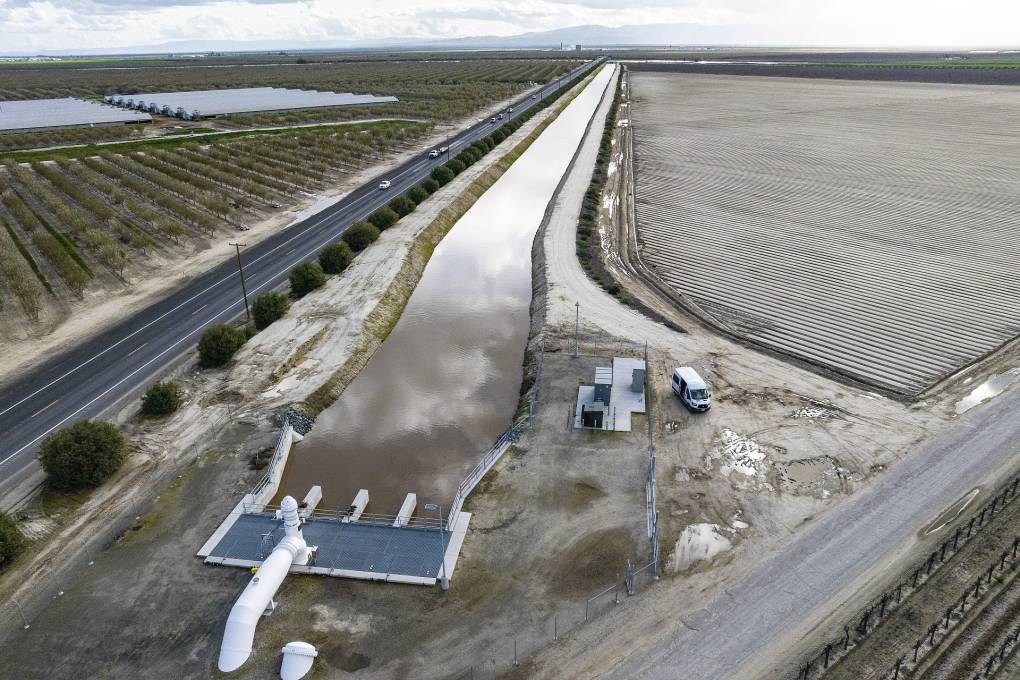
"caption": "In this aerial drone photo provided by the California Department of Water Resources, the primary pump in the foreground is part of a groundwater recharge project designed to capture excess flow for groundwater storage in Fresno County on March 13, 2023. After massive downpours flooded California’s rivers and packed mountains with snow, the state reported Monday, May 6, 2024, the first increase in groundwater supplies in four years.",
"description": null,
"title": "California Groundwater",
"credit": "Andrew Innerarity/California Department of Water Resources via AP",
"status": "inherit",
"altTag": null,
"isLoading": false,
"fetchFailed": false
},
"news_11985024": {
"type": "attachments",
"id": "news_11985024",
"meta": {
"index": "attachments_1716263798",
"site": "news",
"id": "11985024",
"found": true
},
"parent": 11985022,
"imgSizes": {
"twentyfourteen-full-width": {
"file": "https://cdn.kqed.org/wp-content/uploads/sites/10/2024/05/CMFinance01-1038x576.jpg",
"width": 1038,
"mimeType": "image/jpeg",
"height": 576
},
"thumbnail": {
"file": "https://cdn.kqed.org/wp-content/uploads/sites/10/2024/05/CMFinance01-160x107.jpg",
"width": 160,
"mimeType": "image/jpeg",
"height": 107
},
"post-thumbnail": {
"file": "https://cdn.kqed.org/wp-content/uploads/sites/10/2024/05/CMFinance01-672x372.jpg",
"width": 672,
"mimeType": "image/jpeg",
"height": 372
},
"kqedFullSize": {
"file": "https://cdn.kqed.org/wp-content/uploads/sites/10/2024/05/CMFinance01.jpg",
"width": 2000,
"height": 1333
},
"large": {
"file": "https://cdn.kqed.org/wp-content/uploads/sites/10/2024/05/CMFinance01-1020x680.jpg",
"width": 1020,
"mimeType": "image/jpeg",
"height": 680
},
"1536x1536": {
"file": "https://cdn.kqed.org/wp-content/uploads/sites/10/2024/05/CMFinance01-1536x1024.jpg",
"width": 1536,
"mimeType": "image/jpeg",
"height": 1024
},
"full-width": {
"file": "https://cdn.kqed.org/wp-content/uploads/sites/10/2024/05/CMFinance01-1920x1280.jpg",
"width": 1920,
"mimeType": "image/jpeg",
"height": 1280
},
"medium": {
"file": "https://cdn.kqed.org/wp-content/uploads/sites/10/2024/05/CMFinance01-800x533.jpg",
"width": 800,
"mimeType": "image/jpeg",
"height": 533
}
},
"publishDate": 1714770050,
"modified": 1714770306,
"caption": null,
"description": null,
"title": "CMFinance01",
"credit": "Illustration by Miguel Gutierrez Jr./CalMatters; iStock",
"status": "inherit",
"altTag": null,
"isLoading": false,
"fetchFailed": false
},
"news_11984981": {
"type": "attachments",
"id": "news_11984981",
"meta": {
"index": "attachments_1716263798",
"site": "news",
"id": "11984981",
"found": true
},
"parent": 11984830,
"imgSizes": {
"twentyfourteen-full-width": {
"file": "https://cdn.kqed.org/wp-content/uploads/sites/10/2024/05/240502-CaliforniaForever-01-BL_qut-1038x576.jpg",
"width": 1038,
"mimeType": "image/jpeg",
"height": 576
},
"thumbnail": {
"file": "https://cdn.kqed.org/wp-content/uploads/sites/10/2024/05/240502-CaliforniaForever-01-BL_qut-160x107.jpg",
"width": 160,
"mimeType": "image/jpeg",
"height": 107
},
"post-thumbnail": {
"file": "https://cdn.kqed.org/wp-content/uploads/sites/10/2024/05/240502-CaliforniaForever-01-BL_qut-672x372.jpg",
"width": 672,
"mimeType": "image/jpeg",
"height": 372
},
"kqedFullSize": {
"file": "https://cdn.kqed.org/wp-content/uploads/sites/10/2024/05/240502-CaliforniaForever-01-BL_qut.jpg",
"width": 1920,
"height": 1280
},
"large": {
"file": "https://cdn.kqed.org/wp-content/uploads/sites/10/2024/05/240502-CaliforniaForever-01-BL_qut-1020x680.jpg",
"width": 1020,
"mimeType": "image/jpeg",
"height": 680
},
"1536x1536": {
"file": "https://cdn.kqed.org/wp-content/uploads/sites/10/2024/05/240502-CaliforniaForever-01-BL_qut-1536x1024.jpg",
"width": 1536,
"mimeType": "image/jpeg",
"height": 1024
},
"medium": {
"file": "https://cdn.kqed.org/wp-content/uploads/sites/10/2024/05/240502-CaliforniaForever-01-BL_qut-800x533.jpg",
"width": 800,
"mimeType": "image/jpeg",
"height": 533
}
},
"publishDate": 1714755761,
"modified": 1714755991,
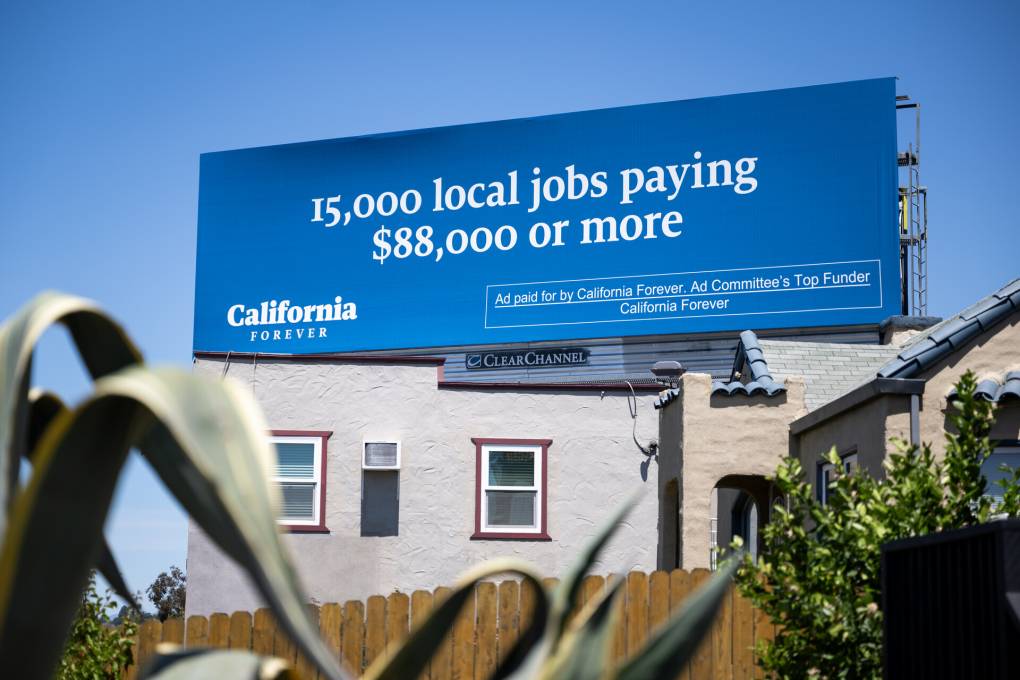
"caption": "A billboard for California Forever sits on top of an apartment building along I-80 in Vallejo on May 2, 2024.",
"description": null,
"title": "240502-CaliforniaForever-01-BL_qut",
"credit": "Beth LaBerge/KQED",
"status": "inherit",
"altTag": null,
"isLoading": false,
"fetchFailed": false
},
"news_11984766": {
"type": "attachments",
"id": "news_11984766",
"meta": {
"index": "attachments_1716263798",
"site": "news",
"id": "11984766",
"found": true
},
"parent": 11984763,
"imgSizes": {
"twentyfourteen-full-width": {
"file": "https://cdn.kqed.org/wp-content/uploads/sites/10/2024/05/AP24123536093245-1038x576.jpg",
"width": 1038,
"mimeType": "image/jpeg",
"height": 576
},
"thumbnail": {
"file": "https://cdn.kqed.org/wp-content/uploads/sites/10/2024/05/AP24123536093245-160x90.jpg",
"width": 160,
"mimeType": "image/jpeg",
"height": 90
},
"post-thumbnail": {
"file": "https://cdn.kqed.org/wp-content/uploads/sites/10/2024/05/AP24123536093245-672x372.jpg",
"width": 672,
"mimeType": "image/jpeg",
"height": 372
},
"kqedFullSize": {
"file": "https://cdn.kqed.org/wp-content/uploads/sites/10/2024/05/AP24123536093245-scaled.jpg",
"width": 2560,
"height": 1434
},
"2048x2048": {
"file": "https://cdn.kqed.org/wp-content/uploads/sites/10/2024/05/AP24123536093245-2048x1148.jpg",
"width": 2048,
"mimeType": "image/jpeg",
"height": 1148
},
"large": {
"file": "https://cdn.kqed.org/wp-content/uploads/sites/10/2024/05/AP24123536093245-1020x572.jpg",
"width": 1020,
"mimeType": "image/jpeg",
"height": 572
},
"1536x1536": {
"file": "https://cdn.kqed.org/wp-content/uploads/sites/10/2024/05/AP24123536093245-1536x861.jpg",
"width": 1536,
"mimeType": "image/jpeg",
"height": 861
},
"full-width": {
"file": "https://cdn.kqed.org/wp-content/uploads/sites/10/2024/05/AP24123536093245-1920x1076.jpg",
"width": 1920,
"mimeType": "image/jpeg",
"height": 1076
},
"medium": {
"file": "https://cdn.kqed.org/wp-content/uploads/sites/10/2024/05/AP24123536093245-800x448.jpg",
"width": 800,
"mimeType": "image/jpeg",
"height": 448
}
},
"publishDate": 1714668543,
"modified": 1714671662,
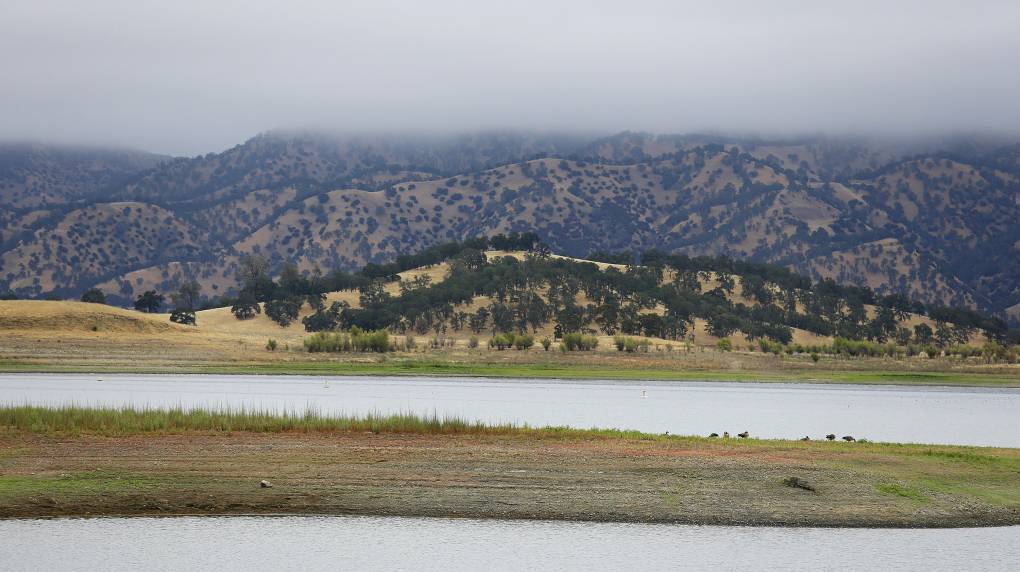
"caption": "Lake Berryessa is seen with parts of California's newest national monument in the background on July 10, 2015, near Berryessa Snow Mountain National Monument. President Joe Biden has expanded two culturally significant California landscapes: the San Gabriel Mountains National Monument in Southern California and the Berryessa Snow Mountain National Monument in Northern California. The U.S. National Park Service notes that the move on Thursday, May 2, 2024, was allowed under the Antiquities Act of 1906.",
"description": null,
"title": "California-New Monuments",
"credit": "Eric Risberg/AP Photo",
"status": "inherit",
"altTag": null,
"isLoading": false,
"fetchFailed": false
},
"news_11983893": {
"type": "attachments",
"id": "news_11983893",
"meta": {
"index": "attachments_1716263798",
"site": "news",
"id": "11983893",
"found": true
},
"parent": 0,
"imgSizes": {
"twentyfourteen-full-width": {
"file": "https://cdn.kqed.org/wp-content/uploads/sites/10/2024/04/240423-SAT-III-MD-06-KQED-1038x576.jpg",
"width": 1038,
"mimeType": "image/jpeg",
"height": 576
},
"thumbnail": {
"file": "https://cdn.kqed.org/wp-content/uploads/sites/10/2024/04/240423-SAT-III-MD-06-KQED-160x107.jpg",
"width": 160,
"mimeType": "image/jpeg",
"height": 107
},
"post-thumbnail": {
"file": "https://cdn.kqed.org/wp-content/uploads/sites/10/2024/04/240423-SAT-III-MD-06-KQED-672x372.jpg",
"width": 672,
"mimeType": "image/jpeg",
"height": 372
},
"kqedFullSize": {
"file": "https://cdn.kqed.org/wp-content/uploads/sites/10/2024/04/240423-SAT-III-MD-06-KQED.jpg",
"width": 2000,
"height": 1333
},
"large": {
"file": "https://cdn.kqed.org/wp-content/uploads/sites/10/2024/04/240423-SAT-III-MD-06-KQED-1020x680.jpg",
"width": 1020,
"mimeType": "image/jpeg",
"height": 680
},
"1536x1536": {
"file": "https://cdn.kqed.org/wp-content/uploads/sites/10/2024/04/240423-SAT-III-MD-06-KQED-1536x1024.jpg",
"width": 1536,
"mimeType": "image/jpeg",
"height": 1024
},
"full-width": {
"file": "https://cdn.kqed.org/wp-content/uploads/sites/10/2024/04/240423-SAT-III-MD-06-KQED-1920x1280.jpg",
"width": 1920,
"mimeType": "image/jpeg",
"height": 1280
},
"medium": {
"file": "https://cdn.kqed.org/wp-content/uploads/sites/10/2024/04/240423-SAT-III-MD-06-KQED-800x533.jpg",
"width": 800,
"mimeType": "image/jpeg",
"height": 533
}
},
"publishDate": 1713977922,
"modified": 1714519565,
"caption": "Leslie Cruz Urquilla sits outside her high school, KIPP San Francisco College Preparatory. When she took the ACT last December, her dad had to take a day off work to drive her to a testing center three hours away.",
"description": null,
"title": "240423-SAT III-MD-06-KQED",
"credit": "Martin do Nascimento/KQED",
"status": "inherit",
"altTag": null,
"isLoading": false,
"fetchFailed": false
},
"news_11984434": {
"type": "attachments",
"id": "news_11984434",
"meta": {
"index": "attachments_1716263798",
"site": "news",
"id": "11984434",
"found": true
},
"parent": 11984408,
"imgSizes": {
"twentyfourteen-full-width": {
"file": "https://cdn.kqed.org/wp-content/uploads/sites/10/2024/04/231205-SolanoCountyFarmers-68-BL_qut-1038x576.jpg",
"width": 1038,
"mimeType": "image/jpeg",
"height": 576
},
"thumbnail": {
"file": "https://cdn.kqed.org/wp-content/uploads/sites/10/2024/04/231205-SolanoCountyFarmers-68-BL_qut-160x107.jpg",
"width": 160,
"mimeType": "image/jpeg",
"height": 107
},
"post-thumbnail": {
"file": "https://cdn.kqed.org/wp-content/uploads/sites/10/2024/04/231205-SolanoCountyFarmers-68-BL_qut-672x372.jpg",
"width": 672,
"mimeType": "image/jpeg",
"height": 372
},
"kqedFullSize": {
"file": "https://cdn.kqed.org/wp-content/uploads/sites/10/2024/04/231205-SolanoCountyFarmers-68-BL_qut.jpg",
"width": 1920,
"height": 1280
},
"large": {
"file": "https://cdn.kqed.org/wp-content/uploads/sites/10/2024/04/231205-SolanoCountyFarmers-68-BL_qut-1020x680.jpg",
"width": 1020,
"mimeType": "image/jpeg",
"height": 680
},
"1536x1536": {
"file": "https://cdn.kqed.org/wp-content/uploads/sites/10/2024/04/231205-SolanoCountyFarmers-68-BL_qut-1536x1024.jpg",
"width": 1536,
"mimeType": "image/jpeg",
"height": 1024
},
"medium": {
"file": "https://cdn.kqed.org/wp-content/uploads/sites/10/2024/04/231205-SolanoCountyFarmers-68-BL_qut-800x533.jpg",
"width": 800,
"mimeType": "image/jpeg",
"height": 533
}
},
"publishDate": 1714434593,
"modified": 1714499595,
"caption": "Residents fill a town hall meeting in Rio Vista on Dec. 5, 2023, for California Forever, a proposed California city backed by Silicon Valley investors on farmland in eastern Solano County.",
"description": null,
"title": "231205-SolanoCountyFarmers-68-BL_qut",
"credit": "Beth LaBerge/KQED",
"status": "inherit",
"altTag": null,
"isLoading": false,
"fetchFailed": false
},
"news_11984357": {
"type": "attachments",
"id": "news_11984357",
"meta": {
"index": "attachments_1716263798",
"site": "news",
"id": "11984357",
"found": true
},
"parent": 11984339,
"imgSizes": {
"twentyfourteen-full-width": {
"file": "https://cdn.kqed.org/wp-content/uploads/sites/10/2024/04/Newsom01-1038x576.jpg",
"width": 1038,
"mimeType": "image/jpeg",
"height": 576
},
"thumbnail": {
"file": "https://cdn.kqed.org/wp-content/uploads/sites/10/2024/04/Newsom01-160x107.jpg",
"width": 160,
"mimeType": "image/jpeg",
"height": 107
},
"post-thumbnail": {
"file": "https://cdn.kqed.org/wp-content/uploads/sites/10/2024/04/Newsom01-672x372.jpg",
"width": 672,
"mimeType": "image/jpeg",
"height": 372
},
"kqedFullSize": {
"file": "https://cdn.kqed.org/wp-content/uploads/sites/10/2024/04/Newsom01.jpg",
"width": 1920,
"height": 1280
},
"large": {
"file": "https://cdn.kqed.org/wp-content/uploads/sites/10/2024/04/Newsom01-1020x680.jpg",
"width": 1020,
"mimeType": "image/jpeg",
"height": 680
},
"1536x1536": {
"file": "https://cdn.kqed.org/wp-content/uploads/sites/10/2024/04/Newsom01-1536x1024.jpg",
"width": 1536,
"mimeType": "image/jpeg",
"height": 1024
},
"medium": {
"file": "https://cdn.kqed.org/wp-content/uploads/sites/10/2024/04/Newsom01-800x533.jpg",
"width": 800,
"mimeType": "image/jpeg",
"height": 533
}
},
"publishDate": 1714413029,
"modified": 1715390630,
"caption": "California Gov. Gavin Newsom speaks during a press conference in Sacramento, on Feb. 1, 2023.",
"description": null,
"title": "California Governor Newsom Announces New Gun Safety Legislation After String Of Mass Shootings In The State",
"credit": "Justin Sullivan/Getty Images",
"status": "inherit",
"altTag": null,
"isLoading": false,
"fetchFailed": false
},
"news_11984304": {
"type": "attachments",
"id": "news_11984304",
"meta": {
"index": "attachments_1716263798",
"site": "news",
"id": "11984304",
"found": true
},
"parent": 11984302,
"imgSizes": {
"twentyfourteen-full-width": {
"file": "https://cdn.kqed.org/wp-content/uploads/sites/10/2024/04/AP_5968_country-bus-1200x800-1-1038x576.jpg",
"width": 1038,
"mimeType": "image/jpeg",
"height": 576
},
"thumbnail": {
"file": "https://cdn.kqed.org/wp-content/uploads/sites/10/2024/04/AP_5968_country-bus-1200x800-1-160x107.jpg",
"width": 160,
"mimeType": "image/jpeg",
"height": 107
},
"post-thumbnail": {
"file": "https://cdn.kqed.org/wp-content/uploads/sites/10/2024/04/AP_5968_country-bus-1200x800-1-672x372.jpg",
"width": 672,
"mimeType": "image/jpeg",
"height": 372
},
"kqedFullSize": {
"file": "https://cdn.kqed.org/wp-content/uploads/sites/10/2024/04/AP_5968_country-bus-1200x800-1.jpg",
"width": 1200,
"height": 800
},
"large": {
"file": "https://cdn.kqed.org/wp-content/uploads/sites/10/2024/04/AP_5968_country-bus-1200x800-1-1020x680.jpg",
"width": 1020,
"mimeType": "image/jpeg",
"height": 680
},
"medium": {
"file": "https://cdn.kqed.org/wp-content/uploads/sites/10/2024/04/AP_5968_country-bus-1200x800-1-800x533.jpg",
"width": 800,
"mimeType": "image/jpeg",
"height": 533
}
},
"publishDate": 1714249381,
"modified": 1714249437,
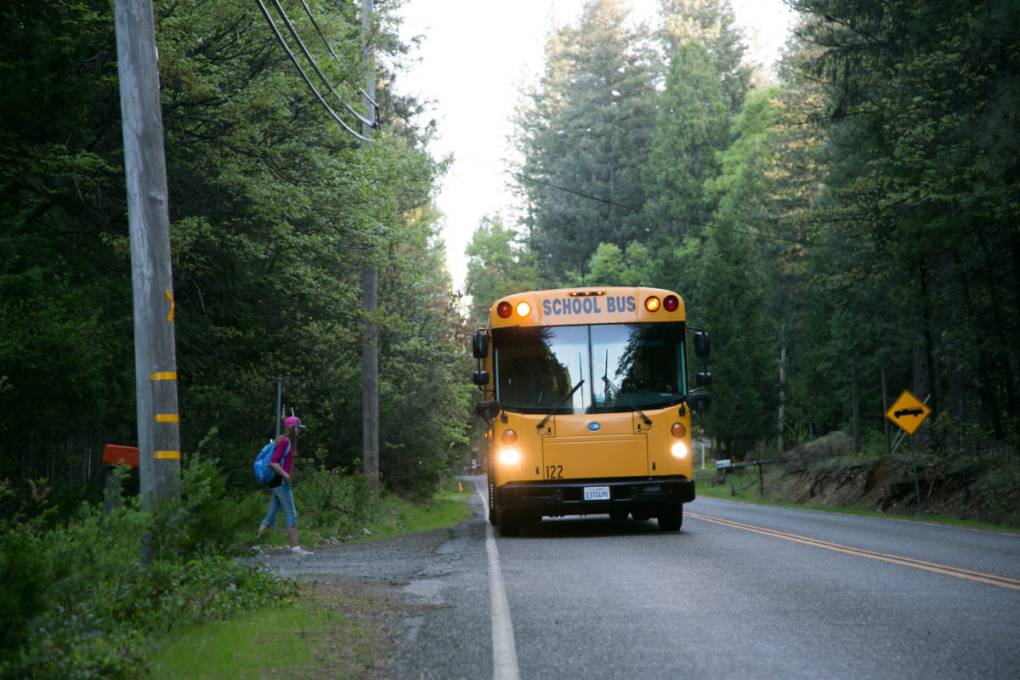
"caption": "Nine rural counties, located more than 60 miles from university teacher preparation programs, struggle to recruit enough teachers to fill classrooms.",
"description": null,
"title": "AP_5968_country-bus-1200x800",
"credit": "Julie Leopo for EdSource",
"status": "inherit",
"altTag": "A school bus seen driving on a tree-lined country road with a student with a backpack preparing to board.",
"isLoading": false,
"fetchFailed": false
},
"news_11984136": {
"type": "attachments",
"id": "news_11984136",
"meta": {
"index": "attachments_1716263798",
"site": "news",
"id": "11984136",
"found": true
},
"parent": 0,
"imgSizes": {
"twentyfourteen-full-width": {
"file": "https://cdn.kqed.org/wp-content/uploads/sites/10/2024/04/240425-StanfordGazaProtest-022-BL-1038x576.jpg",
"width": 1038,
"mimeType": "image/jpeg",
"height": 576
},
"thumbnail": {
"file": "https://cdn.kqed.org/wp-content/uploads/sites/10/2024/04/240425-StanfordGazaProtest-022-BL-160x107.jpg",
"width": 160,
"mimeType": "image/jpeg",
"height": 107
},
"post-thumbnail": {
"file": "https://cdn.kqed.org/wp-content/uploads/sites/10/2024/04/240425-StanfordGazaProtest-022-BL-672x372.jpg",
"width": 672,
"mimeType": "image/jpeg",
"height": 372
},
"kqedFullSize": {
"file": "https://cdn.kqed.org/wp-content/uploads/sites/10/2024/04/240425-StanfordGazaProtest-022-BL.jpg",
"width": 1920,
"height": 1280
},
"large": {
"file": "https://cdn.kqed.org/wp-content/uploads/sites/10/2024/04/240425-StanfordGazaProtest-022-BL-1020x680.jpg",
"width": 1020,
"mimeType": "image/jpeg",
"height": 680
},
"1536x1536": {
"file": "https://cdn.kqed.org/wp-content/uploads/sites/10/2024/04/240425-StanfordGazaProtest-022-BL-1536x1024.jpg",
"width": 1536,
"mimeType": "image/jpeg",
"height": 1024
},
"medium": {
"file": "https://cdn.kqed.org/wp-content/uploads/sites/10/2024/04/240425-StanfordGazaProtest-022-BL-800x533.jpg",
"width": 800,
"mimeType": "image/jpeg",
"height": 533
}
},
"publishDate": 1714149444,
"modified": 1714178507,
"caption": "A pro-Israel counterprotester waves an Israel flag during a pro-Palestinian march through the Stanford University campus on April 25, 2024, calling for the university to divest from Israel. The rally took place during Stanford's Admit Weekend, a time for incoming students to tour the university.",
"description": null,
"title": "240425-StanfordGazaProtest-022-BL",
"credit": "Beth LaBerge/KQED",
"status": "inherit",
"altTag": null,
"isLoading": false,
"fetchFailed": false
},
"news_11984097": {
"type": "attachments",
"id": "news_11984097",
"meta": {
"index": "attachments_1716263798",
"site": "news",
"id": "11984097",
"found": true
},
"title": "SAN JOSE LICENSE PLATE READERS-11-KQED",
"publishDate": 1714086991,
"status": "inherit",
"parent": 11983813,
"modified": 1766004900,
"caption": "A Flock Safety worker holds up a new automated license plate reader that was being installed in East San José on April 23, 2024.",
"credit": "Joseph Geha/KQED",
"altTag": "A man with a fluorescent yellow coat holds a black machine.",
"description": null,
"imgSizes": {
"medium": {
"file": "https://cdn.kqed.org/wp-content/uploads/sites/10/2024/04/SAN-JOSE-LICENSE-PLATE-READERS-11-KQED-800x533.jpg",
"width": 800,
"height": 533,
"mimeType": "image/jpeg"
},
"large": {
"file": "https://cdn.kqed.org/wp-content/uploads/sites/10/2024/04/SAN-JOSE-LICENSE-PLATE-READERS-11-KQED-1020x680.jpg",
"width": 1020,
"height": 680,
"mimeType": "image/jpeg"
},
"thumbnail": {
"file": "https://cdn.kqed.org/wp-content/uploads/sites/10/2024/04/SAN-JOSE-LICENSE-PLATE-READERS-11-KQED-160x107.jpg",
"width": 160,
"height": 107,
"mimeType": "image/jpeg"
},
"1536x1536": {
"file": "https://cdn.kqed.org/wp-content/uploads/sites/10/2024/04/SAN-JOSE-LICENSE-PLATE-READERS-11-KQED-1536x1024.jpg",
"width": 1536,
"height": 1024,
"mimeType": "image/jpeg"
},
"post-thumbnail": {
"file": "https://cdn.kqed.org/wp-content/uploads/sites/10/2024/04/SAN-JOSE-LICENSE-PLATE-READERS-11-KQED-672x372.jpg",
"width": 672,
"height": 372,
"mimeType": "image/jpeg"
},
"twentyfourteen-full-width": {
"file": "https://cdn.kqed.org/wp-content/uploads/sites/10/2024/04/SAN-JOSE-LICENSE-PLATE-READERS-11-KQED-1038x576.jpg",
"width": 1038,
"height": 576,
"mimeType": "image/jpeg"
},
"full-width": {
"file": "https://cdn.kqed.org/wp-content/uploads/sites/10/2024/04/SAN-JOSE-LICENSE-PLATE-READERS-11-KQED-1920x1280.jpg",
"width": 1920,
"height": 1280,
"mimeType": "image/jpeg"
},
"kqedFullSize": {
"file": "https://cdn.kqed.org/wp-content/uploads/sites/10/2024/04/SAN-JOSE-LICENSE-PLATE-READERS-11-KQED.jpg",
"width": 2000,
"height": 1333
}
},
"isLoading": false,
"fetchFailed": false
},
"news_11983892": {
"type": "attachments",
"id": "news_11983892",
"meta": {
"index": "attachments_1716263798",
"site": "news",
"id": "11983892",
"found": true
},
"parent": 11983885,
"imgSizes": {
"twentyfourteen-full-width": {
"file": "https://cdn.kqed.org/wp-content/uploads/sites/10/2024/04/CMData01-1038x576.jpg",
"width": 1038,
"mimeType": "image/jpeg",
"height": 576
},
"thumbnail": {
"file": "https://cdn.kqed.org/wp-content/uploads/sites/10/2024/04/CMData01-160x107.jpg",
"width": 160,
"mimeType": "image/jpeg",
"height": 107
},
"post-thumbnail": {
"file": "https://cdn.kqed.org/wp-content/uploads/sites/10/2024/04/CMData01-672x372.jpg",
"width": 672,
"mimeType": "image/jpeg",
"height": 372
},
"kqedFullSize": {
"file": "https://cdn.kqed.org/wp-content/uploads/sites/10/2024/04/CMData01.jpg",
"width": 2000,
"height": 1333
},
"large": {
"file": "https://cdn.kqed.org/wp-content/uploads/sites/10/2024/04/CMData01-1020x680.jpg",
"width": 1020,
"mimeType": "image/jpeg",
"height": 680
},
"1536x1536": {
"file": "https://cdn.kqed.org/wp-content/uploads/sites/10/2024/04/CMData01-1536x1024.jpg",
"width": 1536,
"mimeType": "image/jpeg",
"height": 1024
},
"full-width": {
"file": "https://cdn.kqed.org/wp-content/uploads/sites/10/2024/04/CMData01-1920x1280.jpg",
"width": 1920,
"mimeType": "image/jpeg",
"height": 1280
},
"medium": {
"file": "https://cdn.kqed.org/wp-content/uploads/sites/10/2024/04/CMData01-800x533.jpg",
"width": 800,
"mimeType": "image/jpeg",
"height": 533
}
},
"publishDate": 1713977742,
"modified": 1713977783,
"caption": null,
"description": null,
"title": "CMData01",
"credit": "Illustration by Adriana Heldiz/CalMatters/iStock",
"status": "inherit",
"altTag": null,
"isLoading": false,
"fetchFailed": false
}
},
"audioPlayerReducer": {
"postId": "stream_live",
"isPaused": true,
"isPlaying": false,
"pfsActive": false,
"pledgeModalIsOpen": true,
"playerDrawerIsOpen": false,
"liveAudioPlayStartedAt": 0,
"liveAudioPlayContext": ""
},
"authorsReducer": {
"byline_news_11985122": {
"type": "authors",
"id": "byline_news_11985122",
"meta": {
"override": true
},
"slug": "byline_news_11985122",
"name": "The Associated Press",
"isLoading": false
},
"byline_news_11985022": {
"type": "authors",
"id": "byline_news_11985022",
"meta": {
"override": true
},
"slug": "byline_news_11985022",
"name": "Carolyn Jones, CalMatters",
"isLoading": false
},
"byline_news_11984763": {
"type": "authors",
"id": "byline_news_11984763",
"meta": {
"override": true
},
"slug": "byline_news_11984763",
"name": "Alexa St. John, The Associated Press",
"isLoading": false
},
"byline_news_11984339": {
"type": "authors",
"id": "byline_news_11984339",
"meta": {
"override": true
},
"slug": "byline_news_11984339",
"name": "Adam Beam, Associated Press",
"isLoading": false
},
"byline_news_11984302": {
"type": "authors",
"id": "byline_news_11984302",
"meta": {
"override": true
},
"slug": "byline_news_11984302",
"name": "\u003ca href=\"https://edsource.org/author/dlambert\">Diana Lambert\u003c/a>",
"isLoading": false
},
"byline_news_11983885": {
"type": "authors",
"id": "byline_news_11983885",
"meta": {
"override": true
},
"slug": "byline_news_11983885",
"name": "Khari Johnson, CalMatters",
"isLoading": false
},
"mlagos": {
"type": "authors",
"id": "3239",
"meta": {
"index": "authors_1716337520",
"id": "3239",
"found": true
},
"name": "Marisa Lagos",
"firstName": "Marisa",
"lastName": "Lagos",
"slug": "mlagos",
"email": "mlagos@kqed.org",
"display_author_email": false,
"staff_mastheads": [
"news"
],
"title": "KQED Contributor",
"bio": "Marisa Lagos is a correspondent for KQED’s California Politics and Government Desk and co-hosts the award-winning show and podcast, Political Breakdown. At KQED, Lagos also conducts reporting, analysis and investigations into state, local and national politics for radio, TV, online and onstage. In 2022, she and co-host, Scott Shafer, moderated the only gubernatorial debate in California. In 2020, the \u003ci>Washington Post\u003c/i> named her one of the top political journalists in California; she was nominated for a Peabody and won several other awards for her work investigating the 2017 California wildfires. She has worked at the \u003ci>San Francisco Chronicle\u003c/i>, \u003ci>San Francisco Examiner\u003c/i> and \u003ci>Los Angeles Times\u003c/i>. A UC Santa Barbara graduate, she lives in San Francisco with her two sons and husband.",
"avatar": "https://secure.gravatar.com/avatar/a261a0d3696fc066871ef96b85b5e7d2?s=600&d=blank&r=g",
"twitter": "@mlagos",
"facebook": null,
"instagram": null,
"linkedin": null,
"sites": [
{
"site": "arts",
"roles": [
"author"
]
},
{
"site": "news",
"roles": [
"editor"
]
},
{
"site": "science",
"roles": [
"editor"
]
},
{
"site": "forum",
"roles": [
"author"
]
},
{
"site": "liveblog",
"roles": [
"author"
]
}
],
"headData": {
"title": "Marisa Lagos | KQED",
"description": "KQED Contributor",
"ogImgSrc": "https://secure.gravatar.com/avatar/a261a0d3696fc066871ef96b85b5e7d2?s=600&d=blank&r=g",
"twImgSrc": "https://secure.gravatar.com/avatar/a261a0d3696fc066871ef96b85b5e7d2?s=600&d=blank&r=g"
},
"isLoading": false,
"link": "/author/mlagos"
},
"abandlamudi": {
"type": "authors",
"id": "11672",
"meta": {
"index": "authors_1716337520",
"id": "11672",
"found": true
},
"name": "Adhiti Bandlamudi",
"firstName": "Adhiti",
"lastName": "Bandlamudi",
"slug": "abandlamudi",
"email": "abandlamudi@kqed.org",
"display_author_email": false,
"staff_mastheads": [
"news"
],
"title": "KQED Housing Reporter",
"bio": "Adhiti Bandlamudi reports for KQED's Housing desk. She focuses on how housing gets built across the Bay Area. Before joining KQED in 2020, she reported for WUNC in Durham, North Carolina, WABE in Atlanta, Georgia and Capital Public Radio in Sacramento. In 2017, she was awarded a Kroc Fellowship at NPR where she reported on everything from sprinkles to the Golden State Killer's arrest. When she's not reporting, she's baking new recipes in her kitchen or watching movies with friends and family. She's originally from Georgia and has strong opinions about Great British Bake Off.",
"avatar": "https://secure.gravatar.com/avatar/868129c8b257bb99a3500e2c86a65400?s=600&d=mm&r=g",
"twitter": "oddity_adhiti",
"facebook": null,
"instagram": null,
"linkedin": null,
"sites": [
{
"site": "arts",
"roles": [
"author"
]
},
{
"site": "news",
"roles": [
"editor"
]
},
{
"site": "liveblog",
"roles": [
"author"
]
}
],
"headData": {
"title": "Adhiti Bandlamudi | KQED",
"description": "KQED Housing Reporter",
"ogImgSrc": "https://secure.gravatar.com/avatar/868129c8b257bb99a3500e2c86a65400?s=600&d=mm&r=g",
"twImgSrc": "https://secure.gravatar.com/avatar/868129c8b257bb99a3500e2c86a65400?s=600&d=mm&r=g"
},
"isLoading": false,
"link": "/author/abandlamudi"
},
"adahlstromeckman": {
"type": "authors",
"id": "11785",
"meta": {
"index": "authors_1716337520",
"id": "11785",
"found": true
},
"name": "Azul Dahlstrom-Eckman",
"firstName": "Azul",
"lastName": "Dahlstrom-Eckman",
"slug": "adahlstromeckman",
"email": "adahlstrom-eckman@kqed.org",
"display_author_email": true,
"staff_mastheads": [],
"title": "Reporter",
"bio": "Azul is a reporter for KQED focusing on transportation and features. He joined KQED in 2021 as an alumna of KALW's Audio Academy radio journalism training program.",
"avatar": "https://secure.gravatar.com/avatar/9cb750298435add7815a777f55bf1f46845c1386bb8452555c60a7b820b5aba3?s=600&d=blank&r=g",
"twitter": "@zuliemann",
"bluesky": "@azul415.bsky.social",
"facebook": null,
"instagram": null,
"linkedin": null,
"sites": [
{
"site": "arts",
"roles": [
"editor"
]
},
{
"site": "news",
"roles": [
"editor"
]
},
{
"site": "science",
"roles": [
"editor"
]
},
{
"site": "liveblog",
"roles": [
"author"
]
}
],
"headData": {
"title": "Azul Dahlstrom-Eckman | KQED",
"description": "Reporter",
"ogImgSrc": "https://secure.gravatar.com/avatar/9cb750298435add7815a777f55bf1f46845c1386bb8452555c60a7b820b5aba3?s=600&d=blank&r=g",
"twImgSrc": "https://secure.gravatar.com/avatar/9cb750298435add7815a777f55bf1f46845c1386bb8452555c60a7b820b5aba3?s=600&d=blank&r=g"
},
"isLoading": false,
"link": "/author/adahlstromeckman"
},
"sjohnson": {
"type": "authors",
"id": "11840",
"meta": {
"index": "authors_1716337520",
"id": "11840",
"found": true
},
"name": "Sydney Johnson",
"firstName": "Sydney",
"lastName": "Johnson",
"slug": "sjohnson",
"email": "sjohnson@kqed.org",
"display_author_email": false,
"staff_mastheads": [
"news"
],
"title": "KQED Reporter",
"bio": "Sydney Johnson is a general assignment reporter at KQED. She previously reported on public health and city government at the San Francisco Examiner, and before that, she covered statewide education policy for EdSource. Her reporting has won multiple local, state and national awards. Sydney is a graduate of the University of California, Berkeley and lives in San Francisco.",
"avatar": "https://secure.gravatar.com/avatar/97855f2719b72ad6190b7c535fe642c8?s=600&d=blank&r=g",
"twitter": "sydneyfjohnson",
"facebook": null,
"instagram": null,
"linkedin": null,
"sites": [
{
"site": "news",
"roles": [
"editor"
]
}
],
"headData": {
"title": "Sydney Johnson | KQED",
"description": "KQED Reporter",
"ogImgSrc": "https://secure.gravatar.com/avatar/97855f2719b72ad6190b7c535fe642c8?s=600&d=blank&r=g",
"twImgSrc": "https://secure.gravatar.com/avatar/97855f2719b72ad6190b7c535fe642c8?s=600&d=blank&r=g"
},
"isLoading": false,
"link": "/author/sjohnson"
},
"jgeha": {
"type": "authors",
"id": "11906",
"meta": {
"index": "authors_1716337520",
"id": "11906",
"found": true
},
"name": "Joseph Geha",
"firstName": "Joseph",
"lastName": "Geha",
"slug": "jgeha",
"email": "jgeha@kqed.org",
"display_author_email": false,
"staff_mastheads": [
"news",
"science"
],
"title": "KQED Contributor",
"bio": null,
"avatar": "https://secure.gravatar.com/avatar/ea84d2b6dd93d6369d453edf19dd583f117cd1759d2d9c9c92f9de77017354fe?s=600&d=blank&r=g",
"twitter": null,
"bluesky": null,
"facebook": null,
"instagram": null,
"linkedin": null,
"sites": [
{
"site": "news",
"roles": [
"editor"
]
},
{
"site": "liveblog",
"roles": [
"author"
]
}
],
"headData": {
"title": "Joseph Geha | KQED",
"description": "KQED Contributor",
"ogImgSrc": "https://secure.gravatar.com/avatar/ea84d2b6dd93d6369d453edf19dd583f117cd1759d2d9c9c92f9de77017354fe?s=600&d=blank&r=g",
"twImgSrc": "https://secure.gravatar.com/avatar/ea84d2b6dd93d6369d453edf19dd583f117cd1759d2d9c9c92f9de77017354fe?s=600&d=blank&r=g"
},
"isLoading": false,
"link": "/author/jgeha"
}
},
"pagesReducer": {
"news_tag_california": {
"type": "terms",
"id": "news_18538",
"meta": {
"index": "terms_1716263798",
"site": "news",
"id": "18538",
"score": 6.8457103
},
"featImg": null,
"name": "California",
"description": null,
"taxonomy": "tag",
"headData": {
"twImgId": null,
"twTitle": null,
"ogTitle": null,
"ogImgId": null,
"twDescription": null,
"description": null,
"title": "California Archives | KQED News",
"ogDescription": null
},
"ttid": 31,
"slug": "california",
"isLoading": false,
"title": "California",
"pageMeta": {
"site": "news",
"WpPageTemplate": "page-topic-editorial",
"currentPage": 140
},
"blocks": [
{
"blockName": "kqed/post-list",
"attrs": {
"layout": "cardArticle2",
"query": "posts/news?tag=california",
"seeMore": false,
"paginated": true,
"page": 140
}
},
{
"blockName": "kqed/ad"
}
]
}
},
"pfsSessionReducer": {},
"postsReducer": {
"stream_live": {
"type": "live",
"id": "stream_live",
"audioUrl": "https://streams.kqed.org/kqedradio",
"title": "Live Stream",
"excerpt": "Live Stream information currently unavailable.",
"link": "/radio",
"featImg": "",
"label": {
"name": "KQED Live",
"link": "/"
}
},
"stream_kqedNewscast": {
"type": "posts",
"id": "stream_kqedNewscast",
"audioUrl": "https://www.kqed.org/.stream/anon/radio/RDnews/newscast.mp3?_=1",
"title": "KQED Newscast",
"featImg": "",
"label": {
"name": "88.5 FM",
"link": "/"
}
},
"news_11985366": {
"type": "posts",
"id": "news_11985366",
"meta": {
"index": "posts_1716263798",
"site": "news",
"id": "11985366",
"score": null,
"sort": [
1715197385000
]
},
"parent": 0,
"labelTerm": {
"site": "news"
},
"blocks": [],
"publishDate": 1715197385,
"format": "standard",
"title": "Ballot Measure to Limit New Taxes Goes Before California Supreme Court",
"headTitle": "Ballot Measure to Limit New Taxes Goes Before California Supreme Court | KQED",
"content": "\u003cp>California’s top court had tough questions for both sides on Wednesday morning about whether voters should be allowed to weigh in on a sweeping ballot initiative that would make it \u003ca href=\"https://www.kqed.org/news/11985267/why-cities-call-this-ballot-measure-an-existential-threat\">more difficult for state and local governments to raise taxes\u003c/a>.\u003c/p>\n\u003cp>The ballot measure, sponsored by business executives and anti-tax groups, would require voters to approve all state and local tax increases — including retroactively applying to any tax approved since January 2022. It also would require the Legislature or local elected leaders to vote to approve all government fees, including library fines and park entrance charges. Dubbed the “Taxpayer Protection Act,” it’s being bankrolled by the California Business Roundtable, a group made up of top executives.\u003c/p>\n\u003cp>Democratic state leaders, including Gov. Gavin Newsom, sued to have the measure taken off the November ballot, claiming that it amounts to a full revision of the state Constitution, not just an amendment. Revisions must be placed on the ballot by either a constitutional convention or a supermajority vote of the state Legislature; this measure was placed on the ballot through the signature-gathering process.\u003c/p>\n\u003cp>Justices seemed skeptical at times of both sides’ arguments during Wednesday’s proceedings at the Supreme Court.\u003c/p>\n\u003cp>Opponents, represented in court by Oakland-based attorney Margaret R. Prinzing, argued that the initiative is already hampering state and local governments’ ability to plan because they are crafting budget proposals without knowing whether dozens of taxes approved since 2022 would have to be delayed and put back before voters.\u003c/p>\n\u003cp>[ad fullwidth]\u003c/p>\n\u003cp>Prinzing said the proposal clearly shifts power from elected officials to the electorate, making it too far-reaching for the normal initiative process.\u003c/p>\n\u003cp>“What qualifies a revision as a revision is that it’s a fundamental change in the structure of government and its powers. And that’s what’s happening here,” Prinzing said, noting that the court has previously described the power to tax as “the most vital and essential attribute of government, without which government cannot function.\u003c/p>\n\u003cp>“And what we would be talking about here with this measure is the Legislature would no longer have that power. It would instead be delayed through the voter approval requirement and would be in the hands of a body that is not the Legislature,” she said.\u003c/p>\n\u003cp>[aside label='More Politics Coverage' tag='politics']The court pressed Prinzing on why it should strip the measure from the ballot entirely, limiting voters’ ability to weigh in, instead of waiting to see whether it passes and then staying the law while the court decides its legality.\u003c/p>\n\u003cp>Justice Goodwin Liu wondered whether the proposal went so far as to be a constitutional revision, given the state’s long history of sharing the power to tax between elected officials and voters. Prinzing said it’s because the initiative would take away the Legislature’s power to levy taxes “and turn it into a power to propose.\u003c/p>\n\u003cp>“The voters and the Legislature obviously operate, occupy different spaces and in the area of taxation,” she said. “This measure would obliterate that distinction when it comes to taxes…. So it’s a revision, and it’s a revision that would occur in ways that would endanger the government’s ability to provide essential government services.”\u003c/p>\n\u003cp>Thomas Hiltachk, the Sacramento-based lawyer representing the initiative sponsors, pushed back. When pressed by Liu as to whether the ballot measure shifts California from a republican form of government, where elected officials are granted power, to a direct democracy, Hiltachk argued that the state has never had a purely republican form of government.\u003c/p>\n\u003cp>“Because our Constitution, since its inception, has stated that all political power is inherent in the people and has stated that the people have the power to reform and alter their government whenever they decide it needs reform,” he said.\u003c/p>\n\u003cp>Hiltachk also noted that the power to approve taxes has been shared between the electorate and the Legislature “at least since 1911 and the enactment of the initiative referendum power.\u003c/p>\n\u003cp>“It’s a shared power between the people and the Legislature, so there is no unilateral power of the Legislature to impose taxes,” he added.\u003c/p>\n\u003cp>Hiltachk was pressed on whether delaying a tax proposal to get voter approval could tie the government’s hands in an emergency situation like the COVID-19 pandemic. And Liu pushed him on the provision that requires all fees to be approved by lawmakers, musing that it would strip power from the executive branch and potentially expand the referendum power.\u003c/p>\n\u003cp>“So if a local senior center wants to charge a fee, right, for rental of its facilities, that has to be approved now by the city council, right, in order to do that?” Liu asked. “And it is thus subject to the referendum power. If you want to impose a library fine, and you don’t give individual due process to the person subject to the fine, that too right can be subject to legislative approval? I mean, this is vast.”\u003c/p>\n\u003cp>Hiltachk said the measure would simply return California to a system that existed a century ago.\u003c/p>\n\u003cp>“What we have evolved into is an administrative state that has far too much power among non-elected bureaucrats who no one knows their name,” he said, arguing that the Legislature and local elected bodies should have to weigh in. “That’s accountability. That’s not a revision, and that does not impair essential government functions.”\u003c/p>\n\u003cp>The court will decide by the end of June whether to allow the measure to stay on the November ballot. If it does appear before voters, Democrats and their allies will not only campaign against the initiative but also push two of their own aimed at weakening the Business Roundtable measure’s impacts.\u003c/p>\n\u003cp>\u003c/p>\n\u003cp>One would require that this type of ballot measure pass by a two-thirds majority to take effect instead of the current majority required. Another would make it easier to pass local tax and bond measures related to housing and infrastructure, requiring only a 55% vote instead of two-thirds.\u003c/p>\n\n",
"stats": {
"hasVideo": false,
"hasChartOrMap": false,
"hasAudio": false,
"hasPolis": false,
"wordCount": 1051,
"hasGoogleForm": false,
"hasGallery": false,
"hasHearkenModule": false,
"iframeSrcs": [],
"paragraphCount": 23
},
"modified": 1715200071,
"excerpt": "Justices seemed skeptical of both sides' arguments at times in a case over a sweeping ballot initiative that would make it more difficult for state and local governments to raise taxes.",
"headData": {
"twImgId": "",
"twTitle": "",
"ogTitle": "",
"ogImgId": "",
"twDescription": "",
"description": "Justices seemed skeptical of both sides' arguments at times in a case over a sweeping ballot initiative that would make it more difficult for state and local governments to raise taxes.",
"title": "Ballot Measure to Limit New Taxes Goes Before California Supreme Court | KQED",
"ogDescription": "",
"schema": {
"@context": "https://schema.org",
"@type": "NewsArticle",
"headline": "Ballot Measure to Limit New Taxes Goes Before California Supreme Court",
"datePublished": "2024-05-08T12:43:05-07:00",
"dateModified": "2024-05-08T13:27:51-07:00",
"image": "https://cdn.kqed.org/wp-content/uploads/2020/02/KQED-OG-Image@1x.png",
"isAccessibleForFree": "True",
"publisher": {
"@type": "NewsMediaOrganization",
"@id": "https://www.kqed.org/#organization",
"name": "KQED",
"logo": "https://cdn.kqed.org/wp-content/uploads/2020/02/KQED-OG-Image@1x.png",
"url": "https://www.kqed.org",
"sameAs": [
"https://www.facebook.com/KQED",
"https://twitter.com/KQED",
"https://www.instagram.com/kqed/",
"https://www.tiktok.com/@kqedofficial",
"https://www.linkedin.com/company/kqed",
"https://www.youtube.com/channel/UCeC0IOo7i1P_61zVUWbJ4nw"
]
}
}
},
"guestAuthors": [],
"slug": "ballot-measure-to-limit-new-taxes-goes-before-california-supreme-court",
"status": "publish",
"excludeFromSiteSearch": "Include",
"sticky": false,
"articleAge": "0",
"nprStoryId": "kqed-11985366",
"path": "/news/11985366/ballot-measure-to-limit-new-taxes-goes-before-california-supreme-court",
"audioTrackLength": null,
"parsedContent": [
{
"type": "contentString",
"content": "\u003cdiv class=\"post-body\">\u003cp>\u003cp>California’s top court had tough questions for both sides on Wednesday morning about whether voters should be allowed to weigh in on a sweeping ballot initiative that would make it \u003ca href=\"https://www.kqed.org/news/11985267/why-cities-call-this-ballot-measure-an-existential-threat\">more difficult for state and local governments to raise taxes\u003c/a>.\u003c/p>\n\u003cp>The ballot measure, sponsored by business executives and anti-tax groups, would require voters to approve all state and local tax increases — including retroactively applying to any tax approved since January 2022. It also would require the Legislature or local elected leaders to vote to approve all government fees, including library fines and park entrance charges. Dubbed the “Taxpayer Protection Act,” it’s being bankrolled by the California Business Roundtable, a group made up of top executives.\u003c/p>\n\u003cp>Democratic state leaders, including Gov. Gavin Newsom, sued to have the measure taken off the November ballot, claiming that it amounts to a full revision of the state Constitution, not just an amendment. Revisions must be placed on the ballot by either a constitutional convention or a supermajority vote of the state Legislature; this measure was placed on the ballot through the signature-gathering process.\u003c/p>\n\u003cp>Justices seemed skeptical at times of both sides’ arguments during Wednesday’s proceedings at the Supreme Court.\u003c/p>\n\u003cp>Opponents, represented in court by Oakland-based attorney Margaret R. Prinzing, argued that the initiative is already hampering state and local governments’ ability to plan because they are crafting budget proposals without knowing whether dozens of taxes approved since 2022 would have to be delayed and put back before voters.\u003c/p>\n\u003cp>\u003c/p>\u003c/div>",
"attributes": {
"named": {},
"numeric": []
}
},
{
"type": "component",
"content": "",
"name": "ad",
"attributes": {
"named": {
"label": "fullwidth"
},
"numeric": [
"fullwidth"
]
}
},
{
"type": "contentString",
"content": "\u003cdiv class=\"post-body\">\u003cp>\u003c/p>\n\u003cp>Prinzing said the proposal clearly shifts power from elected officials to the electorate, making it too far-reaching for the normal initiative process.\u003c/p>\n\u003cp>“What qualifies a revision as a revision is that it’s a fundamental change in the structure of government and its powers. And that’s what’s happening here,” Prinzing said, noting that the court has previously described the power to tax as “the most vital and essential attribute of government, without which government cannot function.\u003c/p>\n\u003cp>“And what we would be talking about here with this measure is the Legislature would no longer have that power. It would instead be delayed through the voter approval requirement and would be in the hands of a body that is not the Legislature,” she said.\u003c/p>\n\u003cp>\u003c/p>\u003c/div>",
"attributes": {
"named": {},
"numeric": []
}
},
{
"type": "component",
"content": "",
"name": "aside",
"attributes": {
"named": {
"label": "More Politics Coverage ",
"tag": "politics"
},
"numeric": []
}
},
{
"type": "contentString",
"content": "\u003cdiv class=\"post-body\">\u003cp>The court pressed Prinzing on why it should strip the measure from the ballot entirely, limiting voters’ ability to weigh in, instead of waiting to see whether it passes and then staying the law while the court decides its legality.\u003c/p>\n\u003cp>Justice Goodwin Liu wondered whether the proposal went so far as to be a constitutional revision, given the state’s long history of sharing the power to tax between elected officials and voters. Prinzing said it’s because the initiative would take away the Legislature’s power to levy taxes “and turn it into a power to propose.\u003c/p>\n\u003cp>“The voters and the Legislature obviously operate, occupy different spaces and in the area of taxation,” she said. “This measure would obliterate that distinction when it comes to taxes…. So it’s a revision, and it’s a revision that would occur in ways that would endanger the government’s ability to provide essential government services.”\u003c/p>\n\u003cp>Thomas Hiltachk, the Sacramento-based lawyer representing the initiative sponsors, pushed back. When pressed by Liu as to whether the ballot measure shifts California from a republican form of government, where elected officials are granted power, to a direct democracy, Hiltachk argued that the state has never had a purely republican form of government.\u003c/p>\n\u003cp>“Because our Constitution, since its inception, has stated that all political power is inherent in the people and has stated that the people have the power to reform and alter their government whenever they decide it needs reform,” he said.\u003c/p>\n\u003cp>Hiltachk also noted that the power to approve taxes has been shared between the electorate and the Legislature “at least since 1911 and the enactment of the initiative referendum power.\u003c/p>\n\u003cp>“It’s a shared power between the people and the Legislature, so there is no unilateral power of the Legislature to impose taxes,” he added.\u003c/p>\n\u003cp>Hiltachk was pressed on whether delaying a tax proposal to get voter approval could tie the government’s hands in an emergency situation like the COVID-19 pandemic. And Liu pushed him on the provision that requires all fees to be approved by lawmakers, musing that it would strip power from the executive branch and potentially expand the referendum power.\u003c/p>\n\u003cp>“So if a local senior center wants to charge a fee, right, for rental of its facilities, that has to be approved now by the city council, right, in order to do that?” Liu asked. “And it is thus subject to the referendum power. If you want to impose a library fine, and you don’t give individual due process to the person subject to the fine, that too right can be subject to legislative approval? I mean, this is vast.”\u003c/p>\n\u003cp>Hiltachk said the measure would simply return California to a system that existed a century ago.\u003c/p>\n\u003cp>“What we have evolved into is an administrative state that has far too much power among non-elected bureaucrats who no one knows their name,” he said, arguing that the Legislature and local elected bodies should have to weigh in. “That’s accountability. That’s not a revision, and that does not impair essential government functions.”\u003c/p>\n\u003cp>The court will decide by the end of June whether to allow the measure to stay on the November ballot. If it does appear before voters, Democrats and their allies will not only campaign against the initiative but also push two of their own aimed at weakening the Business Roundtable measure’s impacts.\u003c/p>\n\u003cp>\u003c/p>\n\u003cp>One would require that this type of ballot measure pass by a two-thirds majority to take effect instead of the current majority required. Another would make it easier to pass local tax and bond measures related to housing and infrastructure, requiring only a 55% vote instead of two-thirds.\u003c/p>\n\n\u003c/div>\u003c/p>",
"attributes": {
"named": {},
"numeric": []
}
}
],
"link": "/news/11985366/ballot-measure-to-limit-new-taxes-goes-before-california-supreme-court",
"authors": [
"3239"
],
"categories": [
"news_8",
"news_13"
],
"tags": [
"news_18538",
"news_27626",
"news_16",
"news_17996",
"news_17968",
"news_423"
],
"featImg": "news_10447124",
"label": "news"
},
"news_11985122": {
"type": "posts",
"id": "news_11985122",
"meta": {
"index": "posts_1716263798",
"site": "news",
"id": "11985122",
"score": null,
"sort": [
1715092202000
]
},
"guestAuthors": [],
"slug": "californias-remarkable-groundwater-recharge-hits-over-4-million-acre-feet",
"title": "California Groundwater Surges After Torrential Rain and Snowstorms",
"publishDate": 1715092202,
"format": "standard",
"headTitle": "California Groundwater Surges After Torrential Rain and Snowstorms | KQED",
"labelTerm": {
"site": "news"
},
"content": "\u003cp>After massive \u003ca style=\"font-weight: var(--font-weight-reg)\" href=\"https://apnews.com/article/california-storm-atmospheric-river-a220927b40b0eb5cc3e45f2b5f204e2f\">downpours flooded California’s rivers\u003c/a> and packed mountains with snow, the state reported Monday the first increase in groundwater supplies in four years.\u003c/p>\n\u003cp>The state saw 4.1 million acre-feet of managed groundwater recharge in the water year ending in September and an 8.7 million acre-feet increase in groundwater storage, California’s Department of Water Resources said. Groundwater supplies are critical to growing much of the country’s fresh produce.\u003c/p>\n\u003cp>The semiannual report came after water officials stepped up efforts during last year’s rains to capture water flows from melting \u003ca style=\"font-weight: var(--font-weight-reg)\" href=\"https://apnews.com/article/weather-california-droughts-climate-and-environment-storms-6816d3f123af4b2b33e2d0ca5d4f45bf\">snowpack\u003c/a> in the mountains and encouraged farmers to \u003ca style=\"font-weight: var(--font-weight-reg)\" href=\"https://apnews.com/article/california-farms-groundwater-recharge-drought-pumping-234e0303f9211ed8675132f3f5466ef5\">flood fields\u003c/a> to replenish groundwater basins.\u003c/p>\n\u003cp>[ad fullwidth]\u003c/p>\n\u003cp>“The impressive recharge numbers in 2023 are the result of hard work by the local agencies combined with dedicated efforts from the state, but we must do more to be prepared to capture and store water when the wet years come,” Paul Gosselin, deputy director of sustainable water management for the agency, said in a statement.\u003c/p>\n\u003cp>California has sought to step up groundwater recharge with ever-drier years expected from \u003ca style=\"font-weight: var(--font-weight-reg)\" href=\"https://apnews.com/hub/climate-change\">climate change\u003c/a>. Much of the state’s population counts on groundwater for drinking water in their homes, and farmers that grow much of the country’s food rely on the precious resource for crops ranging from carrots and almonds to berries and leafy greens.[aside postID=news_11970558 hero='https://cdn.kqed.org/wp-content/uploads/sites/10/2023/12/15070582505_2539dd4809_o-1020x680.jpg']For many years, Californians pumped groundwater from wells without measuring how much they were taking. However, as some \u003ca style=\"font-weight: var(--font-weight-reg)\" href=\"https://apnews.com/article/california-droughts-climate-and-environment-e49c8c5c34ead7ef7f83b770082f20bc\">wells ran dry\u003c/a> and land began sinking, the state enacted a law requiring local communities to start measuring and regulating groundwater pumping to ensure the basins would be sustainable for years to come.\u003c/p>\n\u003cp>In Monday’s report, California water officials noted that some areas where land had been sinking saw a rebound as users pumped less groundwater since more surface water was available following the rains. Overall, the state extracted 9.5 million acre-feet of groundwater during the last water year, down from 17 million a year before, the report said.\u003c/p>\n\u003cp>Some California farmers have reported a recovery in their wells this year, prompting them to question how much the state needs to cut groundwater pumping. Joaquin Contente, a dairy farmer in the crop-rich San Joaquin Valley, said he has seen a recovery in his wells, with one returning to 19 feet deep from more than 30 feet deep two years ago.\u003c/p>\n\u003cp>“They’ve already come back to almost a normal level,” he said.\u003c/p>\n\u003cp>California water officials welcomed the recharge but said it would take five rainy years like last year to boost groundwater storage to levels needed after so many years of overpumping.\u003c/p>\n\u003cp>\u003c/p>\n",
"blocks": [],
"excerpt": "California’s Department of Water Resources said Monday the state saw 4.1 million acre-feet of managed groundwater recharge in the water year ending in September.",
"status": "publish",
"parent": 0,
"modified": 1727905217,
"stats": {
"hasAudio": false,
"hasVideo": false,
"hasChartOrMap": false,
"iframeSrcs": [],
"hasGoogleForm": false,
"hasGallery": false,
"hasHearkenModule": false,
"hasPolis": false,
"paragraphCount": 11,
"wordCount": 477
},
"headData": {
"title": "California Groundwater Surges After Torrential Rain and Snowstorms | KQED",
"description": "California’s Department of Water Resources said Monday the state saw 4.1 million acre-feet of managed groundwater recharge in the water year ending in September.",
"ogTitle": "",
"ogDescription": "",
"ogImgId": "",
"twTitle": "",
"twDescription": "",
"twImgId": "",
"schema": {
"@context": "https://schema.org",
"@type": "NewsArticle",
"headline": "California Groundwater Surges After Torrential Rain and Snowstorms",
"datePublished": "2024-05-07T07:30:02-07:00",
"dateModified": "2024-10-02T14:40:17-07:00",
"image": "https://cdn.kqed.org/wp-content/uploads/2020/02/KQED-OG-Image@1x.png",
"isAccessibleForFree": "True",
"publisher": {
"@type": "NewsMediaOrganization",
"@id": "https://www.kqed.org/#organization",
"name": "KQED",
"logo": "https://cdn.kqed.org/wp-content/uploads/2020/02/KQED-OG-Image@1x.png",
"url": "https://www.kqed.org",
"sameAs": [
"https://www.facebook.com/KQED",
"https://twitter.com/KQED",
"https://www.instagram.com/kqed/",
"https://www.tiktok.com/@kqedofficial",
"https://www.linkedin.com/company/kqed",
"https://www.youtube.com/channel/UCeC0IOo7i1P_61zVUWbJ4nw"
]
}
}
},
"sticky": false,
"nprByline": "The Associated Press",
"nprStoryId": "kqed-11985122",
"excludeFromSiteSearch": "Include",
"showOnAuthorArchivePages": "No",
"articleAge": "0",
"path": "/news/11985122/californias-remarkable-groundwater-recharge-hits-over-4-million-acre-feet",
"audioTrackLength": null,
"parsedContent": [
{
"type": "contentString",
"content": "\u003cdiv class=\"post-body\">\u003cp>\u003cp>After massive \u003ca style=\"font-weight: var(--font-weight-reg)\" href=\"https://apnews.com/article/california-storm-atmospheric-river-a220927b40b0eb5cc3e45f2b5f204e2f\">downpours flooded California’s rivers\u003c/a> and packed mountains with snow, the state reported Monday the first increase in groundwater supplies in four years.\u003c/p>\n\u003cp>The state saw 4.1 million acre-feet of managed groundwater recharge in the water year ending in September and an 8.7 million acre-feet increase in groundwater storage, California’s Department of Water Resources said. Groundwater supplies are critical to growing much of the country’s fresh produce.\u003c/p>\n\u003cp>The semiannual report came after water officials stepped up efforts during last year’s rains to capture water flows from melting \u003ca style=\"font-weight: var(--font-weight-reg)\" href=\"https://apnews.com/article/weather-california-droughts-climate-and-environment-storms-6816d3f123af4b2b33e2d0ca5d4f45bf\">snowpack\u003c/a> in the mountains and encouraged farmers to \u003ca style=\"font-weight: var(--font-weight-reg)\" href=\"https://apnews.com/article/california-farms-groundwater-recharge-drought-pumping-234e0303f9211ed8675132f3f5466ef5\">flood fields\u003c/a> to replenish groundwater basins.\u003c/p>\n\u003cp>\u003c/p>\u003c/div>",
"attributes": {
"named": {},
"numeric": []
}
},
{
"type": "component",
"content": "",
"name": "ad",
"attributes": {
"named": {
"label": "fullwidth"
},
"numeric": [
"fullwidth"
]
}
},
{
"type": "contentString",
"content": "\u003cdiv class=\"post-body\">\u003cp>\u003c/p>\n\u003cp>“The impressive recharge numbers in 2023 are the result of hard work by the local agencies combined with dedicated efforts from the state, but we must do more to be prepared to capture and store water when the wet years come,” Paul Gosselin, deputy director of sustainable water management for the agency, said in a statement.\u003c/p>\n\u003cp>California has sought to step up groundwater recharge with ever-drier years expected from \u003ca style=\"font-weight: var(--font-weight-reg)\" href=\"https://apnews.com/hub/climate-change\">climate change\u003c/a>. Much of the state’s population counts on groundwater for drinking water in their homes, and farmers that grow much of the country’s food rely on the precious resource for crops ranging from carrots and almonds to berries and leafy greens.\u003c/p>\u003c/div>",
"attributes": {
"named": {},
"numeric": []
}
},
{
"type": "component",
"content": "",
"name": "aside",
"attributes": {
"named": {
"postid": "news_11970558",
"hero": "https://cdn.kqed.org/wp-content/uploads/sites/10/2023/12/15070582505_2539dd4809_o-1020x680.jpg",
"label": ""
},
"numeric": []
}
},
{
"type": "contentString",
"content": "\u003cdiv class=\"post-body\">\u003cp>For many years, Californians pumped groundwater from wells without measuring how much they were taking. However, as some \u003ca style=\"font-weight: var(--font-weight-reg)\" href=\"https://apnews.com/article/california-droughts-climate-and-environment-e49c8c5c34ead7ef7f83b770082f20bc\">wells ran dry\u003c/a> and land began sinking, the state enacted a law requiring local communities to start measuring and regulating groundwater pumping to ensure the basins would be sustainable for years to come.\u003c/p>\n\u003cp>In Monday’s report, California water officials noted that some areas where land had been sinking saw a rebound as users pumped less groundwater since more surface water was available following the rains. Overall, the state extracted 9.5 million acre-feet of groundwater during the last water year, down from 17 million a year before, the report said.\u003c/p>\n\u003cp>Some California farmers have reported a recovery in their wells this year, prompting them to question how much the state needs to cut groundwater pumping. Joaquin Contente, a dairy farmer in the crop-rich San Joaquin Valley, said he has seen a recovery in his wells, with one returning to 19 feet deep from more than 30 feet deep two years ago.\u003c/p>\n\u003cp>“They’ve already come back to almost a normal level,” he said.\u003c/p>\n\u003cp>California water officials welcomed the recharge but said it would take five rainy years like last year to boost groundwater storage to levels needed after so many years of overpumping.\u003c/p>\n\u003cp>\u003c/p>\n\u003c/div>\u003c/p>",
"attributes": {
"named": {},
"numeric": []
}
}
],
"link": "/news/11985122/californias-remarkable-groundwater-recharge-hits-over-4-million-acre-feet",
"authors": [
"byline_news_11985122"
],
"categories": [
"news_34165",
"news_8",
"news_356"
],
"tags": [
"news_18538",
"news_19204",
"news_20023",
"news_5892",
"news_3187"
],
"featImg": "news_11985123",
"label": "news"
},
"news_11985022": {
"type": "posts",
"id": "news_11985022",
"meta": {
"index": "posts_1716263798",
"site": "news",
"id": "11985022",
"score": null,
"sort": [
1714820449000
]
},
"parent": 0,
"labelTerm": {},
"blocks": [],
"publishDate": 1714820449,
"format": "standard",
"title": "Should Kids Learn Financial Literacy in School? California Voters May Decide",
"headTitle": "Should Kids Learn Financial Literacy in School? California Voters May Decide | KQED",
"content": "\u003cp>School curriculum is usually the purview of education experts, but this fall, it could be decided by California voters, who will vote on adding a new requirement for high school students: a one-semester class in managing personal finances.\u003c/p>\n\u003cp>California’s Secretary of State is poised to certify that the \u003ca href=\"https://www.financialed4ca.com/_files/ugd/ddc900_30f9026dbbfc41da84354dffd0155870.pdf\">California Personal Finance Act\u003c/a> is eligible for the November ballot, which would add financial literacy to the list of high school graduation requirements beginning with the class of 2030.\u003c/p>\n\u003cp>Students would learn about paying for college, online banking, taxes, budgeting, credit, retirement accounts, loans, how the stock market works and other topics. The issue is critical, organizers said, as students face a shifting economy and difficult decisions about college, careers and their futures.\u003c/p>\n\u003cp>“No one comes out of the womb knowing how to manage their credit score. It has to be taught,” said Tim Ranzetta, co-founder of a \u003ca href=\"https://www.ngpf.org/\">personal finance education nonprofit\u003c/a> and a chief backer of the initiative. “And right now, there’s a dramatic gap between what students know and what they need to know. We have to change that.”\u003c/p>\n\u003cp>[ad fullwidth]\u003c/p>\n\u003cp>Voters seem to agree with him. A 2022 \u003ca href=\"https://www.nefe.org/news/2022/04/financial-education-mandates.aspx\">survey\u003c/a> of adults nationwide showed that nearly 90% support a financial literacy requirement in high school, and nearly as many wished they had taken such a course when they were students.\u003c/p>\n\u003cp>That’s not surprising, considering the financial woes many people incur. The average \u003ca href=\"https://www.lendingtree.com/credit-cards/credit-card-debt-statistics/\">credit card debt in California\u003c/a> is $8,366, the sixth-highest rate in the country, and 1 in 6 borrowers nationwide are \u003ca href=\"https://www.newamerica.org/education-policy/edcentral/millions-spend-years-in-student-loan-default/#:~:text=Almost%207%20million%20people%2C%20about,270%20days'%20worth%20of%20payments.\">in default on their student loans\u003c/a>.\u003c/p>\n\u003ch2>Financial literacy already in classrooms\u003c/h2>\n\u003cp>However, some education experts have pushed back, not because they’re opposed to financial literacy for students but because they question whether voters are best equipped to dictate what’s taught in classrooms.\u003c/p>\n\u003cp>Currently, the state’s History-Social Studies framework includes a \u003ca href=\"https://www.cde.ca.gov/ci/hs/cf/documents/hssfwchapter18.pdf\">one-semester course in economics\u003c/a>, required for graduation, that covers much of the same material proposed by the financial literacy ballot initiative proponents. Financial literacy is also included in the first, second and ninth grade curriculum. First graders, for example, learn that money can be exchanged for goods and services, and people decide how to spend their money.\u003c/p>\n\u003cp>However, Ranzetta said the curriculum, last updated in 2017, doesn’t focus enough on financial literacy. Personal finance is covered for only a few weeks in the economics course; the rest covers more abstract economic concepts like international trade, resource allocation and the benefits and drawbacks of capitalism. Individual teachers can choose how much they want to focus on certain topics.\u003c/p>\n\u003cp>State Superintendent Tony Thurmond wouldn’t answer questions about the ballot initiative, although he endorsed it. Linda Darling-Hammond, president of the State Board of Education, also wouldn’t answer questions.\u003c/p>\n\u003ch2>Leaving curriculum decisions to voters is ‘a bad idea’\u003c/h2>\n\u003cp>The proposed ballot initiative so far has almost zero opposition, but some are questioning the idea of letting voters — and not education experts — decide what students learn in the classroom. Ordinarily, the curriculum in California is developed by a group of teachers and subject-matter professionals who serve on the \u003ca href=\"https://www.cde.ca.gov/be/cc/cd/\">Instructional Quality Commission\u003c/a>, which meets publicly six times a year. A new curriculum is subject to multiple reviews, edits and public vetting, ultimately going before the \u003ca href=\"https://www.cde.ca.gov/be/\">State Board of Education\u003c/a> for adoption. Local school boards can adjust the curriculum according to the needs of their students.\u003c/p>\n\u003cp>“Most voters don’t know much about education policy, and having them decide what can be taught in schools is a bad idea,” said Morgan Polikoff, an education professor at the University of Southern California. “We already have a process in place for adopting curriculum, and if people are unhappy with it, there are plenty of avenues to have their voices heard — they can go to meetings, they can vote people out of office, they can talk to their representatives.”\u003c/p>\n\u003cp>Polikoff worries that adopting curriculum through ballot initiatives could set a dangerous precedent. Religious or anti-LGBTQ curriculum, for example, could be approved by voters, setting up costly and lengthy legal showdowns with the state Department of Education.\u003c/p>\n\u003cp>Curriculum can be complicated, as well. When writing new curricula, the Instructional Quality Commission looks at the broader context, ensuring students get new material every year that builds on what they learned previously, subjects don’t overlap and topics are flexible enough for teachers to adapt lessons to the individual needs of their students. Textbooks and tests are also taken into consideration.\u003c/p>\n\u003ch2>Legislature weighs in\u003c/h2>\n\u003cp>Most curriculum updates and changes originate with the commission, but sometimes the Legislature weighs in. The state’s new \u003ca href=\"https://calmatters.org/education/k-12-education/2021/10/ethnic-studies-requirement/\">ethnic studies\u003c/a> and \u003ca href=\"https://calmatters.org/education/k-12-education/2023/11/fake-news-california-school/\">media literacy\u003c/a> requirements, for example, stemmed from Assembly bills. Another bill, \u003ca href=\"https://digitaldemocracy.calmatters.org/bills/ca_202320240ab2097?slug=CA_202320240AB2097\">AB 2097\u003c/a>, would add computer science as a graduation requirement.\u003c/p>\n\u003cp>\u003ca href=\"https://digitaldemocracy.calmatters.org/bills/ca_202320240ab2927?slug=CA_202320240AB2927\">AB 2927\u003c/a>, a financial literacy bill proposed by Democrat \u003ca href=\"https://digitaldemocracy.calmatters.org/legislators/kevin-mccarty-22\">Kevin McCarty\u003c/a> of Sacramento, would actually do almost the same thing as the ballot initiative. The bill would require financial literacy as a graduation requirement, although it would go into effect until 2031, a year later than the ballot measure.\u003c/p>\n\u003cp>Bruce Fuller, an education professor at UC Berkeley, said he worries about the increasing politicization of curriculum — either from the Legislature or those pushing for ballot initiatives.\u003c/p>\n\u003cp>“We have these political interests unabashedly trying to control what’s taught in the classroom instead of leaving it up to teachers and locally elected school boards,” Fuller said. “We should trust those folks to devise a thoughtful curriculum that’s appropriate for their students.”\u003c/p>\n\u003cp>He also questioned the ever-growing list of graduation requirements. High schools only offer six or seven class periods a day, and with more required classes, there’s less room for art and other electives. Some districts have started adding an extra period so students can fit in all the classes they need to take to graduate, \u003ca href=\"https://calmatters.org/education/k-12-education/2024/04/career-pathways/\">finish a career pathway\u003c/a> and qualify for California’s public universities.[aside postID=news_11984551 hero='https://cdn.kqed.org/wp-content/uploads/sites/10/2024/04/240423-SAT-III-MD-06-KQED-1020x680.jpg']“I’m not sure how adding more required classes is going to motivate restless teenagers,” Fuller said. “With more requirements, we’re giving them almost no chance to study things they’re actually interested in.”\u003c/p>\n\u003cp>McCarty’s bill is not the Legislature’s first attempt to wade into financial literacy. A dozen bills requiring financial literacy have died or been vetoed in recent years, in most cases because the financial literacy curriculum already exists and the state already has a system for adopting the curriculum.\u003c/p>\n\u003cp>As Gov. Jerry Brown wrote in 2018 when he \u003ca href=\"https://leginfo.legislature.ca.gov/faces/billStatusClient.xhtml?bill_id=201720180AB858\">vetoed a bill\u003c/a> that would have made financial literacy materials available to teachers: “This bill is unnecessary. The History-Social Science Framework already contains financial literacy content for pupils in kindergarten through grade 12, as well as a financial literacy elective.”\u003c/p>\n\u003cp>Ranzetta said the Legislature’s inability to pass a financial literacy curriculum spurred him to take the matter directly to voters.\u003c/p>\n\u003cp>“I recognize the value of the process, but it’s slow, and so far, it hasn’t worked in California,” he said. “The issue is too urgent and too popular to wait any longer.”\u003c/p>\n\u003cp>Ranzetta grew up in New Jersey, where his father was a banker, and his mother was a community volunteer who raised six children. He learned financial literacy from his parents and assumed other young people did, too. It wasn’t until he started volunteering at an East Palo Alto high school that he realized many students are clueless about money and that ignorance can hamper them throughout their lives. But they were eager to learn, he said, and share the information with their parents.\u003c/p>\n\u003cp>That experience inspired him to start NextGen Personal Finance, which offers free financial literacy curriculum and training for teachers. At least 7,000 teachers in California and more than 100,000 nationwide have participated, he said.\u003c/p>\n\u003ch2>A class that demystifies money\u003c/h2>\n\u003cp>At Berkeley High School, Crystal Rigley Janis teaches two economics classes and three personal finance classes. Her classes cover topics she wishes she had known as a young person, such as negotiating a salary, not relying on gut instinct when investing, and avoiding individual stocks in favor of index funds.\u003c/p>\n\u003cp>“It took me 15 years to understand those things, and it probably cost me millions of dollars,” said Rigley, who worked for several years at a wealth management firm before going into teaching. “I don’t want other people to make the mistakes I did.”\u003c/p>\n\u003cfigure id=\"attachment_11985029\" class=\"wp-caption aligncenter\" style=\"max-width: 2000px\">\u003cimg loading=\"lazy\" decoding=\"async\" class=\"size-full wp-image-11985029\" src=\"https://cdn.kqed.org/wp-content/uploads/sites/10/2024/05/CMFinance02.jpg\" alt=\"\" width=\"2000\" height=\"1333\" srcset=\"https://cdn.kqed.org/wp-content/uploads/sites/10/2024/05/CMFinance02.jpg 2000w, https://cdn.kqed.org/wp-content/uploads/sites/10/2024/05/CMFinance02-800x533.jpg 800w, https://cdn.kqed.org/wp-content/uploads/sites/10/2024/05/CMFinance02-1020x680.jpg 1020w, https://cdn.kqed.org/wp-content/uploads/sites/10/2024/05/CMFinance02-160x107.jpg 160w, https://cdn.kqed.org/wp-content/uploads/sites/10/2024/05/CMFinance02-1536x1024.jpg 1536w, https://cdn.kqed.org/wp-content/uploads/sites/10/2024/05/CMFinance02-1920x1280.jpg 1920w\" sizes=\"(max-width: 2000px) 100vw, 2000px\">\u003cfigcaption class=\"wp-caption-text\">Students walk in the main entrance of Berkeley High School in Berkeley on May 1, 2024. \u003ccite>(Laure Andrillon/CalMatters)\u003c/cite>\u003c/figcaption>\u003c/figure>\n\u003cp>Eliza Maier, a senior, was so inspired by Rigley’s class that she opened a Roth IRA when she turned 18 and transferred money from her low-interest savings account. The class, she said, helped demystify money and its role in major life choices.\u003c/p>\n\u003cp>“We learned that money isn’t good or bad — it’s a tool,” Maier said. “It can help you realize your goals. It can help you be prepared for whatever happens in your life. I didn’t know anything about money when I started taking this class, but I think it’s so important, especially for high school students.”\u003c/p>\n\u003cp>[ad floatright]\u003c/p>\n",
"stats": {
"hasVideo": false,
"hasChartOrMap": false,
"hasAudio": false,
"hasPolis": false,
"wordCount": 1626,
"hasGoogleForm": false,
"hasGallery": false,
"hasHearkenModule": false,
"iframeSrcs": [],
"paragraphCount": 31
},
"modified": 1714780996,
"excerpt": "California's Secretary of State is poised to certify the California Personal Finance Act for November’s ballot, which would add financial literacy to high school graduation requirements beginning with the class of 2030.",
"headData": {
"twImgId": "",
"twTitle": "",
"ogTitle": "",
"ogImgId": "",
"twDescription": "",
"description": "California's Secretary of State is poised to certify the California Personal Finance Act for November’s ballot, which would add financial literacy to high school graduation requirements beginning with the class of 2030.",
"title": "Should Kids Learn Financial Literacy in School? California Voters May Decide | KQED",
"ogDescription": "",
"schema": {
"@context": "https://schema.org",
"@type": "NewsArticle",
"headline": "Should Kids Learn Financial Literacy in School? California Voters May Decide",
"datePublished": "2024-05-04T04:00:49-07:00",
"dateModified": "2024-05-03T17:03:16-07:00",
"image": "https://cdn.kqed.org/wp-content/uploads/2020/02/KQED-OG-Image@1x.png",
"isAccessibleForFree": "True",
"publisher": {
"@type": "NewsMediaOrganization",
"@id": "https://www.kqed.org/#organization",
"name": "KQED",
"logo": "https://cdn.kqed.org/wp-content/uploads/2020/02/KQED-OG-Image@1x.png",
"url": "https://www.kqed.org",
"sameAs": [
"https://www.facebook.com/KQED",
"https://twitter.com/KQED",
"https://www.instagram.com/kqed/",
"https://www.tiktok.com/@kqedofficial",
"https://www.linkedin.com/company/kqed",
"https://www.youtube.com/channel/UCeC0IOo7i1P_61zVUWbJ4nw"
]
}
}
},
"guestAuthors": [],
"slug": "california-voters-to-decide-on-adding-financial-literacy-course-to-high-school-curriculum",
"status": "publish",
"sourceUrl": "https://calmatters.org/",
"nprByline": "Carolyn Jones, CalMatters",
"excludeFromSiteSearch": "Include",
"sticky": false,
"source": "CalMatters",
"showOnAuthorArchivePages": "No",
"articleAge": "0",
"path": "/news/11985022/california-voters-to-decide-on-adding-financial-literacy-course-to-high-school-curriculum",
"audioTrackLength": null,
"parsedContent": [
{
"type": "contentString",
"content": "\u003cdiv class=\"post-body\">\u003cp>\u003cp>School curriculum is usually the purview of education experts, but this fall, it could be decided by California voters, who will vote on adding a new requirement for high school students: a one-semester class in managing personal finances.\u003c/p>\n\u003cp>California’s Secretary of State is poised to certify that the \u003ca href=\"https://www.financialed4ca.com/_files/ugd/ddc900_30f9026dbbfc41da84354dffd0155870.pdf\">California Personal Finance Act\u003c/a> is eligible for the November ballot, which would add financial literacy to the list of high school graduation requirements beginning with the class of 2030.\u003c/p>\n\u003cp>Students would learn about paying for college, online banking, taxes, budgeting, credit, retirement accounts, loans, how the stock market works and other topics. The issue is critical, organizers said, as students face a shifting economy and difficult decisions about college, careers and their futures.\u003c/p>\n\u003cp>“No one comes out of the womb knowing how to manage their credit score. It has to be taught,” said Tim Ranzetta, co-founder of a \u003ca href=\"https://www.ngpf.org/\">personal finance education nonprofit\u003c/a> and a chief backer of the initiative. “And right now, there’s a dramatic gap between what students know and what they need to know. We have to change that.”\u003c/p>\n\u003cp>\u003c/p>\u003c/div>",
"attributes": {
"named": {},
"numeric": []
}
},
{
"type": "component",
"content": "",
"name": "ad",
"attributes": {
"named": {
"label": "fullwidth"
},
"numeric": [
"fullwidth"
]
}
},
{
"type": "contentString",
"content": "\u003cdiv class=\"post-body\">\u003cp>\u003c/p>\n\u003cp>Voters seem to agree with him. A 2022 \u003ca href=\"https://www.nefe.org/news/2022/04/financial-education-mandates.aspx\">survey\u003c/a> of adults nationwide showed that nearly 90% support a financial literacy requirement in high school, and nearly as many wished they had taken such a course when they were students.\u003c/p>\n\u003cp>That’s not surprising, considering the financial woes many people incur. The average \u003ca href=\"https://www.lendingtree.com/credit-cards/credit-card-debt-statistics/\">credit card debt in California\u003c/a> is $8,366, the sixth-highest rate in the country, and 1 in 6 borrowers nationwide are \u003ca href=\"https://www.newamerica.org/education-policy/edcentral/millions-spend-years-in-student-loan-default/#:~:text=Almost%207%20million%20people%2C%20about,270%20days'%20worth%20of%20payments.\">in default on their student loans\u003c/a>.\u003c/p>\n\u003ch2>Financial literacy already in classrooms\u003c/h2>\n\u003cp>However, some education experts have pushed back, not because they’re opposed to financial literacy for students but because they question whether voters are best equipped to dictate what’s taught in classrooms.\u003c/p>\n\u003cp>Currently, the state’s History-Social Studies framework includes a \u003ca href=\"https://www.cde.ca.gov/ci/hs/cf/documents/hssfwchapter18.pdf\">one-semester course in economics\u003c/a>, required for graduation, that covers much of the same material proposed by the financial literacy ballot initiative proponents. Financial literacy is also included in the first, second and ninth grade curriculum. First graders, for example, learn that money can be exchanged for goods and services, and people decide how to spend their money.\u003c/p>\n\u003cp>However, Ranzetta said the curriculum, last updated in 2017, doesn’t focus enough on financial literacy. Personal finance is covered for only a few weeks in the economics course; the rest covers more abstract economic concepts like international trade, resource allocation and the benefits and drawbacks of capitalism. Individual teachers can choose how much they want to focus on certain topics.\u003c/p>\n\u003cp>State Superintendent Tony Thurmond wouldn’t answer questions about the ballot initiative, although he endorsed it. Linda Darling-Hammond, president of the State Board of Education, also wouldn’t answer questions.\u003c/p>\n\u003ch2>Leaving curriculum decisions to voters is ‘a bad idea’\u003c/h2>\n\u003cp>The proposed ballot initiative so far has almost zero opposition, but some are questioning the idea of letting voters — and not education experts — decide what students learn in the classroom. Ordinarily, the curriculum in California is developed by a group of teachers and subject-matter professionals who serve on the \u003ca href=\"https://www.cde.ca.gov/be/cc/cd/\">Instructional Quality Commission\u003c/a>, which meets publicly six times a year. A new curriculum is subject to multiple reviews, edits and public vetting, ultimately going before the \u003ca href=\"https://www.cde.ca.gov/be/\">State Board of Education\u003c/a> for adoption. Local school boards can adjust the curriculum according to the needs of their students.\u003c/p>\n\u003cp>“Most voters don’t know much about education policy, and having them decide what can be taught in schools is a bad idea,” said Morgan Polikoff, an education professor at the University of Southern California. “We already have a process in place for adopting curriculum, and if people are unhappy with it, there are plenty of avenues to have their voices heard — they can go to meetings, they can vote people out of office, they can talk to their representatives.”\u003c/p>\n\u003cp>Polikoff worries that adopting curriculum through ballot initiatives could set a dangerous precedent. Religious or anti-LGBTQ curriculum, for example, could be approved by voters, setting up costly and lengthy legal showdowns with the state Department of Education.\u003c/p>\n\u003cp>Curriculum can be complicated, as well. When writing new curricula, the Instructional Quality Commission looks at the broader context, ensuring students get new material every year that builds on what they learned previously, subjects don’t overlap and topics are flexible enough for teachers to adapt lessons to the individual needs of their students. Textbooks and tests are also taken into consideration.\u003c/p>\n\u003ch2>Legislature weighs in\u003c/h2>\n\u003cp>Most curriculum updates and changes originate with the commission, but sometimes the Legislature weighs in. The state’s new \u003ca href=\"https://calmatters.org/education/k-12-education/2021/10/ethnic-studies-requirement/\">ethnic studies\u003c/a> and \u003ca href=\"https://calmatters.org/education/k-12-education/2023/11/fake-news-california-school/\">media literacy\u003c/a> requirements, for example, stemmed from Assembly bills. Another bill, \u003ca href=\"https://digitaldemocracy.calmatters.org/bills/ca_202320240ab2097?slug=CA_202320240AB2097\">AB 2097\u003c/a>, would add computer science as a graduation requirement.\u003c/p>\n\u003cp>\u003ca href=\"https://digitaldemocracy.calmatters.org/bills/ca_202320240ab2927?slug=CA_202320240AB2927\">AB 2927\u003c/a>, a financial literacy bill proposed by Democrat \u003ca href=\"https://digitaldemocracy.calmatters.org/legislators/kevin-mccarty-22\">Kevin McCarty\u003c/a> of Sacramento, would actually do almost the same thing as the ballot initiative. The bill would require financial literacy as a graduation requirement, although it would go into effect until 2031, a year later than the ballot measure.\u003c/p>\n\u003cp>Bruce Fuller, an education professor at UC Berkeley, said he worries about the increasing politicization of curriculum — either from the Legislature or those pushing for ballot initiatives.\u003c/p>\n\u003cp>“We have these political interests unabashedly trying to control what’s taught in the classroom instead of leaving it up to teachers and locally elected school boards,” Fuller said. “We should trust those folks to devise a thoughtful curriculum that’s appropriate for their students.”\u003c/p>\n\u003cp>He also questioned the ever-growing list of graduation requirements. High schools only offer six or seven class periods a day, and with more required classes, there’s less room for art and other electives. Some districts have started adding an extra period so students can fit in all the classes they need to take to graduate, \u003ca href=\"https://calmatters.org/education/k-12-education/2024/04/career-pathways/\">finish a career pathway\u003c/a> and qualify for California’s public universities.\u003c/p>\u003c/div>",
"attributes": {
"named": {},
"numeric": []
}
},
{
"type": "component",
"content": "",
"name": "aside",
"attributes": {
"named": {
"postid": "news_11984551",
"hero": "https://cdn.kqed.org/wp-content/uploads/sites/10/2024/04/240423-SAT-III-MD-06-KQED-1020x680.jpg",
"label": ""
},
"numeric": []
}
},
{
"type": "contentString",
"content": "\u003cdiv class=\"post-body\">\u003cp>“I’m not sure how adding more required classes is going to motivate restless teenagers,” Fuller said. “With more requirements, we’re giving them almost no chance to study things they’re actually interested in.”\u003c/p>\n\u003cp>McCarty’s bill is not the Legislature’s first attempt to wade into financial literacy. A dozen bills requiring financial literacy have died or been vetoed in recent years, in most cases because the financial literacy curriculum already exists and the state already has a system for adopting the curriculum.\u003c/p>\n\u003cp>As Gov. Jerry Brown wrote in 2018 when he \u003ca href=\"https://leginfo.legislature.ca.gov/faces/billStatusClient.xhtml?bill_id=201720180AB858\">vetoed a bill\u003c/a> that would have made financial literacy materials available to teachers: “This bill is unnecessary. The History-Social Science Framework already contains financial literacy content for pupils in kindergarten through grade 12, as well as a financial literacy elective.”\u003c/p>\n\u003cp>Ranzetta said the Legislature’s inability to pass a financial literacy curriculum spurred him to take the matter directly to voters.\u003c/p>\n\u003cp>“I recognize the value of the process, but it’s slow, and so far, it hasn’t worked in California,” he said. “The issue is too urgent and too popular to wait any longer.”\u003c/p>\n\u003cp>Ranzetta grew up in New Jersey, where his father was a banker, and his mother was a community volunteer who raised six children. He learned financial literacy from his parents and assumed other young people did, too. It wasn’t until he started volunteering at an East Palo Alto high school that he realized many students are clueless about money and that ignorance can hamper them throughout their lives. But they were eager to learn, he said, and share the information with their parents.\u003c/p>\n\u003cp>That experience inspired him to start NextGen Personal Finance, which offers free financial literacy curriculum and training for teachers. At least 7,000 teachers in California and more than 100,000 nationwide have participated, he said.\u003c/p>\n\u003ch2>A class that demystifies money\u003c/h2>\n\u003cp>At Berkeley High School, Crystal Rigley Janis teaches two economics classes and three personal finance classes. Her classes cover topics she wishes she had known as a young person, such as negotiating a salary, not relying on gut instinct when investing, and avoiding individual stocks in favor of index funds.\u003c/p>\n\u003cp>“It took me 15 years to understand those things, and it probably cost me millions of dollars,” said Rigley, who worked for several years at a wealth management firm before going into teaching. “I don’t want other people to make the mistakes I did.”\u003c/p>\n\u003cfigure id=\"attachment_11985029\" class=\"wp-caption aligncenter\" style=\"max-width: 2000px\">\u003cimg loading=\"lazy\" decoding=\"async\" class=\"size-full wp-image-11985029\" src=\"https://cdn.kqed.org/wp-content/uploads/sites/10/2024/05/CMFinance02.jpg\" alt=\"\" width=\"2000\" height=\"1333\" srcset=\"https://cdn.kqed.org/wp-content/uploads/sites/10/2024/05/CMFinance02.jpg 2000w, https://cdn.kqed.org/wp-content/uploads/sites/10/2024/05/CMFinance02-800x533.jpg 800w, https://cdn.kqed.org/wp-content/uploads/sites/10/2024/05/CMFinance02-1020x680.jpg 1020w, https://cdn.kqed.org/wp-content/uploads/sites/10/2024/05/CMFinance02-160x107.jpg 160w, https://cdn.kqed.org/wp-content/uploads/sites/10/2024/05/CMFinance02-1536x1024.jpg 1536w, https://cdn.kqed.org/wp-content/uploads/sites/10/2024/05/CMFinance02-1920x1280.jpg 1920w\" sizes=\"(max-width: 2000px) 100vw, 2000px\">\u003cfigcaption class=\"wp-caption-text\">Students walk in the main entrance of Berkeley High School in Berkeley on May 1, 2024. \u003ccite>(Laure Andrillon/CalMatters)\u003c/cite>\u003c/figcaption>\u003c/figure>\n\u003cp>Eliza Maier, a senior, was so inspired by Rigley’s class that she opened a Roth IRA when she turned 18 and transferred money from her low-interest savings account. The class, she said, helped demystify money and its role in major life choices.\u003c/p>\n\u003cp>“We learned that money isn’t good or bad — it’s a tool,” Maier said. “It can help you realize your goals. It can help you be prepared for whatever happens in your life. I didn’t know anything about money when I started taking this class, but I think it’s so important, especially for high school students.”\u003c/p>\n\u003cp>\u003c/p>\u003c/div>",
"attributes": {
"named": {},
"numeric": []
}
},
{
"type": "component",
"content": "",
"name": "ad",
"attributes": {
"named": {
"label": "floatright"
},
"numeric": [
"floatright"
]
}
},
{
"type": "contentString",
"content": "\u003cdiv class=\"post-body\">\u003cp>\u003c/p>\n\u003c/div>\u003c/p>",
"attributes": {
"named": {},
"numeric": []
}
}
],
"link": "/news/11985022/california-voters-to-decide-on-adding-financial-literacy-course-to-high-school-curriculum",
"authors": [
"byline_news_11985022"
],
"categories": [
"news_18540",
"news_8"
],
"tags": [
"news_18538",
"news_20013",
"news_2619"
],
"affiliates": [
"news_18481"
],
"featImg": "news_11985024",
"label": "source_news_11985022"
},
"news_11984830": {
"type": "posts",
"id": "news_11984830",
"meta": {
"index": "posts_1716263798",
"site": "news",
"id": "11984830",
"score": null,
"sort": [
1714754572000
]
},
"parent": 0,
"labelTerm": {
"site": "news"
},
"blocks": [],
"publishDate": 1714754572,
"format": "standard",
"title": "California Forever Shells out $2M in Campaign to Build City from Scratch",
"headTitle": "California Forever Shells out $2M in Campaign to Build City from Scratch | KQED",
"content": "\u003cp>California Forever spent some $2 million in the first three months of the year on its campaign to convince voters it should be allowed to build a city from scratch in Eastern Solano County, newly released campaign finance records show.\u003c/p>\n\u003cp>That money includes funds it has budgeted but has yet to pay out to contractors and around $1 million of in-kind contributions. The company has thus far been the sole contributor to its campaign, according to the records.\u003c/p>\n\u003cp>When he\u003ca href=\"https://www.kqed.org/news/11972769/not-just-a-crazy-idea-california-forever-releases-ballot-details-for-new-bay-area-city\"> introduced the initiative\u003c/a> in January, California Forever CEO Jan Sramek promised to spend “as much [money] as we need to win.”\u003c/p>\n\u003cp>[ad fullwidth]\u003c/p>\n\u003cp>The filings show California Forever has so far spent the largest portion of its money — more than $330,000 — on firms hired to collect the more than 20,400 signatures it submitted to the Solano County Registrar’s Office \u003ca href=\"https://www.kqed.org/news/11984408/billionaire-backed-bid-for-new-solano-county-city-is-closer-to-november-ballot\">earlier this week\u003c/a>. More than $200,000 went toward campaign workers’ salaries, and nearly $210,000 was spent on campaign websites and emails.\u003c/p>\n\u003cp>However, the payments also show more than $238,000 paid to consultant firms headed by highly connected political campaigners, including several former strategists and aides to Gov. Gavin Newsom and the wife of a current Fairfield councilmember.\u003c/p>\n\u003cp>\u003c!-- iframe plugin v.4.3 wordpress.org/plugins/iframe/ -->\u003cbr>\n\u003ciframe loading=\"lazy\" title=\"California Forever's Campaign Payments\" aria-label=\"Pie Chart\" id=\"datawrapper-chart-oaHsx\" src=\"https://datawrapper.dwcdn.net/oaHsx/2/\" scrolling=\"no\" frameborder=\"0\" style=\"width: 0; min-width: 100% !important; border: none;\" height=\"850\" data-external=\"1\" width=\"100%\" class=\"iframe-class\">\u003c/iframe>\u003c/p>\n\u003cp>For a countywide ballot initiative, the spending is “robust,” said political and election lawyer Bradley Hertz, but “not terribly over the top.”\u003c/p>\n\u003cp>“If it were LA County, for example, with 5 million voters, [the budget] would be at least five or 10 times this amount to gather signatures and get the necessary publicity going,” Hertz said. “The big money needs to be spent at this stage for signature gathering.”[aside postID=news_11984656 hero='https://cdn.kqed.org/wp-content/uploads/sites/10/2015/12/14289_transform-1440x960.jpg']A representative from California Forever did not comment on its spending, but said the team is “feeling good” and that the company will have more updates on its plan in the coming week.\u003c/p>\n\u003cp>The company is relying on several high-profile political strategists to get initiative to the November election, including \u003ca href=\"https://www.gov.ca.gov/2022/03/14/legislative-affairs-secretary-angie-wei-to-depart-new-legislative-affairs-secretary-appointed/\">Angie Wei\u003c/a>, a former legislative aide to Newsom; \u003ca href=\"https://www.rodriguezstrategies.com/\">Matt Rodriguez\u003c/a>, who worked with the governor in 2022 to oppose Proposition 30; and \u003ca href=\"https://www.themediacompany.llc/\">Brian Brokaw\u003c/a> and \u003ca href=\"https://brianbrokaw.com/bio/\">Dan Newman\u003c/a>, two longtime campaign advisers to Newsom. Brokaw also served as Vice President Kamala Harris’s former campaign manager when she ran for Attorney General in 2010.\u003c/p>\n\u003cp>California Forever also paid Sue Vaccaro, wife of Fairfield Councilmember Rick Vaccaro, $4,000 for campaign consulting. Councilmember Vacarro has not responded to KQED’s request for comment.\u003c/p>\n\u003cp>\u003c!-- iframe plugin v.4.3 wordpress.org/plugins/iframe/ -->\u003cbr>\n\u003ciframe loading=\"lazy\" title=\"California Forever Campaign Payments\" aria-label=\"Column Chart\" id=\"datawrapper-chart-yF2wI\" src=\"https://datawrapper.dwcdn.net/yF2wI/1/\" scrolling=\"no\" frameborder=\"0\" style=\"width: 0; min-width: 100% !important; border: none;\" height=\"614\" data-external=\"1\" width=\"100%\" class=\"iframe-class\">\u003c/iframe>\u003c/p>\n\u003cp>The Registrar’s Office is now verifying California Forever’s submitted signatures. If they all check out, the Registrar will pass the initiative along to the Solano County Board of Supervisors, which must decide whether to approve it outright or put it to voters.\u003c/p>\n\u003cp>Supervisor Mitch Mashburn, a critic of the plan, said Wednesday that if the initiative qualifies for the election, he would call for a special report assessing the proposed city’s impacts, both positive and negative. But Hertz suspected California Forever has accounted for the added delay this report would require. The supervisors have until Aug. 9 to vote to place the initiative on the November ballot.\u003c/p>\n\u003cp>The next set of campaign finance reports is due by the end of July. Paul Mitchell, owner of polling firm Redistricting Partners, said California Forever’s spending on getting the ballot measure to voters is likely a drop in the bucket compared to what it will take to build the proposed city.\u003c/p>\n\u003cp>“Just because it gets passed by voters isn’t going to build a house,” Mitchell said. “[The amount spent so far] is not an enormous sum for what they’re looking to do, and it’s probably not going to break records.”\u003c/p>\n\u003cp>\u003c/p>\n",
"stats": {
"hasVideo": false,
"hasChartOrMap": true,
"hasAudio": false,
"hasPolis": false,
"wordCount": 655,
"hasGoogleForm": false,
"hasGallery": false,
"hasHearkenModule": false,
"iframeSrcs": [
"https://datawrapper.dwcdn.net/oaHsx/2/",
"https://datawrapper.dwcdn.net/yF2wI/1/"
],
"paragraphCount": 17
},
"modified": 1714777743,
"excerpt": "The billionaire-backed company promised to spend big bucks in its plan to build a new city in Eastern Solano County. So far, it’s doing just that, according to newly released campaign finance records.",
"headData": {
"twImgId": "",
"twTitle": "",
"ogTitle": "",
"ogImgId": "",
"twDescription": "",
"description": "The billionaire-backed company promised to spend big bucks in its plan to build a new city in Eastern Solano County. So far, it’s doing just that, according to newly released campaign finance records.",
"title": "California Forever Shells out $2M in Campaign to Build City from Scratch | KQED",
"ogDescription": "",
"schema": {
"@context": "https://schema.org",
"@type": "NewsArticle",
"headline": "California Forever Shells out $2M in Campaign to Build City from Scratch",
"datePublished": "2024-05-03T09:42:52-07:00",
"dateModified": "2024-05-03T16:09:03-07:00",
"image": "https://cdn.kqed.org/wp-content/uploads/2020/02/KQED-OG-Image@1x.png",
"isAccessibleForFree": "True",
"publisher": {
"@type": "NewsMediaOrganization",
"@id": "https://www.kqed.org/#organization",
"name": "KQED",
"logo": "https://cdn.kqed.org/wp-content/uploads/2020/02/KQED-OG-Image@1x.png",
"url": "https://www.kqed.org",
"sameAs": [
"https://www.facebook.com/KQED",
"https://twitter.com/KQED",
"https://www.instagram.com/kqed/",
"https://www.tiktok.com/@kqedofficial",
"https://www.linkedin.com/company/kqed",
"https://www.youtube.com/channel/UCeC0IOo7i1P_61zVUWbJ4nw"
]
}
}
},
"guestAuthors": [],
"slug": "california-forever-shells-out-2m-in-campaign-to-build-city-from-scratch",
"status": "publish",
"excludeFromSiteSearch": "Include",
"sticky": false,
"articleAge": "0",
"nprStoryId": "kqed-11984830",
"path": "/news/11984830/california-forever-shells-out-2m-in-campaign-to-build-city-from-scratch",
"audioTrackLength": null,
"parsedContent": [
{
"type": "contentString",
"content": "\u003cdiv class=\"post-body\">\u003cp>\u003cp>California Forever spent some $2 million in the first three months of the year on its campaign to convince voters it should be allowed to build a city from scratch in Eastern Solano County, newly released campaign finance records show.\u003c/p>\n\u003cp>That money includes funds it has budgeted but has yet to pay out to contractors and around $1 million of in-kind contributions. The company has thus far been the sole contributor to its campaign, according to the records.\u003c/p>\n\u003cp>When he\u003ca href=\"https://www.kqed.org/news/11972769/not-just-a-crazy-idea-california-forever-releases-ballot-details-for-new-bay-area-city\"> introduced the initiative\u003c/a> in January, California Forever CEO Jan Sramek promised to spend “as much [money] as we need to win.”\u003c/p>\n\u003cp>\u003c/p>\u003c/div>",
"attributes": {
"named": {},
"numeric": []
}
},
{
"type": "component",
"content": "",
"name": "ad",
"attributes": {
"named": {
"label": "fullwidth"
},
"numeric": [
"fullwidth"
]
}
},
{
"type": "contentString",
"content": "\u003cdiv class=\"post-body\">\u003cp>\u003c/p>\n\u003cp>The filings show California Forever has so far spent the largest portion of its money — more than $330,000 — on firms hired to collect the more than 20,400 signatures it submitted to the Solano County Registrar’s Office \u003ca href=\"https://www.kqed.org/news/11984408/billionaire-backed-bid-for-new-solano-county-city-is-closer-to-november-ballot\">earlier this week\u003c/a>. More than $200,000 went toward campaign workers’ salaries, and nearly $210,000 was spent on campaign websites and emails.\u003c/p>\n\u003cp>However, the payments also show more than $238,000 paid to consultant firms headed by highly connected political campaigners, including several former strategists and aides to Gov. Gavin Newsom and the wife of a current Fairfield councilmember.\u003c/p>\n\u003cp>\u003c!-- iframe plugin v.4.3 wordpress.org/plugins/iframe/ -->\u003cbr>\n\u003ciframe loading=\"lazy\" title=\"California Forever's Campaign Payments\" aria-label=\"Pie Chart\" id=\"datawrapper-chart-oaHsx\" src=\"https://datawrapper.dwcdn.net/oaHsx/2/\" scrolling=\"no\" frameborder=\"0\" style=\"width: 0; min-width: 100% !important; border: none;\" height=\"850\" data-external=\"1\" width=\"100%\" class=\"iframe-class\">\u003c/iframe>\u003c/p>\n\u003cp>For a countywide ballot initiative, the spending is “robust,” said political and election lawyer Bradley Hertz, but “not terribly over the top.”\u003c/p>\n\u003cp>“If it were LA County, for example, with 5 million voters, [the budget] would be at least five or 10 times this amount to gather signatures and get the necessary publicity going,” Hertz said. “The big money needs to be spent at this stage for signature gathering.”\u003c/p>\u003c/div>",
"attributes": {
"named": {},
"numeric": []
}
},
{
"type": "component",
"content": "",
"name": "aside",
"attributes": {
"named": {
"postid": "news_11984656",
"hero": "https://cdn.kqed.org/wp-content/uploads/sites/10/2015/12/14289_transform-1440x960.jpg",
"label": ""
},
"numeric": []
}
},
{
"type": "contentString",
"content": "\u003cdiv class=\"post-body\">\u003cp>A representative from California Forever did not comment on its spending, but said the team is “feeling good” and that the company will have more updates on its plan in the coming week.\u003c/p>\n\u003cp>The company is relying on several high-profile political strategists to get initiative to the November election, including \u003ca href=\"https://www.gov.ca.gov/2022/03/14/legislative-affairs-secretary-angie-wei-to-depart-new-legislative-affairs-secretary-appointed/\">Angie Wei\u003c/a>, a former legislative aide to Newsom; \u003ca href=\"https://www.rodriguezstrategies.com/\">Matt Rodriguez\u003c/a>, who worked with the governor in 2022 to oppose Proposition 30; and \u003ca href=\"https://www.themediacompany.llc/\">Brian Brokaw\u003c/a> and \u003ca href=\"https://brianbrokaw.com/bio/\">Dan Newman\u003c/a>, two longtime campaign advisers to Newsom. Brokaw also served as Vice President Kamala Harris’s former campaign manager when she ran for Attorney General in 2010.\u003c/p>\n\u003cp>California Forever also paid Sue Vaccaro, wife of Fairfield Councilmember Rick Vaccaro, $4,000 for campaign consulting. Councilmember Vacarro has not responded to KQED’s request for comment.\u003c/p>\n\u003cp>\u003c!-- iframe plugin v.4.3 wordpress.org/plugins/iframe/ -->\u003cbr>\n\u003ciframe loading=\"lazy\" title=\"California Forever Campaign Payments\" aria-label=\"Column Chart\" id=\"datawrapper-chart-yF2wI\" src=\"https://datawrapper.dwcdn.net/yF2wI/1/\" scrolling=\"no\" frameborder=\"0\" style=\"width: 0; min-width: 100% !important; border: none;\" height=\"614\" data-external=\"1\" width=\"100%\" class=\"iframe-class\">\u003c/iframe>\u003c/p>\n\u003cp>The Registrar’s Office is now verifying California Forever’s submitted signatures. If they all check out, the Registrar will pass the initiative along to the Solano County Board of Supervisors, which must decide whether to approve it outright or put it to voters.\u003c/p>\n\u003cp>Supervisor Mitch Mashburn, a critic of the plan, said Wednesday that if the initiative qualifies for the election, he would call for a special report assessing the proposed city’s impacts, both positive and negative. But Hertz suspected California Forever has accounted for the added delay this report would require. The supervisors have until Aug. 9 to vote to place the initiative on the November ballot.\u003c/p>\n\u003cp>The next set of campaign finance reports is due by the end of July. Paul Mitchell, owner of polling firm Redistricting Partners, said California Forever’s spending on getting the ballot measure to voters is likely a drop in the bucket compared to what it will take to build the proposed city.\u003c/p>\n\u003cp>“Just because it gets passed by voters isn’t going to build a house,” Mitchell said. “[The amount spent so far] is not an enormous sum for what they’re looking to do, and it’s probably not going to break records.”\u003c/p>\n\u003cp>\u003c/p>\n\u003c/div>\u003c/p>",
"attributes": {
"named": {},
"numeric": []
}
}
],
"link": "/news/11984830/california-forever-shells-out-2m-in-campaign-to-build-city-from-scratch",
"authors": [
"11672"
],
"categories": [
"news_6266",
"news_8"
],
"tags": [
"news_18538",
"news_33689",
"news_1775",
"news_21358",
"news_23938"
],
"featImg": "news_11984981",
"label": "news"
},
"news_11984763": {
"type": "posts",
"id": "news_11984763",
"meta": {
"index": "posts_1716263798",
"site": "news",
"id": "11984763",
"score": null,
"sort": [
1714676415000
]
},
"guestAuthors": [],
"slug": "biden-expands-2-national-monuments-in-california-significant-to-tribal-nations",
"title": "Biden Expands 2 National Monuments in California Significant to Tribal Nations",
"publishDate": 1714676415,
"format": "standard",
"headTitle": "Biden Expands 2 National Monuments in California Significant to Tribal Nations | KQED",
"labelTerm": {
"site": "news"
},
"content": "\u003cp>President Joe Biden on Thursday expanded two national monuments in California following calls from tribal nations, Indigenous community leaders and others for the permanent protection of nearly 120,000 acres of important cultural and environmental land.\u003c/p>\n\u003cp>The designations play a role in federal and state goals to conserve 30% of public lands by 2030, a move aimed at honoring tribal heritage and addressing climate change, the White House said in a news release.\u003c/p>\n\u003cp>Republicans have opposed some of Biden’s previous protection measures, alleging he exceeded his legal authority. Some of the president’s past actions have included \u003ca style=\"font-weight: var(--font-weight-reg)\" href=\"https://apnews.com/article/donald-trump-joe-biden-utah-environment-and-nature-b763897fc47136339bd12360a90079c0\">restoring monuments or conservation land\u003c/a> that former President Donald Trump had canceled.\u003c/p>\n\u003cp>[ad fullwidth]\u003c/p>\n\u003cp>In Southern California near Pasadena, Biden expanded the San Gabriel Mountains National Monument, driven by calls from Indigenous peoples, including the Fernandeño Tataviam Band of Mission Indians and the Gabrieleno San Gabriel Band of Mission Indians. Both are the original stewards of the culturally rich and diverse lands, advocates noted in a separate news release.\u003c/p>\n\u003cp>The president also expanded Berryessa Snow Mountain National Monument in Lake County in Northern California to include Molok Luyuk or Condor Ridge. The ridge has been significant to tribal nations such as the Yocha Dehe Wintun Nation for thousands of years. It is a central site for religious ceremonies and was once important to key trading routes, advocates said.\u003c/p>\n\u003cp>Expansion of both sites makes nature more accessible for Californians while protecting many species, including black bears, mountain lions and tule elk, the White House release said.\u003c/p>\n\u003cp>Californians are calling on the Biden administration to make a total of five monument designations this year. The other three include the designation of a new Chuckwalla National Monument, a new Kw’tsán National Monument and a call to protect and name Sáttítla, known as the Medicine Lake Highlands, as a national monument.\u003c/p>\n\u003cp>Against the backdrop of Biden’s reelection campaign, the White House emphasized the role of Vice President Kamala Harris in ensuring protections in her home state, including Thursday’s.[aside postID=news_11978645 hero='https://cdn.kqed.org/wp-content/uploads/sites/10/2024/03/GettyImages-2067239298-1020x680.jpg']“These expansions will increase access to nature, boost our outdoor economy, and honor areas of significance to Tribal Nations and Indigenous peoples as we continue to safeguard our public lands for all Americans and for generations to come,” Harris said in a statement.\u003c/p>\n\u003cp>Expansion and designation efforts are made under the Antiquities Act of 1906, which authorizes the president to “provide general legal protection of cultural and natural resources of historic or scientific interest on Federal lands,” according to the Department of the Interior.\u003c/p>\n\u003cp>Across the nation, \u003ca style=\"font-weight: var(--font-weight-reg)\" href=\"https://apnews.com/article/grand-canyon-tribes-mining-sacred-land-fef09420fab86d1169ae93a371ce17ca\">coalitions of tribes and conservation groups\u003c/a> have urged Biden to make several other designations over the past three years. \u003ca style=\"font-weight: var(--font-weight-reg)\" href=\"https://www.whitehouse.gov/briefing-room/statements-releases/2024/05/02/fact-sheet-president-biden-expands-san-gabriel-mountains-national-monument-and-berryessa-snow-mountain-national-monument/\">With Thursday’s news\u003c/a>, the administration has established or expanded seven national monuments, restored protections for three more and taken other measures, the White House said.\u003c/p>\n\u003cp>Biden signed a national monument designation \u003ca style=\"font-weight: var(--font-weight-reg)\" href=\"https://apnews.com/article/grand-canyon-national-monument-biden-9382960f18408dce7aec52f103404e11\">outside Grand Canyon National Park\u003c/a> called Baaj Nwaavjo I’tah Kukveni last August, a move which the top two Republicans in Arizona’s Legislature are \u003ca style=\"font-weight: var(--font-weight-reg)\" href=\"https://apnews.com/article/grand-canyon-national-monument-biden-lawsuit-arizona-e6385c4bbcf0a4e11d6c4087fa22d01f\">currently challenging\u003c/a>.\u003c/p>\n\u003cp>In 2021, Biden restored two sprawling national monuments in Utah and a marine conservation area in New England where Trump had cut environmental protections. The move was also \u003ca style=\"font-weight: var(--font-weight-reg)\" href=\"https://apnews.com/article/biden-bears-ears-lawsuit-dismissed-0e3e0805ba3fe5756c32a944bd7d29bb\">challenged in court\u003c/a>.\u003c/p>\n\u003cp>\u003ca href=\"https://apnews.com/article/biden-travel-mountains-arizona-las-vegas-ca156c74cf5b1d5778dda292e52fa57e\">Avi Kwa Ame National Monument\u003c/a>, sacred to Native Americans in southern Nevada, was designated in 2023 along with the \u003ca style=\"font-weight: var(--font-weight-reg)\" href=\"https://apnews.com/article/biden-avi-kwa-ame-nevada-conservation-willow-7378dadd793195bcedcc8562241cf54f\">Castner Range in El Paso, Texas\u003c/a>.\u003c/p>\n\u003cp>\u003c/p>\n",
"blocks": [],
"excerpt": "The move follows calls from tribal nations, Indigenous community leaders and others to permanently protect nearly 120,000 acres of important cultural and environmental land.",
"status": "publish",
"parent": 0,
"modified": 1721108464,
"stats": {
"hasAudio": false,
"hasVideo": false,
"hasChartOrMap": false,
"iframeSrcs": [],
"hasGoogleForm": false,
"hasGallery": false,
"hasHearkenModule": false,
"hasPolis": false,
"paragraphCount": 15,
"wordCount": 602
},
"headData": {
"title": "Biden Expands 2 National Monuments in California Significant to Tribal Nations | KQED",
"description": "The move follows calls from tribal nations, Indigenous community leaders and others to permanently protect nearly 120,000 acres of important cultural and environmental land.",
"ogTitle": "",
"ogDescription": "",
"ogImgId": "",
"twTitle": "",
"twDescription": "",
"twImgId": "",
"schema": {
"@context": "https://schema.org",
"@type": "NewsArticle",
"headline": "Biden Expands 2 National Monuments in California Significant to Tribal Nations",
"datePublished": "2024-05-02T12:00:15-07:00",
"dateModified": "2024-07-15T22:41:04-07:00",
"image": "https://cdn.kqed.org/wp-content/uploads/2020/02/KQED-OG-Image@1x.png",
"isAccessibleForFree": "True",
"publisher": {
"@type": "NewsMediaOrganization",
"@id": "https://www.kqed.org/#organization",
"name": "KQED",
"logo": "https://cdn.kqed.org/wp-content/uploads/2020/02/KQED-OG-Image@1x.png",
"url": "https://www.kqed.org",
"sameAs": [
"https://www.facebook.com/KQED",
"https://twitter.com/KQED",
"https://www.instagram.com/kqed/",
"https://www.tiktok.com/@kqedofficial",
"https://www.linkedin.com/company/kqed",
"https://www.youtube.com/channel/UCeC0IOo7i1P_61zVUWbJ4nw"
]
}
}
},
"sticky": false,
"nprByline": "Alexa St. John, The Associated Press",
"excludeFromSiteSearch": "Include",
"showOnAuthorArchivePages": "No",
"articleAge": "0",
"path": "/news/11984763/biden-expands-2-national-monuments-in-california-significant-to-tribal-nations",
"audioTrackLength": null,
"parsedContent": [
{
"type": "contentString",
"content": "\u003cdiv class=\"post-body\">\u003cp>\u003cp>President Joe Biden on Thursday expanded two national monuments in California following calls from tribal nations, Indigenous community leaders and others for the permanent protection of nearly 120,000 acres of important cultural and environmental land.\u003c/p>\n\u003cp>The designations play a role in federal and state goals to conserve 30% of public lands by 2030, a move aimed at honoring tribal heritage and addressing climate change, the White House said in a news release.\u003c/p>\n\u003cp>Republicans have opposed some of Biden’s previous protection measures, alleging he exceeded his legal authority. Some of the president’s past actions have included \u003ca style=\"font-weight: var(--font-weight-reg)\" href=\"https://apnews.com/article/donald-trump-joe-biden-utah-environment-and-nature-b763897fc47136339bd12360a90079c0\">restoring monuments or conservation land\u003c/a> that former President Donald Trump had canceled.\u003c/p>\n\u003cp>\u003c/p>\u003c/div>",
"attributes": {
"named": {},
"numeric": []
}
},
{
"type": "component",
"content": "",
"name": "ad",
"attributes": {
"named": {
"label": "fullwidth"
},
"numeric": [
"fullwidth"
]
}
},
{
"type": "contentString",
"content": "\u003cdiv class=\"post-body\">\u003cp>\u003c/p>\n\u003cp>In Southern California near Pasadena, Biden expanded the San Gabriel Mountains National Monument, driven by calls from Indigenous peoples, including the Fernandeño Tataviam Band of Mission Indians and the Gabrieleno San Gabriel Band of Mission Indians. Both are the original stewards of the culturally rich and diverse lands, advocates noted in a separate news release.\u003c/p>\n\u003cp>The president also expanded Berryessa Snow Mountain National Monument in Lake County in Northern California to include Molok Luyuk or Condor Ridge. The ridge has been significant to tribal nations such as the Yocha Dehe Wintun Nation for thousands of years. It is a central site for religious ceremonies and was once important to key trading routes, advocates said.\u003c/p>\n\u003cp>Expansion of both sites makes nature more accessible for Californians while protecting many species, including black bears, mountain lions and tule elk, the White House release said.\u003c/p>\n\u003cp>Californians are calling on the Biden administration to make a total of five monument designations this year. The other three include the designation of a new Chuckwalla National Monument, a new Kw’tsán National Monument and a call to protect and name Sáttítla, known as the Medicine Lake Highlands, as a national monument.\u003c/p>\n\u003cp>Against the backdrop of Biden’s reelection campaign, the White House emphasized the role of Vice President Kamala Harris in ensuring protections in her home state, including Thursday’s.\u003c/p>\u003c/div>",
"attributes": {
"named": {},
"numeric": []
}
},
{
"type": "component",
"content": "",
"name": "aside",
"attributes": {
"named": {
"postid": "news_11978645",
"hero": "https://cdn.kqed.org/wp-content/uploads/sites/10/2024/03/GettyImages-2067239298-1020x680.jpg",
"label": ""
},
"numeric": []
}
},
{
"type": "contentString",
"content": "\u003cdiv class=\"post-body\">\u003cp>“These expansions will increase access to nature, boost our outdoor economy, and honor areas of significance to Tribal Nations and Indigenous peoples as we continue to safeguard our public lands for all Americans and for generations to come,” Harris said in a statement.\u003c/p>\n\u003cp>Expansion and designation efforts are made under the Antiquities Act of 1906, which authorizes the president to “provide general legal protection of cultural and natural resources of historic or scientific interest on Federal lands,” according to the Department of the Interior.\u003c/p>\n\u003cp>Across the nation, \u003ca style=\"font-weight: var(--font-weight-reg)\" href=\"https://apnews.com/article/grand-canyon-tribes-mining-sacred-land-fef09420fab86d1169ae93a371ce17ca\">coalitions of tribes and conservation groups\u003c/a> have urged Biden to make several other designations over the past three years. \u003ca style=\"font-weight: var(--font-weight-reg)\" href=\"https://www.whitehouse.gov/briefing-room/statements-releases/2024/05/02/fact-sheet-president-biden-expands-san-gabriel-mountains-national-monument-and-berryessa-snow-mountain-national-monument/\">With Thursday’s news\u003c/a>, the administration has established or expanded seven national monuments, restored protections for three more and taken other measures, the White House said.\u003c/p>\n\u003cp>Biden signed a national monument designation \u003ca style=\"font-weight: var(--font-weight-reg)\" href=\"https://apnews.com/article/grand-canyon-national-monument-biden-9382960f18408dce7aec52f103404e11\">outside Grand Canyon National Park\u003c/a> called Baaj Nwaavjo I’tah Kukveni last August, a move which the top two Republicans in Arizona’s Legislature are \u003ca style=\"font-weight: var(--font-weight-reg)\" href=\"https://apnews.com/article/grand-canyon-national-monument-biden-lawsuit-arizona-e6385c4bbcf0a4e11d6c4087fa22d01f\">currently challenging\u003c/a>.\u003c/p>\n\u003cp>In 2021, Biden restored two sprawling national monuments in Utah and a marine conservation area in New England where Trump had cut environmental protections. The move was also \u003ca style=\"font-weight: var(--font-weight-reg)\" href=\"https://apnews.com/article/biden-bears-ears-lawsuit-dismissed-0e3e0805ba3fe5756c32a944bd7d29bb\">challenged in court\u003c/a>.\u003c/p>\n\u003cp>\u003ca href=\"https://apnews.com/article/biden-travel-mountains-arizona-las-vegas-ca156c74cf5b1d5778dda292e52fa57e\">Avi Kwa Ame National Monument\u003c/a>, sacred to Native Americans in southern Nevada, was designated in 2023 along with the \u003ca style=\"font-weight: var(--font-weight-reg)\" href=\"https://apnews.com/article/biden-avi-kwa-ame-nevada-conservation-willow-7378dadd793195bcedcc8562241cf54f\">Castner Range in El Paso, Texas\u003c/a>.\u003c/p>\n\u003cp>\u003c/p>\n\u003c/div>\u003c/p>",
"attributes": {
"named": {},
"numeric": []
}
}
],
"link": "/news/11984763/biden-expands-2-national-monuments-in-california-significant-to-tribal-nations",
"authors": [
"byline_news_11984763"
],
"categories": [
"news_31795",
"news_8"
],
"tags": [
"news_18538",
"news_20023",
"news_717",
"news_1262"
],
"featImg": "news_11984766",
"label": "news"
},
"news_11984551": {
"type": "posts",
"id": "news_11984551",
"meta": {
"index": "posts_1716263798",
"site": "news",
"id": "11984551",
"score": null,
"sort": [
1714573856000
]
},
"guestAuthors": [],
"slug": "bay-area-high-school-students-scramble-to-find-seats-to-take-the-sat-and-act",
"title": "Bay Area High School Students Scramble to Find Seats to Take the SAT and ACT",
"publishDate": 1714573856,
"format": "standard",
"headTitle": "Bay Area High School Students Scramble to Find Seats to Take the SAT and ACT | KQED",
"labelTerm": {
"site": "news"
},
"content": "\u003cp>Junior Leslie Cruz Urquilla aspires to attend an Ivy League university and has been busy preparing for the SAT this school year. She wants to take the exam in June, but one of her biggest hurdles has nothing to do with test content: She hasn’t found a seat yet.\u003c/p>\n\u003cp>“It was super stressful. I honestly didn’t want to take it at some point,” said Urquilla, who lives in the city of Richmond and attends KIPP San Francisco College Prep, a charter school. “But I had to remind myself that taking the SAT is a step towards my goals.”\u003c/p>\n\u003cp>According to the College Board, which administers the SAT, there are fewer than half the number of SAT centers in California this year than there were just prior to the COVID-19 pandemic. Many testing centers never reopened after the pandemic, and some cited decreased demand from students as many colleges, including the University of California system, no longer require standardized tests on applications.\u003c/p>\n\u003cp>Nationwide, colleges and universities ditched the test requirement for admissions during the pandemic while schools closed their in-person campuses. And many universities were already moving away from the exams over concerns about equity and how students with more resources are more likely to afford private tutoring and take the exam in general.\u003c/p>\n\u003cp>“The demand has not been as high as it has been in the past,” said Vinh Trinh, who oversees testing at Oakland Unified School District.\u003c/p>\n\u003cp>[ad fullwidth]\u003c/p>\n\u003cp>Plus, this year, \u003ca href=\"https://www.kqed.org/news/11978152/for-the-first-time-the-sat-goes-paperless-for-over-a-million-students\">the SAT switched entirely to a digital test\u003c/a>, which students must take in person at an official testing center. That created an all-new testing system for schools that were used to the previous paper format.\u003c/p>\n\u003cp>“It just kind of feels like [getting an SAT seat] is harder than getting Taylor Swift tickets,” said Sophie Linnet, an SAT tutor for students around the Bay Area.\u003c/p>\n\u003cp>Still, thousands of California students are sitting for these exams to try and stand out in the college admissions process. Recently, some elite universities, like Dartmouth, Harvard, Yale and MIT, have once again begun requiring SAT and ACT scores for students seeking admission.\u003c/p>\n\u003cp>“In the event that the school I want to go to requires SAT scores, I think it would be a good thing to have,” said Jacob Neidleman, a junior at Lowell High School in San Francisco.\u003c/p>\n\u003cp>He signed up to take the SAT at Lowell in May and June, but he almost didn’t get those seats, which were only recently added, he said.\u003c/p>\n\u003cfigure id=\"attachment_11983888\" class=\"wp-caption aligncenter\" style=\"max-width: 2000px\">\u003cimg loading=\"lazy\" decoding=\"async\" class=\"size-full wp-image-11983888\" src=\"https://cdn.kqed.org/wp-content/uploads/sites/10/2024/04/240422-SAT-TEST-CENTERS-J-NEIDLEMAN-KSM-4-KQED.jpg\" alt=\"\" width=\"2000\" height=\"1333\" srcset=\"https://cdn.kqed.org/wp-content/uploads/sites/10/2024/04/240422-SAT-TEST-CENTERS-J-NEIDLEMAN-KSM-4-KQED.jpg 2000w, https://cdn.kqed.org/wp-content/uploads/sites/10/2024/04/240422-SAT-TEST-CENTERS-J-NEIDLEMAN-KSM-4-KQED-800x533.jpg 800w, https://cdn.kqed.org/wp-content/uploads/sites/10/2024/04/240422-SAT-TEST-CENTERS-J-NEIDLEMAN-KSM-4-KQED-1020x680.jpg 1020w, https://cdn.kqed.org/wp-content/uploads/sites/10/2024/04/240422-SAT-TEST-CENTERS-J-NEIDLEMAN-KSM-4-KQED-160x107.jpg 160w, https://cdn.kqed.org/wp-content/uploads/sites/10/2024/04/240422-SAT-TEST-CENTERS-J-NEIDLEMAN-KSM-4-KQED-1536x1024.jpg 1536w, https://cdn.kqed.org/wp-content/uploads/sites/10/2024/04/240422-SAT-TEST-CENTERS-J-NEIDLEMAN-KSM-4-KQED-1920x1280.jpg 1920w\" sizes=\"(max-width: 2000px) 100vw, 2000px\">\u003cfigcaption class=\"wp-caption-text\">Jacob Neidleman, 17, a junior at San Francisco’s Lowell High School, decided to take the SAT in case the college requires it of his choice. \u003ccite>(Kathryn Styer Martínez/KQED)\u003c/cite>\u003c/figcaption>\u003c/figure>\n\u003cp>“It was very difficult to get a seat at Lowell. Back in January, I was unable to find a test center within 100 miles of where I lived. We had planned to travel all the way to Roseville, and that was not an ideal situation for us at all,” said Neidleman, who said his family was prepared to incur costs like an overnight hotel stay and gas.\u003c/p>\n\u003cp>When Cruz Urquilla took the ACT for the first time last December, she had to convince her dad to take a day off from work to drive her to a testing center three hours away at a private boarding school in Monterey and back.\u003c/p>\n\u003cp>“That commute really added to the stress of studying. And I really wanted a good score because of all of the sacrifices my dad was taking and all of the time it took,” she said. “You don’t want it to go to waste.”\u003c/p>\n\u003cp>But she didn’t get the score she hoped for, and she said that could have at least partly been due to the challenges of getting up and commuting so early. She retook the test in February and had to commute over an hour then, too.\u003c/p>\n\u003cp>Linnet, the SAT tutor, said the limited seats have been especially challenging for some of her students who can’t afford to travel long distances or who don’t attend schools that host the exam.\u003c/p>\n\u003cp>“I’ve worked with a lot of students who have very different financial circumstances that would present some real barriers here to being able to travel this far,” she said.\u003c/p>\n\u003cp>Those barriers are not lost on students, either.\u003c/p>\n\u003cp>“The test sites that I commuted to were in rich neighborhoods, and like, I had to go to a private boarding school in order to take it,” Cruz Urquilla said. “It honestly shows the inequality in the education system.”\u003c/p>\n\u003cp>[aside label='More Education Coverage' tag='education']Priscilla Rodriguez, senior vice president of College Readiness Assessments at the College Board, said the organization is well aware of the mismatch between supply and demand for testing slots this year.\u003c/p>\n\u003cp>“We know that this is frustrating for students and families,” Rodriguez said in an email. “We contact closed centers regularly and ask them to reopen, as well as ask existing centers if they are able to add more seats.”\u003c/p>\n\u003cp>The College Board plans to add over 6,000 seats in the Bay Area for the May and June test dates.\u003c/p>\n\u003cp>Cruz Urquilla hopes that will give students a better shot if they don’t have the means to travel to take the test.\u003c/p>\n\u003cp>\u003c/p>\n\u003cp>“I hope in the future that students have more access to these tests so that they could also be stronger candidates for competitive schools,” she said.\u003c/p>\n\n",
"blocks": [],
"excerpt": "A significant decline in standardized testing sites has forced some high school students to drive long distances to sit for exams.",
"status": "publish",
"parent": 0,
"modified": 1721131997,
"stats": {
"hasAudio": false,
"hasVideo": false,
"hasChartOrMap": false,
"iframeSrcs": [],
"hasGoogleForm": false,
"hasGallery": false,
"hasHearkenModule": false,
"hasPolis": false,
"paragraphCount": 25,
"wordCount": 949
},
"headData": {
"title": "Bay Area High School Students Scramble to Find Seats to Take the SAT and ACT | KQED",
"description": "A significant decline in standardized testing sites has forced some high school students to drive long distances to sit for exams.",
"ogTitle": "",
"ogDescription": "",
"ogImgId": "",
"twTitle": "",
"twDescription": "",
"twImgId": "",
"schema": {
"@context": "https://schema.org",
"@type": "NewsArticle",
"headline": "Bay Area High School Students Scramble to Find Seats to Take the SAT and ACT",
"datePublished": "2024-05-01T07:30:56-07:00",
"dateModified": "2024-07-16T05:13:17-07:00",
"image": "https://cdn.kqed.org/wp-content/uploads/2020/02/KQED-OG-Image@1x.png",
"isAccessibleForFree": "True",
"publisher": {
"@type": "NewsMediaOrganization",
"@id": "https://www.kqed.org/#organization",
"name": "KQED",
"logo": "https://cdn.kqed.org/wp-content/uploads/2020/02/KQED-OG-Image@1x.png",
"url": "https://www.kqed.org",
"sameAs": [
"https://www.facebook.com/KQED",
"https://twitter.com/KQED",
"https://www.instagram.com/kqed/",
"https://www.tiktok.com/@kqedofficial",
"https://www.linkedin.com/company/kqed",
"https://www.youtube.com/channel/UCeC0IOo7i1P_61zVUWbJ4nw"
]
}
}
},
"audioUrl": "https://traffic.omny.fm/d/clips/0af137ef-751e-4b19-a055-aaef00d2d578/ffca7e9f-6831-41c5-bcaf-aaef00f5a073/4db24349-3d28-4a3e-a76d-b1630107e27c/audio.mp3",
"sticky": false,
"nprStoryId": "kqed-11984551",
"excludeFromSiteSearch": "Include",
"articleAge": "0",
"path": "/news/11984551/bay-area-high-school-students-scramble-to-find-seats-to-take-the-sat-and-act",
"audioTrackLength": null,
"parsedContent": [
{
"type": "contentString",
"content": "\u003cdiv class=\"post-body\">\u003cp>\u003cp>Junior Leslie Cruz Urquilla aspires to attend an Ivy League university and has been busy preparing for the SAT this school year. She wants to take the exam in June, but one of her biggest hurdles has nothing to do with test content: She hasn’t found a seat yet.\u003c/p>\n\u003cp>“It was super stressful. I honestly didn’t want to take it at some point,” said Urquilla, who lives in the city of Richmond and attends KIPP San Francisco College Prep, a charter school. “But I had to remind myself that taking the SAT is a step towards my goals.”\u003c/p>\n\u003cp>According to the College Board, which administers the SAT, there are fewer than half the number of SAT centers in California this year than there were just prior to the COVID-19 pandemic. Many testing centers never reopened after the pandemic, and some cited decreased demand from students as many colleges, including the University of California system, no longer require standardized tests on applications.\u003c/p>\n\u003cp>Nationwide, colleges and universities ditched the test requirement for admissions during the pandemic while schools closed their in-person campuses. And many universities were already moving away from the exams over concerns about equity and how students with more resources are more likely to afford private tutoring and take the exam in general.\u003c/p>\n\u003cp>“The demand has not been as high as it has been in the past,” said Vinh Trinh, who oversees testing at Oakland Unified School District.\u003c/p>\n\u003cp>\u003c/p>\u003c/div>",
"attributes": {
"named": {},
"numeric": []
}
},
{
"type": "component",
"content": "",
"name": "ad",
"attributes": {
"named": {
"label": "fullwidth"
},
"numeric": [
"fullwidth"
]
}
},
{
"type": "contentString",
"content": "\u003cdiv class=\"post-body\">\u003cp>\u003c/p>\n\u003cp>Plus, this year, \u003ca href=\"https://www.kqed.org/news/11978152/for-the-first-time-the-sat-goes-paperless-for-over-a-million-students\">the SAT switched entirely to a digital test\u003c/a>, which students must take in person at an official testing center. That created an all-new testing system for schools that were used to the previous paper format.\u003c/p>\n\u003cp>“It just kind of feels like [getting an SAT seat] is harder than getting Taylor Swift tickets,” said Sophie Linnet, an SAT tutor for students around the Bay Area.\u003c/p>\n\u003cp>Still, thousands of California students are sitting for these exams to try and stand out in the college admissions process. Recently, some elite universities, like Dartmouth, Harvard, Yale and MIT, have once again begun requiring SAT and ACT scores for students seeking admission.\u003c/p>\n\u003cp>“In the event that the school I want to go to requires SAT scores, I think it would be a good thing to have,” said Jacob Neidleman, a junior at Lowell High School in San Francisco.\u003c/p>\n\u003cp>He signed up to take the SAT at Lowell in May and June, but he almost didn’t get those seats, which were only recently added, he said.\u003c/p>\n\u003cfigure id=\"attachment_11983888\" class=\"wp-caption aligncenter\" style=\"max-width: 2000px\">\u003cimg loading=\"lazy\" decoding=\"async\" class=\"size-full wp-image-11983888\" src=\"https://cdn.kqed.org/wp-content/uploads/sites/10/2024/04/240422-SAT-TEST-CENTERS-J-NEIDLEMAN-KSM-4-KQED.jpg\" alt=\"\" width=\"2000\" height=\"1333\" srcset=\"https://cdn.kqed.org/wp-content/uploads/sites/10/2024/04/240422-SAT-TEST-CENTERS-J-NEIDLEMAN-KSM-4-KQED.jpg 2000w, https://cdn.kqed.org/wp-content/uploads/sites/10/2024/04/240422-SAT-TEST-CENTERS-J-NEIDLEMAN-KSM-4-KQED-800x533.jpg 800w, https://cdn.kqed.org/wp-content/uploads/sites/10/2024/04/240422-SAT-TEST-CENTERS-J-NEIDLEMAN-KSM-4-KQED-1020x680.jpg 1020w, https://cdn.kqed.org/wp-content/uploads/sites/10/2024/04/240422-SAT-TEST-CENTERS-J-NEIDLEMAN-KSM-4-KQED-160x107.jpg 160w, https://cdn.kqed.org/wp-content/uploads/sites/10/2024/04/240422-SAT-TEST-CENTERS-J-NEIDLEMAN-KSM-4-KQED-1536x1024.jpg 1536w, https://cdn.kqed.org/wp-content/uploads/sites/10/2024/04/240422-SAT-TEST-CENTERS-J-NEIDLEMAN-KSM-4-KQED-1920x1280.jpg 1920w\" sizes=\"(max-width: 2000px) 100vw, 2000px\">\u003cfigcaption class=\"wp-caption-text\">Jacob Neidleman, 17, a junior at San Francisco’s Lowell High School, decided to take the SAT in case the college requires it of his choice. \u003ccite>(Kathryn Styer Martínez/KQED)\u003c/cite>\u003c/figcaption>\u003c/figure>\n\u003cp>“It was very difficult to get a seat at Lowell. Back in January, I was unable to find a test center within 100 miles of where I lived. We had planned to travel all the way to Roseville, and that was not an ideal situation for us at all,” said Neidleman, who said his family was prepared to incur costs like an overnight hotel stay and gas.\u003c/p>\n\u003cp>When Cruz Urquilla took the ACT for the first time last December, she had to convince her dad to take a day off from work to drive her to a testing center three hours away at a private boarding school in Monterey and back.\u003c/p>\n\u003cp>“That commute really added to the stress of studying. And I really wanted a good score because of all of the sacrifices my dad was taking and all of the time it took,” she said. “You don’t want it to go to waste.”\u003c/p>\n\u003cp>But she didn’t get the score she hoped for, and she said that could have at least partly been due to the challenges of getting up and commuting so early. She retook the test in February and had to commute over an hour then, too.\u003c/p>\n\u003cp>Linnet, the SAT tutor, said the limited seats have been especially challenging for some of her students who can’t afford to travel long distances or who don’t attend schools that host the exam.\u003c/p>\n\u003cp>“I’ve worked with a lot of students who have very different financial circumstances that would present some real barriers here to being able to travel this far,” she said.\u003c/p>\n\u003cp>Those barriers are not lost on students, either.\u003c/p>\n\u003cp>“The test sites that I commuted to were in rich neighborhoods, and like, I had to go to a private boarding school in order to take it,” Cruz Urquilla said. “It honestly shows the inequality in the education system.”\u003c/p>\n\u003cp>\u003c/p>\u003c/div>",
"attributes": {
"named": {},
"numeric": []
}
},
{
"type": "component",
"content": "",
"name": "aside",
"attributes": {
"named": {
"label": "More Education Coverage ",
"tag": "education"
},
"numeric": []
}
},
{
"type": "contentString",
"content": "\u003cdiv class=\"post-body\">\u003cp>Priscilla Rodriguez, senior vice president of College Readiness Assessments at the College Board, said the organization is well aware of the mismatch between supply and demand for testing slots this year.\u003c/p>\n\u003cp>“We know that this is frustrating for students and families,” Rodriguez said in an email. “We contact closed centers regularly and ask them to reopen, as well as ask existing centers if they are able to add more seats.”\u003c/p>\n\u003cp>The College Board plans to add over 6,000 seats in the Bay Area for the May and June test dates.\u003c/p>\n\u003cp>Cruz Urquilla hopes that will give students a better shot if they don’t have the means to travel to take the test.\u003c/p>\n\u003cp>\u003c/p>\n\u003cp>“I hope in the future that students have more access to these tests so that they could also be stronger candidates for competitive schools,” she said.\u003c/p>\n\n\u003c/div>\u003c/p>",
"attributes": {
"named": {},
"numeric": []
}
}
],
"link": "/news/11984551/bay-area-high-school-students-scramble-to-find-seats-to-take-the-sat-and-act",
"authors": [
"11840"
],
"categories": [
"news_18540",
"news_8"
],
"tags": [
"news_18538",
"news_20013",
"news_21405",
"news_27626",
"news_22489"
],
"featImg": "news_11983893",
"label": "news"
},
"news_11984408": {
"type": "posts",
"id": "news_11984408",
"meta": {
"index": "posts_1716263798",
"site": "news",
"id": "11984408",
"score": null,
"sort": [
1714496457000
]
},
"guestAuthors": [],
"slug": "billionaire-backed-bid-for-new-solano-county-city-is-closer-to-november-ballot",
"title": "Billionaire-Backed Bid for New Solano County City Is Closer to November Ballot",
"publishDate": 1714496457,
"format": "standard",
"headTitle": "Billionaire-Backed Bid for New Solano County City Is Closer to November Ballot | KQED",
"labelTerm": {
"site": "news"
},
"content": "\u003cp>\u003cem>\u003cstrong>This story was updated on April 30, 2024, at 11:15 a.m.\u003c/strong>\u003c/em>\u003c/p>\n\u003cp>\u003ca href=\"https://www.kqed.org/news/11970694/california-forever-lawsuit-looms-as-solano-county-farmers-fight-back\">California Forever\u003c/a> has gathered enough signatures to qualify its measure for the November ballot, representatives for the billionaire-backed company said Tuesday.\u003c/p>\n\u003cp>The company, which hopes to transform farmland in Eastern Solano County into a dense, walkable city, must first get its plan approved by voters. However, California Forever had to submit just over 13,000 signatures to get on the ballot.\u003c/p>\n\u003cp>The Solano County Registrar’s Office confirmed with KQED that they had received the signatures early Tuesday morning. The company claims it collected over 20,000 signatures, but the registrar’s office will spend the next five days counting each signature individually to make sure they have enough to qualify.\u003c/p>\n\u003cp>Tuesday’s announcement marked a turning point in a campaign that’s been controversial from the start. Despite \u003ca href=\"https://www.kqed.org/news/11972769/not-just-a-crazy-idea-california-forever-releases-ballot-details-for-new-bay-area-city\">revealing the ballot initiative\u003c/a> in mid-January, California Forever didn’t begin collecting signatures until late March due to back-and-forth with the registrar’s office over the ballot language. The company also faced accusations that the firm it hired to gather signatures, PCI Consultants, was misrepresenting the initiative and manipulating voters into signing it.\u003c/p>\n\u003cp>[ad fullwidth]\u003c/p>\n\u003cp>California Forever has denied those allegations.\u003c/p>\n\u003cp>On Tuesday, Jan Sramek, CEO of California Forever, characterized the speedy signature-gathering effort as an endorsement for the plan itself, noting workers gathered 7,000 more signatures than required.\u003c/p>\n\u003cp>“That number reflects the breadth and depth of support for the East Solano plan across Solano County, from all walks of life, all parts of the county who are saying the same thing: Yes,” he said.\u003c/p>\n\u003cp>But Paul Mitchell, who heads the political polling organization Redistricting Partners, said signature gathering can be done quickly — if you’re willing to pay for it.\u003c/p>\n\u003cp>“These signature firms, when they have the resources to hire staff, don’t fail in collecting signatures,” he said. “The signature-gathering process is very mechanical. So if you have the resources to pay for all those mechanics, you’ll be fine.”\u003c/p>\n\u003cp>While the Secretary of State’s Office did not confirm or deny whether it was investigating any formal complaints against California Forever, a spokesperson at the Solano County Registrar’s Office said at least nine people had emailed the office, complaining about misconduct.\u003c/p>\n\u003cp>Vacaville resident Tina Collins said she saw that conduct first-hand in early April from a signature gatherer standing outside a Walmart Supercenter in Dixon. She said the worker handed her several pieces of paper to sign, but she was confused about what she was approving. When she refused to sign the documents, she said the signature gatherer followed her to her car.\u003c/p>\n\u003cp>“I felt extremely uncomfortable,” she said. “I haven’t heard much about [California Forever], but from what I’ve heard, I don’t think it’s promising.”[aside label='Related Coverage' tag='housing']California Forever may have an uphill battle ahead of them as they seek approval from voters, who have been deeply skeptical of the plan since it was unveiled last August. It, along with its parent company, Flannery Associates, were forced to reveal their identities after spending the past six years \u003ca href=\"https://www.kqed.org/news/11970694/california-forever-lawsuit-looms-as-solano-county-farmers-fight-back\">discreetly buying about 60,000 acres of land\u003c/a> in the Montezuma Hills. Since going public, California Forever has been met with harsh criticism from \u003ca href=\"https://www.kqed.org/news/11976108/california-forever-faces-resistance-from-federal-lawmakers-and-local-leaders-in-solano-county\">several lawmakers\u003c/a>, affordable housing advocates and residents.\u003c/p>\n\u003cp>A poll conducted in early March by FM3 Research on behalf of the Greenbelt Alliance, an organization staunchly opposed to the project, found that 60% of people aware of the company’s plan opposed it.\u003c/p>\n\u003cp>But despite vocal naysayers, some Solano County voters are supportive. Tyree Carrie lives in Suisun City, a few miles from the proposed new town. He said if it makes it to the November ballot, he’ll vote “Yes.”\u003c/p>\n\u003cp>“I feel it’s something that’s very necessary,” he said. “There’s a lot of people who are struggling with housing in general, so I think it’s awesome when there are more options available and being able to generate income in an area, as far as giving people work.”\u003c/p>\n\u003cp>Among the myriad of promises California Forever has tied to its proposal, the company said it would bring 15,000 new jobs with higher-than-average pay. A recent \u003ca href=\"https://assets.ctfassets.net/ivxuf0dn6dhw/7d88UkQMImn6Q01yvy1RWM/76e2a1e38c16fc52ab3b758f6caf71b0/CMC_Solano_Analysis.pdf\">study\u003c/a> conducted by Michael Genest, the former California Director of Finance, found a “significant economic gap between Solano County and its neighbors in the Bay Area,” with a 30% gap in average household income between Solano County residents and other Bay Area residents, based on 2022 numbers.\u003c/p>\n\u003cp>“In cities like Fairfield and [others], there’s not a lot of good-paying jobs and not a lot of affordable housing either,” said Niyah Proctor, a Fairfield resident. “The state of California is really expensive, so I feel like we should add more places for people to be able to afford.”\u003c/p>\n\u003cp>To woo more voters like Carrie and Proctor and get its initiative approved, California Forever promised to spend big bucks on its campaign. Just how much won’t be publicly available until the company files its campaign finance statements.\u003c/p>\n\u003cp>Bob Stern, who served on the first council of the Fair Political Practices Commission, said deep pockets don’t necessarily guarantee a “Yes” vote.\u003c/p>\n\u003cp>“Just because you spend a lot of money doesn’t mean you’re going to win an election,” he said. “It does mean you’re going to get on the ballot.”\u003c/p>\n\u003cp>\u003c/p>\n",
"blocks": [],
"excerpt": "On Tuesday, California Forever, a company with a controversial vision to transform Eastern Solano County farmland into a dense, walkable city, moved one step closer to appearing on the November ballot.",
"status": "publish",
"parent": 0,
"modified": 1729027234,
"stats": {
"hasAudio": false,
"hasVideo": false,
"hasChartOrMap": false,
"iframeSrcs": [],
"hasGoogleForm": false,
"hasGallery": false,
"hasHearkenModule": false,
"hasPolis": false,
"paragraphCount": 23,
"wordCount": 963
},
"headData": {
"title": "Billionaire-Backed Bid for New Solano County City Is Closer to November Ballot | KQED",
"description": "On Tuesday, California Forever, a company with a controversial vision to transform Eastern Solano County farmland into a dense, walkable city, moved one step closer to appearing on the November ballot.",
"ogTitle": "",
"ogDescription": "",
"ogImgId": "",
"twTitle": "",
"twDescription": "",
"twImgId": "",
"schema": {
"@context": "https://schema.org",
"@type": "NewsArticle",
"headline": "Billionaire-Backed Bid for New Solano County City Is Closer to November Ballot",
"datePublished": "2024-04-30T10:00:57-07:00",
"dateModified": "2024-10-15T14:20:34-07:00",
"image": "https://cdn.kqed.org/wp-content/uploads/2020/02/KQED-OG-Image@1x.png",
"isAccessibleForFree": "True",
"publisher": {
"@type": "NewsMediaOrganization",
"@id": "https://www.kqed.org/#organization",
"name": "KQED",
"logo": "https://cdn.kqed.org/wp-content/uploads/2020/02/KQED-OG-Image@1x.png",
"url": "https://www.kqed.org",
"sameAs": [
"https://www.facebook.com/KQED",
"https://twitter.com/KQED",
"https://www.instagram.com/kqed/",
"https://www.tiktok.com/@kqedofficial",
"https://www.linkedin.com/company/kqed",
"https://www.youtube.com/channel/UCeC0IOo7i1P_61zVUWbJ4nw"
]
}
}
},
"audioUrl": "https://traffic.omny.fm/d/clips/0af137ef-751e-4b19-a055-aaef00d2d578/ffca7e9f-6831-41c5-bcaf-aaef00f5a073/d76cead7-2a90-48c4-b65b-b1640101d218/audio.mp3",
"sticky": false,
"nprStoryId": "kqed-11984408",
"excludeFromSiteSearch": "Include",
"articleAge": "0",
"path": "/news/11984408/billionaire-backed-bid-for-new-solano-county-city-is-closer-to-november-ballot",
"audioTrackLength": null,
"parsedContent": [
{
"type": "contentString",
"content": "\u003cdiv class=\"post-body\">\u003cp>\u003cp>\u003cem>\u003cstrong>This story was updated on April 30, 2024, at 11:15 a.m.\u003c/strong>\u003c/em>\u003c/p>\n\u003cp>\u003ca href=\"https://www.kqed.org/news/11970694/california-forever-lawsuit-looms-as-solano-county-farmers-fight-back\">California Forever\u003c/a> has gathered enough signatures to qualify its measure for the November ballot, representatives for the billionaire-backed company said Tuesday.\u003c/p>\n\u003cp>The company, which hopes to transform farmland in Eastern Solano County into a dense, walkable city, must first get its plan approved by voters. However, California Forever had to submit just over 13,000 signatures to get on the ballot.\u003c/p>\n\u003cp>The Solano County Registrar’s Office confirmed with KQED that they had received the signatures early Tuesday morning. The company claims it collected over 20,000 signatures, but the registrar’s office will spend the next five days counting each signature individually to make sure they have enough to qualify.\u003c/p>\n\u003cp>Tuesday’s announcement marked a turning point in a campaign that’s been controversial from the start. Despite \u003ca href=\"https://www.kqed.org/news/11972769/not-just-a-crazy-idea-california-forever-releases-ballot-details-for-new-bay-area-city\">revealing the ballot initiative\u003c/a> in mid-January, California Forever didn’t begin collecting signatures until late March due to back-and-forth with the registrar’s office over the ballot language. The company also faced accusations that the firm it hired to gather signatures, PCI Consultants, was misrepresenting the initiative and manipulating voters into signing it.\u003c/p>\n\u003cp>\u003c/p>\u003c/div>",
"attributes": {
"named": {},
"numeric": []
}
},
{
"type": "component",
"content": "",
"name": "ad",
"attributes": {
"named": {
"label": "fullwidth"
},
"numeric": [
"fullwidth"
]
}
},
{
"type": "contentString",
"content": "\u003cdiv class=\"post-body\">\u003cp>\u003c/p>\n\u003cp>California Forever has denied those allegations.\u003c/p>\n\u003cp>On Tuesday, Jan Sramek, CEO of California Forever, characterized the speedy signature-gathering effort as an endorsement for the plan itself, noting workers gathered 7,000 more signatures than required.\u003c/p>\n\u003cp>“That number reflects the breadth and depth of support for the East Solano plan across Solano County, from all walks of life, all parts of the county who are saying the same thing: Yes,” he said.\u003c/p>\n\u003cp>But Paul Mitchell, who heads the political polling organization Redistricting Partners, said signature gathering can be done quickly — if you’re willing to pay for it.\u003c/p>\n\u003cp>“These signature firms, when they have the resources to hire staff, don’t fail in collecting signatures,” he said. “The signature-gathering process is very mechanical. So if you have the resources to pay for all those mechanics, you’ll be fine.”\u003c/p>\n\u003cp>While the Secretary of State’s Office did not confirm or deny whether it was investigating any formal complaints against California Forever, a spokesperson at the Solano County Registrar’s Office said at least nine people had emailed the office, complaining about misconduct.\u003c/p>\n\u003cp>Vacaville resident Tina Collins said she saw that conduct first-hand in early April from a signature gatherer standing outside a Walmart Supercenter in Dixon. She said the worker handed her several pieces of paper to sign, but she was confused about what she was approving. When she refused to sign the documents, she said the signature gatherer followed her to her car.\u003c/p>\n\u003cp>“I felt extremely uncomfortable,” she said. “I haven’t heard much about [California Forever], but from what I’ve heard, I don’t think it’s promising.”\u003c/p>\u003c/div>",
"attributes": {
"named": {},
"numeric": []
}
},
{
"type": "component",
"content": "",
"name": "aside",
"attributes": {
"named": {
"label": "Related Coverage ",
"tag": "housing"
},
"numeric": []
}
},
{
"type": "contentString",
"content": "\u003cdiv class=\"post-body\">\u003cp>California Forever may have an uphill battle ahead of them as they seek approval from voters, who have been deeply skeptical of the plan since it was unveiled last August. It, along with its parent company, Flannery Associates, were forced to reveal their identities after spending the past six years \u003ca href=\"https://www.kqed.org/news/11970694/california-forever-lawsuit-looms-as-solano-county-farmers-fight-back\">discreetly buying about 60,000 acres of land\u003c/a> in the Montezuma Hills. Since going public, California Forever has been met with harsh criticism from \u003ca href=\"https://www.kqed.org/news/11976108/california-forever-faces-resistance-from-federal-lawmakers-and-local-leaders-in-solano-county\">several lawmakers\u003c/a>, affordable housing advocates and residents.\u003c/p>\n\u003cp>A poll conducted in early March by FM3 Research on behalf of the Greenbelt Alliance, an organization staunchly opposed to the project, found that 60% of people aware of the company’s plan opposed it.\u003c/p>\n\u003cp>But despite vocal naysayers, some Solano County voters are supportive. Tyree Carrie lives in Suisun City, a few miles from the proposed new town. He said if it makes it to the November ballot, he’ll vote “Yes.”\u003c/p>\n\u003cp>“I feel it’s something that’s very necessary,” he said. “There’s a lot of people who are struggling with housing in general, so I think it’s awesome when there are more options available and being able to generate income in an area, as far as giving people work.”\u003c/p>\n\u003cp>Among the myriad of promises California Forever has tied to its proposal, the company said it would bring 15,000 new jobs with higher-than-average pay. A recent \u003ca href=\"https://assets.ctfassets.net/ivxuf0dn6dhw/7d88UkQMImn6Q01yvy1RWM/76e2a1e38c16fc52ab3b758f6caf71b0/CMC_Solano_Analysis.pdf\">study\u003c/a> conducted by Michael Genest, the former California Director of Finance, found a “significant economic gap between Solano County and its neighbors in the Bay Area,” with a 30% gap in average household income between Solano County residents and other Bay Area residents, based on 2022 numbers.\u003c/p>\n\u003cp>“In cities like Fairfield and [others], there’s not a lot of good-paying jobs and not a lot of affordable housing either,” said Niyah Proctor, a Fairfield resident. “The state of California is really expensive, so I feel like we should add more places for people to be able to afford.”\u003c/p>\n\u003cp>To woo more voters like Carrie and Proctor and get its initiative approved, California Forever promised to spend big bucks on its campaign. Just how much won’t be publicly available until the company files its campaign finance statements.\u003c/p>\n\u003cp>Bob Stern, who served on the first council of the Fair Political Practices Commission, said deep pockets don’t necessarily guarantee a “Yes” vote.\u003c/p>\n\u003cp>“Just because you spend a lot of money doesn’t mean you’re going to win an election,” he said. “It does mean you’re going to get on the ballot.”\u003c/p>\n\u003cp>\u003c/p>\n\u003c/div>\u003c/p>",
"attributes": {
"named": {},
"numeric": []
}
}
],
"link": "/news/11984408/billionaire-backed-bid-for-new-solano-county-city-is-closer-to-november-ballot",
"authors": [
"11672"
],
"categories": [
"news_6266",
"news_8",
"news_248"
],
"tags": [
"news_18538",
"news_33689",
"news_27626",
"news_1775",
"news_21358",
"news_23938",
"news_1631",
"news_27264",
"news_273"
],
"featImg": "news_11984434",
"label": "news"
},
"news_11984339": {
"type": "posts",
"id": "news_11984339",
"meta": {
"index": "posts_1716263798",
"site": "news",
"id": "11984339",
"score": null,
"sort": [
1714417258000
]
},
"guestAuthors": [],
"slug": "california-partners-with-new-jersey-firm-to-buy-generic-opioid-overdose-reversal-drug",
"title": "California Partners with New Jersey Firm to Buy Generic Opioid Overdose Reversal Drug",
"publishDate": 1714417258,
"format": "standard",
"headTitle": "California Partners with New Jersey Firm to Buy Generic Opioid Overdose Reversal Drug | KQED",
"labelTerm": {
"site": "news"
},
"content": "\u003cp>California is partnering with a New Jersey-based pharmaceutical company to purchase a generic version of Narcan, the drug that can save someone’s life during an opioid overdose, under a deal announced Monday by Democratic Gov. Gavin Newsom.\u003c/p>\n\u003cp>Amneal Pharmaceuticals will sell naloxone to California for $24 per pack, or about 40% cheaper than the market rate. California will give the packs away for free to first responders, universities and community organizations through the state’s Naloxone Distribution Project.\u003c/p>\n\u003cp>The deal is significant because it means California can buy a lot more naloxone — 3.2 million packs in one year instead of 2 million — for the same total cost.\u003c/p>\n\u003cp>The deal means naloxone will eventually be available under the CalRx label. Newsom first proposed CalRx back in 2019 as an attempt to force drug companies to lower their prices by \u003ca style=\"font-weight: var(--font-weight-reg)\" href=\"https://apnews.com/article/fbf567dda715d7b277b1d7e161340ea5\">offering much cheaper, competing versions\u003c/a> of life-saving medication.\u003c/p>\n\u003cp>[ad fullwidth]\u003c/p>\n\u003cp>He \u003ca style=\"font-weight: var(--font-weight-reg)\" href=\"https://apnews.com/general-news-0ce04b7e398408b760904d212af44104\">signed a law\u003c/a> in 2020 that gave authority to the state.\u003c/p>\n\u003cp>California governments and businesses will be able to purchase naloxone outside of the Naloxone Distribution Project, the Newsom administration said, adding the state is working on a plan to make it available for sale to individuals.\u003c/p>\n\u003cp>“California is disrupting the drug industry with CalRx — securing life-saving drugs at lower and transparent prices,” Newsom said in an statement provided by his office.\u003c/p>\n\u003cp>Naloxone has been available in the U.S. without a prescription since March of 2023 when the \u003ca style=\"font-weight: var(--font-weight-reg)\" href=\"https://apnews.com/article/narcan-naloxone-overdose-opioids-9ad693795ce31e3a867a4dd4b65dbde8\">U.S. Food and Drug Administration approved Narcan\u003c/a>, a nasal spray brand produced by the Maryland-based pharmaceutical company Emergent BioSolutions.\u003c/p>\n\u003cp>Amneal Pharmaceuticals makes a generic equivalent to Narcan, which won FDA approval last week.[aside postID=news_11958577 hero='https://ww2.kqed.org/app/uploads/sites/10/2023/08/230818-NARCAN-AP-MR-KQED-1020x680.jpg']The naloxone packs purchased by California initially will be available under the Amneal label. The naloxone will move to the CalRx label once the U.S. Food and Drug Administration approves it, a process the Newsom administration said could take several months.\u003c/p>\n\u003cp>Opioid overdose deaths, which are caused by heroin, fentanyl and oxycodone, have increased dramatically in California and across the country. Annual opioid overdose deaths in California have more than doubled since 2019, reaching 7,385 deaths at the end of 2022.\u003c/p>\n\u003cp>California began giving away naloxone kits for free in 2018. State officials said the Naloxone Distribution Project has given out 4.1 million kits, which have reversed a reported 260,000 opioid overdoses. The money has come from taxpayers and portions of a nationwide settlement agreement with some other pharmaceutical companies.\u003c/p>\n\u003cp>Last year, California lawmakers agreed to spend $30 million to partner with a drug company to make its own version of naloxone. However, they ended up not needing to spend that money on this deal since Amneal Pharmaceutical was already so far along in the FDA approval process that it did not require up-front funding from the state.\u003c/p>\n\u003cp>Instead, California will use a portion of the revenue it receives from a national opioid settlement to purchase the drugs.\u003c/p>\n\u003cp>Naloxone is just one drug the Newsom administration is targeting.\u003c/p>\n\u003cp>Last year, California \u003ca style=\"font-weight: var(--font-weight-reg)\" href=\"https://apnews.com/article/california-newsom-insulin-pharmaceutical-prices-5326fdbba52efe68e160ae6c72a53e71\">signed a 10-year agreement\u003c/a> with the nonprofit Civica to produce CalRx-branded insulin used to treat diabetes. California has set aside \u003ca style=\"font-weight: var(--font-weight-reg)\" href=\"https://apnews.com/article/health-california-diabetes-government-and-politics-f846c58d4cb327578d1c7b3a9495d496\">$100 million for that project\u003c/a>, with $50 million to develop the drugs and the rest set aside to invest in a manufacturing facility. Newsom said a 10-milliliter vial of state-branded insulin would sell for $30.\u003c/p>\n\u003cp>Civica has been meeting with the FDA and “has a clear path forward,” the Newsom administration said.\u003c/p>\n\u003cp>\u003c/p>\n",
"blocks": [],
"excerpt": "California is partnering with a New Jersey-based pharmaceutical company to purchase a generic version of Narcan, the most well-known version of naloxone that can save a person's life during an opioid overdose.",
"status": "publish",
"parent": 0,
"modified": 1738095659,
"stats": {
"hasAudio": false,
"hasVideo": false,
"hasChartOrMap": false,
"iframeSrcs": [],
"hasGoogleForm": false,
"hasGallery": false,
"hasHearkenModule": false,
"hasPolis": false,
"paragraphCount": 18,
"wordCount": 613
},
"headData": {
"title": "California Partners with New Jersey Firm to Buy Generic Opioid Overdose Reversal Drug | KQED",
"description": "California is partnering with a New Jersey-based pharmaceutical company to purchase a generic version of Narcan, the most well-known version of naloxone that can save a person's life during an opioid overdose.",
"ogTitle": "",
"ogDescription": "",
"ogImgId": "",
"twTitle": "",
"twDescription": "",
"twImgId": "",
"schema": {
"@context": "https://schema.org",
"@type": "NewsArticle",
"headline": "California Partners with New Jersey Firm to Buy Generic Opioid Overdose Reversal Drug",
"datePublished": "2024-04-29T12:00:58-07:00",
"dateModified": "2025-01-28T12:20:59-08:00",
"image": "https://cdn.kqed.org/wp-content/uploads/2020/02/KQED-OG-Image@1x.png",
"isAccessibleForFree": "True",
"publisher": {
"@type": "NewsMediaOrganization",
"@id": "https://www.kqed.org/#organization",
"name": "KQED",
"logo": "https://cdn.kqed.org/wp-content/uploads/2020/02/KQED-OG-Image@1x.png",
"url": "https://www.kqed.org",
"sameAs": [
"https://www.facebook.com/KQED",
"https://twitter.com/KQED",
"https://www.instagram.com/kqed/",
"https://www.tiktok.com/@kqedofficial",
"https://www.linkedin.com/company/kqed",
"https://www.youtube.com/channel/UCeC0IOo7i1P_61zVUWbJ4nw"
]
}
}
},
"sticky": false,
"nprByline": "Adam Beam, Associated Press",
"excludeFromSiteSearch": "Include",
"showOnAuthorArchivePages": "No",
"articleAge": "0",
"path": "/news/11984339/california-partners-with-new-jersey-firm-to-buy-generic-opioid-overdose-reversal-drug",
"audioTrackLength": null,
"parsedContent": [
{
"type": "contentString",
"content": "\u003cdiv class=\"post-body\">\u003cp>\u003cp>California is partnering with a New Jersey-based pharmaceutical company to purchase a generic version of Narcan, the drug that can save someone’s life during an opioid overdose, under a deal announced Monday by Democratic Gov. Gavin Newsom.\u003c/p>\n\u003cp>Amneal Pharmaceuticals will sell naloxone to California for $24 per pack, or about 40% cheaper than the market rate. California will give the packs away for free to first responders, universities and community organizations through the state’s Naloxone Distribution Project.\u003c/p>\n\u003cp>The deal is significant because it means California can buy a lot more naloxone — 3.2 million packs in one year instead of 2 million — for the same total cost.\u003c/p>\n\u003cp>The deal means naloxone will eventually be available under the CalRx label. Newsom first proposed CalRx back in 2019 as an attempt to force drug companies to lower their prices by \u003ca style=\"font-weight: var(--font-weight-reg)\" href=\"https://apnews.com/article/fbf567dda715d7b277b1d7e161340ea5\">offering much cheaper, competing versions\u003c/a> of life-saving medication.\u003c/p>\n\u003cp>\u003c/p>\u003c/div>",
"attributes": {
"named": {},
"numeric": []
}
},
{
"type": "component",
"content": "",
"name": "ad",
"attributes": {
"named": {
"label": "fullwidth"
},
"numeric": [
"fullwidth"
]
}
},
{
"type": "contentString",
"content": "\u003cdiv class=\"post-body\">\u003cp>\u003c/p>\n\u003cp>He \u003ca style=\"font-weight: var(--font-weight-reg)\" href=\"https://apnews.com/general-news-0ce04b7e398408b760904d212af44104\">signed a law\u003c/a> in 2020 that gave authority to the state.\u003c/p>\n\u003cp>California governments and businesses will be able to purchase naloxone outside of the Naloxone Distribution Project, the Newsom administration said, adding the state is working on a plan to make it available for sale to individuals.\u003c/p>\n\u003cp>“California is disrupting the drug industry with CalRx — securing life-saving drugs at lower and transparent prices,” Newsom said in an statement provided by his office.\u003c/p>\n\u003cp>Naloxone has been available in the U.S. without a prescription since March of 2023 when the \u003ca style=\"font-weight: var(--font-weight-reg)\" href=\"https://apnews.com/article/narcan-naloxone-overdose-opioids-9ad693795ce31e3a867a4dd4b65dbde8\">U.S. Food and Drug Administration approved Narcan\u003c/a>, a nasal spray brand produced by the Maryland-based pharmaceutical company Emergent BioSolutions.\u003c/p>\n\u003cp>Amneal Pharmaceuticals makes a generic equivalent to Narcan, which won FDA approval last week.\u003c/p>\u003c/div>",
"attributes": {
"named": {},
"numeric": []
}
},
{
"type": "component",
"content": "",
"name": "aside",
"attributes": {
"named": {
"postid": "news_11958577",
"hero": "https://ww2.kqed.org/app/uploads/sites/10/2023/08/230818-NARCAN-AP-MR-KQED-1020x680.jpg",
"label": ""
},
"numeric": []
}
},
{
"type": "contentString",
"content": "\u003cdiv class=\"post-body\">\u003cp>The naloxone packs purchased by California initially will be available under the Amneal label. The naloxone will move to the CalRx label once the U.S. Food and Drug Administration approves it, a process the Newsom administration said could take several months.\u003c/p>\n\u003cp>Opioid overdose deaths, which are caused by heroin, fentanyl and oxycodone, have increased dramatically in California and across the country. Annual opioid overdose deaths in California have more than doubled since 2019, reaching 7,385 deaths at the end of 2022.\u003c/p>\n\u003cp>California began giving away naloxone kits for free in 2018. State officials said the Naloxone Distribution Project has given out 4.1 million kits, which have reversed a reported 260,000 opioid overdoses. The money has come from taxpayers and portions of a nationwide settlement agreement with some other pharmaceutical companies.\u003c/p>\n\u003cp>Last year, California lawmakers agreed to spend $30 million to partner with a drug company to make its own version of naloxone. However, they ended up not needing to spend that money on this deal since Amneal Pharmaceutical was already so far along in the FDA approval process that it did not require up-front funding from the state.\u003c/p>\n\u003cp>Instead, California will use a portion of the revenue it receives from a national opioid settlement to purchase the drugs.\u003c/p>\n\u003cp>Naloxone is just one drug the Newsom administration is targeting.\u003c/p>\n\u003cp>Last year, California \u003ca style=\"font-weight: var(--font-weight-reg)\" href=\"https://apnews.com/article/california-newsom-insulin-pharmaceutical-prices-5326fdbba52efe68e160ae6c72a53e71\">signed a 10-year agreement\u003c/a> with the nonprofit Civica to produce CalRx-branded insulin used to treat diabetes. California has set aside \u003ca style=\"font-weight: var(--font-weight-reg)\" href=\"https://apnews.com/article/health-california-diabetes-government-and-politics-f846c58d4cb327578d1c7b3a9495d496\">$100 million for that project\u003c/a>, with $50 million to develop the drugs and the rest set aside to invest in a manufacturing facility. Newsom said a 10-milliliter vial of state-branded insulin would sell for $30.\u003c/p>\n\u003cp>Civica has been meeting with the FDA and “has a clear path forward,” the Newsom administration said.\u003c/p>\n\u003cp>\u003c/p>\n\u003c/div>\u003c/p>",
"attributes": {
"named": {},
"numeric": []
}
}
],
"link": "/news/11984339/california-partners-with-new-jersey-firm-to-buy-generic-opioid-overdose-reversal-drug",
"authors": [
"byline_news_11984339"
],
"categories": [
"news_457",
"news_8"
],
"tags": [
"news_18538",
"news_16",
"news_18543",
"news_22774"
],
"featImg": "news_11984357",
"label": "news"
},
"news_11984302": {
"type": "posts",
"id": "news_11984302",
"meta": {
"index": "posts_1716263798",
"site": "news",
"id": "11984302",
"score": null,
"sort": [
1714323602000
]
},
"guestAuthors": [],
"slug": "9-california-counties-far-from-universities-struggle-to-recruit-teachers-says-report",
"title": "9 California Counties Far From Universities Struggle to Recruit Teachers, Says Report",
"publishDate": 1714323602,
"format": "standard",
"headTitle": "9 California Counties Far From Universities Struggle to Recruit Teachers, Says Report | KQED",
"labelTerm": {},
"content": "\u003cp>Nine rural California counties, most struggling with student achievement and teacher recruitment, are in teacher education deserts, according to a report released Tuesday from the UCLA Center for the Transformation of Schools.\u003c/p>\n\u003cp>Alpine, Del Norte, Imperial, Inyo, Lassen, Modoc, Mono, Sierra and Siskiyou counties do not have teacher preparation programs within 60 miles of their county offices of education, according to the report, “\u003ca class=\"external\" href=\"https://transformschools.ucla.edu/research/californias-teacher-education-deserts/\" target=\"_blank\" rel=\"noopener\">California’s Teacher Education Deserts: An Overlooked and Growing Equity Challenge.\u003c/a>”\u003c/p>\n\u003cp>“We know that research suggests that teachers are more likely to complete their student teaching and also secure employment close to where they receive their teacher training,” said Kai Mathews, project director for the UCLA Center for the Transformation of Schools.\u003c/p>\n\u003cp>As a result, six of the nine counties have a higher percentage of underprepared teachers than the state average of 4% to 5%, according to the study. Of the nine counties, Modoc and Lassen have the highest percentage of underprepared teachers at 14% and 17% respectively.\u003c/p>\n\u003cp>[ad fullwidth]\u003c/p>\n\u003cp>Underprepared teachers work on intern credentials or emergency-style permits that don’t require them to complete teacher training, or on waivers that allow them to teach a subject outside their credential.\u003c/p>\n\u003cp>Because the state requires that districts only hire underprepared teachers if fully qualified teachers are not available, high rates of underprepared teachers are an indicator that districts in that county are struggling to recruit and hire qualified teachers, said UCLA researchers.\u003c/p>\n\u003ch2 class=\"wp-block-heading\">Rural teachers scarce\u003c/h2>\n\u003cp>There could be many reasons teachers are hard to find in rural areas, including fewer nearby institutions of higher education, which leads to a lower than average percentage of residents with bachelor’s degrees and therefore a smaller pool of potential teacher candidates, according to the study.\u003c/p>\n\u003cp>Counties that border other states and countries also have significantly higher teacher vacancy rates compared with nonborder districts, said Hui Huang, a researcher on the project. All nine of the California counties classified as teacher education deserts are bordered by either Oregon, Nevada, Arizona or Mexico.\u003c/p>\n\u003cp>“Rural school districts face significant challenges in recruiting and retaining teachers,” said Yuri Calderon, executive director of the Small School Districts’ Association. “In addition to the proximity to teacher educational programs, rural communities face challenges related to competition from higher urban compensation schedules, housing shortages and a lack of support resources commonly found in urban areas.”\u003c/p>\n\u003cp>Rural counties also lose talented young residents who go to urban and suburban areas for more opportunity, Huang said. In small districts, the loss of even one teacher can impact course availability for students, according to \u003ca class=\"external\" href=\"https://learningpolicyinstitute.org/blog/teacher-shortages-take-center-stage\" target=\"_blank\" rel=\"noopener\">Learning Policy Institute\u003c/a> research.\u003c/p>\n\u003ch2 class=\"wp-block-heading\">Teacher shortage affects students\u003c/h2>\n\u003cp>The geographic location of a school district plays a significant role in teacher recruitment and retention, and ultimately in the educational outcomes of the district’s students, according to the report.\u003c/p>\n\u003cp>Students in each of these counties, except Mono, fell below the state average on the English language arts portion of the California Assessment of Student Performance and Progress, also known as CAASPP, in the 2022–23 school year. All nine counties fell below the state average of students who meet standards on the math portion of the test.\u003c/p>\n\u003cp>Low-performing schools may struggle to attract teachers due to negative public perceptions, Huang said. Research also indicates that highly qualified educators are substantially more likely to leave low-performing schools.\u003c/p>\n\u003ch2 class=\"wp-block-heading\">Time for creative solutions\u003c/h2>\n\u003cp>School districts in Mono County have had to get creative to fill teacher positions, despite their prime location near Yosemite National Park and Mammoth Lakes, said Stacey Adler, Mono County superintendent of schools. One district with a dual-immersion program hired teachers from South America to fill open teaching positions, she said.\u003c/p>\n\u003cp>The high cost of housing and a growing disinterest in the profession among young people are the biggest hurdles to hiring new teachers in Mono County, Adler said.\u003c/p>\n\u003cp>“We have got to start them early because, quite frankly, there aren’t a lot of kids that say they want to be teachers these days,” she said.\u003c/p>\n\u003cp>Adler taught child development at Mammoth High School for two years in an attempt to get students interested in teaching, she said. Now the school plans to use a portion of a recent grant to develop a K–12 education pathway at the school.\u003c/p>\n\u003cp>“Our rural students and our rural teacher workforce, as small as it is, is suffering,” said Annamarie Francois, associate dean of public engagement at UCLA and a member of the California Commission on Teacher Credentialing. “We have a responsibility and an obligation to our community to bring our creative solutions and innovations to bear on those parts of our state.”\u003c/p>\n\u003cp>One answer may be creating teacher credentialing programs at community colleges in these counties, according to the study. Although all nine teaching education deserts are not located near a university teacher preparation program, five are within 60 miles of a community college.\u003c/p>\n\u003cp>Early childhood education programs already in place at community colleges could be expanded to K–12 licensing programs, according to the report. The state could also work with county offices of education to develop residency programs so that teacher candidates could earn a credential without leaving the area to take classes or to student teach.\u003c/p>\n\u003cp>Multiple states, like Florida, Texas and Washington, already offer similar credentialing pathways.\u003c/p>\n\u003cp>“Expanding local college programs to include K–12 certification, particularly at community colleges, can be a positive solution to address the challenges faced by rural school districts,” Small School Districts’ Association Director Calderon said. “By growing teachers from within these communities, rural districts can improve recruitment and retention efforts.”\u003c/p>\n\u003cp>[aside label=\"Related Stories\" postID=\"news_11928042,news_11923873,news_11918450\"]Although the study recommended that community college credentialing programs focus on residents who already hold bachelor’s degrees, Steve Bautista of the Center for Teacher Education at Santa Ana College suggested that the 39 bachelor’s degrees already being offered in community colleges be expanded to include degrees that could lead to teacher preparation programs.\u003c/p>\n\u003cp>“Five of the nine TEP deserts will fall away if we were able to utilize, in some capacity, community colleges to license teachers,” UCLA’s Mathews said.\u003c/p>\n\u003cp>UCLA researchers also recommend that the state take a comprehensive approach to recruiting and retaining teachers in these counties, including financial support, mentorship programs and professional development targeted to rural teachers. County offices of education should also collaborate to develop a regional marketing campaign to recruit teachers, according to the report.\u003c/p>\n\u003cp>State policy would have to change to put many of these programs in place, Francois said. Leaders from the state’s community colleges, universities and the California Commission on Teacher Credentialing could work together to produce a feasibility study on how to create a seamless bachelor’s degree and credential program at rural community colleges, she said.\u003c/p>\n\u003cp>“It’s going to take collaboration among folks that maybe haven’t collaborated together in bold thinking, and some courage to think about how we might do this differently in unique spaces,” she said.\u003c/p>\n\u003cp>\u003ca href=\"https://edsource.org/2024/rural-counties-far-from-universities-struggle-to-recruit-teachers/710566\">\u003cem>This story originally appeared in EdSource.\u003c/em>\u003c/a>\u003c/p>\n\u003cp>[ad floatright]\u003c/p>\n",
"blocks": [],
"excerpt": "The UCLA report defines 9 rural counties as 'teacher education deserts' and says allowing community colleges to offer K–12 credentials could be a solution.",
"status": "publish",
"parent": 0,
"modified": 1721146422,
"stats": {
"hasAudio": false,
"hasVideo": false,
"hasChartOrMap": false,
"iframeSrcs": [],
"hasGoogleForm": false,
"hasGallery": false,
"hasHearkenModule": false,
"hasPolis": false,
"paragraphCount": 30,
"wordCount": 1214
},
"headData": {
"title": "9 California Counties Far From Universities Struggle to Recruit Teachers, Says Report | KQED",
"description": "The UCLA report defines 9 rural counties as 'teacher education deserts' and says allowing community colleges to offer K–12 credentials could be a solution.",
"ogTitle": "",
"ogDescription": "",
"ogImgId": "",
"twTitle": "",
"twDescription": "",
"twImgId": "",
"schema": {
"@context": "https://schema.org",
"@type": "NewsArticle",
"headline": "9 California Counties Far From Universities Struggle to Recruit Teachers, Says Report",
"datePublished": "2024-04-28T10:00:02-07:00",
"dateModified": "2024-07-16T09:13:42-07:00",
"image": "https://cdn.kqed.org/wp-content/uploads/2020/02/KQED-OG-Image@1x.png",
"isAccessibleForFree": "True",
"publisher": {
"@type": "NewsMediaOrganization",
"@id": "https://www.kqed.org/#organization",
"name": "KQED",
"logo": "https://cdn.kqed.org/wp-content/uploads/2020/02/KQED-OG-Image@1x.png",
"url": "https://www.kqed.org",
"sameAs": [
"https://www.facebook.com/KQED",
"https://twitter.com/KQED",
"https://www.instagram.com/kqed/",
"https://www.tiktok.com/@kqedofficial",
"https://www.linkedin.com/company/kqed",
"https://www.youtube.com/channel/UCeC0IOo7i1P_61zVUWbJ4nw"
]
}
}
},
"source": "EdSource",
"sourceUrl": "https://edsource.org/",
"sticky": false,
"nprByline": "\u003ca href=\"https://edsource.org/author/dlambert\">Diana Lambert\u003c/a>",
"excludeFromSiteSearch": "Include",
"showOnAuthorArchivePages": "No",
"articleAge": "0",
"path": "/news/11984302/9-california-counties-far-from-universities-struggle-to-recruit-teachers-says-report",
"audioTrackLength": null,
"parsedContent": [
{
"type": "contentString",
"content": "\u003cdiv class=\"post-body\">\u003cp>\u003cp>Nine rural California counties, most struggling with student achievement and teacher recruitment, are in teacher education deserts, according to a report released Tuesday from the UCLA Center for the Transformation of Schools.\u003c/p>\n\u003cp>Alpine, Del Norte, Imperial, Inyo, Lassen, Modoc, Mono, Sierra and Siskiyou counties do not have teacher preparation programs within 60 miles of their county offices of education, according to the report, “\u003ca class=\"external\" href=\"https://transformschools.ucla.edu/research/californias-teacher-education-deserts/\" target=\"_blank\" rel=\"noopener\">California’s Teacher Education Deserts: An Overlooked and Growing Equity Challenge.\u003c/a>”\u003c/p>\n\u003cp>“We know that research suggests that teachers are more likely to complete their student teaching and also secure employment close to where they receive their teacher training,” said Kai Mathews, project director for the UCLA Center for the Transformation of Schools.\u003c/p>\n\u003cp>As a result, six of the nine counties have a higher percentage of underprepared teachers than the state average of 4% to 5%, according to the study. Of the nine counties, Modoc and Lassen have the highest percentage of underprepared teachers at 14% and 17% respectively.\u003c/p>\n\u003cp>\u003c/p>\u003c/div>",
"attributes": {
"named": {},
"numeric": []
}
},
{
"type": "component",
"content": "",
"name": "ad",
"attributes": {
"named": {
"label": "fullwidth"
},
"numeric": [
"fullwidth"
]
}
},
{
"type": "contentString",
"content": "\u003cdiv class=\"post-body\">\u003cp>\u003c/p>\n\u003cp>Underprepared teachers work on intern credentials or emergency-style permits that don’t require them to complete teacher training, or on waivers that allow them to teach a subject outside their credential.\u003c/p>\n\u003cp>Because the state requires that districts only hire underprepared teachers if fully qualified teachers are not available, high rates of underprepared teachers are an indicator that districts in that county are struggling to recruit and hire qualified teachers, said UCLA researchers.\u003c/p>\n\u003ch2 class=\"wp-block-heading\">Rural teachers scarce\u003c/h2>\n\u003cp>There could be many reasons teachers are hard to find in rural areas, including fewer nearby institutions of higher education, which leads to a lower than average percentage of residents with bachelor’s degrees and therefore a smaller pool of potential teacher candidates, according to the study.\u003c/p>\n\u003cp>Counties that border other states and countries also have significantly higher teacher vacancy rates compared with nonborder districts, said Hui Huang, a researcher on the project. All nine of the California counties classified as teacher education deserts are bordered by either Oregon, Nevada, Arizona or Mexico.\u003c/p>\n\u003cp>“Rural school districts face significant challenges in recruiting and retaining teachers,” said Yuri Calderon, executive director of the Small School Districts’ Association. “In addition to the proximity to teacher educational programs, rural communities face challenges related to competition from higher urban compensation schedules, housing shortages and a lack of support resources commonly found in urban areas.”\u003c/p>\n\u003cp>Rural counties also lose talented young residents who go to urban and suburban areas for more opportunity, Huang said. In small districts, the loss of even one teacher can impact course availability for students, according to \u003ca class=\"external\" href=\"https://learningpolicyinstitute.org/blog/teacher-shortages-take-center-stage\" target=\"_blank\" rel=\"noopener\">Learning Policy Institute\u003c/a> research.\u003c/p>\n\u003ch2 class=\"wp-block-heading\">Teacher shortage affects students\u003c/h2>\n\u003cp>The geographic location of a school district plays a significant role in teacher recruitment and retention, and ultimately in the educational outcomes of the district’s students, according to the report.\u003c/p>\n\u003cp>Students in each of these counties, except Mono, fell below the state average on the English language arts portion of the California Assessment of Student Performance and Progress, also known as CAASPP, in the 2022–23 school year. All nine counties fell below the state average of students who meet standards on the math portion of the test.\u003c/p>\n\u003cp>Low-performing schools may struggle to attract teachers due to negative public perceptions, Huang said. Research also indicates that highly qualified educators are substantially more likely to leave low-performing schools.\u003c/p>\n\u003ch2 class=\"wp-block-heading\">Time for creative solutions\u003c/h2>\n\u003cp>School districts in Mono County have had to get creative to fill teacher positions, despite their prime location near Yosemite National Park and Mammoth Lakes, said Stacey Adler, Mono County superintendent of schools. One district with a dual-immersion program hired teachers from South America to fill open teaching positions, she said.\u003c/p>\n\u003cp>The high cost of housing and a growing disinterest in the profession among young people are the biggest hurdles to hiring new teachers in Mono County, Adler said.\u003c/p>\n\u003cp>“We have got to start them early because, quite frankly, there aren’t a lot of kids that say they want to be teachers these days,” she said.\u003c/p>\n\u003cp>Adler taught child development at Mammoth High School for two years in an attempt to get students interested in teaching, she said. Now the school plans to use a portion of a recent grant to develop a K–12 education pathway at the school.\u003c/p>\n\u003cp>“Our rural students and our rural teacher workforce, as small as it is, is suffering,” said Annamarie Francois, associate dean of public engagement at UCLA and a member of the California Commission on Teacher Credentialing. “We have a responsibility and an obligation to our community to bring our creative solutions and innovations to bear on those parts of our state.”\u003c/p>\n\u003cp>One answer may be creating teacher credentialing programs at community colleges in these counties, according to the study. Although all nine teaching education deserts are not located near a university teacher preparation program, five are within 60 miles of a community college.\u003c/p>\n\u003cp>Early childhood education programs already in place at community colleges could be expanded to K–12 licensing programs, according to the report. The state could also work with county offices of education to develop residency programs so that teacher candidates could earn a credential without leaving the area to take classes or to student teach.\u003c/p>\n\u003cp>Multiple states, like Florida, Texas and Washington, already offer similar credentialing pathways.\u003c/p>\n\u003cp>“Expanding local college programs to include K–12 certification, particularly at community colleges, can be a positive solution to address the challenges faced by rural school districts,” Small School Districts’ Association Director Calderon said. “By growing teachers from within these communities, rural districts can improve recruitment and retention efforts.”\u003c/p>\n\u003cp>\u003c/p>\u003c/div>",
"attributes": {
"named": {},
"numeric": []
}
},
{
"type": "component",
"content": "",
"name": "aside",
"attributes": {
"named": {
"label": "Related Stories ",
"postid": "news_11928042,news_11923873,news_11918450"
},
"numeric": []
}
},
{
"type": "contentString",
"content": "\u003cdiv class=\"post-body\">\u003cp>Although the study recommended that community college credentialing programs focus on residents who already hold bachelor’s degrees, Steve Bautista of the Center for Teacher Education at Santa Ana College suggested that the 39 bachelor’s degrees already being offered in community colleges be expanded to include degrees that could lead to teacher preparation programs.\u003c/p>\n\u003cp>“Five of the nine TEP deserts will fall away if we were able to utilize, in some capacity, community colleges to license teachers,” UCLA’s Mathews said.\u003c/p>\n\u003cp>UCLA researchers also recommend that the state take a comprehensive approach to recruiting and retaining teachers in these counties, including financial support, mentorship programs and professional development targeted to rural teachers. County offices of education should also collaborate to develop a regional marketing campaign to recruit teachers, according to the report.\u003c/p>\n\u003cp>State policy would have to change to put many of these programs in place, Francois said. Leaders from the state’s community colleges, universities and the California Commission on Teacher Credentialing could work together to produce a feasibility study on how to create a seamless bachelor’s degree and credential program at rural community colleges, she said.\u003c/p>\n\u003cp>“It’s going to take collaboration among folks that maybe haven’t collaborated together in bold thinking, and some courage to think about how we might do this differently in unique spaces,” she said.\u003c/p>\n\u003cp>\u003ca href=\"https://edsource.org/2024/rural-counties-far-from-universities-struggle-to-recruit-teachers/710566\">\u003cem>This story originally appeared in EdSource.\u003c/em>\u003c/a>\u003c/p>\n\u003cp>\u003c/p>\u003c/div>",
"attributes": {
"named": {},
"numeric": []
}
},
{
"type": "component",
"content": "",
"name": "ad",
"attributes": {
"named": {
"label": "floatright"
},
"numeric": [
"floatright"
]
}
},
{
"type": "contentString",
"content": "\u003cdiv class=\"post-body\">\u003cp>\u003c/p>\n\u003c/div>\u003c/p>",
"attributes": {
"named": {},
"numeric": []
}
}
],
"link": "/news/11984302/9-california-counties-far-from-universities-struggle-to-recruit-teachers-says-report",
"authors": [
"byline_news_11984302"
],
"categories": [
"news_18540",
"news_8"
],
"tags": [
"news_18538",
"news_20013",
"news_27626",
"news_21603"
],
"featImg": "news_11984304",
"label": "source_news_11984302"
},
"news_11984203": {
"type": "posts",
"id": "news_11984203",
"meta": {
"index": "posts_1716263798",
"site": "news",
"id": "11984203",
"score": null,
"sort": [
1714226413000
]
},
"parent": 0,
"labelTerm": {
"site": "news"
},
"blocks": [],
"publishDate": 1714226413,
"format": "standard",
"title": "Pro-Palestinian Protests Sweep Bay Area College Campuses Amid Surging National Movement",
"headTitle": "Pro-Palestinian Protests Sweep Bay Area College Campuses Amid Surging National Movement | KQED",
"content": "\u003cp>Capping a week where student protesters at colleges across California staged actions decrying their universities’ business dealings with Israeli-linked companies, students at Stanford University became the latest to join the fray on Thursday evening.\u003c/p>\n\u003cp>This week, students at Cal Poly Humboldt began occupying a building on that campus, police clashed with student protesters at the University of Southern California and UC Berkeley attendees started an encampment in front of Sproul Hall.\u003c/p>\n\u003cp>On Thursday, around 200 students peacefully marched around the Stanford campus for over an hour. The protest coincided with the university’s “Admit Weekend,” when prospective students are on campus for orientation activities.\u003c/p>\n\u003cfigure id=\"attachment_11984137\" class=\"wp-caption aligncenter\" style=\"max-width: 1920px\">\u003cimg loading=\"lazy\" decoding=\"async\" class=\"size-full wp-image-11984137\" src=\"https://cdn.kqed.org/wp-content/uploads/sites/10/2024/04/240425-StanfordGazaProtest-023-BL.jpg\" alt=\"\" width=\"1920\" height=\"1280\" srcset=\"https://cdn.kqed.org/wp-content/uploads/sites/10/2024/04/240425-StanfordGazaProtest-023-BL.jpg 1920w, https://cdn.kqed.org/wp-content/uploads/sites/10/2024/04/240425-StanfordGazaProtest-023-BL-800x533.jpg 800w, https://cdn.kqed.org/wp-content/uploads/sites/10/2024/04/240425-StanfordGazaProtest-023-BL-1020x680.jpg 1020w, https://cdn.kqed.org/wp-content/uploads/sites/10/2024/04/240425-StanfordGazaProtest-023-BL-160x107.jpg 160w, https://cdn.kqed.org/wp-content/uploads/sites/10/2024/04/240425-StanfordGazaProtest-023-BL-1536x1024.jpg 1536w\" sizes=\"(max-width: 1920px) 100vw, 1920px\">\u003cfigcaption class=\"wp-caption-text\">Hundreds of pro-Palestinian demonstrators march through the Stanford University campus on April 25, 2024, calling for the university to divest from Israel. \u003ccite>(Beth LaBerge/KQED)\u003c/cite>\u003c/figcaption>\u003c/figure>\n\u003cp>Once the protest passed White Plaza, what the university calls its “designated free speech zone,” students rushed to quickly form a perimeter around the plaza and throw down tents and tarps. Yungsu Kim, a student at Stanford and one of the organizers of the protest there, said they were setting up a “People’s University” and planned to stay at least through Friday and hold free classes on the subjects of Palestine and the effect of United States imperialism.\u003c/p>\n\u003cp>https://twitter.com/zuliemann/status/1783651064425877558\u003c/p>\n\u003cp>Students like Kim are not only calling on the University to divest but to first disclose their investments, saying there is a lack of transparency by Stanford in its investments.\u003c/p>\n\u003cp>“They play this shadowy game where they refuse to shed any light on which companies the university is actually invested in,” Kim said.\u003c/p>\n\u003cfigure id=\"attachment_11984143\" class=\"wp-caption aligncenter\" style=\"max-width: 1920px\">\u003cimg loading=\"lazy\" decoding=\"async\" class=\"wp-image-11984143 size-full\" src=\"https://cdn.kqed.org/wp-content/uploads/sites/10/2024/04/240425-StanfordGazaProtest-014-BL.jpg\" alt=\"\" width=\"1920\" height=\"1280\" srcset=\"https://cdn.kqed.org/wp-content/uploads/sites/10/2024/04/240425-StanfordGazaProtest-014-BL.jpg 1920w, https://cdn.kqed.org/wp-content/uploads/sites/10/2024/04/240425-StanfordGazaProtest-014-BL-800x533.jpg 800w, https://cdn.kqed.org/wp-content/uploads/sites/10/2024/04/240425-StanfordGazaProtest-014-BL-1020x680.jpg 1020w, https://cdn.kqed.org/wp-content/uploads/sites/10/2024/04/240425-StanfordGazaProtest-014-BL-160x107.jpg 160w, https://cdn.kqed.org/wp-content/uploads/sites/10/2024/04/240425-StanfordGazaProtest-014-BL-1536x1024.jpg 1536w\" sizes=\"(max-width: 1920px) 100vw, 1920px\">\u003cfigcaption class=\"wp-caption-text\">Pro-Palestinian demonstrators march through the Stanford University campus on April 25, 2024. \u003ccite>(Beth LaBerge/KQED)\u003c/cite>\u003c/figcaption>\u003c/figure>\n\u003cp>In a statement to KQED, director of university public relations Charlene Gage wrote:\u003c/p>\n\u003cp>“The university’s endowment has no direct holdings in Israeli companies, or direct holdings in defense contractors, beyond small exposures resulting from passive funds that track broad indexes such as the S&P 500,” Gage wrote.\u003c/p>\n\u003cp>But that doesn’t necessarily mean that the university doesn’t invest in companies that do business in Israel.\u003c/p>\n\u003cp>“Divestment decisions are made by Stanford’s Board of Trustees. In 2015, the Board declined a proposal to divest of certain companies doing business in Israel. The Board has not received another formal divestment petition on this subject, and its 2015 decision remains in place,” wrote Gage.\u003c/p>\n\u003cfigure id=\"attachment_11984142\" class=\"wp-caption aligncenter\" style=\"max-width: 1920px\">\u003cimg loading=\"lazy\" decoding=\"async\" class=\"wp-image-11984142 size-full\" src=\"https://cdn.kqed.org/wp-content/uploads/sites/10/2024/04/240425-StanfordGazaProtest-009-BL.jpg\" alt=\"\" width=\"1920\" height=\"1280\" srcset=\"https://cdn.kqed.org/wp-content/uploads/sites/10/2024/04/240425-StanfordGazaProtest-009-BL.jpg 1920w, https://cdn.kqed.org/wp-content/uploads/sites/10/2024/04/240425-StanfordGazaProtest-009-BL-800x533.jpg 800w, https://cdn.kqed.org/wp-content/uploads/sites/10/2024/04/240425-StanfordGazaProtest-009-BL-1020x680.jpg 1020w, https://cdn.kqed.org/wp-content/uploads/sites/10/2024/04/240425-StanfordGazaProtest-009-BL-160x107.jpg 160w, https://cdn.kqed.org/wp-content/uploads/sites/10/2024/04/240425-StanfordGazaProtest-009-BL-1536x1024.jpg 1536w\" sizes=\"(max-width: 1920px) 100vw, 1920px\">\u003cfigcaption class=\"wp-caption-text\">Pro-Palestinian demonstrators listen to speakers before marching through the Stanford University campus in Stanford on April 25, 2024. \u003ccite>(Beth LaBerge/KQED)\u003c/cite>\u003c/figcaption>\u003c/figure>\n\u003cp>Beheshta Kohistani was among the new students on campus on Thursday for Admit Weekend. The prospective student plans to study biology at Stanford and said that watching how universities respond to peaceful protests like these is “very telling,” especially after seeing how police violently arrested at least 100 people at a student encampment at Columbia University in New York City last week.\u003c/p>\n\u003cp>“I think the violent response from Columbia is very telling of the environment, and I wouldn’t want to be in that type of environment learning. So I’m really interested to see how Stanford responds to these student protests because they are largely peaceful, and I think they’re for the good,” Kohistani said.\u003c/p>\n\u003cp>[ad fullwidth]\u003c/p>\n\u003cp>Stanford has maintained that the university “respects the interest of students in advocating for their views” but has maintained that overnight camping on the campus is prohibited and poses a safety risk.\u003c/p>\n\u003cp>On Friday, Stanford President Richard Saller and Provost Jenny Martinez released a statement that said, “Last night after 8 p.m., university staff handed out letters signed by the two of us to approximately 60 students who remained on White Plaza, notifying them of the university policies they were violating.”\u003c/p>\n\u003cp>The letter said: “The submission of students’ names to the Office of Community Standards (OCS) has begun.” As graduation approaches, a previous letter from the University noted that “the initiation of an OCS proceeding at this time of year may inhibit the timely conferral of a diploma.”\u003c/p>\n\u003cfigure id=\"attachment_11984134\" class=\"wp-caption aligncenter\" style=\"max-width: 1920px\">\u003cimg loading=\"lazy\" decoding=\"async\" class=\"wp-image-11984134 size-full\" src=\"https://cdn.kqed.org/wp-content/uploads/sites/10/2024/04/240425-StanfordGazaProtest-020-BL.jpg\" alt=\"\" width=\"1920\" height=\"1280\" srcset=\"https://cdn.kqed.org/wp-content/uploads/sites/10/2024/04/240425-StanfordGazaProtest-020-BL.jpg 1920w, https://cdn.kqed.org/wp-content/uploads/sites/10/2024/04/240425-StanfordGazaProtest-020-BL-800x533.jpg 800w, https://cdn.kqed.org/wp-content/uploads/sites/10/2024/04/240425-StanfordGazaProtest-020-BL-1020x680.jpg 1020w, https://cdn.kqed.org/wp-content/uploads/sites/10/2024/04/240425-StanfordGazaProtest-020-BL-160x107.jpg 160w, https://cdn.kqed.org/wp-content/uploads/sites/10/2024/04/240425-StanfordGazaProtest-020-BL-1536x1024.jpg 1536w\" sizes=\"(max-width: 1920px) 100vw, 1920px\">\u003cfigcaption class=\"wp-caption-text\">Pro-Palestinian demonstrators march through the Stanford University campus on April 25, 2024. \u003ccite>(Beth LaBerge/KQED)\u003c/cite>\u003c/figcaption>\u003c/figure>\n\u003cp>Organizer Yungsu Kim said he is aware of the risks of protesting.\u003c/p>\n\u003cp>“I am also continuing a legacy of sorts of student involvement in mass movements, where all sectors of society are involved because they know that things like this just cannot continue. Injustice like this can’t continue,” Kim said.\u003c/p>\n\u003cp>An encampment that began Monday is ongoing and growing at UC Berkeley’s Sproul Plaza.\u003c/p>\n\u003cfigure id=\"attachment_11984220\" class=\"wp-caption aligncenter\" style=\"max-width: 1920px\">\u003cimg loading=\"lazy\" decoding=\"async\" class=\"wp-image-11984220 size-full\" src=\"https://cdn.kqed.org/wp-content/uploads/sites/10/2024/04/240424-BERKELEY-GAZA-ENCAMPMENT-MD-06_qut.jpg\" alt=\"\" width=\"1920\" height=\"1280\" srcset=\"https://cdn.kqed.org/wp-content/uploads/sites/10/2024/04/240424-BERKELEY-GAZA-ENCAMPMENT-MD-06_qut.jpg 1920w, https://cdn.kqed.org/wp-content/uploads/sites/10/2024/04/240424-BERKELEY-GAZA-ENCAMPMENT-MD-06_qut-800x533.jpg 800w, https://cdn.kqed.org/wp-content/uploads/sites/10/2024/04/240424-BERKELEY-GAZA-ENCAMPMENT-MD-06_qut-1020x680.jpg 1020w, https://cdn.kqed.org/wp-content/uploads/sites/10/2024/04/240424-BERKELEY-GAZA-ENCAMPMENT-MD-06_qut-160x107.jpg 160w, https://cdn.kqed.org/wp-content/uploads/sites/10/2024/04/240424-BERKELEY-GAZA-ENCAMPMENT-MD-06_qut-1536x1024.jpg 1536w\" sizes=\"(max-width: 1920px) 100vw, 1920px\">\u003cfigcaption class=\"wp-caption-text\">The UC Berkeley Gaza Solidarity Encampment in front of Sproul Hall on April 24, 2024. \u003ccite>(Martin do Nascimento/KQED)\u003c/cite>\u003c/figcaption>\u003c/figure>\n\u003cp>On Monday, students like Lev Collins unfurled their tents across the iconic Sproul steps, home to the 1960s Free Speech movement, which made an indelible mark on campus activism and the country at large.\u003c/p>\n\u003cp>“I am here because of the genocide that’s going on in Gaza. It is completely unacceptable and tragic, and it’s upsetting that our tuition money and our tax dollars are funding this genocide,” Collins said.\u003c/p>\n\u003cp>Students have vowed to stay there until UC stops investing in companies that benefit Israel.\u003c/p>\n\u003cfigure id=\"attachment_11984215\" class=\"wp-caption aligncenter\" style=\"max-width: 1920px\">\u003cimg loading=\"lazy\" decoding=\"async\" class=\"wp-image-11984215 size-full\" src=\"https://cdn.kqed.org/wp-content/uploads/sites/10/2024/04/240423-BERKELEY-GAZA-ENCAMPMENT-MD-05_qut.jpg\" alt=\"\" width=\"1920\" height=\"1280\" srcset=\"https://cdn.kqed.org/wp-content/uploads/sites/10/2024/04/240423-BERKELEY-GAZA-ENCAMPMENT-MD-05_qut.jpg 1920w, https://cdn.kqed.org/wp-content/uploads/sites/10/2024/04/240423-BERKELEY-GAZA-ENCAMPMENT-MD-05_qut-800x533.jpg 800w, https://cdn.kqed.org/wp-content/uploads/sites/10/2024/04/240423-BERKELEY-GAZA-ENCAMPMENT-MD-05_qut-1020x680.jpg 1020w, https://cdn.kqed.org/wp-content/uploads/sites/10/2024/04/240423-BERKELEY-GAZA-ENCAMPMENT-MD-05_qut-160x107.jpg 160w, https://cdn.kqed.org/wp-content/uploads/sites/10/2024/04/240423-BERKELEY-GAZA-ENCAMPMENT-MD-05_qut-1536x1024.jpg 1536w\" sizes=\"(max-width: 1920px) 100vw, 1920px\">\u003cfigcaption class=\"wp-caption-text\">UC Berkeley students at the UC Berkeley Gaza Solidarity Encampment in front of Sproul Hall on April 23, 2024. \u003ccite>(Martin do Nascimento/KQED)\u003c/cite>\u003c/figcaption>\u003c/figure>\n\u003cp>Yousuf Abubakr studies mechanical engineering at Cal. He has just three weeks left to graduate and said he’s doing his best to juggle his studies while running security for the new overnight encampment.\u003c/p>\n\u003cp>“A lot of us are falling behind in school, whatever. But, you know, you look at the struggles that we’re seeing on the other side of the world, and we can’t let that go,” Abubakr said.\u003c/p>\n\u003cfigure id=\"attachment_11984219\" class=\"wp-caption aligncenter\" style=\"max-width: 1920px\">\u003cimg loading=\"lazy\" decoding=\"async\" class=\"wp-image-11984219 size-full\" src=\"https://cdn.kqed.org/wp-content/uploads/sites/10/2024/04/240424-BERKELEY-GAZA-ENCAMPMENT-MD-03_qut.jpg\" alt=\"\" width=\"1920\" height=\"1280\" srcset=\"https://cdn.kqed.org/wp-content/uploads/sites/10/2024/04/240424-BERKELEY-GAZA-ENCAMPMENT-MD-03_qut.jpg 1920w, https://cdn.kqed.org/wp-content/uploads/sites/10/2024/04/240424-BERKELEY-GAZA-ENCAMPMENT-MD-03_qut-800x533.jpg 800w, https://cdn.kqed.org/wp-content/uploads/sites/10/2024/04/240424-BERKELEY-GAZA-ENCAMPMENT-MD-03_qut-1020x680.jpg 1020w, https://cdn.kqed.org/wp-content/uploads/sites/10/2024/04/240424-BERKELEY-GAZA-ENCAMPMENT-MD-03_qut-160x107.jpg 160w, https://cdn.kqed.org/wp-content/uploads/sites/10/2024/04/240424-BERKELEY-GAZA-ENCAMPMENT-MD-03_qut-1536x1024.jpg 1536w\" sizes=\"(max-width: 1920px) 100vw, 1920px\">\u003cfigcaption class=\"wp-caption-text\">Signs set beside tents at UC Berkeley Gaza Solidarity Encampment in front of Sproul Hall on April 24, 2024. \u003ccite>(Martin do Nascimento/KQED)\u003c/cite>\u003c/figcaption>\u003c/figure>\n\u003cp>In a statement, UC Berkeley said it has no plans to change its investment policies and practices, and UC’s Office of the Chief Investment Officer declined to comment.\u003c/p>\n\u003cp>\u003cem>KQED’s \u003ca href=\"https://www.kqed.org/author/shossaini\">Sara Hossaini\u003c/a> contributed reporting to this story.\u003c/em>\u003c/p>\n\u003cp>\u003c/p>\n",
"stats": {
"hasVideo": false,
"hasChartOrMap": false,
"hasAudio": false,
"hasPolis": false,
"wordCount": 1065,
"hasGoogleForm": false,
"hasGallery": false,
"hasHearkenModule": false,
"iframeSrcs": [],
"paragraphCount": 27
},
"modified": 1714506942,
"excerpt": "Protests on college campuses over the Israel-Hamas War in Gaza are spreading throughout California. KQED captured images of demonstrations taking place at UC Berkeley and Stanford University.",
"headData": {
"twImgId": "",
"twTitle": "",
"ogTitle": "",
"ogImgId": "",
"twDescription": "",
"description": "Protests on college campuses over the Israel-Hamas War in Gaza are spreading throughout California. KQED captured images of demonstrations taking place at UC Berkeley and Stanford University.",
"title": "Pro-Palestinian Protests Sweep Bay Area College Campuses Amid Surging National Movement | KQED",
"ogDescription": "",
"schema": {
"@context": "https://schema.org",
"@type": "NewsArticle",
"headline": "Pro-Palestinian Protests Sweep Bay Area College Campuses Amid Surging National Movement",
"datePublished": "2024-04-27T07:00:13-07:00",
"dateModified": "2024-04-30T12:55:42-07:00",
"image": "https://cdn.kqed.org/wp-content/uploads/2020/02/KQED-OG-Image@1x.png",
"isAccessibleForFree": "True",
"publisher": {
"@type": "NewsMediaOrganization",
"@id": "https://www.kqed.org/#organization",
"name": "KQED",
"logo": "https://cdn.kqed.org/wp-content/uploads/2020/02/KQED-OG-Image@1x.png",
"url": "https://www.kqed.org",
"sameAs": [
"https://www.facebook.com/KQED",
"https://twitter.com/KQED",
"https://www.instagram.com/kqed/",
"https://www.tiktok.com/@kqedofficial",
"https://www.linkedin.com/company/kqed",
"https://www.youtube.com/channel/UCeC0IOo7i1P_61zVUWbJ4nw"
]
}
}
},
"guestAuthors": [],
"slug": "pro-palestinian-protests-sweep-california-college-campuses-amid-israel-hamas-war",
"status": "publish",
"excludeFromSiteSearch": "Include",
"sticky": false,
"articleAge": "0",
"nprStoryId": "kqed-11984203",
"path": "/news/11984203/pro-palestinian-protests-sweep-california-college-campuses-amid-israel-hamas-war",
"audioTrackLength": null,
"parsedContent": [
{
"type": "contentString",
"content": "\u003cdiv class=\"post-body\">\u003cp>\u003cp>Capping a week where student protesters at colleges across California staged actions decrying their universities’ business dealings with Israeli-linked companies, students at Stanford University became the latest to join the fray on Thursday evening.\u003c/p>\n\u003cp>This week, students at Cal Poly Humboldt began occupying a building on that campus, police clashed with student protesters at the University of Southern California and UC Berkeley attendees started an encampment in front of Sproul Hall.\u003c/p>\n\u003cp>On Thursday, around 200 students peacefully marched around the Stanford campus for over an hour. The protest coincided with the university’s “Admit Weekend,” when prospective students are on campus for orientation activities.\u003c/p>\n\u003cfigure id=\"attachment_11984137\" class=\"wp-caption aligncenter\" style=\"max-width: 1920px\">\u003cimg loading=\"lazy\" decoding=\"async\" class=\"size-full wp-image-11984137\" src=\"https://cdn.kqed.org/wp-content/uploads/sites/10/2024/04/240425-StanfordGazaProtest-023-BL.jpg\" alt=\"\" width=\"1920\" height=\"1280\" srcset=\"https://cdn.kqed.org/wp-content/uploads/sites/10/2024/04/240425-StanfordGazaProtest-023-BL.jpg 1920w, https://cdn.kqed.org/wp-content/uploads/sites/10/2024/04/240425-StanfordGazaProtest-023-BL-800x533.jpg 800w, https://cdn.kqed.org/wp-content/uploads/sites/10/2024/04/240425-StanfordGazaProtest-023-BL-1020x680.jpg 1020w, https://cdn.kqed.org/wp-content/uploads/sites/10/2024/04/240425-StanfordGazaProtest-023-BL-160x107.jpg 160w, https://cdn.kqed.org/wp-content/uploads/sites/10/2024/04/240425-StanfordGazaProtest-023-BL-1536x1024.jpg 1536w\" sizes=\"(max-width: 1920px) 100vw, 1920px\">\u003cfigcaption class=\"wp-caption-text\">Hundreds of pro-Palestinian demonstrators march through the Stanford University campus on April 25, 2024, calling for the university to divest from Israel. \u003ccite>(Beth LaBerge/KQED)\u003c/cite>\u003c/figcaption>\u003c/figure>\n\u003cp>Once the protest passed White Plaza, what the university calls its “designated free speech zone,” students rushed to quickly form a perimeter around the plaza and throw down tents and tarps. Yungsu Kim, a student at Stanford and one of the organizers of the protest there, said they were setting up a “People’s University” and planned to stay at least through Friday and hold free classes on the subjects of Palestine and the effect of United States imperialism.\u003c/p>\u003c/p>\u003c/div>",
"attributes": {
"named": {},
"numeric": []
}
},
{
"type": "component",
"content": "",
"name": "singleTwitterStatus",
"attributes": {
"named": {
"id": "1783651064425877558"
},
"numeric": []
}
},
{
"type": "contentString",
"content": "\u003cdiv class=\"post-body\">\u003cp>\n\u003cp>Students like Kim are not only calling on the University to divest but to first disclose their investments, saying there is a lack of transparency by Stanford in its investments.\u003c/p>\n\u003cp>“They play this shadowy game where they refuse to shed any light on which companies the university is actually invested in,” Kim said.\u003c/p>\n\u003cfigure id=\"attachment_11984143\" class=\"wp-caption aligncenter\" style=\"max-width: 1920px\">\u003cimg loading=\"lazy\" decoding=\"async\" class=\"wp-image-11984143 size-full\" src=\"https://cdn.kqed.org/wp-content/uploads/sites/10/2024/04/240425-StanfordGazaProtest-014-BL.jpg\" alt=\"\" width=\"1920\" height=\"1280\" srcset=\"https://cdn.kqed.org/wp-content/uploads/sites/10/2024/04/240425-StanfordGazaProtest-014-BL.jpg 1920w, https://cdn.kqed.org/wp-content/uploads/sites/10/2024/04/240425-StanfordGazaProtest-014-BL-800x533.jpg 800w, https://cdn.kqed.org/wp-content/uploads/sites/10/2024/04/240425-StanfordGazaProtest-014-BL-1020x680.jpg 1020w, https://cdn.kqed.org/wp-content/uploads/sites/10/2024/04/240425-StanfordGazaProtest-014-BL-160x107.jpg 160w, https://cdn.kqed.org/wp-content/uploads/sites/10/2024/04/240425-StanfordGazaProtest-014-BL-1536x1024.jpg 1536w\" sizes=\"(max-width: 1920px) 100vw, 1920px\">\u003cfigcaption class=\"wp-caption-text\">Pro-Palestinian demonstrators march through the Stanford University campus on April 25, 2024. \u003ccite>(Beth LaBerge/KQED)\u003c/cite>\u003c/figcaption>\u003c/figure>\n\u003cp>In a statement to KQED, director of university public relations Charlene Gage wrote:\u003c/p>\n\u003cp>“The university’s endowment has no direct holdings in Israeli companies, or direct holdings in defense contractors, beyond small exposures resulting from passive funds that track broad indexes such as the S&P 500,” Gage wrote.\u003c/p>\n\u003cp>But that doesn’t necessarily mean that the university doesn’t invest in companies that do business in Israel.\u003c/p>\n\u003cp>“Divestment decisions are made by Stanford’s Board of Trustees. In 2015, the Board declined a proposal to divest of certain companies doing business in Israel. The Board has not received another formal divestment petition on this subject, and its 2015 decision remains in place,” wrote Gage.\u003c/p>\n\u003cfigure id=\"attachment_11984142\" class=\"wp-caption aligncenter\" style=\"max-width: 1920px\">\u003cimg loading=\"lazy\" decoding=\"async\" class=\"wp-image-11984142 size-full\" src=\"https://cdn.kqed.org/wp-content/uploads/sites/10/2024/04/240425-StanfordGazaProtest-009-BL.jpg\" alt=\"\" width=\"1920\" height=\"1280\" srcset=\"https://cdn.kqed.org/wp-content/uploads/sites/10/2024/04/240425-StanfordGazaProtest-009-BL.jpg 1920w, https://cdn.kqed.org/wp-content/uploads/sites/10/2024/04/240425-StanfordGazaProtest-009-BL-800x533.jpg 800w, https://cdn.kqed.org/wp-content/uploads/sites/10/2024/04/240425-StanfordGazaProtest-009-BL-1020x680.jpg 1020w, https://cdn.kqed.org/wp-content/uploads/sites/10/2024/04/240425-StanfordGazaProtest-009-BL-160x107.jpg 160w, https://cdn.kqed.org/wp-content/uploads/sites/10/2024/04/240425-StanfordGazaProtest-009-BL-1536x1024.jpg 1536w\" sizes=\"(max-width: 1920px) 100vw, 1920px\">\u003cfigcaption class=\"wp-caption-text\">Pro-Palestinian demonstrators listen to speakers before marching through the Stanford University campus in Stanford on April 25, 2024. \u003ccite>(Beth LaBerge/KQED)\u003c/cite>\u003c/figcaption>\u003c/figure>\n\u003cp>Beheshta Kohistani was among the new students on campus on Thursday for Admit Weekend. The prospective student plans to study biology at Stanford and said that watching how universities respond to peaceful protests like these is “very telling,” especially after seeing how police violently arrested at least 100 people at a student encampment at Columbia University in New York City last week.\u003c/p>\n\u003cp>“I think the violent response from Columbia is very telling of the environment, and I wouldn’t want to be in that type of environment learning. So I’m really interested to see how Stanford responds to these student protests because they are largely peaceful, and I think they’re for the good,” Kohistani said.\u003c/p>\n\u003cp>\u003c/p>\u003c/div>",
"attributes": {
"named": {},
"numeric": []
}
},
{
"type": "component",
"content": "",
"name": "ad",
"attributes": {
"named": {
"label": "fullwidth"
},
"numeric": [
"fullwidth"
]
}
},
{
"type": "contentString",
"content": "\u003cdiv class=\"post-body\">\u003cp>\u003c/p>\n\u003cp>Stanford has maintained that the university “respects the interest of students in advocating for their views” but has maintained that overnight camping on the campus is prohibited and poses a safety risk.\u003c/p>\n\u003cp>On Friday, Stanford President Richard Saller and Provost Jenny Martinez released a statement that said, “Last night after 8 p.m., university staff handed out letters signed by the two of us to approximately 60 students who remained on White Plaza, notifying them of the university policies they were violating.”\u003c/p>\n\u003cp>The letter said: “The submission of students’ names to the Office of Community Standards (OCS) has begun.” As graduation approaches, a previous letter from the University noted that “the initiation of an OCS proceeding at this time of year may inhibit the timely conferral of a diploma.”\u003c/p>\n\u003cfigure id=\"attachment_11984134\" class=\"wp-caption aligncenter\" style=\"max-width: 1920px\">\u003cimg loading=\"lazy\" decoding=\"async\" class=\"wp-image-11984134 size-full\" src=\"https://cdn.kqed.org/wp-content/uploads/sites/10/2024/04/240425-StanfordGazaProtest-020-BL.jpg\" alt=\"\" width=\"1920\" height=\"1280\" srcset=\"https://cdn.kqed.org/wp-content/uploads/sites/10/2024/04/240425-StanfordGazaProtest-020-BL.jpg 1920w, https://cdn.kqed.org/wp-content/uploads/sites/10/2024/04/240425-StanfordGazaProtest-020-BL-800x533.jpg 800w, https://cdn.kqed.org/wp-content/uploads/sites/10/2024/04/240425-StanfordGazaProtest-020-BL-1020x680.jpg 1020w, https://cdn.kqed.org/wp-content/uploads/sites/10/2024/04/240425-StanfordGazaProtest-020-BL-160x107.jpg 160w, https://cdn.kqed.org/wp-content/uploads/sites/10/2024/04/240425-StanfordGazaProtest-020-BL-1536x1024.jpg 1536w\" sizes=\"(max-width: 1920px) 100vw, 1920px\">\u003cfigcaption class=\"wp-caption-text\">Pro-Palestinian demonstrators march through the Stanford University campus on April 25, 2024. \u003ccite>(Beth LaBerge/KQED)\u003c/cite>\u003c/figcaption>\u003c/figure>\n\u003cp>Organizer Yungsu Kim said he is aware of the risks of protesting.\u003c/p>\n\u003cp>“I am also continuing a legacy of sorts of student involvement in mass movements, where all sectors of society are involved because they know that things like this just cannot continue. Injustice like this can’t continue,” Kim said.\u003c/p>\n\u003cp>An encampment that began Monday is ongoing and growing at UC Berkeley’s Sproul Plaza.\u003c/p>\n\u003cfigure id=\"attachment_11984220\" class=\"wp-caption aligncenter\" style=\"max-width: 1920px\">\u003cimg loading=\"lazy\" decoding=\"async\" class=\"wp-image-11984220 size-full\" src=\"https://cdn.kqed.org/wp-content/uploads/sites/10/2024/04/240424-BERKELEY-GAZA-ENCAMPMENT-MD-06_qut.jpg\" alt=\"\" width=\"1920\" height=\"1280\" srcset=\"https://cdn.kqed.org/wp-content/uploads/sites/10/2024/04/240424-BERKELEY-GAZA-ENCAMPMENT-MD-06_qut.jpg 1920w, https://cdn.kqed.org/wp-content/uploads/sites/10/2024/04/240424-BERKELEY-GAZA-ENCAMPMENT-MD-06_qut-800x533.jpg 800w, https://cdn.kqed.org/wp-content/uploads/sites/10/2024/04/240424-BERKELEY-GAZA-ENCAMPMENT-MD-06_qut-1020x680.jpg 1020w, https://cdn.kqed.org/wp-content/uploads/sites/10/2024/04/240424-BERKELEY-GAZA-ENCAMPMENT-MD-06_qut-160x107.jpg 160w, https://cdn.kqed.org/wp-content/uploads/sites/10/2024/04/240424-BERKELEY-GAZA-ENCAMPMENT-MD-06_qut-1536x1024.jpg 1536w\" sizes=\"(max-width: 1920px) 100vw, 1920px\">\u003cfigcaption class=\"wp-caption-text\">The UC Berkeley Gaza Solidarity Encampment in front of Sproul Hall on April 24, 2024. \u003ccite>(Martin do Nascimento/KQED)\u003c/cite>\u003c/figcaption>\u003c/figure>\n\u003cp>On Monday, students like Lev Collins unfurled their tents across the iconic Sproul steps, home to the 1960s Free Speech movement, which made an indelible mark on campus activism and the country at large.\u003c/p>\n\u003cp>“I am here because of the genocide that’s going on in Gaza. It is completely unacceptable and tragic, and it’s upsetting that our tuition money and our tax dollars are funding this genocide,” Collins said.\u003c/p>\n\u003cp>Students have vowed to stay there until UC stops investing in companies that benefit Israel.\u003c/p>\n\u003cfigure id=\"attachment_11984215\" class=\"wp-caption aligncenter\" style=\"max-width: 1920px\">\u003cimg loading=\"lazy\" decoding=\"async\" class=\"wp-image-11984215 size-full\" src=\"https://cdn.kqed.org/wp-content/uploads/sites/10/2024/04/240423-BERKELEY-GAZA-ENCAMPMENT-MD-05_qut.jpg\" alt=\"\" width=\"1920\" height=\"1280\" srcset=\"https://cdn.kqed.org/wp-content/uploads/sites/10/2024/04/240423-BERKELEY-GAZA-ENCAMPMENT-MD-05_qut.jpg 1920w, https://cdn.kqed.org/wp-content/uploads/sites/10/2024/04/240423-BERKELEY-GAZA-ENCAMPMENT-MD-05_qut-800x533.jpg 800w, https://cdn.kqed.org/wp-content/uploads/sites/10/2024/04/240423-BERKELEY-GAZA-ENCAMPMENT-MD-05_qut-1020x680.jpg 1020w, https://cdn.kqed.org/wp-content/uploads/sites/10/2024/04/240423-BERKELEY-GAZA-ENCAMPMENT-MD-05_qut-160x107.jpg 160w, https://cdn.kqed.org/wp-content/uploads/sites/10/2024/04/240423-BERKELEY-GAZA-ENCAMPMENT-MD-05_qut-1536x1024.jpg 1536w\" sizes=\"(max-width: 1920px) 100vw, 1920px\">\u003cfigcaption class=\"wp-caption-text\">UC Berkeley students at the UC Berkeley Gaza Solidarity Encampment in front of Sproul Hall on April 23, 2024. \u003ccite>(Martin do Nascimento/KQED)\u003c/cite>\u003c/figcaption>\u003c/figure>\n\u003cp>Yousuf Abubakr studies mechanical engineering at Cal. He has just three weeks left to graduate and said he’s doing his best to juggle his studies while running security for the new overnight encampment.\u003c/p>\n\u003cp>“A lot of us are falling behind in school, whatever. But, you know, you look at the struggles that we’re seeing on the other side of the world, and we can’t let that go,” Abubakr said.\u003c/p>\n\u003cfigure id=\"attachment_11984219\" class=\"wp-caption aligncenter\" style=\"max-width: 1920px\">\u003cimg loading=\"lazy\" decoding=\"async\" class=\"wp-image-11984219 size-full\" src=\"https://cdn.kqed.org/wp-content/uploads/sites/10/2024/04/240424-BERKELEY-GAZA-ENCAMPMENT-MD-03_qut.jpg\" alt=\"\" width=\"1920\" height=\"1280\" srcset=\"https://cdn.kqed.org/wp-content/uploads/sites/10/2024/04/240424-BERKELEY-GAZA-ENCAMPMENT-MD-03_qut.jpg 1920w, https://cdn.kqed.org/wp-content/uploads/sites/10/2024/04/240424-BERKELEY-GAZA-ENCAMPMENT-MD-03_qut-800x533.jpg 800w, https://cdn.kqed.org/wp-content/uploads/sites/10/2024/04/240424-BERKELEY-GAZA-ENCAMPMENT-MD-03_qut-1020x680.jpg 1020w, https://cdn.kqed.org/wp-content/uploads/sites/10/2024/04/240424-BERKELEY-GAZA-ENCAMPMENT-MD-03_qut-160x107.jpg 160w, https://cdn.kqed.org/wp-content/uploads/sites/10/2024/04/240424-BERKELEY-GAZA-ENCAMPMENT-MD-03_qut-1536x1024.jpg 1536w\" sizes=\"(max-width: 1920px) 100vw, 1920px\">\u003cfigcaption class=\"wp-caption-text\">Signs set beside tents at UC Berkeley Gaza Solidarity Encampment in front of Sproul Hall on April 24, 2024. \u003ccite>(Martin do Nascimento/KQED)\u003c/cite>\u003c/figcaption>\u003c/figure>\n\u003cp>In a statement, UC Berkeley said it has no plans to change its investment policies and practices, and UC’s Office of the Chief Investment Officer declined to comment.\u003c/p>\n\u003cp>\u003cem>KQED’s \u003ca href=\"https://www.kqed.org/author/shossaini\">Sara Hossaini\u003c/a> contributed reporting to this story.\u003c/em>\u003c/p>\n\u003cp>\u003c/p>\n\u003c/div>\u003c/p>",
"attributes": {
"named": {},
"numeric": []
}
}
],
"link": "/news/11984203/pro-palestinian-protests-sweep-california-college-campuses-amid-israel-hamas-war",
"authors": [
"11785"
],
"categories": [
"news_18540",
"news_8"
],
"tags": [
"news_1386",
"news_18538",
"news_20013",
"news_27626",
"news_6631",
"news_33333",
"news_745",
"news_1928",
"news_17597",
"news_33765"
],
"featImg": "news_11984136",
"label": "news"
},
"news_11983813": {
"type": "posts",
"id": "news_11983813",
"meta": {
"index": "posts_1716263798",
"site": "news",
"id": "11983813",
"score": null,
"sort": [
1714141802000
]
},
"guestAuthors": [],
"slug": "san-jose-adding-hundreds-of-license-plate-readers-amid-privacy-and-efficacy-concerns",
"title": "San José Adding Hundreds of License Plate Readers Amid Privacy and Efficacy Concerns",
"publishDate": 1714141802,
"format": "standard",
"headTitle": "San José Adding Hundreds of License Plate Readers Amid Privacy and Efficacy Concerns | KQED",
"labelTerm": {
"site": "news"
},
"content": "\u003cp>In an effort to address crime, San José is rapidly blanketing the city with hundreds of automated license plate readers.\u003c/p>\n\u003cp>Mayor Matt Mahan helped install the city’s 235th device this week and said San José aims to have 500 up and running by the summer. Leaders say the ALPRs from Atlanta-based Flock Safety are a critical support for investigators.\u003c/p>\n\u003cp>“It has already proven an incredible tool for our thinly staffed police department,” Mahan said Tuesday during a press conference in East San José where a new ALPR was being installed.\u003c/p>\n\u003cp>He said the network of cameras in 2023 alone helped recover $2 million worth of stolen vehicles and led to the arrests of nearly 200 people suspected of crimes.\u003c/p>\n\u003cp>Acting Police Chief Paul Joseph said the ALPRs have been invaluable.\u003c/p>\n\u003cp>[ad fullwidth]\u003c/p>\n\u003cp>“These cameras make a difference by helping to identify and apprehend suspects, curbing criminal activity and providing crime victims with a feeling of closure and justice,” Joseph said.\u003c/p>\n\u003cp>However, some privacy advocates and residents say the cameras aren’t actually effective at reducing crime and instead create massive logs about the movements of locals and visitors. They worry about the amount of data police are keeping, the length of time it’s retained, and how it is shared across law enforcement agencies.\u003c/p>\n\u003cp>“Complicated issues like safety deserve really well thought out and focused solutions,” said Nick Hidalgo, a staff attorney for the American Civil Liberties Union of Northern California.\u003c/p>\n\u003cp>“Installing hundreds of expensive devices that effectively turn San José into a surveillance city is like using a bazooka instead of a fly swatter. It’s expensive, unnecessary, ineffective and does a lot more harm than good.”\u003c/p>\n\u003cp>The Flock devices capture not only license plates but also a car’s make and model and other characteristics like customizations or bumper stickers. Flock’s software pings police when a car matching a “hotlist” crosses the path of the cameras, and police can also search the data logs for specific cars and plates.\u003c/p>\n\u003cp>Officials say the cameras do not have facial recognition features, nor do they photograph inside a car. City officials said they are proud of the data privacy protections San José follows and noted that the data, under state law requirements, is only shared with other California law enforcement agencies and is prohibited from being used for immigration enforcement.\u003c/p>\n\u003cp>Danny Garza, a 65-year resident of East San José’s Plata Arroyo neighborhood, trusted the police to handle the information securely and said he and others have requested cameras be put up in the area for years.\u003c/p>\n\u003cp>“We’re asking that these license plate readers help protect layer upon layer of community gains,” Garza said. “All we’re interested in is community safety. We’ve had shootings in the past, and they’ve gotten away. Nobody knows where they went.”\u003c/p>\n\u003cp>Though police leaders say the technology is effective and has helped capture people suspected of car theft, rape, and homicide, among other crimes, the department declined to use a specific metric to measure the success of the program over time.\u003c/p>\n\u003cfigure id=\"attachment_11984099\" class=\"wp-caption alignnone\" style=\"max-width: 2000px\">\u003cimg loading=\"lazy\" decoding=\"async\" class=\"size-full wp-image-11984099\" src=\"https://cdn.kqed.org/wp-content/uploads/sites/10/2024/04/San-Jose-License-Plate-Readers-08.jpg\" alt=\"A white middle aged man speaks into microphones wearing a blue suit and a white collared shirt with no tie.\" width=\"2000\" height=\"1333\" srcset=\"https://cdn.kqed.org/wp-content/uploads/sites/10/2024/04/San-Jose-License-Plate-Readers-08.jpg 2000w, https://cdn.kqed.org/wp-content/uploads/sites/10/2024/04/San-Jose-License-Plate-Readers-08-800x533.jpg 800w, https://cdn.kqed.org/wp-content/uploads/sites/10/2024/04/San-Jose-License-Plate-Readers-08-1020x680.jpg 1020w, https://cdn.kqed.org/wp-content/uploads/sites/10/2024/04/San-Jose-License-Plate-Readers-08-160x107.jpg 160w, https://cdn.kqed.org/wp-content/uploads/sites/10/2024/04/San-Jose-License-Plate-Readers-08-1536x1024.jpg 1536w, https://cdn.kqed.org/wp-content/uploads/sites/10/2024/04/San-Jose-License-Plate-Readers-08-1920x1280.jpg 1920w\" sizes=\"(max-width: 2000px) 100vw, 2000px\">\u003cfigcaption class=\"wp-caption-text\">San José Mayor Matt Mahan during a press conference in East San José where a new ALPR was being installed on Tuesday, April 23, 2024. \u003ccite>(Joseph Geha/KQED)\u003c/cite>\u003c/figcaption>\u003c/figure>\n\u003cp>“We like to measure our success in terms of usefulness in our pursuit of public safety by solving and reducing crime,” Sgt. Jorge Garibay, a department spokesperson, told KQED in an email.\u003c/p>\n\u003cp>“Crime trends fluctuate, as do crime types. What most of these have in common is a mode of transportation to and from the scene of crime. When that mode is a vehicle, ALPR success is achieved when a hit has been broadcasted and officers have a tangible lead to follow up on.”\u003c/p>\n\u003cp>The cameras installed to date — 241 of them as of this writing — are already amassing huge troves of data about the cars driving in San José. The current camera network has detected nearly 3 million unique cars per month, according to the city’s Flock portal.\u003c/p>\n\u003cp>In just an 18-day period in December 2022, the city’s cameras captured nearly 16 million total scans, which can include multiple scans of the same vehicle in different locations, according to police. The total scans will only increase as the city’s arsenal of cameras more than doubles.\u003c/p>\n\u003cp>“It casts a net over the entire community, tracking where drivers go and allowing law enforcement to, if they chose, create maps of where drivers work, live, worship, seek medical care, and travel,” said Hidalgo of ACLU Northern California.\u003c/p>\n\u003cp>His research into San José’s ALPR program from 2022 showed that more than 99.99% of the plates scanned do not match any hotlists for police. If the car or plate is not implicated in an investigation, the SJPD then keeps every plate scanned for a year before purging it.\u003c/p>\n\u003cp>Many law enforcement agencies using similar Flock systems purge license plate data every 30 days.\u003c/p>\n\u003cp>Hidalgo said it’s not just invasive that police track that much data on people who aren’t suspected of any crimes, but by keeping it for a year, the city puts the data at further risk for misuse or to be inadvertently disclosed in a data breach.\u003c/p>\n\u003cp>Joseph, the police chief, said the department keeps the data for one year based on the recommendation of the city attorney’s office, indicating the law requires it.\u003c/p>\n\u003cp>[aside label=\"Related Stories\" postID=\"news_11983106,news_11983119,news_11966615\"]Albert Gehami, San José’s privacy officer, said the city is aware other agencies do not keep similar data for as long as San José does.\u003c/p>\n\u003cp>“When it has nothing to do with an investigation, a year is excessive,” Gehami said of the data. “Police departments up and down, everyone that we speak to, [say] there is no need for that information. It is strictly what our attorney’s office has decided is the current interpretation.”\u003c/p>\n\u003cp>City Attorney Nora Frimann said the retention period has been in place for more than a decade, going back to when the police department trialed other license plate reader technology and before the state required cities to have formal ALPR policies in place.\u003c/p>\n\u003cp>“It just made sense to keep it for a year,” Frimann said. However, she noted the retention time is a policy question that the city council can change if it sees fit. “As a city, we can revisit the time frame,” she said.\u003c/p>\n\u003cp>The extra time San José police choose to keep the data also costs the city more money.\u003c/p>\n\u003cp>San José police could not immediately provide total cost estimates for the program but noted that each camera costs the city about $2,500 per year to lease from Flock, along with a $350 one-time fee.\u003c/p>\n\u003cp>Flock’s head of policy and communication, Josh Thomas, said San José pays an extra $300 per camera each year for the longer data retention periods.\u003c/p>\n\u003cp>[ad floatright]\u003c/p>\n",
"blocks": [],
"excerpt": "The city’s cameras scan millions of license plates per month and helped recover $2 million in stolen vehicles last year. However, privacy advocates say they don’t help reduce crime.",
"status": "publish",
"parent": 0,
"modified": 1729027240,
"stats": {
"hasAudio": false,
"hasVideo": false,
"hasChartOrMap": false,
"iframeSrcs": [],
"hasGoogleForm": false,
"hasGallery": false,
"hasHearkenModule": false,
"hasPolis": false,
"paragraphCount": 32,
"wordCount": 1220
},
"headData": {
"title": "San José Adding Hundreds of License Plate Readers Amid Privacy and Efficacy Concerns | KQED",
"description": "The city’s cameras scan millions of license plates per month and helped recover $2 million in stolen vehicles last year. However, privacy advocates say they don’t help reduce crime.",
"ogTitle": "",
"ogDescription": "",
"ogImgId": "",
"twTitle": "",
"twDescription": "",
"twImgId": "",
"schema": {
"@context": "https://schema.org",
"@type": "NewsArticle",
"headline": "San José Adding Hundreds of License Plate Readers Amid Privacy and Efficacy Concerns",
"datePublished": "2024-04-26T07:30:02-07:00",
"dateModified": "2024-10-15T14:20:40-07:00",
"image": "https://cdn.kqed.org/wp-content/uploads/2020/02/KQED-OG-Image@1x.png",
"isAccessibleForFree": "True",
"publisher": {
"@type": "NewsMediaOrganization",
"@id": "https://www.kqed.org/#organization",
"name": "KQED",
"logo": "https://cdn.kqed.org/wp-content/uploads/2020/02/KQED-OG-Image@1x.png",
"url": "https://www.kqed.org",
"sameAs": [
"https://www.facebook.com/KQED",
"https://twitter.com/KQED",
"https://www.instagram.com/kqed/",
"https://www.tiktok.com/@kqedofficial",
"https://www.linkedin.com/company/kqed",
"https://www.youtube.com/channel/UCeC0IOo7i1P_61zVUWbJ4nw"
]
}
}
},
"sticky": false,
"excludeFromSiteSearch": "Include",
"articleAge": "0",
"path": "/news/11983813/san-jose-adding-hundreds-of-license-plate-readers-amid-privacy-and-efficacy-concerns",
"audioTrackLength": null,
"parsedContent": [
{
"type": "contentString",
"content": "\u003cdiv class=\"post-body\">\u003cp>\u003cp>In an effort to address crime, San José is rapidly blanketing the city with hundreds of automated license plate readers.\u003c/p>\n\u003cp>Mayor Matt Mahan helped install the city’s 235th device this week and said San José aims to have 500 up and running by the summer. Leaders say the ALPRs from Atlanta-based Flock Safety are a critical support for investigators.\u003c/p>\n\u003cp>“It has already proven an incredible tool for our thinly staffed police department,” Mahan said Tuesday during a press conference in East San José where a new ALPR was being installed.\u003c/p>\n\u003cp>He said the network of cameras in 2023 alone helped recover $2 million worth of stolen vehicles and led to the arrests of nearly 200 people suspected of crimes.\u003c/p>\n\u003cp>Acting Police Chief Paul Joseph said the ALPRs have been invaluable.\u003c/p>\n\u003cp>\u003c/p>\u003c/div>",
"attributes": {
"named": {},
"numeric": []
}
},
{
"type": "component",
"content": "",
"name": "ad",
"attributes": {
"named": {
"label": "fullwidth"
},
"numeric": [
"fullwidth"
]
}
},
{
"type": "contentString",
"content": "\u003cdiv class=\"post-body\">\u003cp>\u003c/p>\n\u003cp>“These cameras make a difference by helping to identify and apprehend suspects, curbing criminal activity and providing crime victims with a feeling of closure and justice,” Joseph said.\u003c/p>\n\u003cp>However, some privacy advocates and residents say the cameras aren’t actually effective at reducing crime and instead create massive logs about the movements of locals and visitors. They worry about the amount of data police are keeping, the length of time it’s retained, and how it is shared across law enforcement agencies.\u003c/p>\n\u003cp>“Complicated issues like safety deserve really well thought out and focused solutions,” said Nick Hidalgo, a staff attorney for the American Civil Liberties Union of Northern California.\u003c/p>\n\u003cp>“Installing hundreds of expensive devices that effectively turn San José into a surveillance city is like using a bazooka instead of a fly swatter. It’s expensive, unnecessary, ineffective and does a lot more harm than good.”\u003c/p>\n\u003cp>The Flock devices capture not only license plates but also a car’s make and model and other characteristics like customizations or bumper stickers. Flock’s software pings police when a car matching a “hotlist” crosses the path of the cameras, and police can also search the data logs for specific cars and plates.\u003c/p>\n\u003cp>Officials say the cameras do not have facial recognition features, nor do they photograph inside a car. City officials said they are proud of the data privacy protections San José follows and noted that the data, under state law requirements, is only shared with other California law enforcement agencies and is prohibited from being used for immigration enforcement.\u003c/p>\n\u003cp>Danny Garza, a 65-year resident of East San José’s Plata Arroyo neighborhood, trusted the police to handle the information securely and said he and others have requested cameras be put up in the area for years.\u003c/p>\n\u003cp>“We’re asking that these license plate readers help protect layer upon layer of community gains,” Garza said. “All we’re interested in is community safety. We’ve had shootings in the past, and they’ve gotten away. Nobody knows where they went.”\u003c/p>\n\u003cp>Though police leaders say the technology is effective and has helped capture people suspected of car theft, rape, and homicide, among other crimes, the department declined to use a specific metric to measure the success of the program over time.\u003c/p>\n\u003cfigure id=\"attachment_11984099\" class=\"wp-caption alignnone\" style=\"max-width: 2000px\">\u003cimg loading=\"lazy\" decoding=\"async\" class=\"size-full wp-image-11984099\" src=\"https://cdn.kqed.org/wp-content/uploads/sites/10/2024/04/San-Jose-License-Plate-Readers-08.jpg\" alt=\"A white middle aged man speaks into microphones wearing a blue suit and a white collared shirt with no tie.\" width=\"2000\" height=\"1333\" srcset=\"https://cdn.kqed.org/wp-content/uploads/sites/10/2024/04/San-Jose-License-Plate-Readers-08.jpg 2000w, https://cdn.kqed.org/wp-content/uploads/sites/10/2024/04/San-Jose-License-Plate-Readers-08-800x533.jpg 800w, https://cdn.kqed.org/wp-content/uploads/sites/10/2024/04/San-Jose-License-Plate-Readers-08-1020x680.jpg 1020w, https://cdn.kqed.org/wp-content/uploads/sites/10/2024/04/San-Jose-License-Plate-Readers-08-160x107.jpg 160w, https://cdn.kqed.org/wp-content/uploads/sites/10/2024/04/San-Jose-License-Plate-Readers-08-1536x1024.jpg 1536w, https://cdn.kqed.org/wp-content/uploads/sites/10/2024/04/San-Jose-License-Plate-Readers-08-1920x1280.jpg 1920w\" sizes=\"(max-width: 2000px) 100vw, 2000px\">\u003cfigcaption class=\"wp-caption-text\">San José Mayor Matt Mahan during a press conference in East San José where a new ALPR was being installed on Tuesday, April 23, 2024. \u003ccite>(Joseph Geha/KQED)\u003c/cite>\u003c/figcaption>\u003c/figure>\n\u003cp>“We like to measure our success in terms of usefulness in our pursuit of public safety by solving and reducing crime,” Sgt. Jorge Garibay, a department spokesperson, told KQED in an email.\u003c/p>\n\u003cp>“Crime trends fluctuate, as do crime types. What most of these have in common is a mode of transportation to and from the scene of crime. When that mode is a vehicle, ALPR success is achieved when a hit has been broadcasted and officers have a tangible lead to follow up on.”\u003c/p>\n\u003cp>The cameras installed to date — 241 of them as of this writing — are already amassing huge troves of data about the cars driving in San José. The current camera network has detected nearly 3 million unique cars per month, according to the city’s Flock portal.\u003c/p>\n\u003cp>In just an 18-day period in December 2022, the city’s cameras captured nearly 16 million total scans, which can include multiple scans of the same vehicle in different locations, according to police. The total scans will only increase as the city’s arsenal of cameras more than doubles.\u003c/p>\n\u003cp>“It casts a net over the entire community, tracking where drivers go and allowing law enforcement to, if they chose, create maps of where drivers work, live, worship, seek medical care, and travel,” said Hidalgo of ACLU Northern California.\u003c/p>\n\u003cp>His research into San José’s ALPR program from 2022 showed that more than 99.99% of the plates scanned do not match any hotlists for police. If the car or plate is not implicated in an investigation, the SJPD then keeps every plate scanned for a year before purging it.\u003c/p>\n\u003cp>Many law enforcement agencies using similar Flock systems purge license plate data every 30 days.\u003c/p>\n\u003cp>Hidalgo said it’s not just invasive that police track that much data on people who aren’t suspected of any crimes, but by keeping it for a year, the city puts the data at further risk for misuse or to be inadvertently disclosed in a data breach.\u003c/p>\n\u003cp>Joseph, the police chief, said the department keeps the data for one year based on the recommendation of the city attorney’s office, indicating the law requires it.\u003c/p>\n\u003cp>\u003c/p>\u003c/div>",
"attributes": {
"named": {},
"numeric": []
}
},
{
"type": "component",
"content": "",
"name": "aside",
"attributes": {
"named": {
"label": "Related Stories ",
"postid": "news_11983106,news_11983119,news_11966615"
},
"numeric": []
}
},
{
"type": "contentString",
"content": "\u003cdiv class=\"post-body\">\u003cp>Albert Gehami, San José’s privacy officer, said the city is aware other agencies do not keep similar data for as long as San José does.\u003c/p>\n\u003cp>“When it has nothing to do with an investigation, a year is excessive,” Gehami said of the data. “Police departments up and down, everyone that we speak to, [say] there is no need for that information. It is strictly what our attorney’s office has decided is the current interpretation.”\u003c/p>\n\u003cp>City Attorney Nora Frimann said the retention period has been in place for more than a decade, going back to when the police department trialed other license plate reader technology and before the state required cities to have formal ALPR policies in place.\u003c/p>\n\u003cp>“It just made sense to keep it for a year,” Frimann said. However, she noted the retention time is a policy question that the city council can change if it sees fit. “As a city, we can revisit the time frame,” she said.\u003c/p>\n\u003cp>The extra time San José police choose to keep the data also costs the city more money.\u003c/p>\n\u003cp>San José police could not immediately provide total cost estimates for the program but noted that each camera costs the city about $2,500 per year to lease from Flock, along with a $350 one-time fee.\u003c/p>\n\u003cp>Flock’s head of policy and communication, Josh Thomas, said San José pays an extra $300 per camera each year for the longer data retention periods.\u003c/p>\n\u003cp>\u003c/p>\u003c/div>",
"attributes": {
"named": {},
"numeric": []
}
},
{
"type": "component",
"content": "",
"name": "ad",
"attributes": {
"named": {
"label": "floatright"
},
"numeric": [
"floatright"
]
}
},
{
"type": "contentString",
"content": "\u003cdiv class=\"post-body\">\u003cp>\u003c/p>\n\u003c/div>\u003c/p>",
"attributes": {
"named": {},
"numeric": []
}
}
],
"link": "/news/11983813/san-jose-adding-hundreds-of-license-plate-readers-amid-privacy-and-efficacy-concerns",
"authors": [
"11906"
],
"categories": [
"news_31795",
"news_8",
"news_248"
],
"tags": [
"news_18538",
"news_27626",
"news_16",
"news_31197",
"news_18541",
"news_667",
"news_21285",
"news_1631",
"news_20517"
],
"featImg": "news_11984097",
"label": "news"
},
"news_11983885": {
"type": "posts",
"id": "news_11983885",
"meta": {
"index": "posts_1716263798",
"site": "news",
"id": "11983885",
"score": null,
"sort": [
1713985235000
]
},
"guestAuthors": [],
"slug": "california-empowers-users-with-online-privacy-tools-amid-data-sales-concerns",
"title": "Worried About Data Brokers in California? Here’s How to Protect Yourself Online",
"publishDate": 1713985235,
"format": "standard",
"headTitle": "Worried About Data Brokers in California? Here’s How to Protect Yourself Online | KQED",
"labelTerm": {},
"content": "\u003cp>If you visited a Planned Parenthood in the continental United States in the past few years, then the company Near Intelligence, a data broker, probably knew it — and may have \u003ca href=\"https://www.wsj.com/articles/antiabortion-group-used-cellphone-data-to-target-ads-to-planned-parenthood-visitors-446c1212\">sold that information to anti-abortion activists\u003c/a>. If you attended certain houses of worship or patronized particular pharmacies, the data broker known as Outlogic allegedly sold that information.\u003c/p>\n\u003cp>Near Intelligence \u003ca href=\"https://themarkup.org/privacy/2024/02/23/what-happens-to-your-sensitive-data-when-a-data-broker-goes-bankrupt\">filed for bankruptcy\u003c/a> in December. Outlogic agreed to a \u003ca href=\"https://www.ftc.gov/system/files/ftc_gov/pdf/X-ModeSocialDecisionandOrder.pdf\">settlement\u003c/a> with the Federal Trade Commission to stop selling user location data while insisting regulators had found \u003ca href=\"https://news.bloomberglaw.com/privacy-and-data-security/ftc-reaches-first-settlement-banning-location-data-tracking\">“no misuse of any data.”\u003c/a> Both were among nearly 90 companies on the latest version of the \u003ca href=\"https://cppa.ca.gov/data_broker_registry/\">California data broker registry\u003c/a> that self-reported selling data about where people are or have been.\u003c/p>\n\u003cp>For the first time this year, California requires data brokers — companies that knowingly collect and sell consumer’s data to third parties — to report if they collect location data. New state transparency requirements that kicked in this year also revealed that roughly two dozen companies collect personal data about children, and about a dozen collect reproductive health data about people who are pregnant.\u003c/p>\n\u003cp>Do data brokers somewhere have data about you? Almost certainly. Almost everywhere you go on your digital journey will collect traces of information about you. If you’ve been on the internet in the past few years, you’ve probably seen a bunch of notices asking if it’s okay for the website you’re on to collect your “cookies” — information that allows the website to remember you, essentially. Some apps on your phone may track your location. It’s hard to precisely say what information about you is where because there are so many variables — your privacy settings, the sites you visit, what you buy and from whom, etc. — but data brokers are in the business of finding, collecting, and selling that data to other businesses.\u003c/p>\n\u003cp>[ad fullwidth]\u003c/p>\n\u003cp>Brokers sell your web activity and other personal information to companies that may target advertising to you\u003cem>\u003cstrong> \u003c/strong>\u003c/em>or make important decisions about your life, such as \u003ca href=\"https://themarkup.org/locked-out/2020/05/28/access-denied-faulty-automated-background-checks-freeze-out-renters\">whether you get an apartment\u003c/a>, whether your activity is \u003ca href=\"https://epic.org/pondera-surveillance/\">labeled fraudulent\u003c/a>, or how \u003ca href=\"https://www.nytimes.com/2024/03/11/technology/carmakers-driver-tracking-insurance.html\">insurance companies treat you\u003c/a>.\u003c/p>\n\u003cp>The market is largely unregulated.\u003c/p>\n\u003cp>Selling data about people is the cornerstone of the modern internet economy, powering targeted advertising based on insights gleaned from personal data. Media investment company GroupM forecasted $258 billion in digital advertising revenue this year.\u003c/p>\n\u003cp>To give people visibility into who sells their data for profit, four years ago, California started requiring data brokers to register once a year. Since then, a new registry has come out each year based on those submissions.\u003c/p>\n\u003cp>The latest registry debuted one month ago with more detailed information and is now maintained by a relatively new state agency. A law passed last fall introduces new consumer rights and more stringent requirements for brokers.\u003c/p>\n\u003cp>Here are some important things to know:\u003c/p>\n\u003ch2>How can data brokers harm you or your loved ones?\u003c/h2>\n\u003cp>Data brokers can sell data to bad actors, ranging from scam artists to adversarial foreign governments. In testimony to a congressional committee one year ago, Georgetown Law Center associate professor Laura Moy said data brokers selling information to law enforcement agencies could amount to a violation of the Fourth Amendment right to live free from unreasonable search and seizure.\u003c/p>\n\u003cp>From Beijing to Brussels to Washington D.C. and U.S. state capitals, government regulators are creating registries and business reporting rules to prevent privacy violations or harmful forms of artificial intelligence. Privacy advocates have urged the creation of a national data broker registry with the Federal Trade Commission for years, but no such registry exists yet.\u003c/p>\n\u003ch2>Who protects my privacy rights?\u003c/h2>\n\u003cp>California voters passed a ballot measure in 2020 that gives consumers the right to access information collected about them, delete or modify that information, or tell a broker they cannot sell or share that information. Consumers can initiate the process by emailing the point of contact \u003ca href=\"https://cppa.ca.gov/data_broker_registry/\">listed on the registry website\u003c/a>.\u003c/p>\n\u003cp>Then, they must present a copy of their ID, like a driver’s license, to prove who they are. Consumers and people under 18 can also work with an authorized agent, someone who makes data deletion requests on their behalf. Companies like Transcend and nonprofit organizations like Consumer Reports offer consumer data deletion services.\u003c/p>\n\u003cp>To enforce these rights, the ballot measure created the California Privacy Protection Agency and a five-member board to govern its activity.\u003c/p>\n\u003cp>Companies that buy, sell, or share the personal data of at least 100,000 Californians or get a majority of annual revenue from selling data are required to comply with the consumer privacy law.\u003c/p>\n\u003ch2>What’s new?\u003c/h2>\n\u003cp>The most recent changes to California’s data broker registry — which took effect in January — require brokers to disclose whether they sell data about children, pregnant people, or anyone’s geolocation data.\u003c/p>\n\u003cp>However, relatively soon — at the speed at which state governments operate — consumers should be able to delete data collected about them.\u003c/p>\n\u003cp>Right now, consumers must go to hundreds of data brokers one at a time if they want them to delete their data.[aside postID=news_11947039 hero='https://ww2.kqed.org/app/uploads/sites/10/2023/04/RS40986_iStock-1170728885-qut-1020x680.jpg']Last fall, Gov. Gavin Newsom signed \u003ca href=\"https://digitaldemocracy.calmatters.org/bills/ca_202320240sb362?slug=CA_202320240SB362\">the Delete Act\u003c/a> giving consumers a way to delete data from all registered brokers by using a single tool or website.\u003c/p>\n\u003cp>Under the law — authored by state Sen. Josh Becker, a Democrat from Menlo Park — the state’s privacy agency must launch a website by 2026 that allows Californians to delete their data in 30 seconds or less. The Delete Act doubles the cost if data brokers fail to register to $200 a day, as well as the costs associated with an action brought by the state attorney general. By 2028, audits must verify that data brokers are complying with the Delete Act.\u003c/p>\n\u003cp>The other major change is that the Delete Act requires brokers to delete any information they collect about a consumer, not just information shared directly from a consumer, closing what privacy advocates called a crucial loophole that existed in the right to delete granted to consumers under the California Consumer Privacy Act.\u003c/p>\n\u003cp>The law also shifts responsibility for maintaining the registry from the Department of Justice to the California Privacy Protection Agency. That means that the power to determine which companies fail to register and comply with state privacy law or the Delete Act is decided by enforcement officers within that privacy agency.\u003c/p>\n\u003cp>And it’s up to the agency to decide whether companies should register as data brokers.\u003c/p>\n\u003cp>The enforcement division has received more than 1,200 complaints from July 2023 to February 2024, according to a staff update \u003ca href=\"https://www.cppa.ca.gov/meetings/materials/20240308_item6_enforcement_update.pdf\">last month\u003c/a>. The majority of those complaints concern the right to delete data collected about individuals.\u003c/p>\n\u003ch2>Is California’s data broker registry comprehensive?\u003c/h2>\n\u003cp>Since data brokers do not have a direct relationship with consumers, most people have never heard of companies that buy and sell data. But the registry is not comprehensive, not yet at least.\u003c/p>\n\u003cp>The registry that launched March 1 includes roughly 450 businesses and email points of contact. Brokers were required to register by Jan. 31, but in a meeting held in February, privacy protection agency attorney Liz Travis Allen warned: “If you look at the whole universe of every data broker, we don’t have that list. But that would be something we can enforce on, to figure out who isn’t registered and should be.”[aside label='Related Coverage' tag='privacy']The \u003ca href=\"https://oag.ca.gov/data-brokers\">2023 registry maintained by the state Justice Department\u003c/a> listed 550 companies.\u003c/p>\n\u003cp>Privacy Rights Clearinghouse head of privacy Emory Roane was a co-sponsor of the Delete Act. He said it’s “really cool” that the privacy protection agency data broker registry illuminates metrics you couldn’t see before, like the number of companies that track your location or collect data about kids and people who are pregnant or that the credit score agency Experian collects all three. But he said the registry is incomplete. The state of Vermont defines a data broker the same way as California, also \u003ca href=\"https://sos.vermont.gov/corporations/other-services/data-brokers/\">maintains a data broker registry\u003c/a>, and created its registry around the same time as California, but it lists 660 companies.\u003c/p>\n\u003cp>That discrepancy “suggests that there is a problem with non-registered data brokers,” he told CalMatters in an email. “As to how many brokers aren’t registered, well, that’s anyone’s guess. It could be dozens, hundreds, or even thousands.”\u003c/p>\n\u003cp>A January \u003ca href=\"https://www.consumerreports.org/electronics/privacy/each-facebook-user-is-monitored-by-thousands-of-companies-a5824207467/#:~:text=Using%20a%20panel%20of%20709,to%20Facebook%20by%202%2C230%20companies.\">Consumer Reports study\u003c/a> involving nearly 700 volunteers who shared the data Meta collects about them on Facebook and Instagram found that more than 2,220 companies track the average person.\u003c/p>\n\u003ch2>How can I tell a data broker to delete my data?\u003c/h2>\n\u003cp>Each company maintains its own privacy policy, but deleting the data it collects on you can be as simple as sending an email to the broker, whose contact email is listed on the registry. California law requires the broker to respond within 90 days.\u003c/p>\n\u003cp>You can also use third-party tools like \u003ca href=\"https://permissionslipcr.com/\">the Permission Slip app\u003c/a> to tell data brokers to delete your data.\u003c/p>\n\u003cp>Brokers must detail how to delete or modify data in a privacy policy listed on their website. If a business fails to act within 90 days, you can \u003ca href=\"https://cppa.ca.gov/webapplications/complaint\">file a complaint\u003c/a> with California’s privacy protection agency.\u003c/p>\n\u003cp>To quickly view the complete list of companies that sell kids data, reproductive health data, or geolocation data, toggle the arrow buttons at the top of the screen on California’s online registry site.\u003c/p>\n\u003ch2>How do I delete data collected about my kid?\u003c/h2>\n\u003cp>A parent or guardian who wishes to make a deletion request on a child’s behalf may follow the same steps necessary for any other Californian, but a business may require them to verify their identity with a government-issued ID card or phone or video call with a trained professional.\u003c/p>\n\u003ch2>What’s next in California?\u003c/h2>\n\u003cp>The state’s privacy protection agency is already developing a single-click data deletion option. The enforcement division will contact companies they believe should be part of the registry or face fines, fees, or legal action.\u003c/p>\n\u003cp>How aggressive will California’s consumer privacy agency be? One test is how frequently it issues fines and fees for brokers who fail to register. Privacy Protection Agency deputy director of external affairs, Megan White, wouldn’t say when enforcement officers will contact companies that they determined must register as data brokers and are in violation of the law.\u003c/p>\n\u003cp>Roane said he hopes for and expects “eager enforcers more vigilantly holding non-registering and non-conforming data brokers to account.”\u003c/p>\n\u003cp>In July, California will begin requiring data brokers to publicly report on their websites the number of requests they receive to delete, modify, or share what data they collected about individuals and the median amount of time it takes to fulfill those requests.\u003c/p>\n\u003cp>[ad floatright]\u003c/p>\n",
"blocks": [],
"excerpt": "About 450 companies are on the data broker registry in California, and a law passed last year will make it easier to delete the data they collect about people.",
"status": "publish",
"parent": 0,
"modified": 1721113975,
"stats": {
"hasAudio": false,
"hasVideo": false,
"hasChartOrMap": false,
"iframeSrcs": [],
"hasGoogleForm": false,
"hasGallery": false,
"hasHearkenModule": false,
"hasPolis": false,
"paragraphCount": 40,
"wordCount": 1880
},
"headData": {
"title": "Worried About Data Brokers in California? Here’s How to Protect Yourself Online | KQED",
"description": "About 450 companies are on the data broker registry in California, and a law passed last year will make it easier to delete the data they collect about people.",
"ogTitle": "",
"ogDescription": "",
"ogImgId": "",
"twTitle": "",
"twDescription": "",
"twImgId": "",
"schema": {
"@context": "https://schema.org",
"@type": "NewsArticle",
"headline": "Worried About Data Brokers in California? Here’s How to Protect Yourself Online",
"datePublished": "2024-04-24T12:00:35-07:00",
"dateModified": "2024-07-16T00:12:55-07:00",
"image": "https://cdn.kqed.org/wp-content/uploads/2020/02/KQED-OG-Image@1x.png",
"isAccessibleForFree": "True",
"publisher": {
"@type": "NewsMediaOrganization",
"@id": "https://www.kqed.org/#organization",
"name": "KQED",
"logo": "https://cdn.kqed.org/wp-content/uploads/2020/02/KQED-OG-Image@1x.png",
"url": "https://www.kqed.org",
"sameAs": [
"https://www.facebook.com/KQED",
"https://twitter.com/KQED",
"https://www.instagram.com/kqed/",
"https://www.tiktok.com/@kqedofficial",
"https://www.linkedin.com/company/kqed",
"https://www.youtube.com/channel/UCeC0IOo7i1P_61zVUWbJ4nw"
]
}
}
},
"source": "CalMatters",
"sourceUrl": "https://calmatters.org/",
"sticky": false,
"nprByline": "Khari Johnson, CalMatters",
"excludeFromSiteSearch": "Include",
"showOnAuthorArchivePages": "No",
"articleAge": "0",
"path": "/news/11983885/california-empowers-users-with-online-privacy-tools-amid-data-sales-concerns",
"audioTrackLength": null,
"parsedContent": [
{
"type": "contentString",
"content": "\u003cdiv class=\"post-body\">\u003cp>\u003cp>If you visited a Planned Parenthood in the continental United States in the past few years, then the company Near Intelligence, a data broker, probably knew it — and may have \u003ca href=\"https://www.wsj.com/articles/antiabortion-group-used-cellphone-data-to-target-ads-to-planned-parenthood-visitors-446c1212\">sold that information to anti-abortion activists\u003c/a>. If you attended certain houses of worship or patronized particular pharmacies, the data broker known as Outlogic allegedly sold that information.\u003c/p>\n\u003cp>Near Intelligence \u003ca href=\"https://themarkup.org/privacy/2024/02/23/what-happens-to-your-sensitive-data-when-a-data-broker-goes-bankrupt\">filed for bankruptcy\u003c/a> in December. Outlogic agreed to a \u003ca href=\"https://www.ftc.gov/system/files/ftc_gov/pdf/X-ModeSocialDecisionandOrder.pdf\">settlement\u003c/a> with the Federal Trade Commission to stop selling user location data while insisting regulators had found \u003ca href=\"https://news.bloomberglaw.com/privacy-and-data-security/ftc-reaches-first-settlement-banning-location-data-tracking\">“no misuse of any data.”\u003c/a> Both were among nearly 90 companies on the latest version of the \u003ca href=\"https://cppa.ca.gov/data_broker_registry/\">California data broker registry\u003c/a> that self-reported selling data about where people are or have been.\u003c/p>\n\u003cp>For the first time this year, California requires data brokers — companies that knowingly collect and sell consumer’s data to third parties — to report if they collect location data. New state transparency requirements that kicked in this year also revealed that roughly two dozen companies collect personal data about children, and about a dozen collect reproductive health data about people who are pregnant.\u003c/p>\n\u003cp>Do data brokers somewhere have data about you? Almost certainly. Almost everywhere you go on your digital journey will collect traces of information about you. If you’ve been on the internet in the past few years, you’ve probably seen a bunch of notices asking if it’s okay for the website you’re on to collect your “cookies” — information that allows the website to remember you, essentially. Some apps on your phone may track your location. It’s hard to precisely say what information about you is where because there are so many variables — your privacy settings, the sites you visit, what you buy and from whom, etc. — but data brokers are in the business of finding, collecting, and selling that data to other businesses.\u003c/p>\n\u003cp>\u003c/p>\u003c/div>",
"attributes": {
"named": {},
"numeric": []
}
},
{
"type": "component",
"content": "",
"name": "ad",
"attributes": {
"named": {
"label": "fullwidth"
},
"numeric": [
"fullwidth"
]
}
},
{
"type": "contentString",
"content": "\u003cdiv class=\"post-body\">\u003cp>\u003c/p>\n\u003cp>Brokers sell your web activity and other personal information to companies that may target advertising to you\u003cem>\u003cstrong> \u003c/strong>\u003c/em>or make important decisions about your life, such as \u003ca href=\"https://themarkup.org/locked-out/2020/05/28/access-denied-faulty-automated-background-checks-freeze-out-renters\">whether you get an apartment\u003c/a>, whether your activity is \u003ca href=\"https://epic.org/pondera-surveillance/\">labeled fraudulent\u003c/a>, or how \u003ca href=\"https://www.nytimes.com/2024/03/11/technology/carmakers-driver-tracking-insurance.html\">insurance companies treat you\u003c/a>.\u003c/p>\n\u003cp>The market is largely unregulated.\u003c/p>\n\u003cp>Selling data about people is the cornerstone of the modern internet economy, powering targeted advertising based on insights gleaned from personal data. Media investment company GroupM forecasted $258 billion in digital advertising revenue this year.\u003c/p>\n\u003cp>To give people visibility into who sells their data for profit, four years ago, California started requiring data brokers to register once a year. Since then, a new registry has come out each year based on those submissions.\u003c/p>\n\u003cp>The latest registry debuted one month ago with more detailed information and is now maintained by a relatively new state agency. A law passed last fall introduces new consumer rights and more stringent requirements for brokers.\u003c/p>\n\u003cp>Here are some important things to know:\u003c/p>\n\u003ch2>How can data brokers harm you or your loved ones?\u003c/h2>\n\u003cp>Data brokers can sell data to bad actors, ranging from scam artists to adversarial foreign governments. In testimony to a congressional committee one year ago, Georgetown Law Center associate professor Laura Moy said data brokers selling information to law enforcement agencies could amount to a violation of the Fourth Amendment right to live free from unreasonable search and seizure.\u003c/p>\n\u003cp>From Beijing to Brussels to Washington D.C. and U.S. state capitals, government regulators are creating registries and business reporting rules to prevent privacy violations or harmful forms of artificial intelligence. Privacy advocates have urged the creation of a national data broker registry with the Federal Trade Commission for years, but no such registry exists yet.\u003c/p>\n\u003ch2>Who protects my privacy rights?\u003c/h2>\n\u003cp>California voters passed a ballot measure in 2020 that gives consumers the right to access information collected about them, delete or modify that information, or tell a broker they cannot sell or share that information. Consumers can initiate the process by emailing the point of contact \u003ca href=\"https://cppa.ca.gov/data_broker_registry/\">listed on the registry website\u003c/a>.\u003c/p>\n\u003cp>Then, they must present a copy of their ID, like a driver’s license, to prove who they are. Consumers and people under 18 can also work with an authorized agent, someone who makes data deletion requests on their behalf. Companies like Transcend and nonprofit organizations like Consumer Reports offer consumer data deletion services.\u003c/p>\n\u003cp>To enforce these rights, the ballot measure created the California Privacy Protection Agency and a five-member board to govern its activity.\u003c/p>\n\u003cp>Companies that buy, sell, or share the personal data of at least 100,000 Californians or get a majority of annual revenue from selling data are required to comply with the consumer privacy law.\u003c/p>\n\u003ch2>What’s new?\u003c/h2>\n\u003cp>The most recent changes to California’s data broker registry — which took effect in January — require brokers to disclose whether they sell data about children, pregnant people, or anyone’s geolocation data.\u003c/p>\n\u003cp>However, relatively soon — at the speed at which state governments operate — consumers should be able to delete data collected about them.\u003c/p>\n\u003cp>Right now, consumers must go to hundreds of data brokers one at a time if they want them to delete their data.\u003c/p>\u003c/div>",
"attributes": {
"named": {},
"numeric": []
}
},
{
"type": "component",
"content": "",
"name": "aside",
"attributes": {
"named": {
"postid": "news_11947039",
"hero": "https://ww2.kqed.org/app/uploads/sites/10/2023/04/RS40986_iStock-1170728885-qut-1020x680.jpg",
"label": ""
},
"numeric": []
}
},
{
"type": "contentString",
"content": "\u003cdiv class=\"post-body\">\u003cp>Last fall, Gov. Gavin Newsom signed \u003ca href=\"https://digitaldemocracy.calmatters.org/bills/ca_202320240sb362?slug=CA_202320240SB362\">the Delete Act\u003c/a> giving consumers a way to delete data from all registered brokers by using a single tool or website.\u003c/p>\n\u003cp>Under the law — authored by state Sen. Josh Becker, a Democrat from Menlo Park — the state’s privacy agency must launch a website by 2026 that allows Californians to delete their data in 30 seconds or less. The Delete Act doubles the cost if data brokers fail to register to $200 a day, as well as the costs associated with an action brought by the state attorney general. By 2028, audits must verify that data brokers are complying with the Delete Act.\u003c/p>\n\u003cp>The other major change is that the Delete Act requires brokers to delete any information they collect about a consumer, not just information shared directly from a consumer, closing what privacy advocates called a crucial loophole that existed in the right to delete granted to consumers under the California Consumer Privacy Act.\u003c/p>\n\u003cp>The law also shifts responsibility for maintaining the registry from the Department of Justice to the California Privacy Protection Agency. That means that the power to determine which companies fail to register and comply with state privacy law or the Delete Act is decided by enforcement officers within that privacy agency.\u003c/p>\n\u003cp>And it’s up to the agency to decide whether companies should register as data brokers.\u003c/p>\n\u003cp>The enforcement division has received more than 1,200 complaints from July 2023 to February 2024, according to a staff update \u003ca href=\"https://www.cppa.ca.gov/meetings/materials/20240308_item6_enforcement_update.pdf\">last month\u003c/a>. The majority of those complaints concern the right to delete data collected about individuals.\u003c/p>\n\u003ch2>Is California’s data broker registry comprehensive?\u003c/h2>\n\u003cp>Since data brokers do not have a direct relationship with consumers, most people have never heard of companies that buy and sell data. But the registry is not comprehensive, not yet at least.\u003c/p>\n\u003cp>The registry that launched March 1 includes roughly 450 businesses and email points of contact. Brokers were required to register by Jan. 31, but in a meeting held in February, privacy protection agency attorney Liz Travis Allen warned: “If you look at the whole universe of every data broker, we don’t have that list. But that would be something we can enforce on, to figure out who isn’t registered and should be.”\u003c/p>\u003c/div>",
"attributes": {
"named": {},
"numeric": []
}
},
{
"type": "component",
"content": "",
"name": "aside",
"attributes": {
"named": {
"label": "Related Coverage ",
"tag": "privacy"
},
"numeric": []
}
},
{
"type": "contentString",
"content": "\u003cdiv class=\"post-body\">\u003cp>The \u003ca href=\"https://oag.ca.gov/data-brokers\">2023 registry maintained by the state Justice Department\u003c/a> listed 550 companies.\u003c/p>\n\u003cp>Privacy Rights Clearinghouse head of privacy Emory Roane was a co-sponsor of the Delete Act. He said it’s “really cool” that the privacy protection agency data broker registry illuminates metrics you couldn’t see before, like the number of companies that track your location or collect data about kids and people who are pregnant or that the credit score agency Experian collects all three. But he said the registry is incomplete. The state of Vermont defines a data broker the same way as California, also \u003ca href=\"https://sos.vermont.gov/corporations/other-services/data-brokers/\">maintains a data broker registry\u003c/a>, and created its registry around the same time as California, but it lists 660 companies.\u003c/p>\n\u003cp>That discrepancy “suggests that there is a problem with non-registered data brokers,” he told CalMatters in an email. “As to how many brokers aren’t registered, well, that’s anyone’s guess. It could be dozens, hundreds, or even thousands.”\u003c/p>\n\u003cp>A January \u003ca href=\"https://www.consumerreports.org/electronics/privacy/each-facebook-user-is-monitored-by-thousands-of-companies-a5824207467/#:~:text=Using%20a%20panel%20of%20709,to%20Facebook%20by%202%2C230%20companies.\">Consumer Reports study\u003c/a> involving nearly 700 volunteers who shared the data Meta collects about them on Facebook and Instagram found that more than 2,220 companies track the average person.\u003c/p>\n\u003ch2>How can I tell a data broker to delete my data?\u003c/h2>\n\u003cp>Each company maintains its own privacy policy, but deleting the data it collects on you can be as simple as sending an email to the broker, whose contact email is listed on the registry. California law requires the broker to respond within 90 days.\u003c/p>\n\u003cp>You can also use third-party tools like \u003ca href=\"https://permissionslipcr.com/\">the Permission Slip app\u003c/a> to tell data brokers to delete your data.\u003c/p>\n\u003cp>Brokers must detail how to delete or modify data in a privacy policy listed on their website. If a business fails to act within 90 days, you can \u003ca href=\"https://cppa.ca.gov/webapplications/complaint\">file a complaint\u003c/a> with California’s privacy protection agency.\u003c/p>\n\u003cp>To quickly view the complete list of companies that sell kids data, reproductive health data, or geolocation data, toggle the arrow buttons at the top of the screen on California’s online registry site.\u003c/p>\n\u003ch2>How do I delete data collected about my kid?\u003c/h2>\n\u003cp>A parent or guardian who wishes to make a deletion request on a child’s behalf may follow the same steps necessary for any other Californian, but a business may require them to verify their identity with a government-issued ID card or phone or video call with a trained professional.\u003c/p>\n\u003ch2>What’s next in California?\u003c/h2>\n\u003cp>The state’s privacy protection agency is already developing a single-click data deletion option. The enforcement division will contact companies they believe should be part of the registry or face fines, fees, or legal action.\u003c/p>\n\u003cp>How aggressive will California’s consumer privacy agency be? One test is how frequently it issues fines and fees for brokers who fail to register. Privacy Protection Agency deputy director of external affairs, Megan White, wouldn’t say when enforcement officers will contact companies that they determined must register as data brokers and are in violation of the law.\u003c/p>\n\u003cp>Roane said he hopes for and expects “eager enforcers more vigilantly holding non-registering and non-conforming data brokers to account.”\u003c/p>\n\u003cp>In July, California will begin requiring data brokers to publicly report on their websites the number of requests they receive to delete, modify, or share what data they collected about individuals and the median amount of time it takes to fulfill those requests.\u003c/p>\n\u003cp>\u003c/p>\u003c/div>",
"attributes": {
"named": {},
"numeric": []
}
},
{
"type": "component",
"content": "",
"name": "ad",
"attributes": {
"named": {
"label": "floatright"
},
"numeric": [
"floatright"
]
}
},
{
"type": "contentString",
"content": "\u003cdiv class=\"post-body\">\u003cp>\u003c/p>\n\u003c/div>\u003c/p>",
"attributes": {
"named": {},
"numeric": []
}
}
],
"link": "/news/11983885/california-empowers-users-with-online-privacy-tools-amid-data-sales-concerns",
"authors": [
"byline_news_11983885"
],
"categories": [
"news_31795",
"news_8",
"news_248"
],
"tags": [
"news_18538",
"news_30069",
"news_17725",
"news_22844",
"news_16",
"news_3137",
"news_2414",
"news_2125",
"news_1631"
],
"affiliates": [
"news_18481"
],
"featImg": "news_11983892",
"label": "source_news_11983885"
}
},
"podcastsReducer": {
"isFetching": false,
"fetchFailed": false,
"hasFetched": false,
"podcasts": {}
},
"radioProgramsReducer": {
"isFetching": false,
"fetchFailed": false,
"hasFetched": false,
"radioPrograms": {}
},
"programsReducer": {
"all-things-considered": {
"id": "all-things-considered",
"title": "All Things Considered",
"info": "Every weekday, \u003cem>All Things Considered\u003c/em> hosts Robert Siegel, Audie Cornish, Ari Shapiro, and Kelly McEvers present the program's trademark mix of news, interviews, commentaries, reviews, and offbeat features. Michel Martin hosts on the weekends.",
"airtime": "MON-FRI 1pm-2pm, 4:30pm-6:30pm\u003cbr />SAT-SUN 5pm-6pm",
"imageSrc": "https://cdn.kqed.org/wp-content/uploads/2024/04/All-Things-Considered-Podcast-Tile-360x360-1.jpg",
"officialWebsiteLink": "https://www.npr.org/programs/all-things-considered/",
"meta": {
"site": "news",
"source": "npr"
},
"link": "/radio/program/all-things-considered"
},
"american-suburb-podcast": {
"id": "american-suburb-podcast",
"title": "American Suburb: The Podcast",
"tagline": "The flip side of gentrification, told through one town",
"info": "Gentrification is changing cities across America, forcing people from neighborhoods they have long called home. Call them the displaced. Now those priced out of the Bay Area are looking for a better life in an unlikely place. American Suburb follows this migration to one California town along the Delta, 45 miles from San Francisco. But is this once sleepy suburb ready for them?",
"imageSrc": "https://cdn.kqed.org/wp-content/uploads/2024/04/American-Suburb-Podcast-Tile-703x703-1.jpg",
"officialWebsiteLink": "/news/series/american-suburb-podcast",
"meta": {
"site": "news",
"source": "kqed",
"order": 19
},
"link": "/news/series/american-suburb-podcast/",
"subscribe": {
"npr": "https://rpb3r.app.goo.gl/RBrW",
"apple": "https://itunes.apple.com/WebObjects/MZStore.woa/wa/viewPodcast?mt=2&id=1287748328",
"tuneIn": "https://tunein.com/radio/American-Suburb-p1086805/",
"rss": "https://ww2.kqed.org/news/series/american-suburb-podcast/feed/podcast",
"google": "https://podcasts.google.com/feed/aHR0cHM6Ly9mZWVkcy5tZWdhcGhvbmUuZm0vS1FJTkMzMDExODgxNjA5"
}
},
"baycurious": {
"id": "baycurious",
"title": "Bay Curious",
"tagline": "Exploring the Bay Area, one question at a time",
"info": "KQED’s new podcast, Bay Curious, gets to the bottom of the mysteries — both profound and peculiar — that give the Bay Area its unique identity. And we’ll do it with your help! You ask the questions. You decide what Bay Curious investigates. And you join us on the journey to find the answers.",
"imageSrc": "https://cdn.kqed.org/wp-content/uploads/2024/04/Bay-Curious-Podcast-Tile-703x703-1.jpg",
"imageAlt": "KQED Bay Curious",
"officialWebsiteLink": "/news/series/baycurious",
"meta": {
"site": "news",
"source": "kqed",
"order": 3
},
"link": "/podcasts/baycurious",
"subscribe": {
"apple": "https://podcasts.apple.com/us/podcast/bay-curious/id1172473406",
"npr": "https://www.npr.org/podcasts/500557090/bay-curious",
"rss": "https://ww2.kqed.org/news/category/bay-curious-podcast/feed/podcast",
"amazon": "https://music.amazon.com/podcasts/9a90d476-aa04-455d-9a4c-0871ed6216d4/bay-curious",
"stitcher": "https://www.stitcher.com/podcast/kqed/bay-curious",
"spotify": "https://open.spotify.com/show/6O76IdmhixfijmhTZLIJ8k"
}
},
"bbc-world-service": {
"id": "bbc-world-service",
"title": "BBC World Service",
"info": "The day's top stories from BBC News compiled twice daily in the week, once at weekends.",
"airtime": "MON-FRI 9pm-10pm, TUE-FRI 1am-2am",
"imageSrc": "https://cdn.kqed.org/wp-content/uploads/2024/04/BBC-World-Service-Podcast-Tile-360x360-1.jpg",
"officialWebsiteLink": "https://www.bbc.co.uk/sounds/play/live:bbc_world_service",
"meta": {
"site": "news",
"source": "BBC World Service"
},
"link": "/radio/program/bbc-world-service",
"subscribe": {
"apple": "https://itunes.apple.com/us/podcast/global-news-podcast/id135067274?mt=2",
"tuneIn": "https://tunein.com/radio/BBC-World-Service-p455581/",
"rss": "https://podcasts.files.bbci.co.uk/p02nq0gn.rss"
}
},
"californiareport": {
"id": "californiareport",
"title": "The California Report",
"tagline": "California, day by day",
"info": "KQED’s statewide radio news program providing daily coverage of issues, trends and public policy decisions.",
"imageSrc": "https://cdn.kqed.org/wp-content/uploads/2024/04/The-California-Report-Podcast-Tile-703x703-1.jpg",
"imageAlt": "KQED The California Report",
"officialWebsiteLink": "/californiareport",
"meta": {
"site": "news",
"source": "kqed",
"order": 8
},
"link": "/californiareport",
"subscribe": {
"apple": "https://podcasts.apple.com/us/podcast/kqeds-the-california-report/id79681292",
"amazon": "https://music.amazon.com/podcasts/26099305-72af-4542-9dde-ac1807fe36d5/kqed-s-the-california-report",
"npr": "https://www.npr.org/podcasts/432285393/the-california-report",
"stitcher": "https://www.stitcher.com/podcast/kqedfm-kqeds-the-california-report-podcast-8838",
"rss": "https://ww2.kqed.org/news/tag/tcram/feed/podcast"
}
},
"californiareportmagazine": {
"id": "californiareportmagazine",
"title": "The California Report Magazine",
"tagline": "Your state, your stories",
"info": "Every week, The California Report Magazine takes you on a road trip for the ears: to visit the places and meet the people who make California unique. The in-depth storytelling podcast from the California Report.",
"airtime": "FRI 4:30pm-5pm, 6:30pm-7pm, 11pm-11:30pm",
"imageSrc": "https://cdn.kqed.org/wp-content/uploads/2024/04/The-California-Report-Magazine-Podcast-Tile-703x703-1.jpg",
"imageAlt": "KQED The California Report Magazine",
"officialWebsiteLink": "/californiareportmagazine",
"meta": {
"site": "news",
"source": "kqed",
"order": 10
},
"link": "/californiareportmagazine",
"subscribe": {
"apple": "https://podcasts.apple.com/us/podcast/the-california-report-magazine/id1314750545",
"google": "https://podcasts.google.com/feed/aHR0cHM6Ly9mZWVkcy5tZWdhcGhvbmUuZm0vS1FJTkM3NjkwNjk1OTAz",
"npr": "https://www.npr.org/podcasts/564733126/the-california-report-magazine",
"stitcher": "https://www.stitcher.com/podcast/kqed/the-california-report-magazine",
"rss": "https://ww2.kqed.org/news/tag/tcrmag/feed/podcast"
}
},
"city-arts": {
"id": "city-arts",
"title": "City Arts & Lectures",
"info": "A one-hour radio program to hear celebrated writers, artists and thinkers address contemporary ideas and values, often discussing the creative process. Please note: tapes or transcripts are not available",
"imageSrc": "https://ww2.kqed.org/radio/wp-content/uploads/sites/50/2018/05/cityartsandlecture-300x300.jpg",
"officialWebsiteLink": "https://www.cityarts.net/",
"airtime": "SUN 1pm-2pm, TUE 10pm, WED 1am",
"meta": {
"site": "news",
"source": "City Arts & Lectures"
},
"link": "https://www.cityarts.net",
"subscribe": {
"tuneIn": "https://tunein.com/radio/City-Arts-and-Lectures-p692/",
"rss": "https://www.cityarts.net/feed/"
}
},
"closealltabs": {
"id": "closealltabs",
"title": "Close All Tabs",
"tagline": "Your irreverent guide to the trends redefining our world",
"info": "Close All Tabs breaks down how digital culture shapes our world through thoughtful insights and irreverent humor.",
"imageSrc": "https://cdn.kqed.org/wp-content/uploads/2025/02/CAT_2_Tile-scaled.jpg",
"imageAlt": "KQED Close All Tabs",
"officialWebsiteLink": "/podcasts/closealltabs",
"meta": {
"site": "news",
"source": "kqed",
"order": 1
},
"link": "/podcasts/closealltabs",
"subscribe": {
"apple": "https://podcasts.apple.com/us/podcast/close-all-tabs/id214663465",
"rss": "https://feeds.megaphone.fm/KQINC6993880386",
"amazon": "https://music.amazon.com/podcasts/92d9d4ac-67a3-4eed-b10a-fb45d45b1ef2/close-all-tabs",
"spotify": "https://open.spotify.com/show/6LAJFHnGK1pYXYzv6SIol6?si=deb0cae19813417c"
}
},
"code-switch-life-kit": {
"id": "code-switch-life-kit",
"title": "Code Switch / Life Kit",
"info": "\u003cem>Code Switch\u003c/em>, which listeners will hear in the first part of the hour, has fearless and much-needed conversations about race. Hosted by journalists of color, the show tackles the subject of race head-on, exploring how it impacts every part of society — from politics and pop culture to history, sports and more.\u003cbr />\u003cbr />\u003cem>Life Kit\u003c/em>, which will be in the second part of the hour, guides you through spaces and feelings no one prepares you for — from finances to mental health, from workplace microaggressions to imposter syndrome, from relationships to parenting. The show features experts with real world experience and shares their knowledge. Because everyone needs a little help being human.\u003cbr />\u003cbr />\u003ca href=\"https://www.npr.org/podcasts/510312/codeswitch\">\u003cem>Code Switch\u003c/em> offical site and podcast\u003c/a>\u003cbr />\u003ca href=\"https://www.npr.org/lifekit\">\u003cem>Life Kit\u003c/em> offical site and podcast\u003c/a>\u003cbr />",
"airtime": "SUN 9pm-10pm",
"imageSrc": "https://cdn.kqed.org/wp-content/uploads/2024/04/Code-Switch-Life-Kit-Podcast-Tile-360x360-1.jpg",
"meta": {
"site": "radio",
"source": "npr"
},
"link": "/radio/program/code-switch-life-kit",
"subscribe": {
"apple": "https://podcasts.apple.com/podcast/1112190608?mt=2&at=11l79Y&ct=nprdirectory",
"google": "https://podcasts.google.com/feed/aHR0cHM6Ly93d3cubnByLm9yZy9yc3MvcG9kY2FzdC5waHA_aWQ9NTEwMzEy",
"spotify": "https://open.spotify.com/show/3bExJ9JQpkwNhoHvaIIuyV",
"rss": "https://feeds.npr.org/510312/podcast.xml"
}
},
"commonwealth-club": {
"id": "commonwealth-club",
"title": "Commonwealth Club of California Podcast",
"info": "The Commonwealth Club of California is the nation's oldest and largest public affairs forum. As a non-partisan forum, The Club brings to the public airwaves diverse viewpoints on important topics. The Club's weekly radio broadcast - the oldest in the U.S., dating back to 1924 - is carried across the nation on public radio stations and is now podcasting. Our website archive features audio of our recent programs, as well as selected speeches from our long and distinguished history. This podcast feed is usually updated twice a week and is always un-edited.",
"airtime": "THU 10pm, FRI 1am",
"imageSrc": "https://cdn.kqed.org/wp-content/uploads/2024/04/Commonwealth-Club-Podcast-Tile-360x360-1.jpg",
"officialWebsiteLink": "https://www.commonwealthclub.org/podcasts",
"meta": {
"site": "news",
"source": "Commonwealth Club of California"
},
"link": "/radio/program/commonwealth-club",
"subscribe": {
"apple": "https://itunes.apple.com/us/podcast/commonwealth-club-of-california-podcast/id976334034?mt=2",
"google": "https://podcasts.google.com/feed/aHR0cDovL3d3dy5jb21tb253ZWFsdGhjbHViLm9yZy9hdWRpby9wb2RjYXN0L3dlZWtseS54bWw",
"tuneIn": "https://tunein.com/radio/Commonwealth-Club-of-California-p1060/"
}
},
"forum": {
"id": "forum",
"title": "Forum",
"tagline": "The conversation starts here",
"info": "KQED’s live call-in program discussing local, state, national and international issues, as well as in-depth interviews.",
"airtime": "MON-FRI 9am-11am, 10pm-11pm",
"imageSrc": "https://cdn.kqed.org/wp-content/uploads/2024/04/Forum-Podcast-Tile-703x703-1.jpg",
"imageAlt": "KQED Forum with Mina Kim and Alexis Madrigal",
"officialWebsiteLink": "/forum",
"meta": {
"site": "news",
"source": "kqed",
"order": 9
},
"link": "/forum",
"subscribe": {
"apple": "https://podcasts.apple.com/us/podcast/kqeds-forum/id73329719",
"google": "https://podcasts.google.com/feed/aHR0cHM6Ly9mZWVkcy5tZWdhcGhvbmUuZm0vS1FJTkM5NTU3MzgxNjMz",
"npr": "https://www.npr.org/podcasts/432307980/forum",
"stitcher": "https://www.stitcher.com/podcast/kqedfm-kqeds-forum-podcast",
"rss": "https://feeds.megaphone.fm/KQINC9557381633"
}
},
"freakonomics-radio": {
"id": "freakonomics-radio",
"title": "Freakonomics Radio",
"info": "Freakonomics Radio is a one-hour award-winning podcast and public-radio project hosted by Stephen Dubner, with co-author Steve Levitt as a regular guest. It is produced in partnership with WNYC.",
"imageSrc": "https://ww2.kqed.org/news/wp-content/uploads/sites/10/2018/05/freakonomicsRadio.png",
"officialWebsiteLink": "http://freakonomics.com/",
"airtime": "SUN 1am-2am, SAT 3pm-4pm",
"meta": {
"site": "radio",
"source": "WNYC"
},
"link": "/radio/program/freakonomics-radio",
"subscribe": {
"npr": "https://rpb3r.app.goo.gl/4s8b",
"apple": "https://itunes.apple.com/us/podcast/freakonomics-radio/id354668519",
"tuneIn": "https://tunein.com/podcasts/WNYC-Podcasts/Freakonomics-Radio-p272293/",
"rss": "https://feeds.feedburner.com/freakonomicsradio"
}
},
"fresh-air": {
"id": "fresh-air",
"title": "Fresh Air",
"info": "Hosted by Terry Gross, \u003cem>Fresh Air from WHYY\u003c/em> is the Peabody Award-winning weekday magazine of contemporary arts and issues. One of public radio's most popular programs, Fresh Air features intimate conversations with today's biggest luminaries.",
"airtime": "MON-FRI 7pm-8pm",
"imageSrc": "https://cdn.kqed.org/wp-content/uploads/2024/04/Fresh-Air-Podcast-Tile-360x360-1.jpg",
"officialWebsiteLink": "https://www.npr.org/programs/fresh-air/",
"meta": {
"site": "radio",
"source": "npr"
},
"link": "/radio/program/fresh-air",
"subscribe": {
"npr": "https://rpb3r.app.goo.gl/4s8b",
"apple": "https://itunes.apple.com/WebObjects/MZStore.woa/wa/viewPodcast?s=143441&mt=2&id=214089682&at=11l79Y&ct=nprdirectory",
"tuneIn": "https://tunein.com/radio/Fresh-Air-p17/",
"rss": "https://feeds.npr.org/381444908/podcast.xml"
}
},
"here-and-now": {
"id": "here-and-now",
"title": "Here & Now",
"info": "A live production of NPR and WBUR Boston, in collaboration with stations across the country, Here & Now reflects the fluid world of news as it's happening in the middle of the day, with timely, in-depth news, interviews and conversation. Hosted by Robin Young, Jeremy Hobson and Tonya Mosley.",
"airtime": "MON-THU 11am-12pm",
"imageSrc": "https://cdn.kqed.org/wp-content/uploads/2024/04/Here-And-Now-Podcast-Tile-360x360-1.jpg",
"officialWebsiteLink": "http://www.wbur.org/hereandnow",
"meta": {
"site": "news",
"source": "npr"
},
"link": "/radio/program/here-and-now",
"subsdcribe": {
"apple": "https://itunes.apple.com/WebObjects/MZStore.woa/wa/viewPodcast?mt=2&id=426698661",
"tuneIn": "https://tunein.com/radio/Here--Now-p211/",
"rss": "https://feeds.npr.org/510051/podcast.xml"
}
},
"hidden-brain": {
"id": "hidden-brain",
"title": "Hidden Brain",
"info": "Shankar Vedantam uses science and storytelling to reveal the unconscious patterns that drive human behavior, shape our choices and direct our relationships.",
"imageSrc": "https://ww2.kqed.org/radio/wp-content/uploads/sites/50/2018/05/hiddenbrain.jpg",
"officialWebsiteLink": "https://www.npr.org/series/423302056/hidden-brain",
"airtime": "SUN 7pm-8pm",
"meta": {
"site": "news",
"source": "NPR"
},
"link": "/radio/program/hidden-brain",
"subscribe": {
"apple": "https://itunes.apple.com/us/podcast/hidden-brain/id1028908750?mt=2",
"tuneIn": "https://tunein.com/podcasts/Science-Podcasts/Hidden-Brain-p787503/",
"rss": "https://feeds.npr.org/510308/podcast.xml"
}
},
"how-i-built-this": {
"id": "how-i-built-this",
"title": "How I Built This with Guy Raz",
"info": "Guy Raz dives into the stories behind some of the world's best known companies. How I Built This weaves a narrative journey about innovators, entrepreneurs and idealists—and the movements they built.",
"imageSrc": "https://ww2.kqed.org/news/wp-content/uploads/sites/10/2018/05/howIBuiltThis.png",
"officialWebsiteLink": "https://www.npr.org/podcasts/510313/how-i-built-this",
"airtime": "SUN 7:30pm-8pm",
"meta": {
"site": "news",
"source": "npr"
},
"link": "/radio/program/how-i-built-this",
"subscribe": {
"npr": "https://rpb3r.app.goo.gl/3zxy",
"apple": "https://itunes.apple.com/us/podcast/how-i-built-this-with-guy-raz/id1150510297?mt=2",
"tuneIn": "https://tunein.com/podcasts/Arts--Culture-Podcasts/How-I-Built-This-p910896/",
"rss": "https://feeds.npr.org/510313/podcast.xml"
}
},
"hyphenacion": {
"id": "hyphenacion",
"title": "Hyphenación",
"tagline": "Where conversation and cultura meet",
"info": "What kind of no sabo word is Hyphenación? For us, it’s about living within a hyphenation. Like being a third-gen Mexican-American from the Texas border now living that Bay Area Chicano life. Like Xorje! Each week we bring together a couple of hyphenated Latinos to talk all about personal life choices: family, careers, relationships, belonging … everything is on the table. ",
"imageSrc": "https://cdn.kqed.org/wp-content/uploads/2025/03/Hyphenacion_FinalAssets_PodcastTile.png",
"imageAlt": "KQED Hyphenación",
"officialWebsiteLink": "/podcasts/hyphenacion",
"meta": {
"site": "news",
"source": "kqed",
"order": 15
},
"link": "/podcasts/hyphenacion",
"subscribe": {
"apple": "https://podcasts.apple.com/us/podcast/hyphenaci%C3%B3n/id1191591838",
"spotify": "https://open.spotify.com/show/2p3Fifq96nw9BPcmFdIq0o?si=39209f7b25774f38",
"youtube": "https://www.youtube.com/c/kqedarts",
"amazon": "https://music.amazon.com/podcasts/6c3dd23c-93fb-4aab-97ba-1725fa6315f1/hyphenaci%C3%B3n",
"rss": "https://feeds.megaphone.fm/KQINC2275451163"
}
},
"jerrybrown": {
"id": "jerrybrown",
"title": "The Political Mind of Jerry Brown",
"tagline": "Lessons from a lifetime in politics",
"info": "The Political Mind of Jerry Brown brings listeners the wisdom of the former Governor, Mayor, and presidential candidate. Scott Shafer interviewed Brown for more than 40 hours, covering the former governor's life and half-century in the political game – and Brown has some lessons he'd like to share. ",
"imageSrc": "https://cdn.kqed.org/wp-content/uploads/2024/04/The-Political-Mind-of-Jerry-Brown-Podcast-Tile-703x703-1.jpg",
"imageAlt": "KQED The Political Mind of Jerry Brown",
"officialWebsiteLink": "/podcasts/jerrybrown",
"meta": {
"site": "news",
"source": "kqed",
"order": 18
},
"link": "/podcasts/jerrybrown",
"subscribe": {
"npr": "https://www.npr.org/podcasts/790253322/the-political-mind-of-jerry-brown",
"apple": "https://itunes.apple.com/us/podcast/id1492194549",
"rss": "https://ww2.kqed.org/news/series/jerrybrown/feed/podcast/",
"tuneIn": "http://tun.in/pjGcK",
"stitcher": "https://www.stitcher.com/podcast/kqed/the-political-mind-of-jerry-brown",
"spotify": "https://open.spotify.com/show/54C1dmuyFyKMFttY6X2j6r?si=K8SgRCoISNK6ZbjpXrX5-w",
"amazon": "https://music.amazon.com/podcasts/44420f75-3b0e-4301-ab3b-16da6b09e543/the-political-mind-of-jerry-brown"
}
},
"latino-usa": {
"id": "latino-usa",
"title": "Latino USA",
"airtime": "MON 1am-2am, SUN 6pm-7pm",
"info": "Latino USA, the radio journal of news and culture, is the only national, English-language radio program produced from a Latino perspective.",
"imageSrc": "https://ww2.kqed.org/radio/wp-content/uploads/sites/50/2018/04/latinoUsa.jpg",
"officialWebsiteLink": "http://latinousa.org/",
"meta": {
"site": "news",
"source": "npr"
},
"link": "/radio/program/latino-usa",
"subscribe": {
"npr": "https://rpb3r.app.goo.gl/xtTd",
"apple": "https://itunes.apple.com/WebObjects/MZStore.woa/wa/viewPodcast?s=143441&mt=2&id=79681317&at=11l79Y&ct=nprdirectory",
"tuneIn": "https://tunein.com/radio/Latino-USA-p621/",
"rss": "https://feeds.npr.org/510016/podcast.xml"
}
},
"marketplace": {
"id": "marketplace",
"title": "Marketplace",
"info": "Our flagship program, helmed by Kai Ryssdal, examines what the day in money delivered, through stories, conversations, newsworthy numbers and more. Updated Monday through Friday at about 3:30 p.m. PT.",
"airtime": "MON-FRI 4pm-4:30pm, MON-WED 6:30pm-7pm",
"imageSrc": "https://cdn.kqed.org/wp-content/uploads/2024/04/Marketplace-Podcast-Tile-360x360-1.jpg",
"officialWebsiteLink": "https://www.marketplace.org/",
"meta": {
"site": "news",
"source": "American Public Media"
},
"link": "/radio/program/marketplace",
"subscribe": {
"apple": "https://itunes.apple.com/WebObjects/MZStore.woa/wa/viewPodcast?s=143441&mt=2&id=201853034&at=11l79Y&ct=nprdirectory",
"tuneIn": "https://tunein.com/radio/APM-Marketplace-p88/",
"rss": "https://feeds.publicradio.org/public_feeds/marketplace-pm/rss/rss"
}
},
"masters-of-scale": {
"id": "masters-of-scale",
"title": "Masters of Scale",
"info": "Masters of Scale is an original podcast in which LinkedIn co-founder and Greylock Partner Reid Hoffman sets out to describe and prove theories that explain how great entrepreneurs take their companies from zero to a gazillion in ingenious fashion.",
"airtime": "Every other Wednesday June 12 through October 16 at 8pm (repeats Thursdays at 2am)",
"imageSrc": "https://cdn.kqed.org/wp-content/uploads/2024/04/Masters-of-Scale-Podcast-Tile-360x360-1.jpg",
"officialWebsiteLink": "https://mastersofscale.com/",
"meta": {
"site": "radio",
"source": "WaitWhat"
},
"link": "/radio/program/masters-of-scale",
"subscribe": {
"apple": "http://mastersofscale.app.link/",
"rss": "https://rss.art19.com/masters-of-scale"
}
},
"mindshift": {
"id": "mindshift",
"title": "MindShift",
"tagline": "A podcast about the future of learning and how we raise our kids",
"info": "The MindShift podcast explores the innovations in education that are shaping how kids learn. Hosts Ki Sung and Katrina Schwartz introduce listeners to educators, researchers, parents and students who are developing effective ways to improve how kids learn. We cover topics like how fed-up administrators are developing surprising tactics to deal with classroom disruptions; how listening to podcasts are helping kids develop reading skills; the consequences of overparenting; and why interdisciplinary learning can engage students on all ends of the traditional achievement spectrum. This podcast is part of the MindShift education site, a division of KQED News. KQED is an NPR/PBS member station based in San Francisco. You can also visit the MindShift website for episodes and supplemental blog posts or tweet us \u003ca href=\"https://twitter.com/MindShiftKQED\">@MindShiftKQED\u003c/a> or visit us at \u003ca href=\"/mindshift\">MindShift.KQED.org\u003c/a>",
"imageSrc": "https://cdn.kqed.org/wp-content/uploads/2024/04/Mindshift-Podcast-Tile-703x703-1.jpg",
"imageAlt": "KQED MindShift: How We Will Learn",
"officialWebsiteLink": "/mindshift/",
"meta": {
"site": "news",
"source": "kqed",
"order": 12
},
"link": "/podcasts/mindshift",
"subscribe": {
"apple": "https://podcasts.apple.com/us/podcast/mindshift-podcast/id1078765985",
"google": "https://podcasts.google.com/feed/aHR0cHM6Ly9mZWVkcy5tZWdhcGhvbmUuZm0vS1FJTkM1NzY0NjAwNDI5",
"npr": "https://www.npr.org/podcasts/464615685/mind-shift-podcast",
"stitcher": "https://www.stitcher.com/podcast/kqed/stories-teachers-share",
"spotify": "https://open.spotify.com/show/0MxSpNYZKNprFLCl7eEtyx"
}
},
"morning-edition": {
"id": "morning-edition",
"title": "Morning Edition",
"info": "\u003cem>Morning Edition\u003c/em> takes listeners around the country and the world with multi-faceted stories and commentaries every weekday. Hosts Steve Inskeep, David Greene and Rachel Martin bring you the latest breaking news and features to prepare you for the day.",
"airtime": "MON-FRI 3am-9am",
"imageSrc": "https://cdn.kqed.org/wp-content/uploads/2024/04/Morning-Edition-Podcast-Tile-360x360-1.jpg",
"officialWebsiteLink": "https://www.npr.org/programs/morning-edition/",
"meta": {
"site": "news",
"source": "npr"
},
"link": "/radio/program/morning-edition"
},
"onourwatch": {
"id": "onourwatch",
"title": "On Our Watch",
"tagline": "Deeply-reported investigative journalism",
"info": "For decades, the process for how police police themselves has been inconsistent – if not opaque. In some states, like California, these proceedings were completely hidden. After a new police transparency law unsealed scores of internal affairs files, our reporters set out to examine these cases and the shadow world of police discipline. On Our Watch brings listeners into the rooms where officers are questioned and witnesses are interrogated to find out who this system is really protecting. Is it the officers, or the public they've sworn to serve?",
"imageSrc": "https://cdn.kqed.org/wp-content/uploads/2024/04/On-Our-Watch-Podcast-Tile-703x703-1.jpg",
"imageAlt": "On Our Watch from NPR and KQED",
"officialWebsiteLink": "/podcasts/onourwatch",
"meta": {
"site": "news",
"source": "kqed",
"order": 11
},
"link": "/podcasts/onourwatch",
"subscribe": {
"apple": "https://podcasts.apple.com/podcast/id1567098962",
"google": "https://podcasts.google.com/feed/aHR0cHM6Ly9mZWVkcy5ucHIub3JnLzUxMDM2MC9wb2RjYXN0LnhtbD9zYz1nb29nbGVwb2RjYXN0cw",
"npr": "https://rpb3r.app.goo.gl/onourwatch",
"spotify": "https://open.spotify.com/show/0OLWoyizopu6tY1XiuX70x",
"tuneIn": "https://tunein.com/radio/On-Our-Watch-p1436229/",
"stitcher": "https://www.stitcher.com/show/on-our-watch",
"rss": "https://feeds.npr.org/510360/podcast.xml"
}
},
"on-the-media": {
"id": "on-the-media",
"title": "On The Media",
"info": "Our weekly podcast explores how the media 'sausage' is made, casts an incisive eye on fluctuations in the marketplace of ideas, and examines threats to the freedom of information and expression in America and abroad. For one hour a week, the show tries to lift the veil from the process of \"making media,\" especially news media, because it's through that lens that we see the world and the world sees us",
"airtime": "SUN 2pm-3pm, MON 12am-1am",
"imageSrc": "https://ww2.kqed.org/radio/wp-content/uploads/sites/50/2018/04/onTheMedia.png",
"officialWebsiteLink": "https://www.wnycstudios.org/shows/otm",
"meta": {
"site": "news",
"source": "wnyc"
},
"link": "/radio/program/on-the-media",
"subscribe": {
"apple": "https://itunes.apple.com/us/podcast/on-the-media/id73330715?mt=2",
"tuneIn": "https://tunein.com/radio/On-the-Media-p69/",
"rss": "http://feeds.wnyc.org/onthemedia"
}
},
"pbs-newshour": {
"id": "pbs-newshour",
"title": "PBS NewsHour",
"info": "Analysis, background reports and updates from the PBS NewsHour putting today's news in context.",
"airtime": "MON-FRI 3pm-4pm",
"imageSrc": "https://cdn.kqed.org/wp-content/uploads/2024/04/PBS-News-Hour-Podcast-Tile-360x360-1.jpg",
"officialWebsiteLink": "https://www.pbs.org/newshour/",
"meta": {
"site": "news",
"source": "pbs"
},
"link": "/radio/program/pbs-newshour",
"subscribe": {
"apple": "https://itunes.apple.com/us/podcast/pbs-newshour-full-show/id394432287?mt=2",
"tuneIn": "https://tunein.com/radio/PBS-NewsHour---Full-Show-p425698/",
"rss": "https://www.pbs.org/newshour/feeds/rss/podcasts/show"
}
},
"perspectives": {
"id": "perspectives",
"title": "Perspectives",
"tagline": "KQED's series of daily listener commentaries since 1991",
"info": "KQED's series of daily listener commentaries since 1991.",
"imageSrc": "https://cdn.kqed.org/wp-content/uploads/2025/01/Perspectives_Tile_Final.jpg",
"imageAlt": "KQED Perspectives",
"officialWebsiteLink": "/perspectives/",
"meta": {
"site": "radio",
"source": "kqed",
"order": 14
},
"link": "/perspectives",
"subscribe": {
"apple": "https://podcasts.apple.com/us/podcast/id73801135",
"npr": "https://www.npr.org/podcasts/432309616/perspectives",
"rss": "https://ww2.kqed.org/perspectives/category/perspectives/feed/",
"google": "https://podcasts.google.com/feed/aHR0cHM6Ly93dzIua3FlZC5vcmcvcGVyc3BlY3RpdmVzL2NhdGVnb3J5L3BlcnNwZWN0aXZlcy9mZWVkLw"
}
},
"planet-money": {
"id": "planet-money",
"title": "Planet Money",
"info": "The economy explained. Imagine you could call up a friend and say, Meet me at the bar and tell me what's going on with the economy. Now imagine that's actually a fun evening.",
"airtime": "SUN 3pm-4pm",
"imageSrc": "https://ww2.kqed.org/radio/wp-content/uploads/sites/50/2018/04/planetmoney.jpg",
"officialWebsiteLink": "https://www.npr.org/sections/money/",
"meta": {
"site": "news",
"source": "npr"
},
"link": "/radio/program/planet-money",
"subscribe": {
"npr": "https://rpb3r.app.goo.gl/M4f5",
"apple": "https://itunes.apple.com/us/podcast/planet-money/id290783428?mt=2",
"tuneIn": "https://tunein.com/podcasts/Business--Economics-Podcasts/Planet-Money-p164680/",
"rss": "https://feeds.npr.org/510289/podcast.xml"
}
},
"politicalbreakdown": {
"id": "politicalbreakdown",
"title": "Political Breakdown",
"tagline": "Politics from a personal perspective",
"info": "Political Breakdown is a new series that explores the political intersection of California and the nation. Each week hosts Scott Shafer and Marisa Lagos are joined with a new special guest to unpack politics -- with personality — and offer an insider’s glimpse at how politics happens.",
"airtime": "THU 6:30pm-7pm",
"imageSrc": "https://cdn.kqed.org/wp-content/uploads/2024/04/Political-Breakdown-2024-Podcast-Tile-703x703-1.jpg",
"imageAlt": "KQED Political Breakdown",
"officialWebsiteLink": "/podcasts/politicalbreakdown",
"meta": {
"site": "radio",
"source": "kqed",
"order": 5
},
"link": "/podcasts/politicalbreakdown",
"subscribe": {
"apple": "https://podcasts.apple.com/us/podcast/political-breakdown/id1327641087",
"amazon": "https://music.amazon.com/podcasts/e0c2d153-ad36-4c8d-901d-f1da6a724824/political-breakdown",
"npr": "https://www.npr.org/podcasts/572155894/political-breakdown",
"stitcher": "https://www.stitcher.com/podcast/kqed/political-breakdown",
"spotify": "https://open.spotify.com/show/07RVyIjIdk2WDuVehvBMoN",
"rss": "https://ww2.kqed.org/news/tag/political-breakdown/feed/podcast"
}
},
"possible": {
"id": "possible",
"title": "Possible",
"info": "Possible is hosted by entrepreneur Reid Hoffman and writer Aria Finger. Together in Possible, Hoffman and Finger lead enlightening discussions about building a brighter collective future. The show features interviews with visionary guests like Trevor Noah, Sam Altman and Janette Sadik-Khan. Possible paints an optimistic portrait of the world we can create through science, policy, business, art and our shared humanity. It asks: What if everything goes right for once? How can we get there? Each episode also includes a short fiction story generated by advanced AI GPT-4, serving as a thought-provoking springboard to speculate how humanity could leverage technology for good.",
"airtime": "SUN 2pm",
"imageSrc": "https://cdn.kqed.org/wp-content/uploads/2024/04/Possible-Podcast-Tile-360x360-1.jpg",
"officialWebsiteLink": "https://www.possible.fm/",
"meta": {
"site": "news",
"source": "Possible"
},
"link": "/radio/program/possible",
"subscribe": {
"apple": "https://podcasts.apple.com/us/podcast/possible/id1677184070",
"spotify": "https://open.spotify.com/show/730YpdUSNlMyPQwNnyjp4k"
}
},
"pri-the-world": {
"id": "pri-the-world",
"title": "PRI's The World: Latest Edition",
"info": "Each weekday, host Marco Werman and his team of producers bring you the world's most interesting stories in an hour of radio that reminds us just how small our planet really is.",
"airtime": "MON-FRI 2pm-3pm",
"imageSrc": "https://cdn.kqed.org/wp-content/uploads/2024/04/The-World-Podcast-Tile-360x360-1.jpg",
"officialWebsiteLink": "https://www.pri.org/programs/the-world",
"meta": {
"site": "news",
"source": "PRI"
},
"link": "/radio/program/pri-the-world",
"subscribe": {
"apple": "https://itunes.apple.com/us/podcast/pris-the-world-latest-edition/id278196007?mt=2",
"tuneIn": "https://tunein.com/podcasts/News--Politics-Podcasts/PRIs-The-World-p24/",
"rss": "http://feeds.feedburner.com/pri/theworld"
}
},
"radiolab": {
"id": "radiolab",
"title": "Radiolab",
"info": "A two-time Peabody Award-winner, Radiolab is an investigation told through sounds and stories, and centered around one big idea. In the Radiolab world, information sounds like music and science and culture collide. Hosted by Jad Abumrad and Robert Krulwich, the show is designed for listeners who demand skepticism, but appreciate wonder. WNYC Studios is the producer of other leading podcasts including Freakonomics Radio, Death, Sex & Money, On the Media and many more.",
"airtime": "SUN 12am-1am, SAT 2pm-3pm",
"imageSrc": "https://ww2.kqed.org/radio/wp-content/uploads/sites/50/2018/04/radiolab1400.png",
"officialWebsiteLink": "https://www.wnycstudios.org/shows/radiolab/",
"meta": {
"site": "science",
"source": "WNYC"
},
"link": "/radio/program/radiolab",
"subscribe": {
"apple": "https://itunes.apple.com/us/podcast/radiolab/id152249110?mt=2",
"tuneIn": "https://tunein.com/radio/RadioLab-p68032/",
"rss": "https://feeds.wnyc.org/radiolab"
}
},
"reveal": {
"id": "reveal",
"title": "Reveal",
"info": "Created by The Center for Investigative Reporting and PRX, Reveal is public radios first one-hour weekly radio show and podcast dedicated to investigative reporting. Credible, fact based and without a partisan agenda, Reveal combines the power and artistry of driveway moment storytelling with data-rich reporting on critically important issues. The result is stories that inform and inspire, arming our listeners with information to right injustices, hold the powerful accountable and improve lives.Reveal is hosted by Al Letson and showcases the award-winning work of CIR and newsrooms large and small across the nation. In a radio and podcast market crowded with choices, Reveal focuses on important and often surprising stories that illuminate the world for our listeners.",
"airtime": "SAT 4pm-5pm",
"imageSrc": "https://ww2.kqed.org/radio/wp-content/uploads/sites/50/2018/04/reveal300px.png",
"officialWebsiteLink": "https://www.revealnews.org/episodes/",
"meta": {
"site": "news",
"source": "npr"
},
"link": "/radio/program/reveal",
"subscribe": {
"apple": "https://itunes.apple.com/us/podcast/reveal/id886009669",
"tuneIn": "https://tunein.com/radio/Reveal-p679597/",
"rss": "http://feeds.revealradio.org/revealpodcast"
}
},
"rightnowish": {
"id": "rightnowish",
"title": "Rightnowish",
"tagline": "Art is where you find it",
"info": "Rightnowish digs into life in the Bay Area right now… ish. Journalist Pendarvis Harshaw takes us to galleries painted on the sides of liquor stores in West Oakland. We'll dance in warehouses in the Bayview, make smoothies with kids in South Berkeley, and listen to classical music in a 1984 Cutlass Supreme in Richmond. Every week, Pen talks to movers and shakers about how the Bay Area shapes what they create, and how they shape the place we call home.",
"imageSrc": "https://cdn.kqed.org/wp-content/uploads/2024/04/Rightnowish-Podcast-Tile-500x500-1.jpg",
"imageAlt": "KQED Rightnowish with Pendarvis Harshaw",
"officialWebsiteLink": "/podcasts/rightnowish",
"meta": {
"site": "arts",
"source": "kqed",
"order": 16
},
"link": "/podcasts/rightnowish",
"subscribe": {
"npr": "https://www.npr.org/podcasts/721590300/rightnowish",
"rss": "https://ww2.kqed.org/arts/programs/rightnowish/feed/podcast",
"apple": "https://podcasts.apple.com/us/podcast/rightnowish/id1482187648",
"stitcher": "https://www.stitcher.com/podcast/kqed/rightnowish",
"google": "https://podcasts.google.com/feed/aHR0cHM6Ly9mZWVkcy5tZWdhcGhvbmUuZm0vS1FJTkMxMjU5MTY3NDc4",
"spotify": "https://open.spotify.com/show/7kEJuafTzTVan7B78ttz1I"
}
},
"science-friday": {
"id": "science-friday",
"title": "Science Friday",
"info": "Science Friday is a weekly science talk show, broadcast live over public radio stations nationwide. Each week, the show focuses on science topics that are in the news and tries to bring an educated, balanced discussion to bear on the scientific issues at hand. Panels of expert guests join host Ira Flatow, a veteran science journalist, to discuss science and to take questions from listeners during the call-in portion of the program.",
"airtime": "FRI 11am-1pm",
"imageSrc": "https://cdn.kqed.org/wp-content/uploads/2024/04/Science-Friday-Podcast-Tile-360x360-1.jpg",
"officialWebsiteLink": "https://www.wnycstudios.org/shows/science-friday",
"meta": {
"site": "news",
"source": "npr"
},
"link": "/radio/program/science-friday",
"subscribe": {
"apple": "https://itunes.apple.com/WebObjects/MZStore.woa/wa/viewPodcast?s=143441&mt=2&id=73329284&at=11l79Y&ct=nprdirectory",
"tuneIn": "https://tunein.com/radio/Science-Friday-p394/",
"rss": "http://feeds.wnyc.org/science-friday"
}
},
"snap-judgment": {
"id": "snap-judgment",
"title": "Snap Judgment",
"tagline": "Real stories with killer beats",
"info": "The Snap Judgment radio show and podcast mixes real stories with killer beats to produce cinematic, dramatic radio. Snap's musical brand of storytelling dares listeners to see the world through the eyes of another. This is storytelling... with a BEAT!! Snap first aired on public radio stations nationwide in July 2010. Today, Snap Judgment airs on over 450 public radio stations and is brought to the airwaves by KQED & PRX.",
"airtime": "SAT 1pm-2pm, 9pm-10pm",
"imageSrc": "https://cdn.kqed.org/wp-content/uploads/2024/05/Snap-Judgment-Podcast-Tile-703x703-1.jpg",
"imageAlt": "KQED Snap Judgment",
"officialWebsiteLink": "https://snapjudgment.org",
"meta": {
"site": "arts",
"source": "kqed",
"order": 4
},
"link": "https://snapjudgment.org",
"subscribe": {
"apple": "https://podcasts.apple.com/us/podcast/snap-judgment/id283657561",
"npr": "https://www.npr.org/podcasts/449018144/snap-judgment",
"stitcher": "https://www.pandora.com/podcast/snap-judgment/PC:241?source=stitcher-sunset",
"spotify": "https://open.spotify.com/show/3Cct7ZWmxHNAtLgBTqjC5v",
"rss": "https://snap.feed.snapjudgment.org/"
}
},
"soldout": {
"id": "soldout",
"title": "SOLD OUT: Rethinking Housing in America",
"tagline": "A new future for housing",
"info": "Sold Out: Rethinking Housing in America",
"imageSrc": "https://cdn.kqed.org/wp-content/uploads/2024/04/Sold-Out-Podcast-Tile-703x703-1.jpg",
"imageAlt": "KQED Sold Out: Rethinking Housing in America",
"officialWebsiteLink": "/podcasts/soldout",
"meta": {
"site": "news",
"source": "kqed",
"order": 13
},
"link": "/podcasts/soldout",
"subscribe": {
"npr": "https://www.npr.org/podcasts/911586047/s-o-l-d-o-u-t-a-new-future-for-housing",
"apple": "https://podcasts.apple.com/us/podcast/introducing-sold-out-rethinking-housing-in-america/id1531354937",
"rss": "https://feeds.megaphone.fm/soldout",
"spotify": "https://open.spotify.com/show/38dTBSk2ISFoPiyYNoKn1X",
"stitcher": "https://www.stitcher.com/podcast/kqed/sold-out-rethinking-housing-in-america",
"tunein": "https://tunein.com/radio/SOLD-OUT-Rethinking-Housing-in-America-p1365871/"
}
},
"spooked": {
"id": "spooked",
"title": "Spooked",
"tagline": "True-life supernatural stories",
"info": "",
"imageSrc": "https://cdn.kqed.org/wp-content/uploads/2024/10/Spooked-Podcast-Tile-703x703-1.jpg",
"imageAlt": "KQED Spooked",
"officialWebsiteLink": "https://spookedpodcast.org/",
"meta": {
"site": "news",
"source": "kqed",
"order": 7
},
"link": "https://spookedpodcast.org/",
"subscribe": {
"apple": "https://podcasts.apple.com/us/podcast/spooked/id1279361017",
"npr": "https://www.npr.org/podcasts/549547848/snap-judgment-presents-spooked",
"spotify": "https://open.spotify.com/show/76571Rfl3m7PLJQZKQIGCT",
"rss": "https://feeds.simplecast.com/TBotaapn"
}
},
"tech-nation": {
"id": "tech-nation",
"title": "Tech Nation Radio Podcast",
"info": "Tech Nation is a weekly public radio program, hosted by Dr. Moira Gunn. Founded in 1993, it has grown from a simple interview show to a multi-faceted production, featuring conversations with noted technology and science leaders, and a weekly science and technology-related commentary.",
"airtime": "FRI 10pm",
"imageSrc": "https://cdn.kqed.org/wp-content/uploads/2024/04/Tech-Nation-Radio-Podcast-Tile-360x360-1.jpg",
"officialWebsiteLink": "http://technation.podomatic.com/",
"meta": {
"site": "science",
"source": "Tech Nation Media"
},
"link": "/radio/program/tech-nation",
"subscribe": {
"rss": "https://technation.podomatic.com/rss2.xml"
}
},
"ted-radio-hour": {
"id": "ted-radio-hour",
"title": "TED Radio Hour",
"info": "The TED Radio Hour is a journey through fascinating ideas, astonishing inventions, fresh approaches to old problems, and new ways to think and create.",
"airtime": "SUN 3pm-4pm, SAT 10pm-11pm",
"imageSrc": "https://ww2.kqed.org/radio/wp-content/uploads/sites/50/2018/04/tedRadioHour.jpg",
"officialWebsiteLink": "https://www.npr.org/programs/ted-radio-hour/?showDate=2018-06-22",
"meta": {
"site": "news",
"source": "npr"
},
"link": "/radio/program/ted-radio-hour",
"subscribe": {
"npr": "https://rpb3r.app.goo.gl/8vsS",
"apple": "https://itunes.apple.com/WebObjects/MZStore.woa/wa/viewPodcast?s=143441&mt=2&id=523121474&at=11l79Y&ct=nprdirectory",
"tuneIn": "https://tunein.com/radio/TED-Radio-Hour-p418021/",
"rss": "https://feeds.npr.org/510298/podcast.xml"
}
},
"thebay": {
"id": "thebay",
"title": "The Bay",
"tagline": "Local news to keep you rooted",
"info": "Host Devin Katayama walks you through the biggest story of the day with reporters and newsmakers.",
"imageSrc": "https://cdn.kqed.org/wp-content/uploads/2024/04/The-Bay-Podcast-Tile-703x703-1.jpg",
"imageAlt": "KQED The Bay",
"officialWebsiteLink": "/podcasts/thebay",
"meta": {
"site": "radio",
"source": "kqed",
"order": 2
},
"link": "/podcasts/thebay",
"subscribe": {
"apple": "https://podcasts.apple.com/us/podcast/the-bay/id1350043452",
"amazon": "https://music.amazon.com/podcasts/d800ea4c-7a2c-42f2-b861-edaf78a5db0b/the-bay",
"npr": "https://www.npr.org/podcasts/586725995/the-bay",
"stitcher": "https://www.stitcher.com/podcast/kqed/the-bay",
"spotify": "https://open.spotify.com/show/4BIKBKIujizLHlIlBNaAqQ",
"rss": "https://feeds.megaphone.fm/KQINC8259786327"
}
},
"thelatest": {
"id": "thelatest",
"title": "The Latest",
"tagline": "Trusted local news in real time",
"info": "",
"imageSrc": "https://cdn.kqed.org/wp-content/uploads/2025/05/The-Latest-2025-Podcast-Tile-703x703-1.jpg",
"imageAlt": "KQED The Latest",
"officialWebsiteLink": "/thelatest",
"meta": {
"site": "news",
"source": "kqed",
"order": 6
},
"link": "/thelatest",
"subscribe": {
"apple": "https://podcasts.apple.com/us/podcast/the-latest-from-kqed/id1197721799",
"npr": "https://www.npr.org/podcasts/1257949365/the-latest-from-k-q-e-d",
"spotify": "https://open.spotify.com/show/5KIIXMgM9GTi5AepwOYvIZ?si=bd3053fec7244dba",
"rss": "https://feeds.megaphone.fm/KQINC9137121918"
}
},
"theleap": {
"id": "theleap",
"title": "The Leap",
"tagline": "What if you closed your eyes, and jumped?",
"info": "Stories about people making dramatic, risky changes, told by award-winning public radio reporter Judy Campbell.",
"imageSrc": "https://cdn.kqed.org/wp-content/uploads/2024/04/The-Leap-Podcast-Tile-703x703-1.jpg",
"imageAlt": "KQED The Leap",
"officialWebsiteLink": "/podcasts/theleap",
"meta": {
"site": "news",
"source": "kqed",
"order": 17
},
"link": "/podcasts/theleap",
"subscribe": {
"apple": "https://podcasts.apple.com/us/podcast/the-leap/id1046668171",
"npr": "https://www.npr.org/podcasts/447248267/the-leap",
"stitcher": "https://www.stitcher.com/podcast/kqed/the-leap",
"spotify": "https://open.spotify.com/show/3sSlVHHzU0ytLwuGs1SD1U",
"rss": "https://ww2.kqed.org/news/programs/the-leap/feed/podcast"
}
},
"the-moth-radio-hour": {
"id": "the-moth-radio-hour",
"title": "The Moth Radio Hour",
"info": "Since its launch in 1997, The Moth has presented thousands of true stories, told live and without notes, to standing-room-only crowds worldwide. Moth storytellers stand alone, under a spotlight, with only a microphone and a roomful of strangers. The storyteller and the audience embark on a high-wire act of shared experience which is both terrifying and exhilarating. Since 2008, The Moth podcast has featured many of our favorite stories told live on Moth stages around the country. For information on all of our programs and live events, visit themoth.org.",
"airtime": "SAT 8pm-9pm and SUN 11am-12pm",
"imageSrc": "https://ww2.kqed.org/radio/wp-content/uploads/sites/50/2018/04/theMoth.jpg",
"officialWebsiteLink": "https://themoth.org/",
"meta": {
"site": "arts",
"source": "prx"
},
"link": "/radio/program/the-moth-radio-hour",
"subscribe": {
"apple": "https://itunes.apple.com/us/podcast/the-moth-podcast/id275699983?mt=2",
"tuneIn": "https://tunein.com/radio/The-Moth-p273888/",
"rss": "http://feeds.themoth.org/themothpodcast"
}
},
"the-new-yorker-radio-hour": {
"id": "the-new-yorker-radio-hour",
"title": "The New Yorker Radio Hour",
"info": "The New Yorker Radio Hour is a weekly program presented by the magazine's editor, David Remnick, and produced by WNYC Studios and The New Yorker. Each episode features a diverse mix of interviews, profiles, storytelling, and an occasional burst of humor inspired by the magazine, and shaped by its writers, artists, and editors. This isn't a radio version of a magazine, but something all its own, reflecting the rich possibilities of audio storytelling and conversation. Theme music for the show was composed and performed by Merrill Garbus of tUnE-YArDs.",
"airtime": "SAT 10am-11am",
"imageSrc": "https://cdn.kqed.org/wp-content/uploads/2024/04/The-New-Yorker-Podcast-Tile-360x360-1.jpg",
"officialWebsiteLink": "https://www.wnycstudios.org/shows/tnyradiohour",
"meta": {
"site": "arts",
"source": "WNYC"
},
"link": "/radio/program/the-new-yorker-radio-hour",
"subscribe": {
"apple": "https://itunes.apple.com/us/podcast/id1050430296",
"tuneIn": "https://tunein.com/podcasts/WNYC-Podcasts/New-Yorker-Radio-Hour-p803804/",
"rss": "https://feeds.feedburner.com/newyorkerradiohour"
}
},
"the-sam-sanders-show": {
"id": "the-sam-sanders-show",
"title": "The Sam Sanders Show",
"info": "One of public radio's most dynamic voices, Sam Sanders helped launch The NPR Politics Podcast and hosted NPR's hit show It's Been A Minute. Now, the award-winning host returns with something brand new, The Sam Sanders Show. Every week, Sam Sanders and friends dig into the culture that shapes our lives: what's driving the biggest trends, how artists really think, and even the memes you can't stop scrolling past. Sam is beloved for his way of unpacking the world and bringing you up close to fresh currents and engaging conversations. The Sam Sanders Show is smart, funny and always a good time.",
"airtime": "FRI 12-1pm AND SAT 11am-12pm",
"imageSrc": "https://cdn.kqed.org/wp-content/uploads/2025/11/The-Sam-Sanders-Show-Podcast-Tile-400x400-1.jpg",
"officialWebsiteLink": "https://www.kcrw.com/shows/the-sam-sanders-show/latest",
"meta": {
"site": "arts",
"source": "KCRW"
},
"link": "https://www.kcrw.com/shows/the-sam-sanders-show/latest",
"subscribe": {
"rss": "https://feed.cdnstream1.com/zjb/feed/download/ac/28/59/ac28594c-e1d0-4231-8728-61865cdc80e8.xml"
}
},
"the-splendid-table": {
"id": "the-splendid-table",
"title": "The Splendid Table",
"info": "\u003cem>The Splendid Table\u003c/em> hosts our nation's conversations about cooking, sustainability and food culture.",
"imageSrc": "https://cdn.kqed.org/wp-content/uploads/2024/04/The-Splendid-Table-Podcast-Tile-360x360-1.jpg",
"officialWebsiteLink": "https://www.splendidtable.org/",
"airtime": "SUN 10-11 pm",
"meta": {
"site": "radio",
"source": "npr"
},
"link": "/radio/program/the-splendid-table"
},
"this-american-life": {
"id": "this-american-life",
"title": "This American Life",
"info": "This American Life is a weekly public radio show, heard by 2.2 million people on more than 500 stations. Another 2.5 million people download the weekly podcast. It is hosted by Ira Glass, produced in collaboration with Chicago Public Media, delivered to stations by PRX The Public Radio Exchange, and has won all of the major broadcasting awards.",
"airtime": "SAT 12pm-1pm, 7pm-8pm",
"imageSrc": "https://ww2.kqed.org/radio/wp-content/uploads/sites/50/2018/04/thisAmericanLife.png",
"officialWebsiteLink": "https://www.thisamericanlife.org/",
"meta": {
"site": "news",
"source": "wbez"
},
"link": "/radio/program/this-american-life",
"subscribe": {
"apple": "https://itunes.apple.com/WebObjects/MZStore.woa/wa/viewPodcast?s=143441&mt=2&id=201671138&at=11l79Y&ct=nprdirectory",
"rss": "https://www.thisamericanlife.org/podcast/rss.xml"
}
},
"tinydeskradio": {
"id": "tinydeskradio",
"title": "Tiny Desk Radio",
"info": "We're bringing the best of Tiny Desk to the airwaves, only on public radio.",
"airtime": "SUN 8pm and SAT 9pm",
"imageSrc": "https://cdn.kqed.org/wp-content/uploads/2025/04/300x300-For-Member-Station-Logo-Tiny-Desk-Radio-@2x.png",
"officialWebsiteLink": "https://www.npr.org/series/g-s1-52030/tiny-desk-radio",
"meta": {
"site": "news",
"source": "npr"
},
"link": "/radio/program/tinydeskradio",
"subscribe": {
"rss": "https://feeds.npr.org/g-s1-52030/rss.xml"
}
},
"wait-wait-dont-tell-me": {
"id": "wait-wait-dont-tell-me",
"title": "Wait Wait... Don't Tell Me!",
"info": "Peter Sagal and Bill Kurtis host the weekly NPR News quiz show alongside some of the best and brightest news and entertainment personalities.",
"airtime": "SUN 10am-11am, SAT 11am-12pm, SAT 6pm-7pm",
"imageSrc": "https://cdn.kqed.org/wp-content/uploads/2024/04/Wait-Wait-Podcast-Tile-300x300-1.jpg",
"officialWebsiteLink": "https://www.npr.org/programs/wait-wait-dont-tell-me/",
"meta": {
"site": "news",
"source": "npr"
},
"link": "/radio/program/wait-wait-dont-tell-me",
"subscribe": {
"npr": "https://rpb3r.app.goo.gl/Xogv",
"apple": "https://itunes.apple.com/WebObjects/MZStore.woa/wa/viewPodcast?s=143441&mt=2&id=121493804&at=11l79Y&ct=nprdirectory",
"tuneIn": "https://tunein.com/radio/Wait-Wait-Dont-Tell-Me-p46/",
"rss": "https://feeds.npr.org/344098539/podcast.xml"
}
},
"weekend-edition-saturday": {
"id": "weekend-edition-saturday",
"title": "Weekend Edition Saturday",
"info": "Weekend Edition Saturday wraps up the week's news and offers a mix of analysis and features on a wide range of topics, including arts, sports, entertainment, and human interest stories. The two-hour program is hosted by NPR's Peabody Award-winning Scott Simon.",
"airtime": "SAT 5am-10am",
"imageSrc": "https://cdn.kqed.org/wp-content/uploads/2024/04/Weekend-Edition-Podcast-Tile-360x360-1.jpg",
"officialWebsiteLink": "https://www.npr.org/programs/weekend-edition-saturday/",
"meta": {
"site": "news",
"source": "npr"
},
"link": "/radio/program/weekend-edition-saturday"
},
"weekend-edition-sunday": {
"id": "weekend-edition-sunday",
"title": "Weekend Edition Sunday",
"info": "Weekend Edition Sunday features interviews with newsmakers, artists, scientists, politicians, musicians, writers, theologians and historians. The program has covered news events from Nelson Mandela's 1990 release from a South African prison to the capture of Saddam Hussein.",
"airtime": "SUN 5am-10am",
"imageSrc": "https://cdn.kqed.org/wp-content/uploads/2024/04/Weekend-Edition-Podcast-Tile-360x360-1.jpg",
"officialWebsiteLink": "https://www.npr.org/programs/weekend-edition-sunday/",
"meta": {
"site": "news",
"source": "npr"
},
"link": "/radio/program/weekend-edition-sunday"
}
},
"racesReducer": {},
"racesGenElectionReducer": {},
"racesGenElection2026Reducer": {},
"radioSchedulesReducer": {},
"listsReducer": {
"posts/news?tag=california": {
"isFetching": false,
"latestQuery": {
"from": 1668,
"size": 12
},
"vitalsOnly": false,
"totalRequested": 12,
"isLoading": false,
"isLoadingMore": true,
"total": {
"value": 2773,
"relation": "eq"
},
"items": [
"news_11985366",
"news_11985122",
"news_11985022",
"news_11984830",
"news_11984763",
"news_11984551",
"news_11984408",
"news_11984339",
"news_11984302",
"news_11984203",
"news_11983813",
"news_11983885"
],
"complete": true
}
},
"recallGuideReducer": {
"intros": {},
"policy": {},
"candidates": {}
},
"savedArticleReducer": {
"articles": [],
"status": {}
},
"newslettersReducer": {
"isFetching": false,
"fetchFailed": false,
"hasFetched": false,
"newsletters": {},
"isSubscribing": false,
"isUnsubscribing": false,
"subscribedNewsletters": {}
},
"termsReducer": {
"about": {
"name": "About",
"type": "terms",
"id": "about",
"slug": "about",
"link": "/about",
"taxonomy": "site"
},
"arts": {
"name": "Arts & Culture",
"grouping": [
"arts",
"pop",
"trulyca"
],
"description": "KQED Arts provides daily in-depth coverage of the Bay Area's music, art, film, performing arts, literature and arts news, as well as cultural commentary and criticism.",
"type": "terms",
"id": "arts",
"slug": "arts",
"link": "/arts",
"taxonomy": "site"
},
"artschool": {
"name": "Art School",
"parent": "arts",
"type": "terms",
"id": "artschool",
"slug": "artschool",
"link": "/artschool",
"taxonomy": "site"
},
"bayareabites": {
"name": "KQED food",
"grouping": [
"food",
"bayareabites",
"checkplease"
],
"parent": "food",
"type": "terms",
"id": "bayareabites",
"slug": "bayareabites",
"link": "/food",
"taxonomy": "site"
},
"bayareahiphop": {
"name": "Bay Area Hiphop",
"type": "terms",
"id": "bayareahiphop",
"slug": "bayareahiphop",
"link": "/bayareahiphop",
"taxonomy": "site"
},
"campaign21": {
"name": "Campaign 21",
"type": "terms",
"id": "campaign21",
"slug": "campaign21",
"link": "/campaign21",
"taxonomy": "site"
},
"careers": {
"name": "Careers",
"type": "terms",
"id": "careers",
"slug": "careers",
"link": "/careers",
"taxonomy": "site"
},
"checkplease": {
"name": "KQED food",
"grouping": [
"food",
"bayareabites",
"checkplease"
],
"parent": "food",
"type": "terms",
"id": "checkplease",
"slug": "checkplease",
"link": "/food",
"taxonomy": "site"
},
"education": {
"name": "Education",
"grouping": [
"education"
],
"type": "terms",
"id": "education",
"slug": "education",
"link": "/education",
"taxonomy": "site"
},
"elections": {
"name": "Elections",
"type": "terms",
"id": "elections",
"slug": "elections",
"link": "/elections",
"taxonomy": "site"
},
"events": {
"name": "Events",
"type": "terms",
"id": "events",
"slug": "events",
"link": "/events",
"taxonomy": "site"
},
"event": {
"name": "Event",
"alias": "events",
"type": "terms",
"id": "event",
"slug": "event",
"link": "/event",
"taxonomy": "site"
},
"filmschoolshorts": {
"name": "Film School Shorts",
"type": "terms",
"id": "filmschoolshorts",
"slug": "filmschoolshorts",
"link": "/filmschoolshorts",
"taxonomy": "site"
},
"food": {
"name": "KQED food",
"grouping": [
"food",
"bayareabites",
"checkplease"
],
"type": "terms",
"id": "food",
"slug": "food",
"link": "/food",
"taxonomy": "site"
},
"forum": {
"name": "Forum",
"relatedContentQuery": "posts/forum?",
"parent": "news",
"type": "terms",
"id": "forum",
"slug": "forum",
"link": "/forum",
"taxonomy": "site"
},
"futureofyou": {
"name": "Future of You",
"grouping": [
"science",
"futureofyou"
],
"parent": "science",
"type": "terms",
"id": "futureofyou",
"slug": "futureofyou",
"link": "/futureofyou",
"taxonomy": "site"
},
"jpepinheart": {
"name": "KQED food",
"relatedContentQuery": "posts/food,bayareabites,checkplease",
"parent": "food",
"type": "terms",
"id": "jpepinheart",
"slug": "jpepinheart",
"link": "/food",
"taxonomy": "site"
},
"liveblog": {
"name": "Live Blog",
"type": "terms",
"id": "liveblog",
"slug": "liveblog",
"link": "/liveblog",
"taxonomy": "site"
},
"livetv": {
"name": "Live TV",
"parent": "tv",
"type": "terms",
"id": "livetv",
"slug": "livetv",
"link": "/livetv",
"taxonomy": "site"
},
"lowdown": {
"name": "The Lowdown",
"relatedContentQuery": "posts/lowdown?",
"parent": "news",
"type": "terms",
"id": "lowdown",
"slug": "lowdown",
"link": "/lowdown",
"taxonomy": "site"
},
"mindshift": {
"name": "Mindshift",
"parent": "news",
"description": "MindShift explores the future of education by highlighting the innovative – and sometimes counterintuitive – ways educators and parents are helping all children succeed.",
"type": "terms",
"id": "mindshift",
"slug": "mindshift",
"link": "/mindshift",
"taxonomy": "site"
},
"news": {
"name": "News",
"grouping": [
"news",
"forum"
],
"type": "terms",
"id": "news",
"slug": "news",
"link": "/news",
"taxonomy": "site"
},
"newsletters": {
"name": "newsletters",
"type": "terms",
"id": "newsletters",
"slug": "newsletters",
"link": "/newsletters",
"taxonomy": "site"
},
"perspectives": {
"name": "Perspectives",
"parent": "radio",
"type": "terms",
"id": "perspectives",
"slug": "perspectives",
"link": "/perspectives",
"taxonomy": "site"
},
"podcasts": {
"name": "Podcasts",
"type": "terms",
"id": "podcasts",
"slug": "podcasts",
"link": "/podcasts",
"taxonomy": "site"
},
"pop": {
"name": "Pop",
"parent": "arts",
"type": "terms",
"id": "pop",
"slug": "pop",
"link": "/pop",
"taxonomy": "site"
},
"pressroom": {
"name": "Pressroom",
"type": "terms",
"id": "pressroom",
"slug": "pressroom",
"link": "/pressroom",
"taxonomy": "site"
},
"quest": {
"name": "Quest",
"parent": "science",
"type": "terms",
"id": "quest",
"slug": "quest",
"link": "/quest",
"taxonomy": "site"
},
"radio": {
"name": "Radio",
"grouping": [
"forum",
"perspectives"
],
"description": "Listen to KQED Public Radio – home of Forum and The California Report – on 88.5 FM in San Francisco, 89.3 FM in Sacramento, 88.3 FM in Santa Rosa and 88.1 FM in Martinez.",
"type": "terms",
"id": "radio",
"slug": "radio",
"link": "/radio",
"taxonomy": "site"
},
"root": {
"name": "KQED",
"image": "https://ww2.kqed.org/app/uploads/2020/02/KQED-OG-Image@1x.png",
"imageWidth": 1200,
"imageHeight": 630,
"headData": {
"title": "KQED | News, Radio, Podcasts, TV | Public Media for Northern California",
"description": "KQED provides public radio, television, and independent reporting on issues that matter to the Bay Area. We’re the NPR and PBS member station for Northern California."
},
"type": "terms",
"id": "root",
"slug": "root",
"link": "/root",
"taxonomy": "site"
},
"science": {
"name": "Science",
"grouping": [
"science",
"futureofyou"
],
"description": "KQED Science brings you award-winning science and environment coverage from the Bay Area and beyond.",
"type": "terms",
"id": "science",
"slug": "science",
"link": "/science",
"taxonomy": "site"
},
"stateofhealth": {
"name": "State of Health",
"parent": "science",
"type": "terms",
"id": "stateofhealth",
"slug": "stateofhealth",
"link": "/stateofhealth",
"taxonomy": "site"
},
"support": {
"name": "Support",
"type": "terms",
"id": "support",
"slug": "support",
"link": "/support",
"taxonomy": "site"
},
"thedolist": {
"name": "The Do List",
"parent": "arts",
"type": "terms",
"id": "thedolist",
"slug": "thedolist",
"link": "/thedolist",
"taxonomy": "site"
},
"trulyca": {
"name": "Truly CA",
"grouping": [
"arts",
"pop",
"trulyca"
],
"parent": "arts",
"type": "terms",
"id": "trulyca",
"slug": "trulyca",
"link": "/trulyca",
"taxonomy": "site"
},
"tv": {
"name": "TV",
"type": "terms",
"id": "tv",
"slug": "tv",
"link": "/tv",
"taxonomy": "site"
},
"voterguide": {
"name": "Voter Guide",
"parent": "elections",
"alias": "elections",
"type": "terms",
"id": "voterguide",
"slug": "voterguide",
"link": "/voterguide",
"taxonomy": "site"
},
"guiaelectoral": {
"name": "Guia Electoral",
"parent": "elections",
"alias": "elections",
"type": "terms",
"id": "guiaelectoral",
"slug": "guiaelectoral",
"link": "/guiaelectoral",
"taxonomy": "site"
},
"news_tag_california": {
"isLoading": true
},
"news_18538": {
"type": "terms",
"id": "news_18538",
"meta": {
"index": "terms_1716263798",
"site": "news",
"id": "18538",
"found": true
},
"relationships": {},
"featImg": null,
"name": "California",
"description": null,
"taxonomy": "tag",
"headData": {
"twImgId": null,
"twTitle": null,
"ogTitle": null,
"ogImgId": null,
"twDescription": null,
"description": null,
"title": "California Archives | KQED News",
"ogDescription": null
},
"ttid": 31,
"slug": "california",
"isLoading": false,
"link": "/news/tag/california"
},
"source_news_11985022": {
"type": "terms",
"id": "source_news_11985022",
"meta": {
"override": true
},
"name": "CalMatters",
"link": "https://calmatters.org/",
"isLoading": false
},
"source_news_11984302": {
"type": "terms",
"id": "source_news_11984302",
"meta": {
"override": true
},
"name": "EdSource",
"link": "https://edsource.org/",
"isLoading": false
},
"source_news_11983885": {
"type": "terms",
"id": "source_news_11983885",
"meta": {
"override": true
},
"name": "CalMatters",
"link": "https://calmatters.org/",
"isLoading": false
},
"news_8": {
"type": "terms",
"id": "news_8",
"meta": {
"index": "terms_1716263798",
"site": "news",
"id": "8",
"found": true
},
"relationships": {},
"featImg": null,
"name": "News",
"description": null,
"taxonomy": "category",
"headData": {
"twImgId": null,
"twTitle": null,
"ogTitle": null,
"ogImgId": null,
"twDescription": null,
"description": null,
"title": "News Archives | KQED News",
"ogDescription": null
},
"ttid": 8,
"slug": "news",
"isLoading": false,
"link": "/news/category/news"
},
"news_13": {
"type": "terms",
"id": "news_13",
"meta": {
"index": "terms_1716263798",
"site": "news",
"id": "13",
"found": true
},
"relationships": {},
"name": "Politics",
"slug": "politics",
"taxonomy": "category",
"description": null,
"featImg": null,
"headData": {
"title": "Politics | KQED News",
"description": null,
"ogTitle": null,
"ogDescription": null,
"ogImgId": null,
"twTitle": null,
"twDescription": null,
"twImgId": null
},
"ttid": 13,
"isLoading": false,
"link": "/news/category/politics"
},
"news_27626": {
"type": "terms",
"id": "news_27626",
"meta": {
"index": "terms_1716263798",
"site": "news",
"id": "27626",
"found": true
},
"relationships": {},
"featImg": null,
"name": "featured-news",
"description": null,
"taxonomy": "tag",
"headData": {
"twImgId": null,
"twTitle": null,
"ogTitle": null,
"ogImgId": null,
"twDescription": null,
"description": null,
"title": "featured-news Archives | KQED News",
"ogDescription": null
},
"ttid": 27643,
"slug": "featured-news",
"isLoading": false,
"link": "/news/tag/featured-news"
},
"news_16": {
"type": "terms",
"id": "news_16",
"meta": {
"index": "terms_1716263798",
"site": "news",
"id": "16",
"found": true
},
"relationships": {},
"featImg": null,
"name": "Gavin Newsom",
"description": null,
"taxonomy": "tag",
"headData": {
"twImgId": null,
"twTitle": null,
"ogTitle": null,
"ogImgId": null,
"twDescription": null,
"description": null,
"title": "Gavin Newsom Archives | KQED News",
"ogDescription": null
},
"ttid": 16,
"slug": "gavin-newsom",
"isLoading": false,
"link": "/news/tag/gavin-newsom"
},
"news_17996": {
"type": "terms",
"id": "news_17996",
"meta": {
"index": "terms_1716263798",
"site": "news",
"id": "17996",
"found": true
},
"relationships": {},
"featImg": null,
"name": "News",
"description": null,
"taxonomy": "tag",
"headData": {
"twImgId": null,
"twTitle": null,
"ogTitle": null,
"ogImgId": null,
"twDescription": null,
"description": null,
"title": "News Archives | KQED News",
"ogDescription": null
},
"ttid": 18030,
"slug": "news",
"isLoading": false,
"link": "/news/tag/news"
},
"news_17968": {
"type": "terms",
"id": "news_17968",
"meta": {
"index": "terms_1716263798",
"site": "news",
"id": "17968",
"found": true
},
"relationships": {},
"name": "Politics",
"slug": "politics",
"taxonomy": "tag",
"description": null,
"featImg": null,
"headData": {
"title": "Politics | KQED News",
"description": null,
"ogTitle": null,
"ogDescription": null,
"ogImgId": null,
"twTitle": null,
"twDescription": null,
"twImgId": null
},
"ttid": 18002,
"isLoading": false,
"link": "/news/tag/politics"
},
"news_423": {
"type": "terms",
"id": "news_423",
"meta": {
"index": "terms_1716263798",
"site": "news",
"id": "423",
"found": true
},
"relationships": {},
"featImg": null,
"name": "taxes",
"description": null,
"taxonomy": "tag",
"headData": {
"twImgId": null,
"twTitle": null,
"ogTitle": null,
"ogImgId": null,
"twDescription": null,
"description": null,
"title": "taxes Archives | KQED News",
"ogDescription": null
},
"ttid": 432,
"slug": "taxes",
"isLoading": false,
"link": "/news/tag/taxes"
},
"news_33738": {
"type": "terms",
"id": "news_33738",
"meta": {
"index": "terms_1716263798",
"site": "news",
"id": "33738",
"found": true
},
"relationships": {},
"featImg": null,
"name": "California",
"description": null,
"taxonomy": "interest",
"headData": {
"twImgId": null,
"twTitle": null,
"ogTitle": null,
"ogImgId": null,
"twDescription": null,
"description": null,
"title": "California Archives | KQED News",
"ogDescription": null
},
"ttid": 33755,
"slug": "california",
"isLoading": false,
"link": "/news/interest/california"
},
"news_33733": {
"type": "terms",
"id": "news_33733",
"meta": {
"index": "terms_1716263798",
"site": "news",
"id": "33733",
"found": true
},
"relationships": {},
"featImg": null,
"name": "News",
"description": null,
"taxonomy": "interest",
"headData": {
"twImgId": null,
"twTitle": null,
"ogTitle": null,
"ogImgId": null,
"twDescription": null,
"description": null,
"title": "News Archives | KQED News",
"ogDescription": null
},
"ttid": 33750,
"slug": "news",
"isLoading": false,
"link": "/news/interest/news"
},
"news_34165": {
"type": "terms",
"id": "news_34165",
"meta": {
"index": "terms_1716263798",
"site": "news",
"id": "34165",
"found": true
},
"relationships": {},
"name": "Climate",
"slug": "climate",
"taxonomy": "category",
"description": null,
"featImg": null,
"headData": {
"title": "Climate Archives | KQED News",
"description": null,
"ogTitle": null,
"ogDescription": null,
"ogImgId": null,
"twTitle": null,
"twDescription": null,
"twImgId": null
},
"ttid": 34182,
"isLoading": false,
"link": "/news/category/climate"
},
"news_356": {
"type": "terms",
"id": "news_356",
"meta": {
"index": "terms_1716263798",
"site": "news",
"id": "356",
"found": true
},
"relationships": {},
"featImg": null,
"name": "Science",
"description": null,
"taxonomy": "category",
"headData": {
"twImgId": null,
"twTitle": null,
"ogTitle": null,
"ogImgId": null,
"twDescription": null,
"description": null,
"title": "Science Archives | KQED News",
"ogDescription": null
},
"ttid": 364,
"slug": "science",
"isLoading": false,
"link": "/news/category/science"
},
"news_19204": {
"type": "terms",
"id": "news_19204",
"meta": {
"index": "terms_1716263798",
"site": "news",
"id": "19204",
"found": true
},
"relationships": {},
"featImg": null,
"name": "climate",
"description": null,
"taxonomy": "tag",
"headData": {
"twImgId": null,
"twTitle": null,
"ogTitle": null,
"ogImgId": null,
"twDescription": null,
"description": null,
"title": "climate Archives | KQED News",
"ogDescription": null
},
"ttid": 19221,
"slug": "climate",
"isLoading": false,
"link": "/news/tag/climate"
},
"news_20023": {
"type": "terms",
"id": "news_20023",
"meta": {
"index": "terms_1716263798",
"site": "news",
"id": "20023",
"found": true
},
"relationships": {},
"featImg": null,
"name": "environment",
"description": null,
"taxonomy": "tag",
"headData": {
"twImgId": null,
"twTitle": null,
"ogTitle": null,
"ogImgId": null,
"twDescription": null,
"description": null,
"title": "environment Archives | KQED News",
"ogDescription": null
},
"ttid": 20040,
"slug": "environment",
"isLoading": false,
"link": "/news/tag/environment"
},
"news_5892": {
"type": "terms",
"id": "news_5892",
"meta": {
"index": "terms_1716263798",
"site": "news",
"id": "5892",
"found": true
},
"relationships": {},
"featImg": null,
"name": "groundwater",
"description": null,
"taxonomy": "tag",
"headData": {
"twImgId": null,
"twTitle": null,
"ogTitle": null,
"ogImgId": null,
"twDescription": null,
"description": null,
"title": "groundwater Archives | KQED News",
"ogDescription": null
},
"ttid": 5916,
"slug": "groundwater",
"isLoading": false,
"link": "/news/tag/groundwater"
},
"news_3187": {
"type": "terms",
"id": "news_3187",
"meta": {
"index": "terms_1716263798",
"site": "news",
"id": "3187",
"found": true
},
"relationships": {},
"featImg": null,
"name": "science",
"description": null,
"taxonomy": "tag",
"headData": {
"twImgId": null,
"twTitle": null,
"ogTitle": null,
"ogImgId": null,
"twDescription": null,
"description": null,
"title": "science Archives | KQED News",
"ogDescription": null
},
"ttid": 3205,
"slug": "science-2",
"isLoading": false,
"link": "/news/tag/science-2"
},
"news_33750": {
"type": "terms",
"id": "news_33750",
"meta": {
"index": "terms_1716263798",
"site": "news",
"id": "33750",
"found": true
},
"relationships": {},
"featImg": null,
"name": "Climate",
"description": null,
"taxonomy": "interest",
"headData": {
"twImgId": null,
"twTitle": null,
"ogTitle": null,
"ogImgId": null,
"twDescription": null,
"description": null,
"title": "Climate Archives | KQED News",
"ogDescription": null
},
"ttid": 33767,
"slug": "climate",
"isLoading": false,
"link": "/news/interest/climate"
},
"news_33737": {
"type": "terms",
"id": "news_33737",
"meta": {
"index": "terms_1716263798",
"site": "news",
"id": "33737",
"found": true
},
"relationships": {},
"featImg": null,
"name": "Science",
"description": null,
"taxonomy": "interest",
"headData": {
"twImgId": null,
"twTitle": null,
"ogTitle": null,
"ogImgId": null,
"twDescription": null,
"description": null,
"title": "Science Archives | KQED News",
"ogDescription": null
},
"ttid": 33754,
"slug": "science",
"isLoading": false,
"link": "/news/interest/science"
},
"news_18540": {
"type": "terms",
"id": "news_18540",
"meta": {
"index": "terms_1716263798",
"site": "news",
"id": "18540",
"found": true
},
"relationships": {},
"featImg": null,
"name": "Education",
"description": null,
"taxonomy": "category",
"headData": {
"twImgId": null,
"twTitle": null,
"ogTitle": null,
"ogImgId": null,
"twDescription": null,
"description": null,
"title": "Education Archives | KQED News",
"ogDescription": null
},
"ttid": 2595,
"slug": "education",
"isLoading": false,
"link": "/news/category/education"
},
"news_20013": {
"type": "terms",
"id": "news_20013",
"meta": {
"index": "terms_1716263798",
"site": "news",
"id": "20013",
"found": true
},
"relationships": {},
"featImg": null,
"name": "education",
"description": null,
"taxonomy": "tag",
"headData": {
"twImgId": null,
"twTitle": null,
"ogTitle": null,
"ogImgId": null,
"twDescription": null,
"description": null,
"title": "education Archives | KQED News",
"ogDescription": null
},
"ttid": 20030,
"slug": "education",
"isLoading": false,
"link": "/news/tag/education"
},
"news_2619": {
"type": "terms",
"id": "news_2619",
"meta": {
"index": "terms_1716263798",
"site": "news",
"id": "2619",
"found": true
},
"relationships": {},
"featImg": null,
"name": "finance",
"description": null,
"taxonomy": "tag",
"headData": {
"twImgId": null,
"twTitle": null,
"ogTitle": null,
"ogImgId": null,
"twDescription": null,
"description": null,
"title": "finance Archives | KQED News",
"ogDescription": null
},
"ttid": 2635,
"slug": "finance",
"isLoading": false,
"link": "/news/tag/finance"
},
"news_18481": {
"type": "terms",
"id": "news_18481",
"meta": {
"index": "terms_1716263798",
"site": "news",
"id": "18481",
"found": true
},
"relationships": {},
"featImg": null,
"name": "CALmatters",
"description": null,
"taxonomy": "affiliate",
"headData": {
"twImgId": null,
"twTitle": null,
"ogTitle": null,
"ogImgId": null,
"twDescription": null,
"description": null,
"title": "CALmatters Archives | KQED Arts",
"ogDescription": null
},
"ttid": 18515,
"slug": "calmatters",
"isLoading": false,
"link": "/news/affiliate/calmatters"
},
"news_33746": {
"type": "terms",
"id": "news_33746",
"meta": {
"index": "terms_1716263798",
"site": "news",
"id": "33746",
"found": true
},
"relationships": {},
"featImg": null,
"name": "Education",
"description": null,
"taxonomy": "interest",
"headData": {
"twImgId": null,
"twTitle": null,
"ogTitle": null,
"ogImgId": null,
"twDescription": null,
"description": null,
"title": "Education Archives | KQED News",
"ogDescription": null
},
"ttid": 33763,
"slug": "education",
"isLoading": false,
"link": "/news/interest/education"
},
"news_6266": {
"type": "terms",
"id": "news_6266",
"meta": {
"index": "terms_1716263798",
"site": "news",
"id": "6266",
"found": true
},
"relationships": {},
"featImg": null,
"name": "Housing",
"description": null,
"taxonomy": "category",
"headData": {
"twImgId": null,
"twTitle": null,
"ogTitle": null,
"ogImgId": null,
"twDescription": null,
"description": null,
"title": "Housing Archives | KQED News",
"ogDescription": null
},
"ttid": 6290,
"slug": "housing",
"isLoading": false,
"link": "/news/category/housing"
},
"news_33689": {
"type": "terms",
"id": "news_33689",
"meta": {
"index": "terms_1716263798",
"site": "news",
"id": "33689",
"found": true
},
"relationships": {},
"featImg": null,
"name": "california forever",
"description": null,
"taxonomy": "tag",
"headData": {
"twImgId": null,
"twTitle": null,
"ogTitle": null,
"ogImgId": null,
"twDescription": null,
"description": null,
"title": "california forever Archives | KQED News",
"ogDescription": null
},
"ttid": 33706,
"slug": "california-forever",
"isLoading": false,
"link": "/news/tag/california-forever"
},
"news_1775": {
"type": "terms",
"id": "news_1775",
"meta": {
"index": "terms_1716263798",
"site": "news",
"id": "1775",
"found": true
},
"relationships": {},
"featImg": null,
"name": "housing",
"description": null,
"taxonomy": "tag",
"headData": {
"twImgId": null,
"twTitle": null,
"ogTitle": null,
"ogImgId": null,
"twDescription": null,
"description": null,
"title": "housing Archives | KQED News",
"ogDescription": null
},
"ttid": 1790,
"slug": "housing",
"isLoading": false,
"link": "/news/tag/housing"
},
"news_21358": {
"type": "terms",
"id": "news_21358",
"meta": {
"index": "terms_1716263798",
"site": "news",
"id": "21358",
"found": true
},
"relationships": {},
"featImg": null,
"name": "housing crisis",
"description": null,
"taxonomy": "tag",
"headData": {
"twImgId": null,
"twTitle": null,
"ogTitle": null,
"ogImgId": null,
"twDescription": null,
"description": null,
"title": "housing crisis Archives | KQED News",
"ogDescription": null
},
"ttid": 21375,
"slug": "housing-crisis",
"isLoading": false,
"link": "/news/tag/housing-crisis"
},
"news_23938": {
"type": "terms",
"id": "news_23938",
"meta": {
"index": "terms_1716263798",
"site": "news",
"id": "23938",
"found": true
},
"relationships": {},
"featImg": null,
"name": "Solano County",
"description": null,
"taxonomy": "tag",
"headData": {
"twImgId": null,
"twTitle": null,
"ogTitle": null,
"ogImgId": null,
"twDescription": null,
"description": null,
"title": "Solano County Archives | KQED News",
"ogDescription": null
},
"ttid": 23955,
"slug": "solano-county",
"isLoading": false,
"link": "/news/tag/solano-county"
},
"news_33739": {
"type": "terms",
"id": "news_33739",
"meta": {
"index": "terms_1716263798",
"site": "news",
"id": "33739",
"found": true
},
"relationships": {},
"featImg": null,
"name": "Housing",
"description": null,
"taxonomy": "interest",
"headData": {
"twImgId": null,
"twTitle": null,
"ogTitle": null,
"ogImgId": null,
"twDescription": null,
"description": null,
"title": "Housing Archives | KQED News",
"ogDescription": null
},
"ttid": 33756,
"slug": "housing",
"isLoading": false,
"link": "/news/interest/housing"
},
"news_31795": {
"type": "terms",
"id": "news_31795",
"meta": {
"index": "terms_1716263798",
"site": "news",
"id": "31795",
"found": true
},
"relationships": {},
"featImg": null,
"name": "California",
"description": null,
"taxonomy": "category",
"headData": {
"twImgId": null,
"twTitle": null,
"ogTitle": null,
"ogImgId": null,
"twDescription": null,
"description": null,
"title": "California Archives | KQED News",
"ogDescription": null
},
"ttid": 31812,
"slug": "california",
"isLoading": false,
"link": "/news/category/california"
},
"news_717": {
"type": "terms",
"id": "news_717",
"meta": {
"index": "terms_1716263798",
"site": "news",
"id": "717",
"found": true
},
"relationships": {},
"featImg": null,
"name": "Joe Biden",
"description": null,
"taxonomy": "tag",
"headData": {
"twImgId": null,
"twTitle": null,
"ogTitle": null,
"ogImgId": null,
"twDescription": null,
"description": null,
"title": "Joe Biden Archives | KQED News",
"ogDescription": null
},
"ttid": 726,
"slug": "joe-biden",
"isLoading": false,
"link": "/news/tag/joe-biden"
},
"news_1262": {
"type": "terms",
"id": "news_1262",
"meta": {
"index": "terms_1716263798",
"site": "news",
"id": "1262",
"found": true
},
"relationships": {},
"featImg": null,
"name": "native americans",
"description": null,
"taxonomy": "tag",
"headData": {
"twImgId": null,
"twTitle": null,
"ogTitle": null,
"ogImgId": null,
"twDescription": null,
"description": null,
"title": "native americans Archives | KQED News",
"ogDescription": null
},
"ttid": 1274,
"slug": "native-americans",
"isLoading": false,
"link": "/news/tag/native-americans"
},
"news_21405": {
"type": "terms",
"id": "news_21405",
"meta": {
"index": "terms_1716263798",
"site": "news",
"id": "21405",
"found": true
},
"relationships": {},
"featImg": null,
"name": "equity",
"description": null,
"taxonomy": "tag",
"headData": {
"twImgId": null,
"twTitle": null,
"ogTitle": null,
"ogImgId": null,
"twDescription": null,
"description": null,
"title": "equity Archives | KQED News",
"ogDescription": null
},
"ttid": 21422,
"slug": "equity",
"isLoading": false,
"link": "/news/tag/equity"
},
"news_22489": {
"type": "terms",
"id": "news_22489",
"meta": {
"index": "terms_1716263798",
"site": "news",
"id": "22489",
"found": true
},
"relationships": {},
"featImg": null,
"name": "SAT",
"description": null,
"taxonomy": "tag",
"headData": {
"twImgId": null,
"twTitle": null,
"ogTitle": null,
"ogImgId": null,
"twDescription": null,
"description": null,
"title": "SAT Archives | KQED News",
"ogDescription": null
},
"ttid": 22506,
"slug": "sat",
"isLoading": false,
"link": "/news/tag/sat"
},
"news_248": {
"type": "terms",
"id": "news_248",
"meta": {
"index": "terms_1716263798",
"site": "news",
"id": "248",
"found": true
},
"relationships": {},
"featImg": null,
"name": "Technology",
"description": null,
"taxonomy": "category",
"headData": {
"twImgId": null,
"twTitle": null,
"ogTitle": null,
"ogImgId": null,
"twDescription": null,
"description": null,
"title": "Technology Archives | KQED News",
"ogDescription": null
},
"ttid": 256,
"slug": "technology",
"isLoading": false,
"link": "/news/category/technology"
},
"news_1631": {
"type": "terms",
"id": "news_1631",
"meta": {
"index": "terms_1716263798",
"site": "news",
"id": "1631",
"found": true
},
"relationships": {},
"name": "Technology",
"slug": "technology",
"taxonomy": "tag",
"description": null,
"featImg": null,
"headData": {
"title": "Technology | KQED News",
"description": null,
"ogTitle": null,
"ogDescription": null,
"ogImgId": null,
"twTitle": null,
"twDescription": null,
"twImgId": null
},
"ttid": 1643,
"isLoading": false,
"link": "/news/tag/technology"
},
"news_27264": {
"type": "terms",
"id": "news_27264",
"meta": {
"index": "terms_1716263798",
"site": "news",
"id": "27264",
"found": true
},
"relationships": {},
"featImg": null,
"name": "Vacaville",
"description": null,
"taxonomy": "tag",
"headData": {
"twImgId": null,
"twTitle": null,
"ogTitle": null,
"ogImgId": null,
"twDescription": null,
"description": null,
"title": "Vacaville Archives | KQED News",
"ogDescription": null
},
"ttid": 27281,
"slug": "vacaville",
"isLoading": false,
"link": "/news/tag/vacaville"
},
"news_273": {
"type": "terms",
"id": "news_273",
"meta": {
"index": "terms_1716263798",
"site": "news",
"id": "273",
"found": true
},
"relationships": {},
"featImg": null,
"name": "Vallejo",
"description": null,
"taxonomy": "tag",
"headData": {
"twImgId": null,
"twTitle": null,
"ogTitle": null,
"ogImgId": null,
"twDescription": null,
"description": null,
"title": "Vallejo Archives | KQED News",
"ogDescription": null
},
"ttid": 281,
"slug": "vallejo",
"isLoading": false,
"link": "/news/tag/vallejo"
},
"news_457": {
"type": "terms",
"id": "news_457",
"meta": {
"index": "terms_1716263798",
"site": "news",
"id": "457",
"found": true
},
"relationships": {},
"featImg": null,
"name": "Health",
"description": null,
"taxonomy": "category",
"headData": {
"twImgId": null,
"twTitle": null,
"ogTitle": null,
"ogImgId": null,
"twDescription": null,
"description": null,
"title": "Health Archives | KQED News",
"ogDescription": null
},
"ttid": 16998,
"slug": "health",
"isLoading": false,
"link": "/news/category/health"
},
"news_18543": {
"type": "terms",
"id": "news_18543",
"meta": {
"index": "terms_1716263798",
"site": "news",
"id": "18543",
"found": true
},
"relationships": {},
"featImg": null,
"name": "Health",
"description": null,
"taxonomy": "tag",
"headData": {
"twImgId": null,
"twTitle": null,
"ogTitle": null,
"ogImgId": null,
"twDescription": null,
"description": null,
"title": "Health Archives | KQED News",
"ogDescription": null
},
"ttid": 466,
"slug": "health",
"isLoading": false,
"link": "/news/tag/health"
},
"news_22774": {
"type": "terms",
"id": "news_22774",
"meta": {
"index": "terms_1716263798",
"site": "news",
"id": "22774",
"found": true
},
"relationships": {},
"featImg": null,
"name": "opioids",
"description": null,
"taxonomy": "tag",
"headData": {
"twImgId": null,
"twTitle": null,
"ogTitle": null,
"ogImgId": null,
"twDescription": null,
"description": null,
"title": "opioids Archives | KQED News",
"ogDescription": null
},
"ttid": 22791,
"slug": "opioids",
"isLoading": false,
"link": "/news/tag/opioids"
},
"news_33747": {
"type": "terms",
"id": "news_33747",
"meta": {
"index": "terms_1716263798",
"site": "news",
"id": "33747",
"found": true
},
"relationships": {},
"featImg": null,
"name": "Health",
"description": null,
"taxonomy": "interest",
"headData": {
"twImgId": null,
"twTitle": null,
"ogTitle": null,
"ogImgId": null,
"twDescription": null,
"description": null,
"title": "Health Archives | KQED News",
"ogDescription": null
},
"ttid": 33764,
"slug": "health",
"isLoading": false,
"link": "/news/interest/health"
},
"news_21603": {
"type": "terms",
"id": "news_21603",
"meta": {
"index": "terms_1716263798",
"site": "news",
"id": "21603",
"found": true
},
"relationships": {},
"featImg": null,
"name": "rural California",
"description": null,
"taxonomy": "tag",
"headData": {
"twImgId": null,
"twTitle": null,
"ogTitle": null,
"ogImgId": null,
"twDescription": null,
"description": null,
"title": "rural California Archives | KQED News",
"ogDescription": null
},
"ttid": 21620,
"slug": "rural-california",
"isLoading": false,
"link": "/news/tag/rural-california"
},
"news_1386": {
"type": "terms",
"id": "news_1386",
"meta": {
"index": "terms_1716263798",
"site": "news",
"id": "1386",
"found": true
},
"relationships": {},
"featImg": null,
"name": "Bay Area",
"description": null,
"taxonomy": "tag",
"headData": {
"twImgId": null,
"twTitle": null,
"ogTitle": null,
"ogImgId": null,
"twDescription": null,
"description": null,
"title": "Bay Area Archives | KQED News",
"ogDescription": null
},
"ttid": 1398,
"slug": "bay-area",
"isLoading": false,
"link": "/news/tag/bay-area"
},
"news_6631": {
"type": "terms",
"id": "news_6631",
"meta": {
"index": "terms_1716263798",
"site": "news",
"id": "6631",
"found": true
},
"relationships": {},
"featImg": null,
"name": "Gaza",
"description": null,
"taxonomy": "tag",
"headData": {
"twImgId": null,
"twTitle": null,
"ogTitle": null,
"ogImgId": null,
"twDescription": null,
"description": null,
"title": "Gaza Archives | KQED News",
"ogDescription": null
},
"ttid": 6655,
"slug": "gaza",
"isLoading": false,
"link": "/news/tag/gaza"
},
"news_33333": {
"type": "terms",
"id": "news_33333",
"meta": {
"index": "terms_1716263798",
"site": "news",
"id": "33333",
"found": true
},
"relationships": {},
"featImg": null,
"name": "Israel-Hamas War",
"description": null,
"taxonomy": "tag",
"headData": {
"twImgId": null,
"twTitle": null,
"ogTitle": null,
"ogImgId": null,
"twDescription": null,
"description": null,
"title": "Israel-Hamas War Archives | KQED News",
"ogDescription": null
},
"ttid": 33350,
"slug": "israel-hamas-war",
"isLoading": false,
"link": "/news/tag/israel-hamas-war"
},
"news_745": {
"type": "terms",
"id": "news_745",
"meta": {
"index": "terms_1716263798",
"site": "news",
"id": "745",
"found": true
},
"relationships": {},
"featImg": null,
"name": "protests",
"description": null,
"taxonomy": "tag",
"headData": {
"twImgId": null,
"twTitle": null,
"ogTitle": null,
"ogImgId": null,
"twDescription": null,
"description": null,
"title": "protests Archives | KQED News",
"ogDescription": null
},
"ttid": 754,
"slug": "protests",
"isLoading": false,
"link": "/news/tag/protests"
},
"news_1928": {
"type": "terms",
"id": "news_1928",
"meta": {
"index": "terms_1716263798",
"site": "news",
"id": "1928",
"found": true
},
"relationships": {},
"featImg": null,
"name": "Stanford University",
"description": null,
"taxonomy": "tag",
"headData": {
"twImgId": null,
"twTitle": null,
"ogTitle": null,
"ogImgId": null,
"twDescription": null,
"description": null,
"title": "Stanford University Archives | KQED News",
"ogDescription": null
},
"ttid": 1943,
"slug": "stanford-university",
"isLoading": false,
"link": "/news/tag/stanford-university"
},
"news_17597": {
"type": "terms",
"id": "news_17597",
"meta": {
"index": "terms_1716263798",
"site": "news",
"id": "17597",
"found": true
},
"relationships": {},
"featImg": null,
"name": "UC Berkeley",
"description": null,
"taxonomy": "tag",
"headData": {
"twImgId": null,
"twTitle": null,
"ogTitle": null,
"ogImgId": null,
"twDescription": null,
"description": null,
"title": "UC Berkeley Archives | KQED News",
"ogDescription": null
},
"ttid": 17631,
"slug": "uc-berkeley",
"isLoading": false,
"link": "/news/tag/uc-berkeley"
},
"news_33765": {
"type": "terms",
"id": "news_33765",
"meta": {
"index": "terms_1716263798",
"site": "news",
"id": "33765",
"found": true
},
"relationships": {},
"featImg": null,
"name": "universities",
"description": null,
"taxonomy": "tag",
"headData": {
"twImgId": null,
"twTitle": null,
"ogTitle": null,
"ogImgId": null,
"twDescription": null,
"description": null,
"title": "universities Archives | KQED News",
"ogDescription": null
},
"ttid": 33782,
"slug": "universities",
"isLoading": false,
"link": "/news/tag/universities"
},
"news_31197": {
"type": "terms",
"id": "news_31197",
"meta": {
"index": "terms_1716263798",
"site": "news",
"id": "31197",
"found": true
},
"relationships": {},
"name": "Matt Mahan",
"slug": "matt-mahan",
"taxonomy": "tag",
"description": null,
"featImg": null,
"headData": {
"title": "Matt Mahan | KQED News",
"description": null,
"ogTitle": null,
"ogDescription": null,
"ogImgId": null,
"twTitle": null,
"twDescription": null,
"twImgId": null
},
"ttid": 31214,
"isLoading": false,
"link": "/news/tag/matt-mahan"
},
"news_18541": {
"type": "terms",
"id": "news_18541",
"meta": {
"index": "terms_1716263798",
"site": "news",
"id": "18541",
"found": true
},
"relationships": {},
"featImg": null,
"name": "San Jose",
"description": null,
"taxonomy": "tag",
"headData": {
"twImgId": null,
"twTitle": null,
"ogTitle": null,
"ogImgId": null,
"twDescription": null,
"description": null,
"title": "San Jose Archives | KQED News",
"ogDescription": null
},
"ttid": 91,
"slug": "san-jose",
"isLoading": false,
"link": "/news/tag/san-jose"
},
"news_667": {
"type": "terms",
"id": "news_667",
"meta": {
"index": "terms_1716263798",
"site": "news",
"id": "667",
"found": true
},
"relationships": {},
"featImg": null,
"name": "San Jose police",
"description": null,
"taxonomy": "tag",
"headData": {
"twImgId": null,
"twTitle": null,
"ogTitle": null,
"ogImgId": null,
"twDescription": null,
"description": null,
"title": "San Jose police Archives | KQED News",
"ogDescription": null
},
"ttid": 676,
"slug": "san-jose-police",
"isLoading": false,
"link": "/news/tag/san-jose-police"
},
"news_21285": {
"type": "terms",
"id": "news_21285",
"meta": {
"index": "terms_1716263798",
"site": "news",
"id": "21285",
"found": true
},
"relationships": {},
"featImg": null,
"name": "South Bay",
"description": null,
"taxonomy": "tag",
"headData": {
"twImgId": null,
"twTitle": null,
"ogTitle": null,
"ogImgId": null,
"twDescription": null,
"description": null,
"title": "South Bay Archives | KQED News",
"ogDescription": null
},
"ttid": 21302,
"slug": "south-bay",
"isLoading": false,
"link": "/news/tag/south-bay"
},
"news_20517": {
"type": "terms",
"id": "news_20517",
"meta": {
"index": "terms_1716263798",
"site": "news",
"id": "20517",
"found": true
},
"relationships": {},
"featImg": null,
"name": "transportation",
"description": null,
"taxonomy": "tag",
"headData": {
"twImgId": null,
"twTitle": null,
"ogTitle": null,
"ogImgId": null,
"twDescription": null,
"description": null,
"title": "transportation Archives | KQED News",
"ogDescription": null
},
"ttid": 20534,
"slug": "transportation",
"isLoading": false,
"link": "/news/tag/transportation"
},
"news_33731": {
"type": "terms",
"id": "news_33731",
"meta": {
"index": "terms_1716263798",
"site": "news",
"id": "33731",
"found": true
},
"relationships": {},
"featImg": null,
"name": "South Bay",
"description": null,
"taxonomy": "interest",
"headData": {
"twImgId": null,
"twTitle": null,
"ogTitle": null,
"ogImgId": null,
"twDescription": null,
"description": null,
"title": "South Bay Archives | KQED News",
"ogDescription": null
},
"ttid": 33748,
"slug": "south-bay",
"isLoading": false,
"link": "/news/interest/south-bay"
},
"news_30069": {
"type": "terms",
"id": "news_30069",
"meta": {
"index": "terms_1716263798",
"site": "news",
"id": "30069",
"found": true
},
"relationships": {},
"featImg": null,
"name": "california law",
"description": null,
"taxonomy": "tag",
"headData": {
"twImgId": null,
"twTitle": null,
"ogTitle": null,
"ogImgId": null,
"twDescription": null,
"description": null,
"title": "california law Archives | KQED News",
"ogDescription": null
},
"ttid": 30086,
"slug": "california-law",
"isLoading": false,
"link": "/news/tag/california-law"
},
"news_17725": {
"type": "terms",
"id": "news_17725",
"meta": {
"index": "terms_1716263798",
"site": "news",
"id": "17725",
"found": true
},
"relationships": {},
"featImg": null,
"name": "criminal justice",
"description": null,
"taxonomy": "tag",
"headData": {
"twImgId": null,
"twTitle": null,
"ogTitle": null,
"ogImgId": null,
"twDescription": null,
"description": null,
"title": "criminal justice Archives | KQED News",
"ogDescription": null
},
"ttid": 17759,
"slug": "criminal-justice",
"isLoading": false,
"link": "/news/tag/criminal-justice"
},
"news_22844": {
"type": "terms",
"id": "news_22844",
"meta": {
"index": "terms_1716263798",
"site": "news",
"id": "22844",
"found": true
},
"relationships": {},
"featImg": null,
"name": "Data Privacy",
"description": null,
"taxonomy": "tag",
"headData": {
"twImgId": null,
"twTitle": null,
"ogTitle": null,
"ogImgId": null,
"twDescription": null,
"description": null,
"title": "Data Privacy Archives | KQED News",
"ogDescription": null
},
"ttid": 22861,
"slug": "data-privacy",
"isLoading": false,
"link": "/news/tag/data-privacy"
},
"news_3137": {
"type": "terms",
"id": "news_3137",
"meta": {
"index": "terms_1716263798",
"site": "news",
"id": "3137",
"found": true
},
"relationships": {},
"featImg": null,
"name": "internet",
"description": null,
"taxonomy": "tag",
"headData": {
"twImgId": null,
"twTitle": null,
"ogTitle": null,
"ogImgId": null,
"twDescription": null,
"description": null,
"title": "internet Archives | KQED News",
"ogDescription": null
},
"ttid": 3155,
"slug": "internet",
"isLoading": false,
"link": "/news/tag/internet"
},
"news_2414": {
"type": "terms",
"id": "news_2414",
"meta": {
"index": "terms_1716263798",
"site": "news",
"id": "2414",
"found": true
},
"relationships": {},
"featImg": null,
"name": "Internet Privacy",
"description": null,
"taxonomy": "tag",
"headData": {
"twImgId": null,
"twTitle": null,
"ogTitle": null,
"ogImgId": null,
"twDescription": null,
"description": null,
"title": "Internet Privacy Archives | KQED News",
"ogDescription": null
},
"ttid": 2429,
"slug": "internet-privacy",
"isLoading": false,
"link": "/news/tag/internet-privacy"
},
"news_2125": {
"type": "terms",
"id": "news_2125",
"meta": {
"index": "terms_1716263798",
"site": "news",
"id": "2125",
"found": true
},
"relationships": {},
"featImg": null,
"name": "online privacy",
"description": null,
"taxonomy": "tag",
"headData": {
"twImgId": null,
"twTitle": null,
"ogTitle": null,
"ogImgId": null,
"twDescription": null,
"description": null,
"title": "online privacy Archives | KQED News",
"ogDescription": null
},
"ttid": 2140,
"slug": "online-privacy",
"isLoading": false,
"link": "/news/tag/online-privacy"
},
"news_33732": {
"type": "terms",
"id": "news_33732",
"meta": {
"index": "terms_1716263798",
"site": "news",
"id": "33732",
"found": true
},
"relationships": {},
"featImg": null,
"name": "Technology",
"description": null,
"taxonomy": "interest",
"headData": {
"twImgId": null,
"twTitle": null,
"ogTitle": null,
"ogImgId": null,
"twDescription": null,
"description": null,
"title": "Technology Archives | KQED News",
"ogDescription": null
},
"ttid": 33749,
"slug": "technology",
"isLoading": false,
"link": "/news/interest/technology"
}
},
"userPermissionsReducer": {
"wpLoggedIn": false
},
"eventsReducer": {},
"fssReducer": {},
"tvDailyScheduleReducer": {},
"tvWeeklyScheduleReducer": {},
"tvPrimetimeScheduleReducer": {},
"tvMonthlyScheduleReducer": {},
"userAccountReducer": {
"user": {
"email": null,
"emailStatus": "EMAIL_UNVALIDATED",
"loggedStatus": "LOGGED_OUT",
"loggingChecked": false,
"articles": [],
"firstName": null,
"lastName": null,
"phoneNumber": null,
"fetchingMembership": false,
"membershipError": false,
"memberships": [
{
"id": null,
"startDate": null,
"firstName": null,
"lastName": null,
"familyNumber": null,
"memberNumber": null,
"memberSince": null,
"expirationDate": null,
"pfsEligible": false,
"isSustaining": false,
"membershipLevel": "Prospect",
"membershipStatus": "Non Member",
"lastGiftDate": null,
"renewalDate": null,
"lastDonationAmount": null
}
]
},
"authModal": {
"isOpen": false,
"view": "LANDING_VIEW"
},
"error": null
},
"youthMediaReducer": {},
"checkPleaseReducer": {
"filterData": {
"region": {
"key": "Restaurant Region",
"filters": [
"Any Region"
]
},
"cuisine": {
"key": "Restaurant Cuisine",
"filters": [
"Any Cuisine"
]
}
},
"restaurantDataById": {},
"restaurantIdsSorted": [],
"error": null
},
"userAgentReducer": {
"userAgent": "Mozilla/5.0 AppleWebKit/537.36 (KHTML, like Gecko; compatible; ClaudeBot/1.0; +claudebot@anthropic.com)",
"isBot": true
}
}