window.__IS_SSR__=true
window.__INITIAL_STATE__={
"attachmentsReducer": {
"audio_0": {
"type": "attachments",
"id": "audio_0",
"imgSizes": {
"kqedFullSize": {
"file": "https://ww2.kqed.org/news/wp-content/themes/KQED-unified/img/audio_bgs/background0.jpg"
}
}
},
"audio_1": {
"type": "attachments",
"id": "audio_1",
"imgSizes": {
"kqedFullSize": {
"file": "https://ww2.kqed.org/news/wp-content/themes/KQED-unified/img/audio_bgs/background1.jpg"
}
}
},
"audio_2": {
"type": "attachments",
"id": "audio_2",
"imgSizes": {
"kqedFullSize": {
"file": "https://ww2.kqed.org/news/wp-content/themes/KQED-unified/img/audio_bgs/background2.jpg"
}
}
},
"audio_3": {
"type": "attachments",
"id": "audio_3",
"imgSizes": {
"kqedFullSize": {
"file": "https://ww2.kqed.org/news/wp-content/themes/KQED-unified/img/audio_bgs/background3.jpg"
}
}
},
"audio_4": {
"type": "attachments",
"id": "audio_4",
"imgSizes": {
"kqedFullSize": {
"file": "https://ww2.kqed.org/news/wp-content/themes/KQED-unified/img/audio_bgs/background4.jpg"
}
}
},
"placeholder": {
"type": "attachments",
"id": "placeholder",
"imgSizes": {
"thumbnail": {
"file": "https://cdn.kqed.org/wp-content/uploads/2024/12/KQED-Default-Image-816638274-2000x1333-1-160x107.jpg",
"width": 160,
"height": 107,
"mimeType": "image/jpeg"
},
"medium": {
"file": "https://cdn.kqed.org/wp-content/uploads/2024/12/KQED-Default-Image-816638274-2000x1333-1-800x533.jpg",
"width": 800,
"height": 533,
"mimeType": "image/jpeg"
},
"medium_large": {
"file": "https://cdn.kqed.org/wp-content/uploads/2024/12/KQED-Default-Image-816638274-2000x1333-1-768x512.jpg",
"width": 768,
"height": 512,
"mimeType": "image/jpeg"
},
"large": {
"file": "https://cdn.kqed.org/wp-content/uploads/2024/12/KQED-Default-Image-816638274-2000x1333-1-1020x680.jpg",
"width": 1020,
"height": 680,
"mimeType": "image/jpeg"
},
"1536x1536": {
"file": "https://cdn.kqed.org/wp-content/uploads/2024/12/KQED-Default-Image-816638274-2000x1333-1-1536x1024.jpg",
"width": 1536,
"height": 1024,
"mimeType": "image/jpeg"
},
"fd-lrg": {
"file": "https://cdn.kqed.org/wp-content/uploads/2024/12/KQED-Default-Image-816638274-2000x1333-1-1536x1024.jpg",
"width": 1536,
"height": 1024,
"mimeType": "image/jpeg"
},
"fd-med": {
"file": "https://cdn.kqed.org/wp-content/uploads/2024/12/KQED-Default-Image-816638274-2000x1333-1-1020x680.jpg",
"width": 1020,
"height": 680,
"mimeType": "image/jpeg"
},
"fd-sm": {
"file": "https://cdn.kqed.org/wp-content/uploads/2024/12/KQED-Default-Image-816638274-2000x1333-1-800x533.jpg",
"width": 800,
"height": 533,
"mimeType": "image/jpeg"
},
"post-thumbnail": {
"file": "https://cdn.kqed.org/wp-content/uploads/2024/12/KQED-Default-Image-816638274-2000x1333-1-672x372.jpg",
"width": 672,
"height": 372,
"mimeType": "image/jpeg"
},
"twentyfourteen-full-width": {
"file": "https://cdn.kqed.org/wp-content/uploads/2024/12/KQED-Default-Image-816638274-2000x1333-1-1038x576.jpg",
"width": 1038,
"height": 576,
"mimeType": "image/jpeg"
},
"xxsmall": {
"file": "https://cdn.kqed.org/wp-content/uploads/2024/12/KQED-Default-Image-816638274-2000x1333-1-160x107.jpg",
"width": 160,
"height": 107,
"mimeType": "image/jpeg"
},
"xsmall": {
"file": "https://cdn.kqed.org/wp-content/uploads/2024/12/KQED-Default-Image-816638274-2000x1333-1-672x372.jpg",
"width": 672,
"height": 372,
"mimeType": "image/jpeg"
},
"small": {
"file": "https://cdn.kqed.org/wp-content/uploads/2024/12/KQED-Default-Image-816638274-2000x1333-1-672x372.jpg",
"width": 672,
"height": 372,
"mimeType": "image/jpeg"
},
"xlarge": {
"file": "https://cdn.kqed.org/wp-content/uploads/2024/12/KQED-Default-Image-816638274-2000x1333-1-1020x680.jpg",
"width": 1020,
"height": 680,
"mimeType": "image/jpeg"
},
"full-width": {
"file": "https://cdn.kqed.org/wp-content/uploads/2024/12/KQED-Default-Image-816638274-2000x1333-1-1920x1280.jpg",
"width": 1920,
"height": 1280,
"mimeType": "image/jpeg"
},
"guest-author-32": {
"file": "https://cdn.kqed.org/wp-content/uploads/2025/01/KQED-Default-Image-816638274-1333x1333-1-160x160.jpg",
"width": 32,
"height": 32,
"mimeType": "image/jpeg"
},
"guest-author-50": {
"file": "https://cdn.kqed.org/wp-content/uploads/2025/01/KQED-Default-Image-816638274-1333x1333-1-160x160.jpg",
"width": 50,
"height": 50,
"mimeType": "image/jpeg"
},
"guest-author-64": {
"file": "https://cdn.kqed.org/wp-content/uploads/2025/01/KQED-Default-Image-816638274-1333x1333-1-160x160.jpg",
"width": 64,
"height": 64,
"mimeType": "image/jpeg"
},
"guest-author-96": {
"file": "https://cdn.kqed.org/wp-content/uploads/2025/01/KQED-Default-Image-816638274-1333x1333-1-160x160.jpg",
"width": 96,
"height": 96,
"mimeType": "image/jpeg"
},
"guest-author-128": {
"file": "https://cdn.kqed.org/wp-content/uploads/2025/01/KQED-Default-Image-816638274-1333x1333-1-160x160.jpg",
"width": 128,
"height": 128,
"mimeType": "image/jpeg"
},
"detail": {
"file": "https://cdn.kqed.org/wp-content/uploads/2025/01/KQED-Default-Image-816638274-1333x1333-1-160x160.jpg",
"width": 160,
"height": 160,
"mimeType": "image/jpeg"
},
"kqedFullSize": {
"file": "https://cdn.kqed.org/wp-content/uploads/2024/12/KQED-Default-Image-816638274-2000x1333-1.jpg",
"width": 2000,
"height": 1333
}
}
},
"news_12016419": {
"type": "attachments",
"id": "news_12016419",
"meta": {
"index": "attachments_1716263798",
"site": "news",
"id": "12016419",
"found": true
},
"title": "101724_PGE-Underground-Cables_MG_CM_16",
"publishDate": 1733252131,
"status": "inherit",
"parent": 12016417,
"modified": 1733252143,
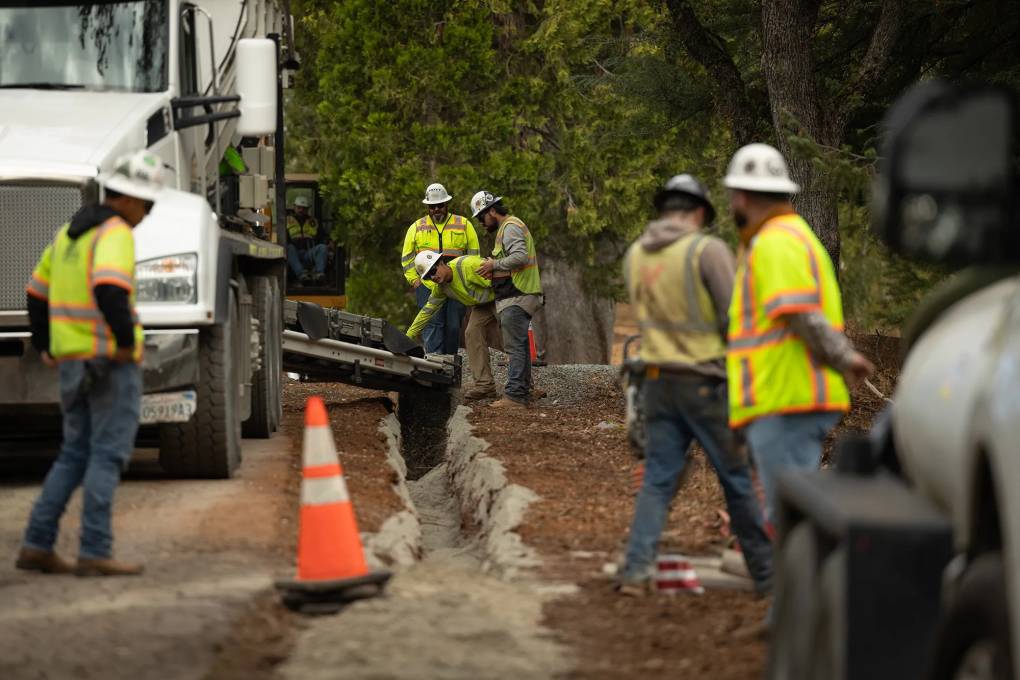
"caption": "Contractors with PG&E work in a trench to lay underground electric cables in Placer County on Oct. 17, 2024. Burying lines and other wildfire prevention projects have raised the price of electricity in California. Photo by Miguel Gutierrez Jr., CalMatters\n",
"credit": null,
"altTag": null,
"description": null,
"imgSizes": {
"medium": {
"file": "https://cdn.kqed.org/wp-content/uploads/sites/10/2024/12/101724_PGE-Underground-Cables_MG_CM_16-800x533.jpg",
"width": 800,
"height": 533,
"mimeType": "image/jpeg"
},
"large": {
"file": "https://cdn.kqed.org/wp-content/uploads/sites/10/2024/12/101724_PGE-Underground-Cables_MG_CM_16-1020x680.jpg",
"width": 1020,
"height": 680,
"mimeType": "image/jpeg"
},
"thumbnail": {
"file": "https://cdn.kqed.org/wp-content/uploads/sites/10/2024/12/101724_PGE-Underground-Cables_MG_CM_16-160x107.jpg",
"width": 160,
"height": 107,
"mimeType": "image/jpeg"
},
"1536x1536": {
"file": "https://cdn.kqed.org/wp-content/uploads/sites/10/2024/12/101724_PGE-Underground-Cables_MG_CM_16-1536x1024.jpg",
"width": 1536,
"height": 1024,
"mimeType": "image/jpeg"
},
"post-thumbnail": {
"file": "https://cdn.kqed.org/wp-content/uploads/sites/10/2024/12/101724_PGE-Underground-Cables_MG_CM_16-672x372.jpg",
"width": 672,
"height": 372,
"mimeType": "image/jpeg"
},
"twentyfourteen-full-width": {
"file": "https://cdn.kqed.org/wp-content/uploads/sites/10/2024/12/101724_PGE-Underground-Cables_MG_CM_16-1038x576.jpg",
"width": 1038,
"height": 576,
"mimeType": "image/jpeg"
},
"full-width": {
"file": "https://cdn.kqed.org/wp-content/uploads/sites/10/2024/12/101724_PGE-Underground-Cables_MG_CM_16-1920x1280.jpg",
"width": 1920,
"height": 1280,
"mimeType": "image/jpeg"
},
"kqedFullSize": {
"file": "https://cdn.kqed.org/wp-content/uploads/sites/10/2024/12/101724_PGE-Underground-Cables_MG_CM_16.jpg",
"width": 2000,
"height": 1333
}
},
"isLoading": false,
"fetchFailed": false
},
"news_12000027": {
"type": "attachments",
"id": "news_12000027",
"meta": {
"index": "attachments_1716263798",
"site": "news",
"id": "12000027",
"found": true
},
"title": "Schools Cellphones",
"publishDate": 1723577800,
"status": "inherit",
"parent": 11999993,
"modified": 1723584981,
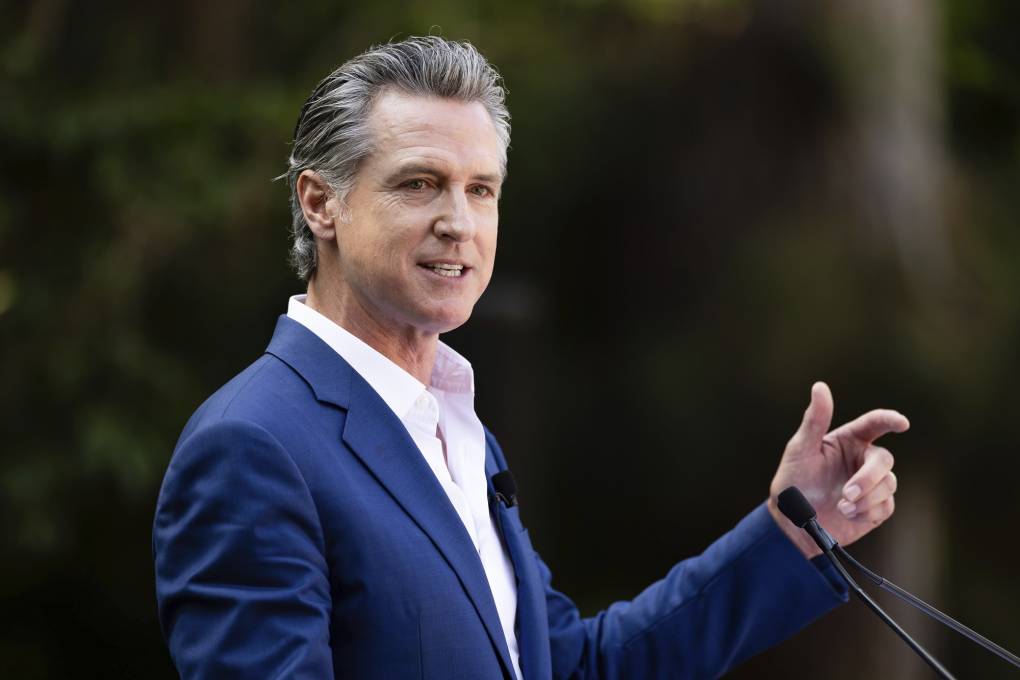
"caption": "Gov. Gavin Newsom is sending letters to every school district in California, calling on them to restrict smartphone use in classrooms.",
"credit": "Derrick Tuskan/AP Photo",
"altTag": null,
"description": null,
"imgSizes": {
"medium": {
"file": "https://cdn.kqed.org/wp-content/uploads/sites/10/2024/08/NewsomCellphonesSchools-800x533.jpg",
"width": 800,
"height": 533,
"mimeType": "image/jpeg"
},
"large": {
"file": "https://cdn.kqed.org/wp-content/uploads/sites/10/2024/08/NewsomCellphonesSchools-1020x680.jpg",
"width": 1020,
"height": 680,
"mimeType": "image/jpeg"
},
"thumbnail": {
"file": "https://cdn.kqed.org/wp-content/uploads/sites/10/2024/08/NewsomCellphonesSchools-160x107.jpg",
"width": 160,
"height": 107,
"mimeType": "image/jpeg"
},
"1536x1536": {
"file": "https://cdn.kqed.org/wp-content/uploads/sites/10/2024/08/NewsomCellphonesSchools-1536x1024.jpg",
"width": 1536,
"height": 1024,
"mimeType": "image/jpeg"
},
"post-thumbnail": {
"file": "https://cdn.kqed.org/wp-content/uploads/sites/10/2024/08/NewsomCellphonesSchools-672x372.jpg",
"width": 672,
"height": 372,
"mimeType": "image/jpeg"
},
"twentyfourteen-full-width": {
"file": "https://cdn.kqed.org/wp-content/uploads/sites/10/2024/08/NewsomCellphonesSchools-1038x576.jpg",
"width": 1038,
"height": 576,
"mimeType": "image/jpeg"
},
"full-width": {
"file": "https://cdn.kqed.org/wp-content/uploads/sites/10/2024/08/NewsomCellphonesSchools-1920x1280.jpg",
"width": 1920,
"height": 1280,
"mimeType": "image/jpeg"
},
"kqedFullSize": {
"file": "https://cdn.kqed.org/wp-content/uploads/sites/10/2024/08/NewsomCellphonesSchools.jpg",
"width": 2000,
"height": 1333
}
},
"isLoading": false,
"fetchFailed": false
},
"news_12004888": {
"type": "attachments",
"id": "news_12004888",
"meta": {
"index": "attachments_1716263798",
"site": "news",
"id": "12004888",
"found": true
},
"title": "032723-Isaac-Bryan-MG-CM-01",
"publishDate": 1726516312,
"status": "inherit",
"parent": 12004883,
"modified": 1733172184,
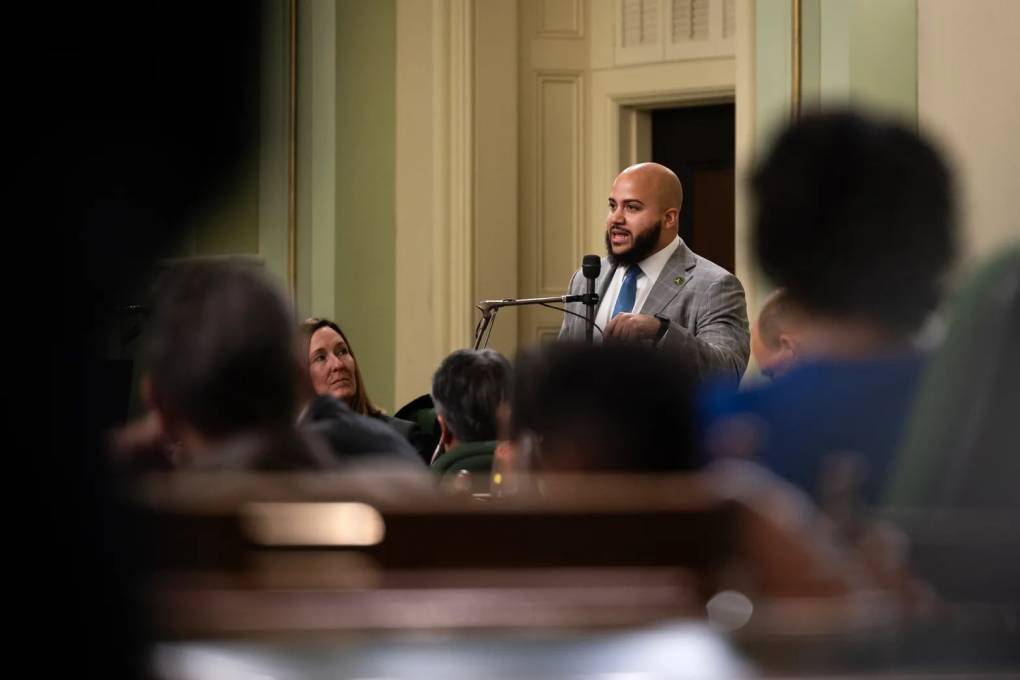
"caption": "Assemblymember Isaac Bryan (D-Culver City) on the Assembly floor at the state Capitol on March 27, 2023.",
"credit": "Miguel Gutierrez Jr./CalMatters",
"altTag": "A young, bald Black man with a beard, wearing a grey suit, speaks at a formal hearing.",
"description": null,
"imgSizes": {
"medium": {
"file": "https://cdn.kqed.org/wp-content/uploads/sites/10/2024/09/032723-Isaac-Bryan-MG-CM-01-800x533.jpeg",
"width": 800,
"height": 533,
"mimeType": "image/jpeg"
},
"large": {
"file": "https://cdn.kqed.org/wp-content/uploads/sites/10/2024/09/032723-Isaac-Bryan-MG-CM-01-1020x680.jpeg",
"width": 1020,
"height": 680,
"mimeType": "image/jpeg"
},
"thumbnail": {
"file": "https://cdn.kqed.org/wp-content/uploads/sites/10/2024/09/032723-Isaac-Bryan-MG-CM-01-160x107.jpeg",
"width": 160,
"height": 107,
"mimeType": "image/jpeg"
},
"1536x1536": {
"file": "https://cdn.kqed.org/wp-content/uploads/sites/10/2024/09/032723-Isaac-Bryan-MG-CM-01-1536x1024.jpeg",
"width": 1536,
"height": 1024,
"mimeType": "image/jpeg"
},
"post-thumbnail": {
"file": "https://cdn.kqed.org/wp-content/uploads/sites/10/2024/09/032723-Isaac-Bryan-MG-CM-01-672x372.jpeg",
"width": 672,
"height": 372,
"mimeType": "image/jpeg"
},
"twentyfourteen-full-width": {
"file": "https://cdn.kqed.org/wp-content/uploads/sites/10/2024/09/032723-Isaac-Bryan-MG-CM-01-1038x576.jpeg",
"width": 1038,
"height": 576,
"mimeType": "image/jpeg"
},
"kqedFullSize": {
"file": "https://cdn.kqed.org/wp-content/uploads/sites/10/2024/09/032723-Isaac-Bryan-MG-CM-01.jpeg",
"width": 1568,
"height": 1045
}
},
"isLoading": false,
"fetchFailed": false
},
"news_12008270": {
"type": "attachments",
"id": "news_12008270",
"meta": {
"index": "attachments_1716263798",
"site": "news",
"id": "12008270",
"found": true
},
"title": "10.02.2024-SB1016-03-scaled",
"publishDate": 1728326456,
"status": "inherit",
"parent": 12008261,
"modified": 1751052975,
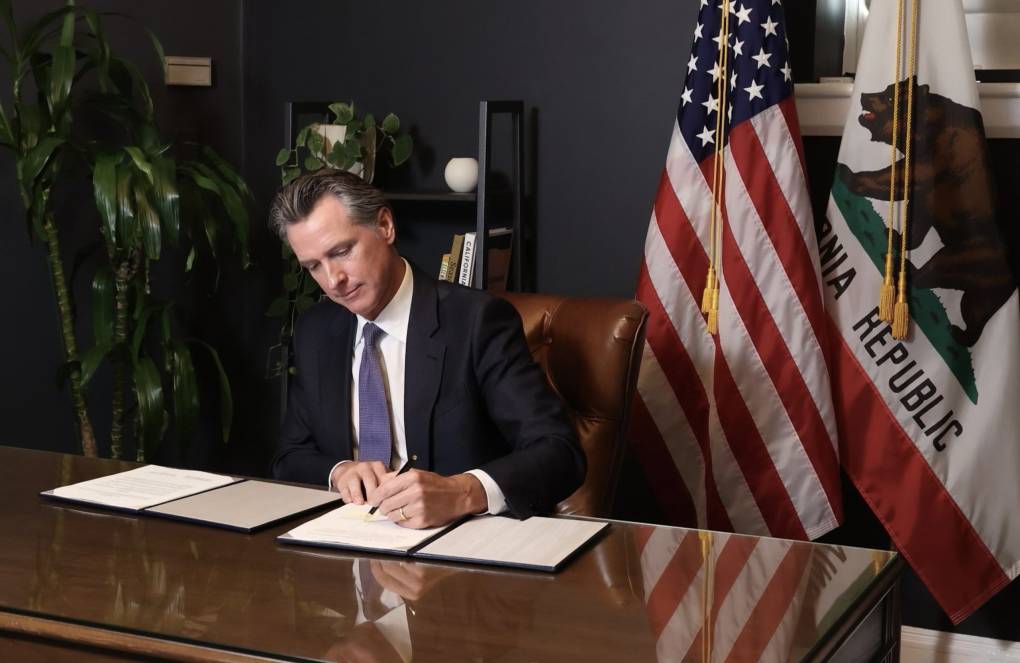
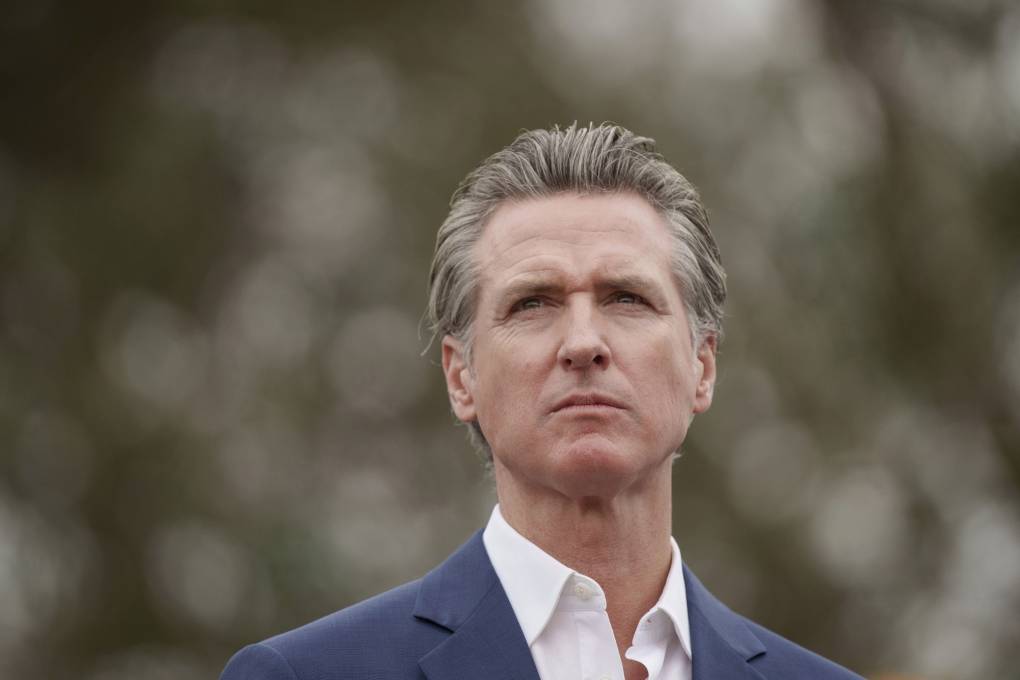
"caption": "Gov. Gavin Newsom on Sept. 28, 2024.",
"credit": "Photo Courtesy of Governor of California via Flickr",
"altTag": "A white man wearing a suit sits at a desk in an office, writing on a piece of paper with an American flag behind him.",
"description": null,
"imgSizes": {
"medium": {
"file": "https://cdn.kqed.org/wp-content/uploads/sites/10/2024/10/10.02.2024-SB1016-03-scaled-1-800x520.jpg",
"width": 800,
"height": 520,
"mimeType": "image/jpeg"
},
"large": {
"file": "https://cdn.kqed.org/wp-content/uploads/sites/10/2024/10/10.02.2024-SB1016-03-scaled-1-1020x663.jpg",
"width": 1020,
"height": 663,
"mimeType": "image/jpeg"
},
"thumbnail": {
"file": "https://cdn.kqed.org/wp-content/uploads/sites/10/2024/10/10.02.2024-SB1016-03-scaled-1-160x104.jpg",
"width": 160,
"height": 104,
"mimeType": "image/jpeg"
},
"1536x1536": {
"file": "https://cdn.kqed.org/wp-content/uploads/sites/10/2024/10/10.02.2024-SB1016-03-scaled-1-1536x998.jpg",
"width": 1536,
"height": 998,
"mimeType": "image/jpeg"
},
"2048x2048": {
"file": "https://cdn.kqed.org/wp-content/uploads/sites/10/2024/10/10.02.2024-SB1016-03-scaled-1-2048x1331.jpg",
"width": 2048,
"height": 1331,
"mimeType": "image/jpeg"
},
"post-thumbnail": {
"file": "https://cdn.kqed.org/wp-content/uploads/sites/10/2024/10/10.02.2024-SB1016-03-scaled-1-672x372.jpg",
"width": 672,
"height": 372,
"mimeType": "image/jpeg"
},
"twentyfourteen-full-width": {
"file": "https://cdn.kqed.org/wp-content/uploads/sites/10/2024/10/10.02.2024-SB1016-03-scaled-1-1038x576.jpg",
"width": 1038,
"height": 576,
"mimeType": "image/jpeg"
},
"full-width": {
"file": "https://cdn.kqed.org/wp-content/uploads/sites/10/2024/10/10.02.2024-SB1016-03-scaled-1-1920x1248.jpg",
"width": 1920,
"height": 1248,
"mimeType": "image/jpeg"
},
"kqedFullSize": {
"file": "https://cdn.kqed.org/wp-content/uploads/sites/10/2024/10/10.02.2024-SB1016-03-scaled-1-e1733162494960.jpg",
"width": 2000,
"height": 1300
}
},
"isLoading": false,
"fetchFailed": false
},
"news_11971075": {
"type": "attachments",
"id": "news_11971075",
"meta": {
"index": "attachments_1716263798",
"site": "news",
"id": "11971075",
"found": true
},
"title": null,
"publishDate": 1703791683,
"status": "inherit",
"parent": 11971074,
"modified": 1733165485,
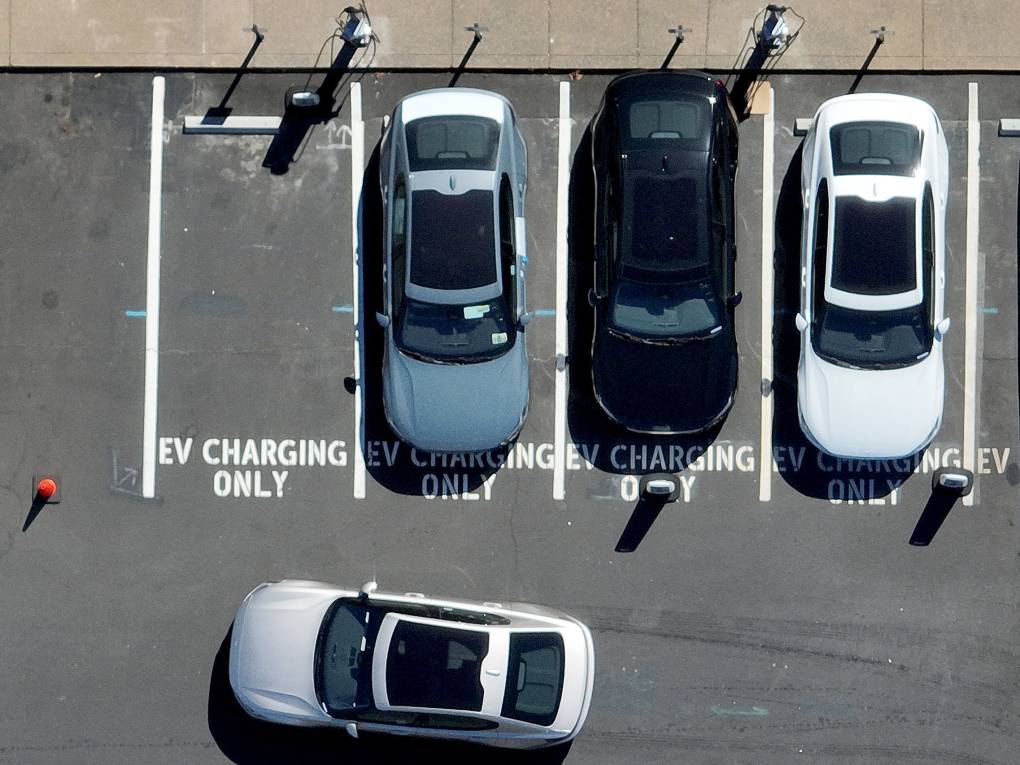
"caption": "A Polestar electric car prepares to park at an EV charging station on July 28, 2023 in Corte Madera.",
"credit": "Justin Sullivan/Getty Images",
"altTag": "An aerial view of a parking lot that has EV chargers, with three cars parked in 'EV Charging Only' spots, and a fourth car pulling in to another one.",
"description": "CORTE MADERA, CALIFORNIA - JULY 28: A Polestar electric car prepares to park at an EV charging station on July 28, 2023 in Corte Madera, California. Seven major automakers announced plans earlier this week to increase the number of high-powered electric vehicle chargers in the country with 30,000 new charging stations along highways and in urban areas. According to the Energy Department, there are currently an estimated 32,000 chargers across the country. (Photo by Justin Sullivan/Getty Images)",
"imgSizes": {
"medium": {
"file": "https://cdn.kqed.org/wp-content/uploads/sites/10/2023/12/gettyimages-1576817852-98c5c2b1e80ed40f3e2b7969add10f2d9535efdf-800x600.jpg",
"width": 800,
"height": 600,
"mimeType": "image/jpeg"
},
"large": {
"file": "https://cdn.kqed.org/wp-content/uploads/sites/10/2023/12/gettyimages-1576817852-98c5c2b1e80ed40f3e2b7969add10f2d9535efdf-1020x765.jpg",
"width": 1020,
"height": 765,
"mimeType": "image/jpeg"
},
"thumbnail": {
"file": "https://cdn.kqed.org/wp-content/uploads/sites/10/2023/12/gettyimages-1576817852-98c5c2b1e80ed40f3e2b7969add10f2d9535efdf-160x120.jpg",
"width": 160,
"height": 120,
"mimeType": "image/jpeg"
},
"1536x1536": {
"file": "https://cdn.kqed.org/wp-content/uploads/sites/10/2023/12/gettyimages-1576817852-98c5c2b1e80ed40f3e2b7969add10f2d9535efdf-1536x1152.jpg",
"width": 1536,
"height": 1152,
"mimeType": "image/jpeg"
},
"2048x2048": {
"file": "https://cdn.kqed.org/wp-content/uploads/sites/10/2023/12/gettyimages-1576817852-98c5c2b1e80ed40f3e2b7969add10f2d9535efdf-2048x1536.jpg",
"width": 2048,
"height": 1536,
"mimeType": "image/jpeg"
},
"post-thumbnail": {
"file": "https://cdn.kqed.org/wp-content/uploads/sites/10/2023/12/gettyimages-1576817852-98c5c2b1e80ed40f3e2b7969add10f2d9535efdf-672x372.jpg",
"width": 672,
"height": 372,
"mimeType": "image/jpeg"
},
"twentyfourteen-full-width": {
"file": "https://cdn.kqed.org/wp-content/uploads/sites/10/2023/12/gettyimages-1576817852-98c5c2b1e80ed40f3e2b7969add10f2d9535efdf-1038x576.jpg",
"width": 1038,
"height": 576,
"mimeType": "image/jpeg"
},
"full-width": {
"file": "https://cdn.kqed.org/wp-content/uploads/sites/10/2023/12/gettyimages-1576817852-98c5c2b1e80ed40f3e2b7969add10f2d9535efdf-1920x1440.jpg",
"width": 1920,
"height": 1440,
"mimeType": "image/jpeg"
},
"kqedFullSize": {
"file": "https://cdn.kqed.org/wp-content/uploads/sites/10/2023/12/gettyimages-1576817852-98c5c2b1e80ed40f3e2b7969add10f2d9535efdf.jpg",
"width": 2274,
"height": 1706
}
},
"isLoading": false,
"fetchFailed": false
},
"news_12016137": {
"type": "attachments",
"id": "news_12016137",
"meta": {
"index": "attachments_1716263798",
"site": "news",
"id": "12016137",
"found": true
},
"title": "06_Mission Point_Central Green Park Aerial",
"publishDate": 1732739147,
"status": "inherit",
"parent": 12016083,
"modified": 1732739201,
"caption": "This digital rendering shows what a portion of a recently approved project from developer Kylli could look like when complete in Santa Clara. ",
"credit": "Courtesy of Kylli",
"altTag": null,
"description": null,
"imgSizes": {
"medium": {
"file": "https://cdn.kqed.org/wp-content/uploads/sites/10/2024/11/06_Mission-Point_Central-Green-Park-Aerial-scaled-e1732739224116-800x451.jpg",
"width": 800,
"height": 451,
"mimeType": "image/jpeg"
},
"large": {
"file": "https://cdn.kqed.org/wp-content/uploads/sites/10/2024/11/06_Mission-Point_Central-Green-Park-Aerial-scaled-e1732739224116-1020x575.jpg",
"width": 1020,
"height": 575,
"mimeType": "image/jpeg"
},
"thumbnail": {
"file": "https://cdn.kqed.org/wp-content/uploads/sites/10/2024/11/06_Mission-Point_Central-Green-Park-Aerial-scaled-e1732739224116-160x90.jpg",
"width": 160,
"height": 90,
"mimeType": "image/jpeg"
},
"1536x1536": {
"file": "https://cdn.kqed.org/wp-content/uploads/sites/10/2024/11/06_Mission-Point_Central-Green-Park-Aerial-scaled-e1732739224116-1536x865.jpg",
"width": 1536,
"height": 865,
"mimeType": "image/jpeg"
},
"2048x2048": {
"file": "https://cdn.kqed.org/wp-content/uploads/sites/10/2024/11/06_Mission-Point_Central-Green-Park-Aerial-scaled-e1732739224116-2048x1154.jpg",
"width": 2048,
"height": 1154,
"mimeType": "image/jpeg"
},
"post-thumbnail": {
"file": "https://cdn.kqed.org/wp-content/uploads/sites/10/2024/11/06_Mission-Point_Central-Green-Park-Aerial-scaled-e1732739224116-672x372.jpg",
"width": 672,
"height": 372,
"mimeType": "image/jpeg"
},
"twentyfourteen-full-width": {
"file": "https://cdn.kqed.org/wp-content/uploads/sites/10/2024/11/06_Mission-Point_Central-Green-Park-Aerial-scaled-e1732739224116-1038x576.jpg",
"width": 1038,
"height": 576,
"mimeType": "image/jpeg"
},
"full-width": {
"file": "https://cdn.kqed.org/wp-content/uploads/sites/10/2024/11/06_Mission-Point_Central-Green-Park-Aerial-scaled-e1732739224116-1920x1082.jpg",
"width": 1920,
"height": 1082,
"mimeType": "image/jpeg"
},
"kqedFullSize": {
"file": "https://cdn.kqed.org/wp-content/uploads/sites/10/2024/11/06_Mission-Point_Central-Green-Park-Aerial-scaled-e1732739224116.jpg",
"width": 2560,
"height": 1442
}
},
"isLoading": false,
"fetchFailed": false
},
"news_12001174": {
"type": "attachments",
"id": "news_12001174",
"meta": {
"index": "attachments_1716263798",
"site": "news",
"id": "12001174",
"found": true
},
"title": "Colombian Police Capture 52 Allegedly Involved In Drug Trafficking Financing",
"publishDate": 1724269260,
"status": "inherit",
"parent": 12001172,
"modified": 1724269515,
"caption": "Federal prosecutors have charged a man for allegedly breaking into an FBI vehicle on Aug. 7, 2024, in San Francisco’s South of Market neighborhood and stealing two dozen flash-bang grenades, a ballistic vest, a gas deployment gun and surveillance equipment.",
"credit": "Sebastian Barros/NurPhoto via Getty Images",
"altTag": null,
"description": null,
"imgSizes": {
"medium": {
"file": "https://cdn.kqed.org/wp-content/uploads/sites/10/2024/08/FBIJacketGetty1-800x532.jpg",
"width": 800,
"height": 532,
"mimeType": "image/jpeg"
},
"large": {
"file": "https://cdn.kqed.org/wp-content/uploads/sites/10/2024/08/FBIJacketGetty1-1020x678.jpg",
"width": 1020,
"height": 678,
"mimeType": "image/jpeg"
},
"thumbnail": {
"file": "https://cdn.kqed.org/wp-content/uploads/sites/10/2024/08/FBIJacketGetty1-160x106.jpg",
"width": 160,
"height": 106,
"mimeType": "image/jpeg"
},
"1536x1536": {
"file": "https://cdn.kqed.org/wp-content/uploads/sites/10/2024/08/FBIJacketGetty1-1536x1021.jpg",
"width": 1536,
"height": 1021,
"mimeType": "image/jpeg"
},
"post-thumbnail": {
"file": "https://cdn.kqed.org/wp-content/uploads/sites/10/2024/08/FBIJacketGetty1-672x372.jpg",
"width": 672,
"height": 372,
"mimeType": "image/jpeg"
},
"twentyfourteen-full-width": {
"file": "https://cdn.kqed.org/wp-content/uploads/sites/10/2024/08/FBIJacketGetty1-1038x576.jpg",
"width": 1038,
"height": 576,
"mimeType": "image/jpeg"
},
"full-width": {
"file": "https://cdn.kqed.org/wp-content/uploads/sites/10/2024/08/FBIJacketGetty1-1920x1277.jpg",
"width": 1920,
"height": 1277,
"mimeType": "image/jpeg"
},
"kqedFullSize": {
"file": "https://cdn.kqed.org/wp-content/uploads/sites/10/2024/08/FBIJacketGetty1.jpg",
"width": 2000,
"height": 1330
}
},
"isLoading": false,
"fetchFailed": false
},
"news_11722520": {
"type": "attachments",
"id": "news_11722520",
"meta": {
"index": "attachments_1716263798",
"site": "news",
"id": "11722520",
"found": true
},
"title": "PowerPGEMissionDist",
"publishDate": 1548969534,
"status": "inherit",
"parent": 11721965,
"modified": 1732658729,
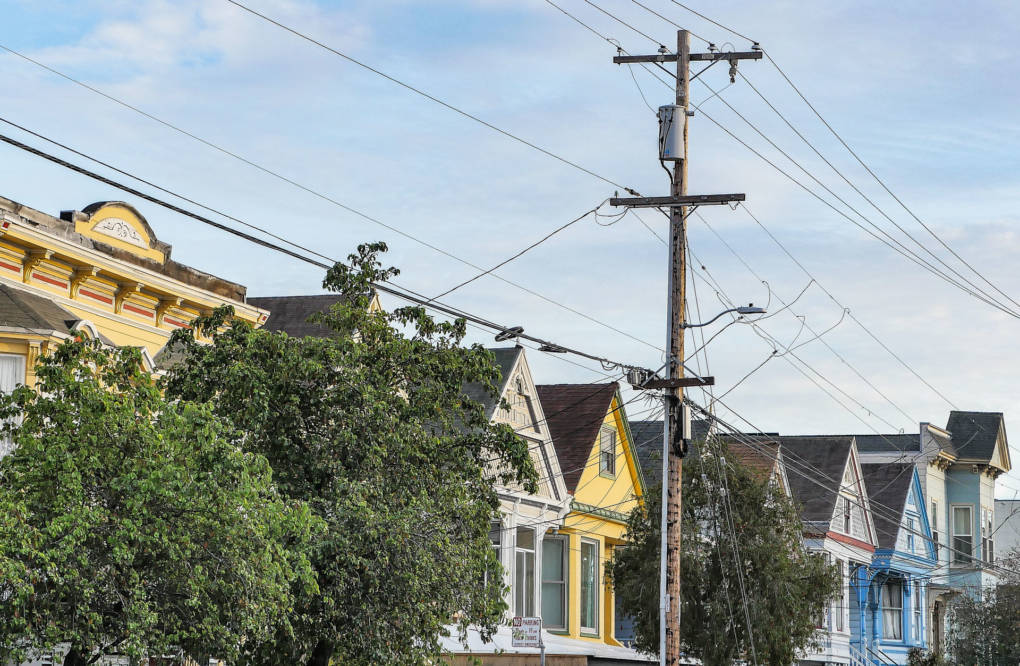
"caption": "PG&E utility poles in San Francisco's Mission District.",
"credit": "Sheraz Sadiq/KQED",
"altTag": "A photo of a telephone pole and its wires with different colored homes in the background.",
"description": "PG&E utility poles in San Francisco's Mission District.",
"imgSizes": {
"thumbnail": {
"file": "https://cdn.kqed.org/wp-content/uploads/sites/10/2019/01/PowerPGEMissionDist-160x104.jpg",
"width": 160,
"height": 104,
"mimeType": "image/jpeg"
},
"medium": {
"file": "https://cdn.kqed.org/wp-content/uploads/sites/10/2019/01/PowerPGEMissionDist-800x522.jpg",
"width": 800,
"height": 522,
"mimeType": "image/jpeg"
},
"large": {
"file": "https://cdn.kqed.org/wp-content/uploads/sites/10/2019/01/PowerPGEMissionDist-1020x666.jpg",
"width": 1020,
"height": 666,
"mimeType": "image/jpeg"
},
"complete_open_graph": {
"file": "https://cdn.kqed.org/wp-content/uploads/sites/10/2019/01/PowerPGEMissionDist-1200x783.jpg",
"width": 1200,
"height": 783,
"mimeType": "image/jpeg"
},
"post-thumbnail": {
"file": "https://cdn.kqed.org/wp-content/uploads/sites/10/2019/01/PowerPGEMissionDist-672x372.jpg",
"width": 672,
"height": 372,
"mimeType": "image/jpeg"
},
"twentyfourteen-full-width": {
"file": "https://cdn.kqed.org/wp-content/uploads/sites/10/2019/01/PowerPGEMissionDist-1038x576.jpg",
"width": 1038,
"height": 576,
"mimeType": "image/jpeg"
},
"full-width": {
"file": "https://cdn.kqed.org/wp-content/uploads/sites/10/2019/01/PowerPGEMissionDist-1920x1253.jpg",
"width": 1920,
"height": 1253,
"mimeType": "image/jpeg"
},
"guest-author-32": {
"file": "https://cdn.kqed.org/wp-content/uploads/sites/10/2019/01/PowerPGEMissionDist-32x32.jpg",
"width": 32,
"height": 32,
"mimeType": "image/jpeg"
},
"guest-author-50": {
"file": "https://cdn.kqed.org/wp-content/uploads/sites/10/2019/01/PowerPGEMissionDist-50x50.jpg",
"width": 50,
"height": 50,
"mimeType": "image/jpeg"
},
"guest-author-64": {
"file": "https://cdn.kqed.org/wp-content/uploads/sites/10/2019/01/PowerPGEMissionDist-64x64.jpg",
"width": 64,
"height": 64,
"mimeType": "image/jpeg"
},
"guest-author-96": {
"file": "https://cdn.kqed.org/wp-content/uploads/sites/10/2019/01/PowerPGEMissionDist-96x96.jpg",
"width": 96,
"height": 96,
"mimeType": "image/jpeg"
},
"guest-author-128": {
"file": "https://cdn.kqed.org/wp-content/uploads/sites/10/2019/01/PowerPGEMissionDist-128x128.jpg",
"width": 128,
"height": 128,
"mimeType": "image/jpeg"
},
"detail": {
"file": "https://cdn.kqed.org/wp-content/uploads/sites/10/2019/01/PowerPGEMissionDist-150x150.jpg",
"width": 150,
"height": 150,
"mimeType": "image/jpeg"
},
"kqedFullSize": {
"file": "https://cdn.kqed.org/wp-content/uploads/sites/10/2019/01/PowerPGEMissionDist.jpg",
"width": 1920,
"height": 1253
}
},
"isLoading": false,
"fetchFailed": false
},
"news_12015784": {
"type": "attachments",
"id": "news_12015784",
"meta": {
"index": "attachments_1716263798",
"site": "news",
"id": "12015784",
"found": true
},
"title": "Bird Flu Outbreak On California Farms Spreads To Raw Milk",
"publishDate": 1732562540,
"status": "inherit",
"parent": 12015779,
"modified": 1732562578,
"caption": "Raw Farm raw milk containers are displayed on a shelf at a grocery store on Nov. 25, 2024, in San Anselmo, California. Fresno County dairy Raw Farm has recalled its cream top raw milk after bird flu virus was found in a retail sample of the raw milk product over the weekend. Consumers should avoid milk consumption and are encouraged to return the product to the store where it was purchased.",
"credit": "Justin Sullivan/Getty Images",
"altTag": null,
"description": null,
"imgSizes": {
"medium": {
"file": "https://cdn.kqed.org/wp-content/uploads/sites/10/2024/11/BirdFluMilkFresnoGetty-800x560.jpg",
"width": 800,
"height": 560,
"mimeType": "image/jpeg"
},
"large": {
"file": "https://cdn.kqed.org/wp-content/uploads/sites/10/2024/11/BirdFluMilkFresnoGetty-1020x714.jpg",
"width": 1020,
"height": 714,
"mimeType": "image/jpeg"
},
"thumbnail": {
"file": "https://cdn.kqed.org/wp-content/uploads/sites/10/2024/11/BirdFluMilkFresnoGetty-160x112.jpg",
"width": 160,
"height": 112,
"mimeType": "image/jpeg"
},
"1536x1536": {
"file": "https://cdn.kqed.org/wp-content/uploads/sites/10/2024/11/BirdFluMilkFresnoGetty-1536x1075.jpg",
"width": 1536,
"height": 1075,
"mimeType": "image/jpeg"
},
"post-thumbnail": {
"file": "https://cdn.kqed.org/wp-content/uploads/sites/10/2024/11/BirdFluMilkFresnoGetty-672x372.jpg",
"width": 672,
"height": 372,
"mimeType": "image/jpeg"
},
"twentyfourteen-full-width": {
"file": "https://cdn.kqed.org/wp-content/uploads/sites/10/2024/11/BirdFluMilkFresnoGetty-1038x576.jpg",
"width": 1038,
"height": 576,
"mimeType": "image/jpeg"
},
"full-width": {
"file": "https://cdn.kqed.org/wp-content/uploads/sites/10/2024/11/BirdFluMilkFresnoGetty-1920x1344.jpg",
"width": 1920,
"height": 1344,
"mimeType": "image/jpeg"
},
"kqedFullSize": {
"file": "https://cdn.kqed.org/wp-content/uploads/sites/10/2024/11/BirdFluMilkFresnoGetty.jpg",
"width": 2000,
"height": 1400
}
},
"isLoading": false,
"fetchFailed": false
},
"news_12015777": {
"type": "attachments",
"id": "news_12015777",
"meta": {
"index": "attachments_1716263798",
"site": "news",
"id": "12015777",
"found": true
},
"title": "112324_Bun-Portrait_JK_CM_01",
"publishDate": 1732562253,
"status": "inherit",
"parent": 12015773,
"modified": 1732562302,
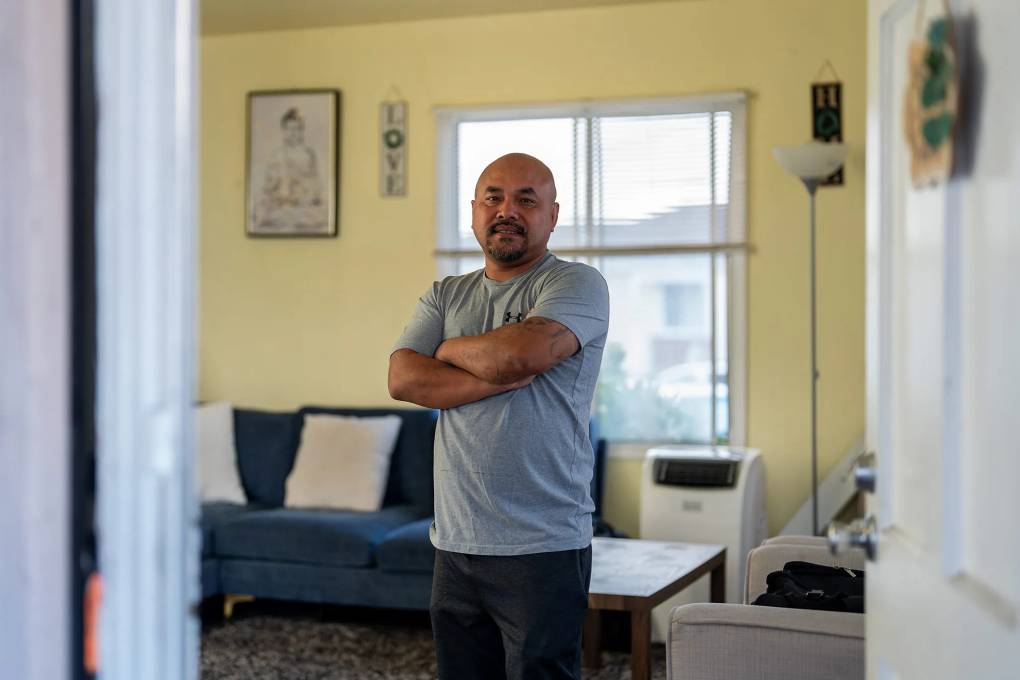
"caption": "Chanthon Bun stands in the living room of his home in San Leandro on Nov. 23, 2024. Bun was born in Cambodia during the genocide in the 1970s and grew up in a refugee camp in Thailand before moving to the United States, where he was convicted of robbery at age 18. That was decades ago, but now he's anxious about President-elect Donald Trump's plan for mass immigrant deportation.",
"credit": "Jungho Kim for CalMatters",
"altTag": null,
"description": null,
"imgSizes": {
"medium": {
"file": "https://cdn.kqed.org/wp-content/uploads/sites/10/2024/11/112324_Bun-Portrait_JK_CM_01-800x533.jpg",
"width": 800,
"height": 533,
"mimeType": "image/jpeg"
},
"large": {
"file": "https://cdn.kqed.org/wp-content/uploads/sites/10/2024/11/112324_Bun-Portrait_JK_CM_01-1020x680.jpg",
"width": 1020,
"height": 680,
"mimeType": "image/jpeg"
},
"thumbnail": {
"file": "https://cdn.kqed.org/wp-content/uploads/sites/10/2024/11/112324_Bun-Portrait_JK_CM_01-160x107.jpg",
"width": 160,
"height": 107,
"mimeType": "image/jpeg"
},
"1536x1536": {
"file": "https://cdn.kqed.org/wp-content/uploads/sites/10/2024/11/112324_Bun-Portrait_JK_CM_01-1536x1024.jpg",
"width": 1536,
"height": 1024,
"mimeType": "image/jpeg"
},
"post-thumbnail": {
"file": "https://cdn.kqed.org/wp-content/uploads/sites/10/2024/11/112324_Bun-Portrait_JK_CM_01-672x372.jpg",
"width": 672,
"height": 372,
"mimeType": "image/jpeg"
},
"twentyfourteen-full-width": {
"file": "https://cdn.kqed.org/wp-content/uploads/sites/10/2024/11/112324_Bun-Portrait_JK_CM_01-1038x576.jpg",
"width": 1038,
"height": 576,
"mimeType": "image/jpeg"
},
"full-width": {
"file": "https://cdn.kqed.org/wp-content/uploads/sites/10/2024/11/112324_Bun-Portrait_JK_CM_01-1920x1280.jpg",
"width": 1920,
"height": 1280,
"mimeType": "image/jpeg"
},
"kqedFullSize": {
"file": "https://cdn.kqed.org/wp-content/uploads/sites/10/2024/11/112324_Bun-Portrait_JK_CM_01.jpg",
"width": 2000,
"height": 1333
}
},
"isLoading": false,
"fetchFailed": false
},
"news_12007166": {
"type": "attachments",
"id": "news_12007166",
"meta": {
"index": "attachments_1716263798",
"site": "news",
"id": "12007166",
"found": true
},
"title": "Gavin Newsom",
"publishDate": 1727724857,
"status": "inherit",
"parent": 12007157,
"modified": 1727725501,
"caption": "Gov. Gavin Newsom speaks during a press conference in Los Angeles on Sept. 25, 2024. Gov. Gavin Newsom vetoed a bill on Monday that would have allowed California to block private equity acquisitions of healthcare facilities. ",
"credit": "Eric Thayer/AP Photo",
"altTag": null,
"description": null,
"imgSizes": {
"medium": {
"file": "https://cdn.kqed.org/wp-content/uploads/sites/10/2024/09/GavinNewsomAP2-800x533.jpg",
"width": 800,
"height": 533,
"mimeType": "image/jpeg"
},
"large": {
"file": "https://cdn.kqed.org/wp-content/uploads/sites/10/2024/09/GavinNewsomAP2-1020x680.jpg",
"width": 1020,
"height": 680,
"mimeType": "image/jpeg"
},
"thumbnail": {
"file": "https://cdn.kqed.org/wp-content/uploads/sites/10/2024/09/GavinNewsomAP2-160x107.jpg",
"width": 160,
"height": 107,
"mimeType": "image/jpeg"
},
"1536x1536": {
"file": "https://cdn.kqed.org/wp-content/uploads/sites/10/2024/09/GavinNewsomAP2-1536x1024.jpg",
"width": 1536,
"height": 1024,
"mimeType": "image/jpeg"
},
"post-thumbnail": {
"file": "https://cdn.kqed.org/wp-content/uploads/sites/10/2024/09/GavinNewsomAP2-672x372.jpg",
"width": 672,
"height": 372,
"mimeType": "image/jpeg"
},
"twentyfourteen-full-width": {
"file": "https://cdn.kqed.org/wp-content/uploads/sites/10/2024/09/GavinNewsomAP2-1038x576.jpg",
"width": 1038,
"height": 576,
"mimeType": "image/jpeg"
},
"full-width": {
"file": "https://cdn.kqed.org/wp-content/uploads/sites/10/2024/09/GavinNewsomAP2-1920x1280.jpg",
"width": 1920,
"height": 1280,
"mimeType": "image/jpeg"
},
"kqedFullSize": {
"file": "https://cdn.kqed.org/wp-content/uploads/sites/10/2024/09/GavinNewsomAP2.jpg",
"width": 2000,
"height": 1333
}
},
"isLoading": false,
"fetchFailed": false
},
"news_12015546": {
"type": "attachments",
"id": "news_12015546",
"meta": {
"index": "attachments_1716263798",
"site": "news",
"id": "12015546",
"found": true
},
"title": "020823-Planada-Feb-8-LV_05",
"publishDate": 1732301019,
"status": "inherit",
"parent": 12015542,
"modified": 1732301069,
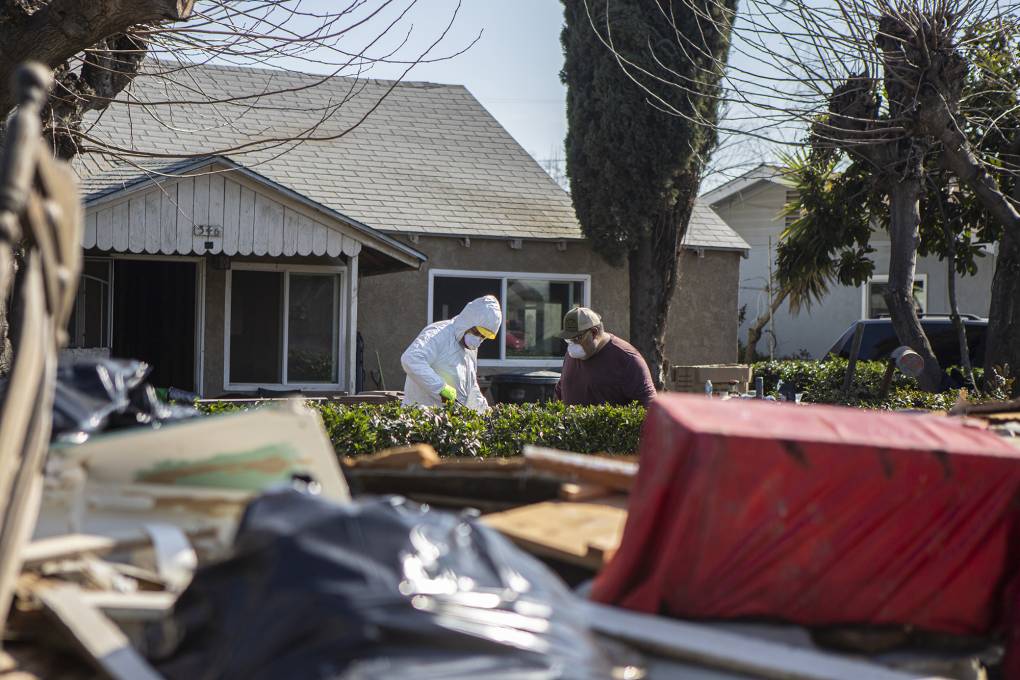
"caption": "Two residents wearing protective gear as they clean out their home from flood damage in the community of Planada on Feb. 8, 2023.",
"credit": "Larry Valenzuela, CalMatters/CatchLight Local",
"altTag": null,
"description": null,
"imgSizes": {
"medium": {
"file": "https://cdn.kqed.org/wp-content/uploads/sites/10/2024/11/020823-Planada-Feb-8-LV_05-800x533.jpg",
"width": 800,
"height": 533,
"mimeType": "image/jpeg"
},
"large": {
"file": "https://cdn.kqed.org/wp-content/uploads/sites/10/2024/11/020823-Planada-Feb-8-LV_05-1020x680.jpg",
"width": 1020,
"height": 680,
"mimeType": "image/jpeg"
},
"thumbnail": {
"file": "https://cdn.kqed.org/wp-content/uploads/sites/10/2024/11/020823-Planada-Feb-8-LV_05-160x107.jpg",
"width": 160,
"height": 107,
"mimeType": "image/jpeg"
},
"1536x1536": {
"file": "https://cdn.kqed.org/wp-content/uploads/sites/10/2024/11/020823-Planada-Feb-8-LV_05-1536x1024.jpg",
"width": 1536,
"height": 1024,
"mimeType": "image/jpeg"
},
"post-thumbnail": {
"file": "https://cdn.kqed.org/wp-content/uploads/sites/10/2024/11/020823-Planada-Feb-8-LV_05-672x372.jpg",
"width": 672,
"height": 372,
"mimeType": "image/jpeg"
},
"twentyfourteen-full-width": {
"file": "https://cdn.kqed.org/wp-content/uploads/sites/10/2024/11/020823-Planada-Feb-8-LV_05-1038x576.jpg",
"width": 1038,
"height": 576,
"mimeType": "image/jpeg"
},
"full-width": {
"file": "https://cdn.kqed.org/wp-content/uploads/sites/10/2024/11/020823-Planada-Feb-8-LV_05-1920x1280.jpg",
"width": 1920,
"height": 1280,
"mimeType": "image/jpeg"
},
"kqedFullSize": {
"file": "https://cdn.kqed.org/wp-content/uploads/sites/10/2024/11/020823-Planada-Feb-8-LV_05.jpg",
"width": 2000,
"height": 1333
}
},
"isLoading": false,
"fetchFailed": false
}
},
"audioPlayerReducer": {
"postId": "stream_live",
"isPaused": true,
"isPlaying": false,
"pfsActive": false,
"pledgeModalIsOpen": true,
"playerDrawerIsOpen": false,
"liveAudioPlayStartedAt": 0,
"liveAudioPlayContext": ""
},
"authorsReducer": {
"byline_news_12016417": {
"type": "authors",
"id": "byline_news_12016417",
"meta": {
"override": true
},
"slug": "byline_news_12016417",
"name": "Alejandro Lazo, CalMatters",
"isLoading": false
},
"byline_news_12016282": {
"type": "authors",
"id": "byline_news_12016282",
"meta": {
"override": true
},
"slug": "byline_news_12016282",
"name": "Sophie Austin, Trân Nguyễn and Olga R. Rodriguez, Associated Press",
"isLoading": false
},
"byline_news_12015773": {
"type": "authors",
"id": "byline_news_12015773",
"meta": {
"override": true
},
"slug": "byline_news_12015773",
"name": "\u003ca href=\"https://calmatters.org/author/wendy-fry/\">Wendy Fry\u003c/a>, CalMatters",
"isLoading": false
},
"byline_news_12015542": {
"type": "authors",
"id": "byline_news_12015542",
"meta": {
"override": true
},
"slug": "byline_news_12015542",
"name": "Felicia Mello",
"isLoading": false
},
"gmarzorati": {
"type": "authors",
"id": "227",
"meta": {
"index": "authors_1716337520",
"id": "227",
"found": true
},
"name": "Guy Marzorati",
"firstName": "Guy",
"lastName": "Marzorati",
"slug": "gmarzorati",
"email": "gmarzorati@KQED.org",
"display_author_email": true,
"staff_mastheads": [
"news"
],
"title": "Correspondent",
"bio": "Guy Marzorati is a correspondent on KQED's California Politics and Government Desk, based in San Jose. A graduate of Santa Clara University, Guy joined KQED in 2013. He reports on state and local politics and produces KQED's digital voter guide.",
"avatar": "https://secure.gravatar.com/avatar/e7038b8dbfd55b104369b76b1cd0b9de?s=600&d=blank&r=g",
"twitter": "guymarzorati",
"facebook": null,
"instagram": null,
"linkedin": null,
"sites": [
{
"site": "",
"roles": [
"editor"
]
},
{
"site": "news",
"roles": [
"editor"
]
},
{
"site": "science",
"roles": [
"editor"
]
},
{
"site": "forum",
"roles": [
"editor"
]
},
{
"site": "elections",
"roles": [
"editor"
]
},
{
"site": "liveblog",
"roles": [
"editor"
]
}
],
"headData": {
"title": "Guy Marzorati | KQED",
"description": "Correspondent",
"ogImgSrc": "https://secure.gravatar.com/avatar/e7038b8dbfd55b104369b76b1cd0b9de?s=600&d=blank&r=g",
"twImgSrc": "https://secure.gravatar.com/avatar/e7038b8dbfd55b104369b76b1cd0b9de?s=600&d=blank&r=g"
},
"isLoading": false,
"link": "/author/gmarzorati"
},
"shossaini": {
"type": "authors",
"id": "3214",
"meta": {
"index": "authors_1716337520",
"id": "3214",
"found": true
},
"name": "Sara Hossaini",
"firstName": "Sara",
"lastName": "Hossaini",
"slug": "shossaini",
"email": "shossaini@kqed.org",
"display_author_email": true,
"staff_mastheads": [
"news"
],
"title": "KQED Reporter",
"bio": "Sara Hossaini came to general assignment reporting at KQED in 2013 after two winters reporting at Wyoming Public Radio. She holds a bachelor's degree in broadcast journalism from the University of Nebraska-Lincoln. Her radio romance began after a bitter breakup with documentary film (Ok, maybe it's still complicated). Her first simultaneous jobs in San Francisco were as Associate Producer on a PBS film series through the Center for Asian American Media and as a butler. She likes to trot, plot and make things with her hands.",
"avatar": "https://secure.gravatar.com/avatar/060e9f56b9554e17942e89f413242774?s=600&d=blank&r=g",
"twitter": "mshossaini",
"facebook": null,
"instagram": null,
"linkedin": null,
"sites": [
{
"site": "news",
"roles": [
"author"
]
},
{
"site": "stateofhealth",
"roles": [
"author"
]
}
],
"headData": {
"title": "Sara Hossaini | KQED",
"description": "KQED Reporter",
"ogImgSrc": "https://secure.gravatar.com/avatar/060e9f56b9554e17942e89f413242774?s=600&d=blank&r=g",
"twImgSrc": "https://secure.gravatar.com/avatar/060e9f56b9554e17942e89f413242774?s=600&d=blank&r=g"
},
"isLoading": false,
"link": "/author/shossaini"
},
"eromero": {
"type": "authors",
"id": "11746",
"meta": {
"index": "authors_1716337520",
"id": "11746",
"found": true
},
"name": "Ezra David Romero",
"firstName": "Ezra David",
"lastName": "Romero",
"slug": "eromero",
"email": "eromero@kqed.org",
"display_author_email": true,
"staff_mastheads": [
"news",
"science"
],
"title": "Climate Reporter",
"bio": "Ezra David Romero is a climate reporter for KQED News. He covers the absence and excess of water in the Bay Area — think sea level rise, flooding and drought. For nearly a decade he’s covered how warming temperatures are altering the lives of Californians. He’s reported on farmers worried their pistachio trees aren’t getting enough sleep, families desperate for water, scientists studying dying giant sequoias, and alongside firefighters containing wildfires. His work has appeared on local stations across California and nationally on public radio shows like Morning Edition, Here and Now, All Things Considered and Science Friday. ",
"avatar": "https://secure.gravatar.com/avatar/9c15bb8bab267e058708a9eeaeef16bf?s=600&d=blank&r=g",
"twitter": "ezraromero",
"bluesky": null,
"facebook": null,
"instagram": null,
"linkedin": null,
"sites": [
{
"site": "arts",
"roles": [
"editor"
]
},
{
"site": "news",
"roles": [
"editor"
]
},
{
"site": "science",
"roles": [
"editor"
]
},
{
"site": "liveblog",
"roles": [
"author"
]
}
],
"headData": {
"title": "Ezra David Romero | KQED",
"description": "Climate Reporter",
"ogImgSrc": "https://secure.gravatar.com/avatar/9c15bb8bab267e058708a9eeaeef16bf?s=600&d=blank&r=g",
"twImgSrc": "https://secure.gravatar.com/avatar/9c15bb8bab267e058708a9eeaeef16bf?s=600&d=blank&r=g"
},
"isLoading": false,
"link": "/author/eromero"
},
"bsiavoshy": {
"type": "authors",
"id": "11890",
"meta": {
"index": "authors_1716337520",
"id": "11890",
"found": true
},
"name": "Bejan Siavoshy",
"firstName": "Bejan",
"lastName": "Siavoshy",
"slug": "bsiavoshy",
"email": "bsiavoshy@kqed.org",
"display_author_email": false,
"staff_mastheads": [],
"title": "KQED Contributor",
"bio": null,
"avatar": "https://secure.gravatar.com/avatar/ead3e7c509634b37a73b1f57677e49f9?s=600&d=blank&r=g",
"twitter": null,
"facebook": null,
"instagram": null,
"linkedin": null,
"sites": [
{
"site": "news",
"roles": [
"editor"
]
}
],
"headData": {
"title": "Bejan Siavoshy | KQED",
"description": "KQED Contributor",
"ogImgSrc": "https://secure.gravatar.com/avatar/ead3e7c509634b37a73b1f57677e49f9?s=600&d=blank&r=g",
"twImgSrc": "https://secure.gravatar.com/avatar/ead3e7c509634b37a73b1f57677e49f9?s=600&d=blank&r=g"
},
"isLoading": false,
"link": "/author/bsiavoshy"
},
"jgeha": {
"type": "authors",
"id": "11906",
"meta": {
"index": "authors_1716337520",
"id": "11906",
"found": true
},
"name": "Joseph Geha",
"firstName": "Joseph",
"lastName": "Geha",
"slug": "jgeha",
"email": "jgeha@kqed.org",
"display_author_email": false,
"staff_mastheads": [
"news",
"science"
],
"title": "KQED Contributor",
"bio": null,
"avatar": "https://secure.gravatar.com/avatar/ea84d2b6dd93d6369d453edf19dd583f117cd1759d2d9c9c92f9de77017354fe?s=600&d=blank&r=g",
"twitter": null,
"bluesky": null,
"facebook": null,
"instagram": null,
"linkedin": null,
"sites": [
{
"site": "news",
"roles": [
"editor"
]
},
{
"site": "liveblog",
"roles": [
"author"
]
}
],
"headData": {
"title": "Joseph Geha | KQED",
"description": "KQED Contributor",
"ogImgSrc": "https://secure.gravatar.com/avatar/ea84d2b6dd93d6369d453edf19dd583f117cd1759d2d9c9c92f9de77017354fe?s=600&d=blank&r=g",
"twImgSrc": "https://secure.gravatar.com/avatar/ea84d2b6dd93d6369d453edf19dd583f117cd1759d2d9c9c92f9de77017354fe?s=600&d=blank&r=g"
},
"isLoading": false,
"link": "/author/jgeha"
},
"jservantez": {
"type": "authors",
"id": "11909",
"meta": {
"index": "authors_1716337520",
"id": "11909",
"found": true
},
"name": "Jared Servantez",
"firstName": "Jared",
"lastName": "Servantez",
"slug": "jservantez",
"email": "jservantez@kqed.org",
"display_author_email": true,
"staff_mastheads": [
"news"
],
"title": "KQED Contributor",
"bio": "Jared Servantez is the editor of KQED's Express Desk, leading the newsroom's online breaking news operation. He most recently worked for the Los Angeles Times, where he served as a breaking news editor, the Metro Desk's night editor, and a copy editor. Jared is a graduate of the USC Annenberg School for Communication and Journalism.",
"avatar": "https://secure.gravatar.com/avatar/46e9029cd4e3bc3391184e65511d73e6?s=600&d=mm&r=g",
"twitter": "jservantez",
"facebook": null,
"instagram": null,
"linkedin": null,
"sites": [
{
"site": "news",
"roles": [
"editor"
]
},
{
"site": "science",
"roles": [
"editor",
"author"
]
},
{
"site": "liveblog",
"roles": [
"editor"
]
}
],
"headData": {
"title": "Jared Servantez | KQED",
"description": "KQED Contributor",
"ogImgSrc": "https://secure.gravatar.com/avatar/46e9029cd4e3bc3391184e65511d73e6?s=600&d=mm&r=g",
"twImgSrc": "https://secure.gravatar.com/avatar/46e9029cd4e3bc3391184e65511d73e6?s=600&d=mm&r=g"
},
"isLoading": false,
"link": "/author/jservantez"
},
"kdebenedetti": {
"type": "authors",
"id": "11913",
"meta": {
"index": "authors_1716337520",
"id": "11913",
"found": true
},
"name": "Katie DeBenedetti",
"firstName": "Katie",
"lastName": "DeBenedetti",
"slug": "kdebenedetti",
"email": "kdebenedetti@kqed.org",
"display_author_email": false,
"staff_mastheads": [
"news",
"science"
],
"title": "KQED Contributor",
"bio": "Katie DeBenedetti is a digital reporter covering daily news for the Express Desk. Prior to joining KQED as a culture reporting intern in January 2024, she covered education and city government for the Napa Valley Register.",
"avatar": "https://secure.gravatar.com/avatar/6e31073cb8f7e4214ab03f42771d0f45?s=600&d=blank&r=g",
"twitter": null,
"facebook": null,
"instagram": null,
"linkedin": null,
"sites": [
{
"site": "news",
"roles": [
"author"
]
},
{
"site": "science",
"roles": [
"author"
]
},
{
"site": "liveblog",
"roles": [
"author"
]
}
],
"headData": {
"title": "Katie DeBenedetti | KQED",
"description": "KQED Contributor",
"ogImgSrc": "https://secure.gravatar.com/avatar/6e31073cb8f7e4214ab03f42771d0f45?s=600&d=blank&r=g",
"twImgSrc": "https://secure.gravatar.com/avatar/6e31073cb8f7e4214ab03f42771d0f45?s=600&d=blank&r=g"
},
"isLoading": false,
"link": "/author/kdebenedetti"
}
},
"pagesReducer": {
"news_tag_california": {
"type": "terms",
"id": "news_18538",
"meta": {
"index": "terms_1716263798",
"site": "news",
"id": "18538",
"score": 6.845124
},
"featImg": null,
"name": "California",
"description": null,
"taxonomy": "tag",
"headData": {
"twImgId": null,
"twTitle": null,
"ogTitle": null,
"ogImgId": null,
"twDescription": null,
"description": null,
"title": "California Archives | KQED News",
"ogDescription": null
},
"ttid": 31,
"slug": "california",
"isLoading": false,
"title": "California",
"pageMeta": {
"site": "news",
"WpPageTemplate": "page-topic-editorial",
"currentPage": 120
},
"blocks": [
{
"blockName": "kqed/post-list",
"attrs": {
"layout": "cardArticle2",
"query": "posts/news?tag=california",
"seeMore": false,
"paginated": true,
"page": 120
}
},
{
"blockName": "kqed/ad"
}
]
}
},
"pfsSessionReducer": {},
"postsReducer": {
"stream_live": {
"type": "live",
"id": "stream_live",
"audioUrl": "https://streams.kqed.org/kqedradio",
"title": "Live Stream",
"excerpt": "Live Stream information currently unavailable.",
"link": "/radio",
"featImg": "",
"label": {
"name": "KQED Live",
"link": "/"
}
},
"stream_kqedNewscast": {
"type": "posts",
"id": "stream_kqedNewscast",
"audioUrl": "https://www.kqed.org/.stream/anon/radio/RDnews/newscast.mp3?_=1",
"title": "KQED Newscast",
"featImg": "",
"label": {
"name": "88.5 FM",
"link": "/"
}
},
"news_12016417": {
"type": "posts",
"id": "news_12016417",
"meta": {
"index": "posts_1716263798",
"site": "news",
"id": "12016417",
"score": null,
"sort": [
1733259646000
]
},
"guestAuthors": [],
"slug": "californians-pay-billions-for-power-companies-wildfire-prevention-efforts-are-they-cost-effective",
"title": "Californians Pay Billions for Power Companies’ Wildfire Prevention Efforts. Are They Cost-Effective?",
"publishDate": 1733259646,
"format": "standard",
"headTitle": "Californians Pay Billions for Power Companies’ Wildfire Prevention Efforts. Are They Cost-Effective? | KQED",
"labelTerm": {
"term": 18481,
"site": "news"
},
"content": "\u003cp>Diane Moss lost her home in the Santa Monica Mountains after power lines ignited the apocalyptic Woolsey Fire in 2018. Since then, she’s pressed for a safer electric grid in California.\u003c/p>\n\u003cp>“It’s so easy to forget the risk that we live in — until it happens to you,” said Moss, a longtime clean energy advocate. “All of us in California have to think about how we better prepare to survive disaster, which is only going to be more of a problem as the climate changes.”\u003c/p>\n\u003cp>In recent years, California’s power companies have been doing just that: insulating power lines and burying lines underground, trimming trees, deploying drones and using risk-detection technology.\u003c/p>\n\u003cp>As \u003ca href=\"https://www.science.org/doi/10.1126/sciadv.abc0020\">wildfires across the U.S. intensify\u003c/a>, California is on the leading edge of efforts to prevent more deadly and destructive fires ignited by downed power lines and malfunctioning equipment.\u003c/p>\n\u003cp>Customers have shouldered a hefty price for wildfire safety measures. From 2019 through 2023, the California Public Utilities Commission authorized the three largest utilities to collect $27 billion in wildfire prevention and insurance costs from ratepayers, according to a \u003ca href=\"https://www.cpuc.ca.gov/-/media/cpuc-website/divisions/office-of-governmental-affairs-division/reports/2024/2024-sb-695-report.pdf#page=56\">report\u003c/a> to the Legislature.\u003c/p>\n\u003cp>[ad fullwidth]\u003c/p>\n\u003cp>And the costs are projected to keep rising: The three companies — Pacific Gas & Electric, Southern California Edison and San Diego Gas & Electric — continue to seek billions more from customers for wildfire prevention spending. Rates are expected to continue outpacing inflation\u003ca href=\"https://www.cpuc.ca.gov/-/media/cpuc-website/divisions/office-of-governmental-affairs-division/reports/2024/2024-sb-695-report.pdf#page=17\" target=\"_blank\" rel=\"noreferrer noopener\"> through 2027\u003c/a>.\u003c/p>\n\u003cp>Fire safety projects are a big part of the reason that Californians pay the\u003ca href=\"https://www.eia.gov/electricity/monthly/epm_table_grapher.php?t=epmt_5_6_a\"> highest electric bills\u003c/a> in the nation outside of Hawaii. Other reasons include rooftop solar incentives, new transmission systems and upgrades for electric vehicles.\u003c/p>\n\u003cp>Higher electric bills have helped fuel a\u003ca href=\"https://lao.ca.gov/LAOEconTax/Article/Detail/766\"> statewide affordability crisis\u003c/a> alongside soaring housing prices, expensive groceries and costly gasoline. \u003ca href=\"https://calmatters.org/california-divide/2024/02/utility-rate-hikes-california/\">Small businesses\u003c/a> are feeling the burden, along with the state’s poorest residents:\u003ca href=\"https://www.publicadvocates.cpuc.ca.gov/press-room/commentary/240311-setting-the-record-straight-fixed-charge\"> One in three\u003c/a> low-income households served by the three utilities fell behind in paying their power bills this year.\u003c/p>\n\u003cp>California’s three investor-owned utilities are regulated monopolies, so when they spend money on costs related to wildfires, they recover it through customers’ bills.\u003c/p>\n\u003cp>The price of electricity has ignited debate about how much California families should bear for the cost of wildfire prevention, whether utilities are balancing risk and affordability and whether the money is being spent wisely.\u003c/p>\n\u003cp>\u003c!-- iframe plugin v.4.3 wordpress.org/plugins/iframe/ -->\u003cbr>\n\u003ciframe loading=\"lazy\" src=\"https://datawrapper.dwcdn.net/9wC3J/29/\" width=\"800\" height=\"600\" scrolling=\"yes\" class=\"iframe-class\" frameborder=\"0\">\u003c/iframe>\u003c/p>\n\u003cp>Loretta Lynch, a former head of the state utilities commission, said lack of oversight is a problem, with the commission “rubber-stamping outrageous costs” and allowing the companies to “address wildfires in the most expensive, least effective way possible.”\u003c/p>\n\u003cp>One of the biggest controversies is whether the utilities should be spending so much on burying power lines, an extremely costly and slow process.\u003c/p>\n\u003cp>Last year, \u003ca href=\"https://information.auditor.ca.gov/reports/2022-115/index.html\">a state audit\u003c/a> concluded that the utilities commission and the state’s advocates office must do more to verify whether utilities were completing the work they sought payment for.\u003c/p>\n\u003cp>The three companies say the billions of dollars in spending is necessary as climate change worsens \u003ca href=\"https://calmatters.org/california-wildfire-map-tracker/?gad_source=1&gbraid=0AAAAADM7b5fFuSe1NT8oR5odtxgzBtp-K&gclid=CjwKCAiA0rW6BhAcEiwAQH28IjlGhALav1D1122TKnYxkFmzscYW2x42CGExP5nWM4kziIahkVFJ6hoCkmAQAvD_BwE\">wildfires across the state\u003c/a>. Utility equipment has caused less than 10% of the state’s fires but nearly half of its most destructive fires, \u003ca href=\"https://www.cpuc.ca.gov/industries-and-topics/wildfires\">according to the utilities commission\u003c/a>.\u003c/p>\n\u003cp>PG&E, which \u003ca href=\"https://docs.cpuc.ca.gov/PublishedDocs/Published/G000/M338/K725/338725560.PDF\">a few years ago came out of bankruptcy\u003c/a> triggered by its liability for several deadly, destructive fires, has adopted the stance that \u003ca href=\"https://www.pge.com/assets/pge/docs/outages-and-safety/outage-preparedness-and-support/wildfire-mitigation-plan-executive-summary.pdf#page=2\">“catastrophic wildfires shall stop.”\u003c/a> The company, which serves the most high-risk areas in California, is the state’s largest spender on wildfire prevention.\u003c/p>\n\u003cp>PG&E plans to bury 10,000 miles of power lines in its highest-risk areas — work that is highly contentious because it is costly and slow. The company has buried \u003ca href=\"https://www.pge.com/en/newsroom/press-release-details.5943ff56-7c74-4c60-ab87-602de41c5054.html\">800 miles since 2021\u003c/a>, with each mile costing between $3 and $4 million. Last year, the commission approved a $3.7 billion plan for PG&E to \u003ca href=\"https://docs.cpuc.ca.gov/PublishedDocs/Published/G000/M520/K799/520799852.pdf#page=289\">bury 1,230 miles\u003c/a> of lines through 2026.\u003c/p>\n\u003cp>Sumeet Singh, PG&E’s chief operating officer, told CalMatters that the utility is concerned about rates, too. He said the company is “very committed to stabilizing our customer rates as we go forward without compromising safety. I think that’s clear that it’s a non-negotiable….There’s a pretty robust process and oversight that we are under.”\u003c/p>\n\u003cp>Kevin Geraghty, chief operating officer of SDG&E, called the wildfire spending process “the most highly-scrutinized, regulatory utility process I have ever been involved in, in my life.”\u003c/p>\n\u003cp>Gov. Gavin Newsom\u003ca href=\"https://www.gov.ca.gov/2024/10/30/governor-newsom-issues-executive-order-tackling-rising-electric-bills/\"> issued an executive order\u003c/a> in October aimed at tackling the high costs of electricity, asking state agencies to evaluate their oversight of wildfire projects and ensure that the utilities are focused on “cost-effective” measures. He is seeking proposals for changes in rules or laws by Jan. 1.\u003c/p>\n\u003ch3 id=\"h-reduced-to-ash\" class=\"wp-block-heading\">Reduced to ash\u003c/h3>\n\u003cp>The spark for the increased spending came seven years ago \u003ca href=\"https://ca.water.usgs.gov/california-drought/california-drought-comparisons.html\">after California suffered one of its worst droughts\u003c/a> and \u003ca href=\"https://www.wsj.com/articles/families-scour-burnt-ruins-for-missing-in-california-1507936103?mod=article_inline\">a series of devastating wildfires\u003c/a> in 2017 and 2018, many ignited by utility equipment.\u003c/p>\n\u003cp>Sixteen fires were caused by \u003ca href=\"https://www.cpuc.ca.gov/-/media/cpuc-website/divisions/safety-policy-division/reports/root-cause-analyses-of-the-2017-18-wildfires.pdf\">PG&E equipment\u003c/a> during a rash of \u003ca href=\"https://www.cpuc.ca.gov/industries-and-topics/wildfires/october-2017-wildfires\">October 2017\u003c/a> fires that decimated Napa, Sonoma and other Northern California counties. That December, the \u003ca href=\"https://www.fire.ca.gov/incidents/2017/12/4/thomas-fire/\">Thomas Fire\u003c/a>, sparked by Southern California Edison equipment, engulfed parts of Ventura and Santa Barbara counties.\u003c/p>\n\u003cp>However, the devastation of 2017 was only a prelude to an even graver year. On Nov. 8, 2018, the \u003ca href=\"https://www.fire.ca.gov/incidents/2018/11/8/camp-fire/\">Camp Fire\u003c/a> leveled the town of Paradise, killing 85 people, making it the deadliest wildfire in state history.\u003c/p>\n\u003cp>The Camp Fire was caused by the \u003ca href=\"https://www.buttecounty.net/342/Camp-Fire\">failure of an old metal hook\u003c/a> attached to a PG&E transmission tower. An intense wind event pushed the fire at a rate of roughly 80 football fields per minute at its peak. The company in 2020 pleaded guilty to 84 counts of involuntary manslaughter for its role in the disaster.\u003c/p>\n\u003cp>The same day as the destruction in Paradise, another fire ignited some 470 miles south. In the Simi Hills of Ventura County, Southern California, Edison \u003ca href=\"https://www.cpuc.ca.gov/-/media/cpuc-website/divisions/safety-and-enforcement-division/investigations-wildfires/sed-investigation-report---woolsey-fire---redacted.pdf\">wires in two separate locations\u003c/a> made contact with others, triggering “arc” flashes that rained hot metal fragments and sparks onto the dry brush below. These triggered two blazes, which soon merged to form the Woolsey Fire.\u003c/p>\n\u003cp>Santa Ana winds spread the conflagration across parched terrain, with swaths of the nationally protected Santa Monica Mountains reduced to ash.\u003c/p>\n\u003cfigure id=\"attachment_11953264\" class=\"wp-caption alignnone\" style=\"max-width: 2000px\">\u003ca href=\"https://cdn.kqed.org/wp-content/uploads/sites/10/2023/06/110818-Paradise-Fire-AP-CM-01-copy.jpg\">\u003cimg loading=\"lazy\" decoding=\"async\" class=\"wp-image-11953264 size-full\" src=\"https://cdn.kqed.org/wp-content/uploads/sites/10/2023/06/110818-Paradise-Fire-AP-CM-01-copy.jpg\" alt=\"A burning structure with a firefighter in the foreground.\" width=\"2000\" height=\"1333\" srcset=\"https://cdn.kqed.org/wp-content/uploads/sites/10/2023/06/110818-Paradise-Fire-AP-CM-01-copy.jpg 2000w, https://cdn.kqed.org/wp-content/uploads/sites/10/2023/06/110818-Paradise-Fire-AP-CM-01-copy-800x533.jpg 800w, https://cdn.kqed.org/wp-content/uploads/sites/10/2023/06/110818-Paradise-Fire-AP-CM-01-copy-1020x680.jpg 1020w, https://cdn.kqed.org/wp-content/uploads/sites/10/2023/06/110818-Paradise-Fire-AP-CM-01-copy-160x107.jpg 160w, https://cdn.kqed.org/wp-content/uploads/sites/10/2023/06/110818-Paradise-Fire-AP-CM-01-copy-1536x1024.jpg 1536w, https://cdn.kqed.org/wp-content/uploads/sites/10/2023/06/110818-Paradise-Fire-AP-CM-01-copy-1920x1280.jpg 1920w\" sizes=\"(max-width: 2000px) 100vw, 2000px\">\u003c/a>\u003cfigcaption class=\"wp-caption-text\">A home burns as the Camp Fire rages through Paradise on Nov. 8, 2018. \u003ccite>(Noah Berger/The Associated Press)\u003c/cite>\u003c/figcaption>\u003c/figure>\n\u003cp>Moss, the clean energy advocate, evacuated her home with her son that day. Her husband, clinging to hope, stayed until the blaze threatened to swallow him whole. Their neighborhood near Malibu, with its heavily wooded surroundings, was no match for the inferno.\u003c/p>\n\u003cp>“My husband stayed until the last minute when it just — it looked like it could cost him his life,” Moss said. “Everybody else left, and just about all of us lost.”\u003c/p>\n\u003cp>Three people died. Moss’ home was gone, reduced to a hollowed-out structure and charred rubble, along with about 100,000 acres of\u003ca href=\"https://www.nps.gov/samo/learn/management/2018-woolsey-fire.htm\"> parkland and wilderness\u003c/a>, more than any other fire in recorded history for that area.\u003c/p>\n\u003cp>In 2019, downed PG&E lines ignited Sonoma County’s \u003ca href=\"https://www.wsj.com/articles/to-fight-california-fires-firefighters-seek-to-hold-the-line-in-sonoma-11572464115\">Kincade Fire\u003c/a>. Then, two years later, \u003ca href=\"https://www.fire.ca.gov/incidents/2021/7/13/dixie-fire/\">the Dixie Fire\u003c/a>, also caused by PG&E equipment, became the \u003ca href=\"https://34c031f8-c9fd-4018-8c5a-4159cdff6b0d-cdn-endpoint.azureedge.net/-/media/calfire-website/our-impact/fire-statistics/top-20-largest-ca-wildfires.pdf?rev=097f901c128347149e2614f2fca4f546&hash=27DDE83DFEF9A69E67C73765892A2B75\">second-largest wildfire\u003c/a> in California history, burning 963,000 acres north of Chico.\u003c/p>\n\u003cp>The 2021 Dixie Fire, which claimed one life and destroyed 1,311 structures, was the last catastrophic wildfire in California confirmed to be caused by utility equipment.\u003c/p>\n\u003ch3 id=\"h-it-just-takes-the-wrong-ignition\" class=\"wp-block-heading\">\u003cstrong>‘It just takes the wrong ignition’\u003c/strong>\u003c/h3>\n\u003cp>The number of fires triggered by the companies’ equipment fluctuates from year to year, driven by the huge variability in California’s weather. However, \u003ca href=\"https://www.cpuc.ca.gov/industries-and-topics/wildfires\">data from 2014 through 2023\u003c/a> indicate there were substantially fewer fires last year than in other recent years. SDG&E equipment caused 16 fires after its high of 32 fires in 2015, Southern California Edison had 90 fires, compared to a 2021 high of 173, and PG&E reported 374 fires after a high of 510 in 2020.\u003c/p>\n\u003cp>\u003ca href=\"https://s3.documentcloud.org/documents/25355999/pges-2023-annual-report-on-compliance-revision-1-r1.pdf#page=6\">PG&E also reported\u003c/a> that fires in its highest-risk areas trended down every month of 2023 compared to the same months in previous years. But that progress reversed this year, with \u003ca href=\"https://www.wsj.com/business/energy-oil/pg-e-is-racing-to-stem-increasing-fires-ignited-by-its-power-lines-0228c556\">62 fires\u003c/a> reported by August in high-risk areas, compared to 65 in all of 2023. (PG&E would not provide 2024 fire data to CalMatters.)\u003c/p>\n\u003cfigure id=\"attachment_11705327\" class=\"wp-caption alignnone\" style=\"max-width: 1920px\">\u003ca href=\"https://cdn.kqed.org/wp-content/uploads/sites/10/2018/11/WoolseyBurn.jpg\">\u003cimg loading=\"lazy\" decoding=\"async\" class=\"wp-image-11705327 size-full\" src=\"https://cdn.kqed.org/wp-content/uploads/sites/10/2018/11/WoolseyBurn.jpg\" alt=\"The Woolsey Fire burns along the ridgeline off Cornell Road near Paramount Ranch on the morning of Nov. 9, 2018 in Agoura Hills.\" width=\"1920\" height=\"1274\" srcset=\"https://cdn.kqed.org/wp-content/uploads/sites/10/2018/11/WoolseyBurn.jpg 1920w, https://cdn.kqed.org/wp-content/uploads/sites/10/2018/11/WoolseyBurn-160x106.jpg 160w, https://cdn.kqed.org/wp-content/uploads/sites/10/2018/11/WoolseyBurn-800x531.jpg 800w, https://cdn.kqed.org/wp-content/uploads/sites/10/2018/11/WoolseyBurn-1020x677.jpg 1020w, https://cdn.kqed.org/wp-content/uploads/sites/10/2018/11/WoolseyBurn-1200x796.jpg 1200w, https://cdn.kqed.org/wp-content/uploads/sites/10/2018/11/WoolseyBurn-1180x783.jpg 1180w, https://cdn.kqed.org/wp-content/uploads/sites/10/2018/11/WoolseyBurn-960x637.jpg 960w, https://cdn.kqed.org/wp-content/uploads/sites/10/2018/11/WoolseyBurn-240x159.jpg 240w, https://cdn.kqed.org/wp-content/uploads/sites/10/2018/11/WoolseyBurn-375x249.jpg 375w, https://cdn.kqed.org/wp-content/uploads/sites/10/2018/11/WoolseyBurn-520x345.jpg 520w\" sizes=\"(max-width: 1920px) 100vw, 1920px\">\u003c/a>\u003cfigcaption class=\"wp-caption-text\">The Woolsey Fire burns along the ridgeline off Cornell Road near Paramount Ranch on the morning of Nov. 9, 2018, in Agoura Hills. \u003ccite>(Matthew Simmons/Getty Images)\u003c/cite>\u003c/figcaption>\u003c/figure>\n\u003cp>[ad floatright]\u003c/p>\n\u003cp>Caroline Thomas Jacobs, inaugural director of the state Office of Energy Infrastructure Safety, established in 2021 to oversee utility safety, said progress can be hard to measure. Nevertheless, she said she has seen a cultural shift at electric companies in recent years, with a more focused approach in high-risk areas and an environment that empowers workers to prioritize safety.\u003c/p>\n\u003cdiv id=\"datawrapper-vis-Va70l\" class=\"datawrapper-script-embed vis-height-fixed vis-d3-area\">\n\u003cp>“It just takes the wrong ignition … under the right conditions, to have a catastrophic fire,” Thomas Jacobs said. “But are we in a better place? The numbers seem to indicate we’re moving in the right direction.”\u003c/p>\n\u003cp>PG&E has installed more than 1,500 weather stations and 600 AI-enabled cameras to detect severe weather and ignitions, Singh said. Enhanced safety systems now cut power to lines within a tenth of a second. The utility has also cleared vegetation, ordered power shutoffs during high-risk times, insulated lines and buried some lines underground.\u003c/p>\n\u003cp>“Where do we see the greatest risk?” Singh said the company asks itself, and “What is the most cost-effective way to be able to reduce that risk for every dollar that’s spent?”\u003cbr>\n\u003c!-- iframe plugin v.4.3 wordpress.org/plugins/iframe/ -->\u003cbr>\n\u003ciframe loading=\"lazy\" src=\"https://datawrapper.dwcdn.net/Va70l/17/\" width=\"800\" height=\"600\" scrolling=\"yes\" class=\"iframe-class\" frameborder=\"0\">\u003c/iframe>\u003c/p>\n\u003cp>Southern California Edison said since its investments began in 2019, the risk of catastrophic wildfire in its system has dropped between 85% and 90%. The company plans to bury 600 miles of lines in high-risk areas but it is relying much more on less-expensive insulating technology, which has already been used on more than 6,000 miles of lines.\u003c/p>\n\u003cp>SDG&E began prioritizing wildfire prevention, including underground and insulated lines, a decade ahead of the other two utilities after its lines sparked three major fires in 2007. The company has avoided a catastrophic fire since 2007 despite operating in one of the nation’s most fire-prone regions.\u003c/p>\n\u003cp>“We continue to double down and do and do more tomorrow than we did yesterday,” said Brian D’Agostino, the utility’s vice president of wildfire and climate science. “We don’t take a single day without a fire for granted.”\u003c/p>\n\u003ch2>Wildfire spending — ‘an odd system’\u003c/h2>\n\u003cp>Critics say the scramble to address the wildfire crisis has left the state vulnerable to overspending by utilities.\u003c/p>\n\u003cp>About two months before the Camp and Woolsey fires, outgoing Gov. Jerry Brown in 2018 signed a $1 billion plan to thin forests and clear out the tinderbox of California’s dead and dying trees. That measure came too late to prevent the devastation.\u003c/p>\n\u003cp>However, it opened the door to increased spending by utilities beyond limits set in the highly deliberative process known as their general rate cases, which determine what Californians pay.\u003c/p>\n\u003cp>Newsom and the Legislature in 2019 created a $21 billion wildfire fund paid for by Wall Street investors and California ratepayers to help PG&E exit bankruptcy and protect utilities from being financially threatened by the wildfires they cause. The utilities cannot access the state’s $21 billion fund unless the energy safety office approves their wildfire plans.\u003c/p>\n\u003cp>\u003c!-- iframe plugin v.4.3 wordpress.org/plugins/iframe/ -->\u003cbr>\n\u003ciframe loading=\"lazy\" src=\"https://datawrapper.dwcdn.net/H4pTN/16/\" width=\"800\" height=\"600\" scrolling=\"yes\" class=\"iframe-class\" frameborder=\"0\">\u003c/iframe>\u003c/p>\n\u003cp>One problem, critics say, is that the safety plans are approved by one government entity while the spending to carry them out is approved by another.\u003c/p>\n\u003cp>“We now have this very odd system,” said Lynch, who served on the utilities commission from 2000 through 2004. “The Office of Energy Infrastructure Safety reviews the plans, puts out guidelines, but then the (commission) still has to ratify the plans so that the utilities can take money from their ratepayers.”\u003c/p>\n\u003ch2>Wildfire safety goes underground\u003c/h2>\n\u003cp>On a temperate, clear morning in the Sierra Nevada foothills east of Placerville in October, a PG&E construction crew donned yellow jackets and safety helmets and went about the work of burying power lines along a narrow, wooded road. Overhead lines snaked through thick trees in this area — prime fire risk territory. The workers buried the lines in a trench that had been dug using a heavy piece of equipment designed to cut hard concrete and soil.\u003c/p>\n\u003cp>Once those power lines are buried and activated, their risk of fires is all but eliminated.\u003c/p>\n\u003cfigure id=\"attachment_12016434\" class=\"wp-caption alignnone\" style=\"max-width: 1200px\">\u003ca href=\"https://cdn.kqed.org/wp-content/uploads/sites/10/2024/12/101724_PGE-Underground-Cables_MG_CM_07.jpg\">\u003cimg loading=\"lazy\" decoding=\"async\" class=\"wp-image-12016434 size-full\" src=\"https://cdn.kqed.org/wp-content/uploads/sites/10/2024/12/101724_PGE-Underground-Cables_MG_CM_07.jpg\" alt=\"\" width=\"1200\" height=\"800\" srcset=\"https://cdn.kqed.org/wp-content/uploads/sites/10/2024/12/101724_PGE-Underground-Cables_MG_CM_07.jpg 1200w, https://cdn.kqed.org/wp-content/uploads/sites/10/2024/12/101724_PGE-Underground-Cables_MG_CM_07-800x533.jpg 800w, https://cdn.kqed.org/wp-content/uploads/sites/10/2024/12/101724_PGE-Underground-Cables_MG_CM_07-1020x680.jpg 1020w, https://cdn.kqed.org/wp-content/uploads/sites/10/2024/12/101724_PGE-Underground-Cables_MG_CM_07-160x107.jpg 160w\" sizes=\"(max-width: 1200px) 100vw, 1200px\">\u003c/a>\u003cfigcaption class=\"wp-caption-text\">Marking tape covers a layer of sand in the trench. Photos by Miguel Gutierrez Jr., CalMatters\u003c/figcaption>\u003c/figure>\n\u003cp>Burying lines in high-risk areas improves reliability amid rising wildfire risks and extreme weather, PG&E’s Singh said. Though it’s pricier up front, it eliminates the yearly expense of trimming trees and vegetation, which makes it a better, long-run value for customers, he said.\u003c/p>\n\u003cp>“Underground is a no-brainer when you look at it from that lens,” Singh said.\u003c/p>\n\u003cp>However, the high cost and the time it takes to do the work have left some skeptical. The company has buried 800 miles of wires underground since 2021 and plans to bury more than 1,600 by the end of 2026. It aims to get the cost per mile down to $2.8 million by the end of 2026 from $3 million at the end of 2023.\u003c/p>\n\u003cp>Michael Campbell, assistant deputy director of energy for the public advocates office, a state entity that represents utility customers, said PG&E should consider other means of preventing wildfire, like insulated wires, otherwise known as “covered conductors.” This can be deployed more quickly and at a lower cost, he said and is effective when combined with operational techniques like fast trip settings and power safety shutoffs.\u003c/p>\n\u003cp>“In some areas, (burying power lines) really is the correct approach to minimize risk. But it’s also very slow and very expensive, and so there’s a need to address safety in as many miles as quickly as possible, to reduce overall risk,” Campbell said.\u003c/p>\n\u003cp>The utilities commission has taken a proof-of-concept approach: The commission scaled back PG&E’s plan to bury 2,000 miles through 2026 to 1,230. The commission approved installing covered conductors, or insulated power lines, over 778 miles.\u003c/p>\n\u003cp>Lynch is skeptical of utilities and their big projects because they can profit from them, and Mark Toney, executive director of The Utility Reform Network, says too much spending is going unchecked.\u003c/p>\n\u003cp>The sense of urgency following fires paved the way for the multi-billion surge in spending. The commission authorized PG&E, for instance, to spend $4.66 billion on wildfire costs from 2020 through 2022, but the company ultimately spent $11.7 billion and is seeking payment through utility bills, according to The Utility Reform Network.\u003c/p>\n\u003cfigure id=\"attachment_12016435\" class=\"wp-caption alignnone\" style=\"max-width: 1024px\">\u003ca href=\"https://cdn.kqed.org/wp-content/uploads/sites/10/2024/12/101724_PGE-Underground-Cables_MG_CM_09.jpg\">\u003cimg loading=\"lazy\" decoding=\"async\" class=\"size-full wp-image-12016435\" src=\"https://cdn.kqed.org/wp-content/uploads/sites/10/2024/12/101724_PGE-Underground-Cables_MG_CM_09.jpg\" alt=\"\" width=\"1024\" height=\"1536\" srcset=\"https://cdn.kqed.org/wp-content/uploads/sites/10/2024/12/101724_PGE-Underground-Cables_MG_CM_09.jpg 1024w, https://cdn.kqed.org/wp-content/uploads/sites/10/2024/12/101724_PGE-Underground-Cables_MG_CM_09-800x1200.jpg 800w, https://cdn.kqed.org/wp-content/uploads/sites/10/2024/12/101724_PGE-Underground-Cables_MG_CM_09-1020x1530.jpg 1020w, https://cdn.kqed.org/wp-content/uploads/sites/10/2024/12/101724_PGE-Underground-Cables_MG_CM_09-160x240.jpg 160w\" sizes=\"(max-width: 1024px) 100vw, 1024px\">\u003c/a>\u003cfigcaption class=\"wp-caption-text\">PG&E employees and contractors stand next to a trench that was dug in Placer County so that electric cables can be buried to prevent wildfires. Burying lines costs PG&E ratepayers between $3 million and $4 million per mile. Photo by Miguel Gutierrez Jr., CalMatters\u003c/figcaption>\u003c/figure>\n\u003cp>Audits of nearly $2.5 billion in 2019 and 2020 wildfire spending found some costs from PG&E, Southern California Edison and SDG&E may already have been covered by previously approved rates, or more documentation was needed to confirm they had not been covered.\u003c/p>\n\u003cp>The utilities challenged many of the findings, saying they didn’t plan to claim some of the costs, and disputed the auditor’s conclusions as well as some of their calculations. In interviews with CalMatters, representatives for all three utilities said the process in place to oversee wildfire spending at the utilities commission was robust and thorough.\u003c/p>\n\u003cp>Geraghty, of SDG&E, said the process is transparent, with public comment periods and hearings. Regarding critics who say wildfire prevention should be cheaper and faster, “every one of them had that voice, had that say, had that transparency through this entire process,” he said.\u003c/p>\n\u003cp>Some expenses, such as operating costs, have an immediate impact on how much people pay in their bills. But other costs, such as long-term investments in insulating or burying power lines, are stretched out over years, meaning they add to bills for decades to come.\u003c/p>\n\u003cp>Over time, these capital costs are growing due to factors like depreciation and the returns utilities are allowed to generate. This creates a compounding effect, meaning wildfire-related capital costs will take up an increasing share of what California customers are charged in the future.\u003c/p>\n\u003ch2>Feeling the pinch in Oakland, the fear near Malibu\u003c/h2>\n\u003cp>The burden of the rising bills is hitting many Californians hard. Roshonda Wilson, of Oakland, couldn’t afford to pay her power bill even though she said she watches television only after sunset, refrains from running unnecessary appliances and is hyper-aware of every energy-consuming action in her household. At one point, PG&E turned her power off this year. “I couldn’t catch up,” she said.\u003c/p>\n\u003cp>On the other hand, Moss — who has weathered not just the trauma of losing her home near Malibu but also the difficult process of rebuilding — says the expensive wildfire prevention work is critical to prevent more tragedies.\u003c/p>\n\u003cp>“Even though (burying power lines) is costly and time-consuming, the cost and time of not doing it is starting to seem more devastating to a broader swath of people,” Moss said.\u003c/p>\n\u003cp>Nevertheless, the rate hikes have alarmed climate activists who fear rising power bills in California may trigger a backlash against the state’s effort to switch to renewable energy and influence other states, too.\u003c/p>\n\u003cp>“The state, we fear, will start to lose the political will to keep pushing on,” said Mohit Chhabra, a senior scientist with the Natural Resources Defense Council. “The problem with that is not that California will be a few years late — we can handle that. But the impact on all the other states who are looking at California.”\u003c/p>\n\u003cp>\u003cem>Natasha Uzcátegui-Liggett and Miguel Gutierrez Jr. contributed to this report.\u003c/em>\u003c/p>\n\u003c/div>\n\n",
"blocks": [],
"excerpt": "After utility equipment sparked tragic wildfires, PG&E, SCE and SDG&E received state approval to collect $27 billion from ratepayers. As California electric bills soar, questions have emerged about oversight and costs.\r\n\r\n",
"status": "publish",
"parent": 0,
"modified": 1733261774,
"stats": {
"hasAudio": false,
"hasVideo": false,
"hasChartOrMap": true,
"iframeSrcs": [
"https://datawrapper.dwcdn.net/9wC3J/29/",
"https://datawrapper.dwcdn.net/Va70l/17/",
"https://datawrapper.dwcdn.net/H4pTN/16/"
],
"hasGoogleForm": false,
"hasGallery": false,
"hasHearkenModule": false,
"hasPolis": false,
"paragraphCount": 70,
"wordCount": 3170
},
"headData": {
"title": "Californians Pay Billions for Power Companies’ Wildfire Prevention Efforts. Are They Cost-Effective? | KQED",
"description": "After utility equipment sparked tragic wildfires, PG&E, SCE and SDG&E received state approval to collect $27 billion from ratepayers. As California electric bills soar, questions have emerged about oversight and costs.\r\n\r\n",
"ogTitle": "",
"ogDescription": "",
"ogImgId": "",
"twTitle": "",
"twDescription": "",
"twImgId": "",
"schema": {
"@context": "https://schema.org",
"@type": "NewsArticle",
"headline": "Californians Pay Billions for Power Companies’ Wildfire Prevention Efforts. Are They Cost-Effective?",
"datePublished": "2024-12-03T13:00:46-08:00",
"dateModified": "2024-12-03T13:36:14-08:00",
"image": "https://cdn.kqed.org/wp-content/uploads/2020/02/KQED-OG-Image@1x.png",
"isAccessibleForFree": "True",
"publisher": {
"@type": "NewsMediaOrganization",
"@id": "https://www.kqed.org/#organization",
"name": "KQED",
"logo": "https://cdn.kqed.org/wp-content/uploads/2020/02/KQED-OG-Image@1x.png",
"url": "https://www.kqed.org",
"sameAs": [
"https://www.facebook.com/KQED",
"https://twitter.com/KQED",
"https://www.instagram.com/kqed/",
"https://www.tiktok.com/@kqedofficial",
"https://www.linkedin.com/company/kqed",
"https://www.youtube.com/channel/UCeC0IOo7i1P_61zVUWbJ4nw"
]
}
}
},
"sticky": false,
"nprByline": "Alejandro Lazo, CalMatters",
"excludeFromSiteSearch": "Include",
"showOnAuthorArchivePages": "No",
"articleAge": "0",
"path": "/news/12016417/californians-pay-billions-for-power-companies-wildfire-prevention-efforts-are-they-cost-effective",
"audioTrackLength": null,
"parsedContent": [
{
"type": "contentString",
"content": "\u003cdiv class=\"post-body\">\u003cp>\u003cp>Diane Moss lost her home in the Santa Monica Mountains after power lines ignited the apocalyptic Woolsey Fire in 2018. Since then, she’s pressed for a safer electric grid in California.\u003c/p>\n\u003cp>“It’s so easy to forget the risk that we live in — until it happens to you,” said Moss, a longtime clean energy advocate. “All of us in California have to think about how we better prepare to survive disaster, which is only going to be more of a problem as the climate changes.”\u003c/p>\n\u003cp>In recent years, California’s power companies have been doing just that: insulating power lines and burying lines underground, trimming trees, deploying drones and using risk-detection technology.\u003c/p>\n\u003cp>As \u003ca href=\"https://www.science.org/doi/10.1126/sciadv.abc0020\">wildfires across the U.S. intensify\u003c/a>, California is on the leading edge of efforts to prevent more deadly and destructive fires ignited by downed power lines and malfunctioning equipment.\u003c/p>\n\u003cp>Customers have shouldered a hefty price for wildfire safety measures. From 2019 through 2023, the California Public Utilities Commission authorized the three largest utilities to collect $27 billion in wildfire prevention and insurance costs from ratepayers, according to a \u003ca href=\"https://www.cpuc.ca.gov/-/media/cpuc-website/divisions/office-of-governmental-affairs-division/reports/2024/2024-sb-695-report.pdf#page=56\">report\u003c/a> to the Legislature.\u003c/p>\n\u003cp>\u003c/p>\u003c/div>",
"attributes": {
"named": {},
"numeric": []
}
},
{
"type": "component",
"content": "",
"name": "ad",
"attributes": {
"named": {
"label": "fullwidth"
},
"numeric": [
"fullwidth"
]
}
},
{
"type": "contentString",
"content": "\u003cdiv class=\"post-body\">\u003cp>\u003c/p>\n\u003cp>And the costs are projected to keep rising: The three companies — Pacific Gas & Electric, Southern California Edison and San Diego Gas & Electric — continue to seek billions more from customers for wildfire prevention spending. Rates are expected to continue outpacing inflation\u003ca href=\"https://www.cpuc.ca.gov/-/media/cpuc-website/divisions/office-of-governmental-affairs-division/reports/2024/2024-sb-695-report.pdf#page=17\" target=\"_blank\" rel=\"noreferrer noopener\"> through 2027\u003c/a>.\u003c/p>\n\u003cp>Fire safety projects are a big part of the reason that Californians pay the\u003ca href=\"https://www.eia.gov/electricity/monthly/epm_table_grapher.php?t=epmt_5_6_a\"> highest electric bills\u003c/a> in the nation outside of Hawaii. Other reasons include rooftop solar incentives, new transmission systems and upgrades for electric vehicles.\u003c/p>\n\u003cp>Higher electric bills have helped fuel a\u003ca href=\"https://lao.ca.gov/LAOEconTax/Article/Detail/766\"> statewide affordability crisis\u003c/a> alongside soaring housing prices, expensive groceries and costly gasoline. \u003ca href=\"https://calmatters.org/california-divide/2024/02/utility-rate-hikes-california/\">Small businesses\u003c/a> are feeling the burden, along with the state’s poorest residents:\u003ca href=\"https://www.publicadvocates.cpuc.ca.gov/press-room/commentary/240311-setting-the-record-straight-fixed-charge\"> One in three\u003c/a> low-income households served by the three utilities fell behind in paying their power bills this year.\u003c/p>\n\u003cp>California’s three investor-owned utilities are regulated monopolies, so when they spend money on costs related to wildfires, they recover it through customers’ bills.\u003c/p>\n\u003cp>The price of electricity has ignited debate about how much California families should bear for the cost of wildfire prevention, whether utilities are balancing risk and affordability and whether the money is being spent wisely.\u003c/p>\n\u003cp>\u003c!-- iframe plugin v.4.3 wordpress.org/plugins/iframe/ -->\u003cbr>\n\u003ciframe loading=\"lazy\" src=\"https://datawrapper.dwcdn.net/9wC3J/29/\" width=\"800\" height=\"600\" scrolling=\"yes\" class=\"iframe-class\" frameborder=\"0\">\u003c/iframe>\u003c/p>\n\u003cp>Loretta Lynch, a former head of the state utilities commission, said lack of oversight is a problem, with the commission “rubber-stamping outrageous costs” and allowing the companies to “address wildfires in the most expensive, least effective way possible.”\u003c/p>\n\u003cp>One of the biggest controversies is whether the utilities should be spending so much on burying power lines, an extremely costly and slow process.\u003c/p>\n\u003cp>Last year, \u003ca href=\"https://information.auditor.ca.gov/reports/2022-115/index.html\">a state audit\u003c/a> concluded that the utilities commission and the state’s advocates office must do more to verify whether utilities were completing the work they sought payment for.\u003c/p>\n\u003cp>The three companies say the billions of dollars in spending is necessary as climate change worsens \u003ca href=\"https://calmatters.org/california-wildfire-map-tracker/?gad_source=1&gbraid=0AAAAADM7b5fFuSe1NT8oR5odtxgzBtp-K&gclid=CjwKCAiA0rW6BhAcEiwAQH28IjlGhALav1D1122TKnYxkFmzscYW2x42CGExP5nWM4kziIahkVFJ6hoCkmAQAvD_BwE\">wildfires across the state\u003c/a>. Utility equipment has caused less than 10% of the state’s fires but nearly half of its most destructive fires, \u003ca href=\"https://www.cpuc.ca.gov/industries-and-topics/wildfires\">according to the utilities commission\u003c/a>.\u003c/p>\n\u003cp>PG&E, which \u003ca href=\"https://docs.cpuc.ca.gov/PublishedDocs/Published/G000/M338/K725/338725560.PDF\">a few years ago came out of bankruptcy\u003c/a> triggered by its liability for several deadly, destructive fires, has adopted the stance that \u003ca href=\"https://www.pge.com/assets/pge/docs/outages-and-safety/outage-preparedness-and-support/wildfire-mitigation-plan-executive-summary.pdf#page=2\">“catastrophic wildfires shall stop.”\u003c/a> The company, which serves the most high-risk areas in California, is the state’s largest spender on wildfire prevention.\u003c/p>\n\u003cp>PG&E plans to bury 10,000 miles of power lines in its highest-risk areas — work that is highly contentious because it is costly and slow. The company has buried \u003ca href=\"https://www.pge.com/en/newsroom/press-release-details.5943ff56-7c74-4c60-ab87-602de41c5054.html\">800 miles since 2021\u003c/a>, with each mile costing between $3 and $4 million. Last year, the commission approved a $3.7 billion plan for PG&E to \u003ca href=\"https://docs.cpuc.ca.gov/PublishedDocs/Published/G000/M520/K799/520799852.pdf#page=289\">bury 1,230 miles\u003c/a> of lines through 2026.\u003c/p>\n\u003cp>Sumeet Singh, PG&E’s chief operating officer, told CalMatters that the utility is concerned about rates, too. He said the company is “very committed to stabilizing our customer rates as we go forward without compromising safety. I think that’s clear that it’s a non-negotiable….There’s a pretty robust process and oversight that we are under.”\u003c/p>\n\u003cp>Kevin Geraghty, chief operating officer of SDG&E, called the wildfire spending process “the most highly-scrutinized, regulatory utility process I have ever been involved in, in my life.”\u003c/p>\n\u003cp>Gov. Gavin Newsom\u003ca href=\"https://www.gov.ca.gov/2024/10/30/governor-newsom-issues-executive-order-tackling-rising-electric-bills/\"> issued an executive order\u003c/a> in October aimed at tackling the high costs of electricity, asking state agencies to evaluate their oversight of wildfire projects and ensure that the utilities are focused on “cost-effective” measures. He is seeking proposals for changes in rules or laws by Jan. 1.\u003c/p>\n\u003ch3 id=\"h-reduced-to-ash\" class=\"wp-block-heading\">Reduced to ash\u003c/h3>\n\u003cp>The spark for the increased spending came seven years ago \u003ca href=\"https://ca.water.usgs.gov/california-drought/california-drought-comparisons.html\">after California suffered one of its worst droughts\u003c/a> and \u003ca href=\"https://www.wsj.com/articles/families-scour-burnt-ruins-for-missing-in-california-1507936103?mod=article_inline\">a series of devastating wildfires\u003c/a> in 2017 and 2018, many ignited by utility equipment.\u003c/p>\n\u003cp>Sixteen fires were caused by \u003ca href=\"https://www.cpuc.ca.gov/-/media/cpuc-website/divisions/safety-policy-division/reports/root-cause-analyses-of-the-2017-18-wildfires.pdf\">PG&E equipment\u003c/a> during a rash of \u003ca href=\"https://www.cpuc.ca.gov/industries-and-topics/wildfires/october-2017-wildfires\">October 2017\u003c/a> fires that decimated Napa, Sonoma and other Northern California counties. That December, the \u003ca href=\"https://www.fire.ca.gov/incidents/2017/12/4/thomas-fire/\">Thomas Fire\u003c/a>, sparked by Southern California Edison equipment, engulfed parts of Ventura and Santa Barbara counties.\u003c/p>\n\u003cp>However, the devastation of 2017 was only a prelude to an even graver year. On Nov. 8, 2018, the \u003ca href=\"https://www.fire.ca.gov/incidents/2018/11/8/camp-fire/\">Camp Fire\u003c/a> leveled the town of Paradise, killing 85 people, making it the deadliest wildfire in state history.\u003c/p>\n\u003cp>The Camp Fire was caused by the \u003ca href=\"https://www.buttecounty.net/342/Camp-Fire\">failure of an old metal hook\u003c/a> attached to a PG&E transmission tower. An intense wind event pushed the fire at a rate of roughly 80 football fields per minute at its peak. The company in 2020 pleaded guilty to 84 counts of involuntary manslaughter for its role in the disaster.\u003c/p>\n\u003cp>The same day as the destruction in Paradise, another fire ignited some 470 miles south. In the Simi Hills of Ventura County, Southern California, Edison \u003ca href=\"https://www.cpuc.ca.gov/-/media/cpuc-website/divisions/safety-and-enforcement-division/investigations-wildfires/sed-investigation-report---woolsey-fire---redacted.pdf\">wires in two separate locations\u003c/a> made contact with others, triggering “arc” flashes that rained hot metal fragments and sparks onto the dry brush below. These triggered two blazes, which soon merged to form the Woolsey Fire.\u003c/p>\n\u003cp>Santa Ana winds spread the conflagration across parched terrain, with swaths of the nationally protected Santa Monica Mountains reduced to ash.\u003c/p>\n\u003cfigure id=\"attachment_11953264\" class=\"wp-caption alignnone\" style=\"max-width: 2000px\">\u003ca href=\"https://cdn.kqed.org/wp-content/uploads/sites/10/2023/06/110818-Paradise-Fire-AP-CM-01-copy.jpg\">\u003cimg loading=\"lazy\" decoding=\"async\" class=\"wp-image-11953264 size-full\" src=\"https://cdn.kqed.org/wp-content/uploads/sites/10/2023/06/110818-Paradise-Fire-AP-CM-01-copy.jpg\" alt=\"A burning structure with a firefighter in the foreground.\" width=\"2000\" height=\"1333\" srcset=\"https://cdn.kqed.org/wp-content/uploads/sites/10/2023/06/110818-Paradise-Fire-AP-CM-01-copy.jpg 2000w, https://cdn.kqed.org/wp-content/uploads/sites/10/2023/06/110818-Paradise-Fire-AP-CM-01-copy-800x533.jpg 800w, https://cdn.kqed.org/wp-content/uploads/sites/10/2023/06/110818-Paradise-Fire-AP-CM-01-copy-1020x680.jpg 1020w, https://cdn.kqed.org/wp-content/uploads/sites/10/2023/06/110818-Paradise-Fire-AP-CM-01-copy-160x107.jpg 160w, https://cdn.kqed.org/wp-content/uploads/sites/10/2023/06/110818-Paradise-Fire-AP-CM-01-copy-1536x1024.jpg 1536w, https://cdn.kqed.org/wp-content/uploads/sites/10/2023/06/110818-Paradise-Fire-AP-CM-01-copy-1920x1280.jpg 1920w\" sizes=\"(max-width: 2000px) 100vw, 2000px\">\u003c/a>\u003cfigcaption class=\"wp-caption-text\">A home burns as the Camp Fire rages through Paradise on Nov. 8, 2018. \u003ccite>(Noah Berger/The Associated Press)\u003c/cite>\u003c/figcaption>\u003c/figure>\n\u003cp>Moss, the clean energy advocate, evacuated her home with her son that day. Her husband, clinging to hope, stayed until the blaze threatened to swallow him whole. Their neighborhood near Malibu, with its heavily wooded surroundings, was no match for the inferno.\u003c/p>\n\u003cp>“My husband stayed until the last minute when it just — it looked like it could cost him his life,” Moss said. “Everybody else left, and just about all of us lost.”\u003c/p>\n\u003cp>Three people died. Moss’ home was gone, reduced to a hollowed-out structure and charred rubble, along with about 100,000 acres of\u003ca href=\"https://www.nps.gov/samo/learn/management/2018-woolsey-fire.htm\"> parkland and wilderness\u003c/a>, more than any other fire in recorded history for that area.\u003c/p>\n\u003cp>In 2019, downed PG&E lines ignited Sonoma County’s \u003ca href=\"https://www.wsj.com/articles/to-fight-california-fires-firefighters-seek-to-hold-the-line-in-sonoma-11572464115\">Kincade Fire\u003c/a>. Then, two years later, \u003ca href=\"https://www.fire.ca.gov/incidents/2021/7/13/dixie-fire/\">the Dixie Fire\u003c/a>, also caused by PG&E equipment, became the \u003ca href=\"https://34c031f8-c9fd-4018-8c5a-4159cdff6b0d-cdn-endpoint.azureedge.net/-/media/calfire-website/our-impact/fire-statistics/top-20-largest-ca-wildfires.pdf?rev=097f901c128347149e2614f2fca4f546&hash=27DDE83DFEF9A69E67C73765892A2B75\">second-largest wildfire\u003c/a> in California history, burning 963,000 acres north of Chico.\u003c/p>\n\u003cp>The 2021 Dixie Fire, which claimed one life and destroyed 1,311 structures, was the last catastrophic wildfire in California confirmed to be caused by utility equipment.\u003c/p>\n\u003ch3 id=\"h-it-just-takes-the-wrong-ignition\" class=\"wp-block-heading\">\u003cstrong>‘It just takes the wrong ignition’\u003c/strong>\u003c/h3>\n\u003cp>The number of fires triggered by the companies’ equipment fluctuates from year to year, driven by the huge variability in California’s weather. However, \u003ca href=\"https://www.cpuc.ca.gov/industries-and-topics/wildfires\">data from 2014 through 2023\u003c/a> indicate there were substantially fewer fires last year than in other recent years. SDG&E equipment caused 16 fires after its high of 32 fires in 2015, Southern California Edison had 90 fires, compared to a 2021 high of 173, and PG&E reported 374 fires after a high of 510 in 2020.\u003c/p>\n\u003cp>\u003ca href=\"https://s3.documentcloud.org/documents/25355999/pges-2023-annual-report-on-compliance-revision-1-r1.pdf#page=6\">PG&E also reported\u003c/a> that fires in its highest-risk areas trended down every month of 2023 compared to the same months in previous years. But that progress reversed this year, with \u003ca href=\"https://www.wsj.com/business/energy-oil/pg-e-is-racing-to-stem-increasing-fires-ignited-by-its-power-lines-0228c556\">62 fires\u003c/a> reported by August in high-risk areas, compared to 65 in all of 2023. (PG&E would not provide 2024 fire data to CalMatters.)\u003c/p>\n\u003cfigure id=\"attachment_11705327\" class=\"wp-caption alignnone\" style=\"max-width: 1920px\">\u003ca href=\"https://cdn.kqed.org/wp-content/uploads/sites/10/2018/11/WoolseyBurn.jpg\">\u003cimg loading=\"lazy\" decoding=\"async\" class=\"wp-image-11705327 size-full\" src=\"https://cdn.kqed.org/wp-content/uploads/sites/10/2018/11/WoolseyBurn.jpg\" alt=\"The Woolsey Fire burns along the ridgeline off Cornell Road near Paramount Ranch on the morning of Nov. 9, 2018 in Agoura Hills.\" width=\"1920\" height=\"1274\" srcset=\"https://cdn.kqed.org/wp-content/uploads/sites/10/2018/11/WoolseyBurn.jpg 1920w, https://cdn.kqed.org/wp-content/uploads/sites/10/2018/11/WoolseyBurn-160x106.jpg 160w, https://cdn.kqed.org/wp-content/uploads/sites/10/2018/11/WoolseyBurn-800x531.jpg 800w, https://cdn.kqed.org/wp-content/uploads/sites/10/2018/11/WoolseyBurn-1020x677.jpg 1020w, https://cdn.kqed.org/wp-content/uploads/sites/10/2018/11/WoolseyBurn-1200x796.jpg 1200w, https://cdn.kqed.org/wp-content/uploads/sites/10/2018/11/WoolseyBurn-1180x783.jpg 1180w, https://cdn.kqed.org/wp-content/uploads/sites/10/2018/11/WoolseyBurn-960x637.jpg 960w, https://cdn.kqed.org/wp-content/uploads/sites/10/2018/11/WoolseyBurn-240x159.jpg 240w, https://cdn.kqed.org/wp-content/uploads/sites/10/2018/11/WoolseyBurn-375x249.jpg 375w, https://cdn.kqed.org/wp-content/uploads/sites/10/2018/11/WoolseyBurn-520x345.jpg 520w\" sizes=\"(max-width: 1920px) 100vw, 1920px\">\u003c/a>\u003cfigcaption class=\"wp-caption-text\">The Woolsey Fire burns along the ridgeline off Cornell Road near Paramount Ranch on the morning of Nov. 9, 2018, in Agoura Hills. \u003ccite>(Matthew Simmons/Getty Images)\u003c/cite>\u003c/figcaption>\u003c/figure>\n\u003cp>\u003c/p>\u003c/div>",
"attributes": {
"named": {},
"numeric": []
}
},
{
"type": "component",
"content": "",
"name": "ad",
"attributes": {
"named": {
"label": "floatright"
},
"numeric": [
"floatright"
]
}
},
{
"type": "contentString",
"content": "\u003cdiv class=\"post-body\">\u003cp>\u003c/p>\n\u003cp>Caroline Thomas Jacobs, inaugural director of the state Office of Energy Infrastructure Safety, established in 2021 to oversee utility safety, said progress can be hard to measure. Nevertheless, she said she has seen a cultural shift at electric companies in recent years, with a more focused approach in high-risk areas and an environment that empowers workers to prioritize safety.\u003c/p>\n\u003cdiv id=\"datawrapper-vis-Va70l\" class=\"datawrapper-script-embed vis-height-fixed vis-d3-area\">\n\u003cp>“It just takes the wrong ignition … under the right conditions, to have a catastrophic fire,” Thomas Jacobs said. “But are we in a better place? The numbers seem to indicate we’re moving in the right direction.”\u003c/p>\n\u003cp>PG&E has installed more than 1,500 weather stations and 600 AI-enabled cameras to detect severe weather and ignitions, Singh said. Enhanced safety systems now cut power to lines within a tenth of a second. The utility has also cleared vegetation, ordered power shutoffs during high-risk times, insulated lines and buried some lines underground.\u003c/p>\n\u003cp>“Where do we see the greatest risk?” Singh said the company asks itself, and “What is the most cost-effective way to be able to reduce that risk for every dollar that’s spent?”\u003cbr>\n\u003c!-- iframe plugin v.4.3 wordpress.org/plugins/iframe/ -->\u003cbr>\n\u003ciframe loading=\"lazy\" src=\"https://datawrapper.dwcdn.net/Va70l/17/\" width=\"800\" height=\"600\" scrolling=\"yes\" class=\"iframe-class\" frameborder=\"0\">\u003c/iframe>\u003c/p>\n\u003cp>Southern California Edison said since its investments began in 2019, the risk of catastrophic wildfire in its system has dropped between 85% and 90%. The company plans to bury 600 miles of lines in high-risk areas but it is relying much more on less-expensive insulating technology, which has already been used on more than 6,000 miles of lines.\u003c/p>\n\u003cp>SDG&E began prioritizing wildfire prevention, including underground and insulated lines, a decade ahead of the other two utilities after its lines sparked three major fires in 2007. The company has avoided a catastrophic fire since 2007 despite operating in one of the nation’s most fire-prone regions.\u003c/p>\n\u003cp>“We continue to double down and do and do more tomorrow than we did yesterday,” said Brian D’Agostino, the utility’s vice president of wildfire and climate science. “We don’t take a single day without a fire for granted.”\u003c/p>\n\u003ch2>Wildfire spending — ‘an odd system’\u003c/h2>\n\u003cp>Critics say the scramble to address the wildfire crisis has left the state vulnerable to overspending by utilities.\u003c/p>\n\u003cp>About two months before the Camp and Woolsey fires, outgoing Gov. Jerry Brown in 2018 signed a $1 billion plan to thin forests and clear out the tinderbox of California’s dead and dying trees. That measure came too late to prevent the devastation.\u003c/p>\n\u003cp>However, it opened the door to increased spending by utilities beyond limits set in the highly deliberative process known as their general rate cases, which determine what Californians pay.\u003c/p>\n\u003cp>Newsom and the Legislature in 2019 created a $21 billion wildfire fund paid for by Wall Street investors and California ratepayers to help PG&E exit bankruptcy and protect utilities from being financially threatened by the wildfires they cause. The utilities cannot access the state’s $21 billion fund unless the energy safety office approves their wildfire plans.\u003c/p>\n\u003cp>\u003c!-- iframe plugin v.4.3 wordpress.org/plugins/iframe/ -->\u003cbr>\n\u003ciframe loading=\"lazy\" src=\"https://datawrapper.dwcdn.net/H4pTN/16/\" width=\"800\" height=\"600\" scrolling=\"yes\" class=\"iframe-class\" frameborder=\"0\">\u003c/iframe>\u003c/p>\n\u003cp>One problem, critics say, is that the safety plans are approved by one government entity while the spending to carry them out is approved by another.\u003c/p>\n\u003cp>“We now have this very odd system,” said Lynch, who served on the utilities commission from 2000 through 2004. “The Office of Energy Infrastructure Safety reviews the plans, puts out guidelines, but then the (commission) still has to ratify the plans so that the utilities can take money from their ratepayers.”\u003c/p>\n\u003ch2>Wildfire safety goes underground\u003c/h2>\n\u003cp>On a temperate, clear morning in the Sierra Nevada foothills east of Placerville in October, a PG&E construction crew donned yellow jackets and safety helmets and went about the work of burying power lines along a narrow, wooded road. Overhead lines snaked through thick trees in this area — prime fire risk territory. The workers buried the lines in a trench that had been dug using a heavy piece of equipment designed to cut hard concrete and soil.\u003c/p>\n\u003cp>Once those power lines are buried and activated, their risk of fires is all but eliminated.\u003c/p>\n\u003cfigure id=\"attachment_12016434\" class=\"wp-caption alignnone\" style=\"max-width: 1200px\">\u003ca href=\"https://cdn.kqed.org/wp-content/uploads/sites/10/2024/12/101724_PGE-Underground-Cables_MG_CM_07.jpg\">\u003cimg loading=\"lazy\" decoding=\"async\" class=\"wp-image-12016434 size-full\" src=\"https://cdn.kqed.org/wp-content/uploads/sites/10/2024/12/101724_PGE-Underground-Cables_MG_CM_07.jpg\" alt=\"\" width=\"1200\" height=\"800\" srcset=\"https://cdn.kqed.org/wp-content/uploads/sites/10/2024/12/101724_PGE-Underground-Cables_MG_CM_07.jpg 1200w, https://cdn.kqed.org/wp-content/uploads/sites/10/2024/12/101724_PGE-Underground-Cables_MG_CM_07-800x533.jpg 800w, https://cdn.kqed.org/wp-content/uploads/sites/10/2024/12/101724_PGE-Underground-Cables_MG_CM_07-1020x680.jpg 1020w, https://cdn.kqed.org/wp-content/uploads/sites/10/2024/12/101724_PGE-Underground-Cables_MG_CM_07-160x107.jpg 160w\" sizes=\"(max-width: 1200px) 100vw, 1200px\">\u003c/a>\u003cfigcaption class=\"wp-caption-text\">Marking tape covers a layer of sand in the trench. Photos by Miguel Gutierrez Jr., CalMatters\u003c/figcaption>\u003c/figure>\n\u003cp>Burying lines in high-risk areas improves reliability amid rising wildfire risks and extreme weather, PG&E’s Singh said. Though it’s pricier up front, it eliminates the yearly expense of trimming trees and vegetation, which makes it a better, long-run value for customers, he said.\u003c/p>\n\u003cp>“Underground is a no-brainer when you look at it from that lens,” Singh said.\u003c/p>\n\u003cp>However, the high cost and the time it takes to do the work have left some skeptical. The company has buried 800 miles of wires underground since 2021 and plans to bury more than 1,600 by the end of 2026. It aims to get the cost per mile down to $2.8 million by the end of 2026 from $3 million at the end of 2023.\u003c/p>\n\u003cp>Michael Campbell, assistant deputy director of energy for the public advocates office, a state entity that represents utility customers, said PG&E should consider other means of preventing wildfire, like insulated wires, otherwise known as “covered conductors.” This can be deployed more quickly and at a lower cost, he said and is effective when combined with operational techniques like fast trip settings and power safety shutoffs.\u003c/p>\n\u003cp>“In some areas, (burying power lines) really is the correct approach to minimize risk. But it’s also very slow and very expensive, and so there’s a need to address safety in as many miles as quickly as possible, to reduce overall risk,” Campbell said.\u003c/p>\n\u003cp>The utilities commission has taken a proof-of-concept approach: The commission scaled back PG&E’s plan to bury 2,000 miles through 2026 to 1,230. The commission approved installing covered conductors, or insulated power lines, over 778 miles.\u003c/p>\n\u003cp>Lynch is skeptical of utilities and their big projects because they can profit from them, and Mark Toney, executive director of The Utility Reform Network, says too much spending is going unchecked.\u003c/p>\n\u003cp>The sense of urgency following fires paved the way for the multi-billion surge in spending. The commission authorized PG&E, for instance, to spend $4.66 billion on wildfire costs from 2020 through 2022, but the company ultimately spent $11.7 billion and is seeking payment through utility bills, according to The Utility Reform Network.\u003c/p>\n\u003cfigure id=\"attachment_12016435\" class=\"wp-caption alignnone\" style=\"max-width: 1024px\">\u003ca href=\"https://cdn.kqed.org/wp-content/uploads/sites/10/2024/12/101724_PGE-Underground-Cables_MG_CM_09.jpg\">\u003cimg loading=\"lazy\" decoding=\"async\" class=\"size-full wp-image-12016435\" src=\"https://cdn.kqed.org/wp-content/uploads/sites/10/2024/12/101724_PGE-Underground-Cables_MG_CM_09.jpg\" alt=\"\" width=\"1024\" height=\"1536\" srcset=\"https://cdn.kqed.org/wp-content/uploads/sites/10/2024/12/101724_PGE-Underground-Cables_MG_CM_09.jpg 1024w, https://cdn.kqed.org/wp-content/uploads/sites/10/2024/12/101724_PGE-Underground-Cables_MG_CM_09-800x1200.jpg 800w, https://cdn.kqed.org/wp-content/uploads/sites/10/2024/12/101724_PGE-Underground-Cables_MG_CM_09-1020x1530.jpg 1020w, https://cdn.kqed.org/wp-content/uploads/sites/10/2024/12/101724_PGE-Underground-Cables_MG_CM_09-160x240.jpg 160w\" sizes=\"(max-width: 1024px) 100vw, 1024px\">\u003c/a>\u003cfigcaption class=\"wp-caption-text\">PG&E employees and contractors stand next to a trench that was dug in Placer County so that electric cables can be buried to prevent wildfires. Burying lines costs PG&E ratepayers between $3 million and $4 million per mile. Photo by Miguel Gutierrez Jr., CalMatters\u003c/figcaption>\u003c/figure>\n\u003cp>Audits of nearly $2.5 billion in 2019 and 2020 wildfire spending found some costs from PG&E, Southern California Edison and SDG&E may already have been covered by previously approved rates, or more documentation was needed to confirm they had not been covered.\u003c/p>\n\u003cp>The utilities challenged many of the findings, saying they didn’t plan to claim some of the costs, and disputed the auditor’s conclusions as well as some of their calculations. In interviews with CalMatters, representatives for all three utilities said the process in place to oversee wildfire spending at the utilities commission was robust and thorough.\u003c/p>\n\u003cp>Geraghty, of SDG&E, said the process is transparent, with public comment periods and hearings. Regarding critics who say wildfire prevention should be cheaper and faster, “every one of them had that voice, had that say, had that transparency through this entire process,” he said.\u003c/p>\n\u003cp>Some expenses, such as operating costs, have an immediate impact on how much people pay in their bills. But other costs, such as long-term investments in insulating or burying power lines, are stretched out over years, meaning they add to bills for decades to come.\u003c/p>\n\u003cp>Over time, these capital costs are growing due to factors like depreciation and the returns utilities are allowed to generate. This creates a compounding effect, meaning wildfire-related capital costs will take up an increasing share of what California customers are charged in the future.\u003c/p>\n\u003ch2>Feeling the pinch in Oakland, the fear near Malibu\u003c/h2>\n\u003cp>The burden of the rising bills is hitting many Californians hard. Roshonda Wilson, of Oakland, couldn’t afford to pay her power bill even though she said she watches television only after sunset, refrains from running unnecessary appliances and is hyper-aware of every energy-consuming action in her household. At one point, PG&E turned her power off this year. “I couldn’t catch up,” she said.\u003c/p>\n\u003cp>On the other hand, Moss — who has weathered not just the trauma of losing her home near Malibu but also the difficult process of rebuilding — says the expensive wildfire prevention work is critical to prevent more tragedies.\u003c/p>\n\u003cp>“Even though (burying power lines) is costly and time-consuming, the cost and time of not doing it is starting to seem more devastating to a broader swath of people,” Moss said.\u003c/p>\n\u003cp>Nevertheless, the rate hikes have alarmed climate activists who fear rising power bills in California may trigger a backlash against the state’s effort to switch to renewable energy and influence other states, too.\u003c/p>\n\u003cp>“The state, we fear, will start to lose the political will to keep pushing on,” said Mohit Chhabra, a senior scientist with the Natural Resources Defense Council. “The problem with that is not that California will be a few years late — we can handle that. But the impact on all the other states who are looking at California.”\u003c/p>\n\u003cp>\u003cem>Natasha Uzcátegui-Liggett and Miguel Gutierrez Jr. contributed to this report.\u003c/em>\u003c/p>\n\u003c/div>\n\n\u003c/div>\u003c/p>",
"attributes": {
"named": {},
"numeric": []
}
}
],
"link": "/news/12016417/californians-pay-billions-for-power-companies-wildfire-prevention-efforts-are-they-cost-effective",
"authors": [
"byline_news_12016417"
],
"categories": [
"news_8"
],
"tags": [
"news_18538",
"news_24512",
"news_34054",
"news_34684"
],
"affiliates": [
"news_18481"
],
"featImg": "news_12016419",
"label": "news_18481"
},
"news_12016294": {
"type": "posts",
"id": "news_12016294",
"meta": {
"index": "posts_1716263798",
"site": "news",
"id": "12016294",
"score": null,
"sort": [
1733179072000
]
},
"guestAuthors": [],
"slug": "california-democrats-prepare-for-trump-vow-renewed-focus-affordability",
"title": "California Democrats Prepare for Trump, but Vow Renewed Focus on Affordability",
"publishDate": 1733179072,
"format": "standard",
"headTitle": "California Democrats Prepare for Trump, but Vow Renewed Focus on Affordability | KQED",
"labelTerm": {
"site": "news"
},
"content": "\u003cp>A new session of the state legislature kicked off Monday with a flurry of proposals by Democrats to position the state government as a bulwark against the incoming administration of President-elect \u003ca href=\"https://www.kqed.org/news/tag/donald-trump\">Donald Trump\u003c/a>.\u003c/p>\n\u003cp>Opening day ceremonies at the Capitol, marked by celebratory galas and oaths of office, shifted to announcements of legislation to fund future lawsuits against the Trump administration and protect abortion access. But humbled by the results of the November election, in which Republicans made small gains in both houses of the legislature, Democratic leaders vowed to renew their focus on increasing affordability.\u003c/p>\n\u003cp>“Our constituents told us two very important things in November,” Assembly Speaker Robert Rivas (D-Hollister) said.\u003c/p>\n\u003cp>[ad fullwidth]\u003c/p>\n\u003cp>“First, they continue to believe deeply in California’s values of tolerance, of equality and of human rights,” said Rivas, who was reelected on a party-line vote to the Assembly’s top post. “But second, our constituents — they don’t feel that the state of California is working for them.”\u003c/p>\n\u003cp>Rivas pushed lawmakers to focus their energy on ideas to reduce the price of housing, household goods, and the cost of starting a business. The speaker said he would enforce that focus by limiting the number of bills each member is allowed to introduce over the course of the two-year session from 50 to 35.\u003c/p>\n\u003cp>“Our task this session is urgent, and it’s clear: we must chart a new path forward and renew the California Dream by focusing on affordability,” Rivas said.\u003c/p>\n\u003cp>[aside postID=news_12016262 hero='https://cdn.kqed.org/wp-content/uploads/sites/10/2024/10/10.02.2024-SB1016-03-scaled-1-1020x663.jpg']\u003c/p>\n\u003cp>Balancing resistance to federal overreach while addressing economic concerns will be an ongoing challenge for state leaders whose response to the incoming administration is sure to garner national attention.\u003c/p>\n\u003cp>Legislation announced Monday would ready the state for potential legal battles with the federal government over issues such as immigration, reproductive rights and environmental regulations by setting aside $25 million for anticipated legal costs. A companion measure would allocate $500,000 for lawyers to immediately begin preparing cases.\u003c/p>\n\u003cp>“While we always hope to collaborate with our federal partners, California will be ready to vigorously defend our interests and values from any unlawful action by the incoming Trump Administration,” said Assemblymember Jesse Gabriel (D-Encino), who authored both bills.\u003c/p>\n\u003cp>Gov. Gavin Newsom called a special session to consider both proposals and establish a legal response strategy before Trump takes office on Jan. 20. During Trump’s first term in office, California filed more than 100 lawsuits challenging administration moves on health care, carbon emissions standards and protections for undocumented residents who arrived in the country as kids.\u003c/p>\n\u003cp>“As we think about the resistance, I really do believe that we have to get ready, and we are ready,” said Assemblymember Sade Elhawary, a Democrat newly elected from a Los Angeles district. “But in a real way, it can’t just be about resistance to the man in the White House … our constituents are most impacted by what we do, not by what’s done there.”\u003c/p>\n\u003cp>The special session will run alongside the regular legislative session, with the bulk of the work likely to take place when the legislature returns to Sacramento in January. However, bills passed in the special session can take effect more quickly than normal legislation — and Gabriel said he hoped the legal funding would be in place before Trump’s inauguration.\u003c/p>\n\u003cp>Alongside Attorney General Rob Bonta, a handful of Democratic lawmakers also announced bills to protect the distribution of abortion medication. One bill would shield manufacturers and healthcare providers from liability within California if the federal government ended protections for pills such as mifepristone. Another bill would allow the state Attorney General to pursue penalties against cities that block abortion providers from opening in their jurisdiction.\u003c/p>\n\u003cp>The urge among Democratic lawmakers to fortify a resistance to the federal government risks sending the wrong message to voters after an election in which Trump gained ground in counties across the state, said Mike Gatto, a former Democratic Assembly member.\u003c/p>\n\u003cp>“I think that there are so many issues that the public wants us to tackle, and I don’t think paying more lawyers is high atop that list,” said Gatto, while adding that the proposal for new legal resources could have been approved without a special session. “There’s no reason to focus on the funding for the attorney general’s office at this point unless you want a headline — and it is clear that a headline was secured.”\u003c/p>\n\u003cp>Republicans largely criticized the moves to position the state in opposition to Trump.\u003c/p>\n\u003cp>“There’s a litany of issues that we need to work together on,” said Assemblymember Jeff Gonzalez, a newly elected Republican representing Imperial County and parts of Riverside County. “To start off this legislative session saying ‘us and them’ — that’s not going to work out. We need to come together.”\u003c/p>\n\u003cp>In November, the GOP captured two seats in the legislature: a Senate seat in Orange County and the 36th district Assembly seat that Gonzalez flipped. The party appears likely to flip a third seat, also in the Inland Empire, in a race that has yet to be called.\u003c/p>\n\u003cp>Gonzalez said issues of affordability helped drive voters in Imperial County away from Democrats. In 2016, Hillary Clinton won the county by 42%, a margin that shrunk to 24% for Biden in 2020. This year, Trump appears to have won the district by just over 300 votes.\u003c/p>\n\u003cp>“People are fed up with the policies that have put them in a place where they can’t afford milk, they can’t afford eggs, and they can’t afford gas,” he said. “So they’re tired of the same old, same old.”\u003c/p>\n\u003cp>\u003c/p>\n",
"blocks": [],
"excerpt": "California Gov. Gavin Newsom and state lawmakers gaveled in a special session on Monday to protect California values ahead of another Trump presidency.",
"status": "publish",
"parent": 0,
"modified": 1745011714,
"stats": {
"hasAudio": false,
"hasVideo": false,
"hasChartOrMap": false,
"iframeSrcs": [],
"hasGoogleForm": false,
"hasGallery": false,
"hasHearkenModule": false,
"hasPolis": false,
"paragraphCount": 23,
"wordCount": 1012
},
"headData": {
"title": "California Democrats Prepare for Trump, but Vow Renewed Focus on Affordability | KQED",
"description": "California Gov. Gavin Newsom and state lawmakers gaveled in a special session on Monday to protect California values ahead of another Trump presidency.",
"ogTitle": "",
"ogDescription": "",
"ogImgId": "",
"twTitle": "",
"twDescription": "",
"twImgId": "",
"schema": {
"@context": "https://schema.org",
"@type": "NewsArticle",
"headline": "California Democrats Prepare for Trump, but Vow Renewed Focus on Affordability",
"datePublished": "2024-12-02T14:37:52-08:00",
"dateModified": "2025-04-18T14:28:34-07:00",
"image": "https://cdn.kqed.org/wp-content/uploads/2020/02/KQED-OG-Image@1x.png",
"isAccessibleForFree": "True",
"publisher": {
"@type": "NewsMediaOrganization",
"@id": "https://www.kqed.org/#organization",
"name": "KQED",
"logo": "https://cdn.kqed.org/wp-content/uploads/2020/02/KQED-OG-Image@1x.png",
"url": "https://www.kqed.org",
"sameAs": [
"https://www.facebook.com/KQED",
"https://twitter.com/KQED",
"https://www.instagram.com/kqed/",
"https://www.tiktok.com/@kqedofficial",
"https://www.linkedin.com/company/kqed",
"https://www.youtube.com/channel/UCeC0IOo7i1P_61zVUWbJ4nw"
]
}
}
},
"audioUrl": "https://traffic.omny.fm/d/clips/0af137ef-751e-4b19-a055-aaef00d2d578/ffca7e9f-6831-41c5-bcaf-aaef00f5a073/4d6399b3-8b95-4969-95fc-b23b01117b97/audio.mp3",
"sticky": false,
"nprStoryId": "kqed-12016294",
"templateType": "standard",
"featuredImageType": "standard",
"excludeFromSiteSearch": "Include",
"articleAge": "0",
"path": "/news/12016294/california-democrats-prepare-for-trump-vow-renewed-focus-affordability",
"audioTrackLength": null,
"parsedContent": [
{
"type": "contentString",
"content": "\u003cdiv class=\"post-body\">\u003cp>\u003cp>A new session of the state legislature kicked off Monday with a flurry of proposals by Democrats to position the state government as a bulwark against the incoming administration of President-elect \u003ca href=\"https://www.kqed.org/news/tag/donald-trump\">Donald Trump\u003c/a>.\u003c/p>\n\u003cp>Opening day ceremonies at the Capitol, marked by celebratory galas and oaths of office, shifted to announcements of legislation to fund future lawsuits against the Trump administration and protect abortion access. But humbled by the results of the November election, in which Republicans made small gains in both houses of the legislature, Democratic leaders vowed to renew their focus on increasing affordability.\u003c/p>\n\u003cp>“Our constituents told us two very important things in November,” Assembly Speaker Robert Rivas (D-Hollister) said.\u003c/p>\n\u003cp>\u003c/p>\u003c/div>",
"attributes": {
"named": {},
"numeric": []
}
},
{
"type": "component",
"content": "",
"name": "ad",
"attributes": {
"named": {
"label": "fullwidth"
},
"numeric": [
"fullwidth"
]
}
},
{
"type": "contentString",
"content": "\u003cdiv class=\"post-body\">\u003cp>\u003c/p>\n\u003cp>“First, they continue to believe deeply in California’s values of tolerance, of equality and of human rights,” said Rivas, who was reelected on a party-line vote to the Assembly’s top post. “But second, our constituents — they don’t feel that the state of California is working for them.”\u003c/p>\n\u003cp>Rivas pushed lawmakers to focus their energy on ideas to reduce the price of housing, household goods, and the cost of starting a business. The speaker said he would enforce that focus by limiting the number of bills each member is allowed to introduce over the course of the two-year session from 50 to 35.\u003c/p>\n\u003cp>“Our task this session is urgent, and it’s clear: we must chart a new path forward and renew the California Dream by focusing on affordability,” Rivas said.\u003c/p>\n\u003cp>\u003c/p>\u003c/div>",
"attributes": {
"named": {},
"numeric": []
}
},
{
"type": "component",
"content": "",
"name": "aside",
"attributes": {
"named": {
"postid": "news_12016262",
"hero": "https://cdn.kqed.org/wp-content/uploads/sites/10/2024/10/10.02.2024-SB1016-03-scaled-1-1020x663.jpg",
"label": ""
},
"numeric": []
}
},
{
"type": "contentString",
"content": "\u003cdiv class=\"post-body\">\u003cp>\u003c/p>\n\u003cp>Balancing resistance to federal overreach while addressing economic concerns will be an ongoing challenge for state leaders whose response to the incoming administration is sure to garner national attention.\u003c/p>\n\u003cp>Legislation announced Monday would ready the state for potential legal battles with the federal government over issues such as immigration, reproductive rights and environmental regulations by setting aside $25 million for anticipated legal costs. A companion measure would allocate $500,000 for lawyers to immediately begin preparing cases.\u003c/p>\n\u003cp>“While we always hope to collaborate with our federal partners, California will be ready to vigorously defend our interests and values from any unlawful action by the incoming Trump Administration,” said Assemblymember Jesse Gabriel (D-Encino), who authored both bills.\u003c/p>\n\u003cp>Gov. Gavin Newsom called a special session to consider both proposals and establish a legal response strategy before Trump takes office on Jan. 20. During Trump’s first term in office, California filed more than 100 lawsuits challenging administration moves on health care, carbon emissions standards and protections for undocumented residents who arrived in the country as kids.\u003c/p>\n\u003cp>“As we think about the resistance, I really do believe that we have to get ready, and we are ready,” said Assemblymember Sade Elhawary, a Democrat newly elected from a Los Angeles district. “But in a real way, it can’t just be about resistance to the man in the White House … our constituents are most impacted by what we do, not by what’s done there.”\u003c/p>\n\u003cp>The special session will run alongside the regular legislative session, with the bulk of the work likely to take place when the legislature returns to Sacramento in January. However, bills passed in the special session can take effect more quickly than normal legislation — and Gabriel said he hoped the legal funding would be in place before Trump’s inauguration.\u003c/p>\n\u003cp>Alongside Attorney General Rob Bonta, a handful of Democratic lawmakers also announced bills to protect the distribution of abortion medication. One bill would shield manufacturers and healthcare providers from liability within California if the federal government ended protections for pills such as mifepristone. Another bill would allow the state Attorney General to pursue penalties against cities that block abortion providers from opening in their jurisdiction.\u003c/p>\n\u003cp>The urge among Democratic lawmakers to fortify a resistance to the federal government risks sending the wrong message to voters after an election in which Trump gained ground in counties across the state, said Mike Gatto, a former Democratic Assembly member.\u003c/p>\n\u003cp>“I think that there are so many issues that the public wants us to tackle, and I don’t think paying more lawyers is high atop that list,” said Gatto, while adding that the proposal for new legal resources could have been approved without a special session. “There’s no reason to focus on the funding for the attorney general’s office at this point unless you want a headline — and it is clear that a headline was secured.”\u003c/p>\n\u003cp>Republicans largely criticized the moves to position the state in opposition to Trump.\u003c/p>\n\u003cp>“There’s a litany of issues that we need to work together on,” said Assemblymember Jeff Gonzalez, a newly elected Republican representing Imperial County and parts of Riverside County. “To start off this legislative session saying ‘us and them’ — that’s not going to work out. We need to come together.”\u003c/p>\n\u003cp>In November, the GOP captured two seats in the legislature: a Senate seat in Orange County and the 36th district Assembly seat that Gonzalez flipped. The party appears likely to flip a third seat, also in the Inland Empire, in a race that has yet to be called.\u003c/p>\n\u003cp>Gonzalez said issues of affordability helped drive voters in Imperial County away from Democrats. In 2016, Hillary Clinton won the county by 42%, a margin that shrunk to 24% for Biden in 2020. This year, Trump appears to have won the district by just over 300 votes.\u003c/p>\n\u003cp>“People are fed up with the policies that have put them in a place where they can’t afford milk, they can’t afford eggs, and they can’t afford gas,” he said. “So they’re tired of the same old, same old.”\u003c/p>\n\u003cp>\u003c/p>\n\u003c/div>\u003c/p>",
"attributes": {
"named": {},
"numeric": []
}
}
],
"link": "/news/12016294/california-democrats-prepare-for-trump-vow-renewed-focus-affordability",
"authors": [
"227"
],
"categories": [
"news_31795",
"news_8",
"news_13"
],
"tags": [
"news_18538",
"news_1323",
"news_27626",
"news_34377",
"news_16",
"news_17968"
],
"featImg": "news_12000027",
"label": "news"
},
"news_12016282": {
"type": "posts",
"id": "news_12016282",
"meta": {
"index": "posts_1716263798",
"site": "news",
"id": "12016282",
"score": null,
"sort": [
1733169612000
]
},
"guestAuthors": [],
"slug": "california-bill-would-give-public-university-admission-priority-to-slaves-descendants",
"title": "California Bill Would Give Public University Admission Priority to Descendants of Slaves",
"publishDate": 1733169612,
"format": "standard",
"headTitle": "California Bill Would Give Public University Admission Priority to Descendants of Slaves | KQED",
"labelTerm": {
"site": "news"
},
"content": "\u003cp>A California lawmaker said he will introduce a bill on Monday that would give admission priority to the descendants of slaves at the University of California and California State University, the state’s two large public university systems.\u003c/p>\n\u003cp>Assemblymember Isaac Bryan, a Democrat who represents parts of Los Angeles, told \u003cem>The Associated Press\u003c/em> he will introduce the bill as lawmakers meet in the Capitol to swear in new members for a new legislative session. They also will convene a special session to consider ways to protect the state’s progressive policies ahead of another Trump administration.\u003c/p>\n\u003cp>The incoming administration of President-elect Donald Trump is expected to make dismantling diversity, equity and inclusion programs a priority. Around the U.S., a conservative movement to limit DEI initiatives has been gaining momentum in state capitals and college governing boards, with officials in many states taking action against them.\u003c/p>\n\u003cp>The movement gained momentum last year after the Supreme Court’s decision to end affirmative action at universities, which created a new legal landscape around diversity programs in the workplace and civil society.\u003c/p>\n\u003cp>But DEI’s emergence as a political rallying cry also has its roots on campus, with Republican opponents saying the programs are discriminatory and promote left-wing ideology. Trump has hinted at potential legislation to fine universities over diversity initiatives.\u003c/p>\n\u003cp>[ad fullwidth]\u003c/p>\n\u003cp>At the same time, legacy admissions, long seen as a perk for the white and wealthy at selective colleges, have come under fire in recent years following the Supreme Court’s ruling against affirmative action. By banning affirmative action but allowing legacy preferences, which favor the children of alumni and donors, critics say the court left admissions even more lopsided against students of color.\u003c/p>\n\u003cp>“For decades, universities gave preferential admission treatment to donors and their family members, while others tied to legacies of harm were ignored and at times outright excluded,” Bryan told the AP. “We have a moral responsibility to do all we can to right those wrongs.”\u003c/p>\n\u003cp>[aside label='Related Coverage' tag='reparations']\u003c/p>\n\u003cp>Bryan said he is hopeful for approval of the measure, which is in line with recommendations developed by members of California’s Black Reparations Task Force.\u003c/p>\n\u003cp>“There is a growing understanding of California’s role in perpetuating the inequalities that arose from slavery, and there’s a willingness to try to rectify that harm, to heal that harm,” he said.\u003c/p>\n\u003cp>Black students made up about 4% of the California State University’s student population and about 4.7% at the University of California in 2023, according to the university systems’ latest reports.\u003c/p>\n\u003cp>The proposal follows reparations efforts at the state level that have yielded mixed results. Democratic Gov. Gavin Newsom signed a law in September to formally apologize for the state’s legacy of racism and discrimination against Black residents.\u003c/p>\n\u003cp>But state lawmakers blocked a bill that would have created an agency to administer reparations programs, and Newsom vetoed a proposal that would have helped Black families reclaim property that was seized unjustly by the government through eminent domain.\u003c/p>\n\u003cp>Earlier this month, California voters also rejected a ballot measure that would have amended the state constitution to ban forced prison labor, squashing another proposal championed by Bryan and other members of the California Legislative Black Caucus.\u003c/p>\n\u003cfigure id=\"attachment_12002657\" class=\"wp-caption alignnone\" style=\"max-width: 2560px\">\u003ca href=\"https://cdn.kqed.org/wp-content/uploads/sites/10/2024/08/AP24244812299639-scaled.jpg\">\u003cimg loading=\"lazy\" decoding=\"async\" class=\"wp-image-12002657 size-full\" src=\"https://cdn.kqed.org/wp-content/uploads/sites/10/2024/08/AP24244812299639-scaled.jpg\" alt=\"\" width=\"2560\" height=\"1920\" srcset=\"https://cdn.kqed.org/wp-content/uploads/sites/10/2024/08/AP24244812299639-scaled.jpg 2560w, https://cdn.kqed.org/wp-content/uploads/sites/10/2024/08/AP24244812299639-800x600.jpg 800w, https://cdn.kqed.org/wp-content/uploads/sites/10/2024/08/AP24244812299639-1020x765.jpg 1020w, https://cdn.kqed.org/wp-content/uploads/sites/10/2024/08/AP24244812299639-160x120.jpg 160w, https://cdn.kqed.org/wp-content/uploads/sites/10/2024/08/AP24244812299639-1536x1152.jpg 1536w, https://cdn.kqed.org/wp-content/uploads/sites/10/2024/08/AP24244812299639-2048x1536.jpg 2048w, https://cdn.kqed.org/wp-content/uploads/sites/10/2024/08/AP24244812299639-1920x1440.jpg 1920w\" sizes=\"auto, (max-width: 2560px) 100vw, 2560px\">\u003c/a>\u003cfigcaption class=\"wp-caption-text\">Assemblymember Isaac Bryan (right) talks to members of Coalition for a Just and Equitable California about two reparations bills in the rotunda on the last day of the legislative year, Saturday, Aug. 31, 2024, in Sacramento. \u003ccite>(Tran Nguyen/AP Photo)\u003c/cite>\u003c/figcaption>\u003c/figure>\n\u003cp>The purpose of the measure is to rectify past and current discrimination at universities, Bryan said.\u003c/p>\n\u003cp>“When folks think about reparations, they think about just cash payments. But repairing the harm and the inequality that came from slavery and the policies thereafter is a much bigger process,” he said.\u003c/p>\n\u003cp>Bryan said he also proposed the measure, which will have to go through a monthslong legislative approval process, in part to respond to Trump’s recent statements about paying “reparations” to white students that he said have been affected by diversity, equity and inclusion programs.\u003c/p>\n\u003cp>States, including Kansas and Iowa, passed laws banning DEI offices and initiatives in higher education, and Republican lawmakers in about two dozen states proposed at least 50 bills to restrict DEI programs last year.\u003c/p>\n\u003cp>Trump’s incoming deputy chief of policy will be his former adviser, Stephen Miller, who leads a group called America First Legal that has aggressively challenged corporate DEI policies.\u003c/p>\n\u003cp>Trump, who has vowed to rid America’s schools of perceived “ wokeness,” also has plans to cut funding for schools that defy him on a multitude of issues on his first day in office, though even some of his supporters say he lacks the authority to make such swift and sweeping changes.\u003c/p>\n\u003cfigure id=\"attachment_11990718\" class=\"wp-caption alignnone\" style=\"max-width: 1920px\">\u003ca href=\"https://cdn.kqed.org/wp-content/uploads/sites/10/2024/06/ucberkeley20140213.jpg\">\u003cimg loading=\"lazy\" decoding=\"async\" class=\"wp-image-11990718 size-full\" src=\"https://cdn.kqed.org/wp-content/uploads/sites/10/2024/06/ucberkeley20140213.jpg\" alt=\"\" width=\"1920\" height=\"1279\" srcset=\"https://cdn.kqed.org/wp-content/uploads/sites/10/2024/06/ucberkeley20140213.jpg 1920w, https://cdn.kqed.org/wp-content/uploads/sites/10/2024/06/ucberkeley20140213-800x533.jpg 800w, https://cdn.kqed.org/wp-content/uploads/sites/10/2024/06/ucberkeley20140213-1020x679.jpg 1020w, https://cdn.kqed.org/wp-content/uploads/sites/10/2024/06/ucberkeley20140213-160x107.jpg 160w, https://cdn.kqed.org/wp-content/uploads/sites/10/2024/06/ucberkeley20140213-1536x1023.jpg 1536w\" sizes=\"auto, (max-width: 1920px) 100vw, 1920px\">\u003c/a>\u003cfigcaption class=\"wp-caption-text\">UC Berkeley students walk through Sproul Plaza on the UC Berkeley campus on April 23, 2012, in Berkeley, California. \u003ccite>(Justin Sullivan/Getty Images)\u003c/cite>\u003c/figcaption>\u003c/figure>\n\u003cp>Trump has heaped scorn on the federal Department of Education, describing it as infiltrated by “radicals, zealots and Marxists.” He has picked Linda McMahon, a former wrestling executive, to lead the department.\u003c/p>\n\u003cp>\u003c/p>\n\u003cp>But like many conservative politicians before him, Trump also has called for dismantling the department altogether, a cumbersome task that likely would require action from Congress.\u003c/p>\n\n",
"blocks": [],
"excerpt": "A California lawmaker proposed a bill to give admission priority to the descendants of slaves at the University of California and California State University.",
"status": "publish",
"parent": 0,
"modified": 1738109843,
"stats": {
"hasAudio": false,
"hasVideo": false,
"hasChartOrMap": false,
"iframeSrcs": [],
"hasGoogleForm": false,
"hasGallery": false,
"hasHearkenModule": false,
"hasPolis": false,
"paragraphCount": 24,
"wordCount": 901
},
"headData": {
"title": "California Bill Would Give Public University Admission Priority to Descendants of Slaves | KQED",
"description": "A California lawmaker proposed a bill to give admission priority to the descendants of slaves at the University of California and California State University.",
"ogTitle": "",
"ogDescription": "",
"ogImgId": "",
"twTitle": "",
"twDescription": "",
"twImgId": "",
"schema": {
"@context": "https://schema.org",
"@type": "NewsArticle",
"headline": "California Bill Would Give Public University Admission Priority to Descendants of Slaves",
"datePublished": "2024-12-02T12:00:12-08:00",
"dateModified": "2025-01-28T16:17:23-08:00",
"image": "https://cdn.kqed.org/wp-content/uploads/2020/02/KQED-OG-Image@1x.png",
"isAccessibleForFree": "True",
"publisher": {
"@type": "NewsMediaOrganization",
"@id": "https://www.kqed.org/#organization",
"name": "KQED",
"logo": "https://cdn.kqed.org/wp-content/uploads/2020/02/KQED-OG-Image@1x.png",
"url": "https://www.kqed.org",
"sameAs": [
"https://www.facebook.com/KQED",
"https://twitter.com/KQED",
"https://www.instagram.com/kqed/",
"https://www.tiktok.com/@kqedofficial",
"https://www.linkedin.com/company/kqed",
"https://www.youtube.com/channel/UCeC0IOo7i1P_61zVUWbJ4nw"
]
}
}
},
"sticky": false,
"nprByline": "Sophie Austin, Trân Nguyễn and Olga R. Rodriguez, Associated Press",
"excludeFromSiteSearch": "Include",
"showOnAuthorArchivePages": "No",
"articleAge": "0",
"path": "/news/12016282/california-bill-would-give-public-university-admission-priority-to-slaves-descendants",
"audioTrackLength": null,
"parsedContent": [
{
"type": "contentString",
"content": "\u003cdiv class=\"post-body\">\u003cp>\u003cp>A California lawmaker said he will introduce a bill on Monday that would give admission priority to the descendants of slaves at the University of California and California State University, the state’s two large public university systems.\u003c/p>\n\u003cp>Assemblymember Isaac Bryan, a Democrat who represents parts of Los Angeles, told \u003cem>The Associated Press\u003c/em> he will introduce the bill as lawmakers meet in the Capitol to swear in new members for a new legislative session. They also will convene a special session to consider ways to protect the state’s progressive policies ahead of another Trump administration.\u003c/p>\n\u003cp>The incoming administration of President-elect Donald Trump is expected to make dismantling diversity, equity and inclusion programs a priority. Around the U.S., a conservative movement to limit DEI initiatives has been gaining momentum in state capitals and college governing boards, with officials in many states taking action against them.\u003c/p>\n\u003cp>The movement gained momentum last year after the Supreme Court’s decision to end affirmative action at universities, which created a new legal landscape around diversity programs in the workplace and civil society.\u003c/p>\n\u003cp>But DEI’s emergence as a political rallying cry also has its roots on campus, with Republican opponents saying the programs are discriminatory and promote left-wing ideology. Trump has hinted at potential legislation to fine universities over diversity initiatives.\u003c/p>\n\u003cp>\u003c/p>\u003c/div>",
"attributes": {
"named": {},
"numeric": []
}
},
{
"type": "component",
"content": "",
"name": "ad",
"attributes": {
"named": {
"label": "fullwidth"
},
"numeric": [
"fullwidth"
]
}
},
{
"type": "contentString",
"content": "\u003cdiv class=\"post-body\">\u003cp>\u003c/p>\n\u003cp>At the same time, legacy admissions, long seen as a perk for the white and wealthy at selective colleges, have come under fire in recent years following the Supreme Court’s ruling against affirmative action. By banning affirmative action but allowing legacy preferences, which favor the children of alumni and donors, critics say the court left admissions even more lopsided against students of color.\u003c/p>\n\u003cp>“For decades, universities gave preferential admission treatment to donors and their family members, while others tied to legacies of harm were ignored and at times outright excluded,” Bryan told the AP. “We have a moral responsibility to do all we can to right those wrongs.”\u003c/p>\n\u003cp>\u003c/p>\u003c/div>",
"attributes": {
"named": {},
"numeric": []
}
},
{
"type": "component",
"content": "",
"name": "aside",
"attributes": {
"named": {
"label": "Related Coverage ",
"tag": "reparations"
},
"numeric": []
}
},
{
"type": "contentString",
"content": "\u003cdiv class=\"post-body\">\u003cp>\u003c/p>\n\u003cp>Bryan said he is hopeful for approval of the measure, which is in line with recommendations developed by members of California’s Black Reparations Task Force.\u003c/p>\n\u003cp>“There is a growing understanding of California’s role in perpetuating the inequalities that arose from slavery, and there’s a willingness to try to rectify that harm, to heal that harm,” he said.\u003c/p>\n\u003cp>Black students made up about 4% of the California State University’s student population and about 4.7% at the University of California in 2023, according to the university systems’ latest reports.\u003c/p>\n\u003cp>The proposal follows reparations efforts at the state level that have yielded mixed results. Democratic Gov. Gavin Newsom signed a law in September to formally apologize for the state’s legacy of racism and discrimination against Black residents.\u003c/p>\n\u003cp>But state lawmakers blocked a bill that would have created an agency to administer reparations programs, and Newsom vetoed a proposal that would have helped Black families reclaim property that was seized unjustly by the government through eminent domain.\u003c/p>\n\u003cp>Earlier this month, California voters also rejected a ballot measure that would have amended the state constitution to ban forced prison labor, squashing another proposal championed by Bryan and other members of the California Legislative Black Caucus.\u003c/p>\n\u003cfigure id=\"attachment_12002657\" class=\"wp-caption alignnone\" style=\"max-width: 2560px\">\u003ca href=\"https://cdn.kqed.org/wp-content/uploads/sites/10/2024/08/AP24244812299639-scaled.jpg\">\u003cimg loading=\"lazy\" decoding=\"async\" class=\"wp-image-12002657 size-full\" src=\"https://cdn.kqed.org/wp-content/uploads/sites/10/2024/08/AP24244812299639-scaled.jpg\" alt=\"\" width=\"2560\" height=\"1920\" srcset=\"https://cdn.kqed.org/wp-content/uploads/sites/10/2024/08/AP24244812299639-scaled.jpg 2560w, https://cdn.kqed.org/wp-content/uploads/sites/10/2024/08/AP24244812299639-800x600.jpg 800w, https://cdn.kqed.org/wp-content/uploads/sites/10/2024/08/AP24244812299639-1020x765.jpg 1020w, https://cdn.kqed.org/wp-content/uploads/sites/10/2024/08/AP24244812299639-160x120.jpg 160w, https://cdn.kqed.org/wp-content/uploads/sites/10/2024/08/AP24244812299639-1536x1152.jpg 1536w, https://cdn.kqed.org/wp-content/uploads/sites/10/2024/08/AP24244812299639-2048x1536.jpg 2048w, https://cdn.kqed.org/wp-content/uploads/sites/10/2024/08/AP24244812299639-1920x1440.jpg 1920w\" sizes=\"auto, (max-width: 2560px) 100vw, 2560px\">\u003c/a>\u003cfigcaption class=\"wp-caption-text\">Assemblymember Isaac Bryan (right) talks to members of Coalition for a Just and Equitable California about two reparations bills in the rotunda on the last day of the legislative year, Saturday, Aug. 31, 2024, in Sacramento. \u003ccite>(Tran Nguyen/AP Photo)\u003c/cite>\u003c/figcaption>\u003c/figure>\n\u003cp>The purpose of the measure is to rectify past and current discrimination at universities, Bryan said.\u003c/p>\n\u003cp>“When folks think about reparations, they think about just cash payments. But repairing the harm and the inequality that came from slavery and the policies thereafter is a much bigger process,” he said.\u003c/p>\n\u003cp>Bryan said he also proposed the measure, which will have to go through a monthslong legislative approval process, in part to respond to Trump’s recent statements about paying “reparations” to white students that he said have been affected by diversity, equity and inclusion programs.\u003c/p>\n\u003cp>States, including Kansas and Iowa, passed laws banning DEI offices and initiatives in higher education, and Republican lawmakers in about two dozen states proposed at least 50 bills to restrict DEI programs last year.\u003c/p>\n\u003cp>Trump’s incoming deputy chief of policy will be his former adviser, Stephen Miller, who leads a group called America First Legal that has aggressively challenged corporate DEI policies.\u003c/p>\n\u003cp>Trump, who has vowed to rid America’s schools of perceived “ wokeness,” also has plans to cut funding for schools that defy him on a multitude of issues on his first day in office, though even some of his supporters say he lacks the authority to make such swift and sweeping changes.\u003c/p>\n\u003cfigure id=\"attachment_11990718\" class=\"wp-caption alignnone\" style=\"max-width: 1920px\">\u003ca href=\"https://cdn.kqed.org/wp-content/uploads/sites/10/2024/06/ucberkeley20140213.jpg\">\u003cimg loading=\"lazy\" decoding=\"async\" class=\"wp-image-11990718 size-full\" src=\"https://cdn.kqed.org/wp-content/uploads/sites/10/2024/06/ucberkeley20140213.jpg\" alt=\"\" width=\"1920\" height=\"1279\" srcset=\"https://cdn.kqed.org/wp-content/uploads/sites/10/2024/06/ucberkeley20140213.jpg 1920w, https://cdn.kqed.org/wp-content/uploads/sites/10/2024/06/ucberkeley20140213-800x533.jpg 800w, https://cdn.kqed.org/wp-content/uploads/sites/10/2024/06/ucberkeley20140213-1020x679.jpg 1020w, https://cdn.kqed.org/wp-content/uploads/sites/10/2024/06/ucberkeley20140213-160x107.jpg 160w, https://cdn.kqed.org/wp-content/uploads/sites/10/2024/06/ucberkeley20140213-1536x1023.jpg 1536w\" sizes=\"auto, (max-width: 1920px) 100vw, 1920px\">\u003c/a>\u003cfigcaption class=\"wp-caption-text\">UC Berkeley students walk through Sproul Plaza on the UC Berkeley campus on April 23, 2012, in Berkeley, California. \u003ccite>(Justin Sullivan/Getty Images)\u003c/cite>\u003c/figcaption>\u003c/figure>\n\u003cp>Trump has heaped scorn on the federal Department of Education, describing it as infiltrated by “radicals, zealots and Marxists.” He has picked Linda McMahon, a former wrestling executive, to lead the department.\u003c/p>\n\u003cp>\u003c/p>\n\u003cp>But like many conservative politicians before him, Trump also has called for dismantling the department altogether, a cumbersome task that likely would require action from Congress.\u003c/p>\n\n\u003c/div>\u003c/p>",
"attributes": {
"named": {},
"numeric": []
}
}
],
"link": "/news/12016282/california-bill-would-give-public-university-admission-priority-to-slaves-descendants",
"authors": [
"byline_news_12016282"
],
"categories": [
"news_8"
],
"tags": [
"news_1895",
"news_18538",
"news_32395",
"news_20228",
"news_1323",
"news_20013",
"news_2923",
"news_95",
"news_22493",
"news_932",
"news_33765"
],
"featImg": "news_12004888",
"label": "news"
},
"news_12016262": {
"type": "posts",
"id": "news_12016262",
"meta": {
"index": "posts_1716263798",
"site": "news",
"id": "12016262",
"score": null,
"sort": [
1733169265000
]
},
"guestAuthors": [],
"slug": "california-legislature-special-session-build-firewall-against-trump",
"title": "California Legislature Goes Into Special Session to Build ‘a Firewall’ Against Trump",
"publishDate": 1733169265,
"format": "standard",
"headTitle": "California Legislature Goes Into Special Session to Build ‘a Firewall’ Against Trump | KQED",
"labelTerm": {
"site": "news"
},
"content": "\u003cp>As California prepares to lead the fight against a second Trump administration, state lawmakers will begin \u003ca href=\"https://www.kqed.org/news/12013395/newsom-calls-special-session-prepare-california-legal-fight-against-trump\">a special legislative session\u003c/a> on Monday aimed at padding the Department of Justice’s budget to gear up for legal battles.\u003c/p>\n\u003cp>Gov. Gavin Newsom convened the Legislature for its two-year session a month earlier than usual to get ahead of the federal transfer of power, with the goal of allocating millions in additional funds toward legal defense \u003ca href=\"https://www.kqed.org/news/12013269/what-another-trump-term-could-mean-for-california\">against President-elect Donald Trump’s threats\u003c/a> and to litigate any “unlawful actions” he takes, according to the governor.\u003c/p>\n\u003cp>Newsom is seeking up to $25 million in additional funding from the special session, which begins after new members of the Senate and Assembly are sworn in.\u003c/p>\n\u003cp>[ad fullwidth]\u003c/p>\n\u003cp>“California has faced this challenge before, and we know how to respond,” Newsom said in a statement last month announcing the special session, just days after Trump’s election. “We are prepared, and we will do everything necessary to ensure Californians have the support and resources they need to thrive.”\u003c/p>\n\u003cp>Trump has threatened to withhold disaster relief funds from California — despite worsening wildfires fueled by climate change — as well as federal money for the state’s public schools. He’s also planning to take aim at sanctuary cities like San Francisco, considering whether he can cut off federal aid if they do not comply with his plans for mass deportations of undocumented immigrants.\u003c/p>\n\u003cp>[aside postID=news_12015764 hero='https://cdn.kqed.org/wp-content/uploads/sites/10/2024/09/GavinNewsomAP2-1020x680.jpg']\u003c/p>\n\u003cp>The money California’s Legislature is considering for the DOJ would give it the ability to quickly file litigation and seek injunctive relief if the federal government acts unlawfully, Newsom’s office said in a statement last month. Its focus will be protecting civil rights, reproductive freedoms and immigrant families, and maintaining the state’s climate protections.\u003c/p>\n\u003cp>Attorney General Rob Bonta said his office has spent months preparing to face Trump along with attorneys general from other states.\u003c/p>\n\u003cp>“We have thought through all of the possibilities of the attacks on our values, our people, our state, and we expect certain litigation to come or certain actions to come from the federal government and certain litigation that we will take in response,” he told reporters in San Francisco on Nov. 7.\u003c/p>\n\u003cp>He plans to begin by introducing legislation to protect Californians’ reproductive rights on Monday alongside state lawmakers and advocates.\u003c/p>\n\u003cp>Newsom should have no problem passing the requested legal aid since Democrats were able to hold on to two-thirds supermajorities in both houses of the Legislature despite a rightward shift. Bay Area leaders have expressed wide support for his proposal.\u003c/p>\n\u003cp>“We’re focused like a laser in this special session to ensure California remains a firewall against extreme policies from the Trump administration,” state Sen. Scott Wiener told KQED. “We will absolutely defend Californians and California values, and we’ll use this special session to apportion the resources we need to do so.”\u003c/p>\n\u003cp>Assemblymember Alex Lee, who represents Milpitas and Fremont, said that he and his colleagues were preparing to be a “beacon of hope and model of progress,” no matter how the federal government operates.\u003c/p>\n\u003cp>“In an era where the presidential administration will be headed by unqualified cronies who want to abuse the federal government for tax breaks and immunity from crimes, we have to show the country what real democracy looks like,” he said.\u003c/p>\n\u003cp>\u003c/p>\n",
"blocks": [],
"excerpt": "Gov. Gavin Newsom called lawmakers into session earlier than usual to prepare for the Trump administration by allocating millions of dollars to the Department of Justice.",
"status": "publish",
"parent": 0,
"modified": 1733171791,
"stats": {
"hasAudio": false,
"hasVideo": false,
"hasChartOrMap": false,
"iframeSrcs": [],
"hasGoogleForm": false,
"hasGallery": false,
"hasHearkenModule": false,
"hasPolis": false,
"paragraphCount": 16,
"wordCount": 598
},
"headData": {
"title": "California Legislature Goes Into Special Session to Build ‘a Firewall’ Against Trump | KQED",
"description": "Gov. Gavin Newsom called lawmakers into session earlier than usual to prepare for the Trump administration by allocating millions of dollars to the Department of Justice.",
"ogTitle": "",
"ogDescription": "",
"ogImgId": "",
"twTitle": "",
"twDescription": "",
"twImgId": "",
"schema": {
"@context": "https://schema.org",
"@type": "NewsArticle",
"headline": "California Legislature Goes Into Special Session to Build ‘a Firewall’ Against Trump",
"datePublished": "2024-12-02T11:54:25-08:00",
"dateModified": "2024-12-02T12:36:31-08:00",
"image": "https://cdn.kqed.org/wp-content/uploads/2020/02/KQED-OG-Image@1x.png",
"isAccessibleForFree": "True",
"publisher": {
"@type": "NewsMediaOrganization",
"@id": "https://www.kqed.org/#organization",
"name": "KQED",
"logo": "https://cdn.kqed.org/wp-content/uploads/2020/02/KQED-OG-Image@1x.png",
"url": "https://www.kqed.org",
"sameAs": [
"https://www.facebook.com/KQED",
"https://twitter.com/KQED",
"https://www.instagram.com/kqed/",
"https://www.tiktok.com/@kqedofficial",
"https://www.linkedin.com/company/kqed",
"https://www.youtube.com/channel/UCeC0IOo7i1P_61zVUWbJ4nw"
]
}
}
},
"sticky": false,
"nprStoryId": "kqed-12016262",
"excludeFromSiteSearch": "Include",
"articleAge": "0",
"path": "/news/12016262/california-legislature-special-session-build-firewall-against-trump",
"audioTrackLength": null,
"parsedContent": [
{
"type": "contentString",
"content": "\u003cdiv class=\"post-body\">\u003cp>\u003cp>As California prepares to lead the fight against a second Trump administration, state lawmakers will begin \u003ca href=\"https://www.kqed.org/news/12013395/newsom-calls-special-session-prepare-california-legal-fight-against-trump\">a special legislative session\u003c/a> on Monday aimed at padding the Department of Justice’s budget to gear up for legal battles.\u003c/p>\n\u003cp>Gov. Gavin Newsom convened the Legislature for its two-year session a month earlier than usual to get ahead of the federal transfer of power, with the goal of allocating millions in additional funds toward legal defense \u003ca href=\"https://www.kqed.org/news/12013269/what-another-trump-term-could-mean-for-california\">against President-elect Donald Trump’s threats\u003c/a> and to litigate any “unlawful actions” he takes, according to the governor.\u003c/p>\n\u003cp>Newsom is seeking up to $25 million in additional funding from the special session, which begins after new members of the Senate and Assembly are sworn in.\u003c/p>\n\u003cp>\u003c/p>\u003c/div>",
"attributes": {
"named": {},
"numeric": []
}
},
{
"type": "component",
"content": "",
"name": "ad",
"attributes": {
"named": {
"label": "fullwidth"
},
"numeric": [
"fullwidth"
]
}
},
{
"type": "contentString",
"content": "\u003cdiv class=\"post-body\">\u003cp>\u003c/p>\n\u003cp>“California has faced this challenge before, and we know how to respond,” Newsom said in a statement last month announcing the special session, just days after Trump’s election. “We are prepared, and we will do everything necessary to ensure Californians have the support and resources they need to thrive.”\u003c/p>\n\u003cp>Trump has threatened to withhold disaster relief funds from California — despite worsening wildfires fueled by climate change — as well as federal money for the state’s public schools. He’s also planning to take aim at sanctuary cities like San Francisco, considering whether he can cut off federal aid if they do not comply with his plans for mass deportations of undocumented immigrants.\u003c/p>\n\u003cp>\u003c/p>\u003c/div>",
"attributes": {
"named": {},
"numeric": []
}
},
{
"type": "component",
"content": "",
"name": "aside",
"attributes": {
"named": {
"postid": "news_12015764",
"hero": "https://cdn.kqed.org/wp-content/uploads/sites/10/2024/09/GavinNewsomAP2-1020x680.jpg",
"label": ""
},
"numeric": []
}
},
{
"type": "contentString",
"content": "\u003cdiv class=\"post-body\">\u003cp>\u003c/p>\n\u003cp>The money California’s Legislature is considering for the DOJ would give it the ability to quickly file litigation and seek injunctive relief if the federal government acts unlawfully, Newsom’s office said in a statement last month. Its focus will be protecting civil rights, reproductive freedoms and immigrant families, and maintaining the state’s climate protections.\u003c/p>\n\u003cp>Attorney General Rob Bonta said his office has spent months preparing to face Trump along with attorneys general from other states.\u003c/p>\n\u003cp>“We have thought through all of the possibilities of the attacks on our values, our people, our state, and we expect certain litigation to come or certain actions to come from the federal government and certain litigation that we will take in response,” he told reporters in San Francisco on Nov. 7.\u003c/p>\n\u003cp>He plans to begin by introducing legislation to protect Californians’ reproductive rights on Monday alongside state lawmakers and advocates.\u003c/p>\n\u003cp>Newsom should have no problem passing the requested legal aid since Democrats were able to hold on to two-thirds supermajorities in both houses of the Legislature despite a rightward shift. Bay Area leaders have expressed wide support for his proposal.\u003c/p>\n\u003cp>“We’re focused like a laser in this special session to ensure California remains a firewall against extreme policies from the Trump administration,” state Sen. Scott Wiener told KQED. “We will absolutely defend Californians and California values, and we’ll use this special session to apportion the resources we need to do so.”\u003c/p>\n\u003cp>Assemblymember Alex Lee, who represents Milpitas and Fremont, said that he and his colleagues were preparing to be a “beacon of hope and model of progress,” no matter how the federal government operates.\u003c/p>\n\u003cp>“In an era where the presidential administration will be headed by unqualified cronies who want to abuse the federal government for tax breaks and immunity from crimes, we have to show the country what real democracy looks like,” he said.\u003c/p>\n\u003cp>\u003c/p>\n\u003c/div>\u003c/p>",
"attributes": {
"named": {},
"numeric": []
}
}
],
"link": "/news/12016262/california-legislature-special-session-build-firewall-against-trump",
"authors": [
"11913"
],
"categories": [
"news_31795",
"news_8",
"news_13"
],
"tags": [
"news_18538",
"news_2704",
"news_1323",
"news_27626",
"news_34377",
"news_16",
"news_17968"
],
"featImg": "news_12008270",
"label": "news"
},
"news_12016258": {
"type": "posts",
"id": "news_12016258",
"meta": {
"index": "posts_1716263798",
"site": "news",
"id": "12016258",
"score": null,
"sort": [
1733168586000
]
},
"guestAuthors": [],
"slug": "californias-embrace-of-zero-emission-vehicles-could-hit-a-wall-with-the-new-trump-presidency",
"title": "California's Embrace of Zero-Emission Vehicles Could Hit a Wall With the New Trump Presidency",
"publishDate": 1733168586,
"format": "audio",
"headTitle": "California’s Embrace of Zero-Emission Vehicles Could Hit a Wall With the New Trump Presidency | KQED",
"labelTerm": {},
"content": "\u003cp>Under Governor Gavin Newsom, California has taken on an environmental policy \u003ca href=\"https://www.kqed.org/news/11923646/california-sets-historic-policy-on-zero-emission-vehicles\">that aims to reduce its carbon footprint\u003c/a>, and that relies heavily on zero-emission vehicles (ZEVs).\u003c/p>\n\u003cp>California already has\u003ca href=\"https://www.energy.ca.gov/news/2024-05/zero-emission-vehicle-sales-remain-strong-california\"> nearly 2 million electric vehicles\u003c/a> cruising its roadways, and the state has drawn out plans \u003ca href=\"https://ww2.arb.ca.gov/our-work/programs/truckstop-resources/zev-truckstop/zev-101/californias-plan-zero-emission-vehicles#:~:text=CARB%20also%20recently%20passed%20a,emission%20trucks%20beginning%20in%202024.\">for commercial truckers to switch their heavy duty vehicles to ZEVs,\u003c/a> in an effort to further cut pollution.\u003c/p>\n\u003cp>But California’s pathway to going green may face its biggest obstacle in the coming Trump Administration. The President-Elect has \u003ca href=\"https://www.reuters.com/business/autos-transportation/trumps-transition-team-aims-kill-biden-ev-tax-credit-2024-11-14/\">vowed to cut federal tax breaks for ZEV purchases\u003c/a>, and \u003ca href=\"https://stateline.org/2024/12/02/blue-states-prepare-for-battle-over-trumps-environmental-rollbacks/\">de-regulate federal environmental policies. \u003c/a>\u003c/p>\n\u003cp>While Governor Newsom says he plans to \u003ca href=\"https://www.kqed.org/news/12015764/newsom-vows-bring-back-california-ev-rebates-trump-cuts-federal-credit\">bring back state-level incentives for ZEV purchases\u003c/a> if those tax breaks are revoked, California is preparing for a fight with the new Trump Administration over its environmental future.\u003c/p>\n\u003cp>\u003cstrong>California University Students Make Presence Felt at NASA Challenge \u003c/strong>\u003c/p>\n\u003cp>[ad fullwidth]\u003c/p>\n\u003cp>Students from the Golden State make up half of the 12 teams heading to Houston this week to participate in the NASA Challenge competition, \u003ca href=\"https://stemgateway.nasa.gov/s/course-offering/a0BSJ000000BQC5/mittic-space2pitch-fall-2024\">Space2Pitch.\u003c/a>\u003c/p>\n\u003cp>\u003c/p>\n\u003cp>\u003ca href=\"https://www.kazu.org/kazu-news/2024-12-02/two-teams-of-cal-state-monterey-bay-students-are-headed-to-a-national-nasa-competition-in-houston\">Cal State Monterey, UC Davis and San Diego State each sent two-person teams\u003c/a> to take part in the business incubator competition, where students from Minority Serving Institutions pitch innovative uses for NASA’s intellectual property.\u003c/p>\n\n",
"blocks": [],
"excerpt": null,
"status": "publish",
"parent": 0,
"modified": 1733244414,
"stats": {
"hasAudio": false,
"hasVideo": false,
"hasChartOrMap": false,
"iframeSrcs": [],
"hasGoogleForm": false,
"hasGallery": false,
"hasHearkenModule": false,
"hasPolis": false,
"paragraphCount": 9,
"wordCount": 213
},
"headData": {
"title": "California's Embrace of Zero-Emission Vehicles Could Hit a Wall With the New Trump Presidency | KQED",
"description": "Under Governor Gavin Newsom, California has taken on an environmental policy that aims to reduce its carbon footprint, and that relies heavily on zero-emission vehicles (ZEVs). California already has nearly 2 million electric vehicles cruising its roadways, and the state has drawn out plans for commercial truckers to switch their heavy duty vehicles to ZEVs, in an effort to further cut pollution. But California's pathway to going green may face its biggest obstacle in the coming Trump Administration. The President-Elect has vowed to cut federal tax breaks for ZEV purchases, and de-regulate federal environmental policies. While Governor Newsom says he plans",
"ogTitle": "",
"ogDescription": "",
"ogImgId": "",
"twTitle": "",
"twDescription": "",
"twImgId": "",
"schema": {
"@context": "https://schema.org",
"@type": "NewsArticle",
"headline": "California's Embrace of Zero-Emission Vehicles Could Hit a Wall With the New Trump Presidency",
"datePublished": "2024-12-02T11:43:06-08:00",
"dateModified": "2024-12-03T08:46:54-08:00",
"image": "https://cdn.kqed.org/wp-content/uploads/2020/02/KQED-OG-Image@1x.png",
"isAccessibleForFree": "True",
"publisher": {
"@type": "NewsMediaOrganization",
"@id": "https://www.kqed.org/#organization",
"name": "KQED",
"logo": "https://cdn.kqed.org/wp-content/uploads/2020/02/KQED-OG-Image@1x.png",
"url": "https://www.kqed.org",
"sameAs": [
"https://www.facebook.com/KQED",
"https://twitter.com/KQED",
"https://www.instagram.com/kqed/",
"https://www.tiktok.com/@kqedofficial",
"https://www.linkedin.com/company/kqed",
"https://www.youtube.com/channel/UCeC0IOo7i1P_61zVUWbJ4nw"
]
}
}
},
"source": "The California Report",
"sourceUrl": "https://www.kqed.org/californiareport",
"audioUrl": "https://www.podtrac.com/pts/redirect.mp3/chrt.fm/track/G6C7C3/traffic.megaphone.fm/KQINC5154396313.mp3?updated=1733168673",
"sticky": false,
"nprStoryId": "kqed-12016258",
"excludeFromSiteSearch": "Include",
"articleAge": "0",
"path": "/news/12016258/californias-embrace-of-zero-emission-vehicles-could-hit-a-wall-with-the-new-trump-presidency",
"audioTrackLength": null,
"parsedContent": [
{
"type": "contentString",
"content": "\u003cdiv class=\"post-body\">\u003cp>\u003cp>Under Governor Gavin Newsom, California has taken on an environmental policy \u003ca href=\"https://www.kqed.org/news/11923646/california-sets-historic-policy-on-zero-emission-vehicles\">that aims to reduce its carbon footprint\u003c/a>, and that relies heavily on zero-emission vehicles (ZEVs).\u003c/p>\n\u003cp>California already has\u003ca href=\"https://www.energy.ca.gov/news/2024-05/zero-emission-vehicle-sales-remain-strong-california\"> nearly 2 million electric vehicles\u003c/a> cruising its roadways, and the state has drawn out plans \u003ca href=\"https://ww2.arb.ca.gov/our-work/programs/truckstop-resources/zev-truckstop/zev-101/californias-plan-zero-emission-vehicles#:~:text=CARB%20also%20recently%20passed%20a,emission%20trucks%20beginning%20in%202024.\">for commercial truckers to switch their heavy duty vehicles to ZEVs,\u003c/a> in an effort to further cut pollution.\u003c/p>\n\u003cp>But California’s pathway to going green may face its biggest obstacle in the coming Trump Administration. The President-Elect has \u003ca href=\"https://www.reuters.com/business/autos-transportation/trumps-transition-team-aims-kill-biden-ev-tax-credit-2024-11-14/\">vowed to cut federal tax breaks for ZEV purchases\u003c/a>, and \u003ca href=\"https://stateline.org/2024/12/02/blue-states-prepare-for-battle-over-trumps-environmental-rollbacks/\">de-regulate federal environmental policies. \u003c/a>\u003c/p>\n\u003cp>While Governor Newsom says he plans to \u003ca href=\"https://www.kqed.org/news/12015764/newsom-vows-bring-back-california-ev-rebates-trump-cuts-federal-credit\">bring back state-level incentives for ZEV purchases\u003c/a> if those tax breaks are revoked, California is preparing for a fight with the new Trump Administration over its environmental future.\u003c/p>\n\u003cp>\u003cstrong>California University Students Make Presence Felt at NASA Challenge \u003c/strong>\u003c/p>\n\u003cp>\u003c/p>\u003c/div>",
"attributes": {
"named": {},
"numeric": []
}
},
{
"type": "component",
"content": "",
"name": "ad",
"attributes": {
"named": {
"label": "fullwidth"
},
"numeric": [
"fullwidth"
]
}
},
{
"type": "contentString",
"content": "\u003cdiv class=\"post-body\">\u003cp>\u003c/p>\n\u003cp>Students from the Golden State make up half of the 12 teams heading to Houston this week to participate in the NASA Challenge competition, \u003ca href=\"https://stemgateway.nasa.gov/s/course-offering/a0BSJ000000BQC5/mittic-space2pitch-fall-2024\">Space2Pitch.\u003c/a>\u003c/p>\n\u003cp>\u003c/p>\n\u003cp>\u003ca href=\"https://www.kazu.org/kazu-news/2024-12-02/two-teams-of-cal-state-monterey-bay-students-are-headed-to-a-national-nasa-competition-in-houston\">Cal State Monterey, UC Davis and San Diego State each sent two-person teams\u003c/a> to take part in the business incubator competition, where students from Minority Serving Institutions pitch innovative uses for NASA’s intellectual property.\u003c/p>\n\n\u003c/div>\u003c/p>",
"attributes": {
"named": {},
"numeric": []
}
}
],
"link": "/news/12016258/californias-embrace-of-zero-emission-vehicles-could-hit-a-wall-with-the-new-trump-presidency",
"authors": [
"11890"
],
"programs": [
"news_72"
],
"categories": [
"news_33520",
"news_34018"
],
"tags": [
"news_18538",
"news_1323",
"news_33152",
"news_22457",
"news_31926",
"news_20023",
"news_31830",
"news_34146",
"news_16",
"news_21998",
"news_21268",
"news_57"
],
"featImg": "news_11971075",
"label": "source_news_12016258"
},
"news_12016083": {
"type": "posts",
"id": "news_12016083",
"meta": {
"index": "posts_1716263798",
"site": "news",
"id": "12016083",
"score": null,
"sort": [
1732737618000
]
},
"guestAuthors": [],
"slug": "santa-clara-approves-major-housing-and-office-development-could-take-25-years-to-build",
"title": "Santa Clara Approves Major Housing and Office Development; Could Take 25 Years to Build",
"publishDate": 1732737618,
"format": "standard",
"headTitle": "Santa Clara Approves Major Housing and Office Development; Could Take 25 Years to Build | KQED",
"labelTerm": {
"site": "news"
},
"content": "\u003cp>Santa Clara officials are betting on another major development plan to help drastically revamp the northern edge of the city near Levi’s Stadium.\u003c/p>\n\u003cp>The area has long been home to low-slung office parks, light industrial uses and the city’s convention center, along with California’s Great America and Mission College. However, a series of long-range city planning efforts and a slew of ambitious development proposals envision the area reshaped into a haven of housing, entertainment, offices, shopping and dining.\u003c/p>\n\u003cp>Demand for office space and hotels has been sluggish in the wide wake of the pandemic, and large-scale developments have faced financing challenges, in part causing some sites to languish for years, while one recently approved project might not take shape for a decade or up to a quarter century.\u003c/p>\n\u003cp>“We have a lot of potential, but we’ve been talking about potential for the last 20 years,” Councilmember Kevin Park told KQED News. “What I want to see now is execution.”\u003c/p>\n\u003cp>Last week, the city council unanimously approved a developer’s plan for 3 million square feet of office or R&D space, along with anywhere from 1,800 to 2,600 apartments, with 15% of them required to be below market rates. The development is also expected to have about 100,000 square feet of retail space, up to 7.6 acres of parks and 10,000 square feet of child care facilities, \u003ca href=\"https://santaclara.legistar.com/LegislationDetail.aspx?ID=7025923&GUID=ECE63577-0311-4348-818F-F5E2117CFCB6\">city reports\u003c/a> said.\u003c/p>\n\u003cp>[ad fullwidth]\u003c/p>\n\u003cp>The plan from Kylli, a Bay Area-based subsidiary of Chinese investment firm Genzon Group, is set to be built on a 48.6-acre site near the corner of Tasman and Old Ironsides drives, which Kylli owns and is largely made up of a parking lot currently used by Levi’s Stadium during events, along with four office buildings.\u003c/p>\n\u003cp>Mayor Lisa Gillmor called the project a “valuable lynchpin” toward the success of the northside during the Nov. 19 meeting where the plan was greenlit.\u003c/p>\n\u003cp>“This is going to bring a different dynamic to that area. Once you have residential development and the mixed-use, there’s a vibrancy that comes along with it,” Gillmor said.\u003c/p>\n\u003cp>While the project was supported widely by business advocates, residents and pro-housing coalitions, all the excitement may be on hold for a while.\u003c/p>\n\u003cp>The city and Kylli agreed to a contract that allows the developer 10 years to complete the project, with options for extending the development timeline to a total of 25 years if certain milestones are achieved or if the developer pays fees for unbuilt portions.\u003c/p>\n\u003cp>Santa Clara could be waiting for up to 10 years and receive nothing in return if the developer were to walk away from the project altogether, but officials are hoping the developer will follow through on its aims and say the agreement is necessary for such a large development in a rocky financing cycle.\u003c/p>\n\u003cp>“We can’t force it. Some people don’t understand that,” Gillmor told KQED. “When the market becomes available to finance these types of projects, believe me, they’re going to build. They will.”\u003c/p>\n\u003cp>Reena Brilliot, the city’s director of economic development and sustainability, said when crafting the agreement, the city had to consider that the large project would likely need to be built across multiple market cycles and that it includes a significant portion of new office space, for which there is little to no demand currently.\u003c/p>\n\u003cp>“We are aware that the office market is quite soft, and there isn’t a clear trajectory on when that’s going to change with remote work being still in flux,” Brilliot said.\u003c/p>\n\u003cp>The approval allows the developer to shrink some of its office space plans in exchange for more housing units to help boost the viability of the project and meet market demands if needed. The contract also asks the developer to build valuable community benefits first, such as 90 of the affordable apartments by 2031, and either the child care facilities or a grocery store by the 10-year mark.\u003c/p>\n\u003cp>If the developer meets those goals or chooses to pay a fee of $1 per square foot of unbuilt project square footage if it doesn’t, then it can request the first of three five-year extension options.\u003c/p>\n\u003cp>“We’re tying (the extensions) to the things that matter to us from a community benefit standpoint with the realization that they’re likely not going to build those in a standalone fashion,” Brilliot said.\u003c/p>\n\u003cp>Santa Clara is not new to big plans and indeed has laid out major growth blueprints all around the stadium. Just last week, the council approved the first 284 apartments of a potential 12,000 planned for a 74-acre area filled with offices that run along Patrick Henry Drive, sandwiched between Mission College and the Kylli development site.\u003c/p>\n\u003cp>The city’s major plans also include the Tasman East area, where some successes have already been notched. On the 45-acre plot just northeast of Levi’s, several developers are working on roughly 4,500 residential units, some of which are complete, some which are largely constructed and some are still in the pipeline, all following a 2018 plan approved by city leaders.\u003c/p>\n\u003cp>While the Tasman East work has moved along relatively smoothly, the city has also seen its share of unexpected delays throwing a wrench into much-ballyhooed plans for major developments.\u003c/p>\n\u003cp>The Related Companies, a massive New York City-based development firm, has long planned to build a landmark $8 billion project in Santa Clara directly across from Levi’s and Tasman East, known as Related Santa Clara, that was originally set to include a total of 9 million square feet of homes, offices, hotels and restaurants, all on 240-acres of city-owned land.\u003c/p>\n\u003cp>However, since its 2016 approval, some site work has been completed, but nothing has been built. The project faced lawsuits out of the gate from San José and later faced challenges about Related’s plan to pay workers less than prevailing wages, and requires careful environmental planning because much of it is being built on a former landfill site.\u003c/p>\n\u003cp>It has also contended with the same market forces shifting other projects. Related was able to secure nearly $700 million in financing to build two projects in the Tasman East area in recent years.\u003c/p>\n\u003cp>Challenges aside, some leaders have grown frustrated with the lack of construction over eight years for the large project, especially because of the developer’s size.[aside label=\"Related Stories\" postID=\"news_12012008,news_12014393,news_12014710\"]“They’re Related,” Park said. At some point, if they can’t make a plan to build this, then who?”\u003c/p>\n\u003cp>Related has, in the last year, submitted an alternate plan to replace millions of square feet of office space with industrial manufacturing uses on the site and consolidate some of the office space into other portions of the land, but the city is still reviewing that plan. The developer has continued to pay rent to the city annually during the delays.\u003c/p>\n\u003cp>A spokesperson for Related Santa Clara did not respond to a request for comment.\u003c/p>\n\u003cp>The long holdup for Related Santa Clara gives Park concern about the extended timeline options for Kylli and other potential similar agreements that might undergird developments aimed at renewing the city’s north end.\u003c/p>\n\u003cp>“I don’t like long timelines. With every long timeline you give, you hope it’s because it gives you a higher percentage of completion or possibility of completion,” he said.\u003c/p>\n\u003cp>Representatives for Kylli say the developer has every intention of building the project, though the company has paid attention to the bevy of challenges other developers are facing, informing how the development agreement was structured.\u003c/p>\n\u003cp>“Every developer and every project has its own story,” said Wendi Baker, the chief operating officer of Los Gatos-based Harmonie Park Development, who is working as a consultant on the Kylli project. “We saw all of those stories unfolding before us, and we really tried to create the best opportunity for success for all of us here, the developer, the city, the community.”\u003c/p>\n\u003cp>Despite concerns council members and others may have, Park and Gillmor said the city and its leaders need to keep pressing forward in planning for hubs that attract and benefit residents and visitors. The city is leaning on trust that developers will come through, like with past successes at Rivermark and Santa Clara Square, two major mixed-use developments in the city.\u003c/p>\n\u003cp>“If we can’t look at a developer and take them at face value and take them in good faith, if we try to be too clever, I just don’t think that’s a good thing,” Park said. “We can’t look at the possible downsides and not approve projects. We have to look at the possible upsides.”\u003c/p>\n\u003cp>[ad floatright]\u003c/p>\n",
"blocks": [],
"excerpt": "Santa Clara officials recently approved a major project with up to 2,600 apartments and millions of square feet of office space, but the city is giving the developer as much as 25 years to finish it. ",
"status": "publish",
"parent": 0,
"modified": 1732739871,
"stats": {
"hasAudio": false,
"hasVideo": false,
"hasChartOrMap": false,
"iframeSrcs": [],
"hasGoogleForm": false,
"hasGallery": false,
"hasHearkenModule": false,
"hasPolis": false,
"paragraphCount": 34,
"wordCount": 1534
},
"headData": {
"title": "Santa Clara Approves Major Housing and Office Development; Could Take 25 Years to Build | KQED",
"description": "Santa Clara officials recently approved a major project with up to 2,600 apartments and millions of square feet of office space, but the city is giving the developer as much as 25 years to finish it. ",
"ogTitle": "",
"ogDescription": "",
"ogImgId": "",
"twTitle": "",
"twDescription": "",
"twImgId": "",
"schema": {
"@context": "https://schema.org",
"@type": "NewsArticle",
"headline": "Santa Clara Approves Major Housing and Office Development; Could Take 25 Years to Build",
"datePublished": "2024-11-27T12:00:18-08:00",
"dateModified": "2024-11-27T12:37:51-08:00",
"image": "https://cdn.kqed.org/wp-content/uploads/2020/02/KQED-OG-Image@1x.png",
"isAccessibleForFree": "True",
"publisher": {
"@type": "NewsMediaOrganization",
"@id": "https://www.kqed.org/#organization",
"name": "KQED",
"logo": "https://cdn.kqed.org/wp-content/uploads/2020/02/KQED-OG-Image@1x.png",
"url": "https://www.kqed.org",
"sameAs": [
"https://www.facebook.com/KQED",
"https://twitter.com/KQED",
"https://www.instagram.com/kqed/",
"https://www.tiktok.com/@kqedofficial",
"https://www.linkedin.com/company/kqed",
"https://www.youtube.com/channel/UCeC0IOo7i1P_61zVUWbJ4nw"
]
}
}
},
"sticky": false,
"nprStoryId": "kqed-12016083",
"excludeFromSiteSearch": "Include",
"articleAge": "0",
"path": "/news/12016083/santa-clara-approves-major-housing-and-office-development-could-take-25-years-to-build",
"audioTrackLength": null,
"parsedContent": [
{
"type": "contentString",
"content": "\u003cdiv class=\"post-body\">\u003cp>\u003cp>Santa Clara officials are betting on another major development plan to help drastically revamp the northern edge of the city near Levi’s Stadium.\u003c/p>\n\u003cp>The area has long been home to low-slung office parks, light industrial uses and the city’s convention center, along with California’s Great America and Mission College. However, a series of long-range city planning efforts and a slew of ambitious development proposals envision the area reshaped into a haven of housing, entertainment, offices, shopping and dining.\u003c/p>\n\u003cp>Demand for office space and hotels has been sluggish in the wide wake of the pandemic, and large-scale developments have faced financing challenges, in part causing some sites to languish for years, while one recently approved project might not take shape for a decade or up to a quarter century.\u003c/p>\n\u003cp>“We have a lot of potential, but we’ve been talking about potential for the last 20 years,” Councilmember Kevin Park told KQED News. “What I want to see now is execution.”\u003c/p>\n\u003cp>Last week, the city council unanimously approved a developer’s plan for 3 million square feet of office or R&D space, along with anywhere from 1,800 to 2,600 apartments, with 15% of them required to be below market rates. The development is also expected to have about 100,000 square feet of retail space, up to 7.6 acres of parks and 10,000 square feet of child care facilities, \u003ca href=\"https://santaclara.legistar.com/LegislationDetail.aspx?ID=7025923&GUID=ECE63577-0311-4348-818F-F5E2117CFCB6\">city reports\u003c/a> said.\u003c/p>\n\u003cp>\u003c/p>\u003c/div>",
"attributes": {
"named": {},
"numeric": []
}
},
{
"type": "component",
"content": "",
"name": "ad",
"attributes": {
"named": {
"label": "fullwidth"
},
"numeric": [
"fullwidth"
]
}
},
{
"type": "contentString",
"content": "\u003cdiv class=\"post-body\">\u003cp>\u003c/p>\n\u003cp>The plan from Kylli, a Bay Area-based subsidiary of Chinese investment firm Genzon Group, is set to be built on a 48.6-acre site near the corner of Tasman and Old Ironsides drives, which Kylli owns and is largely made up of a parking lot currently used by Levi’s Stadium during events, along with four office buildings.\u003c/p>\n\u003cp>Mayor Lisa Gillmor called the project a “valuable lynchpin” toward the success of the northside during the Nov. 19 meeting where the plan was greenlit.\u003c/p>\n\u003cp>“This is going to bring a different dynamic to that area. Once you have residential development and the mixed-use, there’s a vibrancy that comes along with it,” Gillmor said.\u003c/p>\n\u003cp>While the project was supported widely by business advocates, residents and pro-housing coalitions, all the excitement may be on hold for a while.\u003c/p>\n\u003cp>The city and Kylli agreed to a contract that allows the developer 10 years to complete the project, with options for extending the development timeline to a total of 25 years if certain milestones are achieved or if the developer pays fees for unbuilt portions.\u003c/p>\n\u003cp>Santa Clara could be waiting for up to 10 years and receive nothing in return if the developer were to walk away from the project altogether, but officials are hoping the developer will follow through on its aims and say the agreement is necessary for such a large development in a rocky financing cycle.\u003c/p>\n\u003cp>“We can’t force it. Some people don’t understand that,” Gillmor told KQED. “When the market becomes available to finance these types of projects, believe me, they’re going to build. They will.”\u003c/p>\n\u003cp>Reena Brilliot, the city’s director of economic development and sustainability, said when crafting the agreement, the city had to consider that the large project would likely need to be built across multiple market cycles and that it includes a significant portion of new office space, for which there is little to no demand currently.\u003c/p>\n\u003cp>“We are aware that the office market is quite soft, and there isn’t a clear trajectory on when that’s going to change with remote work being still in flux,” Brilliot said.\u003c/p>\n\u003cp>The approval allows the developer to shrink some of its office space plans in exchange for more housing units to help boost the viability of the project and meet market demands if needed. The contract also asks the developer to build valuable community benefits first, such as 90 of the affordable apartments by 2031, and either the child care facilities or a grocery store by the 10-year mark.\u003c/p>\n\u003cp>If the developer meets those goals or chooses to pay a fee of $1 per square foot of unbuilt project square footage if it doesn’t, then it can request the first of three five-year extension options.\u003c/p>\n\u003cp>“We’re tying (the extensions) to the things that matter to us from a community benefit standpoint with the realization that they’re likely not going to build those in a standalone fashion,” Brilliot said.\u003c/p>\n\u003cp>Santa Clara is not new to big plans and indeed has laid out major growth blueprints all around the stadium. Just last week, the council approved the first 284 apartments of a potential 12,000 planned for a 74-acre area filled with offices that run along Patrick Henry Drive, sandwiched between Mission College and the Kylli development site.\u003c/p>\n\u003cp>The city’s major plans also include the Tasman East area, where some successes have already been notched. On the 45-acre plot just northeast of Levi’s, several developers are working on roughly 4,500 residential units, some of which are complete, some which are largely constructed and some are still in the pipeline, all following a 2018 plan approved by city leaders.\u003c/p>\n\u003cp>While the Tasman East work has moved along relatively smoothly, the city has also seen its share of unexpected delays throwing a wrench into much-ballyhooed plans for major developments.\u003c/p>\n\u003cp>The Related Companies, a massive New York City-based development firm, has long planned to build a landmark $8 billion project in Santa Clara directly across from Levi’s and Tasman East, known as Related Santa Clara, that was originally set to include a total of 9 million square feet of homes, offices, hotels and restaurants, all on 240-acres of city-owned land.\u003c/p>\n\u003cp>However, since its 2016 approval, some site work has been completed, but nothing has been built. The project faced lawsuits out of the gate from San José and later faced challenges about Related’s plan to pay workers less than prevailing wages, and requires careful environmental planning because much of it is being built on a former landfill site.\u003c/p>\n\u003cp>It has also contended with the same market forces shifting other projects. Related was able to secure nearly $700 million in financing to build two projects in the Tasman East area in recent years.\u003c/p>\n\u003cp>Challenges aside, some leaders have grown frustrated with the lack of construction over eight years for the large project, especially because of the developer’s size.\u003c/p>\u003c/div>",
"attributes": {
"named": {},
"numeric": []
}
},
{
"type": "component",
"content": "",
"name": "aside",
"attributes": {
"named": {
"label": "Related Stories ",
"postid": "news_12012008,news_12014393,news_12014710"
},
"numeric": []
}
},
{
"type": "contentString",
"content": "\u003cdiv class=\"post-body\">\u003cp>“They’re Related,” Park said. At some point, if they can’t make a plan to build this, then who?”\u003c/p>\n\u003cp>Related has, in the last year, submitted an alternate plan to replace millions of square feet of office space with industrial manufacturing uses on the site and consolidate some of the office space into other portions of the land, but the city is still reviewing that plan. The developer has continued to pay rent to the city annually during the delays.\u003c/p>\n\u003cp>A spokesperson for Related Santa Clara did not respond to a request for comment.\u003c/p>\n\u003cp>The long holdup for Related Santa Clara gives Park concern about the extended timeline options for Kylli and other potential similar agreements that might undergird developments aimed at renewing the city’s north end.\u003c/p>\n\u003cp>“I don’t like long timelines. With every long timeline you give, you hope it’s because it gives you a higher percentage of completion or possibility of completion,” he said.\u003c/p>\n\u003cp>Representatives for Kylli say the developer has every intention of building the project, though the company has paid attention to the bevy of challenges other developers are facing, informing how the development agreement was structured.\u003c/p>\n\u003cp>“Every developer and every project has its own story,” said Wendi Baker, the chief operating officer of Los Gatos-based Harmonie Park Development, who is working as a consultant on the Kylli project. “We saw all of those stories unfolding before us, and we really tried to create the best opportunity for success for all of us here, the developer, the city, the community.”\u003c/p>\n\u003cp>Despite concerns council members and others may have, Park and Gillmor said the city and its leaders need to keep pressing forward in planning for hubs that attract and benefit residents and visitors. The city is leaning on trust that developers will come through, like with past successes at Rivermark and Santa Clara Square, two major mixed-use developments in the city.\u003c/p>\n\u003cp>“If we can’t look at a developer and take them at face value and take them in good faith, if we try to be too clever, I just don’t think that’s a good thing,” Park said. “We can’t look at the possible downsides and not approve projects. We have to look at the possible upsides.”\u003c/p>\n\u003cp>\u003c/p>\u003c/div>",
"attributes": {
"named": {},
"numeric": []
}
},
{
"type": "component",
"content": "",
"name": "ad",
"attributes": {
"named": {
"label": "floatright"
},
"numeric": [
"floatright"
]
}
},
{
"type": "contentString",
"content": "\u003cdiv class=\"post-body\">\u003cp>\u003c/p>\n\u003c/div>\u003c/p>",
"attributes": {
"named": {},
"numeric": []
}
}
],
"link": "/news/12016083/santa-clara-approves-major-housing-and-office-development-could-take-25-years-to-build",
"authors": [
"11906"
],
"categories": [
"news_6266",
"news_8"
],
"tags": [
"news_24805",
"news_32945",
"news_18538",
"news_21863",
"news_1775",
"news_17996",
"news_1749"
],
"featImg": "news_12016137",
"label": "news"
},
"news_12016002": {
"type": "posts",
"id": "news_12016002",
"meta": {
"index": "posts_1716263798",
"site": "news",
"id": "12016002",
"score": null,
"sort": [
1732661901000
]
},
"guestAuthors": [],
"slug": "animal-rights-activist-wanted-by-fbi-bay-area-bombings-arrested-after-2-decades",
"title": "Animal Rights Activist Wanted by FBI for Bay Area Bombings Is Arrested After 2 Decades",
"publishDate": 1732661901,
"format": "standard",
"headTitle": "Animal Rights Activist Wanted by FBI for Bay Area Bombings Is Arrested After 2 Decades | KQED",
"labelTerm": {
"site": "news"
},
"content": "\u003cp>An alleged animal rights extremist who had been wanted for more than two decades in connection with a pair of \u003ca href=\"https://www.kqed.org/news/tag/bay-area\">Bay Area\u003c/a> bombings was arrested in Wales, the FBI said Tuesday.\u003c/p>\n\u003cp>Daniel San Diego, 46, was arrested Monday by United Kingdom authorities in coordination with the FBI, the agency said.\u003c/p>\n\u003cp>He is accused of setting off bombs in 2003 at two East Bay companies with connections to Huntingdon Life Sciences, a New Jersey-based laboratory that had drawn intense criticism for its animal testing practices and alleged animal abuse. Nobody was injured in either bombing.\u003c/p>\n\u003cp>[ad fullwidth]\u003c/p>\n\u003cp>“San Diego’s arrest demonstrates the FBI’s unwavering commitment to bringing criminals to justice, regardless of how far they flee or how much time passes,” Robert Tripp, the FBI’s special agent in charge of its San Francisco field office, said in a statement.\u003c/p>\n\u003cp>San Diego had been on the FBI’s list of its \u003ca href=\"https://archives.fbi.gov/archives/sanfrancisco/press-releases/2009/sf042109.htm\">most wanted terror suspects\u003c/a> since 2009, marking the first time the agency listed someone for an alleged act of domestic terrorism. In doing so, the FBI said agents believed San Diego had “set an example to other extremists in the animal rights movement,” noting \u003ca href=\"https://www.nytimes.com/2008/08/04/us/04firebombs.html\">the 2008 firebombing\u003c/a> of the homes of two UC Santa Cruz research scientists.\u003c/p>\n\u003cfigure id=\"attachment_12016025\" class=\"wp-caption aligncenter\" style=\"max-width: 2000px\">\u003cimg loading=\"lazy\" decoding=\"async\" class=\"size-full wp-image-12016025\" src=\"https://cdn.kqed.org/wp-content/uploads/sites/10/2024/11/FBIArrestAP.jpg\" alt=\"\" width=\"2000\" height=\"1305\" srcset=\"https://cdn.kqed.org/wp-content/uploads/sites/10/2024/11/FBIArrestAP.jpg 2000w, https://cdn.kqed.org/wp-content/uploads/sites/10/2024/11/FBIArrestAP-800x522.jpg 800w, https://cdn.kqed.org/wp-content/uploads/sites/10/2024/11/FBIArrestAP-1020x666.jpg 1020w, https://cdn.kqed.org/wp-content/uploads/sites/10/2024/11/FBIArrestAP-160x104.jpg 160w, https://cdn.kqed.org/wp-content/uploads/sites/10/2024/11/FBIArrestAP-1536x1002.jpg 1536w, https://cdn.kqed.org/wp-content/uploads/sites/10/2024/11/FBIArrestAP-1920x1253.jpg 1920w\" sizes=\"(max-width: 2000px) 100vw, 2000px\">\u003cfigcaption class=\"wp-caption-text\">A photo of Daniel Andreas San Diego, top right, appears on a poster of the FBI’s most wanted terrorists during a news conference announcing his addition to the most wanted terrorist list, Tuesday, April 21, 2009, at FBI Headquarters in Washington. \u003ccite>(Haraz N. Ghanbari/AP Photo)\u003c/cite>\u003c/figcaption>\u003c/figure>\n\u003cp>At the time, some animal welfare activists decried the inclusion of San Diego on a list alongside people accused of deadly terror attacks across the globe.\u003c/p>\n\u003cp>The first East Bay bombing shattered windows at the Emeryville offices of biotechnology company Chiron Inc., according to the FBI. One pipe bomb detonated early the morning of Aug. 28, 2003, followed by a second about an hour later, which agents believed was timed to kill or injure first responders, though the area was cleared before it went off.\u003c/p>\n\u003cp>[aside postID=news_12014817 hero='https://cdn.kqed.org/wp-content/uploads/sites/10/2024/11/240111-TransitFile-11-BL_qed-1020x680.jpg']\u003c/p>\n\u003cp>Less than a month later, another bomb — this one wrapped in nails — detonated at the Pleasanton headquarters of Shaklee Corp., a manufacturer of nutritional supplements. Again, nobody was injured.\u003c/p>\n\u003cp>San Diego was indicted by a federal grand jury in 2004. He was born in Berkeley and grew up in San Rafael, and at the time of the bombings, he was living in the Sonoma County community of Schellville, where he had been trying to launch a vegan bakery, according to the FBI.\u003c/p>\n\u003cp>He “expressed extreme views advocating the use of violence to achieve the goals of the [animal rights] movement,” the FBI said when it added him to its most wanted list, and he was thought to have ties to the Animal Liberation Brigade — part of a leaderless anarchist movement that advocated for direct action against animal abusers and drew heightened attention from federal authorities in the 2000s.\u003c/p>\n\u003cp>A representative for the FBI’s San Francisco office did not provide further details on San Diego’s arrest, including when he could be extradited to the U.S. to face charges.\u003c/p>\n\u003cp>\u003c/p>\n",
"blocks": [],
"excerpt": "Daniel San Diego was the first person to be put on the FBI’s most wanted list over alleged domestic terrorism. He is accused of bombing two East Bay companies in 2003.",
"status": "publish",
"parent": 0,
"modified": 1732663646,
"stats": {
"hasAudio": false,
"hasVideo": false,
"hasChartOrMap": false,
"iframeSrcs": [],
"hasGoogleForm": false,
"hasGallery": false,
"hasHearkenModule": false,
"hasPolis": false,
"paragraphCount": 14,
"wordCount": 559
},
"headData": {
"title": "Animal Rights Activist Wanted by FBI for Bay Area Bombings Is Arrested After 2 Decades | KQED",
"description": "Daniel San Diego was the first person to be put on the FBI’s most wanted list over alleged domestic terrorism. He is accused of bombing two East Bay companies in 2003.",
"ogTitle": "",
"ogDescription": "",
"ogImgId": "",
"twTitle": "",
"twDescription": "",
"twImgId": "",
"schema": {
"@context": "https://schema.org",
"@type": "NewsArticle",
"headline": "Animal Rights Activist Wanted by FBI for Bay Area Bombings Is Arrested After 2 Decades",
"datePublished": "2024-11-26T14:58:21-08:00",
"dateModified": "2024-11-26T15:27:26-08:00",
"image": "https://cdn.kqed.org/wp-content/uploads/2020/02/KQED-OG-Image@1x.png",
"isAccessibleForFree": "True",
"publisher": {
"@type": "NewsMediaOrganization",
"@id": "https://www.kqed.org/#organization",
"name": "KQED",
"logo": "https://cdn.kqed.org/wp-content/uploads/2020/02/KQED-OG-Image@1x.png",
"url": "https://www.kqed.org",
"sameAs": [
"https://www.facebook.com/KQED",
"https://twitter.com/KQED",
"https://www.instagram.com/kqed/",
"https://www.tiktok.com/@kqedofficial",
"https://www.linkedin.com/company/kqed",
"https://www.youtube.com/channel/UCeC0IOo7i1P_61zVUWbJ4nw"
]
}
}
},
"sticky": false,
"nprStoryId": "kqed-12016002",
"excludeFromSiteSearch": "Include",
"articleAge": "0",
"path": "/news/12016002/animal-rights-activist-wanted-by-fbi-bay-area-bombings-arrested-after-2-decades",
"audioTrackLength": null,
"parsedContent": [
{
"type": "contentString",
"content": "\u003cdiv class=\"post-body\">\u003cp>\u003cp>An alleged animal rights extremist who had been wanted for more than two decades in connection with a pair of \u003ca href=\"https://www.kqed.org/news/tag/bay-area\">Bay Area\u003c/a> bombings was arrested in Wales, the FBI said Tuesday.\u003c/p>\n\u003cp>Daniel San Diego, 46, was arrested Monday by United Kingdom authorities in coordination with the FBI, the agency said.\u003c/p>\n\u003cp>He is accused of setting off bombs in 2003 at two East Bay companies with connections to Huntingdon Life Sciences, a New Jersey-based laboratory that had drawn intense criticism for its animal testing practices and alleged animal abuse. Nobody was injured in either bombing.\u003c/p>\n\u003cp>\u003c/p>\u003c/div>",
"attributes": {
"named": {},
"numeric": []
}
},
{
"type": "component",
"content": "",
"name": "ad",
"attributes": {
"named": {
"label": "fullwidth"
},
"numeric": [
"fullwidth"
]
}
},
{
"type": "contentString",
"content": "\u003cdiv class=\"post-body\">\u003cp>\u003c/p>\n\u003cp>“San Diego’s arrest demonstrates the FBI’s unwavering commitment to bringing criminals to justice, regardless of how far they flee or how much time passes,” Robert Tripp, the FBI’s special agent in charge of its San Francisco field office, said in a statement.\u003c/p>\n\u003cp>San Diego had been on the FBI’s list of its \u003ca href=\"https://archives.fbi.gov/archives/sanfrancisco/press-releases/2009/sf042109.htm\">most wanted terror suspects\u003c/a> since 2009, marking the first time the agency listed someone for an alleged act of domestic terrorism. In doing so, the FBI said agents believed San Diego had “set an example to other extremists in the animal rights movement,” noting \u003ca href=\"https://www.nytimes.com/2008/08/04/us/04firebombs.html\">the 2008 firebombing\u003c/a> of the homes of two UC Santa Cruz research scientists.\u003c/p>\n\u003cfigure id=\"attachment_12016025\" class=\"wp-caption aligncenter\" style=\"max-width: 2000px\">\u003cimg loading=\"lazy\" decoding=\"async\" class=\"size-full wp-image-12016025\" src=\"https://cdn.kqed.org/wp-content/uploads/sites/10/2024/11/FBIArrestAP.jpg\" alt=\"\" width=\"2000\" height=\"1305\" srcset=\"https://cdn.kqed.org/wp-content/uploads/sites/10/2024/11/FBIArrestAP.jpg 2000w, https://cdn.kqed.org/wp-content/uploads/sites/10/2024/11/FBIArrestAP-800x522.jpg 800w, https://cdn.kqed.org/wp-content/uploads/sites/10/2024/11/FBIArrestAP-1020x666.jpg 1020w, https://cdn.kqed.org/wp-content/uploads/sites/10/2024/11/FBIArrestAP-160x104.jpg 160w, https://cdn.kqed.org/wp-content/uploads/sites/10/2024/11/FBIArrestAP-1536x1002.jpg 1536w, https://cdn.kqed.org/wp-content/uploads/sites/10/2024/11/FBIArrestAP-1920x1253.jpg 1920w\" sizes=\"(max-width: 2000px) 100vw, 2000px\">\u003cfigcaption class=\"wp-caption-text\">A photo of Daniel Andreas San Diego, top right, appears on a poster of the FBI’s most wanted terrorists during a news conference announcing his addition to the most wanted terrorist list, Tuesday, April 21, 2009, at FBI Headquarters in Washington. \u003ccite>(Haraz N. Ghanbari/AP Photo)\u003c/cite>\u003c/figcaption>\u003c/figure>\n\u003cp>At the time, some animal welfare activists decried the inclusion of San Diego on a list alongside people accused of deadly terror attacks across the globe.\u003c/p>\n\u003cp>The first East Bay bombing shattered windows at the Emeryville offices of biotechnology company Chiron Inc., according to the FBI. One pipe bomb detonated early the morning of Aug. 28, 2003, followed by a second about an hour later, which agents believed was timed to kill or injure first responders, though the area was cleared before it went off.\u003c/p>\n\u003cp>\u003c/p>\u003c/div>",
"attributes": {
"named": {},
"numeric": []
}
},
{
"type": "component",
"content": "",
"name": "aside",
"attributes": {
"named": {
"postid": "news_12014817",
"hero": "https://cdn.kqed.org/wp-content/uploads/sites/10/2024/11/240111-TransitFile-11-BL_qed-1020x680.jpg",
"label": ""
},
"numeric": []
}
},
{
"type": "contentString",
"content": "\u003cdiv class=\"post-body\">\u003cp>\u003c/p>\n\u003cp>Less than a month later, another bomb — this one wrapped in nails — detonated at the Pleasanton headquarters of Shaklee Corp., a manufacturer of nutritional supplements. Again, nobody was injured.\u003c/p>\n\u003cp>San Diego was indicted by a federal grand jury in 2004. He was born in Berkeley and grew up in San Rafael, and at the time of the bombings, he was living in the Sonoma County community of Schellville, where he had been trying to launch a vegan bakery, according to the FBI.\u003c/p>\n\u003cp>He “expressed extreme views advocating the use of violence to achieve the goals of the [animal rights] movement,” the FBI said when it added him to its most wanted list, and he was thought to have ties to the Animal Liberation Brigade — part of a leaderless anarchist movement that advocated for direct action against animal abusers and drew heightened attention from federal authorities in the 2000s.\u003c/p>\n\u003cp>A representative for the FBI’s San Francisco office did not provide further details on San Diego’s arrest, including when he could be extradited to the U.S. to face charges.\u003c/p>\n\u003cp>\u003c/p>\n\u003c/div>\u003c/p>",
"attributes": {
"named": {},
"numeric": []
}
}
],
"link": "/news/12016002/animal-rights-activist-wanted-by-fbi-bay-area-bombings-arrested-after-2-decades",
"authors": [
"11909"
],
"categories": [
"news_31795",
"news_34167",
"news_8"
],
"tags": [
"news_18538",
"news_460",
"news_425",
"news_22503"
],
"featImg": "news_12001174",
"label": "news"
},
"news_12015942": {
"type": "posts",
"id": "news_12015942",
"meta": {
"index": "posts_1716263798",
"site": "news",
"id": "12015942",
"score": null,
"sort": [
1732657509000
]
},
"guestAuthors": [],
"slug": "pge-rates-could-go-up-again-as-it-aims-to-spend-more-on-connecting-new-customers",
"title": "PG&E Rates Could Go Up Again as It Aims to Spend More on Connecting New Customers",
"publishDate": 1732657509,
"format": "standard",
"headTitle": "PG&E Rates Could Go Up Again as It Aims to Spend More on Connecting New Customers | KQED",
"labelTerm": {
"site": "news"
},
"content": "\u003cp>Electricity rates could be going up again if \u003ca href=\"https://www.kqed.org/pge\">PG&E’s\u003c/a> most recent request for a spending increase is accepted by California regulators.\u003c/p>\n\u003cp>The request follows \u003ca href=\"https://www.kqed.org/news/12004361/yet-another-pge-rate-hike-could-be-coming-if-california-regulators-give-the-ok\">three temporary rate increases\u003c/a> over the past year and a much larger general rate adjustment approved in 2023. PG&E’s rates have doubled over the past decade, which it says is the result of its heightened need to mitigate wildfires and handle repairs after increasingly severe storms.\u003c/p>\n\u003cp>This time, the company says it is seeking to raise the caps on its capital costs to connect more new users to the energy grid, which could mean an additional charge on customers’ bills depending on how much they spend.\u003c/p>\n\u003cp>[ad fullwidth]\u003c/p>\n\u003cp>The California Public Utilities Commission sets the spending caps. PG&E’s current caps for 2025 and 2026 equal almost $1.3 billion combined, but the company is facing a backlog of connection requests, in part due to the additional work that extreme weather has created over the past few years.\u003c/p>\n\u003cp>Now, PG&E is asking permission to raise its spending limits by $3 billion over the next two years to increase its progress on new connections.\u003c/p>\n\u003cfigure id=\"attachment_11756926\" class=\"wp-caption aligncenter\" style=\"max-width: 1920px\">\u003cimg loading=\"lazy\" decoding=\"async\" class=\"size-full wp-image-11756926\" src=\"https://cdn.kqed.org/wp-content/uploads/sites/10/2019/06/RS37873_GettyImages-1095654954-qut.jpg\" alt=\"PG&E may come out of bankruptcy sooner than expected.\" width=\"1920\" height=\"1260\" srcset=\"https://cdn.kqed.org/wp-content/uploads/sites/10/2019/06/RS37873_GettyImages-1095654954-qut.jpg 1920w, https://cdn.kqed.org/wp-content/uploads/sites/10/2019/06/RS37873_GettyImages-1095654954-qut-160x105.jpg 160w, https://cdn.kqed.org/wp-content/uploads/sites/10/2019/06/RS37873_GettyImages-1095654954-qut-800x525.jpg 800w, https://cdn.kqed.org/wp-content/uploads/sites/10/2019/06/RS37873_GettyImages-1095654954-qut-1020x669.jpg 1020w, https://cdn.kqed.org/wp-content/uploads/sites/10/2019/06/RS37873_GettyImages-1095654954-qut-1200x788.jpg 1200w\" sizes=\"(max-width: 1920px) 100vw, 1920px\">\u003cfigcaption class=\"wp-caption-text\">PG&E may come out of bankruptcy sooner than expected. \u003ccite>(Justin Sullivan/Getty Images)\u003c/cite>\u003c/figcaption>\u003c/figure>\n\u003cp>“What that’s going to do, if the PUC agrees with it, is it’s going to be another rate increase for PG&E customers,” says Lee Trotman, a spokesperson for the Utility Reform Network, or TURN.\u003c/p>\n\u003cp>PG&E says if its increases are approved, customers’ bills will only increase as its spending does, up to those caps. The company estimates that the end result will be a maximum rate hike of 1.8% — or $4.33 tacked onto the average customer’s monthly bill and $2.81 a month for lower-income households.\u003c/p>\n\u003cp>“PG&E will recover costs only for what it spends, and the CPUC will review spending to ensure it is just and reasonable,” the company says in a statement.\u003c/p>\n\u003cp>[aside postID=science_1950931 hero='https://cdn.kqed.org/wp-content/uploads/sites/35/2023/12/RS33945_111318_AW_CampFire_32-qut-1020x680-1-672x372.jpeg']\u003c/p>\n\u003cp>The additional spending would allow the company to bring thousands more customers onto the grid per year, according to PG&E. In 2023, nearly 10,000 new customers came onto the grid, though about 1,500 projects were delayed due to winter storms. That was up from roughly 8,000 connections added in 2022.\u003c/p>\n\u003cp>PG&E estimates that this year, it will bring 13,000 new schools, hospitals and homes onto its power grid. In its request to the PUC, it says the additional funding will allow it to more than double the amount of connection work that it can complete.\u003c/p>\n\u003cp>“Adding thousands of new connections will help spread fixed grid operations and maintenance costs across more customers,” the statement continues.\u003c/p>\n\u003cp>The rate hike — if it’s realized — could also be “balanced out” by other items or rates that will be dropped from people’s bills over the next few years, PG&E says. Trotman is more skeptical.\u003c/p>\n\u003cp>“PG&E can say this is for 2025 and 2026, and then by the time these rate hikes hit, we’ll have adjusted the rates, etc., etc., but have you ever seen rates go down?” he asked.\u003c/p>\n\u003cp>\u003cem>KQED’s \u003ca href=\"https://www.kqed.org/author/eromero\">Ezra David Romero\u003c/a> contributed to this report.\u003c/em>\u003c/p>\n\u003cp>\u003c/p>\n",
"blocks": [],
"excerpt": "The utility’s request for California regulators to raise its spending caps comes after three temporary rate hikes over the last year and a much larger increase approved in 2023.",
"status": "publish",
"parent": 0,
"modified": 1732662023,
"stats": {
"hasAudio": false,
"hasVideo": false,
"hasChartOrMap": false,
"iframeSrcs": [],
"hasGoogleForm": false,
"hasGallery": false,
"hasHearkenModule": false,
"hasPolis": false,
"paragraphCount": 17,
"wordCount": 592
},
"headData": {
"title": "PG&E Rates Could Go Up Again as It Aims to Spend More on Connecting New Customers | KQED",
"description": "The utility’s request for California regulators to raise its spending caps comes after three temporary rate hikes over the last year and a much larger increase approved in 2023.",
"ogTitle": "",
"ogDescription": "",
"ogImgId": "",
"twTitle": "",
"twDescription": "",
"twImgId": "",
"schema": {
"@context": "https://schema.org",
"@type": "NewsArticle",
"headline": "PG&E Rates Could Go Up Again as It Aims to Spend More on Connecting New Customers",
"datePublished": "2024-11-26T13:45:09-08:00",
"dateModified": "2024-11-26T15:00:23-08:00",
"image": "https://cdn.kqed.org/wp-content/uploads/2020/02/KQED-OG-Image@1x.png",
"isAccessibleForFree": "True",
"publisher": {
"@type": "NewsMediaOrganization",
"@id": "https://www.kqed.org/#organization",
"name": "KQED",
"logo": "https://cdn.kqed.org/wp-content/uploads/2020/02/KQED-OG-Image@1x.png",
"url": "https://www.kqed.org",
"sameAs": [
"https://www.facebook.com/KQED",
"https://twitter.com/KQED",
"https://www.instagram.com/kqed/",
"https://www.tiktok.com/@kqedofficial",
"https://www.linkedin.com/company/kqed",
"https://www.youtube.com/channel/UCeC0IOo7i1P_61zVUWbJ4nw"
]
}
}
},
"sticky": false,
"nprStoryId": "kqed-12015942",
"excludeFromSiteSearch": "Include",
"articleAge": "0",
"path": "/news/12015942/pge-rates-could-go-up-again-as-it-aims-to-spend-more-on-connecting-new-customers",
"audioTrackLength": null,
"parsedContent": [
{
"type": "contentString",
"content": "\u003cdiv class=\"post-body\">\u003cp>\u003cp>Electricity rates could be going up again if \u003ca href=\"https://www.kqed.org/pge\">PG&E’s\u003c/a> most recent request for a spending increase is accepted by California regulators.\u003c/p>\n\u003cp>The request follows \u003ca href=\"https://www.kqed.org/news/12004361/yet-another-pge-rate-hike-could-be-coming-if-california-regulators-give-the-ok\">three temporary rate increases\u003c/a> over the past year and a much larger general rate adjustment approved in 2023. PG&E’s rates have doubled over the past decade, which it says is the result of its heightened need to mitigate wildfires and handle repairs after increasingly severe storms.\u003c/p>\n\u003cp>This time, the company says it is seeking to raise the caps on its capital costs to connect more new users to the energy grid, which could mean an additional charge on customers’ bills depending on how much they spend.\u003c/p>\n\u003cp>\u003c/p>\u003c/div>",
"attributes": {
"named": {},
"numeric": []
}
},
{
"type": "component",
"content": "",
"name": "ad",
"attributes": {
"named": {
"label": "fullwidth"
},
"numeric": [
"fullwidth"
]
}
},
{
"type": "contentString",
"content": "\u003cdiv class=\"post-body\">\u003cp>\u003c/p>\n\u003cp>The California Public Utilities Commission sets the spending caps. PG&E’s current caps for 2025 and 2026 equal almost $1.3 billion combined, but the company is facing a backlog of connection requests, in part due to the additional work that extreme weather has created over the past few years.\u003c/p>\n\u003cp>Now, PG&E is asking permission to raise its spending limits by $3 billion over the next two years to increase its progress on new connections.\u003c/p>\n\u003cfigure id=\"attachment_11756926\" class=\"wp-caption aligncenter\" style=\"max-width: 1920px\">\u003cimg loading=\"lazy\" decoding=\"async\" class=\"size-full wp-image-11756926\" src=\"https://cdn.kqed.org/wp-content/uploads/sites/10/2019/06/RS37873_GettyImages-1095654954-qut.jpg\" alt=\"PG&E may come out of bankruptcy sooner than expected.\" width=\"1920\" height=\"1260\" srcset=\"https://cdn.kqed.org/wp-content/uploads/sites/10/2019/06/RS37873_GettyImages-1095654954-qut.jpg 1920w, https://cdn.kqed.org/wp-content/uploads/sites/10/2019/06/RS37873_GettyImages-1095654954-qut-160x105.jpg 160w, https://cdn.kqed.org/wp-content/uploads/sites/10/2019/06/RS37873_GettyImages-1095654954-qut-800x525.jpg 800w, https://cdn.kqed.org/wp-content/uploads/sites/10/2019/06/RS37873_GettyImages-1095654954-qut-1020x669.jpg 1020w, https://cdn.kqed.org/wp-content/uploads/sites/10/2019/06/RS37873_GettyImages-1095654954-qut-1200x788.jpg 1200w\" sizes=\"(max-width: 1920px) 100vw, 1920px\">\u003cfigcaption class=\"wp-caption-text\">PG&E may come out of bankruptcy sooner than expected. \u003ccite>(Justin Sullivan/Getty Images)\u003c/cite>\u003c/figcaption>\u003c/figure>\n\u003cp>“What that’s going to do, if the PUC agrees with it, is it’s going to be another rate increase for PG&E customers,” says Lee Trotman, a spokesperson for the Utility Reform Network, or TURN.\u003c/p>\n\u003cp>PG&E says if its increases are approved, customers’ bills will only increase as its spending does, up to those caps. The company estimates that the end result will be a maximum rate hike of 1.8% — or $4.33 tacked onto the average customer’s monthly bill and $2.81 a month for lower-income households.\u003c/p>\n\u003cp>“PG&E will recover costs only for what it spends, and the CPUC will review spending to ensure it is just and reasonable,” the company says in a statement.\u003c/p>\n\u003cp>\u003c/p>\u003c/div>",
"attributes": {
"named": {},
"numeric": []
}
},
{
"type": "component",
"content": "",
"name": "aside",
"attributes": {
"named": {
"postid": "science_1950931",
"hero": "https://cdn.kqed.org/wp-content/uploads/sites/35/2023/12/RS33945_111318_AW_CampFire_32-qut-1020x680-1-672x372.jpeg",
"label": ""
},
"numeric": []
}
},
{
"type": "contentString",
"content": "\u003cdiv class=\"post-body\">\u003cp>\u003c/p>\n\u003cp>The additional spending would allow the company to bring thousands more customers onto the grid per year, according to PG&E. In 2023, nearly 10,000 new customers came onto the grid, though about 1,500 projects were delayed due to winter storms. That was up from roughly 8,000 connections added in 2022.\u003c/p>\n\u003cp>PG&E estimates that this year, it will bring 13,000 new schools, hospitals and homes onto its power grid. In its request to the PUC, it says the additional funding will allow it to more than double the amount of connection work that it can complete.\u003c/p>\n\u003cp>“Adding thousands of new connections will help spread fixed grid operations and maintenance costs across more customers,” the statement continues.\u003c/p>\n\u003cp>The rate hike — if it’s realized — could also be “balanced out” by other items or rates that will be dropped from people’s bills over the next few years, PG&E says. Trotman is more skeptical.\u003c/p>\n\u003cp>“PG&E can say this is for 2025 and 2026, and then by the time these rate hikes hit, we’ll have adjusted the rates, etc., etc., but have you ever seen rates go down?” he asked.\u003c/p>\n\u003cp>\u003cem>KQED’s \u003ca href=\"https://www.kqed.org/author/eromero\">Ezra David Romero\u003c/a> contributed to this report.\u003c/em>\u003c/p>\n\u003cp>\u003c/p>\n\u003c/div>\u003c/p>",
"attributes": {
"named": {},
"numeric": []
}
}
],
"link": "/news/12015942/pge-rates-could-go-up-again-as-it-aims-to-spend-more-on-connecting-new-customers",
"authors": [
"11913"
],
"categories": [
"news_31795",
"news_6266",
"news_8"
],
"tags": [
"news_1386",
"news_18538",
"news_21973",
"news_1775",
"news_140",
"news_33535",
"news_4511"
],
"featImg": "news_11722520",
"label": "news"
},
"news_12015779": {
"type": "posts",
"id": "news_12015779",
"meta": {
"index": "posts_1716263798",
"site": "news",
"id": "12015779",
"score": null,
"sort": [
1732647472000
]
},
"guestAuthors": [],
"slug": "bird-flu-found-raw-milk-sold-santa-clara-county-sparks-public-health-concern",
"title": "Bird Flu Found in Raw Milk Sold in Santa Clara County Sparks Public Health Concern",
"publishDate": 1732647472,
"format": "standard",
"headTitle": "Bird Flu Found in Raw Milk Sold in Santa Clara County Sparks Public Health Concern | KQED",
"labelTerm": {
"site": "news"
},
"content": "\u003cp>Public health experts are using the recent discovery of bird flu genes in raw milk sold in \u003ca href=\"https://www.kqed.org/news/tag/santa-clara\">Santa Clara County\u003c/a> earlier this month to underscore the risks of consuming unpasteurized dairy products.\u003c/p>\n\u003cp>The virus was found while testing a batch of cream top, whole raw milk produced by Raw Farm that prompted a warning from the California Department of Public Health. Fresno-based Raw Farm, which sells raw milk, cream, butter and cheddar cheese, according to the company’s website, issued a voluntary recall.\u003c/p>\n\u003cp>This comes several months after \u003ca href=\"https://www.kqed.org/news/11986062/bird-flu-hits-us-dairy-cows-raw-milk-drinkers-arent-deterred\">bird flu hit dairy cows\u003c/a> and \u003ca href=\"https://www.kqed.org/news/12012121/bird-flu-jumped-from-cows-to-people-now-advocates-want-more-farmworkers-tested\">jumped to people\u003c/a>.\u003c/p>\n\u003cp>“No illnesses associated with this lot of raw milk have been reported,” the Department of Public Health said in a statement. “Out of an abundance of caution, and due to the ongoing spread of bird flu in dairy cows, poultry, and sporadic human cases, consumers should not consume any of the affected raw milk.”\u003c/p>\n\u003cp>[ad fullwidth]\u003c/p>\n\u003cp>Public health experts have repeatedly warned that consuming raw milk or raw milk products leads to elevated risks of foodborne illness because raw milk products are not pasteurized, the federally regulated heating process that kills bacteria and viruses such as bird flu.\u003c/p>\n\u003cp>The guidance might change as raw milk proponents have a champion in Robert F. Kennedy Jr., who President-elect Donald Trump appointed to lead the country’s public health agency.\u003c/p>\n\u003cp>Last month on \u003ca href=\"https://x.com/RobertKennedyJr/status/1849925311586238737?ref_src=twsrc%5Etfw%7Ctwcamp%5Etweetembed%7Ctwterm%5E1849925311586238737%7Ctwgr%5Ec7071085a5b1504b2ef4085f71092668b0776ab5%7Ctwcon%5Es1_&ref_url=https%3A%2F%2Fwww.nytimes.com%2F2024%2F11%2F12%2Fhealth%2Frobert-kennedy-jr-fda.html\">social media\u003c/a>, Kennedy criticized Federal Drug Administration employees for “aggressive suppression” of raw milk, among other products. If Kennedy, who has been a prominent \u003ca href=\"https://www.kqed.org/news/12015810/rfk-jr-fought-californias-vaccine-mandates-and-lost-now-he-could-set-us-health-policy\">anti-vaccine conspiracy theorist\u003c/a>, is confirmed by the Senate as the next secretary of the Department of Health and Human Services, he could shake up the country’s food regulations and shape vaccine and drug policies.\u003c/p>\n\u003cp>[aside postID=news_12015119 hero='https://cdn.kqed.org/wp-content/uploads/sites/10/2024/11/479421059_qed-1020x680.jpg']\u003c/p>\n\u003cp>Once bird flu was detected in the state’s dairy herds, the California Department of Food and Agriculture began weekly testing at farms. With about one-third of California’s dairy herds now affected, local public health officials began inspections of their own.\u003c/p>\n\u003cp>According to CDPH, the County of Santa Clara Public Health Laboratory has been testing raw milk products in retail stores as a second line of consumer protection. On Nov. 21, a PCR test found genetic traces of bird flu in a jug of raw milk.\u003c/p>\n\u003cp>In an interview with KQED, Raw Farm CEO Mark McAfee pointed out that the sample did not contain the live virus. He added that even if the genetic material could be cultured and grown into a live virus, there is no evidence that cow milk transmits bird flu to humans.\u003c/p>\n\u003cp>“Remember, the current thinking from the FDA is that this is a terrible virus. You don’t want to have anything to do with it because it may make you sick,” he said. “Well, there’s no evidence of that. Show me one person that’s gotten sick across the United States from consumption of raw milk.”\u003c/p>\n\u003cp>Kennedy has said that he drinks raw milk. In a May advisory on the \u003ca href=\"https://www.fda.gov/food/buy-store-serve-safe-food/dangers-raw-milk-unpasteurized-milk-can-pose-serious-health-risk\">dangers of raw milk\u003c/a>, the FDA stated that unpasteurized milk “can harbor dangerous germs that can pose serious health risks.”\u003c/p>\n\u003cp>“This is a very inconvenient truth time, as Al Gore would say. This is a time of battle between RFK — Bobby Jr. Kennedy — and the FDA,” insisted McAfee, who said the company’s raw milk continues to sell. “We have never been worse off in America in our health because our gut microbiome, which is 80% of our immune system, is shot. We want to build that back better by building back all the elements found in raw milk.”\u003c/p>\n\u003cp>Maurice Pitesky, a bird flu expert and an associate professor at the UC Davis School of Veterinary Medicine, maintains that raw milk should not be sold.\u003c/p>\n\u003cp>Since 2021, he has witnessed bird flu \u003ca href=\"https://experience.arcgis.com/experience/77e38ab79bfe416ca6d72b796612ee83/\">spread\u003c/a> from a small cluster of cases among wild birds in eastern Canada to the West Coast, evolving along the way. It is now believed to cause not only respiratory symptoms but also conjunctivitis, commonly known as pink eye, which is likely transmitted through close contact with infected animals.\u003c/p>\n\u003cp>“Are we going to put a little warning label that says, ‘Don’t rub this milk accidentally on your eyes?’” Pitesky said. “To me, that just seems like we’re playing with fire a little.”\u003c/p>\n\u003cp>Since early October, California has reported 29 confirmed human cases of bird flu, according to CDPH. Of those cases, 28 people had direct contact with infected dairy cows and all cases had mild symptoms, primarily eye infections. None required hospitalization.\u003c/p>\n\u003cp>Last week, California public health officials identified a \u003ca href=\"https://www.kqed.org/news/12014955/bay-area-potential-first-bird-flu-case-reported-alameda-county-child\">possible case of bird flu in a child\u003c/a> in Alameda County.\u003c/p>\n\u003cp>To date, there has been no person-to-person spread in the state or the country, according to CDPH.\u003c/p>\n\u003cp>\u003c/p>\n",
"blocks": [],
"excerpt": "Public health experts have warned against consuming raw milk, but the guidance could change under Robert F. Kennedy Jr., who President-elect Donald Trump appointed to lead the country’s public health agency.",
"status": "publish",
"parent": 0,
"modified": 1732650039,
"stats": {
"hasAudio": false,
"hasVideo": false,
"hasChartOrMap": false,
"iframeSrcs": [],
"hasGoogleForm": false,
"hasGallery": false,
"hasHearkenModule": false,
"hasPolis": false,
"paragraphCount": 22,
"wordCount": 845
},
"headData": {
"title": "Bird Flu Found in Raw Milk Sold in Santa Clara County Sparks Public Health Concern | KQED",
"description": "Public health experts have warned against consuming raw milk, but the guidance could change under Robert F. Kennedy Jr., who President-elect Donald Trump appointed to lead the country’s public health agency.",
"ogTitle": "",
"ogDescription": "",
"ogImgId": "",
"twTitle": "",
"twDescription": "",
"twImgId": "",
"schema": {
"@context": "https://schema.org",
"@type": "NewsArticle",
"headline": "Bird Flu Found in Raw Milk Sold in Santa Clara County Sparks Public Health Concern",
"datePublished": "2024-11-26T10:57:52-08:00",
"dateModified": "2024-11-26T11:40:39-08:00",
"image": "https://cdn.kqed.org/wp-content/uploads/2020/02/KQED-OG-Image@1x.png",
"isAccessibleForFree": "True",
"publisher": {
"@type": "NewsMediaOrganization",
"@id": "https://www.kqed.org/#organization",
"name": "KQED",
"logo": "https://cdn.kqed.org/wp-content/uploads/2020/02/KQED-OG-Image@1x.png",
"url": "https://www.kqed.org",
"sameAs": [
"https://www.facebook.com/KQED",
"https://twitter.com/KQED",
"https://www.instagram.com/kqed/",
"https://www.tiktok.com/@kqedofficial",
"https://www.linkedin.com/company/kqed",
"https://www.youtube.com/channel/UCeC0IOo7i1P_61zVUWbJ4nw"
]
}
}
},
"sticky": false,
"nprStoryId": "kqed-12015779",
"excludeFromSiteSearch": "Include",
"articleAge": "0",
"path": "/news/12015779/bird-flu-found-raw-milk-sold-santa-clara-county-sparks-public-health-concern",
"audioTrackLength": null,
"parsedContent": [
{
"type": "contentString",
"content": "\u003cdiv class=\"post-body\">\u003cp>\u003cp>Public health experts are using the recent discovery of bird flu genes in raw milk sold in \u003ca href=\"https://www.kqed.org/news/tag/santa-clara\">Santa Clara County\u003c/a> earlier this month to underscore the risks of consuming unpasteurized dairy products.\u003c/p>\n\u003cp>The virus was found while testing a batch of cream top, whole raw milk produced by Raw Farm that prompted a warning from the California Department of Public Health. Fresno-based Raw Farm, which sells raw milk, cream, butter and cheddar cheese, according to the company’s website, issued a voluntary recall.\u003c/p>\n\u003cp>This comes several months after \u003ca href=\"https://www.kqed.org/news/11986062/bird-flu-hits-us-dairy-cows-raw-milk-drinkers-arent-deterred\">bird flu hit dairy cows\u003c/a> and \u003ca href=\"https://www.kqed.org/news/12012121/bird-flu-jumped-from-cows-to-people-now-advocates-want-more-farmworkers-tested\">jumped to people\u003c/a>.\u003c/p>\n\u003cp>“No illnesses associated with this lot of raw milk have been reported,” the Department of Public Health said in a statement. “Out of an abundance of caution, and due to the ongoing spread of bird flu in dairy cows, poultry, and sporadic human cases, consumers should not consume any of the affected raw milk.”\u003c/p>\n\u003cp>\u003c/p>\u003c/div>",
"attributes": {
"named": {},
"numeric": []
}
},
{
"type": "component",
"content": "",
"name": "ad",
"attributes": {
"named": {
"label": "fullwidth"
},
"numeric": [
"fullwidth"
]
}
},
{
"type": "contentString",
"content": "\u003cdiv class=\"post-body\">\u003cp>\u003c/p>\n\u003cp>Public health experts have repeatedly warned that consuming raw milk or raw milk products leads to elevated risks of foodborne illness because raw milk products are not pasteurized, the federally regulated heating process that kills bacteria and viruses such as bird flu.\u003c/p>\n\u003cp>The guidance might change as raw milk proponents have a champion in Robert F. Kennedy Jr., who President-elect Donald Trump appointed to lead the country’s public health agency.\u003c/p>\n\u003cp>Last month on \u003ca href=\"https://x.com/RobertKennedyJr/status/1849925311586238737?ref_src=twsrc%5Etfw%7Ctwcamp%5Etweetembed%7Ctwterm%5E1849925311586238737%7Ctwgr%5Ec7071085a5b1504b2ef4085f71092668b0776ab5%7Ctwcon%5Es1_&ref_url=https%3A%2F%2Fwww.nytimes.com%2F2024%2F11%2F12%2Fhealth%2Frobert-kennedy-jr-fda.html\">social media\u003c/a>, Kennedy criticized Federal Drug Administration employees for “aggressive suppression” of raw milk, among other products. If Kennedy, who has been a prominent \u003ca href=\"https://www.kqed.org/news/12015810/rfk-jr-fought-californias-vaccine-mandates-and-lost-now-he-could-set-us-health-policy\">anti-vaccine conspiracy theorist\u003c/a>, is confirmed by the Senate as the next secretary of the Department of Health and Human Services, he could shake up the country’s food regulations and shape vaccine and drug policies.\u003c/p>\n\u003cp>\u003c/p>\u003c/div>",
"attributes": {
"named": {},
"numeric": []
}
},
{
"type": "component",
"content": "",
"name": "aside",
"attributes": {
"named": {
"postid": "news_12015119",
"hero": "https://cdn.kqed.org/wp-content/uploads/sites/10/2024/11/479421059_qed-1020x680.jpg",
"label": ""
},
"numeric": []
}
},
{
"type": "contentString",
"content": "\u003cdiv class=\"post-body\">\u003cp>\u003c/p>\n\u003cp>Once bird flu was detected in the state’s dairy herds, the California Department of Food and Agriculture began weekly testing at farms. With about one-third of California’s dairy herds now affected, local public health officials began inspections of their own.\u003c/p>\n\u003cp>According to CDPH, the County of Santa Clara Public Health Laboratory has been testing raw milk products in retail stores as a second line of consumer protection. On Nov. 21, a PCR test found genetic traces of bird flu in a jug of raw milk.\u003c/p>\n\u003cp>In an interview with KQED, Raw Farm CEO Mark McAfee pointed out that the sample did not contain the live virus. He added that even if the genetic material could be cultured and grown into a live virus, there is no evidence that cow milk transmits bird flu to humans.\u003c/p>\n\u003cp>“Remember, the current thinking from the FDA is that this is a terrible virus. You don’t want to have anything to do with it because it may make you sick,” he said. “Well, there’s no evidence of that. Show me one person that’s gotten sick across the United States from consumption of raw milk.”\u003c/p>\n\u003cp>Kennedy has said that he drinks raw milk. In a May advisory on the \u003ca href=\"https://www.fda.gov/food/buy-store-serve-safe-food/dangers-raw-milk-unpasteurized-milk-can-pose-serious-health-risk\">dangers of raw milk\u003c/a>, the FDA stated that unpasteurized milk “can harbor dangerous germs that can pose serious health risks.”\u003c/p>\n\u003cp>“This is a very inconvenient truth time, as Al Gore would say. This is a time of battle between RFK — Bobby Jr. Kennedy — and the FDA,” insisted McAfee, who said the company’s raw milk continues to sell. “We have never been worse off in America in our health because our gut microbiome, which is 80% of our immune system, is shot. We want to build that back better by building back all the elements found in raw milk.”\u003c/p>\n\u003cp>Maurice Pitesky, a bird flu expert and an associate professor at the UC Davis School of Veterinary Medicine, maintains that raw milk should not be sold.\u003c/p>\n\u003cp>Since 2021, he has witnessed bird flu \u003ca href=\"https://experience.arcgis.com/experience/77e38ab79bfe416ca6d72b796612ee83/\">spread\u003c/a> from a small cluster of cases among wild birds in eastern Canada to the West Coast, evolving along the way. It is now believed to cause not only respiratory symptoms but also conjunctivitis, commonly known as pink eye, which is likely transmitted through close contact with infected animals.\u003c/p>\n\u003cp>“Are we going to put a little warning label that says, ‘Don’t rub this milk accidentally on your eyes?’” Pitesky said. “To me, that just seems like we’re playing with fire a little.”\u003c/p>\n\u003cp>Since early October, California has reported 29 confirmed human cases of bird flu, according to CDPH. Of those cases, 28 people had direct contact with infected dairy cows and all cases had mild symptoms, primarily eye infections. None required hospitalization.\u003c/p>\n\u003cp>Last week, California public health officials identified a \u003ca href=\"https://www.kqed.org/news/12014955/bay-area-potential-first-bird-flu-case-reported-alameda-county-child\">possible case of bird flu in a child\u003c/a> in Alameda County.\u003c/p>\n\u003cp>To date, there has been no person-to-person spread in the state or the country, according to CDPH.\u003c/p>\n\u003cp>\u003c/p>\n\u003c/div>\u003c/p>",
"attributes": {
"named": {},
"numeric": []
}
}
],
"link": "/news/12015779/bird-flu-found-raw-milk-sold-santa-clara-county-sparks-public-health-concern",
"authors": [
"3214"
],
"categories": [
"news_31795",
"news_457",
"news_8"
],
"tags": [
"news_33648",
"news_18538",
"news_1323",
"news_18543",
"news_34267",
"news_19960",
"news_22456",
"news_33926"
],
"featImg": "news_12015784",
"label": "news"
},
"news_12015773": {
"type": "posts",
"id": "news_12015773",
"meta": {
"index": "posts_1716263798",
"site": "news",
"id": "12015773",
"score": null,
"sort": [
1732579219000
]
},
"guestAuthors": [],
"slug": "whats-going-to-happen-to-my-kids-california-prepares-to-resist-trump-deportations",
"title": "'What's Going to Happen to My Kids?': California Prepares to Resist Trump Deportations",
"publishDate": 1732579219,
"format": "standard",
"headTitle": "‘What’s Going to Happen to My Kids?’: California Prepares to Resist Trump Deportations | KQED",
"labelTerm": {},
"content": "\u003cp>When he was 18, Chanthon Bun recalled, he was the lookout during a Los Angeles robbery in which no one was hurt. He was sentenced to 50 years in state prison.\u003c/p>\n\u003cp>Incarcerated for 23 years, he was paroled in 2020 at the height of the COVID-19 pandemic.\u003c/p>\n\u003cp>Bun had come to the United States as a refugee at age 6. He was born during the \u003ca href=\"https://cla.umn.edu/chgs/holocaust-genocide-education/resource-guides/cambodia\">Cambodian Genocide\u003c/a> when millions of people were put into work camps, separated from their families and killed by the communist group Khmer Rouge.\u003c/p>\n\u003cp>Although he’s a legal permanent resident of the United States, the 46-year-old is among the thousands of Californians who live in constant fear of deportation because of a past criminal conviction. That threat became even more serious earlier this month when Donald Trump was reelected. The president-elect has vowed to launch the biggest militarized mass deportation in U.S. history, and his team has since doubled down on those threats.\u003c/p>\n\u003cp>“I worry about what’s going to happen to my kids,” Bun said. “It’s like you’re not even here. Your mind is in such fear that you can’t even enjoy breathing.”\u003c/p>\n\u003cp>[ad fullwidth]\u003c/p>\n\u003cp>Immigration experts warn of an indiscriminate dragnet that could put almost anyone at risk, but some are in more immediate jeopardy than others. Those include noncitizens who have had contact with the criminal justice system, some 1.3 million people nationwide who have already received final orders of removal, and undocumented people who may live or work close to the other two groups.\u003c/p>\n\u003cp>“Folks who have had contact with the criminal legal system will be of high priority,” said Nayna Gupta, the policy director at the left-leaning Washington think tank American Immigration Council. “Under current immigration law, that includes people who might have convictions from decades prior. There’s no statute of limitations on when the government can remove someone.”\u003c/p>\n\u003cp>Communities closer to the border may be at greater risk early in the next Trump administration because that’s where more Customs and Border Protection agents and Border Patrol officials are located. Trump has said he plans to use those agencies to carry out his mass deportation plan.\u003c/p>\n\u003cp>For months, advocates have been planning ways to fight back.\u003c/p>\n\u003cp>“He doesn’t own our states,” said \u003ca href=\"https://www.aclu.org/bio/naureen-shah\">Naureen Shah\u003c/a>, deputy director of government affairs at the American Civil Liberties Union. “And our states will be the frontline in the defense of our civil liberties and our civil rights.”\u003c/p>\n\u003cp>California, which has the country’s largest immigrant population, already has strong state laws to protect immigrant communities from mass deportations, although not as strong as Oregon and Illinois, according to the \u003ca href=\"https://www.ilrc.org/state-map-immigration-enforcement-2024\">Immigrant Legal Resource Center\u003c/a>.\u003c/p>\n\u003cp>Those two states have comprehensive laws restricting transfers of people to ICE, whereas California state prison employees regularly contact the federal immigration enforcement agency about inmates in their custody, including United States citizens, public records show. Immigrant Legal Resource Center, a national nonprofit that provides legal training and does pro-immigrant policy work in California and Texas, estimates 70% to 75% of ICE arrests in the interior of the U.S. are handoffs from another law enforcement agency, such as local jails or state or federal prisons.\u003c/p>\n\u003cp>During Trump’s first term, California led in resisting federal deportation of undocumented immigrants by becoming the first “sanctuary state” that \u003ca href=\"https://calmatters.org/politics/2018/03/how-california-went-from-anti-immigration-to-sanctuary-state/\">curbed local agencies’ cooperation\u003c/a> with Immigration and Customs Enforcement. But before that law was signed, it was weakened to allow state prisons to continue their coordination with ICE and to give federal immigration agents access to interview people in prisons and jails. Protections that limited police agencies sharing data with ICE were also weakened \u003ca href=\"https://www.nbcnews.com/news/us-news/california-s-sanctuary-state-bill-protecting-immigrants-closer-approval-n801976\">to allow for information to be provided\u003c/a> if a person has been convicted of one of some 800 crimes.\u003c/p>\n\u003cp>The day after Trump’s second election, Gov. Gavin Newsom summoned the Legislature, dominated by his fellow Democrats, to a special session starting Dec. 2 — vowing to “protect California values” as the state braces for renewed clashes with the incoming administration.\u003c/p>\n\u003ch2>‘There is no price tag’\u003c/h2>\n\u003cp>Trump’s political ascent was fueled by racist and xenophobic rhetoric about immigrants: At a December 2023 campaign rally in New Hampshire, for instance, he said they were “\u003ca href=\"https://www.nbcnews.com/politics/2024-election/trump-says-immigrants-are-poisoning-blood-country-biden-campaign-liken-rcna130141\">poisoning the blood of our country\u003c/a>.” He’s promised to expend massive federal resources on raids and sweeps in immigrant communities, especially in ‘sanctuary cities.’ One goal is to discourage future illegal immigration.\u003c/p>\n\u003cp>“It’s not a question of a price tag. It’s not — really, we have no choice,” \u003ca href=\"https://www.nbcnews.com/politics/2024-election/trump-says-no-price-tag-mass-deportation-plan-rcna179178\">he recently told NBC\u003c/a>. “When people have killed and murdered, when drug lords have destroyed countries, and now they’re going to go back to those countries because they’re not staying here. There is no price tag.”\u003c/p>\n\u003cp>A majority of registered voters — 56% — agree with \u003ca href=\"https://www.pewresearch.org/wp-content/uploads/sites/20/2024/09/RE_2024.09.27_Voters-on-Immigration_REPORT.pdf\">enforcing mass deportations (PDF)\u003c/a> of immigrants living in the country illegally, according to the Pew Research Center. In a separate survey by Data for Progress, \u003ca href=\"https://www.dataforprogress.org/blog/2024/10/25/mass-deportation-is-actually-very-unpopular\">67% of voters say they supported\u003c/a> deporting an undocumented person who has a criminal record for a non-violent offense.\u003c/p>\n\u003cp>In California, immigrant advocates want the state to step up again.\u003c/p>\n\u003cp>“We’re looking to California to provide leadership,” said Alex Mensing with the California Collaborative for Immigrant Justice. “We fully expect California to stand up to ICE’s terror as a state. We fully expect the state to put as much creativity and as many resources as possible toward supporting a response that defends immigrants.”\u003c/p>\n\u003cp>In an interview with CalMatters, Attorney General Rob Bonta said Friday his office is preparing legal challenges and bracing for “a full frontal assault on our immigrant communities.”\u003c/p>\n\u003cp>“We are ready to file,” he added. “We have been thinking about and preparing and readying ourselves for the possibility of this moment for months.”\u003c/p>\n\u003cp>Bonta said his office has been carefully watching and listening to what the president-elect and his team say they are planning, “and, thankfully, he’s telling us what he’s going to do.”\u003c/p>\n\u003cp>“The Trump administration 1.0 told us one thing: that Trump is unable to not break the law. It’s his brand. He does what he wants to do, when he wants to and how he wants to, regardless of the Constitution or federal law. And by doing that, he breaks the law,” Bonta said. “That’s why our job is so important to be there when he does and to stop him from doing it.”\u003c/p>\n\u003cp>The state’s attorney general office spent about $10 million a year in legal expenses fighting Trump during the last administration, Bonta acknowledged, but “you can’t put a price on freedom, on rights, on democracy. It is always the right time and the right thing to protect those rights.” During the last Trump administration, California’s attorneys successfully defended protections for people who were brought to the U.S. illegally as children, for example.\u003c/p>\n\u003cp>For years, the Golden State has been increasing protections for immigrants.\u003c/p>\n\u003cp>This year, California passed a law that will allow county health workers to inspect inside federal immigration detention centers where there has been a long documented history of medical neglect and worker safety violations. In 2023, the state fined the for-profit prison operator Geo Group \u003ca href=\"https://www.osha.gov/ords/imis/establishment.inspection_detail?id=1609228.015\">$100,000 for six workplace violations\u003c/a>, including lacking a plan to control COVID-19 spread and failure to provide information and training on hazardous chemicals.\u003c/p>\n\u003cfigure id=\"attachment_12015794\" class=\"wp-caption aligncenter\" style=\"max-width: 1200px\">\u003cimg loading=\"lazy\" decoding=\"async\" class=\"size-full wp-image-12015794\" src=\"https://cdn.kqed.org/wp-content/uploads/sites/10/2024/11/112224-Immigration-Detention-Center-CC-AP-02.jpg\" alt=\"\" width=\"1200\" height=\"800\" srcset=\"https://cdn.kqed.org/wp-content/uploads/sites/10/2024/11/112224-Immigration-Detention-Center-CC-AP-02.jpg 1200w, https://cdn.kqed.org/wp-content/uploads/sites/10/2024/11/112224-Immigration-Detention-Center-CC-AP-02-800x533.jpg 800w, https://cdn.kqed.org/wp-content/uploads/sites/10/2024/11/112224-Immigration-Detention-Center-CC-AP-02-1020x680.jpg 1020w, https://cdn.kqed.org/wp-content/uploads/sites/10/2024/11/112224-Immigration-Detention-Center-CC-AP-02-160x107.jpg 160w\" sizes=\"(max-width: 1200px) 100vw, 1200px\">\u003cfigcaption class=\"wp-caption-text\">Detainees exercise at the Adelanto ICE Processing Center in Adelanto on Aug. 28, 2019. The expansion of such facilities would be necessary for President-elect Donald Trump to carry out his immigrant deportation plans. \u003ccite>(Chris Carlson, AP Photo)\u003c/cite>\u003c/figcaption>\u003c/figure>\n\u003cp>Advocates say more could be done, such as strengthening data protections in local police agencies and preventing state prison staff from coordinating with ICE.\u003c/p>\n\u003cp>The governor could pardon immigrants with old criminal records, shielding them from deportation. Newsom has done it when certain refugees faced removal due to old cases, like Bun’s, but Newsom’s clemency rate has been lower than that of other governors.\u003c/p>\n\u003cp>“Gov. Newsom has pardoned far fewer people than Gov. Brown,” said Angela Chan, assistant chief attorney of the San Francisco public defender’s office. “Thus far, in his six years in office, Gov. Newsom has granted \u003ca href=\"https://www.gov.ca.gov/2024/11/11/governor-newsom-grants-executive-clemency-11-11-24/\">186 pardons\u003c/a>, an average of 31 per year. By contrast, Gov. Brown issued \u003ca href=\"https://calmatters.org/politics/2018/12/governor-jerrry-brown-pardon-record-number/\">1,332 pardons\u003c/a> during his third and fourth terms as governor, an average of 166 pardons per year.”\u003c/p>\n\u003cp>There are limits to what California can do. Lots of legal issues remain unresolved and will be battled out in court. Most sanctuary laws have a caveat that says local law enforcement cannot cooperate with immigration authorities “unless required by a valid court order.” Experts said what constitutes a valid court order might become an issue for the courts. The U.S. Supreme Court let California’s sanctuary law stand in 2020 by not hearing a Trump challenge to it.\u003c/p>\n\u003cp>The state also can’t do much about military troops entering California. The president can \u003ca href=\"https://crsreports.congress.gov/product/pdf/LSB/LSB10121\">federalize the National Guard\u003c/a>. In 2018, Trump sent nearly 6,000 active-duty service members to the border, authorizing them to perform “military protective activities.”\u003c/p>\n\u003cp>“It’s going to have to be fought out in the courts,” said Shawn VanDiver, a national security expert.\u003c/p>\n\u003cp>Some of the avenues Trump is exploring to deploy the military, such as the Alien and Sedition Acts of 1798, would require an invasion by a foreign government, some lawyers say. Lee Gelernt, a lawyer at the American Civil Liberties Union who argued challenges to immigration restrictions during Trump’s first term, said the president-elect’s plan to use the military is illegal, and the civil liberties organization was already preparing legal challenges.\u003c/p>\n\u003cp>[aside label='More Immigration Coverage' tag='immigration']\u003c/p>\n\u003cp>“Trump is going to do everything that he can get away with,” Mensing said.\u003c/p>\n\u003cp>However, there are limits to what Trump can do, too, particularly based on the resources he’d need to deliver on some of his campaign promises.\u003c/p>\n\u003cp>The president-elect has said he plans to carry out a million deportations a year. The highest number of deportations in a single fiscal year in recent history was fiscal year 2012 — during the Obama administration — with 407,821 deportations across the United States. During Trump’s first term, he was only able to carry out several hundred thousand removals a year, about on par with other presidents, at least partly because of California and other states’ new sanctuary laws.\u003c/p>\n\u003cp>According to the American Immigration Council, the long-term cost of deporting one million people annually could average $88 billion annually, which would be higher than the Department of Homeland Security’s $62 billion budget in fiscal year 2025. It would also require massive expansions of federal immigration court systems and detention facilities.\u003c/p>\n\u003cp>Deportations from California have reached record lows in recent years following the changes in state law and policy about ICE pick-ups and new federal regulations about COVID-19 testing before pick-ups at state prisons, public records show.\u003c/p>\n\u003ch2>‘Power not panic’\u003c/h2>\n\u003cp>Advocates are emphasizing the need for community preparedness and organization to combat the anticipated crackdown on immigrants in California.\u003c/p>\n\u003cp>“There are a lot of people actively preparing, and I think community members should take heart in that and also participate,” Mensing said. “Ultimately, that is what is going to prevent Trump from getting what he wants, which is to terrorize people.”\u003c/p>\n\u003cp>In immigrant communities across the state, advocates are helping those at risk of detention and deportation make emergency plans, including who will pick up their children from school and how to protect their assets in the United States. “Know your rights” workshops are being organized, and neighbors are helping each other get informed.\u003c/p>\n\u003cp>“Power not panic” is a mantra Mensing and others often repeat. “Trump is going to attack sanctuary cities and sanctuary states because he is vindictive. Our main tools are to be organized and to be informed,” he said.\u003c/p>\n\u003cp>Pedro Rios, director of the American Friends Service Committee’s U.S.-Mexico Border Program, a Quaker organization, said even people with some form of legal status and protection are concerned.\u003c/p>\n\u003cp>“The amount of worry and the amount of uncertainty that people have is just tremendous, and what I tell people is to find a supportive community and to not be alone at this time,” Rios said. He said he was asked to talk to a 6-year-old child “because what he had been hearing in his school terrified him.”\u003c/p>\n\u003cp>Bun said his phone has also been ringing nonstop with urgent calls from fellow Cambodian refugees across the country. Meanwhile, he’s been trying to figure out how to tell his own 3-year-old son that there might be a knock on the door, and he’ll be gone forever.\u003c/p>\n\u003cp>“This is like planning a life sentence,” he said. “How could you plan for that?”\u003c/p>\n\u003cp>[ad floatright]\u003c/p>\n\u003cp>\u003cem>Journalism engineer \u003ca href=\"https://calmatters.org/author/mohamed-al-elew/\">Mohamed Al Elew\u003c/a> contributed to this report.\u003c/em>\u003c/p>\n\n",
"blocks": [],
"excerpt": "California is readying legal challenges to reaffirm a 'sanctuary state' law to thwart a second Trump administration’s mass deportation plans.",
"status": "publish",
"parent": 0,
"modified": 1732582155,
"stats": {
"hasAudio": false,
"hasVideo": false,
"hasChartOrMap": false,
"iframeSrcs": [],
"hasGoogleForm": false,
"hasGallery": false,
"hasHearkenModule": false,
"hasPolis": false,
"paragraphCount": 50,
"wordCount": 2283
},
"headData": {
"title": "'What's Going to Happen to My Kids?': California Prepares to Resist Trump Deportations | KQED",
"description": "California is readying legal challenges to reaffirm a 'sanctuary state' law to thwart a second Trump administration’s mass deportation plans.",
"ogTitle": "",
"ogDescription": "",
"ogImgId": "",
"twTitle": "",
"twDescription": "",
"twImgId": "",
"schema": {
"@context": "https://schema.org",
"@type": "NewsArticle",
"headline": "'What's Going to Happen to My Kids?': California Prepares to Resist Trump Deportations",
"datePublished": "2024-11-25T16:00:19-08:00",
"dateModified": "2024-11-25T16:49:15-08:00",
"image": "https://cdn.kqed.org/wp-content/uploads/2020/02/KQED-OG-Image@1x.png",
"isAccessibleForFree": "True",
"publisher": {
"@type": "NewsMediaOrganization",
"@id": "https://www.kqed.org/#organization",
"name": "KQED",
"logo": "https://cdn.kqed.org/wp-content/uploads/2020/02/KQED-OG-Image@1x.png",
"url": "https://www.kqed.org",
"sameAs": [
"https://www.facebook.com/KQED",
"https://twitter.com/KQED",
"https://www.instagram.com/kqed/",
"https://www.tiktok.com/@kqedofficial",
"https://www.linkedin.com/company/kqed",
"https://www.youtube.com/channel/UCeC0IOo7i1P_61zVUWbJ4nw"
]
}
}
},
"source": "CalMatters",
"sourceUrl": "https://calmatters.org/",
"sticky": false,
"nprByline": "\u003ca href=\"https://calmatters.org/author/wendy-fry/\">Wendy Fry\u003c/a>, CalMatters",
"nprStoryId": "kqed-12015773",
"excludeFromSiteSearch": "Include",
"showOnAuthorArchivePages": "No",
"articleAge": "0",
"path": "/news/12015773/whats-going-to-happen-to-my-kids-california-prepares-to-resist-trump-deportations",
"audioTrackLength": null,
"parsedContent": [
{
"type": "contentString",
"content": "\u003cdiv class=\"post-body\">\u003cp>\u003cp>When he was 18, Chanthon Bun recalled, he was the lookout during a Los Angeles robbery in which no one was hurt. He was sentenced to 50 years in state prison.\u003c/p>\n\u003cp>Incarcerated for 23 years, he was paroled in 2020 at the height of the COVID-19 pandemic.\u003c/p>\n\u003cp>Bun had come to the United States as a refugee at age 6. He was born during the \u003ca href=\"https://cla.umn.edu/chgs/holocaust-genocide-education/resource-guides/cambodia\">Cambodian Genocide\u003c/a> when millions of people were put into work camps, separated from their families and killed by the communist group Khmer Rouge.\u003c/p>\n\u003cp>Although he’s a legal permanent resident of the United States, the 46-year-old is among the thousands of Californians who live in constant fear of deportation because of a past criminal conviction. That threat became even more serious earlier this month when Donald Trump was reelected. The president-elect has vowed to launch the biggest militarized mass deportation in U.S. history, and his team has since doubled down on those threats.\u003c/p>\n\u003cp>“I worry about what’s going to happen to my kids,” Bun said. “It’s like you’re not even here. Your mind is in such fear that you can’t even enjoy breathing.”\u003c/p>\n\u003cp>\u003c/p>\u003c/div>",
"attributes": {
"named": {},
"numeric": []
}
},
{
"type": "component",
"content": "",
"name": "ad",
"attributes": {
"named": {
"label": "fullwidth"
},
"numeric": [
"fullwidth"
]
}
},
{
"type": "contentString",
"content": "\u003cdiv class=\"post-body\">\u003cp>\u003c/p>\n\u003cp>Immigration experts warn of an indiscriminate dragnet that could put almost anyone at risk, but some are in more immediate jeopardy than others. Those include noncitizens who have had contact with the criminal justice system, some 1.3 million people nationwide who have already received final orders of removal, and undocumented people who may live or work close to the other two groups.\u003c/p>\n\u003cp>“Folks who have had contact with the criminal legal system will be of high priority,” said Nayna Gupta, the policy director at the left-leaning Washington think tank American Immigration Council. “Under current immigration law, that includes people who might have convictions from decades prior. There’s no statute of limitations on when the government can remove someone.”\u003c/p>\n\u003cp>Communities closer to the border may be at greater risk early in the next Trump administration because that’s where more Customs and Border Protection agents and Border Patrol officials are located. Trump has said he plans to use those agencies to carry out his mass deportation plan.\u003c/p>\n\u003cp>For months, advocates have been planning ways to fight back.\u003c/p>\n\u003cp>“He doesn’t own our states,” said \u003ca href=\"https://www.aclu.org/bio/naureen-shah\">Naureen Shah\u003c/a>, deputy director of government affairs at the American Civil Liberties Union. “And our states will be the frontline in the defense of our civil liberties and our civil rights.”\u003c/p>\n\u003cp>California, which has the country’s largest immigrant population, already has strong state laws to protect immigrant communities from mass deportations, although not as strong as Oregon and Illinois, according to the \u003ca href=\"https://www.ilrc.org/state-map-immigration-enforcement-2024\">Immigrant Legal Resource Center\u003c/a>.\u003c/p>\n\u003cp>Those two states have comprehensive laws restricting transfers of people to ICE, whereas California state prison employees regularly contact the federal immigration enforcement agency about inmates in their custody, including United States citizens, public records show. Immigrant Legal Resource Center, a national nonprofit that provides legal training and does pro-immigrant policy work in California and Texas, estimates 70% to 75% of ICE arrests in the interior of the U.S. are handoffs from another law enforcement agency, such as local jails or state or federal prisons.\u003c/p>\n\u003cp>During Trump’s first term, California led in resisting federal deportation of undocumented immigrants by becoming the first “sanctuary state” that \u003ca href=\"https://calmatters.org/politics/2018/03/how-california-went-from-anti-immigration-to-sanctuary-state/\">curbed local agencies’ cooperation\u003c/a> with Immigration and Customs Enforcement. But before that law was signed, it was weakened to allow state prisons to continue their coordination with ICE and to give federal immigration agents access to interview people in prisons and jails. Protections that limited police agencies sharing data with ICE were also weakened \u003ca href=\"https://www.nbcnews.com/news/us-news/california-s-sanctuary-state-bill-protecting-immigrants-closer-approval-n801976\">to allow for information to be provided\u003c/a> if a person has been convicted of one of some 800 crimes.\u003c/p>\n\u003cp>The day after Trump’s second election, Gov. Gavin Newsom summoned the Legislature, dominated by his fellow Democrats, to a special session starting Dec. 2 — vowing to “protect California values” as the state braces for renewed clashes with the incoming administration.\u003c/p>\n\u003ch2>‘There is no price tag’\u003c/h2>\n\u003cp>Trump’s political ascent was fueled by racist and xenophobic rhetoric about immigrants: At a December 2023 campaign rally in New Hampshire, for instance, he said they were “\u003ca href=\"https://www.nbcnews.com/politics/2024-election/trump-says-immigrants-are-poisoning-blood-country-biden-campaign-liken-rcna130141\">poisoning the blood of our country\u003c/a>.” He’s promised to expend massive federal resources on raids and sweeps in immigrant communities, especially in ‘sanctuary cities.’ One goal is to discourage future illegal immigration.\u003c/p>\n\u003cp>“It’s not a question of a price tag. It’s not — really, we have no choice,” \u003ca href=\"https://www.nbcnews.com/politics/2024-election/trump-says-no-price-tag-mass-deportation-plan-rcna179178\">he recently told NBC\u003c/a>. “When people have killed and murdered, when drug lords have destroyed countries, and now they’re going to go back to those countries because they’re not staying here. There is no price tag.”\u003c/p>\n\u003cp>A majority of registered voters — 56% — agree with \u003ca href=\"https://www.pewresearch.org/wp-content/uploads/sites/20/2024/09/RE_2024.09.27_Voters-on-Immigration_REPORT.pdf\">enforcing mass deportations (PDF)\u003c/a> of immigrants living in the country illegally, according to the Pew Research Center. In a separate survey by Data for Progress, \u003ca href=\"https://www.dataforprogress.org/blog/2024/10/25/mass-deportation-is-actually-very-unpopular\">67% of voters say they supported\u003c/a> deporting an undocumented person who has a criminal record for a non-violent offense.\u003c/p>\n\u003cp>In California, immigrant advocates want the state to step up again.\u003c/p>\n\u003cp>“We’re looking to California to provide leadership,” said Alex Mensing with the California Collaborative for Immigrant Justice. “We fully expect California to stand up to ICE’s terror as a state. We fully expect the state to put as much creativity and as many resources as possible toward supporting a response that defends immigrants.”\u003c/p>\n\u003cp>In an interview with CalMatters, Attorney General Rob Bonta said Friday his office is preparing legal challenges and bracing for “a full frontal assault on our immigrant communities.”\u003c/p>\n\u003cp>“We are ready to file,” he added. “We have been thinking about and preparing and readying ourselves for the possibility of this moment for months.”\u003c/p>\n\u003cp>Bonta said his office has been carefully watching and listening to what the president-elect and his team say they are planning, “and, thankfully, he’s telling us what he’s going to do.”\u003c/p>\n\u003cp>“The Trump administration 1.0 told us one thing: that Trump is unable to not break the law. It’s his brand. He does what he wants to do, when he wants to and how he wants to, regardless of the Constitution or federal law. And by doing that, he breaks the law,” Bonta said. “That’s why our job is so important to be there when he does and to stop him from doing it.”\u003c/p>\n\u003cp>The state’s attorney general office spent about $10 million a year in legal expenses fighting Trump during the last administration, Bonta acknowledged, but “you can’t put a price on freedom, on rights, on democracy. It is always the right time and the right thing to protect those rights.” During the last Trump administration, California’s attorneys successfully defended protections for people who were brought to the U.S. illegally as children, for example.\u003c/p>\n\u003cp>For years, the Golden State has been increasing protections for immigrants.\u003c/p>\n\u003cp>This year, California passed a law that will allow county health workers to inspect inside federal immigration detention centers where there has been a long documented history of medical neglect and worker safety violations. In 2023, the state fined the for-profit prison operator Geo Group \u003ca href=\"https://www.osha.gov/ords/imis/establishment.inspection_detail?id=1609228.015\">$100,000 for six workplace violations\u003c/a>, including lacking a plan to control COVID-19 spread and failure to provide information and training on hazardous chemicals.\u003c/p>\n\u003cfigure id=\"attachment_12015794\" class=\"wp-caption aligncenter\" style=\"max-width: 1200px\">\u003cimg loading=\"lazy\" decoding=\"async\" class=\"size-full wp-image-12015794\" src=\"https://cdn.kqed.org/wp-content/uploads/sites/10/2024/11/112224-Immigration-Detention-Center-CC-AP-02.jpg\" alt=\"\" width=\"1200\" height=\"800\" srcset=\"https://cdn.kqed.org/wp-content/uploads/sites/10/2024/11/112224-Immigration-Detention-Center-CC-AP-02.jpg 1200w, https://cdn.kqed.org/wp-content/uploads/sites/10/2024/11/112224-Immigration-Detention-Center-CC-AP-02-800x533.jpg 800w, https://cdn.kqed.org/wp-content/uploads/sites/10/2024/11/112224-Immigration-Detention-Center-CC-AP-02-1020x680.jpg 1020w, https://cdn.kqed.org/wp-content/uploads/sites/10/2024/11/112224-Immigration-Detention-Center-CC-AP-02-160x107.jpg 160w\" sizes=\"(max-width: 1200px) 100vw, 1200px\">\u003cfigcaption class=\"wp-caption-text\">Detainees exercise at the Adelanto ICE Processing Center in Adelanto on Aug. 28, 2019. The expansion of such facilities would be necessary for President-elect Donald Trump to carry out his immigrant deportation plans. \u003ccite>(Chris Carlson, AP Photo)\u003c/cite>\u003c/figcaption>\u003c/figure>\n\u003cp>Advocates say more could be done, such as strengthening data protections in local police agencies and preventing state prison staff from coordinating with ICE.\u003c/p>\n\u003cp>The governor could pardon immigrants with old criminal records, shielding them from deportation. Newsom has done it when certain refugees faced removal due to old cases, like Bun’s, but Newsom’s clemency rate has been lower than that of other governors.\u003c/p>\n\u003cp>“Gov. Newsom has pardoned far fewer people than Gov. Brown,” said Angela Chan, assistant chief attorney of the San Francisco public defender’s office. “Thus far, in his six years in office, Gov. Newsom has granted \u003ca href=\"https://www.gov.ca.gov/2024/11/11/governor-newsom-grants-executive-clemency-11-11-24/\">186 pardons\u003c/a>, an average of 31 per year. By contrast, Gov. Brown issued \u003ca href=\"https://calmatters.org/politics/2018/12/governor-jerrry-brown-pardon-record-number/\">1,332 pardons\u003c/a> during his third and fourth terms as governor, an average of 166 pardons per year.”\u003c/p>\n\u003cp>There are limits to what California can do. Lots of legal issues remain unresolved and will be battled out in court. Most sanctuary laws have a caveat that says local law enforcement cannot cooperate with immigration authorities “unless required by a valid court order.” Experts said what constitutes a valid court order might become an issue for the courts. The U.S. Supreme Court let California’s sanctuary law stand in 2020 by not hearing a Trump challenge to it.\u003c/p>\n\u003cp>The state also can’t do much about military troops entering California. The president can \u003ca href=\"https://crsreports.congress.gov/product/pdf/LSB/LSB10121\">federalize the National Guard\u003c/a>. In 2018, Trump sent nearly 6,000 active-duty service members to the border, authorizing them to perform “military protective activities.”\u003c/p>\n\u003cp>“It’s going to have to be fought out in the courts,” said Shawn VanDiver, a national security expert.\u003c/p>\n\u003cp>Some of the avenues Trump is exploring to deploy the military, such as the Alien and Sedition Acts of 1798, would require an invasion by a foreign government, some lawyers say. Lee Gelernt, a lawyer at the American Civil Liberties Union who argued challenges to immigration restrictions during Trump’s first term, said the president-elect’s plan to use the military is illegal, and the civil liberties organization was already preparing legal challenges.\u003c/p>\n\u003cp>\u003c/p>\u003c/div>",
"attributes": {
"named": {},
"numeric": []
}
},
{
"type": "component",
"content": "",
"name": "aside",
"attributes": {
"named": {
"label": "More Immigration Coverage ",
"tag": "immigration"
},
"numeric": []
}
},
{
"type": "contentString",
"content": "\u003cdiv class=\"post-body\">\u003cp>\u003c/p>\n\u003cp>“Trump is going to do everything that he can get away with,” Mensing said.\u003c/p>\n\u003cp>However, there are limits to what Trump can do, too, particularly based on the resources he’d need to deliver on some of his campaign promises.\u003c/p>\n\u003cp>The president-elect has said he plans to carry out a million deportations a year. The highest number of deportations in a single fiscal year in recent history was fiscal year 2012 — during the Obama administration — with 407,821 deportations across the United States. During Trump’s first term, he was only able to carry out several hundred thousand removals a year, about on par with other presidents, at least partly because of California and other states’ new sanctuary laws.\u003c/p>\n\u003cp>According to the American Immigration Council, the long-term cost of deporting one million people annually could average $88 billion annually, which would be higher than the Department of Homeland Security’s $62 billion budget in fiscal year 2025. It would also require massive expansions of federal immigration court systems and detention facilities.\u003c/p>\n\u003cp>Deportations from California have reached record lows in recent years following the changes in state law and policy about ICE pick-ups and new federal regulations about COVID-19 testing before pick-ups at state prisons, public records show.\u003c/p>\n\u003ch2>‘Power not panic’\u003c/h2>\n\u003cp>Advocates are emphasizing the need for community preparedness and organization to combat the anticipated crackdown on immigrants in California.\u003c/p>\n\u003cp>“There are a lot of people actively preparing, and I think community members should take heart in that and also participate,” Mensing said. “Ultimately, that is what is going to prevent Trump from getting what he wants, which is to terrorize people.”\u003c/p>\n\u003cp>In immigrant communities across the state, advocates are helping those at risk of detention and deportation make emergency plans, including who will pick up their children from school and how to protect their assets in the United States. “Know your rights” workshops are being organized, and neighbors are helping each other get informed.\u003c/p>\n\u003cp>“Power not panic” is a mantra Mensing and others often repeat. “Trump is going to attack sanctuary cities and sanctuary states because he is vindictive. Our main tools are to be organized and to be informed,” he said.\u003c/p>\n\u003cp>Pedro Rios, director of the American Friends Service Committee’s U.S.-Mexico Border Program, a Quaker organization, said even people with some form of legal status and protection are concerned.\u003c/p>\n\u003cp>“The amount of worry and the amount of uncertainty that people have is just tremendous, and what I tell people is to find a supportive community and to not be alone at this time,” Rios said. He said he was asked to talk to a 6-year-old child “because what he had been hearing in his school terrified him.”\u003c/p>\n\u003cp>Bun said his phone has also been ringing nonstop with urgent calls from fellow Cambodian refugees across the country. Meanwhile, he’s been trying to figure out how to tell his own 3-year-old son that there might be a knock on the door, and he’ll be gone forever.\u003c/p>\n\u003cp>“This is like planning a life sentence,” he said. “How could you plan for that?”\u003c/p>\n\u003cp>\u003c/p>\u003c/div>",
"attributes": {
"named": {},
"numeric": []
}
},
{
"type": "component",
"content": "",
"name": "ad",
"attributes": {
"named": {
"label": "floatright"
},
"numeric": [
"floatright"
]
}
},
{
"type": "contentString",
"content": "\u003cdiv class=\"post-body\">\u003cp>\u003c/p>\n\u003cp>\u003cem>Journalism engineer \u003ca href=\"https://calmatters.org/author/mohamed-al-elew/\">Mohamed Al Elew\u003c/a> contributed to this report.\u003c/em>\u003c/p>\n\n\u003c/div>\u003c/p>",
"attributes": {
"named": {},
"numeric": []
}
}
],
"link": "/news/12015773/whats-going-to-happen-to-my-kids-california-prepares-to-resist-trump-deportations",
"authors": [
"byline_news_12015773"
],
"categories": [
"news_8"
],
"tags": [
"news_350",
"news_18538",
"news_21200",
"news_1323",
"news_20202",
"news_20584",
"news_21791",
"news_3674",
"news_23272"
],
"affiliates": [
"news_18481"
],
"featImg": "news_12015777",
"label": "source_news_12015773"
},
"news_12015764": {
"type": "posts",
"id": "news_12015764",
"meta": {
"index": "posts_1716263798",
"site": "news",
"id": "12015764",
"score": null,
"sort": [
1732576804000
]
},
"guestAuthors": [],
"slug": "newsom-vows-bring-back-california-ev-rebates-trump-cuts-federal-credit",
"title": "Newsom Vows to Bring Back California EV Rebates if Trump Cuts Federal Credit",
"publishDate": 1732576804,
"format": "standard",
"headTitle": "Newsom Vows to Bring Back California EV Rebates if Trump Cuts Federal Credit | KQED",
"labelTerm": {
"site": "news"
},
"content": "\u003cp>Gov. Gavin Newsom announced Monday that he plans to \u003ca href=\"https://www.kqed.org/news/11960500/california-will-end-electric-car-rebates-to-subsidize-lower-income-car-buyers\">resurrect California’s Clean Vehicle Rebate Program\u003c/a> if President-elect Donald Trump cuts the federal tax credit for zero-emission vehicles.\u003c/p>\n\u003cp>Trump had promised on the campaign trail to end the credit — which the Inflation Reduction Act of 2022 expanded — and the right-wing policy agenda laid out in \u003ca href=\"https://static.project2025.org/2025_MandateForLeadership_FULL.pdf\">Project 2025\u003c/a> urges the next Republican administration to “end federal mandates and subsidies of electric vehicles” as part of ending “the war on fossil fuels.”\u003c/p>\n\u003cp>However, California is pushing to have zero-emission vehicles \u003ca href=\"https://www.kqed.org/science/1985611/is-california-still-on-track-to-meet-its-goal-of-100-clean-power-by-2045\">make up 100% of in-state sales of new vehicles by 2035\u003c/a> — a goal that would be complicated by the possible fight from the Trump administration and a potential state deficit of nearly $2 billion. In the third quarter of this year, 26.4% of all new cars, vans and trucks sold in the state were zero-emission vehicles.\u003c/p>\n\u003cp>[ad fullwidth]\u003c/p>\n\u003cp>“Consumers continue to prove the skeptics wrong — zero-emission vehicles are here to stay,” Newsom said in a statement. “We’re not turning back on a clean transportation future — we’re going to make it more affordable for people to drive vehicles that don’t pollute.”\u003c/p>\n\u003cp>The Alliance for Automotive Innovation — representing automakers like General Motors, Ford and Toyota — asked Trump in a letter earlier this month not to cut the federal program, under which people who buy or lease a new electric vehicle could qualify for \u003ca href=\"https://www.irs.gov/credits-deductions/credits-for-new-clean-vehicles-purchased-in-2023-or-after\">a credit of up to $7,500\u003c/a>, depending on household income. “This is a pro-growth recipe for American leadership and competitiveness will preserve consumer choice,” the alliance wrote.\u003c/p>\n\u003cfigure id=\"attachment_12003260\" class=\"wp-caption aligncenter\" style=\"max-width: 1920px\">\u003cimg loading=\"lazy\" decoding=\"async\" class=\"size-full wp-image-12003260\" src=\"https://cdn.kqed.org/wp-content/uploads/sites/10/2024/09/GettyImages-1938578486.jpg\" alt=\"\" width=\"1920\" height=\"1298\" srcset=\"https://cdn.kqed.org/wp-content/uploads/sites/10/2024/09/GettyImages-1938578486.jpg 1920w, https://cdn.kqed.org/wp-content/uploads/sites/10/2024/09/GettyImages-1938578486-800x541.jpg 800w, https://cdn.kqed.org/wp-content/uploads/sites/10/2024/09/GettyImages-1938578486-1020x690.jpg 1020w, https://cdn.kqed.org/wp-content/uploads/sites/10/2024/09/GettyImages-1938578486-160x108.jpg 160w, https://cdn.kqed.org/wp-content/uploads/sites/10/2024/09/GettyImages-1938578486-1536x1038.jpg 1536w\" sizes=\"(max-width: 1920px) 100vw, 1920px\">\u003cfigcaption class=\"wp-caption-text\">An aerial view, cars travel along Interstate 80 on Jan. 16, 2024, in Berkeley, California. \u003ccite>(Justin Sullivan/Getty Images)\u003c/cite>\u003c/figcaption>\u003c/figure>\n\u003cp>California’s program began in 2010 and ended last year. It \u003ca href=\"https://ww2.arb.ca.gov/our-work/programs/clean-vehicle-rebate-project\">offered car buyers up to $7,500\u003c/a>, funded nearly 600,000 vehicles and saved more than 456 million gallons of fuel.\u003c/p>\n\u003cp>Funding for the revamped state program could come from the Greenhouse Gas Reduction Fund through the state’s cap-and-trade program.\u003c/p>\n\u003cp>However, bringing the program back will require the Legislature’s approval. Even though Newsom has vowed to fight Trump’s climate change-denying policies, the reality is that the state will simultaneously be dealing with a budget deficit that could limit how California pushes back. Though the estimated deficit is significantly smaller than in recent years, the \u003ca href=\"https://lao.ca.gov/Publications/Report/4939\">Legislative’s Analyst Office projects\u003c/a> that “revenues are unlikely to grow fast enough to catch up to atypically high spending growth.”\u003c/p>\n\u003cp>[aside postID=news_12014817 hero='https://cdn.kqed.org/wp-content/uploads/sites/10/2024/11/240111-TransitFile-11-BL_qed-1020x680.jpg']\u003c/p>\n\u003cp>If Newsom does bring back the state rebate program, Scott Moura, associate professor of civil and environmental engineering at UC Berkeley, hopes it will be available to people who want to lease a car.\u003c/p>\n\u003cp>“In the United States, more people lease cars than buy them outright,” he said. “That’s a loophole, a back door where people who don’t meet the income requirements can still gain access to an electric vehicle if they lease the vehicle.”\u003c/p>\n\u003cp>Moura said Newsom’s decision about electric vehicles must benefit all Californians because the rebates have “disproportionately gone to people with higher incomes.”\u003c/p>\n\u003cp>“If the goal is to impact societally on health and climate, we need strong policies so that the lower 50% in terms of wealth distribution can access or use emission vehicles,” Moura said.\u003c/p>\n\u003cp>He’s also unsure how Trump’s alliance with Elon Musk, CEO of Tesla, will fare for electric vehicle sales. Moura thinks Musk might be more “in the ear of Trump” around a national standard for autonomous vehicles.\u003c/p>\n\u003cp>“I’m expecting more action at the federal level to make vehicles like Waymo more common across the U.S.,” Moura said.\u003c/p>\n\u003cp>\u003c/p>\n",
"blocks": [],
"excerpt": "If President-elect Donald Trump cuts the federal tax credit for zero-emission vehicles, Gov. Gavin Newsom said he plans to resurrect California’s Clean Vehicle Rebate Program.",
"status": "publish",
"parent": 0,
"modified": 1732584797,
"stats": {
"hasAudio": false,
"hasVideo": false,
"hasChartOrMap": false,
"iframeSrcs": [],
"hasGoogleForm": false,
"hasGallery": false,
"hasHearkenModule": false,
"hasPolis": false,
"paragraphCount": 17,
"wordCount": 680
},
"headData": {
"title": "Newsom Vows to Bring Back California EV Rebates if Trump Cuts Federal Credit | KQED",
"description": "If President-elect Donald Trump cuts the federal tax credit for zero-emission vehicles, Gov. Gavin Newsom said he plans to resurrect California’s Clean Vehicle Rebate Program.",
"ogTitle": "",
"ogDescription": "",
"ogImgId": "",
"twTitle": "",
"twDescription": "",
"twImgId": "",
"schema": {
"@context": "https://schema.org",
"@type": "NewsArticle",
"headline": "Newsom Vows to Bring Back California EV Rebates if Trump Cuts Federal Credit",
"datePublished": "2024-11-25T15:20:04-08:00",
"dateModified": "2024-11-25T17:33:17-08:00",
"image": "https://cdn.kqed.org/wp-content/uploads/2020/02/KQED-OG-Image@1x.png",
"isAccessibleForFree": "True",
"publisher": {
"@type": "NewsMediaOrganization",
"@id": "https://www.kqed.org/#organization",
"name": "KQED",
"logo": "https://cdn.kqed.org/wp-content/uploads/2020/02/KQED-OG-Image@1x.png",
"url": "https://www.kqed.org",
"sameAs": [
"https://www.facebook.com/KQED",
"https://twitter.com/KQED",
"https://www.instagram.com/kqed/",
"https://www.tiktok.com/@kqedofficial",
"https://www.linkedin.com/company/kqed",
"https://www.youtube.com/channel/UCeC0IOo7i1P_61zVUWbJ4nw"
]
}
}
},
"sticky": false,
"nprStoryId": "kqed-12015764",
"excludeFromSiteSearch": "Include",
"articleAge": "0",
"path": "/news/12015764/newsom-vows-bring-back-california-ev-rebates-trump-cuts-federal-credit",
"audioTrackLength": null,
"parsedContent": [
{
"type": "contentString",
"content": "\u003cdiv class=\"post-body\">\u003cp>\u003cp>Gov. Gavin Newsom announced Monday that he plans to \u003ca href=\"https://www.kqed.org/news/11960500/california-will-end-electric-car-rebates-to-subsidize-lower-income-car-buyers\">resurrect California’s Clean Vehicle Rebate Program\u003c/a> if President-elect Donald Trump cuts the federal tax credit for zero-emission vehicles.\u003c/p>\n\u003cp>Trump had promised on the campaign trail to end the credit — which the Inflation Reduction Act of 2022 expanded — and the right-wing policy agenda laid out in \u003ca href=\"https://static.project2025.org/2025_MandateForLeadership_FULL.pdf\">Project 2025\u003c/a> urges the next Republican administration to “end federal mandates and subsidies of electric vehicles” as part of ending “the war on fossil fuels.”\u003c/p>\n\u003cp>However, California is pushing to have zero-emission vehicles \u003ca href=\"https://www.kqed.org/science/1985611/is-california-still-on-track-to-meet-its-goal-of-100-clean-power-by-2045\">make up 100% of in-state sales of new vehicles by 2035\u003c/a> — a goal that would be complicated by the possible fight from the Trump administration and a potential state deficit of nearly $2 billion. In the third quarter of this year, 26.4% of all new cars, vans and trucks sold in the state were zero-emission vehicles.\u003c/p>\n\u003cp>\u003c/p>\u003c/div>",
"attributes": {
"named": {},
"numeric": []
}
},
{
"type": "component",
"content": "",
"name": "ad",
"attributes": {
"named": {
"label": "fullwidth"
},
"numeric": [
"fullwidth"
]
}
},
{
"type": "contentString",
"content": "\u003cdiv class=\"post-body\">\u003cp>\u003c/p>\n\u003cp>“Consumers continue to prove the skeptics wrong — zero-emission vehicles are here to stay,” Newsom said in a statement. “We’re not turning back on a clean transportation future — we’re going to make it more affordable for people to drive vehicles that don’t pollute.”\u003c/p>\n\u003cp>The Alliance for Automotive Innovation — representing automakers like General Motors, Ford and Toyota — asked Trump in a letter earlier this month not to cut the federal program, under which people who buy or lease a new electric vehicle could qualify for \u003ca href=\"https://www.irs.gov/credits-deductions/credits-for-new-clean-vehicles-purchased-in-2023-or-after\">a credit of up to $7,500\u003c/a>, depending on household income. “This is a pro-growth recipe for American leadership and competitiveness will preserve consumer choice,” the alliance wrote.\u003c/p>\n\u003cfigure id=\"attachment_12003260\" class=\"wp-caption aligncenter\" style=\"max-width: 1920px\">\u003cimg loading=\"lazy\" decoding=\"async\" class=\"size-full wp-image-12003260\" src=\"https://cdn.kqed.org/wp-content/uploads/sites/10/2024/09/GettyImages-1938578486.jpg\" alt=\"\" width=\"1920\" height=\"1298\" srcset=\"https://cdn.kqed.org/wp-content/uploads/sites/10/2024/09/GettyImages-1938578486.jpg 1920w, https://cdn.kqed.org/wp-content/uploads/sites/10/2024/09/GettyImages-1938578486-800x541.jpg 800w, https://cdn.kqed.org/wp-content/uploads/sites/10/2024/09/GettyImages-1938578486-1020x690.jpg 1020w, https://cdn.kqed.org/wp-content/uploads/sites/10/2024/09/GettyImages-1938578486-160x108.jpg 160w, https://cdn.kqed.org/wp-content/uploads/sites/10/2024/09/GettyImages-1938578486-1536x1038.jpg 1536w\" sizes=\"(max-width: 1920px) 100vw, 1920px\">\u003cfigcaption class=\"wp-caption-text\">An aerial view, cars travel along Interstate 80 on Jan. 16, 2024, in Berkeley, California. \u003ccite>(Justin Sullivan/Getty Images)\u003c/cite>\u003c/figcaption>\u003c/figure>\n\u003cp>California’s program began in 2010 and ended last year. It \u003ca href=\"https://ww2.arb.ca.gov/our-work/programs/clean-vehicle-rebate-project\">offered car buyers up to $7,500\u003c/a>, funded nearly 600,000 vehicles and saved more than 456 million gallons of fuel.\u003c/p>\n\u003cp>Funding for the revamped state program could come from the Greenhouse Gas Reduction Fund through the state’s cap-and-trade program.\u003c/p>\n\u003cp>However, bringing the program back will require the Legislature’s approval. Even though Newsom has vowed to fight Trump’s climate change-denying policies, the reality is that the state will simultaneously be dealing with a budget deficit that could limit how California pushes back. Though the estimated deficit is significantly smaller than in recent years, the \u003ca href=\"https://lao.ca.gov/Publications/Report/4939\">Legislative’s Analyst Office projects\u003c/a> that “revenues are unlikely to grow fast enough to catch up to atypically high spending growth.”\u003c/p>\n\u003cp>\u003c/p>\u003c/div>",
"attributes": {
"named": {},
"numeric": []
}
},
{
"type": "component",
"content": "",
"name": "aside",
"attributes": {
"named": {
"postid": "news_12014817",
"hero": "https://cdn.kqed.org/wp-content/uploads/sites/10/2024/11/240111-TransitFile-11-BL_qed-1020x680.jpg",
"label": ""
},
"numeric": []
}
},
{
"type": "contentString",
"content": "\u003cdiv class=\"post-body\">\u003cp>\u003c/p>\n\u003cp>If Newsom does bring back the state rebate program, Scott Moura, associate professor of civil and environmental engineering at UC Berkeley, hopes it will be available to people who want to lease a car.\u003c/p>\n\u003cp>“In the United States, more people lease cars than buy them outright,” he said. “That’s a loophole, a back door where people who don’t meet the income requirements can still gain access to an electric vehicle if they lease the vehicle.”\u003c/p>\n\u003cp>Moura said Newsom’s decision about electric vehicles must benefit all Californians because the rebates have “disproportionately gone to people with higher incomes.”\u003c/p>\n\u003cp>“If the goal is to impact societally on health and climate, we need strong policies so that the lower 50% in terms of wealth distribution can access or use emission vehicles,” Moura said.\u003c/p>\n\u003cp>He’s also unsure how Trump’s alliance with Elon Musk, CEO of Tesla, will fare for electric vehicle sales. Moura thinks Musk might be more “in the ear of Trump” around a national standard for autonomous vehicles.\u003c/p>\n\u003cp>“I’m expecting more action at the federal level to make vehicles like Waymo more common across the U.S.,” Moura said.\u003c/p>\n\u003cp>\u003c/p>\n\u003c/div>\u003c/p>",
"attributes": {
"named": {},
"numeric": []
}
}
],
"link": "/news/12015764/newsom-vows-bring-back-california-ev-rebates-trump-cuts-federal-credit",
"authors": [
"11746"
],
"categories": [
"news_31795",
"news_8",
"news_356"
],
"tags": [
"news_2036",
"news_18538",
"news_21693",
"news_34368",
"news_21349",
"news_255",
"news_1323",
"news_22457",
"news_21348",
"news_20023",
"news_31830",
"news_34146",
"news_16"
],
"featImg": "news_12007166",
"label": "news"
},
"news_12015542": {
"type": "posts",
"id": "news_12015542",
"meta": {
"index": "posts_1716263798",
"site": "news",
"id": "12015542",
"score": null,
"sort": [
1732309220000
]
},
"guestAuthors": [],
"slug": "12015542",
"title": "Nearly 2 Years on, Flood-Devastated California Farm Towns Are Still Waiting for State Aid",
"publishDate": 1732309220,
"format": "standard",
"headTitle": "Nearly 2 Years on, Flood-Devastated California Farm Towns Are Still Waiting for State Aid | KQED",
"labelTerm": {},
"content": "\u003cp>After flood waters from heavy rainstorms deluged two small farmworker towns in January 2023, California \u003ca href=\"https://calmatters.org/california-divide/2023/11/planada-flood-relief/\">set aside $20 million each\u003c/a> for the communities to rebuild.\u003c/p>\n\u003cp>Nearly two years later, four-fifths of that aid has not yet been distributed to flood victims of Planada in Merced County, and even less has been distributed in Pajaro in Monterey County.\u003c/p>\n\u003cp>While county officials and nonprofit workers say, the slow pace stems from a deliberative planning process and state rules requiring verification of recipients’ residency and losses, a new round of heavy California rainstorms is causing anxiety for locals who saw their neighborhoods destroyed once before.\u003c/p>\n\u003cp>Days of rain in January of 2023 caused canals and creeks to overflow in the two communities, hitting many residents with a triple whammy: displaced from their homes, their possessions destroyed, their work hours in the field cut. State lawmakers granted the relief funds in the fall of 2023. The counties divided them into various pots to cover reimbursement for belongings and wages, home repair, business losses, and infrastructure improvements to prepare for the next storm.\u003c/p>\n\u003cp>As of this month, about $4 million of the $20 million in state aid designated for Planada had been spent, the bulk of that in direct payments to families, Merced County spokesperson Mike North said.\u003c/p>\n\u003cp>[ad fullwidth]\u003c/p>\n\u003cp>In Pajaro, county officials working with nonprofits have handed out about $1.3 million of its $20 million share: $450,000 in grocery gift cards to residents whose food spoiled during the flooding, plus about another $800,000 to people and businesses with larger losses not covered by federal disaster aid or private insurance.\u003c/p>\n\u003cp>Angela DiNovella, the executive director of Catholic Charities Diocese of Monterey — one of two organizations contracted with Monterey County to help Pajaro residents apply for the funds — said her organization’s three case workers were distributing an average of $30,000 per week to families.\u003c/p>\n\u003cp>One of the main challenges, she said, was verifying eligibility for families who lacked a permanent address or lived in overcrowded conditions, such as when three families share a single apartment. Some people also struggled to document how much they had lost, so caseworkers were doing the painstaking labor of reviewing photographs and trying to estimate the dollar value of each item.\u003c/p>\n\u003cp>“The reality is this is state funding that comes with a lot of requirements,” she said. “Our work is to be creative with the families and be on their side, but even that takes time.”\u003c/p>\n\u003cp>Monterey County set up an assistance center in a community park this past spring to help residents apply for the aid, DiNovella said. However, Danielle Rivera, an environmental planning professor at UC Berkeley who conducts fieldwork in the area, said many community members remain confused about where the state aid is going and how to benefit. And some, she said, may have moved away before they got any help.\u003c/p>\n\u003cp>“People were displaced from the floods — they were renting and the landlord said, ‘This unit’s out of commission.’ Then that household tries to find housing somewhere else and maybe they came back to Pajaro, maybe they went to Watsonville, maybe they just left the Pajaro Valley entirely,” she said.\u003c/p>\n\u003cp>Residents in both communities who were undocumented could also qualify for a statewide Storm Assistance for Immigrants program aimed at helping California flood victims who were ineligible for federal emergency assistance. The $95 million statewide program for storm victims offered a flat stipend of $1,500 per qualifying adult.\u003c/p>\n\u003cp>[pullquote size=\"medium\" align=\"right\" citation=\"Jesús Padilla, Pajaro resident\"]‘It seems like the process is working. Just slowly.’[/pullquote]\u003c/p>\n\u003cp>Millions in additional aid from philanthropic groups, private insurance, and the Federal Emergency Management Agency has also poured into Pajaro since the floods, county officials said — though residents’ ability to access that help varied based on whether they were homeowners or legal U.S. residents.\u003c/p>\n\u003cp>In Planada, North said the county had nearly completed distributing funds for replacement of lost vehicles, personal property and business assets and was moving on to help with home repair. That work “takes more time as it’s dependent upon certain detailed inspections for issues like mold, foundation damage, asbestos testing, and could require structural engineering in some cases,” he said by email.\u003c/p>\n\u003cp>Infrastructure projects are also moving forward, North said, though more slowly. The county has replaced a backup generator for the local community services district that failed during the floods and is commissioning a study on how to prevent future inundations.\u003c/p>\n\u003cp>Half of Pajaro’s $20 million is earmarked for infrastructure and emergency preparedness projects, and Monterey County spokesperson Nick Pasculli said the county had requested bids for about half the projects.\u003c/p>\n\u003cp>DiNovella, whose organization also worked with families displaced by the 2020 fires in the Santa Cruz Mountains, said that communities often take years to recover from disasters and that the pace of aid in Pajaro, while slow, is sadly par for the course. The most recent batch of aid, while delayed, will give families a boost during the slow winter season when many farmworkers are barely scraping by, she said.\u003c/p>\n\u003cp>[aside tag='weather, floods' label='More Severe Weather Coverage.']\u003c/p>\n\u003cp>One Pajaro resident who got state help is Jesús Padilla, who’s lived in the town for 25 years, working the strawberry and blackberry harvests. When the floods hit, he and his family just had time to grab the three children’s birth certificates and run. They lost everything — furniture, clothes, kitchenware.\u003c/p>\n\u003cp>Now, he worries most about his family’s physical and mental health. Every time it rains, his children ask him, “If it keeps raining more, where will we go?”\u003c/p>\n\u003cp>His family had already replaced many of their belongings, but the state grant that Catholic Charities helped him obtain reimbursed some of their expenses. He has friends who are still waiting for help.\u003c/p>\n\u003cp>\u003c/p>\n\u003cp>He tells them to be patient — “It seems like the process is working. Just slowly.”\u003c/p>\n\n",
"blocks": [],
"excerpt": "Floodwaters devastated the small communities of Pajaro and Planada in early 2023. California gave each town $20 million to recover — but as residents face down another winter, much of the aid has yet to reach them.",
"status": "publish",
"parent": 0,
"modified": 1738793927,
"stats": {
"hasAudio": false,
"hasVideo": false,
"hasChartOrMap": false,
"iframeSrcs": [],
"hasGoogleForm": false,
"hasGallery": false,
"hasHearkenModule": false,
"hasPolis": false,
"paragraphCount": 25,
"wordCount": 1024
},
"headData": {
"title": "Nearly 2 Years on, Flood-Devastated California Farm Towns Are Still Waiting for State Aid | KQED",
"description": "Floodwaters devastated the small communities of Pajaro and Planada in early 2023. California gave each town $20 million to recover — but as residents face down another winter, much of the aid has yet to reach them.",
"ogTitle": "",
"ogDescription": "",
"ogImgId": "",
"twTitle": "",
"twDescription": "",
"twImgId": "",
"schema": {
"@context": "https://schema.org",
"@type": "NewsArticle",
"headline": "Nearly 2 Years on, Flood-Devastated California Farm Towns Are Still Waiting for State Aid",
"datePublished": "2024-11-22T13:00:20-08:00",
"dateModified": "2025-02-05T14:18:47-08:00",
"image": "https://cdn.kqed.org/wp-content/uploads/2020/02/KQED-OG-Image@1x.png",
"isAccessibleForFree": "True",
"publisher": {
"@type": "NewsMediaOrganization",
"@id": "https://www.kqed.org/#organization",
"name": "KQED",
"logo": "https://cdn.kqed.org/wp-content/uploads/2020/02/KQED-OG-Image@1x.png",
"url": "https://www.kqed.org",
"sameAs": [
"https://www.facebook.com/KQED",
"https://twitter.com/KQED",
"https://www.instagram.com/kqed/",
"https://www.tiktok.com/@kqedofficial",
"https://www.linkedin.com/company/kqed",
"https://www.youtube.com/channel/UCeC0IOo7i1P_61zVUWbJ4nw"
]
}
}
},
"source": "CalMatters",
"sourceUrl": "https://calmatters.org/",
"sticky": false,
"nprByline": "Felicia Mello",
"excludeFromSiteSearch": "Include",
"showOnAuthorArchivePages": "No",
"articleAge": "0",
"path": "/news/12015542/12015542",
"audioTrackLength": null,
"parsedContent": [
{
"type": "contentString",
"content": "\u003cdiv class=\"post-body\">\u003cp>\u003cp>After flood waters from heavy rainstorms deluged two small farmworker towns in January 2023, California \u003ca href=\"https://calmatters.org/california-divide/2023/11/planada-flood-relief/\">set aside $20 million each\u003c/a> for the communities to rebuild.\u003c/p>\n\u003cp>Nearly two years later, four-fifths of that aid has not yet been distributed to flood victims of Planada in Merced County, and even less has been distributed in Pajaro in Monterey County.\u003c/p>\n\u003cp>While county officials and nonprofit workers say, the slow pace stems from a deliberative planning process and state rules requiring verification of recipients’ residency and losses, a new round of heavy California rainstorms is causing anxiety for locals who saw their neighborhoods destroyed once before.\u003c/p>\n\u003cp>Days of rain in January of 2023 caused canals and creeks to overflow in the two communities, hitting many residents with a triple whammy: displaced from their homes, their possessions destroyed, their work hours in the field cut. State lawmakers granted the relief funds in the fall of 2023. The counties divided them into various pots to cover reimbursement for belongings and wages, home repair, business losses, and infrastructure improvements to prepare for the next storm.\u003c/p>\n\u003cp>As of this month, about $4 million of the $20 million in state aid designated for Planada had been spent, the bulk of that in direct payments to families, Merced County spokesperson Mike North said.\u003c/p>\n\u003cp>\u003c/p>\u003c/div>",
"attributes": {
"named": {},
"numeric": []
}
},
{
"type": "component",
"content": "",
"name": "ad",
"attributes": {
"named": {
"label": "fullwidth"
},
"numeric": [
"fullwidth"
]
}
},
{
"type": "contentString",
"content": "\u003cdiv class=\"post-body\">\u003cp>\u003c/p>\n\u003cp>In Pajaro, county officials working with nonprofits have handed out about $1.3 million of its $20 million share: $450,000 in grocery gift cards to residents whose food spoiled during the flooding, plus about another $800,000 to people and businesses with larger losses not covered by federal disaster aid or private insurance.\u003c/p>\n\u003cp>Angela DiNovella, the executive director of Catholic Charities Diocese of Monterey — one of two organizations contracted with Monterey County to help Pajaro residents apply for the funds — said her organization’s three case workers were distributing an average of $30,000 per week to families.\u003c/p>\n\u003cp>One of the main challenges, she said, was verifying eligibility for families who lacked a permanent address or lived in overcrowded conditions, such as when three families share a single apartment. Some people also struggled to document how much they had lost, so caseworkers were doing the painstaking labor of reviewing photographs and trying to estimate the dollar value of each item.\u003c/p>\n\u003cp>“The reality is this is state funding that comes with a lot of requirements,” she said. “Our work is to be creative with the families and be on their side, but even that takes time.”\u003c/p>\n\u003cp>Monterey County set up an assistance center in a community park this past spring to help residents apply for the aid, DiNovella said. However, Danielle Rivera, an environmental planning professor at UC Berkeley who conducts fieldwork in the area, said many community members remain confused about where the state aid is going and how to benefit. And some, she said, may have moved away before they got any help.\u003c/p>\n\u003cp>“People were displaced from the floods — they were renting and the landlord said, ‘This unit’s out of commission.’ Then that household tries to find housing somewhere else and maybe they came back to Pajaro, maybe they went to Watsonville, maybe they just left the Pajaro Valley entirely,” she said.\u003c/p>\n\u003cp>Residents in both communities who were undocumented could also qualify for a statewide Storm Assistance for Immigrants program aimed at helping California flood victims who were ineligible for federal emergency assistance. The $95 million statewide program for storm victims offered a flat stipend of $1,500 per qualifying adult.\u003c/p>\n\u003cp>\u003c/p>\u003c/div>",
"attributes": {
"named": {},
"numeric": []
}
},
{
"type": "component",
"content": "‘It seems like the process is working. Just slowly.’",
"name": "pullquote",
"attributes": {
"named": {
"size": "medium",
"align": "right",
"citation": "Jesús Padilla, Pajaro resident",
"label": ""
},
"numeric": []
}
},
{
"type": "contentString",
"content": "\u003cdiv class=\"post-body\">\u003cp>\u003c/p>\n\u003cp>Millions in additional aid from philanthropic groups, private insurance, and the Federal Emergency Management Agency has also poured into Pajaro since the floods, county officials said — though residents’ ability to access that help varied based on whether they were homeowners or legal U.S. residents.\u003c/p>\n\u003cp>In Planada, North said the county had nearly completed distributing funds for replacement of lost vehicles, personal property and business assets and was moving on to help with home repair. That work “takes more time as it’s dependent upon certain detailed inspections for issues like mold, foundation damage, asbestos testing, and could require structural engineering in some cases,” he said by email.\u003c/p>\n\u003cp>Infrastructure projects are also moving forward, North said, though more slowly. The county has replaced a backup generator for the local community services district that failed during the floods and is commissioning a study on how to prevent future inundations.\u003c/p>\n\u003cp>Half of Pajaro’s $20 million is earmarked for infrastructure and emergency preparedness projects, and Monterey County spokesperson Nick Pasculli said the county had requested bids for about half the projects.\u003c/p>\n\u003cp>DiNovella, whose organization also worked with families displaced by the 2020 fires in the Santa Cruz Mountains, said that communities often take years to recover from disasters and that the pace of aid in Pajaro, while slow, is sadly par for the course. The most recent batch of aid, while delayed, will give families a boost during the slow winter season when many farmworkers are barely scraping by, she said.\u003c/p>\n\u003cp>\u003c/p>\u003c/div>",
"attributes": {
"named": {},
"numeric": []
}
},
{
"type": "component",
"content": "",
"name": "aside",
"attributes": {
"named": {
"tag": "weather, floods",
"label": "More Severe Weather Coverage. "
},
"numeric": []
}
},
{
"type": "contentString",
"content": "\u003cdiv class=\"post-body\">\u003cp>\u003c/p>\n\u003cp>One Pajaro resident who got state help is Jesús Padilla, who’s lived in the town for 25 years, working the strawberry and blackberry harvests. When the floods hit, he and his family just had time to grab the three children’s birth certificates and run. They lost everything — furniture, clothes, kitchenware.\u003c/p>\n\u003cp>Now, he worries most about his family’s physical and mental health. Every time it rains, his children ask him, “If it keeps raining more, where will we go?”\u003c/p>\n\u003cp>His family had already replaced many of their belongings, but the state grant that Catholic Charities helped him obtain reimbursed some of their expenses. He has friends who are still waiting for help.\u003c/p>\n\u003cp>\u003c/p>\n\u003cp>He tells them to be patient — “It seems like the process is working. Just slowly.”\u003c/p>\n\n\u003c/div>\u003c/p>",
"attributes": {
"named": {},
"numeric": []
}
}
],
"link": "/news/12015542/12015542",
"authors": [
"byline_news_12015542"
],
"categories": [
"news_31795",
"news_19906",
"news_24114",
"news_8"
],
"tags": [
"news_18538",
"news_3431"
],
"affiliates": [
"news_18481"
],
"featImg": "news_12015546",
"label": "source_news_12015542"
}
},
"podcastsReducer": {
"isFetching": false,
"fetchFailed": false,
"hasFetched": false,
"podcasts": {}
},
"radioProgramsReducer": {
"isFetching": false,
"fetchFailed": false,
"hasFetched": false,
"radioPrograms": {}
},
"programsReducer": {
"all-things-considered": {
"id": "all-things-considered",
"title": "All Things Considered",
"info": "Every weekday, \u003cem>All Things Considered\u003c/em> hosts Robert Siegel, Audie Cornish, Ari Shapiro, and Kelly McEvers present the program's trademark mix of news, interviews, commentaries, reviews, and offbeat features. Michel Martin hosts on the weekends.",
"airtime": "MON-FRI 1pm-2pm, 4:30pm-6:30pm\u003cbr />SAT-SUN 5pm-6pm",
"imageSrc": "https://cdn.kqed.org/wp-content/uploads/2024/04/All-Things-Considered-Podcast-Tile-360x360-1.jpg",
"officialWebsiteLink": "https://www.npr.org/programs/all-things-considered/",
"meta": {
"site": "news",
"source": "npr"
},
"link": "/radio/program/all-things-considered"
},
"american-suburb-podcast": {
"id": "american-suburb-podcast",
"title": "American Suburb: The Podcast",
"tagline": "The flip side of gentrification, told through one town",
"info": "Gentrification is changing cities across America, forcing people from neighborhoods they have long called home. Call them the displaced. Now those priced out of the Bay Area are looking for a better life in an unlikely place. American Suburb follows this migration to one California town along the Delta, 45 miles from San Francisco. But is this once sleepy suburb ready for them?",
"imageSrc": "https://cdn.kqed.org/wp-content/uploads/2024/04/American-Suburb-Podcast-Tile-703x703-1.jpg",
"officialWebsiteLink": "/news/series/american-suburb-podcast",
"meta": {
"site": "news",
"source": "kqed",
"order": 19
},
"link": "/news/series/american-suburb-podcast/",
"subscribe": {
"npr": "https://rpb3r.app.goo.gl/RBrW",
"apple": "https://itunes.apple.com/WebObjects/MZStore.woa/wa/viewPodcast?mt=2&id=1287748328",
"tuneIn": "https://tunein.com/radio/American-Suburb-p1086805/",
"rss": "https://ww2.kqed.org/news/series/american-suburb-podcast/feed/podcast",
"google": "https://podcasts.google.com/feed/aHR0cHM6Ly9mZWVkcy5tZWdhcGhvbmUuZm0vS1FJTkMzMDExODgxNjA5"
}
},
"baycurious": {
"id": "baycurious",
"title": "Bay Curious",
"tagline": "Exploring the Bay Area, one question at a time",
"info": "KQED’s new podcast, Bay Curious, gets to the bottom of the mysteries — both profound and peculiar — that give the Bay Area its unique identity. And we’ll do it with your help! You ask the questions. You decide what Bay Curious investigates. And you join us on the journey to find the answers.",
"imageSrc": "https://cdn.kqed.org/wp-content/uploads/2024/04/Bay-Curious-Podcast-Tile-703x703-1.jpg",
"imageAlt": "KQED Bay Curious",
"officialWebsiteLink": "/news/series/baycurious",
"meta": {
"site": "news",
"source": "kqed",
"order": 3
},
"link": "/podcasts/baycurious",
"subscribe": {
"apple": "https://podcasts.apple.com/us/podcast/bay-curious/id1172473406",
"npr": "https://www.npr.org/podcasts/500557090/bay-curious",
"rss": "https://ww2.kqed.org/news/category/bay-curious-podcast/feed/podcast",
"amazon": "https://music.amazon.com/podcasts/9a90d476-aa04-455d-9a4c-0871ed6216d4/bay-curious",
"stitcher": "https://www.stitcher.com/podcast/kqed/bay-curious",
"spotify": "https://open.spotify.com/show/6O76IdmhixfijmhTZLIJ8k"
}
},
"bbc-world-service": {
"id": "bbc-world-service",
"title": "BBC World Service",
"info": "The day's top stories from BBC News compiled twice daily in the week, once at weekends.",
"airtime": "MON-FRI 9pm-10pm, TUE-FRI 1am-2am",
"imageSrc": "https://cdn.kqed.org/wp-content/uploads/2024/04/BBC-World-Service-Podcast-Tile-360x360-1.jpg",
"officialWebsiteLink": "https://www.bbc.co.uk/sounds/play/live:bbc_world_service",
"meta": {
"site": "news",
"source": "BBC World Service"
},
"link": "/radio/program/bbc-world-service",
"subscribe": {
"apple": "https://itunes.apple.com/us/podcast/global-news-podcast/id135067274?mt=2",
"tuneIn": "https://tunein.com/radio/BBC-World-Service-p455581/",
"rss": "https://podcasts.files.bbci.co.uk/p02nq0gn.rss"
}
},
"californiareport": {
"id": "californiareport",
"title": "The California Report",
"tagline": "California, day by day",
"info": "KQED’s statewide radio news program providing daily coverage of issues, trends and public policy decisions.",
"imageSrc": "https://cdn.kqed.org/wp-content/uploads/2024/04/The-California-Report-Podcast-Tile-703x703-1.jpg",
"imageAlt": "KQED The California Report",
"officialWebsiteLink": "/californiareport",
"meta": {
"site": "news",
"source": "kqed",
"order": 8
},
"link": "/californiareport",
"subscribe": {
"apple": "https://podcasts.apple.com/us/podcast/kqeds-the-california-report/id79681292",
"amazon": "https://music.amazon.com/podcasts/26099305-72af-4542-9dde-ac1807fe36d5/kqed-s-the-california-report",
"npr": "https://www.npr.org/podcasts/432285393/the-california-report",
"stitcher": "https://www.stitcher.com/podcast/kqedfm-kqeds-the-california-report-podcast-8838",
"rss": "https://ww2.kqed.org/news/tag/tcram/feed/podcast"
}
},
"californiareportmagazine": {
"id": "californiareportmagazine",
"title": "The California Report Magazine",
"tagline": "Your state, your stories",
"info": "Every week, The California Report Magazine takes you on a road trip for the ears: to visit the places and meet the people who make California unique. The in-depth storytelling podcast from the California Report.",
"airtime": "FRI 4:30pm-5pm, 6:30pm-7pm, 11pm-11:30pm",
"imageSrc": "https://cdn.kqed.org/wp-content/uploads/2024/04/The-California-Report-Magazine-Podcast-Tile-703x703-1.jpg",
"imageAlt": "KQED The California Report Magazine",
"officialWebsiteLink": "/californiareportmagazine",
"meta": {
"site": "news",
"source": "kqed",
"order": 10
},
"link": "/californiareportmagazine",
"subscribe": {
"apple": "https://podcasts.apple.com/us/podcast/the-california-report-magazine/id1314750545",
"google": "https://podcasts.google.com/feed/aHR0cHM6Ly9mZWVkcy5tZWdhcGhvbmUuZm0vS1FJTkM3NjkwNjk1OTAz",
"npr": "https://www.npr.org/podcasts/564733126/the-california-report-magazine",
"stitcher": "https://www.stitcher.com/podcast/kqed/the-california-report-magazine",
"rss": "https://ww2.kqed.org/news/tag/tcrmag/feed/podcast"
}
},
"city-arts": {
"id": "city-arts",
"title": "City Arts & Lectures",
"info": "A one-hour radio program to hear celebrated writers, artists and thinkers address contemporary ideas and values, often discussing the creative process. Please note: tapes or transcripts are not available",
"imageSrc": "https://ww2.kqed.org/radio/wp-content/uploads/sites/50/2018/05/cityartsandlecture-300x300.jpg",
"officialWebsiteLink": "https://www.cityarts.net/",
"airtime": "SUN 1pm-2pm, TUE 10pm, WED 1am",
"meta": {
"site": "news",
"source": "City Arts & Lectures"
},
"link": "https://www.cityarts.net",
"subscribe": {
"tuneIn": "https://tunein.com/radio/City-Arts-and-Lectures-p692/",
"rss": "https://www.cityarts.net/feed/"
}
},
"closealltabs": {
"id": "closealltabs",
"title": "Close All Tabs",
"tagline": "Your irreverent guide to the trends redefining our world",
"info": "Close All Tabs breaks down how digital culture shapes our world through thoughtful insights and irreverent humor.",
"imageSrc": "https://cdn.kqed.org/wp-content/uploads/2025/02/CAT_2_Tile-scaled.jpg",
"imageAlt": "KQED Close All Tabs",
"officialWebsiteLink": "/podcasts/closealltabs",
"meta": {
"site": "news",
"source": "kqed",
"order": 1
},
"link": "/podcasts/closealltabs",
"subscribe": {
"apple": "https://podcasts.apple.com/us/podcast/close-all-tabs/id214663465",
"rss": "https://feeds.megaphone.fm/KQINC6993880386",
"amazon": "https://music.amazon.com/podcasts/92d9d4ac-67a3-4eed-b10a-fb45d45b1ef2/close-all-tabs",
"spotify": "https://open.spotify.com/show/6LAJFHnGK1pYXYzv6SIol6?si=deb0cae19813417c"
}
},
"code-switch-life-kit": {
"id": "code-switch-life-kit",
"title": "Code Switch / Life Kit",
"info": "\u003cem>Code Switch\u003c/em>, which listeners will hear in the first part of the hour, has fearless and much-needed conversations about race. Hosted by journalists of color, the show tackles the subject of race head-on, exploring how it impacts every part of society — from politics and pop culture to history, sports and more.\u003cbr />\u003cbr />\u003cem>Life Kit\u003c/em>, which will be in the second part of the hour, guides you through spaces and feelings no one prepares you for — from finances to mental health, from workplace microaggressions to imposter syndrome, from relationships to parenting. The show features experts with real world experience and shares their knowledge. Because everyone needs a little help being human.\u003cbr />\u003cbr />\u003ca href=\"https://www.npr.org/podcasts/510312/codeswitch\">\u003cem>Code Switch\u003c/em> offical site and podcast\u003c/a>\u003cbr />\u003ca href=\"https://www.npr.org/lifekit\">\u003cem>Life Kit\u003c/em> offical site and podcast\u003c/a>\u003cbr />",
"airtime": "SUN 9pm-10pm",
"imageSrc": "https://cdn.kqed.org/wp-content/uploads/2024/04/Code-Switch-Life-Kit-Podcast-Tile-360x360-1.jpg",
"meta": {
"site": "radio",
"source": "npr"
},
"link": "/radio/program/code-switch-life-kit",
"subscribe": {
"apple": "https://podcasts.apple.com/podcast/1112190608?mt=2&at=11l79Y&ct=nprdirectory",
"google": "https://podcasts.google.com/feed/aHR0cHM6Ly93d3cubnByLm9yZy9yc3MvcG9kY2FzdC5waHA_aWQ9NTEwMzEy",
"spotify": "https://open.spotify.com/show/3bExJ9JQpkwNhoHvaIIuyV",
"rss": "https://feeds.npr.org/510312/podcast.xml"
}
},
"commonwealth-club": {
"id": "commonwealth-club",
"title": "Commonwealth Club of California Podcast",
"info": "The Commonwealth Club of California is the nation's oldest and largest public affairs forum. As a non-partisan forum, The Club brings to the public airwaves diverse viewpoints on important topics. The Club's weekly radio broadcast - the oldest in the U.S., dating back to 1924 - is carried across the nation on public radio stations and is now podcasting. Our website archive features audio of our recent programs, as well as selected speeches from our long and distinguished history. This podcast feed is usually updated twice a week and is always un-edited.",
"airtime": "THU 10pm, FRI 1am",
"imageSrc": "https://cdn.kqed.org/wp-content/uploads/2024/04/Commonwealth-Club-Podcast-Tile-360x360-1.jpg",
"officialWebsiteLink": "https://www.commonwealthclub.org/podcasts",
"meta": {
"site": "news",
"source": "Commonwealth Club of California"
},
"link": "/radio/program/commonwealth-club",
"subscribe": {
"apple": "https://itunes.apple.com/us/podcast/commonwealth-club-of-california-podcast/id976334034?mt=2",
"google": "https://podcasts.google.com/feed/aHR0cDovL3d3dy5jb21tb253ZWFsdGhjbHViLm9yZy9hdWRpby9wb2RjYXN0L3dlZWtseS54bWw",
"tuneIn": "https://tunein.com/radio/Commonwealth-Club-of-California-p1060/"
}
},
"forum": {
"id": "forum",
"title": "Forum",
"tagline": "The conversation starts here",
"info": "KQED’s live call-in program discussing local, state, national and international issues, as well as in-depth interviews.",
"airtime": "MON-FRI 9am-11am, 10pm-11pm",
"imageSrc": "https://cdn.kqed.org/wp-content/uploads/2024/04/Forum-Podcast-Tile-703x703-1.jpg",
"imageAlt": "KQED Forum with Mina Kim and Alexis Madrigal",
"officialWebsiteLink": "/forum",
"meta": {
"site": "news",
"source": "kqed",
"order": 9
},
"link": "/forum",
"subscribe": {
"apple": "https://podcasts.apple.com/us/podcast/kqeds-forum/id73329719",
"google": "https://podcasts.google.com/feed/aHR0cHM6Ly9mZWVkcy5tZWdhcGhvbmUuZm0vS1FJTkM5NTU3MzgxNjMz",
"npr": "https://www.npr.org/podcasts/432307980/forum",
"stitcher": "https://www.stitcher.com/podcast/kqedfm-kqeds-forum-podcast",
"rss": "https://feeds.megaphone.fm/KQINC9557381633"
}
},
"freakonomics-radio": {
"id": "freakonomics-radio",
"title": "Freakonomics Radio",
"info": "Freakonomics Radio is a one-hour award-winning podcast and public-radio project hosted by Stephen Dubner, with co-author Steve Levitt as a regular guest. It is produced in partnership with WNYC.",
"imageSrc": "https://ww2.kqed.org/news/wp-content/uploads/sites/10/2018/05/freakonomicsRadio.png",
"officialWebsiteLink": "http://freakonomics.com/",
"airtime": "SUN 1am-2am, SAT 3pm-4pm",
"meta": {
"site": "radio",
"source": "WNYC"
},
"link": "/radio/program/freakonomics-radio",
"subscribe": {
"npr": "https://rpb3r.app.goo.gl/4s8b",
"apple": "https://itunes.apple.com/us/podcast/freakonomics-radio/id354668519",
"tuneIn": "https://tunein.com/podcasts/WNYC-Podcasts/Freakonomics-Radio-p272293/",
"rss": "https://feeds.feedburner.com/freakonomicsradio"
}
},
"fresh-air": {
"id": "fresh-air",
"title": "Fresh Air",
"info": "Hosted by Terry Gross, \u003cem>Fresh Air from WHYY\u003c/em> is the Peabody Award-winning weekday magazine of contemporary arts and issues. One of public radio's most popular programs, Fresh Air features intimate conversations with today's biggest luminaries.",
"airtime": "MON-FRI 7pm-8pm",
"imageSrc": "https://cdn.kqed.org/wp-content/uploads/2024/04/Fresh-Air-Podcast-Tile-360x360-1.jpg",
"officialWebsiteLink": "https://www.npr.org/programs/fresh-air/",
"meta": {
"site": "radio",
"source": "npr"
},
"link": "/radio/program/fresh-air",
"subscribe": {
"npr": "https://rpb3r.app.goo.gl/4s8b",
"apple": "https://itunes.apple.com/WebObjects/MZStore.woa/wa/viewPodcast?s=143441&mt=2&id=214089682&at=11l79Y&ct=nprdirectory",
"tuneIn": "https://tunein.com/radio/Fresh-Air-p17/",
"rss": "https://feeds.npr.org/381444908/podcast.xml"
}
},
"here-and-now": {
"id": "here-and-now",
"title": "Here & Now",
"info": "A live production of NPR and WBUR Boston, in collaboration with stations across the country, Here & Now reflects the fluid world of news as it's happening in the middle of the day, with timely, in-depth news, interviews and conversation. Hosted by Robin Young, Jeremy Hobson and Tonya Mosley.",
"airtime": "MON-THU 11am-12pm",
"imageSrc": "https://cdn.kqed.org/wp-content/uploads/2024/04/Here-And-Now-Podcast-Tile-360x360-1.jpg",
"officialWebsiteLink": "http://www.wbur.org/hereandnow",
"meta": {
"site": "news",
"source": "npr"
},
"link": "/radio/program/here-and-now",
"subsdcribe": {
"apple": "https://itunes.apple.com/WebObjects/MZStore.woa/wa/viewPodcast?mt=2&id=426698661",
"tuneIn": "https://tunein.com/radio/Here--Now-p211/",
"rss": "https://feeds.npr.org/510051/podcast.xml"
}
},
"hidden-brain": {
"id": "hidden-brain",
"title": "Hidden Brain",
"info": "Shankar Vedantam uses science and storytelling to reveal the unconscious patterns that drive human behavior, shape our choices and direct our relationships.",
"imageSrc": "https://ww2.kqed.org/radio/wp-content/uploads/sites/50/2018/05/hiddenbrain.jpg",
"officialWebsiteLink": "https://www.npr.org/series/423302056/hidden-brain",
"airtime": "SUN 7pm-8pm",
"meta": {
"site": "news",
"source": "NPR"
},
"link": "/radio/program/hidden-brain",
"subscribe": {
"apple": "https://itunes.apple.com/us/podcast/hidden-brain/id1028908750?mt=2",
"tuneIn": "https://tunein.com/podcasts/Science-Podcasts/Hidden-Brain-p787503/",
"rss": "https://feeds.npr.org/510308/podcast.xml"
}
},
"how-i-built-this": {
"id": "how-i-built-this",
"title": "How I Built This with Guy Raz",
"info": "Guy Raz dives into the stories behind some of the world's best known companies. How I Built This weaves a narrative journey about innovators, entrepreneurs and idealists—and the movements they built.",
"imageSrc": "https://ww2.kqed.org/news/wp-content/uploads/sites/10/2018/05/howIBuiltThis.png",
"officialWebsiteLink": "https://www.npr.org/podcasts/510313/how-i-built-this",
"airtime": "SUN 7:30pm-8pm",
"meta": {
"site": "news",
"source": "npr"
},
"link": "/radio/program/how-i-built-this",
"subscribe": {
"npr": "https://rpb3r.app.goo.gl/3zxy",
"apple": "https://itunes.apple.com/us/podcast/how-i-built-this-with-guy-raz/id1150510297?mt=2",
"tuneIn": "https://tunein.com/podcasts/Arts--Culture-Podcasts/How-I-Built-This-p910896/",
"rss": "https://feeds.npr.org/510313/podcast.xml"
}
},
"hyphenacion": {
"id": "hyphenacion",
"title": "Hyphenación",
"tagline": "Where conversation and cultura meet",
"info": "What kind of no sabo word is Hyphenación? For us, it’s about living within a hyphenation. Like being a third-gen Mexican-American from the Texas border now living that Bay Area Chicano life. Like Xorje! Each week we bring together a couple of hyphenated Latinos to talk all about personal life choices: family, careers, relationships, belonging … everything is on the table. ",
"imageSrc": "https://cdn.kqed.org/wp-content/uploads/2025/03/Hyphenacion_FinalAssets_PodcastTile.png",
"imageAlt": "KQED Hyphenación",
"officialWebsiteLink": "/podcasts/hyphenacion",
"meta": {
"site": "news",
"source": "kqed",
"order": 15
},
"link": "/podcasts/hyphenacion",
"subscribe": {
"apple": "https://podcasts.apple.com/us/podcast/hyphenaci%C3%B3n/id1191591838",
"spotify": "https://open.spotify.com/show/2p3Fifq96nw9BPcmFdIq0o?si=39209f7b25774f38",
"youtube": "https://www.youtube.com/c/kqedarts",
"amazon": "https://music.amazon.com/podcasts/6c3dd23c-93fb-4aab-97ba-1725fa6315f1/hyphenaci%C3%B3n",
"rss": "https://feeds.megaphone.fm/KQINC2275451163"
}
},
"jerrybrown": {
"id": "jerrybrown",
"title": "The Political Mind of Jerry Brown",
"tagline": "Lessons from a lifetime in politics",
"info": "The Political Mind of Jerry Brown brings listeners the wisdom of the former Governor, Mayor, and presidential candidate. Scott Shafer interviewed Brown for more than 40 hours, covering the former governor's life and half-century in the political game – and Brown has some lessons he'd like to share. ",
"imageSrc": "https://cdn.kqed.org/wp-content/uploads/2024/04/The-Political-Mind-of-Jerry-Brown-Podcast-Tile-703x703-1.jpg",
"imageAlt": "KQED The Political Mind of Jerry Brown",
"officialWebsiteLink": "/podcasts/jerrybrown",
"meta": {
"site": "news",
"source": "kqed",
"order": 18
},
"link": "/podcasts/jerrybrown",
"subscribe": {
"npr": "https://www.npr.org/podcasts/790253322/the-political-mind-of-jerry-brown",
"apple": "https://itunes.apple.com/us/podcast/id1492194549",
"rss": "https://ww2.kqed.org/news/series/jerrybrown/feed/podcast/",
"tuneIn": "http://tun.in/pjGcK",
"stitcher": "https://www.stitcher.com/podcast/kqed/the-political-mind-of-jerry-brown",
"spotify": "https://open.spotify.com/show/54C1dmuyFyKMFttY6X2j6r?si=K8SgRCoISNK6ZbjpXrX5-w",
"amazon": "https://music.amazon.com/podcasts/44420f75-3b0e-4301-ab3b-16da6b09e543/the-political-mind-of-jerry-brown"
}
},
"latino-usa": {
"id": "latino-usa",
"title": "Latino USA",
"airtime": "MON 1am-2am, SUN 6pm-7pm",
"info": "Latino USA, the radio journal of news and culture, is the only national, English-language radio program produced from a Latino perspective.",
"imageSrc": "https://ww2.kqed.org/radio/wp-content/uploads/sites/50/2018/04/latinoUsa.jpg",
"officialWebsiteLink": "http://latinousa.org/",
"meta": {
"site": "news",
"source": "npr"
},
"link": "/radio/program/latino-usa",
"subscribe": {
"npr": "https://rpb3r.app.goo.gl/xtTd",
"apple": "https://itunes.apple.com/WebObjects/MZStore.woa/wa/viewPodcast?s=143441&mt=2&id=79681317&at=11l79Y&ct=nprdirectory",
"tuneIn": "https://tunein.com/radio/Latino-USA-p621/",
"rss": "https://feeds.npr.org/510016/podcast.xml"
}
},
"marketplace": {
"id": "marketplace",
"title": "Marketplace",
"info": "Our flagship program, helmed by Kai Ryssdal, examines what the day in money delivered, through stories, conversations, newsworthy numbers and more. Updated Monday through Friday at about 3:30 p.m. PT.",
"airtime": "MON-FRI 4pm-4:30pm, MON-WED 6:30pm-7pm",
"imageSrc": "https://cdn.kqed.org/wp-content/uploads/2024/04/Marketplace-Podcast-Tile-360x360-1.jpg",
"officialWebsiteLink": "https://www.marketplace.org/",
"meta": {
"site": "news",
"source": "American Public Media"
},
"link": "/radio/program/marketplace",
"subscribe": {
"apple": "https://itunes.apple.com/WebObjects/MZStore.woa/wa/viewPodcast?s=143441&mt=2&id=201853034&at=11l79Y&ct=nprdirectory",
"tuneIn": "https://tunein.com/radio/APM-Marketplace-p88/",
"rss": "https://feeds.publicradio.org/public_feeds/marketplace-pm/rss/rss"
}
},
"masters-of-scale": {
"id": "masters-of-scale",
"title": "Masters of Scale",
"info": "Masters of Scale is an original podcast in which LinkedIn co-founder and Greylock Partner Reid Hoffman sets out to describe and prove theories that explain how great entrepreneurs take their companies from zero to a gazillion in ingenious fashion.",
"airtime": "Every other Wednesday June 12 through October 16 at 8pm (repeats Thursdays at 2am)",
"imageSrc": "https://cdn.kqed.org/wp-content/uploads/2024/04/Masters-of-Scale-Podcast-Tile-360x360-1.jpg",
"officialWebsiteLink": "https://mastersofscale.com/",
"meta": {
"site": "radio",
"source": "WaitWhat"
},
"link": "/radio/program/masters-of-scale",
"subscribe": {
"apple": "http://mastersofscale.app.link/",
"rss": "https://rss.art19.com/masters-of-scale"
}
},
"mindshift": {
"id": "mindshift",
"title": "MindShift",
"tagline": "A podcast about the future of learning and how we raise our kids",
"info": "The MindShift podcast explores the innovations in education that are shaping how kids learn. Hosts Ki Sung and Katrina Schwartz introduce listeners to educators, researchers, parents and students who are developing effective ways to improve how kids learn. We cover topics like how fed-up administrators are developing surprising tactics to deal with classroom disruptions; how listening to podcasts are helping kids develop reading skills; the consequences of overparenting; and why interdisciplinary learning can engage students on all ends of the traditional achievement spectrum. This podcast is part of the MindShift education site, a division of KQED News. KQED is an NPR/PBS member station based in San Francisco. You can also visit the MindShift website for episodes and supplemental blog posts or tweet us \u003ca href=\"https://twitter.com/MindShiftKQED\">@MindShiftKQED\u003c/a> or visit us at \u003ca href=\"/mindshift\">MindShift.KQED.org\u003c/a>",
"imageSrc": "https://cdn.kqed.org/wp-content/uploads/2024/04/Mindshift-Podcast-Tile-703x703-1.jpg",
"imageAlt": "KQED MindShift: How We Will Learn",
"officialWebsiteLink": "/mindshift/",
"meta": {
"site": "news",
"source": "kqed",
"order": 12
},
"link": "/podcasts/mindshift",
"subscribe": {
"apple": "https://podcasts.apple.com/us/podcast/mindshift-podcast/id1078765985",
"google": "https://podcasts.google.com/feed/aHR0cHM6Ly9mZWVkcy5tZWdhcGhvbmUuZm0vS1FJTkM1NzY0NjAwNDI5",
"npr": "https://www.npr.org/podcasts/464615685/mind-shift-podcast",
"stitcher": "https://www.stitcher.com/podcast/kqed/stories-teachers-share",
"spotify": "https://open.spotify.com/show/0MxSpNYZKNprFLCl7eEtyx"
}
},
"morning-edition": {
"id": "morning-edition",
"title": "Morning Edition",
"info": "\u003cem>Morning Edition\u003c/em> takes listeners around the country and the world with multi-faceted stories and commentaries every weekday. Hosts Steve Inskeep, David Greene and Rachel Martin bring you the latest breaking news and features to prepare you for the day.",
"airtime": "MON-FRI 3am-9am",
"imageSrc": "https://cdn.kqed.org/wp-content/uploads/2024/04/Morning-Edition-Podcast-Tile-360x360-1.jpg",
"officialWebsiteLink": "https://www.npr.org/programs/morning-edition/",
"meta": {
"site": "news",
"source": "npr"
},
"link": "/radio/program/morning-edition"
},
"onourwatch": {
"id": "onourwatch",
"title": "On Our Watch",
"tagline": "Deeply-reported investigative journalism",
"info": "For decades, the process for how police police themselves has been inconsistent – if not opaque. In some states, like California, these proceedings were completely hidden. After a new police transparency law unsealed scores of internal affairs files, our reporters set out to examine these cases and the shadow world of police discipline. On Our Watch brings listeners into the rooms where officers are questioned and witnesses are interrogated to find out who this system is really protecting. Is it the officers, or the public they've sworn to serve?",
"imageSrc": "https://cdn.kqed.org/wp-content/uploads/2024/04/On-Our-Watch-Podcast-Tile-703x703-1.jpg",
"imageAlt": "On Our Watch from NPR and KQED",
"officialWebsiteLink": "/podcasts/onourwatch",
"meta": {
"site": "news",
"source": "kqed",
"order": 11
},
"link": "/podcasts/onourwatch",
"subscribe": {
"apple": "https://podcasts.apple.com/podcast/id1567098962",
"google": "https://podcasts.google.com/feed/aHR0cHM6Ly9mZWVkcy5ucHIub3JnLzUxMDM2MC9wb2RjYXN0LnhtbD9zYz1nb29nbGVwb2RjYXN0cw",
"npr": "https://rpb3r.app.goo.gl/onourwatch",
"spotify": "https://open.spotify.com/show/0OLWoyizopu6tY1XiuX70x",
"tuneIn": "https://tunein.com/radio/On-Our-Watch-p1436229/",
"stitcher": "https://www.stitcher.com/show/on-our-watch",
"rss": "https://feeds.npr.org/510360/podcast.xml"
}
},
"on-the-media": {
"id": "on-the-media",
"title": "On The Media",
"info": "Our weekly podcast explores how the media 'sausage' is made, casts an incisive eye on fluctuations in the marketplace of ideas, and examines threats to the freedom of information and expression in America and abroad. For one hour a week, the show tries to lift the veil from the process of \"making media,\" especially news media, because it's through that lens that we see the world and the world sees us",
"airtime": "SUN 2pm-3pm, MON 12am-1am",
"imageSrc": "https://ww2.kqed.org/radio/wp-content/uploads/sites/50/2018/04/onTheMedia.png",
"officialWebsiteLink": "https://www.wnycstudios.org/shows/otm",
"meta": {
"site": "news",
"source": "wnyc"
},
"link": "/radio/program/on-the-media",
"subscribe": {
"apple": "https://itunes.apple.com/us/podcast/on-the-media/id73330715?mt=2",
"tuneIn": "https://tunein.com/radio/On-the-Media-p69/",
"rss": "http://feeds.wnyc.org/onthemedia"
}
},
"pbs-newshour": {
"id": "pbs-newshour",
"title": "PBS NewsHour",
"info": "Analysis, background reports and updates from the PBS NewsHour putting today's news in context.",
"airtime": "MON-FRI 3pm-4pm",
"imageSrc": "https://cdn.kqed.org/wp-content/uploads/2024/04/PBS-News-Hour-Podcast-Tile-360x360-1.jpg",
"officialWebsiteLink": "https://www.pbs.org/newshour/",
"meta": {
"site": "news",
"source": "pbs"
},
"link": "/radio/program/pbs-newshour",
"subscribe": {
"apple": "https://itunes.apple.com/us/podcast/pbs-newshour-full-show/id394432287?mt=2",
"tuneIn": "https://tunein.com/radio/PBS-NewsHour---Full-Show-p425698/",
"rss": "https://www.pbs.org/newshour/feeds/rss/podcasts/show"
}
},
"perspectives": {
"id": "perspectives",
"title": "Perspectives",
"tagline": "KQED's series of daily listener commentaries since 1991",
"info": "KQED's series of daily listener commentaries since 1991.",
"imageSrc": "https://cdn.kqed.org/wp-content/uploads/2025/01/Perspectives_Tile_Final.jpg",
"imageAlt": "KQED Perspectives",
"officialWebsiteLink": "/perspectives/",
"meta": {
"site": "radio",
"source": "kqed",
"order": 14
},
"link": "/perspectives",
"subscribe": {
"apple": "https://podcasts.apple.com/us/podcast/id73801135",
"npr": "https://www.npr.org/podcasts/432309616/perspectives",
"rss": "https://ww2.kqed.org/perspectives/category/perspectives/feed/",
"google": "https://podcasts.google.com/feed/aHR0cHM6Ly93dzIua3FlZC5vcmcvcGVyc3BlY3RpdmVzL2NhdGVnb3J5L3BlcnNwZWN0aXZlcy9mZWVkLw"
}
},
"planet-money": {
"id": "planet-money",
"title": "Planet Money",
"info": "The economy explained. Imagine you could call up a friend and say, Meet me at the bar and tell me what's going on with the economy. Now imagine that's actually a fun evening.",
"airtime": "SUN 3pm-4pm",
"imageSrc": "https://ww2.kqed.org/radio/wp-content/uploads/sites/50/2018/04/planetmoney.jpg",
"officialWebsiteLink": "https://www.npr.org/sections/money/",
"meta": {
"site": "news",
"source": "npr"
},
"link": "/radio/program/planet-money",
"subscribe": {
"npr": "https://rpb3r.app.goo.gl/M4f5",
"apple": "https://itunes.apple.com/us/podcast/planet-money/id290783428?mt=2",
"tuneIn": "https://tunein.com/podcasts/Business--Economics-Podcasts/Planet-Money-p164680/",
"rss": "https://feeds.npr.org/510289/podcast.xml"
}
},
"politicalbreakdown": {
"id": "politicalbreakdown",
"title": "Political Breakdown",
"tagline": "Politics from a personal perspective",
"info": "Political Breakdown is a new series that explores the political intersection of California and the nation. Each week hosts Scott Shafer and Marisa Lagos are joined with a new special guest to unpack politics -- with personality — and offer an insider’s glimpse at how politics happens.",
"airtime": "THU 6:30pm-7pm",
"imageSrc": "https://cdn.kqed.org/wp-content/uploads/2024/04/Political-Breakdown-2024-Podcast-Tile-703x703-1.jpg",
"imageAlt": "KQED Political Breakdown",
"officialWebsiteLink": "/podcasts/politicalbreakdown",
"meta": {
"site": "radio",
"source": "kqed",
"order": 5
},
"link": "/podcasts/politicalbreakdown",
"subscribe": {
"apple": "https://podcasts.apple.com/us/podcast/political-breakdown/id1327641087",
"amazon": "https://music.amazon.com/podcasts/e0c2d153-ad36-4c8d-901d-f1da6a724824/political-breakdown",
"npr": "https://www.npr.org/podcasts/572155894/political-breakdown",
"stitcher": "https://www.stitcher.com/podcast/kqed/political-breakdown",
"spotify": "https://open.spotify.com/show/07RVyIjIdk2WDuVehvBMoN",
"rss": "https://ww2.kqed.org/news/tag/political-breakdown/feed/podcast"
}
},
"possible": {
"id": "possible",
"title": "Possible",
"info": "Possible is hosted by entrepreneur Reid Hoffman and writer Aria Finger. Together in Possible, Hoffman and Finger lead enlightening discussions about building a brighter collective future. The show features interviews with visionary guests like Trevor Noah, Sam Altman and Janette Sadik-Khan. Possible paints an optimistic portrait of the world we can create through science, policy, business, art and our shared humanity. It asks: What if everything goes right for once? How can we get there? Each episode also includes a short fiction story generated by advanced AI GPT-4, serving as a thought-provoking springboard to speculate how humanity could leverage technology for good.",
"airtime": "SUN 2pm",
"imageSrc": "https://cdn.kqed.org/wp-content/uploads/2024/04/Possible-Podcast-Tile-360x360-1.jpg",
"officialWebsiteLink": "https://www.possible.fm/",
"meta": {
"site": "news",
"source": "Possible"
},
"link": "/radio/program/possible",
"subscribe": {
"apple": "https://podcasts.apple.com/us/podcast/possible/id1677184070",
"spotify": "https://open.spotify.com/show/730YpdUSNlMyPQwNnyjp4k"
}
},
"pri-the-world": {
"id": "pri-the-world",
"title": "PRI's The World: Latest Edition",
"info": "Each weekday, host Marco Werman and his team of producers bring you the world's most interesting stories in an hour of radio that reminds us just how small our planet really is.",
"airtime": "MON-FRI 2pm-3pm",
"imageSrc": "https://cdn.kqed.org/wp-content/uploads/2024/04/The-World-Podcast-Tile-360x360-1.jpg",
"officialWebsiteLink": "https://www.pri.org/programs/the-world",
"meta": {
"site": "news",
"source": "PRI"
},
"link": "/radio/program/pri-the-world",
"subscribe": {
"apple": "https://itunes.apple.com/us/podcast/pris-the-world-latest-edition/id278196007?mt=2",
"tuneIn": "https://tunein.com/podcasts/News--Politics-Podcasts/PRIs-The-World-p24/",
"rss": "http://feeds.feedburner.com/pri/theworld"
}
},
"radiolab": {
"id": "radiolab",
"title": "Radiolab",
"info": "A two-time Peabody Award-winner, Radiolab is an investigation told through sounds and stories, and centered around one big idea. In the Radiolab world, information sounds like music and science and culture collide. Hosted by Jad Abumrad and Robert Krulwich, the show is designed for listeners who demand skepticism, but appreciate wonder. WNYC Studios is the producer of other leading podcasts including Freakonomics Radio, Death, Sex & Money, On the Media and many more.",
"airtime": "SUN 12am-1am, SAT 2pm-3pm",
"imageSrc": "https://ww2.kqed.org/radio/wp-content/uploads/sites/50/2018/04/radiolab1400.png",
"officialWebsiteLink": "https://www.wnycstudios.org/shows/radiolab/",
"meta": {
"site": "science",
"source": "WNYC"
},
"link": "/radio/program/radiolab",
"subscribe": {
"apple": "https://itunes.apple.com/us/podcast/radiolab/id152249110?mt=2",
"tuneIn": "https://tunein.com/radio/RadioLab-p68032/",
"rss": "https://feeds.wnyc.org/radiolab"
}
},
"reveal": {
"id": "reveal",
"title": "Reveal",
"info": "Created by The Center for Investigative Reporting and PRX, Reveal is public radios first one-hour weekly radio show and podcast dedicated to investigative reporting. Credible, fact based and without a partisan agenda, Reveal combines the power and artistry of driveway moment storytelling with data-rich reporting on critically important issues. The result is stories that inform and inspire, arming our listeners with information to right injustices, hold the powerful accountable and improve lives.Reveal is hosted by Al Letson and showcases the award-winning work of CIR and newsrooms large and small across the nation. In a radio and podcast market crowded with choices, Reveal focuses on important and often surprising stories that illuminate the world for our listeners.",
"airtime": "SAT 4pm-5pm",
"imageSrc": "https://ww2.kqed.org/radio/wp-content/uploads/sites/50/2018/04/reveal300px.png",
"officialWebsiteLink": "https://www.revealnews.org/episodes/",
"meta": {
"site": "news",
"source": "npr"
},
"link": "/radio/program/reveal",
"subscribe": {
"apple": "https://itunes.apple.com/us/podcast/reveal/id886009669",
"tuneIn": "https://tunein.com/radio/Reveal-p679597/",
"rss": "http://feeds.revealradio.org/revealpodcast"
}
},
"rightnowish": {
"id": "rightnowish",
"title": "Rightnowish",
"tagline": "Art is where you find it",
"info": "Rightnowish digs into life in the Bay Area right now… ish. Journalist Pendarvis Harshaw takes us to galleries painted on the sides of liquor stores in West Oakland. We'll dance in warehouses in the Bayview, make smoothies with kids in South Berkeley, and listen to classical music in a 1984 Cutlass Supreme in Richmond. Every week, Pen talks to movers and shakers about how the Bay Area shapes what they create, and how they shape the place we call home.",
"imageSrc": "https://cdn.kqed.org/wp-content/uploads/2024/04/Rightnowish-Podcast-Tile-500x500-1.jpg",
"imageAlt": "KQED Rightnowish with Pendarvis Harshaw",
"officialWebsiteLink": "/podcasts/rightnowish",
"meta": {
"site": "arts",
"source": "kqed",
"order": 16
},
"link": "/podcasts/rightnowish",
"subscribe": {
"npr": "https://www.npr.org/podcasts/721590300/rightnowish",
"rss": "https://ww2.kqed.org/arts/programs/rightnowish/feed/podcast",
"apple": "https://podcasts.apple.com/us/podcast/rightnowish/id1482187648",
"stitcher": "https://www.stitcher.com/podcast/kqed/rightnowish",
"google": "https://podcasts.google.com/feed/aHR0cHM6Ly9mZWVkcy5tZWdhcGhvbmUuZm0vS1FJTkMxMjU5MTY3NDc4",
"spotify": "https://open.spotify.com/show/7kEJuafTzTVan7B78ttz1I"
}
},
"science-friday": {
"id": "science-friday",
"title": "Science Friday",
"info": "Science Friday is a weekly science talk show, broadcast live over public radio stations nationwide. Each week, the show focuses on science topics that are in the news and tries to bring an educated, balanced discussion to bear on the scientific issues at hand. Panels of expert guests join host Ira Flatow, a veteran science journalist, to discuss science and to take questions from listeners during the call-in portion of the program.",
"airtime": "FRI 11am-1pm",
"imageSrc": "https://cdn.kqed.org/wp-content/uploads/2024/04/Science-Friday-Podcast-Tile-360x360-1.jpg",
"officialWebsiteLink": "https://www.wnycstudios.org/shows/science-friday",
"meta": {
"site": "news",
"source": "npr"
},
"link": "/radio/program/science-friday",
"subscribe": {
"apple": "https://itunes.apple.com/WebObjects/MZStore.woa/wa/viewPodcast?s=143441&mt=2&id=73329284&at=11l79Y&ct=nprdirectory",
"tuneIn": "https://tunein.com/radio/Science-Friday-p394/",
"rss": "http://feeds.wnyc.org/science-friday"
}
},
"snap-judgment": {
"id": "snap-judgment",
"title": "Snap Judgment",
"tagline": "Real stories with killer beats",
"info": "The Snap Judgment radio show and podcast mixes real stories with killer beats to produce cinematic, dramatic radio. Snap's musical brand of storytelling dares listeners to see the world through the eyes of another. This is storytelling... with a BEAT!! Snap first aired on public radio stations nationwide in July 2010. Today, Snap Judgment airs on over 450 public radio stations and is brought to the airwaves by KQED & PRX.",
"airtime": "SAT 1pm-2pm, 9pm-10pm",
"imageSrc": "https://cdn.kqed.org/wp-content/uploads/2024/05/Snap-Judgment-Podcast-Tile-703x703-1.jpg",
"imageAlt": "KQED Snap Judgment",
"officialWebsiteLink": "https://snapjudgment.org",
"meta": {
"site": "arts",
"source": "kqed",
"order": 4
},
"link": "https://snapjudgment.org",
"subscribe": {
"apple": "https://podcasts.apple.com/us/podcast/snap-judgment/id283657561",
"npr": "https://www.npr.org/podcasts/449018144/snap-judgment",
"stitcher": "https://www.pandora.com/podcast/snap-judgment/PC:241?source=stitcher-sunset",
"spotify": "https://open.spotify.com/show/3Cct7ZWmxHNAtLgBTqjC5v",
"rss": "https://snap.feed.snapjudgment.org/"
}
},
"soldout": {
"id": "soldout",
"title": "SOLD OUT: Rethinking Housing in America",
"tagline": "A new future for housing",
"info": "Sold Out: Rethinking Housing in America",
"imageSrc": "https://cdn.kqed.org/wp-content/uploads/2024/04/Sold-Out-Podcast-Tile-703x703-1.jpg",
"imageAlt": "KQED Sold Out: Rethinking Housing in America",
"officialWebsiteLink": "/podcasts/soldout",
"meta": {
"site": "news",
"source": "kqed",
"order": 13
},
"link": "/podcasts/soldout",
"subscribe": {
"npr": "https://www.npr.org/podcasts/911586047/s-o-l-d-o-u-t-a-new-future-for-housing",
"apple": "https://podcasts.apple.com/us/podcast/introducing-sold-out-rethinking-housing-in-america/id1531354937",
"rss": "https://feeds.megaphone.fm/soldout",
"spotify": "https://open.spotify.com/show/38dTBSk2ISFoPiyYNoKn1X",
"stitcher": "https://www.stitcher.com/podcast/kqed/sold-out-rethinking-housing-in-america",
"tunein": "https://tunein.com/radio/SOLD-OUT-Rethinking-Housing-in-America-p1365871/"
}
},
"spooked": {
"id": "spooked",
"title": "Spooked",
"tagline": "True-life supernatural stories",
"info": "",
"imageSrc": "https://cdn.kqed.org/wp-content/uploads/2024/10/Spooked-Podcast-Tile-703x703-1.jpg",
"imageAlt": "KQED Spooked",
"officialWebsiteLink": "https://spookedpodcast.org/",
"meta": {
"site": "news",
"source": "kqed",
"order": 7
},
"link": "https://spookedpodcast.org/",
"subscribe": {
"apple": "https://podcasts.apple.com/us/podcast/spooked/id1279361017",
"npr": "https://www.npr.org/podcasts/549547848/snap-judgment-presents-spooked",
"spotify": "https://open.spotify.com/show/76571Rfl3m7PLJQZKQIGCT",
"rss": "https://feeds.simplecast.com/TBotaapn"
}
},
"tech-nation": {
"id": "tech-nation",
"title": "Tech Nation Radio Podcast",
"info": "Tech Nation is a weekly public radio program, hosted by Dr. Moira Gunn. Founded in 1993, it has grown from a simple interview show to a multi-faceted production, featuring conversations with noted technology and science leaders, and a weekly science and technology-related commentary.",
"airtime": "FRI 10pm",
"imageSrc": "https://cdn.kqed.org/wp-content/uploads/2024/04/Tech-Nation-Radio-Podcast-Tile-360x360-1.jpg",
"officialWebsiteLink": "http://technation.podomatic.com/",
"meta": {
"site": "science",
"source": "Tech Nation Media"
},
"link": "/radio/program/tech-nation",
"subscribe": {
"rss": "https://technation.podomatic.com/rss2.xml"
}
},
"ted-radio-hour": {
"id": "ted-radio-hour",
"title": "TED Radio Hour",
"info": "The TED Radio Hour is a journey through fascinating ideas, astonishing inventions, fresh approaches to old problems, and new ways to think and create.",
"airtime": "SUN 3pm-4pm, SAT 10pm-11pm",
"imageSrc": "https://ww2.kqed.org/radio/wp-content/uploads/sites/50/2018/04/tedRadioHour.jpg",
"officialWebsiteLink": "https://www.npr.org/programs/ted-radio-hour/?showDate=2018-06-22",
"meta": {
"site": "news",
"source": "npr"
},
"link": "/radio/program/ted-radio-hour",
"subscribe": {
"npr": "https://rpb3r.app.goo.gl/8vsS",
"apple": "https://itunes.apple.com/WebObjects/MZStore.woa/wa/viewPodcast?s=143441&mt=2&id=523121474&at=11l79Y&ct=nprdirectory",
"tuneIn": "https://tunein.com/radio/TED-Radio-Hour-p418021/",
"rss": "https://feeds.npr.org/510298/podcast.xml"
}
},
"thebay": {
"id": "thebay",
"title": "The Bay",
"tagline": "Local news to keep you rooted",
"info": "Host Devin Katayama walks you through the biggest story of the day with reporters and newsmakers.",
"imageSrc": "https://cdn.kqed.org/wp-content/uploads/2024/04/The-Bay-Podcast-Tile-703x703-1.jpg",
"imageAlt": "KQED The Bay",
"officialWebsiteLink": "/podcasts/thebay",
"meta": {
"site": "radio",
"source": "kqed",
"order": 2
},
"link": "/podcasts/thebay",
"subscribe": {
"apple": "https://podcasts.apple.com/us/podcast/the-bay/id1350043452",
"amazon": "https://music.amazon.com/podcasts/d800ea4c-7a2c-42f2-b861-edaf78a5db0b/the-bay",
"npr": "https://www.npr.org/podcasts/586725995/the-bay",
"stitcher": "https://www.stitcher.com/podcast/kqed/the-bay",
"spotify": "https://open.spotify.com/show/4BIKBKIujizLHlIlBNaAqQ",
"rss": "https://feeds.megaphone.fm/KQINC8259786327"
}
},
"thelatest": {
"id": "thelatest",
"title": "The Latest",
"tagline": "Trusted local news in real time",
"info": "",
"imageSrc": "https://cdn.kqed.org/wp-content/uploads/2025/05/The-Latest-2025-Podcast-Tile-703x703-1.jpg",
"imageAlt": "KQED The Latest",
"officialWebsiteLink": "/thelatest",
"meta": {
"site": "news",
"source": "kqed",
"order": 6
},
"link": "/thelatest",
"subscribe": {
"apple": "https://podcasts.apple.com/us/podcast/the-latest-from-kqed/id1197721799",
"npr": "https://www.npr.org/podcasts/1257949365/the-latest-from-k-q-e-d",
"spotify": "https://open.spotify.com/show/5KIIXMgM9GTi5AepwOYvIZ?si=bd3053fec7244dba",
"rss": "https://feeds.megaphone.fm/KQINC9137121918"
}
},
"theleap": {
"id": "theleap",
"title": "The Leap",
"tagline": "What if you closed your eyes, and jumped?",
"info": "Stories about people making dramatic, risky changes, told by award-winning public radio reporter Judy Campbell.",
"imageSrc": "https://cdn.kqed.org/wp-content/uploads/2024/04/The-Leap-Podcast-Tile-703x703-1.jpg",
"imageAlt": "KQED The Leap",
"officialWebsiteLink": "/podcasts/theleap",
"meta": {
"site": "news",
"source": "kqed",
"order": 17
},
"link": "/podcasts/theleap",
"subscribe": {
"apple": "https://podcasts.apple.com/us/podcast/the-leap/id1046668171",
"npr": "https://www.npr.org/podcasts/447248267/the-leap",
"stitcher": "https://www.stitcher.com/podcast/kqed/the-leap",
"spotify": "https://open.spotify.com/show/3sSlVHHzU0ytLwuGs1SD1U",
"rss": "https://ww2.kqed.org/news/programs/the-leap/feed/podcast"
}
},
"the-moth-radio-hour": {
"id": "the-moth-radio-hour",
"title": "The Moth Radio Hour",
"info": "Since its launch in 1997, The Moth has presented thousands of true stories, told live and without notes, to standing-room-only crowds worldwide. Moth storytellers stand alone, under a spotlight, with only a microphone and a roomful of strangers. The storyteller and the audience embark on a high-wire act of shared experience which is both terrifying and exhilarating. Since 2008, The Moth podcast has featured many of our favorite stories told live on Moth stages around the country. For information on all of our programs and live events, visit themoth.org.",
"airtime": "SAT 8pm-9pm and SUN 11am-12pm",
"imageSrc": "https://ww2.kqed.org/radio/wp-content/uploads/sites/50/2018/04/theMoth.jpg",
"officialWebsiteLink": "https://themoth.org/",
"meta": {
"site": "arts",
"source": "prx"
},
"link": "/radio/program/the-moth-radio-hour",
"subscribe": {
"apple": "https://itunes.apple.com/us/podcast/the-moth-podcast/id275699983?mt=2",
"tuneIn": "https://tunein.com/radio/The-Moth-p273888/",
"rss": "http://feeds.themoth.org/themothpodcast"
}
},
"the-new-yorker-radio-hour": {
"id": "the-new-yorker-radio-hour",
"title": "The New Yorker Radio Hour",
"info": "The New Yorker Radio Hour is a weekly program presented by the magazine's editor, David Remnick, and produced by WNYC Studios and The New Yorker. Each episode features a diverse mix of interviews, profiles, storytelling, and an occasional burst of humor inspired by the magazine, and shaped by its writers, artists, and editors. This isn't a radio version of a magazine, but something all its own, reflecting the rich possibilities of audio storytelling and conversation. Theme music for the show was composed and performed by Merrill Garbus of tUnE-YArDs.",
"airtime": "SAT 10am-11am",
"imageSrc": "https://cdn.kqed.org/wp-content/uploads/2024/04/The-New-Yorker-Podcast-Tile-360x360-1.jpg",
"officialWebsiteLink": "https://www.wnycstudios.org/shows/tnyradiohour",
"meta": {
"site": "arts",
"source": "WNYC"
},
"link": "/radio/program/the-new-yorker-radio-hour",
"subscribe": {
"apple": "https://itunes.apple.com/us/podcast/id1050430296",
"tuneIn": "https://tunein.com/podcasts/WNYC-Podcasts/New-Yorker-Radio-Hour-p803804/",
"rss": "https://feeds.feedburner.com/newyorkerradiohour"
}
},
"the-sam-sanders-show": {
"id": "the-sam-sanders-show",
"title": "The Sam Sanders Show",
"info": "One of public radio's most dynamic voices, Sam Sanders helped launch The NPR Politics Podcast and hosted NPR's hit show It's Been A Minute. Now, the award-winning host returns with something brand new, The Sam Sanders Show. Every week, Sam Sanders and friends dig into the culture that shapes our lives: what's driving the biggest trends, how artists really think, and even the memes you can't stop scrolling past. Sam is beloved for his way of unpacking the world and bringing you up close to fresh currents and engaging conversations. The Sam Sanders Show is smart, funny and always a good time.",
"airtime": "FRI 12-1pm AND SAT 11am-12pm",
"imageSrc": "https://cdn.kqed.org/wp-content/uploads/2025/11/The-Sam-Sanders-Show-Podcast-Tile-400x400-1.jpg",
"officialWebsiteLink": "https://www.kcrw.com/shows/the-sam-sanders-show/latest",
"meta": {
"site": "arts",
"source": "KCRW"
},
"link": "https://www.kcrw.com/shows/the-sam-sanders-show/latest",
"subscribe": {
"rss": "https://feed.cdnstream1.com/zjb/feed/download/ac/28/59/ac28594c-e1d0-4231-8728-61865cdc80e8.xml"
}
},
"the-splendid-table": {
"id": "the-splendid-table",
"title": "The Splendid Table",
"info": "\u003cem>The Splendid Table\u003c/em> hosts our nation's conversations about cooking, sustainability and food culture.",
"imageSrc": "https://cdn.kqed.org/wp-content/uploads/2024/04/The-Splendid-Table-Podcast-Tile-360x360-1.jpg",
"officialWebsiteLink": "https://www.splendidtable.org/",
"airtime": "SUN 10-11 pm",
"meta": {
"site": "radio",
"source": "npr"
},
"link": "/radio/program/the-splendid-table"
},
"this-american-life": {
"id": "this-american-life",
"title": "This American Life",
"info": "This American Life is a weekly public radio show, heard by 2.2 million people on more than 500 stations. Another 2.5 million people download the weekly podcast. It is hosted by Ira Glass, produced in collaboration with Chicago Public Media, delivered to stations by PRX The Public Radio Exchange, and has won all of the major broadcasting awards.",
"airtime": "SAT 12pm-1pm, 7pm-8pm",
"imageSrc": "https://ww2.kqed.org/radio/wp-content/uploads/sites/50/2018/04/thisAmericanLife.png",
"officialWebsiteLink": "https://www.thisamericanlife.org/",
"meta": {
"site": "news",
"source": "wbez"
},
"link": "/radio/program/this-american-life",
"subscribe": {
"apple": "https://itunes.apple.com/WebObjects/MZStore.woa/wa/viewPodcast?s=143441&mt=2&id=201671138&at=11l79Y&ct=nprdirectory",
"rss": "https://www.thisamericanlife.org/podcast/rss.xml"
}
},
"tinydeskradio": {
"id": "tinydeskradio",
"title": "Tiny Desk Radio",
"info": "We're bringing the best of Tiny Desk to the airwaves, only on public radio.",
"airtime": "SUN 8pm and SAT 9pm",
"imageSrc": "https://cdn.kqed.org/wp-content/uploads/2025/04/300x300-For-Member-Station-Logo-Tiny-Desk-Radio-@2x.png",
"officialWebsiteLink": "https://www.npr.org/series/g-s1-52030/tiny-desk-radio",
"meta": {
"site": "news",
"source": "npr"
},
"link": "/radio/program/tinydeskradio",
"subscribe": {
"rss": "https://feeds.npr.org/g-s1-52030/rss.xml"
}
},
"wait-wait-dont-tell-me": {
"id": "wait-wait-dont-tell-me",
"title": "Wait Wait... Don't Tell Me!",
"info": "Peter Sagal and Bill Kurtis host the weekly NPR News quiz show alongside some of the best and brightest news and entertainment personalities.",
"airtime": "SUN 10am-11am, SAT 11am-12pm, SAT 6pm-7pm",
"imageSrc": "https://cdn.kqed.org/wp-content/uploads/2024/04/Wait-Wait-Podcast-Tile-300x300-1.jpg",
"officialWebsiteLink": "https://www.npr.org/programs/wait-wait-dont-tell-me/",
"meta": {
"site": "news",
"source": "npr"
},
"link": "/radio/program/wait-wait-dont-tell-me",
"subscribe": {
"npr": "https://rpb3r.app.goo.gl/Xogv",
"apple": "https://itunes.apple.com/WebObjects/MZStore.woa/wa/viewPodcast?s=143441&mt=2&id=121493804&at=11l79Y&ct=nprdirectory",
"tuneIn": "https://tunein.com/radio/Wait-Wait-Dont-Tell-Me-p46/",
"rss": "https://feeds.npr.org/344098539/podcast.xml"
}
},
"weekend-edition-saturday": {
"id": "weekend-edition-saturday",
"title": "Weekend Edition Saturday",
"info": "Weekend Edition Saturday wraps up the week's news and offers a mix of analysis and features on a wide range of topics, including arts, sports, entertainment, and human interest stories. The two-hour program is hosted by NPR's Peabody Award-winning Scott Simon.",
"airtime": "SAT 5am-10am",
"imageSrc": "https://cdn.kqed.org/wp-content/uploads/2024/04/Weekend-Edition-Podcast-Tile-360x360-1.jpg",
"officialWebsiteLink": "https://www.npr.org/programs/weekend-edition-saturday/",
"meta": {
"site": "news",
"source": "npr"
},
"link": "/radio/program/weekend-edition-saturday"
},
"weekend-edition-sunday": {
"id": "weekend-edition-sunday",
"title": "Weekend Edition Sunday",
"info": "Weekend Edition Sunday features interviews with newsmakers, artists, scientists, politicians, musicians, writers, theologians and historians. The program has covered news events from Nelson Mandela's 1990 release from a South African prison to the capture of Saddam Hussein.",
"airtime": "SUN 5am-10am",
"imageSrc": "https://cdn.kqed.org/wp-content/uploads/2024/04/Weekend-Edition-Podcast-Tile-360x360-1.jpg",
"officialWebsiteLink": "https://www.npr.org/programs/weekend-edition-sunday/",
"meta": {
"site": "news",
"source": "npr"
},
"link": "/radio/program/weekend-edition-sunday"
}
},
"racesReducer": {},
"racesGenElectionReducer": {},
"racesGenElection2026Reducer": {},
"radioSchedulesReducer": {},
"listsReducer": {
"posts/news?tag=california": {
"isFetching": false,
"latestQuery": {
"from": 1428,
"size": 12
},
"vitalsOnly": false,
"totalRequested": 12,
"isLoading": false,
"isLoadingMore": true,
"total": {
"value": 2773,
"relation": "eq"
},
"items": [
"news_12016417",
"news_12016294",
"news_12016282",
"news_12016262",
"news_12016258",
"news_12016083",
"news_12016002",
"news_12015942",
"news_12015779",
"news_12015773",
"news_12015764",
"news_12015542"
],
"complete": true
}
},
"recallGuideReducer": {
"intros": {},
"policy": {},
"candidates": {}
},
"savedArticleReducer": {
"articles": [],
"status": {}
},
"newslettersReducer": {
"isFetching": false,
"fetchFailed": false,
"hasFetched": false,
"newsletters": {},
"isSubscribing": false,
"isUnsubscribing": false,
"subscribedNewsletters": {}
},
"termsReducer": {
"about": {
"name": "About",
"type": "terms",
"id": "about",
"slug": "about",
"link": "/about",
"taxonomy": "site"
},
"arts": {
"name": "Arts & Culture",
"grouping": [
"arts",
"pop",
"trulyca"
],
"description": "KQED Arts provides daily in-depth coverage of the Bay Area's music, art, film, performing arts, literature and arts news, as well as cultural commentary and criticism.",
"type": "terms",
"id": "arts",
"slug": "arts",
"link": "/arts",
"taxonomy": "site"
},
"artschool": {
"name": "Art School",
"parent": "arts",
"type": "terms",
"id": "artschool",
"slug": "artschool",
"link": "/artschool",
"taxonomy": "site"
},
"bayareabites": {
"name": "KQED food",
"grouping": [
"food",
"bayareabites",
"checkplease"
],
"parent": "food",
"type": "terms",
"id": "bayareabites",
"slug": "bayareabites",
"link": "/food",
"taxonomy": "site"
},
"bayareahiphop": {
"name": "Bay Area Hiphop",
"type": "terms",
"id": "bayareahiphop",
"slug": "bayareahiphop",
"link": "/bayareahiphop",
"taxonomy": "site"
},
"campaign21": {
"name": "Campaign 21",
"type": "terms",
"id": "campaign21",
"slug": "campaign21",
"link": "/campaign21",
"taxonomy": "site"
},
"careers": {
"name": "Careers",
"type": "terms",
"id": "careers",
"slug": "careers",
"link": "/careers",
"taxonomy": "site"
},
"checkplease": {
"name": "KQED food",
"grouping": [
"food",
"bayareabites",
"checkplease"
],
"parent": "food",
"type": "terms",
"id": "checkplease",
"slug": "checkplease",
"link": "/food",
"taxonomy": "site"
},
"education": {
"name": "Education",
"grouping": [
"education"
],
"type": "terms",
"id": "education",
"slug": "education",
"link": "/education",
"taxonomy": "site"
},
"elections": {
"name": "Elections",
"type": "terms",
"id": "elections",
"slug": "elections",
"link": "/elections",
"taxonomy": "site"
},
"events": {
"name": "Events",
"type": "terms",
"id": "events",
"slug": "events",
"link": "/events",
"taxonomy": "site"
},
"event": {
"name": "Event",
"alias": "events",
"type": "terms",
"id": "event",
"slug": "event",
"link": "/event",
"taxonomy": "site"
},
"filmschoolshorts": {
"name": "Film School Shorts",
"type": "terms",
"id": "filmschoolshorts",
"slug": "filmschoolshorts",
"link": "/filmschoolshorts",
"taxonomy": "site"
},
"food": {
"name": "KQED food",
"grouping": [
"food",
"bayareabites",
"checkplease"
],
"type": "terms",
"id": "food",
"slug": "food",
"link": "/food",
"taxonomy": "site"
},
"forum": {
"name": "Forum",
"relatedContentQuery": "posts/forum?",
"parent": "news",
"type": "terms",
"id": "forum",
"slug": "forum",
"link": "/forum",
"taxonomy": "site"
},
"futureofyou": {
"name": "Future of You",
"grouping": [
"science",
"futureofyou"
],
"parent": "science",
"type": "terms",
"id": "futureofyou",
"slug": "futureofyou",
"link": "/futureofyou",
"taxonomy": "site"
},
"jpepinheart": {
"name": "KQED food",
"relatedContentQuery": "posts/food,bayareabites,checkplease",
"parent": "food",
"type": "terms",
"id": "jpepinheart",
"slug": "jpepinheart",
"link": "/food",
"taxonomy": "site"
},
"liveblog": {
"name": "Live Blog",
"type": "terms",
"id": "liveblog",
"slug": "liveblog",
"link": "/liveblog",
"taxonomy": "site"
},
"livetv": {
"name": "Live TV",
"parent": "tv",
"type": "terms",
"id": "livetv",
"slug": "livetv",
"link": "/livetv",
"taxonomy": "site"
},
"lowdown": {
"name": "The Lowdown",
"relatedContentQuery": "posts/lowdown?",
"parent": "news",
"type": "terms",
"id": "lowdown",
"slug": "lowdown",
"link": "/lowdown",
"taxonomy": "site"
},
"mindshift": {
"name": "Mindshift",
"parent": "news",
"description": "MindShift explores the future of education by highlighting the innovative – and sometimes counterintuitive – ways educators and parents are helping all children succeed.",
"type": "terms",
"id": "mindshift",
"slug": "mindshift",
"link": "/mindshift",
"taxonomy": "site"
},
"news": {
"name": "News",
"grouping": [
"news",
"forum"
],
"type": "terms",
"id": "news",
"slug": "news",
"link": "/news",
"taxonomy": "site"
},
"newsletters": {
"name": "newsletters",
"type": "terms",
"id": "newsletters",
"slug": "newsletters",
"link": "/newsletters",
"taxonomy": "site"
},
"perspectives": {
"name": "Perspectives",
"parent": "radio",
"type": "terms",
"id": "perspectives",
"slug": "perspectives",
"link": "/perspectives",
"taxonomy": "site"
},
"podcasts": {
"name": "Podcasts",
"type": "terms",
"id": "podcasts",
"slug": "podcasts",
"link": "/podcasts",
"taxonomy": "site"
},
"pop": {
"name": "Pop",
"parent": "arts",
"type": "terms",
"id": "pop",
"slug": "pop",
"link": "/pop",
"taxonomy": "site"
},
"pressroom": {
"name": "Pressroom",
"type": "terms",
"id": "pressroom",
"slug": "pressroom",
"link": "/pressroom",
"taxonomy": "site"
},
"quest": {
"name": "Quest",
"parent": "science",
"type": "terms",
"id": "quest",
"slug": "quest",
"link": "/quest",
"taxonomy": "site"
},
"radio": {
"name": "Radio",
"grouping": [
"forum",
"perspectives"
],
"description": "Listen to KQED Public Radio – home of Forum and The California Report – on 88.5 FM in San Francisco, 89.3 FM in Sacramento, 88.3 FM in Santa Rosa and 88.1 FM in Martinez.",
"type": "terms",
"id": "radio",
"slug": "radio",
"link": "/radio",
"taxonomy": "site"
},
"root": {
"name": "KQED",
"image": "https://ww2.kqed.org/app/uploads/2020/02/KQED-OG-Image@1x.png",
"imageWidth": 1200,
"imageHeight": 630,
"headData": {
"title": "KQED | News, Radio, Podcasts, TV | Public Media for Northern California",
"description": "KQED provides public radio, television, and independent reporting on issues that matter to the Bay Area. We’re the NPR and PBS member station for Northern California."
},
"type": "terms",
"id": "root",
"slug": "root",
"link": "/root",
"taxonomy": "site"
},
"science": {
"name": "Science",
"grouping": [
"science",
"futureofyou"
],
"description": "KQED Science brings you award-winning science and environment coverage from the Bay Area and beyond.",
"type": "terms",
"id": "science",
"slug": "science",
"link": "/science",
"taxonomy": "site"
},
"stateofhealth": {
"name": "State of Health",
"parent": "science",
"type": "terms",
"id": "stateofhealth",
"slug": "stateofhealth",
"link": "/stateofhealth",
"taxonomy": "site"
},
"support": {
"name": "Support",
"type": "terms",
"id": "support",
"slug": "support",
"link": "/support",
"taxonomy": "site"
},
"thedolist": {
"name": "The Do List",
"parent": "arts",
"type": "terms",
"id": "thedolist",
"slug": "thedolist",
"link": "/thedolist",
"taxonomy": "site"
},
"trulyca": {
"name": "Truly CA",
"grouping": [
"arts",
"pop",
"trulyca"
],
"parent": "arts",
"type": "terms",
"id": "trulyca",
"slug": "trulyca",
"link": "/trulyca",
"taxonomy": "site"
},
"tv": {
"name": "TV",
"type": "terms",
"id": "tv",
"slug": "tv",
"link": "/tv",
"taxonomy": "site"
},
"voterguide": {
"name": "Voter Guide",
"parent": "elections",
"alias": "elections",
"type": "terms",
"id": "voterguide",
"slug": "voterguide",
"link": "/voterguide",
"taxonomy": "site"
},
"guiaelectoral": {
"name": "Guia Electoral",
"parent": "elections",
"alias": "elections",
"type": "terms",
"id": "guiaelectoral",
"slug": "guiaelectoral",
"link": "/guiaelectoral",
"taxonomy": "site"
},
"news_tag_california": {
"isLoading": true
},
"news_18538": {
"type": "terms",
"id": "news_18538",
"meta": {
"index": "terms_1716263798",
"site": "news",
"id": "18538",
"found": true
},
"relationships": {},
"featImg": null,
"name": "California",
"description": null,
"taxonomy": "tag",
"headData": {
"twImgId": null,
"twTitle": null,
"ogTitle": null,
"ogImgId": null,
"twDescription": null,
"description": null,
"title": "California Archives | KQED News",
"ogDescription": null
},
"ttid": 31,
"slug": "california",
"isLoading": false,
"link": "/news/tag/california"
},
"source_news_12016258": {
"type": "terms",
"id": "source_news_12016258",
"meta": {
"override": true
},
"name": "The California Report",
"link": "https://www.kqed.org/californiareport",
"isLoading": false
},
"source_news_12015773": {
"type": "terms",
"id": "source_news_12015773",
"meta": {
"override": true
},
"name": "CalMatters",
"link": "https://calmatters.org/",
"isLoading": false
},
"source_news_12015542": {
"type": "terms",
"id": "source_news_12015542",
"meta": {
"override": true
},
"name": "CalMatters",
"link": "https://calmatters.org/",
"isLoading": false
},
"news_8": {
"type": "terms",
"id": "news_8",
"meta": {
"index": "terms_1716263798",
"site": "news",
"id": "8",
"found": true
},
"relationships": {},
"featImg": null,
"name": "News",
"description": null,
"taxonomy": "category",
"headData": {
"twImgId": null,
"twTitle": null,
"ogTitle": null,
"ogImgId": null,
"twDescription": null,
"description": null,
"title": "News Archives | KQED News",
"ogDescription": null
},
"ttid": 8,
"slug": "news",
"isLoading": false,
"link": "/news/category/news"
},
"news_24512": {
"type": "terms",
"id": "news_24512",
"meta": {
"index": "terms_1716263798",
"site": "news",
"id": "24512",
"found": true
},
"relationships": {},
"featImg": null,
"name": "chico",
"description": null,
"taxonomy": "tag",
"headData": {
"twImgId": null,
"twTitle": null,
"ogTitle": null,
"ogImgId": null,
"twDescription": null,
"description": null,
"title": "chico Archives | KQED News",
"ogDescription": null
},
"ttid": 24529,
"slug": "chico",
"isLoading": false,
"link": "/news/tag/chico"
},
"news_34054": {
"type": "terms",
"id": "news_34054",
"meta": {
"index": "terms_1716263798",
"site": "news",
"id": "34054",
"found": true
},
"relationships": {},
"featImg": null,
"name": "oakland",
"description": null,
"taxonomy": "tag",
"headData": {
"twImgId": null,
"twTitle": null,
"ogTitle": null,
"ogImgId": null,
"twDescription": null,
"description": null,
"title": "oakland Archives | KQED News",
"ogDescription": null
},
"ttid": 34071,
"slug": "oakland",
"isLoading": false,
"link": "/news/tag/oakland"
},
"news_34684": {
"type": "terms",
"id": "news_34684",
"meta": {
"index": "terms_1716263798",
"site": "news",
"id": "34684",
"found": true
},
"relationships": {},
"name": "wildfire",
"slug": "wildfire",
"taxonomy": "tag",
"description": null,
"featImg": null,
"headData": {
"title": "wildfire | KQED News",
"description": null,
"ogTitle": null,
"ogDescription": null,
"ogImgId": null,
"twTitle": null,
"twDescription": null,
"twImgId": null
},
"ttid": 34701,
"isLoading": false,
"link": "/news/tag/wildfire"
},
"news_18481": {
"type": "terms",
"id": "news_18481",
"meta": {
"index": "terms_1716263798",
"site": "news",
"id": "18481",
"found": true
},
"relationships": {},
"featImg": null,
"name": "CALmatters",
"description": null,
"taxonomy": "affiliate",
"headData": {
"twImgId": null,
"twTitle": null,
"ogTitle": null,
"ogImgId": null,
"twDescription": null,
"description": null,
"title": "CALmatters Archives | KQED Arts",
"ogDescription": null
},
"ttid": 18515,
"slug": "calmatters",
"isLoading": false,
"link": "/news/affiliate/calmatters"
},
"news_33750": {
"type": "terms",
"id": "news_33750",
"meta": {
"index": "terms_1716263798",
"site": "news",
"id": "33750",
"found": true
},
"relationships": {},
"featImg": null,
"name": "Climate",
"description": null,
"taxonomy": "interest",
"headData": {
"twImgId": null,
"twTitle": null,
"ogTitle": null,
"ogImgId": null,
"twDescription": null,
"description": null,
"title": "Climate Archives | KQED News",
"ogDescription": null
},
"ttid": 33767,
"slug": "climate",
"isLoading": false,
"link": "/news/interest/climate"
},
"news_33733": {
"type": "terms",
"id": "news_33733",
"meta": {
"index": "terms_1716263798",
"site": "news",
"id": "33733",
"found": true
},
"relationships": {},
"featImg": null,
"name": "News",
"description": null,
"taxonomy": "interest",
"headData": {
"twImgId": null,
"twTitle": null,
"ogTitle": null,
"ogImgId": null,
"twDescription": null,
"description": null,
"title": "News Archives | KQED News",
"ogDescription": null
},
"ttid": 33750,
"slug": "news",
"isLoading": false,
"link": "/news/interest/news"
},
"news_31795": {
"type": "terms",
"id": "news_31795",
"meta": {
"index": "terms_1716263798",
"site": "news",
"id": "31795",
"found": true
},
"relationships": {},
"featImg": null,
"name": "California",
"description": null,
"taxonomy": "category",
"headData": {
"twImgId": null,
"twTitle": null,
"ogTitle": null,
"ogImgId": null,
"twDescription": null,
"description": null,
"title": "California Archives | KQED News",
"ogDescription": null
},
"ttid": 31812,
"slug": "california",
"isLoading": false,
"link": "/news/category/california"
},
"news_13": {
"type": "terms",
"id": "news_13",
"meta": {
"index": "terms_1716263798",
"site": "news",
"id": "13",
"found": true
},
"relationships": {},
"name": "Politics",
"slug": "politics",
"taxonomy": "category",
"description": null,
"featImg": null,
"headData": {
"title": "Politics | KQED News",
"description": null,
"ogTitle": null,
"ogDescription": null,
"ogImgId": null,
"twTitle": null,
"twDescription": null,
"twImgId": null
},
"ttid": 13,
"isLoading": false,
"link": "/news/category/politics"
},
"news_1323": {
"type": "terms",
"id": "news_1323",
"meta": {
"index": "terms_1716263798",
"site": "news",
"id": "1323",
"found": true
},
"relationships": {},
"featImg": null,
"name": "Donald Trump",
"description": null,
"taxonomy": "tag",
"headData": {
"twImgId": null,
"twTitle": null,
"ogTitle": null,
"ogImgId": null,
"twDescription": null,
"description": null,
"title": "Donald Trump Archives | KQED News",
"ogDescription": null
},
"ttid": 1335,
"slug": "donald-trump",
"isLoading": false,
"link": "/news/tag/donald-trump"
},
"news_27626": {
"type": "terms",
"id": "news_27626",
"meta": {
"index": "terms_1716263798",
"site": "news",
"id": "27626",
"found": true
},
"relationships": {},
"featImg": null,
"name": "featured-news",
"description": null,
"taxonomy": "tag",
"headData": {
"twImgId": null,
"twTitle": null,
"ogTitle": null,
"ogImgId": null,
"twDescription": null,
"description": null,
"title": "featured-news Archives | KQED News",
"ogDescription": null
},
"ttid": 27643,
"slug": "featured-news",
"isLoading": false,
"link": "/news/tag/featured-news"
},
"news_34377": {
"type": "terms",
"id": "news_34377",
"meta": {
"index": "terms_1716263798",
"site": "news",
"id": "34377",
"found": true
},
"relationships": {},
"name": "featured-politics",
"slug": "featured-politics",
"taxonomy": "tag",
"description": null,
"featImg": null,
"headData": {
"title": "featured-politics Archives | KQED News",
"description": null,
"ogTitle": null,
"ogDescription": null,
"ogImgId": null,
"twTitle": null,
"twDescription": null,
"twImgId": null
},
"ttid": 34394,
"isLoading": false,
"link": "/news/tag/featured-politics"
},
"news_16": {
"type": "terms",
"id": "news_16",
"meta": {
"index": "terms_1716263798",
"site": "news",
"id": "16",
"found": true
},
"relationships": {},
"featImg": null,
"name": "Gavin Newsom",
"description": null,
"taxonomy": "tag",
"headData": {
"twImgId": null,
"twTitle": null,
"ogTitle": null,
"ogImgId": null,
"twDescription": null,
"description": null,
"title": "Gavin Newsom Archives | KQED News",
"ogDescription": null
},
"ttid": 16,
"slug": "gavin-newsom",
"isLoading": false,
"link": "/news/tag/gavin-newsom"
},
"news_17968": {
"type": "terms",
"id": "news_17968",
"meta": {
"index": "terms_1716263798",
"site": "news",
"id": "17968",
"found": true
},
"relationships": {},
"name": "Politics",
"slug": "politics",
"taxonomy": "tag",
"description": null,
"featImg": null,
"headData": {
"title": "Politics | KQED News",
"description": null,
"ogTitle": null,
"ogDescription": null,
"ogImgId": null,
"twTitle": null,
"twDescription": null,
"twImgId": null
},
"ttid": 18002,
"isLoading": false,
"link": "/news/tag/politics"
},
"news_33738": {
"type": "terms",
"id": "news_33738",
"meta": {
"index": "terms_1716263798",
"site": "news",
"id": "33738",
"found": true
},
"relationships": {},
"featImg": null,
"name": "California",
"description": null,
"taxonomy": "interest",
"headData": {
"twImgId": null,
"twTitle": null,
"ogTitle": null,
"ogImgId": null,
"twDescription": null,
"description": null,
"title": "California Archives | KQED News",
"ogDescription": null
},
"ttid": 33755,
"slug": "california",
"isLoading": false,
"link": "/news/interest/california"
},
"news_33734": {
"type": "terms",
"id": "news_33734",
"meta": {
"index": "terms_1716263798",
"site": "news",
"id": "33734",
"found": true
},
"relationships": {},
"featImg": null,
"name": "Local Politics",
"description": null,
"taxonomy": "interest",
"headData": {
"twImgId": null,
"twTitle": null,
"ogTitle": null,
"ogImgId": null,
"twDescription": null,
"description": null,
"title": "Local Politics Archives | KQED News",
"ogDescription": null
},
"ttid": 33751,
"slug": "local-politics",
"isLoading": false,
"link": "/news/interest/local-politics"
},
"news_1895": {
"type": "terms",
"id": "news_1895",
"meta": {
"index": "terms_1716263798",
"site": "news",
"id": "1895",
"found": true
},
"relationships": {},
"featImg": null,
"name": "affirmative action",
"description": null,
"taxonomy": "tag",
"headData": {
"twImgId": null,
"twTitle": null,
"ogTitle": null,
"ogImgId": null,
"twDescription": null,
"description": null,
"title": "affirmative action Archives | KQED News",
"ogDescription": null
},
"ttid": 1910,
"slug": "affirmative-action",
"isLoading": false,
"link": "/news/tag/affirmative-action"
},
"news_32395": {
"type": "terms",
"id": "news_32395",
"meta": {
"index": "terms_1716263798",
"site": "news",
"id": "32395",
"found": true
},
"relationships": {},
"featImg": null,
"name": "DEI",
"description": null,
"taxonomy": "tag",
"headData": {
"twImgId": null,
"twTitle": null,
"ogTitle": null,
"ogImgId": null,
"twDescription": null,
"description": null,
"title": "DEI Archives | KQED News",
"ogDescription": null
},
"ttid": 32412,
"slug": "dei",
"isLoading": false,
"link": "/news/tag/dei"
},
"news_20228": {
"type": "terms",
"id": "news_20228",
"meta": {
"index": "terms_1716263798",
"site": "news",
"id": "20228",
"found": true
},
"relationships": {},
"featImg": null,
"name": "discrimination",
"description": null,
"taxonomy": "tag",
"headData": {
"twImgId": null,
"twTitle": null,
"ogTitle": null,
"ogImgId": null,
"twDescription": null,
"description": null,
"title": "discrimination Archives | KQED News",
"ogDescription": null
},
"ttid": 20245,
"slug": "discrimination",
"isLoading": false,
"link": "/news/tag/discrimination"
},
"news_20013": {
"type": "terms",
"id": "news_20013",
"meta": {
"index": "terms_1716263798",
"site": "news",
"id": "20013",
"found": true
},
"relationships": {},
"featImg": null,
"name": "education",
"description": null,
"taxonomy": "tag",
"headData": {
"twImgId": null,
"twTitle": null,
"ogTitle": null,
"ogImgId": null,
"twDescription": null,
"description": null,
"title": "education Archives | KQED News",
"ogDescription": null
},
"ttid": 20030,
"slug": "education",
"isLoading": false,
"link": "/news/tag/education"
},
"news_2923": {
"type": "terms",
"id": "news_2923",
"meta": {
"index": "terms_1716263798",
"site": "news",
"id": "2923",
"found": true
},
"relationships": {},
"featImg": null,
"name": "reparations",
"description": null,
"taxonomy": "tag",
"headData": {
"twImgId": null,
"twTitle": null,
"ogTitle": null,
"ogImgId": null,
"twDescription": null,
"description": null,
"title": "reparations Archives | KQED News",
"ogDescription": null
},
"ttid": 2941,
"slug": "reparations",
"isLoading": false,
"link": "/news/tag/reparations"
},
"news_95": {
"type": "terms",
"id": "news_95",
"meta": {
"index": "terms_1716263798",
"site": "news",
"id": "95",
"found": true
},
"relationships": {},
"featImg": null,
"name": "Sacramento",
"description": null,
"taxonomy": "tag",
"headData": {
"twImgId": null,
"twTitle": null,
"ogTitle": null,
"ogImgId": null,
"twDescription": null,
"description": null,
"title": "Sacramento Archives | KQED News",
"ogDescription": null
},
"ttid": 411,
"slug": "sacramento",
"isLoading": false,
"link": "/news/tag/sacramento"
},
"news_22493": {
"type": "terms",
"id": "news_22493",
"meta": {
"index": "terms_1716263798",
"site": "news",
"id": "22493",
"found": true
},
"relationships": {},
"featImg": null,
"name": "Slavery",
"description": null,
"taxonomy": "tag",
"headData": {
"twImgId": null,
"twTitle": null,
"ogTitle": null,
"ogImgId": null,
"twDescription": null,
"description": null,
"title": "Slavery Archives | KQED News",
"ogDescription": null
},
"ttid": 22510,
"slug": "slavery",
"isLoading": false,
"link": "/news/tag/slavery"
},
"news_932": {
"type": "terms",
"id": "news_932",
"meta": {
"index": "terms_1716263798",
"site": "news",
"id": "932",
"found": true
},
"relationships": {},
"featImg": null,
"name": "supreme court",
"description": null,
"taxonomy": "tag",
"headData": {
"twImgId": null,
"twTitle": null,
"ogTitle": null,
"ogImgId": null,
"twDescription": null,
"description": null,
"title": "supreme court Archives | KQED News",
"ogDescription": null
},
"ttid": 942,
"slug": "supreme-court",
"isLoading": false,
"link": "/news/tag/supreme-court"
},
"news_33765": {
"type": "terms",
"id": "news_33765",
"meta": {
"index": "terms_1716263798",
"site": "news",
"id": "33765",
"found": true
},
"relationships": {},
"featImg": null,
"name": "universities",
"description": null,
"taxonomy": "tag",
"headData": {
"twImgId": null,
"twTitle": null,
"ogTitle": null,
"ogImgId": null,
"twDescription": null,
"description": null,
"title": "universities Archives | KQED News",
"ogDescription": null
},
"ttid": 33782,
"slug": "universities",
"isLoading": false,
"link": "/news/tag/universities"
},
"news_33746": {
"type": "terms",
"id": "news_33746",
"meta": {
"index": "terms_1716263798",
"site": "news",
"id": "33746",
"found": true
},
"relationships": {},
"featImg": null,
"name": "Education",
"description": null,
"taxonomy": "interest",
"headData": {
"twImgId": null,
"twTitle": null,
"ogTitle": null,
"ogImgId": null,
"twDescription": null,
"description": null,
"title": "Education Archives | KQED News",
"ogDescription": null
},
"ttid": 33763,
"slug": "education",
"isLoading": false,
"link": "/news/interest/education"
},
"news_2704": {
"type": "terms",
"id": "news_2704",
"meta": {
"index": "terms_1716263798",
"site": "news",
"id": "2704",
"found": true
},
"relationships": {},
"featImg": null,
"name": "California Legislature",
"description": null,
"taxonomy": "tag",
"headData": {
"twImgId": null,
"twTitle": null,
"ogTitle": null,
"ogImgId": null,
"twDescription": null,
"description": null,
"title": "California Legislature Archives | KQED News",
"ogDescription": null
},
"ttid": 2722,
"slug": "california-legislature",
"isLoading": false,
"link": "/news/tag/california-legislature"
},
"news_72": {
"type": "terms",
"id": "news_72",
"meta": {
"index": "terms_1716263798",
"site": "news",
"id": "72",
"found": true
},
"relationships": {},
"featImg": "https://ww2.kqed.org/app/uploads/sites/10/2014/10/TCR-2-Logo-Web-Banners-03.png",
"name": "The California Report",
"description": null,
"taxonomy": "program",
"headData": {
"twImgId": null,
"twTitle": null,
"ogTitle": null,
"ogImgId": null,
"twDescription": null,
"description": null,
"title": "The California Report Archives | KQED News",
"ogDescription": null
},
"ttid": 6969,
"slug": "the-california-report",
"isLoading": false,
"link": "/news/program/the-california-report"
},
"news_33520": {
"type": "terms",
"id": "news_33520",
"meta": {
"index": "terms_1716263798",
"site": "news",
"id": "33520",
"found": true
},
"relationships": {},
"featImg": null,
"name": "Podcast",
"description": null,
"taxonomy": "category",
"headData": {
"twImgId": null,
"twTitle": null,
"ogTitle": null,
"ogImgId": null,
"twDescription": null,
"description": null,
"title": "Podcast Archives | KQED News",
"ogDescription": null
},
"ttid": 33537,
"slug": "podcast",
"isLoading": false,
"link": "/news/category/podcast"
},
"news_34018": {
"type": "terms",
"id": "news_34018",
"meta": {
"index": "terms_1716263798",
"site": "news",
"id": "34018",
"found": true
},
"relationships": {},
"featImg": null,
"name": "tcr",
"description": null,
"taxonomy": "category",
"headData": {
"twImgId": null,
"twTitle": null,
"ogTitle": null,
"ogImgId": null,
"twDescription": null,
"description": null,
"title": "tcr Archives | KQED News",
"ogDescription": null
},
"ttid": 34035,
"slug": "tcr",
"isLoading": false,
"link": "/news/category/tcr"
},
"news_33152": {
"type": "terms",
"id": "news_33152",
"meta": {
"index": "terms_1716263798",
"site": "news",
"id": "33152",
"found": true
},
"relationships": {},
"name": "electric car subsidies",
"slug": "electric-car-subsidies",
"taxonomy": "tag",
"description": null,
"featImg": null,
"headData": {
"title": "electric car subsidies | KQED News",
"description": null,
"ogTitle": null,
"ogDescription": null,
"ogImgId": null,
"twTitle": null,
"twDescription": null,
"twImgId": null,
"metaRobotsNoIndex": "noindex"
},
"ttid": 33169,
"isLoading": false,
"link": "/news/tag/electric-car-subsidies"
},
"news_22457": {
"type": "terms",
"id": "news_22457",
"meta": {
"index": "terms_1716263798",
"site": "news",
"id": "22457",
"found": true
},
"relationships": {},
"featImg": null,
"name": "electric cars",
"description": null,
"taxonomy": "tag",
"headData": {
"twImgId": null,
"twTitle": null,
"ogTitle": null,
"ogImgId": null,
"twDescription": null,
"description": null,
"title": "electric cars Archives | KQED News",
"ogDescription": null
},
"ttid": 22474,
"slug": "electric-cars",
"isLoading": false,
"link": "/news/tag/electric-cars"
},
"news_31926": {
"type": "terms",
"id": "news_31926",
"meta": {
"index": "terms_1716263798",
"site": "news",
"id": "31926",
"found": true
},
"relationships": {},
"featImg": null,
"name": "electric trucks",
"description": null,
"taxonomy": "tag",
"headData": {
"twImgId": null,
"twTitle": null,
"ogTitle": null,
"ogImgId": null,
"twDescription": null,
"description": null,
"title": "electric trucks Archives | KQED News",
"ogDescription": null
},
"ttid": 31943,
"slug": "electric-trucks",
"isLoading": false,
"link": "/news/tag/electric-trucks"
},
"news_20023": {
"type": "terms",
"id": "news_20023",
"meta": {
"index": "terms_1716263798",
"site": "news",
"id": "20023",
"found": true
},
"relationships": {},
"featImg": null,
"name": "environment",
"description": null,
"taxonomy": "tag",
"headData": {
"twImgId": null,
"twTitle": null,
"ogTitle": null,
"ogImgId": null,
"twDescription": null,
"description": null,
"title": "environment Archives | KQED News",
"ogDescription": null
},
"ttid": 20040,
"slug": "environment",
"isLoading": false,
"link": "/news/tag/environment"
},
"news_31830": {
"type": "terms",
"id": "news_31830",
"meta": {
"index": "terms_1716263798",
"site": "news",
"id": "31830",
"found": true
},
"relationships": {},
"featImg": null,
"name": "environmental pollution",
"description": null,
"taxonomy": "tag",
"headData": {
"twImgId": null,
"twTitle": null,
"ogTitle": null,
"ogImgId": null,
"twDescription": null,
"description": null,
"title": "environmental pollution Archives | KQED News",
"ogDescription": null
},
"ttid": 31847,
"slug": "environmental-pollution",
"isLoading": false,
"link": "/news/tag/environmental-pollution"
},
"news_34146": {
"type": "terms",
"id": "news_34146",
"meta": {
"index": "terms_1716263798",
"site": "news",
"id": "34146",
"found": true
},
"relationships": {},
"name": "EVs",
"slug": "evs",
"taxonomy": "tag",
"description": null,
"featImg": null,
"headData": {
"title": "EVs Archives | KQED News",
"description": null,
"ogTitle": null,
"ogDescription": null,
"ogImgId": null,
"twTitle": null,
"twDescription": null,
"twImgId": null
},
"ttid": 34163,
"isLoading": false,
"link": "/news/tag/evs"
},
"news_21998": {
"type": "terms",
"id": "news_21998",
"meta": {
"index": "terms_1716263798",
"site": "news",
"id": "21998",
"found": true
},
"relationships": {},
"featImg": null,
"name": "TCRAM",
"description": null,
"taxonomy": "tag",
"headData": {
"twImgId": null,
"twTitle": null,
"ogTitle": null,
"ogImgId": null,
"twDescription": null,
"description": null,
"title": "TCRAM Archives | KQED News",
"ogDescription": null
},
"ttid": 22015,
"slug": "tcram",
"isLoading": false,
"link": "/news/tag/tcram"
},
"news_21268": {
"type": "terms",
"id": "news_21268",
"meta": {
"index": "terms_1716263798",
"site": "news",
"id": "21268",
"found": true
},
"relationships": {},
"featImg": null,
"name": "tcrarchive",
"description": null,
"taxonomy": "tag",
"headData": {
"twImgId": null,
"twTitle": null,
"ogTitle": null,
"ogImgId": null,
"twDescription": null,
"description": null,
"title": "tcrarchive Archives | KQED News",
"ogDescription": null
},
"ttid": 21285,
"slug": "tcrarchive",
"isLoading": false,
"link": "/news/tag/tcrarchive"
},
"news_57": {
"type": "terms",
"id": "news_57",
"meta": {
"index": "terms_1716263798",
"site": "news",
"id": "57",
"found": true
},
"relationships": {},
"featImg": null,
"name": "Tesla",
"description": null,
"taxonomy": "tag",
"headData": {
"twImgId": null,
"twTitle": null,
"ogTitle": null,
"ogImgId": null,
"twDescription": null,
"description": null,
"title": "Tesla Archives | KQED News",
"ogDescription": null
},
"ttid": 57,
"slug": "tesla",
"isLoading": false,
"link": "/news/tag/tesla"
},
"news_6266": {
"type": "terms",
"id": "news_6266",
"meta": {
"index": "terms_1716263798",
"site": "news",
"id": "6266",
"found": true
},
"relationships": {},
"featImg": null,
"name": "Housing",
"description": null,
"taxonomy": "category",
"headData": {
"twImgId": null,
"twTitle": null,
"ogTitle": null,
"ogImgId": null,
"twDescription": null,
"description": null,
"title": "Housing Archives | KQED News",
"ogDescription": null
},
"ttid": 6290,
"slug": "housing",
"isLoading": false,
"link": "/news/category/housing"
},
"news_24805": {
"type": "terms",
"id": "news_24805",
"meta": {
"index": "terms_1716263798",
"site": "news",
"id": "24805",
"found": true
},
"relationships": {},
"featImg": null,
"name": "affordable housing crisis",
"description": null,
"taxonomy": "tag",
"headData": {
"twImgId": null,
"twTitle": null,
"ogTitle": null,
"ogImgId": null,
"twDescription": null,
"description": null,
"title": "affordable housing crisis Archives | KQED News",
"ogDescription": null
},
"ttid": 24822,
"slug": "affordable-housing-crisis",
"isLoading": false,
"link": "/news/tag/affordable-housing-crisis"
},
"news_32945": {
"type": "terms",
"id": "news_32945",
"meta": {
"index": "terms_1716263798",
"site": "news",
"id": "32945",
"found": true
},
"relationships": {},
"featImg": null,
"name": "bay area housing",
"description": null,
"taxonomy": "tag",
"headData": {
"twImgId": null,
"twTitle": null,
"ogTitle": null,
"ogImgId": null,
"twDescription": null,
"description": null,
"title": "bay area housing Archives | KQED News",
"ogDescription": null
},
"ttid": 32962,
"slug": "bay-area-housing",
"isLoading": false,
"link": "/news/tag/bay-area-housing"
},
"news_21863": {
"type": "terms",
"id": "news_21863",
"meta": {
"index": "terms_1716263798",
"site": "news",
"id": "21863",
"found": true
},
"relationships": {},
"featImg": null,
"name": "development",
"description": null,
"taxonomy": "tag",
"headData": {
"twImgId": null,
"twTitle": null,
"ogTitle": null,
"ogImgId": null,
"twDescription": null,
"description": null,
"title": "development Archives | KQED News",
"ogDescription": null
},
"ttid": 21880,
"slug": "development",
"isLoading": false,
"link": "/news/tag/development"
},
"news_1775": {
"type": "terms",
"id": "news_1775",
"meta": {
"index": "terms_1716263798",
"site": "news",
"id": "1775",
"found": true
},
"relationships": {},
"featImg": null,
"name": "housing",
"description": null,
"taxonomy": "tag",
"headData": {
"twImgId": null,
"twTitle": null,
"ogTitle": null,
"ogImgId": null,
"twDescription": null,
"description": null,
"title": "housing Archives | KQED News",
"ogDescription": null
},
"ttid": 1790,
"slug": "housing",
"isLoading": false,
"link": "/news/tag/housing"
},
"news_17996": {
"type": "terms",
"id": "news_17996",
"meta": {
"index": "terms_1716263798",
"site": "news",
"id": "17996",
"found": true
},
"relationships": {},
"featImg": null,
"name": "News",
"description": null,
"taxonomy": "tag",
"headData": {
"twImgId": null,
"twTitle": null,
"ogTitle": null,
"ogImgId": null,
"twDescription": null,
"description": null,
"title": "News Archives | KQED News",
"ogDescription": null
},
"ttid": 18030,
"slug": "news",
"isLoading": false,
"link": "/news/tag/news"
},
"news_1749": {
"type": "terms",
"id": "news_1749",
"meta": {
"index": "terms_1716263798",
"site": "news",
"id": "1749",
"found": true
},
"relationships": {},
"featImg": null,
"name": "Santa Clara",
"description": null,
"taxonomy": "tag",
"headData": {
"twImgId": null,
"twTitle": null,
"ogTitle": null,
"ogImgId": null,
"twDescription": null,
"description": null,
"title": "Santa Clara Archives | KQED News",
"ogDescription": null
},
"ttid": 1761,
"slug": "santa-clara",
"isLoading": false,
"link": "/news/tag/santa-clara"
},
"news_33739": {
"type": "terms",
"id": "news_33739",
"meta": {
"index": "terms_1716263798",
"site": "news",
"id": "33739",
"found": true
},
"relationships": {},
"featImg": null,
"name": "Housing",
"description": null,
"taxonomy": "interest",
"headData": {
"twImgId": null,
"twTitle": null,
"ogTitle": null,
"ogImgId": null,
"twDescription": null,
"description": null,
"title": "Housing Archives | KQED News",
"ogDescription": null
},
"ttid": 33756,
"slug": "housing",
"isLoading": false,
"link": "/news/interest/housing"
},
"news_33731": {
"type": "terms",
"id": "news_33731",
"meta": {
"index": "terms_1716263798",
"site": "news",
"id": "33731",
"found": true
},
"relationships": {},
"featImg": null,
"name": "South Bay",
"description": null,
"taxonomy": "interest",
"headData": {
"twImgId": null,
"twTitle": null,
"ogTitle": null,
"ogImgId": null,
"twDescription": null,
"description": null,
"title": "South Bay Archives | KQED News",
"ogDescription": null
},
"ttid": 33748,
"slug": "south-bay",
"isLoading": false,
"link": "/news/interest/south-bay"
},
"news_34167": {
"type": "terms",
"id": "news_34167",
"meta": {
"index": "terms_1716263798",
"site": "news",
"id": "34167",
"found": true
},
"relationships": {},
"name": "Criminal Justice",
"slug": "criminal-justice",
"taxonomy": "category",
"description": null,
"featImg": null,
"headData": {
"title": "Criminal Justice Archives | KQED News",
"description": null,
"ogTitle": null,
"ogDescription": null,
"ogImgId": null,
"twTitle": null,
"twDescription": null,
"twImgId": null
},
"ttid": 34184,
"isLoading": false,
"link": "/news/category/criminal-justice"
},
"news_460": {
"type": "terms",
"id": "news_460",
"meta": {
"index": "terms_1716263798",
"site": "news",
"id": "460",
"found": true
},
"relationships": {},
"featImg": null,
"name": "Emeryville",
"description": null,
"taxonomy": "tag",
"headData": {
"twImgId": null,
"twTitle": null,
"ogTitle": null,
"ogImgId": null,
"twDescription": null,
"description": null,
"title": "Emeryville Archives | KQED News",
"ogDescription": null
},
"ttid": 469,
"slug": "emeryville",
"isLoading": false,
"link": "/news/tag/emeryville"
},
"news_425": {
"type": "terms",
"id": "news_425",
"meta": {
"index": "terms_1716263798",
"site": "news",
"id": "425",
"found": true
},
"relationships": {},
"featImg": null,
"name": "FBI",
"description": null,
"taxonomy": "tag",
"headData": {
"twImgId": null,
"twTitle": null,
"ogTitle": null,
"ogImgId": null,
"twDescription": null,
"description": null,
"title": "FBI Archives | KQED News",
"ogDescription": null
},
"ttid": 434,
"slug": "fbi",
"isLoading": false,
"link": "/news/tag/fbi"
},
"news_22503": {
"type": "terms",
"id": "news_22503",
"meta": {
"index": "terms_1716263798",
"site": "news",
"id": "22503",
"found": true
},
"relationships": {},
"name": "Pleasanton",
"slug": "pleasanton",
"taxonomy": "tag",
"description": null,
"featImg": null,
"headData": {
"title": "Pleasanton | KQED News",
"description": null,
"ogTitle": null,
"ogDescription": null,
"ogImgId": null,
"twTitle": null,
"twDescription": null,
"twImgId": null,
"metaRobotsNoIndex": "noindex"
},
"ttid": 22520,
"isLoading": false,
"link": "/news/tag/pleasanton"
},
"news_33745": {
"type": "terms",
"id": "news_33745",
"meta": {
"index": "terms_1716263798",
"site": "news",
"id": "33745",
"found": true
},
"relationships": {},
"featImg": null,
"name": "Criminal Justice",
"description": null,
"taxonomy": "interest",
"headData": {
"twImgId": null,
"twTitle": null,
"ogTitle": null,
"ogImgId": null,
"twDescription": null,
"description": null,
"title": "Criminal Justice Archives | KQED News",
"ogDescription": null
},
"ttid": 33762,
"slug": "criminal-justice",
"isLoading": false,
"link": "/news/interest/criminal-justice"
},
"news_1386": {
"type": "terms",
"id": "news_1386",
"meta": {
"index": "terms_1716263798",
"site": "news",
"id": "1386",
"found": true
},
"relationships": {},
"featImg": null,
"name": "Bay Area",
"description": null,
"taxonomy": "tag",
"headData": {
"twImgId": null,
"twTitle": null,
"ogTitle": null,
"ogImgId": null,
"twDescription": null,
"description": null,
"title": "Bay Area Archives | KQED News",
"ogDescription": null
},
"ttid": 1398,
"slug": "bay-area",
"isLoading": false,
"link": "/news/tag/bay-area"
},
"news_21973": {
"type": "terms",
"id": "news_21973",
"meta": {
"index": "terms_1716263798",
"site": "news",
"id": "21973",
"found": true
},
"relationships": {},
"featImg": null,
"name": "energy",
"description": null,
"taxonomy": "tag",
"headData": {
"twImgId": null,
"twTitle": null,
"ogTitle": null,
"ogImgId": null,
"twDescription": null,
"description": null,
"title": "energy Archives | KQED News",
"ogDescription": null
},
"ttid": 21990,
"slug": "energy",
"isLoading": false,
"link": "/news/tag/energy"
},
"news_140": {
"type": "terms",
"id": "news_140",
"meta": {
"index": "terms_1716263798",
"site": "news",
"id": "140",
"found": true
},
"relationships": {},
"featImg": null,
"name": "PG&E",
"description": null,
"taxonomy": "tag",
"headData": {
"twImgId": null,
"twTitle": null,
"ogTitle": null,
"ogImgId": null,
"twDescription": null,
"description": null,
"title": "PG&E Archives | KQED News",
"ogDescription": null
},
"ttid": 144,
"slug": "pge",
"isLoading": false,
"link": "/news/tag/pge"
},
"news_33535": {
"type": "terms",
"id": "news_33535",
"meta": {
"index": "terms_1716263798",
"site": "news",
"id": "33535",
"found": true
},
"relationships": {},
"featImg": null,
"name": "PG&E rate hikes",
"description": null,
"taxonomy": "tag",
"headData": {
"twImgId": null,
"twTitle": null,
"ogTitle": null,
"ogImgId": null,
"twDescription": null,
"description": null,
"title": "PG&E rate hikes Archives | KQED News",
"ogDescription": null
},
"ttid": 33552,
"slug": "pge-rate-hikes",
"isLoading": false,
"link": "/news/tag/pge-rate-hikes"
},
"news_4511": {
"type": "terms",
"id": "news_4511",
"meta": {
"index": "terms_1716263798",
"site": "news",
"id": "4511",
"found": true
},
"relationships": {},
"featImg": null,
"name": "rate increase",
"description": null,
"taxonomy": "tag",
"headData": {
"twImgId": null,
"twTitle": null,
"ogTitle": null,
"ogImgId": null,
"twDescription": null,
"description": null,
"title": "rate increase Archives | KQED News",
"ogDescription": null
},
"ttid": 4530,
"slug": "rate-increase",
"isLoading": false,
"link": "/news/tag/rate-increase"
},
"news_457": {
"type": "terms",
"id": "news_457",
"meta": {
"index": "terms_1716263798",
"site": "news",
"id": "457",
"found": true
},
"relationships": {},
"featImg": null,
"name": "Health",
"description": null,
"taxonomy": "category",
"headData": {
"twImgId": null,
"twTitle": null,
"ogTitle": null,
"ogImgId": null,
"twDescription": null,
"description": null,
"title": "Health Archives | KQED News",
"ogDescription": null
},
"ttid": 16998,
"slug": "health",
"isLoading": false,
"link": "/news/category/health"
},
"news_33648": {
"type": "terms",
"id": "news_33648",
"meta": {
"index": "terms_1716263798",
"site": "news",
"id": "33648",
"found": true
},
"relationships": {},
"featImg": null,
"name": "bird flu",
"description": null,
"taxonomy": "tag",
"headData": {
"twImgId": null,
"twTitle": null,
"ogTitle": null,
"ogImgId": null,
"twDescription": null,
"description": null,
"title": "bird flu Archives | KQED News",
"ogDescription": null
},
"ttid": 33665,
"slug": "bird-flu",
"isLoading": false,
"link": "/news/tag/bird-flu"
},
"news_18543": {
"type": "terms",
"id": "news_18543",
"meta": {
"index": "terms_1716263798",
"site": "news",
"id": "18543",
"found": true
},
"relationships": {},
"featImg": null,
"name": "Health",
"description": null,
"taxonomy": "tag",
"headData": {
"twImgId": null,
"twTitle": null,
"ogTitle": null,
"ogImgId": null,
"twDescription": null,
"description": null,
"title": "Health Archives | KQED News",
"ogDescription": null
},
"ttid": 466,
"slug": "health",
"isLoading": false,
"link": "/news/tag/health"
},
"news_34267": {
"type": "terms",
"id": "news_34267",
"meta": {
"index": "terms_1716263798",
"site": "news",
"id": "34267",
"found": true
},
"relationships": {},
"name": "milk",
"slug": "milk",
"taxonomy": "tag",
"description": null,
"featImg": null,
"headData": {
"title": "milk | KQED News",
"description": null,
"ogTitle": null,
"ogDescription": null,
"ogImgId": null,
"twTitle": null,
"twDescription": null,
"twImgId": null,
"metaRobotsNoIndex": "noindex"
},
"ttid": 34284,
"isLoading": false,
"link": "/news/tag/milk"
},
"news_19960": {
"type": "terms",
"id": "news_19960",
"meta": {
"index": "terms_1716263798",
"site": "news",
"id": "19960",
"found": true
},
"relationships": {},
"featImg": null,
"name": "public health",
"description": null,
"taxonomy": "tag",
"headData": {
"twImgId": null,
"twTitle": null,
"ogTitle": null,
"ogImgId": null,
"twDescription": null,
"description": null,
"title": "public health Archives | KQED News",
"ogDescription": null
},
"ttid": 19977,
"slug": "public-health",
"isLoading": false,
"link": "/news/tag/public-health"
},
"news_22456": {
"type": "terms",
"id": "news_22456",
"meta": {
"index": "terms_1716263798",
"site": "news",
"id": "22456",
"found": true
},
"relationships": {},
"featImg": null,
"name": "public safety",
"description": null,
"taxonomy": "tag",
"headData": {
"twImgId": null,
"twTitle": null,
"ogTitle": null,
"ogImgId": null,
"twDescription": null,
"description": null,
"title": "public safety Archives | KQED News",
"ogDescription": null
},
"ttid": 22473,
"slug": "public-safety",
"isLoading": false,
"link": "/news/tag/public-safety"
},
"news_33926": {
"type": "terms",
"id": "news_33926",
"meta": {
"index": "terms_1716263798",
"site": "news",
"id": "33926",
"found": true
},
"relationships": {},
"featImg": null,
"name": "robert f kennedy jr",
"description": null,
"taxonomy": "tag",
"headData": {
"twImgId": null,
"twTitle": null,
"ogTitle": null,
"ogImgId": null,
"twDescription": null,
"description": null,
"title": "robert f kennedy jr Archives | KQED News",
"ogDescription": null
},
"ttid": 33943,
"slug": "robert-f-kennedy-jr",
"isLoading": false,
"link": "/news/tag/robert-f-kennedy-jr"
},
"news_33747": {
"type": "terms",
"id": "news_33747",
"meta": {
"index": "terms_1716263798",
"site": "news",
"id": "33747",
"found": true
},
"relationships": {},
"featImg": null,
"name": "Health",
"description": null,
"taxonomy": "interest",
"headData": {
"twImgId": null,
"twTitle": null,
"ogTitle": null,
"ogImgId": null,
"twDescription": null,
"description": null,
"title": "Health Archives | KQED News",
"ogDescription": null
},
"ttid": 33764,
"slug": "health",
"isLoading": false,
"link": "/news/interest/health"
},
"news_350": {
"type": "terms",
"id": "news_350",
"meta": {
"index": "terms_1716263798",
"site": "news",
"id": "350",
"found": true
},
"relationships": {},
"featImg": null,
"name": "ACLU",
"description": null,
"taxonomy": "tag",
"headData": {
"twImgId": null,
"twTitle": null,
"ogTitle": null,
"ogImgId": null,
"twDescription": null,
"description": null,
"title": "ACLU Archives | KQED News",
"ogDescription": null
},
"ttid": 358,
"slug": "aclu",
"isLoading": false,
"link": "/news/tag/aclu"
},
"news_21200": {
"type": "terms",
"id": "news_21200",
"meta": {
"index": "terms_1716263798",
"site": "news",
"id": "21200",
"found": true
},
"relationships": {},
"featImg": null,
"name": "Customs and Border Protection",
"description": null,
"taxonomy": "tag",
"headData": {
"twImgId": null,
"twTitle": null,
"ogTitle": null,
"ogImgId": null,
"twDescription": null,
"description": null,
"title": "Customs and Border Protection Archives | KQED News",
"ogDescription": null
},
"ttid": 21217,
"slug": "customs-and-border-protection",
"isLoading": false,
"link": "/news/tag/customs-and-border-protection"
},
"news_20202": {
"type": "terms",
"id": "news_20202",
"meta": {
"index": "terms_1716263798",
"site": "news",
"id": "20202",
"found": true
},
"relationships": {},
"featImg": null,
"name": "immigration",
"description": null,
"taxonomy": "tag",
"headData": {
"twImgId": null,
"twTitle": null,
"ogTitle": null,
"ogImgId": null,
"twDescription": null,
"description": null,
"title": "immigration Archives | KQED News",
"ogDescription": null
},
"ttid": 20219,
"slug": "immigration",
"isLoading": false,
"link": "/news/tag/immigration"
},
"news_20584": {
"type": "terms",
"id": "news_20584",
"meta": {
"index": "terms_1716263798",
"site": "news",
"id": "20584",
"found": true
},
"relationships": {},
"featImg": null,
"name": "immigration detention",
"description": null,
"taxonomy": "tag",
"headData": {
"twImgId": null,
"twTitle": null,
"ogTitle": null,
"ogImgId": null,
"twDescription": null,
"description": null,
"title": "immigration detention Archives | KQED News",
"ogDescription": null
},
"ttid": 20601,
"slug": "immigration-detention",
"isLoading": false,
"link": "/news/tag/immigration-detention"
},
"news_21791": {
"type": "terms",
"id": "news_21791",
"meta": {
"index": "terms_1716263798",
"site": "news",
"id": "21791",
"found": true
},
"relationships": {},
"featImg": null,
"name": "immigration enforcement",
"description": null,
"taxonomy": "tag",
"headData": {
"twImgId": null,
"twTitle": null,
"ogTitle": null,
"ogImgId": null,
"twDescription": null,
"description": null,
"title": "immigration enforcement Archives | KQED News",
"ogDescription": null
},
"ttid": 21808,
"slug": "immigration-enforcement",
"isLoading": false,
"link": "/news/tag/immigration-enforcement"
},
"news_3674": {
"type": "terms",
"id": "news_3674",
"meta": {
"index": "terms_1716263798",
"site": "news",
"id": "3674",
"found": true
},
"relationships": {},
"featImg": null,
"name": "Rob Bonta",
"description": null,
"taxonomy": "tag",
"headData": {
"twImgId": null,
"twTitle": null,
"ogTitle": null,
"ogImgId": null,
"twDescription": null,
"description": null,
"title": "Rob Bonta Archives | KQED News",
"ogDescription": null
},
"ttid": 3692,
"slug": "rob-bonta",
"isLoading": false,
"link": "/news/tag/rob-bonta"
},
"news_23272": {
"type": "terms",
"id": "news_23272",
"meta": {
"index": "terms_1716263798",
"site": "news",
"id": "23272",
"found": true
},
"relationships": {},
"featImg": null,
"name": "Sanctuary State",
"description": null,
"taxonomy": "tag",
"headData": {
"twImgId": null,
"twTitle": null,
"ogTitle": null,
"ogImgId": null,
"twDescription": null,
"description": null,
"title": "Sanctuary State Archives | KQED News",
"ogDescription": null
},
"ttid": 23289,
"slug": "sanctuary-state",
"isLoading": false,
"link": "/news/tag/sanctuary-state"
},
"news_33748": {
"type": "terms",
"id": "news_33748",
"meta": {
"index": "terms_1716263798",
"site": "news",
"id": "33748",
"found": true
},
"relationships": {},
"featImg": null,
"name": "Immigration",
"description": null,
"taxonomy": "interest",
"headData": {
"twImgId": null,
"twTitle": null,
"ogTitle": null,
"ogImgId": null,
"twDescription": null,
"description": null,
"title": "Immigration Archives | KQED News",
"ogDescription": null
},
"ttid": 33765,
"slug": "immigration",
"isLoading": false,
"link": "/news/interest/immigration"
},
"news_356": {
"type": "terms",
"id": "news_356",
"meta": {
"index": "terms_1716263798",
"site": "news",
"id": "356",
"found": true
},
"relationships": {},
"featImg": null,
"name": "Science",
"description": null,
"taxonomy": "category",
"headData": {
"twImgId": null,
"twTitle": null,
"ogTitle": null,
"ogImgId": null,
"twDescription": null,
"description": null,
"title": "Science Archives | KQED News",
"ogDescription": null
},
"ttid": 364,
"slug": "science",
"isLoading": false,
"link": "/news/category/science"
},
"news_2036": {
"type": "terms",
"id": "news_2036",
"meta": {
"index": "terms_1716263798",
"site": "news",
"id": "2036",
"found": true
},
"relationships": {},
"featImg": null,
"name": "air pollution",
"description": null,
"taxonomy": "tag",
"headData": {
"twImgId": null,
"twTitle": null,
"ogTitle": null,
"ogImgId": null,
"twDescription": null,
"description": null,
"title": "air pollution Archives | KQED News",
"ogDescription": null
},
"ttid": 2051,
"slug": "air-pollution",
"isLoading": false,
"link": "/news/tag/air-pollution"
},
"news_21693": {
"type": "terms",
"id": "news_21693",
"meta": {
"index": "terms_1716263798",
"site": "news",
"id": "21693",
"found": true
},
"relationships": {},
"featImg": null,
"name": "Car emissions",
"description": null,
"taxonomy": "tag",
"headData": {
"twImgId": null,
"twTitle": null,
"ogTitle": null,
"ogImgId": null,
"twDescription": null,
"description": null,
"title": "Car emissions Archives | KQED News",
"ogDescription": null
},
"ttid": 21710,
"slug": "car-emissions",
"isLoading": false,
"link": "/news/tag/car-emissions"
},
"news_34368": {
"type": "terms",
"id": "news_34368",
"meta": {
"index": "terms_1716263798",
"site": "news",
"id": "34368",
"found": true
},
"relationships": {},
"name": "Clean California",
"slug": "clean-california",
"taxonomy": "tag",
"description": null,
"featImg": null,
"headData": {
"title": "Clean California | KQED News",
"description": null,
"ogTitle": null,
"ogDescription": null,
"ogImgId": null,
"twTitle": null,
"twDescription": null,
"twImgId": null,
"metaRobotsNoIndex": "noindex"
},
"ttid": 34385,
"isLoading": false,
"link": "/news/tag/clean-california"
},
"news_21349": {
"type": "terms",
"id": "news_21349",
"meta": {
"index": "terms_1716263798",
"site": "news",
"id": "21349",
"found": true
},
"relationships": {},
"featImg": null,
"name": "clean energy",
"description": null,
"taxonomy": "tag",
"headData": {
"twImgId": null,
"twTitle": null,
"ogTitle": null,
"ogImgId": null,
"twDescription": null,
"description": null,
"title": "clean energy Archives | KQED News",
"ogDescription": null
},
"ttid": 21366,
"slug": "clean-energy",
"isLoading": false,
"link": "/news/tag/clean-energy"
},
"news_255": {
"type": "terms",
"id": "news_255",
"meta": {
"index": "terms_1716263798",
"site": "news",
"id": "255",
"found": true
},
"relationships": {},
"featImg": null,
"name": "climate change",
"description": null,
"taxonomy": "tag",
"headData": {
"twImgId": null,
"twTitle": null,
"ogTitle": null,
"ogImgId": null,
"twDescription": null,
"description": null,
"title": "climate change Archives | KQED News",
"ogDescription": null
},
"ttid": 263,
"slug": "climate-change",
"isLoading": false,
"link": "/news/tag/climate-change"
},
"news_21348": {
"type": "terms",
"id": "news_21348",
"meta": {
"index": "terms_1716263798",
"site": "news",
"id": "21348",
"found": true
},
"relationships": {},
"featImg": null,
"name": "electric vehicles;",
"description": null,
"taxonomy": "tag",
"headData": {
"twImgId": null,
"twTitle": null,
"ogTitle": null,
"ogImgId": null,
"twDescription": null,
"description": null,
"title": "electric vehicles; Archives | KQED News",
"ogDescription": null
},
"ttid": 21365,
"slug": "electric-vehicles",
"isLoading": false,
"link": "/news/tag/electric-vehicles"
},
"news_19906": {
"type": "terms",
"id": "news_19906",
"meta": {
"index": "terms_1716263798",
"site": "news",
"id": "19906",
"found": true
},
"relationships": {},
"featImg": null,
"name": "Environment",
"description": null,
"taxonomy": "category",
"headData": {
"twImgId": null,
"twTitle": null,
"ogTitle": null,
"ogImgId": null,
"twDescription": null,
"description": null,
"title": "Environment Archives | KQED News",
"ogDescription": null
},
"ttid": 19923,
"slug": "environment",
"isLoading": false,
"link": "/news/category/environment"
},
"news_24114": {
"type": "terms",
"id": "news_24114",
"meta": {
"index": "terms_1716263798",
"site": "news",
"id": "24114",
"found": true
},
"relationships": {},
"featImg": null,
"name": "Food",
"description": null,
"taxonomy": "category",
"headData": {
"twImgId": null,
"twTitle": null,
"ogTitle": null,
"ogImgId": null,
"twDescription": null,
"description": null,
"title": "Food Archives | KQED News",
"ogDescription": null
},
"ttid": 24131,
"slug": "food",
"isLoading": false,
"link": "/news/category/food"
},
"news_3431": {
"type": "terms",
"id": "news_3431",
"meta": {
"index": "terms_1716263798",
"site": "news",
"id": "3431",
"found": true
},
"relationships": {},
"name": "Flooding",
"slug": "flooding",
"taxonomy": "tag",
"description": null,
"featImg": null,
"headData": {
"title": "Flooding | KQED News",
"description": null,
"ogTitle": null,
"ogDescription": null,
"ogImgId": null,
"twTitle": null,
"twDescription": null,
"twImgId": null
},
"ttid": 3449,
"isLoading": false,
"link": "/news/tag/flooding"
}
},
"userPermissionsReducer": {
"wpLoggedIn": false
},
"eventsReducer": {},
"fssReducer": {},
"tvDailyScheduleReducer": {},
"tvWeeklyScheduleReducer": {},
"tvPrimetimeScheduleReducer": {},
"tvMonthlyScheduleReducer": {},
"userAccountReducer": {
"user": {
"email": null,
"emailStatus": "EMAIL_UNVALIDATED",
"loggedStatus": "LOGGED_OUT",
"loggingChecked": false,
"articles": [],
"firstName": null,
"lastName": null,
"phoneNumber": null,
"fetchingMembership": false,
"membershipError": false,
"memberships": [
{
"id": null,
"startDate": null,
"firstName": null,
"lastName": null,
"familyNumber": null,
"memberNumber": null,
"memberSince": null,
"expirationDate": null,
"pfsEligible": false,
"isSustaining": false,
"membershipLevel": "Prospect",
"membershipStatus": "Non Member",
"lastGiftDate": null,
"renewalDate": null,
"lastDonationAmount": null
}
]
},
"authModal": {
"isOpen": false,
"view": "LANDING_VIEW"
},
"error": null
},
"youthMediaReducer": {},
"checkPleaseReducer": {
"filterData": {
"region": {
"key": "Restaurant Region",
"filters": [
"Any Region"
]
},
"cuisine": {
"key": "Restaurant Cuisine",
"filters": [
"Any Cuisine"
]
}
},
"restaurantDataById": {},
"restaurantIdsSorted": [],
"error": null
},
"userAgentReducer": {
"userAgent": "Mozilla/5.0 AppleWebKit/537.36 (KHTML, like Gecko; compatible; ClaudeBot/1.0; +claudebot@anthropic.com)",
"isBot": true
}
}