What Passengers Should Know About Boat Safety on the San Francisco Bay
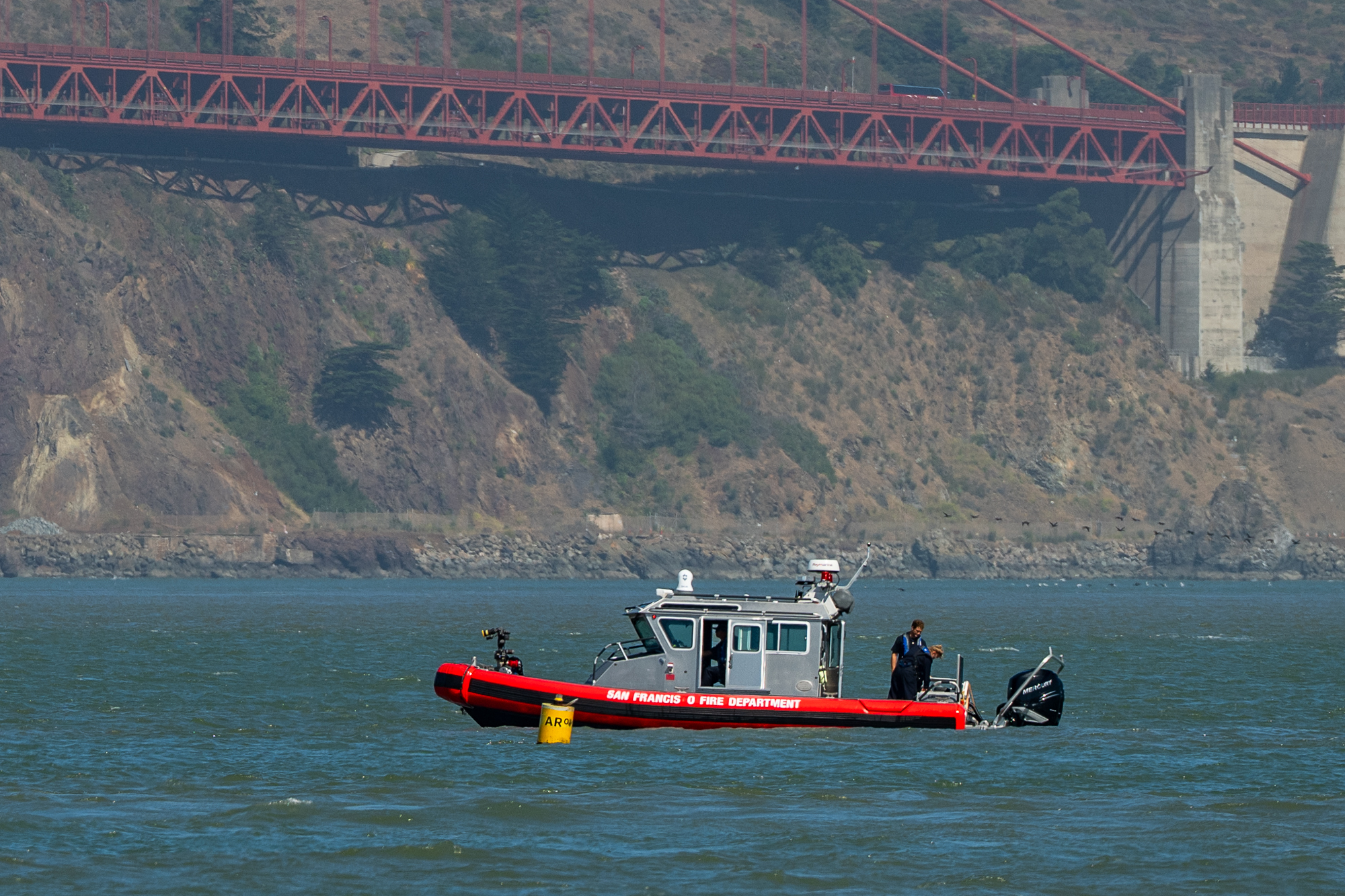
A deadly boating incident on the San Francisco Bay has killed at least one person, with three still missing as the search becomes a recovery mission. The body of a person who has not been identified was pulled from the water on Thursday afternoon.
Early reports from the incident suggest a wave struck the three-story boat before rolling over and sinking a short way from Alcatraz Island. Conditions on the water on Tuesday were windy with rough seas, according to witnesses and first responders.
U.S. Coast Guard Petty Officer, 3rd Class, Kenneth Wiese said strong tides and afternoon wind in the bay can “get pretty turbulent out there.”
“It looks like a river when the tide is going in and out [at] certain times of day,” he said.
The bay tides are so tricky to navigate, in fact, that all ships over 750 gross tons are required to have a “bar pilot”: a special mariner who knows the local conditions to help them enter and exit these waters.
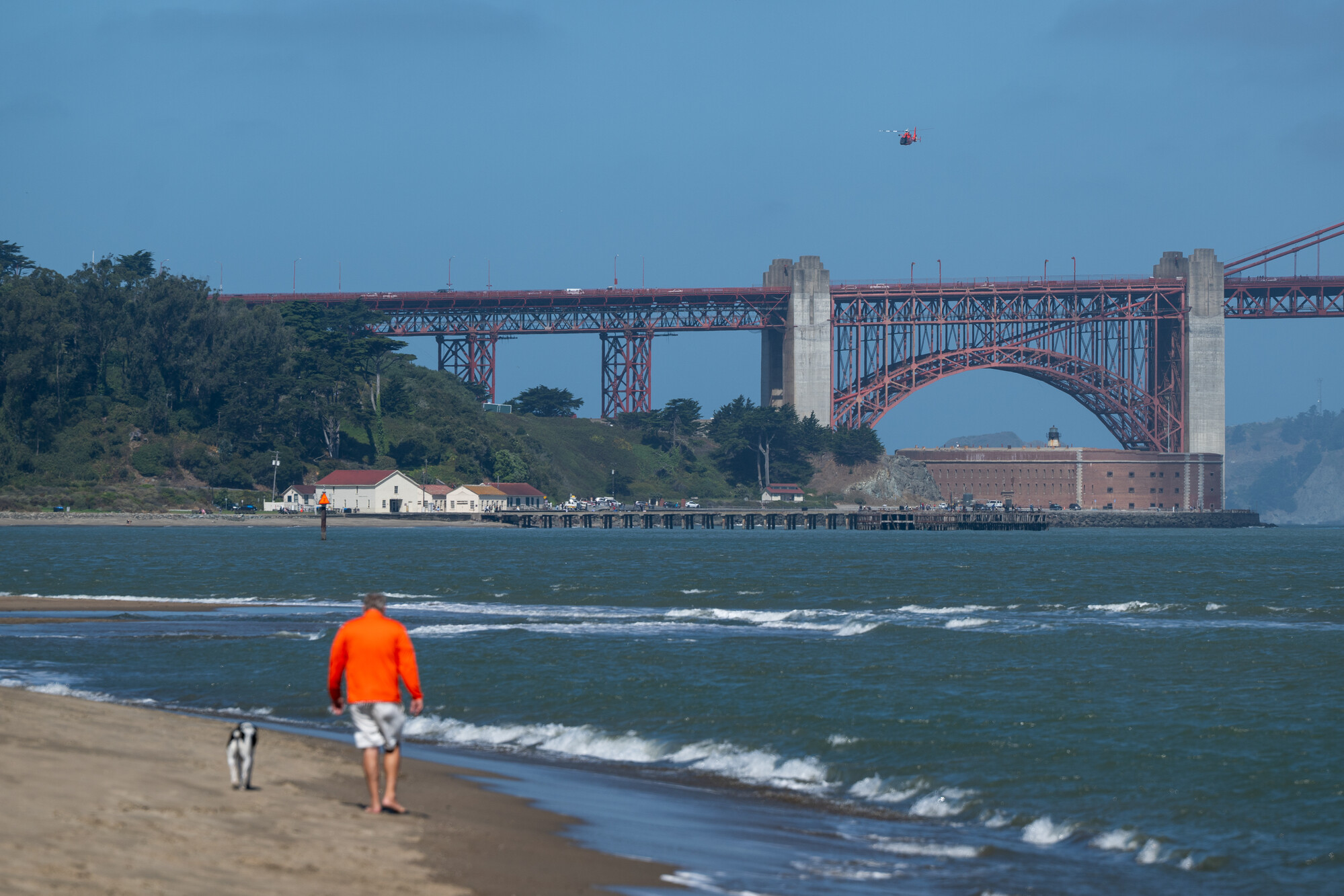
Even so, boating accidents — especially deadly ones — aren’t particularly common in the state. There were 479 recreational boating incidents in California in 2024, according to the California State Parks Division of Boating and Waterways. Those incidents, which span the coast and inland waterways like rivers and lakes, resulted in 214 injuries and 47 fatalities.
Compared to open coastal waters, fatalities from recreational boating accidents are relatively rare on the San Francisco Bay. Zero fatalities were reported on the San Francisco Bay from boating accidents in 2019, dipping from three deaths in 2015.
For a boat of this size to capsize, “this is a really unusual circumstance,” said David McMurdie, co-founder of California Recovery Divers — a volunteer team that leads underwater search and recoveries in Northern and Central California.
Still, he said, a plunge in the bay’s cold, fast-moving waters can quickly become life-threatening to even the most experienced boaters.
“It can turn deadly instantly,” he said.
Here’s what you need to know about boating safety in the San Francisco Bay, whether you’re renting a boat or planning to be a passenger on a vessel.
- Jump straight to: What experts say you should do if you’re on a sinking boat
Check the weather before you go out … and be prepared to cancel your plans
First things first: Check the weather and water conditions. Wiese said the Coast Guard relies on forecasts and real-time water conditions from NOAA.
“If you’re worried, I’d say the best case is not to go out,” Wiese said.
Wiese also suggested bringing extra layers and, depending on the weather of the day and your itinerary, bringing or wearing a dry suit. You can also designate someone to be “lookout” on the vessel to watch for hazardous conditions like mounting waves or nearby boats, he said.
Get your vessel checked by the Coast Guard
Before you head out on the water, it’s best to make sure all your safety gear is on board and hasn’t expired.
That includes items like life jackets, fire extinguishers, lights, registered emergency beacons and — as required on certain boats since 2021 — an engine cut-off switch that activates when the boat’s operator falls away from the boat. Wiese said it’s common to find boats with expired flares, for example.
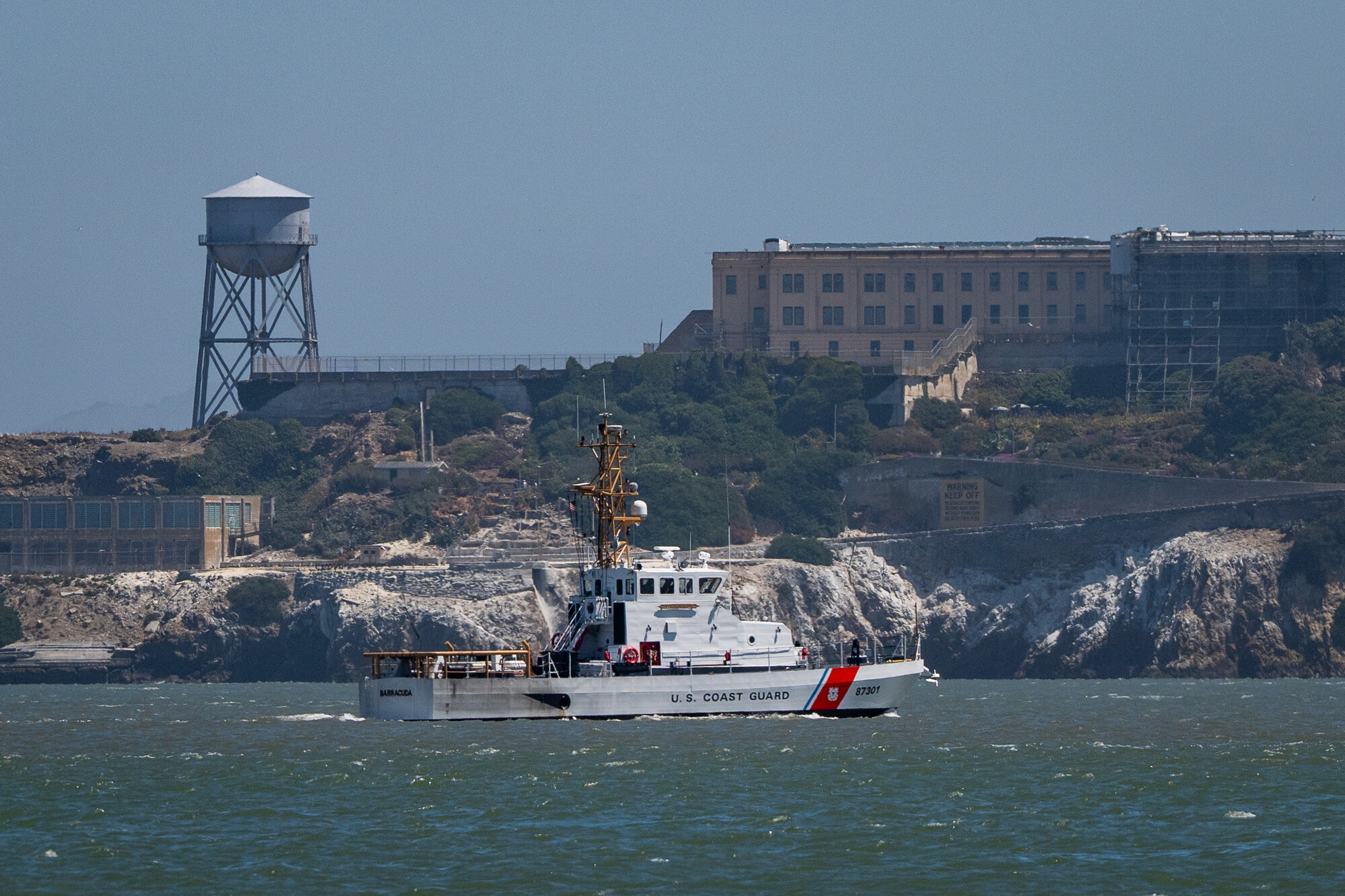
The Coast Guard Auxiliary offers free vessel safety checks where volunteers will check your boat, without the possibility of punishment if you don’t pass — to ensure you have all your federally required equipment on board.
“Make sure you have everything on board according to federal regulations,” he said. “It could really save your life if the worst-case scenario happens and buy you time when we’re looking for you.”
Take a boating safety course
According to the Coast Guard, in 2024, 69% of deaths occurred on boats where the operator had not received boating safety instruction.
The Coast Guard Auxiliary offers boating safety courses for a fee for anyone who wants to sign up, covering topics like boating law, safety operations and emergencies.
The Coast Guard Auxiliary’s website is rich with information for boaters if you’re looking for answers on equipment, regulations or statistics.
Listen to the onboard safety briefing
The Coast Guard requires commercial vessels to give a safety briefing before the boat starts cruising. McMurdie said it’s important that you actually listen to it, so you know where the life jackets are located on the boat and any other need-to-know information. And if you’re just out with friends on a boat one of you owns, it’s still good practice to let everyone know where they can find emergency devices and life jackets.
While boarding the boat, you should also take mental note of all the escape routes from interior areas of the boat so you don’t have to figure them out in case of an emergency.
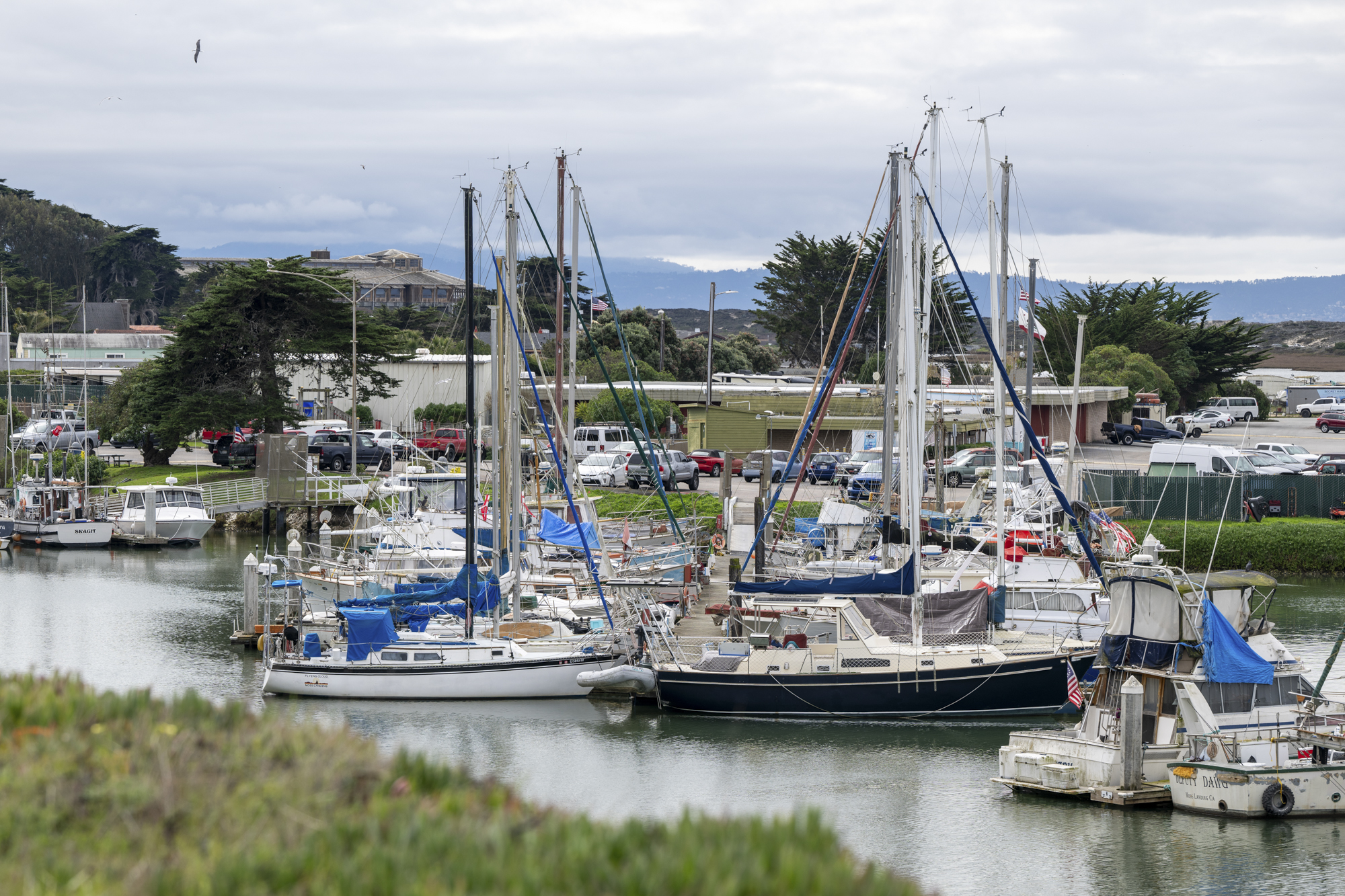
“It’s going to be really disorienting,” McMurdie said. “A boat topples over with you inside of it, and you’re getting tumbled around — and if you add water inside the cab, it’s probably going to be really dark.
“Just having that situational awareness might give you an extra chance of survival,” he said.
Always wear a life jacket
The number one thing you should always do if you’re worried about safety on a boat is wear a life jacket, also called a personal flotation device or PFD.
“One of the guys I work with likes to say, ‘We’ve never recovered anybody wearing a PFD,’” said McMurdie, who leads and performs underwater search and recoveries for deceased boaters.
According to the Coast Guard, around 75% of boating deaths annually are due to drowning, with 87% of victims not wearing a life jacket.
Create and follow a ‘float plan’
Even if it’s a clear day, Wiese said creating and following a float plan is a way to let your family and friends know where you intend to go and what time you expect to be back, as well as leaving contact information for passengers in case of an emergency.
No boat nor journey is too small to take this precaution, the Coast Guard emphasizes. A float plan is “equally effective for the owner of a 10-foot kayak or flat-bottom skiff as it is for a 48-foot express cruiser, or a 90-foot sport-fishing vessel or luxury yacht,” the agency said.
Don’t drink and boat
According to the Coast Guard, alcohol is the single biggest contributing factor to boating deaths.
Boating while under the influence is actually illegal and dangerous to you, your passengers and other boaters nearby. Plus, the marine environment — meaning the constant motion, vibration and engine noise of the boat itself plus the sun, wind and spray exposure — all accelerate impairment, the Coast Guard said.
“Alcohol is even more hazardous on the water than on land,” its website said.
What to know if your boat begins to sink
If you are on a boat that begins to sink — or if you’re at all worried about going overboard for any reason — the best thing to do is immediately put on a life jacket, Wiese said. You can then start to assist others with their life jackets.
If you’re inside or below deck, quickly leave for the top deck via one of the escape routes you identified and consider whether others might be trapped inside, too.
Whether or not you should stay with the boat or swim away from it depends on how quickly it’s sinking, he said. If it’s staying mostly afloat, it’s best to keep holding onto it so you don’t have to expend energy treading water.
“But if the boat is actively sinking and you know it’s going to go under, I suggest swimming away from it, looking out also for any entangling lines in the water that could wrap around you and take you down with it,” he said.
It’s easier said than done, but try to stay calm in this situation, Wiese said.
“There’s a tendency to get cold water shock with these water temperatures that we have in the Bay Area,” he said. “If you stay calm and relax, it’s hard for your muscles to tense up.”
If you’re able, try to get everyone together in the water, both to make sure everyone is accounted for — it’s easy to get separated with the strong currents in the San Francisco Bay — and for bodily warmth, he said. Form a circle, if you can, to help make floating easier and to conserve body heat between you.
While it might seem counterintuitive, Wiese advised against trying hard to swim: “It’s better to stay still if you can and wait for help,” he said. “Stay calm and try not to move around as much as possible, as the core temperature of your body can be seriously depleted by movement.”
“When you’re moving around in cold waters like we have in the bay here, all the body heat from your internal core will go to the outside to keep you warm, but you actually end up getting colder faster in the end,” he said. “And limiting movement will conserve a lot of that core body heat and allow your body to stay alive longer without experiencing the heightened symptoms of hypothermia.”
If you can find something floating to grab onto, try to do so. And if you have any means to call the Coast Guard for help or signal distress to nearby boaters, you should do that as well.
How to help someone else at risk of drowning
If you’re on a boat in the bay and you see someone else in distress, you can immediately reach out to the Coast Guard at 415-399-3547 to alert its 24/7 hotline that will activate emergency responders.
You can also attempt to help them, but in general, water safety experts advise against jumping into the water yourself to save someone. Instead, toss them a flotation device, then attempt to pull them out of the water.
KQED’s Sydney Johnson contributed to this report.