What’s Happening With Temporary Protected Status After the Major Supreme Court Ruling?
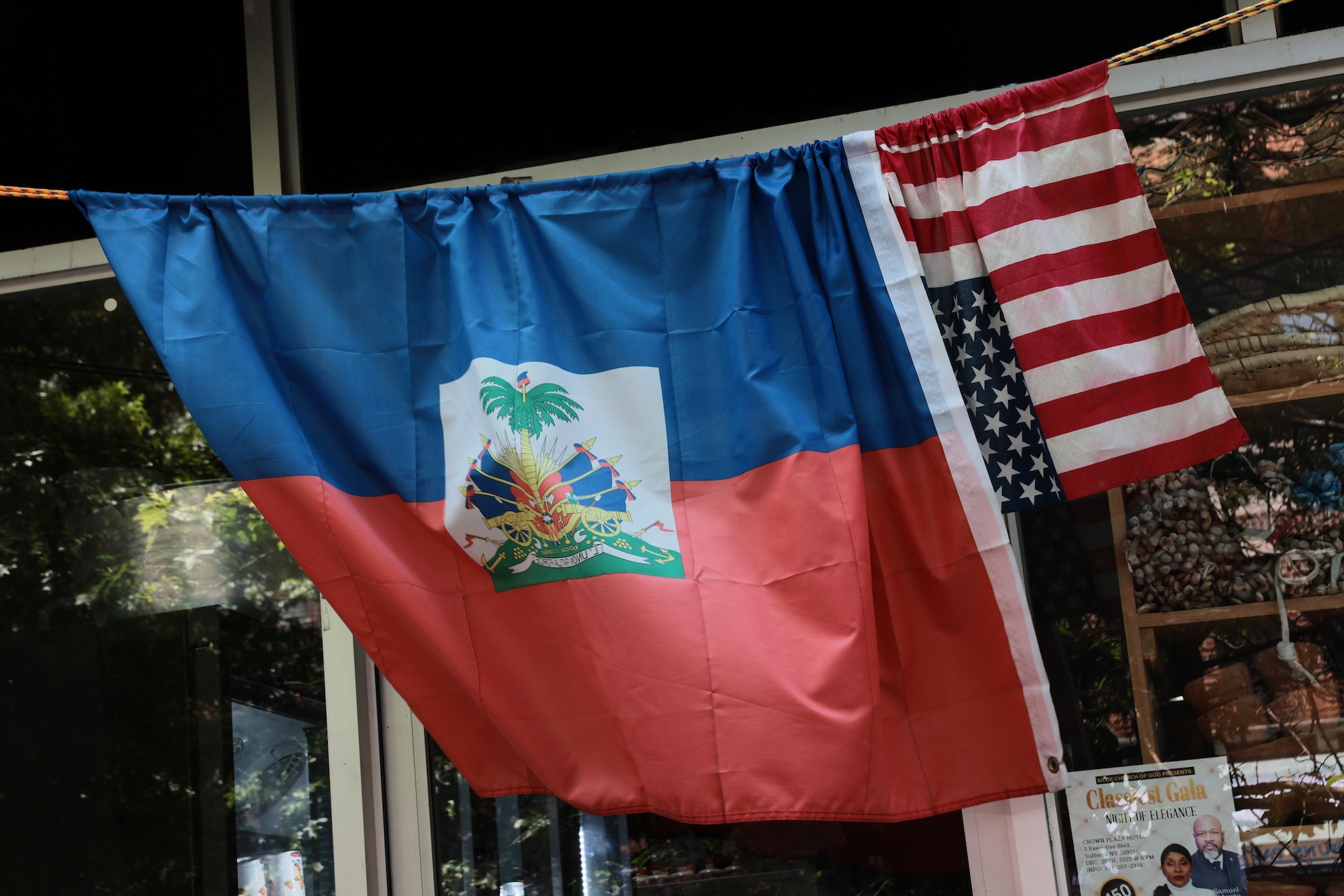
Jhony Silva has lived in the Bay Area since he was a toddler. The 30-year-old was a nursing assistant at Stanford Hospital in Palo Alto.
But since the expiration of Temporary Protected Status for his birth country, Honduras, last September, Silva’s life has been shaken. He lost his job — which he held while also going to school to become a registered nurse — and he frequently fears getting deported and separated from his family.
“I have a 9-year-old that I worry about,” he said. “Getting that TPS status taken away from me was a very rude awakening, and it’s left me in a really unpleasant situation.”
Hundreds of thousands of people on TPS are likely to be in a similar situation. In late June, the Supreme Court gave the Trump administration the power to end TPS for Haitians and Syrians without court oversight, attacking a decades-old federal program that allows people to stay in the U.S. for humanitarian reasons.
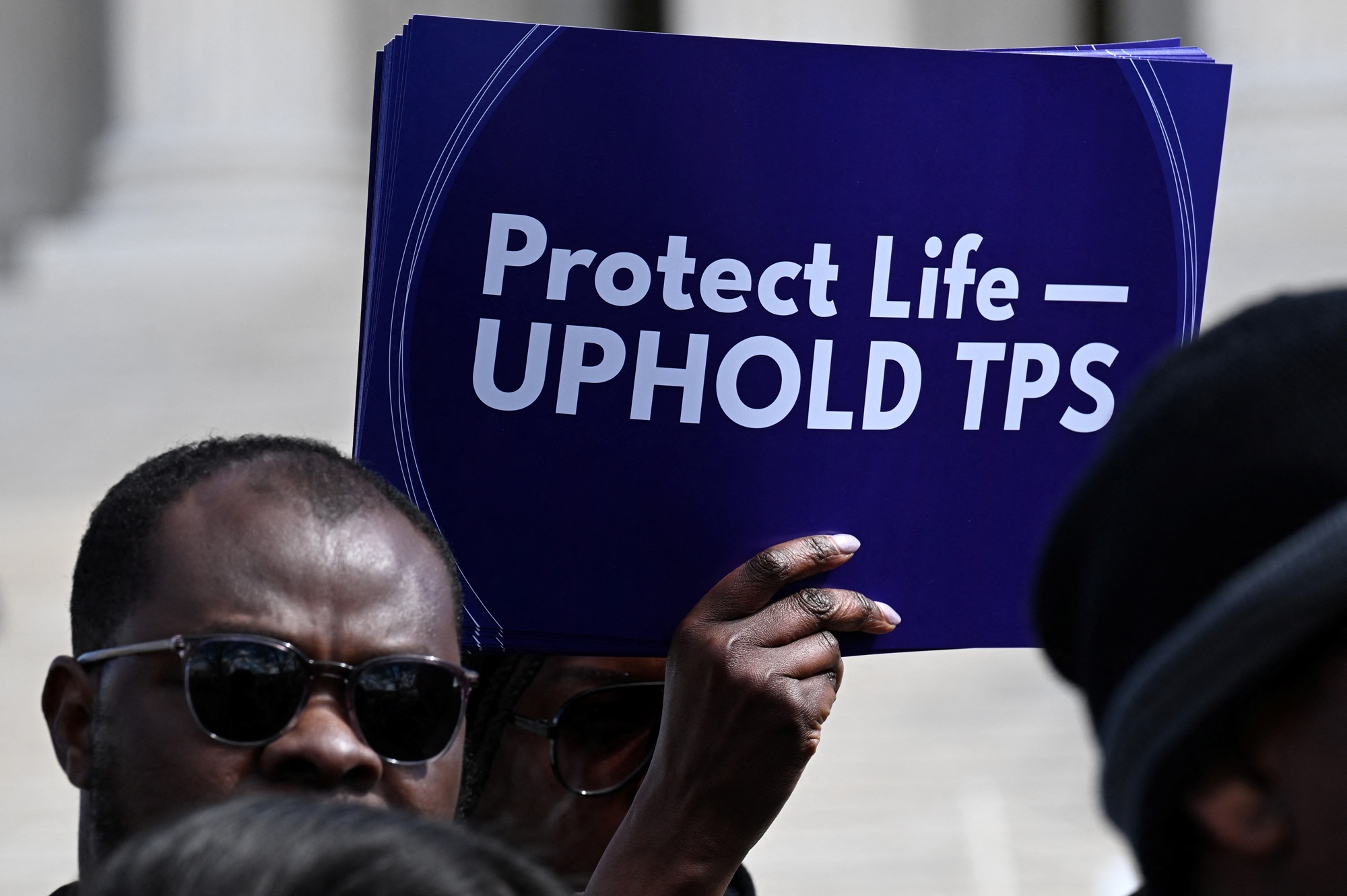
The decision can have ripple effects by jeopardizing the status of individuals from other TPS-designated countries like Venezuela and Nepal. According to federal data from early last year, nearly 1.3 million people from 17 different countries are TPS holders, with almost 80,000 living in California. KQED published a Q&A with lawyers and experts from the Supreme Court case shortly after the decision in June.
“I want people to realize that we are not what Donald Trump says we are,” Silva said. “We are hardworking people that want to make a life for ourselves out here, and support our family and try to pursue our own version of the American Dream.
“We all deserve better, and we all need to come together and work on figuring out how to better this situation.”
To learn more about the fallout of the TPS ruling and the context around it, KQED’s Forum spoke to Jazmine Ulloa, The New York Times national reporter covering immigration, and Emi MacLean, a senior staff attorney at the ACLU of Northern California.
This interview has been edited for brevity and clarity.
Mina Kim: What is Temporary Protected Status?
Emi MacLean: Temporary Protected Status is a form of humanitarian immigration protection for people whose countries are in crisis. These are people who are in the United States and cannot safely return to their home countries because their countries are at war, there’s a humanitarian crisis or there’s a natural disaster.
There’s a 1990 law that is intended to limit executive discretion and create rules for when countries can be designated for TPS and how countries’ designations for TPS can end. It ended a period where there was complete executive discretion. It was Congress’s intent at the time to create rules that govern how countries can get TPS and how individuals who cannot safely return to their home countries can be protected against deportation, detention and be provided work authorization while they’re living in the United States.
How long are TPS holders in the country for?
MacLean: Each individual designation is up to 18 months, but the law is clear that at the end of a period of a country’s designation, the government must review the conditions in the country. If it’s still unsafe for individuals to return to that country, their TPS designation must be extended. And we know that wars, natural disasters, humanitarian crises don’t come in 12- or 18-month intervals. Sometimes countries can be in crisis for five years, 10 years or more.
The law is clear that TPS must be extended if the country’s conditions remain unsafe and may be terminated only if it is safe for individuals to return to that country.
MacLean: The National TPS Alliance and others who have been fighting for TPS holders recognize that TPS, or humanitarian protection, is critical. But there needs to be a path to permanent protection that’s available for people, especially people who cannot return home for a period of time and who build lives here, who have U.S. citizen children, who own homes, who are working long-term in jobs and who become part of the fabric of this country.
They should not be permanently in limbo just because their countries are going through a protracted crisis. So certainly there should be reforms to the system. There should be reforms in a lot of ways that provide pathways to status for people.
What is the Trump administration saying about TPS?
Jazmine Ulloa: This falls more into this broader shift away from these international commitments that the United States has held for decades — that the U.S. took on in the aftermath of the Holocaust and World War II.
The Trump administration hasn’t necessarily said they want to terminate the program altogether, but they’ve suggested it in the way that they’ve approached it. They’re making it harder for refugees to enter; they’ve cut the number of refugees to record lows; they have made it much harder for asylum seekers to seek asylum in the courts.
Ulloa: This is part of that much broader movement, this broader shift away from establishing those humanitarian protections for people. More than a dozen countries have now been eliminated. Only four remain standing: El Salvador, Lebanon, Ukraine and Sudan.
What I’m hearing from folks is just how the legal landscape is just quickly changing underneath their feet: where one person can be legally here in the United States on one day, they feel like by the next day they won’t be.
Does that mean that the Supreme Court, in its decision, essentially said that the federal courts need to stay out of TPS?
MacLean: Under the law, the administration has the authority to terminate TPS designations for individual countries — but only where they follow certain criteria.
One of the central issues that was before the Supreme Court is: “Does the government have to follow the law?” And essentially, the government’s argument was, ‘In no uncertain terms, there’s nothing the courts can do about it.’”
One question from a Supreme Court justice was: “If the secretary made a decision relying on a Ouija board, rather than evaluating country conditions, would we be able to have any review?” The Solicitor General, one of the top lawyers in the United States, said: “There would be no judicial review in that case.”
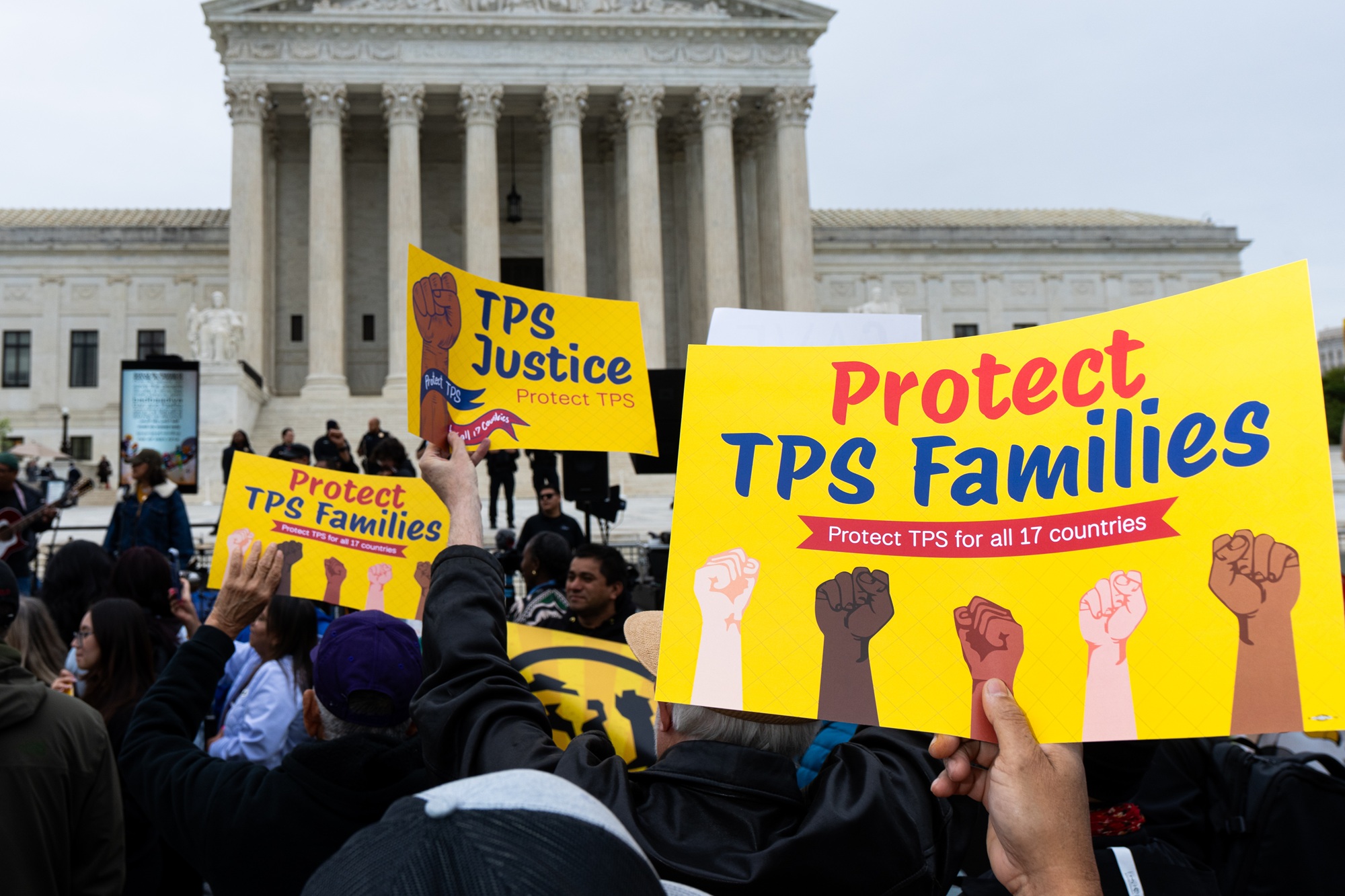
So the law is clear that there are processes that must be followed for a TPS designation to be terminated — where hundreds of thousands of lives are at risk. And a central question now is: can courts do anything about it when they completely violate the law?
MacLean: It doesn’t completely eliminate all avenues for judicial review, but it severely constrains the avenues that are available for judicial review. And it essentially gives the administration what it was asking for.
There are more than a dozen cases across the country before all sorts of judges where TPS holders are challenging the Trump administration’s illegal terminations of TPS. And every single judge in every single case had recognized that there must be checks and balances. There must be oversight. Otherwise, the TPS statute is just advisory.
And the Supreme Court endorsed the extreme position that the government presented, which is that it is effectively advisory. What the Supreme Court did say is that there may still be constitutional claims, including claims related to the unconstitutional termination of TPS because the TPS terminations were motivated by racism.
But one of the arguments made was that this was motivated by racism. How did the Trump administration respond to that?
MacLean: The Trump administration essentially asked the justices to close their eyes and their ears to the clearly racist statements by President Trump and the then-Secretary of the Department of Homeland Security.
MacLean: The constitutionality of the TPS termination question was related directly to the termination of TPS for Haiti. We will all remember during the campaign, and while Trump was president, he talked about Haitians — and Haitian TPS holders in particular — as eating cats and dogs of their neighbors. He talked about Haitian as poisoning the blood of the country. And he described Haiti, and in the context of talking about TPS, as a “shit country.”
Essentially what the Solicitor General was saying is, those are just statements of policy differences. And in an egregious majority decision by the supermajority in a six-to-three decision, the Supreme Court agreed and said, “This is heated language and an expression of policy differences.” And they essentially ignored the very clearly racist statements.
But they did not prevent TPS holders from continuing to bring constitutional challenges.
What does this ruling mean for other TPS holders not from Haiti or Syria?
Ulloa: The Trump administration remains locked in litigation over whether it can end protections for more than a million people from Afghanistan, Cameroon, Ethiopia, Honduras, Myanmar, Nepal, Venezuela, Somalia, South Sudan and Yemen.
And so I’ve been talking to TPS holders from many of these nations who are scrambling to find other forms of protection and are trying to make life-and-death decisions right now about whether to stay in the country or be forced to return to countries that they say are still very, very unstable. And they’re doing so at a time when the administration is ramping up arrests all across the country.
What does this mean for people who have lost TPS? Does it essentially mean they are subject to deportation?
MacLean: There are 1.3 million people who had TPS at the start of this administration. And as Jazmine was saying, virtually all of the TPS designations have been terminated to date, except for a few that have not yet come up for review.
There are about 700,000 people who have already lost their TPS status because the legal challenges have allowed for those TPS terminations to go into effect. There are about 350,000 Haitian and Syrian TPS holders that are expected to lose their status within days as a result of the Supreme Court’s endorsement of the government’s arguments defending their TPS terminations, and there are some others where the challenges continue to be making their way through the courts, but are going to be much harder because of the Supreme Court’s decisions.
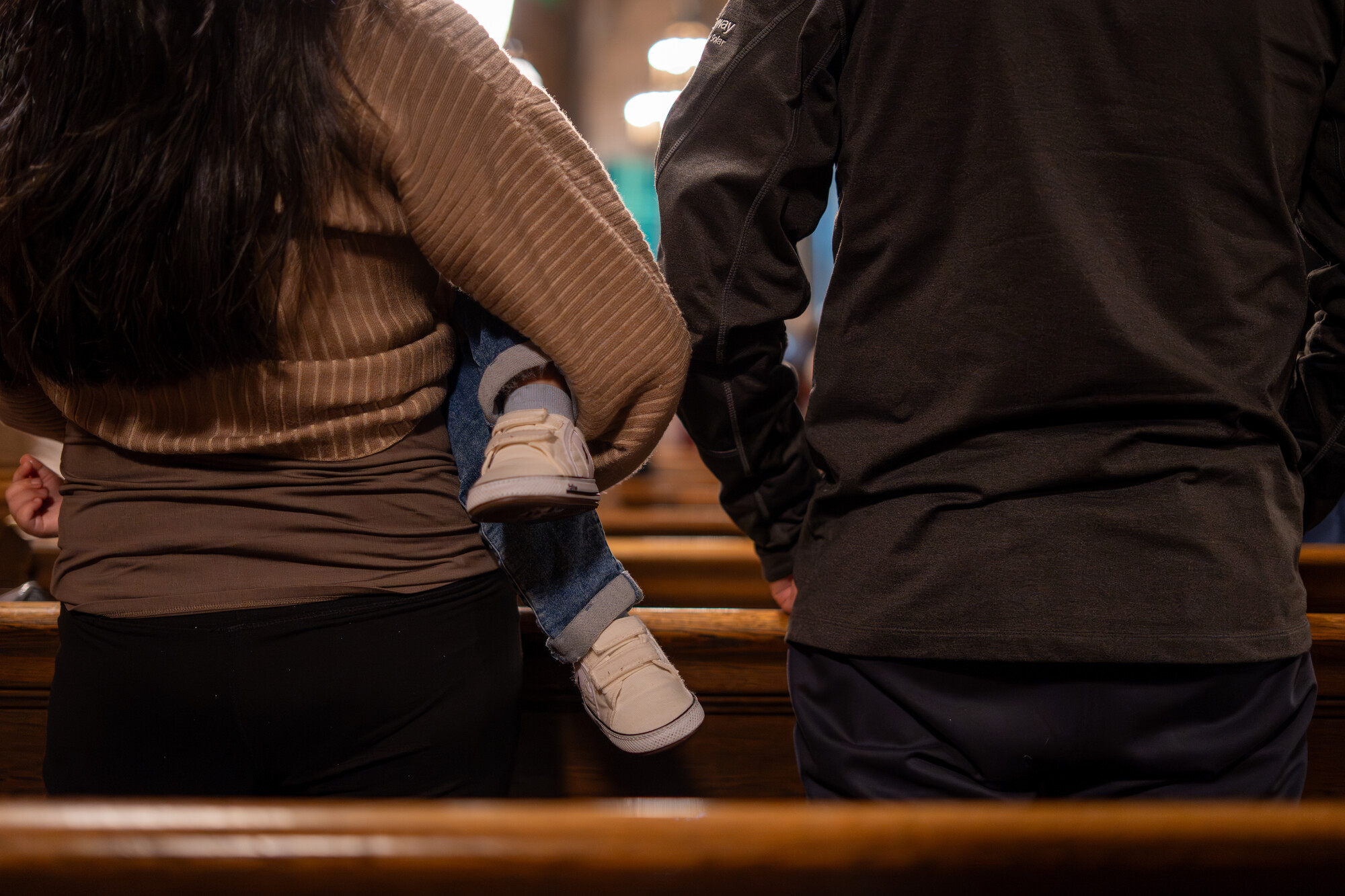
What we know is that TPS holders who have lost status have been at risk of detention and deportation, and they have, in many cases, already lost their employment authorization and are living on the margins where previously they were able to contribute to their families, contribute to their communities.
Ulloa: I spend a lot of time in this very rural conservative area in Iowa, where more than a dozen Ukrainians have arrived since Russia invaded Ukraine two years ago, and they’ve been able to establish themselves. They’ve been able to buy homes and work various jobs.
Now they have to stay home. Their employers have been fighting to bring them back to work. I spoke to one employer who said, “These two women here who learned how to frame, how to paint windows and frame the doorways, it’s very specialized, skilled work that they were able to learn in two years.”
He’s paid thousands of dollars to try to get them visas, but those are very difficult processes and can take many years to establish, and the administration is only making it harder in so many different ways, whether it’s in the courts whether through these administrative processes. So it’s putting people in very dire situations.
What process exists for TPS holders to be able to get a status that is not temporary?
MacLean: Temporary Protected Status is supposed to mean something that is different from permanent status. What that means is that for as long as it is unsafe for an individual to return to their home country, they should be able to stay here, but they are consistently in limbo. And so it is not a great status for people to be in for long periods of time, but sometimes it’s the only available status.
I talked this morning to a Haitian TPS holder who’s lived here since she was a child. Every single other member of her family has a permanent status. She applied more than five years ago to adjust through a family member. That wait list is probably going to be six to 10 years.
Her employer wants her to be able to stay and sought employment authorization for her with an H-1B visa, but the administration has blocked the processing of immigration applications for Haitians and for many people from many other countries.
MacLean: That doesn’t mean that Congress could not create a pathway to status. And there are actually bills that currently exist in Congress that would provide a path to permanent legal status — green cards — for TPS holders. It is very important now that, in addition to providing longer-term protections for TPS holders, a path to permanent relief and a moratorium on deportations, that the statute has judicial review restored.
MacLean: It’s a convenient retort that Trump and the DHS secretaries will say: just follow the rules, get in line, apply through the normal process. But they’re doing literally everything in their power to prevent people from getting any permanent status.
And they are, in fact, engaging with this mass de-documentation program. Some 1.3 million people will lose status effectively overnight through their actions. They are the ones who are making people undocumented and preventing them from having another path to getting status.
What are the impacts of the TPS ruling on communities and economies?
MacLean: We’ve looked at it at a large-scale level and at the interpersonal level and personal level and familial level. There were multiple Nobel Prize-winning economists who filed an amicus brief to the Supreme Court about the billions of dollars that are going to be lost to the U.S. economy from the de-documentation of TPS holders.
Many TPS holders — including a large number of the 350,000 Haitian TPS holders who are on the eve of losing their status — work in vital care industries as doctors, nurses and home health aides. Patients rely on them.
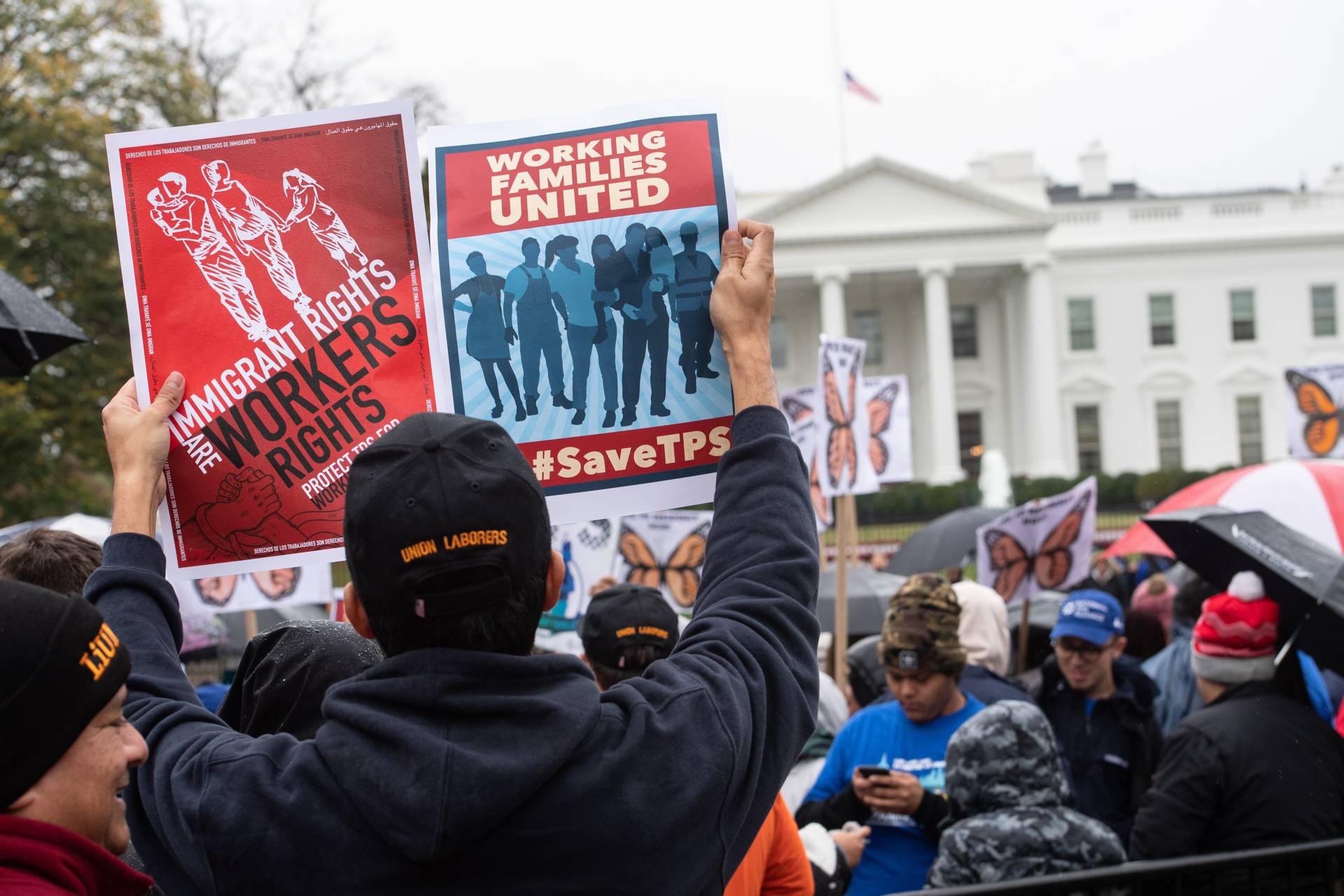
MacLean: We’ve also done studies at a smaller level of members of the National TPS Alliance who we represent in TPS challenges in court about what the effect was on individuals, and on their families from the loss of TPS status. We found that of the people who responded to the study, virtually all had stable, long-term committed employment, some for many years. And then overnight, the majority of people effectively lost all of their income. So that is devastating for individuals. It’s also devastating for communities that are then forced to pick up the pieces.
Ulloa: A problem that a lot of TPS holders are encountering is that sometimes their work permit has not necessarily been terminated, but there’s a lot of confusion as to when. And so some employers have already let staff go, thinking that they’re going to have to do so anyway, so why not just do it now? Others are trying to work with lawyers, with their legal assistants, to figure out exactly what the regulations are. Many worry about facing steep fines if they do not meet the government’s new approach to this program.
The U.S. has stripped TPS status for some of these countries, but don’t they also have travel advisories warning people not to go there?
MacLean: The inconsistency and incoherence between the two parts of the government cannot be ignored. That you have the State Department saying on their website, no part of Syria is safe, and saying, if you’re going to travel to Haiti, prepare a will in advance.
And yet, in the decisions terminating TPS for Haiti and Syria, the DHS secretary said it can be safe to return, there’s only sporadic violence in Syria, there are improvements in Haiti. There’s no way that that’s true. The termination decisions are founded on lies.
MacLean: The Venezuela earthquake is a really poignant and deeply devastating example. The earthquake is exactly the type of thing that would have sparked a TPS designation under any other administration, or many other administrations.
We know that there was a deportation flight from Miami to Venezuela the day before the earthquake. We know there were TPS holders on that flight, and we know that they died. They were in a hotel that collapsed. There’s been no acknowledgment, no remorse, no recognition of that. And still there are Venezuelan TPS holders, a large number of them who are detained and awaiting deportation, and there’s been no mention of any consideration of designating Venezuela for TPS because of the earthquake.
MacLean: There are quite a number of lawmakers who have recognized the concern for the Venezuelan population and even the concern for the termination of TPS for Venezuela, including Republican lawmakers in Florida who are willing to post on their social media that they’re concerned about TPS for Venezuela but unwilling to do anything about it.
What about the countries with protection? When do those come up for renewal?
Ulloa: I’m definitely hearing from people from El Salvador who are on TPS that they are very, very worried. And these TPS holders from El Salvador are particularly striking because many of them have been in the country for 30 years, and it is because of their struggle to find legal pathways in this country that we even have the program to begin with.
This program was created, as we said earlier, in the 1990s, and it was driven by a bipartisan push in Congress largely because people from El Salvador were fleeing their native country and coming into the United States; they were fleeing a very violent civil war and they were ending up here and they were trying to find sanctuary in churches, and they were lobbying members of Congress for this protection.
It is striking to many of them to now, years later, have built lives. Many of them have kids who have now gone on to college. They are still struggling for the same type of protection and still fearing this war or very unstable situations back in El Salvador.
Are there any new legal avenues being pursued by TPS advocates?
MacLean: We do think that with more evidence about the motivations for the TPS terminations, it should be clear that the TPS terminations were motivated by racism, which is against the Constitution.
There’s an open question about whether the Supreme Court is going to find a violation of the Constitution for anything if they’re not willing to recognize these clearly, blatantly racist statements as evidence of racism, but we plan to and will bring even more evidence than was available at the Supreme Court. We also believe that there are other constitutional challenges that have not been brought, that we intend to move forward in the courts.
But it’s clear that this will not immediately protect the TPS holders at risk. Deportations are happening now. Detentions are happening. Now the harm is happening to TPS holders, their families and their communities, many of whom have lived here for a long time. We will continue to fight, but it is really critical that there is a political solution as well, given the real limitations that the Supreme Court has placed on legal avenues for relief.